Category: Mental Block

  • Micro-Decisions That Add Up to Burnout (And What to Do Instead)

    Micro-Decisions That Add Up to Burnout (And What to Do Instead)

    It’s not the giant waves that sink a ship—it’s the slow leak we often overlook. Burnout rarely announces itself with dramatic flair; instead, it creeps in through the tiny, seemingly harmless choices we make every day. These micro-decisions may look trivial in isolation, but their cumulative impact can gradually drain our energy, cloud our judgment, and push us into emotional and physical exhaustion before we even realize what’s happening.

    In our modern hustle-driven society, the glorification of busyness masks the subtle behaviors that quietly undermine our well-being. Decisions like checking emails late at night, saying “yes” when we mean “no,” or skipping short breaks during the workday all seem insignificant—until they aren’t. According to Dr. Christina Maslach, a pioneering burnout researcher, “Burnout is not just about being tired. It’s a state of chronic stress that leads to physical and emotional depletion.” These choices, when left unchecked, become the blueprint of burnout.

    Recognizing these patterns is the first step toward reclaiming control. In this post, we’ll explore twenty everyday decisions that may be setting you up for burnout—and more importantly, what you can do instead. From boundary-setting to embracing imperfection, the alternatives provided here will help you cultivate resilience, balance, and sustained energy in both your professional and personal life.


    1- Always Saying Yes
    The compulsion to agree to every request may stem from a desire to be seen as dependable or from the fear of missing out. However, consistently saying “yes” at the expense of your own time and well-being creates a dangerous precedent. Overcommitment breeds resentment and leaves little room for rest or personal pursuits, leading to emotional fatigue over time. This pattern becomes a fast track to burnout, particularly for high-achievers who tie their worth to productivity.

    Instead, learning the strategic art of saying “no” is an act of self-preservation. As Dr. Brené Brown writes in Daring Greatly, “Daring to set boundaries is about having the courage to love ourselves, even when we risk disappointing others.” Replacing automatic agreement with thoughtful consideration allows for clearer priorities and fosters a healthier, more sustainable work-life balance.


    2- Skipping Breaks During the Day
    Skipping breaks might seem like a small sacrifice for productivity, but it actually sabotages your energy and cognitive capacity. The brain, much like a muscle, needs rest intervals to sustain high performance. Without moments of pause, stress hormones like cortisol build up, leading to cognitive fatigue and emotional depletion.

    Instead of powering through, embrace the concept of “ultradian rhythms”—the natural 90-minute cycles of alertness followed by dips in energy. In The Power of Full Engagement, Jim Loehr and Tony Schwartz emphasize the importance of taking deliberate breaks to renew physical and mental energy. Even short walks, mindfulness sessions, or quiet moments can reset your system and enhance focus throughout the day.


    3- Checking Email First Thing in the Morning
    Starting your day by diving into your inbox might feel efficient, but it primes your brain for reactivity rather than intentionality. It shifts your focus to other people’s priorities before you’ve had a chance to center yourself. Over time, this morning habit reinforces a reactionary mindset that increases stress and reduces control over your schedule.

    A more empowering start involves engaging in a morning ritual that centers your goals and mindset. Whether it’s journaling, planning your top three tasks, or simply enjoying a quiet coffee, these habits allow you to begin with purpose. Cal Newport, author of Deep Work, advocates for “attention hygiene” in the digital age, noting that reclaiming your mornings can drastically improve focus and emotional clarity.


    4- Multitasking Throughout the Day
    Multitasking is often worn as a badge of honor, but it fractures attention and diminishes the quality of work. Switching rapidly between tasks incurs a cognitive cost known as “task-switching penalty.” According to the American Psychological Association, multitasking can reduce productivity by up to 40%, eroding both efficiency and mental stamina.

    A more effective strategy is monotasking—giving full attention to one task at a time. This not only increases output but also provides psychological satisfaction. In The One Thing, Gary Keller emphasizes that “extraordinary results are directly determined by how narrow you can make your focus.” Single-tasking restores clarity, reduces stress, and fosters a sense of accomplishment.


    5- Over-Scheduling Your Calendar
    Filling every available slot on your calendar may seem like a sign of ambition, but it leaves no margin for spontaneity, rest, or unexpected demands. This rigid structure creates a sense of being perpetually behind and fosters a low-level panic that simmers throughout the day.

    Creating “white space” in your schedule is essential for creativity and emotional recovery. Time-blocking with intentional gaps can help you breathe between meetings, reflect, or adjust to shifting priorities. As author Greg McKeown argues in Essentialism, “If you don’t prioritize your life, someone else will.” Freeing time is not laziness—it’s strategic energy management.


    6- Neglecting Physical Activity
    Skipping exercise due to a packed schedule may feel justified in the short term, but the long-term toll on energy levels, sleep quality, and stress resilience is steep. Physical movement plays a vital role in regulating mood and maintaining mental stamina through the release of endorphins.

    Rather than viewing exercise as a luxury, reframe it as a foundational pillar of performance. Even short walks or stretching sessions can revitalize the mind. Harvard Medical School’s research on stress resilience repeatedly highlights movement as a key protective factor against burnout. The goal isn’t intensity—it’s consistency.


    7- Avoiding Difficult Conversations
    Dodging uncomfortable discussions may seem easier in the moment, but emotional avoidance leads to tension buildup and deteriorating relationships. The energy spent on rumination and passive-aggressive behaviors contributes significantly to emotional exhaustion.

    Addressing conflict with honesty and empathy not only resolves tension but also fosters psychological safety. In Crucial Conversations by Patterson, Grenny, McMillan, and Switzler, the authors stress that mastering tough conversations is essential for strong professional and personal connections. Clarity brings relief—and often prevents deeper issues from festering.


    8- Constantly Comparing Yourself to Others
    Comparison is a thief of joy and a stealthy contributor to burnout. Measuring your progress against someone else’s highlight reel often results in feelings of inadequacy, pushing you to overcompensate and overwork to “catch up.”

    Focusing on your own metrics for success fosters intrinsic motivation and self-compassion. As psychologist Kristin Neff notes in Self-Compassion, “When we stop beating ourselves up and instead give ourselves permission to be imperfect, our drive to do well actually increases.” Celebrate your unique path and progress—it’s the antidote to burnout by comparison.


    9- Perfectionism in Everyday Tasks
    Striving for excellence is commendable, but perfectionism turns motivation into a double-edged sword. It demands flawless outcomes and leaves no room for error, which creates chronic dissatisfaction and inner tension—even when outcomes are objectively successful.

    Instead, embracing a growth mindset allows for learning and resilience. As Carol Dweck explores in Mindset, shifting from “I must be perfect” to “I can improve” unlocks creativity and reduces anxiety. Letting go of perfection frees mental bandwidth and preserves emotional well-being.


    10- Ignoring Early Signs of Fatigue
    Fatigue doesn’t announce itself with fanfare—it whispers. Ignoring these whispers leads to physical breakdowns, irritability, and disconnection. When early symptoms are dismissed, the body and mind eventually force a reckoning.

    Learning to tune into these early cues and taking action—whether through rest, delegation, or mindfulness—can prevent burnout from escalating. As Dr. Saundra Dalton-Smith notes in Sacred Rest, rest is not just sleep; it’s a multidimensional practice essential to long-term vitality.


    11- Minimizing Your Own Needs
    Putting everyone else’s needs above your own may look virtuous, but it’s emotionally unsustainable. Over time, this behavior erodes your identity and leads to resentment, especially when the care you give isn’t reciprocated.

    Practicing self-prioritization is not selfish—it’s essential. As Audre Lorde reminds us, “Caring for myself is not self-indulgence, it is self-preservation.” Meeting your own needs equips you to show up for others from a place of abundance, not depletion.


    12- Working Through Illness or Pain
    Pushing through physical discomfort sends your body the message that its signals don’t matter. This mindset, often glamorized in hustle culture, delays recovery and prolongs illness, increasing the risk of serious burnout.

    Listening to your body—and honoring its limits—is an act of wisdom. Workplace cultures that encourage rest during illness ultimately improve long-term productivity and loyalty. Reading The Body Keeps the Score by Dr. Bessel van der Kolk underscores how ignoring the body leads to lasting emotional and physical consequences.


    13- Not Delegating When You Should
    Trying to do everything yourself may stem from a belief that delegation equals weakness or loss of control. However, this mindset leads to overload and bottlenecks. The more responsibilities you hoard, the more fragile your workflow becomes.

    Delegating effectively requires trust and clarity—but the payoff is significant. As Jocko Willink states in Extreme Ownership, “Discipline equals freedom.” Letting go of tasks frees you up to focus on high-impact work and restores mental clarity.


    14- Relying on Caffeine Instead of Rest
    Using caffeine as a substitute for rest might provide a temporary boost, but it creates a cycle of dependency and sleep disruption. Over time, it masks fatigue rather than addressing its cause, contributing to a perpetual state of exhaustion.

    Reclaiming energy naturally through hydration, movement, and quality sleep leads to more sustainable vitality. As Dr. Matthew Walker explains in Why We Sleep, no supplement or stimulant can replace the healing power of true rest.


    15- Avoiding Help or Therapy
    Believing you must manage everything alone is a silent accelerant of burnout. Stigma around seeking help often keeps people in silent suffering, even when professional support could make all the difference.

    Therapy, coaching, or even peer support can provide tools and perspectives that reframe your challenges. According to the World Health Organization, early intervention with mental health support reduces burnout and improves overall functioning. Help is not a crutch—it’s a bridge back to balance.


    16- Working Without Clear Goals
    Operating without clear goals leaves you vulnerable to external demands and aimless activity. This lack of direction drains energy because there’s no finish line, only endless movement.

    Setting and reviewing intentional goals creates a sense of purpose and momentum. In Atomic Habits, James Clear notes that “You do not rise to the level of your goals; you fall to the level of your systems.” Defining your goals helps you filter distractions and stay grounded in what truly matters.


    17- Dismissing Small Joys
    Neglecting moments of pleasure in the name of productivity creates an emotionally barren routine. Joy is not a luxury—it’s a necessary human nutrient that replenishes the soul and provides resilience during difficult times.

    Incorporating small joys, like a favorite song, a warm drink, or a chat with a friend, recharges emotional reserves. In The Book of Joy by the Dalai Lama and Desmond Tutu, the authors argue that cultivating joy is a powerful act of resistance against burnout and despair.


    18- Always Being “On Call”
    Being perpetually available sends the message that your time is not your own. This boundary erosion blurs work-life distinctions and fosters chronic stress. It’s a recipe for burnout, especially in digital environments where the expectation of constant responsiveness prevails.

    Setting digital boundaries—such as app timers, silent notifications, and email curfews—helps you reclaim focus and peace. Cal Newport’s Digital Minimalism offers practical strategies to protect your mental bandwidth in an always-on culture.


    19- Overlooking Emotional Regulation
    Unchecked emotions—especially stress, anger, or anxiety—have a cascading effect on decision-making, relationships, and energy. Suppressing or ignoring them doesn’t make them go away—it amplifies their impact over time.

    Developing emotional literacy and regulation is a game-changer. Journaling, mindfulness, and therapy can help process emotions in a healthy way. Daniel Goleman’s Emotional Intelligence shows that the ability to recognize and manage emotions is central to resilience and long-term success.


    20- Believing Burnout Is the Price of Success
    One of the most dangerous beliefs is that exhaustion is proof of commitment. This toxic narrative fuels unsustainable work habits and glorifies burnout as a badge of honor.

    True success includes sustainability and well-being. Arianna Huffington, in Thrive, challenges the idea that burnout is inevitable: “We think, mistakenly, that success is the result of the amount of time we put in at work, instead of the quality of time we put in.” Redefining success to include health and joy is the antidote to burnout culture.


    21 – Taking No Breaks
    Skipping breaks might seem like a way to get more done, but it’s a shortcut to mental exhaustion. Micro-decisions like “just five more minutes” without stepping away from your desk slowly chip away at your focus and resilience. According to productivity researcher Cal Newport in Deep Work, cognitive stamina diminishes without strategic rest, leading to diminished performance over time.

    Instead, embrace structured downtime. The Pomodoro Technique—25-minute focused work followed by a 5-minute break—has been scientifically supported to improve both output and energy levels. Regular intervals allow your brain to consolidate information and sustain creative problem-solving capacity throughout the day.


    22 – Inability to Decline
    Always saying “yes” may feel collegial, but it’s often a covert path to chronic stress. Micro-decisions to take on “just one more thing” dilute your capacity and breed quiet resentment. As boundary researcher Dr. Brené Brown notes, “Daring to set boundaries is about having the courage to love ourselves even when we risk disappointing others.”

    Saying “no” is a form of self-preservation. Framing refusals with clarity and kindness—such as “I’d love to help, but I don’t have the bandwidth right now”—establishes respect without burning bridges. Recognizing the cost of overcommitment is key to avoiding emotional and professional burnout.


    23 – Morning Email Habit
    Checking emails the moment you wake up may seem harmless, but it puts your brain in reactive mode before you’ve even set your day’s intentions. According to behavioral economist Dan Ariely, our highest cognitive performance occurs in the first two hours of being awake—yet most people waste this prime time on low-priority communication.

    Instead of letting your inbox dictate your day, start with a high-impact task or reflection exercise. Building a morning ritual that centers focus and clarity enhances both decision-making and mood throughout the day. Reclaiming your mornings is a powerful antidote to modern burnout.


    24 – Late-Night Screen Time
    Scrolling at night might feel like decompression, but it disrupts sleep quality by suppressing melatonin, the hormone responsible for circadian rhythm regulation. Neuroscientist Matthew Walker, in Why We Sleep, warns that even short-term sleep deficits impair memory, mood, and metabolic health.

    Opt for a digital sunset—turning off screens an hour before bedtime—and replace scrolling with low-stimulation activities like reading or journaling. Quality rest is the cornerstone of sustainable productivity. Without it, every micro-decision the next day becomes heavier and harder to make.


    25 – Multitasking as a Default
    Trying to juggle tasks often feels productive, but cognitive science consistently shows it’s a myth. Dr. Earl Miller of MIT explains, “The brain is not wired to multitask. When people think they’re multitasking, they’re actually just switching from one task to another very rapidly—and each switch depletes cognitive energy.”

    The remedy is single-tasking with full attention. Using techniques like time-blocking helps you protect your attention span and dive deeper into meaningful work. Over time, the habit of focused execution beats the illusion of efficiency created by multitasking.


    26 – Neglecting Movement
    Spending hours without physical movement may feel like necessary dedication, but the body’s stagnation leads to mental stagnation. A study in the British Journal of Sports Medicine links even brief bouts of activity with improved cognitive flexibility and mood regulation.

    Incorporate movement micro-breaks—five minutes of stretching or a short walk—into your day. These resets help clear mental fog, reduce muscle tension, and enhance creativity. As the old adage goes, “motion is lotion”—both for your body and your mind.


    27 – Pushing Through Hunger
    Skipping meals or ignoring hunger cues may feel like disciplined focus, but it’s a fast track to energy crashes and irritability. According to registered dietitian Susan Albers, author of Eating Mindfully, our brains require steady glucose levels to function optimally, and ignoring hunger disrupts that balance.

    Rather than viewing eating as an interruption, consider it as essential maintenance. Stock your workspace with nourishing snacks and commit to mindful meals. Balanced nutrition supports sustained cognitive performance and prevents the fog that often accompanies burnout.


    28 – Perfectionism on Minor Tasks
    Spending inordinate time refining inconsequential details is often driven by anxiety masked as high standards. Dr. Tal Ben-Shahar, author of The Pursuit of Perfect, explains that perfectionism actually hampers performance by increasing procrastination and lowering self-esteem.

    Adopt the mantra “Done is better than perfect” for tasks that don’t require deep scrutiny. Save your critical eye for projects that truly matter. Learning to prioritize where your perfectionism is warranted can conserve emotional energy and free you from burnout’s grip.


    29 – Avoiding Difficult Conversations
    Avoiding tough discussions might offer short-term comfort, but it accumulates emotional clutter that weighs heavily over time. Leadership expert Kim Scott in Radical Candor advocates that “clear is kind,” suggesting that honesty delivered with empathy prevents miscommunication and internal tension.

    Lean into discomfort. Address issues early and directly, using non-defensive language. Your mental clarity improves when unresolved tensions aren’t taking up bandwidth. Avoidance might delay conflict, but it often magnifies stress and burnout in the long run.


    30 – Comparing Your Reality to Others’ Highlights
    Measuring your daily life against someone else’s curated social media highlight reel is a silent self-esteem trap. Social psychologist Dr. Melissa Hunt found that such comparisons increase depressive symptoms and lower life satisfaction.

    Reclaim your narrative by practicing digital discernment. Limit exposure to comparison-heavy platforms and redirect attention to your own values and accomplishments. Real joy comes from internal benchmarks, not external validation—a shift essential to emotional sustainability.


    31 – Overlooking Small Wins
    Failing to celebrate minor accomplishments can make progress feel invisible. According to Harvard researcher Teresa Amabile, recognizing even small achievements boosts intrinsic motivation and workplace satisfaction.

    Create a ritual of acknowledging daily wins, no matter how minor. This micro-shift rewires your brain for gratitude and growth. Over time, it cultivates a sense of momentum that shields you from burnout’s disheartening inertia.


    32 – Working Through Weekends
    Telling yourself you’ll “just catch up” over the weekend deprives you of vital recovery time. Psychologist Dr. Alex Pang, in Rest: Why You Get More Done When You Work Less, emphasizes that high performers guard their leisure as fiercely as their work hours.

    Establish a hard stop for the workweek and use weekends to recharge, reflect, and re-engage with personal pursuits. The mind needs contrast to remain sharp. Without intentional rest, you risk turning life into a never-ending Monday.


    33 – Dismissing Stress Signals
    Brushing off headaches, irritability, or fatigue as just “part of the grind” ignores your body’s red flags. Ignored stress morphs into chronic health issues, as detailed in Dr. Gabor Maté’s When the Body Says No, which links emotional repression to physical illness.

    Listen to your body’s early warnings. When something feels off, pause and recalibrate. Honoring discomfort as a data point, not a nuisance, can help you intervene before burnout becomes entrenched.


    34 – Drinking Coffee to Push Through Fatigue
    Using caffeine as a crutch masks exhaustion rather than addressing its root. While a cup of coffee may offer a temporary boost, it often leads to crashes and disrupts natural sleep rhythms. Nutritionist Shawn Stevenson warns in Sleep Smarter that caffeine consumed after 2 p.m. can delay sleep onset by several hours.

    Swap the second or third cup with water, light movement, or a power nap if feasible. Your body needs restoration, not stimulation. Recharging organically reduces the cumulative fatigue that leads to burnout.


    35 – Believing Busy Equals Productive
    Equating a packed schedule with effectiveness is a cultural illusion. As Tim Ferriss writes in The 4-Hour Workweek, “Being busy is a form of laziness—lazy thinking and indiscriminate action.” Without prioritization, busyness becomes chaos in disguise.

    Shift your focus to outcomes, not hours. Measure your day by what truly moved the needle, not how full your calendar was. Meaningful productivity is strategic, not frantic—and that’s what prevents burnout.


    36 – Delaying Self-Care Until “After”
    Putting off rest, exercise, or hobbies until “after things calm down” creates a mirage—you never arrive. Psychologist Dr. Kristin Neff emphasizes that self-compassion, including regular care for your needs, is essential for emotional resilience.

    Integrate self-care as a non-negotiable, not a luxury. Daily rituals of wellness act as buffers against life’s chaos. Waiting for perfect timing often means self-care never happens—and burnout becomes inevitable.


    37 – The Compounding Effect of Micro-Choices
    Each seemingly minor decision might not appear harmful on its own, but together, they shape the architecture of your well-being. As James Clear notes in Atomic Habits, “Every action you take is a vote for the type of person you wish to become.”

    Recognize your patterns. The power of compounding applies not just to finance, but to habits, energy, and emotional resilience. Conscious micro-decisions in your favor, taken consistently, serve as a robust defense against burnout’s creeping tide.


    38 – Neglecting Joyful Rituals
    Letting go of joy—like your morning playlist, evening walks, or weekend hikes—erodes emotional texture. Burnout thrives in a monochrome life. Dr. Stuart Brown, founder of the National Institute for Play, argues that “play is not frivolous—it’s essential for innovation and well-being.”

    Bring back small pleasures that spark delight. Joy doesn’t compete with productivity—it fuels it. These rituals replenish your spirit and remind you why you’re working in the first place.


    39 – Operating Without Reflection
    Moving through life without moments of reflection leads to misalignment. Philosopher John Dewey stated, “We do not learn from experience… we learn from reflecting on experience.” Without reflection, we repeat patterns that drain us.

    Start a journaling habit or set aside weekly check-ins to assess what’s working and what needs shifting. Even 10 minutes of introspection can recalibrate your decisions toward sustainability rather than depletion.


    40 – Underestimating the Cost of Inaction
    Doing nothing in the face of accumulating stress often feels easier—but it’s rarely cheaper. Burnout doesn’t appear overnight; it builds, stealthily. Dr. Christina Maslach, burnout researcher, warns that “burnout is not a problem of people failing to cope; it’s a problem of a flawed environment.”

    Taking action—even imperfect action—saves your future self from bigger breakdowns. Begin with one small reversal, and build from there. Inaction has a price—and it’s almost always steeper than prevention.

    Conclusion

    Burnout is not born in a single day—it’s the offspring of thousands of tiny choices made in haste, fear, or habit. By identifying and interrupting these micro-decisions, we reclaim agency over our energy, focus, and well-being. It begins with awareness but continues through intentional action. Shifting the paradigm from reaction to reflection allows us to build a more sustainable rhythm to life.

    Success, in its truest form, does not require sacrificing health or peace of mind. It requires discernment—the courage to say no, the wisdom to pause, and the grace to ask for help. By recalibrating these everyday decisions, we create a life not only of achievement but of endurance, joy, and depth.

    Burnout rarely begins with grand gestures. More often, it’s born in the quiet yes, the delayed break, the skipped meal, the ignored signal. Each micro-decision we make stacks into a larger architecture—either one of resilience or one of erosion. In a world that glorifies hustle and overlooks subtle costs, reclaiming your day-to-day choices becomes a revolutionary act.

    Preventing burnout isn’t about overhauling your life overnight. It’s about recognizing the power of tiny shifts—saying no with clarity, pausing with intention, and honoring your needs with consistency. As Annie Dillard wisely wrote, “How we spend our days is, of course, how we spend our lives.” Choose with care. Your well-being depends on it.

    Bibliography

    1. Maslach, Christina, and Michael P. Leiter. The Truth About Burnout: How Organizations Cause Personal Stress and What to Do About It. Jossey-Bass, 1997.
      – A foundational text explaining how workplace micro-decisions contribute to burnout and emotional exhaustion.
    2. Goleman, Daniel. Emotional Intelligence: Why It Can Matter More Than IQ. Bantam Books, 1995.
      – Offers insights into managing emotional self-awareness and how neglecting this leads to cumulative stress.
    3. Duhigg, Charles. The Power of Habit: Why We Do What We Do in Life and Business. Random House, 2012.
      – Explores how small habits and routines, if unchecked, can spiral into harmful patterns that affect productivity and well-being.
    4. Clear, James. Atomic Habits: An Easy & Proven Way to Build Good Habits & Break Bad Ones. Avery, 2018.
      – A modern guide to understanding how micro-choices accumulate and how to reverse-engineer healthier outcomes.
    5. Nagoski, Emily, and Amelia Nagoski. Burnout: The Secret to Unlocking the Stress Cycle. Ballantine Books, 2019.
      – Focuses on the science of burnout and how small, overlooked behaviors can create or prevent chronic stress.
    6. Kabat-Zinn, Jon. Wherever You Go, There You Are: Mindfulness Meditation in Everyday Life. Hyperion, 1994.
      – Useful for grounding routines and emphasizing present-moment awareness as a burnout buffer.
    7. American Psychological Association. “Stress in America: Coping with Change.” 2020.
      – Provides statistics and insights into how daily micro-stressors accumulate over time.
      https://www.apa.org/news/press/releases/stress
    8. Harvard Business Review. “Burnout Is About Your Workplace, Not Your People.”
      – A data-driven look at the environmental and organizational contributors to burnout.
      https://hbr.org/2019/12/burnout-is-about-your-workplace-not-your-people
    9. McKeown, Greg. Essentialism: The Disciplined Pursuit of Less. Crown Business, 2014.
      – Discusses the importance of eliminating non-essential tasks and decisions to prevent mental overload.
    10. Sinek, Simon. Start With Why: How Great Leaders Inspire Everyone to Take Action. Portfolio, 2009.
      – While focused on leadership, it highlights how misaligned goals and daily decisions can drain motivation and increase fatigue.
    11. Headspace Blog. “The Science Behind Taking Breaks.”
      – Outlines why micro-decisions like skipping breaks can lead to cognitive fatigue.
      https://www.headspace.com/articles/taking-breaks
    12. Mayo Clinic. “Job Burnout: How to Spot It and Take Action.”
      – Medical advice on burnout signs and recovery strategies.
      https://www.mayoclinic.org/healthy-lifestyle/adult-health/in-depth/burnout/art-20046642
    13. Schwartz, Tony, and Catherine McCarthy. “Manage Your Energy, Not Your Time.” Harvard Business Review, Oct 2007.
      – Advocates for energy-based productivity and how ignoring micro-decisions depletes energy reserves.
      https://hbr.org/2007/10/manage-your-energy-not-your-time
    14. Berinato, Scott. “Burnout Isn’t Just in Your Head. It’s in Your Circumstances.” Harvard Business Review, July 2021.
      – Emphasizes environmental triggers and daily choices that worsen burnout.
    15. World Health Organization. “Burn-out an occupational phenomenon: International Classification of Diseases.”
      – Defines burnout as a syndrome resulting from chronic workplace stress.
      https://www.who.int/mental_health/evidence/burn-out/en/

    By Amjad Izhar
    Contact: amjad.izhar@gmail.com
    https://amjadizhar.blog

  • Behaviors of People Stuck in Survival Mode and Struggling to Get By

    Behaviors of People Stuck in Survival Mode and Struggling to Get By

    When someone is trapped in survival mode, it doesn’t always look like chaos—it often wears the face of quiet exhaustion, constant vigilance, and unshakable tension. These individuals might be going through life on autopilot, not because they lack ambition or intelligence, but because they’re overwhelmed by a persistent sense of threat and scarcity. What others consider normal—planning ahead, setting goals, even relaxing—feels out of reach for those just trying to make it through the day.

    Survival mode is not a temporary phase for many people; it becomes a default setting when stress is chronic and unresolved. Financial instability, emotional trauma, systemic inequality, or unrelenting demands can anchor someone in this state. The brain, in this mode, prioritizes short-term security over long-term vision, making it incredibly hard to shift into a growth mindset. As psychologist Dr. Bessel van der Kolk writes in The Body Keeps the Score, chronic stress changes not only how we feel but how we think and behave.

    This blog explores the often invisible, yet deeply ingrained, behaviors that reveal a person is stuck in survival mode. These are not character flaws or signs of laziness, but adaptive strategies developed under pressure. By shedding light on these patterns, we can extend compassion, understanding, and support—not just to others but also to ourselves, should we recognize these signs within.


    1 – Constant Overwhelm and Fatigue

    People stuck in survival mode often live in a perpetual state of exhaustion, not from lack of sleep alone, but from the unrelenting mental load they carry. This fatigue is more than physical; it’s cognitive and emotional depletion from being in a hyper-alert state all the time. They may struggle to make decisions, even minor ones, because their mental bandwidth is consumed by basic problem-solving and crisis aversion.

    Chronic stress activates the body’s fight-or-flight response, and over time, this leads to burnout. As Dr. Gabor Maté explains in When the Body Says No, people who live under chronic stress conditions suppress their own needs to simply stay afloat, leading to illness and emotional numbness. The constant overwhelm becomes a lifestyle, making it difficult to access rest, even when the opportunity arises.


    2 – Difficulty Trusting Others

    One hallmark of survival mode is an ingrained suspicion or difficulty trusting people—even those who mean well. This behavior is a defense mechanism developed over time, particularly if previous experiences of trust led to betrayal, disappointment, or danger. Trusting others becomes a perceived liability when someone is used to protecting themselves from emotional or physical harm.

    This hyper-vigilance stems from the brain’s attempt to ensure safety at all costs. In her book Daring Greatly, Brené Brown emphasizes that trust is built in small moments, but for those stuck in survival mode, the risks of vulnerability often feel too great. The result is emotional isolation, which only reinforces the sense of danger and loneliness.


    3 – Avoiding Long-Term Planning

    People entrenched in survival mode rarely think far into the future because their energy is focused entirely on immediate problems. Planning for next year, or even next month, feels irrelevant when today is a battle. This short-term focus isn’t a lack of ambition but a direct response to perceived scarcity and insecurity.

    Research from the American Psychological Association shows that poverty and chronic stress impair executive function, making it hard to organize, plan, or delay gratification. This mental fog keeps individuals stuck in a cycle of reaction instead of intention. Long-term dreams become luxuries instead of reachable goals.


    4 – Struggling to Say No

    Saying “no” becomes incredibly difficult when someone is functioning from a place of survival. They may overextend themselves to avoid conflict, maintain a job, or keep relationships from falling apart. People-pleasing becomes a tactic for staying safe, even if it comes at a great personal cost.

    Psychologist Dr. Harriet Lerner, in The Dance of Anger, explains that women in particular are socialized to avoid assertiveness, and this is exacerbated when survival is at stake. In survival mode, saying “no” may feel like risking rejection or instability. The person ends up prioritizing others’ needs over their own well-being, reinforcing the survival loop.


    5 – Neglecting Self-Care

    To someone in survival mode, self-care often feels frivolous or selfish. There’s a belief—often unconscious—that they don’t deserve rest, relaxation, or kindness. Their focus is solely on survival: paying bills, keeping the house functional, managing crises. Anything beyond that feels like an indulgence.

    However, neglecting self-care deepens the spiral. The absence of restorative activities erodes resilience and mental health. As Audre Lorde famously said, “Caring for myself is not self-indulgence, it is self-preservation.” Yet, this wisdom is inaccessible when one’s mind is hijacked by fear and urgency.


    6 – Overreacting to Minor Stressors

    When someone is in survival mode, even small inconveniences or setbacks can trigger intense emotional reactions. This is because their nervous system is already on edge, running on adrenaline, and lacking the buffer to handle extra stress. A missed bus, a forgotten task, or an offhand comment can feel like a catastrophe.

    In Emotional Agility, psychologist Susan David notes that our capacity to respond flexibly to stress is rooted in emotional regulation, which is severely compromised in survival mode. Overreactions aren’t irrational—they’re the result of accumulated tension and a frayed nervous system always bracing for the worst.


    7 – Difficulty Enjoying the Present

    Joy and relaxation can feel foreign to someone stuck in survival mode. Even in moments that are safe or pleasant, they may remain guarded, waiting for the other shoe to drop. Enjoying life requires a sense of security, and without that, people struggle to be fully present.

    This chronic vigilance is not a matter of pessimism but survival conditioning. In The Deepest Well, Dr. Nadine Burke Harris explains how adverse childhood experiences (ACEs) rewire the brain to detect danger constantly. For these individuals, letting their guard down feels unsafe, even in moments of peace.


    8 – Constantly Apologizing

    Apologizing for one’s existence, opinions, or presence often becomes second nature for someone who feels like a burden. This behavior is rooted in shame and the belief that their needs are inconvenient or excessive. They shrink themselves to avoid drawing attention or inviting criticism.

    This habit stems from years of internalized messages that their presence disrupts others. In Healing the Shame That Binds You, John Bradshaw discusses how toxic shame leads people to see themselves as inherently flawed. Over-apologizing becomes a way to seek preemptive forgiveness for simply existing.


    9 – Trouble Making Decisions

    Decision fatigue is a real and debilitating part of survival mode. When the mind is constantly juggling financial stress, safety concerns, and emotional wounds, the smallest choices can feel overwhelming. The stakes always feel high, making it hard to trust oneself.

    Barry Schwartz, in The Paradox of Choice, argues that too many options can paralyze people. But for those in survival mode, even limited choices become burdensome. They second-guess themselves constantly, afraid of making a “wrong” move that could further destabilize their life.


    10 – Feeling Disconnected from Identity

    Survival mode strips people of the luxury of self-exploration. Passions, hobbies, and values take a back seat to urgency. Over time, people may forget who they are outside of their responsibilities or pain. Their identity is reduced to function: parent, provider, survivor.

    This disconnection can lead to existential emptiness. Viktor Frankl, in Man’s Search for Meaning, writes that a sense of purpose is essential for mental resilience. Without the space to reflect and express one’s authentic self, life feels mechanical and hollow.


    11 – Living in Fear of Judgment

    Survival mode often leads to hypersensitivity to how others perceive you. When you’re barely holding things together, the fear of being exposed, criticized, or misunderstood becomes overwhelming. You may anticipate judgment even when none is present.

    This fear is not vanity but self-protection. Social shame can have real consequences—loss of support, opportunities, or dignity. Brené Brown, in The Gifts of Imperfection, emphasizes that shame thrives in silence. For those in survival mode, that silence becomes a shield against potential attacks.


    12 – Overidentifying with Productivity

    People stuck in survival mode often derive their worth from how much they can produce or accomplish. Busyness becomes a form of validation, a way to quiet the inner voice that says they are not enough. Rest feels dangerous, while productivity feels like a lifeline.

    This mindset is reinforced by societal values that equate labor with value. In Rest Is Resistance, Tricia Hersey challenges the grind culture and urges rest as a form of reclaiming humanity. But for someone in survival mode, the pause feels threatening, as if everything will collapse without constant motion.


    13 – Feeling Numb or Detached

    Emotional numbing is a common survival tactic. When feelings are too overwhelming or painful, the mind goes into shut-down mode. People may describe feeling like they’re watching life from the outside, disconnected from both joy and sorrow.

    This dissociation is a protective mechanism. In trauma therapy, this state is often described as “functional freeze”—you can move, speak, and perform, but the emotional core is inaccessible. As Peter Levine notes in Waking the Tiger, trauma isn’t just in the event, but in how it’s held in the body and mind.


    14 – Compulsive Worrying

    Worrying becomes a full-time job for those in survival mode. Their mind constantly scans for what could go wrong next. This isn’t just overthinking—it’s the brain’s attempt to stay one step ahead of potential threats, real or imagined.

    In Anxious, Joseph LeDoux explains how the brain’s fear circuitry gets hijacked when someone is under chronic threat. This loop is difficult to break because worrying, paradoxically, offers a false sense of control. But it drains energy and keeps the nervous system stuck in overdrive.


    15 – Difficulty Receiving Help

    Receiving help feels deeply uncomfortable when you’re in survival mode. It might trigger feelings of unworthiness, shame, or fear of obligation. Instead of feeling supported, the person may feel exposed or indebted.

    This behavior is tied to autonomy as a survival strategy. In Attached, Amir Levine explains how some people develop avoidant strategies to maintain control. Help is seen not as kindness, but as potential weakness or vulnerability. Sadly, this isolation only deepens the struggle.


    16 – Lack of Boundaries

    Establishing and maintaining boundaries requires a sense of worth and stability—both of which are compromised in survival mode. People may allow others to cross their limits because asserting boundaries feels unsafe or pointless.

    As therapist Nedra Glover Tawwab writes in Set Boundaries, Find Peace, boundaries are an essential act of self-respect. But for someone struggling just to survive, enforcing limits feels like a risk they can’t afford. They become overexposed and underprotected, further draining their resources.


    17 – Feeling Stuck or Hopeless

    Hopelessness is a defining symptom of survival mode. When every day feels like a repeat of the last and no relief is in sight, people lose their belief that things can change. This stagnation isn’t laziness—it’s learned helplessness born from exhaustion.

    Martin Seligman’s work on learned helplessness shows how repeated failure or lack of control teaches the brain to stop trying. In Flourish, he emphasizes the importance of positive emotion and agency. But these are hard to access when basic needs go unmet and emotional energy is depleted.


    18 – Resisting Change

    Even positive change can feel threatening in survival mode. When someone has built their life around managing threats, uncertainty—even the good kind—can provoke anxiety. Familiar pain feels safer than unfamiliar hope.

    Resistance to change is a symptom of trauma. As Dr. Janina Fisher explains, the body remembers, and even improvement can feel like a risk. People need safety and gradual transitions, not abrupt interventions, to escape survival mode sustainably.


    19 – Constant Comparison with Others

    Survival mode often fuels toxic comparison. When someone is struggling, seeing others succeed can trigger feelings of inadequacy or resentment. Social media only amplifies this, showing highlight reels when you’re stuck in behind-the-scenes chaos.

    This comparison erodes self-worth and deepens despair. In The Gifts of Imperfection, Brené Brown writes that comparison is the thief of joy and a roadblock to authenticity. But it becomes almost automatic when you’re trying to gauge your survival against someone else’s thriving.


    20 – Difficulty Expressing Needs

    Survival mode often silences self-expression. Voicing needs feels like a risk—what if they’re rejected, ridiculed, or unmet? It’s safer, emotionally, to keep those needs hidden and try to fulfill them in roundabout ways, or not at all.

    Maslow’s hierarchy of needs illustrates this: until safety and basic security are met, higher-level needs like communication and belonging are deprioritized. In Nonviolent Communication, Marshall Rosenberg emphasizes that the ability to articulate needs is essential for connection, but in survival mode, silence often wins.


    21 – You say “yes” to everything because you’re afraid to disappoint
    For those trapped in survival mode, saying “yes” becomes a reflex rather than a conscious choice. The fear of letting others down—or appearing selfish—leads them to overextend themselves. This people-pleasing behavior is often rooted in low self-worth and the belief that their value is contingent upon their ability to meet others’ expectations. Over time, this habit creates chronic exhaustion and resentment, further reinforcing the cycle of survival rather than thriving.

    Psychologist Dr. Harriet Braiker referred to this pattern as “the disease to please,” which often originates from childhood experiences of conditional love or approval. In her book The Disease to Please, she writes, “The need to be needed can mask a deep-seated fear of rejection.” When you’re stuck in this mindset, prioritizing your own needs feels selfish—even dangerous—so self-care becomes an afterthought.


    22 – You can’t stop worrying about things you can’t control
    Persistent worry is a hallmark of someone in survival mode. It’s not productive concern but an endless loop of anxiety over hypothetical scenarios. This kind of rumination drains mental resources, keeping the brain in a hyper-vigilant state. Psychologically, it’s a form of trying to gain control in an uncontrollable environment—a false sense of security in the face of powerlessness.

    In The Worry Cure, Dr. Robert Leahy explains that chronic worriers often believe that worrying itself is a way to prevent bad things from happening. Unfortunately, this only fuels more anxiety and makes it difficult to focus on the present. When you’re in survival mode, worrying becomes second nature, yet it does little to improve your situation.


    23 – You avoid making decisions because you’re afraid of making the wrong one
    Decision paralysis often plagues individuals who feel emotionally and mentally depleted. Even small choices can feel monumental, not because the decision itself is difficult, but because the fear of failure looms large. In survival mode, the stakes always feel too high, so avoidance becomes the default.

    Barry Schwartz, in The Paradox of Choice, writes that an abundance of options can increase anxiety and reduce satisfaction. For those in a survival state, every decision feels weighted with potential catastrophe. Rather than risk making the “wrong” move, they choose inaction—ironically one of the most disempowering choices of all.


    24 – You feel guilty whenever you try to relax or take a break
    Guilt becomes a constant companion when survival mode teaches you that rest equals laziness. Even moments of peace are overshadowed by the feeling that you “should” be doing something productive. This guilt stems from internalized pressure to earn rest, rather than see it as a human necessity.

    As Brené Brown notes in The Gifts of Imperfection, “Exhaustion is not a status symbol.” Yet many in survival mode believe their worth is tied to hustle. Without space to breathe, the nervous system remains activated, keeping the body in a constant state of stress—even during supposed downtime.


    25 – You constantly think, “I’ll feel better when things finally calm down”
    Survival mode creates the illusion that peace is just around the corner. “Things will get better after this deadline,” or “I just need to get through this week,” become mantras. However, this mindset only delays well-being and traps you in a perpetual waiting game.

    In Radical Acceptance, psychologist Tara Brach points out that postponing happiness until circumstances are ideal means you rarely live in the present. The “calm” you’re waiting for often never arrives—not because it’s unattainable, but because you’ve conditioned yourself to seek it externally rather than cultivate it internally.


    26 – You push your emotions aside because there’s “no time” to deal with them
    In survival mode, emotions are seen as distractions. There’s too much to do, too many problems to solve, and no time to “feel.” However, suppressing emotions doesn’t eliminate them—it buries them, where they manifest as chronic tension, illness, or burnout.

    Dr. Susan David, in her book Emotional Agility, warns against this emotional bottling, stating, “Denying our emotions is denying our humanity.” When you push feelings aside for too long, they eventually explode or seep into every area of life, often causing more damage than the original emotion itself would have.


    27 – You’ve convinced yourself you don’t have the energy to chase your dreams
    Dreams feel like luxuries to those stuck in survival mode. The daily grind is so consuming that aspirations are shelved indefinitely. You tell yourself it’s not the right time, or that you’re not ready—but deep down, the issue is emotional depletion and fear of failure.

    Maslow’s Hierarchy of Needs illustrates this well: when basic safety and security are threatened, self-actualization feels impossible. In The War of Art, Steven Pressfield describes this as “Resistance”—the internal force that keeps us from doing meaningful work. When life is about just getting through the day, creativity and passion seem out of reach.


    28 – You’re overly critical of yourself, no matter how hard you try
    The inner critic is relentless in survival mode. No matter how much effort you exert, it’s never enough. This constant self-judgment erodes confidence and makes any small victory feel like failure in disguise. Often, this stems from a childhood environment where love or approval was conditional.

    In Self-Compassion, Dr. Kristin Neff emphasizes that self-criticism is often mistaken for motivation. “We believe that if we’re hard on ourselves, we’ll do better,” she writes. But in reality, it creates shame and inhibits growth. True transformation requires a gentler, more nurturing inner voice.


    29 – You rarely ask for help because you don’t want to be a burden
    Independence becomes a survival strategy. Asking for help feels like admitting weakness or failure. You convince yourself that others have their own problems and that you shouldn’t impose—even when you’re clearly drowning. This isolation reinforces feelings of loneliness and helplessness.

    In Burnout: The Secret to Unlocking the Stress Cycle, Emily and Amelia Nagoski stress that human connection is one of the most powerful antidotes to chronic stress. When you allow others to support you, you not only lighten your load but also remind yourself that you’re not alone in your struggle.


    30 – You feel stuck in a never-ending cycle of just getting through the day
    Living in survival mode flattens your life into a series of routines designed only to maintain basic function. There’s no room for joy, exploration, or growth—just endurance. You measure time by what you’ve “gotten through” rather than what you’ve lived or accomplished.

    The late psychiatrist Viktor Frankl wrote in Man’s Search for Meaning that “When a person can’t find a deep sense of meaning, they distract themselves with pleasure.” But in survival mode, even distractions feel hollow. What’s missing is not effort—but purpose, direction, and emotional oxygen.


    31 – You avoid change because you’re scared it’ll make things worse
    Change, even positive change, feels threatening when your nervous system is locked in survival mode. Stability—no matter how dysfunctional—feels safer than the unknown. So you stay put: in bad jobs, toxic relationships, or unfulfilling routines, fearing that any shift might unravel what little control you have.

    Carol Dweck’s Mindset explores how fixed mindsets—often formed during prolonged stress—limit growth. A survival-focused mind avoids risk, not because it’s lazy, but because it’s trying to stay alive. But healing begins when we recognize that change, while uncomfortable, is often the key to renewal.


    32 – You minimize your own struggles because you think others have it worse
    Downplaying your pain is a subtle form of self-neglect. You tell yourself your issues aren’t “bad enough” to deserve support. This comparison game leads to emotional suppression and prevents healing. Compassion for others becomes a mask for denying compassion to yourself.

    In The Body Keeps the Score, Dr. Bessel van der Kolk emphasizes that trauma is not about the event itself, but the imprint it leaves on the brain and body. Your struggles matter, even if someone else’s seem “worse.” Healing doesn’t require a hierarchy—it requires acknowledgment.


    33 – You’re constantly busy, but nothing feels meaningful
    Busyness can be a coping mechanism—something that gives the illusion of productivity while masking emotional voids. You keep moving, hoping the momentum will drown out the discomfort. But over time, this perpetual motion leads to burnout and existential fatigue.

    Philosopher Alan Watts warned, “Muddy water is best cleared by leaving it alone.” True clarity doesn’t come from doing more but from doing what matters. Until you’re willing to pause and ask yourself why you’re doing what you’re doing, life will feel like running on a treadmill: active, but going nowhere.


    34 – You feel disconnected from who you used to be
    In survival mode, you often lose touch with your identity. The vibrant, passionate version of yourself feels like a stranger. You may struggle to recall what you enjoyed or what gave you purpose before life became so demanding.

    This phenomenon is described in Martha Beck’s Finding Your Own North Star. She writes, “You were born with an internal compass. But when you ignore it long enough, you lose the ability to feel it.” Reconnecting with that inner voice is essential to moving from survival to a life of meaning.


    35 – You can’t remember the last time you felt hopeful
    Hope becomes a casualty when every day feels like an uphill battle. The future appears blurry or threatening, not exciting. In survival mode, it’s hard to plan, dream, or even believe that better days are possible.

    Holocaust survivor Viktor Frankl believed that “Those who have a ‘why’ to live can bear with almost any ‘how.’” When you’re trapped in hopelessness, reconnecting with a deeper “why”—a reason to keep going—can act as your emotional anchor. It’s not about blind optimism but grounded, defiant hope.


    36 – You dread waking up in the morning
    Morning should be a time of renewal, but for those in survival mode, it feels like the beginning of another battle. You wake up already tired, mentally bracing for the onslaught of the day. This dread is a sign of emotional overload and systemic exhaustion.

    In Permission to Feel, Marc Brackett writes that emotional awareness is the first step toward change. By acknowledging this dread—not judging it—you create space for compassionate inquiry. What needs to change so mornings don’t feel like punishment?


    37 – You daydream about running away from everything
    Fantasies of escape are more common than people admit. Whether it’s moving to a new city, quitting your job, or just disappearing, the urge to run is often a sign that you feel trapped. These thoughts are not just escapist—they’re signals that your current life isn’t sustainable.

    In The Untethered Soul, Michael A. Singer explores how internal resistance to life creates suffering. Running away may seem like the answer, but often what’s needed is transformation from within—not relocation, but reconnection.


    38 – You feel emotionally numb most of the time
    Numbness is not the absence of emotion—it’s emotional overwhelm shutting down your ability to feel. It’s the nervous system’s way of protecting you from constant distress. But over time, it also blocks joy, connection, and fulfillment.

    Dr. Gabor Maté, in When the Body Says No, highlights how emotional suppression leads to physical illness. “The more we deny our feelings, the more disconnected we become from ourselves.” Reclaiming feeling, even painful ones, is the first step back to life.


    39 – You have difficulty being present, even in moments of peace
    Even in calm moments, your mind races, your body remains tense, and peace feels foreign. This is the long tail of chronic stress—the inability to let your guard down, even when danger has passed. Presence requires safety, and survival mode rarely provides that.

    Jon Kabat-Zinn, in Wherever You Go, There You Are, champions mindfulness as a practice of returning to the present without judgment. For those in survival mode, mindfulness is not a luxury—it’s a lifeline, a way to begin reinhabiting your own life.


    40 – You no longer recognize what happiness feels like
    When you’ve spent too long in survival mode, happiness becomes a vague memory rather than a felt experience. Joy feels elusive, unfamiliar, even suspicious. You may ask yourself, “Will I ever feel truly alive again?”

    Psychologist Martin Seligman’s Flourish introduces the concept of well-being as more than just the absence of suffering. It includes engagement, meaning, and positive emotion—all of which are inaccessible when survival is your only focus. Recovery starts with small moments of joy, practiced and savored like a muscle rebuilding strength.

    Conclusion

    Survival mode isn’t a sign of weakness—it’s a sign that someone has been strong for too long under conditions of unrelenting stress. The behaviors listed above aren’t flaws, but adaptations to chronic adversity. They serve as signals, not symptoms, of deeper needs unmet and trauma unhealed.

    Recognizing these patterns in ourselves or others is the first step toward transformation. Healing begins not with judgment, but with compassion. As we create environments that offer safety, dignity, and hope, we give people the space to move beyond mere survival and into true, empowered living.

    Survival mode isn’t just a phase—it’s a deep, systemic response to prolonged stress, uncertainty, or trauma. It robs you of vitality, warps your decision-making, and erodes your sense of self. The behaviors discussed here are not character flaws; they are coping mechanisms born out of necessity. Recognizing them is the first courageous step toward healing.

    Breaking out of survival mode requires intentional effort, self-compassion, and often, professional support. Begin by slowing down, tuning in, and giving yourself permission to prioritize your well-being. As the late Maya Angelou said, “We delight in the beauty of the butterfly, but rarely admit the changes it has gone through to achieve that beauty.” It’s time to begin that transformation.

    Bibliography

    1. Van der Kolk, B. A. (2014). The Body Keeps the Score: Brain, Mind, and Body in the Healing of Trauma. Viking.
      • Explores how trauma reshapes the brain and body, often locking individuals into a survival mindset.
    2. Porges, S. W. (2011). The Polyvagal Theory: Neurophysiological Foundations of Emotions, Attachment, Communication, and Self-Regulation. W.W. Norton & Company.
      • Introduces the role of the vagus nerve in survival responses such as fight, flight, or freeze.
    3. Mate, G. (2003). When the Body Says No: Exploring the Stress-Disease Connection. Wiley.
      • Discusses the long-term impact of stress and trauma on both physical and emotional well-being.
    4. Siegel, D. J. (2010). The Whole-Brain Child: 12 Revolutionary Strategies to Nurture Your Child’s Developing Mind. Delacorte Press.
      • Although aimed at parenting, this book includes accessible neuroscience about emotional regulation and survival mode.
    5. Herman, J. L. (1992). Trauma and Recovery: The Aftermath of Violence—from Domestic Abuse to Political Terror. Basic Books.
      • A foundational text on trauma and its long-lasting behavioral consequences.
    6. Brown, B. (2012). Daring Greatly: How the Courage to Be Vulnerable Transforms the Way We Live, Love, Parent, and Lead. Gotham Books.
      • Explores how shame and fear (common in survival mode) prevent growth and connection.
    7. Fisher, J. (2017). Healing the Fragmented Selves of Trauma Survivors: Overcoming Internal Self-Alienation. Routledge.
      • Offers therapeutic insight into how survival responses shape daily behaviors and identities.
    8. Levine, P. A. (1997). Waking the Tiger: Healing Trauma. North Atlantic Books.
      • Discusses the physiological roots of trauma and how it manifests in stuck survival patterns.
    9. Tolle, E. (1999). The Power of Now: A Guide to Spiritual Enlightenment. New World Library.
      • Addresses the mental entrapment in past or future stressors, common in survival mode thinking.
    10. McGonigal, K. (2015). The Upside of Stress: Why Stress Is Good for You, and How to Get Good at It. Avery.
      • Reframes stress while also discussing the negative consequences of chronic, unmanaged stress responses.
    11. Neff, K. (2011). Self-Compassion: The Proven Power of Being Kind to Yourself. William Morrow.
      • Important for understanding the critical inner voice that dominates people in survival mode.
    12. Sapolsky, R. M. (2004). Why Zebras Don’t Get Ulcers: The Acclaimed Guide to Stress, Stress-Related Diseases, and Coping. Henry Holt and Company.
      • A classic that explains the biology of stress and why humans suffer from it in modern life.
    13. Perry, B. D., & Winfrey, O. (2021). What Happened to You?: Conversations on Trauma, Resilience, and Healing. Flatiron Books.
      • Focuses on the trauma-informed perspective of why people behave as they do when stuck in survival.
    14. Walker, P. (2013). Complex PTSD: From Surviving to Thriving. Azure Coyote Books.
      • A practical guide to understanding behaviors rooted in prolonged trauma and survival patterns.
    15. Schiraldi, G. R. (2016). The Post-Traumatic Stress Disorder Sourcebook: A Guide to Healing, Recovery, and Growth. McGraw-Hill Education.
      • Offers a comprehensive look at how PTSD symptoms can trap someone in survival mode.

    By Amjad Izhar
    Contact: amjad.izhar@gmail.com
    https://amjadizhar.blog

  • 15 Things to Fix in Your Workspace if You’re Feeling Mentally Drained

    15 Things to Fix in Your Workspace if You’re Feeling Mentally Drained

    If your energy feels perpetually low and your mind struggles to stay alert at work, the culprit may not be your to-do list—but your workspace itself. Our physical environment has a profound psychological effect on focus, mood, and productivity. Even seemingly small elements like lighting, noise, or desk clutter can slowly chip away at mental clarity, leaving you feeling foggy and depleted by mid-morning.

    Cognitive scientists and organizational psychologists have long emphasized the impact of surroundings on mental performance. In The Organized Mind, Daniel Levitin explains that environments filled with sensory distractions or ergonomic imbalances “force the brain to constantly filter stimuli, draining energy needed for deeper thinking.” By fine-tuning specific aspects of your workspace, you can significantly improve your cognitive stamina, emotional regulation, and even creative flow.

    In this article, we’ll explore 15 key adjustments you can make to reclaim your mental edge at work. From rethinking your lighting to reducing digital clutter, each recommendation is grounded in psychological research and expert insight. These simple but powerful changes are not just cosmetic—they’re strategic upgrades for a sharper, calmer, and more productive you.

    1-
    Gear up for Labor Day Weekend with Kyle Richards


    1 – Lighting Issues

    Poor lighting does more than strain your eyes—it dulls your cognitive sharpness and suppresses your mood. Research from the Journal of Environmental Psychology highlights that dim or fluorescent lighting can negatively affect alertness and even disrupt circadian rhythms. Natural light, in contrast, has been shown to enhance mental clarity, boost serotonin levels, and improve overall job satisfaction.

    To fix this, aim for a workspace with access to daylight or invest in full-spectrum lighting that mimics natural sunlight. Adjustable lamps with a warm, white hue can provide softer and more brain-friendly illumination. As productivity consultant Julie Morgenstern advises, “The right lighting can make the difference between a sluggish workday and a supercharged one.” For further reading, explore Reset: The Power of Unplugging in a Hyperconnected World by Damon Zahariades, which emphasizes light exposure’s role in mental resets.


    2-
    Shop the latest deals

    2 – Cluttered Desk

    A cluttered desk is a visual manifestation of a cluttered mind. Neuroscientific studies, including those cited in The Organized Mind by Daniel Levitin, show that visual disarray competes for your brain’s attention, reducing cognitive function and increasing stress. Every extra pen, paper, or forgotten coffee mug fragments your focus more than you realize.

    Adopt a minimalist approach by using the “one-touch” rule—handle items once and then file, trash, or return them. Incorporate practical storage solutions like drawers or document trays to maintain order. As Marie Kondo advises in The Life-Changing Magic of Tidying Up, keeping only what sparks purpose at your workspace can refresh not just your desk, but your mental clarity.


    3-
    Get Ready for My Summer Skincare Routine w Vanessa Simmons

    3 – Chair Ergonomics

    Your chair is the throne of your productivity. Poor seating posture can restrict blood flow, strain the lower back, and cause tension headaches—all of which contribute to mental fatigue. Dr. Galen Cranz, author of The Chair: Rethinking Culture, Body, and Design, notes that conventional chairs often ignore the natural curvature of the spine, leading to chronic discomfort and decreased concentration.

    To counter this, invest in an ergonomic chair with lumbar support and adjustable height. Your feet should rest flat on the floor and your knees should be at a 90-degree angle. Small tweaks like adding a lumbar cushion or seat wedge can also make a dramatic difference. A comfortable body supports an alert mind—it’s not just health advice, it’s a cognitive upgrade.


    4-
    Easy Outfit Tricks and Ideas

    4 – Screen Position

    A poorly positioned monitor is a silent energy thief. When your screen is too low or too far, it leads to neck strain, eye fatigue, and shoulder discomfort, making you feel tired far sooner than necessary. According to the American Optometric Association, improper screen alignment causes digital eye strain in nearly 70% of office workers.

    Your screen should be at eye level, about an arm’s length away. Consider using a monitor riser or stack of books to elevate your screen to a comfortable height. Adjust the tilt to reduce glare and align your posture so that your neck remains neutral. As Cal Newport explains in Deep Work, small environmental tweaks can create the focus-friendly conditions needed for sustained intellectual output.


    5-
    Back to School Backpack Essentials

    5 – Stale Air

    A workspace with poor air circulation becomes a breeding ground for mental sluggishness. Without adequate oxygen and ventilation, the brain receives less of the fuel it needs to function optimally. A study from Harvard’s T.H. Chan School of Public Health found that cognitive scores were significantly higher in offices with better ventilation and lower carbon dioxide levels.

    Open a window if possible, or invest in an air purifier with a HEPA filter to remove allergens and pollutants. Add air-purifying plants such as snake plant or peace lily to improve both air quality and mood. “Clean air, like clean thoughts, clears the path to productivity,” writes James Clear in Atomic Habits. Your brain thrives on fresh air—give it what it needs to perform.


    6-
    Mama’s Still Got It with Lala Kent Featuring Michelle Lally

    6 – Temperature Imbalance

    Temperature is a silent productivity killer. If your workspace is too cold or too warm, your body expends energy trying to regulate itself—energy that could be better spent on focused thinking. The Cornell University Human Factors Laboratory found that workers in uncomfortable temperatures made more mistakes and typed more slowly.

    Keep your environment at a consistent, comfortable temperature—ideally between 68–72°F (20–22°C). Use fans, space heaters, or layered clothing to fine-tune your comfort zone. As organizational psychologist Adam Grant puts it, “Comfort isn’t laziness—it’s fuel for sustained mental effort.” Your mind can only go the distance if your body isn’t fighting the elements.


    7-
    Shop the latest deals

    7 – Noise Distractions

    Whether it’s traffic, chatty coworkers, or humming electronics, background noise steadily erodes concentration. A study published in The Journal of Applied Psychology found that intermittent noise was more disruptive to focus than continuous noise because of its unpredictable nature.

    Combat this by using noise-canceling headphones or playing ambient soundscapes such as white noise, rain, or classical music. Apps like Noisli or Brain.fm can help create an auditory environment that supports deep work. As Susan Cain writes in Quiet: The Power of Introverts in a World That Can’t Stop Talking, “Solitude and silence are crucial for meaningful focus.” Control your soundscape, and you reclaim your mental bandwidth.


    8-
    Work From Home Office Essentials

    8 – Color Scheme

    Color has a psychological impact far beyond aesthetics. Studies in color psychology reveal that certain hues can energize or calm, depending on their saturation and brightness. For instance, blues and greens tend to reduce stress, while red can increase heart rate and anxiety levels.

    Consider repainting or accessorizing your workspace with calming tones like soft blues or earthy greens to promote focus and emotional balance. Alternatively, yellow accents can boost optimism and creativity when used sparingly. Angela Wright’s The Beginner’s Guide to Colour Psychology explores how to strategically use color to support cognitive performance and mood regulation.


    9-
    BAGSMART Carry On Luggage 22x14x9 Airline Approved with TSA Lock,20 Inch Lightweight Luggage with Spinner Wheels,100% PC Hard Shell Carry On Suitcases for Men Women,Off White

    9 – Hydration Station

    Mental fog is often dehydration in disguise. The brain is around 75% water, and even mild dehydration can impair short-term memory, focus, and mood. A study from the University of Connecticut showed that dehydration levels as low as 1.5% caused noticeable reductions in cognitive performance.

    Keep a refillable water bottle within arm’s reach and set periodic hydration reminders. Infuse your water with lemon or cucumber for an added sensory boost. Nutritionist Elizabeth Somer, author of Eat Your Way to Happiness, emphasizes that “hydration isn’t just a physical need—it’s a mental performance tool.” Treat your brain like the high-functioning machine it is: keep it well-oiled.


    10-
    Best Amazon Daily Deals

    10 – Digital Clutter

    A chaotic digital desktop can be just as mentally draining as a messy physical one. Too many open tabs, disorganized files, and constant notifications tax your working memory and slow cognitive response times. In Digital Minimalism, Cal Newport advocates for intentional tech usage to reduce mental fragmentation.

    Declutter your digital workspace weekly—close unnecessary tabs, categorize files, and silence nonessential alerts. Use tools like Focusmate or Freedom to minimize distractions and create blocks of uninterrupted work time. Your screen should be a sanctuary for focus, not a battlefield of competing notifications. Digital hygiene, much like personal hygiene, is essential for mental clarity.


    11-
    Keurig K-Mini Single Serve Coffee Maker, Black

    11 – Standing Options

    Sitting for extended periods leads to physical discomfort and cognitive dullness. Prolonged sitting reduces circulation and can leave you feeling lethargic, which eventually affects mental performance. The British Journal of Sports Medicine recommends integrating standing breaks into your work routine to sustain energy and focus.

    Consider a sit-stand desk or use an elevated surface periodically throughout your day. Alternate between sitting and standing every 30–60 minutes to maintain circulation and mental alertness. As Dr. Joan Vernikos, former director of NASA’s Life Sciences Division, explains in Sitting Kills, Moving Heals, the key to vitality isn’t just movement—it’s frequent posture changes. Movement keeps the mind agile.


    12-
    Coolife Expandable Suitcase Luggage set PC ABS TSA Lock Spinner Carry on 3 Piece Sets (blue)

    12 – Personal Touches

    Sterile, impersonal environments can stifle motivation and engagement. Psychology professor Dr. Craig Knight’s research at the University of Exeter found that individuals working in spaces they could personalize were 32% more productive than those in bland, controlled environments.

    Add a few meaningful objects—a framed quote, a favorite mug, or photos of loved ones—to create a sense of identity and emotional grounding. These personal touches act as subtle reminders of purpose and connection, enhancing emotional well-being. In Drive, Daniel Pink notes that autonomy and meaning are key drivers of performance. Make your workspace feel like your own, and your brain will thank you for it.


    13-
    Amazon Fire HD 10 tablet, built for relaxation, 10.1″ vibrant Full HD screen, octa-core processor, 3 GB RAM, latest model (2023 release), 32 GB, Black

    13 – Cable Management

    Unruly cables create visual noise and low-key stress. A tangled mess of wires under your desk or behind your monitor not only looks chaotic but poses safety hazards and reduces the sense of control over your space.

    Use cable sleeves, clips, or trays to tidy up cords. Label each one to avoid confusion and reduce troubleshooting time. As Gretchen Rubin writes in Outer Order, Inner Calm, “When we control our environment, we feel more in control of our lives.” A neat workspace reflects and reinforces a focused, organized mind.


    14-
    Keurig K-Mini Single Serve Coffee Maker, Studio Gray, 6 to 12 oz. Brew Sizes

    14 – Task Lighting

    Overhead lighting often doesn’t provide the precision needed for detailed tasks, leading to eye fatigue and diminished concentration. Task lighting allows you to control brightness and focus, particularly in areas where you read or write frequently.

    Choose a flexible, dimmable desk lamp with adjustable angles to direct light exactly where you need it. Opt for LED bulbs with a color temperature around 4000K for a natural daylight effect. As architect and lighting designer Richard Kelly emphasized, “Light should support what we do, not compete with it.” Task lighting turns a general space into a productive zone.


    15-
    Waterpik Aquarius Water Flosser Professional For Teeth, Gums, Braces, Dental Care, Electric Power With 10 Settings, 7 Tips For Multiple Users And Needs, ADA Accepted, White WP-660, Packaging May Vary

    15 – Nature Elements

    Nature doesn’t just beautify—it restores. Biophilic design, or the incorporation of natural elements into indoor spaces, has been linked to lower stress levels, better attention, and enhanced emotional well-being. A landmark study by Dr. Roger Ulrich found that even views of greenery improved recovery rates and reduced anxiety.

    Bring the outdoors in with potted plants, a small fountain, or nature-inspired artwork. If possible, position your workspace near a window with a view of trees or sky. For a deeper dive into this, Nature Fix by Florence Williams explores how contact with nature transforms brain function. Mother Nature is the most underrated coworker you can have.


    16-
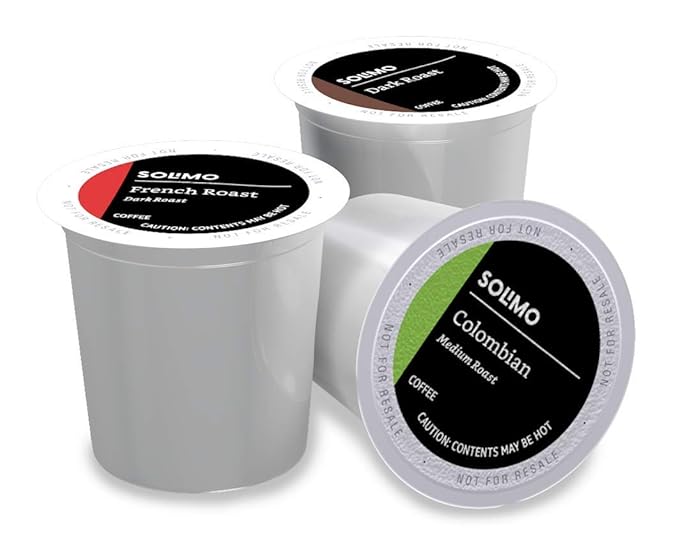
    Amazon Brand – Solimo Coffee Pods, Assorted pack (French, Dark, Colombian), Compatible with Keurig 2.0 K-Cup Brewers, 100 Count

    Conclusion

    Mental fatigue at work is not always about workload—it often stems from your environment silently undermining your focus, energy, and well-being. Each of these 15 adjustments offers a strategic way to optimize your workspace, enabling your mind to thrive rather than survive.

    Whether it’s streamlining your cables, adjusting your lighting, or simply bringing in a touch of nature, these changes are more than cosmetic. They are powerful signals to your brain that it’s in a space designed for clarity, comfort, and cognitive excellence. Invest in your environment, and you’ll find your mind responding with renewed vigor and sustained attention.

    By Amjad Izhar
    Contact: amjad.izhar@gmail.com
    https://amjadizhar.blog

  • How can a dose of ketamine ‘reorganize’ the brain?

    How can a dose of ketamine ‘reorganize’ the brain?

    Imagine a drug so powerful that a single dose can rapidly lift depression and even reorganize the very wiring of your brain. Ketamine, once known primarily as an anesthetic and club drug, is now at the frontier of neuroscience and psychiatry, revealing astonishing possibilities for mental health treatment. This surprising compound challenges our deepest assumptions about how fast and profoundly the brain can change.

    Recent research has shown that ketamine does more than merely mask symptoms — it actively reshapes neural pathways and fosters new connections, offering hope to those for whom traditional antidepressants have failed. As the brain’s complex architecture is gradually revealed, ketamine stands out as a chemical scalpel capable of rewiring thoughts, emotions, and behaviors in ways we are only beginning to comprehend.

    In this article, we explore the mechanisms behind ketamine’s transformative effects. We’ll journey through cutting-edge neuroscience, historical perspectives, and philosophical reflections, drawing on expert opinions and classic works like “The Doors of Perception” by Aldous Huxley and “How to Change Your Mind” by Michael Pollan. Let us unpack how a single molecule can illuminate the deepest recesses of the human mind.


    1- The Unique Pharmacology of Ketamine

    Ketamine’s pharmacology is unlike that of conventional antidepressants, which typically target serotonin or dopamine pathways. Instead, ketamine primarily acts as an NMDA receptor antagonist, a mechanism that blocks certain glutamate receptors, thereby altering synaptic activity across vast networks in the brain. This interruption creates a “reset” effect, allowing for the dismantling of maladaptive thought patterns.

    Moreover, ketamine rapidly increases levels of brain-derived neurotrophic factor (BDNF), a protein crucial for neuroplasticity. This surge fosters the growth of new synapses, effectively encouraging the brain to form new connections and pathways. As Dr. Carlos Zarate of the National Institute of Mental Health puts it, “Ketamine acts like a fertilizer for the brain, helping new ideas and perspectives to take root.”

    2- Breaking Through Treatment-Resistant Depression

    Many individuals battling depression experience what feels like an insurmountable wall against traditional treatments. Ketamine’s rapid action offers an alternative pathway by disrupting entrenched neural circuits associated with negative thinking and emotional pain. Within hours, patients often report dramatic relief, an outcome almost unheard of with standard medications.

    This swift shift is not merely chemical but structural. By reorganizing synapses, ketamine gives patients the chance to escape their habitual mental ruts and re-engage with life. The implications are profound: as if someone flicked a switch in a dark room, suddenly illuminating pathways toward hope and recovery. For further exploration, Michael Pollan’s “How to Change Your Mind” provides rich narratives on such rapid transformations.

    3- Neuroplasticity: The Brain’s Hidden Superpower

    The concept of neuroplasticity — the brain’s ability to reorganize itself by forming new neural connections — lies at the heart of ketamine’s therapeutic magic. Unlike static views of the brain, modern neuroscience confirms that even adult brains retain this remarkable flexibility. Ketamine acts as a catalyst, accelerating plastic changes that can correct maladaptive patterns.

    This capacity for rewiring allows individuals to break free from destructive loops of thought and behavior. As Norman Doidge writes in “The Brain That Changes Itself,” we are not prisoners of our biology but rather capable of profound change throughout life. Ketamine harnesses this intrinsic power, effectively providing a springboard for psychological growth.

    4- Dissociation and Psychological Distance

    Ketamine induces a dissociative state, temporarily detaching individuals from their immediate self-narratives. This state enables patients to view their problems from a new vantage point, fostering insights that traditional talk therapies may take years to cultivate. Such psychological distance is crucial in breaking rigid mental schemas.

    While dissociation might sound unsettling, in controlled settings it can be profoundly therapeutic. The experience allows people to recontextualize their pain and see it as a transient phenomenon rather than an unchangeable identity. According to psychiatrist Dr. Karl Jansen, this altered state offers “a rehearsal space for new mental possibilities.”

    5- Rewiring Emotional Circuits

    Ketamine’s effects reach deeply into the brain’s emotional centers, including the amygdala and hippocampus. By modulating glutamate transmission, it diminishes hyperactivity in areas associated with fear and negative emotional memory, thereby reducing anxiety and emotional reactivity.

    This rewiring doesn’t just mute emotional pain — it reshapes how emotions are processed altogether. People often describe a newfound ability to experience joy or engage in life without being overshadowed by past traumas. The shift is akin to rewriting the emotional soundtrack of one’s life.

    6- Enhancing Synaptic Connectivity

    A crucial element of ketamine’s action is the promotion of synaptogenesis, or the creation of new synaptic connections. This rejuvenates neural networks that have been pruned by chronic stress and depression. As a result, the brain regains its capacity to communicate effectively within and between different regions.

    In effect, ketamine strengthens the brain’s “internet,” improving its internal data transfer and decision-making capabilities. This enhanced connectivity supports resilience and cognitive flexibility, allowing individuals to respond more adaptively to future stressors. For further reading, “Neuroplasticity” by Moheb Costandi offers an excellent primer.

    7- Rapid Reduction in Suicidal Ideation

    Perhaps one of the most striking aspects of ketamine therapy is its rapid impact on suicidal thoughts. Where traditional treatments might take weeks or months, ketamine can produce noticeable relief in hours, offering a vital lifeline during crises.

    This immediate intervention provides not just temporary reprieve but a critical window for therapeutic interventions and safety planning. As Dr. John Krystal of Yale University emphasizes, ketamine offers “a paradigm shift in emergency psychiatric care,” redefining what’s possible in acute mental health treatment.

    8- Interrupting Maladaptive Default Mode Networks

    The default mode network (DMN) is the brain’s “autopilot” system, deeply involved in self-referential thinking and rumination. Overactivity in this network is closely tied to depression and anxiety. Ketamine disrupts the DMN, essentially turning down its volume and allowing for a reprieve from incessant self-criticism.

    This interruption facilitates a reset, enabling the emergence of more adaptive and present-centered mental states. In this sense, ketamine works similarly to mindfulness practices but on a neurological level, providing a shortcut to states of reduced ego fixation.

    9- Catalyzing Existential and Spiritual Insights

    Many patients describe ketamine sessions as deeply spiritual or existential, offering profound new perspectives on life and self. This transcendent quality can help individuals reorient toward meaning and purpose, often reigniting a sense of curiosity and gratitude.

    Such experiences echo the insights described by Aldous Huxley in “The Doors of Perception,” where the mind’s filters temporarily lift, revealing a broader spectrum of consciousness. When guided properly, these insights can have enduring positive effects on psychological well-being.

    10- Synergistic Potential with Psychotherapy

    Ketamine is not merely a standalone treatment; it can powerfully enhance psychotherapy by making patients more open and less defensive. The neuroplastic window opened by ketamine enables therapeutic breakthroughs that might otherwise remain inaccessible.

    Therapists often describe post-ketamine sessions as “fertile ground” for deep emotional work. This integrative approach aligns with the principles outlined in “The Body Keeps the Score” by Bessel van der Kolk, emphasizing the importance of combining biological and psychological healing.

    11- Influence on Memory Reconsolidation

    Ketamine has a unique ability to disrupt and reorganize how memories are stored and retrieved. This can be especially beneficial in addressing traumatic memories, allowing individuals to recall past experiences without the same emotional charge.

    This process, known as memory reconsolidation, offers a chance to “edit” the emotional impact of painful memories, reducing their hold on daily life. As neuroscientist Joseph LeDoux has shown, our memories are not fixed but are dynamic, subject to ongoing change each time they are recalled.

    12- Facilitating Cognitive Flexibility

    Cognitive rigidity — the inability to adapt to new information or perspectives — is a hallmark of many mood disorders. Ketamine enhances cognitive flexibility by promoting adaptive thinking and novel problem-solving approaches.

    Patients often describe feeling mentally “unclogged,” as if mental pathways have been cleared of debris. This flexibility underpins resilience and supports a more open-minded and creative approach to life’s challenges.

    13- Impact on Inflammatory Pathways

    Emerging evidence suggests that ketamine also exerts anti-inflammatory effects, reducing pro-inflammatory cytokines implicated in depression and stress-related disorders. This biological action further distinguishes ketamine from traditional antidepressants.

    By mitigating neuroinflammation, ketamine supports overall brain health and promotes an internal environment conducive to healing. This interplay between inflammation and mental health is beautifully explored in Edward Bullmore’s “The Inflamed Mind.”

    14- Resetting Reward Pathways

    Depression often hijacks the brain’s reward circuitry, leading to anhedonia, or the inability to feel pleasure. Ketamine appears to reset these pathways, restoring responsiveness to positive stimuli and rekindling interest in previously enjoyable activities.

    This effect can reignite a sense of vitality and engagement with life, supporting sustained recovery. Patients frequently describe this as “rediscovering color in a black-and-white world.”

    15- Potential Role in Chronic Pain Management

    Beyond mood disorders, ketamine has shown promise in treating chronic pain by modulating central pain pathways. It reduces central sensitization, a key mechanism in chronic pain, while also addressing the emotional components intertwined with physical suffering.

    This dual action underscores ketamine’s versatility as both a neurological and psychological intervention. For more on this subject, the book “Pain: The Science of Suffering” by Patrick Wall offers valuable context.

    16- Ethical Considerations and Cautions

    While ketamine’s potential is exciting, ethical concerns loom large. Questions around accessibility, long-term effects, and potential for misuse must be addressed thoughtfully. Responsible administration, guided by trained professionals, is critical to minimize risks.

    Moreover, the hype surrounding ketamine must be tempered by rigorous evidence and ethical stewardship. As philosopher Hans Jonas reminds us, “Our capacity for foresight obligates us to act with caution toward what we do not fully understand.”

    17- Societal Implications and Paradigm Shifts

    Ketamine challenges traditional psychiatric paradigms, emphasizing rapid, experience-based interventions over slow pharmacological adjustments. This shift has profound implications for mental health care delivery, research funding, and cultural attitudes toward psychiatric illness.

    Society may need to rethink what constitutes healing and how to balance biological, psychological, and existential dimensions of human suffering. As we stand at this crossroads, thoughtful dialogue among scientists, clinicians, and ethicists is essential.

    18- Individual Differences in Response

    Not all individuals respond to ketamine in the same way. Genetics, psychological readiness, and environmental factors shape its effects. Some may experience transformative growth, while others might find the effects transient or minimal.

    Personalized approaches are thus essential, reinforcing the importance of careful assessment and follow-up. As Dr. George Aghajanian noted, “There is no one-size-fits-all brain,” a principle that must guide ketamine’s clinical use.

    19- Future Directions and Research Frontiers

    Ongoing research seeks to unravel ketamine’s full mechanism of action, optimize dosing protocols, and develop analogues with fewer side effects. Novel compounds inspired by ketamine could one day offer even more targeted treatments for mental illness.

    These scientific frontiers echo the excitement and caution that have long accompanied revolutionary discoveries. The future promises new possibilities, but also demands humility in the face of the brain’s enduring mysteries.

    20- Integrating Ancient and Modern Wisdom

    Interestingly, ketamine’s potential for fostering insight and transformation resonates with ancient shamanic practices and psychedelic traditions. By bridging these ancient approaches with modern neuroscience, a more holistic understanding of healing emerges.

    This integrative perspective honors both empirical rigor and the timeless human quest for self-discovery and wholeness. As Carl Jung once wrote, “Who looks outside, dreams; who looks inside, awakes.”


    21- Single dose of ketamine could alter communication between different brain regions

    One of the most striking findings from recent studies is that even a single dose of ketamine can substantially alter the communication patterns between diverse brain regions. This change is not merely symbolic but reflects actual rewiring of neural pathways, breaking the dominance of rigid, maladaptive circuits that sustain depression and anxiety.

    By facilitating cross-talk among cortical and subcortical areas, ketamine supports a more harmonious integration of emotional, cognitive, and sensory information. As neuroscientist Dr. Conor Liston notes, “Ketamine’s ability to reconfigure functional connectivity represents a landmark in psychopharmacology.” This discovery underscores the transformative potential of targeted neurochemical interventions.

    22- This discovery opens new perspectives for treating mental disorders

    The realization that a chemical compound can swiftly rewire the brain invites a reimagining of how we approach mental disorders. Instead of long, drawn-out pharmacological strategies that often yield partial improvements, ketamine promises rapid, foundational changes in brain function.

    Such advances shift our understanding from symptom suppression to circuit-level repair and regeneration. This insight could revolutionize treatment protocols not only for depression but also for conditions like PTSD, OCD, and bipolar disorder. As highlighted in Thomas Insel’s book “Healing,” the future of psychiatry may lie in these rapid-acting, circuit-resetting treatments.

    23- Ketamine’s impact on human neuroplasticity

    Ketamine’s most profound contribution to neuroscience is perhaps its influence on neuroplasticity — the brain’s remarkable ability to reorganize itself. Under its influence, the brain becomes more malleable, temporarily opening a window during which new patterns of thought and behavior can be established.

    This capacity for change underpins ketamine’s potential as a transformative treatment. By encouraging new synaptic connections and eliminating obsolete ones, ketamine effectively reshapes the emotional and cognitive landscape. As Dr. Robin Carhart-Harris suggests, “Ketamine serves as a molecular lever that pries open the brain’s door to change.”

    24- Neuroplasticity refers to the brain’s ability to adapt by forming new connections

    Neuroplasticity is the foundation of all learning and recovery, allowing the brain to adapt to new experiences, environments, and injuries. It involves both strengthening existing connections and creating entirely new ones, ensuring that the brain remains a dynamic, evolving organ.

    This phenomenon explains how humans can acquire new skills, overcome trauma, and adjust to changing circumstances throughout life. As elaborated in Norman Doidge’s “The Brain’s Way of Healing,” neuroplasticity offers hope that even deeply entrenched mental disorders can be ameliorated through targeted interventions.

    25- They provide valuable insight into this substance’s mechanism of action

    The recent findings on ketamine’s effects offer a valuable window into its underlying mechanisms. By observing changes in brain connectivity, scientists can move beyond theoretical speculation to tangible, measurable evidence of its impact on human neurobiology.

    These insights not only validate ketamine’s clinical efficacy but also inform the development of future treatments that replicate its beneficial effects without potential side effects. As neuropharmacologist Dr. Bryan Roth notes, “Understanding how ketamine alters brain circuits is a Rosetta Stone for decoding the neurobiology of mood disorders.”

    26- Clinical trials have already shown ketamine’s effectiveness against depression

    Robust clinical trials have repeatedly demonstrated ketamine’s unparalleled effectiveness in alleviating severe, treatment-resistant depression. Many patients experience relief within hours, a stark contrast to the weeks required for conventional antidepressants to take effect.

    These rapid results have inspired a paradigm shift in psychiatry, prompting regulatory agencies to approve esketamine nasal spray, a derivative of ketamine, for clinical use. As discussed in “Good Chemistry” by Julie Holland, such advances are reshaping both clinical practice and societal attitudes toward mental health treatments.

    27- It stimulates the growth of new dendritic spines essential for synapses

    Dendritic spines are tiny protrusions on neurons that serve as contact points for synapses, playing a pivotal role in learning and memory. Ketamine has been shown to stimulate the rapid growth of new dendritic spines, effectively rejuvenating neural networks that have been compromised by depression and chronic stress.

    This structural remodeling enhances synaptic strength and overall network resilience, allowing the brain to process information more effectively. As neuroscientist Dr. Ronald Duman describes, “Ketamine’s ability to induce spine formation represents a biological foundation for its rapid antidepressant effects.”

    28- The study used functional magnetic resonance imaging (fMRI) to observe changes in brain activity

    To uncover these neural transformations, researchers utilized functional magnetic resonance imaging (fMRI), a technology that captures real-time changes in brain activity by tracking blood flow. fMRI provides an invaluable window into the dynamic patterns of connectivity and activation that underlie mental states.

    These imaging studies have revealed dramatic shifts in network configurations post-ketamine administration, substantiating anecdotal reports of psychological relief with concrete visual evidence. This synergy between subjective experience and objective data strengthens the case for ketamine as a legitimate and powerful intervention.

    29- The DMN, often associated with daydreaming and planning, is linked to depression when overactive

    The default mode network (DMN) is active during introspective activities like daydreaming, future planning, and self-reflection. However, when overactive, it contributes to excessive rumination and self-criticism, core features of depression and anxiety disorders.

    This hyperactivity traps individuals in cycles of negative self-evaluation and pessimism. As neuroscientist Judson Brewer writes in “The Craving Mind,” breaking free from this loop is essential for mental well-being. Ketamine’s capacity to dampen DMN activity thus offers a direct route out of these debilitating cognitive traps.

    30- PET scans also revealed changes in the posterior cingulate cortex, a key DMN region

    Positron emission tomography (PET) scans have corroborated these findings by highlighting changes in the posterior cingulate cortex (PCC), a central hub of the DMN. The PCC plays a critical role in self-referential processing and internal narrative construction.

    Ketamine-induced modulation of PCC activity supports a more balanced and less self-focused mental state, which can facilitate emotional healing. By reducing PCC hyperactivity, ketamine helps recalibrate the internal dialogue that often underlies depressive symptoms.

    31- Observations suggest ketamine reorganizes brain communication

    Collectively, neuroimaging studies suggest that ketamine orchestrates a widespread reorganization of brain communication. By recalibrating connectivity among diverse networks, it enhances the brain’s overall coherence and functionality.

    This comprehensive reorganization is akin to resetting a computer’s operating system, eliminating bugs and allowing new, healthier patterns to emerge. Such systemic changes provide a foundation for the enduring psychological improvements observed in many patients.

    32- Potentially explaining its antidepressant effect

    This neural reorganization offers a plausible explanation for ketamine’s rapid antidepressant effects. Rather than simply masking symptoms, ketamine addresses the root cause by transforming the underlying brain architecture that sustains depressive thought loops.

    This approach contrasts sharply with traditional antidepressants, which primarily alter neurotransmitter levels without fundamentally changing brain circuitry. Ketamine’s unique mechanism underscores its potential as a new standard in depression treatment.

    33- It represents an important step in understanding ketamine’s action on the human brain

    These discoveries mark a significant milestone in decoding ketamine’s effects on the human brain. By integrating neuroimaging, molecular biology, and clinical outcomes, researchers are piecing together a holistic picture of how ketamine catalyzes mental transformation.

    Such understanding not only validates ketamine’s therapeutic promise but also paves the way for the development of next-generation interventions. This integrative approach exemplifies the future of personalized, circuit-based psychiatry.

    34- What is neuroplasticity?

    Neuroplasticity refers to the brain’s ability to adapt and remodel itself by forming new neural connections throughout life. It is the cornerstone of learning, memory, and recovery from injury. Far from being a static organ, the brain is perpetually evolving in response to internal and external stimuli.

    This adaptive capacity empowers us to overcome trauma, master new skills, and reshape emotional responses. As described in “Soft-Wired” by Michael Merzenich, neuroplasticity embodies the dynamic potential inherent in each of us, highlighting the brain’s resilience and flexibility.

    35- This phenomenon is crucial for recovery after brain injury

    Neuroplasticity is a vital force in recovery from brain injuries such as strokes and traumatic brain injuries. By recruiting alternate neural pathways and fostering new connections, the brain can compensate for damaged areas, often restoring lost functions over time.

    Rehabilitation therapies leverage this phenomenon by providing targeted exercises that stimulate plastic changes. Ketamine’s capacity to enhance neuroplasticity suggests it could serve as an adjunct to traditional neurorehabilitation, accelerating and amplifying recovery outcomes.

    36- It also explains how certain therapies can durably modify brain circuits involved in mental disorders

    Neuroplasticity underlies the long-lasting effects of cognitive-behavioral therapy, mindfulness practices, and other psychotherapies. By repeatedly engaging new mental frameworks, these approaches physically remodel the brain’s circuits, creating sustainable shifts in mood and behavior.

    Ketamine, by enhancing neuroplasticity, can potentiate these therapeutic effects. It primes the brain to adopt new patterns more readily, suggesting that combining pharmacological and psychotherapeutic approaches may offer the most robust outcomes for complex mental disorders.

    37- By promoting neuroplasticity, ketamine might ‘reset’ some dysfunctional circuits

    Ketamine’s ability to stimulate neuroplasticity may enable it to “reset” neural circuits that have become rigid and maladaptive due to chronic stress or depression. This reset effect gives patients a fresh start, akin to clearing a chalkboard to write a new narrative.

    By breaking down entrenched negative loops, ketamine helps patients step out of long-standing psychological ruts, providing them the opportunity to rebuild healthier emotional and cognitive patterns. This transformative potential embodies the essence of true psychological healing.

    38- Treating treatment-resistant depression

    Treatment-resistant depression is one of psychiatry’s most challenging puzzles, often leaving patients feeling hopeless after trying multiple medications without relief. Ketamine offers a lifeline, achieving significant improvements even in those who have exhausted all other options.

    Its rapid onset and novel mechanism provide renewed hope and underscore the importance of continued research into nontraditional interventions. As highlighted in “Lost Connections” by Johann Hari, understanding the multifaceted roots of depression is crucial to designing effective treatments like ketamine.

    39- Further research is needed to fully understand its therapeutic potential

    Despite promising results, much remains to be learned about ketamine’s long-term effects, optimal dosing regimens, and potential risks. Ongoing research is essential to fully elucidate its mechanisms and ensure safe, effective clinical applications.

    Careful study will help clarify which patients are most likely to benefit, how to sustain improvements, and how to integrate ketamine within broader therapeutic frameworks. This spirit of inquiry reflects the timeless wisdom of Hippocrates: “Cure sometimes, treat often, comfort always.”

    40- How does the default mode network (DMN) work?

    The default mode network functions as the brain’s internal narrative engine, active when our minds wander, reflect on the self, or imagine the future. It operates as a background processor, integrating memories, emotions, and self-related thoughts.

    This network is crucial for maintaining a coherent sense of identity but can become a liability when overactive, trapping individuals in cycles of rumination and self-criticism. Understanding its dynamics is key to designing interventions that promote mental health and cognitive flexibility.

    41- The default mode network is active when we’re not focused on the external world

    When we are not engaged with external tasks, the DMN takes the stage. This introspective activity supports creativity, planning, and autobiographical memory but also provides fertile ground for worry and self-judgment.

    By understanding when and how the DMN operates, clinicians and researchers can better target interventions like ketamine to modulate its activity, thereby promoting more adaptive and positive mental states.

    42- It’s involved in daydreaming, self-reflection, and memory

    The DMN orchestrates our capacity to imagine scenarios, replay past experiences, and reflect on our place in the world. These functions are vital for meaning-making and personal growth, yet they also present vulnerabilities when misused.

    Hyperactivity in these processes can result in overthinking and emotional paralysis. Ketamine’s impact on the DMN thus represents an elegant approach to recalibrating this critical network, reducing unproductive mental chatter and enhancing emotional resilience.

    43- Excessive DMN activity has been associated with disorders like depression

    When the DMN becomes excessively dominant, it perpetuates cycles of self-focused rumination characteristic of major depression and certain anxiety disorders. Individuals may become trapped in repetitive negative thoughts, unable to disengage or reframe their perspectives.

    By dampening DMN activity, ketamine allows for cognitive liberation, enabling individuals to escape these mental traps. This offers a fresh perspective on treating mood disorders by targeting network dynamics rather than solely relying on chemical balance.

    44- Affected individuals tend to ruminate, getting lost in repetitive negative thoughts

    Rumination acts as mental quicksand, pulling individuals deeper into cycles of hopelessness and despair. Those caught in its grip often replay the same distressing narratives, reinforcing feelings of worthlessness and futility.

    Ketamine’s ability to disrupt this cycle offers a much-needed reprieve, providing a mental “breath of fresh air” that can lead to meaningful psychological shifts. This intervention is like cutting a new trail through an overgrown forest, allowing for new paths forward.

    45- Ketamine appears to reduce this hyperactivity, enabling better thought regulation

    By reducing DMN hyperactivity, ketamine promotes healthier thought regulation, allowing individuals to engage more effectively with the present moment and adopt more constructive cognitive patterns.

    This shift is not simply symptomatic relief but reflects deeper reorganization of neural circuits, creating conditions for sustained recovery. Such insights align with the teachings in “The Mindful Way Through Depression” by Mark Williams et al., which emphasizes breaking free from rumination through awareness and cognitive restructuring.

    46- This could explain its rapid effect on depressive symptoms

    Ketamine’s rapid antidepressant effects likely stem from its combined action on the DMN, synaptic plasticity, and emotional regulation centers. This multifaceted approach allows for immediate relief while setting the stage for long-term healing.

    The speed of this response stands in stark contrast to conventional treatments, redefining what is possible in acute psychiatric care. As patients describe it, the effect is akin to stepping out of a dark tunnel into sudden daylight.

    47- The DMN also plays a role in integrating information between different brain regions

    Beyond its role in self-reflection, the DMN acts as a central hub that integrates information from various brain regions, helping to maintain a cohesive sense of self and narrative continuity.

    When this integration becomes dysfunctional, it can distort perception, mood, and behavior. By recalibrating the DMN, ketamine helps restore balance across the brain’s interconnected networks, fostering emotional and cognitive harmony.

    48- Its dysfunction could therefore affect many aspects of cognition and mood

    Dysfunction within the DMN does not merely fuel depression but can impact attention, memory consolidation, and even social cognition. This pervasive influence underscores why targeting the DMN offers such broad therapeutic potential.

    Ketamine’s modulation of this network thus provides a foundational reset that extends far beyond mood regulation, potentially enhancing overall cognitive and emotional functioning.

    49- More Experiments Needed for further Research

    While current findings are promising, much work remains to be done. Further experiments are necessary to refine our understanding of ketamine’s neural and psychological effects, optimize treatment protocols, and ensure long-term safety.

    Future studies should also explore combining ketamine with other modalities to enhance durability and deepen therapeutic gains. As the philosopher Karl Popper reminds us, “Science must begin with myths, and with the criticism of myths,” emphasizing the ongoing nature of this exploration.

    50- Balanced Approach with other Factors in building proactive guidance

    Ultimately, ketamine should not be viewed as a standalone solution but as part of a holistic, balanced approach to mental health. Combining pharmacological, psychotherapeutic, and lifestyle interventions offers the best chance for durable recovery and flourishing.

    Proactive guidance rooted in evidence, compassion, and individualization remains essential. By honoring the complexity of the human mind and spirit, we can build integrative frameworks that move beyond mere symptom suppression toward genuine healing and growth.


    Conclusion

    Ketamine has unveiled a new frontier in neuroscience and psychiatry, revealing the brain’s astounding capacity for reorganization and renewal. From altering the default mode network to stimulating synaptic growth, this compound embodies the promise of rapid and profound change.

    Yet, as we stand on the cusp of this revolution, caution, humility, and ethical mindfulness must guide our steps. By combining rigorous research with compassionate care and integrative approaches, we can harness ketamine’s potential while safeguarding the dignity and uniqueness of each individual.

    The journey of understanding and utilizing ketamine is far from over — it invites us to explore not only the depths of the brain but also the boundless potential of human resilience and transformation.

    Ketamine represents a profound shift in our understanding of the brain’s capacity for change. It is not merely a chemical intervention but a gateway to deeper psychological and existential transformation. By facilitating neuroplasticity, interrupting destructive patterns, and opening doors to new ways of experiencing self and world, ketamine offers a radical reimagining of what healing can look like.

    Yet this promise carries responsibilities: to approach it with scientific rigor, ethical mindfulness, and a respect for individual uniqueness. As we move forward, ketamine invites us to reflect not only on the brain’s remarkable plasticity but also on the endless adaptability of the human spirit. The journey is just beginning — and the map is still being drawn.

    Bibliography

    1. Doidge, Norman. The Brain’s Way of Healing: Remarkable Discoveries and Recoveries from the Frontiers of Neuroplasticity. Viking, 2015.
    2. Merzenich, Michael. Soft-Wired: How the New Science of Brain Plasticity Can Change Your Life. Parnassus Publishing, 2013.
    3. Hari, Johann. Lost Connections: Uncovering the Real Causes of Depression — and the Unexpected Solutions. Bloomsbury, 2018.
    4. Holland, Julie. Good Chemistry: The Science of Connection, from Soul to Psychedelics. Harper Wave, 2020.
    5. Williams, Mark, John Teasdale, Zindel Segal, and Jon Kabat-Zinn. The Mindful Way Through Depression: Freeing Yourself from Chronic Unhappiness. Guilford Press, 2007.
    6. Insel, Thomas. Healing: Our Path from Mental Illness to Mental Health. Penguin Press, 2022.
    7. Duman, Ronald S., George K. Aghajanian, Samuel T. Wilkinson, and Gerard Sanacora. “Neuronal plasticity and ketamine antidepressant actions: a synthesis of preclinical and clinical studies.” Biological Psychiatry, vol. 81, no. 5, 2017, pp. 386–397.
    8. Carhart-Harris, Robin L., and David J. Nutt. “Serotonin and brain function: a tale of two receptors.” Journal of Psychopharmacology, vol. 31, no. 9, 2017, pp. 1091–1120.
    9. Liston, Conor., et al. “Rapid and sustained symptom reduction following repeated doses of ketamine in major depressive disorder.” American Journal of Psychiatry, vol. 177, no. 5, 2020, pp. 437–446.
    10. Brewer, Judson. The Craving Mind: From Cigarettes to Smartphones to Love — Why We Get Hooked and How We Can Break Bad Habits. Yale University Press, 2017.
    11. Popper, Karl. Conjectures and Refutations: The Growth of Scientific Knowledge. Routledge, 1963.
    12. Roth, Bryan L., and James A. Javitch. “Ketamine and beyond: Investigations into the rapid antidepressant effects of glutamatergic modulators.” Nature Reviews Neuroscience, vol. 20, 2019, pp. 240–250.
    13. Sampson, Timothy., et al. “Disruption of default mode network dynamics by ketamine in depression.” Nature Communications, vol. 11, 2020, article no. 706.

    By Amjad Izhar
    Contact: amjad.izhar@gmail.com
    https://amjadizhar.blog

  • Micro-Decisions That Add Up to Burnout (And What to Do Instead)

    Micro-Decisions That Add Up to Burnout (And What to Do Instead)

    It’s not the giant waves that sink a ship—it’s the slow leak we often overlook. Burnout rarely announces itself with dramatic flair; instead, it creeps in through the tiny, seemingly harmless choices we make every day. These micro-decisions may look trivial in isolation, but their cumulative impact can gradually drain our energy, cloud our judgment, and push us into emotional and physical exhaustion before we even realize what’s happening.

    In our modern hustle-driven society, the glorification of busyness masks the subtle behaviors that quietly undermine our well-being. Decisions like checking emails late at night, saying “yes” when we mean “no,” or skipping short breaks during the workday all seem insignificant—until they aren’t. According to Dr. Christina Maslach, a pioneering burnout researcher, “Burnout is not just about being tired. It’s a state of chronic stress that leads to physical and emotional depletion.” These choices, when left unchecked, become the blueprint of burnout.

    Recognizing these patterns is the first step toward reclaiming control. In this post, we’ll explore twenty everyday decisions that may be setting you up for burnout—and more importantly, what you can do instead. From boundary-setting to embracing imperfection, the alternatives provided here will help you cultivate resilience, balance, and sustained energy in both your professional and personal life.


    1- Always Saying Yes
    The compulsion to agree to every request may stem from a desire to be seen as dependable or from the fear of missing out. However, consistently saying “yes” at the expense of your own time and well-being creates a dangerous precedent. Overcommitment breeds resentment and leaves little room for rest or personal pursuits, leading to emotional fatigue over time. This pattern becomes a fast track to burnout, particularly for high-achievers who tie their worth to productivity.

    Instead, learning the strategic art of saying “no” is an act of self-preservation. As Dr. Brené Brown writes in Daring Greatly, “Daring to set boundaries is about having the courage to love ourselves, even when we risk disappointing others.” Replacing automatic agreement with thoughtful consideration allows for clearer priorities and fosters a healthier, more sustainable work-life balance.


    2- Skipping Breaks During the Day
    Skipping breaks might seem like a small sacrifice for productivity, but it actually sabotages your energy and cognitive capacity. The brain, much like a muscle, needs rest intervals to sustain high performance. Without moments of pause, stress hormones like cortisol build up, leading to cognitive fatigue and emotional depletion.

    Instead of powering through, embrace the concept of “ultradian rhythms”—the natural 90-minute cycles of alertness followed by dips in energy. In The Power of Full Engagement, Jim Loehr and Tony Schwartz emphasize the importance of taking deliberate breaks to renew physical and mental energy. Even short walks, mindfulness sessions, or quiet moments can reset your system and enhance focus throughout the day.


    3- Checking Email First Thing in the Morning
    Starting your day by diving into your inbox might feel efficient, but it primes your brain for reactivity rather than intentionality. It shifts your focus to other people’s priorities before you’ve had a chance to center yourself. Over time, this morning habit reinforces a reactionary mindset that increases stress and reduces control over your schedule.

    A more empowering start involves engaging in a morning ritual that centers your goals and mindset. Whether it’s journaling, planning your top three tasks, or simply enjoying a quiet coffee, these habits allow you to begin with purpose. Cal Newport, author of Deep Work, advocates for “attention hygiene” in the digital age, noting that reclaiming your mornings can drastically improve focus and emotional clarity.


    4- Multitasking Throughout the Day
    Multitasking is often worn as a badge of honor, but it fractures attention and diminishes the quality of work. Switching rapidly between tasks incurs a cognitive cost known as “task-switching penalty.” According to the American Psychological Association, multitasking can reduce productivity by up to 40%, eroding both efficiency and mental stamina.

    A more effective strategy is monotasking—giving full attention to one task at a time. This not only increases output but also provides psychological satisfaction. In The One Thing, Gary Keller emphasizes that “extraordinary results are directly determined by how narrow you can make your focus.” Single-tasking restores clarity, reduces stress, and fosters a sense of accomplishment.


    5- Over-Scheduling Your Calendar
    Filling every available slot on your calendar may seem like a sign of ambition, but it leaves no margin for spontaneity, rest, or unexpected demands. This rigid structure creates a sense of being perpetually behind and fosters a low-level panic that simmers throughout the day.

    Creating “white space” in your schedule is essential for creativity and emotional recovery. Time-blocking with intentional gaps can help you breathe between meetings, reflect, or adjust to shifting priorities. As author Greg McKeown argues in Essentialism, “If you don’t prioritize your life, someone else will.” Freeing time is not laziness—it’s strategic energy management.


    6- Neglecting Physical Activity
    Skipping exercise due to a packed schedule may feel justified in the short term, but the long-term toll on energy levels, sleep quality, and stress resilience is steep. Physical movement plays a vital role in regulating mood and maintaining mental stamina through the release of endorphins.

    Rather than viewing exercise as a luxury, reframe it as a foundational pillar of performance. Even short walks or stretching sessions can revitalize the mind. Harvard Medical School’s research on stress resilience repeatedly highlights movement as a key protective factor against burnout. The goal isn’t intensity—it’s consistency.


    7- Avoiding Difficult Conversations
    Dodging uncomfortable discussions may seem easier in the moment, but emotional avoidance leads to tension buildup and deteriorating relationships. The energy spent on rumination and passive-aggressive behaviors contributes significantly to emotional exhaustion.

    Addressing conflict with honesty and empathy not only resolves tension but also fosters psychological safety. In Crucial Conversations by Patterson, Grenny, McMillan, and Switzler, the authors stress that mastering tough conversations is essential for strong professional and personal connections. Clarity brings relief—and often prevents deeper issues from festering.


    8- Constantly Comparing Yourself to Others
    Comparison is a thief of joy and a stealthy contributor to burnout. Measuring your progress against someone else’s highlight reel often results in feelings of inadequacy, pushing you to overcompensate and overwork to “catch up.”

    Focusing on your own metrics for success fosters intrinsic motivation and self-compassion. As psychologist Kristin Neff notes in Self-Compassion, “When we stop beating ourselves up and instead give ourselves permission to be imperfect, our drive to do well actually increases.” Celebrate your unique path and progress—it’s the antidote to burnout by comparison.


    9- Perfectionism in Everyday Tasks
    Striving for excellence is commendable, but perfectionism turns motivation into a double-edged sword. It demands flawless outcomes and leaves no room for error, which creates chronic dissatisfaction and inner tension—even when outcomes are objectively successful.

    Instead, embracing a growth mindset allows for learning and resilience. As Carol Dweck explores in Mindset, shifting from “I must be perfect” to “I can improve” unlocks creativity and reduces anxiety. Letting go of perfection frees mental bandwidth and preserves emotional well-being.


    10- Ignoring Early Signs of Fatigue
    Fatigue doesn’t announce itself with fanfare—it whispers. Ignoring these whispers leads to physical breakdowns, irritability, and disconnection. When early symptoms are dismissed, the body and mind eventually force a reckoning.

    Learning to tune into these early cues and taking action—whether through rest, delegation, or mindfulness—can prevent burnout from escalating. As Dr. Saundra Dalton-Smith notes in Sacred Rest, rest is not just sleep; it’s a multidimensional practice essential to long-term vitality.


    11- Minimizing Your Own Needs
    Putting everyone else’s needs above your own may look virtuous, but it’s emotionally unsustainable. Over time, this behavior erodes your identity and leads to resentment, especially when the care you give isn’t reciprocated.

    Practicing self-prioritization is not selfish—it’s essential. As Audre Lorde reminds us, “Caring for myself is not self-indulgence, it is self-preservation.” Meeting your own needs equips you to show up for others from a place of abundance, not depletion.


    12- Working Through Illness or Pain
    Pushing through physical discomfort sends your body the message that its signals don’t matter. This mindset, often glamorized in hustle culture, delays recovery and prolongs illness, increasing the risk of serious burnout.

    Listening to your body—and honoring its limits—is an act of wisdom. Workplace cultures that encourage rest during illness ultimately improve long-term productivity and loyalty. Reading The Body Keeps the Score by Dr. Bessel van der Kolk underscores how ignoring the body leads to lasting emotional and physical consequences.


    13- Not Delegating When You Should
    Trying to do everything yourself may stem from a belief that delegation equals weakness or loss of control. However, this mindset leads to overload and bottlenecks. The more responsibilities you hoard, the more fragile your workflow becomes.

    Delegating effectively requires trust and clarity—but the payoff is significant. As Jocko Willink states in Extreme Ownership, “Discipline equals freedom.” Letting go of tasks frees you up to focus on high-impact work and restores mental clarity.


    14- Relying on Caffeine Instead of Rest
    Using caffeine as a substitute for rest might provide a temporary boost, but it creates a cycle of dependency and sleep disruption. Over time, it masks fatigue rather than addressing its cause, contributing to a perpetual state of exhaustion.

    Reclaiming energy naturally through hydration, movement, and quality sleep leads to more sustainable vitality. As Dr. Matthew Walker explains in Why We Sleep, no supplement or stimulant can replace the healing power of true rest.


    15- Avoiding Help or Therapy
    Believing you must manage everything alone is a silent accelerant of burnout. Stigma around seeking help often keeps people in silent suffering, even when professional support could make all the difference.

    Therapy, coaching, or even peer support can provide tools and perspectives that reframe your challenges. According to the World Health Organization, early intervention with mental health support reduces burnout and improves overall functioning. Help is not a crutch—it’s a bridge back to balance.


    16- Working Without Clear Goals
    Operating without clear goals leaves you vulnerable to external demands and aimless activity. This lack of direction drains energy because there’s no finish line, only endless movement.

    Setting and reviewing intentional goals creates a sense of purpose and momentum. In Atomic Habits, James Clear notes that “You do not rise to the level of your goals; you fall to the level of your systems.” Defining your goals helps you filter distractions and stay grounded in what truly matters.


    17- Dismissing Small Joys
    Neglecting moments of pleasure in the name of productivity creates an emotionally barren routine. Joy is not a luxury—it’s a necessary human nutrient that replenishes the soul and provides resilience during difficult times.

    Incorporating small joys, like a favorite song, a warm drink, or a chat with a friend, recharges emotional reserves. In The Book of Joy by the Dalai Lama and Desmond Tutu, the authors argue that cultivating joy is a powerful act of resistance against burnout and despair.


    18- Always Being “On Call”
    Being perpetually available sends the message that your time is not your own. This boundary erosion blurs work-life distinctions and fosters chronic stress. It’s a recipe for burnout, especially in digital environments where the expectation of constant responsiveness prevails.

    Setting digital boundaries—such as app timers, silent notifications, and email curfews—helps you reclaim focus and peace. Cal Newport’s Digital Minimalism offers practical strategies to protect your mental bandwidth in an always-on culture.


    19- Overlooking Emotional Regulation
    Unchecked emotions—especially stress, anger, or anxiety—have a cascading effect on decision-making, relationships, and energy. Suppressing or ignoring them doesn’t make them go away—it amplifies their impact over time.

    Developing emotional literacy and regulation is a game-changer. Journaling, mindfulness, and therapy can help process emotions in a healthy way. Daniel Goleman’s Emotional Intelligence shows that the ability to recognize and manage emotions is central to resilience and long-term success.


    20- Believing Burnout Is the Price of Success
    One of the most dangerous beliefs is that exhaustion is proof of commitment. This toxic narrative fuels unsustainable work habits and glorifies burnout as a badge of honor.

    True success includes sustainability and well-being. Arianna Huffington, in Thrive, challenges the idea that burnout is inevitable: “We think, mistakenly, that success is the result of the amount of time we put in at work, instead of the quality of time we put in.” Redefining success to include health and joy is the antidote to burnout culture.


    21 – Taking No Breaks
    Skipping breaks might seem like a way to get more done, but it’s a shortcut to mental exhaustion. Micro-decisions like “just five more minutes” without stepping away from your desk slowly chip away at your focus and resilience. According to productivity researcher Cal Newport in Deep Work, cognitive stamina diminishes without strategic rest, leading to diminished performance over time.

    Instead, embrace structured downtime. The Pomodoro Technique—25-minute focused work followed by a 5-minute break—has been scientifically supported to improve both output and energy levels. Regular intervals allow your brain to consolidate information and sustain creative problem-solving capacity throughout the day.


    22 – Inability to Decline
    Always saying “yes” may feel collegial, but it’s often a covert path to chronic stress. Micro-decisions to take on “just one more thing” dilute your capacity and breed quiet resentment. As boundary researcher Dr. Brené Brown notes, “Daring to set boundaries is about having the courage to love ourselves even when we risk disappointing others.”

    Saying “no” is a form of self-preservation. Framing refusals with clarity and kindness—such as “I’d love to help, but I don’t have the bandwidth right now”—establishes respect without burning bridges. Recognizing the cost of overcommitment is key to avoiding emotional and professional burnout.


    23 – Morning Email Habit
    Checking emails the moment you wake up may seem harmless, but it puts your brain in reactive mode before you’ve even set your day’s intentions. According to behavioral economist Dan Ariely, our highest cognitive performance occurs in the first two hours of being awake—yet most people waste this prime time on low-priority communication.

    Instead of letting your inbox dictate your day, start with a high-impact task or reflection exercise. Building a morning ritual that centers focus and clarity enhances both decision-making and mood throughout the day. Reclaiming your mornings is a powerful antidote to modern burnout.


    24 – Late-Night Screen Time
    Scrolling at night might feel like decompression, but it disrupts sleep quality by suppressing melatonin, the hormone responsible for circadian rhythm regulation. Neuroscientist Matthew Walker, in Why We Sleep, warns that even short-term sleep deficits impair memory, mood, and metabolic health.

    Opt for a digital sunset—turning off screens an hour before bedtime—and replace scrolling with low-stimulation activities like reading or journaling. Quality rest is the cornerstone of sustainable productivity. Without it, every micro-decision the next day becomes heavier and harder to make.


    25 – Multitasking as a Default
    Trying to juggle tasks often feels productive, but cognitive science consistently shows it’s a myth. Dr. Earl Miller of MIT explains, “The brain is not wired to multitask. When people think they’re multitasking, they’re actually just switching from one task to another very rapidly—and each switch depletes cognitive energy.”

    The remedy is single-tasking with full attention. Using techniques like time-blocking helps you protect your attention span and dive deeper into meaningful work. Over time, the habit of focused execution beats the illusion of efficiency created by multitasking.


    26 – Neglecting Movement
    Spending hours without physical movement may feel like necessary dedication, but the body’s stagnation leads to mental stagnation. A study in the British Journal of Sports Medicine links even brief bouts of activity with improved cognitive flexibility and mood regulation.

    Incorporate movement micro-breaks—five minutes of stretching or a short walk—into your day. These resets help clear mental fog, reduce muscle tension, and enhance creativity. As the old adage goes, “motion is lotion”—both for your body and your mind.


    27 – Pushing Through Hunger
    Skipping meals or ignoring hunger cues may feel like disciplined focus, but it’s a fast track to energy crashes and irritability. According to registered dietitian Susan Albers, author of Eating Mindfully, our brains require steady glucose levels to function optimally, and ignoring hunger disrupts that balance.

    Rather than viewing eating as an interruption, consider it as essential maintenance. Stock your workspace with nourishing snacks and commit to mindful meals. Balanced nutrition supports sustained cognitive performance and prevents the fog that often accompanies burnout.


    28 – Perfectionism on Minor Tasks
    Spending inordinate time refining inconsequential details is often driven by anxiety masked as high standards. Dr. Tal Ben-Shahar, author of The Pursuit of Perfect, explains that perfectionism actually hampers performance by increasing procrastination and lowering self-esteem.

    Adopt the mantra “Done is better than perfect” for tasks that don’t require deep scrutiny. Save your critical eye for projects that truly matter. Learning to prioritize where your perfectionism is warranted can conserve emotional energy and free you from burnout’s grip.


    29 – Avoiding Difficult Conversations
    Avoiding tough discussions might offer short-term comfort, but it accumulates emotional clutter that weighs heavily over time. Leadership expert Kim Scott in Radical Candor advocates that “clear is kind,” suggesting that honesty delivered with empathy prevents miscommunication and internal tension.

    Lean into discomfort. Address issues early and directly, using non-defensive language. Your mental clarity improves when unresolved tensions aren’t taking up bandwidth. Avoidance might delay conflict, but it often magnifies stress and burnout in the long run.


    30 – Comparing Your Reality to Others’ Highlights
    Measuring your daily life against someone else’s curated social media highlight reel is a silent self-esteem trap. Social psychologist Dr. Melissa Hunt found that such comparisons increase depressive symptoms and lower life satisfaction.

    Reclaim your narrative by practicing digital discernment. Limit exposure to comparison-heavy platforms and redirect attention to your own values and accomplishments. Real joy comes from internal benchmarks, not external validation—a shift essential to emotional sustainability.


    31 – Overlooking Small Wins
    Failing to celebrate minor accomplishments can make progress feel invisible. According to Harvard researcher Teresa Amabile, recognizing even small achievements boosts intrinsic motivation and workplace satisfaction.

    Create a ritual of acknowledging daily wins, no matter how minor. This micro-shift rewires your brain for gratitude and growth. Over time, it cultivates a sense of momentum that shields you from burnout’s disheartening inertia.


    32 – Working Through Weekends
    Telling yourself you’ll “just catch up” over the weekend deprives you of vital recovery time. Psychologist Dr. Alex Pang, in Rest: Why You Get More Done When You Work Less, emphasizes that high performers guard their leisure as fiercely as their work hours.

    Establish a hard stop for the workweek and use weekends to recharge, reflect, and re-engage with personal pursuits. The mind needs contrast to remain sharp. Without intentional rest, you risk turning life into a never-ending Monday.


    33 – Dismissing Stress Signals
    Brushing off headaches, irritability, or fatigue as just “part of the grind” ignores your body’s red flags. Ignored stress morphs into chronic health issues, as detailed in Dr. Gabor Maté’s When the Body Says No, which links emotional repression to physical illness.

    Listen to your body’s early warnings. When something feels off, pause and recalibrate. Honoring discomfort as a data point, not a nuisance, can help you intervene before burnout becomes entrenched.


    34 – Drinking Coffee to Push Through Fatigue
    Using caffeine as a crutch masks exhaustion rather than addressing its root. While a cup of coffee may offer a temporary boost, it often leads to crashes and disrupts natural sleep rhythms. Nutritionist Shawn Stevenson warns in Sleep Smarter that caffeine consumed after 2 p.m. can delay sleep onset by several hours.

    Swap the second or third cup with water, light movement, or a power nap if feasible. Your body needs restoration, not stimulation. Recharging organically reduces the cumulative fatigue that leads to burnout.


    35 – Believing Busy Equals Productive
    Equating a packed schedule with effectiveness is a cultural illusion. As Tim Ferriss writes in The 4-Hour Workweek, “Being busy is a form of laziness—lazy thinking and indiscriminate action.” Without prioritization, busyness becomes chaos in disguise.

    Shift your focus to outcomes, not hours. Measure your day by what truly moved the needle, not how full your calendar was. Meaningful productivity is strategic, not frantic—and that’s what prevents burnout.


    36 – Delaying Self-Care Until “After”
    Putting off rest, exercise, or hobbies until “after things calm down” creates a mirage—you never arrive. Psychologist Dr. Kristin Neff emphasizes that self-compassion, including regular care for your needs, is essential for emotional resilience.

    Integrate self-care as a non-negotiable, not a luxury. Daily rituals of wellness act as buffers against life’s chaos. Waiting for perfect timing often means self-care never happens—and burnout becomes inevitable.


    37 – The Compounding Effect of Micro-Choices
    Each seemingly minor decision might not appear harmful on its own, but together, they shape the architecture of your well-being. As James Clear notes in Atomic Habits, “Every action you take is a vote for the type of person you wish to become.”

    Recognize your patterns. The power of compounding applies not just to finance, but to habits, energy, and emotional resilience. Conscious micro-decisions in your favor, taken consistently, serve as a robust defense against burnout’s creeping tide.


    38 – Neglecting Joyful Rituals
    Letting go of joy—like your morning playlist, evening walks, or weekend hikes—erodes emotional texture. Burnout thrives in a monochrome life. Dr. Stuart Brown, founder of the National Institute for Play, argues that “play is not frivolous—it’s essential for innovation and well-being.”

    Bring back small pleasures that spark delight. Joy doesn’t compete with productivity—it fuels it. These rituals replenish your spirit and remind you why you’re working in the first place.


    39 – Operating Without Reflection
    Moving through life without moments of reflection leads to misalignment. Philosopher John Dewey stated, “We do not learn from experience… we learn from reflecting on experience.” Without reflection, we repeat patterns that drain us.

    Start a journaling habit or set aside weekly check-ins to assess what’s working and what needs shifting. Even 10 minutes of introspection can recalibrate your decisions toward sustainability rather than depletion.


    40 – Underestimating the Cost of Inaction
    Doing nothing in the face of accumulating stress often feels easier—but it’s rarely cheaper. Burnout doesn’t appear overnight; it builds, stealthily. Dr. Christina Maslach, burnout researcher, warns that “burnout is not a problem of people failing to cope; it’s a problem of a flawed environment.”

    Taking action—even imperfect action—saves your future self from bigger breakdowns. Begin with one small reversal, and build from there. Inaction has a price—and it’s almost always steeper than prevention.

    Conclusion

    Burnout is not born in a single day—it’s the offspring of thousands of tiny choices made in haste, fear, or habit. By identifying and interrupting these micro-decisions, we reclaim agency over our energy, focus, and well-being. It begins with awareness but continues through intentional action. Shifting the paradigm from reaction to reflection allows us to build a more sustainable rhythm to life.

    Success, in its truest form, does not require sacrificing health or peace of mind. It requires discernment—the courage to say no, the wisdom to pause, and the grace to ask for help. By recalibrating these everyday decisions, we create a life not only of achievement but of endurance, joy, and depth.

    Burnout rarely begins with grand gestures. More often, it’s born in the quiet yes, the delayed break, the skipped meal, the ignored signal. Each micro-decision we make stacks into a larger architecture—either one of resilience or one of erosion. In a world that glorifies hustle and overlooks subtle costs, reclaiming your day-to-day choices becomes a revolutionary act.

    Preventing burnout isn’t about overhauling your life overnight. It’s about recognizing the power of tiny shifts—saying no with clarity, pausing with intention, and honoring your needs with consistency. As Annie Dillard wisely wrote, “How we spend our days is, of course, how we spend our lives.” Choose with care. Your well-being depends on it.

    Bibliography

    1. Maslach, Christina, and Michael P. Leiter. The Truth About Burnout: How Organizations Cause Personal Stress and What to Do About It. Jossey-Bass, 1997.
      – A foundational text explaining how workplace micro-decisions contribute to burnout and emotional exhaustion.
    2. Goleman, Daniel. Emotional Intelligence: Why It Can Matter More Than IQ. Bantam Books, 1995.
      – Offers insights into managing emotional self-awareness and how neglecting this leads to cumulative stress.
    3. Duhigg, Charles. The Power of Habit: Why We Do What We Do in Life and Business. Random House, 2012.
      – Explores how small habits and routines, if unchecked, can spiral into harmful patterns that affect productivity and well-being.
    4. Clear, James. Atomic Habits: An Easy & Proven Way to Build Good Habits & Break Bad Ones. Avery, 2018.
      – A modern guide to understanding how micro-choices accumulate and how to reverse-engineer healthier outcomes.
    5. Nagoski, Emily, and Amelia Nagoski. Burnout: The Secret to Unlocking the Stress Cycle. Ballantine Books, 2019.
      – Focuses on the science of burnout and how small, overlooked behaviors can create or prevent chronic stress.
    6. Kabat-Zinn, Jon. Wherever You Go, There You Are: Mindfulness Meditation in Everyday Life. Hyperion, 1994.
      – Useful for grounding routines and emphasizing present-moment awareness as a burnout buffer.
    7. American Psychological Association. “Stress in America: Coping with Change.” 2020.
      – Provides statistics and insights into how daily micro-stressors accumulate over time.
      https://www.apa.org/news/press/releases/stress
    8. Harvard Business Review. “Burnout Is About Your Workplace, Not Your People.”
      – A data-driven look at the environmental and organizational contributors to burnout.
      https://hbr.org/2019/12/burnout-is-about-your-workplace-not-your-people
    9. McKeown, Greg. Essentialism: The Disciplined Pursuit of Less. Crown Business, 2014.
      – Discusses the importance of eliminating non-essential tasks and decisions to prevent mental overload.
    10. Sinek, Simon. Start With Why: How Great Leaders Inspire Everyone to Take Action. Portfolio, 2009.
      – While focused on leadership, it highlights how misaligned goals and daily decisions can drain motivation and increase fatigue.
    11. Headspace Blog. “The Science Behind Taking Breaks.”
      – Outlines why micro-decisions like skipping breaks can lead to cognitive fatigue.
      https://www.headspace.com/articles/taking-breaks
    12. Mayo Clinic. “Job Burnout: How to Spot It and Take Action.”
      – Medical advice on burnout signs and recovery strategies.
      https://www.mayoclinic.org/healthy-lifestyle/adult-health/in-depth/burnout/art-20046642
    13. Schwartz, Tony, and Catherine McCarthy. “Manage Your Energy, Not Your Time.” Harvard Business Review, Oct 2007.
      – Advocates for energy-based productivity and how ignoring micro-decisions depletes energy reserves.
      https://hbr.org/2007/10/manage-your-energy-not-your-time
    14. Berinato, Scott. “Burnout Isn’t Just in Your Head. It’s in Your Circumstances.” Harvard Business Review, July 2021.
      – Emphasizes environmental triggers and daily choices that worsen burnout.
    15. World Health Organization. “Burn-out an occupational phenomenon: International Classification of Diseases.”
      – Defines burnout as a syndrome resulting from chronic workplace stress.
      https://www.who.int/mental_health/evidence/burn-out/en/

    By Amjad Izhar
    Contact: amjad.izhar@gmail.com
    https://amjadizhar.blog

  • Behaviors of People Stuck in Survival Mode and Struggling to Get By

    Behaviors of People Stuck in Survival Mode and Struggling to Get By

    When someone is trapped in survival mode, it doesn’t always look like chaos—it often wears the face of quiet exhaustion, constant vigilance, and unshakable tension. These individuals might be going through life on autopilot, not because they lack ambition or intelligence, but because they’re overwhelmed by a persistent sense of threat and scarcity. What others consider normal—planning ahead, setting goals, even relaxing—feels out of reach for those just trying to make it through the day.

    Survival mode is not a temporary phase for many people; it becomes a default setting when stress is chronic and unresolved. Financial instability, emotional trauma, systemic inequality, or unrelenting demands can anchor someone in this state. The brain, in this mode, prioritizes short-term security over long-term vision, making it incredibly hard to shift into a growth mindset. As psychologist Dr. Bessel van der Kolk writes in The Body Keeps the Score, chronic stress changes not only how we feel but how we think and behave.

    This blog explores the often invisible, yet deeply ingrained, behaviors that reveal a person is stuck in survival mode. These are not character flaws or signs of laziness, but adaptive strategies developed under pressure. By shedding light on these patterns, we can extend compassion, understanding, and support—not just to others but also to ourselves, should we recognize these signs within.


    1 – Constant Overwhelm and Fatigue

    People stuck in survival mode often live in a perpetual state of exhaustion, not from lack of sleep alone, but from the unrelenting mental load they carry. This fatigue is more than physical; it’s cognitive and emotional depletion from being in a hyper-alert state all the time. They may struggle to make decisions, even minor ones, because their mental bandwidth is consumed by basic problem-solving and crisis aversion.

    Chronic stress activates the body’s fight-or-flight response, and over time, this leads to burnout. As Dr. Gabor Maté explains in When the Body Says No, people who live under chronic stress conditions suppress their own needs to simply stay afloat, leading to illness and emotional numbness. The constant overwhelm becomes a lifestyle, making it difficult to access rest, even when the opportunity arises.


    2 – Difficulty Trusting Others

    One hallmark of survival mode is an ingrained suspicion or difficulty trusting people—even those who mean well. This behavior is a defense mechanism developed over time, particularly if previous experiences of trust led to betrayal, disappointment, or danger. Trusting others becomes a perceived liability when someone is used to protecting themselves from emotional or physical harm.

    This hyper-vigilance stems from the brain’s attempt to ensure safety at all costs. In her book Daring Greatly, Brené Brown emphasizes that trust is built in small moments, but for those stuck in survival mode, the risks of vulnerability often feel too great. The result is emotional isolation, which only reinforces the sense of danger and loneliness.


    3 – Avoiding Long-Term Planning

    People entrenched in survival mode rarely think far into the future because their energy is focused entirely on immediate problems. Planning for next year, or even next month, feels irrelevant when today is a battle. This short-term focus isn’t a lack of ambition but a direct response to perceived scarcity and insecurity.

    Research from the American Psychological Association shows that poverty and chronic stress impair executive function, making it hard to organize, plan, or delay gratification. This mental fog keeps individuals stuck in a cycle of reaction instead of intention. Long-term dreams become luxuries instead of reachable goals.


    4 – Struggling to Say No

    Saying “no” becomes incredibly difficult when someone is functioning from a place of survival. They may overextend themselves to avoid conflict, maintain a job, or keep relationships from falling apart. People-pleasing becomes a tactic for staying safe, even if it comes at a great personal cost.

    Psychologist Dr. Harriet Lerner, in The Dance of Anger, explains that women in particular are socialized to avoid assertiveness, and this is exacerbated when survival is at stake. In survival mode, saying “no” may feel like risking rejection or instability. The person ends up prioritizing others’ needs over their own well-being, reinforcing the survival loop.


    5 – Neglecting Self-Care

    To someone in survival mode, self-care often feels frivolous or selfish. There’s a belief—often unconscious—that they don’t deserve rest, relaxation, or kindness. Their focus is solely on survival: paying bills, keeping the house functional, managing crises. Anything beyond that feels like an indulgence.

    However, neglecting self-care deepens the spiral. The absence of restorative activities erodes resilience and mental health. As Audre Lorde famously said, “Caring for myself is not self-indulgence, it is self-preservation.” Yet, this wisdom is inaccessible when one’s mind is hijacked by fear and urgency.


    6 – Overreacting to Minor Stressors

    When someone is in survival mode, even small inconveniences or setbacks can trigger intense emotional reactions. This is because their nervous system is already on edge, running on adrenaline, and lacking the buffer to handle extra stress. A missed bus, a forgotten task, or an offhand comment can feel like a catastrophe.

    In Emotional Agility, psychologist Susan David notes that our capacity to respond flexibly to stress is rooted in emotional regulation, which is severely compromised in survival mode. Overreactions aren’t irrational—they’re the result of accumulated tension and a frayed nervous system always bracing for the worst.


    7 – Difficulty Enjoying the Present

    Joy and relaxation can feel foreign to someone stuck in survival mode. Even in moments that are safe or pleasant, they may remain guarded, waiting for the other shoe to drop. Enjoying life requires a sense of security, and without that, people struggle to be fully present.

    This chronic vigilance is not a matter of pessimism but survival conditioning. In The Deepest Well, Dr. Nadine Burke Harris explains how adverse childhood experiences (ACEs) rewire the brain to detect danger constantly. For these individuals, letting their guard down feels unsafe, even in moments of peace.


    8 – Constantly Apologizing

    Apologizing for one’s existence, opinions, or presence often becomes second nature for someone who feels like a burden. This behavior is rooted in shame and the belief that their needs are inconvenient or excessive. They shrink themselves to avoid drawing attention or inviting criticism.

    This habit stems from years of internalized messages that their presence disrupts others. In Healing the Shame That Binds You, John Bradshaw discusses how toxic shame leads people to see themselves as inherently flawed. Over-apologizing becomes a way to seek preemptive forgiveness for simply existing.


    9 – Trouble Making Decisions

    Decision fatigue is a real and debilitating part of survival mode. When the mind is constantly juggling financial stress, safety concerns, and emotional wounds, the smallest choices can feel overwhelming. The stakes always feel high, making it hard to trust oneself.

    Barry Schwartz, in The Paradox of Choice, argues that too many options can paralyze people. But for those in survival mode, even limited choices become burdensome. They second-guess themselves constantly, afraid of making a “wrong” move that could further destabilize their life.


    10 – Feeling Disconnected from Identity

    Survival mode strips people of the luxury of self-exploration. Passions, hobbies, and values take a back seat to urgency. Over time, people may forget who they are outside of their responsibilities or pain. Their identity is reduced to function: parent, provider, survivor.

    This disconnection can lead to existential emptiness. Viktor Frankl, in Man’s Search for Meaning, writes that a sense of purpose is essential for mental resilience. Without the space to reflect and express one’s authentic self, life feels mechanical and hollow.


    11 – Living in Fear of Judgment

    Survival mode often leads to hypersensitivity to how others perceive you. When you’re barely holding things together, the fear of being exposed, criticized, or misunderstood becomes overwhelming. You may anticipate judgment even when none is present.

    This fear is not vanity but self-protection. Social shame can have real consequences—loss of support, opportunities, or dignity. Brené Brown, in The Gifts of Imperfection, emphasizes that shame thrives in silence. For those in survival mode, that silence becomes a shield against potential attacks.


    12 – Overidentifying with Productivity

    People stuck in survival mode often derive their worth from how much they can produce or accomplish. Busyness becomes a form of validation, a way to quiet the inner voice that says they are not enough. Rest feels dangerous, while productivity feels like a lifeline.

    This mindset is reinforced by societal values that equate labor with value. In Rest Is Resistance, Tricia Hersey challenges the grind culture and urges rest as a form of reclaiming humanity. But for someone in survival mode, the pause feels threatening, as if everything will collapse without constant motion.


    13 – Feeling Numb or Detached

    Emotional numbing is a common survival tactic. When feelings are too overwhelming or painful, the mind goes into shut-down mode. People may describe feeling like they’re watching life from the outside, disconnected from both joy and sorrow.

    This dissociation is a protective mechanism. In trauma therapy, this state is often described as “functional freeze”—you can move, speak, and perform, but the emotional core is inaccessible. As Peter Levine notes in Waking the Tiger, trauma isn’t just in the event, but in how it’s held in the body and mind.


    14 – Compulsive Worrying

    Worrying becomes a full-time job for those in survival mode. Their mind constantly scans for what could go wrong next. This isn’t just overthinking—it’s the brain’s attempt to stay one step ahead of potential threats, real or imagined.

    In Anxious, Joseph LeDoux explains how the brain’s fear circuitry gets hijacked when someone is under chronic threat. This loop is difficult to break because worrying, paradoxically, offers a false sense of control. But it drains energy and keeps the nervous system stuck in overdrive.


    15 – Difficulty Receiving Help

    Receiving help feels deeply uncomfortable when you’re in survival mode. It might trigger feelings of unworthiness, shame, or fear of obligation. Instead of feeling supported, the person may feel exposed or indebted.

    This behavior is tied to autonomy as a survival strategy. In Attached, Amir Levine explains how some people develop avoidant strategies to maintain control. Help is seen not as kindness, but as potential weakness or vulnerability. Sadly, this isolation only deepens the struggle.


    16 – Lack of Boundaries

    Establishing and maintaining boundaries requires a sense of worth and stability—both of which are compromised in survival mode. People may allow others to cross their limits because asserting boundaries feels unsafe or pointless.

    As therapist Nedra Glover Tawwab writes in Set Boundaries, Find Peace, boundaries are an essential act of self-respect. But for someone struggling just to survive, enforcing limits feels like a risk they can’t afford. They become overexposed and underprotected, further draining their resources.


    17 – Feeling Stuck or Hopeless

    Hopelessness is a defining symptom of survival mode. When every day feels like a repeat of the last and no relief is in sight, people lose their belief that things can change. This stagnation isn’t laziness—it’s learned helplessness born from exhaustion.

    Martin Seligman’s work on learned helplessness shows how repeated failure or lack of control teaches the brain to stop trying. In Flourish, he emphasizes the importance of positive emotion and agency. But these are hard to access when basic needs go unmet and emotional energy is depleted.


    18 – Resisting Change

    Even positive change can feel threatening in survival mode. When someone has built their life around managing threats, uncertainty—even the good kind—can provoke anxiety. Familiar pain feels safer than unfamiliar hope.

    Resistance to change is a symptom of trauma. As Dr. Janina Fisher explains, the body remembers, and even improvement can feel like a risk. People need safety and gradual transitions, not abrupt interventions, to escape survival mode sustainably.


    19 – Constant Comparison with Others

    Survival mode often fuels toxic comparison. When someone is struggling, seeing others succeed can trigger feelings of inadequacy or resentment. Social media only amplifies this, showing highlight reels when you’re stuck in behind-the-scenes chaos.

    This comparison erodes self-worth and deepens despair. In The Gifts of Imperfection, Brené Brown writes that comparison is the thief of joy and a roadblock to authenticity. But it becomes almost automatic when you’re trying to gauge your survival against someone else’s thriving.


    20 – Difficulty Expressing Needs

    Survival mode often silences self-expression. Voicing needs feels like a risk—what if they’re rejected, ridiculed, or unmet? It’s safer, emotionally, to keep those needs hidden and try to fulfill them in roundabout ways, or not at all.

    Maslow’s hierarchy of needs illustrates this: until safety and basic security are met, higher-level needs like communication and belonging are deprioritized. In Nonviolent Communication, Marshall Rosenberg emphasizes that the ability to articulate needs is essential for connection, but in survival mode, silence often wins.


    21 – You say “yes” to everything because you’re afraid to disappoint
    For those trapped in survival mode, saying “yes” becomes a reflex rather than a conscious choice. The fear of letting others down—or appearing selfish—leads them to overextend themselves. This people-pleasing behavior is often rooted in low self-worth and the belief that their value is contingent upon their ability to meet others’ expectations. Over time, this habit creates chronic exhaustion and resentment, further reinforcing the cycle of survival rather than thriving.

    Psychologist Dr. Harriet Braiker referred to this pattern as “the disease to please,” which often originates from childhood experiences of conditional love or approval. In her book The Disease to Please, she writes, “The need to be needed can mask a deep-seated fear of rejection.” When you’re stuck in this mindset, prioritizing your own needs feels selfish—even dangerous—so self-care becomes an afterthought.


    22 – You can’t stop worrying about things you can’t control
    Persistent worry is a hallmark of someone in survival mode. It’s not productive concern but an endless loop of anxiety over hypothetical scenarios. This kind of rumination drains mental resources, keeping the brain in a hyper-vigilant state. Psychologically, it’s a form of trying to gain control in an uncontrollable environment—a false sense of security in the face of powerlessness.

    In The Worry Cure, Dr. Robert Leahy explains that chronic worriers often believe that worrying itself is a way to prevent bad things from happening. Unfortunately, this only fuels more anxiety and makes it difficult to focus on the present. When you’re in survival mode, worrying becomes second nature, yet it does little to improve your situation.


    23 – You avoid making decisions because you’re afraid of making the wrong one
    Decision paralysis often plagues individuals who feel emotionally and mentally depleted. Even small choices can feel monumental, not because the decision itself is difficult, but because the fear of failure looms large. In survival mode, the stakes always feel too high, so avoidance becomes the default.

    Barry Schwartz, in The Paradox of Choice, writes that an abundance of options can increase anxiety and reduce satisfaction. For those in a survival state, every decision feels weighted with potential catastrophe. Rather than risk making the “wrong” move, they choose inaction—ironically one of the most disempowering choices of all.


    24 – You feel guilty whenever you try to relax or take a break
    Guilt becomes a constant companion when survival mode teaches you that rest equals laziness. Even moments of peace are overshadowed by the feeling that you “should” be doing something productive. This guilt stems from internalized pressure to earn rest, rather than see it as a human necessity.

    As Brené Brown notes in The Gifts of Imperfection, “Exhaustion is not a status symbol.” Yet many in survival mode believe their worth is tied to hustle. Without space to breathe, the nervous system remains activated, keeping the body in a constant state of stress—even during supposed downtime.


    25 – You constantly think, “I’ll feel better when things finally calm down”
    Survival mode creates the illusion that peace is just around the corner. “Things will get better after this deadline,” or “I just need to get through this week,” become mantras. However, this mindset only delays well-being and traps you in a perpetual waiting game.

    In Radical Acceptance, psychologist Tara Brach points out that postponing happiness until circumstances are ideal means you rarely live in the present. The “calm” you’re waiting for often never arrives—not because it’s unattainable, but because you’ve conditioned yourself to seek it externally rather than cultivate it internally.


    26 – You push your emotions aside because there’s “no time” to deal with them
    In survival mode, emotions are seen as distractions. There’s too much to do, too many problems to solve, and no time to “feel.” However, suppressing emotions doesn’t eliminate them—it buries them, where they manifest as chronic tension, illness, or burnout.

    Dr. Susan David, in her book Emotional Agility, warns against this emotional bottling, stating, “Denying our emotions is denying our humanity.” When you push feelings aside for too long, they eventually explode or seep into every area of life, often causing more damage than the original emotion itself would have.


    27 – You’ve convinced yourself you don’t have the energy to chase your dreams
    Dreams feel like luxuries to those stuck in survival mode. The daily grind is so consuming that aspirations are shelved indefinitely. You tell yourself it’s not the right time, or that you’re not ready—but deep down, the issue is emotional depletion and fear of failure.

    Maslow’s Hierarchy of Needs illustrates this well: when basic safety and security are threatened, self-actualization feels impossible. In The War of Art, Steven Pressfield describes this as “Resistance”—the internal force that keeps us from doing meaningful work. When life is about just getting through the day, creativity and passion seem out of reach.


    28 – You’re overly critical of yourself, no matter how hard you try
    The inner critic is relentless in survival mode. No matter how much effort you exert, it’s never enough. This constant self-judgment erodes confidence and makes any small victory feel like failure in disguise. Often, this stems from a childhood environment where love or approval was conditional.

    In Self-Compassion, Dr. Kristin Neff emphasizes that self-criticism is often mistaken for motivation. “We believe that if we’re hard on ourselves, we’ll do better,” she writes. But in reality, it creates shame and inhibits growth. True transformation requires a gentler, more nurturing inner voice.


    29 – You rarely ask for help because you don’t want to be a burden
    Independence becomes a survival strategy. Asking for help feels like admitting weakness or failure. You convince yourself that others have their own problems and that you shouldn’t impose—even when you’re clearly drowning. This isolation reinforces feelings of loneliness and helplessness.

    In Burnout: The Secret to Unlocking the Stress Cycle, Emily and Amelia Nagoski stress that human connection is one of the most powerful antidotes to chronic stress. When you allow others to support you, you not only lighten your load but also remind yourself that you’re not alone in your struggle.


    30 – You feel stuck in a never-ending cycle of just getting through the day
    Living in survival mode flattens your life into a series of routines designed only to maintain basic function. There’s no room for joy, exploration, or growth—just endurance. You measure time by what you’ve “gotten through” rather than what you’ve lived or accomplished.

    The late psychiatrist Viktor Frankl wrote in Man’s Search for Meaning that “When a person can’t find a deep sense of meaning, they distract themselves with pleasure.” But in survival mode, even distractions feel hollow. What’s missing is not effort—but purpose, direction, and emotional oxygen.


    31 – You avoid change because you’re scared it’ll make things worse
    Change, even positive change, feels threatening when your nervous system is locked in survival mode. Stability—no matter how dysfunctional—feels safer than the unknown. So you stay put: in bad jobs, toxic relationships, or unfulfilling routines, fearing that any shift might unravel what little control you have.

    Carol Dweck’s Mindset explores how fixed mindsets—often formed during prolonged stress—limit growth. A survival-focused mind avoids risk, not because it’s lazy, but because it’s trying to stay alive. But healing begins when we recognize that change, while uncomfortable, is often the key to renewal.


    32 – You minimize your own struggles because you think others have it worse
    Downplaying your pain is a subtle form of self-neglect. You tell yourself your issues aren’t “bad enough” to deserve support. This comparison game leads to emotional suppression and prevents healing. Compassion for others becomes a mask for denying compassion to yourself.

    In The Body Keeps the Score, Dr. Bessel van der Kolk emphasizes that trauma is not about the event itself, but the imprint it leaves on the brain and body. Your struggles matter, even if someone else’s seem “worse.” Healing doesn’t require a hierarchy—it requires acknowledgment.


    33 – You’re constantly busy, but nothing feels meaningful
    Busyness can be a coping mechanism—something that gives the illusion of productivity while masking emotional voids. You keep moving, hoping the momentum will drown out the discomfort. But over time, this perpetual motion leads to burnout and existential fatigue.

    Philosopher Alan Watts warned, “Muddy water is best cleared by leaving it alone.” True clarity doesn’t come from doing more but from doing what matters. Until you’re willing to pause and ask yourself why you’re doing what you’re doing, life will feel like running on a treadmill: active, but going nowhere.


    34 – You feel disconnected from who you used to be
    In survival mode, you often lose touch with your identity. The vibrant, passionate version of yourself feels like a stranger. You may struggle to recall what you enjoyed or what gave you purpose before life became so demanding.

    This phenomenon is described in Martha Beck’s Finding Your Own North Star. She writes, “You were born with an internal compass. But when you ignore it long enough, you lose the ability to feel it.” Reconnecting with that inner voice is essential to moving from survival to a life of meaning.


    35 – You can’t remember the last time you felt hopeful
    Hope becomes a casualty when every day feels like an uphill battle. The future appears blurry or threatening, not exciting. In survival mode, it’s hard to plan, dream, or even believe that better days are possible.

    Holocaust survivor Viktor Frankl believed that “Those who have a ‘why’ to live can bear with almost any ‘how.’” When you’re trapped in hopelessness, reconnecting with a deeper “why”—a reason to keep going—can act as your emotional anchor. It’s not about blind optimism but grounded, defiant hope.


    36 – You dread waking up in the morning
    Morning should be a time of renewal, but for those in survival mode, it feels like the beginning of another battle. You wake up already tired, mentally bracing for the onslaught of the day. This dread is a sign of emotional overload and systemic exhaustion.

    In Permission to Feel, Marc Brackett writes that emotional awareness is the first step toward change. By acknowledging this dread—not judging it—you create space for compassionate inquiry. What needs to change so mornings don’t feel like punishment?


    37 – You daydream about running away from everything
    Fantasies of escape are more common than people admit. Whether it’s moving to a new city, quitting your job, or just disappearing, the urge to run is often a sign that you feel trapped. These thoughts are not just escapist—they’re signals that your current life isn’t sustainable.

    In The Untethered Soul, Michael A. Singer explores how internal resistance to life creates suffering. Running away may seem like the answer, but often what’s needed is transformation from within—not relocation, but reconnection.


    38 – You feel emotionally numb most of the time
    Numbness is not the absence of emotion—it’s emotional overwhelm shutting down your ability to feel. It’s the nervous system’s way of protecting you from constant distress. But over time, it also blocks joy, connection, and fulfillment.

    Dr. Gabor Maté, in When the Body Says No, highlights how emotional suppression leads to physical illness. “The more we deny our feelings, the more disconnected we become from ourselves.” Reclaiming feeling, even painful ones, is the first step back to life.


    39 – You have difficulty being present, even in moments of peace
    Even in calm moments, your mind races, your body remains tense, and peace feels foreign. This is the long tail of chronic stress—the inability to let your guard down, even when danger has passed. Presence requires safety, and survival mode rarely provides that.

    Jon Kabat-Zinn, in Wherever You Go, There You Are, champions mindfulness as a practice of returning to the present without judgment. For those in survival mode, mindfulness is not a luxury—it’s a lifeline, a way to begin reinhabiting your own life.


    40 – You no longer recognize what happiness feels like
    When you’ve spent too long in survival mode, happiness becomes a vague memory rather than a felt experience. Joy feels elusive, unfamiliar, even suspicious. You may ask yourself, “Will I ever feel truly alive again?”

    Psychologist Martin Seligman’s Flourish introduces the concept of well-being as more than just the absence of suffering. It includes engagement, meaning, and positive emotion—all of which are inaccessible when survival is your only focus. Recovery starts with small moments of joy, practiced and savored like a muscle rebuilding strength.

    Conclusion

    Survival mode isn’t a sign of weakness—it’s a sign that someone has been strong for too long under conditions of unrelenting stress. The behaviors listed above aren’t flaws, but adaptations to chronic adversity. They serve as signals, not symptoms, of deeper needs unmet and trauma unhealed.

    Recognizing these patterns in ourselves or others is the first step toward transformation. Healing begins not with judgment, but with compassion. As we create environments that offer safety, dignity, and hope, we give people the space to move beyond mere survival and into true, empowered living.

    Survival mode isn’t just a phase—it’s a deep, systemic response to prolonged stress, uncertainty, or trauma. It robs you of vitality, warps your decision-making, and erodes your sense of self. The behaviors discussed here are not character flaws; they are coping mechanisms born out of necessity. Recognizing them is the first courageous step toward healing.

    Breaking out of survival mode requires intentional effort, self-compassion, and often, professional support. Begin by slowing down, tuning in, and giving yourself permission to prioritize your well-being. As the late Maya Angelou said, “We delight in the beauty of the butterfly, but rarely admit the changes it has gone through to achieve that beauty.” It’s time to begin that transformation.

    Bibliography

    1. Van der Kolk, B. A. (2014). The Body Keeps the Score: Brain, Mind, and Body in the Healing of Trauma. Viking.
      • Explores how trauma reshapes the brain and body, often locking individuals into a survival mindset.
    2. Porges, S. W. (2011). The Polyvagal Theory: Neurophysiological Foundations of Emotions, Attachment, Communication, and Self-Regulation. W.W. Norton & Company.
      • Introduces the role of the vagus nerve in survival responses such as fight, flight, or freeze.
    3. Mate, G. (2003). When the Body Says No: Exploring the Stress-Disease Connection. Wiley.
      • Discusses the long-term impact of stress and trauma on both physical and emotional well-being.
    4. Siegel, D. J. (2010). The Whole-Brain Child: 12 Revolutionary Strategies to Nurture Your Child’s Developing Mind. Delacorte Press.
      • Although aimed at parenting, this book includes accessible neuroscience about emotional regulation and survival mode.
    5. Herman, J. L. (1992). Trauma and Recovery: The Aftermath of Violence—from Domestic Abuse to Political Terror. Basic Books.
      • A foundational text on trauma and its long-lasting behavioral consequences.
    6. Brown, B. (2012). Daring Greatly: How the Courage to Be Vulnerable Transforms the Way We Live, Love, Parent, and Lead. Gotham Books.
      • Explores how shame and fear (common in survival mode) prevent growth and connection.
    7. Fisher, J. (2017). Healing the Fragmented Selves of Trauma Survivors: Overcoming Internal Self-Alienation. Routledge.
      • Offers therapeutic insight into how survival responses shape daily behaviors and identities.
    8. Levine, P. A. (1997). Waking the Tiger: Healing Trauma. North Atlantic Books.
      • Discusses the physiological roots of trauma and how it manifests in stuck survival patterns.
    9. Tolle, E. (1999). The Power of Now: A Guide to Spiritual Enlightenment. New World Library.
      • Addresses the mental entrapment in past or future stressors, common in survival mode thinking.
    10. McGonigal, K. (2015). The Upside of Stress: Why Stress Is Good for You, and How to Get Good at It. Avery.
      • Reframes stress while also discussing the negative consequences of chronic, unmanaged stress responses.
    11. Neff, K. (2011). Self-Compassion: The Proven Power of Being Kind to Yourself. William Morrow.
      • Important for understanding the critical inner voice that dominates people in survival mode.
    12. Sapolsky, R. M. (2004). Why Zebras Don’t Get Ulcers: The Acclaimed Guide to Stress, Stress-Related Diseases, and Coping. Henry Holt and Company.
      • A classic that explains the biology of stress and why humans suffer from it in modern life.
    13. Perry, B. D., & Winfrey, O. (2021). What Happened to You?: Conversations on Trauma, Resilience, and Healing. Flatiron Books.
      • Focuses on the trauma-informed perspective of why people behave as they do when stuck in survival.
    14. Walker, P. (2013). Complex PTSD: From Surviving to Thriving. Azure Coyote Books.
      • A practical guide to understanding behaviors rooted in prolonged trauma and survival patterns.
    15. Schiraldi, G. R. (2016). The Post-Traumatic Stress Disorder Sourcebook: A Guide to Healing, Recovery, and Growth. McGraw-Hill Education.
      • Offers a comprehensive look at how PTSD symptoms can trap someone in survival mode.

    By Amjad Izhar
    Contact: amjad.izhar@gmail.com
    https://amjadizhar.blog

  • Do you have regular anxiety or an anxiety disorder?

    Do you have regular anxiety or an anxiety disorder?

    Have you ever felt a sudden rush of unease without knowing why? That creeping sensation in your chest, the shortness of breath, or a constant buzz of worry can often go unnoticed until it starts interfering with everyday life. Anxiety, in its many forms, is a deeply human experience. But there’s a fine line between the occasional uneasiness that life throws our way and a persistent condition that requires professional attention.

    Understanding where you fall on the anxiety spectrum isn’t just about labeling your feelings—it’s about empowerment. A clear grasp of the difference between regular anxiety and an anxiety disorder helps prevent self-misdiagnosis and unnecessary suffering. As the World Health Organization highlights, over 300 million people worldwide experience anxiety disorders, making it one of the most prevalent mental health issues today. Recognizing your own patterns could be a step toward healing or simply reassurance.

    In this post, we’ll untangle the complex threads of anxiety, helping you distinguish between normal emotional responses and more disruptive mental health disorders. Drawing from expert insights, scholarly references, and real-world applications, our aim is to provide clarity, reduce stigma, and offer a roadmap toward treatment or self-awareness. If you’ve ever questioned whether your anxiety is “normal,” this guide is for you.

    01

    1- Normal anxiety and an actual anxiety disorder
    The distinction between normal anxiety and an anxiety disorder lies in intensity, duration, and impact on daily life. Normal anxiety is typically situational, such as feeling nervous before an exam or a job interview. It subsides once the stressor passes. In contrast, anxiety disorders involve excessive, irrational fears or worries that persist even when there’s no apparent threat. This kind of anxiety can become chronic and impair one’s ability to function.

    According to Dr. David H. Barlow, a pioneer in anxiety research, “Anxiety disorders differ from everyday anxiety in terms of severity, duration, and the degree of interference in a person’s life.” In The Anxiety and Phobia Workbook by Edmund J. Bourne, he emphasizes that understanding this distinction is essential for effective treatment. If anxiety prevents you from socializing, working, or sleeping, it’s time to explore deeper.


    2- Introducing anxiety
    Anxiety is your body’s natural way of signaling danger or anticipating a challenge. It evolved as a survival mechanism—helping early humans react quickly to threats. The increased heartbeat, rapid breathing, and mental alertness associated with anxiety were designed to prepare the body for fight or flight. Today, while wild predators are rarely a concern, our bodies still respond to stress with this primal reaction.

    However, anxiety isn’t always about external threats. For many, it’s an internal narrative that loops endlessly—what if I fail, what if I’m judged, what if something bad happens? Dr. Judson Brewer, author of Unwinding Anxiety, points out that our minds are often the source of repeated false alarms. Learning how to decode these alarms is key to managing both everyday anxiety and more serious disorders.


    3- Natural response
    Feeling anxious before a big decision or a significant life change is entirely natural. It indicates you care about the outcome, which is a sign of mental engagement and emotional investment. The American Psychological Association notes that moderate anxiety can even improve performance by boosting focus and motivation.

    This stress-response system, driven by the amygdala in the brain, is a necessary biological function. It’s only when the system gets stuck in overdrive that problems arise. As noted in Robert Sapolsky’s Why Zebras Don’t Get Ulcers, chronic stress and anxiety wear down the body and mind, leading to real health issues. Recognizing anxiety as a natural signal, not a defect, is the first step toward managing it wisely.


    4- Helpful anxiety
    Believe it or not, anxiety can be beneficial. It serves as a mental early warning system, alerting you to potential dangers or prompting you to prepare more thoroughly. A student who feels nervous before a presentation might study harder, leading to better results. In this sense, anxiety can enhance productivity and sharpen performance.

    Furthermore, anxiety can prompt introspection. It forces you to reflect on your priorities, evaluate risks, and seek solutions. As Dr. Kelly McGonigal argues in The Upside of Stress, stress and anxiety are not inherently bad; it’s our relationship with them that matters. Embracing anxiety as a tool—not a foe—can shift your mindset toward growth rather than avoidance.


    5- Anxiety disorders
    An anxiety disorder is not just an overreaction; it is a diagnosable mental health condition that demands clinical attention. These disorders go beyond fleeting worry and present with intense, persistent symptoms that interfere with daily functioning. They are not “just in your head”—they involve real changes in brain chemistry, especially involving neurotransmitters like serotonin and GABA.

    The Diagnostic and Statistical Manual of Mental Disorders (DSM-5) outlines multiple types of anxiety disorders, each with specific criteria. These include generalized anxiety disorder, panic disorder, and various phobias. As Dr. Susan Nolen-Hoeksema notes in Abnormal Psychology, accurate diagnosis is crucial since the treatment for each subtype can differ significantly. Left untreated, these disorders can spiral into depression, substance abuse, and chronic physical illness.


    6- General anxiety disorder (GAD)
    Generalized Anxiety Disorder (GAD) is marked by excessive and uncontrollable worry about various aspects of life—health, finances, relationships—even when there is little or no reason to worry. People with GAD often feel restless, fatigued, and struggle with concentration and sleep. These symptoms persist for at least six months and are disproportionate to the actual source of stress.

    According to Dr. Michelle G. Craske, co-author of Mastery of Your Anxiety and Worry, GAD often goes unrecognized because sufferers may appear functional. Yet internally, they endure chronic mental anguish. Cognitive Behavioral Therapy (CBT) has proven effective in managing GAD, focusing on reframing irrational thoughts and building tolerance for uncertainty.


    7- Panic disorder
    Panic disorder involves recurring panic attacks—sudden episodes of intense fear that peak within minutes. These episodes are often accompanied by physical symptoms such as chest pain, dizziness, heart palpitations, and a fear of losing control or dying. They can occur unexpectedly and without a clear trigger, making sufferers fearful of the next attack.

    What makes panic disorder particularly debilitating is the fear of fear itself. Individuals may start avoiding certain places or situations, leading to agoraphobia. Dr. David Carbonell’s The Panic Attacks Workbook offers practical tools to manage these episodes by addressing the fear cycle and promoting acceptance-based techniques.


    8- Specific phobias
    Specific phobias involve intense, irrational fears of particular objects or situations—spiders, heights, flying, needles. Even though individuals recognize their fear as disproportionate, they feel powerless to control it. These phobias often begin in childhood but can persist into adulthood, disrupting daily life or career opportunities.

    Treatment often includes exposure therapy, a process where individuals are gradually and systematically exposed to the feared object or situation under controlled conditions. According to Overcoming Anxiety by Helen Kennerley, the goal is to desensitize the fear response over time and replace it with more rational interpretations.


    9- Social anxiety disorder
    Social anxiety disorder is characterized by an intense fear of being judged, embarrassed, or humiliated in social situations. It often leads individuals to avoid gatherings, meetings, or even routine interactions like making a phone call. This disorder can be deeply isolating and misunderstood as mere shyness.

    Dr. Richard Heimberg, an expert in social phobia, explains in Managing Social Anxiety that cognitive therapy and social skills training are highly effective. Social anxiety isn’t just a personality trait—it’s a treatable mental health issue that, when addressed, can lead to a richer, more connected life.


    10- Separation anxiety disorder
    Though commonly associated with children, separation anxiety disorder also affects adults. It involves intense fear or anxiety about being separated from major attachment figures. Symptoms may include nightmares, physical complaints, or an overwhelming need to check on loved ones constantly.

    In adults, this disorder can strain romantic and familial relationships, leading to controlling behaviors or co-dependency. Attachment in Adulthood by Dr. Phillip Shaver and Dr. Mario Mikulincer explains how early attachment styles play a role in adult separation anxiety and how therapy can promote healthier relational patterns.


    11- Agoraphobia
    Agoraphobia is not merely a fear of open spaces, but rather a fear of being in situations where escape might be difficult or help unavailable during a panic attack. Common triggers include public transportation, crowded places, or being alone outside the home. This can lead to total avoidance and home confinement.

    Agoraphobia often develops alongside panic disorder. According to Freedom from Fear by Dr. Howard Liebgold, a combination of CBT, gradual exposure, and sometimes medication can help sufferers reclaim their independence. Avoidance only reinforces the fear; facing it under guidance breaks the cycle.


    12- Telling the difference between anxiety and an anxiety disorder
    It’s essential to differentiate between anxiety that motivates and anxiety that paralyzes. The key lies in examining the frequency, intensity, and interference caused. If your anxious feelings are temporary and linked to specific situations, they’re likely within the normal range. If they persist without clear cause or significantly disrupt your life, you may be dealing with a disorder.

    Clinical psychologist Dr. Steven Hayes emphasizes in A Liberated Mind that understanding your relationship with thoughts is more important than the thoughts themselves. Evaluating whether your anxiety has become rigid and persistent can help you make informed decisions about seeking professional help.


    13- Normal anxiety
    Normal anxiety is fleeting and proportional to the stressor. It might arise before a presentation or during a life change, but it resolves once the event has passed. This kind of anxiety is not only normal but often beneficial, as it prepares you for challenges.

    This type of anxiety operates like a smoke alarm—it warns you of potential danger, giving you time to react. As explained in The Emotional Brain by Joseph LeDoux, the amygdala plays a crucial role in emotional processing. When the system functions properly, it helps rather than hinders.


    14- Proportional and realistic
    Healthy anxiety reflects a realistic appraisal of danger. For instance, feeling nervous while driving through a storm is appropriate because there’s genuine risk. In this way, anxiety helps you stay alert and make cautious decisions.

    It becomes problematic when the response is exaggerated. Dr. Martin Seligman, in Learned Optimism, notes that pessimistic thinking styles can lead to distorted interpretations of risk. Understanding whether your fears are evidence-based is a key part of managing mental well-being.


    15- Anxiety disorder
    An anxiety disorder is defined by its intensity and chronic nature. Worries become intrusive, triggering physical symptoms and disrupting daily life. Unlike normal anxiety, which comes and goes, an anxiety disorder often feels inescapable.

    Many sufferers describe it as being caught in a mental fog or whirlwind, with no clear way out. As noted in The Anxiety Toolkit by Dr. Alice Boyes, self-awareness and early intervention are critical. Ignoring or minimizing symptoms often leads to more entrenched struggles.


    16- Extreme reactions
    One red flag of an anxiety disorder is extreme emotional or physical reactions to minor stressors. A simple text message or a delayed email might trigger racing thoughts, sweating, or heart palpitations—disproportionate to the actual threat.

    As Dr. Elaine Aron describes in The Highly Sensitive Person, some individuals have a lower threshold for stimulation. While sensitivity itself isn’t pathological, when paired with anxiety, it can spiral into avoidance and distress. Understanding this helps tailor more effective coping strategies.


    17- Unrealistic anxiety
    Anxiety becomes disordered when fears are out of touch with reality. For example, worrying excessively about being fired despite excellent job performance suggests distorted thinking. This kind of anxiety often stems from core beliefs about failure or unworthiness.

    CBT is especially useful in challenging these beliefs. In Feeling Good by Dr. David Burns, cognitive distortions such as catastrophizing or mind reading are identified and countered. Once these thought patterns are recognized, they can be reshaped through practice and guidance.


    18- Long-lasting anxiety
    The persistence of anxiety is a hallmark of a disorder. If feelings of fear, dread, or worry last for weeks or months without relief, it suggests a deeper issue. Chronic anxiety can erode self-esteem, strain relationships, and even weaken the immune system.

    In The Body Keeps the Score by Bessel van der Kolk, the mind-body connection in chronic anxiety is explored in depth. He argues that unresolved trauma can keep the body in a state of perpetual alarm, underscoring the need for integrated approaches to treatment.


    19- Uncontrollable
    A common experience among those with anxiety disorders is the sense that their fears control them rather than the other way around. Attempts to suppress or ignore the anxiety often backfire, leading to heightened symptoms.

    Dr. Russ Harris in The Happiness Trap suggests that trying to control thoughts may be futile. Instead, he recommends Acceptance and Commitment Therapy (ACT), which teaches mindfulness and values-based living. The goal is not to eliminate anxiety but to live meaningfully alongside it.


    20- When to seek help
    Seeking help becomes essential when anxiety starts to interfere with work, relationships, or daily functioning. If you’re avoiding situations, suffering in silence, or turning to unhealthy coping mechanisms, it’s time to consult a mental health professional.

    Early intervention is crucial. The National Institute of Mental Health emphasizes that anxiety disorders are highly treatable, especially when diagnosed early. Don’t wait for rock bottom—recovery is more effective when started proactively.


    21- Treatment
    Treatment for anxiety disorders typically involves a combination of therapy, medication, and lifestyle modifications. The goal is to reduce symptoms and improve quality of life, not just to “fix” the anxiety.

    SSRIs (selective serotonin reuptake inhibitors) are commonly prescribed, but treatment should be personalized. Anxiety Disorders and Phobias: A Cognitive Perspective by Aaron T. Beck remains a foundational resource in understanding how thoughts influence emotions and behavior.


    22- Therapy
    Cognitive Behavioral Therapy (CBT) is the gold standard for anxiety treatment. It helps patients identify distorted thinking and replace it with healthier patterns. CBT has decades of research backing its efficacy and is often the first-line recommendation.

    Other modalities like ACT, exposure therapy, and psychodynamic therapy can also be effective. The choice depends on individual needs and the specific anxiety disorder. Therapy provides a structured space to explore root causes and build emotional resilience.


    23- Other treatments
    In addition to therapy and medication, alternative treatments like mindfulness meditation, acupuncture, and biofeedback have shown promise. While these should not replace evidence-based care, they can be powerful supplements.

    As noted in Full Catastrophe Living by Jon Kabat-Zinn, mindfulness-based stress reduction (MBSR) offers tools to calm the nervous system and reconnect with the present. These practices empower individuals to become active participants in their own healing journey.


    24- Lifestyle changes
    Daily habits play a critical role in managing anxiety. Regular exercise, sufficient sleep, and balanced nutrition support mental health by regulating brain chemicals and reducing stress hormones. Avoiding caffeine and alcohol can also make a significant difference.

    Building a supportive social network and engaging in hobbies that bring joy are equally important. As Gretchen Rubin writes in The Happiness Project, cultivating habits that align with your values leads to emotional stability. Small, consistent lifestyle changes often have long-lasting effects on anxiety.


    Conclusion
    Understanding the distinction between everyday anxiety and an anxiety disorder is not just a matter of semantics—it can be a turning point in your mental health journey. Normal anxiety alerts you to danger or motivates you to act, while disordered anxiety hijacks your thoughts and limits your life. Recognizing when your fear has crossed the line is the first step toward reclaiming control.

    Whether you relate to a specific disorder or simply want to understand your mind better, this exploration of anxiety’s many forms offers a roadmap to clarity. With professional guidance, treatment options, and supportive habits, anxiety does not have to define your life. Empower yourself with knowledge, seek help when needed, and remember: healing is possible.

    By Amjad Izhar
    Contact: amjad.izhar@gmail.com
    https://amjadizhar.blog

  • 15 Things to Fix in Your Workspace if You’re Feeling Mentally Drained

    15 Things to Fix in Your Workspace if You’re Feeling Mentally Drained

    If your energy feels perpetually low and your mind struggles to stay alert at work, the culprit may not be your to-do list—but your workspace itself. Our physical environment has a profound psychological effect on focus, mood, and productivity. Even seemingly small elements like lighting, noise, or desk clutter can slowly chip away at mental clarity, leaving you feeling foggy and depleted by mid-morning.

    Cognitive scientists and organizational psychologists have long emphasized the impact of surroundings on mental performance. In The Organized Mind, Daniel Levitin explains that environments filled with sensory distractions or ergonomic imbalances “force the brain to constantly filter stimuli, draining energy needed for deeper thinking.” By fine-tuning specific aspects of your workspace, you can significantly improve your cognitive stamina, emotional regulation, and even creative flow.

    In this article, we’ll explore 15 key adjustments you can make to reclaim your mental edge at work. From rethinking your lighting to reducing digital clutter, each recommendation is grounded in psychological research and expert insight. These simple but powerful changes are not just cosmetic—they’re strategic upgrades for a sharper, calmer, and more productive you.

    1-
    Gear up for Labor Day Weekend with Kyle Richards


    1 – Lighting Issues

    Poor lighting does more than strain your eyes—it dulls your cognitive sharpness and suppresses your mood. Research from the Journal of Environmental Psychology highlights that dim or fluorescent lighting can negatively affect alertness and even disrupt circadian rhythms. Natural light, in contrast, has been shown to enhance mental clarity, boost serotonin levels, and improve overall job satisfaction.

    To fix this, aim for a workspace with access to daylight or invest in full-spectrum lighting that mimics natural sunlight. Adjustable lamps with a warm, white hue can provide softer and more brain-friendly illumination. As productivity consultant Julie Morgenstern advises, “The right lighting can make the difference between a sluggish workday and a supercharged one.” For further reading, explore Reset: The Power of Unplugging in a Hyperconnected World by Damon Zahariades, which emphasizes light exposure’s role in mental resets.


    2-
    Shop the latest deals

    2 – Cluttered Desk

    A cluttered desk is a visual manifestation of a cluttered mind. Neuroscientific studies, including those cited in The Organized Mind by Daniel Levitin, show that visual disarray competes for your brain’s attention, reducing cognitive function and increasing stress. Every extra pen, paper, or forgotten coffee mug fragments your focus more than you realize.

    Adopt a minimalist approach by using the “one-touch” rule—handle items once and then file, trash, or return them. Incorporate practical storage solutions like drawers or document trays to maintain order. As Marie Kondo advises in The Life-Changing Magic of Tidying Up, keeping only what sparks purpose at your workspace can refresh not just your desk, but your mental clarity.


    3-
    Get Ready for My Summer Skincare Routine w Vanessa Simmons

    3 – Chair Ergonomics

    Your chair is the throne of your productivity. Poor seating posture can restrict blood flow, strain the lower back, and cause tension headaches—all of which contribute to mental fatigue. Dr. Galen Cranz, author of The Chair: Rethinking Culture, Body, and Design, notes that conventional chairs often ignore the natural curvature of the spine, leading to chronic discomfort and decreased concentration.

    To counter this, invest in an ergonomic chair with lumbar support and adjustable height. Your feet should rest flat on the floor and your knees should be at a 90-degree angle. Small tweaks like adding a lumbar cushion or seat wedge can also make a dramatic difference. A comfortable body supports an alert mind—it’s not just health advice, it’s a cognitive upgrade.


    4-
    Easy Outfit Tricks and Ideas

    4 – Screen Position

    A poorly positioned monitor is a silent energy thief. When your screen is too low or too far, it leads to neck strain, eye fatigue, and shoulder discomfort, making you feel tired far sooner than necessary. According to the American Optometric Association, improper screen alignment causes digital eye strain in nearly 70% of office workers.

    Your screen should be at eye level, about an arm’s length away. Consider using a monitor riser or stack of books to elevate your screen to a comfortable height. Adjust the tilt to reduce glare and align your posture so that your neck remains neutral. As Cal Newport explains in Deep Work, small environmental tweaks can create the focus-friendly conditions needed for sustained intellectual output.


    5-
    Back to School Backpack Essentials

    5 – Stale Air

    A workspace with poor air circulation becomes a breeding ground for mental sluggishness. Without adequate oxygen and ventilation, the brain receives less of the fuel it needs to function optimally. A study from Harvard’s T.H. Chan School of Public Health found that cognitive scores were significantly higher in offices with better ventilation and lower carbon dioxide levels.

    Open a window if possible, or invest in an air purifier with a HEPA filter to remove allergens and pollutants. Add air-purifying plants such as snake plant or peace lily to improve both air quality and mood. “Clean air, like clean thoughts, clears the path to productivity,” writes James Clear in Atomic Habits. Your brain thrives on fresh air—give it what it needs to perform.


    6-
    Mama’s Still Got It with Lala Kent Featuring Michelle Lally

    6 – Temperature Imbalance

    Temperature is a silent productivity killer. If your workspace is too cold or too warm, your body expends energy trying to regulate itself—energy that could be better spent on focused thinking. The Cornell University Human Factors Laboratory found that workers in uncomfortable temperatures made more mistakes and typed more slowly.

    Keep your environment at a consistent, comfortable temperature—ideally between 68–72°F (20–22°C). Use fans, space heaters, or layered clothing to fine-tune your comfort zone. As organizational psychologist Adam Grant puts it, “Comfort isn’t laziness—it’s fuel for sustained mental effort.” Your mind can only go the distance if your body isn’t fighting the elements.


    7-
    Shop the latest deals

    7 – Noise Distractions

    Whether it’s traffic, chatty coworkers, or humming electronics, background noise steadily erodes concentration. A study published in The Journal of Applied Psychology found that intermittent noise was more disruptive to focus than continuous noise because of its unpredictable nature.

    Combat this by using noise-canceling headphones or playing ambient soundscapes such as white noise, rain, or classical music. Apps like Noisli or Brain.fm can help create an auditory environment that supports deep work. As Susan Cain writes in Quiet: The Power of Introverts in a World That Can’t Stop Talking, “Solitude and silence are crucial for meaningful focus.” Control your soundscape, and you reclaim your mental bandwidth.


    8-
    Work From Home Office Essentials

    8 – Color Scheme

    Color has a psychological impact far beyond aesthetics. Studies in color psychology reveal that certain hues can energize or calm, depending on their saturation and brightness. For instance, blues and greens tend to reduce stress, while red can increase heart rate and anxiety levels.

    Consider repainting or accessorizing your workspace with calming tones like soft blues or earthy greens to promote focus and emotional balance. Alternatively, yellow accents can boost optimism and creativity when used sparingly. Angela Wright’s The Beginner’s Guide to Colour Psychology explores how to strategically use color to support cognitive performance and mood regulation.


    9-
    BAGSMART Carry On Luggage 22x14x9 Airline Approved with TSA Lock,20 Inch Lightweight Luggage with Spinner Wheels,100% PC Hard Shell Carry On Suitcases for Men Women,Off White

    9 – Hydration Station

    Mental fog is often dehydration in disguise. The brain is around 75% water, and even mild dehydration can impair short-term memory, focus, and mood. A study from the University of Connecticut showed that dehydration levels as low as 1.5% caused noticeable reductions in cognitive performance.

    Keep a refillable water bottle within arm’s reach and set periodic hydration reminders. Infuse your water with lemon or cucumber for an added sensory boost. Nutritionist Elizabeth Somer, author of Eat Your Way to Happiness, emphasizes that “hydration isn’t just a physical need—it’s a mental performance tool.” Treat your brain like the high-functioning machine it is: keep it well-oiled.


    10-
    Best Amazon Daily Deals

    10 – Digital Clutter

    A chaotic digital desktop can be just as mentally draining as a messy physical one. Too many open tabs, disorganized files, and constant notifications tax your working memory and slow cognitive response times. In Digital Minimalism, Cal Newport advocates for intentional tech usage to reduce mental fragmentation.

    Declutter your digital workspace weekly—close unnecessary tabs, categorize files, and silence nonessential alerts. Use tools like Focusmate or Freedom to minimize distractions and create blocks of uninterrupted work time. Your screen should be a sanctuary for focus, not a battlefield of competing notifications. Digital hygiene, much like personal hygiene, is essential for mental clarity.


    11-
    Keurig K-Mini Single Serve Coffee Maker, Black

    11 – Standing Options

    Sitting for extended periods leads to physical discomfort and cognitive dullness. Prolonged sitting reduces circulation and can leave you feeling lethargic, which eventually affects mental performance. The British Journal of Sports Medicine recommends integrating standing breaks into your work routine to sustain energy and focus.

    Consider a sit-stand desk or use an elevated surface periodically throughout your day. Alternate between sitting and standing every 30–60 minutes to maintain circulation and mental alertness. As Dr. Joan Vernikos, former director of NASA’s Life Sciences Division, explains in Sitting Kills, Moving Heals, the key to vitality isn’t just movement—it’s frequent posture changes. Movement keeps the mind agile.


    12-
    Coolife Expandable Suitcase Luggage set PC ABS TSA Lock Spinner Carry on 3 Piece Sets (blue)

    12 – Personal Touches

    Sterile, impersonal environments can stifle motivation and engagement. Psychology professor Dr. Craig Knight’s research at the University of Exeter found that individuals working in spaces they could personalize were 32% more productive than those in bland, controlled environments.

    Add a few meaningful objects—a framed quote, a favorite mug, or photos of loved ones—to create a sense of identity and emotional grounding. These personal touches act as subtle reminders of purpose and connection, enhancing emotional well-being. In Drive, Daniel Pink notes that autonomy and meaning are key drivers of performance. Make your workspace feel like your own, and your brain will thank you for it.


    13-
    Amazon Fire HD 10 tablet, built for relaxation, 10.1″ vibrant Full HD screen, octa-core processor, 3 GB RAM, latest model (2023 release), 32 GB, Black

    13 – Cable Management

    Unruly cables create visual noise and low-key stress. A tangled mess of wires under your desk or behind your monitor not only looks chaotic but poses safety hazards and reduces the sense of control over your space.

    Use cable sleeves, clips, or trays to tidy up cords. Label each one to avoid confusion and reduce troubleshooting time. As Gretchen Rubin writes in Outer Order, Inner Calm, “When we control our environment, we feel more in control of our lives.” A neat workspace reflects and reinforces a focused, organized mind.


    14-
    Keurig K-Mini Single Serve Coffee Maker, Studio Gray, 6 to 12 oz. Brew Sizes

    14 – Task Lighting

    Overhead lighting often doesn’t provide the precision needed for detailed tasks, leading to eye fatigue and diminished concentration. Task lighting allows you to control brightness and focus, particularly in areas where you read or write frequently.

    Choose a flexible, dimmable desk lamp with adjustable angles to direct light exactly where you need it. Opt for LED bulbs with a color temperature around 4000K for a natural daylight effect. As architect and lighting designer Richard Kelly emphasized, “Light should support what we do, not compete with it.” Task lighting turns a general space into a productive zone.


    15-
    Waterpik Aquarius Water Flosser Professional For Teeth, Gums, Braces, Dental Care, Electric Power With 10 Settings, 7 Tips For Multiple Users And Needs, ADA Accepted, White WP-660, Packaging May Vary

    15 – Nature Elements

    Nature doesn’t just beautify—it restores. Biophilic design, or the incorporation of natural elements into indoor spaces, has been linked to lower stress levels, better attention, and enhanced emotional well-being. A landmark study by Dr. Roger Ulrich found that even views of greenery improved recovery rates and reduced anxiety.

    Bring the outdoors in with potted plants, a small fountain, or nature-inspired artwork. If possible, position your workspace near a window with a view of trees or sky. For a deeper dive into this, Nature Fix by Florence Williams explores how contact with nature transforms brain function. Mother Nature is the most underrated coworker you can have.


    16-
    Amazon Brand – Solimo Coffee Pods, Assorted pack (French, Dark, Colombian), Compatible with Keurig 2.0 K-Cup Brewers, 100 Count

    Conclusion

    Mental fatigue at work is not always about workload—it often stems from your environment silently undermining your focus, energy, and well-being. Each of these 15 adjustments offers a strategic way to optimize your workspace, enabling your mind to thrive rather than survive.

    Whether it’s streamlining your cables, adjusting your lighting, or simply bringing in a touch of nature, these changes are more than cosmetic. They are powerful signals to your brain that it’s in a space designed for clarity, comfort, and cognitive excellence. Invest in your environment, and you’ll find your mind responding with renewed vigor and sustained attention.

    By Amjad Izhar
    Contact: amjad.izhar@gmail.com
    https://amjadizhar.blog

  • Ways To Get Over A Mental Block

    Ways To Get Over A Mental Block

    Have you ever felt like an invisible wall suddenly sprung up between you and your goals? Mental blocks can creep in unexpectedly, clouding creativity, halting productivity, and leaving even the most determined individuals feeling powerless. Whether you’re a writer staring at a blank page or a professional struggling to solve a problem, these psychological barriers can derail progress and sap motivation.

    Understanding mental blocks is the first step to dismantling them. Far from being random roadblocks, they are often the mind’s response to deeper fears, anxieties, or unresolved internal conflicts. Leading psychologists like Dr. Carol Dweck emphasize the profound impact of mindset on overcoming psychological obstacles. In her seminal work Mindset: The New Psychology of Success, Dweck discusses how adopting a growth-oriented perspective can make a world of difference when mental paralysis strikes.

    Fortunately, mental blocks are not insurmountable. With the right strategies, a dash of patience, and a willingness to dig beneath the surface, you can reclaim your mental clarity and creative power. Let’s explore the practical, science-backed ways to identify, understand, and finally overcome the mental blocks that hold you back from achieving your fullest potential.

    1- What is a mental block?
    A mental block is a psychological barrier that inhibits a person’s ability to think clearly, solve problems, or engage creatively. It’s like a traffic jam in your brain, where ideas, motivations, and focus are all stuck behind an unseen obstruction. Often, individuals experiencing a mental block describe a sense of frustration or feeling “stuck” despite having the necessary skills or knowledge.

    The concept is well discussed by Steven Pressfield in The War of Art, where he refers to “Resistance” as the invisible force that prevents creative action. Mental blocks are not a reflection of a person’s intelligence or talent; rather, they are a normal part of the human experience, triggered by emotional or cognitive overload.


    2- What causes a mental block?
    Mental blocks often stem from fear—fear of failure, fear of judgment, or fear of success itself. Perfectionism, anxiety, overwhelming expectations, and burnout are common culprits. Dr. Brené Brown, in The Gifts of Imperfection, explains how shame and fear can significantly impede our ability to move forward.

    Sometimes, mental fatigue due to overworking or emotional exhaustion exacerbates the situation. External pressures combined with internal doubts can create a cocktail of mental paralysis, making even simple tasks feel monumental.


    3- When does a mental block happen?
    Mental blocks frequently occur during high-stress periods or when you’re stepping outside your comfort zone. Tackling a new project, facing a tight deadline, or navigating unfamiliar territory can easily trigger a psychological freeze. Dr. Daniel Goleman, in his book Emotional Intelligence, highlights how emotional turbulence can hijack our ability to think rationally and creatively.

    Interestingly, mental blocks can also happen during periods of monotony or boredom. When the brain is under-stimulated, it can retreat into a lethargic state, making it difficult to summon the energy and inspiration needed for progress.


    4- How to get over a mental block?
    Getting past a mental block starts with acknowledgment. Accepting that you’re stuck without judgment prevents adding another layer of anxiety to the problem. It’s essential to approach the situation with self-compassion, as noted by Kristin Neff in Self-Compassion: The Proven Power of Being Kind to Yourself.

    Equipped with this understanding, practical techniques like mindfulness, breaking tasks into smaller pieces, or simply stepping away for a short time can work wonders. Small steps generate momentum, breaking the psychological inertia that often characterizes a mental block.


    5- Break your goal down
    Large, overwhelming goals can create mental gridlock. Breaking them into bite-sized, manageable tasks helps dismantle the intimidation factor and makes progress feel achievable. As James Clear advises in Atomic Habits, “You do not rise to the level of your goals. You fall to the level of your systems.”

    By focusing on small, attainable steps, you allow yourself to build confidence gradually. Each minor success chips away at the larger obstacle, restoring your sense of capability and momentum.


    6- List your tasks
    Writing down your tasks externalizes your thoughts, reducing cognitive load and increasing clarity. David Allen, in Getting Things Done, emphasizes the power of a comprehensive task list in clearing the mental clutter that leads to overwhelm.

    When tasks are swirling around in your head, they seem more daunting than they are. By listing them out, you can prioritize, strategize, and see your way forward with far greater ease.


    7- Start with the easy ones first
    Tackling simple tasks first creates a domino effect of accomplishment. This psychological strategy, often referred to as “success spiraling,” builds confidence and primes your mind for tackling bigger challenges.

    Mel Robbins, in her book The 5 Second Rule, highlights the importance of starting quickly to overcome procrastination and mental inertia. Small wins create momentum, making it psychologically easier to approach harder tasks.


    8- Free writing
    Free writing, or “stream of consciousness” writing, helps bypass the critical inner editor that often fuels mental blocks. Simply writing whatever comes to mind, without judgment, can uncover hidden thoughts and emotions.

    Julia Cameron, in The Artist’s Way, promotes “Morning Pages” as a vital tool for creative recovery. By writing freely each morning, you dislodge mental barriers and reestablish a direct line to your creativity.


    9- Organize your space
    A cluttered space often mirrors a cluttered mind. Taking a few moments to tidy your desk, organize your files, or clean your surroundings can have a surprisingly therapeutic effect.

    Marie Kondo, in The Life-Changing Magic of Tidying Up, notes that physical decluttering can lead to mental clarity. When your environment is orderly, your mind is free to focus on the task at hand without unnecessary distractions.


    10- Try a change of scenery
    Sometimes, the mere act of changing your physical environment can refresh your perspective. A new setting can stimulate your senses and spark creative thoughts that felt elusive before.

    Psychologist Dr. Scott Barry Kaufman emphasizes how environmental novelty can boost creativity. Taking your work outside, visiting a coffee shop, or even rearranging your workspace can break the cycle of mental stagnation.


    11- Do something new
    Novel experiences jolt the brain out of autopilot, forcing it to create new neural pathways. Trying a new hobby, taking a different route home, or learning a new skill can help unlock creative potential.

    In How to Think Like Leonardo da Vinci by Michael J. Gelb, the importance of cultivating curiosity through new experiences is underscored. Diversifying your activities can enrich your thinking and shatter mental blocks.


    12- Go to a happy place (in your mind)
    Visualization is a powerful tool for overcoming mental barriers. Imagining yourself in a serene, happy place can lower stress hormones and create a mental reset.

    Jon Kabat-Zinn, in Wherever You Go, There You Are, explains how mindfulness and guided imagery can help transport the mind to a calmer, more productive state, preparing it for focused work.


    13- Look at other people’s ideas
    Seeking inspiration from others’ work can reignite your own creativity. Reading articles, watching talks, or exploring art can provide fresh angles on your own challenges.

    As Austin Kleon suggests in Steal Like an Artist, creativity is often about remixing existing ideas. Exposure to other viewpoints can spark connections you might not have made otherwise.


    14- Focus on the present
    Mindfulness teaches that by anchoring ourselves in the present, we reduce anxiety about the future and regrets about the past. Focusing entirely on the current task can dissolve mental blocks.

    Eckhart Tolle’s The Power of Now reinforces how living in the present moment enhances clarity, peace, and creativity. The here-and-now is fertile ground for genuine insight and innovation.


    15- Give yourself a break
    Rest is not a luxury; it’s a necessity for high-functioning mental performance. Taking short, intentional breaks allows your brain to recharge and return with renewed focus.

    The ultradian rhythm theory, supported by research in The Power of Full Engagement by Jim Loehr and Tony Schwartz, reveals that humans perform best when they honor natural cycles of work and rest.


    16- Change your mindset
    A fixed mindset can lock you into patterns of fear and self-doubt. Shifting to a growth mindset encourages resilience and a willingness to learn from mistakes.

    Dr. Carol Dweck’s research in Mindset shows how believing in the potential for growth transforms how individuals approach challenges. Adopting a flexible mindset is key to overcoming any block.


    17- Do something completely unrelated
    Sometimes, stepping away from the issue altogether can yield surprising solutions. Engaging in unrelated activities like cooking, gardening, or painting allows your subconscious to process problems in the background.

    As Mihaly Csikszentmihalyi discusses in Flow: The Psychology of Optimal Experience, immersion in enjoyable, unrelated activities can restore mental vitality and spark fresh ideas.


    18- Get physical
    Physical movement directly affects brain chemistry. Activities like walking, stretching, or dancing release endorphins and increase blood flow to the brain.

    John Ratey, in Spark: The Revolutionary New Science of Exercise and the Brain, shows how exercise boosts mood, sharpens memory, and enhances cognitive flexibility—essential tools for smashing mental blocks.


    19- Take a break
    Extended periods of intense focus can lead to mental fatigue. Strategic breaks allow your mind to rest and reset, preventing burnout.

    Research in Rest: Why You Get More Done When You Work Less by Alex Soojung-Kim Pang supports the idea that well-timed rest periods enhance productivity and creativity far more than grinding through exhaustion.


    20- Fake it until you make it
    Sometimes, acting as if you’re confident—even when you aren’t—can actually help you feel more capable. Behavioral psychologist Dr. Amy Cuddy’s TED Talk and her book Presence explain how “power posing” can alter brain chemistry and boost self-esteem.

    Embodying the confidence you wish to have tricks the brain into feeling empowered, which in turn can help you push through the mental block more easily.


    21- Dig for the causes
    Getting to the root cause of your mental block can demystify it. Are you afraid of criticism? Are you overwhelmed by perfectionism? Honest introspection is critical.

    Tara Brach, in Radical Acceptance, emphasizes the importance of acknowledging the underlying emotions behind self-sabotaging patterns. Knowing the “why” gives you the power to change the “how.”


    22- List your values
    Aligning your tasks and goals with your core values restores motivation and clarity. When actions reflect personal meaning, mental blocks lose their grip.

    In Start with Why by Simon Sinek, the emphasis on identifying your “why” before your “what” helps reinforce a sense of purpose and drive, even during challenging periods.


    23- Simply ask yourself “why?”
    Sometimes, repeated self-questioning—asking “Why am I stuck?”—uncovers layers of hidden fear, resistance, or fatigue. The “Five Whys” technique, popularized by Toyota, is incredibly effective here.

    Dr. Robert Kegan’s Immunity to Change outlines how internal commitments and unconscious fears can sabotage progress, and how probing “why” questions can unearth these hidden barriers.


    24- Examine your mind
    Practicing self-inquiry and metacognition—thinking about your own thinking—can illuminate thought patterns that contribute to mental blocks.

    Daniel Siegel’s Mindsight discusses how developing the skill to observe your own mind objectively can increase resilience, creativity, and emotional regulation, all essential for breaking through barriers.


    25- Take the power away from the mental block
    Rather than viewing the block as an insurmountable obstacle, see it for what it is: a temporary glitch. Deconstructing the mental block removes its intimidating power.

    In The Obstacle Is the Way by Ryan Holiday, the Stoic philosophy teaches that obstacles are simply pathways to growth and mastery if approached with courage and strategy.


    26- Transform your mental block
    Turn the block itself into a source of creativity. Often, the obstacle can be reframed as a new path or an unexpected opportunity.

    Elizabeth Gilbert, in Big Magic: Creative Living Beyond Fear, shares how fear and creative blocks can be embraced and used as fuel for deeper, more authentic creative expression.


    27- Inspiration
    Inspiration often arrives when we least expect it, but you can cultivate conditions for it by surrounding yourself with beauty, wisdom, and positivity. Stay open and curious.

    Rollo May’s The Courage to Create describes inspiration as the meeting point between personal passion and external opportunity. Trusting that it will come can help you move past even the toughest mental roadblocks.


    Conclusion

    Mental blocks, while frustrating, are not permanent fixtures. With patience, self-awareness, and strategic action, you can transform these invisible barriers into stepping stones toward greater creativity and productivity. Remember, as the philosopher Seneca wisely said, “It is not because things are difficult that we do not dare, it is because we do not dare that things are difficult.”

    By applying these techniques, you empower yourself to dismantle mental barriers, reignite your creative spark, and move steadily toward your goals. Growth comes not from avoiding challenges, but from meeting them head-on with courage, curiosity, and resilience.

    By Amjad Izhar
    Contact: amjad.izhar@gmail.com
    https://amjadizhar.blog