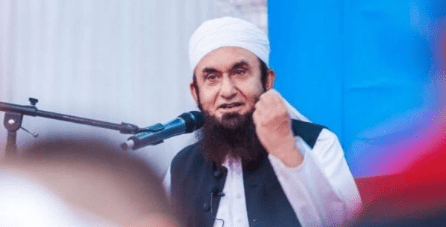
This text is a religious lecture focusing on the Prophet Muhammad’s life and character. The speaker highlights specific anecdotes illustrating the Prophet’s kindness, compassion, and unwavering devotion to his community. Emphasis is placed on the Prophet’s physical attributes, described as exceptionally beautiful, and his moral qualities, emphasizing his trustworthiness and piety. The lecture also touches upon the compilation of the Quran, using a historical event to illustrate the importance of accurate record-keeping. Finally, the speaker urges listeners to emulate the Prophet’s example in their daily lives, fostering unity and love within the community.
Understanding the Prophet: A Study Guide
Quiz
Instructions: Answer the following questions in 2-3 sentences each.
- What unique characteristic does the Quranic verse at the end of Surah Tauba attribute to the Prophet Muhammad?
- What prompted the collection of the Quran into a single book during Abu Bakr’s caliphate?
- Describe the condition set by Zaid bin Sabit for including a verse in the Quran during the compilation process.
- What incident led to the Prophet declaring that Khuzayma bin Sabit’s testimony would be considered equal to that of two men?
- According to the speaker, what was the significance of the 100 camels in the story of Prophet Muhammad’s lineage?
- What is the meaning of the Arabic term “Min An Fus Kum” as explained by the speaker?
- Describe three extraordinary events that are said to have occurred at the time of the Prophet Muhammad’s birth.
- What did the voice from the cloud proclaim after the Prophet Muhammad’s birth?
- What analogy does the speaker use to emphasize the importance of following the Prophet Muhammad’s example in all aspects of life?
- What four actions does the speaker urge his listeners to undertake to secure both worldly and spiritual success?
Answer Key:
- The verse describes the Prophet Muhammad as “Azzaz Aleekum,” meaning he is deeply concerned about the well-being of his followers and their salvation.
- The martyrdom of 700 Huffaz (memorizers of the Quran) in the Battle of Mu’ta raised concerns that the Quran, which was scattered among the people, might be lost.
- Zaid bin Sabit stipulated that any verse included in the Quran must be attested to by at least two people who had memorized it.
- Khuzayma bin Sabit truthfully testified to a transaction between the Prophet and a Bedouin regarding a camel, even though he wasn’t present at the original agreement. This act impressed the Prophet, who declared Khuzayma’s testimony equal to that of two men.
- The 100 camels represented the value placed on Prophet Muhammad’s life by both his grandfather (for sacrifice) and a woman who desired a child with prophetic lineage.
- It refers to the Prophet’s noble lineage and exceptional beauty, indicating his elevated status and the captivating nature of his appearance.
- The birth was painless for his mother, he was born clean and circumcised, and he immediately prostrated in prayer while raising his finger to the sky.
- The voice declared the newborn as the chosen one to be followed for salvation, emphasizing his importance and the dire consequences of disbelief.
- The speaker compares the Prophet’s every action to a fashionable trend, implying that just as people eagerly adopt popular styles, they should embrace the Prophet’s practices for divine favor.
- The speaker urges his audience to always speak the truth, be trustworthy, have good morals, and earn halal income.
Essay Questions:
- Analyze the speaker’s use of storytelling in this excerpt. How does he employ narratives from the Prophet’s life and lineage to convey his message?
- Explore the speaker’s emphasis on the Prophet Muhammad’s physical beauty. What is the significance of this emphasis within the context of his message?
- The speaker draws parallels between the Prophet’s actions and contemporary life, such as fashion trends. Discuss the effectiveness of this approach in connecting with the audience and making the message relevant.
- Critically evaluate the speaker’s call for unity and his condemnation of division within the Muslim community. What factors contribute to these divisions, and what solutions does he propose?
- How does the speaker utilize the story of the Jewish boy’s conversion to Islam to illustrate the Prophet’s character and emphasize the importance of spreading the message of Islam?
Glossary of Key Terms:
- Huffaz: Individuals who have memorized the entire Quran.
- Rauf: One of Allah’s attributes, meaning “Most Compassionate.”
- Rahim: Another attribute of Allah, meaning “Most Merciful.”
- Wasim: Extremely handsome and captivating in appearance.
- Qasim: One whose beauty is complete and perfect in every aspect.
- Afar: The long hair on the sides of the head.
- Amanah: Trustworthiness and integrity.
- Halal: Permissible and lawful according to Islamic principles.
- Haram: Forbidden or unlawful according to Islamic principles.
- Ummah: The global Muslim community.
Briefing Document: Themes and Key Ideas from the Provided Text
Source: Excerpts from a religious sermon, potentially delivered in Africa.
Main Themes:
- Exemplary Life and Qualities of the Prophet Muhammad: The sermon extensively focuses on highlighting the Prophet’s exemplary life, emphasizing his noble lineage, physical beauty (Qasim), compassionate nature (Rauf Rahim), and dedication to his followers’ salvation.
- Importance of Following the Prophet’s Sunnah: The speaker urges the audience to emulate the Prophet’s lifestyle and actions (Sunnah), emphasizing that adopting his fashion and practices will bring divine favor.
- Unity and Brotherhood within the Muslim Community: The sermon strongly advocates for unity amongst Muslims, denouncing divisions based on ethnicity, nationality, or sectarian differences (e.g., Indian vs. Pakistani, Barelvi vs. Deobandi).
- Halal Earnings and Moral Uprightness: The speaker emphasizes the importance of earning halal (permissible) income and stresses on moral virtues like honesty, trustworthiness, and good manners, linking them to both worldly and heavenly success.
Key Ideas and Facts:
- Prophet’s Lineage: The speaker traces the Prophet’s noble lineage back to Adam, highlighting incidents showcasing the importance and significance attached to his birth.
- Prophet’s Birth and Miracles: The text recounts miraculous events surrounding the Prophet’s birth, including his cleanliness, immediate prostration, and a divine voice proclaiming his prophethood.
- Prophet’s Physical Attributes: The speaker passionately describes the Prophet’s physical beauty, using Arabic terms like Wasim and Qasim to convey his captivating appearance.
- Prophet’s Concern for His Ummah: The sermon emphasizes the Prophet’s deep concern for his followers’ salvation, noting his constant prayers for their guidance and deliverance from hell.
- Anecdotes Depicting the Prophet’s Character: Various anecdotes, including his interaction with a Bedouin regarding a camel purchase and his visit to a sick Jewish boy, are presented to illustrate the Prophet’s honesty, kindness, and compassion.
- Call to Action: The speaker urges the audience to implement four key principles: truthfulness, trustworthiness, good morals, and earning halal income, framing them as essential for a successful life.
- Condemnation of Division and Sectarianism: The speaker criticizes divisions within the Muslim community based on ethnicity, nationality, and sect, blaming such discord for societal downfall and urging unity and brotherhood.
Quotes:
- “Bil Mu’mineen Rauf Rahim, Rauf and Rahim are the two quality names of Allah…Allah has never called any prophet with two attributes. He said about our prophet Bil Mu’mineen Rauf is rough but soft, very soft, Rahim is very kind to you.” – Illustrating the Prophet’s unique compassionate nature.
- “So brothers, every style of my Prophet is the fashion of my Prophet, so do the same as he did, why do you adopt other fashions, Allah will also look at you with love, Allah Even the Kabi will look at you with love.” – Underscoring the importance of following the Prophet’s Sunnah.
- “You people have created two sections, one is Asian section and one is African section, there is no mixing between the two. My Prophet has brought everyone together, Bilal of Hash, Salman of Iran, Soheb of Rome, everyone was brought together…” – Condemning division and advocating for unity among Muslims.
- “A hadith, true religiousness, good morals and if the risk is halal then the world is yours and the heaven is also yours…” – Highlighting the significance of halal earnings and moral conduct.
Overall: The provided text offers a glimpse into a passionate sermon focused on the life and teachings of the Prophet Muhammad. The speaker utilizes vivid language, anecdotes, and theological arguments to inspire the audience towards a life aligned with Islamic principles. The emphasis on unity, ethical conduct, and following the Prophet’s example forms the core message of this sermon.
FAQ about the Life and Teachings of Prophet Muhammad
1. What are some key characteristics of Prophet Muhammad according to the text?
Prophet Muhammad is described as:
- Worried for his Ummah: Deeply concerned for the well-being and salvation of his followers, constantly praying for their guidance and protection from hellfire.
- Rauf and Rahim: Possessing two of Allah’s attributes, meaning “most kind” and “most merciful,” highlighting his gentle and compassionate nature.
- Physically beautiful: Described as “Wasim” and “Qasim,” signifying a beauty that captivates the heart and never tires the eye. The text emphasizes his attractive features, from his thick beard to his slanted neck, drawing a detailed portrait of his physical perfection.
2. How does the text describe the significance of Prophet Muhammad’s lineage?
The text emphasizes the purity and nobility of Prophet Muhammad’s lineage, tracing it back to Adam. Several incidents highlight this:
- Hazrat Hashim’s encounter: A Jewish woman recognizes the light of prophethood on Hashim’s forehead, signifying the divine lineage.
- Hazrat Abdullah’s near sacrifice: The story of his father’s almost sacrifice and subsequent sparing due to divine intervention further emphasizes the chosen lineage.
- The selection from among the Arabs: The text describes Allah sifting through various tribes and lineages, ultimately choosing Prophet Muhammad from the most noble family of the Quraish, the Banu Hashim.
3. What miracles are attributed to Prophet Muhammad in the text?
The text mentions several miracles associated with Prophet Muhammad:
- Miraculous birth: A painless birth, born clean and circumcised, and immediately performing Sajda, indicating his divine purpose from the very beginning.
- A cloud descending: A cloud descends from the ceiling upon his birth, carrying a message to the world about his prophethood and future role.
- Milking the barren goat: Filling a vessel with milk from a goat that hadn’t mated and was extremely weak, highlighting his miraculous abilities.
- The goat’s extended lifespan: The goat lives for 22 years after this incident, far exceeding the normal lifespan, attributed to the blessing of the Prophet’s touch.
4. What is the significance of the story of the Jewish boy?
The story of the sick Jewish boy emphasizes Prophet Muhammad’s compassion and his mission to guide all people to the truth.
- He visits a sick boy: Despite the boy being Jewish and living a distance away, the Prophet visits him, demonstrating his concern for everyone’s well-being.
- The boy converts to Islam: The boy converts to Islam before dying, highlighting the Prophet’s successful mission to guide even those outside his immediate community.
- The Prophet’s happiness: The Prophet’s joy at the boy’s conversion showcases his genuine concern for the salvation of all people, regardless of their background.
5. What is the importance of following Prophet Muhammad’s Sunnah?
The text stresses the importance of emulating Prophet Muhammad’s actions and lifestyle (Sunnah):
- Every style is a fashion: The speaker urges followers to adopt Prophet Muhammad’s way of life as a model for their own, believing it pleases Allah.
- Allah’s love: Following the Prophet’s Sunnah brings the love of Allah, making it essential for believers.
- Imitating for success: Copying his manners and actions is presented as a path to success and divine favor.
6. What four things does the Prophet advise his followers to do?
The text highlights four key pieces of advice from Prophet Muhammad:
- Always speak the truth.
- Never betray anyone’s trust.
- Maintain good morals.
- Earn halal (lawful) income.
By following these principles, Muslims can achieve success in this world and the hereafter.
7. How does the text advocate for unity and good treatment within the Muslim community?
The speaker emphasizes the importance of treating family, wives, and children with kindness and respect. He also stresses unity within the Muslim community, regardless of cultural or sectarian differences.
- Express love to family: Be loving and affectionate towards family members, nurturing strong bonds.
- Treat wives well: Express love and fulfill each other’s rights, fostering loving relationships.
- Unity amongst Muslims: Avoid divisions based on ethnicity, sect, or origin, advocating for a unified and harmonious community.
8. What call to action does the speaker end with?
The speaker concludes with a call to action, urging listeners to:
- Populate mosques: Emphasizing the importance of congregational prayer and the mosque’s role as a center of community.
- Spread Islam and faith: Promoting the message of Islam and working towards a more faithful society.
- End divisions: Dismantling barriers based on ethnicity or background, fostering unity and brotherhood amongst Muslims.
This ending reinforces the speaker’s core message: follow Prophet Muhammad’s teachings, strengthen your faith, and live in harmony with each other.
The Prophet Muhammad: Life and Character
The sources describe the Prophet Muhammad’s characteristics, focusing on his physical appearance, personality, and concern for his community.
Physical Appearance:
- He is described as having a captivating presence, with a radiant face and beautiful features. [1]
- His complexion was likely darker, contrasting with the typical Arab complexion of the time. [2]
- He had a thick beard, a slender physique, and long arms and fingers. [3]
- He had long, thick hair that flowed like an eagle spreading its wings. [3]
- His eyes were captivating, and his overall beauty was such that one’s heart would not tire of gazing upon him. [4]
Personality:
- He was known for being both rough and soft, kind and compassionate. [5]
- He was deeply concerned for the well-being of his community, constantly worrying about their salvation and praying for their guidance. [5, 6]
- He demonstrated patience and understanding, even when faced with challenging situations. [5, 7]
- His generosity is highlighted in an anecdote about a magical encounter with a goat where he miraculously produced milk and shared it with his companions and the goat itself. [1, 6]
- He treated everyone with respect and kindness, regardless of their background or beliefs. [8]
- This is exemplified by his visit to a sick Jewish boy, demonstrating his compassion and universal message of love. [8]
Other Notable Characteristics:
- He always spoke the truth and emphasized the importance of honesty and trustworthiness. [9]
- He stressed the significance of good morals, treating parents, spouses, and children with love and respect. [9]
- He advocated for earning a halal (lawful) living and discouraged fighting and division within the community. [8, 10]
The sources present a picture of the Prophet Muhammad as a captivating figure with a strong moral compass and a deep love for his community, emphasizing his physical beauty, compassion, and commitment to unity and righteous living.
Zaid ibn Thābit and the Quran’s Compilation
The sources describe the compilation of the Quran, specifically mentioning the role of Zaid bin Sabit in collecting the verses after the Battle of Mu’ta, where 700 Muslim “Hujri” were martyred [1, 2]. Umar (RA) advised Abu Bakr (RA) to compile the Quran to prevent the loss of verses if more “Hafiz” (those who have memorized the Quran) were to be martyred [2]. Initially hesitant, Abu Bakr (RA) agreed and entrusted Zaid bin Sabit with the task [2].
Zaid bin Sabit insisted on a strict condition: each verse had to be confirmed by at least two witnesses to ensure its accuracy and authenticity [2]. This rigorous process highlights the importance placed on preserving the integrity of the Quran. The source recounts an incident where Zaid initially refused to include a verse because only one witness, Hazrat Khujma bin Sabit, could attest to it [2].
However, Khujma reminded Zaid that his testimony was considered equivalent to two witnesses due to a past event involving the Prophet [2, 3]. This event involved a dispute over a camel purchase, where Khujma truthfully testified in favor of the Prophet, even though he wasn’t present during the initial agreement [2, 3]. The Prophet, pleased with his honesty, declared that Khujma’s testimony would be considered equal to two witnesses from that day forward [2, 3]. This event demonstrates the high value placed on truthfulness and the Prophet’s recognition of Khujma’s integrity.
Therefore, the verse in question was ultimately included in the Quran, specifically in Surah Tauba [2, 3]. This anecdote illustrates the meticulous and careful approach taken during the Quran’s compilation, ensuring its accuracy and preservation.
Islamic Teachings on Righteousness and Community
The sources highlight some key Islamic teachings, emphasizing righteous actions, personal conduct, and community building.
Core Teachings:
- Truthfulness and Trustworthiness: The sources repeatedly emphasize the importance of honesty, advising listeners to “always speak the truth” and “never lie.” [1] This aligns with the story of Hazrat Khujma bin Sabit, whose truthful testimony was highly valued, even equating to two witnesses. [2]
- Good Morals: The sources stress the significance of good character and kind behavior, urging individuals to “have good morals” and “speak sweetly.” [1] This includes respecting and honoring parents, treating wives and husbands with love and affection, and showing love and care towards children. [1]
- Halal Earnings: Earning a lawful livelihood is presented as a crucial aspect of Islamic life. The sources warn against engaging in dishonest or unlawful practices for financial gain. [3] This principle is linked to overall well-being, stating that “if the risk is halal then the world is yours and the heaven is also yours.” [3]
Community and Unity:
- Avoiding Division and Conflict: The sources discourage creating divisions within the Muslim community based on sectarian differences or ethnic backgrounds. [3] The message promotes unity and brotherhood, advocating for harmonious coexistence and mutual support. [3]
- Compassion and Kindness: The Prophet’s compassionate nature is highlighted in several instances, like his concern for a sick Jewish boy. [4] This example encourages extending kindness and care to all, regardless of their faith or background.
- Charity and Generosity: The sources advocate for giving charity, particularly to the less fortunate. Supporting those in need, both financially and emotionally, is presented as a vital aspect of Islamic practice. [4]
These teachings, presented through anecdotes and direct advice, offer a glimpse into the Islamic emphasis on personal integrity, ethical conduct, and fostering a strong, compassionate community.
Prophet Muhammad’s Lineage
The sources provide detailed information about the Prophet Muhammad’s lineage, tracing his ancestry back to Adam. His lineage is presented as a testament to his noble and distinguished heritage.
The source lists the Prophet’s lineage as follows:
- Mohammad bin Abdullah bin Abdul Mutballist, Hija bin Baldas bin Yadla bin Tab bin Jahi bin Nash bin Makhi bin Fafi bin Abkar bin Ubaid bin Ad bin Hamdan bin Sanbar bin Yerbi bin Yazan bin Yal Han bin Irwa bin Aadi bin Jishan bin Isar bin Aknad bin Iha bin Muksar bin Nahi bin Jarre bin Sami bin Maji bin Wawj bin Ram bin Qidar bin Ismail bin Ibrahim bin Adar bin Nahar bin Saruj bin Ra bin Faz bin Abi bin Araf Shad bin Sam bin Nuh bin Lamak bin Matle bin Idris bin Yad bin Mal L bin Kanaan bin Anu bin Shees bi Adam al Salam. [1]
This lineage highlights key figures in Islamic tradition:
- Ibrahim (Abraham): A revered prophet in Islam, known for his unwavering faith and submission to God.
- Ismail (Ishmael): Ibrahim’s son, also considered a prophet in Islam and an ancestor of the Prophet Muhammad.
- Nuh (Noah): A prophet who built the Ark and survived the great flood, according to Islamic teachings.
- Idris (Enoch): A prophet known for his wisdom and piety.
- Adam: The first human being and prophet in Islam.
The source emphasizes that this lineage reflects the Prophet’s noble and pure ancestry. [1] It goes on to describe a conversation between Hazrat Muawiya and someone inquiring about the distinction between the Banu Umayya and Banu Hashim clans. Hazrat Muawiya explains that while both clans were noble, the Banu Hashim consistently produced leaders among the noble people, culminating in the Prophet Muhammad, who embodied the highest level of nobility. [2] This conversation underscores the significance of lineage in Arab culture and how the Prophet’s ancestry contributed to his esteemed position.
Muslim Unity: A Call for Brotherhood
The sources emphasize the importance of Muslim unity and strongly discourage divisions within the community. This message is particularly relevant in the context of the speaker’s observations about societal divisions in places like Pakistan, where sectarian and ethnic differences have led to conflict and instability.
The sources highlight the Prophet Muhammad’s role as a unifier, bringing together people from diverse backgrounds:
- Bilal from Abyssinia (Ethiopia): A close companion of the Prophet and the first muezzin (the one who calls to prayer) in Islam.
- Salman from Persia: Another prominent companion known for his knowledge and piety.
- Soheb from Rome: A companion who embraced Islam despite coming from a distant land and different culture.
This diversity among the Prophet’s companions demonstrates Islam’s universal message and its ability to transcend cultural and ethnic boundaries.
The speaker laments the divisions within the Muslim community, citing examples like Barelvis, Deobandis, and other groups. These divisions, often based on theological or interpretational differences, have sometimes led to discord and animosity, contradicting the Prophet’s teachings on unity and brotherhood.
The sources advocate for several key principles that can foster unity:
- Focusing on shared values: Instead of dwelling on differences, Muslims should emphasize the core Islamic principles that unite them, such as belief in one God, the Quran, and the Prophet Muhammad.
- Treating each other with respect and kindness: Regardless of any differences, Muslims should interact with each other with compassion, understanding, and good manners.
- Avoiding prejudice and discrimination: Muslims should reject any form of prejudice based on ethnicity, nationality, or sect. They should embrace the diversity within the community and view it as a strength.
The sources conclude with a call for Muslims to “live as comrades”, transcending their differences and working together for the betterment of the community and the wider society. This message resonates with the Prophet’s vision of a united and harmonious Ummah (global Muslim community).
The Original Text
Allah did not call any prophet with two of his qualities, he said about our prophet, Bil Mu’mineen, he is rough but soft, he is very soft, Rahim is very kind to you, your lineage, such a face, such Wasim, the heart does not satisfy me, Qasi Mun Wasim Qasim What is called Qasim? Wherever you look, there is beauty, if you are its slave, then brothers, every style of my Prophet is the fashion of my Prophet, so do it the way he did, why do you adopt other fashions, Allah will also look at you with love, Allah’s beloved will also look at you with love See the blessings of your parents, treat your wives well, express your love to your wives, wives should express their love to their husbands, embrace your children in love with them, fulfill your rights again and again, it is not that you have grown up, what should you do [Music] Assalam Walekum Rahmatullah Bamala Rahman Rahim La Salam Ala Ras Kareem Wala Alihi Waab Ajma Ala Bless Qari Sahab, this is one When I recited the verse, Allah Taala was kind and gave me a way to say something. I will talk to you a little about this verse. Which one is it? It is the last verse of Surah Tauba. La kad Zakam Rasool man an fus kum ajaj alehi manam hari sulek. Bil Manina is saying that the right way is true, and that Allah is the right way, and that He is the right way. One speciality of this verse is that when 700 Hujri were martyred in the battle of Mu’ta, there was a false prophet in Muslim, against whom the army of Hazrat Khalid ibn Waleed was 12000. And Muslim’s army went for 6 Hajj and Muslim was defeated in that and the strange thing is that when he was commanding the army and fighting himself, his age was 150 years. At that time, at the age of 150, he was picking up the sword. So people who are 50 years old retire and take up the stick, then in that When 700 Hu Faz companions were martyred, Umar (RA) told Abu Bakr (RA) to collect the Quran. Earlier it was not collected; some verses were with some people and some with another person, so if Hafiz continue to be martyred like this, then it will Then the Quran will be accepted, he started saying that the Prophet of Allah did not do it, how can I do it, then Hazrat R convinced him that this is the need now, well he also agreed, then he called Zaid bin Sabit to Raz Allah Ansari Sahabi, he also agreed to submit the Quran He said that the Prophet of Allah did not do it, how can we do it? Then he explained to them that it is a matter of protecting the Quran, so Bin Sabit put a condition from his side that the verse which was written should be with at least two men. I will write that if any verse is written with any one person, I will not write it in the Quran, this will be true, in my case also two people have to testify, so they decided on their own that it should be with two men I need a verse, when I start looking for this verse, I find only one man Hazrat Khujma bin Sabit Razi Allah had it so they searched further but no one had it but only Hazrat Khojama had it so Zaid Razi Allah Tala An refused saying that I will not include it in the Quran so he said that Don’t you know that my testimony is equivalent to two, he said [Music] Yes, there was a strange incident behind this, when the Prophet of Allah was returning from the journey of Jihad, he liked the camel of a villager, he said sell it, he said yes I will sell it for how much People went and said, I will take this much, there is no mention of it in Hadith Pak, so you said, I will go to Medina and give you the money, so he said, okay, you went ahead, the companions reached from behind, everybody liked that camel, so they started telling him, sell it for this much He started asking for more money than what Allah’s prophet had put in, so his intentions got spoilt and he said, “O Messenger of Allah, give me the money now and take your camel.” So you said, “Brother, we had agreed between us that I will give you the money.” Medina I will give it and take the female camel, he said no there is no one or you give the money right now and take the female camel or I will sell it further, then you said brother then remembering your promise you said present a witness who was the witness there was no one at that time When you two were only there, the companions got angry and the Bedouin said, bring witnesses, you yourself said, there was no witness, so the companions started abusing him that you are trying to insult the Prophet of Allah, then Khujma bin Sabit Razi Allah he said O Messenger of Allah, I testify that you have done the deal of this female camel in this manner, then you said that you were not there at all, how do you testify O Messenger of Allah, you tell the news of the sky and we say that if it is true then this news of the female camel will not accept it as true then you became so happy that you said that from today onwards wherever Khu Zaimah will give testimony it will be equal to two then he reminded Zaid bin Sabit that you do not know my testimony is equal to two then this verse of Quran Become a part of Sur Tauba in this Allah Taala has described the characteristics of his beloved in front of us as a favor and has brought the favor that I sent a great prophet to you Hari Sun Alkam he was always worried about you as if he was worried about you all the time, may the rain come, may the rain come Let the dollar come, let the dollar come, let the rod come, let the dollar come, let the property come, let the plot come, so this prophet of yours is always worried that he should be saved from hell and go to heaven, he should be saved from hell and go to heaven all the time This Ummah keeps on saying Ummah, he always has this desire, greed that you should be saved from hell, you should have faith, then further he describes a strange quality of yours, Bil Mu’mineen Rauf Rahim, Rauf and Rahim are the two quality names of Allah, Arf A Rahim this Allah has two attributes and names. Allah has never called any prophet with two attributes. He said about our prophet Bil Mu’mineen Rauf is rough but soft, very soft, Rahim is very kind to you, let me tell you an incident, a companion came, O Rasul Allah, I have committed a big mistake, you asked what happened, he said, I was fasting, I went to my wife, the fast was of Ramadan So you said, free the slave, whatever is his due reward, freeing the slave he said, I am a poor man, from where can I free the slave, I don’t have even a penny, so you said, then keep 60 fasts and he said, if one fast is a few, then keep 60 fasts what will I do, I have done this in one day then what will I do in 60 days, this will also not happen, you said, then he fed 60 poor people and said I am poor myself whom should I feed, you said sit down, I sat down, some time passed and then I reached a Medinipur That the companion brought a huge basket of dates; O Rasul Allah, distribute it among the fakirs of Madina, then you said, O brother where am I sitting, take it Go and distribute it among 60 houses. He said, O Rasul Allah, I swear by Allah, there is no one poorer than me in Medina. You do this, make my fine halal for me, do it, but you laughed so much that go away, it is halal for you, for someone else This will not happen, Rauf Narm Rahim says that when my Prophet is leading namaz, then like this Mastura comes and Mastura used to follow me, so when I hear the sound of a child crying, then I shorten the recitation and quickly I bow down and say salaam because I cannot bear the sound of a crying child, Subhan Allah, Allah has showered a favor on us, but these words are meant to cause trouble, listen, it is as if I hold someone’s shoulder and say it like this, listen to what I am saying I am saying it is true, when will Zakam come to you, he has not come, who is he, how is his Rasool, Min An Fus, he is from within you, he is from your family and he is from the biggest family of Banu Hashim in which our The water of the Prophet’s progeny used to shift and his forehead used to become bright. Once Hazrat Hashim was passing through Medina. A Jewish woman ‘s gaze fell on him and she saw the light of prophethood on his forehead and said, “Hashim, take 100 camels and spend one night with me.” When he passed by, he said, I am a respectable man, I can never commit adultery. He got married the next day. Two-three days passed from Hazrat Salma in Banu Najjar, and when he was going to the market, that Jewish woman came in front of him. When she was coming I stopped her and said, you were inviting me to sin, get married then she looked at me and said, don’t think of me as a vagabond, I am also respectable, the light on your forehead was prophetic, I wanted to come into my womb but she It was Salma’s fate that she took it, then our Prophet’s father Hazrat Abdullah was going to the market in Mecca, a woman was coming from the front, when she saw you, she started saying that in saving your life 100 camels were needed, take 100 camels from me and spend a night with me, he also said the same thing that I am an honorable person, this can be possible, what did it mean, 100 camels were needed for your life, Hazrat Abdul Mutbalist, I will sacrifice them, Allah gave 15, so let them all be together He did it and said that I had taken a vow that I have to sacrifice one person, are you ready? Today our son is not ready to give us water and he started saying that all 15 of them are ready, whoever’s hand you hold will present his neck, otherwise I will kill him, so he wrote down the names of all of them. And when the slip was thrown, the name of Hazrat Abdullah came out. He was the youngest and the most loved. He held his hand and they started walking towards Safa hill. Then Hazrat Abdullah’s sisters and aunts and other Arab leaders came forward. Among them was one companion, Amar. Bin Aas, his father had not believed, Aas bin Vail is a great character of his, and he said to Abdul Mutley, I will never let this happen, what do you want, that after you people sacrifice their children, then Abdul Mutley He started saying that this is the words of a Sardar, this is not common sense and he also said that a Sardar is standing in front of you, this is also not common sense, I will not let this happen, then a fight broke out and he said let’s go to Madina, there was a place called Ufaan on the way So there was a judge of that time, there was a woman judge named Kana, when the case went to her, she said [music] that when someone is murdered, the heir should not take revenge but should take the price, so how much is it, so she said 10 camels or one Write Abdullah on one slip and 10 camels on another and throw the slip until Abdullah’s name comes out, keep increasing the number of camels by 101 and when the names of camels come out, then leave Abdullah and all the camels gathered in Haram Sharif when he was slaughtered. And at that time there was a Pachiya (milk arrow) and its box had a hole in it, so on one arrow Abdullah was written and on another arrow 10 camels were written and in this way when it was thrown after shaking it, Abdullah’s name came out and then they wrote on it 20 camels and Abdullah then He shook and threw it, Abdullah came out, then 30 camels, then Abdullah 40, then Abdullah 50, then Abdullah 60, then Abdullah 70, then Abdullah 80, then Abdullah 90, then Abdullah, now everyone’s colours turned pale, Abdul Mutlee had 100 camels, so he was also satisfied with 100, there was something wrong Otherwise what would happen later, then Parchin then Abdullah, then 100 camels were written and when Abdullah did not get it right, 100 camels were written on the arrow and on the other side Abdullah came out, then 100 camels were written, then everyone said Allah Akbar, then Abdul Mutle started saying no one more time I will do it, then it was cast and 100 camels came out, then everyone said that it is okay now, I said no once and then did it for the third time and 100 camels came out and the third time Hazrat Abdul Mut agreed and he himself sacrificed 100 camels, when the people of Mecca alone sacrificed 100 camels take it away and if Hazrat Abdullah’s life is saved then that The woman said that your life was saved on 100 camels, I will give you 100 camels, you can spend one night with them. He also said the same thing that his grandfather had said, that I am the son of a Sardar, so I have asked your family to marry me. He has been chosen, if there is anyone of similar family then show him, then you said that Allah Taala looked at the whole world, separated the progeny of Hazrat Adam and Arwah and the Arabs, then Allah put a sieve on the Arabs and from it He separated the children of Mujar, then Mujar But he put a sieve on me and Allah separated Quraish from it. Then he put a sieve on Quraish and separated Hashim from it. Then he put the sieve on Hashim and he said, then Allah chose me from among the progeny of Hashim. I am the most noble progeny and the most noble family. Well, I went to Morita, it is an Arab country in Africa, yes I am sitting in Africa, I don’t remember the poor country, the owner of the religion Hey, they recite this verse La Qad Zakam Rasul, they recite Jabar above Man An Fas Kom Fa, we recite Pesh above Fa, Man An Fus Kum Man Fas, and in many Quran the words are such that because it has seven Qiraat, so Then I understood its meaning in a different way, An Fus Kum is the honor, height and loftiness of the family, once someone asked Hazrat Muawiya, what is the difference between Banu Um and Banu Hash, he said, we were noble people and Hashim was the leader of the noble people, then we We were noble people and Abdul Mutale was the leader of the noble people, then we were noble people and Abu Talib was the leader of the noble people, then Mohammad Mustafa came and took away all the noble people, only this much was left with us, now it is Min An Fusak An fus calls delicate something beautiful, like you say that it is a very delicate thing, no, this is a very delicate thing, or if it is very delicate and beautiful, then it is called delicate, min an fus kum in your There is an indication towards Husn Jamal that I have sent a messenger. The Arabs have a dark complexion. The Arabs have a dark complexion or black or dark skinned i.e. blackish, it is not fair, very little, very little. That is why Abu Lahab’s name is Abdul Uzz, but he is fair. When he was born, his name became Abu Lahab Angara Sese Angara Sur, so the color of Arabs is edge whole blackish or black like you have here African brother, the one whom Allah Taala gave birth to you is Min An Fassam Hazrat Amna Farma. In the nine months I neither felt your pregnancy nor did I know about it nor did I feel any pain. When you were born I did not feel any pain. I did not feel any pain and when you were born, of the many things that come out of the mother’s womb, a drop came out. It did not come out and when you are born, there is a lot of dirt on the child, then he is bathed, you are born clean and absolutely clean, then this navel of the child and the intestine of the mother are joined, that is cut out, you cut your navel Born with a different look, not cut off again Circumcision is done. You were circumcised in your mother’s womb. You were born circumcised. Your navel was cut from your mother’s intestines. When a child is born, it spreads like dirt. When you were born, the fragrance spread throughout the room. It spread so now your midwife was looking at him with surprise that what kind of a child is this, then in that surprise she saw a child lying beside Hazrat Amna, how old is this child, 15 minutes, 20 minutes, half an hour, you are lying like this You suddenly changed sides, like a strong man changes sides, and placed your hands here, and went into Sajda like the big ones do Sajda, whether you lie down or not, raise your knees, raise your hands, and you did Sajda like this, and a long Sajda, and after that, you raised your head from Sajda like this I straightened both my hands, the child cannot even move, what is he doing, he did it like this, placed his chest here, and then raised this hand, and raised his head also, and raised his finger towards the sky like this, what message did you bring from the namaz? I am in Africa, don’t leave me Don’t become a [ _ ] while running after [ _ ], Punjabi people must be wondering what a [ _ ] is called, Ju Ju is called a [ _ ], so you did such a sajda and when you did that, all the light spread out and after that you again became the same child’s child, so Both the midwives got scared, the mother also got scared, they picked him up and took him in their lap, then suddenly the roof of the house tore and brought a cloud from it, that cloud was so thick that you hid inside it, these are the mother’s eyes and this child, but the eyes were wide open The fog is not coming, like it happens in your winters, it is a lot in our place during the winters, so the child is not visible, then a voice came from within that fog, Tafu bahi mash kal aar kill this child and take him around the world, Lir Bashi Vana and Sir, tell the whole world that this is the one whom you will follow and you will be successful, otherwise there will be no difference between you and an animal, this is the one who has come to unite you with Allah, and then a strange voice came that this one is hit by two heads of Adam ‘s morals Give him the sacrifice of Ibrahim Give him the bravery of Jesus, give him the friendship of Ismail and Ibrahim. Give him the sacrifice of Khalilullah, give the knife wielding ability of Saleh, give the wisdom of Lot, give the approval of Isaac, give the beauty of Yusuf, give the intensity of Moses, give the Jihad of Joshua, give the love of Daniel, give the honor of Ilyas. Give me the sweet tongue of David, give me the struggle of Jesus, give him the Wamsa fi Akhlaq Nabin and whatever we gave to the prophets, give it all to him in 15 minutes, whatever our Prophet, 1.25 lakh prophets got, went inside, 63 years of Pani Devi, 63 years of flying How it would be, can anyone guess, one style of my Prophet is more valuable than the earth and sky, it was the fashion of that time, well it was a fashion, so my Prophet adopted a fashion, so it is not possible for us to also like the same fashion, one in Karachi When I was with a friend, his son came; just now the son came and met me; his hair was cut here, the sheep’s hair was cut from here and above it was like this How has he done his hair? He asked, Messi does it like that. I said, I didn’t know who Messi was. I never played football. I said, who is Messi? He said, you don’t know about Messi. I said, no son, I don’t know. He is a great footballer and this is his fashion, that’s why I have adopted his fashion, so brothers, every style of my Prophet is the fashion of my Prophet, so do the same as he did, why do you adopt other fashions, Allah will also look at you with love, Allah Even the Kabi will look at you with love, on the day of judgement every prophet will say, O Allah save my life, parents, wife, children, O Allah save my life, there will only be our and your prophets who will say, O Allah save my Ummah, O Allah save my Ummah, this So this is your birth, then when you became a young man, there is no description of any prophet in the books, the complete description of my prophet is present, when you went after Hijrat and on the way, you felt hungry at one place, there was a tent, an old lady was sitting there, then Hazrat Abu Bakr did He asked mother will I get something to eat, he said son there is nothing, this is the time of saying, then our Prophet said mother take milk from this goat, that goat was not mated with his male goat and the other one was weak, so he said son its So it was not even mated with the goat, there was no mating at all and secondly it has only skin on it, there is no meat, where will the milk come from, he said, give me permission to take it, now since that was a very strange thing happening, so He started looking at you so intently that either he is not an Arab or he does not know that it is an unmarried goat and that too only with skin. You kept the basket under it and touched its udder and it sagged down into a goat. There is a glass of milk, you kept taking out a small glass, you kept taking out, taking out, the entire vessel got filled, when it was full, you first gave it to Abu Bakr, then you gave it to Amir bin Fahra, then you gave it to the leader, later you drank it yourself and then drank it with the goat sat down, then filled it completely and went away, the maximum lifespan of a goat is a few years, after that it or Slaughter it or it will die, it will die this goat remained alive for 22 years due to the blessings of those hands and it was not slaughtered, it died and was not suppressed, you went to the time of Hazrat Usman and got food for the goat that you slaughtered, when you saw its milk you started saying amazing milk Where has this milk come from? She started saying to this goat, are you in your senses, are you in the right mind, do n’t you know this goat, it has neither given birth to a child nor does it have meat on it, has it gone mad? She started saying I was also going crazy at first, a man had come, some magical personality, there was some magic in his hands, he filled it completely and drank it himself and now he has filled it and given it to us, so he started saying, please tell me this, How was it so now she started describing her appearance so first you just listen to the words what is aunt’s in it and what is the colour of the sentences and what kind of pearls are stringed together she started saying rato run hiral wada al jalv hasan khal lam tala lam turi wasi man kaseem fane The F Ash Far Vati Fatehi Kasasa Fan Sa Talala Vaj Talalo Al Kamar Lal Tal Badar Int Kalma Ala Vat Kalma Ala Van Saka Alal Haya Int Kalma Allahu Noor Van Saka Alal Waqar Lam Tani Mil I saw a man Zahir Al Waja whose heart got captured as soon as he saw him. Seeing this my heart gets broken. Neither my family, nor my landlord family, no one knows what a beard is, what a turban is. I spent four months in Tablighi in 1971 with beard and when I returned, the news spread in all the houses. When Jameel came, all the small children of my house, so many 152 children, Tariq Bhai came, Tariq Bhai came, Bhai came, when they saw me, one of my cousins, now Mashallah this trouble with the children has come, trouble has come, all of them ran He went and said in Punjabi, Bhava Bhava has come, Bhava has come, everyone ran but who is this, he captures the heart, now he looks shy as if the moon of Chavi has come down to the earth wearing clothes Hanal Khal has come, extremely beautiful from head to toe, the body is not bulging, do not let your stomach bulge, especially the maulvis, I advise them, I also tell others, do not eat in a hesitant manner, eat in moderation, my It is the Sunnah of the Prophet, the stomach is here, the people themselves are here, the Valm Turi Bahi was so thin that he became sightless, Who is called Wasim, the one who does not satisfy the heart by looking at him is called Wasim, and this one has come in this world, no one has come before Neither will anyone come in future. Yusuf al Salam was beautiful, our prophet Wasim was Wasim and it happens that on seeing him the heart does not get satisfied, the eyes do not get satisfied. When my group went to Canada in 93, I myself said friend I want to see that city, okay and we took them there again in 2000. When the group went I did not say anything, the maqam said let’s go to Nagara, I said let’s go in 97, first 93 then 98 Nagara went, I said let’s go, then in 2000 then my When the group went, Maulana Nagra started saying, I am your friend, don’t lock the water, do not get it removed, get it removed, there is light at night, it is very beautiful, I said, he is not going to sleep at night, the water has to increase, do not get it removed, who is Wasim, whom you see Keep watching, keep watching, die but your heart should not get tired of watching, Allah has created only one, I swear by Allah, he has created only one, Mohammad bin Abdullah bin Abdul Mutballist, Hija bin Baldas bin Yadla bin Tab bin Jahi bin Nash bin Makhi bin Fafi bin Abkar bin. Ubaid bin Ad bin Hamdan bin Sanbar bin Yerbi bin Yazan bin Yal Han bin Irwa bin Aadi bin Jishan bin Isar bin Aknad bin Iha bin Muksar bin Nahi bin Jarre bin Sami bin Maji bin Wawj bin Ram bin Qidar bin Ismail bin Ibrahim bin Adar bin Nahar bin Saruj bin Ra bin Faz bin Abi bin Araf Shad bin Sam bin Nuh bin Lamak bin Matle bin Idris bin Yad bin Mal L bin Kanaan bin Anu bin Shees bi Adam al Salam, such a face, such a Wasim heart, who is called Qasim un Vaman Qasim Qasim, wherever you look, you are his slave, we say friend, so and so’s eyes are very beautiful, it clearly means that the face She is not that beautiful, her eyes are very beautiful, her hair is very beautiful and her body is very beautiful and what was my prophet, I swear by the God who made me stand here and gathered you all, from a single hair to the nail of the toe, wherever you look, there is beauty I was standing with folded hands, may Allah bless that lady, what did she say, it has been 1400 years, the maulvis are getting tired of translating, I swear by Allah this is also a bit of Arabic, Allah has given me a great passion but I searched for the words but I swear by Allah I cannot describe it nor can anyone make the mike red, Qasim, look from the front, look from the back, look from the right, look from the left, look at the head, look at the forehead, look at the eyes, look at the eyebrows, look at the nose, look at the beard, look at the neck, look at the chest. Look at the hands Look at her thighs, there is only beauty, she had thick eyes, black hair was coming, these hairs are called ‘Afar’ in Arabic, their hair should be like a bow, like the girls of today, they make a real bow, they make a fool and on top she She does it like this by applying a pencil, earlier also the hair used to be of a long length, these hairs were long on this side, girls do not wear long hair to look beautiful, then the second rate one is immediately caught, then the essence of beauty is lost, This angel of heaven had such long hair. The prophet of Allah said that her height would be 60 hands and 130 feet. So these hairs of hers, these hairs would be like a big eagle spreading its wings, they would be so long, each of her hairs would be so long -One hair, how would his eyes be, how would his face be, just show a finger to the sun, finger tip, finger tip the sun would sink in front of him just like the stars are sinking right now, the sunlight would sink on his finger tip Falhi Kasasa’s beard is very beautiful and thick. My hair has become thin with age. Thick beard. Neck is slanting. There is no fat on the neck. All the body parts are straight. Tall stature. Long arms are long. Open palm is long. Other long fingers are slanting. And Sadar Cheena Pet Barabar, if we copy it then Allah may make us pass, people copy here, boys, here it is the rule of blacks and it must seem even more, I too always used to pass by copying because I was not fond of studying I was fond of singing, Junaid Jamshed, later I became Gulu’s, I was Gulu’s in the sixties, in primary school, high school, colleges like Government College Lahore, if you imitate your prophet, you will not pass, Allah has liked only one and Allah did not take an oath on any prophet like we do not say, I swear on your life, this is an oath of love, it is not justified but in our India-Pakistan environment, brother, I swear on your life, Allah did not take an oath on anyone, my beloved, I swear on your life I swear what will happen to him friend Learn him, read him, follow him, adopt his life, I take permission by telling you a hadith, my prophet said, do four things, this world is yours, the afterlife is also yours, I did not bring my fifth thumb, do four things, what is the hadith to Sid, always speak the truth, never lie, second What is Amanah, do not deceive anyone, do not do double-dealing, what is the third thing, have good morals, speak sweetly, take blessings from parents, do not take curses, Imam Bukhari has not copied the incident in Al Adab ul Mufar, but in Kitab Tarikh, he has copied the incident When we reached a village, after the effect, a grave cracked open and a man came out of it and his face and head was like that of a donkey, he made a sound three times like a donkey and then went into the grave and the grave got closed, he was surprised and asked this What did you say brother, he was a drunkard, his mother used to stop him, then he used to say, do you keep talking like a donkey, whenever she would stop him, he would say, do you keep talking like a donkey, so since the day he died Every day he is taken out of the grave It takes out a sperm and its face is like that of a donkey, take blessings from your parents, treat your wives well, express your love to your wives, wives should express their love to their husbands, embrace your children for loving this, again and again claim your rights, it is not that You have grown up now, what should you do, this increases love, give them respect, love them, they themselves have children, still treat them like a child and hug them, see what effects it has, till date this has been my practice since I started I read the life of the Prophet of Allah. Allah has given me the ability. If my daughters come, I would stand up. We are responsible people. We do not stand up for the poor. Whatever is our Taqbal, I will stand up for my daughters. Give me respect for yourself. Your children should love you with all their heart. If you have a family living with you, then do not fight among yourselves for money. Do not race for it. The competitor is here, the competitor is here, do not be afraid of him either. Risk is your destiny, it will come, spend on these poor black people, give Zakat to your own people but give them Sadaqa (charity), if they are sick, ask about their well being, if they are getting married, congratulate them, if they die, regret for them because of this This should be believed. You people have created two sections, one is Asian section and one is African section, there is no mixing between the two. My Prophet has brought everyone together, Bilal of Hash, Salman of Iran, Soheb of Rome, everyone was brought together, the Jewish boy is sick. How far did he live? He lived 7 miles away. Banu Qurza lived ahead of Masjid Quba. When you came to know about it, you went on foot to inquire about his well being. The Jewish boy was not the son of his uncle. The Jewish boy was ahead. He was dying and his father was near him in the Torah. He was reciting the Kalma and said, son, Kul la ilaha illallah, so he saw the father like this, then he said, Ate Bal Kasam, you knew the unfortunate one to be the true prophet, he said, believe in Abul Qasim, then he recited the Kalma and lost his life, my prophet was standing, you are like this went to On the paws, wow, wow, Allah saved him from hell through me, how happy was my prophet, how happy are you, my time is over with Fala company, now the random people have gone, my prophet is happy with whom, a Jewish boy Alhamdulillah, Allah saved him from disbelief because of me. If you stand in such claws, then let’s move on, brother. The world is a place to walk. I first came here in 91. Perhaps very few of you would have been where I was at that time when my statement was given yesterday. Our group stayed in Mayfair for two days, after that we went to Azad Will, then we went to Cape Town, Wooster, from there we came back to Durban and from there to Spingo Beach, then from there to Madrasa Zakaria, then from there we went back to this I have a brief map of 91 in my mind, it has been 33 years, at that time there was an Istima, Maulana sahab, there was such a huge crowd that the people sitting there had named it Istima, and there were so many people sitting there, and In the story, yesterday, where I have stated that there were 50 people who were listening to the sermon after two days of hard work, yesterday there were 5000 people, the mosque itself had become crowded, so it is Allah’s grace that the work of Tabligh has progressed in such a way here that in three days You can go everywhere, I do three days’ work, you can easily do three days, 40 days, four months, if Allah gives you courage then do it, do three days, do not lie, do not cheat, do not abuse, do not earn haram risk, it is fun, the fourth thing remained. It was this, what is the fourth thing, earn halal risk, a hadith, true religiousness, good morals and if the risk is halal then the world is yours and the heaven is also yours, all the brothers, you intend to do this, and do not leave namaz, if the mosque is nearby then do not pray at home, go to the mosque and pray. If the mosque is far away then it is okay, it is a compulsion, but if the mosque is nearby then go to the mosque and offer namaz, observe Friday prayers, observe fasts, if Zakat is obligatory then pay it in full, do not cheat any non-Muslim here, do not create groups among yourselves. Be it, this is Indian, we are Pakistani and these are Punjabis, we are Pathans, go and see the condition of Pakistan, it has become a heap of dust, because of these things, now we cannot go anywhere else, we are 70 years old, where will we go now, we can only go to these It was not only the government that ruined the thing, the country was ruined by the people, as is your drum, so is my tune, as are the people, so are the rulers, hence the country got destroyed, the entire community is guilty of this, so live as comrades among yourselves Some are Barelvi, some are Deobandi, some are there, live with love, live with affection, don’t get into fights and then enjoy the joy of paradise in this world, okay brother, read Dash, Alkal Hamd kama Anta Fasalela Muhammad kama at al Fal bana ma ata itawa ma O Allah, please populate this mosque as big as it is, fill it like a manger, fill it with worshippers, it is so beautiful, it is so beautiful, spread Islam here, spread faith here, end the confusion between black and white here. End the confusion of Indians and Pakistanis, end the confusion of Punjabis and Gujaratis, become people who walk together as a community and may Allah be pleased with us all, wa sallah tala nabi kareem alam wakar [Music]

By Amjad Izhar
Contact: amjad.izhar@gmail.com
https://amjadizhar.blog
Affiliate Disclosure: This blog may contain affiliate links, which means I may earn a small commission if you click on the link and make a purchase. This comes at no additional cost to you. I only recommend products or services that I believe will add value to my readers. Your support helps keep this blog running and allows me to continue providing you with quality content. Thank you for your support!