Category: Love

  • The Psychology of Falling in Love

    The Psychology of Falling in Love

    The provided text extensively explores the complexities of falling in love from various psychological perspectives, integrating personal anecdotes, research studies, and theoretical frameworks. It examines factors influencing attraction, such as physical appearance, proximity, repeated exposure, and arousal, while also considering the impact of personality, similarity, and satisfying needs. The text further investigates deeper unconscious influences rooted in childhood experiences and parental relationships, utilizing psychoanalytic and Jungian theories to understand partner selection. Ultimately, the work aims to provide insights into the dynamics of romantic attraction and offers suggestions for those seeking love and navigating relationship challenges, including the connection between romantic and career choices.

    The Psychology of Romantic Attraction

    Romantic attraction is influenced by a multitude of factors, which can be broadly categorized into observable variables, unconscious choices, and the dynamics of how initial attraction can manifest in later relationship stages.

    Observable Variables Enhancing the Likelihood of Falling in Love (Part 1 of the Book):

    • Proximity: Repeated encounters with someone due to living, working, or socializing in the same place increase liking and attraction. This is partly explained by the “repeated exposure” effect, where familiarity reduces discomfort with the unfamiliar. Even seeing someone’s photograph repeatedly can increase romantic preference.
    • Arousal: Physiological arousal, whether from positive (e.g., thrilling success) or negative (e.g., painful loss) experiences, can intensify attraction to someone met during that time. This can be due to misattribution (attributing the arousal to sexual attraction) or excitation transfer (adding arousal from one source to the attraction towards another). However, arousal alone is not sufficient; an attractive potential partner is also needed for it to enhance romantic attraction. Arousal can even decrease attraction towards someone considered unattractive.
    • Beauty and Character: Both physical appearance and personality traits play a role in romantic attraction. While personality traits such as being nice, friendly, and having a sense of humor are frequently mentioned as important, physical appearance serves as an initial selection screen. Attractive people tend to be evaluated more positively. Evolutionary psychologists suggest gender differences here, with men initially prioritizing appearance more than women. However, studies suggest women may underreport the influence of physical attractiveness when they think they are not being monitored.
    • Similarity: Being similar to someone in various aspects like interests, values, background, attractiveness, intelligence, and even genetic makeup increases attraction. This could be because similarities are generally rewarding and dissimilarities unpleasant. Similarity in appearance, attitudes, personality, psychological maturity, and genetic makeup are highlighted. Similarity in level of attractiveness is particularly important at the beginning of a romantic relationship.
    • Satisfying Needs and Reciprocating Love: We are attracted to people who fulfill our important needs and provide something of value. This aligns with the idea that people may seek partners who possess qualities they feel they lack. Furthermore, knowing that someone is attracted to us is a powerful factor in our attraction to them (reciprocal attraction). This can create a positive feedback loop where mutual liking increases. While satisfying needs plays a role, reciprocal liking appears to be a more frequently cited reason for falling in love.
    • The Course of Romantic Love (Falling in Love as a Process): Falling in love is often a gradual process, though it can sometimes be “love at first sight”. Different factors become important at different stages. Initial attraction might be based on appearance, followed by the importance of personality, and later by similarities in attitudes and values. For a relationship to progress, love needs to be reciprocated and fulfill psychological needs.
    • On Men, Women, and Love (The Role of Status and Beauty): There are some gender differences in romantic choices, particularly regarding the emphasis on status versus beauty. Evolutionary psychologists argue that men are more attracted to youth and beauty (indicators of procreative ability), while women are more attracted to earning potential and status (indicators of resource provision). Social theories, however, suggest that these differences are due to social norms, stereotypes, and power dynamics. Despite these differences, men and women equally value pleasant personality and a sense of humor.

    Unconscious Choices How We Choose the Loves We Choose (Part 2 of the Book):

    • Openness to Love: An individual’s readiness and willingness to engage in intimate relationships significantly impact their ability to fall in love [12, Chapter 8]. Factors like self-esteem and past relationship experiences play a role in this openness.
    • The Son Falls in Love with “Mother,” The Daughter with “Father”: This refers to Freud’s idea that people are often attracted to partners who remind them of their opposite-sex parent [12, Chapter 9]. Childhood experiences of love shape an internal romantic image.
    • The Internal Romantic Image: This is a key factor in determining with whom we fall in love [1, 12, Chapter 10]. This largely unconscious image is shaped by past relationships and possibly by the traits of one’s parents. Identifying the traits of past lovers can help make this image conscious.
    • Four Stories: Chapter 11 illustrates the operation of the romantic image through case studies of individuals with varying relationship experiences.

    Connection Between Initial Attraction and Later Relationship Dynamics (Part 3 of the Book):

    • The qualities that initially attract us to someone can sometimes become the source of stress and problems in the later stages of the relationship, a phenomenon sometimes referred to as “fatal attraction” or viewed as a “wise unconscious choice” reflecting complementarity. Understanding this connection can be crucial for relationship growth.
    • The book also touches upon the interplay between forces for merging and individuation in relationships.

    In summary, romantic attraction is a complex process influenced by a blend of situational factors, characteristics of the individuals involved (both conscious and unconscious), the dynamics between them, and societal influences. Understanding these various factors can provide insights into the “mystery” of why we fall in love.

    The Proximity Effect in Romantic Attraction

    The sources indicate that proximity is a significant factor that increases the likelihood of falling in love. It is described as a “hidden matchmaker”.

    Several points highlight the influence of proximity:

    • Increased Probability of Marriage: Studies have shown that as the geographical distance between potential couples decreases, the probability of them marrying each other increases. For example, a study in Philadelphia in the 1930s found that a significant percentage of couples applying for marriage licenses lived in the same building or within a few blocks of each other. Another study in Columbus, Ohio, in the 1950s yielded similar results.
    • Dormitory Studies: Studies conducted in college dormitories are famous for documenting the relationship between proximity and attraction. These studies found that the distance between apartments was the most important factor in determining who became emotionally close. Next-door neighbors were far more likely to become friends than those living further away. Furthermore, residents living near staircases or mailboxes, who had more frequent encounters with others, tended to form more friendships and were more popular. A study at the University of Michigan also showed that physical proximity, rather than compatibility, most influenced the formation of close ties among students. Even in a police academy, recruits whose last names started with the same letter (and thus were assigned to the same rooms and classroom chairs) were more likely to become best friends, more so than those with similarities in other factors.
    • Repeated Exposure: One of the main explanations for the positive effect of physical proximity is the “repeated exposure” effect. Repeated exposure to someone increases our liking for them. This can lead to the development of liking, attraction, and comfort simply because we know we will be spending time with a certain person. There’s a vested interest in seeing someone we encounter frequently as warm and friendly to avoid daily contact with someone unpleasant. This effect has been observed with various stimuli, not just people.
    • Situational Variable: Proximity is considered a situational variable that encourages falling in love, meaning it is an external factor unrelated to the characteristics of the individuals themselves. Research findings indicate that proximity played a role in the initial attraction for a significant percentage of interviewees in a romantic attraction study. There was no significant gender difference in this effect. Interestingly, Americans were more influenced by propinquity than Israelis in one study.
    • Negative Effects: While proximity generally enhances attraction, it’s also noted that it can increase hostility and dislike as well as attraction.
    • Opportunity for Meeting: Proximity increases the opportunity to meet and get acquainted, which is almost a prerequisite for the development of a romantic relationship for most people. Encounters that offer repeated opportunities for spending time together, rather than one-shot meetings, are more likely to lead to romantic development. Examples include daily encounters at work, near mailboxes, or during regular activities.

    In conclusion, the sources strongly support the idea that proximity is a powerful, often underestimated, factor in the development of romantic attraction. Repeated encounters facilitate familiarity and liking, increasing the chances of forming close relationships and potentially falling in love.

    The Role of Physical Beauty in Romantic Attraction

    The sources provide extensive information on the role of physical beauty in romantic attraction, highlighting its significance at various stages and with different nuances.

    Initial Attraction and Screening:

    • Physical appearance often acts as the initial selection criterion in the getting-acquainted stage of a romantic relationship. A person whose appearance is repulsive is likely to be rejected outright, regardless of other potentially wonderful qualities.
    • This initial screening power of beauty is enormous, potentially causing people to discard individuals who might have made wonderful partners.
    • Decisions about whether someone is attractive can be made very quickly, within 150 milliseconds, even before conscious awareness.
    • Men, in particular, tend to be initially attracted to the physical appearance of a woman.

    Beauty and Character:

    • While personality traits play a greater role in falling in love according to what people say, physical appearance serves as the initial gatekeeper.
    • There is a “what is beautiful is good” stereotype, where attractive people are assumed to possess other positive traits. They are often seen as more exciting, intelligent, kind, and successful.
    • The halo effect contributes to this, making us attribute other positive qualities to people we find attractive, whether those qualities are actually present or not. A warm, sensitive person might even look more attractive, and a highly attractive person might seem warmer and nicer.

    Gender Differences:

    • Evolutionary psychologists propose that men prioritize youth and beauty (indicators of procreative ability), while women prioritize earning potential and status (indicators of resource provision).
    • Studies suggest that physical appeal is generally more important for men than for women. Men are more likely to mention physical attraction as a significant cause of attraction and describe it as playing a more significant role.
    • However, women may underreport the influence of physical attractiveness, especially when they feel they are being monitored.
    • For many men, physical attraction initially drives the relationship, while for many women, physical attraction may develop after friendship and emotional intimacy.

    What Constitutes Beauty:

    • Perceptions of beauty can vary across individuals, historical periods, and cultures.
    • Despite this, some features are consistently rated as attractive across cultures, such as large eyes, small noses, and full lips.
    • Faces resembling baby faces (large eyes, small nose, small chin) and “sexy woman” faces (high cheekbones, high brows, wide pupils, big smile) are often ranked as attractive.
    • Our attraction to beauty might be deeply rooted in our genes, with certain features triggering protective instincts in men. We might also be attracted to “average” features, as digitally averaged faces tend to be rated as more attractive.
    • Body attractiveness is also important. For women, a normal weight and a medium bust size are generally seen as most attractive. The waist-to-hip ratio is a significant factor for men, who find a 30% narrower waist than hips attractive.
    • For men, muscularity, a well-developed chest, wide shoulders, narrow hips, and height contribute to attractiveness. The “male-taller norm” is prevalent in romantic attraction.
    • Body symmetry is another physical feature found attractive in both men and women and is associated with various positive biological indicators.

    Similarity in Attractiveness:

    • Lovers tend to share a similar level of attractiveness. People often compromise and choose partners who are neither much more nor less attractive than themselves.
    • This similarity might result from a screening process where the most attractive are “snapped up” first.
    • Choosing a lover with a similar level of attractiveness can lead to greater relationship satisfaction and less jealousy.

    Costs of Beauty:

    • Despite the positive stereotypes, beauty does not guarantee happiness or success in love.
    • Unusually beautiful women can be perceived negatively as snobbish, materialistic, or unfaithful, and their beauty might even scare men away.
    • Attractive people might worry that they are liked only for their looks and not for who they truly are, potentially impacting their self-esteem.

    Subjectivity of Beauty:

    • While some individuals’ beauty is widely acknowledged, the perception of attractiveness can be subjective. What one person finds beautiful, another might not.

    In conclusion, physical beauty plays a crucial and multifaceted role in romantic attraction. It often initiates interest and acts as a primary filter, influencing perceptions of personality and potential. While its importance might differ slightly between men and women and evolve over the course of a relationship, it remains a significant factor in the complex process of falling in love.

    The Power of Similarity in Romantic Attraction

    Similarity plays a significant role in romantic attraction, often acting as a “matchmaker’s rule of thumb”. The sources indicate that we tend to be attracted to people who share our characteristics, leading many to believe that “we love our reflection in the other”.

    General Influence of Similarity:

    • Hundreds of studies from all over the world suggest that we are attracted to those who are similar to us.
    • Analysis of romantic attraction interviews reveals that in about one-third of the cases, similarity played a role in the initial attraction. This is notable considering the great importance attributed to similarity by matchmakers and numerous studies on the topic.
    • Intimate partners are often similar in a wide range of variables. These include:
    • Age, personality traits, appearance, height, weight, eye color, and other physical characteristics, including physical defects.
    • Behavior patterns, professional success, attitudes, opinions, intelligence, cognitive complexity, verbal ability, education, social and economic class, family background, number and sex of siblings, feelings toward the family of origin, the quality of the parents’ marriage, race and ethnic background, religious background, social and political affiliations, acceptance of sex role stereotypes, physical and emotional health, emotional maturity, level of neuroticism, level of differentiation from the family of origin, moodiness, depressive tendencies, tendency to be a “lone wolf ” or a “social animal,” tendency to lie and be inconsistent, as well as drinking and smoking habits.
    • Evolutionary psychologist David Buss suggests that similarity in more important variables, such as age, education, race, religion, and ethnic background, reflects couples’ compatibility and has the greatest effect on relationships. Next are similarities in attitudes, opinions, mental ability, social and economic status, height, weight, eye color, behavior, personality, siblings, and physical features.
    • People who come from similar cultural and social backgrounds have similar expectations and assumptions, which facilitates communication and prevents conflicts. Similarity in attitudes, interests, and personality also eases communication and is linked to greater happiness and satisfaction in marriage.

    Why Similarity Enhances Attraction:

    • Similarities are generally rewarding, whereas dissimilarities can be unpleasant. Even those who organize their thoughts and perceptions similarly are more attracted to each other.
    • A person who shares our attitudes validates our opinions and gives us the pleasant feeling that we are right. This social validation is rewarding.
    • If someone perceives the world as we do, we feel more confident that spending time with them would be rewarding. Dissimilar attitudes might suggest a type of person we’ve found unpleasant in the past.
    • If we love ourselves, it makes sense that we will love people who are similar to us.
    • When we learn that others are similar to us, we assume they will like us; thus, we like them in return.
    • People who are similar to us seem familiar, and familiarity makes us feel more comfortable and pleasant.
    • We are more likely to meet and get to know others who are similar to us in familiar surroundings.

    Specific Types of Similarity:

    • Similarity in Physical Appearance: Lovers tend to share a similar level of attractiveness. This might be due to a screening process where the most attractive are “snapped up” first, leaving others to choose from those at a similar level of attractiveness. Equity theory also suggests that relationships are perceived as more equitable when partners have similar attractiveness. Furthermore, repeated exposure to family members who look like us might lead to a preference for those who resemble us.
    • Similarity in Attitudes: Greater attitude similarity leads to greater attraction and relationship satisfaction. Studies by Don Byrne and his colleagues consistently showed this effect. Charles Darwin also listed similarity in attitudes and interests as a primary cause of attraction. However, when we like someone, we also tend to assume they share our attitudes, and this assumed similarity can enhance attraction. Balance theory suggests that agreement reinforces a state of balance, whereas disagreement creates imbalance, motivating us to restore balance, sometimes through an illusion of similarity. Similarity in sexual attitudes also directly impacts romantic attraction and marital satisfaction.
    • Similarity in Personality: While the evidence is weaker than for attitudinal similarity, couples with similar personalities report greater happiness and satisfaction in their marriages, particularly as the relationship develops. This similarity can validate our self-perceptions and help maintain personality stability. It’s also possible that attraction is based on a sensed, but not fully conscious, similarity in emotional maturity.
    • Similarity in Emotional Maturity and Mental Health: Family therapist Murray Bowen believed that people tend to fall in love with partners at similar levels of differentiation. Harville Hendrix suggests we are attracted to those stuck in similar developmental stages with similar psychological injuries. There is also evidence that people with similar mental health tendencies, such as happiness or moodiness, tend to be attracted to each other.
    • Genetic Similarity: Evolutionary psychologists propose an innate biological mechanism that influences sexual attraction towards potential mates with optimal genetic similarity. We are not attracted to those too genetically different or too genetically similar (family members).

    Similarity vs. “Opposites Attract”:

    • While folk wisdom suggests “opposites attract”, research indicates that similarity has a far greater influence on attraction. Similarity has been found to exert the major influence on the definition of the ideal mate and accounts for a large percentage of interpersonal attraction.
    • Some therapists view the belief in “opposites attract” as a dangerous myth that can create unrealistic expectations.
    • The idea that “opposites attract” might be better understood as complementarity. We might be attracted to partners who are similar to us in general (background, values, interests, intelligence) but who complement us in a particular, significant personality dimension. For example, one partner might be dominant, and the other submissive.
    • Murray Bowen suggests that general similarity in psychological maturity and complementary contrasting “defense mechanisms” can lead to attraction.
    • Self-acceptance might play a role: individuals with high self-acceptance tend to choose partners they perceive as similar, while those with low self-acceptance might choose partners they view as different.
    • Ultimately, the importance of similarity versus difference depends on the specific similarities and differences, as well as factors like self-acceptance. However, the general rule remains the attraction of the similar. Furthermore, people who are happy with their partners tend to perceive their partners as similar to themselves.

    Similarity at Different Stages:

    • In the first stage of a romantic relationship, similarity in views, values, and interests is especially important. Disagreement on significant values can limit the possibility of a romantic relationship.

    Cultural Differences:

    • Similarity was mentioned significantly less frequently as a factor in initial attraction in the Israeli sample compared to the American sample, possibly due to greater social homogeneity in Israel. Americans were also more influenced by similarity overall.

    In conclusion, while the notion of “opposites attract” might hold some appeal, the overwhelming evidence from the sources suggests that similarity in various aspects, including background, values, attitudes, personality, and even physical attractiveness, plays a crucial and significant role in the initial attraction and the development of romantic relationships. This similarity often leads to feelings of comfort, validation, and understanding, increasing the likelihood of a lasting connection.

    Childhood Relationships: Foundation of Adult Love

    The sources extensively discuss the profound impact of childhood relationships, particularly with parents, on adult romantic relationships.

    Key Impacts of Childhood Relationships:

    • Foundation of Adult Love Relationships: Bowlby believed that early childhood experiences, especially the first stable love relationship (attachment) with the primary caregiver (often the mother), have the most profound impact on adult love relationships. The ability to form attachments is innate, but the form it takes depends on the relationship with this caregiver.
    • Internal Working Models: Experiences with the primary caregiver are internalized into “internalized working models” of the self and others, which determine the infant’s sense of self and others and are later generalized to all relationships, especially romantic ones. These models, though genetically influenced, are also sensitive to environmental changes.
    • Attachment Styles: Attachment patterns formed in infancy tend to persist into adulthood, influencing the patterns of intimate relationships. Research has identified three romantic attachment styles: secure, avoidant, and ambivalent. These styles affect behavior in relationships, including responses to stress.
    • Reenactment of Childhood Dynamics: Many theories suggest that individuals unconsciously seek to reenact aspects of their childhood relationships in their adult romantic partnerships. This reenactment can involve the quality of the relationship, as well as the personality and behavior of the partners, often mirroring those of the parents.
    • Internal Romantic Image: We develop an internal, largely unconscious, romantic image early in life based on powerful emotional experiences with our parents and other significant figures. This image is shaped by how our parents expressed love towards us and towards each other. We tend to fall in love with someone who fits this internal image.
    • Object Relations Theory: This theory emphasizes that people choose partners who fit their internalized “objects” (internal representations of people, relationships, or events) and object relations, allowing them to reenact childhood experiences and attempt to gratify unmet childhood needs.
    • Evolutionary Theory and Imprinting: Evolutionary theory suggests that early experiences of love lead to “imprinting” in the brain, creating neural pathways that influence later romantic attraction. We may be attracted to partners who resemble our parents in appearance, personality, or behavior due to these positive imprints. Negative imprints from difficult childhoods can also lead to attraction towards partners who evoke familiar feelings, even if negative.
    • Unresolved Issues: The negative traits of parents often have a greater influence on our romantic image because they are associated with unresolved childhood issues. We may fall in love with people who share these negative traits in an unconscious attempt to resolve these issues. Sometimes, the choice is a partner who is the opposite of a parent with whom there were unresolved issues.
    • Level of Differentiation: Bowen’s theory suggests that people tend to choose intimate partners who are at a similar level of “differentiation” from their families of origin – their ability to separate emotionally and develop a healthy self-identity. Low levels of differentiation can lead to enmeshment and difficulties with individual growth in the relationship.
    • Repetition and Healing: While we may reenact childhood patterns, this is not necessarily a simple repetition compulsion. It can also be an opportunity to repeat the positive aspects of childhood and to attempt to overcome the negative ones. Intimate romantic relationships can be a powerful context for healing childhood wounds.
    • Connection Between Attraction and Later Problems: Often, the very traits that initially attract us to a partner are linked to the problems that arise later in the relationship, reflecting the underlying influence of unresolved childhood issues.
    • Impact on Relationship Quality: A perceived similarity between the adult romantic relationship and the childhood relationship with parents is correlated with feeling more secure, being oneself, and handling conflicts better in the adult relationship, as well as experiencing fewer conflicts. Conversely, negative childhood experiences can lead to difficulties in forming and maintaining intimate relationships.

    In essence, the sources strongly emphasize that our experiences in childhood, particularly our relationships with our parents, lay a significant blueprint for our expectations, choices, and behaviors in adult romantic relationships. Understanding these connections can be crucial for navigating relationship challenges and fostering personal growth.

    Decoding Attraction: A Study Guide

    Understanding the Two Perspectives

    • Social Psychology & Research: Focuses on large-scale studies with many subjects, employing statistical analysis to identify general patterns in relationships. Often views clinical data as less scientifically rigorous due to smaller sample sizes and the focus on patients.
    • Clinical Psychology & Practice: Draws insights from working directly with individuals and couples facing relationship challenges. May find social psychology’s statistical emphasis tedious and its findings overly abstract or lacking practical significance.

    Key Concepts and Theories

    • Eros vs. Sex: Understand Rollo May’s distinction where sex is a biological need and eros is a deeper desire for connection, cultivation, and procreation, even though sex is often a component of romantic love.
    • Repeated Exposure Effect: Explain how familiarity through repeated exposure to a stimulus (like Omm Kolthum’s music) can lead to increased liking, even if the initial reaction was negative.
    • Closing Time Effect: Describe the phenomenon observed in bar studies where individuals rate the attractiveness of others higher as closing time approaches, likely due to a fear of being alone, and note that this is not solely attributed to alcohol consumption.
    • Beauty Stereotype: Discuss the societal belief that “what is beautiful is good,” referencing the halo effect where attractive individuals are often assumed to possess other positive qualities.
    • Physical Attractiveness: Identify the facial features (baby face and sexy woman for women; cross-cultural agreement on large eyes, small noses, full lips) and body features (waist-to-hip ratio, muscularity, height for men; body symmetry for both) that are generally considered attractive.
    • Formula for Attractiveness: Explain the mathematical model where attraction is proportional to the positive value assigned to a person’s traits, highlighting that these values can be subjective.
    • Self-Fulfilling Prophecy in Relationships: Describe how treating someone in a certain way (e.g., as kind or competent) can actually elicit those behaviors in them.
    • Genetic Similarity and Attraction: Summarize research suggesting that individuals in emotionally connected, sexually active relationships tend to be more genetically similar than randomly paired individuals.
    • Similarity vs. Complementarity: Explain how both similar traits (psychological maturity) and complementary traits (contrasting defense mechanisms) can contribute to attraction, and how self-acceptance plays a role in preferring similar partners.
    • Plato’s Theory of Primeval Humans: Briefly outline Plato’s myth of men, women, and androgynous beings being split, leading to different-sex and same-sex attractions based on the lost halves.
    • Alberoni’s Two-Stage Theory of Love: Differentiate between “falling in love” (an intense, nascent state akin to taking off or a flower) and “love” (a more stable institution akin to landing or a fruit), emphasizing that both are necessary.
    • Gender Differences in Courtship: Describe the typical patterns where women tend to be more cautious initially, while men fall in love faster, but women move towards commitment more quickly. Also, explain the concept of “token resistance” in women.
    • Status and Beauty in Mate Selection: Discuss how men often prioritize physical attractiveness while women may place more emphasis on status and resources, though both factors are influential.
    • Dominance and Attractiveness: Explain that while dominance in men can increase sexual appeal to women, it needs to be coupled with helpfulness and cooperation to be truly attractive.
    • Honesty and Fidelity as Attractive Traits: Highlight the importance of reliability, honesty, and fidelity as attractive qualities for both men and women seeking long-term partners.
    • Gender Differences in Deception: Summarize how men tend to exaggerate sexual conquests to other men and commitment/resources to women, while women focus on enhancing physical appearance.
    • Approaches to Sex Without Love: Describe the significant gender differences, with men having lower criteria for casual sex compared to women, but similar criteria for marriage partners.
    • Sexual Scripts: Explain how societal norms and labels (e.g., “playboy” vs. “slut”) create different expectations and behaviors around casual sex for men and women.
    • Development of Gender Identity (Psychodynamic Perspective): Contrast the development in boys (separation from mother, identification with father, focus on independence) and girls (continuity with mother, focus on relatedness).
    • Ability to Love (Kernberg’s Scale): Outline the five levels, ranging from total inability to love to deep intimate relations with sexuality and sensitivity.
    • Separation-Individuation (Mahler’s Theory): Briefly describe the differentiation stage (6-9 months) where the baby begins to distinguish self from non-self, including the internalization of the mother as the first love object.
    • Critique of Separated-Individuated Model: Note the feminist critique of this model as potentially reflecting a masculine ideal of mental health within a patriarchal society.
    • Schizoid Personality Disorder and Love: Describe the characteristics of this disorder, including avoidance of close relationships, suspicion, and a preference for an inner world over social interaction.
    • Freud’s Theory of Parental Influence on Mate Choice: Explain the idea that we are attracted to individuals who resemble our opposite-sex parent, linking romantic love to the libido and unresolved childhood experiences (Oedipus and Electra complexes, castration anxiety, penis envy).
    • Jung’s Theory of Anima and Animus: Describe the anima (feminine archetype in the male unconscious) and animus (masculine archetype in the female unconscious) and their role in understanding and relating to the opposite sex, including their potential negative manifestations.
    • Pheromones and Sexual Attraction: Explain how these chemical signals transmitted through scent can subconsciously influence sexual attraction.
    • Neurochemistry of Attraction: List key hormones and neurotransmitters (DHEA, estrogen, testosterone, dopamine, oxytocin) involved in sexual desire, arousal, and bonding.
    • Internal Romantic Image: Understand this concept as an unconscious template shaped by early experiences that influences our romantic choices, leading us towards partners similar to or the opposite of our parents, often related to unresolved childhood issues.
    • Attachment Theory: Describe the different attachment styles (secure, anxious-ambivalent/preoccupied, avoidant/dismissive, fearful-avoidant) and how early relationships with caregivers shape adult romantic relationships.
    • Object Relations Theory: Explain how early relationships lead to the internalization of “objects” (significant others) that influence later relationship patterns.
    • Couple Burnout: Define this state of emotional and physical exhaustion in a relationship and note its correlation with career burnout.

    Quiz

    1. Briefly describe the contrasting perspectives of social psychologists and clinical psychologists on studying romantic relationships, mentioning their typical methodologies and criticisms of each other.
    2. According to Rollo May, what is the fundamental difference between “sex” and “eros,” and how does this relate to the broader concept of romantic love?
    3. Explain the “repeated exposure effect” using the example of the author’s friend and the music of Omm Kolthum, and what does this suggest about attraction?
    4. Describe the main findings of the study conducted by Pennebaker and his colleagues regarding the “closing time effect” in bars, and what factor was ruled out as the primary cause?
    5. What facial and body features have cross-cultural studies identified as being generally considered attractive in potential romantic partners?
    6. Explain the basic premise of the mathematical model for calculating an “overall attractiveness score,” and what does this model suggest about why we are attracted to certain people?
    7. Describe how the concept of a “self-fulfilling prophecy” can operate within romantic relationships, providing a brief example.
    8. According to Freud’s theory, how do the Oedipus complex in boys and the Electra complex (as he initially termed it in girls) influence the development of romantic attraction?
    9. In Jungian psychology, what are the anima and animus, and how do they influence a person’s understanding and attraction to the opposite sex?
    10. Briefly explain the concept of the “internal romantic image” and how it is believed to influence our choices of romantic partners, drawing on the idea of unresolved childhood issues.

    Answer Key

    1. Social psychologists favor large, controlled studies and statistical analysis, often dismissing clinical data from smaller patient samples as unscientific. Clinical psychologists find social psychology’s methods overly focused on statistics and their findings often trivial and irrelevant to real-world relationship issues.
    2. May distinguishes sex as a biological need for release, while eros is a desire for deep connection, nurturing, and creating with another person. While sex is often part of romantic love, eros represents a more profound relational drive.
    3. The repeated exposure effect demonstrates that initial negative reactions to a stimulus can change to positive ones with increased familiarity. The friend initially disliked Omm Kolthum’s music but eventually became very fond of it, suggesting that familiarity can breed attraction.
    4. The study found a linear increase in attractiveness ratings of the opposite sex as the bar’s closing time approached. A later study indicated that this effect was not primarily due to alcohol consumption.
    5. Attractive female facial features include a baby face (large eyes, small nose, small chin) and a sexy look (high cheekbones, high brows, wide pupils, big smile). Cross-culturally, attraction is also associated with large eyes, small noses, and full lips. Attractive male body features include muscularity, a well-developed chest, wide shoulders, narrow hips, and height. Body symmetry is attractive for both sexes.
    6. The model proposes that each personal trait can be assigned a numerical value (positive or negative), and the overall attraction score is the sum of these values. It suggests we are attracted to those whose traits we value positively, and the strength of attraction depends on the overall positive score.
    7. A self-fulfilling prophecy in relationships occurs when our beliefs or expectations about our partner influence how we treat them, which in turn causes them to behave in ways that confirm our initial beliefs. For example, if someone is treated as trustworthy, they are more likely to act in a trustworthy manner.
    8. Freud believed that boys in the Oedipus complex develop a sexual attraction to their mother and see their father as a rival, leading to castration anxiety and identification with the father. Girls in the Electra complex (initially) develop attraction to their father and see their mother as a competitor, experiencing penis envy and eventually identifying with the mother. These unresolved desires and identifications influence later mate choices.
    9. The anima is the unconscious feminine aspect of a man’s psyche, influencing his understanding and attraction to women. The animus is the unconscious masculine aspect of a woman’s psyche, influencing her understanding and attraction to men, as well as qualities like assertiveness and ambition. Both can manifest positively or negatively depending on integration.
    10. The internal romantic image is an unconscious blueprint of an ideal partner formed by early experiences, particularly with parents. We are often drawn to partners who either resemble or are the opposite of our parents, reflecting unresolved childhood issues and a desire to work through them in adult relationships.

    Essay Format Questions

    1. Drawing upon the concepts of social psychology and clinical psychology presented in the text, discuss the strengths and limitations of each approach in understanding the complexities of romantic attraction and relationship dynamics.
    2. Analyze the various factors influencing physical attractiveness discussed in the text, considering both universal preferences and potential gender and cultural variations in their impact on romantic attraction.
    3. Explore the role of early childhood experiences and parental relationships in shaping an individual’s “internal romantic image” and influencing their patterns of mate selection in adulthood, referencing relevant psychological theories.
    4. Critically evaluate the significance of gender differences in the development of romantic relationships, considering the perspectives presented on courtship behavior, sexual attitudes, and the influence of societal norms and stereotypes.
    5. Discuss the interplay between conscious and unconscious factors in the process of falling in love and choosing a romantic partner, drawing upon concepts such as the internal romantic image, attachment styles, and evolutionary perspectives.

    Glossary of Key Terms

    • Anima: (Jungian psychology) The unconscious feminine aspect of a man’s psyche, representing intuition, feeling, and relatedness.
    • Animus: (Jungian psychology) The unconscious masculine aspect of a woman’s psyche, representing assertiveness, logic, and power.
    • Attachment Theory: A psychological framework explaining how early childhood relationships with caregivers shape patterns of relating and emotional bonds in adulthood, particularly in romantic relationships.
    • Castration Anxiety: (Freudian psychology) A boy’s unconscious fear of losing his genitals, associated with the Oedipus complex and fear of paternal retaliation for attraction to the mother.
    • Differentiation: (Separation-Individuation theory) A stage in infant development where the baby begins to distinguish itself from the mother and the external world.
    • Electra Complex: (Freudian psychology, though Freud later largely subsumed it under the female Oedipus complex) A girl’s unconscious sexual attraction to her father and rivalry with her mother during the phallic stage.
    • Eros: (as defined by Rollo May) A mode of relating characterized by a deep desire for connection, cultivation, and procreation, distinct from the biological need of sex.
    • Halo Effect: A cognitive bias where positive impressions of one characteristic of a person (e.g., physical attractiveness) lead to positive inferences about other unrelated characteristics.
    • Internal Object: (Object Relations theory) Mental representations of significant others, formed through early interactions, that influence later relationship patterns and expectations.
    • Internal Romantic Image: An unconscious template or blueprint of an ideal romantic partner, shaped by early experiences and influencing mate selection.
    • Libido: (Freudian psychology) The instinctual sexual energy with which individuals are born, driving the pursuit of pleasure and connection.
    • Narcissistic Love: (Freudian psychology) Love directed towards oneself, characterized by self-admiration and a focus on one’s own needs.
    • Object Relations Theory: A psychodynamic theory emphasizing the importance of early relationships and the internalized representations of others (objects) in shaping personality and relationship patterns.
    • Oedipus Complex: (Freudian psychology) A boy’s unconscious sexual desire for his mother and feelings of rivalry towards his father during the phallic stage.
    • Penis Envy: (Freudian psychology) A girl’s unconscious feeling of inadequacy and desire for a penis, believed to arise during the phallic stage upon recognizing anatomical differences.
    • Pheromones: Chemical substances released by animals (and to a lesser extent, humans) that can serve as sexual signals and influence attraction through scent.
    • Proximity: Physical closeness or nearness, a significant factor in the initial stages of relationship formation due to increased opportunities for interaction.
    • Repeated Exposure Effect: The phenomenon where increased familiarity with a stimulus (person, object, etc.) leads to increased liking.
    • Self-Fulfilling Prophecy: A phenomenon where expectations about a person or situation lead to behaviors that cause those expectations to be realized.
    • Separation-Individuation: (Mahler’s theory) A developmental process in infancy involving the child’s psychological separation from the primary caregiver and the development of a distinct sense of self.
    • Sexual Script: Socially learned and culturally influenced patterns of behavior and expectations for sexual interactions.
    • Social Psychology: A branch of psychology that studies how individuals’ thoughts, feelings, and behaviors are influenced by the presence of others.

    Briefing Document: Deciphering Romantic Attraction

    This briefing document summarizes the main themes and important ideas from the provided excerpts of a book exploring the psychology of romantic attraction. The author blends their experiences as both a social psychologist/researcher and a clinical psychologist to examine why we choose the loves we choose.

    I. The Two Hats of the Author and the Divide in Psychology:

    • The author explicitly states their dual perspective: “This book represents the two hats I wear as a psychologist. One is the hat of a so-cial psychologist and researcher… The other is the hat of a clinical psychologist…”
    • A key point is the acknowledged tension between these two branches: “Although I am comfortable wearing both of these hats, my colleagues in these two branches of psychology tend to be rather dismissive of each other.”
    • Social psychologists prioritize “controlled studies involving large numbers of subjects” and view clinical data from “a small number of subjects who are often patients, as nonscientific at best.”
    • Clinical psychologists find social psychology’s focus on “complicated statistical procedures boring and their findings often insignificant and trivial.” This highlights a fundamental methodological and philosophical difference in studying human relationships.

    II. Defining Love and Attraction:

    • The author touches on the distinction between sex and romantic love, citing Rollo May: “Sex is a need,” he writes “but eros is a desire.” Eros is presented as a deeper mode of relating focused on “to cultivate, procreate, and form the world,” rather than just sexual release.
    • Despite this distinction, the importance of sex in romantic love is acknowledged: “For most of us, however, sex is an important feature of ro-mantic love. Studies show that its presence or absence in a dating relationship is believed to have implications for the emotional tenor and interpersonal dynam-ics of that relationship.”
    • The author’s personal enthusiasm for the topic is evident: “Forget everything I said before because deciphering the romantic attraction code and figuring out why we choose the loves we choose are the most exciting topics I have ever explored.”

    III. Factors Influencing Attraction:

    • Repeated Exposure: The “repeated exposure” effect is illustrated through an anecdote about a person initially disliking a type of music but eventually developing a strong appreciation for it through constant exposure. This suggests familiarity can breed attraction.
    • The “Closing Time” Effect: The study on bar patrons rating attractiveness at different times reveals that perceived attractiveness increases as closing time approaches. “Findings showed a linear increase in attractiveness rating of both men and women. As the hour grew later, the opposite sex in the bar ap-peared more attractive.” Importantly, a follow-up study suggested this wasn’t solely due to alcohol.
    • Beauty and Physical Attractiveness:The author introduces the profound initial impact of physical appearance with the story of Barry being instantly captivated: “But, his mind must have wandered because he noticed her the minute she entered the room… Barry was transfixed. Who is this heavenly creature? he wondered.”
    • Quotes from literature and mythology (Byron, Aristotle, Venus) underscore the long-standing association of beauty with love. “Beauty is a better recommendation than any letter of recommendation. —Aristotle”
    • Research on facial attractiveness indicates cross-cultural agreement on certain features for women (baby face and sexy woman features, large eyes, small noses, full lips).
    • For men, an athletic build (waist-to-hip ratio), muscularity, broad shoulders, and height are presented as attractive. “Eight different studies documented “the male-taller norm” in romantic attraction.”
    • Body symmetry is highlighted as a significant factor in attractiveness for both men and women, correlating with earlier sexual activity and more partners.
    • A Formula for Attractiveness: A mathematical model is presented, suggesting attractiveness is proportional to the positive value assigned to a person’s traits. “According to this model, attrac-tion is in direct proportion to the value given to a person’s traits.”
    • Self-Fulfilling Prophecies: Our behavior can shape how others act towards us, as demonstrated by Snyder’s study where men who believed they were talking to an attractive woman elicited more positive and sociable responses from her, even though the photograph was manipulated. “A woman who treats a man like the most kind and generous man on earth is going to help bring out more of his generosity; a man who treats a woman like a strong able person is going to help bring out more of her competence.”
    • Genetic Similarity: Research suggests that partners in relationships (even those in paternity disputes) tend to be more genetically similar than random pairings. “He discovered that partners who were involved in a legal battle around a paternity claim… were closer genetically than were couples, from the same subject pool, who were randomly matched by a com-puter.”
    • Psychological Factors:Psychological maturity and complementary defense mechanisms (Bowen) are mentioned as attracting factors.
    • Self-acceptance (Solomon) is proposed as a key differentiator: individuals with high self-acceptance tend to choose similar partners, while those with low self-acceptance choose different partners.
    • Internal Romantic Image:Plato’s myth of divided humans is presented as an early idea about the origins of different sexual orientations.
    • Jungian theory introduces the concepts of the “anima” (the feminine archetype in a man’s unconscious) and the “animus” (the masculine archetype in a woman’s unconscious) as influencing who we are attracted to. “The animus… is the personification of the masculine archetype, “the masculine principle” in the female unconscious.”
    • Pheromones and sex hormones (DHEA, estrogen, testosterone), along with neurotransmitters (dopamine, oxytocin), are discussed as biological factors influencing sexual attraction and arousal. “A pheromone is a chemical substance that can serve as a sexual signal transmit-ted through scent.”

    IV. Gender Differences in Attraction and Relationships:

    • Men tend to fall in love faster and stronger during courtship, while women are more cautious. However, women tend to move faster towards marriage, with men becoming more cautious at that stage.
    • The concept of “token resistance” in women regarding sex is mentioned as a culturally prescribed part of the mating game.
    • Dominance in men can increase sexual appeal for women, but only when coupled with helpfulness, empathy, and cooperativeness. “Dominant behavior did nothing to enhance wom-en’s attractiveness to men. Interestingly, although dominant behavior increased the sexual appeal of men, it did not increase the degree to which they were liked.”
    • Loyalty is highlighted as an attractive male trait for women, as illustrated by a quote praising a reliable and trustworthy partner.
    • Men and women employ different “patterns of deception” in mating strategies: men exaggerate success and sexual conquests with other men, and commitment/resources with women; women enhance physical appearance.
    • Significant gender differences exist in minimum criteria for casual sex, with men having consistently lower standards than women. However, criteria are similar for marriage partners.
    • Different societal “sexual scripts” exist for men (playboy) and women (slut) regarding casual sex, influencing behavior.
    • Developmental psychology suggests boys and girls face different tasks in forming gender identity, impacting their ability to be independent versus intimate. Men may struggle with intimacy due to early separation from the mother, while women may find self-definition more challenging.
    • Research indicates women have a strong interest in sex and similar sexual functioning to men, expressing their sexuality more freely in modern Western societies. Women’s sexual peak tends to occur later in life than men’s.
    • Research findings presented in tables highlight statistical differences between men and women in factors influencing attraction and relationship dynamics in the US and Israel, with physical attraction being a more significant factor for men.

    V. The Influence of Childhood Experiences and Internalized Objects:

    • Freud’s theory of psychosexual development (oral, anal, phallic, latency, genital stages) and the Oedipus/Electra complex are introduced as frameworks for understanding how childhood shapes adult romantic choices. “Freud believed that the attraction to people who remind us of our opposite sex parent is a universal, biologically based phenomenon, related to the developmental processes of early childhood.”
    • The concept of “internal objects” from object relations theory is mentioned, where internalized images of significant early relationships (especially with parents) influence later relationship patterns.
    • Case studies (Jill and Mary) illustrate how different childhood experiences and parental relationships can impact an individual’s romantic history, comfort with intimacy, and partner choices.
    • The idea of repeating unresolved childhood issues in adult relationships is introduced: individuals may choose partners similar to or the opposite of a parent with whom they had an unresolved issue.

    VI. Stages of Romantic Relationships:

    • Alberoni’s two-stage theory of love (“falling in love” and “love”) is presented, comparing falling in love to taking off/flying and love to landing/fruit. “If falling in love is like taking off or flying, then love is like landing.”

    VII. Openness and Barriers to Love:

    • Kernberg’s five-point scale of the ability to love ranges from total inability (narcissistic/schizophrenic) to deep intimate relations with healthy sexuality and sensitivity.
    • The concept of “differentiation” in early childhood development (understanding self vs. non-self) is linked to the ability to internalize objects (people, relationships).
    • Schizoid personality disorder is described as a significant barrier to close relationships, characterized by avoidance, suspicion, and limited emotional expression.

    VIII. Agency and the Internal Romantic Code:

    • Despite the influence of genetics and childhood experiences, the author emphasizes the element of free will in love choices: “Although our genetic makeup and child-hood experiences are engraved in us… we can still choose whether, or how, to follow these scripts in our love choices.”
    • Investing work in a relationship is presented as crucial for its success.

    This briefing document provides a comprehensive overview of the key themes and ideas presented in the provided excerpts, highlighting the author’s integrated approach to understanding the complex phenomenon of romantic attraction.

    FAQ: Understanding Romantic Attraction and Relationships

    1. The author mentions wearing “two hats” as a psychologist. What are these hats and how do they typically differ in their approach to studying relationships? The author wears the hats of a social psychologist and a clinical psychologist. Social psychologists tend to conduct controlled studies with large numbers of subjects and value quantitative data and statistical analysis. They often view the data collected by clinical psychologists, which comes from working with a smaller number of individuals (often patients), as less scientific. Clinical psychologists, on the other hand, often find the complex statistical procedures of social psychologists tedious and their findings to be trivial or insignificant in practical application to real-world relationship issues.

    2. The book explores the “romantic attraction code.” What does this refer to, and what are some of the key factors that influence who we are attracted to, according to the text? The “romantic attraction code” refers to the underlying reasons and patterns that determine why we are attracted to certain people and choose the partners we do. Key factors influencing attraction discussed in the text include proximity and repeated exposure, physical appearance (including specific facial features, body ratios, and symmetry), personality traits (such as dominance, helpfulness, and loyalty), similarity (in values, background, and potentially even genetics), complementarity (in defense mechanisms), the influence of childhood experiences and our “internal romantic image,” and even physiological factors like pheromones and hormones.

    3. How does the concept of “repeated exposure” influence attraction, as illustrated by the anecdote about the Egyptian singer Omm Kolthum? The anecdote of the soldier initially disliking Omm Kolthum’s music but eventually developing a strong appreciation for it demonstrates the “mere-exposure effect.” Repeated exposure to a stimulus, even if initially disliked, can lead to increased familiarity and, subsequently, increased liking and attraction. This principle applies to people as well; the more we are around someone, the more likely we are to find them attractive.

    4. The text discusses the idea that “all the girls get prettier at closing time.” What social psychology concept explains this phenomenon, and was alcohol found to be the primary cause? The phenomenon of people appearing more attractive as closing time approaches is explained by a decrease in perceived alternatives and an increased motivation to avoid being alone. Studies testing this hypothesis found a linear increase in attractiveness ratings as the night progressed. Notably, further research indicated that this effect was not primarily due to alcohol consumption, suggesting that situational factors and the desire for connection play a significant role.

    5. How do evolutionary perspectives explain some of the gender differences observed in mate preferences, particularly regarding physical attractiveness and traits like dominance? From an evolutionary standpoint, men are often more initially drawn to physical cues that signal youth and fertility (e.g., certain facial features, waist-to-hip ratio), as these were historically associated with reproductive potential. Women, while also valuing physical attractiveness, tend to prioritize traits in men that suggest an ability and willingness to invest resources and provide security (e.g., dominance paired with helpfulness and cooperation, loyalty). These differing preferences are thought to have evolved due to the different biological roles and reproductive costs associated with each sex.

    6. The text delves into Freudian and Jungian theories regarding the formation of our “internal romantic image.” Briefly describe how each theory explains this concept. Freudian theory posits that our romantic attractions are rooted in our early childhood experiences and unresolved psychosexual stages, particularly the Oedipus complex (for boys) and Electra complex (for girls). We are unconsciously drawn to individuals who resemble our opposite-sex parent, representing a socially acceptable outlet for our libido and unresolved childhood desires. Jungian theory, on the other hand, introduces the concepts of the anima (the feminine archetype in the male unconscious) and the animus (the masculine archetype in the female unconscious). These internal representations, shaped by the collective experiences of men and women throughout history, influence our attraction to partners who embody aspects of our own anima or animus.

    7. The book presents a mathematical model for calculating an “overall attractiveness score.” What is the basic principle behind this model, and what are its implications for understanding attraction? The mathematical model suggests that attraction is directly proportional to the value we assign to a person’s individual traits. Each trait can be given a numerical value (positive or negative) based on our personal preferences and priorities. The overall attractiveness score is then calculated by summarizing the values of all the traits we perceive in a person. This model implies that attraction is subjective and depends on the individual doing the evaluation and the specific traits they value. It also suggests that we can gain insight into our own attractions by analyzing the traits of those we find appealing and those we don’t.

    8. The author concludes by discussing the interplay between our ingrained patterns and free will in romantic choices. What is the main message conveyed in this final reflection? The concluding message emphasizes that while our genetic predispositions and early childhood experiences significantly shape our personalities, attitudes, and the “scripts” that influence our romantic choices, we are not entirely bound by these influences. We retain the capacity for free will and can consciously choose how to engage in our love relationships. Cultivating a positive outlook on ourselves and others, coupled with the effort and work we invest in our relationships, ultimately determines their success. We have the power to either follow our ingrained patterns or consciously choose a different path in our pursuit of love.

    By Amjad Izhar
    Contact: amjad.izhar@gmail.com
    https://amjadizhar.blog

  • The Science of Love and Attachment

    The Science of Love and Attachment

    This book explores the science of love and attachment, asserting that our need for close emotional bonds is a fundamental aspect of human nature and well-being. It examines how these connections shape our thoughts, feelings, and behaviors from infancy through adulthood, influencing everything from our physical health and mental stability to our intimate relationships and societal interactions. The author draws upon research in psychology, neuroscience, and other social sciences to challenge traditional notions of independence and self-sufficiency, emphasizing the crucial role of emotional interdependence. By understanding the dynamics of attachment, the book aims to provide insights into why relationships succeed or fail and offers a framework for fostering more secure and fulfilling connections. Ultimately, it argues that recognizing and prioritizing our innate need for love and secure attachment can lead to personal growth, stronger relationships, and a more compassionate society.

    The Science of Love Relationships: Attachment, Emotion, and Connection

    The sources indicate a significant interest in understanding love and love relationships. The book itself is dedicated to enriching these relationships and is written with the hope of guiding readers towards more fulfilling and lasting love.

    Historically, despite being a central human experience, love has remained a mystery, eluding philosophers, moralists, writers, scientists, and lovers. Even with advancements in other fields, a clear and rigorous understanding of the intense connection in love has been lacking. The fact that “What is love?” was a top Google search in Canada in 2012 highlights this ongoing quest for definition.

    However, the sources emphasize that there has been a “relationship revolution” in the social sciences over the past twenty years. Love, along with other emotions, is now being taken seriously as a topic of study. This marks a paradigm shift from previous perspectives that viewed emotions as irrational and secondary to reason.

    A key development in this revolution is the understanding of love relationships as dynamic interactions rather than focusing solely on individuals. Researchers began observing couples to identify patterns of behavior during conflict and connection. This led to the recognition that the way individuals “dance” together is crucial.

    The book introduces attachment theory as a central framework for understanding adult love. Moving away from the idea of love as rational bargains, the author posits that love relationships are fundamentally about emotional bonds, similar to those between a mother and child. Our early relationships are seen as building the brain and forming neural templates for future close relationships. These “mental models” shape how we regulate emotions and our expectations in love. The source describes different attachment styles:

    • Secure individuals see themselves as worthy of love and others as trustworthy.
    • Anxious individuals doubt their own value and seek constant reassurance.
    • Avoidant individuals suppress self-doubt and view others as unreliable.

    These attachment styles influence how people behave in their love relationships, especially under stress. Securely and anxiously attached individuals tend to seek comfort from loved ones when facing external threats, while avoidant individuals withdraw. However, responses differ during internal conflicts. Importantly, the sources note that attachment styles are not immutable and can be modified by a partner, especially a secure one.

    Emotions are presented as playing a vital role in love relationships. They act as signals to ourselves and our partners, conveying our deepest needs. Emotion is described as the “music of the dance between lovers”. While love is often associated with happiness, fear is highlighted as a particularly powerful emotion in the context of attachment, serving as a basic survival mechanism signaling threat. Hurt feelings in love are understood as composite emotions involving anger, sadness (at a perceived loss of value), and fear of rejection and abandonment. Sharing difficult emotions is seen as the most functional way to regulate them in love relationships.

    The sources discuss why love relationships fail. They argue that focusing solely on conflict and communication skills addresses symptoms rather than the root cause: the overwhelming fear of being emotionally abandoned. Discord is often an unconscious protest against emotional disengagement and an attempt to regain connection. Destructive patterns such as criticism and stonewalling are identified as toxins that erode emotional balance and fuel insecurity.

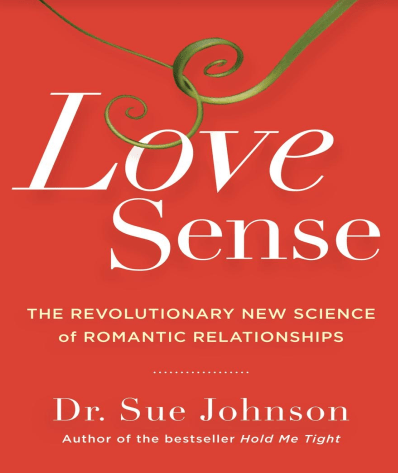
    However, the book offers hope through Emotionally Focused Therapy (EFT), a systematic model of treatment that honors our need for connection and support. EFT has a high success rate in healing faltering relationships. A simplified version is available in the author’s previous book, “Hold Me Tight”. Repairing bonds involves more than just stopping distance creation; it requires actively turning toward each other and revealing fears and longings. “Hold Me Tight” conversations are presented as transformative experiences where partners disclose vulnerabilities and engage with tenderness and compassion. These conversations aim to build a secure bond characterized by:

    • Accessibility: giving attention and being emotionally open.
    • Responsiveness: accepting needs and fears and offering comfort.
    • Engagement: staying connected emotionally.

    These moments of connection build a mental model of the relationship as a safe haven. Studies show that EFT can make partners more securely attached.

    The book also touches on love across time, emphasizing that love is not static but needs to be actively “made” and “remade”. The initial infatuation phase involves both sexual desire and emotional yearning. The development of a formal bond, such as marriage, signifies a deeper level of commitment and dependence.

    Ultimately, the sources stress the profound impact of love relationships on our overall well-being. Strong and stable relationships are the strongest predictor of happiness and resilience. Understanding the new science of love offers the potential to shape, repair, and renew our most important adult relationships.

    The Power of Emotional Connection in Relationships

    Emotional connection is presented in the sources as a fundamental aspect of love relationships and overall human well-being. The author dedicates the book to fostering richer and deeper love relationships, hoping to guide readers toward more fulfilling connections. We are described as being “obsessed with love and love relationships”, highlighting the central role they play in our lives.

    The sources argue that emotional connection is not just an emotion but a fundamental bond, akin to the bond between a mother and child. This perspective contrasts with the idea of love relationships as purely rational bargains. Instead, love relationships are fundamentally about emotional bonds built on the need for connection and support. This need is so vital that the fear of losing emotional connection is identified as a primary source of relationship distress. The author emphasizes that to truly help couples, the foundation of loving connection must be shored up.

    Emotions play a crucial role in forging and maintaining emotional connection. We are described as being “designed to deal with emotion in concert with another person—not by ourselves”. Emotions act as signals to ourselves and our partners, conveying our deepest needs. Emotion is even referred to as the “music of the dance between lovers”, guiding their interactions. Learning to tune in to our emotions and express our desires openly is essential for receiving sympathy and support from a partner, which in turn helps balance our emotions. Furthermore, our early relationships teach us about the nature of emotion and how to handle it. Clearly signaling our emotions is vital for our partners to understand our fears and longings, allowing them to provide a safe harbor.

    Attachment theory provides a key framework for understanding emotional connection in adult love. Our early relationships build the brain and form neural templates (“mental models”) for future close relationships. These models shape how we regulate emotions and our expectations in love. The sources discuss different attachment styles (secure, anxious, avoidant) and how they influence behavior in love relationships, particularly under stress. A secure bond, characterized by accessibility, responsiveness, and engagement, fulfills the core attachment question: “Are you there for me?”.

    Oxytocin, the “cuddle hormone,” plays a significant role in promoting strong emotional bonds. It is described as the “master chemical of social connection”. Oxytocin is released during physical closeness and even when thinking of loved ones. It increases trust and empathy, reduces the threat response in the brain, and lowers stress hormones. Studies have shown that oxytocin can even improve the accurate reading of emotional signals and increase positive communication during conflict.

    Empathy is another crucial element of emotional connection, described as the capacity to perceive and identify with another’s emotional state. We are considered a “naturally empathetic species” with brains wired to resonate with others’ emotions. Mirror neurons are highlighted as playing a role in this capacity. Feeling another’s pain is essential for forgiveness. Secure attachment fosters emotional balance, which in turn enhances the ability to feel empathy. Increasing perceived familiarity and similarity between partners can also promote empathy.

    When emotional connection is lost or weakened, relationships suffer. The fear of emotional abandonment can lead to destructive patterns like criticism and stonewalling. Stonewalling, or emotional withdrawal, can trigger intense negative emotions in the other partner. The way we perceive our partner’s actions depends on our sense of emotional connection.

    However, emotional connection can be repaired and renewed. Emotionally Focused Therapy (EFT) is presented as a highly successful approach to healing faltering relationships by honoring our need for connection. “Hold Me Tight” conversations, a simplified version of EFT, aim to help partners disclose vulnerabilities and engage with tenderness and compassion, building a secure bond. Repairing bonds involves turning toward each other, revealing fears and longings, and creating a “safe-haven relationship”. These conversations help partners tune in to their softer emotions, regulate their emotions, send clear signals, and explicitly state their needs. Successful repair involves acknowledging moments of distance and actively reaching for each other, fostering a new positive bonding cycle.

    Finally, the sources emphasize the broader significance of emotional connection for society. We are seen as biologically driven to be associative and altruistic. Recognizing our emotional interdependence and the need for safe, trusting relationships is considered central to human nature and a thriving society. Educating for connection and supporting loving bonds are seen as crucial for cultivating empathy and cooperation. Secure love promotes inner peace, exploration, and growth.

    The Science of Love: Attachment Theory and Relationships

    Attachment theory is a revolutionary perspective on personality and relationships, pioneered by the British psychiatrist John Bowlby. Despite being a seemingly unlikely figure for such a groundbreaking theory, Bowlby, a conservative Englishman, fundamentally changed our understanding of love and loving forever. His insights are the foundation upon which the new science of love relationships rests.

    Bowlby proposed that we are designed to love a few precious others who will be there for us. His theory posits that adult romantic love is an attachment bond, just like the one between mother and child. This was a significant departure from the long-held assumption that as adults, we outgrow the need for intense closeness and that romantic attachments are primarily sexual. Bowlby argued that our need to depend on one precious other, to know they will be there for us when we “call,” never dissolves and endures “from cradle to grave”. As adults, we simply transfer this need from our primary caregiver to our lover. He viewed romantic love not as illogical or random but as a continuation of an ordered recipe for survival.

    Bowlby’s thinking was influenced by Darwin’s theory of natural selection and the work of ethologists. He challenged Freud’s view that the mother-child link is forged after birth as a conditioned response (baby loves Mom because she provides food). Instead, Bowlby was convinced that the emotional tie is wired in before birth and is automatic. Support for this came from Harry Harlow’s experiments with rhesus monkeys, which demonstrated the crucial need for “contact comfort” beyond mere sustenance. Bowlby initially hesitated to call his theory a “theory of love,” fearing ridicule from the scientific community. He was significantly aided by the work of Canadian psychologist Mary Ainsworth, who helped shape and test his ideas. Together, they identified four key elements of attachment:

    • We seek out, monitor, and try to maintain emotional and physical connection with our loved ones. Throughout life, we rely on them to be emotionally accessible, responsive, and engaged with us.
    • We reach out for our loved ones particularly when we are uncertain, threatened, anxious, or upset. Contact with them gives us a sense of having a safe haven, where we will find comfort and emotional support. This sense of safety teaches us how to regulate our own emotions and how to connect with and trust others.
    • We miss our loved ones and become extremely upset when they are physically or emotionally remote. This separation anxiety can become intense and incapacitating. Isolation is inherently traumatizing for human beings.
    • We depend on our loved ones to support us emotionally and be a secure base as we venture into the world and learn and explore. The more we sense that we are effectively connected, the more autonomous and separate we can be.

    These elements are considered normal and universal across cultures, with the formation of a deep mutual bond being the first imperative of the human species. Bowlby viewed life at its best as a series of excursions from the safety of a secure relationship into the uncertainty of the world.

    Attachment theory revolutionized our understanding of child development. Ainsworth’s “Strange Situation” experiments helped identify different attachment styles in children: secure, anxious, and avoidant, based on their responses to separation and reunion with their mothers. Children with warm and responsive mothers tended to be secure, those with inconsistent mothers often showed anxious attachment, and those with cold and dismissive mothers were more likely to be avoidant.

    Crucially, Bowlby maintained that the need to be close and to attach persists through life and shapes our adult love relationships. This perspective was initially rejected by many in the social sciences who favored “exchange theory,” viewing love relationships as rational bargains. However, observations of distressed couples revealed that their issues were not primarily about profit and cost but about a lack of emotional connection – they were not bargains, but emotional bonds, just like those between mother and child.

    Research by Phil Shaver and Cindy Hazan provided empirical evidence supporting Bowlby’s assertions about adult attachment. Their studies confirmed that our need to attach continues beyond childhood and that romantic love is indeed an attachment bond. At every age, we habitually seek and maintain physical and emotional closeness with at least one irreplaceable other, especially when feeling stressed, unsure, or anxious.

    A person’s basic attachment style is formed in childhood. Secure attachment develops when caregivers are consistently accessible and responsive, leading to comfort with closeness and a lack of worry about betrayal or abandonment. Insecure attachment styles, either anxious or avoidant, result from inconsistent or neglectful caregiving. Anxiously attached individuals tend to worry about abandonment and seek constant reassurance, while avoidant individuals suppress their emotions and attachment longings, viewing others as unreliable. While we have a main attachment style, we can sometimes shift into alternative strategies.

    Observational studies of adults under stress further validated these concepts. Securely and anxiously attached individuals tend to reach for loved ones for comfort when the threat comes from outside the relationship, while avoidant individuals withdraw. However, in the face of internal conflict, anxious partners tend to become dysregulated, while secure and even avoidant partners can stay more on topic, though secure individuals are better at finding solutions. Attachment style also influences how individuals cope with the dissolution of relationships. Anxiously attached individuals tend to be more frantic and angry during breakups, while avoidant individuals cope by lessening contact. Interestingly, a secure bond is linked to faster emotional recovery from the loss of a partner.

    Bowlby emphasized that in love relationships, “presence and absence are relative terms”, meaning a loved one can be physically present but emotionally absent. Both children and adults need a readily accessible and responsive loved one to feel secure. Relationship distress is often rooted in the overwhelming fear of being emotionally abandoned. Discord arises as an unconscious protest against emotional disengagement and an attempt to regain connection.

    Emotionally Focused Therapy (EFT), developed by Sue Johnson (the author of the sources), is a systematic model of treatment grounded in attachment theory. EFT helps couples understand the survival significance of their love relationship and the patterns of disconnection that trigger panic. It focuses on helping partners turn toward each other, reveal their fears and longings, and create a safe-haven relationship characterized by accessibility, responsiveness, and engagement. “Hold Me Tight” conversations are a key component of EFT, facilitating transformative experiences where partners disclose vulnerabilities and engage with tenderness and compassion, ultimately making the bond more secure. Research shows that EFT can indeed make partners more securely attached.

    In essence, attachment theory provides a powerful lens for understanding the dynamics of love relationships. It highlights our fundamental need for emotional connection, the enduring impact of early experiences, and the patterns of behavior that either foster secure bonds or lead to distress. Understanding these principles offers valuable insights into how we can shape, repair, and renew our most important adult relationships. Secure attachment not only enhances our personal well-being but also fosters emotional balance, empathy, and even prosocial behavior. The new science of love, built on the foundation of attachment theory, offers an empowering consciousness about what it means to be a lover.

    The Social Science Revolution of Adult Love

    Social science has undergone a revolution in its approach to understanding adult love. Previously, love didn’t receive much respect as a topic of study within social sciences. Emotions in general were often associated with our “lower animal nature” and considered irrational, making them suspect subjects for scientists. For a long time, social scientists focused on simple behaviors and how to change them, often neglecting public concerns about the quality of everyday life.

    However, a quiet movement began in campus laboratories and academic journals, challenging the orthodox view. In the 1990s, emotions, including love, emerged as legitimate topics of inquiry across various social science disciplines like anthropology, psychology, and sociology. It became apparent that feelings weren’t random but logical and “intelligent”.

    Therapists and mental health professionals also began to shift their focus from the individual’s troubled psyche to the dynamic interactions within relationships. They realized that couples were not distinct entities but part of a dyad where each person’s actions influenced the other. This led to researchers videotaping couples discussing everyday issues to identify critical moments and patterns of behavior.

    The new science of love, a part of this revolution in social science, employs various methodologies:

    • Clinical studies: The author mentions thirty years of clinical studies contributing to their understanding of love. Working with thousands of despairing couples led to the creation of Emotionally Focused Therapy (EFT).
    • Laboratory experiments: The text mentions laboratory experiments as a source of discovery about love. For instance, the first observational study of attachment behavior in adults was born from an experiment setting up an upsetting situation for dating couples.
    • Applied therapies: The author’s primary contribution lies in relationship repair through applied therapies like EFT.
    • Observational studies: Researchers started videotaping couples to observe their interactions and identify patterns. Studies by Jeffry Simpson’s team used stressful situations to observe how securely and anxiously attached individuals reach for comfort, while avoidant individuals withdraw when the threat is external.
    • Questionnaires: Researchers used questionnaires to assess individuals’ opinions and attitudes, as well as their attachment styles.
    • Brain imaging technology (fMRI): More recent studies utilize fMRI brain scans to demonstrate the neurological impact of secure attachment, showing that holding a partner’s hand can dampen fear and pain after EFT.

    Key insights from social science regarding love include:

    • Love as a basic survival code: An essential task of our mammalian brain is to read and respond to others, and the ability to depend on others makes us strong.
    • Rejection and abandonment as danger cues: These cues trigger real physical pain.
    • The importance of emotional connection: Emotional connection is the glue in vital, unique relationships. The overwhelming fear of emotional abandonment is a primary source of relationship distress.
    • Attachment theory as a foundation: The work of John Bowlby and Mary Ainsworth, furthered by Phil Shaver and Cindy Hazan, established that adult romantic love is an attachment bond similar to that between mother and child. Attachment style (secure, anxious, avoidant) shapes expectations and behaviors in love relationships.
    • Emotionally Focused Therapy (EFT) as a successful approach: EFT, grounded in attachment theory, helps couples address their emotions differently and repair their bond, achieving a high success rate in healing faltering relationships.
    • Empathy as a crucial human capacity: Social science suggests humans are biologically driven to be associative and altruistic, with empathy being a key factor in cooperation and positive relationships.

    Overall, social science has moved from largely ignoring or dismissing love as an irrational phenomenon to rigorously studying it through various scientific methods. This has led to a deeper understanding of the fundamental role of emotional connection and attachment in adult love relationships and has provided effective approaches like EFT for relationship repair. This “relationship revolution” within social science offers hope for creating more fulfilling and lasting love.

    The Brain’s Pathways to Love and Connection

    The true locus of love is the brain, contrary to ancient beliefs that favored the heart. In fact, Egyptians discarded the brain during mummification, and Aristotle considered it of minor importance, mainly to cool the blood. However, modern research has revealed that the brain is integral to the process of loving relationships. The brain is a profoundly social organ, oriented towards forming and managing connections with others.

    From our earliest days, our brain grows and develops in response to our love relationships. During the first four years of life, the brain grows rapidly as emotional interactions with a loving caregiver stimulate biochemical processes that enhance nerve growth and connectivity. This constant dialogue between neurons structures our brain; the more often they communicate, the stronger the connection becomes, a principle summarized as “fire together, wire together“. Emotional interaction advances brain development, while a lack of it has the opposite effect, leading to stunted neural connections and a shortage of messenger chemicals. Isolated infant monkeys and human babies show deficits in brain areas involved in emotion processing and may experience developmental problems. Loving contact is crucial for the growth of mirror neurons, which are associated with empathy. Early interactions with loved ones are also vital for the organization of the right brain, a key site for processing emotions and nonverbal cues. These early positive interactions tune youngsters’ brains to the social channel, teaching them to communicate their needs and evoke satisfying responses.

    The brain is not just shaped by early experiences; it continues to adapt throughout life. The brain is amazingly plastic, and we can create new neural circuits, altering how we perceive and signal our emotions. Experiences of love and loving can lead to the flowering of new neurons and networks in the adult brain. Falling in love and bonding with a partner are major events that naturally create massive neural reorganization.

    The brain is responsible for processing emotions, which are not random impulses but efficient information-processing and signaling systems designed for survival. Emotion automatically sorts through stimuli, highlighting what matters and guiding us to appropriate actions. Rejection and abandonment are processed as danger cues in the brain, triggering real physical pain. Neuroscientist Jaak Panksepp has shown that mammals have specific brain pathways dedicated to registering the “primal panic” resulting from the loss of an attachment figure.

    Different brain regions play specific roles in emotional and social processing:

    • The thalamus receives cues and provides a fast initial assessment of the emotion required.
    • If immediate action is needed, the message goes directly to the amygdala, the processing center for fear.
    • If there is no urgency, information travels to the frontal cortex, the thinking part of the brain, for a more detailed assessment before reaching the amygdala. The frontal cortex also processes emotional cues.
    • The dorsolateral prefrontal cortex (DLPFC) regulates the impact of external cues on the limbic system, the emotional brain. Decreased activity in the DLPFC is seen in depressed individuals.
    • The hippocampus is rich in oxytocin receptors and is key in retrieving memories, potentially aiding in the interpretation of facial expressions.

    Neurochemicals play a crucial role in love and social connection:

    • Oxytocin, the “cuddle hormone” or “molecule of monogamy,” promotes strong bonds, increases trust, improves social memory, and reduces fear. It is released during breastfeeding and orgasm, and even thinking of a loved one can trigger its release. Oxytocin also increases the accuracy of reading others’ emotional states and is linked to the release of dopamine.
    • Vasopressin, closely related to oxytocin, has similar linking effects but also stimulates mate-guarding behavior.
    • Dopamine is a neurotransmitter that makes us feel elated and euphoric and is involved in attachment between partners, as we tend to stay close to those who bring us pleasure.

    Mirror neurons are a fascinating aspect of brain function related to social connection. These neurons fire both when we perform an action and when we observe someone else performing the same action, allowing us to literally feel what others are feeling and understand their intentions. This mirroring process is the basis of empathy. Super mirror neurons help us distinguish between our own feelings and those of others. Reduced activity in facial muscles due to Botox can impair the ability to accurately read others’ emotions, highlighting the importance of mimicry facilitated by mirror neurons.

    The brain functions as an integrated whole, with all parts working together to create our experience. The old dichotomy of a purely “feeling” right brain and a purely “rational” left brain is illusory. Both emotion and reason are interconnected and contribute to our responses and behaviors.

    Secure attachment has a positive impact on brain function. fMRI studies show that after Emotionally Focused Therapy (EFT) leads to more secure attachment, holding a partner’s hand can dampen fear and the pain of an electric shock. Secure attachment also furthers emotional balance, which is crucial for empathy. Insecure attachment, on the other hand, is linked to stronger physiological reactions to stress and difficulties in interpreting a partner’s signals.

    Even the simple act of naming an emotion can calm the emotional center of the brain, as demonstrated by fMRI studies. This highlights the brain’s capacity to regulate emotional responses through cognitive processes.

    Overall, the brain is a remarkably complex and dynamic organ deeply intertwined with our social world and emotional experiences. Understanding its functions is crucial to understanding love, attachment, and the dynamics of human relationships.

    Love Sense Study Guide

    Key Concepts

    • Attachment Theory: The framework that posits that humans are biologically predisposed to form strong emotional bonds with others, and that the nature of these bonds significantly impacts well-being and relationship dynamics.
    • Secure Attachment: An attachment style characterized by comfort with intimacy and autonomy; individuals with this style tend to view themselves as worthy of love and others as trustworthy and reliable.
    • Anxious Attachment: An attachment style marked by a preoccupation with relationships, a fear of rejection, and a need for constant reassurance from partners. Individuals with this style often doubt their worthiness of love.
    • Avoidant Attachment: An attachment style characterized by a discomfort with closeness and a suppression of dependency needs. Individuals with this style tend to view others as unreliable and untrustworthy, while maintaining a conscious stance of self-sufficiency.
    • Safe Haven: The role that a secure attachment figure plays in providing comfort, reassurance, and support during times of stress or threat.
    • Secure Base: The role that a secure attachment figure plays in providing a sense of safety and security that allows individuals to explore their environment and take risks.
    • Emotional Regulation: The ability to manage and respond to emotional experiences in a healthy and adaptive way. Attachment security plays a crucial role in developing effective emotional regulation.
    • Mirror Neurons: Brain cells that fire both when an individual performs an action and when they observe the same action being performed by another. They are crucial for empathy, understanding intentions, and social connection.
    • Oxytocin: A hormone often referred to as the “cuddle hormone” or the “molecule of monogamy.” It plays a key role in promoting bonding, trust, and social connection.
    • Vasopressin: A hormone closely related to oxytocin that also has a linking effect but is also associated with mate-guarding and aggressive behavior in males.
    • Reappraisal: A cognitive strategy for managing emotions by changing the way one thinks about an emotionally charged situation, leading to a different emotional response.
    • Suppression: A strategy for managing emotions by trying to inhibit or conceal emotional expression, which can be less effective than reappraisal and may even heighten emotional activity in the brain.
    • Sealed-Off Sex: Sexual activity that is primarily focused on one’s own physical sensations and achieving climax, often lacking emotional connection, vulnerability, and mutual engagement.
    • Responsive Desire: A model of female sexual desire that suggests it is often triggered by intimacy, emotional connection, and feeling safe, rather than solely by spontaneous physical arousal.
    • Spontaneous Desire: A model of male sexual desire that is often characterized as more readily triggered by visual or physical cues, leading to a more linear progression from desire to arousal.
    • Attachment Needs: The fundamental human needs for closeness, security, and responsiveness from significant others.
    • Bids for Connection: Small, often subtle attempts that partners make to connect with each other, such as a touch, a question, or a joke.
    • Stonewalling: A withdrawal tactic in relationships where one partner becomes unresponsive, shuts down, and avoids interaction, often as a way to cope with feeling overwhelmed.
    • Hold Me Tight Conversations: A model for therapeutic dialogues aimed at helping couples identify negative interaction patterns and create more secure emotional bonds by expressing needs and fears openly.

    Short-Answer Quiz

    1. According to the text, why is love considered a basic survival code? What is the essential task of our mammalian brain in relation to others?
    2. Explain the concept of “Homo vinculum.” How does this relate to the insights gained about romantic relationships?
    3. Describe the three basic attachment styles outlined in the text. What are some of the core characteristics of each style in relationships?
    4. How does secure attachment relate to emotional regulation? What did Omri Gillath’s study on women with different attachment styles reveal about their brain activity when dealing with difficult emotions?
    5. What is the role of oxytocin in social connection and romantic relationships? Provide at least two examples of how oxytocin affects behavior or perception.
    6. Explain the function of mirror neurons. How do they contribute to understanding others’ intentions and fostering connection in love relationships?
    7. Contrast “sealed-off sex” with a more emotionally connected sexual experience. What are the typical characteristics and underlying motivations associated with sealed-off sex?
    8. According to the text, how does female sexual desire often differ from male sexual desire? What is a crucial prerequisite for women to feel desire?
    9. Describe the “Alien Argument” as presented in the text regarding why relationships fail. What does the author say about actual sex differences?
    10. Explain the downward spiral that can occur in distressed relationships, highlighting at least three key stages or patterns.

    Answer Key

    1. Love is a basic survival code because our mammalian brains are essentially wired to read and respond to others; being able to depend on others is what makes us strong. Rejection and abandonment are perceived as danger cues, causing real physical pain.
    2. “Homo vinculum” means “one who bonds,” suggesting that the fundamental nature of human beings is the capacity to form connections. Understanding that lovers are safe havens provides new insights into why romantic relationships succeed or fail, shifting focus beyond surface-level arguments.
    3. The three basic attachment styles are secure, anxious, and avoidant. Secure individuals are comfortable with closeness and autonomy, anxious individuals crave closeness but fear rejection, and avoidant individuals are uncomfortable with intimacy and suppress dependency needs.
    4. Secure attachment fosters emotional balance, allowing individuals to engage with and respond to others’ concerns. Gillath’s study found that anxiously attached women had more active emotional brains (especially the anterior temporal pole processing sadness) and less active emotion-regulating regions (orbital frontal cortex) when thinking about painful scenarios, while avoidant women also struggled to suppress negative emotions.
    5. Oxytocin is the master chemical of social connection, promoting strong bonds and trust. It is released during physical closeness and even when thinking of loved ones, increasing our tendency to fixate on others and improving our ability to read their facial expressions and intentions.
    6. Mirror neurons fire both when we perform an action and when we observe it, helping us understand others’ actions and intentions. In love relationships, they enable us to automatically “know” what our partner is feeling and to coordinate our responses effectively.
    7. Sealed-off sex is self-centered, focused on individual sensations and climax, with little foreplay or aftercare, and often dismisses the partner’s feelings. In contrast, emotionally connected sex involves openness, vulnerability, expressions of love, and a focus on mutual pleasure and intimacy.
    8. Female sexual desire is often a more complex physical and emotional experience than male desire, which tends to be more linear and triggered by visual cues. A crucial prerequisite for many women to feel desire is feeling safe and trusting in the relationship.
    9. The “Alien Argument” suggests that men and women are too different to ever get along. However, the author argues that men and women are remarkably alike, with significant differences appearing in only a few cognitive areas (verbal facility, math skills, visual-spatial ability, with women excelling in verbal and men sometimes in the others depending on expectations) and one psychological area (aggression, with men being quicker to anger).
    10. The downward spiral in distressed relationships involves stages like little black weeds of doubt and distrust sprouting, moments of hurt solidifying into negative patterns, small bids for reconnection going unnoticed or being rebuffed, and partners describing transgressions and each other in absolute terms, ultimately leading to a transformation of the partner from friend to fiend.

    Essay Format Questions

    1. Discuss the implications of attachment theory for understanding the dynamics of adult romantic relationships. How do different attachment styles manifest in relationship behaviors and expectations?
    2. Explore the roles of the brain and neurochemicals, particularly oxytocin and mirror neurons, in the formation and maintenance of loving connections. How does scientific understanding support the idea of love as more than just an emotion?
    3. Analyze the concept of “sealed-off sex” in relation to attachment security. How might an individual’s attachment style influence their approach to intimacy and sexual expression within a relationship?
    4. Critically evaluate the traditional linear model of sexual response in the context of both male and female sexuality. How does the text challenge this model, particularly regarding women’s desire and the importance of emotional safety?
    5. Examine the process by which relationships can deteriorate, as described in the text. What are the key warning signs and patterns of negative interaction that contribute to relational distress, and how might an understanding of attachment needs help in reversing this process?

    Glossary of Key Terms

    • Attachment Theory: A psychological theory that emphasizes the importance of early parent-child relationships in shaping an individual’s capacity for forming secure and healthy adult relationships.
    • Secure Attachment: An attachment style characterized by trust, comfort with intimacy, and the ability to seek and receive support from a partner without fear of rejection or abandonment.
    • Anxious Attachment: An insecure attachment style marked by a strong desire for closeness, coupled with a fear of rejection and abandonment, leading to clinginess and neediness in relationships.
    • Avoidant Attachment: An insecure attachment style characterized by a discomfort with intimacy and a tendency to suppress emotional needs and distance oneself from close relationships.
    • Safe Haven: The experience of having a trusted person to turn to for comfort and reassurance during times of distress, a key function of secure attachment.
    • Secure Base: The experience of having a reliable and supportive person who provides a sense of security, allowing one to explore the world and take risks.
    • Emotional Regulation: The ability to effectively manage and respond to one’s emotions in a healthy and adaptive manner.
    • Mirror Neurons: Neurons that fire both when an individual performs an action and when they observe someone else performing the same action, believed to play a crucial role in empathy and understanding intentions.
    • Oxytocin: A neuropeptide hormone that plays a significant role in social bonding, trust, and the formation of close relationships; often released during physical affection and intimacy.
    • Vasopressin: A hormone similar to oxytocin, also involved in bonding but also associated with territorial behavior and mate guarding, particularly in males.
    • Reappraisal: A cognitive strategy for changing the way one thinks about a situation in order to alter its emotional impact.
    • Suppression: A conscious effort to inhibit or hide one’s emotions, which can sometimes be counterproductive and lead to increased internal arousal.
    • Sealed-Off Sex: Sexual activity primarily focused on individual gratification without significant emotional connection or mutual engagement.
    • Responsive Desire: A model of sexual desire, particularly applicable to women, where desire emerges in response to intimacy, emotional connection, and feeling safe, rather than solely being spontaneous.
    • Spontaneous Desire: A model of sexual desire, often associated with men, where desire arises proactively from physical or visual stimuli.
    • Attachment Needs: The fundamental human requirements for security, comfort, and closeness in relationships.
    • Bids for Connection: Actions or words that one partner uses to try to engage the other in a positive interaction.
    • Stonewalling: A behavior in which one partner withdraws from an interaction, refusing to respond or engage, often as a defense mechanism against feeling overwhelmed.
    • Hold Me Tight Conversations: A structured approach to communication for couples, focusing on identifying negative patterns and fostering secure attachment through open expression of needs and fears.

    Briefing Document: Main Themes and Ideas

    This briefing document summarizes the main themes, important ideas, and key facts presented in the provided excerpts from “01.pdf.” The text appears to be from a book about the science of love and relationships, focusing heavily on attachment theory and its implications for romantic bonds.

    I. Core Argument: Love as Attachment and a Basic Survival Code

    The central theme revolves around the idea that love is not merely a fleeting emotion or a rational bargain but a fundamental human need rooted in our biological drive for attachment and security. The author posits a “Relationship Revolution,” suggesting a paradigm shift in understanding love based on scientific findings from clinical studies, laboratory experiments, and applied therapies.

    • Love as a Survival Code: The author states, “You will learn that love is a basic survival code, that an essential task of our mammalian brain is to read and respond to others, and that it is being able to depend on others that makes us strong.” This highlights the evolutionary significance of connection.
    • Rejection as a Danger Cue: The excerpts emphasize the profound impact of rejection and abandonment, describing them as “danger cues that plunge us into real physical pain.” This underscores the biological basis of our need for acceptance and belonging.
    • Dependence as Strength: The traditional view of independence as strength is challenged. The author argues, “…it is being able to depend on others that makes us strong.” This reframes dependence within secure relationships as a positive and necessary aspect of human well-being.
    • Homo Vinculum: The author proposes a new designation for humans: “Homo vinculum—’one who bonds.’” This emphasizes the fundamental human drive to form connections.

    II. Attachment Theory as the Key to Understanding Love

    A significant portion of the excerpts focuses on attachment theory, presenting it as a crucial framework for understanding how we form and maintain love relationships.

    • Attachment Styles: The text introduces three primary attachment styles: secure, anxious, and avoidant. These styles are described in detail, outlining how individuals with each style perceive themselves and others in relationships.
    • Secure: “I find it relatively easy to get close to others and am comfortable depending on them and having them depend on me.”
    • Anxious: “I often worry that my partner doesn’t really love me or won’t want to stay with me.”
    • Avoidant: “I am uncomfortable being close to others; I find it difficult to trust them completely, difficult to allow myself to depend on them.”
    • Mental Models: Attachment styles are linked to “mental models” that shape emotional regulation and expectations in relationships, acting as “If this, then that” templates for interaction.
    • Impact on Brain Activity: Research by Omri Gillath is cited, showing that anxiously attached individuals have more active emotional brains when thinking about painful relationship scenarios, while avoidantly attached individuals also struggle to suppress negative emotions.

    III. The Role of the Brain in Love and Connection

    The excerpts emphasize the brain as a “profoundly social organ” that is integral to the process of loving and connecting with others.

    • Brain Development and Relationships: Our brains grow and develop in response to early love relationships, and throughout life, they actively work to maintain bonds with loved ones. Psychologist Dan Stern is quoted stating that our nervous system is “constructed to be captured by the nervous systems of others, so that we can experience others as if from within their skin, as well as from within our own.”
    • Oxytocin and Vasopressin: These neurochemicals are highlighted as crucial for social connection. Oxytocin, the “master chemical of social connection,” is released during physical closeness and even when thinking of loved ones, promoting bonding and trust. Vasopressin, a close cousin, has similar linking effects but can also stimulate mate-guarding behavior in males.
    • Mirror Neurons: These brain cells are described as essential for empathy and understanding others’ intentions, allowing for automatic coordination in relationships. A subset, “super mirror neurons,” differentiate between our own and others’ experiences.
    • Emotional Balance: The text argues that emotional balance, fostered by secure attachment, is crucial for empathy and responding to others’ concerns.

    IV. Re-evaluating Sex in the Context of Attachment

    The excerpts challenge the purely biological or performance-driven views of sex, emphasizing the importance of emotional connection and security for fulfilling sexual relationships, particularly for women.

    • Sealed-Off Sex: This term describes sex focused on personal sensation without emotional engagement, often linked to insecure attachment.
    • Women and Libido: Research suggests that women’s desire is often linked to feeling safe and the quality of the relationship, contrasting with the more visually triggered and linear model of male arousal. Omri Gillath’s work is cited, suggesting women have a “natural tendency to pair safety concerns with lust.”
    • Subliminal Sexual Priming and Attachment: Gillath’s research indicates that even subliminal exposure to erotic images can trigger intimacy-related thoughts and a greater willingness to cooperate and make sacrifices in romantic relationships, suggesting a link between lust and bonding.
    • Pornography and Attachment: The text touches upon the negative impact of pornography on distressed couples, with women feeling deceived and men often using it as an escape or a benchmark for their partners’ “sexiness.” The addictive potential of cybersex is also discussed.
    • Mature Sexuality: The author concludes that “mature sexuality grows from and flourishes in a secure sense of attachment to others.”

    V. Understanding Why Relationships Fail: Debunking Myths

    The excerpts address common explanations for relationship failure, often presented through the perspective of a client named Sam and his friend Al.

    • The Alien Argument (Men are from Mars, Women are from Venus): This idea is largely dismissed. The author argues that men and women are remarkably alike, with significant differences appearing in only a few cognitive areas and aggression. Empathy levels are shown to be similar.
    • The “Just Not Meant to Stay Together Forever” Argument: This fatalistic view is countered by the book’s premise that understanding and addressing attachment needs can lead to lasting love.
    • The Evolutionary Imperative to Move On: While acknowledging the biological drive for procreation, the author suggests that human relationships are more complex than simply passing on genes and that the desire for connection is paramount.
    • The Impact of Criticism: Jill Hooley’s research is cited, demonstrating the damaging effects of critical comments from loved ones, even potentially triggering relapse in individuals with a history of depression.

    VI. The Downward Spiral of Relationship Distress

    The excerpts outline a typical pattern of how relationship problems escalate when attachment needs are not met. This includes:

    • Little Black Weeds of Doubt and Distrust: Unmet needs and unresolved issues create growing insecurity.
    • Moments of Hurt and Misattunement Solidify into Negative Patterns: Repeated negative interactions become entrenched.
    • Small Bids for Reconnection Go Unnoticed or Are Rebuffed: Attempts to repair the relationship are missed or rejected.
    • The Couple’s Downward Spiral Gains Momentum: Partners describe transgressions and each other in absolute negative terms, creating a narrative of blame.

    VII. The Path to Relationship Repair: Emotionally Focused Therapy (EFT) Principles

    The text introduces concepts from Emotionally Focused Therapy as a way to repair and strengthen relationship bonds. Key elements include:

    • Tuning in to Softer Emotions: Identifying and expressing underlying vulnerabilities beyond surface anger or defensiveness.
    • Regulating Emotions: Managing intense feelings to allow for open and curious engagement with the partner.
    • Tolerating Fears of the Other’s Response: Staying engaged despite anxieties about how the partner will react.
    • Explicitly Stating Needs: Clearly communicating attachment needs and desires.
    • Hearing and Accepting the Needs of the Other: Responding with empathy and honesty to the partner’s vulnerabilities.
    • Reacting to the Other’s Response with Balance and Trust: Building on positive interactions and managing negative ones constructively.

    VIII. The Importance of Community and Connection Beyond Romantic Relationships

    The final excerpts briefly touch upon the broader human need for community and the potential negative impact of modern isolated living. The author contrasts their upbringing in a close-knit pub community with more isolated modern environments and highlights examples of communities designed to foster connection. The question of technology replacing human connection is also raised with the introduction of sex robots.

    IX. The Evolutionary Function of Empathy and Attachment in Reducing Aggression

    Mario Mikulincer’s “Hot Sauce Study” is mentioned, suggesting that subliminally priming individuals with attachment figures can reduce aggression towards out-groups, highlighting the societal implications of secure attachment.

    Key Quotes:

    • “Measure, measure your life in love.”
    • “Love consists in this, that two solitudes protect and touch and greet each other.”
    • “…our nervous system is actually ‘constructed to be captured by the nervous systems of others, so that we can experience others as if from within their skin, as well as from within our own.’”
    • “Even lust, the slightest simple sexual arousal, automatically triggers attachment or bonding responses.”
    • “Mature sexuality grows from and flourishes in a secure sense of attachment to others.”
    • “Abide with me; fast falls the eventide; The darkness deepens; still with me abide. When other helpers fail and comforts flee, Help of the helpless, O abide with me.”

    Conclusion:

    These excerpts from “01.pdf” present a compelling argument for understanding love and relationships through the lens of attachment theory and neurobiology. The author emphasizes the fundamental human need for secure connection, the profound impact of attachment styles on relationship dynamics, and the crucial role of emotional safety and responsiveness in fostering lasting and fulfilling love. The text also challenges traditional views on sex and debunks common myths about why relationships fail, offering hope for repair through emotionally attuned communication and a focus on attachment needs.

    Frequently Asked Questions about Love and Attachment

    1. What is the central argument presented in this book about love?

    The book argues that love is not merely a fleeting emotion or solely based on sexual attraction, but a fundamental survival code deeply rooted in our mammalian brain. It posits that the ability to form secure attachments and depend on others is a source of strength and joy, and that these attachments are essential for navigating life’s challenges. The central theme revolves around understanding love through the lens of attachment theory, emphasizing that our need for connection and a safe haven in our relationships is paramount.

    2. How does attachment theory explain our behavior in romantic relationships?

    Attachment theory suggests that the bonds we form with our primary caregivers in early childhood shape our expectations and behaviors in adult romantic relationships. The book outlines three primary attachment styles: secure, anxious, and avoidant. Securely attached individuals find it easy to get close to others and are comfortable with mutual dependence. Anxiously attached individuals crave closeness but often worry about their partner’s love and commitment. Avoidantly attached individuals are uncomfortable with intimacy and find it difficult to trust or depend on others. These attachment styles influence how we regulate our emotions, interpret our partner’s actions, and respond to conflict.

    3. The book mentions that love is a “paradigm shift.” What does this imply about traditional views of love?

    The idea of a “paradigm shift” suggests a fundamental change in how we understand love, moving away from traditional views that often overemphasize sexual infatuation, novelty, and individual fulfillment. This new paradigm, based on attachment science, highlights love as a basic need for security and connection, akin to a survival mechanism. It emphasizes the importance of mutual support, emotional responsiveness, and the creation of a safe haven within a relationship, suggesting that lasting love is built on dependability and emotional intimacy rather than solely on passionate feelings.

    4. What role does the brain play in our experience of love and attachment?

    The brain is presented as a profoundly social organ that is integral to the process of loving and forming attachments. From infancy, our brain develops in response to our love relationships, and throughout our lives, it actively works to connect us with loved ones. The book discusses the role of neurochemicals like oxytocin (the “cuddle hormone”) and vasopressin in promoting bonding and influencing our ability to read social cues. It also highlights the function of mirror neurons, which allow us to empathize and understand the intentions of others, underscoring the brain’s inherent design for social connection and emotional attunement.

    5. How does the book challenge common notions about sex in relationships?

    The book challenges the prevalent view that sex is the primary driver and measure of a successful romantic relationship. It argues that while sex is important, mature sexuality flourishes within a secure attachment. It distinguishes between “sealed-off sex,” which is self-centered and focused on physical release, and emotionally connected sex, which is intertwined with affection, vulnerability, and the desire to express love. The book also explores gender differences in libido and arousal, suggesting that women’s desire is often linked to feeling safe and emotionally connected, contrasting with the more visually triggered and genitally focused model often applied to men.

    6. What are some of the common reasons why relationships falter, according to the book?

    The book identifies several key reasons for relationship failure, often stemming from insecure attachment patterns and the inability to meet core attachment needs. These include: failing to provide a secure base and safe haven for one’s partner, misinterpreting each other’s emotional signals, engaging in negative interaction patterns like the pursuer-withdrawer dynamic or stonewalling, and the accumulation of unaddressed hurts and misattunements that lead to doubt and distrust. The book also debunks common “alien arguments” suggesting inherent incompatibility between men and women.

    7. What is a “Hold Me Tight” conversation, and how can it help repair relationships?

    A “Hold Me Tight” conversation, rooted in Emotionally Focused Therapy (EFT), is a structured approach to addressing key moments of disconnection and rebuilding emotional bonds. It involves partners tuning into their softer emotions, expressing their attachment needs clearly, and responding to each other with empathy and honesty. The goal is to create moments of attunement where partners feel seen, understood, and cherished, thereby fostering a more secure connection. The book suggests that practicing these types of conversations can help couples break negative cycles and create a more loving and resilient relationship.

    8. In an increasingly disconnected modern world, how does the book suggest we can foster stronger connections and love?

    The book emphasizes the fundamental human need for connection and belonging, drawing parallels to our evolutionary history and the social structures that once supported these needs. In a world where digital interactions can sometimes replace face-to-face connection, the book implicitly suggests the importance of prioritizing real-life interactions, emotional openness, and responsiveness to our loved ones. It highlights the idea that our primary love relationships bear a significant weight in providing the security and support we need, especially when broader community connections may be weaker. The principles of attachment and emotional attunement discussed throughout the book offer a roadmap for nurturing these vital bonds.

    By Amjad Izhar
    Contact: amjad.izhar@gmail.com
    https://amjadizhar.blog

  • 10 Types of Kisses And Their Meanings

    10 Types of Kisses And Their Meanings

    Not all kisses are created equal—some whisper affection, others scream passion, and a few hold the weight of unspoken emotions. From casual gestures of love to profound expressions of connection, kisses have been humanity’s timeless way of communicating without words. But what do these kisses actually mean, and how can you tell one from the other?

    In the language of intimacy, a kiss often speaks louder than a thousand declarations. Anthropologists and psychologists alike have studied this deeply human behavior, noting that kissing not only strengthens emotional bonds but also serves as a form of non-verbal communication. According to Sheril Kirshenbaum, author of The Science of Kissing, the act is a complex neurochemical exchange that reinforces trust, love, and attachment between individuals.

    As we explore the ten distinct types of kisses, it becomes clear that every gesture has its own subtext—nuances shaped by culture, context, and connection. Whether you’re decoding your partner’s affection or simply curious about the emotional depths a kiss can hold, understanding these meanings can offer a window into the dynamics of your relationships.


    1- Top-Of-The-Head Kiss

    The top-of-the-head kiss is one of the most emotionally nurturing gestures. Often overlooked, this kiss is quietly powerful—offering a sense of safety and emotional intimacy. It usually signals a deep bond that transcends passion, focusing instead on protection and reassurance. When someone places a gentle kiss on the crown of your head, it’s a sign of genuine care. It’s often found in relationships where one person feels a responsibility to comfort or shelter the other, such as between partners, parents and children, or even close friends.

    Psychologist Dr. Arthur Aron, known for his studies on interpersonal closeness, might suggest that such a kiss fosters secure attachment and emotional grounding. In literature, this gesture is often symbolic of unspoken affection—seen in scenes where verbal comfort falls short, and only a gentle kiss can soothe the soul. It’s less about romance and more about emotional anchoring.


    2- The Forehead Kiss

    A forehead kiss is a tender, respectful gesture that signifies emotional closeness and deep affection. It’s the kind of kiss that says, “I’m here for you,” without the heat of desire. This kiss is usually shared in moments of vulnerability or reflection—providing comfort and emotional security rather than physical attraction. It’s a strong signal of trust, signaling that the kisser honors the other’s thoughts and feelings.

    Forehead kisses can be found in both romantic and platonic relationships. As psychologist Dr. Sue Johnson, creator of Emotionally Focused Therapy, explains, gestures like these build “safe havens” in attachment relationships. In her book Hold Me Tight, she highlights the role of such touches in fostering emotional responsiveness. In this sense, a forehead kiss can be more intimate than a kiss on the lips—it’s about connection, not consumption.


    3- The Cheek Kiss

    A kiss on the cheek often carries connotations of politeness, friendship, or familial warmth. In many cultures, especially in European and Latin traditions, cheek kissing is a customary greeting or farewell. Yet beyond the ritual, a cheek kiss can also signal fondness and affection. It often marks the beginning of intimacy or the gentle assurance of non-romantic love.

    This form of kiss can vary in meaning based on context. A slow, lingering cheek kiss may hint at growing romantic interest, while a quick peck might simply affirm camaraderie. Evolutionary psychologist Dr. Helen Fisher notes that such social gestures play a crucial role in building bonds through oxytocin release. In this way, a cheek kiss is deceptively simple—an understated gesture with the power to strengthen social cohesion.


    4- Air Kiss

    The air kiss is theatrical, stylish, and largely symbolic. Commonly seen in fashion circles, celebrity interactions, or certain social elites, this gesture often communicates friendliness or superficial affection without actual physical contact. It’s more about appearances than deep emotional bonds and is often used to navigate social etiquette in formal or performative settings.

    While it lacks intimacy, the air kiss can be powerful in its own right—signaling inclusion or politeness within exclusive groups. Cultural theorists often interpret this type of kiss as a performance of civility, not connection. French sociologist Pierre Bourdieu’s theory of habitus helps explain how such gestures become coded behaviors in specific social milieus. The air kiss becomes part of a broader nonverbal lexicon—used strategically to build or maintain social status.


    5- The Hand Kiss

    The hand kiss is a throwback to old-world chivalry and courtly romance. It’s often seen as a sign of respect, admiration, or flirtatious charm. This kiss implies a sense of reverence—offering a gentle nod to tradition and an elevated form of romantic or social interaction. In today’s world, it may seem antiquated, but when used with genuine intent, it can evoke a sense of timeless elegance.

    In his book The Art of Kissing, William Cane notes that the hand kiss retains a unique power to impress, as it blends respect with gentle intimacy. It’s often used in high-stakes social introductions or formal romantic courtships. When performed sincerely, it transcends mere politeness and enters the realm of subtle seduction.


    6- The Peck

    The peck is a brief, light kiss—often shared casually between partners, friends, or family. It’s quick, simple, and often habitual, serving as a greeting, farewell, or soft display of affection. While it may seem unremarkable, it plays a significant role in maintaining emotional closeness in long-term relationships. The consistency of pecks helps reinforce the daily fabric of intimacy.

    Experts in relationship psychology highlight the role of everyday physical gestures in sustaining romantic attachment. In The Five Love Languages, Dr. Gary Chapman identifies physical touch as one of the primary ways people express and receive love. A peck might not carry intense passion, but it acts as a daily deposit in the emotional bank account of a relationship—small, but meaningful over time.


    7- The Angel Kiss

    The angel kiss involves a soft kiss on someone’s eyelids, often delivered when the other person is sleeping or in a state of vulnerability. This gesture is profoundly gentle and intimate—more about emotional care than sensuality. It conveys love, devotion, and a deep sense of tenderness, often between partners or from a parent to a child.

    This kiss has almost ethereal symbolism. It suggests a guardian-like presence, someone watching over with care. In spiritual and psychological terms, it reflects a desire to comfort and protect the recipient on a soul-deep level. Dr. John Bowlby’s work on attachment theory illustrates how such nurturing behaviors create secure emotional bonds, especially when words fall short.


    8- The Eskimo Kiss

    The Eskimo kiss, or nose rub, is playful and culturally rich. Originating in Arctic regions, it was used as a practical gesture of affection in extreme climates where exposed skin contact was risky. Today, it has evolved into a sweet, whimsical act shared between lovers, children, or close companions, often accompanied by laughter or endearment.

    Beyond its novelty, the Eskimo kiss symbolizes closeness and trust. It’s often exchanged in moments of joy or affection where physical warmth mirrors emotional warmth. Cultural anthropologists note that such gestures often carry deep meanings rooted in survival and social bonding. It might seem light-hearted, but the Eskimo kiss carries the weight of cultural history and intimate connection.


    9- The French Kiss

    The French kiss is undoubtedly the most sensual and passionate type of kiss. It involves open mouths and the mingling of tongues, making it an intimate act of both emotional and physical desire. This kiss is a barometer for chemistry—it requires mutual willingness, shared intensity, and a degree of vulnerability.

    Neurologically, French kissing activates a cascade of dopamine, serotonin, and oxytocin, all of which enhance pleasure and bonding. Sheril Kirshenbaum explains in The Science of Kissing that this type of kiss allows individuals to subconsciously assess genetic compatibility. It’s not merely erotic—it’s instinctual, evolutionary, and deeply revealing of one’s romantic and physical desires.


    10- The Spiderman Kiss

    Made famous by the cinematic upside-down kiss between Peter Parker and Mary Jane, the Spiderman kiss symbolizes spontaneity and playful romance. It involves one partner leaning upside down while the other kisses them—often catching both off guard in a surprising, visually dramatic way. Beyond its novelty, it speaks to the thrill and unpredictability of love.

    Relationship experts suggest that such kisses serve to rekindle excitement in long-term connections. They defy routine and invite partners to explore passion in unconventional ways. Esther Perel, in her book Mating in Captivity, emphasizes the importance of surprise and play in sustaining desire. The Spiderman kiss embodies exactly that—a moment of unexpected connection that reignites the spark.


    Conclusion

    Kisses are more than fleeting gestures—they are complex expressions of emotion, culture, and connection. Each type, from the innocent forehead kiss to the passionate French kiss, carries its own emotional register and unspoken message. Understanding the subtle language of kisses allows us to read between the lines in our relationships and respond with greater emotional intelligence.

    In a world where verbal communication often dominates, it’s vital not to overlook the nuanced messages embedded in physical affection. As scholar Erving Goffman noted, “The self is a product of social interaction.” Kisses, in all their forms, are among the richest social interactions we share. Whether you’re expressing love, comfort, or connection, knowing what your kisses mean can deepen your relationships and reveal hidden layers of intimacy.

    By Amjad Izhar
    Contact: amjad.izhar@gmail.com
    https://amjadizhar.blog

  • The Science Behind Falling In Love

    The Science Behind Falling In Love

    Love is often painted as a whimsical, uncontrollable force, but what if it’s more chemistry than chance? Beneath the fluttering heartbeats and sleepless nights lies a fascinating interplay of biology, brain chemistry, and evolution. Science has quietly been decoding what poets and philosophers have long tried to articulate—why we fall in love and how our bodies betray us in the process.

    Far from being a simple emotion, love is an intricate cocktail of hormones and neurotransmitters, each playing a unique role in the stages of romantic bonding. From the primal urges of lust to the serene calm of long-term attachment, our minds and bodies undergo profound changes. Neuroscientists and evolutionary psychologists alike are uncovering how these internal mechanisms influence our choices, emotions, and even behavior.

    Understanding the science behind falling in love doesn’t detract from its magic; rather, it enhances our appreciation for just how marvelously complex human connection really is. As Dr. Helen Fisher, a renowned biological anthropologist, notes, “Romantic love is an obsession, it possesses you. You lose your sense of self. You can’t stop thinking about another human being.” Let’s unpack what exactly is going on in our minds when Cupid strikes.


    1 – Why we fall in love

    Humans are biologically wired for connection. Evolutionary psychology suggests that love is not just a social construct but a survival mechanism. Falling in love has been crucial for reproduction and the nurturing of offspring. It binds individuals together, ensuring not only the continuation of the species but also the stability of the family unit. This drive toward pair-bonding is embedded in our DNA, influencing our behaviors in subtle and profound ways.

    From an evolutionary standpoint, love enhances reproductive success. When individuals form strong emotional bonds, they are more likely to protect each other and their offspring. Dr. David Buss, in his book The Evolution of Desire, emphasizes that love strategies have developed over millennia to maximize the likelihood of passing on genes. The need to belong, to be seen, and to be cherished are not just emotional cravings—they are biological imperatives.


    2 – Enter the science of love

    While love has long been the domain of artists and poets, science has begun to chart its territory. Using brain imaging technologies like fMRI, researchers have mapped the areas of the brain activated when someone is in love. These studies reveal that romantic love engages the brain’s reward system in a manner similar to addictive substances, like cocaine.

    The neurochemical reactions triggered during romantic attraction are anything but random. Key players include dopamine, serotonin, oxytocin, and vasopressin, all working in concert to influence mood, attachment, and desire. As neuroscientist Dr. Lucy Brown puts it, “Love activates brain systems that are associated with motivation, reward, and goal-directed behavior.” In other words, love is a full-body experience with science to back it up.


    3 – Three stages of falling in love

    Falling in love typically unfolds in three distinct stages: lust, attraction, and attachment. Each stage is governed by its own set of hormones and neural responses. This progression reflects an evolutionary pathway designed to initiate, deepen, and sustain romantic bonds over time.

    Lust is driven by sex hormones, attraction by neurotransmitters that create obsessive focus, and attachment by bonding chemicals that provide long-term stability. Understanding these stages allows us to see how relationships evolve and why initial passion can morph into enduring companionship. As detailed in Dr. Helen Fisher’s Anatomy of Love, each phase builds upon the previous one, forming the foundation for lasting intimacy.


    4 – Lust

    Lust is the gateway drug to love—powered by testosterone and estrogen, it ignites the physical desire that can lead to deeper emotional connections. This phase is less about emotional bonding and more about primal urges rooted in the hypothalamus, the part of the brain responsible for regulating sexual behavior.

    The hormones involved in lust increase libido and create a sense of urgency and craving for physical closeness. This stage often feels urgent and all-consuming, yet it’s merely the tip of the iceberg. While it doesn’t guarantee emotional attachment, lust lays the groundwork for the next phase: attraction, where things start getting psychologically intense.


    5 – Attraction

    Attraction is the stage where infatuation blooms. The person becomes the center of your thoughts, your heart races at their presence, and rational thought often takes a back seat. This phase activates the brain’s reward circuitry, creating a euphoric state that mirrors substance dependency. It’s the moment when you’re not just drawn to someone physically but also emotionally and intellectually.

    During attraction, people often exhibit behaviors like heightened energy, reduced need for sleep, and intense focus on the beloved. This phase has been shown to correlate with increased levels of dopamine and norepinephrine—chemicals that spark motivation and excitement. As psychologist Dorothy Tennov coined in her study on “limerence,” attraction is a period of intense longing that sets the stage for deeper connection.


    6 – Reward system

    The brain’s reward system plays a pivotal role in love, making the experience not just emotionally satisfying but neurologically reinforcing. When we’re in love, the ventral tegmental area (VTA) becomes highly active, flooding the brain with dopamine. This surge of pleasure motivates us to seek out and maintain contact with the beloved, reinforcing the emotional bond.

    This system is designed to ensure repeated behavior—essentially training the brain to associate love with reward. The same neural circuitry that governs addiction is active during love, which explains why romantic obsession can feel so overwhelming. In The Chemistry Between Us by Larry Young and Brian Alexander, the authors discuss how love is a biological drive that’s hardwired into the reward pathways of the brain.


    7 – Attraction: adrenaline

    Adrenaline, or epinephrine, surges during the early stages of attraction, causing physical symptoms such as a racing heart, sweaty palms, and dilated pupils. These are the same signs we associate with both excitement and anxiety, which is why falling in love can feel so exhilarating and nerve-wracking at the same time.

    This hormonal response sharpens our focus and makes interactions with the beloved feel more intense and memorable. Adrenaline also boosts memory consolidation, meaning we’re more likely to remember details about our crush. This biochemical process adds to the intoxicating nature of love, making each interaction feel like a high-stakes event.


    8 – Attraction: dopamine

    Dopamine is the superstar of the attraction phase. It’s a neurotransmitter associated with pleasure, motivation, and reward. High levels of dopamine lead to feelings of bliss and intense focus on the beloved. This is why people in the throes of early love often exhibit signs of euphoria, increased energy, and a diminished need for food or sleep.

    Studies show that dopamine spikes in the brain when individuals look at photos of their romantic partners, confirming its central role in creating and sustaining romantic interest. According to Dr. Helen Fisher, dopamine fuels romantic passion and drives the desire to win and keep a mate. This “feel-good” chemical turns love into an emotional rollercoaster, keeping us coming back for more.


    9 – Attraction: serotonin

    Interestingly, serotonin levels drop during the early stages of love, mirroring patterns found in people with obsessive-compulsive disorder (OCD). This decline may explain why we become so fixated on our romantic interests, unable to stop thinking about them. Serotonin normally helps regulate mood and social behavior, so its reduction can make the early stages of love feel emotionally chaotic.

    The lower serotonin levels contribute to the emotional highs and lows, and that obsessive quality that often defines a new crush. In this way, attraction mimics a mild psychological disorder—intensely focused and emotionally volatile. Psychologist Donatella Marazziti has studied this phenomenon extensively, showing that the neurochemistry of new love is indistinguishable from that of clinical obsession.


    10 – Attachment: oxytocin

    Oxytocin, often dubbed the “cuddle hormone,” plays a crucial role in forming long-term bonds. It is released during physical intimacy, such as hugging, kissing, and sex, and fosters feelings of trust, safety, and emotional closeness. This neuropeptide solidifies romantic attachments and reinforces pair bonding.

    High levels of oxytocin are linked to relationship satisfaction and emotional stability. In long-term relationships, this hormone helps maintain the emotional glue that keeps couples together. The importance of oxytocin in attachment has been explored deeply in The Moral Molecule by Paul Zak, where he argues that oxytocin is central to building empathy and trust in human relationships.


    11 – Attachment: vasopressin

    Vasopressin works alongside oxytocin to support long-term bonding, particularly after sexual intimacy. While oxytocin fosters closeness, vasopressin is more directly tied to protective behaviors, like loyalty and monogamy. This hormone is especially active in men, promoting a sense of territoriality and commitment.

    Research in prairie voles—known for their monogamous relationships—has shown that disrupting vasopressin pathways leads to a breakdown in pair bonds. This evidence underscores vasopressin’s critical role in emotional and behavioral loyalty. As discussed in The Science of Trust by Dr. John Gottman, this hormone reinforces the emotional investment that characterizes lasting love.


    12 – Love hurts

    Love isn’t all butterflies and bliss—it can also cause emotional pain. When romantic relationships falter, the same brain areas activated by physical pain are stimulated. This overlap suggests that heartbreak is not metaphorical but a real, neurobiological event. The anterior cingulate cortex, in particular, lights up during social rejection.

    This explains why a breakup can feel like a punch to the gut, triggering symptoms of withdrawal and depression. Studies have shown that the end of a relationship can reduce dopamine levels, mimicking the experience of drug withdrawal. As C.S. Lewis once wrote, “To love at all is to be vulnerable,” and neuroscience shows just how literal that vulnerability can be.


    13 – When the cocktail goes wrong

    When the complex neurochemical cocktail of love is imbalanced, it can lead to toxic relationships, codependency, or emotional addiction. For example, excessive dopamine may contribute to obsessive love, while insufficient oxytocin can impair emotional bonding. Such imbalances disrupt the natural progression from attraction to attachment.

    In extreme cases, this malfunctioning love chemistry can foster relationships characterized by jealousy, possessiveness, or manipulation. Clinical psychologist Dr. Craig Malkin, in Rethinking Narcissism, notes that unhealthy attachment patterns often stem from an overactivation or deficiency in these bonding hormones, underscoring the importance of emotional self-awareness.


    14 – Love

    Despite its scientific underpinnings, love remains one of humanity’s most powerful and enigmatic experiences. Understanding the biological basis doesn’t dilute its significance; rather, it enriches our understanding of what it means to connect deeply with another person. Love is both instinct and intention, both chemical and choice.

    In the end, love is a dance between biology and consciousness—a partnership of hormones and humanity. As Erich Fromm writes in The Art of Loving, “Love isn’t something natural. Rather, it requires discipline, concentration, patience, faith, and the overcoming of narcissism.” Science explains how we fall in love; wisdom teaches us how to stay there.


    Conclusion

    Falling in love is not merely a stroke of fate or a poetic notion—it’s a complex neurobiological event, deeply rooted in human evolution and psychology. From the rush of adrenaline to the comfort of oxytocin, love is guided by a sophisticated interplay of hormones and neurotransmitters. Each phase, from lust to attachment, serves a distinct purpose in the dance of human connection.

    By understanding the science behind love, we gain a deeper appreciation for our emotional experiences. We see that love is not just an accident of circumstance but a testament to our humanity—our longing to connect, to bond, and to belong. In bridging the gap between biology and emotion, we come closer to decoding one of life’s most profound mysteries.

    By Amjad Izhar
    Contact: amjad.izhar@gmail.com
    https://amjadizhar.blog

  • The Path to Deeper Relationships, The Seven Levels of Intimacy

    The Path to Deeper Relationships, The Seven Levels of Intimacy

    This source explores the complexities of human relationships and the pursuit of intimacy, asserting that love is a conscious choice rather than a mere feeling. It emphasizes the significance of shared purpose, effective communication, mutual respect, and the courage to be vulnerable for building strong connections. The text argues against settling for superficial interactions and encourages readers to actively work towards deeper understanding and support within their relationships, ultimately aiming to help individuals become the best versions of themselves. It also addresses common fears and illusions that hinder intimacy and offers practical advice on cultivating more fulfilling and meaningful bonds with others.

    Love as a Choice: Action, Growth, and Purpose

    Choosing love is a central theme in the sources, emphasizing that love is not merely a feeling but a conscious decision and an active choice. The speaker in the source highlights that “Love is a choice. Love is an act of the will,” and asserts that “You can choose to love”. This idea is further reinforced by the statement that “Love is a verb, not a noun. Love is something we do, not something that happens to us”.

    The sources argue that basing relationships solely on feelings is precarious because feelings are inconsistent. Instead, our actions should be driven by our hopes, values, and essential purpose. When the feeling of love is absent, the source advises to “love her. If the feeling isn’t there, that’s a good reason to love her,” explaining that love as a feeling is a result of love as an action, urging to serve, sacrifice, listen, empathize, appreciate, and affirm the other person.

    Choosing love is presented as the only truly sensible choice in any situation. This choice may sometimes mean staying together and working through difficulties, while at other times it may involve breaking up, setting boundaries, or telling someone an uncomfortable truth – all in the best interest of the individuals involved.

    The consequences of choosing not to love are significant. The source states that “When you choose not to love, you commit a grave crime against yourself”. Withholding love, even to spite another person, ultimately harms the one withholding it, hindering their potential for growth. Conversely, when we choose love, our spirit expands.

    Furthermore, the source emphasizes that we become what we love. Loving selfless, kind, and generous people encourages us to develop those same qualities. Our passions and fascinations shape our thoughts, actions, habits, character, and ultimately our destiny. Therefore, consciously choosing who and what we love is crucial for personal growth and the trajectory of our lives. The source suggests that love should inspire and challenge us to become the best version of ourselves.

    The ability to choose love is linked to freedom, which in turn requires discipline. Freedom is defined not as the ability to do whatever one wants, but as the strength of character to do what is good, true, noble, and right, enabling us to choose and celebrate the best version of ourselves. Discipline is seen as evidence of freedom and a prerequisite for genuine love, allowing us to give ourselves freely and completely to another.

    Choosing love also extends to selecting our friends and partners. The source advises choosing people who will help us become the best version of ourselves. When making decisions about relationships, placing our essential purpose at the center of our lives should guide our choices.

    Ultimately, the source posits that life is about love, including how we love and hurt ourselves and others. The highest expression of self-love is celebrating our best self, and the greatest expression of love for others is assisting them in their quest to become the best version of themselves. Therefore, actively and consciously choosing to love – in our actions, decisions, and relationships – is presented as the path to a more fulfilling and meaningful life.

    The Purpose-Driven Relationship: Becoming Our Best Selves Together

    Discussing common purpose, the sources emphasize its fundamental role in creating and sustaining dynamic relationships. A common purpose keeps people together, while a lack of it, or losing sight of it, or it becoming unimportant, is why relationships break up.

    The source argues that superficial connections like common interests are insufficient for long-term relationships; a common purpose is essential. To understand the purpose of our relationships, we must first understand our individual purpose.

    According to the sources, our essential purpose as individuals is to become the-best-version-of-ourselves. This essential purpose then provides the common purpose for every relationship: to help each other become the-best-version-of-ourselves. This applies to all types of relationships, whether between husband and wife, parent and child, friend and neighbor, or business executive and customer. The first purpose, obligation, and responsibility of any relationship is to help each other achieve this essential purpose.

    Building relationships on the foundation of a common goal to become the-best-version-of-ourselves, driven by growth in virtue, is likely to lead to joyfulness and contentedness. Conversely, basing relationships on unsteady whims and self-centered desires will likely result in an irritable and discontented spirit.

    The source highlights that a sense of common purpose keeps relationships together, and when this sense is lost, relationships fall apart. Some relationships are based on temporary common purposes like pleasure or common interests, and they often end when these temporary purposes cease or change. Even couples who shared the common purpose of raising children may find their relationship dissolves once the children are grown, as their primary common purpose has evaporated.

    The truth is that all relationships are based on a common purpose, whether articulated or not. However, the most noble and long-lasting goal, and thus the ultimate purpose of a relationship, is to help each other become the-best-version-of-yourselves. This essential purpose is different from temporary purposes because it never changes or fades; the striving to celebrate our best selves is a continuous process that brings us to life. Basing a primary relationship on this unchanging essential purpose increases the likelihood of it lasting and thriving.

    Placing the essential purpose at the center of relationships can create a dynamic environment where individuals inspire, encourage, comfort, and celebrate each other’s growth. Relationships should be governed by the simple vision of the quest to help each other become the-best-version-of-ourselves. The journey in relationships is from “yours and mine” to “ours,” a synthesis for one common purpose, with the noblest and longest-lasting goal being helping each other become the best version of themselves.

    At the breakdown points of relationships, a lack of a consciously aware common purpose, beyond mutual pleasure or common interests, often leads to a feeling that “nothing makes sense anymore”. The real crisis in relationships is not a crisis of commitment, but a crisis of purpose. Purpose inspires commitment.

    In disagreements, a commonly agreed-upon purpose, such as the essential purpose, provides a crucial reference point, allowing disputes to be discussed in relation to that shared goal. This can help avoid arguments escalating into ego battles. Without a common purpose, relationships can become vehicles for selfish goals, leading to conflict and a lack of genuine intimacy.

    Therefore, in primary relationships, arriving at an agreement that the purpose is to help each other become the-best-versions-of-yourselves provides a “touchstone of sanity” and a guiding “North Star”. Defining this common purpose is the first step in designing a great relationship.

    Ultimately, a significant relationship should be a dynamic collaboration focused on striving to become the-best-version-of-ourselves and helping others do the same.

    The Power of Self-Awareness in Relationships and Growth

    Discussing self-awareness, the sources highlight its crucial role in personal growth, intimacy, and the overall quality of relationships. Self-awareness is presented as the foundation for understanding oneself, navigating relationships effectively, and pursuing one’s essential purpose of becoming the-best-version-of-oneself.

    The sources emphasize that relationships serve as vital mirrors for self-discovery. Being isolated can lead to self-deception, but interactions with others provide honest reflections necessary to see and know ourselves, moving us from illusion to reality. Observing how others react to us – their body language, comfort levels – offers valuable insights into our own behavior and its impact. Furthermore, noticing what annoys or attracts us in others can reveal aspects we recognize or desire in ourselves. People essentially “introduce us to ourselves”.

    Intimacy is directly linked to self-awareness and the willingness to reveal oneself. One can only experience intimacy to the extent they are prepared to share who they truly are. However, discomfort with oneself can limit the experience of intimacy. Becoming comfortable with oneself is the first step toward true intimacy. This involves acknowledging the “essential truth of the human condition” – that we are all imperfect, with faults and flaws, which are a part of our shared humanity.

    Solitude and silence are essential for developing self-awareness. In moments undisturbed by the external world, we can understand our needs, desires, talents, and abilities. Regularly stepping into “the great classrooms of silence and solitude” helps us reconnect with ourselves.

    Self-awareness involves understanding our feelings and recognizing them as reactions conditioned by past experiences and beliefs. By understanding the “why” behind our feelings and the feelings of others, we can navigate relationships with greater empathy.

    A key aspect of self-awareness is the ability to recognize and own our faults, fears, and failures. Unwillingness to admit these aspects can hinder personal development, turning us into victims of our past. Acknowledging our shortcomings empowers us to make dynamic choices for a better future. The sources suggest that everyone has a “dark side,” and acknowledging this reality, rather than pretending it doesn’t exist, is crucial for genuine connection.

    Self-awareness is also crucial in discussions and disagreements. Learning to be at peace with opposing opinions is a sign of wisdom and self-awareness. The goal of authentic discussion should be to explore the subject, not to be right, requiring individuals to remove their ego and understand different perspectives. Acceptance, rather than mere understanding, is presented as key to thriving in deeper levels of intimacy, and this acceptance begins with oneself.

    Furthermore, self-awareness is intrinsically linked to the essential purpose of becoming the-best-version-of-oneself. Our internal compass, guided by this purpose, helps us assess the relevance of information and make choices that align with our growth.

    Self-observation is a crucial skill in developing self-awareness, allowing us to understand how people and situations affect us. This awareness helps us to be more mindful of our actions and their impact on others.

    In essence, the sources portray self-awareness as a continuous, lifelong journey that is vital for personal fulfillment and the creation of meaningful relationships built on honesty, acceptance, and a shared purpose of growth.

    Overcoming Fear: The Path to Intimacy

    Overcoming fear is a central theme in the sources, particularly in the context of building intimacy and authentic relationships. The deepest of all human fears is the fear that if people really knew us, they wouldn’t love us. This fear lurks in everyone and often leads to pretense, where individuals hide their brokenness and imperfections, pretending that everything is under control.

    However, the sources argue that overcoming this fear of rejection is essential for experiencing true love and intimacy. While we may be afraid to reveal ourselves, thinking our faults will be judged, it is only by doing so that we open the possibility of truly being loved. In most cases, revealing our true selves, “warts and all,” actually leads people to love us more because they recognize their own humanity and fears in us. There is something “glorious about our humanity,” both strong and weak, and celebrating it involves revealing our struggles, which in turn encourages others to do the same.

    The truth is that when we reveal our weaknesses, people often feel more at peace with us and are more likely to offer support than rejection. Intimacy itself requires a willingness to reveal our “dark side,” not to shock, but so that others might help us battle our inner demons. This willingness to share our weaknesses is a “tremendous sign of faith” that encourages others to lower their guard. As long as we are sincerely striving to become the-best-version-of-ourselves, we may find that we are more loved because of our weaknesses, in our “raw and imperfect humanity,” rather than when pretending to have it all together.

    The sources connect the unwillingness to overcome the fear of rejection with a sense of loneliness. Loneliness can manifest in many ways, even when surrounded by people, and can stem from betraying oneself and missing one’s “lost self”.

    In the realm of emotional intimacy, achieving it requires humility and vulnerability, which can be uncomfortable due to the fear of revealing our opinions, feelings, fears, and dreams. However, the fear of revealing ourselves should not become our natural state; life itself is a self-revelation.

    The journey through the seven levels of intimacy highlights how overcoming fear is crucial at deeper levels:

    • At the third level (opinions), the fear of differing opinions can be a major obstacle. Learning to be at peace with opposing views is a sign of wisdom and self-awareness. Acceptance, rather than trying to convince others, is key to mastering this level and opening the gates of intimacy.
    • At the fourth level (hopes and dreams), we generally reveal our dreams only to people we feel accepted by because dreams are a point of significant vulnerability. Judgmental and critical environments foster fear and hinder true intimacy.
    • At the fifth level (feelings), we directly confront the fear of rejection. Revealing our feelings, the “raw emotional nerve endings,” makes us extremely vulnerable. Overcoming this fear by letting our guard down and taking our mask off is the price of deeper intimacy. Acceptance, developed in the third level, provides the courage to share our feelings without fear of judgment.
    • At the sixth level (faults, fears, and failures), we finally develop enough comfort to share our faults and fears. Fear here is more than just a feeling; it significantly influences our decisions. Admitting our fears requires realizing that our partner’s role is to walk with us, not fix them. Taking ownership of our faults, fears, and failures is crucial to avoid becoming their victims and to become “dynamic choice makers”. Bringing our “dark side” into the light within a loving relationship diminishes its power over us.

    The sources suggest several ways to overcome fear:

    • Develop self-esteem: Maturity comes when we cherish ourselves and would rather be rejected for who we truly are than loved for pretending to be someone we are not. Being comfortable with ourselves, acknowledging our imperfections as part of our shared humanity, and understanding that no one is inherently better than another are essential steps.
    • Practice self-awareness: Observing our own reactions and how others respond to us can provide insights and help us understand our fears.
    • Embrace vulnerability: Willingness to reveal oneself, even weaknesses, is crucial for intimacy and encourages others to do the same.
    • Cultivate acceptance: Both accepting ourselves and accepting others, despite differences, creates a safe environment where fear diminishes and self-revelation can occur.
    • Build trust: A belief that our significant other has our best interests at heart is essential for laying bare our faults and fears.
    • Recognize the alternative: The fear of loneliness and the desire for genuine connection can motivate us to overcome the fear of rejection.
    • Make a conscious choice: Overcoming fear and choosing to be oneself is a deliberate act.
    • Understand the transformative power of intimacy: Intimacy has the power to liberate us from our fears.

    In essence, the sources present overcoming fear as a fundamental aspect of personal growth and the development of deep, meaningful relationships. It requires a shift from hiding behind pretense to embracing vulnerability, fostered by self-awareness, self-acceptance, and the acceptance of others within a trusting and loving environment.

    The Seven Levels of Intimacy

    Developing intimacy is presented in the sources as a gradual process of mutual self-revelation that involves moving through seven distinct levels, ultimately leading to a dynamic collaboration focused on fulfilling legitimate needs. Intimacy is not merely physical; it is multidimensional, encompassing the physical, emotional, intellectual, and spiritual aspects of a person. It is also highlighted as a fundamental human need essential for happiness and thriving, not just surviving.

    The sources emphasize that intimacy begins with a willingness to reveal oneself. Relationships themselves are a process of self-revelation, but often people spend time hiding their true selves. True intimacy requires taking off masks, letting down guards, and sharing what shapes and directs one’s life, including strengths, weaknesses, faults, talents, dreams, and fears. This act of sharing one’s story is crucial for feeling uniquely known. You will experience intimacy only to the extent that you are prepared to reveal yourself.

    The journey of developing intimacy can be understood through the seven levels of intimacy outlined in the sources:

    • The first level is clichés, involving superficial exchanges that reveal little about each person. While useful for initial connections, staying at this level prevents true intimacy. Carefree timelessness, spending time together without an agenda, is key to moving beyond this level.
    • The second level is facts, where impersonal information is shared. Like clichés, this level is important for initial acquaintance but becomes stale if a relationship remains here. Moving to higher-level impersonal facts and then to personal facts acts as a bridge to deeper intimacy. However, remaining at this level can lead to a prison of loneliness.
    • The third level is opinions, which is identified as the first major obstacle in the quest for intimacy because opinions can differ and lead to controversy. This level requires developing the maturity to be with people whose opinions differ from one’s own. Acceptance, rather than just understanding, is the key to mastering this level and opening the gates of intimacy.
    • The fourth level is hopes and dreams, where individuals reveal what brings passion and energy to their lives. Revealing dreams requires feeling accepted. Knowing each other’s dreams and helping to fulfill them brings dynamism to a relationship. This level also involves deciding which dreams have priority in relation to the essential purpose of becoming the-best-version-of-ourselves.
    • The fifth level is feelings, where vulnerability becomes paramount. Sharing feelings, the “raw emotional nerve endings,” makes one extremely vulnerable, confronting the fear of rejection. Overcoming the fear by letting one’s guard down is the price of deeper intimacy. Acceptance developed in the third level provides the courage to share feelings without fear of judgment. Feelings are reactions conditioned by past experiences, and understanding these reactions in oneself and others is crucial.
    • The sixth level is faults, fears, and failures, where individuals let down their guard to share their vulnerabilities honestly. Admitting the need for help, revealing fears, and owning up to past failures are signs of great maturity. This level is about being set free from victimhood and becoming a dynamic choice maker. Bringing one’s “dark side” into the light within a loving relationship diminishes its power.
    • The seventh level is legitimate needs, where the quest to know and be known turns into a truly dynamic collaboration. This level involves not only knowing each other’s legitimate needs (physical, emotional, intellectual, and spiritual) but also actively helping each other fulfill them. It represents the pinnacle of intimacy, where the focus shifts from “What’s in it for me?” to mutual fulfillment and the creation of a lifestyle that allows both individuals to thrive and become the-best-versions-of-themselves.

    The sources emphasize that intimacy is not a task to be completed but a continuous journey, with individuals moving in and out of different levels daily. Not all relationships are meant to experience all seven levels to the same degree. Furthermore, intimacy cannot be rushed; it requires time and the gentle pressure of effort from both partners.

    Developing intimacy is also intrinsically linked to the essential purpose of becoming the-best-version-of-oneself. Intimacy is described as sharing the journey to become the-best-version-of-ourselves with another person. Soulful relationships revolve around helping each other achieve this purpose.

    In conclusion, developing intimacy is a multifaceted and ongoing process characterized by increasing self-revelation, vulnerability, acceptance, and a shared commitment to mutual growth and the fulfillment of legitimate needs, as outlined by the seven levels of intimacy. It requires moving beyond superficial interactions and embracing the challenges and rewards of knowing and being truly known by another person.

    By Amjad Izhar
    Contact: amjad.izhar@gmail.com
    https://amjadizhar.blog

  • Rethinking Relationships: Beyond Monogamy and Infidelity

    Rethinking Relationships: Beyond Monogamy and Infidelity

    This source presents an in-depth exploration of female infidelity and non-monogamy through various lenses, examining historical, anthropological, sociological, and personal perspectives. The text investigates the motivations behind women’s choices regarding sexual exclusivity, societal reactions to “adulteresses,” and the historical and cultural forces that have shaped perceptions of female sexuality. By incorporating research, interviews, and anecdotes, the author challenges conventional understandings of monogamy and explores the complexities of female desire and autonomy in relationships. Ultimately, the work seeks to understand the woman who steps outside traditional boundaries and the broader lessons her experiences offer about partnership and commitment.

    Untrue: Reassessing Female Infidelity

    Female infidelity is a complex topic that challenges long-standing societal beliefs and assumptions about women, sex, and relationships. The source “01.pdf” argues that despite the prevailing notion of women being inherently monogamous, driven by the higher “cost” of their eggs and a presumed desire for one “great guy,” female infidelity is far from uncommon and warrants open-minded consideration.

    Prevalence of Female Infidelity:

    The statistics surrounding female infidelity vary, ranging from 13 percent to as high as 50 percent of women admitting to being unfaithful to a spouse or partner. Some experts even suggest that the numbers might be higher due to the significant social stigma attached to women admitting to infidelity. Notably, data from 2013 showed that women were roughly 40 percent more likely to be cheating on their husbands than they had been in 1990, while men’s rates remained relatively stable. Furthermore, surveys in the 1990s and later have indicated a closing of the “infidelity gap” between men and women, with younger women even reporting more affairs than their male peers in some studies. This trend suggests that with increased autonomy, earning power, and digital connections, women are engaging in infidelity more frequently, though they may not be talking about it openly.

    Motivations Behind Female Infidelity:

    The source challenges the traditional binary of men seeking sex and women seeking emotional connection in affairs. Interviews with women who have been unfaithful reveal that their motivations are diverse and can include:

    • Strong libido and not feeling cut out for monogamy.
    • Desire for sexual gratification and excitement. Alicia Walker’s study of women on Ashley Madison found that they often sought out affairs for the sex they were not getting in their marriages.
    • Feeling a sense of bold entitlement for connection, understanding, and sex.
    • Craving variety and novelty of sexual experience.
    • Experiencing sexual excitement autonomously and disconnected from their partners. Marta Meana’s research highlights “female erotic self-focus,” where women derive arousal from their own sexiness.
    • Unhappiness or sexual dissatisfaction within the marriage. However, the source emphasizes that women also cheat even when they are not overtly unhappy.
    • Increased exposure to potential partners, more time apart from spouses, and greater financial independence due to more women being in the workforce.
    • Technology providing discreet opportunities for extra-pair coupling.
    • Simply wanting to act on their desires and fulfill a fantasy, as illustrated by the character Issa in the series “Insecure”.
    • Boredom in a relationship, with Kristen Mark’s research suggesting women might be more prone to boredom early in a relationship.

    Social Perceptions and Stigma:

    Despite its prevalence, female infidelity remains heavily stigmatized. The source argues that society reacts to women who are “untrue” with condemnation, a desire to control and punish them, and a conviction that something must be “done” about them. This is because women who cheat violate not just a social script but also a cherished gender script that dictates female sexual passivity and monogamy. The reactions can range from being labeled “unusual” to being called “immoral,” “antisocial,” and a “violation of our deepest notions of how women naturally are and ‘should be’”. Even within progressive circles, a woman who has an affair is likely to face harsh judgment. The author notes personal experiences of encountering discomfort and even hostility when discussing the topic, often facing questions about her husband’s opinion, implying her research makes her a “slut by proxy”. This double standard is highlighted by the fact that men’s “ho phase” is often accepted, while women are not afforded the same leniency. The fear of reputational damage and the potential for a financially devastating divorce also heavily influence women’s decisions regarding monogamy.

    Historical and Evolutionary Context:

    The source delves into historical and anthropological perspectives, suggesting that female monogamy is not necessarily a timeless and essential norm. Primatological research challenges the idea of sexually passive females and highlights a preference for sexual novelty among female non-human primates. The source also points to societies with practices like the Mosuo “walking marriage” in China and informal polyandry in various cultures, where women have multiple partners with little or no social censure, suggesting that female multiple mating has a long history and prehistory. Studies among the Himba people of Namibia even indicate that female infidelity can be widespread, openly acknowledged, and even beneficial for women and their offspring. This challenges the Western notion of female adultery as inherently risky and wrong.

    Female Autonomy and Entitlement:

    The book posits that female infidelity can be viewed as a metric of female autonomy and a form of seizing privileges historically belonging to men. The logical horizon of movements like #MeToo is seen as potentially opening cultural space for female sexual entitlement, where women feel inherently deserving of sexual exploration and pleasure, just as men do. Women who cheat often do so because they feel a sense of bold entitlement for connection and sex. However, this assertion of autonomy often comes with significant personal costs and societal backlash.

    Rethinking Monogamy:

    The source suggests that compulsory monogamy can be a feminist issue, as the lack of female sexual autonomy hinders true female autonomy. There is a growing recognition that monogamy can be a difficult practice that requires ongoing commitment. Some experts propose viewing monogamy as a continuum rather than a rigid binary. The source also touches on alternative relationship models like open relationships and the concept of “monogamish”. Psychoanalysts challenge the expectation that partners should fulfill all of each other’s needs, suggesting that affairs might be seen as “private” rather than “pathological” in some contexts.

    The “Infidelity Workaround”:

    Alicia Walker’s research highlights the concept of the “infidelity workaround,” where women engage in extra-marital affairs not necessarily because they want to leave their marriages, but as a way to fulfill unmet sexual or emotional needs without dismantling their existing lives. These women often report feeling more empowered and experiencing a boost in self-esteem.

    Conclusion:

    “Untrue” argues that our understanding of female infidelity needs a significant reevaluation. It challenges the traditional narrative of female sexual reticence and passivity, presenting evidence that women are just as capable of desiring and seeking out sexual experiences outside of monogamous relationships as men are. The book suggests that female sexuality is assertive, pleasure-centered, and potentially more autonomous than traditionally believed. Ultimately, the decision to be monogamous or not is deeply personal and context-dependent, influenced by a woman’s environment, desires, risk tolerance, and social support. The source encourages a more empathetic and understanding view of women who reject monogamy, recognizing their bravery in challenging societal norms and the valuable lessons their experiences can offer about female longing, lust, and the future of partnership.

    Consensual Non-Monogamy: Forms, Motivations, and Perceptions

    Consensual non-monogamy (CNM) is an umbrella term for relationship styles where all involved partners openly agree to the possibility of having romantic or sexual relationships with other people. This is in direct contrast to undisclosed or non-consensual non-monogamy, also known as cheating. The source “01.pdf” discusses CNM in detail, exploring its various forms, motivations, societal perceptions, and its growing presence in contemporary culture.

    Forms of Consensual Non-Monogamy:

    The source identifies three main types of non-monogamy, which can sometimes overlap:

    • Open Relationships: In these arrangements, couples agree to see other people, but they might not necessarily want to discuss the details or even be fully aware of their partner’s activities. The approach is often summarized as, “You go play, but I don’t want to hear about it”.
    • Swinging: This involves committed couples engaging in sexual activities with others, either individually or as a pair. Communication about their activities is typical, and they may participate in events like conventions or sex clubs to meet like-minded individuals. The primary relationship within the dyad remains the central focus.
    • Polyamory: This is the practice of having multiple romantic, sexual, and/or intimate partners with the full knowledge and consent of all involved. Polyamorous individuals often believe in the capacity to love more than one person simultaneously and tend to prioritize deeper emotional connections, sometimes without establishing a hierarchy among partners. Polyamory can involve various living arrangements, such as “throuples” or larger groups, and often necessitates significant communication, ground rules, and regular check-ins.

    Motivations for Consensual Non-Monogamy:

    People choose CNM for various reasons. According to the source:

    • It caters to individuals who don’t inherently desire or find it easy to be monogamous and prefer not to lie about their needs.
    • CNM can be seen as a way to live more authentically without the secrecy and hypocrisy that can accompany infidelity.
    • For some, it might be a solution to the inherent difficulties of lifelong sexual exclusivity within a single relationship.
    • The rise of CNM could also be linked to a growing recognition that monogamy might not be “natural” or easy to sustain over long periods.

    Societal Perceptions and Challenges:

    Despite its increasing visibility, CNM still faces significant societal challenges and diverse reactions:

    • Many people hold the view that non-monogamy “does not work” and that therapists working with such couples are merely “rearranging deck chairs on the Titanic”.
    • Some clinicians may have a skewed and negative view of non-monogamy because they primarily encounter individuals in crisis. However, research suggests that individuals in CNM relationships generally report high levels of relationship satisfaction and happiness, with jealousy levels comparable to those in monogamous relationships.
    • Talking about CNM can be awkward or even lead to negative judgment. The author even found it easier to describe her book as being about “female autonomy” rather than explicitly about non-monogamy.
    • Some view polyamory, in particular, as a radical stance that challenges the traditional binary thinking and the primacy of the dyad in Western societies.
    • The “relentless candor” often advocated in ethical non-monogamy can be perceived by some as a form of social control that infringes on privacy.
    • Practically, navigating the logistical and emotional complexities of multiple involvements, along with balancing careers and other responsibilities, can be challenging. The lack of institutional support for non-monogamous relationships, such as marriage licenses, also presents hurdles.

    Historical and Cultural Context:

    The source notes that intentional non-monogamy is not entirely new, with historical examples ranging from Romantic poets and transcendentalists to the “free love” movements of the 1970s. The term “consensual non-monogamy” itself is relatively recent, gaining traction around the year 2000. The current surge in interest in CNM is considered a “third wave,” marked by increased discussion in mainstream media, the appearance of non-monogamous relationships in popular culture, and a rise in online searches for related terms. This suggests a growing awareness and perhaps acceptance of relationship styles beyond traditional monogamy.

    Shifting Perspectives:

    The increasing visibility of CNM, along with research challenging traditional assumptions about sexuality and relationships, suggests a potential reconsideration of lifelong sexual exclusivity as the sole model for committed partnerships. Some experts propose viewing monogamy as a continuum rather than a strict binary. The rise of terms like “monogamish” reflects the search for alternatives to compulsory monogamy. Ultimately, the source suggests that the decision to be monogamous or not is a deeply personal one, influenced by individual desires, context, and social support.

    Female Sexual Autonomy: Beyond Monogamy

    Discussing sexual autonomy, as presented in the sources, revolves heavily around the concept of female sexual autonomy and the historical and societal forces that have often constrained or denied it. The sources reveal a persistent tension between prescribed norms of sexual behavior, particularly for women, and the individual’s right to self-determination in their sexual life.

    The author’s personal journey into exploring female infidelity and consensual non-monogamy was driven by questions about what is sexually normal for women and why it seemed so difficult for women to be true to their desires. This exploration led to a challenge of the presumption that there was one right or best way to be in a couple or relationship and a new understanding of how and why women refuse sexual exclusivity or simply long to. Attending a workshop on consensual non-monogamy prompted reflection on the surrender of “complete, dizzying sexual autonomy and self-determination” for the security of a dyadic relationship.

    The sources highlight how society often reacts negatively to women who refuse sexual exclusivity, whether openly or secretly. The author even found it easier to describe her work as being about “female autonomy” rather than explicitly about infidelity, to avoid judgment. The idea that compulsory monogamy is a feminist issue is raised, suggesting that without female sexual autonomy, true female autonomy is impossible.

    The book itself aims to carve out a space where the woman who refuses sexual exclusivity is not automatically stigmatized. It suggests that negotiating how we will be sexual is often a series of false choices rather than real options for women in the US, challenging us to rethink what it means to be female and self-determined. The deeply ingrained social script about female sexual reticence often means that women who exercise self-control regarding desires they are “not even supposed to desire” receive no credit.

    The importance of context in understanding a woman’s decision to be monogamous or not is emphasized, including her environment, ecology, sexual self, agreements with partners, support systems, culture, and access to resources. There is no single “best choice” because there is no one context.

    Several examples and research findings in the sources underscore the complexity and potential for female sexual autonomy:

    • The study of the Himba people suggests that sexual and social behaviors are malleable and depend on context, indicating that women’s reproductive success can be tied to circumstances that may involve non-monogamy.
    • Primatological research challenges the traditional view of “coy, choosy” females, revealing that in many species, females actively initiate copulations. The example of bonobos, a female-dominant species with frequent sexual activity among females, raises questions about whether human female sexuality might be more aligned with pleasure-focused and promiscuous tendencies than traditionally assumed, and if environment plays a key role in shaping behavior.
    • Research by Meredith Chivers suggests that female desires might be stronger and less category-bound than previously believed, questioning the “sacred cow” of a gender difference in sexual desire. This implies a greater potential for autonomous sexual desires in women.
    • Marta Meana’s work on “female erotic self-focus” highlights the idea that women’s arousal can significantly emanate from their erotic relationship with themselves, suggesting a wonderful autonomy in female sexuality.
    • Experiences of women at Skirt Club, a “play party” environment, suggest that having sexual experiences outside of heterosexual relationships can make women feel more entitled to communicate about what they want sexually within their primary relationships, indicating a growth in sexual autonomy.

    Conversely, the sources also illustrate the historical lack of recognition and even pathologization of female sexual desire that deviates from the monogamous ideal:

    • Historical figures like Acton and Krafft-Ebing perpetuated the idea of women as having small sexual desire, suggesting dire social consequences if this were not the case.
    • The case of “Mrs. B.” in the 19th century, who confided in her doctor about her vivid adulterous fantasies, highlights the extreme worry a woman might have felt about her libido given prevailing beliefs about female asexuality.
    • The persistence of the double standard, where male infidelity is often viewed differently than female infidelity, demonstrates the ongoing limitations on female sexual autonomy.

    Ultimately, the sources advocate for a broader understanding of female sexuality that acknowledges its potential for autonomy, fluidity, and diversity, free from restrictive societal expectations and historical biases. The decision for a woman to be monogamous or not is deeply personal and contingent on a multitude of factors, and the exploration of consensual non-monogamy and female infidelity provides valuable insights into the complexities of sexual autonomy.

    Historical Roots of Monogamy and Female Sexuality

    The historical context is crucial to understanding the discussions around female sexual autonomy and consensual non-monogamy in the sources. The text highlights several key historical periods and developments that have significantly shaped our current beliefs and attitudes.

    One important aspect is the discussion of early human societies. The sources suggest that contrary to the 1950s-inflected notion of a monogamous pair bond, early Homo life history was characterized by social cooperation, including cooperative breeding, which was a successful reproductive strategy. This involved coalitions of cooperating females and of cooperating males and females, suggesting a more fluid and communal approach to relationships and child-rearing. In ecologies favoring hunting and gathering, where women were primary producers, a degree of egalitarianism and generosity with food, child-rearing, and sexuality was often in everyone’s best interest.

    The text emphasizes the profound impact of the advent of agriculture, particularly plough agriculture, on gender roles and female self-determination. This agricultural shift, beginning around the sixth millennium BC, led to a gendered division of labor, where men primarily worked in the fields with the plough while women were relegated more to the domestic sphere. This change is linked to the development of anxieties about female infidelity and lower social status for women. Societies with a history of plough agriculture show markedly lower levels of female participation in politics and the labor force and embrace more gender-biased attitudes, a legacy that persists even generations later across different ecologies and despite economic and technological changes. The study authors suggest that norms established during plough agriculture became ingrained in societal policies, laws, and institutions, reinforcing the belief that “A woman’s place is in the home”.

    The sources also delve into historical examples of constraints on female sexuality and the punishment of infidelity. In the Plymouth and Massachusetts Bay colonies in the 17th century, adultery, particularly by women, was viewed as a severe crime, a breaking of the marriage bond and a violation of the husband’s property rights. Mary Mendame was whipped and forced to wear an “AD” for having sex with an “Indian”. Interestingly, during this period, men, even if married, could have relations with unmarried women and be accused of the lesser crime of fornication. This exemplifies a clear double standard in the enforcement of sexual morality.

    The text touches upon the historical construction of female sexual passivity. Influential figures like Darwin, Acton, and Krafft-Ebing suggested that females are inherently less eager and require to be courted, while men are more ardent and courageous. These ideas became prevalent and served to reinforce rigid gender scripts. Bateman’s research in the mid-20th century, though later challenged, further solidified the notion of biologically based differences in male and female sexual strategies.

    The “first wave” of intentional non-monogamy is traced back to the Romantic poets and transcendentalists who experimented with group living and sex in communities like Brook Farm and Oneida Community in the 19th century. The “second wave” in the 1970s involved the free love, communal living, open relationships, and swinging movements, which were seen as a radical break with tradition. Notably, the term “consensual non-monogamy” itself appears to have been first used around the year 2000.

    The impact of World War I and World War II on gender roles is also discussed. During these periods, when men went to war, women took on roles traditionally held by men in agriculture and industry. This demonstrated female competence and autonomy. However, after the wars, there was a societal push to return women to the domestic sphere through various means, reinforcing the idea of a woman’s place in the home.

    The sources also provide glimpses into historical perspectives from different cultures. For instance, among the pre-contact Wyandot, women had significant agency, including sexual autonomy and the right to choose partners, with trial marriages being a common practice. Similarly, in Tahiti, sex was viewed more communally and openly. These examples contrast sharply with the restrictive norms that became dominant in Western societies, often influenced by religious beliefs and the shift to agriculture.

    The narrative also highlights how female power has historically been linked with sexuality and deception. The story of Jezebel in the Old Testament is presented as an example of the vilification of a powerful woman who challenged the established patrilineal order. In ancient Greece, adultery by married women was considered a serious crime with severe social consequences, reflecting anxieties about lineage and citizenship, which were tied to legitimate offspring in a wheat-based agricultural society. The story of Clytemnestra in The Oresteia further illustrates the suppression of female power and autonomy, both sexual and legal, in an emerging masculinist order. Even in ancient Rome, while adultery was initially a private matter, under Augustus, it became a crime punishable by death for both parties, coinciding with the consolidation of his power and the symbolic importance of agriculture (wheat) in Roman life. The exile of Augustus’s daughter Julia for her open affairs demonstrates how even noble women could be subjected to social control regarding their sexuality when it challenged male authority.

    The experiences of Virginia, a woman born in the early 20th century, highlight how context, culture, and constraint have shaped experiences of sexuality and sexual autonomy over time. Raised Catholic with strict prohibitions around kissing, birth control, and premarital sex, her life spanned significant societal shifts, underscoring the evolving nature of sexual norms and expectations.

    By examining these various historical contexts, the sources aim to challenge the notion that current Western norms around monogamy and female sexuality are natural or timeless. Instead, they reveal these norms to be the product of specific historical, economic, and cultural developments, particularly the impact of agriculture and the enduring legacy of gendered power dynamics.

    The Historical Construction and Impact of Gender Roles

    The sources provide a comprehensive discussion of gender roles, particularly focusing on their historical construction and the persistent impact they have on female sexual autonomy and broader societal structures.

    The Influence of Agriculture: A significant portion of the discussion centers on the impact of plough agriculture on the formation of rigid gender roles. The introduction of the plough led to a gendered division of labor, with men primarily engaged in outdoor farming and women specializing in indoor domestic work and childcare. This division, where men were seen as primary producers and women as engaged in secondary production, gave rise to beliefs about the “natural role of women” as being inside the home and less vital to subsistence.

    This agricultural shift is linked to the development of several interconnected beliefs:

    • That a woman is a man’s property.
    • That a woman’s place is in the home.
    • That women ought to be “naturally” monogamous.

    The sources argue that these beliefs, originating with the rise of plough agriculture, have had a lasting impact, influencing societal policies, laws, and institutions even in modern, post-agrarian societies. Remarkably, a study found that even the descendants of people from plough-based cultures hold more gender-biased attitudes and exhibit lower levels of female participation in politics and the labor force, regardless of current economic structures or geographical location. This “plough legacy” is described as “sticky” because acting on pre-existing gender beliefs is often more efficient than evaluating each situation based on individual merit.

    Historical Construction of Female Passivity: The sources also discuss the historical construction of female sexual passivity in contrast to male sexual eagerness. Influential figures like Darwin, Acton, and Krafft-Ebing contributed to the notion that females are inherently less eager, requiring to be courted, while men are naturally more ardent. Krafft-Ebing even suggested that if women’s sexual desire were not small, the world would become a brothel. These ideas reinforced rigid gender scripts that placed women in the domestic sphere and men in the world of action.

    Challenges to Traditional Gender Roles: Despite these deeply ingrained roles, the sources highlight instances where they have been challenged or differed:

    • Early Human Societies: Early Homo life is suggested to have involved more social cooperation and a less rigid gender division, particularly in hunter-gatherer societies where women were primary producers, leading to greater female agency.
    • Wyandot Culture: The pre-contact Wyandot society is presented as an example where women had significant sexual autonomy, agency in choosing partners, and equal say in social and political matters, challenging the notion of inherent female passivity.
    • World Wars: During World War II, with men away at war, women took on traditionally male roles in the workforce, demonstrating female competence and challenging the idea that their place was solely in the home. However, after the wars, there was a societal push to return women to domestic roles.

    Persistence of Gender Bias and Double Standards: Despite progress, the sources indicate the persistence of gender bias and double standards. The fact that the author found it easier to discuss her work as being about “female autonomy” rather than “female infidelity” reveals societal discomfort and judgment surrounding women’s sexual behavior outside of monogamy. Furthermore, the common responses to her research, such as “What does your husband think about your work?”, highlight the ingrained assumption that a woman’s activities should be viewed through the lens of her relationship with a man.

    The double standard regarding infidelity is also mentioned, where men’s “ho phase” is often normalized as “his life,” while women who exhibit similar behavior are judged more harshly. The story of Cacilda Jethá’s research in Mozambique illustrates how even in a context where extra-pair involvements were common, women were far more reluctant to discuss them than men, indicating a persistent asymmetry in how sexual behavior is perceived and reported based on gender.

    Impact on Female Sexual Autonomy: The sources argue that these historically constructed gender roles significantly impact female sexual autonomy. The surrender of “complete, dizzying sexual autonomy and self-determination” is presented as a trade-off for the security of a dyadic relationship, often presumed to be a natural and easier path for women. The negative reactions to women who refuse sexual exclusivity, whether openly or secretly, and the labeling of such women as “damaged,” “selfish,” “whorish,” and “bad mothers,” even by self-described feminists, demonstrate the constraints placed on female sexual self-determination.

    The very language we use, such as a woman “getting ploughed” by a man, reflects the agrarian heritage and the idea of women as property, further limiting the conceptualization of female sexual agency.

    In conclusion, the sources argue that current gender roles, particularly those concerning women, are not natural but are deeply rooted in historical and economic shifts, most notably the advent of plough agriculture. These roles have led to persistent biases, double standards, and limitations on female autonomy, especially in the realm of sexuality. While there have been challenges and variations across cultures and time periods, the legacy of these historically constructed gender roles continues to shape our beliefs and societal structures today.

    By Amjad Izhar
    Contact: amjad.izhar@gmail.com
    https://amjadizhar.blog

  • What Women Want—What Men Want: Sex Differences in Love and Commitment

    What Women Want—What Men Want: Sex Differences in Love and Commitment

    John Marshall Townsend’s 1998 book, What Women Want—What Men Want: Why the Sexes Still See Love and Commitment So Differently, examines the persistent differences in how men and women approach relationships, sex, and commitment. Drawing on social science research and numerous interviews, Townsend argues against purely social explanations for these differences, suggesting a significant influence of biology and evolutionary psychology. The book explores various aspects of heterosexual relationships, including partner selection criteria, sexual behavior, marital expectations, and infidelity, often highlighting the contrasting desires and vulnerabilities of men and women. Ultimately, it seeks to understand the fundamental reasons behind these differing perspectives on love and commitment.

    Sex Differences: Evolutionary Psychology

    The sources discuss sex differences in psychology, particularly in the context of sexuality, mate selection, and relationships. The author argues that while social factors influence sexual attitudes and behaviors, there is a biological substratum for our sexuality that differs between men and women. The book emphasizes evolutionary explanations for these differences, noting that they are often neglected in social science.

    Here are some key aspects of sex differences in psychology discussed in the sources:

    • Basic Sex Differences in Sexuality:
    • Men’s sexual activity tends to be more regular and less discontinuous than women’s. If men are not having intercourse, they often substitute with masturbation, and nocturnal emissions may increase.
    • Men are more readily aroused by visual stimuli, the sight of attractive strangers, fantasies about them, and the anticipation of new sexual techniques and variations in partners’ physique. These factors have less significance for the average woman.
    • Studies across different decades, including Kinsey’s, Blumstein and Schwartz’s, and others in the 1980s and 1990s, have consistently found that men tend to have more sexual partners than women and are more oriented toward genital sex and less toward affection and cuddling. Women, in contrast, prefer sex within emotional, stable, monogamous relationships.
    • Men exhibit a stronger desire for a variety of sex partners and uncommitted sex.
    • Research suggests that high school and college-age men are aroused more frequently (two to three times daily, often visually stimulated) and masturbate more often (several times a week) than women (aroused once or twice a week, rarely by sight alone, masturbating about once a week).
    • Sex Differences in Mate Selection:
    • For over twenty years, research has indicated that men emphasize physical attractiveness and women stress socioeconomic status when choosing partners. This pattern has been observed in college students, married couples, and across thirty-seven cultures.
    • Women prioritize qualities like earning capacity, social status, and job prestige in potential mates, while men prioritize youth and beauty.
    • Women’s satisfaction in relationships correlates with their partners’ ambition and success, and the quality of emotional communication, whereas men’s satisfaction correlates with their perception of their partners’ physical attractiveness.
    • Women’s criteria for sexual attractiveness can change as they move through different life stages and professional environments, with factors like intelligence, education, and career ambition becoming more important in professional settings.
    • Emotional Reactions and Investment:
    • Evolutionary psychologists argue that fundamental sexual desires and emotional reactions differ between men and women, even if socialized identically.
    • Women’s negative emotional reactions to low-investment sexual relations (worry, remorse) are seen as protective, guiding them toward men who will invest more in them. Thoughts of marriage and romance direct women toward higher-investment relationships.
    • Men’s jealousy tends to focus on the act of intercourse itself, often accompanied by graphic fantasies, while women’s jealousy focuses more on the threat of losing the relationship and their partner investing resources in someone else. This difference is linked to men’s concern about paternity certainty.
    • Parenting:
    • Some theories suggest that women have different biological predispositions for parenting compared to men, potentially due to hormonal and neurological differences and the historical sexual division of labor. Women are often more concerned about the quality of childcare and their children’s emotional development.
    • Cognitive Differences:
    • Men’s and women’s brains are organized differently, with potential links to differences in language skills (stronger in women) and spatial perception (potentially stronger in men).
    • The Evolutionary vs. Social Constructionist Debate:
    • The author acknowledges the strong influence of the idea that early childhood training determines sex differences but argues that no study has definitively shown that differential training produces basic sex differences in sexuality and partner selection.
    • The book presents evidence that sex differences in sexuality persist even among individuals and groups who have consciously rejected traditional sex roles, such as homosexual men and women, communes, and women in high-status careers. In fact, these differences are often more pronounced in homosexual relationships.
    • The evolutionary perspective explains these differences in terms of the different risks and opportunities men and women have faced in mating throughout human history, particularly regarding parental investment.
    • The book critiques the social constructionist view, which posits that sex differences are primarily learned through socialization, arguing that it often lacks empirical support and fails to account for the consistency of these differences across cultures and in groups that defy traditional roles.
    • Universality of Sex Differences:
    • The author suggests that these sex differences appear to exist across different cultures, even in societies with varying levels of sexual permissiveness and different social structures, as seen in comparisons of Samoa and China with Western societies. For example, universally, men more often pay for sex, indicating a difference in sexual desire and valuation.
    • Implications for Relationships:
    • The fundamental differences in desires and goals between men and women necessitate compromise and negotiation in heterosexual relationships. Recognizing these differences is crucial for building realistic expectations and navigating conflict.

    In conclusion, the source material strongly argues for the existence of fundamental psychological differences between the sexes, particularly in the realms of sexuality and mate selection, with a significant emphasis on evolutionary explanations for these persistent and cross-culturally observed patterns. While acknowledging the influence of social factors, the book contends that biological predispositions play a crucial role in shaping these psychological differences, which have important implications for understanding heterosexual relationships.

    Man-Woman Relationships: Evolutionary Psychology Perspectives

    The sources discuss man-woman relationships extensively, highlighting the fundamental differences in how men and women approach sexuality, mate selection, and commitment. According to the author, these differences are intrinsic and likely to persist despite societal changes. The book argues for an evolutionary psychology perspective, suggesting that differing reproductive strategies have led to distinct sexual psychologies in men and women.

    Fundamental Differences in Desires and Goals:

    • Sexuality: The sources indicate that men and women often have different goals and experiences in sexual relationships. Men, on average, tend to dissociate sex from relationships and feelings more readily than women. They are often more aroused by visual stimuli and express a stronger desire for a variety of sex partners and uncommitted sex. In contrast, women traditionally desire more cuddling, verbal intimacy, expressions of affection, and foreplay and afterplay to enjoy sexual relations. Many women prefer sex within emotional, stable, monogamous relationships. As one woman, Joan, expressed, she seeks a relationship with communication and finds men’s focus on immediate sex incomprehensible. Claire, a professional woman, suggests that sex can be a comfort for men in times of loneliness, while for women, it is often more of a celebration that is enhanced when they are feeling good and connected.
    • Mate Selection: Significant sex differences exist in mate preferences. Men tend to emphasize physical attractiveness and cues of youth and fertility when choosing partners. Women, on the other hand, often stress socioeconomic status, ambition, earning capacity, and job prestige in potential mates, viewing these as signs of a man’s ability to invest. Women’s satisfaction in relationships correlates with their partners’ ambition and success, as well as the quality of emotional communication, while men’s satisfaction is more linked to their perception of their partners’ physical attractiveness.
    • Investment and Commitment: A key theme is women’s desire for investment from men, both emotional and material. This desire influences their perceptions of sexual attractiveness, where a man’s status, skills, and resources play a significant role. Women evaluate potential partners based on their perceived willingness and ability to invest in them and their potential offspring. Their emotional reactions to low-investment sexual relations (worry, remorse) are seen as mechanisms guiding them toward higher-investing partners. In contrast, the more casual sexual experience men have, the less likely they are to worry about their partners’ feelings or think about long-term commitment.

    Sources of Conflict and Bargaining:

    • The fundamental differences in sexual desires and goals often lead to conflict in heterosexual relationships. For instance, men may feel that women make too many demands for investment, while women may feel that men prioritize sex without sufficient emotional connection.
    • Heterosexual relationships involve a continuous bargaining process as men and women attempt to accommodate each other’s basic desires and capacities. For example, women are more likely to seek foreplay and afterplay, and their control over the initiation of intercourse gives them some bargaining power regarding foreplay.
    • Differences in jealousy are also noted, with men’s jealousy tending to focus on sexual infidelity, driven by concerns about paternity, and women’s jealousy focusing more on the potential loss of the relationship and the diversion of their partner’s resources .

    The Role of Status and Dominance:

    • A man’s status and perceived dominance are important factors in his attractiveness to women. Women often unconsciously play out ancient rituals by being attracted to men who represent a “challenge,” those who are highly sought after and not easily committed. Dominance is seen as signaling a man’s ability to protect and provide.
    • Conversely, men are generally uninterested in whether a woman is dominant; physical attractiveness is the primary driver of sexual attraction for them.

    Testing Behaviors:

    • Women often engage in subtle and sometimes overt “testing” behaviors to assess a man’s level of investment and commitment. This can include provoking arguments or flirting with other men to gauge their partner’s emotional reactions and boundaries. Men also report testing their partners for jealousy and how much they care, but typically only in relationships they are serious about.

    Impact of Societal Changes:

    • Modernization, urbanization, and industrialization have led to changes in family structures and greater individual freedom in choosing partners. While these changes allow for more personal fulfillment, they have also correlated with higher rates of nonmarital sex and divorce, potentially making both sexes more vulnerable to rejection.
    • Despite changing social norms and increased female economic independence, the fundamental sex differences in sexuality and mate preferences appear to persist. Even women with high status and income often still desire men of equal or higher status.

    Coping with Sex Differences in Relationships:

    • The author suggests that recognizing and acknowledging these basic sex differences in desires and goals is crucial for navigating man-woman relationships successfully. This doesn’t necessarily mean acting out every fantasy, but rather building rules and expectations that account for these differences.
    • Successful couples often find shared activities and interests and prioritize spending time together.
    • Accepting that a certain amount of conflict is inevitable due to these inherent differences is also a step toward negotiation and compromise. Understanding that men’s sexual desire may be more frequent and less dependent on mood than women’s is important for achieving healthy sexual adjustment in a relationship.

    In conclusion, the sources emphasize that man-woman relationships are shaped by both shared human needs and fundamental psychological differences rooted in evolutionary history. Recognizing and understanding these differences, particularly in the realms of sexuality, mate selection, and the desire for investment, is presented as essential for building more informed, realistic, and potentially more successful relationships.

    Male Sexual Behavior: Tendencies and Desires

    Based on the sources, men’s sexual behavior is characterized by several key tendencies and desires that often differ from those of women. These differences are seen as fundamental and potentially rooted in evolutionary psychology.

    Arousal and Desire:

    • Men are generally more frequently aroused sexually than women.
    • They are also aroused by a greater variety of stimuli, including the mere sight of a potential sexual partner, pictures of nude figures and genitals, memories, and the anticipation of new experiences.
    • Visual stimuli play a primary role in male sexual arousal. This is exemplified by the young man in the class discussion who stated that seeing a good-looking woman with a great body creates an instantaneous desire for sex without conscious decision.
    • For many men, particularly younger ones, sexual arousal can be frequent and spontaneous, sometimes occurring involuntarily in embarrassing situations. They may feel uncomfortable if they cannot carry their arousal through to orgasm.
    • Men’s sexuality tends to be more focused on genital stimulation and orgasm compared to women.

    Goals and Motivations:

    • Men often dissociate sex from relationships and feelings more readily than women. Joan’s incomprehension of men’s focus on immediate sex illustrates this difference.
    • There is a stronger desire for a variety of sex partners and uncommitted sex among men. Patrick’s frequenting of singles bars exemplifies this tendency. The thought of sex with a new and different partner is intrinsically exciting for many men, even more so than with a familiar partner they love.
    • Men may engage in casual sex with partners they do not particularly like simply because it is pleasurable. Matt’s numerous one-night stands demonstrate this.

    Mate Selection:

    • Heterosexual men prioritize women who exhibit signs of peak fertility, which often manifest in physical attractiveness. This criterion operates whether a man consciously desires children or not.
    • Compared to women, men are generally less interested in whether a woman is dominant; physical attractiveness is the primary driver of sexual attraction.
    • Studies suggest that men show more agreement than women in judging who is sexually attractive.

    Investment and Commitment:

    • Men’s ability to be easily aroused by new partners can urge them to seek sex with women in whom they will invest little or nothing. This can lead to a tendency to limit investments and spread them among several women.
    • Men with high status tend to have more sex partners because many women find them attractive. The availability of sex “with no strings attached” can overwhelm their loyalty and prudence in committed relationships.
    • Some authors suggest a rise in “functional polygyny,” where men avoid binding commitments and indulge their desire for partner variety, often telling women they would marry if they found the right person.

    Emotional Reactions:

    • When men engage in casual relations, the mental feedback in terms of feelings and memories is often positive, motivating them to repeat the experience.
    • However, some men can be distressed by the implications of their desires and feel guilt when their partners are hurt.
    • Men’s jealousy tends to focus on the act of intercourse itself, often provoking graphic fantasies of their partners with other men and thoughts of retaliation.

    Cross-Cultural Consistency:

    • Across diverse cultures like Samoa and China, similar patterns in men’s sexual desires are observed, including a desire for more frequent intercourse and a greater interest in a variety of partners.

    Homosexuality:

    • Studies of homosexual men provide strong support for basic sex differences. Gay men exhibit male tendencies in an extreme form, having low-investment sexual relations with multiple partners and focusing on genital stimulation, likely because they are not constrained by women’s needs for commitment.

    Impact of Societal Changes:

    • Increased availability of nonmarital sex due to factors like the birth control pill has likely made it easier for men, particularly successful ones, to act on their desires for partner variety.

    In summary, the sources depict men’s sexual behavior as being characterized by a higher frequency of arousal, a strong response to visual cues, a desire for variety in partners, and a greater capacity to separate sex from emotional investment. These tendencies are seen as consistent across cultures and are even amplified in homosexual men, suggesting a fundamental aspect of male sexual psychology.

    Women’s Sexual Behavior: Key Characteristics and Tendencies

    Drawing on the provided source “01.pdf”, a discussion of women’s sexual behavior reveals several key characteristics and tendencies, often contrasted with those of men. The author emphasizes that while societal changes have occurred, certain basic patterns appear persistent.

    Arousal and Desire:

    • Compared to men, women are generally sexually aroused less frequently and by a narrower range of stimuli. Women are not likely to be sexually aroused merely by looking at parts of a stranger’s body, an experience commonplace for men.
    • The cues for a woman’s arousal are often initially internal; she needs to “put herself in the mood” or allow herself to be put in the mood.
    • Physical attractiveness alone is often insufficient to trigger sexual desire in women towards a stranger. They typically need more information about the man, such as who he is and how he relates to the world and to her.
    • While women can be as readily aroused as men when they decide to be with a selected partner or through fantasies and masturbation, the initial triggers differ.

    Link Between Sex and Love/Investment:

    • A central theme is the strong link between sex and love, affection, and commitment for many women. Many women prefer sex within loving, committed relationships and are more likely to orgasm in such contexts.
    • Women often desire more cuddling, verbal intimacy, expressions of affection, and foreplay and afterplay to enjoy sexual relations. Joan’s desire for affection, caring, verbal intimacy, and sexual fidelity as part of a sexual relationship exemplifies this.
    • Women’s sexual desire is intimately tied to signs of investment from their partners, which can include attention, affection, time, energy, money, and material resources. These signs communicate that a partner cares about the woman and is willing to invest in her happiness.
    • Sexual relations without these signs of investment are often less satisfying for women, leading them to feel “used”.

    Emotional Reactions to Casual Sex:

    • Even women who initially express permissive attitudes towards casual sex and voluntarily engage in such relations often experience negative emotions when there is a lack of desired emotional involvement or commitment from their partners. These emotions act as “alarms” guiding them towards higher-investment relationships.
    • These negative emotions are not necessarily linked to traditional conservative sexual attitudes but rather to a lack of control over the partner’s level of involvement and commitment.
    • Experiences with casual sex can lead women to a rejection of such encounters after realizing they cannot always control the balance between desired and received investment, and that these experiences can be “scary,” making them feel “slutty” and “used”.
    • Intercourse itself can produce feelings of bonding and vulnerability in women, even if they initially did not desire emotional involvement.

    Mate Selection:

    • While physical attractiveness plays a role in initial attraction, women’s criteria for sexual attractiveness evolve and are strongly influenced by a man’s status, skills, and material resources, especially in the context of long-term relationships. Even women with high earning power often desire men of equal or higher status.
    • Women tend to evaluate potential partners based on their perceived willingness and ability to invest in them and their potential offspring.
    • Women are often attracted to men who represent a “challenge” and exhibit dominance, as these traits can signal an ability to protect and provide. However, this attraction is linked to the potential for the dominant man’s investment.
    • Women may engage in casual sex for reasons beyond just intercourse, such as testing their attractiveness, competition with other women, or even revenge.

    Impact of Societal Changes:

    • While increased availability of contraception and women’s economic independence have changed sexual behavior, they have not eliminated the basic differences in how men and women express their sexuality. In fact, greater sexual freedom can make these differences more visible.
    • Despite increased female economic independence, the desire for men of equal or higher status often persists.

    Cross-Cultural Perspectives:

    • Even in cultures with varying levels of sexual permissiveness, such as Samoa and China, differences in male and female sexuality are evident. In China, women were seen as controlling the frequency of intercourse and their desire often dropped after childbirth and menopause.

    In conclusion, the sources suggest that women’s sexual behavior is characterized by a stronger integration of sex with emotional connection and a significant emphasis on signs of investment from partners. While physical attraction is a factor, women’s sexual interest and mate selection are deeply intertwined with assessing a man’s potential as a long-term partner and provider. Even with increased societal freedoms, these fundamental tendencies in women’s sexual psychology appear to persist, leading to different motivations and emotional responses compared to men in sexual relationships.

    Mate Selection: Gendered Preferences and Evolutionary Bases

    Mate selection is a central theme explored throughout the sources, with a significant focus on the differing criteria and priorities of men and women. The text emphasizes that these differences, while potentially influenced by social factors, have a strong biological and evolutionary basis.

    Key Differences in Mate Selection Criteria:

    • Men’s Priorities: Heterosexual men consistently emphasize physical attractiveness and signs of peak fertility in women when choosing partners for dating, sex, and marriage. This preference operates whether a man consciously desires children or not. While other qualities like common backgrounds, compatibility, intelligence, and sociability are considered important for serious relationships and marriage, a certain threshold of physical attractiveness must be met for a woman to even be considered. Men also show more agreement than women in judging who is sexually attractive.
    • Women’s Priorities: Women, on the other hand, place a greater emphasis on a man’s status, skills, and material resources as indicators of his ability to invest in them and their potential offspring. This preference for men of equal or higher socioeconomic status persists even among women with high earning power. While physical attractiveness plays a role in initial attraction, it is often secondary to signs of investment potential and other factors like a man’s character, intelligence (defined in terms of success and social connections within her milieu), and the respect he enjoys in his social circle. Women’s judgments of men’s attractiveness are also significantly influenced by the opinions of other women.

    Trade-offs Between Status and Physical Attractiveness:

    • When forced to make trade-offs, men and women exhibit dramatic differences. Men are often unwilling to date women whose physical features do not meet their standards, regardless of the women’s ambition and success. Conversely, women are rarely willing to date or have sexual relations with men who have lower socioeconomic status than they do, despite the men’s looks and physiques.
    • The relative importance of looks and status can also shift depending on the context of the relationship. Men might have more lenient physical criteria for casual sex compared to a serious relationship or marriage.

    The Role of Status:

    • Status as a “Door Opener” for Men: For men, physical traits act as an initial filter, determining the pool of partners with whom they desire sexual relations and opening the door for further exploration of investment potential.
    • Status as a “Door Opener” for Women: For women, status is a major criterion in their initial filter. High status can even transform a man’s perceived physical and sexual attractiveness in the eyes of women through a largely unconscious perceptual process.

    Competition in the Mate Selection Market:

    • Because men prioritize physical attractiveness, women with higher levels of education and income must compete with women from all socioeconomic levels for the relatively smaller pool of higher-status men. This competition can be heated.
    • Men’s relative indifference to women’s status and earning power contributes to this dynamic.
    • Women may engage in behaviors, sometimes unconsciously, to test their attractiveness and compete for desirable men.

    Impact of Societal Changes:

    • Despite increased female economic independence and societal changes, the fundamental differences in mate preferences between men and women appear persistent. The sources suggest that these preferences are deeply rooted in evolutionary psychology, reflecting the different reproductive risks and opportunities faced by men and women throughout human history.
    • Urbanization and industrialization have led to changes in family structures and greater individual freedom in choosing mates. However, these changes have not eliminated the core sex differences in what men and women seek in partners.

    Mate Selection Among Homosexuals:

    • Studies of homosexual men and women provide further support for the basic sex differences in mate selection. Gay men prioritize youth and physical attractiveness in their partners, similar to heterosexual men. Lesbians, on the other hand, place more emphasis on intellectual and spiritual qualities, personal compatibility, and communication, mirroring the tendencies of heterosexual women. This suggests that these preferences are not solely due to traditional sex roles.

    In conclusion, mate selection is a complex process influenced by both biological predispositions and social contexts. However, the sources strongly indicate that men and women, on average, have distinct priorities. Men tend to prioritize physical attractiveness and signs of fertility, while women prioritize status and indicators of investment potential. These differing criteria lead to various dynamics in the “dating-mating market,” including competition and trade-offs between different desirable qualities in a partner.

    By Amjad Izhar
    Contact: amjad.izhar@gmail.com
    https://amjadizhar.blog

  • Decoding Desire: The Truth About Sex, Love, and Relationships

    Decoding Desire: The Truth About Sex, Love, and Relationships

    This source, likely a self-help book by Allan and Barbara Pease, explores the often-misunderstood dynamics between men and women in relationships, particularly focusing on sex and love. Drawing upon evolutionary psychology, current research, and the authors’ personal experiences, it examines the differing motivations, desires, and behaviors of each gender. The text dissects common relationship challenges, including communication issues, infidelity, and unrealistic expectations fueled by societal and media influences. Ultimately, the authors aim to provide insights into understanding these fundamental differences to foster healthier and more fulfilling partnerships.

    Gender Differences in Sex, Love, and Relationships

    The sources highlight numerous gender differences in perspectives on sex, love, relationships, and mate preferences, suggesting that while societal norms might evolve, fundamental biological and evolutionary factors continue to play a significant role.

    One key difference lies in how men and women rate attractiveness. Men primarily use visual cues, focusing on signs of a woman’s health, fertility, and youth. Brain scans corroborate this, showing activity in areas related to visual processing when men evaluate female attractiveness. In contrast, women’s brains activate areas associated with memory recall when assessing a man’s attractiveness, indicating an evolutionary strategy to remember details of a man’s behavior to evaluate his potential as a partner for support and protection in raising offspring. Women consider factors like honesty, trustworthiness, resourcefulness, kindness, and how a man treats others.

    These different approaches stem from different ancestral agendas. Men were primarily driven by the need to pass on their genes, leading to an attraction to visual indicators of reproductive capability. Women, bearing the responsibility of raising children, evolved to seek partners who could provide resources, status, commitment, and protection for themselves and their offspring. This difference is summarized succinctly: “Men use a woman’s youth, health, and beauty as their base measurement, and women use a man’s resources as theirs”.

    These fundamental differences extend to what men and women want in partners. Men often have two mating lists: a short-term list heavily focused on physical attractiveness and a long-term list that includes personality and other factors similar to women’s preferences. Women, however, tend to use similar criteria for both short-term and long-term partners, with commitment and resources being consistently important. Research also indicates that men rate characteristics like loyalty and honesty as dramatically less important in a casual mate than women do.

    Furthermore, men and women often have different definitions of a “sexual relationship”: for men, it often centers on physical sexual activity, whereas for women, it includes emotional connection and commitment. This ties into the observation that “men can see sex as sex, whereas women see sex as an expression of love”. Studies confirm that men are generally more enthusiastic about having sex without emotional involvement than women are.

    Their motivations and feelings about casual sex also differ significantly. For men, the primary driver is often procreation and physical gratification, and they tend to report higher satisfaction and less guilt after casual encounters. Women, on the other hand, often have more complex motivations for casual sex, such as evaluating long-term potential or seeking emotional validation, and they generally report lower satisfaction and more guilt afterward. “Men are driven to procreate, and so for them, sex can be just sex. This is why men have so many more one-night stands than women. Women, however, are generally unable to separate love from sex”.

    The source also touches upon differences in brain structure, noting that the anterior commissure and corpus callosum tend to have different sizes and connectivity in men and women, which may contribute to men’s ability to focus on “one thing at a time” and compartmentalize sex and love. This is linked to the concept of the “Nothing Room” in the male brain, a state of mental inactivity for regeneration that women often don’t understand.

    Touch also holds different significance. Women have more touch receptors and value non-sexual physical closeness for emotional connection, while men often interpret physical touch as a precursor to sex.

    Perceptions of sexual aggression and harassment also vary. Women consistently rate sexual aggression as a severe negative act, while men are often less concerned. Similarly, women are more likely to perceive and report sexual harassment, while men may even see it as a compliment.

    In relationships, men and women can be irritated by different things. While men often feel there isn’t enough sex, women’s frustrations can stem from a lack of emotional connection, feeling uncherished, or a partner’s lack of support.

    The pursuit of resources and attractiveness is also driven by gendered motivations. Men are often motivated to acquire resources because they understand women’s preference for providers. Women, in turn, often focus on enhancing their physical appearance because men prioritize youth, health, and fertility.

    The source cautions against the notion that “opposites attract” for long-term relationships, suggesting that couples with similar base similarities and values are more likely to have lasting success. Biological differences, such as finger ratios potentially indicative of prenatal hormone exposure, further highlight inherent gender variations.

    Despite societal shifts and attempts to promote the idea that men and women want the same things from sex and love, the source argues that fundamental differences rooted in biology and evolution persist. Understanding and acknowledging these differences, rather than denying them, is presented as crucial for fostering better communication, managing expectations, and ultimately achieving happier and more fulfilling relationships.

    Human Sexual Behavior: Gender Differences and Influences

    Drawing on the sources, sexual behavior in humans is a complex interplay of biological predispositions, evolutionary drives, psychological factors, and societal influences. The primary evolutionary reason for sex is the continuation of one’s genetic line. By mixing genes, sexually reproduced offspring tend to be stronger and better adapted to changing environments compared to asexually reproduced offspring.

    Biological and Evolutionary Perspectives:

    • Different Agendas: Men and women have evolved with different agendas regarding sex and love, deeply rooted in our ancient past. Men are often turned on by visual cues indicating health, fertility, and youth in women, with brain scans showing activity in visual processing areas when they assess attractiveness. This is linked to the ancestral male drive to pass on their genes.
    • Women, on the other hand, are often attracted to markers of a man’s power, status, commitment, and material resources, with their brains showing activity in areas associated with memory recall when evaluating male attractiveness. This is thought to be an evolutionary adaptation to seek partners who can provide support and protection for offspring.
    • Sex Drive and Hormones: Testosterone is the main hormone responsible for sex drive, and men have significantly higher levels than women, contributing to a stronger and more urgent male sex drive. However, men have less oxytocin, the “cuddle hormone,” compared to women.
    • Mate Selection Criteria: Men often have two mating lists: a short-term list primarily focused on physical attractiveness (visual cues) and a long-term list that includes personality and resources. Women tend to use similar criteria for both short-term and long-term partners, with resources and commitment being important. Men also rate loyalty and honesty as less important in a casual mate compared to women.
    • Physical Attractiveness: For men, attractiveness in women operates on a basic level connected to reproductive potential. The 70% hips-to-waist ratio is often considered universally attractive to men. Both heterosexual and homosexual men show similar preferences for youth and physical appearance in potential mates.

    Casual Sex:

    • Men and women have completely different views on casual sex. Most men are willing to have sex with an attractive stranger, and for them, sex can be just sex, driven by procreation. They generally report higher satisfaction and less guilt after casual encounters.
    • Women are generally unable to separate love from sex. Their motivations for casual sex are more complex, including self-esteem issues, evaluating men for long-term potential, obtaining benefits, or seeking “better genes”. They often report lower satisfaction and more guilt after casual sex.
    • Men are significantly more likely than women to be willing to have sex with someone they have known for a very short time, with multiple partners in a short period, or without love or a good relationship. Men also fantasize about sex more often and their fantasies tend to be more visual, involve multiple partners or strangers, and lack emotional connection.
    • Gay men’s sexual behavior in single relationships often reflects heterosexual men’s desires if unconstrained by women’s expectations for commitment, while gay women’s behavior in relationships tends to mirror straight women’s desire for commitment and fidelity.

    Defining a “Sexual Relationship”:

    • Men define a sexual relationship as any physical sexual activity, including oral sex and full sex.
    • Women define it more broadly, including any sexual, physical, or emotional activity with a person with whom they have a connection. This can include non-sexual behaviors that establish an emotional link.

    Affairs and Cheating:

    • Men and women also differ in their understanding of affairs. Men often see an affair as ongoing sex with or without emotional connection, similar to their view of casual sex.
    • Women’s reasons for affairs can be more complex and may involve seeking emotional connection or unmet needs. While overall fewer women than men report having affairs, some research suggests that younger women’s rates of infidelity may be increasing. Men’s primary motivations for affairs often include lust, loss of attraction, or wanting more sex.

    Gender Differences in Understanding and Desires Regarding Sex:

    • Men can compartmentalize sex and love, which is partly attributed to differences in brain structure, such as a smaller anterior commissure and fewer connections in the corpus callosum compared to women. This allows them to have “sex as just sex”.
    • Men often have a “Nothing Room” in their brain for mental regeneration, which women may not understand.
    • Men are highly focused on women’s breasts, likely an evolved mimicry of buttocks as a visual signal.
    • Men may not always be truthful to women about sex to avoid conflict or because women may not like the truth.
    • Women often prioritize emotional connection, feeling attractive, loved, protected, pampered, and the ability to talk about their feelings before wanting sex. They often describe what they want as “making love” rather than just “sex”.
    • Men tend to be more motivated by visual signals in sex.
    • Women generally perceive sexual aggression and harassment more negatively than men do.

    Other Influences:

    • Societal Norms: The Victorian era significantly impacted sexual attitudes in the Western world, leading to repression and discomfort with discussing sex. While times have changed, some of these attitudes may still persist.
    • Changing Roles of Women: Today’s women often have different expectations and desires in relationships and regarding sex compared to previous generations.
    • Biological Factors Beyond Hormones: Finger length ratios are suggested to be linked to prenatal testosterone exposure, potentially influencing traits related to masculinity and femininity. Mate selection can also be influenced by the Major Histocompatibility Complex (MHC) and smell, indicating a preference for genetically diverse partners, though this can be affected by oral contraceptives.

    In conclusion, the sources strongly suggest that while societal norms evolve, fundamental biological and evolutionary differences contribute significantly to men’s and women’s sexual behavior, motivations, and perceptions. Understanding these differences, rather than denying them, is presented as crucial for better communication and healthier relationships.

    The Science and Dynamics of Romantic Relationships

    Drawing on the sources, romantic relationships are presented as a complex phenomenon driven by a combination of biological, psychological, and social factors. While they can bring immense joy, they can also be a source of significant pain.

    The Nature and Biology of Romantic Love:

    Romantic love is described as a universal human experience, found in every culture and with its roots in biology rather than just cultural tradition. Scientists have identified three distinct brain systems for mating and reproduction: lust, romantic love, and long-term attachment, each associated with specific hormone activity.

    • Early romantic love involves a “chemical cocktail of happy drugs”, with brain scans revealing activity in areas rich in dopamine, the “happiness hormone”. This stage can resemble a psychosis or substance abuse due to the intense elation and craving associated with it. Common physical reactions include sleeplessness, loss of appetite, and euphoria. Low levels of serotonin combined with high levels of oxytocin may explain the obsessive behaviors often seen in this phase.
    • Brain scans show that men and women process early love differently. Men show more activity in the visual cortex when looking at their beloved, suggesting they initially evaluate women for sexual potential using visual cues. Women, on the other hand, show more activity in brain areas associated with memory, emotion, and attention (caudate nucleus), as well as the “pleasure center” (septum), indicating they may be assessing a man’s characteristics for potential as a long-term partner using memory.
    • The initial intense hormonal rushes of lust typically disappear within one to two years. Serotonin levels return to normal, even if the couple stays together. However, a study found that about 10% of couples together for 20 years still showed the same brain activation patterns as new lovers, suggesting long-term intense love is possible for some.
    • Long-term attachment is associated with different areas of the brain, centered in the front and base of the brain in the ventral putamen and the pallidum.

    Differing Agendas and Expectations:

    The sources emphasize that men and women often have different agendas when it comes to sex and love, rooted in evolutionary history.

    • Men are often initially turned on by visual cues indicating health, fertility, and youth in women.
    • Women are often attracted to markers of a man’s power, status, commitment, and material resources. For women, acts of love that signal a commitment of resources are highly valued.
    • These differing priorities can lead to misunderstandings and conflict in relationships.

    Finding and Maintaining a Romantic Relationship:

    • Mate selection is influenced by both biological hardwiring and “love maps” formed in childhood based on experiences and observations.
    • While initial attraction might be based on hormones, lasting relationships are built on similar core values and beliefs. The “opposites attract” idea is largely a myth that can lead to long-term tension.
    • The concept of a “Mating Rating” is introduced, suggesting individuals are generally attracted to partners with a similar level of desirability based on factors like attractiveness, intelligence, status, and overall market value.
    • The sources advise being proactive in finding a partner by defining what you want and actively meeting people, playing a “numbers game”.
    • Avoiding common “new-relationship” mistakes such as making purely hormonal choices, denying problems, and choosing needy partners is crucial.
    • Maintaining a relationship requires effort and understanding each other’s needs. For women, feeling sexy, loved, cherished, and having emotional connection are often priorities. For men, visual signals are important.
    • Open communication and addressing problems are vital for the longevity of a romantic relationship. Discussing issues in a neutral setting at an agreed time can be more effective.

    Challenges in Modern Romantic Relationships:

    The sources suggest that relationships are more difficult to start and maintain in the twenty-first century due to unprecedented expectations influenced by the media and changing social norms.

    • Men and women may have unrealistic expectations of each other, fueled by idealized portrayals in Hollywood and the media.
    • Understanding the fundamental differences in men’s and women’s motivations and desires is presented as key to navigating these challenges.

    Infidelity in Romantic Relationships:

    Affairs and cheating are identified as major concerns in long-term relationships. Men and women may have different definitions of what constitutes an affair. The reasons for affairs are varied and can include emotional distance, unmet needs, and the allure of the new. The sources emphasize that affairs do not solve problems and that open communication and addressing issues head-on are better strategies.

    In conclusion, romantic relationships are a complex interplay of biology, psychology, and societal influences. Understanding the underlying biological drives, the differing perspectives of men and women, and the importance of shared values and effective communication are presented as crucial for navigating the challenges and fostering successful long-term partnerships.

    Evolutionary Psychology of Sex and Love

    Drawing on the sources, evolutionary psychology is presented as a crucial framework for understanding human behavior, including aspects related to sex and love. It is described as an approach used by researchers studying humans, similar to how animal behavior is studied, with the shared objective of achieving an evolutionary understanding of why we are the way we are, based on our origins. Other labels for this work include evolutionary biology, human behavioral ecology, and human sociobiology, all of which the source collectively refers to as “human evolutionary psychology” (HEP).

    The fundamental principle of evolutionary psychology, as outlined in the sources, is that human behaviors evolved in the same way as the behaviors of all animals. Many researchers in HEP began their careers studying animal behavior, leading to research methodologies that draw parallels between human and animal actions. The text highlights that, like the peacock’s elaborate plumage evolving due to peahens’ preference for bright tails, human sexual strategies for finding a mate operate on an unconscious level. Just as peahens favor peacocks with traits indicating fitness, human mating is always strategic, not indiscriminate, driven by evolutionary pressures. For example, women have historically desired men who could provide resources, while men who failed to do so had fewer opportunities to pass on their genes.

    The source emphasizes that understanding HEP allows us to better predict how humans will react or respond. It suggests that many of our preferences and behaviors in the realm of sex and relationships are rooted in the adaptive challenges faced by our ancestors over hundreds of thousands of years. For instance, men’s preference for women displaying youth and health is linked to ancestral men prioritizing mates with higher reproductive value. Similarly, women’s attraction to men with resources is explained by the ancestral need for providers who could support them and their offspring.

    The book explicitly states that society may have changed dramatically, but our needs and motivations have remained largely unchanged due to our evolutionary hardwiring. It argues that while cultural and environmental factors play a role, our brains have default positions based on our evolutionary past that influence our preferences, particularly when it comes to sex, love, and romance. Therefore, understanding these “primitive motivations” is presented as key to navigating relationships successfully.

    Furthermore, the concept of “Darwin Made Me Do It” is introduced to explain how lust, love at first sight, and the obsessive aspects of early love evolved to speed up mating and increase the chances of successful human reproduction. The biological basis of love and the differing agendas of men and women in relationships are also explained through the lens of evolutionary pressures.

    In essence, evolutionary psychology, as presented in the source, provides a framework for understanding the underlying reasons behind many of our mating preferences, sexual behaviors, and relationship dynamics by examining their adaptive functions in our ancestral past. It suggests that our current biology and psychology are the result of millions of years of evolution, shaping our desires and motivations in ways that were historically advantageous for survival and reproduction.

    Human Mate Selection: Biology, Psychology, and Strategies

    Drawing on the sources, mate selection in humans is a complex process influenced by a combination of biological hardwiring and learned preferences. Unlike most other animals who may mate with many partners, humans tend to focus their attention on just one person when it comes to mate selection. This process is often strategic and operates on an unconscious level, similar to how peahens prefer peacocks with bright plumage.

    Evolutionary and Biological Bases of Mate Selection:

    Evolutionary psychology suggests that human mating strategies have evolved over hundreds of thousands of years to increase the chances of successful reproduction. This has resulted in differing priorities for men and women when evaluating potential mates.

    • Men are often initially attracted to visual cues that indicate youth, health, and fertility in women. This is linked to ancestral men prioritizing mates with higher reproductive value. Brain scans show that men exhibit more activity in the visual cortex when looking at their beloved, suggesting an initial evaluation based on visual cues. Men fall in love faster than women because they are more visually motivated. The 70% hips-to-waist ratio is mentioned as one physical attribute that turns men on.
    • Women, on the other hand, are often attracted to markers of a man’s power, status, commitment, and material resources. For women, acts of love that signal a commitment of resources are highly valued and are the number-one item on their list of “acts of love”. Studies of women’s brain scans reveal activity in areas associated with memory recall when evaluating men, suggesting they assess a man’s characteristics and past behavior to determine his potential as a long-term partner. Women fall in love more slowly than men and also fall deeper due to higher oxytocin levels. The top five things women say they want from men include resources (or potential to gather them), commitment, kindness (as it symbolizes commitment), willingness to listen, and acts of love that signal commitment.

    Despite societal changes, the source argues that these fundamental motivations rooted in biology have remained largely unchanged.

    “Love Maps” and Learned Preferences:

    While biology provides the foundational drives, “love maps”, which are inner scorecards formed in childhood based on experiences and observations, also play a significant role in determining who we find attractive. These maps begin forming around age six and are generally in place by age fourteen, influencing our criteria for suitable mates based on things like parental behaviors, childhood friendships, and early life experiences.

    Interestingly, there’s a chemical aversion to familiar people that develops around age seven, pushing romantic interest towards more distant or mysterious individuals. This is an evolved mechanism to prevent breeding with those who are genetically too close.

    The “Mating Rating”:

    The concept of a “Mating Rating” is introduced as a measure of how desirable an individual is on the mating market at any given time. This rating, typically between zero and ten, is based on the characteristics that men and women generally want in a partner, including attractiveness, body shape, symmetry, resources, and beauty. The source suggests that individuals have the best chance of a successful long-term relationship with someone who has a similar Mating Rating. People may fantasize about highly rated individuals, but they usually end up with a mate who is on a similar level of desirability.

    Strategies for Finding a Partner:

    The source emphasizes the importance of being proactive and having a clear understanding of what you want in a partner. It recommends:

    • Defining your ideal partner by creating a detailed list of desired characteristics and attributes. This helps to program your brain to recognize potential matches.
    • Actively engaging in social activities and “playing the numbers game” to increase the chances of meeting suitable partners. Joining clubs or taking courses related to your interests is suggested as a way to meet people with similar values.
    • Evaluating potential partners based on their core values, actions, and the opinions of trusted friends.
    • Avoiding common “new-relationship” mistakes such as making purely hormonal choices, denying problems, and choosing needy partners.

    Factors Influencing Attraction:

    Attraction is influenced by a range of factors, both physical and non-physical:

    • Physical attractiveness remains important for both men and women, although men tend to prioritize it more, especially for short-term relationships. What is considered “attractive” can also be influenced by societal factors and resource availability. Women often use cosmetic enhancements to appeal to men’s hardwired preferences for youth and health.
    • Personality is consistently rated as highly important by both men and women for long-term partners.
    • Similar core values and beliefs are crucial for lasting relationships. The “opposites attract” idea is largely a myth.
    • “Sexual chemistry”, which may be related to unconscious selection of mates with dissimilar Major Histocompatibility Complex (MHC) genes detected through smell, also plays a role in initial attraction.

    In conclusion, mate selection in humans is a multifaceted process driven by evolved biological preferences, learned “love maps,” and social factors. While initial attraction may be based on hormonal responses and visual cues, the development of lasting relationships relies on shared values, effective communication, and a degree of compatibility in the “Mating Rating” of the individuals involved. The source advocates for a proactive and informed approach to finding a partner, emphasizing the importance of knowing what you want and actively seeking it out rather than relying on chance.

    By Amjad Izhar
    Contact: amjad.izhar@gmail.com
    https://amjadizhar.blog