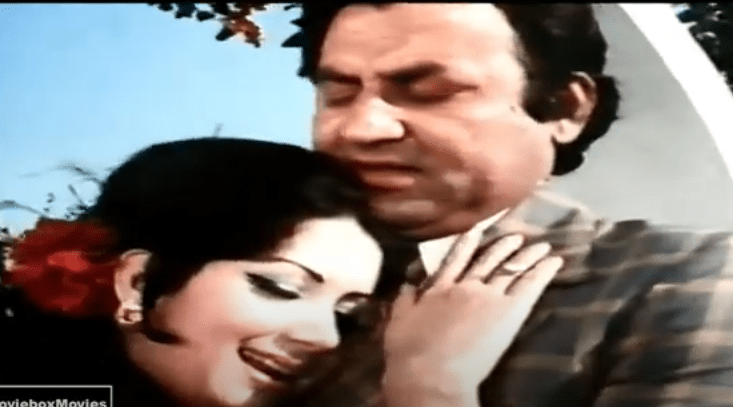
The provided text is a script from a 1975 Pakistani film titled “AARZOO,” which appears to be a dramatic narrative centered around love, betrayal, and justice. The story follows Raja and Rani, a couple whose lives are upended when Raja is falsely accused of murder and sentenced to prison, a crime ultimately revealed to have been committed by Nagma, another character entangled in a web of deceit. As the plot unfolds, themes of loyalty, sacrifice, and the complexities of human relationships are explored, culminating in Raja’s exoneration and the revelation of Nagma’s confession in court. The dialogue, at times poetic and at times mundane, portrays the struggles and emotional turmoil of the characters as they navigate societal expectations, personal tragedies, and the pursuit of truth.
Love’s Crucible: Deception, Loyalty, and Enduring Bonds
The sources present several challenging aspects and issues related to marriage and relationships.
Here are some of the marriage-related issues discussed:
Deception and Pretense within Relationships
Initially, the King creates a pretense of marrying another girl in the city to test Rani’s love and see her reaction, causing her distress and questioning his loyalty. He states he wanted to see “how much you would feel after reading this news. You will be restless and seeing your restlessness, I will feel I realized how much you love me”.
Later, Raja (Naeem Mirza), after being released from jail, enters into a marriage of convenience or pretense with Nagma (Seth Rehman’s daughter) to cover up her pregnancy and her crime. Nagma confesses that Raja is “not our husband, he has created this pretense to fool the world… to cover up my flaws”. Raja also explains that their relationship would be limited to “the name only” in the eyes of the world, as they are starting a “new thing which has no past”. This arrangement allows Nagma to protect her honor and Raja to re-establish himself, though it is based on a lie.
Betrayal, False Accusations, and Societal Shame
Rani experiences anguish when a clerk reads a letter, supposedly from the King, stating he married a rich, beautiful girl and would not return. She feels betrayed, calling him “liar, dishonest and treacherous”.
Rani faces a false accusation of being “going to become a mother before marriage”. This rumor, spread by Basheere and relayed by Jameezah and Razia’s aunt, leads to a village panchayat where there is a threat to throw Rani and her father out of the village due to the “shame” she supposedly brought. The midwife later reveals Basheere bribed her to spread this false accusation.
The government lawyer accuses Raja of being a criminal who fled the law, changed his name, and “cleverly marrying Seth Rehman’s daughter and took possession of all his wealth and property,” while also supposedly calling his original wife (Rani) there, implying bigamy and manipulation. He claims Raja was “having fun with two beautiful women”.
Impact of External Circumstances on Marital Life
Raja’s imprisonment for 14 years with hard labor due to Farooq Ahmed’s murder conviction severely impacts his marriage with Rani.
Rani faces significant hardship and inflation while raising their child alone, considering the child “the king’s trust”.
Raja asks Rani not to visit him in jail because her visits make him “restless” and cause his “heart keeps pounding”.
Raja later laments how their “own Hui Freedom will take you on those wrong paths” and speaks of “suffocating” dreams of their wedding, fearing the “growing crime” (Nagma’s illegitimate child) will bring “slander” upon them.
Unfulfilled Desires and Promises
Nagma (Seth Rehman’s daughter) reveals that Farooq Ahmed was a “corrupt and debauched man” who would deceive women, buying some or promising marriage to others, but ultimately breaking those promises. She states that they were also deceived by his promises of marriage.
A “cousin” expresses sadness that his marriage is “not happening”.
Sacrifice and Loyalty in Marriage
Despite the initial deception, Rani demonstrates unwavering loyalty to Raja, stating she is “just the king’s trust in this world” and will remain his. She waits for him with “thirsty eyes” and a “restless heart”.
Raja takes the blame for Farooq’s murder to “save the honor” of his wife, confessing, “I am the same king who killed his wife accused of murder to save the honor of Decorated it on my face”. He states, “If protecting the honor of a wife is a crime If so, then I am a criminal”.
Rani, despite being told Raja has “settled in a new world” with “wealth, a wife and a child,” later lies in court to protect him, claiming he is not her husband. However, she is then corrected by another character who states, “You are not a widow, you are a married woman. They A loyal wife who bears every pain of her husband She understands her pain”.
Nagma (Seth Rehman’s daughter) ultimately confesses to the murder to save Raja, demonstrating a profound sacrifice. She also asks Rani to care for “our baby girl,” implying a shared responsibility or transfer of care for the child, possibly Arzoo, who is later called Rani’s daughter.
Enduring Love and Hope for Reconciliation
Despite years of separation and hardship, Raja and Rani share a deep bond and a desire to reunite. Raja describes his life as “meaningless” without Rani.
Upon their eventual meeting after his release, Raja expresses happiness that they have finally met after so much suffering, and they embrace their love, saying, “Let us today remember every day gone by Forgetting the sorrow, let’s talk about the love that We have been reunited once again”.The sources present several challenging aspects and issues related to marriage and relationships.
Here are some of the marriage-related issues discussed:
Deception and Pretense within Relationships
Initially, the King creates a pretense of marrying another girl in the city to test Rani’s love and see her reaction, causing her distress and questioning his loyalty. He states he wanted to see “how much you would feel after reading this news. You will be restless and seeing your restlessness, I will feel I realized how much you love me”.
Later, Raja (Naeem Mirza), after being released from jail, enters into a marriage of convenience or pretense with Nagma (Seth Rehman’s daughter) to cover up her pregnancy and her crime. Nagma confesses that Raja is “not our husband, he has created this pretense to fool the world… to cover up my flaws”. Raja also explains that their relationship would be limited to “the name only” in the eyes of the world, as they are starting a “new thing which has no past”. This arrangement allows Nagma to protect her honor and Raja to re-establish himself, though it is based on a lie.
Betrayal, False Accusations, and Societal Shame
Rani experiences anguish when a clerk reads a letter, supposedly from the King, stating he married a rich, beautiful girl and would not return. She feels betrayed, calling him “liar, dishonest and treacherous”.
Rani faces a false accusation of being “going to become a mother before marriage”. This rumor, spread by Basheere and relayed by Jameezah and Razia’s aunt, leads to a village panchayat where there is a threat to throw Rani and her father out of the village due to the “shame” she supposedly brought. The midwife later reveals Basheere bribed her to spread this false accusation.
The government lawyer accuses Raja of being a criminal who fled the law, changed his name, and “cleverly marrying Seth Rehman’s daughter and took possession of all his wealth and property,” while also supposedly calling his original wife (Rani) there, implying bigamy and manipulation. He claims Raja was “having fun with two beautiful women”.
Impact of External Circumstances on Marital Life
Raja’s imprisonment for 14 years with hard labor due to Farooq Ahmed’s murder conviction severely impacts his marriage with Rani.
Rani faces significant hardship and inflation while raising their child alone, considering the child “the king’s trust”.
Raja asks Rani not to visit him in jail because her visits make him “restless” and cause his “heart keeps pounding”.
Raja later laments how their “own Hui Freedom will take you on those wrong paths” and speaks of “suffocating” dreams of their wedding, fearing the “growing crime” (Nagma’s illegitimate child) will bring “slander” upon them.
Unfulfilled Desires and Promises
Nagma (Seth Rehman’s daughter) reveals that Farooq Ahmed was a “corrupt and debauched man” who would deceive women, buying some or promising marriage to others, but ultimately breaking those promises. She states that they were also deceived by his promises of marriage.
A “cousin” expresses sadness that his marriage is “not happening”.
Sacrifice and Loyalty in Marriage
Despite the initial deception, Rani demonstrates unwavering loyalty to Raja, stating she is “just the king’s trust in this world” and will remain his. She waits for him with “thirsty eyes” and a “restless heart”.
Raja takes the blame for Farooq’s murder to “save the honor” of his wife, confessing, “I am the same king who killed his wife accused of murder to save the honor of Decorated it on my face”. He states, “If protecting the honor of a wife is a crime If so, then I am a criminal”.
Rani, despite being told Raja has “settled in a new world” with “wealth, a wife and a child,” later lies in court to protect him, claiming he is not her husband. However, she is then corrected by another character who states, “You are not a widow, you are a married woman. They A loyal wife who bears every pain of her husband She understands her pain”.
Nagma (Seth Rehman’s daughter) ultimately confesses to the murder to save Raja, demonstrating a profound sacrifice. She also asks Rani to care for “our baby girl,” implying a shared responsibility or transfer of care for the child, possibly Arzoo, who is later called Rani’s daughter.
Enduring Love and Hope for Reconciliation
Despite years of separation and hardship, Raja and Rani share a deep bond and a desire to reunite. Raja describes his life as “meaningless” without Rani.
Upon their eventual meeting after his release, Raja expresses happiness that they have finally met after so much suffering, and they embrace their love, saying, “Let us today remember every day gone by Forgetting the sorrow, let’s talk about the love that We have been reunited once again”.
Love and Betrayal: A Timeless Interplay
The sources illustrate a complex interplay between love and betrayal, showing how deep affection can be tested by deceit, false accusations, and societal pressures, yet often endures through loyalty and sacrifice.
Love in the Sources:
Deep Affection and Unwavering Commitment: The primary expression of love is between Raja and Rani. Raja, despite his initial pretense, declares Rani his “life” and swears he “can’t live even a moment without” her. Rani, in turn, demonstrates unwavering loyalty, stating she is “just the king’s trust in this world” and will remain his, waiting with “thirsty eyes” and a “restless heart” despite years of separation and hardship. She vows they “will be together for a lifetime”.
Sacrifice for Honor and Protection: Raja makes a significant sacrifice by taking the blame for Farooq Ahmed’s murder to “save the honor” of his wife, declaring that “If protecting the honor of a wife is a crime, then I am a criminal”. This act, although leading to his imprisonment, is presented as an ultimate act of love and protection. Rani later reciprocates this by lying in court to protect Raja, initially denying he is her husband, though another character affirms her as a “loyal wife who bears every pain of her husband”.
Enduring Hope and Reconciliation: Despite Raja’s 14-year imprisonment and the severe impact on their family, their love endures. Raja feels his life is “meaningless” without Rani. Their reunion is marked by joy and a desire to “forgetting the sorrow, let’s talk about the love that We have been reunited once again,” affirming their deep bond and hope for a shared future.
Compassion and Selflessness: Nagma, who was initially used in a marriage of convenience to cover her secret, ultimately displays a profound act of love and sacrifice. She confesses to Farooq’s murder to save Raja, acknowledging that Raja had created the pretense “to cover up my flaws”. She also asks Rani to care for “our baby girl,” suggesting a compassionate transfer of responsibility for the child born out of difficult circumstances.
Betrayal in the Sources:
Deceptive Testing: Raja initially employs a pretense of marrying another girl in the city to “test” Rani’s love and see her reaction, causing her significant distress and making her call him “liar, dishonest and treacherous”. Although he later explains it was a test, the act itself caused deep emotional pain, which Rani expresses by contemplating suicide.
False Accusations and Slander: Rani faces a severe betrayal through false accusations that she is “going to become a mother before marriage,” a rumor spread by Basheere who bribed a midwife. This malicious act leads to societal shaming and a threat for Rani and her father to be expelled from the village, causing immense “shame” and suffering.
Deceitful Promises and Abandonment: Farooq Ahmed is described as a “corrupt and debauched man” who would deceive women, “buying some” or making false promises of marriage to others, only to break them. Nagma explicitly states that she and others were “deceived by his promises of marriage,” highlighting his manipulative and treacherous nature.
Marriage of Convenience and Public Perception: Raja’s marriage to Nagma, while driven by circumstances to cover Nagma’s secret and protect her honor, is a pretense. From an external perspective, particularly that of the government lawyer, this arrangement is framed as a betrayal, accusing Raja of “cleverly marrying Seth Rehman’s daughter and took possession of all his wealth and property,” while also implying bigamy by bringing his “original wife” (Rani) there and “having fun with two beautiful women”. This highlights how even actions taken out of necessity can be perceived as betrayal.
General Distrust and Falsehoods: The narrative also touches on a broader theme of betrayal in society, where “Everybody here shows false generosity,” and “Loyalties are false”. This suggests a world where genuine connection and honesty are rare, contributing to general sadness and disillusionment.
In summary, the sources portray love as a powerful, enduring force, often defined by sacrifice and loyalty, capable of surviving immense hardship and overcoming external and even internal betrayals. Conversely, betrayal manifests through intentional deceit, malicious slander, broken promises, and manipulative actions, often leading to profound suffering and societal condemnation. The narrative explores how love and betrayal are intertwined, with the latter often serving to test and ultimately reinforce the strength of true affection.
Farooq Ahmed Murder: A Tale of Deception and Justice
The sources detail a significant legal battle centered around the accusation of Farooq Ahmed’s murder, which profoundly impacts the lives of Raja, Rani, and Nagma.
Here’s a breakdown of the legal proceedings:
The Initial Accusation and Verdict:
Raja is accused of murdering Farooq Ahmed.
Based on “statements and circumstances and sentences,” the court initially concludes that Raja is the murderer.
Evidence presented against Raja includes “fingerprint report” where “marks proved to be of the accused Raja” found on a glass.
He is sentenced to “14 years imprisonment with hard labour” under Pakistan section 302.
Raja’s Time in Prison and Lingering Questions:
Raja serves his sentence, indicating the initial conviction stands for a long period.
During his imprisonment, Raja reiterates his innocence to Rani, stating he “did not commit any murder”.
The Re-Opening of the Case/Later Proceedings:
Years later, the case appears to be re-examined or new evidence comes to light, leading to a court appearance.
The government lawyer insists that Raja is the murderer, stating it has been “proved that the king is a murderer”.
The prosecution also attempts to discredit Raja’s character, accusing him of “cleverly marrying Seth Rehman’s daughter and took possession of all his wealth and property,” and “having fun with two beautiful women” (referring to Rani and Nagma), suggesting bigamy and greed. They claim he “fled from the law and became a rich man”.
The Defense’s Arguments (Raja’s Lawyer):
Raja’s lawyer argues that the “accused king” is “innocent and blameless”.
He asserts that Raja only “raised his hand” on Farooq Ahmed to “save his wife’s honour” when emotions overwhelmed him, but he “did not commit murder”.
The defense lawyer states that “Any proud person in the world On the honor of your mother, sister, wife or daughter Control your emotions when you see yourself being attacked I can’t keep it”.
He challenges the reliability of evidence, claiming “statements of witnesses can also be false” and circumstances “can also be presented in the wrong way”.
He questions the initial medical report, pistol, and bullet, implying they could be “fake”.
The lawyer uses an analogy of an employee wrongly fired for theft, later found innocent, to suggest the court should reconsider its earlier decision. He points out that there were “no eyewitnesses present” in the original case, and those named as witnesses were “somehow related to the caste of the person”.
Key Testimonies and Confessions:
Rani’s Initial Lie: When asked if Raja is her husband, Rani initially denies it, stating “No”. This is an act of betrayal in the legal sense, though another character immediately clarifies that she is a “loyal wife who bears every pain of her husband” and is lying “To save my husband from punishment”.
Raja’s Revelation: Raja intervenes, telling Rani not to lie and confesses to the court that he “killed his wife accused of murder to save the honor of Decorated it on my face”. He declares, “If protecting the honor of a wife is a crime If so, then I am a criminal” and states he was “innocent then and I am innocent even today”.
Nagma’s Confession: Nagma steps forward and makes a shocking confession: “By Farooq Ahmed We have committed the murder”.
She describes Farooq Ahmed as a “corrupt and debauched man” who would deceive women with “false promises of marriage”.
Nagma reveals that she and others were “deceived” by his promises and that she killed him out of revenge when he confronted her about the “crime growing in your stomach” (her pregnancy) and refused to marry her.
She clarifies Raja’s role in their “marriage of convenience,” stating, “Raja is our husband No, he has created this pretense to fool the world Of I tried to cover up my flaws in front of me”.
The Final Verdict:
After Nagma’s statement, a “new perspective” emerges.
The law, “after much deliberation,” concludes that Raja is “innocent”.
The court “acquits the king honourably”.
Nagma is taken into custody for the murder.
The legal battles in the sources highlight the complexities of justice, the impact of societal pressure and false accusations, and how the truth can eventually surface even after years of wrongful conviction. It also shows how individuals might make significant sacrifices or engage in deceptive acts for reasons of love, honor, or protection, leading to their entanglement in legal proceedings.
The Power of Social Norms and Honor
The sources extensively illustrate the impact and influence of social norms on the characters’ lives, actions, and perceptions, often leading to profound consequences. These norms dictate acceptable behavior, particularly concerning family honor, marriage, and public image.
Here’s a discussion of the prevalent social norms in the sources:
The Primacy of Honor and Reputation:
Protection of Women’s Honor: A deeply ingrained norm is the fierce protection of a woman’s honor, which extends to the entire family. Raja, for instance, takes the blame for Farooq Ahmed’s murder “to save the honor of his wife”. He later declares, “If protecting the honor of a wife is a crime, then I am a criminal”, underscoring the extreme importance placed on this societal expectation for men. His lawyer further emphasizes this, stating that “Any proud person in the world On the honor of your mother, sister, wife or daughter Control your emotions when you see yourself being attacked I can’t keep it”.
Consequences of Perceived Dishonor: The false accusation that Rani is “going to become a mother before marriage” immediately triggers severe societal condemnation. Villagers, spurred by Basheere, declare that Rani and her father “won’t let you stay in the village” and threaten to expel them, reflecting how public shame can lead to social ostracism. Rani’s father’s desperate declaration, “My daughter If he does this then I will burn him alive”, highlights the extreme lengths to which individuals would go to avoid familial dishonor.
Maintaining Public Image (Parda): Nagma reveals that Raja’s “marriage of convenience” to her was “to fool the world Of I tried to cover up my flaws in front of me”. This demonstrates the social pressure to maintain a respectable public image and conceal anything that could bring shame, such as a pregnancy out of wedlock. Nagma herself killed Farooq because she did not want to “humiliate and insult” herself by publicly exposing her situation.
Marriage and Family Structure:
Traditional Expectations vs. Modern Shifts: While traditional norms around marriage are strong, there’s a subtle hint of changing social dynamics. Irfani sahab mentions that in the “new age,” “girl meets boy. Marriage Let’s decide on this. after the parents Sometimes it gets known and sometimes it doesn’t even happen”, indicating a shift from entirely parent-controlled arranged marriages to more self-determined relationships, though this is presented as a novel or even surprising development.
Perception of Bigamy and Wealth: The government lawyer weaponizes social norms by accusing Raja of “cleverly marrying Seth Rehman’s daughter and took possession of all his wealth and property”, and “having fun with two beautiful women” (referring to Rani and Nagma). This highlights the societal disapproval of perceived bigamy and marrying for financial gain, regardless of the complex circumstances that led to these relationships.
Gender Roles and Expectations:
Wife’s Loyalty and Sacrifice: Rani embodies the ideal of a “loyal wife who bears every pain of her husband”. Her willingness to lie in court “To save my husband from punishment” and her unwavering wait for him despite 14 years of separation showcase the deep-seated expectation of a wife’s devotion and endurance.
Man as Provider and Protector: Raja, as the husband, is expected to find a job and provide for his family: “I am giving a job interview in the city…then marry you I will make her my bride and take her to the city”. His act of protecting Rani’s honor also reinforces the male role as a protector.
Societal Distrust and Superficiality:
A pessimistic view of general social interactions is expressed: “Everybody here shows false generosity Say love, all you get here here is fake kindness”. This suggests a pervasive social norm of superficiality, where “Loyalties are false, attitudes are false”, making genuine connection and trust rare. This cynicism underlines a prevailing sense of disillusionment with societal interactions.
In essence, the sources demonstrate that social norms, particularly those related to honor, reputation, and family, are powerful forces that characters navigate, often leading to acts of sacrifice, deception, or extreme measures to conform or survive within a judgmental society.
Women’s Struggles: Honor, Deception, and Sacrifice
The sources vividly portray the myriad struggles faced by women, often intertwined with strict social norms, the actions of men, and the complex legal system. These struggles range from societal condemnation and the burden of honor to personal deception, exploitation, and profound sacrifice.
Here are the key struggles highlighted:
Societal Condemnation and the Burden of Honor:
False Accusation and Ostracism: Rani faces severe social ostracism and the threat of expulsion from her village due to a false accusation of pre-marital pregnancy. Villagers, influenced by Basheera, declare they “won’t let you stay in the village” and that they would “not allow Chaudhary to enter the village” with such a “bad girl and her homeless father”. This demonstrates the extreme pressure to conform to chastity norms and the devastating consequences of perceived dishonor.
Threat of Violence from Family: The patriarchal norm of protecting family honor is so strong that Rani’s own father declares, “My daughter If he does this then I will burn him alive,” to prevent the perceived shame. This highlights the existential threat women faced if their conduct was deemed to have tarnished the family’s reputation.
Maintaining Public Image: Nagma confesses that Raja’s “marriage of convenience” with her was a pretense “to fool the world Of I tried to cover up my flaws in front of me”. This underscores the immense pressure on women to maintain a respectable public image and hide any circumstances, such as an out-of-wedlock pregnancy, that could bring shame.
Exploitation and Desperation:
Deception and Unwanted Pregnancy: Nagma reveals she and other women were “deceived” by Farooq Ahmed, who made “false promises of marriage”. She describes him as a “corrupt and debauched man” who would exploit women. Her struggle culminates in an unwanted pregnancy, a “crime growing in your stomach,” which Farooq then denies is his.
Extreme Measures to Avoid Humiliation: Driven by the desire not to “humiliate and insult” herself before society, Nagma chooses to murder Farooq Ahmed out of desperation and revenge when he refuses to marry her and acknowledge their child. This illustrates the dire circumstances and limited options women might perceive in the face of such a deeply shaming situation.
Sacrifice, Loyalty, and Enduring Hardship:
Years of Waiting and Raising a Child Alone: Rani exemplifies unwavering loyalty and immense sacrifice. She waits for Raja for “14 years” while he is imprisoned, raising their child alone. She states, “I’m waiting for you till my last breath I will do it,” showing profound devotion.
Attempted Suicide due to Despair: When Rani is led to believe that Raja died in a prison van accident, her despair is so profound that she attempts to end her own life, indicating the emotional toll of separation and loss.
Confession to Save Another: Nagma ultimately makes the shocking confession that she committed the murder of Farooq Ahmed, stating, “If we wanted, we could protect ourselves even today Can Were. But our land said law again today He will sentence an innocent person to prison. And This would be a huge injustice”. This selfless act of confession, leading to her own arrest, is a powerful demonstration of sacrifice to prevent another’s wrongful conviction.
Living a Life of Pretense and Guilt:
Covering Up the Past: Nagma’s “marriage of convenience” with Raja means living a life of deception to conceal her past actions and circumstances. This pretense exacts a significant emotional toll, as she struggles with her conscience.
Internal Turmoil: Despite gaining outward respect through this arrangement, Nagma finds no inner peace. She feels that the “Congratulations are like an arrow piercing my heart going Is”. Her “conscience still stands before me as a question,” highlighting the internal struggle and guilt she carries.
In essence, the sources reveal that women’s struggles are deeply rooted in the societal emphasis on honor, the vulnerability to male deceit, and the restrictive expectations placed upon them, often leading to personal tragedy, difficult choices, and remarkable acts of sacrifice.
AARZOO (1975) – MOHAMMAD ALI, ZEBA, HUSNA, TALISH, QAVI, LEHRI – OFFICIAL PAKISATNI MOVIE
Affiliate Disclosure: This blog may contain affiliate links, which means I may earn a small commission if you click on the link and make a purchase. This comes at no additional cost to you. I only recommend products or services that I believe will add value to my readers. Your support helps keep this blog running and allows me to continue providing you with quality content. Thank you for your support!
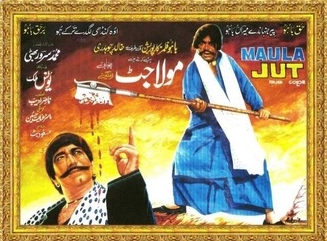
The provided text appears to be a dramatic script or a transcription of a performance, possibly a play or a film, centered around a complex conflict involving a powerful figure, Maula Jatt, and those who oppose him. The narrative is rich with intense emotions, violence, and revenge, unfolding through dialogue and interspersed musical elements. The story explores themes of honor, justice, and social hierarchies within a seemingly rural or village-based setting. Several characters are involved in a web of interconnected relationships, leading to multiple confrontations and dramatic events. The language used suggests a particular cultural context, likely South Asian.
Source Material Review: Study Guide
Quiz
Answer the following questions in 2-3 sentences each.
What is the significance of the mark on the nose in the text?
What are some of the ways in which the text portrays the power dynamics between men and women?
What is the role of revenge in the narrative? Provide an example of revenge in the text.
Describe the social position of the “Jatt” as it is represented in the text.
What role does music and dance play within the world of the text?
What is Noori’s relationship to the law and to concepts of justice?
What are some of the major conflicts that the characters struggle with in the story?
How is the concept of honor or shame used in the text to influence characters’ actions?
What does it mean for a character to be “a vehicle” and how is this term used in the text?
Identify two instances in the text where religious or spiritual concepts are referenced.
Quiz Answer Key
The mark on the nose is a symbol of humiliation and shame. It’s a physical manifestation of disgrace, imposed on individuals who have crossed certain social boundaries or been defeated, and also a symbol of the lasting consequences of revenge.
Men in the text often exert power over women through violence, control over their bodies, and dictating their social roles. Women’s agency is often suppressed, and they are frequently subjected to humiliation and violence, such as the threat of forced marriage.
Revenge is a significant motivator for many characters. For example, Noori seeks revenge for the wrongs done to her and her family. Characters take matters into their own hands, leading to cycles of violence.
The “Jatt” is portrayed as a powerful and often stubborn figure, deeply rooted in rural village life. They are associated with physical strength, pride, and a strong sense of honor, but also prone to rash actions and violence, such as the character who is buried in a grave as a drunkard.
Music and dance are utilized in varied ways within the text. They can accompany both joyful events like weddings, but also be associated with mourning, or acts of defiance. Dance is often used as a way to express emotions or to challenge power structures.
Noori is frequently at odds with the law, often finding it incapable of achieving true justice, and is seen operating in opposition to it as she seeks her own justice. She spends a great deal of time in jail, but she also defies it and creates her own forms of justice.
The text has many major conflicts, such as clashes between individuals seeking revenge, challenges to social structures and power imbalances, and questions about justice, both legal and personal. The narrative also shows the conflict between personal desires and community expectations.
Concepts of honor and shame are central motivators for characters’ actions. Characters will engage in violence or acts of defiance in order to protect their honor or avenge shame brought upon them, such as the conflict between the families and the mark placed on the nose.
The term “vehicle” is used to describe someone who is seen as being used by another for their purposes. For example, one character reflects on how they have been seen as a “vehicle” rather than as a person by another, which speaks to themes of autonomy.
God’s will is referenced and questioned, especially in relation to suffering and injustice. The text also references spiritual practices, such as the Nafl prayers performed in the mosque, within the context of daily life.
Essay Questions
Analyze the text’s representation of justice, contrasting the formal justice system with personal and community-driven forms of retribution. How does the text challenge or support the idea of “an eye for an eye”?
Discuss how the text uses symbolism, specifically the mark on the nose and other motifs, to convey themes of power, shame, and identity.
Explore the complex relationships between men and women in the text. How are traditional gender roles depicted, and to what extent do characters challenge these expectations?
Examine the role of violence in the text. How does violence function as both a destructive force and a means of communication or resistance?
Analyze how the text utilizes local, historical, and cultural markers to establish its unique setting. How do these markers shape the narrative and characters?
Glossary of Key Terms
Caliphate: Refers to a system of Islamic governance led by a caliph, often implying a claim to religious and political authority. In the text, the speaker mentions a “burden of my caliphate,” alluding to a sense of divine responsibility and power.
Jat: A specific community or caste, often associated with rural life, agriculture, and martial traditions, within the cultural context the text is in. In the text, Jats are portrayed with characteristics of honor, pride, stubbornness and power.
Maul: A village leader or elder, often looked to for wisdom, judgment, and decision making, who has a particular significance in the text as a source of community power.
Naga: In this text the meaning is not clear, but it refers to a person, possibly an outcast, which makes use of the shroud particularly charged.
Chadar: A cloth covering, often used as a veil or shawl, which can carry symbolic meanings depending on the context, often used to denote modesty.
Panchayat: A village council or assembly, which serves as a platform for community decision-making, social justice, and dispute resolution, and a site of community conflict.
Bani: A term that appears to be derogatory or insulting in the text, possibly linked to an ethnic or religious group, which represents a social conflict in the text.
Gidal: A term used in the text as a derogatory description of an enemy, such as a jackal.
Ghadasa: A type of axe or bladed weapon, often associated with physical strength and rural or traditional violence, used in the text as a symbol of the Jatt’s power and a marker of physical force.
Nafl prayers: Voluntary or non-obligatory prayers performed by Muslims to seek God’s favor or express gratitude, shown in the text as a way for the characters to relate to the religious context.
Doli: A palanquin or carriage used to carry a bride in a wedding procession, a cultural symbol of marriage traditions and family expectations, and also of the position of women in the narrative.
Noori’s Revenge
Okay, here is a detailed briefing document based on the provided text, outlining the main themes and important ideas:
Briefing Document: Analysis of “Pasted Text”
Date: October 26, 2023
Subject: Analysis of a Dramatic Narrative Text
1. Overview:
This text is a highly dramatic narrative, likely a script or transcript from a play, film, or performance, filled with intense emotions, violent acts, themes of revenge, justice, honor, and societal structures. It presents a complex world centered around the characters of Jatts, a community often associated with rural Punjab, and a central figure named Noori, whose actions and fate drive much of the narrative. The dialogue is fragmented, poetic, and often violent, suggestive of an oral storytelling tradition. The use of music cues throughout the text indicates a performative nature.
2. Key Themes and Ideas:
Revenge and Violence: The narrative is saturated with violence and the pursuit of revenge. Actions are often justified by a cycle of retribution.
Quote: “Revenge is not revenge. This revenge is mine.” This suggests a personal vendetta rather than a just or measured response.
Honor and Shame: Concepts of honor and shame are central. Actions are often motivated by a need to restore personal or communal honor or to avoid public humiliation.
Quote: “By marrying the girl whom you have humiliated in the village, you will have to earn your respect, you will have to guard your life.” This illustrates how a marriage is used to restore honor.
Social Hierarchy and Power: The text highlights a rigid social structure. Jatts, are presented as a dominant, if somewhat violent, group, and figures like ‘Maulana’ and ‘Jail Sahib’ wield considerable authority.
Quote: “I am only a Jatta in this village. I’m not afraid of my own fear.” This quote reinforces the Jatt’s sense of power.
Justice vs. Lawlessness: There’s a clear tension between formal legal systems and personal notions of justice. Characters often take matters into their own hands, dismissing the legal route as slow or ineffective.
Quote: “It was the law’s job to punish him. She came to cut him. She did not read the law.” This showcases a conflict between personal justice and the law.
Female Agency and Oppression: Female characters, particularly Noori, are both victims and agents of action within the narrative. They are subjected to violence and societal constraints, but also initiate revenge and wield power.
Quote: “Diana, whoever covers his head with a veil gets killed, and whoever takes it, what is his name?” Shows the danger of veiling/unveiling for women.
Fate and Destiny: The idea that characters are bound by destiny and past actions is present, influencing their present and future behavior.
Quote: “Your death line is written on my hand.” Implies a predestined fate.
Family Loyalty vs. Individual Action: While loyalty to family and community is a strong theme, individuals sometimes break from those expectations.
Quote: “Even if I become your brother’s enemy, I will still be your brother.” Shows that familial connections persist even with individual conflicts.
Critique of Power: Despite characters with power, there is a strong sense of rebellion against it.
Quote: “Since then, no one has found a soul with whom I have also come.” The line illustrates the lack of heroes and critique of authority.
Religious undertones: Though not explicitly dominant, there’s a subtle undercurrent of religious undertones, with references to God and concepts of destiny, punishment, and justice, indicating a backdrop of faith within the cultural context.
Quote: “The stick of God always has a voice” reinforces a belief in divine justice
3. Characters and Relationships:
Noori: A central female figure. She is strong-willed, a target of violence, and a perpetrator of violence. She appears to be in prison. She is also described as “stubborn” and does not shy away from challenging powerful figures. She appears to carry out actions related to revenge and also seeks to rectify the mistakes she has made.
Jatt: A member of a powerful group, often portrayed as aggressive, proud, and bound to traditions. The Jatt men are shown as being proud and violent, but also bound by their own codes of honor. The Jatt community as a whole is shown as powerful and fearsome.
Maula: A figure of authority who seems to be both respected and feared. He represents the structure of authority and tradition. There is mention of Maula Jatt being a courageous figure.
Mala: Seems to be someone who takes part in the revenge cycles, and is related to Noori.
Jail Sahib: The person who runs the jail and tries to handle Noori.
Soniya: Another important character whose fate is interwoven with Noori’s. She appears to be in prison with Noori, but it is also implied that she is outside. She is described as Noori’s sister in one part, but her relationship is somewhat unclear.
Other Characters: The narrative includes various secondary figures, such as village elders, family members, and law enforcement figures, all contributing to the complex web of relationships and conflicts.
4. Narrative Style:
Fragmented and Poetic: The text is not linear and flows between different voices and perspectives. The language is rich with metaphors and local idioms, indicating a specific cultural context.
Dramatic Dialogue: The use of exclamations, questions, and short, sharp sentences creates a sense of urgency and drama. The use of repetitive phrasing like “You are so tired, you’re so tired,” underscores the psychological and emotional states of the characters.
Music and Performance: The constant breaks for musical cues suggest that this text is meant for performance rather than reading. It indicates the importance of oral tradition in storytelling.
5. Potential Interpretations:
Social Commentary: The text may serve as a commentary on the social dynamics and power structures within a specific rural setting. It shows the tension between individual agency and societal expectations.
Exploration of Violence and Justice: The cycle of revenge raises questions about the nature of justice and the devastating consequences of unchecked violence.
Cultural Narrative: The specific references to Jatts and other local elements point to a specific cultural context, possibly from the Punjab region.
A Woman’s Struggle: The text provides a glimpse into the struggles of women to have a voice in a patriarchal society.
6. Conclusion:
This text presents a compelling, if sometimes brutal, narrative exploring themes of revenge, honor, and social conflict within a specific cultural context. The use of dramatic dialogue, music cues, and poetic language makes it ideal for performance. The complexities of the characters and their relationships, particularly the actions of female figures, add layers of meaning to the story, raising questions about justice, power, and the human cost of violence. The text has potential for a deeper reading in terms of socio-cultural analysis of the Punjab region.
Let me know if you need any further analysis or clarification on a specific aspect of the text.
Power, Justice, and Revenge in the Jatt Narrative
FAQ: Exploring Themes of Power, Justice, and Revenge
Who is the speaker referencing when they say “I created creation”? What does this suggest about their perception of themselves and their role in the world?
The speaker’s claim of creating creation implies a belief in their own divine or god-like power and status. This statement positions them as a primary force of origin and control, suggesting a possible inflated ego or a belief in a divinely appointed mission. The following statements about being “the light of the earth” and having the “burden of my caliphate” further reinforce this grand self-perception. This perspective contrasts with other characters who are shown to be flawed and vulnerable.
The text frequently mentions “Jatt”. What is the significance of this term, and how is it portrayed within the narrative?
The term “Jatt” seems to refer to a specific group or identity, likely a social or tribal affiliation. The Jatts are depicted as both flawed individuals and as representatives of a larger societal power structure. Characters identify with being a Jatt as a point of pride, as well as it being a source of conflict and conflict. At times, they are presented as stubborn, violent, and prone to feuds, as well as people who are committed to their honour and tradition. The varying portrayals of Jatt characters shows that the identity is complex and not a single, monolithic entity, highlighting varying degrees of adherence to these perceived characteristics.
What role does the concept of ‘shame’ or ‘honour’ play in the actions and decisions of the characters?
Shame and honour are central motivators for many characters, driving their actions and shaping the narrative. Many acts of violence and revenge are explicitly tied to protecting or restoring family honor. Characters are shown to be deeply concerned with how they are perceived by others within their community, especially when it comes to maintaining social standing. The threat of public shame is used as a potent weapon, and the pursuit of honor fuels cycles of violence and retribution.
How are women portrayed in this narrative, and what power dynamics do they navigate?
Women in this narrative are depicted as having limited agency in a patriarchal society, often being subject to the decisions and actions of men. Their bodies and honour are frequently used as currency in feuds and social conflicts, evidenced by arranged marriages and the humiliation of women as a means of insult. However, some female characters show surprising strength and defiance, taking action into their own hands and seeking revenge, despite the social constraints placed upon them. This suggests that even within a rigid societal framework, women find ways to exert influence and challenge the established power structure.
What is the significance of the “mark on the nose” that is mentioned multiple times?
The “mark on the nose” acts as a potent symbol of shame, humiliation, and power. This physical mark is not just a personal disfigurement, but also carries social implications, acting as a public sign of defeat and disgrace. It becomes a method of branding and dehumanization. It indicates a lasting impact of a conflict and serves as a constant reminder of injustice, while simultaneously becoming a symbol of triumph for the perpetrator of this act.
What commentary does the text provide on the nature of justice and law?
The text presents a cynical view of justice and law, showing that formal legal systems are often ineffective at delivering real justice and are often out of alignment with the social understanding of justice and honor. The story shows that characters often turn to personal revenge and vigilante justice because they are unsatisfied with the legal processes, or because their sense of justice is outside of the law. The cycle of violence is often portrayed as a consequence of an inability to achieve justice through proper legal channels, suggesting a breakdown of social order and a deep mistrust of authority. The corruption of power by local authority figures is another criticism highlighted in the text.
How does the theme of revenge contribute to the central conflicts in the story?
Revenge is a powerful driving force in this narrative, fueling the central conflicts and perpetuating a cycle of violence. Characters are consistently motivated by the desire to avenge past wrongs and to regain a sense of honor or to achieve a personal understanding of justice, or to even the score. This relentless pursuit of revenge creates an atmosphere of perpetual conflict and escalation, showing that this type of violent resolution is deeply corrosive.
What role does tradition and the past play in shaping the present conflicts of the characters?
Tradition and the past heavily influence the present conflicts, as characters are bound by long-standing customs, feuds, and perceived obligations. The text suggests that many of the present-day conflicts are rooted in past grievances and that these events continue to shape the identities and actions of current generations. Characters struggle to break free from the constraints of these traditions, suggesting that history and past actions create an unending cycle of violence.
Tribal Conflict and Cycles of Revenge
The sources depict a community with significant internal conflict, often involving violence and revenge, that could be characterized as tribal. Here’s a breakdown of the conflict based on the sources:
Honor and Revenge: A major theme is the emphasis on honor and the taking of revenge. Actions like humiliating someone or causing a death often lead to retaliatory actions, including murder. This cycle of revenge seems to perpetuate the conflict, as seen in the statement, “Revenge is not revenge. This revenge is mine”.
Family and Kinship: Family ties are strong, but they also fuel conflict. The death of a brother leads to a sister seeking revenge. There is also conflict within families, with brothers killing brothers. Additionally, the sources indicate a patriarchal society where the honor of the family is closely tied to the actions of its members, particularly women.
Community Divisions: The community is divided into groups, such as the “Jatts” and others. There are instances where individuals are identified by their community, such as “I am a Jat,” which seems to denote a specific social identity. There are also references to “the village” as a source of identity, and the actions of individuals can reflect on the reputation of their village.
Disputes over Women: There are several instances where conflicts arise from actions involving women. These include a woman being humiliated, a woman killing her brother, and a woman being forced into marriage. These situations are not simply individual matters, but escalate into community-wide feuds.
Power and Authority: There are clear power dynamics, with figures like “the master” and “the maul” holding authority and influence. The sources also show resistance against this authority, with individuals standing up against established norms. The role of law enforcement, such as the police, is also present, but often seems ineffective at preventing or resolving the underlying conflicts.
Insults and Humiliation: Insults and public humiliation seem to be powerful triggers for conflict. Actions such as covering a woman’s head with a shroud or marking someone’s nose can result in violent responses. The act of placing a mark on someone’s nose is mentioned several times, suggesting that it is a significant form of humiliation.
Cycles of Violence: There are recurring patterns of violence. For example, when one person is killed, another will seek revenge, often escalating into wider conflicts. This creates a cycle of violence that is difficult to break.
In summary, the sources suggest a community marked by deep-seated tribal conflicts driven by issues of honor, revenge, family ties, community divisions, and power struggles, often involving violence, humiliation, and an ongoing cycle of revenge.
Revenge Killings: Honor, Family, and Cycles of Violence
The sources describe several instances of revenge killings, highlighting their significance within the community and the cycle of violence they perpetuate.
Motivations for Revenge: The primary motivation for revenge killings stems from a perceived loss of honor or an act of violence against a family member. For example, the killing of a brother leads a sister to seek revenge. Additionally, humiliation, such as marking someone’s nose, can incite violent retribution. The desire to avenge these acts is a driving force in the community.
Perpetuation of Violence: Revenge killings contribute to an ongoing cycle of violence. The sources demonstrate that when one person is killed, another is compelled to seek revenge, and this action can then lead to further retaliatory acts. This creates a continuous loop of violence that is hard to break.
Family Involvement: The concept of family honor is deeply connected to revenge. The sources show that the responsibility to avenge a family member’s death often falls on the remaining family members, particularly siblings, and that revenge killings are not just individual acts but also part of a larger family dynamic.
Methods of Revenge: Revenge killings are not always direct. In some cases, the act of revenge involves humiliating the offender or their family, such as by marrying a family member after humiliating her. Other forms of revenge can include marking someone’s nose or desecrating a dead body. These actions indicate that revenge isn’t just about death but also about inflicting suffering and dishonor.
Escalation of Conflict: The act of seeking revenge often escalates conflicts within the community. Actions motivated by revenge can cause conflict to spread across villages and families, moving beyond the original offense. This escalation shows the tribal nature of the conflict, where an individual’s actions can have wider implications.
Acceptance of Violence: The concept of revenge killings seems to be an accepted part of the social order, or at least, the sources do not depict any effective challenge to the tradition. Instead, it is presented as an almost inevitable response to certain situations. Even when law enforcement is present, revenge killings persist.
Examples of Revenge Killings One source states, “Revenge is not revenge. This revenge is mine”. Another source details a woman who seeks revenge for her brother’s death. Also, there are multiple references to taking the “body of the Jatt”. These examples demonstrate that the need for revenge is a powerful motivation in the community.
Symbolic Acts of Revenge The sources describe acts like putting a mark on the nose as a form of symbolic revenge. These are not always about physical harm, but are also about social humiliation. The act of putting a mark on someone’s nose is meant to be a lasting symbol of disgrace.
In summary, revenge killings are a central aspect of conflict in the community described in the sources, driven by honor, family ties, and cycles of violence. These killings are not isolated acts, but are part of a larger social and cultural system where revenge is seen as a necessary response to perceived injustices and dishonor.
Family Honor and Violence
Family honor is a critical concept in the sources, deeply intertwined with themes of revenge, violence, and social standing. The sources reveal that family honor dictates the actions and responsibilities of individuals, and the concept is a major driver of conflict.
Family as a Unit of Honor: The family is portrayed as a cohesive unit where the actions of one member can reflect on the entire family’s honor and reputation. The concept of family honor appears to extend beyond the nuclear family to include the wider community or clan. This means that the actions of an individual can have broad implications for their family’s standing.
Responsibility for Revenge: When a family member is harmed or killed, the responsibility to seek revenge often falls on the remaining family members. This duty is particularly seen in the case of a sister avenging her brother’s death. The sources illustrate that the failure to avenge a family member’s death can bring shame and dishonor to the entire family.
Women and Family Honor: The honor of women is closely tied to the honor of their families. The actions of women, whether they are victims or perpetrators of violence, have a direct impact on their family’s reputation. For instance, a woman being humiliated or a woman committing a murder can bring shame upon her family. This means that women’s behavior is strictly policed because of its perceived impact on family honor.
Protection of Family Reputation: The need to protect family honor can lead to extreme actions, including violence and murder. The sources show that maintaining the family’s reputation often trumps individual safety or well-being. This demonstrates how deeply ingrained the concept of family honor is within the community’s social fabric.
Humiliation and Dishonor: Actions that bring humiliation or dishonor upon a family are considered serious offenses. Such actions can trigger violent responses and long-lasting feuds. The act of putting a mark on someone’s nose is mentioned multiple times as a form of dishonor and can lead to calls for violent retaliation.
Marital and Family Ties: Marital relationships are also deeply connected to the concept of family honor. Conflicts often arise when there are disputes over women or when a family member’s marriage is disrespected. These disputes are not simply individual matters, but rather affect the honor and standing of the families involved.
Intergenerational Impact: Family honor is a concept that can extend across generations. The need to avenge a past wrong or maintain a family’s standing can be passed down through generations, continuing cycles of violence and conflict. This indicates that the concept of family honor can shape the lives of individuals for years.
In conclusion, family honor is a fundamental concept that shapes the behavior and interactions of individuals within the community. It is a powerful force that can drive violence, revenge, and intense conflict, but also provides a sense of identity and social standing. The need to protect and avenge family honor is a major theme in the sources, and is closely linked to other themes such as tribalism and cycles of violence.
Justice Denied: Violence and Inequality in a Stateless Community
The sources present a complex view of social justice, or rather the lack thereof, within the community, highlighting several themes related to injustice, inequality, and the struggle for power.
Absence of Formal Justice: There is no clear, consistent system of formal justice in the sources. Instead, conflicts are often resolved through personal revenge and community pressure, rather than through an impartial legal system. While there are mentions of law enforcement like the police, they are frequently portrayed as ineffective, corrupt, or as instruments of power rather than protectors of justice. This contributes to a situation where people take the law into their own hands and where violence is a common way to settle disputes.
Cycles of Revenge: The community is caught in a cycle of revenge where acts of violence lead to retaliatory violence. This constant cycle undermines any possibility of a just resolution to conflict, as it focuses on retribution rather than fairness or reconciliation. The concept of “an eye for an eye” dominates, leading to ongoing suffering and instability. The idea that “Revenge is not revenge. This revenge is mine” illustrates the personal nature of justice in the community.
Unequal Power Dynamics: There are clear power imbalances present in the community. Figures like “the master” and “the maul” wield significant influence, while others have little to no agency. This creates a system where some are able to manipulate justice to their advantage, and others are subjected to abuse and unfair treatment. The sources also show the powerful using violence and intimidation to maintain control.
Humiliation as a Form of Injustice: Humiliation is frequently used as a tool to demean and control others, and it also serves as a significant trigger for conflict. Actions such as marking someone’s nose or publicly shaming individuals are used to strip them of dignity and power, creating situations that demand violent retribution. This shows that justice is not just about legal proceedings or retribution, but is also deeply tied to social standing and respect.
Gender Inequality: Women in the sources are often treated as possessions or symbols of family honor, and they are subjected to significant injustices. They are often victims of violence, are forced into marriages, or are humiliated, and these acts against women are considered affronts to family honor, which in turn leads to more conflict. Women’s actions are closely monitored, not for their own safety but for the reputation of their families.
Lack of Empathy and Forgiveness: The sources frequently show a lack of empathy and forgiveness. Individuals are quick to seek revenge and very few attempts are made to de-escalate conflicts peacefully. This lack of empathy reinforces the cycles of violence and prevents the community from achieving a state of social justice or peace.
Resistance and Defiance: Despite the injustices, there are also acts of resistance and defiance. Some individuals, such as Noori, challenge the established norms and fight back against oppressive forces. This resistance, although met with violence, indicates a desire for justice and equality. The idea that “the stick of God always has a voice” could be interpreted as a belief in eventual justice, even if not readily seen in their community.
Symbolic Justice and Retribution: The act of putting a mark on someone’s nose can be seen as a symbolic act of justice, where the perpetrator is punished with lasting humiliation. These acts show that the community has its own standards of justice, though they do not necessarily align with a more formal or empathetic model. Additionally, certain characters will seek justice by “taking the body” of their enemies to their own village.
The Idea of Divine Justice: There are references to God and divine justice, suggesting that some in the community believe in a higher power that will ultimately deliver justice. However, this belief does not seem to significantly impact the community’s day-to-day violence and injustices, which indicates the strong hold of local customs and cultural norms.
In summary, the sources reveal a community where social justice is largely absent due to a lack of a formal justice system, unequal power dynamics, and deep-rooted cycles of violence. The themes of revenge, honor, and humiliation, along with significant gender inequality, all contribute to a society that is far from just. However, the sources also show resistance and a longing for a better, more just world, even if that is not always expressed directly.
Imprisonment: Power, Resistance, and Justice
Imprisonment in the sources is portrayed as a complex experience, encompassing themes of punishment, power, and resistance, while also highlighting the limitations of formal justice systems. The sources suggest that imprisonment is not just a physical confinement but a place where social dynamics and personal struggles play out.
Punishment and Control: Imprisonment serves as a form of punishment for crimes committed within the community, although it’s not always clear what constitutes a crime. Characters are imprisoned for acts such as murder and other forms of violence. The sources describe imprisonment as a means to control individuals who have disrupted social order or challenged authority. However, the effectiveness of imprisonment as a deterrent is questionable, given the continued violence.
Power Dynamics within Prison: The prison is not an isolated space, but a microcosm of the larger society, where existing power dynamics are mirrored. The jailer and other authorities hold considerable power over the prisoners, yet the prisoners also find ways to assert their own influence. For example, when Noori is moved within the prison, the other prisoners become agitated. The sources also show instances of the jailer apologizing to prisoners, suggesting that the hierarchy of power is not absolute.
Resistance and Defiance: Imprisonment does not always break the spirit of the incarcerated. The sources reveal that prisoners can exhibit resistance and defiance, even within the confines of jail. Noori’s character, for example, demonstrates a continued willingness to challenge authority and societal norms, even from behind bars. The character of Noori comes to the jailer and demands to be locked up because “the jails are empty” and they have not found anyone worthy to take their place.
Limitations of Formal Justice: The depiction of imprisonment also underscores the limitations and failures of the formal justice system. The police are not always seen as agents of justice, but rather as instruments of power, and the prisons are not necessarily places of rehabilitation or reform. The recurring theme of revenge and violence, even after imprisonment, highlights the ineffectiveness of incarceration in breaking cycles of conflict. Also, the police are often seen as corrupt.
Imprisonment as a Social Space: The sources show that the prison is a social space where prisoners interact with each other, share stories, and develop relationships. These interactions demonstrate that prison is not merely a place of punishment but also a community of its own, complete with social dynamics. Prisoners from different backgrounds and social standings, like the Jatt, are forced to occupy the same space.
Imprisonment as a Temporary State: In some cases, imprisonment is not viewed as a permanent state. Characters will mention getting out of prison or finding ways to be released. There are examples of characters seeking bail and negotiating their release, which indicates the limitations of the system.
Imprisonment and Family Honor: The concept of family honor is still relevant even when individuals are imprisoned. The shame and dishonor that come with imprisonment can affect not just the prisoner, but their entire family, which can lead to conflict and retaliation. The need to protect family honor extends even to situations where a family member is incarcerated.
Symbolic Significance of Imprisonment: The sources portray imprisonment as a symbolic space, where individuals are stripped of their freedom and placed under the control of a larger authority. There is a symbolic connection between imprisonment and the cycles of violence. Characters will seek to imprison their enemies and humiliate them even after they have already been imprisoned by law enforcement.
In summary, imprisonment in the sources is not a straightforward concept, but a multi-layered experience that reflects the social and political realities of the community. Imprisonment is shown as a form of control, but is also a place of resistance. The limits of formal justice, power dynamics, and the continuation of violence within the prison all contribute to a bleak picture of the criminal justice system. The act of seeking imprisonment can also be used as a form of self-sacrifice.
Affiliate Disclosure: This blog may contain affiliate links, which means I may earn a small commission if you click on the link and make a purchase. This comes at no additional cost to you. I only recommend products or services that I believe will add value to my readers. Your support helps keep this blog running and allows me to continue providing you with quality content. Thank you for your support!
Instructions: Answer each question in 2-3 sentences.
What was the significance of the film Chirag Jalta Raha to the Pakistani film industry, according to the first speaker?
How did the government officer help promote the film Chirag Jalta Raha?
According to the speaker, why did Zeba leave the film industry?
What reason did Mohammad Ali give for not producing more films after being initially successful?
What was Mohammad Ali’s opinion of the kinds of films being made at the time of the interview?
How does the interviewee use the example of a flood in Lahore to comment on a change in the film industry?
What was Arsh Munir’s initial experience with radio, and how did her family feel about it?
According to Arsh Munir, what kind of “war” is needed to correct contemporary radio and television programs?
Why did Moin Akhtar say he never worked in films?
What is the topic of the song “Dupatta” that the Benjamin Sisters sing at the end of the interview?
Quiz Answer Key
The film Chirag Jalta Raha is significant because it launched the careers of four great artists: Zeba, Mohammad Ali, Deeba, and Kamali Rani. The industry is indebted to the film for introducing these talents.
The government officer used his influence as an elder and officer to encourage people to watch the film, bringing his children and relatives, filling the cinema house. He emphasized it was a “clean” film suitable for the whole family.
The speaker states that Zeba did not leave the film industry; rather, she was busy with other work and never believed in leaving her art. She only paused her career to pursue family or other interests.
Mohammad Ali explains that he stopped producing films because he realized it was a full-time job. He suggests that the government needs to be more involved to offer creative freedom to filmmakers.
Mohammad Ali expresses concern that films had become too focused on copying trends in action, violence, and sex. He laments the loss of good stories, highlighting a shift away from the types of films he and his wife used to make.
The speaker compares how he and Zeba would help with donations during a flood in the past to the actors today. He does this to suggest that the film industry has lost touch with its audiences.
Arsh Munir’s family was initially very angry about her working in radio. She was the only one in her family to take up the profession and they viewed it as scandalous for women in those days.
Arsh Munir says that current radio and TV programs are so bad that they need a “third war” to be fixed. This is hyperbole used to emphasize the depth of her displeasure with the programs.
Moin Akhtar states he was always afraid of films. When he was offered a role, the role turned out to be an unimpressive, silent part in a hospital scene, solidifying his fear and aversion to the film industry.
The song “Dupatta” is about loss and longing. It speaks of the pain of separation and lost love.
Essay Questions
Instructions: Answer each essay question in a well-developed essay format.
Analyze the ways in which the interview uses anecdotes to construct a narrative about the history of the Pakistani film and entertainment industry.
Discuss the changing roles and expectations of women in Pakistani society as they are presented in the interviews with Zeba and Arsh Munir.
Explore the different perspectives on artistic integrity and commercial success as presented by Mohammad Ali and Moin Akhtar.
Compare and contrast the depiction of the radio and the film/television industries.
Analyze the way the interview utilizes humor, song, and personal anecdotes to create a complex portrait of Pakistani society and culture.
Glossary of Key Terms
Chirag Jalta Raha: A Pakistani film, significant for launching the careers of several prominent actors.
Fazal Ahmed Karim Fazli sahab: A well-respected writer and poet who directed Chirag Jalta Raha.
Garara: A traditional South Asian outfit, commonly worn by women, consisting of a long, flowing skirt, a top, and a scarf.
VCR: Video Cassette Recorder, a device used to record and play videos.
Aag: A Pakistani movie, also the name of a song, and used to describe a type of performance by one of the actors.
Postmortem: A medical procedure used to determine the cause of death.
Top: A slang term, used to refer to the small illnesses people get.
Agha Hashar saheb: A celebrated Pakistani playwright and theater artist whose work is referenced to show a past contrast to present drama.
Charlie Chaplin & Peter Sellers: Comedians and actors referenced to show how tastes and styles have evolved.
A Life in Service and Showbiz
The text is a rambling, unedited transcript of a conversation, possibly an interview, featuring numerous tangents and anecdotes. The speaker discusses various philanthropic endeavors, including providing free medical care and education. They also recount experiences in the Pakistani film industry, touching on challenges and successes. Personal reflections on relationships, career, and spirituality are interwoven throughout, creating a disjointed narrative. The overall impression is one of a passionate individual sharing a multifaceted life story lacking clear structure or focus.
Study Guide: Analyzing a Spoken Discourse
Quiz
Instructions: Answer each question in 2-3 sentences.
What are some of the charitable activities mentioned in the text that the speaker is involved in?
According to the speaker, how is the free treatment for thalassemia funded?
What does the speaker suggest about the current state of the film industry and its connection to revenue?
What specific suggestion does the speaker have regarding the types of films that production houses should make?
What challenge does the speaker mention regarding the expansion of their charitable work?
What does the speaker say about the media and the types of programming being made?
What example does the speaker give to explain the level of dedication with which people used to work?
What anecdote does the speaker use to illustrate that it’s important to try even when you don’t believe you will succeed?
What was the contest question asked on the program, and who won?
What does the speaker mention about his relationship with Qureshi bhai in terms of making appearances on TV programs?
Answer Key
The speaker mentions providing free blood tests, fever treatment, and free medicine to children with thalassemia. They also operate an ambulance service for children in need of blood.
The speaker states that the free thalassemia treatment is funded by them without any public donations. They are not receiving funds from individuals.
The speaker believes the film industry’s content is uninspired and that people are not watching the films. He feels that if the industry can improve the quality of its films, it could help generate revenue.
The speaker suggests that production houses should make films that are different from current trends. Clean films would be better received and would help the industry.
The speaker says that one challenge for expanding their charitable work is the need for stamps and search checks, as these things are required in many places.
The speaker mentions that much of the media being produced was primarily about animals and did not provide much substance, and that it should be educational as well.
The speaker shares the story of Alim Bhai, who had a passion for being a pilot but was never able to become one, and how he still worked in other ways. They had the dedication to try, even if they didn’t succeed.
The speaker tells the anecdote of sitting with arrested robbers and joking that “every man does not let go” while he himself is pursuing big ambitions, demonstrating that success comes from trying, despite doubts.
The contest question was about how many films Mohammad Ali had worked in, and the winner was Maryam from Lahore. The answer was approximately two and a half films.
The speaker states that Qureshi bhai would only attend certain programs if the speaker was also going, and that Qureshi bhai’s presence at a program was an endorsement.
Essay Questions
Instructions: Answer each question in a well-organized essay format. Do not supply the answers.
Analyze the speaker’s apparent motivations and values based on the activities and concerns they express in the text. What does the speaker seem most passionate about? Provide specific examples from the text to support your claims.
Examine the speaker’s perspective on the film industry. What problems do they identify, and what solutions do they propose? How do they believe film could be a means for positive change?
Discuss the speaker’s self-presentation. How do they portray themselves, and what kind of relationship do they appear to have with their audience? Use specific examples from the text to support your argument.
Analyze the structure and flow of the speaker’s discourse. How do they move between different topics and ideas? How does this impact the overall message of the piece?
How does the speaker address the social and economic contexts of their community? Consider the speaker’s work, comments about the community, and the state of the film industry to create a compelling argument.
Glossary of Key Terms
Thalassemia: An inherited blood disorder that causes the body to have less hemoglobin than normal, leading to anemia.
Faisalabad, Sargodha, Hyderabad: Cities in Pakistan, locations where the speaker appears to have connections or where their charitable work is active.
Imran Khan: A former Pakistani cricketer and Prime Minister; mentioned in the context of doing “a great job,” implying positive action.
Geeta: Likely a reference to a specific screenplay or production the speaker did not subscribe to, indicating changing tastes in the media.
Dabangg: A reference to a popular film, used to highlight the talent of children who consume such media.
PTB (Pakistan Television Corporation): Pakistan’s state-owned television network; mentioned in relation to the speaker and Mohammad Ali.
Radhe Radhe: A religious phrase, used in a context that implies a recurring or regular engagement with religious themes or programs.
Hybrid SIM: Likely a reference to technological developments, mentioned in an unusual context that implies a need for this technology in daily work.
Muhurat: A ceremony to begin an auspicious occasion, used here in relation to a broadcast, suggesting that the broadcast was starting in a meaningful or planned way.
Jubilee: A special anniversary, implies that the speaker remembers milestones with fondness.
Philanthropy, Film, and Community in Pakistan
Okay, here is a briefing document summarizing the key themes and ideas from the provided text:
Briefing Document
Subject: Analysis of Excerpted Text
Date: October 26, 2023
Introduction:
This document provides an analysis of the provided text excerpt, which appears to be a transcription of a spoken discourse. The text is highly conversational and covers a wide range of topics, making it somewhat fragmented and difficult to follow linearly. However, several recurring themes and key ideas emerge that are worth highlighting.
Key Themes & Ideas:
Philanthropic Efforts & Community Service:
Thalassemia Treatment: A significant portion of the discourse centers on a community initiative providing free treatment and medication for children with thalassemia. The speaker emphasizes the self-funded nature of this work: “we do not get any donation from anyone, nor do the public give us any donation for an hour.” They highlight their proactive approach: “first of all you do a blood test of them and tell them what problems they are having, treat their fever, this treatment of it starts.”
Ambulance Service: They operate an ambulance service to transport blood to children in need: “our ambulance goes to the desks where those children need blood.”
Expanding Reach: The speaker describes expanding their services to multiple locations (“four places in Sargodha”) and receiving requests to expand further (“I get so many calls from Hyderabad”).
Education & Development:
Focus on Education: Beyond healthcare, they are also focusing on education (“so now we are trying to do education as well”). They mention children going to worship and others going to school.
“Foundation time bag”: They mention something called a “foundation time bag,” which seems to be some kind of program for children. It’s not entirely clear what this entails from the text, but it seems important to their work.
Film Industry & Media Critique:
Critique of Current Film Content: The speaker expresses concern about the quality and relevance of current films, stating that “the inventive vision of the film industry has become disgusted and people are not ready to watch his films.” They believe that films have become too focused on romantic elements (“only and romantic”) at the expense of more meaningful content.
Call for Change: They urge production houses to create “different” films that resonate with the current situation, emphasizing that “in these conditions when a clean film comes, it will click.”
Mention of Old Films: The speaker also mentions their own involvement in the film industry at some point, referencing “video songs of our film Dabangg”
Critique of Past practices They seem to suggest there were a lot of people who are being exploited or taken advantage of in the industry, stating “taking dozens of rude Khans and the newly appointed Noor Jahan under her and as many people as they have what mines follow him in the industry – if you start counting in this film industry from so many big mines you have payments that others are minors, those people drown measurement crying directors.”
Community & Relationships:
Emphasis on Love & Affection: The speaker discusses the importance of love and affection, referring to the love they receive from people: “God, now you get so much love, people love you so much, so this is the best way of the party, that love and that Friends, you have expressed your love by doing this.”
Importance of Collaboration: They highlight the value of collaboration and express gratitude to those who have supported them. The mention of their brother and friends and how they have supported them suggests that relationship building is important to the speaker.
Personal Reflections & Experiences:
Personal Anecdotes: The speaker shares various personal anecdotes, ranging from past experiences in school to interactions with others in the community. They reflect on their past and the changes they have undergone.
Appreciation for others They express deep appreciation for those who they have worked with and talk fondly of many other people.
Commitment to Work: The speaker demonstrates a commitment to their work and a desire to make a positive impact. They talk about putting in “efforts” and having “fasts and prayers for our classmates” indicating a dedication and seriousness about their projects.
Quotes of Note:
“we will not do anything more and then we will definitely try as usual, our efforts are going on, our saliva is set on fire, in our efforts we had a lot of efforts in our eyes, we had fasts and prayers for our classmates” (Highlights their dedication and hard work).
“we do not get any donation from anyone, nor do the public give us any donation for an hour” (Emphasizes the self-funded nature of their thalassemia work).
“first of all you do a blood test of them and tell them what problems they are having, treat their fever, this treatment of it starts” (Demonstrates a proactive approach to healthcare).
“the inventive vision of the film industry has become disgusted and people are not ready to watch his films” (Expresses criticism about the state of the film industry).
“now is the time, so after all If we thirdly and this is very important time that the production houses again should make films that they should become different because the IT sector staff too, I will say and listen that the current situation is that with the people etc. everyone knows how much restlessness is there during Rocky Sadhu period, so in these conditions when a clean film comes, it will click” (Suggests a desire for more relevant and appropriate content). *”I remember that no matter how many difficulties you face, you always see a smile on your face, if there was a lot of pain, there used to be a wave in the eyes, isn’t it, and if that form was possible, we used to request a record of it, if it was positive, then the moon would be fine” (This quote suggests that they feel the need to be positive, but do feel the pain when it is there)
Conclusion:
The provided text offers a glimpse into a multifaceted individual deeply engaged in community work, education, and media. They are a person who appears to be committed to making a difference in the lives of others, both through direct action and by advocating for change in the film industry. The speaker’s dedication to their community work is clear, and they are very passionate about it. The text is fragmented and difficult to fully understand, however, the themes and key ideas paint a picture of an active, involved individual working to make a positive impact on their community.
Charitable Works, Film, and Community Engagement
FAQ: Key Themes and Ideas
What are the primary charitable activities described in the text, and how are they funded?
The primary charitable activity described is providing free treatment, including blood tests and medications, for children suffering from thalassemia. This initiative includes an ambulance service that delivers blood to children in need. Notably, these services are funded entirely by the organization, without relying on external donations from the public or other sources. They emphasize that their efforts have been ongoing for two to three years and that they are trying to improve their process. They do get medicine shipments from other organizations as well.
What other community-focused work is being undertaken besides healthcare, and what challenges are faced?
Beyond healthcare, the organization is also focused on education. They provide school bags and encourage children to attend school and worship. They also face challenges, particularly with the need for official stamps and search checks, which make it difficult to expand their work to new locations. The text mentions numerous requests to expand their operations to other areas but there are issues with bureaucracy. They intend to meet with these people when they visit.
What is the speaker’s view on the film industry, and what changes are proposed?
The speaker critiques the current state of the film industry, stating that its inventive vision has become “disgusted” and that people are not eager to watch current films or songs. They call for production houses to make diverse and impactful films, suggesting that “clean” films could resonate with audiences and noting the current sense of restlessness and a need for positivity. They believe there is a market for films that are different from the current offerings. They imply that the current state of the industry is focused on only romantic and shallow offerings. They also think IT industry workers are looking for a change in entertainment.
How does the speaker describe the importance of dedication and commitment, and how does this relate to their own work?
The speaker emphasizes the importance of dedication and commitment, highlighting how such values were central to the initial revival of the film industry and have been passed down through generations. They believe in hard work and personal commitment to their goals, as seen in their own activities related to charity and community work. They talk about their ancestors making them capable to carry on their work, that this work is not in the vein of getting money or fame, but rather about doing good and being committed to these values. They feel the current generation must continue this tradition of passion and hard work.
What is the significance of the story about the man who wanted to become a pilot?
The story about Alim Bhai, who had a passion for becoming a pilot, serves as a cautionary example. It suggests that even those with strong passions can struggle to achieve their dreams and should not stray from their chosen career if they are succeeding at it. The story is used to emphasize the importance of pursuing one’s goals and to not let them pass you by without trying. It also indicates that perhaps some goals are too lofty and it’s important to be realistic about our career choices.
What personal qualities and relationships does the speaker highlight as important in their work and life?
The speaker emphasizes the importance of love, affection, and maintaining a positive attitude. They mention a strong bond with their peers and the importance of relationships with those they work with. There is also an emphasis on gratitude for support from those around them and how they have been treated. They seem to value being there for others and maintaining those relationships and bonds.
How does the speaker view their own role and impact, particularly in contrast to others?
The speaker acknowledges that many people care for them, suggesting they have a strong presence in their community. This care goes beyond what someone like Mohammad Ali Sahib would have received. They describe themselves as someone who doesn’t participate in a lot of things, but they do have a big impact in the areas they choose to work. This is a humble but firm self-assessment.
What role does the media play according to the speaker, and how should it be used?
The speaker reflects on the impact of the media, mentioning a period where British media was being made, as well as the shift in current day media. The speaker advocates for the media to be more interactive and not shallow or simply romantic in its messaging. There are suggestions that the media is capable of offering more meaningful interactions than it currently does.
Thalassemia Treatment in Sargodha
The sources discuss Thalassemia treatment in the context of a specific organization’s efforts. Here’s a breakdown of the information:
Free treatment and medicines: An organization provides free treatment and medicines for children suffering from thalassemia. This initiative has been ongoing for two to three years.
Blood tests: The organization conducts blood tests for people who come to them to identify their problems and initiate treatment, including fever management.
Ambulance service: The organization uses its own ambulance to deliver blood to children who need it, going directly to their locations.
No public donations: The organization does not receive donations from the public for this service, indicating it is self-funded.
Efforts are ongoing: Despite challenges, the organization is actively working to improve their Thalassemia treatment services.
Locations: This work is being carried out in four locations in Sargodha. The organization receives calls from people in other areas, like Hyderabad, and there is a rise in protests from people who want these services extended to other areas.
The Crisis of the Film Industry
The sources discuss several issues within the film industry, including:
Revenue and Treatment: The film industry needs revenue to address issues, but the “inventive vision” of the film industry has become “disgusted” and people are not interested in watching films.
Production Houses: There is a call for production houses to make different kinds of films because of the current “restlessness” and desire for “clean” films. There’s a suggestion that “clean” films will be popular.
Media Content: There’s a discussion about the kind of media being made, including how a British media company was making content, and how that has evolved to content focused on naming animals in their productions. There’s a desire for more children to “subscribe” to media.
Talent and Opportunities: There are talented people, like “Ghanshyam Arya’s children,” who watch video songs and are waiting for opportunities. The source mentions many individuals and their involvement in the film industry, including “rude Khans” and “Noor Jahan,” and how some people are considered major players (“mines”) and others are “minors”. There is a focus on the difficulties faced by directors.
Dedication and Revival: There’s a sense that a revival of the film industry requires dedication and commitment. This refers to past generations who made the industry “capable of continuing further”.
Past and Present Comparison: There is a comparison between older films and newer films, noting that the newer films are not as good as they used to be.
Financial Issues: There are mentions of money and production costs, and that filmmakers should talk to the environment before beginning work. There is a reference to a 15 crore film, and a discussion of payments and how some people are paid more than others in the film industry.
Changes in Content: The kind of content being produced has shifted, and this may be a problem. The source notes that there used to be songs that would not say “I want that I did not subscribe to Geeta’s home screenplay”. There is also a mention of “sexual speech” being used in films.
The sources highlight the need for change in the film industry, and suggest that new approaches are needed for content creation and revenue generation. The sources suggest the industry is facing issues in terms of public interest and financial stability.
Sargodha Thalassemia Charity
The sources describe charitable work focused on providing free Thalassemia treatment, and mention other community-focused efforts.
Here’s a breakdown:
Thalassemia Treatment: An organization provides free treatment and medicines to children suffering from thalassemia. This includes blood tests to identify problems, fever management, and blood delivery via their own ambulance service. This service has been ongoing for two to three years.
Self-Funded: This charitable work is self-funded, with no public donations.
Multiple Locations: The work is being carried out in four locations in Sargodha. The organization receives calls from other areas and there is a rise in protests requesting these services to be extended to other areas.
Community Support: The organization is focused on helping people in their community, with services that include efforts to educate, and provide school bags for children, as well as medicine to those in need.
Motivation: The organization is motivated by a desire to help others, and they are making the effort themselves.
Education: There is an effort to provide education as well as material support, as the source mentions efforts to educate children.
Prayer: The source mentions fasts and prayers for classmates.
The charitable work described is focused on providing essential medical care to children with Thalassemia. It is a self-funded, community-based effort and there are efforts to expand its reach.
Television Appearances and Impact
The sources discuss a few aspects of television programs, including their production, content, and the people involved. Here’s a breakdown:
TV Program Appearances: The source mentions that the speaker does not generally do TV programs, except for “Shivaay Ali’s Basti”. This suggests the speaker has some involvement in television, but is selective about their appearances.
Program Content: The source references a 2-hour program that is “full of elements,” and mentions “Yadav Sehrawat,” whose presence in the program is viewed positively. This suggests that the programs are diverse and include interviews and other segments.
Guest Appearances: The speaker notes that they were called to be chairman of PTV and had to go. The source also mentions that people ask for 10 minutes of the speaker’s time for interviews. These details show the speaker is a sought-after guest.
Program Interactions: The source discusses the interactions between the speaker and others during television programs, such as Qureshi bhai who would call the speaker and go to the program if the speaker was going, but would not go if the speaker did not. This highlights how important the speaker is to those programs.
Program Timing and Scheduling: The speaker mentions that a dance class was done well, along with “such old things”. This suggests programs may include a variety of elements, possibly educational content. The source also notes that they have to do dance class 9 maths, which could be a specific segment within a program or a different program entirely.
Program Impact: The source reflects on how they have spent a lot of time on TV and acknowledges that it has been a meaningful experience. The speaker also notes that they have been on TV, but they don’t do it often. The source also notes that the speaker has been recognized more and has been taken care of by more people than Mohammad Ali.
Program Production: The source includes some remarks on the production of programs, mentioning the “muhurat” of a broadcast. This shows that the production of programs is also a topic of discussion in the source.
In summary, the sources discuss TV programs in terms of production details, content variety, the speaker’s selective involvement, and the impact of TV appearances on both the speaker and their audience.
A Life in Anecdotes
The sources contain several personal anecdotes that offer insights into the speaker’s experiences and perspectives. Here’s a breakdown of these anecdotes:
Thalassemia Treatment Initiative: The speaker shares that the idea to start a free Thalassemia treatment program came from them. This includes conducting blood tests and providing free medicine, and using an ambulance service to deliver blood to children in need. This highlights the speaker’s initiative and commitment to helping others.
Film Industry Observations: The speaker recalls being afraid while in school and waiting in a studio. They also mention having written in “kavita kosh” and receiving money for it. The speaker also notes that people used to come to them when they were at the studio. These anecdotes offer a glimpse into the speaker’s past experiences and involvement in creative spaces. The source also mentions that the speaker was with arrested robbers and would joke with them, noting that everyone wants to be successful.
TV Program Involvement: The speaker states they don’t do TV programs, except for “Shivaay Ali’s Basti”. This anecdote emphasizes the speaker’s selective involvement in television and perhaps a preference for certain types of content. The speaker also notes that they were called to be chairman of PTV, which they did not want to do, but had to. This shows the speaker’s importance and recognition in the media. The speaker also discusses the experience of being in a program with “Yadav Sehrawat”, and mentions a dance class. The speaker also notes that they have been recognized more and have been taken care of more than Mohammad Ali.
Relationships and Interactions: The speaker discusses their interactions with Qureshi bhai, who would only attend programs if the speaker was also attending. This anecdote illustrates the close relationships and loyalty the speaker inspires in others. The speaker also notes that many people take care of them, noting they are taken care of “in every way”.
Personal Growth and Reflections: The speaker shares that they feel more connected to people and talk to them more in the morning than before. This anecdote indicates the speaker is reflecting on their own personal growth and connection with others. The speaker also notes that no matter how many difficulties they face, they always have a smile on their face, but “there used to be a wave in the eyes”, and they used to request a record of it. The speaker also notes that they have spent so much time on TV, and that it has been a meaningful experience.
These personal anecdotes reveal different facets of the speaker’s personality, including their compassion, their creative experiences, their connections with others, and their personal reflections. The anecdotes paint a picture of someone who is deeply involved in their community, is reflective of their past, and is both humble and aware of their position in the community and in media.
Tribute to mohd ali – zeba m qurashi – u perzada – samina perzada – s sulaman – part – 6
AURAT EK PAHELI (1975) – MOHAMMAD ALI, ZEBA, SANGEETA, NANHA, KAVEETA – OFFICIAL PAKISTANI MOVIE
Nostalgia of Pakistani Cinema and Radio
This text is a transcript of a Pakistani radio or television program featuring interviews with several veteran entertainers. The discussion centers on their careers, spanning film and radio, touching upon the evolution of the industry, societal changes, and personal anecdotes. Nostalgia for the “golden age” of Pakistani cinema and radio is a prominent theme, contrasted with observations about contemporary media. The interviews reveal personal stories and reflections on their work and lives, offering a glimpse into the cultural landscape of Pakistan. Musical interludes and praise punctuate the conversations.
Pakistani Entertainment Legends: A Conversation
Okay, here is a detailed briefing document reviewing the provided text:
Briefing Document: Analysis of Pakistani Entertainment Industry Discussion
Date: October 27, 2023
Subject: Review and Analysis of a Discussion Involving Key Figures in Pakistani Film, Radio, and Theatre
Sources: Excerpts from a transcribed audio recording featuring conversations with Pakistani actors and media personalities, including Zeba, Mohammad Ali, Arsh Munir, and Moin Akhtar.
Overview:
This document analyzes a transcribed conversation involving several prominent figures in Pakistani entertainment. The conversation covers a wide range of topics, including the early days of Pakistani cinema, the changing landscape of the entertainment industry, the role of artists, personal experiences, and societal changes. The overall tone is informal and conversational, allowing for a candid and revealing look into the lives and perspectives of these artists.
Key Themes and Ideas:
The Legacy of Early Pakistani Cinema:
“Chirag Jalta Raha” as a Pivotal Film: The discussion begins with the film “Chirag Jalta Raha,” which, despite not being a major commercial success, is credited with introducing four prominent artists to the industry: Zeba, Mohammad Ali, Deeba, and Kamali Rani.
Fazal Ahmed Karim Fazli’s Influence: Fazli, described as “the best writer, the best poet of our place,” is lauded for his contribution to the film.
Community Support and Clean Entertainment: A government officer’s efforts to promote the film by encouraging families to attend are highlighted. This suggests a time when films were expected to be family-friendly and community-supported.
Quote: “When the film was released, he started calling people and said, “Brother, you must come to see our film and definitely bring your children along because this is a very clean film.”
The Role of Women in the Industry and Society:
Zeba’s Career and Marriage: Zeba’s decision to seemingly step back from acting after marrying Mohammad Ali is discussed, and she explicitly says she did not leave the industry but was simply busy with other work. She states she would take good roles offered to her in the future, rejecting the notion she had left her craft permanently.
Quote: “I do not believe in leaving because how can an artist leave his art or something like that? […] I have never even thought of leaving it but I have always said that whenever I am offered a good role, a good story, I will definitely work”
Traditional Gender Roles: The conversation touches upon the cultural expectation that wives do not criticize their husbands publicly.
Quote: “…wives don’t speak ill of their husbands in front of them, that is why we have called you alone first…”
Changing Perceptions of Women in Radio: Arsh Munir recounts being scolded by a stranger for wearing “gararas” (traditional attire) when going to work at the radio, and told she should wear a sari like Hindu women. This provides a sense of gender and religious expectations in the past.
Mohammad Ali’s Career and Views on Filmmaking:
From Negative Roles to Comedy: The conversation traces Mohammad Ali’s career from negative roles to producing films and experimenting with comedy.
Disappointment with the Modern Industry: He expresses dissatisfaction with the contemporary film industry, which he believes is overly focused on “copy films, action, violence, and sex.” He contrasts this with the “good stories” they used to produce.
Quote: “when we both made films, at that time there was not so much craze for making copy films and action and violence and sex as you get in films today. When we produced films, we got very good stories.”
Government Support and Artistic Freedom: He advocates for government involvement in funding films while also stressing the need for artistic freedom and the expression of “noble thoughts.”
Quote: “if the film industry and the government also associate themselves with the film, then at least they should give the film maker the liberty to produce their noble thoughts with their best and direct their best, then only something good would happen.”
Social Responsibility of Artists and the Industry:
Philanthropy and Social Connection: There’s a comparison between the past, where actors like Mohammad Ali and Zeba would actively participate in public causes (like collecting donations after floods), and a perceived lack of such involvement today.
Concern over Vulgarity and Violence: There is a call to move away from films with “oppression and vulgarity” and to consider the needs of the country by promoting content with better values.
Quote: “At this time, the need of our country is to keep the other side in mind. Keeping this in mind, we should try to move away from the style of films that are being made, and keep a little away from the films of oppression and vulgarity that are coming from different groups.”
The Impact of Media Content: The conversation highlights a concern about the impact of vulgarity and violence on the public.
Arsh Munir’s Radio Career and Longevity:
Early Radio Work: Arsh Munir, a seasoned radio artist since 1938, is showcased. She mentions her programs even being listened to by Hitler.
Dislike of Modern Radio and TV: Munir expresses a strong dislike for modern radio and television programs, humorously stating that “there is a need for a third war” to correct them.
The Evolution of Radio Culture She shares anecdotes about family disapproval of her radio work in the past, highlighting the changing cultural landscape.
Moin Akhtar’s Comedy and Reflections on Theatre:
A Performer’s Journey: Moin Akhtar discusses his 21 years in the entertainment industry, marked by consistent efforts to entertain the public.
Audience Change: He notes that the audience has changed since the days of Agha Hashar’s dramas, stating that the audience has “gone a little wrong” instead of theatre itself, as tastes have changed over time and are constantly evolving.
Reluctance Toward Films: He mentions his aversion to working in films due to a bad experience.
Personal Anecdotes and Humor:
Humorous Exchanges: The conversational tone is punctuated with humor and personal stories, providing a glimpse into the personalities and relationships between the artists. These include stories of Mohammad Ali’s boxing past, playful ribbing and Moin Akhtar’s comedic style.
Home Life: There are also insights into their home life, such as Zeba’s unusual sleep schedule and Mohammad Ali’s early morning routine.
Important Facts:
“Chirag Jalta Raha” is remembered as an important film in the careers of Zeba, Mohammad Ali, Deeba, and Kamali Rani.
Fazal Ahmed Karim Fazli was a key figure in early Pakistani cinema.
Mohammad Ali and Zeba were involved in both acting and production.
Arsh Munir began her radio career in 1938.
Moin Akhtar is a renowned comedian and theatre artist.
The conversation took place after 21 years of Moin Akhtar’s work in the industry.
There’s a shift in the industry noted by older artists, a move towards more violent or vulgar content and a lack of positive messaging.
There are mentions of government involvement in the entertainment industry with money being provided to create good TV content and dramas, indicating some possible need or desire to have film and radio content also be government-sponsored.
Conclusion:
The transcribed conversation offers a valuable insight into the Pakistani entertainment industry, highlighting its evolution, key figures, and their perspectives on the changing landscape of media and society. The discussion reflects a sense of nostalgia for the past, a concern about the present, and a desire to promote positive and meaningful content in the future. The personal anecdotes and humor provide depth and context, making it a rich resource for understanding the cultural and social dynamics of the time.
Nostalgia and Evolution of Pakistani Entertainment
FAQ: Themes and Insights from the Provided Text
What was the significance of the film Chirag Jalta Raha according to the speaker, and what were the primary factors contributing to its success?
Chirag Jalta Raha is considered a very important film for the industry, not for its financial success, but because it introduced four significant artists: Zeba Mohammad Ali, Deeba, and Kamali Rani. The film’s success is attributed to two factors: the strong performances of these four actors, and the writing and poetic skills of Fazal Ahmed Karim Fazli, the film’s maker. The film also received a boost from an elderly government officer who promoted it by encouraging families, especially children, to come see it in theaters, often filling seats before the filmmaker even arrived at the venue.
How did the relationship between Zeba and her husband, Mohammad Ali, impact her acting career?
Zeba clarifies that she didn’t “leave” the industry after marrying Mohammad Ali, contrary to some perceptions. Instead, she says she was occupied with other work for a few years and has never considered abandoning her art. She expresses that she will return to acting when the right role comes along. The interview also touches on a cultural idea that wives shouldn’t speak ill of their husbands in front of them, but she confirms she would express the same opinions whether her husband was present or not.
What are Mohammad Ali’s views on the current state of the film industry?
Mohammad Ali expresses concern about the shift in the industry towards copy films, excessive action, violence, and sex. He contrasts this with the earlier times when good stories were the priority. He states that there is less focus on producing quality and unique stories and there needs to be more creative freedom for filmmakers to produce their best works. He believes that a positive change can be brought about if the government and the film industry work together. He also notes there was a time when the film industry had a strong connection with the people where actors would openly participate in community relief and charitable causes. He notes this has diminished.
Mohammad Ali mentions a desire to work in Punjabi films under certain conditions. What are these conditions?
Although he mentions being requested to act in Punjabi films for 22 years, Mohammad Ali asserts he is not part of any movement to defame Punjab. He would be willing to act in a Punjabi film as long as the story is good and does justice to the cultural heritage and people of Punjab.
What were some of the difficulties Arsh Munir and others faced working in the radio industry in the past?
Arsh Munir describes that in the past, being a radio artist was often looked down upon by families, which sometimes caused rifts between the family members. For example, she recounts how her own family was displeased and how some of her relatives still did not acknowledge her for working on the radio. She also mentions an encounter where she was criticized for wearing a garara while traveling to the studio. She notes that the programs of today on TV and radio are often not to her liking, and she jokingly states that it would take a third world war to correct them.
What is the significance of the reference to the old radio artist, Arsh Munir, and her career?
Arsh Munir’s inclusion highlights the historical aspect of the entertainment industry. Having started on radio in 1938, her presence spans a great deal of change, and she is revered for her longevity and experience. She is also known to have had programs listened to even by the likes of Hitler. Her segment also pokes fun at time, as the speakers playfully reference her age and past experiences. She represents a bridge to a different era of the industry and provides a critical perspective on modern changes.
What views are expressed about the changing nature of theater and audiences?
The text suggests that the issues with the theater may not be with the art, but with the audience that has changed over time. The older audiences were receptive to different kinds of drama, whereas the modern audience seeks different entertainment with different trends, as with comedians such as Charlie Chaplin and Peter Sellers. This shows the entertainment styles have evolved and the viewers are looking for other things. The shift highlights that the theater should continue to adapt to the changing times.
What is highlighted by the comedic anecdotes throughout the program?
The comedic anecdotes are used to showcase the playful nature of the personalities. They are often used to emphasize a point or to poke fun at societal expectations of the entertainment industry. The comedic anecdotes throughout the program serve multiple purposes, including entertaining the audience, showing the personalities and relationships of the people in the industry, and also highlighting the changing landscape of how these individuals are perceived in the entertainment field. They also demonstrate the informal style and close relationships within the industry at the time.
The Evolution of Pakistani Cinema
The sources provide insights into the history of the film industry, particularly focusing on the experiences and perspectives of artists involved in the industry. Here’s a breakdown of key aspects:
Early Film Success: The film “Chirag Jalta Raha” is highlighted as a significant film that was not very successful but is credited with bringing four great artists to the industry: Zeba, Mohammad Ali, Deeba, and Kamali. The film’s success is attributed to the acting of these four artists and the direction of Fazal Ahmed Karim Fazli.
Writer and Poet: Fazal Ahmed Karim Fazli was considered the best writer and poet of his time.
Promotional Strategies: The film’s promotion involved a government officer who encouraged people to watch the “clean film” with their children, which helped to fill cinema houses.
Challenges and Changes in Film Production: There was a time when the industry had a very deep connection with the people. However, with time, the industry started to focus on copy films with action, violence, and sex. Earlier, filmmakers focused on good stories.
Government and Film Industry: It is suggested that the government should support filmmakers so that they can produce noble thoughts and direct them in the best possible way.
Evolution of Film Content: The sources note a shift in the type of films being made, moving away from more thoughtful and comedic stories to those focused on action and violence.
Impact of TV: The popularity of TV dramas is also mentioned, with the speaker expressing happiness at the praise received for dramas from his country. There is also a comparison of TV content with radio programs, with a statement that current programs need a “third war” to correct them.
Artist’s Career Choices: One artist, Mohammad Ali, began his career with “Chara Chalta Raha” and played negative roles before starting his own production company. Another artist mentions she has always been afraid of films.
Changing Audience Tastes: The discussion touches on the evolution of audience preferences, noting how tastes have changed from dramas to liking Charlie Chaplin and Peter Sellers.
Comparison of Film eras: The sources mention that films used to be made very quickly, unlike the current trend where heroines take much longer for makeup than the old entire movie production time.
The Role of Radio: There is a discussion about radio, with one artist having been on radio since before World War II. It is noted that in the past, there was anger against working in radio. However, the radio is also presented as a medium where some artists were noticed by important figures. The content of the programs, as well as the speaking styles of radio and TV artists, are also discussed.
The sources also include personal anecdotes and experiences of various artists, providing a nuanced view of the film industry during the time periods discussed. These anecdotes add depth to the understanding of the industry’s history by capturing individual experiences within the broader context.
Pakistani Cinema: A Retrospective
The sources provide several insights into Pakistani cinema, focusing on its history, key figures, and the changes it has undergone. Here’s a breakdown:
Early Influential Films: The film “Chirag Jalta Raha” is highlighted as a significant early film, even though it was not a major success. This film is credited with introducing four important artists to the industry: Zeba, Mohammad Ali, Deeba, and Kamali. The success of this film was attributed to the acting of the four artists, as well as the direction by Fazal Ahmed Karim Fazli, who is described as the best writer and poet of the time.
Promotional Strategies: In the early days, film promotion relied on community figures and word of mouth. A respected government officer would encourage people to watch “clean films” like “Chirag Jalta Raha,” bringing their families to the cinema, which helped fill seats.
Changing Content and Production:
The sources note a shift in the kind of films produced over time. Initially, there was a focus on good stories and comedy, as exemplified by the film “Faraar”. However, the industry shifted toward copy films with action, violence, and sex. This change is viewed negatively by at least one of the speakers in the source.
Mohammad Ali mentions that when he and his wife produced films, there wasn’t as much focus on copied films and action as there is now.
The time taken for film production has also changed. In the past, the entire film could be completed in the time it now takes for heroines to do their makeup.
Challenges in the Industry:
The sources indicate that filmmakers did not always have the freedom to produce the kind of films they wanted. There were times when the industry had a very deep connection with the people.
There is also a discussion about the need for government support to enable filmmakers to produce meaningful content.
Key Figures and Their Contributions:
Mohammad Ali is noted for starting his career with “Chara Chalta Raha,” playing negative roles and eventually starting his own production company. He also starred in the film “Aag,” which apparently took a long time to watch on VCR. He is also mentioned as a tenant who punched someone for asking for rent.
Zeba, also an important figure in the industry, is mentioned as having taken a break from the industry for a few years, but she states that she has never thought of leaving her art.
Themes and Issues:
The sources mention that some Pakistani films were made in the Punjabi language.
There is some concern expressed about the negative influence of vulgarity and oppression in films.
There’s also discussion of the need for films to reflect the needs of the country.
Relationship with the Audience:
The sources suggest that there was a time when the film industry had a deep relationship with the people.
The sources also note a change in audience tastes over time. Initially, audiences appreciated dramas, but they then started to appreciate figures like Charlie Chaplin and Peter Sellers.
Comparison with Other Media:
The discussion contrasts the film industry with the television industry, where there is praise for TV dramas from the country.
There is a humorous criticism of current TV and radio programs, with one speaker stating that a “third war” would be needed to correct them.
In summary, the sources present a view of Pakistani cinema that highlights its early successes, the shift in its content and production styles, and the challenges it faced. They also touch on the importance of key figures and the changing relationship between the industry and its audience. The emphasis on the need for meaningful content and government support suggests a desire to see the industry return to a place of significance and relevance.
Radio Artists and the Rise of Broadcasting
The sources provide several insights into radio artists, their experiences, and their role in the entertainment landscape:
Early Radio Artists: The sources mention a radio artist who has been on the radio since before World War II, highlighting the long history of radio as a medium. This artist is said to be the only radio artist in the area whose programs were listened to by Hitler.
Experiences of Radio Artists:
One radio artist recounts how her family was very angry about her working on the radio in the past. She mentions that some relatives still do not acknowledge her as a relative because of her radio work.
This same artist also shares a story about being confronted by a man who criticized her attire while she was on her way to work at the radio station.
The sources note that radio artists in the past were often looked down upon by their families.
Radio vs. Television: There is a discussion about the differences between radio and television. One person claims that the current radio and TV programs are so bad that a “third war” is needed to correct them. This suggests that there are perceived differences in the quality of content between these two media.
Speaking Styles:
The sources discuss how radio and TV artists have different speaking styles. One artist is said to speak very loudly, which is a trait she claims is encouraged by the radio and TV people.
Another artist notes that even when the radio is switched off, you can still hear the voice of a particular radio artist, indicating a strong and distinct presence.
Interaction with the film industry: Although the radio industry is discussed, the discussion also notes that some radio artists have crossed over into television and film. One artist is said to have been afraid of films.
The Value of Radio: Despite the challenges and changes in media, the sources also convey the value of radio as an artistic and cultural medium. The artist who has worked since before WWII is described as being a well-known artist. There is a comment from one of the speakers in the dialogue who notes how proud they are to be in the presence of the veteran radio artist. This suggests that despite changes in media, the contributions of radio artists are valued and have impacted other artists.
Radio as an important medium: The radio was an important medium during earlier times, and radio artists were well-known and were able to influence audiences. However, the sources also indicate that radio was a controversial medium with some cultural and societal groups.
In summary, the sources highlight that radio artists have played a significant role in the entertainment industry, but their careers have not been without challenges and controversies. The sources also note the important role that the radio played in the past. The sources underscore the significance of radio artists, their influence, and their unique place in the media landscape.
Evolution of Pakistani Film Production
The sources offer a detailed look into film production, covering various aspects such as the creative process, challenges, and changes over time. Here’s a breakdown of key themes related to film production:
Early Film Successes: The film “Chirag Jalta Raha” is presented as an example of a film that was not very successful, but was important for launching the careers of several artists. The success of this film was attributed to the acting of its four lead artists, as well as the direction by Fazal Ahmed Karim Fazli.
The Role of the Writer/Poet:Fazal Ahmed Karim Fazli was considered the best writer and poet of the time, which indicates the importance of storytelling and creative writing in film production.
Promotional Strategies: In the early days, film promotion relied on word of mouth and community figures. For example, a government officer encouraged people to watch “clean films” with their families, which helped fill cinema houses.
Changes in Film Content:There was a shift in the type of films being made. Initially, the industry focused on good stories and comedy, as seen in the film “Faraar”.
However, over time, the industry shifted towards producing copy films with action, violence, and sex. This change is presented as a negative development.
One of the speakers noted that when they produced films, there wasn’t as much focus on copied films and action as there is now.
Creative and Production Challenges:Filmmakers did not always have the freedom to produce the kind of films they wanted.
One speaker expressed a desire for the government to support filmmakers so they can produce noble thoughts and direct them in the best possible way.
The sources suggest there was a time when the industry had a very deep relationship with the people, but this changed over time.
Time Taken for Production: The sources mention that films used to be made very quickly in the past. In contrast, the time it takes for heroines to do their makeup today is longer than it used to take to complete an entire film.
The Producer’s Role: One of the speakers, Mohammad Ali, started his own production company with his wife after acting in films such as “Chara Chalta Raha” and “Aag Ka Dariya”. He notes that when he and his wife produced films, there wasn’t as much focus on copied films and action as there is now. He also mentions that the experience of producing films was a full-time job.
Themes and Issues:The sources mention that some Pakistani films were made in the Punjabi language.
There is concern about the negative influence of vulgarity and oppression in films.
There’s also discussion about the need for films to reflect the needs of the country.
An Artist’s PerspectiveOne of the artists was afraid of films. She shares a story about how a director came to her early in the morning to offer her a role in a film, and she was so overwhelmed she was unable to accept. She states that the role was so small and insignificant that she was very disappointed.
In summary, the sources illustrate film production as a complex process involving creative storytelling, promotional efforts, and significant changes in content over time. The discussions also highlight the challenges and evolution of filmmaking, from a focus on original stories to a greater emphasis on action and copied plots. The sources also reveal the importance of government support and creative freedom to enhance the quality of film production.
Television Dramas in India
The sources provide several insights into television dramas, offering a perspective on their quality, impact, and production, while also comparing them to other forms of entertainment, such as films and radio:
Positive Reception of TV Dramas: The sources suggest that television dramas are well-regarded, particularly in contrast to the film industry. One of the speakers mentions that they were very happy to hear praise for the beautiful dramas on TV from the streets of Hindustan, and that it made them proud. This indicates that TV dramas were seen as having a positive impact and were appreciated by audiences.
Government Support for TV: The speaker notes that one of the reasons for the success of TV dramas is that the government provides funding to support them. This suggests that financial backing from the government has been crucial for the production and quality of these dramas.
Contrast with Film Industry: There’s a clear contrast between television dramas and films. While there’s criticism about the current state of films, especially their content and production styles, TV dramas are viewed more favorably. This suggests that the television industry was seen as a space for quality and meaningful content.
Comparison to Radio: The discussion also touches upon the differences between television and radio programs. One of the speakers states that the current programs on radio and TV are so bad that they need a “third war” to fix them. This suggests a critical view of both mediums, implying that they have declined in quality.
Talent Crossover: Some individuals worked in both television and other media. For example, one artist has worked in radio, theater, and television. This suggests that there was some talent crossover between these entertainment industries, but that it was not always smooth. For example, one of the artists is mentioned as having been afraid of films.
The Role of Actors: One of the speakers notes that an actor has been trying to keep people happy for 21 years, and has done 150 dramas and thousands of shows.
The Influence of Television: One of the speakers notes that they have produced beautiful dramas on TV. This indicates that television dramas are an important medium with the ability to influence and inspire audiences.
A Need for Change: The sources indicate that while there is positive feedback regarding television dramas, the state of television (and radio) is viewed as problematic and in need of improvement. This is conveyed through the comment about the need for a “third war” to correct current radio and TV programs.
In summary, the sources paint a picture of television dramas as a medium that has been successful and well-regarded, particularly when compared to the film industry. Government support seems to be a key factor in the quality of TV dramas. There is some discussion of television with respect to other forms of media like radio and film, suggesting a complex relationship between all three forms of media.
Mohammad Ali: A Pakistani Film Legend
This text is a biography of Mohammad Ali, a legendary Pakistani film actor. It details his life, from his birth in India to his later years, including his career in film, radio, and theatre, his philanthropic work, and his personal life. The biography also highlights his significant contributions to Pakistani cinema and his enduring legacy. His relationship with Zeba Begum, his wife, and his struggles with illness are also mentioned.
Mohammad Ali: A Study Guide
Quiz
Instructions: Answer each question in 2-3 complete sentences.
Describe Mohammad Ali’s early life and family background, including his religious upbringing.
What circumstances led Mohammad Ali to pursue a career in radio and how did his voice contribute to his success in the medium?
Explain how Mohammad Ali’s career path changed from radio to acting, including the early roles he portrayed and his first film as a hero.
Discuss the significance of the film Khamosh Raho in Mohammad Ali’s career and the recognition he gained for his performance.
What was the significance of the film Aag Ka Dariya in Mohammad Ali’s career and what was unique about his character?
Describe the circumstances surrounding Mohammad Ali’s marriage to Zeba and the public reaction to their union.
Describe Mohammad Ali’s political affiliations and how they impacted his career.
What is known about Mohammad Ali’s charitable activities and the institutions he helped establish?
Besides acting, what other roles did Mohammad Ali pursue in the film industry (e.g. director, assistant director, etc.)?
What is the legacy of Mohammad Ali in the Pakistani film industry and what are some of the ways he is remembered?
Quiz Answer Key
Mohammad Ali was born into a religious family, with his father being the Imam of a mosque. He was the youngest of four siblings and had a close family that called him Munna. His early education included learning the Holy Quran.
Mohammad Ali’s career in radio began when his family moved to Hyderabad where his “thunderous” voice made him popular as a preacher. He began working on Radio Bahawalpur and his “funny career” began in radio.
After gaining attention for his voice, Mohammad Ali was called to Karachi, where he was taught the techniques of using the microphone and voice modulation. He was cast initially in villainous roles before becoming a lead actor in the film Shararat.
Khamosh Raho was a significant film in Mohammad Ali’s career and resulted in the title of “Shahenshah Jazbaat,” meaning “Emperor of Emotions”. His performance was particularly powerful in the court scene, showcasing his skill in emotional depth.
Aag Ka Dariya was another key film where Mohammad Ali portrayed the character of Dilawar Daaku with intensity. The film is considered one of the most significant of his career, further establishing his reputation as a versatile and powerful actor.
Mohammad Ali and Zeba married in a private ceremony with few present and the news was widely disseminated by the Akh Baraat (newspapers). The public reaction to their marriage was one of intrigue and widespread attention.
Mohammad Ali supported Zulfikar Ali Bhutto, which led to a ban on his work during General Zia-ul-Haq’s regime, and he was even imprisoned for several days. However, his relationship with General Zia later improved.
Mohammad Ali dedicated his time to charitable work after leaving the film industry, establishing the Ali Javed Foundation and Blood Transfusion Services in several cities to help thalassemia patients. He was also involved with the Fatmi Foundation.
In addition to acting, Mohammad Ali worked as an assistant director in Chirag Jalta Raha and also took on roles of radio producer and Munsh of Sada in Hyderabad. He also helped establish the first open-air theatre in the city.
Mohammad Ali is remembered as an iconic figure in Pakistani cinema with his legendary acting skills and significant social contributions. His memorable performances and dedication to philanthropy have made him an enduring figure.
Essay Questions
Instructions: Develop a well-organized essay for each of the following questions.
Analyze Mohammad Ali’s transition from villainous roles to becoming a lead actor and how it shaped his career trajectory and lasting legacy.
Discuss the impact of Mohammad Ali’s personal life, including his marriage to Zeba and his political associations, on his career and public perception.
Explore the socio-cultural context of Mohammad Ali’s films, especially concerning his portrayal of emotion, societal injustice, and the prevailing attitudes of the times.
Evaluate Mohammad Ali’s role as a philanthropist, including the significant charitable organizations he created and his legacy of giving.
Assess Mohammad Ali’s overall contributions to the Pakistani film industry, considering his versatile acting, his professional collaborations, and his lasting influence.
Glossary of Key Terms
Azadi: The term refers to the independence of Pakistan in 1947.
Maulana: A religious title given to a person with religious knowledge and wisdom.
Silsila Naqshbandi: A Sufi spiritual lineage and order.
Pesh Imam: A person who leads prayers in a mosque.
Radio Bahawalpur: Radio Station in Pakistan where Mohammad Ali started his career.
Nasiya: A primitive experiment of TV in Pakistan using close circuit cameras.
Akh Baraat: Refers to the newspapers in the region where his marriage to Zeba was publicized.
Mehr: A mandatory payment by a groom to a bride in Islamic marriage.
Nigar Award: A prestigious Pakistani film award.
Shahenshah Jazbaat: An honorific title given to Mohammad Ali, meaning “Emperor of Emotions,” recognizing his emotional depth in acting.
Thalassemia: A blood disorder that requires regular blood transfusions.
Munsh: A clerk or secretary, especially in a traditional context.
Cantt Qasim Bela Road: An area in Multan where Mohammad Ali bought land to start a hospital.
Ali Zeb House: The historic house in Lahore that served as a place of residence, political gathering place, and social discussions.
Zulfikar Ali Bitto: Former Prime Minister of Pakistan, whom Mohammad Ali supported.
Mohammad Ali: A Life in Pakistani Cinema
Okay, here’s a detailed briefing document based on the provided text about Mohammad Ali, a prominent figure in Pakistani cinema:
Briefing Document: Mohammad Ali – A Life in Pakistani Cinema
Overview:
This document provides a comprehensive overview of the life and career of Mohammad Ali, a highly celebrated actor in the Pakistani film industry. It covers his early life, his journey into acting, his rise to stardom, his personal life, his political involvements, and his later dedication to philanthropy. The document aims to highlight key themes and important facts about his life and impact.
Main Themes:
From Humble Beginnings to Stardom: The text traces Mohammad Ali’s life from his birth in a religious family in India, his move to Pakistan, and his early struggles before becoming a renowned actor. It showcases his initial work in radio, his transition into theatre, and eventually, his entry into the film world, initially playing villainous roles.
The “Shahenshah Jazbaat” (Emperor of Emotions): A recurring theme is Mohammad Ali’s reputation for portraying intense, emotional characters. His ability to bring depth and passion to his roles earned him this title, highlighting the powerful impact he had on audiences.
A Journey of Resilience and Hard Work: The narrative emphasizes Mohammad Ali’s struggles, from his family’s financial constraints to initial rejections in the film industry, showcasing his perseverance in pursuing his goals.
A Love Story On and Off Screen: His marriage to Zeba, a fellow actress, is presented as a major part of his life, a love story compared to that of an “emperor and queen.” Their on-screen partnership is described as highly successful, cementing their place in Pakistani cinema history.
Philanthropic Legacy: The text details Mohammad Ali’s shift towards philanthropy in his later years, establishing institutions to help thalassemia patients, demonstrating his commitment to social service after his film career.
The Evolution of Pakistani Cinema: Mohammad Ali’s career is intricately tied to the evolution of Pakistani cinema itself, highlighting the transition of the film industry from Karachi to Lahore. The challenges and achievements of the industry are presented alongside the actor’s own experiences.
Key Facts and Ideas:
Early Life and Religious Background: Born in Rampur, India, in 1931, to a religious family. His father was an Imam. His family migrated to Pakistan following independence.
Early Career in Radio: Before films, he worked in Radio Bahawalpur, showcasing his vocal talent. He was trained in voice modulation by Zulfiqar Ahmed Bukhari.
Initial Struggles in Film: He faced initial setbacks, including a film that was not released and another where he felt mentally incompatible.
Debut as a Villain: Mohammad Ali’s film debut was in a villainous role in Chirag Jalta Raha (1962), after being cast by Fazal Ahmed Karim Fazli.
Rise to Hero Status: His role as a hero in Shararat (1963) marked a turning point.
The Move to Lahore: Mohammad Ali relocated to Lahore as the city was becoming the center of the Pakistani film industry.
Ali Zeb House: The historic bungalow he shared with his wife, Zeba, in Lahore became a hub for political and social gatherings.
Political Involvement and Setbacks: He was banned in 1977 for supporting Zulfikar Ali Bhutto and briefly imprisoned. He later developed a relationship with General Zia-ul-Haq.
Brief Foray into Indian Cinema: Following a request by Indira Gandhi, he and Zeba worked in the Indian film Clerk.
Marriage to Zeba: They married in 1966 in a dramatic fashion, quickly gaining public attention.
Awards and Recognition: He received numerous Nigar Awards for his performances, including Khamosh Raho and Sayekha.
Memorable Roles and Films: His notable films include Aag Ka Dariya, where he played a menacing bandit, Insaan aur Aadmi, Afsana Zindagi, Daman aur Chingari, and Salaakh. He’s noted for his powerful portrayals and emotional depth, earning the title “Shahenshah Jazbaat.”
Philanthropy: He established the Ali Javed Foundation and Blood Transfusion Services, reflecting a deep commitment to social service, particularly for thalassemia patients.
Death: He died in 2006 and was buried in the courtyard of the tomb of Sufi saint Hazrat Mian Mir.
Key Quotes:
“Mohammad Ali, the jewel on the forehead of Pakistani film industry, a timeless actress…” – This opening statement immediately positions him as a central figure in Pakistani cinema.
“…time made fun of me but who made this joke? Who did this injustice? You, not me, the society or the people who made the society.” – A powerful line from his film “Khamosh Raho”, showing his emotional range.
“Tayf, the only punishment for your insolence is that you cut your tongue and throw it away, or move your feet, dance so much that your bones start ringing like gurus.” – A line from Aag Ka Dariya which underscores his intense, often dramatic roles.
“Give me my 12 years of life back. Give me my answer. Give me my desire and my wish back.” – A dialogue from “Insaaf aur Kanoon”, highlighting his signature dramatic delivery.
“Mohammad Ali and Zeba’s pair is considered to be one of the few beautiful and highly successful film pairs of Pakistan cinema.” – This statement acknowledges the impact and significance of their on-screen relationship.
“He left this world leaving his ancestors sad, but Mohammad Ali’s charitable service and his immortal characters on the silver screen will keep him alive and alive forever.” – This concluding remark summarizes his lasting legacy, a blend of artistic achievement and philanthropic efforts.
Conclusion:
Mohammad Ali’s life and career reflect a significant chapter in the history of Pakistani cinema. He is remembered not just for his impactful acting and emotionally charged performances but also for his dedication to philanthropic work. The document showcases him as a resilient individual, a celebrated actor, and a compassionate human being whose contributions extend beyond the entertainment industry.
Mohammad Ali: A Life in Film and Philanthropy
FAQ: The Life and Career of Mohammad Ali
What were some of the key formative experiences of Mohammad Ali’s early life? Mohammad Ali was born in Rampur, India, into a religious family; his father was a mosque Imam. His early life was marked by the loss of his mother when he was three years old and a subsequent migration to Pakistan following India’s independence. He received religious education, initially studying the Quran and then attended schools in Multan. His family’s religious background and the subsequent move to Pakistan greatly shaped his early experiences. While he initially considered a career in the air force he was unable to due to financial hardships. He found work at a claim office. He later joined radio in Hyderabad where he was known for his powerful voice, initially doing children’s programs and dramas.
How did Mohammad Ali transition from radio to the film industry? Mohammad Ali’s powerful voice, initially used for radio programs and religious preaching, caught the attention of Zulfiqar Ahmed Bukhari, the Director General of Radio Pakistan, who brought him to Karachi. Bukhari trained him in voice modulation, emotional expression, and microphone techniques. He initially faced setbacks with unreleased film projects, but his career launched when he was cast as a villain in Chirag Jalta Raha (originally Shakir). He quickly established himself as a formidable talent, transitioning to hero roles.
What were some of Mohammad Ali’s significant roles and films throughout his career? Mohammad Ali is renowned for both villainous and heroic roles. His breakthrough came with Khamosh Raho, where he played a complex, morally conflicted character, earning him the title “Shahenshah Jazbaat” (“Emperor of Emotions”). He also delivered memorable performances in Aag Ka Dariya (as a ruthless dacoit), Sayekha, and Insaan aur Aadmi. Afsana Zindagi showed his versatility through the portrayal of a mentally ill man and was very successful. He was also praised for his work in Daman aur Chingari and Salaakhein. He is also know for costume dramas like Haider Ali. He played many difficult roles during his career, and was known for versatility, being able to play characters from young to old.
How did Mohammad Ali and Zeba Begum’s relationship develop, and what was its impact on their careers? Mohammad Ali and Zeba Begum became one of Pakistan’s most celebrated and iconic couples, both on and off-screen. They married dramatically while working on the film Tum Mile Pyar Mila, with a simple Nikah ceremony. Their partnership was notable as they were successful as hero and heroine in 59 films, and overall starred in 70 films together, making them a legendary screen pairing. Their real-life relationship greatly impacted their careers, cementing their status as a beloved couple in Pakistan’s film industry. Ali Zeb House in Lahore was named after them and was testament to the love they shared.
What were the key themes and subject matter that defined many of Mohammad Ali’s films? Mohammad Ali’s films often tackled social issues and moral dilemmas. Many of his roles explored themes of justice, injustice, social conflict, and the complexities of human nature. His films were known for addressing issues relevant to Pakistani society and his characters were often portrayed with emotional depth and intensity.
How did Mohammad Ali engage with politics and social issues, and what were some consequences? Mohammad Ali was politically active, supporting Zulfikar Ali Bhutto’s political party. This led to a ban and imprisonment during General Zia-ul-Haq’s regime. However, later, he developed a friendship with General Zia, who often sought his input on film industry matters. He and Zeba were also offered to star in a film in India to promote good will and human rights between the two countries. It was accepted and he later starred in the film Clerk. His political engagements underscore his willingness to use his platform to advocate and be part of his society.
Beyond acting, what significant charitable work did Mohammad Ali undertake? After leaving the film industry, Mohammad Ali dedicated himself to charity. He established the Ali Javed Foundation and Blood Transfusion Services in five cities, and his charity work focused on thalassemia treatment and care. His philanthropic efforts after his acting career highlight his commitment to community welfare. His institutions continue to provide care for thalassemia patients without compensation.
What is the lasting legacy of Mohammad Ali, and how is he remembered? Mohammad Ali is remembered as an iconic actor, philanthropist, and a cultural figure in Pakistan. He earned the title “Shahenshah Jazbaat” for his emotive acting and is considered a legend for his versatility, powerful performances, and social impact. Despite not having children of his own, he left behind a legacy of charitable institutions that continue his work in service of humanity. His characters on screen remain culturally important and his charitable service ensures he is remembered as someone who contributed to his society both artistically and philanthropically.
Mohammad Ali: Jewel of Pakistani Cinema
Mohammad Ali, known as a “jewel on the forehead of the Pakistani film industry,” was born on April 19, 1931, in Rampur, India. His father, Syed Murshid Ali, was an Imam. Mohammad Ali was the youngest of his siblings and was called “Munna” by his family. His mother died when he was three years old, and his father did not remarry.
Early Life and Education:Mohammad Ali’s family was religious, and he initially studied the Holy Quran.
In 1949, he enrolled in Islamia School Multan and later attended Millat High School, where he passed his matriculation in 1954.
He attended Government Emerson College Multan but his family later moved to Hyderabad.
Career Beginnings:Mohammad Ali’s career started with his voice work on Radio Bahawalpur.
He moved to Hyderabad in 1955, working at Firdaus Cinema, where his father also became an Imam.
He completed his Intermediate examination at City College, Hyderabad.
He initially wanted to join the Air Force but financial constraints prevented this. He then worked in the Claim Office and the Department of Abad Kari.
He participated in radio dramas alongside artists like Mustafa Qureshi and Rubina Qureshi.
He established the first open-air theatre in Hyderabad.
He was called to Karachi by the Director General of Radio Pakistan, Zulfiqar Ahmed Bukhari, who trained him in voice modulation and microphone techniques.
Film Career:Mohammad Ali was initially cast in the film Aankh aur Khoon, which was never released.
He refused a role in Fanoos due to a lack of compatibility.
He was cast as a villain in Chirag Jalta Raha (originally titled Shakir), which was released in 1962.
His first film as a hero was Shararat (1963), where he sang his first song, sung by Masood Rana.
He moved to Lahore after working on the film Khamosh Raho.
He gained recognition for his role in Khamosh Raho, and never looked back, achieving great success in the Pakistan film industry.
Marriage and Personal Life:Mohammad Ali married Zeba on September 19, 1966, in a dramatic fashion at actor Azad’s house in Nazimabad.
Their Nikah was conducted by Qazi Syed Ehtesham, with Mehr set at Rs. 7500.
The couple, known as Ali-Zeba, worked together in 70 films, with 59 of those films featuring them as the lead pair.
They were considered a beautiful and highly successful film pair.
Despite a life full of joy, they were saddened by their lack of children.
Political Involvement and Recognition:He was banned in 1977 for supporting Zulfikar Ali Bitto.
He was imprisoned and his films were targeted.
He later became friends with General Zia-ul-Haq, who often acted on issues related to the film industry at Mohammad Ali’s request.
General Zia-ul-Haq told him to work in Indian films.
He and Zeba agreed to work in the Indian film Clerk.
Philanthropy and Later Life:He bought land in Multan with the intention of building a hospital for children with thalassemia, though this was not fulfilled.
He established the Ali Javed Foundation and Blood Transfusion Services in five cities of Pakistan.
He suffered from a kidney disease in 1977, requiring the removal of one kidney, after which he developed diabetes.
After leaving the film industry in 1995, he suffered a heart attack in 1998 and underwent bypass surgery in America.
He became heavily involved in charitable works, including the Fatmi Foundation and the Ali J Foundation, which treats thalassemia patients.
Death and Legacy:Mohammad Ali died on March 19, 2006, and was buried at the tomb of Hazrat Mian Mir.
He is remembered for his social service, and his “immortal characters” on screen.
Mohammad Ali acted in 268 films: 251 Urdu, 15 Punjabi, two double version films, and one Hindi film, Clerk.
Mohammad Ali’s career spanned various roles, showcasing his versatility and solidifying his status as a legendary actor in Pakistani cinema. He was also known for his charitable work, leaving a lasting impact both on and off the screen.
Mohammad Ali: A Pakistani Film Legend
Mohammad Ali’s film career began with some initial challenges before he rose to prominence in Pakistani cinema.
Early Roles: He was first cast in the film Aankh aur Khoon, but it was never released. He declined a role in Fanoos due to a lack of mental compatibility with the project. His first film role was as a villain in Chirag Jalta Raha (originally titled Shakir), released in 1962. Following this, he played villainous roles in films such as Daal Mein, Kala Dil Ne Tujhe Maan Liya, and Bahadur.
Breakthrough as a Hero: His first film as a hero was in Shararat (1963), which also featured his first song, sung by Masood Rana. He gained significant recognition for his role in Khamosh Raho. After that, he moved to Lahore and achieved great success in the Pakistan film industry.
Key Films and Roles:Khamosh Raho (1964): In this film, Mohammad Ali played a challenging character that he made memorable, earning him the title “Shahenshah Jazbaat” from his parents. The film’s story revolves around a child separated from his mother during the partition of India and brought up by a promiscuous woman. The court scene of this film was a highlight.
Aag Ka Dariya (1966): Here, Mohammad Ali played the character of Dilawar Daaku, a role for which he was highly praised. This film is considered a very important one in his career.
Sayekha (1968): Mohammad Ali won the Nigar Award for Best Actor for his role as an emotional youth in this film.
Insaan aur Aadmi (1970): This was the first film where Mohammad Ali and Zeba played both young and old characters.
Insaaf aur Kanoon (1971): This film is remembered for Mohammad Ali’s powerful performance as well as a popular dialogue.
Afsana Zindagi (1972): Mohammad Ali played the role of a mentally ill person in this film, which is also a memorable one in his career.
Daman aur Chingari (1973): This film, directed by Shabab Kiran, was also successful with well-received songs.
Salaakh (1977): Mohammad Ali played a complex character in this film, based on Victor Hugo’s novel Les Misérables. Film critics believe that no other actor could have played this role as effectively.
Haider Ali: This film is a costume film based on a historical character.
Dooriyan (1984): In this film, Mohammad Ali played both young and old characters.
Move to Lahore: Lahore was becoming a major film hub while Karachi’s film industry was declining, which is why Mohammad Ali made Lahore his permanent home. He first lived in a flat in Model Town and later moved to a historic bungalow in Gulbarga, known as Ali Zeb House, which was a hub for political and social discussions.
Collaboration with Directors: Mohammad Ali worked with many legendary directors, each showcasing his talent in their own way. Some of his notable collaborations include:
Hasan Tariq
Shabab Kiran
S. Suleman
Raza Mar
Zafar Shah Bukhari
Khalid Khurshid
Luqman
Pervez Malik
Anwar Kamal Pasha
Iqbal Yusuf
Hasan Askari
Pairings with Heroines: He is known for his on-screen pairing with Zeba, with whom he starred in 70 films (59 as lead pair). He also had popular pairings with Shabnam, Deeba, Saloni, Shami Mara, Sangeeta, and others.
Number of Films: Mohammad Ali acted in a total of 268 films, including 251 Urdu films, 15 Punjabi films, two double-version films, and one Hindi film, Clerk.
Mohammad Ali’s career was marked by diverse roles and memorable performances. His ability to portray both heroes and villains, his versatility, and his collaborations with top directors and actresses contributed to his legendary status in Pakistani cinema.
Mohammad Ali: A Life in Film and Philanthropy
Mohammad Ali’s personal life was marked by significant relationships, personal challenges, and a strong commitment to philanthropy.
Family Background: He was the youngest of his siblings and was called “Munna” by his family. His mother passed away when he was just three years old. His father, Syed Murshid Ali, an Imam, did not remarry and raised him. Mohammad Ali was from a religious family and initially studied the Holy Quran.
Marriage to Zeba: Mohammad Ali married Zeba on September 19, 1966, in a dramatic fashion at actor Azad’s house in Nazimabad. Their Nikah was conducted by Qazi Syed Ehtesham, and the Mehr was set at Rs. 7500. Mohammad Ali and Zeba were a famous on-screen and off-screen couple, often referred to as Ali-Zeba. They starred together in 70 films, with 59 of those films featuring them as the lead pair. Their love story is compared to that of an emperor and a queen, with their home, Ali Zeb House, becoming a symbol of their love.
Home Life in Lahore: After moving to Lahore, Mohammad Ali initially lived in a flat in Model Town. He later moved to a historic bungalow in Gulbarga, known as Ali Zeb House, which became a hub for political and social discussions. The house was named in honor of both Mohammad Ali and Zeba.
Desire for Children and Health Issues: Despite a life full of joy, Mohammad Ali and Zeba were saddened by the fact that they had no children. In 1977, Mohammad Ali suffered from a serious kidney disease, which required the removal of one kidney. Following this surgery, he developed diabetes.
Political Challenges: In 1977, Mohammad Ali faced a ban for supporting Zulfikar Ali Bitto and his party. He was imprisoned and his films were targeted. However, he later developed a friendship with General Zia-ul-Haq.
Philanthropic Work: After leaving the film industry in 1995, Mohammad Ali suffered a heart attack in 1998 and underwent bypass surgery in America. He then dedicated himself to charitable works. He established the Ali Javed Foundation and Blood Transfusion Services in five cities of Pakistan. He was also heavily involved with the Fatmi Foundation, and the Ali J Foundation, which treats thalassemia patients. He also intended to build a hospital for children with thalassemia in Multan but was not able to fulfill this wish.
Death and Burial: Mohammad Ali passed away on March 19, 2006, and was buried in the courtyard of the tomb of Hazrat Mian Mir.
Legacy: Despite his personal challenges, Mohammad Ali’s legacy is one of love, generosity and commitment to his craft. He is remembered for his social service, and his “immortal characters” on screen.
Mohammad Ali: A Legacy of Philanthropy
Mohammad Ali was deeply committed to philanthropy, particularly in his later life, and made significant contributions to social causes.
Hospital for Thalassemia Patients: Mohammad Ali bought land in Multan with the intention of establishing a hospital for the treatment of children suffering from thalassemia. Although he was unable to fulfill this wish, his dedication to this cause remained a driving force in his later charitable work.
Ali Javed Foundation and Blood Transfusion Services: One of Mohammad Ali’s most notable achievements was the establishment of the Ali Javed Foundation and Blood Transfusion Services. These institutions are present in five cities of Pakistan: Faisalabad, Sargodha, Sahiwal, Mianwali, and Gujranwala.
Work with Charitable Organizations: Mohammad Ali was heavily involved with the Fatmi Foundation as well as the Ali J Foundation. Through his hard work and dedication, these institutions provide free treatment to thalassemia patients.
Dedication to Charitable Work: After leaving the film industry in 1995, and after undergoing heart bypass surgery in America in 1998, Mohammad Ali became fully dedicated to charitable endeavors. His commitment was not just about financial contributions, but also about actively working to improve the lives of others. He was moved by the needs of those suffering from illness, especially children, and his concern for those in need became a focus of his life.
Legacy of Service: Even after his death on March 19, 2006, Mohammad Ali is remembered for his social service and his charitable work. His efforts to provide care and treatment for thalassemia patients through his foundations demonstrate his deep sense of responsibility towards his community.
Mohammad Ali’s philanthropic efforts were a significant part of his life, reflecting his deep-seated desire to make a positive impact on society. He is not only remembered as a legendary actor but also as a compassionate humanitarian who dedicated his resources and energy to helping those in need.
Mohammad Ali: A Life of Philanthropy
Mohammad Ali was deeply committed to philanthropy, particularly in his later life, and made significant contributions to social causes.
Hospital for Thalassemia Patients: Mohammad Ali bought a piece of land in Multan with the intention of establishing a hospital for the treatment of children suffering from thalassemia. Though he was unable to fulfill this wish, this cause remained a driving force in his later charitable work.
Ali Javed Foundation and Blood Transfusion Services: One of Mohammad Ali’s most notable achievements was the establishment of the Ali Javed Foundation and Blood Transfusion Services. These institutions are present in five cities of Pakistan: Faisalabad, Sargodha, Sahiwal, Mianwali, and Gujranwala.
Work with Charitable Organizations: Mohammad Ali was heavily involved with the Fatmi Foundation as well as the Ali J Foundation. Through his hard work and dedication, these institutions provide free treatment to thalassemia patients.
Dedication to Charitable Work: After leaving the film industry in 1995 and after undergoing heart bypass surgery in America in 1998, Mohammad Ali became fully dedicated to charitable endeavors. His commitment was not just about financial contributions but also about actively working to improve the lives of others. He was moved by the needs of those suffering from illness, especially children, and his concern for those in need became a focus of his life.
Legacy of Service: Even after his death on March 19, 2006, Mohammad Ali is remembered for his social service and his charitable work. His efforts to provide care and treatment for thalassemia patients through his foundations demonstrate his deep sense of responsibility toward his community.
Mohammad Ali’s philanthropic efforts were a significant part of his life, reflecting his deep-seated desire to make a positive impact on society. He is not only remembered as a legendary actor but also as a compassionate humanitarian who dedicated his resources and energy to helping those in need.
Mohammad Ali: Film Icon and Humanitarian
Mohammad Ali’s career was marked by numerous awards and a lasting legacy as a celebrated actor and humanitarian.
Awards:
Mohammad Ali received the first Nigar Award for his role in the film Khamosh Raho. This award was for the “excellent character Nigar”. The film was released in 1964 and is based on a story about a child separated from his mother during the partition of India and raised by a promiscuous woman.
He won the Nigar Award for Best Actor for his performance as an emotional youth in the film Sayekha. Sayekha, a social romantic film released in 1968, was also shown at the Munakta Film Festival in Russia, where it won an award.
Mohammad Ali received many awards [accolades] for his work.
Legacy:
Film Icon: Mohammad Ali is remembered as a legendary actor in Pakistani cinema. His ability to portray diverse characters, both heroes and villains, contributed to his iconic status.
Versatility: He was known for his versatility, which was showcased through his work with many legendary directors, each of whom utilized his talents differently.
“Shahenshah Jazbaat”: After his performance in Khamosh Raho, Mohammad Ali’s parents gave him the title “Shahenshah Jazbaat”.
On-Screen Pairings: He formed a popular on-screen couple with Zeba, starring together in 70 films, 59 of which featured them as the lead pair. Their pairing is considered one of the most successful in Pakistan cinema. The couple’s home, Ali Zeb House, became a symbol of their love.
Philanthropic Contributions: Beyond his acting career, Mohammad Ali is also remembered for his philanthropy. He established the Ali Javed Foundation and Blood Transfusion Services which are present in five cities of Pakistan. He also worked with the Fatmi Foundation and the Ali J Foundation, which provide free treatment to thalassemia patients.
Social Service: Mohammad Ali’s legacy is also built on his social service. He dedicated his time and resources to charitable causes after leaving the film industry.
Enduring Impact: His charitable work and his “immortal characters” on screen will keep him alive in the hearts of many.
Mohammad Ali’s legacy is marked by his impactful contributions to both the film industry and the humanitarian sector. He is not just remembered as a great actor but also as a compassionate individual who used his position to help those in need.
Silver Jubilee – M.Ali, Zeba, Moin Akhter – 1983
MERA IK KAAM KARDO NA – SANGEETA – PAKISTANI FILM AURAT IK PAHELI
HUMSE CHURA KE DAAMAN KAHIN AUR JANE WALAY – PAKISTANI FILM AURAT IK PAHELI
TUMHARA PYAR NA MILTA TOU – PAKISTANI FILM AURAT IK PAHELI
SHARAB TERA KHANA KHARAB – SANGEETA – PAKISTANI FILM AURAT IK PAHELI
Affiliate Disclosure: This blog may contain affiliate links, which means I may earn a small commission if you click on the link and make a purchase. This comes at no additional cost to you. I only recommend products or services that I believe will add value to my readers. Your support helps keep this blog running and allows me to continue providing you with quality content. Thank you for your support!
The provided text offers biographical information on Pakistani actress Mumtaz, detailing her career spanning Urdu and Punjabi films from 1971 to 1997, including a filmography and awards received. It also includes excerpts from the Punjabi-language film Naukar Wohti Da (1974), which features Mumtaz, providing a synopsis of the plot and a list of cast and crew. The text further presents dialogue from Naukar Wohti Da, offering a glimpse into its narrative and themes of family, love, and societal expectations. Finally, there’s a brief discussion on the political and cultural factors leading to the Bangladesh Liberation War, highlighting the parallels between that conflict and current tensions in Balochistan.
Film & Culture Study Guide: Naukar Wohti Da and Mumtaz
Short Answer Quiz
What is the basic plot of the film Naukar Wohti Da? Naukar Wohti Da revolves around a young man who was betrothed as a child to a girl who, as they grew older, became wealthy and educated. She then refuses the marriage, leading the young man to find a way to win her back.
When was Naukar Wohti Da released, and what was its reception in Pakistan? Naukar Wohti Da was released on July 26, 1974, and it celebrated a Platinum Jubilee at Pakistani cinemas. It was a box office hit and featured popular music.
What are some of the key characteristics of Mumtaz’s acting career in the 1970s? Mumtaz was known for her lead roles in both Urdu and Punjabi films during the 1970s. She was often recognized for her dancing skills and played a range of characters, from modern women to dramatic roles.
How did Mumtaz become famous in Pakistani cinema? Mumtaz gained overnight fame through her dance performance in the Punjabi film Banarsi Thug (1973) to a song sung by Noor Jehan, specifically the song “Ankh Lari Badu Badi.” This hit song established her as a prominent figure.
What role did dance play in Mumtaz’s on-screen performances? Dance was a central element of Mumtaz’s performances, with many of her songs being very well known for her dancing. She would often have musical numbers highlighting her skills, further adding to her popularity.
What are some of the languages in which Mumtaz acted in films? Mumtaz acted primarily in Urdu and Punjabi films during her career. She also appeared in some Pashto films.
Describe Mumtaz’s early life before acting in Lollywood films. Before appearing in films, Mumtaz was known for dancing at social events in Karachi. Her father had moved to Pakistan from Agra following the partition of India.
What are some of the notable awards that Mumtaz has received? Mumtaz has won 5 Nigar Awards during her cinema career, including a special award for her role in Haidar Ali.
What was Mumtaz’s relationship to film producer Chaudhry Ajmal, and when was she married to Bari Malik? Mumtaz was reportedly in a relationship with film producer Chaudhry Ajmal in the late 1970s, although they were never married. She was married to film studio owner Bari Malik for a short period and had a son before they separated in the early 1980s.
What are some of the social issues that are evident in the provided film script? Social issues such as class differences, the roles of men and women in Pakistani society, and forced marriage are all apparent in the film script. There also appears to be a critique of social norms and tradition.
Answer Key
Naukar Wohti Da revolves around a young man who was betrothed as a child to a girl who, as they grew older, became wealthy and educated. She then refuses the marriage, leading the young man to find a way to win her back.
Naukar Wohti Da was released on July 26, 1974, and it celebrated a Platinum Jubilee at Pakistani cinemas. It was a box office hit and featured popular music.
Mumtaz was known for her lead roles in both Urdu and Punjabi films during the 1970s. She was often recognized for her dancing skills and played a range of characters, from modern women to dramatic roles.
Mumtaz gained overnight fame through her dance performance in the Punjabi film Banarsi Thug (1973) to a song sung by Noor Jehan, specifically the song “Ankh Lari Badu Badi.” This hit song established her as a prominent figure.
Dance was a central element of Mumtaz’s performances, with many of her songs being very well known for her dancing. She would often have musical numbers highlighting her skills, further adding to her popularity.
Mumtaz acted primarily in Urdu and Punjabi films during her career. She also appeared in some Pashto films.
Before appearing in films, Mumtaz was known for dancing at social events in Karachi. Her father had moved to Pakistan from Agra following the partition of India.
Mumtaz has won 5 Nigar Awards during her cinema career, including a special award for her role in Haidar Ali.
Mumtaz was reportedly in a relationship with film producer Chaudhry Ajmal in the late 1970s, although they were never married. She was married to film studio owner Bari Malik for a short period and had a son before they separated in the early 1980s.
Social issues such as class differences, the roles of men and women in Pakistani society, and forced marriage are all apparent in the film script. There also appears to be a critique of social norms and tradition.
Essay Questions
Analyze the character of Mumtaz as portrayed in the film excerpts and the provided biographical information, discussing her agency, social position, and challenges she faced as a woman in Pakistani society in that era.
Discuss the role of music and dance in Naukar Wohti Da and how they contribute to both the entertainment and the cultural commentary within the film.
How does the film’s narrative address themes of social class, education, and tradition, and what might this reveal about the values and conflicts of Pakistani society in the 1970s?
Using both the provided film script and Mumtaz’s biography, discuss how Naukar Wohti Da and its star reflect the cultural and societal tensions within Pakistan during the 1970s.
Compare and contrast the social and cultural issues highlighted in Naukar Wohti Da with the socio-political factors discussed in the provided text related to the formation of Bangladesh, identifying any relevant parallels.
Glossary of Key Terms
Platinum Jubilee: A special celebration marking the 75th anniversary, often used in the context of film successes to denote a long run in cinemas.
Lollywood: The name given to the Pakistani film industry based in Lahore.
Nigar Awards: A prestigious film award ceremony in Pakistan, recognizing excellence in various aspects of filmmaking.
Urdu/Punjabi/Pashto Cinema: Regional film industries in Pakistan, each with its own language and cultural influences.
Social Film: A film genre that focuses on social issues, often highlighting conflicts and norms within society.
Diamond Jubilee: A celebration marking a 60th anniversary. In film, it would denote a film’s 60 week run in cinemas.
Silver Jubilee: A celebration marking a 25th anniversary. In film, it would denote a film’s 25 week run in cinemas.
Mujra: A traditional dance performance, often characterized by elaborate costumes and music.
Qaumi Zabaan: A national language. This term is used within the text to discuss the political context surrounding the formation of Bangladesh.
Doli: A palanquin or covered litter used in South Asia to carry a bride during wedding processions.
Pakistani Cinema: “Naukar Wohti Da,” Mumtaz, and a Film Script
Okay, here’s a detailed briefing document based on the provided text, which includes a synopsis of the movie “Naukar Wohti Da,” information about the actress Mumtaz, and a detailed transcript of a film:
Briefing Document: Pakistani Cinema, “Naukar Wohti Da,” and Mumtaz
I. Introduction
This document provides an overview of three interconnected subjects within the context of Pakistani cinema: the 1974 Punjabi film Naukar Wohti Da, the career of actress Mumtaz, and a detailed script excerpt that appears to be from a separate film production (which may or may not include Mumtaz). The sources provide insight into the themes, social issues, and entertainment landscape of Pakistan during the 1970s and beyond.
II. “Naukar Wohti Da” (1974) Film Analysis
Plot Synopsis: The core premise of Naukar Wohti Da revolves around a pre-arranged marriage between a boy and a girl. However, as they grow up, their paths diverge significantly. The boy becomes poor and uneducated, while the girl becomes wealthy and educated. Consequently, she refuses to marry him, leading the young man to find a way to win her back. This plot explores themes of social class, education, and the challenges to traditional marriage practices.
Production Details:Director: Haider Chaudhry
Language: Punjabi
Release Date: July 26, 1974 (Pakistan)
Production Company: Shadman Productions
Success: The film was a major success, achieving “Platinum Jubilee” status in Pakistani cinemas, a testament to its popularity. It is noted to have had “many hit film songs and superb music of Wajahat Attre.”
Themes:Social Mobility and Class Conflict: The film highlights the stark contrast between the lives of the initially betrothed couple, emphasizing the impact of social class and access to education. The girl’s rise in status challenges the traditional hierarchical order.
Traditional vs. Modern Values: The arranged marriage, a traditional practice, clashes with the girl’s modern outlook and independence gained through education. This reflects a changing societal landscape.
Perseverance and Resourcefulness: The boy’s need to “find a way” showcases the theme of perseverance and resourcefulness in the face of adversity, likely leading to a humorous and engaging narrative.
III. Mumtaz (Pakistani Actress) Biography and Career
Early Life and Background:Born as Riffat Qazalbash in Karachi on October 7, 1952.
Her father migrated from India after partition.
Before entering the film industry, she was known for her dancing performances at social events in Karachi.
Film Career:Early Roles: Her film debut was in Dil Aur Dunya (1971). She had small roles in Ehsaas and Umrao Jaan Aada.
Breakthrough: Her dance performance in the song “Ankh Lari Badu Badi” in Banarsi Thug (1973) made her famous overnight. The song was a “huge super hit.”
Lead Roles:Intezaar (1974) was her first lead role. Shikaar released soon after, solidified her position. She went on to dominate the Pakistani film industry.
Dancing: “Dancing was the central attraction in Mumtaz’s screen performances” . She was known for her dance in “Tut Turu Tara Tara” from Mohabbat Zindagi Hai.
Filmography: She acted in over 200 Urdu and Punjabi films from the 1970s to the 1990s. Notable films include Pyaar Ka Mausam (1975), Mohabbat Zindagi Hai (1975), Jab Jab Phool Khile (1975), and Amber (1978). Her last film was Ghail (1997).
Awards and Recognition: She won 5 Nigar Awards during her career. She won Nigar Awards for her roles in Jaadu (1975), Haidar Ali (1978), Nizam Daku (1979), Sohra Te Jawai (1980), and Dhee Rani (1985).
Personal Life:Was in a relationship with producer Chaudhry Ajmal.
Married and divorced film studio owner Bari Malik with whom she had a son.
Later remarried a businessman and moved to Canada.
Return to Acting: After a long hiatus, she returned to acting in films and television. In 2023, she appeared on television in Star & Style Season 4.
IV. Script Excerpt Analysis
This lengthy script excerpt provides significant insight into the complexities of relationships, societal expectations, and the challenges of love, power and class in what appears to be another Pakistani film:
Characters & Relationships:
Jagirdar Hashmat Khan: A patriarchal figure, head of a household with strong views on tradition and honor.
Anwar: Hashmat’s son
Razia: A young, educated woman who is initially engaged to marry Anwar but who refuses to honor the engagement.
Munawar: A man from a poorer background who seems to take on an almost servant role in the household but later marries Razia.
Baba Peeru: An elder advisor, respected by the family.
Various other characters including mothers, a film director (Sahab Ji), and a police inspector.
Themes and Plot Points:
Conflict Between Tradition and Modernity: The central conflict stems from the clash between the traditional arranged marriage system and the independent thinking of Razia, who refuses to marry Anwar, the man initially chosen for her. Razia’s education and modern outlook empowers her to question these traditions. She later marries a man of her own choosing.
Social Hierarchy and Class: The script explores the power dynamics of a hierarchical society. The Jagirdar’s influence, the respect demanded from elders, and the status differences between characters are central to the narrative. The film explores the experiences of those lower in social status and their struggles for recognition and agency. Munawar’s journey is particularly poignant in this regard.
Love and Choice: The characters grapple with love, duty, and personal choice. Razia’s determination to choose her own partner and the film’s depiction of Munawar’s love for her highlights the importance of personal autonomy in relationships.
Honor and Respect: Issues of family honor and respect are consistently at the forefront. The Jagirdar’s strong views on preserving family honor and tradition contribute significantly to the plot’s conflict.
Film Industry Metanarrative: A significant portion of the script follows Munawar’s journey as an aspiring actor, providing an insight into the film industry itself. This reveals both the glamour and challenges of the industry.
Musical Numbers: The script contains lyrics of multiple songs. The lyrics often directly related to the themes and tensions of the narrative and express the characters’ emotional states.
Notable Plot Developments
Razia initially refuses the arranged marriage with Anwar, declaring that she will not marry anyone against her will.
Munawar enters into a near servitude situation in the house, but is gradually revealed to be an intelligent, determined, and resourceful man who is in love with Razia.
Munawar becomes an actor and has a “makeover” from “servant” to “hero”.
Razia’s eventual marriage to Munawar.
The script culminates in a musical sequence and a confrontation of a love triangle and a showdown where Munawar stands up for Razia and confronts those who would disrespect her.
The film also has a side story about Razia’s friend and fellow actress Mumtaz and the film world.
Quotes:
Jagirdar on Tradition:“Every new person coming in this family will be chosen by the elders. Anwar’s son too will come as per his wish… The elder is giving the orders.” – This highlights the patriarchal control and emphasis on tradition.
Razia’s Independence:“I am not in need of your favor… I am not a habitual master, I don’t suit Bahadur… I am an educated girl, I do n’t have money, I will die under a beggar but I will not get married.” – This reveals her strong will and rejection of pre-determined paths.
Munawar on Love:“I want to find you in my temple if you become the shore, listen my heart is your lover only.” – A heartfelt expression of his devotion.
Munawar’s determination:“For a crazy person, nothing is difficult, for a crazy person, everything is easy, every difficulty is easy…” – Highlighting his persistent and optimistic approach to life and the challenges in front of him.
Munawar’s pride despite his hardships:“If you are insulted then I will lay my head down at your feet. I have not given up my demands, look at your pride, you have the status of a city of your own…” – Despite being in a subordinate position he does not compromise his self-respect or dignity.
Razia in response to disrespect:“I am not a servant!” – Refusal to comply with demands that treat her as less than the powerful people around her.
V. Analysis of the Script’s Ending
The script ends with a musical performance that is meant to be an act within the movie that Munawar is shooting, as well as a scene where Razia is dressed in what she calls a shroud as she leaves the house of the Jagirdar. These final moments indicate a turn away from the expected ending as Razia’s independence and her choice of husband is put front and center.
The final dramatic scene involves a showdown between several characters, a demonstration of Razia’s power in her agency and her choices and the ability to overcome some of the traditions that have oppressed her.
VI. Conclusion
These sources offer a glimpse into the Pakistani film industry during a pivotal period. Naukar Wohti Da, Mumtaz’s career, and the script excerpt all reveal a society grappling with the tensions between tradition and modernity, class distinctions, and the quest for personal freedom and love. They provide valuable insight into the cultural, social, and artistic landscape of Pakistan during this era. The use of music and dance as integral storytelling elements in the films also showcases their significance in engaging the audience and delivering complex emotions.
Naukar Wohti Da: Pakistani Cinema, Society, and Mumtaz
FAQ: Naukar Wohti Da and the Context of Pakistani Cinema and Society
What is the basic plot of the film Naukar Wohti Da?
Naukar Wohti Da centers around a couple whose marriage was arranged in their childhood. However, as they grow, their circumstances change drastically; the boy becomes poor and uneducated, while the girl becomes wealthy and educated. This leads to the girl refusing the marriage, and the boy has to find a way to win her back. The story explores themes of class difference, societal expectations, and the struggle for love against these odds.
When was Naukar Wohti Da released, and what was its reception? The movie was released in Pakistan on July 26, 1974. It was a major success, celebrating a Platinum Jubilee run in Pakistani cinemas, which indicates a very high level of popularity. It also featured many hit songs, contributing to its widespread appeal and cultural impact. The film’s success highlighted the public’s interest in Punjabi cinema and music at the time.
Who is Mumtaz, and what is her significance to Pakistani cinema? Mumtaz, born Riffat Qazalbash in 1952, is a prominent Pakistani actress who worked primarily in Urdu and Punjabi films from the 1970s through the 1990s. She is known for her lead roles in popular movies such as Pyaar Ka Mausam and Mohabbat Zindagi Hai. Mumtaz was celebrated for her dancing skills, and her performances were a major draw for audiences. She won five Nigar Awards, underscoring her talent and impact on the film industry. Mumtaz started her career with dancing at various social events, before transitioning to films. Her dance performance in Banarsi Thug became a huge hit and propelled her to stardom. Her characters were diverse, portraying both modern and traditional roles.
What are some of the other films Mumtaz has acted in and when did she return to acting? Mumtaz starred in over 200 Urdu and Punjabi films. Some of her notable films include Intezaar (1974), where she played a modern girl, Shikaar (1974), where she played a mute girl, and Dushman (1974), a golden jubilee hit. After a break of almost 25 years following her marriage, Mumtaz returned to acting, first in films and later in television, showcasing her continued relevance and versatility.
How did Mumtaz’s personal life intersect with her career? Mumtaz was reportedly in a relationship with a film producer in the late 1970s, and was married briefly to a film studio owner with whom she had a son. She later remarried and moved to Canada for many years before returning to Pakistan. Her personal life, including her marriages and relationships, has been a part of the public discourse surrounding her career. Her decision to take a 25-year break from the film industry due to her marriage highlights the challenges and choices faced by female actors.
What themes are explored in the film besides the central romance?
Beyond the central romantic plot, the film touches on issues of class disparity and the strict traditions and social hierarchies present in Pakistani society, such as arranged marriages, family expectations and the role of elders in decision-making. The film also shows the cultural norms regarding honor, respect, and familial obligations. The narrative highlights the conflicts that arise when traditional values clash with individual desires and aspirations, particularly when a woman achieves greater independence and education.
How does the movie use the cultural setting to explore the tensions between tradition and modernity? The film uses a mansion and its occupants as a representation of tradition where the old ways are rigidly followed. This is contrasted with characters like the educated female lead, who is portrayed as modern and independent. The tensions arise when the traditional elders force a marriage, the female character refuses it, and the male lead needs to win her over. This shows the societal tension at the time with old traditions clashing with new ones, particularly surrounding women’s rights and agency.
What broader socio-political issues were happening in Pakistan at the time the movie was released, and how do these connect to the content of the film? The film was released in 1974, which was a few years after the separation of Bangladesh from Pakistan. The source text briefly discusses issues that contributed to this split, such as language differences and perceived economic and political marginalization of East Pakistan (now Bangladesh). Although not a direct focus of Naukar Wohti Da, the socio-political climate of the time, which included debates about national identity, linguistic diversity, and power imbalances, provides a backdrop against which the film’s focus on societal hierarchies and resistance can be understood. Specifically, the issues of language and identity are highlighted as being central to the political tension within Pakistan. The movie may reflect these tensions in a smaller, microcosm kind of way.
Forced Marriage in “Naukar Wohti Da”
The sources provide several examples and perspectives on forced marriage, particularly within the context of the film “Naukar Wohti Da” and its themes. Here’s a breakdown of the key points:
Initial Arrangement vs. Changed Circumstances: The movie’s plot centers around a couple who were betrothed as children, but the girl becomes wealthy and educated while the boy becomes poor and uneducated, leading her to refuse the marriage. This highlights how arranged marriages can clash with individual aspirations and changing social status.
Refusal and Resistance: The woman’s refusal to marry the man underscores her agency and resistance against a pre-determined path. This is a central conflict of the movie. This resistance is shown again by Razia, who states that she will die a beggar but will not get married to the man her grandfather has chosen for her.
Family Pressure: Despite the woman’s refusal, the family elders, particularly the grandfather, attempt to enforce the marriage. This demonstrates the powerful influence of family and tradition in forcing marriages. The grandfather asserts his authority and views the marriage as a matter of family honor and tradition, rather than the individual’s happiness.
The Role of Elders: The film depicts the older generation as being insistent on upholding the traditional ways of arranged marriage, often disregarding the wishes of the younger generation. The grandfather’s character is presented as someone who wants to finalize the marriage to uphold family principles.
Economic and Social Disparity: The difference in wealth and education between the betrothed couple is a key factor in the woman’s refusal, suggesting that forced marriages may overlook compatibility and individual growth. This also underscores how social mobility and education can empower women to challenge traditional norms.
The Woman’s Perspective: The film showcases the woman’s desire for choice and agency in marriage, highlighting the emotional distress and conflict caused by forced unions. Razia voices her desire to not marry the man chosen for her and that she would rather die a beggar than marry him. She also expresses that she wants to marry someone that she chooses herself.
Manipulation and Control There are several instances where men are attempting to manipulate and control women. One example is when a man tells a woman that her screaming cannot be heard and that he is the one in control. The grandfather in the movie is also shown to have an authoritative and controlling manner.
Consequences of Forced Marriages: The movie portrays the distress and unhappiness caused by the attempt to force a marriage, where the woman feels trapped and unheard. Additionally, the unhappiness caused by an unwanted marriage is illustrated in several scenes of the film. For instance, Razia is shown saying that the marriage is her compulsion and that she does not want to listen to her grandfather.
In summary, the sources showcase forced marriage as a conflict between tradition and personal autonomy. It depicts the power of family pressure and the resistance of the younger generation, with a focus on women’s agency and the need for choice in marriage.
Poverty, Illiteracy, and “Naukar Wohti Da”
The sources highlight the themes of poverty and illiteracy, particularly in the context of the film “Naukar Wohti Da,” and how these factors contribute to the central conflicts of the plot. Here’s a breakdown of how poverty and illiteracy are portrayed and their implications:
Poverty as a plot device: In “Naukar Wohti Da,” the male character is described as having become poor and illiterate, while the female character becomes wealthy and educated. This contrast is the catalyst for the central conflict of the movie, which revolves around the female character’s refusal to marry the male character because of this disparity.
Social Disparity: The movie highlights the social gap created by poverty and illiteracy. The woman’s education and wealth empower her, giving her agency to reject the marriage, while the man’s lack of these things puts him at a disadvantage. This disparity challenges traditional norms of arranged marriage where such factors were often overlooked.
Illiteracy as a disadvantage: The male character’s illiteracy is presented as a drawback that makes him unsuitable in the eyes of the woman. This underscores how lack of education can be seen as a barrier to social mobility and acceptance. Illiteracy is presented as a weakness that makes a person less desirable in marriage. The movie demonstrates how education and literacy empower women to make choices that were not traditionally available to them.
Poverty and loss of status: The male character’s poverty has led to a loss of social standing, as he is not considered an equal match to the woman who has become wealthy. This challenges the notion that childhood betrothals are always binding, especially when circumstances change drastically.
Challenging Traditional roles: The plot of “Naukar Wohti Da” and the characters’ changing fortunes showcase how economic and educational status can challenge traditional roles. The woman’s rejection of the marriage is a direct result of her social mobility and education, which contrasts with her betrothed’s lack of these. This implies that traditional arranged marriages do not always consider important social and economic factors.
Class Consciousness: The text illustrates the complex dynamics of class and education as barriers that are difficult for some to overcome. The woman in “Naukar Wohti Da” rejects the man due to his poverty and lack of education. Razia similarly states she would rather be a beggar than marry the man her family has chosen, because he does not have the same status as her.
Motivation for Change: The man’s impoverished and illiterate state motivates him to seek ways to win the woman back, though it is not explicitly detailed how he plans to do so. This situation could potentially show how poverty and illiteracy can be motivating factors for personal change.
In summary, the sources use the themes of poverty and illiteracy to highlight social inequalities and to serve as key plot drivers. The movie shows how these factors can dramatically affect relationships and individual choices, particularly in the context of traditional marriage arrangements.
Pakistani Cinema: Mumtaz and the Golden Age
The sources offer several insights into Pakistani cinema, particularly through the lens of the film “Naukar Wohti Da” and the career of actress Mumtaz. Here’s a comprehensive look at Pakistani cinema based on the provided material:
Film Industry Activity: The sources indicate a thriving film industry in Pakistan during the 1970s, 1980s and 1990s. The actress Mumtaz was actively working in films during this time, with a large filmography that includes 202 Urdu and Punjabi movies.
Genres and Languages: Pakistani cinema includes both Urdu and Punjabi language films. Mumtaz is noted for her work in both Urdu and Punjabi movies, demonstrating the linguistic diversity of the industry. Some Pashto films are also mentioned in her filmography, demonstrating the range of languages in Pakistani cinema.
Popularity and Success: “Naukar Wohti Da” (1974) is cited as having celebrated its Platinum Jubilee in Pakistani cinemas, highlighting the film’s popularity. Several of Mumtaz’s films are mentioned as having been “jubilee hits” (e.g., “Sidha Raasta,” “Intezaar,” “Dushman”), which demonstrates their commercial success.
Music and Dance: Music and dance are presented as essential components of Pakistani films. “Naukar Wohti Da” is noted for its hit songs and music by Wajahat Attre. Mumtaz’s dance performances are described as a central attraction in her screen performances. A song from the movie “Banarsi Thug” is mentioned as making Mumtaz famous overnight due to its popularity.
Themes and Storylines: The sources indicate that Pakistani films explore a range of social issues and personal dramas. “Naukar Wohti Da” addresses the issue of forced marriage and changing social dynamics. Other films are noted to feature themes of love, family, and social change.
Key Figures: The director of “Naukar Wohti Da” is mentioned as Haider Chaudhry. Several actors are also mentioned in the cast lists, such as Aasia, Afzaal, Abdul Karim Baloch, and Mumtaz herself. The actress Mumtaz is a key figure, with a long and successful career spanning multiple decades. Her filmography highlights the volume of films produced during her active years.
Awards: Mumtaz is noted as having won 5 Nigar Awards for her work in Pakistani cinema, indicating a formal system of recognition and achievement within the industry. The awards she received include Best Actress for several of her films, and a special award for “Haidar Ali”.
Film Production and Distribution: The source mentions Shadman Productions as the production company behind “Naukar Wohti Da”, which gives some insight into how films were produced. The mention of films being “diamond jubilee” and “silver jubilee” hits implies a system of film distribution and box office success measurement.
Evolution of Career: Mumtaz’s career demonstrates a transition from dance performances to supporting roles and eventually leading roles. Her return to acting after a 25-year break indicates a continued interest in the industry. She also transitioned to television later in her career, reflecting changing media landscapes.
Social Commentary: The plot of “Naukar Wohti Da” seems to offer some social commentary on the changing dynamics of society, particularly with regard to women’s education and their social status. The movie addresses traditional arranged marriages and their relevance in changing social circumstances, and challenges the authority of elders over marriage decisions.
In summary, the sources reveal a vibrant Pakistani film industry with a diverse range of films, actors, and themes, that explores issues of forced marriage, social status and the changing roles of women in society. The industry has a rich history of music, dance, and dramatic storytelling.
Mumtaz: A Pakistani Cinema Icon
The sources provide a detailed overview of Mumtaz’s extensive filmography, highlighting her career in Pakistani cinema during the 1970s, 1980s, and 1990s. Here’s a breakdown of her work:
Active Years: Mumtaz worked in films from 1971 to 1997, with a return to acting later in her career. After a break of 25 years, she resumed her acting career in films, and then later transitioned to television.
Languages: She acted in both Urdu and Punjabi films, demonstrating her versatility and popularity in different regional markets. Her filmography also includes some Pashto films, showcasing the linguistic diversity of Pakistani cinema.
Total Films: Mumtaz acted in a total of 202 Urdu and Punjabi films.
Early Career:
Her first film was Dil Aur Dunya (1971).
She had a small role in Ehsaas (1972) and Umrao Jaan Ada (1972).
Her dance performance in the Punjabi film Banarsi Thug (1973) to the song “Ankh Lari Badu Badi” made her famous overnight.
Breakthrough: After Banarsi Thug, her social film Sidha Raasta (1974) became a diamond jubilee hit, establishing her as a popular actress.
Lead Roles:
Her first lead role was in Intezaar (1974), where she played a modern girl. The film became a silver jubilee in Karachi.
Shortly after, she appeared as the main heroine in Shikaar (1974), playing a dumb girl.
Dushman (1974), also became a golden jubilee hit at the end of 1974.
Popular Films: Some of her notable films include:
Pyaar Ka Mausam (1975)
Mohabbat Zindagi Hai (1975)
Jab Jab Phool Khile (1975)
Amber (1978)
Sheeshay Ka Ghar (1978)
Dancing Roles: Dancing was a major part of her screen presence, with the song “Tut Turu Tara Tara” from Mohabbat Zindagi Hai being a particularly praised performance.
Later Career: Her last film was Ghail (1997).
Awards: Mumtaz won 5 Nigar Awards during her career:
1975: Best Actress for Jaadu
1978: Special Award for Haidar Ali
1979: Best Actress for Nizam Daku
1980: Best Actress for Sohra Te Jawai
1985: Best Actress for Dhee Rani
Variety of Roles: Her filmography includes films across genres, showcasing her versatility as an actress. She played a variety of roles, from modern women to characters with disabilities. She also did numerous dance performances in her films.
Television: She also transitioned to television, appearing in Star & Style Season 4 (2023).
In summary, Mumtaz had a very successful career in Pakistani cinema, and her filmography showcases her talent and versatility. Her work includes a wide array of roles in both Urdu and Punjabi films, and she is remembered for her dancing and dramatic performances, along with the many awards that she received during her career.
The Genesis of Bangladesh
The sources discuss the topic of Bengali separatism in the context of the separation of East Pakistan and the creation of Bangladesh. Here’s a breakdown of the key points regarding Bengali separatism, as presented in the provided text:
Cultural and Linguistic Differences: The text highlights that while both East and West Pakistan shared Islam as a unifying force, significant cultural and language differences existed between the two regions from the beginning. These differences were consistently ignored, which led to feelings of marginalization among Bengalis.
Language Crisis: A major issue that fueled Bengali separatism was the language crisis. Bengalis demanded that their language, Bengali, receive the status of a national language, but this was not agreed upon by the powerful figures in Pakistan. The imposition of Urdu as the sole national language was seen as a disregard for the cultural identity of East Pakistan.
Economic Disparity: Bengalis felt that they were not getting their due economic share and that their issues were not being addressed by the government. They felt that the economic benefits and foreign exchange from resources in East Pakistan were primarily benefiting West Pakistan. This economic disparity contributed to their sense of being treated unfairly.
Political Marginalization: The text mentions that Bengalis felt cornered. They believed that they were being politically marginalized, with the bureaucracy largely being run by people from West Pakistan. Bengalis felt that they were being treated as if they were inferior and incapable of running their own province or Pakistan itself. This resulted in a desire to assert their superiority.
Shifting of Capital: The decision to shift the capital from Karachi to Islamabad, without considering the aspirations of the people in East Pakistan, served as a further source of grievance. The Bengalis had wished for the capital to be in Dhaka, but this did not happen.
Six-Point Formula: A six-point formula was presented, which was similar to the demands of Sheikh Mujibur Rahman, that called for the bureaucracy of West Pakistan to be immediately called back from East Pakistan, and East Pakistan’s officers should be posted in East Pakistan. However, the people in West Pakistan and Khan did not accept the proposal.
Discrimination: The text specifically mentions discrimination against Bengalis with the statement that a “four feet tall Bengali” could not join the army. This discrimination led to further feelings of alienation and the desire for separation.
Desire for Superiority: The text indicates that when a group of people are made to feel inferior, they have a desire to feel superior. The Bengalis, feeling inferior to people in West Pakistan, wanted to prove their superiority, which further contributed to the separatist movement.
In summary, Bengali separatism was fueled by a combination of cultural, linguistic, economic, and political factors. The consistent disregard for the identity and grievances of the Bengali people in East Pakistan ultimately led to their desire for separation and the formation of Bangladesh. The text emphasizes that the failure to recognize and address the unique needs and desires of the Bengali population was a major contributing factor to the conflict.
Comparative Film Review: Naukar Wohti Da
This text is a film review by Zaheer Ahmad Nazrin of the Pakistani film Naukar Voti Da, comparing it scene-by-scene to an Indian film. Nazrin analyzes the acting, particularly Dharmendra’s performance, and discusses the film’s surprising success. He highlights the cinematic techniques and differences in the way the scenes are presented, arguing that the Pakistani film’s success surpasses expectations. The review also touches on the historical context of the film’s release and its long run at the Imperial Cinema in Rawalpindi. Finally, Nazrin contrasts the critical reception of the Pakistani and Indian films, noting a double standard in how they were perceived.
Film Analysis: A Deep Dive into Naukar Wohti Da and its Indian Counterpart
Quiz
Answer the following questions in 2-3 sentences each.
What is the primary film being discussed in the source material, and what is its significance in the context of the speaker’s analysis?
What is the name of the cinema in Rawalpindi where Naukar Wohti Da initially ran, and why is it significant to the discussion?
Who directed Naukar WohtiDa, and who wrote its dialogues and story?
According to the source, how does the success of Naukar WohtiDa compare to other films that ran at the Imperial Cinema?
What are the names of the actors mentioned in the review who played roles in the Indian remake or comparison film?
What specific scenes from both the original and the remake are compared and contrasted in the source material, and what aspect of the acting is the speaker focused on?
What is the specific scene where the character played by Dharmendra had to “read at his mother’s feet,” according to the speaker, and why is this scene significant to the analysis?
How does the speaker use the example of Om Prakash in his analysis of acting in the two versions of the scene?
What does the speaker say about how people in Pakistan and India view each other’s film industries and the practice of making similar movies?
What does the speaker say about Dharmendra’s own assessment of his work in the movie he made that was similar to Naukar Wohti Da?
Answer Key
The primary film being discussed is Naukar Wohti Da, which is being analyzed in comparison to an Indian film with a similar story. The speaker emphasizes its significance as a major hit and a point of comparison in Pakistani and Indian cinema.
The cinema was called Imperial, and it is significant because the film ran there for a long time (almost six months) which is the benchmark for a hit film, highlighting the film’s popularity in Rawalpindi and proving its success.
Naukar Wohti Da was directed by Haider Chaudhary sahab; its dialogues were not written by Sheikh Abhishek Nyas and its story was written by Sheikh Iqbal.
The source indicates that Naukar Wohti Da ran for 20 weeks at Imperial cinema, a rare feat. Usually, if a film ran for more than 10 weeks it was considered a superhit, so 20 weeks was highly unusual and signifies great success.
The actors mentioned in the Indian remake are Dharmendra, who played the lead role of a Bajri; Anita Raj played Asia’s role; and Vinod Mehra played Habib. Om Prakash also appeared as Sakhi.
The source primarily compares scenes where a dacoit character (first played by Kim, then by Dharmendra) visits his mother, focusing specifically on how each actor portrays the scene (fear vs. confidence) and the emotional depth, or lack of depth, in their performance.
The scene where the character, played by Dharmendra, has to “read at his mother’s feet” is the one where he apologizes after removing his mask. This scene is crucial to the speaker’s comparison as he feels the actor does not do as well as the performer in the Pakistani version of the movie.
The speaker uses Om Prakash’s portrayal in the Pakistani film as an example of a natural, authentic performance. He says that in the Indian version, the actor was trying too hard to be the character.
The speaker believes that there is a double standard where India’s films are taken more seriously than Pakistan’s, even when they do the same thing. He finds the Pakistani film industry is made fun of unnecessarily.
The speaker says that Dharmendra had acknowledged that he did not live up to the character the way he should have, and regretted that he didn’t perform the scene well.
Essay Questions
Analyze the speaker’s methodology in comparing Naukar Wohti Da and the Indian film. What are the strengths and weaknesses of his comparative approach?
Discuss the significance of the Imperial Cinema in the context of the film’s reception. How does the historical context of the cinema affect the analysis of Naukar Wohti Da‘s success?
Explore the themes of cultural appropriation or adaptation presented in the speaker’s comparison of the Pakistani and Indian film industries. How does the speaker view the relationship between these industries?
How does the speaker’s evaluation of the actors in Naukar Wohti Da and the Indian version reflect his views on the art of acting itself?
To what extent does the speaker’s analysis rely on nostalgia and cultural pride? How does this influence his judgment of the films?
Glossary
Assalam waaleikum: A common Islamic greeting that means “Peace be upon you.”
Bajri: A character’s name, as well as a social class from some regions of India and Pakistan.
Dacoit: A member of a gang of robbers, in this context a bandit character type.
Aafat ki pudiya: A colloquial term (in Urdu) referring to a “pack of trouble” or someone who causes a lot of problems.
Maula Jat: A famous Pakistani Punjabi film that the speaker references because the actor, Dharmendra, was asked about it during an interview.
Pindi: A colloquial name for Rawalpindi, a city in Pakistan.
Simpu Simp: A nickname that is used for the character of the dacoit in the film.
Satyanashi: A derogatory term (in Urdu) that means to ruin or destroy something.
Zaheer: The name of the speaker in the source text.
Comparative Analysis: “Naukar Wohti Da” and its Indian Remake
Okay, here’s a briefing document analyzing the provided text, focusing on the main themes and key points:
Briefing Document: Analysis of Zee Entertainment Review
Source: Excerpt from a Zee Entertainment review (transcribed text)
Date: Not specified in source, but mentions the film’s release date as 26th July 1974.
Subject: Comparative film analysis of Pakistani film “Naukar Wohti Da” and an alleged Indian remake/copy.
Presenter: Zaheer Ahmad Nazrin
Main Themes and Key Ideas
Plagiarism and Copycat Accusations: The central theme is the accusation that the Indian film industry copied the Pakistani movie “Naukar Wohti Da.” Zaheer Ahmad Nazrin repeatedly states that India “completely destroyed” the original film by creating a scene-by-scene copy. This accusation drives the entire review and comparison.
Quote: “we had given a review of a movie 3 years ago with that scene by scene copy of that movie by India and we had told you how it was completely destroyed.”
Detailed Scene-by-Scene Comparison: The reviewer doesn’t just make broad accusations; he meticulously breaks down specific scenes, comparing the acting, camera angles, and overall execution. He shows scenes side-by-side to illustrate his points. The focus is particularly on the scene where the “dacoit” (a robber) comes to his mother, and later how Dharmendra handles the scene in the Indian adaptation.
Quote: “you can see both the scenes parallel and the purpose of showing this science is only that there are at least 15 angles of the camera, some dialogue, some little placement that He has grated some scenes of some characters from his side”
Critique of Indian Adaptation: Zaheer is highly critical of the Indian version of the scene, especially Dharmendra’s acting. He contrasts it with the performance in “Naukar Wohti Da,” highlighting what he sees as a lack of authenticity and naturalness in the Indian film. He argues that Dharmendra’s portrayal was unconvincing and “over-acted” and that he didn’t do justice to the role. He emphasizes that the character was not a good fit for him.
Quote: “there forgive me maa, it is clearly evident that it is not his personality, he just liked the film because he could make it, he made the film but you will see the difference in the way he ruled 17”
Emphasis on the Success of the Original Pakistani Film: The presenter emphasizes the massive popularity of “Naukar Wohti Da” in its time, particularly its long run (20 weeks) at the Imperial Cinema in Rawalpindi. This highlights how well it was received in its region. He uses its success as a way of showing the level of talent that was present in Pakistani cinema at the time, and also to emphasize that the Indian remake was, in his eyes, inferior.
Quote: “there is no such movie which ran in Imperial for 20 weeks, some 16 and side means If we see, a lot of films used to run in Lahore, Karachi, and in Pindi, if a film used to run for 10 weeks, I know about old films, then any film which ran for more than 10 weeks was considered a superhit”
Nationalism and Cultural Pride: There’s a strong current of national pride throughout the review. Zaheer Ahmad Nazrin seems to take offense at the perceived plagiarism, viewing it as an insult to Pakistani cinema. He expresses the need to recognize the quality of Pakistani films, and not treat it as inferior to Indian productions.
Quote: “we consider our chicken to be equal to dal and see that the Indian industry is very big, if he is doing the same scene, then we take it seriously that India is doing it, and if Pakistan had done the same scene before, then we try to make fun of it”
Analysis of Acting Styles: The reviewer differentiates between the acting styles of Om Prakash (Indian) and the actor in the Pakistani version of the same role, and states that Om Prakash’s acting could not hold up to the acting in “Naukar Wohti Da.” He analyzes both the delivery, and the physical performance, concluding that it wasn’t just the words themselves, but the performance behind it that made the Pakistani performance better.
Personal Anecdote and the Actor’s Regret: The reviewer mentions meeting Dharmendra and that Dharmendra expressed regret about the way he played the character in the Indian remake. This is used to further bolster the argument that the Indian remake was not as good as the original and that even the actor himself was aware of this.
Quote: “I mean you are very grateful to me, but I could not do that character which I should have done, I also realized it later”
Key Facts & Information
Film Title (Pakistan): “Naukar Wohti Da” (1974)
Director: Haider Chaudhary
Story: Sheikh Iqbal
Release Date: July 26, 1974 (Imperial Cinema, Rawalpindi)
Actors: Asia Mumtaz Shahid, Sheikh Iqbal
Film Title (India – implied): Not explicitly named, but inferred to be a copy/remake starring Dharmendra, Anita Raj, and Vinod Mehra (likely also called “Naukar” or related name)
Indian Actors: Dharmendra, Anita Raj, Vinod Mehra, Om Prakash, Pran
Cinema: Imperial (Rawalpindi)
Conclusion
This review is not just a simple film critique; it is a passionate defense of Pakistani cinema and a harsh criticism of what the presenter views as an unacknowledged and inferior copy by the Indian film industry. The review uses the detailed comparisons and the alleged self-admitted failures of the Indian actors to bolster the argument that Pakistani films and actors of the time were of a very high caliber, and shouldn’t be overlooked simply because they come from a smaller industry. The reviewer’s nationalistic tone is evident, as is his clear disappointment in what he perceives as a lack of originality and an affront to Pakistan’s filmmaking efforts.
Naukar Wohti Da: A Pakistani Film’s Enduring Legacy
Okay, here’s an 8-question FAQ based on the provided text, formatted using markdown:
FAQ
What is the main focus of the film review being discussed?
The film review primarily focuses on a comparison between the Pakistani film Naukar Wohti Da (released in 1974, also sometimes referred to as Naukar Vote Da) and how the Indian film industry allegedly copied specific scenes and elements of the film, particularly with Dharmendra’s films. The reviewer also provides some plot elements from Naukar Wohti Da.
Who directed Naukar Wohti Da and who wrote the story and dialogue?
The movie Naukar Wohti Da was directed by Haider Chaudhary. The dialogues were written by Sheikh Abhishek Nyas, and the story was written by Sheikh Iqbal, who also acted in the movie.
Why is the film Naukar Wohti Da considered significant?
Naukar Wohti Da is considered significant because of its long run in the Imperial Cinema of Rawalpindi, running for 20 weeks. This is described as an exceptionally long run for any film at that time, even surpassing many hits in Lahore and Karachi. The reviewer suggests it was a massive hit and a benchmark for success in the local film industry.
What are the key scenes and character comparisons made in the review?
The review draws comparisons between how Pakistani actor Sharif played a dacoit being confronted by his mother and then apologising and how Indian actor Dharmendra played a similar scene. The reviewer believes that the Indian version lacks the natural emotion of the Pakistani version, calling Dharmendra’s acting unnatural. Other comparison points include Om Prakash’s performance vs. Dharmendra’s in a scene of being dismissed from a house by a grandfather and scenes of a servant interacting with his wife.
How does the reviewer perceive the Indian film industry’s alleged copying of Naukar Wohti Da?
The reviewer is critical of the Indian film industry’s alleged copying of Naukar Wohti Da. He views it as a sign of the Indian industry’s lack of originality and claims it proves the quality of the Pakistani film. He also criticizes how Pakistanis might readily acknowledge the quality of an Indian film while devaluing a Pakistani film that does the same.
What is the reviewer’s take on Dharmendra’s performance in the supposedly copied scene?
The reviewer believes Dharmendra’s performance lacks the authenticity and naturalness seen in the Pakistani version. He argues that Dharmendra’s acting in the scene appears forced and doesn’t fit his usual persona, implying he might have taken on the role only to make the film rather than because of the character. He states that Dharmendra himself acknowledged the limitations of the role in a later encounter.
What other movie of Dharmendra is mentioned and how does it relate to the discussion?
The reviewer mentions Dharmendra’s movie, “Naukar Bibi” where Dharmendra plays the role of Bajri, the role of Asia was played by Anita Raj and Vinod Mehra played Habib. Om Prakash plays Saki in this movie, a role also played by Pran. The reviewer suggests there is a relationship between the characters in this movie and the discussion around Naukar Wohti Da. He mentions Dharmendra doing the “Maula Jat” song, as being part of a similar trend.
What is the reviewer’s overall message to the audience regarding Pakistani films?
The reviewer urges viewers to be more appreciative of Pakistani films and not to dismiss them simply because they are from Pakistan. He emphasizes that Naukar Wohti Da‘s success demonstrates the potential of the local film industry and should be recognized. He advocates for a more balanced perspective when comparing Pakistani and Indian films, rather than automatically considering Indian films superior.
Naukar Wohti Da: A Comparative Film Review
This movie review focuses on a comparison between the Pakistani film Naukar Wohti Da and an Indian film, with a particular emphasis on how similar scenes were handled.
Here are the key points of the review:
The Pakistani film Naukar Wohti Da was directed by Haider Chaudhary, with dialogues not by Sheikh Abhishek Nyas and a story by Sheikh Iqbal.
The movie Naukar Wohti Da was released on July 26, 1974, and ran for an extended period of 20 weeks at the Imperial Cinema in Rawalpindi.
The reviewer notes that in the past, a movie running for 10 weeks was considered a superhit, thus highlighting the success of Naukar Wohti Da.
The review compares a scene from Naukar Wohti Da with a scene from a Bollywood movie, noting similar plot points. The reviewer does not mention the name of the Indian film.
The reviewer discusses how the actors, in particular Dharmendra in the Indian version and an actor in the Pakistani version, played the scenes.
In the Pakistani film, the character is a dacoit who initially appears threatening to his mother, but the reviewer notes that he displays a natural performance.
In the Bollywood film, the reviewer suggests that Dharmendra’s portrayal in the corresponding scene felt forced and was not as natural as the Pakistani actor’s.
The reviewer points out that Dharmendra himself admitted that he did not do the character as well as he should have.
The review also touches on how some people tend to criticize Pakistani films even without seeing them, while praising similar content from the Indian film industry.
The review suggests that the success of Naukar Wohti Da proves how good the film was despite some people making fun of it.
The reviewer presents a side-by-side comparison of the scenes, analyzing camera angles, dialogue, and character placement.
The reviewer implies that the way Dharmendra played the scene did not match his level of skill, and he just made the film because he could make it.
The reviewer believes the Pakistani film’s acting was more polished and nuanced.
The reviewer emphasizes that the comparison is meant to highlight the quality of the Pakistani film and challenges the notion that Indian films are automatically superior.
Naukar Wohti Da: A Comparative Film Analysis
The film comparison focuses on the Pakistani film Naukar Wohti Da and an unnamed Indian film, drawing attention to the differences in how similar scenes were portrayed. The reviewer uses a scene-by-scene comparison of the two films to illustrate the strengths of the Pakistani film, Naukar Wohti Da.
Key aspects of the film comparison include:
Scene Analysis: The reviewer highlights a specific scene where a character, disguised as a dacoit, interacts with his mother. In the Pakistani film, the reviewer suggests that the character’s portrayal was natural and convincing. In contrast, Dharmendra’s performance in the Indian film felt forced, lacking the naturalism seen in the Pakistani version.
Acting Styles: The review emphasizes the difference in acting styles between the two films. The Pakistani actor’s performance was considered more polished and nuanced. Dharmendra, who played a similar role in the Indian version, admitted that his portrayal was not up to par. The reviewer believes that Dharmendra’s performance did not suit his standard and that he only made the film because he was able to.
Camera Angles and Dialogue: The reviewer mentions the use of camera angles, dialogue, and character placement as part of the analysis, suggesting a detailed comparison.
Nationalistic undertones: The review emphasizes that despite the success of Naukar Wohti Da, some people dismiss Pakistani films without viewing them, while celebrating similar content from the Indian film industry. The reviewer implies that this comparison is meant to highlight the quality of the Pakistani film and challenge the notion that Indian films are always superior.
Historical Context: The review notes that Naukar Wohti Da was a major success in its time, running for 20 weeks at the Imperial Cinema in Rawalpindi, which was a very long run at the time. This context underscores the film’s popularity and quality, despite the negative views of some critics.
The reviewer also compares the performances of Om Prakash and another actor in the same scene, stating that Om Prakash’s acting was better and more polished.
The comparison also notes that the Pakistani film was made earlier, but the Indian film took the same scene and did not execute it as well.
Ultimately, the film comparison aims to showcase the quality of Naukar Wohti Da by comparing it with a similar film from the Indian film industry, highlighting the nuances in acting, directing and character development.
Bollywood’s Inferior Copy of Naukar Wohti Da
The review discusses how a Bollywood film copied a scene from the Pakistani film Naukar Wohti Da, and then did not execute it as well as the original.
Here’s a breakdown of the “Bollywood copy” aspect:
Scene Replication: The reviewer explicitly states that the Indian film copied a scene from Naukar Wohti Da. This scene involves a character, disguised as a dacoit, interacting with his mother. The review presents a side-by-side comparison of the two scenes.
Inferior Execution: The reviewer argues that the Bollywood version of the scene was inferior to the original Pakistani version. Specifically, the acting in the Bollywood copy, particularly by Dharmendra, was considered less natural and more forced compared to the Pakistani performance.
Dharmendra’s Admission: The review mentions that Dharmendra himself acknowledged that he did not perform the character as well as he could have. This admission supports the reviewer’s assessment of the Indian film’s execution of the scene.
Acting Style: The reviewer emphasizes that the acting style in the Pakistani film was more polished and nuanced, whereas the Bollywood version seemed less refined.
Camera Angles and Dialogue: The reviewer uses the analysis of camera angles, dialogue and character placement to further support the argument that the Bollywood version of the scene was poorly executed.
Nationalistic undertones: The review uses this example of a Bollywood copy to highlight a tendency to unfairly criticize Pakistani films while praising similar content in Indian films. The reviewer also notes that there is a tendency to take Indian films more seriously even when the content is copied from Pakistani films.
In summary, the review suggests that the Bollywood film not only copied a scene from Naukar Wohti Da but also failed to match the quality of the original in terms of acting, direction, and overall execution.
Pakistani Cinema: A Comparative Review
The provided source material focuses on a review of the Pakistani film Naukar Wohti Da, using it as a basis to discuss several aspects of Pakistani cinema, particularly in comparison to Bollywood.
Here’s a breakdown of the key points about Pakistani cinema that can be gleaned from the review:
Quality of Filmmaking: The review suggests that Pakistani cinema is capable of producing high-quality films, using Naukar Wohti Da as a prime example. The reviewer highlights the film’s success, noting it ran for 20 weeks in Rawalpindi, a feat that was considered exceptional at the time. The reviewer also praises the acting in Naukar Wohti Da as more natural, nuanced, and polished than the acting in the Bollywood copy.
Originality: The review implies that Pakistani cinema can produce original content, as the scene in Naukar Wohti Da was copied by an unnamed Bollywood film. This suggests that Pakistani filmmakers had innovative ideas that were later adopted by the Indian film industry.
Underrated: The review suggests that Pakistani cinema is often unfairly criticized and dismissed, even when it produces quality content. The reviewer points out a tendency to praise similar work in Indian films, while disparaging Pakistani films without even watching them.
National Identity: The reviewer uses this comparison as a way of promoting Pakistani cinema and its contributions, and as a way of challenging the assumption that Indian cinema is always superior.
Audience Reception: The review notes that Naukar Wohti Da was very well received by the audience, which indicates that Pakistani films can be successful and popular within their own country. The success of Naukar Wohti Da is presented as proof of its quality, despite some people making fun of it.
In summary, the review of Naukar Wohti Da provides insight into Pakistani cinema, highlighting its potential for quality, originality, and success, while also noting the challenges it faces in terms of unfair criticism. The comparison with a Bollywood copy underscores the reviewer’s argument that Pakistani cinema is worthy of recognition and respect.
Dharmendra’s Performance in Bollywood’s “Naukar Biwi Ka” Copy
The review of Naukar Wohti Da includes a critique of Dharmendra’s acting in a Bollywood film that copied a scene from the Pakistani movie. Here’s a breakdown of the reviewer’s comments on Dharmendra’s performance:
Forced and Unnatural: The reviewer suggests that Dharmendra’s portrayal of a dacoit in the copied scene felt forced and was not as natural as the Pakistani actor’s performance in Naukar Wohti Da.
Lack of Nuance: The reviewer notes that Dharmendra’s acting lacked the nuance and polish that was present in the Pakistani film’s acting.
Self-Admitted Shortcoming:Dharmendra himself admitted that he did not perform the character as well as he could have, which supports the reviewer’s assessment of his performance.
Mismatched Standard: The reviewer believes that Dharmendra’s performance did not suit his standard and that he only made the film because he was able to. The reviewer implies that Dharmendra should have realized that the role was not a good fit, given his acting abilities.
Comparison with Pakistani Actor: The reviewer makes a direct comparison between Dharmendra’s acting in the Bollywood film and the performance of the actor in the Pakistani film Naukar Wohti Da, highlighting the difference in quality and naturalism. The reviewer repeatedly emphasizes that the Pakistani actor gave a more nuanced and natural performance.
Scene Analysis: The reviewer contrasts Dharmendra’s acting with the acting in the Pakistani version through a scene analysis, citing specific actions and expressions. The reviewer also notes that the way Dharmendra performed the scene did not match his level of skill.
In summary, the review portrays Dharmendra’s acting in the Bollywood copy as a failure compared to the original performance in Naukar Wohti Da, noting that his performance was forced, unnatural, and lacked the nuance of the Pakistani actor.
Nokar Wohti Da (1974) | Super Hit Punjabi Classic | Full HD Pakistani Old Film | Manawar Zafar
New punjabi nukar wohti da comedy
Naukar Wohti Da – 1974 | MOVIE REVIEW | Blockbuster Pakistani Movie Punjabi
AFSHAN ZINDAGI TAMASHA BANI | NOUKAR WOHTI DA
CHUP KAR DAR WAAT JA MALE MASOOD RANA FILM NAUKAR WOHTI DA
Noukar Wohti Da Vs Naukar Biwi Ka | Munawar Zarif Vs Dharmendra | Indian Copied Movies | Om Parkash
Affiliate Disclosure: This blog may contain affiliate links, which means I may earn a small commission if you click on the link and make a purchase. This comes at no additional cost to you. I only recommend products or services that I believe will add value to my readers. Your support helps keep this blog running and allows me to continue providing you with quality content. Thank you for your support!
The provided text appears to be a dramatic script or a transcription of a performance, possibly a play or a film, centered around a complex conflict involving a powerful figure, Maula Jatt, and those who oppose him. The narrative is rich with intense emotions, violence, and revenge, unfolding through dialogue and interspersed musical elements. The story explores themes of honor, justice, and social hierarchies within a seemingly rural or village-based setting. Several characters are involved in a web of interconnected relationships, leading to multiple confrontations and dramatic events. The language used suggests a particular cultural context, likely South Asian.
Source Material Review: Study Guide
Quiz
Answer the following questions in 2-3 sentences each.
What is the significance of the mark on the nose in the text?
What are some of the ways in which the text portrays the power dynamics between men and women?
What is the role of revenge in the narrative? Provide an example of revenge in the text.
Describe the social position of the “Jatt” as it is represented in the text.
What role does music and dance play within the world of the text?
What is Noori’s relationship to the law and to concepts of justice?
What are some of the major conflicts that the characters struggle with in the story?
How is the concept of honor or shame used in the text to influence characters’ actions?
What does it mean for a character to be “a vehicle” and how is this term used in the text?
Identify two instances in the text where religious or spiritual concepts are referenced.
Quiz Answer Key
The mark on the nose is a symbol of humiliation and shame. It’s a physical manifestation of disgrace, imposed on individuals who have crossed certain social boundaries or been defeated, and also a symbol of the lasting consequences of revenge.
Men in the text often exert power over women through violence, control over their bodies, and dictating their social roles. Women’s agency is often suppressed, and they are frequently subjected to humiliation and violence, such as the threat of forced marriage.
Revenge is a significant motivator for many characters. For example, Noori seeks revenge for the wrongs done to her and her family. Characters take matters into their own hands, leading to cycles of violence.
The “Jatt” is portrayed as a powerful and often stubborn figure, deeply rooted in rural village life. They are associated with physical strength, pride, and a strong sense of honor, but also prone to rash actions and violence, such as the character who is buried in a grave as a drunkard.
Music and dance are utilized in varied ways within the text. They can accompany both joyful events like weddings, but also be associated with mourning, or acts of defiance. Dance is often used as a way to express emotions or to challenge power structures.
Noori is frequently at odds with the law, often finding it incapable of achieving true justice, and is seen operating in opposition to it as she seeks her own justice. She spends a great deal of time in jail, but she also defies it and creates her own forms of justice.
The text has many major conflicts, such as clashes between individuals seeking revenge, challenges to social structures and power imbalances, and questions about justice, both legal and personal. The narrative also shows the conflict between personal desires and community expectations.
Concepts of honor and shame are central motivators for characters’ actions. Characters will engage in violence or acts of defiance in order to protect their honor or avenge shame brought upon them, such as the conflict between the families and the mark placed on the nose.
The term “vehicle” is used to describe someone who is seen as being used by another for their purposes. For example, one character reflects on how they have been seen as a “vehicle” rather than as a person by another, which speaks to themes of autonomy.
God’s will is referenced and questioned, especially in relation to suffering and injustice. The text also references spiritual practices, such as the Nafl prayers performed in the mosque, within the context of daily life.
Essay Questions
Analyze the text’s representation of justice, contrasting the formal justice system with personal and community-driven forms of retribution. How does the text challenge or support the idea of “an eye for an eye”?
Discuss how the text uses symbolism, specifically the mark on the nose and other motifs, to convey themes of power, shame, and identity.
Explore the complex relationships between men and women in the text. How are traditional gender roles depicted, and to what extent do characters challenge these expectations?
Examine the role of violence in the text. How does violence function as both a destructive force and a means of communication or resistance?
Analyze how the text utilizes local, historical, and cultural markers to establish its unique setting. How do these markers shape the narrative and characters?
Glossary of Key Terms
Caliphate: Refers to a system of Islamic governance led by a caliph, often implying a claim to religious and political authority. In the text, the speaker mentions a “burden of my caliphate,” alluding to a sense of divine responsibility and power.
Jat: A specific community or caste, often associated with rural life, agriculture, and martial traditions, within the cultural context the text is in. In the text, Jats are portrayed with characteristics of honor, pride, stubbornness and power.
Maul: A village leader or elder, often looked to for wisdom, judgment, and decision making, who has a particular significance in the text as a source of community power.
Naga: In this text the meaning is not clear, but it refers to a person, possibly an outcast, which makes use of the shroud particularly charged.
Chadar: A cloth covering, often used as a veil or shawl, which can carry symbolic meanings depending on the context, often used to denote modesty.
Panchayat: A village council or assembly, which serves as a platform for community decision-making, social justice, and dispute resolution, and a site of community conflict.
Bani: A term that appears to be derogatory or insulting in the text, possibly linked to an ethnic or religious group, which represents a social conflict in the text.
Gidal: A term used in the text as a derogatory description of an enemy, such as a jackal.
Ghadasa: A type of axe or bladed weapon, often associated with physical strength and rural or traditional violence, used in the text as a symbol of the Jatt’s power and a marker of physical force.
Nafl prayers: Voluntary or non-obligatory prayers performed by Muslims to seek God’s favor or express gratitude, shown in the text as a way for the characters to relate to the religious context.
Doli: A palanquin or carriage used to carry a bride in a wedding procession, a cultural symbol of marriage traditions and family expectations, and also of the position of women in the narrative.
Noori’s Revenge
Okay, here is a detailed briefing document based on the provided text, outlining the main themes and important ideas:
Briefing Document: Analysis of “Pasted Text”
Date: October 26, 2023
Subject: Analysis of a Dramatic Narrative Text
1. Overview:
This text is a highly dramatic narrative, likely a script or transcript from a play, film, or performance, filled with intense emotions, violent acts, themes of revenge, justice, honor, and societal structures. It presents a complex world centered around the characters of Jatts, a community often associated with rural Punjab, and a central figure named Noori, whose actions and fate drive much of the narrative. The dialogue is fragmented, poetic, and often violent, suggestive of an oral storytelling tradition. The use of music cues throughout the text indicates a performative nature.
2. Key Themes and Ideas:
Revenge and Violence: The narrative is saturated with violence and the pursuit of revenge. Actions are often justified by a cycle of retribution.
Quote: “Revenge is not revenge. This revenge is mine.” This suggests a personal vendetta rather than a just or measured response.
Honor and Shame: Concepts of honor and shame are central. Actions are often motivated by a need to restore personal or communal honor or to avoid public humiliation.
Quote: “By marrying the girl whom you have humiliated in the village, you will have to earn your respect, you will have to guard your life.” This illustrates how a marriage is used to restore honor.
Social Hierarchy and Power: The text highlights a rigid social structure. Jatts, are presented as a dominant, if somewhat violent, group, and figures like ‘Maulana’ and ‘Jail Sahib’ wield considerable authority.
Quote: “I am only a Jatta in this village. I’m not afraid of my own fear.” This quote reinforces the Jatt’s sense of power.
Justice vs. Lawlessness: There’s a clear tension between formal legal systems and personal notions of justice. Characters often take matters into their own hands, dismissing the legal route as slow or ineffective.
Quote: “It was the law’s job to punish him. She came to cut him. She did not read the law.” This showcases a conflict between personal justice and the law.
Female Agency and Oppression: Female characters, particularly Noori, are both victims and agents of action within the narrative. They are subjected to violence and societal constraints, but also initiate revenge and wield power.
Quote: “Diana, whoever covers his head with a veil gets killed, and whoever takes it, what is his name?” Shows the danger of veiling/unveiling for women.
Fate and Destiny: The idea that characters are bound by destiny and past actions is present, influencing their present and future behavior.
Quote: “Your death line is written on my hand.” Implies a predestined fate.
Family Loyalty vs. Individual Action: While loyalty to family and community is a strong theme, individuals sometimes break from those expectations.
Quote: “Even if I become your brother’s enemy, I will still be your brother.” Shows that familial connections persist even with individual conflicts.
Critique of Power: Despite characters with power, there is a strong sense of rebellion against it.
Quote: “Since then, no one has found a soul with whom I have also come.” The line illustrates the lack of heroes and critique of authority.
Religious undertones: Though not explicitly dominant, there’s a subtle undercurrent of religious undertones, with references to God and concepts of destiny, punishment, and justice, indicating a backdrop of faith within the cultural context.
Quote: “The stick of God always has a voice” reinforces a belief in divine justice
3. Characters and Relationships:
Noori: A central female figure. She is strong-willed, a target of violence, and a perpetrator of violence. She appears to be in prison. She is also described as “stubborn” and does not shy away from challenging powerful figures. She appears to carry out actions related to revenge and also seeks to rectify the mistakes she has made.
Jatt: A member of a powerful group, often portrayed as aggressive, proud, and bound to traditions. The Jatt men are shown as being proud and violent, but also bound by their own codes of honor. The Jatt community as a whole is shown as powerful and fearsome.
Maula: A figure of authority who seems to be both respected and feared. He represents the structure of authority and tradition. There is mention of Maula Jatt being a courageous figure.
Mala: Seems to be someone who takes part in the revenge cycles, and is related to Noori.
Jail Sahib: The person who runs the jail and tries to handle Noori.
Soniya: Another important character whose fate is interwoven with Noori’s. She appears to be in prison with Noori, but it is also implied that she is outside. She is described as Noori’s sister in one part, but her relationship is somewhat unclear.
Other Characters: The narrative includes various secondary figures, such as village elders, family members, and law enforcement figures, all contributing to the complex web of relationships and conflicts.
4. Narrative Style:
Fragmented and Poetic: The text is not linear and flows between different voices and perspectives. The language is rich with metaphors and local idioms, indicating a specific cultural context.
Dramatic Dialogue: The use of exclamations, questions, and short, sharp sentences creates a sense of urgency and drama. The use of repetitive phrasing like “You are so tired, you’re so tired,” underscores the psychological and emotional states of the characters.
Music and Performance: The constant breaks for musical cues suggest that this text is meant for performance rather than reading. It indicates the importance of oral tradition in storytelling.
5. Potential Interpretations:
Social Commentary: The text may serve as a commentary on the social dynamics and power structures within a specific rural setting. It shows the tension between individual agency and societal expectations.
Exploration of Violence and Justice: The cycle of revenge raises questions about the nature of justice and the devastating consequences of unchecked violence.
Cultural Narrative: The specific references to Jatts and other local elements point to a specific cultural context, possibly from the Punjab region.
A Woman’s Struggle: The text provides a glimpse into the struggles of women to have a voice in a patriarchal society.
6. Conclusion:
This text presents a compelling, if sometimes brutal, narrative exploring themes of revenge, honor, and social conflict within a specific cultural context. The use of dramatic dialogue, music cues, and poetic language makes it ideal for performance. The complexities of the characters and their relationships, particularly the actions of female figures, add layers of meaning to the story, raising questions about justice, power, and the human cost of violence. The text has potential for a deeper reading in terms of socio-cultural analysis of the Punjab region.
Let me know if you need any further analysis or clarification on a specific aspect of the text.
Power, Justice, and Revenge in the Jatt Narrative
FAQ: Exploring Themes of Power, Justice, and Revenge
Who is the speaker referencing when they say “I created creation”? What does this suggest about their perception of themselves and their role in the world?
The speaker’s claim of creating creation implies a belief in their own divine or god-like power and status. This statement positions them as a primary force of origin and control, suggesting a possible inflated ego or a belief in a divinely appointed mission. The following statements about being “the light of the earth” and having the “burden of my caliphate” further reinforce this grand self-perception. This perspective contrasts with other characters who are shown to be flawed and vulnerable.
The text frequently mentions “Jatt”. What is the significance of this term, and how is it portrayed within the narrative?
The term “Jatt” seems to refer to a specific group or identity, likely a social or tribal affiliation. The Jatts are depicted as both flawed individuals and as representatives of a larger societal power structure. Characters identify with being a Jatt as a point of pride, as well as it being a source of conflict and conflict. At times, they are presented as stubborn, violent, and prone to feuds, as well as people who are committed to their honour and tradition. The varying portrayals of Jatt characters shows that the identity is complex and not a single, monolithic entity, highlighting varying degrees of adherence to these perceived characteristics.
What role does the concept of ‘shame’ or ‘honour’ play in the actions and decisions of the characters?
Shame and honour are central motivators for many characters, driving their actions and shaping the narrative. Many acts of violence and revenge are explicitly tied to protecting or restoring family honor. Characters are shown to be deeply concerned with how they are perceived by others within their community, especially when it comes to maintaining social standing. The threat of public shame is used as a potent weapon, and the pursuit of honor fuels cycles of violence and retribution.
How are women portrayed in this narrative, and what power dynamics do they navigate?
Women in this narrative are depicted as having limited agency in a patriarchal society, often being subject to the decisions and actions of men. Their bodies and honour are frequently used as currency in feuds and social conflicts, evidenced by arranged marriages and the humiliation of women as a means of insult. However, some female characters show surprising strength and defiance, taking action into their own hands and seeking revenge, despite the social constraints placed upon them. This suggests that even within a rigid societal framework, women find ways to exert influence and challenge the established power structure.
What is the significance of the “mark on the nose” that is mentioned multiple times?
The “mark on the nose” acts as a potent symbol of shame, humiliation, and power. This physical mark is not just a personal disfigurement, but also carries social implications, acting as a public sign of defeat and disgrace. It becomes a method of branding and dehumanization. It indicates a lasting impact of a conflict and serves as a constant reminder of injustice, while simultaneously becoming a symbol of triumph for the perpetrator of this act.
What commentary does the text provide on the nature of justice and law?
The text presents a cynical view of justice and law, showing that formal legal systems are often ineffective at delivering real justice and are often out of alignment with the social understanding of justice and honor. The story shows that characters often turn to personal revenge and vigilante justice because they are unsatisfied with the legal processes, or because their sense of justice is outside of the law. The cycle of violence is often portrayed as a consequence of an inability to achieve justice through proper legal channels, suggesting a breakdown of social order and a deep mistrust of authority. The corruption of power by local authority figures is another criticism highlighted in the text.
How does the theme of revenge contribute to the central conflicts in the story?
Revenge is a powerful driving force in this narrative, fueling the central conflicts and perpetuating a cycle of violence. Characters are consistently motivated by the desire to avenge past wrongs and to regain a sense of honor or to achieve a personal understanding of justice, or to even the score. This relentless pursuit of revenge creates an atmosphere of perpetual conflict and escalation, showing that this type of violent resolution is deeply corrosive.
What role does tradition and the past play in shaping the present conflicts of the characters?
Tradition and the past heavily influence the present conflicts, as characters are bound by long-standing customs, feuds, and perceived obligations. The text suggests that many of the present-day conflicts are rooted in past grievances and that these events continue to shape the identities and actions of current generations. Characters struggle to break free from the constraints of these traditions, suggesting that history and past actions create an unending cycle of violence.
Tribal Conflict and Cycles of Revenge
The sources depict a community with significant internal conflict, often involving violence and revenge, that could be characterized as tribal. Here’s a breakdown of the conflict based on the sources:
Honor and Revenge: A major theme is the emphasis on honor and the taking of revenge. Actions like humiliating someone or causing a death often lead to retaliatory actions, including murder. This cycle of revenge seems to perpetuate the conflict, as seen in the statement, “Revenge is not revenge. This revenge is mine”.
Family and Kinship: Family ties are strong, but they also fuel conflict. The death of a brother leads to a sister seeking revenge. There is also conflict within families, with brothers killing brothers. Additionally, the sources indicate a patriarchal society where the honor of the family is closely tied to the actions of its members, particularly women.
Community Divisions: The community is divided into groups, such as the “Jatts” and others. There are instances where individuals are identified by their community, such as “I am a Jat,” which seems to denote a specific social identity. There are also references to “the village” as a source of identity, and the actions of individuals can reflect on the reputation of their village.
Disputes over Women: There are several instances where conflicts arise from actions involving women. These include a woman being humiliated, a woman killing her brother, and a woman being forced into marriage. These situations are not simply individual matters, but escalate into community-wide feuds.
Power and Authority: There are clear power dynamics, with figures like “the master” and “the maul” holding authority and influence. The sources also show resistance against this authority, with individuals standing up against established norms. The role of law enforcement, such as the police, is also present, but often seems ineffective at preventing or resolving the underlying conflicts.
Insults and Humiliation: Insults and public humiliation seem to be powerful triggers for conflict. Actions such as covering a woman’s head with a shroud or marking someone’s nose can result in violent responses. The act of placing a mark on someone’s nose is mentioned several times, suggesting that it is a significant form of humiliation.
Cycles of Violence: There are recurring patterns of violence. For example, when one person is killed, another will seek revenge, often escalating into wider conflicts. This creates a cycle of violence that is difficult to break.
In summary, the sources suggest a community marked by deep-seated tribal conflicts driven by issues of honor, revenge, family ties, community divisions, and power struggles, often involving violence, humiliation, and an ongoing cycle of revenge.
Revenge Killings: Honor, Family, and Cycles of Violence
The sources describe several instances of revenge killings, highlighting their significance within the community and the cycle of violence they perpetuate.
Motivations for Revenge: The primary motivation for revenge killings stems from a perceived loss of honor or an act of violence against a family member. For example, the killing of a brother leads a sister to seek revenge. Additionally, humiliation, such as marking someone’s nose, can incite violent retribution. The desire to avenge these acts is a driving force in the community.
Perpetuation of Violence: Revenge killings contribute to an ongoing cycle of violence. The sources demonstrate that when one person is killed, another is compelled to seek revenge, and this action can then lead to further retaliatory acts. This creates a continuous loop of violence that is hard to break.
Family Involvement: The concept of family honor is deeply connected to revenge. The sources show that the responsibility to avenge a family member’s death often falls on the remaining family members, particularly siblings, and that revenge killings are not just individual acts but also part of a larger family dynamic.
Methods of Revenge: Revenge killings are not always direct. In some cases, the act of revenge involves humiliating the offender or their family, such as by marrying a family member after humiliating her. Other forms of revenge can include marking someone’s nose or desecrating a dead body. These actions indicate that revenge isn’t just about death but also about inflicting suffering and dishonor.
Escalation of Conflict: The act of seeking revenge often escalates conflicts within the community. Actions motivated by revenge can cause conflict to spread across villages and families, moving beyond the original offense. This escalation shows the tribal nature of the conflict, where an individual’s actions can have wider implications.
Acceptance of Violence: The concept of revenge killings seems to be an accepted part of the social order, or at least, the sources do not depict any effective challenge to the tradition. Instead, it is presented as an almost inevitable response to certain situations. Even when law enforcement is present, revenge killings persist.
Examples of Revenge Killings One source states, “Revenge is not revenge. This revenge is mine”. Another source details a woman who seeks revenge for her brother’s death. Also, there are multiple references to taking the “body of the Jatt”. These examples demonstrate that the need for revenge is a powerful motivation in the community.
Symbolic Acts of Revenge The sources describe acts like putting a mark on the nose as a form of symbolic revenge. These are not always about physical harm, but are also about social humiliation. The act of putting a mark on someone’s nose is meant to be a lasting symbol of disgrace.
In summary, revenge killings are a central aspect of conflict in the community described in the sources, driven by honor, family ties, and cycles of violence. These killings are not isolated acts, but are part of a larger social and cultural system where revenge is seen as a necessary response to perceived injustices and dishonor.
Family Honor and Violence
Family honor is a critical concept in the sources, deeply intertwined with themes of revenge, violence, and social standing. The sources reveal that family honor dictates the actions and responsibilities of individuals, and the concept is a major driver of conflict.
Family as a Unit of Honor: The family is portrayed as a cohesive unit where the actions of one member can reflect on the entire family’s honor and reputation. The concept of family honor appears to extend beyond the nuclear family to include the wider community or clan. This means that the actions of an individual can have broad implications for their family’s standing.
Responsibility for Revenge: When a family member is harmed or killed, the responsibility to seek revenge often falls on the remaining family members. This duty is particularly seen in the case of a sister avenging her brother’s death. The sources illustrate that the failure to avenge a family member’s death can bring shame and dishonor to the entire family.
Women and Family Honor: The honor of women is closely tied to the honor of their families. The actions of women, whether they are victims or perpetrators of violence, have a direct impact on their family’s reputation. For instance, a woman being humiliated or a woman committing a murder can bring shame upon her family. This means that women’s behavior is strictly policed because of its perceived impact on family honor.
Protection of Family Reputation: The need to protect family honor can lead to extreme actions, including violence and murder. The sources show that maintaining the family’s reputation often trumps individual safety or well-being. This demonstrates how deeply ingrained the concept of family honor is within the community’s social fabric.
Humiliation and Dishonor: Actions that bring humiliation or dishonor upon a family are considered serious offenses. Such actions can trigger violent responses and long-lasting feuds. The act of putting a mark on someone’s nose is mentioned multiple times as a form of dishonor and can lead to calls for violent retaliation.
Marital and Family Ties: Marital relationships are also deeply connected to the concept of family honor. Conflicts often arise when there are disputes over women or when a family member’s marriage is disrespected. These disputes are not simply individual matters, but rather affect the honor and standing of the families involved.
Intergenerational Impact: Family honor is a concept that can extend across generations. The need to avenge a past wrong or maintain a family’s standing can be passed down through generations, continuing cycles of violence and conflict. This indicates that the concept of family honor can shape the lives of individuals for years.
In conclusion, family honor is a fundamental concept that shapes the behavior and interactions of individuals within the community. It is a powerful force that can drive violence, revenge, and intense conflict, but also provides a sense of identity and social standing. The need to protect and avenge family honor is a major theme in the sources, and is closely linked to other themes such as tribalism and cycles of violence.
Justice Denied: Violence and Inequality in a Stateless Community
The sources present a complex view of social justice, or rather the lack thereof, within the community, highlighting several themes related to injustice, inequality, and the struggle for power.
Absence of Formal Justice: There is no clear, consistent system of formal justice in the sources. Instead, conflicts are often resolved through personal revenge and community pressure, rather than through an impartial legal system. While there are mentions of law enforcement like the police, they are frequently portrayed as ineffective, corrupt, or as instruments of power rather than protectors of justice. This contributes to a situation where people take the law into their own hands and where violence is a common way to settle disputes.
Cycles of Revenge: The community is caught in a cycle of revenge where acts of violence lead to retaliatory violence. This constant cycle undermines any possibility of a just resolution to conflict, as it focuses on retribution rather than fairness or reconciliation. The concept of “an eye for an eye” dominates, leading to ongoing suffering and instability. The idea that “Revenge is not revenge. This revenge is mine” illustrates the personal nature of justice in the community.
Unequal Power Dynamics: There are clear power imbalances present in the community. Figures like “the master” and “the maul” wield significant influence, while others have little to no agency. This creates a system where some are able to manipulate justice to their advantage, and others are subjected to abuse and unfair treatment. The sources also show the powerful using violence and intimidation to maintain control.
Humiliation as a Form of Injustice: Humiliation is frequently used as a tool to demean and control others, and it also serves as a significant trigger for conflict. Actions such as marking someone’s nose or publicly shaming individuals are used to strip them of dignity and power, creating situations that demand violent retribution. This shows that justice is not just about legal proceedings or retribution, but is also deeply tied to social standing and respect.
Gender Inequality: Women in the sources are often treated as possessions or symbols of family honor, and they are subjected to significant injustices. They are often victims of violence, are forced into marriages, or are humiliated, and these acts against women are considered affronts to family honor, which in turn leads to more conflict. Women’s actions are closely monitored, not for their own safety but for the reputation of their families.
Lack of Empathy and Forgiveness: The sources frequently show a lack of empathy and forgiveness. Individuals are quick to seek revenge and very few attempts are made to de-escalate conflicts peacefully. This lack of empathy reinforces the cycles of violence and prevents the community from achieving a state of social justice or peace.
Resistance and Defiance: Despite the injustices, there are also acts of resistance and defiance. Some individuals, such as Noori, challenge the established norms and fight back against oppressive forces. This resistance, although met with violence, indicates a desire for justice and equality. The idea that “the stick of God always has a voice” could be interpreted as a belief in eventual justice, even if not readily seen in their community.
Symbolic Justice and Retribution: The act of putting a mark on someone’s nose can be seen as a symbolic act of justice, where the perpetrator is punished with lasting humiliation. These acts show that the community has its own standards of justice, though they do not necessarily align with a more formal or empathetic model. Additionally, certain characters will seek justice by “taking the body” of their enemies to their own village.
The Idea of Divine Justice: There are references to God and divine justice, suggesting that some in the community believe in a higher power that will ultimately deliver justice. However, this belief does not seem to significantly impact the community’s day-to-day violence and injustices, which indicates the strong hold of local customs and cultural norms.
In summary, the sources reveal a community where social justice is largely absent due to a lack of a formal justice system, unequal power dynamics, and deep-rooted cycles of violence. The themes of revenge, honor, and humiliation, along with significant gender inequality, all contribute to a society that is far from just. However, the sources also show resistance and a longing for a better, more just world, even if that is not always expressed directly.
Imprisonment: Power, Resistance, and Justice
Imprisonment in the sources is portrayed as a complex experience, encompassing themes of punishment, power, and resistance, while also highlighting the limitations of formal justice systems. The sources suggest that imprisonment is not just a physical confinement but a place where social dynamics and personal struggles play out.
Punishment and Control: Imprisonment serves as a form of punishment for crimes committed within the community, although it’s not always clear what constitutes a crime. Characters are imprisoned for acts such as murder and other forms of violence. The sources describe imprisonment as a means to control individuals who have disrupted social order or challenged authority. However, the effectiveness of imprisonment as a deterrent is questionable, given the continued violence.
Power Dynamics within Prison: The prison is not an isolated space, but a microcosm of the larger society, where existing power dynamics are mirrored. The jailer and other authorities hold considerable power over the prisoners, yet the prisoners also find ways to assert their own influence. For example, when Noori is moved within the prison, the other prisoners become agitated. The sources also show instances of the jailer apologizing to prisoners, suggesting that the hierarchy of power is not absolute.
Resistance and Defiance: Imprisonment does not always break the spirit of the incarcerated. The sources reveal that prisoners can exhibit resistance and defiance, even within the confines of jail. Noori’s character, for example, demonstrates a continued willingness to challenge authority and societal norms, even from behind bars. The character of Noori comes to the jailer and demands to be locked up because “the jails are empty” and they have not found anyone worthy to take their place.
Limitations of Formal Justice: The depiction of imprisonment also underscores the limitations and failures of the formal justice system. The police are not always seen as agents of justice, but rather as instruments of power, and the prisons are not necessarily places of rehabilitation or reform. The recurring theme of revenge and violence, even after imprisonment, highlights the ineffectiveness of incarceration in breaking cycles of conflict. Also, the police are often seen as corrupt.
Imprisonment as a Social Space: The sources show that the prison is a social space where prisoners interact with each other, share stories, and develop relationships. These interactions demonstrate that prison is not merely a place of punishment but also a community of its own, complete with social dynamics. Prisoners from different backgrounds and social standings, like the Jatt, are forced to occupy the same space.
Imprisonment as a Temporary State: In some cases, imprisonment is not viewed as a permanent state. Characters will mention getting out of prison or finding ways to be released. There are examples of characters seeking bail and negotiating their release, which indicates the limitations of the system.
Imprisonment and Family Honor: The concept of family honor is still relevant even when individuals are imprisoned. The shame and dishonor that come with imprisonment can affect not just the prisoner, but their entire family, which can lead to conflict and retaliation. The need to protect family honor extends even to situations where a family member is incarcerated.
Symbolic Significance of Imprisonment: The sources portray imprisonment as a symbolic space, where individuals are stripped of their freedom and placed under the control of a larger authority. There is a symbolic connection between imprisonment and the cycles of violence. Characters will seek to imprison their enemies and humiliate them even after they have already been imprisoned by law enforcement.
In summary, imprisonment in the sources is not a straightforward concept, but a multi-layered experience that reflects the social and political realities of the community. Imprisonment is shown as a form of control, but is also a place of resistance. The limits of formal justice, power dynamics, and the continuation of violence within the prison all contribute to a bleak picture of the criminal justice system. The act of seeking imprisonment can also be used as a form of self-sacrifice.
Affiliate Disclosure: This blog may contain affiliate links, which means I may earn a small commission if you click on the link and make a purchase. This comes at no additional cost to you. I only recommend products or services that I believe will add value to my readers. Your support helps keep this blog running and allows me to continue providing you with quality content. Thank you for your support!
The text comprises a dramatic monologue or play script, exploring complex themes of love, family honor, poverty, and justice within a rural South Asian community. The narrative unfolds through interwoven conversations and monologues revealing multiple perspectives on moral dilemmas, particularly concerning the selling of daughters and the consequences of vendettas. The dialogue is rich in emotional intensity, reflecting the characters’ struggles with societal pressures and personal choices. Multiple storylines intertwine, focusing on various characters grappling with difficult situations and the implications of their actions. The piece concludes with a sense of unresolved tension, leaving the audience to consider the lasting impact of the characters’ choices and the overall societal complexities presented.
Text Analysis Study Guide
Quiz
Instructions: Answer each question in 2-3 sentences.
What are some of the recurring themes in the text regarding family relationships?
How does the text portray the power dynamics between the wealthy and the poor?
What role does alcohol play in the lives of some of the characters?
What is the significance of land ownership in the text?
How does the text depict the legal system and its impact on individuals?
Describe the ways in which honor is a major concern for different characters.
How are women’s roles and expectations portrayed in the text?
How do some of the characters use language to manipulate or deceive others?
What is the role of violence in the text, and what motivations drive it?
What are the main conflicts in the text, and how do they relate to each other?
Quiz Answer Key
Family relationships are shown as complex, often strained by conflict, loyalty, and betrayal. There is both deep affection and significant tension, particularly between parents and children and siblings.
The wealthy hold considerable power, often using their resources to manipulate the poor and the legal system. The poor are often at the mercy of the wealthy and face exploitation.
Alcohol is depicted as a destructive force in the text, leading to violence, poor judgment, and manipulation of others. It’s often shown as a way for characters to cope with their circumstances.
Land ownership is a source of power and conflict, with characters willing to go to great lengths to acquire or maintain it. The loss of land is portrayed as a significant blow to social status.
The legal system is often shown as corrupt and easily manipulated by the wealthy, failing to protect the poor. Lawsuits are used as a tool for personal gain and vengeance.
Honor is a central concern, with characters taking extreme actions to protect their reputation and family name. This can be the basis for violence, betrayal, and complex relationships.
Women are often portrayed as having limited agency within a patriarchal society, being objects of negotiation and control. They must uphold family honor while also facing personal struggles and limited choices.
Characters use language to manipulate, deceive, or negotiate their way through conflicts. This includes both subtle persuasion and outright lying to gain advantage.
Violence is used as a way to settle scores, enforce power, and seek revenge. This can be both physical and emotional violence with characters driven by jealousy, greed, and the need to protect their honor.
The main conflicts include class struggles, family disputes, legal battles, and conflicts over land and honor. These different conflicts are interwoven and influence characters’ motivations and actions throughout the story.
Essay Questions
Instructions: Answer each question in a well-structured essay format.
Analyze the text’s depiction of social class and its impact on characters’ lives and relationships. Consider the roles and constraints placed on the wealthy, laborers, and other social groups present in the text.
Explore the significance of honor as a theme in the text, including its role in shaping characters’ decisions and actions. How do cultural notions of honor and shame influence the story’s events and outcomes?
Discuss the portrayal of women in the text. What are their roles within families and communities, and to what extent are they able to assert their agency? How do gender dynamics contribute to the central conflicts?
Examine the role of language and communication in the text. How do characters use language to manipulate, deceive, or pursue their goals? How does miscommunication contribute to the story’s conflicts?
Evaluate the ending of the text. What are the central conflicts that remain unresolved? Does the conclusion offer any sense of hope or resolution, or does it further expose the tensions within the text?
Glossary of Key Terms
Chaudhary: A term used to denote a person of power and status, often a landlord or head of a village.
Jatt: A term referencing a particular social group or caste in South Asia, often associated with land ownership and agriculture.
Tilak: A mark or symbol worn on the forehead, often with religious or cultural significance.
Halal: In the context of the text, refers to actions that are considered proper and permissible according to religious or moral standards.
Doli: A type of palanquin, traditionally used for carrying a bride during wedding processions.
Thandar: A police officer, often used in a local context.
Inshallah: An Arabic phrase meaning “God willing,” used to express hope or intention for a future event.
Bena: An ambiguous term in the text that seems to refer to a kind of longing or desire.
Holi: A Hindu spring festival, celebrated with colors.
Dangal: A traditional Indian wrestling tournament.
Honor, Love, and Revenge in a Class-Bound Society
Okay, here is a detailed briefing document based on the provided text, exploring its main themes, key ideas, and notable quotes:
Briefing Document: Analysis of “Pasted Text”
I. Overview:
The provided text appears to be a transcript of a dramatic narrative, likely from a play or film script. It’s characterized by intense dialogue, shifting perspectives, and a strong sense of conflict rooted in social hierarchies, family honor, love, and revenge. The setting seems to be a rural community, possibly in South Asia, where traditional values and patriarchal structures are prominent. The language is evocative, employing colloquialisms, curses, and poetic pronouncements.
II. Main Themes and Key Ideas:
Social Hierarchy and Class Conflict: The narrative is deeply embedded in the power dynamics of a class-based society. The “Choudhary” (a title suggesting a landowner or village leader) and their family occupy a position of privilege, while laborers and other poorer villagers are often subjected to their whims and exploitation.
Quote: “Being the daughter of a chowdhary’s worker, She started coming and going.” This highlights the class difference and the limited agency of those from lower social strata.
Quote: “I think of him as a worker who works for them. You are the people and we are the ones who do your housework.” This starkly contrasts the different positions in the social structure.
Idea: The text constantly showcases how the rich use their power (legal, financial, social) to manipulate and dominate the poor.
Honor, Shame, and Family Reputation: A recurring theme is the immense importance of family honor and reputation, particularly related to women. Marriages are often transactional, and the actions of family members, especially women, can bring shame or pride to the whole family.
Quote: “I fear your honor, you are a good house.” This illustrates the value placed on a family’s reputation.
Idea: There’s a strong sense of patriarchal control where women are often viewed as a means to maintain or enhance family standing. The treatment of daughters as “another’s wealth” underscores this patriarchal aspect.
Quote: “Honor has been auctioned off for this.” This line represents the deep shame experienced when family honor is compromised.
Love and Sacrifice: The narrative explores the complexities of love, which is often juxtaposed against social constraints and familial obligations. Characters make immense sacrifices for love, often leading to tragedy and further conflict.
Quote: “He did it, and I did it in my love.” This shows the characters’ extreme actions performed for love.
Idea: The characters grapple with different kinds of love: familial love, romantic love, and love for one’s community. These are often in conflict.
Idea: The idea of love being a driving force behind the decisions of characters often leads to tragedy.
Justice and Revenge: The story is driven by a cycle of violence, where acts of injustice often lead to desires for revenge. The legal system is often depicted as corrupt and easily manipulated by the wealthy.
Quote: “The entire land was sold for a lawsuit.” This illustrates how legal battles are tools for power, often leaving the poor impoverished.
Quote: “Revenge for giving him a hug from you. I will take it.” This reveals the intense desire for retribution.
Idea: The quest for justice is often pursued through personal vendettas, demonstrating the breakdown of institutional fairness.
Materialism and Greed: The desire for wealth, land, and material possessions is another potent theme, often leading to corruption, exploitation, and the erosion of human values.
Quote: “What should we do with these newly acquired lands?” The question emphasizes the materialistic focus of the wealthy.
Idea: The desire for material gain drives many of the conflicts and negative actions seen in the text, showing the dark side of ambition.
Quote: “The price of the food was paid and our gentleman was in need.” This line highlights the stark transactional nature of their society.
Moral Ambiguity and the Nature of Good and Evil: The text rarely presents clear-cut heroes and villains. Characters often exhibit a mix of good and bad qualities, making it difficult to judge them definitively.
Idea: Characters often act out of desperation or under duress, blurring the lines between right and wrong. The text shows how difficult it is to be good within a corrupt system.
Idea: The cycle of violence and revenge raises questions about moral responsibility and the difficulty of breaking these cycles.
The Importance of Relationships (Both good and bad): Characters are deeply interwoven and defined by their connections to each other (father/daughter, friends, lovers, rivals) which drives the narrative forward
Idea: Relationships are often transactional but it does show that even in a ruthless environment like the one described, that connection is still crucial to the human condition.
III. Significant Characters and Relationships:
Choudhary: Represents the wealthy and powerful landowning class. Their actions are often morally ambiguous, driven by their own self-interest and desire to protect their social standing. Multiple Choudharys appear, highlighting the system of power rather than one bad individual.
Laborers/Workers: Represent the poor and marginalized, often victimized by the Choudharys and their system. They are also capable of love, loyalty, and vengeance. They are the opposite of the Choudharys in the class system.
The Women: Characters like Farida, Pino, and other women, are pivotal. They are often caught between family honor and their own desires, leading to difficult choices and often tragic outcomes.
Friends: Friendship proves important to the lives of the characters, both the loyal bonds and betrayals drive the narrative.
IV. Stylistic Elements:
Intense Dialogue: The use of direct, often heated dialogue, creates a sense of immediacy and drama. The characters often argue and express raw emotions.
Colloquial Language: The use of idioms, curses, and colloquialisms gives the text a sense of authenticity and grounds it in a specific cultural context.
Poetic Pronouncements: Characters use poetic and often metaphorical language to express their feelings, often at moments of heightened emotion.
V. Conclusion:
The text provides a compelling look at a complex society grappling with issues of class, honor, love, justice, and revenge. It is not a simple story of good versus evil but a portrayal of deeply flawed characters navigating a corrupt and often brutal world. The narrative’s power lies in its intense emotionality, its exploration of moral ambiguities, and its depiction of the human condition under oppressive circumstances. This document presents the core concepts of the text while leaving room for deeper interpretations.
Honor, Land, and Justice in a Rural Society
FAQ
What are the primary social conflicts depicted in this text? The text revolves around conflicts stemming from class disparities, honor, and family relationships. There are tensions between landowners (Chaudharis) and laborers, often resulting in exploitation and violence. Honor, particularly regarding women and family reputation, is a central motivator, driving actions like arranged marriages, revenge killings, and land disputes. Family loyalties are also frequently tested, as individuals choose between loyalty to family, love, or their own principles.
How is the concept of ‘honor’ presented and what are its consequences? Honor is portrayed as a rigid social construct, especially concerning women. It dictates that women’s actions reflect on the entire family. Violations of honor, often perceived as disrespect or inappropriate romantic relationships, can lead to severe consequences such as murder, forced marriages, or complete social ostracization. The pursuit of honor frequently leads to violence, injustice, and cycles of revenge, suggesting its destructive nature within this society.
What role does land ownership play in the narrative? Land ownership is directly tied to power and social status. The Chaudharis, as landowners, hold considerable sway over the laborers who often depend on them. Disputes over land are common and can be the source of long-standing feuds and legal battles that consume entire families financially and emotionally. Land is also used as a tool for manipulation and control, with ownership sometimes offered or taken away as part of marriage agreements or as collateral.
How are women portrayed within the given context? Women are often depicted as vulnerable and their lives are significantly controlled by male relatives. They are frequently treated as commodities, whose value is primarily determined by their family’s honor and their potential to be traded in marriage deals. The text also demonstrates some women challenging these restrictions, exhibiting agency through their actions and defying social expectations. Despite their lack of freedom and limited power, they still actively participate in influencing the decisions of their male counterparts within the family and community.
What is the significance of the ‘worker’ or ‘laborer’ character, and how are they treated? The worker or laborer class faces significant injustice and exploitation. They are often depicted as being at the mercy of the Chaudharis, with little legal or social power. Their labor is often underpaid, and they’re often considered subservient, making them easy to be manipulated and oppressed. Despite this, there is also resilience and solidarity among them. Their lives are constantly at risk due to land disputes or other conflict, and their plight acts as a clear contrast to the landowners.
What is the significance of the concept of ‘debt’ and how is it used? Debt acts as a major constraint and a tool of exploitation. It can be a financial burden passed down through generations or the burden of obligation when favors are done for an individual or a family. The text depicts how financial debt often forces people into difficult situations, making them vulnerable to coercion or unfair arrangements, like selling family land or even marrying off daughters for compensation. The idea of “social debt” also exists where favors performed create a never-ending obligation to the benefactor.
How is the legal system portrayed in this narrative? The legal system is depicted as largely flawed and unjust. It is often influenced by the wealth and power of the landowners, leading to biased outcomes. The legal system is seen as a tool to oppress the poor, leaving them unable to find justice and recourse for any wrongdoing committed against them. Cases can drag on for years, bankrupting families and creating ongoing conflicts. The legal system’s inefficiency and corruption further contributes to the cycles of violence and revenge within the society.
What are the prevailing themes regarding morality and justice? Morality and justice are frequently compromised in this text. The characters often grapple with ethical dilemmas, choosing between doing what is morally right and succumbing to societal pressures or the desire for revenge. The traditional systems of justice and morality are challenged by actions driven by greed, pride, and the pursuit of honor. The text also explores concepts of individual responsibility and agency within a world where systems are broken, and morality is often a matter of perception.
Love, Honor, and Social Status
The sources explore love and relationships through various lenses, often intertwined with themes of family, honor, and social status. Here’s a breakdown of the different aspects of love and relationships as depicted in the sources:
Romantic Love and Relationships:
The sources depict romantic relationships, often between individuals of different social classes, that are passionate but face significant obstacles.
Love is often portrayed as a powerful force, driving characters to make extreme choices. For instance, one character admits to having committed a violent act “in my love”.
There are hints of love triangles or complicated romantic situations. Some characters express their love directly, while others seem to be involved in more complex romantic entanglements.
Some relationships are described as being based on true affection and a desire to be together. For example, a character says “I found a gem in your eyes. I have built a palace of thoughts for you”.
Love is often shown as a source of both joy and pain. Characters express deep affection, but they also struggle with heartbreak and disappointment.
Family Relationships:
The sources highlight the strong bonds within families, particularly between parents and children.
Parents make significant sacrifices for their children, often driven by love and a desire to protect them. For example, one character states “Sons are the lights of the home”.
However, family relationships are also fraught with conflict. Disputes arise over issues such as marriage, honor, and financial matters.
There are contrasting views on the value of sons and daughters. Some believe that sons are the ‘lights of the home’ while others highlight the importance and value of daughters.
The sources also discuss the importance of respecting elders and family members, with a specific emphasis on respecting the role of parents.
Relationships and Social Status:
Social status and wealth greatly influence relationships. The “Chaudhary,” a figure of high social standing, is often at the center of relationship conflicts.
Marriages are often seen as transactions or means of gaining social or financial advantage, sometimes overriding the desires and wishes of those involved.
The sources also touch upon the idea of love and relationships across class lines, where those from lower classes struggle to gain acceptance.
Honor and reputation are closely tied to relationships. Characters are willing to go to extreme lengths to protect their family’s honor and avoid being shamed.
There is a sense of injustice in how those of lower classes are treated. For example, a character states, “Even if the daughter of the bride becomes a customer, for them There is nothing wrong with you, you are someone’s son, a laborer.”
Other Notable Aspects:
There is an emphasis on commitment, loyalty, and the importance of keeping one’s word within relationships.
The sources discuss complex relationships between friends and betrayals.
The concept of “halal,” or what is permissible, also plays a role in relationships, particularly within the context of marriage and duty.
In conclusion, the sources provide a complex look into various types of love and relationships and emphasize that they are often shaped by social status, family dynamics, and the importance of honor. These elements interweave and create tension and conflicts among individuals.
Murder, Lawsuits, and Social Justice
The sources contain frequent references to murder and lawsuits, often intertwined with themes of honor, family, and social status. Here’s a breakdown of how these elements are portrayed:
Murder:
Murder is a recurring theme, with several characters either committing or being accused of murder. These acts are often driven by intense emotions such as love, revenge, and anger.
One character admits to having killed someone “in my love”.
The murders are often violent, with descriptions of stabbing and other forms of physical assault.
There’s a sense of retribution, with characters seeking revenge for the murder of loved ones. For example, a character vows to seek revenge for the murder of his son.
In one instance, a character is killed for marrying someone else’s young daughter.
The consequences of murder are severe, often leading to imprisonment and legal battles.
There is also a sense of injustice, as some murders are committed by those in power or those who can manipulate the system.
The sources suggest that murders are sometimes committed for financial gain or to resolve disputes over land or property.
There are mentions of the use of bribes to influence outcomes in cases of murder.
Lawsuits:
Lawsuits are a prominent aspect of the narrative, often arising from disputes over land, property, and murder.
The sources suggest that the legal system is often biased, with those in power having an advantage.
The financial burden of lawsuits is significant, with families selling land and property to pay legal fees.
Lawsuits are often protracted and complex, with multiple cases being filed and the legal process dragging on for years.
There is a sense of desperation and helplessness among those caught in the legal system.
The outcomes of lawsuits are often unpredictable, adding to the characters’ anxieties and frustrations.
Characters try to manipulate or influence the outcome of lawsuits through bribery or connections. For example, a character asks, “If you had him kill you by giving him a bribe, and now Never even to meet him.”
A character says, “The entire land was sold for a lawsuit.”
The sources indicate a distrust in the legal system, with characters often feeling that justice is not served.
Interplay between Murder and Lawsuits:
Murder often leads to lawsuits, which are further complicated by the social and economic status of those involved.
The pursuit of justice is a major driver of the narrative, with characters seeking retribution for murder through legal channels.
The legal system is often portrayed as corrupt and unreliable, with the powerful manipulating the process to their advantage.
The sources also show the emotional toll of murder and lawsuits on individuals and families, with characters experiencing grief, anger, and despair.
Other Notable Aspects:
The sources highlight the significance of honor and reputation within the context of murder and lawsuits. Characters are willing to go to extreme lengths to protect their families from shame.
There is a sense of injustice in how the legal system treats those from lower classes, with the rich and powerful often escaping punishment.
The sources also explore the psychological impact of violence and legal battles on the characters, with many of them becoming disillusioned and embittered.
In conclusion, murder and lawsuits are central themes in the sources, revealing a society riddled with violence, injustice, and corruption. These elements are closely tied to the themes of love, honor, family, and social status, creating a complex and often tragic narrative.
Family Honor and Social Dynamics
Family honor is a central theme in the sources, deeply influencing the actions and decisions of the characters. Here’s an analysis of how family honor is depicted:
Importance of Family Reputation:
The sources emphasize that maintaining family honor is paramount. Characters are highly concerned with their family’s reputation within the community. They are willing to make significant sacrifices to protect it.
Characters will go to great lengths to avoid shame or disgrace. The actions of individual family members reflect on the entire family, and their misdeeds can bring dishonor to everyone.
One character states, “Dishonesty is our good blood”, suggesting that family reputation is tied to honesty.
Actions to Preserve Honor:
Marriages are often arranged to preserve family honor or to improve a family’s social standing. In some instances, a daughter’s hand is offered to settle disputes or financial obligations.
The sources depict that family honor can be a motivating factor for both violence and reconciliation. Characters seek revenge to avenge perceived slights to their family, but also to defend their family’s honor.
Conflicts often arise when honor is threatened. Characters engage in disputes and lawsuits to defend their family’s reputation. For example, one character says, “I have sentenced my daughter to death for this,” highlighting the extreme measures taken to preserve honor.
Characters take great care to avoid situations that might bring shame upon their families. For instance, a character says, “I won’t let you die of love pain,” indicating a desire to avoid the dishonor that would come from a relationship that goes against social norms.
Conflicts Arising from Honor:
The pursuit of honor can lead to internal conflicts within families, as characters grapple with competing values and desires.
Characters often feel pressured to conform to expectations. For instance, a character says, “I am a crazy person, even a child of one year old”, which shows how individuals may feel pressured to adhere to a rigid code of conduct.
There are instances where a family’s reputation is damaged because of a son’s misdeeds, such as murder. In these cases, family members are prepared to pay a price to restore honor.
The sources highlight the conflict between individual desires and the demands of family honor. Characters are often forced to choose between their personal happiness and the expectations of their family and community.
Gender and Honor:
The sources suggest that women’s actions are particularly tied to family honor. A woman’s behavior and choices can either bring honor or disgrace to her family.
The honor of daughters is treated as a valuable commodity and often used as leverage or collateral in negotiations and disputes.
The sources reveal that when honor is compromised, it is often women who bear the brunt of the consequences, such as being sold into marriage.
Sons also play a role in upholding family honor, often expected to be protectors and defenders of their families.
There is an imbalance, as sons are often given more leeway than daughters. One character states, “If a son goes to jail, he will be acquitted, but if a daughter goes Education should be given from home, not from the next household.”
Social Status and Honor:
Social status significantly influences how honor is perceived and maintained. Characters from higher social classes, like the “Chaudhary,” have more to lose in terms of reputation and are more likely to enforce codes of honor.
The sources suggest that the wealthy can sometimes manipulate or circumvent codes of honor, further emphasizing the social inequalities.
Those from lower social classes struggle to uphold their honor in a system that often disadvantages them. One character remarks, “Even if the daughter of the bride becomes a customer, for them There is nothing wrong with you, you are someone’s son, a laborer.”
Other Notable Aspects:
The sources show how the concept of “izzat” (respect/honor) is a powerful motivator for characters. They go to great lengths to maintain their standing in the community.
The sources also display a sense of disillusionment with the emphasis on family honor as it becomes a source of conflict and oppression. Characters question the value of maintaining a strict code of honor at the expense of personal happiness.
The concept of “halal” is also linked to honor, with characters wanting to do what is permissible within the context of their social and moral codes.
In conclusion, family honor is a dominant theme in the sources, shaping characters’ actions and relationships, and acting as a powerful force that can lead to both conflict and sacrifice. The sources reveal how the rigid adherence to family honor can lead to both tragic outcomes and expressions of enduring loyalty and love, with the concept deeply entwined with social status, gender, and individual choices.
Wealth, Poverty, and Power
Poverty and wealth are major themes in the sources, often presented in stark contrast and highlighting the social and economic disparities that exist within the community. The sources explore how wealth and poverty shape individuals’ lives, their relationships, and their interactions with the legal and social systems.
Wealth and its Implications
Power and Influence: The sources frequently associate wealth with power and influence. Those who are wealthy, like the “Chaudhary,” often have the ability to manipulate the legal system, exploit the poor, and control social dynamics.
Social Status: Wealth is a key determinant of social status, separating the rich from the poor and creating a hierarchy within the community. Those with wealth enjoy privileges and advantages that are not available to the less fortunate.
Control and Exploitation: Wealthy individuals often control resources like land and property. They can exploit laborers and workers who depend on them for their livelihoods.
Materialism: Some wealthy characters prioritize material possessions and financial gain over ethical or moral considerations. They engage in business and trade, sometimes exploiting others for profit.
Entitlement and Arrogance: The sources depict wealthy characters as sometimes arrogant and entitled, looking down upon those who are poor and treating them unfairly.
Corruption: Wealthy individuals are often involved in corrupt practices such as bribery and manipulation of the legal system. They are able to use their wealth to influence outcomes in their favor.
Responsibility: Despite their negative behavior, the sources also highlight expectations of wealthy people that they will take care of the poor, reflecting a sense of social responsibility that is often unfulfilled.
Poverty and its Challenges
Lack of Resources: The sources depict the struggles of poor individuals who lack basic resources such as money, land, and property. They are often forced to work as laborers, earning meager wages and living in difficult conditions.
Dependence: The poor are often dependent on wealthy individuals for their survival, making them vulnerable to exploitation and abuse. They lack power and agency, often having to accept unfair treatment to survive.
Limited Opportunities: Poverty limits opportunities for education and social mobility, perpetuating the cycle of poverty. The children of laborers are often forced to work instead of attending school.
Social Stigma: The poor are often stigmatized and looked down upon by those who are wealthy, contributing to a sense of marginalization and despair.
Powerlessness: The poor are frequently powerless in the face of the legal and social systems, unable to seek justice or challenge the authority of the wealthy. They are often subject to unfair treatment and abuse without recourse.
Desperation: The sources highlight the desperation of those living in poverty, who sometimes resort to extreme measures to survive, including selling their land, and taking out loans to pay for legal battles.
Hardship: The lives of the poor are depicted as filled with hardship, including strenuous labor, poor living conditions, and lack of access to essential services.
Vulnerability: The sources suggest that the poor are vulnerable to the whims of the wealthy and are sometimes used as pawns in their games.
Interactions between Rich and Poor
Exploitation: The sources highlight the exploitative relationship between the wealthy and the poor. The wealthy often use their resources to benefit at the expense of those who are less fortunate.
Dependence: The poor are often dependent on the wealthy for their livelihoods and are often forced to accept unfavorable terms.
Social Tensions: The stark contrast between poverty and wealth creates social tensions and conflicts within the community. The resentment of the poor towards the rich is palpable in many instances.
Manipulation: Wealthy individuals sometimes use their power to manipulate and control the poor, often for their own benefit.
Conditional Charity: There are instances where the wealthy provide charity, but often with conditions or self-serving motives.
Other Notable Aspects
Inheritance: The sources touch on inheritance, with some characters concerned about their land and property being passed on to future generations.
Debt: Debt is another significant theme, with many characters struggling to repay loans, often to wealthy moneylenders.
Economic Injustice: The sources portray a society with significant economic injustice, where the wealthy benefit at the expense of the poor.
Social Mobility: The sources indicate that there is little opportunity for social mobility, with the poor often trapped in their circumstances.
In conclusion, the sources present a stark depiction of the disparities between the wealthy and the poor. The wealthy wield power and influence, while the poor struggle with hardship and exploitation. These economic differences are a major source of social tension, injustice, and conflict in the world portrayed in the sources.
Substance Abuse and Societal Impact
Alcohol and drugs play a significant role in the sources, influencing characters’ actions, relationships, and overall well-being. Here’s an analysis of how these substances are depicted:
Alcohol Consumption:
Common Occurrence: Alcohol consumption appears to be a common practice, especially among certain characters, with many scenes depicting characters drinking or being intoxicated.
Social Activity: Drinking is often presented as a social activity, with characters gathering to drink and socialize. It can be part of celebrations, or a way to pass the time.
Escape from Reality: For some characters, alcohol seems to be a way to escape from the harsh realities of their lives. They use it to forget their troubles and cope with difficult situations.
Addiction and Dependence: The sources depict characters struggling with alcohol addiction and dependence. They are unable to function without drinking, and their addiction leads to negative consequences.
Negative Consequences: Alcohol abuse is associated with a range of negative consequences, including violence, poor decision-making, and health problems. Characters are shown behaving irrationally and engaging in destructive behaviors when drunk. For example, one character says, “Drinking alcohol at night and throwing bricks at people Walking I find out as the day progresses”.
Financial Implications: Characters who are addicted to alcohol often squander their money on drinks, leading to financial difficulties for themselves and their families. One character mentions, “It’s a loss, son, save the money, I’ll drink”.
Moral Condemnation: Some characters condemn drinking, seeing it as a vice that leads to immoral behavior. Others accept drinking as a normal part of their culture.
Manipulation: Some characters offer alcohol to others as a means of manipulation or control.
Social Commentary: Alcohol is also associated with the rich and their excesses. One character states, “Oh, what a drug of the rich, you have given me…”. The sources are using alcohol as a lens through which the morality and power dynamics of the society are examined.
Drug Use:
Use of Substances: The sources also mention the use of drugs, which are sometimes used in combination with alcohol. The specific types of drugs are not always clear, but they are associated with negative behaviors.
Manipulation and Control: Drugs are also used as a tool for manipulation and control. Characters are sometimes drugged against their will or given substances to make them more compliant. For example, one character says, “I’ll give you drugs and come and check on you”
Criminal Activity: The sources imply that drugs are connected with criminal activity. Characters are shown to be involved in illegal activities related to drug use.
Impact of Substance Use:
Violence and Conflict: Both alcohol and drug use contribute to violence and conflict in the sources. Characters who are under the influence of these substances are more likely to engage in fights and other aggressive behaviors.
Family Discord: Substance abuse creates tension and discord within families. The sources depict family members struggling to cope with the destructive behaviors of loved ones who are addicted to alcohol or drugs.
Health Problems: The sources hint at the health problems associated with substance abuse. Characters are described as being sick or having damaged lungs due to their drinking habits.
Economic Strain: The misuse of alcohol and drugs leads to economic problems, as individuals squander their money on these substances, or are exploited or manipulated due to their dependence.
Moral Decline: Substance abuse is associated with a decline in moral behavior. Characters who are addicted to alcohol or drugs are more likely to engage in dishonest or unethical actions.
Loss of Control: Characters under the influence of alcohol and drugs often display a loss of control over their actions, which leads to mistakes, regret, and negative consequences.
Social Commentary: The portrayal of alcohol and drug use highlights the social and economic issues that exist within the community. These substances are often used by those who are struggling with poverty or oppression, offering a temporary escape from their difficult circumstances.
Cycle of Addiction: The sources suggest a cycle of addiction, with characters getting trapped in destructive patterns of substance abuse that are difficult to break.
In conclusion, alcohol and drugs are significant elements in the sources, influencing characters’ behaviors, social interactions, and overall well-being. These substances are often associated with negative consequences such as violence, financial problems, and a decline in moral values, while at other times, they are used as part of social gatherings. They highlight the vulnerabilities and problems faced by individuals and the communities in the sources, as well as the power dynamics and social inequalities that exist.
Sajan Beparwah film Pakistani Punjabi Noor Jahan Song
Affiliate Disclosure: This blog may contain affiliate links, which means I may earn a small commission if you click on the link and make a purchase. This comes at no additional cost to you. I only recommend products or services that I believe will add value to my readers. Your support helps keep this blog running and allows me to continue providing you with quality content. Thank you for your support!
Instructions: Answer each question in 2-3 sentences.
What was the significance of the film Chirag Jalta Raha to the Pakistani film industry, according to the first speaker?
How did the government officer help promote the film Chirag Jalta Raha?
According to the speaker, why did Zeba leave the film industry?
What reason did Mohammad Ali give for not producing more films after being initially successful?
What was Mohammad Ali’s opinion of the kinds of films being made at the time of the interview?
How does the interviewee use the example of a flood in Lahore to comment on a change in the film industry?
What was Arsh Munir’s initial experience with radio, and how did her family feel about it?
According to Arsh Munir, what kind of “war” is needed to correct contemporary radio and television programs?
Why did Moin Akhtar say he never worked in films?
What is the topic of the song “Dupatta” that the Benjamin Sisters sing at the end of the interview?
Quiz Answer Key
The film Chirag Jalta Raha is significant because it launched the careers of four great artists: Zeba, Mohammad Ali, Deeba, and Kamali Rani. The industry is indebted to the film for introducing these talents.
The government officer used his influence as an elder and officer to encourage people to watch the film, bringing his children and relatives, filling the cinema house. He emphasized it was a “clean” film suitable for the whole family.
The speaker states that Zeba did not leave the film industry; rather, she was busy with other work and never believed in leaving her art. She only paused her career to pursue family or other interests.
Mohammad Ali explains that he stopped producing films because he realized it was a full-time job. He suggests that the government needs to be more involved to offer creative freedom to filmmakers.
Mohammad Ali expresses concern that films had become too focused on copying trends in action, violence, and sex. He laments the loss of good stories, highlighting a shift away from the types of films he and his wife used to make.
The speaker compares how he and Zeba would help with donations during a flood in the past to the actors today. He does this to suggest that the film industry has lost touch with its audiences.
Arsh Munir’s family was initially very angry about her working in radio. She was the only one in her family to take up the profession and they viewed it as scandalous for women in those days.
Arsh Munir says that current radio and TV programs are so bad that they need a “third war” to be fixed. This is hyperbole used to emphasize the depth of her displeasure with the programs.
Moin Akhtar states he was always afraid of films. When he was offered a role, the role turned out to be an unimpressive, silent part in a hospital scene, solidifying his fear and aversion to the film industry.
The song “Dupatta” is about loss and longing. It speaks of the pain of separation and lost love.
Essay Questions
Instructions: Answer each essay question in a well-developed essay format.
Analyze the ways in which the interview uses anecdotes to construct a narrative about the history of the Pakistani film and entertainment industry.
Discuss the changing roles and expectations of women in Pakistani society as they are presented in the interviews with Zeba and Arsh Munir.
Explore the different perspectives on artistic integrity and commercial success as presented by Mohammad Ali and Moin Akhtar.
Compare and contrast the depiction of the radio and the film/television industries.
Analyze the way the interview utilizes humor, song, and personal anecdotes to create a complex portrait of Pakistani society and culture.
Glossary of Key Terms
Chirag Jalta Raha: A Pakistani film, significant for launching the careers of several prominent actors.
Fazal Ahmed Karim Fazli sahab: A well-respected writer and poet who directed Chirag Jalta Raha.
Garara: A traditional South Asian outfit, commonly worn by women, consisting of a long, flowing skirt, a top, and a scarf.
VCR: Video Cassette Recorder, a device used to record and play videos.
Aag: A Pakistani movie, also the name of a song, and used to describe a type of performance by one of the actors.
Postmortem: A medical procedure used to determine the cause of death.
Top: A slang term, used to refer to the small illnesses people get.
Agha Hashar saheb: A celebrated Pakistani playwright and theater artist whose work is referenced to show a past contrast to present drama.
Charlie Chaplin & Peter Sellers: Comedians and actors referenced to show how tastes and styles have evolved.
A Life in Service and Showbiz
The text is a rambling, unedited transcript of a conversation, possibly an interview, featuring numerous tangents and anecdotes. The speaker discusses various philanthropic endeavors, including providing free medical care and education. They also recount experiences in the Pakistani film industry, touching on challenges and successes. Personal reflections on relationships, career, and spirituality are interwoven throughout, creating a disjointed narrative. The overall impression is one of a passionate individual sharing a multifaceted life story lacking clear structure or focus.
Study Guide: Analyzing a Spoken Discourse
Quiz
Instructions: Answer each question in 2-3 sentences.
What are some of the charitable activities mentioned in the text that the speaker is involved in?
According to the speaker, how is the free treatment for thalassemia funded?
What does the speaker suggest about the current state of the film industry and its connection to revenue?
What specific suggestion does the speaker have regarding the types of films that production houses should make?
What challenge does the speaker mention regarding the expansion of their charitable work?
What does the speaker say about the media and the types of programming being made?
What example does the speaker give to explain the level of dedication with which people used to work?
What anecdote does the speaker use to illustrate that it’s important to try even when you don’t believe you will succeed?
What was the contest question asked on the program, and who won?
What does the speaker mention about his relationship with Qureshi bhai in terms of making appearances on TV programs?
Answer Key
The speaker mentions providing free blood tests, fever treatment, and free medicine to children with thalassemia. They also operate an ambulance service for children in need of blood.
The speaker states that the free thalassemia treatment is funded by them without any public donations. They are not receiving funds from individuals.
The speaker believes the film industry’s content is uninspired and that people are not watching the films. He feels that if the industry can improve the quality of its films, it could help generate revenue.
The speaker suggests that production houses should make films that are different from current trends. Clean films would be better received and would help the industry.
The speaker says that one challenge for expanding their charitable work is the need for stamps and search checks, as these things are required in many places.
The speaker mentions that much of the media being produced was primarily about animals and did not provide much substance, and that it should be educational as well.
The speaker shares the story of Alim Bhai, who had a passion for being a pilot but was never able to become one, and how he still worked in other ways. They had the dedication to try, even if they didn’t succeed.
The speaker tells the anecdote of sitting with arrested robbers and joking that “every man does not let go” while he himself is pursuing big ambitions, demonstrating that success comes from trying, despite doubts.
The contest question was about how many films Mohammad Ali had worked in, and the winner was Maryam from Lahore. The answer was approximately two and a half films.
The speaker states that Qureshi bhai would only attend certain programs if the speaker was also going, and that Qureshi bhai’s presence at a program was an endorsement.
Essay Questions
Instructions: Answer each question in a well-organized essay format. Do not supply the answers.
Analyze the speaker’s apparent motivations and values based on the activities and concerns they express in the text. What does the speaker seem most passionate about? Provide specific examples from the text to support your claims.
Examine the speaker’s perspective on the film industry. What problems do they identify, and what solutions do they propose? How do they believe film could be a means for positive change?
Discuss the speaker’s self-presentation. How do they portray themselves, and what kind of relationship do they appear to have with their audience? Use specific examples from the text to support your argument.
Analyze the structure and flow of the speaker’s discourse. How do they move between different topics and ideas? How does this impact the overall message of the piece?
How does the speaker address the social and economic contexts of their community? Consider the speaker’s work, comments about the community, and the state of the film industry to create a compelling argument.
Glossary of Key Terms
Thalassemia: An inherited blood disorder that causes the body to have less hemoglobin than normal, leading to anemia.
Faisalabad, Sargodha, Hyderabad: Cities in Pakistan, locations where the speaker appears to have connections or where their charitable work is active.
Imran Khan: A former Pakistani cricketer and Prime Minister; mentioned in the context of doing “a great job,” implying positive action.
Geeta: Likely a reference to a specific screenplay or production the speaker did not subscribe to, indicating changing tastes in the media.
Dabangg: A reference to a popular film, used to highlight the talent of children who consume such media.
PTB (Pakistan Television Corporation): Pakistan’s state-owned television network; mentioned in relation to the speaker and Mohammad Ali.
Radhe Radhe: A religious phrase, used in a context that implies a recurring or regular engagement with religious themes or programs.
Hybrid SIM: Likely a reference to technological developments, mentioned in an unusual context that implies a need for this technology in daily work.
Muhurat: A ceremony to begin an auspicious occasion, used here in relation to a broadcast, suggesting that the broadcast was starting in a meaningful or planned way.
Jubilee: A special anniversary, implies that the speaker remembers milestones with fondness.
Philanthropy, Film, and Community in Pakistan
Okay, here is a briefing document summarizing the key themes and ideas from the provided text:
Briefing Document
Subject: Analysis of Excerpted Text
Date: October 26, 2023
Introduction:
This document provides an analysis of the provided text excerpt, which appears to be a transcription of a spoken discourse. The text is highly conversational and covers a wide range of topics, making it somewhat fragmented and difficult to follow linearly. However, several recurring themes and key ideas emerge that are worth highlighting.
Key Themes & Ideas:
Philanthropic Efforts & Community Service:
Thalassemia Treatment: A significant portion of the discourse centers on a community initiative providing free treatment and medication for children with thalassemia. The speaker emphasizes the self-funded nature of this work: “we do not get any donation from anyone, nor do the public give us any donation for an hour.” They highlight their proactive approach: “first of all you do a blood test of them and tell them what problems they are having, treat their fever, this treatment of it starts.”
Ambulance Service: They operate an ambulance service to transport blood to children in need: “our ambulance goes to the desks where those children need blood.”
Expanding Reach: The speaker describes expanding their services to multiple locations (“four places in Sargodha”) and receiving requests to expand further (“I get so many calls from Hyderabad”).
Education & Development:
Focus on Education: Beyond healthcare, they are also focusing on education (“so now we are trying to do education as well”). They mention children going to worship and others going to school.
“Foundation time bag”: They mention something called a “foundation time bag,” which seems to be some kind of program for children. It’s not entirely clear what this entails from the text, but it seems important to their work.
Film Industry & Media Critique:
Critique of Current Film Content: The speaker expresses concern about the quality and relevance of current films, stating that “the inventive vision of the film industry has become disgusted and people are not ready to watch his films.” They believe that films have become too focused on romantic elements (“only and romantic”) at the expense of more meaningful content.
Call for Change: They urge production houses to create “different” films that resonate with the current situation, emphasizing that “in these conditions when a clean film comes, it will click.”
Mention of Old Films: The speaker also mentions their own involvement in the film industry at some point, referencing “video songs of our film Dabangg”
Critique of Past practices They seem to suggest there were a lot of people who are being exploited or taken advantage of in the industry, stating “taking dozens of rude Khans and the newly appointed Noor Jahan under her and as many people as they have what mines follow him in the industry – if you start counting in this film industry from so many big mines you have payments that others are minors, those people drown measurement crying directors.”
Community & Relationships:
Emphasis on Love & Affection: The speaker discusses the importance of love and affection, referring to the love they receive from people: “God, now you get so much love, people love you so much, so this is the best way of the party, that love and that Friends, you have expressed your love by doing this.”
Importance of Collaboration: They highlight the value of collaboration and express gratitude to those who have supported them. The mention of their brother and friends and how they have supported them suggests that relationship building is important to the speaker.
Personal Reflections & Experiences:
Personal Anecdotes: The speaker shares various personal anecdotes, ranging from past experiences in school to interactions with others in the community. They reflect on their past and the changes they have undergone.
Appreciation for others They express deep appreciation for those who they have worked with and talk fondly of many other people.
Commitment to Work: The speaker demonstrates a commitment to their work and a desire to make a positive impact. They talk about putting in “efforts” and having “fasts and prayers for our classmates” indicating a dedication and seriousness about their projects.
Quotes of Note:
“we will not do anything more and then we will definitely try as usual, our efforts are going on, our saliva is set on fire, in our efforts we had a lot of efforts in our eyes, we had fasts and prayers for our classmates” (Highlights their dedication and hard work).
“we do not get any donation from anyone, nor do the public give us any donation for an hour” (Emphasizes the self-funded nature of their thalassemia work).
“first of all you do a blood test of them and tell them what problems they are having, treat their fever, this treatment of it starts” (Demonstrates a proactive approach to healthcare).
“the inventive vision of the film industry has become disgusted and people are not ready to watch his films” (Expresses criticism about the state of the film industry).
“now is the time, so after all If we thirdly and this is very important time that the production houses again should make films that they should become different because the IT sector staff too, I will say and listen that the current situation is that with the people etc. everyone knows how much restlessness is there during Rocky Sadhu period, so in these conditions when a clean film comes, it will click” (Suggests a desire for more relevant and appropriate content). *”I remember that no matter how many difficulties you face, you always see a smile on your face, if there was a lot of pain, there used to be a wave in the eyes, isn’t it, and if that form was possible, we used to request a record of it, if it was positive, then the moon would be fine” (This quote suggests that they feel the need to be positive, but do feel the pain when it is there)
Conclusion:
The provided text offers a glimpse into a multifaceted individual deeply engaged in community work, education, and media. They are a person who appears to be committed to making a difference in the lives of others, both through direct action and by advocating for change in the film industry. The speaker’s dedication to their community work is clear, and they are very passionate about it. The text is fragmented and difficult to fully understand, however, the themes and key ideas paint a picture of an active, involved individual working to make a positive impact on their community.
Charitable Works, Film, and Community Engagement
FAQ: Key Themes and Ideas
What are the primary charitable activities described in the text, and how are they funded?
The primary charitable activity described is providing free treatment, including blood tests and medications, for children suffering from thalassemia. This initiative includes an ambulance service that delivers blood to children in need. Notably, these services are funded entirely by the organization, without relying on external donations from the public or other sources. They emphasize that their efforts have been ongoing for two to three years and that they are trying to improve their process. They do get medicine shipments from other organizations as well.
What other community-focused work is being undertaken besides healthcare, and what challenges are faced?
Beyond healthcare, the organization is also focused on education. They provide school bags and encourage children to attend school and worship. They also face challenges, particularly with the need for official stamps and search checks, which make it difficult to expand their work to new locations. The text mentions numerous requests to expand their operations to other areas but there are issues with bureaucracy. They intend to meet with these people when they visit.
What is the speaker’s view on the film industry, and what changes are proposed?
The speaker critiques the current state of the film industry, stating that its inventive vision has become “disgusted” and that people are not eager to watch current films or songs. They call for production houses to make diverse and impactful films, suggesting that “clean” films could resonate with audiences and noting the current sense of restlessness and a need for positivity. They believe there is a market for films that are different from the current offerings. They imply that the current state of the industry is focused on only romantic and shallow offerings. They also think IT industry workers are looking for a change in entertainment.
How does the speaker describe the importance of dedication and commitment, and how does this relate to their own work?
The speaker emphasizes the importance of dedication and commitment, highlighting how such values were central to the initial revival of the film industry and have been passed down through generations. They believe in hard work and personal commitment to their goals, as seen in their own activities related to charity and community work. They talk about their ancestors making them capable to carry on their work, that this work is not in the vein of getting money or fame, but rather about doing good and being committed to these values. They feel the current generation must continue this tradition of passion and hard work.
What is the significance of the story about the man who wanted to become a pilot?
The story about Alim Bhai, who had a passion for becoming a pilot, serves as a cautionary example. It suggests that even those with strong passions can struggle to achieve their dreams and should not stray from their chosen career if they are succeeding at it. The story is used to emphasize the importance of pursuing one’s goals and to not let them pass you by without trying. It also indicates that perhaps some goals are too lofty and it’s important to be realistic about our career choices.
What personal qualities and relationships does the speaker highlight as important in their work and life?
The speaker emphasizes the importance of love, affection, and maintaining a positive attitude. They mention a strong bond with their peers and the importance of relationships with those they work with. There is also an emphasis on gratitude for support from those around them and how they have been treated. They seem to value being there for others and maintaining those relationships and bonds.
How does the speaker view their own role and impact, particularly in contrast to others?
The speaker acknowledges that many people care for them, suggesting they have a strong presence in their community. This care goes beyond what someone like Mohammad Ali Sahib would have received. They describe themselves as someone who doesn’t participate in a lot of things, but they do have a big impact in the areas they choose to work. This is a humble but firm self-assessment.
What role does the media play according to the speaker, and how should it be used?
The speaker reflects on the impact of the media, mentioning a period where British media was being made, as well as the shift in current day media. The speaker advocates for the media to be more interactive and not shallow or simply romantic in its messaging. There are suggestions that the media is capable of offering more meaningful interactions than it currently does.
Thalassemia Treatment in Sargodha
The sources discuss Thalassemia treatment in the context of a specific organization’s efforts. Here’s a breakdown of the information:
Free treatment and medicines: An organization provides free treatment and medicines for children suffering from thalassemia. This initiative has been ongoing for two to three years.
Blood tests: The organization conducts blood tests for people who come to them to identify their problems and initiate treatment, including fever management.
Ambulance service: The organization uses its own ambulance to deliver blood to children who need it, going directly to their locations.
No public donations: The organization does not receive donations from the public for this service, indicating it is self-funded.
Efforts are ongoing: Despite challenges, the organization is actively working to improve their Thalassemia treatment services.
Locations: This work is being carried out in four locations in Sargodha. The organization receives calls from people in other areas, like Hyderabad, and there is a rise in protests from people who want these services extended to other areas.
The Crisis of the Film Industry
The sources discuss several issues within the film industry, including:
Revenue and Treatment: The film industry needs revenue to address issues, but the “inventive vision” of the film industry has become “disgusted” and people are not interested in watching films.
Production Houses: There is a call for production houses to make different kinds of films because of the current “restlessness” and desire for “clean” films. There’s a suggestion that “clean” films will be popular.
Media Content: There’s a discussion about the kind of media being made, including how a British media company was making content, and how that has evolved to content focused on naming animals in their productions. There’s a desire for more children to “subscribe” to media.
Talent and Opportunities: There are talented people, like “Ghanshyam Arya’s children,” who watch video songs and are waiting for opportunities. The source mentions many individuals and their involvement in the film industry, including “rude Khans” and “Noor Jahan,” and how some people are considered major players (“mines”) and others are “minors”. There is a focus on the difficulties faced by directors.
Dedication and Revival: There’s a sense that a revival of the film industry requires dedication and commitment. This refers to past generations who made the industry “capable of continuing further”.
Past and Present Comparison: There is a comparison between older films and newer films, noting that the newer films are not as good as they used to be.
Financial Issues: There are mentions of money and production costs, and that filmmakers should talk to the environment before beginning work. There is a reference to a 15 crore film, and a discussion of payments and how some people are paid more than others in the film industry.
Changes in Content: The kind of content being produced has shifted, and this may be a problem. The source notes that there used to be songs that would not say “I want that I did not subscribe to Geeta’s home screenplay”. There is also a mention of “sexual speech” being used in films.
The sources highlight the need for change in the film industry, and suggest that new approaches are needed for content creation and revenue generation. The sources suggest the industry is facing issues in terms of public interest and financial stability.
Sargodha Thalassemia Charity
The sources describe charitable work focused on providing free Thalassemia treatment, and mention other community-focused efforts.
Here’s a breakdown:
Thalassemia Treatment: An organization provides free treatment and medicines to children suffering from thalassemia. This includes blood tests to identify problems, fever management, and blood delivery via their own ambulance service. This service has been ongoing for two to three years.
Self-Funded: This charitable work is self-funded, with no public donations.
Multiple Locations: The work is being carried out in four locations in Sargodha. The organization receives calls from other areas and there is a rise in protests requesting these services to be extended to other areas.
Community Support: The organization is focused on helping people in their community, with services that include efforts to educate, and provide school bags for children, as well as medicine to those in need.
Motivation: The organization is motivated by a desire to help others, and they are making the effort themselves.
Education: There is an effort to provide education as well as material support, as the source mentions efforts to educate children.
Prayer: The source mentions fasts and prayers for classmates.
The charitable work described is focused on providing essential medical care to children with Thalassemia. It is a self-funded, community-based effort and there are efforts to expand its reach.
Television Appearances and Impact
The sources discuss a few aspects of television programs, including their production, content, and the people involved. Here’s a breakdown:
TV Program Appearances: The source mentions that the speaker does not generally do TV programs, except for “Shivaay Ali’s Basti”. This suggests the speaker has some involvement in television, but is selective about their appearances.
Program Content: The source references a 2-hour program that is “full of elements,” and mentions “Yadav Sehrawat,” whose presence in the program is viewed positively. This suggests that the programs are diverse and include interviews and other segments.
Guest Appearances: The speaker notes that they were called to be chairman of PTV and had to go. The source also mentions that people ask for 10 minutes of the speaker’s time for interviews. These details show the speaker is a sought-after guest.
Program Interactions: The source discusses the interactions between the speaker and others during television programs, such as Qureshi bhai who would call the speaker and go to the program if the speaker was going, but would not go if the speaker did not. This highlights how important the speaker is to those programs.
Program Timing and Scheduling: The speaker mentions that a dance class was done well, along with “such old things”. This suggests programs may include a variety of elements, possibly educational content. The source also notes that they have to do dance class 9 maths, which could be a specific segment within a program or a different program entirely.
Program Impact: The source reflects on how they have spent a lot of time on TV and acknowledges that it has been a meaningful experience. The speaker also notes that they have been on TV, but they don’t do it often. The source also notes that the speaker has been recognized more and has been taken care of by more people than Mohammad Ali.
Program Production: The source includes some remarks on the production of programs, mentioning the “muhurat” of a broadcast. This shows that the production of programs is also a topic of discussion in the source.
In summary, the sources discuss TV programs in terms of production details, content variety, the speaker’s selective involvement, and the impact of TV appearances on both the speaker and their audience.
A Life in Anecdotes
The sources contain several personal anecdotes that offer insights into the speaker’s experiences and perspectives. Here’s a breakdown of these anecdotes:
Thalassemia Treatment Initiative: The speaker shares that the idea to start a free Thalassemia treatment program came from them. This includes conducting blood tests and providing free medicine, and using an ambulance service to deliver blood to children in need. This highlights the speaker’s initiative and commitment to helping others.
Film Industry Observations: The speaker recalls being afraid while in school and waiting in a studio. They also mention having written in “kavita kosh” and receiving money for it. The speaker also notes that people used to come to them when they were at the studio. These anecdotes offer a glimpse into the speaker’s past experiences and involvement in creative spaces. The source also mentions that the speaker was with arrested robbers and would joke with them, noting that everyone wants to be successful.
TV Program Involvement: The speaker states they don’t do TV programs, except for “Shivaay Ali’s Basti”. This anecdote emphasizes the speaker’s selective involvement in television and perhaps a preference for certain types of content. The speaker also notes that they were called to be chairman of PTV, which they did not want to do, but had to. This shows the speaker’s importance and recognition in the media. The speaker also discusses the experience of being in a program with “Yadav Sehrawat”, and mentions a dance class. The speaker also notes that they have been recognized more and have been taken care of more than Mohammad Ali.
Relationships and Interactions: The speaker discusses their interactions with Qureshi bhai, who would only attend programs if the speaker was also attending. This anecdote illustrates the close relationships and loyalty the speaker inspires in others. The speaker also notes that many people take care of them, noting they are taken care of “in every way”.
Personal Growth and Reflections: The speaker shares that they feel more connected to people and talk to them more in the morning than before. This anecdote indicates the speaker is reflecting on their own personal growth and connection with others. The speaker also notes that no matter how many difficulties they face, they always have a smile on their face, but “there used to be a wave in the eyes”, and they used to request a record of it. The speaker also notes that they have spent so much time on TV, and that it has been a meaningful experience.
These personal anecdotes reveal different facets of the speaker’s personality, including their compassion, their creative experiences, their connections with others, and their personal reflections. The anecdotes paint a picture of someone who is deeply involved in their community, is reflective of their past, and is both humble and aware of their position in the community and in media.
Tribute to mohd ali – zeba m qurashi – u perzada – samina perzada – s sulaman – part – 6
AURAT EK PAHELI (1975) – MOHAMMAD ALI, ZEBA, SANGEETA, NANHA, KAVEETA – OFFICIAL PAKISTANI MOVIE
Nostalgia of Pakistani Cinema and Radio
This text is a transcript of a Pakistani radio or television program featuring interviews with several veteran entertainers. The discussion centers on their careers, spanning film and radio, touching upon the evolution of the industry, societal changes, and personal anecdotes. Nostalgia for the “golden age” of Pakistani cinema and radio is a prominent theme, contrasted with observations about contemporary media. The interviews reveal personal stories and reflections on their work and lives, offering a glimpse into the cultural landscape of Pakistan. Musical interludes and praise punctuate the conversations.
Pakistani Entertainment Legends: A Conversation
Okay, here is a detailed briefing document reviewing the provided text:
Briefing Document: Analysis of Pakistani Entertainment Industry Discussion
Date: October 27, 2023
Subject: Review and Analysis of a Discussion Involving Key Figures in Pakistani Film, Radio, and Theatre
Sources: Excerpts from a transcribed audio recording featuring conversations with Pakistani actors and media personalities, including Zeba, Mohammad Ali, Arsh Munir, and Moin Akhtar.
Overview:
This document analyzes a transcribed conversation involving several prominent figures in Pakistani entertainment. The conversation covers a wide range of topics, including the early days of Pakistani cinema, the changing landscape of the entertainment industry, the role of artists, personal experiences, and societal changes. The overall tone is informal and conversational, allowing for a candid and revealing look into the lives and perspectives of these artists.
Key Themes and Ideas:
The Legacy of Early Pakistani Cinema:
“Chirag Jalta Raha” as a Pivotal Film: The discussion begins with the film “Chirag Jalta Raha,” which, despite not being a major commercial success, is credited with introducing four prominent artists to the industry: Zeba, Mohammad Ali, Deeba, and Kamali Rani.
Fazal Ahmed Karim Fazli’s Influence: Fazli, described as “the best writer, the best poet of our place,” is lauded for his contribution to the film.
Community Support and Clean Entertainment: A government officer’s efforts to promote the film by encouraging families to attend are highlighted. This suggests a time when films were expected to be family-friendly and community-supported.
Quote: “When the film was released, he started calling people and said, “Brother, you must come to see our film and definitely bring your children along because this is a very clean film.”
The Role of Women in the Industry and Society:
Zeba’s Career and Marriage: Zeba’s decision to seemingly step back from acting after marrying Mohammad Ali is discussed, and she explicitly says she did not leave the industry but was simply busy with other work. She states she would take good roles offered to her in the future, rejecting the notion she had left her craft permanently.
Quote: “I do not believe in leaving because how can an artist leave his art or something like that? […] I have never even thought of leaving it but I have always said that whenever I am offered a good role, a good story, I will definitely work”
Traditional Gender Roles: The conversation touches upon the cultural expectation that wives do not criticize their husbands publicly.
Quote: “…wives don’t speak ill of their husbands in front of them, that is why we have called you alone first…”
Changing Perceptions of Women in Radio: Arsh Munir recounts being scolded by a stranger for wearing “gararas” (traditional attire) when going to work at the radio, and told she should wear a sari like Hindu women. This provides a sense of gender and religious expectations in the past.
Mohammad Ali’s Career and Views on Filmmaking:
From Negative Roles to Comedy: The conversation traces Mohammad Ali’s career from negative roles to producing films and experimenting with comedy.
Disappointment with the Modern Industry: He expresses dissatisfaction with the contemporary film industry, which he believes is overly focused on “copy films, action, violence, and sex.” He contrasts this with the “good stories” they used to produce.
Quote: “when we both made films, at that time there was not so much craze for making copy films and action and violence and sex as you get in films today. When we produced films, we got very good stories.”
Government Support and Artistic Freedom: He advocates for government involvement in funding films while also stressing the need for artistic freedom and the expression of “noble thoughts.”
Quote: “if the film industry and the government also associate themselves with the film, then at least they should give the film maker the liberty to produce their noble thoughts with their best and direct their best, then only something good would happen.”
Social Responsibility of Artists and the Industry:
Philanthropy and Social Connection: There’s a comparison between the past, where actors like Mohammad Ali and Zeba would actively participate in public causes (like collecting donations after floods), and a perceived lack of such involvement today.
Concern over Vulgarity and Violence: There is a call to move away from films with “oppression and vulgarity” and to consider the needs of the country by promoting content with better values.
Quote: “At this time, the need of our country is to keep the other side in mind. Keeping this in mind, we should try to move away from the style of films that are being made, and keep a little away from the films of oppression and vulgarity that are coming from different groups.”
The Impact of Media Content: The conversation highlights a concern about the impact of vulgarity and violence on the public.
Arsh Munir’s Radio Career and Longevity:
Early Radio Work: Arsh Munir, a seasoned radio artist since 1938, is showcased. She mentions her programs even being listened to by Hitler.
Dislike of Modern Radio and TV: Munir expresses a strong dislike for modern radio and television programs, humorously stating that “there is a need for a third war” to correct them.
The Evolution of Radio Culture She shares anecdotes about family disapproval of her radio work in the past, highlighting the changing cultural landscape.
Moin Akhtar’s Comedy and Reflections on Theatre:
A Performer’s Journey: Moin Akhtar discusses his 21 years in the entertainment industry, marked by consistent efforts to entertain the public.
Audience Change: He notes that the audience has changed since the days of Agha Hashar’s dramas, stating that the audience has “gone a little wrong” instead of theatre itself, as tastes have changed over time and are constantly evolving.
Reluctance Toward Films: He mentions his aversion to working in films due to a bad experience.
Personal Anecdotes and Humor:
Humorous Exchanges: The conversational tone is punctuated with humor and personal stories, providing a glimpse into the personalities and relationships between the artists. These include stories of Mohammad Ali’s boxing past, playful ribbing and Moin Akhtar’s comedic style.
Home Life: There are also insights into their home life, such as Zeba’s unusual sleep schedule and Mohammad Ali’s early morning routine.
Important Facts:
“Chirag Jalta Raha” is remembered as an important film in the careers of Zeba, Mohammad Ali, Deeba, and Kamali Rani.
Fazal Ahmed Karim Fazli was a key figure in early Pakistani cinema.
Mohammad Ali and Zeba were involved in both acting and production.
Arsh Munir began her radio career in 1938.
Moin Akhtar is a renowned comedian and theatre artist.
The conversation took place after 21 years of Moin Akhtar’s work in the industry.
There’s a shift in the industry noted by older artists, a move towards more violent or vulgar content and a lack of positive messaging.
There are mentions of government involvement in the entertainment industry with money being provided to create good TV content and dramas, indicating some possible need or desire to have film and radio content also be government-sponsored.
Conclusion:
The transcribed conversation offers a valuable insight into the Pakistani entertainment industry, highlighting its evolution, key figures, and their perspectives on the changing landscape of media and society. The discussion reflects a sense of nostalgia for the past, a concern about the present, and a desire to promote positive and meaningful content in the future. The personal anecdotes and humor provide depth and context, making it a rich resource for understanding the cultural and social dynamics of the time.
Nostalgia and Evolution of Pakistani Entertainment
FAQ: Themes and Insights from the Provided Text
What was the significance of the film Chirag Jalta Raha according to the speaker, and what were the primary factors contributing to its success?
Chirag Jalta Raha is considered a very important film for the industry, not for its financial success, but because it introduced four significant artists: Zeba Mohammad Ali, Deeba, and Kamali Rani. The film’s success is attributed to two factors: the strong performances of these four actors, and the writing and poetic skills of Fazal Ahmed Karim Fazli, the film’s maker. The film also received a boost from an elderly government officer who promoted it by encouraging families, especially children, to come see it in theaters, often filling seats before the filmmaker even arrived at the venue.
How did the relationship between Zeba and her husband, Mohammad Ali, impact her acting career?
Zeba clarifies that she didn’t “leave” the industry after marrying Mohammad Ali, contrary to some perceptions. Instead, she says she was occupied with other work for a few years and has never considered abandoning her art. She expresses that she will return to acting when the right role comes along. The interview also touches on a cultural idea that wives shouldn’t speak ill of their husbands in front of them, but she confirms she would express the same opinions whether her husband was present or not.
What are Mohammad Ali’s views on the current state of the film industry?
Mohammad Ali expresses concern about the shift in the industry towards copy films, excessive action, violence, and sex. He contrasts this with the earlier times when good stories were the priority. He states that there is less focus on producing quality and unique stories and there needs to be more creative freedom for filmmakers to produce their best works. He believes that a positive change can be brought about if the government and the film industry work together. He also notes there was a time when the film industry had a strong connection with the people where actors would openly participate in community relief and charitable causes. He notes this has diminished.
Mohammad Ali mentions a desire to work in Punjabi films under certain conditions. What are these conditions?
Although he mentions being requested to act in Punjabi films for 22 years, Mohammad Ali asserts he is not part of any movement to defame Punjab. He would be willing to act in a Punjabi film as long as the story is good and does justice to the cultural heritage and people of Punjab.
What were some of the difficulties Arsh Munir and others faced working in the radio industry in the past?
Arsh Munir describes that in the past, being a radio artist was often looked down upon by families, which sometimes caused rifts between the family members. For example, she recounts how her own family was displeased and how some of her relatives still did not acknowledge her for working on the radio. She also mentions an encounter where she was criticized for wearing a garara while traveling to the studio. She notes that the programs of today on TV and radio are often not to her liking, and she jokingly states that it would take a third world war to correct them.
What is the significance of the reference to the old radio artist, Arsh Munir, and her career?
Arsh Munir’s inclusion highlights the historical aspect of the entertainment industry. Having started on radio in 1938, her presence spans a great deal of change, and she is revered for her longevity and experience. She is also known to have had programs listened to even by the likes of Hitler. Her segment also pokes fun at time, as the speakers playfully reference her age and past experiences. She represents a bridge to a different era of the industry and provides a critical perspective on modern changes.
What views are expressed about the changing nature of theater and audiences?
The text suggests that the issues with the theater may not be with the art, but with the audience that has changed over time. The older audiences were receptive to different kinds of drama, whereas the modern audience seeks different entertainment with different trends, as with comedians such as Charlie Chaplin and Peter Sellers. This shows the entertainment styles have evolved and the viewers are looking for other things. The shift highlights that the theater should continue to adapt to the changing times.
What is highlighted by the comedic anecdotes throughout the program?
The comedic anecdotes are used to showcase the playful nature of the personalities. They are often used to emphasize a point or to poke fun at societal expectations of the entertainment industry. The comedic anecdotes throughout the program serve multiple purposes, including entertaining the audience, showing the personalities and relationships of the people in the industry, and also highlighting the changing landscape of how these individuals are perceived in the entertainment field. They also demonstrate the informal style and close relationships within the industry at the time.
The Evolution of Pakistani Cinema
The sources provide insights into the history of the film industry, particularly focusing on the experiences and perspectives of artists involved in the industry. Here’s a breakdown of key aspects:
Early Film Success: The film “Chirag Jalta Raha” is highlighted as a significant film that was not very successful but is credited with bringing four great artists to the industry: Zeba, Mohammad Ali, Deeba, and Kamali. The film’s success is attributed to the acting of these four artists and the direction of Fazal Ahmed Karim Fazli.
Writer and Poet: Fazal Ahmed Karim Fazli was considered the best writer and poet of his time.
Promotional Strategies: The film’s promotion involved a government officer who encouraged people to watch the “clean film” with their children, which helped to fill cinema houses.
Challenges and Changes in Film Production: There was a time when the industry had a very deep connection with the people. However, with time, the industry started to focus on copy films with action, violence, and sex. Earlier, filmmakers focused on good stories.
Government and Film Industry: It is suggested that the government should support filmmakers so that they can produce noble thoughts and direct them in the best possible way.
Evolution of Film Content: The sources note a shift in the type of films being made, moving away from more thoughtful and comedic stories to those focused on action and violence.
Impact of TV: The popularity of TV dramas is also mentioned, with the speaker expressing happiness at the praise received for dramas from his country. There is also a comparison of TV content with radio programs, with a statement that current programs need a “third war” to correct them.
Artist’s Career Choices: One artist, Mohammad Ali, began his career with “Chara Chalta Raha” and played negative roles before starting his own production company. Another artist mentions she has always been afraid of films.
Changing Audience Tastes: The discussion touches on the evolution of audience preferences, noting how tastes have changed from dramas to liking Charlie Chaplin and Peter Sellers.
Comparison of Film eras: The sources mention that films used to be made very quickly, unlike the current trend where heroines take much longer for makeup than the old entire movie production time.
The Role of Radio: There is a discussion about radio, with one artist having been on radio since before World War II. It is noted that in the past, there was anger against working in radio. However, the radio is also presented as a medium where some artists were noticed by important figures. The content of the programs, as well as the speaking styles of radio and TV artists, are also discussed.
The sources also include personal anecdotes and experiences of various artists, providing a nuanced view of the film industry during the time periods discussed. These anecdotes add depth to the understanding of the industry’s history by capturing individual experiences within the broader context.
Pakistani Cinema: A Retrospective
The sources provide several insights into Pakistani cinema, focusing on its history, key figures, and the changes it has undergone. Here’s a breakdown:
Early Influential Films: The film “Chirag Jalta Raha” is highlighted as a significant early film, even though it was not a major success. This film is credited with introducing four important artists to the industry: Zeba, Mohammad Ali, Deeba, and Kamali. The success of this film was attributed to the acting of the four artists, as well as the direction by Fazal Ahmed Karim Fazli, who is described as the best writer and poet of the time.
Promotional Strategies: In the early days, film promotion relied on community figures and word of mouth. A respected government officer would encourage people to watch “clean films” like “Chirag Jalta Raha,” bringing their families to the cinema, which helped fill seats.
Changing Content and Production:
The sources note a shift in the kind of films produced over time. Initially, there was a focus on good stories and comedy, as exemplified by the film “Faraar”. However, the industry shifted toward copy films with action, violence, and sex. This change is viewed negatively by at least one of the speakers in the source.
Mohammad Ali mentions that when he and his wife produced films, there wasn’t as much focus on copied films and action as there is now.
The time taken for film production has also changed. In the past, the entire film could be completed in the time it now takes for heroines to do their makeup.
Challenges in the Industry:
The sources indicate that filmmakers did not always have the freedom to produce the kind of films they wanted. There were times when the industry had a very deep connection with the people.
There is also a discussion about the need for government support to enable filmmakers to produce meaningful content.
Key Figures and Their Contributions:
Mohammad Ali is noted for starting his career with “Chara Chalta Raha,” playing negative roles and eventually starting his own production company. He also starred in the film “Aag,” which apparently took a long time to watch on VCR. He is also mentioned as a tenant who punched someone for asking for rent.
Zeba, also an important figure in the industry, is mentioned as having taken a break from the industry for a few years, but she states that she has never thought of leaving her art.
Themes and Issues:
The sources mention that some Pakistani films were made in the Punjabi language.
There is some concern expressed about the negative influence of vulgarity and oppression in films.
There’s also discussion of the need for films to reflect the needs of the country.
Relationship with the Audience:
The sources suggest that there was a time when the film industry had a deep relationship with the people.
The sources also note a change in audience tastes over time. Initially, audiences appreciated dramas, but they then started to appreciate figures like Charlie Chaplin and Peter Sellers.
Comparison with Other Media:
The discussion contrasts the film industry with the television industry, where there is praise for TV dramas from the country.
There is a humorous criticism of current TV and radio programs, with one speaker stating that a “third war” would be needed to correct them.
In summary, the sources present a view of Pakistani cinema that highlights its early successes, the shift in its content and production styles, and the challenges it faced. They also touch on the importance of key figures and the changing relationship between the industry and its audience. The emphasis on the need for meaningful content and government support suggests a desire to see the industry return to a place of significance and relevance.
Radio Artists and the Rise of Broadcasting
The sources provide several insights into radio artists, their experiences, and their role in the entertainment landscape:
Early Radio Artists: The sources mention a radio artist who has been on the radio since before World War II, highlighting the long history of radio as a medium. This artist is said to be the only radio artist in the area whose programs were listened to by Hitler.
Experiences of Radio Artists:
One radio artist recounts how her family was very angry about her working on the radio in the past. She mentions that some relatives still do not acknowledge her as a relative because of her radio work.
This same artist also shares a story about being confronted by a man who criticized her attire while she was on her way to work at the radio station.
The sources note that radio artists in the past were often looked down upon by their families.
Radio vs. Television: There is a discussion about the differences between radio and television. One person claims that the current radio and TV programs are so bad that a “third war” is needed to correct them. This suggests that there are perceived differences in the quality of content between these two media.
Speaking Styles:
The sources discuss how radio and TV artists have different speaking styles. One artist is said to speak very loudly, which is a trait she claims is encouraged by the radio and TV people.
Another artist notes that even when the radio is switched off, you can still hear the voice of a particular radio artist, indicating a strong and distinct presence.
Interaction with the film industry: Although the radio industry is discussed, the discussion also notes that some radio artists have crossed over into television and film. One artist is said to have been afraid of films.
The Value of Radio: Despite the challenges and changes in media, the sources also convey the value of radio as an artistic and cultural medium. The artist who has worked since before WWII is described as being a well-known artist. There is a comment from one of the speakers in the dialogue who notes how proud they are to be in the presence of the veteran radio artist. This suggests that despite changes in media, the contributions of radio artists are valued and have impacted other artists.
Radio as an important medium: The radio was an important medium during earlier times, and radio artists were well-known and were able to influence audiences. However, the sources also indicate that radio was a controversial medium with some cultural and societal groups.
In summary, the sources highlight that radio artists have played a significant role in the entertainment industry, but their careers have not been without challenges and controversies. The sources also note the important role that the radio played in the past. The sources underscore the significance of radio artists, their influence, and their unique place in the media landscape.
Evolution of Pakistani Film Production
The sources offer a detailed look into film production, covering various aspects such as the creative process, challenges, and changes over time. Here’s a breakdown of key themes related to film production:
Early Film Successes: The film “Chirag Jalta Raha” is presented as an example of a film that was not very successful, but was important for launching the careers of several artists. The success of this film was attributed to the acting of its four lead artists, as well as the direction by Fazal Ahmed Karim Fazli.
The Role of the Writer/Poet:Fazal Ahmed Karim Fazli was considered the best writer and poet of the time, which indicates the importance of storytelling and creative writing in film production.
Promotional Strategies: In the early days, film promotion relied on word of mouth and community figures. For example, a government officer encouraged people to watch “clean films” with their families, which helped fill cinema houses.
Changes in Film Content:There was a shift in the type of films being made. Initially, the industry focused on good stories and comedy, as seen in the film “Faraar”.
However, over time, the industry shifted towards producing copy films with action, violence, and sex. This change is presented as a negative development.
One of the speakers noted that when they produced films, there wasn’t as much focus on copied films and action as there is now.
Creative and Production Challenges:Filmmakers did not always have the freedom to produce the kind of films they wanted.
One speaker expressed a desire for the government to support filmmakers so they can produce noble thoughts and direct them in the best possible way.
The sources suggest there was a time when the industry had a very deep relationship with the people, but this changed over time.
Time Taken for Production: The sources mention that films used to be made very quickly in the past. In contrast, the time it takes for heroines to do their makeup today is longer than it used to take to complete an entire film.
The Producer’s Role: One of the speakers, Mohammad Ali, started his own production company with his wife after acting in films such as “Chara Chalta Raha” and “Aag Ka Dariya”. He notes that when he and his wife produced films, there wasn’t as much focus on copied films and action as there is now. He also mentions that the experience of producing films was a full-time job.
Themes and Issues:The sources mention that some Pakistani films were made in the Punjabi language.
There is concern about the negative influence of vulgarity and oppression in films.
There’s also discussion about the need for films to reflect the needs of the country.
An Artist’s PerspectiveOne of the artists was afraid of films. She shares a story about how a director came to her early in the morning to offer her a role in a film, and she was so overwhelmed she was unable to accept. She states that the role was so small and insignificant that she was very disappointed.
In summary, the sources illustrate film production as a complex process involving creative storytelling, promotional efforts, and significant changes in content over time. The discussions also highlight the challenges and evolution of filmmaking, from a focus on original stories to a greater emphasis on action and copied plots. The sources also reveal the importance of government support and creative freedom to enhance the quality of film production.
Television Dramas in India
The sources provide several insights into television dramas, offering a perspective on their quality, impact, and production, while also comparing them to other forms of entertainment, such as films and radio:
Positive Reception of TV Dramas: The sources suggest that television dramas are well-regarded, particularly in contrast to the film industry. One of the speakers mentions that they were very happy to hear praise for the beautiful dramas on TV from the streets of Hindustan, and that it made them proud. This indicates that TV dramas were seen as having a positive impact and were appreciated by audiences.
Government Support for TV: The speaker notes that one of the reasons for the success of TV dramas is that the government provides funding to support them. This suggests that financial backing from the government has been crucial for the production and quality of these dramas.
Contrast with Film Industry: There’s a clear contrast between television dramas and films. While there’s criticism about the current state of films, especially their content and production styles, TV dramas are viewed more favorably. This suggests that the television industry was seen as a space for quality and meaningful content.
Comparison to Radio: The discussion also touches upon the differences between television and radio programs. One of the speakers states that the current programs on radio and TV are so bad that they need a “third war” to fix them. This suggests a critical view of both mediums, implying that they have declined in quality.
Talent Crossover: Some individuals worked in both television and other media. For example, one artist has worked in radio, theater, and television. This suggests that there was some talent crossover between these entertainment industries, but that it was not always smooth. For example, one of the artists is mentioned as having been afraid of films.
The Role of Actors: One of the speakers notes that an actor has been trying to keep people happy for 21 years, and has done 150 dramas and thousands of shows.
The Influence of Television: One of the speakers notes that they have produced beautiful dramas on TV. This indicates that television dramas are an important medium with the ability to influence and inspire audiences.
A Need for Change: The sources indicate that while there is positive feedback regarding television dramas, the state of television (and radio) is viewed as problematic and in need of improvement. This is conveyed through the comment about the need for a “third war” to correct current radio and TV programs.
In summary, the sources paint a picture of television dramas as a medium that has been successful and well-regarded, particularly when compared to the film industry. Government support seems to be a key factor in the quality of TV dramas. There is some discussion of television with respect to other forms of media like radio and film, suggesting a complex relationship between all three forms of media.
Mohammad Ali: A Pakistani Film Legend
This text is a biography of Mohammad Ali, a legendary Pakistani film actor. It details his life, from his birth in India to his later years, including his career in film, radio, and theatre, his philanthropic work, and his personal life. The biography also highlights his significant contributions to Pakistani cinema and his enduring legacy. His relationship with Zeba Begum, his wife, and his struggles with illness are also mentioned.
Mohammad Ali: A Study Guide
Quiz
Instructions: Answer each question in 2-3 complete sentences.
Describe Mohammad Ali’s early life and family background, including his religious upbringing.
What circumstances led Mohammad Ali to pursue a career in radio and how did his voice contribute to his success in the medium?
Explain how Mohammad Ali’s career path changed from radio to acting, including the early roles he portrayed and his first film as a hero.
Discuss the significance of the film Khamosh Raho in Mohammad Ali’s career and the recognition he gained for his performance.
What was the significance of the film Aag Ka Dariya in Mohammad Ali’s career and what was unique about his character?
Describe the circumstances surrounding Mohammad Ali’s marriage to Zeba and the public reaction to their union.
Describe Mohammad Ali’s political affiliations and how they impacted his career.
What is known about Mohammad Ali’s charitable activities and the institutions he helped establish?
Besides acting, what other roles did Mohammad Ali pursue in the film industry (e.g. director, assistant director, etc.)?
What is the legacy of Mohammad Ali in the Pakistani film industry and what are some of the ways he is remembered?
Quiz Answer Key
Mohammad Ali was born into a religious family, with his father being the Imam of a mosque. He was the youngest of four siblings and had a close family that called him Munna. His early education included learning the Holy Quran.
Mohammad Ali’s career in radio began when his family moved to Hyderabad where his “thunderous” voice made him popular as a preacher. He began working on Radio Bahawalpur and his “funny career” began in radio.
After gaining attention for his voice, Mohammad Ali was called to Karachi, where he was taught the techniques of using the microphone and voice modulation. He was cast initially in villainous roles before becoming a lead actor in the film Shararat.
Khamosh Raho was a significant film in Mohammad Ali’s career and resulted in the title of “Shahenshah Jazbaat,” meaning “Emperor of Emotions”. His performance was particularly powerful in the court scene, showcasing his skill in emotional depth.
Aag Ka Dariya was another key film where Mohammad Ali portrayed the character of Dilawar Daaku with intensity. The film is considered one of the most significant of his career, further establishing his reputation as a versatile and powerful actor.
Mohammad Ali and Zeba married in a private ceremony with few present and the news was widely disseminated by the Akh Baraat (newspapers). The public reaction to their marriage was one of intrigue and widespread attention.
Mohammad Ali supported Zulfikar Ali Bhutto, which led to a ban on his work during General Zia-ul-Haq’s regime, and he was even imprisoned for several days. However, his relationship with General Zia later improved.
Mohammad Ali dedicated his time to charitable work after leaving the film industry, establishing the Ali Javed Foundation and Blood Transfusion Services in several cities to help thalassemia patients. He was also involved with the Fatmi Foundation.
In addition to acting, Mohammad Ali worked as an assistant director in Chirag Jalta Raha and also took on roles of radio producer and Munsh of Sada in Hyderabad. He also helped establish the first open-air theatre in the city.
Mohammad Ali is remembered as an iconic figure in Pakistani cinema with his legendary acting skills and significant social contributions. His memorable performances and dedication to philanthropy have made him an enduring figure.
Essay Questions
Instructions: Develop a well-organized essay for each of the following questions.
Analyze Mohammad Ali’s transition from villainous roles to becoming a lead actor and how it shaped his career trajectory and lasting legacy.
Discuss the impact of Mohammad Ali’s personal life, including his marriage to Zeba and his political associations, on his career and public perception.
Explore the socio-cultural context of Mohammad Ali’s films, especially concerning his portrayal of emotion, societal injustice, and the prevailing attitudes of the times.
Evaluate Mohammad Ali’s role as a philanthropist, including the significant charitable organizations he created and his legacy of giving.
Assess Mohammad Ali’s overall contributions to the Pakistani film industry, considering his versatile acting, his professional collaborations, and his lasting influence.
Glossary of Key Terms
Azadi: The term refers to the independence of Pakistan in 1947.
Maulana: A religious title given to a person with religious knowledge and wisdom.
Silsila Naqshbandi: A Sufi spiritual lineage and order.
Pesh Imam: A person who leads prayers in a mosque.
Radio Bahawalpur: Radio Station in Pakistan where Mohammad Ali started his career.
Nasiya: A primitive experiment of TV in Pakistan using close circuit cameras.
Akh Baraat: Refers to the newspapers in the region where his marriage to Zeba was publicized.
Mehr: A mandatory payment by a groom to a bride in Islamic marriage.
Nigar Award: A prestigious Pakistani film award.
Shahenshah Jazbaat: An honorific title given to Mohammad Ali, meaning “Emperor of Emotions,” recognizing his emotional depth in acting.
Thalassemia: A blood disorder that requires regular blood transfusions.
Munsh: A clerk or secretary, especially in a traditional context.
Cantt Qasim Bela Road: An area in Multan where Mohammad Ali bought land to start a hospital.
Ali Zeb House: The historic house in Lahore that served as a place of residence, political gathering place, and social discussions.
Zulfikar Ali Bitto: Former Prime Minister of Pakistan, whom Mohammad Ali supported.
Mohammad Ali: A Life in Pakistani Cinema
Okay, here’s a detailed briefing document based on the provided text about Mohammad Ali, a prominent figure in Pakistani cinema:
Briefing Document: Mohammad Ali – A Life in Pakistani Cinema
Overview:
This document provides a comprehensive overview of the life and career of Mohammad Ali, a highly celebrated actor in the Pakistani film industry. It covers his early life, his journey into acting, his rise to stardom, his personal life, his political involvements, and his later dedication to philanthropy. The document aims to highlight key themes and important facts about his life and impact.
Main Themes:
From Humble Beginnings to Stardom: The text traces Mohammad Ali’s life from his birth in a religious family in India, his move to Pakistan, and his early struggles before becoming a renowned actor. It showcases his initial work in radio, his transition into theatre, and eventually, his entry into the film world, initially playing villainous roles.
The “Shahenshah Jazbaat” (Emperor of Emotions): A recurring theme is Mohammad Ali’s reputation for portraying intense, emotional characters. His ability to bring depth and passion to his roles earned him this title, highlighting the powerful impact he had on audiences.
A Journey of Resilience and Hard Work: The narrative emphasizes Mohammad Ali’s struggles, from his family’s financial constraints to initial rejections in the film industry, showcasing his perseverance in pursuing his goals.
A Love Story On and Off Screen: His marriage to Zeba, a fellow actress, is presented as a major part of his life, a love story compared to that of an “emperor and queen.” Their on-screen partnership is described as highly successful, cementing their place in Pakistani cinema history.
Philanthropic Legacy: The text details Mohammad Ali’s shift towards philanthropy in his later years, establishing institutions to help thalassemia patients, demonstrating his commitment to social service after his film career.
The Evolution of Pakistani Cinema: Mohammad Ali’s career is intricately tied to the evolution of Pakistani cinema itself, highlighting the transition of the film industry from Karachi to Lahore. The challenges and achievements of the industry are presented alongside the actor’s own experiences.
Key Facts and Ideas:
Early Life and Religious Background: Born in Rampur, India, in 1931, to a religious family. His father was an Imam. His family migrated to Pakistan following independence.
Early Career in Radio: Before films, he worked in Radio Bahawalpur, showcasing his vocal talent. He was trained in voice modulation by Zulfiqar Ahmed Bukhari.
Initial Struggles in Film: He faced initial setbacks, including a film that was not released and another where he felt mentally incompatible.
Debut as a Villain: Mohammad Ali’s film debut was in a villainous role in Chirag Jalta Raha (1962), after being cast by Fazal Ahmed Karim Fazli.
Rise to Hero Status: His role as a hero in Shararat (1963) marked a turning point.
The Move to Lahore: Mohammad Ali relocated to Lahore as the city was becoming the center of the Pakistani film industry.
Ali Zeb House: The historic bungalow he shared with his wife, Zeba, in Lahore became a hub for political and social gatherings.
Political Involvement and Setbacks: He was banned in 1977 for supporting Zulfikar Ali Bhutto and briefly imprisoned. He later developed a relationship with General Zia-ul-Haq.
Brief Foray into Indian Cinema: Following a request by Indira Gandhi, he and Zeba worked in the Indian film Clerk.
Marriage to Zeba: They married in 1966 in a dramatic fashion, quickly gaining public attention.
Awards and Recognition: He received numerous Nigar Awards for his performances, including Khamosh Raho and Sayekha.
Memorable Roles and Films: His notable films include Aag Ka Dariya, where he played a menacing bandit, Insaan aur Aadmi, Afsana Zindagi, Daman aur Chingari, and Salaakh. He’s noted for his powerful portrayals and emotional depth, earning the title “Shahenshah Jazbaat.”
Philanthropy: He established the Ali Javed Foundation and Blood Transfusion Services, reflecting a deep commitment to social service, particularly for thalassemia patients.
Death: He died in 2006 and was buried in the courtyard of the tomb of Sufi saint Hazrat Mian Mir.
Key Quotes:
“Mohammad Ali, the jewel on the forehead of Pakistani film industry, a timeless actress…” – This opening statement immediately positions him as a central figure in Pakistani cinema.
“…time made fun of me but who made this joke? Who did this injustice? You, not me, the society or the people who made the society.” – A powerful line from his film “Khamosh Raho”, showing his emotional range.
“Tayf, the only punishment for your insolence is that you cut your tongue and throw it away, or move your feet, dance so much that your bones start ringing like gurus.” – A line from Aag Ka Dariya which underscores his intense, often dramatic roles.
“Give me my 12 years of life back. Give me my answer. Give me my desire and my wish back.” – A dialogue from “Insaaf aur Kanoon”, highlighting his signature dramatic delivery.
“Mohammad Ali and Zeba’s pair is considered to be one of the few beautiful and highly successful film pairs of Pakistan cinema.” – This statement acknowledges the impact and significance of their on-screen relationship.
“He left this world leaving his ancestors sad, but Mohammad Ali’s charitable service and his immortal characters on the silver screen will keep him alive and alive forever.” – This concluding remark summarizes his lasting legacy, a blend of artistic achievement and philanthropic efforts.
Conclusion:
Mohammad Ali’s life and career reflect a significant chapter in the history of Pakistani cinema. He is remembered not just for his impactful acting and emotionally charged performances but also for his dedication to philanthropic work. The document showcases him as a resilient individual, a celebrated actor, and a compassionate human being whose contributions extend beyond the entertainment industry.
Mohammad Ali: A Life in Film and Philanthropy
FAQ: The Life and Career of Mohammad Ali
What were some of the key formative experiences of Mohammad Ali’s early life? Mohammad Ali was born in Rampur, India, into a religious family; his father was a mosque Imam. His early life was marked by the loss of his mother when he was three years old and a subsequent migration to Pakistan following India’s independence. He received religious education, initially studying the Quran and then attended schools in Multan. His family’s religious background and the subsequent move to Pakistan greatly shaped his early experiences. While he initially considered a career in the air force he was unable to due to financial hardships. He found work at a claim office. He later joined radio in Hyderabad where he was known for his powerful voice, initially doing children’s programs and dramas.
How did Mohammad Ali transition from radio to the film industry? Mohammad Ali’s powerful voice, initially used for radio programs and religious preaching, caught the attention of Zulfiqar Ahmed Bukhari, the Director General of Radio Pakistan, who brought him to Karachi. Bukhari trained him in voice modulation, emotional expression, and microphone techniques. He initially faced setbacks with unreleased film projects, but his career launched when he was cast as a villain in Chirag Jalta Raha (originally Shakir). He quickly established himself as a formidable talent, transitioning to hero roles.
What were some of Mohammad Ali’s significant roles and films throughout his career? Mohammad Ali is renowned for both villainous and heroic roles. His breakthrough came with Khamosh Raho, where he played a complex, morally conflicted character, earning him the title “Shahenshah Jazbaat” (“Emperor of Emotions”). He also delivered memorable performances in Aag Ka Dariya (as a ruthless dacoit), Sayekha, and Insaan aur Aadmi. Afsana Zindagi showed his versatility through the portrayal of a mentally ill man and was very successful. He was also praised for his work in Daman aur Chingari and Salaakhein. He is also know for costume dramas like Haider Ali. He played many difficult roles during his career, and was known for versatility, being able to play characters from young to old.
How did Mohammad Ali and Zeba Begum’s relationship develop, and what was its impact on their careers? Mohammad Ali and Zeba Begum became one of Pakistan’s most celebrated and iconic couples, both on and off-screen. They married dramatically while working on the film Tum Mile Pyar Mila, with a simple Nikah ceremony. Their partnership was notable as they were successful as hero and heroine in 59 films, and overall starred in 70 films together, making them a legendary screen pairing. Their real-life relationship greatly impacted their careers, cementing their status as a beloved couple in Pakistan’s film industry. Ali Zeb House in Lahore was named after them and was testament to the love they shared.
What were the key themes and subject matter that defined many of Mohammad Ali’s films? Mohammad Ali’s films often tackled social issues and moral dilemmas. Many of his roles explored themes of justice, injustice, social conflict, and the complexities of human nature. His films were known for addressing issues relevant to Pakistani society and his characters were often portrayed with emotional depth and intensity.
How did Mohammad Ali engage with politics and social issues, and what were some consequences? Mohammad Ali was politically active, supporting Zulfikar Ali Bhutto’s political party. This led to a ban and imprisonment during General Zia-ul-Haq’s regime. However, later, he developed a friendship with General Zia, who often sought his input on film industry matters. He and Zeba were also offered to star in a film in India to promote good will and human rights between the two countries. It was accepted and he later starred in the film Clerk. His political engagements underscore his willingness to use his platform to advocate and be part of his society.
Beyond acting, what significant charitable work did Mohammad Ali undertake? After leaving the film industry, Mohammad Ali dedicated himself to charity. He established the Ali Javed Foundation and Blood Transfusion Services in five cities, and his charity work focused on thalassemia treatment and care. His philanthropic efforts after his acting career highlight his commitment to community welfare. His institutions continue to provide care for thalassemia patients without compensation.
What is the lasting legacy of Mohammad Ali, and how is he remembered? Mohammad Ali is remembered as an iconic actor, philanthropist, and a cultural figure in Pakistan. He earned the title “Shahenshah Jazbaat” for his emotive acting and is considered a legend for his versatility, powerful performances, and social impact. Despite not having children of his own, he left behind a legacy of charitable institutions that continue his work in service of humanity. His characters on screen remain culturally important and his charitable service ensures he is remembered as someone who contributed to his society both artistically and philanthropically.
Mohammad Ali: Jewel of Pakistani Cinema
Mohammad Ali, known as a “jewel on the forehead of the Pakistani film industry,” was born on April 19, 1931, in Rampur, India. His father, Syed Murshid Ali, was an Imam. Mohammad Ali was the youngest of his siblings and was called “Munna” by his family. His mother died when he was three years old, and his father did not remarry.
Early Life and Education:Mohammad Ali’s family was religious, and he initially studied the Holy Quran.
In 1949, he enrolled in Islamia School Multan and later attended Millat High School, where he passed his matriculation in 1954.
He attended Government Emerson College Multan but his family later moved to Hyderabad.
Career Beginnings:Mohammad Ali’s career started with his voice work on Radio Bahawalpur.
He moved to Hyderabad in 1955, working at Firdaus Cinema, where his father also became an Imam.
He completed his Intermediate examination at City College, Hyderabad.
He initially wanted to join the Air Force but financial constraints prevented this. He then worked in the Claim Office and the Department of Abad Kari.
He participated in radio dramas alongside artists like Mustafa Qureshi and Rubina Qureshi.
He established the first open-air theatre in Hyderabad.
He was called to Karachi by the Director General of Radio Pakistan, Zulfiqar Ahmed Bukhari, who trained him in voice modulation and microphone techniques.
Film Career:Mohammad Ali was initially cast in the film Aankh aur Khoon, which was never released.
He refused a role in Fanoos due to a lack of compatibility.
He was cast as a villain in Chirag Jalta Raha (originally titled Shakir), which was released in 1962.
His first film as a hero was Shararat (1963), where he sang his first song, sung by Masood Rana.
He moved to Lahore after working on the film Khamosh Raho.
He gained recognition for his role in Khamosh Raho, and never looked back, achieving great success in the Pakistan film industry.
Marriage and Personal Life:Mohammad Ali married Zeba on September 19, 1966, in a dramatic fashion at actor Azad’s house in Nazimabad.
Their Nikah was conducted by Qazi Syed Ehtesham, with Mehr set at Rs. 7500.
The couple, known as Ali-Zeba, worked together in 70 films, with 59 of those films featuring them as the lead pair.
They were considered a beautiful and highly successful film pair.
Despite a life full of joy, they were saddened by their lack of children.
Political Involvement and Recognition:He was banned in 1977 for supporting Zulfikar Ali Bitto.
He was imprisoned and his films were targeted.
He later became friends with General Zia-ul-Haq, who often acted on issues related to the film industry at Mohammad Ali’s request.
General Zia-ul-Haq told him to work in Indian films.
He and Zeba agreed to work in the Indian film Clerk.
Philanthropy and Later Life:He bought land in Multan with the intention of building a hospital for children with thalassemia, though this was not fulfilled.
He established the Ali Javed Foundation and Blood Transfusion Services in five cities of Pakistan.
He suffered from a kidney disease in 1977, requiring the removal of one kidney, after which he developed diabetes.
After leaving the film industry in 1995, he suffered a heart attack in 1998 and underwent bypass surgery in America.
He became heavily involved in charitable works, including the Fatmi Foundation and the Ali J Foundation, which treats thalassemia patients.
Death and Legacy:Mohammad Ali died on March 19, 2006, and was buried at the tomb of Hazrat Mian Mir.
He is remembered for his social service, and his “immortal characters” on screen.
Mohammad Ali acted in 268 films: 251 Urdu, 15 Punjabi, two double version films, and one Hindi film, Clerk.
Mohammad Ali’s career spanned various roles, showcasing his versatility and solidifying his status as a legendary actor in Pakistani cinema. He was also known for his charitable work, leaving a lasting impact both on and off the screen.
Mohammad Ali: A Pakistani Film Legend
Mohammad Ali’s film career began with some initial challenges before he rose to prominence in Pakistani cinema.
Early Roles: He was first cast in the film Aankh aur Khoon, but it was never released. He declined a role in Fanoos due to a lack of mental compatibility with the project. His first film role was as a villain in Chirag Jalta Raha (originally titled Shakir), released in 1962. Following this, he played villainous roles in films such as Daal Mein, Kala Dil Ne Tujhe Maan Liya, and Bahadur.
Breakthrough as a Hero: His first film as a hero was in Shararat (1963), which also featured his first song, sung by Masood Rana. He gained significant recognition for his role in Khamosh Raho. After that, he moved to Lahore and achieved great success in the Pakistan film industry.
Key Films and Roles:Khamosh Raho (1964): In this film, Mohammad Ali played a challenging character that he made memorable, earning him the title “Shahenshah Jazbaat” from his parents. The film’s story revolves around a child separated from his mother during the partition of India and brought up by a promiscuous woman. The court scene of this film was a highlight.
Aag Ka Dariya (1966): Here, Mohammad Ali played the character of Dilawar Daaku, a role for which he was highly praised. This film is considered a very important one in his career.
Sayekha (1968): Mohammad Ali won the Nigar Award for Best Actor for his role as an emotional youth in this film.
Insaan aur Aadmi (1970): This was the first film where Mohammad Ali and Zeba played both young and old characters.
Insaaf aur Kanoon (1971): This film is remembered for Mohammad Ali’s powerful performance as well as a popular dialogue.
Afsana Zindagi (1972): Mohammad Ali played the role of a mentally ill person in this film, which is also a memorable one in his career.
Daman aur Chingari (1973): This film, directed by Shabab Kiran, was also successful with well-received songs.
Salaakh (1977): Mohammad Ali played a complex character in this film, based on Victor Hugo’s novel Les Misérables. Film critics believe that no other actor could have played this role as effectively.
Haider Ali: This film is a costume film based on a historical character.
Dooriyan (1984): In this film, Mohammad Ali played both young and old characters.
Move to Lahore: Lahore was becoming a major film hub while Karachi’s film industry was declining, which is why Mohammad Ali made Lahore his permanent home. He first lived in a flat in Model Town and later moved to a historic bungalow in Gulbarga, known as Ali Zeb House, which was a hub for political and social discussions.
Collaboration with Directors: Mohammad Ali worked with many legendary directors, each showcasing his talent in their own way. Some of his notable collaborations include:
Hasan Tariq
Shabab Kiran
S. Suleman
Raza Mar
Zafar Shah Bukhari
Khalid Khurshid
Luqman
Pervez Malik
Anwar Kamal Pasha
Iqbal Yusuf
Hasan Askari
Pairings with Heroines: He is known for his on-screen pairing with Zeba, with whom he starred in 70 films (59 as lead pair). He also had popular pairings with Shabnam, Deeba, Saloni, Shami Mara, Sangeeta, and others.
Number of Films: Mohammad Ali acted in a total of 268 films, including 251 Urdu films, 15 Punjabi films, two double-version films, and one Hindi film, Clerk.
Mohammad Ali’s career was marked by diverse roles and memorable performances. His ability to portray both heroes and villains, his versatility, and his collaborations with top directors and actresses contributed to his legendary status in Pakistani cinema.
Mohammad Ali: A Life in Film and Philanthropy
Mohammad Ali’s personal life was marked by significant relationships, personal challenges, and a strong commitment to philanthropy.
Family Background: He was the youngest of his siblings and was called “Munna” by his family. His mother passed away when he was just three years old. His father, Syed Murshid Ali, an Imam, did not remarry and raised him. Mohammad Ali was from a religious family and initially studied the Holy Quran.
Marriage to Zeba: Mohammad Ali married Zeba on September 19, 1966, in a dramatic fashion at actor Azad’s house in Nazimabad. Their Nikah was conducted by Qazi Syed Ehtesham, and the Mehr was set at Rs. 7500. Mohammad Ali and Zeba were a famous on-screen and off-screen couple, often referred to as Ali-Zeba. They starred together in 70 films, with 59 of those films featuring them as the lead pair. Their love story is compared to that of an emperor and a queen, with their home, Ali Zeb House, becoming a symbol of their love.
Home Life in Lahore: After moving to Lahore, Mohammad Ali initially lived in a flat in Model Town. He later moved to a historic bungalow in Gulbarga, known as Ali Zeb House, which became a hub for political and social discussions. The house was named in honor of both Mohammad Ali and Zeba.
Desire for Children and Health Issues: Despite a life full of joy, Mohammad Ali and Zeba were saddened by the fact that they had no children. In 1977, Mohammad Ali suffered from a serious kidney disease, which required the removal of one kidney. Following this surgery, he developed diabetes.
Political Challenges: In 1977, Mohammad Ali faced a ban for supporting Zulfikar Ali Bitto and his party. He was imprisoned and his films were targeted. However, he later developed a friendship with General Zia-ul-Haq.
Philanthropic Work: After leaving the film industry in 1995, Mohammad Ali suffered a heart attack in 1998 and underwent bypass surgery in America. He then dedicated himself to charitable works. He established the Ali Javed Foundation and Blood Transfusion Services in five cities of Pakistan. He was also heavily involved with the Fatmi Foundation, and the Ali J Foundation, which treats thalassemia patients. He also intended to build a hospital for children with thalassemia in Multan but was not able to fulfill this wish.
Death and Burial: Mohammad Ali passed away on March 19, 2006, and was buried in the courtyard of the tomb of Hazrat Mian Mir.
Legacy: Despite his personal challenges, Mohammad Ali’s legacy is one of love, generosity and commitment to his craft. He is remembered for his social service, and his “immortal characters” on screen.
Mohammad Ali: A Legacy of Philanthropy
Mohammad Ali was deeply committed to philanthropy, particularly in his later life, and made significant contributions to social causes.
Hospital for Thalassemia Patients: Mohammad Ali bought land in Multan with the intention of establishing a hospital for the treatment of children suffering from thalassemia. Although he was unable to fulfill this wish, his dedication to this cause remained a driving force in his later charitable work.
Ali Javed Foundation and Blood Transfusion Services: One of Mohammad Ali’s most notable achievements was the establishment of the Ali Javed Foundation and Blood Transfusion Services. These institutions are present in five cities of Pakistan: Faisalabad, Sargodha, Sahiwal, Mianwali, and Gujranwala.
Work with Charitable Organizations: Mohammad Ali was heavily involved with the Fatmi Foundation as well as the Ali J Foundation. Through his hard work and dedication, these institutions provide free treatment to thalassemia patients.
Dedication to Charitable Work: After leaving the film industry in 1995, and after undergoing heart bypass surgery in America in 1998, Mohammad Ali became fully dedicated to charitable endeavors. His commitment was not just about financial contributions, but also about actively working to improve the lives of others. He was moved by the needs of those suffering from illness, especially children, and his concern for those in need became a focus of his life.
Legacy of Service: Even after his death on March 19, 2006, Mohammad Ali is remembered for his social service and his charitable work. His efforts to provide care and treatment for thalassemia patients through his foundations demonstrate his deep sense of responsibility towards his community.
Mohammad Ali’s philanthropic efforts were a significant part of his life, reflecting his deep-seated desire to make a positive impact on society. He is not only remembered as a legendary actor but also as a compassionate humanitarian who dedicated his resources and energy to helping those in need.
Mohammad Ali: A Life of Philanthropy
Mohammad Ali was deeply committed to philanthropy, particularly in his later life, and made significant contributions to social causes.
Hospital for Thalassemia Patients: Mohammad Ali bought a piece of land in Multan with the intention of establishing a hospital for the treatment of children suffering from thalassemia. Though he was unable to fulfill this wish, this cause remained a driving force in his later charitable work.
Ali Javed Foundation and Blood Transfusion Services: One of Mohammad Ali’s most notable achievements was the establishment of the Ali Javed Foundation and Blood Transfusion Services. These institutions are present in five cities of Pakistan: Faisalabad, Sargodha, Sahiwal, Mianwali, and Gujranwala.
Work with Charitable Organizations: Mohammad Ali was heavily involved with the Fatmi Foundation as well as the Ali J Foundation. Through his hard work and dedication, these institutions provide free treatment to thalassemia patients.
Dedication to Charitable Work: After leaving the film industry in 1995 and after undergoing heart bypass surgery in America in 1998, Mohammad Ali became fully dedicated to charitable endeavors. His commitment was not just about financial contributions but also about actively working to improve the lives of others. He was moved by the needs of those suffering from illness, especially children, and his concern for those in need became a focus of his life.
Legacy of Service: Even after his death on March 19, 2006, Mohammad Ali is remembered for his social service and his charitable work. His efforts to provide care and treatment for thalassemia patients through his foundations demonstrate his deep sense of responsibility toward his community.
Mohammad Ali’s philanthropic efforts were a significant part of his life, reflecting his deep-seated desire to make a positive impact on society. He is not only remembered as a legendary actor but also as a compassionate humanitarian who dedicated his resources and energy to helping those in need.
Mohammad Ali: Film Icon and Humanitarian
Mohammad Ali’s career was marked by numerous awards and a lasting legacy as a celebrated actor and humanitarian.
Awards:
Mohammad Ali received the first Nigar Award for his role in the film Khamosh Raho. This award was for the “excellent character Nigar”. The film was released in 1964 and is based on a story about a child separated from his mother during the partition of India and raised by a promiscuous woman.
He won the Nigar Award for Best Actor for his performance as an emotional youth in the film Sayekha. Sayekha, a social romantic film released in 1968, was also shown at the Munakta Film Festival in Russia, where it won an award.
Mohammad Ali received many awards [accolades] for his work.
Legacy:
Film Icon: Mohammad Ali is remembered as a legendary actor in Pakistani cinema. His ability to portray diverse characters, both heroes and villains, contributed to his iconic status.
Versatility: He was known for his versatility, which was showcased through his work with many legendary directors, each of whom utilized his talents differently.
“Shahenshah Jazbaat”: After his performance in Khamosh Raho, Mohammad Ali’s parents gave him the title “Shahenshah Jazbaat”.
On-Screen Pairings: He formed a popular on-screen couple with Zeba, starring together in 70 films, 59 of which featured them as the lead pair. Their pairing is considered one of the most successful in Pakistan cinema. The couple’s home, Ali Zeb House, became a symbol of their love.
Philanthropic Contributions: Beyond his acting career, Mohammad Ali is also remembered for his philanthropy. He established the Ali Javed Foundation and Blood Transfusion Services which are present in five cities of Pakistan. He also worked with the Fatmi Foundation and the Ali J Foundation, which provide free treatment to thalassemia patients.
Social Service: Mohammad Ali’s legacy is also built on his social service. He dedicated his time and resources to charitable causes after leaving the film industry.
Enduring Impact: His charitable work and his “immortal characters” on screen will keep him alive in the hearts of many.
Mohammad Ali’s legacy is marked by his impactful contributions to both the film industry and the humanitarian sector. He is not just remembered as a great actor but also as a compassionate individual who used his position to help those in need.
Silver Jubilee – M.Ali, Zeba, Moin Akhter – 1983
MERA IK KAAM KARDO NA – SANGEETA – PAKISTANI FILM AURAT IK PAHELI
HUMSE CHURA KE DAAMAN KAHIN AUR JANE WALAY – PAKISTANI FILM AURAT IK PAHELI
TUMHARA PYAR NA MILTA TOU – PAKISTANI FILM AURAT IK PAHELI
SHARAB TERA KHANA KHARAB – SANGEETA – PAKISTANI FILM AURAT IK PAHELI
Affiliate Disclosure: This blog may contain affiliate links, which means I may earn a small commission if you click on the link and make a purchase. This comes at no additional cost to you. I only recommend products or services that I believe will add value to my readers. Your support helps keep this blog running and allows me to continue providing you with quality content. Thank you for your support!
The provided text offers biographical information on Pakistani actress Mumtaz, detailing her career spanning Urdu and Punjabi films from 1971 to 1997, including a filmography and awards received. It also includes excerpts from the Punjabi-language film Naukar Wohti Da (1974), which features Mumtaz, providing a synopsis of the plot and a list of cast and crew. The text further presents dialogue from Naukar Wohti Da, offering a glimpse into its narrative and themes of family, love, and societal expectations. Finally, there’s a brief discussion on the political and cultural factors leading to the Bangladesh Liberation War, highlighting the parallels between that conflict and current tensions in Balochistan.
Film & Culture Study Guide: Naukar Wohti Da and Mumtaz
Short Answer Quiz
What is the basic plot of the film Naukar Wohti Da? Naukar Wohti Da revolves around a young man who was betrothed as a child to a girl who, as they grew older, became wealthy and educated. She then refuses the marriage, leading the young man to find a way to win her back.
When was Naukar Wohti Da released, and what was its reception in Pakistan? Naukar Wohti Da was released on July 26, 1974, and it celebrated a Platinum Jubilee at Pakistani cinemas. It was a box office hit and featured popular music.
What are some of the key characteristics of Mumtaz’s acting career in the 1970s? Mumtaz was known for her lead roles in both Urdu and Punjabi films during the 1970s. She was often recognized for her dancing skills and played a range of characters, from modern women to dramatic roles.
How did Mumtaz become famous in Pakistani cinema? Mumtaz gained overnight fame through her dance performance in the Punjabi film Banarsi Thug (1973) to a song sung by Noor Jehan, specifically the song “Ankh Lari Badu Badi.” This hit song established her as a prominent figure.
What role did dance play in Mumtaz’s on-screen performances? Dance was a central element of Mumtaz’s performances, with many of her songs being very well known for her dancing. She would often have musical numbers highlighting her skills, further adding to her popularity.
What are some of the languages in which Mumtaz acted in films? Mumtaz acted primarily in Urdu and Punjabi films during her career. She also appeared in some Pashto films.
Describe Mumtaz’s early life before acting in Lollywood films. Before appearing in films, Mumtaz was known for dancing at social events in Karachi. Her father had moved to Pakistan from Agra following the partition of India.
What are some of the notable awards that Mumtaz has received? Mumtaz has won 5 Nigar Awards during her cinema career, including a special award for her role in Haidar Ali.
What was Mumtaz’s relationship to film producer Chaudhry Ajmal, and when was she married to Bari Malik? Mumtaz was reportedly in a relationship with film producer Chaudhry Ajmal in the late 1970s, although they were never married. She was married to film studio owner Bari Malik for a short period and had a son before they separated in the early 1980s.
What are some of the social issues that are evident in the provided film script? Social issues such as class differences, the roles of men and women in Pakistani society, and forced marriage are all apparent in the film script. There also appears to be a critique of social norms and tradition.
Answer Key
Naukar Wohti Da revolves around a young man who was betrothed as a child to a girl who, as they grew older, became wealthy and educated. She then refuses the marriage, leading the young man to find a way to win her back.
Naukar Wohti Da was released on July 26, 1974, and it celebrated a Platinum Jubilee at Pakistani cinemas. It was a box office hit and featured popular music.
Mumtaz was known for her lead roles in both Urdu and Punjabi films during the 1970s. She was often recognized for her dancing skills and played a range of characters, from modern women to dramatic roles.
Mumtaz gained overnight fame through her dance performance in the Punjabi film Banarsi Thug (1973) to a song sung by Noor Jehan, specifically the song “Ankh Lari Badu Badi.” This hit song established her as a prominent figure.
Dance was a central element of Mumtaz’s performances, with many of her songs being very well known for her dancing. She would often have musical numbers highlighting her skills, further adding to her popularity.
Mumtaz acted primarily in Urdu and Punjabi films during her career. She also appeared in some Pashto films.
Before appearing in films, Mumtaz was known for dancing at social events in Karachi. Her father had moved to Pakistan from Agra following the partition of India.
Mumtaz has won 5 Nigar Awards during her cinema career, including a special award for her role in Haidar Ali.
Mumtaz was reportedly in a relationship with film producer Chaudhry Ajmal in the late 1970s, although they were never married. She was married to film studio owner Bari Malik for a short period and had a son before they separated in the early 1980s.
Social issues such as class differences, the roles of men and women in Pakistani society, and forced marriage are all apparent in the film script. There also appears to be a critique of social norms and tradition.
Essay Questions
Analyze the character of Mumtaz as portrayed in the film excerpts and the provided biographical information, discussing her agency, social position, and challenges she faced as a woman in Pakistani society in that era.
Discuss the role of music and dance in Naukar Wohti Da and how they contribute to both the entertainment and the cultural commentary within the film.
How does the film’s narrative address themes of social class, education, and tradition, and what might this reveal about the values and conflicts of Pakistani society in the 1970s?
Using both the provided film script and Mumtaz’s biography, discuss how Naukar Wohti Da and its star reflect the cultural and societal tensions within Pakistan during the 1970s.
Compare and contrast the social and cultural issues highlighted in Naukar Wohti Da with the socio-political factors discussed in the provided text related to the formation of Bangladesh, identifying any relevant parallels.
Glossary of Key Terms
Platinum Jubilee: A special celebration marking the 75th anniversary, often used in the context of film successes to denote a long run in cinemas.
Lollywood: The name given to the Pakistani film industry based in Lahore.
Nigar Awards: A prestigious film award ceremony in Pakistan, recognizing excellence in various aspects of filmmaking.
Urdu/Punjabi/Pashto Cinema: Regional film industries in Pakistan, each with its own language and cultural influences.
Social Film: A film genre that focuses on social issues, often highlighting conflicts and norms within society.
Diamond Jubilee: A celebration marking a 60th anniversary. In film, it would denote a film’s 60 week run in cinemas.
Silver Jubilee: A celebration marking a 25th anniversary. In film, it would denote a film’s 25 week run in cinemas.
Mujra: A traditional dance performance, often characterized by elaborate costumes and music.
Qaumi Zabaan: A national language. This term is used within the text to discuss the political context surrounding the formation of Bangladesh.
Doli: A palanquin or covered litter used in South Asia to carry a bride during wedding processions.
Pakistani Cinema: “Naukar Wohti Da,” Mumtaz, and a Film Script
Okay, here’s a detailed briefing document based on the provided text, which includes a synopsis of the movie “Naukar Wohti Da,” information about the actress Mumtaz, and a detailed transcript of a film:
Briefing Document: Pakistani Cinema, “Naukar Wohti Da,” and Mumtaz
I. Introduction
This document provides an overview of three interconnected subjects within the context of Pakistani cinema: the 1974 Punjabi film Naukar Wohti Da, the career of actress Mumtaz, and a detailed script excerpt that appears to be from a separate film production (which may or may not include Mumtaz). The sources provide insight into the themes, social issues, and entertainment landscape of Pakistan during the 1970s and beyond.
II. “Naukar Wohti Da” (1974) Film Analysis
Plot Synopsis: The core premise of Naukar Wohti Da revolves around a pre-arranged marriage between a boy and a girl. However, as they grow up, their paths diverge significantly. The boy becomes poor and uneducated, while the girl becomes wealthy and educated. Consequently, she refuses to marry him, leading the young man to find a way to win her back. This plot explores themes of social class, education, and the challenges to traditional marriage practices.
Production Details:Director: Haider Chaudhry
Language: Punjabi
Release Date: July 26, 1974 (Pakistan)
Production Company: Shadman Productions
Success: The film was a major success, achieving “Platinum Jubilee” status in Pakistani cinemas, a testament to its popularity. It is noted to have had “many hit film songs and superb music of Wajahat Attre.”
Themes:Social Mobility and Class Conflict: The film highlights the stark contrast between the lives of the initially betrothed couple, emphasizing the impact of social class and access to education. The girl’s rise in status challenges the traditional hierarchical order.
Traditional vs. Modern Values: The arranged marriage, a traditional practice, clashes with the girl’s modern outlook and independence gained through education. This reflects a changing societal landscape.
Perseverance and Resourcefulness: The boy’s need to “find a way” showcases the theme of perseverance and resourcefulness in the face of adversity, likely leading to a humorous and engaging narrative.
III. Mumtaz (Pakistani Actress) Biography and Career
Early Life and Background:Born as Riffat Qazalbash in Karachi on October 7, 1952.
Her father migrated from India after partition.
Before entering the film industry, she was known for her dancing performances at social events in Karachi.
Film Career:Early Roles: Her film debut was in Dil Aur Dunya (1971). She had small roles in Ehsaas and Umrao Jaan Aada.
Breakthrough: Her dance performance in the song “Ankh Lari Badu Badi” in Banarsi Thug (1973) made her famous overnight. The song was a “huge super hit.”
Lead Roles:Intezaar (1974) was her first lead role. Shikaar released soon after, solidified her position. She went on to dominate the Pakistani film industry.
Dancing: “Dancing was the central attraction in Mumtaz’s screen performances” . She was known for her dance in “Tut Turu Tara Tara” from Mohabbat Zindagi Hai.
Filmography: She acted in over 200 Urdu and Punjabi films from the 1970s to the 1990s. Notable films include Pyaar Ka Mausam (1975), Mohabbat Zindagi Hai (1975), Jab Jab Phool Khile (1975), and Amber (1978). Her last film was Ghail (1997).
Awards and Recognition: She won 5 Nigar Awards during her career. She won Nigar Awards for her roles in Jaadu (1975), Haidar Ali (1978), Nizam Daku (1979), Sohra Te Jawai (1980), and Dhee Rani (1985).
Personal Life:Was in a relationship with producer Chaudhry Ajmal.
Married and divorced film studio owner Bari Malik with whom she had a son.
Later remarried a businessman and moved to Canada.
Return to Acting: After a long hiatus, she returned to acting in films and television. In 2023, she appeared on television in Star & Style Season 4.
IV. Script Excerpt Analysis
This lengthy script excerpt provides significant insight into the complexities of relationships, societal expectations, and the challenges of love, power and class in what appears to be another Pakistani film:
Characters & Relationships:
Jagirdar Hashmat Khan: A patriarchal figure, head of a household with strong views on tradition and honor.
Anwar: Hashmat’s son
Razia: A young, educated woman who is initially engaged to marry Anwar but who refuses to honor the engagement.
Munawar: A man from a poorer background who seems to take on an almost servant role in the household but later marries Razia.
Baba Peeru: An elder advisor, respected by the family.
Various other characters including mothers, a film director (Sahab Ji), and a police inspector.
Themes and Plot Points:
Conflict Between Tradition and Modernity: The central conflict stems from the clash between the traditional arranged marriage system and the independent thinking of Razia, who refuses to marry Anwar, the man initially chosen for her. Razia’s education and modern outlook empowers her to question these traditions. She later marries a man of her own choosing.
Social Hierarchy and Class: The script explores the power dynamics of a hierarchical society. The Jagirdar’s influence, the respect demanded from elders, and the status differences between characters are central to the narrative. The film explores the experiences of those lower in social status and their struggles for recognition and agency. Munawar’s journey is particularly poignant in this regard.
Love and Choice: The characters grapple with love, duty, and personal choice. Razia’s determination to choose her own partner and the film’s depiction of Munawar’s love for her highlights the importance of personal autonomy in relationships.
Honor and Respect: Issues of family honor and respect are consistently at the forefront. The Jagirdar’s strong views on preserving family honor and tradition contribute significantly to the plot’s conflict.
Film Industry Metanarrative: A significant portion of the script follows Munawar’s journey as an aspiring actor, providing an insight into the film industry itself. This reveals both the glamour and challenges of the industry.
Musical Numbers: The script contains lyrics of multiple songs. The lyrics often directly related to the themes and tensions of the narrative and express the characters’ emotional states.
Notable Plot Developments
Razia initially refuses the arranged marriage with Anwar, declaring that she will not marry anyone against her will.
Munawar enters into a near servitude situation in the house, but is gradually revealed to be an intelligent, determined, and resourceful man who is in love with Razia.
Munawar becomes an actor and has a “makeover” from “servant” to “hero”.
Razia’s eventual marriage to Munawar.
The script culminates in a musical sequence and a confrontation of a love triangle and a showdown where Munawar stands up for Razia and confronts those who would disrespect her.
The film also has a side story about Razia’s friend and fellow actress Mumtaz and the film world.
Quotes:
Jagirdar on Tradition:“Every new person coming in this family will be chosen by the elders. Anwar’s son too will come as per his wish… The elder is giving the orders.” – This highlights the patriarchal control and emphasis on tradition.
Razia’s Independence:“I am not in need of your favor… I am not a habitual master, I don’t suit Bahadur… I am an educated girl, I do n’t have money, I will die under a beggar but I will not get married.” – This reveals her strong will and rejection of pre-determined paths.
Munawar on Love:“I want to find you in my temple if you become the shore, listen my heart is your lover only.” – A heartfelt expression of his devotion.
Munawar’s determination:“For a crazy person, nothing is difficult, for a crazy person, everything is easy, every difficulty is easy…” – Highlighting his persistent and optimistic approach to life and the challenges in front of him.
Munawar’s pride despite his hardships:“If you are insulted then I will lay my head down at your feet. I have not given up my demands, look at your pride, you have the status of a city of your own…” – Despite being in a subordinate position he does not compromise his self-respect or dignity.
Razia in response to disrespect:“I am not a servant!” – Refusal to comply with demands that treat her as less than the powerful people around her.
V. Analysis of the Script’s Ending
The script ends with a musical performance that is meant to be an act within the movie that Munawar is shooting, as well as a scene where Razia is dressed in what she calls a shroud as she leaves the house of the Jagirdar. These final moments indicate a turn away from the expected ending as Razia’s independence and her choice of husband is put front and center.
The final dramatic scene involves a showdown between several characters, a demonstration of Razia’s power in her agency and her choices and the ability to overcome some of the traditions that have oppressed her.
VI. Conclusion
These sources offer a glimpse into the Pakistani film industry during a pivotal period. Naukar Wohti Da, Mumtaz’s career, and the script excerpt all reveal a society grappling with the tensions between tradition and modernity, class distinctions, and the quest for personal freedom and love. They provide valuable insight into the cultural, social, and artistic landscape of Pakistan during this era. The use of music and dance as integral storytelling elements in the films also showcases their significance in engaging the audience and delivering complex emotions.
Naukar Wohti Da: Pakistani Cinema, Society, and Mumtaz
FAQ: Naukar Wohti Da and the Context of Pakistani Cinema and Society
What is the basic plot of the film Naukar Wohti Da?
Naukar Wohti Da centers around a couple whose marriage was arranged in their childhood. However, as they grow, their circumstances change drastically; the boy becomes poor and uneducated, while the girl becomes wealthy and educated. This leads to the girl refusing the marriage, and the boy has to find a way to win her back. The story explores themes of class difference, societal expectations, and the struggle for love against these odds.
When was Naukar Wohti Da released, and what was its reception? The movie was released in Pakistan on July 26, 1974. It was a major success, celebrating a Platinum Jubilee run in Pakistani cinemas, which indicates a very high level of popularity. It also featured many hit songs, contributing to its widespread appeal and cultural impact. The film’s success highlighted the public’s interest in Punjabi cinema and music at the time.
Who is Mumtaz, and what is her significance to Pakistani cinema? Mumtaz, born Riffat Qazalbash in 1952, is a prominent Pakistani actress who worked primarily in Urdu and Punjabi films from the 1970s through the 1990s. She is known for her lead roles in popular movies such as Pyaar Ka Mausam and Mohabbat Zindagi Hai. Mumtaz was celebrated for her dancing skills, and her performances were a major draw for audiences. She won five Nigar Awards, underscoring her talent and impact on the film industry. Mumtaz started her career with dancing at various social events, before transitioning to films. Her dance performance in Banarsi Thug became a huge hit and propelled her to stardom. Her characters were diverse, portraying both modern and traditional roles.
What are some of the other films Mumtaz has acted in and when did she return to acting? Mumtaz starred in over 200 Urdu and Punjabi films. Some of her notable films include Intezaar (1974), where she played a modern girl, Shikaar (1974), where she played a mute girl, and Dushman (1974), a golden jubilee hit. After a break of almost 25 years following her marriage, Mumtaz returned to acting, first in films and later in television, showcasing her continued relevance and versatility.
How did Mumtaz’s personal life intersect with her career? Mumtaz was reportedly in a relationship with a film producer in the late 1970s, and was married briefly to a film studio owner with whom she had a son. She later remarried and moved to Canada for many years before returning to Pakistan. Her personal life, including her marriages and relationships, has been a part of the public discourse surrounding her career. Her decision to take a 25-year break from the film industry due to her marriage highlights the challenges and choices faced by female actors.
What themes are explored in the film besides the central romance?
Beyond the central romantic plot, the film touches on issues of class disparity and the strict traditions and social hierarchies present in Pakistani society, such as arranged marriages, family expectations and the role of elders in decision-making. The film also shows the cultural norms regarding honor, respect, and familial obligations. The narrative highlights the conflicts that arise when traditional values clash with individual desires and aspirations, particularly when a woman achieves greater independence and education.
How does the movie use the cultural setting to explore the tensions between tradition and modernity? The film uses a mansion and its occupants as a representation of tradition where the old ways are rigidly followed. This is contrasted with characters like the educated female lead, who is portrayed as modern and independent. The tensions arise when the traditional elders force a marriage, the female character refuses it, and the male lead needs to win her over. This shows the societal tension at the time with old traditions clashing with new ones, particularly surrounding women’s rights and agency.
What broader socio-political issues were happening in Pakistan at the time the movie was released, and how do these connect to the content of the film? The film was released in 1974, which was a few years after the separation of Bangladesh from Pakistan. The source text briefly discusses issues that contributed to this split, such as language differences and perceived economic and political marginalization of East Pakistan (now Bangladesh). Although not a direct focus of Naukar Wohti Da, the socio-political climate of the time, which included debates about national identity, linguistic diversity, and power imbalances, provides a backdrop against which the film’s focus on societal hierarchies and resistance can be understood. Specifically, the issues of language and identity are highlighted as being central to the political tension within Pakistan. The movie may reflect these tensions in a smaller, microcosm kind of way.
Forced Marriage in “Naukar Wohti Da”
The sources provide several examples and perspectives on forced marriage, particularly within the context of the film “Naukar Wohti Da” and its themes. Here’s a breakdown of the key points:
Initial Arrangement vs. Changed Circumstances: The movie’s plot centers around a couple who were betrothed as children, but the girl becomes wealthy and educated while the boy becomes poor and uneducated, leading her to refuse the marriage. This highlights how arranged marriages can clash with individual aspirations and changing social status.
Refusal and Resistance: The woman’s refusal to marry the man underscores her agency and resistance against a pre-determined path. This is a central conflict of the movie. This resistance is shown again by Razia, who states that she will die a beggar but will not get married to the man her grandfather has chosen for her.
Family Pressure: Despite the woman’s refusal, the family elders, particularly the grandfather, attempt to enforce the marriage. This demonstrates the powerful influence of family and tradition in forcing marriages. The grandfather asserts his authority and views the marriage as a matter of family honor and tradition, rather than the individual’s happiness.
The Role of Elders: The film depicts the older generation as being insistent on upholding the traditional ways of arranged marriage, often disregarding the wishes of the younger generation. The grandfather’s character is presented as someone who wants to finalize the marriage to uphold family principles.
Economic and Social Disparity: The difference in wealth and education between the betrothed couple is a key factor in the woman’s refusal, suggesting that forced marriages may overlook compatibility and individual growth. This also underscores how social mobility and education can empower women to challenge traditional norms.
The Woman’s Perspective: The film showcases the woman’s desire for choice and agency in marriage, highlighting the emotional distress and conflict caused by forced unions. Razia voices her desire to not marry the man chosen for her and that she would rather die a beggar than marry him. She also expresses that she wants to marry someone that she chooses herself.
Manipulation and Control There are several instances where men are attempting to manipulate and control women. One example is when a man tells a woman that her screaming cannot be heard and that he is the one in control. The grandfather in the movie is also shown to have an authoritative and controlling manner.
Consequences of Forced Marriages: The movie portrays the distress and unhappiness caused by the attempt to force a marriage, where the woman feels trapped and unheard. Additionally, the unhappiness caused by an unwanted marriage is illustrated in several scenes of the film. For instance, Razia is shown saying that the marriage is her compulsion and that she does not want to listen to her grandfather.
In summary, the sources showcase forced marriage as a conflict between tradition and personal autonomy. It depicts the power of family pressure and the resistance of the younger generation, with a focus on women’s agency and the need for choice in marriage.
Poverty, Illiteracy, and “Naukar Wohti Da”
The sources highlight the themes of poverty and illiteracy, particularly in the context of the film “Naukar Wohti Da,” and how these factors contribute to the central conflicts of the plot. Here’s a breakdown of how poverty and illiteracy are portrayed and their implications:
Poverty as a plot device: In “Naukar Wohti Da,” the male character is described as having become poor and illiterate, while the female character becomes wealthy and educated. This contrast is the catalyst for the central conflict of the movie, which revolves around the female character’s refusal to marry the male character because of this disparity.
Social Disparity: The movie highlights the social gap created by poverty and illiteracy. The woman’s education and wealth empower her, giving her agency to reject the marriage, while the man’s lack of these things puts him at a disadvantage. This disparity challenges traditional norms of arranged marriage where such factors were often overlooked.
Illiteracy as a disadvantage: The male character’s illiteracy is presented as a drawback that makes him unsuitable in the eyes of the woman. This underscores how lack of education can be seen as a barrier to social mobility and acceptance. Illiteracy is presented as a weakness that makes a person less desirable in marriage. The movie demonstrates how education and literacy empower women to make choices that were not traditionally available to them.
Poverty and loss of status: The male character’s poverty has led to a loss of social standing, as he is not considered an equal match to the woman who has become wealthy. This challenges the notion that childhood betrothals are always binding, especially when circumstances change drastically.
Challenging Traditional roles: The plot of “Naukar Wohti Da” and the characters’ changing fortunes showcase how economic and educational status can challenge traditional roles. The woman’s rejection of the marriage is a direct result of her social mobility and education, which contrasts with her betrothed’s lack of these. This implies that traditional arranged marriages do not always consider important social and economic factors.
Class Consciousness: The text illustrates the complex dynamics of class and education as barriers that are difficult for some to overcome. The woman in “Naukar Wohti Da” rejects the man due to his poverty and lack of education. Razia similarly states she would rather be a beggar than marry the man her family has chosen, because he does not have the same status as her.
Motivation for Change: The man’s impoverished and illiterate state motivates him to seek ways to win the woman back, though it is not explicitly detailed how he plans to do so. This situation could potentially show how poverty and illiteracy can be motivating factors for personal change.
In summary, the sources use the themes of poverty and illiteracy to highlight social inequalities and to serve as key plot drivers. The movie shows how these factors can dramatically affect relationships and individual choices, particularly in the context of traditional marriage arrangements.
Pakistani Cinema: Mumtaz and the Golden Age
The sources offer several insights into Pakistani cinema, particularly through the lens of the film “Naukar Wohti Da” and the career of actress Mumtaz. Here’s a comprehensive look at Pakistani cinema based on the provided material:
Film Industry Activity: The sources indicate a thriving film industry in Pakistan during the 1970s, 1980s and 1990s. The actress Mumtaz was actively working in films during this time, with a large filmography that includes 202 Urdu and Punjabi movies.
Genres and Languages: Pakistani cinema includes both Urdu and Punjabi language films. Mumtaz is noted for her work in both Urdu and Punjabi movies, demonstrating the linguistic diversity of the industry. Some Pashto films are also mentioned in her filmography, demonstrating the range of languages in Pakistani cinema.
Popularity and Success: “Naukar Wohti Da” (1974) is cited as having celebrated its Platinum Jubilee in Pakistani cinemas, highlighting the film’s popularity. Several of Mumtaz’s films are mentioned as having been “jubilee hits” (e.g., “Sidha Raasta,” “Intezaar,” “Dushman”), which demonstrates their commercial success.
Music and Dance: Music and dance are presented as essential components of Pakistani films. “Naukar Wohti Da” is noted for its hit songs and music by Wajahat Attre. Mumtaz’s dance performances are described as a central attraction in her screen performances. A song from the movie “Banarsi Thug” is mentioned as making Mumtaz famous overnight due to its popularity.
Themes and Storylines: The sources indicate that Pakistani films explore a range of social issues and personal dramas. “Naukar Wohti Da” addresses the issue of forced marriage and changing social dynamics. Other films are noted to feature themes of love, family, and social change.
Key Figures: The director of “Naukar Wohti Da” is mentioned as Haider Chaudhry. Several actors are also mentioned in the cast lists, such as Aasia, Afzaal, Abdul Karim Baloch, and Mumtaz herself. The actress Mumtaz is a key figure, with a long and successful career spanning multiple decades. Her filmography highlights the volume of films produced during her active years.
Awards: Mumtaz is noted as having won 5 Nigar Awards for her work in Pakistani cinema, indicating a formal system of recognition and achievement within the industry. The awards she received include Best Actress for several of her films, and a special award for “Haidar Ali”.
Film Production and Distribution: The source mentions Shadman Productions as the production company behind “Naukar Wohti Da”, which gives some insight into how films were produced. The mention of films being “diamond jubilee” and “silver jubilee” hits implies a system of film distribution and box office success measurement.
Evolution of Career: Mumtaz’s career demonstrates a transition from dance performances to supporting roles and eventually leading roles. Her return to acting after a 25-year break indicates a continued interest in the industry. She also transitioned to television later in her career, reflecting changing media landscapes.
Social Commentary: The plot of “Naukar Wohti Da” seems to offer some social commentary on the changing dynamics of society, particularly with regard to women’s education and their social status. The movie addresses traditional arranged marriages and their relevance in changing social circumstances, and challenges the authority of elders over marriage decisions.
In summary, the sources reveal a vibrant Pakistani film industry with a diverse range of films, actors, and themes, that explores issues of forced marriage, social status and the changing roles of women in society. The industry has a rich history of music, dance, and dramatic storytelling.
Mumtaz: A Pakistani Cinema Icon
The sources provide a detailed overview of Mumtaz’s extensive filmography, highlighting her career in Pakistani cinema during the 1970s, 1980s, and 1990s. Here’s a breakdown of her work:
Active Years: Mumtaz worked in films from 1971 to 1997, with a return to acting later in her career. After a break of 25 years, she resumed her acting career in films, and then later transitioned to television.
Languages: She acted in both Urdu and Punjabi films, demonstrating her versatility and popularity in different regional markets. Her filmography also includes some Pashto films, showcasing the linguistic diversity of Pakistani cinema.
Total Films: Mumtaz acted in a total of 202 Urdu and Punjabi films.
Early Career:
Her first film was Dil Aur Dunya (1971).
She had a small role in Ehsaas (1972) and Umrao Jaan Ada (1972).
Her dance performance in the Punjabi film Banarsi Thug (1973) to the song “Ankh Lari Badu Badi” made her famous overnight.
Breakthrough: After Banarsi Thug, her social film Sidha Raasta (1974) became a diamond jubilee hit, establishing her as a popular actress.
Lead Roles:
Her first lead role was in Intezaar (1974), where she played a modern girl. The film became a silver jubilee in Karachi.
Shortly after, she appeared as the main heroine in Shikaar (1974), playing a dumb girl.
Dushman (1974), also became a golden jubilee hit at the end of 1974.
Popular Films: Some of her notable films include:
Pyaar Ka Mausam (1975)
Mohabbat Zindagi Hai (1975)
Jab Jab Phool Khile (1975)
Amber (1978)
Sheeshay Ka Ghar (1978)
Dancing Roles: Dancing was a major part of her screen presence, with the song “Tut Turu Tara Tara” from Mohabbat Zindagi Hai being a particularly praised performance.
Later Career: Her last film was Ghail (1997).
Awards: Mumtaz won 5 Nigar Awards during her career:
1975: Best Actress for Jaadu
1978: Special Award for Haidar Ali
1979: Best Actress for Nizam Daku
1980: Best Actress for Sohra Te Jawai
1985: Best Actress for Dhee Rani
Variety of Roles: Her filmography includes films across genres, showcasing her versatility as an actress. She played a variety of roles, from modern women to characters with disabilities. She also did numerous dance performances in her films.
Television: She also transitioned to television, appearing in Star & Style Season 4 (2023).
In summary, Mumtaz had a very successful career in Pakistani cinema, and her filmography showcases her talent and versatility. Her work includes a wide array of roles in both Urdu and Punjabi films, and she is remembered for her dancing and dramatic performances, along with the many awards that she received during her career.
The Genesis of Bangladesh
The sources discuss the topic of Bengali separatism in the context of the separation of East Pakistan and the creation of Bangladesh. Here’s a breakdown of the key points regarding Bengali separatism, as presented in the provided text:
Cultural and Linguistic Differences: The text highlights that while both East and West Pakistan shared Islam as a unifying force, significant cultural and language differences existed between the two regions from the beginning. These differences were consistently ignored, which led to feelings of marginalization among Bengalis.
Language Crisis: A major issue that fueled Bengali separatism was the language crisis. Bengalis demanded that their language, Bengali, receive the status of a national language, but this was not agreed upon by the powerful figures in Pakistan. The imposition of Urdu as the sole national language was seen as a disregard for the cultural identity of East Pakistan.
Economic Disparity: Bengalis felt that they were not getting their due economic share and that their issues were not being addressed by the government. They felt that the economic benefits and foreign exchange from resources in East Pakistan were primarily benefiting West Pakistan. This economic disparity contributed to their sense of being treated unfairly.
Political Marginalization: The text mentions that Bengalis felt cornered. They believed that they were being politically marginalized, with the bureaucracy largely being run by people from West Pakistan. Bengalis felt that they were being treated as if they were inferior and incapable of running their own province or Pakistan itself. This resulted in a desire to assert their superiority.
Shifting of Capital: The decision to shift the capital from Karachi to Islamabad, without considering the aspirations of the people in East Pakistan, served as a further source of grievance. The Bengalis had wished for the capital to be in Dhaka, but this did not happen.
Six-Point Formula: A six-point formula was presented, which was similar to the demands of Sheikh Mujibur Rahman, that called for the bureaucracy of West Pakistan to be immediately called back from East Pakistan, and East Pakistan’s officers should be posted in East Pakistan. However, the people in West Pakistan and Khan did not accept the proposal.
Discrimination: The text specifically mentions discrimination against Bengalis with the statement that a “four feet tall Bengali” could not join the army. This discrimination led to further feelings of alienation and the desire for separation.
Desire for Superiority: The text indicates that when a group of people are made to feel inferior, they have a desire to feel superior. The Bengalis, feeling inferior to people in West Pakistan, wanted to prove their superiority, which further contributed to the separatist movement.
In summary, Bengali separatism was fueled by a combination of cultural, linguistic, economic, and political factors. The consistent disregard for the identity and grievances of the Bengali people in East Pakistan ultimately led to their desire for separation and the formation of Bangladesh. The text emphasizes that the failure to recognize and address the unique needs and desires of the Bengali population was a major contributing factor to the conflict.
Comparative Film Review: Naukar Wohti Da
This text is a film review by Zaheer Ahmad Nazrin of the Pakistani film Naukar Voti Da, comparing it scene-by-scene to an Indian film. Nazrin analyzes the acting, particularly Dharmendra’s performance, and discusses the film’s surprising success. He highlights the cinematic techniques and differences in the way the scenes are presented, arguing that the Pakistani film’s success surpasses expectations. The review also touches on the historical context of the film’s release and its long run at the Imperial Cinema in Rawalpindi. Finally, Nazrin contrasts the critical reception of the Pakistani and Indian films, noting a double standard in how they were perceived.
Film Analysis: A Deep Dive into Naukar Wohti Da and its Indian Counterpart
Quiz
Answer the following questions in 2-3 sentences each.
What is the primary film being discussed in the source material, and what is its significance in the context of the speaker’s analysis?
What is the name of the cinema in Rawalpindi where Naukar Wohti Da initially ran, and why is it significant to the discussion?
Who directed Naukar WohtiDa, and who wrote its dialogues and story?
According to the source, how does the success of Naukar WohtiDa compare to other films that ran at the Imperial Cinema?
What are the names of the actors mentioned in the review who played roles in the Indian remake or comparison film?
What specific scenes from both the original and the remake are compared and contrasted in the source material, and what aspect of the acting is the speaker focused on?
What is the specific scene where the character played by Dharmendra had to “read at his mother’s feet,” according to the speaker, and why is this scene significant to the analysis?
How does the speaker use the example of Om Prakash in his analysis of acting in the two versions of the scene?
What does the speaker say about how people in Pakistan and India view each other’s film industries and the practice of making similar movies?
What does the speaker say about Dharmendra’s own assessment of his work in the movie he made that was similar to Naukar Wohti Da?
Answer Key
The primary film being discussed is Naukar Wohti Da, which is being analyzed in comparison to an Indian film with a similar story. The speaker emphasizes its significance as a major hit and a point of comparison in Pakistani and Indian cinema.
The cinema was called Imperial, and it is significant because the film ran there for a long time (almost six months) which is the benchmark for a hit film, highlighting the film’s popularity in Rawalpindi and proving its success.
Naukar Wohti Da was directed by Haider Chaudhary sahab; its dialogues were not written by Sheikh Abhishek Nyas and its story was written by Sheikh Iqbal.
The source indicates that Naukar Wohti Da ran for 20 weeks at Imperial cinema, a rare feat. Usually, if a film ran for more than 10 weeks it was considered a superhit, so 20 weeks was highly unusual and signifies great success.
The actors mentioned in the Indian remake are Dharmendra, who played the lead role of a Bajri; Anita Raj played Asia’s role; and Vinod Mehra played Habib. Om Prakash also appeared as Sakhi.
The source primarily compares scenes where a dacoit character (first played by Kim, then by Dharmendra) visits his mother, focusing specifically on how each actor portrays the scene (fear vs. confidence) and the emotional depth, or lack of depth, in their performance.
The scene where the character, played by Dharmendra, has to “read at his mother’s feet” is the one where he apologizes after removing his mask. This scene is crucial to the speaker’s comparison as he feels the actor does not do as well as the performer in the Pakistani version of the movie.
The speaker uses Om Prakash’s portrayal in the Pakistani film as an example of a natural, authentic performance. He says that in the Indian version, the actor was trying too hard to be the character.
The speaker believes that there is a double standard where India’s films are taken more seriously than Pakistan’s, even when they do the same thing. He finds the Pakistani film industry is made fun of unnecessarily.
The speaker says that Dharmendra had acknowledged that he did not live up to the character the way he should have, and regretted that he didn’t perform the scene well.
Essay Questions
Analyze the speaker’s methodology in comparing Naukar Wohti Da and the Indian film. What are the strengths and weaknesses of his comparative approach?
Discuss the significance of the Imperial Cinema in the context of the film’s reception. How does the historical context of the cinema affect the analysis of Naukar Wohti Da‘s success?
Explore the themes of cultural appropriation or adaptation presented in the speaker’s comparison of the Pakistani and Indian film industries. How does the speaker view the relationship between these industries?
How does the speaker’s evaluation of the actors in Naukar Wohti Da and the Indian version reflect his views on the art of acting itself?
To what extent does the speaker’s analysis rely on nostalgia and cultural pride? How does this influence his judgment of the films?
Glossary
Assalam waaleikum: A common Islamic greeting that means “Peace be upon you.”
Bajri: A character’s name, as well as a social class from some regions of India and Pakistan.
Dacoit: A member of a gang of robbers, in this context a bandit character type.
Aafat ki pudiya: A colloquial term (in Urdu) referring to a “pack of trouble” or someone who causes a lot of problems.
Maula Jat: A famous Pakistani Punjabi film that the speaker references because the actor, Dharmendra, was asked about it during an interview.
Pindi: A colloquial name for Rawalpindi, a city in Pakistan.
Simpu Simp: A nickname that is used for the character of the dacoit in the film.
Satyanashi: A derogatory term (in Urdu) that means to ruin or destroy something.
Zaheer: The name of the speaker in the source text.
Comparative Analysis: “Naukar Wohti Da” and its Indian Remake
Okay, here’s a briefing document analyzing the provided text, focusing on the main themes and key points:
Briefing Document: Analysis of Zee Entertainment Review
Source: Excerpt from a Zee Entertainment review (transcribed text)
Date: Not specified in source, but mentions the film’s release date as 26th July 1974.
Subject: Comparative film analysis of Pakistani film “Naukar Wohti Da” and an alleged Indian remake/copy.
Presenter: Zaheer Ahmad Nazrin
Main Themes and Key Ideas
Plagiarism and Copycat Accusations: The central theme is the accusation that the Indian film industry copied the Pakistani movie “Naukar Wohti Da.” Zaheer Ahmad Nazrin repeatedly states that India “completely destroyed” the original film by creating a scene-by-scene copy. This accusation drives the entire review and comparison.
Quote: “we had given a review of a movie 3 years ago with that scene by scene copy of that movie by India and we had told you how it was completely destroyed.”
Detailed Scene-by-Scene Comparison: The reviewer doesn’t just make broad accusations; he meticulously breaks down specific scenes, comparing the acting, camera angles, and overall execution. He shows scenes side-by-side to illustrate his points. The focus is particularly on the scene where the “dacoit” (a robber) comes to his mother, and later how Dharmendra handles the scene in the Indian adaptation.
Quote: “you can see both the scenes parallel and the purpose of showing this science is only that there are at least 15 angles of the camera, some dialogue, some little placement that He has grated some scenes of some characters from his side”
Critique of Indian Adaptation: Zaheer is highly critical of the Indian version of the scene, especially Dharmendra’s acting. He contrasts it with the performance in “Naukar Wohti Da,” highlighting what he sees as a lack of authenticity and naturalness in the Indian film. He argues that Dharmendra’s portrayal was unconvincing and “over-acted” and that he didn’t do justice to the role. He emphasizes that the character was not a good fit for him.
Quote: “there forgive me maa, it is clearly evident that it is not his personality, he just liked the film because he could make it, he made the film but you will see the difference in the way he ruled 17”
Emphasis on the Success of the Original Pakistani Film: The presenter emphasizes the massive popularity of “Naukar Wohti Da” in its time, particularly its long run (20 weeks) at the Imperial Cinema in Rawalpindi. This highlights how well it was received in its region. He uses its success as a way of showing the level of talent that was present in Pakistani cinema at the time, and also to emphasize that the Indian remake was, in his eyes, inferior.
Quote: “there is no such movie which ran in Imperial for 20 weeks, some 16 and side means If we see, a lot of films used to run in Lahore, Karachi, and in Pindi, if a film used to run for 10 weeks, I know about old films, then any film which ran for more than 10 weeks was considered a superhit”
Nationalism and Cultural Pride: There’s a strong current of national pride throughout the review. Zaheer Ahmad Nazrin seems to take offense at the perceived plagiarism, viewing it as an insult to Pakistani cinema. He expresses the need to recognize the quality of Pakistani films, and not treat it as inferior to Indian productions.
Quote: “we consider our chicken to be equal to dal and see that the Indian industry is very big, if he is doing the same scene, then we take it seriously that India is doing it, and if Pakistan had done the same scene before, then we try to make fun of it”
Analysis of Acting Styles: The reviewer differentiates between the acting styles of Om Prakash (Indian) and the actor in the Pakistani version of the same role, and states that Om Prakash’s acting could not hold up to the acting in “Naukar Wohti Da.” He analyzes both the delivery, and the physical performance, concluding that it wasn’t just the words themselves, but the performance behind it that made the Pakistani performance better.
Personal Anecdote and the Actor’s Regret: The reviewer mentions meeting Dharmendra and that Dharmendra expressed regret about the way he played the character in the Indian remake. This is used to further bolster the argument that the Indian remake was not as good as the original and that even the actor himself was aware of this.
Quote: “I mean you are very grateful to me, but I could not do that character which I should have done, I also realized it later”
Key Facts & Information
Film Title (Pakistan): “Naukar Wohti Da” (1974)
Director: Haider Chaudhary
Story: Sheikh Iqbal
Release Date: July 26, 1974 (Imperial Cinema, Rawalpindi)
Actors: Asia Mumtaz Shahid, Sheikh Iqbal
Film Title (India – implied): Not explicitly named, but inferred to be a copy/remake starring Dharmendra, Anita Raj, and Vinod Mehra (likely also called “Naukar” or related name)
Indian Actors: Dharmendra, Anita Raj, Vinod Mehra, Om Prakash, Pran
Cinema: Imperial (Rawalpindi)
Conclusion
This review is not just a simple film critique; it is a passionate defense of Pakistani cinema and a harsh criticism of what the presenter views as an unacknowledged and inferior copy by the Indian film industry. The review uses the detailed comparisons and the alleged self-admitted failures of the Indian actors to bolster the argument that Pakistani films and actors of the time were of a very high caliber, and shouldn’t be overlooked simply because they come from a smaller industry. The reviewer’s nationalistic tone is evident, as is his clear disappointment in what he perceives as a lack of originality and an affront to Pakistan’s filmmaking efforts.
Naukar Wohti Da: A Pakistani Film’s Enduring Legacy
Okay, here’s an 8-question FAQ based on the provided text, formatted using markdown:
FAQ
What is the main focus of the film review being discussed?
The film review primarily focuses on a comparison between the Pakistani film Naukar Wohti Da (released in 1974, also sometimes referred to as Naukar Vote Da) and how the Indian film industry allegedly copied specific scenes and elements of the film, particularly with Dharmendra’s films. The reviewer also provides some plot elements from Naukar Wohti Da.
Who directed Naukar Wohti Da and who wrote the story and dialogue?
The movie Naukar Wohti Da was directed by Haider Chaudhary. The dialogues were written by Sheikh Abhishek Nyas, and the story was written by Sheikh Iqbal, who also acted in the movie.
Why is the film Naukar Wohti Da considered significant?
Naukar Wohti Da is considered significant because of its long run in the Imperial Cinema of Rawalpindi, running for 20 weeks. This is described as an exceptionally long run for any film at that time, even surpassing many hits in Lahore and Karachi. The reviewer suggests it was a massive hit and a benchmark for success in the local film industry.
What are the key scenes and character comparisons made in the review?
The review draws comparisons between how Pakistani actor Sharif played a dacoit being confronted by his mother and then apologising and how Indian actor Dharmendra played a similar scene. The reviewer believes that the Indian version lacks the natural emotion of the Pakistani version, calling Dharmendra’s acting unnatural. Other comparison points include Om Prakash’s performance vs. Dharmendra’s in a scene of being dismissed from a house by a grandfather and scenes of a servant interacting with his wife.
How does the reviewer perceive the Indian film industry’s alleged copying of Naukar Wohti Da?
The reviewer is critical of the Indian film industry’s alleged copying of Naukar Wohti Da. He views it as a sign of the Indian industry’s lack of originality and claims it proves the quality of the Pakistani film. He also criticizes how Pakistanis might readily acknowledge the quality of an Indian film while devaluing a Pakistani film that does the same.
What is the reviewer’s take on Dharmendra’s performance in the supposedly copied scene?
The reviewer believes Dharmendra’s performance lacks the authenticity and naturalness seen in the Pakistani version. He argues that Dharmendra’s acting in the scene appears forced and doesn’t fit his usual persona, implying he might have taken on the role only to make the film rather than because of the character. He states that Dharmendra himself acknowledged the limitations of the role in a later encounter.
What other movie of Dharmendra is mentioned and how does it relate to the discussion?
The reviewer mentions Dharmendra’s movie, “Naukar Bibi” where Dharmendra plays the role of Bajri, the role of Asia was played by Anita Raj and Vinod Mehra played Habib. Om Prakash plays Saki in this movie, a role also played by Pran. The reviewer suggests there is a relationship between the characters in this movie and the discussion around Naukar Wohti Da. He mentions Dharmendra doing the “Maula Jat” song, as being part of a similar trend.
What is the reviewer’s overall message to the audience regarding Pakistani films?
The reviewer urges viewers to be more appreciative of Pakistani films and not to dismiss them simply because they are from Pakistan. He emphasizes that Naukar Wohti Da‘s success demonstrates the potential of the local film industry and should be recognized. He advocates for a more balanced perspective when comparing Pakistani and Indian films, rather than automatically considering Indian films superior.
Naukar Wohti Da: A Comparative Film Review
This movie review focuses on a comparison between the Pakistani film Naukar Wohti Da and an Indian film, with a particular emphasis on how similar scenes were handled.
Here are the key points of the review:
The Pakistani film Naukar Wohti Da was directed by Haider Chaudhary, with dialogues not by Sheikh Abhishek Nyas and a story by Sheikh Iqbal.
The movie Naukar Wohti Da was released on July 26, 1974, and ran for an extended period of 20 weeks at the Imperial Cinema in Rawalpindi.
The reviewer notes that in the past, a movie running for 10 weeks was considered a superhit, thus highlighting the success of Naukar Wohti Da.
The review compares a scene from Naukar Wohti Da with a scene from a Bollywood movie, noting similar plot points. The reviewer does not mention the name of the Indian film.
The reviewer discusses how the actors, in particular Dharmendra in the Indian version and an actor in the Pakistani version, played the scenes.
In the Pakistani film, the character is a dacoit who initially appears threatening to his mother, but the reviewer notes that he displays a natural performance.
In the Bollywood film, the reviewer suggests that Dharmendra’s portrayal in the corresponding scene felt forced and was not as natural as the Pakistani actor’s.
The reviewer points out that Dharmendra himself admitted that he did not do the character as well as he should have.
The review also touches on how some people tend to criticize Pakistani films even without seeing them, while praising similar content from the Indian film industry.
The review suggests that the success of Naukar Wohti Da proves how good the film was despite some people making fun of it.
The reviewer presents a side-by-side comparison of the scenes, analyzing camera angles, dialogue, and character placement.
The reviewer implies that the way Dharmendra played the scene did not match his level of skill, and he just made the film because he could make it.
The reviewer believes the Pakistani film’s acting was more polished and nuanced.
The reviewer emphasizes that the comparison is meant to highlight the quality of the Pakistani film and challenges the notion that Indian films are automatically superior.
Naukar Wohti Da: A Comparative Film Analysis
The film comparison focuses on the Pakistani film Naukar Wohti Da and an unnamed Indian film, drawing attention to the differences in how similar scenes were portrayed. The reviewer uses a scene-by-scene comparison of the two films to illustrate the strengths of the Pakistani film, Naukar Wohti Da.
Key aspects of the film comparison include:
Scene Analysis: The reviewer highlights a specific scene where a character, disguised as a dacoit, interacts with his mother. In the Pakistani film, the reviewer suggests that the character’s portrayal was natural and convincing. In contrast, Dharmendra’s performance in the Indian film felt forced, lacking the naturalism seen in the Pakistani version.
Acting Styles: The review emphasizes the difference in acting styles between the two films. The Pakistani actor’s performance was considered more polished and nuanced. Dharmendra, who played a similar role in the Indian version, admitted that his portrayal was not up to par. The reviewer believes that Dharmendra’s performance did not suit his standard and that he only made the film because he was able to.
Camera Angles and Dialogue: The reviewer mentions the use of camera angles, dialogue, and character placement as part of the analysis, suggesting a detailed comparison.
Nationalistic undertones: The review emphasizes that despite the success of Naukar Wohti Da, some people dismiss Pakistani films without viewing them, while celebrating similar content from the Indian film industry. The reviewer implies that this comparison is meant to highlight the quality of the Pakistani film and challenge the notion that Indian films are always superior.
Historical Context: The review notes that Naukar Wohti Da was a major success in its time, running for 20 weeks at the Imperial Cinema in Rawalpindi, which was a very long run at the time. This context underscores the film’s popularity and quality, despite the negative views of some critics.
The reviewer also compares the performances of Om Prakash and another actor in the same scene, stating that Om Prakash’s acting was better and more polished.
The comparison also notes that the Pakistani film was made earlier, but the Indian film took the same scene and did not execute it as well.
Ultimately, the film comparison aims to showcase the quality of Naukar Wohti Da by comparing it with a similar film from the Indian film industry, highlighting the nuances in acting, directing and character development.
Bollywood’s Inferior Copy of Naukar Wohti Da
The review discusses how a Bollywood film copied a scene from the Pakistani film Naukar Wohti Da, and then did not execute it as well as the original.
Here’s a breakdown of the “Bollywood copy” aspect:
Scene Replication: The reviewer explicitly states that the Indian film copied a scene from Naukar Wohti Da. This scene involves a character, disguised as a dacoit, interacting with his mother. The review presents a side-by-side comparison of the two scenes.
Inferior Execution: The reviewer argues that the Bollywood version of the scene was inferior to the original Pakistani version. Specifically, the acting in the Bollywood copy, particularly by Dharmendra, was considered less natural and more forced compared to the Pakistani performance.
Dharmendra’s Admission: The review mentions that Dharmendra himself acknowledged that he did not perform the character as well as he could have. This admission supports the reviewer’s assessment of the Indian film’s execution of the scene.
Acting Style: The reviewer emphasizes that the acting style in the Pakistani film was more polished and nuanced, whereas the Bollywood version seemed less refined.
Camera Angles and Dialogue: The reviewer uses the analysis of camera angles, dialogue and character placement to further support the argument that the Bollywood version of the scene was poorly executed.
Nationalistic undertones: The review uses this example of a Bollywood copy to highlight a tendency to unfairly criticize Pakistani films while praising similar content in Indian films. The reviewer also notes that there is a tendency to take Indian films more seriously even when the content is copied from Pakistani films.
In summary, the review suggests that the Bollywood film not only copied a scene from Naukar Wohti Da but also failed to match the quality of the original in terms of acting, direction, and overall execution.
Pakistani Cinema: A Comparative Review
The provided source material focuses on a review of the Pakistani film Naukar Wohti Da, using it as a basis to discuss several aspects of Pakistani cinema, particularly in comparison to Bollywood.
Here’s a breakdown of the key points about Pakistani cinema that can be gleaned from the review:
Quality of Filmmaking: The review suggests that Pakistani cinema is capable of producing high-quality films, using Naukar Wohti Da as a prime example. The reviewer highlights the film’s success, noting it ran for 20 weeks in Rawalpindi, a feat that was considered exceptional at the time. The reviewer also praises the acting in Naukar Wohti Da as more natural, nuanced, and polished than the acting in the Bollywood copy.
Originality: The review implies that Pakistani cinema can produce original content, as the scene in Naukar Wohti Da was copied by an unnamed Bollywood film. This suggests that Pakistani filmmakers had innovative ideas that were later adopted by the Indian film industry.
Underrated: The review suggests that Pakistani cinema is often unfairly criticized and dismissed, even when it produces quality content. The reviewer points out a tendency to praise similar work in Indian films, while disparaging Pakistani films without even watching them.
National Identity: The reviewer uses this comparison as a way of promoting Pakistani cinema and its contributions, and as a way of challenging the assumption that Indian cinema is always superior.
Audience Reception: The review notes that Naukar Wohti Da was very well received by the audience, which indicates that Pakistani films can be successful and popular within their own country. The success of Naukar Wohti Da is presented as proof of its quality, despite some people making fun of it.
In summary, the review of Naukar Wohti Da provides insight into Pakistani cinema, highlighting its potential for quality, originality, and success, while also noting the challenges it faces in terms of unfair criticism. The comparison with a Bollywood copy underscores the reviewer’s argument that Pakistani cinema is worthy of recognition and respect.
Dharmendra’s Performance in Bollywood’s “Naukar Biwi Ka” Copy
The review of Naukar Wohti Da includes a critique of Dharmendra’s acting in a Bollywood film that copied a scene from the Pakistani movie. Here’s a breakdown of the reviewer’s comments on Dharmendra’s performance:
Forced and Unnatural: The reviewer suggests that Dharmendra’s portrayal of a dacoit in the copied scene felt forced and was not as natural as the Pakistani actor’s performance in Naukar Wohti Da.
Lack of Nuance: The reviewer notes that Dharmendra’s acting lacked the nuance and polish that was present in the Pakistani film’s acting.
Self-Admitted Shortcoming:Dharmendra himself admitted that he did not perform the character as well as he could have, which supports the reviewer’s assessment of his performance.
Mismatched Standard: The reviewer believes that Dharmendra’s performance did not suit his standard and that he only made the film because he was able to. The reviewer implies that Dharmendra should have realized that the role was not a good fit, given his acting abilities.
Comparison with Pakistani Actor: The reviewer makes a direct comparison between Dharmendra’s acting in the Bollywood film and the performance of the actor in the Pakistani film Naukar Wohti Da, highlighting the difference in quality and naturalism. The reviewer repeatedly emphasizes that the Pakistani actor gave a more nuanced and natural performance.
Scene Analysis: The reviewer contrasts Dharmendra’s acting with the acting in the Pakistani version through a scene analysis, citing specific actions and expressions. The reviewer also notes that the way Dharmendra performed the scene did not match his level of skill.
In summary, the review portrays Dharmendra’s acting in the Bollywood copy as a failure compared to the original performance in Naukar Wohti Da, noting that his performance was forced, unnatural, and lacked the nuance of the Pakistani actor.
Nokar Wohti Da (1974) | Super Hit Punjabi Classic | Full HD Pakistani Old Film | Manawar Zafar
New punjabi nukar wohti da comedy
Naukar Wohti Da – 1974 | MOVIE REVIEW | Blockbuster Pakistani Movie Punjabi
AFSHAN ZINDAGI TAMASHA BANI | NOUKAR WOHTI DA
CHUP KAR DAR WAAT JA MALE MASOOD RANA FILM NAUKAR WOHTI DA
Noukar Wohti Da Vs Naukar Biwi Ka | Munawar Zarif Vs Dharmendra | Indian Copied Movies | Om Parkash
Affiliate Disclosure: This blog may contain affiliate links, which means I may earn a small commission if you click on the link and make a purchase. This comes at no additional cost to you. I only recommend products or services that I believe will add value to my readers. Your support helps keep this blog running and allows me to continue providing you with quality content. Thank you for your support!