Children see the world with wide-eyed wonder, a perspective that too often fades as we grow older. In the hustle of adult responsibilities—careers, deadlines, bills—we sometimes forget the purest truths that children live by effortlessly. Their simplicity, honesty, and boundless curiosity hold invaluable wisdom that many adults could benefit from relearning.
Adults are quick to teach children about the world—manners, responsibilities, expectations—but rarely pause to consider what children can teach in return. The lessons children live by naturally are often the very ones that can bring adults more peace, joy, and fulfillment. From resilience and openness to creativity and kindness, kids remind us of the life skills that can easily get buried under the weight of adulthood.
Philosopher Friedrich Nietzsche once said, “In every real man, a child is hidden that wants to play.” This childlike nature isn’t about immaturity; it’s about retaining the essence of wonder, hope, and emotional authenticity. Drawing inspiration from psychology, developmental science, and literature, let’s explore the profound life lessons children teach us—if only we’re wise enough to listen.
1 – Every day is a fresh start
Children wake up without baggage. Yesterday’s tantrum, skinned knee, or squabble is forgotten; today is a clean slate. Adults, on the other hand, often drag yesterday’s burdens into the new day. Holding grudges, ruminating over mistakes, or projecting past failures onto the present can weigh heavily on mental well-being.
Reclaiming the ability to treat each day as a new opportunity enhances resilience and promotes mental health. In The Gifts of Imperfection, Brené Brown encourages embracing our vulnerability and moving forward with grace. Children do this instinctively, and adults can too—by practicing mindfulness and letting go of what no longer serves them.
2 – Be creative
Creativity comes naturally to children—they can turn a cardboard box into a spaceship and a stick into a sword. They explore ideas without fear of judgment or failure, something adults too often suppress in favor of practicality and fear of criticism.
According to Sir Ken Robinson, author of Out of Our Minds: Learning to be Creative, most adults have their creativity “educated out of them.” Reclaiming creativity isn’t just for artists—problem-solving, innovation, and emotional expression all depend on it. Adults can nourish this trait by engaging in art, writing, play, or simply allowing more imaginative thought into everyday life.
3 – Be courageous
Whether it’s taking their first steps or trying a new food, kids constantly stretch beyond their comfort zones. Their courage is often rooted in curiosity, not ego, and their willingness to fail is part of their learning process.
Adults, burdened by fear of judgment and failure, often avoid risks and stay within the lines of predictability. As psychologist Dr. Susan David writes in Emotional Agility, “Courage is not the absence of fear, but the willingness to act in alignment with your values despite fear.” Children teach us to take brave steps even when we’re unsure of the outcome.
4 – Laugh every day
Laughter is as natural to children as breathing. They find joy in the absurd, the spontaneous, and the simple. Their laughter is genuine, contagious, and often disarming—reminding us of the healing power of humor.
Adults tend to see laughter as a luxury rather than a necessity. Yet according to research by Dr. Lee Berk, laughter reduces stress hormones and boosts immune function. Finding humor in life—even during tough times—can be a powerful act of resilience. In short, daily laughter is not frivolous; it’s therapeutic.
5 – Be active
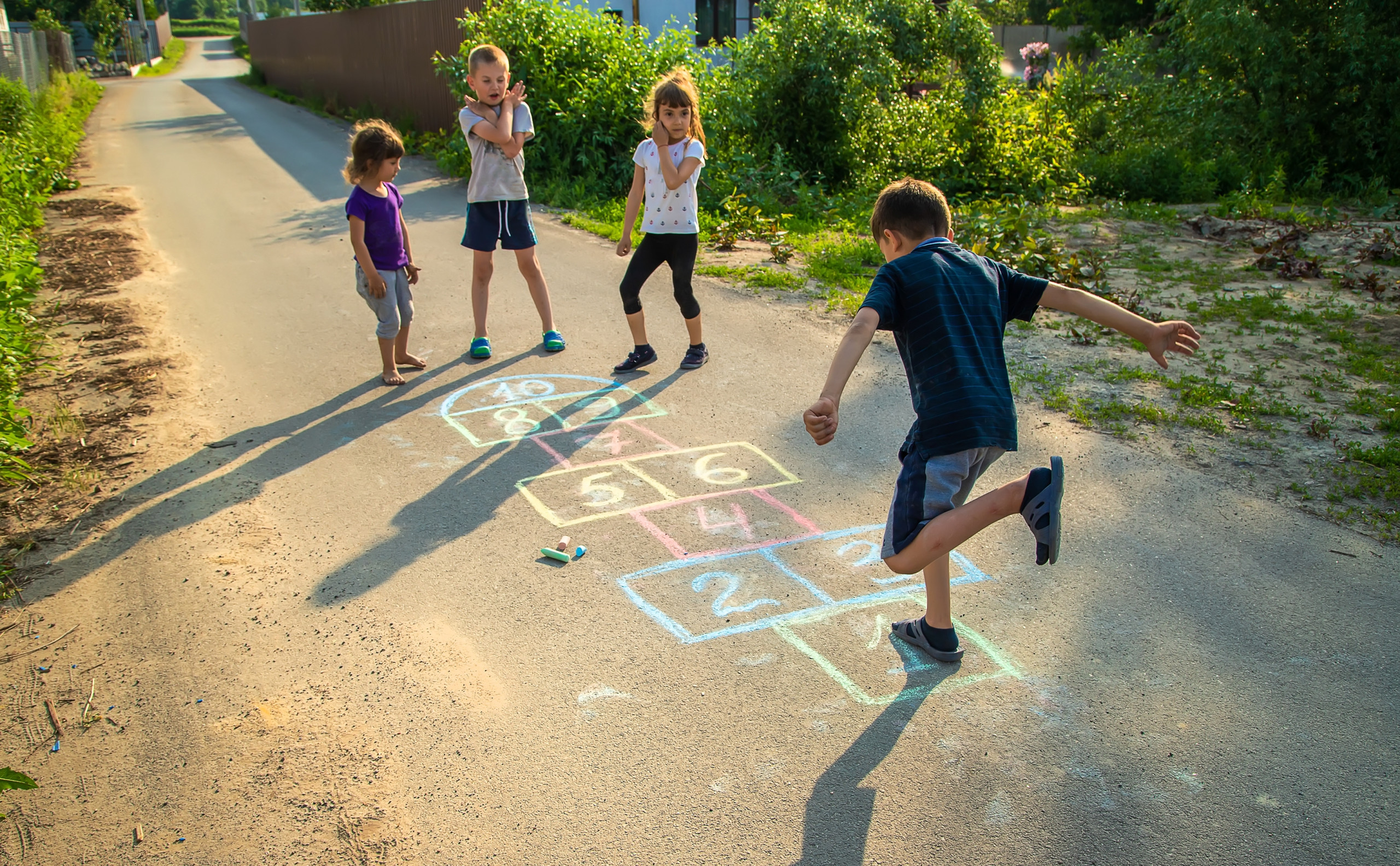
Children don’t exercise—they play. Their movement is joyful, unstructured, and constant. Whether it’s climbing, running, or dancing, their bodies are in near-constant motion, and they reap physical and emotional benefits as a result.
Adults, conversely, often confine activity to structured gym sessions (or avoid it altogether). But as Kelly McGonigal emphasizes in The Joy of Movement, physical activity can profoundly impact mood, social connection, and identity. Reclaiming movement in playful, enjoyable ways—like dancing, walking, or even gardening—can help adults reconnect with their bodies and minds.
6 – Be open to making new friends
Kids meet someone new and five minutes later declare them their best friend. They approach others with open hearts, free from suspicion or pretense. Social connection comes naturally when the barriers of fear and judgment are removed.
Adults, on the other hand, often become socially risk-averse. Making new friends becomes harder with age, not because of lack of opportunity but due to guardedness. Dr. Vivek Murthy, in Together: The Healing Power of Human Connection in a Sometimes Lonely World, emphasizes that cultivating new friendships as adults is essential for mental health and community well-being.
7 – Be the hero
Children love stories where the underdog rises, the hero saves the day, and good triumphs. They instinctively place themselves in the role of the hero, not the victim. This self-concept builds confidence and nurtures a can-do spirit.
As adults, it’s easy to internalize limitations and sideline personal agency. Yet reclaiming a heroic mindset—viewing oneself as capable of change and courage—can be transformative. Joseph Campbell’s The Hero with a Thousand Faces teaches that the hero’s journey is universal and begins with choosing to act, not retreat.
8 – Show off your scars
Children proudly display scraped knees as badges of honor. Scars aren’t hidden; they’re part of the adventure. They symbolize growth, courage, and resilience, not shame.
Adults often hide emotional and physical scars, treating them as evidence of failure. Yet, as psychiatrist Elisabeth Kübler-Ross noted, “The most beautiful people… are those who have known defeat, known suffering… and have found their way out of those depths.” Embracing and sharing our scars builds empathy and human connection.
9 – Experiment
To a child, the world is a laboratory. They ask questions, try things, and make messes—because they are constantly learning. Trial and error isn’t failure; it’s part of the process.
Adults can get stuck in routine, paralyzed by fear of making the wrong choice. Embracing experimentation allows for innovation and self-discovery. As psychologist Carol Dweck explores in Mindset, adopting a growth mindset means valuing effort and experimentation over perfection.
10 – Notice the little things
Children find magic in the mundane—a caterpillar crawling on a leaf or shadows on the wall. Their capacity for awe reminds us that beauty often hides in plain sight.
Adults, lost in schedules and screens, often overlook the micro-moments of joy. But research from The Art of Noticing by Rob Walker shows that paying attention enhances creativity, gratitude, and well-being. Learning to observe with childlike curiosity can transform how we experience the world.
11 – It’s okay to ask for help
Children are unapologetic about seeking help. When they don’t understand, they ask. When they struggle, they reach out. It’s how they learn and grow.
Adults too often view asking for help as weakness. But as Brené Brown writes in Daring Greatly, vulnerability is the birthplace of connection. Accepting help not only eases burdens—it strengthens relationships and builds resilience.
12 – Emotions must be acknowledged
Kids feel emotions fully and express them openly—tears, giggles, frustration. Their honesty allows them to process and release feelings instead of bottling them up.
Adults frequently suppress emotions, mistaking stoicism for strength. But emotional literacy is crucial for mental health. Psychologist Daniel Goleman’s Emotional Intelligence shows that acknowledging and naming emotions enhances self-awareness, empathy, and interpersonal success.
13 – Forgive
Children argue and reconcile within minutes. Forgiveness is swift, instinctive, and free from grudges. They value relationships over ego.
Adults, however, often hold onto resentment, harming themselves more than the offender. Dr. Fred Luskin’s Forgive for Good emphasizes that forgiveness leads to reduced stress, improved health, and deeper peace. Learning to forgive like a child frees emotional energy for growth.
14 – Trust your instincts
Children rely on gut feelings—whether it’s being drawn to a person or avoiding something that feels “off.” Their intuition is strong because it’s not clouded by overthinking.
Adults often silence their instincts, favoring logic or social conditioning. Yet, psychologist Malcolm Gladwell’s Blink underscores the power of intuitive decision-making. Trusting your gut—when informed by experience and ethics—can be a reliable guide through life’s complexities.
Conclusion
Children possess an untamed wisdom that many adults lose sight of in the name of maturity. Their natural ability to live in the moment, forgive quickly, express emotions, and remain open to wonder is more than endearing—it’s instructive. These lessons aren’t about becoming childish but reclaiming the powerful qualities of childlikeness that promote resilience, creativity, and connection.
As we strive for self-improvement and deeper meaning in our adult lives, perhaps the greatest teachers are the smallest among us. Relearning how to live fully, laugh loudly, and love freely may just begin with seeing the world again through a child’s eyes. The philosopher Lao Tzu once said, “A child’s heart is the source of all wisdom.” Perhaps it’s time we let them lead.
Affiliate Disclosure: This blog may contain affiliate links, which means I may earn a small commission if you click on the link and make a purchase. This comes at no additional cost to you. I only recommend products or services that I believe will add value to my readers. Your support helps keep this blog running and allows me to continue providing you with quality content. Thank you for your support!
For over a century, Disney has conjured magic on the silver screen, crafting cinematic masterpieces that have enchanted global audiences and broken box office records. From heartwarming animated tales to swashbuckling adventures, Disney’s legacy is one of timeless storytelling, artistic innovation, and commercial triumph. This list ranks the 30 most successful Disney films ever made, not merely by profit, but by cultural impact, critical acclaim, and audience devotion.
Disney’s influence on global entertainment is monumental. As noted by media scholar Henry Jenkins, “Disney is not simply a media producer—it is a storyteller that defines childhood itself.” The studio’s ability to weave universal themes with cutting-edge animation and compelling narratives has allowed it to transcend generations and markets. From original classics to billion-dollar franchises, Disney films have not just entertained; they’ve shaped cultural values, inspired academic analysis, and generated entire fan communities.
In The Magic Kingdom: Walt Disney and the American Way of Life, Steven Watts writes that Disney “packaged fantasy into a uniquely American blend of optimism, moral clarity, and commercial ingenuity.” These 30 films are testaments to that enduring formula. As we count down these cinematic giants, you’ll see more than numbers—you’ll see how Disney has continuously rewritten the rules of what it means to make a successful film in the modern era.
1 – 100 Years of Disney
Celebrating its centennial, Disney’s journey from a small animation studio to a media empire is nothing short of legendary. It all began in 1923 when Walt and Roy Disney founded the Disney Brothers Studio. From the creation of Mickey Mouse in 1928 to the introduction of feature-length animation with Snow White and the Seven Dwarfs in 1937, the company redefined the possibilities of visual storytelling. Over the decades, Disney not only mastered hand-drawn animation but also pioneered technologies in CGI, sound design, and immersive world-building.
This 100-year milestone is a tribute to Disney’s ability to adapt while staying rooted in its core values: imagination, family, and storytelling. According to media theorist Neal Gabler in his acclaimed biography Walt Disney: The Triumph of the American Imagination, “Disney’s genius was in his understanding that fantasy could reflect the deepest truths of human experience.” From humble beginnings to becoming a cornerstone of global culture, Disney’s centennial is a moment to reflect on its past achievements and anticipate its future innovations.
2 – Monsters University: $1 Billion
Monsters University was a daring prequel that successfully explored the formative years of beloved characters Mike and Sulley. By flipping the narrative from a monster-scare story to a college buddy film, Disney-Pixar delivered both nostalgia and new character depth. It struck a chord with audiences by balancing slapstick humor with subtle themes of self-discovery, failure, and perseverance—a combination that resonated across age groups.
Its billion-dollar success underscores the power of world-building and character continuity in Disney franchises. The film’s nuanced message that “not everyone’s path is the same” reflects real-life educational and professional journeys, making it not just entertaining but relatable. According to The Pixar Touch by David A. Price, Pixar’s storytelling thrives on emotional realism—Monsters University proves that even fantastical creatures can embody deeply human lessons.
3 – Pirates of the Caribbean: Dead Men Tell No Tales: $1 Billion
Despite being the fifth installment in the Pirates franchise, Dead Men Tell No Tales managed to captivate a global audience, propelled by Johnny Depp’s iconic portrayal of Jack Sparrow and high-stakes nautical drama. With dazzling visual effects, a haunting new villain, and a script laced with callbacks to earlier films, this entry reinforced the franchise’s enduring appeal.
Its billion-dollar performance reflects Disney’s skill in revitalizing familiar brands while keeping them fresh. As scholar Thomas Schatz points out in Hollywood Genres, “Franchises thrive by blending formula with novelty.” Dead Men Tell No Tales did exactly that, maintaining franchise loyalty while offering a new generation a swashbuckling adventure worth remembering.
4 – Coco: $1 Billion
Coco stands as one of Disney-Pixar’s most culturally rich and visually breathtaking offerings. Rooted in the Mexican tradition of Día de los Muertos, the film explores family, legacy, and memory with striking depth. Its authentic portrayal of Mexican culture, combined with vibrant visuals and emotionally resonant storytelling, set a new benchmark for representation in mainstream animation.
The film’s financial success is a testament to the global appetite for diverse narratives when handled with care and respect. As noted by cultural critic Gloria Anzaldúa, “Culture is made by those in power—but it is also reshaped by the voices of the marginalized.” Coco did both—uplifting a cultural celebration while reinforcing Disney’s global storytelling prowess.
5 – Maleficent: $1 Billion
Maleficent redefined the modern fairy tale by giving voice and depth to one of Disney’s most iconic villains. Rather than a one-dimensional antagonist, Maleficent became a complex character shaped by betrayal, trauma, and maternal love. The film invited audiences to reevaluate the binaries of good and evil, a narrative choice that mirrored contemporary discussions on empathy and perspective.
Its massive box office haul highlights a growing audience interest in character-driven reimaginings. As Marina Warner writes in From the Beast to the Blonde, fairy tales endure by evolving with the times. Maleficent is a brilliant example of this evolution—combining psychological nuance with blockbuster spectacle.
6 – Peter Pan: $1 Billion
Disney’s Peter Pan remains a cornerstone of the studio’s golden age of animation, capturing the eternal allure of childhood and adventure. Released in 1953, its timeless tale of flight, fairies, and Neverland continues to resonate with viewers across generations. The film’s vibrant animation, whimsical score, and iconic characters like Tinker Bell have embedded it deeply into popular culture.
Its enduring financial and cultural value illustrates the potency of universal themes like freedom, innocence, and the refusal to grow up. Literary scholar Maria Tatar notes in The Classic Fairy Tales that stories like Peter Pan thrive because they “tap into our deepest longings and fears.” Disney’s adaptation does just that, offering both escape and introspection.
7 – Aladdin: $1.1 Billion
The animated Aladdin was a musical triumph, but the 2019 live-action adaptation soared even higher financially. Directed by Guy Ritchie and featuring a dynamic performance by Will Smith as the Genie, this version combined the magic of the original with updated themes of agency, equality, and cross-cultural respect.
The film’s commercial success reflects Disney’s knack for reinventing classics without losing their soul. As scholar Susan Aronstein notes in Hollywood Knights: Arthurian Cinema and the Politics of Nostalgia, “Reboots thrive when they evoke sentiment but challenge past assumptions.” Aladdin achieved that balance, enchanting a new generation while offering fresh commentary.
9 – Up: $1.1 Billion
Up is widely regarded as one of Pixar’s most emotionally resonant films, anchored by its unforgettable opening montage that wordlessly portrays a lifetime of love and loss. The film then shifts into an adventure story, following a curmudgeonly widower and an eager young scout as they travel to South America in a flying house.
The movie’s billion-dollar earnings are remarkable considering its meditative tone and mature themes. In The Pixar Theory by Jon Negroni, the interconnected emotional stakes across Pixar films are explored—Up stands out as one that masterfully blends heartache with hope, earning both critical acclaim and audience loyalty.
10 – Inside Out: $1.1 Billion
Inside Out marked a new frontier for animated storytelling, taking viewers inside the mind of a young girl navigating life’s emotional complexities. By personifying Joy, Sadness, Anger, Fear, and Disgust, Pixar created an insightful exploration of human psychology that resonated across age groups.
Its commercial success confirmed that animation doesn’t have to be lighthearted to be profitable. Psychologist Paul Ekman, whose work influenced the film, praised its accuracy in representing emotional development. This film, according to Emotions Revealed, teaches that emotional balance—not constant happiness—is the true key to well-being.
11 – Lady and the Tramp: $1.1 Billion
Lady and the Tramp is a tale as old as time, telling a story of love that transcends class boundaries. The film’s iconic spaghetti scene has become one of the most romantic moments in cinematic history, emblematic of Disney’s knack for subtle emotional storytelling.
Its sustained popularity and financial worth are due to its classic charm and universal themes. As film historian Leonard Maltin notes in The Disney Films, early Disney narratives “succeeded not by spectacle alone, but by sincere storytelling.” Lady and the Tramp embodies that principle beautifully.
12 – The Jungle Book (2016): $1.2 Billion
Jon Favreau’s live-action The Jungle Book dazzled audiences with its photorealistic CGI and compelling blend of nostalgia and novelty. By reimagining the beloved 1967 classic with advanced technology and deeper character arcs, the film offered a sensory and emotional feast.
Its box office triumph demonstrates Disney’s ability to breathe new life into its animated canon. Scholar Henry Giroux notes that Disney films “construct powerful pedagogical narratives”—in this case, one about belonging, courage, and coexistence with nature.
13 – The Chronicles of Narnia: The Lion, the Witch, and the Wardrobe: $1.2 billion Disney’s adaptation of The Chronicles of Narnia: The Lion, the Witch, and the Wardrobe (2005) brought C.S. Lewis’s Christian-allegorical fantasy to the big screen with commercial triumph, garnering $1.2 billion globally. This epic tale of four siblings discovering a magical realm teeming with mythic creatures, talking animals, and moral complexity appealed to audiences seeking high fantasy with spiritual depth. The success of this film marked Disney’s foray into grand-scale fantasy outside its traditional animated stronghold.
Scholars have long discussed the deeper philosophical and theological themes embedded in Lewis’s Narnia series. Michael Ward’s Planet Narnia explores how Lewis used planetary symbolism and Christian allegory to craft deeper moral landscapes. Disney’s film captured that duality—both a family adventure and a mythic parable—resonating with viewers looking for narratives that bridge the sacred and the heroic.
14 – Aladdin (2019): $1.3 billion The 2019 live-action Aladdin, directed by Guy Ritchie, became a global sensation, earning $1.3 billion worldwide. By blending Middle Eastern aesthetics, a modernized script, and Will Smith’s charismatic turn as the Genie, the film offered a fresh take on the 1992 animated classic. Its vivid choreography and updated musical numbers—especially the empowering “Speechless”—aligned well with contemporary themes of self-agency and equality.
The reinvention of familiar narratives is a hallmark of Disney’s strategy. Linda Hutcheon’s A Theory of Adaptation argues that successful adaptations provide audiences with both recognition and surprise. Aladdin struck that balance, satisfying fans of the original while introducing new dynamics and cultural nuances. The film’s box office success reflected Disney’s strategic mastery in reviving its legacy catalog for a new generation.
15 – Zootopia: $1.3 billion Zootopia (2016) was a breakout success with a global gross of $1.3 billion, praised for its rich allegorical treatment of prejudice, identity, and systemic bias. Set in a metropolis populated by anthropomorphic animals, it cleverly used its premise to unpack complex social issues in an accessible yet thought-provoking way. The dynamic duo of Judy Hopps and Nick Wilde brought heart, humor, and subtle critique to an animated film rarely matched in depth.
Sociologist George Gerbner once observed that “media are the cultural environment,” and Zootopia exemplifies how children’s films can shape early perceptions of societal structures. Its timely message and layered storytelling appealed to parents, educators, and critics alike, demonstrating how animation can transcend entertainment to become a vessel for social commentary.
16 – Finding Dory: $1.3 billion Pixar’s Finding Dory (2016), the long-awaited sequel to Finding Nemo, garnered $1.3 billion globally. Centering on the memory-challenged yet endearing Dory, the film explored themes of disability, belonging, and the meaning of family. The emotionally resonant journey struck a chord with both children and adults, affirming Pixar’s reputation for layered storytelling that extends well beyond surface-level charm.
In The Pixar Touch by David A. Price, the author explains how Pixar’s development process emphasizes emotional truth as much as visual splendor. Finding Dory succeeded not just because of its technical excellence, but because it offered a heartfelt narrative about persistence and identity. The film’s triumph was as much about character as it was about spectacle.
17 – Cinderella: $1.3 billion Disney’s 2015 live-action Cinderella, directed by Kenneth Branagh, turned a classic fairy tale into a visually sumptuous and emotionally layered epic, earning $1.3 billion. Eschewing postmodern irony, the film embraced sincerity and virtue, highlighting themes of kindness and courage through the lens of opulent costume design and grounded performances, particularly from Lily James and Cate Blanchett.
Bruno Bettelheim’s The Uses of Enchantment argues that traditional fairy tales fulfill deep psychological needs. Cinderella’s modern adaptation preserved that mythic core while subtly revising the tale for a contemporary audience. In an age of cynicism, its message of grace and resilience resonated, proving that sometimes earnest storytelling still wins hearts and wallets.
18 – Toy Story 4: $1.4 billion Toy Story 4 (2019) became a box office juggernaut with $1.4 billion in earnings, delivering a poignant farewell to Woody and the gang. By introducing new characters like Forky and deepening the existential stakes of the story, the film managed to blend humor, nostalgia, and philosophy in a way that elevated animated storytelling. The emotional finale left many fans teary-eyed, emphasizing growth, self-discovery, and letting go.
The Toy Story franchise has long been lauded for its philosophical underpinnings. As Daniel Shaw writes in Philosophers Explore The Matrix and Other Modern Myths, Pixar films often function as modern allegories. Toy Story 4 served as a meditation on purpose and autonomy, making its commercial success all the more remarkable given its deeply introspective themes.
19 – Alice in Wonderland: $1.4 billion Tim Burton’s Alice in Wonderland (2010) reimagined Lewis Carroll’s literary universe with gothic flair and surreal visuals, capturing $1.4 billion globally. This version emphasized themes of self-actualization, rebellion against oppressive authority, and the hero’s journey, reframing Alice as a warrior rather than a passive dreamer. The film’s unique visual identity and star-studded cast contributed to its global appeal.
Burton’s adaptation aligned with Umberto Eco’s idea in The Role of the Reader—that meaning in art is generated collaboratively between creator and audience. This Alice was less about narrative fidelity and more about visual and emotional impact. Its success illustrated that audiences were ready for darker, more stylized interpretations of familiar tales.
20 – Pirates of the Caribbean: On Stranger Tides: $1.4 billion Despite mixed critical reception, On Stranger Tides (2011) raked in $1.4 billion, proving the enduring allure of Captain Jack Sparrow. The film introduced new characters and mythologies—mermaids, the Fountain of Youth—while simplifying the plot compared to earlier entries. This allowed global audiences to engage without needing intimate familiarity with the previous storylines.
As theorist Thomas Schatz suggests in Hollywood Genres, blockbuster franchises often become brands unto themselves. On Stranger Tides exemplifies this, where character and spectacle outweighed narrative innovation. Its commercial success was driven by franchise loyalty, international marketing, and the magnetic unpredictability of its lead character.
21 – Pirates of the Caribbean: At World’s End: $1.5 billion At World’s End (2007) concluded the original Pirates trilogy with epic scale and operatic ambition, earning $1.5 billion. It brought together diverse story arcs and mythologies—resurrections, pirate councils, and naval warfare—in a finale that was visually stunning if narratively dense. The film’s boldness in scope and lore complexity contributed to its massive draw.
In Film Theory and Contemporary Hollywood Movies, Warren Buckland emphasizes how intricate narratives in blockbusters can engage viewers intellectually while thrilling them visually. At World’s End was emblematic of this style—flawed but audacious. It rewarded loyal viewers with payoff arcs and high-stakes battles that kept the box office ringing.
22 – The Incredibles 2: $1.5 billion Released in 2018, The Incredibles 2 grossed $1.5 billion, building on the beloved characters of the original while shifting the spotlight to Elastigirl. The sequel explored gender roles, family dynamics, and the societal implications of superhero legislation. Its fast-paced plot and retro-futurist aesthetic made it appealing to both nostalgic adults and new audiences.
Superheroes and Philosophy by Tom Morris and Matt Morris discusses how these figures reflect our cultural anxieties and hopes. The Incredibles 2 tapped into this by mirroring modern debates about work-life balance, surveillance, and identity politics. Its box office domination was a sign that animated films could still engage with urgent social questions without sacrificing fun.
23 – Inside Out 2: $1.5 billion Inside Out 2, the much-anticipated sequel to the original Pixar hit, struck gold with $1.5 billion. Diving even deeper into the emotional terrain of adolescence, the sequel introduced new emotions and complexities as Riley enters her teenage years. The nuanced approach to mental health, identity, and emotional regulation struck a powerful chord with audiences of all ages.
Daniel Goleman’s seminal book Emotional Intelligence underpins much of the psychology explored in this series. By visualizing the inner workings of the mind, Inside Out 2 serves not only as entertainment but also as a teaching tool for emotional literacy. Its success reflects a cultural hunger for media that treats feelings with depth and care.
24 – Toy Story 3: $1.6 billion Toy Story 3 (2010) earned $1.6 billion and is often hailed as one of the greatest animated films of all time. It offered a powerful meditation on change, nostalgia, and mortality, as Andy’s toys faced an uncertain future. The incinerator scene and bittersweet ending elevated the film into a collective catharsis for audiences who had grown up with the series.
Philosopher Susan Wolf’s writings on meaningful lives touch on themes echoed in this film—the tension between usefulness, loyalty, and letting go. Toy Story 3 resonated because it wasn’t just a children’s movie; it was a cinematic coming-of-age for an entire generation.
25 – Finding Nemo: $1.6 billion Finding Nemo (2003) remains one of Pixar’s most iconic films, grossing $1.6 billion. Its underwater odyssey blends breathtaking animation with a compelling story about parental anxiety, independence, and courage. Marlin’s journey to rescue his son while learning to let go struck an emotional chord with audiences worldwide.
In Raising Cain, child psychologists Dan Kindlon and Michael Thompson explore the emotional development of boys—a theme mirrored in Nemo’s struggle for autonomy. Finding Nemo succeeds because it tells a simple story with universal truths, beautifully rendered in an immersive world.
26 – The Lion King: $1.6 billion The 2019 photorealistic remake of The Lion King earned $1.6 billion, demonstrating the enduring power of this Shakespearean animal epic. With an all-star voice cast and cutting-edge visual effects, the film reintroduced Simba’s journey of loss, identity, and redemption to a new generation. Despite mixed reviews, its box office numbers proved the original’s mythic resonance was still alive.
In Myth and the Movies, Stuart Voytilla outlines how classic story structures persist in modern cinema. The Lion King, echoing Hamlet and ancient hero myths, continues to captivate because it speaks to primal themes of destiny, belonging, and transformation.
27 – Beauty and the Beast: $1.7 billion Disney’s live-action adaptation of Beauty and the Beast (2017) was a resounding triumph, both critically and commercially, earning an impressive $1.7 billion worldwide. The film reimagined the 1991 animated classic with dazzling visuals, a stellar cast including Emma Watson as Belle, and enriched musical arrangements. Its commercial success was driven by its cross-generational appeal, capturing the nostalgia of older audiences while captivating a new generation. The film’s themes of love, sacrifice, and redemption resonated globally, supported by a high-production-value marketing strategy and Disney’s cultural cachet.
According to scholar Henry Jenkins, the appeal of “transmedia storytelling” helps explain how retellings like Beauty and the Beast maintain cultural dominance across generations (Jenkins, Convergence Culture). By enriching the original narrative and exploring subtext in new ways, Disney not only expanded its cinematic universe but also reasserted its role as a cultural powerhouse in shaping contemporary fairy-tale mythologies.
28 – Pirates of the Caribbean: Dead Man’s Chest: $1.7 billion Released in 2006, Pirates of the Caribbean: Dead Man’s Chest became an unexpected box office giant, grossing $1.7 billion. Its blend of fantasy adventure, supernatural elements, and Johnny Depp’s iconic portrayal of Captain Jack Sparrow made it a cinematic phenomenon. As the second installment of the franchise, it built on the momentum of the original film, introducing memorable characters like Davy Jones and expanding the rich lore of the pirate world.
The film’s triumph can be attributed to its high-concept storytelling and visual effects, which elevated the action-adventure genre. Film critic David Thomson noted in The New Biographical Dictionary of Film that “Dead Man’s Chest ushered in a golden age for fantasy franchises, where spectacle met myth in exhilarating fashion.” This installment cemented Disney’s ability to balance commercial appeal with narrative complexity, ensuring repeat viewership and international success.
29 – Frozen: $1.8 billion Frozen (2013) took the world by storm, redefining the modern Disney princess narrative and raking in $1.8 billion globally. The film’s emotionally resonant story of sisterhood, paired with its iconic anthem “Let It Go,” captured the hearts of children and adults alike. Its success extended beyond the box office, spawning merchandise, theme park attractions, and a Broadway adaptation—an example of Disney’s prowess in cross-platform integration.
As psychologist Bruno Bettelheim explored in The Uses of Enchantment, fairy tales serve as mirrors to childhood psychological development. Frozen flipped traditional narratives by sidelining romantic love in favor of familial bonds, resonating with contemporary values of empowerment and identity. The film’s layered emotional landscape and progressive message marked a pivotal shift in Disney’s storytelling approach, resulting in cultural ubiquity.
30 – Frozen II: $1.8 billion The 2019 sequel, Frozen II, continued the legacy of its predecessor, grossing another $1.8 billion worldwide. Rather than retread old ground, the film delved deeper into themes of change, loss, and self-discovery. Elsa and Anna’s journey into the unknown expanded the emotional complexity of the franchise, paired with rich world-building and a more mature tone. This strategic evolution kept audiences invested and reinforced the brand’s cultural impact.
Scholar Linda Hutcheon, in A Theory of Adaptation, argues that successful sequels “must echo the original while offering innovation.” Frozen II embodied this balance, offering new musical numbers and plot revelations that expanded character arcs without alienating fans. The film’s blockbuster success reaffirmed Disney’s mastery at crafting cinematic universes that age and evolve alongside their audiences.
Conclusion
Disney’s century-long cinematic journey is a testament to its unparalleled ability to blend innovation, storytelling, and emotional resonance. From timeless classics like Peter Pan to billion-dollar modern blockbusters such as Frozen II, the studio has not only dominated the box office but also profoundly shaped global culture. Each of these films carries its own legacy, reflecting the zeitgeist of its time while contributing to Disney’s enduring mythos.
As media scholar Neal Gabler observed in his definitive biography Walt Disney: The Triumph of the American Imagination, “Disney did not merely reflect culture; he shaped it.” The company’s most successful films are more than commercial successes—they are cultural landmarks. By constantly reinventing its narratives while remaining rooted in universal themes, Disney continues to enchant and inspire, proving that magic at the movies is far from extinct.
Affiliate Disclosure: This blog may contain affiliate links, which means I may earn a small commission if you click on the link and make a purchase. This comes at no additional cost to you. I only recommend products or services that I believe will add value to my readers. Your support helps keep this blog running and allows me to continue providing you with quality content. Thank you for your support!
The image of the housewife, once seen as the linchpin of family life, has undergone a dramatic transformation over the past century. No longer confined to the narrow boundaries of domesticity, the role has evolved alongside sweeping societal changes. As technology, wars, feminist movements, and cultural shifts reshaped the world, the housewife herself emerged not just as a caregiver but often as an agent of change within her community and beyond.
Traditionally, a housewife was expected to keep the home fires burning — ensuring meals were cooked, children raised, and homes spotless. This expectation, however, masked the deep complexity and often the exhausting demands of her daily life. Today’s perspective reveals that behind the curtains of polished floors and tidy rooms were women managing multi-faceted responsibilities with resilience and creativity, even while society largely undervalued their contributions.
With each decade, new layers of complexity added themselves to the definition of a housewife. From the industrial revolutions to the feminist wave of the late 20th century, the perception of what it means to “stay at home” has shifted dramatically. In understanding the changing role of the housewife, we not only trace the evolution of gender dynamics but also the broader currents of social, political, and economic history. As historian Stephanie Coontz asserts, “The family has always been a reflection of the society that houses it,” a notion that proves profoundly true when we chart the journey of the housewife through time.
1- The housewife’s role The traditional role of the housewife was centered around the home, where she served as the primary caregiver, cook, cleaner, and emotional support system for the family. Her domain was considered the private sphere, distinct from the public world of work and politics, creating an invisible divide between “home” and “society.” Often, her worth was tied to the success and image of her household, embodying ideals of dedication, sacrifice, and quiet strength.
However, the housewife’s role was never as simplistic as it appeared. Managing a household required financial savvy, logistical planning, and a mastery of time management, long before these became corporate buzzwords. Historian Elizabeth Cady Stanton once noted, “The hand that rocks the cradle is the hand that rules the world,” emphasizing that the seemingly mundane tasks performed within the home held a profound influence on shaping future generations and societal values.
2- Definition of a housewife Historically, the term “housewife” defined a married woman whose primary responsibility was managing the household and caring for the family, without engaging in paid employment outside the home. It was both a social identity and an economic function within the family unit. The Oxford English Dictionary traced the word back to Middle English, where “husewif” denoted not just a domestic caretaker, but often the primary manager of household economies.
Yet, this definition barely scratched the surface of the complexities involved. As sociologist Arlie Russell Hochschild described in The Second Shift, housewives often managed an “invisible labor” load that was critical to societal stability but went unrecognized in economic measures like GDP. Modern understanding challenges the reductionist view of housewives, acknowledging the intricate skill sets required to maintain a home and nurture a family.
3- Domestic duties Domestic duties traditionally fell under a broad and demanding umbrella that included cooking, cleaning, sewing, caregiving, and sometimes even managing small livestock or gardens. The housewife was expected to be a master of many trades — part chef, nurse, accountant, and educator — often without formal training. These tasks were daily, repetitive, and essential for the survival and comfort of the household.
Although often labeled “women’s work,” domestic responsibilities required significant physical effort and intellectual engagement. In her book The Feminine Mystique, Betty Friedan highlights how these tasks, though undervalued, demanded not just energy but also considerable innovation and decision-making, especially in eras with limited technological assistance.
4- Long working days The working day of a traditional housewife was relentless, beginning before sunrise and ending only when every member of the household was cared for. Unlike industrial workers who punched a clock, a housewife’s labor was constant and often invisible, woven seamlessly into every waking moment.
Despite the physical and emotional toll, their labor was often romanticized as “natural” or “fulfilling.” In reality, as Ann Oakley discusses in The Sociology of Housework, many women experienced exhaustion, isolation, and a profound lack of personal time, underscoring the critical, unacknowledged labor that kept homes — and by extension, societies — running smoothly.
5- All-knowing The traditional housewife was often expected to be the all-knowing heart of the home. She was presumed to possess knowledge about everything from home remedies and budgeting to child development and culinary skills. This expectation placed enormous pressure on women to be both resourceful and infallible, often without external validation or acknowledgment.
Sociologist Dorothy Smith notes that housewives operated within a “conceptual map of everyday life,” where expertise was self-taught and continually adapted. In many ways, these women became living repositories of multi-generational wisdom, proving that domestic knowledge was as intricate and valuable as any formal education.
6- Staying at home Remaining at home was once both a privilege and a limitation for women, depending on social class and perspective. While some viewed it as a protective environment offering dignity and respectability, others saw it as a cage, cutting women off from broader societal participation. The home became both a sanctuary and a silent battleground for personal identity.
As articulated in The Home: Its Work and Influence by Charlotte Perkins Gilman, “Home should be the center but not the boundary of the woman’s life.” Gilman’s assertion resonates with the experiences of countless women who yearned for opportunities beyond domestic walls but found themselves anchored by rigid societal expectations.
7- First World War The First World War dramatically altered the role of women, including housewives. As millions of men went off to fight, women were thrust into the workforce to fill the labor gaps, taking on roles in factories, offices, and public services. Housewives became essential to maintaining national stability on both the domestic and industrial fronts.
This seismic shift challenged the notion that a woman’s place was solely in the home. As historian Susan Grayzel describes in Women and the First World War, this era proved women’s capabilities outside traditional domestic roles and planted early seeds of the later feminist movements.
8- Demeaning and monotonous For many women, domestic life eventually became demeaning and monotonous, stripped of the romantic idealism once associated with homemaking. The endless cycle of cooking, cleaning, and caregiving could erode a woman’s sense of self, leaving her feeling invisible within her own household.
Betty Friedan’s The Feminine Mystique identified this malaise as “the problem that has no name,” capturing the widespread dissatisfaction among housewives who struggled with feelings of unfulfillment. Their experiences highlighted the critical need to rethink and revalue domestic labor within a broader societal context.
9- Tedious and repetitive The repetitiveness of housework often mirrored an assembly line, where the same tasks were performed daily with little variation or reward. Washing dishes, scrubbing floors, and folding laundry could feel like an endless loop, draining emotional and mental energy.
In The Managed Heart, sociologist Arlie Russell Hochschild points out that emotional labor compounded the tedium, as housewives were expected to maintain cheerful dispositions even while performing monotonous tasks. This emotional burden made the work doubly exhausting, yet it remained largely invisible to the outside world.
10- Social acceptance Being a housewife was historically tied to social acceptance, with societal norms heavily favoring women who devoted themselves to home and family. Women who deviated from this path often faced scrutiny, ostracism, or pity, reinforcing the housewife ideal as a moral and social standard.
Dr. Stephanie Coontz, in Marriage, a History, explains that the 20th century idealized the nuclear family, where the devoted housewife symbolized societal stability. Deviations from this model were seen as threatening, illustrating how personal life choices were often politicized in the quest for communal order.
11- Keeping busy at home Housewives found myriad ways to keep busy beyond traditional chores, often engaging in crafts, sewing, preserving food, or participating in community activities. These pursuits were not merely pastimes but essential activities that contributed to family economies and local social fabrics.
In Homeward Bound: American Families in the Cold War Era, Elaine Tyler May notes that the cultivation of hobbies and home-based skills helped women cope with the psychological demands of domestic isolation, providing them with personal fulfillment and a semblance of autonomy.
12- Inventive and adaptive Adaptability became a hallmark of the successful housewife. Whether stretching a grocery budget, creating homemade remedies, or inventing educational activities for children, women demonstrated incredible resourcefulness in their daily lives.
Sociologist Ann Oakley observed that housewives were “domestic engineers,” continually innovating within the constraints imposed upon them. This inventive spirit not only maintained households but also quietly challenged the notion that domestic work was mindless or uninspired.
13- Advertising the housewife’s lot Mid-20th century advertising often portrayed the housewife as blissfully content, smiling as she cleaned floors or prepared elaborate meals. These advertisements shaped and reinforced public perceptions of domestic life, often masking the realities of exhaustion and dissatisfaction many women felt.
In Selling Women’s Domesticity, historian Ruth Schwartz Cowan reveals how marketing campaigns glorified housework as a fulfilling career, promoting consumer products as magical solutions for domestic drudgery. This commercialization of domesticity contributed to unrealistic societal expectations.
14- Second World War The Second World War once again disrupted traditional gender roles. Women not only managed households under rationing and hardship but also served in factories, military auxiliary roles, and civic organizations. Their contributions were critical to the war effort and national survival.
As described in Women and War by Jean Bethke Elshtain, wartime experiences expanded women’s self-perceptions and social roles, making a permanent return to pre-war domesticity untenable for many. The war years planted seeds of transformation that would blossom in the decades ahead.
15- A new role Post-WWII, many women found themselves yearning for the autonomy and sense of purpose they had experienced during the war. The traditional housewife role began to feel restrictive for women who had tasted broader societal participation.
Historian Sheila Rowbotham, in A Century of Women, emphasizes that the war catalyzed a “quiet revolution,” whereby women’s aspirations slowly shifted, setting the stage for the civil rights and feminist movements that would soon reshape the social landscape.
16- A housewife’s work is never done! The aphorism “a housewife’s work is never done” reflects the relentless nature of domestic responsibilities. Without clear start and stop times, the workload could easily spill into every hour of the day, leaving little room for rest or personal pursuits.
In The Second Shift, Arlie Russell Hochschild notes that women often faced a “second shift” of unpaid domestic labor even after entering the formal workforce, demonstrating how housework remained an enduring burden even amid changing gender roles.
17- The 1950s and a new era The 1950s saw a resurgence of traditional domestic ideals, with suburban living and consumer culture glorifying the image of the happy housewife. Media and public policy reinforced the notion that a woman’s greatest achievement was creating a perfect home.
Yet, beneath the surface, dissatisfaction simmered. Sociologist Betty Friedan observed that many women felt trapped within these seemingly idyllic lives, leading to what she famously called “the problem that has no name,” sparking the beginning of second-wave feminism.
18- Domestic bliss? While 1950s advertisements promised domestic bliss, the reality often fell short. The perfect suburban life was frequently isolating, repetitive, and lacking intellectual stimulation for women who had once dreamed of broader horizons.
Author Shirley Jackson’s Life Among the Savages humorously yet poignantly captures the chaos and banality of domestic life, revealing that true fulfillment was far more complex than polished magazine covers suggested.
19- Clear up the clutter Housewives were not only expected to manage cleanliness but to maintain a sense of order and aesthetic appeal. Clutter was seen as a reflection of personal failure, adding another layer of stress to the already demanding workload.
Psychologist Marie Kondo, in her book The Life-Changing Magic of Tidying Up, highlights how the pressure to maintain a clutter-free environment can become psychologically taxing, especially when linked to societal expectations of women’s roles within the home.
20- A clean sheet Starting fresh with “a clean sheet” symbolized the ideal of creating a pristine, peaceful home environment. This metaphor extended beyond literal cleanliness to emotional and moral purity within the household.
In The Suburbanization of the Housewife, author Joanne Meyerowitz explores how these domestic ideals were deeply intertwined with postwar American identity, framing women’s domestic achievements as symbolic victories for societal stability and prosperity.
21- Singing in the kitchen? “Singing in the kitchen” evokes images of joyful domesticity, yet it often masked the exhaustion and isolation that many housewives experienced. The kitchen was both a creative space and a confining one, where women’s labor was both celebrated and taken for granted.
Author Barbara Ehrenreich in The Hearts of Men discusses how cultural myths of the “happy housewife” often glossed over the complexities of women’s experiences, perpetuating unrealistic ideals that rarely matched lived reality.
22- A new voice The mid-20th century gave rise to a new voice among women, who began articulating their dissatisfaction with traditional roles and demanding broader opportunities for education, employment, and political participation.
Betty Friedan’s The Feminine Mystique became a lightning rod for this movement, giving voice to millions of women who had long suffered in silence. This articulation marked the beginning of a profound societal shift toward gender equality.
23- Politics and feminism The political arena became a battleground for redefining women’s roles, as feminist movements pushed for equal rights, workplace protections, and greater representation. Housewives transformed from passive subjects to active agents of change.
In The Second Sex, Simone de Beauvoir argues that women’s liberation is crucial not just for women themselves but for the health of democracy. The feminist revolution reimagined housework not as destiny but as a choice among many life paths.
24- Housewives of color Housewives of color faced unique challenges, as racial discrimination compounded the gendered expectations placed upon them. Many worked both inside and outside the home, navigating systemic barriers that white housewives did not encounter.
In Sister Outsider, Audre Lorde stresses the importance of acknowledging these layered oppressions, urging that discussions of domestic life and feminism include the voices and experiences of marginalized women to create a truly inclusive movement.
25- A step in the right direction Changes in labor laws, educational opportunities, and social attitudes marked steps in the right direction for expanding women’s roles beyond domestic confines. The reimagining of the housewife’s identity laid the foundation for more balanced partnerships and diversified family structures.
Historian Gerda Lerner, in The Creation of Feminist Consciousness, underlines how such shifts, while incremental, represented monumental changes in societal frameworks, proving that progress is often achieved through persistent, collective effort.
26- Working mothers The rise of working mothers redefined family dynamics, challenging traditional notions of caregiving and household management. Balancing professional and domestic responsibilities became a new norm, reshaping societal expectations.
As documented by sociologist Kathleen Gerson in The Unfinished Revolution, dual-income families reflect both the triumphs and ongoing struggles of gender equality, illustrating that redefining domestic roles is a continual, evolving process.
27- Increase, and then decrease, in housewife numbers Postwar periods saw an initial boom in housewife numbers, as women returned to domestic life. However, the late 20th century witnessed a steady decline, as more women pursued higher education and professional careers.
Economist Claudia Goldin in Understanding the Gender Gap highlights that this shift was driven not merely by economic necessity but by changing values and aspirations, underscoring a profound evolution in women’s self-conception.
28- Stay-at-home mom Today, the choice to be a stay-at-home mom is often framed as a personal decision rather than a societal expectation. Women who choose this path often do so with a sense of agency, valuing the role’s importance without being confined by it.
As explored in The Mommy Myth by Susan Douglas and Meredith Michaels, contemporary stay-at-home mothers navigate complex terrains of identity, empowerment, and societal judgment, redefining what it means to “choose” domestic life.
Conclusion
The evolution of the housewife’s role tells a rich, intricate story of resilience, adaptability, and societal transformation. Far from being static figures locked in domestic cages, housewives have demonstrated a profound capacity for innovation, emotional labor, and leadership within the private and public spheres. Their experiences have shaped — and continue to influence — conversations about gender, labor, identity, and the very fabric of modern life.
By tracing this journey, we not only honor the women who lived these realities but also gain insight into the ongoing redefinition of work, family, and personal fulfillment. As we move forward, recognizing the complexities and contributions of housewives — past and present — becomes essential to building a society that truly values every form of labor and every pathway a woman might choose.
Affiliate Disclosure: This blog may contain affiliate links, which means I may earn a small commission if you click on the link and make a purchase. This comes at no additional cost to you. I only recommend products or services that I believe will add value to my readers. Your support helps keep this blog running and allows me to continue providing you with quality content. Thank you for your support!
A child’s smile can light up a room, but a child’s good manners can light up the world. Instilling politeness early in life isn’t just about following rules—it’s about building the foundation of empathy, respect, and consideration that will serve them throughout their lives. Good manners create a bridge between individuals, smoothing out interactions and reinforcing the social fabric that binds us together.
Today’s fast-paced, digitally driven world often sidelines traditional etiquette, yet its importance remains undiminished. Teaching children about politeness ensures they grow up not just to be successful individuals, but compassionate human beings. Manners aren’t old-fashioned relics; they are powerful tools for navigating an increasingly complex and interconnected society with grace. By consistently modeling and reinforcing these habits, parents and educators can instill values that will last a lifetime.
Experts like Dr. Thomas Lickona, author of Educating for Character, emphasize that character education must start early and be consistently reinforced through real-life practice. Every “please,” “thank you,” and act of kindness adds a stitch to the moral fabric of a child’s identity. Let’s explore how everyday actions can be transformed into profound life lessons in civility, kindness, and empathy.
1- The magic of “please” and “thank you” Teaching children to use “please” and “thank you” lays the groundwork for gracious communication. These simple words carry weight, creating an atmosphere of mutual respect and acknowledgment. Dr. Judith Martin, known as “Miss Manners,” asserts that “courtesy is civilization’s first line of defense against barbarism.” Incorporating these phrases into daily life shows children that even small gestures of politeness can leave lasting impressions.
The habit of expressing gratitude and making requests politely can be fostered through consistent modeling and reinforcement. According to The Blessing of a Skinned Knee by Wendy Mogel, small rituals of politeness build resilience and social competence. Encourage children to practice with family members first, gradually extending their manners to friends, teachers, and even strangers.
2- The art of sharing Sharing is not merely about dividing possessions; it’s about nurturing empathy and generosity. When children share, they practice seeing others’ needs as important as their own. Developmental psychologist Dr. Ross Thompson highlights that “empathy grows through the experience of give-and-take.” Sharing teaches kids to navigate social interactions gracefully and selflessly.
In the book Mind in the Making by Ellen Galinsky, she describes sharing as a key life skill that fosters cooperation and trust. Parents can encourage sharing by creating opportunities—like group games or collaborative art projects—where the act of giving and receiving becomes second nature rather than a chore.
3- Respecting elders Respecting elders is a timeless virtue that reinforces humility, wisdom, and gratitude. Teaching children to listen, greet politely, and offer assistance to older adults instills reverence for experience and life’s journey. As Confucius wisely noted, “Respect yourself and others will respect you.”
Resources such as Raising Respectful Children in a Disrespectful World by Jill Rigby outline practical strategies for fostering deference and appreciation. Role-playing, storytelling, and visits with grandparents can be powerful tools for making respect not an obligation but a cherished value.
4- Table manners Proper table manners transcend etiquette—they are about showing respect to those sharing the meal and the effort involved in preparing it. Simple habits like chewing with a closed mouth, using utensils properly, and waiting for everyone to be served reflect thoughtfulness and restraint. As Emily Post, the grande dame of etiquette, emphasized, “Manners are a sensitive awareness of the feelings of others.”
In Emily Post’s Etiquette for Children, Cindy Post Senning illustrates that mealtimes are excellent daily training grounds for teaching respect and patience. Making these lessons routine during family meals sets a consistent expectation that children can carry confidently into social settings outside the home.
5- Cleaning up after playtime Responsibility and respect for shared spaces are cultivated when children are taught to clean up after themselves. Leaving a mess behind signals disregard for others’ time and environment. As educator Alfie Kohn suggests in Unconditional Parenting, “When children are trusted with responsibility, they learn to rise to the occasion.”
Creating clear routines and setting gentle expectations around clean-up time can turn this into a positive habit rather than a burden. Visual charts or reward systems often help younger children associate tidying with autonomy and pride in their surroundings.
6- Apologies and forgiveness Teaching children the power of a sincere apology and the grace of forgiveness fosters emotional intelligence. Apologizing demonstrates accountability, while forgiving reveals strength and compassion. Dr. Robert Enright, pioneer of forgiveness studies, remarks, “Forgiveness is the fragrance the violet sheds on the heel that has crushed it.”
Books like The Heart of Forgiveness by Madeleine L’Engle encourage parents to teach that apologies must come from genuine remorse, not social obligation. Modeling heartfelt apologies and openly discussing mistakes at home can turn mishaps into teachable moments.
7- Phone etiquette In an era dominated by smartphones, teaching respectful phone behavior is crucial. Speaking clearly, listening actively, and not interrupting demonstrate respect both for the conversation and the person on the other end. As Judith Martin points out, “Technology is no excuse for discourtesy.”
In Raising Humans in a Digital World by Diana Graber, the emphasis is on setting digital boundaries early on. Role-playing phone calls or practicing text message etiquette can ensure children understand that courtesy is just as important online and on devices as it is in person.
8- Kindness to animals Teaching compassion for animals instills empathy, responsibility, and a sense of stewardship for the natural world. As Mahatma Gandhi famously said, “The greatness of a nation can be judged by the way its animals are treated.”
The book Kindness to Animals by Charlotte Mason offers timeless advice on raising children who respect all living creatures. Introducing kids to pet care, rescue organizations, or even nature documentaries can nurture a lifelong commitment to kindness.
9- Holding doors A simple act like holding a door open embodies awareness and courtesy. It teaches children that small acts of kindness can make a big difference in someone else’s day. As etiquette expert Letitia Baldrige noted, “Good manners are cost-effective. They pay big dividends.”
Practicing this habit at school, shops, and community spaces helps children internalize the value of courtesy. Encouraging them with praise and modeling the behavior yourself reinforces that politeness is not just expected—it is celebrated.
10- Community involvement Getting involved in community service teaches children that they are part of a greater whole. Volunteering, donating toys, or participating in clean-up drives builds empathy and civic responsibility. According to Dr. Martin Luther King Jr., “Everybody can be great… because anybody can serve.”
Resources like The Kid’s Guide to Service Projects by Barbara Lewis offer age-appropriate ideas for fostering altruism. Family volunteering days and discussions about societal needs help children understand their role in creating positive change.
11- Saying “excuse me” Teaching children to say “excuse me” helps them navigate social situations with grace and awareness. Whether interrupting a conversation, passing someone in a crowded room, or accidentally bumping into someone, these two words can ease tensions and show respect. As Dr. P.M. Forni explains in Choosing Civility, “The small courtesies sweeten social existence.”
Role-playing different scenarios where “excuse me” would be appropriate helps children internalize its use. Making it a habit during family interactions ensures that politeness becomes second nature rather than a conscious effort.
12- Gratitude journals Introducing children to gratitude journals cultivates a spirit of thankfulness and mindfulness. Writing down daily blessings—even small ones—teaches them to focus on abundance rather than lack. Dr. Robert Emmons, a leading gratitude researcher, asserts that “Gratitude amplifies positive emotions, builds resilience, and strengthens relationships.”
Books like The Gratitude Diaries by Janice Kaplan offer practical methods for integrating gratitude into everyday life. Encouraging kids to write just three things they’re thankful for each evening can create a lasting habit of optimism and appreciation.
13- The power of “I’m sorry” A heartfelt “I’m sorry” carries the potential to heal wounds and rebuild trust. Teaching children to apologize sincerely and without excuses helps them develop emotional maturity. As Dr. Harriet Lerner writes in Why Won’t You Apologize?, “A true apology is marinated in humility and kindness.”
Modeling genuine apologies and explaining the emotional importance behind them can make children see apologies not as punishments but as powerful acts of connection and healing.
14- Respecting personal space Understanding and respecting personal space teaches children to value boundaries—both their own and others’. Dr. David J. Lieberman, in You Can Read Anyone, emphasizes the importance of non-verbal cues and respecting proximity in successful communication.
Games and role-play can make lessons about personal space engaging and memorable. Reinforcing these behaviors in daily life ensures that children grow into adults who can navigate social settings thoughtfully and respectfully.
15- Being punctual Punctuality is a sign of respect for other people’s time and commitments. Teaching children to be on time encourages responsibility and accountability. Benjamin Franklin famously quipped, “Lost time is never found again.”
The book The 7 Habits of Highly Effective Teens by Sean Covey highlights time management as crucial to success. Using visual aids like timers or calendars can help children internalize the importance of punctuality from an early age.
16- Cleaning up after pets Caring for pets goes beyond feeding and playing—it also involves cleaning up after them. This responsibility teaches empathy, hygiene, and respect for others’ shared spaces. Veterinarian Dr. Marty Becker stresses that “Caring well for animals teaches children how to care better for people, too.”
Books like A Kid’s Guide to Keeping Chickens by Melissa Caughey underline the importance of thorough pet care. Regular routines and gentle reminders can help kids take pride in the responsibility entrusted to them.
17- Gentle words Teaching the use of gentle, kind words can soften the hardest of interactions and open the door to meaningful relationships. Proverbs 15:1 reminds us, “A gentle answer turns away wrath, but a harsh word stirs up anger.”
Authors like Rachel Macy Stafford, in Hands Free Mama, encourage cultivating homes where gentle communication is modeled daily. Praise, encouragement, and even discipline can all be conveyed with tenderness, setting a profound example for children.
18- Helping with chores Assigning age-appropriate chores teaches children responsibility, teamwork, and appreciation for shared living spaces. In How to Raise an Adult, Julie Lythcott-Haims discusses how contributing to the household builds character and independence.
Consistent expectations and celebrating the completion of chores help build pride and a sense of accomplishment. Rather than seeing chores as punishment, children learn to view them as integral to communal living.
19- Complimenting others Teaching children to offer genuine compliments encourages empathy and positive social interactions. Compliments not only uplift the recipient but also enhance the giver’s emotional intelligence. As Dale Carnegie advises in How to Win Friends and Influence People, sincere appreciation is one of the most powerful tools of connection.
Practicing specific and heartfelt compliments at home helps children move beyond superficial flattery. This skill fosters authentic friendships and self-awareness.
20- Caring for nature Caring for nature instills a deep sense of stewardship and respect for our world. Rachel Carson’s The Sense of Wonder beautifully argues that nurturing a child’s awe for the natural world fosters a lifelong commitment to its protection.
Planting trees, participating in clean-up events, or simply spending time outdoors can turn environmental care from a duty into a passion. Teaching by example ensures that reverence for nature becomes second nature.
21- Guest etiquette Being a gracious guest teaches respect, gratitude, and social skills that are valuable in every stage of life. Dr. Peggy Post, from The Etiquette Advantage in Business, insists that “Graciousness as a guest reflects the true depth of one’s character.”
Encouraging children to greet hosts politely, offer to help, and express thanks before leaving lays the groundwork for positive interpersonal relationships and social confidence.
22- Good sportsmanship Good sportsmanship teaches children resilience, empathy, and humility—qualities essential far beyond the sports field. In Raising a Team Player, Harry Sheehy writes, “Sports don’t build character—they reveal it.”
Teaching children to win with grace and lose with dignity ensures that competition fosters connection rather than resentment. Regular discussions about respect for teammates, referees, and opponents help cement these lessons.
23- Quiet in libraries Understanding the importance of maintaining silence in libraries nurtures respect for shared intellectual spaces. As Susan Cain points out in Quiet: The Power of Introverts in a World That Can’t Stop Talking, silence holds profound societal value.
Explaining the role of libraries as places of study and reflection encourages children to develop reverence for learning environments and consideration for others who seek solitude.
24- The art of conversation Teaching children the art of conversation—including listening attentively, taking turns speaking, and responding thoughtfully—builds strong relationships and self-esteem. Dr. Deborah Tannen, in You’re Wearing That?, explains that conversation is both an art and a form of connection.
Family discussions, storytelling, and open-ended questions help children practice dialogue that goes beyond simple responses, nurturing curiosity and mutual respect.
25- Farewell courtesies Saying goodbye politely signals gratitude and leaves a lasting positive impression. As the philosopher Seneca wrote, “Every new beginning comes from some other beginning’s end.”
Teaching children to thank their hosts, express good wishes, and exit with grace ensures that farewells are seen as meaningful social rituals rather than abrupt endings.
26- Offering help Offering help without being asked demonstrates initiative, empathy, and social awareness. In Grit: The Power of Passion and Perseverance, Angela Duckworth highlights that proactive kindness builds resilience and leadership skills.
Encouraging children to recognize opportunities to assist—whether carrying groceries, helping a classmate, or picking up dropped items—nurtures a mindset focused on service rather than self.
27- Handling disagreements Disagreements are inevitable, but handling them respectfully is a skill that will serve children throughout life. Dr. Marshall Rosenberg, creator of Nonviolent Communication, stresses the importance of listening, understanding needs, and expressing oneself without aggression.
Teaching children to stay calm, articulate their feelings, and seek compromise models emotional intelligence and respect, even when opinions differ sharply.
28- Thank you cards Writing thank you cards fosters gratitude, thoughtfulness, and a personal touch in an increasingly digital world. As Judith Martin reminds us, “A handwritten thank-you note is proof positive that someone cares enough to go the extra mile.”
Encouraging children to write notes after birthdays, holidays, or special events reinforces the value of expressing thanks. This practice turns gratitude from a fleeting feeling into a permanent habit.
Conclusion Manners may seem like small details in the whirlwind of raising a child, but they are, in fact, the building blocks of a considerate, compassionate society. Teaching politeness in everyday life goes beyond mere social rituals; it instills values of empathy, respect, and kindness that endure a lifetime. Every “please,” every “thank you,” and every thoughtful gesture crafts a future adult capable of leading with heart and humanity.
As Dr. Thomas Lickona eloquently notes in Character Matters, “Good character consists of knowing the good, desiring the good, and doing the good—habits that can and must be taught.” By teaching children the importance of good manners in their daily interactions, we are not just shaping well-behaved individuals but nurturing the very future of civility itself.
Affiliate Disclosure: This blog may contain affiliate links, which means I may earn a small commission if you click on the link and make a purchase. This comes at no additional cost to you. I only recommend products or services that I believe will add value to my readers. Your support helps keep this blog running and allows me to continue providing you with quality content. Thank you for your support!
The lessons we teach our children in their early years shape the adults they will become. Good manners, personal responsibility, and empathy are not just virtues but essential life skills that pave the way for success and positive social interactions. Parents who instill these habits early on help their children grow into respectful, responsible, and well-adjusted individuals. As Aristotle famously said, “Good habits formed at youth make all the difference.”
Teaching kids foundational rules is not just about discipline—it’s about equipping them with a moral compass that will guide their decisions for life. Children are like sponges, absorbing behaviors, attitudes, and ethics from their surroundings. When parents and caregivers set clear expectations and model good behavior, they create an environment where respect, honesty, and responsibility become second nature. Books like “The Whole-Brain Child” by Daniel J. Siegel highlight how early childhood experiences shape brain development, making these formative years crucial for instilling lasting values.
In this guide, we explore 30 essential rules that every child should learn while they are young. These principles will help them navigate social situations, develop strong character, and foster a sense of responsibility. By integrating these rules into daily routines, parents can nurture independent, compassionate, and well-mannered individuals who contribute positively to society.
1 – Never take what isn’t yours
Teaching children the importance of respecting others’ belongings is one of the first moral lessons they should learn. Understanding the difference between borrowing and stealing lays the foundation for integrity and trustworthiness. When kids learn that taking something without permission is wrong, they begin to develop a sense of honesty and accountability. Encourage them to ask before using anything that doesn’t belong to them and explain why returning borrowed items is just as important. Aesop’s fable “The Boy Who Cried Wolf” illustrates how dishonesty can lead to a loss of trust, reinforcing the lesson that respect for others’ property is crucial.
Parents can reinforce this rule by setting clear boundaries at home. If a child takes a sibling’s toy without asking, use the moment to teach empathy by asking, “How would you feel if someone took your favorite toy without asking?” By helping children see situations from others’ perspectives, they begin to understand why fairness and respect matter in everyday interactions.
2 – Close what you open
Small habits, like closing doors, drawers, and bottles after using them, teach children responsibility and consideration for others. Leaving things open or unfinished can lead to accidents or unnecessary messes. When kids learn to complete small actions, they also develop the discipline needed for bigger responsibilities. As Benjamin Franklin wisely stated, “Small leaks sink great ships.” Teaching attention to detail through simple tasks prepares children for lifelong organization and accountability.
Parents can encourage this habit by making it a part of daily routines. For instance, turning it into a fun game—”Who can close the cupboard the fastest?”—can reinforce the lesson playfully. Consistency is key; gentle reminders and modeling the behavior yourself will ensure children internalize this practice over time.
3 – Put things away when you’re done
A tidy space leads to a tidy mind. Teaching children to clean up after themselves fosters responsibility, discipline, and respect for shared spaces. When kids develop the habit of putting things back where they belong, they also build a sense of order that will serve them well in school, work, and life. Marie Kondo’s book “The Life-Changing Magic of Tidying Up” emphasizes how organization improves mental clarity and reduces stress, making this an essential rule for children to adopt early.
One way to instill this habit is through positive reinforcement. Praising a child when they clean up after playtime encourages them to keep up the good work. Additionally, creating a designated place for toys, books, and clothes makes it easier for children to follow through with the habit.
4 – Say “please” and “thank you”
Politeness is a fundamental social skill that sets the tone for positive interactions. Teaching children to use “please” and “thank you” instills a sense of gratitude and respect. Studies in psychology suggest that gratitude fosters happiness and strengthens relationships. In “Raising Grateful Kids in an Entitled World”, author Kristen Welch emphasizes how simple manners shape a child’s worldview and emotional intelligence.
Parents can reinforce polite language by modeling it themselves. When children see their caregivers expressing appreciation, they naturally adopt similar behaviors. Role-playing exercises, where kids practice polite interactions, also help them internalize this important rule.
5 – Treat others how you want to be treated
The golden rule—treating others with kindness and respect—lays the foundation for strong relationships and emotional intelligence. When children learn to empathize with others, they develop compassion and social awareness. Teaching this principle early helps them understand the impact of their words and actions. As philosopher Confucius said, “Do not do to others what you do not want done to yourself.” This timeless wisdom fosters a culture of kindness and fairness.
Parents can reinforce this lesson through real-life examples and storytelling. Asking questions like, “How would you feel if someone excluded you from a game?” helps children recognize the importance of treating others with dignity. Encouraging small acts of kindness, such as helping a friend or sharing a toy, strengthens their ability to practice empathy in everyday situations.
6 – Finish what you start
Teaching children the value of persistence builds resilience and work ethic. When kids learn to complete tasks—even when they become difficult—they develop self-discipline and a sense of accomplishment. According to Angela Duckworth’s book “Grit: The Power of Passion and Perseverance”, the ability to push through challenges is a key predictor of success.
Parents can encourage perseverance by celebrating small victories. Whether it’s finishing a puzzle or completing homework, recognizing their efforts reinforces the habit of following through. If a child wants to quit an activity, guide them to reflect on their progress and encourage them to set realistic goals. Teaching children to persist, even in the face of challenges, prepares them for adulthood.
7 – Listen when others are speaking
Active listening is a crucial social skill that fosters respect and understanding. When children learn to truly listen instead of just waiting for their turn to talk, they develop stronger relationships and become better communicators. Research in “How to Win Friends and Influence People” by Dale Carnegie highlights how listening attentively makes others feel valued and respected.
One way to cultivate this habit is through modeling. When children speak, give them your full attention, making eye contact and nodding to show you’re engaged. Encourage them to do the same when others are talking. Simple exercises, such as repeating back what someone said before responding, can reinforce the importance of listening actively.
8 – Apologize when you’re wrong
Owning up to mistakes is a sign of maturity and integrity. Teaching children to apologize sincerely helps them develop accountability and fosters trust in relationships. According to psychologist Brené Brown in “The Gifts of Imperfection”, vulnerability—including admitting faults—strengthens emotional connections and self-awareness.
Parents can help children understand that apologies are not just about saying “sorry” but about making things right. Encourage them to express what they did wrong and how they plan to fix it. For example, instead of a simple “I’m sorry,” guide them to say, “I’m sorry for taking your toy without asking. I’ll ask next time.” This approach teaches genuine accountability.
9 – Share with others
Sharing teaches generosity, cooperation, and social harmony. Children who learn to share develop better friendships and emotional intelligence. Studies in child psychology show that early lessons in sharing lead to better conflict resolution skills later in life. In “Mind in the Making”, Ellen Galinsky discusses how sharing fosters cognitive and social growth.
To encourage sharing, parents can create positive reinforcement systems. Praising a child when they willingly share reinforces the behavior. Using storytelling—such as reading books like “The Rainbow Fish”, which highlights the joy of sharing—can also help instill this habit.
10 – Respect other people’s space and belongings
Teaching children to respect personal boundaries is essential for developing healthy relationships. This includes understanding that others may not want to be touched, that their belongings should be left untouched, and that personal space matters. Psychologist Dr. Henry Cloud, in “Boundaries with Kids”, emphasizes how teaching respect for personal space helps children develop emotional intelligence and self-control.
One practical way to teach this is through role-playing scenarios. For example, parents can ask, “How would you feel if someone barged into your room without knocking?” By discussing personal experiences, children gain a clearer understanding of why respecting others’ space and belongings is important.
11 – Say “excuse me” when interrupting
Politeness and patience go hand in hand. Teaching children to say “excuse me” before interrupting instills respect and consideration for others. This small phrase helps them understand the importance of waiting their turn to speak, reinforcing social etiquette. As Emily Post, a pioneer in etiquette, once said, “Manners are a sensitive awareness of the feelings of others.”
Parents can practice this rule through gentle reminders. If a child interrupts, calmly pause and say, “Let’s wait until I’m finished talking. Then you can have your turn.” Over time, children will naturally adopt this habit, leading to more respectful communication.
12 – Be honest
Honesty is the foundation of trust. When children learn the value of truthfulness, they develop integrity and strong moral character. Research in “The (Honest) Truth About Dishonesty” by Dan Ariely reveals that small lies can snowball into bigger deceptions, highlighting the importance of honesty from a young age.
Encouraging honesty requires creating a safe space for children to tell the truth without fear of harsh punishment. Parents should praise honesty, even when the truth is difficult. Instead of reacting with anger, use mistakes as learning opportunities by discussing how honesty builds trust and strengthens relationships.
13 – Take care of your own things
Responsibility starts with taking care of one’s belongings. Teaching children to be mindful of their possessions helps them develop a sense of ownership and accountability. When they learn to keep their toys, clothes, and school supplies in order, they cultivate habits that will serve them well into adulthood. As psychologist Dr. John Rosemond emphasizes in “Parenting by The Book”, giving children responsibility for their belongings fosters independence and self-discipline.
Parents can encourage this habit by making organization a daily routine. Assigning children small tasks, such as making their bed or putting away their toys, helps them develop a structured mindset. Reinforcing the idea that taking care of their belongings means they last longer also instills a sense of value and appreciation.
14 – Wait your turn
Patience is a virtue, and waiting one’s turn is a key social skill. Whether in conversations, games, or waiting in line, learning to wait teaches children respect, self-control, and consideration for others. Studies in child development suggest that delayed gratification is a strong predictor of future success. In “The Marshmallow Test”, psychologist Walter Mischel explains how children who learn to wait for rewards tend to perform better academically and socially.
Parents can help children develop patience through everyday activities. Playing board games, where each participant must wait their turn, is a practical way to reinforce this rule. Another method is using a timer to help children visualize waiting periods, making patience more tangible and manageable.
15 – Do your best in everything you do
Excellence is a habit, not a one-time effort. Teaching children to put forth their best effort in school, hobbies, and daily tasks fosters perseverance and a strong work ethic. In “Mindset”, Carol S. Dweck explains how a growth mindset—believing that effort leads to improvement—helps children develop resilience and ambition.
Parents should emphasize the value of effort over perfection. Encouraging children to take pride in their work, whether it’s a school project or a chore, builds confidence. Praise should focus on hard work rather than just the outcome, reinforcing the idea that persistence is more important than immediate success.
16 – Wash your hands before eating
Basic hygiene is a crucial lesson in self-care. Teaching children to wash their hands before meals helps prevent illness and instills lifelong healthy habits. Studies by the Centers for Disease Control and Prevention (CDC) highlight how proper handwashing reduces the spread of germs and infections.
One effective way to reinforce this habit is by making it routine—washing hands before every meal, after using the restroom, and after playing outside. Parents can also use fun songs or timers to make handwashing enjoyable for younger children, ensuring the habit sticks.
17 – Leave places better than you found them
A sense of responsibility extends beyond personal spaces. Teaching children to clean up after themselves, whether at home, school, or public places, fosters respect for the environment and community. Environmentalists like Rachel Carson, in “Silent Spring”, stress the importance of small actions in creating a cleaner world.
Parents can model this behavior by demonstrating simple habits, like picking up trash at the park or wiping down a table after use. Encouraging children to take pride in leaving spaces neat reinforces the idea that everyone has a role in maintaining a respectful and clean environment.
18 – Be on time
Punctuality is a sign of respect for others’ time and a key trait of responsible individuals. When children learn to be on time, they develop discipline, reliability, and time management skills. In “Atomic Habits”, James Clear emphasizes that small habits, like showing up on time, build a foundation for success.
Parents can instill punctuality by setting structured routines, such as leaving for school at a specific time every morning. Teaching children to plan ahead—laying out clothes the night before or setting alarms—helps them take responsibility for their schedules.
19 – Help others when you can
Acts of kindness enrich both the giver and the receiver. Teaching children to help others, whether through small gestures or bigger acts of service, fosters empathy and social responsibility. Studies in “The How of Happiness” by Sonja Lyubomirsky show that helping others contributes to personal happiness and fulfillment.
Parents can encourage helpfulness by creating opportunities for children to assist at home, such as setting the table or helping a sibling. Volunteering as a family at community events also reinforces the value of giving back and making a positive impact.
20 – Keep your promises
Trust is built on keeping one’s word. When children learn that promises are meant to be kept, they develop integrity and reliability. In “The Seven Habits of Highly Effective People”, Stephen Covey explains that following through on commitments builds credibility and self-respect.
Parents can demonstrate this lesson by honoring their own promises, whether it’s a planned family outing or a bedtime story. Teaching children that broken promises lead to disappointment helps them understand the importance of being dependable.
21 – Eat your vegetables
Good nutrition starts early. Encouraging children to eat their vegetables helps develop lifelong healthy eating habits. Research in “The Omnivore’s Dilemma” by Michael Pollan highlights the long-term health benefits of a balanced diet, emphasizing whole, unprocessed foods.
Parents can make vegetables more appealing by involving children in meal preparation or presenting them in fun ways, such as colorful plates or creative shapes. Positive reinforcement—like praising them for trying new vegetables—also encourages healthier eating habits.
22 – Ask before borrowing
Respecting others’ belongings includes asking for permission before using something that isn’t yours. This simple rule teaches children the importance of consent and boundaries. In “Boundaries: When to Say Yes, How to Say No” by Dr. Henry Cloud, the concept of personal ownership is emphasized as a fundamental social skill.
Parents can reinforce this rule by setting a household standard—if a child wants to borrow a sibling’s toy, they must ask first. Practicing polite requests, such as “May I use this?” helps children internalize this respectful habit.
23 – Respect animals and nature
Teaching children to respect animals and the environment instills compassion and responsibility. Studies show that children who grow up caring for pets or spending time in nature develop stronger empathy and environmental awareness. Jane Goodall, in “Reason for Hope”, discusses how fostering a love for animals helps create a more compassionate society.
Parents can encourage this respect by involving children in pet care or outdoor activities. Teaching them to pick up litter, avoid disturbing wildlife, and treat animals gently reinforces the value of respecting all living things.
24 – Use your indoor voice inside
Learning when and where to use different tones of voice teaches children social awareness. Speaking softly indoors shows consideration for others and helps maintain a peaceful environment. In “NurtureShock”, Po Bronson highlights how teaching self-regulation from an early age improves emotional intelligence.
One way to reinforce this habit is through gentle reminders. Parents can establish “quiet time” routines where children practice speaking softly, helping them develop volume control in different situations.
25 – Look people in the eye when speaking
Eye contact is a key aspect of confident communication. Teaching children to look at others when speaking helps build self-assurance and respect. Research in “The Charisma Myth” by Olivia Fox Cabane shows that eye contact enhances credibility and social connection.
Parents can practice this by engaging in face-to-face conversations with their children. Role-playing exercises, where they practice maintaining eye contact during greetings or discussions, can make this habit second nature.
26 – Don’t talk with your mouth full
Table manners reflect respect for others and personal etiquette. Teaching children not to talk with their mouths full helps them develop good dining habits that will serve them in social and professional settings. According to etiquette expert Emily Post, proper table manners create a positive impression and show consideration for those around us.
Parents can reinforce this rule by modeling good behavior during family meals. If a child forgets, gently remind them to finish chewing before speaking. Fun activities, like role-playing a fancy dinner, can make learning etiquette enjoyable while reinforcing the importance of mindful eating.
27 – Help clean up, even if it’s not your mess
Responsibility extends beyond personal belongings. Teaching children to help clean up, even if they didn’t create the mess, fosters teamwork and accountability. Research in “The Montessori Method” by Maria Montessori emphasizes that children develop a sense of community and responsibility when they participate in shared tasks.
Parents can encourage this habit by making cleaning a group effort. Instead of saying, “Pick up your mess,” try, “Let’s clean this up together.” Praising children when they take the initiative to tidy up reinforces their willingness to contribute.
28 – Speak kindly to others
Words have power. Teaching children to choose kind words helps build strong relationships and emotional intelligence. Dr. Marshall Rosenberg, in “Nonviolent Communication”, explains how mindful speech fosters empathy and prevents conflicts.
Parents can set an example by speaking kindly themselves. Encouraging children to use phrases like “That was a great job!” or “I appreciate you” helps them recognize the impact of positive words. If unkind words are used, discussing how they make others feel reinforces the importance of speaking with kindness.
29 – Be a good sport
Winning and losing with grace is an essential life skill. Teaching children sportsmanship—whether in games, school, or social situations—helps them handle challenges and setbacks with resilience. In “Raising Resilient Children”, Dr. Robert Brooks emphasizes that learning to lose gracefully builds emotional strength and character.
Parents can reinforce this by praising effort over outcome. Instead of focusing on winning, encourage children to reflect on what they learned from the experience. Modeling good sportsmanship—such as shaking hands after a game—helps them adopt this behavior naturally.
30 – Take care of your own health
Good health is a lifelong priority. Teaching children to maintain their physical and mental well-being fosters long-term self-care habits. Dr. Benjamin Spock, in “Baby and Child Care”, highlights that children who learn self-care early are more likely to make healthy choices as adults.
Parents can support this by creating routines around healthy habits—regular exercise, balanced meals, and sufficient sleep. Encouraging children to listen to their bodies, such as drinking water when thirsty or resting when tired, helps them develop an awareness of their own well-being.
Conclusion
Teaching children these fundamental rules while they are young sets them up for success in adulthood. These lessons go beyond simple instructions—they shape character, foster social skills, and build a foundation of responsibility, empathy, and integrity. As Aristotle once said, “Good habits formed at youth make all the difference.” By reinforcing these principles through daily practice and parental modeling, children grow into thoughtful, respectful, and well-rounded individuals.
Raising children with these values is a long-term investment, but the rewards are invaluable. They will not only navigate the world with confidence but also contribute positively to their communities. Ultimately, these small lessons create a ripple effect, shaping not just one child but an entire generation of responsible and kind individuals.
Affiliate Disclosure: This blog may contain affiliate links, which means I may earn a small commission if you click on the link and make a purchase. This comes at no additional cost to you. I only recommend products or services that I believe will add value to my readers. Your support helps keep this blog running and allows me to continue providing you with quality content. Thank you for your support!
Getting your kids excited about dinner can often feel like trying to win a game without the right pieces. Many parents find themselves stuck in a loop of repetitive meals that rely heavily on convenience foods. Yet, with a little creativity and the right recipes, you can turn mealtime from a struggle into a cherished part of the day. Who says nutritious dinners can’t also be fun and fast?
By mixing kid-approved classics with a few adventurous new flavors, it’s entirely possible to offer meals that are both healthy and enjoyable. The trick lies in striking a balance: familiar enough to prevent pushback but varied enough to provide essential nutrients. Offering flavorful dishes like quesadillas, baked chicken, or even veggie-laden soups ensures that your child’s plate isn’t just filled with empty calories but with wholesome ingredients.
This list of kid-friendly dinners will inspire you with options that range from cheesy comfort foods to lighter, veggie-forward plates. Whether you need a quick meal after a busy school day or something that pleases picky eaters, you’ll find the perfect solution here. Plus, these recipes are quick enough for even the most hectic weeknights—ensuring you spend less time cooking and more time making memories at the table.
SEO Keywords: Kid-friendly dinners, healthy meals for children, easy weeknight meals, nutritious family dinners
The text is a blog post containing a list of 50 kid-friendly dinner recipes, each with a detailed description, nutritional information, and cooking tips. The blog post emphasizes the importance of finding creative ways to make healthy dinners enjoyable for children, offering tips on how to incorporate a variety of flavors and textures while still promoting nutritious ingredients.
Quick and Healthy 50 Dinners Kids Will Love
“Quick and Healthy 50 Dinners Kids Will Love” by Amjad Izhar, published on Amjad Izhar Blog on October 24, 2024.
Main Themes:
Creating positive food experiences for children: The blog emphasizes the importance of making mealtime enjoyable and engaging for kids to foster healthy eating habits. This involves presenting nutritious foods in familiar and appealing ways, involving children in meal preparation, and offering choices.
Elevating familiar flavors with healthy twists: The blog presents numerous examples of how classic kid-friendly dishes can be made healthier by incorporating whole grains, lean proteins, and fresh vegetables without sacrificing taste.
Quick and convenient meals for busy families: Many of the recipes featured in the blog are designed for busy weeknights, with minimal preparation and cooking time, relying on techniques like slow cooking and one-pan meals.
Most Important Ideas/Facts:
Small substitutions make a big difference: As nutritionist Marion Nestle argues, using leaner proteins or whole grains significantly improves children’s meals without compromising taste. (Source: Recipe #2 – Hot Dog on a Stick).
Presentation matters: Presenting healthy foods in familiar forms increases the likelihood of acceptance among picky eaters, according to Ellyn Satter. (Source: Recipe #13 – Cauliflower Fried Rice).
Involve children in cooking: Jill Castle emphasizes that involving children in meal preparation encourages them to try new foods. (Source: Recipe #9 – Peanut Butter Barbecue Pork Kebabs).
Repeated exposure builds healthy habits: Dr. Alan Greene suggests that repeated exposure to healthy foods in enjoyable settings fosters lifelong positive associations with nutritious eating. (Source: Mini BLTs, slow-cooker chicken noodle soup, and skillet shrimp tacos section).
Key Quotes:
“Mixing vegetables with familiar foods is a proven strategy to help kids accept new flavors.” – Ellyn Satter (Source: Recipe #1 – Stovetop Mac ‘n’ Cheese)
“Making small substitutions—like using leaner proteins or whole grains—can significantly improve the quality of children’s meals without sacrificing taste.” – Marion Nestle (Source: Recipe #2 – Hot Dog on a Stick)
“Small changes like switching to lean proteins can make a big impact on your child’s diet.” – Bettina Elias Siegel (Source: Recipe #4 – Sloppy Joe Sliders)
“Introducing variety within familiar foods encourages children to explore new flavors confidently.” – Bee Wilson (Source: Recipe #7 – Ham and Pimiento Grilled Cheese)
“Sharing comfort foods strengthens emotional connections during family mealtime, fostering both good eating habits and lasting memories.” – Laurie David (Source: Recipe #8 – Grilled Tomato Soup with Cheddar Sandwiches).
Overall, the blog post provides a practical guide for parents looking to create healthy and enjoyable mealtimes for their children. It emphasizes the importance of creating positive food experiences, incorporating nutritious ingredients, and making meal preparation convenient for busy families.
1 – Stovetop Mac ‘n’ Cheese
Every parent knows that macaroni and cheese is the holy grail of kid-approved meals. But instead of reaching for boxed versions filled with preservatives, consider making a stovetop mac ‘n’ cheese that offers the same creamy goodness in under 20 minutes. Using real cheese and whole-grain pasta adds both flavor and nutrients. For an extra boost, toss in steamed broccoli or peas—mixing vegetables with familiar foods is a proven strategy to help kids accept new flavors, according to child nutrition expert Ellyn Satter.
Books like “How to Get Your Kid to Eat… But Not Too Much” emphasize that creating positive food experiences encourages kids to explore. This stovetop mac isn’t just a meal; it’s an opportunity to expand their palate. Customize it with shredded chicken or swap in dairy-free cheese to accommodate dietary needs, and you’ve got a flexible, healthy dinner kids will request time and again.
SEO Keywords: Homemade mac and cheese, healthy kid-friendly meals, easy stovetop recipes
Hot dogs are a staple in many households, but the magic lies in how they’re prepared. Serving them on a stick not only makes them more appealing to kids but also turns dinner into a fun experience. If you’re looking to introduce healthier options, switch traditional hot dogs for turkey or plant-based alternatives. Pair them with whole-wheat buns and a side of roasted vegetables to keep things nutritious.
Experts like nutritionist Marion Nestle argue that making small substitutions—like using leaner proteins or whole grains—can significantly improve the quality of children’s meals without sacrificing taste. With this recipe, the classic corn dog gets a wholesome upgrade that’s sure to satisfy even the pickiest eaters. It’s also a great way to involve kids in cooking, making them feel more connected to what’s on their plate.
SEO Keywords: Healthy hot dog recipes, fun dinner ideas for kids, easy turkey dog recipes
Chicken nuggets are a beloved favorite among children, but baking them instead of frying introduces a healthier spin. Coating the chicken in a cornflake crust ensures a crunch that kids love, without the added fat. Buttermilk tenderizes the chicken, giving it the juiciness of restaurant-style nuggets. You can serve these with a side of sweet potato fries or a mixed green salad to add balance to the meal.
In “The Family Dinner: Great Ways to Connect with Your Kids, One Meal at a Time,” author Laurie David emphasizes that family meals offer more than just nutrition; they strengthen bonds. Preparing meals like crispy baked chicken together not only promotes healthier eating habits but also builds positive family connections. This recipe will become a go-to for busy parents who want a quick, nutritious dinner that everyone at the table can enjoy.
SEO Keywords: Healthy chicken nuggets, baked chicken recipes for kids, family-friendly dinner ideas
Sloppy Joe sliders offer the perfect combination of fun and flavor, making them a hit with kids and parents alike. These mini sandwiches take everything great about the classic Sloppy Joe and package it into bite-sized portions. Using lean ground beef or turkey, paired with a tomato-based sauce, gives these sliders a nutritional boost while still maintaining their messy charm. For a healthier twist, try serving them on whole-grain slider buns. As author Bettina Elias Siegel notes in “Kid Food: The Challenge of Feeding Children in a Highly Processed World,” small changes like switching to lean proteins can make a big impact on your child’s diet.
For even more variety, sneak in finely chopped vegetables, such as carrots or bell peppers, into the meat mixture. Kids may not notice, but every bite will contain valuable nutrients. Serve these sliders with a side of fresh fruit or a cucumber salad to round out the meal. Sloppy Joe sliders are also ideal for busy weeknights since they can be prepped ahead of time and assembled quickly, giving you more time to unwind with the family after dinner.
SEO Keywords: Sloppy Joe sliders recipe, kid-friendly dinner ideas, healthy sliders for kids
Who says pancakes are just for breakfast? PB and J banana pancakes make dinner a fun and nostalgic experience that kids will love. By using whole-wheat pancake mix and natural peanut butter, you can transform this meal into a source of protein and fiber. Bananas add natural sweetness, reducing the need for added sugar. Registered dietitian Jill Castle, author of “Fearless Feeding,” explains that pairing proteins with complex carbohydrates can keep children fuller for longer—an important benefit when dealing with hungry, active kids.
These pancakes are incredibly versatile. Swap the jelly for fresh berries or try almond butter for a different flavor profile. If you want to sneak in some extra nutrition, stir in ground flaxseeds or chia seeds into the batter. Serve the pancakes with a side of Greek yogurt or a smoothie for a complete, balanced meal that feels indulgent but is packed with goodness.
SEO Keywords: PB and J pancakes, healthy breakfast for dinner, nutritious kid-friendly meals
6 – Turkey Burgers and Slaw with Sweet Potato Chips
Turkey burgers are an excellent alternative to traditional beef burgers, offering a leaner protein option without compromising taste. These juicy patties, seasoned with herbs and spices, come together in just 30 minutes. Paired with a refreshing slaw made from cabbage and carrots, this meal delivers both crunch and nutrition. Serving sweet potato chips on the side provides a healthier alternative to store-bought fries, while also adding vibrant color and flavor to the plate.
Books like “Real Food for Healthy Kids” by Tracey Seaman highlight the importance of balancing lean proteins with colorful vegetables. By swapping high-fat burgers with lean turkey patties, you can introduce your kids to a healthier lifestyle without sacrificing their love for fast food. This dish also makes a great family bonding experience—let your kids shape the burger patties or layer their toppings. They’ll be more likely to enjoy their meal when they’ve had a hand in creating it.
SEO Keywords: Turkey burger recipe, healthy kid meals, fast food alternatives for families
Grilled cheese is a childhood favorite, but adding ham and pimiento takes this classic sandwich up a notch. The combination of melted cheddar, savory ham, and the tangy sweetness of pimiento creates a satisfying meal packed with protein. Opt for whole-grain bread to boost fiber content, making this indulgent sandwich a more balanced option. As food journalist Bee Wilson points out in “First Bite: How We Learn to Eat,” introducing variety within familiar foods encourages children to explore new flavors confidently.
For a healthier twist, swap regular ham with lean smoked turkey or use low-fat cheese. Pairing the sandwich with a small bowl of vegetable soup or a side salad can also round out the meal, ensuring kids get their share of vitamins. This recipe is quick enough for a busy evening but special enough to feel like a treat, making it an easy win for both kids and parents.
SEO Keywords: Ham and cheese sandwich recipe, kid-friendly grilled cheese ideas, quick high-protein meals
A steaming bowl of tomato soup paired with a crispy cheddar sandwich is the ultimate comfort food. Grilling the tomatoes before blending them into soup adds depth of flavor, creating a dish that even kids who usually avoid vegetables will love. Nutrition experts often recommend pairing vitamin-rich vegetables with a source of healthy fats, as it helps the body absorb key nutrients. In this case, the cheese in the sandwich complements the nutrient profile of the soup, making it a wholesome dinner option.
This meal also lends itself to customization—use whole-wheat bread or gluten-free options to suit dietary needs or add fresh herbs like basil to the soup for an extra burst of flavor. Serving this dish on cold or rainy evenings can make dinner feel cozy and special. As Laurie David notes in “The Family Dinner,” sharing comfort foods strengthens emotional connections during family mealtime, fostering both good eating habits and lasting memories.
SEO Keywords: Grilled tomato soup recipe, cheddar sandwiches, easy comfort food for kids
Peanut butter isn’t just for sandwiches—it works wonders as a marinade for pork kebabs, adding rich, nutty flavor kids will enjoy. Mixing peanut butter with barbecue sauce creates a sweet-savory glaze that keeps the pork tender and flavorful. While this may seem like an unusual combination, it mirrors the beloved PB&J sandwich, making it an instant hit with kids. Plus, kebabs are fun to eat and provide a great way to introduce new foods like bell peppers or zucchini alongside the pork.
In “Fearless Feeding,” Jill Castle emphasizes the importance of involving children in meal preparation to encourage them to try new foods. Letting your kids help skewer the kebabs or brush on the peanut butter glaze can make them more invested in the meal. Serve these kebabs with a side of brown rice or a colorful fruit salad for a complete dinner that feels playful yet nutritious.
Mini BLTs bring all the flavors of the classic sandwich into a bite-sized treat that kids will adore. Using store-bought biscuits saves time, allowing you to whip up these sandwiches on busy weeknights. Layer crispy bacon, fresh lettuce, and ripe tomatoes inside flaky biscuits for a snack-sized dinner that’s easy to eat. Nutritionists recommend small portions like these to help children develop mindful eating habits, as discussed in Bee Wilson’s “First Bite: How We Learn to Eat.”
To make these Mini BLTs more nutritious, try adding sliced avocado for healthy fats or swapping regular bacon with turkey bacon. Serve with a side of fruit or yogurt to balance the meal. This quick recipe is also ideal for school lunches, making it a versatile option for parents who want meals that are both kid-friendly and convenient.
SEO Keywords: Mini BLT recipe, easy sandwich ideas for kids, quick family dinners
When your little one is under the weather, nothing soothes better than a bowl of homemade chicken noodle soup. A slow-cooker version lets you set it and forget it, filling your home with comforting aromas while freeing up your time. Packed with protein, vegetables, and broth, this classic soup provides hydration and nutrients essential for recovery. Pediatrician Dr. William Sears explains that soups rich in vegetables and protein can boost immunity, making this dish a reliable go-to during cold and flu season.
The beauty of slow-cooker soup lies in its flexibility. Use whole-wheat noodles for added fiber or swap in gluten-free options to accommodate dietary needs. You can also experiment with herbs like thyme and parsley to enhance flavor without extra salt. A warm bowl of this hearty soup will not only nourish sick little ones but also offer a sense of comfort that can make tough days more bearable.
SEO Keywords: Chicken noodle soup recipe, immune-boosting meals for kids, slow-cooker dinners
Switching up taco night with skillet shrimp tacos introduces kids to new flavors in an exciting way. Shrimp cooks in minutes, making it a perfect choice for busy evenings. Lightly seasoning the shrimp with cumin, paprika, and lime keeps things kid-friendly while still adding depth of flavor. As Jill Castle emphasizes in “Fearless Feeding,” exposing children to diverse flavors early helps develop adventurous palates and encourages healthy eating habits later in life.
Offer a taco bar where kids can choose their own toppings, such as avocado, shredded lettuce, or mild salsa. Using whole-wheat tortillas or lettuce wraps provides healthier alternatives to traditional flour tortillas. Pair these tacos with a side of black beans or a fruit salad for a well-rounded dinner. This fun, hands-on meal encourages children to experiment with ingredients, turning dinnertime into a family event.
SEO Keywords: Shrimp tacos for kids, easy taco night ideas, healthy seafood recipes
Cauliflower fried rice offers a clever way to sneak extra vegetables into your kids’ meals without them noticing. By pulsing cauliflower florets into rice-like grains and sautéing them with a bit of sesame oil, eggs, and mixed veggies, you can create a dish that feels like takeout but is packed with nutrients. Registered dietitian Ellyn Satter, in “Child of Mine: Feeding with Love and Good Sense,” encourages parents to present healthy foods in familiar forms, as it increases the likelihood of acceptance among picky eaters.
This dish is endlessly customizable—add chicken or shrimp for extra protein, or sneak in bell peppers and peas for additional vitamins. Serving it with soy sauce or tamari on the side allows kids to control their seasoning, empowering them to engage with their food. This quick, one-pan meal is perfect for busy families and offers a nutritious alternative to traditional fried rice, ensuring kids get their veggies in an enjoyable way.
Loaded chicken nachos are a lifesaver for nights when you need dinner on the table fast. In just 15 minutes, you can have a platter of crispy tortilla chips topped with shredded chicken, melted cheese, beans, and a rainbow of fresh toppings like tomatoes, avocado, and cilantro. This dish offers a great balance of protein and fiber, ensuring kids stay full and satisfied. Nutritionist Dr. Sarah Krieger emphasizes that including colorful, whole foods in meals encourages children to make healthier choices over time.
To make these nachos even healthier, swap regular chips for baked or multigrain varieties. You can also substitute Greek yogurt for sour cream, boosting protein and reducing fat. This meal works well as a build-your-own dinner, letting kids customize their toppings while enjoying a balanced and nutritious meal. It’s fun, interactive, and ideal for a family movie night.
Tex-Mex chicken quesadillas offer a fun way to introduce bold flavors to your child’s palate. Stuffing tortillas with seasoned chicken and melted cheese makes for an easy, handheld meal that kids will love. Pairing it with a side of mixed greens dressed in lime vinaigrette adds a refreshing dose of veggies, promoting a well-rounded meal. As highlighted in “The Family Dinner” by Laurie David, meals that engage children’s senses—through different textures and flavors—are more likely to spark positive food experiences.
To keep things healthy, opt for whole-wheat tortillas and low-fat cheese. You can also sneak in sautéed onions, bell peppers, or black beans for additional nutrition. These quesadillas are quick to prepare, making them ideal for weeknights, and they work wonderfully as leftovers for lunch the next day. With Tex-Mex flair, this dish transforms dinner into a delicious culinary adventure.
Chicken nuggets get an upgrade with this nutty twist! Coating the nuggets in a crunchy mixture of chopped pecans and Panko breadcrumbs creates a texture kids will love while adding healthy fats from the nuts. These baked nuggets are both fun and nutritious, offering a kid-friendly way to introduce more plant-based proteins into their diet. Serve them with a cranberry-mustard dipping sauce for a tangy-sweet kick that complements the savory crunch. According to “Fearless Feeding” by Jill Castle, children are more likely to try unfamiliar foods if they are served with familiar favorites like chicken.
Customize the dish by swapping pecans for walnuts or almonds to suit taste preferences or dietary needs. Baking instead of frying keeps the nuggets light and healthy without sacrificing flavor. Serve these nutty nuggets with roasted vegetables or sweet potato fries for a balanced meal that delivers both flavor and nutrition.
Scrambled egg tacos are a fun way to serve breakfast for dinner while keeping things easy and nutritious. Fill soft tortillas with fluffy eggs, shredded cheese, and a sprinkle of salsa, creating a quick meal packed with protein. Eggs are a nutritional powerhouse, and as nutritionist Marion Nestle points out in “What to Eat,” they provide essential nutrients like choline, which supports brain health in growing children.
These tacos are endlessly customizable—add avocado for healthy fats or black beans for extra fiber. Using whole-wheat or corn tortillas boosts the nutritional value, while offering a taco bar lets kids get involved and build their own tacos. Pair them with fruit or a side salad for a meal that’s as balanced as it is delicious. Perfect for Taco Tuesday or any busy night, scrambled egg tacos will have everyone excited for dinner.
SEO Keywords: Scrambled egg taco recipe, breakfast for dinner ideas, healthy family meals
For an indulgent breakfast-for-dinner option, the buttermilk waffle, bacon, and egg sandwich brings together sweet and savory flavors in every bite. Crisp waffles act as the “bread” in this hearty sandwich, while crispy bacon and fried eggs offer protein to keep everyone satisfied. Serving breakfast foods for dinner adds novelty to the meal, a strategy recommended by food expert Bee Wilson in “First Bite”—new contexts make familiar foods more exciting.
Customize the sandwich by using turkey bacon or adding cheese for extra richness. Whole-grain waffle batter can also be used for added fiber. Whether served on a busy weekday or as part of a special family dinner, this sandwich is sure to be a hit. Pair it with fresh fruit or yogurt for a well-rounded meal that’s filling and nutritious.
The egg and tater bake combines breakfast staples into a savory casserole that kids will eagerly devour. Layers of crispy tater tots, fluffy scrambled eggs, and melted cheese create a comforting dish that’s perfect for breakfast, dinner, or brunch. Tater tots add an element of fun while providing a familiar texture that encourages even picky eaters to enjoy the meal. Nutritionist Ellyn Satter advises in “Child of Mine” that offering meals in enjoyable forms builds positive food associations, increasing the chances that children will try new foods.
This dish can be easily customized—add sautéed vegetables like bell peppers or spinach to sneak in extra nutrients, or swap regular tater tots for sweet potato tots to boost fiber and vitamins. It’s also an excellent make-ahead meal that reheats well, making it perfect for busy weeknights. Pair it with a simple fruit salad for a complete, well-rounded meal that combines fun and nutrition.
SEO Keywords: Egg and tater bake recipe, kid-friendly casserole, easy breakfast-for-dinner ideas
This quick chili recipe is a lifesaver on hectic nights when you need a hearty meal in under 40 minutes. Packed with ground beef, beans, tomatoes, and spices, it delivers bold flavors that kids and adults alike will enjoy. As Dr. Sarah Krieger highlights, incorporating beans into meals adds fiber, protein, and essential nutrients, contributing to children’s overall health. Chili is a fantastic one-pot meal that saves time on both cooking and cleanup, making it a go-to for busy families.
Customize your chili by using ground turkey instead of beef or adding extra vegetables like carrots and bell peppers. Offering toppings like shredded cheese, sour cream, and tortilla chips allows kids to personalize their bowls, making mealtime more interactive. Pair the chili with cornbread or a side salad to complete the meal, and you’ll have a family favorite that’s quick, nourishing, and satisfying.
SEO Keywords: Quick chili recipe, easy one-pot dinners, healthy family meal ideas
Crispy mustard chicken is a fast and flavorful dinner option that appeals to both kids and adults. Coating chicken breasts with a tangy mustard glaze and a crunchy breadcrumb topping elevates this dish, turning a simple meal into a family favorite. Baking instead of frying keeps the dish light while retaining its crispy texture. In “What to Eat,” Marion Nestle emphasizes that introducing bold yet familiar flavors, like mustard, helps children expand their taste preferences over time.
Serve the crispy mustard chicken with roasted vegetables or mashed potatoes to round out the meal. For added fun, offer a honey-mustard dipping sauce on the side, making the dish interactive. This recipe is quick to prepare, making it ideal for weeknight dinners, and the leftovers work wonderfully in sandwiches or salads the next day.
Buffalo chicken pizza combines two favorites—spicy wings and cheesy pizza—into one irresistible meal. The base is layered with zesty buffalo sauce, shredded chicken, and gooey mozzarella cheese, delivering bold flavors that kids and adults will both enjoy. As food writer Bee Wilson notes in “First Bite,” familiar flavors make it easier for children to explore new dishes, which means this pizza can gently introduce them to spicier tastes. For a milder version, use less sauce or offer ranch dressing for dipping.
To make it healthier, use whole-wheat pizza dough and add extra veggies, such as bell peppers or onions, for a nutritious boost. This recipe comes together quickly, making it a perfect option for busy nights. Serve it with a side of carrot and celery sticks to complete the meal and balance out the spice. Whether for family game night or a casual weekend dinner, buffalo chicken pizza is bound to become a household favorite.
Kale and romaine chicken Caesar salad offers a fresh take on a classic dish. The combination of tender romaine and nutrient-dense kale ensures kids get plenty of vitamins and minerals in every bite. Tossed with grilled chicken, croutons, and a creamy Caesar dressing, this salad is both hearty and satisfying. In “How to Raise a Healthy Eater” by Dina Rose, the author explains that introducing greens like kale in familiar dishes, such as Caesar salad, helps children develop an appreciation for nutrient-rich foods.
This salad is easy to customize—swap the dressing for a lighter vinaigrette or add extra veggies like cherry tomatoes or cucumbers. For a fun twist, serve the salad in wrap form or deconstruct it into smaller portions for picky eaters. With its light, refreshing flavors, it makes an excellent choice for warm evenings when you need a quick, nutritious meal.
SEO Keywords: Chicken Caesar salad recipe, healthy salad for kids, kale and romaine Caesar salad
Mediterranean chicken pitas deliver bright, bold flavors in an easy-to-assemble meal. Grilled chicken, cucumbers, tomatoes, and tzatziki sauce are tucked into soft pita bread, creating a dish that’s both nutritious and customizable. As Dr. Sarah Krieger highlights, offering build-your-own meals empowers kids to explore new ingredients at their own pace, making it more likely they’ll try something new. This dish comes together in under 30 minutes, making it perfect for busy families.
To personalize the pitas, swap in hummus or baba ganoush as spreads or add toppings like olives or feta cheese. Using whole-wheat pitas boosts the meal’s fiber content, promoting healthy digestion. Mediterranean chicken pitas are great for weeknight dinners, picnics, or even lunchboxes. They also offer a balanced mix of protein, vegetables, and healthy fats, ensuring a satisfying and wholesome meal.
SEO Keywords: Mediterranean chicken pita recipe, kid-friendly pitas, quick and healthy family dinner
Chili dogs are a crowd-pleasing favorite, perfect for celebrating little victories or enjoying a fun family dinner. Piling meaty chili and shredded cheese on top of hot dogs makes for a hearty meal that kids will love. The combination of flavors and textures—savory chili, juicy hot dogs, and soft buns—creates a comfort food experience that’s both satisfying and indulgent. According to Bee Wilson in “First Bite,” combining familiar foods like hot dogs with new elements (such as chili) encourages children to expand their taste preferences gradually.
To lighten the dish, consider using turkey or veggie dogs and topping them with a bean-based chili for added fiber and nutrients. This meal pairs well with simple sides like coleslaw or fruit salad to balance out the richness. Whether for a backyard gathering or a post-game celebration, chili dogs make dinnertime fun and memorable.
SEO Keywords: Chili dog recipe, kid-friendly hot dogs, celebratory family meals
Everything bagel seasoning takes these crispy chicken fingers to the next level, transforming a snack-time favorite into a satisfying, protein-rich dinner. Coating the chicken in this flavorful blend adds crunch and a familiar taste, making it an instant hit with kids. Serve it alongside a wedge salad topped with ranch dressing, crumbled bacon, and cherry tomatoes for a balanced meal. In “How to Raise a Healthy Eater,” Dina Rose emphasizes the importance of offering familiar foods in new ways, which helps children explore new textures and flavors.
These chicken fingers can be baked or air-fried for a healthier version without sacrificing crunch. Pair them with dipping sauces like honey mustard or ketchup to make the meal interactive. The wedge salad adds freshness to the plate, and kids can even help assemble it for extra fun at dinnertime. With this playful, nutritious dish, you’ll turn ordinary chicken tenders into an exciting family dinner.
SEO Keywords: Chicken fingers with everything seasoning, kid-friendly chicken recipe, easy dinner ideas with salad
This quick sausage ragu delivers big, comforting flavors without hours of simmering. Made with ground sausage, tomatoes, and aromatic herbs, the dish comes together in just 25 minutes, making it ideal for busy weeknights. As Laurie Colwin highlights in “Home Cooking,” pasta dishes are a great way to introduce new flavors while still feeling familiar to children. This ragu offers a rich, savory sauce that clings perfectly to the pasta, ensuring every bite is packed with flavor.
To make it healthier, try using whole-wheat pasta or swapping pork sausage for chicken or turkey sausage. Add sautéed vegetables like zucchini or mushrooms for extra nutrients. The simplicity of this recipe makes it versatile—serve it with garlic bread or a side salad for a complete meal. Quick to prepare and delicious, this pasta with sausage ragu will become a go-to family favorite.
SEO Keywords: Quick sausage ragu recipe, kid-friendly pasta dishes, easy weeknight dinners
Shrimp scampi with zoodles (zucchini noodles) is an enticing dish that introduces kids to the delightful world of seafood while keeping things fun and engaging. This recipe combines succulent shrimp with garlic, butter, and fresh herbs, creating a flavorful sauce that complements the light, spiralized zucchini. Nutritionist Joy Bauer emphasizes in “Joy’s Simple Food Remedies” that introducing a variety of proteins, including seafood, helps broaden children’s palates and encourages adventurous eating habits.
Zoodles offer a creative alternative to traditional pasta, making the meal feel playful while adding a nutritional boost. You can easily involve kids in the cooking process by letting them help spiralize the zucchini or toss in the shrimp. Pair the dish with a side of crusty bread for a complete meal, and watch as your family digs into this healthy, flavorful option. Shrimp scampi with zoodles is not just a dinner; it’s an exciting culinary adventure.
SEO Keywords: Shrimp scampi with zoodles, kid-friendly seafood recipes, healthy zucchini noodles
Cheesy shells and greens provide a clever way to sneak in vegetables without raising any objections from the kiddos. This comforting dish combines pasta shells filled with creamy cheese sauce and blended greens, such as spinach or kale, offering a delightful and nutritious twist on a classic favorite. As food writer Jessica Seinfeld discusses in “Deceptively Delicious,” incorporating hidden veggies into familiar dishes can help children consume a wider range of nutrients without fuss.
The richness of the cheese sauce masks the taste of the greens, making it an appealing choice for even the pickiest eaters. To elevate the dish, consider adding a sprinkle of breadcrumbs on top and baking it for a crispy finish. This meal can easily be adapted to include other vegetables or different types of cheese, allowing for versatility and creativity. Serve with a side of fruit or a simple salad to round out the meal, ensuring a deliciously wholesome experience that kids will love.
SEO Keywords: Cheesy shells and greens recipe, kid-friendly pasta dishes, sneaky vegetable recipes
Sweet potato and chorizo pizza brings together a delightful combination of flavors that will have the whole family excited for dinner. The natural sweetness of roasted sweet potatoes pairs perfectly with the spicy, savory chorizo, creating a pizza that is both satisfying and nutritious. According to nutritionist Sarah Anne Stewart in “The Joy of Food,” incorporating a variety of flavors and ingredients in meals can enhance children’s willingness to try new foods, making this pizza an excellent choice for family meals.
For a vegetarian option, you can easily skip the chorizo and load up on extra veggies, such as bell peppers or mushrooms, to maintain the flavor profile. This pizza is not only delicious but also simple to make, allowing for creativity with toppings and cheese types. Serve it with a side of fresh greens to ensure a balanced meal. Sweet potato and chorizo pizza is sure to become a new family favorite, combining wholesome ingredients with a fun, interactive dining experience.
SEO Keywords: Sweet potato and chorizo pizza recipe, kid-friendly pizza ideas, healthy pizza recipes
Smoky beef tacos bring bold flavors and exciting textures to the dinner table, making them a hit with kids who crave fun, hands-on meals. The combination of seasoned ground beef and smoky chipotle chile powder creates a delightful taste that can be adjusted to suit your family’s spice preferences. According to “The Food Lab” by J. Kenji López-Alt, experimenting with spices and flavors helps develop children’s palates and encourages them to try new foods.
To serve, set up a taco bar with toppings like shredded cheese, diced tomatoes, and fresh avocado, allowing children to personalize their tacos. This interactive element makes mealtime enjoyable and engages kids in the cooking process. Pair the tacos with a side of black beans or a fresh corn salad for a balanced meal that’s both nutritious and satisfying. Smoky beef tacos are sure to become a family favorite, offering a delicious twist on a classic dish.
Roasted salmon, potatoes, and green beans make for a wholesome dinner that introduces kids to nutrient-rich foods without overwhelming their taste buds. This dish showcases the deliciousness of baked salmon, which is packed with omega-3 fatty acids, essential for brain health. Nutritionists, including Dr. Mark Hyman in “Food: What the Heck Should I Eat?” emphasize the importance of incorporating fish into children’s diets for their growth and development.
The simplicity of roasting everything on one sheet pan makes preparation and cleanup a breeze, allowing for more family time at the table. To make it extra appealing to kids, consider drizzling the dish with a light lemon-butter sauce or serving it with a side of tartar sauce for dipping. This delightful, colorful meal not only looks great but also offers a balanced combination of protein, healthy fats, and fiber, ensuring your family gets the nutrition they need.
SEO Keywords: Roasted salmon recipe, healthy family dinner ideas, easy salmon meal
33 – Sautéed Shrimp, Poblanos, and Corn with Creamy Rice
Sautéed shrimp, poblanos, and corn with creamy rice is a quick and delicious meal that combines protein and vegetables in one vibrant dish. The sweet and mildly spicy poblano peppers add depth to the sauté, while the creamy rice serves as a comforting base. According to culinary expert Alice Waters in “The Art of Simple Food,” combining fresh, seasonal ingredients encourages children to appreciate the natural flavors of the foods they eat.
This dish is not only easy to prepare but also versatile—swap out shrimp for chicken or add different vegetables based on your kids’ preferences. The creamy texture of the rice helps to balance the heat from the poblanos, making it appealing to young taste buds. Serve it with a sprinkle of cilantro or a squeeze of lime for an extra burst of flavor. This meal is perfect for busy weeknights when you want to provide your family with something tasty and nutritious without spending hours in the kitchen.
SEO Keywords: Sautéed shrimp recipe, creamy rice dish, quick family meals
Pasta with marinated cherry tomato sauce is a vibrant and easy weeknight dinner that introduces kids to the delightful taste of fresh vegetables. This dish features sweet, juicy cherry tomatoes marinated in olive oil, garlic, and fresh herbs, allowing their flavors to shine through when tossed with al dente pasta. As cookbook author Yotam Ottolenghi notes in “Plenty,” using seasonal ingredients like tomatoes not only enhances the flavor of dishes but also encourages children to appreciate the importance of fresh produce in their meals.
This pasta dish is quick to prepare, making it ideal for busy evenings. For an extra nutritional boost, consider adding spinach, zucchini, or bell peppers to the sauce. The result is a colorful plate that appeals to young diners and offers a wealth of nutrients. Serve with a sprinkle of parmesan cheese and a side of crusty bread for a well-rounded meal. Pasta with marinated cherry tomato sauce is sure to become a family favorite, combining ease, taste, and nutrition in every bite.
SEO Keywords: Marinated cherry tomato pasta, easy weeknight pasta recipes, kid-friendly pasta dishes
Spiced tomato soup with flatbread is a comforting classic that takes the beloved tomato soup to new heights. This recipe elevates the traditional soup by incorporating spices such as cumin and coriander, adding layers of flavor that will warm the hearts and bellies of both kids and adults. Food writer and chef Julia Child once said, “People who love to eat are always the best people,” and this dish is sure to create shared moments around the table that foster connection and enjoyment.
Pairing the soup with homemade or store-bought flatbread makes for a fun, interactive dining experience. Kids can dip the flatbread into the soup, enhancing their enjoyment of the meal. This dish also allows for customization; consider adding a dollop of yogurt or fresh herbs for a tangy twist. With its rich flavors and heartwarming texture, spiced tomato soup with flatbread offers a delightful way to introduce children to a variety of spices while enjoying a wholesome meal together.
SEO Keywords: Spiced tomato soup recipe, kid-friendly soup ideas, easy dinner with flatbread
36 – Crunchy Tortilla Fish Sticks with Purple Cabbage Slaw
Crunchy tortilla fish sticks with purple cabbage slaw provide a healthier twist on a classic favorite, making fish more accessible and appealing to kids. By coating the fish in crunchy tortilla chips, this recipe adds a fun texture that kids will love while providing a delightful crunch. Nutritionist Ellie Krieger highlights in “The Food You Crave” that making healthier versions of familiar foods can encourage children to embrace a more balanced diet.
Pairing the fish sticks with a colorful purple cabbage slaw adds both flavor and nutrition to the meal. The crunchiness of the slaw complements the fish beautifully, while the vibrant colors make the dish visually appealing. Serve with a side of dipping sauce, like a zesty lime mayo or salsa, to make mealtime interactive and fun. Crunchy tortilla fish sticks with purple cabbage slaw not only promote healthier eating habits but also turn dinner into an exciting experience for the whole family.
SEO Keywords: Crunchy fish sticks recipe, kid-friendly seafood meals, healthy fish recipes
Hashtags: #FishForKids #HealthyTwist #DinnerIdeas
37 – Chicago-Style Chicken Dogs
Chicago-style chicken dogs are a fun and delicious way to bring the excitement of a ball game right into your home. This healthier twist on the classic hot dog uses lean chicken sausages topped with a medley of fresh ingredients, making them both flavorful and nutritious. The addition of toppings like diced tomatoes, pickles, and sport peppers adds vibrant colors and textures that appeal to kids. As culinary expert Jacques Pepin emphasizes in “The Essential Pepin,” incorporating fresh ingredients elevates everyday meals and encourages children to enjoy a variety of flavors.
Whether you’re hosting a game night or simply looking for a quick family dinner, Chicago-style chicken dogs are sure to please. Pair them with baked sweet potato fries or a side of fresh fruit to complete the meal. These flavorful chicken dogs not only satisfy cravings for classic stadium fare but also provide a healthier alternative that parents can feel good about serving. With this recipe, you can create lasting family memories while encouraging healthier eating habits.
SEO Keywords: Chicago-style chicken dogs recipe, healthy hot dog alternatives, family-friendly meals
Grilled buffalo chicken paired with a refreshing cucumber salad is an irresistible combination that will satisfy even the most passionate buffalo chicken enthusiasts. This dish features tender, juicy chicken marinated in a spicy buffalo sauce, grilled to perfection, and served alongside a cooling cucumber salad. Nutritionist Ellie Krieger, in “You Have It Made,” highlights the importance of balancing spicy foods with fresh, cooling ingredients to enhance flavor and appeal.
The cucumber salad adds a crunch and refreshing contrast to the bold flavors of the buffalo chicken. You can easily customize the salad by adding cherry tomatoes, feta cheese, or a squeeze of lemon for an extra zesty kick. This recipe not only delivers on taste but also encourages kids to enjoy fresh vegetables as part of their meal. Grilled buffalo chicken with cucumber salad is a perfect dish for warm evenings, bringing the family together for a flavorful and satisfying dinner.
39 – Honey Balsamic Glazed Chicken with Arugula Salad
Honey balsamic glazed chicken served with an arugula salad is a delightful way to combine sweet and savory flavors for a nutritious family meal. The glaze, made from honey and balsamic vinegar, adds a rich, tangy sweetness to the chicken, making it appealing even to picky eaters. According to renowned chef and author Ina Garten in “Barefoot Contessa Foolproof,” simple ingredients can create extraordinary dishes, and this recipe exemplifies that principle beautifully.
Pairing the glazed chicken with a fresh arugula salad not only enhances the meal’s nutritional value but also adds a peppery bite that complements the sweetness of the glaze. Toss the salad with a light vinaigrette and include toppings like cherry tomatoes, avocado, or walnuts for added texture. This dish is not only quick to prepare but also provides a balance of flavors and nutrients that can help cultivate healthy eating habits in children. Honey balsamic glazed chicken with arugula salad is a delicious option for busy weeknights when you want to impress without the fuss.
SEO Keywords: Honey balsamic chicken recipe, arugula salad ideas, healthy family dinners
Spring vegetable carbonara is a delightful twist on the traditional Italian dish, showcasing the vibrant flavors of the season. By replacing the usual pancetta with fresh asparagus and sweet peas, this recipe not only makes it vegetarian-friendly but also introduces kids to a variety of vegetables in a familiar format. Renowned chef Marcella Hazan emphasizes in “Essentials of Classic Italian Cooking” that the essence of Italian cuisine lies in using high-quality ingredients to elevate simple dishes.
This creamy pasta dish is not only satisfying but also quick to prepare, making it an excellent choice for busy weeknights. The combination of eggs, cheese, and seasonal vegetables creates a rich and flavorful sauce that coats the pasta beautifully. To make the dish even more appealing, consider garnishing it with grated parmesan cheese and a sprinkle of fresh herbs. Spring vegetable carbonara is a delicious way to celebrate seasonal produce while providing a comforting and nourishing meal for the whole family.
SEO Keywords: Spring vegetable carbonara recipe, vegetarian pasta dishes, quick family dinners
Grilled Caesar salad flatbread transforms the classic Caesar salad into a fun and interactive meal that kids will love. By topping grilled flatbread with crisp romaine lettuce, creamy Caesar dressing, and parmesan cheese, this dish combines the beloved flavors of the salad with the convenience of a pizza. As food writer Alice Waters highlights in “The Art of Simple Food,” seasonal ingredients can elevate even the simplest dishes, making them more enjoyable for everyone at the table.
This recipe is incredibly versatile, allowing for customization based on your family’s preferences. Add grilled chicken for extra protein, or incorporate fresh veggies like cherry tomatoes or avocado for added nutrition. The flatbread serves as a delightful base, making the meal easy to eat and perfect for young diners. Grilled Caesar salad flatbread not only satisfies cravings for a classic dish but also encourages kids to enjoy their greens in a whole new way.
SEO Keywords: Grilled Caesar salad flatbread, kid-friendly salad recipes, easy dinner ideas
Ravioli with no-cook tomato sauce is a fantastic option for those hectic evenings when time is of the essence. This simple recipe requires just 15 minutes to prepare, making it a go-to for busy families. The no-cook tomato sauce is made by combining ripe tomatoes, garlic, and fresh basil, allowing the flavors to meld while the pasta cooks. According to celebrated chef Lidia Bastianich in “Lidia’s Italy in America,” using fresh ingredients can elevate any dish and provide a taste of home-cooked comfort.
Pairing cheesy ravioli with this fresh sauce creates a satisfying meal that kids will eagerly devour. Consider adding some grated parmesan cheese on top for an extra burst of flavor. Not only is this dish quick and easy to make, but it also highlights the importance of fresh, wholesome ingredients in everyday cooking. Ravioli with no-cook tomato sauce is an excellent way to bring the family together for a nutritious and enjoyable dinner.
SEO Keywords: No-cook tomato sauce recipe, easy ravioli dishes, quick family meals
Tex Mex meatloaf sandwiches bring a delightful twist to a classic comfort food, turning leftovers into a fun and flavorful meal. Packed with spices like cumin and chili powder, this meatloaf offers a zesty kick that kids will love, especially when served between slices of crusty bread. Renowned chef and author Rachael Ray emphasizes in “Rachael Ray’s Look + Cook” that leftovers can be transformed into entirely new dishes, making weeknight dinners more exciting.
These sandwiches are incredibly versatile; you can customize them with toppings like avocado, salsa, or cheese for an added flavor boost. Whether served with a side of fresh fruit or crispy sweet potato fries, Tex Mex meatloaf sandwiches provide a hearty, satisfying meal that appeals to both kids and adults alike. This dish not only promotes a love for cooking but also encourages families to enjoy delicious meals together throughout the week, ensuring that no leftovers go to waste.
Hearty beef soup is a warm and comforting dish that evokes feelings of nostalgia, reminding kids of family gatherings at their grandparents’ home. This slow-cooker meal allows for tender beef and vegetables to simmer together, creating a rich and flavorful broth that warms the soul. Chef and cookbook author Thomas Keller in “Ad Hoc at Home” notes the importance of slow cooking, which transforms simple ingredients into unforgettable meals.
Preparing beef soup in a slow cooker makes it a convenient option for busy families, allowing you to set it and forget it until dinner time. The aroma of this comforting dish fills the home, inviting everyone to the table for a satisfying meal. Serve the soup with crusty bread or a side salad for a complete dinner experience. Hearty beef soup not only nourishes the body but also strengthens family bonds through shared meals and cherished memories.
SEO Keywords: Hearty beef soup recipe, slow cooker meals, comforting family dinners
45 – Sweet Potato, Black Bean, and Spinach Quesadilla
Sweet potato, black bean, and spinach quesadillas are a nutritious twist on a classic favorite that is sure to please the entire family. This veggie-focused combo is not only colorful but also packed with essential nutrients, making it an excellent way to encourage kids to enjoy their vegetables. Nutritionist Ellie Krieger emphasizes in “Whole in One” that combining diverse ingredients in a single meal can enhance flavor and nutrition, allowing families to savor each bite.
The sweetness of the roasted sweet potatoes pairs perfectly with the earthy black beans and vibrant spinach, all melted together with cheese for an irresistible finish. These quesadillas can be customized with different toppings, such as guacamole, salsa, or Greek yogurt, making them a versatile choice for any night of the week. Sweet potato, black bean, and spinach quesadillas not only serve as a delicious meal option but also introduce kids to a variety of flavors and textures, promoting healthy eating habits.
SEO Keywords: Sweet potato quesadillas recipe, vegetarian family meals, healthy quesadilla ideas
Creamy tomato skillet lasagna is a game changer for busy families looking to serve a comforting and delicious meal without the hassle of traditional baking. By layering fresh zucchini, summer squash, Italian sausage, lasagna noodles, and marinara sauce in a skillet, you can have a flavorful dinner ready in no time. Chef and cookbook author Ina Garten emphasizes in “Cook Like a Pro” that simplifying recipes doesn’t mean sacrificing taste, and this dish is a perfect example of that philosophy.
The skillet method not only speeds up the cooking process but also allows for the flavors to meld beautifully, creating a creamy sauce that kids will love. Top with gooey mozzarella cheese, and watch as it melts to perfection, forming a delightful crust. This dish is an excellent way to sneak in extra vegetables while satisfying everyone’s cravings for pasta. Creamy tomato skillet lasagna is sure to become a weeknight staple that brings the family together around the dinner table, enjoying a hearty meal without the lengthy prep.
SEO Keywords: Skillet lasagna recipe, quick pasta dishes, creamy lasagna ideas
Mexican scrambled eggs elevate a simple breakfast staple into a vibrant and flavorful meal that the whole family will enjoy. By incorporating ingredients like fresh tomatoes, creamy avocado, crunchy tortilla chips, and zesty red onion, this dish becomes a fiesta on a plate. Nutritionist Joy Bauer notes in “Joy’s Simple Food Remedies” that breakfast can be a fantastic opportunity to include a variety of nutrients, making these scrambled eggs a nourishing option to kickstart the day.
This recipe is incredibly versatile and can be tailored to suit your family’s tastes. Add in some black beans for extra protein or a sprinkle of cheese for a rich, savory finish. The ease of preparation makes it perfect for busy mornings or even as a quick dinner option. Mexican scrambled eggs not only provide a delicious meal but also introduce kids to exciting flavors and textures, ensuring they develop a love for diverse cuisines from an early age.
Broccoli and cheese stuffed shells are a delightful way to incorporate more vegetables into family meals while keeping it fun and satisfying. While this recipe requires a bit more preparation time as it’s designed for the slow cooker, the result is well worth the wait. Chef and author Melissa Clark emphasizes in “Dinner in One” that using a slow cooker can transform even the most modest ingredients into a comforting meal, making it a wonderful option for busy families.
As the shells cook slowly, the flavors meld together, resulting in a creamy and cheesy filling that kids will adore. Pair these stuffed shells with a simple marinara sauce to add a tangy balance to the richness of the cheese and broccoli. Serving this dish not only satisfies cravings but also offers an opportunity for kids to enjoy a healthy serving of vegetables, making broccoli and cheese stuffed shells a fantastic addition to your family’s dinner repertoire.
SEO Keywords: Broccoli stuffed shells recipe, slow cooker pasta dishes, kid-friendly veggie meals
Skillet mac and cheese is the ultimate comfort food reimagined for busy weeknights, offering a quicker and simpler way to prepare a beloved dish. By utilizing a skillet instead of traditional baking, this recipe allows you to whip up creamy, cheesy goodness in a fraction of the time. Renowned chef Alton Brown, in his book “Good Eats: The Early Years,” emphasizes that the skillet method retains moisture while enhancing flavor, resulting in a satisfying meal that kids will adore.
The beauty of skillet mac and cheese lies in its versatility; you can customize it with various add-ins like broccoli, chicken, or even spices to elevate the flavor profile. Plus, the one-pan cooking method means less cleanup, making it a win-win for busy parents. With a golden, bubbly cheese topping, skillet mac and cheese guarantees smiles all around the dinner table. It’s a dish that reminds us of childhood nostalgia while adapting to the fast-paced world of family life today.
SEO Keywords: Skillet mac and cheese recipe, quick pasta meals, one-pan dinner ideas
Black bean, corn, and spinach enchiladas are a delightful meatless option that brings a burst of flavor and nutrition to the dinner table. This 20-minute recipe is perfect for Meatless Mondays, ensuring that families can enjoy a hearty meal without compromising on taste or health. Renowned chef and author Rick Bayless, in “Mexican Everyday,” highlights the beauty of simple ingredients combined to create unforgettable dishes, and these enchiladas exemplify that concept beautifully.
Packed with protein-rich black beans and nutrient-dense spinach, these enchiladas are not only quick to prepare but also a fantastic way to sneak in those essential vegetables. Topped with a zesty salsa or creamy avocado, they become a flavorful feast that appeals to both kids and adults alike. With minimal prep time and maximum flavor, black bean, corn, and spinach enchiladas ensure that even the busiest nights can end with a satisfying and wholesome meal.
SEO Keywords: Black bean enchiladas recipe, quick vegetarian meals, healthy dinner ideas
Creating quick and healthy dinners that kids love is not an impossible task. It’s all about striking the right balance between nutrition and flavor, offering familiar foods with subtle upgrades. Dishes like stovetop mac ‘n’ cheese, hot dogs on a stick, and crispy baked chicken demonstrate that even favorites can be made healthier. Incorporating small changes—like baking instead of frying or adding vegetables into pasta—ensures your children receive essential nutrients without a fight.
Parents often worry that introducing healthier meals will lead to resistance, but research shows that repeated exposure to nutritious foods in enjoyable settings makes a lasting difference. As Dr. Alan Greene suggests, “We shouldn’t just feed our kids; we should teach them to love healthy food.” Family dinners provide a platform to encourage positive eating habits while fostering connection, making mealtime a win-win for everyone involved.
SEO Keywords: Family meal ideas, quick healthy dinners for kids, nutritious recipes children love
Each of these meals—Sloppy Joe sliders, PB and J banana pancakes, and turkey burgers—offers a blend of taste and nutrition, proving that kid-friendly dinners don’t need to be boring or unhealthy. With these recipes, you can reimagine fast food favorites with healthier ingredients, making dinner time something both kids and adults can enjoy. The key is finding creative ways to integrate familiar flavors while boosting nutritional value, ensuring that even picky eaters leave the table satisfied.
According to Dr. David Ludwig, author of “Always Hungry?”, children are more likely to embrace healthy foods when they’re introduced to a positive, engaging environment. Involving them in the cooking process and offering meals that appeal to their taste buds can help build lifelong healthy eating habits. By turning classic favorites into nutritious meals, you can foster a love of food that encourages better choices in the long run.
SEO Keywords: Quick healthy meals, fast food alternatives, nutritious family dinners
These recipes—ham and pimiento grilled cheese, grilled tomato soup with cheddar sandwiches, and peanut butter barbecue pork kebabs—demonstrate that elevating familiar flavors can lead to nutritious, exciting meals. With thoughtful ingredient swaps and clever preparation techniques, you can maintain the comfort your kids love while adding more variety and balance to their diet. Meals like these not only satisfy picky eaters but also introduce new textures and tastes, promoting healthy food exploration.
As Dr. Dina Rose explains in “It’s Not About the Broccoli,” the goal is to create positive food experiences that teach children to enjoy a diverse range of healthy options. Whether it’s through a revamped grilled cheese or a playful kebab, small innovations in everyday meals make a big difference. By combining fun with nutrition, you’ll keep dinnertime stress-free while nurturing lifelong healthy eating habits in your children.
SEO Keywords: Healthy family meals, creative dinner ideas for kids, nutritious comfort foods
Mini BLTs, slow-cooker chicken noodle soup, and skillet shrimp tacos show that healthy dinners can be both quick and exciting. These meals combine convenience with flavor, giving families a variety of options that cater to busy schedules without compromising nutrition. Introducing new ingredients—like shrimp in tacos or avocado in BLTs—helps children become more open to diverse foods, fostering healthier eating habits over time.
As Dr. Alan Greene emphasizes in “Feeding Baby Green,” repeated exposure to healthy foods in enjoyable settings builds lifelong positive associations with nutritious eating. These recipes are not just about feeding your family—they are about creating shared experiences and memories around the dinner table. With these easy, flavorful options, dinnertime can be a source of joy rather than stress.
SEO Keywords: Quick healthy dinners, family meal ideas, creative kid-friendly recipes
Cauliflower fried rice, loaded chicken nachos, and Tex-Mex chicken quesadillas prove that nutritious dinners don’t have to be complicated or time-consuming. By presenting healthy ingredients like cauliflower, beans, and greens in creative ways, parents can ensure their kids enjoy both taste and nutrition. These meals strike the perfect balance between convenience and wholesomeness, helping busy families maintain healthy eating habits without sacrificing flavor.
As Ellyn Satter emphasizes in “Child of Mine,” the key to building healthy relationships with food lies in offering diverse, appealing options in a pressure-free environment. When meals are engaging and delicious, children are more likely to embrace new foods and develop lasting healthy habits. With these kid-approved dishes, dinnertime can become a source of joy and nourishment for the entire family.
SEO Keywords: Quick nutritious meals, creative family dinners, easy weeknight recipes
Nutty nuggets, scrambled egg tacos, and buttermilk waffle sandwiches prove that creative twists on traditional meals can lead to quick, nutritious dinners kids will love. These dishes make use of pantry staples and familiar flavors while encouraging children to explore new ingredients like pecans, avocados, or whole-grain waffles. Adding fun elements—like assembling tacos or dipping nuggets—makes mealtime interactive and enjoyable for the whole family.
As noted by Laurie David in “The Family Dinner,” sharing meals that are both delicious and engaging fosters connection and promotes healthy eating habits. With these playful yet nutritious recipes, you can transform ordinary dinners into joyful experiences. These meals not only satisfy hunger but also nurture curiosity, helping children develop a lifelong appreciation for good food.
SEO Keywords: Fun family dinners, creative kid-friendly meals, quick and healthy weeknight recipes
Egg and tater bake, quick chili, and crispy mustard chicken demonstrate that easy, nutritious meals don’t have to be boring. These recipes offer a balance of familiar flavors with a twist, ensuring that kids are excited about dinnertime. From interactive toppings for chili to crispy chicken with a mustard kick, these meals encourage children to explore new tastes while delivering essential nutrients.
Laurie David, in “The Family Dinner,” emphasizes the importance of creating meals that foster joy and engagement, as positive experiences at the dinner table shape lifelong eating habits. These recipes allow families to enjoy quick, wholesome dinners together, turning everyday meals into meaningful moments. With minimal prep and maximum flavor, these dishes are perfect for busy households looking to make dinnertime special.
SEO Keywords: Quick healthy meals, creative dinner ideas for kids, easy family-friendly recipes
Buffalo chicken pizza, kale and romaine Caesar salad, and Mediterranean chicken pitas showcase how bold, flavorful meals can still be nutritious and kid-friendly. These recipes encourage children to explore new flavors while offering a familiar foundation—whether it’s pizza, salad, or handheld pitas. Providing kids with interactive options and build-your-own elements fosters autonomy, promoting healthy eating habits, as supported by “First Bite” by Bee Wilson.
These meals prove that healthy eating doesn’t have to be boring or time-consuming. By integrating nutrient-rich ingredients into creative dishes, parents can transform everyday dinners into flavorful adventures the whole family will enjoy. With minimal prep time and maximum taste, these recipes fit seamlessly into busy schedules, making them ideal for weeknights or weekend treats.
SEO Keywords: Quick healthy family meals, creative dinner ideas, flavorful kid-friendly recipes
Chili dogs, everything chicken fingers with wedge salad, and pasta with sausage ragu are perfect examples of how familiar favorites can be upgraded for a satisfying family dinner. These meals combine comfort with convenience, offering quick prep times while delivering bold flavors that kids will love. Interactive elements like dipping sauces, build-your-own chili dogs, or assembling a wedge salad make dinnertime engaging and fun.
Incorporating these kinds of meals into your routine encourages children to explore new tastes enjoyably. As noted in “The Family Dinner” by Laurie David, shared family meals foster connection and promote healthy eating habits over time. These recipes not only fill bellies but also nurture memories, making every dinner feel special, no matter how busy life gets.
SEO Keywords: Fun family meals, quick dinner ideas for kids, healthy comfort food
Shrimp scampi with zoodles, cheesy shells and greens, and sweet potato and chorizo pizza highlight how meals can be both nutritious and fun for kids. These dishes cleverly incorporate healthy ingredients while still delivering the flavors children love. By presenting food in engaging ways—like zoodles and vibrant pizzas—parents can encourage children to be more adventurous in their eating habits.
As emphasized by food expert Mark Bittman in “How to Cook Everything,” creativity in the kitchen not only makes meals more enjoyable but also fosters a positive relationship with food. With these easy-to-make recipes, families can turn mealtime into an exciting adventure that promotes healthy eating and creates lasting memories around the dinner table.
SEO Keywords: Creative family meals, healthy kids dinner recipes, fun dinner ideas
Smoky beef tacos, roasted salmon with potatoes and green beans, and sautéed shrimp with poblanos and corn are perfect examples of delicious and nutritious meals. Each recipe offers a blend of flavors and textures that kids will love, making mealtime enjoyable and stress-free for parents. Families can create engaging and interactive dining experiences that promote healthy eating habits by incorporating various ingredients.
As noted by nutritionist Michelle Obama in “American Grown,” the key to raising healthy eaters lies in variety and exposure to different foods. These recipes make it easy to explore new flavors while keeping meals familiar enough for children to feel comfortable. By embracing these fun and flavorful dishes, you can create lasting memories around the dinner table while ensuring your family receives the nutrition they need to thrive.
SEO Keywords: Fun family dinners, nutritious meals for kids, easy recipes for busy nights
Pasta with marinated cherry tomato sauce, spiced tomato soup with flatbread, and crunchy tortilla fish sticks with purple cabbage slaw showcase how easy it is to create delicious, nutritious meals that kids will enjoy. Each dish offers a delightful combination of flavors, textures, and colors that can entice even the pickiest eaters. Introducing kids to a variety of foods encourages them to explore new tastes and develop a more adventurous palate.
As food expert Michael Pollan suggests in “In Defense of Food,” “Eat food, not much, mostly plants.” By focusing on wholesome ingredients and vibrant flavors, these recipes help create a positive relationship with food, fostering healthy habits from a young age. With these easy-to-prepare meals, families can enjoy mealtime together while nourishing their bodies and minds.
SEO Keywords: Easy kid-friendly dinners, nutritious family meals, fun dinner ideas for kids
Chicago-style chicken dogs, grilled buffalo chicken with cucumber salad, and honey balsamic glazed chicken with arugula salad represent a trio of meals that are as nutritious as they are delicious. Each recipe offers a unique combination of flavors and ingredients designed to please the whole family, making mealtime a time of joy and satisfaction. By focusing on healthier versions of classic dishes, families can enjoy the comfort of familiar flavors while promoting good eating habits among their children.
As nutrition expert Marion Nestle highlights in “Food Politics,” fostering a positive relationship with food from an early age is essential. These recipes provide an opportunity for families to explore new tastes and textures while ensuring that their meals are balanced and nutritious. By making mealtime enjoyable and interactive, these dishes can help develop a love for cooking and healthy eating that lasts a lifetime.
SEO Keywords: Healthy dinner ideas for families, kid-friendly recipes, delicious nutritious meals
Spring vegetable carbonara grilled Caesar salad flatbread, and ravioli with no-cook tomato sauce showcase how easy it is to create delicious and nutritious meals that kids will love. Each dish brings a unique blend of flavors and textures, encouraging children to embrace healthy eating without sacrificing taste. By focusing on fresh, seasonal ingredients and quick preparation, these recipes make it easier for families to enjoy quality time together around the dinner table.
As culinary expert Jamie Oliver emphasizes in “Food Revolution,” instilling healthy eating habits in children is essential for their growth and development. These recipes not only promote better dietary choices but also provide opportunities for families to explore new flavors and cooking techniques. By incorporating these delightful dishes into your weekly meal plan, you can create a fun and engaging dining experience that nurtures a lifelong appreciation for good food.
SEO Keywords: Healthy family meals, quick and easy dinner ideas, kid-friendly recipes
Tex Mex meatloaf sandwiches, hearty beef soup, and sweet potato, black bean, and spinach quesadillas represent a range of comforting meals that cater to both taste and nutrition. Each dish showcases the importance of incorporating diverse ingredients while delivering satisfying flavors that kids will love. By introducing these recipes into your weekly meal plan, you can make family dinners enjoyable while fostering a love for healthy foods.
Culinary expert and author Michael Pollan emphasizes in “Food Rules” that we should enjoy food in moderation and embrace a diverse diet. These recipes encourage families to explore new tastes and make the most of what’s available in their kitchens. With these comforting and nutritious meals, you can create lasting memories around the dinner table while ensuring that everyone in the family is well-fed and happy.
SEO Keywords: Comforting family meals, nutritious dinner ideas, kid-friendly recipes
Creamy tomato skillet lasagna, Mexican scrambled eggs, and broccoli and cheese stuffed shells represent a delightful mix of comfort and nutrition, ideal for families seeking quick and satisfying meals. Each recipe brings unique flavors and textures, ensuring that dinner time is both enjoyable and nourishing. By introducing these dishes into your meal planning, you can make family dinners a cherished routine filled with laughter and great food.
As culinary expert Julia Child famously said, “People who love to eat are always the best people.” These recipes not only cater to kids’ tastes but also promote a love for cooking and sharing meals. Embracing these fun, easy-to-make dishes will help your family create lasting memories around the dinner table while nourishing their bodies with wholesome ingredients.
SEO Keywords: Family-friendly recipes, nutritious meal ideas, quick dinner solutions
Skillet mac and cheese and black bean, corn, and spinach enchiladas round out the list of kid-friendly dinners that are both quick and nutritious. These recipes emphasize the importance of simplicity and flavor, allowing families to enjoy satisfying meals without spending hours in the kitchen. By incorporating these dishes into your meal planning, you can ensure that your weeknight dinners are not only easy to prepare but also packed with nutrients that nourish growing bodies.
As celebrated food writer M.F.K. Fisher once said, “Cooking is like love; it should be entered into with abandon or not at all.” These meals inspire creativity and passion in the kitchen, fostering a love for cooking among children and parents alike. By making these delicious, simple recipes a part of your family’s routine, you create an opportunity for connection and joy around the dinner table while instilling healthy eating habits that can last a lifetime.
SEO Keywords: Easy family dinners, nutritious recipes for kids, quick meal ideas
In the hustle and bustle of daily life, finding quick and healthy dinner options that kids will love can feel like a daunting task. However, this collection of 50 kid-friendly recipes offers a delightful array of options that cater to various tastes and nutritional needs. From classic comfort foods like skillet mac and cheese to vibrant dishes like black bean, corn, and spinach enchiladas, these meals are designed to please even the pickiest of eaters while promoting wholesome ingredients.
By incorporating a mix of familiar favorites and adventurous flavors, these recipes not only nourish but also encourage children to explore new tastes and textures. Each dish serves as an opportunity for family bonding, sparking conversations, and creating lasting memories around the dinner table. As you introduce these meals into your weekly routine, remember that cooking together can be a wonderful way to instill a love for healthy eating in your children. After all, as Julia Child wisely said, “The best way to execute French cooking is to get good and loaded and whisk away.” In that spirit, embrace the joy of cooking, and let your family savor every bite!
SEO Keywords: Quick healthy dinners, kid-friendly recipes, family meal ideas
The sources offer a variety of kid-friendly dinner ideas that are both healthy and enjoyable for the whole family. The key takeaways from the sources include:
Balance Familiarity with New Flavors: Introduce new flavors and textures gradually, while also offering familiar favorites to prevent resistance [1, 2]. For example, serve turkey or veggie hot dogs instead of traditional hot dogs, or add vegetables to mac and cheese [3, 4].
Make Small Substitutions: Swap out unhealthy ingredients for healthier alternatives without sacrificing taste [4, 5]. Use lean ground beef or turkey in sloppy joes, or whole-wheat buns for hot dogs [5]. Bake chicken nuggets instead of frying them [6].
Turn Dinner into a Fun Experience: Make meals interactive and engaging to encourage kids to try new foods [4, 7]. Let kids assemble their tacos, build their nachos, or skewer their kebabs [7-9]. Serve food on sticks, or turn dinner into a breakfast-themed meal [4, 10].
Offer Variety and Choice: Expose children to different flavors, textures, and colors to expand their palates [8, 11-13]. Set up a taco bar, offer a variety of toppings for chili, or let kids choose their own dipping sauces [8, 14, 15].
Involve Kids in Cooking: Encourage kids to help with meal preparation to increase their interest in trying new foods [7, 16]. Let them shape burger patties, layer their toppings, or spiralize zucchini for zoodles [7, 16, 17].
By following these strategies, parents can create positive food experiences for their children, promoting healthy eating habits that can last a lifetime. The sources emphasize that it’s not just about feeding kids, but about teaching them to love healthy food [2]. Family dinners provide a platform to encourage those positive eating habits while fostering connection, making mealtime a win-win for everyone involved [2, 18, 19].
Bibliography on Quick and Healthy Dinners, Family-Friendly Cooking, and Nutrition for Kids
Brown, Alton. Good Eats: The Early Years. New York: Stewart, Tabori & Chang, 2009. A comprehensive resource that offers innovative recipes and cooking techniques, focusing on making food accessible and enjoyable for families.
Child, Julia, Louisette Bertholle, and Simone Beck. Mastering the Art of French Cooking. New York: Alfred A. Knopf, 1961. While not exclusively focused on family meals, this classic book emphasizes the importance of cooking with passion and has inspired generations of home cooks.
Clark, Melissa. Dinner in One: Exceptional & Easy One-Pan Meals. New York: Clarkson Potter, 2018. A collection of delicious, one-pan recipes perfect for busy weeknights, emphasizing simple preparation and minimal cleanup.
Bayless, Rick. Mexican Everyday. New York: W.W. Norton & Company, 2005. This book offers a variety of quick and easy Mexican recipes that are healthy and family-friendly, perfect for introducing new flavors to kids.
Bauer, Joy. Joy’s Simple Food Remedies: Tasty Recipes and Tips for Staying Healthy. New York: HarperCollins, 2014. A guide that combines healthy eating with delicious recipes, focusing on how to use food as a tool for wellness.
Fisher, M.F.K. The Art of Eating: 50th Anniversary Edition. New York: Modern Library, 2000. A collection of essays on food, cooking, and the joy of eating, exploring the connections between food and family.
Pollan, Michael. Cooked: A Natural History of Transformation. New York: Penguin Press, 2013. An exploration of the importance of cooking in our lives and how it brings families together, with practical insights on preparing meals.
Paltrow, Gwyneth. It’s All Good: Delicious, Easy Recipes That Will Make You Look Good and Feel Great. New York: Grand Central Life & Style, 2013. A collection of healthy recipes that focus on wholesome ingredients, suitable for families looking to maintain a balanced diet.
Lewis, Aimee. Cooking for Kids: Healthy, Delicious Recipes for Children. New York: HarperCollins, 2019. This book provides a variety of recipes aimed at getting kids excited about cooking and eating healthy foods.
Garten, Ina. Cook Like a Pro: Recipes and Tips for Home Cooks. New York: Clarkson Potter, 2018. This book shares tips and recipes for making home cooking easier and more enjoyable, including family-friendly options.
This is a bibliography that includes books and resources related to quick and healthy dinners, family-friendly cooking, and nutrition for kids. These resources can provide further insights into the topics of quick, healthy meals, family-friendly cooking, and nutrition for children, making them valuable for anyone looking to enhance their culinary repertoire.
Affiliate Disclosure: This blog may contain affiliate links, which means I may earn a small commission if you click on the link and make a purchase. This comes at no additional cost to you. I only recommend products or services that I believe will add value to my readers. Your support helps keep this blog running and allows me to continue providing you with quality content. Thank you for your support!
Nintendo has redefined the gaming industry time and again, captivating players with iconic characters, groundbreaking mechanics, and enchanting worlds. From nostalgic classics to genre-defining innovations, Nintendo games transcend generations and cement themselves as cultural touchstones. Each title leaves a lasting legacy, shaping how players and developers approach interactive storytelling.
What sets Nintendo apart is its unwavering focus on creativity, crafting games that spark joy while encouraging strategic thinking and exploration. Whether you’re guiding Mario through colorful kingdoms or unraveling the mystery of an enchanted box, Nintendo games deliver an experience that’s both engaging and unforgettable. With timeless appeal, these titles capture the essence of adventure, challenge, and connection.
In this post, we’ll explore three remarkable Nintendo games, each offering unique experiences that highlight the diversity and brilliance of Nintendo’s portfolio. From brain-teasing puzzles to whimsical multiplayer battles and heartwarming platformers, these games showcase why Nintendo continues to lead in an ever-evolving industry.
Topic Keywords: Nintendo games, game mechanics, interactive storytelling, iconic characters
The blog post “From Mario to Zelda The Greatest Nintendo Games Ever Made” presents an overview of 15 classic and modern Nintendo games. The author, Amjad Izhar, explores each game’s unique features, highlighting their gameplay mechanics, storytelling, and lasting impact on the gaming industry. Izhar cites academic works on game design and theory to analyze how these titles engage players, foster community, and shape our cultural understanding of interactive entertainment.
Professor Layton and the Diabolical Box isn’t just a puzzle game—it’s a narrative masterpiece that blends mental challenges with a gripping story. The game immerses players in a world of suspense, with the titular Professor Layton and his apprentice, Luke, investigating the curse of the Elysian Box. Traveling on the Molentary Express and encountering eerie towns like Folsense, the game offers a blend of adventure and intellectual gameplay that appeals to curious minds.
With 138 puzzles embedded within the storyline, the game ensures a dynamic experience. Each puzzle is thoughtfully designed, testing logic, observation, and lateral thinking. The game’s charm lies in its ability to balance complexity with fairness, making every solved puzzle feel like a true accomplishment. As gaming scholar Jesper Juul noted in The Art of Failure, “Games excel when they challenge us without frustration—offering failure as a lesson, not as a punishment.” This philosophy perfectly aligns with Professor Layton and the Diabolical Box.
Topic Keywords: puzzle games, narrative-driven games, intellectual gameplay, Professor Layton
Splatoon 3 reinvents the shooter genre with a playful twist by trading bullets for ink and competition for creativity. This fast-paced, multiplayer-focused game allows players to control Inklings or Octolings as they engage in Turf War, where success depends on covering the battlefield with your team’s ink color. The game’s vibrant, urban aesthetic and accessible gameplay caters to both casual gamers and esports enthusiasts, demonstrating Nintendo’s ability to innovate even in competitive genres.
Beyond its unique premise, Splatoon 3 offers diverse modes like Salmon Run, a cooperative survival challenge. The game encourages teamwork and strategy while remaining lighthearted and fun. According to Katie Salen and Eric Zimmerman in Rules of Play: Game Design Fundamentals, “Playfulness is essential to the game experience—giving space for exploration and improvisation.” Splatoon 3 embodies this spirit, offering a perfect balance between competition and creativity.
Topic Keywords: multiplayer games, shooter genre, teamwork, game design innovation
Super Mario World 2: Yoshi’s Island combines platforming precision with whimsical storytelling, capturing the essence of what makes Nintendo games timeless. In this prequel to the Mario saga, players control different Yoshis as they guide baby Mario across the island, overcoming enemies and obstacles to rescue his brother Luigi. The game’s vibrant art style and innovative mechanics—like the flutter jump—add layers of excitement to the platforming genre.
Yoshi’s Island stands out not only for its gameplay but also for its emotional depth. The bond between Yoshis and baby Mario evokes a sense of guardianship, making the player feel personally invested in the adventure. Jane McGonigal, in Reality, Is Broken, argues that games tap into our innate desire to feel heroic by giving us meaningful goals. In Yoshi’s Island, every victory feels like a step toward something bigger—saving a friend and restoring peace.
Topic Keywords: platformers, Yoshi’s Island, emotional storytelling, Mario series
The Legend of Zelda: Breath of the Wild redefined what players expect from open-world games, offering a vast, immersive sandbox that rewards curiosity and exploration. With freedom as the core principle, players can approach the game in countless ways—whether heading directly to confront Ganon or spending hours unraveling side quests across the majestic kingdom of Hyrule. The game’s sense of discovery echoes Johan Huizinga’s notion in Homo Ludens that play and exploration are essential components of human culture, turning every moment in Hyrule into a personal adventure.
Breath of the Wild’s influence on open-world design is profound, setting new standards for non-linear gameplay. Games like Elden Ring and Genshin Impact have drawn inspiration from their seamless exploration and emergent storytelling. Moreover, the game challenges players to think creatively, with mechanics such as the paraglider and elemental interactions encouraging problem-solving. This title isn’t just a triumph for Nintendo but a milestone in gaming history, exemplifying the importance of giving players agency in shaping their narratives.
Topic Keywords: open-world games, Breath of the Wild, game design, emergent storytelling
Fire Emblem Awakening is a testament to the power of strategic depth and emotional storytelling, blending turn-based tactical gameplay with compelling character relationships. As Prince Chrom leads his armies across battlefields, players must carefully plan their moves, balancing offense and defense while nurturing bonds between characters. The relationship dynamics are more than mere side plots; they affect combat effectiveness, with units fighting better when emotionally connected, reflecting Katie Salen’s argument in Rules of Play that “games thrive when rules and narrative intertwine seamlessly.”
What makes Awakening exceptional is its capacity to evoke emotional investment. Characters like Robin and Chrom are not just avatars but individuals with rich personalities and growth arcs. The game also introduced the popular “pairing” mechanic, adding a layer of strategy by allowing units to support each other. For fans of tactical role-playing games, Awakening stands as a masterpiece, proving that strategic depth can coexist with rich narratives, forming a unique and memorable gaming experience.
Topic Keywords: tactical RPG, Fire Emblem, character development, strategy games
Paper Mario: The Thousand-Year Door is a masterclass in blending humor, adventure, and creativity, offering a playful twist on the traditional RPG formula. Set in a world that feels like a pop-up storybook, players follow Mario on an epic quest filled with eccentric characters and clever puzzles. The game’s unique paper-themed mechanics, such as folding into objects or slipping through cracks, showcase how innovative mechanics can enhance narrative immersion, echoing Raph Koster’s theory in A Theory of Fun that fun emerges from mastery of systems and surprises.
What truly makes The Thousand-Year Door stand out is its storytelling. It effortlessly balances whimsical moments with more profound themes, delivering a narrative that appeals to both children and adults. The game’s quirky characters, from a sassy Goomba to a mysterious ghostly partner, keep the journey engaging and unpredictable. As one of the finest entries in the Paper Mario series, it exemplifies how creativity can elevate even the simplest mechanics into unforgettable experiences.
Topic Keywords: Paper Mario, narrative-driven games, RPG mechanics, game creativity
Pikmin 3 Deluxe offers a delightful balance between strategy and charm, challenging players to manage adorable Pikmin creatures in real time while exploring vibrant environments. The game requires strategic multitasking as players command different types of Pikmin—each with unique abilities—to solve puzzles, defeat enemies, and collect resources within a limited time frame. This blend of cuteness and challenge reflects the principle of “hard fun,” which game designer Nicole Lazzaro describes as experiences that feel rewarding due to their difficulty and mastery.
What sets Pikmin 3 Deluxe apart from its predecessors is the addition of quality-of-life improvements, including refined controls and the introduction of the Ultra-Spicy mode for those craving a higher level of difficulty. The game also offers a local co-op mode, inviting players to share the joy of strategy with friends. Whether you’re a seasoned strategist or a newcomer, Pikmin 3 Deluxe delivers a captivating experience that highlights the depth and creativity Nintendo brings to the real-time strategy genre.
Topic Keywords: Pikmin series, real-time strategy, co-op gameplay, game mechanics
Pokemon Emerald captures the essence of adventure, inviting players to explore the Hoenn region while collecting, battling, and training Pokémon. As a refined version of Pokemon Ruby and Sapphire, it not only introduces beloved mechanics like Double Battles and Abilities but also blends the narratives of the two original games. The appearance of both villainous teams—Team Aqua and Team Magma—alongside the legendary Pokémon Rayquaza enhances the stakes, giving the game an epic feel.
One of Emerald’s standout features is its expansive post-game content. The Battle Frontier, a series of seven unique facilities offering different battle styles, provides hours of additional gameplay and challenges even seasoned players. This innovative endgame content reflects the philosophy outlined by Jesper Juul in Half-Real: “Games reward exploration and mastery by extending play beyond the primary narrative.” Emerald exemplifies this by encouraging players to keep honing their skills even after completing the main storyline.
Topic Keywords: Pokemon Emerald, Hoenn region, post-game content, game mechanics
Animal Crossing: New Leaf redefines life simulation games by offering players the unique opportunity to take charge of their virtual town. Stepping off the train into their new home, players are mistakenly appointed as mayor, giving them control over town planning and customization. This blend of routine tasks, creativity, and unexpected responsibilities creates a relaxing yet engaging experience. As Sherry Turkle argues in Alone Together, digital spaces offer players meaningful interactions that “blur the line between work and play.”
Customization is at the heart of New Leaf. Players can design their homes, choose town projects, and build relationships with quirky animal residents. The introduction of Isabelle, the charming and ever-helpful assistant, adds warmth to the experience. The game’s open-ended structure and slow pace encourage players to unwind and enjoy the little moments, embodying Nintendo’s philosophy of creating games that are “wholesome escapes” from everyday life.
Topic Keywords: life simulation, Animal Crossing, customization, virtual interactions
Kid Icarus: Uprising offers a dynamic blend of aerial combat and on-ground action, making it a unique entry in Nintendo’s catalog. The game’s quirky protagonist, Pit, adds humor and charm to every encounter, with witty voice lines that enhance the lighthearted narrative. Uprising’s dual gameplay style—where players alternate between flying-shooter mechanics and ground-based battles—demands adaptability, creating a rewarding learning curve that keeps gameplay fresh. This duality echoes the idea that variety in mechanics increases player engagement, a concept discussed in Jesse Schell’s The Art of Game Design.
Weapon fusion is one of the most exciting mechanics, allowing players to experiment with and tailor their playstyles. The levels, designed with intricate detail, encourage replayability by offering different strategies for success. With music that elevates the game’s thrilling pace and characters inspired by Greek mythology, Kid Icarus: Uprising provides both excitement and immersion. It’s a perfect blend of storytelling, action, and humor, ensuring a lasting impression on players.
Super Smash Bros. Ultimate is a celebration of gaming culture, offering a fighting game that caters to both casual and competitive players. Its accessible mechanics ensure that anyone can enjoy the action, while more experienced players can dive into advanced techniques. With an ever-expanding roster of characters from beloved franchises, the game unites fan-favorite icons under one roof—whether it’s Mario, Link, or Sephiroth. As Henry Jenkins discusses in Convergence Culture, games that bring together diverse media elements foster strong communities, and Smash Bros. epitomizes this through its passionate global following.
Ultimate’s post-launch support, with frequent challenges, and reveals, kept fans excited long after release. Each character’s unique move set reflects their original game design, from Kirby’s copy abilities to Ness’s PK Fire. In addition to the characters, the game’s meticulously designed stages, coupled with nostalgic music, elevate each match into an experience filled with references and fan service. This ability to balance casual fun with competitive depth makes Super Smash Bros. Ultimate a masterpiece of the fighting genre.
Topic Keywords: Smash Bros Ultimate, fighting games, character roster, community building
Xenoblade Chronicles: Definitive Edition is a sprawling RPG that offers vast open environments, rich lore, and an emotionally resonant narrative. Players explore expansive landscapes, including the towering Bionis and Mechonis, while engaging in real-time battles that require both strategy and teamwork. As Shulk and his companions navigate a story full of twists and heartfelt moments, the game reminds us of the importance of resilience and hope, themes that resonate with Joseph Campbell’s The Hero’s Journey.
The Definitive Edition improves on the original by refining the visuals, music, and gameplay mechanics, ensuring that the adventure feels fresh for both newcomers and longtime fans. The talented voice cast brings depth to the characters, enhancing the emotional impact of key scenes. With a mix of exploration, strategy, and storytelling, Xenoblade Chronicles delivers an immersive experience that exemplifies the best of the RPG genre.
Super Mario 64 revolutionized gaming with its leap into 3D platforming, establishing a new standard for control, exploration, and level design. As Mario navigates through enchanted paintings in Princess Peach’s Castle, players experience a sense of freedom rarely seen in games before. The fluid controls, including Mario’s triple jumps, wall kicks, and ground pounds, exemplify the “easy to learn, difficult to master” philosophy discussed by Raph Koster in A Theory of Fun for Game Design. This approach invited both casual gamers and platforming veterans to dive into its vibrant world.
Each course in Super Mario 64 is uniquely designed, from the snowy Cool, Cool Mountain to the molten depths of Lethal Lava Land, ensuring that no two levels feel alike. The game’s structure encourages exploration, rewarding players with Power Stars for discovering hidden challenges. Its groundbreaking mechanics, intuitive camera system, and clever use of 3D space cemented it as one of the most influential titles in gaming history. Even today, it stands as a touchstone for game developers exploring the possibilities of 3D platformers.
Topic Keywords: Super Mario 64, 3D platforming, level design, player control
Super Metroid’s atmospheric storytelling and intricate level design have made it a masterpiece of the Metroidvania genre. From the tense opening scene—where Samus barely escapes a self-destructing space colony—the game builds an eerie sense of isolation, enhanced by minimal dialogue and ambient soundscapes. Its non-linear structure gives players the freedom to explore, uncovering power-ups that unlock new areas, a mechanic that has become a hallmark of the genre. The sense of progression through discovery aligns with Katie Salen and Eric Zimmerman’s concept in Rules of Play: “Meaningful play comes from mastery over the game’s systems.”
Super Metroid’s design emphasizes both exploration and empowerment, giving players a profound sense of achievement when uncovering new abilities like the Gravity Suit or Screw Attack. The game not only shaped future Metroid titles but also became a template for countless Metroidvania games that followed. Its influence can be seen in modern indie classics like Hollow Knight and Ori and the Blind Forest, solidifying its place as one of the most impactful titles in gaming history.
Topic Keywords: Super Metroid, Metroidvania, power-up exploration, atmospheric storytelling
Earthbound captures the essence of childhood adventure through its quirky mechanics, humorous dialogue, and whimsical settings. As Ness and his friends embark on a surreal journey that blends suburban life with fantastical elements, the game offers nostalgia and originality. Weapons such as yo-yos and baseball bats add charm to the combat system, while the game’s odd yet endearing enemies, like New Age Retro Hippies and Territorial Oaks, make every encounter memorable. This playful juxtaposition of the ordinary and the extraordinary reflects Sherry Turkle’s idea in Alone Together that games provide “fantasy spaces” where the mundane becomes magical.
Earthbound’s narrative also touches on deeper themes, including friendship, courage, and the importance of facing inner fears. The diversity of locations—from the streets of Onett to the deserts of Scaraba—gives the adventure an expansive feel, encouraging exploration. Its unique approach to storytelling and unconventional design elements have earned it a cult following, influencing RPGs that prioritize quirky narratives and emotional depth. Earthbound remains a beloved classic for those seeking a gaming experience that balances humor with heart.
These three titles—Professor Layton and the Diabolical Box, Splatoon 3, and Super Mario World 2: Yoshi’s Island—showcase the versatility of Nintendo’s game design. Whether it’s the intellectual rigor of puzzle-solving, the excitement of multiplayer chaos, or the emotional storytelling in platforming adventures, these games demonstrate the power of creative vision. They reflect Nintendo’s philosophy that games should not just entertain but also engage the mind and heart.
For fans, these games are more than just enjoyable experiences—they are cultural landmarks that have shaped the way we view gaming as an art form. As game designer Raph Koster suggests in A Theory of Fun for Game Design, “Games are about teaching us patterns.” Nintendo’s masterpieces offer lessons not just in gameplay but in imagination, problem-solving, and community. Their legacy ensures that future generations will continue to explore, play, and learn through Nintendo’s beloved titles.
Topic Keywords: Nintendo legacy, versatile gameplay, cultural impact of games, gaming philosophy
The Legend of Zelda: Breath of the Wild, Fire Emblem Awakening, and Paper Mario: The Thousand-Year Door highlight Nintendo’s ability to craft games that offer diverse, engaging experiences. These titles exemplify the richness of Nintendo’s portfolio—whether through expansive open worlds, tactical depth, or narrative whimsy. Each game brings something unique to the table, embodying the spirit of exploration, strategy, and storytelling that has become synonymous with the Nintendo brand.
As video game scholar Ian Bogost notes in How to Do Things with Videogames, games are powerful tools for expression and meaning-making. Nintendo’s best titles aren’t just entertaining—they are meaningful, teaching players about resilience, creativity, and the value of choice. Whether you’re fighting off a calamity, leading armies, or solving puzzles in a pop-up world, these games remind us that great gameplay is more than just mechanics—it’s an invitation to experience new worlds.
Topic Keywords: Nintendo variety, gameplay innovation, storytelling, strategic design
The trio of Pikmin 3 Deluxe, Pokemon Emerald, and Animal Crossing: New Leaf exemplifies Nintendo’s ability to design games that appeal to a wide range of players. Whether it’s through strategic resource management, immersive adventures, or relaxing simulations, these titles showcase the diversity and creativity that have made Nintendo a household name. Each game encourages players to explore, strategize, and connect, offering meaningful experiences in both cooperative and solo play.
These games demonstrate that great design goes beyond flashy graphics—true engagement comes from well-crafted mechanics, inviting players into worlds where creativity and mastery thrive. As Katie Salen and Eric Zimmerman suggest in Rules of Play, “Games are spaces of possibility, providing the tools for players to create their own experiences.” Through these titles, Nintendo gives players the freedom to explore, challenge themselves, and build their own stories, ensuring they remain relevant and cherished for years to come.
Topic Keywords: Nintendo variety, player engagement, creativity, cooperative play
Kid Icarus: Uprising, Super Smash Bros. Ultimate, and Xenoblade Chronicles: Definitive Edition demonstrates Nintendo’s prowess in delivering games that appeal to different player experiences. Whether it’s fast-paced action, competitive community engagement, or emotionally immersive RPGs, these titles showcase the company’s versatility. They emphasize themes of mastery, teamwork, and personal growth, which align with the core principles of game design: engaging gameplay and meaningful interaction.
As Steven Johnson suggests in Everything Bad is Good for You, video games teach us to navigate complex systems, solve problems, and develop critical thinking skills. These titles exemplify that idea, providing players with opportunities to explore their potential, whether by mastering aerial combat, strategizing battles, or embracing epic narratives. Nintendo’s legacy lies not only in the mechanics of these games but in the emotional and social connections they foster.
Topic Keywords: Nintendo versatility, community engagement, emotional gaming, problem-solving
Super Mario 64, Super Metroid, and Earthbound represent Nintendo’s mastery of game design, each offering distinct experiences that resonate with players across generations. These titles show that a game doesn’t need cutting-edge graphics to leave a lasting impact—what matters is how the mechanics, narrative, and design come together to create a memorable journey. As Ian Bogost notes in How to Do Things with Videogames, games have the power to evoke emotion, teach lessons, and create cultural touchpoints, and these three titles exemplify that potential.
Whether through the groundbreaking 3D platforming of Super Mario 64, the atmospheric exploration of Super Metroid, or the quirky narrative of Earthbound, Nintendo demonstrates how variety in design can captivate diverse audiences. These games highlight the importance of storytelling, player agency, and innovation—principles that continue to inspire developers and keep players coming back to these timeless classics.
Topic Keywords: Nintendo classics, innovation, storytelling, emotional gaming
Nintendo’s legacy in gaming is built on a foundation of creativity, innovation, and emotional storytelling, as exemplified by the titles explored in this list. From Super Mario 64’s revolutionary leap into 3D platforming to the atmospheric exploration of Super Metroid and the open-world freedom of The Legend of Zelda: Breath of the Wild, these games have shaped not only their respective genres but the gaming industry at large. Each title showcases Nintendo’s ability to deliver unique mechanics that are both engaging and accessible, a hallmark that has kept the company at the forefront of gaming for decades.
These games also reflect broader themes, such as personal growth, teamwork, and perseverance. Whether navigating through the whimsical world of Earthbound, solving complex puzzles in Professor Layton and the Diabolical Box, or experiencing the social joy of Animal Crossing: New Leaf, Nintendo games invite players to reflect, explore, and connect with others. As scholars like Jane McGonigal argue in Reality Is Broken, video games provide a platform for meaningful play and foster social bonds—and Nintendo’s portfolio exemplifies this ethos through titles that entertain, challenge, and inspire.
Nintendo’s influence extends beyond gameplay mechanics; these titles have become cultural touchpoints that resonate across generations, creating communities united by shared experiences. Games like Super Smash Bros. Ultimate demonstrate how interactive entertainment can transcend competitive spaces to foster global communities, while titles such as Xenoblade Chronicles show how immersive storytelling can leave a lasting emotional impact.
Ultimately, Nintendo’s greatest achievement lies in its ability to blend fun and innovation with thoughtful design, creating timeless experiences that remain relevant in an ever-changing industry. These games are not just a testament to Nintendo’s ingenuity—they are reminders of the power of play and the enduring joy that video games bring to our lives.
Topic Keywords: Nintendo innovation, cultural impact, timeless gaming, meaningful play
Koster, R. (2013). A Theory of Fun for Game Design. O’Reilly Media. This book explores the psychology of fun and how well-designed games engage players through learning and mastery.
Schell, J. (2020). The Art of Game Design: A Book of Lenses (3rd ed.). CRC Press. A comprehensive guide for game designers, offering practical advice and various “lenses” through which to view the design process.
Salen, K., & Zimmerman, E. (2004). Rules of Play: Game Design Fundamentals. MIT Press. A foundational text that delves into the mechanics of game design, emphasizing how meaningful play emerges from well-designed systems.
McGonigal, J. (2011). Reality Is Broken: Why Games Make Us Better and How They Can Change the World. Penguin Press. This book discusses how games motivate players and explores the potential of games to improve real-world problem-solving and well-being.
Bogost, I. (2011). How to Do Things with Videogames. University of Minnesota Press. Bogost examines how video games function as a medium, demonstrating their capacity to influence culture and society.
Adams, E., & Rollings, A. (2007). Fundamentals of Game Design. Prentice Hall. A practical introduction to game design, focusing on how to create engaging player experiences and the principles behind effective gameplay.
Fullerton, T. (2014). Game Design Workshop: A Playcentric Approach to Creating Innovative Games (3rd ed.). CRC Press. This book emphasizes iterative design and prototyping, guiding readers through the development process from concept to final product.
Brathwaite, B., & Schreiber, I. (2009). Challenges for Game Designers. Cengage Learning. A hands-on resource that offers challenges to aspiring game designers, encouraging them to think creatively and critically about their design choices.
Rogers, S. (2014). Level Up! The Guide to Great Video Game Design (2nd ed.). Wiley. A beginner-friendly guide covering the fundamentals of game mechanics, player motivation, and game development tools.
Anthropy, A., & Clark, N. (2014). A Game Design Vocabulary: Exploring the Foundational Principles Behind Good Game Design. Addison-Wesley Professional. This book offers a practical language for understanding and discussing the principles that underlie great game design.
These works offer valuable insights for anyone interested in understanding and mastering the art of game design, from beginner concepts to more advanced theoretical frameworks.
Affiliate Disclosure: This blog may contain affiliate links, which means I may earn a small commission if you click on the link and make a purchase. This comes at no additional cost to you. I only recommend products or services that I believe will add value to my readers. Your support helps keep this blog running and allows me to continue providing you with quality content. Thank you for your support!
Creativity is a powerful tool that helps children express themselves, develop problem-solving skills, and build confidence. Crafting, in particular, offers kids the opportunity to turn ordinary materials into extraordinary works of art. Whether your child is an aspiring artist or just looking for a fun way to pass the time, these crafting tips will inspire their imagination and awaken their creative spark.
The beauty of crafting lies in its versatility—it can be as simple or as complex as you make it. From painting with fingers to constructing elaborate 3D art using recycled materials, there’s no limit to what young minds can achieve. Crafting also teaches patience, promotes mindfulness, and encourages hands-on learning, creating a rewarding experience for children of all ages.
By diving into the world of crafts, children not only enhance their artistic abilities but also improve motor skills and coordination. As Pablo Picasso once said, “Every child is an artist. The problem is how to remain an artist once we grow up.” With that spirit in mind, let’s explore how you can provide children with the right tools, materials, and guidance to let their imaginations soar.
Using vibrant materials is one of the easiest ways to grab a child’s attention and ignite their imagination. Colors have psychological effects that influence mood, spark joy, and inspire creativity. Introducing kids to a variety of hues—such as neon pinks, electric blues, and sunny yellows—can encourage them to think creatively while exploring how different colors work together. Craft materials like colored markers, paints, and glitter not only make projects visually appealing but also invite children to experiment fearlessly.
Research shows that exposure to bright colors enhances focus and engagement, particularly in young children. A study by Eiseman (2006) on color psychology emphasizes how colors can stimulate brain development. To maximize this impact, provide children with free access to a wide spectrum of crafting supplies. Allow them to explore freely, mix colors, and even create their palettes—a process that strengthens their creativity while introducing them to basic design principles.
Keywords: vibrant colors for kids, color psychology, creative thinking, kids’ art supplies
Crafting without a little mess can take the fun out of the process. Allowing children to get their hands dirty—whether it’s through splatter painting or sculpting with clay—gives them the freedom to explore materials in an uninhibited way. Messiness encourages experimentation, helping children learn that mistakes are part of the creative process. Finger painting, for example, offers tactile stimulation and fosters a deep connection between physical touch and artistic expression.
According to renowned psychologist Jean Piaget, children learn best through play and exploration, which includes experimenting with textures and messy mediums. While it may be tempting to keep things neat, embracing the chaos can help children develop emotional resilience, learning that perfection isn’t always the goal. Provide a safe, designated space for messy crafts and let kids dive in with enthusiasm—the results will be both beautiful and full of personality.
Incorporating recycled materials into crafts teaches children about sustainability and encourages them to think outside the box. Common household items like toilet paper rolls, egg cartons, and plastic bottles can be transformed into imaginative works of art. Upcycling these materials shows children how to repurpose items, helping them understand the value of reducing waste while fostering resourcefulness and problem-solving skills.
The book The Creative Family Manifesto by Amanda Blake Soule suggests that crafts made with recycled items deepen children’s connection to the environment. By allowing kids to experiment with unusual materials, you enable them to see the world in new ways—where even “trash” has potential. A challenge like building a robot from cardboard boxes can spark hours of imaginative play and teach children the importance of innovation and sustainability.
Keywords: recycled crafts, sustainable crafting, upcycling for kids, creative problem-solving
Incorporating textures into crafting introduces children to a rich sensory experience that stimulates both their creativity and tactile awareness. Materials like feathers, pom-poms, sandpaper, and fabric scraps offer varying surfaces to explore, turning a simple project into a multi-dimensional masterpiece. Adding texture can encourage kids to experiment with layering techniques, deepening their understanding of composition and design. This hands-on exploration fosters fine motor development, helping children improve their grip and hand-eye coordination.
Research suggests that sensory play, which includes exploring textures, promotes cognitive growth by building neural connections in the brain. In The Art of Tinkering, Karen Wilkinson and Mike Petrich emphasize how working with diverse materials inspires curiosity and innovation. When children encounter unexpected textures, like the softness of feathers against the roughness of cardboard, they learn to adapt and find creative solutions—a valuable life skill. Encouraging them to mix and match materials will not only spark joy but also unlock new realms of artistic expression.
Keywords: textures in crafts, sensory play, fine motor skills, creative solutions, artistic expression
Nature walks are a fantastic way to blend outdoor exploration with creative expression. Encouraging children to collect leaves, twigs, pebbles, or flowers during these walks allows them to bring a piece of the natural world into their crafts. This practice not only nurtures a connection with the environment but also sparks ideas for projects that reflect the beauty of nature. Kids can create leaf rubbings, floral bookmarks, or twig sculptures—each piece becoming a unique memory of their outdoor adventure.
As Richard Louv highlights in his book Last Child in the Woods, exposure to nature has profound benefits for a child’s mental well-being and creativity. These nature-inspired projects provide an opportunity to slow down and appreciate the world around them, cultivating mindfulness in young crafters. Moreover, working with organic materials teaches children that art can come from unexpected places, encouraging them to see the natural environment as an endless source of inspiration.
Story crafts merge the joy of storytelling with the creativity of hands-on crafting, helping children tangibly engage with literature. Whether it’s building a puppet to act out scenes from a favorite book or designing a magical wand inspired by a beloved character, these crafts allow children to immerse themselves in storytelling. This approach helps develop not only creative skills but also emotional intelligence as children explore characters, themes, and narratives.
Incorporating story-based crafts also reinforces literacy and cognitive development. According to The Power of Stories by Pamela J. Cooper, integrating arts with storytelling helps children build comprehension skills and develop empathy by engaging with stories on a personal level. Crafting props or costumes further enriches imaginative play, encouraging children to step into the shoes of the characters they create. The result is an immersive learning experience that strengthens both creativity and communication skills.
Crafting with friends transforms a creative hobby into a social experience that encourages collaboration and builds friendships. Group crafting activities, such as making collages or decorating clay pots together, foster teamwork and inspire kids to share ideas freely. Hosting a crafting party or joining a crafting club exposes children to different styles and techniques, enriching their creative skills. Working in groups also teaches important social skills such as cooperation, communication, and compromise.
Educational psychologist Lev Vygotsky emphasizes in his theory of social development that collaboration promotes learning and personal growth. When kids craft together, they exchange ideas, solve problems, and learn to appreciate diverse perspectives. The joy of working on shared projects not only strengthens friendships but also sparks new creative insights. Moreover, celebrating each other’s achievements builds confidence, showing children the value of both teamwork and individual expression.
Keywords: collaborative crafting, crafting with friends, teamwork skills, social development, creative collaboration
Creating handmade gifts teaches children the value of thoughtfulness and generosity. Crafting personalized items like friendship bracelets, greeting cards, or photo frames allows kids to express their affection in meaningful ways. Handmade gifts carry emotional significance, showing the recipient that time and care were invested in the gesture. These crafts also encourage children to think creatively about how to express their feelings visually.
In The 5 Love Languages of Children by Gary Chapman and Ross Campbell, the authors highlight that acts of service and thoughtful gifts foster deeper emotional connections. Teaching children to make gifts helps them understand that even simple creations can make others feel appreciated. Moreover, the process promotes patience and attention to detail—qualities that extend beyond the crafting table into everyday life. Creating gifts is not only a gesture of kindness but also a valuable lesson in empathy and gratitude.
Keywords: handmade gifts, thoughtful crafts, emotional connection, acts of kindness, empathy through art
Crafting personalized decorations offers children a chance to make their space uniquely their own. Items like handmade mobiles, wall art, or paper lanterns allow kids to express their personality and transform their environment creatively. This process builds a sense of ownership and pride in their surroundings, promoting self-expression. Whether it’s painting rocks for a garden display or designing DIY posters, decorating with handmade items adds a personal touch that reflects their individuality.
As interior designer Nate Berkus writes in The Things That Matter, the spaces we inhabit shape our identity and influence how we feel. Encouraging children to decorate their rooms or play areas with crafts can boost their mood and motivation. These projects teach kids the value of creating beauty with their own hands, making their environment a reflection of their personality. Decorating becomes an ongoing creative process, allowing them to evolve and refresh their space as they grow.
At its core, crafting is meant to be a joyful and freeing experience where children can express themselves without limits. The focus should always be on the creative journey rather than striving for perfection. Allowing kids to try new ideas, make mistakes, and embrace unexpected outcomes teaches them that the process itself is valuable. Fun and play stimulate the imagination, leading to more meaningful and memorable creations.
Dr. Stuart Brown, founder of the National Institute for Play, emphasizes that play promotes cognitive flexibility and emotional well-being. When crafting is treated as play, children become more open to experimentation and innovation. Whether it’s splashing paint on a canvas or gluing mismatched materials into whimsical shapes, kids learn that crafting is a way to relax, recharge, and express themselves authentically. The joy they experience fuels creativity, helping them develop a lifelong passion for art and self-expression.
Keywords: creative play, having fun with art, crafting process, expressive creativity, joy in crafting
Crafting with children provides them with more than just a fun way to pass the time—it offers valuable lessons in creativity, self-expression, and sustainable thinking. By encouraging the use of colorful materials, allowing them to get messy, and introducing them to recycled objects, you create a space where creativity can flourish naturally. These hands-on experiences help children build essential life skills while nurturing their artistic potential.
Beyond art and play, crafting teaches patience, perseverance, and adaptability—qualities that benefit children far beyond the crafting table. Whether it’s mixing vibrant colors, making a mess, or creating eco-friendly art, the creative journey fosters independence and confidence. Crafting is not just about making things; it’s about learning to see the world differently. As children engage in these projects, they develop a mindset that embraces challenges and celebrates the beauty of imperfection.
Exploring textures, drawing inspiration from nature, and creating story-based crafts are powerful ways to foster children’s imagination. These activities nurture essential developmental skills such as tactile awareness, mindfulness, and literacy, helping children grow holistically. Encouraging kids to experiment with new materials and ideas lays a foundation for lifelong creativity, turning every project into an opportunity for self-expression and learning.
Crafting teaches children to see the world differently—whether they’re combining textures, discovering beauty in nature, or recreating their favorite stories through art. The freedom to explore, create, and play without boundaries not only builds artistic skills but also boosts self-confidence. As children engage in these enriching activities, they develop an appreciation for the creative process, learning that the journey is just as important as the finished product.
Crafting with friends, making gifts, and personalizing spaces empower children to express themselves creatively and build meaningful connections with others. These activities teach valuable lessons in teamwork, thoughtfulness, and self-expression, fostering social and emotional growth. Whether collaborating with peers or creating for loved ones, children develop empathy, communication skills, and the joy of giving through these shared experiences.
Crafting also nurtures a sense of independence as kids take pride in decorating their personal spaces. This blend of creativity and self-expression lays the foundation for a well-rounded personality, teaching children that art has the power to connect, inspire, and transform. By encouraging these activities, you provide children with opportunities to grow emotionally, socially, and creatively in ways that will benefit them throughout life.
Keywords: emotional growth through art, teamwork in creativity, self-expression, building connections, social skills development
The most fulfilling aspect of crafting lies in the freedom it provides to explore, play, and have fun. While structure and technique are important, the true essence of creativity emerges when children feel free to express themselves without the fear of making mistakes. Crafting becomes not just an artistic outlet but also a way to foster joy, relaxation, and mindfulness. Encouraging kids to enjoy the process helps them appreciate the beauty of imperfections and understand that creativity is a journey, not a destination.
By integrating fun into every crafting activity, children learn to find happiness in simple moments of self-expression. This joy-based approach nurtures emotional resilience and builds confidence, reminding kids that art doesn’t need to follow rules—it’s about celebrating their unique ideas. Crafting with a playful mindset ensures that children continue to create with enthusiasm and curiosity, developing skills that will inspire them far beyond the crafting table.
Keywords: playful crafting, mindfulness through art, joy-based creativity, emotional resilience, fun learning
Crafting offers children a rich and dynamic way to explore their creativity, develop essential skills, and connect with others. From experimenting with textures to working with recycled materials, each crafting activity nurtures different aspects of their growth—whether it’s cognitive development, emotional intelligence, or social skills. These creative endeavors encourage children to see the world with curious eyes, transforming everyday objects and experiences into artistic expressions.
Collaborative crafting builds friendships and teaches teamwork while creating gifts fosters empathy and generosity. Decorating personal spaces with handmade art gives children a sense of identity and ownership, empowering them to express who they are. Incorporating nature into crafting promotes mindfulness and environmental awareness, while storytelling through crafts nurtures both creativity and literacy. And most importantly, approaching crafting with a playful mindset reminds kids that the process is just as meaningful as the outcome.
Ultimately, crafting is not just an activity—it’s a journey of self-discovery and personal growth. By providing children with the right tools, materials, and encouragement, we foster a love of creativity that extends beyond the crafting table. These skills—problem-solving, resilience, collaboration, and joyful expression—will shape their development and inspire them throughout life. So gather your supplies, invite friends, explore nature, and let imagination lead the way—because in crafting, every moment is an opportunity to create something wonderful.
Keywords: creative growth, teamwork in crafting, self-expression, environmental awareness, joyful learning, personal development
Berkus, Nate.The Things That Matter. Spiegel & Grau, 2012. Explores how personal expression through design influences well-being and identity, relevant to decorating personal spaces.
Brown, Stuart.Play: How It Shapes the Brain, Opens the Imagination, and Invigorates the Soul. Avery, 2010. Highlights the role of play in cognitive development and emotional well-being, emphasizing how playfulness enhances creativity.
Chapman, Gary, and Ross Campbell.The 5 Love Languages of Children: The Secret to Loving Children Effectively. Northfield Publishing, 2016. Offers insights into how thoughtful gifts and acts of service strengthen emotional connections, relevant to making handmade gifts.
Cooper, Pamela J.The Power of Stories: Nurturing Literacy Development Through Storytelling. Allyn & Bacon, 1997. Discusses how storytelling fosters literacy, empathy, and creativity, useful for the section on story crafts.
Eiseman, Leatrice.The Complete Color Harmony: Expert Color Information for Professional Results. Rockport Publishers, 2006. Explores the psychological effects of color and its impact on creativity, applied to choosing vibrant crafting materials.
Louv, Richard.Last Child in the Woods: Saving Our Children from Nature-Deficit Disorder. Algonquin Books, 2008. Explains the connection between nature and creativity, relevant to nature walks and outdoor-inspired crafting.
Soule, Amanda Blake.The Creative Family Manifesto: Encouraging Imagination and Nurturing Family Connections. Roost Books, 2017. Inspires creative activities using recycled materials, fostering sustainability and resourcefulness.
Vygotsky, Lev S.Mind in Society: The Development of Higher Psychological Processes. Harvard University Press, 1978. A classic work on social development, showing how collaboration and shared activities enhance learning and creativity.
Wilkinson, Karen, and Mike Petrich.The Art of Tinkering. Weldon Owen, 2014. Offers insights into hands-on learning through experimenting with various materials and textures, promoting creative thinking.
Affiliate Disclosure: This blog may contain affiliate links, which means I may earn a small commission if you click on the link and make a purchase. This comes at no additional cost to you. I only recommend products or services that I believe will add value to my readers. Your support helps keep this blog running and allows me to continue providing you with quality content. Thank you for your support!