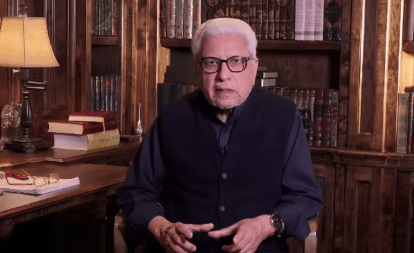
The text presents a lecture discussing the challenges of understanding truth and achieving objectivity. The speaker uses religious examples, particularly from Islam and Christianity, to illustrate how ingrained belief systems (frameworks) hinder the acceptance of new ideas or truths. He emphasizes the importance of breaking free from subjective biases to discover genuine understanding and live a meaningful life. The speaker critiques societal values that prioritize material gain over truth and advocates for self-reflection and a commitment to objective thinking as pathways to spiritual growth. He contrasts those who focus solely on material success with those who seek truth, highlighting the lasting fulfillment derived from the latter.
History of Thought: A Study Guide
Quiz
According to the speaker, what is the main reason people reject prophets and their messages?
How does the speaker define “objectivity” and why is it important?
What happened at the Council of Nicaea in 325 AD and how did it impact Christianity?
How does the speaker describe the Sufi influence on Islam in India?
What does the speaker mean by the phrase “the greatest tragedy in history”?
What is the speaker’s critique of the modern yoga movement and its promises?
What does the speaker say is the most important question people should be asking?
According to the speaker, what does it mean to be “a brother of Satan”?
How does the speaker describe the importance of thinking before speaking?
How does the speaker contrast the legacy of Saddam Hussein with that of Thomas Jefferson?
Quiz Answer Key
People reject prophets because they interpret their messages within their own pre-existing frameworks, which do not align with the prophet’s teachings. They are not receptive to anything that doesn’t fit their established understanding.
Objectivity, according to the speaker, involves thinking outside one’s own personal framework and being able to understand things as they are, not as one wishes them to be. It is essential for understanding and accepting truth.
The Council of Nicaea, heavily influenced by Roman rule and Greek philosophy, formalized key Christian doctrines. It introduced the concept of the Trinity, which is not directly from Christ’s teachings, and integrated Hellenistic thought into Christianity.
Sufis, when they came to India, reinterpreted Islam through a Hindu lens, incorporating local traditions and making the religion more appealing to the Indian population. This led to mass conversions but deviated from the core tenets of Islam.
The speaker defines the greatest tragedy as the distortion of truth and the creation of false models which then take over the real truth, leading to people believing in false realities. The change from the original truth is what he sees as the biggest problem.
The speaker critiques the modern yoga movement, particularly the focus on achieving eternal youth, as unrealistic and distracting from more profound questions, such as life’s purpose and the afterlife. He sees yoga’s claim as false and without merit.
The speaker says the most important question is not about physical health or earthly success, but about what happens after death, and whether there is any hope or meaning in the afterlife. This is the question that medical science doesn’t address.
According to the speaker, those who waste their time and money are brothers of Satan because they are not using the resources that God has provided them towards a higher purpose. They’re using them for selfish and superficial means.
The speaker argues that every word, especially thoughtless ones, can have profound consequences. One should think carefully before speaking because a thoughtless word can lead one to “hell”.
The speaker contrasts Saddam Hussein’s legacy of political power and extravagance with Jefferson’s legacy of education and enlightenment. Hussein’s palaces are contrasted with Jefferson’s building of a university as examples of different types of legacies.
Essay Questions
Discuss the speaker’s concept of “frameworks” and how it shapes our understanding of truth and reality. Use specific examples from the text to support your arguments.
Analyze the speaker’s critique of organized religion, particularly Christianity and Islam. What are his main concerns, and how does he propose that people move beyond these issues?
Explore the speaker’s views on the nature of “truth,” and explain the challenges he identifies that prevents people from reaching it. What does it mean to be an “objective thinker” in his view?
Examine the speaker’s argument against the pursuit of material wealth and fame. What does he propose as a more meaningful alternative, and why does he value it?
How does the speaker utilize historical examples to illustrate his ideas on the “history of thought?” Explain your understanding of how his use of these examples serves his overall purpose.
Glossary of Key Terms
Framework: The pre-existing mental structures, beliefs, and perspectives through which individuals interpret and understand the world. This acts as a lens or filter.
Objectivity: The ability to think and perceive reality outside of one’s own subjective framework, biases, or personal desires; understanding things “as they are”.
Hellenization: The process of adopting Greek culture, language, and thought, often used in the context of Christianity’s integration with Greek philosophy.
Sufi: A mystical branch of Islam focused on inner spiritual experiences, often characterized by practices that may be seen as unorthodox in mainstream Islam.
Mujha: A concept from the Quran that suggests a time when the core message of Islam will be diluted or distorted.
Satka Jariyagide: An Islamic concept referring to continuous charity, the good deeds that continue to benefit people after one’s death.
Rang Naam Ka Tamasha: A Hindi phrase that highlights the deceptive nature of appearances and superficial achievements.
Topia: An imaginary island or place; used to represent ideal states or societies that are divorced from the realities of the world.
Shirk: The Islamic concept of associating partners with God, considered a grave sin. It is to place something else equal to or above God.
Introspection: The process of self-examination and reflection, looking inward to understand one’s own thoughts and motivations.
Kariman Maglu: A concept explained by the speaker to mean a noble character is one who respects women (and people) and is not intimidated by them. This person is centered and maintains his positive process.
Hasad/Jalsi: Words in Urdu that can refer to envy or jealousy, one form of jealousy or envy leads to negative actions and the other leads to positive actions.
Truth, Frameworks, and the Pursuit of a Mission
Okay, here is a detailed briefing document analyzing the provided text, focusing on its main themes, ideas, and important facts, with relevant quotes:
Briefing Document: Analysis of “Pasted Text”
I. Overview
This text presents a lecture or sermon-like discourse on the nature of truth, the challenges in its acceptance, and the importance of objective thinking. It explores why people often reject or distort truth, using examples from religious history (Christianity and Islam) and everyday life. The speaker emphasizes the need to break free from personal frameworks, the dangers of ego and the pursuit of worldly gains, and the necessity of living a life grounded in truth and a mission oriented towards a better understanding of the world. The overarching message is a call for personal transformation and a commitment to seeking and living by truth, which is tied to a concept of God and a specific interpretation of Islam.
II. Key Themes & Ideas
The Subjectivity of Perception & “Frameworks”: The central idea is that people interpret information through their own “frameworks” of understanding, leading to misinterpretations and rejection of truth. This framework is shaped by personal experiences, cultural conditioning, and preconceived notions.
Quote: “Men think in their own framework have their own framework… And the right framework is that which belongs to God.”
Quote: “People take things in their own framework and when I don’t take it, I don’t take it because that don’t fit into their own framework.”
The Rejection of Truth: The speaker argues that history is replete with examples of prophets and truth-tellers being rejected because their message did not align with people’s existing frameworks.
Quote: “The picture of history in Takal ni Quran He is given this that in every era, in every age Consistent profits Aaye Suma Arsal Na Rasal Na tara But they always rejected the messengers.”
Quote: “Well, I understood from this that the most important thing to understand the truth is what is the condition is he is Objectivity can only be achieved by objective thinkers.”
Objectivity as Key to Understanding Truth: The speaker stresses that true understanding and acceptance of truth requires objective thinking, a detachment from personal biases and ego.
Quote: “Of The more lacking in objectivity there will be the less he will understand the truth.”
Distortion of Religion: Both Christianity and Islam are cited as examples where the original message was distorted to fit existing cultural frameworks. Christianity adopted Hellenistic thought, while Sufis in India “Hinduized” Islam.
Quote: “The church at that time in 325 A.D. what did what do they say helena ization o Christianity to Christianity He adapted his knowledge to Greek philosophy.”
Quote: “Sufis gave Islam a Hindu eye if you did it then you will see Dhadhar or lakhs of lakhs people became muslims because n ow they do not know Islam Found my own framework”
The Tragedy of Altered Truth: The speaker identifies the “greatest tragedy in history” as the alteration of truth to fit people’s frameworks, creating false models and a false sense of understanding.
Quote: “The greatest tragedy of history is that it is a series off tragic Events The biggest tragic event is this that the truth must be changed.”
Quote: “Satan cannot move away from the real truth So what does he do to people is he a man of truth builds a false model on that false model This tension makes people stand up and people take it look at that, we are on the truth.”
Critique of Materialism & Worldly Pursuits: The pursuit of money, fame, and power is criticized as a distraction from the pursuit of truth. These pursuits create “super losers” because they are ultimately unfulfilling and lead to death. True achievement lies in understanding and living by truth.
Quote: “The super achiever is the one who understands the truth If you wanted money, you got money The one who seeks truth, keeps the truth and is super Why worry if you found the truth”
Quote: “They Are Money Achievers money is anything Otherwise you would not be a super achiever.”
The Importance of a “Mission”: The speaker proposes a life guided by a mission, which consists of discovering the truth, living by it and sharing it with others. He further argues people should choose to either be fully committed to their mission, or balance it with other aspects of life.
Quote: “So the first thing is to set your mindset Set Your Mindset Making your thinking objective Objective Making is another live your life on that Molding which is called Amal in Quran Saleh is trying to live his life according to the truth mold and the third one is your responsibility”
Quote: “Many a times every man gets one of the two The choice is Either it should become one man one mission There should be no other concern except the mission The second mission of KE is to create one Mission is your one You have your own family, you have your own needs 50 on and 50 on missions for either 100% or 50”
The Value of Introspection and Self-Surrender: Introspection is critical to understanding one’s own framework and identifying biases, while self-surrender, especially in interpersonal conflicts, is seen as crucial for maintaining a positive mindset and continuing a path of truth.
Quote: “When you will come out of your ego and see I understand very well We will go and there is only one way to get out of this that is Introspection Introspection.”
Quote: “The greatest quality surrender seen in this to do is not to dominate others It is a big deal or dominance over others Make it no big deal”
Rejection of Superficially “Achievers”: The speaker uses the term “Super Achiever” in a sarcastic way, claiming most people who are called Super Achievers are in fact “Super Losers” because they are often driven by money and other worldly desires.
Quote: “But I would say that this color is a super loser Naaman Clacher hey those people are called super achievers this color Naman is clutch because if you do more Look deep inside they are super losers those people”
The Question of the Soul: The speaker acknowledges that the soul is a topic that is beyond human understanding, and people should focus instead on cultivating a positive spirit through positive thinking.
Quote: “Regarding Gaya Soul, it is mentioned in Quran No answer was given or it was not told Soul rather it was said that you are limited Knowledge was given this is due to your limited knowledge to understand”
Distinction Between Envy and Jealousy: The speaker contrasts envy, which is simply acknowledging that another person has something and being happy for them, with jealousy, which is wishing that another person didn’t have something and wishing that they would fail instead.
Quote: “So the jealousy is that you knowledge and are happy that your God gave this thing to a brother Di toh invi ho gaya hai (The one who is in this world does not think like this) The man that he got it but I didn’t, he’s happy Would and he who is a jealous man prays The jealous age begins to wish that they I met you.”
Critique of Excessive Laughter: Excessive laughter is seen as detrimental as it can decrease one’s sensitivity, distract from more serious issues, and remove the ability to discern true and important values in the world.
Quote: “Laughing too much is death for the heart look as far as I have understood this is in case sensitivity I have seen a man become so sensitive people talk to each other, they laugh a lot and these are Let’s go to Valus about the truth and about paradise.”
Critique of Dargahs (Sufi Shrines): The speaker criticizes the common practices at Sufi shrines as being against Islamic teachings and being based on false stories.
Quote: “If it is an empty building then it is not a dargah there would have been someone there covering someone Then it becomes a dargah (dargah), brother knows that There is a building standing there and someone calls it abut aata ho so malana are all darga of sufi I will tell you the cents.”
Quote: “There is absolutely not just one God in Islam This is a copy of this is worshiping god or Khuda is considered to be greater This is all the proofs that have come into this world”
Importance of Quran as the True Guidance: The speaker continuously emphasizes the Quran as the source for the truth, and encourages the audience to check their mindset with it.
Quote: “First, understand the framework that you have created break out Make yourself an objective thinker and earn profit used to pray often allah anal aya kama hey lam anal aya karne hai god give me things to it show me things as it is show me make objective thank you Think about it Allama Al Ayyaa God shows me things as they are”
III. Important Facts & Examples
Historical Examples: The speaker uses Jesus and the Prophet Muhammad as key examples of figures whose teachings were rejected or distorted by people adhering to their established frameworks. The Nicea Council and the spread of Christianity are also used to illustrate the distortion of religious teachings through cultural assimilation. Sufism in India serves as another example of this, particularly their practice of dargahs.
Yoga & Health: A specific critique of a yoga instructor is given as an example of how people are easily swayed by words instead of using objective thinking. The speaker emphasizes his own natural health in comparison.
Saddam Hussein vs. Jefferson: The comparison between Saddam Hussein and Thomas Jefferson highlights the concept of lasting legacy and the difference between those pursuing fleeting power and those seeking to leave behind more lasting contributions. This is further explained by concepts of “Sadqa Jariyagide” in Islam.
The Story of Abbas Peer: The anecdote about the last Abbasid caliph, trapped with diamonds instead of food, shows the futility of material wealth without true purpose.
Novel Reading: Novel reading is cited as a distraction and a waste of time, and love novels in particular are seen as being devoid of a true message of love for humankind.
The History of Simple Objects: The evolution of clothes, cars, and furniture are used to illustrate the interconnectedness of humans across time, and how our current state of comfort is the result of thousands of years of progress and human sacrifice.
IV. Conclusion
This text presents a complex and challenging perspective on truth and human understanding. The core message revolves around the need for rigorous self-examination, the pursuit of objective thought, and the breaking down of mental frameworks that hinder acceptance of truth, with the ultimate goal of living a life guided by truth and working towards a mission bigger than oneself. The speaker’s specific interpretation of Islam informs his views on religion, materialism, and the human condition, which is both a critique of mainstream society and a call for a more personally responsible life lived in accordance with the perceived truth.
Frameworks of Thought and the Pursuit of Truth
FAQ on History of Thought, Frameworks, and Truth
What does the speaker mean by “History of Thought” and how is it being approached?
The speaker clarifies that when discussing the “History of Thought,” they are not approaching it as a professional academic discipline. Instead, they aim to explore how people’s frameworks of thinking affect their understanding and acceptance of ideas throughout history. It’s about touching upon the subject rather than offering a scientific or formal study. The purpose is to explore the challenges in recognizing and accepting the truth, by recognizing that personal frameworks filter how we percieve the world.
Why do prophets and messengers often face rejection despite their wisdom and compelling message?
According to the speaker, a key reason prophets are rejected is that people filter their message through their existing “frameworks” of understanding. These frameworks, unique to each individual, often clash with the new perspectives presented by the prophets. People interpret what they hear within their own established context and when new teachings do not fit their pre-existing ideas, they are likely to reject them. They are unable to understand the message because of their pre-conceived notions.
What is the importance of objectivity in understanding the truth, and how does a lack of objectivity affect our understanding?
Objectivity is paramount to understanding truth. People who lack objectivity will struggle to grasp and accept truths that challenge their pre-existing frameworks, often rejecting them without proper consideration. The speaker illustrates this with historical examples, such as Jesus’s rejection by many in Jerusalem and the subsequent interpretations of his teachings through a hellenistic (Greek philosophical) lens. The more subjective one is, the less likely they are to understand and accept truth, because they will only listen to that which aligns with their current way of thinking.
How does the speaker explain the spread of Christianity and Islam in historical contexts?
The speaker explains that Christianity spread by adapting itself to the prevailing Greek philosophy during the Roman era. The Church at the time used Greek thought to make the concept more palatable to the people, shaping Christianity from what it originally was to what was more widely accepted. Similarly, Islam spread in India through Sufis, who gave it a “Hindu eye,” adapting it to the local cultural frameworks by combining Islamic ideas with local ideas. These historical examples show how religious messages get interpreted and reshaped based on the frameworks and biases of the people receiving them.
What is meant by “Satan’s trick” and how is it related to the distortion of truth?
The speaker describes “Satan’s trick” as creating false models built on real truth. Satan doesn’t move away from the real truth entirely, but he changes the framing of the truth into a false model. People then adopt the false model as if it were the original truth. It creates an illusion of truth that causes people to become defensive and rigid in holding on to their false framework. It is through this that they lose touch with reality.
Why does the speaker emphasize the need to “break your framework” and what are some ways to do so?
Breaking one’s framework is essential to understanding truth. The speaker says that our minds create frameworks from childhood influenced by family and societal norms. These frameworks are not necessarily based in objective truth, but instead in societal norms and ideas. The speaker suggest introspective thinking to help us see our frameworks and overcome these barriers to understanding. He suggests breaking your own mindset with a “hammer” and becoming objective. One must realize that their views of the world are not natural or inherent to the world, but are created and constructed.
What does the speaker mean by “super achievers” vs. “money achievers,” and how does this relate to truth?
The speaker argues that people often wrongly call “money achievers” as “super achievers.” Money, as great as it is, has limitations and is not inherently tied to the attainment of true achievement. They define a true “super achiever” as someone who seeks and understands the truth. Money achievers are limited in what they can achieve, as they can not buy away death, and other things outside of their material grasp. In contrast, those who achieve truth will have happiness in simple things and not depend on material luxuries. A life devoted to truth is fulfilling for both life, and after-life.
What is the speaker’s perspective on how we should manage our time and money, and how is it related to “paradise”?
The speaker emphasizes that both time and money should be managed carefully and used for a purpose. They argue that those who waste time and money are “brothers of Satan”. Conversely, those who manage their time and money well are those who can achieve paradise. The speaker believes that paradise is a reward for being objective, and not wasting the time and money that God has given. The key to reaching paradise is through making the time and effort to find the truth. This means using ones resources wisely and with focus.
Truth, Frameworks, and the Pursuit of Objectivity
The sources discuss history of thought in the context of how people understand and interpret ideas, particularly religious ones, based on their own frameworks [1, 2]. The sources emphasize that people often reject new ideas or truths if they don’t fit within their existing framework [1, 2]. The most significant tragedy in history is that the truth gets changed, and people embrace the changed version while believing it’s the truth [3].
Key points related to the history of thought from the sources include:
Frameworks: People interpret the world through their own unique mental frameworks [1]. These frameworks are shaped by their experiences, culture, and beliefs [1-3].
People tend to understand things within their own framework, and reject ideas that don’t fit into it [2].
This is why prophets were often rejected, even though they were “very high-minded people,” because their message did not align with the existing frameworks [1, 2].
For example, Jesus Christ was rejected in Jerusalem because his teachings did not align with the existing framework of the people at the time [2, 4].
Objectivity: The sources suggest that objectivity is crucial to understanding the truth [2]. Objective thinkers are more likely to grasp and accept the truth, while a lack of objectivity hinders understanding [2].
To understand the truth, one must break free from their own framework [5, 6].
This can be difficult, as people become very familiar with their own mental frameworks [6].
Changing Truth: Throughout history, people have changed the truth to fit their frameworks, and then proclaim that they are on the right path [3].
The sources give examples of how Christianity was molded to fit Greek philosophy which led to its spread in Europe and how Islam was given a “Hindu eye” by Sufis, leading to its spread in India [3, 4].
The most important thing to understand the truth is objective thinking [2].
The Role of Satan: Satan’s strategy is to build a false model on the real truth, making people believe they are on the right path [3].
This creates tension and makes people defend the false model as if it is the truth [3].
The Importance of Introspection: It is necessary to do introspection to examine one’s own mindset [7].
People are often egoistic without realizing it [7].
It’s important to recognize negative points, understand that they come from within, and not let them control you [8, 9].
Mission: The goal is to rediscover the truth, live it, and share it with others [3, 10].
One should strive to be an objective thinker and break free from their own mindset [10].
There are two options: either to focus entirely on the mission, or divide your time and resources between personal needs and the mission [10].
Dangers of False Stories: The sources criticize how false stories are used to support beliefs and practices, such as in the case of dargahs, which are often built on lies and false claims [11, 12].
Importance of Values: Laughing too much can lead to losing sensitivity and can hinder one’s connection with truth and values [13]. The sources emphasize the importance of positive thinking [13, 14].
The Nature of God: The sources posit that God is forgiving, compassionate, and loving [15, 16].
The Importance of Seeking Truth: The pursuit of truth is presented as the path to lasting happiness, peace, and fulfillment, both in this life and the afterlife [17, 18].
Super achievers are those who understand the truth, not those who have amassed wealth [17].
The truth provides hope for both life and death [17, 18].
The sources consistently advocate for critical thinking, self-awareness, and objectivity in the pursuit of truth and understanding, as the history of thought is presented as a struggle between truth and misinterpretations based on flawed frameworks [1-3, 5-7].
Objective Thinking: Truth, Growth, and Meaning
Objective thinking is presented in the sources as a crucial element in understanding truth and achieving a meaningful life [1, 2]. The sources emphasize that people often interpret the world through their own subjective frameworks, which can lead to misinterpretations and the rejection of truth [1, 2]. Objective thinking, in contrast, allows individuals to perceive reality more accurately and break free from the limitations of their own biases and preconceived notions [2, 3].
Here’s a breakdown of objective thinking as described in the sources:
Definition: Objective thinking involves seeing things as they truly are, without the influence of personal biases, ego, or pre-existing frameworks [1, 3]. It requires a conscious effort to step outside of one’s own mental constructs and consider different perspectives [4].
Importance:Understanding the Truth: Objective thinking is essential for understanding the truth and avoiding the pitfalls of misinterpretation and the acceptance of falsehoods [1, 2].
Acceptance of New Ideas: It allows individuals to be open to new ideas and concepts, even if they challenge their existing beliefs [2].
Personal Growth: It promotes personal growth and self-awareness by encouraging individuals to examine their own biases and limitations [5].
Effective Communication: Objective thinking helps one understand others better by understanding their perspective and framework, enabling more effective communication.
Avoiding Deception: It helps to avoid the traps set by false models of reality and the manipulation of truth [6].
Challenges to Objective Thinking:
Subjective Frameworks: People are naturally inclined to interpret information through their own subjective frameworks, making it difficult to achieve true objectivity [1].
Ego: The ego can be a major obstacle to objective thinking, as people often prioritize their own beliefs and opinions over the truth [5].
Emotional Attachments: Emotional attachments to certain ideas or beliefs can also hinder objective thinking [2].
Immediate Gratification: The pursuit of immediate gratification and material interests can prevent individuals from adopting an objective perspective [7].
How to Develop Objective Thinking:
Introspection: Regularly examining your own thoughts, feelings, and biases is key to identifying and overcoming subjective frameworks [5, 8].
Breaking Frameworks: Actively try to break free from your own mental frameworks and considering alternative points of view [4].
Self-Awareness: Recognize your own limitations and be willing to admit when you are wrong [5].
Focus on Truth: Prioritize the pursuit of truth over personal biases or agendas [1].
Positive Thinking: Cultivate positive thinking, as this nourishes the spiritual self and helps to maintain a balanced perspective. [9]
Comparison: Comparing different ideas can help one understand and identify their own biases [10].
The Role of God:
The sources suggest that God is the source of objective truth [3].
Praying to God for guidance and objective understanding can aid in the pursuit of truth [3].
Examples from the sources:The rejection of prophets by their contemporaries is attributed to the inability of people to think outside of their own frameworks [1].
The evolution of Christianity and Islam into different forms is due to their adaptation to existing cultural frameworks [6, 11].
The criticism of “super achievers” highlights how people are often misled by superficial measures of success, rather than objective assessments of their true worth [12, 13].
In conclusion, objective thinking is portrayed as an essential skill for those seeking truth and a meaningful existence. It requires continuous effort and self-reflection, but the reward is a clearer understanding of reality and a more fulfilling life [3, 14].
Religious Frameworks: Barriers and Pathways to Truth
Religious frameworks are a key focus in the sources, which explore how people understand and interpret religious ideas based on their existing beliefs and mental constructs [1]. The sources emphasize that these frameworks often lead to misinterpretations and the rejection of core religious truths [1, 2].
Here’s a breakdown of religious frameworks as discussed in the sources:
Definition: Religious frameworks are the established systems of beliefs, values, and practices through which individuals understand and relate to the divine [1]. These frameworks are shaped by personal experiences, cultural norms, and inherited traditions [1].
Impact on Interpretation:
Subjectivity: People tend to interpret religious texts and teachings through their own subjective lenses, leading to a diversity of interpretations [1]. This subjectivity can distort the original meaning of the religious message.
Rejection of Truth: When new religious ideas or prophets challenge existing frameworks, people are likely to reject them because they do not fit within their established beliefs [1, 2]. This is highlighted by the rejection of Jesus Christ in Jerusalem and the general rejection of prophets in every age [1, 2].
Adaptation and Modification: Religious frameworks are often modified and adapted to align with existing cultural and philosophical norms [3, 4]. This can lead to the dilution or distortion of the original teachings.
For example, Christianity was adapted to fit Greek philosophy, incorporating the concept of the Trinity, which was not originally part of Christ’s teachings [3]. Similarly, Sufis in India gave Islam a “Hindu eye,” blending Islamic and Hindu practices [4].
Examples of Religious Frameworks:
Christianity: The sources describe how the early Church adapted Christianity to fit into the framework of Greek philosophy, leading to the spread of Christianity in Europe [3]. This adaptation included the concept of the Trinity which was a concept adapted from Greek thought and not from the teachings of Christ [3].
Islam: The sources discuss how Sufis in India adapted Islam by incorporating Hindu elements, leading to mass conversions to Islam in India [4]. This is referred to as “Hindu Islam” [4].
Dargahs: The sources also criticize the dargah system, suggesting it is built on false stories and is not part of true Islam [5, 6]. Dargahs are often built on the graves of people thought to be holy, with the false belief that they can fulfill wishes [5, 6].
Problems with Religious Frameworks:
False Models: The sources argue that religious frameworks can become false models that obscure the true nature of reality and the divine [4, 7].
Pride and Ego: These frameworks can feed pride and ego, with people clinging to their particular interpretations as a matter of personal or cultural identity [8]. This is exemplified by those who take pride in their religion but do not live by the true values of their religion [8].
Rejection of Objective Truth: Religious frameworks often prevent people from thinking objectively about religious matters, leading to a stagnation of spiritual growth [2].
Shirk: The sources describe how attributing divine power to anyone other than God, such as the figures at Dargahs, is considered a form of shirk (idolatry) in Islam and will not be forgiven [6, 9].
Moving Beyond Religious Frameworks:
Objective Thinking: The sources consistently advocate for objective thinking as a way to understand religious truth [2]. By stepping outside of their existing frameworks and biases, individuals can gain a clearer understanding of the divine message [2].
Introspection: Regularly examine your own beliefs and assumptions is key to recognizing the limitations of your own framework and is necessary to discover the truth [2, 10].
Seeking Truth: The sources present the pursuit of truth as a journey that transcends individual and cultural frameworks [7, 11].
Focus on Core Values: The sources argue that the focus should be on the core values and principles of religion, rather than rigid adherence to tradition and dogma [11, 12]. This is the same as focusing on the character of the prophet rather than on the miracles associated with the prophet [8].
Breaking Frameworks: It is essential to actively work to break the limiting frameworks that are formed in childhood [13].
In conclusion, the sources portray religious frameworks as both a necessary structure for understanding the divine and a potential barrier to true understanding. The sources suggest that while these frameworks may provide a sense of belonging and identity, they can also lead to misinterpretation, rigidity, and the rejection of objective truth. The path to spiritual growth requires that we break free from these frameworks by cultivating objective thinking, introspection, and a sincere pursuit of truth.
Human Nature: Flaws, Potential, and the Pursuit of Truth
Human nature is explored in the sources through the lens of how people think, behave, and relate to truth, with a particular emphasis on the challenges individuals face in achieving objective understanding and spiritual growth. The sources suggest that human nature is characterized by a tendency towards subjective thinking, ego, and a susceptibility to false models of reality.
Here’s an analysis of human nature based on the sources:
Subjectivity:
Humans naturally interpret the world through their own subjective frameworks [1]. These frameworks, shaped by personal experiences, cultural norms, and inherited beliefs, can distort the perception of reality and hinder the understanding of truth [1].
This subjectivity leads to misinterpretations and the rejection of ideas that don’t fit within one’s existing mental constructs [1, 2].
Ego:
Ego is a major obstacle to objective thinking [2, 3]. People often prioritize their own beliefs and opinions over the truth, and are resistant to new ideas that challenge their established views [2, 3].
The ego can be a barrier to spiritual growth, as it leads to a focus on personal pride and worldly achievements rather than the pursuit of truth [4].
Susceptibility to False Models:
Humans are easily misled by false models of reality and the manipulation of truth [4]. This includes being attracted to superficial measures of success, like money and fame, rather than focusing on genuine spiritual achievements [5-7].
People often accept these false models as truth, which leads to a life based on incorrect assumptions [4].
Materialism and Immediate Gratification:
The pursuit of material interests and immediate gratification often prevents individuals from adopting an objective perspective and understanding the truth [6, 8, 9].
People often prioritize worldly gain over spiritual understanding, leading to a life of dissatisfaction and frustration [6, 7, 10]. This is demonstrated by the example of people who criticize America but send their children there because of the material benefits [9].
Inability to See Their Own Flaws:
Humans tend to be unaware of their own biases and limitations. They are often egoistic but do not know that they are egoistic [3]. This lack of self-awareness prevents individuals from recognizing the need for change and spiritual growth [3].
People also tend to focus on the flaws of others, rather than addressing their own shortcomings [8, 11].
Desire for External Validation:
Humans often seek external validation through praise, fame, and material success, which distracts them from seeking truth and a deeper purpose [6, 12].
Many are “power hungry,” “fame hungry,” or “money hungry” and base their lives around the pursuit of these things [12].
Duplicity and Contradictions:
Humans often display duplicity, especially when it comes to their own interests. They may break their frameworks when it comes to material gain, but refuse to do so when it comes to the truth [13].
People often live with internal contradictions, professing one thing and behaving differently [9].
Potential for Growth and Transformation:
Despite these challenges, human beings possess the potential for growth and transformation through objective thinking, introspection, and a sincere pursuit of truth [14, 15].
By breaking free from their subjective frameworks and ego, they can achieve a more accurate understanding of reality and achieve a more fulfilling life [16, 17].
The Importance of Positive Thinking:
Maintaining a positive mindset is essential for nurturing the spiritual self and staying on the path of truth. Negative thoughts and provocations constantly surround us, and it takes conscious effort to remain positive [15, 18].
Key Points about Human Nature:
Frameworks: People interpret the world through pre-existing mental frameworks.
Subjectivity: Subjectivity can distort the perception of reality.
Ego: Ego is a major barrier to objective thinking.
Materialism: Humans are often driven by materialism and immediate gratification.
Self-Awareness: Lack of self-awareness prevents people from recognizing their flaws.
Duplicity: Humans often display duplicity and internal contradictions.
Potential: Despite these challenges, humans have the potential for growth.
In conclusion, the sources depict human nature as inherently flawed, with a tendency towards subjective thinking, ego, and material desires. However, they also highlight the potential for growth and transformation through objective thinking, introspection, and a sincere pursuit of truth. The key to achieving a more fulfilling and meaningful existence is to break free from the limitations of one’s subjective frameworks, overcome ego, and seek a deeper understanding of reality and the divine.
Truth Discovery: A Transformative Journey
Truth discovery is presented in the sources as a challenging but essential process that requires individuals to overcome their inherent limitations and biases [1, 2]. The sources emphasize that discovering truth is not merely an intellectual exercise but a transformative journey that requires objective thinking, introspection, and a willingness to break free from existing frameworks [1-4].
Here’s a breakdown of key concepts related to truth discovery:
The Nature of Truth: The sources suggest that truth is objective and universal, but it is often obscured by subjective interpretations and personal biases [1, 2]. The true nature of reality is often distorted by false models and the manipulation of information [3].
Frameworks as Obstacles:
Existing mental frameworks significantly hinder truth discovery [1, 2]. These frameworks, shaped by personal experiences, cultural norms, and inherited beliefs, act as filters that distort one’s perception of reality [1, 2].
People tend to interpret new information through their existing frameworks, rejecting anything that doesn’t fit their established views [1, 2]. This can lead to the rejection of prophets, distortion of religious teachings and stagnation of spiritual growth [1, 2].
Breaking free from these frameworks is essential for achieving an objective understanding of truth [2, 4].
Objective Thinking:
Objective thinking is crucial for truth discovery [2]. It involves stepping outside one’s own biases and assumptions to see things as they truly are [2, 4].
The sources emphasize that objectivity is not a natural state but a skill that needs to be cultivated through conscious effort [2, 4].
Objective thinkers are able to recognize the limitations of their own perspectives and are willing to change their views based on new evidence [2].
Introspection and Self-Awareness:
Introspection is a vital tool for truth discovery [5]. By regularly examining one’s thoughts, motives, and behaviors, individuals can gain insights into their own biases and limitations [5].
Self-awareness is key to recognizing the need for change and growth [5]. People are often unaware of their own ego, which can be a barrier to understanding the truth [5].
Through introspection and self-reflection, one can identify and challenge their subjective frameworks [5].
The Role of Ego:
Ego is a significant barrier to truth discovery [5]. People often prioritize their own beliefs and opinions over the truth, making them resistant to new ideas [5].
Ego leads to a focus on personal pride and worldly achievements, which distract from seeking a deeper understanding of reality [5].
The Importance of Humility:
The sources suggest that humility is essential for truth discovery [5]. By recognizing one’s limitations, individuals become more open to new perspectives and willing to surrender their preconceptions [5, 6].
Surrendering one’s ego and preconceived notions enables one to see the truth more clearly [6].
Challenges to Truth Discovery:
Materialism and immediate gratification can hinder the pursuit of truth [7]. People who are overly focused on worldly gains often neglect spiritual matters and avoid the discomfort of self-reflection [7].
False models of reality can also mislead individuals and prevent them from reaching the truth [3]. It is important to discern between truth and falsehood and recognize that sometimes what is popular is not necessarily true [3].
Duplicity and internal contradictions can also hinder truth discovery. People often act in ways that contradict their beliefs which makes it difficult to maintain integrity on the path to discovering truth [7].
The Process of Truth Discovery:
It is a continuous process of learning and growth [8]. It involves not only intellectual understanding but also transformation of one’s character and way of life [8].
It is a journey that requires constant effort to stay on the path and it does not come without hard work and sacrifice [8].
The process of discovering the truth also has three phases:
Setting your mindset by breaking your framework [4, 8].
Molding your life to the truth that you have found [8].
Sharing the truth you have found with others [8].
The Rewards of Truth Discovery:
Truth provides inner peace, contentment and a sense of purpose [9]. It allows individuals to live a more fulfilling and meaningful life by aligning one’s actions to that which is true [9].
Truth provides hope that goes beyond the present life into the afterlife and frees individuals from the fear of death and the unknown [9].
Truth is a path to paradise [6, 10].
In conclusion, truth discovery is presented as a challenging but transformative process that requires a conscious effort to overcome the inherent limitations of human nature. The sources emphasize that it is not enough to simply acquire knowledge, one must also cultivate objective thinking, self-awareness, and a willingness to break free from the constraints of subjective frameworks. The journey to truth is not easy, but it is essential to living a life of purpose and discovering one’s own potential for spiritual growth.
History of Thoughts | November 12, 2006 | Maulana Wahiduddin Khan
Affiliate Disclosure: This blog may contain affiliate links, which means I may earn a small commission if you click on the link and make a purchase. This comes at no additional cost to you. I only recommend products or services that I believe will add value to my readers. Your support helps keep this blog running and allows me to continue providing you with quality content. Thank you for your support!
The text is a religious discourse interpreting a Hadith (a saying of the Prophet Muhammad) concerning the prohibition of certain actions, such as drinking alcohol or wearing silk. The speaker argues against a literal interpretation, emphasizing the Hadith’s context and the need for considering societal changes when applying religious laws. He stresses that the Hadith addresses the misuse of these things, not their inherent prohibition, and advocates for a nuanced understanding guided by Islamic principles. The speaker provides examples of how modern interpretations can address issues mentioned in the Hadith. The overall goal is to explain how to reconcile traditional religious texts with modern challenges.
Frequently Asked Questions about Interpreting Islamic Texts
How should we approach the interpretation of Hadith (Prophetic traditions), especially those that seem to contradict common understandings?
It is crucial not to take Hadith in isolation or at face value. Instead, we must interpret them within the broader context of the Quran and other established Islamic principles. This involves looking at the original Arabic, considering the historical context, and understanding the intended purpose. For instance, if a Hadith speaks of resolving issues related to private parts, it does not imply legitimizing previously forbidden acts, but rather addressing them within the bounds of Islamic law and ethics. The understanding of the audience, the customs of the time, and the broader Islamic legal framework must always be considered. The intent of the prophet was to address these issues in a way that guides people towards righteousness, not towards breaking the bounds of faith.
The text discusses solving issues related to “shame” (private parts). What does this refer to, and what does it not mean?
The text addresses the idea that some people will come and solve issues related to shame. This does not mean making acts of adultery permissible or creating new laws. Rather it points to the fact that there are rules and limits within Islamic law that are meant to protect and guide behavior, not abolish it entirely. The solution discussed refers to resolving issues within those bounds. For example, marriage is a legitimate way to address the “shame” associated with sexual desires while maintaining fidelity and chastity. It refers to issues that some may be experiencing in their personal lives, but that can be solved within the bounds of Islamic law.
What is the proper way to understand Hadith about items like silk and gold?
Hadith concerning clothing, such as silk and gold, must be understood in their historical and cultural context. In the Prophet’s time, these items were often associated with extravagance and pride. Therefore, a ban on men wearing them was to avoid this and promote humility. However, the text points out that these are now used as general items by many, including women, and their meaning in a modern context is different. The principles behind such prohibitions were to avoid takabbur (arrogance) and excessive indulgence. Therefore, the spirit of the law should be observed and the reasons for the rules should be kept in mind.
How does this text explain the Hadith on solving issues of music and wine?
The Hadith about resolving issues related to wine and music are not meant to encourage the use of those items, but to recognize the existence of issues that people have with these items. They need to be addressed by the community. The emphasis is on addressing these issues with wisdom and within the bounds of Islamic law. The focus is on avoiding the problems associated with them. Just as with other issues, a blanket ban on all forms of music or a rejection of any alcohol consumption in every context would be incorrect. Rather it is about understanding the problems surrounding these things in their historical and modern context and finding ways to address them in a responsible manner.
What is the meaning behind the text’s repeated emphasis on understanding context when interpreting religious texts?
The text emphasizes that understanding context is essential because it is easy to misinterpret religious texts if they are taken out of their historical, cultural, and linguistic contexts. Actions of the prophet should be understood within his specific situation. The goal should always be to understand the spirit behind the texts and not apply literal interpretations that may not be applicable across different times and cultures. The purpose is to guide behavior towards righteousness and not lead to new forms of sinful behavior.
How does this text view the use of modern technologies and how should they be used, given their ability to spread good and bad?
This text understands that modern technologies can be either beneficial or harmful depending on how they are used. They should be used with caution and an awareness of their ability to create good and bad in society. The emphasis is on maintaining a sense of responsibility and not ignoring religious principles, particularly when using things such as radio, television, or any medium that can spread ideas, morals, or values.
The text mentions the need for discussion and debate. Why is this important in understanding religious issues?
Discussion and debate are crucial for a deeper understanding of religious issues, because it allows different viewpoints to be expressed, considered, and contextualized. Through dialogue, it is possible to identify any misunderstandings and develop an informed interpretation that is aligned with the spirit and intent of the religious text. This is particularly important in addressing modern problems and issues where multiple solutions and approaches might be possible.
What does the text mean by “solving” problems, and how does this approach differ from merely prohibiting things?
The idea of “solving” problems within this context is not about changing or abolishing Islamic law. Rather, it refers to understanding the issues faced by the people within a community, and coming up with strategies that address these issues without going against fundamental religious principles. It is a practical, nuanced approach that recognizes human nature and needs, rather than a rigid, literal approach focused on prohibition. The goal is to uphold faith while providing guidance in how to live in the modern world.
Analyzing Hadith: A Study Guide
Quiz
Instructions: Answer each question in 2-3 complete sentences.
According to the text, what is the common, incorrect interpretation of the hadith about people solving issues of shame, wine, and music?
How does the text argue that the concept of “solving” these issues should be understood in a more nuanced way than simply permitting them?
What role does the concept of Hudood (limits set by God) play in understanding how these issues are to be approached?
How does the text suggest that the use of things like silk or music should be understood in light of their social context and potential for Takambur (arrogance)?
How does the text explain that the permissibility of certain actions can change based on circumstance and broader Islamic principles?
According to the text, how should one address the misuse of something that has both permissible and impermissible applications?
What example does the text provide to illustrate how an incorrect understanding of a Hadith can lead to extreme actions?
How does the author frame the issue of women and silk clothing in relation to the hadith being discussed?
In the context of the discussion, what is Mannu as it is defined in the text?
What does the author mean when stating they do not want anything for those who do Sitabir?
Answer Key
The common, incorrect interpretation is that the hadith means that these things (shameful acts, wine, and music) are simply made permissible. It’s assumed that “solving” the issues means they are no longer forbidden.
The text argues that “solving” issues should be understood within the context of Hudood, the limits set by God, and that these issues need to be addressed by finding solutions within the boundaries that already exist. It is not about simply permitting actions that were previously forbidden.
Hudood provides the framework for how to understand the permissibility of things. The discussion needs to be within the limits established by Islamic law, even when a matter may seem to be “solved,” meaning finding ways of living that still respect God’s boundaries.
The text indicates that if something like silk is used in a way that promotes arrogance (Takambur), then it becomes impermissible. The social context and the intent behind the usage are important considerations.
The text explains that things can change based on the understanding of a situation and in light of broader Islamic principles. Something that may be permissible in one context or time, may be impermissible in another time or place, because the context matters.
The text suggests that the correct use of weapons that have been used excessively for the wrong purposes should be addressed keeping the situation in mind. These weapons are used to combat an error.
The text gives an example of a person misinterpreting the hadith regarding silk and telling their wife to burn all her silk clothes because it was forbidden. It illustrates how a simple reading of the Hadith can lead to drastic actions without understanding context.
The author argues that the hadith should not be used to restrict women from wearing silk clothing in the present day, as the social context has changed. What is important is not the physical clothing item itself, but the potential for it to cause arrogance in individuals or society.
In the context of the discussion, Mannu is defined as something that goes against a person’s personality, life, honor or property as well as rebelling without a lock. Mannu can be brought about through the speech of others or the status of one’s words.
The author means they do not seek support or recognition for those whose actions in relation to the text, are wrong in their interpretation. That those who do wrong interpretations will not get any benefit from his analysis.
Essay Questions
Instructions: These are essay questions for further reflection. Choose one or more to develop into a longer essay.
Analyze the text’s argument regarding the interpretation of hadith, focusing on its call for nuanced understanding and the importance of context. How does this approach challenge literalist interpretations?
Explore the text’s discussion of Takambur (arrogance) and its relevance to material possessions and practices. How can this concept be used to evaluate contemporary social behaviors and choices?
Discuss the text’s approach to the concept of Hudood (divine limits). How does it balance the need for boundaries with the need for flexibility and critical thought?
How does the text use the specific examples of shame, wine, and music to illustrate the broader principles it is trying to convey about the understanding and application of hadith?
Evaluate the text’s methodology for analyzing and understanding religious texts. How can its approach be applied to other religious or ethical questions?
Glossary of Key Terms
Hadith: A record of the sayings and actions of the Prophet Muhammad, considered a crucial source of guidance in Islamic law and practice.
Ummah: The global community of Muslims, united by faith.
Asar: A narration from companions of the prophet Muhammad.
Fatwa: A legal opinion or ruling issued by a qualified religious scholar on a point of Islamic law.
Bukhari: A collection of hadith compiled by Imam Bukhari, and is considered by Sunni Muslims to be the most authentic collection of hadith.
Quran: The holy book of Islam, believed by Muslims to be the word of God as revealed to Prophet Muhammad.
Majeed: A term often used to refer to the Quran with reverence.
Hudood: The limits or boundaries set by God in Islamic law, defining what is permissible and forbidden.
Takambur: Arrogance or haughtiness; a negative character trait in Islam that can lead to sins and bad behavior.
Mutrafin: Those who live luxurious lifestyles.
Shohat: A reference to things that are considered to be the dress of urine.
Sitabir: One who does or makes the use of something incorrectly.
Mannu: Rebelling without a lock and goes against a person’s personality, life, honor or property. Can come about from someone’s speech or status.
Detailed Table of Contents: Analysis
I. Introduction: Understanding the Core Arguments
A. Addressing Misinterpretations of Tradition: The text opens by emphasizing the importance of proper interpretation of religious traditions (specifically, a hadith from Bukhari). It warns against simplistic readings that lead to flawed conclusions.
B. The Core Argument: This text aims to provide a nuanced understanding of religious principles related to sensitive topics (sexual conduct, adornment, music). The goal is to interpret these topics in a way that avoids broad prohibitions and instead applies nuanced, contextual solutions.
II. Analysis of Specific Issues & Their Solutions
A. The Issue of ‘Sharmgahs’ (Private Parts):This section discusses a hadith that mentions people will solve the issues of shame, addressing the notion that it means that sexual relations are always forbidden. The author posits that the hadith does not mean that sexual relations themselves are inherently bad.
The author contends that the hadith actually refers to addressing situations of sexual shame or misconduct through proper religious guidelines, specifically looking at the Quran and Hadith to develop and apply these rules in a contextual way.
The author claims the hadith is not speaking about marriages or sexual relations with wives (which are permissible), rather, it speaks to solving issues with “private parts” in a way that respects religious boundaries by addressing harmful actions.
B. The Issue of Silk and Adornment:The text addresses the use of silk (historically considered a luxurious garment), and the hadith that discusses the prohibition of silk for men. The author challenges a simplistic understanding of this rule, arguing that it was not intended as an absolute, never-changing ban.
The author argues that the prohibition during the Prophet’s time was tied to the social context where silk was a symbol of arrogance. They suggest it isn’t the material itself, but the way it is used and what it symbolizes in a given society that matters and is therefore relative.
The author claims that this type of approach means that the ban on silk is relative to changing cultural contexts and societal symbols, and should not be a basis for blanket rules.
C. The Issue of “Wine” and Music:The text addresses the hadith’s pronouncements about music and alcohol, again challenging interpretations that consider them inherently forbidden.
The author discusses how the hadith was speaking about correcting situations and contexts where music and alcohol were used to incite harmful behaviors, not that they are inherently forbidden.
The author discusses how the “essence of the day” (ie. religious law) must be followed and that those interpretations are found in the Quran, which allows for their moderate use, but warns against their abuse.
The author concludes that the hadith is speaking to using music and similar forms of entertainment responsibly, in accordance with religious principles and proper understanding of context.
III. The Methodology for Understanding Tradition
A. Contextual Reading: The author strongly advocates for understanding the historical and social context of religious texts, avoiding literal interpretations that could lead to misapplication of religious principles.
B. Holistic Interpretation: The importance of considering the Quran and other hadiths and religious texts in their broader context is stressed, moving beyond the isolated reading of one text alone, which the author sees as insufficient.
C. Intention and Effects: The author emphasizes looking at the intention behind religious rules and their potential effects in society. The intention of these rules is to uphold morality and justice and it must be understood that those intentions cannot be undermined by applying rules broadly and without contextual consideration.
IV. Applying Principles in Modern Contexts
A. Addressing Misuse and Excess: The author notes that while the text calls for careful use of seemingly prohibited things, it is also meant to guide Muslims away from misuse and excess. It is not calling for an abolition of all rules.
B. The Need for Discernment: This section calls for the use of religious interpretation as a method of discernment when deciding what actions and behaviors are consistent with religious principles.
C. The Importance of ‘Manners’ (Adab): The text concludes by re-emphasizing the importance of maintaining proper religious and cultural conduct as essential to these religious guidelines.
V. Conclusion: The Ongoing Application of Islamic Principles
A. The Importance of Interpretation: The text underscores the importance of the process of religious interpretation and the careful application of rules.
B. The Dynamism of Islamic Law: The author posits that Islamic principles are meant to be applied flexibly and responsibly as societies change, rather than imposing strict, unyielding legalism.
C. Continuing Discussion: The author concludes by emphasizing how these interpretations are a basis for on-going discussions, meant to engage with real-world challenges.
Okay, here is a briefing document analyzing the provided text:
Briefing Document: Analysis of “Pasted Text”
Date: October 26, 2023
Subject: In-depth review of a discourse on Islamic tradition, interpretation, and contemporary issues.
Introduction:
This document provides an in-depth analysis of a complex discourse concerning Islamic traditions (“hadith”), particularly focusing on interpretations related to issues such as modesty, the permissibility of certain arts and practices (like music and silk), and the broader application of religious texts in modern contexts. The speaker emphasizes the importance of contextual understanding and the dangers of literal interpretations of religious texts.
Key Themes and Ideas:
The Importance of Contextual Interpretation:
The speaker consistently argues against literal, surface-level readings of hadith. He stresses the need to understand the context in which a tradition was narrated and its purpose within the broader Islamic framework.
He emphasizes the need to consult other sources, especially the Quran, before deriving a ruling (“fatwa”). “So this means that as soon as we read the words, the first thing we have to see is this. Will have to review and see if it is done in Majid.”
He critiques those who “as soon as he reads this, will it be justified for him to start using it, and say that mummy is done, now closeness with the private parts cannot be adopted under any circumstances”.
He uses the example of the “private parts” to say that one cannot ban all intimacy simply because the tradition mentioned resolving shame around the topic.
Reinterpreting a Specific Hadith:
A central point of discussion revolves around a hadith which mentions that, within the Islamic community, some people will “solve the problems of shame, wine, and music.”
The speaker argues that this doesn’t mean all forms of these things will be universally “resolved” (i.e., made permissible). Instead, he states it means that, they would provide guidance for issues, not change the fundamentals.
He cautions against automatically interpreting “solving” as meaning that things are made completely permissible by highlighting, “You will express this relation with the woman, you will do something for her, you will tell the master that from today I am keeping this woman under my sight to reduce this relation and the woman will announce that she is taking the man under her sight When you declare this, then a life long happiness will be earned. Now if you are ashamed, there is a solution for you. This is exactly the reason.”
Modesty and Sexual Ethics:
The speaker addresses the concept of shame (“sharamgah”) in the context of sexual ethics and intimate relationships.
He emphasizes that Islam provides guidelines for appropriate behavior, not an outright prohibition of all forms of intimacy.
He makes reference to Islamic principles that provide solutions to relationship issues and shame. “Now if you are ashamed, there is a solution for you.”
The Status of Silk and Fashion:
The speaker delves into the issue of silk wearing, traditionally prohibited for men in some Islamic interpretations.
He argues that the prohibition should be viewed within the historical context when it was seen as a sign of extravagance and arrogance.
He notes that because “many other things have come in its place, whose status in the world is the same”, that rules should be re-evaluated with consideration of the time.
He asserts that the intention is not to impose an absolute prohibition on men wearing silk, but to ensure that clothing choices are not contributing to arrogance and societal inequality.
Music, Entertainment, and Moral Guidance:
The speaker discusses music and entertainment (“what happens in night clubs here, what happens in films here, what about the arrangements that have been made here at present”), emphasizing the importance of avoiding elements that are sexually suggestive and promote base desires.
He emphasizes that the solution was “not the sentence that due to their release, many things are created in the hearts and minds of people, is n’t it a statement that as a result of this, the thought of Jinsitar is created in the people, you and I know all these usages,”.
He highlights that when “we will see them in the hall as well, we will see them in the library as well and will get them attention, it means that we will solve it in the situation as well” there is a need for critical evaluation and a measured response.
The Purpose of Religious Texts:
The speaker argues that the purpose of religious texts is to guide individuals towards ethical conduct and a proper relationship with God (“Allah Taala”).
He cautions against weaponizing the text, noting “These types of weapons are used when you feel that the excessive use of something is wrong or people are making mistakes in that matter.”
He asserts they are not merely a set of rules to be followed literally without understanding the underlying moral and spiritual principles. He notes, “the main intention is that we will solve it even in those situations when he will be in a state of near remembrance because he will be in a state of trust when the doubt itself will be blocked from his mind when he Virat must have been given a rock by the issue, we will solve it in time too.”
“Haram” and Contextual Usage:
The speaker notes that “apart from the prohibitions of Khuron, He has only Five things They are haram i.e. promiscuous talkies against life and property and honour, farewell to caste and lion”.
He highlights that not everything is “haram”, and it’s the context and use that matters.
He emphasizes that some things that have been deemed “haram” have been misinterpreted. “shame has gone is not an aslam matter, shame has gone aslam is not haram, rather Allah Taala has prescribed some rules after which it is resolved”.
The Role of the Prophet and Scholars:
The speaker references the Prophet Muhammad’s (Sallallahu Alaihi Wasallam) actions and statements as the basis of Islamic practice, but also underscores that the scholars and followers also need to apply critical thinking, to “move ahead immediately… if this soul was used by SM in this way, then here a complaint has been made from the negative side that it would be misused.”
Quotes of Significance:
“in my Ummah, some such people will definitely be born who are modest and can solve the problems of surah, wine and music.” (This is the hadith being interpreted)
“So this means that as soon as we read the words, the first thing we have to see is this. Will have to review and see if it is done in Majid.”
“Now if you are ashamed, there is a solution for you. This is exactly the reason.”
“the private part is never forbidden in the day of God, the car that has been given is not always solved and will remain solved, this thing has to be known first”
“These types of weapons are used when you feel that the excessive use of something is wrong or people are making mistakes in that matter.”
“the main intention is that we will solve it even in those situations when he will be in a state of near remembrance because he will be in a state of trust when the doubt itself will be blocked from his mind when he Virat must have been given a rock by the issue, we will solve it in time too.”
Conclusion:
This discourse offers a sophisticated analysis of Islamic tradition, advocating for nuanced and contextually-aware interpretations. The speaker cautions against a simplistic, legalistic understanding of religious texts, instead urging a focus on their ethical and moral purposes. This perspective is particularly relevant to contemporary discussions on Islam and its application in diverse cultural contexts. The speaker emphasizes that traditions around modesty, music, and fashion should be understood as guidelines to prevent abuse and arrogance, not as outright prohibitions.
Allama Javed Ghamdi interprets Islamic modesty by focusing on the underlying principles and intentions behind the rules, rather than just the literal interpretations of religious texts [1, 2]. He emphasizes understanding the context and purpose of religious guidelines [2, 3].
Here’s a breakdown of his approach based on the provided sources:
Modesty as a Solution, Not Just a Restriction: Ghamdi views modesty (sharmgah) not just as a set of restrictions but as a solution to potential problems [2]. He suggests that Islamic teachings provide ways to address issues of shame and sexual relations in a responsible manner [2].
Contextual Understanding of Texts: Ghamdi argues against a simplistic reading of religious texts. He states that one must consider the broader context, principles, and the intent of Allah when interpreting religious texts [1, 2]. For example, when interpreting a hadith about resolving issues of “shame,” he does not believe it means that anything related to private parts should become permissible [1, 4]. Instead, he states that it refers to resolving issues of shame in a way that Allah has prescribed [1, 4].
Focus on the Spirit of the Law: He believes that the core intention behind Islamic rulings should be given importance [3]. He references the idea that some things, such as silk clothing for men, were considered inappropriate due to their association with extravagance and arrogance during the Prophet’s time [3, 5]. These rules were not meant to be permanent or absolute but to address specific societal issues [3].
Application of Principles in Modern Times: Ghamdi suggests that the principles of modesty should be applied with an understanding of current social norms and contexts [3, 6]. For example, he explains that while silk clothing for men was not permissible in the past, it is not necessarily so in the present [3, 5]. The underlying principle is to avoid things that promote arrogance or are inappropriate given the context of the society [3].
Addressing Misinterpretations: Ghamdi addresses potential misinterpretations of hadith [1]. He emphasizes that understanding the ‘day’ (deen) requires a deeper analysis beyond the literal wording of texts [2]. He uses the example of silk and says people should not go home and burn all their silk because the prophet forbade it; rather one should understand that it was forbidden in the context of the time for specific reasons [5, 7].
Modesty in Different Aspects of Life: He states that modesty is not limited to sexual matters; it also applies to clothing, speech, behavior and social interactions [3, 6]. He says that modesty is the foundation of morality [8].
Solutions and Discussion: Ghamdi argues that Islamic teachings encourage open discussion and finding solutions to problems, rather than simply imposing rigid restrictions [1, 9]. He states that people will solve issues through discussions [9]. He uses the example of wine, and states that while alcohol has been forbidden, a literal reading would suggest that the blessings of Allah are only accepted when offering namaz [3, 9]. Instead, we know that alcohol is not allowed and that is the meaning that we must follow [9].
In summary, Allama Javed Ghamdi’s interpretation of Islamic modesty emphasizes understanding the purpose, context, and underlying principles of religious teachings, rather than a purely literal adherence to the texts [1-3]. He encourages a flexible application of these principles in contemporary life [3, 6].
Ghamdi’s perspective on alcohol consumption, as described in the sources, is nuanced and contextual. Here’s a breakdown:
Not inherently forbidden: The sources suggest that the mere mention of alcohol in religious texts does not automatically mean it is forbidden [1]. There is a recognition that the context and purpose behind such mentions need to be understood [1].
Context matters: The sources argue that if a religious text mentions alcohol, it’s important to consider the broader context and intent, rather than taking a literal, isolated interpretation [1].
Beyond literal interpretation: When the text mentions resolving the issues related to wine, it does not mean that weapons will be forbidden [2].
Issue of Normality: If the normality of liquor was reduced, it is considered wrong in every situation [3].
Intention is key: It is stated that the intention is not to state the law of honor or courage, but to make people aware of the situation [1]. The focus is on how these things are being used and whether the purpose is aligned with religious principles [1, 4].
Modern context: Ghamdi’s view acknowledges that the meaning of things changes over time. What was relevant during the time of the Prophet may not be the same now [1]. He looks at how alcohol is being used now, including in night clubs and films, and considers its impact on society [3].
Addressing the “mischief”: The mention of alcohol is made in the context of addressing the “mischief” that may arise from its use [1]. The focus is on preventing these negative consequences.
No blanket prohibition: The sources indicate that simply because alcohol is mentioned in a religious text does not mean that it is completely forbidden [1].
The intent of a message: A person should not go by the words in the scripture, but rather should see the purpose, reason and methods of use [1].
Focus on solutions: The sources suggest a focus on finding solutions to problems, including those related to alcohol consumption, rather than focusing on rigid rules [2, 3].
Guidance through discussion: Issues related to alcohol use are intended to be solved through discussions, and not through strict prohibition [3].
In summary, Ghamdi does not appear to take a simplistic approach to the issue of alcohol consumption, but instead focuses on understanding the context, intent, and practical implications. The emphasis seems to be on a thoughtful approach that considers societal impact and the use of alcohol in modern situations, rather than a rigid, literal interpretation of religious texts.
The sources discuss the permissibility of music within an Islamic framework, particularly in relation to a hadith that mentions people who will solve the issues of shame, wine, and music [1]. The discussion revolves around how to interpret such religious texts in the context of modern society [1, 2].
Here’s a breakdown of how the sources suggest Ghamdi reconciles Islamic views on music with modern society:
Contextual Interpretation: The sources emphasize that interpreting religious texts requires understanding the context in which they were revealed, rather than taking the words at face value [1, 2]. For example, when the hadith speaks of solving issues related to shame, it doesn’t mean that all forms of intimacy become permissible [3]. It refers to resolving issues within the bounds of what is already permitted by God, such as the relationship between husband and wife [2, 3].
Focus on Intent: The intention behind actions is important. The sources suggest that the focus should not be on the mere act of listening to music, but also on the impact it has on the individual and the society. If music leads to immoral behavior or promotes harmful values, then it is not acceptable [4-6]. However, if music does not lead to these negative outcomes, it may be permissible [6].
Addressing Modern Issues: The sources recognize that many modern forms of entertainment like movies and music can lead to negative consequences if not used responsibly [4-6]. Instead of simply deeming them as forbidden, the sources suggest that the focus should be on addressing the harmful ways in which these things are used [5, 6].
Avoiding Extremism: The sources warn against misinterpreting religious texts to justify extremes. For instance, it would be wrong to conclude that all silk clothing is forbidden for women or that all music is prohibited simply based on one hadith [7]. The sources emphasize the need to consider the overall spirit of Islamic teachings [7, 8].
Emphasis on Ethical Conduct: The sources say the real focus should be on ethical conduct, maintaining decency, and avoiding arrogance. Actions such as wearing silk or listening to music are acceptable as long as they don’t lead to negative character traits such as pride, vanity, and immodesty [4, 7]. If those actions contribute to a corruption of values or behavior, then they are not acceptable [4, 5, 7].
In summary, the sources suggest that Ghamdi’s approach involves interpreting religious texts with an understanding of their context, focusing on the intent and ethical impact, addressing the actual problems caused by certain modern practices, and promoting ethical conduct in accordance with the spirit of Islam [1-8]. It’s about understanding that the goal is not to create a list of forbidden things, but to create a society where everyone behaves responsibly within the boundaries set by God [5, 6].
The sources discuss several issues considered “haram” (forbidden) in Islam, and how these issues are understood and addressed in a modern context. Here’s a breakdown:
Shame (private parts):
The sources discuss a hadith about people who will solve the problems of shame, wine, and music [1]. This doesn’t mean that everything related to the private parts becomes permissible [1, 2].
Rather, the hadith refers to resolving issues within the bounds of what is already permitted by God [3]. For example, it allows for intimacy within a marriage [2].
The sources emphasize that the focus is on addressing the misuse or misunderstanding of these matters rather than imposing blanket prohibitions [2, 3].
The sources highlight that the private parts are not always forbidden in the day of God [4].
Silk and Gold:
The sources discuss how some have misinterpreted religious texts to forbid silk and gold for men [4].
The sources say that during the time of the Prophet, wearing silk and gold was considered a sign of arrogance and luxury [5].
However, the sources argue against a literal interpretation, suggesting that the focus should be on the underlying principles and intentions [5, 6].
It is important to consider whether the wearing of silk is for pride or arrogance, and not just whether silk is worn or not [5].
If these things cause corruption of values or behavior, they are not acceptable [5].
The sources suggest that the focus should be on ethical conduct, maintaining decency, and avoiding arrogance [5].
Alcohol (wine):
The sources indicate that the mere mention of alcohol in religious texts does not automatically make it forbidden [6].
The context and purpose behind such mentions need to be understood [6].
The sources say that the focus should be on how these things are being used, and the problems that arise because of them [7].
If the normality of liquor was reduced, it is considered wrong in every situation [7].
The intention is not to state a law of honor or courage, but to make people aware of the situation. The focus is on how these things are being used and whether the purpose is aligned with religious principles [7].
Music:
The sources say that music, like the other issues, can be a source of harm if used incorrectly, and the focus should be on addressing the harmful ways in which music is used [8].
The sources say that instead of deeming music forbidden, the focus should be on its impact on the individual and society [8].
The sources say that if music leads to immoral behavior or promotes harmful values, then it is not acceptable, but if music does not lead to these negative outcomes, it may be permissible [8].
Other Prohibitions:
The sources mention that some actions are explicitly forbidden, such as “promiscuous talkies” and acts against life, property, and honor [8].
The sources also note that rebellion without a lock and casteism are wrong [4, 8].
The sources emphasize that it is not simply about listing prohibitions but also ensuring ethical conduct, and maintaining decency and humility [8, 9].
General Principles:
Contextual Interpretation: Religious texts should be understood in the context they were revealed, not literally [3, 9].
Intention: The intention behind an action is more important than the act itself [3, 5].
Ethical Conduct: The emphasis is on ethical conduct, maintaining decency, and avoiding arrogance [5, 8].
Addressing Harm: The focus is on identifying and addressing the “mischief” caused by certain practices [6].
Solutions over rigid rules: The sources show a preference for finding solutions through discussion and understanding rather than imposing rigid rules [1, 7].
Modern Relevance: The sources show an awareness of how cultural practices and technology may change and impact the understanding of what is considered haram [6, 10].
In summary, the sources show that Ghamdi’s approach to “haram” issues involves a focus on understanding the intent and context of religious texts, addressing the harm caused by certain practices, promoting ethical behavior and emphasizing solutions and discussions rather than simply adhering to a list of prohibitions.
The sources discuss Islamic traditions, particularly focusing on how they should be interpreted and applied in modern contexts, rather than providing a comprehensive overview of all traditions [1-10]. Here’s a breakdown of key points regarding the discussion of Islamic traditions in the sources:
Contextual Interpretation is Key: The sources emphasize that Islamic traditions, such as Hadiths, must be understood within their specific historical and cultural contexts [1, 2, 4-8]. Literal interpretations without considering the context can lead to misinterpretations and incorrect conclusions [1-3, 5, 6].
Focus on Intent and Ethical Impact: The sources suggest that the intention behind actions is crucial [2, 4, 6, 8, 10]. The ethical impact of a practice, rather than the action itself, should be the focus [5-7]. For instance, wearing silk might be permissible if it doesn’t lead to arrogance or immodesty, while listening to music might be permissible if it does not promote immoral behavior or harmful values [4-6, 8, 10].
Addressing “Mischief”: The sources talk about focusing on the “mischief” that may arise from the use of certain things [2, 3, 6]. This means that the focus should be on identifying and addressing the harmful consequences of certain practices rather than simply deeming them forbidden [2, 3, 6, 7].
Emphasis on Solutions Over Rigid Rules: The sources seem to favor solutions through discussion and understanding rather than imposing rigid rules [1-3, 6, 7, 9]. The goal is to resolve issues of misunderstanding or misuse [1-3, 6, 7]. For example, issues related to shame, wine, and music should be addressed in a way that allows for responsible behavior within the bounds of Islamic teachings [1-3, 6, 7].
Avoiding Extremism: The sources warn against misinterpreting traditions to justify extreme or narrow views [1-3, 5-8]. For example, it’s wrong to conclude that all silk is forbidden for women or all music is prohibited simply based on a literal interpretation of one hadith [1-3, 5-8].
Modern Relevance: The sources show an awareness of how cultural practices and technology may change and impact the understanding of Islamic traditions [6-10]. For example, modern forms of entertainment like movies and music should be addressed in terms of their impact, and not merely be deemed as forbidden [6-8].
Examples of Interpreted Traditions: The sources provide examples of how Islamic traditions related to shame, silk, wine, and music should be understood [1-8]. The tradition stating that some will solve the problems of shame, wine, and music, doesn’t mean these things are permissible without boundaries [1-3, 6, 7]. It means that Muslims should seek solutions within the bounds of Islamic teachings, and in a way that promotes ethical conduct [1-3, 6, 7].
Traditions about clothing, conduct and speech: The sources discuss traditions related to clothing and modesty, such as the use of silk and gold, in order to highlight the importance of humility and not arrogance [3-6, 8]. These traditions must be understood in their proper context, and not misused to create rigid rules [4-6, 8].
The sources also emphasize that the way one speaks and behaves is part of ethical conduct, and not just the rituals and acts of worship [4, 6-8].
Application of Traditions in Daily Life: The traditions should not just be about ritual observance, but should inform the way people behave with each other, and the values they embrace [3-6, 8]. The goal is to promote a society that is ethical, just, and moral [3-6, 8].
In summary, the sources present a view of Islamic traditions that prioritizes contextual understanding, ethical behavior, and addressing harm over rigid adherence to rules or literal interpretations [1-10]. The approach is intended to make Islamic traditions relevant in modern society, by promoting responsible behavior, and by addressing the actual problems that people face in the world today [1-10].
The sources discuss religious interpretations, particularly within an Islamic context, focusing on how to understand and apply religious texts and traditions in a way that is relevant and ethical in modern times. Here’s a breakdown of the key aspects of religious interpretation, as discussed in the sources:
Contextual Interpretation: The sources emphasize that religious texts must be understood within their specific historical, cultural, and social contexts [1-3]. This means that a literal reading of the text is insufficient and can lead to misinterpretations [2]. For instance, when the sources discuss the hadith about people who will solve the issues of shame, wine, and music, they highlight that it does not mean that everything related to those topics becomes permissible without boundaries [1]. Instead, the hadith must be interpreted within the context of Islamic teachings and ethical principles [2].
Focus on Intent and Ethical Impact: The intention behind an action and its ethical impact are considered more important than the action itself [2, 3]. For example, the sources explain that wearing silk or listening to music can be acceptable if it does not lead to arrogance or immoral behavior [4, 5]. The focus should be on maintaining decency and avoiding arrogance [5].
Addressing “Mischief”: The sources emphasize identifying and addressing the “mischief” or harm caused by certain practices or behaviors [1, 2]. Rather than simply deeming something forbidden, the focus should be on addressing the negative consequences it might produce [6, 7]. For instance, the sources discuss how modern forms of entertainment like movies and music can lead to negative consequences if not used responsibly [6, 8].
Solutions Over Rigid Rules: The sources indicate a preference for finding solutions through discussion and understanding, rather than imposing rigid rules [1, 7]. The goal is to resolve issues of misunderstanding or misuse [1, 2]. For example, the sources say that issues related to shame, wine, and music should be addressed in a way that allows for responsible behavior within the bounds of Islamic teachings, and that does not simply create a list of things that are forbidden [1, 7].
Avoiding Extremism: The sources warn against misinterpreting religious texts and traditions to justify extreme or narrow views [2, 3, 5]. It is not appropriate to conclude that all silk is forbidden for women, or all music is prohibited based solely on a literal interpretation of one hadith [2, 3, 5]. Such interpretations can lead to the neglect of the true spirit of Islam, and may even make the religion seem out of touch with modern society [5, 8].
Modern Relevance: The sources demonstrate an awareness of how cultural practices and technology can change and impact the understanding of religious interpretations [3, 5]. Therefore, modern forms of entertainment, like music, should be addressed in terms of their impact on ethical behavior and morality [5, 6, 8].
Application to Daily Life: Religious interpretations are not meant to be confined to ritual observance [4]. They should also inform the way people behave with each other and the values they embrace [5]. The goal is to promote a society that is ethical, just, and moral [5]. The sources also note that speech, conduct and personal appearance are all part of ethical conduct [4-6].
Examples of Interpreted Issues: The sources offer specific examples of how Islamic texts should be interpreted, including discussions on:
Shame (private parts): The hadith about solving the problems of shame doesn’t mean that all forms of intimacy are permitted, but that issues related to private matters should be resolved within the bounds of what is permitted by God [2, 3].
Silk and Gold: The prohibition against men wearing silk and gold should be understood in the context of avoiding arrogance and luxury, rather than a literal prohibition on wearing these items [4, 5].
Alcohol (wine): The mere mention of alcohol in religious texts does not automatically make it forbidden, and the focus should be on the context and intent of its use [6, 7].
Music: Music, like other issues, can be harmful if used incorrectly, but that the focus should be on addressing the harmful ways in which music is used rather than forbidding music in general [6-8].
In summary, the sources present a view of religious interpretation that emphasizes contextual understanding, the intent behind actions, the ethical impact of actions, addressing the harm caused by certain practices, and promoting discussion and solutions over rigid adherence to rules. The approach aims to make religious texts and traditions relevant to modern society by promoting responsible behavior and addressing actual problems that people face in the world today.
The sources discuss social problems, particularly within the context of Islamic teachings, by focusing on how certain behaviors and practices can lead to “mischief” and how these problems should be addressed [1, 2]. The sources do not explicitly define social problems, but they discuss issues that contribute to problems in society and how to resolve them. Here’s a breakdown of the key points:
Misinterpretation of Religious Texts: One of the primary sources of social problems, according to the sources, is the misinterpretation of religious texts and traditions [1, 2]. When religious texts are interpreted literally, without considering the historical, cultural, and social context, it can lead to the creation of rigid rules that do not address the actual issues. For example, the sources state that if one reads a Hadith and concludes that silk is forbidden for women, or that all music is forbidden, without considering the intent and context, then that can cause social problems [3, 4].
Focus on “Mischief”: The sources emphasize the importance of identifying and addressing the “mischief” (harm) caused by certain practices or behaviors [1, 2]. This means focusing on the negative consequences that may arise from certain actions rather than simply deeming them forbidden. The sources mention that problems related to shame, wine, and music should be resolved by addressing their potential for misuse and not by making rigid rules about them [1, 2].
Arrogance and Immodesty: The sources note that certain behaviors and practices, such as wearing silk or gold, can contribute to social problems if they lead to arrogance, immodesty, or extravagance [3-5]. The sources highlight the importance of humility and modesty in all aspects of life, including dress, speech, and conduct. The traditions about clothing and modesty are not meant to be a set of rigid rules, but should be understood in the context of avoiding arrogance and luxury [3].
Misuse of Entertainment: The sources identify the misuse of entertainment, such as music and movies, as a social problem if they are used in ways that promote immoral behavior or harmful values [4, 6, 7]. According to the sources, rather than deeming all music as forbidden, they discuss addressing the harmful aspects of music, like when it is used to encourage lustful behavior [4, 7].
Lack of Understanding: The sources also highlight that social problems arise when people lack a proper understanding of religious texts and traditions. This can lead to misinterpretations, extremism, and narrow views [1, 2]. The sources suggest that education and open discussion are crucial in addressing these problems. The sources argue that traditions should be understood and conveyed to people in a way that is sensible [8].
Importance of Discussion and Solutions: The sources emphasize resolving social problems through discussions, understanding, and finding solutions, rather than simply imposing rigid rules [1, 2, 6]. The goal is to address the root causes of problems and find ways to promote responsible behavior within the bounds of religious teachings [1, 2, 6].
Ethical Conduct: According to the sources, ethical conduct is an essential component of a healthy society [2, 5, 9]. This includes the way people speak, behave, and present themselves. The sources emphasize that religious teachings should guide not just ritual observances, but the way people live their daily lives, in a way that is just and moral [5, 9].
In summary, the sources highlight that social problems can arise from misinterpretations of religious texts, the misuse of certain practices, lack of understanding, and a failure to prioritize ethical conduct. The approach emphasized in the sources is to address these problems by focusing on the context of religious texts, by identifying and addressing the harm caused by certain practices, by promoting discussion, and by finding solutions that encourage responsible behavior within the bounds of religious teachings.
The sources suggest several approaches to moral solutions, emphasizing understanding, ethical behavior, and addressing the root causes of problems rather than simply imposing rigid rules [1, 2]. Here’s a breakdown of the key moral solutions discussed:
Contextual Understanding of Religious Texts: The sources emphasize that a key moral solution is to understand religious texts within their proper historical, cultural, and social context [1, 3]. This means avoiding literal interpretations that do not address the actual issues at hand. For example, the sources discuss how a hadith about people who will solve the issues of shame, wine, and music should not be taken to mean that all related things are permissible, but instead be understood within the broader context of ethical behavior [3].
Focus on Intent and Ethical Impact: A major moral solution is to prioritize the intent behind actions and their ethical impact [1, 4]. The sources suggest that actions should not be judged solely by their outward appearance but by whether they promote or undermine ethical principles [1]. For example, wearing silk or listening to music can be acceptable if it does not lead to arrogance or immoral behavior [4]. The focus should be on maintaining decency, avoiding arrogance, and ensuring ethical conduct in all aspects of life [2, 4].
Addressing “Mischief”: Rather than simply forbidding things, the sources emphasize the need to identify and address the “mischief” or harm caused by certain practices or behaviors [1, 2]. This involves a careful examination of the negative consequences that may arise from certain actions and finding solutions to mitigate these harms [1, 3]. For example, the sources suggest that issues related to shame, wine, and music should be addressed by discussing and resolving their potential for misuse and not by setting rigid rules about them [1, 5].
Promoting Discussion and Solutions: The sources advocate for resolving issues through discussions, understanding, and finding solutions rather than simply imposing rigid rules [1, 6]. This approach encourages open dialogue and aims to address the root causes of problems [1]. The sources highlight the importance of engaging with different perspectives and interpretations to arrive at solutions that are both ethical and practical [6].
Education and Awareness: A key moral solution lies in educating individuals about the proper interpretations of religious texts and traditions [1, 4]. This includes fostering awareness of the ethical principles that should guide behavior. By promoting an understanding of the deeper meaning of religious teachings, individuals can make informed decisions that contribute to the well-being of society [4].
Ethical Conduct in Daily Life: Moral solutions must extend to all aspects of daily life, including how people speak, behave, and present themselves [2, 7]. The sources suggest that ethical conduct is essential for a healthy society [2]. Therefore, religious teachings should guide not only rituals, but also personal behavior, social interactions, and the values people embrace [2]. The sources indicate that the goal is to promote a society that is ethical, just, and moral, with an emphasis on humility, modesty and respect [2, 4].
Balancing Individual Freedom and Social Responsibility: The sources suggest a balance between individual freedom and social responsibility [8]. While personal choices are important, they should not come at the expense of the community or violate religious principles [8]. The sources emphasize that freedom should be exercised within the boundaries of ethical conduct and in a manner that is beneficial to all. They suggest that when considering what is permitted, it should also be considered whether it harms society [6, 8].
Avoiding Extremism and Narrow Views: The sources warn against misinterpreting religious texts to justify extreme or narrow views, highlighting that such interpretations can lead to the neglect of the true spirit of Islam [4]. Therefore, a key moral solution involves promoting a balanced understanding of religious texts and traditions, which avoids rigidity and incorporates a range of viewpoints, and that considers the consequences of decisions, promoting a harmonious and compassionate society [4].
In summary, the moral solutions suggested by the sources emphasize understanding, ethical behavior, addressing harm, promoting discussion, and education. They aim to create a society that is based on justice, compassion, and moral principles [1, 2].
Summary: The passage discusses a religious tradition (hadith) that mentions people who will “solve” issues related to shame, wine, and music. The speaker argues that this doesn’t mean these things will be made universally permissible. Instead, they suggest it refers to finding solutions within the bounds of Islamic law, focusing on proper understanding rather than a literal interpretation that could lead to misinterpretations about the rules around modesty, intimacy, and what is considered forbidden.
Explanation: This passage is a complex discussion about how to interpret religious texts, particularly a hadith (a saying or tradition of the Prophet Muhammad). The speaker is concerned that some people may misinterpret the hadith, which speaks of people who will “solve” or resolve certain issues, particularly concerning shame (specifically related to private parts), as meaning these things will become universally permissible, or “halal.” The speaker rejects this literal interpretation, using the example of a car, which was gifted (the car as a metaphor for the body), that doesn’t then make it permissible to misuse it. Rather, the speaker explains that the hadith needs to be understood in the context of established Islamic law and the Quran. They argue that the “solutions” mentioned are about how to manage these issues in a way that aligns with Islamic principles. They cite examples of how even though intimacy is permitted, it must be done within the boundaries set by God. Therefore, “solving” issues around shame doesn’t mean getting rid of all restrictions, but finding legitimate ways to navigate those restrictions within the religious framework. This is similar to their understanding of divorce, where the act of divorce itself was a last resort and must be done within the parameters of the law. Essentially, the speaker is warning against taking a single hadith out of context and advocating for a careful and reasoned understanding of religious texts based on established principles.
Key terms:
Hadith: A collection of traditions containing sayings of the prophet Muhammad that, with accounts of his daily practice (the Sunna), constitute the major source of guidance for Muslims apart from the Quran.
Ummah: The whole community of Muslims bound together by ties of religion.
Haram: Forbidden or unlawful in Islam.
Halal: Permissible or lawful in Islam.
Fatwa: A formal ruling or interpretation on a point of Islamic law given by a qualified legal scholar.
Summary: This passage discusses Islamic teachings related to modesty, marital relations, and the interpretation of religious texts. It argues against overly strict interpretations that might lead to unnecessary prohibitions and emphasizes that the core of Islamic law is about justice, reason, and the protection of individual rights.
Explanation: The passage is a complex discussion about various aspects of Islamic jurisprudence, particularly focusing on issues of modesty, marriage, and interpreting religious texts. It begins by asserting that there’s no need for overly restrictive interpretations of Islamic rules, especially regarding marital relations and private matters, suggesting that such overzealousness may be rooted in caste-like thinking. The author argues that Islamic law permits intimacy within marriage, excluding anal sex, and emphasizes that Allah’s rules are reasonable, not arbitrary.
The passage critiques the tendency to focus on minor details, such as dress codes, while neglecting the broader principles of justice and mercy. It suggests that some interpretations of Islamic law are too focused on avoiding “shame” rather than on promoting good behavior and protecting human rights. The author is critical of individuals who enforce strict interpretations of religious texts on their families without proper understanding, causing unnecessary burdens. It is highlighted that the historical context of religious teachings must be considered when interpreting religious texts, and not every prohibition is meant for every person, at every time. The passage concludes by emphasizing that religious texts should be understood with reason and wisdom, not through rigid adherence to minor details. The overall message is a call for a balanced approach to Islamic teachings, emphasizing intention, purpose, and the spirit of the law over rigid literalism.
Key terms:
Ummah: The worldwide community of Muslims.
Sallallahu Alaihi Vallam: An honorific phrase used after mentioning the Prophet Muhammad, meaning “peace and blessings of Allah be upon him.”
Haram: Forbidden or unlawful in Islam.
Hudood: Boundaries or limits set by Islamic law.
Risalah Mehfil Aslam: The assembly of the Prophet’s message.
Summary: This passage discusses how to interpret religious texts, emphasizing that understanding the context and underlying intentions is more important than strictly following the literal words. It uses examples like clothing, alcohol, and other societal issues to show how interpretations of these things have changed over time and how we should address them now.
Explanation: The passage begins by addressing the idea that some people might blindly follow traditions. The author suggests that instead of just repeating stories, we need to really understand the reason and purpose behind religious teachings. For example, the passage mentions clothing and how what was considered “extravagant” in the past might not be today. The key point here is that what matters is the intention behind things, not the literal act itself.
The text also brings up the issue of alcohol. The author states that while the Quran mentions it, the way it’s understood and applied in our times must consider new societal issues. The speaker stresses the importance of considering historical context, as well as the intentions of religious text. The speaker uses examples of modern problems to further illustrate the necessity of understanding underlying purposes rather than strict word-by-word interpretations. The overarching message is that interpretation should be based on a deep understanding of scripture and its relation to the modern world, rather than just following old traditions without questioning them. Ultimately, the text argues for a thoughtful and context-aware approach to religious texts, emphasizing the importance of intention and adaptation to our times.
Key terms:
Rasul Allah: Refers to the Prophet Muhammad in Islam.
Ummah: The worldwide community of Muslims.
Mutrafin: A term referring to people who live extravagantly or luxuriously.
Hadiths: Narrations of the Prophet Muhammad’s life, teachings and sayings.
Hakeem Talab: A seeker of wisdom or knowledge, in this context, someone seeking deep understanding of religious matters.
Summary: The passage discusses how to interpret and apply religious teachings (likely Islamic) in modern contexts, particularly regarding potentially controversial topics like music and social interactions. It argues for a balanced approach that prioritizes understanding the core principles of faith over rigid adherence to specific rules, and emphasizes solving issues through discussion and consideration of intent.
Explanation: This text is essentially about how to navigate complex social and moral issues using religious guidance. The speaker emphasizes that while the Quran and Hadith (prophetic traditions) are foundational, their interpretation must be thoughtful and context-aware. The speaker is focused on the concept of finding solutions through discussion, understanding the intent of actions and not just following rules blindly. The speaker is suggesting that certain things that may be considered problematic or forbidden are not inherently bad but can be used positively if their intent is proper. For example, they discuss music and how it can be used for good or ill, and that the listener must understand the intention and be aware of negative influences. They discuss how certain behaviors like promiscuous talk and ignoring honor, family, and social status are forbidden, and that these prohibitions form the foundation of the faith. The overall message is that interpretations of religious texts should be approached thoughtfully and pragmatically, focusing on the underlying principles and goals of the faith, and not necessarily the specific, literal application of rules. The speaker suggests they are reinterpreting past traditions and making them more relevant and understandable.
Key terms:
Quran: The central religious text of Islam, believed by Muslims to be the word of God as revealed to the Prophet Muhammad.
Hadith: The collection of traditions containing sayings and actions of the Prophet Muhammad, which serve as a guide for Muslims.
Hudood-o-Sharat: Islamic legal term referring to the prescribed limits or boundaries and conditions within Islamic law.
Risalat Mahasabha: Likely a reference to a religious or scholarly assembly or gathering that addresses religious issues.
Surah Ab: Likely a reference to a specific chapter in the Quran, though the accurate chapter would be dependent on the original language.
Summary: The passage discusses the proper use of certain powerful tools or practices, emphasizing that they have inherent protections. However, these tools can be misused or overused. The speaker stresses the importance of using these tools responsibly and in moderation and does not want to be associated with those who abuse them.
Explanation: The speaker is discussing some powerful tools or practices (referred to as “Makon”), suggesting that these inherently come with protections built in by a higher power, which in the passage is referred to as Allah Ta’ala. However, the speaker notes that despite these built-in protections, these tools can be misused. The speaker notes a concern about the potential for misuse, emphasizing the need to be careful about how they are utilized and that moderation is crucial. The speaker states that they don’t want to be associated with people who misuse these tools, and that they are interested in the tools’ positive applications. The speaker alludes to past discussions, emphasizing that the correct use of these tools should always be emphasized. The speaker uses the example of technologies like radios and televisions, which a sister once called “factories of the devil,” to illustrate their point that when the use of something becomes excessive or harmful, a line needs to be drawn. The speaker also says that the foundation of morality, which is considered a gem, is based on respect. They also describe a particular person who was doing “messengership” while wearing silk, suggesting a contradiction between actions and claims. They also say that the misuse of these tools stems from a feeling of “takambur,” which in this context seems to mean arrogance.
Key terms:
Makon: This term is used to describe powerful tools or practices with inherent protections.
Allah Ta’ala: This is a common Arabic name for God in Islam.
Hudood: This term refers to the limits or boundaries set by Islamic law. In this context, it seems to refer to the limits of appropriate use of tools.
Takambur: In this context, it seems to refer to arrogance or pride.
Murtafin: This word refers to those who are respected or elevated in status.
The sources discuss the interpretation of religious texts, particularly within an Islamic context, emphasizing the importance of understanding the intent and context of teachings rather than strictly following the literal words [1-5]. The texts caution against misinterpretations that could lead to unnecessary prohibitions or the misuse of practices, and advocate for a balanced approach that aligns with core Islamic principles [1-5]. Here’s a breakdown of the key themes:
Interpretation of Religious Texts: The sources emphasize the need for a nuanced understanding of religious texts, particularly hadith (sayings and traditions of the Prophet Muhammad) [1-4]. They argue that a literal reading can lead to misinterpretations and the misuse of religious teachings [1, 2]. For example, a hadith that mentions people who will “solve” issues of shame, wine, and music does not imply that these things are to be made universally permissible. Instead, it is about finding solutions within the bounds of Islamic law [1-3].
Modesty and Marital Relations: The texts address the topic of modesty and marital relations, arguing that there is no need for overly restrictive interpretations of Islamic rules [2, 3]. Intimacy within marriage is permitted, excluding anal sex, and Allah’s rules are considered reasonable [2, 3]. The sources critique those who focus on minor details while neglecting the broader principles of justice and mercy [2].
Context and Intent: The sources repeatedly stress that religious teachings must be understood within their historical and social context [3-5]. The intent behind actions is more important than the literal act itself [3, 4]. What was considered extravagant in the past may not be today, and what is permissible must be assessed based on the current context [3, 5].
Social Issues: The texts discuss how to address various social issues, such as alcohol consumption and the use of music [4-7]. The sources suggest that instead of blindly following traditions, we need to understand the purpose behind religious teachings and the context of their application [4, 6]. They explain how even things like music can be used for good or ill, and that understanding the intention behind the music is important [4, 7]. The texts advocate for a balanced approach, considering both the religious guidance and the realities of modern life [6].
Responsibility and Moderation: The sources discuss the proper use of certain practices and tools, noting that they have inherent protections, but they can be misused if not used responsibly and with moderation [5, 8]. They highlight that excessive use can be harmful, and one should not be associated with those who abuse these tools or practices [5, 8, 9].
Discussion and Understanding: The texts promote the idea that solutions to complex issues should be found through discussion and consideration of intent rather than rigid adherence to specific rules [4, 10]. They believe that understanding the core principles of faith is more important than strict, literal application of the rules [4, 6, 7, 10].
In summary, the sources advocate for a thoughtful, context-aware, and balanced approach to religious teachings, emphasizing understanding and intent over blind adherence to the literal words.
The provided sources discuss a specific Hadith excerpt that mentions people who will “solve” issues within the Muslim community [1]. The sources interpret this hadith as referring to the resolution of complex issues related to:
Shame (Sharmgah): The sources discuss how this hadith does not mean that all things related to the private parts are permissible, but rather that there is a way to address issues of shame within the bounds of Islamic law [1, 2]. It is suggested that the hadith refers to the resolution of problems related to intimacy, particularly within marriage, while excluding unlawful acts [2]. The sources emphasize the importance of understanding the rules and limits set by Allah Ta’ala in this area [1]. The texts clarify that marital relations are permissible, with the exception of anal sex, and that the rules set by Allah are reasonable [2]. The interpretation of this aspect is that it is not about opening up forbidden practices but clarifying the permissible actions within marital relations [2].
Wine (Alcohol): The sources explain that the hadith doesn’t imply that alcohol is now permissible. Instead, it points to a need for a nuanced understanding of the issue in modern times [3, 4]. The texts note that while the Quran mentions alcohol, the way it’s understood and applied in our times must consider new societal issues [3]. The sources emphasize that the intention of the hadith is not to make alcohol permissible but to provide a framework for addressing issues related to its misuse and the wider environment where alcohol is prevalent, such as night clubs and films [3, 4]. It is important to understand that the reduction of alcohol’s normality means it is Mannu (forbidden) in every situation [4].
Music: The sources address the issue of music, stating that the hadith does not mean that all music is permissible. Instead, the hadith’s reference to music is about finding ways to address its potential misuse and the negative impacts associated with it [4, 5]. The texts indicate that music can be used positively or negatively, and the key is to understand the intent behind the music [5]. The sources also connect the misuse of music to the creation of negative thoughts and desires and emphasize that understanding how music is used in various contexts is crucial, whether in film songs, qawwalis, or other forms [5].
The sources emphasize that these issues are not to be resolved by making previously prohibited things permissible, but by understanding their correct usage, purpose, and context [1, 6]. The sources stress the importance of interpreting religious texts, like the Hadith, with a deep understanding of scripture, its historical context, and its relation to the modern world [2, 6]. The overall message is that interpretation should be thoughtful, context-aware, and focused on the underlying principles of faith rather than strict word-by-word applications of traditions [2, 4, 6, 7].
The sources interpret the Hadith regarding modesty (specifically, issues of “shame” or “Sharmgah”) not as a blanket permission to disregard Islamic rules, but as a call for a balanced and nuanced understanding of these issues within the bounds of Islamic law [1-3]. Here’s a breakdown of the interpretation:
Not a Removal of Restrictions: The author argues that the Hadith does not mean that all things related to the private parts or intimacy are now permissible [1-3]. Instead, the Hadith points to the idea that there are solutions to the problems of shame and intimacy that are in line with Islamic principles. The interpretation is not that forbidden acts become permitted but rather that there is a way to properly address issues related to intimacy and modesty within the framework of Islamic law [1, 2].
Marital Relations are Permissible: The texts clarify that intimacy within marriage is permissible, but this does not extend to practices that are specifically prohibited, such as anal sex [3]. The sources stress that Allah’s rules are not arbitrary, but rather reasonable [2, 4].
Understanding Boundaries (Hudood): The sources emphasize the importance of understanding the boundaries and conditions (Hudood-o-Sharat) set by Allah Ta’ala in matters of modesty [1, 5]. These boundaries are not meant to be overly restrictive but rather to guide behavior [2, 4]. The focus is on maintaining a balance in relationships, not allowing for inappropriate or prohibited acts [3].
Contextual Understanding: The author emphasizes that understanding the context of the Hadith is crucial [2, 3]. The discussion about “solving” issues of shame is not about overturning fundamental rules, but about finding appropriate and permissible solutions within specific contexts [1, 2].
Critique of Overly Strict Interpretations: The texts critique those who interpret religious teachings too literally or narrowly, especially when it comes to modesty [2]. The author suggests that some interpretations are overly restrictive and miss the broader purpose of Islamic teachings [2, 4]. The sources stress that such restrictive interpretations can lead to unnecessary prohibitions, and it is important to focus on the principles of justice and mercy rather than only the specific details [4, 6].
Solution Through Understanding: The author proposes that the hadith calls for a solution to issues of shame through understanding the correct applications and limits in marital relations, and not by making forbidden things permissible [3, 5]. This suggests a move away from strict legalistic interpretations towards a more nuanced approach [3].
In summary, the author interprets the Hadith regarding modesty as a call for a thoughtful and context-aware understanding of Islamic principles, permitting intimacy within marriage while excluding forbidden acts. It also emphasizes understanding the limits and boundaries set by Allah, avoiding overly strict interpretations, and finding solutions that align with broader principles of justice and mercy, rather than a complete removal of restrictions. The focus is on properly understanding the rules and limits concerning marital intimacy and modesty, and not making forbidden acts permissible [2, 3, 5].
The sources discuss a specific Hadith that mentions people who will “solve” certain issues within the Muslim community [1]. The sources interpret this hadith as referring to the resolution of complex issues related to:
Shame (Sharmgah): The sources explain that the hadith does not mean that all things related to private parts or intimacy are permissible [1-3]. Rather, it points to finding solutions to issues of shame within the boundaries of Islamic law [1-3]. This includes clarifying what is permissible within marital relations, excluding acts such as anal sex, which are specifically prohibited [3, 4]. The focus is on understanding and respecting the rules and limits set by Allah in this area [2, 3]. The interpretation emphasizes that this is about finding solutions to the problems of shame and intimacy that are in line with Islamic principles and not a removal of restrictions [3, 5].
Wine (Alcohol): The sources clarify that the hadith does not imply that alcohol is now permissible [1, 6]. Instead, it suggests a need for a nuanced understanding of the issue in modern times [6]. The sources explain that while alcohol is mentioned in the Quran, the way it is understood and applied should take into consideration the current societal issues [6]. The hadith is not about making alcohol lawful but about providing a framework for addressing issues related to its misuse and the broader environment where alcohol is prevalent, such as night clubs and films [5, 6]. The sources state that the reduction of alcohol’s normality means it is forbidden in every situation [5].
Music: The sources state that the hadith does not mean that all music is now permissible [1, 7]. Instead, the hadith is about finding ways to address its potential misuse and the negative impacts associated with it [7]. Music can be used positively or negatively, and the key is to understand the intent behind the music [7]. The sources also connect the misuse of music to the creation of negative thoughts and desires and emphasize that understanding how music is used in various contexts, whether in film songs, qawwalis, or other forms, is crucial [7]. They explain that many modern forms of entertainment use music in ways that might incite negative feelings [7, 8].
The sources emphasize that these issues are not to be resolved by making previously prohibited things permissible, but by understanding their correct usage, purpose, and context [2, 3, 5-7]. The overall message is that interpreting religious texts, like the Hadith, requires a deep understanding of the scripture, its historical context, and its relation to the modern world [2, 3, 5-8]. The focus should be on thoughtful, context-aware, and balanced interpretations based on the underlying principles of faith rather than a strict word-by-word application of traditions [2, 3, 5-8].
The author’s views on the permissibility of silk, as discussed in the sources, are nuanced and contextual, and they are connected to a larger discussion about interpreting religious texts and practices [1, 2]. Here’s a breakdown of the author’s perspective:
Not an Absolute Prohibition: The author argues that the hadith does not suggest that silk is absolutely forbidden for everyone [1]. The interpretation is not about outright prohibition, but rather about understanding the appropriate use and context of wearing silk within a society [2].
Contextual Use: The permissibility of silk is dependent on the context and the society in which it is being used [1]. The sources emphasize that during the time of the Prophet (peace be upon him), silk was considered a symbol of extravagance (“Mutrafin”) [1, 2]. It was associated with arrogance and was a status symbol for the wealthy [2]. The author notes that at that time, wearing silk could be a symbol of pride and arrogance (Takambur) [2].
Historical Context: The author argues that it is crucial to understand the historical context of the prohibition of silk for men [1, 2]. The author points out that the prohibition of silk for men during the time of the Prophet (peace be upon him) was related to its association with extravagance, arrogance, and social status. The focus was on avoiding these traits rather than the material itself [2].
Modern Considerations: The author states that the status of silk has changed in the modern world [2]. The author suggests that silk is no longer as strongly associated with extravagance as it was in the past, and many other things have taken its place as status symbols [2]. Therefore, the ruling on silk should also be understood in the context of its present-day use and significance [2].
For Women, Not the Main Issue: The author makes it clear that the discussion about silk is not mainly about women’s clothing [1]. The author argues that today, if women wear silk, it is not considered a sign of extravagance but rather a thing of pride [1]. The author points out that in the context of the hadith, the focus is on addressing the behaviors and attitudes associated with wearing silk rather than making a strict prohibition on wearing it [1].
Broader Principles: The author suggests that the hadith should be understood in light of broader principles such as avoiding arrogance and maintaining modesty, and this applies to both men and women. The author stresses that it’s not just about avoiding silk but about cultivating the right attitude and intentions [2]. The focus should be on understanding the underlying principles of faith rather than a strict word-by-word application of traditions [1, 2].
In summary, the author does not view the use of silk as being absolutely forbidden or permissible in all cases, rather that the permissibility of silk is dependent on the context, intention, and societal norms [1, 2]. The author emphasizes understanding the historical context of the prohibition and the principles behind the rules [2]. The author also explains that while silk was a status symbol of extravagance in the past and associated with arrogance, it’s status in the modern world is different. The interpretation is not about strict prohibition but about addressing the attitudes and negative traits associated with wearing silk, and not merely the material itself [1, 2].
The author expresses several concerns about the misuse of certain practices, particularly in relation to the interpretation of religious texts and their application in modern society [1-10]. These concerns revolve around the potential for misinterpreting Islamic principles, leading to actions that contradict the spirit of the teachings.
Here are the key concerns:
Misinterpretation of Hadith: The author is concerned that people might misinterpret hadith, particularly one that mentions people who will “solve” certain issues, to justify actions that are forbidden [1]. The author is concerned that people may take this hadith as a license to do as they please rather than an encouragement to engage in a thoughtful interpretation of the religious text [1]. For example, the author is concerned that people might believe that the hadith makes all things related to the private parts or intimacy permissible, or that it makes alcohol or music lawful [2, 3, 6].
Literal Interpretations: The author is wary of overly literal interpretations of religious texts, particularly when it comes to issues of modesty, alcohol, and music [1-3]. The author argues that a strict, word-for-word application of traditions without considering the context, purpose, and broader principles can lead to misunderstandings and the misuse of religious teachings [1-5]. The author points out that such interpretations can result in unnecessary restrictions and prohibitions that may not align with the true intent of the faith [2, 3].
Misuse of Permissible Things: The author is concerned that things that are permissible within certain boundaries can be misused and taken to extremes [3, 5, 8]. For example, the author notes that intimacy within marriage is permissible, but it does not mean that all sexual acts are permissible [2, 3]. The author emphasizes that permissible things can be misused when they are taken out of context or when the underlying principles are ignored [2-5].
Erosion of Modesty: The author is worried about practices that erode modesty, whether in clothing, behavior, or speech [2, 5, 8]. The author is concerned that people may misuse the concept of “solving” issues of shame to justify immodest behavior, and emphasizes the need to understand and respect the limits set by Allah [2, 3]. The author also raises concern about how modern media such as films and music, can be misused to incite negative desires [8].
Arrogance and Extravagance: The author is concerned about the potential for arrogance and extravagance when people misinterpret religious rules about things like silk [4, 5, 10]. The author notes that in the past, silk was a symbol of extravagance, but its status has changed over time [5]. The author believes that it’s important to consider the historical context and the reasons behind the prohibition to avoid misuse of the rule [4, 5, 10]. The author states that the underlying principle is to avoid behaviors associated with arrogance, rather than focus only on the material itself [4, 5, 10].
Ignoring Underlying Principles: The author emphasizes the importance of understanding the underlying principles of faith, such as justice, mercy, and modesty, rather than just focusing on the specific details or the letter of the law [2, 4, 5, 7, 8]. The author stresses that misinterpretations can occur when people do not understand the principles that guide religious teachings [2, 4, 5, 7, 8]. The author argues that a focus on the principles allows for a more thoughtful and contextual approach, which avoids misuse and misapplication [2, 4, 5, 7, 8].
Contemporary Misuses: The author is concerned with how some modern entertainment and media (such as films, songs, and qawwalis) are used to incite negative desires [6, 8]. They are worried that these forms of entertainment are being misused to promote immodest behavior and are causing people to ignore the underlying principles of the faith [8]. The author is concerned that many things which are currently popular among people are being used in a way that is against the purpose of the faith, and thus are misuses [8].
In summary, the author’s concerns center on the misapplication of religious teachings through literal interpretations, the misuse of permissible actions, the erosion of modesty, and the failure to understand the underlying principles and historical contexts. The author stresses the importance of thoughtful, context-aware, and balanced interpretations that align with the broader principles of faith to avoid misuse [1-10].
The author proposes solutions focused on understanding, interpretation, and context, rather than on strict prohibitions or permissions, when addressing the social issues mentioned in the hadith [1]. The author suggests that the problems of shame, alcohol, and music are not to be solved by simply making previously forbidden things permissible [1-3]. The solutions involve a deeper, more nuanced approach to Islamic teachings [4].
Here are the key solutions proposed by the author:
Contextual Interpretation: The author emphasizes that religious texts, like the Hadith, must be interpreted in their proper historical and social context [2-5]. This means understanding the circumstances at the time of the Prophet (peace be upon him), including the social norms, the meanings of words, and the underlying principles of faith [2-5]. For example, when interpreting the hadith, one must understand the reasons behind the initial prohibitions and not just the prohibitions themselves [2, 4].
Understanding Underlying Principles: The author stresses the importance of understanding the broader principles behind religious teachings, such as modesty, avoiding arrogance, and maintaining justice [4, 5]. These principles should guide the application of religious rules and not just the rules themselves [1-3, 6]. The author suggests that focusing on the principles allows for a more thoughtful and contextual approach to resolving issues [1-3, 6].
Nuanced Approach to “Solving” Issues: The author clarifies that the hadith’s mention of people who will “solve” issues does not mean that they will make forbidden things permissible [1-3, 6]. Instead, it means they will address these issues in a way that aligns with the principles of Islam [1-3, 6]. The author is not suggesting that the solutions will be a removal of restrictions, rather a thoughtful understanding of these restrictions and their proper place [1-3, 6].
Focus on Proper Usage and Intent: The author suggests that many things can be used positively or negatively, and the key is to understand the intent behind the action and the context in which it is being done [3, 6, 7]. For example, in the case of music, it is not inherently wrong, but it can be misused to incite negative feelings and desires [6-8]. The author argues for being mindful of the intended purpose and potential impact of such practices [6-8].
Addressing Misuse and Extremes: The author points out the need to address the misuse of permissible things [3, 4, 6]. For instance, while intimacy within marriage is permissible, the author stresses that this does not mean all sexual acts are allowed [3, 4]. The focus is on maintaining balance and moderation [3, 4].
Dialogue and Discussion: The author suggests that resolving complex issues requires discussion and dialogue within the community, and not simply rigid adherence to a literal understanding [1, 6, 8]. The author mentions that the issues should be resolved through discussions [8].
Considering Contemporary Context: The author argues that the interpretation of religious teachings should consider the modern context and the present-day use and significance of things [3-6, 8]. The author explains that some things may have different meanings or status than in the past [3-6, 8]. For example, silk may not be the symbol of extravagance it once was, and therefore, the ruling on it may need to be understood in the light of its present-day context [3-5].
Avoiding Extremism: The author’s solutions aim to strike a balance between strict adherence to tradition and the flexibility needed to address modern issues [1-3, 6]. The author warns against using the interpretation of the hadith as a justification for extremes, and instead calls for a moderate and reasoned approach [1-3, 6].
In summary, the author’s solutions are about promoting thoughtful understanding and interpretation of religious texts, considering the context and underlying principles of faith, and addressing issues with moderation and balance [1-6, 8]. The author does not propose simply removing prohibitions, but rather understanding them and applying them in a manner that is consistent with the true spirit of Islam [1-3, 6, 8].
The author’s perspective on the use of silk and alcohol is nuanced and contextual, emphasizing that these issues should not be viewed through a lens of absolute prohibition or permission. Instead, the author stresses the importance of understanding the historical and social context, the underlying principles of faith, and the intended purpose behind religious rules [1-3].
Here’s a breakdown of the author’s perspective on each:
Silk:
Not an Absolute Prohibition: The author argues that the hadith does not suggest that silk is absolutely forbidden for everyone, and that the interpretation is not about outright prohibition but rather about understanding the appropriate use and context of wearing silk within a society [4].
Contextual Use: The permissibility of silk is dependent on the context and the society in which it is being used [4]. The sources emphasize that during the time of the Prophet (peace be upon him), silk was considered a symbol of extravagance (“Mutrafin”) [4]. It was associated with arrogance and was a status symbol for the wealthy [4]. The author notes that at that time, wearing silk could be a symbol of pride and arrogance (Takambur) [5].
Historical Context: The author argues that it is crucial to understand the historical context of the prohibition of silk for men [2]. The author points out that the prohibition of silk for men during the time of the Prophet (peace be upon him) was related to its association with extravagance, arrogance, and social status [5]. The focus was on avoiding these traits rather than the material itself [4].
Modern Considerations: The author states that the status of silk has changed in the modern world [4]. The author suggests that silk is no longer as strongly associated with extravagance as it was in the past, and many other things have taken its place as status symbols [5]. Therefore, the ruling on silk should also be understood in the context of its present-day use and significance [4].
For Women, Not the Main Issue: The author makes it clear that the discussion about silk is not mainly about women’s clothing [4]. The author argues that today, if women wear silk, it is not considered a sign of extravagance but rather a thing of pride [4]. The author points out that in the context of the hadith, the focus is on addressing the behaviors and attitudes associated with wearing silk rather than making a strict prohibition on wearing it [4].
Broader Principles: The author suggests that the hadith should be understood in light of broader principles such as avoiding arrogance and maintaining modesty, and this applies to both men and women [4]. The author stresses that it’s not just about avoiding silk but about cultivating the right attitude and intentions. The focus should be on understanding the underlying principles of faith rather than a strict word-by-word application of traditions [4].
Alcohol:
Not a Simple Issue of Prohibition: The author explains that the hadith’s mention of solving the issue of wine should not be understood as making alcohol permissible [1]. Instead, it should be seen as an encouragement to address the underlying issues related to alcohol consumption in society.
Contextual Understanding: The author emphasizes that the mention of alcohol in the hadith must be understood within its specific context. It’s not simply about the law of honor or courage, but about understanding the potential for mischief [5]. The author suggests that the purpose of mentioning alcohol is not to state the law of honor or courage but to draw attention to the ways alcohol can be misused.
Modern Misuse: The author draws a parallel between alcohol and other modern issues, such as the misuse of music and media. The author is concerned with how alcohol is often associated with negative environments, like night clubs and films [6]. The author suggests that the issue with alcohol is related to the way it is being used and the negative atmosphere that it creates [6].
Focus on Intent and Use: The author emphasizes that the issue is not about the substance itself, but about the intent and use of alcohol [5, 6]. The focus should be on addressing the negative behaviors associated with alcohol consumption, rather than the substance itself [5]. The author uses an analogy that if there had been a mention of waist instead of alcohol, people would not assume that meant it was okay to commit the act of waist, and thus the same thinking should apply to alcohol. The author argues that just because something is mentioned it does not mean that it’s now permissible [6].
Underlying Principles: The author stresses that the underlying principle is to avoid actions that lead to harm, misbehavior, and negative outcomes. The author uses the example that when offering prayers, one accepts the blessings of God, and thus alcohol should also be understood in light of what one does in the context of their relationship with God [6].
Dialogue and Understanding: The author suggests that the issues related to alcohol must be discussed and addressed through dialogue within the community. The author points out that the tradition is not about making it permissible, but about creating discussions and finding ways to resolve the issues surrounding alcohol in society [6].
In summary, the author does not view the use of silk and alcohol as being absolutely forbidden or permissible in all cases, rather that their permissibility is dependent on the context, intention, and societal norms. The author emphasizes understanding the historical context of the rules and the principles behind the rules. The author also explains that while silk was a status symbol of extravagance in the past and associated with arrogance, and alcohol is often misused in modern society to create negative atmospheres, their status in the modern world is different. The interpretation is not about strict prohibition but about addressing the attitudes and negative traits associated with use, and not merely the materials or acts themselves.
The author does not view the permissibility of alcohol as a simple issue of prohibition or permission [1, 2]. Instead, the author emphasizes a contextual understanding of religious texts and principles [3, 4]. The author’s view is that the mention of alcohol in the hadith is not intended to make alcohol permissible [2], but rather to encourage a deeper understanding of the underlying issues associated with its consumption [1, 2].
Here’s a more detailed breakdown of the author’s perspective:
Not a Simple Issue of Prohibition: The author clarifies that the hadith’s mention of “solving” the issue of wine should not be interpreted as making alcohol permissible. Instead, it means that people will address the problems related to alcohol in a way that aligns with the principles of Islam [3]. The author argues that the hadith does not suggest that alcohol is permissible, but rather that its misuse needs to be addressed [1, 2].
Contextual Understanding: The author emphasizes that the mention of alcohol in the hadith must be understood within its specific context [4]. It’s not simply about the law of honor or courage, but about understanding the potential for mischief [1]. The purpose of mentioning alcohol is to draw attention to the ways it can be misused and the negative atmosphere associated with it [2].
Focus on Intent and Use: The author suggests that the issue is not about the substance itself, but about the intent and use of alcohol [1]. The author stresses the need to address the negative behaviors associated with alcohol consumption, rather than simply focusing on the substance [2]. The author uses an analogy that if there had been a mention of waist instead of alcohol, people would not assume that meant it was okay to commit the act of waist, and thus the same thinking should apply to alcohol [2]. The author argues that just because something is mentioned, it does not mean that it’s now permissible [2].
Modern Misuse: The author draws a parallel between alcohol and other modern issues, such as the misuse of music and media [5]. The author expresses concern about how alcohol is often associated with negative environments, like night clubs and films [1, 2]. The author suggests that the problem with alcohol is related to the negative atmosphere that it creates [2].
Underlying Principles: The author stresses the importance of understanding the broader principles behind religious teachings [4]. The underlying principle is to avoid actions that lead to harm, misbehavior, and negative outcomes. The author uses the example that when offering prayers, one accepts the blessings of God, and thus alcohol should also be understood in light of what one does in the context of their relationship with God [2].
Dialogue and Discussion: The author suggests that the issues related to alcohol must be discussed and addressed through dialogue within the community, rather than rigid adherence to a literal understanding [3]. The author points out that the tradition is not about making it permissible but about creating discussions and finding ways to resolve the issues surrounding alcohol in society [2].
In summary, the author does not view alcohol as simply forbidden or permissible, but rather stresses the importance of understanding its use, context, and the negative impacts associated with it [1]. The emphasis is on addressing the underlying issues and negative behaviors linked to alcohol, and not simply making it permissible [2].
The author’s views on the permissibility of silk clothing for women are nuanced and contextual, and are not a primary focus of the text [1]. The author does not offer a simple “yes” or “no” regarding its permissibility, but rather emphasizes understanding the context, intent, and societal norms surrounding its use [1]. The main focus of the discussion about silk is on the attitudes associated with it and not a strict prohibition [1-4].
Here’s a breakdown of the author’s perspective:
Not the Main Focus: The author makes it clear that the discussion about silk is not primarily about women’s clothing [1]. The primary concern in the source material is related to men’s use of silk, and the issue of extravagance, arrogance, and social status [1, 5].
Contextual Understanding: The author argues that if women wear silk, it is not considered a sign of extravagance but rather a thing of pride [1]. The author highlights that the social implications of wearing silk have changed over time [1, 6].
Shifting Societal Norms: The author notes that while silk was a status symbol and associated with extravagance in the past, it is not viewed the same way in the present day [1, 6]. The author suggests that many other things have taken its place as status symbols, so the ruling on silk should be understood in the context of its present-day use and significance [6].
Emphasis on Underlying Principles: The author stresses that the broader principles of modesty and avoiding arrogance are important to consider [1-9]. The focus is not just on the material itself but on the attitudes and behaviors associated with it [1-9]. The author emphasizes that the hadith should be understood in light of these broader principles [1-9].
Addressing Attitudes: The author’s concern is about addressing the behaviors and attitudes associated with wearing silk rather than making a strict prohibition on wearing it [1-9]. The author argues that the focus should be on understanding the underlying principles of faith rather than a strict word-by-word application of traditions [1-9].
In summary, the author’s perspective is that the use of silk by women is not the central issue being addressed in the hadith. Instead, the author is focused on broader principles, the historical context of the rules, and the importance of understanding the intended purpose of religious teachings. The author’s view is that what matters more is the context, intent and the societal implications of wearing silk rather than an absolute prohibition [1-9].
The author interprets the hadith regarding wine, music, and modesty not as a simple set of prohibitions or permissions, but as a call to understand the underlying principles and address the potential for misuse and negative consequences associated with them [1-5]. The author emphasizes the importance of contextual understanding, intent, and societal norms, rather than strict adherence to literal interpretations of the hadith [1-3].
Here’s a breakdown of the author’s interpretation:
Modesty (Shame):
The author states that the hadith mentions “solving the issues of shame” [1]. This does not mean that shameful acts become permissible [2]. Instead, it refers to addressing the root causes and negative consequences associated with actions that are considered shameful [1, 2, 6].
The author argues that when the hadith speaks of resolving issues related to private parts, it does not mean that anything related to them is now permissible [6]. Rather, it refers to resolving those issues within the boundaries of what is permissible, such as marriage and avoiding unlawful sexual relations [6, 7].
The author stresses the importance of understanding what is considered lawful within the religion and resolving issues of shame within those guidelines. The author points out that the hadith is about addressing problems related to shame, and not about making shameful actions permissible [2, 6].
Wine (Alcohol):
The hadith mentions that “some people will solve the problems of wine.” The author interprets this to mean that people will address the issues and negative behaviors associated with alcohol use, not that alcohol will be made permissible [1].
The author views the mention of wine not as an endorsement of its use, but as a way to highlight the negative atmosphere associated with it and its potential for misuse [3, 4].
The author states that the hadith is not about the substance itself, but about the potential harm and negative consequences associated with its consumption [3, 4].
The author draws a parallel between alcohol and other modern issues like music and media, highlighting how these can contribute to negative environments [4].
Music:
The author interprets the hadith as saying that “some people will solve the problems of music” [1]. This does not mean that music becomes permissible in all forms, but that the issues and misuse associated with it will be addressed [1, 8].
The author does not view the hadith’s mention of music as a blanket endorsement of its use. The author states that just because the hadith mentions music, it does not make all forms of music permissible [8].
The author highlights that music, like wine, is associated with negative environments and can lead to negative thoughts [8]. The author argues that the focus should be on understanding the underlying issues and negative behaviors related to music, rather than only thinking about its permissibility [8].
General Principles:
The author emphasizes that the hadith should be understood within a broader context, taking into account the intent behind the teachings and the societal norms [2, 7, 9].
The author stresses that the focus should be on understanding the underlying principles of faith, such as avoiding harm and negative behaviors, rather than just a literal reading of the text [2, 6, 7].
The author’s interpretation is that the hadith is meant to encourage dialogue and discussion within the community to find solutions to these issues, rather than simply making them permissible [4, 5].
The author emphasizes that the hadith is about addressing the negative uses of these things, while also not prohibiting their permitted uses [4, 5].
In summary, the author interprets the hadith about wine, music, and modesty as a guide for addressing the underlying issues associated with them, rather than simply as a set of rules about what is permitted or forbidden. The emphasis is on understanding the context, intent, and societal implications of these things, and encouraging dialogue to resolve issues in alignment with Islamic principles [1, 2, 4]. The author focuses on the negative impacts and misuse of these things and aims to resolve those problems without blanket prohibition of anything that is not strictly forbidden [3, 4, 8].
Affiliate Disclosure: This blog may contain affiliate links, which means I may earn a small commission if you click on the link and make a purchase. This comes at no additional cost to you. I only recommend products or services that I believe will add value to my readers. Your support helps keep this blog running and allows me to continue providing you with quality content. Thank you for your support!
The text is a religious discourse interpreting a Hadith (a saying of the Prophet Muhammad) concerning the prohibition of certain actions, such as drinking alcohol or wearing silk. The speaker argues against a literal interpretation, emphasizing the Hadith’s context and the need for considering societal changes when applying religious laws. He stresses that the Hadith addresses the misuse of these things, not their inherent prohibition, and advocates for a nuanced understanding guided by Islamic principles. The speaker provides examples of how modern interpretations can address issues mentioned in the Hadith. The overall goal is to explain how to reconcile traditional religious texts with modern challenges.
Frequently Asked Questions about Interpreting Islamic Texts
How should we approach the interpretation of Hadith (Prophetic traditions), especially those that seem to contradict common understandings?
It is crucial not to take Hadith in isolation or at face value. Instead, we must interpret them within the broader context of the Quran and other established Islamic principles. This involves looking at the original Arabic, considering the historical context, and understanding the intended purpose. For instance, if a Hadith speaks of resolving issues related to private parts, it does not imply legitimizing previously forbidden acts, but rather addressing them within the bounds of Islamic law and ethics. The understanding of the audience, the customs of the time, and the broader Islamic legal framework must always be considered. The intent of the prophet was to address these issues in a way that guides people towards righteousness, not towards breaking the bounds of faith.
The text discusses solving issues related to “shame” (private parts). What does this refer to, and what does it not mean?
The text addresses the idea that some people will come and solve issues related to shame. This does not mean making acts of adultery permissible or creating new laws. Rather it points to the fact that there are rules and limits within Islamic law that are meant to protect and guide behavior, not abolish it entirely. The solution discussed refers to resolving issues within those bounds. For example, marriage is a legitimate way to address the “shame” associated with sexual desires while maintaining fidelity and chastity. It refers to issues that some may be experiencing in their personal lives, but that can be solved within the bounds of Islamic law.
What is the proper way to understand Hadith about items like silk and gold?
Hadith concerning clothing, such as silk and gold, must be understood in their historical and cultural context. In the Prophet’s time, these items were often associated with extravagance and pride. Therefore, a ban on men wearing them was to avoid this and promote humility. However, the text points out that these are now used as general items by many, including women, and their meaning in a modern context is different. The principles behind such prohibitions were to avoid takabbur (arrogance) and excessive indulgence. Therefore, the spirit of the law should be observed and the reasons for the rules should be kept in mind.
How does this text explain the Hadith on solving issues of music and wine?
The Hadith about resolving issues related to wine and music are not meant to encourage the use of those items, but to recognize the existence of issues that people have with these items. They need to be addressed by the community. The emphasis is on addressing these issues with wisdom and within the bounds of Islamic law. The focus is on avoiding the problems associated with them. Just as with other issues, a blanket ban on all forms of music or a rejection of any alcohol consumption in every context would be incorrect. Rather it is about understanding the problems surrounding these things in their historical and modern context and finding ways to address them in a responsible manner.
What is the meaning behind the text’s repeated emphasis on understanding context when interpreting religious texts?
The text emphasizes that understanding context is essential because it is easy to misinterpret religious texts if they are taken out of their historical, cultural, and linguistic contexts. Actions of the prophet should be understood within his specific situation. The goal should always be to understand the spirit behind the texts and not apply literal interpretations that may not be applicable across different times and cultures. The purpose is to guide behavior towards righteousness and not lead to new forms of sinful behavior.
How does this text view the use of modern technologies and how should they be used, given their ability to spread good and bad?
This text understands that modern technologies can be either beneficial or harmful depending on how they are used. They should be used with caution and an awareness of their ability to create good and bad in society. The emphasis is on maintaining a sense of responsibility and not ignoring religious principles, particularly when using things such as radio, television, or any medium that can spread ideas, morals, or values.
The text mentions the need for discussion and debate. Why is this important in understanding religious issues?
Discussion and debate are crucial for a deeper understanding of religious issues, because it allows different viewpoints to be expressed, considered, and contextualized. Through dialogue, it is possible to identify any misunderstandings and develop an informed interpretation that is aligned with the spirit and intent of the religious text. This is particularly important in addressing modern problems and issues where multiple solutions and approaches might be possible.
What does the text mean by “solving” problems, and how does this approach differ from merely prohibiting things?
The idea of “solving” problems within this context is not about changing or abolishing Islamic law. Rather, it refers to understanding the issues faced by the people within a community, and coming up with strategies that address these issues without going against fundamental religious principles. It is a practical, nuanced approach that recognizes human nature and needs, rather than a rigid, literal approach focused on prohibition. The goal is to uphold faith while providing guidance in how to live in the modern world.
Analyzing Hadith: A Study Guide
Quiz
Instructions: Answer each question in 2-3 complete sentences.
According to the text, what is the common, incorrect interpretation of the hadith about people solving issues of shame, wine, and music?
How does the text argue that the concept of “solving” these issues should be understood in a more nuanced way than simply permitting them?
What role does the concept of Hudood (limits set by God) play in understanding how these issues are to be approached?
How does the text suggest that the use of things like silk or music should be understood in light of their social context and potential for Takambur (arrogance)?
How does the text explain that the permissibility of certain actions can change based on circumstance and broader Islamic principles?
According to the text, how should one address the misuse of something that has both permissible and impermissible applications?
What example does the text provide to illustrate how an incorrect understanding of a Hadith can lead to extreme actions?
How does the author frame the issue of women and silk clothing in relation to the hadith being discussed?
In the context of the discussion, what is Mannu as it is defined in the text?
What does the author mean when stating they do not want anything for those who do Sitabir?
Answer Key
The common, incorrect interpretation is that the hadith means that these things (shameful acts, wine, and music) are simply made permissible. It’s assumed that “solving” the issues means they are no longer forbidden.
The text argues that “solving” issues should be understood within the context of Hudood, the limits set by God, and that these issues need to be addressed by finding solutions within the boundaries that already exist. It is not about simply permitting actions that were previously forbidden.
Hudood provides the framework for how to understand the permissibility of things. The discussion needs to be within the limits established by Islamic law, even when a matter may seem to be “solved,” meaning finding ways of living that still respect God’s boundaries.
The text indicates that if something like silk is used in a way that promotes arrogance (Takambur), then it becomes impermissible. The social context and the intent behind the usage are important considerations.
The text explains that things can change based on the understanding of a situation and in light of broader Islamic principles. Something that may be permissible in one context or time, may be impermissible in another time or place, because the context matters.
The text suggests that the correct use of weapons that have been used excessively for the wrong purposes should be addressed keeping the situation in mind. These weapons are used to combat an error.
The text gives an example of a person misinterpreting the hadith regarding silk and telling their wife to burn all her silk clothes because it was forbidden. It illustrates how a simple reading of the Hadith can lead to drastic actions without understanding context.
The author argues that the hadith should not be used to restrict women from wearing silk clothing in the present day, as the social context has changed. What is important is not the physical clothing item itself, but the potential for it to cause arrogance in individuals or society.
In the context of the discussion, Mannu is defined as something that goes against a person’s personality, life, honor or property as well as rebelling without a lock. Mannu can be brought about through the speech of others or the status of one’s words.
The author means they do not seek support or recognition for those whose actions in relation to the text, are wrong in their interpretation. That those who do wrong interpretations will not get any benefit from his analysis.
Essay Questions
Instructions: These are essay questions for further reflection. Choose one or more to develop into a longer essay.
Analyze the text’s argument regarding the interpretation of hadith, focusing on its call for nuanced understanding and the importance of context. How does this approach challenge literalist interpretations?
Explore the text’s discussion of Takambur (arrogance) and its relevance to material possessions and practices. How can this concept be used to evaluate contemporary social behaviors and choices?
Discuss the text’s approach to the concept of Hudood (divine limits). How does it balance the need for boundaries with the need for flexibility and critical thought?
How does the text use the specific examples of shame, wine, and music to illustrate the broader principles it is trying to convey about the understanding and application of hadith?
Evaluate the text’s methodology for analyzing and understanding religious texts. How can its approach be applied to other religious or ethical questions?
Glossary of Key Terms
Hadith: A record of the sayings and actions of the Prophet Muhammad, considered a crucial source of guidance in Islamic law and practice.
Ummah: The global community of Muslims, united by faith.
Asar: A narration from companions of the prophet Muhammad.
Fatwa: A legal opinion or ruling issued by a qualified religious scholar on a point of Islamic law.
Bukhari: A collection of hadith compiled by Imam Bukhari, and is considered by Sunni Muslims to be the most authentic collection of hadith.
Quran: The holy book of Islam, believed by Muslims to be the word of God as revealed to Prophet Muhammad.
Majeed: A term often used to refer to the Quran with reverence.
Hudood: The limits or boundaries set by God in Islamic law, defining what is permissible and forbidden.
Takambur: Arrogance or haughtiness; a negative character trait in Islam that can lead to sins and bad behavior.
Mutrafin: Those who live luxurious lifestyles.
Shohat: A reference to things that are considered to be the dress of urine.
Sitabir: One who does or makes the use of something incorrectly.
Mannu: Rebelling without a lock and goes against a person’s personality, life, honor or property. Can come about from someone’s speech or status.
Detailed Table of Contents: Analysis
I. Introduction: Understanding the Core Arguments
A. Addressing Misinterpretations of Tradition: The text opens by emphasizing the importance of proper interpretation of religious traditions (specifically, a hadith from Bukhari). It warns against simplistic readings that lead to flawed conclusions.
B. The Core Argument: This text aims to provide a nuanced understanding of religious principles related to sensitive topics (sexual conduct, adornment, music). The goal is to interpret these topics in a way that avoids broad prohibitions and instead applies nuanced, contextual solutions.
II. Analysis of Specific Issues & Their Solutions
A. The Issue of ‘Sharmgahs’ (Private Parts):This section discusses a hadith that mentions people will solve the issues of shame, addressing the notion that it means that sexual relations are always forbidden. The author posits that the hadith does not mean that sexual relations themselves are inherently bad.
The author contends that the hadith actually refers to addressing situations of sexual shame or misconduct through proper religious guidelines, specifically looking at the Quran and Hadith to develop and apply these rules in a contextual way.
The author claims the hadith is not speaking about marriages or sexual relations with wives (which are permissible), rather, it speaks to solving issues with “private parts” in a way that respects religious boundaries by addressing harmful actions.
B. The Issue of Silk and Adornment:The text addresses the use of silk (historically considered a luxurious garment), and the hadith that discusses the prohibition of silk for men. The author challenges a simplistic understanding of this rule, arguing that it was not intended as an absolute, never-changing ban.
The author argues that the prohibition during the Prophet’s time was tied to the social context where silk was a symbol of arrogance. They suggest it isn’t the material itself, but the way it is used and what it symbolizes in a given society that matters and is therefore relative.
The author claims that this type of approach means that the ban on silk is relative to changing cultural contexts and societal symbols, and should not be a basis for blanket rules.
C. The Issue of “Wine” and Music:The text addresses the hadith’s pronouncements about music and alcohol, again challenging interpretations that consider them inherently forbidden.
The author discusses how the hadith was speaking about correcting situations and contexts where music and alcohol were used to incite harmful behaviors, not that they are inherently forbidden.
The author discusses how the “essence of the day” (ie. religious law) must be followed and that those interpretations are found in the Quran, which allows for their moderate use, but warns against their abuse.
The author concludes that the hadith is speaking to using music and similar forms of entertainment responsibly, in accordance with religious principles and proper understanding of context.
III. The Methodology for Understanding Tradition
A. Contextual Reading: The author strongly advocates for understanding the historical and social context of religious texts, avoiding literal interpretations that could lead to misapplication of religious principles.
B. Holistic Interpretation: The importance of considering the Quran and other hadiths and religious texts in their broader context is stressed, moving beyond the isolated reading of one text alone, which the author sees as insufficient.
C. Intention and Effects: The author emphasizes looking at the intention behind religious rules and their potential effects in society. The intention of these rules is to uphold morality and justice and it must be understood that those intentions cannot be undermined by applying rules broadly and without contextual consideration.
IV. Applying Principles in Modern Contexts
A. Addressing Misuse and Excess: The author notes that while the text calls for careful use of seemingly prohibited things, it is also meant to guide Muslims away from misuse and excess. It is not calling for an abolition of all rules.
B. The Need for Discernment: This section calls for the use of religious interpretation as a method of discernment when deciding what actions and behaviors are consistent with religious principles.
C. The Importance of ‘Manners’ (Adab): The text concludes by re-emphasizing the importance of maintaining proper religious and cultural conduct as essential to these religious guidelines.
V. Conclusion: The Ongoing Application of Islamic Principles
A. The Importance of Interpretation: The text underscores the importance of the process of religious interpretation and the careful application of rules.
B. The Dynamism of Islamic Law: The author posits that Islamic principles are meant to be applied flexibly and responsibly as societies change, rather than imposing strict, unyielding legalism.
C. Continuing Discussion: The author concludes by emphasizing how these interpretations are a basis for on-going discussions, meant to engage with real-world challenges.
Okay, here is a briefing document analyzing the provided text:
Briefing Document: Analysis of “Pasted Text”
Date: October 26, 2023
Subject: In-depth review of a discourse on Islamic tradition, interpretation, and contemporary issues.
Introduction:
This document provides an in-depth analysis of a complex discourse concerning Islamic traditions (“hadith”), particularly focusing on interpretations related to issues such as modesty, the permissibility of certain arts and practices (like music and silk), and the broader application of religious texts in modern contexts. The speaker emphasizes the importance of contextual understanding and the dangers of literal interpretations of religious texts.
Key Themes and Ideas:
The Importance of Contextual Interpretation:
The speaker consistently argues against literal, surface-level readings of hadith. He stresses the need to understand the context in which a tradition was narrated and its purpose within the broader Islamic framework.
He emphasizes the need to consult other sources, especially the Quran, before deriving a ruling (“fatwa”). “So this means that as soon as we read the words, the first thing we have to see is this. Will have to review and see if it is done in Majid.”
He critiques those who “as soon as he reads this, will it be justified for him to start using it, and say that mummy is done, now closeness with the private parts cannot be adopted under any circumstances”.
He uses the example of the “private parts” to say that one cannot ban all intimacy simply because the tradition mentioned resolving shame around the topic.
Reinterpreting a Specific Hadith:
A central point of discussion revolves around a hadith which mentions that, within the Islamic community, some people will “solve the problems of shame, wine, and music.”
The speaker argues that this doesn’t mean all forms of these things will be universally “resolved” (i.e., made permissible). Instead, he states it means that, they would provide guidance for issues, not change the fundamentals.
He cautions against automatically interpreting “solving” as meaning that things are made completely permissible by highlighting, “You will express this relation with the woman, you will do something for her, you will tell the master that from today I am keeping this woman under my sight to reduce this relation and the woman will announce that she is taking the man under her sight When you declare this, then a life long happiness will be earned. Now if you are ashamed, there is a solution for you. This is exactly the reason.”
Modesty and Sexual Ethics:
The speaker addresses the concept of shame (“sharamgah”) in the context of sexual ethics and intimate relationships.
He emphasizes that Islam provides guidelines for appropriate behavior, not an outright prohibition of all forms of intimacy.
He makes reference to Islamic principles that provide solutions to relationship issues and shame. “Now if you are ashamed, there is a solution for you.”
The Status of Silk and Fashion:
The speaker delves into the issue of silk wearing, traditionally prohibited for men in some Islamic interpretations.
He argues that the prohibition should be viewed within the historical context when it was seen as a sign of extravagance and arrogance.
He notes that because “many other things have come in its place, whose status in the world is the same”, that rules should be re-evaluated with consideration of the time.
He asserts that the intention is not to impose an absolute prohibition on men wearing silk, but to ensure that clothing choices are not contributing to arrogance and societal inequality.
Music, Entertainment, and Moral Guidance:
The speaker discusses music and entertainment (“what happens in night clubs here, what happens in films here, what about the arrangements that have been made here at present”), emphasizing the importance of avoiding elements that are sexually suggestive and promote base desires.
He emphasizes that the solution was “not the sentence that due to their release, many things are created in the hearts and minds of people, is n’t it a statement that as a result of this, the thought of Jinsitar is created in the people, you and I know all these usages,”.
He highlights that when “we will see them in the hall as well, we will see them in the library as well and will get them attention, it means that we will solve it in the situation as well” there is a need for critical evaluation and a measured response.
The Purpose of Religious Texts:
The speaker argues that the purpose of religious texts is to guide individuals towards ethical conduct and a proper relationship with God (“Allah Taala”).
He cautions against weaponizing the text, noting “These types of weapons are used when you feel that the excessive use of something is wrong or people are making mistakes in that matter.”
He asserts they are not merely a set of rules to be followed literally without understanding the underlying moral and spiritual principles. He notes, “the main intention is that we will solve it even in those situations when he will be in a state of near remembrance because he will be in a state of trust when the doubt itself will be blocked from his mind when he Virat must have been given a rock by the issue, we will solve it in time too.”
“Haram” and Contextual Usage:
The speaker notes that “apart from the prohibitions of Khuron, He has only Five things They are haram i.e. promiscuous talkies against life and property and honour, farewell to caste and lion”.
He highlights that not everything is “haram”, and it’s the context and use that matters.
He emphasizes that some things that have been deemed “haram” have been misinterpreted. “shame has gone is not an aslam matter, shame has gone aslam is not haram, rather Allah Taala has prescribed some rules after which it is resolved”.
The Role of the Prophet and Scholars:
The speaker references the Prophet Muhammad’s (Sallallahu Alaihi Wasallam) actions and statements as the basis of Islamic practice, but also underscores that the scholars and followers also need to apply critical thinking, to “move ahead immediately… if this soul was used by SM in this way, then here a complaint has been made from the negative side that it would be misused.”
Quotes of Significance:
“in my Ummah, some such people will definitely be born who are modest and can solve the problems of surah, wine and music.” (This is the hadith being interpreted)
“So this means that as soon as we read the words, the first thing we have to see is this. Will have to review and see if it is done in Majid.”
“Now if you are ashamed, there is a solution for you. This is exactly the reason.”
“the private part is never forbidden in the day of God, the car that has been given is not always solved and will remain solved, this thing has to be known first”
“These types of weapons are used when you feel that the excessive use of something is wrong or people are making mistakes in that matter.”
“the main intention is that we will solve it even in those situations when he will be in a state of near remembrance because he will be in a state of trust when the doubt itself will be blocked from his mind when he Virat must have been given a rock by the issue, we will solve it in time too.”
Conclusion:
This discourse offers a sophisticated analysis of Islamic tradition, advocating for nuanced and contextually-aware interpretations. The speaker cautions against a simplistic, legalistic understanding of religious texts, instead urging a focus on their ethical and moral purposes. This perspective is particularly relevant to contemporary discussions on Islam and its application in diverse cultural contexts. The speaker emphasizes that traditions around modesty, music, and fashion should be understood as guidelines to prevent abuse and arrogance, not as outright prohibitions.
Allama Javed Ghamdi interprets Islamic modesty by focusing on the underlying principles and intentions behind the rules, rather than just the literal interpretations of religious texts [1, 2]. He emphasizes understanding the context and purpose of religious guidelines [2, 3].
Here’s a breakdown of his approach based on the provided sources:
Modesty as a Solution, Not Just a Restriction: Ghamdi views modesty (sharmgah) not just as a set of restrictions but as a solution to potential problems [2]. He suggests that Islamic teachings provide ways to address issues of shame and sexual relations in a responsible manner [2].
Contextual Understanding of Texts: Ghamdi argues against a simplistic reading of religious texts. He states that one must consider the broader context, principles, and the intent of Allah when interpreting religious texts [1, 2]. For example, when interpreting a hadith about resolving issues of “shame,” he does not believe it means that anything related to private parts should become permissible [1, 4]. Instead, he states that it refers to resolving issues of shame in a way that Allah has prescribed [1, 4].
Focus on the Spirit of the Law: He believes that the core intention behind Islamic rulings should be given importance [3]. He references the idea that some things, such as silk clothing for men, were considered inappropriate due to their association with extravagance and arrogance during the Prophet’s time [3, 5]. These rules were not meant to be permanent or absolute but to address specific societal issues [3].
Application of Principles in Modern Times: Ghamdi suggests that the principles of modesty should be applied with an understanding of current social norms and contexts [3, 6]. For example, he explains that while silk clothing for men was not permissible in the past, it is not necessarily so in the present [3, 5]. The underlying principle is to avoid things that promote arrogance or are inappropriate given the context of the society [3].
Addressing Misinterpretations: Ghamdi addresses potential misinterpretations of hadith [1]. He emphasizes that understanding the ‘day’ (deen) requires a deeper analysis beyond the literal wording of texts [2]. He uses the example of silk and says people should not go home and burn all their silk because the prophet forbade it; rather one should understand that it was forbidden in the context of the time for specific reasons [5, 7].
Modesty in Different Aspects of Life: He states that modesty is not limited to sexual matters; it also applies to clothing, speech, behavior and social interactions [3, 6]. He says that modesty is the foundation of morality [8].
Solutions and Discussion: Ghamdi argues that Islamic teachings encourage open discussion and finding solutions to problems, rather than simply imposing rigid restrictions [1, 9]. He states that people will solve issues through discussions [9]. He uses the example of wine, and states that while alcohol has been forbidden, a literal reading would suggest that the blessings of Allah are only accepted when offering namaz [3, 9]. Instead, we know that alcohol is not allowed and that is the meaning that we must follow [9].
In summary, Allama Javed Ghamdi’s interpretation of Islamic modesty emphasizes understanding the purpose, context, and underlying principles of religious teachings, rather than a purely literal adherence to the texts [1-3]. He encourages a flexible application of these principles in contemporary life [3, 6].
Ghamdi’s perspective on alcohol consumption, as described in the sources, is nuanced and contextual. Here’s a breakdown:
Not inherently forbidden: The sources suggest that the mere mention of alcohol in religious texts does not automatically mean it is forbidden [1]. There is a recognition that the context and purpose behind such mentions need to be understood [1].
Context matters: The sources argue that if a religious text mentions alcohol, it’s important to consider the broader context and intent, rather than taking a literal, isolated interpretation [1].
Beyond literal interpretation: When the text mentions resolving the issues related to wine, it does not mean that weapons will be forbidden [2].
Issue of Normality: If the normality of liquor was reduced, it is considered wrong in every situation [3].
Intention is key: It is stated that the intention is not to state the law of honor or courage, but to make people aware of the situation [1]. The focus is on how these things are being used and whether the purpose is aligned with religious principles [1, 4].
Modern context: Ghamdi’s view acknowledges that the meaning of things changes over time. What was relevant during the time of the Prophet may not be the same now [1]. He looks at how alcohol is being used now, including in night clubs and films, and considers its impact on society [3].
Addressing the “mischief”: The mention of alcohol is made in the context of addressing the “mischief” that may arise from its use [1]. The focus is on preventing these negative consequences.
No blanket prohibition: The sources indicate that simply because alcohol is mentioned in a religious text does not mean that it is completely forbidden [1].
The intent of a message: A person should not go by the words in the scripture, but rather should see the purpose, reason and methods of use [1].
Focus on solutions: The sources suggest a focus on finding solutions to problems, including those related to alcohol consumption, rather than focusing on rigid rules [2, 3].
Guidance through discussion: Issues related to alcohol use are intended to be solved through discussions, and not through strict prohibition [3].
In summary, Ghamdi does not appear to take a simplistic approach to the issue of alcohol consumption, but instead focuses on understanding the context, intent, and practical implications. The emphasis seems to be on a thoughtful approach that considers societal impact and the use of alcohol in modern situations, rather than a rigid, literal interpretation of religious texts.
The sources discuss the permissibility of music within an Islamic framework, particularly in relation to a hadith that mentions people who will solve the issues of shame, wine, and music [1]. The discussion revolves around how to interpret such religious texts in the context of modern society [1, 2].
Here’s a breakdown of how the sources suggest Ghamdi reconciles Islamic views on music with modern society:
Contextual Interpretation: The sources emphasize that interpreting religious texts requires understanding the context in which they were revealed, rather than taking the words at face value [1, 2]. For example, when the hadith speaks of solving issues related to shame, it doesn’t mean that all forms of intimacy become permissible [3]. It refers to resolving issues within the bounds of what is already permitted by God, such as the relationship between husband and wife [2, 3].
Focus on Intent: The intention behind actions is important. The sources suggest that the focus should not be on the mere act of listening to music, but also on the impact it has on the individual and the society. If music leads to immoral behavior or promotes harmful values, then it is not acceptable [4-6]. However, if music does not lead to these negative outcomes, it may be permissible [6].
Addressing Modern Issues: The sources recognize that many modern forms of entertainment like movies and music can lead to negative consequences if not used responsibly [4-6]. Instead of simply deeming them as forbidden, the sources suggest that the focus should be on addressing the harmful ways in which these things are used [5, 6].
Avoiding Extremism: The sources warn against misinterpreting religious texts to justify extremes. For instance, it would be wrong to conclude that all silk clothing is forbidden for women or that all music is prohibited simply based on one hadith [7]. The sources emphasize the need to consider the overall spirit of Islamic teachings [7, 8].
Emphasis on Ethical Conduct: The sources say the real focus should be on ethical conduct, maintaining decency, and avoiding arrogance. Actions such as wearing silk or listening to music are acceptable as long as they don’t lead to negative character traits such as pride, vanity, and immodesty [4, 7]. If those actions contribute to a corruption of values or behavior, then they are not acceptable [4, 5, 7].
In summary, the sources suggest that Ghamdi’s approach involves interpreting religious texts with an understanding of their context, focusing on the intent and ethical impact, addressing the actual problems caused by certain modern practices, and promoting ethical conduct in accordance with the spirit of Islam [1-8]. It’s about understanding that the goal is not to create a list of forbidden things, but to create a society where everyone behaves responsibly within the boundaries set by God [5, 6].
The sources discuss several issues considered “haram” (forbidden) in Islam, and how these issues are understood and addressed in a modern context. Here’s a breakdown:
Shame (private parts):
The sources discuss a hadith about people who will solve the problems of shame, wine, and music [1]. This doesn’t mean that everything related to the private parts becomes permissible [1, 2].
Rather, the hadith refers to resolving issues within the bounds of what is already permitted by God [3]. For example, it allows for intimacy within a marriage [2].
The sources emphasize that the focus is on addressing the misuse or misunderstanding of these matters rather than imposing blanket prohibitions [2, 3].
The sources highlight that the private parts are not always forbidden in the day of God [4].
Silk and Gold:
The sources discuss how some have misinterpreted religious texts to forbid silk and gold for men [4].
The sources say that during the time of the Prophet, wearing silk and gold was considered a sign of arrogance and luxury [5].
However, the sources argue against a literal interpretation, suggesting that the focus should be on the underlying principles and intentions [5, 6].
It is important to consider whether the wearing of silk is for pride or arrogance, and not just whether silk is worn or not [5].
If these things cause corruption of values or behavior, they are not acceptable [5].
The sources suggest that the focus should be on ethical conduct, maintaining decency, and avoiding arrogance [5].
Alcohol (wine):
The sources indicate that the mere mention of alcohol in religious texts does not automatically make it forbidden [6].
The context and purpose behind such mentions need to be understood [6].
The sources say that the focus should be on how these things are being used, and the problems that arise because of them [7].
If the normality of liquor was reduced, it is considered wrong in every situation [7].
The intention is not to state a law of honor or courage, but to make people aware of the situation. The focus is on how these things are being used and whether the purpose is aligned with religious principles [7].
Music:
The sources say that music, like the other issues, can be a source of harm if used incorrectly, and the focus should be on addressing the harmful ways in which music is used [8].
The sources say that instead of deeming music forbidden, the focus should be on its impact on the individual and society [8].
The sources say that if music leads to immoral behavior or promotes harmful values, then it is not acceptable, but if music does not lead to these negative outcomes, it may be permissible [8].
Other Prohibitions:
The sources mention that some actions are explicitly forbidden, such as “promiscuous talkies” and acts against life, property, and honor [8].
The sources also note that rebellion without a lock and casteism are wrong [4, 8].
The sources emphasize that it is not simply about listing prohibitions but also ensuring ethical conduct, and maintaining decency and humility [8, 9].
General Principles:
Contextual Interpretation: Religious texts should be understood in the context they were revealed, not literally [3, 9].
Intention: The intention behind an action is more important than the act itself [3, 5].
Ethical Conduct: The emphasis is on ethical conduct, maintaining decency, and avoiding arrogance [5, 8].
Addressing Harm: The focus is on identifying and addressing the “mischief” caused by certain practices [6].
Solutions over rigid rules: The sources show a preference for finding solutions through discussion and understanding rather than imposing rigid rules [1, 7].
Modern Relevance: The sources show an awareness of how cultural practices and technology may change and impact the understanding of what is considered haram [6, 10].
In summary, the sources show that Ghamdi’s approach to “haram” issues involves a focus on understanding the intent and context of religious texts, addressing the harm caused by certain practices, promoting ethical behavior and emphasizing solutions and discussions rather than simply adhering to a list of prohibitions.
The sources discuss Islamic traditions, particularly focusing on how they should be interpreted and applied in modern contexts, rather than providing a comprehensive overview of all traditions [1-10]. Here’s a breakdown of key points regarding the discussion of Islamic traditions in the sources:
Contextual Interpretation is Key: The sources emphasize that Islamic traditions, such as Hadiths, must be understood within their specific historical and cultural contexts [1, 2, 4-8]. Literal interpretations without considering the context can lead to misinterpretations and incorrect conclusions [1-3, 5, 6].
Focus on Intent and Ethical Impact: The sources suggest that the intention behind actions is crucial [2, 4, 6, 8, 10]. The ethical impact of a practice, rather than the action itself, should be the focus [5-7]. For instance, wearing silk might be permissible if it doesn’t lead to arrogance or immodesty, while listening to music might be permissible if it does not promote immoral behavior or harmful values [4-6, 8, 10].
Addressing “Mischief”: The sources talk about focusing on the “mischief” that may arise from the use of certain things [2, 3, 6]. This means that the focus should be on identifying and addressing the harmful consequences of certain practices rather than simply deeming them forbidden [2, 3, 6, 7].
Emphasis on Solutions Over Rigid Rules: The sources seem to favor solutions through discussion and understanding rather than imposing rigid rules [1-3, 6, 7, 9]. The goal is to resolve issues of misunderstanding or misuse [1-3, 6, 7]. For example, issues related to shame, wine, and music should be addressed in a way that allows for responsible behavior within the bounds of Islamic teachings [1-3, 6, 7].
Avoiding Extremism: The sources warn against misinterpreting traditions to justify extreme or narrow views [1-3, 5-8]. For example, it’s wrong to conclude that all silk is forbidden for women or all music is prohibited simply based on a literal interpretation of one hadith [1-3, 5-8].
Modern Relevance: The sources show an awareness of how cultural practices and technology may change and impact the understanding of Islamic traditions [6-10]. For example, modern forms of entertainment like movies and music should be addressed in terms of their impact, and not merely be deemed as forbidden [6-8].
Examples of Interpreted Traditions: The sources provide examples of how Islamic traditions related to shame, silk, wine, and music should be understood [1-8]. The tradition stating that some will solve the problems of shame, wine, and music, doesn’t mean these things are permissible without boundaries [1-3, 6, 7]. It means that Muslims should seek solutions within the bounds of Islamic teachings, and in a way that promotes ethical conduct [1-3, 6, 7].
Traditions about clothing, conduct and speech: The sources discuss traditions related to clothing and modesty, such as the use of silk and gold, in order to highlight the importance of humility and not arrogance [3-6, 8]. These traditions must be understood in their proper context, and not misused to create rigid rules [4-6, 8].
The sources also emphasize that the way one speaks and behaves is part of ethical conduct, and not just the rituals and acts of worship [4, 6-8].
Application of Traditions in Daily Life: The traditions should not just be about ritual observance, but should inform the way people behave with each other, and the values they embrace [3-6, 8]. The goal is to promote a society that is ethical, just, and moral [3-6, 8].
In summary, the sources present a view of Islamic traditions that prioritizes contextual understanding, ethical behavior, and addressing harm over rigid adherence to rules or literal interpretations [1-10]. The approach is intended to make Islamic traditions relevant in modern society, by promoting responsible behavior, and by addressing the actual problems that people face in the world today [1-10].
The sources discuss religious interpretations, particularly within an Islamic context, focusing on how to understand and apply religious texts and traditions in a way that is relevant and ethical in modern times. Here’s a breakdown of the key aspects of religious interpretation, as discussed in the sources:
Contextual Interpretation: The sources emphasize that religious texts must be understood within their specific historical, cultural, and social contexts [1-3]. This means that a literal reading of the text is insufficient and can lead to misinterpretations [2]. For instance, when the sources discuss the hadith about people who will solve the issues of shame, wine, and music, they highlight that it does not mean that everything related to those topics becomes permissible without boundaries [1]. Instead, the hadith must be interpreted within the context of Islamic teachings and ethical principles [2].
Focus on Intent and Ethical Impact: The intention behind an action and its ethical impact are considered more important than the action itself [2, 3]. For example, the sources explain that wearing silk or listening to music can be acceptable if it does not lead to arrogance or immoral behavior [4, 5]. The focus should be on maintaining decency and avoiding arrogance [5].
Addressing “Mischief”: The sources emphasize identifying and addressing the “mischief” or harm caused by certain practices or behaviors [1, 2]. Rather than simply deeming something forbidden, the focus should be on addressing the negative consequences it might produce [6, 7]. For instance, the sources discuss how modern forms of entertainment like movies and music can lead to negative consequences if not used responsibly [6, 8].
Solutions Over Rigid Rules: The sources indicate a preference for finding solutions through discussion and understanding, rather than imposing rigid rules [1, 7]. The goal is to resolve issues of misunderstanding or misuse [1, 2]. For example, the sources say that issues related to shame, wine, and music should be addressed in a way that allows for responsible behavior within the bounds of Islamic teachings, and that does not simply create a list of things that are forbidden [1, 7].
Avoiding Extremism: The sources warn against misinterpreting religious texts and traditions to justify extreme or narrow views [2, 3, 5]. It is not appropriate to conclude that all silk is forbidden for women, or all music is prohibited based solely on a literal interpretation of one hadith [2, 3, 5]. Such interpretations can lead to the neglect of the true spirit of Islam, and may even make the religion seem out of touch with modern society [5, 8].
Modern Relevance: The sources demonstrate an awareness of how cultural practices and technology can change and impact the understanding of religious interpretations [3, 5]. Therefore, modern forms of entertainment, like music, should be addressed in terms of their impact on ethical behavior and morality [5, 6, 8].
Application to Daily Life: Religious interpretations are not meant to be confined to ritual observance [4]. They should also inform the way people behave with each other and the values they embrace [5]. The goal is to promote a society that is ethical, just, and moral [5]. The sources also note that speech, conduct and personal appearance are all part of ethical conduct [4-6].
Examples of Interpreted Issues: The sources offer specific examples of how Islamic texts should be interpreted, including discussions on:
Shame (private parts): The hadith about solving the problems of shame doesn’t mean that all forms of intimacy are permitted, but that issues related to private matters should be resolved within the bounds of what is permitted by God [2, 3].
Silk and Gold: The prohibition against men wearing silk and gold should be understood in the context of avoiding arrogance and luxury, rather than a literal prohibition on wearing these items [4, 5].
Alcohol (wine): The mere mention of alcohol in religious texts does not automatically make it forbidden, and the focus should be on the context and intent of its use [6, 7].
Music: Music, like other issues, can be harmful if used incorrectly, but that the focus should be on addressing the harmful ways in which music is used rather than forbidding music in general [6-8].
In summary, the sources present a view of religious interpretation that emphasizes contextual understanding, the intent behind actions, the ethical impact of actions, addressing the harm caused by certain practices, and promoting discussion and solutions over rigid adherence to rules. The approach aims to make religious texts and traditions relevant to modern society by promoting responsible behavior and addressing actual problems that people face in the world today.
The sources discuss social problems, particularly within the context of Islamic teachings, by focusing on how certain behaviors and practices can lead to “mischief” and how these problems should be addressed [1, 2]. The sources do not explicitly define social problems, but they discuss issues that contribute to problems in society and how to resolve them. Here’s a breakdown of the key points:
Misinterpretation of Religious Texts: One of the primary sources of social problems, according to the sources, is the misinterpretation of religious texts and traditions [1, 2]. When religious texts are interpreted literally, without considering the historical, cultural, and social context, it can lead to the creation of rigid rules that do not address the actual issues. For example, the sources state that if one reads a Hadith and concludes that silk is forbidden for women, or that all music is forbidden, without considering the intent and context, then that can cause social problems [3, 4].
Focus on “Mischief”: The sources emphasize the importance of identifying and addressing the “mischief” (harm) caused by certain practices or behaviors [1, 2]. This means focusing on the negative consequences that may arise from certain actions rather than simply deeming them forbidden. The sources mention that problems related to shame, wine, and music should be resolved by addressing their potential for misuse and not by making rigid rules about them [1, 2].
Arrogance and Immodesty: The sources note that certain behaviors and practices, such as wearing silk or gold, can contribute to social problems if they lead to arrogance, immodesty, or extravagance [3-5]. The sources highlight the importance of humility and modesty in all aspects of life, including dress, speech, and conduct. The traditions about clothing and modesty are not meant to be a set of rigid rules, but should be understood in the context of avoiding arrogance and luxury [3].
Misuse of Entertainment: The sources identify the misuse of entertainment, such as music and movies, as a social problem if they are used in ways that promote immoral behavior or harmful values [4, 6, 7]. According to the sources, rather than deeming all music as forbidden, they discuss addressing the harmful aspects of music, like when it is used to encourage lustful behavior [4, 7].
Lack of Understanding: The sources also highlight that social problems arise when people lack a proper understanding of religious texts and traditions. This can lead to misinterpretations, extremism, and narrow views [1, 2]. The sources suggest that education and open discussion are crucial in addressing these problems. The sources argue that traditions should be understood and conveyed to people in a way that is sensible [8].
Importance of Discussion and Solutions: The sources emphasize resolving social problems through discussions, understanding, and finding solutions, rather than simply imposing rigid rules [1, 2, 6]. The goal is to address the root causes of problems and find ways to promote responsible behavior within the bounds of religious teachings [1, 2, 6].
Ethical Conduct: According to the sources, ethical conduct is an essential component of a healthy society [2, 5, 9]. This includes the way people speak, behave, and present themselves. The sources emphasize that religious teachings should guide not just ritual observances, but the way people live their daily lives, in a way that is just and moral [5, 9].
In summary, the sources highlight that social problems can arise from misinterpretations of religious texts, the misuse of certain practices, lack of understanding, and a failure to prioritize ethical conduct. The approach emphasized in the sources is to address these problems by focusing on the context of religious texts, by identifying and addressing the harm caused by certain practices, by promoting discussion, and by finding solutions that encourage responsible behavior within the bounds of religious teachings.
The sources suggest several approaches to moral solutions, emphasizing understanding, ethical behavior, and addressing the root causes of problems rather than simply imposing rigid rules [1, 2]. Here’s a breakdown of the key moral solutions discussed:
Contextual Understanding of Religious Texts: The sources emphasize that a key moral solution is to understand religious texts within their proper historical, cultural, and social context [1, 3]. This means avoiding literal interpretations that do not address the actual issues at hand. For example, the sources discuss how a hadith about people who will solve the issues of shame, wine, and music should not be taken to mean that all related things are permissible, but instead be understood within the broader context of ethical behavior [3].
Focus on Intent and Ethical Impact: A major moral solution is to prioritize the intent behind actions and their ethical impact [1, 4]. The sources suggest that actions should not be judged solely by their outward appearance but by whether they promote or undermine ethical principles [1]. For example, wearing silk or listening to music can be acceptable if it does not lead to arrogance or immoral behavior [4]. The focus should be on maintaining decency, avoiding arrogance, and ensuring ethical conduct in all aspects of life [2, 4].
Addressing “Mischief”: Rather than simply forbidding things, the sources emphasize the need to identify and address the “mischief” or harm caused by certain practices or behaviors [1, 2]. This involves a careful examination of the negative consequences that may arise from certain actions and finding solutions to mitigate these harms [1, 3]. For example, the sources suggest that issues related to shame, wine, and music should be addressed by discussing and resolving their potential for misuse and not by setting rigid rules about them [1, 5].
Promoting Discussion and Solutions: The sources advocate for resolving issues through discussions, understanding, and finding solutions rather than simply imposing rigid rules [1, 6]. This approach encourages open dialogue and aims to address the root causes of problems [1]. The sources highlight the importance of engaging with different perspectives and interpretations to arrive at solutions that are both ethical and practical [6].
Education and Awareness: A key moral solution lies in educating individuals about the proper interpretations of religious texts and traditions [1, 4]. This includes fostering awareness of the ethical principles that should guide behavior. By promoting an understanding of the deeper meaning of religious teachings, individuals can make informed decisions that contribute to the well-being of society [4].
Ethical Conduct in Daily Life: Moral solutions must extend to all aspects of daily life, including how people speak, behave, and present themselves [2, 7]. The sources suggest that ethical conduct is essential for a healthy society [2]. Therefore, religious teachings should guide not only rituals, but also personal behavior, social interactions, and the values people embrace [2]. The sources indicate that the goal is to promote a society that is ethical, just, and moral, with an emphasis on humility, modesty and respect [2, 4].
Balancing Individual Freedom and Social Responsibility: The sources suggest a balance between individual freedom and social responsibility [8]. While personal choices are important, they should not come at the expense of the community or violate religious principles [8]. The sources emphasize that freedom should be exercised within the boundaries of ethical conduct and in a manner that is beneficial to all. They suggest that when considering what is permitted, it should also be considered whether it harms society [6, 8].
Avoiding Extremism and Narrow Views: The sources warn against misinterpreting religious texts to justify extreme or narrow views, highlighting that such interpretations can lead to the neglect of the true spirit of Islam [4]. Therefore, a key moral solution involves promoting a balanced understanding of religious texts and traditions, which avoids rigidity and incorporates a range of viewpoints, and that considers the consequences of decisions, promoting a harmonious and compassionate society [4].
In summary, the moral solutions suggested by the sources emphasize understanding, ethical behavior, addressing harm, promoting discussion, and education. They aim to create a society that is based on justice, compassion, and moral principles [1, 2].
Summary: The passage discusses a religious tradition (hadith) that mentions people who will “solve” issues related to shame, wine, and music. The speaker argues that this doesn’t mean these things will be made universally permissible. Instead, they suggest it refers to finding solutions within the bounds of Islamic law, focusing on proper understanding rather than a literal interpretation that could lead to misinterpretations about the rules around modesty, intimacy, and what is considered forbidden.
Explanation: This passage is a complex discussion about how to interpret religious texts, particularly a hadith (a saying or tradition of the Prophet Muhammad). The speaker is concerned that some people may misinterpret the hadith, which speaks of people who will “solve” or resolve certain issues, particularly concerning shame (specifically related to private parts), as meaning these things will become universally permissible, or “halal.” The speaker rejects this literal interpretation, using the example of a car, which was gifted (the car as a metaphor for the body), that doesn’t then make it permissible to misuse it. Rather, the speaker explains that the hadith needs to be understood in the context of established Islamic law and the Quran. They argue that the “solutions” mentioned are about how to manage these issues in a way that aligns with Islamic principles. They cite examples of how even though intimacy is permitted, it must be done within the boundaries set by God. Therefore, “solving” issues around shame doesn’t mean getting rid of all restrictions, but finding legitimate ways to navigate those restrictions within the religious framework. This is similar to their understanding of divorce, where the act of divorce itself was a last resort and must be done within the parameters of the law. Essentially, the speaker is warning against taking a single hadith out of context and advocating for a careful and reasoned understanding of religious texts based on established principles.
Key terms:
Hadith: A collection of traditions containing sayings of the prophet Muhammad that, with accounts of his daily practice (the Sunna), constitute the major source of guidance for Muslims apart from the Quran.
Ummah: The whole community of Muslims bound together by ties of religion.
Haram: Forbidden or unlawful in Islam.
Halal: Permissible or lawful in Islam.
Fatwa: A formal ruling or interpretation on a point of Islamic law given by a qualified legal scholar.
Summary: This passage discusses Islamic teachings related to modesty, marital relations, and the interpretation of religious texts. It argues against overly strict interpretations that might lead to unnecessary prohibitions and emphasizes that the core of Islamic law is about justice, reason, and the protection of individual rights.
Explanation: The passage is a complex discussion about various aspects of Islamic jurisprudence, particularly focusing on issues of modesty, marriage, and interpreting religious texts. It begins by asserting that there’s no need for overly restrictive interpretations of Islamic rules, especially regarding marital relations and private matters, suggesting that such overzealousness may be rooted in caste-like thinking. The author argues that Islamic law permits intimacy within marriage, excluding anal sex, and emphasizes that Allah’s rules are reasonable, not arbitrary.
The passage critiques the tendency to focus on minor details, such as dress codes, while neglecting the broader principles of justice and mercy. It suggests that some interpretations of Islamic law are too focused on avoiding “shame” rather than on promoting good behavior and protecting human rights. The author is critical of individuals who enforce strict interpretations of religious texts on their families without proper understanding, causing unnecessary burdens. It is highlighted that the historical context of religious teachings must be considered when interpreting religious texts, and not every prohibition is meant for every person, at every time. The passage concludes by emphasizing that religious texts should be understood with reason and wisdom, not through rigid adherence to minor details. The overall message is a call for a balanced approach to Islamic teachings, emphasizing intention, purpose, and the spirit of the law over rigid literalism.
Key terms:
Ummah: The worldwide community of Muslims.
Sallallahu Alaihi Vallam: An honorific phrase used after mentioning the Prophet Muhammad, meaning “peace and blessings of Allah be upon him.”
Haram: Forbidden or unlawful in Islam.
Hudood: Boundaries or limits set by Islamic law.
Risalah Mehfil Aslam: The assembly of the Prophet’s message.
Summary: This passage discusses how to interpret religious texts, emphasizing that understanding the context and underlying intentions is more important than strictly following the literal words. It uses examples like clothing, alcohol, and other societal issues to show how interpretations of these things have changed over time and how we should address them now.
Explanation: The passage begins by addressing the idea that some people might blindly follow traditions. The author suggests that instead of just repeating stories, we need to really understand the reason and purpose behind religious teachings. For example, the passage mentions clothing and how what was considered “extravagant” in the past might not be today. The key point here is that what matters is the intention behind things, not the literal act itself.
The text also brings up the issue of alcohol. The author states that while the Quran mentions it, the way it’s understood and applied in our times must consider new societal issues. The speaker stresses the importance of considering historical context, as well as the intentions of religious text. The speaker uses examples of modern problems to further illustrate the necessity of understanding underlying purposes rather than strict word-by-word interpretations. The overarching message is that interpretation should be based on a deep understanding of scripture and its relation to the modern world, rather than just following old traditions without questioning them. Ultimately, the text argues for a thoughtful and context-aware approach to religious texts, emphasizing the importance of intention and adaptation to our times.
Key terms:
Rasul Allah: Refers to the Prophet Muhammad in Islam.
Ummah: The worldwide community of Muslims.
Mutrafin: A term referring to people who live extravagantly or luxuriously.
Hadiths: Narrations of the Prophet Muhammad’s life, teachings and sayings.
Hakeem Talab: A seeker of wisdom or knowledge, in this context, someone seeking deep understanding of religious matters.
Summary: The passage discusses how to interpret and apply religious teachings (likely Islamic) in modern contexts, particularly regarding potentially controversial topics like music and social interactions. It argues for a balanced approach that prioritizes understanding the core principles of faith over rigid adherence to specific rules, and emphasizes solving issues through discussion and consideration of intent.
Explanation: This text is essentially about how to navigate complex social and moral issues using religious guidance. The speaker emphasizes that while the Quran and Hadith (prophetic traditions) are foundational, their interpretation must be thoughtful and context-aware. The speaker is focused on the concept of finding solutions through discussion, understanding the intent of actions and not just following rules blindly. The speaker is suggesting that certain things that may be considered problematic or forbidden are not inherently bad but can be used positively if their intent is proper. For example, they discuss music and how it can be used for good or ill, and that the listener must understand the intention and be aware of negative influences. They discuss how certain behaviors like promiscuous talk and ignoring honor, family, and social status are forbidden, and that these prohibitions form the foundation of the faith. The overall message is that interpretations of religious texts should be approached thoughtfully and pragmatically, focusing on the underlying principles and goals of the faith, and not necessarily the specific, literal application of rules. The speaker suggests they are reinterpreting past traditions and making them more relevant and understandable.
Key terms:
Quran: The central religious text of Islam, believed by Muslims to be the word of God as revealed to the Prophet Muhammad.
Hadith: The collection of traditions containing sayings and actions of the Prophet Muhammad, which serve as a guide for Muslims.
Hudood-o-Sharat: Islamic legal term referring to the prescribed limits or boundaries and conditions within Islamic law.
Risalat Mahasabha: Likely a reference to a religious or scholarly assembly or gathering that addresses religious issues.
Surah Ab: Likely a reference to a specific chapter in the Quran, though the accurate chapter would be dependent on the original language.
Summary: The passage discusses the proper use of certain powerful tools or practices, emphasizing that they have inherent protections. However, these tools can be misused or overused. The speaker stresses the importance of using these tools responsibly and in moderation and does not want to be associated with those who abuse them.
Explanation: The speaker is discussing some powerful tools or practices (referred to as “Makon”), suggesting that these inherently come with protections built in by a higher power, which in the passage is referred to as Allah Ta’ala. However, the speaker notes that despite these built-in protections, these tools can be misused. The speaker notes a concern about the potential for misuse, emphasizing the need to be careful about how they are utilized and that moderation is crucial. The speaker states that they don’t want to be associated with people who misuse these tools, and that they are interested in the tools’ positive applications. The speaker alludes to past discussions, emphasizing that the correct use of these tools should always be emphasized. The speaker uses the example of technologies like radios and televisions, which a sister once called “factories of the devil,” to illustrate their point that when the use of something becomes excessive or harmful, a line needs to be drawn. The speaker also says that the foundation of morality, which is considered a gem, is based on respect. They also describe a particular person who was doing “messengership” while wearing silk, suggesting a contradiction between actions and claims. They also say that the misuse of these tools stems from a feeling of “takambur,” which in this context seems to mean arrogance.
Key terms:
Makon: This term is used to describe powerful tools or practices with inherent protections.
Allah Ta’ala: This is a common Arabic name for God in Islam.
Hudood: This term refers to the limits or boundaries set by Islamic law. In this context, it seems to refer to the limits of appropriate use of tools.
Takambur: In this context, it seems to refer to arrogance or pride.
Murtafin: This word refers to those who are respected or elevated in status.
The sources discuss the interpretation of religious texts, particularly within an Islamic context, emphasizing the importance of understanding the intent and context of teachings rather than strictly following the literal words [1-5]. The texts caution against misinterpretations that could lead to unnecessary prohibitions or the misuse of practices, and advocate for a balanced approach that aligns with core Islamic principles [1-5]. Here’s a breakdown of the key themes:
Interpretation of Religious Texts: The sources emphasize the need for a nuanced understanding of religious texts, particularly hadith (sayings and traditions of the Prophet Muhammad) [1-4]. They argue that a literal reading can lead to misinterpretations and the misuse of religious teachings [1, 2]. For example, a hadith that mentions people who will “solve” issues of shame, wine, and music does not imply that these things are to be made universally permissible. Instead, it is about finding solutions within the bounds of Islamic law [1-3].
Modesty and Marital Relations: The texts address the topic of modesty and marital relations, arguing that there is no need for overly restrictive interpretations of Islamic rules [2, 3]. Intimacy within marriage is permitted, excluding anal sex, and Allah’s rules are considered reasonable [2, 3]. The sources critique those who focus on minor details while neglecting the broader principles of justice and mercy [2].
Context and Intent: The sources repeatedly stress that religious teachings must be understood within their historical and social context [3-5]. The intent behind actions is more important than the literal act itself [3, 4]. What was considered extravagant in the past may not be today, and what is permissible must be assessed based on the current context [3, 5].
Social Issues: The texts discuss how to address various social issues, such as alcohol consumption and the use of music [4-7]. The sources suggest that instead of blindly following traditions, we need to understand the purpose behind religious teachings and the context of their application [4, 6]. They explain how even things like music can be used for good or ill, and that understanding the intention behind the music is important [4, 7]. The texts advocate for a balanced approach, considering both the religious guidance and the realities of modern life [6].
Responsibility and Moderation: The sources discuss the proper use of certain practices and tools, noting that they have inherent protections, but they can be misused if not used responsibly and with moderation [5, 8]. They highlight that excessive use can be harmful, and one should not be associated with those who abuse these tools or practices [5, 8, 9].
Discussion and Understanding: The texts promote the idea that solutions to complex issues should be found through discussion and consideration of intent rather than rigid adherence to specific rules [4, 10]. They believe that understanding the core principles of faith is more important than strict, literal application of the rules [4, 6, 7, 10].
In summary, the sources advocate for a thoughtful, context-aware, and balanced approach to religious teachings, emphasizing understanding and intent over blind adherence to the literal words.
The provided sources discuss a specific Hadith excerpt that mentions people who will “solve” issues within the Muslim community [1]. The sources interpret this hadith as referring to the resolution of complex issues related to:
Shame (Sharmgah): The sources discuss how this hadith does not mean that all things related to the private parts are permissible, but rather that there is a way to address issues of shame within the bounds of Islamic law [1, 2]. It is suggested that the hadith refers to the resolution of problems related to intimacy, particularly within marriage, while excluding unlawful acts [2]. The sources emphasize the importance of understanding the rules and limits set by Allah Ta’ala in this area [1]. The texts clarify that marital relations are permissible, with the exception of anal sex, and that the rules set by Allah are reasonable [2]. The interpretation of this aspect is that it is not about opening up forbidden practices but clarifying the permissible actions within marital relations [2].
Wine (Alcohol): The sources explain that the hadith doesn’t imply that alcohol is now permissible. Instead, it points to a need for a nuanced understanding of the issue in modern times [3, 4]. The texts note that while the Quran mentions alcohol, the way it’s understood and applied in our times must consider new societal issues [3]. The sources emphasize that the intention of the hadith is not to make alcohol permissible but to provide a framework for addressing issues related to its misuse and the wider environment where alcohol is prevalent, such as night clubs and films [3, 4]. It is important to understand that the reduction of alcohol’s normality means it is Mannu (forbidden) in every situation [4].
Music: The sources address the issue of music, stating that the hadith does not mean that all music is permissible. Instead, the hadith’s reference to music is about finding ways to address its potential misuse and the negative impacts associated with it [4, 5]. The texts indicate that music can be used positively or negatively, and the key is to understand the intent behind the music [5]. The sources also connect the misuse of music to the creation of negative thoughts and desires and emphasize that understanding how music is used in various contexts is crucial, whether in film songs, qawwalis, or other forms [5].
The sources emphasize that these issues are not to be resolved by making previously prohibited things permissible, but by understanding their correct usage, purpose, and context [1, 6]. The sources stress the importance of interpreting religious texts, like the Hadith, with a deep understanding of scripture, its historical context, and its relation to the modern world [2, 6]. The overall message is that interpretation should be thoughtful, context-aware, and focused on the underlying principles of faith rather than strict word-by-word applications of traditions [2, 4, 6, 7].
The sources interpret the Hadith regarding modesty (specifically, issues of “shame” or “Sharmgah”) not as a blanket permission to disregard Islamic rules, but as a call for a balanced and nuanced understanding of these issues within the bounds of Islamic law [1-3]. Here’s a breakdown of the interpretation:
Not a Removal of Restrictions: The author argues that the Hadith does not mean that all things related to the private parts or intimacy are now permissible [1-3]. Instead, the Hadith points to the idea that there are solutions to the problems of shame and intimacy that are in line with Islamic principles. The interpretation is not that forbidden acts become permitted but rather that there is a way to properly address issues related to intimacy and modesty within the framework of Islamic law [1, 2].
Marital Relations are Permissible: The texts clarify that intimacy within marriage is permissible, but this does not extend to practices that are specifically prohibited, such as anal sex [3]. The sources stress that Allah’s rules are not arbitrary, but rather reasonable [2, 4].
Understanding Boundaries (Hudood): The sources emphasize the importance of understanding the boundaries and conditions (Hudood-o-Sharat) set by Allah Ta’ala in matters of modesty [1, 5]. These boundaries are not meant to be overly restrictive but rather to guide behavior [2, 4]. The focus is on maintaining a balance in relationships, not allowing for inappropriate or prohibited acts [3].
Contextual Understanding: The author emphasizes that understanding the context of the Hadith is crucial [2, 3]. The discussion about “solving” issues of shame is not about overturning fundamental rules, but about finding appropriate and permissible solutions within specific contexts [1, 2].
Critique of Overly Strict Interpretations: The texts critique those who interpret religious teachings too literally or narrowly, especially when it comes to modesty [2]. The author suggests that some interpretations are overly restrictive and miss the broader purpose of Islamic teachings [2, 4]. The sources stress that such restrictive interpretations can lead to unnecessary prohibitions, and it is important to focus on the principles of justice and mercy rather than only the specific details [4, 6].
Solution Through Understanding: The author proposes that the hadith calls for a solution to issues of shame through understanding the correct applications and limits in marital relations, and not by making forbidden things permissible [3, 5]. This suggests a move away from strict legalistic interpretations towards a more nuanced approach [3].
In summary, the author interprets the Hadith regarding modesty as a call for a thoughtful and context-aware understanding of Islamic principles, permitting intimacy within marriage while excluding forbidden acts. It also emphasizes understanding the limits and boundaries set by Allah, avoiding overly strict interpretations, and finding solutions that align with broader principles of justice and mercy, rather than a complete removal of restrictions. The focus is on properly understanding the rules and limits concerning marital intimacy and modesty, and not making forbidden acts permissible [2, 3, 5].
The sources discuss a specific Hadith that mentions people who will “solve” certain issues within the Muslim community [1]. The sources interpret this hadith as referring to the resolution of complex issues related to:
Shame (Sharmgah): The sources explain that the hadith does not mean that all things related to private parts or intimacy are permissible [1-3]. Rather, it points to finding solutions to issues of shame within the boundaries of Islamic law [1-3]. This includes clarifying what is permissible within marital relations, excluding acts such as anal sex, which are specifically prohibited [3, 4]. The focus is on understanding and respecting the rules and limits set by Allah in this area [2, 3]. The interpretation emphasizes that this is about finding solutions to the problems of shame and intimacy that are in line with Islamic principles and not a removal of restrictions [3, 5].
Wine (Alcohol): The sources clarify that the hadith does not imply that alcohol is now permissible [1, 6]. Instead, it suggests a need for a nuanced understanding of the issue in modern times [6]. The sources explain that while alcohol is mentioned in the Quran, the way it is understood and applied should take into consideration the current societal issues [6]. The hadith is not about making alcohol lawful but about providing a framework for addressing issues related to its misuse and the broader environment where alcohol is prevalent, such as night clubs and films [5, 6]. The sources state that the reduction of alcohol’s normality means it is forbidden in every situation [5].
Music: The sources state that the hadith does not mean that all music is now permissible [1, 7]. Instead, the hadith is about finding ways to address its potential misuse and the negative impacts associated with it [7]. Music can be used positively or negatively, and the key is to understand the intent behind the music [7]. The sources also connect the misuse of music to the creation of negative thoughts and desires and emphasize that understanding how music is used in various contexts, whether in film songs, qawwalis, or other forms, is crucial [7]. They explain that many modern forms of entertainment use music in ways that might incite negative feelings [7, 8].
The sources emphasize that these issues are not to be resolved by making previously prohibited things permissible, but by understanding their correct usage, purpose, and context [2, 3, 5-7]. The overall message is that interpreting religious texts, like the Hadith, requires a deep understanding of the scripture, its historical context, and its relation to the modern world [2, 3, 5-8]. The focus should be on thoughtful, context-aware, and balanced interpretations based on the underlying principles of faith rather than a strict word-by-word application of traditions [2, 3, 5-8].
The author’s views on the permissibility of silk, as discussed in the sources, are nuanced and contextual, and they are connected to a larger discussion about interpreting religious texts and practices [1, 2]. Here’s a breakdown of the author’s perspective:
Not an Absolute Prohibition: The author argues that the hadith does not suggest that silk is absolutely forbidden for everyone [1]. The interpretation is not about outright prohibition, but rather about understanding the appropriate use and context of wearing silk within a society [2].
Contextual Use: The permissibility of silk is dependent on the context and the society in which it is being used [1]. The sources emphasize that during the time of the Prophet (peace be upon him), silk was considered a symbol of extravagance (“Mutrafin”) [1, 2]. It was associated with arrogance and was a status symbol for the wealthy [2]. The author notes that at that time, wearing silk could be a symbol of pride and arrogance (Takambur) [2].
Historical Context: The author argues that it is crucial to understand the historical context of the prohibition of silk for men [1, 2]. The author points out that the prohibition of silk for men during the time of the Prophet (peace be upon him) was related to its association with extravagance, arrogance, and social status. The focus was on avoiding these traits rather than the material itself [2].
Modern Considerations: The author states that the status of silk has changed in the modern world [2]. The author suggests that silk is no longer as strongly associated with extravagance as it was in the past, and many other things have taken its place as status symbols [2]. Therefore, the ruling on silk should also be understood in the context of its present-day use and significance [2].
For Women, Not the Main Issue: The author makes it clear that the discussion about silk is not mainly about women’s clothing [1]. The author argues that today, if women wear silk, it is not considered a sign of extravagance but rather a thing of pride [1]. The author points out that in the context of the hadith, the focus is on addressing the behaviors and attitudes associated with wearing silk rather than making a strict prohibition on wearing it [1].
Broader Principles: The author suggests that the hadith should be understood in light of broader principles such as avoiding arrogance and maintaining modesty, and this applies to both men and women. The author stresses that it’s not just about avoiding silk but about cultivating the right attitude and intentions [2]. The focus should be on understanding the underlying principles of faith rather than a strict word-by-word application of traditions [1, 2].
In summary, the author does not view the use of silk as being absolutely forbidden or permissible in all cases, rather that the permissibility of silk is dependent on the context, intention, and societal norms [1, 2]. The author emphasizes understanding the historical context of the prohibition and the principles behind the rules [2]. The author also explains that while silk was a status symbol of extravagance in the past and associated with arrogance, it’s status in the modern world is different. The interpretation is not about strict prohibition but about addressing the attitudes and negative traits associated with wearing silk, and not merely the material itself [1, 2].
The author expresses several concerns about the misuse of certain practices, particularly in relation to the interpretation of religious texts and their application in modern society [1-10]. These concerns revolve around the potential for misinterpreting Islamic principles, leading to actions that contradict the spirit of the teachings.
Here are the key concerns:
Misinterpretation of Hadith: The author is concerned that people might misinterpret hadith, particularly one that mentions people who will “solve” certain issues, to justify actions that are forbidden [1]. The author is concerned that people may take this hadith as a license to do as they please rather than an encouragement to engage in a thoughtful interpretation of the religious text [1]. For example, the author is concerned that people might believe that the hadith makes all things related to the private parts or intimacy permissible, or that it makes alcohol or music lawful [2, 3, 6].
Literal Interpretations: The author is wary of overly literal interpretations of religious texts, particularly when it comes to issues of modesty, alcohol, and music [1-3]. The author argues that a strict, word-for-word application of traditions without considering the context, purpose, and broader principles can lead to misunderstandings and the misuse of religious teachings [1-5]. The author points out that such interpretations can result in unnecessary restrictions and prohibitions that may not align with the true intent of the faith [2, 3].
Misuse of Permissible Things: The author is concerned that things that are permissible within certain boundaries can be misused and taken to extremes [3, 5, 8]. For example, the author notes that intimacy within marriage is permissible, but it does not mean that all sexual acts are permissible [2, 3]. The author emphasizes that permissible things can be misused when they are taken out of context or when the underlying principles are ignored [2-5].
Erosion of Modesty: The author is worried about practices that erode modesty, whether in clothing, behavior, or speech [2, 5, 8]. The author is concerned that people may misuse the concept of “solving” issues of shame to justify immodest behavior, and emphasizes the need to understand and respect the limits set by Allah [2, 3]. The author also raises concern about how modern media such as films and music, can be misused to incite negative desires [8].
Arrogance and Extravagance: The author is concerned about the potential for arrogance and extravagance when people misinterpret religious rules about things like silk [4, 5, 10]. The author notes that in the past, silk was a symbol of extravagance, but its status has changed over time [5]. The author believes that it’s important to consider the historical context and the reasons behind the prohibition to avoid misuse of the rule [4, 5, 10]. The author states that the underlying principle is to avoid behaviors associated with arrogance, rather than focus only on the material itself [4, 5, 10].
Ignoring Underlying Principles: The author emphasizes the importance of understanding the underlying principles of faith, such as justice, mercy, and modesty, rather than just focusing on the specific details or the letter of the law [2, 4, 5, 7, 8]. The author stresses that misinterpretations can occur when people do not understand the principles that guide religious teachings [2, 4, 5, 7, 8]. The author argues that a focus on the principles allows for a more thoughtful and contextual approach, which avoids misuse and misapplication [2, 4, 5, 7, 8].
Contemporary Misuses: The author is concerned with how some modern entertainment and media (such as films, songs, and qawwalis) are used to incite negative desires [6, 8]. They are worried that these forms of entertainment are being misused to promote immodest behavior and are causing people to ignore the underlying principles of the faith [8]. The author is concerned that many things which are currently popular among people are being used in a way that is against the purpose of the faith, and thus are misuses [8].
In summary, the author’s concerns center on the misapplication of religious teachings through literal interpretations, the misuse of permissible actions, the erosion of modesty, and the failure to understand the underlying principles and historical contexts. The author stresses the importance of thoughtful, context-aware, and balanced interpretations that align with the broader principles of faith to avoid misuse [1-10].
The author proposes solutions focused on understanding, interpretation, and context, rather than on strict prohibitions or permissions, when addressing the social issues mentioned in the hadith [1]. The author suggests that the problems of shame, alcohol, and music are not to be solved by simply making previously forbidden things permissible [1-3]. The solutions involve a deeper, more nuanced approach to Islamic teachings [4].
Here are the key solutions proposed by the author:
Contextual Interpretation: The author emphasizes that religious texts, like the Hadith, must be interpreted in their proper historical and social context [2-5]. This means understanding the circumstances at the time of the Prophet (peace be upon him), including the social norms, the meanings of words, and the underlying principles of faith [2-5]. For example, when interpreting the hadith, one must understand the reasons behind the initial prohibitions and not just the prohibitions themselves [2, 4].
Understanding Underlying Principles: The author stresses the importance of understanding the broader principles behind religious teachings, such as modesty, avoiding arrogance, and maintaining justice [4, 5]. These principles should guide the application of religious rules and not just the rules themselves [1-3, 6]. The author suggests that focusing on the principles allows for a more thoughtful and contextual approach to resolving issues [1-3, 6].
Nuanced Approach to “Solving” Issues: The author clarifies that the hadith’s mention of people who will “solve” issues does not mean that they will make forbidden things permissible [1-3, 6]. Instead, it means they will address these issues in a way that aligns with the principles of Islam [1-3, 6]. The author is not suggesting that the solutions will be a removal of restrictions, rather a thoughtful understanding of these restrictions and their proper place [1-3, 6].
Focus on Proper Usage and Intent: The author suggests that many things can be used positively or negatively, and the key is to understand the intent behind the action and the context in which it is being done [3, 6, 7]. For example, in the case of music, it is not inherently wrong, but it can be misused to incite negative feelings and desires [6-8]. The author argues for being mindful of the intended purpose and potential impact of such practices [6-8].
Addressing Misuse and Extremes: The author points out the need to address the misuse of permissible things [3, 4, 6]. For instance, while intimacy within marriage is permissible, the author stresses that this does not mean all sexual acts are allowed [3, 4]. The focus is on maintaining balance and moderation [3, 4].
Dialogue and Discussion: The author suggests that resolving complex issues requires discussion and dialogue within the community, and not simply rigid adherence to a literal understanding [1, 6, 8]. The author mentions that the issues should be resolved through discussions [8].
Considering Contemporary Context: The author argues that the interpretation of religious teachings should consider the modern context and the present-day use and significance of things [3-6, 8]. The author explains that some things may have different meanings or status than in the past [3-6, 8]. For example, silk may not be the symbol of extravagance it once was, and therefore, the ruling on it may need to be understood in the light of its present-day context [3-5].
Avoiding Extremism: The author’s solutions aim to strike a balance between strict adherence to tradition and the flexibility needed to address modern issues [1-3, 6]. The author warns against using the interpretation of the hadith as a justification for extremes, and instead calls for a moderate and reasoned approach [1-3, 6].
In summary, the author’s solutions are about promoting thoughtful understanding and interpretation of religious texts, considering the context and underlying principles of faith, and addressing issues with moderation and balance [1-6, 8]. The author does not propose simply removing prohibitions, but rather understanding them and applying them in a manner that is consistent with the true spirit of Islam [1-3, 6, 8].
The author’s perspective on the use of silk and alcohol is nuanced and contextual, emphasizing that these issues should not be viewed through a lens of absolute prohibition or permission. Instead, the author stresses the importance of understanding the historical and social context, the underlying principles of faith, and the intended purpose behind religious rules [1-3].
Here’s a breakdown of the author’s perspective on each:
Silk:
Not an Absolute Prohibition: The author argues that the hadith does not suggest that silk is absolutely forbidden for everyone, and that the interpretation is not about outright prohibition but rather about understanding the appropriate use and context of wearing silk within a society [4].
Contextual Use: The permissibility of silk is dependent on the context and the society in which it is being used [4]. The sources emphasize that during the time of the Prophet (peace be upon him), silk was considered a symbol of extravagance (“Mutrafin”) [4]. It was associated with arrogance and was a status symbol for the wealthy [4]. The author notes that at that time, wearing silk could be a symbol of pride and arrogance (Takambur) [5].
Historical Context: The author argues that it is crucial to understand the historical context of the prohibition of silk for men [2]. The author points out that the prohibition of silk for men during the time of the Prophet (peace be upon him) was related to its association with extravagance, arrogance, and social status [5]. The focus was on avoiding these traits rather than the material itself [4].
Modern Considerations: The author states that the status of silk has changed in the modern world [4]. The author suggests that silk is no longer as strongly associated with extravagance as it was in the past, and many other things have taken its place as status symbols [5]. Therefore, the ruling on silk should also be understood in the context of its present-day use and significance [4].
For Women, Not the Main Issue: The author makes it clear that the discussion about silk is not mainly about women’s clothing [4]. The author argues that today, if women wear silk, it is not considered a sign of extravagance but rather a thing of pride [4]. The author points out that in the context of the hadith, the focus is on addressing the behaviors and attitudes associated with wearing silk rather than making a strict prohibition on wearing it [4].
Broader Principles: The author suggests that the hadith should be understood in light of broader principles such as avoiding arrogance and maintaining modesty, and this applies to both men and women [4]. The author stresses that it’s not just about avoiding silk but about cultivating the right attitude and intentions. The focus should be on understanding the underlying principles of faith rather than a strict word-by-word application of traditions [4].
Alcohol:
Not a Simple Issue of Prohibition: The author explains that the hadith’s mention of solving the issue of wine should not be understood as making alcohol permissible [1]. Instead, it should be seen as an encouragement to address the underlying issues related to alcohol consumption in society.
Contextual Understanding: The author emphasizes that the mention of alcohol in the hadith must be understood within its specific context. It’s not simply about the law of honor or courage, but about understanding the potential for mischief [5]. The author suggests that the purpose of mentioning alcohol is not to state the law of honor or courage but to draw attention to the ways alcohol can be misused.
Modern Misuse: The author draws a parallel between alcohol and other modern issues, such as the misuse of music and media. The author is concerned with how alcohol is often associated with negative environments, like night clubs and films [6]. The author suggests that the issue with alcohol is related to the way it is being used and the negative atmosphere that it creates [6].
Focus on Intent and Use: The author emphasizes that the issue is not about the substance itself, but about the intent and use of alcohol [5, 6]. The focus should be on addressing the negative behaviors associated with alcohol consumption, rather than the substance itself [5]. The author uses an analogy that if there had been a mention of waist instead of alcohol, people would not assume that meant it was okay to commit the act of waist, and thus the same thinking should apply to alcohol. The author argues that just because something is mentioned it does not mean that it’s now permissible [6].
Underlying Principles: The author stresses that the underlying principle is to avoid actions that lead to harm, misbehavior, and negative outcomes. The author uses the example that when offering prayers, one accepts the blessings of God, and thus alcohol should also be understood in light of what one does in the context of their relationship with God [6].
Dialogue and Understanding: The author suggests that the issues related to alcohol must be discussed and addressed through dialogue within the community. The author points out that the tradition is not about making it permissible, but about creating discussions and finding ways to resolve the issues surrounding alcohol in society [6].
In summary, the author does not view the use of silk and alcohol as being absolutely forbidden or permissible in all cases, rather that their permissibility is dependent on the context, intention, and societal norms. The author emphasizes understanding the historical context of the rules and the principles behind the rules. The author also explains that while silk was a status symbol of extravagance in the past and associated with arrogance, and alcohol is often misused in modern society to create negative atmospheres, their status in the modern world is different. The interpretation is not about strict prohibition but about addressing the attitudes and negative traits associated with use, and not merely the materials or acts themselves.
The author does not view the permissibility of alcohol as a simple issue of prohibition or permission [1, 2]. Instead, the author emphasizes a contextual understanding of religious texts and principles [3, 4]. The author’s view is that the mention of alcohol in the hadith is not intended to make alcohol permissible [2], but rather to encourage a deeper understanding of the underlying issues associated with its consumption [1, 2].
Here’s a more detailed breakdown of the author’s perspective:
Not a Simple Issue of Prohibition: The author clarifies that the hadith’s mention of “solving” the issue of wine should not be interpreted as making alcohol permissible. Instead, it means that people will address the problems related to alcohol in a way that aligns with the principles of Islam [3]. The author argues that the hadith does not suggest that alcohol is permissible, but rather that its misuse needs to be addressed [1, 2].
Contextual Understanding: The author emphasizes that the mention of alcohol in the hadith must be understood within its specific context [4]. It’s not simply about the law of honor or courage, but about understanding the potential for mischief [1]. The purpose of mentioning alcohol is to draw attention to the ways it can be misused and the negative atmosphere associated with it [2].
Focus on Intent and Use: The author suggests that the issue is not about the substance itself, but about the intent and use of alcohol [1]. The author stresses the need to address the negative behaviors associated with alcohol consumption, rather than simply focusing on the substance [2]. The author uses an analogy that if there had been a mention of waist instead of alcohol, people would not assume that meant it was okay to commit the act of waist, and thus the same thinking should apply to alcohol [2]. The author argues that just because something is mentioned, it does not mean that it’s now permissible [2].
Modern Misuse: The author draws a parallel between alcohol and other modern issues, such as the misuse of music and media [5]. The author expresses concern about how alcohol is often associated with negative environments, like night clubs and films [1, 2]. The author suggests that the problem with alcohol is related to the negative atmosphere that it creates [2].
Underlying Principles: The author stresses the importance of understanding the broader principles behind religious teachings [4]. The underlying principle is to avoid actions that lead to harm, misbehavior, and negative outcomes. The author uses the example that when offering prayers, one accepts the blessings of God, and thus alcohol should also be understood in light of what one does in the context of their relationship with God [2].
Dialogue and Discussion: The author suggests that the issues related to alcohol must be discussed and addressed through dialogue within the community, rather than rigid adherence to a literal understanding [3]. The author points out that the tradition is not about making it permissible but about creating discussions and finding ways to resolve the issues surrounding alcohol in society [2].
In summary, the author does not view alcohol as simply forbidden or permissible, but rather stresses the importance of understanding its use, context, and the negative impacts associated with it [1]. The emphasis is on addressing the underlying issues and negative behaviors linked to alcohol, and not simply making it permissible [2].
The author’s views on the permissibility of silk clothing for women are nuanced and contextual, and are not a primary focus of the text [1]. The author does not offer a simple “yes” or “no” regarding its permissibility, but rather emphasizes understanding the context, intent, and societal norms surrounding its use [1]. The main focus of the discussion about silk is on the attitudes associated with it and not a strict prohibition [1-4].
Here’s a breakdown of the author’s perspective:
Not the Main Focus: The author makes it clear that the discussion about silk is not primarily about women’s clothing [1]. The primary concern in the source material is related to men’s use of silk, and the issue of extravagance, arrogance, and social status [1, 5].
Contextual Understanding: The author argues that if women wear silk, it is not considered a sign of extravagance but rather a thing of pride [1]. The author highlights that the social implications of wearing silk have changed over time [1, 6].
Shifting Societal Norms: The author notes that while silk was a status symbol and associated with extravagance in the past, it is not viewed the same way in the present day [1, 6]. The author suggests that many other things have taken its place as status symbols, so the ruling on silk should be understood in the context of its present-day use and significance [6].
Emphasis on Underlying Principles: The author stresses that the broader principles of modesty and avoiding arrogance are important to consider [1-9]. The focus is not just on the material itself but on the attitudes and behaviors associated with it [1-9]. The author emphasizes that the hadith should be understood in light of these broader principles [1-9].
Addressing Attitudes: The author’s concern is about addressing the behaviors and attitudes associated with wearing silk rather than making a strict prohibition on wearing it [1-9]. The author argues that the focus should be on understanding the underlying principles of faith rather than a strict word-by-word application of traditions [1-9].
In summary, the author’s perspective is that the use of silk by women is not the central issue being addressed in the hadith. Instead, the author is focused on broader principles, the historical context of the rules, and the importance of understanding the intended purpose of religious teachings. The author’s view is that what matters more is the context, intent and the societal implications of wearing silk rather than an absolute prohibition [1-9].
The author interprets the hadith regarding wine, music, and modesty not as a simple set of prohibitions or permissions, but as a call to understand the underlying principles and address the potential for misuse and negative consequences associated with them [1-5]. The author emphasizes the importance of contextual understanding, intent, and societal norms, rather than strict adherence to literal interpretations of the hadith [1-3].
Here’s a breakdown of the author’s interpretation:
Modesty (Shame):
The author states that the hadith mentions “solving the issues of shame” [1]. This does not mean that shameful acts become permissible [2]. Instead, it refers to addressing the root causes and negative consequences associated with actions that are considered shameful [1, 2, 6].
The author argues that when the hadith speaks of resolving issues related to private parts, it does not mean that anything related to them is now permissible [6]. Rather, it refers to resolving those issues within the boundaries of what is permissible, such as marriage and avoiding unlawful sexual relations [6, 7].
The author stresses the importance of understanding what is considered lawful within the religion and resolving issues of shame within those guidelines. The author points out that the hadith is about addressing problems related to shame, and not about making shameful actions permissible [2, 6].
Wine (Alcohol):
The hadith mentions that “some people will solve the problems of wine.” The author interprets this to mean that people will address the issues and negative behaviors associated with alcohol use, not that alcohol will be made permissible [1].
The author views the mention of wine not as an endorsement of its use, but as a way to highlight the negative atmosphere associated with it and its potential for misuse [3, 4].
The author states that the hadith is not about the substance itself, but about the potential harm and negative consequences associated with its consumption [3, 4].
The author draws a parallel between alcohol and other modern issues like music and media, highlighting how these can contribute to negative environments [4].
Music:
The author interprets the hadith as saying that “some people will solve the problems of music” [1]. This does not mean that music becomes permissible in all forms, but that the issues and misuse associated with it will be addressed [1, 8].
The author does not view the hadith’s mention of music as a blanket endorsement of its use. The author states that just because the hadith mentions music, it does not make all forms of music permissible [8].
The author highlights that music, like wine, is associated with negative environments and can lead to negative thoughts [8]. The author argues that the focus should be on understanding the underlying issues and negative behaviors related to music, rather than only thinking about its permissibility [8].
General Principles:
The author emphasizes that the hadith should be understood within a broader context, taking into account the intent behind the teachings and the societal norms [2, 7, 9].
The author stresses that the focus should be on understanding the underlying principles of faith, such as avoiding harm and negative behaviors, rather than just a literal reading of the text [2, 6, 7].
The author’s interpretation is that the hadith is meant to encourage dialogue and discussion within the community to find solutions to these issues, rather than simply making them permissible [4, 5].
The author emphasizes that the hadith is about addressing the negative uses of these things, while also not prohibiting their permitted uses [4, 5].
In summary, the author interprets the hadith about wine, music, and modesty as a guide for addressing the underlying issues associated with them, rather than simply as a set of rules about what is permitted or forbidden. The emphasis is on understanding the context, intent, and societal implications of these things, and encouraging dialogue to resolve issues in alignment with Islamic principles [1, 2, 4]. The author focuses on the negative impacts and misuse of these things and aims to resolve those problems without blanket prohibition of anything that is not strictly forbidden [3, 4, 8].
Affiliate Disclosure: This blog may contain affiliate links, which means I may earn a small commission if you click on the link and make a purchase. This comes at no additional cost to you. I only recommend products or services that I believe will add value to my readers. Your support helps keep this blog running and allows me to continue providing you with quality content. Thank you for your support!
This text presents a passionate sermon predicting a global Islamic revolution. The speaker foresees a period of hardship for Muslims before this revolution, drawing extensively from the Quran and Hadith to support his claims. He critiques the current state of the Muslim world, highlighting moral failings and deviations from Islamic principles. The sermon emphasizes the importance of returning to true Islamic values and preparing for the coming upheaval. He warns of impending conflict and the need for spiritual strength and unity among Muslims. Finally, the speaker promotes his own publications detailing the history of Islam and the path towards the anticipated revolution.
FAQ: Islamic Revolution and the Muslim Ummah
1. What is the central message regarding the future of Islam?
The speaker emphasizes the coming of a global Islamic revolution, prophesied in the Quran and Hadith. This revolution will establish Allah’s Deen (way of life) across the world, fulfilling the purpose of Prophet Muhammad’s mission. It will be characterized by the reestablishment of Khilafat (Islamic leadership) based on the Prophet’s teachings, bringing justice and peace to humanity.
2. What hardships does the speaker foresee for the Muslim Ummah before this revolution?
The speaker warns of significant suffering for the Muslim Ummah before the revolution’s arrival. This includes continued oppression and violence from external forces, particularly from the West, as well as internal challenges due to straying from Islamic principles, particularly the prevalence of Riba (interest).
3. What are the speaker’s main criticisms of the current state of the Muslim world?
The speaker criticizes the Muslim world for abandoning true Islamic principles and becoming subservient to Western powers. He highlights the lack of genuine faith, the prevalence of interest-based systems, and the absence of a political and social order based on Sharia law. He also condemns the moral decay and cultural imitation of the West, particularly in Muslim-majority countries.
4. Who does the speaker identify as the “culprits” within the Muslim Ummah?
The speaker identifies two primary culprits within the Muslim Ummah:
Muslim rulers: For failing to establish Allah’s law and instead, aligning themselves with Western powers.
Muslim women: For their role in the partition of India and Pakistan, which he perceives as a betrayal of the Islamic ideal and a choice for subjugation under Hindu rule.
5. What is the significance of the “Malhamal Ujma” according to the speaker?
The speaker interprets “Malhamal Ujma,” a significant war prophesied in Islamic texts, as a clash between good and evil forces before the end of the world. He connects this prophecy to the current global conflicts, particularly the “war on terror,” viewing it as a Western crusade against Islam orchestrated by the forces of evil.
6. What is the speaker’s perspective on the role of the Jews and Christians in these events?
The speaker presents a negative view of the role of Jews and Christians, particularly their agenda to establish a Greater Israel and their supposed manipulation of global events. He believes they are aligned with the forces of evil and will play a significant role in the coming conflicts.
7. How does the speaker urge Muslims to prepare for the coming revolution?
The speaker calls upon Muslims to return to true Islamic principles and strengthen their faith. He emphasizes the importance of:
Dawat (invitation to Islam): Spreading the message of Islam and awakening faith in others.
Iman (faith): Developing genuine faith based on understanding and implementing Islamic teachings.
Tajiya (preparation): Preparing themselves mentally, spiritually, and physically for the challenges ahead.
Jihad (struggle): Engaging in a multi-faceted struggle, including internal reformation, intellectual debate, and, when necessary, armed resistance against oppression.
8. What is the ultimate message of hope and action the speaker conveys?
Despite the bleak picture painted of the current state, the speaker instills a message of hope by emphasizing that the eventual victory of Islam is divinely ordained. He calls Muslims to actively participate in bringing about this revolution by strengthening their faith, following the Prophet’s path, and striving for the establishment of a just Islamic order.
Understanding Global Islamic Revolution: A Study Guide
Quiz
Instructions: Answer the following questions in 2-3 sentences each.
What is the central argument presented in the text regarding the future of Islam?
According to the text, what are the five periods (adwaa) predicted in Hadith?
How does the speaker characterize the rule of Banu Umayyah and Banu Abbas?
What is the speaker’s criticism of the contemporary Muslim world’s relationship with the West?
According to the speaker, what is the significance of the Quranic verse “We have not sent you but as a mercy for all the worlds”?
How does the speaker define the concept of ‘religion’ as opposed to ‘Deen’?
What does the speaker identify as the greatest crime in the Muslim world today?
How does the speaker view the partition of India and the creation of Pakistan?
What is the speaker’s prediction regarding the fate of the Arabs in the coming conflict?
What is the ‘path’ that the speaker urges his listeners to follow?
Quiz Answer Key
The central argument is that a global Islamic revolution is inevitable and will lead to the dominance of Islam throughout the world. This will be preceded by a period of great suffering for the Muslim Ummah.
The five periods are Prophethood, Khilafat (rightly guided Caliphate), Mulk Aada (biting kingship), Mulk Jabri (forced kingship/colonialism), and the return of Khilafat Ala Minhaj Nabuwat (Caliphate upon the Prophet’s methodology).
The speaker characterizes the rule of Banu Umayyah and Banu Abbas as Mulk Aada, a period of cruel and oppressive kings who deviated from the true path of Islam.
The speaker criticizes the Muslim world for being mentally and culturally enslaved by the West, even after achieving political freedom from colonialism. He sees this as a continuation of Western dominance through proxy.
The verse emphasizes the universality of Prophet Muhammad’s message and his role as a bringer of mercy not just to Muslims but to all humanity.
The speaker differentiates between ‘religion’ as a set of rituals and ‘Deen’ as a complete way of life based on Allah’s law and Sharia. He argues that Muslims have focused too much on the former and neglected the latter.
The speaker identifies Riba (interest/usury) as the greatest crime, arguing that it has permeated all aspects of the Muslim world’s economic and social systems.
The speaker views the partition of India and the creation of Pakistan as a betrayal of the promise to establish a truly Islamic state. He sees it as a missed opportunity to showcase the true Islam to the world.
The speaker predicts a bleak future for the Arabs, suggesting they will face severe punishment in a coming conflict that will pave the way for the establishment of a Greater Israel.
The speaker urges his listeners to follow the path of Dawat (invitation to Islam), Iman (faith), Tazkiya (purification of the soul), and Jihad (struggle in the way of Allah), culminating in an Islamic revolution.
Essay Questions
Analyze the speaker’s interpretation of historical events and prophecies to support his argument for a global Islamic revolution. What are the strengths and weaknesses of his historical analysis?
The speaker criticizes contemporary Muslim societies for focusing on “religion” instead of “Deen.” What does he mean by this distinction, and how does it relate to his vision of a global Islamic order?
Critically examine the speaker’s views on the West and Western influence. How does he portray the relationship between the Muslim world and the West? What are the implications of his perspective?
The speaker advocates for a specific path towards achieving the global Islamic revolution. Evaluate his proposed methodology. What are the potential benefits and drawbacks of his approach?
Considering the potential for different interpretations and misinterpretations, how could the speaker’s rhetoric impact interfaith relations and the perception of Islam globally?
Glossary of Key Terms
Ummah: The global community of Muslims.
Deen: A comprehensive Arabic word encompassing faith, way of life, law, and system of governance based on Islamic principles.
Riba: Interest or usury, forbidden in Islam.
Mulk Aada: A biting kingship; a period of oppressive and unjust rule.
Mulk Jabri: Forced kingship; referring to colonialism and imperialism.
Khilafat Ala Minhaj Nabuwat: Caliphate upon the Prophet’s methodology; an ideal Islamic state based on the teachings and practices of Prophet Muhammad.
Dawat: Invitation to Islam.
Iman: Faith, belief in the tenets of Islam.
Tazkiya: Purification of the soul; striving for spiritual and moral excellence.
Jihad: Struggle in the way of Allah; can encompass various forms, including armed struggle, self-improvement, and defending Islam.
Malhama: A great war or conflict predicted in Islamic eschatology.
Greater Israel: A concept in some Zionist ideologies, referring to an expanded Israeli state encompassing territories beyond its current borders.
Nusrat: Divine help or support.
Seerat-e-Nabvi: The life and teachings of Prophet Muhammad.
Table of Contents: The Advent of Global Islamic Revolution
Part 1: Prophethood and the Promise of Global Islamic Dominance
The Completion of Prophethood: This section emphasizes the unique nature of Prophet Muhammad’s prophethood as the final and complete revelation, highlighting the Quran’s protection and the universality of the message extending to all humanity. (Approx. 200 words)
Seven Quranic Proofs for Global Islamic Victory: Examining specific verses from Surah Tauba, Surah Fatir, and Surah Saff, this part underscores the Quranic prophecy of Islam’s eventual global dominance, emphasizing Prophet Muhammad’s mission to all mankind. (Approx. 150 words)
Five Stages of History Leading to Global Islamic Revolution: This section analyzes a hadith outlining five distinct historical periods, starting with the era of Prophethood, followed by Khilafat, oppressive rule, global dominance by non-Muslims, and culminating in the return of Khilafat based on the Prophet’s model. (Approx. 200 words)
Global Khilafat: Hadith Evidence and Modern Parallels: Two hadiths are presented as evidence of Islam’s future global reach. The first recounts the Prophet’s vision encompassing the entire earth, while the second proclaims the eventual entry of every household into the fold of Islam. The author links these prophecies with current globalization trends and the decline of Western culture. (Approx. 250 words)
Part 2: Tribulations Before the Triumph: The Muslim Ummah’s Trials
Severe Trials Awaiting the Muslim Ummah: This section warns of intense hardships that the Muslim community will face before achieving global dominance. The author emphasizes that these trials are a divine decree and are mentioned in Islamic texts. (Approx. 100 words)
The Grave Sin of Usury and its Pervasiveness: Condemning usury as a major sin, this part highlights its widespread presence in modern economic systems, arguing that its pervasiveness indicates a departure from true Islamic principles and hinders the establishment of a just Islamic society. (Approx. 150 words)
The Hypocrisy of Muslim Leaders and the Betrayal of Pakistan: This part criticizes Muslim leaders for their allegiance to foreign powers and their failure to establish Islamic law after gaining independence from colonial rule. Pakistan is specifically highlighted as a case study of a nation that has strayed from its Islamic ideals. (Approx. 200 words)
Impending War and the Punishment of the Arabs: Drawing on Islamic texts and contemporary events, this section predicts a major war involving Christians and Muslims, focusing on the severe consequences for the Arabs due to their cultural and moral decline. The author links this prediction with the agenda of Greater Israel and the build-up of NATO forces in the region. (Approx. 200 words)
Part 3: The Path to Revolution: Embracing the Prophetic Model
The Need for True Faith and its Manifestations: This part stresses the importance of genuine faith, urging listeners to move beyond superficial rituals and embrace the Quran’s teachings wholeheartedly. It emphasizes the need to internalize Islamic principles and manifest them in daily life. (Approx. 150 words)
The Prophetic Method of Revolution: Dawah, Iman, Preparation, and War: Outlining the Prophet’s strategy for establishing Islam, this section details five key stages: calling to faith, strengthening belief, preparation through education and organization, defensive action, and finally, offensive war to dismantle the existing system and establish Islamic rule. (Approx. 200 words)
Embracing Sacrifice and Martyrdom in the Path of Allah: This concluding section emphasizes the importance of sacrifice, particularly the willingness to embrace martyrdom, as essential elements in striving for the establishment of a global Islamic order. It calls for individuals to dedicate themselves to this cause, emphasizing the rewards of the hereafter. (Approx. 150 words)
Briefing Doc: The Coming Islamic Revolution and the Trials of the Ummah
Main Theme: The source presents a passionate and urgent call for Muslims to prepare for an impending global Islamic revolution, prophesied by the Quran and Hadith. This revolution will establish Allah’s Deen worldwide, but it will be preceded by significant hardship and suffering for the Muslim Ummah.
Key Ideas and Facts:
Prophecy of Global Islamic Revolution: The source argues that the ultimate purpose of Prophet Muhammad’s (PBUH) mission is the establishment of Allah’s Deen across the entire world. This will be achieved through a global Islamic revolution, foretold in the Quran and Hadith.
Quranic Support: Verses mentioning the Prophet’s (PBUH) role as a “mercy for all mankind” and a “messenger for all people” are cited as evidence.
Hadith Support: Hadiths predicting a period of “Khilafat Ala Minhaj Nabuwat” (Caliphate upon the Prophet’s methodology) that will encompass the entire world are referenced.
Current State of the Ummah: The speaker paints a bleak picture of the contemporary Muslim world, highlighting the dominance of Western influence and the deviation from true Islamic principles.
Dominance of Riba (Interest): The pervasiveness of interest-based systems is condemned as a major sin that has corrupted the economic and social fabric of Muslim societies. Quote: “The entire system is yours, if there is any business, then it is on it, if there is a small one, then it is on it, if the seed was taken, then it was taken on usurious loan.”
Lack of True Faith: The speaker questions the sincerity of faith among many Muslims, arguing that true belief necessitates aligning one’s life with the teachings of the Quran and Sunnah.
Cultural Imperialism: The speaker criticizes the blind adoption of Western culture and values by Muslims, seeing it as a form of mental slavery that undermines Islamic identity. Quote: “Their mental slaves, their cultural disciples, their slaves, their agents, today the whole world is angry with Islam only because earlier they were ruling the way, now they are doing it by proxy, by giving their rights and training, they have created such people whose skin has remained black, they have become European from inside…”
Trials and Tribulations: The speaker emphasizes that the path to this glorious revolution will be paved with hardship and suffering for the Muslim Ummah.
Punishment for the Arabs: The source warns of a severe punishment awaiting the Arabs, possibly in the form of war and destruction, as a consequence of their deviation from Islam and their alliance with the West. Quote: “Worse punishment has come on the Arabs. The tension is on their heads… a balm for which I will also present your testimony, which was called the last crusade…”
Role of Greater Israel: The speaker points to the Zionist agenda of establishing a “Greater Israel” as a major threat, leading to a potential conflict that will involve Muslims. He connects this with prophecies of the “Malhama” (a great final war). Quote: “Greater Israel of Arabs will be formed, Iraq, Sham Urdan, some Shima area of Saudi Arabia, Janubi of Türkiye. The area of Egypt, Serra Sina and its best area, Zarkhez Tarin, the Delta of Nile, all these will go under the control of the Jews.”
The Need for Sacrifice: Drawing parallels with the struggles faced by the Prophet (PBUH) and his companions, the speaker underscores the importance of sacrifice, steadfastness, and unwavering faith in navigating these trials. Quote: “The revolution will not come. The Sahabah had let it go, how much trouble they had endured for 12 years, during the Makki era, the Darveshi Dar Sajo Damadam Jan Jo Pukhta Shabi Retail Bar Sultanate Jam.”
Call to Action: The speaker concludes with a passionate call to action, urging Muslims to embrace the true spirit of Islam and dedicate themselves to the cause of establishing Allah’s Deen. He emphasizes the importance of:
Strengthening Faith: Deepening one’s connection with Allah and truly embodying the teachings of Islam.
Seeking Knowledge: Understanding the Quran and Sunnah and rejecting Western ideologies.
Unity and Discipline: Building a strong and disciplined Ummah, capable of withstanding the upcoming challenges.
Preparation for Jihad: Recognizing the importance of Jihad in defending Islam and establishing Allah’s Deen, while emphasizing the need to understand its true meaning and purpose.
Overall Impression: The source presents a complex and controversial narrative. While it emphasizes a hopeful vision of a future global Islamic revolution, it does so through a lens of intense criticism of the current state of the Muslim world and a stark warning about the trials to come. The speaker’s passionate and fiery tone reflects a deep sense of urgency and concern for the future of the Ummah.
Caveat: The source contains strong opinions and potentially inflammatory rhetoric. Further research and critical analysis are essential for a comprehensive understanding of the presented ideas. It’s crucial to consult diverse perspectives and scholarly interpretations before forming conclusions.
A Call to Islamic Revolution and the Coming Trials of Muslims
The sources present a fiery sermon calling for a global Islamic revolution and warning of trials facing the Muslim ummah, or community. The speaker argues that true Islam, characterized by adherence to Allah’s law and sharia, has not been established in the world, leaving Muslims in a state of sin and rebellion against Allah [1-3]. He cites the prevalence of interest (riba) as a prime example of this transgression, declaring that the entire economic and governmental systems are ensnared by it [2]. This failure to uphold true Islam has led to the current state of affairs, where Muslims are oppressed and face numerous challenges [1, 3].
Prophecies of an Islamic Revolution and its Precursors
The speaker draws upon the Quran and hadith (sayings of the Prophet Muhammad) to argue that a global Islamic revolution is inevitable. This revolution will usher in an era of true Khilafat Ala Minhaj Nabuwat, meaning a caliphate following the exact model of the Prophet Muhammad’s rule [4-6]. This new world order will not be confined to a specific region but will encompass the entire globe [6].
However, before this glorious future arrives, the speaker warns that the ummah will face severe trials and tribulations [1, 7]. He describes a prophecy outlining five distinct eras from the time of the Prophet to the Day of Judgement:
Prophethood: This era ended with the death of the Prophet Muhammad [4].
Khilafat: A period of righteous rule closely following the Prophet’s model [4].
Muluk A’da: The era of oppressive kings, marked by events like the Battle of Karbala and the massacre at Karbala, symbolizing the corruption of Muslim rulers [5].
Muluk Jabri: The age of colonial rule and forced subjugation of Muslims by Western powers [5, 8].
Khilafat Ala Minhaj Nabuwat: The prophesied global Islamic revolution and return to true Islamic rule [4, 6, 8].
The speaker suggests that the world is currently in a transitional phase between the fourth and fifth eras, with the colonial powers having been driven out but their influence persisting through their “cultural disciples” who perpetuate Western culture and values within Muslim societies [7, 8].
The Coming Malhama and the Role of the West
The speaker further predicts that this global revolution will be preceded by a devastating war, referred to as the Malhama [7, 9, 10]. He links this conflict to the modern concept of a “clash of civilizations” and identifies the West, specifically the United States, as the driving force behind it [9, 11]. The speaker criticizes the West for its cultural decay, citing the breakdown of the family unit and increasing social ills [12]. He sees this decline as a sign of their imminent downfall, echoing the sentiment that “the branch will commit suicide with its own dagger” [12].
The speaker’s analysis of the Malhama draws heavily on Islamic prophecies and interpretations of biblical texts, including the Book of Revelation [10]. He believes that this war will lead to the establishment of a “Greater Israel” encompassing a significant portion of the Middle East [9]. However, this victory will be short-lived, as the Jews will ultimately be defeated and killed, paving the way for the emergence of Hazrat Mahdi (the guided one) and the second coming of Hazrat Isa (Jesus) [10].
The Path to Revolution: Emulating the Prophet and His Companions
To prepare for the trials ahead and ultimately achieve the Islamic revolution, the speaker urges Muslims to follow the example of the Prophet Muhammad and his companions during the early days of Islam in Mecca and Medina [13-15]. He emphasizes the importance of:
Strengthening faith (Iman) through the Quran: True faith requires understanding and acting upon the Quran’s teachings [16].
Building a committed community (Jamaat): Unity and discipline are essential for success [17].
Enduring hardship and persecution patiently: The early Muslims faced severe persecution, yet they remained steadfast in their faith [13, 14].
Engaging in dawah (invitation to Islam): Peaceful propagation of Islam is the first step in the revolutionary process [16, 18].
Preparing for jihad (struggle) when necessary: While initially focusing on peaceful means, Muslims must be prepared to defend themselves and fight for the establishment of Allah’s law [15, 17].
The speaker stresses that this revolution will not happen passively. Muslims must actively work to achieve it, embodying the spirit of sacrifice and dedication demonstrated by the early Muslims. He concludes with a call to action, urging his listeners to study the life of the Prophet, strengthen their faith, and commit themselves to the struggle for the establishment of a global Islamic order.
The Speaker’s Vision of “Worldly Islam”: A Global Islamic Revolution
The sources depict a call for the establishment of what can be termed “worldly Islam” through a global Islamic revolution. This revolution, according to the speaker, represents the fulfillment of the Prophet Muhammad’s mission and the ultimate triumph of Allah’s deen (religion) over the entire world. The speaker paints a picture of this future world order as one governed by true Islam, where Allah’s laws and sharia hold supreme authority, eradicating the ills of contemporary society, including the pervasive influence of interest (riba) and Western cultural dominance.
This vision of “worldly Islam” contrasts sharply with the speaker’s characterization of current Islamic practices as mere “religion of religion” ([1]). He argues that the Muslim community has failed to establish true Islam, focusing instead on rituals and outward appearances without implementing Allah’s laws in all spheres of life. This failure, he contends, has led to the ummah‘s current state of weakness and subjugation.
Key Elements of “Worldly Islam”
Global Dominance of Islam: The sources emphasize that the Islamic revolution will be global in scope, extending to every corner of the earth. The speaker cites prophetic hadith that predict the establishment of Islamic rule over all territories, leaving no house untouched by Allah’s word ([2, 3]). This global reach signifies the universal nature of Islam and its destined role as the dominant force in the world.
Establishment of Khilafat Ala Minhaj Nabuwat: The revolution will culminate in the establishment of a khilafat (caliphate) modeled precisely after the Prophet Muhammad’s governance ([4, 5]). This ideal Islamic state will operate according to the Quran and sunnah (the Prophet’s teachings and practices), ensuring justice, peace, and the implementation of Allah’s laws in all aspects of society.
Eradication of Western Influence: A crucial aspect of “worldly Islam” involves purging Muslim societies of Western cultural and ideological influences. The speaker identifies Western culture as a corrupting force responsible for the ummah‘s moral and spiritual decline. He criticizes the blind adoption of Western values by Muslim leaders and individuals, leading to a state of mental and cultural slavery ([5]). The Islamic revolution, therefore, represents a rejection of Western hegemony and a return to authentic Islamic principles and values.
Purification of Islamic Practices: The speaker repeatedly criticizes the prevalence of riba (interest) as a major transgression within the Muslim community ([6]). He laments the widespread acceptance of interest-based financial systems, declaring that it has contaminated the entire economic and governmental apparatus. The establishment of “worldly Islam,” therefore, entails a thorough purification of Islamic practices, ensuring strict adherence to Allah’s commands and the eradication of un-Islamic elements like riba.
Achieving “Worldly Islam”: Struggle and Sacrifice
The sources portray the path to “worldly Islam” as one demanding struggle and sacrifice. The speaker draws parallels between the early Muslims in Mecca and the present-day ummah, highlighting the need to emulate their unwavering commitment and perseverance. He outlines a roadmap for Muslims to follow, emphasizing the importance of:
Strengthening Faith: Deepening understanding of the Quran and internalizing its teachings are essential for cultivating true faith (iman) ([7]).
Building a Committed Community: Forming a strong and disciplined jamaat (community) is crucial for withstanding trials and achieving collective goals ([8]).
Enduring Hardship: The speaker reminds his audience that the path to revolution is paved with challenges and persecution. Muslims must be prepared to endure suffering patiently, drawing inspiration from the sacrifices of the early Muslims ([9-11]).
Engaging in Dawah: The initial phase of the revolution involves actively inviting people to Islam through peaceful means (dawah). This propagation of Islam serves to awaken the ummah and spread awareness of true Islamic teachings ([7]).
Preparing for Jihad: While prioritizing peaceful dawah, the speaker acknowledges the necessity of jihad (struggle) in defense of Islam and for establishing Allah’s law. He urges Muslims to be prepared for armed conflict when the situation demands it ([11-13]).
The sources leave no room for complacency. The speaker’s message is clear: achieving “worldly Islam” requires a proactive and dedicated approach. Muslims must be willing to sacrifice their comfort, wealth, and even their lives for the sake of establishing Allah’s deen on earth.
The Speaker’s Vision of “Worldly Islam”: A Global Islamic Revolution
The sources depict a call for the establishment of what can be termed “worldly Islam” through a global Islamic revolution. This revolution, according to the speaker, represents the fulfillment of the Prophet Muhammad’s mission and the ultimate triumph of Allah’s deen (religion) over the entire world. The speaker paints a picture of this future world order as one governed by true Islam, where Allah’s laws and sharia hold supreme authority, eradicating the ills of contemporary society, including the pervasive influence of interest (riba) and Western cultural dominance.
This vision of “worldly Islam” contrasts sharply with the speaker’s characterization of current Islamic practices as mere “religion of religion” ([1]). He argues that the Muslim community has failed to establish true Islam, focusing instead on rituals and outward appearances without implementing Allah’s laws in all spheres of life. This failure, he contends, has led to the ummah‘s current state of weakness and subjugation.
Key Elements of “Worldly Islam”
Global Dominance of Islam: The sources emphasize that the Islamic revolution will be global in scope, extending to every corner of the earth. The speaker cites prophetic hadith that predict the establishment of Islamic rule over all territories, leaving no house untouched by Allah’s word ([2, 3]). This global reach signifies the universal nature of Islam and its destined role as the dominant force in the world.
Establishment of Khilafat Ala Minhaj Nabuwat: The revolution will culminate in the establishment of a khilafat (caliphate) modeled precisely after the Prophet Muhammad’s governance ([4, 5]). This ideal Islamic state will operate according to the Quran and sunnah (the Prophet’s teachings and practices), ensuring justice, peace, and the implementation of Allah’s laws in all aspects of society.
Eradication of Western Influence: A crucial aspect of “worldly Islam” involves purging Muslim societies of Western cultural and ideological influences. The speaker identifies Western culture as a corrupting force responsible for the ummah‘s moral and spiritual decline. He criticizes the blind adoption of Western values by Muslim leaders and individuals, leading to a state of mental and cultural slavery ([5]). The Islamic revolution, therefore, represents a rejection of Western hegemony and a return to authentic Islamic principles and values.
Purification of Islamic Practices: The speaker repeatedly criticizes the prevalence of riba (interest) as a major transgression within the Muslim community ([6]). He laments the widespread acceptance of interest-based financial systems, declaring that it has contaminated the entire economic and governmental apparatus. The establishment of “worldly Islam,” therefore, entails a thorough purification of Islamic practices, ensuring strict adherence to Allah’s commands and the eradication of un-Islamic elements like riba.
Achieving “Worldly Islam”: Struggle and Sacrifice
The sources portray the path to “worldly Islam” as one demanding struggle and sacrifice. The speaker draws parallels between the early Muslims in Mecca and the present-day ummah, highlighting the need to emulate their unwavering commitment and perseverance. He outlines a roadmap for Muslims to follow, emphasizing the importance of:
Strengthening Faith: Deepening understanding of the Quran and internalizing its teachings are essential for cultivating true faith (iman) ([7]).
Building a Committed Community: Forming a strong and disciplined jamaat (community) is crucial for withstanding trials and achieving collective goals ([8]).
Enduring Hardship: The speaker reminds his audience that the path to revolution is paved with challenges and persecution. Muslims must be prepared to endure suffering patiently, drawing inspiration from the sacrifices of the early Muslims ([9-11]).
Engaging in Dawah: The initial phase of the revolution involves actively inviting people to Islam through peaceful means (dawah). This propagation of Islam serves to awaken the ummah and spread awareness of true Islamic teachings ([7]).
Preparing for Jihad: While prioritizing peaceful dawah, the speaker acknowledges the necessity of jihad (struggle) in defense of Islam and for establishing Allah’s law. He urges Muslims to be prepared for armed conflict when the situation demands it ([11-13]).
The sources leave no room for complacency. The speaker’s message is clear: achieving “worldly Islam” requires a proactive and dedicated approach. Muslims must be willing to sacrifice their comfort, wealth, and even their lives for the sake of establishing Allah’s deen on earth.
The Muslim Ummah: A Community in Crisis and on the Cusp of Revolution
The sources present a complex and multifaceted view of the Muslim Ummah, highlighting its current state of crisis while also emphasizing its potential for future glory through a global Islamic revolution. The speaker, drawing upon Quranic verses and prophetic hadith, constructs a narrative of a community that has strayed from the path of “true Islam,” leading to its present-day struggles and subjugation. However, he simultaneously offers a message of hope, asserting that the Ummah possesses the inherent strength and potential to reclaim its rightful position as a leading force in the world.
Current State of the Ummah: The speaker paints a bleak picture of the contemporary Muslim world, lamenting the Ummah’s deviation from the true principles of Islam. He argues that Muslims have become preoccupied with outward rituals and have neglected the establishment of a just and equitable society based on sharia. This failure to implement Allah’s laws in all spheres of life has, in his view, led to a multitude of problems:
Dominance of Riba: The speaker condemns the widespread acceptance of interest-based financial systems, viewing it as a grave sin and a major contributor to the Ummah‘s economic and moral decline [1, 2]. He asserts that riba has permeated all levels of society, from individual transactions to government policies, trapping the entire community in a web of un-Islamic practices.
Lack of True Islamic Governance: The sources criticize Muslim leaders for failing to establish political and legal systems firmly rooted in sharia [2]. The speaker argues that true Islamic governance requires adherence to Allah’s revealed laws, not man-made systems or ideologies borrowed from other nations. He specifically condemns leaders who seek approval and support from foreign powers like the United States or Russia, viewing such alliances as a betrayal of Islamic principles and a sign of the Ummah‘s subservience to external forces [3].
Erosion of Islamic Values: The speaker expresses concern about the pervasive influence of Western culture and values within Muslim societies [4]. He views this as a form of “mental slavery” that undermines Islamic identity and hinders the establishment of a truly Islamic way of life. He criticizes Muslims who have adopted Western lifestyles and mindsets, arguing that they have become “European from inside,” abandoning their own rich cultural heritage and moral framework [4]. This cultural assimilation, he contends, has led to a weakening of the Ummah‘s* collective consciousness and a sense of inferiority in the face of Western dominance.
Internal Divisions and Conflict: The sources attribute much of the conflict and instability plaguing the Muslim world to the departure from true Islam and the pursuit of worldly interests. The speaker points to historical examples like the conflicts between Banu Umayya and Banu Abbas, highlighting the bloodshed and oppression that resulted from the lust for power and the abandonment of Islamic principles [5]. He laments the fragmentation of the Ummah along sectarian and nationalistic lines, arguing that true unity can only be achieved through adherence to the shared principles of Islam.
Divine Punishment: The speaker suggests that the various trials and tribulations facing the Muslim community are a form of divine retribution for their transgressions and their failure to follow Allah’s path [1, 6]. He interprets the wars, political turmoil, and economic hardships plaguing Muslim-majority countries as signs of Allah’s displeasure, urging his audience to recognize their collective responsibility in addressing the root causes of these problems.
The Path to Revival: A Global Islamic Revolution: Despite the gloomy depiction of the Ummah’s current state, the sources offer a glimmer of hope through the promise of a global Islamic revolution. This revolution, envisioned as the culmination of the Prophet Muhammad’s mission, represents the ultimate triumph of Allah’s deen and the establishment of a just and righteous world order [7-9]. The speaker outlines several key elements of this future Islamic world:
Universality of Islam: The revolution will be global in scope, encompassing all nations and peoples [10]. The speaker cites prophetic hadith that predict the establishment of Islamic rule over every corner of the earth, signifying the universal message and applicability of Islam [10, 11]. This global Islamic order will transcend national borders and unite humanity under the banner of tawheed (the oneness of God) and adherence to Allah’s laws.
Restoration of the Caliphate: The revolution will lead to the establishment of Khilafat Ala Minhaj Nabuwat, a caliphate modeled precisely on the Prophet’s governance [5, 10]. This ideal Islamic state will be characterized by justice, equity, and the comprehensive implementation of sharia in all aspects of life.
Economic Justice and the Abolition of Riba: The Islamic revolution will usher in a new economic system based on Islamic principles, eradicating riba and promoting social welfare and equitable distribution of wealth [2]. This system will ensure fairness in financial dealings, prioritizing the needs of the community over individual greed and the pursuit of profit at the expense of others.
Cultural Renewal and Rejection of Western Hegemony: A crucial aspect of the revolution involves reclaiming Islamic cultural identity and rejecting the pervasive influence of Western values [4, 12]. The speaker emphasizes the importance of reviving traditional Islamic arts, sciences, and modes of thought while resisting the secularizing and materialistic tendencies of Western modernity. He envisions a Muslim world that is confident in its own values and capable of contributing to human civilization from a distinctly Islamic perspective.
The Role of the Individual: The speaker emphasizes that the realization of this global Islamic revolution will not occur passively. It requires the active participation and commitment of every member of the Ummah. He calls upon Muslims to:
Strengthen their Faith: The foundation of individual and collective revival lies in deepening one’s understanding of Islam and internalizing its teachings [13]. He stresses the importance of studying the Quran, reflecting upon its meanings, and applying its principles in daily life. True faith, he argues, is not merely a matter of inheritance or blind acceptance but a conscious and active commitment to living in accordance with Allah’s will.
Join a Committed Community: The speaker highlights the significance of forming strong and disciplined jamaats that provide support, guidance, and a sense of collective purpose [14, 15]. He views these communities as crucial for fostering spiritual growth, promoting Islamic knowledge, and mobilizing individuals towards collective action.
Be Prepared for Struggle and Sacrifice: The path to revolution is inevitably fraught with challenges, requiring resilience, perseverance, and a willingness to sacrifice for the greater good [16, 17]. He draws inspiration from the sacrifices of the early Muslims, who faced persecution, hardship, and even martyrdom in their struggle to establish Islam. He urges contemporary Muslims to emulate their unwavering commitment and to be prepared to endure similar trials in the pursuit of their goals.
Engage in Dawah: The speaker emphasizes the importance of peaceful propagation of Islam as a means of awakening the Ummah and inviting others to the truth [13]. This involves conveying the message of Islam with wisdom and compassion, demonstrating its beauty and relevance to contemporary challenges.
Be Prepared for Jihad: While prioritizing peaceful means, the speaker acknowledges the possibility of armed struggle (jihad) in defense of Islam and for establishing Allah’s law [18, 19]. He urges Muslims to be mentally and physically prepared for this eventuality, drawing parallels between the battles fought by the Prophet and his companions and the potential conflicts that lie ahead for the Ummah.
The sources present a call to action for the Muslim Ummah, urging a collective awakening and a return to the true principles of Islam. The speaker’s message is both critical and hopeful, acknowledging the current challenges while also emphasizing the inherent strength and potential of the community. Ultimately, the future of the Ummah, in his view, hinges on its willingness to embrace the path of struggle, sacrifice, and unwavering commitment to Allah’s deen.
Global Islam: A Vision of Universal Islamic Dominance
The sources depict a vision of Global Islam as an inevitable outcome of a prophesied worldwide Islamic revolution, rooted in the belief that Islam’s ultimate destiny is to encompass the entire world. This concept is presented as a core tenet of the speaker’s ideology, intertwining Quranic verses, prophetic hadith, and historical narratives to justify a future where Islam reigns supreme.
The Prophet’s Universal Mission: The sources repeatedly emphasize the belief that Prophet Muhammad was sent not just to a specific tribe or region, but to all of humanity. This assertion, supported by selected Quranic verses, lays the foundation for the argument that Islam’s reach is inherently global. [1, 2]
A World United Under Tawheed: Global Islam is presented as a world united under the banner of tawheed (the oneness of God) and the submission to Allah’s laws. The speaker envisions a world where the Islamic way of life, guided by sharia, becomes the universal standard, transcending national boundaries and uniting humanity under a single divinely ordained system. [1-4]
Prophesied Expansion of Islamic Rule: The speaker cites prophetic hadith to support the claim that Islamic rule will eventually extend to all corners of the earth. He specifically references a hadith where the Prophet describes seeing the entire world, implying that this vision foreshadows the future dominion of his Ummah. [3]
Global Islam as the Fulfillment of Allah’s Will: The speaker frames the establishment of Global Islam as the ultimate fulfillment of Allah’s will and the culmination of the Prophet’s mission. He argues that Allah’s deen is intended for all of humanity and that its global triumph is a divinely ordained eventuality. [2, 4]
The Role of Malhama (The Great War): The sources link the emergence of Global Islam to a prophesied apocalyptic conflict, referred to as Malhama, which will supposedly pit the forces of good and evil against each other. This war, described as a necessary prelude to the final victory of Islam, aligns with the speaker’s overall narrative of a divinely ordained historical trajectory leading to the establishment of a global Islamic order. [5, 6]
The sources suggest that the current state of the world, marked by conflict and Western dominance, is a temporary phase that precedes the inevitable rise of Islam. The speaker encourages his audience to view the contemporary struggles of the Muslim Ummah not as a sign of defeat but as a trial that will ultimately lead to a greater victory. He assures them that the forces of batil (falsehood) will eventually be vanquished, paving the way for the establishment of a global Islamic civilization.
The vision of Global Islam presented in the sources represents a powerful ideological framework that seeks to mobilize Muslims towards a specific worldview and a set of actions. It’s important to note that this interpretation of Islamic prophecy and the concept of a divinely mandated global Islamic dominion are not universally accepted within the Muslim world.
The Prophet’s Mission: Establishing Allah’s Deen and a Global Islamic Revolution
The sources articulate a distinct understanding of the Prophet Muhammad’s mission, going beyond the conventional focus on delivering the message of Islam. The speaker positions the Prophet’s mission as a multi-faceted endeavor with the ultimate goal of establishing Allah’s deen (religion/way of life) not just in Arabia, but across the entire world. This vision is rooted in the belief that the Prophet was sent as a “mercy to all the worlds” [1], implying a universal scope and a mandate that extends beyond his immediate historical context.
Delivering the Message of Tawheed: The most fundamental aspect of the Prophet’s mission was to deliver the message of tawheed, the oneness of God. This message challenged the prevailing polytheistic beliefs of his time, calling for a radical shift in understanding the nature of God and humanity’s relationship with the divine. The sources emphasize that this message wasn’t meant for a specific group, but for all of humanity, marking the beginning of a global movement towards recognizing and submitting to the one true God [1].
Establishing a Model Islamic Community: The sources portray the Prophet’s mission as not merely delivering a message, but also establishing a practical model of an Islamic community in Medina. This involved:
Constructing the Masjid Nabawi: Building the Prophet’s Mosque in Medina symbolized the creation of a physical and spiritual center for the nascent Muslim community.
Fostering Brotherhood: The establishment of brotherhood between the Muhajirun (migrants from Mecca) and the Ansar (residents of Medina) demonstrated the unifying power of faith and the importance of solidarity within the Ummah [2].
Negotiating Treaties: The Prophet engaged in diplomacy with neighboring Jewish tribes, establishing treaties that outlined the principles of coexistence and mutual respect within a pluralistic society [2]. These actions underscore the importance of establishing a just and equitable social order based on Islamic principles.
Engaging in Defensive Warfare: The sources highlight the Prophet’s engagement in defensive warfare as a necessary response to the persecution faced by early Muslims. They argue that these battles were not driven by a desire for conquest or worldly power, but rather a struggle for survival and the protection of the faith. The sources emphasize the sacrifices made by the Prophet and his companions during these battles, painting them as a testament to their unwavering commitment to Allah’s cause [2, 3].
Prophetic Sunnah as a Blueprint for Future Generations: The speaker positions the Prophet’s entire life, including his personal conduct, teachings, and actions, as a blueprint for Muslims to emulate. This encompasses not just rituals and beliefs, but also social interactions, governance, and economic practices. The sources stress the importance of studying and applying the Sunnah (the Prophet’s way of life) as a means of connecting with the Prophet and striving to live in accordance with his example [4].
Global Islamic Revolution as the Ultimate Fulfillment of the Mission: The sources articulate the belief that the Prophet’s mission will ultimately culminate in a global Islamic revolution that will establish Islamic dominance over the entire world. This is presented as a divinely ordained eventuality, supported by specific prophetic hadith that predict the future expansion of Islamic rule [5-7]. The speaker frames the contemporary struggles of the Muslim Ummah as a prelude to this eventual triumph, emphasizing the need for Muslims to actively work towards realizing this vision through strengthening their faith, joining committed communities, and engaging in both peaceful propagation (dawah) and, if necessary, armed struggle (jihad) [2, 3, 8-10].
The sources present the Prophet’s mission as a transformative force, not only in his own time, but also throughout history and into the future. The speaker’s interpretation highlights the enduring relevance of the Prophet’s message and actions, framing them as a guide for Muslims in their pursuit of a global Islamic order.
Five Phases of Islamic Leadership: From Prophecy to Global Dominance
The sources outline a distinct trajectory for Islamic leadership, predicting five distinct phases that span from the time of the Prophet Muhammad to the establishment of a global Islamic order. This framework, rooted in prophetic hadith, underscores the speaker’s belief in the inevitable rise of Islam as the dominant force in the world.
1. Prophethood (Completed): This phase represents the period during which Prophet Muhammad received and disseminated Allah’s revelation. The sources emphasize the Prophet’s role as the final and most significant messenger, sent to all of humanity. This period, marked by divine guidance, the establishment of the first Muslim community in Medina, and defensive warfare, laid the groundwork for the future expansion of Islam. The sources stress the importance of emulating the Prophet’s Sunnah as a blueprint for living a righteous life and working towards establishing Allah’s deen on Earth. [1, 2]
2. Khilafat ala Minhaj an-Nubuwwah (Rightly Guided Caliphate) (Completed): This phase, described as a continuation of the Prophet’s mission, is characterized by leadership that adheres strictly to the Prophet’s teachings and example. This period, often associated with the first four caliphs (Abu Bakr, Umar, Uthman, and Ali), is idealized as a golden age of Islamic governance, characterized by justice, piety, and expansion. The sources suggest that this phase, like Prophethood, has already reached its completion. [3]
3. Muluk (Kingship/Tyrannical Rule) (Completed): This phase marks a departure from the idealized model of the rightly guided caliphate. It is characterized by tyrannical rulers who prioritized worldly power and personal gain over the principles of justice and adherence to the Sharia. This period, associated with dynasties like the Umayyads and Abbasids, is viewed as a time of deviation from the true path of Islam. The sources highlight events like the Battle of Karbala and the sacking of Medina as evidence of the oppression and injustice that marked this era. [3]
4. Muluk Jabri (Forced Kingship/Colonial Rule) (Completed): This phase represents the period of European colonial domination over the Muslim world. The sources depict this era as a time of humiliation and subjugation for Muslims, forced to live under the rule of foreign powers who exploited their resources and imposed their own systems of governance. However, the speaker also emphasizes that this phase too has come to an end with the dismantling of formal colonial empires. [3, 4]
5. Khilafat ala Minhaj an-Nubuwwah (Global Islamic Caliphate) (Future): This phase, yet to materialize, represents the culmination of the prophesied Islamic revolution. The sources predict that this phase will witness the re-establishment of a global Islamic caliphate, guided by the Prophet’s teachings and Sunnah. This future caliphate, unlike its historical predecessor, is envisioned to be global in scope, encompassing all corners of the Earth. The speaker cites prophetic hadith to support the inevitability of this phase, describing a world where Islam’s tawheed and sharia will become the universal standard, bringing peace, justice, and prosperity to all of humanity. The sources emphasize that the current state of conflict and Western dominance is merely a temporary phase that precedes the eventual triumph of Islam. [4-8]
The sources present a linear progression of Islamic leadership, culminating in the establishment of a global Islamic order. This framework serves to reinforce the speaker’s vision of a future where Islam reigns supreme and humanity is united under the banner of tawheed.
Three Fatwas for Disobeying Sharia: A Condemnation Rooted in Divine Authority
The sources present a stark perspective on those who disobey Sharia, framing them as transgressors against Allah’s divine law and issuing three severe fatwas (religious rulings) against them. These fatwas, rooted in the speaker’s interpretation of Islamic principles, are presented as absolute pronouncements carrying the weight of divine authority. It’s crucial to note that these interpretations and pronouncements are not universally accepted within the Muslim world, and understanding their context within the speaker’s broader ideological framework is essential.
The Three Fatwas:
Infidel (Kafir): The speaker declares that anyone who does not rule according to the “revealed Sharia” is an infidel. This label carries significant weight within Islamic discourse, implying a complete rejection of faith and placing the individual outside the Muslim community. [1]
Polytheist (Mushrik): The speaker further condemns those who disobey Sharia as polytheists, accusing them of associating partners with Allah. This accusation strikes at the core of Islamic monotheism (tawheed) and is considered a major sin. [1]
Arrogant (Faasiq): The speaker also labels those who disobey Sharia as arrogant (faasiq). This term signifies transgression and disobedience to Allah’s commands, emphasizing their deliberate deviation from the prescribed path of righteousness. [1]
Context and Implications:
The speaker’s pronouncements should be understood within the context of his broader argument about the necessity of establishing a global Islamic order based on Sharia. He frames disobedience to Sharia not merely as a personal transgression but as a direct challenge to Allah’s authority and a betrayal of the Prophet’s mission. His words appear intended to evoke a sense of urgency and moral outrage among his audience, encouraging them to view those who deviate from his interpretation of Sharia as enemies of Islam.
Focus on Leaders and Rulers:
While the speaker’s pronouncements are framed in general terms, his primary target seems to be Muslim leaders and rulers who fail to implement Sharia in their governance. He criticizes those who prioritize worldly interests over divine law, accusing them of hypocrisy and betraying the trust bestowed upon them. [1]
The Speaker’s Role as a “Mufti Azam”:
It’s noteworthy that the speaker doesn’t explicitly claim the authority to issue fatwas. However, he implicitly assumes a position of religious authority by declaring these pronouncements as “three fatwas of that Mufti Azam“. The term “Mufti Azam” typically refers to the highest-ranking Islamic jurist in a given region, suggesting that the speaker, by invoking this title, seeks to lend weight and legitimacy to his pronouncements.
The sources highlight the speaker’s strong conviction regarding the absolute authority of Sharia and the severity of deviating from it. His pronouncements reflect a particular interpretation of Islamic principles, one that emphasizes strict adherence to Sharia as the foundation for individual and societal righteousness.
The Future of the Muslim Ummah: A Path of Trials and Triumph
The sources offer a vivid and complex picture of the future predicted for the Muslim Ummah, emphasizing a period of intense trials and tribulations before the ultimate triumph of Islam on a global scale. This vision is rooted in a specific interpretation of Islamic prophecy and history, framing contemporary events as part of a divinely ordained trajectory towards establishing Allah’s deen as the dominant force in the world.
Trials and Tribulations: A Divine Test Before Triumph
Beatings and Punishment: The speaker repeatedly emphasizes that the Muslim Ummah will face severe “beatings” and punishment before the advent of a global Islamic order [1, 2]. This suffering is presented as a divine test, a purging process intended to cleanse the Ummah of its sins and prepare it for the responsibilities of global leadership. This notion of suffering as a prelude to triumph is a recurring theme in Islamic thought, drawing parallels with the trials faced by the Prophet and his companions in the early days of Islam.
Malham al-Kubra (The Great War): The speaker predicts a cataclysmic war, termed Malham al-Kubra, which will engulf the world before the final victory of Islam [3, 4]. This war is envisioned as a clash between the forces of good and evil, aligning with the Christian concept of Armageddon. He cites prophetic hadith that describe a massive Christian army with 80 flags, each leading 12,000 soldiers, attacking Muslims. This prediction seems to draw inspiration from both Islamic and Christian apocalyptic literature, framing contemporary geopolitical tensions, particularly involving the West, through the lens of prophetic warfare.
Greater Israel and the Destruction of the Arabs: The speaker believes the establishment of a “Greater Israel” is a key element of the events leading up to Malham al-Kubra [3]. He suggests this “Greater Israel” will encompass significant portions of the Arab world, including Iraq, Syria, Jordan, parts of Saudi Arabia, Southern Turkey, and Egypt’s Sinai Peninsula and Nile Delta. The speaker suggests this expansion will lead to the destruction of the Arabs, aligning with the hadith he cites, stating that when war erupts, if a father has 100 sons, 99 will perish, leaving only one survivor [3]. He paints a bleak picture of the Arab world succumbing to a Jewish-led onslaught, ultimately leading to their demise. This perspective likely reflects his understanding of current events and anxieties within certain segments of the Muslim world regarding Western, particularly American, support for Israel.
Punishment for Disobeying Sharia: The speaker attributes the suffering of the Ummah to its failure to fully implement Sharia [2, 5, 6]. He argues that Muslims have become corrupted by worldly pursuits, neglecting Allah’s laws and embracing practices like riba (interest). This deviation from Sharia, he claims, has angered Allah and brought about the Ummah’s current state of weakness and humiliation. He particularly criticizes Muslim rulers and leaders who he accuses of hypocrisy for failing to establish Sharia while claiming to be Muslim. He extends his condemnation to those who engage in riba, stating that they lack true faith and have made riba the foundation of their entire system [7].
The Path to Triumph: Revival, Revolution, and Global Dominance
Revival of True Faith: The speaker emphasizes the need for a revival of true faith within the Ummah as a prerequisite for overcoming its trials and achieving its destined triumph [7]. He calls for a return to the principles of Islam, emphasizing sincere belief, rigorous study of the Quran, and strict adherence to Sharia in all aspects of life. This call for revival is framed as a purification process, purging the Ummah of corrupting influences and re-establishing its connection with Allah.
Islamic Revolution: The speaker predicts a global Islamic revolution that will sweep away the existing world order and establish Islamic dominance [2, 8, 9]. This revolution is envisioned as a culmination of the Ummah’s struggle, a divinely ordained event that will usher in a new era of justice, peace, and prosperity under the banner of Islam. He cites the Prophet’s migration to Medina, the establishment of the first Islamic state, and subsequent battles against the Quraysh as a model for this future revolution. He underscores that this revolution will not be a passive process but will require active participation from Muslims, including dawah (peaceful propagation of Islam), tazkiya (purification of the self), and, if necessary, armed struggle (jihad).
Global Islamic Caliphate: The ultimate outcome of the predicted Islamic revolution, according to the speaker, is the establishment of a global Islamic caliphate [10-13]. This caliphate, guided by the Prophet’s teachings and Sunnah, is envisioned to encompass the entire world, replacing existing systems of governance with Islamic rule. He cites prophetic hadith to support this prediction, suggesting the Prophet himself foresaw the expansion of his Ummah’s rule over all the lands he was shown by Allah [11]. He portrays this future caliphate as a fulfillment of the Prophet’s mission, bringing about the realization of a global Islamic order that will last until the Day of Judgment.
A Note of Caution: The Speaker’s Perspective
The sources reflect the speaker’s specific interpretation of Islamic prophecy and history, which may not be universally accepted within the Muslim world. His predictions, while rooted in Islamic scripture and tradition, are presented through a particular ideological lens, emphasizing a narrative of struggle, suffering, and ultimate triumph. It’s important to understand these predictions within their specific context and to recognize the diversity of viewpoints within the Muslim community regarding the future of the Ummah.
Examining the Sources: No Direct Mention of Specific Fatwas Regarding Mufti Azam’s Decisions
While the sources condemn disobedience to Sharia and criticize Muslim leaders who fail to implement it, they don’t explicitly list three specific fatwas concerning Mufti Azam’s decisions. However, a closer examination reveals a broader condemnation of those who deviate from Sharia, which can be extrapolated to understand the speaker’s potential perspective on Mufti Azam’s rulings.
The Speaker’s Interpretation and Pronouncements
Condemnation of Disobeying Sharia: The speaker vehemently criticizes individuals, particularly leaders, who disregard Sharia in their actions and governance. He deems such disobedience a grave transgression against Allah’s divine law [1, 2].
Labeling as Kafir, Mushrik, and Faasiq: The speaker declares that anyone, implicitly including a Mufti Azam, who fails to rule according to “revealed Sharia” is an infidel (kafir), a polytheist (mushrik), and arrogant (faasiq) [1, 2]. This indicates a severe judgment against those whose decisions contradict the speaker’s interpretation of Sharia.
Extrapolating the Speaker’s Perspective on Mufti Azam
Based on his pronouncements, it’s reasonable to infer that the speaker would likely view Mufti Azam’s decisions through the lens of strict adherence to Sharia. He might:
Scrutinize Fatwas for Conformity to Sharia: The speaker likely emphasizes meticulously examining Mufti Azam’sfatwas to ensure they align with his understanding of “revealed Sharia.” Any deviation could potentially invite the harsh labels of kafir, mushrik, and faasiq.
Challenge Decisions Contradictory to Sharia: The speaker’s strong rhetoric suggests a propensity to challenge and condemn fatwas deemed contradictory to Sharia. He might view such rulings as a betrayal of Islamic principles and a threat to the establishment of a global Islamic order.
Assert the Primacy of Sharia: The speaker appears to prioritize Sharia as the supreme authority, potentially superseding even the rulings of a Mufti Azam if they are perceived to conflict with Sharia.
Note: It’s important to remember that these are inferences based on the speaker’s broader arguments. The sources do not explicitly detail specific fatwas directed at Mufti Azam’s decisions.
A World in Chaos: Events Preceding the Global Islamic Revolution
The sources paint a picture of a world spiraling towards chaos and destruction, a necessary prelude to the emergence of a global Islamic revolution. This impending revolution is presented as an inevitable consequence of humanity’s deviation from Allah’s path, culminating in a period of intense tribulation that ultimately clears the way for the triumph of Islam. Several key worldly events are highlighted as signposts on this turbulent journey:
1. Moral Decay and Cultural Degeneration: The speaker laments the pervasive moral decay and cultural degeneration plaguing the world, particularly in the West. He points to rising rates of divorce, single parenthood, and children born out of wedlock as evidence of societal disintegration, arguing that Western culture has abandoned traditional values and embraced a path of godlessness. This decline, he suggests, is a symptom of humanity’s rejection of Allah’s guidance and a harbinger of the chaos to come.
2. The Rise of Riba (Interest) and Economic Enslavement: The speaker vehemently condemns the global dominance of riba, arguing that it has become the foundation of the world’s economic system. He contends that riba enslaves individuals and nations to debt, enriching a select few while impoverishing the masses. This economic injustice, he argues, is a direct consequence of abandoning Allah’s laws and embracing a system based on greed and exploitation. The speaker’s critique of riba reflects a core principle in Islamic economics, which prohibits interest as a form of exploitation.
3. The Establishment of a “Greater Israel” and the Destruction of the Arabs: The speaker views the establishment of a “Greater Israel,” envisioned to encompass large swaths of the Arab world, as a pivotal event preceding the global Islamic revolution. He suggests that this expansionist project, backed by Western powers, will lead to the systematic destruction of the Arabs, a punishment for their perceived corruption and abandonment of true Islam. He cites prophetic hadith to support this claim, framing the conflict as a divinely ordained clash with apocalyptic consequences.
4. The Weakening and Humiliation of the Muslim Ummah: The speaker contends that the Muslim Ummah is currently experiencing a period of weakness and humiliation, a direct result of its failure to fully implement Sharia. He criticizes Muslim leaders for their hypocrisy, accusing them of prioritizing worldly interests over Allah’s laws and becoming subservient to foreign powers. He argues that this internal weakness has made the Ummah vulnerable to external enemies, paving the way for the suffering and tribulation prophesied to precede the Islamic revolution.
5. Malham al-Kubra (The Great War): A Cataclysmic Clash of Civilizations: The speaker anticipates a cataclysmic global war, termed Malham al-Kubra, as the defining event that precedes the global Islamic revolution. He draws parallels with Christian apocalyptic literature, describing a massive Christian army with 80 flags, each commanding 12,000 soldiers, attacking Muslims. This war, he suggests, will pit the forces of good (represented by Muslims fighting for the establishment of Allah’s deen) against the forces of evil (represented by the Western world and its allies).
6. The Emergence of a Revived and Empowered Ummah: The sources suggest that the trials and tribulations preceding the global Islamic revolution will serve as a crucible, purifying the Muslim Ummah and forging a new generation of believers dedicated to the cause of Islam. This revived Ummah, guided by true faith and committed to implementing Sharia, will rise from the ashes of global chaos, ready to lead the world into a new era of Islamic dominance.
It’s crucial to understand that these events are presented within a specific ideological framework that may not be shared by all Muslims. The speaker’s interpretation of Islamic prophecy and history is not universally accepted, and his predictions should be viewed within the context of his particular worldview.
The Weight of Disobedience: Three Fatwas on Disobeying Sharia
The sources don’t explicitly list three fatwas regarding those who disobey Sharia. However, they pronounce three labels that can be considered fatwas against those who fail to adhere to Sharia, particularly those in positions of authority:
Label 1: Kafir: The speaker declares that anyone who does not make decisions according to the “revealed Sharia” is a kafir [1], meaning an infidel or a disbeliever. This label carries significant weight within Islamic discourse, as it implies a rejection of the core tenets of Islam and potentially places the individual outside the fold of the Muslim community.
Label 2: Mushrik: The speaker also labels those who disregard Sharia as a mushrik [1]. This term denotes someone who associates partners with Allah, committing the gravest sin in Islam – shirk. By equating disobedience to Sharia with shirk, the speaker emphasizes the severity of straying from the divinely ordained path.
Label 3: Faasiq: The third label applied to those who disobey Sharia is faasiq [1]. This term signifies a transgressor or a rebellious person who openly defies Allah’s commandments. This label highlights the deliberate and willful nature of disobeying Sharia, painting such actions as a blatant disregard for divine authority.
These three pronouncements, while not explicitly presented as formal fatwas, function as condemnations and judgments against those who fail to uphold Sharia. The speaker’s forceful language underscores the gravity of deviating from the path prescribed by Allah, particularly for those entrusted with leadership and governance within the Muslim community.
Beyond Labels: Contextualizing the Speaker’s Pronouncements
It is crucial to recognize that these pronouncements are embedded within a broader narrative that emphasizes the speaker’s vision of a global Islamic revolution. The speaker repeatedly criticizes Muslim leaders for failing to establish Allah’s deen and for succumbing to Western influences. He perceives their actions as a betrayal of Islam and a contributing factor to the Ummah’s current state of weakness and humiliation. His pronouncements, therefore, should be interpreted within this context of advocating for a return to a purer form of Islam, based on strict adherence to Sharia, as a prerequisite for achieving global dominance.
Additional Notes:
The sources do not specify whether these labels are universally applicable to all instances of disobeying Sharia, or if there are degrees of severity and corresponding judgments.
The sources also do not delve into the specific consequences or punishments associated with these labels.
Remember, interpretations of Islamic teachings and their application can vary widely. This response presents the speaker’s perspective as reflected in the provided sources.
A Scathing Indictment: The Speaker’s Critique of the Muslim Ummah
The speaker’s discourse presents a deeply critical assessment of the current state of the Muslim Ummah, highlighting its perceived failings and emphasizing the urgent need for a radical transformation. His critique centers on the Ummah’s deviation from Sharia law, its internal disunity, its vulnerability to external forces, and its leaders’ complicity in perpetuating a state of weakness and humiliation.
1. Abandonment of Sharia Law: The Root of All Ills
The speaker identifies the abandonment of Sharia law as the fundamental cause of the Ummah’s current predicament. He vehemently argues that Muslims have forsaken Allah’s divine blueprint for governance and social order, opting instead for secular systems that prioritize worldly interests over divine commandments. This departure from Sharia, he asserts, has resulted in moral decay, economic injustice, political instability, and spiritual decline.
He specifically condemns the prevalence of riba (interest) as a prime example of this transgression. The speaker argues that riba has infiltrated every aspect of modern economic life, ensnaring Muslims in a web of debt and enriching a select few at the expense of the masses [1]. This reliance on riba, he contends, demonstrates a lack of faith in Allah’s provision and a willingness to embrace systems that contradict Islamic principles.
This critique extends to the realm of governance, with the speaker lambasting Muslim leaders for failing to implement Sharia in their respective countries [1, 2]. He accuses them of hypocrisy, claiming that they pay lip service to Islam while enacting policies that prioritize secular ideologies and cater to foreign powers. This failure to establish Allah’s deen, he argues, has rendered the Ummah powerless and subservient to external forces.
2. Internal Disunity and Lack of Purpose
The speaker also bemoans the internal disunity that plagues the Muslim Ummah. He laments the fragmentation of the community into various sects and schools of thought, arguing that this division weakens the Ummah and hinders its ability to act as a cohesive force [1]. This lack of unity, he suggests, stems from an overemphasis on theological differences and a neglect of the shared principles that bind Muslims together.
Furthermore, the speaker critiques the Ummah’s lack of clear purpose and direction. He contends that Muslims have become preoccupied with worldly pursuits and have lost sight of their true mission: to establish Allah’s deen on Earth [1]. This distraction from their ultimate goal, he argues, has led to a sense of apathy and complacency, rendering the Ummah incapable of fulfilling its divine mandate.
3. Vulnerability to External Manipulation and Domination
The speaker’s critique also focuses on the Ummah’s vulnerability to manipulation and domination by external forces, particularly Western powers. He argues that Muslim leaders, in their pursuit of worldly gain and political expediency, have become pawns in the hands of foreign governments, compromising the Ummah’s interests and sovereignty [1-3].
He specifically criticizes the Ummah’s involvement in conflicts orchestrated by Western powers, citing the wars in Afghanistan and Iraq as examples [4]. The speaker contends that these conflicts serve only to further Western interests, while devastating Muslim countries and diverting the Ummah’s resources from its true objectives. This entanglement in foreign wars, he argues, exposes the Ummah’s lack of strategic vision and its susceptibility to manipulation by powerful external actors.
4. The Role of Muslim Women: A Controversial Perspective
The speaker’s critique includes a particularly controversial assertion regarding the role of Muslim women in the Ummah’s current state. He blames Muslim women for the partition of India and the creation of Pakistan, arguing that their demands for a separate Muslim homeland led to the division of the subcontinent and the subsequent conflicts that have plagued the region [2]. This statement reflects a highly specific and arguably misogynistic perspective on the complex historical events surrounding the partition of India. It’s important to note that this view is not universally held among Muslims and should not be interpreted as a representative perspective on the role of women in Islamic history.
5. The Path to Redemption: A Call to Action
Despite his scathing critique, the speaker offers a glimmer of hope for the Ummah’s future. He emphasizes that the current state of decline is not inevitable and that the Ummah has the potential to reclaim its former glory. He outlines a path to redemption, calling for a return to Sharia law, the unification of the Muslim community, and a renewed commitment to the establishment of Allah’s deen on Earth.
He urges Muslims to embrace the prophetic model of revolution, drawing lessons from the Prophet Muhammad’s struggle to establish Islam in Mecca and Medina [5-8]. He emphasizes the importance of da’wah (calling to Islam), iman (faith), tazkiyah (purification), tajhiz (preparation), and jihad (struggle) as essential components of this transformative process.
The speaker’s call to action underscores the importance of individual responsibility and collective effort in reviving the Ummah. He urges Muslims to abandon their complacency, resist external manipulation, and dedicate themselves to the cause of Islam with unwavering conviction.
Concluding Remarks
The speaker’s critique of the Muslim Ummah is rooted in a deeply conservative interpretation of Islam, emphasizing the primacy of Sharia law and the need for a global Islamic order. His pronouncements reflect a specific worldview and should not be interpreted as universally accepted truths within the Muslim community. His perspective, however, offers a glimpse into a particular strain of Islamic thought that views the current state of the Ummah as a crisis demanding radical transformation.
Prophethood Completed, Responsibility Transferred: The Speaker’s Perspective
The speaker asserts that prophethood, while completed with the Prophet Muhammad, has left a lasting legacy and an immense responsibility on the shoulders of the Muslim Ummah. This completion signifies not an end, but a transition to a new phase where the Ummah is charged with carrying forward the Prophet’s mission. The speaker emphasizes this transition by outlining how the completion of prophethood bestows unique virtues and responsibilities on the Ummah.
Finality and Perfection: The speaker proclaims that prophethood has reached its culmination with Prophet Muhammad, signifying the perfection and finality of Allah’s message. The Quran, revealed to Prophet Muhammad, is deemed the complete and eternally preserved guidance for humanity, rendering any further prophetic revelations unnecessary [1]. The speaker cites Quranic verses that emphasize Prophet Muhammad’s status as a “Messenger and a Warner for all mankind” [1]. This universality of his message underscores the completion of prophethood, as it caters to all of humanity, leaving no room for subsequent prophets with localized messages [1].
Shift from Revelation to Action: The speaker argues that the completion of prophethood marks a shift in focus from receiving divine revelation to implementing and disseminating the already revealed message. The responsibility that once rested on the Prophet’s shoulders now falls on the Ummah to establish Allah’s deen globally [1, 2]. The speaker stresses the importance of translating the Quran’s teachings into a tangible reality, advocating for the establishment of Sharia law in all spheres of life [3].
Global Islamic Revolution: The speaker envisions a future global Islamic revolution as a manifestation of prophethood’s completion. This revolution, he argues, is not merely a political or social upheaval, but the culmination of the Prophet’s mission and the fulfillment of Allah’s will [4, 5]. The speaker draws on Quranic verses and prophetic hadiths to support this claim. He points to verses that highlight the Prophet’s mission to all mankind [1] and hadiths that predict the eventual dominance of Islam across the globe [6-8]. He sees signs of this impending revolution in the contemporary world, particularly in the increasing awareness of Islam and the challenges posed to Western dominance [9].
Bearing the Weight of Legacy: The speaker believes that the Ummah is currently failing to uphold this weighty legacy. He criticizes the Ummah’s deviation from Sharia, its internal divisions, and its subservience to external forces, arguing that these shortcomings represent a betrayal of the Prophet’s mission and a hindrance to the realization of the promised global Islamic order [3, 10, 11].
The speaker’s interpretation of prophethood’s completion underscores the Ummah’s pivotal role in carrying forward the Islamic message and establishing Allah’s deen worldwide. He believes that this responsibility demands a return to Sharia, a unified and resolute stance against external pressures, and a willingness to embrace the struggle required to bring about a global Islamic revolution [3, 4, 12].
The Speaker’s Vision of an Ideal Islamic Revolution: A Multifaceted Transformation
The speaker envisions the ideal Islamic revolution as a comprehensive and multifaceted transformation encompassing both individual and societal levels. Drawing heavily on the Prophet Muhammad’s model, the speaker emphasizes a phased approach, progressing from personal spiritual growth to collective action and ultimately culminating in a global Islamic order. This revolution, according to the speaker, is driven by a fervent desire to establish Allah’s deen and is characterized by unwavering faith, disciplined action, and a willingness to endure hardship for the sake of Allah.
1. Spiritual Foundation: From Blind Faith to Conviction
The speaker stresses that the Islamic revolution begins with a personal transformation rooted in Da’wah, the call to Islam and Iman, genuine faith [1]. He criticizes the superficial faith he perceives within the Ummah, urging Muslims to move beyond inherited beliefs to a profound understanding and conviction based on the Quran’s teachings. This necessitates engaging with the Quran, not merely reciting it, but studying and internalizing its message [1]. He encourages learning Arabic to understand the Quran’s true meaning, suggesting that a failure to do so reflects a lack of true faith [1]. This internalization of faith is seen as a prerequisite for the revolution, as it cultivates the necessary dedication and commitment.
2. Tazkiyah: Purification of the Inner Self
The speaker emphasizes Tazkiyah, the purification of the heart and mind from negative traits and intentions, as a crucial stage in the revolutionary process [2]. He calls for purging the self of worldly desires, selfishness, and hypocrisy, replacing them with sincerity, piety, and an unwavering focus on Allah’s pleasure. This process of spiritual refinement is seen as essential for cultivating the moral integrity and strength needed to endure the challenges of the revolution.
3. Building Strength Through Unity and Obedience
The speaker highlights the importance of unity and obedience within the Ummah [2]. He laments the sectarian divisions and calls for Muslims to transcend their differences and unite under the banner of Islam. He cites the example of the Sahaba (companions of the Prophet), who pledged unwavering obedience to the Prophet Muhammad, committing to his directives regardless of personal hardship [2]. This unwavering loyalty and disciplined action are presented as essential for achieving the collective strength needed to challenge existing power structures.
4. Tajhiz and Jihad: From Passive Resistance to Active Struggle
The speaker advocates for a strategic approach to the revolution, emphasizing the need for preparation and gradual escalation. Initially, he advises patience and restraint, urging Muslims to endure persecution and refrain from retaliation until they possess sufficient strength [3]. This phase of Tajhiz, or preparation, involves building a committed and disciplined cadre ready for sacrifice. Once this critical mass is achieved, the speaker advocates transitioning into active struggle, or Jihad [4].
5. The Prophetic Model: From Darveshi to Sultanate
The speaker draws heavily on the Prophet Muhammad’s model of revolution, tracing its progression from the early Makkan period of peaceful preaching (Darveshi) to the Medinan phase of establishing a state (Sultanate) [3, 5]. He highlights the Prophet’s initial focus on Da’wah and endurance of persecution, followed by strategic alliances, and finally, engaging in defensive warfare when the Muslim community possessed sufficient strength. This phased approach, according to the speaker, is crucial for ensuring the revolution’s success.
6. A Global Islamic Order: The Ultimate Goal
The speaker envisions the Islamic revolution culminating in a global Islamic order where Sharia law governs all aspects of life and Allah’s deen reigns supreme [6-8]. He cites Quranic verses and prophetic hadiths that predict the eventual dominance of Islam worldwide, emphasizing this as the ultimate purpose of the Prophet Muhammad’s mission and the fulfillment of divine will.
7. Accepting Allah’s Will and Seeking Martyrdom
The speaker underscores the importance of complete submission to Allah’s will and a willingness to embrace martyrdom as the highest honor in this struggle [4]. He draws inspiration from the Sahaba, who readily sacrificed their lives for the cause of Islam, portraying their unwavering dedication as the ideal for aspiring revolutionaries. This unwavering commitment to Allah’s cause and a readiness to die for it are presented as essential for achieving victory.
In essence, the ideal Islamic revolution, as described by the speaker, is not merely a change in political systems or social structures but a comprehensive transformation that begins with individual spiritual purification and progresses through collective action and struggle, ultimately leading to the establishment of a global Islamic order.
Anticipating a Global Showdown: The Speaker’s Predictions for a Future Worldwide Conflict
The speaker paints a stark picture of an impending worldwide conflict, rooted in religious and cultural clashes, predicting a clash between Islam and a coalition of forces led by the West and Israel. He argues that this conflict is not merely a political struggle but a manifestation of divine will, a stage in the larger struggle between good and evil that will ultimately culminate in the global triumph of Islam. He sees the current global landscape as pregnant with the signs of this approaching conflict.
1. Malhama tul-Kubra: The Great War
The speaker refers to Malhama tul-Kubra, an apocalyptic battle prophesied in Islamic traditions, positioning this looming conflict as a clash of civilizations between Islam and a Judeo-Christian alliance. He believes this war will be a decisive showdown in the age-old battle between good and evil. The speaker draws parallels between Malhama tul-Kubra and “Armageddon”, a concept found in Christian eschatology, suggesting that both faiths anticipate a final, cataclysmic war. [1]
2. The Formation of “Greater Israel” and the Targeting of Islamic Holy Sites
The speaker warns of a Zionist agenda to establish a “Greater Israel” encompassing vast swathes of the Middle East, including parts of Iraq, Syria, Jordan, Saudi Arabia, Turkey, and Egypt. [2] He sees this expansionist ambition as a direct threat to Islam, claiming that the demolition of the Al-Aqsa Mosque and the Dome of the Rock in Jerusalem, the construction of a Third Temple on their site, and the installation of the throne of David are key objectives in this plan. [1]
3. The West as the “Forces of Evil”: A Cultural and Ideological Battleground
The speaker condemns Western culture and ideology as inherently opposed to Islam. He characterizes the West as morally bankrupt, highlighting issues such as sexual promiscuity, the breakdown of the family unit, and the pursuit of materialism. [3, 4] He attributes these perceived moral failings to the West’s secularism and its rejection of divine law. The speaker argues that the West, led by the United States, is waging a cultural war against Islam, aiming to undermine its values and impose its own secular worldview. He sees the “war on terror” as a manifestation of this clash, suggesting that the West is exploiting this conflict to demonize Islam and further its own imperialistic ambitions. [5]
4. The Muslim Ummah as the “Forces of Good”
The speaker believes that the Muslim Ummah, despite its current weaknesses, will ultimately emerge as the victorious force in this global conflict. He sees the inherent righteousness of Islam and the fulfillment of divine prophecy as guaranteeing this victory. [6-8] He draws inspiration from the Prophet Muhammad’s struggles and eventual triumph, suggesting that the Ummah will similarly face trials and tribulations before achieving ultimate victory. [9-12]
5. Nuclear Threats and the Vulnerability of Pakistan
The speaker expresses concern for the fate of Pakistan, viewing it as a potential target in this global conflict. He highlights the presence of NATO forces in Afghanistan to the west and Indian forces to the east, suggesting that Pakistan is caught in a geopolitical pincer movement. [13] He warns of the possibility of a preemptive attack to neutralize Pakistan’s nuclear capabilities, and the potential for India to exploit the situation to seize Pakistani territory. [13]
6. A Call to Action: Preparing for the Inevitable
The speaker concludes with a call to action, urging Muslims to prepare for the inevitable conflict. He reiterates his vision of the ideal Islamic revolution, emphasizing the need for spiritual renewal, unity, and a willingness to embrace Jihad. [11, 12] He encourages his audience to engage in active preparation, suggesting that those who fail to do so will be held accountable by Allah.
The speaker’s prediction of a future worldwide conflict is deeply intertwined with his interpretation of Islamic eschatology and his conviction in the ultimate triumph of Islam. He believes this conflict is not merely a matter of political or military power but a divinely ordained struggle between good and evil. His pronouncements serve as a call to action, urging Muslims to embrace the revolutionary path he outlines and prepare for the looming showdown that will determine the fate of the world.
Looking to the Past: Historical Events that Shape the Speaker’s Worldview
The speaker frequently references historical events, both from Islamic history and more recent global affairs, to illustrate his arguments, warn against repeating past mistakes, and bolster his vision for the future. These historical references serve as both cautionary tales and sources of inspiration, highlighting patterns he perceives as repeating throughout history.
The Prophet Muhammad’s Life and the Early Islamic Period: The speaker draws extensively from the life of the Prophet Muhammad, particularly his struggles in Mecca and the eventual establishment of the first Islamic state in Medina. He references key events such as the Hijra (migration from Mecca to Medina), the Battles of Badr and Uhud, the Treaty of Hudaybiyyah, and the conquest of Mecca. He also cites the Sahaba’s unwavering loyalty and sacrifices as examples to emulate [1-5]. These events serve as blueprints for the speaker’s vision of a phased revolution, highlighting the importance of patience, strategic maneuvering, and unwavering faith.
The Umayyad and Abbasid Caliphates: The speaker contrasts the idealized Khilafat of the Prophet Muhammad and the first four Caliphs with the subsequent Umayyad and Abbasid dynasties, which he criticizes for deviating from the Prophet’s model and embracing worldly power and opulence [6]. He cites events like the Battle of Karbala, where the Prophet’s grandson, Imam Hussain, was martyred, and the sacking of Medina by the forces of the Umayyad Caliph Yazid I, as examples of the corruption and tyranny that characterized these later caliphates.
European Colonialism and the “Mental Slavery” of the Muslim World: The speaker denounces European colonialism as a period of oppression and exploitation, blaming it for the Muslim world’s current state of weakness and dependence [6-8]. He argues that even after achieving independence, many Muslim countries remain “mental slaves” to Western culture and ideology, continuing to follow their former colonizers’ lead in areas like education, economics, and politics. He sees this as a form of continued subjugation that prevents the Muslim world from realizing its true potential.
The Creation of Pakistan and the Betrayal of its Islamic Ideals: The speaker expresses disappointment at the failure of Pakistan, a nation founded on the aspiration of creating an Islamic state, to live up to its founding ideals [8, 9]. He argues that Pakistan has strayed from the path of Islam, prioritizing material progress over spiritual and moral development. He sees this as a betrayal of the promises made during the Pakistan Movement and a contributing factor to the nation’s current instability.
The “War on Terror” and the Rise of Islamophobia: The speaker views the “War on Terror” as a Western-led campaign to demonize Islam and further their own geopolitical ambitions [10-12]. He argues that the narrative of Islamic terrorism is a fabrication used to justify Western intervention in Muslim-majority countries. He points to the invasions of Afghanistan and Iraq as prime examples, claiming that these wars were driven by a desire for control and resources, not genuine concerns about terrorism. He also expresses concern over the rise of Islamophobia globally, seeing it as a consequence of this demonization campaign.
The Israeli-Palestinian Conflict and the Zionist Agenda: The speaker expresses strong condemnation of Israel’s policies towards Palestinians and views the conflict as a struggle for the very soul of Islam [12, 13]. He believes that Israel, backed by Western powers, is pursuing an expansionist agenda aimed at establishing dominance over the entire region. He warns of a future conflict aimed at fulfilling this agenda, one that will target key Islamic holy sites and lead to a wider confrontation between Islam and the West.
These historical events, as interpreted and presented by the speaker, form a narrative of struggle, betrayal, and impending conflict. They serve as both cautionary tales and rallying cries, urging Muslims to learn from the past, recognize the threats they face in the present, and prepare for the challenges that lie ahead.
Condemnation and Ubiquity: The Speaker’s Perspective on Usury
The speaker vehemently condemns usury, viewing it as a grave sin in Islam and a major contributor to the Muslim Ummah’s current predicament. He argues that interest-based financial systems have permeated every facet of Muslim societies, ensnaring individuals, communities, and governments in a web of debt and exploitation.
1. Usury as a Fundamental Transgression:
The speaker equates engaging in usury with rejecting the divine law of Allah, branding those who participate in or condone interest-based transactions as infidels and mushriks (associating partners with Allah) [1]. He cites a hadith stating that the sin of riba (usury) is seventy times greater than the sin of adultery, highlighting its severity in Islamic teachings [2]. He underscores the pervasive nature of usury by emphasizing its presence in various economic activities, from agricultural production to government financing [2].
2. Usury as a Tool of Oppression and Exploitation:
The speaker argues that usury is not merely an individual sin but a systemic problem that perpetuates economic inequality and subjugates entire communities [1, 2]. He contends that the current financial system, built on the foundation of interest, benefits a select few at the expense of the masses, creating a cycle of debt that traps individuals and nations. He sees this as a form of economic oppression that further empowers Western powers and reinforces their dominance over the Muslim world.
3. The Pervasiveness of Usury in Muslim Societies:
The speaker laments the widespread prevalence of usury in contemporary Muslim societies, arguing that it has become so deeply ingrained in economic practices that few individuals or institutions remain untouched by it [1]. He suggests that even those who outwardly profess their faith often engage in usurious transactions, either knowingly or unknowingly, highlighting the extent to which this practice has normalized.
4. Usury as a Barrier to Islamic Revival:
The speaker views the prevalence of usury as a major obstacle to achieving true Islamic revival. He argues that as long as Muslims remain entangled in interest-based financial systems, they cannot truly submit to the will of Allah and establish a just and equitable society. He sees the rejection of usury and the establishment of an alternative economic system based on Islamic principles as crucial steps towards realizing the vision of a global Islamic order.
A Global Islamic Revolution: The Speaker’s Vision for the Future of Islam
The speaker predicts a future where Islam will achieve global dominance, not through gradual spread but through a worldwide Islamic revolution that will reshape the world order and bring about the fulfillment of Allah’s will. This revolution, according to him, is divinely ordained and will follow a trajectory outlined in Islamic prophecies and mirrored in the Prophet Muhammad’s life.
The Inevitability of Khilafat Ala Minhaj an-Nubuwwah: The speaker asserts that a global Islamic caliphate, based on the model of the Prophet Muhammad, is an inevitable outcome, prophesied in Islamic traditions and guaranteed by Allah’s promise [1-3]. He emphasizes that this caliphate will not be limited to a particular region but will encompass the entire world, reflecting Islam’s universality and the Prophet’s mission to all humankind [3]. The speaker believes that the world is already moving toward globalization, making the emergence of a global Islamic system a natural progression [3].
Five Stages Leading to Global Islamic Dominance: Citing Islamic prophecies, the speaker outlines five distinct historical periods (or adwaa), leading up to the establishment of this global caliphate [1, 4]. He believes the world has already passed through four stages: the era of Prophethood, the era of Khilafat, the era of oppressive kingship, and the era of colonial domination [1, 4]. The fifth stage, marked by the return of Khilafat Ala Minhaj an-Nubuwwah, is imminent, according to him [2, 3].
The Role of Malhama tul-Kubra in Ushering in a New Era: The speaker anticipates a period of intense tribulation and conflict preceding the establishment of the global Islamic order [5-7]. This period, he believes, will culminate in Malhama tul-Kubra (the Great War), a cataclysmic conflict between the forces of good (Islam) and evil (a coalition led by the West and Israel) [7, 8]. This war, he argues, will pave the way for the triumph of Islam and the destruction of its enemies, fulfilling divine prophecies and ushering in a new era of peace and justice under Islamic rule [7, 8].
Trials and Tribulations Before Victory: The speaker warns that the Muslim Ummah will face significant hardship and suffering before achieving its ultimate victory [5, 6]. He emphasizes that the path to global Islamic dominance will be paved with sacrifices, drawing parallels to the trials endured by the Prophet Muhammad and his companions during the early days of Islam [9-11]. The speaker stresses that this period of tribulation is a test from Allah, designed to purify and strengthen the Ummah for its destined role [6]. He cites the current state of the Muslim world, particularly the situation in Arab countries, as evidence of these trials, arguing that the Ummah must endure this punishment before it can rise again [5-7].
The Need for Revival and Revolution: The speaker emphasizes that the Muslim Ummah cannot achieve its destiny through passivity or complacency. He calls for a comprehensive revival based on a return to the true principles of Islam and a rejection of corrupting influences like usury [12, 13]. He advocates for a revolutionary approach, urging Muslims to follow a path of Dawat (invitation to Islam), Iman (strengthening faith), Tajriba (purification of the soul), Bariyah (building strength), and Qital (armed struggle when necessary) [13-16].
The Return of the Mahdi and Jesus: In line with traditional Islamic eschatology, the speaker predicts the return of the Mahdi, a messianic figure who will lead the Ummah to victory, and the second coming of Jesus, who will descend to support the Mahdi in establishing justice and destroying the forces of evil [8]. This, according to him, will mark the final stage of the global Islamic revolution and the dawn of a new era of peace and righteousness [8].
The speaker’s predictions for the future of Islam are rooted in a deep belief in divine prophecy, a conviction in the inherent righteousness of Islam, and a sense of urgency to address what he perceives as the current moral and spiritual decline of the Muslim Ummah. His vision is a potent blend of religious conviction, historical interpretation, and political aspiration, aiming to mobilize Muslims towards a collective goal of achieving global Islamic dominance.
Societal Decay Through Financial Enslavement: The Speaker’s Perspective on Usury
The speaker posits a strong connection between the prevalence of usury in Muslim societies and their perceived decline. He argues that engaging in or condoning interest-based transactions represents a fundamental betrayal of Islamic principles, leading to a cascade of negative consequences for individuals, communities, and the Ummah as a whole.
1. Usury as a Rejection of Divine Law and Moral Authority:
The speaker views the adoption of usury as a blatant rejection of Allah’s commandments and a substitution of divine law with a system designed to exploit and oppress. He labels those who participate in usurious systems as infidels and mushriks (those who associate partners with Allah), signifying a complete abandonment of Islamic values [1, 2]. He emphasizes that adhering to Allah’s revealed Sharia, which explicitly forbids usury, is the only path to true righteousness and societal well-being. Conversely, embracing usury represents a descent into immorality and disobedience, paving the way for societal decay.
2. Usury as a Perversion of Economic Justice and Social Harmony:
The speaker contends that usury inherently contradicts the principles of economic justice and social harmony that Islam seeks to uphold. He argues that interest-based systems create a rigged game where the wealthy and powerful continuously accrue more wealth at the expense of the poor and vulnerable [2]. This, he posits, leads to widening economic disparities, resentment, and social unrest, eroding the foundations of a just and cohesive society.
3. Usury as a Tool of Dependence and Subjugation:
The speaker sees usury as a tool employed by dominant global forces, particularly the West, to maintain their control over the Muslim world. He argues that by entangling Muslim nations and individuals in webs of debt through interest-based loans and financial systems, Western powers ensure their continued economic and political dominance [3, 4]. This dependence, he contends, prevents the Muslim world from achieving true independence and self-determination, hindering their progress and keeping them subservient to external forces.
4. Usury as a Symptom of Spiritual Apathy and Deviation:
The speaker suggests that the widespread acceptance of usury within Muslim societies reflects a deeper spiritual malaise and a straying from the core tenets of Islam. He laments that Muslims have become preoccupied with worldly pursuits and material gain, prioritizing profit over principles and abandoning the pursuit of a just and equitable society as prescribed by Islamic teachings [2]. This spiritual apathy, he argues, has blinded them to the insidious nature of usury and allowed it to permeate their lives, further contributing to their decline.
5. Usury as an Obstacle to Islamic Revival and Global Dominance:
The speaker believes that achieving the prophesied global Islamic dominance hinges on a complete rejection of usury and the establishment of an alternative economic system grounded in Islamic principles [2]. He argues that as long as Muslims remain entangled in interest-based systems, they cannot truly fulfill their divine mandate and establish a just and prosperous society. The eradication of usury, according to him, is a prerequisite for unlocking the Ummah’s full potential and achieving its rightful place as a leading force in the world.
Summary: This passage discusses the importance of faith and living a righteous life, emphasizing the temporary nature of this world and the accountability we face in the afterlife. It highlights the Prophet Muhammad’s mission to guide humanity and the need to prioritize spiritual growth over worldly distractions.
Explanation: The passage begins by emphasizing the importance of establishing true religion and criticizes those who merely preach it without practicing its principles. It then delves into the concept of good and evil, refuting the idea that they are subjective or merely a matter of perspective. Instead, the passage asserts that good and evil are permanent and objective values. It criticizes modern philosophies that reject this truth.
The passage then transitions to discussing the importance of accepting the responsibility of faith. It uses the metaphor of a heavy burden placed on the Prophet Muhammad, symbolizing the weight of his mission to guide humanity. It emphasizes the importance of spiritual practice and striving for the hereafter, warning against the distractions of worldly life. The passage concludes by highlighting the Prophet Muhammad’s role as a guide and the importance of treating his followers with compassion and understanding.
Key Terms:
Ummah: The global Muslim community
Mufti Azam: The highest religious authority in some Islamic legal systems
Sharia: Islamic law
Sahaba Karam: The companions of the Prophet Muhammad
Ijaar Lib: Seeking refuge or protection in Islam
Summary: This passage discusses the importance of spreading Islam throughout the world and predicts the eventual rise of a global Islamic revolution and caliphate.
Explanation: This passage argues that the mission of the Prophet Muhammad was to bring Islam to the entire world, not just to a specific community. The author supports this claim by citing verses from the Quran that emphasize the universality of Muhammad’s message. They then connect this global mission to the concept of a future Islamic revolution that will spread Islamic teachings and establish a caliphate based on the Prophet’s model. This revolution is foreseen as a positive development that will bring about justice and enlightenment. The passage also outlines a historical timeline, highlighting different eras of Islamic rule and predicting a return to true Islamic leadership after a period of foreign domination.
Key Terms:
Khilafat: A system of Islamic governance led by a caliph, a successor to the Prophet Muhammad.
Deen Ghalib: The dominance or prevalence of Islam.
Tabligh: The act of preaching or propagating Islam.
Basat: The mission or prophetic calling of Muhammad.
Malook: Kings or rulers.
Summary: This passage argues that Islam will eventually become a global system, encompassing all aspects of life, based on the speaker’s interpretations of Quranic verses and Hadiths.
Explanation: The speaker asserts that the future establishment of a global Islamic system is prophesied in Islamic scriptures. He supports this claim by citing verses and Hadiths, interpreting them to suggest that Islam’s influence will extend worldwide, covering all land and impacting every household. He criticizes contemporary Muslim societies for focusing on rituals rather than implementing Islamic law in all spheres of life, including governance, economics, and social matters. He condemns practices like interest-based transactions (Riba), arguing that they contradict Islamic principles. He sees the prevalence of such practices as a sign of the Muslim community’s deviation from true Islam. The speaker also critiques the influence of Western culture, particularly that of the United States, viewing it as morally corrupt and destined for decline. He contrasts this with his vision of a future where Islamic law and principles govern the world.
Key Terms:
Hadith: A collection of sayings and actions attributed to the Prophet Muhammad, considered a source of Islamic guidance alongside the Quran.
Khilafat Ala Minhaaj Nabuwwat: A caliphate (Islamic state) guided by the Prophet Muhammad’s teachings and practices.
Ummah: The global community of Muslims.
Riba: Interest or usury, forbidden in Islam.
Sharia: Islamic law derived from the Quran and Hadith, covering all aspects of life.
Summary: The passage argues that Muslims have strayed from the true path of Islam and are suffering the consequences. It blames this deviation on the pursuit of worldly gains and the influence of Western powers.
Explanation: The speaker asserts that Muslims have been led astray by their own desires and the influence of Western powers, particularly the United States. They point to the wars in Afghanistan and Iraq as examples of this manipulation, claiming that Muslims were drawn into conflicts that ultimately served American interests. They criticize Muslims for embracing democracy and other Western systems, arguing that these are incompatible with true Islam. The speaker also criticizes Muslim leaders for aligning themselves with the West instead of upholding Islamic principles. They believe that this betrayal has led to the current turmoil faced by the Muslim world. The speaker cites historical events like the Crusades and the decline of the Islamic empires as evidence of the ongoing struggle between Islam and the West. They believe that the current situation is part of a larger battle against Islam and call for a return to the true teachings of the religion.
Key Terms:
Nizam Caliphate: A single Islamic state encompassing all Muslim-majority regions.
Jihad: Often translated as “holy war,” but also encompassing a broader concept of striving in the path of Islam.
Sharia: Islamic law derived from the Quran and the teachings of the Prophet Muhammad.
Iblis: Islamic term for the devil or Satan.
Bani Israel: Refers to the Children of Israel, often used in Islamic texts to refer to the Jewish people.
Summary: This passage discusses the speaker’s interpretation of Islamic prophecy, focusing on the belief that a great war and the establishment of a “Greater Israel” will precede the arrival of the Mahdi and Jesus.
Explanation: The speaker believes the collapse of the USSR and the rise of Islamic fundamentalism are signs of a coming apocalyptic conflict. They cite historical events and Islamic prophecies to support their claims. The speaker sees the establishment of a “Greater Israel,” the destruction of Islamic holy sites, and the placement of King David’s throne in a rebuilt temple in Jerusalem as precursors to this final war. They believe this will culminate in the deaths of Jews and the eventual appearance of the Mahdi (the Islamic messiah) and the return of Jesus. The speaker criticizes Arab leaders for their perceived weakness and warns of the potential destruction of Arab nations, including Pakistan. They call for a return to the values and struggles of the early followers of Prophet Muhammad, urging listeners to prepare for the coming conflict.
Key Terms:
Mahdi: The guided one, the Islamic messiah who is expected to appear before the Day of Judgment.
Greater Israel: A concept often used in Islamic apocalyptic narratives to refer to an expansionist Zionist state that will be defeated before the end times.
Aqsa and Qut Sara: Refers to the Al-Aqsa Mosque and the Dome of the Rock, two Islamic holy sites located in Jerusalem.
Nizam Caliphate: A system of Islamic governance under a caliph, a successor to the Prophet Muhammad.
Sahabah: The companions of the Prophet Muhammad.
Summary: This passage is a religious sermon advocating for a return to the true faith and outlining a path to achieving spiritual purity and strength. The speaker emphasizes the importance of studying the Quran, understanding the true meaning of Jihad, and preparing for a spiritual revolution.
Explanation: The speaker begins by criticizing contemporary religious practices, arguing that true faith is absent in people’s hearts. He urges his audience to seek a deeper understanding of Islam by studying the Quran and contemplating the life of Prophet Muhammad. He then outlines a five-stage path to spiritual revolution, starting with Dawat (invitation to faith) and Iman (belief), followed by Bajriya (economic independence), Quran (studying the holy book), and Taji Bariya (spiritual purification). The speaker stresses the importance of patience and non-violence, advocating for a period of preparation before any action is taken. He then transitions to the concept of Jihad, explaining its true meaning as a struggle for the establishment of a just social order. He uses historical examples, like the battles fought by Prophet Muhammad, to illustrate the concept of a righteous war. The speaker concludes by calling for a commitment to this path, urging his listeners to dedicate themselves to the cause of Islam and seek martyrdom as the ultimate expression of faith.
Key terms:
Seerat: The life and teachings of Prophet Muhammad.
Jihad: Often misunderstood as “holy war,” Jihad in Islam primarily refers to the internal struggle against one’s own base desires and striving for spiritual improvement. It can also encompass the defense of Islam and the establishment of justice.
Inquilab: Revolution, often used in a religious context to signify a transformative change in society based on Islamic principles.
Dervish: A member of a Sufi Muslim religious order known for their ascetic practices and devotion to God.
Nusrat: Divine help or victory granted by God.
Summary: The passage is a motivational speech urging listeners to dedicate themselves to a religious cause, emphasizing the importance of martyrdom and unwavering faith.
Explanation: The speaker uses strong, evocative language to inspire his audience to embrace a path of religious devotion, even if it leads to death. He highlights the urgency and importance of their mission, claiming it is divinely ordained. The speaker draws parallels to historical figures and emphasizes the need for discipline and commitment, even suggesting that their army will eventually force their opponents to surrender. He frames their struggle as a righteous one, where martyrdom is not just accepted but desired. The speaker also stresses the importance of understanding their path and invites his listeners to engage in further discussion and learning.
Key terms:
Martyrdom: Dying for a religious or political cause.
Dawat Iman Bajriya Quran Taji Bariya Ba Takiya Bajriya Quran F: A specific religious phrase or doctrine that is not further explained.
Nizam Mustafa’s movement: Likely a reference to a historical religious movement.
Brigade Mohammad Ashraf Gadal: Possibly a significant figure within the speaker’s religious tradition.
Hadith: A collection of sayings and traditions attributed to the Prophet Muhammad.
This set of sources is a transcription of a religious sermon delivered to a Muslim audience. The speaker uses a combination of Quranic verses, Hadiths, historical events, and contemporary issues to argue for a return to what he views as true Islam and to prepare his listeners for a coming global transformation.
Key Arguments and Themes:
Decline of the Muslim world: The speaker asserts that the current state of the Muslim world is a result of straying from the true teachings of Islam [1-3]. He criticizes the focus on rituals rather than the implementation of Sharia law in all aspects of life [2], the prevalence of interest-based financial systems (Riba) [2], the influence of Western culture and political systems [3, 4], and the perceived weakness and corruption of Muslim leaders [3, 5].
Prophecy of a global Islamic system: The speaker draws upon Quranic verses and Hadiths to argue that Islam is destined to become a global system, encompassing all aspects of life and extending to every corner of the world [6-11]. He cites prophecies about the eventual establishment of a Khilafat Ala Minhaaj Nabuwwat (a caliphate guided by the Prophet Muhammad’s teachings and practices) that will unite the Muslim Ummah and bring about a golden age of Islam [8, 9, 12].
Coming apocalyptic conflict: The speaker interprets contemporary events, such as the collapse of the USSR and the rise of Islamic fundamentalism, as signs of a coming apocalyptic conflict between good and evil [4, 13]. He cites prophecies about a “Greater Israel” that will persecute Muslims, the destruction of Islamic holy sites, and a final war that will precede the arrival of the Mahdi and the return of Jesus [5, 13]. He believes that the Muslim Ummah will face severe trials and tribulations before this final victory [1, 11, 14].
Call to action and spiritual purification: The speaker urges his listeners to deepen their faith, purify their hearts, and prepare themselves for the coming challenges [15-20]. He outlines a path to spiritual revolution, emphasizing the importance of studying the Quran, understanding the true meaning of Jihad (both internal and external), and embracing the possibility of martyrdom [18-22]. He encourages them to follow the example of the Prophet Muhammad and his companions (Sahabah) who faced persecution and hardship but ultimately achieved victory through their unwavering faith and commitment to Islam [15, 16, 19, 22].
Important Considerations:
It is important to recognize that the speaker’s interpretations of Quranic verses and Hadiths are his own and may not be universally accepted within Islam.
The speaker’s views on certain topics, like the role of women in society, the nature of the West, and the inevitability of a global Islamic system, are presented as absolute truths but are, in reality, interpretations rooted in a specific ideological framework.
It is crucial to engage with diverse perspectives within Islam to gain a more nuanced understanding of these complex and often debated issues.
Affiliate Disclosure: This blog may contain affiliate links, which means I may earn a small commission if you click on the link and make a purchase. This comes at no additional cost to you. I only recommend products or services that I believe will add value to my readers. Your support helps keep this blog running and allows me to continue providing you with quality content. Thank you for your support!
The text presents a lecture discussing the challenges of understanding truth and achieving objectivity. The speaker uses religious examples, particularly from Islam and Christianity, to illustrate how ingrained belief systems (frameworks) hinder the acceptance of new ideas or truths. He emphasizes the importance of breaking free from subjective biases to discover genuine understanding and live a meaningful life. The speaker critiques societal values that prioritize material gain over truth and advocates for self-reflection and a commitment to objective thinking as pathways to spiritual growth. He contrasts those who focus solely on material success with those who seek truth, highlighting the lasting fulfillment derived from the latter.
History of Thought: A Study Guide
Quiz
According to the speaker, what is the main reason people reject prophets and their messages?
How does the speaker define “objectivity” and why is it important?
What happened at the Council of Nicaea in 325 AD and how did it impact Christianity?
How does the speaker describe the Sufi influence on Islam in India?
What does the speaker mean by the phrase “the greatest tragedy in history”?
What is the speaker’s critique of the modern yoga movement and its promises?
What does the speaker say is the most important question people should be asking?
According to the speaker, what does it mean to be “a brother of Satan”?
How does the speaker describe the importance of thinking before speaking?
How does the speaker contrast the legacy of Saddam Hussein with that of Thomas Jefferson?
Quiz Answer Key
People reject prophets because they interpret their messages within their own pre-existing frameworks, which do not align with the prophet’s teachings. They are not receptive to anything that doesn’t fit their established understanding.
Objectivity, according to the speaker, involves thinking outside one’s own personal framework and being able to understand things as they are, not as one wishes them to be. It is essential for understanding and accepting truth.
The Council of Nicaea, heavily influenced by Roman rule and Greek philosophy, formalized key Christian doctrines. It introduced the concept of the Trinity, which is not directly from Christ’s teachings, and integrated Hellenistic thought into Christianity.
Sufis, when they came to India, reinterpreted Islam through a Hindu lens, incorporating local traditions and making the religion more appealing to the Indian population. This led to mass conversions but deviated from the core tenets of Islam.
The speaker defines the greatest tragedy as the distortion of truth and the creation of false models which then take over the real truth, leading to people believing in false realities. The change from the original truth is what he sees as the biggest problem.
The speaker critiques the modern yoga movement, particularly the focus on achieving eternal youth, as unrealistic and distracting from more profound questions, such as life’s purpose and the afterlife. He sees yoga’s claim as false and without merit.
The speaker says the most important question is not about physical health or earthly success, but about what happens after death, and whether there is any hope or meaning in the afterlife. This is the question that medical science doesn’t address.
According to the speaker, those who waste their time and money are brothers of Satan because they are not using the resources that God has provided them towards a higher purpose. They’re using them for selfish and superficial means.
The speaker argues that every word, especially thoughtless ones, can have profound consequences. One should think carefully before speaking because a thoughtless word can lead one to “hell”.
The speaker contrasts Saddam Hussein’s legacy of political power and extravagance with Jefferson’s legacy of education and enlightenment. Hussein’s palaces are contrasted with Jefferson’s building of a university as examples of different types of legacies.
Essay Questions
Discuss the speaker’s concept of “frameworks” and how it shapes our understanding of truth and reality. Use specific examples from the text to support your arguments.
Analyze the speaker’s critique of organized religion, particularly Christianity and Islam. What are his main concerns, and how does he propose that people move beyond these issues?
Explore the speaker’s views on the nature of “truth,” and explain the challenges he identifies that prevents people from reaching it. What does it mean to be an “objective thinker” in his view?
Examine the speaker’s argument against the pursuit of material wealth and fame. What does he propose as a more meaningful alternative, and why does he value it?
How does the speaker utilize historical examples to illustrate his ideas on the “history of thought?” Explain your understanding of how his use of these examples serves his overall purpose.
Glossary of Key Terms
Framework: The pre-existing mental structures, beliefs, and perspectives through which individuals interpret and understand the world. This acts as a lens or filter.
Objectivity: The ability to think and perceive reality outside of one’s own subjective framework, biases, or personal desires; understanding things “as they are”.
Hellenization: The process of adopting Greek culture, language, and thought, often used in the context of Christianity’s integration with Greek philosophy.
Sufi: A mystical branch of Islam focused on inner spiritual experiences, often characterized by practices that may be seen as unorthodox in mainstream Islam.
Mujha: A concept from the Quran that suggests a time when the core message of Islam will be diluted or distorted.
Satka Jariyagide: An Islamic concept referring to continuous charity, the good deeds that continue to benefit people after one’s death.
Rang Naam Ka Tamasha: A Hindi phrase that highlights the deceptive nature of appearances and superficial achievements.
Topia: An imaginary island or place; used to represent ideal states or societies that are divorced from the realities of the world.
Shirk: The Islamic concept of associating partners with God, considered a grave sin. It is to place something else equal to or above God.
Introspection: The process of self-examination and reflection, looking inward to understand one’s own thoughts and motivations.
Kariman Maglu: A concept explained by the speaker to mean a noble character is one who respects women (and people) and is not intimidated by them. This person is centered and maintains his positive process.
Hasad/Jalsi: Words in Urdu that can refer to envy or jealousy, one form of jealousy or envy leads to negative actions and the other leads to positive actions.
Truth, Frameworks, and the Pursuit of a Mission
Okay, here is a detailed briefing document analyzing the provided text, focusing on its main themes, ideas, and important facts, with relevant quotes:
Briefing Document: Analysis of “Pasted Text”
I. Overview
This text presents a lecture or sermon-like discourse on the nature of truth, the challenges in its acceptance, and the importance of objective thinking. It explores why people often reject or distort truth, using examples from religious history (Christianity and Islam) and everyday life. The speaker emphasizes the need to break free from personal frameworks, the dangers of ego and the pursuit of worldly gains, and the necessity of living a life grounded in truth and a mission oriented towards a better understanding of the world. The overarching message is a call for personal transformation and a commitment to seeking and living by truth, which is tied to a concept of God and a specific interpretation of Islam.
II. Key Themes & Ideas
The Subjectivity of Perception & “Frameworks”: The central idea is that people interpret information through their own “frameworks” of understanding, leading to misinterpretations and rejection of truth. This framework is shaped by personal experiences, cultural conditioning, and preconceived notions.
Quote: “Men think in their own framework have their own framework… And the right framework is that which belongs to God.”
Quote: “People take things in their own framework and when I don’t take it, I don’t take it because that don’t fit into their own framework.”
The Rejection of Truth: The speaker argues that history is replete with examples of prophets and truth-tellers being rejected because their message did not align with people’s existing frameworks.
Quote: “The picture of history in Takal ni Quran He is given this that in every era, in every age Consistent profits Aaye Suma Arsal Na Rasal Na tara But they always rejected the messengers.”
Quote: “Well, I understood from this that the most important thing to understand the truth is what is the condition is he is Objectivity can only be achieved by objective thinkers.”
Objectivity as Key to Understanding Truth: The speaker stresses that true understanding and acceptance of truth requires objective thinking, a detachment from personal biases and ego.
Quote: “Of The more lacking in objectivity there will be the less he will understand the truth.”
Distortion of Religion: Both Christianity and Islam are cited as examples where the original message was distorted to fit existing cultural frameworks. Christianity adopted Hellenistic thought, while Sufis in India “Hinduized” Islam.
Quote: “The church at that time in 325 A.D. what did what do they say helena ization o Christianity to Christianity He adapted his knowledge to Greek philosophy.”
Quote: “Sufis gave Islam a Hindu eye if you did it then you will see Dhadhar or lakhs of lakhs people became muslims because n ow they do not know Islam Found my own framework”
The Tragedy of Altered Truth: The speaker identifies the “greatest tragedy in history” as the alteration of truth to fit people’s frameworks, creating false models and a false sense of understanding.
Quote: “The greatest tragedy of history is that it is a series off tragic Events The biggest tragic event is this that the truth must be changed.”
Quote: “Satan cannot move away from the real truth So what does he do to people is he a man of truth builds a false model on that false model This tension makes people stand up and people take it look at that, we are on the truth.”
Critique of Materialism & Worldly Pursuits: The pursuit of money, fame, and power is criticized as a distraction from the pursuit of truth. These pursuits create “super losers” because they are ultimately unfulfilling and lead to death. True achievement lies in understanding and living by truth.
Quote: “The super achiever is the one who understands the truth If you wanted money, you got money The one who seeks truth, keeps the truth and is super Why worry if you found the truth”
Quote: “They Are Money Achievers money is anything Otherwise you would not be a super achiever.”
The Importance of a “Mission”: The speaker proposes a life guided by a mission, which consists of discovering the truth, living by it and sharing it with others. He further argues people should choose to either be fully committed to their mission, or balance it with other aspects of life.
Quote: “So the first thing is to set your mindset Set Your Mindset Making your thinking objective Objective Making is another live your life on that Molding which is called Amal in Quran Saleh is trying to live his life according to the truth mold and the third one is your responsibility”
Quote: “Many a times every man gets one of the two The choice is Either it should become one man one mission There should be no other concern except the mission The second mission of KE is to create one Mission is your one You have your own family, you have your own needs 50 on and 50 on missions for either 100% or 50”
The Value of Introspection and Self-Surrender: Introspection is critical to understanding one’s own framework and identifying biases, while self-surrender, especially in interpersonal conflicts, is seen as crucial for maintaining a positive mindset and continuing a path of truth.
Quote: “When you will come out of your ego and see I understand very well We will go and there is only one way to get out of this that is Introspection Introspection.”
Quote: “The greatest quality surrender seen in this to do is not to dominate others It is a big deal or dominance over others Make it no big deal”
Rejection of Superficially “Achievers”: The speaker uses the term “Super Achiever” in a sarcastic way, claiming most people who are called Super Achievers are in fact “Super Losers” because they are often driven by money and other worldly desires.
Quote: “But I would say that this color is a super loser Naaman Clacher hey those people are called super achievers this color Naman is clutch because if you do more Look deep inside they are super losers those people”
The Question of the Soul: The speaker acknowledges that the soul is a topic that is beyond human understanding, and people should focus instead on cultivating a positive spirit through positive thinking.
Quote: “Regarding Gaya Soul, it is mentioned in Quran No answer was given or it was not told Soul rather it was said that you are limited Knowledge was given this is due to your limited knowledge to understand”
Distinction Between Envy and Jealousy: The speaker contrasts envy, which is simply acknowledging that another person has something and being happy for them, with jealousy, which is wishing that another person didn’t have something and wishing that they would fail instead.
Quote: “So the jealousy is that you knowledge and are happy that your God gave this thing to a brother Di toh invi ho gaya hai (The one who is in this world does not think like this) The man that he got it but I didn’t, he’s happy Would and he who is a jealous man prays The jealous age begins to wish that they I met you.”
Critique of Excessive Laughter: Excessive laughter is seen as detrimental as it can decrease one’s sensitivity, distract from more serious issues, and remove the ability to discern true and important values in the world.
Quote: “Laughing too much is death for the heart look as far as I have understood this is in case sensitivity I have seen a man become so sensitive people talk to each other, they laugh a lot and these are Let’s go to Valus about the truth and about paradise.”
Critique of Dargahs (Sufi Shrines): The speaker criticizes the common practices at Sufi shrines as being against Islamic teachings and being based on false stories.
Quote: “If it is an empty building then it is not a dargah there would have been someone there covering someone Then it becomes a dargah (dargah), brother knows that There is a building standing there and someone calls it abut aata ho so malana are all darga of sufi I will tell you the cents.”
Quote: “There is absolutely not just one God in Islam This is a copy of this is worshiping god or Khuda is considered to be greater This is all the proofs that have come into this world”
Importance of Quran as the True Guidance: The speaker continuously emphasizes the Quran as the source for the truth, and encourages the audience to check their mindset with it.
Quote: “First, understand the framework that you have created break out Make yourself an objective thinker and earn profit used to pray often allah anal aya kama hey lam anal aya karne hai god give me things to it show me things as it is show me make objective thank you Think about it Allama Al Ayyaa God shows me things as they are”
III. Important Facts & Examples
Historical Examples: The speaker uses Jesus and the Prophet Muhammad as key examples of figures whose teachings were rejected or distorted by people adhering to their established frameworks. The Nicea Council and the spread of Christianity are also used to illustrate the distortion of religious teachings through cultural assimilation. Sufism in India serves as another example of this, particularly their practice of dargahs.
Yoga & Health: A specific critique of a yoga instructor is given as an example of how people are easily swayed by words instead of using objective thinking. The speaker emphasizes his own natural health in comparison.
Saddam Hussein vs. Jefferson: The comparison between Saddam Hussein and Thomas Jefferson highlights the concept of lasting legacy and the difference between those pursuing fleeting power and those seeking to leave behind more lasting contributions. This is further explained by concepts of “Sadqa Jariyagide” in Islam.
The Story of Abbas Peer: The anecdote about the last Abbasid caliph, trapped with diamonds instead of food, shows the futility of material wealth without true purpose.
Novel Reading: Novel reading is cited as a distraction and a waste of time, and love novels in particular are seen as being devoid of a true message of love for humankind.
The History of Simple Objects: The evolution of clothes, cars, and furniture are used to illustrate the interconnectedness of humans across time, and how our current state of comfort is the result of thousands of years of progress and human sacrifice.
IV. Conclusion
This text presents a complex and challenging perspective on truth and human understanding. The core message revolves around the need for rigorous self-examination, the pursuit of objective thought, and the breaking down of mental frameworks that hinder acceptance of truth, with the ultimate goal of living a life guided by truth and working towards a mission bigger than oneself. The speaker’s specific interpretation of Islam informs his views on religion, materialism, and the human condition, which is both a critique of mainstream society and a call for a more personally responsible life lived in accordance with the perceived truth.
Frameworks of Thought and the Pursuit of Truth
FAQ on History of Thought, Frameworks, and Truth
What does the speaker mean by “History of Thought” and how is it being approached?
The speaker clarifies that when discussing the “History of Thought,” they are not approaching it as a professional academic discipline. Instead, they aim to explore how people’s frameworks of thinking affect their understanding and acceptance of ideas throughout history. It’s about touching upon the subject rather than offering a scientific or formal study. The purpose is to explore the challenges in recognizing and accepting the truth, by recognizing that personal frameworks filter how we percieve the world.
Why do prophets and messengers often face rejection despite their wisdom and compelling message?
According to the speaker, a key reason prophets are rejected is that people filter their message through their existing “frameworks” of understanding. These frameworks, unique to each individual, often clash with the new perspectives presented by the prophets. People interpret what they hear within their own established context and when new teachings do not fit their pre-existing ideas, they are likely to reject them. They are unable to understand the message because of their pre-conceived notions.
What is the importance of objectivity in understanding the truth, and how does a lack of objectivity affect our understanding?
Objectivity is paramount to understanding truth. People who lack objectivity will struggle to grasp and accept truths that challenge their pre-existing frameworks, often rejecting them without proper consideration. The speaker illustrates this with historical examples, such as Jesus’s rejection by many in Jerusalem and the subsequent interpretations of his teachings through a hellenistic (Greek philosophical) lens. The more subjective one is, the less likely they are to understand and accept truth, because they will only listen to that which aligns with their current way of thinking.
How does the speaker explain the spread of Christianity and Islam in historical contexts?
The speaker explains that Christianity spread by adapting itself to the prevailing Greek philosophy during the Roman era. The Church at the time used Greek thought to make the concept more palatable to the people, shaping Christianity from what it originally was to what was more widely accepted. Similarly, Islam spread in India through Sufis, who gave it a “Hindu eye,” adapting it to the local cultural frameworks by combining Islamic ideas with local ideas. These historical examples show how religious messages get interpreted and reshaped based on the frameworks and biases of the people receiving them.
What is meant by “Satan’s trick” and how is it related to the distortion of truth?
The speaker describes “Satan’s trick” as creating false models built on real truth. Satan doesn’t move away from the real truth entirely, but he changes the framing of the truth into a false model. People then adopt the false model as if it were the original truth. It creates an illusion of truth that causes people to become defensive and rigid in holding on to their false framework. It is through this that they lose touch with reality.
Why does the speaker emphasize the need to “break your framework” and what are some ways to do so?
Breaking one’s framework is essential to understanding truth. The speaker says that our minds create frameworks from childhood influenced by family and societal norms. These frameworks are not necessarily based in objective truth, but instead in societal norms and ideas. The speaker suggest introspective thinking to help us see our frameworks and overcome these barriers to understanding. He suggests breaking your own mindset with a “hammer” and becoming objective. One must realize that their views of the world are not natural or inherent to the world, but are created and constructed.
What does the speaker mean by “super achievers” vs. “money achievers,” and how does this relate to truth?
The speaker argues that people often wrongly call “money achievers” as “super achievers.” Money, as great as it is, has limitations and is not inherently tied to the attainment of true achievement. They define a true “super achiever” as someone who seeks and understands the truth. Money achievers are limited in what they can achieve, as they can not buy away death, and other things outside of their material grasp. In contrast, those who achieve truth will have happiness in simple things and not depend on material luxuries. A life devoted to truth is fulfilling for both life, and after-life.
What is the speaker’s perspective on how we should manage our time and money, and how is it related to “paradise”?
The speaker emphasizes that both time and money should be managed carefully and used for a purpose. They argue that those who waste time and money are “brothers of Satan”. Conversely, those who manage their time and money well are those who can achieve paradise. The speaker believes that paradise is a reward for being objective, and not wasting the time and money that God has given. The key to reaching paradise is through making the time and effort to find the truth. This means using ones resources wisely and with focus.
Truth, Frameworks, and the Pursuit of Objectivity
The sources discuss history of thought in the context of how people understand and interpret ideas, particularly religious ones, based on their own frameworks [1, 2]. The sources emphasize that people often reject new ideas or truths if they don’t fit within their existing framework [1, 2]. The most significant tragedy in history is that the truth gets changed, and people embrace the changed version while believing it’s the truth [3].
Key points related to the history of thought from the sources include:
Frameworks: People interpret the world through their own unique mental frameworks [1]. These frameworks are shaped by their experiences, culture, and beliefs [1-3].
People tend to understand things within their own framework, and reject ideas that don’t fit into it [2].
This is why prophets were often rejected, even though they were “very high-minded people,” because their message did not align with the existing frameworks [1, 2].
For example, Jesus Christ was rejected in Jerusalem because his teachings did not align with the existing framework of the people at the time [2, 4].
Objectivity: The sources suggest that objectivity is crucial to understanding the truth [2]. Objective thinkers are more likely to grasp and accept the truth, while a lack of objectivity hinders understanding [2].
To understand the truth, one must break free from their own framework [5, 6].
This can be difficult, as people become very familiar with their own mental frameworks [6].
Changing Truth: Throughout history, people have changed the truth to fit their frameworks, and then proclaim that they are on the right path [3].
The sources give examples of how Christianity was molded to fit Greek philosophy which led to its spread in Europe and how Islam was given a “Hindu eye” by Sufis, leading to its spread in India [3, 4].
The most important thing to understand the truth is objective thinking [2].
The Role of Satan: Satan’s strategy is to build a false model on the real truth, making people believe they are on the right path [3].
This creates tension and makes people defend the false model as if it is the truth [3].
The Importance of Introspection: It is necessary to do introspection to examine one’s own mindset [7].
People are often egoistic without realizing it [7].
It’s important to recognize negative points, understand that they come from within, and not let them control you [8, 9].
Mission: The goal is to rediscover the truth, live it, and share it with others [3, 10].
One should strive to be an objective thinker and break free from their own mindset [10].
There are two options: either to focus entirely on the mission, or divide your time and resources between personal needs and the mission [10].
Dangers of False Stories: The sources criticize how false stories are used to support beliefs and practices, such as in the case of dargahs, which are often built on lies and false claims [11, 12].
Importance of Values: Laughing too much can lead to losing sensitivity and can hinder one’s connection with truth and values [13]. The sources emphasize the importance of positive thinking [13, 14].
The Nature of God: The sources posit that God is forgiving, compassionate, and loving [15, 16].
The Importance of Seeking Truth: The pursuit of truth is presented as the path to lasting happiness, peace, and fulfillment, both in this life and the afterlife [17, 18].
Super achievers are those who understand the truth, not those who have amassed wealth [17].
The truth provides hope for both life and death [17, 18].
The sources consistently advocate for critical thinking, self-awareness, and objectivity in the pursuit of truth and understanding, as the history of thought is presented as a struggle between truth and misinterpretations based on flawed frameworks [1-3, 5-7].
Objective Thinking: Truth, Growth, and Meaning
Objective thinking is presented in the sources as a crucial element in understanding truth and achieving a meaningful life [1, 2]. The sources emphasize that people often interpret the world through their own subjective frameworks, which can lead to misinterpretations and the rejection of truth [1, 2]. Objective thinking, in contrast, allows individuals to perceive reality more accurately and break free from the limitations of their own biases and preconceived notions [2, 3].
Here’s a breakdown of objective thinking as described in the sources:
Definition: Objective thinking involves seeing things as they truly are, without the influence of personal biases, ego, or pre-existing frameworks [1, 3]. It requires a conscious effort to step outside of one’s own mental constructs and consider different perspectives [4].
Importance:Understanding the Truth: Objective thinking is essential for understanding the truth and avoiding the pitfalls of misinterpretation and the acceptance of falsehoods [1, 2].
Acceptance of New Ideas: It allows individuals to be open to new ideas and concepts, even if they challenge their existing beliefs [2].
Personal Growth: It promotes personal growth and self-awareness by encouraging individuals to examine their own biases and limitations [5].
Effective Communication: Objective thinking helps one understand others better by understanding their perspective and framework, enabling more effective communication.
Avoiding Deception: It helps to avoid the traps set by false models of reality and the manipulation of truth [6].
Challenges to Objective Thinking:
Subjective Frameworks: People are naturally inclined to interpret information through their own subjective frameworks, making it difficult to achieve true objectivity [1].
Ego: The ego can be a major obstacle to objective thinking, as people often prioritize their own beliefs and opinions over the truth [5].
Emotional Attachments: Emotional attachments to certain ideas or beliefs can also hinder objective thinking [2].
Immediate Gratification: The pursuit of immediate gratification and material interests can prevent individuals from adopting an objective perspective [7].
How to Develop Objective Thinking:
Introspection: Regularly examining your own thoughts, feelings, and biases is key to identifying and overcoming subjective frameworks [5, 8].
Breaking Frameworks: Actively try to break free from your own mental frameworks and considering alternative points of view [4].
Self-Awareness: Recognize your own limitations and be willing to admit when you are wrong [5].
Focus on Truth: Prioritize the pursuit of truth over personal biases or agendas [1].
Positive Thinking: Cultivate positive thinking, as this nourishes the spiritual self and helps to maintain a balanced perspective. [9]
Comparison: Comparing different ideas can help one understand and identify their own biases [10].
The Role of God:
The sources suggest that God is the source of objective truth [3].
Praying to God for guidance and objective understanding can aid in the pursuit of truth [3].
Examples from the sources:The rejection of prophets by their contemporaries is attributed to the inability of people to think outside of their own frameworks [1].
The evolution of Christianity and Islam into different forms is due to their adaptation to existing cultural frameworks [6, 11].
The criticism of “super achievers” highlights how people are often misled by superficial measures of success, rather than objective assessments of their true worth [12, 13].
In conclusion, objective thinking is portrayed as an essential skill for those seeking truth and a meaningful existence. It requires continuous effort and self-reflection, but the reward is a clearer understanding of reality and a more fulfilling life [3, 14].
Religious Frameworks: Barriers and Pathways to Truth
Religious frameworks are a key focus in the sources, which explore how people understand and interpret religious ideas based on their existing beliefs and mental constructs [1]. The sources emphasize that these frameworks often lead to misinterpretations and the rejection of core religious truths [1, 2].
Here’s a breakdown of religious frameworks as discussed in the sources:
Definition: Religious frameworks are the established systems of beliefs, values, and practices through which individuals understand and relate to the divine [1]. These frameworks are shaped by personal experiences, cultural norms, and inherited traditions [1].
Impact on Interpretation:
Subjectivity: People tend to interpret religious texts and teachings through their own subjective lenses, leading to a diversity of interpretations [1]. This subjectivity can distort the original meaning of the religious message.
Rejection of Truth: When new religious ideas or prophets challenge existing frameworks, people are likely to reject them because they do not fit within their established beliefs [1, 2]. This is highlighted by the rejection of Jesus Christ in Jerusalem and the general rejection of prophets in every age [1, 2].
Adaptation and Modification: Religious frameworks are often modified and adapted to align with existing cultural and philosophical norms [3, 4]. This can lead to the dilution or distortion of the original teachings.
For example, Christianity was adapted to fit Greek philosophy, incorporating the concept of the Trinity, which was not originally part of Christ’s teachings [3]. Similarly, Sufis in India gave Islam a “Hindu eye,” blending Islamic and Hindu practices [4].
Examples of Religious Frameworks:
Christianity: The sources describe how the early Church adapted Christianity to fit into the framework of Greek philosophy, leading to the spread of Christianity in Europe [3]. This adaptation included the concept of the Trinity which was a concept adapted from Greek thought and not from the teachings of Christ [3].
Islam: The sources discuss how Sufis in India adapted Islam by incorporating Hindu elements, leading to mass conversions to Islam in India [4]. This is referred to as “Hindu Islam” [4].
Dargahs: The sources also criticize the dargah system, suggesting it is built on false stories and is not part of true Islam [5, 6]. Dargahs are often built on the graves of people thought to be holy, with the false belief that they can fulfill wishes [5, 6].
Problems with Religious Frameworks:
False Models: The sources argue that religious frameworks can become false models that obscure the true nature of reality and the divine [4, 7].
Pride and Ego: These frameworks can feed pride and ego, with people clinging to their particular interpretations as a matter of personal or cultural identity [8]. This is exemplified by those who take pride in their religion but do not live by the true values of their religion [8].
Rejection of Objective Truth: Religious frameworks often prevent people from thinking objectively about religious matters, leading to a stagnation of spiritual growth [2].
Shirk: The sources describe how attributing divine power to anyone other than God, such as the figures at Dargahs, is considered a form of shirk (idolatry) in Islam and will not be forgiven [6, 9].
Moving Beyond Religious Frameworks:
Objective Thinking: The sources consistently advocate for objective thinking as a way to understand religious truth [2]. By stepping outside of their existing frameworks and biases, individuals can gain a clearer understanding of the divine message [2].
Introspection: Regularly examine your own beliefs and assumptions is key to recognizing the limitations of your own framework and is necessary to discover the truth [2, 10].
Seeking Truth: The sources present the pursuit of truth as a journey that transcends individual and cultural frameworks [7, 11].
Focus on Core Values: The sources argue that the focus should be on the core values and principles of religion, rather than rigid adherence to tradition and dogma [11, 12]. This is the same as focusing on the character of the prophet rather than on the miracles associated with the prophet [8].
Breaking Frameworks: It is essential to actively work to break the limiting frameworks that are formed in childhood [13].
In conclusion, the sources portray religious frameworks as both a necessary structure for understanding the divine and a potential barrier to true understanding. The sources suggest that while these frameworks may provide a sense of belonging and identity, they can also lead to misinterpretation, rigidity, and the rejection of objective truth. The path to spiritual growth requires that we break free from these frameworks by cultivating objective thinking, introspection, and a sincere pursuit of truth.
Human Nature: Flaws, Potential, and the Pursuit of Truth
Human nature is explored in the sources through the lens of how people think, behave, and relate to truth, with a particular emphasis on the challenges individuals face in achieving objective understanding and spiritual growth. The sources suggest that human nature is characterized by a tendency towards subjective thinking, ego, and a susceptibility to false models of reality.
Here’s an analysis of human nature based on the sources:
Subjectivity:
Humans naturally interpret the world through their own subjective frameworks [1]. These frameworks, shaped by personal experiences, cultural norms, and inherited beliefs, can distort the perception of reality and hinder the understanding of truth [1].
This subjectivity leads to misinterpretations and the rejection of ideas that don’t fit within one’s existing mental constructs [1, 2].
Ego:
Ego is a major obstacle to objective thinking [2, 3]. People often prioritize their own beliefs and opinions over the truth, and are resistant to new ideas that challenge their established views [2, 3].
The ego can be a barrier to spiritual growth, as it leads to a focus on personal pride and worldly achievements rather than the pursuit of truth [4].
Susceptibility to False Models:
Humans are easily misled by false models of reality and the manipulation of truth [4]. This includes being attracted to superficial measures of success, like money and fame, rather than focusing on genuine spiritual achievements [5-7].
People often accept these false models as truth, which leads to a life based on incorrect assumptions [4].
Materialism and Immediate Gratification:
The pursuit of material interests and immediate gratification often prevents individuals from adopting an objective perspective and understanding the truth [6, 8, 9].
People often prioritize worldly gain over spiritual understanding, leading to a life of dissatisfaction and frustration [6, 7, 10]. This is demonstrated by the example of people who criticize America but send their children there because of the material benefits [9].
Inability to See Their Own Flaws:
Humans tend to be unaware of their own biases and limitations. They are often egoistic but do not know that they are egoistic [3]. This lack of self-awareness prevents individuals from recognizing the need for change and spiritual growth [3].
People also tend to focus on the flaws of others, rather than addressing their own shortcomings [8, 11].
Desire for External Validation:
Humans often seek external validation through praise, fame, and material success, which distracts them from seeking truth and a deeper purpose [6, 12].
Many are “power hungry,” “fame hungry,” or “money hungry” and base their lives around the pursuit of these things [12].
Duplicity and Contradictions:
Humans often display duplicity, especially when it comes to their own interests. They may break their frameworks when it comes to material gain, but refuse to do so when it comes to the truth [13].
People often live with internal contradictions, professing one thing and behaving differently [9].
Potential for Growth and Transformation:
Despite these challenges, human beings possess the potential for growth and transformation through objective thinking, introspection, and a sincere pursuit of truth [14, 15].
By breaking free from their subjective frameworks and ego, they can achieve a more accurate understanding of reality and achieve a more fulfilling life [16, 17].
The Importance of Positive Thinking:
Maintaining a positive mindset is essential for nurturing the spiritual self and staying on the path of truth. Negative thoughts and provocations constantly surround us, and it takes conscious effort to remain positive [15, 18].
Key Points about Human Nature:
Frameworks: People interpret the world through pre-existing mental frameworks.
Subjectivity: Subjectivity can distort the perception of reality.
Ego: Ego is a major barrier to objective thinking.
Materialism: Humans are often driven by materialism and immediate gratification.
Self-Awareness: Lack of self-awareness prevents people from recognizing their flaws.
Duplicity: Humans often display duplicity and internal contradictions.
Potential: Despite these challenges, humans have the potential for growth.
In conclusion, the sources depict human nature as inherently flawed, with a tendency towards subjective thinking, ego, and material desires. However, they also highlight the potential for growth and transformation through objective thinking, introspection, and a sincere pursuit of truth. The key to achieving a more fulfilling and meaningful existence is to break free from the limitations of one’s subjective frameworks, overcome ego, and seek a deeper understanding of reality and the divine.
Truth Discovery: A Transformative Journey
Truth discovery is presented in the sources as a challenging but essential process that requires individuals to overcome their inherent limitations and biases [1, 2]. The sources emphasize that discovering truth is not merely an intellectual exercise but a transformative journey that requires objective thinking, introspection, and a willingness to break free from existing frameworks [1-4].
Here’s a breakdown of key concepts related to truth discovery:
The Nature of Truth: The sources suggest that truth is objective and universal, but it is often obscured by subjective interpretations and personal biases [1, 2]. The true nature of reality is often distorted by false models and the manipulation of information [3].
Frameworks as Obstacles:
Existing mental frameworks significantly hinder truth discovery [1, 2]. These frameworks, shaped by personal experiences, cultural norms, and inherited beliefs, act as filters that distort one’s perception of reality [1, 2].
People tend to interpret new information through their existing frameworks, rejecting anything that doesn’t fit their established views [1, 2]. This can lead to the rejection of prophets, distortion of religious teachings and stagnation of spiritual growth [1, 2].
Breaking free from these frameworks is essential for achieving an objective understanding of truth [2, 4].
Objective Thinking:
Objective thinking is crucial for truth discovery [2]. It involves stepping outside one’s own biases and assumptions to see things as they truly are [2, 4].
The sources emphasize that objectivity is not a natural state but a skill that needs to be cultivated through conscious effort [2, 4].
Objective thinkers are able to recognize the limitations of their own perspectives and are willing to change their views based on new evidence [2].
Introspection and Self-Awareness:
Introspection is a vital tool for truth discovery [5]. By regularly examining one’s thoughts, motives, and behaviors, individuals can gain insights into their own biases and limitations [5].
Self-awareness is key to recognizing the need for change and growth [5]. People are often unaware of their own ego, which can be a barrier to understanding the truth [5].
Through introspection and self-reflection, one can identify and challenge their subjective frameworks [5].
The Role of Ego:
Ego is a significant barrier to truth discovery [5]. People often prioritize their own beliefs and opinions over the truth, making them resistant to new ideas [5].
Ego leads to a focus on personal pride and worldly achievements, which distract from seeking a deeper understanding of reality [5].
The Importance of Humility:
The sources suggest that humility is essential for truth discovery [5]. By recognizing one’s limitations, individuals become more open to new perspectives and willing to surrender their preconceptions [5, 6].
Surrendering one’s ego and preconceived notions enables one to see the truth more clearly [6].
Challenges to Truth Discovery:
Materialism and immediate gratification can hinder the pursuit of truth [7]. People who are overly focused on worldly gains often neglect spiritual matters and avoid the discomfort of self-reflection [7].
False models of reality can also mislead individuals and prevent them from reaching the truth [3]. It is important to discern between truth and falsehood and recognize that sometimes what is popular is not necessarily true [3].
Duplicity and internal contradictions can also hinder truth discovery. People often act in ways that contradict their beliefs which makes it difficult to maintain integrity on the path to discovering truth [7].
The Process of Truth Discovery:
It is a continuous process of learning and growth [8]. It involves not only intellectual understanding but also transformation of one’s character and way of life [8].
It is a journey that requires constant effort to stay on the path and it does not come without hard work and sacrifice [8].
The process of discovering the truth also has three phases:
Setting your mindset by breaking your framework [4, 8].
Molding your life to the truth that you have found [8].
Sharing the truth you have found with others [8].
The Rewards of Truth Discovery:
Truth provides inner peace, contentment and a sense of purpose [9]. It allows individuals to live a more fulfilling and meaningful life by aligning one’s actions to that which is true [9].
Truth provides hope that goes beyond the present life into the afterlife and frees individuals from the fear of death and the unknown [9].
Truth is a path to paradise [6, 10].
In conclusion, truth discovery is presented as a challenging but transformative process that requires a conscious effort to overcome the inherent limitations of human nature. The sources emphasize that it is not enough to simply acquire knowledge, one must also cultivate objective thinking, self-awareness, and a willingness to break free from the constraints of subjective frameworks. The journey to truth is not easy, but it is essential to living a life of purpose and discovering one’s own potential for spiritual growth.
History of Thoughts | November 12, 2006 | Maulana Wahiduddin Khan
Affiliate Disclosure: This blog may contain affiliate links, which means I may earn a small commission if you click on the link and make a purchase. This comes at no additional cost to you. I only recommend products or services that I believe will add value to my readers. Your support helps keep this blog running and allows me to continue providing you with quality content. Thank you for your support!
The text appears to be a rambling, disjointed collection of anecdotes and reflections, possibly from a speech or religious sermon. It centers around the figures of several significant Islamic personalities, such as Abu Bakr Siddiq and Umar, weaving together seemingly unrelated stories and historical references. The narrative frequently shifts focus, jumping between personal experiences, religious teachings, and political commentary. Much of the content is unclear and lacks coherent structure, making it difficult to discern a central argument or theme. The overall tone is emotional and passionate, filled with exclamations and religious invocations.
Farooq Azam: A Study Guide
Key Terms Glossary
Amirul Momineen: Commander of the Faithful, a title given to the Caliph.
Khilafat: The Islamic system of governance after the death of the Prophet Muhammad.
Sahaba: The companions of the Prophet Muhammad.
Siddiq-e-Akbar: A title of Abu Bakr, the first Caliph of Islam, meaning “the Truthful.”
Farooq Azam: A title of Umar, the second Caliph of Islam, meaning “the Distinguisher.”
Harjeet: Likely a person’s name, possibly misspelling of Harjit
Munafik: Hypocrite, someone who pretends to be Muslim but does not believe.
Abdullah bin Ubayy bin Sallool: A prominent leader of the hypocrites in Medina during the Prophet Muhammad’s time.
Havan of Mustafa: This seems to be a metaphor, possibly meaning being close to the Prophet Muhammad. Mustafa is another name for Prophet Muhammad.
Janata Party: Likely a reference to a political party, but the context is unclear.
Sahih Bukhari: One of the most authentic collections of hadiths (sayings and actions of the Prophet Muhammad).
Salim Atul Muslim: Likely a reference to a hadith collection, possibly a misspelling.
Short Answer Questions
Who is Jhaal and what happened to him according to the text?
Explain the story about the kurta and what it reveals about the relationship between the Prophet and his companions.
What does the text say about the importance of faith in Farooq Azam?
Describe the dream the Prophet had about heaven and the significance of Umar’s house in it.
Explain the metaphor of the mountain and the six people, and what it symbolizes.
What event led to Abu Bakr becoming the first Caliph, and what qualities did he possess that made him suitable for the role?
Describe the incident with the bull and what it illustrates about the relationship between Abu Bakr and the Prophet.
How did Farooq Azam address the people after becoming Caliph, and what did he promise them?
What example is given to illustrate Farooq Azam’s commitment to justice and equality?
What message does the author want to convey to Muslims about studying the lives of Islamic figures like Farooq Azam?
Short Answer Key
Jhaal is someone who died and is described negatively. He is associated with hypocrites and his death is met with indifference, even relief.
The story about the kurta highlights the closeness and love between the Prophet and his companions. The willingness to give and receive even a simple garment symbolizes their deep bond and mutual respect.
The text emphasizes the importance of having faith in Farooq Azam’s leadership and his role in upholding Islamic principles. This faith is presented as essential for Muslims.
The Prophet dreams of being shown a palace in heaven, which belongs to Umar. This signifies Umar’s high status in the afterlife and emphasizes his righteousness and closeness to God.
The mountain represents the strength of the early Muslim community. The six people are likely Prophet Muhammad, Abu Bakr, Umar, Usman, Ali, and possibly Fatima. It signifies the unity and resilience of the early Muslims.
Abu Bakr became the Caliph after the Prophet’s death. His steadfast faith, wisdom, and close relationship with the Prophet made him the natural choice for leadership.
The story of the talking bull is a miracle that supports Abu Bakr’s claim of believing in the Prophet’s message. It emphasizes the importance of faith and highlights Abu Bakr’s unquestioning loyalty to the Prophet.
Farooq Azam addressed the people with humility and honesty. He pledged to rule justly, uphold the law, and correct any wrongdoing.
The story about the cloth distribution shows Farooq Azam’s commitment to fairness. Despite his high position, he took only his allotted share, demonstrating his integrity and rejection of special treatment.
The author urges Muslims to study the lives of figures like Farooq Azam to learn from their actions, emulate their virtues, and understand the true spirit of Islamic leadership and governance.
Essay Questions
Analyze the author’s portrayal of Farooq Azam. What specific qualities and actions are highlighted, and what message is conveyed about his leadership?
Discuss the significance of the dream sequence in the text. How does it contribute to the overall message and purpose of the excerpt?
Examine the use of storytelling and anecdotes in the text. How do these narratives serve to illustrate the author’s points and engage the audience?
Analyze the role of faith in the excerpt. How is faith presented as essential for individuals and for the community as a whole?
Compare and contrast the leadership styles of Abu Bakr and Farooq Azam as depicted in the text. What similarities and differences are evident, and how do they reflect the challenges of early Islamic leadership?
Islamic Leadership and Faith
The provided text appears to be a transcription of a spoken message, likely a sermon or lecture, discussing Islamic history and figures. It is challenging to decipher due to grammatical inconsistencies and unclear references. However, some key themes and individuals emerge:
Key Themes:
Importance of Faith and Righteousness: The speaker emphasizes the importance of believing in Allah and following the Prophet’s teachings.
Leadership and Governance in Islam: The text focuses on the qualities of righteous leaders like Abu Bakr and Umar, highlighting their justice, fairness, and dedication to the people.
Following the Example of Pious Figures: The speaker urges Muslims to study the lives of prominent Islamic figures and emulate their virtues.
Key Figures:
Prophet Muhammad: The central figure of Islam, whose actions and teachings serve as guidance.
Abu Bakr Siddiq: The first Caliph after the Prophet, known for his wisdom and piety.
“When I came, I prayed before Allah that the best among the advanced should be made the Caliph. I have silenced the best person in my speech.” This quote, attributed to Abu Bakr, suggests his humility and desire to appoint the most worthy leader.
Umar ibn al-Khattab: The second Caliph, known for his strong leadership and justice.
The speaker describes Umar’s tough stance against corruption and his commitment to fairness in distributing resources.
“If you see any crookedness in me from you, if you see then straighten me if you see a mistake, straighten me and if I am straight then my Sadhu is a rural sword in the mosque…” This quote, attributed to Umar, reflects his openness to criticism and his commitment to righteousness.
Challenges in Interpretation:
The text’s fragmented nature, grammatical errors, and unclear references make it difficult to fully comprehend. For example, the speaker mentions “Harjeet” and “Hanuman-e-Farooq Azam” without sufficient context, making it difficult to understand their relevance.
Overall, the text appears to be a religious message emphasizing the importance of faith, righteous leadership, and learning from the lives of Islamic figures. However, further context and clarification are needed to fully understand its meaning and implications.
FAQ About Omar (RA)
Who was Omar (RA)?
Omar ibn Al-Khattab (RA) was one of the most prominent companions of Prophet Muhammad (PBUH). He was known for his strong faith, justice, and leadership. He served as the second Caliph of Islam after Abu Bakr Siddiq (RA).
What are some of Omar (RA)’s notable qualities?
Omar (RA) was renowned for his just and righteous character. He was fearless in upholding the truth and enforcing Islamic law. His leadership was marked by simplicity, humility, and a deep concern for the welfare of the people. He was also known for his wisdom, decisiveness, and strong military skills.
How did Omar (RA) become a Muslim?
Omar (RA) was initially a staunch opponent of Islam. However, after witnessing his sister reciting verses from the Quran, he was deeply moved by the beauty and truth of the message. He subsequently embraced Islam and became one of its most ardent supporters.
What was Omar (RA)’s relationship with Prophet Muhammad (PBUH)?
Omar (RA) was one of Prophet Muhammad (PBUH)’s closest companions and advisors. The Prophet (PBUH) held him in high esteem and entrusted him with important responsibilities. Omar (RA)’s conversion to Islam was a significant turning point for the early Muslim community.
How did Omar (RA) become the Caliph?
Before his death, Abu Bakr Siddiq (RA) appointed Omar (RA) as his successor. This decision was widely accepted by the Muslim community due to Omar (RA)’s reputation for piety, justice, and leadership qualities.
What were some of Omar (RA)’s accomplishments as Caliph?
During his caliphate, Omar (RA) oversaw a period of rapid expansion and consolidation of the Islamic empire. He instituted important administrative and legal reforms, established a system of social welfare, and led successful military campaigns. He is credited with laying the foundations for a strong and just Islamic state.
What is the significance of the story about Omar (RA)’s patched cloak?
The story of Omar (RA)’s patched cloak highlights his simple lifestyle and his commitment to serving the people. Despite being the Caliph, he lived modestly and refused to indulge in luxury. This story serves as a reminder for leaders to prioritize the needs of their people over personal gain.
What can we learn from Omar (RA)’s life?
Omar (RA)’s life is an inspiring example of faith, justice, leadership, and service. His unwavering commitment to Islam, his just and equitable rule, and his simple lifestyle serve as a model for Muslims and leaders everywhere. His story teaches us the importance of upholding truth, standing up for justice, and serving others with humility and compassion.
The First Two Caliphs
The sources discuss the Islamic concept of Khilafat, or Islamic leadership, following the death of the Prophet Muhammad.
After the Prophet Muhammad’s death, the first Caliph, or leader of the Muslim community was Abu Bakr Siddiq. [1, 2] Abu Bakr was chosen because he was considered to have great faith in Allah and was a close companion of the Prophet Muhammad. [1] When Abu Bakr was dying, he was asked by his companions who he would appoint as the next Caliph. [3] He said that he prayed to Allah that the best person should be made the Caliph and that he had appointed the best person, Omar. [3] Omar was known for his strict temperament. [1]
Omar became the next Caliph, and he was the first person in the history of Islam to be given the title of Amirul Momineen (Commander of the Faithful). [2] Omar was a strong and decisive leader and he oversaw a period of great expansion for the Islamic empire. [2] Omar established a fair and just system of government based on the principles of Islam. [4] One example of Omar’s leadership is when he distributed cloth to all of the Muslims, including himself, and took only his fair share even though he was the Caliph. [4]
The sources emphasize the importance of Islamic leadership being based on piety, justice, and service to the community. [1, 2, 4] They also stress the need for Muslims to study the lives of these great leaders and to emulate their example. [4]
The sources also mention the importance of faith in Allah and the Prophet Muhammad. [1] They also mention the importance of living a life that is pleasing to Allah and following the teachings of Islam. [1, 4]
Succession of the First Two Caliphs
The sources describe how the first two Caliphs were chosen.
When Abu Bakr, the first Caliph, was dying, his companions asked him who he would appoint as the next Caliph. He replied that he had prayed to Allah to appoint the best person, and that he had chosen Omar [1].
Some people questioned Omar’s temperament for the role because of his strictness, but Abu Bakr said that he feared Allah, not the people [1]. Abu Bakr believed Omar was the best person for the job, and that when Abu Bakr believed, the other companions should also believe [1].
Omar was the first person in the history of Islam to be called “Amirul Momineen,” which means “Commander of the Faithful” [2]. Omar was worried that people would be angry with him, and he asked that if anyone saw him doing anything wrong, that they should correct him [2].
The sources describe the concept of Caliphate succession, in which the leader of the Muslim community is chosen after the death of the previous leader. The sources do not contain information on how any Caliphs after Omar were chosen.
Abu Bakr and Omar: The First Two Caliphs
The sources focus on two of the Prophet Muhammad’s companions, Abu Bakr and Omar, who became the first two Caliphs.
Abu Bakr was a close companion of the Prophet. When he was dying, the other companions asked him who he would appoint as the next Caliph. He said he prayed that Allah would appoint the best person, and he chose Omar. [1]
Some people were worried about Omar because he was strict, but Abu Bakr said that he feared Allah, not the people. [1] Abu Bakr believed that because he believed Omar was the right choice, all the companions should believe as well. [2]
Omar became the next Caliph and was the first person in the history of Islam to be called “Amirul Momineen,” which means “Commander of the Faithful.” [3] Omar asked the people to correct him if he did anything wrong. [3]
The sources provide an anecdote about Omar to illustrate his piety. The Prophet Muhammad had a dream in which an angel took him to heaven to see Omar’s mansion. [1] The angel took the Prophet Muhammad to a canal where he saw a young girl playing with flour. The Prophet Muhammad asked about the palace near the canal, and the angel told him it belonged to Omar. [1] This story is meant to show that Omar was a righteous person who would be rewarded in heaven.
The sources do not discuss other companions of the Prophet Muhammad.
Omar’s Piety and the Afterlife
The sources highlight Omar’s piety and devotion through several anecdotes.
The sources describe Omar’s humble response to becoming Caliph. He was worried that people would be angry with him and asked that if anyone saw him doing anything wrong to correct him. [1]
He also demonstrated his commitment to fairness by ensuring that when cloth was distributed, everyone received an equal amount, including himself, even though he was the leader. [2]
The sources recount a story about the Prophet Muhammad having a dream where an angel showed him Omar’s mansion in heaven. [3] The Prophet Muhammad saw a girl playing by a canal and asked who the nearby palace belonged to. The angel replied that it was Omar’s. This story illustrates Omar’s righteousness and the rewards awaiting him in the afterlife.
The sources use these stories about Omar to illustrate the qualities of a true believer and how religious devotion leads to rewards in the afterlife.
Early Islamic Leadership
The sources discuss several prominent figures in early Islamic history, focusing on their roles and significance within the Muslim community.
The Prophet Muhammad: While not directly discussed in detail, the Prophet Muhammad is the central figure in Islam and serves as the foundation for the discussion of leadership and succession. The sources reference his companions and recount his dream as a way to emphasize Omar’s piety. [1]
Abu Bakr Siddiq: As the first Caliph after the Prophet Muhammad, Abu Bakr is lauded for his close relationship with the Prophet and his deep faith in Allah. His appointment of Omar as his successor highlights his wisdom and discernment in choosing a leader for the Muslim community. [1-3]
Omar ibn al-Khattab: The sources extensively portray Omar, the second Caliph, emphasizing his piety, justice, and strong leadership. He is the first to hold the title “Amirul Momineen” (Commander of the Faithful) and is depicted as a model of Islamic leadership. Several anecdotes illustrate his humility, fairness, and commitment to Islamic principles. [1, 3, 4]
The sources use these figures to highlight specific qualities valued in Islamic leadership, such as faith, justice, humility, and adherence to Islamic principles. They provide glimpses into the historical development of the early Muslim community and the challenges of leadership succession.
Hazrat Umar ki shan by Maulana Ahmad Jamshed sahab
Affiliate Disclosure: This blog may contain affiliate links, which means I may earn a small commission if you click on the link and make a purchase. This comes at no additional cost to you. I only recommend products or services that I believe will add value to my readers. Your support helps keep this blog running and allows me to continue providing you with quality content. Thank you for your support!
The text is a religious discourse interpreting a Hadith (a saying of the Prophet Muhammad) concerning the prohibition of certain actions, such as drinking alcohol or wearing silk. The speaker argues against a literal interpretation, emphasizing the Hadith’s context and the need for considering societal changes when applying religious laws. He stresses that the Hadith addresses the misuse of these things, not their inherent prohibition, and advocates for a nuanced understanding guided by Islamic principles. The speaker provides examples of how modern interpretations can address issues mentioned in the Hadith. The overall goal is to explain how to reconcile traditional religious texts with modern challenges.
Frequently Asked Questions about Interpreting Islamic Texts
How should we approach the interpretation of Hadith (Prophetic traditions), especially those that seem to contradict common understandings?
It is crucial not to take Hadith in isolation or at face value. Instead, we must interpret them within the broader context of the Quran and other established Islamic principles. This involves looking at the original Arabic, considering the historical context, and understanding the intended purpose. For instance, if a Hadith speaks of resolving issues related to private parts, it does not imply legitimizing previously forbidden acts, but rather addressing them within the bounds of Islamic law and ethics. The understanding of the audience, the customs of the time, and the broader Islamic legal framework must always be considered. The intent of the prophet was to address these issues in a way that guides people towards righteousness, not towards breaking the bounds of faith.
The text discusses solving issues related to “shame” (private parts). What does this refer to, and what does it not mean?
The text addresses the idea that some people will come and solve issues related to shame. This does not mean making acts of adultery permissible or creating new laws. Rather it points to the fact that there are rules and limits within Islamic law that are meant to protect and guide behavior, not abolish it entirely. The solution discussed refers to resolving issues within those bounds. For example, marriage is a legitimate way to address the “shame” associated with sexual desires while maintaining fidelity and chastity. It refers to issues that some may be experiencing in their personal lives, but that can be solved within the bounds of Islamic law.
What is the proper way to understand Hadith about items like silk and gold?
Hadith concerning clothing, such as silk and gold, must be understood in their historical and cultural context. In the Prophet’s time, these items were often associated with extravagance and pride. Therefore, a ban on men wearing them was to avoid this and promote humility. However, the text points out that these are now used as general items by many, including women, and their meaning in a modern context is different. The principles behind such prohibitions were to avoid takabbur (arrogance) and excessive indulgence. Therefore, the spirit of the law should be observed and the reasons for the rules should be kept in mind.
How does this text explain the Hadith on solving issues of music and wine?
The Hadith about resolving issues related to wine and music are not meant to encourage the use of those items, but to recognize the existence of issues that people have with these items. They need to be addressed by the community. The emphasis is on addressing these issues with wisdom and within the bounds of Islamic law. The focus is on avoiding the problems associated with them. Just as with other issues, a blanket ban on all forms of music or a rejection of any alcohol consumption in every context would be incorrect. Rather it is about understanding the problems surrounding these things in their historical and modern context and finding ways to address them in a responsible manner.
What is the meaning behind the text’s repeated emphasis on understanding context when interpreting religious texts?
The text emphasizes that understanding context is essential because it is easy to misinterpret religious texts if they are taken out of their historical, cultural, and linguistic contexts. Actions of the prophet should be understood within his specific situation. The goal should always be to understand the spirit behind the texts and not apply literal interpretations that may not be applicable across different times and cultures. The purpose is to guide behavior towards righteousness and not lead to new forms of sinful behavior.
How does this text view the use of modern technologies and how should they be used, given their ability to spread good and bad?
This text understands that modern technologies can be either beneficial or harmful depending on how they are used. They should be used with caution and an awareness of their ability to create good and bad in society. The emphasis is on maintaining a sense of responsibility and not ignoring religious principles, particularly when using things such as radio, television, or any medium that can spread ideas, morals, or values.
The text mentions the need for discussion and debate. Why is this important in understanding religious issues?
Discussion and debate are crucial for a deeper understanding of religious issues, because it allows different viewpoints to be expressed, considered, and contextualized. Through dialogue, it is possible to identify any misunderstandings and develop an informed interpretation that is aligned with the spirit and intent of the religious text. This is particularly important in addressing modern problems and issues where multiple solutions and approaches might be possible.
What does the text mean by “solving” problems, and how does this approach differ from merely prohibiting things?
The idea of “solving” problems within this context is not about changing or abolishing Islamic law. Rather, it refers to understanding the issues faced by the people within a community, and coming up with strategies that address these issues without going against fundamental religious principles. It is a practical, nuanced approach that recognizes human nature and needs, rather than a rigid, literal approach focused on prohibition. The goal is to uphold faith while providing guidance in how to live in the modern world.
Analyzing Hadith: A Study Guide
Quiz
Instructions: Answer each question in 2-3 complete sentences.
According to the text, what is the common, incorrect interpretation of the hadith about people solving issues of shame, wine, and music?
How does the text argue that the concept of “solving” these issues should be understood in a more nuanced way than simply permitting them?
What role does the concept of Hudood (limits set by God) play in understanding how these issues are to be approached?
How does the text suggest that the use of things like silk or music should be understood in light of their social context and potential for Takambur (arrogance)?
How does the text explain that the permissibility of certain actions can change based on circumstance and broader Islamic principles?
According to the text, how should one address the misuse of something that has both permissible and impermissible applications?
What example does the text provide to illustrate how an incorrect understanding of a Hadith can lead to extreme actions?
How does the author frame the issue of women and silk clothing in relation to the hadith being discussed?
In the context of the discussion, what is Mannu as it is defined in the text?
What does the author mean when stating they do not want anything for those who do Sitabir?
Answer Key
The common, incorrect interpretation is that the hadith means that these things (shameful acts, wine, and music) are simply made permissible. It’s assumed that “solving” the issues means they are no longer forbidden.
The text argues that “solving” issues should be understood within the context of Hudood, the limits set by God, and that these issues need to be addressed by finding solutions within the boundaries that already exist. It is not about simply permitting actions that were previously forbidden.
Hudood provides the framework for how to understand the permissibility of things. The discussion needs to be within the limits established by Islamic law, even when a matter may seem to be “solved,” meaning finding ways of living that still respect God’s boundaries.
The text indicates that if something like silk is used in a way that promotes arrogance (Takambur), then it becomes impermissible. The social context and the intent behind the usage are important considerations.
The text explains that things can change based on the understanding of a situation and in light of broader Islamic principles. Something that may be permissible in one context or time, may be impermissible in another time or place, because the context matters.
The text suggests that the correct use of weapons that have been used excessively for the wrong purposes should be addressed keeping the situation in mind. These weapons are used to combat an error.
The text gives an example of a person misinterpreting the hadith regarding silk and telling their wife to burn all her silk clothes because it was forbidden. It illustrates how a simple reading of the Hadith can lead to drastic actions without understanding context.
The author argues that the hadith should not be used to restrict women from wearing silk clothing in the present day, as the social context has changed. What is important is not the physical clothing item itself, but the potential for it to cause arrogance in individuals or society.
In the context of the discussion, Mannu is defined as something that goes against a person’s personality, life, honor or property as well as rebelling without a lock. Mannu can be brought about through the speech of others or the status of one’s words.
The author means they do not seek support or recognition for those whose actions in relation to the text, are wrong in their interpretation. That those who do wrong interpretations will not get any benefit from his analysis.
Essay Questions
Instructions: These are essay questions for further reflection. Choose one or more to develop into a longer essay.
Analyze the text’s argument regarding the interpretation of hadith, focusing on its call for nuanced understanding and the importance of context. How does this approach challenge literalist interpretations?
Explore the text’s discussion of Takambur (arrogance) and its relevance to material possessions and practices. How can this concept be used to evaluate contemporary social behaviors and choices?
Discuss the text’s approach to the concept of Hudood (divine limits). How does it balance the need for boundaries with the need for flexibility and critical thought?
How does the text use the specific examples of shame, wine, and music to illustrate the broader principles it is trying to convey about the understanding and application of hadith?
Evaluate the text’s methodology for analyzing and understanding religious texts. How can its approach be applied to other religious or ethical questions?
Glossary of Key Terms
Hadith: A record of the sayings and actions of the Prophet Muhammad, considered a crucial source of guidance in Islamic law and practice.
Ummah: The global community of Muslims, united by faith.
Asar: A narration from companions of the prophet Muhammad.
Fatwa: A legal opinion or ruling issued by a qualified religious scholar on a point of Islamic law.
Bukhari: A collection of hadith compiled by Imam Bukhari, and is considered by Sunni Muslims to be the most authentic collection of hadith.
Quran: The holy book of Islam, believed by Muslims to be the word of God as revealed to Prophet Muhammad.
Majeed: A term often used to refer to the Quran with reverence.
Hudood: The limits or boundaries set by God in Islamic law, defining what is permissible and forbidden.
Takambur: Arrogance or haughtiness; a negative character trait in Islam that can lead to sins and bad behavior.
Mutrafin: Those who live luxurious lifestyles.
Shohat: A reference to things that are considered to be the dress of urine.
Sitabir: One who does or makes the use of something incorrectly.
Mannu: Rebelling without a lock and goes against a person’s personality, life, honor or property. Can come about from someone’s speech or status.
Detailed Table of Contents: Analysis
I. Introduction: Understanding the Core Arguments
A. Addressing Misinterpretations of Tradition: The text opens by emphasizing the importance of proper interpretation of religious traditions (specifically, a hadith from Bukhari). It warns against simplistic readings that lead to flawed conclusions.
B. The Core Argument: This text aims to provide a nuanced understanding of religious principles related to sensitive topics (sexual conduct, adornment, music). The goal is to interpret these topics in a way that avoids broad prohibitions and instead applies nuanced, contextual solutions.
II. Analysis of Specific Issues & Their Solutions
A. The Issue of ‘Sharmgahs’ (Private Parts):This section discusses a hadith that mentions people will solve the issues of shame, addressing the notion that it means that sexual relations are always forbidden. The author posits that the hadith does not mean that sexual relations themselves are inherently bad.
The author contends that the hadith actually refers to addressing situations of sexual shame or misconduct through proper religious guidelines, specifically looking at the Quran and Hadith to develop and apply these rules in a contextual way.
The author claims the hadith is not speaking about marriages or sexual relations with wives (which are permissible), rather, it speaks to solving issues with “private parts” in a way that respects religious boundaries by addressing harmful actions.
B. The Issue of Silk and Adornment:The text addresses the use of silk (historically considered a luxurious garment), and the hadith that discusses the prohibition of silk for men. The author challenges a simplistic understanding of this rule, arguing that it was not intended as an absolute, never-changing ban.
The author argues that the prohibition during the Prophet’s time was tied to the social context where silk was a symbol of arrogance. They suggest it isn’t the material itself, but the way it is used and what it symbolizes in a given society that matters and is therefore relative.
The author claims that this type of approach means that the ban on silk is relative to changing cultural contexts and societal symbols, and should not be a basis for blanket rules.
C. The Issue of “Wine” and Music:The text addresses the hadith’s pronouncements about music and alcohol, again challenging interpretations that consider them inherently forbidden.
The author discusses how the hadith was speaking about correcting situations and contexts where music and alcohol were used to incite harmful behaviors, not that they are inherently forbidden.
The author discusses how the “essence of the day” (ie. religious law) must be followed and that those interpretations are found in the Quran, which allows for their moderate use, but warns against their abuse.
The author concludes that the hadith is speaking to using music and similar forms of entertainment responsibly, in accordance with religious principles and proper understanding of context.
III. The Methodology for Understanding Tradition
A. Contextual Reading: The author strongly advocates for understanding the historical and social context of religious texts, avoiding literal interpretations that could lead to misapplication of religious principles.
B. Holistic Interpretation: The importance of considering the Quran and other hadiths and religious texts in their broader context is stressed, moving beyond the isolated reading of one text alone, which the author sees as insufficient.
C. Intention and Effects: The author emphasizes looking at the intention behind religious rules and their potential effects in society. The intention of these rules is to uphold morality and justice and it must be understood that those intentions cannot be undermined by applying rules broadly and without contextual consideration.
IV. Applying Principles in Modern Contexts
A. Addressing Misuse and Excess: The author notes that while the text calls for careful use of seemingly prohibited things, it is also meant to guide Muslims away from misuse and excess. It is not calling for an abolition of all rules.
B. The Need for Discernment: This section calls for the use of religious interpretation as a method of discernment when deciding what actions and behaviors are consistent with religious principles.
C. The Importance of ‘Manners’ (Adab): The text concludes by re-emphasizing the importance of maintaining proper religious and cultural conduct as essential to these religious guidelines.
V. Conclusion: The Ongoing Application of Islamic Principles
A. The Importance of Interpretation: The text underscores the importance of the process of religious interpretation and the careful application of rules.
B. The Dynamism of Islamic Law: The author posits that Islamic principles are meant to be applied flexibly and responsibly as societies change, rather than imposing strict, unyielding legalism.
C. Continuing Discussion: The author concludes by emphasizing how these interpretations are a basis for on-going discussions, meant to engage with real-world challenges.
Okay, here is a briefing document analyzing the provided text:
Briefing Document: Analysis of “Pasted Text”
Date: October 26, 2023
Subject: In-depth review of a discourse on Islamic tradition, interpretation, and contemporary issues.
Introduction:
This document provides an in-depth analysis of a complex discourse concerning Islamic traditions (“hadith”), particularly focusing on interpretations related to issues such as modesty, the permissibility of certain arts and practices (like music and silk), and the broader application of religious texts in modern contexts. The speaker emphasizes the importance of contextual understanding and the dangers of literal interpretations of religious texts.
Key Themes and Ideas:
The Importance of Contextual Interpretation:
The speaker consistently argues against literal, surface-level readings of hadith. He stresses the need to understand the context in which a tradition was narrated and its purpose within the broader Islamic framework.
He emphasizes the need to consult other sources, especially the Quran, before deriving a ruling (“fatwa”). “So this means that as soon as we read the words, the first thing we have to see is this. Will have to review and see if it is done in Majid.”
He critiques those who “as soon as he reads this, will it be justified for him to start using it, and say that mummy is done, now closeness with the private parts cannot be adopted under any circumstances”.
He uses the example of the “private parts” to say that one cannot ban all intimacy simply because the tradition mentioned resolving shame around the topic.
Reinterpreting a Specific Hadith:
A central point of discussion revolves around a hadith which mentions that, within the Islamic community, some people will “solve the problems of shame, wine, and music.”
The speaker argues that this doesn’t mean all forms of these things will be universally “resolved” (i.e., made permissible). Instead, he states it means that, they would provide guidance for issues, not change the fundamentals.
He cautions against automatically interpreting “solving” as meaning that things are made completely permissible by highlighting, “You will express this relation with the woman, you will do something for her, you will tell the master that from today I am keeping this woman under my sight to reduce this relation and the woman will announce that she is taking the man under her sight When you declare this, then a life long happiness will be earned. Now if you are ashamed, there is a solution for you. This is exactly the reason.”
Modesty and Sexual Ethics:
The speaker addresses the concept of shame (“sharamgah”) in the context of sexual ethics and intimate relationships.
He emphasizes that Islam provides guidelines for appropriate behavior, not an outright prohibition of all forms of intimacy.
He makes reference to Islamic principles that provide solutions to relationship issues and shame. “Now if you are ashamed, there is a solution for you.”
The Status of Silk and Fashion:
The speaker delves into the issue of silk wearing, traditionally prohibited for men in some Islamic interpretations.
He argues that the prohibition should be viewed within the historical context when it was seen as a sign of extravagance and arrogance.
He notes that because “many other things have come in its place, whose status in the world is the same”, that rules should be re-evaluated with consideration of the time.
He asserts that the intention is not to impose an absolute prohibition on men wearing silk, but to ensure that clothing choices are not contributing to arrogance and societal inequality.
Music, Entertainment, and Moral Guidance:
The speaker discusses music and entertainment (“what happens in night clubs here, what happens in films here, what about the arrangements that have been made here at present”), emphasizing the importance of avoiding elements that are sexually suggestive and promote base desires.
He emphasizes that the solution was “not the sentence that due to their release, many things are created in the hearts and minds of people, is n’t it a statement that as a result of this, the thought of Jinsitar is created in the people, you and I know all these usages,”.
He highlights that when “we will see them in the hall as well, we will see them in the library as well and will get them attention, it means that we will solve it in the situation as well” there is a need for critical evaluation and a measured response.
The Purpose of Religious Texts:
The speaker argues that the purpose of religious texts is to guide individuals towards ethical conduct and a proper relationship with God (“Allah Taala”).
He cautions against weaponizing the text, noting “These types of weapons are used when you feel that the excessive use of something is wrong or people are making mistakes in that matter.”
He asserts they are not merely a set of rules to be followed literally without understanding the underlying moral and spiritual principles. He notes, “the main intention is that we will solve it even in those situations when he will be in a state of near remembrance because he will be in a state of trust when the doubt itself will be blocked from his mind when he Virat must have been given a rock by the issue, we will solve it in time too.”
“Haram” and Contextual Usage:
The speaker notes that “apart from the prohibitions of Khuron, He has only Five things They are haram i.e. promiscuous talkies against life and property and honour, farewell to caste and lion”.
He highlights that not everything is “haram”, and it’s the context and use that matters.
He emphasizes that some things that have been deemed “haram” have been misinterpreted. “shame has gone is not an aslam matter, shame has gone aslam is not haram, rather Allah Taala has prescribed some rules after which it is resolved”.
The Role of the Prophet and Scholars:
The speaker references the Prophet Muhammad’s (Sallallahu Alaihi Wasallam) actions and statements as the basis of Islamic practice, but also underscores that the scholars and followers also need to apply critical thinking, to “move ahead immediately… if this soul was used by SM in this way, then here a complaint has been made from the negative side that it would be misused.”
Quotes of Significance:
“in my Ummah, some such people will definitely be born who are modest and can solve the problems of surah, wine and music.” (This is the hadith being interpreted)
“So this means that as soon as we read the words, the first thing we have to see is this. Will have to review and see if it is done in Majid.”
“Now if you are ashamed, there is a solution for you. This is exactly the reason.”
“the private part is never forbidden in the day of God, the car that has been given is not always solved and will remain solved, this thing has to be known first”
“These types of weapons are used when you feel that the excessive use of something is wrong or people are making mistakes in that matter.”
“the main intention is that we will solve it even in those situations when he will be in a state of near remembrance because he will be in a state of trust when the doubt itself will be blocked from his mind when he Virat must have been given a rock by the issue, we will solve it in time too.”
Conclusion:
This discourse offers a sophisticated analysis of Islamic tradition, advocating for nuanced and contextually-aware interpretations. The speaker cautions against a simplistic, legalistic understanding of religious texts, instead urging a focus on their ethical and moral purposes. This perspective is particularly relevant to contemporary discussions on Islam and its application in diverse cultural contexts. The speaker emphasizes that traditions around modesty, music, and fashion should be understood as guidelines to prevent abuse and arrogance, not as outright prohibitions.
Allama Javed Ghamdi interprets Islamic modesty by focusing on the underlying principles and intentions behind the rules, rather than just the literal interpretations of religious texts [1, 2]. He emphasizes understanding the context and purpose of religious guidelines [2, 3].
Here’s a breakdown of his approach based on the provided sources:
Modesty as a Solution, Not Just a Restriction: Ghamdi views modesty (sharmgah) not just as a set of restrictions but as a solution to potential problems [2]. He suggests that Islamic teachings provide ways to address issues of shame and sexual relations in a responsible manner [2].
Contextual Understanding of Texts: Ghamdi argues against a simplistic reading of religious texts. He states that one must consider the broader context, principles, and the intent of Allah when interpreting religious texts [1, 2]. For example, when interpreting a hadith about resolving issues of “shame,” he does not believe it means that anything related to private parts should become permissible [1, 4]. Instead, he states that it refers to resolving issues of shame in a way that Allah has prescribed [1, 4].
Focus on the Spirit of the Law: He believes that the core intention behind Islamic rulings should be given importance [3]. He references the idea that some things, such as silk clothing for men, were considered inappropriate due to their association with extravagance and arrogance during the Prophet’s time [3, 5]. These rules were not meant to be permanent or absolute but to address specific societal issues [3].
Application of Principles in Modern Times: Ghamdi suggests that the principles of modesty should be applied with an understanding of current social norms and contexts [3, 6]. For example, he explains that while silk clothing for men was not permissible in the past, it is not necessarily so in the present [3, 5]. The underlying principle is to avoid things that promote arrogance or are inappropriate given the context of the society [3].
Addressing Misinterpretations: Ghamdi addresses potential misinterpretations of hadith [1]. He emphasizes that understanding the ‘day’ (deen) requires a deeper analysis beyond the literal wording of texts [2]. He uses the example of silk and says people should not go home and burn all their silk because the prophet forbade it; rather one should understand that it was forbidden in the context of the time for specific reasons [5, 7].
Modesty in Different Aspects of Life: He states that modesty is not limited to sexual matters; it also applies to clothing, speech, behavior and social interactions [3, 6]. He says that modesty is the foundation of morality [8].
Solutions and Discussion: Ghamdi argues that Islamic teachings encourage open discussion and finding solutions to problems, rather than simply imposing rigid restrictions [1, 9]. He states that people will solve issues through discussions [9]. He uses the example of wine, and states that while alcohol has been forbidden, a literal reading would suggest that the blessings of Allah are only accepted when offering namaz [3, 9]. Instead, we know that alcohol is not allowed and that is the meaning that we must follow [9].
In summary, Allama Javed Ghamdi’s interpretation of Islamic modesty emphasizes understanding the purpose, context, and underlying principles of religious teachings, rather than a purely literal adherence to the texts [1-3]. He encourages a flexible application of these principles in contemporary life [3, 6].
Ghamdi’s perspective on alcohol consumption, as described in the sources, is nuanced and contextual. Here’s a breakdown:
Not inherently forbidden: The sources suggest that the mere mention of alcohol in religious texts does not automatically mean it is forbidden [1]. There is a recognition that the context and purpose behind such mentions need to be understood [1].
Context matters: The sources argue that if a religious text mentions alcohol, it’s important to consider the broader context and intent, rather than taking a literal, isolated interpretation [1].
Beyond literal interpretation: When the text mentions resolving the issues related to wine, it does not mean that weapons will be forbidden [2].
Issue of Normality: If the normality of liquor was reduced, it is considered wrong in every situation [3].
Intention is key: It is stated that the intention is not to state the law of honor or courage, but to make people aware of the situation [1]. The focus is on how these things are being used and whether the purpose is aligned with religious principles [1, 4].
Modern context: Ghamdi’s view acknowledges that the meaning of things changes over time. What was relevant during the time of the Prophet may not be the same now [1]. He looks at how alcohol is being used now, including in night clubs and films, and considers its impact on society [3].
Addressing the “mischief”: The mention of alcohol is made in the context of addressing the “mischief” that may arise from its use [1]. The focus is on preventing these negative consequences.
No blanket prohibition: The sources indicate that simply because alcohol is mentioned in a religious text does not mean that it is completely forbidden [1].
The intent of a message: A person should not go by the words in the scripture, but rather should see the purpose, reason and methods of use [1].
Focus on solutions: The sources suggest a focus on finding solutions to problems, including those related to alcohol consumption, rather than focusing on rigid rules [2, 3].
Guidance through discussion: Issues related to alcohol use are intended to be solved through discussions, and not through strict prohibition [3].
In summary, Ghamdi does not appear to take a simplistic approach to the issue of alcohol consumption, but instead focuses on understanding the context, intent, and practical implications. The emphasis seems to be on a thoughtful approach that considers societal impact and the use of alcohol in modern situations, rather than a rigid, literal interpretation of religious texts.
The sources discuss the permissibility of music within an Islamic framework, particularly in relation to a hadith that mentions people who will solve the issues of shame, wine, and music [1]. The discussion revolves around how to interpret such religious texts in the context of modern society [1, 2].
Here’s a breakdown of how the sources suggest Ghamdi reconciles Islamic views on music with modern society:
Contextual Interpretation: The sources emphasize that interpreting religious texts requires understanding the context in which they were revealed, rather than taking the words at face value [1, 2]. For example, when the hadith speaks of solving issues related to shame, it doesn’t mean that all forms of intimacy become permissible [3]. It refers to resolving issues within the bounds of what is already permitted by God, such as the relationship between husband and wife [2, 3].
Focus on Intent: The intention behind actions is important. The sources suggest that the focus should not be on the mere act of listening to music, but also on the impact it has on the individual and the society. If music leads to immoral behavior or promotes harmful values, then it is not acceptable [4-6]. However, if music does not lead to these negative outcomes, it may be permissible [6].
Addressing Modern Issues: The sources recognize that many modern forms of entertainment like movies and music can lead to negative consequences if not used responsibly [4-6]. Instead of simply deeming them as forbidden, the sources suggest that the focus should be on addressing the harmful ways in which these things are used [5, 6].
Avoiding Extremism: The sources warn against misinterpreting religious texts to justify extremes. For instance, it would be wrong to conclude that all silk clothing is forbidden for women or that all music is prohibited simply based on one hadith [7]. The sources emphasize the need to consider the overall spirit of Islamic teachings [7, 8].
Emphasis on Ethical Conduct: The sources say the real focus should be on ethical conduct, maintaining decency, and avoiding arrogance. Actions such as wearing silk or listening to music are acceptable as long as they don’t lead to negative character traits such as pride, vanity, and immodesty [4, 7]. If those actions contribute to a corruption of values or behavior, then they are not acceptable [4, 5, 7].
In summary, the sources suggest that Ghamdi’s approach involves interpreting religious texts with an understanding of their context, focusing on the intent and ethical impact, addressing the actual problems caused by certain modern practices, and promoting ethical conduct in accordance with the spirit of Islam [1-8]. It’s about understanding that the goal is not to create a list of forbidden things, but to create a society where everyone behaves responsibly within the boundaries set by God [5, 6].
The sources discuss several issues considered “haram” (forbidden) in Islam, and how these issues are understood and addressed in a modern context. Here’s a breakdown:
Shame (private parts):
The sources discuss a hadith about people who will solve the problems of shame, wine, and music [1]. This doesn’t mean that everything related to the private parts becomes permissible [1, 2].
Rather, the hadith refers to resolving issues within the bounds of what is already permitted by God [3]. For example, it allows for intimacy within a marriage [2].
The sources emphasize that the focus is on addressing the misuse or misunderstanding of these matters rather than imposing blanket prohibitions [2, 3].
The sources highlight that the private parts are not always forbidden in the day of God [4].
Silk and Gold:
The sources discuss how some have misinterpreted religious texts to forbid silk and gold for men [4].
The sources say that during the time of the Prophet, wearing silk and gold was considered a sign of arrogance and luxury [5].
However, the sources argue against a literal interpretation, suggesting that the focus should be on the underlying principles and intentions [5, 6].
It is important to consider whether the wearing of silk is for pride or arrogance, and not just whether silk is worn or not [5].
If these things cause corruption of values or behavior, they are not acceptable [5].
The sources suggest that the focus should be on ethical conduct, maintaining decency, and avoiding arrogance [5].
Alcohol (wine):
The sources indicate that the mere mention of alcohol in religious texts does not automatically make it forbidden [6].
The context and purpose behind such mentions need to be understood [6].
The sources say that the focus should be on how these things are being used, and the problems that arise because of them [7].
If the normality of liquor was reduced, it is considered wrong in every situation [7].
The intention is not to state a law of honor or courage, but to make people aware of the situation. The focus is on how these things are being used and whether the purpose is aligned with religious principles [7].
Music:
The sources say that music, like the other issues, can be a source of harm if used incorrectly, and the focus should be on addressing the harmful ways in which music is used [8].
The sources say that instead of deeming music forbidden, the focus should be on its impact on the individual and society [8].
The sources say that if music leads to immoral behavior or promotes harmful values, then it is not acceptable, but if music does not lead to these negative outcomes, it may be permissible [8].
Other Prohibitions:
The sources mention that some actions are explicitly forbidden, such as “promiscuous talkies” and acts against life, property, and honor [8].
The sources also note that rebellion without a lock and casteism are wrong [4, 8].
The sources emphasize that it is not simply about listing prohibitions but also ensuring ethical conduct, and maintaining decency and humility [8, 9].
General Principles:
Contextual Interpretation: Religious texts should be understood in the context they were revealed, not literally [3, 9].
Intention: The intention behind an action is more important than the act itself [3, 5].
Ethical Conduct: The emphasis is on ethical conduct, maintaining decency, and avoiding arrogance [5, 8].
Addressing Harm: The focus is on identifying and addressing the “mischief” caused by certain practices [6].
Solutions over rigid rules: The sources show a preference for finding solutions through discussion and understanding rather than imposing rigid rules [1, 7].
Modern Relevance: The sources show an awareness of how cultural practices and technology may change and impact the understanding of what is considered haram [6, 10].
In summary, the sources show that Ghamdi’s approach to “haram” issues involves a focus on understanding the intent and context of religious texts, addressing the harm caused by certain practices, promoting ethical behavior and emphasizing solutions and discussions rather than simply adhering to a list of prohibitions.
The sources discuss Islamic traditions, particularly focusing on how they should be interpreted and applied in modern contexts, rather than providing a comprehensive overview of all traditions [1-10]. Here’s a breakdown of key points regarding the discussion of Islamic traditions in the sources:
Contextual Interpretation is Key: The sources emphasize that Islamic traditions, such as Hadiths, must be understood within their specific historical and cultural contexts [1, 2, 4-8]. Literal interpretations without considering the context can lead to misinterpretations and incorrect conclusions [1-3, 5, 6].
Focus on Intent and Ethical Impact: The sources suggest that the intention behind actions is crucial [2, 4, 6, 8, 10]. The ethical impact of a practice, rather than the action itself, should be the focus [5-7]. For instance, wearing silk might be permissible if it doesn’t lead to arrogance or immodesty, while listening to music might be permissible if it does not promote immoral behavior or harmful values [4-6, 8, 10].
Addressing “Mischief”: The sources talk about focusing on the “mischief” that may arise from the use of certain things [2, 3, 6]. This means that the focus should be on identifying and addressing the harmful consequences of certain practices rather than simply deeming them forbidden [2, 3, 6, 7].
Emphasis on Solutions Over Rigid Rules: The sources seem to favor solutions through discussion and understanding rather than imposing rigid rules [1-3, 6, 7, 9]. The goal is to resolve issues of misunderstanding or misuse [1-3, 6, 7]. For example, issues related to shame, wine, and music should be addressed in a way that allows for responsible behavior within the bounds of Islamic teachings [1-3, 6, 7].
Avoiding Extremism: The sources warn against misinterpreting traditions to justify extreme or narrow views [1-3, 5-8]. For example, it’s wrong to conclude that all silk is forbidden for women or all music is prohibited simply based on a literal interpretation of one hadith [1-3, 5-8].
Modern Relevance: The sources show an awareness of how cultural practices and technology may change and impact the understanding of Islamic traditions [6-10]. For example, modern forms of entertainment like movies and music should be addressed in terms of their impact, and not merely be deemed as forbidden [6-8].
Examples of Interpreted Traditions: The sources provide examples of how Islamic traditions related to shame, silk, wine, and music should be understood [1-8]. The tradition stating that some will solve the problems of shame, wine, and music, doesn’t mean these things are permissible without boundaries [1-3, 6, 7]. It means that Muslims should seek solutions within the bounds of Islamic teachings, and in a way that promotes ethical conduct [1-3, 6, 7].
Traditions about clothing, conduct and speech: The sources discuss traditions related to clothing and modesty, such as the use of silk and gold, in order to highlight the importance of humility and not arrogance [3-6, 8]. These traditions must be understood in their proper context, and not misused to create rigid rules [4-6, 8].
The sources also emphasize that the way one speaks and behaves is part of ethical conduct, and not just the rituals and acts of worship [4, 6-8].
Application of Traditions in Daily Life: The traditions should not just be about ritual observance, but should inform the way people behave with each other, and the values they embrace [3-6, 8]. The goal is to promote a society that is ethical, just, and moral [3-6, 8].
In summary, the sources present a view of Islamic traditions that prioritizes contextual understanding, ethical behavior, and addressing harm over rigid adherence to rules or literal interpretations [1-10]. The approach is intended to make Islamic traditions relevant in modern society, by promoting responsible behavior, and by addressing the actual problems that people face in the world today [1-10].
The sources discuss religious interpretations, particularly within an Islamic context, focusing on how to understand and apply religious texts and traditions in a way that is relevant and ethical in modern times. Here’s a breakdown of the key aspects of religious interpretation, as discussed in the sources:
Contextual Interpretation: The sources emphasize that religious texts must be understood within their specific historical, cultural, and social contexts [1-3]. This means that a literal reading of the text is insufficient and can lead to misinterpretations [2]. For instance, when the sources discuss the hadith about people who will solve the issues of shame, wine, and music, they highlight that it does not mean that everything related to those topics becomes permissible without boundaries [1]. Instead, the hadith must be interpreted within the context of Islamic teachings and ethical principles [2].
Focus on Intent and Ethical Impact: The intention behind an action and its ethical impact are considered more important than the action itself [2, 3]. For example, the sources explain that wearing silk or listening to music can be acceptable if it does not lead to arrogance or immoral behavior [4, 5]. The focus should be on maintaining decency and avoiding arrogance [5].
Addressing “Mischief”: The sources emphasize identifying and addressing the “mischief” or harm caused by certain practices or behaviors [1, 2]. Rather than simply deeming something forbidden, the focus should be on addressing the negative consequences it might produce [6, 7]. For instance, the sources discuss how modern forms of entertainment like movies and music can lead to negative consequences if not used responsibly [6, 8].
Solutions Over Rigid Rules: The sources indicate a preference for finding solutions through discussion and understanding, rather than imposing rigid rules [1, 7]. The goal is to resolve issues of misunderstanding or misuse [1, 2]. For example, the sources say that issues related to shame, wine, and music should be addressed in a way that allows for responsible behavior within the bounds of Islamic teachings, and that does not simply create a list of things that are forbidden [1, 7].
Avoiding Extremism: The sources warn against misinterpreting religious texts and traditions to justify extreme or narrow views [2, 3, 5]. It is not appropriate to conclude that all silk is forbidden for women, or all music is prohibited based solely on a literal interpretation of one hadith [2, 3, 5]. Such interpretations can lead to the neglect of the true spirit of Islam, and may even make the religion seem out of touch with modern society [5, 8].
Modern Relevance: The sources demonstrate an awareness of how cultural practices and technology can change and impact the understanding of religious interpretations [3, 5]. Therefore, modern forms of entertainment, like music, should be addressed in terms of their impact on ethical behavior and morality [5, 6, 8].
Application to Daily Life: Religious interpretations are not meant to be confined to ritual observance [4]. They should also inform the way people behave with each other and the values they embrace [5]. The goal is to promote a society that is ethical, just, and moral [5]. The sources also note that speech, conduct and personal appearance are all part of ethical conduct [4-6].
Examples of Interpreted Issues: The sources offer specific examples of how Islamic texts should be interpreted, including discussions on:
Shame (private parts): The hadith about solving the problems of shame doesn’t mean that all forms of intimacy are permitted, but that issues related to private matters should be resolved within the bounds of what is permitted by God [2, 3].
Silk and Gold: The prohibition against men wearing silk and gold should be understood in the context of avoiding arrogance and luxury, rather than a literal prohibition on wearing these items [4, 5].
Alcohol (wine): The mere mention of alcohol in religious texts does not automatically make it forbidden, and the focus should be on the context and intent of its use [6, 7].
Music: Music, like other issues, can be harmful if used incorrectly, but that the focus should be on addressing the harmful ways in which music is used rather than forbidding music in general [6-8].
In summary, the sources present a view of religious interpretation that emphasizes contextual understanding, the intent behind actions, the ethical impact of actions, addressing the harm caused by certain practices, and promoting discussion and solutions over rigid adherence to rules. The approach aims to make religious texts and traditions relevant to modern society by promoting responsible behavior and addressing actual problems that people face in the world today.
The sources discuss social problems, particularly within the context of Islamic teachings, by focusing on how certain behaviors and practices can lead to “mischief” and how these problems should be addressed [1, 2]. The sources do not explicitly define social problems, but they discuss issues that contribute to problems in society and how to resolve them. Here’s a breakdown of the key points:
Misinterpretation of Religious Texts: One of the primary sources of social problems, according to the sources, is the misinterpretation of religious texts and traditions [1, 2]. When religious texts are interpreted literally, without considering the historical, cultural, and social context, it can lead to the creation of rigid rules that do not address the actual issues. For example, the sources state that if one reads a Hadith and concludes that silk is forbidden for women, or that all music is forbidden, without considering the intent and context, then that can cause social problems [3, 4].
Focus on “Mischief”: The sources emphasize the importance of identifying and addressing the “mischief” (harm) caused by certain practices or behaviors [1, 2]. This means focusing on the negative consequences that may arise from certain actions rather than simply deeming them forbidden. The sources mention that problems related to shame, wine, and music should be resolved by addressing their potential for misuse and not by making rigid rules about them [1, 2].
Arrogance and Immodesty: The sources note that certain behaviors and practices, such as wearing silk or gold, can contribute to social problems if they lead to arrogance, immodesty, or extravagance [3-5]. The sources highlight the importance of humility and modesty in all aspects of life, including dress, speech, and conduct. The traditions about clothing and modesty are not meant to be a set of rigid rules, but should be understood in the context of avoiding arrogance and luxury [3].
Misuse of Entertainment: The sources identify the misuse of entertainment, such as music and movies, as a social problem if they are used in ways that promote immoral behavior or harmful values [4, 6, 7]. According to the sources, rather than deeming all music as forbidden, they discuss addressing the harmful aspects of music, like when it is used to encourage lustful behavior [4, 7].
Lack of Understanding: The sources also highlight that social problems arise when people lack a proper understanding of religious texts and traditions. This can lead to misinterpretations, extremism, and narrow views [1, 2]. The sources suggest that education and open discussion are crucial in addressing these problems. The sources argue that traditions should be understood and conveyed to people in a way that is sensible [8].
Importance of Discussion and Solutions: The sources emphasize resolving social problems through discussions, understanding, and finding solutions, rather than simply imposing rigid rules [1, 2, 6]. The goal is to address the root causes of problems and find ways to promote responsible behavior within the bounds of religious teachings [1, 2, 6].
Ethical Conduct: According to the sources, ethical conduct is an essential component of a healthy society [2, 5, 9]. This includes the way people speak, behave, and present themselves. The sources emphasize that religious teachings should guide not just ritual observances, but the way people live their daily lives, in a way that is just and moral [5, 9].
In summary, the sources highlight that social problems can arise from misinterpretations of religious texts, the misuse of certain practices, lack of understanding, and a failure to prioritize ethical conduct. The approach emphasized in the sources is to address these problems by focusing on the context of religious texts, by identifying and addressing the harm caused by certain practices, by promoting discussion, and by finding solutions that encourage responsible behavior within the bounds of religious teachings.
The sources suggest several approaches to moral solutions, emphasizing understanding, ethical behavior, and addressing the root causes of problems rather than simply imposing rigid rules [1, 2]. Here’s a breakdown of the key moral solutions discussed:
Contextual Understanding of Religious Texts: The sources emphasize that a key moral solution is to understand religious texts within their proper historical, cultural, and social context [1, 3]. This means avoiding literal interpretations that do not address the actual issues at hand. For example, the sources discuss how a hadith about people who will solve the issues of shame, wine, and music should not be taken to mean that all related things are permissible, but instead be understood within the broader context of ethical behavior [3].
Focus on Intent and Ethical Impact: A major moral solution is to prioritize the intent behind actions and their ethical impact [1, 4]. The sources suggest that actions should not be judged solely by their outward appearance but by whether they promote or undermine ethical principles [1]. For example, wearing silk or listening to music can be acceptable if it does not lead to arrogance or immoral behavior [4]. The focus should be on maintaining decency, avoiding arrogance, and ensuring ethical conduct in all aspects of life [2, 4].
Addressing “Mischief”: Rather than simply forbidding things, the sources emphasize the need to identify and address the “mischief” or harm caused by certain practices or behaviors [1, 2]. This involves a careful examination of the negative consequences that may arise from certain actions and finding solutions to mitigate these harms [1, 3]. For example, the sources suggest that issues related to shame, wine, and music should be addressed by discussing and resolving their potential for misuse and not by setting rigid rules about them [1, 5].
Promoting Discussion and Solutions: The sources advocate for resolving issues through discussions, understanding, and finding solutions rather than simply imposing rigid rules [1, 6]. This approach encourages open dialogue and aims to address the root causes of problems [1]. The sources highlight the importance of engaging with different perspectives and interpretations to arrive at solutions that are both ethical and practical [6].
Education and Awareness: A key moral solution lies in educating individuals about the proper interpretations of religious texts and traditions [1, 4]. This includes fostering awareness of the ethical principles that should guide behavior. By promoting an understanding of the deeper meaning of religious teachings, individuals can make informed decisions that contribute to the well-being of society [4].
Ethical Conduct in Daily Life: Moral solutions must extend to all aspects of daily life, including how people speak, behave, and present themselves [2, 7]. The sources suggest that ethical conduct is essential for a healthy society [2]. Therefore, religious teachings should guide not only rituals, but also personal behavior, social interactions, and the values people embrace [2]. The sources indicate that the goal is to promote a society that is ethical, just, and moral, with an emphasis on humility, modesty and respect [2, 4].
Balancing Individual Freedom and Social Responsibility: The sources suggest a balance between individual freedom and social responsibility [8]. While personal choices are important, they should not come at the expense of the community or violate religious principles [8]. The sources emphasize that freedom should be exercised within the boundaries of ethical conduct and in a manner that is beneficial to all. They suggest that when considering what is permitted, it should also be considered whether it harms society [6, 8].
Avoiding Extremism and Narrow Views: The sources warn against misinterpreting religious texts to justify extreme or narrow views, highlighting that such interpretations can lead to the neglect of the true spirit of Islam [4]. Therefore, a key moral solution involves promoting a balanced understanding of religious texts and traditions, which avoids rigidity and incorporates a range of viewpoints, and that considers the consequences of decisions, promoting a harmonious and compassionate society [4].
In summary, the moral solutions suggested by the sources emphasize understanding, ethical behavior, addressing harm, promoting discussion, and education. They aim to create a society that is based on justice, compassion, and moral principles [1, 2].
Summary: The passage discusses a religious tradition (hadith) that mentions people who will “solve” issues related to shame, wine, and music. The speaker argues that this doesn’t mean these things will be made universally permissible. Instead, they suggest it refers to finding solutions within the bounds of Islamic law, focusing on proper understanding rather than a literal interpretation that could lead to misinterpretations about the rules around modesty, intimacy, and what is considered forbidden.
Explanation: This passage is a complex discussion about how to interpret religious texts, particularly a hadith (a saying or tradition of the Prophet Muhammad). The speaker is concerned that some people may misinterpret the hadith, which speaks of people who will “solve” or resolve certain issues, particularly concerning shame (specifically related to private parts), as meaning these things will become universally permissible, or “halal.” The speaker rejects this literal interpretation, using the example of a car, which was gifted (the car as a metaphor for the body), that doesn’t then make it permissible to misuse it. Rather, the speaker explains that the hadith needs to be understood in the context of established Islamic law and the Quran. They argue that the “solutions” mentioned are about how to manage these issues in a way that aligns with Islamic principles. They cite examples of how even though intimacy is permitted, it must be done within the boundaries set by God. Therefore, “solving” issues around shame doesn’t mean getting rid of all restrictions, but finding legitimate ways to navigate those restrictions within the religious framework. This is similar to their understanding of divorce, where the act of divorce itself was a last resort and must be done within the parameters of the law. Essentially, the speaker is warning against taking a single hadith out of context and advocating for a careful and reasoned understanding of religious texts based on established principles.
Key terms:
Hadith: A collection of traditions containing sayings of the prophet Muhammad that, with accounts of his daily practice (the Sunna), constitute the major source of guidance for Muslims apart from the Quran.
Ummah: The whole community of Muslims bound together by ties of religion.
Haram: Forbidden or unlawful in Islam.
Halal: Permissible or lawful in Islam.
Fatwa: A formal ruling or interpretation on a point of Islamic law given by a qualified legal scholar.
Summary: This passage discusses Islamic teachings related to modesty, marital relations, and the interpretation of religious texts. It argues against overly strict interpretations that might lead to unnecessary prohibitions and emphasizes that the core of Islamic law is about justice, reason, and the protection of individual rights.
Explanation: The passage is a complex discussion about various aspects of Islamic jurisprudence, particularly focusing on issues of modesty, marriage, and interpreting religious texts. It begins by asserting that there’s no need for overly restrictive interpretations of Islamic rules, especially regarding marital relations and private matters, suggesting that such overzealousness may be rooted in caste-like thinking. The author argues that Islamic law permits intimacy within marriage, excluding anal sex, and emphasizes that Allah’s rules are reasonable, not arbitrary.
The passage critiques the tendency to focus on minor details, such as dress codes, while neglecting the broader principles of justice and mercy. It suggests that some interpretations of Islamic law are too focused on avoiding “shame” rather than on promoting good behavior and protecting human rights. The author is critical of individuals who enforce strict interpretations of religious texts on their families without proper understanding, causing unnecessary burdens. It is highlighted that the historical context of religious teachings must be considered when interpreting religious texts, and not every prohibition is meant for every person, at every time. The passage concludes by emphasizing that religious texts should be understood with reason and wisdom, not through rigid adherence to minor details. The overall message is a call for a balanced approach to Islamic teachings, emphasizing intention, purpose, and the spirit of the law over rigid literalism.
Key terms:
Ummah: The worldwide community of Muslims.
Sallallahu Alaihi Vallam: An honorific phrase used after mentioning the Prophet Muhammad, meaning “peace and blessings of Allah be upon him.”
Haram: Forbidden or unlawful in Islam.
Hudood: Boundaries or limits set by Islamic law.
Risalah Mehfil Aslam: The assembly of the Prophet’s message.
Summary: This passage discusses how to interpret religious texts, emphasizing that understanding the context and underlying intentions is more important than strictly following the literal words. It uses examples like clothing, alcohol, and other societal issues to show how interpretations of these things have changed over time and how we should address them now.
Explanation: The passage begins by addressing the idea that some people might blindly follow traditions. The author suggests that instead of just repeating stories, we need to really understand the reason and purpose behind religious teachings. For example, the passage mentions clothing and how what was considered “extravagant” in the past might not be today. The key point here is that what matters is the intention behind things, not the literal act itself.
The text also brings up the issue of alcohol. The author states that while the Quran mentions it, the way it’s understood and applied in our times must consider new societal issues. The speaker stresses the importance of considering historical context, as well as the intentions of religious text. The speaker uses examples of modern problems to further illustrate the necessity of understanding underlying purposes rather than strict word-by-word interpretations. The overarching message is that interpretation should be based on a deep understanding of scripture and its relation to the modern world, rather than just following old traditions without questioning them. Ultimately, the text argues for a thoughtful and context-aware approach to religious texts, emphasizing the importance of intention and adaptation to our times.
Key terms:
Rasul Allah: Refers to the Prophet Muhammad in Islam.
Ummah: The worldwide community of Muslims.
Mutrafin: A term referring to people who live extravagantly or luxuriously.
Hadiths: Narrations of the Prophet Muhammad’s life, teachings and sayings.
Hakeem Talab: A seeker of wisdom or knowledge, in this context, someone seeking deep understanding of religious matters.
Summary: The passage discusses how to interpret and apply religious teachings (likely Islamic) in modern contexts, particularly regarding potentially controversial topics like music and social interactions. It argues for a balanced approach that prioritizes understanding the core principles of faith over rigid adherence to specific rules, and emphasizes solving issues through discussion and consideration of intent.
Explanation: This text is essentially about how to navigate complex social and moral issues using religious guidance. The speaker emphasizes that while the Quran and Hadith (prophetic traditions) are foundational, their interpretation must be thoughtful and context-aware. The speaker is focused on the concept of finding solutions through discussion, understanding the intent of actions and not just following rules blindly. The speaker is suggesting that certain things that may be considered problematic or forbidden are not inherently bad but can be used positively if their intent is proper. For example, they discuss music and how it can be used for good or ill, and that the listener must understand the intention and be aware of negative influences. They discuss how certain behaviors like promiscuous talk and ignoring honor, family, and social status are forbidden, and that these prohibitions form the foundation of the faith. The overall message is that interpretations of religious texts should be approached thoughtfully and pragmatically, focusing on the underlying principles and goals of the faith, and not necessarily the specific, literal application of rules. The speaker suggests they are reinterpreting past traditions and making them more relevant and understandable.
Key terms:
Quran: The central religious text of Islam, believed by Muslims to be the word of God as revealed to the Prophet Muhammad.
Hadith: The collection of traditions containing sayings and actions of the Prophet Muhammad, which serve as a guide for Muslims.
Hudood-o-Sharat: Islamic legal term referring to the prescribed limits or boundaries and conditions within Islamic law.
Risalat Mahasabha: Likely a reference to a religious or scholarly assembly or gathering that addresses religious issues.
Surah Ab: Likely a reference to a specific chapter in the Quran, though the accurate chapter would be dependent on the original language.
Summary: The passage discusses the proper use of certain powerful tools or practices, emphasizing that they have inherent protections. However, these tools can be misused or overused. The speaker stresses the importance of using these tools responsibly and in moderation and does not want to be associated with those who abuse them.
Explanation: The speaker is discussing some powerful tools or practices (referred to as “Makon”), suggesting that these inherently come with protections built in by a higher power, which in the passage is referred to as Allah Ta’ala. However, the speaker notes that despite these built-in protections, these tools can be misused. The speaker notes a concern about the potential for misuse, emphasizing the need to be careful about how they are utilized and that moderation is crucial. The speaker states that they don’t want to be associated with people who misuse these tools, and that they are interested in the tools’ positive applications. The speaker alludes to past discussions, emphasizing that the correct use of these tools should always be emphasized. The speaker uses the example of technologies like radios and televisions, which a sister once called “factories of the devil,” to illustrate their point that when the use of something becomes excessive or harmful, a line needs to be drawn. The speaker also says that the foundation of morality, which is considered a gem, is based on respect. They also describe a particular person who was doing “messengership” while wearing silk, suggesting a contradiction between actions and claims. They also say that the misuse of these tools stems from a feeling of “takambur,” which in this context seems to mean arrogance.
Key terms:
Makon: This term is used to describe powerful tools or practices with inherent protections.
Allah Ta’ala: This is a common Arabic name for God in Islam.
Hudood: This term refers to the limits or boundaries set by Islamic law. In this context, it seems to refer to the limits of appropriate use of tools.
Takambur: In this context, it seems to refer to arrogance or pride.
Murtafin: This word refers to those who are respected or elevated in status.
The sources discuss the interpretation of religious texts, particularly within an Islamic context, emphasizing the importance of understanding the intent and context of teachings rather than strictly following the literal words [1-5]. The texts caution against misinterpretations that could lead to unnecessary prohibitions or the misuse of practices, and advocate for a balanced approach that aligns with core Islamic principles [1-5]. Here’s a breakdown of the key themes:
Interpretation of Religious Texts: The sources emphasize the need for a nuanced understanding of religious texts, particularly hadith (sayings and traditions of the Prophet Muhammad) [1-4]. They argue that a literal reading can lead to misinterpretations and the misuse of religious teachings [1, 2]. For example, a hadith that mentions people who will “solve” issues of shame, wine, and music does not imply that these things are to be made universally permissible. Instead, it is about finding solutions within the bounds of Islamic law [1-3].
Modesty and Marital Relations: The texts address the topic of modesty and marital relations, arguing that there is no need for overly restrictive interpretations of Islamic rules [2, 3]. Intimacy within marriage is permitted, excluding anal sex, and Allah’s rules are considered reasonable [2, 3]. The sources critique those who focus on minor details while neglecting the broader principles of justice and mercy [2].
Context and Intent: The sources repeatedly stress that religious teachings must be understood within their historical and social context [3-5]. The intent behind actions is more important than the literal act itself [3, 4]. What was considered extravagant in the past may not be today, and what is permissible must be assessed based on the current context [3, 5].
Social Issues: The texts discuss how to address various social issues, such as alcohol consumption and the use of music [4-7]. The sources suggest that instead of blindly following traditions, we need to understand the purpose behind religious teachings and the context of their application [4, 6]. They explain how even things like music can be used for good or ill, and that understanding the intention behind the music is important [4, 7]. The texts advocate for a balanced approach, considering both the religious guidance and the realities of modern life [6].
Responsibility and Moderation: The sources discuss the proper use of certain practices and tools, noting that they have inherent protections, but they can be misused if not used responsibly and with moderation [5, 8]. They highlight that excessive use can be harmful, and one should not be associated with those who abuse these tools or practices [5, 8, 9].
Discussion and Understanding: The texts promote the idea that solutions to complex issues should be found through discussion and consideration of intent rather than rigid adherence to specific rules [4, 10]. They believe that understanding the core principles of faith is more important than strict, literal application of the rules [4, 6, 7, 10].
In summary, the sources advocate for a thoughtful, context-aware, and balanced approach to religious teachings, emphasizing understanding and intent over blind adherence to the literal words.
The provided sources discuss a specific Hadith excerpt that mentions people who will “solve” issues within the Muslim community [1]. The sources interpret this hadith as referring to the resolution of complex issues related to:
Shame (Sharmgah): The sources discuss how this hadith does not mean that all things related to the private parts are permissible, but rather that there is a way to address issues of shame within the bounds of Islamic law [1, 2]. It is suggested that the hadith refers to the resolution of problems related to intimacy, particularly within marriage, while excluding unlawful acts [2]. The sources emphasize the importance of understanding the rules and limits set by Allah Ta’ala in this area [1]. The texts clarify that marital relations are permissible, with the exception of anal sex, and that the rules set by Allah are reasonable [2]. The interpretation of this aspect is that it is not about opening up forbidden practices but clarifying the permissible actions within marital relations [2].
Wine (Alcohol): The sources explain that the hadith doesn’t imply that alcohol is now permissible. Instead, it points to a need for a nuanced understanding of the issue in modern times [3, 4]. The texts note that while the Quran mentions alcohol, the way it’s understood and applied in our times must consider new societal issues [3]. The sources emphasize that the intention of the hadith is not to make alcohol permissible but to provide a framework for addressing issues related to its misuse and the wider environment where alcohol is prevalent, such as night clubs and films [3, 4]. It is important to understand that the reduction of alcohol’s normality means it is Mannu (forbidden) in every situation [4].
Music: The sources address the issue of music, stating that the hadith does not mean that all music is permissible. Instead, the hadith’s reference to music is about finding ways to address its potential misuse and the negative impacts associated with it [4, 5]. The texts indicate that music can be used positively or negatively, and the key is to understand the intent behind the music [5]. The sources also connect the misuse of music to the creation of negative thoughts and desires and emphasize that understanding how music is used in various contexts is crucial, whether in film songs, qawwalis, or other forms [5].
The sources emphasize that these issues are not to be resolved by making previously prohibited things permissible, but by understanding their correct usage, purpose, and context [1, 6]. The sources stress the importance of interpreting religious texts, like the Hadith, with a deep understanding of scripture, its historical context, and its relation to the modern world [2, 6]. The overall message is that interpretation should be thoughtful, context-aware, and focused on the underlying principles of faith rather than strict word-by-word applications of traditions [2, 4, 6, 7].
The sources interpret the Hadith regarding modesty (specifically, issues of “shame” or “Sharmgah”) not as a blanket permission to disregard Islamic rules, but as a call for a balanced and nuanced understanding of these issues within the bounds of Islamic law [1-3]. Here’s a breakdown of the interpretation:
Not a Removal of Restrictions: The author argues that the Hadith does not mean that all things related to the private parts or intimacy are now permissible [1-3]. Instead, the Hadith points to the idea that there are solutions to the problems of shame and intimacy that are in line with Islamic principles. The interpretation is not that forbidden acts become permitted but rather that there is a way to properly address issues related to intimacy and modesty within the framework of Islamic law [1, 2].
Marital Relations are Permissible: The texts clarify that intimacy within marriage is permissible, but this does not extend to practices that are specifically prohibited, such as anal sex [3]. The sources stress that Allah’s rules are not arbitrary, but rather reasonable [2, 4].
Understanding Boundaries (Hudood): The sources emphasize the importance of understanding the boundaries and conditions (Hudood-o-Sharat) set by Allah Ta’ala in matters of modesty [1, 5]. These boundaries are not meant to be overly restrictive but rather to guide behavior [2, 4]. The focus is on maintaining a balance in relationships, not allowing for inappropriate or prohibited acts [3].
Contextual Understanding: The author emphasizes that understanding the context of the Hadith is crucial [2, 3]. The discussion about “solving” issues of shame is not about overturning fundamental rules, but about finding appropriate and permissible solutions within specific contexts [1, 2].
Critique of Overly Strict Interpretations: The texts critique those who interpret religious teachings too literally or narrowly, especially when it comes to modesty [2]. The author suggests that some interpretations are overly restrictive and miss the broader purpose of Islamic teachings [2, 4]. The sources stress that such restrictive interpretations can lead to unnecessary prohibitions, and it is important to focus on the principles of justice and mercy rather than only the specific details [4, 6].
Solution Through Understanding: The author proposes that the hadith calls for a solution to issues of shame through understanding the correct applications and limits in marital relations, and not by making forbidden things permissible [3, 5]. This suggests a move away from strict legalistic interpretations towards a more nuanced approach [3].
In summary, the author interprets the Hadith regarding modesty as a call for a thoughtful and context-aware understanding of Islamic principles, permitting intimacy within marriage while excluding forbidden acts. It also emphasizes understanding the limits and boundaries set by Allah, avoiding overly strict interpretations, and finding solutions that align with broader principles of justice and mercy, rather than a complete removal of restrictions. The focus is on properly understanding the rules and limits concerning marital intimacy and modesty, and not making forbidden acts permissible [2, 3, 5].
The sources discuss a specific Hadith that mentions people who will “solve” certain issues within the Muslim community [1]. The sources interpret this hadith as referring to the resolution of complex issues related to:
Shame (Sharmgah): The sources explain that the hadith does not mean that all things related to private parts or intimacy are permissible [1-3]. Rather, it points to finding solutions to issues of shame within the boundaries of Islamic law [1-3]. This includes clarifying what is permissible within marital relations, excluding acts such as anal sex, which are specifically prohibited [3, 4]. The focus is on understanding and respecting the rules and limits set by Allah in this area [2, 3]. The interpretation emphasizes that this is about finding solutions to the problems of shame and intimacy that are in line with Islamic principles and not a removal of restrictions [3, 5].
Wine (Alcohol): The sources clarify that the hadith does not imply that alcohol is now permissible [1, 6]. Instead, it suggests a need for a nuanced understanding of the issue in modern times [6]. The sources explain that while alcohol is mentioned in the Quran, the way it is understood and applied should take into consideration the current societal issues [6]. The hadith is not about making alcohol lawful but about providing a framework for addressing issues related to its misuse and the broader environment where alcohol is prevalent, such as night clubs and films [5, 6]. The sources state that the reduction of alcohol’s normality means it is forbidden in every situation [5].
Music: The sources state that the hadith does not mean that all music is now permissible [1, 7]. Instead, the hadith is about finding ways to address its potential misuse and the negative impacts associated with it [7]. Music can be used positively or negatively, and the key is to understand the intent behind the music [7]. The sources also connect the misuse of music to the creation of negative thoughts and desires and emphasize that understanding how music is used in various contexts, whether in film songs, qawwalis, or other forms, is crucial [7]. They explain that many modern forms of entertainment use music in ways that might incite negative feelings [7, 8].
The sources emphasize that these issues are not to be resolved by making previously prohibited things permissible, but by understanding their correct usage, purpose, and context [2, 3, 5-7]. The overall message is that interpreting religious texts, like the Hadith, requires a deep understanding of the scripture, its historical context, and its relation to the modern world [2, 3, 5-8]. The focus should be on thoughtful, context-aware, and balanced interpretations based on the underlying principles of faith rather than a strict word-by-word application of traditions [2, 3, 5-8].
The author’s views on the permissibility of silk, as discussed in the sources, are nuanced and contextual, and they are connected to a larger discussion about interpreting religious texts and practices [1, 2]. Here’s a breakdown of the author’s perspective:
Not an Absolute Prohibition: The author argues that the hadith does not suggest that silk is absolutely forbidden for everyone [1]. The interpretation is not about outright prohibition, but rather about understanding the appropriate use and context of wearing silk within a society [2].
Contextual Use: The permissibility of silk is dependent on the context and the society in which it is being used [1]. The sources emphasize that during the time of the Prophet (peace be upon him), silk was considered a symbol of extravagance (“Mutrafin”) [1, 2]. It was associated with arrogance and was a status symbol for the wealthy [2]. The author notes that at that time, wearing silk could be a symbol of pride and arrogance (Takambur) [2].
Historical Context: The author argues that it is crucial to understand the historical context of the prohibition of silk for men [1, 2]. The author points out that the prohibition of silk for men during the time of the Prophet (peace be upon him) was related to its association with extravagance, arrogance, and social status. The focus was on avoiding these traits rather than the material itself [2].
Modern Considerations: The author states that the status of silk has changed in the modern world [2]. The author suggests that silk is no longer as strongly associated with extravagance as it was in the past, and many other things have taken its place as status symbols [2]. Therefore, the ruling on silk should also be understood in the context of its present-day use and significance [2].
For Women, Not the Main Issue: The author makes it clear that the discussion about silk is not mainly about women’s clothing [1]. The author argues that today, if women wear silk, it is not considered a sign of extravagance but rather a thing of pride [1]. The author points out that in the context of the hadith, the focus is on addressing the behaviors and attitudes associated with wearing silk rather than making a strict prohibition on wearing it [1].
Broader Principles: The author suggests that the hadith should be understood in light of broader principles such as avoiding arrogance and maintaining modesty, and this applies to both men and women. The author stresses that it’s not just about avoiding silk but about cultivating the right attitude and intentions [2]. The focus should be on understanding the underlying principles of faith rather than a strict word-by-word application of traditions [1, 2].
In summary, the author does not view the use of silk as being absolutely forbidden or permissible in all cases, rather that the permissibility of silk is dependent on the context, intention, and societal norms [1, 2]. The author emphasizes understanding the historical context of the prohibition and the principles behind the rules [2]. The author also explains that while silk was a status symbol of extravagance in the past and associated with arrogance, it’s status in the modern world is different. The interpretation is not about strict prohibition but about addressing the attitudes and negative traits associated with wearing silk, and not merely the material itself [1, 2].
The author expresses several concerns about the misuse of certain practices, particularly in relation to the interpretation of religious texts and their application in modern society [1-10]. These concerns revolve around the potential for misinterpreting Islamic principles, leading to actions that contradict the spirit of the teachings.
Here are the key concerns:
Misinterpretation of Hadith: The author is concerned that people might misinterpret hadith, particularly one that mentions people who will “solve” certain issues, to justify actions that are forbidden [1]. The author is concerned that people may take this hadith as a license to do as they please rather than an encouragement to engage in a thoughtful interpretation of the religious text [1]. For example, the author is concerned that people might believe that the hadith makes all things related to the private parts or intimacy permissible, or that it makes alcohol or music lawful [2, 3, 6].
Literal Interpretations: The author is wary of overly literal interpretations of religious texts, particularly when it comes to issues of modesty, alcohol, and music [1-3]. The author argues that a strict, word-for-word application of traditions without considering the context, purpose, and broader principles can lead to misunderstandings and the misuse of religious teachings [1-5]. The author points out that such interpretations can result in unnecessary restrictions and prohibitions that may not align with the true intent of the faith [2, 3].
Misuse of Permissible Things: The author is concerned that things that are permissible within certain boundaries can be misused and taken to extremes [3, 5, 8]. For example, the author notes that intimacy within marriage is permissible, but it does not mean that all sexual acts are permissible [2, 3]. The author emphasizes that permissible things can be misused when they are taken out of context or when the underlying principles are ignored [2-5].
Erosion of Modesty: The author is worried about practices that erode modesty, whether in clothing, behavior, or speech [2, 5, 8]. The author is concerned that people may misuse the concept of “solving” issues of shame to justify immodest behavior, and emphasizes the need to understand and respect the limits set by Allah [2, 3]. The author also raises concern about how modern media such as films and music, can be misused to incite negative desires [8].
Arrogance and Extravagance: The author is concerned about the potential for arrogance and extravagance when people misinterpret religious rules about things like silk [4, 5, 10]. The author notes that in the past, silk was a symbol of extravagance, but its status has changed over time [5]. The author believes that it’s important to consider the historical context and the reasons behind the prohibition to avoid misuse of the rule [4, 5, 10]. The author states that the underlying principle is to avoid behaviors associated with arrogance, rather than focus only on the material itself [4, 5, 10].
Ignoring Underlying Principles: The author emphasizes the importance of understanding the underlying principles of faith, such as justice, mercy, and modesty, rather than just focusing on the specific details or the letter of the law [2, 4, 5, 7, 8]. The author stresses that misinterpretations can occur when people do not understand the principles that guide religious teachings [2, 4, 5, 7, 8]. The author argues that a focus on the principles allows for a more thoughtful and contextual approach, which avoids misuse and misapplication [2, 4, 5, 7, 8].
Contemporary Misuses: The author is concerned with how some modern entertainment and media (such as films, songs, and qawwalis) are used to incite negative desires [6, 8]. They are worried that these forms of entertainment are being misused to promote immodest behavior and are causing people to ignore the underlying principles of the faith [8]. The author is concerned that many things which are currently popular among people are being used in a way that is against the purpose of the faith, and thus are misuses [8].
In summary, the author’s concerns center on the misapplication of religious teachings through literal interpretations, the misuse of permissible actions, the erosion of modesty, and the failure to understand the underlying principles and historical contexts. The author stresses the importance of thoughtful, context-aware, and balanced interpretations that align with the broader principles of faith to avoid misuse [1-10].
The author proposes solutions focused on understanding, interpretation, and context, rather than on strict prohibitions or permissions, when addressing the social issues mentioned in the hadith [1]. The author suggests that the problems of shame, alcohol, and music are not to be solved by simply making previously forbidden things permissible [1-3]. The solutions involve a deeper, more nuanced approach to Islamic teachings [4].
Here are the key solutions proposed by the author:
Contextual Interpretation: The author emphasizes that religious texts, like the Hadith, must be interpreted in their proper historical and social context [2-5]. This means understanding the circumstances at the time of the Prophet (peace be upon him), including the social norms, the meanings of words, and the underlying principles of faith [2-5]. For example, when interpreting the hadith, one must understand the reasons behind the initial prohibitions and not just the prohibitions themselves [2, 4].
Understanding Underlying Principles: The author stresses the importance of understanding the broader principles behind religious teachings, such as modesty, avoiding arrogance, and maintaining justice [4, 5]. These principles should guide the application of religious rules and not just the rules themselves [1-3, 6]. The author suggests that focusing on the principles allows for a more thoughtful and contextual approach to resolving issues [1-3, 6].
Nuanced Approach to “Solving” Issues: The author clarifies that the hadith’s mention of people who will “solve” issues does not mean that they will make forbidden things permissible [1-3, 6]. Instead, it means they will address these issues in a way that aligns with the principles of Islam [1-3, 6]. The author is not suggesting that the solutions will be a removal of restrictions, rather a thoughtful understanding of these restrictions and their proper place [1-3, 6].
Focus on Proper Usage and Intent: The author suggests that many things can be used positively or negatively, and the key is to understand the intent behind the action and the context in which it is being done [3, 6, 7]. For example, in the case of music, it is not inherently wrong, but it can be misused to incite negative feelings and desires [6-8]. The author argues for being mindful of the intended purpose and potential impact of such practices [6-8].
Addressing Misuse and Extremes: The author points out the need to address the misuse of permissible things [3, 4, 6]. For instance, while intimacy within marriage is permissible, the author stresses that this does not mean all sexual acts are allowed [3, 4]. The focus is on maintaining balance and moderation [3, 4].
Dialogue and Discussion: The author suggests that resolving complex issues requires discussion and dialogue within the community, and not simply rigid adherence to a literal understanding [1, 6, 8]. The author mentions that the issues should be resolved through discussions [8].
Considering Contemporary Context: The author argues that the interpretation of religious teachings should consider the modern context and the present-day use and significance of things [3-6, 8]. The author explains that some things may have different meanings or status than in the past [3-6, 8]. For example, silk may not be the symbol of extravagance it once was, and therefore, the ruling on it may need to be understood in the light of its present-day context [3-5].
Avoiding Extremism: The author’s solutions aim to strike a balance between strict adherence to tradition and the flexibility needed to address modern issues [1-3, 6]. The author warns against using the interpretation of the hadith as a justification for extremes, and instead calls for a moderate and reasoned approach [1-3, 6].
In summary, the author’s solutions are about promoting thoughtful understanding and interpretation of religious texts, considering the context and underlying principles of faith, and addressing issues with moderation and balance [1-6, 8]. The author does not propose simply removing prohibitions, but rather understanding them and applying them in a manner that is consistent with the true spirit of Islam [1-3, 6, 8].
The author’s perspective on the use of silk and alcohol is nuanced and contextual, emphasizing that these issues should not be viewed through a lens of absolute prohibition or permission. Instead, the author stresses the importance of understanding the historical and social context, the underlying principles of faith, and the intended purpose behind religious rules [1-3].
Here’s a breakdown of the author’s perspective on each:
Silk:
Not an Absolute Prohibition: The author argues that the hadith does not suggest that silk is absolutely forbidden for everyone, and that the interpretation is not about outright prohibition but rather about understanding the appropriate use and context of wearing silk within a society [4].
Contextual Use: The permissibility of silk is dependent on the context and the society in which it is being used [4]. The sources emphasize that during the time of the Prophet (peace be upon him), silk was considered a symbol of extravagance (“Mutrafin”) [4]. It was associated with arrogance and was a status symbol for the wealthy [4]. The author notes that at that time, wearing silk could be a symbol of pride and arrogance (Takambur) [5].
Historical Context: The author argues that it is crucial to understand the historical context of the prohibition of silk for men [2]. The author points out that the prohibition of silk for men during the time of the Prophet (peace be upon him) was related to its association with extravagance, arrogance, and social status [5]. The focus was on avoiding these traits rather than the material itself [4].
Modern Considerations: The author states that the status of silk has changed in the modern world [4]. The author suggests that silk is no longer as strongly associated with extravagance as it was in the past, and many other things have taken its place as status symbols [5]. Therefore, the ruling on silk should also be understood in the context of its present-day use and significance [4].
For Women, Not the Main Issue: The author makes it clear that the discussion about silk is not mainly about women’s clothing [4]. The author argues that today, if women wear silk, it is not considered a sign of extravagance but rather a thing of pride [4]. The author points out that in the context of the hadith, the focus is on addressing the behaviors and attitudes associated with wearing silk rather than making a strict prohibition on wearing it [4].
Broader Principles: The author suggests that the hadith should be understood in light of broader principles such as avoiding arrogance and maintaining modesty, and this applies to both men and women [4]. The author stresses that it’s not just about avoiding silk but about cultivating the right attitude and intentions. The focus should be on understanding the underlying principles of faith rather than a strict word-by-word application of traditions [4].
Alcohol:
Not a Simple Issue of Prohibition: The author explains that the hadith’s mention of solving the issue of wine should not be understood as making alcohol permissible [1]. Instead, it should be seen as an encouragement to address the underlying issues related to alcohol consumption in society.
Contextual Understanding: The author emphasizes that the mention of alcohol in the hadith must be understood within its specific context. It’s not simply about the law of honor or courage, but about understanding the potential for mischief [5]. The author suggests that the purpose of mentioning alcohol is not to state the law of honor or courage but to draw attention to the ways alcohol can be misused.
Modern Misuse: The author draws a parallel between alcohol and other modern issues, such as the misuse of music and media. The author is concerned with how alcohol is often associated with negative environments, like night clubs and films [6]. The author suggests that the issue with alcohol is related to the way it is being used and the negative atmosphere that it creates [6].
Focus on Intent and Use: The author emphasizes that the issue is not about the substance itself, but about the intent and use of alcohol [5, 6]. The focus should be on addressing the negative behaviors associated with alcohol consumption, rather than the substance itself [5]. The author uses an analogy that if there had been a mention of waist instead of alcohol, people would not assume that meant it was okay to commit the act of waist, and thus the same thinking should apply to alcohol. The author argues that just because something is mentioned it does not mean that it’s now permissible [6].
Underlying Principles: The author stresses that the underlying principle is to avoid actions that lead to harm, misbehavior, and negative outcomes. The author uses the example that when offering prayers, one accepts the blessings of God, and thus alcohol should also be understood in light of what one does in the context of their relationship with God [6].
Dialogue and Understanding: The author suggests that the issues related to alcohol must be discussed and addressed through dialogue within the community. The author points out that the tradition is not about making it permissible, but about creating discussions and finding ways to resolve the issues surrounding alcohol in society [6].
In summary, the author does not view the use of silk and alcohol as being absolutely forbidden or permissible in all cases, rather that their permissibility is dependent on the context, intention, and societal norms. The author emphasizes understanding the historical context of the rules and the principles behind the rules. The author also explains that while silk was a status symbol of extravagance in the past and associated with arrogance, and alcohol is often misused in modern society to create negative atmospheres, their status in the modern world is different. The interpretation is not about strict prohibition but about addressing the attitudes and negative traits associated with use, and not merely the materials or acts themselves.
The author does not view the permissibility of alcohol as a simple issue of prohibition or permission [1, 2]. Instead, the author emphasizes a contextual understanding of religious texts and principles [3, 4]. The author’s view is that the mention of alcohol in the hadith is not intended to make alcohol permissible [2], but rather to encourage a deeper understanding of the underlying issues associated with its consumption [1, 2].
Here’s a more detailed breakdown of the author’s perspective:
Not a Simple Issue of Prohibition: The author clarifies that the hadith’s mention of “solving” the issue of wine should not be interpreted as making alcohol permissible. Instead, it means that people will address the problems related to alcohol in a way that aligns with the principles of Islam [3]. The author argues that the hadith does not suggest that alcohol is permissible, but rather that its misuse needs to be addressed [1, 2].
Contextual Understanding: The author emphasizes that the mention of alcohol in the hadith must be understood within its specific context [4]. It’s not simply about the law of honor or courage, but about understanding the potential for mischief [1]. The purpose of mentioning alcohol is to draw attention to the ways it can be misused and the negative atmosphere associated with it [2].
Focus on Intent and Use: The author suggests that the issue is not about the substance itself, but about the intent and use of alcohol [1]. The author stresses the need to address the negative behaviors associated with alcohol consumption, rather than simply focusing on the substance [2]. The author uses an analogy that if there had been a mention of waist instead of alcohol, people would not assume that meant it was okay to commit the act of waist, and thus the same thinking should apply to alcohol [2]. The author argues that just because something is mentioned, it does not mean that it’s now permissible [2].
Modern Misuse: The author draws a parallel between alcohol and other modern issues, such as the misuse of music and media [5]. The author expresses concern about how alcohol is often associated with negative environments, like night clubs and films [1, 2]. The author suggests that the problem with alcohol is related to the negative atmosphere that it creates [2].
Underlying Principles: The author stresses the importance of understanding the broader principles behind religious teachings [4]. The underlying principle is to avoid actions that lead to harm, misbehavior, and negative outcomes. The author uses the example that when offering prayers, one accepts the blessings of God, and thus alcohol should also be understood in light of what one does in the context of their relationship with God [2].
Dialogue and Discussion: The author suggests that the issues related to alcohol must be discussed and addressed through dialogue within the community, rather than rigid adherence to a literal understanding [3]. The author points out that the tradition is not about making it permissible but about creating discussions and finding ways to resolve the issues surrounding alcohol in society [2].
In summary, the author does not view alcohol as simply forbidden or permissible, but rather stresses the importance of understanding its use, context, and the negative impacts associated with it [1]. The emphasis is on addressing the underlying issues and negative behaviors linked to alcohol, and not simply making it permissible [2].
The author’s views on the permissibility of silk clothing for women are nuanced and contextual, and are not a primary focus of the text [1]. The author does not offer a simple “yes” or “no” regarding its permissibility, but rather emphasizes understanding the context, intent, and societal norms surrounding its use [1]. The main focus of the discussion about silk is on the attitudes associated with it and not a strict prohibition [1-4].
Here’s a breakdown of the author’s perspective:
Not the Main Focus: The author makes it clear that the discussion about silk is not primarily about women’s clothing [1]. The primary concern in the source material is related to men’s use of silk, and the issue of extravagance, arrogance, and social status [1, 5].
Contextual Understanding: The author argues that if women wear silk, it is not considered a sign of extravagance but rather a thing of pride [1]. The author highlights that the social implications of wearing silk have changed over time [1, 6].
Shifting Societal Norms: The author notes that while silk was a status symbol and associated with extravagance in the past, it is not viewed the same way in the present day [1, 6]. The author suggests that many other things have taken its place as status symbols, so the ruling on silk should be understood in the context of its present-day use and significance [6].
Emphasis on Underlying Principles: The author stresses that the broader principles of modesty and avoiding arrogance are important to consider [1-9]. The focus is not just on the material itself but on the attitudes and behaviors associated with it [1-9]. The author emphasizes that the hadith should be understood in light of these broader principles [1-9].
Addressing Attitudes: The author’s concern is about addressing the behaviors and attitudes associated with wearing silk rather than making a strict prohibition on wearing it [1-9]. The author argues that the focus should be on understanding the underlying principles of faith rather than a strict word-by-word application of traditions [1-9].
In summary, the author’s perspective is that the use of silk by women is not the central issue being addressed in the hadith. Instead, the author is focused on broader principles, the historical context of the rules, and the importance of understanding the intended purpose of religious teachings. The author’s view is that what matters more is the context, intent and the societal implications of wearing silk rather than an absolute prohibition [1-9].
The author interprets the hadith regarding wine, music, and modesty not as a simple set of prohibitions or permissions, but as a call to understand the underlying principles and address the potential for misuse and negative consequences associated with them [1-5]. The author emphasizes the importance of contextual understanding, intent, and societal norms, rather than strict adherence to literal interpretations of the hadith [1-3].
Here’s a breakdown of the author’s interpretation:
Modesty (Shame):
The author states that the hadith mentions “solving the issues of shame” [1]. This does not mean that shameful acts become permissible [2]. Instead, it refers to addressing the root causes and negative consequences associated with actions that are considered shameful [1, 2, 6].
The author argues that when the hadith speaks of resolving issues related to private parts, it does not mean that anything related to them is now permissible [6]. Rather, it refers to resolving those issues within the boundaries of what is permissible, such as marriage and avoiding unlawful sexual relations [6, 7].
The author stresses the importance of understanding what is considered lawful within the religion and resolving issues of shame within those guidelines. The author points out that the hadith is about addressing problems related to shame, and not about making shameful actions permissible [2, 6].
Wine (Alcohol):
The hadith mentions that “some people will solve the problems of wine.” The author interprets this to mean that people will address the issues and negative behaviors associated with alcohol use, not that alcohol will be made permissible [1].
The author views the mention of wine not as an endorsement of its use, but as a way to highlight the negative atmosphere associated with it and its potential for misuse [3, 4].
The author states that the hadith is not about the substance itself, but about the potential harm and negative consequences associated with its consumption [3, 4].
The author draws a parallel between alcohol and other modern issues like music and media, highlighting how these can contribute to negative environments [4].
Music:
The author interprets the hadith as saying that “some people will solve the problems of music” [1]. This does not mean that music becomes permissible in all forms, but that the issues and misuse associated with it will be addressed [1, 8].
The author does not view the hadith’s mention of music as a blanket endorsement of its use. The author states that just because the hadith mentions music, it does not make all forms of music permissible [8].
The author highlights that music, like wine, is associated with negative environments and can lead to negative thoughts [8]. The author argues that the focus should be on understanding the underlying issues and negative behaviors related to music, rather than only thinking about its permissibility [8].
General Principles:
The author emphasizes that the hadith should be understood within a broader context, taking into account the intent behind the teachings and the societal norms [2, 7, 9].
The author stresses that the focus should be on understanding the underlying principles of faith, such as avoiding harm and negative behaviors, rather than just a literal reading of the text [2, 6, 7].
The author’s interpretation is that the hadith is meant to encourage dialogue and discussion within the community to find solutions to these issues, rather than simply making them permissible [4, 5].
The author emphasizes that the hadith is about addressing the negative uses of these things, while also not prohibiting their permitted uses [4, 5].
In summary, the author interprets the hadith about wine, music, and modesty as a guide for addressing the underlying issues associated with them, rather than simply as a set of rules about what is permitted or forbidden. The emphasis is on understanding the context, intent, and societal implications of these things, and encouraging dialogue to resolve issues in alignment with Islamic principles [1, 2, 4]. The author focuses on the negative impacts and misuse of these things and aims to resolve those problems without blanket prohibition of anything that is not strictly forbidden [3, 4, 8].
Affiliate Disclosure: This blog may contain affiliate links, which means I may earn a small commission if you click on the link and make a purchase. This comes at no additional cost to you. I only recommend products or services that I believe will add value to my readers. Your support helps keep this blog running and allows me to continue providing you with quality content. Thank you for your support!
This text is a transcription of a lecture discussing the internal conflict within the Tablighi Jamaat, a large Islamic missionary movement. The speaker details the history of the Jamaat, highlighting key figures and events leading to a schism in 2016. He explores the underlying causes of the division, including succession disputes and differing interpretations of religious practices. The lecture further examines the broader context of sectarianism in Islam, emphasizing the importance of adhering to the Quran and Sunnah while advocating for tolerance and unity among diverse Muslim groups. Finally, the speaker urges a return to core Islamic principles to resolve the conflict and prevent further division within the Muslim community.
What are the two factions that have formed within the Tablighi Jamaat in recent years and what is the primary point of conflict between them?
What are the three main centers of the Tablighi Jamaat’s annual gatherings, and where are they located?
What are the titles of the two books used by the Tablighi Jamaat that have recently become a source of controversy, and why are they controversial?
What is the historical context of the Deobandi and Barelvi conflict, and what is the central issue of contention?
Who was Maulana Ilyas Kandhalvi and what is his significance to the Tablighi Jamaat?
According to the speaker, what is the primary issue that caused the split in the Tablighi Jamaat after the death of Maulana Inamul Hasan?
What is the speaker’s view on sectarianism within Islam and what does he argue is the source of division?
According to the speaker, what is the importance of the Quran and Sunnah, and how should Muslims approach the interpretation of these sources?
How does the speaker analyze the hadith of the 73 sects in relation to sectarianism?
What is the speaker’s perspective on the role of the Imams in Islamic jurisprudence, and what is his specific objection to the way they are followed by some Muslims?
Quiz Answer Key
The two factions within the Tablighi Jamaat are the “building group,” which focuses on infrastructure and organization, and the “Shura group,” which adheres to a council-based leadership structure. The primary conflict is over leadership and authority, stemming from a dispute regarding the appointment of an amir (leader).
The three main centers of the Tablighi Jamaat’s annual gatherings are in Tongi (Bangladesh), near Lahore (Pakistan), and the Nizamuddin center in Delhi (India). These gatherings draw huge numbers of participants and are significant events in the Tablighi Jamaat calendar.
The two books are “Virtues of Deeds” and “Virtues of Charity.” They are controversial because they contain accounts of outlandish Sufi events and stories, which some find to be inconsistent with a strict adherence to the Qur’an and Sunnah.
The conflict between the Deobandi and Barelvi sects began after the establishment of the Deoband Madrasah and is rooted in differing views on Sufi practices and the authority of Hadith. Each group holds the other as not being a true Muslim, even though they both come from the Sunni and Hanafi schools of thought.
Maulana Ilyas Kandhalvi was the founder of the Tablighi Jamaat, who started the movement in 1926 as an effort to educate Muslims at the basic level of the religion. He focused on teaching Muslims about ablutions and prayers, expanding the movement to various villages.
According to the speaker, the primary cause of the split in the Tablighi Jamaat was the failure to reestablish the Shoori (council) after the death of Maulana Inamul Hasan and a power struggle, resulting in the appointment of Maulana Saad Kandhalvi without the proper consultation.
The speaker views sectarianism as a curse and believes the primary source of division within the Islamic community is the creation of factions and the adherence to traditions and teachings outside of the Qur’an and Sunnah. He advocates for unity based on the teachings of the Qur’an and Sunnah.
The speaker emphasizes that the Qur’an and Sunnah are the supreme and fundamental sources of guidance in Islam. He advises that Muslims approach the interpretation of these sources by referencing Hadith and avoiding opinions or traditions that deviate from their teachings.
The speaker argues that the hadith of the 73 sects does not command Muslims to create sects. Rather, it is a prediction of what will happen. He states that the Qur’an orders Muslims not to create sects and to reject interpretations of Hadith that justify divisiveness.
The speaker believes that the Imams should be respected but that their sayings should not supersede the Qur’an and Sunnah. He objects to how some Muslims follow Imams dogmatically rather than directly studying the Qur’an and Hadith, specifically referencing the act of kissing the thumb.
Essay Questions
Analyze the historical development of the Tablighi Jamaat, including its origins, growth, and the internal conflicts that have led to its current state of division. How has the legacy of Ilyas Kandhalvi shaped the trajectory of the movement?
Discuss the role of religious texts in the Tablighi Jamaat, focusing on the controversial books “Virtues of Deeds” and “Virtues of Charity,” and the impact of these books on the schism within the Jamaat. How do they compare to more canonical texts of the Qur’an and Sunnah?
Examine the issue of sectarianism within Islam as described by the speaker. What are the core issues that contribute to sectarian divisions, and how does he suggest overcoming them? What are the obstacles to creating unity within Islam, as identified by the speaker?
Compare and contrast the speaker’s approach to understanding Islam with the practices of the Tablighi Jamaat and its various factions. In what ways does the speaker attempt to be a neutral observer while also providing an analysis of the movement’s theological underpinnings?
Discuss the speaker’s emphasis on the Qur’an and Sunnah as the primary sources of guidance in Islam. How does this compare with the speaker’s understanding of the role of the Imams and the traditional schools of thought?
Glossary of Key Terms
Tablighi Jamaat: A transnational Islamic missionary movement that encourages Muslims to return to a strict adherence to Sunni Islam.
Deobandi: A Sunni Islamic reform movement that emphasizes a strict interpretation of the Qur’an and Hadith, with a focus on education and missionary work.
Barelvi: A Sunni Islamic movement that emphasizes love and devotion to the Prophet Muhammad and includes practices that some consider Sufi, often in opposition to the Deobandi view.
Ahl al-Hadith: A movement within Sunni Islam that emphasizes the importance of direct study of the Hadith, and often opposes Sufi practices or traditions not directly found in the texts.
Shura: A consultative council used in Islamic decision-making. In this context, it refers to the leadership council within the Tablighi Jamaat.
Amir: A leader or commander, often used to denote the head of a religious group or organization. In this context, it is the disputed leadership position within the Tablighi Jamaat.
Nizamuddin Center: The original headquarters of the Tablighi Jamaat in Delhi, India.
Raiwand Center: A major center of the Tablighi Jamaat located in Pakistan.
Tongi (Bangladesh): A town near Dhaka, Bangladesh, known for hosting one of the largest annual Tablighi Jamaat gatherings.
Virtues of Deeds/Virtues of Charity: Two books written by Shaykh Zakaria Kandhalvi used by the Tablighi Jamaat that have become controversial for containing outlandish Sufi stories and accounts.
Hayat al-Sahaba: A book written by Yusuf Kandhalvi about the lives of the companions of the Prophet, used within the Tablighi Jamaat.
Ijtihad: The process of making a legal decision based on the Islamic legal tradition. The term refers to reasoned interpretation of Islamic law by qualified scholars.
Sunnah: The practice and teachings of the Prophet Muhammad, serving as a secondary source of guidance for Muslims after the Qur’an.
Hadith: The recorded sayings, actions, and approvals of the Prophet Muhammad, which are used to guide Muslims in their religious practice and understanding.
Qur’an: The holy scripture of Islam, considered by Muslims to be the word of God as revealed to the Prophet Muhammad.
Ahl al-Bayt: The family of the Prophet Muhammad, including his descendants, wives, and other close relatives.
Tawheed: The concept of the oneness of God in Islam, which emphasizes that there is no other god but Allah.
Ghadir Khum: A specific location where the Prophet Muhammad is said to have delivered a sermon about the importance of Ahl al-Bayt.
Rifa al-Ideen: The practice of raising hands during prayer, specifically when going into and rising from the bowing position (Ruku’). This is a point of contention for some Sunni Muslims.
Ijma: The consensus of the Muslim scholars on a particular issue of law or practice.
Fard: A religious obligation in Islam that is considered a duty for all Muslims.
Mujaddid: A renewer of the faith, who is seen as coming at the turn of each century in the Islamic calendar to restore Islamic practice back to the traditions of the Prophet and his companions.
Nasbiy: A derogatory term given to individuals who show animosity toward the family of the Prophet Muhammad.
Kharijites: An early sect of Islam who broke away from mainstream Islam over political and religious disputes.
Wahhabi Movement: An Islamic revivalist movement that promotes a strict adherence to Islamic doctrine and often views other Muslims as apostate.
Shia: A sect of Islam that believe Ali ibn Abi Talib was the rightful successor to the Prophet Muhammad.
Qadiani: A group that stems from the Ahmadiyya movement that was founded in 1889. Orthodox Muslims don’t consider them to be proper Muslims.
Tablighi Jamaat Schism and Islamic Unity
Okay, here is a detailed briefing document analyzing the provided text:
Briefing Document: Analysis of Discourse on the Tablighi Jamaat and Sectarianism within Islam
Date: October 22, 2024 (based on the text’s context)
Source: Excerpts from a transcript of a public session (number 179) held on December 29, 2024
Overview:
This briefing document summarizes a lengthy and complex discourse that primarily centers on the Tablighi Jamaat, a large Islamic organization, and its recent internal divisions. The speaker, who identifies as an engineer and a scholar of the Quran and Sunnah, provides a critical historical overview of the group, its origins, and its current conflict. The speaker also uses this specific conflict as a springboard to discuss broader issues within Islam, such as sectarianism, the importance of adhering directly to the Quran and Sunnah, and the dangers of blind following of tradition. The tone is critical yet somewhat sympathetic, seeking to inform and to advocate for a more unified and Quran-centered approach to Islam.
Key Themes and Ideas:
The Tablighi Jamaat and Its Internal Strife:
Origins and Growth: The Tablighi Jamaat was founded by Ilyas Kandhalvi in 1926 with the aim of teaching basic religious practices to Muslims. The speaker acknowledges their hard work and dedication to going “from village to village to town to town to the mosque” and expresses personal “love for the people of Tablighi Jamaat” for their self-sacrifice.
Current Division: For the past nine years, the Tablighi Jamaat has been split into two factions: one focused on the “building system” and the other on the “Shuri” (consultative council). The text specifies that the schism became public in 2015. This conflict recently resulted in violence at their annual gathering in Bangladesh on December 18, 2024, with “five people were martyred and more than a hundred were injured.”
Accusations and Rhetoric: Each group accuses the other of various offenses, including calling the opposing group “Saadiani” which is intentionally close to “Qadiani” in sound, suggesting they are heretical, and that one side is an “Indian agent” while other “is pro-Pakistan.”
Leadership Dispute: The dispute over leadership can be traced to the death of Inamul Hasan in 1995 and the failure to name a successor, resulting in a power vacuum and ultimately, the schism between Maulana Saad Kandhalvi and the Shura based in Raiwand. The speaker argues that the Tablighi Jamaat, which is generally averse to public sectarianism, is publicly showcasing its division.
Sectarianism Within Islam:
Historical Context: The speaker traces the historical roots of sectarianism in Islam, highlighting the Deobandi-Barelvi divide, which emerged in the early 20th century. They note that before the Deoband madrasa, distinctions between Muslims were not as significant, focusing instead on legal schools of thought.
Critique of Sectarianism: The speaker argues that sectarianism is a “curse” and a deviation from the true teachings of Islam. The speaker emphasizes the need to avoid sectarian labels. They believe that sectarianism and the lack of tolerance prevents Muslim unity.
Critique of Following Elders: The speaker takes issue with the practice of following elders in a tradition, that results in the failure to adhere to and interpret the Qur’an and Sunnah directly.
Call for Unity through Diversity: The speaker advocates for a form of unity that acknowledges diversity and encourages scholarly debate while emphasizing common ground in the Qur’an and Sunnah.
Importance of the Quran and Sunnah:
Primary Sources: The speaker insists that the Quran and the Sunnah (the teachings and practices of the Prophet Muhammad) are the primary sources of guidance in Islam.
Rejection of Sectarian Interpretations: They are critical of sectarian interpretations of the Quran and Sunnah, particularly in the area of worship. They find that traditions based on the sayings of elders result in a loss of adherence to the true practices described in Hadith (collections of the sayings and actions of the Prophet).
Emphasis on Understanding: The speaker emphasizes the importance of understanding the meaning of the Quran, rather than simply reciting it without comprehension. The speaker strongly criticizes the Tablighi Jamaat for relying more on books of virtue than on the text of the Qur’an itself. They cite the example of the practice of Rafa ul-Yadayn (raising hands during prayer), which they see as a clear example of adherence to Sunnah over sectarian custom. The speaker states that “The entire religion of the whole stands on it.” in regards to following the recorded traditions of how the Prophet practiced Islam.
Critique of Traditional Islamic Practices:
Sufi Influences: The speaker is critical of certain Sufi practices and beliefs, particularly those found in books such as “Virtues of Deeds”, used by the Tablighi Jamaat before being removed by Maulana Saad Kandalvi. They reject stories in these books that conflict with the Quran and Sunnah.
Rejection of Imitation of Religious Leaders: The speaker states “we don’t believe any sage, we don’t believe traitors, yes, we believe those who are loyal to the Messenger of Allah”. They reject the practice of following particular religious leaders and state that the “Imams are not at fault” and “we are not saying anything to Imam Hanifa, Imam Shafi’i, Ahmad Ibn Hanbal, Imam Malik, to his followers”, but reject religious leaders’ ideas that do not follow Quran and Sunnah.
The Concept of “The Straight Path” (Sirat al-Mustaqim):
Emphasis on following the straight path. The speaker quotes a hadith about the Prophet drawing a straight line, representing the true path, and many crooked lines, representing the paths of deviation, and urges adherence to the Quran and Sunnah in an effort to avoid “paths of the devil”.
Call to adhere to the way of the blessed The speaker concludes by stating that “They have not made their own paths and whoever has deviated from their path is the wrongdoer.” The speaker makes this statement in the context of the Prophet’s path and those who have followed the same path.
Quotes of Significance:
“It is a very big international news for Muslims. Therefore, it is not only a cause of pain and suffering, but also a cause of shame.” – On the Tablighi Jamaat conflict.
“No Muslim in the world called himself a Deobandi before the Hanafis There was a difference between the Shafi’is and the Sunnis, but the difference was not that these Deobandis were Muslims…” – On the historical context of sectarianism.
“I think sectarianism is a curse and we should avoid it.” – On the speaker’s stance on sectarianism.
“The whole issue of sectarianism is going on and then we started the work of a separate invitation, not to form a congregation…” – On the speaker’s organization.
“…the Quran and the Sunnah of His Prophet (peace and blessings of Allah be upon him). The Qur’an Who wants to believe that the Qur’an and the Sunnah are one and the same, these are not optional things in this regard, there are two sources in parallel, the one who denies the Sunnah is not misguided, brother, he is a disbeliever…” – On the importance of following the Sunnah.
“This book is meant to end the differences between Jews and Christians. The book made the Companions and now Rizwan out of misguidance and made them the imam of the whole humanity and you are saying that differences will arise…” – On the unifying effect of the Qur’an.
“…after the departure of the Messenger of Allah, the Qur’an is the supreme caliph on this planet earth…” – On the final authority of the Quran after the Prophet.
“These are crooked lines, isn’t there a devil sitting on top of each line, who is calling you to him, and in the center of which I have drawn a straight line.” He placed his finger on it and said, “I recited the verse of the Qur’an, ‘The straight path,’ and this is my path, which is the straight path, so follow it…” – On the importance of following the straight path.
Analysis:
The speaker’s analysis is comprehensive, historically informed, and critical of the status quo within many Islamic communities. They advocate for a return to the primary sources of Islam (Quran and Sunnah) while rejecting sectarianism, blind following of tradition, and innovations that go against the Prophet’s teachings. The speaker uses the current conflict within the Tablighi Jamaat as a case study to illustrate the harmful effects of sectarianism and the importance of following the straight path. They highlight the significance of adherence to the way of the blessed in following the straight path.
Potential Implications:
This discourse has the potential to provoke discussion and debate within Muslim communities. It is a call for a critical engagement with religious traditions, pushing for a more Quran and Sunnah focused practice of Islam, and it might encourage Muslims to look beyond traditional sectarian divisions. However, the speaker’s criticism of established practices and leadership may be met with resistance from those within those traditional systems. The speaker intends to encourage followers of these paths to reevaluate some of their beliefs and practices, but also to treat other Muslims with respect regardless of their sect.
Conclusion:
This public session provides a detailed and nuanced commentary on a specific conflict within the Tablighi Jamaat while touching on wider issues of sectarianism and correct Islamic practice. The speaker advocates for reform, tolerance, and a return to the primary sources of Islam in the interest of creating a unified and more tolerant Muslim community. The message is powerful, but is likely to be controversial.
The Tablighi Jamaat: Division and Disunity
Frequently Asked Questions
What is the Tablighi Jamaat and what are its main activities?
The Tablighi Jamaat is a large, international Islamic organization that originated in India around 1926. It focuses on encouraging Muslims to adhere to basic Islamic practices like prayer, ablution, and reading the Quran. They are known for their door-to-door preaching efforts, often traveling from village to village, mosque to mosque, promoting these fundamentals. The organization emphasizes personal sacrifice and religious devotion among its members, who often fund their missionary activities from their own pockets. It is also noteworthy for its large gatherings, particularly in Tongi, Bangladesh, near Lahore, Pakistan, and at Nizamuddin, in Delhi, India. They have centers established in roughly 170 countries and are considered to be the largest organization in the Muslim world.
Why has the Tablighi Jamaat recently been in the news?
The Tablighi Jamaat has experienced significant internal conflict and division in recent years, stemming from disagreements over leadership and the methodology of preaching. This has led to the formation of two main factions: one aligned with the “building system” (construction and management of centers), and the other focused on the “Shura” (consultative council). These divisions have manifested in clashes, most notably at their annual gathering in Bangladesh on December 18, 2024, resulting in deaths and injuries. The accusations flying between the factions are also a factor in the media coverage, with each side accusing the other of various wrongdoings.
What are the main points of contention between the two factions within the Tablighi Jamaat?
The core of the conflict involves disputes over leadership succession following the death of previous leaders. This culminated in Maulana Saad Kandhalvi unilaterally declaring himself Amir (leader) in 2016, leading to a split from the Shura council, the original group. The original Shura group felt that the 10 member Shura should have selected a new amir as decided in 1993. This resulted in each faction declaring the other’s mosques to be illegitimate, while accusations of betrayal and even foreign influence (Indian Agent), are common in the videos uploaded by the different factions. The factions differ also on the usage of specific books, for instance, Maulana Saad Kandhalvi’s faction no longer endorses “Virtues of Deeds” and “Virtues of Charity,” which have been sources of controversy.
What is the significance of the books “Virtues of Deeds” and “Virtues of Charity” and why are they now controversial?
These books, authored by Sheikh Zakaria Kandhalvi, have historically been a part of the Tablighi Jamaat’s curriculum. However, they have come under criticism for containing narratives and stories perceived as fantastical, and for promoting ideas associated with Sufi practices and beliefs. Some critics, including Maulana Tariq Jameel, have argued that these narratives are not grounded in the Qur’an or the Sunnah. It’s also important to note that the authorship of these texts has been a factor, as the books are from the father of Maulana Saad Kanlavi, who was in the party of Sufism and Peri Muridi. This is why Saad Kandhalvi banned the books.
How does the Tablighi Jamaat relate to the broader historical conflict between the Deobandi and Barelvi schools of thought?
The Tablighi Jamaat is rooted in the Deobandi school of thought, which emerged as a reaction against certain Sufi practices and beliefs. The Deobandi school originated with the establishment of the Deoband Madrasa. This madrasa was formed because its scholars began to differ from Sufi thought, specifically taking aspects from the Ahl al-Hadith school. The Barelvi school of thought, in response, arose in 1904 in opposition to the Deobandi school and their deviations from Sufi thought. This led to a long-standing theological and cultural conflict between these two schools, with each side accusing the other of being outside the fold of Islam. This history of sectarianism affects how each faction within the Tablighi Jamaat views the other.
How does the speaker view the role of sectarianism in Islam?
The speaker views sectarianism as a detrimental force in Islam, believing it to be a curse. He argues that divisions and sects are a violation of the Qur’anic injunction to “hold fast to the rope of Allah and do not be divided into sects”. He believes the constant infighting and accusations of disbelief that each sect throws at each other creates disunity. He stresses that Muslims should primarily adhere to the Qur’an and the Sunnah of the Prophet Muhammad and avoid creating sects. He further asserts that each group thinks that their way is right, and because of that, it is easy for that group to deem all other groups are on the path to hell. He supports a more tolerant approach to differences in practice, where groups should focus on constructive scholarly criticism rather than outright denouncement.
What is the speaker’s position on following the Qur’an and the Sunnah?
The speaker strongly emphasizes that the Qur’an and the Sunnah are the primary sources of guidance for Muslims. He maintains that the method for the prayer was not described in the Quran, and therefore must come from the Sunnah and its related Hadiths. He argues that adherence to these sources will prevent Muslims from going astray, as the Prophet’s final instructions centered around these two things. He also stresses the importance of understanding the Qur’an rather than simply reciting it without comprehension. He highlights a hadith in which the Prophet (PBUH) states the best book of Allah is the Book of Allah, and the best path is that of Muhammad, and that any new actions in religion are considered heresies and will lead to hell.
What is the significance of the Hadith of Ghadeer Khum, and what does it tell us about the two things the Prophet left behind?
The speaker considers the Hadith of Ghadeer Khum to be of the highest importance. It details the Prophet, peace be upon him, declaring that he was leaving behind two weighty things for his followers: the Qur’an and his Ahl al-Bayt (his family). This is considered an important hadith because the Quran is not just a book, but rather “The Rope of Allah”, that if followed closely, will keep one from going astray. The Hadith goes on to say that the Prophet (PBUH) implores his followers to treat the Ahl al-Bayt well. The speaker believes that this hadith shows the significance of the Qur’an and also the importance of respecting the Prophet’s family. He argues that the Muslim Ummah has failed to uphold either of these.
The Tablighi Jamaat Schism
Okay, here’s the timeline and cast of characters based on the provided text:
Timeline of Events
1904: Madrasah Manzarul Islam Barelwi is built, marking the formal establishment of the Barelvi sect.
1905:Five Fatwas of infidelity (Hussam al-Haramayin) are issued against Deobandi scholars by Barelvi scholars.
Einstein publishes his Special Theory of Relativity, while the Deobandi-Barelvi conflict escalates.
Deobandi scholars write Al-Muhand Ali Al-Mufand in response to accusations of infidelity, but these are not accepted by the Barelvis.
1926: Maulana Ilyas Kandhalvi starts the work of Tablighi Jamaat in Mewat, initially focused on educating Muslims.
1944: Maulana Ilyas Kandhalvi dies.
1965: Maulana Yusuf Kandhalvi, Ilyas’s son, dies at the age of 48 after serving as Amir for 21 years; he wrote Hayat al-Sahaba.
1965: Instead of Yusuf’s son, Haroon, Sheikh Zakaria Kandhalvi appoints his son-in-law, Maulana Inamul Hasan Kandhalvi, as the Amir of Tablighi Jamaat.
1981: Dawat-e-Islami is formed by Barelvi scholars, with access to existing Barelvi mosques.
1993: Maulana Inamul Hasan Kandhalvi forms a ten-member council to choose a successor as Amir.
1995: Maulana Inamul Hasan Kandhalvi dies; the ten-member council fails to choose a new Amir, and the leadership falls to the council.
2007: The speaker of the text attends the Tablighi Jamaat gathering at Raiwind on 2nd November.
2008: The speaker moves towards Ahl al-Hadith beliefs.
2009: The speaker starts to understand issues of sectarianism
2010: The speaker starts regular video recordings of Quran classes in October.
March 2014: Maulana Zubair Al Hasan, a member of the Shura council, dies.
November 2015:Meeting of the Tablighi Jamaat in Raiwand.
Haji Abdul Wahab adds 11 new members to the shura, making a total of 13, and Maulana Saad Kandhalvi is named as one of the two most senior.
Maulana Saad Kandhalvi refuses to sign the document with the 13 members.
June 2016: Maulana Saad Kandhalvi declares himself the Amir of the Tablighi Jamaat, sparking a split within the organization. He expelled members of the other side from the Nizamuddin mosque in Delhi.
December 1, 2018: A clash occurs between the two factions of the Tablighi Jamaat in Bangladesh.
November 18, 2018: Haji Abdul Wahab dies.
December 18, 2024: Violent clashes in Bangladesh between the two Tablighi Jamaat groups result in 5 deaths and over 100 injuries. This event causes the speaker of the text to discuss the history of Tablighi Jamaat in public.
December 29, 2024: The speaker gives public session number 179, discussing these events.
Cast of Characters
Maulana Ilyas Kandhalvi: Founder of the Tablighi Jamaat in 1926. He focused on educating Muslims and his work spread quickly. He died in 1944.
Maulana Yusuf Kandhalvi: Son of Ilyas Kandhalvi; the second Amir of Tablighi Jamaat. Served for 21 years, wrote Hayat al-Sahaba. Died at the age of 48 in 1965.
Maulana Haroon Kandhalvi: Son of Yusuf Kandhalvi, not chosen as the next Amir of Tablighi Jamaat after his father’s death.
Sheikh Zakaria Kandhalvi: Nephew of Ilyas Kandhalvi and cousin of Yusuf Kandhalvi. Chose his son-in-law as Amir instead of Yusuf’s son. Wrote Virtues of Actions, Virtues of Hajj, Virtues of Durood and Virtues of Charity.
Maulana Inamul Hasan Kandhalvi: Son-in-law of Sheikh Zakaria Kandhalvi; the third Amir of Tablighi Jamaat, serving for 30 years (1965-1995). Established the ten-member council.
Maulana Saad Kandhalvi: A descendant of Ilyas Kandhalvi who declared himself the Amir in 2016, leading to the current split within the Tablighi Jamaat. He leads the faction based at the Nizamuddin center in India and has banned some Tablighi books.
Haji Abdul Wahab: A senior member of the Tablighi Jamaat Shura (council) and teacher. He was with Ilyas Kandhalvi in 1926. Attempted to make peace between the groups in 2016 before passing away in 2018.
Maulana Zubair Al Hasan: Member of the ten-member Shura, who died in March 2014.
Rashid Ahmed Gangui, Ashraf Ali Thanvi, and Ismail Ambeti: Deobandi scholars who were targets of the Fatwas of infidelity from the Barelvis in 1905.
Khalil Ahmad Saharanpuri: Deobandi scholar who wrote Al-Muhand Ali Al-Mufand in response to accusations of infidelity from the Barelvis in 1905.
Imam Nabawi: Author of Riyad al-Saliheen, a widely read hadith book.
Maulana Tariq Jameel: A contemporary religious scholar who has criticized some of the traditional stories found in Tablighi books.
Imam Ahmed Barelvi: Founder of the Barelvi sect.
Ibn Abidin al-Shami: A scholar from 1252 A.H. who gave a blasphemous fatwa about Surah Al-Fatiha. Deobandi scholars cite him with respect.
Imam Abu Hanifa: Founder of the Hanafi school of law, whose opinions are followed by both Deobandis and Barelvis.
Sheikh Ahmad Sarandi (Mujaddid al-Thani): Declared himself a Mujaddid and claimed that if a prophet was to come to the Ummah, he would follow Hanafi law.
Sheikh Abdul Qadir Jilani: A respected Sufi figure. Author of Ghaniya Talibeen.
Imam al-Ghazali: A respected Sufi figure who lived from 505 – 506 Hijri.
Maulana Ilyas Qadri: Leader of the Dawat-e-Islami movement.
Maulana Ilyas: Leader of a small Tablighi Jamaat of Ahl al-Hadith.
Engineer (Speaker of the text): The speaker of the text who describes the history of the Tablighi Jamaat and Islamic sectarianism. He considers all the sects to be Muslim.
Qazi Shur: A judge of Kufa who wrote a letter to Hazrat Umar about issues of Ijtihad.
Imam Ibn Al-Mazar: Author of Kitab al-Ijma, a book on the consensus of Islamic scholars.
Zayd Ibn Arqam: Narrator of the hadith of Ghadeer Khum.
Hazrat Umar: Companion of the Prophet, second Caliph.
Hazrat Abu Bakr: Companion of the Prophet, first Caliph.
Mufti Amjad Ali: Author of Bhar Shariat.
Syed Farman Ali Shah: Whose translation is used for the Deobandis.
Gulam Ahmad Qadiani: The person who formed the Qadiani movement.
This detailed breakdown should provide a solid understanding of the key events and figures discussed in the text. Let me know if you have any other questions!
The Tablighi Jamaat Schism
The Tablighi Jamaat, a Deobandi sect, has experienced a significant split in recent years, leading to internal conflict and division [1, 2]. Here’s a breakdown of the key aspects of this schism based on the provided sources:
Origins and Early Growth:
The Tablighi Jamaat was started by Ilyas Kandhalvi, with the goal of teaching basic Islamic practices [1, 3].
It became a large organization with centers established in 170 countries [3].
The Jamaat is known for its commitment to preaching and personal sacrifice, with members often using their own money to travel and spread their message [3].
They focus on teaching basic practices like ablution and prayer, and their work is considered effective [3].
The Split:
Internal Division: Over the last nine years, the Tablighi Jamaat has been divided into two groups: one focused on the building system and the other on the Shura (council) [1].
Public Disagreement: This division became very public in December 2024 during the annual gathering in Tongi, Bangladesh, when clashes between the two factions resulted in casualties [1, 4].
Accusations: The two groups have engaged in mutual accusations. The Shura group, based in Raiwind (Pakistan), has accused Maulana Saad Kandhalvi’s group of being Indian agents [4]. Maulana Saad Kandhalvi’s group is referred to as “Saadiani” by the other group, which is a derogatory term that sounds similar to “Qadiani,” a group considered heretical by many Muslims [2].
Centers of Division: The split is evident in different centers globally. The main centers are in Tongi (Bangladesh), Raiwind (Pakistan), and Nizamuddin (India), with the Nizamuddin center being associated with Maulana Saad Kandhalvi [1, 4].
Leadership Dispute: The conflict is rooted in a disagreement over leadership succession following the death of Maulana Inamul Hasan in 1995. A ten-member council was supposed to choose a new leader, but this did not happen [5, 6]. In 2016, Maulana Saad Kandhalvi declared himself the Amir (leader), which was not accepted by the Shura [6].
Key Figures and Their Roles:
Maulana Ilyas Kandhalvi: Founder of Tablighi Jamaat [1, 7]. He passed away in 1944 [7].
Yusuf Kandhalvi: Son of Ilyas Kandhalvi, who served as Amir for 21 years and died in 1965 [8].
Maulana Haroon Kandhalvi: Son of Yusuf Kandhalvi, who was not chosen as the next Amir [5, 8].
Sheikh Zakaria Kandhalvi: A nephew of Maulana Ilyas Kandhalvi and cousin of Yusuf Kandhalvi. He chose his son-in-law, Maulana Inamul Hasan, as Amir instead of Maulana Haroon Kandhalvi [5]. He wrote the book Virtues of Deeds, which is now not read by the group led by Maulana Saad Kandhalvi [3, 9].
Maulana Inamul Hasan: Son-in-law of Sheikh Zakaria Kandhalvi, who served as Amir for 30 years (1965-1995) [5].
Maulana Saad Kandhalvi: A descendant of Ilyas Kandhalvi and the leader of one of the two factions. He is in charge of the Nizamuddin center in India [10].
Haji Abdul Wahab: A senior member of the Shura who opposed Maulana Saad Kandhalvi’s claim to leadership [6, 10]. He died in 2018 [10].
Impact of the Split:
Clashes and Casualties: The dispute has resulted in physical clashes and casualties [4, 11].
Division of Followers: The majority of the Tablighi Jamaat is with the Shura group centered in Raiwind [10]. The common members of the Tablighi Jamaat are not fully aware of the split [12].
Accusations of Sectarianism: The conflict is seen as part of a broader issue of sectarianism within Islam [11].
Underlying Issues:
Sectarian Tensions: The split is partly due to long-standing tensions between Deobandi and Barelvi sects. The speaker mentions that he hated the Tablighi Jamaat when he was younger because they belonged to the Deobandi sect [2].
Controversial Books: The group led by Maulana Saad Kandhalvi no longer uses books like Virtues of Deeds, which is considered controversial [3, 9].
Leadership Disputes: A major issue is the lack of clear succession process within the Tablighi Jamaat [5].
In conclusion, the Tablighi Jamaat’s split is a complex issue involving leadership disputes, sectarian tensions, and disagreements over practices. The division has led to physical conflict and has caused concern among Muslims [3, 4].
Sectarianism in Islam
Sectarianism within Islam is a significant issue, characterized by divisions and conflicts among different groups [1, 2]. The sources highlight several aspects of this problem, including its historical roots, its impact on Muslim communities, and the different perspectives on it [3-5].
Historical Roots of Sectarianism
Early Divisions: The sources suggest that the seeds of sectarianism were sown early in Islamic history [6].
After the death of the Prophet Muhammad, political disagreements led to the emergence of the Sunni and Shia sects [6].
The rise of different schools of thought (madhhabs) also contributed to the divisions, although they initially did not cause as much conflict [3].
Deobandi and Barelvi: A major split occurred with the emergence of the Deobandi and Barelvi sects in the Indian subcontinent. These two groups, both Sunni and Hanafi, developed from differing views on Sufi thought and Ahl al-Hadith teachings [3, 4].
The establishment of the Deoband Madrasa and the Barelvi Madrasa further solidified this division [3].
These groups have a long history of disagreement and conflict, with each not accepting the other as true Muslims [3].
Manifestations of Sectarianism
Mutual Condemnation: The different sects often accuse each other of being misguided or even outside the fold of Islam [3, 7].
The Barelvi’s issued fatwas of infidelity against Deobandi scholars [4].
The Deobandis and Barelvis are not ready to accept the other as Muslim [3].
Accusations and derogatory terms are used against each other, such as “Saadiani” to describe followers of Maulana Saad Kandhalvi, which is a word that is meant to sound like “Qadiani,” a group considered heretical [3, 8].
Physical Conflict: Sectarian tensions have sometimes resulted in physical violence, as seen in the clashes within the Tablighi Jamaat [2, 8].
Members of one group of Tablighi Jamaat attacked members of another group, resulting in deaths and injuries [8].
Mosques are sometimes declared as “Masjid Darar,” (a mosque of the hypocrites) by opposing groups [9].
Intolerance: The sources suggest that sectarianism leads to intolerance and a lack of respect for different views within the Muslim community [7, 10].
Sectarian groups are more focused on defending their own positions and attacking others [7].
This is demonstrated by the practice of some groups of throwing away prayer rugs of other groups in mosques [2, 9].
Different Perspectives on Sectarianism
Sectarian Identity: Each sect often views itself as the sole possessor of truth, with the other groups being misguided [7].
Ahl al-Hadith consider themselves to be on the path of tawheed (oneness of God) [7].
Barelvis see themselves as the “contractors of Ishq Rasool” (love of the Prophet) [7].
Deobandis claim to defend the Companions of the Prophet, although they will not discuss aspects of their history that do not support their point of view [7].
The Quran’s View: The sources emphasize that the Quran condemns sectarianism and division [5].
The Quran urges Muslims to hold fast to the “rope of Allah” and not to divide into sects [5].
The Quran states that those who create sects have nothing to do with the Messenger of Allah [5].
Critique of Sectarianism: The speaker in the sources critiques sectarianism, arguing that it is a curse and that all sects should be considered as Muslims [2].
He suggests that unity should be based on scholarly discussion, rather than on forming exclusive groups [10].
He also believes that groups often focus on their own particularities, while ignoring the foundational values of Islam. [7]
The speaker says that the Imams did not spread sectarianism; it is the fault of the followers of the Imams [6].
The Role of the Quran and Sunnah
The Straight Path: The sources highlight the importance of following the Quran and the Sunnah (Prophet’s practices) as the “straight path” [11, 12].
This path is contrasted with the “crooked lines” of sectarianism and division [11].
The sources argue that the Quran and the Sunnah are the core sources of guidance [13, 14].
Interpretation: Differences often arise from the interpretation of the Quran and Sunnah, which are used to justify sectarian differences. [15]
Each sect has its own translation of the Quran, leading to varying understandings [16].
Some groups emphasize adherence to specific interpretations of religious texts and actions, often based on the teachings of their own scholars, rather than focusing on the core teachings of Islam [15].
Conclusion Sectarianism in Islam is a complex and multifaceted issue with historical, theological, and social dimensions [5]. The sources highlight that sectarianism leads to division, conflict, and intolerance within the Muslim community [1, 2, 7]. They call for a return to the core principles of Islam, as found in the Quran and Sunnah, and for mutual respect and tolerance among all Muslims [5, 10, 11]. The sources emphasize that the Quran condemns sectarianism and that the true path is one of unity based on shared faith and not sectarian identity [5, 11, 12].
Islamic Jurisprudence: Sources, Schools, and Sectarianism
Islamic jurisprudence, or fiqh, is a complex system of legal and ethical principles derived from the Quran and the Sunnah (the teachings and practices of the Prophet Muhammad). The sources discuss several key aspects of Islamic jurisprudence, particularly how it relates to different interpretations and practices within Islam.
Core Sources of Islamic Jurisprudence:
The Quran is considered the primary source of guidance and law [1, 2].
It is regarded as the direct word of God and is the ultimate authority in Islam.
Muslims are urged to hold fast to the Quran as a source of unity and guidance [3].
The Sunnah, which encompasses the sayings and practices of the Prophet Muhammad, is the second most important source [2, 4, 5].
The Sunnah provides practical examples of how to implement the teachings of the Quran [2].
It is transmitted through hadiths, which are reports of the Prophet’s words and actions [2, 4].
Ijma (consensus of the Muslim scholars) is another source of Islamic jurisprudence [6].
It represents the collective understanding of Islamic law by qualified scholars.
The sources mention that the ummah will never agree on misguidance [6].
Ijtihad (independent legal reasoning) is the process by which qualified scholars derive new laws based on the Quran and the Sunnah when there is no clear guidance in the primary sources [6].
Ijtihad allows for the application of Islamic principles to new situations and circumstances [6].
The sources point out that the door of ijtihad is open until the Day of Resurrection [1].
Schools of Thought (Madhhabs):
The sources mention different schools of thought, or madhhabs, within Sunni Islam, including the Hanafi, Shafi’i, Maliki and Hanbali schools [7, 8].
These schools developed as scholars interpreted and applied the Quran and Sunnah differently.
The speaker indicates that these different Imams did not spread sectarianism, but their followers did [8, 9].
The Hanafi school is particularly mentioned, as it is the school of jurisprudence followed by Deobandis, Barelvis, and even Qadianis [7, 10].
The sources note that there is no mention in the Quran or Sunnah that Muslims must follow one of these particular schools of thought [8, 11].
It is said that the four imams had their own expert opinions [8].
The Imams themselves said that if they say anything that is against the Quran and Sunnah, then their words should be left [9].
Points of Jurisprudential Disagreement:
The sources discuss disagreements over specific practices, like Rafa al-Yadain (raising the hands during prayer), which is practiced by those who follow the hadiths from Bukhari and Muslim, but not by Hanafis [12].
The speaker in the source says that he follows the method of prayer from Bukhari and Muslim [10].
Hanafis, in contrast, do not perform Rafa al-Yadain [10, 12].
The sources indicate that different groups within Islam have varying interpretations of what constitutes proper Islamic practice [12].
For instance, some groups emphasize the importance of specific rituals, while others focus on different aspects of faith [13].
The source suggests that sectarianism arises because each sect has its own interpretation of the Quran and Sunnah [5].
Differences in jurisprudence are often related to different understandings of what is considered Sunnah [12].
The speaker points out that there are different types of Sunnah [12].
The practice of kissing the thumbs is also a point of difference. The Barelvis kiss their thumbs, while the Deobandis do not. The source explains that this is a point of disagreement even within Hanafi jurisprudence [14].
The speaker also says that both are incorrect in light of the Quran and Sunnah [14].
Ijtihad and Modern Issues
The source states that the door of Ijtihad remains open until the Day of Judgment and that it is a beauty of Islam that allows people in different locations to address issues that are not directly covered in the Quran and Sunnah [1].
Ijtihad is considered necessary to address contemporary issues that did not exist at the time of the Prophet, such as those related to technology or modern life [1, 6].
Examples include issues of blood donation, praying in airplanes, and other contemporary matters [6].
The need for ijtihad allows the religion to remain relevant across time and cultures.
The sources mention that the scope of Ijtihad is limited to issues on which there is no consensus, and it does not contradict the Quran or Sunnah [1, 6].
The source says that Ijtihad should be performed by a wise person who is familiar with the proper process [6].
Emphasis on the Quran and Sunnah
The sources consistently emphasize the importance of the Quran and Sunnah as the primary sources for guidance [1, 2, 5].
It states that all actions must be in accordance with the Quran and Sunnah [1].
The Prophet emphasized the importance of holding fast to the Quran and Sunnah [2].
The source indicates that the Quran and Sunnah should be considered the main source of information about religion [11].
The speaker indicates that the Sunnah is essential for understanding and practicing Islam. The method of prayer is not described in the Quran, but comes from the Sunnah [2].
The Problem of Sectarianism and Jurisprudence
The source also suggests that sectarianism is a result of differences in jurisprudential interpretations and an over-emphasis on the opinions of specific scholars and imams [9, 13].
The speaker emphasizes that sectarianism is a curse and that Muslims should avoid it [3, 7].
He stresses the importance of focusing on the core values of the Quran and Sunnah.
He also suggests that each group should engage in intellectual discussion and not condemn others [3, 13].
He states that the Imams did not spread sectarianism; the fault is with their followers [8, 9].
In summary, Islamic jurisprudence is a rich and complex system based on the Quran and the Sunnah, which is interpreted and applied through Ijma and Ijtihad. The sources show how this process has led to different schools of thought and varying interpretations of Islamic law and practice. While there is space for scholarly disagreement and the need to address contemporary issues, the sources also emphasize the need to avoid sectarianism and adhere to the core principles of the Quran and Sunnah.
Quranic Interpretation and Sectarianism
Quranic interpretation, or tafsir, is a crucial aspect of Islamic scholarship, involving the explanation and understanding of the Quran’s verses [1]. The sources discuss how different approaches to Quranic interpretation have contributed to sectarianism and varying understandings of Islam.
Importance of the Quran:
The Quran is considered the direct word of God and the primary source of guidance in Islam [2, 3].
The sources emphasize the Quran as a source of unity, urging Muslims to hold fast to it [4].
It is considered a complete guide for humanity [5].
The Quran is the ultimate authority, and the Sunnah explains how to implement the Quranic teachings [3].
Challenges in Quranic Interpretation:
The sources point out that differences in interpretation of the Quran are a major source of sectarianism [1, 5].
Each sect often has its own translation of the Quran, leading to varying understandings and disputes [1].
Some groups emphasize the literal reading of the Quran and Sunnah, while others focus on more metaphorical or contextual interpretations [1, 6, 7].
The Quran was meant to end differences between people, not create them. [1].
The Role of the Sunnah:
The Sunnah, which encompasses the sayings and practices of the Prophet Muhammad, is essential for understanding and practicing Islam [3].
The method of prayer, for example, is not fully described in the Quran, but comes from the Sunnah [3].
The sources emphasize that the Sunnah is a necessary complement to the Quran, clarifying and elaborating on its teachings [3].
Both the Quran and the Sunnah should be followed as sources of guidance [3].
The Problem of Sectarian Interpretations
The sources criticize the tendency of some groups to prioritize their own interpretations and traditions over the core message of the Quran [8].
Sectarian groups often consider their own interpretations as the only correct ones.
The speaker in the source notes that many Muslims read the Quran in Arabic without understanding its meaning, leading to misinterpretations and manipulations by religious leaders [1, 5].
Some groups emphasize the teachings of their own scholars and imams, while ignoring the core teachings of Islam from the Quran and Sunnah [8-10].
The source suggests that the Imams did not spread sectarianism; it is the fault of their followers [2, 11].
Sectarian interpretations of the Quran are seen as a deviation from the intended purpose of the scripture. [9]
Some groups reject valid hadith and only accept the teachings of their own imams, even when the imams’ teachings are not based on the Quran and Sunnah [12].
The Correct Approach to Interpretation
The speaker emphasizes the importance of directly engaging with the Quran and Sunnah rather than relying on interpretations of religious clerics or scholars [10].
The sources suggest that the Quran is meant to be understood, not just recited without comprehension [1, 5].
There is a call for a return to the core principles of the Quran and Sunnah, without sectarian biases [3].
The sources suggest that scholarly discussion and intellectual engagement, rather than dogmatic adherence to specific interpretations, are necessary for proper understanding [9].
The sources refer to a hadith that calls for the community to refer to the Quran and Sunnah when there is a dispute [3, 13].
The speaker believes that the Quran is meant to unite people, not divide them [1].
Historical Context and the Quran
The sources also suggest that the Quran must be understood in its historical context.
The speaker explains that the Quran was meant to be a guide for all people and that Muslims should not be like those who recite it without understanding [1].
Ijtihad and Interpretation
The sources also touch on the role of ijtihad, or independent reasoning, in interpreting the Quran.
Ijtihad is used to interpret Islamic law when there is no direct guidance in the Quran or Sunnah [14].
The door of ijtihad is open until the Day of Judgment to address contemporary issues that did not exist at the time of the Prophet [15].
Ijtihad should be performed by a qualified scholar and should not contradict the Quran or Sunnah [14].
In summary, Quranic interpretation is a critical aspect of Islamic practice, but it is also a source of sectarianism due to differences in how the text is understood. The sources call for a return to the Quran and Sunnah, and for direct engagement with the scripture, as well as an understanding of its original historical context. The sources emphasize the importance of using both the Quran and the Sunnah as guides and stress that the Quran is meant to be understood and not simply recited, while discouraging reliance on specific interpretations of religious clerics and scholars, in order to avoid sectarianism.
Islamic Unity: Challenges and Pathways
Religious unity is a significant theme in the sources, particularly in the context of Islam, where sectarianism and division are identified as major challenges. The sources emphasize the importance of the Quran and Sunnah as unifying forces, while also discussing the obstacles to achieving true unity among Muslims.
Core Principles for Unity
The Quran is presented as the primary source of unity [1]. It is considered the direct word of God and the ultimate authority in Islam [2, 3].
Muslims are urged to hold fast to the Quran as a source of guidance and unity [1].
The Quran is meant to end differences between people, not create them [4].
The Sunnah, the teachings and practices of the Prophet Muhammad, is also crucial for unity [3].
The Sunnah is a necessary complement to the Quran, clarifying and elaborating on its teachings [3].
Both the Quran and the Sunnah should be followed as sources of guidance [3].
The concept of Ijma (consensus of Muslim scholars) is also mentioned as a source of unity, representing the collective understanding of Islamic law [5].
The sources state that the ummah will never agree on misguidance [5].
The sources emphasize that all Muslims are brothers and sisters and that they should respect each other [1, 6].
Obstacles to Unity
Sectarianism is identified as a major obstacle to religious unity [1].
The sources note that sectarianism arises from differences in interpretations of the Quran and Sunnah, as well as from the overemphasis on the opinions of specific scholars [1, 7].
Each sect often has its own translation of the Quran, leading to varying understandings and disputes [4].
The sources criticize the tendency of some groups to prioritize their own interpretations and traditions over the core message of the Quran [8].
The speaker emphasizes that sectarianism is a curse and that Muslims should avoid it [1, 6].
The sources suggest that many Muslims read the Quran in Arabic without understanding its meaning, leading to misinterpretations and manipulations by religious leaders [4, 9].
Blind adherence to the opinions of religious clerics and scholars is also seen as a cause of disunity [4, 10].
The source suggests that the Imams did not spread sectarianism; it is the fault of their followers [1, 7, 11-13].
Internal conflicts and disputes within religious groups further exacerbate the problem [14].
The sources describe how disagreements within the Tablighi Jamaat led to its division into two factions, resulting in violence and animosity [2, 6, 12, 14, 15].
The sources also mention historical events, such as the conflict between the Deobandis and Barelvis and the Sunni and Shia split, as examples of how political and theological disagreements can lead to division [11, 16, 17].
Pathways to Unity
The sources stress the importance of focusing on the core values of the Quran and Sunnah, rather than getting caught up in sectarian differences [1, 3, 5, 18].
Muslims should engage directly with the Quran and Sunnah, rather than relying on interpretations of religious clerics or scholars [4, 10].
Intellectual discussion and engagement, rather than condemnation of others, are necessary for proper understanding [8, 12].
The source suggests that each group should engage in intellectual discussion and not condemn others [12].
The sources emphasize the importance of tolerance and mutual respect among different groups [8, 11, 14].
Muslims should avoid labeling others as “hell-bound” [8].
The sources suggest that a recognition of the diversity of interpretations is necessary [8, 12].
The source states that the ummah cannot come together on one platform and that it should give space to everyone [12].
The sources point to the need for Ijtihad to address contemporary issues, which may contribute to a sense of shared understanding and engagement with faith in modern contexts [5, 19].
The source notes that the door of ijtihad is open until the Day of Judgment and that it is a beauty of Islam that allows people in different locations to address issues that are not directly covered in the Quran and Sunnah [5, 19].
Emphasis on Shared Humanity
The sources highlight the importance of recognizing the shared humanity of all people and avoiding sectarianism and prejudice.
The source states that there is no prophet after the Prophet Muhammad and that Muslims should focus on the Quran and Sunnah [12].
The speaker emphasizes that despite differences in interpretation, all sects of Islam are considered Muslim [8].
The goal should be to foster unity based on the teachings of the Quran and Sunnah, while respecting the diversity of perspectives [12].
In conclusion, the sources present a complex view of religious unity, acknowledging both the unifying potential of the Quran and Sunnah, and the divisive forces of sectarianism and misinterpretations. The path to unity, according to the sources, lies in a return to the core principles of Islam, fostering intellectual engagement, and promoting tolerance and mutual respect, while avoiding sectarianism and prejudice.
Affiliate Disclosure: This blog may contain affiliate links, which means I may earn a small commission if you click on the link and make a purchase. This comes at no additional cost to you. I only recommend products or services that I believe will add value to my readers. Your support helps keep this blog running and allows me to continue providing you with quality content. Thank you for your support!
This transcript records a panel discussion at the International Islamic University exploring the complex relationship between Muslim identity, Islamic teachings, and Western influence. The speakers debate the challenges of reconciling traditional Islamic values with modernity, particularly concerning Western liberalism and secularism. They discuss the impact of Western ideologies on Muslim youth, the role of technology in shaping perceptions of Islam, and the dangers of both complete rejection and uncritical acceptance of Western culture. Accusations of Muslim exclusivism are addressed, and the speakers analyze the strategies used to counter negative narratives about Islam. Ultimately, the conversation centers on finding a balanced approach to navigating a globalized world while preserving Islamic identity.
Unpacking Muslim Identity, Islam, and Western Influence: A Study Guide
Quiz
Instructions: Answer the following questions in 2-3 sentences each, based on the provided source text.
According to the speakers, what is the simple definition of a Muslim?
What is the meaning of La Ilaha Illallah beyond the literal, according to Qaiser Ahmed Raja?
What are the two primary ways in which “the devil” causes misguidance, according to Khalid Mahmood Abbasi?
What is meant by the term “Gulu” in the text? Give an example provided in the text.
How did the speakers characterize the Jadid movement?
What is the Bretton Woods System and what is it used for according to the text?
What is the claim about the West’s actions during the first and second wars?
What are some of the reasons given for the rising trend of Ilha (apostasy) among those with religious backgrounds?
According to the speakers, what are some examples of the failures of liberalism in recent times?
What does the speaker say about the use of technology and Islam?
Quiz Answer Key
A Muslim is simply defined as someone who believes in Tauheed (the oneness of God) and the finality of prophethood, and who lives their life according to the rules given by Allah. It’s about faith and adherence to divine guidance.
Beyond the literal, La Ilaha Illallah means that no system is worthy of worship or should be followed except the system of Allah. It entails not only belief in God’s oneness but also adherence to divine law in daily life.
The devil causes misguidance by creating Gulu in good things, taking them to extremes, and by diverting feelings that should be directed towards Allah to creation. An example of this is the elevation of Prophet Isa to the status of the Son of God.
“Gulu” refers to taking something good to an extreme, thereby distorting it. In the text, the example given is how love for Prophet Isa was taken to the extreme of deifying him.
The Jadid movement is described as dangerous, a form of reform that seeks to make Islam palatable to the West, like the vision of Sir Syed Ahmed Khan. It is seen as undermining traditional Islamic beliefs.
The Bretton Woods System, created in 1940, is described as an economic system put in place to control countries’ economies, foreign policy, and decision-making through institutions like the IMF and the World Bank, ensuring they remained dependent even after gaining theoretical independence.
The speakers claim that the West caused holocaust, dropped nuclear bombs, and killed large numbers of innocent people during the first and second world wars, yet tries to act like a moral authority.
The rising trend of Ilha is attributed to the imposition of a Ghalib culture, lack of feeling, and material interpretations of religion rather than spiritual understanding. This is due to confusion over what Islam actually is.
Some examples of the failures of liberalism include Brexit, the rise of conservative populist governments in countries such as Hungary, Austria and Italy, and the election of Donald Trump. These events are seen as signs that liberalism is on the decline globally.
Technology is seen as value-neutral, in that it’s not inherently tied to any particular culture or religion. Its impact depends on how it is used, and the speakers advocate for using technology to spread Islamic teachings and values effectively.
Essay Questions
Instructions: Answer the following questions in a well-developed essay using information found in the provided sources.
Analyze the speakers’ perspectives on the relationship between Islam and Western culture. How do they view the influence of the West on Muslim identity, and what solutions do they propose?
Discuss the concept of “exclusivity” as it is used in the text. How do the speakers understand the idea of being exclusive in religion, and what arguments do they make for or against it?
Explore the arguments made in the text about the dangers of liberalism and secularism. What specific criticisms do they raise, and what alternatives do they suggest?
Compare and contrast the speakers’ analysis of modern societal issues. What are the common themes they address, and where do their viewpoints differ?
How do the speakers believe that technology should be used in relation to Islam and Islamic values, and how does that relate to their critique of western culture?
Glossary of Key Terms
Tauheed: The Islamic concept of the oneness of God; the absolute monotheism in Islam.
Prophethood: The state of being a prophet; Muslims believe in a line of prophets, the last of whom is Muhammad.
La Ilaha Illallah: The central tenet of Islam, often translated as “There is no god but Allah.” This statement is a declaration of monotheism and devotion.
Gulu: The concept of taking something good or religious to an extreme, thereby distorting its true meaning.
Jadid Movement: A reformist movement in Islam aimed at modernizing Islamic thought and practice in response to Western influence.
Bretton Woods System: An economic system established in 1940 to regulate the international monetary and financial order, which included the creation of institutions like the IMF and World Bank.
Ilha: The term used to refer to apostasy, the renunciation of Islam by a Muslim.
Dajjal: In Islamic eschatology, an evil figure who will appear before the Day of Judgment, often associated with deception and false messiahship.
Sirat Mustaqeem: The straight path; the righteous path that Muslims are encouraged to follow, according to Islamic teachings.
Maghrib: The Arabic term for the West.
Ikamat Deen: Establishing the religion; the concept of implementing Islamic law and governance.
Mushara: A collective term for society or community.
Sajdah: Prostration in prayer; an act of submission to Allah.
Kuli Khair/Kuli Shar: Terms meaning complete good and complete evil, respectively.
Liberalism: A political and social ideology that emphasizes individual rights and freedoms.
Secularism: The principle of separation of the state from religious institutions.
Transderm/Transient: Terms related to the nature of things that can be appreciated but not brought under the control of the intellect, often used in theological discussions.
Immanent: The opposite of transderm/transient, referring to things that are within the realm of human understanding, including the material world.
Hijrat: Migration, often referring to the Islamic concept of emigrating to a place where one can practice Islam freely.
Unpacking Muslim Identity: Islam and Western Influence
Okay, here is a detailed briefing document reviewing the main themes and important ideas from the provided text excerpts.
Briefing Document: Analysis of “Unpacking Muslim Identity, Islam and Western Influence” Discussion
Date: October 26, 2023
Subject: Analysis of a discussion on Muslim Identity, Islam and Western Influence
Sources: Excerpts from a discussion transcript titled “Unpacking Muslim Identity, Islam and Western Influence,”
Overview
This document summarizes the key themes and arguments presented in a transcribed discussion concerning Muslim identity, Islam, and Western influence. The discussion features several speakers, including Qaiser Ahmed Raja, Khalid Mahmood Abbasi, and Zubair Safdar, who offer their perspectives on the challenges facing the Muslim community in the modern world. The discussion covers topics ranging from secularism and liberalism to the role of technology and the concept of Dajjal (the Antichrist) within an Islamic context.
Key Themes and Ideas
The Simplicity of Islamic Identity vs. Modern Confusion:
Core Definition: Speakers emphasize the simplicity of Islamic identity: believing in the oneness of God (Tauheed) and the finality of the Prophet Muhammad, then following the rules given by Allah. Qaiser Ahmed Raja states, “The simple thing is that every person who believes in Tauheed and ends in Prophethood. One has faith and after that he spends the rest of his life according to the rules given by Allah, he becomes a Muslim. It is simple.”
Confusion Arises from Mixing Systems: The speakers argue that confusion arises when Muslims try to integrate other ideologies (e.g., liberalism, capitalism, socialism) into their faith. They posit that trying to please too many belief systems leads to internal conflict. They use an analogy of a boat, suggesting that trying to be on multiple “boats” of different ideologies at once leads to problems, that the straight path is that of Allah and following multiple leads to multiple prostrations.
“Prostration to Darwinism”: If Muslims reject the order of Allah, they are forced to prostrate before a multiplicity of ideas, including “Darwinism,” implying a loss of faith as a consequence of modern ideologies.
Exclusivity: Speakers assert that Islam is an exclusive belief system. Qaiser Ahmed Raja states, “…if we don’t face any blame then we should snatch this title on our chest that yes we are exclusive jam wala dat.” It is seen as natural for any group to have exclusive markers.
Critique of Western Influence:
Rejection of “Maghrib”: There’s a strong critique of Western culture (“Maghrib”), which is seen as a source of corruption and misguidance. They cite Western actions such as the Holocaust and dropping of nuclear bombs to demonstrate the perceived moral failings of the West.
Historical Dependency: It’s argued that Muslim societies became dependent on Western powers due to historical circumstances such as Imperialism, which has resulted in contemporary economic and political issues. They also cite the Bretton Woods system of the IMF and World Bank as examples of continuing forms of Western economic control.
Rejection of Western Values: The speakers criticize what they perceive as Western values of individualism, secularism, and liberalism, believing they undermine traditional Islamic structures.
The West’s Decline: It is stated that the West is declining, and that its liberal foundations are failing. They refer to Brexit, the rise of conservative governments in Europe, and the election of Trump as evidence of the failure of liberalism.
The Problem of “Jadid” (Modernism) and Ilha (Atheism):
Jadid as a Threat: The “Jadid” movement is seen as a dangerous effort to reform Islam to align with Western values, a sentiment described as like a “disease”.
Ilha and Transderm: Speakers posit that modernism has eroded the concept of the “transcendent” (God) in favor of the “immanent,” leading to atheism.
Funded Narratives: It’s argued that Sufi narratives are being funded to promote a diluted version of Islam. Similarly, funding is given to other movements to create equality between the religious and nonreligious.
Deception and Dajjal: Modernist movements are viewed as potentially deceptive, part of a broader effort associated with Dajjal (the Antichrist), who will use deception and religious narrative to mislead. Abbasi says, “Dajjal will or will not use deception, he will not be liberal, he will be like me, then you will be deceived.”
Navigating the Complexities of the Muslim Community:
Categories of Muslims: The discussion identifies different types of Muslims: liberals, “secular” Muslims, cultural Muslims, religious Muslims, and those who are considered “brokers” for the West.
The Danger of Extremism: While advocating for a firm stance on Islam, the speakers are cautious about labeling and alienating large segments of society, noting that “we should not go into this exclusive world like this.”
The Importance of Unity: They express the importance of uniting the Muslim community by bringing all Muslims to the faith, not simply insulting or labeling them, a call to empathy.
Technology and Its Impact:
Value Neutrality of Technology: While the speakers don’t universally condemn Western technology, there is an acknowledgment that it isn’t value-neutral.
Use and Misuse: The emphasis is on how technology is used, not on the technology itself; technology can be a tool for good or ill depending on the values of the person using it.
Communication and Influence: Technology and communication is said to have a significant impact on how information is spread and how it shapes the youth. The modern communications technology can lead people astray.
Islamic Institutions as Sources of Dajjal: There is concern about the decline of Islamic institutions, such as Islamic universities, and how they have become sources for a weakened and misrepresented view of Islam.
Liberalism, Freedom and Anarchy
The Limits of Freedom: The speakers argue that “liberal freedom” can lead to anarchy as the rejection of all structures. Liberalism is seen as having created many negative outcomes, and the rise of traditionalist figures in Western politics is a reaction to these failures.
Liberal Hypocrisy: The speakers accuse liberals of being intolerant and hypocritical, noting that they don’t give others freedom within their own value structures; as such, they are not free.
The West’s Exploitation and Deciet
The West as exploitative: The speakers argue that the West has not given their resources freely, but to make money, and that whatever they have given to the Muslim world is in fact leftover or outdated.
The West’s “Holocaust” The speakers state the West has committed horrific violence, not only against Muslims, but other peoples as well.
Quotes of Note
“If you leave the order of Allah then you If you have to pay sajdah at many places, then you will have to pay sajdah to Darwinism.” – Emphasizes the perceived loss of religious faith due to secular ideologies.
“There is no change in the world unless there is polarization first. Hate becomes a reason. Without this polarization, revolution does not come.” – Suggests that conflict and polarization are necessary for change.
“We are teaching Islam to the masses and by giving information to people by putting a label on it, we are misleading them into thinking that we have understood the whole of Islam from Ghadi Saheb which is mine.” – Criticizes shallow, labeled understandings of Islam.
“The difference is that if you study this Jadid movement, you will know how dangerous their work is, we have failed in the world, not the religion.” – The fault lies with Muslims, not Islam itself.
“The very first thing you should do if you want to exist with someone is that you are that person and we are this person.” – Justifies exclusivity in terms of group identity.
“…when you become against every structure, then the state is also a structure. You have to live under it…” – Critique of the Anarchic nature of absolute liberalism.
“Now you see, the situation has started to develop. Just now there was talk of funding, so one thing like that. Funds are being given to build a narrative and secondly , funds are being given to build a narrative of Sufi Jama on religious basis.” – Suggests outside funding to manipulate the Muslim community.
Conclusion
The discussion reflects a strong concern for the preservation of Islamic identity in the face of perceived Western cultural and ideological threats. There’s an emphasis on the purity and simplicity of Islamic teachings and a call for greater adherence to its principles. The speakers view the modern world as a battleground of competing ideologies, with Western liberalism as a significant source of confusion and misguidance, and that the current issues are the result of human error and not an issue with Islam. The discussion also warns against the deception of Dajjal and the subtle ways it can influence the Muslim community. They also acknowledge the complexity and need for empathy when engaging with those who have been led astray. The overall tone is a call for increased awareness, greater dedication to Islam, and a firm rejection of what are seen as harmful outside influences.
Muslim Identity in a Western World
FAQ: Unpacking Muslim Identity, Islam, and Western Influence
What is the core, uncomplicated definition of a Muslim identity?
The fundamental definition of a Muslim is someone who believes in the Oneness of God (Tauheed) and the finality of prophethood, and who lives their life according to the rules and principles given by Allah. The issue arises when people try to mix or integrate other worldviews or systems, causing confusion and deviation.
Why does confusion arise when trying to integrate multiple systems of belief and practice?
Confusion arises when individuals attempt to adhere to multiple, conflicting systems simultaneously. This is likened to trying to travel in several boats at once – one being the system of Allah, and the others being materialistic science, socialism, liberalism, or individualism. This deviation from the straight path (Sirat Mustaqeem) leads to internal conflict and a loss of focus on the Islamic system.
What is meant by the accusation that some Muslims are “exclusivists” and why is this not a negative thing in this context?
The accusation of “exclusivism” arises when Muslims assert the distinctiveness of their faith and system, which is seen as exclusionary. However, the speakers here argue that all ideologies are exclusive in their nature. Every identity or system has boundaries. Asserting the distinctiveness of Islam is necessary for its preservation and is not inherently negative when it comes to differentiating belief systems. Islam is a clear system separate from other systems, and its boundaries must be acknowledged.
How do Western influences, particularly the Bretton Woods System and post-9/11 media, contribute to the identity crisis among some Muslims?
Western systems, such as the Bretton Woods System (including the IMF and World Bank), have created economic dependencies that can limit national autonomy. Furthermore, post-9/11 media narratives have contributed to an identity crisis by creating confusion, promoting certain viewpoints, and diminishing the Islamic worldview. This has led to a feeling that the Islamic system is not comprehensive and needs to be replaced with a Western paradigm.
What are the different reactions to Western influence among Muslims, and why are they problematic?
There are various reactions to Western influence, including complete rejection, complete acceptance, and a moderate middle ground. Both complete rejection and acceptance are seen as problematic. The middle ground, which involves sorting through good and bad aspects, is seen as a difficult but necessary task, though those attempting it often find themselves caught between extremes of thought.
How do the speakers understand secularism, liberalism, and their impact on society?
Secularism and liberalism are viewed as having a negative impact by weakening religious structures, especially the family, and leading to a decline in moral values. Liberalism’s pursuit of absolute individual freedom and rejection of structure is seen as leading towards anarchy, which is contrary to the need for structure in a globalized world. The speakers argue that the rejection of all structures inevitably destabilizes societies, and these ideologies are ultimately self-destructive.
How is the concept of “Dajjal” (Antichrist) interpreted in the context of contemporary society?
The “Dajjal” is not seen as a monstrous figure with horns but rather as a charismatic and deceptive force that will use religious narratives to mislead people. Dajjal’s deception may include miracles and attractive ideas that mask the real intention of taking control. The speakers warn against the appeal of figures who appear religiously sound but are actually serving secular or Western agendas. They will use deception, and will not be liberal or secular, rather they will appear to be aligned with traditional and religious values.
How should Muslims approach technology, and what is the critique of Western technology and its origins?
Technology is seen as value-neutral in itself. It’s the use and underlying ideology that make it good or bad. The speakers reject the idea that Western technology comes as a favor; rather it is primarily for Western benefit and secondly sold as a byproduct. They note that technology is developed based on the values of the culture that created it. However, Muslims should use technology without being defined by its values and with the goal of advancing the interests of Islam.
The Crisis of Islamic Identity in the Modern World
Okay, here’s a detailed timeline and cast of characters based on the provided text:
Timeline of Main Events & Ideas Discussed
Past (Historical/Religious Context)
Divergence from Allah’s Path: The discussion begins by asserting that deviations from the path of Allah lead to multiple forms of “prostration” or subservience (e.g., to Darwinism, materialism, socialism, liberalism, capitalism).
Gulu (Extremism) and Diversion: The text argues that some misinterpretations of Islam take the form of excessive devotion (Gulu), and the diversion of love and sacrifice that should be directed to Allah to other entities (example given of Jesus/Hazrat Masih).
British Colonial Influence: The British presence in India led to two opposing reactions: the resistance of Darul Uloom Deoband and the total acceptance by Aligarh (Sir Syed Ahmed Khan).
Jadid Movement: The Jadid movement is described as a dangerous attempt to reform Islam to make it palatable to the West, likened to Sir Syed Ahmed Khan and Gandhi’s approach.
Fall of USSR & Impact: The fall of the USSR and its influence on Islamic regions is briefly mentioned, suggesting a negative impact on Muslim societies.
Bretton Woods System (1940s): The establishment of institutions like the IMF and World Bank is seen as a way to control the economies and policies of nominally independent nations, a form of Western Imperialism.
Post-9/11: The period after 9/11 is noted as a time when a lot of “content” was produced that led to identity crises amongst Muslim children.
Historical Atrocities by the West: The text references historical atrocities committed by the West like the Holocaust, dropping nuclear bombs, and other wars, as examples of Western hypocrisy and barbarity.
Present (Contemporary Issues)
Confusion of Muslim Identity: A major theme is the complexity of Muslim identity, with Muslims categorized as: liberal, secular, culturally Muslim, religious, “brokers” of religious ideas, common Muslims, and fanatical Muslims.
Exclusivity in Identity: The speakers argue that embracing exclusivity in religious identity is natural and necessary for maintaining religious boundaries. They point out that all political ideologies, secular or otherwise, have exclusive claims.
Critique of Secularism & Liberalism: The speakers express strong criticism of secularism and liberalism, arguing that they lead to moral decay, anarchy, and the weakening of traditional structures. They discuss the idea that secularization has failed and that religion cannot be eliminated.
Western Influence on Muslims: Concern is expressed about the negative impacts of Western culture and ideology, the effects of the Maghrib, particularly its technology and values, on Muslim societies and individuals.
Funding of Anti-Islam Narratives: The discussion references the idea that funds are being given by the US to spread anti-Islamic narratives in the guise of promoting equality between religious and non-religious groups and to build narratives around Sufism.
Liberal “Machetes”: The text discusses how some see liberals as being “free machetes” but argues that they are equally or more coercive than some elements within the religious community.
Decline of Liberalism: The speakers point out the perceived decline of liberalism globally, citing examples like Brexit, the rise of populist governments in Europe, and Trump’s presidency.
Dajjal: The speakers discuss the concept of Dajjal as a form of deception, who will appear attractive and use religious language to deceive people.
Critique of Islamic Education System: The Islamic education system is criticized for not doing enough to explain the political/social aspects of Islam or guiding how Islam should be applied in daily life and for failing to combat the rising influence of the West.
Technology & Values: The argument is made that technology is value-neutral, and it is the way it is used that matters, while emphasizing their stance that they are not against technology and science, just how the West uses it.
Hijrat: The question of why Muslims seek to leave Muslim countries and migrate to the West is also raised.
Future (Concerns & Challenges)
Polarization: The speakers assert that polarization is necessary for revolution and social change.
Potential for Religious Conflict: A concern that a new problem may arise within the religious community itself, where some are influenced by modernizing forces and might pose an obstacle for the traditionalists.
Need for Clear Religious Vision: The text emphasizes the importance of having a clear understanding of Islam, particularly its concepts of tradition (Sunnah) and the implementation of Islam, and that the Islamic movement needs to adapt a unified approach and should make the effort to connect with every person, rather than just labeling everyone with special titles, that way they can bring them to Islam.
Cast of Characters
Qaiser Ahmed Raja: A prominent figure who is known for his work on social media where he harasses secular people. He is concerned with the effects of Western influence and its cancellation on Pakistan. He believes Islam is simple and that following Tauheed and the Prophethood is all that is needed to define a Muslim. He argues that religious identity should be exclusive, and that the problem is mixing various ideologies, which he illustrates with an analogy about boats.
Khalid Mahmood Abbasi: A person who spent a significant part of his life in the company of Dr. Israr Ahmed and resigned from it. He is interested in topics like the Islamic movement, Iqamat Deen (establishment of religion), and the negative aspects of Western culture. He argues that current religious practices are not open to other points of view. He states that people have become overly focused on personal interpretation, often influenced by worldly desires. He believes Dajjal will not appear to be secular or liberal, but will instead utilize religious language to deceive.
Zubair Safdar: The Nazim of Jamiat Talba and leader of Jamaat Islami Halka Islamabad. He is interested in the attitudes and positions of the youth on these issues. He believes the current situation is not as serious as some believe. He states that the spirit of the Dai is still within the Muslim community and that people should try to unite everyone, rather than label people.
Dr. Israr Ahmed: Although not present at the discussion, his influence is mentioned as being a mentor to Khalid Mahmood Abbasi. He is mentioned as a prominent figure within the Islamic movement.
Syed Muzammil Sahab, Faran Alam Sahab, Professor Asim Sajjad Sahab: These individuals were invited to represent secular perspectives but were unable to attend, as they felt it would be difficult to face Qaiser Ahmed Raja.
Sir Syed Ahmed Khan: A figure who is mentioned as one of the two reactions to the British influence on India, who embraced Western culture (specifically, the Aligarh movement).
Allama Iqbal, Abul Kalam Azad, Maulana Abul Aala Moudi: These are mentioned as significant Muslim figures who took the good things from the West but had to reconcile the bad with the good, and who did not agree with the idea of total rejection.
Hazrat Isa al- Salam: Refers to Jesus, whose story is used as an example of how religious figures can be elevated beyond their proper status.
Mohammed bin Salman: Mentioned briefly for his efforts in “modernizing” the Arab world, and the impact that has on other countries.
Trump: The former US President is cited as a reaction against liberalism, representing a return to traditional values and rejecting liberal principles as promoting anarchy.
Rousseau and John Locke: Rousseau is mentioned in the context of intellectual discussions of social contract theory, as something the “liberals” in Pakistan are not able to understand.
Lenin, Stalin, Mao: These figures are cited as examples of how political ideologies such as socialism are “exclusive.”
Peter Berger and John Murr Schumer: These Western thinkers who have written on secularization are cited as thinkers who acknowledge the failure of liberalism and the inability to eliminate religion from the world.
Dr. Musaddiq: He is a figure whose overthrow the speakers state the West is responsible for.
Analysis & Summary
The text presents a strongly conservative and critical view of Western influence on Muslim societies. It emphasizes the importance of a clear and exclusive Islamic identity and the need to resist Western values like liberalism, secularism, and individualism. The speakers see these as detrimental forces leading to moral decline and a weakening of the Islamic faith. The discussion highlights concerns about the influence of money, technology, and global events on the Muslim world. A lot of concern is expressed about the way the Muslim educational system is failing the youth and setting them up for failure. It also references the historical harms the West has done to Muslim nations. The dialogue underscores the tension between tradition and modernity and calls for a revitalization of Islamic principles in all aspects of life.
Let me know if you have any further questions!
Muslim Identity in a Globalized World
Muslim identity is a complex issue with varying perspectives, and the sources discuss several aspects of it [1].
Defining Muslim Identity:
A simple definition of a Muslim is someone who believes in Tauheed (the oneness of God) and the finality of Prophethood, and lives their life according to the rules given by Allah [1].
However, when people try to reconcile different viewpoints or please multiple perspectives, confusion about identity arises [1]. This is because Islam has a clear boundary of what is Deen (religion) and what is not [2].
The sources also acknowledge that there are different types of Muslims, including those who identify as liberals, secular, or those who are culturally Muslim [1]. Some Muslims are seen as brokers for the West and others as strict or fanatic [1].
Challenges to Muslim Identity
Western influence is a major theme, with concerns about its effects on Muslim countries and the potential for it to lead to an identity crisis [3, 4].
The sources discuss the idea that the West’s system is based on individualism, while the Islamic system is based on collectivism, and when these systems mix it can lead to confusion and a need to bow before other systems like liberalism and capitalism [5].
Dependence on Western systems is also a concern. The Bretton Woods System, IMF and World Bank are cited as examples of mechanisms that capture a country’s economy, decision making and foreign policy [4].
The sources express concern that Muslims have not presented Islam in its grand context or explained why it is better than Western systems [4]. This has led to Muslims adopting Western paradigms which cause misunderstanding [4].
Exclusivity:
Some Muslims are accused of being exclusivist, but the sources argue that exclusivity is inherent in any identity badge. They claim that liberalism and secularism are also exclusive [2].
The sources suggest that the boundary of Islam is very clear, and if one is not exclusive, then they will follow both liberal and socialist ideologies, while also trying to practice Islam. This is seen as a problem because Islam requires following the system of Allah alone [2].
One of the main points of the sources is that there is no change in the world unless there is first polarization [6], and that hate can be a reason for polarization, and it is needed for a revolution [6, 7].
There is an idea that those who do not adhere to the system of Allah will have to pay prostration in other places [6].
Internal Divisions:
The sources point out divisions within the Muslim community, with some adhering to traditional interpretations and others embracing modern views [8, 9].
The speakers in the sources discuss how the conflict between those who totally reject Western culture, those who totally accept it, and those who try to take the good aspects from it has created internal division [10].
There’s a view that some religious leaders have become too focused on their own sect, and are not open to other viewpoints [11].
The Role of Technology:
Technology is seen as a tool that is value-neutral, and can be used for good or bad purposes depending on the ideology it is based on [12-14].
The sources argue that the issue is not the technology itself but how it is being used, and what is being spread through it [13].
They point out that technology can be used to spread both Islamic and anti-Islamic narratives [13].
The Importance of Unity:
There is an emphasis on the importance of uniting the Muslim community by connecting with people and bringing them closer to Deen (religion) [15, 16].
The sources suggest that labeling people is not the correct approach; instead the focus should be on bringing people closer to Islam and warning them about their weaknesses [16].
It is noted that the Muslim community is meant to unite everyone, and not insult anyone [15].
Dajjal (The Deceiver)
The concept of Dajjal is introduced as a powerful deceiver who will use a religious narrative and have many miracles to attract people [17].
It is suggested that the Dajjal will not be secular or liberal, but rather will appear as someone who is like “us,” deceiving people into following them [17].
The sources also suggest that the Dajjal will use funding to create a narrative and build a following on a religious basis [12].
The Importance of the “Sirat Mustaqeem” (Straight Path)
The “Sirat Mustaqeem,” or the straight path, is referenced as the correct way of life for Muslims [5-7].
The sources argue that if a person deviates from this path, they do so because of a love of the world which results from lack of faith in the end [7].
The sources suggest that if you want to follow Sirat Mustaqeem you must make sacrifices at every step [7].
In conclusion, the sources present a complex view of Muslim identity, shaped by various influences and internal divisions. There is an emphasis on maintaining a clear Islamic identity while being wary of Western influences and the deception of Dajjal, as well as the importance of unity and following the Sirat Mustaqeem. The sources also argue for a deeper understanding of Islam and a more proactive approach to spreading its message, while acknowledging the challenges of navigating a world with diverse ideologies and strong competing narratives.
Western Influence and the Muslim World
Western influence is a significant concern in the sources, with discussions focusing on its impact on Muslim identity, culture, and political systems [1-4]. The sources highlight several key aspects of this influence:
Cultural Impact: The sources express concern that Western culture can lead to an identity crisis for Muslims [3]. There is a perception that Western systems, which are based on individualism, clash with the collectivist values of Islam, causing confusion and a need to compromise [5, 6]. The sources also suggest that Muslims who are influenced by Western culture may end up abandoning Islamic principles and traditions, and may even end up “bowing before individualism” [6].
Economic and Political Control: The sources argue that Western powers exert control over Muslim countries through economic and political structures such as the Bretton Woods System, the IMF, and the World Bank [3]. It is suggested that these institutions can capture a country’s economy, decision-making processes, and foreign policy, thereby limiting their independence [3]. The sources also mention how Western powers have interfered with Muslim countries through wars and political regime change [7, 8].
Clash of Ideologies: The sources discuss the conflict between those who see Western culture as entirely bad and those who see it as entirely good, and those in between who attempt to pick and choose the good parts, and how this creates division [9, 10]. It is argued that the West’s secular and liberal ideologies are incompatible with Islam, and that trying to reconcile them leads to confusion and a departure from the “Sirat Mustaqeem” (straight path) [5, 6, 11]. The sources present the idea that Muslims who are influenced by the West may adopt liberal and socialist ideas, as well as try to practice Islam, which is presented as a contradiction [12].
Technology as a Tool: While technology is seen as value-neutral, the sources acknowledge that it can be used to spread Western cultural values, which can negatively impact the Muslim world [13-15]. There is concern that technology is being used to promote narratives that are not in line with Islam [14, 16]. It is argued that Muslims must learn to use technology in a way that promotes their own values and beliefs rather than those of the West [14].
The Deception of Dajjal: The sources introduce the idea of Dajjal, the deceiver, as being connected to Western influence. It is suggested that the Dajjal will not be secular or liberal, but will use a religious narrative to deceive people, using funding to build his following [13, 17]. The sources present the idea that the Dajjal will use a form of Western logic and thinking while appearing to be a religious leader [13].
Rejection vs. Acceptance: The sources describe a historical pattern of reactions to Western influence, with some Muslims choosing to totally reject it, while others totally accept it [4, 9]. It is argued that neither of these approaches is correct, but instead, Muslims must learn to discern between the good and bad aspects of Western culture, retaining their own identity while also benefiting from its positive elements [9, 18].
The Failure of Liberalism: The sources claim that liberalism is failing in the West and that its emphasis on freedom leads to anarchy [19, 20]. They argue that the rise of populist and conservative movements in the West demonstrates that liberal ideology is not sustainable [7, 21]. The sources suggest that the West’s own rejection of liberalism further undermines its claim to global dominance [22].
Need for Islamic Alternatives: The sources suggest that Muslims need to present Islam in its grand context and explain why it is better than Western systems [3]. This includes emphasizing the merits of the Islamic political and judicial systems and explaining the value of Islamic culture [3, 22]. The sources advocate for a strong Islamic identity and argue that Muslims should not compromise their principles in an attempt to please Western powers [5, 6, 12].
In summary, the sources express deep concern about Western influence, viewing it as a threat to Muslim identity, values, and political autonomy. They advocate for a strong, independent Islamic identity, and argue that Muslims must resist Western encroachment and work towards the implementation of Islamic principles in all aspects of life. The sources also suggest that Western systems are in decline and are not sustainable, and that Islam offers a better alternative for the future [7, 21, 22].
Islamic Movements: Responses to Western Influence
The sources discuss Islamic movements primarily in the context of their responses to Western influence and their efforts to define and assert Muslim identity. Here’s a breakdown of key points:
Response to Westernization: The sources portray Islamic movements as a reaction to the perceived negative impacts of Western culture, including cultural imperialism, economic exploitation, and political interference. These movements seek to counter Western influence and reclaim Islamic values [1-4].
The sources mention a historical split in the Muslim world between those who wanted to boycott the West, like Darul Uloom Deoband, and those who wanted total acceptance of Western culture, like Aligarh. Islamic movements are presented as a reaction to those positions, where some attempt to take the good aspects of Western culture while retaining their Muslim identity [4, 5].
Emphasis on “Ikamat Deen”: The concept of “Ikamat Deen,” which means establishing or implementing the religion of Islam, is a recurring theme. This suggests that many Islamic movements aim to not only preserve Islamic identity but also to actively establish Islamic systems of governance and justice [2, 6].
Rejection of Secularism and Liberalism: Many Islamic movements, according to the sources, are critical of secularism and liberalism, viewing them as ideologies that are incompatible with Islam. These movements often advocate for the implementation of Islamic law (Sharia) and a rejection of Western legal and political systems [1, 7].
The sources claim that liberalism is failing in the West and that its emphasis on freedom leads to anarchy and that this indicates that liberal ideology is not sustainable [8, 9].
Focus on Education and Da’wah: The sources discuss the importance of education and “Da’wah” (inviting people to Islam) as tools for strengthening the Muslim community and countering Western narratives. There is a sense that Muslims have failed to adequately convey the teachings of Islam and have instead adopted Western paradigms [3, 6].
The sources mention the need to utilize technology to promote Islamic values and counter anti-Islamic narratives. Technology is seen as a tool that is value neutral but can be used to promote Western cultural values [10].
Internal Divisions: The sources highlight internal divisions within Islamic movements, including disagreements on the best way to respond to the West and how to define Muslim identity. These divisions include differing views on the value of Western culture and technology, and the role of tradition and modernity in Islamic practice [11-13].
There are different views on whether to totally reject, totally accept, or try to synthesize different aspects of Western culture [4, 5, 12].
There is a critique of some religious leaders as being too focused on their own sect, which results in narrow viewpoints [7].
The Concept of Polarization: The sources emphasize the idea that polarization is necessary for change, and that hate can be a reason for polarization. This suggests a belief among some Islamic movements that confrontation with opposing forces is necessary for a revolution [14, 15].
Accusations of Exclusivity: The sources mention that Islamic movements are often accused of being exclusivist. However, the speakers in the sources argue that exclusivity is inherent in any identity and that liberalism and secularism are also exclusive [16].
Concerns about “Dajjal”: The sources connect Islamic movements to the concept of “Dajjal” (the deceiver) which is framed as a figure that will use a religious narrative and deception to lead people astray. This suggests that some Islamic movements are concerned about the possibility of being misled by false leaders or narratives [17, 18]. The sources indicate that this figure will use a form of Western logic and thinking while appearing to be a religious leader [17].
Critique of Modernity: The sources discuss the idea that the modern world is characterized by “the love of the world,” which is seen as a result of a lack of faith. This is presented as a reason why some people move towards secularism, liberalism, and other modern ideologies. [15] The sources argue that it is necessary to make sacrifices at every step to follow the straight path [15, 17].
Critique of specific Islamic groups: There are also some critical statements of Sufism, as some see funds being given to create a narrative of Sufism on its foundation [14].
In summary, the sources portray Islamic movements as diverse responses to Western influence, characterized by a desire to reclaim Islamic identity and implement Islamic principles. These movements are often critical of secularism, liberalism, and other Western ideologies, and they seek to establish Islamic systems of governance and justice. The sources also highlight the internal divisions and challenges faced by these movements, including concerns about exclusivism and the deception of “Dajjal”, as well as the love of the world that drives people from the straight path.
Islamic Narratives and the West
Religious narratives are a central theme in the sources, often discussed in the context of Islam, its relationship with the West, and the challenges faced by Islamic movements. Here’s a comprehensive overview of the key aspects of religious narratives discussed in the sources:
The Core of Islamic Narrative: The sources emphasize that the core of the Islamic religious narrative is the belief in “Tauheed” (the oneness of God) and the finality of prophethood. According to the sources, a Muslim is one who believes in these principles and lives according to the rules given by Allah [1]. This is presented as a simple and straightforward definition of a Muslim, which contrasts with the complexities and confusions created by Western influences [1]. The practical meaning of “La Ilaha Illallah” (There is no god but Allah) is presented as the idea that no system is worthy of worship except the system of Allah, which should be followed except the system of Allah [2].
Religious Narratives vs. Western Narratives: The sources present a conflict between Islamic religious narratives and Western secular narratives. They argue that the West has imposed its own narrative on the world through cultural, economic, and political means, and that this has led to a crisis of identity for Muslims [3-5]. The sources suggest that Western narratives often contradict Islamic teachings, and that Muslims should not compromise their religious values in order to please Western powers [1, 2, 6].
The Dajjal Narrative: The sources introduce the concept of the “Dajjal” (the deceiver) as a key figure in a deceptive religious narrative. It is suggested that the Dajjal will not be secular or liberal, but rather will use a religious narrative to deceive people. He will be an attractive and charismatic figure, using miracles and religious language to lead people astray [7]. This narrative also involves the idea that the Dajjal will use a form of Western logic and thinking, but within a religious context [7]. The sources also suggest that the Dajjal will use funding to promote his own narrative, including funding of Sufi Jama [8].
The Importance of a Clear Religious Identity: The sources argue that Muslims need to have a clear understanding of their religious identity. It is argued that the confusion that arises when people mix Islam with other ideologies can be solved by adhering to a simple religious identity [1]. The sources criticize Muslims who mix Islamic practices with liberal and socialist ideas, calling it a contradiction and stating that you cannot serve two masters [1, 2, 6, 9].
Critique of Religious Practices: The sources criticize some traditional religious practices, claiming that they have become customs that are not in line with the true spirit of Islam. They cite examples of how some practices such as Gulu have become exaggerated, while others have become diversions from the path of Allah [5, 6]. The sources also suggest that some religious leaders are too focused on their own sects, resulting in narrow viewpoints [10].
The Role of Polarization in Religious Narrative: The sources present the idea that polarization is necessary for change and that hate can be a reason for polarization. This suggests a belief among some Islamic movements that confrontation with opposing forces is necessary for a revolution [11]. The sources indicate that this approach is necessary to bring about change in the world, but that it is also important to not become like those who issue such statements for their own benefit [12].
The Love of the World and Religious Narrative: The sources identify the “love of the world” as a key factor that causes people to deviate from the “Sirat Mustaqeem” (the straight path). This is presented as a reason why some people are attracted to secularism, liberalism, and other modern ideologies. The sources argue that it is necessary to make sacrifices at every step to follow the straight path, which includes being willing to sacrifice worldly possessions, careers, or even the desire for heaven in this world [11].
The Use of Technology in Religious Narratives: While technology is seen as value-neutral, the sources acknowledge that it is being used to spread both Islamic and anti-Islamic narratives. There is concern that technology is being used to promote narratives that are not in line with Islam, and the sources state that Muslims need to use technology in a way that promotes their own values and beliefs rather than those of the West [4, 13, 14]. The sources mention that some people are using technology to mislead people about the true meaning of Islam [14].
The Narrative of Western Failure: The sources present a narrative of the West’s decline, arguing that liberalism is failing and that the rise of populist and conservative movements in the West indicates that liberal ideology is not sustainable. It is argued that the West has lost its moral authority and that the Islamic world should not look to it for guidance [15, 16]. This is contrasted with the Islamic narrative that they present as a stronger and more stable system [14, 17].
In summary, religious narratives, particularly within Islam, are portrayed as central to understanding identity, values, and the relationship with the West. The sources emphasize the need to adhere to the core principles of Islam, resist the influence of deceptive narratives like that of the Dajjal, and promote the teachings of Islam through education and technology. They also highlight the importance of being aware of the different ways that narratives are being used to influence people and to make sure that the correct messages are being spread, and that people are not being led astray.
The Decline of Liberalism
The sources discuss liberalism’s decline primarily in the context of its perceived failures and the rise of opposing ideologies and movements. Here’s a breakdown of the key points:
Liberalism as a Failing Ideology: The sources present a narrative of liberalism’s decline, arguing that it is an ideology that is failing in the West and that its emphasis on freedom leads to anarchy [1, 2].
It is suggested that the rise of populist and conservative movements in the West indicates that liberal ideology is not sustainable [1].
The sources claim that liberalism’s emphasis on individual freedom undermines social structures and leads to a breakdown of order [2].
Critique of Liberal Values: The sources criticize some of the core values associated with liberalism.
It is argued that liberalism’s focus on individual rights and freedoms is excessive and that it neglects the importance of social responsibility and community [2].
The sources suggest that liberal societies are unable to tolerate those who do not adhere to its values, such as practicing Muslims, and therefore are not truly liberal [3].
The sources also accuse liberalism of being an exclusive ideology, similar to other ideologies [4].
The Rise of Populism and Conservatism: The sources suggest that the decline of liberalism has led to the rise of populist and conservative movements in the West [1].
The election of Donald Trump and the rise of conservative governments in Europe are cited as examples of this trend [1, 2].
These movements are presented as a reaction to the perceived failures of liberalism and a desire for a return to traditional values [2, 5].
Liberalism’s Inherent Contradictions: The sources argue that liberalism is inherently contradictory, as it promotes individual freedom while also requiring a certain level of social order and structure [2].
The sources claim that liberalism’s emphasis on individual freedom undermines the role of the state and leads to chaos [2].
The sources state that a global village requires a one world order, while liberalism is pushing for individual freedom which opposes any kind of structure [2].
Liberalism and Western Influence: The sources often frame liberalism as a Western ideology that has been imposed on the rest of the world through cultural, economic, and political means.
The sources suggest that the decline of liberalism in the West indicates a decline in Western influence as a whole [6].
It is also argued that liberalism is not a universal value and that it is incompatible with Islamic principles [2, 5].
The “Failure of Secularization”: The sources refer to the “hypothesis of secularization” as a failure, indicating a view that the predicted decline of religion in modern society has not occurred [1]. This suggests that the narrative of secularization, which is often tied to liberalism, is being challenged by the continuing importance of religion in society [1].
Technology as a Challenge to Liberalism: The sources note that while technology is value neutral, it can be used to promote a variety of worldviews. There is a concern that technology is being used to undermine the values of the traditional world, including Islam, but also that these technologies are being used within liberal societies [7, 8].
The sources state that there is a debate about whether technology is value neutral or not [9].
The inevitability of change: The sources suggest that world orders change and that liberalism will be replaced by a new order [10].
In summary, the sources present a view of liberalism as an ideology that is in decline, facing challenges both from within and from without. The sources are critical of liberal values, pointing to the rise of populism and conservatism, internal contradictions, and the ongoing importance of religion as evidence that liberalism is not a sustainable model for society. The sources indicate that a new world order is coming as the decline of liberalism continues.
Western Influence and the Muslim Identity Crisis
The speaker in the sources critiques Western influence on Muslim identity from multiple angles, viewing it as a significant threat to the core principles of Islam and the well-being of the Muslim community. Here’s a breakdown of the key elements of this critique:
Imposition of Western Narratives: The speaker argues that the West has imposed its narratives on the world through cultural, economic, and political dominance, leading to a crisis of identity for Muslims [1-3]. This imposition is seen as a form of “slavery,” where Muslims become dependent on Western systems and ideas [2]. The speaker is critical of the fact that many Muslims have adopted Western values and lifestyles, which they see as a betrayal of their own traditions.
Secularism and Liberalism as Threats:Secularism and liberalism are identified as key components of this Western influence and are viewed as fundamentally incompatible with Islam [4-7]. The speaker asserts that these ideologies undermine religious values and lead to moral decay [4, 8, 9]. They believe that these ideologies promote individualism at the expense of community and that they encourage people to question and reject traditional structures [4, 8].
Rejection of Western Values: The speaker rejects the idea that Western values are universally applicable or superior to Islamic values. They argue that the West has its own problems and contradictions, and that its moral authority is in decline [2, 10-14]. The speaker points to the rise of populist and conservative movements in the West as evidence of the failure of liberalism [9, 10]. The speaker is critical of the West’s history of violence and oppression, especially against Muslim populations [11, 14, 15].
The Dajjal Narrative: The speaker uses the concept of the “Dajjal” (the deceiver) to explain how Western influence operates [4, 16]. They argue that the Dajjal will use a deceptive religious narrative, possibly incorporating elements of Western thinking, to lead people astray [16, 17]. This narrative serves to illustrate the perceived dangers of Western influence, framing it as a subtle and dangerous form of deception [16]. This suggests that the speaker views Western narratives as a sophisticated and attractive form of deception that can be difficult to recognize [16, 17].
Economic and Technological Dependence: The speaker is also critical of the economic and technological dependence of Muslim countries on the West [2, 14, 18]. They argue that this dependence makes Muslim countries vulnerable to Western influence and exploitation [2, 14, 17, 19]. The speaker points out that even when Muslim countries adopt Western technology, they are not free of Western influence [17, 19]. They are critical of the fact that Western countries provide technology for profit, not as a favor to the Muslim world [14, 19].
The Erosion of Islamic Identity: The speaker believes that Western influence leads to the erosion of Islamic identity [2, 20]. They assert that many Muslims have become confused about their identity due to the conflicting messages they receive from the West and from within their own communities [2, 20, 21]. The speaker suggests that some Muslims have become “victims of identity crisis” because of Western narratives [2]. They call on Muslims to have a clear understanding of their religious identity by sticking to the core principles of Islam [8, 20].
The Love of the World: The speaker attributes the attraction to Western ideas to the “love of the world” and a lack of faith in the hereafter [4, 16, 22]. This love of the world is seen as a cause for deviation from the “Sirat Mustaqeem” (the straight path) [22]. The speaker suggests that true adherence to Islam requires a willingness to sacrifice worldly desires for the sake of faith [22].
Call for Exclusivity: The speaker advocates for a more exclusive understanding of Islamic identity, arguing that Muslims should not compromise their religious values to please the West [4, 6, 7]. They see the idea of exclusivity not as a negative thing but as a clear definition of their identity and boundaries [7]. They believe that this kind of exclusivist attitude is necessary to protect Muslims from Western influence and to maintain the integrity of their faith [7].
In summary, the speaker’s critique of Western influence is comprehensive, touching on cultural, political, economic, and religious dimensions. The speaker views Western influence as a threat to the core principles of Islam and the integrity of Muslim identity, and advocates for a return to traditional Islamic values as a means of resisting this influence.
The Jadid Movement: A Critique
The speaker in the sources characterizes the Jadid movement as a dangerous and deceptive force that seeks to undermine traditional Islamic values and promote Western influence [1]. Here’s a breakdown of the speaker’s views on the Jadid movement:
A Threat to Islam: The speaker views the Jadid movement as a serious threat to Islam [1]. They believe that it is a movement that seeks to change the fundamental principles of Islam and to replace them with Western ideas [2]. The speaker also suggests that the Jadid movement is a dangerous force that can lead to the destruction of Islamic societies [1].
A Tool of Westernization: The speaker sees the Jadid movement as a tool of Westernization [1, 3]. They believe that the movement is a way for the West to impose its values and culture on Muslim societies [3]. The speaker is critical of the fact that many Muslims have embraced the Jadid movement, which they see as a sign of the decline of Islamic influence [3].
A Deceptive Movement: The speaker considers the Jadid movement to be deceptive in that it uses religious language and concepts to promote its own agenda [1, 4]. The speaker suggests that the Jadid movement presents itself as a reform movement, but its true goal is to undermine Islam from within [2]. They believe that the movement is using a “narrative of Sufism” as a foundation and that it is misleading people into thinking they have understood Islam [2].
A Historical Perspective: The speaker traces the origins of the Jadid movement to Central Asia and associates it with figures like Sir Syed Ahmed Khan [3]. They suggest that the movement was initially an attempt to reform Islam in a way that would be compatible with the West, with the practical approach of reforming the day in such a way as to look good with the West [3]. The speaker also connects the Jadid movement to the suppression of Islam in the USSR, noting that the movement was used as a tool to undermine Islam in those regions [3].
A Precursor to Ilha (Atheism): The speaker connects the Jadid movement to the rise of atheism in the West and suggests that it is a precursor to the loss of faith. They argue that the Jadid movement seeks to undermine the concept of the transsensual (things that can be appreciated but not brought under the control of intellect) by giving a material interpretation of religious concepts [1]. The speaker states that this shift from the transsensual to the immanent is a key factor in the movement toward Ilha (atheism) [1].
A Counter Narrative to Traditional Islam: The speaker contrasts the Jadid movement with what they see as true Islam. They argue that the Jadid movement promotes a superficial understanding of Islam that focuses on the material world, while true Islam is concerned with the spiritual world and the hereafter [4, 5]. They believe that the Jadid movement is a deviation from the “Sirat Mustaqeem” and that Muslims must resist its influence in order to maintain their faith [2, 5].
In summary, the speaker views the Jadid movement as a dangerous and deceptive force that seeks to undermine traditional Islamic values and promote Western influence, by using religious language and narratives to promote its agenda. They see it as a historical movement that paved the way for the rise of atheism in the West, and a counter-narrative to true Islam [1-3].
Liberalism’s Failures: A Muslim Critique
The speaker in the sources presents a strong critique of liberalism, viewing it as a destructive force that undermines both religious and social order. Here’s a breakdown of the key criticisms:
Incompatibility with Islam: The speaker sees liberalism as fundamentally incompatible with Islam [1, 2]. They argue that liberalism promotes values and principles that contradict core Islamic teachings and beliefs [3-5]. They believe that liberalism encourages individualism and secularism, which undermines religious faith and community values [4, 6].
Moral Decay: The speaker associates liberalism with moral decay and the erosion of traditional values [7]. They suggest that liberalism encourages people to question and reject established norms and traditions, which leads to social disorder and chaos [8]. The speaker criticizes the way in which liberal values have been imposed on Muslim societies, leading to a crisis of identity and a loss of faith [6].
A Threat to Structure: The speaker criticizes liberalism for its opposition to structure and authority. They argue that liberalism’s emphasis on individual freedom undermines the need for societal structures, such as government and family, and that it inevitably leads to anarchy [8]. They note that liberalism is against “every structure” and therefore destabilizes the very concept of government and social organization [7, 8].
Hypocrisy and Double Standards: The speaker criticizes liberalism for its perceived hypocrisy and double standards [9]. They argue that while liberals promote freedom of speech, they are intolerant of views that challenge their own values [9]. The speaker points out that liberals often criticize religious restrictions but impose similar restrictions when it comes to issues they deem important, such as the Holocaust [9]. They suggest that liberals are not willing to extend freedom outside their own “value structure” [9].
Anarchy and Chaos: The speaker associates liberalism with anarchy and chaos [8]. They argue that liberalism’s emphasis on individual freedom without any sense of responsibility or accountability leads to social breakdown. They believe that liberalism’s tendency towards “absolute freedom” is self-destructive and destabilizes society [8].
Western Origins and Imposition: The speaker sees liberalism as a Western import that has been imposed on Muslim societies [6, 10]. They believe that this imposition is a form of cultural imperialism that undermines Muslim identity and autonomy [6]. They also suggest that liberalism is a tool used by Western powers to maintain their dominance and exploit other countries [6, 11].
Failure in the West: The speaker argues that liberalism has failed in the West itself [12]. They point to the rise of populist and conservative movements as evidence of the limitations and failures of liberalism [10, 12]. The speaker suggests that liberalism is on the decline in the West and that this decline is an indication of its inherent weaknesses and flaws [13, 14]. They note that the very things that liberalism has tried to eliminate, like religion, are returning to the West [12].
The “Dajjal” Connection: The speaker connects liberalism with the idea of the “Dajjal,” a figure of deception and false promises [7, 15, 16]. The speaker implies that liberalism is a deceptive ideology that attracts people with promises of freedom and progress, but ultimately leads them astray [15]. They suggest that the Dajjal will not be easily recognized and may even appear to be good or righteous [15].
In summary, the speaker’s criticisms of liberalism are multi-faceted, arguing that it is an ideology that is incompatible with Islam, leads to moral decay and anarchy, is hypocritical, and is ultimately a failed and destructive force. They see it as a Western import that has been imposed on Muslim societies and is now failing even in the West itself. The speaker argues that liberalism’s true nature is deceptive, as implied by its connection to the concept of the “Dajjal.”
Muslim Migration to the West
The speaker in the sources offers several reasons for Muslim migration to the West, often framing it as a complex issue stemming from both internal and external pressures [1]. These reasons include:
Economic Hardship and Lack of Opportunity: The speaker suggests that people migrate to the West due to economic hardship and a lack of opportunity in their home countries [1]. They imply that when countries are mismanaged, or have systems that crush the economy, people will be compelled to leave to seek better lives. The speaker notes that the Pakistani economy is crushed due to the way it handles its banking and oil industries [1].
Political and Social Instability: The speaker indicates that people migrate to the West to save their lives [1]. This suggests that political and social instability, including wars and persecution, are factors that drive Muslims to seek refuge in Western countries [2]. The speaker references the destruction of Muslim countries through wars and violence as a cause for migration [2]. They also make reference to the historical role of Western Imperialism in subjugating Muslim populations and creating conditions that led to migration [3, 4].
Perceived Superiority of the West: The speaker notes that people go to the West for better opportunities, and also because they view the West as an “upgrade” [1]. This suggests that the perceived economic and social advantages of the West act as a pull factor, attracting individuals seeking a better quality of life with good cars, good houses, and low taxes [1]. The speaker states that some people in the West are “killed in the nether ends” by high taxes, which causes them to migrate to places like Dubai [1].
Compulsion and Lack of Choice: The speaker emphasizes that migration is often driven by compulsion rather than free choice [1]. They suggest that people do not want to leave their homes and families, but are often forced to do so because of circumstances beyond their control. They state, “Who wants to leave his/her parents when? Who wants to leave his/her mother?” [1]. The speaker argues that the need to save their lives or to make a living pushes people to migrate [1].
Influence of Western Systems: The speaker argues that Western powers have created global financial systems, like the Bretton Wood System, which are designed to capture countries’ economies and decision-making power [3]. They suggest that these systems create dependency which drives people to seek better prospects in the West [3]. The speaker also argues that Western powers have created international standards of law and governance that undermine the sovereignty of Muslim countries, thus forcing them to be dependent on the West [3].
Mismanagement in Muslim Countries: The speaker implies that the mismanagement of Muslim countries contributes to migration. They state that decisions about interest rates and oil policies, for example, hinder economic growth, and drive people to migrate in search of better lives [1]. The speaker notes that people do not want to leave their homes, but are often driven to do so by bad economies and political conditions [1].
Distorted View of Islam: According to the speaker, some Muslims have a distorted view of Islam because of Western influence which contributes to migration to the West [3]. This suggests that a lack of understanding of true Islamic teachings can make some Muslims more susceptible to Western values and lifestyles, which can lead to migration [3].
Critique of Western “Freedom”: While not explicitly stated as a reason for migration, the speaker does criticize the concept of “freedom” in the West, noting that it has led to anarchy and a breakdown of structure [5]. This suggests that those who migrate to the West in search of freedom, may not find what they expect. The speaker also notes that Western cultures have their own limitations in the expression of freedom.
In summary, the speaker attributes Muslim migration to a combination of push factors such as economic hardship, political instability, and a lack of opportunity in Muslim countries, and pull factors such as the perceived advantages and opportunities in the West. The speaker also stresses that migration is not always a matter of choice but is often driven by compulsion and a need to survive. The speaker implies that western economic and political systems, as well as the imposition of liberal culture on Muslim societies, have contributed to creating conditions that lead to Muslim migration to the West [3].
Liberalism’s Failure: An Islamic Critique
The speaker in the sources expresses strong criticisms of liberalism, viewing it as a destructive force that undermines religious and social order [1-7]. These criticisms are multifaceted and include:
Incompatibility with Islam: The speaker argues that liberalism is fundamentally incompatible with Islam [1, 4, 8]. They suggest that liberalism promotes values that contradict core Islamic teachings, such as individualism and secularism, which undermine religious faith and community values [1, 4, 9]. According to the speaker, a Muslim must believe in one God and follow his rules [8]. Trying to please too many viewpoints or systems at the same time creates confusion and goes against this fundamental principle [8]. The speaker states that when one leaves the system of Allah, one is forced to “pay prostration at many places,” such as to “Materialistic Science Atheistron Jam,” socialism, or liberalism and capitalism [9].
Moral Decay: The speaker associates liberalism with moral decay and the erosion of traditional values [1, 4, 10, 11]. They suggest that liberalism encourages people to question established norms, leading to social disorder [1, 9, 12]. The speaker believes that the imposition of liberal values on Muslim societies has resulted in a crisis of identity and loss of faith [10]. They suggest that liberalism is an ideology that creates a distorted view of Islam [13].
A Threat to Structure: The speaker criticizes liberalism for its opposition to structure and authority [1, 11]. They claim that liberalism’s emphasis on individual freedom undermines necessary societal structures like government and family, leading to anarchy [11]. The speaker states that if one is against “every structure,” the very name of the government will end [1]. They believe that every person being “free” is not workable, and that a structure or system is necessary to function [11].
Hypocrisy and Double Standards: The speaker criticizes liberalism for hypocrisy and double standards [12]. They argue that liberals, while promoting free speech, are intolerant of views that challenge their values [12]. They suggest that liberals criticize religious restrictions but impose similar restrictions on issues they deem important [12]. For example, the speaker notes that liberals might allow insulting prophets but not the Holocaust [12]. They are not willing to extend freedom outside their “value structure” [12].
Anarchy and Chaos: The speaker associates liberalism with anarchy and chaos [11]. They contend that liberalism’s emphasis on individual freedom, without responsibility or accountability, leads to social breakdown [11]. They believe that liberalism’s tendency towards “absolute freedom” is self-destructive [11]. The speaker notes that the current direction of liberalism is leading toward “fiesta” [11, 14].
Western Origins and Imposition: The speaker sees liberalism as a Western import that has been imposed on Muslim societies [1, 2, 5, 15-17]. They believe it’s a form of cultural imperialism that undermines Muslim identity [1, 10]. They also suggest liberalism is a tool used by Western powers to maintain dominance and exploit other countries [10, 15]. According to the speaker, Western powers have created global financial systems that capture countries’ economies and decision-making power [10]. They note that these systems create dependence on the West [10, 15].
Failure in the West: The speaker argues that liberalism has failed in the West [11, 17-19]. They point to the rise of populist and conservative movements as evidence of the limitations and failures of liberalism [18, 20]. The speaker suggests that liberalism is declining in the West, and this decline is an indication of its inherent weaknesses [17, 18]. They note that many in the West are acknowledging the failure of the “Hypothesis of Secularization” and that “Liberalism has failed” [18]. They indicate that the very things liberalism has tried to eliminate, like religion, are returning to the West [18].
The “Dajjal” Connection: The speaker connects liberalism with the idea of the “Dajjal,” a figure of deception [21, 22]. The speaker implies that liberalism is a deceptive ideology that attracts people with promises of freedom and progress but ultimately leads them astray [21]. They suggest that the Dajjal will be attractive and handsome, and may even appear to be righteous, making the deception more dangerous [21]. The speaker also implies that those who support liberalism may be funded by outside groups [20, 22].
In summary, the speaker’s criticisms of liberalism are extensive, arguing that it’s incompatible with Islam, leads to moral decay and anarchy, is hypocritical, is a Western import, and is ultimately a failed and destructive force. The speaker connects liberalism with the concept of the “Dajjal,” suggesting that it is a deceptive ideology.
Dajjal: Deception and the End Times
The speaker characterizes the concept of Dajjal as a deceptive and attractive figure who will lead people astray, particularly through religious narratives [1]. The speaker’s description of Dajjal includes:
Deceptive Nature: The speaker emphasizes that Dajjal will use deception, not through overt evil, but by appearing to be like those he seeks to deceive [1]. He will not be “secular” or “liberal,” but rather will appear to be aligned with the values and beliefs of those he is targeting. The speaker uses the example of Satan deceiving Adam in heaven to illustrate that deception can come in the form of a seemingly “good man” [1].
Attractiveness and Charisma: Dajjal will be “attractive and handsome” with “a lot of attraction in him” [1]. This suggests that Dajjal will be charismatic and persuasive, making it difficult for people to recognize his true nature and resist his influence.
Religious Narrative: Dajjal’s deception will be based on a religious narrative [1]. This implies that he will use religious language and symbols to gain support and manipulate people’s beliefs, using the cover of religion to further his own goals [1]. The speaker notes that funds are being given to build a narrative of Sufi Jama on religious basis [2].
Use of Miracles: The speaker notes that Dajjal will perform “many miracles” [1]. This implies that Dajjal’s influence will be further enhanced by his ability to perform seemingly supernatural acts, which can cause people to believe he is righteous and worthy of following.
Connection to Worldly Desires: Dajjal will exploit people’s love for the world, including their desires for food and material comforts [1]. The speaker suggests that people will be drawn to Dajjal because they seek worldly benefits, and this desire will blind them to his deception. The speaker suggests that the love of the world is the result of a lack of faith in the end of faith [3]. This means that those who cannot sacrifice worldly things will be more vulnerable to Dajjal’s influence.
A Figure in the Religious Class: The speaker indicates that the Dajjal might come from the religious class. They suggest that Dajjal might be an “old man in Karamat,” a regular character at a Khanka, where both men and women will gather. They indicate that women will be the first ones to be attracted to Dajjal [2].
Relevance to Current Events: The speaker implies that the “coming events are cast before the shadows which we have started to see” [1]. They suggest that the signs of Dajjal’s emergence are already visible in the world, as evidenced by the current narrative and the funding of Sufi movements [2]. The speaker also indicates that the “fait of Dajjal is the whole world,” which means the whole world will move toward him for food and the world [1].
In summary, the speaker’s characterization of Dajjal is not that of a simple evil figure, but a complex and deceptive personality who will exploit religious sentiments and worldly desires to mislead people. The speaker suggests that Dajjal will use deception, charisma, religious rhetoric and miracles to gain influence and control. The speaker also implies that the signs of Dajjal’s emergence are already present, making it essential for people to be aware and cautious of these deceptions.
The Jadid Movement: A Critique
The speaker expresses a negative view of the Jadid movement, characterizing it as dangerous and a threat to Islam [1]. The speaker’s perspective on the Jadid movement includes:
Dangerous Nature: The speaker believes the Jadid movement is dangerous and that its work is harmful [2]. They suggest that studying the Jadid movement will reveal the extent of its threat [1].
Link to Westernization: The Jadid movement is associated with attempts to reform Islam in a way that aligns with Western ideals [3]. The speaker states that the Jadid approach is to reform the day “in such a way that you look good with the West” [3]. The movement is also associated with Sir Syed Ahmed Khan’s vision [3].
Historical Context: The Jadid movement is placed in the context of Central Asia, where it was a movement led by young people. It is also noted that the Jadid movement occurred during a time of Russian influence, and it was followed by the persecution of Muslims by the USSR [3]. The speaker also notes that the USSR captured Muslim countries and imposed restrictions on Islam [3].
A Bridge to Ilha: The speaker sees the Jadid movement as a bridge or pathway toward ‘Ilha’ (atheism) [1]. The movement is described as a bridge from Christianity to atheism, where “the transderm concept came to an end and the immanent remained behind” [1]. The speaker also suggests that the movement attempts to give material interpretations to things that cannot be understood, which has led to the acceptance of things like men and women joining hands and the rejection of the veil [1].
Contrast with Traditional Islam: The Jadid movement is presented as a deviation from traditional Islam. The speaker implies that the movement seeks to modernize Islam by adopting Western values [1, 3].
Misleading the Masses: The speaker criticizes the Jadid movement for misleading the masses by putting a label on Islam, giving light information, and drowning them in a dilemma that they understand the whole of Islam [2, 4].
In summary, the speaker views the Jadid movement as a dangerous and deceptive force that attempts to corrupt Islam by incorporating Western ideals and paving the way for atheism. The speaker suggests that studying the movement will reveal how harmful it is and that it is important to distinguish between traditional Islam and this movement. The speaker connects the Jadid movement to the West and the undermining of Islam.
Technology, Ideology, and the Dajjal
The speaker’s views on technology are nuanced, acknowledging its power and neutrality while also emphasizing its potential for misuse and its connection to broader ideological and cultural forces. Here are the key aspects of the speaker’s thoughts on the role of technology:
Technology as Value-Neutral: The speaker asserts that technology is inherently value-neutral, stating that “any technology is not related to any such culture.” [1] They believe that technology, like a mobile phone, is simply a tool and that its impact depends on how it is used. The speaker argues that no religion has control over technology and that once a technology is created, it can be used for a variety of purposes. [1]
Technology as a Tool for Spreading Ideologies: While technology is neutral, it can be used to promote specific ideologies or narratives. The speaker notes that the internet and communication technologies are used to spread information, and this can be for good or ill. [1, 2] The speaker says that technology can be used to spread a positive message about Islam, but it can also be used to promote a negative view of Islam or any other ideology. [1] The speaker seems to be particularly concerned about how technology can be used to influence young people. [1]
Technology and Western Influence: The speaker notes that much of current technology originates from the West. However, they do not see this as inherently negative, but instead as a practical reality. They argue that technology is not given freely but rather sold for profit or as a means of filling accounts. [3] According to the speaker, Western nations create technology for their own benefit first, and then sell or give it to other countries as “waste” once they have moved on to something else. [3]
Technology and the “Dajjal”: The speaker links the misuse of technology to the deceptive influence of the “Dajjal”. The speaker suggests that the “Dajjal” will use technology and communication to attract people and spread his message. The speaker says that new technology is like the “miracles” of the “Dajjal” which have “started to develop”. [2] They indicate that through technology, the Dajjal’s deception will take the form of a “religious narrative.” [4]
Technology as a Tool for Good: Despite the potential for misuse, the speaker also suggests that technology can be a tool for positive change. They mention that technology can help convey information, and they use the example of the communication methods used by the Prophet Muhammad. [2] They argue that technology should be used to spread the teachings of Islam and counter the negative narratives of the West. [1]
Critique of Uncritical Technology Use: The speaker cautions against the uncritical acceptance of technology, stating that one must not blindly accept the “vision” that comes along with technology. [5] The speaker suggests that users should use technology with a clear understanding of the values and ideologies that are also being spread along with it. [5, 6]
The Need for Discernment: The speaker emphasizes the importance of discernment when it comes to technology and the need to be aware of the underlying ideologies, values, and intentions that may be attached to its use. The speaker believes it is important to use technology in a way that aligns with Islamic principles. [1]
In summary, the speaker views technology as a powerful but neutral tool that can be used for both good and evil. They do not reject technology outright but warn against its misuse and the uncritical adoption of Western technologies. The speaker believes that technology is a tool that can be used to further both sides of the conflict: it can be used to spread Islam, or it can be used by the Dajjal. The speaker emphasizes that the key lies in how technology is used, and for what purpose. The speaker also believes that technology does not come from a vacuum and that users should consider the underlying ideas, values, and agendas that might be tied to it.
Islam and Technology: A Critical Approach
The speaker presents a complex view of the relationship between Islam and technology, asserting that while technology is inherently neutral, its use is deeply intertwined with ideological, cultural, and even spiritual considerations [1]. Here’s a breakdown of the speaker’s key points:
Technology is Value-Neutral: The speaker emphasizes that technology is not inherently good or bad, stating that “any technology is not related to any such culture” [1]. They view technology as a tool that can be used for various purposes, and its impact depends on how it is used [1]. The speaker uses the example of a mobile phone as a tool that is not tied to any specific culture [1].
Technology as a Tool for Spreading Ideologies: Although technology is neutral, it becomes a powerful tool for disseminating ideologies and narratives [1]. The speaker acknowledges that technology, especially the internet and communication technologies, is being used to spread information, and this can be for good or ill [1]. According to the speaker, technology can be used to spread a positive message about Islam [1], but also to promote negative views or any other ideology [1]. The speaker seems concerned about the impact of technology on the youth and the narratives they are being exposed to [1].
Technology and Western Influence: The speaker notes that much of the technology in use today has originated in the West, and they do not necessarily view this as a negative thing [1]. However, the speaker also points out that this technology is often not given freely but rather sold for profit or as a means of filling accounts [2]. The speaker suggests that Western nations create technology for their own benefit first, and then sell or give it to other countries as “waste” once they have moved on to something else [2].
Technology and the “Dajjal”: The speaker connects the misuse of technology to the deceptive influence of the “Dajjal” (a figure in Islamic eschatology who is considered an antichrist) [1, 3]. They suggest that the “Dajjal” will use technology and communication to attract people and spread his message [3]. The speaker compares new technology to the “miracles” of the “Dajjal,” suggesting that the “Dajjal’s” deception will use a “religious narrative” [1, 3].
Technology as a Tool for Good: The speaker recognizes the potential of technology to be used for positive change [1]. They indicate that technology can help convey information and use the example of the communication methods of Prophet Muhammad [1]. The speaker suggests that technology should be used to spread the teachings of Islam and to counter the negative narratives of the West [1].
Critique of Uncritical Technology Use: The speaker cautions against the uncritical adoption of technology and suggests that one must be aware of the underlying ideologies and values that may come with it [1, 4]. They believe that users should be aware of the “vision” that comes with the use of technology [4]. They also believe that technology should be used in a way that is in line with Islamic principles [1, 5].
The Need for Discernment: The speaker emphasizes the importance of being able to make distinctions when it comes to technology and the need to be aware of the underlying ideologies, values, and intentions that may be attached to its use [1, 4, 5]. The speaker believes it is important to use technology in a way that aligns with Islamic principles [5].
Technology is not unique to any culture: The speaker notes that technology itself is not unique to any culture and not related to any specific religion [1].
Technology can be used by anyone: The speaker acknowledges that anyone can use technology and that once a technology is made, it can be used by anyone [1].
In essence, the speaker does not outright reject technology but instead advocates for a critical and discerning approach to its use within an Islamic framework. They view technology as a powerful but neutral tool that can be used for good or evil, depending on its application and the intentions behind it [1, 5]. The speaker believes that Muslims should use technology to spread the message of Islam and counter negative influences, while remaining mindful of the potential for misuse and the need to uphold Islamic values. The speaker believes that while technology is not inherently related to any culture or religion, it can be used to promote ideologies, and thus it is necessary to be aware of the underlying values and agendas that might be tied to its use [1, 4].
Technology, Ideology, and Islam
The speaker views technology as a neutral tool that can be used for either good or ill, depending on the underlying ideology and intentions of the user [1-3]. While technology itself is not inherently tied to any culture or religion, it becomes a powerful instrument for spreading ideologies and narratives [2, 3]. Here’s a breakdown of the speaker’s perspective on the interplay between technology and ideology:
Technology is value-neutral: The speaker repeatedly states that technology, in and of itself, is neither good nor bad [2, 3]. It is a tool that is not tied to any specific culture, religion or ideology [2, 4]. According to the speaker, technology can be used for various purposes [1-3].
Technology as a means to propagate ideology: The speaker is very concerned with the role of technology in spreading ideologies [1]. The speaker notes that technology can be used to spread a positive message about Islam, but also to promote negative views or any other ideology [2]. The speaker views the internet and communication technologies as powerful means for disseminating information, which could be for good or for ill [1, 2]. The speaker seems particularly concerned about the impact of technology on the youth and the narratives to which they are being exposed [2]. The speaker notes that technology has the ability to move information from one place to another [1].
Western technology: Much of the technology in use today has originated in the West [5-7]. The speaker points out that this technology is often not given freely, but is rather sold for profit or as a means of filling accounts [6-8]. The speaker suggests that Western nations create technology for their own benefit first, and then sell or give it to other countries as “waste” once they have moved on to something else [7].
Technology and the “Dajjal”: The speaker connects the misuse of technology with the deceptive influence of the “Dajjal”, whom they describe as a figure in Islamic eschatology who is considered an antichrist [1, 2, 9, 10]. The speaker suggests that the “Dajjal” will use technology and communication to attract people and spread his message [1, 10]. The speaker seems to equate new technology with the “miracles” of the “Dajjal”, who will use a “religious narrative” to deceive people [1, 10].
Technology as a tool for good: The speaker recognizes the potential for technology to be used for positive change, noting that technology can help convey information, referencing the communication methods of Prophet Muhammad [1, 2]. The speaker suggests that technology should be used to spread the teachings of Islam and to counter the negative narratives of the West [2].
Critique of uncritical adoption of technology: The speaker warns against the uncritical adoption of technology and suggests one must be aware of the underlying ideologies and values that come with it [3, 4]. The speaker believes users should be aware of the “vision” that comes with the use of technology and that technology should be used in a way that is in line with Islamic principles [3, 4]. According to the speaker, technology should not be used to criticize other views [3, 4].
The need for discernment: The speaker emphasizes the importance of being able to make distinctions when it comes to technology and the need to be aware of the underlying ideologies, values, and intentions that may be attached to its use [4]. The speaker believes it is important to use technology in a way that aligns with Islamic principles [3].
Technology is not unique to any culture: The speaker notes that technology itself is not unique to any culture [4] and not related to any specific religion [2].
Technology can be used by anyone: The speaker acknowledges that anyone can use technology and that once a technology is made, it can be used by anyone [2].
The speaker emphasizes that while technology is neutral, ideology is not. The speaker seems concerned that various ideologies, particularly those from the West, are being spread through technology [5, 9]. For instance, the speaker sees liberalism as an ideology that undermines traditional values and religious principles [8, 11, 12]. The speaker suggests that technology can be used to promote ideologies that are in conflict with Islamic principles, such as secularism and liberalism [8, 11, 12]. The speaker believes that those who control technology can use it to promote their own agendas [1].
In summary, the speaker sees technology as a powerful tool that is not inherently good or evil, but which can be used to promote a variety of ideologies and worldviews [2]. According to the speaker, the way technology is used is dependent on the values and principles of the user, and thus technology must be used with awareness, caution, and discernment [3, 4]. The speaker believes that Muslims should be conscious of the potential for technology to be used for negative purposes, such as the propagation of non-Islamic ideologies, and should strive to use technology in a way that aligns with their religious principles.
Countering Negative Narratives about Islam
The speaker suggests several strategies for countering negative narratives about Islam, focusing on the importance of understanding Islam’s true teachings, promoting its values, and actively engaging with and challenging opposing viewpoints [1-7]. Here’s a breakdown of those strategies:
Emphasize the simplicity and clarity of Islam: The speaker asserts that the core tenets of Islam are simple [8, 9]. They argue that a Muslim is someone who believes in the oneness of God and the prophethood of Muhammad, and lives according to the rules of Allah. The speaker suggests that this simplicity is often obscured by complex and confusing interpretations, particularly from those with a “love of the world” [8, 10, 11].
Promote a correct understanding of Islam: The speaker stresses the importance of teaching the masses the correct understanding of Islam [1]. This involves going beyond surface-level knowledge and conveying the true spirit of Islam [4, 12]. The speaker criticizes the current system of education for limiting Islam to a few credits and not providing a comprehensive understanding of the faith [12, 13]. They believe that a proper education in Islam would enable people to understand its superiority and to counter the false narratives of the West [4]. The speaker laments that the teachings of Islam are not being spread from mosques and madrassas [4].
Counter Western Influence: The speaker emphasizes the need to be wary of Western influence, which they see as a major source of negative narratives about Islam [1, 2]. They believe that Western culture and ideologies, such as liberalism and secularism, undermine Islamic values and principles [1, 3, 14, 15]. The speaker suggests that Muslims should be aware of the “vision” that comes with Western technology and ideologies, and should strive to use technology in a way that aligns with Islamic principles [16]. The speaker specifically calls out the danger of the “Jadid movement,” which they see as a tool to make Islam more acceptable to the West [1, 17, 18].
Engage in Dialogue and Debate: The speaker advocates for active engagement with those who hold opposing views [2, 19]. They believe that Muslims should not shy away from confronting and challenging negative narratives [2, 20]. The speaker stresses that it is important for Muslims to ask questions and to not be afraid of accusations of being exclusive [10, 20, 21]. They also believe that Muslims should not be afraid of confrontation [2]. The speaker criticizes those who only debate amongst themselves or only seek out one-sided views [2, 22, 23]. They also highlight the importance of unity among Muslims in countering opposing viewpoints [6, 7].
Be Courageous and Stand Firm in Faith: The speaker believes that Muslims should be confident and courageous in their faith, and should not be afraid to express their beliefs [2, 7]. The speaker suggests that Muslims should be “exclusive” in their adherence to Islam and should not compromise their principles [21]. The speaker also notes that Muslims should be tolerant, but must also be firm in their beliefs [23, 24]. According to the speaker, Muslims must not be afraid of being called exclusive or narrow-minded [10, 21].
Promote Islamic Values: The speaker suggests that Muslims must promote Islamic values and that Islam is a complete system [3, 12, 25]. The speaker emphasizes that Islam provides a way of life that is superior to other systems. According to the speaker, Islam encompasses all aspects of life, including political, social, and economic systems. The speaker believes that by presenting Islam as a comprehensive system of life, Muslims can counter negative narratives [4].
Utilize Technology: The speaker advocates for the use of technology to spread the message of Islam and to counter negative narratives [25]. They also acknowledge that technology can be used to spread negative narratives, and that Muslims need to be aware of the underlying ideologies and values that may be attached to its use [16, 25]. The speaker recognizes the power of technology to reach a wide audience and believes that it should be used to spread the teachings of Islam [25].
Be aware of deception: The speaker believes that many negative narratives are spread through deception and that Muslims need to be aware of this [11, 13]. According to the speaker, the “Dajjal” will use deception to lead people away from Islam [11]. The speaker warns that the “Dajjal” will not appear as a demonic figure, but rather as an attractive and charismatic leader. The speaker notes that the “Dajjal’s” deception will be based on a “religious narrative” [11].
Recognize the need for sacrifice: The speaker suggests that the “love of the world” is a primary reason for deviation from the correct path of Islam [1, 10]. The speaker notes that those who are not ready to sacrifice worldly things are more likely to be swayed by negative narratives [10, 11]. The speaker believes that Muslims need to be willing to make sacrifices in order to follow the path of Islam and stand against opposing viewpoints [10, 11].
In summary, the speaker believes that countering negative narratives about Islam requires a multifaceted approach that combines a deep understanding of Islamic teachings, a strong commitment to Islamic values, a critical awareness of Western influences, and an active engagement with those who hold opposing views. The speaker emphasizes the importance of using technology to spread the message of Islam, while also being aware of its potential for misuse. The speaker believes that it is essential for Muslims to be courageous, confident, and unwavering in their faith.
The Decline of Liberalism
The speaker views liberalism as a failing ideology that is on the decline worldwide [1-3]. Here’s a detailed breakdown of the speaker’s assessment:
Liberalism is inherently flawed: The speaker believes that liberalism’s core principles lead to negative outcomes [3]. They see liberalism as an ideology that undermines traditional values and religious principles, and as a source of “anarchy” because it opposes all structures [3]. The speaker criticizes the idea of absolute freedom, arguing that it leads to a lack of discipline, organization, and respect for authority [3].
Liberalism is failing globally: The speaker claims that liberalism is in decline in the West, pointing to the rise of populist and conservative movements in various countries as evidence [1-3]. They cite examples such as Brexit, the strong conservative governments in Hungary, Austria and Italy, and the election of Donald Trump in the United States as examples of liberalism’s failures [1]. The speaker states that there is a debate in the West about how much time is left before liberalism collapses [4].
Liberalism’s “freedom” is not genuine: The speaker suggests that the “freedom” promised by liberalism is not genuine, as liberals impose their own restrictions on what can and cannot be said or tolerated [5]. They note that liberals often criticize religious restrictions, but then impose similar restrictions on things like holocaust denial, or on Muslim women who wear a hijab [5].
Liberalism is a cause of societal problems: According to the speaker, liberalism is responsible for many of the problems that plague modern society [3]. They view liberalism as an ideology that promotes individualism at the expense of community and that ultimately leads to chaos and disorder [3]. The speaker states that it was liberal thinking that led to things like the idea that no one should be punished and that the death penalty should be abolished [3].
Liberalism is a Western construct: The speaker argues that liberalism is not a universal value but a product of Western culture and history [6]. The speaker implies that liberalism is being imposed on non-Western cultures through funding and various forms of influence [7, 8]. The speaker believes that the West is using liberalism to further its own agenda and undermine other cultures, particularly Islam [7].
Liberalism leads to moral decay: The speaker is concerned that liberalism promotes moral relativism and the rejection of traditional values. The speaker sees liberalism as a cause of the decline of religion and the rise of atheism [9, 10]. The speaker suggests that liberalism’s emphasis on individual freedom and self-expression has led to moral decay and social breakdown [3]. The speaker claims that liberal ideology leads to people being more concerned with the world and worldly things rather than faith and the hereafter [11].
Liberalism will be replaced: The speaker believes that liberalism’s failures will lead to its eventual replacement by a new world order [2]. They suggest that this new order will likely be more structured and less tolerant of individual freedom [3, 4]. The speaker notes that the world is being pulled towards a system that is the opposite of liberalism, where freedom will be curtailed [3, 12]. The speaker notes that if Islam does not take the place of liberalism, something else will, and that the result could be that no one will have freedom of speech [12].
Hypocrisy of Liberalism: The speaker sees hypocrisy in the way that liberals behave [13]. They note that many who claim to be liberal do not seem to have an intellectual understanding of what it means to be liberal [13]. The speaker points out how some radical feminists who support transgender rights are completely unaware of the fact that those two groups often have contradictory views [13]. The speaker claims that some liberals “just choose labels” without actually understanding them [13].
In summary, the speaker views liberalism as a failed ideology that is on the decline due to its inherent flaws and its negative impact on society. The speaker believes that liberalism is a destructive force that promotes anarchy and undermines traditional values and that its decline is inevitable [3]. The speaker believes that liberalism will be replaced with a new system that will be less tolerant of individual freedom [3, 12].
Critique of Liberalism and Secularism from an Islamic
The speaker expresses numerous criticisms of both liberalism and secularism, viewing them as harmful ideologies that undermine Islamic values and lead to societal decay [1-9]. The speaker argues that these ideologies are Western constructs being imposed on other cultures and that they are ultimately failing [6, 7, 9-12].
Here’s a breakdown of the speaker’s criticisms:
Rejection of Traditional Values: The speaker believes that liberalism and secularism reject traditional values and religious principles [1, 8, 9]. They argue that these ideologies promote individualism at the expense of community and undermine the family structure [1, 9, 13]. The speaker notes that liberalism opposes any kind of structure, including religious, societal and governmental [1, 9].
Promotion of Anarchy and Disorder: The speaker suggests that liberalism’s emphasis on individual freedom leads to anarchy and disorder [1, 9]. They argue that absolute freedom is not a good thing, and that it results in a lack of discipline and respect for authority. According to the speaker, a society based on liberal principles will not be able to function because it will lack any kind of organization [9].
Hypocrisy of Liberal Values: The speaker criticizes the hypocrisy of those who identify as liberal [8]. They note that while liberals often advocate for freedom of speech and expression, they often impose their own restrictions and limitations on what can be said or tolerated [8]. The speaker points out that liberals often criticize religious restrictions, but then impose similar restrictions on things like holocaust denial, or on Muslim women who wear a hijab [8].
Moral Decay: The speaker is concerned that liberalism promotes moral relativism and the rejection of traditional values, which they claim lead to moral decay and social breakdown [1, 6, 8, 9]. The speaker argues that liberalism is a cause of the decline of religion and the rise of atheism [6]. They suggest that liberalism’s emphasis on individual freedom and self-expression has led to moral decay and social breakdown [1, 6, 9].
Western Constructs: The speaker views liberalism and secularism as Western constructs being imposed on non-Western cultures through funding and various forms of influence [2, 4, 7, 10-12, 14]. The speaker implies that the West is using these ideologies to further its own agenda and undermine other cultures, particularly Islam [1, 4-7, 10, 15-17]. The speaker also suggests that the West provides technology to other countries as a kind of waste, not as a benefit, after they have already improved on the technology for themselves [2, 18].
Failure as Ideologies: The speaker claims that both liberalism and secularism are failing ideologies, pointing to the rise of populist and conservative movements in the West as evidence [7, 9, 11]. The speaker suggests that these ideologies have led to societal problems and that their decline is inevitable [7, 9]. According to the speaker, the world is being pulled in the opposite direction of liberalism [9].
Superficiality and Lack of Depth: The speaker criticizes many people who identify as liberal for lacking intellectual depth and understanding of what it means to be liberal [19, 20]. The speaker notes how some radical feminists who support transgender rights are completely unaware of the fact that those two groups often have contradictory views [20]. The speaker claims that some liberals “just choose labels” without actually understanding them [20].
Deception and the Dajjal: The speaker links liberalism and secularism to the concept of the Dajjal, who they believe will use deception to lead people away from Islam [1, 21, 22]. The speaker suggests that the Dajjal will not appear as a demonic figure, but as an attractive and charismatic leader who will use a religious narrative [21]. The speaker states that this is already happening with the creation of Sufi narratives that are designed to distract Muslims from traditional understandings of Islam [22].
In summary, the speaker views liberalism and secularism as inherently flawed and failing ideologies that are detrimental to society and incompatible with Islamic principles [1-9]. The speaker believes that these ideologies are part of a larger Western agenda to undermine Islam and impose its own values on the world [1, 4-7, 10, 15-17].
The Dajjal’s Deception: A Test of Faith
The speaker characterizes the Dajjal as a figure who will use deception to lead people away from Islam, and this deception will be particularly dangerous because it will be based on a religious narrative [1]. Here’s a detailed breakdown of the speaker’s characterization of the Dajjal and the dangers associated with it:
Deceptive Appearance: The speaker emphasizes that the Dajjal will not appear as a demonic or obviously evil figure, but rather as an attractive, charismatic, and “handsome” leader [1]. This is a key aspect of the Dajjal’s deception, as people will be drawn to them and will not recognize the danger they pose [1]. The speaker notes that Satan did not appear to Adam in a demonic form, but rather as a “shaguft type of personality”, implying that the Dajjal will also be very appealing [1].
Religious Narrative: The speaker believes that the Dajjal will use a religious narrative to deceive people, rather than a worldly one [1]. This means that the Dajjal will likely appear to be a religious figure and will use religious language and concepts to gain followers [1]. The speaker notes that funds are being given to build a narrative based on Sufism, which the speaker seems to believe is a form of Dajjal’s deception [2]. The speaker states that those who are drawn to the Dajjal will be attracted by a religious merchant who will “bring it”, and that the coming events are like “shadows” of what is to come [1].
Use of Miracles: The speaker suggests that the Dajjal will perform miracles to further deceive people [1]. This will make it even more difficult for people to recognize the Dajjal’s true nature and to resist their influence [1].
Exploitation of Worldly Desires: The speaker states that the Dajjal will exploit people’s love for the world and their desire for worldly things [1]. According to the speaker, the Dajjal will promise people food and worldly benefits, and that people will flock to them for these things [1].
Connection to Current Trends: The speaker believes that the conditions are currently developing for the Dajjal to appear [1]. They point to the funding of narratives, such as Sufism, as evidence that the Dajjal’s deception is already underway [2]. The speaker also suggests that the Dajjal may appear as a person of high status, such as an old man with “karamat,” who will attract men and women [2]. The speaker also suggests that the Dajjal will seek to create a world that is made “only for me”, and that they will be very exclusive [2].
The Dajjal’s Deception as a Test of Faith: According to the speaker, the Dajjal is not someone who will obviously appear as a deceiver or someone who is not liberal, but will rather appear as someone who seems like them, which will make the deception all the more effective [1]. The speaker states that people who are not willing to sacrifice worldly things for faith will be more susceptible to being deceived by the Dajjal [3]. The speaker states that people are being deceived by smooth words and waxy philosophies that are far from religion [4].
In summary, the speaker characterizes the Dajjal as a highly deceptive figure who will use religious narratives, miracles, and the exploitation of worldly desires to lead people away from Islam. The speaker believes that the Dajjal’s deception is already underway and that people must be vigilant to avoid being led astray. The speaker emphasizes that the Dajjal will not appear as a traditional villain, but rather as someone who is appealing and charismatic, which makes the deception all the more dangerous. The speaker implies that the Dajjal is an ultimate test of faith.
Technology, Ideology, and Islamic Discourse
The speaker’s view on technology’s neutrality is that technology itself is value-neutral, but its use and the ideology behind it are not [1-4]. This means that technology can be used for good or bad purposes, depending on the values and intentions of those who are using it [4]. The speaker emphasizes that technology is always dependent on ideology [1].
Here’s a more detailed breakdown of the speaker’s view:
Technology as a Tool: The speaker views technology as a tool that can be used for various purposes, and it is not inherently good or bad [1, 4]. The speaker states that the technology can be used in any way [1]. They use the example of transportation to illustrate how technology can be used to achieve goals. The speaker notes that technology such as the internet can spread information quickly [1].
Ideology and Technology: The speaker asserts that technology is not neutral because it is developed and used within a specific ideological framework [1, 3]. This means that the technology will reflect the values and beliefs of the people who create it. The speaker states that the ideology that is the basis for technology will prevail [1].
Technology as a Means of Influence: The speaker is concerned that technology is being used to spread certain values and beliefs, especially those that are harmful to Islam [2]. The speaker is concerned about the impact that technology is having on the youth [2]. The speaker notes that technology can also be used to spread the teachings of Islam [2].
The Importance of Discernment: The speaker argues that it is important to be discerning about how technology is being used and to avoid being swept away by its influence [2]. The speaker emphasizes that it is important to understand the impact that technology is having, and to use it to spread good rather than harmful influences [2].
Technology and Western Influence: The speaker notes that much of the current technology has come from the West, but that does not mean that technology itself is harmful [1, 4]. According to the speaker, the West did not give technology as a favor, but in order to fill their own accounts, and that they often give other countries technology after they have already improved it [5].
Critique of the Liberal View of Technology: The speaker critiques the liberal view of technology as value-neutral, arguing that this is a superficial and naive understanding [3]. The speaker states that the use of technology requires a deeper analysis and understanding of the values and beliefs behind it [3]. The speaker makes an analogy to the way that the West criticizes China for human rights abuses while using products from China, arguing that the use of products indicates an implicit endorsement of the values that are behind that product [6].
The Need to Use Technology Wisely: The speaker believes that Muslims should learn to use technology to their advantage [2]. The speaker argues that technology is not controlled by any one religion or culture, and therefore it is important to understand how it works and how it can be used [2]. The speaker calls for a deeper examination of how technology can be used to further Islamic goals [3].
In summary, the speaker does not believe that technology is inherently good or bad, but that its use is shaped by the values and ideologies of those who create and utilize it. The speaker emphasizes the importance of being aware of the ideological influences behind technology and using it for good purposes. The speaker suggests that Muslims should strive to use technology to spread the teachings of Islam and to counter the negative effects of Western influence [2].
Polarization and Revolution
According to the speaker, polarization is a necessary precursor to revolution [1, 2]. The speaker argues that change cannot happen without polarization and that hate becomes a reason for polarization [1, 2].
Here’s a breakdown of the speaker’s view on the role of polarization:
Polarization as a Catalyst: The speaker explicitly states that “there is no change in the world unless there is polarization first” [1]. This indicates that polarization is not just a side effect of revolution, but a crucial step that must happen before any significant change can occur.
Hate as a Driver: The speaker notes that “hate becomes a reason” for the necessary polarization that is needed for revolution [1, 2]. This implies that strong emotions and divisions are necessary to mobilize people and create a climate for change. The speaker also notes that the “bias of polarization” can be caused by love, such as the “love” of tauhid, which is the viewpoint of Islam [2].
Rejection of Middle Ground: The speaker’s emphasis on polarization suggests a rejection of compromise or middle-ground solutions. According to the speaker, revolutions require clear divisions and a willingness to take sides [1]. The speaker views the world as being divided by different systems and that people must take sides [3].
Revolution and Change: The speaker implies that polarization is the mechanism through which revolution happens and that change will not occur without it [1, 2]. In other words, the speaker believes that significant societal shifts require a process of division and conflict. The speaker notes that when people are not willing to take sides, their “pendulum starts swinging” between faith and the world, leading to problems [4].
The Necessity of Conflict: The speaker’s view suggests that conflict is a necessary part of the process of change, and that polarization is the means through which that conflict occurs. The speaker notes that “we have to tolerate the accusations that come” as a result of taking sides [2].
In summary, the speaker views polarization as an essential component of revolution, arguing that it is necessary for significant change to occur. According to the speaker, hate and division are often the catalyst of polarization and a necessary component of revolution. The speaker seems to believe that compromise and neutrality are not conducive to creating change.
Technology, Ideology, and the Dajjal
The speaker views technology as a value-neutral tool that can be used for various purposes, but is shaped by the values and ideologies of those who create and use it [1-3]. Here’s a more detailed breakdown of the speaker’s view on the role of technology in society:
Technology is a tool: The speaker states that technology itself is neither good nor bad, but rather a tool that can be used in any way [1, 2]. They use the example of transportation and communication technology, such as trains, electricity, and the internet, to illustrate how technology has revolutionized the world [1, 2]. The speaker also notes that the internet can spread information quickly [1].
Technology is shaped by ideology: The speaker asserts that technology is not neutral because it is developed and used within a specific ideological framework [3]. The speaker is concerned about the impact that technology is having on the youth, and the speaker notes that technology can also be used to spread the teachings of Islam [2].
Technology and Western Influence: The speaker notes that much of the current technology has come from the West [1, 4]. However, the speaker also notes that the West did not give technology as a favor, but in order to fill their own accounts, and that they often give other countries technology after they have already improved it [5].
Technology can be used for good or bad: The speaker emphasizes that technology can be used for good or bad purposes, depending on the values and intentions of those who are using it [1, 2]. The speaker states that technology is always dependent on ideology, and the ideology that is the basis for technology will prevail [1]. The speaker states that Muslims should strive to use technology to spread the teachings of Islam and to counter the negative effects of Western influence [2].
The Need to Use Technology Wisely: The speaker believes that Muslims should learn to use technology to their advantage [1, 2]. According to the speaker, technology is not controlled by any one religion or culture, and therefore it is important to understand how it works and how it can be used [2]. The speaker calls for a deeper examination of how technology can be used to further Islamic goals [2].
Critique of the Liberal View of Technology: The speaker critiques the liberal view of technology as value-neutral, arguing that this is a superficial and naive understanding [6]. The speaker states that the use of technology requires a deeper analysis and understanding of the values and beliefs behind it [6]. The speaker makes an analogy to the way that the West criticizes China for human rights abuses while using products from China, arguing that the use of products indicates an implicit endorsement of the values that are behind that product [6].
Technology and the Dajjal: The speaker suggests that the Dajjal will use technology as a tool of deception and influence [7]. According to the speaker, technology is increasingly being used to spread harmful narratives, such as the narrative of Sufism [1, 7]. The speaker notes that funds are being given to build these narratives [1]. The speaker is concerned that people may be drawn to the Dajjal through the use of technology [7].
In summary, the speaker believes that technology itself is neither good nor bad but rather a tool that is shaped by the values and intentions of those who use it, and that it is always dependent on ideology [1-3]. The speaker emphasizes the importance of being aware of the ideological influences behind technology and using it for good purposes, and that Muslims should strive to use technology to spread the teachings of Islam and counter the negative effects of Western influence [2]. The speaker suggests that the Dajjal may use technology to deceive people [7].
Islam and Liberalism in the West
The sources highlight several key tensions between Islamic traditions and liberal values in the West, focusing on differing views on systems of governance, individual freedoms, and cultural values.
Clash of Systems and Values:
The core tension lies in the differing worldviews [1]. The sources argue that Islam, at its core, requires a belief in one God (Tauheed) and adherence to the rules set by Allah, with the Prophet Muhammad as the final prophet [1]. In contrast, Western liberalism, in its extreme form, is seen as promoting individual freedom and rejecting traditional structures [2].
The concept of ‘La Ilaha Illallah’ is central to the Islamic perspective. It means that “no system is worthy of worship except the system of Allah,” [3] which is interpreted as requiring adherence to a divinely ordained system. This clashes with the liberal emphasis on individual autonomy and the rejection of absolute authority.
The sources suggest that attempts to blend Islamic principles with secular, liberal values create confusion and contradictions [1]. The sources argue that trying to please multiple systems at the same time leads to a loss of identity and a deviation from the straight path of Islam [1].
Freedom and its Limits:
Liberalism is criticized for its emphasis on absolute freedom, which the speakers argue leads to anarchy [2]. The speakers argue that when one becomes against every structure, including the state, it leads to chaos [2]. In contrast, Islamic tradition emphasizes obedience to God and to a divinely ordained system [4].
The sources note that liberal societies often fail to tolerate practicing Muslims, such as women wearing hijabs, which contradicts their claims of tolerance and inclusivity [5]. This highlights a tension between the stated values of liberalism and the realities of how it is practiced.
The sources claim that liberal societies place restrictions on certain forms of speech, such as denying the Holocaust, while allowing the insult of prophets, suggesting that liberal freedom is not absolute, and that it is limited by the value structure of liberalism [5].
Cultural Differences and Western Influence:
The speakers perceive Western culture as a threat to traditional Islamic values [6, 7]. They argue that Western imperialism has led to dependency and a crisis of identity among Muslims [7]. They view the West as seeking to capture Muslim economies and influence their decision-making [7].
The sources point to a conflict between two groups of Muslims, one that sees Western culture as “Kuli Khair” (totally good) and another that sees it as “Kuli Shar” (totally evil) [8]. The speaker notes that a more nuanced approach is required in order to assess the good and bad elements of Western culture.
Western technology is also viewed with suspicion, although the speaker concedes that technology itself is neutral [9, 10]. The concern is that technology is used to spread Western values, particularly those that conflict with Islamic teachings [10]. The speaker notes that Western technology is given to other countries not as a favor but in order to fill the accounts of Western countries [11].
The speaker critiques the liberal view of technology as value-neutral, arguing that it is always dependent on ideology [9, 10, 12]. The speaker notes that technology is used to spread harmful narratives, such as the narrative of Sufism [9].
The sources suggest that the West often does not respect those who do not respect themselves [13]. The speaker argues that Muslims should challenge the West rather than trying to explain that they are good people [13].
Exclusivity and Identity:
The concept of exclusivity is a key point of contention [14]. The speaker notes that all systems have some element of exclusivity and that Islam, like other systems, has a clear boundary between what is considered “Deen” (religion) and what is not [14]. This is seen as conflicting with the liberal idea of inclusivity and universalism.
The sources suggest that Muslims who try to identify as liberal or secular are often seen as “brokers” of Western values [1]. The speakers advocate for a clear understanding of Muslim identity and a rejection of attempts to blend it with other identities [1].
The sources argue that Muslims should maintain their own identity and not lose themselves in the West, but that working with people of other beliefs can be beneficial [14]. The speaker emphasizes that it is important to maintain boundaries between different communities, while still working together when possible [14].
Overall, the sources paint a picture of deep-seated tensions between Islamic traditions and liberal values in the West. These tensions stem from differing worldviews, approaches to freedom, and the perceived cultural and political dominance of the West. The speakers advocate for a clear and uncompromising understanding of Islamic identity and a critical approach to Western influence.
Technology, Ideology, and the Muslim World
The sources present a complex view of technology, acknowledging its potential benefits while also highlighting its role in spreading what the speakers see as harmful Western values and ideologies. Here’s a breakdown of the role of technology in their arguments:
Technology as a Neutral Tool: The speakers concede that technology, in itself, is value-neutral [1, 2]. This means that a tool or technology is not inherently good or bad; rather, its value depends on how it is used and the underlying ideology that drives its application [3]. For example, a mobile phone is not inherently tied to any specific culture or religion, but can be used to spread different messages and values [1].
Technology as a Carrier of Ideology: While technology itself is considered neutral, the sources emphasize that it is always dependent on ideology [2, 4]. The speakers argue that technology is often used to spread specific values, and that these values are not always beneficial. The speakers contend that technology is being used to spread what they see as a harmful narrative of Sufism [4].
Technology as a Means of Western Influence: The speakers are critical of how Western technology is used to promote Western values and culture [1, 2]. They suggest that the West is giving technology to other countries not as a favor, but to benefit themselves financially [5]. They argue that this use of technology can lead to a crisis of identity among Muslims and a weakening of Islamic traditions [1, 6].
Technology and the Spread of Information: The speakers acknowledge the power of technology to spread information, noting that it has revolutionized communication [1, 4]. They argue that technology can be used to spread both good and bad ideas. They compare the internet to the streets of Mecca during the time of the Prophet, where both positive and negative information was spread [1]. The speakers are concerned about how this ability to spread information can be used to promote anti-Islamic views and narratives [7].
Technology as a Double-Edged Sword: The speakers recognize that technology is a double-edged sword. While it has the potential to be used for good, it can also be used to reinforce negative narratives. The sources say that the Muslim community should not be weak regarding the use of technology but should instead find the best ways to use it [1].
Critique of Technology Adoption: The speakers criticize the uncritical adoption of Western technology by Muslims. They contend that many Muslims have adopted a Western paradigm due to a lack of understanding about Islam, which has created misunderstandings [6]. They suggest that Muslims should develop their own paradigm, rather than simply adopting Western ideas [2, 6].
Technology and the Dajjal: The speakers connect technology to the idea of the Dajjal, suggesting that the Dajjal will use technology and a religious narrative to deceive people [8]. They note that the Dajjal will be attractive and that many people will be drawn to him [8]. They connect technology with the Dajjal by claiming that a narrative is being created by those who are spreading the ideas of Sufism [4]. The speakers claim that the Dajjal will use deception to bring people to him and the Dajjal will not be liberal [8].
Technology and the Educational System: The speakers also criticize how the educational system has failed to teach the correct teachings of Islam. They note that the educational system has limited Islam to a few “credits” and that this has forced people to have a wrong opinion of Islam [7]. They criticize the educational system for using technology to spread a false idea of Islam [7].
Technology and Economic Exploitation: The speakers suggest that Western countries have given technology to other countries to fill their accounts, rather than as a favor [5]. They say that Western countries have given their waste to other countries after using it for themselves [5].
Technology and the Muslim Community: The speakers stress the importance of the Muslim community understanding and using technology in a way that is consistent with Islamic values. They encourage people who like Islam to think about how to best use technology [1]. They also note that they use technology to interact with people and to spread positive messages about Islam [9].
In summary, the speakers view technology as a powerful and pervasive force that can be used for good or evil. While they acknowledge its neutrality, they are primarily concerned with its use to spread Western values, undermine Islamic traditions, and advance the agendas of those they see as opposed to Islam. They encourage Muslims to be critical of technology and to use it in a way that is consistent with their faith. They also emphasize the importance of using technology to promote the correct teachings of Islam and combat the negative narratives that are being spread.
Critiques of Exclusive Islamic Views
The speakers face several criticisms regarding their views on Islam, primarily centered around accusations of exclusivity, intolerance, and a narrow-minded approach to both their faith and the modern world [1, 2].
Accusations of Exclusivity: The speakers are accused of being exclusivists, suggesting they believe their interpretation of Islam is the only correct one [2]. They are criticized for creating divisions within the Muslim community by labeling those with differing views as “secular” or “liberal” and thus, not truly Muslim [1, 3, 4]. They are accused of excluding people from the Muslim community [4]. The speakers embrace the term “exclusivist” [5]. They argue that having a distinct identity makes one “exclusive,” and that this is not necessarily a negative thing [5]. They say that Islam has clear boundaries between what is “Deen” and what is not [5].
Intolerance and Narrow-Mindedness: The speakers are described as having a narrow-minded approach because they seem unwilling to consider other viewpoints or engage in dialogue [6]. They are criticized for being closed off to outside influences and for not tolerating those who do not share their exact views [6]. The speakers are accused of being like those who are “enclosed in their own dome of Bismillah,” unwilling to see beyond their own beliefs [6]. It is suggested that they do not give freedom to people outside of their own value structure [6].
Rejection of Modernity: The speakers are accused of rejecting all aspects of Western culture and technology, despite using these tools themselves [7, 8]. They are criticized for their selective rejection of Western concepts, using Western technology while criticizing Western values [7, 8]. It is pointed out that they benefit from the modern world, while criticizing it [7]. They are also criticized for saying that Western technology is “Godless” [7].
Hypocrisy and Double Standards: The speakers are seen as hypocritical because they criticize Western culture, while at the same time, they are reliant on its technology and conveniences [7]. They are criticized for not bringing depth to their arguments [8]. It is pointed out that they say Western technology is a waste product, but still make use of it [9].
Misrepresenting Islam: Some of the speakers are accused of misrepresenting the true nature of Islam by promoting a narrow and exclusionary vision of the faith [10]. They are accused of creating confusion about Islam by giving people light information and labeling it as the complete truth [11]. They are accused of limiting Islam to only a few credits within the education system [10]. The speakers are criticized for creating a negative perception of Islam [10].
Divisiveness and Disunity: The speakers are criticized for creating division and disunity within the Muslim community [4]. By labeling some Muslims as “secular” or “liberal,” they create an “us vs. them” mentality that is harmful to the overall unity of the Muslim community [3, 4]. They are also criticized for dividing the masses into groups [12].
Lack of Intellectual Depth: The speakers are criticized for a lack of intellectual depth in their arguments [13]. They are accused of simply choosing labels to define people, without truly understanding the nuances of different viewpoints [13]. It is pointed out that they do not understand the concepts they are criticizing [13, 14].
Promoting a “Victim Mentality”: The speakers are criticized for focusing on historical grievances and portraying Muslims as victims of Western oppression [15]. They are accused of dwelling on the past instead of finding ways to move forward and to improve their own communities [15, 16]. They are seen as not accepting responsibility for their own faults [16, 17].
Conspiracy Theories: The speakers are criticized for promoting conspiracy theories [15]. They claim that there are multiple NGOs that are funded to spread anti-Islamic ideas [15]. They claim that Sufism is a narrative being promoted by outside groups [7]. They also claim that the Dajjal will use deception to lead people astray [18].
Ignoring the Complexity of the Modern World: The speakers are seen as failing to appreciate the complexities of the modern world and for having a simplistic approach to issues [3]. They are criticized for not recognizing the benefits of Western culture [19]. They are accused of not recognizing that there is both good and bad in Western culture [19].
In summary, the speakers face criticism for their rigid and exclusionary approach to Islam, their rejection of the modern world, and their lack of intellectual depth in their arguments [1, 2, 7, 8, 13]. They are often seen as divisive, intolerant, and hypocritical in their views [4, 6-9]. The criticisms also highlight a tension between traditional religious views and the need for Muslims to engage with the complexities of the contemporary world [1, 3].
Islamic Traditions vs. Western Liberalism
The sources highlight several key tensions between Islamic traditions and liberal values in the West, primarily focusing on the clash between religious and secular worldviews, individual freedom versus communal values, and differing views on authority and societal structures.
Religious vs. Secular Worldviews: A central tension arises from the conflict between the religious foundation of Islamic traditions and the secular principles that often underpin liberal values in the West [1-6]. The speakers emphasize that Islam is a complete way of life that encompasses all aspects of existence [4, 7]. In contrast, Western liberalism often promotes a separation of church and state and prioritizes individual autonomy over religious dogma [2]. The speakers criticize this separation, arguing that it leads to a decline in morality and a loss of connection to God [1, 5, 7, 8].
Individualism vs. Communalism: Another key tension lies in the differing emphasis on individualism versus communalism. Western liberalism champions individual rights and freedoms, often at the expense of traditional communal values [7, 9, 10]. The speakers, however, express a preference for the collectivist nature of Islamic society [7]. They criticize the excessive individualism in the West, arguing that it leads to societal breakdown and a loss of family values. They see this individualism as a deviation from the Islamic way of life [4, 7].
Authority and Structure: Liberal values often challenge traditional authority structures, advocating for a more egalitarian society [1, 3, 7]. Islamic traditions, on the other hand, emphasize the importance of established religious and social hierarchies [5, 6]. The speakers argue that liberalism’s rejection of authority leads to anarchy and chaos, citing the breakdown of traditional family structures and the rise of social unrest [11, 12].
Freedom vs. Order: The concept of freedom itself is a point of contention. Liberalism promotes freedom of speech, expression, and individual autonomy, often without limitations. The speakers see this as problematic, arguing that it can lead to moral decay and a disregard for religious and social norms [11-13]. They argue that absolute freedom leads to a rejection of all structures [12]. They emphasize that in Islam, freedom is balanced with a responsibility to God and community [5, 6, 14]. They also claim that liberal societies do not truly offer freedom, but instead have “out-of-bounds” areas where there is no freedom [11].
The Role of Tradition: The speakers argue that tradition is crucial for maintaining a stable society, while liberalism often challenges traditions in favor of progress [1, 3, 4, 6, 7, 10]. The sources argue that the West’s departure from its own traditions has led to social problems. The speakers argue that traditional societies have more stability than liberal societies. The speakers also criticize Muslims who follow tradition blindly, saying that they should follow Islam in its true spirit [5, 7].
Technology and Western Influence: Technology is seen as a vehicle for the spread of Western liberal values, further exacerbating the tension between Islamic traditions and the West [1, 8, 15, 16]. The speakers argue that Western technology carries with it an underlying ideology that can be harmful to Islamic values and culture [8, 17, 18]. The speakers view the adoption of Western technology as a sign of dependence and a rejection of Islamic traditions [8].
Exclusivity vs. Inclusivity: The speakers are accused of being “exclusivist” in their views, suggesting that their interpretation of Islam is the only valid one. This stance contrasts with the liberal ideal of inclusivity and tolerance for diverse viewpoints [5, 13, 14, 19, 20]. However, the speakers argue that their “exclusivity” is a necessary part of maintaining their identity [13]. They claim that there are clear boundaries between Islam and other value systems [11, 13].
Perceived Western Hypocrisy: The speakers point out the perceived hypocrisy of the West, particularly in the areas of freedom and human rights [1, 2, 21-23]. They highlight historical events like the Holocaust, the use of nuclear bombs, and the killing of civilians in wars to show that Western nations have also engaged in violence and oppression. They see this as evidence that the West’s claim to be the champions of freedom and human rights is not genuine [22, 23]. They also note that liberal societies do not allow for free speech on certain topics [11].
In summary, the tension between Islamic traditions and liberal values in the West stems from fundamental differences in their core principles. Islamic traditions emphasize the importance of religious law, community, and tradition, while Western liberalism prioritizes individual freedom, secularism, and progress. These differing worldviews lead to clashes in how societies are structured, how individuals behave, and how people understand the world. The speakers view the spread of Western liberal values as a direct threat to the Islamic way of life.
Islam in the Modern West
Navigating the complexities of modern Western society while maintaining faith, according to the sources, requires a multifaceted approach that balances adherence to Islamic principles with a critical engagement with Western values and practices. The speakers offer several strategies and insights for Muslims seeking to reconcile their faith with the challenges of the modern world:
Understanding and Adhering to the Core Principles of Islam: The speakers emphasize that a clear understanding of Islam’s core principles is essential for Muslims living in the West [1, 2]. They stress the importance of belief in Tauhid (the oneness of God) and the Prophethood of Muhammad, as well as following the rules and guidelines provided by Allah [1]. They also say that Muslims should understand that the practical meaning of La Ilaha Illallah is that no system other than the system of Allah is worthy of worship [2]. This foundation provides a framework for navigating the challenges of modern society while staying grounded in faith [1].
Maintaining a Distinct Identity: The speakers stress the need for Muslims to maintain a distinct identity in the face of Western cultural influence [1, 3]. They argue that Muslims should not attempt to blend in with Western culture or compromise their values to gain acceptance [3]. Instead, they should be proud of their Islamic identity and unapologetic about their beliefs [3]. The sources suggest that this clear sense of identity helps Muslims resist the pull of Western secularism and materialism [1]. This also means that Muslims need to be clear that there are boundaries between Islam and other systems of thought [3].
Critical Engagement with Western Values: The speakers encourage Muslims to engage critically with Western values, rather than blindly accepting them [4, 5]. They suggest that Muslims should be aware of the underlying ideologies and assumptions that shape Western culture, and should not simply adopt Western practices without considering their implications [4, 6]. They claim that some Muslims have become “brokers” of the West, and are promoting western values instead of Islam [1]. They should examine their own traditions and values critically as well [2]. They emphasize that it is important for Muslims to differentiate between what is good and bad in Western culture [7, 8]. The speakers cite Allama Iqbal, Abul Kalam Azad, and Maulana Abul Aala Moudi as examples of people who have taken the good things from the West and left the bad things [7].
Recognizing the Limitations of Liberalism: The sources critique liberalism and its emphasis on individual autonomy and freedom without limits. They argue that liberalism’s rejection of structure and authority leads to anarchy and chaos [9]. The speakers assert that liberalism’s claim to be a path to freedom is false, and that it actually imposes restrictions of its own [10]. They argue that when you go against every structure, including the state, that there will be a societal breakdown [4]. They state that absolute freedom is not a good thing [10]. They note that many of the problems in the modern world are the result of liberal thinking [9].
Using Technology with Discernment: The speakers recognize the power of technology, but they also caution against its uncritical adoption. They believe that technology should be used as a tool to further Islamic values and not as a vehicle for spreading Western ideologies [11, 12]. They suggest that Muslims should be aware of the messages and narratives that are being transmitted through technology and should use technology in a way that is consistent with Islamic principles [13].
Focusing on Education and Da’wah: The speakers emphasize the importance of education in transmitting Islamic knowledge to the next generation [14, 15]. They also stress the importance of Da’wah (inviting people to Islam) as a way to counter the negative influences of Western culture [16, 17]. This requires using all available means of communication, including technology, to convey the message of Islam.
Avoiding Extremism and Division: The speakers call for unity among Muslims [16]. They caution against extremism and sectarianism, which they believe weakens the Muslim community [18, 19]. They argue that Muslims should focus on their commonalities and not allow themselves to be divided by differences of opinion [18, 19]. They also argue that Muslims should not label large sections of society with special titles, because that pushes them away from Islam [17]. They also claim that they do not wish to insult anyone, and wish to bring everyone closer to their faith [16].
Acknowledging the Reality of Western Influence: The speakers acknowledge that the West has had a significant impact on Muslim countries [14]. They also recognize that there are many good things in the West, and they do not want to reject everything from the West [7, 8]. They suggest that Muslims must be aware of the West’s influence in order to navigate it, but must be careful not to be exploited by that influence [8, 14, 20].
Maintaining Hope and Perseverance: Despite the many challenges, the speakers express optimism about the future of Islam [17, 21]. They believe that if Muslims remain steadfast in their faith, they can overcome the challenges of the modern world and contribute to the betterment of society [16]. They argue that Muslims should continue their movement with a strong mindset, despite what others say [16]. They believe that the quality of hearing and knowledge of Islam is increasing, even amidst the confusion of modern culture [16].
In conclusion, the speakers suggest that navigating the challenges of modern Western society while maintaining faith requires a balanced approach, characterized by a deep understanding of Islamic principles, critical engagement with Western values, and a commitment to spreading the message of Islam. This approach is not about retreating from the world, but about living within it as a faithful Muslim, while maintaining a distinct identity and striving to create a more just and equitable world, guided by Islamic teachings.
Islam and Modernity: Critical Perspectives
The sources present several criticisms leveled against Muslims regarding their approach to modernity, often framed within the context of their interactions with the West and their efforts to reconcile faith with modern life. These criticisms come both from within the Muslim community and from external perspectives.
Exclusivism and Intolerance: Muslims are criticized for being “exclusivists” who reject other viewpoints and fail to engage with those outside their faith [1-3]. The speakers in the sources acknowledge this accusation, noting that their emphasis on the unique truth of Islam can be seen as exclusionary. They counter that all systems are exclusive, and they are not ashamed of the exclusivity of Islam [3]. They argue that maintaining a distinct Islamic identity requires drawing clear boundaries between Islam and other systems [3]. However, this stance can be interpreted as intolerance towards other beliefs and practices [2]. Additionally, it’s noted that some Muslims are unwilling to listen to other viewpoints, particularly those from different sects or interpretations within Islam [4].
Rejection of Modernity and Technology: Some criticize Muslims for what is seen as a rejection of modernity and technology, particularly when it comes from the West [5, 6]. The sources reveal a tension regarding the adoption of Western technology, with some Muslims viewing it as a vehicle for spreading harmful Western values and ideologies [5, 7]. They are criticized for using technology while simultaneously denouncing its origins in the West [8, 9]. However, the speakers clarify that their concern is not with technology itself, but with its use and the ideologies it carries [6, 7]. They argue that technology is value-neutral and can be used for good if employed in accordance with Islamic principles [5, 8, 9]. They also claim that technology is not related to any specific culture [7].
Failure to Adapt and Engage: Muslims are also criticized for a failure to adapt to the modern world and engage with its challenges constructively [10-12]. The sources indicate that some Muslims have become passive recipients of Western culture, adopting its values and practices without critical reflection [10]. Some have become “brokers” of the West, promoting its values instead of Islam [13]. They have also failed to present Islam in a way that makes sense to modern people. There is criticism of the educational system for limiting Islam to a few credit hours in school [8, 12]. It is also said that Muslims do not engage in critical thought and blindly follow traditions [10, 14].
Internal Division and Sectarianism: The sources reveal criticism of internal divisions within the Muslim community, with sectarianism and narrow-mindedness hindering its progress and unity [4]. It is said that each guru is enclosed in his own dome of bismillah, unwilling to look outside of it [4]. This lack of unity is seen as a weakness that makes Muslims more vulnerable to external pressures.
Hypocrisy and Inconsistency: Some Muslims are criticized for hypocrisy, particularly when they condemn Western culture but still benefit from its technology and systems [5]. There is also a critique of those who adopt a “pick and choose” approach to Islam, following traditions they like while ignoring others [14]. Additionally, Muslims are accused of having a narrow view of the world, while also being quick to criticize others [4]. They are also accused of inconsistency, because they use technology that comes from the West while also condemning the West [9].
Lack of Intellectual Depth: Some Muslims are criticized for lacking intellectual depth, especially those who adopt labels without understanding their meaning [15]. It is said that some Muslims merely put on labels, without any intellectual understanding of the meaning behind the labels.
Misinterpretation of Islam: Some Muslims are criticized for misinterpreting or misrepresenting Islam, leading to harmful practices and distorted views of the faith [12]. This also includes a criticism of those who present Islam as merely a set of rituals, rather than as a complete way of life [10]. They are also accused of focusing on the history of Islam instead of applying its teachings to modern life [10]. They are also criticized for giving only a small amount of information about Islam, and misleading people into thinking they understand the entirety of Islam [1, 8].
In summary, the criticisms leveled against Muslims regarding their approach to modernity highlight the tensions between tradition and change, faith and reason, and the struggle to maintain a distinct identity in a globalized world. These criticisms come from both internal and external sources, and reflect the diverse viewpoints and experiences of Muslims navigating the complexities of modern life.
Islam in the Modern West
To navigate the challenges of modern Western society while maintaining their faith, Muslims, according to the sources, should adopt a comprehensive approach that involves a deep understanding of Islamic principles, critical engagement with Western values, and a commitment to spreading the message of Islam [1-35]. This approach is not about retreating from the world but living within it as faithful Muslims, maintaining a distinct identity, and working towards a more just and equitable world guided by Islamic teachings.
Here are some key strategies and insights that the sources offer:
Embrace the Core Principles of Islam: Muslims should have a firm grasp of Islam’s core principles, such as belief in Tauhid (the oneness of God) and the Prophethood of Muhammad, and should follow the rules given by Allah [4]. The practical meaning of La Ilaha Illallah should be understood as the belief that no system other than that of Allah is worthy of worship [5]. This foundation allows Muslims to navigate modern challenges while remaining grounded in their faith [4, 5].
Maintain a Distinct Identity: Muslims should maintain a clear and distinct identity rather than blending in with Western culture [4]. They should be proud of their Islamic identity and unapologetic about their beliefs [14]. This approach will help them resist the pull of Western secularism and materialism [4]. Muslims should be aware that there are clear boundaries between Islam and other systems of thought [14].
Engage Critically With Western Values: It is essential for Muslims to critically analyze Western values rather than blindly accepting them [3]. They should be aware of the underlying ideologies that shape Western culture and avoid adopting practices without considering their implications. Some Muslims are accused of being “brokers” of the West and promoting its values instead of Islam [4]. Muslims should also be critical of their own traditions and values [6, 14]. They should differentiate what is good and bad within Western culture [9].
Recognize the Limitations of Liberalism: The sources criticize liberalism and its emphasis on individual autonomy and freedom without limits, arguing that it leads to anarchy and chaos [32]. Liberalism’s claim to be a path to freedom is viewed as false, with its own restrictions [31, 32]. Muslims should understand that when people reject every structure, including the state, that societal breakdown will result [1, 32]. They should also understand that absolute freedom is not a good thing [32]. Many problems in the modern world are said to be the result of liberal thinking [32].
Use Technology With Discernment: Technology should be viewed as a tool that can be used to further Islamic values and not as a means for spreading Western ideologies [22, 23]. Muslims should be aware of the messages transmitted through technology and ensure that its use aligns with Islamic principles [23]. The speakers argue that technology itself is not related to any specific culture and is value-neutral [23, 25].
Focus on Education and Da’wah: Education is crucial for transmitting Islamic knowledge to future generations [6]. Muslims should also focus on Da’wah (inviting people to Islam) to counter the negative influence of Western culture, using all communication means, including technology [12, 23, 25].
Avoid Extremism and Division: Muslims must strive for unity and avoid extremism and sectarianism which weakens the community [11, 12]. They should focus on their commonalities and resist being divided by differences of opinion [10, 12]. They should not label large sections of society with special titles that push them away from Islam [13]. The sources also claim that they do not wish to insult anyone, and wish to bring everyone closer to their faith [13].
Acknowledge the Reality of Western Influence: Muslims must acknowledge the significant impact that the West has had on their countries and be aware of its influence so they are not exploited by it [6]. However, it is also important to recognize the many good things that have come from the West, and avoid rejecting everything from that culture [9].
Maintain Hope and Perseverance: Despite the challenges, Muslims should be optimistic about the future of Islam [3]. They should remain steadfast in their faith and continue their movement with a strong mindset [12]. They should also recognize that the quality of hearing and knowledge of Islam is increasing, despite the confusion of modern culture [12].
The sources suggest that Muslims need a balanced approach that integrates their faith with the realities of the modern world [1-35]. This approach is not about retreating from the world, but rather about living in it as faithful Muslims, maintaining a distinct identity, and striving to create a more just and equitable world based on Islamic teachings [4, 5, 14, 15, 23].
Affiliate Disclosure: This blog may contain affiliate links, which means I may earn a small commission if you click on the link and make a purchase. This comes at no additional cost to you. I only recommend products or services that I believe will add value to my readers. Your support helps keep this blog running and allows me to continue providing you with quality content. Thank you for your support!
The text appears to be a rambling, disjointed collection of personal reflections and grievances. The author expresses concerns about attacks on their religious community and government, internal conflicts within the community, and personal disputes. There are references to specific individuals, locations, and events, but the overall context remains unclear due to the fragmented and disorganized nature of the writing. The narrative jumps between seemingly unrelated topics, hindering comprehension. The author seeks reconciliation and resolution to various problems, personal and communal.
Study Guide: Analysis of “Pasted Text”
Quiz
Instructions: Answer the following questions in 2-3 sentences each.
What is the speaker’s primary concern regarding the current situation in the country?
What is the speaker’s stated view on technology and social media?
According to the speaker, what groups are under attack, and what should be happening to the Qadianis?
Where does the speaker claim to be from, and what is their connection to the Sunnat-wal-Jamaat?
What is the speaker hoping to resolve through their actions and discussions?
What does the speaker mean when referring to an “obscene picture of the world?”
What past actions or behaviors does the speaker express being upset about?
What actions by a “robber government” does the speaker discuss, and how does it relate to recent arrests?
What specific recent events related to Ilyas Ghuman does the speaker discuss?
What does the speaker mean by referencing “the name different from the broom?”
Answer Key
The speaker is concerned about a fast-paced attack on the country, including attacks on religious figures and the government. They express concern about various groups fighting among themselves rather than addressing these external issues.
The speaker admits to being unfamiliar with technology and social media, such as Facebook. They acknowledge that their friends have made them aware of these attacks even though they are not directly involved with such platforms.
The speaker says that the caste of Allah, the Quran, and the credibility of the government are under attack. The speaker believes the Qadianis should be getting crushed but instead they are recovering.
The speaker says they are from the Sunnat-wal-Jamaat, which is from Bareilly. They also say that their becoming Muslim was like those refuges at their funeral.
The speaker wants to resolve the relationship issues between people from Bareilly and all their friends. They mention coming with this pain to find a solution.
The speaker refers to an “obscene picture of the world” to show the idea that without their thinking and their support that something has gone wrong. The speaker feels that they are able to understand the picture due to going inside of the matter.
The speaker is upset about their own behavior, and references a previous action involving Jumme’s Begum. This behavior involved showing something twice for review before speaking.
The speaker discusses a “robber government,” a newly appointed man, and a series of arrests of “robbers.” They mention pimples, loot, and a “Nawab,” among others.
The speaker describes a gathering decided for Mooladhar in February 2017, and how Ilyas Ghuman returned due to administrative restrictions. They also call the story a “blatant lie.”
The speaker mentions starting with a different name from the broom as their decision, which signals a new beginning or change of approach. They believe it is their duty to make this decision.
Essay Questions
Instructions: Answer the following essay questions thoroughly. There are no right or wrong answers. These are analytical questions that ask you to formulate your own interpretations of the text.
Analyze the speaker’s various concerns in the text. How do they connect with their stated goals, and how do these concerns and goals impact the overall message of the speaker?
Discuss the speaker’s self-presentation within the text. How does the speaker portray their own character, and how does this portrayal impact your understanding of their message and intent?
Explore the potential symbolism or metaphorical language used within the text. Provide specific examples and discuss their possible meanings in the context of the speaker’s claims.
Examine the fragmented and sometimes seemingly unrelated nature of the text. How do these fragmented moments affect the reader’s ability to understand the speaker’s arguments?
Considering the speaker’s references to various figures, events, and places (e.g., Bareilly, Ilyas Ghuman, “robber government,” etc.), discuss the sociopolitical context that might be influencing the speaker’s claims and fears.
Glossary of Key Terms
Sunnat-wal-Jamaat: Refers to a major group within Sunni Islam, known for its adherence to traditional practices.
Bareilly: A city in the Indian state of Uttar Pradesh. It is often associated with a specific school of Islamic thought.
Qadianis: Also known as Ahmadi Muslims, a religious minority group that is viewed as controversial by some mainstream Islamic groups.
Quran: The central religious text of Islam, considered by Muslims to be the word of God as revealed to the Prophet Muhammad.
Ilyas Ghuman: A specific individual referenced within the text. The context suggests he is a religious or political figure.
Mooladhar: A reference to one of the seven primary chakras in Hindu and tantric traditions.
Jumme’s Begum: This specific name is not clarified in the text but is referenced in connection with previous behaviors.
POTA: An acronym referencing the Prevention of Terrorism Act, a law passed in India.
“The name different from the broom”: This is a symbolic statement that may represent a departure from the past, or a new way of approaching problems.
A Call for Unity Amidst Internal and External Threats
Okay, here is a detailed briefing document reviewing the provided text, focusing on the main themes and important ideas:
Briefing Document: Analysis of “Pasted Text”
Document Overview:
This document analyzes an excerpt of transcribed speech. The speech is highly fragmented, jumping between topics and exhibiting a stream-of-consciousness style, which makes it difficult to follow at times. Despite this, key themes and concerns emerge, revolving around religious identity, community conflict, external threats, and personal grievances. The speaker seems to be trying to convey a message of reconciliation and action within their community.
Main Themes and Ideas:
Perceived External Threats and Attacks:
“the enemy is attacking very fast in this country”: The speaker believes there is an ongoing, aggressive attack on the community, implying a sense of urgency and crisis.
“attacks on the caste of Allah, on the Quran, on the credibility of the government”: This suggests that the perceived attacks are multi-faceted, targeting the core tenets of their faith, the holy book, and even the political establishment. This suggests a high level of concern about the current socio-political climate.
“Qadianis are getting crushed but they are recovering”: This indicates a specific concern about the Qadiani sect and their perceived resilience despite historical suppression. The speaker’s stance is against them.
Internal Conflict and Disunity:
“those who can fight these false things are fighting among themselves”: This highlights a key problem: internal dissension weakens the community’s ability to respond to external threats. The speaker sees infighting as a major obstacle to overcoming their challenges.
“there has never been any problem among themselves”: This contradicts the previous point, suggesting the speaker feels the current infighting is either new or artificial.
“I have come with this pain that in some way or the other tell my Bareilly and all my friends that their relationship should be resolved with each other”: This demonstrates the speaker’s primary goal: to promote reconciliation and unity within their community, specifically mentioning their connections to Bareilly.
Religious Identity and Affiliation:
“I have come from the Sunnat-wal-Jamaat which is from Bareilly”: This establishes the speaker’s specific religious background, aligning them with a particular sect of Sunni Islam. This is important for contextualizing their concerns and their proposed solutions.
“if ever I became a Muslim, it was in the form of those refuges in which he used to shout loudly at my funeral”: This ambiguous statement could suggest a profound or difficult personal journey in accepting their faith.
Emphasis on Communication and Understanding:
“if hard work is done then their misunderstandings can be removed or even ended”: The speaker believes that communication and effort can lead to the resolution of conflicts within their community.
“it is very important that our matter gets cleared”: This reinforces the idea that clarity and open dialogue are essential for progress.
“I had thought that after seeing it, it will be very easy for me to talk to you”: The speaker is relying on some kind of information to facilitate easier communication.
“we want to talk we will start”: There’s a clear desire for conversation and resolution.
Personal Frustration and Grievances:
“I am upset with this behavior”: The speaker is clearly frustrated by certain actions and behaviors which are not clearly defined.
“If it is your mistake then he says my mistake”: This indicates a problem with blame shifting and accountability.
” I am so much that you are not free because of me I left a minute when Meghnad went what to understand that why not now”: This seems to indicate a sense of personal sacrifice, possibly with a specific individual in mind, that seems to be unacknowledged.
Miscellaneous and Unclear Points:
The text contains references to a variety of specific names, locations, and incidents that are difficult to place in context without further information. Examples include: Arunima Deoband, J-15, Muktsar, Maulana Mohammad Asad sahab, Maulana Tariq Jameel sahab, Brahmaji Small number school, Jumme’s own Begum, Ibrahim Alaihissalam, Nirmal Dham, POTA, Mala Kasab, Ilyas Ghuman, Saharawat, Meghnad, Kanha ji, Amrit, MRP, Maruti, Ayodhya. These references are difficult to interpret without additional background knowledge and are likely specific to the speaker’s immediate context.
There are also numerous references to technology and surveillance, with the speaker stating they don’t know how to use facebook, while others are worried about camera’s being taken by “robbers”. These points are difficult to contextualize.
Key Quotes:
“the enemy is attacking very fast in this country” – Establishes the urgency of the situation.
“those who can fight these false things are fighting among themselves” – Points to the primary problem of internal disunity.
“I have come with this pain that in some way or the other tell my Bareilly and all my friends that their relationship should be resolved with each other” – Highlights the main purpose of the speaker’s address.
“it is very important that our matter gets cleared” – Underscores the need for clear communication.
“if hard work is done then their misunderstandings can be removed or even ended” – Shows belief in the power of effort and communication.
Analysis and Interpretation:
The speech reflects a community facing internal and external pressures. The speaker, a member of the Sunnat-wal-Jamaat from Bareilly, is deeply concerned by what they see as an organized attack on their faith and community. However, they also recognize that internal conflict weakens their ability to respond effectively. The speaker’s overriding goal is to reconcile the community and promote unity so that they can address the external threats more effectively.
The text is challenging to analyze because of its unstructured and fragmented nature. The specific details and events mentioned are hard to understand without further context, but the main themes of religious identity, community conflict, and the need for reconciliation are clear.
Recommendations for Further Investigation:
Identify the speaker: Knowing who they are and their position in the community would be crucial for a deeper understanding of the context.
Clarify the references: Investigate the specific people, places, and events mentioned in the text.
Analyze the broader context: Understand the social, political, and religious dynamics of the community to better understand the speaker’s concerns.
Research the mentioned sects and groups: Further information on the Sunnat-wal-Jamaat, Qadianis, and the Deobandi movement can help in understanding the speaker’s position.
This briefing document provides an overview of the main themes and ideas in the provided text. Additional investigation is needed to fully understand the specific context and implications of the speaker’s concerns.
Bareilly Conflicts: A Community’s Plea for Unity
FAQ: Understanding the Concerns and Conflicts Expressed in the Text
Q1: What is the main concern expressed by the speaker about the current situation in their country?
A1: The speaker expresses deep concern about what they perceive as a rapid and aggressive attack by enemies, which they believe is targeting the foundations of their society. This includes attacks on their faith (“the caste of Allah, on the Quran”), the credibility of the government, and other key aspects. They feel these attacks are a significant threat to peace and stability.
Q2: How does the speaker describe their relationship with technology and its impact on their understanding of events?
A2: The speaker admits to having a very limited understanding and involvement with technology, confessing that they don’t even know how to use platforms like Facebook. This lack of technological engagement makes them reliant on their friends’ accounts of the attacks and their potential severity, making them feel disconnected from the direct sources of these attacks but still aware of the alarm.
Q3: What specific group does the speaker mention as a source of concern and why?
A3: The speaker mentions the “Qadianis” as a group of concern, expressing frustration that they seem to be recovering despite previous actions against them. The speaker believes that this resurgence is further exacerbating the current conflicts and the overall dire situation. This belief stems from their religious background and understanding.
Q4: What is the speaker’s perspective on the infighting occurring within their community?
A4: The speaker is deeply disheartened by the infighting they see within their own community. They believe that these internal conflicts are largely based on misunderstandings or incorrect reasons, as there has never been a genuine problem between groups. This internal struggle is hindering their ability to collectively address the external threats they feel are at hand.
Q5: What is the speaker’s personal background and how does it shape their views?
A5: The speaker identifies as coming from the “Sunnat-wal-Jamaat” sect from Bareilly. They also mention an emotional connection to specific figures and practices within their faith. Their religious upbringing and communal affiliations strongly influence their perspectives on the conflicts and their approach to resolving them.
Q6: What is the speaker trying to achieve through their communication and actions?
A6: The speaker’s main objective is to facilitate reconciliation and resolution of conflicts within their community, particularly between factions in Bareilly and their friends. They seem motivated by a desire to foster unity and stop infighting so they can address external threats. They are also looking to clarify misunderstandings, perhaps regarding actions of specific individuals and other issues.
Q7: What are some of the specific incidents and controversies mentioned by the speaker, and what do they reveal about their situation?
A7: The text is filled with references to specific incidents, controversies and allegations like ‘loot’, ‘obscene pictures’, and accusations against individuals such as ‘Ajay Dubey’ and ‘Ilyas Ghuman’. These references suggest a chaotic environment with multiple actors, controversies, and ongoing disputes. These mentions show that the speaker is concerned not just by broad societal issues, but specific, tangible conflicts and individuals that are involved in these disputes.
Q8: What is the overall tone and urgency of the speaker’s message?
A8: The speaker’s message conveys a strong sense of urgency, frustration, and distress. The language used is often emotionally charged, reflecting a deep concern about the state of their community and the potential for further conflict. They are making a heartfelt plea for unity and clarity, indicating a desperate desire to improve the situation before it escalates further.
Religious Conflict and Resolution
The sources discuss several aspects of religious conflict, including perceived attacks on religious figures and texts, internal divisions within religious groups, and historical tensions.
Perceived attacks on Islam: One source expresses concern that “the enemy is attacking very fast in this country” with attacks on “the caste of Allah, on the Quran,” and the “credibility of the government” [1]. This indicates a perceived external threat to the Islamic faith and its core tenets.
Internal divisions within Islam: The same source notes that the Qadianis are “recovering” and that those who should be fighting against “these false things are fighting among themselves” [1]. This suggests internal conflict within the Muslim community, where different factions may be disagreeing with each other instead of uniting against a common enemy, as they perceive it [1]. The source also mentions coming from the “Sunnat-wal-Jamaat which is from Bareilly” [1], which could also indicate a sectarian divide within the Muslim faith.
Historical tensions: The source makes reference to “Arunima Deoband’s 2019 file hatred,” which seems to indicate a history of conflict between different groups or schools of thought [1]. This implies that the current tensions may be rooted in past disputes and disagreements.
Interreligious conflict: There are references to a desire to “crush” the Qadianis, which suggests a desire for the suppression of a particular religious group [1]. It’s also mentioned that there are conflicts about the “Ummah” [2], which is generally understood to refer to the worldwide community of Muslims, suggesting that these conflicts are not just local.
Misunderstandings and conflict resolution: One source mentions that “misunderstandings can be removed or even ended” with hard work [1]. This suggests that some of the conflicts may stem from misunderstandings or miscommunication that could potentially be resolved through dialogue and effort. The speaker expresses a desire to resolve relationships with friends, and to find ways to talk to each other [1, 3, 4].
The use of religious language in conflict: There are many references to religious figures and concepts throughout the texts, such as “Allah,” the “Quran,” “Hazrat Mohammad,” and the “Ummah” [1-3]. This suggests that religion is a key element in the conflicts described, and is used as a way to frame and understand these disputes.
In summary, the sources suggest that religious conflict is complex, involving perceived external threats, internal divisions, historical tensions, and the use of religious language, but that resolution is also possible through dialogue and effort.
Political Attacks and Social Unrest
The sources discuss several political attacks, often intertwined with religious and social issues. Here’s a breakdown of the relevant information:
Attacks on Government Credibility: One source mentions that “the enemy is attacking very fast in this country,” specifically targeting “the credibility of the government” [1]. This suggests a political dimension to the conflicts, where the legitimacy and authority of the government are being questioned.
Accusations of a “Robber Government”: One source refers to a “robber government” [2], which indicates a strong distrust of the political leadership. This statement is made in the context of a discussion of arrests and alleged corruption, suggesting a link between political power and criminal activity. It also references “POTA,” which is the Prevention of Terrorism Act, implying that this “robber government” was using this act to arrest people.
Use of Power and Surveillance: There is a reference to “the use of power idiom” [2] and the speaker says they “will help in my surveillance” [2]. This highlights concerns about the abuse of power by those in authority and the use of surveillance as a tool of control.
Political motivations for conflict: One source mentions “the opposition” being “done” to a person by another person [3]. This suggests that there are political motivations behind some of the conflicts described.
Accusations and Blame: There are instances of blaming and accusing others of wrongdoing [2, 3]. This could indicate political maneuvering, with different factions trying to discredit each other.
References to Specific Individuals: There are mentions of individuals like “Nawab” [2, 3] and “Ajay Dubey” [3], who are connected to these issues, suggesting that these political conflicts might be tied to power struggles between specific people.
Concerns about Corruption: The sources refer to “loot loot loot” [2], “robbers,” [2] and “arrested” [2]. This shows that corruption is a theme that is deeply connected to political concerns and actions.
Ties to Social Issues: The source references “Veerbhoomi” and “Ayodhya” [2, 4]. These places have social and political significance. Ayodhya, in particular, is a site of Hindu-Muslim conflict, demonstrating how these political attacks may also be tied to religious and social issues.
In summary, the sources reveal that the political attacks discussed are multifaceted, involving accusations of government incompetence and corruption, abuse of power, internal power struggles, and a close connection to social and religious conflicts [1-4]. These political conflicts are described as taking place in a climate of distrust and accusation, with specific individuals and groups often being targeted [2, 3].
Internal Disputes Within the Muslim Community
The sources describe several internal disputes, often within religious or social groups, with political undertones [1, 2]. Here’s a breakdown:
Divisions within the Muslim community: One source indicates that “those who can fight these false things are fighting among themselves” [1]. This suggests a lack of unity within the Muslim community, where different factions are in conflict instead of working together towards a common goal. The source also mentions that the Qadianis are “recovering,” implying a conflict between different sects or interpretations of Islam [1].
Sectarian differences: The speaker identifies as coming from the “Sunnat-wal-Jamaat which is from Bareilly,” and mentions “Arunima Deoband’s 2019 file hatred” [1]. This suggests historical tensions and sectarian divides within the Muslim faith, with groups like Deoband being in conflict with others [1]. These divisions also seem to contribute to the internal disputes mentioned.
Conflicting views and misunderstandings: The sources imply that some conflicts stem from “misunderstandings” that can be resolved through “hard work” [1]. This suggests that not all disputes are based on deep-seated hatred, and some may be due to a lack of clear communication or differing perspectives.
Power struggles and accusations: The sources mention accusations and blame being directed between different parties [2]. For example, one source speaks of “the opposition” being “done” to a person, suggesting that conflicts may arise from political or personal power struggles [3].
Internal conflicts related to religious leadership: One source mentions a person who “did not bring subscribe” and a person who is “telling a blatant lie” [2]. These types of accusations seem to imply an internal struggle related to religious authority and interpretation.
Personal disputes and conflicts: There are several mentions of personal conflicts and disputes, such as the speaker being “upset with this behavior” [2]. This suggests that some internal disputes may be rooted in personal disagreements or perceived slights.
Conflict about the Ummah: One source mentions “fights within the Ummah” [4]. This indicates that some of the internal disputes are impacting the broader Muslim community.
Efforts at reconciliation: Despite the internal disputes, there’s also a desire to resolve them. One source mentions coming with the “pain” to resolve relationships and that there is an intention that “Allah is going to make the condition of the days better” [1]. The speaker also wants to “talk” to others to resolve these issues [1].
Internal disputes related to specific individuals: There is reference to the person being “against me anything in your heart” [4], and another source mentions, “I just keep failing to spread about me” [4]. These imply that personal conflicts, rivalries, and suspicions can be part of the internal disputes.
In summary, the sources describe a complex web of internal disputes, encompassing sectarian divides, misunderstandings, power struggles, personal conflicts, and accusations, but they also express a desire to resolve these conflicts through dialogue and understanding [1-4].
Personal Grievances and Conflict
The sources reveal several instances of personal grievances, often intertwined with religious, social, and political conflicts. Here’s a breakdown of these grievances:
Upset with Behavior: One source states, “I am upset with this behavior,” indicating a personal grievance related to how they have been treated [1]. This suggests a sense of being wronged or mistreated by others.
Feeling Targeted: One source mentions, “I am against me anything in your heart” [2]. This indicates a feeling of being personally targeted or disliked, which is causing them distress. Another source states, “I just keep failing to spread about me” which indicates a sense of being unfairly targeted by negative rumors or actions [2].
Personal Betrayal: The speaker refers to a “secret of ours” that they were told would be the “foundation of a question” [3]. This implies a sense of betrayal as a confidence has been broken.
Frustration and Disappointment: One source uses strong language like “frustration” and mentions “the robbers were caught first pimples” to express disappointment and anger [1]. This may stem from a sense of injustice or unmet expectations in their personal experiences, and is also tied to their political views about a “robber government.”
Desire for Recognition and Respect: The source mentions, “I have done henna it is my duty who is it that if I say such things I have this right” [2]. This reveals a grievance related to not being acknowledged or respected, and a desire to have their voice heard and their rights recognized.
Concerns about Personal Safety: One source states, “the burning giant Indra should leave me and leave me now” [2]. This seems to be more than just anger, and possibly suggests a personal grievance rooted in fear or a sense of being under threat. The speaker also states, “I am not coming” [2], which might also indicate fear for personal safety.
Internal Conflicts and Self-Doubt: The source indicates “if it is your mistake then he says my mistake” [4]. This suggests an internal conflict or doubt and potentially a personal grievance related to perceived responsibility and blame.
Disagreements and Conflicts: The sources have references to internal conflicts like “fights within the Ummah” [2]. These broader religious conflicts are linked to personal grievances, as the speaker feels personally impacted by the conflicts. The speaker states that he came with “this pain that in some way or the other tell my Bareilly and all my friends that their relationship should be resolved with each other” which shows a personal grievance related to the breakdown of relationships with friends and community [3].
Accusations of Lying: The speaker references someone “telling a blatant lie” [1]. This accusation suggests a personal grievance based on a feeling that trust has been broken.
Personal Responsibility: The speaker indicates a personal sense of duty and responsibility in resolving the conflicts by stating, “it is my duty” [2]. The speaker also states, “if it is your mistake then I do not have to swear on my behalf” [3]. This indicates the speaker’s personal involvement and sense of accountability in the matters being discussed and potentially reveals a personal grievance about others not taking responsibility for their actions.
Desire for Resolution: Despite the grievances, there is an undercurrent of a desire for resolution as one source indicates a wish “that their relationship should be resolved with each other” [3]. This highlights a personal grievance with the current state of conflict and a hope for reconciliation.
In summary, the sources reveal that personal grievances are a significant aspect of the conflicts described, encompassing feelings of being wronged, targeted, and betrayed, as well as a desire for respect, recognition, and resolution. These personal grievances often overlap with religious and political conflicts.
Seeking Reconciliation: Hope Amidst Conflict
The sources indicate a strong desire for reconciliation despite the various conflicts and grievances that are present. Here’s a breakdown of the efforts and intentions towards reconciliation:
Desire to Resolve Relationships: One source expresses a desire to “tell my Bareilly and all my friends that their relationship should be resolved with each other” [1]. This indicates a personal investment in mending broken relationships and fostering unity. This highlights the speaker’s specific goal of resolving these internal conflicts [1].
Intention to Improve Conditions: The speaker expresses the belief that “Allah is going to make the condition of the days better” [1]. This implies a hope for a positive change in the current state of conflict and a belief in divine intervention to facilitate reconciliation.
Belief in Resolving Misunderstandings: One source mentions that “if hard work is done then their misunderstandings can be removed or even ended” [1]. This demonstrates an understanding that some conflicts are rooted in misinterpretations and that reconciliation is achievable through effort and communication.
Willingness to Engage in Dialogue: The speaker states, “we sat down and wanted to talk something” [1]. This highlights a proactive approach towards resolving conflicts through open dialogue and discussion. The source also mentions wanting to “talk” to others to resolve issues [1].
Personal Responsibility for Reconciliation: One source mentions, “it is my duty who is it that if I say such things I have this right” [2]. This indicates a sense of personal responsibility in addressing the conflicts and working towards reconciliation. The speaker seems to feel it is their responsibility to take an active role in resolving the issues at hand [2].
Commitment to a Long-Term Resolution: The speaker mentions that, “it may take 14 years, there is no harm, we will resolve it” [3]. This highlights a commitment to a long-term process of reconciliation, acknowledging that it may not be an immediate solution.
Focus on Unity Within the Community: The speaker emphasizes that “there has never been any problem among themselves” and that the current fights are “wrong” [1]. This statement shows a desire to restore unity among the community by addressing the present divisions.
Recognizing the Pain of Conflict: The speaker indicates that they have come with “this pain” related to the conflicts [1]. This shows that they are personally invested in and impacted by the breakdown in relationships, which serves as a motivation for seeking reconciliation [1].
Seeking a Just Outcome: One source indicates a desire for “justice” [2]. While not explicitly about reconciliation, this desire for justice suggests that the speaker is seeking a fair resolution to the conflicts.
In summary, the sources demonstrate a clear intention and effort towards reconciliation. Despite the numerous conflicts and personal grievances, there is a strong undercurrent of hope and commitment to resolving these issues through dialogue, understanding, and a willingness to work towards unity and improved relationships. The speaker also demonstrates a willingness to take personal responsibility in that process, showing a strong desire to move beyond conflict.
Munazra Barelvi Vs Deoband Ulma Part-2 Molana Ilyas Ghuman Bayan
The provided text is a rambling, disjointed collection of statements and names, seemingly from a conversation or series of messages. It touches upon religious figures, political issues, and personal grievances, mixing Hindi and English. The overall meaning is unclear, but it suggests a conflict or dispute involving individuals and groups, potentially with religious and political dimensions. Specific details are difficult to discern due to the chaotic nature of the text. The passage appears to reference a significant event or project, however the specifics are not defined.
Study Guide: Analysis of “Pasted Text”
Quiz
Instructions: Answer the following questions in 2-3 sentences each, based on your understanding of the provided text.
What specific challenges does the speaker anticipate will hinder their work?
Who are some of the individuals mentioned by name and how do they seem to be connected to the main themes?
What specific accusations does the speaker say are being directed towards his community or group?
What does the speaker say about praise and what consequences or conditions does he associate with it?
What does the speaker say regarding past actions in Kurukshetra and how will those actions affect future plans?
How does the speaker describe his relationship with his audience and their understanding?
What specific date is mentioned and what event or circumstance is related to that date?
How does the speaker connect the concept of being a Rajput to his argument?
What does the speaker describe as the process he would like the audience to follow, particularly in regard to names?
How does the speaker connect the concept of water and arrogance to the overall discussion?
Quiz Answer Key
The speaker anticipates that lies and rumors will be spread to create obstacles in their work. He also mentions that the “devil” will try his best to hinder their efforts.
Individuals like Mohammad Qasim Nanautvi, Arjumand Lamhi, and several others are named, some with religious or social undertones. They seem to represent figures of importance or potential adversaries in the various factions the speaker is discussing.
The speaker states that his community is accused of “sharing,” disrespecting “the honor of Naveen Cream,” and being considered “Mushrik.” These accusations suggest internal and external conflicts.
The speaker believes that praise is very important and that if they are considered “Mushrik” their praise is not considered as legitimate. He also stresses the importance of sharing what is given to them for the sake of praise.
The speaker admits a mistake was made in Kurukshetra, but then they will praise the past. This implies that the past events have implications for their present and future actions.
The speaker often questions his audience’s understanding, suggesting a disconnect, or perhaps suggesting their understanding may be limited by bias. He also says that he will explain in terms that are readily understandable.
The date “24” is mentioned in the context of someone subscribing to something and that Salman did not turn off the committee. It seems to reference an important date in the speaker’s argument.
The speaker invokes the idea of being a “Rajput” as standing firm for a relationship or a point. This means the idea of keeping his word or point despite great sacrifice.
The speaker wants the audience to install the app by taking the names of four individuals, suggesting this act is part of his plan and something they need to do to participate.
The speaker connects water to a sign and that insolence takes a person outside of the scope of the plane. They also link the water sign to arrogance.
Essay Questions
Instructions: Develop a thoughtful response to each of the following questions.
Analyze the text for recurring themes of conflict, specifically focusing on the speaker’s perception of external challenges and internal divisions.
Discuss the use of names and specific people within the text and what they might signify about power structures and community dynamics.
Evaluate the speaker’s communication style, particularly focusing on how it builds or undermines credibility, and what effect might it have on the audience.
Explore the religious and historical references made by the speaker, and discuss how these references shape their perspective or purpose in the conversation.
Identify the speaker’s specific requests of the audience and why the speaker might focus on these specific calls to action.
Glossary of Key Terms
Deobandi: Refers to a school of thought within Sunni Islam that originated in Deoband, India. Often associated with traditionalist views.
Barelvi: Refers to another school of thought within Sunni Islam, generally seen as having more devotional and Sufi-influenced practices than Deobandi.
Mushrik: An Arabic term for a person who commits “shirk,” meaning they associate partners with Allah (God), an act considered idolatry and the greatest sin in Islam.
Kurukshetra: A historically significant location in India, known for its association with the epic battle in the Mahabharata. It can also refer to a contemporary geographical location in the state of Haryana.
Rajput: A Hindu caste or community traditionally associated with warrior or military roles in North India. It carries connotations of valor, honor, and loyalty.
Nabi Akram Sallallahu Alaihi Wasallam: The Arabic title for Muhammad, the prophet of Islam. This means “Muhammad, may peace and blessings of God be upon him.”
Fatwa: A ruling on a point of Islamic law given by a recognized authority.
Shirk: Associating anything or anyone with God in Islam. This is considered the greatest sin.
Analysis of a Fragmented Religious Discourse
Okay, here’s a briefing document analyzing the provided text. It’s important to note that the text is extremely fragmented, seemingly a transcription of spoken word, with many non-sequiturs and unclear references. This makes precise interpretation challenging. However, I’ve extracted the most prominent themes and ideas.
Briefing Document
Subject: Analysis of Fragmented Text
Date: October 26, 2023
Source: Provided Text (Excerpts from “Pasted Text”)
Overview:
This document analyzes a transcribed text that appears to be a recording of someone speaking, possibly addressing an audience. The language is highly informal and often unclear, with abrupt shifts in topic. Key themes emerge around religious identity, accusations, challenges to authority, and calls for action. The text seems to blend personal grievances with broader social and religious concerns.
Main Themes and Ideas:
Religious Identity and Conflict:
Internal Muslim Disputes: A recurring theme is the tension between different Muslim groups, specifically “Deobandi” and “Barelvi”. The speaker seems to position himself against those who go “against the machine,” using this as a metaphor to describe their opposition to some modern ways. He mentions “Maula Ali Thanvi” and “Mohammad Ali Dehlvi,” who could be figures of importance in this context.
Accusations of ‘Mushrik’: The speaker anticipates being called a “Mushrik” (polytheist) by some. He says, “Now if you consider us Mushrik then you will remain inside you this title that this is praise only and you share this.” This highlights an internal conflict of theological belief and practice within the Muslim community.
Respect for Prophet Muhammad (Mustafa): The speaker emphasizes the importance of praising Mustafa, the Prophet, and condemns any disrespect towards the Prophet. He states, “first of all we only praise Mustafa” suggesting an argument that others are not giving proper honor to the Prophet.
Sectarian Tensions and historical figures: There is a mention of “Maulana Mohammad Qasim Nanotvi, Maulana Rashid Ahmed Lut-Lut and Ashraf Ali Thanvi,” who are significant figures in the Deobandi movement, possibly indicating that these figures are being referenced or their legacies are a point of contention.
Accusations and Conspiracy:
Rumor and Lies: The speaker anticipates that “lies will be told, rumours will be spread” to disrupt their work. This suggests a sense of being targeted or that others will attempt to undermine his efforts.
“They” Are Out to Get Us: The speaker often refers to actions that are done to make things difficult. He specifically states: “just to make the next thing difficult,” referring to some unknown opposition.
Accusation of Disrespect: The speaker accuses some people of disrespecting “Naveen Cream Arey Salam”, which seems to be a reference to disrespecting some religious figure.
Challenges to Authority and Calls for Action:
Defiance and Courage: The speaker stresses “keeping this courage” and uses the metaphor of “Radheshyam will go on,” implying he intends to persevere despite opposition. He also mentioned the devil trying to create obstacles.
Call to Subscribers: At one point, the speaker mentions that they should “subscribe to my channel,” indicating an effort to gather support or spread his message online.
Need for Resolution: The speaker states, “so serious matter needs to be resolved,” suggesting he believes there are serious issues that need attention.
Demanding Answers: The speaker directly asks questions such as: “what do you think about us?” and “will you complete my calculation well or not?” These questions emphasize a need for understanding from his audience as well as acknowledgement of a cause.
Focus on Future Action: The speaker references a coming event where “the result will be soon” and refers to what will happen at a future time when things are “over”. This seems to highlight a plan or intention to bring about a change.
Personal Grievances:
Mention of Names: The text includes a multitude of names (e.g. “Sudhir Kumar,” “Arjumand Lamhi,” “Allu Mannat,” “Afzal Imam,” “Mukti Sharma Usmani,” “Salman,” “Pushpa Singh,” “Urmila,” “Ajay,” “Dawood Ibrahim”). These may be individuals the speaker has a relationship with or specific conflicts with.
Personal Experiences: The speaker references personal incidents, including being “on the way” and “sitting with me,” and having made his “system a respectable medium”. These snippets suggest the recording may have been of a very casual and personal nature.
Disjointed and Fragmented Narrative
Non-sequiturs and abrupt topic changes: The text frequently jumps between seemingly unrelated topics and uses fragmented sentences. This suggests a lack of a clear and structured narrative.
Use of colloquial language: The speaker uses very informal language, as well as names, places and phrases in Hindi (or a closely related language), which may indicate that he has a very specific audience in mind that is already familiar with these details.
Key Quotes:
“Joshi, I am better than the contenders that I should make them the players of tomorrow, not yesterday.” (Asserting his position and leadership.)
“…the devil will try his best to create an obstacle in this work, something will be said to you also, something will be said to me also…” (Anticipation of resistance.)
“I saw the moon that Aamir’s name was also written, just to make the next thing difficult…” (Accusation of sabotage.)
“Now if you consider us Mushrik then you will remain inside you this title that this is praise only and you share this.” (Challenge to religious accusations.)
“first of all we only praise Mustafa…” (Emphasis on Prophet Muhammad.)
“…so serious matter needs to be resolved…” (Call for action.)
“I have accepted that you have to install the app by taking the names of these four…” (Reference to actions or steps to be taken.)
Conclusion:
The text reflects a complex and often confusing mix of religious, social, and personal issues. The speaker is likely involved in some form of social or religious movement, facing internal and external opposition, and attempting to rally support. The lack of clear context and the fragmented nature of the text make precise conclusions difficult. However, the core themes of religious identity, accusations, defiance, and calls for action are clear.
Further Questions:
What is the specific context in which this speech was given?
Who are the individuals mentioned in the text?
What is the “machine” the speaker refers to?
What action or outcome is the speaker working towards?
This briefing document provides a preliminary analysis of the provided text. Further investigation may be needed to fully understand the situation.
Munazra Barelvi Vs Deoband Ulma Part-2 Molana Ilyas Ghuman Bayan
Okay, here’s an 8-question FAQ based on the provided text, formatted using markdown:
FAQ
What is the central message or goal the speaker is trying to convey, and what obstacles are anticipated? The speaker’s central goal appears to be the advancement of a cause, likely a religious or community-focused one, led by a figure named Radheshyam. They anticipate significant opposition, including lies, rumors, and obstacles from “the devil.” The speaker urges courage and perseverance in the face of this opposition. There is also a strong emphasis on the importance of a “system” that is respectable and addresses the issues at hand.
Who are some of the individuals or groups mentioned, and what do their names signify in the context of this text? Many names are mentioned, including religious figures, historical figures, and seemingly contemporary individuals. For instance, Mohammad Qasim Nanautvi, Maulana Rashid Ahmed Lut-Lut and Ashraf Ali Thanvi are likely significant to a specific religious sect. Names like Sudhir Kumar, Aamir, Arjumand Lamhi, and Afzal Imam seem to represent current players or people of relevance to the speaker. The mentioning of “Deobandi Barelvi” points to a conflict between different sects within Islam. There are also mentions of Allu Mannat, Mukti Sharma Usmani, and Pushpa Singh that seem to be related to social or interpersonal issues. The constant referencing of these various people and groups appears to reflect a complex web of relationships and conflicts that form the backdrop of the speaker’s message.
What seems to be the nature of the conflict or division that the speaker is addressing? The speaker identifies various conflicts: first is a conflict between groups in India and Pakistan, with accusations of sharing; secondly, it appears to be an internal conflict within the Muslim community, with mentions of sects and disagreements about practices like praising Mustafa; and thirdly, there is a conflict or tension between people in the speaker’s community. They reference “angry Muslims,” the Deobandi and Barelvi differences, and accusations of disrespect towards figures. There’s also an ongoing personal issue with named individuals that keeps popping up throughout the monologue. The repeated emphasis on “us” vs. “them” suggests the speaker perceives a deep-rooted division.
What does the speaker mean by the phrase “the machine” and how does it relate to the Deobandi and Barelvi groups? The term “the machine” is used in opposition to Deobandi and Barelvi groups. It seems to symbolize a modern, perhaps secular or more contemporary approach, that the Deobandi Barelvi oppose. The speaker’s observation that these groups “go against the machine” indicates a perceived conflict between tradition and modernity or between different schools of religious thought.
What are the main arguments or claims made regarding the Muslim community, particularly in India and Pakistan? The speaker discusses the presence of “three missiles” in the fight amongst Muslims, and that they are accused of sharing which is linked to disrespecting the honor of figures like Prophet Muhammad, and mentions that their elders disrespected figures. The speaker also mentions that there are Muslims who are angry and that the community is accused of being Mushrik. Overall, the speaker suggests there is a great deal of infighting, conflict, and accusation leveled within the community.
What are the different types of actions or commitments requested of the audience by the speaker? The speaker asks for courage, perseverance, and a commitment to “go on” despite opposition. They also seek an understanding of the situation, requesting listeners to consider their perspective. The speaker asks for an acknowledgement of past mistakes and a promise of unity. There are implied requests of following rules, making amends for those offended, and subscribing to channels. There’s also a more subtle request for the audience to share and spread information regarding his channel and his views.
What role does the concept of “praise” play in the text, and how does it relate to accusations of being “Mushrik?” The speaker emphasizes the importance of praise for specific figures (especially Mustafa). They acknowledge that their actions can be considered “praise only” and that this act is not to be seen as blasphemous. This is connected to the accusations of being Mushrik; this issue seems to be a point of contention in a religious sense. The speaker seems to imply that these acts of praise are being misinterpreted or used as a basis for accusing them of wrongdoing. The speaker stresses the need to accurately define their acts.
What is the speaker’s attitude towards personal accountability and reconciliation? The speaker demonstrates a willingness to acknowledge personal mistakes, referencing past errors made in Kurukshetra. They mention a willingness to apologize to Allah. The speaker’s apology is contingent on certain acts by the opposition group, suggesting that there may be an understanding of accountability, but also a need for the other side to admit some level of fault as well. The speaker also mentions the importance of forgiveness and working together for the betterment of their nation, suggesting that they are for reconciliation and forgiveness, but only when the other side is willing to meet them in the middle.
Religious Conflict in South Asia
The provided text touches on several aspects of religious conflict, particularly between different Muslim groups and between Muslims and Hindus, with a focus on accusations, historical figures, and perceived injustices. Here’s a breakdown:
Inter-Muslim Conflict: The text mentions a conflict between Deobandi and Barelvi groups, stating, “the Deobandi Barelvi goes against the machine” [1]. This suggests a disagreement or opposition between these two Islamic sects.
Accusations of Disrespect: There’s a strong accusation that “elders have disrespected the honor of Naveen Cream” [1]. The text also states, “you all are angry Muslims say that in Pakistan and in India also there are basically three missiles in which there is a fight first we are accused of sharing” [1] This indicates a sense of grievance and that accusations of disrespect or betrayal are a source of conflict within the Muslim community.
Historical Figures and Religious Authority: The text refers to several historical figures who are important in Islamic religious thought including Mohammad Qasim Nanautvi, Maulana Rashid Ahmed Lut-Lut, and Ashraf Ali Thanvi [1]. These references seem to be related to the religious and ideological disputes.
Accusations of idolatry: The text also includes the claim, “now if you consider us Mushrik then you will remain inside you this title” [1]. The term “Mushrik” refers to those who practice idolatry, suggesting an accusation that one group is not truly following Islam.
Hindu-Muslim Tension: The text contains mentions of “Kurukshetra” [1], a location of great significance in Hindu scriptures, and suggests that “Muslims are in these conditions, we made a mistake, we did this in Kurukshetra,” [1] This implies a historical or ongoing conflict between Muslims and Hindus that involves acts of perceived wrongdoing. There is also a reference to “Shri Ram” and “Shabri” [1], both of whom are important figures in Hinduism.
Political and Social Dimensions: The text connects these religious tensions to political and social issues, stating that “Muslims say that in Pakistan and in India also there are basically three missiles in which there is a fight” [1], suggesting a sense of conflict between Muslims in different regions of the world. Additionally, there is a discussion about Muslim prosperity and wealth, and whether anger stems from family disputes or a broader religious issue [1].
Rumors and Propaganda: The text mentions that “lies will be told, rumors will be spread” [1] and “something will be said to you also, something will be said to me also” [1], indicating an awareness that misinformation and propaganda are being used to escalate conflicts.
In summary, the text portrays a complex picture of religious conflict with interconnected layers. There is conflict within the Muslim community over religious authority, accusations of disrespect, and the application of Islamic teachings. There are also conflicts between Muslims and Hindus with a focus on historical wrongs and the present state of their relationship.
Political Intrigue and Social Tensions
The provided text contains elements that suggest political intrigue, though they are often intertwined with religious and social issues. Here’s a breakdown of the political intrigue that can be gleaned from the sources:
Power Dynamics and Leadership: The text references several individuals and groups, suggesting a power struggle within the community. The speaker addresses someone named Joshi and mentions their role in shaping the future, “Joshi, I am better than the contenders that I should make them the players of tomorrow, not yesterday” [1]. This implies a competition for influence and control. The text also references a “Muslim Tahir Glass Minister,” indicating political positions are in play [1].
Accusations and Propaganda: There’s an acknowledgment of deliberate misinformation, as the speaker says, “lies will be told, rumors will be spread.” [1] This suggests that political actors are actively working to undermine opponents and influence public opinion through propaganda and deceit.
Committee Disputes: The text mentions a “committee” and implies disagreements over its function, stating, “Salman did not give it by telling that turn off the committee” [1]. This points to internal political conflict over decision-making and authority. There is also mention of “the Muslim committee,” indicating that this is a politically salient entity [1].
Regional and National Tensions: The speaker refers to “Muslims in Pakistan and in India” and the conflicts between them, “you all are angry Muslims say that in Pakistan and in India also there are basically three missiles in which there is a fight” [1]. This suggests that these political tensions have a regional scope and that these cross-border conflicts are a significant factor in the political landscape.
Social Status and Influence: The speaker questions “what do you think of this Muslim prosperity and wealth” and whether their anger is “for your family” or is something else [1]. This indicates an awareness of the role of wealth and social standing in political power and influence within the community.
Government Involvement: The text states, “I do not have to complain that the government has taken oath,” which implies that government actions and policies are a central factor in the political intrigue [1]. There are also references to “orders” that suggest the government is exerting some degree of authority.
Appeals to Identity: The text invokes the notion of Rajput identity, saying “if he remained firm on this thing before dying, then he is a Rajput for the sake of relationship” [1]. This appeal to ethnic or cultural identity suggests that political actors leverage these identities to create solidarity and mobilize support.
In summary, the text reveals a political landscape characterized by power struggles, propaganda, committee disputes, regional tensions, social status considerations, government involvement, and appeals to identity. These elements all suggest a complex political game that is being played out, which is tied to religious, cultural and social issues.
The Roots of Social Unrest
The provided text suggests several elements that contribute to social unrest, often intertwined with religious and political tensions. Here’s an analysis of these elements:
Inter-group conflict and accusations The text highlights significant friction between different Muslim groups, specifically mentioning the Deobandi and Barelvi sects with the statement, “the Deobandi Barelvi goes against the machine” [1]. Additionally, accusations of disrespect toward religious figures, such as the claim that “elders have disrespected the honor of Naveen Cream” [1], and the accusation that “now if you consider us Mushrik then you will remain inside you this title” [1], contribute to a climate of distrust and animosity that can easily lead to unrest. These kinds of accusations can create rifts within the community and incite anger.
Historical grievances and perceived injustices The text refers to past events and mistakes, particularly in relation to Kurukshetra, saying, “Muslims are in these conditions, we made a mistake, we did this in Kurukshetra” [1]. This implies that historical grievances are a source of ongoing social unrest. The fact that the speaker refers to these events suggests that they continue to influence current tensions. Additionally, the text suggests a sense of injustice, as the speaker states, “first we are accused of sharing” [1], which suggests a feeling of unfair treatment that could fuel resentment and anger.
Propaganda and misinformation: The text explicitly mentions the use of misinformation and rumors as a tool to sow discord. The speaker notes that “lies will be told, rumors will be spread” and “something will be said to you also, something will be said to me also” [1]. This points to a calculated effort to manipulate public opinion and further inflame existing tensions. The awareness of these tactics suggests a volatile social environment where trust is eroded by the spread of false narratives.
Social inequalities and economic disparities: The text raises questions about “Muslim prosperity and wealth” [1] and whether anger is due to family issues or something else. These questions suggest that social inequalities and perceived economic disparities are a factor in the social unrest. This kind of discussion could further create divisions and resentment within the community if some groups are perceived as being privileged over others.
Political tensions: The political maneuvering and power struggles described in the text further add to the conditions for social unrest. The text discusses committee disputes and government involvement, which all contribute to social instability [1]. These issues, combined with the religious and historical tensions, suggest a society that is ripe for social conflict.
Appeals to identity: The appeal to Rajput identity, saying “if he remained firm on this thing before dying, then he is a Rajput for the sake of relationship” [1] also contributes to social unrest. These kinds of appeals to ethnic or cultural identity indicate that people are being encouraged to organize and mobilize around these identities, which could further exacerbate existing tensions.
In summary, the text highlights a range of interconnected factors contributing to social unrest including religious conflict, historical grievances, the spread of misinformation, social and economic disparities, political tensions, and appeals to group identity. These issues create a volatile social environment where the potential for conflict and instability is high.
Personal and Political Disputes
The provided text suggests several instances of personal disputes, often interwoven with religious, political, and social tensions. Here’s a breakdown of these disputes:
Accusations and Betrayal: The text reveals personal disputes arising from accusations of betrayal and disrespect. The statement “elders have disrespected the honor of Naveen Cream” suggests a personal grievance against specific individuals or groups who are accused of dishonoring someone, while the accusation “if you consider us Mushrik” implies a personal dispute based on religious beliefs [1]. These accusations create a hostile environment marked by distrust and animosity.
Challenges to Authority: There are indications of personal disputes related to challenges to authority. The speaker says, “Joshi, I am better than the contenders that I should make them the players of tomorrow, not yesterday” [1]. This suggests a personal rivalry and competition for influence, as the speaker positions themselves as superior to their rivals and aims to control the future of those involved.
Committee Disagreements: The text includes a dispute around a committee, mentioning that “Salman did not give it by telling that turn off the committee” [1]. This suggests a personal conflict between Salman and others over the management or existence of this committee. This dispute indicates a clash of wills and potentially differing agendas.
Family-Related Disputes: There is a mention of anger possibly stemming from family issues, as the speaker questions “what do you think of this Muslim prosperity and wealth, if you say anger then it is for your family” [1]. This highlights that personal disputes within families may be contributing to larger social tensions. This implies that personal conflicts are not isolated but rather are intertwined with broader issues.
Personal Insults and Taunts: The text includes what seem to be personal taunts or challenges, like “you are Mushrik Amit, will you complete my calculation well or not,” and “if my calculation is done then you sit for a minute, then enjoy with us” [1]. These statements indicate a personal conflict where the speaker is attempting to belittle or challenge another person directly and also suggesting a sense of superiority.
Mistrust and Lack of Communication: The speaker mentions, “I was just coming on the way, I was sitting with me, obviously I did not hear” [1]. This suggests a lack of transparency and poor communication. This breakdown in communication implies a climate of mistrust, where individuals do not communicate effectively and might instead resort to rumors or misinterpretations.
Interpersonal conflicts: There is a reference to a specific individual, “Moti,” and the speaker says “I am talking to Moti that you listen to them and what do you think about us” [1]. This indicates a personal conflict or conversation between individuals where the speaker is actively seeking Moti’s opinion, and perhaps testing Moti’s loyalty or alignment with their views.
In summary, the text portrays a landscape of personal disputes fueled by accusations of betrayal, challenges to authority, disagreements over committees, family conflicts, personal insults, and a general climate of mistrust. These disputes are often interconnected with the broader religious, political and social issues discussed in the text, showing how personal relationships can be affected by these conflicts and contribute to wider unrest.
Online Controversy Potential
The provided text contains several elements that suggest the potential for online controversy, though it doesn’t explicitly describe online interactions. Here’s how the themes and statements in the text could translate to online controversies:
Spread of Misinformation and Rumors: The text explicitly mentions, “lies will be told, rumors will be spread” [1]. This statement directly points to the potential for the dissemination of false information, which is a common trigger for online controversy. In an online setting, this could manifest as the spread of fake news, conspiracy theories, or misleading narratives that can quickly go viral and inflame tensions.
Inter-Group Conflict and Accusations: The text highlights tension between different Muslim groups, like Deobandi and Barelvi, stating, “the Deobandi Barelvi goes against the machine” [1]. This kind of inter-group conflict is easily transferred to online platforms, where discussions can become heated, and accusations can be amplified. Online forums, social media, and comment sections can become battlegrounds for these religious and sectarian disputes, leading to online harassment and polarization.
Accusations of Disrespect and Blasphemy: The accusation that “elders have disrespected the honor of Naveen Cream” and “if you consider us Mushrik” [1] are examples of the kind of statements that can spark significant online outrage and controversy. In many online communities, such accusations can lead to widespread condemnation, online shaming, and calls for retribution. The speed and reach of the internet can make such controversies incredibly fast-moving and difficult to control.
Political Disputes and Power Struggles: The text refers to power dynamics and leadership, with the speaker saying, “Joshi, I am better than the contenders that I should make them the players of tomorrow, not yesterday” [1]. These kinds of power struggles can quickly move online where political disputes and rivalries play out in public forums and social media. These can generate heated online discussions where opposing sides attempt to sway public opinion, leading to division and conflict.
Committee Disputes: Disagreements over the function and management of committees, such as when “Salman did not give it by telling that turn off the committee” [1], could spill over into online debates. Online, the nature of such disputes could evolve into arguments, accusations, and counter-accusations, often making resolution more difficult and further entrenching opposing viewpoints.
Personal Insults and Taunts: The text includes personal taunts, like “you are Mushrik Amit, will you complete my calculation well or not” [1]. This kind of direct confrontation is common online, where anonymity and a lack of face-to-face interaction can embolden people to engage in personal attacks. This can quickly lead to toxic online environments where personal disputes are aired publicly, creating drama and conflict.
Appeals to Identity: The text references Rajput identity with the statement “if he remained firm on this thing before dying, then he is a Rajput for the sake of relationship” [1]. These types of appeals to ethnic, cultural or religious identities can be a cause of controversy online. People often use identity as a basis for forming groups and engaging in conflict with those of other identities.
Calls to Action: The text also includes the speaker’s statements such as, “subscribe to my channel” [1]. This statement, along with the general tone of the text, implies the potential for mobilizing supporters online and could create an online campaign in which people are urged to support one side of a controversy and potentially attack the other side.
In summary, while the text does not directly describe online controversy, it includes many of the elements that commonly lead to online disputes and heated interactions including the spread of misinformation, inter-group conflict, religious accusations, political power struggles, committee disagreements, personal insults and appeals to identity [1].
Munazra Barelvi Vs Deoband Ulma Part-3 Molana Ilyas Ghuman Bayan
The text is a highly fragmented and emotionally charged conversation, seemingly between individuals with strong personal and possibly religious ties. The dialogue is filled with allusions to community disputes, familial issues, and professional conflicts, making the exact nature of the argument unclear. The speakers grapple with misunderstandings, accusations, and attempts at reconciliation, revealing a complex and tense relationship. Numerous proper names and references to specific events and locations further complicate the already confusing narrative.
Study Guide: Analyzing a Complex Text
Quiz
Instructions: Answer each question in 2-3 complete sentences.
What are the main religious groups mentioned in the text, and what is implied about their relationship?
What is the speaker trying to resolve? What is the key misunderstanding?
What specific actions or requests does the speaker make? Give two examples.
What is implied about the speaker’s position or authority within the group or situation?
How does the speaker seem to view the other person or group they are addressing?
What is meant by the line, “I will not run out of money by just creating your matter”?
What does the speaker mean when they say they are “ready” and to “look at me on Monday”?
What are the references to “Chanakya,” “Pawan Kumar,” and “Sanjeev’s letter pad”?
What is the speaker trying to convey with phrases like “bend to the other side” and “register frenzy”?
How does the speaker use the concepts of “insult” and “foundation” in the text?
Quiz Answer Key
The main religious groups mentioned are Deobandi and Barelvi Muslims, specifically in Gujarat, and the text implies they are close geographically but experiencing a conflict or misunderstanding that needs resolution. The speaker seems to believe the two groups can come together.
The speaker is trying to resolve a misunderstanding or conflict that exists between them and the person/group they are addressing. The key misunderstanding appears to be causing distance and division, and the speaker wants clarity and reconciliation.
The speaker requests a clarification and that the other person stop showing off. They also suggest that the other party should either clear up misunderstandings or else they will continue to be distant.
The speaker seems to have a position of authority or influence within their group, as they mention being “our element” and speak on behalf of their group (“we”). They also appear to have a sense of responsibility in resolving the issues being discussed.
The speaker views the other person or group as potentially close, but also as the source of current misunderstandings and distance. They want reconciliation but also express a desire for the other side to acknowledge their perspective.
This line suggests that the speaker does not want to make this issue only about personal gain, and that they are willing to move on from it if the other party comes forward.
When the speaker says they are “ready,” it indicates they are willing to take action and potentially confront the situation. The Monday reference may indicate a deadline for a meeting or a public confrontation of the issue.
These references appear to be used as specific examples within the speaker’s shared cultural or community context. Chanakya seems to indicate some kind of wise strategy, Pawan Kumar may indicate political allegiances, and Sanjeev’s letter pad may indicate some written official documents that will be made public.
“Bend to the other side” seems to suggest a call for some kind of compromise or shift in position. “Register frenzy” suggests that they will organize and act if they don’t get the answers they are seeking.
The speaker is discussing the ‘insult’ that they suffered and how that started their current conflict, or ‘fight’, with the other party. They use the concept of the foundation as a way to show that their current ‘fight’ stems from the other party and needs to be ended.
Essay Questions
Analyze the power dynamics present in the text. How does the speaker attempt to establish their authority, and what tactics do they employ to persuade the audience?
Explore the cultural and religious context of the text. What underlying tensions between the Deobandi and Barelvi communities are suggested, and how does the speaker try to navigate these tensions?
Evaluate the rhetorical strategies used by the speaker. How does the speaker use language to express their frustrations, and what kinds of appeals do they make?
Discuss the role of communication and misunderstanding in the text. How do breakdowns in communication contribute to conflict, and what steps does the speaker propose to resolve these issues?
Consider the larger implications of this text. What can this text tell us about the challenges of resolving conflicts within religious or cultural communities, and what solutions are suggested in the text?
Glossary of Key Terms
Deobandi: A Sunni Islamic movement originating in India, known for its strict adherence to religious texts and traditional interpretations of Islamic law.
Barelvi: A Sunni Islamic movement also originating in India, that has more emphasis on the love of the Prophet Muhammad and is known for incorporating practices of Sufism.
Gujarat: A state in Western India, the area in which the Deobandi and Barelvi are co-located, according to this text.
Jamiat: This term refers to Jamiat Ulema-e-Hind which is one of the most influential Islamic organizations in India. This term is used to imply solidarity between speaker and the person they are addressing.
Maslak: An Arabic word that means a way or path and is usually used to refer to the school of jurisprudence. The text uses this to refer to a school of religious thought and practice.
Shirka: Associating partners with God in Islam; considered the greatest sin.
Chanakya: An ancient Indian teacher, philosopher and royal advisor. His work is considered a treatise on political and financial power and is used to imply strategic wisdom.
Inshallah: An Arabic phrase that means “God willing.” Usually said to imply a hope or desire that something will happen.
Corporation India: This refers to a business organization or company in India. Its use may be symbolic of the commercial nature of the dispute the speaker is addressing.
Macrum Lut Mahalaya: A possible misspelling of Markaz-e-Lut, which means the center of Lut (Abraham’s nephew). This may be a religious symbol or a reference to the speaker’s own location.
Analysis of a Contentious Interfaith Dispute
Okay, here’s a briefing document analyzing the provided text, focusing on key themes and ideas:
Briefing Document: Analysis of “Pasted Text” Excerpt
Date: October 26, 2023
Subject: Analysis of a complex and contentious discussion regarding religious and personal relationships, potential disputes and negotiations.
Introduction:
This document analyzes an excerpt from a seemingly recorded or transcribed conversation. The language is fragmented, somewhat rambling, and contains a mix of personal grievances, religious references, and business/organizational undertones. It appears to involve multiple parties, with the primary speaker addressing another person (likely the “you” throughout the text) in a confrontational yet conciliatory manner. The central issues appear to revolve around interpersonal conflict, religious affiliation (specifically Deobandi and Barelvi groups), and potential business or organizational dealings.
Key Themes & Ideas:
Interpersonal Conflict & Misunderstandings: The core of the text is clearly a personal dispute between the speaker and the “you” figure. The speaker expresses feelings of being wronged, manipulated, or misunderstood. There’s a history of communication, including phone calls, that seems to have been problematic:
“just first you do it like you did on the telephone” – Suggests a previous unsatisfactory mode of communication.
“either you will clear the misunderstanding and leave it to you, then we will become closer” – Highlights a desire for resolution and reconciliation but on the speaker’s terms.
“still you will do it in our mind, then how will it be that distances will be created, that you are also doing the same thing to us” – The speaker feels that the other party is reciprocating the behaviour that they object to.
“I do not want you I wanted to end this matter” – Suggests a deep-seated desire for conflict resolution.
Religious Affiliation & Intra-Faith Tension: The text prominently features references to Deobandi and Barelvi Islamic groups. This suggests that religious identity plays a significant role in the conflict.
“then I told you that your height is such that Deobandi and Barelvi people of Gujarat are close to each other” – This somewhat bizarre line suggests the speaker perceives some sort of connection or alignment in relation to these Islamic groups based on the person’s physical characteristics.
“if you brought pain about me, I had told you earlier also that if it is your wish that you should do 12th class, then the Barelvi community will think so, which is our wish, no, it’s our wish, we would say that you were negative” – This implies that the “you” figure’s actions have been assessed in relation to their standing in the Barelvi community, and perhaps, could have a community-wide impact.
“if you people make any films certificate toxic and give us clarification, then Deobandi Barelvi will be cut off” – This line implies that their actions could cause division within these two groups.
Business/Organizational Disputes & Negotiations: There is an underlying current of business or organizational issues interwoven within the personal and religious concerns.
“then you mean that you will get your 2010 job done” – This hints at a professional or contractual obligation.
“we will vote for Pawan Kumar’s offer which is difficult for us” – Suggests a potential deal or offer related to a third party.
“Corporation India” – This reference further establishes the presence of a business element.
“we have to start the alarm, we should come with some people to tie the foundation and ask you something or the other” – Indicates that they are in a dispute over a property or project, suggesting perhaps they are in business together.
Power Dynamics & Control: The speaker consistently attempts to exert control over the “you” figure. The speaker is giving instructions, setting ultimatums, and dictating the terms of reconciliation.
“it is not possible for us to keep on calling you and we should come together, it is not possible that you keep on telling us and we should not be together like this” – Shows a power dynamic where they will make the decision about coming together
“then you can do it on your own will, I am requesting you not to listen to me” – A sarcastic remark used to exert control.
“look at me on Monday, Macrum Lut Mahalaya, I have presented my stand clearly that you will say what to my Akbar, I will not come close to you, I will end South Africa” – Shows how the speaker is setting ultimatums and dictating their terms.
“we will turn on the gas and turn off the gas, by placing your feet in the direction of worship, Jhaal” – Suggests they will have all the control in future
Search for Resolution, Yet Assertive Stance: Despite the confrontational tone, the speaker does indicate a desire for reconciliation. However, they are insistent on their terms and conditions.
“then we will become closer, then we will keep on listening to you” – Suggests that closeness will be dependent on the other party’s compliance with certain demands
“I forgive you, I stand” – Offers forgiveness but simultaneously makes it clear they are making a concession and that the other person is to blame
Discourse of Betrayal and Mistreatment: The speaker suggests that they feel used and betrayed.
“that body-mind-wealth was for you to take and still I am standing” – They believe they have been manipulated and their resources exploited, but they still stand strong despite it.
“For this they were forced that in the corrupt policies which you had started, India first kept the area here and then insolence” – Suggests a feeling of being forced into something against their will.
Notable Quotes & Further Interpretation:
“I have presented my stand clearly that you will say what to my Akbar, I will not come close to you, I will end South Africa” – This is an interesting statement referencing ‘Akbar’ and ‘South Africa’ that is hard to decipher without more information. It implies either a person of some kind of organizational importance or a specific area of operations, possibly business-related.
“we cannot subscribe to each other, we consider each other as Muslims, then when did it happen, they say” – This indicates a disagreement about fundamental issues between the parties, but also an acceptance of their shared Muslim identity.
Potential Implications:
The text reveals a complex and potentially volatile situation involving personal, religious, and business disputes. The speaker’s agitated and fragmented language suggests a high level of emotional investment. The references to Deobandi and Barelvi communities imply that the conflict could have wider implications beyond the individuals involved. There is a need for careful communication and negotiation to reach a resolution.
Recommendations:
Further contextual information is crucial to fully understand the situation.
The relationship between the speaker and the “you” figure needs to be further investigated to discern the underlying grievances
The role of Deobandi and Barelvi communities needs to be ascertained in more detail.
A detailed breakdown of the business/organizational issues is required.
Conclusion:
The provided text presents a chaotic and multifaceted conflict. This analysis highlights the key areas of tension and potential points for investigation. The situation requires further clarification and careful navigation to achieve a resolution.
Bridging the Divide: Barelvi-Deobandi Reconciliation
FAQ
What is the central conflict or disagreement being discussed in this conversation?
The central conflict revolves around a disagreement between the speaker and a group or individual, possibly related to the Barelvi and Deobandi communities. The speaker expresses a desire to resolve misunderstandings and for the two sides to work together, rather than remain separate and in conflict. The conflict also involves the speaker’s job, and there seems to be some question of the speaker’s commitment to his group.
What are some of the specific issues causing friction between the parties?
Several issues are contributing to the friction. These include: a perceived lack of communication, a sense of betrayal, accusations of negative behavior, and a desire for the speaker to clarify certain points or actions. The speaker also feels that the other party is not being honest and forthcoming in their communication. There’s a concern about how their actions will affect the Barelvi community, as well as the speaker’s job and position. There are some concerns about the use of media and whether some actions could be seen as “toxic,” and whether those actions could cause a rift between the Barelvi and Deobandi communities.
What is the speaker’s stance regarding the relationship between the Barelvi and Deobandi communities?
The speaker believes that Barelvi and Deobandi people should be close and work together. They express frustration that distances are being created, and they want to bridge the gap and foster unity. It seems the speaker is trying to navigate a situation that’s pulling the communities apart and is advocating for a more harmonious relationship.
What actions does the speaker propose to resolve the conflict?
The speaker suggests a few actions. They emphasize the need for clarification and open communication to clear up misunderstandings. They urge the other party to end the conflict and to sit down and work out their issues together, as this situation has gone on for a long time. They also imply that they have a right to be heard, and the two sides should be more collaborative. The speaker also wants the other party to come out with a clear statement about the speaker’s role in order to clear up any doubts about their intentions.
What does the speaker mean by “it is our right to massage it?”
This phrase is used in the context of the disagreement, and implies that they have the right to engage with the issue and work on fixing it in a manner they see fit. They feel that they should be able to address the problem and mold the outcome, and they won’t be satisfied if they are just being told what to do and not engaging in a dialogue.
How does the speaker’s job or career figure into the conflict?
The speaker’s job or work seems to be tied to the conflict, as they mention the potential to lose their 2010 job if they don’t clarify the situation. There’s a sense that their actions in this conflict are being judged, and their career could be impacted if the situation is not resolved properly. Additionally, it is suggested that the speaker is using their work as an excuse to avoid communication.
What are some of the underlying tensions expressed in this text?
The underlying tensions include a struggle for power, the fear of losing ground, accusations of dishonesty, and a sense of urgency to resolve the dispute. The speaker also feels they have been wronged and that the other party is not being fair, and the speaker seems to be facing pressure from both sides. The speaker is also clearly frustrated at the lack of understanding and has made a choice to be open about how they feel, in the hopes that something will change.
What can we infer about the setting or context of this conversation?
The conversation seems to be taking place within a complex social and religious context, likely involving members of the Barelvi and Deobandi communities in the Asia Pacific region. There are implications that there are established hierarchies and traditional protocols that are contributing to this conflict. The reference to “Maulana Ilyas Ghuman,” as well as to a “register frenzy” suggests a traditional context. There are also references to media and the need to create a document to present. This suggests a combination of tradition with modern forms of communication.
Bridging the Divide: Deobandi-Barelvi Conflict in Gujarat
The provided text discusses religious conflict, specifically between Deobandi and Barelvi Muslims, as well as tensions involving other groups [1]. Here are some key points regarding the religious conflict mentioned in the text:
Deobandi and Barelvi Conflict: The text explicitly mentions the conflict between Deobandi and Barelvi people, noting that the speaker believes they are geographically close to each other in Gujarat [1]. The speaker also mentions the possibility of these two groups becoming “cut off” if certain actions are taken regarding film certificates [1]. The speaker expresses a desire to bridge the gap between these groups [1].
Misunderstandings and Distances: The text suggests that misunderstandings and distances have developed between the speaker and others, possibly in the context of this religious conflict [1]. The speaker indicates that they want to clear up these misunderstandings so that they can be closer and listen to each other [1].
Accusations and Negative Perceptions: There is a discussion of accusations and negative perceptions, with the speaker mentioning that the Barelvi community might view them negatively [1]. The speaker also refers to an accusation of “shirka,” which is a serious charge of idolatry in Islam, suggesting a deep religious disagreement [1].
Desire for Resolution: The speaker expresses a desire to end the conflicts and fighting, stating, “the fight between us and them should only be completed” [1]. They also mention that they want to “end it with Corporation India,” perhaps referencing an outside entity in the conflict [1].
Negotiation and Conditions: The text implies that there are conditions for resolving the conflict, such as giving clarification on certain issues and avoiding actions that would further divide the groups [1]. The speaker says that if the listener understands the speaker, then the listener will get their “2010 job done”, suggesting that the speaker has some power in the situation [1].
Involvement of Maulana Ilyas Ghuman: The name of Maulana Ilyas Ghuman comes up in the text in connection with these discussions, though the specific role or context is not detailed [1].
Other Groups: The text also mentions that “all this is going on in Asia Pacific,” perhaps indicating this religious conflict has a broader reach [1]. The mention of Shankar Vidyarthi, Pawan Kumar, and Sanjeev suggests that there are other groups or individuals involved in some way, though the exact dynamics are not clear [1].
Potential for Violence: There are allusions to potential violence. For example, the speaker says “you can hit it from the top side” and also mentions “missile appointments” [1].
The text reveals a complex situation with many layers, including religious disagreements, personal tensions, and political or organizational aspects. The speaker appears to be navigating these conflicts, trying to find a resolution, and trying to assert their position within the situation.
A Personal Dispute: Faith, Politics, and Reconciliation
The provided text reveals a personal dispute intertwined with religious and potentially political elements. Here’s an analysis of the personal conflict aspects:
Misunderstandings and Distances: The speaker explicitly states that “misunderstandings and distances” have been created [1]. This suggests a breakdown in communication and a growing rift between the speaker and others involved. The speaker expresses a desire to resolve these misunderstandings, indicating a hope for reconciliation [1].
Personal Accusations and Negative Perceptions: The speaker mentions that “the Barelvi community will think so…that you were negative” [1]. This demonstrates that personal perceptions and judgments are playing a role in the dispute. There are also references to “pain” brought by the other party, indicating that personal feelings are deeply involved [1]. The speaker also says that they are being treated the same way they treat others [1].
Power Dynamics: There’s a clear power dynamic at play. The speaker mentions, “then you mean that you will get your 2010 job done” [1]. This suggests that the speaker holds some influence or has the ability to impact the other party’s situation, hinting at a potential power struggle within the dispute [1]. The speaker is also trying to assert their position in the situation [1].
Desire to End the Matter: The speaker states multiple times the desire to “end this matter” [1]. This reveals a sense of frustration and a wish to bring the conflict to a conclusion. The speaker says that they are “requesting you not to listen to me”, which seems counterintuitive but is explained by the speaker’s desire to end the matter, which may include an acknowledgement of their own potential shortcomings [1].
Emotional Tone: The text conveys a range of emotions, including frustration, anger, and a longing for reconciliation. The speaker says, “I love you, you are standing on the issue, I forgive you, I stand” [1]. This suggests a complex mix of personal feelings toward the other parties involved.
Specific Issues The text alludes to a specific issue related to the “12th class” and the speaker’s wishes around this [1]. It is not clear what the speaker and other involved individuals want in this case but this is a point of tension between them. The speaker mentions that they are being “forced” regarding “corrupt policies” that were started by others [1].
Communication Style: The speaker’s communication is at times direct and assertive but also includes more subtle hints and implications. This suggests that the speaker may be navigating a delicate situation where they want to express their concerns but also potentially avoid a complete breakdown in communication. The speaker says “I like to sit for long on phone talks” and that they are ready to have the other party be present on a phone call [1].
External Parties: The speaker mentions a few individuals, like “Madhuri”, “Akbar”, “Sanjeev”, “Shankar Vidyarthi”, “Pawan Kumar”, “Farman Ali” and “Meghnad”, and also references corporations like “Corporation India” and “Jamiat”, who may play roles in the personal dispute, suggesting it may not be isolated to just the speaker and one other individual [1].
Conflicting Desires: The speaker says that they “do not want you” but “wanted to end this matter”, indicating conflicting emotions [1]. They also say “we cannot subscribe to each other” but they do “consider each other as Muslims” [1]. The speaker also expresses that they want to “come together” but also are ready to “end South Africa” and distance themselves [1].
Overall, the text portrays a complex personal dispute involving misunderstandings, hurt feelings, power dynamics, and a desire to resolve the matter. The dispute is not solely personal, as it is also entangled with religious and potentially political aspects.
Fractured Relationships: Conflict and Reconciliation
The provided text reveals several relationship issues, both personal and within a group context, that are marked by conflict and a desire for resolution. Here’s a breakdown of the relationship issues discussed:
Misunderstandings and Distances: The speaker explicitly mentions “misunderstandings and distances” [1]. This suggests a breakdown in communication and a growing rift between the speaker and others, highlighting a central relationship problem. The speaker’s desire to clear up these misunderstandings shows an effort to repair the damaged relationship [1].
Power Imbalance and Control: There are hints of a power imbalance in the relationships. The speaker’s comment about the other party getting their “2010 job done” if they understand the speaker indicates that the speaker has some influence over the other party, suggesting an unequal dynamic [1]. The speaker also says that they are “forcing” others into corrupt policies and that they are now “doing the same thing to us” [1].
Accusations and Negative Perceptions: The speaker mentions that the Barelvi community might view them negatively, suggesting that perceptions and judgments are contributing to relationship problems [1]. The speaker also refers to an accusation of “shirka”, which indicates deep religious disagreement and mistrust within the relationship. The speaker also says that they have brought “pain” to the other party, and vice versa, which indicates hurt feelings on both sides of the relationship [1].
Conflicting Desires and Ambivalence: The speaker expresses conflicting desires, stating that they “do not want you” but also “wanted to end this matter” [1]. They also say “we cannot subscribe to each other” but they do “consider each other as Muslims”, which is ambivalent and also indicates internal conflict. Additionally, the speaker says they want to “come together” but also are ready to “end South Africa” [1]. This ambivalence indicates a complex emotional state regarding the relationship.
Desire for Reconciliation: Despite the conflicts, there’s a recurring desire for reconciliation. The speaker wants to “come together”, to listen to each other, and to clear up misunderstandings [1]. This shows that the speaker values the relationship and hopes to repair it.
Communication Challenges: The speaker states that “it is not possible for us to keep on calling you and we should come together” indicating that there have been difficulties in communication within the relationship [1]. They also indicate that “I like to sit for long on phone talks” which might be another indication that there have been differences in the communication styles within the relationship [1].
Group Conflict and Loyalty: The text also shows that the relationship issues extend beyond just individuals, including group dynamics. There is a conflict between Deobandi and Barelvi groups and the speaker expresses that they are “our element” of one of the groups, and there is a need to “massage it”, which indicates that there are relationship problems within these groups. The speaker’s reference to “Jamiat” also suggests loyalty to a larger organizational entity [1].
Specific Issues: The speaker’s mention of “12th class” reveals a specific point of contention in their relationship which the Barelvi community has a perspective on. There is also a reference to “corrupt policies” and the speaker’s claim that they are being “forced” into such policies, which suggests there is a disagreement about organizational matters within their relationship [1].
External Factors: The speaker’s mention of external parties like “Madhuri”, “Akbar”, “Sanjeev”, “Shankar Vidyarthi”, “Pawan Kumar”, and “Farman Ali” suggests that the relationship issues are also influenced by other people. They also reference corporations like “Corporation India” and “Jamiat”, who may play a role in the personal dispute, which demonstrates that the relationship issues extend beyond personal matters [1].
In summary, the text highlights relationship issues characterized by misunderstandings, power struggles, conflicting desires, and group conflicts, along with a concurrent desire for reconciliation. The relationships appear complex and involve intertwined personal and group dynamics.
Community Tensions in Gujarat
The provided text reveals significant community tensions, primarily centered around religious and organizational conflicts. Here’s an analysis of these tensions:
Religious Divisions: The most prominent tension is between the Deobandi and Barelvi Muslim communities [1]. The speaker notes that these groups are geographically close in Gujarat, yet there is significant conflict [1]. The text also mentions the potential for these groups to be “cut off” from each other, indicating a deep divide [1]. This suggests that the relationship between these two groups is strained by religious differences.
Accusations and Negative Perceptions: The speaker refers to an accusation of “shirka,” a serious charge of idolatry in Islam [1]. This suggests a deep religious disagreement and mistrust between the communities. The speaker also mentions that the Barelvi community might view them negatively, indicating that perceptions and judgments are contributing to the tensions [1].
Internal Conflict Within Groups: There is also indication of internal conflict, as the speaker refers to themselves as “our element” and states a need to “massage it”, implying that there may be internal tensions within the Deobandi or Barelvi communities [1]. The speaker also mentions being “forced” into “corrupt policies” which indicates internal conflict related to organizational policies [1].
Organizational Disputes: The text mentions “Jamiat” and “Corporation India,” which suggests that organizational affiliations play a role in the community tensions [1]. The speaker implies they are part of Jamiat and their reference to “Corporation India” suggests that there are tensions related to outside organizations or entities that might be involved in the conflict [1].
External Influences: The text also indicates that the tensions are not isolated, with mentions of “all this is going on in Asia Pacific,” suggesting a broader reach of the conflict [1]. Additionally, the involvement of individuals such as Maulana Ilyas Ghuman, Shankar Vidyarthi, and Pawan Kumar implies that community tensions are influenced by various external actors and are not limited to the relationship between the speaker and the listener [1].
Power Dynamics and Control: The speaker’s comment about the other party getting their “2010 job done” if they understand the speaker indicates a power dynamic at play [1]. This suggests that some individuals or groups hold more influence than others and that power struggles are part of the community tensions.
Desire for Resolution: Despite the conflicts, the speaker expresses a desire to end the fighting and bring the community together [1]. The speaker says “the fight between us and them should only be completed”, which suggests that there is a desire to resolve the community tensions and have the conflicts end [1]. The speaker also wants to clear up misunderstandings so that the communities can be closer [1].
Specific Issues as Flashpoints: The mention of the “12th class” and “film certificates” indicates that specific issues can act as flashpoints for wider community tensions [1]. The speaker’s reference to toxic film certificates that might cause “Deobandi Barelvi to be cut off” shows how specific issues can contribute to wider community tensions [1].
In summary, the text reveals complex community tensions stemming from religious differences, accusations, organizational disputes, power dynamics, and external influences, while also indicating a desire for reconciliation and resolution. The community tensions are complex and involve intertwined religious, organizational, and personal dynamics.
Business Disputes and Interwoven Tensions
The provided text suggests several business disagreements, though they are interwoven with personal, religious, and political issues. Here’s an analysis of the business disagreements based on the source:
Organizational Disputes: The text refers to “Corporation India,” which suggests a disagreement involving a business entity [1]. The speaker’s mention of this organization, along with the desire to end the matter related to “Corporation India,” indicates a dispute related to the functioning or dealings of the organization [1].
Job-Related Issues: There is a mention of getting a “2010 job done,” suggesting a disagreement related to employment, hiring, or job performance [1]. The speaker implies they have influence over this matter, which suggests a power dynamic within a business or organizational context [1]. This also indicates a disagreement about career advancement or job security [1].
“Corrupt Policies”: The speaker mentions that they were “forced” into “corrupt policies,” which indicates a disagreement about the ethical or legal conduct of a business or organization [1]. This suggests that there are disputes about how the organization is being run, possibly related to financial or operational matters [1].
“Film certificate toxic” : The speaker refers to “film certificates” that might cause “Deobandi Barelvi to be cut off” [1]. This indicates a potential disagreement regarding the content of a film and its possible repercussions on the religious communities [1]. The potential for conflict related to the film and the role of “toxic” certificates implies that there is a business disagreement over the production and distribution of content [1].
Financial Implications: The speaker mentions that they will not “run out of money by just creating your matter,” which suggests that financial implications are relevant to the disputes. This implies that monetary issues are a component of the business disagreements [1].
Contractual Disputes: The speaker says, “we cannot subscribe to each other,” which might allude to contractual or business agreements that are contentious [1]. This could point towards a disagreement about the nature of the professional relationship between parties [1]. The speaker also mentions that they want the other party to “subscribe yourself,” which could suggest a conflict about financial responsibility within the business [1].
Accusations and Mistrust: The speaker’s references to “shirka” and negative perceptions indicate a lack of trust, which could be influencing the business disagreements [1]. This lack of trust may create additional conflict in the working relationship and make resolution of business disputes more difficult [1].
Power Dynamics: The speaker implies they hold a position of influence, which may be a factor in business disagreements [1]. The speaker’s comment that “you will get your 2010 job done” suggests they can use their influence over business decisions, which is a source of conflict between the parties [1].
In summary, the text suggests business disagreements centered around organizational matters, job-related conflicts, ethical concerns, and potential financial disputes. These disagreements are often interwoven with personal, religious, and community-based tensions, making them complex and challenging to resolve.
A Debate on Religious Sectarianism
The text is a transcript of a heated discussion between religious scholars, likely from South Asia, concerning inter-sect disagreements and accusations of misrepresentation. A central point of contention revolves around differing interpretations of religious texts and practices. The speakers debate the validity of certain religious authorities and accuse each other of spreading misinformation and engaging in personal attacks. The discussion highlights the challenges of interfaith dialogue and maintaining respectful discourse within religious communities. Specific accusations of infidelity and other serious charges are leveled, indicating a deep rift within the discussed religious sects.
Religious Discourse Analysis Study Guide
Quiz
Instructions: Answer each question in 2-3 sentences.
According to the speaker, what did the last prophet Muhammad say about the state of the empire until Doomsday?
What specific groups does the speaker identify with within the Muslim community?
What does the speaker suggest about the interpretation of religious outcomes and the actions taken because of that interpretation?
What are the “turbans” a metaphor for and what action is the speaker encouraging?
What historical meeting is referenced and who initiated it?
What was the first question the speaker posed to Professor Shahid Asad and what was his intention behind it?
What was the second question posed to Professor Asad and how did the speaker use the response to demonstrate a point?
What was the third issue raised by the speaker regarding dialogue and representation within different religious groups?
What does the speaker emphasize regarding the nature of accusations and how should they be handled?
What is the speaker’s closing statement about the path forward, and how do they suggest disagreements should be handled?
Quiz Answer Key
The speaker states that the last prophet, Hazrat Mohammad Mustafa, said that the empire would remain as it is until Doomsday. The speaker also suggests the current era is close to Doomsday.
The speaker identifies with the Sunnah wal Jamaat Anath Deoband group. He also mentions that he is associated with Dalal Sadar, and sees their viewpoint as correct.
The speaker states that the interpretation of the outcome was wrong, that the matter of the outcome was not right. He also notes that their actions, or “the extent they can go”, needs review.
The “turbans” are a metaphor for religious identity and allegiance. The speaker encourages people to protect the turbans of their own masala, which is interpreted as maintaining the integrity of their own sect or ideology.
The speaker refers to a meeting initiated in October 2017 by Professor Shahid Asad, who wanted to bring the Deobandi and Prernay sects closer. The speaker notes the presence of video and audio recordings of this meeting.
The speaker first asked Professor Asad whether he attempted to bring religious groups closer during his work at mosques in Balochistan and Dehradun. He asked in order to understand what his approach to interfaith dialogue was.
The speaker’s second question asked about Professor Asad’s opinion on their Akaabirin, and whether he is aware of their books. The speaker used this to point out what he perceived as bias, since the Professor had criticized some religious figures but not others.
The speaker discusses that he believes Professor Asad is asking for a discussion, which should include representation from each involved sect in order to ensure that all are represented in any statements, rather than the opinions of a few.
The speaker emphasizes that an accusation is an accusation, regardless of who it comes from, and they should be addressed. He suggests accusations should not be accepted without thorough review, whether they are made by an ally or stranger.
The speaker calls for a path forward based on truth, maintaining fidelity to the Maslak Aalo Sunnat wal Jamaat Anap Deoband, and encourages discourse with scholars and arguments based on evidence, maintaining trust and the bondage within their community.
Essay Questions
Analyze the speaker’s use of rhetoric and persuasive techniques within the given text. How does the speaker construct his arguments, and what specific language choices enhance his position?
Discuss the speaker’s perspective on religious sectarianism and the importance of protecting one’s own “masala” (ideology). What tensions and conflicts does this perspective create, and what does it imply about the speaker’s outlook on interfaith relations?
Critically evaluate the speaker’s arguments regarding dialogue and representation within different religious groups. Does the speaker’s insistence on proper representation and fatwas appear reasonable, and what are some potential implications of this approach?
Explore the speaker’s portrayal of Professor Shahid Asad. How is the professor’s motive questioned, and what does this portrayal reveal about the speaker’s position?
Consider the overall purpose and context of the speaker’s address. What is the intended message for his audience, and what societal issues and tensions are reflected in this religious discourse?
Glossary of Key Terms
Hazrat Mohammad Mustafa Sallallahu Alaihi Wasallam: The Islamic prophet Muhammad.
Doomsday: The end of the world in Islamic eschatology, a time of final judgment.
Sunnah wal Jamaat: Refers to the majority of Sunni Muslims, often associated with traditional practices and interpretations of Islam.
Anath Deoband: An Islamic revivalist movement that began in India, that follows the Hanafi school of thought.
Dalal Sadar: A specific sub-group within the Muslim community that the speaker associates himself with.
Ummah: The entire community of Muslims worldwide.
Masala: In this context, refers to a religious or ideological viewpoint that needs to be protected.
Kanwaria: Refers to devotees of Lord Shiva and their religious pilgrimage.
Turbans: Metaphorical representation of religious affiliation, status or identity.
Khabriyat: A term that suggests the speaker is claiming something with confidence.
Insha Allah: An Arabic phrase that means “God willing,” expressing hope or intention for the future.
Akaabirin: Refers to respected elders and scholars within a particular religious tradition.
Fatwa: A religious legal opinion or ruling issued by an Islamic scholar.
Khufu: In this context, an accusation or label of disbelief or heresy.
Maslak: Refers to a particular school of thought within Islam.
Rabi-ul-Guzrahi: A month in the Islamic calendar.
Qutub: A collection of religious works and texts.
Tanzeem al-Madari: An organization or religious structure that holds significance in this context.
Ulema: Religious scholars, typically well-versed in Islamic law and theology.
Analysis of a Deobandi Religious Discourse
Okay, here’s a briefing document summarizing the key themes and ideas from the provided text.
Briefing Document: Analysis of “Pasted Text”
Date: October 26, 2023 Subject: Analysis of a Religious Discourse
Introduction:
This document analyzes a transcribed speech, apparently from a religious figure associated with the Deobandi school of Islamic thought. The speaker addresses various theological and communal issues, expressing opinions on internal sectarian conflicts, the proper interpretation of religious texts, and the importance of maintaining unity within the Muslim Ummah. The speech seems to be delivered in response to a specific situation involving a Professor Shahid Asad, who tried to bridge divides between different sects of Muslims.
Key Themes and Ideas:
Assertion of Doomsday and the State of the Ummah:
The speaker begins by referencing a saying attributed to Prophet Muhammad (peace be upon him) about the state of the Ummah until Doomsday. He implies that the current era is close to that time, suggesting a sense of urgency and perhaps a decline in adherence to proper Islamic practice.
Quote: “The last prophet Hazrat Mohammad Mustafa Sallallahu Alaihi Wasallam said that it would remain like this till the Doomsday, the empire was close to the Doomsday in this era”
Affirmation of the Deobandi School and Its Teachings:
The speaker explicitly identifies himself with “Sunnah wal Jamaat Anath Deoband,” a clear assertion of his religious affiliation. He positions himself as aligned with the “Dalal Sadar,” indicating his support for certain theological leaders and their interpretations.
Quote: “Ola Hello Sunnah wal Jamaat Anath Deoband, I am with Dalal Sadar”
Critique of Interpretation and Sectarian Division:
The speaker criticizes interpretations of religious matters, particularly regarding “the outcome,” suggesting that it has been misunderstood and misused.
He strongly objects to actions that promote division, such as “avoid[ing] Kanwaria” and focusing on sectarian markers like “turbans.” He emphasizes that such practices are based on pride rather than sound religious understanding.
Quote: “the matter of the outcome was not right, the interpretation of the outcome was wrong”
Quote: “avoid Kanwaria…the turbans of Akbar of other sect…this is pride”
The Attempted Reconciliation by Professor Shahid Asad:
The speaker details an encounter with Professor Shahid Asad in 2017, who sought to reconcile the Deobandi and “Prernay” sects. The speaker describes the interaction and questions the professor’s motives and his authority within the sects he claims to represent.
Quote: “in October 2017, Professor Shahid Asad, whose sect belongs to this, called me and said that I want to bring the Deobandi and Prernay sects closer”
The speaker posed multiple questions to the professor: 1) regarding the professors earlier attempt at such reconciliation, 2) about his opinion of the speaker’s elders and 3) about ending the discussion.
Challenges to Professor Asad’s Representativeness and Faith:
A major point of contention is that the professor’s own community does not consider him to be a true representative of their school of thought.
The speaker accuses the professor of having his own people consider him an “infidel” and questions why he would try to unite other sects while his own people question his faith.
Quote: “the loyalists of Purabiyat and the whole Jamiat probably do not consider us Muslims, they do not consider us capable of Muslims”
The speaker highlights inconsistencies in the Professor’s actions. He suggests that Asad should first establish his position within his own sect before trying to facilitate unity with others.
Quote: “you are calling our grave infidel, why are you asking us to explain their faith…first you should have presented your Islam, your faith in front of your people”
Emphasis on Dialogue and Truth:
Despite the criticism, the speaker expresses a willingness to engage in meaningful discussions and debates.
He stresses the importance of using sound arguments from scholars and maintaining an atmosphere of trust and respect. He rejects the use of accusations, especially those made from afar without proper dialogue.
Quote: “I will My group of people is always ready to converse, but we should do it with arguments, we should do it with scholars, we should do it while maintaining an atmosphere of trust in each other”
Affirmation of Maslak Aalo Sunnat wal Jamaat Anap Deoband as Correct:
The speaker concludes by reaffirming his belief that his sect is on the true path and prays for strength and guidance for the Ummah. He calls on those who seek unity to do so with truthfulness and integrity.
Quote: “may Allah give us the ability to stay on the right sect, may he give us life of Islam, and death of faith”
Analysis and Interpretation:
The text reveals a complex dynamic of sectarian tension and internal debate within a specific school of Islamic thought. The speaker displays both a deep commitment to his beliefs and a concern for the unity of the Ummah, but he appears to believe that unity must be based on shared understanding of true faith. The speaker seems wary of initiatives that might dilute or compromise what he considers to be the correct teachings and practices of his own sect.
The speaker’s perspective is that unity is only possible through honest conversation and commitment to the truth. He is willing to engage with those who have a proper understanding of his beliefs. He has significant concerns about those who try to push for unification if they are not even considered to be part of their own sect.
The emphasis on “argument,” “scholars,” and “trust” suggests a preference for structured, intellectually rigorous debate rather than superficial agreements or forced alliances. The document highlights the challenge of achieving religious unity when differing interpretations and affiliations are deeply entrenched.
Conclusion:
This speech provides valuable insight into the complex dynamics of Islamic discourse, highlighting the importance of both religious adherence and communal unity. It also exposes the challenges of bridging sectarian divides when questions of authenticity and representation remain unresolved.
A Deobandi Perspective on Interfaith Dialogue
Frequently Asked Questions
1. What is the speaker’s religious affiliation and what is his stance on it?
The speaker identifies himself as belonging to Maslak Aalo Sunnat wal Jamaat Anap Deoband and firmly believes in its correctness. He states that his sect will remain valid until the Doomsday. He also expresses that he is against those who misinterpret religious teachings or create division within the Muslim community (Ummah).
2. What issue is at the heart of the speaker’s grievances?
The core issue revolves around disputes with another sect, specifically regarding the interpretation of religious texts and the perceived insults directed at his sect’s elders. The speaker highlights how his group is accused of calling other groups infidels and also how the other group won’t recognize them as Muslims. He is also concerned about the misrepresentation of his sect and its leaders.
3. What specific events from 2017 are discussed, and what do they reveal?
The speaker refers to a meeting he had in 2017 with Professor Shahid Asad, who sought to bridge the gap between the Deobandi and Prernay sects. This event revealed a divide within the Muslim community, with some not recognizing certain sects as valid Muslims. The speaker shares that he questioned Asad on the perceived insults to their elders and asked for representation from their sect to ensure their fatwas were legitimate. He also points out that Asad’s own sect doesn’t consider him a true Muslim, highlighting the division he is trying to bridge.
4. What is the speaker’s position on dialogue and debate with other sects?
The speaker is open to dialogue and debate but emphasizes the need for it to be conducted in a respectful, scholarly manner with arguments and with a mutual sense of trust. He insists that discussions should involve legitimate representatives of each sect to avoid misinterpretations and to ensure that any agreed-upon positions reflect the consensus of the entire sect. He is against accusations of others being infidels when the accusers themselves are being accused.
5. What does the speaker mean by “avoid Kanwaria” and “turbans of Akbar of other sect”?
The speaker’s reference to “avoid Kanwaria” seems to relate to a specific religious practice or event (not explicitly explained in this text, but likely some sort of pilgrimage or ritual) that he believes should be avoided and seems to be associated with misinterpretations of Islamic teachings. He refers to “turbans of Akbar of other sect”, in which he appears to be saying that the other sects attempt to change the appearance of the turbans in order to claim them for their own use. He stresses the need to protect one’s own traditions.
6. Why does the speaker insist on an official representative from the other sect during discussions?
He wants to ensure that any dialogue or agreements are representative of the entire sect and not just the view of an individual or small group. He is also concerned that the other side won’t acknowledge him as a Muslim and that their claims regarding his sect being infidels are not just limited to certain individuals of that sect, but are the views of the whole. This would ensure that any positions taken have the support of the entire community and are not easily dismissed later. He wants to be able to deal with the entire sect, not just one person.
7. What does the speaker say about accusations and defamation?
He believes that accusations are harmful regardless of who they target, whether it’s against one’s own people or strangers. He strongly rejects accusations and calls out those who defame the Muslim community through lies. He emphasizes the importance of sincerity and taking care of one’s thoughts and motives.
8. What is the speaker’s concluding message or prayer?
The speaker prays for Allah to keep them on the truth, to use them for the service of the faith, and to give them the ability to translate their faith correctly. He reiterates his sect’s openness to engage in conversations with others in a respectful, scholarly manner. He asks for Allah to grant him and all Muslims the ability to stay steadfast on the right path, and to grant them life and death with faith. He also states that his sect will continue to be ready to discuss these matters using arguments and with sincerity.
A Deobandi-Prernay Religious Debate
The source discusses a religious debate and the circumstances surrounding it, including the key figures involved and their positions [1]. Here’s a breakdown of the key points:
The central issue: The debate revolves around differences in viewpoints and interpretations within the Muslim community, specifically between the Deobandi and Prernay sects [1].
Key figures:Professor Shahid Asad: He initiated the effort to bring the Deobandi and Prernay sects closer [1]. He contacted the speaker in October 2017, expressing his desire to bridge the gap between the two groups [1].
The speaker: The speaker, whose name is not mentioned in the source, engaged with Professor Asad and raised several questions regarding the proposed unification [1].
Speaker’s concerns and questions: The speaker raised several concerns about Professor Asad’s efforts [1]. These included:
The timing and motivations: The speaker questioned the timing of the effort, suggesting that it was being done to compete with the other groups during the social media era [1]. The speaker noted that Professor Asad’s efforts for unity seemed contradictory, because on the one hand, he wanted to unify, but on the other hand, he was against the world [1].
The representation of the sects: The speaker insisted that Professor Asad bring a representative of his sect to show that the fatwa he holds is agreed on by the whole sect, not just a small group [1].
The status of their elders: The speaker asked for clarification on Professor Asad’s opinion about their elders [1]. The speaker questioned why Professor Asad named three elders but not the fourth one while using insulting words [1].
The issue of being declared infidels: The speaker expressed concern that the group of Ulema associated with Professor Asad do not consider the speaker and his group to be Muslims [1]. The speaker mentioned that Professor Asad himself stated that his own community does not consider him a Muslim [1].
The speaker’s position: The speaker stated that he is part of “Maslak Aalo Sunnat wal Jamaat Anap Deoband,” which he believes to be “absolutely fine” [1]. He emphasized that he wants to live with love [1]. He also states that he is ready to debate with anyone who wants to talk on the issues, but it should be with arguments, scholars, trust and keeping the bondage in mind [1].
The outcome: The source implies that Professor Asad was unable to provide a representative from his sect and clarify the points raised by the speaker, and that the matter remained unresolved as of the recording of the speech [1]. The speaker then uploaded the video of his discussion, because he felt Professor Asad had run away from the debate, while he remained steadfast [1].
In conclusion, the source describes a religious debate characterized by a push for unity, but one that is hampered by fundamental disagreements about beliefs and representation [1]. The speaker’s perspective highlights the importance of mutual respect, clear communication, and authentic representation in interfaith dialogues [1].
Deobandi-Prernay Sectarian Debate
The source discusses a debate that highlights differences between Islamic sects, specifically the Deobandi and Prernay sects [1]. The debate revolves around issues of religious interpretation, representation, and the status of religious elders and followers [1].
Here’s a breakdown of the sectarian issues discussed in the source:
Efforts to bridge the gap: Professor Shahid Asad initiated an effort to bring the Deobandi and Prernay sects closer [1]. However, the speaker in the source is critical of this effort, questioning its timing and motives [1].
Doctrinal differences and accusations of infidelity: The speaker expresses concern that the group of Ulema associated with Professor Asad do not consider his group to be Muslims [1]. This suggests that there are significant differences in beliefs between the sects, which may lead to accusations of infidelity [1]. The speaker also notes that Professor Asad himself said his own community does not consider him a Muslim [1].
Representation: A major point of contention in the debate is the issue of representation. The speaker insists that Professor Asad should bring a representative of his sect to demonstrate that the fatwa he holds is supported by the whole sect [1]. This suggests a concern about the authority and legitimacy of the views expressed by Professor Asad [1].
Respect for elders: The speaker questions why Professor Asad uses insulting words about the elders of the sect and omits the name of one of them. This concern indicates that respect for religious leaders is very important to the speaker [1].
Debate and unity: The speaker states his openness to debate with anyone on these issues, but emphasizes that the conversation should be based on arguments and conducted with trust and respect [1]. This implies a desire to resolve the issues in a scholarly and sincere manner [1]. The speaker also expresses a desire for unity within the Muslim community but emphasizes that it should not come at the cost of compromising their own beliefs [1].
The source also mentions “Maslak Aalo Sunnat wal Jamaat Anap Deoband,” to which the speaker identifies as belonging [1]. The speaker believes it to be “absolutely fine” [1]. The debate in the source reveals complex dynamics and disagreements between the sects. These conflicts concern fundamental aspects of religious belief and practice.
Deobandi-Prernay Sectarian Dispute
The source details a scholarly dispute, primarily concerning differing interpretations and practices within Islam, specifically between the Deobandi and Prernay sects [1]. The core of the dispute involves questions of religious authority, the status of religious figures, and the proper way to engage in inter-sectarian dialogue [1].
Here are the main aspects of the scholarly dispute:
Differing viewpoints: The dispute stems from differing viewpoints and interpretations of Islamic teachings, with one of the main issues being the status of religious elders and the validity of certain practices [1]. This difference in interpretation leads to accusations of infidelity against each other [1].
The role of scholars and representatives: A key element of the dispute is the need for proper representation [1]. The speaker in the source insists that Professor Shahid Asad bring a representative of his sect to demonstrate that his views are supported by the whole group, not just a minority. This highlights the importance of scholarly consensus and the need for authorized representatives in inter-sectarian dialogues [1].
Insulting and disrespectful language: The speaker expresses concerns about Professor Asad’s use of insulting words when referring to the elders of his sect and notes the omission of one elder’s name when listing others. This indicates that the speaker feels that respectful language is important in scholarly debates, and also indicates a major point of contention between the two parties [1].
The nature of debate and dialogue: The speaker emphasizes that debates should be conducted with arguments, scholars, trust, and while maintaining an atmosphere of mutual respect [1]. This indicates a desire for a scholarly discussion that seeks understanding rather than confrontation. The speaker also expresses a desire for unity within the Muslim community but emphasizes that it should not come at the cost of compromising their own beliefs [1].
Accusations of infidelity: The speaker expresses concern that the group of Ulema associated with Professor Asad do not consider the speaker and his group to be Muslims. This shows that the scholarly dispute extends to fundamental aspects of religious belief and practice, as the speaker notes that Professor Asad said his own community doesn’t consider him a Muslim either [1].
The speaker’s stance: The speaker identifies with “Maslak Aalo Sunnat wal Jamaat Anap Deoband” and believes it to be “absolutely fine,” implying a commitment to a specific school of thought within Islam [1]. The speaker also says he is prepared to engage in discussion and debate with anyone who wants to discuss these issues [1].
The source highlights the complexities of scholarly disputes within religious communities, emphasizing the importance of respectful dialogue, clear representation, and a commitment to truth [1]. The dispute also touches upon the need for clear communication, and authentic representation in interfaith dialogues.
A Fatwa Controversy: Infidelity Accusations and Sectarian Divisions
The source discusses a controversy surrounding a fatwa, which is a religious legal opinion in Islam, and its implications within the context of a scholarly and sectarian dispute [1]. Here’s a breakdown of the key aspects of the fatwa controversy:
Accusations of infidelity: The core of the controversy revolves around the idea that some groups within the Muslim community are being labeled as “infidels” by others [1]. The speaker expresses concern that the group associated with Professor Shahid Asad does not consider the speaker and his group to be Muslims [1]. This suggests a significant disagreement on fundamental beliefs and practices, leading to the serious charge of being outside the faith [1]. The speaker also mentions that Professor Asad said that his own community does not consider him a Muslim either [1].
Lack of representation: A major point of contention is the validity and reach of the fatwa. The speaker insists that Professor Asad should bring a representative of his sect to demonstrate that the fatwa he holds is supported by the whole sect [1]. This is because the speaker suspects that Professor Asad’s views do not reflect the view of the entire sect [1]. This indicates that there are issues with who has the authority to issue a fatwa and if that fatwa is truly representative of the sect [1].
The speaker’s concern: The speaker is particularly concerned that the fatwa is being used to declare the entire group as infidels, when in reality, it may not be agreed on by the whole sect [1]. The speaker also feels that the people who are calling them infidels are not ready to accept the speaker and his group as Muslims [1].
The need for clarity: The speaker’s concerns stem from a lack of clarity regarding who is issuing the fatwa, and who it represents [1]. The speaker demands that Professor Asad clarify his position on the matter and demonstrate that his fatwa has been sanctioned by the whole sect [1]. This implies that the speaker believes that there should be a clear and agreed-upon religious authority behind a fatwa [1].
Use of social media: The speaker notes that this debate is happening during a time of social media, where people can make such claims against one another, and that Professor Asad is trying to make his group look bad [1]. The speaker feels that Professor Asad is trying to unite against other groups by first declaring them as infidels [1].
The speaker’s stance: The speaker clarifies that he is part of “Maslak Aalo Sunnat wal Jamaat Anap Deoband,” which he believes to be “absolutely fine” [1]. The speaker is also open to discussion and debate on these issues with anyone who wishes to do so with sincerity and respect [1]. He emphasizes that his group is always ready to converse on this topic as long as the debate is done with arguments, scholars, trust and respect [1].
No resolution: The source suggests that the issue remained unresolved, as Professor Asad did not bring a representative from his sect [1]. The speaker decided to upload the video of this conversation because he felt Professor Asad ran away from the debate, while the speaker himself remained steadfast [1].
In summary, the fatwa controversy discussed in the source is not just about a religious opinion, but also about issues of religious authority, sectarian identity, and the use of religious pronouncements to create divisions [1]. The controversy highlights the need for clarity, representation, and respectful dialogue when dealing with religious differences [1].
Failed Inter-Sectarian Dialogue: Deobandi and Prernay Sects
The source discusses an attempt at interfaith dialogue, or more accurately, inter-sectarian dialogue, and the issues that arose from it. While the source does not explicitly use the term “interfaith dialogue,” the discussion revolves around attempts to bridge divides between different Islamic sects, specifically the Deobandi and Prernay sects [1].
Here’s a breakdown of the inter-sectarian dialogue issues:
Initiation of Dialogue: Professor Shahid Asad initiated an effort to bring the Deobandi and Prernay sects closer together [1]. This indicates a desire to bridge the gap between the two groups, which could be seen as a form of interfaith or inter-sectarian dialogue. However, the speaker is critical of this effort, questioning its timing and motives [1].
Challenges and Obstacles: The dialogue faced significant challenges, including:
Accusations of Infidelity: The speaker expresses concern that the group associated with Professor Asad does not consider the speaker’s group to be Muslims [1]. This suggests that the inter-sectarian dialogue is complicated by accusations of infidelity, making it difficult to establish common ground and mutual respect.
Lack of Representation: A major obstacle in the dialogue was the issue of representation. The speaker insists that Professor Asad should bring a representative of his sect to demonstrate that the fatwa he holds is supported by the whole sect [1]. This highlights the importance of having authorized representatives in any dialogue, as a single individual’s view may not reflect the entire group.
Respect and Language: The speaker is critical of Professor Asad’s use of insulting language when referring to the elders of his sect, and he also notes the omission of one elder’s name when listing others [1]. This underscores the importance of respectful language and behavior in any form of dialogue, as disrespectful language will break down trust and communication.
The Importance of Trust and Sincerity: The speaker emphasizes that dialogue should be conducted with arguments, scholars, trust, and while maintaining an atmosphere of mutual respect [1]. This highlights the importance of sincerity and genuine commitment to understanding each other’s viewpoints. He also feels that Professor Asad has not been sincere in his desire for dialogue [1].
The Goal of Unity vs. Preserving Beliefs: The speaker expresses a desire for unity within the Muslim community, but emphasizes that it should not come at the cost of compromising their own beliefs [1]. This illustrates a common challenge in interfaith or inter-sectarian dialogue; balancing the desire for unity with the need to maintain one’s own religious identity and beliefs.
Unresolved Issues: The source suggests that the inter-sectarian dialogue was ultimately unsuccessful because Professor Asad did not bring a representative from his sect to clarify his position. The speaker also feels that Professor Asad ran away from the debate, while the speaker himself remained steadfast [1]. This shows that inter-sectarian dialogue can be complex and may not always lead to immediate solutions.
In summary, while the source describes an attempt at dialogue between the Deobandi and Prernay sects, it also reveals some of the common challenges encountered in any form of interfaith or inter-sectarian dialogue. These challenges include accusations of infidelity, issues of representation and authority, disrespectful behavior, and the need for trust and sincerity. The source highlights that genuine dialogue requires a commitment to respect and understanding, and it cannot succeed if it is being used as a means to undermine another sect or group.
Munazra Barelvi Vs Deoband Ulma Part-1 | Molana Ilyas Ghuman Bayan
Munazra Barelvi Vs Deoband Ulma Part-2 | Molana Ilyas Ghuman Bayan
Munazra Barelvi Vs Deoband Ulma Part-3 | Molana Ilyas Ghuman Bayan
Deobandi vs Barelvi Munazra Bayan – Saeed Ahmad Asad vs Molana Ilyas Ghuman
Affiliate Disclosure: This blog may contain affiliate links, which means I may earn a small commission if you click on the link and make a purchase. This comes at no additional cost to you. I only recommend products or services that I believe will add value to my readers. Your support helps keep this blog running and allows me to continue providing you with quality content. Thank you for your support!