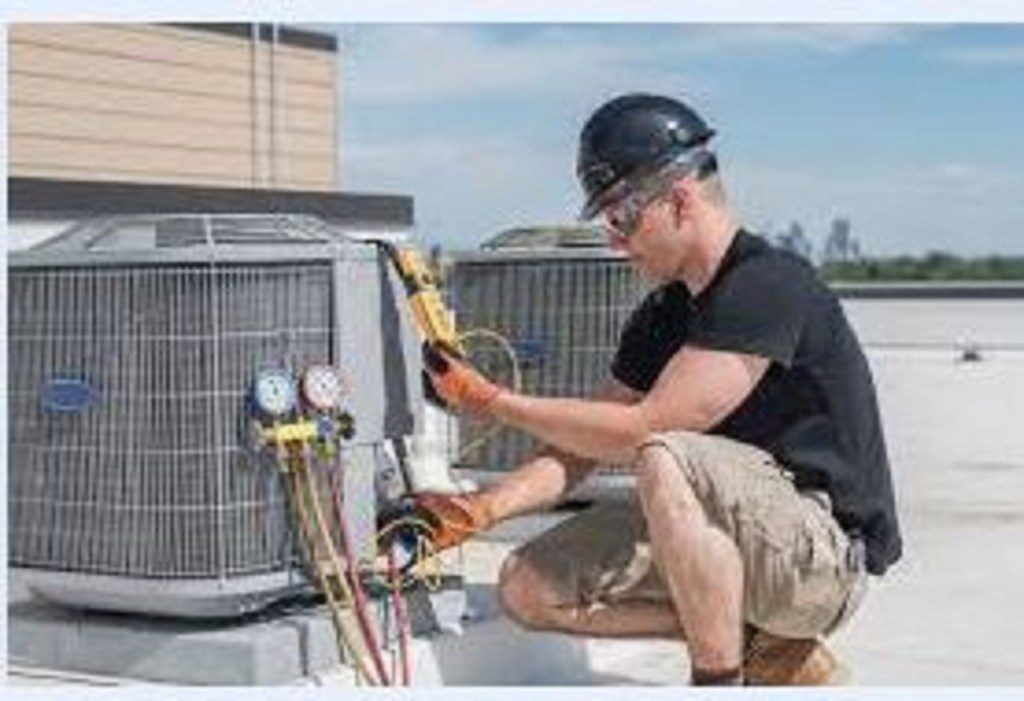
Heating, Ventilation, and Air Conditioning (HVAC) systems are far more than just appliances that regulate temperature; they are complex, integrated systems crucial for maintaining optimal indoor air quality, humidity levels, and overall comfort within residential, commercial, and industrial spaces. As highlighted by ASHRAE, a leading international society of HVAC&R professionals, understanding the fundamental principles of these systems, from basic design to operation, is essential for anyone involved in their management or maintenance. This report delves into the intricate world of HVAC maintenance, providing a comprehensive guide that bridges deep technical understanding with actionable, practical steps. Proactive maintenance is not merely a reactive measure to fix breakdowns; it is a strategic investment that underpins the efficiency, longevity, safety, and comfort delivered by these vital systems.
The consistent and efficient operation of HVAC systems directly correlates with the health, productivity, and overall well-being of the individuals occupying the conditioned space. When systems are well-maintained, they contribute to superior indoor air quality, enhanced safety, and improved comfort for building occupants. Beyond these immediate human benefits, regular maintenance significantly extends the operational life of the equipment. For example, units that receive consistent care typically last 15–20 years, a notable improvement compared to the 10–15 years seen in neglected systems. This substantial extension of operational life directly preserves and enhances the property’s asset value, deferring significant capital expenditure on premature replacements. Therefore, HVAC maintenance transcends a simple operational expense; it represents a strategic investment that yields returns in both human well-being and physical asset preservation.
Section 1: Understanding Your HVAC System’s Core
1.1 What is HVAC? A Fundamental Overview
HVAC stands for Heating, Ventilation, and Air Conditioning, encompassing the technologies that provide thermal comfort and acceptable indoor air quality. These systems function by removing or adding heat to indoor air, managing air quality, and circulating air throughout a conditioned space. ASHRAE’s extensive resources, including textbooks like “Principles of Heating, Ventilating, and Air Conditioning,” serve as foundational texts for understanding these complex systems, from basic principles through design and operation. The overarching goal of an HVAC system is to create and maintain an ideal indoor environment tailored to occupant needs, ensuring comfort regardless of external conditions.
The various components within an HVAC system do not operate in isolation; rather, they work together to regulate temperature, circulate air, and improve the quality of the indoor environment. This signifies a dynamic and interdependent relationship among all parts. For instance, indoor air quality, which is primarily a ventilation concern, is directly influenced by the effectiveness of air filters. If an air filter becomes clogged, a common maintenance issue , it restricts airflow. This restriction not only compromises the system’s heating or cooling efficiency but also diminishes its ability to filter pollutants, thereby degrading indoor air quality. This illustrates that a malfunction or neglect in one subsystem, such as filtration, can have cascading negative effects across the entire system’s capacity to provide holistic environmental control, underscoring the necessity of viewing maintenance through an integrated lens.
1.2 Key Components and Their Functions (Residential & Commercial)
Understanding the individual components of an HVAC system is crucial for effective maintenance. While residential and commercial systems share core principles, commercial setups often feature additional, larger-scale components.
Residential HVAC Components:
- Outdoor Unit (Condenser): This unit typically houses the compressor, which pressurizes the refrigerant gas , and the condenser coil, where the high-pressure, high-temperature refrigerant releases heat to the outdoor air, converting back to a liquid. A fan within the outdoor unit draws air across the condenser coil to facilitate this heat exchange.
- Indoor Unit (Evaporator/Air Handler): Often combined with a furnace or fan coil, this unit contains the evaporator coil, where liquid refrigerant absorbs heat from the indoor air and evaporates into a gas, cooling the air. A blower fan circulates indoor air across this cold coil and then distributes the cooled or heated air through the home’s ductwork. The AC filter is a critical component here, trapping particulates before air circulates.
- Connecting Components: Copper tubing or refrigerant lines allow the refrigerant to flow between indoor and outdoor units. Ductwork forms a network of channels distributing conditioned air and returning stale air. Vents/Registers are the openings where air enters and exits rooms.
- Control Center: The thermostat acts as the system’s brain, sensing temperature and signaling components to turn on/off to maintain desired settings.
- Heating Specifics: A furnace burns fuel (gas, oil, electricity) to produce heat, which is then transferred via a heat exchanger to the circulating air. Burners and electric ignition switches are integral to this process. A heat pump offers dual functionality, moving heat in or out depending on the season.
- Ancillary Components: These include media filters, air scrubbers, air purifiers, humidifiers/dehumidifiers for enhanced air quality and humidity control , and dampers to control airflow in zoned systems.
Commercial HVAC Components: Commercial systems often build upon residential principles but incorporate larger, more specialized equipment due to scale and complexity.
- Chillers: Large cooling components, often located outdoors, that remove heat from a liquid (typically water) circulated through the building’s pipelines. They can be air-cooled or water-cooled, working with cooling towers for heat dissipation.
- Boilers: Used to produce hot water or steam for heating, distributed throughout the building via heating coils or pipes.
- Air Handling Units (AHUs): Larger, more complex versions of indoor units, housing heating/cooling coils, blowers, filters, and dampers, responsible for circulating and regulating air for an entire building or zone.
- Terminal Units: Devices that handle the volume of conditioned air entering specific areas or rooms, often containing coils, filters, and blowers. Rooftop units (RTUs) are common commercial terminal units.
- Pumps: Circulate chilled and hot water to specified areas of the building.
- Duct Systems: Extensive networks of ducts for distributing and returning air, often with detailed layouts in HVAC drawings.
Comparing residential and commercial HVAC components reveals a significant leap in scale and functional diversity. Residential systems are relatively self-contained, while commercial systems introduce large-scale elements like chillers, boilers, cooling towers, and complex Air Handling Units (AHUs). This architectural difference implies that maintenance for commercial systems is not merely a scaled-up version of residential tasks. Instead, it demands a higher degree of specialized technical expertise, different diagnostic tools (e.g., psychrometers, manifold gauges ), and potentially more rigorous safety protocols due to higher voltages, larger chemical volumes, and more complex mechanical systems. This highlights that while the underlying principles of HVAC remain consistent, the practical application of maintenance becomes highly specialized with increasing system complexity, underscoring the critical need for professional, certified technicians in commercial environments.
Table 1: Key HVAC Components and Their Functions
| Component Name | Primary Function | Typical Location |
|---|---|---|
| Thermostat | Regulates temperature; control center | Indoor (wall-mounted) |
| Compressor | Pressurizes refrigerant gas | Outdoor unit |
| Evaporator Coil | Absorbs heat from indoor air; cools air | Indoor unit (furnace/fan coil/air handler) |
| Condenser Coil | Releases heat to outdoor air; condenses refrigerant | Outdoor unit |
| Blower Fan | Circulates air throughout ductwork | Indoor unit (furnace/fan coil/air handler) |
| Ductwork | Distributes conditioned air; returns stale air | Throughout building (walls, ceilings, floors) |
| Furnace | Generates heat by burning fuel | Indoor (basement, utility closet, garage) |
| Heat Pump | Transfers heat for both heating and cooling | Outdoor (condenser unit look-alike) |
| Air Filter | Traps dust, dirt, allergens; improves air quality | Indoor unit (air handler, return air duct) |
| Chiller | Removes heat from liquid circulated through pipes | Outdoor (commercial buildings) |
| Boiler | Produces hot water or steam for heating | Indoor (commercial buildings) |
| Terminal Unit | Handles conditioned air volume for specific zones | Various (e.g., rooftop units, in-room units) |
| Thermal Expansion Valve | Regulates refrigerant flow into evaporator coil | Indoor unit (air handler, near evaporator coil) |
1.3 The Science Behind the Comfort: How HVAC Systems Operate
At the heart of air conditioning is the vapor-compression cycle, a thermodynamic process that efficiently transfers heat. This cycle relies on a specialized chemical called refrigerant, which readily changes phase between liquid and gas. The process involves five key steps:
- Compression: The compressor raises the pressure and temperature of the refrigerant gas.
- Condensation: The high-pressure, hot refrigerant gas flows to the outdoor condenser coil, where it releases its absorbed heat to the cooler outdoor air and condenses back into a liquid.
- Expansion: The liquid refrigerant then travels indoors and passes through a thermal expansion valve or orifice, which lowers its pressure, causing it to cool rapidly and begin to evaporate.
- Evaporation: The cold, low-pressure liquid refrigerant enters the indoor evaporator coil. A fan blows warm indoor air across this coil, and the refrigerant absorbs heat from the air, evaporating back into a gas. This process cools the indoor air.
- Circulation: The cooled air is then circulated back into the home through ductwork, while the now-heated refrigerant gas returns to the compressor to repeat the cycle.
The fundamental principle governing this process is that heat naturally transfers from a warmer object to a cooler object. Air conditioners do not “create” cold; they move heat from inside to outside. Modern AC systems also feature a dehumidification cycle, where the fan slows down to reduce the evaporator temperature and condense more water, thus removing excess moisture from the air.
Refrigerant is consistently identified as the core chemical medium that enables the entire heat transfer process through its forced circulation and phase change. It is explicitly described as a “specialized chemical” that “facilitates the heat exchange process”. However, several maintenance discussions highlight “refrigerant leaks” as a common and significant problem. These leaks are explicitly stated to make the system “less efficient,” “increasing energy costs,” and “reducing the life of the equipment”. Furthermore, symptoms such as “warm air blowing from your vents” and “a frozen evaporator coil” are direct indicators of a refrigerant issue. Crucially, it is noted that refrigerant “can be dangerous to handle” and requires a “reputable HVAC contractor to recharge”. This understanding establishes refrigerant not merely as a functional component but as an absolutely vital medium whose integrity is paramount for system operation. Any compromise to its containment, such as a leak, directly undermines the core thermodynamic principle of heat transfer, leading to a cascade of negative effects on performance, cost, and longevity, and necessitates professional, safety-conscious intervention due to its hazardous nature.
Section 2: The Unquestionable Benefits of Regular HVAC Maintenance
Investing in regular HVAC maintenance is not an expense but a critical investment with multifaceted returns that extend far beyond simple repairs. It ensures the optimal performance, longevity, safety, and comfort of heating and cooling systems.
2.1 Maximizing Energy Efficiency and Reducing Costs
One of the most compelling benefits of consistent HVAC maintenance is the substantial reduction in energy consumption and associated costs. Over time, systems accumulate dirt, dust, and debris, forcing components to work harder to maintain desired temperatures. This increased strain leads to reduced efficiency. Well-maintained systems, however, operate more efficiently, potentially using 5-15% less energy per year and leading to energy savings of up to 30% on cooling costs. By ensuring clean coils, filters, and optimized airflow, maintenance directly translates to lower monthly utility bills.
2.2 Extending System Lifespan and Protecting Your Investment
Regular maintenance significantly extends the operational life of HVAC equipment. Neglected systems typically last 10-15 years, whereas well-cared-for units can last 15-20 years. During maintenance visits, technicians can identify and rectify minor issues before they escalate into major, costly problems requiring extensive repairs or premature replacement. This proactive approach reduces wear and tear on components, safeguarding the substantial investment in the system.
2.3 Enhancing Indoor Air Quality and Occupant Comfort
HVAC systems play a vital role in maintaining healthy indoor air quality. Without regular maintenance, dust, pollen, pet dander, and other contaminants can accumulate in ductwork and on system components, recirculating throughout the building. Regular cleaning and filter replacement directly improve air quality, promoting a healthier environment, especially for those with allergies or respiratory issues. Furthermore, proper maintenance ensures consistent temperature and humidity levels, preventing uneven heating or cooling and maintaining optimal occupant comfort.
2.4 Ensuring Safety and Preventing Costly Breakdowns
Unmaintained HVAC systems pose several safety risks. Accumulation of dust and debris can clog filters and components, leading to overheating and increasing the risk of electrical fires. Electrical hazards, mold growth, and improper combustion (in heating systems) are also potential dangers. Professional maintenance identifies and addresses these hazards promptly, ensuring safe operation and preventing unexpected breakdowns during critical peak seasons.
2.5 Maintaining Warranty Compliance
Many HVAC manufacturers stipulate regular professional servicing as a condition for warranty coverage. Skipping annual tune-ups can void these warranties, leaving homeowners responsible for the full cost of repairs or replacements if a defect arises. Regular maintenance ensures that warranty conditions are met, protecting the investment.
Multiple sources consistently link neglected HVAC maintenance, such as dirty filters or clogged coils, to a series of escalating negative outcomes: reduced energy efficiency, poor indoor air quality, increased risk of equipment failure, safety hazards, and reduced comfort. This is not a collection of isolated problems but rather a self-reinforcing negative feedback loop. For instance, reduced efficiency due to dirty components forces the system to run longer and work harder, leading to accelerated wear and tear and a shortened lifespan. This increased strain, in turn, heightens the risk of breakdowns and costly repairs. Simultaneously, compromised filtration and airflow not only waste energy but also actively recirculate allergens and pollutants, degrading indoor air quality and potentially fostering mold growth. This demonstrates a compounding negative effect: initial neglect triggers a cascade of worsening performance, safety issues, and ultimately, significant financial burdens, making the cost of inaction far greater than the cost of proactive maintenance.
Section 3: Comprehensive HVAC Maintenance Checklists and Frequencies
Effective HVAC maintenance requires a structured approach, combining routine homeowner tasks with periodic professional tune-ups. Adhering to a schedule ensures optimal performance and longevity.
3.1 Seasonal Maintenance: Preparing for Peak Performance
Most HVAC service providers recommend professional inspections and tune-ups twice a year: in the spring to prepare for the cooling season and in the fall to get ready for the heating season. This pre-season check-up is crucial for preventing problems during peak demand.
- Spring/Summer Maintenance Checklist (Cooling Focus):
- Air Filters: Clean or replace as needed. This is a primary homeowner task that significantly impacts efficiency.
- Condenser and Evaporator Coils: Check for dirt and clean thoroughly. Dirty coils drastically reduce cooling capacity and increase energy costs.
- Condensate Drain Lines: Inspect for blockages to ensure free flow. A plugged drain can cause water damage and affect humidity levels.
- Thermostat Controls: Verify proper operation, humidity settings, and timer functions.
- Moving Parts: Inspect and lubricate components such as the fan motor, pulleys, and bearings to reduce friction and energy consumption.
- Electrical Connections: Tighten all electrical connections and measure voltage/current on motors. Faulty connections can lead to unsafe operation and component failure.
- Cabinet Inspection: Check for possible leaks and ensure the outdoor unit’s door or access panels close securely.
- Outdoor Unit Cleaning: Clean the exterior of the condenser unit, removing debris and ensuring adequate ventilation.
- Refrigerant Level (Professional Task): A professional should check and adjust refrigerant levels if necessary, as incorrect levels severely impact efficiency and equipment life.
- Fall/Winter Maintenance Checklist (Heating Focus):
- Heating Equipment Filters: Replace.
- Ignition Burner Assembly & Heating Elements: Ensure flawless operation. A dirty burner impacts efficiency and safety.
- Gas Pressure and Connections: Crucial professional check for proper burner combustion and to identify potential fire or health hazards from leaks.
- Moving Parts: Examine and lubricate as needed.
- Drain Line & Pan: Confirm the drain line is clear and the condensate pan is free of standing water.
- Heat Pump Inspection: If applicable, a thorough inspection of the heat pump’s operation for heating mode.
- Thermostat and Controls: Verify proper functioning for heating settings.
- Electrical Wiring: Check all electrical connections for integrity.
- Flue System: Examine for issues to ensure safe venting of exhaust gases like carbon monoxide.
- Fan, Blower, Ducts, and Vents: Inspect for obstructions and proper airflow.
3.2 Routine Homeowner Tasks: A Proactive Approach
Homeowners can significantly contribute to their HVAC system’s health through simple, regular tasks.
- Air Filter Maintenance: This is arguably the most important DIY task. Inspect disposable air filters monthly and change them every 1-3 months, or more frequently (every 45-90 days) if there are pets, allergies, or if the home is in a dusty environment. Clogged filters restrict airflow, increase energy costs, and can damage equipment.
- Carbon Monoxide Detector: Ensure these detectors are in good working order and replace their batteries every six months to protect occupants from poisoning.
- Refrigerant Lines: While professional intervention is needed for leaks, homeowners can visually check refrigerant lines monthly for any signs of leakage (e.g., ice buildup, oil stains).
- Furnace Humidifier Water Supply: Turn off the water supply to the humidifier during the cooling season (summer) and turn it back on in winter after replacing the filter and setting the desired humidity level.
- Clear Debris Around Outdoor Unit: Regularly clear leaves, grass clippings, and other debris from around the outdoor condenser unit. Keep vegetation trimmed back at least two feet to ensure proper airflow.
- Thermostat Check: Periodically check that thermostat settings are accurate and match the home’s temperature. Calibrate if necessary for optimal efficiency.
3.3 The Value of Professional Annual Tune-Ups
While homeowner tasks are important, professional tune-ups are indispensable. Certified HVAC contractors perform comprehensive checks, testing, cleaning, and adjusting components beyond what a homeowner can safely or effectively do.
- Comprehensive Assessment: Professionals assess wear and tear, identify small issues before they become major problems, and ensure the system operates safely and efficiently. This includes checking refrigerant levels, tightening electrical connections, and inspecting burner combustion.
- Preventative Care: These visits are crucial for preventative care, catching issues that might otherwise lead to unexpected breakdowns during peak usage.
- Maintenance Plans: Many HVAC companies offer yearly maintenance agreements that include regular inspections, priority service, and discounts on repairs and parts. These plans are often affordable and can save significant money over time by preventing costly repairs and extending system life.
The research clearly delineates between tasks suitable for homeowners (e.g., filter changes, debris removal ) and those requiring professional expertise (e.g., refrigerant checks, electrical connections, gas pressure ). Furthermore, the risks of complex DIY repairs (safety hazards, voiding warranties, causing further damage) are emphasized, contrasting with the benefits of professional service (expertise, proper tools, long-term cost-effectiveness). This suggests that optimal HVAC health and performance are not achieved by either approach in isolation, but by a synergistic model. Homeowners handle frequent, basic tasks to maintain immediate efficiency and air quality, while professionals conduct less frequent, highly technical, and safety-critical inspections and adjustments that require specialized knowledge and tools. This combined strategy maximizes system efficiency, ensures safety, extends longevity, and minimizes overall costs and risks, creating a comprehensive and effective maintenance regimen.
Table 2: HVAC Maintenance Checklist: Homeowner vs. Professional Tasks & Frequencies
| Maintenance Task | Recommended Frequency | Responsibility | Key Benefit |
|---|---|---|---|
| Inspect/Change Air Filters | Monthly to Quarterly | Homeowner | Improved airflow, energy savings, system protection |
| Clear Debris from Outdoor Unit | Monthly | Homeowner | Optimal heat exchange, prevents strain |
| Check Thermostat Settings/Batteries | Annually/As needed | Homeowner | Accurate temperature control, prevents malfunction |
| Clean Condenser Coils | Annually | Homeowner | Efficient heat dissipation, lower energy bills |
| Inspect Condensate Drain | Regularly/As needed | Homeowner | Prevents water damage, controls humidity |
| Check Refrigerant Levels | Annually | Professional | Optimal cooling, energy efficiency, system life |
| Tighten Electrical Connections | Annually | Professional | Enhanced safety, prevents component failure |
| Lubricate Moving Parts | Annually | Professional | Reduces friction, extends component life |
| Inspect Burner Combustion/Gas Pressure | Annually | Professional | Fire safety, carbon monoxide prevention |
| Examine Heat Exchanger | Annually | Professional | Prevents carbon monoxide leaks, safety |
| Inspect Ductwork for Leaks | Annually/As needed | Professional | Improved airflow, energy efficiency |
| Check Flue System | Annually | Professional | Safe exhaust venting, prevents hazards |
| Inspect Heat Pump | Annually | Professional | Ensures dual-mode efficiency |
| Check Carbon Monoxide Detector | Every 6 months | Homeowner | Life safety |
Section 4: Step-by-Step DIY Maintenance Procedures
Empowering homeowners with the knowledge to perform basic HVAC maintenance tasks safely and effectively can significantly contribute to system efficiency and longevity.
4.1 Air Filter Management: Inspection, Cleaning, and Replacement
Air filters are the first line of defense against airborne particulates and are crucial for both indoor air quality and system efficiency. Clogged filters reduce airflow, strain the system, and increase energy costs.
- Frequency: Inspect monthly; change or clean every 1-3 months, or more frequently (every 45-90 days) if there are pets, allergies, or if the home is in a dusty environment.
- Procedure for Washable Filters (Disposable filters should be replaced):
- Turn Off HVAC System: Crucial for safety and to prevent unfiltered air circulation.
- Locate and Remove Filter: Find the HVAC system’s service panel, typically between the ductwork and the furnace body, or at the bottom of the HVAC unit. Gently slide out the filter cartridge. Consult the owner’s manual if unsure.
- Initial Cleaning (Vacuum): Use a vacuum cleaner with a soft brush attachment to gently remove loose dust, dirt, and debris from the filter surface.
- Deep Cleaning (Soak): For thorough cleaning, fill a sink or bucket with equal parts warm water and white vinegar. Submerge the filter completely and let it soak for at least one hour. Vinegar’s acetic acid helps break down deposits.
- Rinse Thoroughly: Rinse the filter with clean, warm water or a garden hose. Spray in the opposite direction of the airflow arrows on the filter to push out trapped dirt. Use a gentle setting on the hose; avoid high pressure, which can damage delicate fins.
- Air Dry Completely: Allow the filter to air-dry in sunlight for several hours before reinstallation. This reduces the likelihood of mold and mildew growth within the HVAC system. Drying time varies by filter type and size.
- Reinsert Filter: Once completely dry, carefully slide the filter back into its designated slot, ensuring it is oriented correctly according to the airflow arrows.
- Tips: Sweep or vacuum pet hair regularly to reduce filter clogging. Consider using filters with a higher MERV rating if compatible with the system, as they are more effective at trapping particles. Leaving the circulating fan on can also help with continuous air filtration.
4.2 Cleaning Outdoor Condenser Coils for Optimal Heat Exchange
The outdoor condenser coil is responsible for releasing heat absorbed from the home into the outside air. When dirty, its ability to dissipate heat is severely impaired, leading to reduced efficiency and increased energy bills.
- Frequency: Annually, or more often in dusty environments.
- Procedure:
- Turn Off Power: Absolutely essential for safety. Switch off the unit at the thermostat and, for extra safety, turn off the corresponding breaker at the electrical panel.
- Remove Debris: Clear any visible leaves, grass clippings, dirt, or other debris from around the outdoor unit. Keep vegetation trimmed back at least two feet from the unit.
- Access Coils (if needed): For some units, it may be necessary to remove the protective grille or access panels to reach the coils. Consult the owner’s manual.
- Gentle Water Wash: Use a garden hose with an adjustable nozzle set to a wide, gentle pattern (like “Flat” or “Shower”). Do not use high-pressure settings or a power washer, as this can easily bend or damage the delicate fins.
- Washing Technique: Begin spraying at the bottom of the unit and slowly move upwards, spraying across the coil horizontally. This helps push dirt and debris out of the fins. Once the top is reached, rinse the area angling downwards. Repeat this process for all sides of the coil.
- Clean the Fins: If fins are bent, use a specialized fin comb (available at home improvement stores) to gently straighten them, ensuring proper airflow. Avoid using abrasive tools like wire brushes or steel wool.
- Reassemble and Restore Power: Once the coils are clean and dry, replace any removed panels and restore power to the system at the breaker and thermostat.
4.3 Clearing Condensate Drain Lines: Preventing Water Damage
The condensate drain line carries away moisture removed from the air during the cooling process. If it becomes clogged with algae, mold, or debris, water can back up, leading to leaks, water damage, and even system malfunction.
- Frequency: Regularly, or when signs of clogging appear.
- Procedure:
- Turn Off AC Unit: Crucial to prevent water flow and electrical shock.
- Locate the Drain Line: This is typically a PVC pipe coming out of the indoor unit, often near the condenser unit outside. It may have a cap or access port.
- Remove the Cap: Gently remove the cap from the drain line pipe.
- Inspect for Debris: Look for visible debris or clogs. Use a flashlight if needed.
- Unclogging Methods (Choose one or combine):
- Drain Snake/Wire Brush: For solid blockages, insert a drain snake or wire brush to clear the debris.
- Vinegar Solution: Pour one cup of distilled white vinegar into the drain line. Vinegar’s acetic acid helps break down algae and acts as a natural disinfectant against mold and bacteria. Let it sit for at least 30 minutes to an hour.
- Bleach Solution: Alternatively, pour one cup of bleach down the drain line to kill mold and break down deposits. Let it sit for 1-2 hours. Caution: Do NOT mix bleach with vinegar or other chemicals, as this can create dangerous fumes.
- Wet/Dry Vacuum: If the clog persists, use a wet/dry vacuum. Seal the vacuum hose to the end of the drain line pipe with duct tape to create a tight seal, then turn on the vacuum to suck out the clog.
- Blowing Air: Use an air compressor or bicycle pump to blow air through the line. Place a rag over the end of the pipe to prevent splash-back.
- Flushing with Water: After initial clearing, flush clean water through the line to ensure all debris is removed.
- Reconnect Cap: Once the line is clear, replace the cap securely to prevent future debris entry.
- Turn On AC: Restore power and check for proper drainage to confirm the clog is resolved.
4.4 Thermostat Care and Calibration
The thermostat is the HVAC system’s control center. Proper care ensures accurate temperature regulation and system responsiveness.
- Procedure:
- Check Settings: Regularly verify that thermostat settings are correct for comfort and energy-saving preferences.
- Replace Batteries: Replace thermostat batteries annually, or immediately if the display fades or the unit malfunctions.
- Calibration: If inconsistent room temperatures are observed or the thermostat readings do not match the actual room temperature, it may need calibration. Consult the owner’s manual for specific instructions or consider upgrading to a programmable or smart thermostat for better control and energy efficiency.
4.5 General Unit Cleaning and Debris Removal
Beyond specific component cleaning, general upkeep of HVAC units is important.
- Outdoor Unit: Regularly clear any leaves, grass clippings, or other debris that accumulate around the outdoor condenser unit. Ensure that vegetation is trimmed back at least two feet from the unit to allow for proper airflow.
- Indoor Vents/Registers: Periodically dust and clean the indoor vents and registers to ensure unimpeded airflow into living spaces. Ensure they are not blocked by furniture or drapes.
This section details relatively simple, homeowner-level tasks like filter changes, coil cleaning, and drain line clearing. Crucially, neglecting these very tasks is directly linked to the most common HVAC problems: clogged filters leading to reduced airflow, system overheating, and increased energy bills; dirty coils causing ineffective cooling; and clogged drain lines resulting in water damage and system malfunction. This demonstrates that a consistent schedule of these minor, frequent, and accessible maintenance activities serves as an incredibly powerful preventative measure. It actively mitigates the gradual accumulation of dirt and strain that would otherwise escalate into major, costly repairs or premature system failure, thereby significantly extending the system’s operational life and maintaining its efficiency over time. The cumulative impact of these small actions is substantial.
Section 5: Common HVAC Problems: Identification and Initial Troubleshooting
Even with regular maintenance, HVAC systems can encounter issues. Recognizing the signs of trouble and knowing how to perform initial troubleshooting can save time and money, and help determine when professional help is indispensable.
5.1 Recognizing the Signs of Trouble
Being vigilant for specific symptoms can indicate an underlying HVAC problem:
- HVAC Inefficiency/Higher Energy Bills: A sudden or consistent spike in electricity or gas bills without a corresponding increase in usage is a strong indicator of reduced system efficiency.
- Reduced/Poor Airflow: Less air coming from vents than usual, or weak air pressure, points to an airflow obstruction.
- Inconsistent/Uneven Room Temperatures: Some rooms are too hot while others are too cold, or the system struggles to maintain a set temperature.
- Unusual Noises: Any sounds beyond normal operation are cause for concern. This includes banging, rattling (loose or broken parts), squealing (worn belts/bearings), hissing (refrigerant leak), or clicking (electrical issues).
- Water Leaks/Puddles: Puddles around the indoor or outdoor unit often indicate a clogged condensate drain line.
- Warm Air Blowing from Vents (during cooling): A clear sign of a cooling issue, potentially a refrigerant leak or dirty coils.
- Frozen Evaporator Coil: Ice buildup on the indoor coil suggests restricted airflow or low refrigerant.
- System Short-Cycling: The HVAC unit turns on and off frequently without completing a full cycle, indicating an issue with sizing, thermostat, or airflow.
- Unpleasant Odors: Musty smells can indicate mold growth in the system or ductwork. Burning smells could signal electrical issues.
5.2 Addressing Common Issues (Initial Troubleshooting)
Before calling a professional, homeowners can perform basic checks:
- Dirty or Clogged Air Filters: This is the most common culprit for poor airflow, high energy bills, and system strain. Inspect and replace or clean filters every 1-3 months.
- Malfunctioning Thermostat: Check that the thermostat is set correctly (e.g., to “cool” or “heat,” not “off” or “fan only”). Replace batteries annually. If it is old, consider upgrading to a programmable or smart thermostat.
- Blocked or Dirty Outdoor Unit: Ensure the outdoor condenser unit is clear of leaves, grass, and other debris. Trim back any vegetation at least two feet.
- Water Leaks (Condensate Drain): If puddles are observed, follow the steps in Section 4.3 to clear the condensate drain line.
- Poor Airflow: Beyond filters and outdoor unit blockages, check that all supply and return vents/registers are open and unobstructed by furniture or drapes.
- Unusual Noises: Turn off the HVAC system immediately. Inspect for any visible obstructions or loose parts. Tighten any loose screws or panels. Squealing might indicate a worn belt or bearing, which needs professional attention if not easily accessible. Hissing often points to a refrigerant leak, requiring professional help.
- Frequent Cycling: Verify thermostat settings, inspect air filters, and check for blocked vents.
- Blown Fuses and Tripped Circuit Breakers: A clogged air filter can cause the system to draw too much power and trip a breaker. Replace the filter first. If the issue persists, it indicates a deeper electrical problem.
5.3 Knowing When to Call a Certified Professional
While DIY troubleshooting is valuable, many issues require the expertise, specialized tools, and safety protocols of a certified HVAC technician.
- Refrigerant Leaks: Refrigerant is dangerous to handle, and leaks require professional repair and recharging. This is not a DIY task.
- Electrical Problems: Loose connections, worn wiring, or frequently tripped breakers (after checking filters) pose fire and electrocution hazards. All electrical work should be performed by licensed professionals.
- Cracked Heat Exchanger: A critical safety hazard in furnaces, as it can lead to carbon monoxide leaks. This requires immediate professional inspection and repair.
- Gas Pressure/Connections: Improperly operating gas connections are a fire hazard and can cause health problems. Only a professional should inspect and adjust these.
- Worn-Out Belts or Bearings: While initial inspection is a homeowner task, replacement of these internal components typically requires professional tools and expertise.
- Persistent or Complex Issues: If initial troubleshooting does not resolve the problem, or if the same problem keeps recurring, it signals a deeper underlying issue that needs professional diagnosis.
- Older Systems: As systems age (beyond 10-15 years), they are more prone to complex issues that are best handled by professionals.
While basic DIY maintenance is encouraged, sources draw a clear line for professional intervention. They highlight that issues like refrigerant leaks are “dangerous to handle” , electrical problems carry “fire and electrocution” risks , and complex repairs can “void warranties” or lead to “further damage” due to “inadequate knowledge” and “lack of proper tools”. This implies that for certain critical components or complex malfunctions, the decision to call a professional is not merely about convenience but a safety imperative and a financial necessity. Attempting these repairs without expertise exposes occupants to severe hazards (gas leaks, carbon monoxide poisoning from a cracked heat exchanger ) and can result in significantly higher long-term costs due to exacerbated damage, voided warranties, and inefficient, temporary fixes. Thus, professional intervention for these specific issues is a critical safeguard for both human well-being and the financial investment in the HVAC system.
Table 3: Common HVAC Problems, Symptoms, and Initial Troubleshooting Steps
| Problem | Key Symptoms | Initial Homeowner Troubleshooting | When to Call a Professional |
|---|---|---|---|
| Dirty/Clogged Air Filter | High energy bills, weak airflow, system overheating | Inspect/replace filter (1-3 months) | If issue persists after filter replacement |
| Malfunctioning Thermostat | Inconsistent temperatures, erratic on/off, no operation | Check settings, replace batteries annually | If thermostat still malfunctions after battery replacement |
| Poor Airflow | Weak air from vents, uneven cooling/heating | Check/replace filter, clear outdoor unit, check vents | If airflow issues persist |
| Unusual Noises | Banging, rattling, squealing, hissing, clicking | Turn off unit, inspect for loose parts/obstructions | For persistent noises, squealing (worn belt/bearing), hissing (refrigerant leak) |
| Water Leak (Condensate Drain) | Puddles around indoor/outdoor unit | Clear drain line with vinegar/wet/dry vacuum | If clog cannot be cleared, or water damage occurs |
| Refrigerant Leak | Warm air from vents (cooling), hissing, frozen coil | Visual check for ice/oil stains | Immediately, refrigerant is dangerous to handle |
| System Short-Cycling | Unit turns on/off frequently | Verify thermostat settings, check filters/vents | If frequent cycling persists |
| Blown Fuse/Tripped Breaker | System completely off, no power | Replace filter, reset breaker | If breaker trips repeatedly after filter check |
| Cracked Heat Exchanger | Carbon monoxide smell, yellow flame, physical cracks | None (visual inspection is dangerous) | Immediately (critical safety hazard) |
| Gas Pressure/Connections | Gas smell, improper burner operation | None (highly dangerous) | Immediately (fire/health hazard) |
Section 6: DIY vs. Professional HVAC Maintenance: A Strategic Decision
The decision to perform HVAC maintenance oneself or hire a professional involves weighing costs, risks, and benefits. A balanced approach often yields the best long-term results.
6.1 Empowering Homeowners: What You Can Safely Do
Homeowners can safely and effectively handle several routine maintenance tasks, contributing significantly to their system’s health and efficiency:
- Basic Cleaning: Regularly clearing debris from around the outdoor unit and dusting indoor vents are simple yet impactful tasks.
- Filter Management: Inspecting, cleaning (for washable filters), or replacing air filters is a primary homeowner responsibility that directly impacts air quality and system efficiency.
- Thermostat Checks: Ensuring correct settings and replacing batteries are easy tasks that prevent common operational issues.
- Condensate Drain Clearing: Simple methods like pouring vinegar or using a wet/dry vacuum can resolve many drain line clogs.
- Benefits: Performing these tasks allows homeowners to work on their own schedule and save upfront costs on minor maintenance.
6.2 The Indispensable Role of Professional Expertise
While DIY efforts are valuable, attempting complex HVAC repairs or neglecting professional tune-ups carries significant risks and can be more costly in the long run.
- Risks of DIY (beyond basic tasks):
- Safety Hazards: Working with electrical components, refrigerants, or gas lines without proper training and tools can lead to electrical failures, fires, electrocution, or gas leaks.
- Further Damage: Inadequate knowledge or incorrect techniques can cause more significant damage to the system, turning a minor issue into a major, expensive repair.
- Voiding Warranty: Most HVAC warranties require annual professional servicing. DIY repairs, especially complex ones, can void these warranties, leaving the homeowner without coverage for future defects.
- Lack of Proper Tools and Knowledge: Professionals possess specialized tools (e.g., manifold gauges, psychrometers ) and extensive experience to accurately diagnose and fix problems that are not readily apparent to a homeowner.
- Inefficient Operation: Even if a DIY fix seems to work, it might not address the root cause, leading to inefficient operation, higher energy bills, and premature breakdowns.
- Legal and Compliance Issues: Certain repairs, especially those involving refrigerants or gas, are regulated and must be performed by licensed professionals to comply with codes and regulations.
- Benefits of Hiring Professionals:
- Expertise and Experience: Professionals bring years of training and hands-on experience, ensuring accurate diagnosis and efficient repairs.
- Proper Tools and Equipment: They have the specialized tools required for comprehensive checks and repairs.
- Cost-Effectiveness (Long-Term): While there is an upfront cost, professional service is generally cheaper in the long run. They can identify and fix small issues before they escalate, optimize efficiency to reduce energy bills, and extend the system’s lifespan.
- Warranty Protection: Professional service ensures warranty compliance.
- Safety Assurance: Professionals are trained to manage hazards safely, minimizing risks of injury or property damage.
6.3 The Advantages of HVAC Maintenance Plans
Many HVAC service providers offer maintenance plans, which are often a wise investment.
- Preventative Care: These plans typically include one or two yearly tune-ups, ensuring the system receives regular, preventative care.
- Priority Service: Plan members often receive priority service in case of emergencies, which is invaluable during peak seasons.
- Discounts: Maintenance agreements frequently offer discounts on repairs and parts, further reducing long-term costs.
- Peace of Mind: Knowing the system is regularly inspected and maintained by experts provides peace of mind and helps avoid unexpected breakdowns.
While the immediate appeal of DIY maintenance is cost savings , the evidence strongly indicates that, over the long run, it is generally more economical to hire a professional. This assertion is supported by several critical points: DIY attempts risk lost efficiency and premature breakdowns , costly repairs or replacements down the line , and voiding the warranty. Conversely, professionals can accurately diagnose and fix problems quickly , ensure that the problem is thoroughly addressed the first time , and extend the lifespan of the system. The reduced energy bills and fewer and reduced repair costs resulting from professional tune-ups further solidify the financial benefit. Therefore, the economic rationale for professional maintenance transcends immediate expenditure; it is a strategic investment that optimizes long-term operational efficiency, preserves asset value, ensures warranty coverage, and ultimately leads to substantial cumulative savings by preventing more expensive, cascading failures.
Section 7: HVAC Maintenance in Challenging Climates (Hot, Arid, Dusty)
Certain environmental conditions, such as hot, arid, and dusty climates (e.g., Lahore, Kingman, AZ, Mohave Valley, AZ ), impose unique stresses on HVAC systems, necessitating adapted maintenance strategies.
7.1 Adapting Filter Maintenance for High Dust Environments
- Challenge: Dust buildup is a pervasive and significant problem in hot, arid, and dusty regions. This excessive dust quickly clogs air filters, leading to severely restricted airflow, reduced system efficiency, increased energy consumption, and degraded indoor air quality. Clogged filters also force the system to work harder, accelerating wear and tear.
- Solution: In these environments, the standard 90-day filter replacement recommendation is often insufficient. Homeowners should inspect filters monthly and change them every 45-90 days, or even more frequently (e.g., monthly), especially if there are pets or occupants with allergies. Using filters with a higher MERV rating, if compatible with the system, can also improve particle capture.
7.2 Enhanced Coil Cleaning and Outdoor Unit Care
- Challenge: The dry, dusty air in these climates means dust and debris accumulate rapidly on outdoor condenser coils, significantly reducing their ability to release heat. This directly impairs cooling efficiency and increases energy consumption.
- Solution: More frequent and thorough cleaning of condenser coils is essential. Beyond regular hose washing, professional cleaning might be needed more often to remove stubborn mineral deposits or deeply embedded dirt. Ensuring the outdoor unit is kept clear of vegetation and debris at all times is also critical for maintaining proper airflow.
7.3 Addressing Humidity and Dry Air
- Challenge: While air conditioners inherently dehumidify, extremely arid climates can lead to excessively dry indoor air, which can cause discomfort and health issues. Conversely, in some humid periods or during cooling cycles, managing humidity remains important.
- Solution: Some HVAC systems include humidifiers to add moisture during dry periods or dehumidifiers to remove excess moisture. Proper sealing of leaks around doors, windows, and ductwork is crucial to prevent cool air from escaping and warm, dusty air from entering, which in turn helps the HVAC system run more effectively and manage humidity levels.
7.4 Professional Oversight and System Selection
- Challenge: The unique stresses of hot, arid, and dusty conditions can accelerate wear and tear on HVAC components, leading to more frequent issues if not properly managed.
- Solution: Professional annual or bi-annual tune-ups become even more critical in these climates to ensure the system runs efficiently and to catch small problems before they escalate. Technicians can specifically check parts like filters, ductwork, and wires to ensure everything functions optimally under these unique conditions. Considering an upgrade to a high-efficiency air conditioner or other energy-saving systems like ground source heat pumps or dual-stage/variable-speed units can significantly reduce energy costs in climates where AC runs consistently.
Conclusion and Recommendations
Maintaining HVAC and air conditioning systems is paramount for ensuring indoor comfort, air quality, safety, and long-term cost savings. These complex systems, whether residential or commercial, rely on intricate thermodynamic principles and interconnected components to provide thermal regulation and air purification. The integrity of each component, from the refrigerant to the air filters, directly impacts the system’s overall performance and efficiency.
The analysis underscores that proactive maintenance is not merely a reactive measure but a strategic investment. Neglecting routine care leads to a compounding negative effect, where initial issues like clogged filters escalate into reduced energy efficiency, poor indoor air quality, increased risk of equipment failure, and significant safety hazards. Conversely, consistent maintenance extends system lifespan, reduces energy consumption by up to 30%, enhances indoor air quality, and ensures compliance with manufacturer warranties, safeguarding the substantial investment in the system.
A balanced approach combining diligent homeowner tasks with professional expertise is essential for optimal outcomes. Homeowners can effectively manage frequent, basic tasks such as monthly filter checks and cleaning, clearing debris from outdoor units, and basic thermostat care. These seemingly simple actions are powerful preventative measures, mitigating common problems and extending the system’s operational life. However, for complex issues involving refrigerants, electrical connections, gas lines, or internal component diagnostics, professional intervention is not just recommended but is a safety imperative and a financial necessity. Attempting these repairs without specialized tools and knowledge can lead to severe safety risks, further damage, voided warranties, and ultimately, higher long-term costs.
For challenging climates characterized by heat, aridity, and dust, maintenance strategies must be adapted. This includes more frequent air filter changes (e.g., every 45-90 days), enhanced cleaning of condenser coils, and careful management of indoor humidity levels. Professional oversight becomes even more critical in these environments to address accelerated wear and tear and ensure system resilience.
Recommendations:
- Adopt a Hybrid Maintenance Model: Homeowners should commit to regular, simple DIY tasks (e.g., monthly filter checks, outdoor unit clearing) while scheduling professional tune-ups twice annually (spring for cooling, fall for heating).
- Prioritize Air Filter Management: Given its fundamental impact on efficiency and air quality, ensure air filters are regularly inspected and replaced or cleaned according to the environment’s dust levels and household factors (e.g., pets, allergies).
- Invest in Professional Service Plans: Consider enrolling in an HVAC maintenance plan offered by certified contractors. These plans provide preventative care, priority service, and discounts, offering long-term cost savings and peace of mind.
- Be Vigilant for Warning Signs: Homeowners should be attentive to changes in system performance, such as increased energy bills, unusual noises, reduced airflow, or inconsistent temperatures, and promptly address them with appropriate DIY troubleshooting or professional assistance.
- Understand When to Call a Professional: Recognize that certain issues (e.g., refrigerant leaks, electrical problems, gas leaks, cracked heat exchangers) pose severe safety risks and require immediate, specialized professional intervention to prevent injury, property damage, and costly long-term repairs.
- Adapt to Climate Challenges: In hot, arid, and dusty regions, increase the frequency of filter changes and coil cleaning. Consider high-efficiency systems and ensure proper sealing of the building envelope to optimize performance.
By adhering to these guidelines, individuals can ensure their HVAC systems operate at peak efficiency, provide consistent indoor comfort, maintain healthy air quality, and deliver reliable service for many years, truly making maintenance a valuable investment.
Works cited
1. Principles of Heating, Ventilating, and Air Conditioning – ASHRAE, https://www.ashrae.org/technical-resources/bookstore/principles-of-heating-ventilating-and-air-conditioning 2. Fundamentals of HVAC Systems – ASHRAE, https://www.ashrae.org/professional-development/self-directed-learning-group-learning-texts/fundamentals-of-hvac-systems 3. Top 8 Benefits of Regular HVAC Maintenance – Trust Heating & Air, https://trustheatingandair.com/top-8-benefits-of-regular-hvac-maintenance/ 4. The Importance of Regular HVAC Maintenance – ISS Mechanical, https://www.issmechanical.com/importance-of-maintenance/ 5. HVAC System Diagram: Parts, Components (The Best Guide) | Clover Contracting, https://cloverco.com/hvac-system-diagram/ 6. Understanding HVAC Systems Basics, Work & Types, https://www.tejjy.com/hvac-system-work/ 7. What Are the Main Components of an HVAC System? – North End Electric, https://northendelectric.com/2024/01/11/what-are-the-main-components-of-an-hvac-system/ 8. HVAC Diagrams: An Overview of Your HVAC System Components, https://candcheat.com/hvac-diagrams-an-overview-of-your-hvac-system-components/ 9. Most Common HVAC Problems & How to Fix – Jacobs Heating & Air Conditioning, https://jacobsheating.com/blog/common-hvac-problems-how-to-fix/ 10. Common HVAC Problems and How to Prevent Them, https://www.hvac.com/expert-advice/common-hvac-problems/ 11. How Do Air Conditioners Work? | Air Conditioning System | AC, https://www.carrier.com/residential/en/us/products/air-conditioners/how-do-air-conditioners-work/ 12. Commercial HVAC Systems: Main HVAC Components – Chills Air Conditioning, https://chillsairconditioning.com/blog/commercial-hvac-systems-main-components/ 13. How Does an HVAC System Work? [Diagram] – The Severn Group, https://www.theseverngroup.com/hvac-system/ 14. The Main Components of a Commercial HVAC System | Compressors Unlimited, https://www.compressorsunlimited.com/the-main-components-of-a-commercial-hvac-system/ 15. A Complete Guide to HVAC Drawings and Blueprints – SkillCat, https://www.skillcatapp.com/post/a-complete-guide-to-hvac-drawings-and-blueprints 16. Must-Have HVAC Tools: A List for Beginners – Joist, https://www.joist.com/blog/hvac-tools-list/ 17. HVAC Tools List: 30+ Essential Tools for HVAC Work (With Prices) – Jobber, https://www.getjobber.com/academy/hvac/top-hvac-tools/ 18. Quick Guide to HVAC Safety and Health – FieldEdge, https://fieldedge.com/blog/hvac-safety/ 19. 9 HVAC Safety Hazards Every Tech Should Be Aware Of – ServiceTitan, https://www.servicetitan.com/blog/guide-to-hvac-safety 20. Air conditioning – Wikipedia, https://en.wikipedia.org/wiki/Air_conditioning 21. Maintenance Checklist | ENERGY STAR, https://www.energystar.gov/saveathome/heating-cooling/maintenance-checklist 22. 5 AC Tips for Desert Living – Edge Heating & Air, https://edgeair.com/air-conditioning/5-ac-tips-for-desert-living/ 23. Dusty Home? Your HVAC System May Be to Blame, https://www.galmicheandsons.com/hvac-blog/dusty-home-hvac-system-to-blame/ 24. How Often Should HVAC Systems Be Serviced?, https://stradaservices.com/about-us/blog/how-often-should-hvac-be-serviced/ 25. DIY Risks vs. Professional HVAC Repair Services, https://alsupheatingandcooling.com/diy-risks-vs-professional-hvac-repair-services/ 26. Complete Guide to HVAC Preventive Maintenance – i4T Global, https://i4tglobal.com/hvac-preventive-maintenance/ 27. How Often to Do Home Maintenance Tasks: HVAC, Cleaning, etc. – Neighborly, https://www.neighborly.com/expert-tips/how-often-to-do-home-maintenance-tasks 28. actionac.net, https://actionac.net/blog/what-causes-ac-blowing-dust-filter-how-stop/#:~:text=Your%20filters%20are%20clogged%3A%20you,replace%20the%20filters%20more%20frequently. 29. Should I DIY My HVAC Maintenance Or Hire A Contractor?, https://www.shanklinheatingandcooling.com/blog/diy-hvac-maintenance-versus-contractor-maintenance-plans/ 30. Your Guide on How to Clean an HVAC Filter – Filti, https://filti.com/how-to-clean-an-hvac-filter/ 31. How to Clean an Air Conditioner Filter – The Home Depot, https://www.homedepot.com/c/ah/how-to-clean-an-air-conditioner-filter/9ba683603be9fa5395fab908fabc607 32. Different Ways to Unclog Drain Lines in Your AC – Southland Heating and Air, https://southlandac.com/different-ways-to-unclog-drain-lines-in-your-ac 33. Is my ac unit the cause of so much dust? : r/hvacadvice – Reddit, https://www.reddit.com/r/hvacadvice/comments/19bd1zr/is_my_ac_unit_the_cause_of_so_much_dust/ 34. Surviving Desert Heat: HVAC Tips For Mohave Valley, https://onehourairmohavecounty.com/hvac-tips/ 35. How To Clean AC Coils – Bryant, https://www.bryant.com/en/us/products/air-conditioners/how-to-clean-ac-coils/ 36. How to Clean Your A/C Condenser Coils – Eyman Plumbing Heating & Air, https://trusteyman.com/resources/how-to-clean-your-a-c-condenser-coils-correctly/ 37. How to Unclog Your AC Drain Lines in 9 Steps – HB McClure, https://hbmcclure.com/hbhome/blog/how-to-unclog-your-ac-drain-lines-in-9-steps/ 38. Avoiding Common Winter HVAC Issues in Desert Climates – One Hour Air Conditioning & Heating Kingman, https://onehourairmohavecounty.com/avoiding-common-winter-hvac-issues/ 39. Environment and SOcial management Framewor – PRMP – Punjab, https://prmp.punjab.gov.pk/system/files/final_esmf_pteg_revised_27_dec.pdf

By Amjad Izhar
Contact: amjad.izhar@gmail.com
https://amjadizhar.blog
Affiliate Disclosure: This blog may contain affiliate links, which means I may earn a small commission if you click on the link and make a purchase. This comes at no additional cost to you. I only recommend products or services that I believe will add value to my readers. Your support helps keep this blog running and allows me to continue providing you with quality content. Thank you for your support!
