Category: Health

  • Ways To Boost Progesterone Naturally

    Ways To Boost Progesterone Naturally

    Hormonal harmony is one of the most overlooked yet critical aspects of optimal health, particularly for women. While estrogen often steals the spotlight, progesterone plays a vital counterbalancing role—one that affects everything from fertility to mood stability. Low levels of progesterone can quietly wreak havoc, leading to irregular periods, insomnia, anxiety, and even difficulty conceiving. It’s time we gave this underrated hormone the attention it deserves.

    Progesterone is far more than a pregnancy hormone. It regulates the menstrual cycle, supports thyroid function, influences neurotransmitters like GABA, and helps maintain a sense of emotional equilibrium. As Dr. Sara Gottfried explains in The Hormone Cure, “Progesterone is the peacekeeper of your hormones, calming your brain, balancing your mood, and ensuring your body feels safe.” Natural approaches to support this hormone can offer long-term benefits without the risks associated with synthetic hormone replacement therapy.

    In this post, we’ll delve into 20 research-backed, holistic strategies to naturally elevate progesterone levels. From nutrition and herbs to lifestyle and mindset shifts, these suggestions are aimed at the educated reader who values science, wisdom, and practical application. Whether you’re navigating perimenopause, seeking to optimize fertility, or simply yearning for balance, these methods offer a roadmap rooted in both traditional wisdom and contemporary endocrinology.


    1- Nourish with Healthy Fats

    One of the foundations of hormonal health is adequate fat intake—specifically, the consumption of essential fatty acids. Progesterone, like all steroid hormones, is synthesized from cholesterol. Without sufficient dietary fat, the body struggles to produce the hormones it needs. Avocados, olive oil, coconut oil, and pasture-raised animal fats provide the building blocks required for optimal hormone synthesis.

    Dr. Jolene Brighten, author of Beyond the Pill, emphasizes that “healthy fats don’t make you fat—they make your hormones.” Omega-3 fatty acids, particularly EPA and DHA found in wild-caught salmon and flaxseeds, also help reduce inflammation that can impair hormone production. Including these fats daily not only supports progesterone but improves brain function, mood, and cardiovascular health.


    2- Manage Stress Effectively

    Chronic stress is a stealthy saboteur of progesterone. When the body is under constant pressure, it diverts resources toward producing cortisol at the expense of progesterone—a phenomenon known as the “pregnenolone steal.” Over time, this imbalance leads to hormonal dysregulation, fatigue, and reproductive issues.

    Adopting effective stress management techniques—such as mindfulness meditation, deep breathing, or nature immersion—can help restore hormonal balance. As Dr. Christiane Northrup states in Women’s Bodies, Women’s Wisdom, “When we address our stress, we free our bodies to heal.” Prioritizing sleep and setting boundaries are also crucial strategies in supporting your body’s ability to produce sufficient progesterone.


    3- Balance Blood Sugar

    Stable blood sugar is essential for overall hormonal health. When insulin spikes and crashes due to a high-sugar or refined carbohydrate diet, it can disrupt ovarian function and inhibit progesterone production. Consistently elevated insulin levels also promote higher androgen levels, which can further offset the balance of estrogen and progesterone.

    To maintain healthy blood sugar, prioritize whole foods rich in fiber, protein, and healthy fats. Avoid excessive caffeine and processed snacks that can cause insulin surges. Books like The Glucose Revolution by Jessie Inchauspé offer practical and scientifically-backed strategies to smooth out blood sugar levels, indirectly supporting the body’s natural hormone rhythm.


    4- Embrace Herbal Allies

    Nature provides a pharmacy of botanicals that gently support progesterone. Vitex agnus-castus (chasteberry) is one of the most renowned herbs for stimulating the pituitary gland to increase luteinizing hormone, thereby encouraging progesterone production. This herb has a long-standing reputation in traditional European medicine for regulating menstrual cycles.

    Maca root, another adaptogen, supports the entire endocrine system and helps restore hormonal balance, especially during perimenopause. As herbalist Aviva Romm notes in Hormone Intelligence, “Herbs are intelligent medicine—they work with the body rather than forcing a reaction.” It’s advisable to work with a qualified herbalist to tailor the approach to your individual needs.


    5- Ensure Sufficient Vitamin B6

    Vitamin B6 plays a crucial role in progesterone synthesis, particularly in the luteal phase of the menstrual cycle. It aids in the production of neurotransmitters that regulate mood and hormone signaling. Deficiency in B6 can lead to PMS symptoms, irritability, and insufficient progesterone levels.

    Foods rich in B6 include poultry, bananas, spinach, and sunflower seeds. Supplementation may be beneficial, particularly for women on hormonal birth control, which depletes B6 levels. Functional medicine practitioners often recommend P5P (pyridoxal-5-phosphate), the active form of B6, for better bioavailability.


    6- Avoid Estrogen Dominance

    When estrogen levels are disproportionately high relative to progesterone, symptoms such as bloating, mood swings, and heavy periods can occur. This imbalance can result from environmental xenoestrogens found in plastics, pesticides, and personal care products, all of which mimic estrogen in the body.

    Reducing exposure to these endocrine disruptors is essential. Choose glass over plastic, opt for organic produce, and use natural cosmetics. As Dr. Elizabeth Plourde highlights in Hormone Heresy, environmental estrogens are a silent factor in modern hormone disruption and require proactive management.


    7- Prioritize Quality Sleep

    Sleep is not merely rest—it is a biological necessity for hormone regulation. The body releases luteinizing hormone (which stimulates progesterone production) primarily at night. Poor sleep interferes with this cycle, leading to lower levels of progesterone and increased stress hormone output.

    Aim for 7–9 hours of uninterrupted sleep in a dark, cool room. Establish a calming bedtime routine and limit blue light exposure in the evening. Sleep researcher Dr. Matthew Walker, in Why We Sleep, underscores that “sleep is the single most effective thing we can do to reset our brain and body health.”


    8- Support Thyroid Function

    The thyroid and reproductive systems are intimately connected. An underactive thyroid (hypothyroidism) is often accompanied by low progesterone levels, due to its effects on ovulation and metabolism. Supporting thyroid health can, therefore, indirectly enhance progesterone.

    Ensure adequate intake of selenium, iodine, and zinc—key nutrients for thyroid hormone production. Sea vegetables, Brazil nuts, and shellfish are excellent food sources. Functional tests like Free T3, Free T4, and thyroid antibodies can provide a more nuanced picture of thyroid health and help guide treatment.


    9- Exercise Wisely

    Exercise, when done in moderation, enhances hormonal balance. It improves insulin sensitivity, reduces stress, and supports circulation—all factors that can boost progesterone. However, excessive or high-intensity exercise can lead to elevated cortisol and disrupted ovulation.

    Opt for moderate activities such as brisk walking, swimming, or yoga, particularly during the luteal phase of your cycle. Dr. Lara Briden in The Period Repair Manual advises that “the best exercise for hormonal health is the one you can recover from.” Listening to your body’s signals is critical.


    10- Eat Cruciferous Vegetables

    Cruciferous vegetables such as broccoli, cauliflower, and kale contain indole-3-carbinol, a compound that supports liver detoxification of excess estrogen. This helps restore the proper balance between estrogen and progesterone.

    These vegetables also contain sulforaphane, a phytochemical known to activate antioxidant pathways and reduce inflammation. Regular consumption supports the liver’s Phase 1 and 2 detoxification processes, aiding in the clearance of hormonal metabolites and promoting overall endocrine health.


    11- Detox Your Environment

    Daily exposure to endocrine disruptors can impair progesterone production. From BPA in receipts to phthalates in fragrances, these chemicals are ubiquitous yet avoidable. They can mimic or interfere with hormone signaling, leading to imbalances.

    Switch to glass or stainless steel containers, use fragrance-free cleaning products, and check the Environmental Working Group (EWG) database for safer personal care options. Detoxifying your environment is a practical step toward preserving hormonal integrity in a modern world.


    12- Maintain a Healthy Weight

    Excess adipose tissue can convert androgens into estrogens, tipping the hormonal scale and reducing progesterone levels. At the same time, being underweight may impair ovulation, leading to insufficient progesterone.

    Maintaining a healthy weight through balanced nutrition and mindful movement supports hormonal homeostasis. As Dr. Mark Hyman writes in The Blood Sugar Solution, “Fat is not inert—it’s an active endocrine organ.” Keeping it in check is critical for progesterone harmony.


    13- Reduce Alcohol Consumption

    Alcohol can disrupt liver function, impair detoxification of estrogen, and affect the endocrine system. Chronic consumption also depletes key nutrients like magnesium and B vitamins that are essential for progesterone synthesis.

    Moderation is key. Consider limiting alcohol to occasional, small servings—preferably organic wines or clear spirits. Replacing alcohol with adaptogenic teas or mocktails can be both enjoyable and beneficial for hormone support.


    14- Use Natural Progesterone Cream (With Guidance)

    Bioidentical progesterone creams derived from wild yam can be a gentle option for women with significantly low levels. These topical treatments should be used under professional guidance to ensure proper dosing and timing within the menstrual cycle.

    Books like What Your Doctor May Not Tell You About Menopause by Dr. John Lee advocate for natural progesterone as a safer alternative to synthetic hormones. Always test hormone levels before beginning any regimen to tailor it to your individual profile.


    15- Limit Caffeine Intake

    Excessive caffeine can elevate cortisol levels and interfere with progesterone production. It may also affect blood sugar regulation, another indirect pathway by which hormone balance is impacted.

    Switching to herbal teas or matcha can reduce caffeine load while still offering an energy boost. Consider alternatives like tulsi, chamomile, or rooibos, which have calming effects and support adrenal health.


    16- Support Liver Health

    The liver is the body’s primary detox organ, including the metabolism of hormones. When overburdened by toxins or poor diet, it cannot efficiently clear excess estrogen, leading to imbalances that suppress progesterone.

    Milk thistle, dandelion root, and bitter greens support liver function naturally. Ensure hydration and consider intermittent fasting or a seasonal cleanse to give your liver a break. As T.S. Wiley explains in Lights Out, “Hormonal health begins with hepatic health.”


    17- Track Your Menstrual Cycle

    Awareness is power. Tracking your cycle helps identify signs of ovulation, luteal phase length, and potential progesterone deficiency. Apps, basal body temperature charts, and cervical mucus observation offer valuable insights.

    Consistent charting empowers you to notice shifts over time and make informed decisions. It also aids healthcare providers in diagnosing and addressing underlying issues effectively. As the saying goes, “What gets measured gets managed.”


    18- Eat Enough Calories

    Caloric restriction, whether intentional or not, can halt ovulation and reduce progesterone levels. The body perceives low calorie intake as a threat and shifts resources away from reproduction to survival.

    Ensure meals are nutrient-dense and consistent, particularly during times of stress or high activity. Eating in alignment with your cycle can further support hormonal rhythms—fueling more during the luteal phase when progesterone peaks.


    19- Address Underlying Health Conditions

    Polycystic ovary syndrome (PCOS), hypothyroidism, and adrenal dysfunction can all contribute to low progesterone. Treating these root causes is essential rather than merely managing symptoms.

    Functional testing and holistic treatment plans—including dietary adjustments, supplements, and targeted therapies—offer a comprehensive path forward. Books like The Period Repair Manual provide protocols that combine conventional and natural approaches.


    20- Stay Consistent and Patient

    Hormonal changes take time. The endocrine system operates on feedback loops and rhythms that are not easily rushed. Patience, consistency, and self-compassion are essential virtues on this journey.

    As Dr. Aviva Romm affirms, “Healing hormones is a marathon, not a sprint.” With diligent care, informed decisions, and a supportive lifestyle, your body can and will find its natural balance.


    21- Progesterone’s Role in the Body

    Progesterone is fundamental to the female reproductive system, but its functions extend far beyond fertility. It prepares the uterine lining for implantation, stabilizes menstrual cycles, and plays a crucial role in mood regulation, brain function, and immune modulation. Without sufficient levels, the body may struggle with anxiety, poor sleep, and inflammatory conditions.

    Moreover, progesterone counterbalances estrogen, preventing issues such as endometrial hyperplasia. In The Hormone Reset Diet, Dr. Sara Gottfried underscores that “progesterone is the hormone of resilience, helping women adapt, survive, and thrive.” Understanding its multifaceted role underscores why maintaining optimal levels is a cornerstone of women’s health.


    22- Corpus Luteum

    The corpus luteum is a temporary endocrine gland formed after ovulation, which secretes progesterone during the second half of the menstrual cycle. Its formation is essential for the initiation of progesterone production, and any dysfunction in this process can lead to insufficient levels and luteal phase defects.

    Disorders that affect ovulation—such as PCOS or thyroid imbalance—can impair corpus luteum development. As reproductive endocrinologist Dr. Jerilynn Prior explains in her research, “the integrity of the corpus luteum determines the adequacy of progesterone.” Supporting ovulation naturally ensures the proper formation of this crucial gland.


    23- Peak Progesterone

    Progesterone levels naturally rise after ovulation and typically peak around day 21 in a standard 28-day cycle. This surge supports implantation and maintains the uterine lining. A flat or inadequate peak often signals anovulation or luteal insufficiency.

    Tracking basal body temperature, using ovulation kits, or measuring mid-luteal serum progesterone levels (around 7 days post-ovulation) can confirm if you’re reaching a healthy peak. Understanding your unique hormonal rhythm is vital for both symptom management and fertility awareness.


    24- Fluid Retention

    Fluid retention is a common symptom of hormonal imbalance, often associated with insufficient progesterone. This hormone acts as a natural diuretic by stimulating the kidneys to excrete sodium and water. When levels are low, bloating and puffiness may occur, especially premenstrually.

    Addressing fluid retention involves correcting hormonal imbalances, reducing sodium intake, and supporting liver and kidney function. Magnesium-rich foods and herbal teas like dandelion can also help gently reduce bloating while supporting overall hormone health.


    25- Estrogen Dominance and Heavy Periods

    Estrogen dominance occurs when estrogen levels are high relative to progesterone. This imbalance often leads to heavy or prolonged menstrual bleeding, breast tenderness, and mood instability. It can stem from environmental xenoestrogens, liver overload, or chronic anovulation.

    Balancing this dynamic requires both reducing excess estrogen and enhancing progesterone production. As Dr. Marilyn Glenville notes in Natural Solutions to Hormone Imbalance, “progesterone acts as a natural antagonist to estrogen, calming its stimulating effects.” A dual approach ensures optimal menstrual health.


    26- What Does Low Progesterone Look Like?

    Low progesterone can manifest in subtle yet disruptive ways—irregular or short cycles, anxiety, sleep disturbances, and mid-cycle spotting. It’s often misdiagnosed or overlooked, especially in early perimenopause or in women with high stress.

    A comprehensive hormonal assessment, including mid-luteal progesterone testing, can help clarify if low levels are the root cause. Listening to the body’s signals—particularly changes in the menstrual cycle—is the first step toward targeted, effective intervention.


    27- Fertility Issues

    Progesterone is vital for conception and early pregnancy maintenance. Without sufficient levels post-ovulation, implantation becomes difficult, and miscarriage risk increases. Recurrent pregnancy loss is often linked to a luteal phase defect—low progesterone during the implantation window.

    Supporting fertility holistically involves ovulation tracking, stress reduction, and addressing nutritional deficiencies. Books like It Starts With the Egg by Rebecca Fett delve into the nuanced interplay between progesterone and reproductive success, providing actionable insights.


    28- Menopause

    As women transition into menopause, progesterone levels decline sharply—often faster than estrogen. This hormonal shift can result in symptoms like sleep disturbances, hot flashes, and increased anxiety. Unlike estrogen, which is still produced by fat cells post-menopause, progesterone production nearly ceases.

    Bioidentical progesterone or herbal support can ease this transition. Experts like Dr. Anna Cabeca recommend adaptogens, stress management, and liver support to maintain balance. Menopause doesn’t have to mean hormonal chaos—with the right tools, it can be a period of renewal.


    29- Increase Progesterone Naturally

    Boosting progesterone naturally is achievable through targeted nutrition, stress management, and herbal medicine. Emphasis on healthy fats, essential nutrients like B6 and magnesium, and hormone-friendly herbs such as Vitex can all support the body’s own production mechanisms.

    Consistency is key. Implementing small, sustainable changes across diet, movement, sleep, and emotional health creates an environment where the endocrine system can flourish. Patience, paired with knowledge, leads to real and lasting change.


    30- Healthy Fats

    Healthy fats form the structural base of all steroid hormones, including progesterone. Cholesterol is the precursor, making dietary fats not just beneficial but essential. Incorporating ghee, grass-fed butter, fatty fish, and nuts supports both adrenal and reproductive hormone production.

    As functional nutritionist Alisa Vitti points out in WomanCode, “Fear of fat has left many women hormonally starved.” Reclaiming healthy fat intake is a vital step toward rebalancing your hormonal ecosystem.


    31- Nuts and Seeds

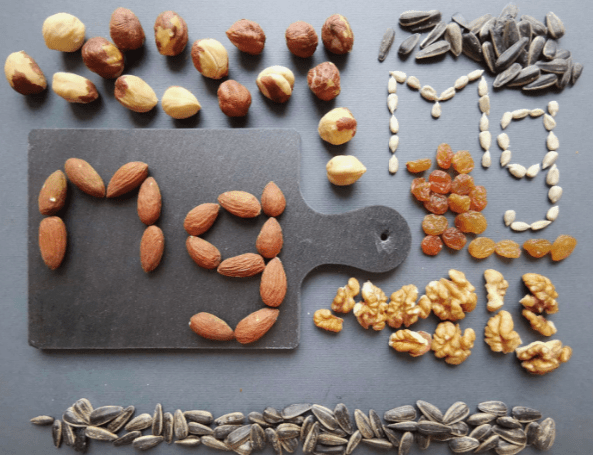
    Nuts and seeds are rich in zinc, selenium, magnesium, and vitamin E—all crucial for progesterone production. Sunflower seeds, pumpkin seeds, and walnuts support luteal phase function and reduce inflammation, making them perfect for seed cycling practices.

    These powerhouses also provide plant-based proteins and essential fatty acids. Regularly incorporating them into meals and snacks contributes not only to hormonal health but also to cardiovascular and neurological well-being.


    32- Pituitary Function

    The pituitary gland governs hormonal cascades, including the release of luteinizing hormone (LH), which prompts progesterone production post-ovulation. Dysfunction here—whether from chronic stress or nutritional deficiency—can disrupt the entire endocrine system.

    Support pituitary function with adaptogens like ashwagandha and rhodiola, ensure adequate protein intake, and prioritize circadian rhythm alignment. Restoring this master gland’s function is foundational for optimal hormonal health.


    33- Progesterone Levels

    Understanding your progesterone levels gives you a window into your reproductive and overall health. Mid-luteal blood tests (usually day 21 of a 28-day cycle) offer the most accurate assessment. Levels below 10 ng/mL often indicate luteal phase issues.

    Work with a practitioner skilled in functional endocrinology to interpret results and guide appropriate intervention. Rechecking levels after lifestyle and nutritional changes can show progress and guide further support.


    34- Chocolate

    Dark chocolate, particularly varieties with 70% cacao or higher, contains magnesium and antioxidants that support stress reduction and hormonal regulation. In moderation, it can positively impact mood and even support sleep quality—both vital for progesterone synthesis.

    Its mood-enhancing properties also support the limbic brain, reducing cortisol and indirectly preserving progesterone. Choose fair trade, low-sugar options for the greatest benefit.


    35- Chicken

    Chicken is a rich source of vitamin B6 and amino acids like tryptophan, which support both progesterone synthesis and neurotransmitter balance. Incorporating organic, hormone-free poultry supports clean, high-quality protein intake.

    Lean animal proteins also help stabilize blood sugar and promote ovulation. Balanced meals containing chicken and fiber-rich vegetables provide sustained energy and hormonal support throughout the day.


    36- Blood Circulation

    Good circulation is essential for hormone transport and nutrient delivery to the ovaries and endocrine glands. Sedentary lifestyles can stagnate blood flow, impairing ovulation and reducing progesterone output.

    Exercise, hydration, and circulation-boosting herbs like ginger and cayenne can enhance vascular health. Massage and dry brushing are additional supportive tools to stimulate lymphatic and circulatory systems.


    37- Oats

    Oats are a slow-releasing carbohydrate that supports stable blood sugar and contains minerals like zinc and magnesium. These nutrients are integral for hormone production and stress resilience.

    They also provide beta-glucans, which support immune function and reduce systemic inflammation. Start your day with oats topped with seeds and berries for a progesterone-friendly breakfast.


    38- Amino Acids

    Amino acids are the building blocks of all hormones. Specific ones—like tyrosine, arginine, and tryptophan—support endocrine signaling and neurotransmitter production, which influence hormonal cascades.

    Adequate protein from varied sources (meat, legumes, eggs, quinoa) ensures that the body can synthesize progesterone efficiently. Without them, hormone production becomes sluggish and impaired.


    39- Maintain a Healthy Weight

    A balanced weight ensures optimal hormonal feedback. Both obesity and being underweight can inhibit ovulation and disturb progesterone levels. Body fat affects estrogen levels, which in turn modulate progesterone.

    Focus on nutrient density over calorie restriction. A Mediterranean-style diet rich in plants, healthy fats, and quality proteins promotes hormonal homeostasis.


    40- Don’t Overdo Exercise

    While movement is medicine, overexercising can spike cortisol and suppress ovulation, leading to lower progesterone. High-intensity routines without adequate recovery can be detrimental to hormonal balance.

    Incorporate gentler forms of exercise like pilates, stretching, and walking. Periodize your workouts to match your cycle—more intensity in the follicular phase, restorative practices in the luteal.


    41- Stress Reduction

    Unmitigated stress shifts hormone production toward cortisol and away from progesterone. Chronic stress impairs sleep, digestion, and immune health—factors intimately tied to hormonal output.

    Meditation, journaling, breathwork, and connection with community are powerful stress buffers. As Gabor Maté notes in When the Body Says No, “The biology of stress is the biology of disease.” Healing stress is healing hormones.


    42- Blood Sugar Levels

    Stable blood sugar ensures balanced insulin, which in turn supports ovulation and progesterone production. Insulin resistance, on the other hand, promotes estrogen dominance and suppresses fertility.

    Eat balanced meals every 3–4 hours, minimize refined sugar, and include fiber, protein, and fat at each meal. Continuous glucose monitoring (CGM) devices are now available for real-time feedback.


    43- Chaste Berry (Vitex)

    Vitex is a premier herb for stimulating LH and supporting progesterone. It’s particularly useful in cases of luteal phase deficiency and irregular cycles. Research shows it may be as effective as some pharmaceutical options in treating PMS.

    Use under the supervision of an herbalist or naturopath, as dosage and timing matter. Its effects are cumulative—most women see results within 2–3 months of consistent use.


    44- Magnesium

    Magnesium is vital for hormone production, stress management, and detoxification. It supports the hypothalamus-pituitary-ovarian axis and reduces symptoms of PMS and low progesterone.

    Leafy greens, pumpkin seeds, and epsom salt baths are rich sources. Magnesium glycinate and citrate are well-absorbed forms for supplementation.


    45- B Vitamins

    B-complex vitamins, particularly B6, B12, and folate, support neurotransmitter production, hormone metabolism, and energy synthesis. They are indispensable for progesterone creation and ovulatory function.

    Sources include animal products, leafy greens, and whole grains. Methylated forms are preferred, especially in individuals with MTHFR gene variations.


    46- Vitamin C

    Vitamin C enhances progesterone by supporting adrenal health and reducing oxidative stress. It’s also involved in the repair of ovarian tissue and luteal phase support.

    Found abundantly in citrus fruits, bell peppers, and strawberries, it’s easy to incorporate daily. A supplement of 500–1000mg daily can offer added support, especially under stress.


    47- Acupuncture

    Acupuncture improves blood flow to the ovaries, regulates the menstrual cycle, and reduces stress hormones. Clinical studies have shown it can improve ovulation and support progesterone levels.

    Practitioners of Traditional Chinese Medicine (TCM) often use it in conjunction with herbs and diet to restore hormonal balance holistically.


    48- Massage

    Therapeutic massage stimulates lymphatic drainage, reduces cortisol, and enhances circulation—all supportive of hormonal health. Abdominal massage (Maya or Arvigo techniques) specifically targets reproductive organs.

    Regular massage not only promotes physical well-being but also helps release emotional tension stored in the body—creating a more receptive state for hormonal harmony.


    49- Chiropractic Care

    Misalignments in the spine can affect nervous system signaling, including to the endocrine system. Chiropractic adjustments may improve communication between the brain and reproductive organs.

    This form of care should be seen as complementary—when combined with nutrition and stress reduction, it contributes to holistic hormone restoration.


    50- Overall Well-being

    True hormonal health is a reflection of overall well-being—emotional, physical, and spiritual. It requires intentional living, regular self-reflection, and continuous adaptation to life’s phases.

    By approaching progesterone support from a whole-person perspective, you create a foundation not only for hormonal balance but for vitality and resilience in every area of life.


    Conclusion

    Progesterone is not just a fertility hormone—it is a powerful modulator of physical and emotional well-being. Through a combination of nutritional wisdom, botanical support, stress management, and body-awareness practices, you can elevate your progesterone levels and restore harmony within your hormonal ecosystem. Healing naturally requires time and patience, but it also offers profound and lasting results. By cultivating balance from the inside out, you’re not just managing symptoms—you’re thriving in your full potential.

    Progesterone is a cornerstone of women’s health, influencing everything from fertility to emotional stability. By embracing a holistic approach that combines dietary choices, lifestyle adjustments, herbal allies, and mindful self-care, it’s entirely possible to restore and elevate progesterone naturally. The body has an innate intelligence, and when we support it with patience and precision, remarkable healing can occur. Remember, true hormone balance is not just a destination—it’s a dynamic, lifelong conversation with your body.

    Bibliography

    1. Gottfried, Sara. The Hormone Reset Diet: Heal Your Metabolism to Lose Up to 15 Pounds in 21 Days. HarperOne, 2015.

    2. Glenville, Marilyn. Natural Solutions to Hormone Imbalance. Duncan Baird Publishers, 2014.

    3. Fett, Rebecca. It Starts With the Egg: How the Science of Egg Quality Can Help You Get Pregnant Naturally, Prevent Miscarriage, and Improve IVF Success. Franklin Fox Publishing, 2014.

    4. Vitti, Alisa. WomanCode: Perfect Your Cycle, Amplify Your Fertility, Supercharge Your Sex Drive, and Become a Power Source. HarperOne, 2013.

    5. Cabeca, Anna. The Hormone Fix: Burn Fat Naturally, Boost Energy, and Stop Hot Flashes, the Keto-Green Way. Ballantine Books, 2019.

    6. Maté, Gabor. When the Body Says No: Exploring the Stress-Disease Connection. Vintage Canada, 2003.

    7. Prior, Jerilynn C. “Progesterone for Treatment of Menstrual Cycle-Related Problems.” Women’s Health (London), vol. 4, no. 2, 2008, pp. 113–123.

    8. Northup, Christiane. The Wisdom of Menopause: Creating Physical and Emotional Health and Healing During the Change. Bantam, 2012.

    9. Brighten, Jolene. Beyond the Pill: A 30-Day Program to Balance Your Hormones, Reclaim Your Body, and Reverse the Dangerous Side Effects of the Birth Control Pill. HarperOne, 2019.

    10. Braly, James, and Jonathan Wright. Natural Hormone Replacement for Women Over 45. Keats Publishing, 1997.

    11. Romm, Aviva. Hormone Intelligence: The Complete Guide to Calming Hormone Chaos and Restoring Your Body’s Natural Blueprint for Well-Being. HarperOne, 2021.

    12. Christiane Northrup, M.D. Women’s Bodies, Women’s Wisdom: Creating Physical and Emotional Health and Healing. Bantam, 2010.

    13. Stöppler, Melissa Conrad. “Progesterone: Function, Levels, and Effects.” MedicineNet, WebMD LLC, 2020.

    14. Whitaker, Julian. Hormone Optimization: Restore Vitality, Energy, and Libido the Natural Way. Health Communications Inc, 2012.

    15. Peat, Raymond. “Progesterone in Orthomolecular Medicine.” International Journal of Vitamin and Nutrition Research, 1983.

    By Amjad Izhar
    Contact: amjad.izhar@gmail.com
    https://amjadizhar.blog

  • How to Stay Motivated On Your Fitness Journey

    How to Stay Motivated On Your Fitness Journey

    They say the journey of a thousand miles begins with a single step — but what about the second, the hundredth, or the thousandth step? Staying motivated on your fitness journey can feel like navigating a winding road filled with unexpected turns, mental fatigue, and physical hurdles. While the initial excitement may carry you through the first few days or weeks, sustaining that momentum requires a deeper strategy.

    Fitness isn’t just about sweating in the gym or tracking calories — it’s a lifelong commitment that tests your consistency, self-discipline, and resilience. The reality is that everyone faces dips in motivation, whether you’re a beginner or a seasoned athlete. Recognizing and preparing for these slumps can make the difference between achieving your goals or falling short. Motivation, in this context, is more than a feeling — it’s a cultivated habit.

    In this blog, we’ll explore actionable and thoughtful ways to reignite your drive and stay focused on your health and fitness goals. Drawing on psychological research, expert insights, and time-tested strategies, this guide will not only help you stay the course but also help you enjoy the ride. As James Clear notes in Atomic Habits, “You do not rise to the level of your goals. You fall to the level of your systems.” Let’s build systems that keep motivation alive.


    1- Define Your ‘Why’

    A compelling “why” acts like a compass in the fitness wilderness — it gives direction when everything else feels off-course. Your underlying reason for pursuing a healthier lifestyle must go deeper than surface-level desires like aesthetics. Ask yourself whether you’re doing this for longevity, mental clarity, managing stress, or being there for your family in the long run. A clear, emotionally resonant motivation becomes your internal drive when external rewards fade.

    Psychologist Viktor Frankl, in Man’s Search for Meaning, emphasized that having a “why” helps endure any “how.” Use journaling or reflection exercises to articulate your reasons. This grounding clarity not only fuels motivation but also builds resilience when progress seems slow. Revisit your “why” frequently; let it evolve as your journey progresses.


    2- Set Realistic and Specific Goals

    Lofty ambitions often lead to quick burnout. Instead, break down your overarching fitness aspiration into SMART goals: Specific, Measurable, Achievable, Relevant, and Time-bound. Instead of saying “I want to get fit,” a more specific goal like “I want to reduce my body fat by 5% in the next 3 months through resistance training and a clean diet” provides clarity and a tangible endpoint.

    Harvard Business Review emphasizes that well-structured goals improve performance by focusing attention, increasing persistence, and encouraging the development of strategies. Tracking progress against specific benchmarks also allows for small wins — essential motivational boosters. Remember: Consistent small gains outweigh unsustainable sprints.


    3- Create a Sustainable Routine

    A sustainable fitness routine hinges on realism, not perfection. It must align with your lifestyle, responsibilities, and energy levels. Instead of overcommitting to daily intense workouts, craft a schedule that allows for flexibility and long-term adherence. Fitness should integrate into your life, not disrupt it.

    As behavioral scientist BJ Fogg explains in Tiny Habits, building habits starts small. Even a 10-minute walk each morning can be the start of a powerful routine. Sustainability increases your chances of consistency, and consistency is the real secret behind long-term transformation.


    4- Track Progress Beyond the Scale

    The scale is a limited indicator of progress. Measuring inches lost, strength gains, improved endurance, or even better sleep and mood offers a broader perspective. Documenting these metrics regularly fosters motivation and highlights the many dimensions of health.

    Fitness expert Eric Cressey notes that performance-based goals often offer more motivation than aesthetic goals because they showcase tangible improvement. Try keeping a workout log, journaling your energy levels, or taking progress photos monthly to visualize growth that the scale might not show.


    5- Build a Support System

    Fitness is rarely a solo pursuit. Surrounding yourself with a positive support system — friends, family, online communities, or workout partners — can amplify your motivation and hold you accountable. Social influence shapes behavior significantly, especially when it comes to forming or breaking habits.

    In The Power of Habit, Charles Duhigg discusses the importance of social reinforcement. Knowing that others are cheering you on or even working alongside you makes you less likely to quit. Join a fitness class, engage in online challenges, or simply share your goals with a close friend to build mutual encouragement.


    6- Mix Up Your Workouts

    Routine can be the enemy of motivation. To keep things exciting, diversify your workout types — strength training, HIIT, yoga, hiking, swimming — anything that keeps your body guessing and your mind engaged. Novelty not only prevents boredom but also challenges different muscle groups.

    Exercise science expert Dr. Len Kravitz notes that variety in training improves neuromuscular development and reduces injury risk. It also stimulates enthusiasm. Think of fitness as a buffet; trying different ‘dishes’ helps you discover what you truly enjoy and look forward to.


    7- Focus on the Process, Not Just Results

    Results can be slow to manifest, but the process is what transforms you. Celebrate showing up, completing a tough session, choosing healthy meals — these micro-actions build the macro-success over time. Shifting focus from the outcome to the process fosters intrinsic motivation.

    Dr. Carol Dweck’s work on growth mindset in Mindset shows that valuing effort over outcome nurtures resilience and a willingness to keep going, even when results plateau. Appreciate the journey; it’s in the day-to-day discipline that real change happens.


    8- Reward Yourself Thoughtfully

    Rewarding yourself reinforces positive behavior. However, instead of using food or unhealthy habits as rewards, consider non-destructive alternatives — a massage, a new gym outfit, or a leisure activity you enjoy. The goal is to create positive associations with your fitness achievements.

    Behavioral psychology suggests that reward systems enhance habit formation. Just ensure the reward aligns with your goals. As Dr. Gretchen Rubin writes in Better Than Before, “What we do every day matters more than what we do once in a while.” Keep your rewards supportive of your long-term vision.


    9- Keep Learning and Educating Yourself

    Knowledge deepens commitment. Read books, follow reputable fitness experts, listen to podcasts — the more you understand the ‘why’ and ‘how’ of fitness, the more invested you become. This intellectual engagement fuels consistent action.

    Experts like Dr. John Berardi of Precision Nutrition emphasize education as a cornerstone of behavior change. Books like Burn by Herman Pontzer or Exercised by Daniel Lieberman offer fascinating insights into the science of movement and energy, reinforcing your fitness philosophy with evidence-based knowledge.


    10- Visualize Your Success

    Visualization primes your brain for success. Olympic athletes frequently use this technique to mentally rehearse outcomes. By imagining yourself achieving your goals, you build confidence and resilience, even before the physical results appear.

    Neuroscientist Dr. Andrew Huberman highlights the neurological power of mental imagery in behavior change. Spend a few minutes each morning visualizing your healthiest, strongest self — this mental blueprint will subtly guide your daily actions.


    11- Accept and Embrace Setbacks

    Setbacks are part of every transformation story. A missed workout or cheat meal doesn’t mean failure. Instead of spiraling into guilt, treat these moments as data points to reassess and refine your approach. Resilience, not perfection, defines success.

    In Grit, Angela Duckworth argues that perseverance through failure is more predictive of success than raw talent. Build emotional flexibility into your journey. You’re not expected to be flawless — only to keep moving forward.


    12- Avoid Comparison with Others

    Comparison can be deeply demotivating. Your body, goals, and timeline are unique. Social media often presents curated perfection, not the gritty behind-the-scenes reality. Instead, focus on being better than yesterday’s version of yourself.

    The Stoic philosopher Marcus Aurelius wisely said, “Nowhere you can go is more peaceful – more free of interruptions – than your own soul.” Reconnect with your internal standards rather than external images. Your journey is your own masterpiece.


    13- Keep a Fitness Journal

    Writing is a form of reflection. A fitness journal lets you document workouts, nutrition, moods, sleep, and insights. Over time, it becomes a motivational chronicle — showing how far you’ve come and patterns that affect your progress.

    James Pennebaker’s research on expressive writing shows its positive impact on behavior and mental well-being. Treat your journal as both a mirror and a map — it reveals who you are now and where you want to go.


    14- Celebrate Small Wins

    Too often, we wait for a big transformation to feel accomplished. But motivation thrives on momentum, and that momentum is built by recognizing small victories. Did you show up when you didn’t feel like it? That’s a win.

    Business psychologist Dr. Teresa Amabile’s research at Harvard confirms that “small wins” fuel positive inner work life. Track and celebrate every milestone — even if it’s just one extra push-up or a healthy meal choice. These moments snowball into lasting change.


    15- Set Non-Physical Goals

    Physical progress isn’t the only way to measure fitness. Set goals like reducing stress, improving sleep quality, gaining mental clarity, or having more energy throughout the day. These holistic benefits reinforce motivation.

    Books like Spark by Dr. John Ratey reveal the deep connection between exercise and brain function. When you recognize how your workouts are improving your mind, not just your body, your commitment gains deeper meaning.


    16- Reflect Monthly on Your Progress

    Once a month, carve out time to reflect. What worked? What didn’t? Are your goals still aligned with your life? This pause creates self-awareness and allows you to course-correct early, rather than waiting for burnout or discouragement to strike.

    As Peter Drucker, the father of modern management, said, “What gets measured gets managed.” Apply this philosophy to your fitness journey — and adjust your sails as needed.


    17- Use Technology Mindfully

    Fitness apps, trackers, and smartwatches can be helpful — if used with intention. They offer valuable data on steps, sleep, calories, and heart rate, helping you stay accountable and informed. But don’t become a slave to metrics.

    Use tech as a coach, not a critic. Tools like MyFitnessPal or WHOOP can help you make evidence-based decisions, as long as they serve your larger goals and don’t increase stress or obsession.


    18- Practice Mindfulness

    Mindfulness aligns your mind and body, anchoring you in the present moment. Whether through yoga, meditation, or simple breathing exercises, this practice improves self-awareness — a key component of habit change.

    As Jon Kabat-Zinn puts it in Wherever You Go, There You Are, mindfulness teaches you to “pay attention in a particular way: on purpose, in the present moment, and nonjudgmentally.” Bringing that presence into your workouts fosters a deeper, more fulfilling experience.


    19- Align Fitness with Life Purpose

    If you view fitness as a means to enhance your broader life mission — whether that’s being a great parent, achieving professional goals, or serving your community — it becomes meaningful. Fitness supports your life’s purpose; it doesn’t compete with it.

    This alignment transforms fitness from a task into a tool for impact. Stephen Covey’s The 7 Habits of Highly Effective People stresses the importance of synergy — fitness, when purpose-driven, becomes part of your holistic well-being and productivity.


    20- Remind Yourself It’s a Lifelong Journey

    There’s no finish line in fitness. The journey evolves with age, lifestyle, and goals. Embrace this evolution rather than chasing fleeting endpoints. Progress isn’t linear — and that’s okay.

    As author Ryan Holiday writes in The Obstacle Is the Way, “The path of least resistance is a terrible teacher.” The lifelong nature of fitness teaches patience, discipline, and grace. Let that lesson guide you beyond just physical transformation.


    21- Hire a Personal Trainer

    Investing in a certified personal trainer can be a game-changer for both beginners and seasoned fitness enthusiasts. Trainers bring expertise in biomechanics, form correction, and customized programming, ensuring your workouts are both safe and effective. They provide structured progression, which is vital for sustained results.

    Moreover, personal trainers offer accountability and motivation, acting as both coach and mentor. According to The Journal of Sports Science and Medicine, individuals working with trainers demonstrate significantly higher adherence and improved performance outcomes. If you struggle with consistency or direction, professional guidance can reignite your motivation.


    22- Take Progress Photos

    Visual evidence of transformation is one of the most powerful motivators. Unlike daily mirror checks that often go unnoticed, progress photos reveal subtle changes over weeks and months. This visual feedback can strengthen your resolve and validate your efforts.

    Make it a habit to photograph yourself under consistent lighting and conditions. Many athletes and trainers, such as Chris Powell, emphasize the importance of using images as a motivational mirror, reinforcing positive change and keeping you focused on the long-term journey.


    23- Find a Workout Buddy

    A workout buddy transforms fitness from a solitary task into a shared experience. Whether it’s a friend, partner, or colleague, exercising together boosts accountability and adds a social layer to your routine. The presence of another person can also spark friendly competition, pushing you to perform better.

    Social psychologist Dr. Robert Cialdini, in Influence, explains that social proof and consistency principles play major roles in behavior. Simply put, you’re more likely to show up — and push harder — when someone else is relying on you.


    24- Try Different Exercises

    Monotony is a silent killer of motivation. Switching up your workouts not only challenges different muscle groups but also refreshes your mind. Incorporate mobility drills, plyometrics, kettlebells, bodyweight flows, or aquatic workouts to keep things dynamic.

    Variety stimulates neuromuscular adaptation and cognitive engagement. Dr. Stuart McGill, a leading expert in spinal mechanics, notes that changing movement patterns regularly can also reduce injury risk and improve overall functional fitness.


    25- Take a Break

    Strategic rest is not laziness — it’s science. Taking short breaks or even scheduled deload weeks helps your body recover and prevents burnout. It’s essential for hormonal balance, muscle repair, and long-term consistency.

    As emphasized in Peak Performance by Brad Stulberg and Steve Magness, recovery is where adaptation happens. Overtraining leads to mental and physical exhaustion, while rest keeps motivation fresh and performance elevated.


    26- Film Yourself Working Out

    Recording your sessions gives objective feedback on your form, execution, and intensity. It’s not about vanity — it’s a tool for refinement. Watching yourself can highlight areas of improvement and track your physical evolution over time.

    Trainers often recommend self-filming to refine technique and maintain motivation. This visual reflection adds another layer of accountability and can even provide content for social sharing, further reinforcing commitment.


    27- Visualize Success

    Mental imagery is a powerful psychological tool. Regularly visualizing yourself achieving your fitness goals enhances self-efficacy and builds neural pathways associated with success. Athletes use this technique to enhance focus and performance.

    Dr. David Hamilton, in How Your Mind Can Heal Your Body, outlines how visualization affects both neurological and physiological outcomes. Make visualization a daily habit — see it, feel it, become it.


    28- Enter a Transformation Challenge

    Transformation challenges provide a focused timeline, structured goals, and communal motivation. Whether hosted by a gym, online platform, or corporate wellness program, they introduce competition and accountability that fuel progress.

    Research from the American College of Sports Medicine supports that external milestones significantly enhance adherence. The prospect of a reward, public recognition, or simply hitting a deadline can reawaken dormant drive.


    29- Try a Pre-Workout

    Pre-workout supplements, when used responsibly, can enhance energy, focus, and workout intensity. Ingredients like caffeine, beta-alanine, and citrulline malate are known for their performance-enhancing effects.

    However, always consult a medical professional and check ingredient transparency. Use them as an occasional tool — not a dependency. Books like Supplements Exposed by Dr. Brian Clement offer a science-backed lens on supplement use.


    30- Reward Yourself with a Cheat Meal

    Strategically planned cheat meals can offer psychological relief and metabolic benefit. When approached with mindfulness, they help maintain diet adherence by reducing feelings of deprivation and promoting balance.

    Renowned coach Layne Norton advocates for the psychological edge a cheat meal provides in a rigid nutrition plan. Enjoying your favorite meal guilt-free can reignite motivation, but it should never spiral into overindulgence.


    31- Buy New Workout Gear

    Fresh workout apparel or gear can inject new excitement into your routine. The concept of “enclothed cognition” suggests that what you wear can influence behavior and mindset. Wearing performance-oriented clothing often boosts self-image and confidence.

    Stanford researchers have found that symbolic attire can prime the brain for better performance. A new pair of running shoes or compression gear may offer more than just function — it could reignite your drive.


    32- Track Your Weight (If You Have To)

    While weight alone isn’t the best health indicator, tracking it periodically can help you stay within certain boundaries. Combine it with other markers like measurements and photos for a more holistic view.

    It’s essential to approach this metric non-judgmentally. As Dr. Spencer Nadolsky advises, the scale should be data, not drama. Weight fluctuates; it’s the long-term trend that matters.


    33- Keep Track of Your Body Fat Percentage

    Body fat percentage offers more insight into your physical health than weight alone. Tools like DEXA scans, bioelectrical impedance, or calipers can help you monitor this metric more accurately.

    According to Strength Training Anatomy by Frederic Delavier, knowing your lean mass versus fat mass allows for smarter programming and nutritional adjustments. Set healthy, realistic targets based on your body type and activity level.


    34- Take Measurements

    Measurements of the waist, hips, thighs, chest, and arms offer a tangible way to observe changes, especially when the scale stagnates. Even minor changes in circumference indicate progress in body composition.

    Fitness professionals often recommend monthly measurement tracking. These numerical shifts can reinforce that your consistent efforts are paying off, even when visual or scale-based results aren’t yet apparent.


    35- Set Daily Goals

    Daily micro-goals simplify the journey and create a domino effect of success. Whether it’s completing a 20-minute walk, drinking 3 liters of water, or hitting your protein target, daily wins build confidence and consistency.

    Dr. Edwin Locke’s goal-setting theory states that specific, challenging goals lead to higher performance. Make these goals visible — on a planner, whiteboard, or app — to stay motivated and accountable.


    36- Visit a New Gym

    A change in environment can reignite enthusiasm. New equipment, different clientele, or just a fresh atmosphere can stimulate excitement and shake off boredom. A new gym might also offer classes or amenities your regular spot doesn’t.

    Environmental psychology supports that novel stimuli trigger increased dopamine — the brain’s motivation molecule. Try a week-long trial at a new location and explore how your body and mind respond.


    37- Find a Fitness Group

    Community magnifies commitment. Group training sessions or fitness communities (online or offline) foster a sense of belonging, shared goals, and mutual encouragement. It turns solitary discipline into collective motivation.

    Tribes, by Seth Godin, illustrates how communities create identity and accountability. Whether it’s a running club, CrossFit box, or Facebook group, let collective energy fuel your solo goals.


    38- Work Out in the Morning

    Morning workouts eliminate procrastination and set a productive tone for the day. Research from The Journal of Physiology shows that morning training may also improve metabolic outcomes and hormonal alignment.

    It also frees your evening for recovery, sleep, or social commitments. Start small — even a 15-minute stretch or brisk walk in the early hours creates momentum that builds into a sustainable habit.


    39- Download a New Playlist

    Music stimulates mood, performance, and endurance. A well-curated playlist can increase exercise output, reduce perceived exertion, and even extend workout duration, as per research from Brunel University.

    Rotate your playlists to keep them fresh and energizing. From high-tempo EDM to motivating rap or cinematic scores, find what drives your pace and passion.


    40- Exercise Outside

    Nature elevates mood, reduces stress hormones, and reconnects you with the world beyond screens and walls. Outdoor workouts — hiking, jogging, yoga in the park — invigorate your senses and improve adherence.

    The Nature Fix by Florence Williams explores the science behind nature’s impact on well-being. Regularly moving your fitness outdoors can serve as a natural dopamine boost.


    41- Keep a Workout Journal

    A workout journal does more than track sets and reps — it’s a space for reflection, strategy, and insight. Recording mood, energy levels, recovery notes, and performance helps you make informed decisions about training.

    Use tools like bullet journals or digital logs like Strong or FitNotes. As you fill pages, you’ll see the evolution of not just your body, but your mindset.


    42- Try a Different Diet

    Sometimes, dietary shifts can break plateaus or revive enthusiasm. From intermittent fasting to Mediterranean or plant-based approaches, trying a different (evidence-based) nutritional plan can reignite focus.

    Always consult a registered dietitian. Books like The Blue Zones by Dan Buettner offer fascinating insights into sustainable, longevity-oriented diets around the world.


    43- Join a Class

    Classes offer structure, expert instruction, and group energy. From spin to boxing, dance, or Pilates, the format removes decision fatigue and makes working out feel like an event, not a chore.

    This shared dynamic fosters commitment and reduces the dropout rate. According to Psychology of Sport and Exercise, group classes improve both adherence and enjoyment levels.


    44- Enter a Competition

    Friendly competition, such as a 5K race, lifting meet, or Spartan race, can sharpen focus and provide a performance-based goal to train toward. The deadline instills urgency and keeps your routine goal-driven.

    Renowned strength coach Mark Rippetoe often emphasizes that performance goals outlast aesthetic ones. Compete not to win — but to prove what you’re capable of.


    45- Try Fasted Cardio

    Fasted cardio — exercising before eating — can help break routine monotony and potentially improve fat oxidation, though individual results vary. For some, this shift can inject a new sense of challenge and ritual.

    Books like The Complete Guide to Fasting by Dr. Jason Fung offer more insight. Experiment with caution and listen to your body to ensure it aligns with your overall health and performance goals.


    46- Look for Fitness Motivation

    Consume motivational content that aligns with your values — TED Talks, audiobooks, transformation stories, or scientific documentaries. Daily input of inspiring material keeps your mental tank full.

    As Jim Rohn said, “You are the average of the five people you spend the most time with” — that includes the voices you listen to. Choose your digital influences wisely.


    47- Set Up a Home Gym

    Creating a home workout space eliminates excuses. Even a minimalist setup — yoga mat, resistance bands, dumbbells — ensures that your fitness journey remains uninterrupted by traffic, weather, or schedule conflicts.

    Home gyms offer convenience and privacy. As emphasized in The 4-Hour Body by Tim Ferriss, accessibility increases adherence. Your environment should reflect your priorities — and a dedicated fitness space does just that.


    Conclusion

    Motivation is not a switch you flip; it’s a system you build. By integrating practical tools, psychological insights, community engagement, and purposeful strategies, your fitness journey becomes less of a grind and more of a fulfilling pursuit. The key lies in consistent action, thoughtful reflection, and intentional change.

    Each tactic shared above is a spoke in the wheel of sustainable motivation. Combine them wisely, adapt them to your lifestyle, and never lose sight of your “why.” Fitness isn’t just about shaping your body — it’s about shaping your life.

    Staying motivated on your fitness journey is as much a mental and emotional endeavor as it is a physical one. It requires structure, self-reflection, community, education, and a deep-rooted purpose. You won’t always feel driven, but systems, habits, and mindset will carry you when motivation wanes.

    Ultimately, the goal is not just to build a better body but to build a better life. Let your journey be marked not by perfection, but by perseverance — and let each step forward affirm that you are capable, resilient, and evolving.

    Bibliography

    1. Locke, Edwin A. & Latham, Gary P.
      A Theory of Goal Setting and Task Performance. Prentice-Hall, 1990.
    2. Stulberg, Brad & Magness, Steve
      Peak Performance: Elevate Your Game, Avoid Burnout, and Thrive with the New Science of Success. Rodale Books, 2017.
    3. McGill, Stuart
      Ultimate Back Fitness and Performance. Backfitpro Inc., 2017.
    4. Cialdini, Robert B.
      Influence: The Psychology of Persuasion. Harper Business, 2006.
    5. Delavier, Frederic
      Strength Training Anatomy. Human Kinetics, 2010.
    6. Norton, Layne
      Fat Loss Forever: How to Lose Fat and KEEP It Off. Biolayne Publishing, 2018.
    7. Godin, Seth
      Tribes: We Need You to Lead Us. Portfolio, 2008.
    8. Hamilton, David R.
      How Your Mind Can Heal Your Body. Hay House, 2018.
    9. Williams, Florence
      The Nature Fix: Why Nature Makes Us Happier, Healthier, and More Creative. W. W. Norton & Company, 2017.
    10. Fung, Jason
      The Complete Guide to Fasting: Heal Your Body Through Intermittent, Alternate-Day, and Extended Fasting. Victory Belt Publishing, 2016.
    11. Ferriss, Tim
      The 4-Hour Body: An Uncommon Guide to Rapid Fat-Loss, Incredible Sex, and Becoming Superhuman. Crown Publishing, 2010.
    12. Buettner, Dan
      The Blue Zones: Lessons for Living Longer From the People Who’ve Lived the Longest. National Geographic, 2012.
    13. Clement, Brian R.
      Supplements Exposed: The Truth They Don’t Want You to Know About Vitamins, Minerals, and Their Effects on Your Health. Freedom Press, 2009.
    14. Powell, Chris
      Choose More, Lose More for Life. Hyperion, 2013.
    15. Nadolsky, Spencer
      Contributions on evidence-based fat loss and weight management through articles on Examine.com and Healthline.
    16. Rippetoe, Mark
      Starting Strength: Basic Barbell Training. The Aasgaard Company, 2011.
    17. Baumeister, Roy F. & Tierney, John
      Willpower: Rediscovering the Greatest Human Strength. Penguin Books, 2012.
    18. Journal of Sports Science and Medicine
      Various articles on training efficacy, motivation, and adherence in exercise psychology.
    19. Journal of Physiology
      Research on exercise timing and circadian rhythm impacts on metabolic outcomes.
    20. Psychology of Sport and Exercise
      Peer-reviewed studies on group training, motivation, and adherence in fitness environments.

    By Amjad Izhar
    Contact: amjad.izhar@gmail.com
    https://amjadizhar.blog

  • How To Calculate And Reverse Your Metabolic Age

    How To Calculate And Reverse Your Metabolic Age

    Ever wondered why two people of the same age can look and feel drastically different in terms of energy, appearance, and overall health? The answer lies in something less talked about but critically important—your metabolic age. Unlike your chronological age, metabolic age reflects how efficiently your body burns calories and sustains energy, revealing how youthful or aged your body truly is on a cellular level.

    Metabolic age isn’t just a fancy fitness buzzword—it’s a scientific reflection of your body’s internal health. Think of it as your body’s biological “clock,” influenced by your metabolism’s speed, lean muscle mass, and lifestyle factors. It’s a metric that gives more insight than a bathroom scale ever could. People with a lower metabolic age than their actual age often feel more vibrant, active, and resilient to age-related conditions.

    Understanding and improving metabolic age is not merely about aesthetics. It’s about reclaiming your vitality, preventing chronic diseases, and optimizing your physiological functions. As Dr. Mark Hyman, author of The UltraMind Solution, puts it, “The key to functional longevity is not just living longer, but living better.” Let’s explore the roadmap to calculating your metabolic age and taking actionable steps to reverse it.


    1- What Is Metabolic Age?

    Metabolic age compares your basal metabolic rate (BMR)—the number of calories your body burns at rest—to the average BMR of individuals within your chronological age group. A lower metabolic age suggests your body is functioning more youthfully, while a higher one may indicate metabolic inefficiency or aging faster than your years suggest. It’s a more nuanced and functional measurement than just looking at BMI or body weight.

    This age marker gives you a more accurate reflection of your health status by considering factors such as muscle mass, fat percentage, and overall metabolic function. According to Dr. David Sinclair, author of Lifespan: Why We Age and Why We Don’t Have To, biological indicators like metabolic efficiency are often better predictors of longevity and vitality than chronological age.


    2- Why Is It Important?

    Your metabolic age is a mirror of your internal health. A high metabolic age may increase your risk for chronic diseases like diabetes, hypertension, and cardiovascular conditions. It also reflects sluggish energy production, weight gain tendencies, and reduced stamina—all signs of an aging body even if you’re still relatively young in years.

    Improving metabolic age isn’t just about adding years to your life but adding life to your years. It aligns with the concept of “healthspan”—the number of years you live in good health. Investing in your metabolic health can lead to better productivity, sharper cognition, and greater emotional resilience.


    3- How Is Metabolic Age Calculated?

    Metabolic age is typically calculated using BMR, which is derived from variables like age, gender, height, weight, and lean body mass. Advanced methods, such as bioelectrical impedance analysis (BIA) or DEXA scans, offer precise measurements of muscle-to-fat ratio, which are critical in determining metabolic efficiency.

    Wearable tech and smart scales can offer rough estimates, but for an accurate picture, it’s wise to consult healthcare professionals who can perform comprehensive metabolic testing. For those interested in diving deeper, The Metabolic Plan by Stephen Cherniske provides a thorough breakdown of calculating and improving metabolic metrics.


    4- The Role of Muscle Mass

    Muscle tissue is metabolically active, meaning it burns more calories at rest than fat tissue. Individuals with higher lean muscle mass tend to have a lower metabolic age because their bodies are more efficient at energy use. In contrast, muscle loss—common with age—can significantly slow metabolism.

    Resistance training is an essential intervention. According to a study published in the Journal of Applied Physiology, older adults who engaged in regular strength training retained more muscle mass and showed improvements in metabolic markers. Building muscle isn’t just for bodybuilders—it’s a key to metabolic youth.


    5- Impact of Body Fat Percentage

    While some body fat is essential, excessive visceral fat (fat around internal organs) significantly contributes to a higher metabolic age. This type of fat disrupts hormonal balance and inflammation levels, accelerating biological aging.

    Reducing body fat through sustainable methods—like balanced diets, regular movement, and stress reduction—can dramatically shift your metabolic profile. As Harvard’s Obesity Prevention Source outlines, maintaining a healthy body fat percentage is central to long-term metabolic health.


    6- Nutrition and Metabolism

    Food is fuel, and the quality of your fuel directly affects metabolic age. Diets rich in processed sugars and unhealthy fats slow down metabolism and promote fat accumulation, while diets rich in whole foods, lean protein, healthy fats, and fiber enhance metabolic function.

    Nutritionist Dr. Frank Lipman, in his book How to Be Well, emphasizes the role of nutrient timing and variety in supporting metabolic health. Eating in a way that stabilizes blood sugar and supports gut health is essential to lowering your metabolic age.


    7- Hydration and Metabolic Function

    Water is essential for every cellular function in the body, including metabolic processes. Dehydration can slow down metabolism and lead to fatigue, poor digestion, and cognitive fog—all of which affect metabolic age.

    Hydrating adequately aids in detoxification and nutrient absorption, both vital for maintaining a youthful metabolic system. According to the Mayo Clinic, even mild dehydration can reduce your BMR and hinder physical performance.


    8- Importance of Sleep

    Sleep is when the body repairs itself and resets metabolic processes. Poor sleep disrupts hormones like insulin and cortisol, which directly impact fat storage and energy regulation, often increasing metabolic age.

    Aim for at least 7–9 hours of quality sleep per night. Dr. Matthew Walker, author of Why We Sleep, highlights that deep sleep enhances hormonal balance, improves insulin sensitivity, and aids in muscle recovery—all contributors to a healthier metabolic profile.


    9- Stress and Hormonal Balance

    Chronic stress releases cortisol, a hormone that promotes fat storage, especially around the abdomen. Elevated cortisol levels also impair metabolic flexibility—the ability to efficiently switch between burning carbs and fats.

    Incorporating stress management strategies like mindfulness, meditation, or even simple breathing techniques can support hormonal equilibrium. As the Dalai Lama said, “Calm mind brings inner strength,” which in this case, also brings metabolic strength.


    10- Physical Activity

    Regular physical activity is a cornerstone of metabolic youth. Exercise boosts BMR, enhances insulin sensitivity, and builds lean muscle—all key factors in improving metabolic age. The type of exercise matters, with a mix of cardio and strength training being most effective.

    High-Intensity Interval Training (HIIT) has been particularly noted for its metabolic benefits. A study in Cell Metabolism showed that HIIT reversed age-related decline in mitochondrial function in older adults.


    11- Intermittent Fasting

    Intermittent fasting allows the body to shift into a fat-burning state, improve insulin sensitivity, and promote cellular repair through autophagy. These mechanisms collectively contribute to a more youthful metabolic age.

    Experts like Dr. Jason Fung advocate intermittent fasting as a tool for metabolic reset. His book The Complete Guide to Fasting offers insights into how time-restricted eating can lead to metabolic rejuvenation.


    12- Gut Health

    A balanced gut microbiome plays a crucial role in metabolic health. The gut regulates nutrient absorption, inflammation, and even hormonal balance—all of which influence metabolic age.

    Consuming prebiotic and probiotic-rich foods can enhance gut flora diversity. Dr. Emeran Mayer in The Mind-Gut Connection highlights how a healthy gut can optimize metabolic function and even affect mental clarity.


    13- Thyroid Function

    The thyroid gland regulates metabolism through hormone production. Hypothyroidism, a condition of underactive thyroid, can lead to weight gain, fatigue, and a higher metabolic age.

    Testing thyroid levels (TSH, T3, T4) is essential for anyone looking to optimize their metabolic health. Treatment and diet can significantly improve thyroid performance, according to the American Thyroid Association.


    14- Hormone Replacement Therapy (HRT)

    For some, age-related hormonal decline—like reduced testosterone or estrogen—can impede metabolic function. HRT, when appropriately administered, can help restore energy, build muscle, and reduce fat.

    While HRT is not for everyone, under medical supervision it can be transformative. Refer to The Hormone Cure by Dr. Sara Gottfried for a nuanced discussion on bioidentical hormones and metabolic health.


    15- Metabolic Syndrome and Its Risks

    Metabolic syndrome—a cluster of conditions including insulin resistance, hypertension, and abdominal obesity—dramatically raises metabolic age and disease risk. Left unchecked, it leads to cardiovascular diseases and diabetes.

    Early diagnosis and lifestyle intervention are vital. According to the National Institutes of Health, addressing this syndrome with lifestyle changes is more effective than medication alone in many cases.


    16- Supplements for Metabolism

    Certain supplements like omega-3s, magnesium, vitamin D, and coenzyme Q10 can support metabolic efficiency. However, supplements should complement—not replace—a balanced lifestyle.

    Dr. Mark Hyman suggests in The Blood Sugar Solution that personalized supplementation, based on deficiencies, can aid in reversing metabolic dysfunction. Always consult with a functional medicine practitioner before starting any supplement regimen.


    17- Alcohol and Metabolism

    Excessive alcohol slows down metabolic processes by prioritizing alcohol metabolism over other nutrients. It also contributes to fat storage, especially visceral fat, and disrupts sleep and liver function.

    Moderation is key. As Aristotle once said, “All things in moderation,” and this ancient wisdom holds true for metabolic health as well.


    18- Smoking and Its Effects

    Smoking impairs circulation, reduces oxygen delivery, and accelerates cellular aging—all of which negatively impact metabolism. It also affects appetite and can lead to poor dietary choices.

    Quitting smoking is one of the most impactful decisions for metabolic rejuvenation. According to the CDC, metabolic improvements can be observed within weeks of cessation.


    19- Tracking Your Progress

    Monitoring your metabolic metrics regularly keeps you accountable and motivated. Use health apps, wearable devices, or regular check-ups to assess BMR, body composition, and other key markers.

    Progress tracking not only reveals trends but allows for data-driven decisions. As Peter Drucker said, “What gets measured gets managed”—a principle that’s especially true for health transformation.


    20- Setting Long-Term Goals

    Reversing metabolic age is not a short sprint but a lifestyle marathon. Setting realistic, measurable, and time-bound goals helps sustain motivation and track improvement over time.

    Use frameworks like SMART goals to map your journey. Books like Atomic Habits by James Clear provide effective strategies for long-term behavior change—critical for sustaining metabolic health.


    21- Understanding Metabolism

    Metabolism refers to the set of life-sustaining chemical reactions in the body that convert food into energy. It includes all physical and chemical processes that occur within living organisms to maintain life. These processes involve the breakdown of nutrients to generate energy (catabolism) and the synthesis of necessary compounds like proteins and DNA (anabolism).

    Your metabolic rate—the speed at which these processes occur—plays a significant role in determining your energy levels, weight stability, and overall health. A sluggish metabolism can lead to fatigue, weight gain, and decreased vitality, whereas an optimized metabolism supports efficient energy use and better body composition. As Nobel laureate Albert Szent-Györgyi once said, “Metabolism is the fire of life.”


    22- What Is an Efficient Metabolism?

    An efficient metabolism processes nutrients quickly and effectively, converting them into energy while minimizing waste and fat storage. It supports stable blood sugar levels, hormonal balance, and lean muscle mass—all essential for maintaining a youthful metabolic age.

    Indicators of efficient metabolism include sustained energy throughout the day, healthy digestion, minimal fat accumulation, and quicker recovery from physical exertion. Dr. David Ludwig, author of Always Hungry?, asserts that improving metabolic efficiency is key to sustainable weight management and long-term health.


    23- What Is Metabolic Age?

    Metabolic age is a comparative metric that reflects your basal metabolic rate (BMR) relative to the average BMR of individuals in your chronological age group. It shows whether your body functions younger or older than your calendar years suggest.

    A lower metabolic age suggests a healthy, efficient metabolism, while a higher metabolic age could indicate metabolic sluggishness or early signs of aging. It is an integrative health indicator that takes into account your body composition, muscle mass, and other metabolic markers.


    24- Understanding BMR

    Basal Metabolic Rate (BMR) is the number of calories your body needs at rest to maintain essential functions such as breathing, circulation, and cell production. It accounts for about 60–75% of your daily calorie expenditure.

    BMR is influenced by several factors, including age, gender, weight, height, and lean body mass. A higher BMR means your body uses more energy at rest, which is typically associated with a lower metabolic age and better health outcomes.


    25- RMR

    Resting Metabolic Rate (RMR) is similar to BMR but slightly more inclusive—it measures the calories burned at rest but under less strict conditions. RMR accounts for additional factors such as recent food intake and minor physical activity.

    RMR is easier to measure in everyday settings and often used interchangeably with BMR in practical health assessments. Increasing RMR through muscle gain and improved nutrition can significantly improve one’s metabolic age.


    26- How to Calculate BMR

    BMR can be calculated using several formulas, with the Mifflin-St Jeor Equation being one of the most widely accepted:

    • For men: BMR = (10 × weight in kg) + (6.25 × height in cm) – (5 × age in years) + 5
    • For women: BMR = (10 × weight in kg) + (6.25 × height in cm) – (5 × age in years) – 161

    This equation gives an estimate of your calorie needs at rest, serving as a foundation for tailored dietary and fitness plans to improve metabolic efficiency.


    27- Males

    Men generally have higher BMRs than women due to greater lean muscle mass. Testosterone, the male sex hormone, supports muscle growth and fat metabolism, contributing to a lower metabolic age when health is optimized.

    Maintaining muscle through regular resistance training and high-protein diets is essential for men to support metabolic function. As noted in The Testosterone Optimization Therapy Bible by Jay Campbell, optimizing hormonal health is crucial for metabolic youth in men.


    28- Females

    Women often have lower BMRs due to higher body fat percentages and hormonal fluctuations, especially during menstrual cycles, pregnancy, and menopause. Estrogen plays a critical role in regulating fat distribution and metabolism.

    To support metabolic health, women should focus on balanced nutrition, strength training, and managing stress. Dr. Sara Gottfried’s Women, Food, and Hormones outlines comprehensive strategies for metabolic optimization tailored specifically to women.


    29- How Metabolic Age Is Calculated

    Metabolic age is derived by comparing your BMR to the average BMR of people in your chronological age group. Advanced body composition tools like bioelectrical impedance scales and DEXA scans provide the most accurate assessments.

    These tools analyze fat percentage, muscle mass, hydration levels, and metabolic rate. If your BMR is higher than the average for your age group, your metabolic age will be lower, indicating a younger biological state.


    30- The Relationship Between Metabolic Age and Health

    A favorable metabolic age is strongly associated with lower risks of chronic disease, improved energy levels, and enhanced physical performance. Conversely, a higher metabolic age is often linked to obesity, diabetes, cardiovascular disease, and decreased lifespan.

    Improving metabolic age is synonymous with improving overall health. As outlined by the World Health Organization, metabolic efficiency is a global health priority due to its role in combating non-communicable diseases.


    31- Just Another Health Indicator?

    While metabolic age is not the only indicator of health, it is a valuable one. It provides a multi-dimensional view that incorporates both internal and external health metrics, making it more informative than BMI alone.

    Unlike static numbers such as weight or age, metabolic age offers a dynamic insight into how lifestyle and physiology interact over time. It’s a meaningful way to track progress and longevity-oriented health changes.


    32- What Does Medical Research Say About It?

    Medical research supports metabolic age as a useful, albeit indirect, marker of health. A 2018 study published in The Journal of Gerontology found a strong correlation between metabolic function and morbidity risk, independent of chronological age.

    Further, researchers emphasize that metabolic age reflects biological aging, which may be modifiable through lifestyle interventions. The concept aligns with the field of epigenetics, where gene expression changes in response to environmental and lifestyle factors.


    33- What’s the Difference Between Metabolic Age and Chronological Age?

    Chronological age is the number of years you’ve been alive. Metabolic age reflects how “old” your body appears based on its metabolic rate and overall health.

    This distinction matters because two people of the same chronological age can have vastly different metabolic ages depending on diet, activity, and overall health. It gives a clearer picture of biological vitality and disease risk.


    34- How to Interpret the Results?

    If your metabolic age is lower than your chronological age, it indicates that your body is functioning more youthfully—a positive sign. If it’s higher, it may signal metabolic inefficiency or lifestyle habits that need improvement.

    Understanding this metric allows for targeted lifestyle changes. It can also act as a motivational tool, helping you measure the effectiveness of health interventions beyond the scale.


    35- Can Metabolic Age Be Improved?

    Yes, metabolic age can be improved through diet, exercise, sleep, and stress management. Unlike chronological age, which progresses regardless of effort, metabolic age responds directly to your habits.

    Sustained commitment to healthful living can lead to significant drops in metabolic age, as documented in case studies from functional medicine clinics. This makes it a valuable benchmark for anyone pursuing long-term wellness.


    36- Adjust Caloric Intake

    Overeating leads to excess fat storage, while under-eating slows metabolism. To maintain metabolic health, you must align caloric intake with energy expenditure. A calorie deficit should be moderate and sustainable.

    Tracking intake using tools like MyFitnessPal can help tailor your diet to your BMR and activity levels. Caloric balance is fundamental for weight management and metabolic rejuvenation.


    37- Eat Smaller Portions

    Smaller, well-balanced meals support metabolic efficiency and prevent insulin spikes. Overeating, even healthy food, can overwhelm the digestive system and lead to fat storage.

    Portion control encourages mindful eating and better digestion. As Michael Pollan wisely advised in In Defense of Food: “Eat food. Not too much. Mostly plants.”


    38- Consume Enough Protein

    Protein supports muscle synthesis, which in turn boosts your resting metabolic rate. It also has a higher thermic effect, meaning your body burns more calories digesting protein compared to fats and carbs.

    Aim for at least 1.2–2.0 grams of protein per kilogram of body weight, depending on activity level. Include high-quality sources like fish, eggs, lentils, and lean meats.


    39- Stay Hydrated

    Even mild dehydration can impair metabolism. Water is necessary for digestion, cellular energy production, and the elimination of waste—all essential for metabolic efficiency.

    Start your day with water and aim for at least 2–3 liters daily, depending on your size and activity. Herbal teas and water-rich foods like cucumbers and oranges also contribute to hydration.


    40- Eliminate Junk Food and Sugar

    Refined sugar and processed foods cause insulin spikes and contribute to fat storage. They offer empty calories that burden your metabolism rather than fuel it.

    Replacing these with whole foods leads to more stable blood sugar, reduced inflammation, and a more youthful metabolic profile. Books like Sugar Nation by Jeff O’Connell delve deeper into sugar’s impact on metabolism.


    41- Get Enough Sleep

    Sleep deprivation impairs glucose metabolism and raises cortisol levels, both of which raise metabolic age. Chronic sleep loss is linked to obesity and insulin resistance.

    Consistent sleep schedules, minimizing screen time before bed, and creating a dark, cool sleep environment can significantly boost metabolic recovery and hormone regulation.


    42- Do Resistance Training

    Building muscle mass through resistance training is one of the most effective ways to improve BMR. Muscle burns more calories at rest, making your metabolism more efficient.

    Start with compound movements like squats, deadlifts, and presses. These exercises not only build strength but also stimulate metabolic hormones like growth hormone and testosterone.


    43- Give HIIT a Try

    High-Intensity Interval Training (HIIT) elevates heart rate quickly and sustains an elevated metabolic rate for hours after the workout—a phenomenon known as excess post-exercise oxygen consumption (EPOC).

    Short but intense sessions can be more effective than longer, steady-state cardio. HIIT is particularly efficient for busy individuals seeking metabolic benefits in minimal time.


    44- Get Your Steps In

    Walking increases non-exercise activity thermogenesis (NEAT), which significantly contributes to daily caloric expenditure. Aiming for 8,000–10,000 steps daily supports metabolic balance without overtraining.

    It also improves circulation, digestion, and mental clarity. As the philosopher Hippocrates noted, “Walking is man’s best medicine.”


    45- Balanced Diet

    A balanced diet incorporates macronutrients—carbs, fats, proteins—and micronutrients to support optimal bodily functions. Diverse, nutrient-rich meals fuel metabolism and reduce inflammation.

    Embrace whole foods, minimize processed items, and listen to your body’s hunger cues. Refer to The Blue Zones Kitchen by Dan Buettner for inspiration on longevity-supporting meals from the world’s healthiest populations.

    Conclusion

    Metabolic age is more than a number—it’s a reflection of your inner vitality and a predictor of your future health. While chronological age is fixed, your metabolic age is within your control, shaped daily by the choices you make. From nutrition to movement, sleep to stress, every habit matters.

    Taking charge of your metabolic age is one of the most empowering steps toward lifelong wellness. As Hippocrates advised, “Let food be thy medicine and medicine be thy food.” Embrace the science, lean into the discipline, and cultivate a lifestyle that supports not just living longer—but living younger.

    Reversing your metabolic age is an empowering journey rooted in science and sustainable habits. Unlike your date of birth, your metabolic vitality is flexible and responsive to daily choices. By understanding the variables that influence metabolic age—nutrition, activity, hydration, sleep, and mindset—you gain the tools to live younger, longer.

    Make your health span as robust as your lifespan. As Benjamin Franklin aptly said, “An ounce of prevention is worth a pound of cure.” Your metabolism holds the blueprint to vibrant health—it’s time to tune it for the life you truly deserve.

    Bibliography

    1. Szent-Györgyi, Albert. Bioenergetics. Academic Press, 1957.

    2. Ludwig, David. Always Hungry? Conquer Cravings, Retrain Your Fat Cells, and Lose Weight Permanently. Grand Central Life & Style, 2016.

    3. Campbell, Jay. The Testosterone Optimization Therapy Bible: The Ultimate Guide to Living a Fully Optimized Life. Archangel Publishing, 2018.

    4. Gottfried, Sara. Women, Food, and Hormones: A 4-Week Plan to Achieve Hormonal Balance, Lose Weight, and Feel Like Yourself Again. Mariner Books, 2021.

    5. Pollan, Michael. In Defense of Food: An Eater’s Manifesto. Penguin Press, 2008.

    6. O’Connell, Jeff. Sugar Nation: The Hidden Truth Behind America’s Deadliest Habit and the Simple Way to Beat It. Hyperion, 2011.

    7. Buettner, Dan. The Blue Zones Kitchen: 100 Recipes to Live to 100. National Geographic, 2019.

    8. Franklin, Benjamin. Poor Richard’s Almanack. Various Editions (Original published 1732–1758).

    9. World Health Organization. Noncommunicable Diseases Country Profiles 2018. World Health Organization, 2018.

    10. Klempel, Monica C., et al. “Intermittent fasting combined with calorie restriction is effective for weight loss and cardio-protection in obese women.” Nutrition Journal, vol. 11, no. 98, 2012. https://doi.org/10.1186/1475-2891-11-98

    11. Speakman, John R., and Król, Elżbieta. “Maximizing survival by minimizing oxidative damage in aging: the free radical theory of aging revisited.” Free Radical Biology and Medicine, vol. 43, no. 3, 2007, pp. 348–361.

    12. Mifflin, Mark D., et al. “A new predictive equation for resting energy expenditure in healthy individuals.” American Journal of Clinical Nutrition, vol. 51, no. 2, 1990, pp. 241–247.

    13. Hill, James O., and Wyatt, Holly R. State of Slim: Fix Your Metabolism and Drop 20 Pounds in 8 Weeks on the Colorado Diet. Rodale Books, 2013.

    14. Chopra, Deepak. What Are You Hungry For? The Chopra Solution to Permanent Weight Loss, Well-Being, and Lightness of Soul. Harmony Books, 2013.

    15. Chrousos, George P. “Stress and disorders of the stress system.” Nature Reviews Endocrinology, vol. 5, no. 7, 2009, pp. 374–381.

    By Amjad Izhar
    Contact: amjad.izhar@gmail.com
    https://amjadizhar.blog

  • 13 Energy Drinks From Around The World

    13 Energy Drinks From Around The World

    Energy drinks have become a global phenomenon, offering a quick boost when we need it most. Whether you’re facing a long day at work, a strenuous workout, or just need to push through that afternoon slump, these beverages promise a jolt of energy to help you stay focused and energized. While modern energy drinks seem like a recent trend, the practice of seeking natural stimulants for energy has been around for centuries, with different cultures relying on ingredients like caffeine to enhance their physical and mental performance.

    The evolution of energy drinks has been shaped by diverse cultural practices and advances in food science. From traditional teas and coffees to modern energy tonics packed with caffeine and other ingredients, the global market for energy drinks is vast and varied. Some beverages are loaded with sugar and synthetic additives, while others are shifting towards healthier, more natural alternatives. Each country has its own signature concoction, rooted in local tastes and customs, making the world of energy drinks as diverse as the cultures they come from.

    Before diving into the fascinating world of energy drinks from different countries, it’s crucial to remember that moderation is key. Experts caution that too much caffeine can lead to negative side effects, including addiction. The FDA suggests keeping caffeine consumption below 400 milligrams a day, roughly the equivalent of four cups of coffee. So while energy drinks can be helpful, they should be consumed responsibly to ensure they offer the desired boost without compromising health.

    15-
    Zeagoo Sweaters for Women Fall Outfits Trendy 2024 Long Sleeve Crew Neck Knit Pullover Sweater Tops

    1-Lipovitan D – Japan

    Japan’s Lipovitan D is a pioneer in the world of energy drinks, marking the beginning of modern formulations that avoid the use of harmful stimulants like amphetamines. Created by Taisho Pharmaceutical Company in 1962, Lipovitan D was designed to give users a reliable energy boost without dangerous side effects. This drink contains taurine, a naturally occurring amino acid that helps alleviate the jittery feeling often associated with caffeine. Taurine is now a common ingredient in many energy drinks, but its inclusion in Lipovitan D set a standard for energy-enhancing formulas worldwide.

    The standard Lipovitan D bottle is compact, yet potent. With 50 milligrams of caffeine and 1,000 milligrams of taurine, it delivers a balanced energy lift that appeals to both the modern-day professional and the athlete. The inclusion of essential B vitamins enhances the drink’s ability to convert sugars into energy, making it particularly effective. While it remains a staple in Asia, Lipovitan D has also gained international recognition, thanks to its simple yet effective formulation.

    16-
    HOTOUCH Women Casual Beach Summer Dress Boho Tassel Tie Neck 3/4 Long Sleeve Short Floral Print Flowy Cover Up Sundresses

    2-Krating Daeng – Thailand

    Krating Daeng, the predecessor of Red Bull, stands out as one of Thailand’s most iconic energy drinks. Created in the 1970s by Chaleo Yoovidhya, this drink was originally aimed at truck drivers and laborers who needed a powerful energy boost to endure long hours on the road or at work. What makes Krating Daeng unique is its focus on providing a straightforward, uncarbonated option packed with caffeine, taurine, and natural sugars, giving users sustained energy without overwhelming them with artificial additives.

    The drink gained international fame when Austrian entrepreneur Dietrich Mateschitz partnered with Yoovidhya to create Red Bull, tweaking the formula for a Western audience. However, Krating Daeng remains a local favorite in Thailand, known for its original taste and formula. While it may not offer the variety of flavors seen in its Western counterpart, Krating Daeng’s consistent, reliable performance continues to make it a go-to energy drink in Southeast Asia.

    17-
    Zeagoo Women’s Turtleneck Sweater 2024 Fall Winter Chunky Knitted Pullover High Low Hem Trendy Basic Jumper Top

    3-Lucozade Energy – United Kingdom

    Long before the global surge in energy drinks, the UK’s Lucozade was a household name. Initially introduced as a medicinal beverage in the 1920s, Lucozade quickly evolved into a popular energy drink during the mid-20th century. Originally marketed to aid recovery from illness, its rebranding as an energy drink in the 1980s was met with great success. Today, Lucozade offers a range of flavors and formulations, appealing to both athletes and casual consumers looking for an energy boost.

    What sets Lucozade apart from many modern energy drinks is its lower caffeine content. With just 12 milligrams of caffeine per 100 milliliters, it’s a more moderate choice for those who want an energy lift without the high caffeine content of other brands. This makes it a favorite among individuals with caffeine sensitivities or those who simply prefer a gentler boost. Its legacy as one of the UK’s leading energy drinks remains intact, despite the rise of global giants like Red Bull and Monster.

    18-
    Zeagoo Women’s 2024 Fall Chunky Knit Cardigans Open Front Long Sleeve V Neck Button Loose Cardigan Sweaters

    4-MoFaya – South Africa

    MoFaya stands out as a symbol of African pride and entrepreneurial spirit. Launched in 2015 by Sibusiso Leope, also known as DJ Sbu, this Black-owned South African brand has carved a niche for itself in the competitive energy drink market. DJ Sbu’s vision for MoFaya wasn’t just to create another beverage; it was to build a brand that resonates with African heritage and promotes empowerment within the community. Through strategic collaborations with influential Black South Africans, MoFaya has become much more than just an energy drink. It has contributed to charitable causes, uplifted communities, and supported local entrepreneurship, making it a beloved brand throughout South Africa.

    MoFaya offers an exciting array of flavors, from Cherri Boom to Passion Phusha, along with a sugar-free version to cater to health-conscious consumers. With 160 milligrams of caffeine per 500-milliliter can, MoFaya packs a punch similar to international competitors like Red Bull but distinguishes itself with lower sugar content — just 8.6 grams per can. This balance between energy and health-consciousness has helped MoFaya grow into a recognizable symbol of innovation and pride in the African beverage industry. As DJ Sbu continues to push boundaries, MoFaya’s story is a testament to how business can intertwine with cultural empowerment.

    19-
    Zeagoo Womens Flowy Pleated Skirts A Line Elastic High Waisted Midi Skirt Boho Casual Long Skirts Brown Leaf Print XXL

    5-Tzinga – India

    India’s energy drink market was already competitive when Tzinga burst onto the scene in 2011, but its founders, Neeraj Kakkar and James Nuttall, were undeterred. With their academic pedigree from the Wharton School and Kakkar’s experience at Coca-Cola, they knew the importance of affordability in winning over the Indian consumer. Tzinga’s low price point has been a critical factor in its success, offering energy drinks at a fraction of the cost of big brands like Red Bull. Despite being priced lower, Tzinga delivers a solid energy boost with its unique blend of caffeine and taurine.

    Tzinga also offers a distinct departure from the typical energy drink experience. With flavors like Mango Strawberry, Lemon-Mint, and Tropical Trip, the drink mimics the refreshing taste of non-carbonated fruit juice. Packaged in convenient pouches as well as cans, it contains 30 milligrams of caffeine per 100 milliliters and a taurine boost of 400 milligrams, making it an attractive choice for students and young professionals. Despite initial regulatory challenges regarding the combination of caffeine and ginseng, Tzinga remains one of the most popular energy drinks in India, thanks to its innovative approach and commitment to value for money.

    20-
    Zeagoo Women’s Short Sleeve Basic Slim Fit Tops Crewneck Ribbed Knit T Shirt Cute Summer Outfits

    6-Bacchus – South Korea

    Bacchus, named after the Roman god of wine, may have started as a pill, but it has since evolved into one of South Korea’s most beloved energy drinks. Introduced by Dong-A Socio Group in the 1960s, Bacchus originally aimed to promote health and vitality. Over time, it morphed into a liquid energy booster — Bacchus F and Bacchus D — both containing a unique blend of ingredients that cater to consumers seeking an invigorating pick-me-up. Bacchus D, in particular, boasts 30 milligrams of caffeine and a hefty 2,000 milligrams of taurine per 100 milliliters, along with B vitamins and royal jelly, a compound believed to have medicinal benefits.

    Korean ginseng is another key ingredient in Bacchus D, enhancing its energizing properties. However, the inclusion of ginseng also requires moderation, as its effects can amplify caffeine’s stimulation. Bacchus has gained a cult following among college students, particularly for its use in the “Bacchus Bomb,” a mix of Bacchus and vodka. However, combining caffeine and alcohol can have dangerous side effects, underscoring the importance of consuming these potent drinks responsibly. Bacchus remains a staple in South Korean culture, offering a refreshing energy boost with a nod to its roots in health and wellness.

    21-
    Zeagoo Women Puffer Vest Lightweight Stand Collar Sleeveless Winter Warm Zip Up Padded Outerwear Jackets with Pockets

    7-Semtex – Czech Republic

    Semtex holds the distinction of being the first energy drink produced in Czechoslovakia (now the Czech Republic), debuting in 1995. This iconic beverage quickly gained traction, becoming one of the most popular homegrown brands in the region. Its name, Semtex, is derived from a type of plastic explosive developed in Czechoslovakia, which caused a bit of legal controversy. The brand had to settle a dispute over the name’s trademark, but eventually secured the rights to continue using it. Even pop icon Madonna faced a similar legal challenge when she attempted to use the name for a company she was launching.

    Semtex is known for its bold flavors and diverse range of offerings. Available in both carbonated and non-carbonated varieties, as well as sugar-free alternatives, it remains a go-to energy drink in the Czech Republic. Each 100 milliliters of Semtex contains 32 milligrams of caffeine and 400 milligrams of taurine, with a 500-milliliter can providing a solid energy boost. For those looking for something more intense, Semtex Extreme is available, offering guarana extract instead of taurine to enhance its stimulating effects. Semtex’s explosive success continues to fuel its popularity throughout Europe.

    22-
    Zeagoo Womens Long Sleeve Stretch Crewneck Ribbed T-Shirt Slim Fit Casual Basic Tops S-XXL

    8-Vrauu – Brazil

    Launched in 2016 by former Brazilian soccer player Fabio Ricardo, Vrauu is one of Brazil’s rising energy drink stars. The name “Vrauu” is Brazilian slang used to express excitement, happiness, and vitality, perfectly encapsulating the drink’s energetic brand identity. Though it is a Brazilian brand, Vrauu is manufactured in Austria, leveraging the expertise of the country renowned for producing energy drinks like Red Bull. Ricardo’s connections to Europe from his soccer career made Austria the ideal production hub for his brand.

    Vrauu’s clever marketing strategies, including sponsorship deals with Brazilian soccer teams and an endorsement from soccer legend Ronaldinho Gaúcho, have contributed to its growing popularity. Vrauu offers four key flavors: Original, Watermelon, Tropical, and Sugar-Free, appealing to a broad range of taste preferences. Each 250-milliliter can contains 80 milligrams of caffeine, along with taurine and vitamins B6 and B12. The drink’s use of Austrian alpine water and beet sugar adds to its high-quality appeal, making it a favorite among Brazilian consumers who appreciate both the energy boost and the connection to their soccer culture.

    23-
    Zeagoo Women’s 2024 Fall Turtleneck Sweaters Trendy Loose Long Sleeve Knit Pullover Jumper Tops

    9-Vive 100% – Mexico

    In Mexico’s highly competitive energy drink market, Vive 100% has emerged as a strong contender, rapidly gaining ground on international giants like Red Bull and Monster. Manufactured by the Colombian company Quala, Vive 100% taps into Latin American pride as a homegrown product, helping it solidify its place as the third-largest energy drink in Mexico. Its low price point and widespread availability across Latin America make it an attractive option for budget-conscious consumers.

    Vive 100% is typically sold in 500-milliliter bottles, with flavors ranging from the refreshing Gin-Citrus and Blueberry to the classic Original. The brand also offers sugar-free variants and versions that include ginseng extract for an added boost. Despite its wide popularity, Vive 100% contains significantly less caffeine than many of its competitors, with just 19 milligrams per 100 milliliters. However, the drink compensates for this with extracts of green tea and ginseng, both of which provide natural energy. While Vive 100% can be found in select U.S. stores, it remains a Latin American staple, celebrated for its affordability and local roots.

    24-
    Ekouaer Womens Pajamas 2 Piece Lounge Sets Oversized V Neck T-Shirts Tops Biker Shorts Set Workout Reversible Tracksuit S-XXL

    10-XL Energy – Poland

    Since its launch in Poland in 1999, XL Energy has built a solid reputation as a global energy drink brand. Although it doesn’t quite rival giants like Red Bull in terms of recognition, XL Energy has still managed to sell nearly a billion cans across more than 65 countries. Its success can be attributed to its consistent quality and straightforward approach to product development, which has helped it carve out a loyal consumer base.

    XL Energy sticks to a relatively simple lineup. In addition to its Original flavor, it offers a sugar-free version as well as two fruity sugar-free options: Apple and Mango. Each of these contains 32 milligrams of caffeine and 400 milligrams of taurine per 100 milliliters. The brand has also expanded with specific functional drinks like XL After, which includes ginseng and aloe vera extracts to help ease hangovers, and XL Sports, which adds the fat-burning compound L-carnitine. For those needing an extra jolt, XL Double contains 48 milligrams of caffeine per 100 milliliters with added guarana. Lastly, XL Natural offers a refreshing elderflower and lemon flavor, crafted with all-natural ingredients for a more health-conscious consumer.

    25-
    Ekouaer Lounge Sets for Women Short Sleeve Tops and Long Pants Soft Comfy Pajamas Set 2 Piece Outfits S-XXL

    11-V – New Zealand

    First introduced in 1997, V is one of the most beloved energy drinks in New Zealand and Australia, and has also made its mark in other regions, especially the United Kingdom where it launched in 2000. V’s success is due in part to its bold flavors and the high-quality guarana extract it contains, which adds a natural energy boost. Though V originates from a relatively small country, it has built a global fanbase.

    The Original V flavor has a familiar citrus taste, but the brand has diversified with versions like the pineapple and passionfruit-flavored V Blue, Tropical Tang, and the tangy V Raspberry Lemonade. V frequently launches limited-edition flavors, and some, such as the berry-forward V Black, have made comebacks due to popular demand. For the health-conscious, V offers sugar-free variants of its most popular flavors, as well as a low-calorie, zero-sugar range called Refresh. V is available in both 250- and 500-milliliter cans, with each 100 milliliters containing 31 milligrams of caffeine. However, due to its high guarana content, the actual caffeine amount may be higher, though it’s not clearly disclosed on the label.

    26-
    Bulletproof Trump Drinking Glasses – Made in the USA – MAGA (11oz Rocks Glass)

    12-HELL ENERGY – Hungary

    HELL ENERGY, launched in Hungary in 2006, is a leading energy drink in the region and a significant player in the international energy drink market. It quickly became Hungary’s best-selling energy drink, a remarkable achievement in a market where Red Bull usually dominates. Over the years, HELL has expanded its footprint to more than 50 countries, with strong sales in neighboring nations like Bulgaria, Romania, and Slovakia.

    The brand’s signature flavor is tutti-frutti, but HELL has expanded its product range with various innovative offerings. HELL STRONG, for instance, contains 20% more caffeine than the original, which has 32 milligrams of caffeine per 100 milliliters. Other versions of HELL include added vitamins and minerals for enhanced focus and well-being. The brand has also introduced sugar-free options and frequently rolls out limited-edition flavors to keep its line fresh and exciting. In 2019, HELL diversified further by adding an iced coffee range, which contains real coffee and packs a punch with 40 milligrams of caffeine per 100 milliliters, providing an even bigger energy boost for fans.

    27-
    NEW’C 3 Pack Privacy Screen Protector for iPhone 14,13,13 Pro (6.1 Inches), Enhanced 28-Degree Privacy Angle, Ultra Durable 9H Hardness, Bubble-Free

    13-DYNAMI – Belarus

    Though DYNAMI is a relatively modern energy drink brand, its heritage is deeply rooted in the long history of Lidskoe Pivo, a Belarusian brewery that has been operational for more than 145 years. Launched under this brewery, DYNAMI gained greater prominence in 2008 after Lidskoe Pivo was acquired by a Finnish drinks conglomerate, which also brought breweries from Estonia, Latvia, and Lithuania into the fold. This acquisition helped DYNAMI

    secure a strong presence across these Baltic countries, and the brand has since become a favorite in the region. One of the unique aspects of DYNAMI is that its product offerings and packaging vary depending on the country. For instance, in Belarus, DYNAMI is available in 500-milliliter cans and 450-milliliter bottles, whereas Estonian consumers can find it in smaller 330-milliliter cans. Each serving of DYNAMI contains 35 milligrams of caffeine and 450 milligrams of taurine per 100 milliliters, making it a potent option for those seeking an energy boost. The brand offers a wide array of flavors, including fruity and sugar-free versions to cater to health-conscious customers.

    DYNAMI also includes a Party range, which features cocktail-inspired flavors such as Passion Star, Mojito, and Pina Colada, though these beverages do not contain alcohol. For those who need an extra jolt, there’s a version of DYNAMI that includes coffee extract, doubling the caffeine content. Additionally, the Strong edition of DYNAMI boasts 15% more caffeine and 30% more taurine than the Original version, making it a go-to choice for those seeking a more intense energy kick.

    28-
    25W USB C Charger iPhone Charger Fast Charging 2Pack 25W Type C Wall Charger Block with 6FT Long USB C to Lightning Cable Compatible with for iPhone 14Pro/13 Pro/12/12 Pro Max/11/XS Max/XS/XR/X/8

    Conclusion

    In conclusion, these three energy drinks showcase the diversity of energy-boosting beverages across the globe. Lipovitan D exemplifies Japan’s innovation in creating a balanced formula that focuses on enhancing mental alertness while reducing caffeine-related anxiety. Krating Daeng highlights Thailand’s role in the origin of one of the world’s best-selling energy drinks, providing a robust energy solution for manual laborers. Meanwhile, Lucozade Energy remains a British staple, offering a more moderate caffeine dose while still giving users the energy they need to get through their day.

    Each of these drinks reflects the culture and history of their country of origin, and they’ve earned their place in the global energy drink market through decades of evolution and adaptation. Whether you’re looking for a powerful jolt of energy or a more subtle boost, these drinks offer unique options from around the world.

    29-
    Spigen Liquid Air Designed for iPhone 16 Pro Case (2024) [Military-Grade Protection] – Matte Black

    In conclusion, these three energy drinks further highlight the global diversity of the industry. MoFaya represents South Africa’s embrace of entrepreneurship and African identity, providing both a powerful energy boost and a platform for social empowerment. Tzinga showcases India’s affordability-driven approach, offering refreshing, fruit-flavored energy drinks that cater to a price-sensitive market. Meanwhile, Bacchus underscores South Korea’s innovation in energy beverages, blending health-promoting ingredients with a high-energy formula.

    What unites these drinks is their deep connection to the cultures they represent. Each brand, while unique in flavor and formulation, speaks to the broader societal values of their respective countries — whether it’s the community-driven ethos of MoFaya, the value-conscious marketing of Tzinga, or the health-oriented roots of Bacchus. Together, they offer consumers around the world a taste of their home cultures while delivering the energy boost they need.

    30-
    Spigen Ultra Hybrid MagFit Designed for iPhone 16 Pro Max Case (2024) [Anti-Yellowing] [Military-Grade Protection] Compatible with MagSafe – White

    These energy drinks exemplify how local flavors and unique cultural factors influence the global energy drink market. From the explosive branding of Semtex in the Czech Republic to the soccer-infused marketing of Vrauu in Brazil, and the affordability-driven success of Vive 100% in Mexico, each of these beverages captures the essence of their home markets. Whether it’s through bold flavors, clever marketing, or deep-rooted cultural connections, these brands continue to energize consumers across the globe.

    These three energy drink brands — XL Energy, V, and HELL ENERGY — showcase how regional energy drinks can find international success by catering to local tastes while expanding their product ranges to suit global preferences. Whether it’s through the simplicity and affordability of XL, the guarana-packed refreshment of V, or the bold flavors and caffeine punch of HELL, each brand has made a distinct mark in the competitive energy drink market.

    31-
    All-new Ring Battery Doorbell, Head-to-Toe Video, Live View with Two-Way Talk, and Motion Detection & Alerts (2024 release), Venetian Bronze

    With DYNAMI

    rounding off this list, these 13 energy drinks from around the world illustrate the diversity of flavors, ingredients, and cultural influences that have shaped the global energy drink market. From the explosive power of Semtex in the Czech Republic to the tropical vibes of Brazil’s Vrauu, and the heritage-driven DYNAMI

    from Belarus, energy drinks continue to evolve to meet the needs of consumers worldwide. Whether you’re looking for a drink that delivers a caffeine boost, unique flavors, or health-conscious ingredients, there’s an energy drink out there for everyone.

    32-
    Outdoor String Led Patio Lights – 100Ft 30M Outside Waterproof Light With Remote Dimmable ST38 Shatterproof Bulb Connectable Hanging Outdoor Electric Lighting For Backyard Yard Gazebo Porch Party

    Exploring these 13 energy drinks from around the world reveals not just their diverse flavor profiles and ingredients but also the cultural influences and histories that have shaped each brand. From Lipovitan D in Japan, which paved the way for energy drinks globally, to DYNAMI

    in Belarus, with its roots in a 145-year-old brewery, these drinks offer unique blends of tradition, innovation, and modern marketing.

    Each brand has carved a niche in its respective region, whether through affordability like Tzinga in India, or by embracing local pride and entrepreneurial spirit, as seen with MoFaya in South Africa. Some, like Semtex in the Czech Republic, have leaned into bold branding, while others, such as V in New Zealand, have used limited-edition flavors to maintain consumer interest. Brands like HELL ENERGY from Hungary have successfully expanded beyond domestic borders, proving that homegrown success can turn into global recognition.

    33-
    [8Pack] Cord Ogranizer [1s Lock] Spring Cable Management Clips – Lamicall Desk Cord Holder, Adhesive Cute Round Cord Clip, Phone Charger Wire Organizer Keeper for Nightstand Car Office Accessory

    The common thread through all these energy drinks is their focus on delivering a potent energy boost, often with added benefits such as vitamins, taurine, ginseng, and guarana. Many have also introduced sugar-free or health-conscious alternatives, reflecting the growing demand for healthier options.

    Ultimately, these drinks are more than just caffeine in a can; they represent the entrepreneurial spirit of their founders and the distinct cultures they come from. Whether you’re after a reliable energy source or a taste of something new, these energy drinks offer something for everyone—from the adventurous to the health-conscious, from the sports enthusiast to the everyday consumer.

    34-
    Trendy Queen Long Sleeve Shirts for Women 2024 Fall Fashion V Neck Basics Crop Tops Layering Slim Fitted Y2K Tops

    Bibliography on Energy Drinks:

    • Heckman, M. A., Sherry, K., & Gonzalez de Mejia, E. (2010). Energy Drinks: An Assessment of Their Market Size, Consumer Demographics, Ingredient Profile, Functionality, and Regulations in the United States. Comprehensive Reviews in Food Science and Food Safety.
    • Seifert, S. M., Schaechter, J. L., Hershorin, E. R., & Lipshultz, S. E. (2011). Health Effects of Energy Drinks on Children, Adolescents, and Young Adults. Pediatrics.
    • Smith, N., Atroch, A. L. (2010). Guaraná’s journey from regional tonic to aphrodisiac and global energy drink. Evidence-Based Complementary and Alternative Medicine.
    • McLellan, T. M., & Lieberman, H. R. (2012). Do energy drinks contain active components other than caffeine? Nutrition Reviews.
    • Rath, M. (2012). Energy drinks: What is all the hype? The dangers of energy drink consumption. Journal of the American Academy of Nurse Practitioners.
    • Zucconi, S., Volpato, C., Adinolfi, F., et al. (2013). Gathering consumption data on specific consumer groups of energy drinks. EFSA Supporting Publications.
    • Foran, S. E., Lohsoonthorn, V., & Jaidee, W. (2011). The Effects of Caffeine on Blood Pressure in Young Adults. Journal of Human Hypertension.
    • Reissig, C. J., Strain, E. C., & Griffiths, R. R. (2009). Caffeinated energy drinks—a growing problem. Drug and Alcohol Dependence.
    • Franks, A. M., Schmidt, J. M., McCain, K. R., & Fraer, M. (2012). Comparison of the Effects of Energy Drink Versus Caffeine Supplementation on Indices of 24-hour Ambulatory Blood Pressure. Annals of Pharmacotherapy.
    • Breda, J. J., Whiting, S. H., Encarnação, R., et al. (2014). Energy Drink Consumption in Europe: A Review of the Risks, Adverse Health Effects, and Policy Options to Respond. Frontiers in Public Health.

    This bibliography provides a range of sources from academic journals, focusing on energy drinks’ health effects, market trends, ingredients, and regulatory concerns.

    By Amjad Izhar
    Contact: amjad.izhar@gmail.com
    https://amjadizhar.blog

  • The Many Health Benefits of Singing

    The Many Health Benefits of Singing

    Few things in life are as universally joyful and deeply human as singing. Whether it’s belting out your favorite tune in the shower, harmonizing in a choir, or humming to calm your nerves, singing transcends culture and time. What may come as a surprise is that singing is not just a form of artistic expression—it’s a powerful tool for enhancing physical, emotional, and cognitive health.

    Modern research reveals that singing taps into a wide array of health benefits, from strengthening respiratory function to alleviating symptoms of depression and anxiety. The act of producing vocal tones engages multiple systems in the body and brain, offering a holistic wellness experience. As neuroscientist Dr. Aniruddh D. Patel highlights in Music, Language, and the Brain, “The voice is an instrument housed in the body itself, and its use activates circuits that promote well-being.”

    In an age where health solutions are often complicated and costly, singing offers a simple, accessible, and deeply rewarding practice. Medical professionals, psychologists, and voice experts now recognize that singing regularly can lead to tangible improvements in quality of life. This article will explore 20 evidence-based health benefits of singing—each one a reason to open your mouth and let the music flow.


    1 – Enhances Respiratory Function

    Singing requires controlled breathing techniques, which promote stronger lung capacity and diaphragmatic strength. By engaging in breath control exercises and sustaining notes, singers naturally train their respiratory muscles. Over time, this improves oxygen intake and circulation, especially beneficial for those with asthma or COPD.

    Pulmonologists have noted the therapeutic value of singing in pulmonary rehabilitation programs. According to Dr. Graham Welch, a leading researcher on the subject, singing can be “an aerobic activity akin to physical exercise, with measurable improvements in breath efficiency.” Books like Singing for Lung Health by Phoene Cave and Adam Lewis offer further insights into this growing field of music therapy.


    2 – Boosts Immune System

    Singing has been shown to elevate levels of immunoglobulin A, a crucial antibody that fortifies our mucosal immunity. This antibody plays a critical role in fighting off infections, especially in the respiratory tract. Studies reveal that singing—especially in group settings—leads to a noticeable spike in these protective proteins.

    Dr. Gunter Kreutz, who conducted studies on choir members, observed enhanced immune responses post-rehearsal. The communal nature of singing may further amplify these effects by reducing cortisol (a stress hormone), which in turn supports immune function. For those seeking to understand the psychoneuroimmunological links, The Psychobiology of Mind-Body Healing by Ernest Rossi offers a comprehensive exploration.


    3 – Relieves Stress

    Singing reduces stress by triggering the release of endorphins and oxytocin, two chemicals that help create feelings of happiness and emotional bonding. This chemical response mitigates the effects of cortisol, thereby calming the body and mind. Just a few minutes of singing can dramatically shift one’s emotional state.

    Research published in Frontiers in Psychology shows that singing improves heart rate variability, an indicator of reduced stress. Voice therapists often recommend humming or soft vocal exercises to manage anxiety. As music psychologist Don Campbell once noted, “Singing is an antidepressant, tranquilizer, and energizer—all rolled into one.”


    4 – Elevates Mood

    Engaging in singing activates the brain’s reward system, especially areas linked to dopamine production. Dopamine, often referred to as the “feel-good” neurotransmitter, uplifts mood and increases motivation. Singing thus becomes a natural method for emotional regulation and joy.

    People who sing regularly often report fewer symptoms of depression and greater satisfaction with life. In his book This Is Your Brain on Music, Daniel Levitin explains how music and vocal expression can enhance mood and even reduce the perception of pain. Simply put, singing can be your personal mood elevator.


    5 – Strengthens Memory

    Singing lyrics requires the simultaneous recall of rhythm, words, and melody—a demanding cognitive task that sharpens memory. For older adults, particularly those with Alzheimer’s or other forms of dementia, singing familiar songs can trigger memory retrieval and strengthen neural pathways.

    Neurologists have found that music, especially when sung, activates areas of the brain untouched by disease. Therapeutic music programs have been integrated into dementia care with outstanding results. Books such as Musicophilia by Oliver Sacks delve deeply into how music accesses hidden corners of the mind.


    6 – Supports Cardiovascular Health

    Singing, like moderate physical activity, increases heart rate and oxygen flow, making it a mild cardiovascular exercise. Sustaining long phrases and managing breath control challenges the heart and lungs, promoting endurance and efficiency in these systems.

    A study by the University of Gothenburg found that choir members’ heartbeats synchronized while singing, promoting a state of physiological coherence. This rhythmic unity, coupled with relaxed breathing, contributes to lowered blood pressure and improved heart function over time.


    7 – Improves Posture

    Proper singing technique relies on good posture—upright spine, relaxed shoulders, and aligned head—which strengthens the musculoskeletal system over time. Repeated practice of these postural habits can transfer into everyday body mechanics, reducing tension and improving mobility.

    Voice coaches emphasize that posture directly impacts vocal tone and breathing efficiency. As Alexander Technique practitioners suggest, awareness of bodily alignment through singing can correct long-standing postural issues. Books like How to Sing by Lilli Lehmann explore the connection between posture and vocal health in detail.


    8 – Enhances Social Connection

    Whether singing in a choir, karaoke night, or religious service, vocal music fosters community. The shared experience of rhythm and harmony builds trust and camaraderie among participants. Group singing, in particular, releases oxytocin, reinforcing social bonding.

    Sociologists argue that communal singing serves as a form of social glue, helping people feel part of something larger than themselves. In The World in Six Songs, Daniel Levitin identifies community-building as a core evolutionary function of music. Singing is not just a solo act—it’s a pathway to belonging.


    9 – Aids Language Development

    Singing enhances phonemic awareness, vocabulary acquisition, and pronunciation, especially in children and language learners. Melody and rhythm reinforce linguistic patterns, making it easier to recall and internalize words. This is why educational programs often integrate singing into early literacy.

    Dr. Patricia Kuhl, a pioneer in language development, found that infants exposed to sung language could differentiate sounds more accurately. Her work, referenced in The Scientist in the Crib, underscores how music accelerates language learning in both native and foreign tongues.


    10 – Promotes Mindfulness

    Singing demands presence. It requires attention to breath, pitch, rhythm, and articulation—all of which root the singer in the moment. This immersion closely parallels the principles of mindfulness, helping individuals quiet mental chatter and achieve clarity.

    Mindfulness-based music therapy programs have demonstrated that singing can reduce symptoms of anxiety, depression, and even PTSD. Books like The Mindful Musician by Vanessa Cornett illustrate how intentional singing cultivates deep self-awareness and calm.


    11 – Builds Confidence

    Standing up and expressing oneself through song builds self-esteem. Overcoming fear of judgment, especially in performance, enhances resilience and self-assurance. Singing trains people to project their voice, stand tall, and take up space.

    Psychologists link expressive activities like singing to the development of a stable self-concept. As Brené Brown writes in The Gifts of Imperfection, “Vulnerability is the birthplace of creativity.” Singing invites that vulnerability and, in doing so, forges confidence.


    12 – Assists Emotional Expression

    Singing allows individuals to access and articulate emotions that may be difficult to express through words alone. It becomes a vehicle for catharsis, offering release and healing from emotional burdens.

    Voice therapists often encourage singing as a means of emotional processing. Singing melancholic songs during grief or jubilant songs in joy offers a safe space for emotional honesty. This emotional fluency enhances psychological flexibility and well-being.


    13 – Fosters Creativity

    Singing opens the door to musical improvisation, lyric writing, and vocal exploration. It activates the brain’s right hemisphere, which governs imagination and innovation. Vocal play strengthens creative problem-solving skills in both musical and non-musical contexts.

    Creative expression through voice nurtures a sense of agency and self-discovery. In The Artist’s Way, Julia Cameron affirms that singing is a form of creative recovery that reignites the inner spark we often lose in adulthood.


    14 – Improves Listening Skills

    To sing well, one must actively listen—to oneself, to accompaniment, and to others. This heightened auditory awareness enhances concentration and sensitivity, traits that extend beyond the musical realm into interpersonal communication.

    Choral singers, in particular, develop acute listening skills as they balance their voice with others. Music educators often stress the role of singing in cultivating “active listening,” a skill fundamental to empathy and collaboration.


    15 – Helps with Speech Disorders

    For individuals with speech impairments such as stuttering or aphasia, singing can be a therapeutic tool. Melodic intonation therapy uses melody and rhythm to bypass damaged speech centers and engage alternate neural pathways.

    Neurologist Dr. Gottfried Schlaug has shown that patients with expressive aphasia can sing words they cannot speak. This phenomenon is explored in depth in Music, Language, and the Brain by Aniruddh D. Patel, highlighting the power of singing in neuroplastic rehabilitation.


    16 – Provides Pain Relief

    Singing triggers the release of endorphins and serotonin, natural painkillers that reduce physical discomfort. The distraction and emotional uplift of singing also alter pain perception, making it a helpful adjunct to medical treatment.

    Hospitals have begun incorporating music and singing into palliative care programs. Research in The Journal of Music Therapy indicates that patients who sing or listen to singing report less pain and greater overall comfort.


    17 – Encourages Discipline

    Learning songs, practicing regularly, and refining technique instill discipline and focus. Singing involves repetition, goal setting, and delayed gratification—skills transferable to many areas of life.

    Vocal training requires consistency and patience. As Aristotle said, “We are what we repeatedly do. Excellence, then, is not an act, but a habit.” Singing nurtures this habit of excellence through sustained effort and self-correction.


    18 – Stimulates Brain Plasticity

    Singing activates multiple brain regions—auditory, motor, linguistic, and emotional—encouraging neuroplasticity. This ongoing stimulation supports lifelong learning and adaptability, especially beneficial in aging populations.

    Neuroscientist Norman Doidge, in The Brain That Changes Itself, explains how musical training rewires the brain for resilience. Singing, even in later years, enhances neural connections and cognitive reserve.


    19 – Enhances Sleep Quality

    Evening singing routines can promote better sleep by calming the nervous system and reducing racing thoughts. Lullabies, chants, or gentle humming before bedtime initiate the relaxation response.

    Clinical trials show that vocal toning can reduce symptoms of insomnia by lowering arousal levels. Sleep specialists suggest incorporating soft singing as part of a wind-down routine, supported by findings in Why We Sleep by Matthew Walker.


    20 – Enriches Spiritual Life

    For many, singing is a sacred act—a way to connect with something greater than themselves. Whether through religious hymns, meditative chanting, or soul-stirring gospel, singing nourishes the spirit.

    Spiritual traditions across the world emphasize vocal music as a path to transcendence. Philosopher Friedrich Nietzsche once said, “Without music, life would be a mistake.” Singing becomes the voice of the soul, echoing our deepest longings and highest truths.


    21 – Cortisol Decrease

    Singing has been shown to lower levels of cortisol, the hormone most closely linked to stress and anxiety. Cortisol plays a role in our “fight or flight” response, and chronically elevated levels are associated with a host of health issues, from insomnia to heart disease. According to a 2017 study published in Frontiers in Psychology, singing in a choir significantly reduced cortisol in participants, especially when they sang in unison and felt emotionally engaged.

    This reduction isn’t just momentary—it can have long-term health implications. Lower cortisol supports better sleep, reduced blood pressure, and improved immune response. It also improves one’s ability to handle everyday stressors with grace. Dr. Bessel van der Kolk, in his seminal work The Body Keeps the Score, notes that rhythmic activities like singing help calm the nervous system and lower the biological markers of stress.


    22 – Alone or in a Group

    Whether you’re harmonizing in a choir or crooning solo at home, singing provides health benefits. Singing alone can foster introspection, self-expression, and mindfulness, allowing you to connect deeply with your emotions. On the other hand, group singing introduces a powerful element of social bonding that further boosts emotional well-being.

    Group singing has been linked with increased levels of oxytocin—the “love hormone”—which fosters feelings of trust and connection. Research published in Evolution and Human Behavior indicates that group vocalization may have played a key role in human evolution by strengthening communal bonds. Thus, singing is not just a solitary pleasure but a social adhesive that binds people together.


    23 – It Only Works in a Stress-Free Environment

    The full benefits of singing are best realized in an environment free of judgment and stress. Singing under pressure—such as during high-stakes auditions or competitive performances—may increase cortisol rather than reduce it. A relaxed, welcoming space allows the parasympathetic nervous system to engage, facilitating the health benefits discussed throughout this article.

    24 – Increased Immune System

    Singing regularly can enhance immune system functioning, helping the body to fend off infections more effectively. A 2004 study published in the Journal of Behavioral Medicine found that singing significantly increased levels of antibodies in participants. This suggests that singing acts as a natural immunostimulant.

    Increased lung capacity and reduced inflammation are additional byproducts of regular singing that support immune health. Dr. Daniel Goleman, author of Emotional Intelligence, highlights how engaging in joyful and meaningful activities, like singing, leads to a healthier immune profile and resistance to chronic disease.

    25 – Immunoglobulin A

    One of the primary immune benefits of singing lies in its ability to boost Immunoglobulin A (IgA), a crucial antibody found in mucous membranes. A study from the University of Frankfurt found that participants who sang for just 30 minutes had increased levels of IgA in their saliva, indicating a stronger first line of immune defense.

    IgA plays a pivotal role in protecting against upper respiratory tract infections. By boosting this antibody, singing acts as a preventative health measure. As Dr. Gunter Kreutz, a leading researcher on music and health, states, “Singing may be the easiest and most joyful way to enhance immune competence.”

    26 – Other Stress Hormones Decrease

    Beyond cortisol, singing also contributes to the reduction of other stress-related hormones like adrenaline and norepinephrine. These hormones, when elevated, can lead to anxiety, high blood pressure, and cardiovascular problems. Singing regulates these chemicals, promoting a sense of inner calm.

    A 2013 study conducted by Tenovus Cancer Care and the Royal College of Music showed that participants who engaged in choir singing had significantly reduced levels of stress biomarkers. Singing thereby becomes a holistic stress-reduction technique, impacting multiple hormone systems simultaneously.

    27 – Endorphins

    Singing stimulates the release of endorphins, the brain’s natural feel-good chemicals. These neurotransmitters promote a sense of pleasure, reduce perception of pain, and foster overall happiness. Singing, especially in an uplifting context, is a natural and non-invasive way to elevate mood.

    In The Molecule of More, Dr. Daniel Z. Lieberman explains how activities that combine creativity, movement, and social interaction (like singing) increase endorphin production. These neurochemical changes contribute to emotional resilience and mental clarity.

    28 – Pain Decrease

    As endorphins increase through singing, the body’s pain perception decreases. Endorphins act as natural analgesics, reducing the sensation of pain by inhibiting pain signal transmission in the nervous system. This makes singing a powerful adjunct therapy for chronic pain management.

    Hospitals and pain clinics increasingly employ music and singing therapies for patients suffering from conditions like fibromyalgia and arthritis. According to Dr. Oliver Sacks in Musicophilia, singing provides a “non-pharmaceutical path to pain relief” that empowers individuals to take an active role in their own healing.

    29 – Social Connection

    One of the most profound benefits of singing is its capacity to strengthen social bonds. Shared musical experiences forge a deep sense of belonging and community, which is essential for mental health. Group singing, in particular, nurtures collective identity and emotional synchrony.

    This social glue has evolutionary roots. According to Robin Dunbar, author of The Social Brain, human beings are wired for connection, and group singing historically served as a tool for social cohesion. Choirs, community singing groups, and even karaoke nights offer vital social interaction in an increasingly isolating digital world.

    30 – Breathing Technique

    Singing requires controlled, diaphragmatic breathing, which enhances lung function and oxygen exchange. This deep, slow breathing pattern also activates the vagus nerve, leading to a parasympathetic nervous system response and greater relaxation.

    This breathing technique mirrors that used in yoga and meditation, amplifying the calming effects. According to Dr. Patricia Connolly, a vocal health researcher, “The breathwork in singing engages the same mechanisms that mindfulness and breathing exercises do, with the added benefit of vocal resonance.”

    Conclusion

    Singing is far more than an artistic indulgence—it is a profound catalyst for holistic health. From the physical benefits of improved lung function and heart health to the emotional gains of stress relief and self-expression, singing offers a wealth of rewards for the mind, body, and soul.

    As science continues to validate what cultures have long known, we are invited to reclaim the healing power of our own voices. In a world where wellness can feel overwhelming or out of reach, singing remains beautifully simple, wonderfully accessible, and endlessly beneficial. So, go ahead—sing like your health depends on it. Because it just might.

    By Amjad Izhar
    Contact: amjad.izhar@gmail.com
    https://amjadizhar.blog

  • Life-Changing Healthy Eating Habits From Around The World

    Life-Changing Healthy Eating Habits From Around The World

    What if the secret to a healthier, longer life isn’t hidden in a lab but served on a plate in a village half a world away? Across the globe, different cultures have been quietly cultivating eating habits that promote longevity, vitality, and well-being—often without even calling it a “diet.” These traditions, deeply rooted in history and geography, offer a powerful counterbalance to the fast food and processed meals that dominate modern life.

    From the plant-forward meals of the Mediterranean to the mindful simplicity of Japanese cuisine, these global eating habits reflect a profound understanding of the body’s natural rhythms and nutritional needs. They go beyond mere sustenance—food becomes a means of community connection, emotional well-being, and preventive medicine. Each culture teaches us something valuable about how to nourish our bodies with intention, balance, and joy.

    Incorporating these life-changing habits into our own lives doesn’t require a passport, just a willingness to observe and adapt. As Dr. Michael Pollan wisely suggests in In Defense of Food, “Don’t eat anything your great-grandmother wouldn’t recognize as food.” This post explores twenty transformative healthy eating habits from around the world, offering timeless wisdom for anyone seeking to thrive, not just survive.


    1 – Mediterranean Plant-Based Living (Greece, Italy, Spain)
    Mediterranean cultures have long favored a plant-centric approach, rich in fruits, vegetables, legumes, and whole grains. These meals are typically seasoned with herbs, olive oil, and lemon—ingredients that not only elevate flavor but also pack an antioxidant punch. Research from the New England Journal of Medicine has shown that this way of eating reduces the risk of cardiovascular disease by up to 30%.

    The Mediterranean lifestyle also emphasizes communal meals, where food is shared slowly and joyfully. This social aspect reduces stress and encourages mindful eating. Dr. Ancel Keys, the American physiologist who pioneered the Seven Countries Study, famously observed that “people in Crete had the best diet in the world.” His research laid the foundation for what we now know as one of the healthiest dietary patterns globally.


    2 – The Okinawan Principle of Hara Hachi Bu (Japan)
    In Okinawa, one of the world’s Blue Zones, locals practice “Hara Hachi Bu”—eating until they’re 80% full. This habit cultivates restraint and prevents overeating, allowing the body to digest efficiently and avoid metabolic stress. The practice aligns with findings in behavioral science that suggest satiety signals lag behind actual consumption, meaning most people eat more than needed.

    Okinawans also eat a diverse array of colorful vegetables, seaweed, tofu, and sweet potatoes, rich in phytonutrients and fiber. The late Dr. Makoto Suzuki, co-author of The Okinawa Program, found that this combination contributes to the community’s low rates of chronic diseases. As he stated, “A healthy diet and a healthy attitude toward food are what make the Okinawan diet a lesson for the world.”


    3 – Fermented Foods for Gut Health (South Korea)
    South Korea’s national dish, kimchi, is more than a culinary staple—it’s a probiotic powerhouse. Fermented foods like kimchi, doenjang, and kombucha are central to Korean diets and have been shown to support gut microbiome diversity. According to a 2021 study published in Cell, a diverse gut flora can lower inflammation and enhance immune function.

    The Korean philosophy of bapsang—a balanced table—ensures that meals include various colors, textures, and fermentation levels, which support digestion and nutrient absorption. Dr. Justin Sonnenburg, microbiologist at Stanford, notes in The Good Gut, “Traditional diets that include fermented foods offer a microbiota-friendly roadmap to better health.”


    4 – The Art of Portion Control (France)
    The French paradox—low heart disease rates despite a diet rich in cheese, wine, and bread—has intrigued scientists for decades. One explanation lies in portion size. The French typically consume smaller quantities, savor each bite, and rarely snack between meals. This cultural mindfulness around food fosters a healthier relationship with eating.

    Meals in France are an experience, often accompanied by conversation and multiple courses, which naturally slows down consumption. As Mireille Guiliano points out in French Women Don’t Get Fat, “It’s not what you eat but how you eat that makes the difference.” This measured approach allows for indulgence without excess.


    5 – Indigenous Superfoods (Peru)
    The Andes region of Peru offers nutrient-dense foods like quinoa, maca, and amaranth that have been staples for centuries. These superfoods are rich in essential amino acids, iron, and fiber—making them excellent for energy, endurance, and metabolic health. NASA even identified quinoa as a “complete food” suitable for space missions.

    Peruvians also consume a rainbow of native potatoes, corn, and legumes, supporting both gut health and cardiovascular resilience. As food anthropologist Dr. Anna Lappé explains in Diet for a Hot Planet, “Traditional farming and eating practices in Peru are not only sustainable but profoundly health-promoting.”


    6 – Mindful Eating in Buddhist Culture (Thailand, Myanmar, Tibet)
    Mindful eating, rooted in Buddhist traditions, encourages full awareness during meals—savoring textures, appreciating flavors, and acknowledging satiety. This practice is not about restriction but presence. Studies from Appetite Journal suggest that mindful eating reduces binge eating and improves digestion.

    In monasteries and mindful communities across Asia, food is consumed in silence, promoting reflection and gratitude. As Thich Nhat Hanh writes in Savor: Mindful Eating, Mindful Life, “When we eat with mindfulness, we become aware of the miracle in each bite.” Such a habit transforms eating from routine to reverence.


    7 – The Scandinavian Simplicity (Norway, Sweden, Denmark)
    The Nordic diet emphasizes root vegetables, fatty fish like salmon and herring, berries, and rye bread. It shares similarities with the Mediterranean diet but is tailored to Northern European ecosystems. These diets are low in processed foods and rich in omega-3 fatty acids, which support heart and brain health.

    Scandinavians also practice lagom—meaning “just the right amount”—a philosophy that encourages balance in all things, including food. A 2019 study published in The Lancet showed that the Nordic diet can reduce inflammation markers and lower the risk of Type 2 diabetes. It’s an understated but powerful model for nutritional well-being.


    8 – Fasting Traditions (Middle East and Islamic Culture)
    In Islamic cultures, fasting during Ramadan is not only spiritual but physiologically cleansing. This intermittent fasting—abstaining from food and drink from dawn to dusk—has been shown to improve insulin sensitivity, lower blood pressure, and support cellular repair.

    Fasting teaches self-discipline and resets the body’s internal clock. As Dr. Valter Longo highlights in The Longevity Diet, “Periodic fasting triggers regeneration processes that slow aging.” The Middle Eastern approach to breaking fast—with dates, soups, and light meals—further emphasizes nutritional moderation.


    9 – The Power of Herbs and Spices (India)
    Indian cuisine is a celebration of spices like turmeric, cumin, ginger, and fenugreek—all of which have potent anti-inflammatory and antioxidant properties. These spices aren’t mere flavorings—they are medicine in disguise. Turmeric, for instance, contains curcumin, which studies in Phytotherapy Research have linked to reduced joint pain and improved brain function.

    In Ayurveda, India’s ancient wellness system, food is tailored to individual constitutions (doshas), promoting harmony between body and mind. As Dr. Vasant Lad explains in Ayurveda: The Science of Self-Healing, “Food, when used appropriately, becomes the first line of medicine.” Indian meals are thoughtfully balanced with pulses, vegetables, grains, and healthy fats, offering both nourishment and healing.


    10 – Traditional Chinese Medicine and Balanced Eating (China)
    The Chinese diet, rooted in Traditional Chinese Medicine (TCM), is based on balance—between yin and yang, hot and cold, and the five flavors. Meals are crafted not just for taste but for therapeutic benefit, using ingredients that support digestion, immunity, and organ function.

    Staples include green vegetables, tofu, seaweed, mushrooms, and teas—foods known to reduce inflammation and regulate qi (life energy). Dr. Daniel Reid in The Tao of Detox emphasizes, “Chinese dietary therapy is a holistic art that aligns food with healing.” This integrative view of food as functional medicine is gaining traction worldwide.


    11 – Eating Local and Seasonal (Japan, Italy, Switzerland)
    Cultures that prioritize seasonal and locally sourced foods enjoy both environmental and health benefits. These ingredients are fresher, nutrient-dense, and naturally aligned with the body’s needs during each season. For example, cooling cucumbers and melons are abundant in summer, while warming root vegetables prevail in winter.

    Farmers’ markets and community-supported agriculture (CSA) programs reflect this ethos. As Barbara Kingsolver argues in Animal, Vegetable, Miracle, “The shortest path between your mouth and your food is the most satisfying.” Eating seasonally builds biodiversity and strengthens one’s connection to nature.


    12 – Less Sugar, More Satisfaction (Japan, Ethiopia, Germany)
    Cultures with minimal reliance on added sugars tend to have lower rates of obesity and diabetes. In Japan, desserts are often fruit-based and subtly sweet. Ethiopians enjoy injera and spicy stews without sugary sides. Germans traditionally pair meals with fermented foods instead of sweetened sauces.

    The palate adjusts over time, becoming more receptive to the natural sweetness of whole foods. As Dr. Robert Lustig writes in Fat Chance, “Sugar is the alcohol of the child.” Cultures that avoid excessive sweetness model a sustainable path toward healthful indulgence.


    13 – Emphasis on Whole Grains (Middle East, India, Scandinavia)
    Whole grains like bulgur, barley, millet, and oats are dietary staples in many cultures. These complex carbohydrates release energy slowly, stabilize blood sugar, and are rich in B vitamins and fiber. The traditional Indian flatbread, roti, made from whole wheat flour, is one such example.

    Unlike refined grains, whole grains retain their bran and germ, preserving essential nutrients. Dr. Walter Willett of Harvard calls whole grains “the foundation of a healthy diet” in Eat, Drink, and Be Healthy. Embracing these grains reduces the risk of chronic illnesses while providing satiety.


    14 – The Italian Slow Food Movement (Italy)
    Born in protest to fast food, the Slow Food movement in Italy champions traditional recipes, regional ingredients, and unhurried dining. This cultural revival values craftsmanship in cooking and fosters a deeper appreciation of where food comes from.

    It’s a countercultural act in a world addicted to convenience. Carlo Petrini, founder of the Slow Food movement, states in Slow Food Nation, “A better world can be built starting from the table.” This mindful, quality-focused approach nurtures both body and planet.


    15 – Balanced Meal Composition (Vietnam)
    Vietnamese meals often follow the yin-yang principle—balancing cooling and warming foods, light and dense textures. A traditional meal might include rice, fresh herbs, grilled fish, and pickled vegetables, creating a harmonious nutritional profile.

    Freshness and balance are non-negotiables. Food anthropologist Dr. Penny Van Esterik notes in Food Culture in Southeast Asia that “Vietnamese cuisine is a model of synergy—each dish complements the next.” This balance promotes digestion, energy, and satisfaction without excess.


    16 – Small Plates, Big Variety (Spain, Middle East)
    Tapas and mezze culture favors many small dishes over one large portion. This not only introduces variety but also encourages slower eating and social interaction. Variety ensures a broader spectrum of nutrients and prevents flavor fatigue.

    It’s also a form of dietary insurance—more foods mean more chances to meet micronutrient needs. Dr. David Katz writes in The Truth About Food, “Food diversity, when drawn from wholesome sources, is the cornerstone of nutritional adequacy.” It’s health by the spoonful.


    17 – Food as a Communal Ritual (Ethiopia, Morocco, Lebanon)
    In many cultures, meals are shared from a central platter—symbolizing trust, unity, and equality. In Ethiopia, injera serves as both plate and utensil. In Morocco, tagines are placed in the center for all to enjoy. Such rituals strengthen social bonds and reduce the isolation often tied to modern meals.

    Shared meals also promote emotional well-being. As Dr. Robin Fox, anthropologist at Oxford, remarks, “Eating together is a basic expression of humanity.” Communal dining can improve mental health, reduce stress, and deepen relationships.


    18 – Minimal Food Waste (India, China, Mediterranean)
    Resource-conscious cultures often prioritize using every part of an ingredient—from beet greens to animal bones. In India, sabzi might include peels or stems, while Mediterranean broths use leftover vegetables and herbs.

    This approach aligns with sustainability and nutrition. Reducing food waste ensures you reap full nutritional benefits while minimizing environmental impact. Jonathan Bloom in American Wasteland urges, “The way we treat our food reflects how we treat our world.” Mindful consumption is both an ethical and healthful act.


    19 – Drinking Tea Instead of Soda (China, Japan, Turkey)
    Tea culture is a cornerstone of health in many countries. Green tea in Japan, oolong in China, and herbal infusions in Turkey are consumed for pleasure and medicinal benefit. Rich in polyphenols, teas support cardiovascular health, brain function, and detoxification.

    Replacing soda with tea is one small change that yields major returns. Dr. Kristine Yaffe notes in Neurobiology of Aging that tea drinkers show better cognitive performance. It’s hydration with purpose—and centuries of wisdom.


    20 – Respecting Hunger and Fullness Cues (Germany, Korea, Japan)
    In contrast to mindless snacking, many cultures honor their body’s internal hunger rhythms. Meals are spaced intentionally, and the body is given time to process and reset. Children in Japan are taught early to listen to their hunger—not just eat because food is available.

    This intuitive approach combats overeating and fosters metabolic balance. Geneen Roth in Women, Food, and God writes, “Your body knows. Learn to listen.” Trusting hunger and fullness cues is a timeless principle for lasting wellness.


    21 – Global Tips Everyone Should Know

    Incorporating global dietary wisdom can significantly enhance one’s health and well-being. For instance, the Mediterranean diet emphasizes whole foods like fruits, vegetables, whole grains, and healthy fats, which are beneficial for heart health. Similarly, the traditional Japanese diet includes fish, rice, and fermented foods, contributing to longevity and reduced risk of chronic diseases. Adopting such practices can lead to a more balanced and nutritious diet.

    Moreover, understanding and respecting cultural food practices can foster a more inclusive and diverse approach to eating. By exploring various global cuisines, individuals can discover new flavors and cooking methods that promote health. This not only enriches the palate but also encourages the consumption of a wider range of nutrients essential for overall health.

    22 – Top Whole Grain Toast with Smashed Avocado, Australia

    In Australia, a popular and nutritious breakfast choice is whole grain toast topped with smashed avocado. Whole grains provide essential fiber and nutrients, while avocados are rich in healthy monounsaturated fats, vitamins, and minerals. This combination supports heart health and provides sustained energy throughout the morning.

    Additionally, this meal is often enhanced with toppings like poached eggs, tomatoes, or seeds, adding protein and antioxidants. Such a breakfast aligns with dietary guidelines promoting the consumption of whole grains and healthy fats, contributing to overall well-being.

    23 – Make Herbs the Hero, Persia

    Persian cuisine is renowned for its generous use of fresh herbs such as parsley, cilantro, dill, and mint. These herbs are not only flavor enhancers but also packed with antioxidants, vitamins, and minerals. Incorporating a variety of herbs into meals can aid digestion and reduce inflammation.

    Dishes like “sabzi khordan,” a platter of fresh herbs served with meals, exemplify this practice. By making herbs a central component of the diet, Persian culinary traditions offer a flavorful and health-promoting approach to eating.

    24 – Snack on Nuts, Sardinia

    In Sardinia, nuts such as almonds, walnuts, and hazelnuts are commonly consumed as snacks. These nuts are excellent sources of healthy fats, protein, and fiber, contributing to heart health and satiety. Regular consumption of nuts has been linked to reduced risk of cardiovascular diseases.

    Including a handful of nuts in the daily diet can provide essential nutrients and help control appetite. This simple habit, rooted in Sardinian tradition, supports longevity and overall health.

    25 – Enjoy a Siesta, Spain

    The Spanish tradition of taking a midday siesta, or short nap, has been associated with various health benefits. Short naps can improve cognitive function, reduce stress, and enhance mood. This practice allows the body to rest and recharge, contributing to overall well-being.

    Incorporating brief periods of rest during the day can improve productivity and mental clarity. While modern lifestyles may not always permit a full siesta, even short breaks can be beneficial.

    26 – Eat More Squash, Costa Rica

    In Costa Rica, particularly in the Nicoya Peninsula, squash is a dietary staple. Rich in vitamins A and C, fiber, and antioxidants, squash supports immune function and digestive health. Its low calorie content makes it an excellent addition to a balanced diet.

    Incorporating squash into meals, such as soups or stews, can enhance nutritional intake. This practice reflects the importance of plant-based foods in promoting health and longevity.

    27 – Build Up on Beans, Mexico

    Beans are a fundamental component of the Mexican diet, providing a valuable source of plant-based protein, fiber, and essential nutrients. Regular consumption of beans supports heart health and aids in blood sugar regulation.

    Including beans in various dishes, such as salads, soups, or as a side, can contribute to a balanced and nutritious diet. This tradition underscores the benefits of legumes in maintaining health.

    28 – Breakfast Like a King, Spain

    In Spain, breakfast is considered an important meal, often consisting of whole grains, fruits, and dairy products. Starting the day with a nutritious breakfast provides energy and can improve concentration and performance.

    Emphasizing a substantial breakfast aligns with dietary recommendations that highlight the importance of morning meals in regulating metabolism and preventing overeating later in the day.

    29 – Take a Post-Meal Walk, UK

    In the UK, taking a walk after meals is a common practice that aids digestion and helps regulate blood sugar levels. Engaging in light physical activity post-meal can also contribute to weight management and overall cardiovascular health.

    Incorporating a short walk into the daily routine after eating can enhance metabolic function and support a healthy lifestyle.

    30 – Use Chopsticks, China

    Using chopsticks, as practiced in China, encourages slower eating and smaller bites, promoting better digestion and satiety. This mindful approach to eating can prevent overeating and aid in weight management.

    Adopting similar practices, such as using utensils that slow down eating pace, can enhance the dining experience and support healthier eating habits.

    31 – Ferment Your Veggies, Germany

    Fermented vegetables like sauerkraut are traditional in Germany and offer probiotic benefits that support gut health. Regular consumption of fermented foods can improve digestion and boost the immune system.

    Incorporating fermented vegetables into meals adds flavor and contributes to a diverse and healthy gut microbiome.

    32 – Add Turmeric to Your Milk, India

    In India, “golden milk,” a blend of turmeric and milk, is consumed for its anti-inflammatory and antioxidant properties. Turmeric contains curcumin, which has been studied for its potential health benefits, including joint health and immune support.

    Including turmeric in the diet, such as in warm beverages, can be a simple way to harness its health-promoting properties.

    33 – Plump for Olive Oil, Italy

    Olive oil is a cornerstone of Italian cuisine, valued for its monounsaturated fats and antioxidants. Regular use of olive oil has been associated with heart health and reduced inflammation.

    Using olive oil in cooking and dressings can enhance flavor while contributing to a healthy diet.

    34 – Eat Oily Fish, Greece

    In Greece, oily fish like sardines and mackerel are dietary staples, providing omega-3 fatty acids essential for heart and brain health. Regular consumption of oily fish supports cardiovascular function and reduces inflammation.

    Including oily fish in the diet several times a week aligns with recommendations for optimal health.

    35 – Make Pulses the Hero, India

    Pulses such as lentils, chickpeas, and beans are central to Indian cuisine, offering plant-based protein, fiber, and essential nutrients. Regular consumption of pulses supports digestive health and provides sustained energy.

    Incorporating a variety of pulses into meals can enhance nutritional diversity and support a balanced diet.

    36 – Practice Gratitude, USA

    In the USA, practicing gratitude, especially during meals, can enhance mindfulness and improve the eating experience. Expressing thanks for food can foster a positive relationship with eating and promote emotional well-being.

    Incorporating gratitude practices into mealtime routines can contribute to overall mental and emotional health.

    37 – Avoid Large Meals in the Evening, India

    In Indian tradition, consuming lighter meals in the evening is common, aligning with the body’s natural circadian rhythms. Eating heavy meals late at night can disrupt digestion and sleep patterns.

    Opting for lighter dinners can improve sleep quality and support metabolic health.

    38 – Embrace Variety, Ethiopia

    Ethiopian cuisine is known for its diverse array of dishes, incorporating various grains, legumes, and vegetables. This variety ensures a wide range of nutrients and supports a balanced diet.

    Embracing dietary diversity can prevent nutrient deficiencies and promote overall health.

    39 – Eat the Seasons, Tanzania

    In Tanzania, consuming seasonal produce is a common practice, ensuring freshness and nutritional value. Eating seasonally supports local agriculture and provides a variety of nutrients throughout the year.

    Incorporating seasonal foods into the diet can enhance flavor and nutritional intake.

    40 – Add a Side of Kimchi, Korea

    Kimchi, a fermented vegetable dish from Korea, is rich in probiotics and vitamins. Regular consumption of kimchi supports gut health and boosts the immune system.

    Including fermented foods like kimchi in meals can contribute to a healthy digestive system.

    Conclusion

    Across continents and generations, the world’s healthiest cultures have cultivated eating habits rooted in simplicity, balance, and respect—for food, for the body, and for the earth. These aren’t fads, but time-tested traditions supported by both science and lived experience. They show us that eating well isn’t about restriction—it’s about connection, mindfulness, and nourishment in its truest form.

    By embracing even a handful of these life-changing habits, we can reclaim our health one bite at a time. As Hippocrates wisely stated, “Let food be thy medicine and medicine be thy food.” In a world filled with dietary confusion, the wisdom of global traditions lights the path to clarity and well-being.

    Bibliography

    1. Bach-Faig, A., Berry, E. M., Lairon, D., Reguant, J., Trichopoulou, A., Dernini, S., … & Serra-Majem, L. (2011). Mediterranean diet pyramid today: Science and cultural updates. Public Health Nutrition, 14(12A), 2274–2284. https://doi.org/10.1017/S1368980011002515
    2. Blue Zones. (2023). Live longer, better – The Blue Zones approach to health and longevity. https://www.bluezones.com
    3. Harvard T.H. Chan School of Public Health. (n.d.). The nutrition source: Healthy eating plate & pyramid. Retrieved May 25, 2025, from https://www.hsph.harvard.edu/nutritionsource/healthy-eating-plate
    4. Hu, F. B. (2003). Plant-based foods and prevention of cardiovascular disease: An overview. The American Journal of Clinical Nutrition, 78(3), 544S–551S. https://doi.org/10.1093/ajcn/78.3.544S
    5. Katz, D. L., & Meller, S. (2014). Can we say what diet is best for health? Annual Review of Public Health, 35, 83–103. https://doi.org/10.1146/annurev-publhealth-032013-182351
    6. National Institutes of Health. (2020). Fermented foods and health status: A review. National Library of Medicine. https://pubmed.ncbi.nlm.nih.gov/31934818/
    7. Pollan, M. (2008). In defense of food: An eater’s manifesto. Penguin Press.
    8. Spector, T. (2022). Food for life: The new science of eating well. Jonathan Cape.
    9. Srivastava, S., & Saksena, R. (2021). Therapeutic effects of curcumin: A review of clinical trials. Journal of Ethnopharmacology, 278, 114311. https://doi.org/10.1016/j.jep.2021.114311
    10. World Health Organization. (2020). Healthy diet fact sheet. https://www.who.int/news-room/fact-sheets/detail/healthy-diet

    By Amjad Izhar
    Contact: amjad.izhar@gmail.com
    https://amjadizhar.blog

  • How to Improve Health And Well-Being In The Workplace

    How to Improve Health And Well-Being In The Workplace

    When the office chair becomes your most frequented destination, and stress clocks in earlier than your colleagues, it’s a wake-up call: workplace well-being matters. In a world where productivity often overshadows personal wellness, creating a healthier work environment is not just a perk—it’s a necessity. Companies that neglect the physical and mental health of their employees risk more than burnout; they jeopardize innovation, morale, and long-term success.

    Today’s professionals aren’t merely chasing paychecks—they’re seeking purpose, balance, and environments that support holistic well-being. A culture that promotes health, both mental and physical, doesn’t just benefit the individual; it strengthens the very foundation of the organization. Studies from the Harvard Business Review have consistently shown that workplaces with well-being initiatives report higher engagement, lower absenteeism, and improved team cohesion.

    The evolving workforce demands more than ergonomic chairs and free coffee. As businesses aim to attract and retain top-tier talent, a proactive approach to wellness is paramount. “Employees are a company’s greatest asset—and your people are your product,” says Anne M. Mulcahy, former CEO of Xerox. Investing in their health is not a luxury—it’s a long-term strategy. Below, we delve into 20 key strategies to transform your workplace into a sanctuary of health and productivity.


    1 – Encourage Regular Physical Activity

    A sedentary lifestyle is the new smoking—it’s slowly deteriorating employee health behind the glow of computer screens. Employers can counteract this by weaving movement into the daily routine. Installing standing desks, promoting walking meetings, or providing gym memberships can break the inertia and promote circulation, flexibility, and mental clarity.

    Physical activity doesn’t only improve physical health; it enhances mental resilience. According to Spark: The Revolutionary New Science of Exercise and the Brain by Dr. John J. Ratey, regular aerobic exercise boosts brain function, reduces anxiety, and sharpens cognition—vital tools in any professional setting.


    2 – Promote Mental Health Resources

    Workplace stress is often an invisible weight carried in silence. Offering mental health resources such as counseling services, employee assistance programs (EAPs), or mindfulness apps can empower workers to seek help without stigma. Creating open dialogues about mental health further reduces the barrier to access.

    Psychologist Dr. Martin Seligman, in his book Flourish, emphasizes that psychological well-being directly correlates with workplace performance. Mindfulness training, stress management workshops, and quiet zones can promote emotional equilibrium and help employees navigate the mental turbulence of modern work.


    3 – Encourage Healthy Eating Habits

    Workplace eating often gravitates toward convenience rather than nutrition. Encouraging healthy eating through accessible nutritious snacks, healthy vending options, or subsidized salads in the cafeteria can tilt the balance toward better food choices.

    Nutrition is foundational to cognitive function and energy levels. Dr. Mark Hyman, in The UltraMind Solution, highlights how diet shapes mental sharpness and emotional stability. A well-fed brain is more focused, creative, and resilient under pressure.


    4 – Foster a Culture of Open Communication

    Open communication is the oxygen of a healthy workplace. When employees feel safe to voice concerns, suggest innovations, or ask for help, they are more likely to thrive. This starts with leadership modeling transparency and active listening.

    Harvard professor Amy Edmondson, in her book The Fearless Organization, emphasizes psychological safety as essential for team performance. Encouraging feedback, inclusive meetings, and open-door policies are small yet powerful ways to dismantle silence and build trust.


    5 – Improve Indoor Air Quality

    Indoor air quality has a profound impact on cognitive performance and overall health. Poor ventilation and airborne pollutants can lead to headaches, fatigue, and decreased concentration. Investing in air purifiers, maintaining HVAC systems, and incorporating indoor plants can significantly improve the air employees breathe.

    According to a study by Harvard T.H. Chan School of Public Health, employees working in well-ventilated offices with low CO₂ levels performed cognitive tasks 61% better than those in poorly ventilated spaces. Clean air literally clears the mind.


    6 – Offer Flexible Work Options

    Rigid schedules are relics in an era that prizes autonomy and balance. Flexible work arrangements—whether remote work, hybrid models, or adjustable hours—allow employees to tailor their work lives around their personal needs and peak productivity times.

    Research by Gallup shows that flexibility enhances engagement and reduces burnout. When employees are treated as adults capable of managing their own time, they often respond with greater loyalty and performance.


    7 – Create Spaces for Relaxation and Recovery

    All work and no pause makes burnout inevitable. Designating spaces for relaxation—be it a quiet room, nap pod, or meditation zone—acknowledges the human need for rest and recovery during the workday.

    Dr. Matthew Walker, in Why We Sleep, underscores the critical role of rest in cognitive performance and emotional regulation. A well-rested employee is a more innovative, collaborative, and resilient contributor.


    8 – Support Work-Life Balance

    The myth of the 24/7 hustler is not sustainable. Organizations that champion work-life balance see lower turnover and higher morale. Encouraging boundaries—like not checking emails after hours or taking full vacation days—signals that well-being trumps perpetual productivity.

    Sociologist Arlie Hochschild’s research in The Time Bind reveals how blurred lines between work and home can erode personal relationships and lead to chronic stress. Healthy boundaries are not indulgent—they’re essential.


    9 – Provide Health Screenings and Preventive Care

    Proactive health management prevents minor issues from snowballing into chronic conditions. Offering regular on-site health screenings, flu shots, or biometric assessments helps employees stay on top of their health.

    According to the CDC, workplace preventive health programs can reduce healthcare costs and improve employee well-being. When health is monitored, it’s managed.


    10 – Implement Ergonomic Solutions

    Musculoskeletal disorders are among the most common workplace injuries, and many are preventable through ergonomic interventions. Adjustable chairs, wrist supports, and screen height calibration can reduce strain and promote comfort.

    In Ergonomics and Human Factors, Martin Helander emphasizes how tailored workstations reduce fatigue and enhance productivity. Investing in physical comfort leads to better mental focus.


    11 – Encourage Social Connections

    Humans are inherently social creatures. Encouraging team lunches, collaborative projects, or after-work events can foster a sense of community and support, which are vital for emotional health.

    Daniel Goleman, in Social Intelligence, illustrates how strong interpersonal bonds at work improve resilience and cooperation. A connected workforce is a stronger workforce.


    12 – Promote a Positive Work Environment

    A culture of positivity can inoculate against stress and dissatisfaction. Recognizing achievements, celebrating milestones, and cultivating gratitude foster a sense of value and belonging.

    Positive psychology pioneer Barbara Fredrickson, in Positivity, reveals how positive emotions broaden thinking and build long-term resilience. A little optimism goes a long way in the office corridor.


    13 – Educate on Financial Wellness

    Financial stress seeps into every area of life, including work. Offering workshops on budgeting, savings plans, or retirement strategies empowers employees to manage money with confidence and reduces background anxiety.

    Dave Ramsey’s The Total Money Makeover underscores how financial literacy leads to financial freedom. Empowered employees are focused employees.


    14 – Train Leadership in Empathetic Management

    Empathy is a leadership superpower. Training managers in emotional intelligence, active listening, and conflict resolution creates a trickle-down effect of care and respect throughout the organization.

    Daniel Goleman’s Emotional Intelligence confirms that empathetic leaders build trust, increase retention, and inspire discretionary effort. People don’t quit jobs—they quit bosses.


    15 – Monitor and Manage Workplace Stress

    Chronic stress is the silent saboteur of health and performance. Conducting anonymous surveys, providing stress-reduction tools, and adjusting workloads where possible can prevent burnout before it starts.

    In Burnout: The Secret to Unlocking the Stress Cycle, Emily and Amelia Nagoski emphasize that stress must be managed physically and emotionally. It’s not enough to work hard; we must recover just as diligently.


    16 – Encourage Purpose-Driven Work

    People need to feel their work matters. Aligning roles with strengths and regularly communicating how tasks connect to larger goals helps employees find meaning in their day-to-day activities.

    In Drive, Daniel H. Pink argues that purpose is a key motivator, alongside autonomy and mastery. Purpose transforms work from obligation to opportunity.


    17 – Integrate Wellness Challenges and Incentives

    Gamifying health through workplace wellness challenges—step contests, hydration goals, or mindfulness streaks—creates excitement and camaraderie around well-being. Incentives further nudge participation.

    Behavioral economist Richard Thaler, in Nudge, explains how small incentives and choice architecture can lead to better habits. A little friendly competition can cultivate lasting change.


    18 – Minimize Noise Pollution

    Excessive noise disrupts concentration and raises stress levels. Noise-canceling tools, acoustic panels, or designated quiet zones can enhance focus and peace of mind.

    Julian Treasure, in Sound Business, explores how soundscapes impact performance. A quiet space isn’t just a luxury—it’s a productivity booster.


    19 – Foster Diversity and Inclusion

    A diverse and inclusive workplace nurtures psychological safety and well-being. Employees who feel seen and valued regardless of background are more engaged, loyal, and innovative.

    In The Inclusion Dividend, Mark Kaplan and Mason Donovan argue that inclusion isn’t just ethical—it’s strategic. Diverse teams are more adaptive and resilient in complex environments.


    20 – Set Realistic Expectations and Workloads

    Unrealistic demands breed frustration and fatigue. Clear, achievable goals aligned with team capacity promote motivation rather than anxiety. Transparent communication about expectations ensures sustainability.

    Stephen Covey, in The 7 Habits of Highly Effective People, reminds us that effectiveness lies in balance and prioritization. It’s not about doing more—it’s about doing what matters most.

    21 – Take a Whole-Person Approach
    True wellness at work transcends physical health—it embraces emotional, mental, social, and even financial well-being. A whole-person approach recognizes employees as complex individuals with intersecting needs. Employers who promote holistic health programs, including mindfulness workshops, flexible benefits, financial literacy sessions, and mental health counseling, are more likely to cultivate loyal, productive teams. This approach ensures that employees aren’t merely surviving, but thriving.

    Dr. L. Casey Chosewood, director of the Office for Total Worker Health at NIOSH, advocates that “organizations should create conditions where workers can bring their best selves to work.” For deeper insights, “Total Worker Health®: Solutions for a Healthier Workforce” offers a comprehensive framework on addressing the interwoven layers of employee health.


    22 – Create a Collaborative Environment
    Isolation and hierarchical silos often contribute to stress and disengagement. Encouraging collaboration fosters a sense of community, mutual respect, and shared accountability. This can be achieved through cross-functional teams, open-plan workspaces, and digital collaboration tools that break down barriers. When people feel heard and valued, workplace satisfaction and psychological safety improve dramatically.

    Harvard Business Review emphasizes that “collaborative teams are five times more likely to be high performing.” Books like “Team of Teams” by General Stanley McChrystal illustrate how decentralizing power and nurturing trust transform rigid workplaces into agile, resilient ecosystems.


    23 – Work Smart Together
    Working smarter, not harder, requires aligning individual roles with organizational goals while eliminating unnecessary burdens. Leaders should encourage task prioritization, efficient workflows, and tools that automate mundane tasks. This not only reduces burnout but also heightens creativity and focus. Collaborative intelligence, where team members complement each other’s strengths, can significantly uplift overall performance.

    As Peter Drucker said, “Efficiency is doing things right; effectiveness is doing the right things.” Integrating principles from “Deep Work” by Cal Newport can enhance individual and collective output while preserving mental clarity.


    24 – Keep a Full Staff
    Understaffing not only stretches employees thin but also contributes to chronic stress, absenteeism, and high turnover. Maintaining a full, competent staff ensures workloads are balanced and customer expectations are met. Employers should regularly assess staffing needs, anticipate busy periods, and provide incentives for retention.

    According to Gallup, overworked employees are 23% more likely to suffer from burnout. Ensuring adequate staffing is not just a logistical necessity—it’s a psychological safeguard that speaks volumes about how an organization values its people.


    25 – Develop Stable Schedules
    Erratic schedules disrupt work-life balance and contribute to sleep disorders, anxiety, and disengagement. Offering predictable and fair scheduling practices gives employees the ability to plan their lives, manage obligations, and maintain a healthier mindset. This is especially crucial for shift workers or parents balancing caregiving duties.

    A stable routine supports circadian health and reduces cognitive fatigue. Books like “Why We Sleep” by Matthew Walker delve into how consistent schedules profoundly affect our physical and mental health. Organizations that prioritize this stability will see more energized and present workers.


    26 – Offer Personal Development
    People are inherently growth-oriented. Providing access to training, mentorship, and upskilling fosters a culture of curiosity and ambition. When employees feel they are progressing personally and professionally, they are more likely to engage deeply with their roles and stay committed to the organization.

    Renowned psychologist Abraham Maslow emphasized self-actualization as the pinnacle of human motivation. Companies that invest in personal development align with this principle. For practical implementation, Daniel Pink’s “Drive” explores how autonomy, mastery, and purpose fuel workplace motivation.


    27 – Come Together
    Creating shared experiences through team-building activities, retreats, and celebrations enhances camaraderie. When people connect beyond work tasks, they develop trust and empathy, making collaboration more natural and effective. These moments foster a supportive atmosphere where individuals are more likely to help each other through challenges.

    Sociologist Brené Brown notes, “Connection is why we’re here.” Intentional opportunities for employees to connect emotionally foster resilient teams. Referencing “The Culture Code” by Daniel Coyle can guide leaders in nurturing strong group bonds.


    28 – Make Mental Health a Priority
    Mental health should not be a whispered afterthought—it must be woven into the fabric of workplace culture. Providing access to therapy, Employee Assistance Programs (EAPs), mental health days, and open conversations about stress and burnout are vital. Leadership should lead by example in normalizing these conversations.

    The World Health Organization reports that depression and anxiety cost the global economy over $1 trillion annually in lost productivity. Investing in mental well-being isn’t just humane—it’s fiscally wise. For strategies, consult “Mental Health and Work: Impact, Issues and Good Practices” by the ILO.


    29 – Have Empathy
    Empathy is the bedrock of emotional intelligence in leadership. When managers take time to understand their team members’ perspectives, they foster trust, reduce conflict, and create an inclusive work environment. This leads to improved morale and healthier communication.

    Harvard psychologist Daniel Goleman writes, “Empathy represents the foundation skill for all the social competencies important for work.” His book “Emotional Intelligence” remains essential reading for organizations seeking to enhance workplace relationships and wellness.


    30 – Encourage Purpose-Driven Work
    When employees see how their efforts align with a greater mission, it fosters pride, commitment, and psychological resilience. Purpose is a powerful antidote to burnout and disengagement. Leaders should frequently communicate the organization’s vision and how each role contributes to it.

    Simon Sinek’s “Start With Why” emphasizes that organizations driven by purpose outperform those that focus solely on profit. In uncertain times, a strong sense of meaning helps anchor employees, giving them clarity and motivation to persevere.

    Conclusion

    Health and well-being in the workplace aren’t achieved through surface-level solutions or short-term fixes. They require an ongoing, integrated strategy rooted in empathy, structure, and vision. When organizations champion whole-person wellness, cultivate collaboration, invest in personal growth, and prioritize mental health, they unlock their workforce’s true potential.

    The modern workplace must be a space where people can thrive—not merely survive. As the late organizational theorist Peter Drucker advised, “The task of leadership is to create an alignment of strengths… making the system’s weaknesses irrelevant.” The time has come for businesses to evolve beyond traditional metrics and foster a culture where employee well-being drives sustainable success.

    Workplace well-being is not a trend—it’s a strategic imperative. A healthy work environment cultivates engaged employees, robust collaboration, and enduring performance. By embedding health into the very fabric of organizational culture, companies can transform not only productivity but people’s lives.

    The future of work belongs to employers who recognize that wellness is the cornerstone of success. As the old adage goes, “Take care of your employees, and they’ll take care of your business.” Investing in well-being isn’t just the right thing to do—it’s the smart thing to do.

    Bibliography

    1. Brown, Brené. The Gifts of Imperfection: Let Go of Who You Think You’re Supposed to Be and Embrace Who You Are. Hazelden Publishing, 2010.
    2. Coyle, Daniel. The Culture Code: The Secrets of Highly Successful Groups. Bantam, 2018.
    3. Drucker, Peter F. Management: Tasks, Responsibilities, Practices. HarperBusiness, 1974.
    4. Goleman, Daniel. Emotional Intelligence: Why It Can Matter More Than IQ. Bantam Books, 1995.
    5. Maslow, Abraham H. Motivation and Personality. Harper & Row, 1954.
    6. McChrystal, Stanley, et al. Team of Teams: New Rules of Engagement for a Complex World. Portfolio, 2015.
    7. Newport, Cal. Deep Work: Rules for Focused Success in a Distracted World. Grand Central Publishing, 2016.
    8. Pink, Daniel H. Drive: The Surprising Truth About What Motivates Us. Riverhead Books, 2009.
    9. Sinek, Simon. Start With Why: How Great Leaders Inspire Everyone to Take Action. Portfolio, 2009.
    10. Walker, Matthew. Why We Sleep: Unlocking the Power of Sleep and Dreams. Scribner, 2017.
    11. World Health Organization. Mental Health in the Workplace. WHO, 2019. https://www.who.int/mental_health/in_the_workplace/en/
    12. International Labour Organization (ILO). Mental Health and Work: Impact, Issues and Good Practices. ILO, 2000. https://www.ilo.org
    13. Chosewood, L. Casey, et al. Total Worker Health®: Solutions for a Healthier Workforce. Centers for Disease Control and Prevention, National Institute for Occupational Safety and Health (NIOSH), 2020.
    14. Harvard Business Review. Collaborative Overload: Too Much Teamwork Can Be Counterproductive. Harvard Business Publishing, 2016. https://hbr.org
    15. Gallup. State of the Global Workplace Report. Gallup, 2022. https://www.gallup.com

    By Amjad Izhar
    Contact: amjad.izhar@gmail.com
    https://amjadizhar.blog

  • How to nurture a long-distance friendship

    How to nurture a long-distance friendship

    In a world where people move cities, countries, and even continents for work, study, or love, long-distance friendships have become increasingly common—and increasingly necessary to preserve. But maintaining these relationships across miles and time zones isn’t always easy. The effort to keep connections alive requires intention, creativity, and emotional investment that many overlook.

    Friendship, at its core, is about shared experiences, trust, and presence. When distance enters the picture, those shared daily moments vanish, making it easier for friendships to drift if we’re not careful. Fortunately, technology and emotional intelligence can bridge the gap, allowing people to maintain meaningful bonds despite the physical divide. What matters most is the quality of connection, not the quantity of contact.

    Psychologist and researcher Dr. William Rawlins, who has studied friendship for decades, says, “Friendship is a sheltering tree.” Like trees, friendships need nurturing through time and care. In this guide, we’ll explore twenty ways to cultivate and sustain long-distance friendships with depth, authenticity, and love—so your relationships can stand the test of time, no matter how far apart you are.

    Not all soulmates live in the same city, and friendship isn’t bound by geography. In a world more interconnected than ever before, long-distance friendships have become both more common and more complex. Whether your best friend moved away for a job, school, or love, maintaining that emotional bond across miles can feel like navigating a delicate balance of intention, effort, and time.

    The strength of a long-distance friendship lies in the willingness to adapt and the courage to stay vulnerable. Technology offers plenty of shortcuts, but true connection demands presence—even when you’re not physically together. According to sociologist Sherry Turkle in Reclaiming Conversation, digital communication can enhance relationships, but it takes mindful use to preserve authenticity and depth.

    While long-distance friendships may require more conscious nurturing, they often reveal a higher level of emotional maturity. They invite us to be deliberate with our communication and generous with our empathy. As Aristotle once said, “Wishing to be friends is quick work, but friendship is a slow-ripening fruit.” The following strategies can help cultivate that fruit, no matter how far apart you are.


    1- Make Regular Communication a Priority
    Consistency is the lifeblood of any long-distance friendship. When life gets busy, it’s easy to put off that catch-up call or leave a message on read. But setting regular communication habits—be it weekly video calls, bi-weekly voice notes, or monthly letters—demonstrates reliability and interest in the relationship. Psychologist Sherry Turkle in Reclaiming Conversation notes that authentic communication strengthens empathy, and without it, relationships risk becoming superficial.

    By embedding communication into your schedule, you turn contact into ritual rather than obligation. It becomes something both parties can rely on and look forward to. Whether you choose early morning check-ins or midnight chats, having those touchpoints helps reinforce the sense that your friend is still a vital part of your life—even if they live thousands of miles away.


    2- Be Present, Even from Afar
    Presence isn’t about geography—it’s about emotional availability. Long-distance friends may not be physically near, but they can still offer support, empathy, and laughter when it’s most needed. Dr. John Gottman’s research highlights that emotional bids—those small moments of reaching out—are crucial in relationships. Responding with warmth and attention makes the other person feel seen and valued.

    Small gestures like remembering an important date or acknowledging a rough day go a long way. These acts show your friend that their emotional reality matters to you, no matter the distance. As author Brené Brown suggests in The Gifts of Imperfection, “Connection is the energy that exists between people when they feel seen, heard, and valued.” Be that source of energy.


    3- Celebrate Important Milestones Together
    Birthdays, promotions, anniversaries—these moments matter, and recognizing them can deepen your connection. Even if you can’t be there in person, a thoughtful message, gift, or virtual celebration can show your friend that you’re still celebrating life’s highs with them. Consider using shared calendars to keep track of key dates, ensuring you never miss a beat.

    Going the extra mile—like organizing a surprise Zoom party or sending a care package—adds a personal touch that transcends digital limits. Social psychologist Dr. Susan Pinker, in The Village Effect, emphasizes how meaningful relationships foster happiness and longevity. Marking milestones together strengthens that sense of meaning and mutual joy.


    4- Use Technology Creatively
    Technology isn’t just for texting or calling; it offers a playground of ways to connect meaningfully. Apps like Marco Polo, shared playlists on Spotify, or games like Words With Friends can make interactions more dynamic. These shared experiences simulate the kind of bonding you’d enjoy in person.

    Creative use of technology turns routine into ritual. Watching movies together with apps like Teleparty or exploring new podcasts simultaneously can spark fresh conversations and emotional closeness. As author Howard Rheingold noted in The Virtual Community, “The power of a networked relationship lies in its ability to transcend conventional barriers of time and space.”


    5- Share the Little Things
    Day-to-day details—the lunch you enjoyed, the book you’re reading, the weather in your city—may seem trivial, but they build intimacy. Sharing these snippets helps recreate the feeling of living life side by side. Dr. Deborah Tannen’s work on conversational style emphasizes that these small exchanges form the backbone of closeness in relationships.

    Think of it like a friendship scrapbook made of texts, pictures, and spontaneous thoughts. It’s not about profound conversations all the time; it’s about showing up in the mundane moments, making your presence felt. As sociologist Ray Oldenburg put it, “Informal conversations are the heartbeat of friendship.”


    6- Be Honest About Life Changes
    Distance often means missing the visual cues of change—body language, mood shifts, or signs of emotional distress. That’s why it’s crucial to be honest about personal developments, whether it’s a new job, relationship, or emotional struggle. Transparency nurtures trust and invites vulnerability.

    Let your friend into your world, even if it feels messy or complicated. As Esther Perel writes in The State of Affairs, “Intimacy is not something you have; it’s something you do.” By sharing your evolving life story, you give your friend a seat at your metaphorical table.


    7- Schedule In-Person Visits When Possible
    Nothing can fully replace face-to-face interaction. If circumstances allow, scheduling occasional visits helps reinforce the emotional bond and renews memories. Shared experiences—however rare—become emotional anchors that sustain the relationship over time.

    Plan these trips with intention, filling them with activities you both enjoy. Whether it’s a weekend getaway or just catching up over coffee, these visits remind both of you why your friendship is worth the effort. As sociologist Eric Klinenberg states in Palaces for the People, “The places we gather matter. They create durable relationships that enrich our lives.”


    8- Respect Each Other’s Time Zones and Schedules
    A long-distance friendship often involves juggling time differences and varied routines. Being mindful of each other’s availability shows respect and thoughtfulness. It’s helpful to establish communication windows that work for both parties, minimizing frustration.

    Avoid demanding instant replies or late-night calls unless previously agreed upon. A respectful rhythm of interaction honors each other’s boundaries while preserving connection. As the Dalai Lama once said, “A lack of transparency results in distrust and a deep sense of insecurity.” Predictability in communication builds that trust.


    9- Embrace Silence Without Panic
    Not every quiet spell is a sign of trouble. Sometimes, life simply gets in the way. A healthy long-distance friendship can withstand occasional silence without either party feeling abandoned. This maturity in expectation prevents unnecessary friction.

    Instead of assuming the worst, extend grace and patience. When communication resumes, reconnect with warmth rather than guilt-tripping. As Emotional Intelligence author Daniel Goleman puts it, “Self-regulation and empathy are key pillars of emotional wisdom.” Practicing both nurtures the friendship through life’s ebbs and flows.


    10- Support Each Other’s Growth
    True friends want to see each other evolve. From career advancements to personal milestones, being a cheerleader for your friend’s growth shows genuine care. Offer encouragement, constructive feedback, and heartfelt celebration.

    Long-distance friendships thrive when they include mutual empowerment. According to psychologist Carl Rogers, “The curious paradox is that when I accept myself just as I am, then I can change.” Having a friend who supports that process, even from afar, is a treasure.


    11- Keep Shared Memories Alive
    Photos, inside jokes, and mutual experiences are glue for long-distance friendships. Revisiting those moments brings laughter, nostalgia, and reaffirmation of your bond. Keep a digital scrapbook or periodically reminisce during calls.

    Remembering your shared past strengthens your sense of identity together. Philosopher Søren Kierkegaard wrote, “Life can only be understood backwards; but it must be lived forwards.” Recalling the past together helps you navigate the future as friends.


    12- Read and Watch the Same Things
    Consuming the same content—books, movies, shows—gives you common ground for discussion. These shared cultural references create intellectual intimacy and spark new conversations that go beyond personal updates.

    Choose a book to read together or binge a series you both enjoy. This acts like a virtual book club or movie night and keeps your friendship intellectually stimulating. The Reading Promise by Alice Ozma highlights how shared stories can be powerful bonding agents over time.


    13- Be a Reliable Sounding Board
    Everyone needs someone to vent to, brainstorm with, or seek advice from. Being a consistent listener and trusted confidant cements your role in your friend’s emotional world. Offer nonjudgmental space for thoughts, whether they’re logical or raw.

    Listening well—even from afar—is a gift. Author Kate Murphy in You’re Not Listening underscores that “being heard is so close to being loved that for the average person, they are almost indistinguishable.” Show up with open ears.


    14- Avoid Comparisons with Other Friendships
    It’s easy to romanticize in-person friendships and feel like long-distance ones are lacking. But every friendship is unique, and comparison dilutes appreciation. Focus on the strengths and special nature of your connection.

    Embrace what your long-distance friendship can offer rather than what it can’t. As psychologist Barry Schwartz says in The Paradox of Choice, too many comparisons can lead to dissatisfaction. Gratitude and acceptance nurture better bonds.


    15- Share Goals and Dreams
    Discussing future ambitions—whether personal, professional, or relational—builds forward momentum in your friendship. These conversations reveal who you are becoming and what matters to you.

    When friends know your aspirations, they become your motivators and accountability partners. In Drive, Daniel H. Pink notes that shared purpose strengthens bonds and fuels motivation. Your friend becomes part of your inner vision board.


    16- Practice Gratitude Often
    Saying thank you, expressing love, or simply acknowledging their presence matters deeply. Gratitude solidifies emotional connection and strengthens mutual appreciation.

    Make it a habit to tell your friend how much they mean to you. Positive psychology expert Dr. Robert Emmons emphasizes that “gratitude blocks toxic emotions and nurtures resilience.” A grateful heart keeps your friendship healthy.


    17- Engage in Mutual Hobbies
    Whether it’s writing, gaming, or cooking, sharing a hobby creates a dynamic layer to the friendship. It gives you something to do together, not just talk about.

    Create online challenges or collaborative projects. These joint efforts mimic real-life activities and help your friendship evolve with time. As Mihaly Csikszentmihalyi writes in Flow, shared immersion leads to deeper happiness and connection.


    18- Check In During Tough Times
    Life’s storms are when true friendship shows. If your friend is facing grief, burnout, or stress, reach out more—not less. Your voice or message can be a lifeline.

    Even if you’re not sure what to say, your presence alone matters. As Fred Rogers famously said, “Anything that’s human is mentionable, and anything that is mentionable can be more manageable.” Be that safe space.


    19- Be Open to Change
    Friendships evolve just like people do. Life stages, priorities, and values can shift—and that’s okay. The key is flexibility and open communication about changing needs or expectations.

    By accepting evolution instead of resisting it, you give the friendship room to grow. As Rainer Maria Rilke wrote in Letters to a Young Poet, “The only journey is the one within.” Long-distance friendships are about honoring each other’s journeys.


    20- Never Take the Friendship for Granted
    Lastly, recognize that a long-distance friendship that lasts is a rare and beautiful thing. Acknowledge it. Treasure it. And never assume it will survive without effort.

    As Aristotle once said, “What is a friend? A single soul dwelling in two bodies.” It takes intention to protect that soul across borders and time. But when you do, the bond becomes unbreakable.

    21 – Embrace Social Media Thoughtfully

    Social media can be a lifeline in long-distance friendships when used with care. Instead of passive scrolling, use platforms like Instagram or Facebook as interactive spaces to comment, share memories, and react to life updates. Sending memes, tagging each other in relatable posts, or reminiscing over old photos can act like small gestures of affection that keep emotional presence alive.

    However, social media should supplement—not replace—genuine connection. Dr. Susan Pinker, in The Village Effect, emphasizes that the most fulfilling relationships require real interaction, not just virtual engagement. So, be intentional with your social media use, transforming it from a distraction into a thread that ties your bond together.


    22 – Communicate Outside of Social Media

    Direct communication often feels more meaningful than a “like” or emoji reaction. Set aside time to send a voice note, write an email, or engage in an unhurried phone call. These methods allow for a richer exchange of thoughts and emotions that social media can rarely achieve.

    In his book Digital Minimalism, Cal Newport stresses the importance of “high-quality analog communication” for sustaining deep connections. Text messages and scheduled calls may not be flashy, but their consistency shows commitment and intention—qualities that are the bedrock of enduring friendships.


    23 – Keep Each Other Posted

    Keep your friend in the loop about the ordinary and the extraordinary aspects of your life. Share your new routines, goals, setbacks, or even the book you’re reading this week. These details create a mosaic of presence, letting your friend remain a part of your day-to-day life.

    As Brene Brown notes in The Gifts of Imperfection, “Connection is the energy that exists between people when they feel seen, heard, and valued.” By consistently sharing updates, you validate your friend’s role in your life and allow mutual investment in each other’s journey.


    24 – Recommend Favorites Regularly

    Recommending books, music, podcasts, or even recipes is an easy and heartfelt way to stay connected. When your friend reads a novel you’ve loved or listens to a playlist you curated, it offers a shared emotional space and common experiences despite physical distance.

    These small but intentional acts can create intellectual intimacy. As philosopher Alain de Botton explains, shared taste is not trivial—it often reflects shared values and perceptions. Exchanging favorites becomes a way of reaffirming your compatibility and offering each other a window into your evolving selves.


    25 – Lean on Each Other During Tough Times

    Friendship shines brightest in adversity. Reach out during moments of stress, uncertainty, or grief, and be that calm voice across the miles. Vulnerability fosters connection, and showing up emotionally—even virtually—deepens trust.

    Psychologist Dr. John Gottman argues that “bids for connection”—those moments when we seek affirmation or support—are crucial in maintaining strong relationships. When you honor these moments for each other, you’re reinforcing the foundation of mutual care that makes long-distance friendships thrive.


    26 – Create Virtual ‘Sit Downs’

    Schedule regular video calls where you both treat it like catching up at a café or on a living room couch. Share coffee, a glass of wine, or a meal over Zoom and let the conversation flow without distractions.

    Simulating shared experiences can trigger the same emotional responses as physical proximity. Dr. Robin Dunbar, in Friends: Understanding the Power of our Most Important Relationships, highlights that the brain reacts strongly to time spent in laughter and synchronized communication, which video calls can uniquely provide when done intentionally.


    27 – Make Time to Meet in Person

    No virtual method truly replaces the magic of face-to-face meetings. Plan occasional visits or trips to reconnect in person. Even rare meetups can act as emotional recharges for your bond, creating fresh memories and reinforcing your shared history.

    Meeting in person also strengthens your relational neural pathways. According to neuropsychologist Dr. Amy Banks in Wired to Connect, in-person interactions activate core brain systems responsible for emotional well-being—making these meetups vital for sustaining long-term closeness.


    28 – Stick to a Consistent Schedule

    Consistency is key when spontaneity isn’t an option. Whether it’s a monthly video chat or weekly text check-ins, sticking to a schedule provides structure and predictability—two things that help long-distance relationships feel stable.

    Rituals offer psychological comfort. In The Power of Moments, authors Chip and Dan Heath explain how intentional scheduling transforms routine interactions into anticipated events, which enhances emotional significance and builds momentum in maintaining connection.


    29 – Plan a Getaway Together

    Plan a vacation or retreat where you can unwind and make new memories. Traveling together helps you step out of routine and reconnect with the essence of your friendship in a shared space.

    This kind of intentional escape fosters growth. Author Esther Perel writes in The State of Affairs that novelty and shared adventures enhance emotional intimacy. A getaway offers a valuable chance to deepen your connection in ways everyday communication may not allow.


    30 – Invest Time and Effort

    Every friendship needs nurturing, but distance magnifies the importance of effort. Be deliberate in planning calls, remembering important dates, and following through on promises. Actions, not just words, show your commitment.

    Investing time is a declaration of value. According to psychologist Roy Baumeister in Meanings of Life, relationships are one of the greatest sources of life satisfaction, and they thrive on active participation. Demonstrating consistent care affirms the worth of your friendship.


    31 – Talk About Them in Your Life

    Speak about your friend in conversations with others to affirm their place in your life. Mentioning them to mutual friends or sharing their achievements builds a continued sense of relevance and belonging.

    By doing so, you’re reinforcing the psychological reality of their presence. As Dr. Daniel Kahneman discusses in Thinking, Fast and Slow, repeated cognitive referencing strengthens emotional ties. Keeping them present in your life narrative shows they’re not forgotten.


    32 – Surprise Them Occasionally

    Unexpected gifts, letters, or even a voice message out of the blue can go a long way in making your friend feel special. Surprises inject joy and novelty, and they’re often remembered for years.

    In The Art of Showing Up, Rachel Wilkerson Miller emphasizes that thoughtfulness in relationships often comes from these spontaneous gestures. A handwritten card or an unexpected playlist might just be the emotional glue your friendship needs.


    33 – Be Open and Share Freely

    Being emotionally open allows your friend to feel needed and trusted. Share your insecurities, dreams, and daily anecdotes—even the boring ones. True friendships thrive on mutual authenticity.

    Dr. Brené Brown, in Daring Greatly, writes, “Vulnerability is the birthplace of connection.” When you share without pretense, you’re building a bridge that miles cannot weaken. Emotional transparency creates a space where both friends feel genuinely seen.


    34 – Know When to Let Go

    Not all friendships are meant to last forever, and that’s okay. If the effort becomes one-sided, or the connection no longer brings joy or growth, it’s okay to release it with gratitude.

    In Necessary Endings, Dr. Henry Cloud explains that letting go is sometimes essential for personal growth. Ending a friendship doesn’t diminish what it once was—it simply honors the reality of change. Closure, when done kindly, allows both people to move forward with peace.


    Conclusion

    Long-distance friendships, like fine art, require intention, patience, and care to flourish. They challenge us to be better communicators, deeper listeners, and more compassionate companions. While they may demand more work, they often yield deeper rewards—trust, empathy, and resilience.

    In an age of fleeting interactions, choosing to nurture a friendship across distance is a bold act of loyalty. It’s a quiet testament to the power of human connection—that even miles apart, two hearts can still be in step. As the poet Kahlil Gibran once wrote, “Let there be spaces in your togetherness… and let the winds of the heavens dance between you.”

    Long-distance friendships may lack physical proximity, but they make up for it in emotional resilience and intentionality. These relationships demand presence, patience, and creativity—qualities that deepen emotional bonds over time. They teach us to love in ways that transcend the tangible and to prioritize connection over convenience.

    In nurturing such a friendship, you’re building more than just companionship; you’re creating a lasting emotional legacy. As you practice these twenty strategies, remember that the truest friendships don’t fade with distance—they evolve, expand, and often become stronger than ever before.

    Bibliography

    1. Aristotle. Nicomachean Ethics. Translated by Terence Irwin, Hackett Publishing, 1999.
      – Classical reference on the philosophy of friendship and virtue.
    2. Brown, Brené. Daring Greatly: How the Courage to Be Vulnerable Transforms the Way We Live, Love, Parent, and Lead. Gotham Books, 2012.
      – Discusses the power of vulnerability and connection in maintaining meaningful relationships.
    3. Duck, Steve. Human Relationships. SAGE Publications, 2007.
      – A foundational text on the psychology and development of interpersonal relationships.
    4. Helgesen, Sally, and Marshall Goldsmith. How Women Rise: Break the 12 Habits Holding You Back from Your Next Raise, Promotion, or Job. Hachette Books, 2018.
      – Contains insights into building supportive professional and personal networks.
    5. Levine, Amir, and Rachel Heller. Attached: The New Science of Adult Attachment and How It Can Help You Find—and Keep—Love. TarcherPerigee, 2010.
      – Relevant for understanding emotional dynamics in all types of long-term relationships, including friendships.
    6. Putnam, Robert D. Bowling Alone: The Collapse and Revival of American Community. Simon & Schuster, 2000.
      – Analyzes the decline of social capital and the impact of distance on relationships.
    7. Suttie, Jill. “How to Stay Close When You’re Far Apart.” Greater Good Magazine, Greater Good Science Center, 14 May 2018.
      https://greatergood.berkeley.edu/article/item/how_to_stay_close_when_youre_far_apart
      – Offers science-based tips on maintaining long-distance friendships.
    8. Turkle, Sherry. Reclaiming Conversation: The Power of Talk in a Digital Age. Penguin Books, 2015.
      – Explores how digital communication can affect the quality of our conversations and relationships.
    9. Waldinger, Robert, and Marc Schulz. The Good Life: Lessons from the World’s Longest Scientific Study of Happiness. Simon & Schuster, 2023.
      – Draws on longitudinal research showing the importance of social bonds to well-being.
    10. Yalom, Irvin D. Love’s Executioner and Other Tales of Psychotherapy. Basic Books, 1989.
      – Explores the human need for connection and emotional support through compelling therapeutic case studies.

    By Amjad Izhar
    Contact: amjad.izhar@gmail.com
    https://amjadizhar.blog

  • The Best Ways To Reduce Your Blood Pressure

    The Best Ways To Reduce Your Blood Pressure

    High blood pressure is often called the “silent killer” for a reason—it creeps up without warning and wreaks havoc on your health. While it may seem like a slow burn, unmanaged hypertension can lead to heart disease, stroke, and kidney failure. What’s more, with modern lifestyles prioritizing convenience over wellness, it’s no surprise that millions struggle with elevated blood pressure levels worldwide.

    The good news is that lowering your blood pressure doesn’t always require medication. In fact, a growing body of research supports natural, sustainable lifestyle changes as powerful tools to manage and reduce hypertension. From dietary shifts and mindful movement to sleep hygiene and stress reduction, there’s no shortage of practical strategies backed by science.

    In this guide, we’ll walk through the most effective and research-supported methods to help you reduce your blood pressure. Each point draws on insights from top experts, peer-reviewed studies, and well-established health institutions. Whether you’re already managing high blood pressure or looking to prevent it, the following information offers a roadmap for a healthier, more balanced life.

    01

    1- Exercise is beneficial to your general health

    Regular physical activity helps strengthen your heart, enabling it to pump blood with less effort and reducing the force on your arteries. Aerobic exercises such as brisk walking, swimming, and cycling have shown consistent blood pressure-lowering effects. The American Heart Association recommends at least 150 minutes of moderate-intensity exercise per week for optimal cardiovascular benefits.

    Moreover, exercise plays a crucial role in reducing stress hormones like cortisol and adrenaline, which can contribute to elevated blood pressure. According to Dr. James O’Keefe, a renowned cardiologist, “Movement is medicine for the heart and mind.” For those serious about long-term results, incorporating resistance training and flexibility work enhances vascular health and keeps the body in balance.


    2- Weight control

    Carrying excess weight places a significant strain on the cardiovascular system, especially the heart and arteries. Shedding even a few pounds can make a marked difference in your systolic and diastolic blood pressure. In fact, research published in The New England Journal of Medicine found that for every kilogram of weight lost, blood pressure drops by approximately 1 mm Hg.

    Maintaining a healthy waistline is particularly important. Visceral fat—fat around the abdomen—can interfere with hormone levels and increase inflammation, which exacerbates hypertension. Dr. Walter Willett, a professor at Harvard T.H. Chan School of Public Health, emphasizes, “Your waist size may be a better predictor of heart disease risk than your weight alone.”


    3- Cutting out excess sugar

    Sugar-sweetened beverages and processed snacks spike insulin levels, which in turn can increase sodium retention and activate the sympathetic nervous system—both of which raise blood pressure. A study from the British Medical Journal confirmed that reducing sugar intake significantly lowers blood pressure readings, independent of weight loss.

    Beyond just reducing sugary drinks, being mindful of hidden sugars in condiments, breads, and sauces can yield powerful results. Dr. Robert Lustig, author of Fat Chance, writes extensively about the connection between sugar and metabolic syndrome, warning that “Sugar is toxic beyond its calories.” Opt for natural sweeteners and whole fruits instead.


    4- Reduce refined carbohydrates

    Refined carbohydrates—such as white bread, pastries, and white rice—have a high glycemic index, causing rapid spikes in blood sugar and insulin levels. These spikes contribute to increased arterial stiffness and inflammation, thereby exacerbating hypertension. Reducing your intake of these foods can stabilize blood sugar and lower blood pressure naturally.

    Switching to whole grains like quinoa, barley, and brown rice offers not just fiber but also vital nutrients like magnesium and potassium, which are known to support cardiovascular health. Dr. David Ludwig of Harvard suggests that “Reducing processed carbs and increasing quality fats and proteins is more effective than low-fat diets for metabolic health.”


    5- Bananas, fish, milk, sweet potatoes, and tomatoes are all great sources of potassium

    Potassium acts as a natural counterbalance to sodium in the body. It helps relax blood vessel walls and promotes the excretion of sodium through urine. The DASH (Dietary Approaches to Stop Hypertension) diet strongly recommends potassium-rich foods as an integral part of blood pressure management.

    Bananas, sweet potatoes, and tomatoes offer an easy way to incorporate this essential mineral into your diet. Fish like salmon and dairy products also help round out potassium intake while providing other cardiovascular benefits. Dr. Frank Sacks of Harvard Medical School states, “Potassium is as critical as sodium is harmful when it comes to blood pressure.”


    6- Consume less salt

    High sodium intake has long been linked with elevated blood pressure. Excess salt causes the body to retain water, increasing blood volume and putting extra strain on the blood vessels. The World Health Organization recommends limiting sodium intake to less than 2,000 mg per day for optimal cardiovascular health.

    Reducing processed and restaurant foods, which are often high in sodium, is one of the most effective ways to lower intake. Cooking at home and using herbs for flavor can make a significant difference. As Dr. Lawrence Appel of Johns Hopkins notes, “Salt reduction is one of the simplest, yet most powerful tools to reduce hypertension worldwide.”


    7- Natural food will always be healthier

    Unprocessed, whole foods provide the nutrients your body needs without the added sodium, sugar, and unhealthy fats common in processed options. Diets rich in vegetables, fruits, legumes, and whole grains have been repeatedly linked to lower blood pressure.

    Avoiding ultra-processed foods also minimizes exposure to additives that may disrupt hormone balance and inflammation. As Michael Pollan, author of In Defense of Food, puts it: “Eat food. Not too much. Mostly plants.” This approach fosters long-term cardiovascular health and supports a more balanced blood pressure profile.


    8- Smoking is responsible for a plethora of ailments

    Each puff of a cigarette temporarily raises blood pressure and narrows arteries, contributing to long-term arterial stiffness and increased risk of heart disease. Smoking also reduces oxygen in the blood, forcing the heart to work harder and increasing the strain on blood vessels.

    Quitting smoking can lead to immediate and long-lasting improvements. Within weeks, blood pressure begins to normalize, and the risk of heart disease drops significantly over time. The CDC confirms that quitting smoking is one of the best steps you can take for your heart health.


    9- Deep breathing, and taking the time for relaxation

    Chronic stress is a known contributor to high blood pressure. Deep breathing exercises—such as diaphragmatic or box breathing—activate the parasympathetic nervous system, reducing heart rate and dilating blood vessels. Just five to ten minutes daily can produce measurable effects.

    Relaxation techniques like listening to calming music, taking nature walks, or simply pausing to breathe mindfully can all have a cumulative positive impact. Dr. Herbert Benson of Harvard, author of The Relaxation Response, argues that “eliciting the relaxation response is the opposite of stress and is essential for physical health.”


    10- Meditation and yoga can be useful ways

    Mind-body practices such as yoga and meditation have shown considerable promise in lowering blood pressure by reducing stress hormones and improving heart rate variability. They also enhance self-awareness, which can lead to better health decisions.

    Scientific studies have found that yoga postures combined with controlled breathing can lower both systolic and diastolic readings. Meditation, especially mindfulness-based techniques, can help retrain the brain to respond to stress more calmly. Jon Kabat-Zinn’s work in Full Catastrophe Living underscores the powerful link between mindfulness and physical well-being.


    11- Dark chocolate – A small amount each day

    Dark chocolate, particularly varieties with 70% cocoa or higher, contains flavonoids that help dilate blood vessels and improve blood flow. A moderate intake—about one small square a day—has been associated with reduced blood pressure levels in various clinical trials.

    It’s crucial, however, to select low-sugar, high-cocoa content varieties. According to a study in the American Journal of Clinical Nutrition, daily dark chocolate consumption led to statistically significant improvements in blood pressure among hypertensive adults. Moderation is key to enjoying these benefits without counteracting them with added sugars.


    12- Medicinal herbs

    Herbs like hawthorn, basil, and celery seed have long been used in traditional medicine for cardiovascular support. Modern research is beginning to validate these uses, showing that many medicinal herbs have vasodilatory or diuretic effects that can assist in lowering blood pressure.

    Always consult a healthcare provider before introducing new herbal remedies, especially if you’re on medication. Books like The Green Pharmacy by Dr. James Duke offer comprehensive overviews of natural herbs for heart health.


    13- Ginger is also great for reducing blood pressure

    Ginger can improve blood circulation and act as a natural calcium channel blocker, helping to relax blood vessels. Its anti-inflammatory properties also support overall vascular health, contributing to lower blood pressure over time.

    Fresh ginger tea or powdered ginger in meals is a practical and flavorful way to integrate this root into your daily routine. A study published in Phytotherapy Research found a significant association between ginger consumption and reduced blood pressure in adults.


    14- Between seven to nine hours of good sleep is essential

    Sleep is restorative for the heart and circulatory system. Chronic sleep deprivation can elevate cortisol and disrupt your body’s natural blood pressure rhythm, increasing cardiovascular risk. The National Sleep Foundation recommends 7–9 hours per night for most adults.

    Poor sleep quality—fragmented sleep or sleep apnea—can also significantly raise blood pressure levels. Practicing good sleep hygiene and maintaining a consistent bedtime are critical. Dr. Matthew Walker’s Why We Sleep provides compelling scientific insights into the importance of sleep for heart health.


    15- Consuming garlic—either whole, or in powder form

    Garlic contains allicin, a compound with known antihypertensive properties. It promotes the relaxation of blood vessels and improves nitric oxide production. Both fresh garlic and supplements have been shown to lower systolic and diastolic readings.

    Garlic’s benefits are well-documented in studies such as those in the Journal of Nutrition. Including it regularly in meals or taking odorless supplements can yield measurable cardiovascular improvements over time.


    16- Food with a high protein count

    High-protein diets, particularly those that include plant-based proteins, are linked with improved vascular health and reduced blood pressure. Protein helps maintain lean muscle mass and supports metabolic functions that regulate blood pressure.

    Legumes, nuts, seeds, and lean meats offer excellent protein sources. According to a study in the American Journal of Hypertension, people with the highest protein intake had significantly lower risks of developing high blood pressure.


    17- Omega 3, citrulline, coenzyme Q10, and whey protein

    Omega-3 fatty acids from fish oil reduce inflammation and lower triglyceride levels, both of which benefit blood pressure. Citrulline and CoQ10 enhance blood flow and support mitochondrial function, while whey protein has been shown to modestly reduce systolic pressure.

    These supplements are backed by strong clinical evidence and are often recommended by cardiologists. Dr. Stephen Sinatra, author of The Great Cholesterol Myth, advocates for CoQ10 and omega-3s as essential nutrients for a healthy heart.


    18- Completely cut out alcohol

    Alcohol consumption, especially in excess, raises blood pressure and weakens heart muscle over time. Even moderate drinking has been linked with hypertension in sensitive individuals. The safest route is complete abstinence or strict moderation.

    The American Heart Association emphasizes that eliminating alcohol can dramatically reduce blood pressure within weeks. Replacing alcohol with herbal teas or sparkling water can support both hydration and cardiovascular health.


    19- Reducing caffeine intake, by drinking less coffee, cola

    Caffeine can cause temporary spikes in blood pressure, particularly in those not accustomed to it. While the long-term effects vary, limiting intake to moderate levels—or switching to decaf—can help maintain stable blood pressure.

    Paying attention to how your body responds to caffeine is key. Dr. Michael Greger, in How Not to Die, notes that caffeine’s impact differs based on genetics and stress levels, recommending moderation and self-awareness.


    20- Diet with sufficient levels of calcium

    Calcium plays a pivotal role in vascular contraction and relaxation. Inadequate intake may contribute to high blood pressure. Dairy products, leafy greens, and fortified plant milks are reliable sources.

    Studies show that individuals with higher calcium intakes often have lower blood pressure. Dr. Mark Hyman emphasizes a whole-food approach to mineral balance, recommending calcium-rich foods over supplements whenever possible.


    21- Vegetables, dairy products, legumes, chicken, and whole grains all contain magnesium

    Magnesium is essential for muscle and nerve function, including the muscles of the heart and blood vessels. A deficiency can lead to vascular resistance and elevated blood pressure.

    Incorporating magnesium-rich foods into your daily diet supports optimal cardiovascular function. Dr. Carolyn Dean, author of The Magnesium Miracle, underscores magnesium’s role as a natural tranquilizer for the cardiovascular system.


    22- Eating berries is beneficial for blood pressure

    Berries like blueberries, raspberries, and strawberries contain anthocyanins—powerful antioxidants that improve artery flexibility and reduce oxidative stress. This enhances nitric oxide production, which helps lower blood pressure.

    Daily berry consumption has been linked with reduced risk of hypertension in several large cohort studies. A study in The American Journal of Clinical Nutrition found that participants who ate the most berries had an 8% reduced risk of developing high blood pressure.


    Conclusion

    Tackling high blood pressure doesn’t have to involve a medicine cabinet full of pills. From eating potassium-rich foods and reducing sugar intake to meditating, sleeping well, and quitting smoking, the solutions are both accessible and sustainable. The key lies in consistency, awareness, and a willingness to adapt.

    The path to optimal blood pressure is one of holistic living—nutrient-dense foods, regular physical activity, emotional regulation, and informed choices. With commitment and knowledge, your health isn’t just manageable—it’s transformable. As Hippocrates wisely said, “Let food be thy medicine and medicine be thy food.”

    By Amjad Izhar
    Contact: amjad.izhar@gmail.com
    https://amjadizhar.blog

  • Vacations Are Good For Employees Well-Being

    Vacations Are Good For Employees Well-Being

    In a world obsessed with productivity, the simple act of taking a vacation has become a radical form of self-care. Despite advancements in workplace flexibility and mental health awareness, many professionals continue to wear overwork as a badge of honor, ignoring the mounting evidence that time away from work is crucial for overall well-being. Vacations are not just indulgent getaways; they are necessary interventions in a system that often prizes burnout over balance.

    Numerous studies have demonstrated that regular breaks from work result in heightened creativity, improved decision-making, and stronger interpersonal relationships—traits that benefit both the individual and the organization. Experts like Dr. Christine Carter from UC Berkeley’s Greater Good Science Center emphasize that, “People are most productive when they are well-rested, happy, and motivated—not when they are stressed and overloaded.” The modern workforce must rethink its relationship with rest, viewing it not as a reward but as a requirement for sustainable success.

    Books like Rest: Why You Get More Done When You Work Less by Alex Pang challenge the notion that busyness equates to value. Instead, they advocate for structured downtime as a pathway to higher performance and fulfillment. In this context, vacations are more than leisure—they are a strategic tool for enhancing employee health, organizational efficiency, and long-term career satisfaction.


    1 – Common challenge

    One of the most persistent challenges facing employees today is the inability to fully unplug from their work environments. With remote work blurring the boundaries between professional and personal life, many individuals struggle to justify taking time off, fearing they may fall behind or appear less committed. This mindset, deeply embedded in corporate culture, creates an unhealthy cycle where rest becomes a luxury rather than a necessity.

    According to organizational psychologist Dr. Adam Grant, overwork doesn’t yield better outcomes—it simply leads to faster burnout. Employees who resist taking vacations often experience diminishing returns on productivity and innovation. The common challenge is not just about time management, but also about reshaping workplace norms to support intentional rest as a professional imperative.


    2 – Corporate strategy

    Forward-thinking companies are beginning to view vacation policies as strategic tools for enhancing workforce performance and retention. Rather than perceiving time off as lost productivity, innovative firms recognize that refreshed employees bring sharper focus, stronger collaboration skills, and renewed enthusiasm back to the office. It’s not just a perk—it’s a performance investment.

    Leaders like Arianna Huffington advocate for integrating well-being into corporate strategy, emphasizing that “burnout is not the price we must pay for success.” Organizations such as Netflix and LinkedIn have adopted unlimited vacation policies, acknowledging that trust and autonomy are powerful motivators. These examples show that embedding vacation into strategic planning is not only ethical—it’s smart business.


    3 – Mental health impact

    Vacations offer a critical reset for mental health, providing psychological distance from workplace stressors. Research published in the Journal of Occupational Health Psychology shows that vacations can reduce symptoms of depression and anxiety, and improve overall emotional regulation. This is particularly crucial in high-pressure industries where burnout can lead to long-term psychological harm.

    Experts like Dr. Laurie Santos of Yale University, who teaches the renowned course “The Science of Well-Being,” argue that meaningful rest is central to psychological resilience. Taking a break allows the brain to recalibrate, offering perspective and clarity that often get lost in the grind of daily deadlines. Mental health isn’t a personal luxury—it’s a workplace imperative.


    4 – Stress epidemic

    Workplace stress has reached epidemic levels globally, with the World Health Organization recognizing burnout as an occupational phenomenon. Chronic stress not only diminishes job satisfaction but also erodes physical and emotional health. Vacations serve as a crucial countermeasure, disrupting this cycle and giving the body and mind a chance to heal.

    The American Psychological Association reports that individuals who take vacations are significantly less likely to experience prolonged stress symptoms. Vacations reduce cortisol levels, the body’s primary stress hormone, and foster feelings of joy and satisfaction. In this context, vacation is not escapism—it’s a scientifically-backed remedy to modern-day pressures.


    5 – Physical health

    The benefits of vacation extend beyond the psychological to encompass physical well-being. Time away from the desk allows for improved sleep, better cardiovascular health, and increased physical activity. A landmark study from the Framingham Heart Study showed that men who took regular vacations were 30% less likely to suffer from heart disease.

    Physical rejuvenation during a vacation can act as a preventative healthcare measure. Dr. Elizabeth Dunn, co-author of Happy Money, points out that experiences like travel have a measurable impact on long-term well-being. By prioritizing physical health through rest, employees not only improve their own quality of life but reduce the burden on workplace health resources.


    6 – Overworked

    The glorification of overwork is a dangerous myth that pervades many modern workplaces. Rather than boosting productivity, excessive work hours often lead to mental fatigue, decreased motivation, and a greater risk of errors. In many cases, being overworked becomes a barrier to true performance.

    Renowned economist John Pencavel of Stanford University found that productivity per hour declines sharply when the workweek exceeds 50 hours. Vacations help reset this balance, proving that taking time off is not shirking responsibility—it’s honoring the long game of professional excellence.


    7 – Cultural perspective

    Cultural attitudes toward vacation vary significantly, influencing how time off is perceived and utilized. In countries like France and Germany, where vacation is protected by law and deeply ingrained in the work culture, employees report higher levels of happiness and life satisfaction. In contrast, American workers often feel guilty or anxious about taking leave.

    This disparity reveals that societal norms play a pivotal role in shaping our relationship with rest. According to Dutch sociologist Geert Hofstede’s cultural dimensions theory, societies with low indulgence scores tend to undervalue leisure, which can undermine collective well-being. Promoting a culture that values balance is key to unlocking the full benefits of vacation.


    8 – Scientifically proven

    Science consistently affirms the value of taking vacations. Brain scans and psychological studies reveal that individuals who take regular breaks demonstrate greater cognitive flexibility, improved problem-solving skills, and more empathetic social interactions. These benefits are not anecdotal—they’re measurable and replicable.

    Dr. Daniel Kahneman, Nobel laureate in economics and author of Thinking, Fast and Slow, has shown that experiences—especially those involving novelty and rest—enhance our “experiencing self” and lead to lasting happiness. Vacation is a scientifically validated way to sharpen the mind and strengthen our social bonds.


    9 – Enjoying your trip

    Truly enjoying a vacation involves more than just stepping away from work; it requires being mentally present. Far too often, people bring their stress with them, constantly checking emails or worrying about what awaits them back at the office. The key to a successful vacation lies in immersive, mindful engagement with your surroundings.

    Psychologist Mihaly Csikszentmihalyi’s concept of “flow” explains how deep involvement in enjoyable activities leads to profound satisfaction. Whether it’s hiking in nature or exploring a new city, being fully present transforms a trip from a passive escape into a meaningful rejuvenation.


    10 – Methodology

    Effective vacation planning requires a methodical approach. Without preparation, even well-intentioned breaks can become sources of stress. Employees should set clear boundaries, communicate with their teams, and delegate responsibilities to ensure a smooth departure and return.

    Tools like checklists, auto-responders, and shared calendars can facilitate a clean break from work. Dr. Cal Newport, author of Deep Work, emphasizes the importance of “attention management”—by structuring our breaks as deliberately as we structure our tasks, we create space for genuine rest and recovery.


    11 – Important factors

    Several factors influence the effectiveness of a vacation, including timing, destination, and the individual’s psychological state. To maximize benefits, vacations should be tailored to the person’s needs, not driven by trends or social expectations. Customization ensures that the vacation serves as a source of joy rather than obligation.

    Environmental psychologist Dr. Susan Clayton notes that natural settings, in particular, are profoundly restorative. Taking time to consider what environments and experiences align with your temperament can transform a good vacation into a transformative one.


    12 – Vacation length

    While longer vacations are often perceived as more beneficial, research suggests that the ideal vacation length is about 8–10 days. After this point, well-being levels tend to plateau, and the stress of returning to work may begin to creep in. It’s not necessarily about the duration—it’s about the depth of disconnection.

    Shorter, more frequent vacations can also be highly effective. Dr. Jessica de Bloom’s work on recovery experiences shows that even weekend getaways can replenish mental and emotional energy, as long as they involve genuine detachment from work.


    13 – Destination

    Where you go matters. A meaningful vacation doesn’t require traveling halfway around the world—what matters most is whether the destination fosters relaxation, enjoyment, and renewal. For some, that’s a beach resort; for others, it’s a quiet cabin in the woods.

    According to the Journal of Environmental Psychology, being in environments that differ significantly from one’s daily setting increases the restorative effect of vacations. The destination should feel like a departure from the ordinary to optimize mental refreshment.


    14 – Vacation activities

    The type of activity you engage in on vacation has a major impact on its restorative value. Passive activities like lounging by the pool can be relaxing, but combining them with engaging pursuits—such as hiking, exploring, or learning something new—creates a deeper sense of satisfaction.

    Dr. Tal Ben-Shahar, author of Happier, argues that active engagement in enjoyable activities boosts long-term happiness more than passive relaxation. The right mix of rest and stimulation turns a trip into a rejuvenating experience.


    15 – Resisting the urge

    Many professionals feel compelled to check their inboxes, even when they’re supposed to be on a break. This compulsion erodes the restorative benefits of vacation. To truly disconnect, it’s essential to set boundaries—and stick to them.

    Digital detoxing can be a powerful antidote. Professor Sherry Turkle of MIT, in her book Reclaiming Conversation, explains how constant connectivity undermines our ability to be present. Resisting the urge to stay plugged in allows for a deeper, more meaningful reconnection with self and surroundings.


    16 – Under pressure

    Employees often feel pressure not just from within, but from supervisors and colleagues who model or expect continuous availability. This creates a culture of fear around taking time off, where rest is seen as a lack of ambition.

    This pressure must be challenged at the organizational level. Leaders who actively encourage and model healthy vacation habits can shift the narrative. As management theorist Peter Drucker noted, “Culture eats strategy for breakfast.” Without cultural change, even generous policies fall flat.


    17 – Missed opportunities

    Avoiding vacation may seem like a strategy to stay ahead, but it often results in missed opportunities for personal growth, creativity, and life satisfaction. Time off can spark insights and connections that would never emerge during the daily grind.

    Steve Jobs famously credited many of his innovations to downtime, saying, “Creativity is just connecting things.” When we miss the opportunity to step away, we also miss the chance to see things differently and return with renewed inspiration.


    18 – Quality over quantity

    A meaningful vacation is not defined by how long it lasts, but by how intentionally it’s spent. One week of focused, mindful rest can yield more benefits than a month of distracted travel. It’s not about escaping for the longest time—it’s about making the time count.

    As author Greg McKeown writes in Essentialism, “Only once you give yourself permission to stop trying to do it all…can you make your highest contribution.” Quality over quantity applies just as much to vacations as to work.


    19 – Mindful vacation

    Mindfulness enhances the benefits of vacation by fostering deeper engagement and awareness. Practicing mindfulness while on holiday—whether through meditation, conscious breathing, or simply observing your surroundings—deepens the sense of restoration.

    Jon Kabat-Zinn, a pioneer in mindfulness-based stress reduction, notes that “wherever you go, there you are.” Bringing mindfulness to your time off transforms it from mere leisure into a transformative practice.


    20 – Disconnect from work

    Disconnecting from work doesn’t mean irresponsibility; it means trusting your team, your systems, and your preparation. Setting clear out-of-office protocols allows for genuine rest, which ultimately benefits both employee and employer.

    The ability to mentally disengage is a skill, not a switch. Practicing this regularly—on weekends, evenings, and especially during vacation—builds emotional resilience and strengthens professional longevity.


    21 – Get physical

    Physical activity during vacations enhances mood, reduces anxiety, and boosts energy. Whether it’s walking through a museum, hiking a trail, or swimming in the ocean, movement activates endorphins and increases well-being.

    According to The Joy of Movement by Kelly McGonigal, even modest physical exertion can improve mental clarity and emotional balance. A vacation that integrates physicality offers benefits that last long after you return to work.


    22 – Don’t overdo it

    Trying to cram too many activities into a vacation can backfire, leaving you more exhausted than when you left. Overplanning steals spontaneity, which is often where the real joy lies.

    Leave space for unstructured time. Dr. Brené Brown emphasizes that “exhaustion is not a status symbol.” Balance activity with rest, and you’ll return not just recharged, but inspired.


    23 – Factor in some buffer time

    One of the most overlooked aspects of vacation is the transition back to work. Jumping straight into meetings or deadlines the moment you return negates much of the restorative benefit. Buffer days allow for reorientation.

    Plan for at least one day between returning from your trip and resuming work. This soft landing helps maintain the calm you cultivated and reduces the anxiety of reentry. As The Power of Full Engagement by Jim Loehr and Tony Schwartz highlights, managing energy—not just time—is key to high performance.


    Conclusion

    Taking vacations is not a frivolous luxury—it is a foundational pillar of employee well-being and long-term organizational success. When approached intentionally, vacations can reduce stress, enhance creativity, and improve both mental and physical health. The challenge is not in knowing their value, but in having the courage—and systems—to prioritize them.

    As the evidence overwhelmingly shows, structured rest pays dividends in productivity, engagement, and satisfaction. In the relentless pursuit of success, we must remember that sustainability begins with self-care. A rested employee is a resilient one, and a resilient workforce is the cornerstone of a thriving business.

    By Amjad Izhar
    Contact: amjad.izhar@gmail.com
    https://amjadizhar.blog