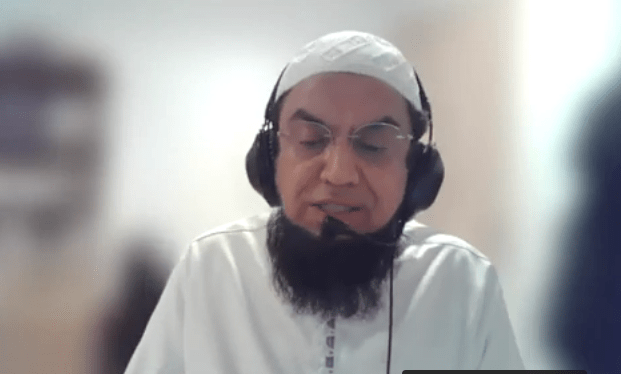
This webinar recording discusses the Hajj pilgrimage, focusing on package bookings through the Nusuk platform. Speakers address concerns about e-wallet verification, payment methods, and package options, emphasizing the importance of early planning and spiritual preparation. Specific package details from a provider (MCDC) are reviewed, along with advice on choosing between different camp locations and addressing common questions from attendees. The speakers stress the significance of intention and sincere dua in the Hajj process. Practical tips regarding health requirements, travel arrangements, and family member registration are also provided.
Hajj 2025 Study Guide
Quiz
Instructions: Answer each question in 2-3 sentences.
- What is the significance of intention in the performance of Hajj, according to Imam Fman?
- What are the four key areas of preparation for Hajj, as outlined by the speaker?
- Why is it important for pilgrims over 65 to travel with a family member who can assist them?
- What is the “grave concern” related to residency verification mentioned by Soil?
- Why is it important to familiarize oneself with the Nusuk portal, according to Soil?
- What are the two main types of packages that will be offered by MCDC this year?
- How do the “shifting” and “non-shifting” packages differ?
- What is the key difference between the Ma’jal Kaba and the Ma’sim camps?
- Why is it not possible to combine funds from two separate family e-wallets?
- What are some recommended payment methods for funding e-wallets?
Quiz Answer Key
- Imam Fman stresses that intention is paramount; any action without intention is void, and any intention not solely for Allah is also void. This means the purpose of performing Hajj should be solely for Allah, not any worldly gain.
- The four key areas of preparation are spiritual preparation, physical preparation (endurance and resilience), planning (financial and logistical), and saving from halal money.
- Pilgrims over 65 need family assistance because neither the Hajj guide team nor MCDC staff will have dedicated time to push wheelchairs or provide direct mobility support during Hajj.
- The grave concern is that non-UK nationals residing in the UK are experiencing difficulties with their residency verification, despite guidance provided by Nusuk.
- It’s vital to familiarize oneself with the portal because once packages are released, there will be an influx of users, and making mistakes during the booking process can cause delays and anxiety.
- The two main types of packages are customized group packages with flights and public packages. The customized packages are tailored for specific groups or regions like the UK, while the public packages are available to a global audience.
- “Shifting” packages involve moving between Makkah and Aizia, potentially before and after the Hajj rituals, while “non-shifting” packages typically involve remaining in one location close to the Haram.
- The key difference is their location: the Ma’jal Kaba camps are located closer to the jamarat (stoning pillars), while the Ma’sim camps are further away (about 4 km).
- E-wallets are linked to specific profiles. Once an e-wallet is activated, it cannot be combined with other activated wallets, although new family members can be added to an inactive profile.
- Recommended payment methods include card payments from Monzo, HSBC Global, Barclay’s Rewards, Halifax Clarity, Starling, and Chase. Revolut is not recommended due to payment issues.
Essay Questions
Instructions: Answer each question in a well-organized essay format.
- Discuss the spiritual significance of Hajj based on the themes presented in the webinar. How does the speaker frame Hajj as an opportunity for reformation and connection with Allah?
- Explain the key practical preparations for Hajj as discussed by the speakers. How do physical, financial, and logistical planning interact with the spiritual objectives of the pilgrimage?
- Analyze the challenges in the verification process for non-UK nationals residing in the UK, and how those challenges demonstrate the complexities of booking a Hajj package.
- Describe the variety of package options available through MCDC and what aspects of each package are beneficial for different types of pilgrims and budgets.
- Evaluate the benefits and challenges of shifting packages as opposed to non-shifting packages, as well as the importance of both location and budget when deciding on a package.
Glossary of Key Terms
- Hajj: The annual Islamic pilgrimage to Mecca, one of the five pillars of Islam.
- Insha’Allah: An Arabic phrase meaning “God willing,” often used to express hope or intent.
- Janaza: An Islamic funeral prayer.
- MCDC: Refers to a specific service provider of Hajj packages (not fully specified in the provided text).
- Nusuk: The official online platform for booking Hajj packages.
- E-wallet: A digital wallet used on the Nusuk platform to hold funds for booking Hajj packages.
- Halal: Permissible or lawful according to Islamic law.
- Salah: Islamic prayer, one of the five pillars of Islam.
- Zakat: Obligatory charity in Islam, one of the five pillars.
- Toba: Repentance in Islam, seeking forgiveness from Allah.
- Makkah (Mecca): The holiest city in Islam, the destination of the Hajj pilgrimage.
- Medina: The second holiest city in Islam, home to the Prophet Muhammad’s mosque.
- Haram: Sacred site or sanctuary, most notably, Masjid al-Haram in Mecca.
- Aizia: A suburb of Makkah where pilgrims may stay, especially to reduce costs.
- Mina: A valley near Mecca, where pilgrims perform some of the rituals of Hajj.
- Jamarat: The pillars where pilgrims perform the symbolic stoning of the devil in Mina.
- Ma’jal Kaba Camp: A type of Hajj camp located close to the Jamarat.
- Ma’sim Camp: A type of Hajj camp located further from the Jamarat.
- Shifting Package: A Hajj package that involves moving between different accommodations or areas before and after the Hajj rituals.
- Non-shifting Package: A Hajj package where pilgrims stay in one location, often close to the Haram, for the duration.
- Far: An obligatory act in Islam.
- Rami: The ritual of throwing stones at Jamarat during Hajj.
- Tawaf: The ritual of circumambulating the Kaaba in Mecca.
- Visa: Travel document required by many countries to enter Saudi Arabia, especially during Hajj.
- T’s and C’s: Terms and conditions.
- Haramain Train: A high-speed railway line connecting the cities of Mecca and Medina.
- Arafat: A plain near Mecca where pilgrims gather for prayer on the ninth day of Dhu al-Hijjah.
- Muzdalifah: A place between Arafat and Mina where pilgrims spend the night after Arafat.
- Umrah: A voluntary Islamic pilgrimage to Mecca, which can be performed at any time of the year.
- Subhah waala: Glorified and exalted. A phrase of reverence and respect for Allah.
- Hajj Expo: An event in Jeddah that features providers of Hajj services.
- Home Office: The UK government department responsible for immigration, security, and law enforcement.
- Nia: Intention, a core concept for all actions in Islam.
- Taul: Complete trust in Allah.
- Sadaqah: Voluntary charity.
Hajj 2024/2025: Preparation and Package Guide
Okay, here is a detailed briefing document summarizing the key themes, ideas, and facts from the provided text:
Briefing Document: Hajj Preparation Webinar
Date: [Date of the webinar – this can’t be determined from the text]
Subject: Hajj 2024/2025 Preparations, Package Details, and E-Wallet Information
Sources: Excerpts from a webinar transcript.
Attendees:
- Rashid (Hajj Guide and Host)
- Imam Fman (Hajj Guide)
- Muhammad Derwish (MCDC Global Client Experience Program Director)
- Soil (E-wallet Expert)
- Numerous prospective Hajj pilgrims
Executive Summary:
This briefing document summarizes key information shared during a Hajj preparation webinar. The webinar covered a range of important topics including the spiritual preparation for Hajj, practical advice regarding physical readiness, e-wallet management, and details about Hajj packages offered by MCDC. The main message was to urge potential pilgrims to finalize their intentions, understand the process of booking, and prepare themselves physically, mentally, and spiritually for the journey.
Key Themes and Ideas:
- Importance of Intention (Niyyah):
- The webinar emphasized the absolute necessity of having a pure intention for Hajj, done solely for the sake of Allah. “Any action without intention is void and any intention without sincerity is also void.” This means both the action of Hajj itself and the inner motivation behind it must be correct.
- Hajj is described as a “once in a lifetime opportunity” and an invitation from Allah, elevating those who intend to go to the status of “guests of Allah.”
- Pilgrims are encouraged to get their intentions right and focus on the purpose of Hajj, which is to reform oneself and cleanse oneself.
- Spiritual and Practical Preparation:
- Spiritual preparation is paramount, including self-reflection and reform, and drawing on resources about spirituality.
- Physical preparation is crucial, as Hajj involves considerable walking and physical exertion. Pilgrims should aim for endurance and resilience. As an example, one of the Hajj guides says that “there was a day in our Hajj last year we had walked approximately 30,000 steps.”
- Financial preparation: Savings should be from Halal sources. “Remember brothers and sisters you will face challenges but if you’ve got your sincerity in place if you’re doing Hajj for Allah if you live life for Allah no challenges will upset you.”
- Elderly pilgrims should ensure they have family assistance for mobility issues, especially those who are wheelchair users, as support teams will not have capacity to assist with that.
- E-wallet Management:
- Pilgrims were urged to familiarize themselves with the Nusuk portal once they have been verified and have access. They are urged to “play around with the portal” and make mistakes now so that when packages go live, they are comfortable and proficient.
- The system is still having problems with residency verifications for non-nationals residing in the UK. The team is working to resolve this.
- There have been issues with using Revolut cards for e-wallet top-ups. The funds from unsuccessful transactions will be returned. Monzo, HSBC Global, Barkley’s, Halifax, Starling, and Chase were mentioned as reliable alternatives.
- Pilgrims were advised not to get “hung up on the small decimals” regarding the exchange rates. “Every single exchange rate is there and thereabouts around on 4.65 4.66 thereabouts.”
- E-wallets are specific to families and cannot easily be combined. Deleting or delinking a family member from a wallet can make it difficult to add them back. The advice is “make your decision now before it becomes a little bit more complicated.”
- A percentage of any amount withdrawn from the wallet is deducted. 2.3% plus 15% vat. “Once you’ve paid for your package, the process of issuing your tickets, issuing your Visa the HUD visa and issuing your hotels it all starts.”
- It’s crucial to understand cancellation and refund policies. These are the standard banking fees and “are not made by nusuk or nor the Hajj ministry”.
- Hajj Packages:
- There will be “customized packages,” which are group packages with flights, and some “public packages,” which will be open to everyone globally and may or may not include flights.
- The main packages are due to go live around February 9th but notification will be 48 hours in advance, with a reconfirmation 2 hours before the launch.
- Packages will be available in three main categories:
- Luxury (close to Haram, top-end hotels)
- Premium (hotels a bit further from Haram)
- Standard (vicinities around Masha’ir area).
- Packages may also be shifting or non-shifting. Shifting packages involve residing in Aizia before Hajj, then Makkah. This allows for cost reduction.
- Camp locations:
- Majar KB: Located near the Jamarat with less capacity and is a high-demand camp. Approximately 300-700m from Jamarat.
- MIM: Located further away (around 4 km, approximately 45min -1 hour walk away). It’s a misperception that this is a low standard camp.
- MCDC offers six main customized Hajj packages, which they will be uploading to the portal. These include a luxury express package (Majar caps), luxury shifting packages (Aizia based hotels), and standard packages.
- They are working on upgrading the hotel for their luxury packages.
- Aizia can be seen as a convenient place to stay, close to other pilgrimage sites. “The distance is less than a quarter [than other places].”
- The MCDC packages range from approximately 7,000 to 10,500 GBP, including flights, with some flexibility based on shifting or non-shifting status.
- MCDC has created packages tailored to different budgets and preferences.
- “We recommend people to go for MIM to get more probabilities to get slots because majar caps is very small is only 5,000”.
- Pilgrims should have backup packages chosen in case they do not get their first preference.
- Packages are sold on a “first-come-first-served” basis.
- It is recommended that individuals configure their packages and select room choices beforehand so that they are ready to check out quickly when the system goes live.
- The packages may be visible before the 9th of Feb.
- Health RequirementsMeningitis ACYW vaccination is mandatory.
- COVID-19 and seasonal flu vaccinations are strongly recommended, but not mandatory.
- Pilgrims should consult with their doctors about their personal medications and any additional advice.
- Pilgrims should bring an adequate amount of their medications with them, plus some extra in case of delays.
- Nusuk Portal:The Nusuk portal is the only official site to book Hajj packages.
- Pilgrims should not engage with anyone outside of the official portal as it could be a scam and lead to life-threatening situations. “Please please please do not fall prey to anyone offering a guaranteed Hajj package outside of this portal.”
- The portal should be used to check the terms and conditions, refund policies, and any changes to packages.
Quotes from the Source:
- “Any action without intention is void and any intention without sincerity is also void.”
- “if you fail to plan you plan to fail”
- “They will lead you down the Garden Path it will cost you lot of money uh and potentially risking your life as well if you were to book a package outside of the nurser portal.”
- “It’s a purchase of a bed in a room.”
- “Every single exchange rate is there and thereabouts around on 4.65 4.66 thereabouts.”
- “We are here to direct you and assist you with you to select the best package that’s suitable for you”
- “The merchant which is uh the bank on the nusuk side has not accepted it they will send it back within seven to 10 days”
- “Once you’ve paid for your package, the process of issuing your tickets, issuing your Visa the HUD visa and issuing your hotels it all starts”
- “Focus on the prize”
Action Items/Key Takeaways:
- Finalize your intention for Hajj.
- Start physical preparations for the rigors of Hajj.
- Get familiar with the Nusuk portal and e-wallet functions.
- Make decisions about family groups in your e-wallet as soon as possible.
- Have alternative packages in mind as a backup.
- Ensure your e-wallet is topped up appropriately, with extra for luxury packages.
- Be ready for the booking process, as it will be a hectic and frantic period.
- Do not delay, Hajj is a calling and it is important to take action now.
Conclusion:
The webinar aimed to equip potential Hajj pilgrims with all the necessary information for their Hajj journey. While practical matters such as booking packages and managing e-wallets are crucial, the webinar stressed the spiritual dimension of Hajj and the importance of proper intention, physical readiness, and the ability to trust in Allah’s plan.
Hajj Preparation and Nusuk Platform FAQ
FAQ on Hajj Preparations and Nusuk Platform
1. What is the primary focus that Muslims should have when preparing for Hajj, and why is intention so important?
The primary focus should be on your spiritual development and reformation. Hajj is not just a physical journey, but a spiritual one aimed at cleansing yourself. It is crucial to get your intention right, understanding that you are doing Hajj purely for Allah, not for any worldly gain or recognition. An action without intention is void, and an intention without sincerity is also void. So you need to know your reason for Hajj and that intention must be solely for the sake of Allah.
2. Why is it crucial to book Hajj packages through the official Nusuk portal, and what are the risks of using unofficial sources?
The Nusuk portal is the only official site for booking Hajj packages. Booking outside of this portal can lead to scams, financial losses, and potentially dangerous situations. Unofficial sources may not provide genuine packages, leaving you without proper accommodations or visas, jeopardizing your Hajj and potentially risking your safety.
3. What is the difference between “customized packages” and “public packages” on Nusuk, and which should UK residents prioritize?
Customized packages are group packages designed for specific countries and include flights. These are the primary focus for the first phase of bookings. Public packages are general packages available for a global audience which may or may not include flights. UK residents should prioritize the customized packages in the first booking phase as they are specifically tailored to their needs including flights and assembly points. Public packages should be considered as a backup option if the customized packages are fully booked.
4. What are the different accommodation options during Hajj, and how do they impact cost?
Accommodation options range from luxury (hotels closest to the Haram), to premium (a little further away), and standard (located in areas like Aziziyah). Additionally, shifting packages provide the option to stay in Aziziyah before or after Hajj, offering cost savings because staying near Haram during peak Hajj days can be very expensive. The location and type of room greatly influence the price of the package, so consider whether you prefer a close stay in Makkah or if saving is a greater consideration. Be aware that while you may pay for a certain type of room in luxury hotels, it is not guaranteed in areas like Aziziyah.
5. What is the difference between the Ma’asal Cubs and the MIM camps, and how does that impact your Hajj experience?
The Ma’asal Cubs are located near the Jamarat (the stoning site), while the MIM camps are located further away (approximately 4km). While the Ma’asal Cubs are often seen as “VIP”, in reality, both have adequate facilities and are very similar with the primary difference being proximity. Proximity to the Jamarat is the main benefit of the Ma’asal Cubs, which are a higher price due to the limited number of spots, whereas MIM is a slightly longer walk to the Jamarat. It’s not always necessary to focus on securing the Ma’asal Camps as most pilgrims will be in the MIM camps.
6. How should you manage your e-wallet and family members on the Nusuk platform, and what is the best way to top up?
You should make all decisions regarding family members before activating and topping up the e-wallet because it becomes complex to change them afterwards. Once you activate an e-wallet by crediting it, you can not link it to another wallet which has already been activated. Removing family members will be difficult and will involve deleting profiles. When topping up, stick to card payments from the suggested banks that have been tested such as Monzo, HSBC Global, Barclays, Halifax Clarity, Starling, Chase. Do not rely on Revolut as it may not work due to issues on the Saudi side. Make your decisions on the family situation before topping up.
7. What should you consider regarding cancellations and refunds on Nusuk and what does the 14 day rule mean?
Before topping up your e-wallet review the cancellation and refund policy within Nusuk. Be aware that if you cancel you will not get a full refund as fees and percentages will be deducted by the banks, not Nusuk or the Hajj agencies. These fees increase as your travel date gets closer due to the start of booking for flights, visas and accommodation and that they get confirmed. Be aware of the t’s and c’s at the bottom of each package and the cancellation fee’s associated with the package. The 14-day cooling off period doesn’t apply to Nusuk. Do not delay topping up your wallet in the hope that you could benefit from this non-existent rule, as you may not secure a package at all.
8. What practical preparations should you make to prepare for Hajj?
Preparation should be spiritual, physical, and financial. Start with the spiritual preparation, consulting resources focused on spiritual development and Hajj. Physically, build your stamina for walking as there will be a lot. For finances, save from Halal money. Pack light to make your journey easier. In regards to health make sure you have the required and recommended vaccinations. Consult your doctor about any existing health issues. Also make sure that you understand that if you are elderly and need wheelchair assistance that a family member is available to help and that there will be no one on the ground to do that for you.
Hajj 2024: A Comprehensive Guide to Preparation
Hajj preparations involve several key aspects, including spiritual, physical, and logistical planning [1, 2].
Spiritual Preparation:
- It is crucial to get your intention right, focusing on performing Hajj solely for Allah [1].
- Any action without intention is void, and any intention without sincerity is also void [1].
- Hajj is the fifth pillar of Islam, incorporating elements of other pillars like prayer, financial sacrifice, physical exertion, and spiritual devotion [1].
- Pilgrims should aim for spiritual development and reformation, seeking to cleanse themselves [2].
- It is important to have a mindset focused on living life for Allah so that challenges will not be upsetting [2].
- Making sincere Dua (supplication) and giving in charity are important spiritual practices that can facilitate the Hajj process [3].
Physical Preparation:
- Physical resilience and endurance are vital for Hajj, as it involves a lot of walking [2]. Some pilgrims may walk 30,000-50,000 steps in a day [2].
- Pilgrims should prepare for the physical demands of Hajj, recognizing it is not an “easy ride” [2].
- There will be Hajj walks to help with the physical preparation [4].
- Those with mobility issues, especially wheelchair users, must bring a family member to assist them, as there will be no dedicated assistance provided for pushing wheelchairs [5].
Financial Preparation:
- Save up for Hajj using only halal (permissible) money [2].
- Be prepared for challenges, but maintain sincerity in performing Hajj for Allah [2].
- Funds should be added to an e-wallet for package purchases, with amounts around 9,000 pounds as a starting point [6].
- Be aware of bank charges and VAT for withdrawals, which can amount to about 2.65% of the amount withdrawn [7].
- Understand the cancellation and refund policies [7, 8].
- There may be differences in room sharing in different locations [9]. For example, even if one has paid for a double room in Makkah and Madinah, one may have to share with four or five people in aizia [9].
Logistical and Practical Preparation:
- Pilgrims must ensure that they have the required meningitis ACYW certificate, which is valid for 5 years [10].
- Covid-19 and seasonal influenza vaccinations are strongly recommended [10, 11].
- Pilgrims should take any regular medication and ensure they have extra for travel delays [10].
- Register and verify accounts on the official Nusuk portal, as this is the only official way to book a Hajj package [10, 12].
- Familiarize yourself with the Nusuk portal and its functions [13].
- Understand the different types of packages: luxury, premium, standard, shifting and non-shifting, and different camp locations [12, 14].
- The location of your hotel significantly impacts the package price [14].
- It is important to make decisions about family circumstances, especially when adding or removing family members from a wallet, before topping up the e-wallet [15].
- Understand that packages are not protected under UK package travel regulations [8].
- The customized packages are only available for a particular country [16].
- There are two types of packages, customized and public, with the customized packages being released first [12, 17]. The customized packages are for specific countries, while the public packages will be globally distributed [16, 17].
- The customized packages will be made available before the public packages and pilgrims are advised to try to book in the first phase of booking [3, 16].
- Prepare for a potentially hectic period when packages go live, and have backup package options [18].
- Travel light, and avoid bringing unnecessary items, as many items will be provided [19].
- Be aware that if the package includes a shift to Aizia, the accommodation there is more basic even if a higher category package was purchased for Makkah [9].
- In general, the camps at Mina, including those at Ma’s and Ma’s are similar in quality except for the proximity to the jamarat [9].
- The packages are a purchase of a bed in a room so a room can be shared with others [14].
- The packages are sold on a first come, first serve basis and once a package is sold out, it will not be available to be purchased [20].
Additional Points:
- MCDC is one of the official service providers for Hajj packages and has specific packages that will be available on the Nusuk platform [21, 22].
- Packages may include a Haramain train between Makkah and Madinah [23, 24].
- Shifting packages allow for stays in Aizia, which is near the holy sites [24-26]. Aizia also provides access to the local culture [25].
- The prices of packages vary, with standard packages starting at around £7,000 and luxury packages up to £10,500 [22, 27].
- The exact price will be revealed 48 hours prior to when the packages go live on Nusuk [27].
- There are different packages offering different lengths of stay, but it is common to stay up to 18 days in the standard packages [19, 28].
- There is a free shuttle service available from Aizia to the Haram and back [19, 20].
- The Nusuk system will allow comparison of up to 5 different packages at a time [18].
- The timing for when the packages will become live on the Nusuk platform will be announced 48 hours in advance, and reconfirmed 2 hours before the launch [29].
- The first phase of booking is for the customized packages while the public packages will be available in the second phase a week later [16, 17].
Nusuk E-wallet Activation Guide for Hajj
E-wallet activation is a crucial step in the Hajj booking process on the Nusuk portal [1, 2]. Here’s what you need to know:
- Verification: Before you can activate your e-wallet, you must first register and verify your account on the official Nusuk portal [2, 3].
- Topping Up: Once verified, you can begin topping up your e-wallet with funds [2]. It’s recommended to start with approximately £9,000 as a baseline [4]. This amount can be adjusted once the package prices are visible [4].
- Card Payments: When adding funds to the e-wallet, stick to using the recommended card payments, such as Monzo, HSBC Global, Barclays Rewards, Halifax Clarity, Starling and Chase [4]. There have been issues with using Revolut due to the banks on the Saudi side not accepting payments from it [4].
- Familiarize Yourself: If you have topped up your e-wallet, take the time to familiarize yourself with the portal [2]. This will help you avoid mistakes when booking your packages [2].
- Family Members: If you need to make changes to your family circumstances, do so before topping up your e-wallet [5]. Once a wallet is activated with funds, it is more difficult to add or remove family members [5]. If a profile has not been activated, you cannot invite someone who already has a credited wallet [5]. Also, you cannot delink a family member from an activated wallet; you have to remove the family member from the wallet [5].
- One Wallet Per Family: There is only one wallet globally for one family [5].
- Refunds: Before topping up your wallet, review the cancellation and refund policy on the Nusuk website [6]. Be aware that there are bank charges and VAT for withdrawing funds from the e-wallet [6]. These charges are not made by Nusuk or the Hajj ministry but rather by the bank that Nusuk uses [7]. A small withdrawal of £1 can incur a charge of about 2.65% [6]. Also, be aware that the closer you get to Hajj, the greater the deduction on your total fee for cancellations [7].
- Transfer Times: Funds are generally transferred within 24 hours to the wallet, but sometimes, it can be instant [6].
- 14-Day Rule: Do not postpone crediting your wallet based on the notion of the 14-day rule, as this may cause you to miss out on securing a package [7].
- No Package Protection: Packages purchased through the Nusuk portal are not protected under UK package travel regulations [7]. You are buying directly from the Saudi authorities [7].
- Multiple Wallets: If you have multiple profiles, each with an activated wallet, these cannot be combined [5].
- Timing: It’s important to make decisions about adding and removing family members and topping up your wallet before the packages become available on the portal since those changes become much more difficult once a wallet is activated [5].
Hajj Package Selection Guide
Selecting the right Hajj package involves understanding various factors, including package types, pricing, and what each package includes [1, 2]. Here’s a detailed breakdown to assist you:
Package Types:
- Customized Packages: These are group packages tailored for specific countries and are available in the first phase of booking on the Nusuk platform [1, 3]. They typically include flights and are designed to meet the preferences of pilgrims from specific regions [3].
- Public Packages: These are more general packages available globally and are released in the second phase of booking [1, 3]. They may or may not include flights and are available to a wider audience [3, 4].
- Luxury Packages: These are top-tier packages with hotels located closest to the Haram in Makkah and Madinah [1, 2].
- Premium Packages: Hotels are located a little further from the Haram [1, 2].
- Standard Packages: Hotels are located in the vicinities around Mash AIA [1, 2].
- Shifting Packages: These packages involve moving between Makkah and Aizia, allowing for flexibility and cost reduction [1, 2]. Some packages offer the option to start in Makkah, then move to Aizia, or vice versa, and also the option to end in Medina [5, 6].
- Non-Shifting Packages: These packages allow you to stay in Makkah and not move to Aizia [2].
Camp Locations:
- Majal KB Camps: These camps are located near the Jamarat [2, 7]. They are in high demand because of their proximity to the Jamarat [8].
- MIM Camps: These camps, also known as European camps, are located further away, approximately 4 km or a 45-minute to 1-hour walk from the Jamarat [2]. It’s important to note there is little difference between the two camps except for proximity to the Jamarat [7, 8].
Factors to Consider:
- Hotel Location: The closer your hotel is to the Haram, the more expensive the package will be [2].
- Shifting vs. Non-Shifting: Shifting packages can reduce costs but can also involve sharing rooms in Aizia with more people than in the Makkah or Medina accommodations [2, 7]. For example, even if you pay for a luxury double room in Makkah and Madinah, you might have to share with four or five people in Aizia [7]. In Aizia, the rooms are typically segregated quad rooms where men share with men and women share with women [7].
- Camp Location: Ma’s camps are closer to the Jamarat but have limited capacity compared to Ma’s camps [7, 8].
- Duration of Stay: The packages range in length, with most stays up to 18 days [9]. Longer stays in Makkah are less common due to crowds [9].
- Transportation: Some luxury packages include the Haramain high-speed train between Makkah and Madinah, while others use modern buses [5, 6, 10]. Standard packages usually include only buses between cities [10].
MCDC Packages:
- MCDC (the marketing arm for MCDC in the UK and beyond) offers customized packages for Hajj [11].
- MCDC is one of the official service providers for Hajj packages on the Nusuk platform [12].
- These packages come in different categories, such as luxury and standard, with variations in location, transportation, and amenities [13].
- Luxury Express Package: Includes five-star accommodations in Makkah and Madinah with a prime location close to the Haram, half board in hotels, and full board in camps, as well as snacks and refreshments in Mifa [5]. It includes transportation via the Haramain train and modern buses [5]. MCDC is planning to upgrade the hotels to Makkah Towers, which is closer to the Haram [5].
- Luxury Shifting Package: This option involves staying in Aizia for part of the Hajj period, which can reduce costs [5, 6]. It offers options to either start or end in Medina [5, 6]. It includes half-board accommodations, and also the possibility of Makkah Towers in the shifting site [5, 6].
- Standard Packages: Includes accommodations in Aizia, with good-quality hotel options and dining facilities [14]. These packages offer easy access to the Katari mosque and public bus transport, as well as planned shuttle services [14]. It includes a hotel in the first line of Medina’s Haram and modern buses between cities [10].
Package Selection Strategy
- Have Backup Options: Since packages sell out quickly on a first-come-first-served basis, it’s crucial to have backup options if your first choice is not available [15]. The system also allows comparison of up to five packages so that you can make an informed decision [16].
- Plan Ahead: Be prepared to act quickly when the packages become available [4, 16].
- Prioritize First Phase: Focus on securing your package during the first phase since those packages are customized and may not be available in the second phase [4, 17].
- Don’t Delay Don’t wait for the second phase, as the availability of packages may be limited [4, 17].
- Be Flexible Be open to different options, and understand that the most important thing is to perform Hajj [7, 18].
- Set Priorities: Determine your priorities, whether it’s proximity to Haram, cost, or specific amenities [17].
- Be Realistic: Be aware that despite any wish list, the package you receive is what matters most [8].
Additional Information
- The official Nusuk portal is the only place to book packages [19].
- MCDC will share package codes with registered participants [10].
- Prices for standard packages start at around £7,000, while luxury packages can go up to £10,500, but these prices may change [12, 20]. A deposit of 10,000-10,500 is recommended for the luxury package [20].
- The actual price for packages will be available on Nusuk 48 hours before the packages go live [20].
- There are no differences between the Ma’s and Ma’s camps, except for proximity to the Jamarat [7, 8].
- There is a free shuttle service from Aizia to the Haram and back [15].
- The packages are a purchase of a bed in a room so a room can be shared with others [2].
By considering these factors, you can make an informed decision and select a Hajj package that meets your needs and preferences.
Hajj Health Requirements
The health requirements for Hajj are important to understand before traveling. Here’s a breakdown of what you need to know, according to the sources:
- Meningitis ACYW Vaccine: This vaccine is mandatory for all pilgrims [1]. You must have a certificate of vaccination, which will be checked at the airport before your departure from Manchester or Heathrow [1]. The certificate is valid for five years [1].
- COVID-19 Vaccination: Although not mandatory, the COVID-19 vaccine is strongly recommended by Saudi Arabian health authorities [1, 2]. Both vaccinated and unvaccinated pilgrims are allowed to enter the kingdom, but vaccination is recommended to reduce the risk of contracting or spreading COVID-19 [2].
- Seasonal Influenza Vaccine: The seasonal influenza vaccine is also recommended [1].
- Other Vaccinations: If you have any underlying health conditions or illnesses, it’s essential to visit your general practitioner (GP) for additional vaccines or health advice [1]. You may need additional vaccinations depending on your country of origin [2]. It is important to consult the ministry of Hajj website or the Nusuk website before your trip to make sure you are meeting the requirements [2].
- Medications: If you take regular medication, ensure you have an adequate supply for your travel, including extra in case of delays [1].
- Health Advice: It is important to consult your doctor in case of any health conditions [2].
- Knee Pads: If you have a painful knee, wearing a knee pad is permitted, and there will be no compensation to pay for wearing it during the Hajj days if it’s necessary for you to wear it [3].
Important Note: While the meningitis vaccine is mandatory, other vaccinations are recommended for your safety and to prevent the spread of illness among pilgrims [2]. It is important to consult your doctor and check the requirements based on your country of origin [2].
Nusuk Hajj Portal: Booking Guide
The Nusuk portal is the official platform for booking Hajj packages [1, 2]. Here’s a breakdown of its key features and how to use it effectively, based on the sources:
Key Functions and Features:
- Registration and Verification: You must register and verify your account on the Nusuk portal to book a Hajj package [3]. Verification is necessary before you can activate your e-wallet [4].
- E-wallet Activation: The portal is where you activate your e-wallet, which is required to pay for your Hajj package [3].
- Package Selection: The portal is where you will be able to view, configure and purchase Hajj packages [3, 4].
- Customized Packages: You can find and book customized packages tailored for specific countries. These are typically available during the first phase of booking and include flights [4, 5].
- Public Packages: The portal also offers public packages that are available globally and will be released in the second phase of booking [4, 5].
- Package Details: The portal provides details about each package, including the location of hotels and camps, the type of transportation included, and the length of stay [6, 7]. It also offers the terms and conditions for each package, including refund policies [8, 9].
- Compare Packages: The portal allows you to compare up to five packages, which allows you to choose the option that best suits your needs [10]. You can also see how much interest other people have in a particular package [10].
- Family Management: You can add family members to your profile and manage family bookings on the portal, although these changes become more difficult once an e-wallet has been activated [11].
- Secure Booking: The Nusuk portal is the only official site for booking Hajj packages. You should not book packages outside of the portal, as this can lead to fraud and potential risks to your safety [2].
How to Use the Portal Effectively:
- Familiarization: Before packages go live, familiarize yourself with the portal’s interface, including the layout, booking steps, and how to navigate between sections [3]. It is also important to practice configuring and selecting packages, including selecting room types, flights, and additional services, to ensure you can do this efficiently when the packages go live [3, 10].
- E-wallet Top-Up: After verification, top up your e-wallet using the recommended payment methods [3]. Be aware of the bank charges and VAT involved in withdrawing funds [8].
- Plan Ahead: Since packages sell out quickly, plan which package you want before the release date, but also have a backup options in case your first choice is not available [10].
- Check for Updates: The dates for the release of packages may be subject to change, so it is important to check the portal and official channels regularly [2, 12]. The portal will display all packages, including airline options, before the booking date, so you can be prepared for the booking process [13].
- Be Ready to Book: Once you have selected a package, you should be ready to check out as quickly as possible when the time comes [10]. You can configure a package and put it in your basket, but keep in mind that the basket could be emptied before the packages go live [10].
- Review Policies: Before confirming your booking, review the cancellation and refund policies as well as the terms and conditions for your specific package [8, 9].
Important Considerations:
- No Package Protection: Be aware that the packages purchased through Nusuk are not protected under UK package travel regulations [9].
- Direct Purchase: When you buy a package on the Nusuk portal, you are buying directly from the Saudi authorities [9].
- Timing: The portal can be overwhelmed by traffic when the packages first go live, so be patient and keep trying [10].
By using the Nusuk portal effectively, you can secure the best possible Hajj package for your needs.

By Amjad Izhar
Contact: amjad.izhar@gmail.com
https://amjadizhar.blog
Affiliate Disclosure: This blog may contain affiliate links, which means I may earn a small commission if you click on the link and make a purchase. This comes at no additional cost to you. I only recommend products or services that I believe will add value to my readers. Your support helps keep this blog running and allows me to continue providing you with quality content. Thank you for your support!
