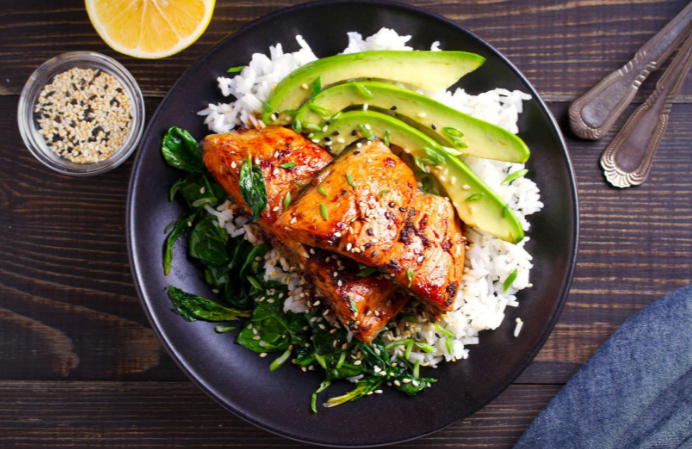
Fast food is no longer the budget-friendly option it once was. What was once hailed as an affordable solution for those short on time and cash has turned into a financial trap, with some items costing almost as much as a sit-down restaurant meal. The shift has left many customers asking: Is it worth the price?
This blog will explore the startling reality of fast food’s rising costs. We’ll uncover the marketing tactics that make these overpriced items seem appealing while breaking down why their value doesn’t match the hype. From underwhelming portions to bland flavors, these meals often leave you feeling both hungry and regretful.
In an era where convenience reigns supreme, it’s easy to fall into the trap of overpriced fast food. However, knowledge is power, and with a deeper understanding of these pitfalls, you’ll be better equipped to make smarter dining choices. Buckle up as we dive into the top offenders draining your wallet while doing little to satisfy your appetite.
Keywords: fast food prices, overpriced meals, convenience food, budget-friendly dining alternatives, fast food traps
Wendy’s Biggie Bags may seem like a great deal at first glance, but a closer look reveals otherwise. Once known for their budget-friendly “4 for $4” deal, Wendy’s has upped the ante with the Biggie Bag. Priced at around $5 or more, the portions are still frustratingly small, with a tiny drink, modest fries, and a basic burger or chicken nuggets that leave you wishing for more. This price hike cleverly disguises itself as an upgrade but offers little additional value to the consumer.
The real kicker lies in the psychology of it all. Four items in one package sound like a good bargain, but when each item barely satisfies, the illusion of value fades. Dining experts have pointed out how fast food chains use such strategies to justify price increases while giving customers less. For an even better meal, consider making your own burger at home—you’ll save money and calories.
Keywords: Wendy’s Biggie Bag review, fast food portion sizes, overpriced combo meals, meal deals, fast food marketing tactics
At Panera Bread, a comforting bowl of chicken noodle soup will set you back nearly $10, a price many find hard to swallow. While Panera prides itself on fresh and wholesome ingredients, the portion sizes often leave patrons dissatisfied. For what you spend on this “fast casual” option, you could prepare a week’s worth of soup at home with better results.
Financial experts often recommend making staples like soup at home because the cost savings are substantial. A can of soup from the grocery store combined with some fresh bread can easily replicate the Panera experience for a fraction of the price. As appealing as Panera’s cozy aesthetic may be, it doesn’t justify the steep price of an item as simple as chicken noodle soup.
Keywords: Panera Bread soup cost, affordable dining alternatives, DIY chicken noodle soup, fast food value comparison
The iconic McDonald’s Big Mac is another fast food item that’s fallen victim to price inflation. Once an affordable staple, this burger now costs enough to make even loyal fans think twice. Despite the recognizable name and clever marketing, the Big Mac doesn’t offer much in terms of portion size or quality ingredients.
Nutritionists and culinary experts have often pointed out that making your own burger at home is not only cheaper but also healthier. The so-called “special sauce” is just a blend of common condiments, making it easy to replicate. When you consider the rising cost of a Big Mac, the idea of enjoying a better, customizable burger from your own kitchen becomes all the more appealing.
Keywords: McDonald’s Big Mac review, overpriced fast food items, make burgers at home, fast food nostalgia
As we’ve seen, these fast food items disguise themselves as convenient and satisfying options, but their high prices and low value tell a different story. Wendy’s Biggie Bag, Panera’s chicken noodle soup, and McDonald’s Big Mac are prime examples of how the industry capitalizes on branding and nostalgia while delivering less bang for your buck.
Instead of falling for these traps, consider smarter, budget-friendly alternatives. Cooking at home can be both an economical and rewarding experience, offering not only better taste but also peace of mind about what goes into your food. By taking control of your choices, you can save money and enjoy meals that truly satisfy.
Keywords: fast food alternatives, overpriced fast food critique, smart dining choices, home-cooked meals
Hashtags: #FastFoodTips #BudgetDining #CookAtHome
4- Chipotle Guacamole
Chipotle’s guacamole may be a fan favorite, but is it really worth the $2 upcharge? When you consider that a single avocado costs about a dollar and yields enough for several servings, the value becomes questionable. What you get at Chipotle—a small dollop of guac—feels more like a luxury tax than an enhancement to your burrito or bowl.
Experts in food economics often cite such pricing strategies as a prime example of how fast food chains capitalize on convenience and consumer habits. Making your own guacamole at home not only saves money but also allows you to adjust flavors to your liking. A homemade burrito or bowl, paired with freshly made guacamole, can rival the taste of any restaurant offering at a fraction of the cost.
Starbucks has built a brand synonymous with coffee culture, but its prices can leave you questioning the value. A basic cup of coffee or a latte often costs more than making an entire week’s worth of drinks at home. While the quality isn’t terrible, it’s not remarkable enough to justify the markup, especially when straightforward alternatives are so easy to make.
Investing in a quality coffee maker and some fresh beans can elevate your morning brew experience. Many coffee enthusiasts recommend exploring different roasts and brewing techniques, such as French press or pour-over methods, to replicate—and even surpass—Starbucks quality. When you compare the cost per cup at home versus a daily Starbucks run, the savings quickly add up.
Chick-fil-A has built a loyal customer base with its signature chicken sandwiches, but recent trends have raised eyebrows. Customers have reported that these sandwiches seem smaller than they used to be, a tactic commonly referred to as “shrinkflation.” This practice involves reducing portion sizes while maintaining or increasing prices, leaving customers paying more for less.
Food industry analysts warn that shrinkflation is a growing trend across the board, particularly in fast food. For those looking to enjoy a hearty chicken sandwich without the disappointment of shrinking portions, replicating Chick-fil-A’s recipe at home is a rewarding option. By doing so, you can enjoy larger portions, control ingredients, and avoid feeling short-changed.
Keywords: Chick-fil-A shrinkflation, chicken sandwich size reduction, DIY chicken sandwich recipes, fast food portion shrinkage, food industry trends
The pricing practices behind Chipotle’s guacamole, Starbucks coffee, and Chick-fil-A sandwiches reveal a troubling trend in the fast food industry. These items are marketed as premium offerings but often fail to deliver the value their price tags suggest. From guac that barely covers a chip to shrinking sandwiches, consumers are increasingly left unsatisfied.
By choosing to prepare these items at home, not only do you regain control over quality and portion size, but you also take a stand against these sneaky pricing tactics. Home cooking can be a more enjoyable and budget-friendly experience, proving that you don’t have to settle for less while paying more.
Keywords: fast food pricing strategies, shrinkflation in fast food, home cooking benefits, overpriced menu items critique, smart dining choices
Subway’s Footlong Subs, once synonymous with value thanks to the “Five Dollar Footlong” campaign, now feel more like a bait-and-switch. With prices creeping up to $10 or more, the once-affordable option has lost its appeal, especially when paired with its reputation for using low-quality ingredients. The increase in cost doesn’t align with any notable improvement in taste or ingredient quality, leaving customers paying premium prices for mediocre sandwiches.
Critics of fast food economics argue that Subway’s pricing model reflects an overreliance on branding rather than genuine value. Considering that a homemade sub packed with fresh ingredients can be made for half the price, Subway’s offerings seem increasingly redundant. For a more satisfying experience, crafting your own sandwich allows for customization, better flavors, and significant cost savings.
Keywords: Subway Footlong price increase, overpriced fast food, DIY sandwiches, fast food value critique, Subway Five Dollar Footlong nostalgia
Sonic Drive-In’s burgers were once celebrated for their affordability and taste, but those days are long gone. Over time, their prices have skyrocketed, leaving loyal customers questioning the value. Compounding the issue is the deteriorating quality of their offerings, which are often overly greasy and lacking the flavor that once made them a favorite. Worse still, lengthy wait times at Sonic further diminish the dining experience, leaving patrons frustrated and unsatisfied.
Food critics often highlight Sonic’s decline as an example of a franchise losing touch with its core appeal. Instead of enduring overpriced and underwhelming meals, consider experimenting with gourmet burger recipes at home. With a few simple ingredients, you can enjoy a flavorful, juicy burger without the hassle or expense of waiting in a Sonic drive-through line.
Keywords: Sonic burger quality decline, overpriced burgers, gourmet burger recipes, fast food wait times, fast food disappointments
Hashtags: #SonicBurgers #FastFoodWoes #DIYBurgers
9- Fish Sandwiches
Fish sandwiches in fast food chains often come with a hefty price tag, justified by claims of high-quality fish like cod or tuna. However, industry insiders have raised concerns about the origins and regulation of the fish used. Sandwiches like McDonald’s Filet-O-Fish often use less expensive, lower-quality fish while charging premium prices, leaving consumers overpaying for what might not even meet their expectations of freshness or flavor.
Seafood experts advise caution when choosing fish items in fast food, citing inconsistent sourcing and preparation practices. If you’re craving a fish sandwich, making your own at home ensures better control over the quality and origin of the fish. By opting for reputable sources and fresh ingredients, you can create a satisfying meal that outshines its fast food counterparts.
Keywords: fast food fish sandwiches, Filet-O-Fish quality, fish sandwich alternatives, seafood regulation, DIY fish sandwich recipe
The soaring costs and declining quality of Subway’s Footlong Subs, Sonic’s burgers, and fast food fish sandwiches are symptomatic of an industry prioritizing profit over value. These items no longer represent the budget-friendly convenience they once did, leaving customers to foot the bill for subpar ingredients and uninspired meals.
For a more rewarding dining experience, skip these overpriced options and embrace home cooking. From sandwiches to burgers to fish entrees, making these meals at home allows for fresher ingredients, personalized flavors, and significant savings. By avoiding the fast food trap, you can enjoy meals that truly deliver on taste and value.
Keywords: overpriced fast food items, Subway and Sonic critique, fish sandwich alternatives, home cooking benefits, budget-friendly dining options
Dairy Queen’s side salad might look like a healthy choice, but it’s an enormous letdown for anyone expecting value or substance. The portion size is so small that it hardly qualifies as a snack, let alone a meal. Despite its high price for such a modest offering, the salad is little more than a handful of iceberg lettuce with a few meager toppings. Customers hoping for a nutritious, satisfying option are left frustrated and hungry.
Nutritionists frequently recommend skipping fast food salads altogether due to their lack of freshness and poor value. For the price of Dairy Queen’s side salad, you could buy a range of fresh vegetables and craft a vibrant, hearty salad at home. Not only will this be more filling, but it will also deliver better nutrition and flavor.
Keywords: Dairy Queen side salad review, fast food salads, overpriced small portions, healthy meal alternatives, DIY salad recipes
Chick-fil-A’s nuggets may be popular, but they’re undeniably overpriced. For what amounts to a few bites of chicken, you’re paying a premium price. While Chick-fil-A’s signature sauces are a draw, they’re nothing more than basic blends like honey mustard, which can easily be replicated at home. The blandness of the nuggets often fails to justify their cost, making them one of the less appealing options on the menu.
Cooking chicken nuggets at home is not only cost-effective but also allows for customization of seasonings and breading. With minimal effort, you can whip up a batch of crispy, flavorful chicken nuggets that surpass fast food quality. Pair them with your own dipping sauces for an experience that’s both delicious and budget-friendly.
Keywords: Chick-fil-A nuggets cost, fast food chicken alternatives, DIY chicken nuggets, homemade dipping sauces, overpriced menu items
Taco Bell’s so-called “value menu” has become a misnomer in recent years. Gone are the days of dollar tacos and burritos that offered an inexpensive way to fill up. The current offerings are small, uninspired, and priced well above what many consider reasonable for the portion size. Once beloved for its affordability, Taco Bell has alienated fans by replacing value with inflated costs and underwhelming flavors.
Culinary critics often note that the ingredients used in Taco Bell items—like beans, cheese, and tortillas—are among the cheapest in the food industry. Making your own Tex-Mex creations at home is an easy and cost-effective way to enjoy the flavors you love without the frustration of paying more for less. Homemade tacos and burritos allow you to control spice levels, fillings, and portions for a far more satisfying meal.
Keywords: Taco Bell value menu critique, overpriced Tex-Mex, DIY tacos and burritos, fast food portion sizes, Tex-Mex alternatives
From Dairy Queen’s laughable side salad to Chick-fil-A’s overpriced nuggets and Taco Bell’s disappointing value menu, it’s clear that fast food chains are prioritizing profit over providing fair value to customers. These items serve as prime examples of how the industry has shifted away from affordability while delivering less in terms of portion size and quality.
The solution? Skip the drive-thru and embrace the art of home cooking. Crafting salads, nuggets, and Tex-Mex dishes at home not only saves money but also guarantees fresher ingredients and tastier results. By taking control of your meals, you can avoid the pitfalls of overpriced fast food and enjoy dining experiences that truly satisfy.
Panda Express’s fried rice, once a reliable side or snack, now comes with a shocking price tag of around $8. While fried rice is a staple dish meant to be inexpensive and filling, Panda Express’s version has deviated from this principle. Considering its basic ingredients—rice, egg, peas, and carrots—this price feels unjustifiable, especially when the quality has been inconsistent.
Homemade fried rice offers an excellent alternative at a fraction of the cost. By using leftover rice and fresh vegetables, you can recreate this dish in under 20 minutes for about $2. Adding your favorite proteins or spices can elevate the flavors far beyond what Panda Express provides, proving that homemade truly beats overpriced fast food.
Keywords: Panda Express fried rice price, DIY fried rice recipe, fast food side dishes, affordable Asian cuisine, overpriced menu items
Five Guys may deliver delicious, juicy burgers, but their pricing has become a significant deterrent. At roughly $12 per burger—not including fries or a drink—it’s hard to justify the cost for what is essentially fast food. While the quality of their ingredients is better than some competitors, it’s still not enough to warrant the steep price tag for many consumers.
Food enthusiasts often highlight that the secret to a great burger isn’t necessarily expensive ingredients, but rather thoughtful preparation. With a few pantry staples and fresh ground beef, you can create burgers that rival Five Guys at a fraction of the price. Pair them with homemade fries and a shake for a complete meal that satisfies both your cravings and your budget.
Keywords: Five Guys burger prices, gourmet burger alternatives, DIY burgers and fries, fast food cost analysis, overpriced fast food critique
Jersey Mike’s cheesesteaks are marketed as premium sandwiches, but their pricing tells a different story. At nearly $10 or more per sandwich, customers receive bland, under-seasoned meat and bread that lacks the heft and flavor expected from a classic cheesesteak. The cost simply doesn’t align with the underwhelming experience, leaving many feeling short-changed.
Culinary experts argue that making a cheesesteak at home is both simple and far more rewarding. With high-quality steak, fresh rolls, and your choice of cheese, you can prepare a hearty, flavorful cheesesteak at a fraction of the price. By seasoning and customizing to your preferences, your homemade version will not only cost less but also taste far superior.
Keywords: Jersey Mike’s cheesesteak review, DIY cheesesteak recipe, fast food pricing critique, homemade subs, affordable sandwich recipes
Panda Express’s fried rice, Five Guys burgers, and Jersey Mike’s cheesesteaks are emblematic of how fast food chains have strayed from their roots of convenience and affordability. These items showcase inflated prices without offering quality or satisfaction to match. As customers, we’re left wondering if the price of fast food is now more about brand identity than value.
Rather than overpaying for subpar meals, explore the joy of making these dishes at home. From fried rice to burgers and cheesesteaks, home cooking allows you to take control of portion sizes, flavors, and costs. With a little effort, you’ll not only save money but also elevate your dining experience far beyond what these chains provide.
Keywords: overpriced fast food items, fast food critique, DIY fried rice and cheesesteaks, affordable dining alternatives, fast food value decline
Starbucks is known for its pricey coffee, but its hot food offerings are equally eye-popping. A tiny, reheated sandwich or wrap can set you back more than $6, making it one of the least cost-effective options in fast food. The food isn’t prepared fresh; it’s frozen, thawed, and toasted, leaving customers questioning whether the price reflects quality or just the Starbucks brand.
Experts in culinary economics argue that Starbucks’s hot food represents the commodification of convenience at a premium price. For a fraction of the cost, you can make a better, fresher breakfast sandwich at home, tailored to your tastes. With fresh bread, eggs, and your favorite toppings, the results will far outshine Starbucks’ overpriced offerings.
Keywords: Starbucks overpriced food, frozen sandwich alternatives, DIY breakfast sandwich, fast food critique, hot food convenience
Panera’s mac and cheese is a classic example of fast food marketing over substance. While the dish is presented as an indulgent entrée, it’s more of a microwaved side dish priced exorbitantly at $8 or more. Adding insult to injury, these dishes are not prepared fresh; they are shipped frozen and reheated, making the high price tag feel even more unjustified.
Food critics often point out that mac and cheese is one of the easiest comfort foods to prepare at home. With minimal effort and basic ingredients like pasta, cheese, and milk, you can whip up a creamy, flavorful dish that rivals restaurant offerings for a fraction of the price. Elevating it with gourmet cheeses or toppings ensures an experience far superior to Panera’s uninspired version.
Keywords: Panera mac and cheese review, overpriced comfort food, DIY mac and cheese recipe, fast food frozen meals, affordable homemade meals
Papa John’s pizzas are overpriced and underwhelming, with bland crusts, overly sweet sauces, and a texture that many describe as cardboard-like. For what you’re paying—often over $15 for a basic pie—the quality doesn’t match expectations, especially given the wide variety of better options available from other chains and local pizzerias.
Pizza lovers often find that making pizza at home not only saves money but also delivers superior results. A simple dough recipe paired with fresh sauce, cheese, and toppings can transform your kitchen into a pizzeria. The process is straightforward and allows for customization, ensuring every slice is perfectly suited to your taste.
Keywords: Papa John’s pizza critique, overpriced fast food pizza, DIY pizza recipes, homemade pizza alternatives, fast food pizza disappointment
Starbucks’ reheated hot food, Panera’s frozen mac and cheese, and Papa John’s lackluster pizzas exemplify the overpricing trend plaguing the fast food industry. These items capitalize on brand loyalty and convenience while offering little in terms of value or quality. For discerning diners, they represent missed opportunities for affordable and satisfying meals.
By stepping away from these overpriced items and embracing homemade alternatives, you can enjoy fresh, flavorful food without breaking the bank. From warm, customized breakfast sandwiches to creamy mac and cheese and gourmet pizzas, cooking at home offers not only financial savings but also a more rewarding dining experience.
Keywords: overpriced fast food critique, Starbucks food review, Panera frozen meals, Papa John’s pizza alternatives, affordable home cooking
McDonald’s pancakes have lost their appeal for many breakfast lovers, primarily due to skyrocketing prices and limited availability. Once part of an all-day breakfast menu, they are now restricted to morning hours, which can be a frustrating limitation for customers with busy schedules. Coupled with the fact that the pancakes themselves are pre-made and reheated, the current pricing feels disproportionate to the quality offered.
Homemade pancakes are a cost-effective and superior alternative. With simple ingredients like flour, eggs, and milk, you can prepare fluffy pancakes in minutes, adding your favorite toppings for a personal touch. By skipping the McDonald’s line, you’ll enjoy a better breakfast that’s kinder to your wallet.
Keywords: McDonald’s pancakes critique, DIY breakfast recipes, fast food breakfast cost, homemade pancake alternatives, breakfast value meals
Fast food chains charging extra for sauces have become a sore point for many customers. Paying additional fees for tiny containers of dipping sauces feels excessive, especially considering the already inflated prices of the meals themselves. To make matters worse, frequent mistakes by staff—such as forgetting to include the paid sauces—add insult to injury.
Experts in customer experience suggest that such practices erode consumer trust and loyalty. Instead of paying for sauces, consider making your own at home. From honey mustard to barbecue, DIY sauces are easy to whip up and allow for flavor customization. Plus, you’ll never have to deal with the frustration of missing condiments again.
Keywords: fast food sauces pricing, DIY dipping sauces, customer service in fast food, fast food hidden fees, homemade condiment recipes
Firehouse Subs offers flavorful sandwiches, but their small-sized subs are a poor value for the price. At only a marginal discount compared to their medium-sized counterparts, the small subs leave customers paying almost the same amount for significantly less food. For anyone seeking value for their money, this option feels like a blatant misstep.
Opting for the medium sub, even if it seems excessive, is a smarter choice. By saving half for later, you maximize your investment and get more food for just a small price increase. For those who enjoy sandwiches regularly, making subs at home is an even better idea—letting you control portion sizes, quality, and flavor combinations.
Keywords: Firehouse small subs value, overpriced fast food sandwiches, DIY sandwich recipes, fast food portion critique, affordable meal planning
McDonald’s pancakes, paid dipping sauces, and Firehouse’s small subs underscore how fast food pricing often fails to deliver value. These items showcase a troubling trend: fast food chains exploiting customer convenience while compromising on portion size, quality, and affordability. The result is an increasingly dissatisfied customer base.
Rather than settling for overpriced menu options, consumers can explore alternatives that are both cost-effective and satisfying. From crafting pancakes to preparing sauces and hearty sandwiches, home cooking provides greater control over quality and costs. By making these small adjustments, you can sidestep fast food pitfalls and enjoy meals that are truly worth their price.
Keywords: overpriced fast food items, breakfast cost critique, DIY sauce recipes, affordable meal alternatives, Firehouse sub pricing
Sonic Drive-In’s hot dogs, including their iconic footlong Coney, might seem like a filling meal option, but the price tells a different story. These hot dogs are served with modest toppings and carry a hefty price tag, making them one of Sonic’s least appealing offerings in terms of value. While the portion size hasn’t suffered from shrinkflation, the cost still doesn’t justify the simplicity of the dish.
For a budget-friendly alternative, making hot dogs at home is a no-brainer. With a pack of quality sausages and fresh buns from the grocery store, you can add your favorite toppings like chili, cheese, or onions without breaking the bank. Homemade hot dogs not only save money but also allow for healthier and tastier customization.
Keywords: Sonic hot dogs review, overpriced fast food meals, DIY hot dog recipes, affordable homemade food, Sonic menu critique
Pizza Hut, once a reliable name in American fast food, has seen a steep decline in both quality and value. Over the years, the chain’s pizzas have devolved into overpriced offerings with bland crusts, excessive grease, and uninspired toppings. Despite these issues, Pizza Hut continues to raise its prices, leaving loyal customers wondering if they’re paying for the food or just the branding.
Pizza enthusiasts seeking better value can look to local pizzerias or try their hand at making pizza at home. With fresh dough, vibrant tomato sauce, and quality cheese, you can create a pie that surpasses Pizza Hut in taste and affordability. Plus, making pizza at home allows for limitless topping combinations to suit your cravings.
Keywords: Pizza Hut critique, fast food pizza alternatives, DIY pizza recipes, overpriced fast food items, local pizzerias vs. chains
Krispy Kreme may tout its “Hot and Ready” donuts as an indulgent treat, but the high prices and declining quality tell a different story. The donuts, while fresh, are often overly sweet and lack the complexity that would justify their premium cost. Compared to grocery store donuts or even competitors like Dunkin’, Krispy Kreme’s offerings don’t live up to the hype or the price tag.
For a better donut experience, consider exploring local bakeries or even trying your hand at homemade donuts. With a few simple ingredients, you can recreate that warm, fresh-out-of-the-oven sensation without overspending. Whether you prefer classic glazed or something more elaborate, making donuts at home ensures better taste and value.
Keywords: Krispy Kreme overpriced donuts, DIY donut recipes, affordable sweet treats, local bakery options, fast food dessert alternatives
Sonic’s overpriced hot dogs, Pizza Hut’s uninspired pies, and Krispy Kreme’s overhyped donuts highlight how fast food chains are increasingly relying on nostalgia and branding rather than delivering quality and value. These items disappoint not only in taste but also in how much they drain your wallet for a subpar experience.
By turning to local alternatives or preparing similar items at home, you can enjoy meals and treats that are fresher, tastier, and more affordable. From customizing hot dogs to baking your own donuts, these simple adjustments can elevate your dining experience while keeping your budget intact.
Keywords: overpriced fast food items, Sonic hot dogs critique, Pizza Hut vs. local pizza, Krispy Kreme review, DIY food alternatives
KFC’s “Taste of KFC” menu does little to justify its name or its cost. With undersized chicken portions, meager biscuits, and sides that barely fill half the container, this so-called value meal leaves customers unsatisfied. The omission of a drink from the combo only amplifies the feeling that the chain is shortchanging its patrons. As fast food prices climb, the promise of “value” in meals like this feels increasingly disingenuous.
Instead of settling for such skimpy offerings, you can replicate the KFC experience at home. By oven-baking or air-frying chicken with a signature spice blend, you’ll achieve a flavorful meal at a fraction of the cost. Pair it with homemade buttermilk biscuits and a hearty side, and you’ll forget the disappointment of KFC’s overpriced menu.
Keywords: KFC value menu critique, overpriced fast food chicken, DIY fried chicken recipes, homemade fast food alternatives, KFC meal alternatives
Hashtags: #KFCFail #DIYChicken #FastFoodCritique
26- Tim Hortons
Once a staple for affordable coffee and baked goods, Tim Hortons has seen a noticeable decline in both quality and value. The chain’s coffee, which was never more than serviceable, now pales in comparison to competitors while sporting an unjustifiably high price tag. As a result, even loyal patrons are questioning why they should pay Starbucks-like prices for a subpar experience.
If you’re looking for better alternatives, local coffee roasters often provide higher quality beverages for similar prices. Alternatively, brewing coffee at home lets you experiment with flavors and beans to suit your palate while saving significantly over time. For baked goods, consider supporting independent bakeries, which typically offer fresher, tastier treats.
Keywords: Tim Hortons coffee review, overpriced coffee chains, local coffee alternatives, DIY coffee brewing, fast food coffee decline
Long John Silver’s continues to fall short when it comes to offering seafood that justifies its prices. Their fried fish entrées, while crispy on the outside, often consist of mystery fish with questionable origins. For the high cost, customers are left wondering if they’re paying for quality seafood or just the chain’s marketing.
Seafood lovers can achieve better results by shopping smartly at their local fish market. Fresh fish, coated with a simple batter and fried at home, delivers a superior meal without the exorbitant cost. Add a homemade tartar sauce, and you’ll have a restaurant-quality dish that doesn’t leave you second-guessing its origins.
Keywords: Long John Silver’s review, overpriced fast food fish, DIY seafood recipes, fresh fish cooking tips, fast food seafood critique
The disappointments of KFC’s skimpy “value” meals, Tim Hortons’ overpriced offerings, and Long John Silver’s mystery fish illustrate how fast food chains continue to compromise value for the sake of profit. These items highlight the growing disconnect between consumer expectations and the reality of overpriced, underwhelming menu options.
For consumers tired of wasting money on disappointing meals, home cooking provides a more satisfying and cost-effective alternative. From fried chicken to freshly brewed coffee and crispy seafood, taking matters into your own hands ensures that your meals are both delicious and worth every penny.
Keywords: fast food value critique, overpriced fast food trends, DIY cooking benefits, affordable dining alternatives, fast food disappointments
Once a strong competitor to McDonald’s, Burger King has seen a significant decline in the quality of its burgers. What used to be a reliable fast food option is now a disheartening experience, characterized by soggy lettuce, tasteless tomatoes, and overcooked patties. Even signature items like the Whopper have lost their charm, leaving customers wondering if the high price tag is for the food or just nostalgia.
For a more satisfying experience, skip the drive-thru and make your own burgers at home. Freshly ground beef, a toasted bun, and crisp, fresh toppings will always outshine the lackluster offerings from fast food chains. With the added bonus of controlling the ingredients, you can ensure better quality and flavor without overspending.
Keywords: Burger King burgers review, fast food quality decline, DIY burger recipes, fast food alternatives, Whopper quality issues
Zaxby’s wings are a classic case of style over substance. While the chain has a loyal fan base, their wings have never been exceptional in flavor or texture. Recently, the skyrocketing prices have only added to the disappointment, particularly since they no longer include celery—a staple side that once came with the meal. This omission feels like a slap in the face to customers already paying premium prices for mediocre food.
If you’re a wing enthusiast, making wings at home is surprisingly easy and far more rewarding. By baking or frying wings and tossing them in your favorite sauces, you can create a flavorful, satisfying dish. Don’t forget to pair them with fresh celery and carrot sticks to complete the experience, all for a fraction of the cost.
Keywords: Zaxby’s wings critique, overpriced fast food wings, DIY chicken wings, homemade wing recipes, fast food portion cuts
Hashtags: #ZaxbysFail #DIYWings #FastFoodCritique
30- Sodas
The price of soda at fast food restaurants is nothing short of outrageous. While it costs the chains pennies to pour a drink from a soda fountain, customers are routinely charged $2 or more for what is essentially sugar water. Considering the health implications of sugary sodas—ranging from tooth decay to an increased risk of chronic illnesses—this overpriced beverage is an easy skip.
Instead of shelling out for a soda, consider healthier and more affordable alternatives like infused water, iced tea, or sparkling water with a splash of fruit juice. These options are not only better for your health but also help you avoid the frustration of paying premium prices for a low-cost product.
Keywords: overpriced fast food soda, soda health risks, healthy beverage alternatives, fast food drink critique, DIY drink ideas
The steady decline of once-reliable options like Burger King’s burgers, Zaxby’s wings, and even basic sodas reflects a troubling trend in the fast food industry. Consumers are being asked to pay more for less while receiving a subpar dining experience. This disappointing reality leaves customers questioning their loyalty to chains that no longer prioritize quality or value.
By stepping away from fast food and exploring homemade alternatives, you can reclaim both your budget and your dining satisfaction. From flavorful wings to customizable burgers and refreshing drinks, these at-home options prove that better taste and value are well within reach.
Keywords: fast food disappointment, Burger King quality issues, Zaxby’s wings review, soda alternatives, DIY food savings
Schlosser, Eric.Fast Food Nation: The Dark Side of the All-American Meal. Houghton Mifflin, 2001. A comprehensive look at the fast food industry’s impact on health, economics, and culture.
Spurlock, Morgan.Don’t Eat This Book: Fast Food and the Supersizing of America. G.P. Putnam’s Sons, 2005. A critical examination of fast food culture, written by the creator of the documentary Super Size Me.
Moss, Michael.Salt Sugar Fat: How the Food Giants Hooked Us. Random House Trade Paperbacks, 2014. Explores how food corporations use science and marketing to make fast food irresistible and unhealthy.
Petrini, Carlo.Slow Food Nation: Why Our Food Should Be Good, Clean, and Fair. Rizzoli Ex Libris, 2007. Offers an alternative to fast food by championing the slow food movement and its focus on quality ingredients.
Nestle, Marion.What to Eat. North Point Press, 2006. A practical guide to making healthier food choices, including navigating fast food options wisely.
Pollan, Michael.In Defense of Food: An Eater’s Manifesto. Penguin Press, 2008. Encourages readers to eat more whole foods and avoid processed products, including most fast food items.
Freedman, David H.Wrong: Why Experts Keep Failing Us—and How to Know When Not to Trust Them. Little, Brown and Company, 2010. Includes insights into the marketing of fast food and its role in public misinformation.
Kessler, David A.The End of Overeating: Taking Control of the Insatiable American Appetite. Rodale Books, 2009. Examines how fast food chains design their products to be addictive and discusses strategies for breaking free from those habits.
Stuckler, David, and Sanjay Basu.The Body Economic: Why Austerity Kills. Basic Books, 2013. Discusses how economic trends, including the affordability of fast food, affect public health outcomes.
Barber, Dan.The Third Plate: Field Notes on the Future of Food. Penguin Books, 2014. Provides a vision for sustainable food systems that challenge the fast food status quo.
Warner, Melanie.Pandora’s Lunchbox: How Processed Food Took Over the American Meal. Scribner, 2013. Investigates how processed food, including fast food, became a staple in the American diet.
Zinczenko, David, and Matt Goulding.Eat This, Not That! Fast Food Survival Guide. Rodale Books, 2009. Offers practical tips for navigating fast food menus while making healthier choices.
These works provide a thorough understanding of the fast food industry’s economic, health, and cultural impacts, as well as alternatives and solutions.
Affiliate Disclosure: This blog may contain affiliate links, which means I may earn a small commission if you click on the link and make a purchase. This comes at no additional cost to you. I only recommend products or services that I believe will add value to my readers. Your support helps keep this blog running and allows me to continue providing you with quality content. Thank you for your support!
What if the way we eat reveals more about our minds than our bodies? Behind every food choice lies a complex web of psychological influences—from social environments to cognitive biases—that shape our daily habits in ways we often underestimate. Eating, though seemingly instinctive, is deeply intertwined with how we think, feel, and relate to others.
Modern psychology has increasingly turned its lens toward food behavior, unraveling patterns that help explain eating disorders, food addiction, cultural trends, and even the manipulation of appetite in marketing. Experimental psychology seeks to examine food behavior under controlled conditions, while social psychology explores interpersonal dynamics and cultural scripts around food. Applied psychology, in turn, translates these findings into strategies for public health, therapy, and behavioral change.
In a society overwhelmed by fast food, diet culture, and conflicting health advice, understanding the psychological underpinnings of eating is more important than ever. This post offers an in-depth exploration of the psychological perspectives that govern eating behaviors—from empirical experiments and social constructs to real-world interventions—offering insight into how and why we consume food the way we do.
1 – Experimental Psychology and Eating Behavior
Experimental psychology investigates eating behavior by employing controlled studies to uncover causal relationships between variables like hunger cues, portion sizes, and reward systems. Laboratory experiments have consistently demonstrated that people eat more when presented with larger portions, a phenomenon termed the “portion size effect.” This controlled insight has profound implications for dietary interventions, especially when addressing obesity and overconsumption in Western societies.
Dr. Brian Wansink, author of Mindless Eating, showed how subtle environmental cues—such as lighting, plate size, and even the color of food—can drastically influence our eating patterns without conscious awareness. His research is a cornerstone in experimental psychology’s contribution to the field, highlighting how manipulations in the lab reveal the hidden levers of food behavior. For those interested in further study, The Psychology of Eating: From Healthy to Disordered Behavior by Jane Ogden is a comprehensive source.
2 – Cognitive Control and Eating Regulation
Cognitive control refers to our brain’s capacity to override impulses in favor of long-term goals, including those related to eating. However, research in experimental psychology has shown that this control is frequently undermined by stress, sleep deprivation, or cognitive load, leading individuals to make poor dietary choices. This supports the dual-process theory of decision-making, where automatic, impulsive responses often overpower rational thought.
Dr. Roy Baumeister’s work on ego depletion suggests that willpower is a finite resource—when depleted, individuals are more likely to indulge in high-calorie comfort foods. Thus, successful dietary behavior may depend less on raw willpower and more on environmental structuring and habit formation. Books like Willpower: Rediscovering the Greatest Human Strength by Baumeister and Tierney offer detailed explorations of this concept in the context of food.
3 – The Role of Reward Systems in Food Choices
Food activates the brain’s reward systems, particularly the dopaminergic pathways associated with pleasure and reinforcement. Experimental studies using neuroimaging techniques reveal that high-sugar and high-fat foods stimulate the same brain areas as addictive substances, explaining why people can develop compulsive eating habits.
Dr. Nicole Avena’s research, summarized in her book Why Diets Fail, argues that sugar can produce withdrawal symptoms and tolerance—two hallmarks of addiction. Understanding how food taps into these neural circuits helps psychologists develop interventions that counteract addictive behaviors and promote healthier relationships with food.
4 – Social Influence and Eating Norms
Our food choices are rarely made in a vacuum; they are profoundly shaped by those around us. Social psychology has shown that people often mimic the eating habits of their peers—a concept known as “social modeling.” This effect is particularly pronounced in group settings where individuals conform to perceived norms about how much and what to eat.
Studies by Dr. Alexandra Van den Akker indicate that simply being in the presence of a person eating large portions can cause others to eat more, regardless of hunger. These insights are vital for designing social interventions in schools, workplaces, and public health campaigns. The Social Psychology of Eating by Alex Behnke provides further reading on how group dynamics shape dietary behavior.
5 – Culture and Food Identity
Culture plays a powerful role in defining what is acceptable, desirable, or taboo in food consumption. Social psychology highlights how cultural scripts influence everything from meal structure to food preferences. For instance, communal eating in collectivist societies fosters different emotional and social connections to food than the individualistic approaches common in the West.
Claude Fischler’s seminal essay “Food, Self and Identity” underscores the symbolic nature of food in shaping both personal and group identity. Food is not merely sustenance; it is a cultural artifact. Understanding this dimension is crucial for psychologists working in multicultural settings or designing inclusive nutrition interventions.
6 – Emotional Eating and Affect Regulation
Eating often serves as a coping mechanism for regulating emotions, especially negative ones. Applied psychology has shown that emotional eating is a maladaptive strategy associated with anxiety, depression, and low self-esteem. It creates a short-term relief loop that often leads to long-term health issues.
According to Susan Albers, author of Eating Mindfully, emotional eaters need to develop awareness of their triggers and cultivate alternative coping strategies such as journaling, physical activity, or mindful breathing. Psychological therapy modalities like CBT (Cognitive Behavioral Therapy) are widely used to help individuals recognize and restructure harmful emotional-eating patterns.
7 – Mindfulness and Intuitive Eating
Mindful eating is a psychological intervention grounded in the concept of present-focused awareness. Instead of labeling foods as “good” or “bad,” intuitive eating encourages individuals to listen to internal hunger and satiety cues, promoting a healthier relationship with food.
Research by Dr. Jean Kristeller shows that mindfulness-based interventions can reduce binge eating and increase dietary satisfaction. Her work, along with Evelyn Tribole’s Intuitive Eating, offers a practical framework for shifting from external control to internal regulation, empowering individuals to break free from the cycle of chronic dieting.
8 – Food Marketing and Psychological Manipulation
Food marketing taps directly into psychological biases to manipulate consumer behavior. Techniques such as scarcity messaging, emotional branding, and deceptive labeling are commonly employed to influence food choice. Applied psychologists have studied how these tactics exploit cognitive heuristics, leading consumers to make choices that are not in their best health interests.
In The End of Overeating, Dr. David Kessler explains how the food industry engineers hyper-palatable foods that bypass our natural satiety signals. Psychology plays a pivotal role in understanding—and ultimately countering—these manipulative strategies, especially through public policy and consumer education.
9 – Childhood Conditioning and Taste Preferences
Eating habits are often established early in life through conditioning, modeling, and reinforcement. Experimental research suggests that repeated exposure to certain foods in childhood increases acceptance and preference, a phenomenon supported by the “mere exposure effect.”
According to Dr. Leann Birch, early feeding practices shape not only taste preferences but also attitudes toward food. Her studies advocate for responsive feeding strategies and avoidance of pressuring children to eat, which can backfire and create food aversions. For a deeper dive, Childhood Obesity: Contemporary Issues by J. A. O’Dea is a useful resource.
10 – Habit Formation and Eating Behavior
Habits are automatic behaviors triggered by context rather than conscious intent. According to experimental psychology, eating habits are often governed by cues such as time of day, location, or emotional state. These habits become difficult to break because they operate outside of our awareness.
Dr. Wendy Wood, author of Good Habits, Bad Habits, emphasizes that sustainable change occurs when we modify the context rather than rely solely on motivation. Applied psychological strategies focus on identifying triggers and substituting healthier responses, thereby reshaping eating behavior over time.
11 – Eating Disorders and Psychological Roots
Anorexia, bulimia, and binge eating disorder are serious conditions with complex psychological underpinnings. Social and experimental psychology help identify the cognitive distortions and emotional disturbances that contribute to these disorders. For instance, perfectionism and low self-worth are strongly linked with restrictive eating patterns.
Dr. Christopher Fairburn’s Cognitive Behavior Therapy and Eating Disorders remains a foundational text in understanding and treating these conditions. Effective intervention often requires multidisciplinary approaches, integrating psychotherapy, nutritional counseling, and medical supervision.
12 – Gender Differences in Eating Behavior
Research in social psychology suggests that gender norms significantly influence eating behavior. Women are more likely to engage in dieting and report body dissatisfaction, while men are more prone to overeating in social contexts due to different expectations around masculinity and food.
A study by Fallon and Rozin showed that men and women perceive ideal body weight differently, which in turn shapes their food choices. Recognizing these gendered patterns is crucial for tailoring health interventions and promoting equity in eating disorder prevention.
13 – Media Influence on Body Image and Food Choices
Media exposure strongly affects how individuals perceive food and body image. Social psychology reveals that constant bombardment with idealized body types and diet trends fosters unrealistic standards, leading to disordered eating and dissatisfaction.
Naomi Wolf’s The Beauty Myth explores how societal pressure, fueled by media, encourages women to prioritize appearance over health. Media literacy programs that teach critical consumption of digital content are an effective psychological tool in combating these harmful influences.
14 – Stress and Its Impact on Appetite
Stress alters both appetite and food preference. Acute stress often suppresses hunger, while chronic stress leads to increased consumption of calorie-dense foods. The underlying mechanism involves cortisol, a hormone that influences cravings and fat storage.
According to a study by Dr. Elissa Epel, individuals under chronic stress show heightened activation in brain regions associated with reward. Psychological interventions like stress management, mindfulness, and cognitive restructuring are essential tools for restoring healthy eating behaviors.
15 – Environmental Cues and Mindless Eating
The environment exerts a powerful but often unnoticed influence on how much we eat. From music and lighting in restaurants to the arrangement of food in supermarkets, environmental cues can lead to overeating without conscious intent.
Dr. Brian Wansink’s work in this domain shows that simple changes—like placing fruit at eye level—can significantly influence choices. This branch of applied psychology forms the basis of “choice architecture,” now used in public health to guide healthier behavior without restricting freedom.
16 – Behavioral Economics and Food Decisions
Behavioral economics blends psychology and economics to explain why people make irrational food choices. Concepts like “loss aversion,” “default bias,” and “present bias” help explain why people often choose immediate gratification over long-term health benefits.
In Nudge by Thaler and Sunstein, the authors discuss how small design tweaks can lead to better food decisions. For example, making healthier options the default in cafeterias leads to improved dietary patterns—a powerful insight for policy makers and health educators.
17 – Time Perception and Eating Pace
People often underestimate how fast they eat, which leads to overconsumption. Experimental psychology has shown that eating slowly enhances satiety signals and reduces caloric intake, largely because the brain needs time to register fullness.
Mindful pacing is now a recognized component in behavioral interventions for obesity. Techniques such as using non-dominant hands, putting utensils down between bites, and chewing thoroughly are small but effective tools in changing eating tempo.
18 – Decision Fatigue and Food Choice
By the end of a long day filled with decision-making, cognitive resources are depleted, leading to poor food choices—a phenomenon known as decision fatigue. This helps explain why many people abandon their diet plans in the evening.
Psychologist Dr. Kathleen Vohs emphasizes the importance of minimizing decision points by meal prepping and planning ahead. Reducing choice overload allows individuals to maintain consistency in healthy eating even when mentally exhausted.
19 – Self-Control and Delayed Gratification
The famous “marshmallow test” by Walter Mischel illustrated how the ability to delay gratification predicts long-term outcomes, including eating habits. Individuals who develop strong self-control mechanisms are more likely to maintain balanced diets and resist temptations.
Modern applications of this research suggest that self-regulation can be trained through goal-setting, visualization, and self-monitoring techniques. The Marshmallow Test by Mischel delves into the lifelong implications of impulse control, including food-related behavior.
20 – Public Policy and Behavioral Interventions
Applied psychology plays a significant role in designing public policies that encourage healthier eating. From banning trans fats to implementing calorie labeling, these interventions aim to shift population behavior without relying solely on personal willpower.
Dr. Kelly Brownell, in Food Fight: The Inside Story of the Food Industry, advocates for systemic changes like soda taxes and school meal reforms. When grounded in psychological research, public policy can become a robust lever for promoting nutritional well-being across populations.
21-Perception of Tastes Our taste perception isn’t merely a mechanical response to food stimuli; it’s deeply rooted in our psychological and sensory expectations. Experimental psychology shows that what we expect to taste often colors what we actually taste. For instance, a study by Yeomans et al. (2008) demonstrated that labeling a food as “healthy” versus “indulgent” could change participants’ perception of its taste, despite being the same food item. This subjective experience of taste is also influenced by our cultural background, early exposure, and even color perception—red foods, for instance, are often judged to be sweeter.
Applied psychology leverages these insights in marketing and food product development. The rise of “flavor-tripping” foods, which change how we experience taste (like miracle berries), capitalizes on our malleable sensory systems. As psychologist Charles Spence notes in Gastrophysics: The New Science of Eating, “we eat with our senses—and most importantly, our brains.” Understanding taste perception is crucial in promoting healthier diets, especially when modifying processed foods to retain palatability while enhancing nutritional content.
22-Social-Psychological Effects on Eating Behavior Eating is far from an isolated act; it’s a profoundly social experience. Social psychology highlights the phenomenon of social facilitation—people tend to eat more in the presence of others. According to Herman, Roth, and Polivy (2003), individuals may unconsciously mirror the eating behaviors of their peers, a phenomenon called “social modeling.” This explains why portion sizes and dietary choices often align with group norms, whether in family dinners or restaurant outings.
Moreover, societal expectations and stigmas play a powerful role in shaping eating behavior. For example, gender norms often dictate that men eat more and women eat less in public settings. This alignment with expected roles may override internal hunger cues, leading to either overconsumption or restrictive eating. The implications of these behaviors are significant in public health, suggesting that effective nutritional interventions must consider social and cultural dynamics, not just individual choices.
23-Motivation for Eating at the Instinct Level At its most primal level, eating is driven by homeostatic mechanisms—hunger and satiety signals regulated by the hypothalamus. These evolutionary instincts ensure survival by maintaining energy balance. Hormones like ghrelin stimulate hunger, while leptin signals fullness. Such processes are largely automatic, responding to the body’s caloric needs and fluctuations in blood sugar.
However, instinctual eating can be disrupted in modern food environments. With high-calorie foods readily available, the once-efficient survival mechanisms may now lead to overeating. As Paul Rozin points out in The Omnivore’s Dilemma, “humans have always had to navigate the line between enough and too much.” Thus, understanding the biology behind instinctual motivation offers critical insight into addressing rising rates of obesity and eating disorders.
24-Motivation for Eating at the Knowledge Level When people choose what to eat based on what they know, they are operating at a cognitive level influenced by education, awareness, and information. Nutritional labels, dietary guidelines, and public health campaigns all attempt to shape this layer of eating motivation. A well-informed person may reach for whole grains over refined ones not out of craving, but due to an understanding of their long-term health benefits.
Yet knowledge alone does not guarantee behavior change. The “knowledge-behavior gap” often arises because knowing what’s healthy doesn’t always translate into action. As highlighted by Ajzen’s Theory of Planned Behavior, intentions influenced by knowledge must be supported by perceived control and social norms. Thus, while knowledge-based motivation is necessary, it must be bolstered by supportive environments and consistent messaging to yield tangible results.
25-Motivation for Eating at the Belief Level Our beliefs—spiritual, cultural, or ethical—play a profound role in shaping our eating behavior. These are more deeply ingrained than mere knowledge and often drive long-term dietary choices. For instance, someone who believes in animal rights may adopt veganism not just for health reasons, but as a moral imperative. Religious practices like fasting during Ramadan or abstaining from certain foods during Lent reflect the powerful influence of belief on consumption.
Beliefs also affect how we perceive food’s effects. If someone believes a certain food is harmful—even without scientific evidence—they may experience negative symptoms, a phenomenon akin to the nocebo effect. Psychologist Kelly McGonigal notes in The Willpower Instinct that “beliefs act as filters for reality,” shaping our experiences in real time. Therefore, changing eating behavior often requires engaging not only the intellect but also the belief systems that underpin dietary decisions.
26-Palatability or Contentment? Is it the taste or the emotional reward that keeps us coming back for more? While palatability—defined as the pleasure derived from the sensory properties of food—is a major driver of eating, it’s not the whole picture. The concept of contentment introduces a psychological dimension where satisfaction arises not just from taste, but from meeting emotional or symbolic needs.
This is where comfort food enters the picture. Often, these meals are not particularly gourmet or complex, but they satisfy deeper emotional needs rooted in nostalgia or tradition. Research by Macht (2008) suggests that food can serve as an emotional regulator, offering temporary relief from negative emotions. However, habitual emotional eating can become maladaptive, leading to health issues and dependency. Understanding this distinction helps professionals address not just what people eat, but why they seek satisfaction from certain foods.
27-Other Psychological Factors in Eating Beyond the major categories, numerous subtle psychological variables influence eating habits. Stress, for instance, has a dual effect: some people overeat in response to stress (hyperphagia), while others lose their appetite entirely (hypophagia). Cortisol, the stress hormone, increases appetite and cravings for sugary, fatty foods—a survival mechanism gone rogue in modern society.
Another factor is attention. Studies by Wansink and Chandon (2006) show that distracted eating—like snacking in front of the TV—leads to higher calorie intake and reduced awareness of satiety signals. This concept of mindful eating, promoted by Jon Kabat-Zinn, encourages full awareness during meals to improve self-regulation and enjoyment. By recognizing and managing these hidden psychological factors, individuals can develop healthier and more intentional eating patterns.
28-Body Image and Eating Behavior Body image plays a significant psychological role in eating decisions. People dissatisfied with their bodies may engage in restrictive diets, binge-eating, or compulsive exercising. This relationship is particularly pronounced in adolescents and young adults, where media portrayals of “ideal” bodies create unrealistic benchmarks that distort self-perception.
Clinical psychologist Thomas Cash, in his book The Body Image Workbook, emphasizes that body dissatisfaction is one of the strongest predictors of disordered eating. Moreover, social media intensifies these pressures through filtered images and diet culture. Addressing body image issues requires more than nutritional advice—it involves challenging internalized ideals and cultivating self-compassion.
29-Food Marketing and Consumer Psychology Food marketing is a masterclass in applied psychology. From package colors to celebrity endorsements, marketers employ psychological tactics to influence purchase and consumption decisions. Terms like “organic,” “low-fat,” or “guilt-free” evoke emotional responses that drive consumer behavior, even when the actual nutritional differences are negligible.
Neuromarketing research shows that brain activity in response to branding can predict purchasing behavior. As Dan Ariely describes in Predictably Irrational, “we’re not only irrational—but predictably so.” Consumers are more likely to choose a food product they perceive as luxurious or healthful, regardless of objective analysis. Understanding this helps consumers make more informed choices and policymakers regulate misleading marketing practices.
30-The Future of Psychological Research in Eating Behavior The future of eating psychology lies in the integration of technology, genetics, and behavioral science. With the rise of AI-powered nutrition apps, wearable devices, and personalized diet plans based on genetic testing, psychological research must adapt to these evolving interfaces. These tools offer new opportunities for real-time data collection and individualized interventions.
Moreover, interdisciplinary collaboration is becoming essential. Behavioral economists, cognitive neuroscientists, and public health experts are working together to tackle the global obesity epidemic and food insecurity. As psychologist Brian Wansink observed, “small changes in our environment can lead to big changes in behavior.” Future research will likely focus on creating environments that nudge individuals toward healthier, more sustainable food choices while respecting cultural and personal values.
Conclusion
Understanding the psychology of eating through experimental, social, and applied lenses reveals the deep, often unconscious forces that shape our daily food choices. Whether it’s the brain’s reward system, cultural conditioning, or environmental nudges, every bite we take is influenced by a web of psychological factors.
By shedding light on these processes, psychology offers not only insight but also practical tools for transformation. Whether you’re a health professional, educator, or simply a mindful eater, recognizing the inner workings of food behavior equips you to make better decisions and help others do the same. As Claude Fischler wisely stated, “Tell me what you eat, and I will tell you what you are”—a sentiment more profound than ever in the modern age.
The psychology of eating is far more complex than simply responding to hunger cues. From instinctual drives to social influences, and from cognitive beliefs to emotional needs, our eating behaviors are shaped by a web of psychological factors that intersect with our daily lives. Each bite we take is a reflection not just of biology, but of culture, cognition, and personal history.
Understanding these psychological dimensions opens the door to more effective interventions—whether in clinical settings, public health, or personal well-being. As scholars like Rozin, Wansink, and Spence have shown, eating is a deeply human act infused with meaning. The more we understand the mind behind the mouth, the better equipped we are to nourish ourselves—body and soul.
Bibliography
Ariely, D. (2008). Predictably Irrational: The Hidden Forces That Shape Our Decisions. HarperCollins.
Cash, T. F. (2008). The Body Image Workbook: An Eight-Step Program for Learning to Like Your Looks. New Harbinger Publications.
Herman, C. P., Roth, D. A., & Polivy, J. (2003). Effects of the presence of others on food intake: A normative interpretation. Psychological Bulletin, 129(6), 873–886. https://doi.org/10.1037/0033-2909.129.6.873
Kabat-Zinn, J. (1994).Wherever You Go, There You Are: Mindfulness Meditation in Everyday Life. Hyperion.
McGonigal, K. (2013).The Willpower Instinct: How Self-Control Works, Why It Matters, and What You Can Do to Get More of It. Avery.
Rozin, P. (1996). The socio-cultural context of eating and food choice. In H. L. Meiselman & H. J. H. MacFie (Eds.), Food Choice, Acceptance and Consumption (pp. 83–104). Springer.
Rozin, P. (2007). Food and eating. In S. Kitayama & D. Cohen (Eds.), Handbook of Cultural Psychology (pp. 391–416). Guilford Press.
Spence, C. (2017). Gastrophysics: The New Science of Eating. Viking.
Wansink, B. (2010). Mindless Eating: Why We Eat More Than We Think. Bantam.
Wansink, B., & Chandon, P. (2006). Can “low-fat” nutrition labels lead to obesity? Journal of Marketing Research, 43(4), 605–617. https://doi.org/10.1509/jmkr.43.4.605
Yeomans, M. R., Chambers, L., Blumenthal, H., & Blake, A. (2008). The role of expectancy in sensory and hedonic evaluation: The case of smoked salmon ice-cream. Food Quality and Preference, 19(6), 565–573. https://doi.org/10.1016/j.foodqual.2008.02.003
Affiliate Disclosure: This blog may contain affiliate links, which means I may earn a small commission if you click on the link and make a purchase. This comes at no additional cost to you. I only recommend products or services that I believe will add value to my readers. Your support helps keep this blog running and allows me to continue providing you with quality content. Thank you for your support!
When time is tight but your taste buds demand satisfaction, knowing how to whip up a mouthwatering meal in under 15 minutes is an absolute game changer. Whether you’re juggling meetings, managing kids, or just craving something delicious without the wait, these fast meals deliver on flavor without the fuss.
Gone are the days when “quick food” meant greasy takeout or bland microwave dinners. The reality is, with the right ingredients and a touch of culinary creativity, you can create satisfying, wholesome dishes that rival anything from a gourmet kitchen. As food writer Mark Bittman notes in How to Cook Everything Fast, “speed in the kitchen doesn’t mean sacrificing quality—it means mastering efficiency and flavor.”
This list is your go-to guide for quick and tasty meals that don’t compromise on nutrition or sophistication. From bold global flavors to comfort food favorites, each dish is a culinary shortcut with maximum payoff. Whether you’re a seasoned foodie or a kitchen novice, these meals prove that you can eat well, live well—and do it all in under 15 minutes.
1 – Speedy suppers Time is often the biggest hurdle to cooking a nourishing meal, but speedy suppers are proof that good food doesn’t need to take all night. These meals are centered around ingredients that cook fast and flavors that shine without hours of simmering. Think pre-cooked proteins, fresh vegetables, and smart shortcuts like spice blends or frozen staples.
Speedy suppers also provide an opportunity to clean out your fridge and get creative. Add a twist with herbs, zesty sauces, or a drizzle of infused oil to transform something simple into something stunning. As culinary expert Rachael Ray—known for her 30-minute meals—often emphasizes, “It’s not about how long you spend cooking. It’s about the love and intention behind what you serve.”
Recipe – Speedy Suppers: Garlic Lemon Shrimp with Couscous
Ingredients:
1 cup couscous
1 cup boiling water
1 tbsp olive oil
2 cloves garlic, minced
1 lb shrimp, peeled and deveined
Zest and juice of 1 lemon
Salt and pepper to taste
Chopped parsley for garnish
Instructions:
Pour boiling water over the couscous in a bowl. Cover and set aside.
Heat olive oil in a skillet over medium-high. Add garlic and sauté for 30 seconds.
Add shrimp and cook for 2-3 minutes per side until pink.
Add lemon zest and juice. Toss to coat. Season with salt and pepper.
Fluff couscous with a fork, plate it, and top with shrimp. Garnish with parsley and serve.
2 – Black and kidney bean chili This plant-powered chili is a protein-packed option for weeknights when you’re short on time but want something hearty. With canned black and kidney beans as the base, you’re skipping the soaking and boiling process and jumping straight into flavor territory. Toss them into a pot with sautéed onions, garlic, cumin, paprika, and crushed tomatoes for a rich, smoky stew that comes together in mere minutes.
To elevate the dish, top with fresh cilantro, avocado slices, or a sprinkle of feta. Serve it with crusty bread or rice for a filling experience. Author Deborah Madison, in Vegetarian Cooking for Everyone, highlights how beans offer “a deep, earthy flavor that’s satisfying and soul-warming,” especially when cooked quickly with bold seasonings.
Recipe – Black and Kidney Bean Chili
Ingredients:
1 tbsp olive oil
1 small onion, diced
2 cloves garlic, minced
1 tsp chili powder
1/2 tsp cumin
1 can black beans, drained
1 can kidney beans, drained
1 can diced tomatoes
Salt and pepper to taste
Sour cream or avocado for topping (optional)
Instructions:
In a saucepan, heat olive oil over medium heat. Add onion and cook 2–3 minutes.
Stir in garlic, chili powder, and cumin. Cook 1 minute until fragrant.
Add both beans and tomatoes (with juices). Simmer for 8–10 minutes.
Season to taste. Serve hot with optional sour cream or avocado slices.
3 – Apple and turkey quesadillas This unexpected pairing of savory and sweet is both refreshing and satisfying. Turkey, whether sliced deli meat or leftovers, pairs beautifully with the crisp tartness of green apples and melted cheese nestled between tortillas. A quick pan-sear on each side yields a golden, gooey result that’s comforting yet light.
To enhance the flavors, consider a dash of cinnamon or mustard in the mix. Serve with a side of Greek yogurt or a simple green salad. As culinary author Alice Waters notes in The Art of Simple Food, “the best meals are often the most surprising combinations, made with care and curiosity.”
Recipe – Apple and Turkey Quesadillas
Ingredients:
2 flour tortillas
1/2 cup shredded cooked turkey
1/2 apple, thinly sliced
1/2 cup shredded cheddar cheese
1 tsp butter
Instructions:
Lay out tortillas and layer turkey, apple slices, and cheese on one half of each.
Fold the tortillas over to create a half-moon shape.
Heat butter in a skillet over medium heat. Place one quesadilla at a time and cook 2–3 minutes per side until golden and cheese melts.
Slice and serve warm.
4 – Satay noodle stir-fry This Southeast Asian-inspired dish brings together creamy peanut sauce, crunchy vegetables, and noodles in a flavor-packed medley. Start by sautéing garlic, ginger, and quick-cooking vegetables like bell peppers and snap peas. Toss in rice noodles and stir through a simple satay sauce made from peanut butter, soy sauce, lime juice, and a touch of chili.
The beauty of this meal lies in its adaptability—use tofu, chicken, or shrimp based on what’s available. It’s a protein-rich, plant-forward option that feels indulgent without being heavy. According to The Flavour Thesaurus by Niki Segnit, “Peanut and lime is a combination that ignites the senses,” making this dish a fast favorite.
4 – Satay Noodle Stir-Fry
Ingredients:
2 nests of quick-cook noodles
1 tbsp vegetable oil
1 cup mixed stir-fry veggies
2 tbsp peanut butter
1 tbsp soy sauce
1 tsp honey
1 tbsp lime juice
Crushed peanuts and cilantro for garnish
Instructions:
Cook noodles as per packet instructions. Drain and set aside.
Heat oil in a wok or large pan. Add veggies and stir-fry for 3–4 minutes.
In a small bowl, whisk peanut butter, soy sauce, honey, and lime juice.
Add noodles and sauce to the pan. Toss everything together and heat for 1–2 minutes.
Garnish with peanuts and cilantro before serving.
5 – Steak with garlic butter There’s something timeless and satisfying about a juicy steak cooked to perfection. A thin cut like flank or sirloin can sear in under 10 minutes. Finish it with a pat of homemade garlic herb butter, allowing it to melt luxuriously over the top, infusing the meat with savory richness.
Pair it with a simple side—perhaps a salad or microwave-steamed green beans—for a well-rounded plate. As Anthony Bourdain once said, “Good food is very often, even most often, simple food.” This dish is a testament to that philosophy.
Recipe – Steak with Garlic Butter
Ingredients:
2 small sirloin or ribeye steaks
Salt and pepper
1 tbsp oil
2 tbsp butter
2 garlic cloves, smashed
Fresh parsley, chopped
Instructions:
Season steaks with salt and pepper on both sides.
Heat oil in a heavy skillet on high heat. Add steaks and sear 2–3 minutes per side (depending on thickness and desired doneness).
Reduce heat to medium. Add butter and garlic. Spoon melted butter over steaks as they finish cooking.
Rest steaks for 2 minutes. Slice and top with chopped parsley and remaining garlic butter.
6 – Cheese, ham, and fig crêpes Crêpes aren’t just for brunch—they’re also ideal for quick dinners with a sophisticated edge. Fill them with slices of ham, shredded cheese, and fig preserves for a perfect balance of salty and sweet. Warm them just enough for the cheese to melt and the flavors to meld.
This dish feels fancy but is remarkably simple, especially if you use pre-made crêpes or whip up a quick batter. Serve with a small arugula salad drizzled in balsamic glaze. As Julia Child famously advised, “You don’t have to cook fancy or complicated masterpieces—just good food from fresh ingredients.”
Recipe – Cheese, Ham, and Fig Crêpes
Ingredients:
2 ready-made crêpes
2 slices prosciutto or cooked ham
2 tbsp fig jam
1/2 cup shredded Gruyère or goat cheese
Instructions:
Place the crêpes flat and spread fig jam on each.
Layer with ham and cheese.
Fold in half and heat in a dry skillet for 2–3 minutes on each side until the cheese melts.
Serve warm, optionally garnished with arugula.
7 – Miso ramen bowl Ramen doesn’t have to come from a styrofoam cup. With just a few ingredients, you can turn instant noodles into a nourishing bowl of comfort. Add miso paste, sesame oil, and soy sauce to the broth for umami depth. Toss in a soft-boiled egg, spinach, mushrooms, and green onions.
This dish is both restorative and deeply flavorful. According to Japanese Soul Cooking by Tadashi Ono and Harris Salat, “Miso is not just a seasoning—it’s a source of life and warmth.” A bowl of miso ramen is a hug in edible form.
Recipe – Miso Ramen Bowl
Ingredients:
2 instant ramen noodle packs (discard seasoning)
2 cups chicken or veggie broth
1 tbsp miso paste
1 tsp soy sauce
1 soft-boiled egg (optional)
1/2 cup sliced mushrooms
1 green onion, chopped
Instructions:
Boil broth and stir in miso paste and soy sauce.
Add mushrooms and noodles, cook for 4–5 minutes.
Ladle into bowls, top with green onion and egg if desired.
8 – Huevos rancheros This Mexican classic combines eggs, beans, and salsa atop crispy tortillas—quick to make and full of bold flavor. Crack eggs over a skillet, fry until the whites set, then layer over a base of refried beans and a spoonful of fiery tomato salsa.
Garnish with avocado, cilantro, or queso fresco for a vibrant finish. This dish is high in protein and ideal for any time of day. As Rick Bayless, author of Authentic Mexican, points out, “Huevos rancheros reflect the soul of Mexican home cooking—humble ingredients, vibrant results.”
Recipe – Huevos Rancheros
Ingredients:
2 corn tortillas
2 eggs
1/2 cup refried beans
1/2 cup salsa
1 tbsp oil
Cilantro and avocado to garnish
Instructions:
Warm tortillas and spread with refried beans.
Fry eggs in oil to desired doneness.
Place eggs on tortillas, spoon over salsa, and garnish.
9 – Cheat’s chicken curry This shortcut curry relies on pre-cooked chicken and a jar of quality curry paste. Sauté onions, garlic, and your choice of veggies, then stir in the paste, coconut milk, and chicken. In minutes, it simmers into a rich, aromatic dish that tastes like it took much longer to make.
Serve with naan or microwave rice for a quick but complete meal. Madhur Jaffrey, the grand dame of Indian cuisine, notes in Curry Nation that “a good curry doesn’t need hours—it needs the right balance.” This dish strikes that balance effortlessly.
Recipe – Cheat’s Chicken Curry
Ingredients:
1 tbsp oil
1/2 onion, chopped
1 garlic clove, minced
1 cup cooked chicken, shredded
2 tbsp curry paste
1/2 cup coconut milk
Fresh cilantro
Instructions:
Sauté onion and garlic in oil for 2 minutes.
Stir in curry paste, then coconut milk and chicken. Simmer for 5–6 minutes.
Garnish and serve with naan or rice.
10 – Fish stick tacos A playful twist on fish tacos, this meal makes use of frozen fish sticks for speed. While they crisp up in the oven or air fryer, prep a zesty slaw with cabbage, lime, and Greek yogurt. Pile into soft tortillas and finish with a drizzle of hot sauce or crema.
These tacos are crowd-pleasers for both adults and kids. Fast food meets fresh flavor in this creative mashup. As chef David Chang has said, “Sometimes the most honest food is the most fun.”
Recipe – Fish Stick Tacos
Ingredients:
6 frozen fish sticks
3 corn tortillas
1/2 cup shredded cabbage
2 tbsp mayo + 1 tsp sriracha (mix)
Lime wedges
Instructions:
Bake fish sticks as per package (or air fry).
Warm tortillas. Spread sriracha mayo, add fish sticks, and top with cabbage.
Squeeze lime over before serving.
11 – Seared soy and sesame tuna Ahi tuna steaks cook in a flash—literally one minute per side—making them ideal for quick dinners. Marinate briefly in soy sauce, sesame oil, and rice vinegar, then sear in a hot pan for a perfect rare center and caramelized crust.
Serve with jasmine rice and steamed broccoli or a cucumber salad. According to The Joy of Cooking, tuna’s mild richness is amplified by the salty-sweet complexity of soy and sesame, making this a meal that punches well above its prep time.
Recipe – Seared Soy and Sesame Tuna
Ingredients:
2 tuna steaks
1 tbsp soy sauce
1 tsp sesame oil
1 tsp sesame seeds
Green onion, sliced
Instructions:
Marinate tuna in soy and sesame oil for 5 minutes.
Sear in hot skillet, 1–2 minutes per side.
Sprinkle sesame seeds and green onion before serving.
12 – Super-fast pea soup A vibrant green soup made with frozen peas, onion, garlic, and vegetable stock can be blended to silky perfection in under 10 minutes. A splash of cream or a dollop of Greek yogurt adds richness, while mint or basil provides a fresh finish.
This soup is light yet satisfying, ideal for a quick lunch or first course. As Deborah Madison writes, “Soups are one of the fastest ways to nourish yourself,” and this one proves that beautifully.
Recipe – Super-Fast Pea Soup
Ingredients:
1 tbsp butter
2 cups frozen peas
1 cup vegetable broth
1/2 cup milk or cream
Salt, pepper, mint leaves
Instructions:
Sauté peas in butter for 1–2 minutes.
Add broth and cook for 5 minutes. Blend until smooth.
Stir in milk and season. Garnish with mint.
13 – Pad Thai shrimp noodles This Thai classic becomes weeknight-ready with pre-cooked shrimp and rice noodles that soak in minutes. Stir-fry garlic, green onions, and bean sprouts, then toss everything together with tamarind paste, fish sauce, lime, and a pinch of brown sugar.
Garnish with peanuts and cilantro for texture and freshness. In Simple Thai Food, Leela Punyaratabandhu notes, “Pad Thai is quick, dynamic, and full of contrast—a true street food hero.”
Recipe – Pad Thai Shrimp Noodles
Ingredients:
1 tbsp oil
1/2 lb shrimp
1 cup rice noodles, cooked
1 egg
1 tbsp tamarind sauce
1 tsp fish sauce
Crushed peanuts, lime
Instructions:
Stir-fry shrimp in oil until pink, push aside.
Crack egg, scramble, then mix in noodles and sauces.
Serve with lime and peanuts.
14 – Chunky fish soup This Mediterranean-style soup comes together fast with chunks of white fish, canned tomatoes, garlic, and herbs. Let it simmer briefly while flavors develop, and serve with crusty bread for soaking up the broth.
The dish is light yet deeply flavorful, leaning on olive oil and fresh parsley for finishing touches. “Good soup is the foundation of a good kitchen,” writes Auguste Escoffier. This one is both quick and classic.
Recipe – Chunky Fish Soup
Ingredients:
1 tbsp oil
1/2 onion
1 garlic clove
1 1/2 cups broth
1 cup white fish chunks
Herbs: thyme or dill
Instructions:
Sauté onion and garlic. Add broth and fish.
Simmer 8–10 minutes. Garnish with herbs.
15 – Farfalle with pancetta and peas This pasta dish is a harmony of texture and taste. Crisp pancetta contrasts beautifully with sweet peas and the smoothness of al dente farfalle. Toss with a touch of cream and Parmesan for a simple yet luxurious sauce.
Use frozen peas to save time, and the dish can be on the table in under 15 minutes. As Marcella Hazan shares in Essentials of Classic Italian Cooking, “Flavor develops in simplicity.” This dish is the epitome of that lesson.
Recipe – Farfalle with Pancetta and Peas
Ingredients:
1/2 lb farfalle
1/2 cup pancetta, diced
1/2 cup frozen peas
1 tbsp cream or Parmesan
Instructions:
Cook farfalle and peas together.
Fry pancetta until crispy. Drain pasta and mix all. Stir in cream or cheese.
16 – Crab linguine Delicate and decadent, crab linguine is an elegant dish that’s surprisingly quick to prepare. Toss linguine with sautéed garlic, lemon zest, and olive oil, then stir in fresh or canned crab meat. Finish with a pinch of chili flakes and chopped parsley for brightness and depth.
This dish offers restaurant-level flavor in record time. According to Salt, Fat, Acid, Heat by Samin Nosrat, “Acid brings balance to richness”—making lemon essential here to cut through the buttery crab.
Recipe – Crab Linguine
Ingredients:
1/2 lb linguine
1 tbsp olive oil
1 garlic clove
1/2 cup crab meat
Zest and juice of 1 lemon
Parsley
Instructions:
Cook linguine. Sauté garlic in oil, add crab, lemon.
Toss with pasta and parsley.
17 – Teriyaki chicken Quick-cooking chicken thighs or tenders become sticky and irresistible when coated in a homemade teriyaki glaze made from soy sauce, honey, ginger, and mirin. In just a few minutes, the sauce thickens and coats the chicken like lacquer.
Serve with steamed rice or noodles and a sprinkle of sesame seeds. This fast favorite proves that takeout-style meals can be even better—and quicker—at home. As Japanese food writer Harumi Kurihara says, “Homemade always carries more heart.”
Recipe – Teriyaki Chicken
Ingredients:
2 chicken breasts, thinly sliced
2 tbsp teriyaki sauce
1 tsp sesame oil
Rice (for serving)
Instructions:
Sear chicken in sesame oil for 6–7 minutes.
Add teriyaki, simmer 2 minutes. Serve over rice.
18 – Mushroom chow mein Earthy mushrooms and crispy noodles are a dream duo in this speedy stir-fry. Sauté mushrooms with garlic, scallions, and soy sauce until golden, then toss in cooked noodles and a dash of sesame oil.
This plant-based powerhouse is satisfying and savory. As Fuchsia Dunlop notes in Every Grain of Rice, “Even the humblest stir-fry can offer extraordinary texture and umami.” Mushroom chow mein is a perfect example of that truth.
Recipe – Mushroom Chow Mein
Ingredients:
2 cups mushrooms
1 tbsp soy sauce
1 tbsp oyster sauce
1 cup cooked noodles
1 tsp oil
Instructions:
Sauté mushrooms in oil. Add sauces.
Toss in noodles, heat for 2 minutes. Serve hot.
19 – Chili spaghetti with garlic and parsley This Italian-style fusion dish combines the comfort of spaghetti with the heat of chili and the freshness of parsley. While the pasta cooks, warm olive oil with sliced garlic and chili flakes—then toss it all together with a handful of fresh herbs.
It’s a minimal-ingredient meal that relies on pantry staples but never feels boring. In The Silver Spoon, the iconic Italian cookbook, it’s suggested that “great cooking starts with restraint.” This dish is proof.
Recipe – Chili Spaghetti with Garlic and Parsley
Ingredients:
1/2 lb spaghetti
1 chili, chopped
2 garlic cloves
2 tbsp olive oil
Parsley
Instructions:
Cook spaghetti. Sauté garlic and chili in oil.
Toss with pasta and parsley.
20 – Smoked salmon and pea frittata Eggs, peas, and smoked salmon make for a quick and classy frittata that’s light yet filling. Whisk eggs with a splash of milk, pour into a skillet with cooked peas and flaked salmon, and broil briefly to set the top.
It’s high in protein, rich in omega-3s, and effortlessly elegant. Nigella Lawson, in How to Eat, praises the frittata as “an undervalued vehicle for odds and ends”—and this version is a luxurious take on that idea.
Recipe – Smoked Salmon and Pea Frittata
Ingredients:
3 eggs
1/2 cup peas
1/4 cup smoked salmon
Salt, pepper
Instructions:
Whisk eggs, add peas and salmon.
Pour into hot pan, cook 3–4 minutes. Flip or broil to finish.
21 – Smoked salmon omelet For a lighter take, smoked salmon folded into a tender omelet is a protein-rich breakfast-for-dinner classic. Add a smear of cream cheese or dollop of crème fraîche inside before folding for added richness.
This quick fix feels indulgent but takes almost no time. It’s brain food, heart food, and soul food all in one. As Julia Child once said, “With enough butter, anything is good”—but here, the salmon does the heavy lifting.
Recipe – Smoked Salmon Omelet
Ingredients:
2 eggs
1/4 cup smoked salmon
1 tbsp cream cheese
Chives
Instructions:
Beat eggs, pour into skillet.
Add salmon and cheese, fold, cook 2 minutes.
22 – Scallops with chorizo This dish pairs sweet, seared scallops with spicy, smoky chorizo for a bold flavor contrast. Cook the chorizo until crispy, sear the scallops in the rendered fat, and finish with lemon and herbs.
It’s luxurious, deeply flavorful, and takes just minutes. According to The Flavor Equation by Nik Sharma, “Contrast is what makes food exciting”—and this pairing delivers just that.
Recipe – Scallops with Chorizo
Ingredients:
6 scallops
1/4 cup chorizo, diced
1 tsp oil
Instructions:
Fry chorizo until crispy. Remove.
Sear scallops 1–2 min per side. Serve with chorizo.
23 – Three grain tofu stir-fry This nutrient-packed stir-fry uses pre-cooked grains like quinoa, brown rice, and farro as the base. Add crispy tofu cubes, quick-cooked veggies, and a soy-ginger sauce for a plant-based meal that’s hearty and energizing.
It’s ideal for clean eating without losing the comfort of warm, savory food. In Plant-Based on a Budget, Toni Okamoto highlights the value of combining whole grains and proteins for quick, filling meals with staying power.
Recipe – Three Grain Tofu Stir-Fry
Ingredients:
1/2 block tofu
1 cup cooked grains (quinoa, rice, barley)
Mixed veggies
1 tbsp soy sauce
Instructions:
Sear tofu cubes. Stir-fry veggies.
Add grains, tofu, soy sauce. Toss and serve.
24 – Seafood pasta Quick-cooking shrimp, scallops, or clams turn a simple pasta into a decadent seafood celebration. Sauté with garlic, white wine, and tomatoes, then toss with cooked pasta and herbs for a coastal-inspired dish.
This one’s big on flavor and short on time. As Eric Ripert notes in On the Line, “Fresh seafood doesn’t need complexity—it needs timing and care.” That’s what this dish delivers in spades.
Recipe – Seafood Pasta
Ingredients:
1/2 lb spaghetti
1/2 cup mixed seafood
2 tbsp white wine
1 garlic clove
Instructions:
Cook pasta. Sauté garlic, add seafood and wine.
Toss with pasta and parsley.
25 – Indonesian fried rice Also known as nasi goreng, this dish repurposes leftover rice into something bold and flavorful. Stir-fry with shallots, garlic, kecap manis (sweet soy sauce), and a fried egg on top for a satisfying finish.
It’s smoky, sweet, spicy, and incredibly addictive. Lara Lee, in Coconut & Sambal, calls Indonesian fried rice “a dish of comfort and nostalgia,” perfect for a fast yet flavorful meal.
Recipe – Indonesian Fried Rice (Nasi Goreng)
Ingredients:
1 cup cooked rice
1 egg
1 tbsp kecap manis or soy sauce
Veggies and protein of choice
Instructions:
Scramble egg, set aside. Stir-fry rice and veggies.
Add egg, sauce, and mix well.
26 – Moules marinières This French classic is surprisingly fast to prepare. Mussels steam open in minutes when cooked with white wine, garlic, shallots, and parsley. Add a touch of cream for richness if desired.
Serve with crusty bread for dipping into the fragrant broth. In La Cuisine, Raymond Blanc notes that “the beauty of seafood is in its brevity”—and this dish is a timeless example.
Recipe – Moules Marinières
Ingredients:
1 lb mussels
1/2 cup white wine
1 garlic clove
1 tbsp cream (optional)
Instructions:
Clean mussels. Boil wine and garlic, add mussels.
Steam 5–6 mins. Stir in cream. Discard unopened mussels.
27 – Spinach orecchiette Orecchiette pasta pairs beautifully with wilted spinach, garlic, and a touch of olive oil. Add a sprinkle of Parmesan or chili flakes for depth and contrast.
It’s a minimalist meal that punches above its weight in nutrition and flavor. According to Italian Food by Elizabeth David, “The true art of pasta lies in simplicity.” This dish honors that ideal.
Recipe – Spinach Orecchiette
Ingredients:
1/2 lb orecchiette
2 cups spinach
1 garlic clove
1 tbsp olive oil
Instructions:
Cook pasta. Sauté garlic and spinach in oil.
Toss with pasta and serve.
28 – Pasta alla puttanesca This bold, briny dish comes together with pantry staples like olives, capers, anchovies, and tomatoes. The sauce simmers quickly while pasta boils, infusing everything with deep Mediterranean flavor.
It’s fiery, fast, and undeniably satisfying. In Lidia’s Italy, Lidia Bastianich calls puttanesca “a sauce with attitude”—perfect for nights when you need food with character.
Recipe – Pasta alla Puttanesca
Ingredients:
1/2 lb spaghetti
1/2 cup canned tomatoes
2 anchovies
1 tbsp capers, olives
Instructions:
Cook pasta. Sauté anchovies, capers, olives.
Add tomatoes, simmer 5 mins. Toss with pasta.
Recipe – Ham and Egg Linguine
Ingredients:
1/2 lb linguine
1 egg
1/4 cup chopped ham
Parmesan
Instructions:
Cook pasta. Whisk egg with cheese.
Mix hot pasta with ham, then add egg quickly to coat.
29 – Ham and egg linguine Eggs and ham make a surprisingly rich and creamy pasta sauce when tossed with hot linguine and Parmesan. The residual heat cooks the eggs into a silky coating—no cream required.
It’s a riff on carbonara, but even quicker. In Science and Cooking, Harold McGee explains how “the heat of pasta can transform egg into a custard-like emulsion”—a principle at the heart of this dish.
Recipe – Ham and Egg Linguine
Ingredients:
1/2 lb linguine
1 egg
1/4 cup chopped ham
Parmesan
Instructions:
Cook pasta. Whisk egg with cheese.
Mix hot pasta with ham, then add egg quickly to coat.
30 – Glazed salmon Quick-searing salmon filets get a flavor boost from a honey-soy glaze with a hint of garlic or ginger. As the glaze reduces, it forms a sticky, caramelized coat that enhances the fish’s natural richness.
Serve with rice or a green salad for balance. In Fish Forever, Paul Johnson writes, “Salmon rewards simplicity”—and this method lets it shine.
Recipe – Glazed Salmon
Ingredients:
2 salmon fillets
2 tbsp soy sauce
1 tbsp honey
1 tsp mustard
Instructions:
Mix glaze. Sear salmon for 3 mins per side.
Pour glaze, cook until thick and glossy.
31 – Gnocchi with tomato and basil Soft potato gnocchi cook in just a few minutes and pair beautifully with a quick tomato-basil sauce. Sauté garlic and cherry tomatoes in olive oil until they burst, then toss with gnocchi and torn basil.
It’s comforting, aromatic, and deceptively easy. As chef Nancy Silverton shares in The Mozza Cookbook, “Gnocchi is the little pillow that carries all the flavor you give it.”
Recipe – Gnocchi with Tomato and Basil
Ingredients:
1 pack gnocchi
1 cup cherry tomatoes
1 garlic clove
Basil
Instructions:
Boil gnocchi (3 mins). Sauté garlic and tomatoes.
Toss with gnocchi and basil. Serve hot.
Conclusion When time is of the essence, these meals offer a masterclass in flavor, speed, and efficiency. Each recipe is proof that quick cooking can be gourmet, satisfying, and nutritious without breaking a sweat or compromising on quality. With a well-stocked pantry, smart techniques, and a dash of creativity, you can serve up sensational dishes in under 15 minutes that will leave your taste buds delighted and your schedule intact.
As culinary legend James Beard once said, “Food is our common ground, a universal experience.” Let these 31 quick and tasty meals bring warmth, joy, and connection to your kitchen—even on your busiest days.
Bibliography
Nosrat, Samin.Salt, Fat, Acid, Heat: Mastering the Elements of Good Cooking. Simon & Schuster, 2017.
A foundational guide to understanding the science and art behind delicious cooking, with an emphasis on balance and flavor.
Lawson, Nigella.How to Eat: The Pleasures and Principles of Good Food. Chatto & Windus, 1998.
An elegant and practical guide to everyday cooking, filled with wisdom, comfort, and real-life kitchen strategies.
Dunlop, Fuchsia.Every Grain of Rice: Simple Chinese Home Cooking. W. W. Norton & Company, 2013.
A deep dive into fast and flavorful Chinese home cooking, ideal for quick meals with bold tastes.
A culinary classic that explores authentic Italian flavors, with an emphasis on simplicity and tradition.
Silverton, Nancy.The Mozza Cookbook: Recipes from Los Angeles’s Favorite Italian Restaurant and Pizzeria. Knopf, 2011.
Offers gourmet Italian techniques with practical application for the home cook.
Lee, Lara.Coconut & Sambal: Recipes from My Indonesian Kitchen. Bloomsbury, 2020.
A rich exploration of Indonesian cuisine, offering quick, deeply flavorful recipes.
Kurihara, Harumi.Everyday Harumi: Simple Japanese Food for Family and Friends. Conran Octopus, 2009.
A collection of fast and accessible Japanese meals by one of Japan’s most beloved home cooks.
McGee, Harold.On Food and Cooking: The Science and Lore of the Kitchen. Scribner, 2004.
A definitive reference for understanding the science behind food preparation.
Ripert, Eric.On the Line: Inside the World of Le Bernardin. Artisan, 2008.
Offers insight into seafood preparation and the art of fast, precise cooking from a Michelin-starred perspective.
Johnson, Paul.Fish Forever: The Definitive Guide to Understanding, Selecting, and Preparing Healthy, Delicious, and Environmentally Sustainable Seafood. Wiley, 2007.
A practical guide to cooking seafood simply and sustainably.
Bastianich, Lidia.Lidia’s Italy in America. Knopf, 2011.
Italian-American recipes that are quick, nostalgic, and full of flavor.
Okamoto, Toni.Plant-Based on a Budget. BenBella Books, 2019.
A smart and resourceful guide to fast, affordable, plant-forward meals.
Sharma, Nik.The Flavor Equation: The Science of Great Cooking Explained. Chronicle Books, 2020.
Blends culinary science with real-world cooking for powerful flavor combinations.
Blanc, Raymond.A Taste of My Life. Bantam Press, 2008.
A memoir with recipes that celebrates seasonal, quick, and refined cooking from a French master.
Beard, James.The James Beard Cookbook. St. Martin’s Press, 1959.
A timeless resource for classic, practical, and accessible American home cooking.
Affiliate Disclosure: This blog may contain affiliate links, which means I may earn a small commission if you click on the link and make a purchase. This comes at no additional cost to you. I only recommend products or services that I believe will add value to my readers. Your support helps keep this blog running and allows me to continue providing you with quality content. Thank you for your support!
It’s often said that “we are what we eat,” but when it comes to cardiovascular health, this phrase carries literal truth. Every bite you take can either nourish your heart or nudge it closer to disease. Clogged arteries, known medically as *atherosclerosis*, silently progress over years, often without symptoms until it’s too late. Yet, research has shown that certain foods can dramatically reduce this risk, keeping your arteries supple and clean.
Modern nutritional science is uncovering how specific nutrients interact with blood vessels, cholesterol, and inflammation—the triad at the core of arterial health. Whole foods rich in antioxidants, healthy fats, and plant compounds can act almost like natural medicine, repairing damage and preventing plaque buildup. Dr. Caldwell Esselstyn, author of *Prevent and Reverse Heart Disease*, once remarked, “Heart disease is a food-borne illness. Change the food, and you can change the outcome.”
In the following sections, we’ll explore twenty scientifically supported foods and dietary habits that protect your arteries from blockage and keep your heart strong. From humble oats to vibrant berries, these foods are not only delicious but vital tools in the fight against cardiovascular disease. As Hippocrates advised centuries ago, “Let food be thy medicine, and medicine be thy food.”
1- Oats: The Morning Shield for Arteries
Oats are rich in soluble fiber, particularly beta-glucan, which helps lower LDL cholesterol—the “bad” cholesterol responsible for plaque formation. Studies in the *American Journal of Clinical Nutrition* reveal that consuming just 3 grams of beta-glucan daily can reduce LDL cholesterol by up to 10%. This makes a bowl of oatmeal not just breakfast but a daily dose of heart protection.
Additionally, oats contain avenanthramides, unique antioxidants that help reduce inflammation in artery walls. When combined with fruits like blueberries or flaxseeds, oats create a synergistic effect, keeping arteries clear and flexible. Nutritionist Dr. David Katz calls oats “a cardioprotective cornerstone of any diet aimed at longevity.”
2- Fatty Fish: Omega-3 Elixir
Salmon, mackerel, and sardines are brimming with omega-3 fatty acids that reduce triglycerides and stabilize plaque. These healthy fats prevent blood clots and lower inflammation, critical factors in preventing arterial blockages.
According to ‘Harvard Health Publishing’, people who consume fish twice a week show significantly lower risks of heart attacks and sudden cardiac death. For vegetarians, flaxseeds and chia seeds are excellent plant-based omega-3 alternatives, helping to maintain fluidity in blood vessels and reduce oxidative stress.
3- Berries: Nature’s Artery Cleaners
Blueberries, strawberries, and raspberries are antioxidant powerhouses rich in anthocyanins, compounds that improve blood flow and protect the endothelium—the inner lining of arteries. Regular berry consumption has been linked to a lower risk of heart attacks, particularly in women.
Dr. Eric Rimm of Harvard’s T.H. Chan School of Public Health notes, “A simple handful of berries several times a week can have measurable benefits for arterial health.” Their fiber and vitamin C content also help prevent LDL oxidation, a key step in the development of arterial plaque.
4- Nuts: Tiny Nutritional Giants
Almonds, walnuts, and pistachios provide healthy monounsaturated fats and plant sterols that lower cholesterol naturally. Eating a small handful daily can reduce arterial inflammation and improve HDL (“good”) cholesterol levels. A ‘New England Journal of Medicine’ study found that nut consumers live longer and have fewer cardiovascular deaths. For best results, choose unsalted and raw varieties, as roasted or salted nuts may counteract some benefits.
5- Olive Oil: Liquid Gold of the Mediterranean
Extra virgin olive oil (EVOO) is a cornerstone of the Mediterranean diet, long associated with low heart disease rates. Its polyphenols act as potent antioxidants, protecting blood vessels from oxidative stress.
A landmark ‘PREDIMED’ trial demonstrated that those who used EVOO daily had a 30% lower risk of major cardiovascular events. Replacing butter or margarine with olive oil is a simple yet transformative step toward preventing clogged arteries.
6- Garlic: The Ancient Heart Protector
For centuries, garlic has been prized for its medicinal properties. Modern science confirms that allicin, a sulfur compound in garlic, helps reduce blood pressure and prevent arterial stiffening.
According to research in ‘The Journal of Nutrition’, garlic supplementation can reduce arterial plaque by up to 10% in just one year. Fresh garlic cloves offer the greatest benefit—crushed and consumed raw or lightly cooked.
7- Leafy Greens: Chlorophyll Powerhouses
Spinach, kale, and Swiss chard deliver a burst of nitrates, which convert to nitric oxide, relaxing and dilating blood vessels. This enhances circulation and reduces pressure on arterial walls.
A 2018 study in ‘The American Heart Association Journal’ showed that a single serving of leafy greens daily significantly improves vascular health. Their high vitamin K content also prevents calcium buildup—a key contributor to arterial stiffness.
8- Avocados: The Creamy Heart Healer
Avocados are packed with heart-healthy monounsaturated fats and potassium, both crucial for arterial health. They lower LDL cholesterol while boosting HDL levels, promoting overall balance.
Nutrition researcher Dr. Penny Kris-Etherton highlights that “a daily avocado can be a dietary strategy for cardiovascular risk reduction.” The fruit’s fiber content also supports detoxification, further aiding in preventing blockages.
9- Green Tea: Antioxidant Brew for Arteries
Green tea is abundant in catechins—antioxidants that reduce cholesterol absorption and prevent lipid oxidation. Regular consumption has been linked to better arterial flexibility and lower blood pressure.
The ‘European Journal of Nutrition’ reports that people who drink green tea regularly have a 25% lower risk of cardiovascular disease. For maximum benefit, choose minimally processed, high-quality green tea varieties.
10- Dark Chocolate: A Sweet Defense
High-cocoa dark chocolate (70% or more) contains flavonoids that improve endothelial function and increase nitric oxide production. This widens blood vessels and enhances circulation.
According to a ‘BMJ’ meta-analysis, moderate dark chocolate consumption reduces the risk of heart disease by 37%. Choose organic, low-sugar chocolate to reap the benefits without unwanted calories.
11- Turmeric: The Golden Spice
Curcumin, the active compound in turmeric, has powerful anti-inflammatory effects that inhibit plaque buildup. Its antioxidant nature helps clear existing deposits in arteries.
Dr. Bharat Aggarwal of ‘MD Anderson Cancer Center’ states that “curcumin acts as a multi-targeted therapy against chronic diseases, including cardiovascular conditions.” Pairing turmeric with black pepper enhances absorption dramatically.
12- Citrus Fruits: Vitamin C for Circulation
Oranges, lemons, and grapefruits are rich in vitamin C and flavonoids that strengthen arterial walls and lower cholesterol. They also prevent LDL oxidation, a major cause of plaque formation.
Regular citrus intake has been associated with improved blood vessel elasticity and reduced stroke risk. For an extra boost, drink freshly squeezed juice or add citrus zest to meals.
13- Tomatoes: Lycopene-Rich Protectors
Tomatoes are loaded with lycopene, a carotenoid that helps reduce LDL cholesterol and prevent plaque oxidation. Cooked tomatoes release even more lycopene, making tomato sauce a heart-friendly staple.
Research in ‘Atherosclerosis Journal’ shows that people with high lycopene levels have lower carotid artery thickness—a key marker of cardiovascular health.
14- Whole Grains: The Fiber Fortress
Brown rice, barley, and quinoa are packed with fiber, vitamins, and minerals that regulate blood sugar and cholesterol. Replacing refined grains with whole ones is a proven method to enhance vascular health.
A ‘Lancet’ study found that diets rich in whole grains can reduce premature mortality by 17%. Fiber acts like a broom, sweeping excess cholesterol out of the bloodstream.
15- Pomegranates: Ruby Red Healers
Pomegranates contain punicalagin, a unique antioxidant that improves nitric oxide levels and reduces plaque buildup. They also help reverse oxidative damage in arteries.
Clinical trials have shown that daily pomegranate juice can lower carotid artery thickness within a year. Dr. Michael Aviram of Technion University calls it “one of nature’s most effective vascular cleansers.”
16- Legumes: Protein for Protection
Beans, lentils, and chickpeas are high in soluble fiber and plant protein, both of which lower cholesterol and stabilize blood sugar. Their low glycemic index makes them ideal for cardiovascular health.
Research from ‘Nutrients Journal’ confirms that legume consumption is inversely linked with coronary heart disease. Regularly replacing red meat with legumes can markedly improve artery health.
17- Beets: Nitric Oxide Boosters
Beets are natural nitric oxide producers, enhancing vasodilation and reducing blood pressure. Their betaine content also supports liver detoxification, indirectly benefiting the circulatory system. Studies in Hypertension Research show that beet juice improves endothelial function within hours. It’s a vibrant and tasty way to keep arteries open and oxygen flowing freely.
18- Apples: Daily Defense Fruit
Apples are rich in pectin, a soluble fiber that binds cholesterol and removes it from the body. Their polyphenols also help lower inflammation and oxidative stress. A long-term ‘European Heart Journal’ study revealed that apple eaters had fewer heart attacks and strokes. As the proverb goes, “An apple a day keeps the doctor away”—a saying science now supports.
19- Seeds: Tiny but Mighty
Flaxseeds, chia seeds, and sunflower seeds deliver omega-3s, fiber, and lignans that support arterial flexibility. They balance lipids and reduce inflammation, key for preventing clogs.
Adding a spoonful of ground seeds to smoothies or salads can significantly improve lipid profiles. The ‘British Journal of Nutrition’ found that flaxseed consumption can reduce blood pressure by 10 mmHg within weeks.
20- Water: The Forgotten Cleanser
Hydration plays an underrated role in vascular health. Adequate water intake helps maintain blood viscosity, preventing clot formation and promoting smooth circulation. Dehydration thickens the blood, forcing the heart to work harder. As Dr. Fereydoon Batmanghelidj noted in ‘Your Body’s Many Cries for Water’, “You are not sick, you are thirsty.” Drinking sufficient clean water daily keeps arteries clear and life flowing.
21-Fatty fish
Fatty, or oily, fish, including salmon (pictured), anchovies, sardines, and herring, are loaded with essential nutrients and are a potent source of omega-3 fats. These powerful, anti-inflammatory fats may help reduce the risk of vascular inflammation and atherosclerosis, a thickening or hardening of the arteries. But how, exactly?
22-Anchovies
Omega-3 fats help reduce the expression of cellular adhesion molecules. These are proteins that allow cells to stick to one another and their surroundings—clogging agents, if you like.
23-Sardines
Furthermore, omega-3s can reduce the risk of blood clots, lower triglyceride levels—a type of fat (lipid) found in your blood—and increase levels of good HDL (high-density lipoprotein) cholesterol. According to the UK’s National Health Service (NHS), a healthy, balanced diet should include at least two portions of fish a week, including one of fatty fish.
24-Herring
This recommendation is based on research that shows people who eat two or more servings of fish per week are less likely to develop atherosclerosis in their carotid arteries.
25-Berries
Berries, including strawberries and blueberries, are fruits associated with an impressive roll call of health benefits. Packed with fiber, vitamins, minerals, and plant compounds, berries work wonders for arterial health.
26-Blueberries
Berries are known to reduce inflammation and improve heart health. In addition, berry consumption has been linked to improvements in bad LDL (low-density lipoprotein) cholesterol, blood pressure, and even blood sugar control.
27-Mixed berry breakfast
A super healthy way to start the day is with a bowl of high fiber cereal garnished with mixed berries. Soak with low-fat milk, and lay off the sugar.
28-Citrus fruits
The tangy citrus fruit family is packed full of goodness. They are blessed with polyphenol compounds called flavonoids, which have powerful antioxidant properties. Low-sugar citrus fruits are those to choose, such as grapefruit (pictured).
29-Lemon with water
Citrus flavonoids can decrease inflammation and help prevent free radicals in the body from oxidizing LDL cholesterol. If you find eating citrus fruits a generally sharp and bitter experience, add a squeeze of lemon or lime to lukewarm water for a milder bioflavonoid buzz.
30-Flaxseed
Flaxseeds are the unsung heroes of powerhouse nutrition. An excellent source of anti-inflammatory plant-based omega-3s, regular flaxseed intake has been associated with decreased blood sugar and insulin levels.
31-Natural yogurt with flaxseed
Most nutrition experts recommend ground over whole flaxseed because the ground form is easier to digest. One to two tablespoons a day is considered a healthy amount—ideal portions for topping off natural yogurt!
32-Extra virgin olive oil
Those who regularly follow a Mediterranean diet will be aware of the fabulous health benefits afforded by olive oil. It’s known for reducing the risk of heart attacks and strokes, and may help reduce the risk of atherosclerosis. So, what are the secret ingredients?
33-Olive oil on salad
Olive oil is a rich source of monounsaturated fatty acids and polyphenol antioxidant compounds. These both help elevate HDL cholesterol while lowering LDL cholesterol. As a bonus, olive oil’s polyphenols help lower inflammation and reduce blood pressure. Note that less refined extra virgin olive oil has significantly greater amounts of polyphenols than more refined olive oils. So use extra virgin oil wherever possible, for example on fresh, crispy salads.
34-Avocados
Okay, so avocado does contain some saturated fat. But the health benefits of this delicious fruit far outweigh any negative aspects, not least because they are crammed with blood sugar-stabilizing, cholesterol-optimizing monounsaturated fatty acids.
35-Avocado and egg on rye
Bursting with nutrients, including fiber, potassium and magnesium, all of which are associated with cardiovascular health, regular consumption of avocado may also help reduce LDL cholesterol.
36-Tomatoes
Tomatoes and tomato products have long helped safeguard people’s health. They are an impressive source of the carotenoid pigment lycopene, which has been associated with boosting HDL cholesterol levels and reducing inflammation—two great advantages in the fight against the development of atherosclerosis.
37-Tomato sauce
Interestingly, combining cooked tomato with extra virgin olive oil may offer the greatest protection against clogged arteries. Similarly, it’s a winning combination when making homemade tomato sauce. The reason is because fat increases your body’s absorption of lycopene while reducing adhesion molecules and inflammatory proteins, which is what adding the oil does.
38-Legumes
The legume family includes beans, peas, lentils, soybeans, and chickpeas. Full of fiber, they are well known for their heart and arterial health benefits.
39-Chickpea soup
Eating legumes on a regular basis can significantly reduce LDL cholesterol, lower blood pressure, and tame inflammation. A delicious recipe idea is flavorsome chickpea soup, accompanied by diced mixed vegetables.
40-Cutlets made from carrots and lentils
Get creative with lentils, another ingredient known to reduce your risk of clogged arteries. Serve up a portion as cutlets paired with carrot and pumpkin seeds, for instance.
41-Allium vegetables
What are allium vegetables? Think onions, garlic, leeks, chives, and scallions. These crunchy and pungent veggies are all rich in organosulfur compounds that scientists believe may help prevent blood vessel inflammation, inhibit the clumping together of platelets in the blood, and increase the availability of nitric oxide—all of which are enemies of atherosclerosis.
42-Pie with baby leeks
Allium vegetables work wonders as a tasty garnish. Next time you bake a cheese and onion pie for example, thatch its roof with crispy baby leeks.
43-Cruciferous vegetables
As with the allium family, cruciferous vegetables—those that include broccoli, cabbage, and cauliflower—are superfood stars containing organosulfur compounds. So while consuming all type of vegetables on a regular basis is never a bad thing, eating lots of cruciferous veggies is associated with thinner, healthier carotid artery walls.
44-Whole-grain pasta penne with broccoli
And remember, the cruciferous crowd also contains heaps of blood sugar-stabilizing, cholesterol-lowering fiber. Impress your health-conscious dinner guests with this creation: whole-grain pasta penne with broccoli, avocado, green beans, peas, and aromatic blue cheese.
45-Spinach
Not for nothing does Popeye gobble down tins of spinach! This leafy green superfood has proven health benefits. It’s a great source of dietary nitrates, which support supple, free-flowing blood vessels and arteries. Spinach also has a high potassium content that is usually recommended for people suffering from high blood pressure.
46-Beets
A tad bitter and earthy for many palates, beets are nonetheless up there in the superfood division for their help in promoting healthy blood flow. Beets are a rich source of beneficial nitrates, which your body converts to nitric oxide, the molecule that keeps inflammation in check, lowers blood pressure, and helps prevent damage to artery walls.
47-Walnuts
Including nuts in your diet has long been associated with improved heart health. Nuts and seeds are excellent sources of protein, fiber, healthy fats, vitamins, and minerals. But did you know that walnuts contain the highest levels of heart-healthy, plant-based omega-3s? Yup, another great ally in the prevention of atherosclerotic plaque.
48-Spices
Besides coloring and flavoring our culinary world, spices are excellent sources of helpful compounds that can benefit the heart and arteries. Packed with anti-inflammatory properties, spices such as cinnamon, ginger, and turmeric are also believed to help scavenge free radicals, improve blood lipid levels, and reduce the clumping together of platelets in the blood.
49-Cocoa and dark chocolate
Consumed sparingly, dark chocolate can work against the development of atherosclerosis because its is a potent source of polyphenol compounds, specifically cocoa flavanols, which have been shown to help lower blood pressure and improve blood flow (cocoa flavanols increase nitric oxide production and decrease inflammation in the arteries).
50-Green tea
Time for a cuppa! Green tea is made from the leaves of the Camellia sinesis plant, the properties of which include polyphenol compounds called catechins, which have powerful antioxidant and anti-inflammatory effects and can help the body rid itself of vascular cell adhesion molecules—a big contributor to clogged arteries.
Conclusion
Preventing clogged arteries is not about drastic restriction but about consistent nourishment. By embracing whole, nutrient-dense foods rich in antioxidants, fiber, and healthy fats, we can protect our most vital organ—the heart. As modern medicine converges with ancient wisdom, the message is clear: food can either be your slow poison or your powerful cure.
For further reading, explore ‘How Not to Die’ by Dr. Michael Greger and ‘The Blue Zones Kitchen’ by Dan Buettner—works that illuminate how simple dietary habits can yield extraordinary cardiovascular longevity. Remember, the path to a healthy heart begins not in the pharmacy, but in the kitchen.
Bibliography
Esselstyn, Caldwell B. Jr.Prevent and Reverse Heart Disease: The Revolutionary, Scientifically Proven, Nutrition-Based Cure. Avery Publishing, 2007.
Greger, Michael, and Stone, Gene.How Not to Die: Discover the Foods Scientifically Proven to Prevent and Reverse Disease. Flatiron Books, 2015.
Buettner, Dan.The Blue Zones Kitchen: 100 Recipes to Live to 100. National Geographic, 2019.
Ornish, Dean.Undo It!: How Simple Lifestyle Changes Can Reverse Most Chronic Diseases. Ballantine Books, 2019.
Katz, David L.Disease-Proof: The Remarkable Truth About What Makes Us Well. Penguin Books, 2013.
Hu, Frank B., ed. Obesity Epidemiology. Oxford University Press, 2008.
Willett, Walter C.Eat, Drink, and Be Healthy: The Harvard Medical School Guide to Healthy Eating. Free Press, 2011.
Aggarwal, Bharat B., and Sung, Bokyung.Pharmacological Basis for the Role of Curcumin in Chronic Diseases: An Age-Old Spice with Modern Targets. CRC Press, 2013.
Batmanghelidj, Fereydoon.Your Body’s Many Cries for Water. Global Health Solutions, 1997.
Rimm, Eric B., and Manson, JoAnn E. “Dietary Fats and Cardiovascular Disease: A Review.” Journal of the American College of Cardiology, vol. 73, no. 12, 2019, pp. 1636–1653.
Kris-Etherton, Penny M., et al. “Nuts and Their Bioactive Constituents: Effects on Lipids and Other Cardiovascular Risk Factors.” Nutrients, vol. 13, no. 8, 2021, pp. 2679–2692.
Aviram, Michael., and Rosenblat, Mira. “Pomegranate Protection Against Cardiovascular Diseases.” Evidence-Based Complementary and Alternative Medicine, vol. 9, 2012, Article ID 382763.
Li, Dingqiang, et al. “Effects of Green Tea and Its Bioactive Compounds on Cardiovascular Health.” European Journal of Nutrition, vol. 60, no. 6, 2021, pp. 2939–2951.
Esselstyn, Caldwell B. Jr., and Gould, Kim L. “A Plant-Based Diet and Coronary Artery Disease: A Clinical Perspective.” The American Journal of Cardiology, vol. 117, no. 7, 2016, pp. 1017–1021.
Mozaffarian, Dariush., and Rimm, Eric B. “Fish Intake, Contaminants, and Human Health: Evaluating the Risks and the Benefits.” JAMA, vol. 296, no. 15, 2006, pp. 1885–1899.
Wang, Dong D., and Hu, Frank B. “Dietary Fat and Risk of Cardiovascular Disease: Recent Controversies and Advances.” Annual Review of Nutrition, vol. 37, 2017, pp. 423–446.
Orlich, Michael J., and Fraser, Gary E. “Vegetarian Diets in the Adventist Health Study 2: Effects on Mortality.” JAMA Internal Medicine, vol. 173, no. 13, 2013, pp. 1230–1238.
Keys, Ancel.Seven Countries: A Multivariate Analysis of Death and Coronary Heart Disease. Harvard University Press, 1980.
Greger, Michael.How Not to Diet: The Groundbreaking Science of Healthy, Permanent Weight Loss. Flatiron Books, 2019.
Campbell, T. Colin, and Campbell, Thomas M. II.The China Study: The Most Comprehensive Study of Nutrition Ever Conducted. BenBella Books, 2006.
Survival skills may sound like something out of a wilderness guide, but our ancestors relied on them daily just to live. In a world before convenience stores and prepackaged food, self-sufficiency was more than a lifestyle; it was essential for survival. Our great-grandparents honed skills that kept them resilient and prepared for the unexpected, teaching us the power of resourcefulness in ways we may have forgotten today. Their knowledge wasn’t just practical; it was deeply rooted in understanding nature, conserving resources, and cultivating skills that shaped entire communities.
Learning these skills doesn’t just connect us to the past; it helps us prepare for a future where self-reliance could once again become vital. Many of the skills that our ancestors perfected are the foundation of a sustainable lifestyle, emphasizing the value of creating and preserving. As we embrace a more environmentally conscious world, revisiting these time-honored methods offers more than nostalgia. It provides valuable insight into how we can live with minimal reliance on modern conveniences, bringing a sense of fulfillment and independence.
From baking bread to preserving harvests, our ancestors’ skills hold lessons in patience, ingenuity, and adaptability. Even today, there’s a profound satisfaction in mastering a skill from scratch—like kneading dough or cultivating a garden. As we look back at these 18 survival skills, we’re reminded of the resilience and ingenuity that define self-sufficiency, and we have the opportunity to bring that spirit into our own lives.
Baking bread may seem simple today, but it was a cornerstone of daily survival for our ancestors. With just flour, yeast, and water, they created life-sustaining loaves, often working by hand without modern equipment. The process of baking taught patience and provided a staple food that families depended on for sustenance. This skill went beyond nourishment; it symbolized a connection to the land and resources, grounding communities in shared traditions that modernity has nearly erased.
Baking from scratch also instilled a sense of accomplishment and pride. Master bakers would perfect their craft, learning how slight changes in temperature or humidity could alter the outcome. Today, reviving this practice brings similar rewards. Books like Artisan Bread in Five Minutes a Day by Jeff Hertzberg and Zoë François can guide aspiring bakers toward reclaiming this art, showing that the skills of the past can be a fulfilling part of life today.
Canning and preserving food is an art that allowed previous generations to thrive during tough times. With limited refrigeration, our ancestors developed ingenious methods for keeping food edible throughout the year. By learning to can, ferment, and jar seasonal harvests, they could stock up for the winter and avoid reliance on unpredictable food supplies. This skill encouraged frugality, resourcefulness, and an appreciation for every bit of food they produced.
Today, canning revives that same ethos, promoting waste reduction and an understanding of where our food comes from. Reading books like Preserving Everything by Leda Meredith can guide beginners through this process, emphasizing safety and technique. For those who adopt it, canning isn’t just about preserving food; it’s about preserving traditions and learning to value the work behind every meal.
Keywords: canning, food preservation, self-reliance, frugality, traditional methods
Home gardening was a staple for our ancestors, providing fresh produce while reducing their dependency on external sources. Growing vegetables, herbs, and fruits empowered them to control their food supply and make the most of each growing season. Gardens were an oasis of productivity and an anchor for self-sufficiency. For many, the family garden wasn’t just a source of food; it was a form of security, teaching the next generation about sustainability and hard work.
Today, starting a home garden continues to offer benefits beyond food. It encourages sustainable practices, provides a personal connection to nature, and reduces the carbon footprint associated with store-bought produce. Books like The Vegetable Gardener’s Bible by Edward C. Smith can offer valuable guidance, ensuring that even beginner gardeners find success and satisfaction in their home-grown harvests.
Keywords: home gardening, self-sufficiency, sustainable living, fresh produce, gardening skills
Embracing these timeless skills offers more than self-sufficiency; it fosters a connection to our roots and a deeper respect for nature’s resources. Each technique, from baking to canning, embodies a skillful blend of patience, expertise, and hard work that defined the lives of our ancestors. Rediscovering these practices not only brings personal fulfillment but also cultivates resilience in an ever-changing world.
As we continue exploring ancestral skills, we tap into a lifestyle that values simplicity, resourcefulness, and community. Returning to the basics can be a form of empowerment, equipping us with the knowledge and ability to navigate challenges with a self-sufficient mindset. These foundational skills are not just relics of the past; they’re tools for a more mindful, resilient future.
Our ancestors cooked without today’s convenience appliances, relying instead on time-tested tools and techniques that imparted rich flavors. They became experts at using cast iron pans, Dutch ovens, and open flames, crafting meals that nourished families without a single digital timer. The knowledge they honed was versatile, equipping them to prepare food under a range of conditions—even outdoors, without access to a conventional kitchen. In an age where technology often handles our cooking, understanding these methods offers a unique kind of freedom.
Mastering traditional cooking skills reconnects us with simpler, resourceful ways of preparing food. Cooking without modern equipment isn’t just a survival skill; it’s an art. Books like The Art of Simple Food by Alice Waters encourage a return to basic techniques that can enhance flavor and quality. Whether it’s learning how to bake bread over a campfire or cook stews in a Dutch oven, these practices are as rewarding as they are practical, proving that great meals are possible even in the absence of technology.
Keywords: traditional cooking, cast iron, Dutch oven, survival cooking, no modern appliances
Fixing a clogged sink may seem straightforward today, but it’s a skill our great-grandparents had down to a science. Armed with simple tools like a plunger or plumber’s snake, they could address blockages in their pipes without needing to call for help. Understanding how to fix a clog is more than a convenience; it’s a skill that empowers you to manage minor plumbing issues without dependency on professionals. This knowledge not only saves money but also builds self-reliance—a core principle of our ancestors’ way of life.
Today, knowing how to resolve clogs continues to be a valuable skill. With some basic tools and a bit of know-how, clearing a drain can be as easy as it was for our predecessors. For those looking to master this skill, The Complete Guide to Plumbing by Black & Decker offers practical tips and tricks that bring confidence and competence to DIY plumbing tasks. Maintaining the flow in your home’s pipes becomes one more step toward independence and resilience.
Cooking from scratch was a cornerstone of life for our ancestors, who prepared meals using raw ingredients they often grew or raised themselves. Without access to processed foods or pre-made meals, they crafted dishes from whole foods, yielding healthier and more satisfying meals. This method allowed them to control each ingredient, enhancing flavor and nutrition while minimizing waste. In a world where convenience often trumps quality, rediscovering scratch cooking can reconnect us to the power of whole, unprocessed ingredients.
Learning to cook from scratch also nurtures creativity and adaptability. With fewer options than we have today, our great-grandparents made do with what they had, finding ways to make every meal delicious and nourishing. Books like How to Cook Everything by Mark Bittman serve as an excellent resource, teaching essential techniques and recipes that foster a love for cooking from scratch. Embracing this approach to cooking not only promotes health but also instills a respect for food and a deeper appreciation of the work involved in each meal.
Rediscovering these foundational skills—whether cooking without appliances, fixing a clogged sink, or preparing meals from scratch—brings us closer to the wisdom of past generations. Each skill emphasizes self-reliance, reminding us that we don’t have to depend on technology or outside help for everything. By mastering these abilities, we gain confidence in our capacity to manage everyday challenges, and we connect with a way of life that values independence, resourcefulness, and resilience.
In learning these survival skills, we cultivate an appreciation for simplicity and practical knowledge that withstands the test of time. These abilities not only reduce our dependence on modern conveniences but also instill a sense of accomplishment and empowerment. They remind us that there’s beauty in mastering the basics—a beauty that binds us to the past and prepares us for whatever the future may bring.
Keywords: self-reliance, traditional skills, independence, resourcefulness, resilience
Our great-grandparents knew how to make every bite count, turning leftovers into new and delicious meals rather than letting food go to waste. They would transform scraps, stale bread, or yesterday’s dinner into creative dishes that not only saved money but also stretched their food supplies. This skill of repurposing leftovers is more than frugality; it’s a survival skill that shows how ingenuity in the kitchen can maximize resources. It teaches us that even the smallest portion can be the base for something nourishing, allowing food to be appreciated rather than discarded.
Embracing this approach today can be both practical and satisfying. Many dishes, like casseroles or soups, originated as ways to use up extra food, showing that leftovers can yield meals just as flavorful as those prepared from fresh ingredients. For those interested in minimizing waste, The Use-It-All Cookbook by Cinda Chavich offers recipes that encourage creativity with leftovers, making it easy to adopt this sustainable and resourceful habit. With a bit of imagination, leftovers become a stepping stone toward reducing waste and fostering a deeper respect for our food.
Dehydrating food was a time-tested method our ancestors used to preserve seasonal fruits, vegetables, and herbs for year-round consumption. Without modern refrigeration, drying food was crucial, allowing them to store nutritious ingredients that would otherwise spoil quickly. Dehydration lightens food while enhancing its shelf life, making it easier to store and transport. This preservation method meant that even in winter or during lean times, families had access to essential nutrients.
Today, dehydration remains an invaluable skill, especially for those interested in food preservation and sustainable practices. By learning to dehydrate at home, we can maintain seasonal produce, reduce food waste, and create healthy snacks without additives. Resources like The Dehydrator Bible by Jennifer MacKenzie, Jay Nutt, and Don Mercer offer techniques and recipes that make the dehydration process accessible to beginners. This age-old method of preservation brings both convenience and self-sufficiency to modern kitchens.
Keywords: dehydration, food preservation, seasonal produce, lightweight food, long shelf life
Foraging was a valuable skill that allowed our ancestors to supplement their food supply with fresh, nutrient-rich plants they found in the wild. Knowing how to identify edible plants, berries, and fungi offered an additional food source and helped families sustain themselves even in hard times. While foraging requires expertise to avoid toxic plants, it’s a skill that brings us closer to nature and fosters a sense of adventure and respect for the land’s offerings. This practice reveals nature’s hidden abundance, but only those with the right knowledge could safely take advantage of it.
Today, foraging has seen a revival as people seek fresh, local food sources and a connection to nature. Books like The Forager’s Harvest by Samuel Thayer provide guidance for identifying and safely harvesting wild edibles, teaching us that food isn’t limited to the grocery store. Learning this skill encourages a mindful, sustainable approach to food, enhancing resilience and deepening our understanding of the natural world around us.
Making use of leftovers, dehydrating foods, and foraging for wild edibles are skills that reveal how every part of nature can be a resource when handled with care and respect. These practices reduce waste, increase self-sufficiency, and deepen our appreciation for the world around us. Our ancestors mastered these techniques to maximize their food supply, demonstrating the ingenuity and resilience that allowed them to thrive with minimal waste and maximum efficiency.
By integrating these skills into our lives, we build a more sustainable and resilient lifestyle that honors the past. Learning to repurpose food, preserve seasonal ingredients, and forage responsibly reconnects us with the cycles of nature, teaching us that there’s more than enough to sustain us if we use what we have wisely. This balance between use and conservation is a cornerstone of a more mindful, self-reliant approach to life.
Our great-grandparents knew how to create staple dairy products like cheese, yogurt, and butter from scratch, a skill that proved invaluable when fresh dairy was hard to come by. Without grocery stores stocked with processed options, they relied on simple ingredients and time-tested techniques to turn milk into nutrient-rich foods. Making dairy products by hand not only extended the shelf life of fresh milk but also allowed them to control the quality and flavor, often using only natural ingredients and traditional methods.
Today, learning to make dairy products at home reconnects us with these methods while offering healthier alternatives to store-bought options. From homemade butter that tastes richer than any packaged brand to yogurt with probiotic benefits, these skills empower us to produce food that’s both sustainable and delicious. Books like Home Cheese Making by Ricki Carroll offer detailed instructions on creating artisanal dairy products, showing that with a few basic tools and some patience, anyone can reclaim the art of homemade dairy.
Keywords: make dairy products, cheese making, homemade yogurt, traditional methods, self-sufficiency
In an era without smartphones, our ancestors had no choice but to memorize important phone numbers or keep a written record in a rolodex or address book. This mental exercise not only sharpened memory skills but also fostered a sense of independence from technology. Knowing contact details by heart meant they could reach out to family, friends, and essential services even when away from their notes. This practice, often taken for granted today, underscores a powerful mental discipline that modern technology has largely replaced.
Remembering contact information by memory may seem trivial now, but it’s a skill that can still serve us well. Memorizing phone numbers reinforces brain function, enhances recall, and even provides a reliable backup if our devices fail or are unavailable. For those interested in training their memory, Moonwalking with Einstein by Joshua Foer explores memory techniques that can make tasks like this easier. As we strive to maintain control over our mental faculties, practicing skills like memorization connects us with an age of greater cognitive independence.
In a time before synthetic medicines became widely accessible, our ancestors relied on natural first aid remedies to manage common injuries and ailments. Armed with a deep understanding of herbs and plants, they used ingredients like aloe for burns, garlic for colds, and lavender for relaxation. These natural remedies were not only effective but also grounded in the knowledge passed down through generations. Knowing how to treat basic ailments naturally was essential for survival, especially in rural or isolated areas where professional medical help was scarce.
Today, natural first aid remains a valuable skill, providing a holistic approach to health and emergency care. For those interested in learning these techniques, books like The Complete Herbal Handbook for the Dog and Cat by Juliette de Bairacli Levy introduce plant-based remedies for treating minor issues. By exploring natural first aid methods, we can reconnect with nature’s healing power and equip ourselves to handle common ailments with resources found right outside our door.
Keywords: natural first aid, herbal remedies, plant-based healing, traditional medicine, emergency care
Learning skills like making dairy products, memorizing phone numbers, and practicing natural first aid empowers us to rely less on modern conveniences and more on timeless knowledge. These abilities taught our great-grandparents independence, resourcefulness, and resilience, equipping them to thrive in situations where many today would struggle. Each skill reflects a commitment to self-sufficiency and a reverence for the natural world, demonstrating that survival extends beyond just meeting physical needs.
As we adopt these practices in our lives, we not only gain valuable survival skills but also deepen our connection to past generations. The wisdom embedded in these methods offers a sustainable way to live in harmony with our resources. By practicing self-reliance, we honor the skills of our ancestors while building a life that respects nature and fosters mental and physical resilience.
Raising animals was a core aspect of survival for many of our ancestors, who understood the reliability and benefits of having a source of fresh eggs, milk, meat, or honey right at home. Chickens, goats, and bees were not just animals; they were providers of sustenance and self-sufficiency, turning their care into a vital skill. By cultivating these resources themselves, families could reduce their reliance on stores and maintain a steady supply of nutritious foods even in uncertain times. This level of self-sustainability meant food security and a direct connection to the cycles of nature.
Today, raising animals for food or resources offers a rewarding and sustainable lifestyle that echoes the past. The practice has gained renewed interest among those seeking to reconnect with nature, reduce their carbon footprint, and know exactly where their food comes from. Books like The Backyard Homestead by Carleen Madigan provide guidance on raising small livestock, including the basics of animal care and maximizing yields. Adopting this practice not only builds resilience but also promotes a sustainable lifestyle rooted in self-reliance.
Making preserves and pickles was an essential way for our ancestors to extend the life of fresh fruits and vegetables, allowing them to enjoy seasonal produce long after the harvest ended. With simple ingredients like salt, vinegar, and sugar, they transformed foods into flavorful, long-lasting staples that could brighten up meals during the winter months. The art of preserving not only helped reduce waste but also added unique flavors and textures to their diets, showcasing the versatility of simple ingredients.
Learning to make preserves and pickles today carries on this tradition, offering an accessible way to reduce food waste and savor the flavors of each season. Preserving is a creative process that can yield a wide variety of flavors and textures, from tangy pickles to sweet jams. For those interested, Preserving the Japanese Way by Nancy Singleton Hachisu provides a deep dive into traditional preservation techniques and flavor profiles. Making preserves at home fosters a sense of connection to the past and encourages an appreciation for the slow art of food preservation.
Preserving meat through methods like smoking and curing allowed our ancestors to extend their food supplies and prevent spoilage in the absence of refrigeration. Smoking and curing not only made meats last longer but also enhanced their flavor, creating hearty, protein-rich foods that could be stored for months. By making use of salt, smoke, and time, families could stockpile essential nutrients that would sustain them through lean periods when fresh food was scarce.
Today, preserving meat is still a valuable skill, especially for those who prioritize food security and sustainable practices. Learning these techniques not only reduces dependency on processed foods but also adds variety to one’s diet through home-cured flavors. Books like Charcuterie: The Craft of Salting, Smoking, and Curing by Michael Ruhlman offer insights into these timeless methods, making the art of meat preservation accessible to beginners. Embracing these practices fosters a deeper appreciation for food preparation and resilience in the face of changing food availability.
Raising animals, making preserves, and preserving meat are skills that demonstrate our ancestors’ mastery over their resources, ensuring a steady supply of food even during tough times. Each skill was part of a broader system of self-sufficiency, a way of life where people relied on their ingenuity and labor to provide for their families. These practices emphasize the value of sustainable living, a resourceful mindset, and a deep respect for the cycles of nature that modern convenience often obscures.
By adopting these skills today, we not only gain practical abilities but also a greater sense of connection to our food sources. Practicing animal husbandry, food preservation, and meat curing can offer a sense of satisfaction and resilience, reminding us that survival is as much about resourcefulness as it is about technology. As we continue to draw inspiration from our ancestors, we rediscover a path to sustainability that honors the land and the wisdom of those who came before us.
Fermentation was a vital skill for our ancestors, who used this ancient method to preserve vegetables, grains, and other foods. By encouraging natural fermentation, they not only extended the shelf life of seasonal produce but also created nutrient-rich, probiotic foods that supported gut health. From sauerkraut to kimchi and kefir, these fermented foods provided essential vitamins and beneficial bacteria, enhancing nutrition while preserving food in the absence of refrigeration.
Today, fermentation is recognized not only for its preservation benefits but also for its health-promoting properties. Fermenting foods at home can be both simple and rewarding, transforming fresh ingredients into flavorful, probiotic-rich foods that support digestive health. Books like The Art of Fermentation by Sandor Katz provide comprehensive insights and recipes for beginners, making it easy to get started. Mastering this skill allows us to enjoy the health benefits of probiotic foods and connect with a preservation method that has sustained humanity for centuries.
Keywords: fermentation, probiotics, food preservation, gut health, traditional methods
Long before GPS and digital navigation, our ancestors relied on physical maps, landmarks, and memory to find their way. Knowing how to read a map and orient oneself with natural landmarks was essential for navigation, ensuring they could travel safely even in unfamiliar territories. This skill fostered self-reliance and an intimate understanding of one’s surroundings, connecting people to the landscape in ways that technology rarely does today.
Learning to read a physical map remains a valuable skill in an increasingly digital world. In areas where GPS may not work, or in emergencies where digital tools fail, knowing how to navigate with a map can be a lifesaver. Resources like The Ultimate Hiker’s Gear Guide by Andrew Skurka offer practical guidance on map reading and orienteering. Embracing this skill fosters a greater sense of independence and confidence, reminding us that we can still rely on our own sense of direction without modern technology.
During times of scarcity, making fresh pasta from scratch was a skill that enabled our ancestors to enjoy a hearty meal with simple ingredients. With just flour and water (or eggs), they could create nourishing pasta to feed the family, even when other food sources were limited. Making pasta by hand required minimal equipment and allowed families to produce as much as needed, offering a practical alternative to store-bought versions that were often inaccessible or too expensive.
Today, learning to make pasta can be a fun and rewarding activity that brings a taste of tradition into the modern kitchen. Homemade pasta is not only delicious but also provides flexibility in texture and flavor, allowing for endless variations. Books like Flour + Water: Pasta by Thomas McNaughton provide guidance on creating artisanal pasta at home. Mastering this skill reconnects us to a simpler way of cooking, empowering us to create meals from scratch and reduce our reliance on processed foods.
Keywords: homemade pasta, food shortages, cooking from scratch, traditional food, simple ingredients
The skills of fermentation, physical map reading, and pasta making demonstrate the ingenuity and adaptability of our ancestors. Each of these practices allowed them to thrive with limited resources, turning basic ingredients or knowledge into essential survival tools. Fermentation provided health-boosting nutrition, map reading enabled self-reliant navigation, and pasta making ensured sustenance with minimal ingredients. These skills are a testament to the resilience of past generations and serve as valuable knowledge for today.
Revisiting these traditional skills empowers us to reconnect with self-sufficiency and self-reliance. By learning to ferment foods, navigate without technology, and make pasta from scratch, we are reminded of the resourcefulness that can guide us through challenging times. In embracing these methods, we preserve a legacy of practical wisdom and gain a deeper appreciation for the sustainable and resilient lifestyles that allowed our ancestors to endure.
Keywords: self-sufficiency, traditional skills, survival knowledge, resilience, practical wisdom
Relearning these survival skills offers us a direct connection to the wisdom and resilience of past generations. From making dairy products and preserving foods to mastering natural first aid and navigation, our ancestors relied on these abilities to sustain their families and communities. These skills represent a mindset of self-reliance and adaptability, reminding us that we can often turn to simple, time-tested methods rather than relying solely on modern conveniences. In a world where technology and pre-packaged solutions dominate, embracing these practices can provide us with a greater sense of control and independence.
As we integrate these skills into our lives, we foster a deeper appreciation for sustainable, hands-on living. Each of these abilities—whether it’s baking bread from scratch, fermenting foods, or cultivating a backyard garden—strengthens our connection to the earth and our communities. The legacy of our ancestors shows that resilience is built on resourcefulness and a close relationship with our natural surroundings. By honoring and practicing these survival skills, we not only prepare ourselves for challenges but also preserve a valuable heritage of knowledge, proving that the simplest methods often hold the greatest strength.
Katz, Sandor Ellix.The Art of Fermentation: An In-Depth Exploration of Essential Concepts and Processes from Around the World. Chelsea Green Publishing, 2012. A comprehensive guide to fermentation techniques, covering a variety of foods and beverages. Katz’s work is a key reference for understanding traditional preservation methods.
Skurka, Andrew.The Ultimate Hiker’s Gear Guide: Tools and Techniques to Hit the Trail. National Geographic, 2012. This guide provides practical advice on map reading and navigation, offering skills for orienteering and outdoor survival.
Ruhlman, Michael, and Brian Polcyn.Charcuterie: The Craft of Salting, Smoking, and Curing. W.W. Norton & Company, 2005. Ruhlman and Polcyn’s book covers traditional meat preservation methods, including curing and smoking, as essential skills for extending food storage.
Madigan, Carleen.The Backyard Homestead: Produce All the Food You Need on Just a Quarter Acre! Storey Publishing, 2009. This book explores raising animals and growing food on small plots of land, making it an ideal reference for homesteading and self-sufficiency.
Hachisu, Nancy Singleton.Preserving the Japanese Way: Traditions of Salting, Fermenting, and Pickling for the Modern Kitchen. Andrews McMeel Publishing, 2015. Focused on traditional Japanese methods, Hachisu’s book offers insight into pickling and preserving techniques that honor cultural and seasonal practices.
McNaughton, Thomas.Flour + Water: Pasta. Ten Speed Press, 2014. This cookbook is a detailed guide to making pasta from scratch, providing recipes and techniques rooted in Italian tradition for creating artisanal pasta at home.
Wells, Diane.Natural First Aid: How to Treat Minor Ailments Using Natural Remedies. New World Library, 2010. This resource covers natural first-aid techniques, detailing herbal remedies and traditional methods for treating injuries and ailments.
Berkes, Fikret.Sacred Ecology. Routledge, 2017. Berkes explores traditional ecological knowledge and its importance in sustainable living. This book underscores the significance of skills passed down through generations in harmonizing with nature.
Rombauer, Irma S., Marion Rombauer Becker, and Ethan Becker.The Joy of Cooking. Scribner, 2006. A classic American cookbook that includes recipes and instructions for making foods from scratch, covering bread, pasta, preserves, and more, essential for self-sufficient cooking practices.
Henderson, Scott.The Self-Sufficiency Handbook: A Complete Guide to Greener Living. Skyhorse Publishing, 2017. A general guide to sustainable living, covering various aspects of self-sufficiency, including gardening, raising animals, and food preservation methods.
These references provide in-depth knowledge of traditional survival skills and self-sufficient practices that remain valuable today. Each source emphasizes the importance of connecting to ancestral wisdom and mastering techniques that support resilient, independent lifestyles.
Affiliate Disclosure: This blog may contain affiliate links, which means I may earn a small commission if you click on the link and make a purchase. This comes at no additional cost to you. I only recommend products or services that I believe will add value to my readers. Your support helps keep this blog running and allows me to continue providing you with quality content. Thank you for your support!
Nothing feels more satisfying than a bowl of soup that comforts not just your stomach but also your soul. While many stick to tried-and-true classics like chicken noodles or tomato soup, venturing beyond the familiar can uncover a treasure trove of innovative flavors and ingredients. In this collection, you’ll find soups that are far from ordinary—each recipe is crafted to awaken your senses and offer something truly unique.
Why settle for routine when the world of soup can take you on a culinary journey? From cooling cold soups perfect for summer afternoons to hearty, globally inspired broths that transport you across cultures, there’s something for every taste and season. Whether you’re hosting a dinner party or looking for a cozy meal to enjoy solo, these recipes offer exciting ways to elevate your soup game.
Soup, in many cultures, represents more than just food—it’s an experience. As food writer Laurie Colwin once said, “To feel safe and warm on a cold wet night, all you need is soup.” This blog post explores 20 soups that do exactly that: delivering warmth, nourishment, and memorable flavors. With each recipe, you’ll discover how simple ingredients can come together to create extraordinary bowls that go beyond the ordinary.
Looking for a cool, light dish on a hot day? The Cucumber and Avocado Soup offers the perfect solution. With its creamy texture from avocados and the refreshing crispness of cucumber, it’s a summer-friendly dish that feels indulgent yet healthy. Greek yogurt lends an extra layer of smoothness, while herbs like mint and dill brighten the flavor. This chilled soup strikes the perfect balance between creamy and crisp, making it ideal for warm-weather meals or light lunches.
Beyond its refreshing qualities, this soup is also a nutrient powerhouse. Avocados are loaded with healthy fats, while cucumbers provide hydration and antioxidants. It’s easy to prepare, too—requiring no cooking, just blending ingredients until smooth. Garnish it with a drizzle of olive oil or crushed nuts to enhance texture and presentation. Serve this at brunches or picnics for a dish that’s guaranteed to impress.
Watermelon Gazpacho is a playful twist on the classic Spanish dish, infusing sweetness with a savory punch. This vibrant cold soup combines juicy watermelon with ripe tomatoes, cucumbers, and a subtle heat from jalapeño, making it the perfect refreshment on a hot day. Its vivid red color makes it visually appealing, and the blend of flavors offers a delightful surprise for the palate.
The versatility of Watermelon Gazpacho makes it suitable for various occasions, from garden parties to intimate dinners. Watermelon provides natural sugars and electrolytes, while tomatoes offer a dose of antioxidants like lycopene. For added complexity, you can experiment with toppings such as feta cheese, mint leaves, or a splash of balsamic reduction. Whether served as an appetizer or light snack, this soup adds a gourmet touch to summer meals.
Embark on a culinary journey with Tom Kha, the famous Thai coconut and lemongrass soup. Known for its rich and aromatic profile, this soup blends coconut milk with fragrant ingredients like kaffir lime leaves, lemongrass, and galangal. A hint of chili provides a subtle kick, creating a harmonious blend of sweetness, spice, and creaminess.
Tom Kha isn’t just a soup—it’s a sensory experience that brings the essence of Thailand to your kitchen. It’s also versatile, allowing for additions like mushrooms, tofu, or shrimp to enhance its depth. Enjoy it on chilly evenings when you crave something warm yet exotic. Studies in food science suggest that aromatic ingredients like lemongrass can reduce stress, making this soup not only a treat for your taste buds but also a balm for the soul.
These three soups showcase how versatile and inventive soup-making can be. Each dish offers something unique: the creamy yet refreshing blend of Cucumber and Avocado Soup, the playful twist of Watermelon Gazpacho, and the exotic warmth of Tom Kha. By experimenting with unconventional ingredients and techniques, these recipes breathe new life into what many consider a simple dish.
Moreover, these soups highlight how flavor and nutrition can coexist harmoniously. From healthy fats in avocados to the hydrating properties of watermelon and the aromatics of Thai spices, these soups provide nourishment beyond the basics. Whether you’re chasing summer refreshments or seeking a comforting winter meal, these recipes prove that soup truly has no limits.
Roasted Red Pepper and Cauliflower Soup offers a vibrant blend of bold flavors and creamy textures. The process of roasting enhances the natural sweetness of both peppers and cauliflower, imparting a smoky richness that sets this dish apart. Smoked paprika further intensifies the soup’s depth, creating a comforting meal that feels indulgent without being heavy. This recipe is ideal for those looking to incorporate more vegetables into their diet without sacrificing flavor.
This soup is also a nutritional powerhouse. Red peppers are packed with vitamin C and antioxidants, while cauliflower offers fiber and important phytonutrients. Blending the roasted vegetables with vegetable broth and a touch of cream creates a velvety texture. Garnish with toasted almonds or a drizzle of olive oil for extra crunch. Perfect as a starter or paired with crusty bread for a light meal, this soup is a great way to brighten any table.
This Sweet Potato and Peanut Soup is a heartwarming dish inspired by the flavors of West African cuisine. The natural sweetness of the potatoes melds beautifully with the creaminess of peanut butter while warming spices like cumin, coriander, and ginger bring depth and complexity. It’s a satisfying bowl of comfort, perfect for chilly evenings or when you need a nourishing meal that feels indulgent.
In addition to being rich in flavor, this soup is packed with nutrients. Sweet potatoes offer vitamins A and C, fiber, and antioxidants, while peanut butter adds healthy fats and protein. Serve it with a sprinkle of crushed peanuts or chopped cilantro for added texture and freshness. Whether you’re looking for a unique soup to share with guests or a cozy meal for yourself, this recipe offers the perfect balance of sweet and savory.
Curried Apple Soup is a creative fusion of sweet and savory flavors, combining the fruity brightness of apples with the warming spices of curry. This autumn-inspired dish offers an unexpected flavor profile that’s both refreshing and cozy, making it perfect for those who enjoy culinary experimentation. It’s a great choice for crisp fall days when you want something adventurous yet comforting.
In addition to its unique taste, Curried Apple Soup provides nutritional benefits. Apples offer fiber and antioxidants, while curry powder contains anti-inflammatory properties. Cream or coconut milk adds a luxurious texture, and a dash of lime juice brightens the dish. Top with roasted pumpkin seeds or fresh herbs for a bit of crunch and visual appeal. This soup can stand alone as a light meal or serve as a memorable appetizer at festive gatherings.
Keywords: curried apple soup, autumn recipes, sweet and savory fusion, antioxidant-rich soups
These three soups demonstrate the creative potential of blending unexpected flavors. The Roasted Red Pepper and Cauliflower Soup showcases how roasting can elevate simple vegetables, while the Sweet Potato and Peanut Soup offers a delightful blend of earthy sweetness and creamy richness. Finally, the Curried Apple Soup embraces the adventurous side of cooking, combining fruit with spice for a unique autumn dish.
These recipes also illustrate how diverse global influences shape modern soup-making. From West African-inspired peanut soups to curried creations, these dishes invite you to explore new flavors while reaping the benefits of nutritious ingredients. Whether you’re drawn to the smoky aroma of roasted vegetables or the exotic allure of curry spices, these soups provide an exciting way to broaden your culinary horizons.
Keywords: global soup recipes, creative soups, roasting techniques, fusion flavors
Pumpkin and Black Bean Soup brings together the earthy sweetness of pumpkin with the robust texture of black beans, creating a dish that is both satisfying and full of character. Cumin and garlic lend a smoky warmth, while a splash of lime juice adds brightness, making this soup perfect for cooler months. Whether you’re enjoying it as a standalone meal or pairing it with cornbread, it offers the hearty comfort that defines fall and winter cuisine.
This soup isn’t just flavorful—it’s also highly nutritious. Pumpkins are packed with vitamins A and C, supporting immunity, while black beans provide plant-based protein and fiber. The combination of these ingredients makes this soup filling and energizing. Consider adding toppings like avocado slices, tortilla strips, or a dollop of sour cream to enhance its texture. It’s an ideal option for weeknight dinners or meal prep for the week ahead.
Keywords: pumpkin soup, black bean soup, hearty fall soups, plant-based protein
Chilled Pea and Mint Soup is a refreshing option for warm weather, featuring a delightful blend of garden-fresh peas and aromatic mint. The soup’s smooth, vibrant green color makes it visually appealing, while its light, delicate flavors provide a welcome escape from heavier meals. A touch of cream enhances the texture, but it remains a light, cooling dish perfect for summer lunches or as a starter for outdoor gatherings.
This soup is also quick to prepare, requiring minimal cooking—simply blanch the peas, blend them with mint, and chill. Beyond its simplicity, it offers nutritional benefits, with peas providing plant-based protein and essential vitamins like K and C. Mint brings additional digestive benefits, making this dish not only refreshing but also good for gut health. Serve it with crusty bread or crostini for a well-rounded meal.
Keywords: chilled soups, pea and mint soup, summer appetizers, plant-based recipes
Carrot and Ginger Soup with Orange offers an uplifting twist on a classic pairing, combining the earthy sweetness of carrots with the spicy heat of ginger and the citrusy zing of orange. This soup delivers layers of flavor that invigorate the palate, making it a versatile dish for any season. The bright orange hue makes it visually striking, while the combination of sweet and spicy flavors creates a delightful sensory experience.
Beyond its taste, this soup offers excellent nutritional benefits. Carrots provide beta-carotene for eye health, ginger has anti-inflammatory properties, and oranges offer an immune-boosting dose of vitamin C. Whether served hot during cooler months or chilled for summer, it’s a nourishing and adaptable dish. Top with a swirl of yogurt or a sprinkle of fresh herbs for an elegant touch.
These three soups showcase the diversity of flavor profiles that can be achieved with thoughtful ingredient combinations. Pumpkin and Black Bean Soup offers a hearty option for cooler days, balancing the sweetness of pumpkin with the richness of beans. Chilled Pea and Mint Soup provide a refreshing alternative for warm days, while Carrot and Ginger Soup with Orange delivers a vibrant, multi-layered flavor profile suitable for any time of year.
In addition to their unique flavors, these soups offer impressive health benefits. Each recipe includes nutrient-rich ingredients—whether it’s the plant-based protein in black beans, the immune-boosting properties of oranges, or the anti-inflammatory effects of ginger. These soups demonstrate that with the right ingredients, a humble bowl of soup can nourish both body and soul, providing enjoyment in every season.
Spiced Beet Soup with Yogurt Swirl offers a bold combination of color, flavor, and aroma. The deep magenta hue of the beets creates a striking presentation, while cumin and coriander enhance the soup’s natural sweetness with warming undertones. The addition of a yogurt swirl adds a creamy tang, providing a refreshing contrast to the spices and balancing the earthy richness of the beets. This soup can be served warm during cooler months or chilled as a vibrant summer dish.
Beyond aesthetics, this soup delivers a range of health benefits. Beets are known for supporting heart health, improving circulation, and boosting stamina, thanks to their high nitrate content. The spices, especially cumin and coriander, offer anti-inflammatory properties and aid digestion. Garnish with fresh herbs or crushed walnuts to add texture. Whether served as a starter or light meal, this soup offers both style and substance.
Bacon and Brussels Sprout Soup delivers an irresistible combination of smoky and savory flavors. The smokiness of the bacon complements the tender, slightly sweet Brussels sprouts, creating a comforting dish perfect for cold winter evenings. With a rich, creamy base made from broth and cream, this soup is ideal when you need something warm and hearty. It’s a filling, indulgent dish that works equally well as a main course or an appetizer.
In addition to its delicious flavor, this soup offers a way to enjoy Brussels sprouts in a new light. These mini cabbages are packed with fiber, vitamins C and K, and antioxidants. The bacon provides a depth of flavor, but it can be adjusted or substituted with smoked turkey or plant-based alternatives for a lighter option. Serve with toasted bread or croutons for added crunch. This soup is the epitome of winter comfort food.
Chestnut and Celery Root Soup is a refined, earthy dish that combines the sweetness of roasted chestnuts with the subtle, nutty flavor of celery root. This velvety soup has a smooth, creamy texture that feels indulgent without being heavy. The delicate balance of flavors makes it a sophisticated option, perfect for holiday dinners or cozy fall evenings.
Aside from its luxurious taste, this soup offers several nutritional benefits. Chestnuts are rich in fiber, vitamins, and minerals, while celery root, also known as celeriac, is low in calories and packed with antioxidants. A touch of cream or olive oil enhances the richness, and garnishing with roasted chestnuts or fresh herbs adds texture and flair. This soup makes for an impressive starter at gatherings or a satisfying meal on its own.
These three soups exemplify the intersection of elegance and comfort. Spiced Beet Soup with Yogurt Swirl stands out with its vibrant color and intriguing blend of spices, making it a feast for both the eyes and the palate. Bacon and Brussels Sprout Soup delivers a hearty, smoky flavor profile, offering the ultimate winter comfort food. Meanwhile, Chestnut and Celery Root Soup bring a touch of sophistication with its rich, nutty notes—perfect for festive occasions.
Each of these soups demonstrates that simple ingredients can yield complex and memorable flavors. From the cardiovascular benefits of beets to the fiber-rich Brussels sprouts and nutrient-dense chestnuts, these recipes also prioritize health alongside taste. Whether you seek a visual showstopper, a savory winter meal, or a gourmet dish to impress, these soups will warm your soul and elevate your dining experience.
Lentil and Spinach Soup with Poached Egg combines wholesome ingredients into a nourishing, protein-rich meal. Lentils offer a hearty base, packed with fiber and plant-based protein, while spinach adds essential vitamins and minerals. Topping the soup with a poached egg introduces a luxurious, creamy texture, enriching the dish with healthy fats and additional protein. This combination makes it ideal for anyone seeking a balanced and satisfying meal.
Aside from being filling, this soup is also quick to prepare, making it perfect for busy weeknights. Lentils cook relatively fast, and the addition of garlic, cumin, or smoked paprika deepens the flavor. The poached egg, with its runny yolk, mingles beautifully with the broth, creating a velvety consistency. Serve it with crusty bread or a sprinkle of Parmesan for extra richness. This versatile soup works as both a light lunch and a comforting dinner.
Spicy Pineapple and Shrimp Soup delivers a thrilling mix of flavors inspired by the vibrant world of Thai cuisine. The sweetness of ripe pineapple perfectly balances the heat of chili peppers, while the savory shrimp adds a touch of brininess. This soup’s refreshing yet spicy character makes it an excellent choice for those looking to add a bit of culinary adventure to their repertoire.
In addition to its bold flavors, this soup is rich in nutrients. Pineapple contains digestive enzymes like bromelain, while shrimp provides lean protein and essential minerals. Infusing the broth with lime juice, fish sauce, and fresh herbs like cilantro adds depth and complexity. This dish can be served as a light appetizer or enjoyed as a complete meal with a side of jasmine rice. It’s a vibrant, satisfying option for seafood lovers.
Cabbage and Sausage Soup is the epitome of rustic comfort, combining simple ingredients into a dish that feels both hearty and nourishing. The sweetness of tender cabbage pairs beautifully with the smoky richness of sausage, creating a robust flavor profile that’s perfect for cold weather. This soup’s thick consistency and bold flavors make it an ideal choice when you’re craving a filling, warming meal.
This dish also offers a variety of nutritional benefits. Cabbage is rich in fiber, antioxidants, and vitamins C and K, while the sausage provides protein and depth. You can enhance the soup by adding potatoes, carrots, or beans for even more texture and nutrition. Serve it with crusty bread or top it with grated cheese for an extra layer of indulgence. This soup is perfect for family dinners or batch cooking for the week.
These three soups highlight the power of combining robust flavors with nutrient-dense ingredients. Lentil and Spinach Soup with Poached Egg offers a protein-packed, nutritious option that’s as satisfying as it is wholesome. Spicy Pineapple and Shrimp Soup takes inspiration from Thai cuisine, creating a delightful balance of heat and sweetness that excites the palate. Meanwhile, Cabbage and Sausage Soup brings a touch of rustic charm with its smoky, savory profile—perfect for those cold, cozy nights.
Each of these soups reflects the diverse ways that simple ingredients can be transformed into meals that are both comforting and exciting. Whether you’re craving the exotic spice of a Thai-inspired dish, the hearty goodness of a rustic soup, or a health-focused meal that doesn’t sacrifice flavor, these recipes offer something for every mood and occasion. With the bonus of rich nutritional value, these soups will keep both your taste buds and your body happy.
Keywords: diverse soups, healthy soups, rustic recipes, balanced meals
Creamy Corn and Crab Soup is a luxurious dish that brings together the natural sweetness of corn with the delicate, briny flavor of crab meat. Infused with cream for richness and a sprinkle of Old Bay seasoning for a subtle kick, this soup is an indulgent treat. It’s ideal for special occasions, whether served as an elegant starter at a dinner party or enjoyed as a comforting bowl on a quiet evening.
Beyond its flavor, this soup also offers nutritional benefits. Crabmeat is a great source of lean protein, omega-3 fatty acids, and essential minerals like zinc. Corn provides dietary fiber, antioxidants, and vitamins such as folate and B6. Garnishing with chives, crispy bacon bits, or a drizzle of chili oil adds extra layers of flavor and texture. Whether paired with a crisp salad or a warm baguette, this soup makes any meal feel like an occasion.
Keywords: corn and crab soup, creamy seafood soups, luxurious recipes, special occasion dishes
Raspberry and Beet Soup offers a bold and unexpected pairing, combining the earthy sweetness of beets with the vibrant tartness of raspberries. This chilled soup stands out with its striking magenta color and refreshing taste, making it perfect for summer meals or as a light, palate-cleansing appetizer. A hint of balsamic vinegar enhances the natural sweetness, while fresh mint leaves provide an aromatic touch.
In addition to its unique flavor, this soup is packed with antioxidants and vitamins. Beets support circulation and stamina, while raspberries offer anti-inflammatory properties and immune-boosting vitamin C. This soup can be served with a dollop of yogurt or topped with microgreens for an added visual appeal. It’s a fantastic way to surprise guests and introduce new flavors to your summer table.
Ash Reshteh, a beloved Persian herb and bean soup, offers a rich and complex flavor profile that reflects centuries of culinary tradition. Made with a variety of beans, fresh herbs like parsley and dill, and noodles, it is often finished with a drizzle of whey or yogurt. This hearty soup symbolizes prosperity and health, making it a popular dish during celebrations such as Nowruz, the Persian New Year.
In addition to its robust taste, Ash Reshteh provides plenty of nutrients, including plant-based protein from the beans and vitamins from the herbs. The combination of legumes and noodles creates a balanced, filling meal, while the tangy garnish of whey or yogurt adds depth and brightness. For those exploring global cuisine, this soup offers a delicious introduction to Persian culinary traditions.
Keywords: Ash Reshteh, Persian soups, herb and bean soup, global cuisine, traditional recipes
These three soups exemplify how diverse ingredients and culinary traditions can create memorable dining experiences. Creamy Corn and Crab Soup delivers an indulgent taste of luxury, perfect for special moments. Raspberry and Beet Soup offers a refreshing, antioxidant-packed option that surprises the palate with its bold flavors and vibrant color. Meanwhile, Ash Reshteh reflects the richness of Persian heritage, offering a hearty, herbaceous dish that satisfies both hunger and curiosity for global flavors.
Each of these soups also brings its nutritional value, from the omega-3s in crab to the antioxidants in berries and the plant-based protein in beans. Whether you’re in the mood for indulgence, looking for a refreshing summer dish, or seeking a taste of tradition, these recipes ensure there’s a soup to suit every palate and occasion. They demonstrate how a bowl of soup can be more than just food—it can be an expression of culture, creativity, and comfort.
Keywords: diverse soups, global cuisine, luxury recipes, refreshing appetizers, nourishing dishes
Garlic Soup with Poached Egg, or Sopa de Ajo, is a rustic Spanish dish that elevates simple ingredients into a bold, flavorful experience. Roasted garlic forms the base of the broth, creating a deep, aromatic flavor that garlic lovers will appreciate. The addition of day-old bread gives the soup body, while a perfectly poached egg adds creaminess, enriching the texture and taste with every spoonful.
In Spain, this humble yet satisfying soup is often enjoyed as a comforting meal on chilly days or during holidays like Semana Santa. It’s also renowned for its health benefits, as garlic is known for boosting the immune system and fighting inflammation. Garnishing with paprika or parsley enhances the dish while serving it with crusty bread makes for a heartier meal. Sopa de Ajo is a delicious reminder that sometimes the simplest ingredients create the most memorable dishes.
Peanut Butter and Squash Soup offers a surprising combination of flavors that create a creamy and slightly sweet dish perfect for fall. Roasted squash provides a smooth, earthy base, while peanut butter adds richness and depth. A hint of cayenne pepper introduces a subtle heat, balancing the sweetness and making each spoonful interesting. This soup is an excellent option for those looking for something both comforting and unexpected.
Beyond its unique taste, this soup is packed with nutrients. Squash offers fiber, beta-carotene, and vitamins A and C, while peanut butter contributes healthy fats and protein. The velvety texture of the soup makes it feel indulgent, yet it remains wholesome and nourishing. Garnish with toasted peanuts or a swirl of coconut milk for added texture and visual appeal. Whether enjoyed as a cozy dinner or served at a fall gathering, this soup is a conversation starter.
These final two soups showcase the versatility of unexpected ingredients to create memorable dishes. Garlic Soup with Poached Egg (Sopa de Ajo) exemplifies the beauty of simplicity, using just a few pantry staples to create a flavorful, rustic meal. On the other hand, Peanut Butter and Squash Soup surprises with its creamy richness, proving that familiar ingredients can come together in new ways to delight the senses.
Both soups also offer health benefits, from garlic’s immune-boosting properties to the essential vitamins found in squash. They are perfect for cozy evenings when comfort is paramount but flavor cannot be sacrificed. Whether you prefer the Mediterranean charm of a classic Spanish recipe or the intriguing blend of savory and sweet flavors, these soups are a perfect way to close your exploration of unique recipes that warm the soul.
Keywords: unique soups, rustic recipes, fall comfort food, flavorful dishes
From refreshing cold soups to hearty winter warmers, these 20 unique soup recipes demonstrate that there’s no limit to what a bowl of soup can offer. Each recipe invites you to explore new textures, flavors, and cultural traditions, showcasing the incredible versatility of simple ingredients. Whether it’s the creamy richness of Pumpkin and Black Bean Soup, the surprising tartness of Raspberry and Beet Soup, or the exotic flair of Thai Coconut and Lemongrass Soup, these dishes go beyond mere comfort food—they spark creativity and curiosity in every spoonful.
These soups also reflect the beauty of balance. Some recipes, like Lentil and Spinach Soup, offer a health-conscious, protein-packed option, while others, such as Creamy Corn and Crab Soup, provide indulgence for special moments. The global inspirations—from Persian Ash Reshteh to Spicy Pineapple and Shrimp Soup—highlight how culinary traditions from around the world can elevate everyday meals. Whether you’re looking to impress guests, nurture your body, or simply enjoy a cozy night in, these soups will satisfy your soul and inspire your cooking.
As you try out these recipes, remember that soup is more than just nourishment—it’s an experience. Each bowl tells a story, blending ingredients, memories, and traditions into something greater than the sum of its parts. So go ahead, experiment with these unique recipes, and enjoy the warmth, comfort, and joy that only a bowl of well-made soup can provide.
Allen, Brigit.Soup: A Way of Life. New York: Artisan Books, 1998. A comprehensive collection of soup recipes, focusing on how different cultures use soup to celebrate life and tradition.
Cohen, Anna Thomas.Love Soup: 160 All-New Vegetarian Recipes from the Author of The Vegetarian Epicure. New York: W.W. Norton & Company, 2009. A deep dive into vegetarian soups, emphasizing seasonal ingredients and creative flavor combinations.
Davidson, Alan.The Oxford Companion to Food. Oxford: Oxford University Press, 2014. An essential food encyclopedia that covers the history and cultural significance of soups across the world.
Escoffier, Auguste.A Guide to Modern Cookery. New York: Heinemann, 1907. A classic reference on traditional European soups and broths, serving as the foundation for modern techniques in fine dining.
Hesser, Amanda.The Essential New York Times Cookbook: Classic Recipes for a New Century. New York: W.W. Norton & Company, 2010. A curated collection of classic and modern recipes, featuring creative soup ideas that have stood the test of time.
Schenker, Sharon, and Clifford Wright.Mediterranean Vegetables. Boston: Harvard Common Press, 2001. A detailed exploration of Mediterranean vegetable-based soups, such as Sopa de Ajo and Lentil stews, emphasizing simplicity and flavor.
Roden, Claudia.A New Book of Middle Eastern Food. London: Penguin Books, 2008. An essential guide to Middle Eastern soups, including the traditional Persian Ash Reshteh with herbs, beans, and noodles.
Segnit, Niki.The Flavor Thesaurus: A Compendium of Pairings, Recipes, and Ideas for the Creative Cook. New York: Bloomsbury, 2010. A valuable resource for understanding flavor pairings, offering insights into unusual soup ingredients such as raspberry and beet or peanut butter and squash.
Trotter, Charlie.Charlie Trotter’s: Vegetables. Berkeley: Ten Speed Press, 1996. A gourmet collection of vegetable dishes, with a focus on sophisticated soups that elevate humble ingredients to fine-dining status.
Yonan, Joe.Cool Beans: The Ultimate Guide to Cooking with the World’s Most Versatile Plant-Based Protein. New York: Ten Speed Press, 2020. A modern guide to creating hearty bean-based soups, with a focus on global inspirations and sustainable cooking practices.
Affiliate Disclosure: This blog may contain affiliate links, which means I may earn a small commission if you click on the link and make a purchase. This comes at no additional cost to you. I only recommend products or services that I believe will add value to my readers. Your support helps keep this blog running and allows me to continue providing you with quality content. Thank you for your support!
When it comes to social grace, the British excel in a way that can feel like an art form. While Americans pride themselves on friendliness and openness, understanding British etiquette offers a new level of sophistication that can help avoid missteps. Adopting these customs isn’t just about following rules but cultivating respect and politeness in daily interactions—a valuable skill in both personal and professional spheres.
Britain’s long-standing etiquette isn’t simply an antiquated relic of the past. It’s a reflection of the country’s cultural identity, upheld by tradition and even subtly reinforced by figures like the royal family. Laura Windsor, author of Modern British Manners, explains that British etiquette is rooted in mindfulness—being aware of how your actions impact others. This heightened sensitivity makes social exchanges smoother and more enjoyable for all parties involved.
For Americans looking to refine their social habits, integrating British manners can be a game-changer. These customs, though they may initially feel foreign, can foster deeper connections and elevate one’s brand. As etiquette expert Sharon Schweitzer notes, mastering these subtle behaviors offers a way to navigate social situations with poise and professionalism. Below, we explore essential British etiquette tips that are easy to adopt and will leave a lasting impression.
Summary
The provided text is an article that offers 12 British etiquette tips for Americans, aiming to help them navigate social and dining situations more effectively. The article emphasizes the importance of punctuality, polite language, light conversation, proper table manners, and respectful social interactions. It includes cultural insights into British dining etiquette, hosting customs, and conversational norms, highlighting the value of mindfulness and consideration for others. The author provides specific advice on practices like using cutlery, avoiding personal questions, respecting personal space, and appropriate public attire. The article emphasizes that these tips are not merely rules to follow, but reflect a deeper philosophy of respect and social harmony.
Briefing Doc: British Etiquette Tips for Americans
This briefing doc reviews key themes and important information from the blog post “Mind the Manners 12 British Etiquette Tips Perfect for Americans” by Amjad Izhar. The post explores essential British etiquette practices, highlighting their cultural significance and offering practical advice for Americans seeking to navigate social situations in the U.K. with grace and respect.
Core Themes
Mindfulness and Respect: British etiquette is deeply rooted in consideration for others. Actions are evaluated based on their potential impact on those around you. This emphasis on awareness permeates all aspects of social interaction, from punctuality to conversation topics.
Subtlety and Restraint: British manners often rely on understated communication. Avoiding extremes in behavior, speech, and appearance is key. Loudness, excessive displays of emotion, and overly personal inquiries are generally discouraged.
Formality and Tradition: While modern British society is evolving, traditional etiquette practices remain influential. Understanding these conventions provides valuable insight into British culture and helps avoid social faux pas.
Key Etiquette Points
Punctuality is Paramount: Arriving on time is non-negotiable, demonstrating respect for the host’s efforts and time. As Laura Windsor, author of “Modern British Manners”, emphasizes, “even a 10 to 15-minute delay should be avoided unless necessary.”
Courtesy is Key: “Please,” “thank you,” and “sorry” are frequently used to express politeness and smooth social interactions.
Light Conversation: Small talk should revolve around neutral topics like the weather. Avoid personal questions about finances or relationships.
Dining Differences: Keep your fork in your dominant hand throughout the meal and avoid cutting multiple bites at once. Place cutlery together at the 6:30 position to signal you’re finished.
Hosting with Grace: Offer a drink upon a guest’s arrival as a sign of welcome. Avoid bringing fresh flowers to dinner parties, as they can burden the host.
Articulate Speech: Minimize the use of filler words like “like” to convey confidence and clarity in communication.
Personal Space: Respect personal boundaries by maintaining a comfortable distance during conversations and greetings. Handshakes are preferred over hugs.
Queuing Etiquette: Always join the back of the line and wait patiently for your turn. “Jumping the line,” as the blog states, “is seen as a significant breach of etiquette.”
Appropriate Attire: Avoid wearing pajamas in public. Maintain a presentable appearance to show respect for yourself and the community.
Conclusion
Mastering British etiquette involves more than just memorizing rules. It requires understanding the cultural values that underpin these practices. By embracing mindfulness, restraint, and consideration for others, Americans can successfully navigate social situations in the U.K., leaving a positive and lasting impression. As the blog concludes, “Adopting British etiquette offers Americans more than just a glimpse into a different cultural tradition—it provides valuable tools for fostering meaningful and respectful interactions.”
1 – Always Arrive on Time
Punctuality is not just a courtesy in the U.K.—it’s a non-negotiable social expectation. While being fashionably late might be tolerated in some cultures, the British see tardiness as disrespectful to the host’s efforts. Laura Windsor emphasizes that even a 10 to 15-minute delay should be avoided unless necessary. Showing up late signals disregard for the time and energy your host has invested in planning. If unforeseen delays arise, a quick call to inform the host is the polite course of action.
Arriving too early is equally inconsiderate. It disrupts last-minute preparations and puts unnecessary pressure on your hosts. Observing punctuality shows thoughtfulness, demonstrating that you value both the event and the people hosting it. As the writer Tom Hodgkinson notes in How to Be Idle, timing is everything—understanding the rhythms of social interactions allows you to seamlessly blend into British culture.
Keywords: punctuality, arriving on time, British expectations, respect for time
Politeness in Britain is reflected in the constant use of courteous phrases. Saying “please” and “thank you” isn’t just expected—it’s habitual. British speakers also favor the use of “may I” over “can I” to signal respect for the other person’s authority. This subtle shift in language conveys humility and deference, qualities highly valued in British culture. Expressing gratitude even for small services—like a bus driver opening the door—conveys respect, fostering goodwill.
Apologizing is another essential element of British interactions, even when a fault isn’t involved. Saying “sorry” functions as a conversational softener, smoothing over minor inconveniences. Cultural experts like Lynne Truss, author of Talk to the Hand, argue that these rituals act as social lubricants, reducing friction in public spaces. By adopting this habit, Americans can avoid coming across as overly blunt and instead project empathy and warmth.
Keywords: politeness, courteous language, British phrases, saying sorry
3 – Keep Conversations Light, and Don’t Get Too Personal
Small talk is an essential part of British social life, but the art lies in keeping it light and impersonal. Asking about someone’s private life—such as their marital status or salary—can come across as intrusive. Instead, Brits prefer to engage in conversations that revolve around neutral topics like the weather or recent events. As Windsor points out, how a question is phrased matters: instead of asking “Where are you from?” say, “Where is home for you?”—giving the person the choice of how much to reveal.
Following these conversational cues can help Americans navigate British social gatherings more smoothly. Controversial topics like politics and religion are best avoided, as they can easily make the atmosphere tense. The ability to engage in light conversation is a mark of social intelligence, as scholar Kate Fox discusses in her book Watching the English. Mastering this skill not only helps build rapport but also shows sensitivity to cultural norms.
Keywords: small talk, light conversation, cultural norms, avoiding personal questions
British dining etiquette places great emphasis on maintaining efficiency and elegance at the table. One key difference between American and British manners is how utensils are managed. In Britain, diners retain their knife and fork in each hand throughout the meal, avoiding the American habit of switching hands—often referred to as the “zigzag” style. As Sharon Schweitzer notes, keeping the fork in the same hand is not just efficient but also minimizes unnecessary movement, creating a seamless dining experience.
In addition to efficiency, this method reduces the noise of clattering cutlery, helping to maintain a peaceful dining environment. Laura Windsor explains that every action at the table should be as unobtrusive as possible. Even how the fork is held reflects this understated elegance—Brits always keep the tines facing down, never scooping food as one might do in the U.S. Following this custom demonstrates respect for both the setting and the people sharing the meal.
Keywords: British dining etiquette, utensil handling, zigzag style, minimizing distractions
British dining customs place a high value on decorum and moderation, extending even to how food is cut and consumed. Unlike the American habit of pre-cutting several bites at once, British etiquette dictates cutting only one bite at a time. This rule serves both functional and social purposes: it promotes a slower pace of eating and encourages meaningful conversation. According to Laura Windsor, meals are viewed as opportunities for connection rather than occasions for rushing through food.
Eating small, measured bites also offers practical benefits. Apart from enhancing digestion, this custom reduces the risk of choking, especially for children. Dining thoughtfully, Windsor points out, is part of looking elegant—something that is deeply ingrained in British culture. In her book Watching the English, Kate Fox notes that British dining etiquette encourages a certain restraint that reflects the broader societal value of composure.
How you place your cutlery at the end of a meal sends a subtle yet clear signal to your host or server. In Britain, the proper way to indicate you have finished is to place the knife and fork parallel at the 6:30 position on the plate, with the knife on the right and the fork on the left. This contrasts with the American custom of setting cutlery diagonally in the 10:20 position. While neither method is incorrect, following the host country’s convention shows cultural sensitivity and awareness.
Beyond practicality, setting down cutlery neatly reflects the British preference for order and clarity. It ensures the dining process flows smoothly, minimizing confusion for hosts and servers. Windsor highlights that dining etiquette isn’t about rigid rules but about creating harmony at the table. Adopting these subtle practices demonstrates respect and appreciation for your host’s efforts—essential elements of good manners.
Keywords: cutlery etiquette, British table settings, cultural dining differences, host respect
7 – When Hosting, Offer Guests a Beverage Right Away
The British tradition of offering guests a drink the moment they arrive reflects a deeply ingrained sense of hospitality. Whether it’s tea, water, or something stronger, this gesture immediately makes visitors feel welcomed and comfortable. In British culture, hosting is about creating an environment where guests feel cared for from the outset. Laura Windsor explains that in formal settings, gentlemen often pour drinks for ladies, signaling that the meal or gathering is about to begin. This small but meaningful act demonstrates attentiveness, setting a polite tone for the rest of the event.
In comparison, Americans might offer beverages too, but there’s often a delay, leaving guests to fend for themselves. The British way removes any hesitation or awkwardness by proactively meeting a guest’s needs. Adopting this habit ensures that visitors feel both seen and appreciated. As Judith Martin, the author of Miss Manners’ Guide to Excruciatingly Correct Behavior, reminds us, “Good manners are a way of showing respect.” Offering a drink upon arrival exemplifies this principle perfectly.
Keywords: hosting etiquette, British hospitality, offering drinks, guest comfort
In Britain, it’s customary to bring a gift when attending a dinner party, but fresh flowers are not always the best choice. While Americans might consider flowers a thoughtful gesture, the British recognize that they can create unnecessary hassle for the host. Instead, gifts like chocolates, wine, or personalized items show greater consideration. Laura Windsor notes that if you do want to give flowers, it’s better to send them in advance or bring a potted plant that doesn’t require immediate attention.
This nuanced approach to gifting reflects the British value of being mindful of the host’s time and responsibilities. When planning a dinner party, every detail is likely prearranged, so interrupting the flow with an unexpected bouquet can be disruptive. Etiquette expert Debrett advises that a host’s primary goal is to make guests feel relaxed, and thoughtful gifts contribute to that atmosphere. Following this rule ensures that your gift enhances the occasion without complicating it.
Keywords: gifting etiquette, dinner party customs, personalized gifts, avoiding flowers
Using filler words such as “like” too frequently is a conversational habit that undermines the speaker’s credibility. While the occasional use of “like” is acceptable, peppering it into every sentence can diminish the impact of what you are saying. Laura Windsor emphasizes that overusing filler words runs contrary to traditional British etiquette, which values clear, deliberate speech. Even though young Brits have embraced this habit in recent years, it is still frowned upon in formal or professional settings.
Practicing restraint with language not only makes conversations more engaging but also projects confidence and intelligence. Experts like Deborah Tannen, author of Talking from 9 to 5, highlight how effective communication depends on precision and clarity. Avoiding verbal crutches encourages more thoughtful speech, ensuring that listeners stay focused on the content rather than the delivery. Americans who adopt this habit can elevate their social interactions and leave a more polished impression.
Personal space is a cherished value in British culture, where physical contact is minimal even among acquaintances. Unlike in America, where hugs are a common greeting, Brits prefer a handshake accompanied by about a meter of space between individuals. Laura Windsor points out that this reserved behavior is not an indication of coldness but rather a social norm rooted in politeness and respect. Personal boundaries are carefully maintained, and people take time to open up, gradually building deeper connections.
Understanding this practice can help Americans avoid unintentionally awkward situations. Adapting to the British preference for personal space allows relationships to develop naturally and comfortably. As Desmond Morris notes in Manwatching: A Field Guide to Human Behavior, “Body language reflects cultural expectations.” Observing these expectations makes interactions smoother, contributing to stronger, more respectful connections over time.
Keywords: personal space etiquette, British social norms, handshake etiquette, cultural boundaries
Queuing is almost a national pastime in Britain, where orderly lines are taken very seriously. Whether waiting for a bus, ordering coffee, or entering a theater, Brits expect everyone to follow the queue. Jumping the line, even unintentionally, is seen as a significant breach of etiquette. Laura Windsor explains that even when weather conditions force people to huddle under shelter, everyone returns to their place once it’s time to board or enter.
This strict adherence to queuing reflects the British cultural emphasis on fairness and order. As Kate Fox mentions in Watching the English, standing in line is more than just a practical activity—it’s a ritual that reinforces social harmony. For Americans, embracing this custom demonstrates respect for local values. Simple actions, like queuing patiently, show that you are observant and considerate, helping you blend more smoothly into British society.
Keywords: queuing etiquette, British social customs, fairness in public spaces, cultural harmony
Wearing pajamas outside the house is a cultural faux pas in Britain, where public appearance is closely tied to self-respect. Laura Windsor warns that stepping out in sleepwear, even for a quick errand, signals carelessness, and risks embarrassment. In Britain, appearances matter, not only because you might bump into someone important but also because it reflects your regard for the community. This attitude contrasts with the relaxed norms in some parts of America, where people occasionally venture out in pajamas without much thought.
Maintaining a neat and presentable appearance aligns with the British emphasis on social decorum. The philosopher Roger Scruton, in Modern Manners: An Etiquette Book for Rude People, highlights how dressing appropriately fosters mutual respect in society. This attention to detail sends a message: how you present yourself influences how others perceive you. In Britain, that first impression could make all the difference.
Keywords: public appearance etiquette, British dress norms, self-presentation, social decorum
Understanding British etiquette isn’t just about memorizing rules—it’s about grasping the deeper philosophy of respect, thoughtfulness, and restraint. In a society that values these qualities, seemingly small actions—like arriving on time, saying “sorry,” or steering clear of personal questions—carry significant weight. For Americans, adopting these habits isn’t about losing their individuality but learning to express it within a different framework.
These subtle yet powerful changes in behavior can lead to more meaningful interactions and smoother social experiences. As Emily Post once remarked, “Manners are a sensitive awareness of the feelings of others. If you have that awareness, you have good manners, no matter what fork you use.” Following British etiquette allows one to engage with others in a way that is both courteous and culturally attuned, making every interaction more rewarding.
Keywords: social awareness, respect, British etiquette philosophy, meaningful interactions
Dining etiquette in Britain is about more than knowing which fork to use; it reflects a mindset rooted in efficiency, elegance, and consideration for others. Following these customs—whether keeping your fork in the same hand, cutting only one bite at a time, or placing your silverware properly—demonstrates an awareness of the social and cultural context. For Americans, adopting these habits offers a chance to practice mindfulness and refine their dining etiquette.
British table manners also foster a more enjoyable dining experience, creating moments for conversation and reflection. As Henry James once said, “There are few hours in life more agreeable than the hour dedicated to the ceremony known as afternoon tea.” Whether at a formal dinner or an everyday meal, paying attention to these small details elevates the experience for everyone at the table.
Keywords: mindful dining, British table etiquette, cultural awareness, elegant dining experiences
Hosting and conversation etiquette in Britain exemplify the country’s commitment to thoughtfulness and refinement. Offering a beverage right away ensures that guests feel immediately welcomed, while thoughtful gift-giving prevents unnecessary disruptions to the host’s plans. These gestures reflect an understanding that politeness lies in anticipating the needs of others.
In speech, avoiding filler words like “like” aligns with the British preference for articulate communication. Together, these customs create an atmosphere of respect and mindfulness that enhances social interactions. As John Morgan suggests in Debrett’s New Guide to Etiquette and Modern Manners, “Etiquette is not about rules—it is about making other people feel comfortable.” Mastering these practices allows individuals to engage with others in a way that is both gracious and sophisticated.
British etiquette extends beyond words, emphasizing actions that promote respect and social harmony. Respecting personal space, queuing patiently, and maintaining a proper appearance all demonstrate mindfulness and an understanding of cultural values. These seemingly minor behaviors carry significant weight, signaling that you care about the people around you.
Learning these customs allows Americans to engage with British society in a way that is both respectful and considerate. As Judith Martin famously said, “Etiquette is not a trivial social grace. It’s knowing the right thing to do at the right time, with the right people.” Practicing these habits not only enhances personal interactions but also helps you make a positive impression, whether you’re meeting new acquaintances or simply waiting in line.
Keywords: cultural etiquette, mindful actions, respectful behavior, cross-cultural understanding
Adopting British etiquette offers Americans more than just a glimpse into a different cultural tradition—it provides valuable tools for fostering meaningful and respectful interactions. From punctuality and polite conversation to queuing and proper dining habits, each custom reflects the British commitment to mindfulness, thoughtfulness, and social harmony. These practices are not merely formalities; they serve as a framework for creating smoother relationships and ensuring that every interaction with strangers or friends leaves a positive impression.
Incorporating these principles into your daily life can elevate your personal and professional interactions. As Debrett notes, “Etiquette is about making others feel comfortable, not awkward.” Whether it’s respecting personal space, mastering the art of small talk, or knowing when to offer a beverage, these habits signal that you are both considerate and socially aware. By embracing these customs, Americans can build bridges across cultures, fostering friendships and business relationships grounded in respect, poise, and good manners.
Keywords: British etiquette, cross-cultural manners, social harmony, thoughtful interactions, cultural respect
Let’s discuss British etiquette, as described in the sources provided.
British etiquette is characterized by mindfulness, respect, thoughtfulness, restraint, and social harmony. [1-4] These values are reflected in various aspects of British life, from dining and conversation to public behavior and personal interactions. [1-4]
Specific Examples of British Etiquette
Punctuality: Arriving on time is essential and demonstrates respect for the host’s efforts. [5] Lateness is considered disrespectful, while arriving too early is also inconsiderate. [5, 6]
Polite Language: The frequent use of “please,” “thank you,” and “sorry” is ingrained in British culture. [7, 8] “May I” is preferred over “can I” to show respect for authority. [7]
Light Conversation: Brits engage in small talk but avoid personal topics like marital status or salary. [9] They prefer to discuss neutral subjects like the weather or current events. [9, 10]
Dining Etiquette: British dining customs emphasize efficiency and elegance. [11-14] This includes:
Keeping the fork in the same hand throughout the meal. [11]
Cutting and eating only one bite at a time. [13]
Placing cutlery parallel at the 6:30 position on the plate to signal finishing the meal. [15]
Hosting: Hospitality is a significant aspect of British culture. [16-18] Hosts offer guests a beverage immediately upon arrival to make them feel welcomed and comfortable. [16-18] Gifts are customary for dinner parties, but fresh flowers are generally avoided. [19, 20]
Clear Speech: Overusing filler words like “like” is considered detrimental to effective communication and is generally frowned upon in formal settings. [21, 22]
Personal Space: Brits value personal space and maintain a distance of about a meter between individuals. [23] Physical contact is minimal, even among acquaintances. [23]
Queuing: Orderly lines are a fundamental part of British culture and are taken very seriously. [24, 25] Jumping the line is a significant breach of etiquette. [24]
Public Appearance: Brits believe that public appearance is linked to self-respect and take care to dress appropriately. [26, 27] Wearing pajamas in public is considered unacceptable. [26]
British Etiquette Beyond Rules
Understanding British etiquette is not merely about following rules but about grasping the underlying values of respect, thoughtfulness, and consideration for others. By adopting these principles, individuals can engage in more meaningful and harmonious interactions with British society. [2, 4, 28]
Cultural Norms
Let’s discuss cultural norms, using the information from the sources and our previous conversation about British etiquette.
The sources focus on British etiquette, which provides a specific example of cultural norms. Cultural norms are the shared expectations and rules that guide the behavior of individuals within a society.
The sources highlight that British etiquette is not simply a set of arbitrary rules, but a reflection of deeper cultural values:
Mindfulness: Being aware of the impact of your actions on others [1].
Respect: Demonstrated through punctuality, polite language, and consideration for others’ time and space [2-5].
Thoughtfulness: Expressed through gift-giving, anticipating the needs of guests, and queuing fairly [5-7].
Restraint: Evident in moderate eating habits, avoiding personal topics in conversation, and maintaining personal space [4, 8, 9].
Social Harmony: Promoted through orderly queuing, respectful public behavior, and articulate communication [10-13].
Understanding Cultural Norms
Cultural norms vary significantly across societies. What might be considered polite or respectful in one culture may be inappropriate or even offensive in another.
The sources provide numerous examples of how British cultural norms differ from American ones:
The importance of punctuality in Britain contrasts with a more relaxed approach to time in some parts of America [2].
The British preference for impersonal small talk differs from the American tendency to be more open and personal in conversations [8].
British dining etiquette, such as keeping the fork in the same hand, contrasts with American practices [14].
The avoidance of fresh flowers as dinner party gifts in Britain differs from the American custom [6].
Importance of Cultural Awareness
Understanding and respecting cultural norms is crucial for successful cross-cultural interactions.
When interacting with people from different cultures, it’s essential to be mindful of their customs and avoid actions that might be unintentionally disrespectful.
For Americans visiting or interacting with British people, adapting to British etiquette can help them avoid misunderstandings and build stronger relationships [15, 16].
Key Takeaways
Cultural norms are the shared expectations and rules that shape behavior within a society.
British etiquette offers a specific example of cultural norms, reflecting the values of mindfulness, respect, thoughtfulness, restraint, and social harmony.
Cultural norms vary across societies, and it is essential to be aware of these differences to navigate cross-cultural interactions successfully.
Adapting to the cultural norms of the society you are interacting with is a sign of respect and can enhance communication and relationships.
British Dining Etiquette
Let’s discuss Dining Etiquette, specifically British dining etiquette, using the information from the provided sources.
British Dining Etiquette
British dining etiquette emphasizes efficiency, elegance, and consideration for others [1, 2].
It’s not just about which utensil to use, but about a mindset that considers the social and cultural context of the meal [1].
For Americans, adapting to British dining customs is an opportunity to practice mindfulness and refine their dining etiquette [1].
Specific Examples of British Dining Etiquette
Fork Handling: In Britain, diners keep their knife and fork in each hand throughout the meal, rather than switching hands as is common in America. This is considered more efficient and minimizes unnecessary movement [3]. Additionally, the fork is always held with the tines facing down [4].
Cutting Food: British etiquette dictates cutting only one bite of food at a time, promoting a slower pace of eating and encouraging conversation [5]. This contrasts with the American habit of pre-cutting multiple bites.
Silverware Placement: When finished eating, the knife and fork are placed parallel at the 6:30 position on the plate, with the knife on the right and the fork on the left [6]. This signals to the host or server that the diner has finished.
Eating Pace: Eating in small, measured bites is considered polite and elegant [7]. It also aids digestion and reduces the risk of choking.
Underlying Values
These dining customs reflect deeper values present in British culture:
Efficiency: Minimizing unnecessary movements and maintaining a smooth flow at the table.
Elegance: Demonstrating refined manners and graceful movements.
Moderation: Eating in a controlled and measured way.
Conversation: Viewing meals as opportunities for social interaction and connection.
British dining etiquette aims to create a harmonious and enjoyable experience for everyone at the table [2, 8].
Benefits of Adapting to British Dining Etiquette
For Americans, adopting these practices can demonstrate cultural awareness and respect for British customs [1].
It can also lead to a more mindful and enjoyable dining experience, fostering conversation and connection [2].
Social Customs: Definition and Significance
Let’s discuss social customs, drawing upon the information from the sources and our previous conversations about British etiquette and cultural norms.
Social Customs: Definition and Significance
Social customs are established and accepted ways of behaving in particular societies or communities. They provide a framework for social interactions and help to maintain order and predictability in society.
Social customs can vary widely across different cultures and may encompass a broad range of behaviors, including:
Forms of greeting: Handshakes, hugs, bows, etc.
Dining etiquette: Table manners, use of utensils, serving and eating customs.
Conversation norms: Appropriate topics, levels of formality, turn-taking.
Personal space: Acceptable distances between individuals in different social settings.
Gift-giving: Types of gifts, occasions for giving, protocols for receiving.
Dress codes: Appropriate attire for various occasions and settings.
Public behavior: Rules regarding queuing, noise levels, and displays of affection.
British Social Customs: A Case Study
The sources provide a detailed look at British social customs through the lens of etiquette.
British etiquette can be seen as a codified set of social customs that reflect the values and norms of British society.
The sources highlight several key British social customs:
Punctuality: Arriving on time is a sign of respect. [1, 2]
Polite language: Frequent use of “please,” “thank you,” and “sorry” is expected. [3, 4]
Reserved conversation: Avoiding personal topics and engaging in light, impersonal small talk is customary. [5, 6]
Formal dining etiquette: Specific rules govern utensil handling, eating pace, and silverware placement. [7-12]
Gracious hosting: Offering beverages upon arrival and choosing gifts thoughtfully are important aspects of hospitality. [13-16]
Respect for personal space: Maintaining a comfortable distance between individuals is a norm. [17, 18]
Queuing: Orderly lines are essential, and jumping the queue is unacceptable. [19, 20]
Appropriate public appearance: Dressing neatly and avoiding sleepwear in public is expected. [21, 22]
The Role of Values in Shaping Social Customs
The sources emphasize that British social customs are rooted in a set of core values, including:
Mindfulness: Being aware of the impact of one’s actions on others. [23]
Respect: Demonstrated through punctuality, polite language, and consideration for others’ time and space. [1, 3, 17]
Thoughtfulness: Expressed through gift-giving, anticipating guests’ needs, and queuing fairly. [15, 16, 19]
Restraint: Evident in moderate eating habits, avoiding personal topics in conversation, and maintaining personal space. [10, 17]
Social harmony: Promoted through orderly queuing, respectful public behavior, and articulate communication. [20, 22, 24]
Social Customs and Cultural Identity
Social customs play a vital role in shaping and expressing cultural identity.
They contribute to a sense of belonging and shared understanding within a community.
For individuals, adhering to social customs can signal membership and acceptance within a group.
Adapting to Social Customs in Different Cultures
Awareness and respect for different social customs are essential for successful cross-cultural interactions.
When traveling to or interacting with people from other cultures, it’s important to:
Research and learn about the local customs.
Observe how people behave and follow their lead.
Be prepared to adapt your behavior to fit the local norms.
Ask questions if you are unsure about proper etiquette.
Social Customs in a Changing World
It is important to note that social customs are not static; they evolve over time. Factors like globalization, technology, and social movements can influence how social customs change and adapt.
While some traditional customs may persist, others may be modified or replaced by newer practices.
Conclusion
Social customs are essential aspects of human societies, providing structure and meaning to social interactions. They reflect underlying cultural values and contribute to a sense of shared identity. Understanding and respecting social customs, particularly when interacting with people from different cultures, is crucial for building relationships, avoiding misunderstandings, and navigating social situations successfully.
Hosting Etiquette in British Culture
Let’s explore Hosting Etiquette, specifically in the context of British culture, using the information provided in the sources.
Hosting Etiquette in British Culture
The sources emphasize that hosting in Britain involves a strong commitment to hospitality and creating a welcoming environment for guests.
Specific customs and practices illustrate this commitment to ensuring guests feel comfortable and appreciated.
Offering Beverages Upon Arrival
Offering guests a drink as soon as they arrive is deeply ingrained in British hospitality [1]. This gesture immediately makes guests feel welcomed and comfortable.
Whether it’s tea, water, or something stronger, the proactive offer of a beverage removes hesitation and awkwardness, ensuring guests feel seen and appreciated [2].
In more formal settings, gentlemen often pour drinks for ladies as a polite gesture to signal the beginning of a meal or gathering [1].
Thoughtful Gift-Giving
Bringing a gift to a dinner party is customary in Britain [3]. However, the sources caution against bringing fresh flowers, as they can create unnecessary hassle for the host [3].
Instead, gifts like chocolates, wine, or personalized items demonstrate greater consideration for the host’s time and responsibilities [3, 4].
Sending flowers in advance or bringing a potted plant that doesn’t require immediate attention is a more considerate alternative if one wishes to gift flowers [3].
Anticipating Guests’ Needs
Beyond offering drinks and receiving gifts thoughtfully, British hosting etiquette emphasizes anticipating guests’ needs and ensuring their comfort throughout the event.
This proactive approach to hospitality aims to create a relaxed and enjoyable atmosphere for everyone.
Broader Principles of British Etiquette
The sources highlight that hosting etiquette, like other aspects of British etiquette, is rooted in principles of mindfulness, respect, and thoughtfulness [5-7].
These principles extend beyond hosting to shape interactions in various social settings, demonstrating the importance of considering others and promoting social harmony in British culture.
Conclusion
Hosting etiquette in British culture centers on making guests feel welcome and comfortable. The prompt offering of beverages, thoughtful gift-giving practices, and the overall emphasis on anticipating guests’ needs exemplify the value placed on hospitality. These customs reflect a broader cultural commitment to mindfulness, respect, and thoughtfulness in social interactions.
Punctuality as a Reflection of Respect in British Culture
The sources portray punctuality as a fundamental aspect of British etiquette, deeply intertwined with the cultural value of respect. Arriving on time is not merely a matter of convenience but a demonstration of consideration for others’ time and effort.
Disrespectful Tardiness: The sources emphasize that being late, even by 10-15 minutes, is viewed as disrespectful in British culture. [1] Tardiness signals a disregard for the host’s efforts in planning and preparing for the event. [1] It suggests that the individual’s time is more valuable than the host’s, which contradicts the British emphasis on mutual respect.
Punctuality as Mindfulness: The sources connect punctuality to the broader concept of mindfulness, a core principle of British etiquette. [2] Mindfulness involves being aware of how your actions impact others, and arriving on time demonstrates this awareness by acknowledging the value of the host’s time and effort.
Punctuality in Other Social Contexts: While the sources focus on punctuality in the context of social gatherings, our previous conversations about British etiquette suggest that this value extends to various aspects of life. Punctuality is likely to be equally important in professional settings, public transportation, and other social interactions.
Historical Context: While not explicitly mentioned in the sources, the importance of punctuality in British culture may be rooted in the country’s history of industrialization and emphasis on efficiency. The precise timing required for industrial processes and transportation systems could have influenced social norms, emphasizing the value of time and punctuality. This information is not from the provided sources and you may want to independently verify it.
In summary, punctuality in British culture is a significant social custom that reflects the core values of respect and mindfulness. It demonstrates consideration for others’ time and effort, contributing to smoother social interactions and reinforcing a sense of social harmony.
Punctuality is Paramount in British Culture
Here are three examples of British etiquette that are considered important in formal settings, based on the provided sources:
Punctuality
The sources repeatedly emphasize that punctuality is paramount in British culture, particularly in formal settings. [1, 2] Arriving on time is seen as a sign of respect for the host and other guests, indicating that you value their time and effort. [2, 3]
Even a slight delay of 10 to 15 minutes is considered a social faux pas and can be perceived as disrespectful. [2] If you anticipate a delay, it is crucial to inform the host as soon as possible. [2]
The sources highlight that arriving too early is equally inconsiderate, as it can disrupt the host’s final preparations. [3] Therefore, aiming to arrive precisely at the designated time is essential.
Polite Language and Conversation
British etiquette places great emphasis on using polite language in all social interactions, especially in formal settings. [4, 5] Regularly using phrases like “please,” “thank you,” and “sorry” is not merely a formality but a way of demonstrating respect and consideration for others. [4, 5]
In formal settings, Brits often use “may I” instead of “can I” as a subtle but significant way to show deference and respect for the other person’s authority. [4] This linguistic nuance reflects the importance of hierarchy and politeness in British culture.
In addition to polite language, the content and tone of conversations are crucial in formal settings. The sources advise against discussing personal matters like finances or relationships, as these topics can be perceived as intrusive. [6] Instead, focusing on neutral topics like the weather, current events, or cultural interests is considered more appropriate. [6, 7]
Dining Etiquette
Formal dining occasions in Britain involve a specific set of etiquette rules that go beyond basic table manners. [8-10] While some of these rules might seem minor, they reflect the British emphasis on efficiency, elegance, and consideration for others at the table. [8, 9]
For instance, the sources emphasize the importance of keeping your fork in the same hand throughout the meal, a practice that contrasts with the American “zigzag” style. [8] This method is considered more efficient and minimizes unnecessary movement, creating a more seamless dining experience. [8, 9]
Another important dining etiquette rule is to cut and eat only one bite of food at a time. [10] This practice encourages a slower pace of eating, facilitates conversation, and reflects the British value of moderation. [10, 11]
Furthermore, knowing how to correctly place your silverware at the end of a meal signals to the host or server that you have finished. [12] This seemingly small detail ensures a smooth flow of service and demonstrates an awareness of dining customs.
These examples demonstrate how British etiquette in formal settings goes beyond superficial rules. They reflect a deeply ingrained cultural emphasis on respect, mindfulness, and consideration for others, which shape interactions from dining to conversation to simple punctuality.
Key Differences Between British and American Dining Etiquette
The sources highlight several key distinctions between British and American dining etiquette, primarily focusing on the use of cutlery, pacing, and the overall atmosphere of the meal. These differences reveal a deeper cultural contrast: while American dining etiquette often prioritizes practicality and individual comfort, British dining etiquette emphasizes elegance, restraint, and creating a harmonious communal experience.
Cutlery Usage: “Zigzag” vs. European Style
One of the most notable differences lies in how cutlery is used. The sources describe the American style as a “zigzag” approach, where diners switch their fork to their dominant hand after cutting each bite. In contrast, British etiquette dictates that the fork remains in the left hand and the knife in the right throughout the meal. This “European style” is seen as more efficient, minimizing unnecessary movement and creating a more seamless dining experience. [1] Additionally, it reduces noise from clattering cutlery, contributing to a quieter and more refined atmosphere. [2]
Eating Pace: One Bite at a Time
British dining etiquette emphasizes cutting and consuming only one bite at a time. This practice contrasts with the American habit of pre-cutting multiple bites before eating. This single-bite approach serves multiple purposes: [3]
Slower Pace: It encourages a slower and more deliberate pace of eating, promoting digestion and reducing the risk of choking, especially for children. [4]
Conversation Focus: The slower pace facilitates conversation, allowing for more meaningful interaction among diners. This aligns with the British view of meals as social occasions for connection rather than simply consuming food. [3]
Elegance and Restraint: The single-bite method also reflects the British emphasis on elegance and restraint. Eating in small, measured bites is considered more refined and contributes to a sense of composure at the table. [4]
Meal as a Social Occasion
The sources suggest that British dining etiquette emphasizes the meal as a shared social experience, prioritizing conversation and connection. This is reflected in the slower pace of eating, the emphasis on polite conversation, and the general atmosphere of restraint and elegance. This contrasts with American dining culture, which may be more focused on individual preferences and the efficiency of consuming food. [3, 4]
Additional Considerations
While not extensively discussed in the sources, our previous conversations and general knowledge of cultural differences suggest other potential distinctions:
Table Manners: British dining etiquette likely places a stronger emphasis on traditional table manners, such as keeping elbows off the table, using napkins properly, and avoiding talking with one’s mouth full. This information is not explicitly stated in the sources and you may wish to independently verify it.
Formality Levels: The level of formality at a meal can influence dining etiquette in both cultures. However, British etiquette may tend towards greater formality, even in casual settings, compared to American norms. This information is not explicitly stated in the sources and you may wish to independently verify it.
Conclusion
The differences in dining etiquette between British and American culture reflect broader societal values and norms. By understanding these distinctions, individuals can navigate dining experiences in both cultures with greater awareness and sensitivity, demonstrating respect for different customs and enhancing cross-cultural understanding.
Surprising Aspects of British Conversational Etiquette for Americans
The sources describe several aspects of British conversational etiquette that might seem unusual or unexpected to Americans, often stemming from differing cultural norms and values surrounding politeness, personal space, and directness of communication.
Apologizing as a Social Lubricant
One striking difference is the British tendency to apologize frequently, even when no actual fault exists. Saying “sorry” serves as a conversational softener, smoothing over minor inconveniences and acknowledging potential disruptions in public spaces. This practice contrasts with American culture, where apologies are generally reserved for expressing regret or taking responsibility for a mistake. Americans encountering this British custom might initially perceive it as excessive or insincere, but it’s an important cultural nuance that contributes to a more polite and harmonious social atmosphere. [1]
Avoiding Personal Topics in Small Talk
Another potential surprise for Americans is the British approach to small talk. While both cultures engage in casual conversation, the topics considered appropriate differ significantly. British etiquette dictates keeping small talk light and impersonal, avoiding questions about personal matters such as marital status, income, or deeply held beliefs. Brits generally prefer to discuss neutral topics like the weather, recent events, or shared cultural interests. This reserved approach contrasts with the American tendency towards more open and personal conversation, even among casual acquaintances. Americans might find this British custom overly formal or distant, but it reflects a cultural emphasis on privacy and respect for personal boundaries. [2, 3]
Restraint in Expressing Opinions and Emotions
British conversational etiquette often emphasizes a certain level of restraint in expressing strong opinions or emotions. While Americans tend towards more direct and expressive communication, Brits may be more inclined to moderate their tone and avoid language that could be perceived as confrontational or overly assertive. This subtlety can be misinterpreted as a lack of interest or passion, but it stems from a cultural value placed on maintaining social harmony and avoiding potential conflict. This difference in communication style could lead to misunderstandings, with Americans perceiving British politeness as a lack of genuineness, while Brits might find American directness overly blunt or aggressive. [4-6]
The Importance of Articulate Speech
British culture places a high value on articulate and well-structured speech, even in casual conversations. The sources caution against overusing filler words like “like,” “um,” or “you know,” which can detract from the clarity and impact of communication. This emphasis on precise language reflects a broader cultural appreciation for eloquence and a belief that words should be chosen carefully. Americans, who may be more tolerant of filler words in everyday conversation, might perceive this British custom as overly formal or even pretentious. However, it reflects a deeply ingrained cultural value placed on thoughtful and effective communication. [4, 7]
Nonverbal Communication and Personal Space
While not strictly conversational, nonverbal communication plays a crucial role in British etiquette and can surprise Americans accustomed to more physical expressiveness. British culture values personal space and limits physical contact even among acquaintances. Hugs and other forms of physical affection are generally reserved for close friends and family. Americans, used to a more tactile culture, might find this British reserve standoffish or cold, but it’s simply a cultural norm that emphasizes respect for individual boundaries. [8-10]
Queuing as a Conversational Context
While not a direct aspect of conversational etiquette, the British custom of queuing offers a unique context for interactions that Americans might find surprising. Queuing is a deeply ingrained social practice in Britain, and it’s considered rude to cut in line or disrupt the order. While waiting in a queue, Brits often engage in polite conversation with those around them, even strangers. This can range from brief comments about the weather to more extended discussions about current events or shared interests. Americans, who might be more inclined to remain silent or use their phones while waiting, could find this British approach to queuing unexpectedly social. [10-12]
Conclusion
These examples of British conversational etiquette highlight the importance of cultural awareness and sensitivity when interacting with people from different backgrounds. What might seem surprising or even rude in one culture can be a perfectly normal and respectful custom in another. By understanding these differences, individuals can avoid misunderstandings, foster more meaningful connections, and navigate cross-cultural interactions with greater ease and confidence.
A Deep Dive into British vs. American Dining Etiquette
The sources primarily focus on cutlery usage and pacing as key distinctions between British and American dining etiquette. These differences highlight a broader cultural contrast: British dining etiquette prioritizes elegance, restraint, and a communal dining experience, while American dining etiquette often favors practicality and individual comfort.
Cutlery: The “Zigzag” vs. European Style
One prominent difference is how cutlery is used. The sources describe the American way as a “zigzag” style, where diners switch their fork to their dominant hand after cutting each bite. British etiquette, however, mandates that the fork stays in the left hand and the knife in the right throughout the meal [1]. This “European style” is viewed as more efficient, minimizing unnecessary movement for a more seamless dining experience [1]. It also lessens noise from clattering cutlery, promoting a quieter, more refined atmosphere [2].
Bite-Sized Differences: One Bite at a Time
Another point of divergence is the emphasis on cutting and consuming only a single bite at a time in British dining etiquette [3]. This contrasts with the American practice of pre-cutting multiple bites before eating. Cutting one bite at a time serves several purposes:
A Slower, More Mindful Pace: It encourages a slower, more deliberate eating pace, which aids digestion and reduces the risk of choking, particularly for children [4]. This slower pace also provides opportunities for conversation and connection during the meal [3].
Conversation Takes Center Stage: The unhurried pace facilitates conversation, allowing for more meaningful interactions among diners. This aligns with the British view of meals as social occasions for connection rather than mere sustenance [3].
Elegance and Restraint as Core Values: Eating in small, measured bites is considered more refined and contributes to a sense of composure at the table [4]. This aligns with the British emphasis on elegance and restraint, which extends beyond dining to encompass many social situations.
More Than Just Food: The Meal as a Social Occasion
British dining etiquette prioritizes the meal as a shared social experience, emphasizing conversation and connection [3]. This is evident in the slower pace of eating, the focus on polite conversation, and the overall atmosphere of restraint and elegance. This approach differs from American dining culture, which may prioritize individual preferences and efficiency in food consumption.
The Importance of Placing Silverware Correctly
British dining etiquette includes specific instructions for placing your silverware at the end of a meal. The proper way to signal that you have finished is to place the knife and fork parallel at the 6:30 position on the plate, with the knife on the right and the fork on the left [5]. This contrasts with the American custom of setting cutlery diagonally in the 10:20 position. While neither method is inherently wrong, following the host country’s convention shows cultural sensitivity and awareness [5]. This seemingly small detail is part of a larger emphasis on order and clarity in British culture, ensuring a smooth and harmonious dining experience [6].
Additional Considerations from Previous Conversation and General Knowledge
While not extensively covered in the sources, our previous conversation and general cultural awareness point to other potential differences. It is important to note that this information is not explicitly stated in the sources and you may wish to independently verify it:
Table Manners: British dining etiquette likely places a greater emphasis on traditional table manners, such as keeping elbows off the table, proper napkin usage, and refraining from talking with one’s mouth full.
Formality: While formality levels impact dining etiquette in both cultures, British etiquette may tend towards greater formality, even in casual settings, compared to American norms.
Conclusion
The differences in dining etiquette between British and American culture reveal broader societal values and norms. Understanding these distinctions allows individuals to navigate dining experiences in both cultures with greater awareness and sensitivity. Demonstrating respect for different customs enhances cross-cultural understanding and fosters more enjoyable shared experiences.
The Importance of Queuing in British Culture
The sources and our conversation history highlight the significance of queuing in British culture, emphasizing its role as a social practice that reflects core British values.
Queuing as a Symbol of Fairness and Order
The sources portray queuing as a deeply ingrained social custom in Britain, where orderly lines are taken very seriously. Jumping the line, even unintentionally, is considered a significant breach of etiquette. This strict adherence to queuing reflects the British cultural emphasis on fairness and order. It ensures that everyone waiting for a service or opportunity is treated equally and that access is granted based on arrival time, not social status or assertiveness. [1, 2]
The Ritual of Queuing: Reinforcing Social Harmony
Queuing in Britain is more than just a practical way to manage crowds; it’s a ritual that reinforces social harmony. Standing in line patiently, even when faced with delays or inconveniences, demonstrates respect for the social order and a willingness to cooperate with others for the common good. This shared experience of waiting one’s turn fosters a sense of community and reinforces the idea that everyone is subject to the same rules and expectations. [2]
Queuing as a Conversational Context
Our previous conversation explored how queuing can create unique opportunities for social interaction. While waiting in line, Brits often engage in polite conversation with those around them, even strangers. This can range from brief comments about the weather to more extended discussions about current events or shared interests. This willingness to engage in casual conversation with fellow queuers further underscores the social aspect of queuing in British culture. It transforms a potentially tedious wait into an opportunity for connection and reinforces the sense of community that queuing fosters.
Contrasting with American Norms
The sources suggest that the British emphasis on queuing might contrast with American norms, where people might be more inclined to remain silent or use their phones while waiting. This difference highlights the cultural variations in how public spaces are perceived and navigated. In British culture, queuing is seen as an integral part of the social fabric, an opportunity to demonstrate good manners and contribute to a harmonious public sphere.
It is important to note that these observations about American norms are not explicitly stated in the sources and you may wish to independently verify them.
Conclusion
The significance of queuing in British culture extends beyond its practical function. It embodies core British values of fairness, order, and social harmony. By adhering to this seemingly simple custom, individuals demonstrate their respect for these values and contribute to a more cohesive and well-functioning society.
Bibliography
Fox, Kate.Watching the English: The Hidden Rules of English Behaviour. London: Hodder & Stoughton, 2014. This book provides an insightful and humorous look into the behaviors, customs, and unwritten social rules that govern British life, including the importance of queuing, politeness, and small talk.
Martin, Judith.Miss Manners’ Guide to Excruciatingly Correct Behavior (Freshly Updated). New York: W. W. Norton & Company, 2011. An etiquette guide by the renowned “Miss Manners,” which discusses polite behavior across cultures, including British customs, and offers advice on adapting to different social norms.
Morris, Desmond.Manwatching: A Field Guide to Human Behavior. London: Jonathan Cape, 1977. This book examines human behavior through a cultural lens, discussing personal space, body language, and social etiquette across various cultures, including Britain.
Scruton, Roger.Modern Manners: An Etiquette Book for Rude People. London: Bloomsbury, 1996. Scruton reflects on the importance of etiquette in modern society, highlighting how small gestures of politeness—such as proper dress and public behavior—are integral to social harmony.
Windsor, Laura.Modern British Manners. London: Frances Lincoln, 2012. This work provides a contemporary guide to British manners, covering everything from dining etiquette to social behavior in public, with practical tips for those new to British customs.
Debrett’s.Debrett’s Handbook: The Guide to British Style, Etiquette, and Excellence. London: Debrett’s Ltd, 2017. A comprehensive guide on British etiquette, covering both formal and informal aspects of social life. Known as the ultimate authority on British manners, it includes advice on hospitality, conversation, and dress codes.
Schweitzer, Sharon.Access to Asia: Your Multicultural Guide to Building Trust, Inspiring Respect, and Creating Long-Lasting Business Relationships. Hoboken: Wiley, 2015. Although focused on Asian cultures, this book offers insights into cross-cultural etiquette, emphasizing how understanding and respecting different social customs—like those in Britain—can foster stronger relationships.
This bibliography covers both modern and classic perspectives on etiquette, behavior, and cultural norms, offering readers in-depth resources to understand and adopt British social practices.
Affiliate Disclosure: This blog may contain affiliate links, which means I may earn a small commission if you click on the link and make a purchase. This comes at no additional cost to you. I only recommend products or services that I believe will add value to my readers. Your support helps keep this blog running and allows me to continue providing you with quality content. Thank you for your support!
Getting your kids excited about dinner can often feel like trying to win a game without the right pieces. Many parents find themselves stuck in a loop of repetitive meals that rely heavily on convenience foods. Yet, with a little creativity and the right recipes, you can turn mealtime from a struggle into a cherished part of the day. Who says nutritious dinners can’t also be fun and fast?
By mixing kid-approved classics with a few adventurous new flavors, it’s entirely possible to offer meals that are both healthy and enjoyable. The trick lies in striking a balance: familiar enough to prevent pushback but varied enough to provide essential nutrients. Offering flavorful dishes like quesadillas, baked chicken, or even veggie-laden soups ensures that your child’s plate isn’t just filled with empty calories but with wholesome ingredients.
This list of kid-friendly dinners will inspire you with options that range from cheesy comfort foods to lighter, veggie-forward plates. Whether you need a quick meal after a busy school day or something that pleases picky eaters, you’ll find the perfect solution here. Plus, these recipes are quick enough for even the most hectic weeknights—ensuring you spend less time cooking and more time making memories at the table.
SEO Keywords: Kid-friendly dinners, healthy meals for children, easy weeknight meals, nutritious family dinners
The text is a blog post containing a list of 50 kid-friendly dinner recipes, each with a detailed description, nutritional information, and cooking tips. The blog post emphasizes the importance of finding creative ways to make healthy dinners enjoyable for children, offering tips on how to incorporate a variety of flavors and textures while still promoting nutritious ingredients.
Quick and Healthy 50 Dinners Kids Will Love
“Quick and Healthy 50 Dinners Kids Will Love” by Amjad Izhar, published on Amjad Izhar Blog on October 24, 2024.
Main Themes:
Creating positive food experiences for children: The blog emphasizes the importance of making mealtime enjoyable and engaging for kids to foster healthy eating habits. This involves presenting nutritious foods in familiar and appealing ways, involving children in meal preparation, and offering choices.
Elevating familiar flavors with healthy twists: The blog presents numerous examples of how classic kid-friendly dishes can be made healthier by incorporating whole grains, lean proteins, and fresh vegetables without sacrificing taste.
Quick and convenient meals for busy families: Many of the recipes featured in the blog are designed for busy weeknights, with minimal preparation and cooking time, relying on techniques like slow cooking and one-pan meals.
Most Important Ideas/Facts:
Small substitutions make a big difference: As nutritionist Marion Nestle argues, using leaner proteins or whole grains significantly improves children’s meals without compromising taste. (Source: Recipe #2 – Hot Dog on a Stick).
Presentation matters: Presenting healthy foods in familiar forms increases the likelihood of acceptance among picky eaters, according to Ellyn Satter. (Source: Recipe #13 – Cauliflower Fried Rice).
Involve children in cooking: Jill Castle emphasizes that involving children in meal preparation encourages them to try new foods. (Source: Recipe #9 – Peanut Butter Barbecue Pork Kebabs).
Repeated exposure builds healthy habits: Dr. Alan Greene suggests that repeated exposure to healthy foods in enjoyable settings fosters lifelong positive associations with nutritious eating. (Source: Mini BLTs, slow-cooker chicken noodle soup, and skillet shrimp tacos section).
Key Quotes:
“Mixing vegetables with familiar foods is a proven strategy to help kids accept new flavors.” – Ellyn Satter (Source: Recipe #1 – Stovetop Mac ‘n’ Cheese)
“Making small substitutions—like using leaner proteins or whole grains—can significantly improve the quality of children’s meals without sacrificing taste.” – Marion Nestle (Source: Recipe #2 – Hot Dog on a Stick)
“Small changes like switching to lean proteins can make a big impact on your child’s diet.” – Bettina Elias Siegel (Source: Recipe #4 – Sloppy Joe Sliders)
“Introducing variety within familiar foods encourages children to explore new flavors confidently.” – Bee Wilson (Source: Recipe #7 – Ham and Pimiento Grilled Cheese)
“Sharing comfort foods strengthens emotional connections during family mealtime, fostering both good eating habits and lasting memories.” – Laurie David (Source: Recipe #8 – Grilled Tomato Soup with Cheddar Sandwiches).
Overall, the blog post provides a practical guide for parents looking to create healthy and enjoyable mealtimes for their children. It emphasizes the importance of creating positive food experiences, incorporating nutritious ingredients, and making meal preparation convenient for busy families.
1 – Stovetop Mac ‘n’ Cheese
Every parent knows that macaroni and cheese is the holy grail of kid-approved meals. But instead of reaching for boxed versions filled with preservatives, consider making a stovetop mac ‘n’ cheese that offers the same creamy goodness in under 20 minutes. Using real cheese and whole-grain pasta adds both flavor and nutrients. For an extra boost, toss in steamed broccoli or peas—mixing vegetables with familiar foods is a proven strategy to help kids accept new flavors, according to child nutrition expert Ellyn Satter.
Books like “How to Get Your Kid to Eat… But Not Too Much” emphasize that creating positive food experiences encourages kids to explore. This stovetop mac isn’t just a meal; it’s an opportunity to expand their palate. Customize it with shredded chicken or swap in dairy-free cheese to accommodate dietary needs, and you’ve got a flexible, healthy dinner kids will request time and again.
SEO Keywords: Homemade mac and cheese, healthy kid-friendly meals, easy stovetop recipes
Hot dogs are a staple in many households, but the magic lies in how they’re prepared. Serving them on a stick not only makes them more appealing to kids but also turns dinner into a fun experience. If you’re looking to introduce healthier options, switch traditional hot dogs for turkey or plant-based alternatives. Pair them with whole-wheat buns and a side of roasted vegetables to keep things nutritious.
Experts like nutritionist Marion Nestle argue that making small substitutions—like using leaner proteins or whole grains—can significantly improve the quality of children’s meals without sacrificing taste. With this recipe, the classic corn dog gets a wholesome upgrade that’s sure to satisfy even the pickiest eaters. It’s also a great way to involve kids in cooking, making them feel more connected to what’s on their plate.
SEO Keywords: Healthy hot dog recipes, fun dinner ideas for kids, easy turkey dog recipes
Chicken nuggets are a beloved favorite among children, but baking them instead of frying introduces a healthier spin. Coating the chicken in a cornflake crust ensures a crunch that kids love, without the added fat. Buttermilk tenderizes the chicken, giving it the juiciness of restaurant-style nuggets. You can serve these with a side of sweet potato fries or a mixed green salad to add balance to the meal.
In “The Family Dinner: Great Ways to Connect with Your Kids, One Meal at a Time,” author Laurie David emphasizes that family meals offer more than just nutrition; they strengthen bonds. Preparing meals like crispy baked chicken together not only promotes healthier eating habits but also builds positive family connections. This recipe will become a go-to for busy parents who want a quick, nutritious dinner that everyone at the table can enjoy.
SEO Keywords: Healthy chicken nuggets, baked chicken recipes for kids, family-friendly dinner ideas
Sloppy Joe sliders offer the perfect combination of fun and flavor, making them a hit with kids and parents alike. These mini sandwiches take everything great about the classic Sloppy Joe and package it into bite-sized portions. Using lean ground beef or turkey, paired with a tomato-based sauce, gives these sliders a nutritional boost while still maintaining their messy charm. For a healthier twist, try serving them on whole-grain slider buns. As author Bettina Elias Siegel notes in “Kid Food: The Challenge of Feeding Children in a Highly Processed World,” small changes like switching to lean proteins can make a big impact on your child’s diet.
For even more variety, sneak in finely chopped vegetables, such as carrots or bell peppers, into the meat mixture. Kids may not notice, but every bite will contain valuable nutrients. Serve these sliders with a side of fresh fruit or a cucumber salad to round out the meal. Sloppy Joe sliders are also ideal for busy weeknights since they can be prepped ahead of time and assembled quickly, giving you more time to unwind with the family after dinner.
SEO Keywords: Sloppy Joe sliders recipe, kid-friendly dinner ideas, healthy sliders for kids
Who says pancakes are just for breakfast? PB and J banana pancakes make dinner a fun and nostalgic experience that kids will love. By using whole-wheat pancake mix and natural peanut butter, you can transform this meal into a source of protein and fiber. Bananas add natural sweetness, reducing the need for added sugar. Registered dietitian Jill Castle, author of “Fearless Feeding,” explains that pairing proteins with complex carbohydrates can keep children fuller for longer—an important benefit when dealing with hungry, active kids.
These pancakes are incredibly versatile. Swap the jelly for fresh berries or try almond butter for a different flavor profile. If you want to sneak in some extra nutrition, stir in ground flaxseeds or chia seeds into the batter. Serve the pancakes with a side of Greek yogurt or a smoothie for a complete, balanced meal that feels indulgent but is packed with goodness.
SEO Keywords: PB and J pancakes, healthy breakfast for dinner, nutritious kid-friendly meals
6 – Turkey Burgers and Slaw with Sweet Potato Chips
Turkey burgers are an excellent alternative to traditional beef burgers, offering a leaner protein option without compromising taste. These juicy patties, seasoned with herbs and spices, come together in just 30 minutes. Paired with a refreshing slaw made from cabbage and carrots, this meal delivers both crunch and nutrition. Serving sweet potato chips on the side provides a healthier alternative to store-bought fries, while also adding vibrant color and flavor to the plate.
Books like “Real Food for Healthy Kids” by Tracey Seaman highlight the importance of balancing lean proteins with colorful vegetables. By swapping high-fat burgers with lean turkey patties, you can introduce your kids to a healthier lifestyle without sacrificing their love for fast food. This dish also makes a great family bonding experience—let your kids shape the burger patties or layer their toppings. They’ll be more likely to enjoy their meal when they’ve had a hand in creating it.
SEO Keywords: Turkey burger recipe, healthy kid meals, fast food alternatives for families
Grilled cheese is a childhood favorite, but adding ham and pimiento takes this classic sandwich up a notch. The combination of melted cheddar, savory ham, and the tangy sweetness of pimiento creates a satisfying meal packed with protein. Opt for whole-grain bread to boost fiber content, making this indulgent sandwich a more balanced option. As food journalist Bee Wilson points out in “First Bite: How We Learn to Eat,” introducing variety within familiar foods encourages children to explore new flavors confidently.
For a healthier twist, swap regular ham with lean smoked turkey or use low-fat cheese. Pairing the sandwich with a small bowl of vegetable soup or a side salad can also round out the meal, ensuring kids get their share of vitamins. This recipe is quick enough for a busy evening but special enough to feel like a treat, making it an easy win for both kids and parents.
SEO Keywords: Ham and cheese sandwich recipe, kid-friendly grilled cheese ideas, quick high-protein meals
A steaming bowl of tomato soup paired with a crispy cheddar sandwich is the ultimate comfort food. Grilling the tomatoes before blending them into soup adds depth of flavor, creating a dish that even kids who usually avoid vegetables will love. Nutrition experts often recommend pairing vitamin-rich vegetables with a source of healthy fats, as it helps the body absorb key nutrients. In this case, the cheese in the sandwich complements the nutrient profile of the soup, making it a wholesome dinner option.
This meal also lends itself to customization—use whole-wheat bread or gluten-free options to suit dietary needs or add fresh herbs like basil to the soup for an extra burst of flavor. Serving this dish on cold or rainy evenings can make dinner feel cozy and special. As Laurie David notes in “The Family Dinner,” sharing comfort foods strengthens emotional connections during family mealtime, fostering both good eating habits and lasting memories.
SEO Keywords: Grilled tomato soup recipe, cheddar sandwiches, easy comfort food for kids
Peanut butter isn’t just for sandwiches—it works wonders as a marinade for pork kebabs, adding rich, nutty flavor kids will enjoy. Mixing peanut butter with barbecue sauce creates a sweet-savory glaze that keeps the pork tender and flavorful. While this may seem like an unusual combination, it mirrors the beloved PB&J sandwich, making it an instant hit with kids. Plus, kebabs are fun to eat and provide a great way to introduce new foods like bell peppers or zucchini alongside the pork.
In “Fearless Feeding,” Jill Castle emphasizes the importance of involving children in meal preparation to encourage them to try new foods. Letting your kids help skewer the kebabs or brush on the peanut butter glaze can make them more invested in the meal. Serve these kebabs with a side of brown rice or a colorful fruit salad for a complete dinner that feels playful yet nutritious.
Mini BLTs bring all the flavors of the classic sandwich into a bite-sized treat that kids will adore. Using store-bought biscuits saves time, allowing you to whip up these sandwiches on busy weeknights. Layer crispy bacon, fresh lettuce, and ripe tomatoes inside flaky biscuits for a snack-sized dinner that’s easy to eat. Nutritionists recommend small portions like these to help children develop mindful eating habits, as discussed in Bee Wilson’s “First Bite: How We Learn to Eat.”
To make these Mini BLTs more nutritious, try adding sliced avocado for healthy fats or swapping regular bacon with turkey bacon. Serve with a side of fruit or yogurt to balance the meal. This quick recipe is also ideal for school lunches, making it a versatile option for parents who want meals that are both kid-friendly and convenient.
SEO Keywords: Mini BLT recipe, easy sandwich ideas for kids, quick family dinners
When your little one is under the weather, nothing soothes better than a bowl of homemade chicken noodle soup. A slow-cooker version lets you set it and forget it, filling your home with comforting aromas while freeing up your time. Packed with protein, vegetables, and broth, this classic soup provides hydration and nutrients essential for recovery. Pediatrician Dr. William Sears explains that soups rich in vegetables and protein can boost immunity, making this dish a reliable go-to during cold and flu season.
The beauty of slow-cooker soup lies in its flexibility. Use whole-wheat noodles for added fiber or swap in gluten-free options to accommodate dietary needs. You can also experiment with herbs like thyme and parsley to enhance flavor without extra salt. A warm bowl of this hearty soup will not only nourish sick little ones but also offer a sense of comfort that can make tough days more bearable.
SEO Keywords: Chicken noodle soup recipe, immune-boosting meals for kids, slow-cooker dinners
Switching up taco night with skillet shrimp tacos introduces kids to new flavors in an exciting way. Shrimp cooks in minutes, making it a perfect choice for busy evenings. Lightly seasoning the shrimp with cumin, paprika, and lime keeps things kid-friendly while still adding depth of flavor. As Jill Castle emphasizes in “Fearless Feeding,” exposing children to diverse flavors early helps develop adventurous palates and encourages healthy eating habits later in life.
Offer a taco bar where kids can choose their own toppings, such as avocado, shredded lettuce, or mild salsa. Using whole-wheat tortillas or lettuce wraps provides healthier alternatives to traditional flour tortillas. Pair these tacos with a side of black beans or a fruit salad for a well-rounded dinner. This fun, hands-on meal encourages children to experiment with ingredients, turning dinnertime into a family event.
SEO Keywords: Shrimp tacos for kids, easy taco night ideas, healthy seafood recipes
Cauliflower fried rice offers a clever way to sneak extra vegetables into your kids’ meals without them noticing. By pulsing cauliflower florets into rice-like grains and sautéing them with a bit of sesame oil, eggs, and mixed veggies, you can create a dish that feels like takeout but is packed with nutrients. Registered dietitian Ellyn Satter, in “Child of Mine: Feeding with Love and Good Sense,” encourages parents to present healthy foods in familiar forms, as it increases the likelihood of acceptance among picky eaters.
This dish is endlessly customizable—add chicken or shrimp for extra protein, or sneak in bell peppers and peas for additional vitamins. Serving it with soy sauce or tamari on the side allows kids to control their seasoning, empowering them to engage with their food. This quick, one-pan meal is perfect for busy families and offers a nutritious alternative to traditional fried rice, ensuring kids get their veggies in an enjoyable way.
Loaded chicken nachos are a lifesaver for nights when you need dinner on the table fast. In just 15 minutes, you can have a platter of crispy tortilla chips topped with shredded chicken, melted cheese, beans, and a rainbow of fresh toppings like tomatoes, avocado, and cilantro. This dish offers a great balance of protein and fiber, ensuring kids stay full and satisfied. Nutritionist Dr. Sarah Krieger emphasizes that including colorful, whole foods in meals encourages children to make healthier choices over time.
To make these nachos even healthier, swap regular chips for baked or multigrain varieties. You can also substitute Greek yogurt for sour cream, boosting protein and reducing fat. This meal works well as a build-your-own dinner, letting kids customize their toppings while enjoying a balanced and nutritious meal. It’s fun, interactive, and ideal for a family movie night.
Tex-Mex chicken quesadillas offer a fun way to introduce bold flavors to your child’s palate. Stuffing tortillas with seasoned chicken and melted cheese makes for an easy, handheld meal that kids will love. Pairing it with a side of mixed greens dressed in lime vinaigrette adds a refreshing dose of veggies, promoting a well-rounded meal. As highlighted in “The Family Dinner” by Laurie David, meals that engage children’s senses—through different textures and flavors—are more likely to spark positive food experiences.
To keep things healthy, opt for whole-wheat tortillas and low-fat cheese. You can also sneak in sautéed onions, bell peppers, or black beans for additional nutrition. These quesadillas are quick to prepare, making them ideal for weeknights, and they work wonderfully as leftovers for lunch the next day. With Tex-Mex flair, this dish transforms dinner into a delicious culinary adventure.
Chicken nuggets get an upgrade with this nutty twist! Coating the nuggets in a crunchy mixture of chopped pecans and Panko breadcrumbs creates a texture kids will love while adding healthy fats from the nuts. These baked nuggets are both fun and nutritious, offering a kid-friendly way to introduce more plant-based proteins into their diet. Serve them with a cranberry-mustard dipping sauce for a tangy-sweet kick that complements the savory crunch. According to “Fearless Feeding” by Jill Castle, children are more likely to try unfamiliar foods if they are served with familiar favorites like chicken.
Customize the dish by swapping pecans for walnuts or almonds to suit taste preferences or dietary needs. Baking instead of frying keeps the nuggets light and healthy without sacrificing flavor. Serve these nutty nuggets with roasted vegetables or sweet potato fries for a balanced meal that delivers both flavor and nutrition.
Scrambled egg tacos are a fun way to serve breakfast for dinner while keeping things easy and nutritious. Fill soft tortillas with fluffy eggs, shredded cheese, and a sprinkle of salsa, creating a quick meal packed with protein. Eggs are a nutritional powerhouse, and as nutritionist Marion Nestle points out in “What to Eat,” they provide essential nutrients like choline, which supports brain health in growing children.
These tacos are endlessly customizable—add avocado for healthy fats or black beans for extra fiber. Using whole-wheat or corn tortillas boosts the nutritional value, while offering a taco bar lets kids get involved and build their own tacos. Pair them with fruit or a side salad for a meal that’s as balanced as it is delicious. Perfect for Taco Tuesday or any busy night, scrambled egg tacos will have everyone excited for dinner.
SEO Keywords: Scrambled egg taco recipe, breakfast for dinner ideas, healthy family meals
For an indulgent breakfast-for-dinner option, the buttermilk waffle, bacon, and egg sandwich brings together sweet and savory flavors in every bite. Crisp waffles act as the “bread” in this hearty sandwich, while crispy bacon and fried eggs offer protein to keep everyone satisfied. Serving breakfast foods for dinner adds novelty to the meal, a strategy recommended by food expert Bee Wilson in “First Bite”—new contexts make familiar foods more exciting.
Customize the sandwich by using turkey bacon or adding cheese for extra richness. Whole-grain waffle batter can also be used for added fiber. Whether served on a busy weekday or as part of a special family dinner, this sandwich is sure to be a hit. Pair it with fresh fruit or yogurt for a well-rounded meal that’s filling and nutritious.
The egg and tater bake combines breakfast staples into a savory casserole that kids will eagerly devour. Layers of crispy tater tots, fluffy scrambled eggs, and melted cheese create a comforting dish that’s perfect for breakfast, dinner, or brunch. Tater tots add an element of fun while providing a familiar texture that encourages even picky eaters to enjoy the meal. Nutritionist Ellyn Satter advises in “Child of Mine” that offering meals in enjoyable forms builds positive food associations, increasing the chances that children will try new foods.
This dish can be easily customized—add sautéed vegetables like bell peppers or spinach to sneak in extra nutrients, or swap regular tater tots for sweet potato tots to boost fiber and vitamins. It’s also an excellent make-ahead meal that reheats well, making it perfect for busy weeknights. Pair it with a simple fruit salad for a complete, well-rounded meal that combines fun and nutrition.
SEO Keywords: Egg and tater bake recipe, kid-friendly casserole, easy breakfast-for-dinner ideas
This quick chili recipe is a lifesaver on hectic nights when you need a hearty meal in under 40 minutes. Packed with ground beef, beans, tomatoes, and spices, it delivers bold flavors that kids and adults alike will enjoy. As Dr. Sarah Krieger highlights, incorporating beans into meals adds fiber, protein, and essential nutrients, contributing to children’s overall health. Chili is a fantastic one-pot meal that saves time on both cooking and cleanup, making it a go-to for busy families.
Customize your chili by using ground turkey instead of beef or adding extra vegetables like carrots and bell peppers. Offering toppings like shredded cheese, sour cream, and tortilla chips allows kids to personalize their bowls, making mealtime more interactive. Pair the chili with cornbread or a side salad to complete the meal, and you’ll have a family favorite that’s quick, nourishing, and satisfying.
SEO Keywords: Quick chili recipe, easy one-pot dinners, healthy family meal ideas
Crispy mustard chicken is a fast and flavorful dinner option that appeals to both kids and adults. Coating chicken breasts with a tangy mustard glaze and a crunchy breadcrumb topping elevates this dish, turning a simple meal into a family favorite. Baking instead of frying keeps the dish light while retaining its crispy texture. In “What to Eat,” Marion Nestle emphasizes that introducing bold yet familiar flavors, like mustard, helps children expand their taste preferences over time.
Serve the crispy mustard chicken with roasted vegetables or mashed potatoes to round out the meal. For added fun, offer a honey-mustard dipping sauce on the side, making the dish interactive. This recipe is quick to prepare, making it ideal for weeknight dinners, and the leftovers work wonderfully in sandwiches or salads the next day.
Buffalo chicken pizza combines two favorites—spicy wings and cheesy pizza—into one irresistible meal. The base is layered with zesty buffalo sauce, shredded chicken, and gooey mozzarella cheese, delivering bold flavors that kids and adults will both enjoy. As food writer Bee Wilson notes in “First Bite,” familiar flavors make it easier for children to explore new dishes, which means this pizza can gently introduce them to spicier tastes. For a milder version, use less sauce or offer ranch dressing for dipping.
To make it healthier, use whole-wheat pizza dough and add extra veggies, such as bell peppers or onions, for a nutritious boost. This recipe comes together quickly, making it a perfect option for busy nights. Serve it with a side of carrot and celery sticks to complete the meal and balance out the spice. Whether for family game night or a casual weekend dinner, buffalo chicken pizza is bound to become a household favorite.
Kale and romaine chicken Caesar salad offers a fresh take on a classic dish. The combination of tender romaine and nutrient-dense kale ensures kids get plenty of vitamins and minerals in every bite. Tossed with grilled chicken, croutons, and a creamy Caesar dressing, this salad is both hearty and satisfying. In “How to Raise a Healthy Eater” by Dina Rose, the author explains that introducing greens like kale in familiar dishes, such as Caesar salad, helps children develop an appreciation for nutrient-rich foods.
This salad is easy to customize—swap the dressing for a lighter vinaigrette or add extra veggies like cherry tomatoes or cucumbers. For a fun twist, serve the salad in wrap form or deconstruct it into smaller portions for picky eaters. With its light, refreshing flavors, it makes an excellent choice for warm evenings when you need a quick, nutritious meal.
SEO Keywords: Chicken Caesar salad recipe, healthy salad for kids, kale and romaine Caesar salad
Mediterranean chicken pitas deliver bright, bold flavors in an easy-to-assemble meal. Grilled chicken, cucumbers, tomatoes, and tzatziki sauce are tucked into soft pita bread, creating a dish that’s both nutritious and customizable. As Dr. Sarah Krieger highlights, offering build-your-own meals empowers kids to explore new ingredients at their own pace, making it more likely they’ll try something new. This dish comes together in under 30 minutes, making it perfect for busy families.
To personalize the pitas, swap in hummus or baba ganoush as spreads or add toppings like olives or feta cheese. Using whole-wheat pitas boosts the meal’s fiber content, promoting healthy digestion. Mediterranean chicken pitas are great for weeknight dinners, picnics, or even lunchboxes. They also offer a balanced mix of protein, vegetables, and healthy fats, ensuring a satisfying and wholesome meal.
SEO Keywords: Mediterranean chicken pita recipe, kid-friendly pitas, quick and healthy family dinner
Chili dogs are a crowd-pleasing favorite, perfect for celebrating little victories or enjoying a fun family dinner. Piling meaty chili and shredded cheese on top of hot dogs makes for a hearty meal that kids will love. The combination of flavors and textures—savory chili, juicy hot dogs, and soft buns—creates a comfort food experience that’s both satisfying and indulgent. According to Bee Wilson in “First Bite,” combining familiar foods like hot dogs with new elements (such as chili) encourages children to expand their taste preferences gradually.
To lighten the dish, consider using turkey or veggie dogs and topping them with a bean-based chili for added fiber and nutrients. This meal pairs well with simple sides like coleslaw or fruit salad to balance out the richness. Whether for a backyard gathering or a post-game celebration, chili dogs make dinnertime fun and memorable.
SEO Keywords: Chili dog recipe, kid-friendly hot dogs, celebratory family meals
Everything bagel seasoning takes these crispy chicken fingers to the next level, transforming a snack-time favorite into a satisfying, protein-rich dinner. Coating the chicken in this flavorful blend adds crunch and a familiar taste, making it an instant hit with kids. Serve it alongside a wedge salad topped with ranch dressing, crumbled bacon, and cherry tomatoes for a balanced meal. In “How to Raise a Healthy Eater,” Dina Rose emphasizes the importance of offering familiar foods in new ways, which helps children explore new textures and flavors.
These chicken fingers can be baked or air-fried for a healthier version without sacrificing crunch. Pair them with dipping sauces like honey mustard or ketchup to make the meal interactive. The wedge salad adds freshness to the plate, and kids can even help assemble it for extra fun at dinnertime. With this playful, nutritious dish, you’ll turn ordinary chicken tenders into an exciting family dinner.
SEO Keywords: Chicken fingers with everything seasoning, kid-friendly chicken recipe, easy dinner ideas with salad
This quick sausage ragu delivers big, comforting flavors without hours of simmering. Made with ground sausage, tomatoes, and aromatic herbs, the dish comes together in just 25 minutes, making it ideal for busy weeknights. As Laurie Colwin highlights in “Home Cooking,” pasta dishes are a great way to introduce new flavors while still feeling familiar to children. This ragu offers a rich, savory sauce that clings perfectly to the pasta, ensuring every bite is packed with flavor.
To make it healthier, try using whole-wheat pasta or swapping pork sausage for chicken or turkey sausage. Add sautéed vegetables like zucchini or mushrooms for extra nutrients. The simplicity of this recipe makes it versatile—serve it with garlic bread or a side salad for a complete meal. Quick to prepare and delicious, this pasta with sausage ragu will become a go-to family favorite.
SEO Keywords: Quick sausage ragu recipe, kid-friendly pasta dishes, easy weeknight dinners
Shrimp scampi with zoodles (zucchini noodles) is an enticing dish that introduces kids to the delightful world of seafood while keeping things fun and engaging. This recipe combines succulent shrimp with garlic, butter, and fresh herbs, creating a flavorful sauce that complements the light, spiralized zucchini. Nutritionist Joy Bauer emphasizes in “Joy’s Simple Food Remedies” that introducing a variety of proteins, including seafood, helps broaden children’s palates and encourages adventurous eating habits.
Zoodles offer a creative alternative to traditional pasta, making the meal feel playful while adding a nutritional boost. You can easily involve kids in the cooking process by letting them help spiralize the zucchini or toss in the shrimp. Pair the dish with a side of crusty bread for a complete meal, and watch as your family digs into this healthy, flavorful option. Shrimp scampi with zoodles is not just a dinner; it’s an exciting culinary adventure.
SEO Keywords: Shrimp scampi with zoodles, kid-friendly seafood recipes, healthy zucchini noodles
Cheesy shells and greens provide a clever way to sneak in vegetables without raising any objections from the kiddos. This comforting dish combines pasta shells filled with creamy cheese sauce and blended greens, such as spinach or kale, offering a delightful and nutritious twist on a classic favorite. As food writer Jessica Seinfeld discusses in “Deceptively Delicious,” incorporating hidden veggies into familiar dishes can help children consume a wider range of nutrients without fuss.
The richness of the cheese sauce masks the taste of the greens, making it an appealing choice for even the pickiest eaters. To elevate the dish, consider adding a sprinkle of breadcrumbs on top and baking it for a crispy finish. This meal can easily be adapted to include other vegetables or different types of cheese, allowing for versatility and creativity. Serve with a side of fruit or a simple salad to round out the meal, ensuring a deliciously wholesome experience that kids will love.
SEO Keywords: Cheesy shells and greens recipe, kid-friendly pasta dishes, sneaky vegetable recipes
Sweet potato and chorizo pizza brings together a delightful combination of flavors that will have the whole family excited for dinner. The natural sweetness of roasted sweet potatoes pairs perfectly with the spicy, savory chorizo, creating a pizza that is both satisfying and nutritious. According to nutritionist Sarah Anne Stewart in “The Joy of Food,” incorporating a variety of flavors and ingredients in meals can enhance children’s willingness to try new foods, making this pizza an excellent choice for family meals.
For a vegetarian option, you can easily skip the chorizo and load up on extra veggies, such as bell peppers or mushrooms, to maintain the flavor profile. This pizza is not only delicious but also simple to make, allowing for creativity with toppings and cheese types. Serve it with a side of fresh greens to ensure a balanced meal. Sweet potato and chorizo pizza is sure to become a new family favorite, combining wholesome ingredients with a fun, interactive dining experience.
SEO Keywords: Sweet potato and chorizo pizza recipe, kid-friendly pizza ideas, healthy pizza recipes
Smoky beef tacos bring bold flavors and exciting textures to the dinner table, making them a hit with kids who crave fun, hands-on meals. The combination of seasoned ground beef and smoky chipotle chile powder creates a delightful taste that can be adjusted to suit your family’s spice preferences. According to “The Food Lab” by J. Kenji López-Alt, experimenting with spices and flavors helps develop children’s palates and encourages them to try new foods.
To serve, set up a taco bar with toppings like shredded cheese, diced tomatoes, and fresh avocado, allowing children to personalize their tacos. This interactive element makes mealtime enjoyable and engages kids in the cooking process. Pair the tacos with a side of black beans or a fresh corn salad for a balanced meal that’s both nutritious and satisfying. Smoky beef tacos are sure to become a family favorite, offering a delicious twist on a classic dish.
Roasted salmon, potatoes, and green beans make for a wholesome dinner that introduces kids to nutrient-rich foods without overwhelming their taste buds. This dish showcases the deliciousness of baked salmon, which is packed with omega-3 fatty acids, essential for brain health. Nutritionists, including Dr. Mark Hyman in “Food: What the Heck Should I Eat?” emphasize the importance of incorporating fish into children’s diets for their growth and development.
The simplicity of roasting everything on one sheet pan makes preparation and cleanup a breeze, allowing for more family time at the table. To make it extra appealing to kids, consider drizzling the dish with a light lemon-butter sauce or serving it with a side of tartar sauce for dipping. This delightful, colorful meal not only looks great but also offers a balanced combination of protein, healthy fats, and fiber, ensuring your family gets the nutrition they need.
SEO Keywords: Roasted salmon recipe, healthy family dinner ideas, easy salmon meal
33 – Sautéed Shrimp, Poblanos, and Corn with Creamy Rice
Sautéed shrimp, poblanos, and corn with creamy rice is a quick and delicious meal that combines protein and vegetables in one vibrant dish. The sweet and mildly spicy poblano peppers add depth to the sauté, while the creamy rice serves as a comforting base. According to culinary expert Alice Waters in “The Art of Simple Food,” combining fresh, seasonal ingredients encourages children to appreciate the natural flavors of the foods they eat.
This dish is not only easy to prepare but also versatile—swap out shrimp for chicken or add different vegetables based on your kids’ preferences. The creamy texture of the rice helps to balance the heat from the poblanos, making it appealing to young taste buds. Serve it with a sprinkle of cilantro or a squeeze of lime for an extra burst of flavor. This meal is perfect for busy weeknights when you want to provide your family with something tasty and nutritious without spending hours in the kitchen.
SEO Keywords: Sautéed shrimp recipe, creamy rice dish, quick family meals
Pasta with marinated cherry tomato sauce is a vibrant and easy weeknight dinner that introduces kids to the delightful taste of fresh vegetables. This dish features sweet, juicy cherry tomatoes marinated in olive oil, garlic, and fresh herbs, allowing their flavors to shine through when tossed with al dente pasta. As cookbook author Yotam Ottolenghi notes in “Plenty,” using seasonal ingredients like tomatoes not only enhances the flavor of dishes but also encourages children to appreciate the importance of fresh produce in their meals.
This pasta dish is quick to prepare, making it ideal for busy evenings. For an extra nutritional boost, consider adding spinach, zucchini, or bell peppers to the sauce. The result is a colorful plate that appeals to young diners and offers a wealth of nutrients. Serve with a sprinkle of parmesan cheese and a side of crusty bread for a well-rounded meal. Pasta with marinated cherry tomato sauce is sure to become a family favorite, combining ease, taste, and nutrition in every bite.
SEO Keywords: Marinated cherry tomato pasta, easy weeknight pasta recipes, kid-friendly pasta dishes
Spiced tomato soup with flatbread is a comforting classic that takes the beloved tomato soup to new heights. This recipe elevates the traditional soup by incorporating spices such as cumin and coriander, adding layers of flavor that will warm the hearts and bellies of both kids and adults. Food writer and chef Julia Child once said, “People who love to eat are always the best people,” and this dish is sure to create shared moments around the table that foster connection and enjoyment.
Pairing the soup with homemade or store-bought flatbread makes for a fun, interactive dining experience. Kids can dip the flatbread into the soup, enhancing their enjoyment of the meal. This dish also allows for customization; consider adding a dollop of yogurt or fresh herbs for a tangy twist. With its rich flavors and heartwarming texture, spiced tomato soup with flatbread offers a delightful way to introduce children to a variety of spices while enjoying a wholesome meal together.
SEO Keywords: Spiced tomato soup recipe, kid-friendly soup ideas, easy dinner with flatbread
36 – Crunchy Tortilla Fish Sticks with Purple Cabbage Slaw
Crunchy tortilla fish sticks with purple cabbage slaw provide a healthier twist on a classic favorite, making fish more accessible and appealing to kids. By coating the fish in crunchy tortilla chips, this recipe adds a fun texture that kids will love while providing a delightful crunch. Nutritionist Ellie Krieger highlights in “The Food You Crave” that making healthier versions of familiar foods can encourage children to embrace a more balanced diet.
Pairing the fish sticks with a colorful purple cabbage slaw adds both flavor and nutrition to the meal. The crunchiness of the slaw complements the fish beautifully, while the vibrant colors make the dish visually appealing. Serve with a side of dipping sauce, like a zesty lime mayo or salsa, to make mealtime interactive and fun. Crunchy tortilla fish sticks with purple cabbage slaw not only promote healthier eating habits but also turn dinner into an exciting experience for the whole family.
SEO Keywords: Crunchy fish sticks recipe, kid-friendly seafood meals, healthy fish recipes
Hashtags: #FishForKids #HealthyTwist #DinnerIdeas
37 – Chicago-Style Chicken Dogs
Chicago-style chicken dogs are a fun and delicious way to bring the excitement of a ball game right into your home. This healthier twist on the classic hot dog uses lean chicken sausages topped with a medley of fresh ingredients, making them both flavorful and nutritious. The addition of toppings like diced tomatoes, pickles, and sport peppers adds vibrant colors and textures that appeal to kids. As culinary expert Jacques Pepin emphasizes in “The Essential Pepin,” incorporating fresh ingredients elevates everyday meals and encourages children to enjoy a variety of flavors.
Whether you’re hosting a game night or simply looking for a quick family dinner, Chicago-style chicken dogs are sure to please. Pair them with baked sweet potato fries or a side of fresh fruit to complete the meal. These flavorful chicken dogs not only satisfy cravings for classic stadium fare but also provide a healthier alternative that parents can feel good about serving. With this recipe, you can create lasting family memories while encouraging healthier eating habits.
SEO Keywords: Chicago-style chicken dogs recipe, healthy hot dog alternatives, family-friendly meals
Grilled buffalo chicken paired with a refreshing cucumber salad is an irresistible combination that will satisfy even the most passionate buffalo chicken enthusiasts. This dish features tender, juicy chicken marinated in a spicy buffalo sauce, grilled to perfection, and served alongside a cooling cucumber salad. Nutritionist Ellie Krieger, in “You Have It Made,” highlights the importance of balancing spicy foods with fresh, cooling ingredients to enhance flavor and appeal.
The cucumber salad adds a crunch and refreshing contrast to the bold flavors of the buffalo chicken. You can easily customize the salad by adding cherry tomatoes, feta cheese, or a squeeze of lemon for an extra zesty kick. This recipe not only delivers on taste but also encourages kids to enjoy fresh vegetables as part of their meal. Grilled buffalo chicken with cucumber salad is a perfect dish for warm evenings, bringing the family together for a flavorful and satisfying dinner.
39 – Honey Balsamic Glazed Chicken with Arugula Salad
Honey balsamic glazed chicken served with an arugula salad is a delightful way to combine sweet and savory flavors for a nutritious family meal. The glaze, made from honey and balsamic vinegar, adds a rich, tangy sweetness to the chicken, making it appealing even to picky eaters. According to renowned chef and author Ina Garten in “Barefoot Contessa Foolproof,” simple ingredients can create extraordinary dishes, and this recipe exemplifies that principle beautifully.
Pairing the glazed chicken with a fresh arugula salad not only enhances the meal’s nutritional value but also adds a peppery bite that complements the sweetness of the glaze. Toss the salad with a light vinaigrette and include toppings like cherry tomatoes, avocado, or walnuts for added texture. This dish is not only quick to prepare but also provides a balance of flavors and nutrients that can help cultivate healthy eating habits in children. Honey balsamic glazed chicken with arugula salad is a delicious option for busy weeknights when you want to impress without the fuss.
SEO Keywords: Honey balsamic chicken recipe, arugula salad ideas, healthy family dinners
Spring vegetable carbonara is a delightful twist on the traditional Italian dish, showcasing the vibrant flavors of the season. By replacing the usual pancetta with fresh asparagus and sweet peas, this recipe not only makes it vegetarian-friendly but also introduces kids to a variety of vegetables in a familiar format. Renowned chef Marcella Hazan emphasizes in “Essentials of Classic Italian Cooking” that the essence of Italian cuisine lies in using high-quality ingredients to elevate simple dishes.
This creamy pasta dish is not only satisfying but also quick to prepare, making it an excellent choice for busy weeknights. The combination of eggs, cheese, and seasonal vegetables creates a rich and flavorful sauce that coats the pasta beautifully. To make the dish even more appealing, consider garnishing it with grated parmesan cheese and a sprinkle of fresh herbs. Spring vegetable carbonara is a delicious way to celebrate seasonal produce while providing a comforting and nourishing meal for the whole family.
SEO Keywords: Spring vegetable carbonara recipe, vegetarian pasta dishes, quick family dinners
Grilled Caesar salad flatbread transforms the classic Caesar salad into a fun and interactive meal that kids will love. By topping grilled flatbread with crisp romaine lettuce, creamy Caesar dressing, and parmesan cheese, this dish combines the beloved flavors of the salad with the convenience of a pizza. As food writer Alice Waters highlights in “The Art of Simple Food,” seasonal ingredients can elevate even the simplest dishes, making them more enjoyable for everyone at the table.
This recipe is incredibly versatile, allowing for customization based on your family’s preferences. Add grilled chicken for extra protein, or incorporate fresh veggies like cherry tomatoes or avocado for added nutrition. The flatbread serves as a delightful base, making the meal easy to eat and perfect for young diners. Grilled Caesar salad flatbread not only satisfies cravings for a classic dish but also encourages kids to enjoy their greens in a whole new way.
SEO Keywords: Grilled Caesar salad flatbread, kid-friendly salad recipes, easy dinner ideas
Ravioli with no-cook tomato sauce is a fantastic option for those hectic evenings when time is of the essence. This simple recipe requires just 15 minutes to prepare, making it a go-to for busy families. The no-cook tomato sauce is made by combining ripe tomatoes, garlic, and fresh basil, allowing the flavors to meld while the pasta cooks. According to celebrated chef Lidia Bastianich in “Lidia’s Italy in America,” using fresh ingredients can elevate any dish and provide a taste of home-cooked comfort.
Pairing cheesy ravioli with this fresh sauce creates a satisfying meal that kids will eagerly devour. Consider adding some grated parmesan cheese on top for an extra burst of flavor. Not only is this dish quick and easy to make, but it also highlights the importance of fresh, wholesome ingredients in everyday cooking. Ravioli with no-cook tomato sauce is an excellent way to bring the family together for a nutritious and enjoyable dinner.
SEO Keywords: No-cook tomato sauce recipe, easy ravioli dishes, quick family meals
Tex Mex meatloaf sandwiches bring a delightful twist to a classic comfort food, turning leftovers into a fun and flavorful meal. Packed with spices like cumin and chili powder, this meatloaf offers a zesty kick that kids will love, especially when served between slices of crusty bread. Renowned chef and author Rachael Ray emphasizes in “Rachael Ray’s Look + Cook” that leftovers can be transformed into entirely new dishes, making weeknight dinners more exciting.
These sandwiches are incredibly versatile; you can customize them with toppings like avocado, salsa, or cheese for an added flavor boost. Whether served with a side of fresh fruit or crispy sweet potato fries, Tex Mex meatloaf sandwiches provide a hearty, satisfying meal that appeals to both kids and adults alike. This dish not only promotes a love for cooking but also encourages families to enjoy delicious meals together throughout the week, ensuring that no leftovers go to waste.
Hearty beef soup is a warm and comforting dish that evokes feelings of nostalgia, reminding kids of family gatherings at their grandparents’ home. This slow-cooker meal allows for tender beef and vegetables to simmer together, creating a rich and flavorful broth that warms the soul. Chef and cookbook author Thomas Keller in “Ad Hoc at Home” notes the importance of slow cooking, which transforms simple ingredients into unforgettable meals.
Preparing beef soup in a slow cooker makes it a convenient option for busy families, allowing you to set it and forget it until dinner time. The aroma of this comforting dish fills the home, inviting everyone to the table for a satisfying meal. Serve the soup with crusty bread or a side salad for a complete dinner experience. Hearty beef soup not only nourishes the body but also strengthens family bonds through shared meals and cherished memories.
SEO Keywords: Hearty beef soup recipe, slow cooker meals, comforting family dinners
45 – Sweet Potato, Black Bean, and Spinach Quesadilla
Sweet potato, black bean, and spinach quesadillas are a nutritious twist on a classic favorite that is sure to please the entire family. This veggie-focused combo is not only colorful but also packed with essential nutrients, making it an excellent way to encourage kids to enjoy their vegetables. Nutritionist Ellie Krieger emphasizes in “Whole in One” that combining diverse ingredients in a single meal can enhance flavor and nutrition, allowing families to savor each bite.
The sweetness of the roasted sweet potatoes pairs perfectly with the earthy black beans and vibrant spinach, all melted together with cheese for an irresistible finish. These quesadillas can be customized with different toppings, such as guacamole, salsa, or Greek yogurt, making them a versatile choice for any night of the week. Sweet potato, black bean, and spinach quesadillas not only serve as a delicious meal option but also introduce kids to a variety of flavors and textures, promoting healthy eating habits.
SEO Keywords: Sweet potato quesadillas recipe, vegetarian family meals, healthy quesadilla ideas
Creamy tomato skillet lasagna is a game changer for busy families looking to serve a comforting and delicious meal without the hassle of traditional baking. By layering fresh zucchini, summer squash, Italian sausage, lasagna noodles, and marinara sauce in a skillet, you can have a flavorful dinner ready in no time. Chef and cookbook author Ina Garten emphasizes in “Cook Like a Pro” that simplifying recipes doesn’t mean sacrificing taste, and this dish is a perfect example of that philosophy.
The skillet method not only speeds up the cooking process but also allows for the flavors to meld beautifully, creating a creamy sauce that kids will love. Top with gooey mozzarella cheese, and watch as it melts to perfection, forming a delightful crust. This dish is an excellent way to sneak in extra vegetables while satisfying everyone’s cravings for pasta. Creamy tomato skillet lasagna is sure to become a weeknight staple that brings the family together around the dinner table, enjoying a hearty meal without the lengthy prep.
SEO Keywords: Skillet lasagna recipe, quick pasta dishes, creamy lasagna ideas
Mexican scrambled eggs elevate a simple breakfast staple into a vibrant and flavorful meal that the whole family will enjoy. By incorporating ingredients like fresh tomatoes, creamy avocado, crunchy tortilla chips, and zesty red onion, this dish becomes a fiesta on a plate. Nutritionist Joy Bauer notes in “Joy’s Simple Food Remedies” that breakfast can be a fantastic opportunity to include a variety of nutrients, making these scrambled eggs a nourishing option to kickstart the day.
This recipe is incredibly versatile and can be tailored to suit your family’s tastes. Add in some black beans for extra protein or a sprinkle of cheese for a rich, savory finish. The ease of preparation makes it perfect for busy mornings or even as a quick dinner option. Mexican scrambled eggs not only provide a delicious meal but also introduce kids to exciting flavors and textures, ensuring they develop a love for diverse cuisines from an early age.
Broccoli and cheese stuffed shells are a delightful way to incorporate more vegetables into family meals while keeping it fun and satisfying. While this recipe requires a bit more preparation time as it’s designed for the slow cooker, the result is well worth the wait. Chef and author Melissa Clark emphasizes in “Dinner in One” that using a slow cooker can transform even the most modest ingredients into a comforting meal, making it a wonderful option for busy families.
As the shells cook slowly, the flavors meld together, resulting in a creamy and cheesy filling that kids will adore. Pair these stuffed shells with a simple marinara sauce to add a tangy balance to the richness of the cheese and broccoli. Serving this dish not only satisfies cravings but also offers an opportunity for kids to enjoy a healthy serving of vegetables, making broccoli and cheese stuffed shells a fantastic addition to your family’s dinner repertoire.
SEO Keywords: Broccoli stuffed shells recipe, slow cooker pasta dishes, kid-friendly veggie meals
Skillet mac and cheese is the ultimate comfort food reimagined for busy weeknights, offering a quicker and simpler way to prepare a beloved dish. By utilizing a skillet instead of traditional baking, this recipe allows you to whip up creamy, cheesy goodness in a fraction of the time. Renowned chef Alton Brown, in his book “Good Eats: The Early Years,” emphasizes that the skillet method retains moisture while enhancing flavor, resulting in a satisfying meal that kids will adore.
The beauty of skillet mac and cheese lies in its versatility; you can customize it with various add-ins like broccoli, chicken, or even spices to elevate the flavor profile. Plus, the one-pan cooking method means less cleanup, making it a win-win for busy parents. With a golden, bubbly cheese topping, skillet mac and cheese guarantees smiles all around the dinner table. It’s a dish that reminds us of childhood nostalgia while adapting to the fast-paced world of family life today.
SEO Keywords: Skillet mac and cheese recipe, quick pasta meals, one-pan dinner ideas
Black bean, corn, and spinach enchiladas are a delightful meatless option that brings a burst of flavor and nutrition to the dinner table. This 20-minute recipe is perfect for Meatless Mondays, ensuring that families can enjoy a hearty meal without compromising on taste or health. Renowned chef and author Rick Bayless, in “Mexican Everyday,” highlights the beauty of simple ingredients combined to create unforgettable dishes, and these enchiladas exemplify that concept beautifully.
Packed with protein-rich black beans and nutrient-dense spinach, these enchiladas are not only quick to prepare but also a fantastic way to sneak in those essential vegetables. Topped with a zesty salsa or creamy avocado, they become a flavorful feast that appeals to both kids and adults alike. With minimal prep time and maximum flavor, black bean, corn, and spinach enchiladas ensure that even the busiest nights can end with a satisfying and wholesome meal.
SEO Keywords: Black bean enchiladas recipe, quick vegetarian meals, healthy dinner ideas
Creating quick and healthy dinners that kids love is not an impossible task. It’s all about striking the right balance between nutrition and flavor, offering familiar foods with subtle upgrades. Dishes like stovetop mac ‘n’ cheese, hot dogs on a stick, and crispy baked chicken demonstrate that even favorites can be made healthier. Incorporating small changes—like baking instead of frying or adding vegetables into pasta—ensures your children receive essential nutrients without a fight.
Parents often worry that introducing healthier meals will lead to resistance, but research shows that repeated exposure to nutritious foods in enjoyable settings makes a lasting difference. As Dr. Alan Greene suggests, “We shouldn’t just feed our kids; we should teach them to love healthy food.” Family dinners provide a platform to encourage positive eating habits while fostering connection, making mealtime a win-win for everyone involved.
SEO Keywords: Family meal ideas, quick healthy dinners for kids, nutritious recipes children love
Each of these meals—Sloppy Joe sliders, PB and J banana pancakes, and turkey burgers—offers a blend of taste and nutrition, proving that kid-friendly dinners don’t need to be boring or unhealthy. With these recipes, you can reimagine fast food favorites with healthier ingredients, making dinner time something both kids and adults can enjoy. The key is finding creative ways to integrate familiar flavors while boosting nutritional value, ensuring that even picky eaters leave the table satisfied.
According to Dr. David Ludwig, author of “Always Hungry?”, children are more likely to embrace healthy foods when they’re introduced to a positive, engaging environment. Involving them in the cooking process and offering meals that appeal to their taste buds can help build lifelong healthy eating habits. By turning classic favorites into nutritious meals, you can foster a love of food that encourages better choices in the long run.
SEO Keywords: Quick healthy meals, fast food alternatives, nutritious family dinners
These recipes—ham and pimiento grilled cheese, grilled tomato soup with cheddar sandwiches, and peanut butter barbecue pork kebabs—demonstrate that elevating familiar flavors can lead to nutritious, exciting meals. With thoughtful ingredient swaps and clever preparation techniques, you can maintain the comfort your kids love while adding more variety and balance to their diet. Meals like these not only satisfy picky eaters but also introduce new textures and tastes, promoting healthy food exploration.
As Dr. Dina Rose explains in “It’s Not About the Broccoli,” the goal is to create positive food experiences that teach children to enjoy a diverse range of healthy options. Whether it’s through a revamped grilled cheese or a playful kebab, small innovations in everyday meals make a big difference. By combining fun with nutrition, you’ll keep dinnertime stress-free while nurturing lifelong healthy eating habits in your children.
SEO Keywords: Healthy family meals, creative dinner ideas for kids, nutritious comfort foods
Mini BLTs, slow-cooker chicken noodle soup, and skillet shrimp tacos show that healthy dinners can be both quick and exciting. These meals combine convenience with flavor, giving families a variety of options that cater to busy schedules without compromising nutrition. Introducing new ingredients—like shrimp in tacos or avocado in BLTs—helps children become more open to diverse foods, fostering healthier eating habits over time.
As Dr. Alan Greene emphasizes in “Feeding Baby Green,” repeated exposure to healthy foods in enjoyable settings builds lifelong positive associations with nutritious eating. These recipes are not just about feeding your family—they are about creating shared experiences and memories around the dinner table. With these easy, flavorful options, dinnertime can be a source of joy rather than stress.
SEO Keywords: Quick healthy dinners, family meal ideas, creative kid-friendly recipes
Cauliflower fried rice, loaded chicken nachos, and Tex-Mex chicken quesadillas prove that nutritious dinners don’t have to be complicated or time-consuming. By presenting healthy ingredients like cauliflower, beans, and greens in creative ways, parents can ensure their kids enjoy both taste and nutrition. These meals strike the perfect balance between convenience and wholesomeness, helping busy families maintain healthy eating habits without sacrificing flavor.
As Ellyn Satter emphasizes in “Child of Mine,” the key to building healthy relationships with food lies in offering diverse, appealing options in a pressure-free environment. When meals are engaging and delicious, children are more likely to embrace new foods and develop lasting healthy habits. With these kid-approved dishes, dinnertime can become a source of joy and nourishment for the entire family.
SEO Keywords: Quick nutritious meals, creative family dinners, easy weeknight recipes
Nutty nuggets, scrambled egg tacos, and buttermilk waffle sandwiches prove that creative twists on traditional meals can lead to quick, nutritious dinners kids will love. These dishes make use of pantry staples and familiar flavors while encouraging children to explore new ingredients like pecans, avocados, or whole-grain waffles. Adding fun elements—like assembling tacos or dipping nuggets—makes mealtime interactive and enjoyable for the whole family.
As noted by Laurie David in “The Family Dinner,” sharing meals that are both delicious and engaging fosters connection and promotes healthy eating habits. With these playful yet nutritious recipes, you can transform ordinary dinners into joyful experiences. These meals not only satisfy hunger but also nurture curiosity, helping children develop a lifelong appreciation for good food.
SEO Keywords: Fun family dinners, creative kid-friendly meals, quick and healthy weeknight recipes
Egg and tater bake, quick chili, and crispy mustard chicken demonstrate that easy, nutritious meals don’t have to be boring. These recipes offer a balance of familiar flavors with a twist, ensuring that kids are excited about dinnertime. From interactive toppings for chili to crispy chicken with a mustard kick, these meals encourage children to explore new tastes while delivering essential nutrients.
Laurie David, in “The Family Dinner,” emphasizes the importance of creating meals that foster joy and engagement, as positive experiences at the dinner table shape lifelong eating habits. These recipes allow families to enjoy quick, wholesome dinners together, turning everyday meals into meaningful moments. With minimal prep and maximum flavor, these dishes are perfect for busy households looking to make dinnertime special.
SEO Keywords: Quick healthy meals, creative dinner ideas for kids, easy family-friendly recipes
Buffalo chicken pizza, kale and romaine Caesar salad, and Mediterranean chicken pitas showcase how bold, flavorful meals can still be nutritious and kid-friendly. These recipes encourage children to explore new flavors while offering a familiar foundation—whether it’s pizza, salad, or handheld pitas. Providing kids with interactive options and build-your-own elements fosters autonomy, promoting healthy eating habits, as supported by “First Bite” by Bee Wilson.
These meals prove that healthy eating doesn’t have to be boring or time-consuming. By integrating nutrient-rich ingredients into creative dishes, parents can transform everyday dinners into flavorful adventures the whole family will enjoy. With minimal prep time and maximum taste, these recipes fit seamlessly into busy schedules, making them ideal for weeknights or weekend treats.
SEO Keywords: Quick healthy family meals, creative dinner ideas, flavorful kid-friendly recipes
Chili dogs, everything chicken fingers with wedge salad, and pasta with sausage ragu are perfect examples of how familiar favorites can be upgraded for a satisfying family dinner. These meals combine comfort with convenience, offering quick prep times while delivering bold flavors that kids will love. Interactive elements like dipping sauces, build-your-own chili dogs, or assembling a wedge salad make dinnertime engaging and fun.
Incorporating these kinds of meals into your routine encourages children to explore new tastes enjoyably. As noted in “The Family Dinner” by Laurie David, shared family meals foster connection and promote healthy eating habits over time. These recipes not only fill bellies but also nurture memories, making every dinner feel special, no matter how busy life gets.
SEO Keywords: Fun family meals, quick dinner ideas for kids, healthy comfort food
Shrimp scampi with zoodles, cheesy shells and greens, and sweet potato and chorizo pizza highlight how meals can be both nutritious and fun for kids. These dishes cleverly incorporate healthy ingredients while still delivering the flavors children love. By presenting food in engaging ways—like zoodles and vibrant pizzas—parents can encourage children to be more adventurous in their eating habits.
As emphasized by food expert Mark Bittman in “How to Cook Everything,” creativity in the kitchen not only makes meals more enjoyable but also fosters a positive relationship with food. With these easy-to-make recipes, families can turn mealtime into an exciting adventure that promotes healthy eating and creates lasting memories around the dinner table.
SEO Keywords: Creative family meals, healthy kids dinner recipes, fun dinner ideas
Smoky beef tacos, roasted salmon with potatoes and green beans, and sautéed shrimp with poblanos and corn are perfect examples of delicious and nutritious meals. Each recipe offers a blend of flavors and textures that kids will love, making mealtime enjoyable and stress-free for parents. Families can create engaging and interactive dining experiences that promote healthy eating habits by incorporating various ingredients.
As noted by nutritionist Michelle Obama in “American Grown,” the key to raising healthy eaters lies in variety and exposure to different foods. These recipes make it easy to explore new flavors while keeping meals familiar enough for children to feel comfortable. By embracing these fun and flavorful dishes, you can create lasting memories around the dinner table while ensuring your family receives the nutrition they need to thrive.
SEO Keywords: Fun family dinners, nutritious meals for kids, easy recipes for busy nights
Pasta with marinated cherry tomato sauce, spiced tomato soup with flatbread, and crunchy tortilla fish sticks with purple cabbage slaw showcase how easy it is to create delicious, nutritious meals that kids will enjoy. Each dish offers a delightful combination of flavors, textures, and colors that can entice even the pickiest eaters. Introducing kids to a variety of foods encourages them to explore new tastes and develop a more adventurous palate.
As food expert Michael Pollan suggests in “In Defense of Food,” “Eat food, not much, mostly plants.” By focusing on wholesome ingredients and vibrant flavors, these recipes help create a positive relationship with food, fostering healthy habits from a young age. With these easy-to-prepare meals, families can enjoy mealtime together while nourishing their bodies and minds.
SEO Keywords: Easy kid-friendly dinners, nutritious family meals, fun dinner ideas for kids
Chicago-style chicken dogs, grilled buffalo chicken with cucumber salad, and honey balsamic glazed chicken with arugula salad represent a trio of meals that are as nutritious as they are delicious. Each recipe offers a unique combination of flavors and ingredients designed to please the whole family, making mealtime a time of joy and satisfaction. By focusing on healthier versions of classic dishes, families can enjoy the comfort of familiar flavors while promoting good eating habits among their children.
As nutrition expert Marion Nestle highlights in “Food Politics,” fostering a positive relationship with food from an early age is essential. These recipes provide an opportunity for families to explore new tastes and textures while ensuring that their meals are balanced and nutritious. By making mealtime enjoyable and interactive, these dishes can help develop a love for cooking and healthy eating that lasts a lifetime.
SEO Keywords: Healthy dinner ideas for families, kid-friendly recipes, delicious nutritious meals
Spring vegetable carbonara grilled Caesar salad flatbread, and ravioli with no-cook tomato sauce showcase how easy it is to create delicious and nutritious meals that kids will love. Each dish brings a unique blend of flavors and textures, encouraging children to embrace healthy eating without sacrificing taste. By focusing on fresh, seasonal ingredients and quick preparation, these recipes make it easier for families to enjoy quality time together around the dinner table.
As culinary expert Jamie Oliver emphasizes in “Food Revolution,” instilling healthy eating habits in children is essential for their growth and development. These recipes not only promote better dietary choices but also provide opportunities for families to explore new flavors and cooking techniques. By incorporating these delightful dishes into your weekly meal plan, you can create a fun and engaging dining experience that nurtures a lifelong appreciation for good food.
SEO Keywords: Healthy family meals, quick and easy dinner ideas, kid-friendly recipes
Tex Mex meatloaf sandwiches, hearty beef soup, and sweet potato, black bean, and spinach quesadillas represent a range of comforting meals that cater to both taste and nutrition. Each dish showcases the importance of incorporating diverse ingredients while delivering satisfying flavors that kids will love. By introducing these recipes into your weekly meal plan, you can make family dinners enjoyable while fostering a love for healthy foods.
Culinary expert and author Michael Pollan emphasizes in “Food Rules” that we should enjoy food in moderation and embrace a diverse diet. These recipes encourage families to explore new tastes and make the most of what’s available in their kitchens. With these comforting and nutritious meals, you can create lasting memories around the dinner table while ensuring that everyone in the family is well-fed and happy.
SEO Keywords: Comforting family meals, nutritious dinner ideas, kid-friendly recipes
Creamy tomato skillet lasagna, Mexican scrambled eggs, and broccoli and cheese stuffed shells represent a delightful mix of comfort and nutrition, ideal for families seeking quick and satisfying meals. Each recipe brings unique flavors and textures, ensuring that dinner time is both enjoyable and nourishing. By introducing these dishes into your meal planning, you can make family dinners a cherished routine filled with laughter and great food.
As culinary expert Julia Child famously said, “People who love to eat are always the best people.” These recipes not only cater to kids’ tastes but also promote a love for cooking and sharing meals. Embracing these fun, easy-to-make dishes will help your family create lasting memories around the dinner table while nourishing their bodies with wholesome ingredients.
SEO Keywords: Family-friendly recipes, nutritious meal ideas, quick dinner solutions
Skillet mac and cheese and black bean, corn, and spinach enchiladas round out the list of kid-friendly dinners that are both quick and nutritious. These recipes emphasize the importance of simplicity and flavor, allowing families to enjoy satisfying meals without spending hours in the kitchen. By incorporating these dishes into your meal planning, you can ensure that your weeknight dinners are not only easy to prepare but also packed with nutrients that nourish growing bodies.
As celebrated food writer M.F.K. Fisher once said, “Cooking is like love; it should be entered into with abandon or not at all.” These meals inspire creativity and passion in the kitchen, fostering a love for cooking among children and parents alike. By making these delicious, simple recipes a part of your family’s routine, you create an opportunity for connection and joy around the dinner table while instilling healthy eating habits that can last a lifetime.
SEO Keywords: Easy family dinners, nutritious recipes for kids, quick meal ideas
In the hustle and bustle of daily life, finding quick and healthy dinner options that kids will love can feel like a daunting task. However, this collection of 50 kid-friendly recipes offers a delightful array of options that cater to various tastes and nutritional needs. From classic comfort foods like skillet mac and cheese to vibrant dishes like black bean, corn, and spinach enchiladas, these meals are designed to please even the pickiest of eaters while promoting wholesome ingredients.
By incorporating a mix of familiar favorites and adventurous flavors, these recipes not only nourish but also encourage children to explore new tastes and textures. Each dish serves as an opportunity for family bonding, sparking conversations, and creating lasting memories around the dinner table. As you introduce these meals into your weekly routine, remember that cooking together can be a wonderful way to instill a love for healthy eating in your children. After all, as Julia Child wisely said, “The best way to execute French cooking is to get good and loaded and whisk away.” In that spirit, embrace the joy of cooking, and let your family savor every bite!
SEO Keywords: Quick healthy dinners, kid-friendly recipes, family meal ideas
The sources offer a variety of kid-friendly dinner ideas that are both healthy and enjoyable for the whole family. The key takeaways from the sources include:
Balance Familiarity with New Flavors: Introduce new flavors and textures gradually, while also offering familiar favorites to prevent resistance [1, 2]. For example, serve turkey or veggie hot dogs instead of traditional hot dogs, or add vegetables to mac and cheese [3, 4].
Make Small Substitutions: Swap out unhealthy ingredients for healthier alternatives without sacrificing taste [4, 5]. Use lean ground beef or turkey in sloppy joes, or whole-wheat buns for hot dogs [5]. Bake chicken nuggets instead of frying them [6].
Turn Dinner into a Fun Experience: Make meals interactive and engaging to encourage kids to try new foods [4, 7]. Let kids assemble their tacos, build their nachos, or skewer their kebabs [7-9]. Serve food on sticks, or turn dinner into a breakfast-themed meal [4, 10].
Offer Variety and Choice: Expose children to different flavors, textures, and colors to expand their palates [8, 11-13]. Set up a taco bar, offer a variety of toppings for chili, or let kids choose their own dipping sauces [8, 14, 15].
Involve Kids in Cooking: Encourage kids to help with meal preparation to increase their interest in trying new foods [7, 16]. Let them shape burger patties, layer their toppings, or spiralize zucchini for zoodles [7, 16, 17].
By following these strategies, parents can create positive food experiences for their children, promoting healthy eating habits that can last a lifetime. The sources emphasize that it’s not just about feeding kids, but about teaching them to love healthy food [2]. Family dinners provide a platform to encourage those positive eating habits while fostering connection, making mealtime a win-win for everyone involved [2, 18, 19].
Bibliography on Quick and Healthy Dinners, Family-Friendly Cooking, and Nutrition for Kids
Brown, Alton. Good Eats: The Early Years. New York: Stewart, Tabori & Chang, 2009. A comprehensive resource that offers innovative recipes and cooking techniques, focusing on making food accessible and enjoyable for families.
Child, Julia, Louisette Bertholle, and Simone Beck. Mastering the Art of French Cooking. New York: Alfred A. Knopf, 1961. While not exclusively focused on family meals, this classic book emphasizes the importance of cooking with passion and has inspired generations of home cooks.
Clark, Melissa. Dinner in One: Exceptional & Easy One-Pan Meals. New York: Clarkson Potter, 2018. A collection of delicious, one-pan recipes perfect for busy weeknights, emphasizing simple preparation and minimal cleanup.
Bayless, Rick. Mexican Everyday. New York: W.W. Norton & Company, 2005. This book offers a variety of quick and easy Mexican recipes that are healthy and family-friendly, perfect for introducing new flavors to kids.
Bauer, Joy. Joy’s Simple Food Remedies: Tasty Recipes and Tips for Staying Healthy. New York: HarperCollins, 2014. A guide that combines healthy eating with delicious recipes, focusing on how to use food as a tool for wellness.
Fisher, M.F.K. The Art of Eating: 50th Anniversary Edition. New York: Modern Library, 2000. A collection of essays on food, cooking, and the joy of eating, exploring the connections between food and family.
Pollan, Michael. Cooked: A Natural History of Transformation. New York: Penguin Press, 2013. An exploration of the importance of cooking in our lives and how it brings families together, with practical insights on preparing meals.
Paltrow, Gwyneth. It’s All Good: Delicious, Easy Recipes That Will Make You Look Good and Feel Great. New York: Grand Central Life & Style, 2013. A collection of healthy recipes that focus on wholesome ingredients, suitable for families looking to maintain a balanced diet.
Lewis, Aimee. Cooking for Kids: Healthy, Delicious Recipes for Children. New York: HarperCollins, 2019. This book provides a variety of recipes aimed at getting kids excited about cooking and eating healthy foods.
Garten, Ina. Cook Like a Pro: Recipes and Tips for Home Cooks. New York: Clarkson Potter, 2018. This book shares tips and recipes for making home cooking easier and more enjoyable, including family-friendly options.
This is a bibliography that includes books and resources related to quick and healthy dinners, family-friendly cooking, and nutrition for kids. These resources can provide further insights into the topics of quick, healthy meals, family-friendly cooking, and nutrition for children, making them valuable for anyone looking to enhance their culinary repertoire.
Affiliate Disclosure: This blog may contain affiliate links, which means I may earn a small commission if you click on the link and make a purchase. This comes at no additional cost to you. I only recommend products or services that I believe will add value to my readers. Your support helps keep this blog running and allows me to continue providing you with quality content. Thank you for your support!
When time is tight but your taste buds demand satisfaction, knowing how to whip up a mouthwatering meal in under 15 minutes is an absolute game changer. Whether you’re juggling meetings, managing kids, or just craving something delicious without the wait, these fast meals deliver on flavor without the fuss.
Gone are the days when “quick food” meant greasy takeout or bland microwave dinners. The reality is, with the right ingredients and a touch of culinary creativity, you can create satisfying, wholesome dishes that rival anything from a gourmet kitchen. As food writer Mark Bittman notes in How to Cook Everything Fast, “speed in the kitchen doesn’t mean sacrificing quality—it means mastering efficiency and flavor.”
This list is your go-to guide for quick and tasty meals that don’t compromise on nutrition or sophistication. From bold global flavors to comfort food favorites, each dish is a culinary shortcut with maximum payoff. Whether you’re a seasoned foodie or a kitchen novice, these meals prove that you can eat well, live well—and do it all in under 15 minutes.
1 – Speedy suppers Time is often the biggest hurdle to cooking a nourishing meal, but speedy suppers are proof that good food doesn’t need to take all night. These meals are centered around ingredients that cook fast and flavors that shine without hours of simmering. Think pre-cooked proteins, fresh vegetables, and smart shortcuts like spice blends or frozen staples.
Speedy suppers also provide an opportunity to clean out your fridge and get creative. Add a twist with herbs, zesty sauces, or a drizzle of infused oil to transform something simple into something stunning. As culinary expert Rachael Ray—known for her 30-minute meals—often emphasizes, “It’s not about how long you spend cooking. It’s about the love and intention behind what you serve.”
Recipe – Speedy Suppers: Garlic Lemon Shrimp with Couscous
Ingredients:
1 cup couscous
1 cup boiling water
1 tbsp olive oil
2 cloves garlic, minced
1 lb shrimp, peeled and deveined
Zest and juice of 1 lemon
Salt and pepper to taste
Chopped parsley for garnish
Instructions:
Pour boiling water over the couscous in a bowl. Cover and set aside.
Heat olive oil in a skillet over medium-high. Add garlic and sauté for 30 seconds.
Add shrimp and cook for 2-3 minutes per side until pink.
Add lemon zest and juice. Toss to coat. Season with salt and pepper.
Fluff couscous with a fork, plate it, and top with shrimp. Garnish with parsley and serve.
2 – Black and kidney bean chili This plant-powered chili is a protein-packed option for weeknights when you’re short on time but want something hearty. With canned black and kidney beans as the base, you’re skipping the soaking and boiling process and jumping straight into flavor territory. Toss them into a pot with sautéed onions, garlic, cumin, paprika, and crushed tomatoes for a rich, smoky stew that comes together in mere minutes.
To elevate the dish, top with fresh cilantro, avocado slices, or a sprinkle of feta. Serve it with crusty bread or rice for a filling experience. Author Deborah Madison, in Vegetarian Cooking for Everyone, highlights how beans offer “a deep, earthy flavor that’s satisfying and soul-warming,” especially when cooked quickly with bold seasonings.
Recipe – Black and Kidney Bean Chili
Ingredients:
1 tbsp olive oil
1 small onion, diced
2 cloves garlic, minced
1 tsp chili powder
1/2 tsp cumin
1 can black beans, drained
1 can kidney beans, drained
1 can diced tomatoes
Salt and pepper to taste
Sour cream or avocado for topping (optional)
Instructions:
In a saucepan, heat olive oil over medium heat. Add onion and cook 2–3 minutes.
Stir in garlic, chili powder, and cumin. Cook 1 minute until fragrant.
Add both beans and tomatoes (with juices). Simmer for 8–10 minutes.
Season to taste. Serve hot with optional sour cream or avocado slices.
3 – Apple and turkey quesadillas This unexpected pairing of savory and sweet is both refreshing and satisfying. Turkey, whether sliced deli meat or leftovers, pairs beautifully with the crisp tartness of green apples and melted cheese nestled between tortillas. A quick pan-sear on each side yields a golden, gooey result that’s comforting yet light.
To enhance the flavors, consider a dash of cinnamon or mustard in the mix. Serve with a side of Greek yogurt or a simple green salad. As culinary author Alice Waters notes in The Art of Simple Food, “the best meals are often the most surprising combinations, made with care and curiosity.”
Recipe – Apple and Turkey Quesadillas
Ingredients:
2 flour tortillas
1/2 cup shredded cooked turkey
1/2 apple, thinly sliced
1/2 cup shredded cheddar cheese
1 tsp butter
Instructions:
Lay out tortillas and layer turkey, apple slices, and cheese on one half of each.
Fold the tortillas over to create a half-moon shape.
Heat butter in a skillet over medium heat. Place one quesadilla at a time and cook 2–3 minutes per side until golden and cheese melts.
Slice and serve warm.
4 – Satay noodle stir-fry This Southeast Asian-inspired dish brings together creamy peanut sauce, crunchy vegetables, and noodles in a flavor-packed medley. Start by sautéing garlic, ginger, and quick-cooking vegetables like bell peppers and snap peas. Toss in rice noodles and stir through a simple satay sauce made from peanut butter, soy sauce, lime juice, and a touch of chili.
The beauty of this meal lies in its adaptability—use tofu, chicken, or shrimp based on what’s available. It’s a protein-rich, plant-forward option that feels indulgent without being heavy. According to The Flavour Thesaurus by Niki Segnit, “Peanut and lime is a combination that ignites the senses,” making this dish a fast favorite.
4 – Satay Noodle Stir-Fry
Ingredients:
2 nests of quick-cook noodles
1 tbsp vegetable oil
1 cup mixed stir-fry veggies
2 tbsp peanut butter
1 tbsp soy sauce
1 tsp honey
1 tbsp lime juice
Crushed peanuts and cilantro for garnish
Instructions:
Cook noodles as per packet instructions. Drain and set aside.
Heat oil in a wok or large pan. Add veggies and stir-fry for 3–4 minutes.
In a small bowl, whisk peanut butter, soy sauce, honey, and lime juice.
Add noodles and sauce to the pan. Toss everything together and heat for 1–2 minutes.
Garnish with peanuts and cilantro before serving.
5 – Steak with garlic butter There’s something timeless and satisfying about a juicy steak cooked to perfection. A thin cut like flank or sirloin can sear in under 10 minutes. Finish it with a pat of homemade garlic herb butter, allowing it to melt luxuriously over the top, infusing the meat with savory richness.
Pair it with a simple side—perhaps a salad or microwave-steamed green beans—for a well-rounded plate. As Anthony Bourdain once said, “Good food is very often, even most often, simple food.” This dish is a testament to that philosophy.
Recipe – Steak with Garlic Butter
Ingredients:
2 small sirloin or ribeye steaks
Salt and pepper
1 tbsp oil
2 tbsp butter
2 garlic cloves, smashed
Fresh parsley, chopped
Instructions:
Season steaks with salt and pepper on both sides.
Heat oil in a heavy skillet on high heat. Add steaks and sear 2–3 minutes per side (depending on thickness and desired doneness).
Reduce heat to medium. Add butter and garlic. Spoon melted butter over steaks as they finish cooking.
Rest steaks for 2 minutes. Slice and top with chopped parsley and remaining garlic butter.
6 – Cheese, ham, and fig crêpes Crêpes aren’t just for brunch—they’re also ideal for quick dinners with a sophisticated edge. Fill them with slices of ham, shredded cheese, and fig preserves for a perfect balance of salty and sweet. Warm them just enough for the cheese to melt and the flavors to meld.
This dish feels fancy but is remarkably simple, especially if you use pre-made crêpes or whip up a quick batter. Serve with a small arugula salad drizzled in balsamic glaze. As Julia Child famously advised, “You don’t have to cook fancy or complicated masterpieces—just good food from fresh ingredients.”
Recipe – Cheese, Ham, and Fig Crêpes
Ingredients:
2 ready-made crêpes
2 slices prosciutto or cooked ham
2 tbsp fig jam
1/2 cup shredded Gruyère or goat cheese
Instructions:
Place the crêpes flat and spread fig jam on each.
Layer with ham and cheese.
Fold in half and heat in a dry skillet for 2–3 minutes on each side until the cheese melts.
Serve warm, optionally garnished with arugula.
7 – Miso ramen bowl Ramen doesn’t have to come from a styrofoam cup. With just a few ingredients, you can turn instant noodles into a nourishing bowl of comfort. Add miso paste, sesame oil, and soy sauce to the broth for umami depth. Toss in a soft-boiled egg, spinach, mushrooms, and green onions.
This dish is both restorative and deeply flavorful. According to Japanese Soul Cooking by Tadashi Ono and Harris Salat, “Miso is not just a seasoning—it’s a source of life and warmth.” A bowl of miso ramen is a hug in edible form.
Recipe – Miso Ramen Bowl
Ingredients:
2 instant ramen noodle packs (discard seasoning)
2 cups chicken or veggie broth
1 tbsp miso paste
1 tsp soy sauce
1 soft-boiled egg (optional)
1/2 cup sliced mushrooms
1 green onion, chopped
Instructions:
Boil broth and stir in miso paste and soy sauce.
Add mushrooms and noodles, cook for 4–5 minutes.
Ladle into bowls, top with green onion and egg if desired.
8 – Huevos rancheros This Mexican classic combines eggs, beans, and salsa atop crispy tortillas—quick to make and full of bold flavor. Crack eggs over a skillet, fry until the whites set, then layer over a base of refried beans and a spoonful of fiery tomato salsa.
Garnish with avocado, cilantro, or queso fresco for a vibrant finish. This dish is high in protein and ideal for any time of day. As Rick Bayless, author of Authentic Mexican, points out, “Huevos rancheros reflect the soul of Mexican home cooking—humble ingredients, vibrant results.”
Recipe – Huevos Rancheros
Ingredients:
2 corn tortillas
2 eggs
1/2 cup refried beans
1/2 cup salsa
1 tbsp oil
Cilantro and avocado to garnish
Instructions:
Warm tortillas and spread with refried beans.
Fry eggs in oil to desired doneness.
Place eggs on tortillas, spoon over salsa, and garnish.
9 – Cheat’s chicken curry This shortcut curry relies on pre-cooked chicken and a jar of quality curry paste. Sauté onions, garlic, and your choice of veggies, then stir in the paste, coconut milk, and chicken. In minutes, it simmers into a rich, aromatic dish that tastes like it took much longer to make.
Serve with naan or microwave rice for a quick but complete meal. Madhur Jaffrey, the grand dame of Indian cuisine, notes in Curry Nation that “a good curry doesn’t need hours—it needs the right balance.” This dish strikes that balance effortlessly.
Recipe – Cheat’s Chicken Curry
Ingredients:
1 tbsp oil
1/2 onion, chopped
1 garlic clove, minced
1 cup cooked chicken, shredded
2 tbsp curry paste
1/2 cup coconut milk
Fresh cilantro
Instructions:
Sauté onion and garlic in oil for 2 minutes.
Stir in curry paste, then coconut milk and chicken. Simmer for 5–6 minutes.
Garnish and serve with naan or rice.
10 – Fish stick tacos A playful twist on fish tacos, this meal makes use of frozen fish sticks for speed. While they crisp up in the oven or air fryer, prep a zesty slaw with cabbage, lime, and Greek yogurt. Pile into soft tortillas and finish with a drizzle of hot sauce or crema.
These tacos are crowd-pleasers for both adults and kids. Fast food meets fresh flavor in this creative mashup. As chef David Chang has said, “Sometimes the most honest food is the most fun.”
Recipe – Fish Stick Tacos
Ingredients:
6 frozen fish sticks
3 corn tortillas
1/2 cup shredded cabbage
2 tbsp mayo + 1 tsp sriracha (mix)
Lime wedges
Instructions:
Bake fish sticks as per package (or air fry).
Warm tortillas. Spread sriracha mayo, add fish sticks, and top with cabbage.
Squeeze lime over before serving.
11 – Seared soy and sesame tuna Ahi tuna steaks cook in a flash—literally one minute per side—making them ideal for quick dinners. Marinate briefly in soy sauce, sesame oil, and rice vinegar, then sear in a hot pan for a perfect rare center and caramelized crust.
Serve with jasmine rice and steamed broccoli or a cucumber salad. According to The Joy of Cooking, tuna’s mild richness is amplified by the salty-sweet complexity of soy and sesame, making this a meal that punches well above its prep time.
Recipe – Seared Soy and Sesame Tuna
Ingredients:
2 tuna steaks
1 tbsp soy sauce
1 tsp sesame oil
1 tsp sesame seeds
Green onion, sliced
Instructions:
Marinate tuna in soy and sesame oil for 5 minutes.
Sear in hot skillet, 1–2 minutes per side.
Sprinkle sesame seeds and green onion before serving.
12 – Super-fast pea soup A vibrant green soup made with frozen peas, onion, garlic, and vegetable stock can be blended to silky perfection in under 10 minutes. A splash of cream or a dollop of Greek yogurt adds richness, while mint or basil provides a fresh finish.
This soup is light yet satisfying, ideal for a quick lunch or first course. As Deborah Madison writes, “Soups are one of the fastest ways to nourish yourself,” and this one proves that beautifully.
Recipe – Super-Fast Pea Soup
Ingredients:
1 tbsp butter
2 cups frozen peas
1 cup vegetable broth
1/2 cup milk or cream
Salt, pepper, mint leaves
Instructions:
Sauté peas in butter for 1–2 minutes.
Add broth and cook for 5 minutes. Blend until smooth.
Stir in milk and season. Garnish with mint.
13 – Pad Thai shrimp noodles This Thai classic becomes weeknight-ready with pre-cooked shrimp and rice noodles that soak in minutes. Stir-fry garlic, green onions, and bean sprouts, then toss everything together with tamarind paste, fish sauce, lime, and a pinch of brown sugar.
Garnish with peanuts and cilantro for texture and freshness. In Simple Thai Food, Leela Punyaratabandhu notes, “Pad Thai is quick, dynamic, and full of contrast—a true street food hero.”
Recipe – Pad Thai Shrimp Noodles
Ingredients:
1 tbsp oil
1/2 lb shrimp
1 cup rice noodles, cooked
1 egg
1 tbsp tamarind sauce
1 tsp fish sauce
Crushed peanuts, lime
Instructions:
Stir-fry shrimp in oil until pink, push aside.
Crack egg, scramble, then mix in noodles and sauces.
Serve with lime and peanuts.
14 – Chunky fish soup This Mediterranean-style soup comes together fast with chunks of white fish, canned tomatoes, garlic, and herbs. Let it simmer briefly while flavors develop, and serve with crusty bread for soaking up the broth.
The dish is light yet deeply flavorful, leaning on olive oil and fresh parsley for finishing touches. “Good soup is the foundation of a good kitchen,” writes Auguste Escoffier. This one is both quick and classic.
Recipe – Chunky Fish Soup
Ingredients:
1 tbsp oil
1/2 onion
1 garlic clove
1 1/2 cups broth
1 cup white fish chunks
Herbs: thyme or dill
Instructions:
Sauté onion and garlic. Add broth and fish.
Simmer 8–10 minutes. Garnish with herbs.
15 – Farfalle with pancetta and peas This pasta dish is a harmony of texture and taste. Crisp pancetta contrasts beautifully with sweet peas and the smoothness of al dente farfalle. Toss with a touch of cream and Parmesan for a simple yet luxurious sauce.
Use frozen peas to save time, and the dish can be on the table in under 15 minutes. As Marcella Hazan shares in Essentials of Classic Italian Cooking, “Flavor develops in simplicity.” This dish is the epitome of that lesson.
Recipe – Farfalle with Pancetta and Peas
Ingredients:
1/2 lb farfalle
1/2 cup pancetta, diced
1/2 cup frozen peas
1 tbsp cream or Parmesan
Instructions:
Cook farfalle and peas together.
Fry pancetta until crispy. Drain pasta and mix all. Stir in cream or cheese.
16 – Crab linguine Delicate and decadent, crab linguine is an elegant dish that’s surprisingly quick to prepare. Toss linguine with sautéed garlic, lemon zest, and olive oil, then stir in fresh or canned crab meat. Finish with a pinch of chili flakes and chopped parsley for brightness and depth.
This dish offers restaurant-level flavor in record time. According to Salt, Fat, Acid, Heat by Samin Nosrat, “Acid brings balance to richness”—making lemon essential here to cut through the buttery crab.
Recipe – Crab Linguine
Ingredients:
1/2 lb linguine
1 tbsp olive oil
1 garlic clove
1/2 cup crab meat
Zest and juice of 1 lemon
Parsley
Instructions:
Cook linguine. Sauté garlic in oil, add crab, lemon.
Toss with pasta and parsley.
17 – Teriyaki chicken Quick-cooking chicken thighs or tenders become sticky and irresistible when coated in a homemade teriyaki glaze made from soy sauce, honey, ginger, and mirin. In just a few minutes, the sauce thickens and coats the chicken like lacquer.
Serve with steamed rice or noodles and a sprinkle of sesame seeds. This fast favorite proves that takeout-style meals can be even better—and quicker—at home. As Japanese food writer Harumi Kurihara says, “Homemade always carries more heart.”
Recipe – Teriyaki Chicken
Ingredients:
2 chicken breasts, thinly sliced
2 tbsp teriyaki sauce
1 tsp sesame oil
Rice (for serving)
Instructions:
Sear chicken in sesame oil for 6–7 minutes.
Add teriyaki, simmer 2 minutes. Serve over rice.
18 – Mushroom chow mein Earthy mushrooms and crispy noodles are a dream duo in this speedy stir-fry. Sauté mushrooms with garlic, scallions, and soy sauce until golden, then toss in cooked noodles and a dash of sesame oil.
This plant-based powerhouse is satisfying and savory. As Fuchsia Dunlop notes in Every Grain of Rice, “Even the humblest stir-fry can offer extraordinary texture and umami.” Mushroom chow mein is a perfect example of that truth.
Recipe – Mushroom Chow Mein
Ingredients:
2 cups mushrooms
1 tbsp soy sauce
1 tbsp oyster sauce
1 cup cooked noodles
1 tsp oil
Instructions:
Sauté mushrooms in oil. Add sauces.
Toss in noodles, heat for 2 minutes. Serve hot.
19 – Chili spaghetti with garlic and parsley This Italian-style fusion dish combines the comfort of spaghetti with the heat of chili and the freshness of parsley. While the pasta cooks, warm olive oil with sliced garlic and chili flakes—then toss it all together with a handful of fresh herbs.
It’s a minimal-ingredient meal that relies on pantry staples but never feels boring. In The Silver Spoon, the iconic Italian cookbook, it’s suggested that “great cooking starts with restraint.” This dish is proof.
Recipe – Chili Spaghetti with Garlic and Parsley
Ingredients:
1/2 lb spaghetti
1 chili, chopped
2 garlic cloves
2 tbsp olive oil
Parsley
Instructions:
Cook spaghetti. Sauté garlic and chili in oil.
Toss with pasta and parsley.
20 – Smoked salmon and pea frittata Eggs, peas, and smoked salmon make for a quick and classy frittata that’s light yet filling. Whisk eggs with a splash of milk, pour into a skillet with cooked peas and flaked salmon, and broil briefly to set the top.
It’s high in protein, rich in omega-3s, and effortlessly elegant. Nigella Lawson, in How to Eat, praises the frittata as “an undervalued vehicle for odds and ends”—and this version is a luxurious take on that idea.
Recipe – Smoked Salmon and Pea Frittata
Ingredients:
3 eggs
1/2 cup peas
1/4 cup smoked salmon
Salt, pepper
Instructions:
Whisk eggs, add peas and salmon.
Pour into hot pan, cook 3–4 minutes. Flip or broil to finish.
21 – Smoked salmon omelet For a lighter take, smoked salmon folded into a tender omelet is a protein-rich breakfast-for-dinner classic. Add a smear of cream cheese or dollop of crème fraîche inside before folding for added richness.
This quick fix feels indulgent but takes almost no time. It’s brain food, heart food, and soul food all in one. As Julia Child once said, “With enough butter, anything is good”—but here, the salmon does the heavy lifting.
Recipe – Smoked Salmon Omelet
Ingredients:
2 eggs
1/4 cup smoked salmon
1 tbsp cream cheese
Chives
Instructions:
Beat eggs, pour into skillet.
Add salmon and cheese, fold, cook 2 minutes.
22 – Scallops with chorizo This dish pairs sweet, seared scallops with spicy, smoky chorizo for a bold flavor contrast. Cook the chorizo until crispy, sear the scallops in the rendered fat, and finish with lemon and herbs.
It’s luxurious, deeply flavorful, and takes just minutes. According to The Flavor Equation by Nik Sharma, “Contrast is what makes food exciting”—and this pairing delivers just that.
Recipe – Scallops with Chorizo
Ingredients:
6 scallops
1/4 cup chorizo, diced
1 tsp oil
Instructions:
Fry chorizo until crispy. Remove.
Sear scallops 1–2 min per side. Serve with chorizo.
23 – Three grain tofu stir-fry This nutrient-packed stir-fry uses pre-cooked grains like quinoa, brown rice, and farro as the base. Add crispy tofu cubes, quick-cooked veggies, and a soy-ginger sauce for a plant-based meal that’s hearty and energizing.
It’s ideal for clean eating without losing the comfort of warm, savory food. In Plant-Based on a Budget, Toni Okamoto highlights the value of combining whole grains and proteins for quick, filling meals with staying power.
Recipe – Three Grain Tofu Stir-Fry
Ingredients:
1/2 block tofu
1 cup cooked grains (quinoa, rice, barley)
Mixed veggies
1 tbsp soy sauce
Instructions:
Sear tofu cubes. Stir-fry veggies.
Add grains, tofu, soy sauce. Toss and serve.
24 – Seafood pasta Quick-cooking shrimp, scallops, or clams turn a simple pasta into a decadent seafood celebration. Sauté with garlic, white wine, and tomatoes, then toss with cooked pasta and herbs for a coastal-inspired dish.
This one’s big on flavor and short on time. As Eric Ripert notes in On the Line, “Fresh seafood doesn’t need complexity—it needs timing and care.” That’s what this dish delivers in spades.
Recipe – Seafood Pasta
Ingredients:
1/2 lb spaghetti
1/2 cup mixed seafood
2 tbsp white wine
1 garlic clove
Instructions:
Cook pasta. Sauté garlic, add seafood and wine.
Toss with pasta and parsley.
25 – Indonesian fried rice Also known as nasi goreng, this dish repurposes leftover rice into something bold and flavorful. Stir-fry with shallots, garlic, kecap manis (sweet soy sauce), and a fried egg on top for a satisfying finish.
It’s smoky, sweet, spicy, and incredibly addictive. Lara Lee, in Coconut & Sambal, calls Indonesian fried rice “a dish of comfort and nostalgia,” perfect for a fast yet flavorful meal.
Recipe – Indonesian Fried Rice (Nasi Goreng)
Ingredients:
1 cup cooked rice
1 egg
1 tbsp kecap manis or soy sauce
Veggies and protein of choice
Instructions:
Scramble egg, set aside. Stir-fry rice and veggies.
Add egg, sauce, and mix well.
26 – Moules marinières This French classic is surprisingly fast to prepare. Mussels steam open in minutes when cooked with white wine, garlic, shallots, and parsley. Add a touch of cream for richness if desired.
Serve with crusty bread for dipping into the fragrant broth. In La Cuisine, Raymond Blanc notes that “the beauty of seafood is in its brevity”—and this dish is a timeless example.
Recipe – Moules Marinières
Ingredients:
1 lb mussels
1/2 cup white wine
1 garlic clove
1 tbsp cream (optional)
Instructions:
Clean mussels. Boil wine and garlic, add mussels.
Steam 5–6 mins. Stir in cream. Discard unopened mussels.
27 – Spinach orecchiette Orecchiette pasta pairs beautifully with wilted spinach, garlic, and a touch of olive oil. Add a sprinkle of Parmesan or chili flakes for depth and contrast.
It’s a minimalist meal that punches above its weight in nutrition and flavor. According to Italian Food by Elizabeth David, “The true art of pasta lies in simplicity.” This dish honors that ideal.
Recipe – Spinach Orecchiette
Ingredients:
1/2 lb orecchiette
2 cups spinach
1 garlic clove
1 tbsp olive oil
Instructions:
Cook pasta. Sauté garlic and spinach in oil.
Toss with pasta and serve.
28 – Pasta alla puttanesca This bold, briny dish comes together with pantry staples like olives, capers, anchovies, and tomatoes. The sauce simmers quickly while pasta boils, infusing everything with deep Mediterranean flavor.
It’s fiery, fast, and undeniably satisfying. In Lidia’s Italy, Lidia Bastianich calls puttanesca “a sauce with attitude”—perfect for nights when you need food with character.
Recipe – Pasta alla Puttanesca
Ingredients:
1/2 lb spaghetti
1/2 cup canned tomatoes
2 anchovies
1 tbsp capers, olives
Instructions:
Cook pasta. Sauté anchovies, capers, olives.
Add tomatoes, simmer 5 mins. Toss with pasta.
Recipe – Ham and Egg Linguine
Ingredients:
1/2 lb linguine
1 egg
1/4 cup chopped ham
Parmesan
Instructions:
Cook pasta. Whisk egg with cheese.
Mix hot pasta with ham, then add egg quickly to coat.
29 – Ham and egg linguine Eggs and ham make a surprisingly rich and creamy pasta sauce when tossed with hot linguine and Parmesan. The residual heat cooks the eggs into a silky coating—no cream required.
It’s a riff on carbonara, but even quicker. In Science and Cooking, Harold McGee explains how “the heat of pasta can transform egg into a custard-like emulsion”—a principle at the heart of this dish.
Recipe – Ham and Egg Linguine
Ingredients:
1/2 lb linguine
1 egg
1/4 cup chopped ham
Parmesan
Instructions:
Cook pasta. Whisk egg with cheese.
Mix hot pasta with ham, then add egg quickly to coat.
30 – Glazed salmon Quick-searing salmon filets get a flavor boost from a honey-soy glaze with a hint of garlic or ginger. As the glaze reduces, it forms a sticky, caramelized coat that enhances the fish’s natural richness.
Serve with rice or a green salad for balance. In Fish Forever, Paul Johnson writes, “Salmon rewards simplicity”—and this method lets it shine.
Recipe – Glazed Salmon
Ingredients:
2 salmon fillets
2 tbsp soy sauce
1 tbsp honey
1 tsp mustard
Instructions:
Mix glaze. Sear salmon for 3 mins per side.
Pour glaze, cook until thick and glossy.
31 – Gnocchi with tomato and basil Soft potato gnocchi cook in just a few minutes and pair beautifully with a quick tomato-basil sauce. Sauté garlic and cherry tomatoes in olive oil until they burst, then toss with gnocchi and torn basil.
It’s comforting, aromatic, and deceptively easy. As chef Nancy Silverton shares in The Mozza Cookbook, “Gnocchi is the little pillow that carries all the flavor you give it.”
Recipe – Gnocchi with Tomato and Basil
Ingredients:
1 pack gnocchi
1 cup cherry tomatoes
1 garlic clove
Basil
Instructions:
Boil gnocchi (3 mins). Sauté garlic and tomatoes.
Toss with gnocchi and basil. Serve hot.
Conclusion When time is of the essence, these meals offer a masterclass in flavor, speed, and efficiency. Each recipe is proof that quick cooking can be gourmet, satisfying, and nutritious without breaking a sweat or compromising on quality. With a well-stocked pantry, smart techniques, and a dash of creativity, you can serve up sensational dishes in under 15 minutes that will leave your taste buds delighted and your schedule intact.
As culinary legend James Beard once said, “Food is our common ground, a universal experience.” Let these 31 quick and tasty meals bring warmth, joy, and connection to your kitchen—even on your busiest days.
Bibliography
Nosrat, Samin.Salt, Fat, Acid, Heat: Mastering the Elements of Good Cooking. Simon & Schuster, 2017.
A foundational guide to understanding the science and art behind delicious cooking, with an emphasis on balance and flavor.
Lawson, Nigella.How to Eat: The Pleasures and Principles of Good Food. Chatto & Windus, 1998.
An elegant and practical guide to everyday cooking, filled with wisdom, comfort, and real-life kitchen strategies.
Dunlop, Fuchsia.Every Grain of Rice: Simple Chinese Home Cooking. W. W. Norton & Company, 2013.
A deep dive into fast and flavorful Chinese home cooking, ideal for quick meals with bold tastes.
A culinary classic that explores authentic Italian flavors, with an emphasis on simplicity and tradition.
Silverton, Nancy.The Mozza Cookbook: Recipes from Los Angeles’s Favorite Italian Restaurant and Pizzeria. Knopf, 2011.
Offers gourmet Italian techniques with practical application for the home cook.
Lee, Lara.Coconut & Sambal: Recipes from My Indonesian Kitchen. Bloomsbury, 2020.
A rich exploration of Indonesian cuisine, offering quick, deeply flavorful recipes.
Kurihara, Harumi.Everyday Harumi: Simple Japanese Food for Family and Friends. Conran Octopus, 2009.
A collection of fast and accessible Japanese meals by one of Japan’s most beloved home cooks.
McGee, Harold.On Food and Cooking: The Science and Lore of the Kitchen. Scribner, 2004.
A definitive reference for understanding the science behind food preparation.
Ripert, Eric.On the Line: Inside the World of Le Bernardin. Artisan, 2008.
Offers insight into seafood preparation and the art of fast, precise cooking from a Michelin-starred perspective.
Johnson, Paul.Fish Forever: The Definitive Guide to Understanding, Selecting, and Preparing Healthy, Delicious, and Environmentally Sustainable Seafood. Wiley, 2007.
A practical guide to cooking seafood simply and sustainably.
Bastianich, Lidia.Lidia’s Italy in America. Knopf, 2011.
Italian-American recipes that are quick, nostalgic, and full of flavor.
Okamoto, Toni.Plant-Based on a Budget. BenBella Books, 2019.
A smart and resourceful guide to fast, affordable, plant-forward meals.
Sharma, Nik.The Flavor Equation: The Science of Great Cooking Explained. Chronicle Books, 2020.
Blends culinary science with real-world cooking for powerful flavor combinations.
Blanc, Raymond.A Taste of My Life. Bantam Press, 2008.
A memoir with recipes that celebrates seasonal, quick, and refined cooking from a French master.
Beard, James.The James Beard Cookbook. St. Martin’s Press, 1959.
A timeless resource for classic, practical, and accessible American home cooking.
Affiliate Disclosure: This blog may contain affiliate links, which means I may earn a small commission if you click on the link and make a purchase. This comes at no additional cost to you. I only recommend products or services that I believe will add value to my readers. Your support helps keep this blog running and allows me to continue providing you with quality content. Thank you for your support!
Prepare to rethink everything you know about fried food! The air fryer is a game-changer, offering the delicious crispiness you crave without the excess oil and calories. This collection of 15 incredible recipes proves that you can enjoy all your favorite dishes more healthily. Whether you’re looking to impress guests or whip up something quick and tasty, these air fryer delights are perfect for anyone focused on both flavor and nutrition.
What’s even more remarkable is how simple these recipes are. With minimal prep time and ingredients, you’ll have meals that taste like indulgent treats but come with no guilt. Air frying isn’t just a trend—it’s a culinary revolution that lets you enjoy fried food while sticking to your health goals. As the world becomes more health-conscious, the demand for efficient cooking tools like air fryers continues to rise.
Experts in nutrition, such as Dr. Mark Hyman, author of Food: What the Heck Should I Eat? emphasize the importance of minimizing processed fats while preserving flavor, making air fryers an essential kitchen tool. “Air frying allows us to maintain the texture we love without the damaging effects of deep frying,” he explains. So, let’s dive into some unbelievable recipes that’ll leave you wondering why you didn’t try air frying sooner.
Topic Keywords: Air fryer recipes, healthy air fryer dishes, nutrition-friendly fried food
Garlic mushrooms are always a hit, and when cooked in the air fryer, they achieve a whole new level of deliciousness. The air fryer method locks in all the natural juices of the mushrooms, enhancing their earthy flavor while ensuring a crispy golden exterior. Simply toss your mushrooms in a light mixture of garlic, olive oil, and herbs, and let the air fryer work its magic. The result? A savory dish that’s so satisfying, you’ll forget it’s healthy.
What makes air fryer garlic mushrooms stand out is the perfect balance of simplicity and flavor. Mushrooms are packed with vitamins like D and B, and when cooked this way, they retain more of their nutritional value compared to traditional frying methods. Serve them as a snack, an appetizer, or a side dish to complement any meal. Nutritionist Marion Nestle, author of What to Eat, advocates for plant-based sides like these, noting how air frying preserves the nutrients without compromising taste.
Topic Keywords: Air fryer garlic mushrooms, healthy appetizers, nutrient-rich sides
If you’re looking for a healthy spin on a beloved comfort food, look no further than Air Fryer Sloppy Joe Stuffed Peppers. This dish brings the rich, saucy flavor of sloppy Joe and pairs it with the fresh crunch of bell peppers, creating a balanced meal that’s as nutritious as it is tasty. By swapping the traditional bun for a vitamin-packed pepper, you reduce carbs while still indulging in the hearty flavors you love.
Air frying these stuffed peppers adds an extra dimension to the dish, offering a perfectly roasted texture while preserving the natural sweetness of the bell peppers. It’s an easy yet impressive meal that’s ideal for busy weeknights or entertaining guests. Dr. Michael Greger, author of How Not to Die, emphasizes how air-fried meals like this are a “win-win,” cutting down on harmful fats while delivering essential nutrients.
Craving something hearty yet healthy? Air Fryer Swedish Meatballs are the answer. These tender, flavorful meatballs cook to perfection without the need for heavy oils. The air fryer seals in moisture while creating a golden-brown crust, ensuring you get that traditional Swedish flavor without the excess calories. Best of all, this healthier version of classic comfort food is both quick to prepare and easy on your waistline.
Not only are these meatballs lower in fat, but they also pack a protein punch, making them an excellent option for a post-workout meal or a cozy dinner. When served with a light gravy, they offer the perfect blend of indulgence and nutrition. Chef and food expert Alice Waters, in her book The Art of Simple Food, praises such healthy adaptations, saying, “Cooking with modern techniques like air frying allows us to respect tradition while embracing health-conscious innovation.”
Topic Keywords: Air fryer Swedish meatballs, healthy comfort food, protein-rich meals
Air Fryer Chicken Tenders have earned their spot as a family favorite, delivering that crispy, juicy bite everyone loves—minus the extra grease. Using the air fryer, you can achieve perfectly golden tenders without needing a deep fryer, making this a healthier yet equally delicious alternative to the traditional method. Simply coat the chicken in your favorite spices and breadcrumbs, pop them into the air fryer, and within minutes, you’ll have tender chicken that’s both crispy on the outside and juicy on the inside.
What’s particularly great about air fryer chicken tenders is their versatility. They’re perfect for a quick meal after a long day or as a party snack that both kids and adults will devour. Not only are these tenders healthier, but they also cook faster and more evenly, so you avoid the dreaded dry chicken. According to Chef Jamie Oliver, in 5 Ingredients: Quick & Easy Food, “Simple, wholesome ingredients and cooking methods like air frying can transform everyday meals into something extraordinary without the fuss.”
Topic Keywords: Air fryer chicken tenders, healthy family meals, crispy chicken
If you thought making lasagna required hours in the kitchen, think again. With Easy Air Fryer Lasagna, you can enjoy all the layers of cheesy, saucy goodness in a fraction of the time. The air fryer simplifies the process while still delivering that traditional lasagna flavor, complete with crispy edges and gooey cheese. This method not only reduces cooking time but also eliminates the need for heating your entire kitchen, making it a perfect dish for weeknight dinners or lazy weekends.
What sets this lasagna apart is its adaptability. Whether you’re looking to make a classic version or a lighter, veggie-packed option, the air fryer cooks it to perfection. By using less oil and controlling the temperature, you can achieve a healthier version of lasagna without compromising taste. Culinary expert Nigella Lawson, in her book Nigella Express, points out that “time-saving cooking methods like air frying allow us to enjoy comfort foods without spending hours at the stove.”
Topic Keywords: Air fryer lasagna, quick lasagna recipes, healthy pasta dishes
If you haven’t yet tried Air Fryer Homemade Fries, you’re missing out on one of the simplest and most satisfying side dishes you can make at home. These fries are perfectly crispy on the outside and soft on the inside, with none of the grease that comes with traditional deep-frying. All it takes is a light toss of oil and seasoning, and your air fryer will transform raw potatoes into golden, crunchy fries that rival any restaurant version.
These homemade fries are also much healthier than their deep-fried counterparts. By using the air fryer, you’re reducing the amount of oil needed, which cuts down on calories and unhealthy fats. As nutritionist Joy Bauer, author of Simple Food Remedies, explains, “Small changes like switching to air-fried versions of your favorite dishes can have a big impact on your overall health while still allowing you to enjoy the foods you love.” Serve them as a side to your main dish or as a snack that everyone will ask for seconds of.
Topic Keywords: Air fryer fries, homemade fries recipe, healthy side dishes
Elevate your typical tuna sandwich with the crispy, golden perfection of an Air Fryer Tuna Sandwich. This method takes a lunchtime classic and gives it a delightful twist. The air fryer crisps the bread to perfection while keeping the tuna filling warm and flavorful. Whether you’re a fan of traditional tuna or like to add extras like cheese or herbs, the air fryer ensures every bite is a crispy, melty delight.
The beauty of this recipe lies in its simplicity. In just minutes, you can transform an ordinary sandwich into something that feels gourmet, without any extra effort. The even cooking and reduced need for added fats make this a healthier alternative to pan-frying or grilling. Nutritionist Ellie Krieger, author of Weeknight Wonders, highlights how “simple swaps in cooking methods, like using an air fryer, can elevate the nutritional profile of everyday meals without sacrificing taste.”
Crispy Air Fryer Bacon is a breakfast game-changer. This method takes the hassle out of cooking bacon, offering evenly cooked, crispy strips without the greasy mess. Using the air fryer cuts down on splatters, and the bacon crisps up in just a few minutes, making it perfect for adding to breakfast sandwiches, salads, or as a side for eggs.
The air fryer also allows for a healthier version of bacon by reducing the amount of fat absorbed during cooking. You still get all the flavor and texture you love but with less grease. According to health expert Dr. Frank Lipman, in his book The New Health Rules, “air frying is a great way to reduce unhealthy fats without sacrificing taste, making it an ideal method for cooking indulgent foods like bacon.” Plus, cleanup is a breeze, which is always a win in the kitchen.
Bring the sweet taste of summer to your kitchen with Air Fryer Corn on the Cob. The air fryer’s even heat distribution allows the corn to cook perfectly, achieving a tender, juicy bite with beautifully charred edges. This method intensifies the natural sweetness of the corn, making it a delightful side dish that pairs well with anything from grilled meats to light salads.
The simplicity of air-frying corn means you can enjoy this summer treat year-round without the hassle of boiling water or grilling. With no need for added oils or fats, this dish stays light and healthy while delivering incredible flavor. Food writer Mark Bittman, author of How to Cook Everything, suggests that “cooking vegetables like corn in the air fryer enhances their natural flavors while preserving their nutritional benefits.” Whether you’re hosting a barbecue or craving a quick snack, this recipe is a must-try.
Topic Keywords: Air fryer corn on the cob, healthy side dishes, summer recipes
If you’re looking for a quick yet impressive dinner option, Crispy Air Fryer Cod is the perfect choice. This method delivers a beautifully golden crust that locks in the flaky tenderness of the fish, all without the need for excessive oil or complicated preparation. In just minutes, the air fryer transforms simple cod fillets into a restaurant-quality meal that’s sure to satisfy. Pair it with a side of air-fried vegetables or a fresh salad, and you’ve got a nutritious, delicious dinner with minimal effort.
What makes this dish even more appealing is how versatile it is. You can season the cod to your liking, whether you prefer a classic lemon-herb blend or something with a bit more spice. As culinary expert Ina Garten points out in Modern Comfort Food, “simple ingredients and smart cooking techniques are all you need to create a meal that feels special.” This Crispy Air Fryer Cod proves that healthy eating doesn’t have to be bland—it’s all about maximizing flavor while keeping things light.
Topic Keywords: Crispy air fryer cod, healthy fish recipes, easy dinner ideas
Air Fryer Twisted Bacon is a fun, unique take on a breakfast staple. By twisting the bacon before air frying, you not only create a visually interesting dish but also enhance its crunchiness. This method ensures that every strip is perfectly crispy, adding a playful twist (literally!) to your morning meal. It’s perfect for breakfast, brunch, or even as a topping for salads or burgers, bringing that extra layer of texture and flavor.
What’s more, this method cuts down on the mess that usually comes with cooking bacon. There’s no splattering grease, and the air fryer drains excess fat, making it a slightly healthier way to enjoy everyone’s favorite breakfast side. In his book The Food Lab, J. Kenji López-Alt emphasizes how “small changes in cooking techniques can make a big difference in both texture and flavor,” and Air Fryer Twisted Bacon is a prime example of that.
Topic Keywords: Air fryer bacon, crispy breakfast ideas, fun food presentation
For those who crave perfectly crispy skin and juicy meat, Air Fryer Chicken Thighs are a go-to recipe. The air fryer ensures that the skin gets irresistibly crispy while keeping the meat moist and tender. This dish is ideal for busy weeknights when you want something flavorful but don’t have the time to stand over the stove. With minimal prep and even less cleanup, you’ll have a delicious, restaurant-quality meal in no time.
The beauty of this dish lies in its simplicity. Whether you season the thighs with a basic blend of salt, pepper, and garlic, or add more complex herbs and spices, the air fryer does all the hard work. According to chef Thomas Keller, author of Ad Hoc at Home, “cooking with precision and simplicity allows the true flavors of ingredients to shine.” These Crispy Air Fryer Chicken Thighs are proof that with the right method, even a simple dish can deliver extraordinary results.
Air Fryer Zucchini Fries are a guilt-free alternative to traditional fries, delivering a crunchy exterior with a soft, flavorful center. Coated in breadcrumbs or a parmesan mixture, these fries crisp up beautifully in the air fryer without needing a lot of oil. This recipe is perfect for anyone looking to sneak more vegetables into their diet while still enjoying a savory, crispy snack.
Not only are zucchini fries a healthier option, but they’re also incredibly versatile. Serve them as a side dish with burgers or sandwiches, or enjoy them on their own with your favorite dipping sauce. As dietitian Joy Bauer mentions in From Junk Food to Joy Food, “finding creative ways to cook vegetables can make healthy eating enjoyable.” With Air Fryer Zucchini Fries, you’ll be indulging in a nutritious snack that feels like a treat.
Air Fryer Brussels Sprouts will make even the most reluctant veggie eaters reconsider their stance. This method takes Brussels sprouts to new heights, giving them a crispy exterior while maintaining their tender core. A quick toss with olive oil, salt, and pepper is all it takes to bring out their natural sweetness and crunch, making them a perfect side dish for any meal.
The air fryer makes Brussels sprouts more accessible, turning what was once considered a bland vegetable into a crispy, savory favorite. Whether you season them simply or add a dash of balsamic glaze for extra flavor, the air fryer allows for perfect caramelization. In The Joy of Cooking, Irma Rombauer suggests that “with the right preparation, even the simplest vegetables can become the star of the meal,” and these Air Fryer Brussels Sprouts certainly prove that.
Topic Keywords: Air fryer Brussels sprouts, crispy vegetable sides, healthy air fryer recipes
Air Fryer Stuffed Bell Peppers are a hearty, flavorful dish that combines healthy ingredients with the convenience of air frying. Filled with a mixture of ground meat, quinoa or rice, vegetables, and cheese, these peppers cook evenly in the air fryer, resulting in tender bell peppers with a melted, flavorful filling. The air fryer cuts down on cooking time while preserving the peppers’ texture and flavor.
This recipe is a perfect example of how the air fryer can turn a labor-intensive dish into something simple and quick. It’s versatile enough to allow for different fillings, whether you’re going for a vegetarian option or a protein-packed meal. As renowned chef Michael Pollan states in Cooked: A Natural History of Transformation, “Simple, whole ingredients, combined thoughtfully, can result in meals that are both nourishing and delicious.” Air Fryer Stuffed Bell Peppers embody that philosophy, providing a wholesome, satisfying dish without the extra effort.
Topic Keywords: Air fryer stuffed peppers, healthy family meals, easy stuffed pepper recipe
These first three air fryer recipes showcase the versatility of this revolutionary kitchen tool. From nutrient-rich garlic mushrooms to low-carb stuffed peppers and protein-packed Swedish meatballs, the air fryer proves you don’t need to sacrifice flavor for health. Each dish demonstrates how air frying can elevate traditional comfort foods while making them healthier.
Incorporating air fryer recipes into your cooking routine offers endless possibilities. With the ability to create golden, crispy dishes without the added oils, the air fryer is fast becoming a go-to for health-conscious cooks. As Chef Michael Pollan highlights in his book In Defense of Food, “The key to healthy eating is to cook more and rely less on processed foods.” With these recipes, you’re doing exactly that, bringing the joy of cooking back into your kitchen with a healthy twist.
Topic Keywords: Healthy air fryer recipes, nutritious comfort foods, air fryer benefits
This next batch of air fryer recipes highlights the convenience and health benefits that come with using this innovative kitchen tool. Air Fryer Chicken Tenders offer a crispy, flavorful bite without the guilt of deep frying, making them perfect for a quick snack or dinner. The Easy Air Fryer Lasagna takes a comfort food classic and makes it faster, healthier, and just as delicious. And for those craving something crispy, Air Fryer Homemade Fries is a satisfying side that’s hard to resist.
Each of these recipes exemplifies how the air fryer simplifies cooking without sacrificing flavor. Whether you’re feeding a crowd or making a quick family meal, the air fryer proves that healthy eating doesn’t have to be boring. As renowned chef Julia Child once said, “The only time to eat diet food is while you’re waiting for the steak to cook.” With these air fryer recipes, you won’t even realize you’re eating healthily—everything just tastes that good!
Topic Keywords: Healthy air fryer recipes, quick family meals, nutritious comfort food
This trio of air fryer recipes demonstrates how you can turn simple ingredients into standout dishes with minimal effort. The Air Fryer Tuna Sandwich takes a classic comfort food and gives it a crisp, gourmet twist, making it perfect for quick lunches or easy dinners. Crispy Air Fryer Bacon revolutionizes breakfast with evenly cooked strips that are both indulgent and healthier, thanks to reduced fats. Air Fryer Corn on the Cob offers a taste of summer with perfect char and sweetness that makes it a year-round favorite.
These recipes showcase the versatility of the air fryer in making both indulgent and wholesome meals. Whether you’re looking to elevate a basic tuna sandwich, create a no-mess bacon breakfast, or enjoy perfectly roasted corn, the air fryer proves itself as a kitchen essential. As culinary expert Deborah Madison emphasizes in Vegetable Literacy, “The secret to great cooking lies in simple techniques that allow the natural flavors of ingredients to shine.” With these recipes, that’s exactly what you get.
This final group of air fryer recipes showcases the incredible versatility and ease that the air fryer brings to your kitchen. Crispy Air Fryer Cod offers a light, flaky fish dish that feels restaurant-worthy yet takes just minutes to prepare. Air Fryer Twisted Bacon adds a playful twist to the classic breakfast staple, delivering maximum crunch with minimal mess. And finally, the Crispy Air Fryer Chicken Thighs prove that you don’t need a lot of ingredients or time to create a dish that’s packed with flavor.
These recipes highlight the air fryer’s ability to make healthy, delicious meals quickly and effortlessly. Whether you’re craving something light like cod, want to spice up your breakfast with twisted bacon, or need a go-to chicken recipe, the air fryer has you covered. As renowned chef Yotam Ottolenghi notes in Simple, “Good cooking should be about ease, joy, and flavor,” and these air fryer dishes embody just that.
This final set of air fryer recipes brings together vegetables and proteins in deliciously unexpected ways. Air Fryer Zucchini Fries offers a healthy, crunchy snack that satisfies cravings without the added guilt of traditional fries. Air Fryer Brussels Sprouts elevate a classic vegetable into a crispy, caramelized side dish that even non-veggie lovers will enjoy. Finally, Air Fryer Stuffed Bell Peppers make it easy to serve a hearty, nutritious meal with minimal prep and maximum flavor.
These recipes demonstrate the air fryer’s ability to transform everyday ingredients into something special. Whether you’re looking for a quick snack, a veggie side, or a filling main dish, the air fryer delivers. As chef Alice Waters reminds us in The Art of Simple Food, “Good food doesn’t need to be complicated, it just needs to be made with care.” These air fryer recipes embody that sentiment, bringing ease, health, and flavor to your table.
Topic Keywords: Healthy air fryer meals, crispy vegetable dishes, easy family dinners
The 15 air fryer recipes highlighted in this blog post showcase the incredible versatility and health benefits of air frying, proving that you don’t have to sacrifice flavor or texture to eat well. From crispy snacks like Air Fryer Zucchini Fries to heartier meals like Air Fryer Stuffed Bell Peppers, each recipe delivers delicious results while cutting down on cooking time and reducing the need for unhealthy oils. Whether you’re preparing a quick lunch, an indulgent breakfast, or a family-friendly dinner, the air fryer makes it easy to create healthy, flavorful dishes that satisfy everyone’s cravings.
Throughout these recipes, the air fryer emerges as a kitchen essential for busy home cooks and health-conscious foodies alike. It transforms simple ingredients—like fish, chicken, vegetables, and even classic comfort foods—into crispy, delicious meals with minimal effort. As culinary expert Julia Child famously said, “You don’t have to cook fancy or complicated masterpieces—just good food from fresh ingredients.” The air fryer brings this philosophy to life, allowing you to make gourmet-quality dishes that are both nourishing and enjoyable.
By incorporating these air fryer recipes into your meal rotation, you’ll discover just how easy and rewarding healthy cooking can be. Whether you’re a seasoned home chef or just starting your cooking journey, these recipes show that with the right techniques and tools, even the simplest ingredients can become extraordinary meals.
Topic Keywords: Air fryer recipes, healthy cooking, versatile meal ideas, easy family dinners
Bauer, Joy.From Junk Food to Joy Food: All the Foods You Love to Eat… Only Better. New York: Hay House, 2016. This book offers creative and healthier versions of traditionally indulgent foods, making it easier to incorporate nutritious meals into everyday life.
Child, Julia.Mastering the Art of French Cooking. New York: Alfred A. Knopf, 1961. A classic in the culinary world, Julia Child’s work emphasizes the importance of fresh ingredients and simple cooking techniques to create flavorful dishes.
Garten, Ina.Modern Comfort Food: A Barefoot Contessa Cookbook. New York: Clarkson Potter, 2020. Garten’s collection includes comfort food recipes that are approachable yet sophisticated, highlighting how to create meals that feel special with minimal fuss.
Keller, Thomas.Ad Hoc at Home. New York: Artisan, 2009. This book encourages home cooks to focus on straightforward, high-quality recipes that deliver exceptional flavor without the need for complex techniques.
López-Alt, J. Kenji.The Food Lab: Better Home Cooking Through Science. New York: W. W. Norton & Company, 2015. López-Alt delves into the science behind cooking techniques, explaining how small tweaks can lead to perfect textures and enhanced flavors, particularly in dishes like crispy bacon or air-fried items.
Ottolenghi, Yotam.Simple. New York: Ten Speed Press, 2018. Ottolenghi focuses on easy-to-prepare recipes that don’t sacrifice flavor, ideal for air fryer cooking, which relies on simple, quick methods to deliver excellent results.
Pollan, Michael.Cooked: A Natural History of Transformation. New York: Penguin Press, 2013. Pollan explores how cooking transforms simple, whole ingredients into nourishing and satisfying meals, echoing the principles behind many air fryer recipes.
Rombauer, Irma S.The Joy of Cooking. New York: Scribner, 1931. This timeless guide covers a wide range of cooking methods, with an emphasis on making even simple vegetables delicious, aligning with the air fryer’s ability to enhance everyday ingredients.
Waters, Alice.The Art of Simple Food: Notes, Lessons, and Recipes from a Delicious Revolution. New York: Clarkson Potter, 2007. Waters advocates for cooking with fresh, seasonal ingredients, emphasizing simplicity in preparation, which is key to successful air fryer recipes.
These sources provide insight into healthy cooking, the science behind cooking methods, and how to elevate simple ingredients into extraordinary dishes, all principles central to air fryer cooking.
Affiliate Disclosure: This blog may contain affiliate links, which means I may earn a small commission if you click on the link and make a purchase. This comes at no additional cost to you. I only recommend products or services that I believe will add value to my readers. Your support helps keep this blog running and allows me to continue providing you with quality content. Thank you for your support!