Category: Fast Food

  • The Psychology Of Eating From The Point Of View Of Experimental, Social, And Applied Psychology

    The Psychology Of Eating From The Point Of View Of Experimental, Social, And Applied Psychology

    What if the way we eat reveals more about our minds than our bodies? Behind every food choice lies a complex web of psychological influences—from social environments to cognitive biases—that shape our daily habits in ways we often underestimate. Eating, though seemingly instinctive, is deeply intertwined with how we think, feel, and relate to others.

    Modern psychology has increasingly turned its lens toward food behavior, unraveling patterns that help explain eating disorders, food addiction, cultural trends, and even the manipulation of appetite in marketing. Experimental psychology seeks to examine food behavior under controlled conditions, while social psychology explores interpersonal dynamics and cultural scripts around food. Applied psychology, in turn, translates these findings into strategies for public health, therapy, and behavioral change.

    In a society overwhelmed by fast food, diet culture, and conflicting health advice, understanding the psychological underpinnings of eating is more important than ever. This post offers an in-depth exploration of the psychological perspectives that govern eating behaviors—from empirical experiments and social constructs to real-world interventions—offering insight into how and why we consume food the way we do.


    1 – Experimental Psychology and Eating Behavior

    Experimental psychology investigates eating behavior by employing controlled studies to uncover causal relationships between variables like hunger cues, portion sizes, and reward systems. Laboratory experiments have consistently demonstrated that people eat more when presented with larger portions, a phenomenon termed the “portion size effect.” This controlled insight has profound implications for dietary interventions, especially when addressing obesity and overconsumption in Western societies.

    Dr. Brian Wansink, author of Mindless Eating, showed how subtle environmental cues—such as lighting, plate size, and even the color of food—can drastically influence our eating patterns without conscious awareness. His research is a cornerstone in experimental psychology’s contribution to the field, highlighting how manipulations in the lab reveal the hidden levers of food behavior. For those interested in further study, The Psychology of Eating: From Healthy to Disordered Behavior by Jane Ogden is a comprehensive source.


    2 – Cognitive Control and Eating Regulation

    Cognitive control refers to our brain’s capacity to override impulses in favor of long-term goals, including those related to eating. However, research in experimental psychology has shown that this control is frequently undermined by stress, sleep deprivation, or cognitive load, leading individuals to make poor dietary choices. This supports the dual-process theory of decision-making, where automatic, impulsive responses often overpower rational thought.

    Dr. Roy Baumeister’s work on ego depletion suggests that willpower is a finite resource—when depleted, individuals are more likely to indulge in high-calorie comfort foods. Thus, successful dietary behavior may depend less on raw willpower and more on environmental structuring and habit formation. Books like Willpower: Rediscovering the Greatest Human Strength by Baumeister and Tierney offer detailed explorations of this concept in the context of food.


    3 – The Role of Reward Systems in Food Choices

    Food activates the brain’s reward systems, particularly the dopaminergic pathways associated with pleasure and reinforcement. Experimental studies using neuroimaging techniques reveal that high-sugar and high-fat foods stimulate the same brain areas as addictive substances, explaining why people can develop compulsive eating habits.

    Dr. Nicole Avena’s research, summarized in her book Why Diets Fail, argues that sugar can produce withdrawal symptoms and tolerance—two hallmarks of addiction. Understanding how food taps into these neural circuits helps psychologists develop interventions that counteract addictive behaviors and promote healthier relationships with food.


    4 – Social Influence and Eating Norms

    Our food choices are rarely made in a vacuum; they are profoundly shaped by those around us. Social psychology has shown that people often mimic the eating habits of their peers—a concept known as “social modeling.” This effect is particularly pronounced in group settings where individuals conform to perceived norms about how much and what to eat.

    Studies by Dr. Alexandra Van den Akker indicate that simply being in the presence of a person eating large portions can cause others to eat more, regardless of hunger. These insights are vital for designing social interventions in schools, workplaces, and public health campaigns. The Social Psychology of Eating by Alex Behnke provides further reading on how group dynamics shape dietary behavior.


    5 – Culture and Food Identity

    Culture plays a powerful role in defining what is acceptable, desirable, or taboo in food consumption. Social psychology highlights how cultural scripts influence everything from meal structure to food preferences. For instance, communal eating in collectivist societies fosters different emotional and social connections to food than the individualistic approaches common in the West.

    Claude Fischler’s seminal essay “Food, Self and Identity” underscores the symbolic nature of food in shaping both personal and group identity. Food is not merely sustenance; it is a cultural artifact. Understanding this dimension is crucial for psychologists working in multicultural settings or designing inclusive nutrition interventions.


    6 – Emotional Eating and Affect Regulation

    Eating often serves as a coping mechanism for regulating emotions, especially negative ones. Applied psychology has shown that emotional eating is a maladaptive strategy associated with anxiety, depression, and low self-esteem. It creates a short-term relief loop that often leads to long-term health issues.

    According to Susan Albers, author of Eating Mindfully, emotional eaters need to develop awareness of their triggers and cultivate alternative coping strategies such as journaling, physical activity, or mindful breathing. Psychological therapy modalities like CBT (Cognitive Behavioral Therapy) are widely used to help individuals recognize and restructure harmful emotional-eating patterns.


    7 – Mindfulness and Intuitive Eating

    Mindful eating is a psychological intervention grounded in the concept of present-focused awareness. Instead of labeling foods as “good” or “bad,” intuitive eating encourages individuals to listen to internal hunger and satiety cues, promoting a healthier relationship with food.

    Research by Dr. Jean Kristeller shows that mindfulness-based interventions can reduce binge eating and increase dietary satisfaction. Her work, along with Evelyn Tribole’s Intuitive Eating, offers a practical framework for shifting from external control to internal regulation, empowering individuals to break free from the cycle of chronic dieting.


    8 – Food Marketing and Psychological Manipulation

    Food marketing taps directly into psychological biases to manipulate consumer behavior. Techniques such as scarcity messaging, emotional branding, and deceptive labeling are commonly employed to influence food choice. Applied psychologists have studied how these tactics exploit cognitive heuristics, leading consumers to make choices that are not in their best health interests.

    In The End of Overeating, Dr. David Kessler explains how the food industry engineers hyper-palatable foods that bypass our natural satiety signals. Psychology plays a pivotal role in understanding—and ultimately countering—these manipulative strategies, especially through public policy and consumer education.


    9 – Childhood Conditioning and Taste Preferences

    Eating habits are often established early in life through conditioning, modeling, and reinforcement. Experimental research suggests that repeated exposure to certain foods in childhood increases acceptance and preference, a phenomenon supported by the “mere exposure effect.”

    According to Dr. Leann Birch, early feeding practices shape not only taste preferences but also attitudes toward food. Her studies advocate for responsive feeding strategies and avoidance of pressuring children to eat, which can backfire and create food aversions. For a deeper dive, Childhood Obesity: Contemporary Issues by J. A. O’Dea is a useful resource.


    10 – Habit Formation and Eating Behavior

    Habits are automatic behaviors triggered by context rather than conscious intent. According to experimental psychology, eating habits are often governed by cues such as time of day, location, or emotional state. These habits become difficult to break because they operate outside of our awareness.

    Dr. Wendy Wood, author of Good Habits, Bad Habits, emphasizes that sustainable change occurs when we modify the context rather than rely solely on motivation. Applied psychological strategies focus on identifying triggers and substituting healthier responses, thereby reshaping eating behavior over time.


    11 – Eating Disorders and Psychological Roots

    Anorexia, bulimia, and binge eating disorder are serious conditions with complex psychological underpinnings. Social and experimental psychology help identify the cognitive distortions and emotional disturbances that contribute to these disorders. For instance, perfectionism and low self-worth are strongly linked with restrictive eating patterns.

    Dr. Christopher Fairburn’s Cognitive Behavior Therapy and Eating Disorders remains a foundational text in understanding and treating these conditions. Effective intervention often requires multidisciplinary approaches, integrating psychotherapy, nutritional counseling, and medical supervision.


    12 – Gender Differences in Eating Behavior

    Research in social psychology suggests that gender norms significantly influence eating behavior. Women are more likely to engage in dieting and report body dissatisfaction, while men are more prone to overeating in social contexts due to different expectations around masculinity and food.

    A study by Fallon and Rozin showed that men and women perceive ideal body weight differently, which in turn shapes their food choices. Recognizing these gendered patterns is crucial for tailoring health interventions and promoting equity in eating disorder prevention.


    13 – Media Influence on Body Image and Food Choices

    Media exposure strongly affects how individuals perceive food and body image. Social psychology reveals that constant bombardment with idealized body types and diet trends fosters unrealistic standards, leading to disordered eating and dissatisfaction.

    Naomi Wolf’s The Beauty Myth explores how societal pressure, fueled by media, encourages women to prioritize appearance over health. Media literacy programs that teach critical consumption of digital content are an effective psychological tool in combating these harmful influences.


    14 – Stress and Its Impact on Appetite

    Stress alters both appetite and food preference. Acute stress often suppresses hunger, while chronic stress leads to increased consumption of calorie-dense foods. The underlying mechanism involves cortisol, a hormone that influences cravings and fat storage.

    According to a study by Dr. Elissa Epel, individuals under chronic stress show heightened activation in brain regions associated with reward. Psychological interventions like stress management, mindfulness, and cognitive restructuring are essential tools for restoring healthy eating behaviors.


    15 – Environmental Cues and Mindless Eating

    The environment exerts a powerful but often unnoticed influence on how much we eat. From music and lighting in restaurants to the arrangement of food in supermarkets, environmental cues can lead to overeating without conscious intent.

    Dr. Brian Wansink’s work in this domain shows that simple changes—like placing fruit at eye level—can significantly influence choices. This branch of applied psychology forms the basis of “choice architecture,” now used in public health to guide healthier behavior without restricting freedom.


    16 – Behavioral Economics and Food Decisions

    Behavioral economics blends psychology and economics to explain why people make irrational food choices. Concepts like “loss aversion,” “default bias,” and “present bias” help explain why people often choose immediate gratification over long-term health benefits.

    In Nudge by Thaler and Sunstein, the authors discuss how small design tweaks can lead to better food decisions. For example, making healthier options the default in cafeterias leads to improved dietary patterns—a powerful insight for policy makers and health educators.


    17 – Time Perception and Eating Pace

    People often underestimate how fast they eat, which leads to overconsumption. Experimental psychology has shown that eating slowly enhances satiety signals and reduces caloric intake, largely because the brain needs time to register fullness.

    Mindful pacing is now a recognized component in behavioral interventions for obesity. Techniques such as using non-dominant hands, putting utensils down between bites, and chewing thoroughly are small but effective tools in changing eating tempo.


    18 – Decision Fatigue and Food Choice

    By the end of a long day filled with decision-making, cognitive resources are depleted, leading to poor food choices—a phenomenon known as decision fatigue. This helps explain why many people abandon their diet plans in the evening.

    Psychologist Dr. Kathleen Vohs emphasizes the importance of minimizing decision points by meal prepping and planning ahead. Reducing choice overload allows individuals to maintain consistency in healthy eating even when mentally exhausted.


    19 – Self-Control and Delayed Gratification

    The famous “marshmallow test” by Walter Mischel illustrated how the ability to delay gratification predicts long-term outcomes, including eating habits. Individuals who develop strong self-control mechanisms are more likely to maintain balanced diets and resist temptations.

    Modern applications of this research suggest that self-regulation can be trained through goal-setting, visualization, and self-monitoring techniques. The Marshmallow Test by Mischel delves into the lifelong implications of impulse control, including food-related behavior.


    20 – Public Policy and Behavioral Interventions

    Applied psychology plays a significant role in designing public policies that encourage healthier eating. From banning trans fats to implementing calorie labeling, these interventions aim to shift population behavior without relying solely on personal willpower.

    Dr. Kelly Brownell, in Food Fight: The Inside Story of the Food Industry, advocates for systemic changes like soda taxes and school meal reforms. When grounded in psychological research, public policy can become a robust lever for promoting nutritional well-being across populations.


    21-Perception of Tastes
    Our taste perception isn’t merely a mechanical response to food stimuli; it’s deeply rooted in our psychological and sensory expectations. Experimental psychology shows that what we expect to taste often colors what we actually taste. For instance, a study by Yeomans et al. (2008) demonstrated that labeling a food as “healthy” versus “indulgent” could change participants’ perception of its taste, despite being the same food item. This subjective experience of taste is also influenced by our cultural background, early exposure, and even color perception—red foods, for instance, are often judged to be sweeter.

    Applied psychology leverages these insights in marketing and food product development. The rise of “flavor-tripping” foods, which change how we experience taste (like miracle berries), capitalizes on our malleable sensory systems. As psychologist Charles Spence notes in Gastrophysics: The New Science of Eating, “we eat with our senses—and most importantly, our brains.” Understanding taste perception is crucial in promoting healthier diets, especially when modifying processed foods to retain palatability while enhancing nutritional content.


    22-Social-Psychological Effects on Eating Behavior
    Eating is far from an isolated act; it’s a profoundly social experience. Social psychology highlights the phenomenon of social facilitation—people tend to eat more in the presence of others. According to Herman, Roth, and Polivy (2003), individuals may unconsciously mirror the eating behaviors of their peers, a phenomenon called “social modeling.” This explains why portion sizes and dietary choices often align with group norms, whether in family dinners or restaurant outings.

    Moreover, societal expectations and stigmas play a powerful role in shaping eating behavior. For example, gender norms often dictate that men eat more and women eat less in public settings. This alignment with expected roles may override internal hunger cues, leading to either overconsumption or restrictive eating. The implications of these behaviors are significant in public health, suggesting that effective nutritional interventions must consider social and cultural dynamics, not just individual choices.


    23-Motivation for Eating at the Instinct Level
    At its most primal level, eating is driven by homeostatic mechanisms—hunger and satiety signals regulated by the hypothalamus. These evolutionary instincts ensure survival by maintaining energy balance. Hormones like ghrelin stimulate hunger, while leptin signals fullness. Such processes are largely automatic, responding to the body’s caloric needs and fluctuations in blood sugar.

    However, instinctual eating can be disrupted in modern food environments. With high-calorie foods readily available, the once-efficient survival mechanisms may now lead to overeating. As Paul Rozin points out in The Omnivore’s Dilemma, “humans have always had to navigate the line between enough and too much.” Thus, understanding the biology behind instinctual motivation offers critical insight into addressing rising rates of obesity and eating disorders.


    24-Motivation for Eating at the Knowledge Level
    When people choose what to eat based on what they know, they are operating at a cognitive level influenced by education, awareness, and information. Nutritional labels, dietary guidelines, and public health campaigns all attempt to shape this layer of eating motivation. A well-informed person may reach for whole grains over refined ones not out of craving, but due to an understanding of their long-term health benefits.

    Yet knowledge alone does not guarantee behavior change. The “knowledge-behavior gap” often arises because knowing what’s healthy doesn’t always translate into action. As highlighted by Ajzen’s Theory of Planned Behavior, intentions influenced by knowledge must be supported by perceived control and social norms. Thus, while knowledge-based motivation is necessary, it must be bolstered by supportive environments and consistent messaging to yield tangible results.


    25-Motivation for Eating at the Belief Level
    Our beliefs—spiritual, cultural, or ethical—play a profound role in shaping our eating behavior. These are more deeply ingrained than mere knowledge and often drive long-term dietary choices. For instance, someone who believes in animal rights may adopt veganism not just for health reasons, but as a moral imperative. Religious practices like fasting during Ramadan or abstaining from certain foods during Lent reflect the powerful influence of belief on consumption.

    Beliefs also affect how we perceive food’s effects. If someone believes a certain food is harmful—even without scientific evidence—they may experience negative symptoms, a phenomenon akin to the nocebo effect. Psychologist Kelly McGonigal notes in The Willpower Instinct that “beliefs act as filters for reality,” shaping our experiences in real time. Therefore, changing eating behavior often requires engaging not only the intellect but also the belief systems that underpin dietary decisions.


    26-Palatability or Contentment?
    Is it the taste or the emotional reward that keeps us coming back for more? While palatability—defined as the pleasure derived from the sensory properties of food—is a major driver of eating, it’s not the whole picture. The concept of contentment introduces a psychological dimension where satisfaction arises not just from taste, but from meeting emotional or symbolic needs.

    This is where comfort food enters the picture. Often, these meals are not particularly gourmet or complex, but they satisfy deeper emotional needs rooted in nostalgia or tradition. Research by Macht (2008) suggests that food can serve as an emotional regulator, offering temporary relief from negative emotions. However, habitual emotional eating can become maladaptive, leading to health issues and dependency. Understanding this distinction helps professionals address not just what people eat, but why they seek satisfaction from certain foods.


    27-Other Psychological Factors in Eating
    Beyond the major categories, numerous subtle psychological variables influence eating habits. Stress, for instance, has a dual effect: some people overeat in response to stress (hyperphagia), while others lose their appetite entirely (hypophagia). Cortisol, the stress hormone, increases appetite and cravings for sugary, fatty foods—a survival mechanism gone rogue in modern society.

    Another factor is attention. Studies by Wansink and Chandon (2006) show that distracted eating—like snacking in front of the TV—leads to higher calorie intake and reduced awareness of satiety signals. This concept of mindful eating, promoted by Jon Kabat-Zinn, encourages full awareness during meals to improve self-regulation and enjoyment. By recognizing and managing these hidden psychological factors, individuals can develop healthier and more intentional eating patterns.


    28-Body Image and Eating Behavior
    Body image plays a significant psychological role in eating decisions. People dissatisfied with their bodies may engage in restrictive diets, binge-eating, or compulsive exercising. This relationship is particularly pronounced in adolescents and young adults, where media portrayals of “ideal” bodies create unrealistic benchmarks that distort self-perception.

    Clinical psychologist Thomas Cash, in his book The Body Image Workbook, emphasizes that body dissatisfaction is one of the strongest predictors of disordered eating. Moreover, social media intensifies these pressures through filtered images and diet culture. Addressing body image issues requires more than nutritional advice—it involves challenging internalized ideals and cultivating self-compassion.


    29-Food Marketing and Consumer Psychology
    Food marketing is a masterclass in applied psychology. From package colors to celebrity endorsements, marketers employ psychological tactics to influence purchase and consumption decisions. Terms like “organic,” “low-fat,” or “guilt-free” evoke emotional responses that drive consumer behavior, even when the actual nutritional differences are negligible.

    Neuromarketing research shows that brain activity in response to branding can predict purchasing behavior. As Dan Ariely describes in Predictably Irrational, “we’re not only irrational—but predictably so.” Consumers are more likely to choose a food product they perceive as luxurious or healthful, regardless of objective analysis. Understanding this helps consumers make more informed choices and policymakers regulate misleading marketing practices.


    30-The Future of Psychological Research in Eating Behavior
    The future of eating psychology lies in the integration of technology, genetics, and behavioral science. With the rise of AI-powered nutrition apps, wearable devices, and personalized diet plans based on genetic testing, psychological research must adapt to these evolving interfaces. These tools offer new opportunities for real-time data collection and individualized interventions.

    Moreover, interdisciplinary collaboration is becoming essential. Behavioral economists, cognitive neuroscientists, and public health experts are working together to tackle the global obesity epidemic and food insecurity. As psychologist Brian Wansink observed, “small changes in our environment can lead to big changes in behavior.” Future research will likely focus on creating environments that nudge individuals toward healthier, more sustainable food choices while respecting cultural and personal values.

    Conclusion

    Understanding the psychology of eating through experimental, social, and applied lenses reveals the deep, often unconscious forces that shape our daily food choices. Whether it’s the brain’s reward system, cultural conditioning, or environmental nudges, every bite we take is influenced by a web of psychological factors.

    By shedding light on these processes, psychology offers not only insight but also practical tools for transformation. Whether you’re a health professional, educator, or simply a mindful eater, recognizing the inner workings of food behavior equips you to make better decisions and help others do the same. As Claude Fischler wisely stated, “Tell me what you eat, and I will tell you what you are”—a sentiment more profound than ever in the modern age.

    The psychology of eating is far more complex than simply responding to hunger cues. From instinctual drives to social influences, and from cognitive beliefs to emotional needs, our eating behaviors are shaped by a web of psychological factors that intersect with our daily lives. Each bite we take is a reflection not just of biology, but of culture, cognition, and personal history.

    Understanding these psychological dimensions opens the door to more effective interventions—whether in clinical settings, public health, or personal well-being. As scholars like Rozin, Wansink, and Spence have shown, eating is a deeply human act infused with meaning. The more we understand the mind behind the mouth, the better equipped we are to nourish ourselves—body and soul.

    Bibliography

    1. Ariely, D. (2008). Predictably Irrational: The Hidden Forces That Shape Our Decisions. HarperCollins.
    2. Cash, T. F. (2008). The Body Image Workbook: An Eight-Step Program for Learning to Like Your Looks. New Harbinger Publications.
    3. Herman, C. P., Roth, D. A., & Polivy, J. (2003). Effects of the presence of others on food intake: A normative interpretation. Psychological Bulletin, 129(6), 873–886. https://doi.org/10.1037/0033-2909.129.6.873
    4. Kabat-Zinn, J. (1994). Wherever You Go, There You Are: Mindfulness Meditation in Everyday Life. Hyperion.
    5. Macht, M. (2008). How emotions affect eating: A five-way model. Appetite, 50(1), 1–11. https://doi.org/10.1016/j.appet.2007.07.002
    6. McGonigal, K. (2013). The Willpower Instinct: How Self-Control Works, Why It Matters, and What You Can Do to Get More of It. Avery.
    7. Rozin, P. (1996). The socio-cultural context of eating and food choice. In H. L. Meiselman & H. J. H. MacFie (Eds.), Food Choice, Acceptance and Consumption (pp. 83–104). Springer.
    8. Rozin, P. (2007). Food and eating. In S. Kitayama & D. Cohen (Eds.), Handbook of Cultural Psychology (pp. 391–416). Guilford Press.
    9. Spence, C. (2017). Gastrophysics: The New Science of Eating. Viking.
    10. Wansink, B. (2010). Mindless Eating: Why We Eat More Than We Think. Bantam.
    11. Wansink, B., & Chandon, P. (2006). Can “low-fat” nutrition labels lead to obesity? Journal of Marketing Research, 43(4), 605–617. https://doi.org/10.1509/jmkr.43.4.605
    12. Yeomans, M. R., Chambers, L., Blumenthal, H., & Blake, A. (2008). The role of expectancy in sensory and hedonic evaluation: The case of smoked salmon ice-cream. Food Quality and Preference, 19(6), 565–573. https://doi.org/10.1016/j.foodqual.2008.02.003
    13. Zajonc, R. B. (1965). Social facilitation. Science, 149(3681), 269–274. https://doi.org/10.1126/science.149.3681.269
    14. Ajzen, I. (1991). The theory of planned behavior. Organizational Behavior and Human Decision Processes, 50(2), 179–211. https://doi.org/10.1016/0749-5978(91)90020-T
    15. Fischler, C. (1988). Food, self and identity. Social Science Information, 27(2), 275–292. https://doi.org/10.1177/053901888027002005

    By Amjad Izhar
    Contact: amjad.izhar@gmail.com
    https://amjadizhar.blog

  • The Best Ways To Reduce Your Blood Pressure

    The Best Ways To Reduce Your Blood Pressure

    High blood pressure is often called the “silent killer” for a reason—it creeps up without warning and wreaks havoc on your health. While it may seem like a slow burn, unmanaged hypertension can lead to heart disease, stroke, and kidney failure. What’s more, with modern lifestyles prioritizing convenience over wellness, it’s no surprise that millions struggle with elevated blood pressure levels worldwide.

    The good news is that lowering your blood pressure doesn’t always require medication. In fact, a growing body of research supports natural, sustainable lifestyle changes as powerful tools to manage and reduce hypertension. From dietary shifts and mindful movement to sleep hygiene and stress reduction, there’s no shortage of practical strategies backed by science.

    In this guide, we’ll walk through the most effective and research-supported methods to help you reduce your blood pressure. Each point draws on insights from top experts, peer-reviewed studies, and well-established health institutions. Whether you’re already managing high blood pressure or looking to prevent it, the following information offers a roadmap for a healthier, more balanced life.

    01

    1- Exercise is beneficial to your general health

    Regular physical activity helps strengthen your heart, enabling it to pump blood with less effort and reducing the force on your arteries. Aerobic exercises such as brisk walking, swimming, and cycling have shown consistent blood pressure-lowering effects. The American Heart Association recommends at least 150 minutes of moderate-intensity exercise per week for optimal cardiovascular benefits.

    Moreover, exercise plays a crucial role in reducing stress hormones like cortisol and adrenaline, which can contribute to elevated blood pressure. According to Dr. James O’Keefe, a renowned cardiologist, “Movement is medicine for the heart and mind.” For those serious about long-term results, incorporating resistance training and flexibility work enhances vascular health and keeps the body in balance.


    2- Weight control

    Carrying excess weight places a significant strain on the cardiovascular system, especially the heart and arteries. Shedding even a few pounds can make a marked difference in your systolic and diastolic blood pressure. In fact, research published in The New England Journal of Medicine found that for every kilogram of weight lost, blood pressure drops by approximately 1 mm Hg.

    Maintaining a healthy waistline is particularly important. Visceral fat—fat around the abdomen—can interfere with hormone levels and increase inflammation, which exacerbates hypertension. Dr. Walter Willett, a professor at Harvard T.H. Chan School of Public Health, emphasizes, “Your waist size may be a better predictor of heart disease risk than your weight alone.”


    3- Cutting out excess sugar

    Sugar-sweetened beverages and processed snacks spike insulin levels, which in turn can increase sodium retention and activate the sympathetic nervous system—both of which raise blood pressure. A study from the British Medical Journal confirmed that reducing sugar intake significantly lowers blood pressure readings, independent of weight loss.

    Beyond just reducing sugary drinks, being mindful of hidden sugars in condiments, breads, and sauces can yield powerful results. Dr. Robert Lustig, author of Fat Chance, writes extensively about the connection between sugar and metabolic syndrome, warning that “Sugar is toxic beyond its calories.” Opt for natural sweeteners and whole fruits instead.


    4- Reduce refined carbohydrates

    Refined carbohydrates—such as white bread, pastries, and white rice—have a high glycemic index, causing rapid spikes in blood sugar and insulin levels. These spikes contribute to increased arterial stiffness and inflammation, thereby exacerbating hypertension. Reducing your intake of these foods can stabilize blood sugar and lower blood pressure naturally.

    Switching to whole grains like quinoa, barley, and brown rice offers not just fiber but also vital nutrients like magnesium and potassium, which are known to support cardiovascular health. Dr. David Ludwig of Harvard suggests that “Reducing processed carbs and increasing quality fats and proteins is more effective than low-fat diets for metabolic health.”


    5- Bananas, fish, milk, sweet potatoes, and tomatoes are all great sources of potassium

    Potassium acts as a natural counterbalance to sodium in the body. It helps relax blood vessel walls and promotes the excretion of sodium through urine. The DASH (Dietary Approaches to Stop Hypertension) diet strongly recommends potassium-rich foods as an integral part of blood pressure management.

    Bananas, sweet potatoes, and tomatoes offer an easy way to incorporate this essential mineral into your diet. Fish like salmon and dairy products also help round out potassium intake while providing other cardiovascular benefits. Dr. Frank Sacks of Harvard Medical School states, “Potassium is as critical as sodium is harmful when it comes to blood pressure.”


    6- Consume less salt

    High sodium intake has long been linked with elevated blood pressure. Excess salt causes the body to retain water, increasing blood volume and putting extra strain on the blood vessels. The World Health Organization recommends limiting sodium intake to less than 2,000 mg per day for optimal cardiovascular health.

    Reducing processed and restaurant foods, which are often high in sodium, is one of the most effective ways to lower intake. Cooking at home and using herbs for flavor can make a significant difference. As Dr. Lawrence Appel of Johns Hopkins notes, “Salt reduction is one of the simplest, yet most powerful tools to reduce hypertension worldwide.”


    7- Natural food will always be healthier

    Unprocessed, whole foods provide the nutrients your body needs without the added sodium, sugar, and unhealthy fats common in processed options. Diets rich in vegetables, fruits, legumes, and whole grains have been repeatedly linked to lower blood pressure.

    Avoiding ultra-processed foods also minimizes exposure to additives that may disrupt hormone balance and inflammation. As Michael Pollan, author of In Defense of Food, puts it: “Eat food. Not too much. Mostly plants.” This approach fosters long-term cardiovascular health and supports a more balanced blood pressure profile.


    8- Smoking is responsible for a plethora of ailments

    Each puff of a cigarette temporarily raises blood pressure and narrows arteries, contributing to long-term arterial stiffness and increased risk of heart disease. Smoking also reduces oxygen in the blood, forcing the heart to work harder and increasing the strain on blood vessels.

    Quitting smoking can lead to immediate and long-lasting improvements. Within weeks, blood pressure begins to normalize, and the risk of heart disease drops significantly over time. The CDC confirms that quitting smoking is one of the best steps you can take for your heart health.


    9- Deep breathing, and taking the time for relaxation

    Chronic stress is a known contributor to high blood pressure. Deep breathing exercises—such as diaphragmatic or box breathing—activate the parasympathetic nervous system, reducing heart rate and dilating blood vessels. Just five to ten minutes daily can produce measurable effects.

    Relaxation techniques like listening to calming music, taking nature walks, or simply pausing to breathe mindfully can all have a cumulative positive impact. Dr. Herbert Benson of Harvard, author of The Relaxation Response, argues that “eliciting the relaxation response is the opposite of stress and is essential for physical health.”


    10- Meditation and yoga can be useful ways

    Mind-body practices such as yoga and meditation have shown considerable promise in lowering blood pressure by reducing stress hormones and improving heart rate variability. They also enhance self-awareness, which can lead to better health decisions.

    Scientific studies have found that yoga postures combined with controlled breathing can lower both systolic and diastolic readings. Meditation, especially mindfulness-based techniques, can help retrain the brain to respond to stress more calmly. Jon Kabat-Zinn’s work in Full Catastrophe Living underscores the powerful link between mindfulness and physical well-being.


    11- Dark chocolate – A small amount each day

    Dark chocolate, particularly varieties with 70% cocoa or higher, contains flavonoids that help dilate blood vessels and improve blood flow. A moderate intake—about one small square a day—has been associated with reduced blood pressure levels in various clinical trials.

    It’s crucial, however, to select low-sugar, high-cocoa content varieties. According to a study in the American Journal of Clinical Nutrition, daily dark chocolate consumption led to statistically significant improvements in blood pressure among hypertensive adults. Moderation is key to enjoying these benefits without counteracting them with added sugars.


    12- Medicinal herbs

    Herbs like hawthorn, basil, and celery seed have long been used in traditional medicine for cardiovascular support. Modern research is beginning to validate these uses, showing that many medicinal herbs have vasodilatory or diuretic effects that can assist in lowering blood pressure.

    Always consult a healthcare provider before introducing new herbal remedies, especially if you’re on medication. Books like The Green Pharmacy by Dr. James Duke offer comprehensive overviews of natural herbs for heart health.


    13- Ginger is also great for reducing blood pressure

    Ginger can improve blood circulation and act as a natural calcium channel blocker, helping to relax blood vessels. Its anti-inflammatory properties also support overall vascular health, contributing to lower blood pressure over time.

    Fresh ginger tea or powdered ginger in meals is a practical and flavorful way to integrate this root into your daily routine. A study published in Phytotherapy Research found a significant association between ginger consumption and reduced blood pressure in adults.


    14- Between seven to nine hours of good sleep is essential

    Sleep is restorative for the heart and circulatory system. Chronic sleep deprivation can elevate cortisol and disrupt your body’s natural blood pressure rhythm, increasing cardiovascular risk. The National Sleep Foundation recommends 7–9 hours per night for most adults.

    Poor sleep quality—fragmented sleep or sleep apnea—can also significantly raise blood pressure levels. Practicing good sleep hygiene and maintaining a consistent bedtime are critical. Dr. Matthew Walker’s Why We Sleep provides compelling scientific insights into the importance of sleep for heart health.


    15- Consuming garlic—either whole, or in powder form

    Garlic contains allicin, a compound with known antihypertensive properties. It promotes the relaxation of blood vessels and improves nitric oxide production. Both fresh garlic and supplements have been shown to lower systolic and diastolic readings.

    Garlic’s benefits are well-documented in studies such as those in the Journal of Nutrition. Including it regularly in meals or taking odorless supplements can yield measurable cardiovascular improvements over time.


    16- Food with a high protein count

    High-protein diets, particularly those that include plant-based proteins, are linked with improved vascular health and reduced blood pressure. Protein helps maintain lean muscle mass and supports metabolic functions that regulate blood pressure.

    Legumes, nuts, seeds, and lean meats offer excellent protein sources. According to a study in the American Journal of Hypertension, people with the highest protein intake had significantly lower risks of developing high blood pressure.


    17- Omega 3, citrulline, coenzyme Q10, and whey protein

    Omega-3 fatty acids from fish oil reduce inflammation and lower triglyceride levels, both of which benefit blood pressure. Citrulline and CoQ10 enhance blood flow and support mitochondrial function, while whey protein has been shown to modestly reduce systolic pressure.

    These supplements are backed by strong clinical evidence and are often recommended by cardiologists. Dr. Stephen Sinatra, author of The Great Cholesterol Myth, advocates for CoQ10 and omega-3s as essential nutrients for a healthy heart.


    18- Completely cut out alcohol

    Alcohol consumption, especially in excess, raises blood pressure and weakens heart muscle over time. Even moderate drinking has been linked with hypertension in sensitive individuals. The safest route is complete abstinence or strict moderation.

    The American Heart Association emphasizes that eliminating alcohol can dramatically reduce blood pressure within weeks. Replacing alcohol with herbal teas or sparkling water can support both hydration and cardiovascular health.


    19- Reducing caffeine intake, by drinking less coffee, cola

    Caffeine can cause temporary spikes in blood pressure, particularly in those not accustomed to it. While the long-term effects vary, limiting intake to moderate levels—or switching to decaf—can help maintain stable blood pressure.

    Paying attention to how your body responds to caffeine is key. Dr. Michael Greger, in How Not to Die, notes that caffeine’s impact differs based on genetics and stress levels, recommending moderation and self-awareness.


    20- Diet with sufficient levels of calcium

    Calcium plays a pivotal role in vascular contraction and relaxation. Inadequate intake may contribute to high blood pressure. Dairy products, leafy greens, and fortified plant milks are reliable sources.

    Studies show that individuals with higher calcium intakes often have lower blood pressure. Dr. Mark Hyman emphasizes a whole-food approach to mineral balance, recommending calcium-rich foods over supplements whenever possible.


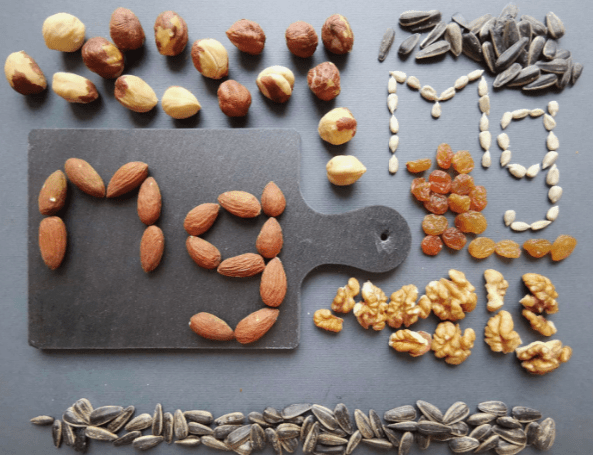
    21- Vegetables, dairy products, legumes, chicken, and whole grains all contain magnesium

    Magnesium is essential for muscle and nerve function, including the muscles of the heart and blood vessels. A deficiency can lead to vascular resistance and elevated blood pressure.

    Incorporating magnesium-rich foods into your daily diet supports optimal cardiovascular function. Dr. Carolyn Dean, author of The Magnesium Miracle, underscores magnesium’s role as a natural tranquilizer for the cardiovascular system.


    22- Eating berries is beneficial for blood pressure

    Berries like blueberries, raspberries, and strawberries contain anthocyanins—powerful antioxidants that improve artery flexibility and reduce oxidative stress. This enhances nitric oxide production, which helps lower blood pressure.

    Daily berry consumption has been linked with reduced risk of hypertension in several large cohort studies. A study in The American Journal of Clinical Nutrition found that participants who ate the most berries had an 8% reduced risk of developing high blood pressure.


    Conclusion

    Tackling high blood pressure doesn’t have to involve a medicine cabinet full of pills. From eating potassium-rich foods and reducing sugar intake to meditating, sleeping well, and quitting smoking, the solutions are both accessible and sustainable. The key lies in consistency, awareness, and a willingness to adapt.

    The path to optimal blood pressure is one of holistic living—nutrient-dense foods, regular physical activity, emotional regulation, and informed choices. With commitment and knowledge, your health isn’t just manageable—it’s transformable. As Hippocrates wisely said, “Let food be thy medicine and medicine be thy food.”

    By Amjad Izhar
    Contact: amjad.izhar@gmail.com
    https://amjadizhar.blog

  • Quick, Tasty Meals You Can Whip Up In Under 15 Minutes

    Quick, Tasty Meals You Can Whip Up In Under 15 Minutes

    When time is tight but your taste buds demand satisfaction, knowing how to whip up a mouthwatering meal in under 15 minutes is an absolute game changer. Whether you’re juggling meetings, managing kids, or just craving something delicious without the wait, these fast meals deliver on flavor without the fuss.

    Gone are the days when “quick food” meant greasy takeout or bland microwave dinners. The reality is, with the right ingredients and a touch of culinary creativity, you can create satisfying, wholesome dishes that rival anything from a gourmet kitchen. As food writer Mark Bittman notes in How to Cook Everything Fast, “speed in the kitchen doesn’t mean sacrificing quality—it means mastering efficiency and flavor.”

    This list is your go-to guide for quick and tasty meals that don’t compromise on nutrition or sophistication. From bold global flavors to comfort food favorites, each dish is a culinary shortcut with maximum payoff. Whether you’re a seasoned foodie or a kitchen novice, these meals prove that you can eat well, live well—and do it all in under 15 minutes.

    1 – Speedy suppers
    Time is often the biggest hurdle to cooking a nourishing meal, but speedy suppers are proof that good food doesn’t need to take all night. These meals are centered around ingredients that cook fast and flavors that shine without hours of simmering. Think pre-cooked proteins, fresh vegetables, and smart shortcuts like spice blends or frozen staples.

    Description of image
    ©freeskyline/Shutterstock

    Speedy suppers also provide an opportunity to clean out your fridge and get creative. Add a twist with herbs, zesty sauces, or a drizzle of infused oil to transform something simple into something stunning. As culinary expert Rachael Ray—known for her 30-minute meals—often emphasizes, “It’s not about how long you spend cooking. It’s about the love and intention behind what you serve.”

    Recipe – Speedy Suppers: Garlic Lemon Shrimp with Couscous

    Ingredients:

    • 1 cup couscous
    • 1 cup boiling water
    • 1 tbsp olive oil
    • 2 cloves garlic, minced
    • 1 lb shrimp, peeled and deveined
    • Zest and juice of 1 lemon
    • Salt and pepper to taste
    • Chopped parsley for garnish

    Instructions:

    1. Pour boiling water over the couscous in a bowl. Cover and set aside.
    2. Heat olive oil in a skillet over medium-high. Add garlic and sauté for 30 seconds.
    3. Add shrimp and cook for 2-3 minutes per side until pink.
    4. Add lemon zest and juice. Toss to coat. Season with salt and pepper.
    5. Fluff couscous with a fork, plate it, and top with shrimp. Garnish with parsley and serve.

    2 – Black and kidney bean chili
    This plant-powered chili is a protein-packed option for weeknights when you’re short on time but want something hearty. With canned black and kidney beans as the base, you’re skipping the soaking and boiling process and jumping straight into flavor territory. Toss them into a pot with sautéed onions, garlic, cumin, paprika, and crushed tomatoes for a rich, smoky stew that comes together in mere minutes.

    Description of image
    ©Brent Hofacker/Shutterstock

    To elevate the dish, top with fresh cilantro, avocado slices, or a sprinkle of feta. Serve it with crusty bread or rice for a filling experience. Author Deborah Madison, in Vegetarian Cooking for Everyone, highlights how beans offer “a deep, earthy flavor that’s satisfying and soul-warming,” especially when cooked quickly with bold seasonings.

    Recipe – Black and Kidney Bean Chili

    Ingredients:

    • 1 tbsp olive oil
    • 1 small onion, diced
    • 2 cloves garlic, minced
    • 1 tsp chili powder
    • 1/2 tsp cumin
    • 1 can black beans, drained
    • 1 can kidney beans, drained
    • 1 can diced tomatoes
    • Salt and pepper to taste
    • Sour cream or avocado for topping (optional)

    Instructions:

    1. In a saucepan, heat olive oil over medium heat. Add onion and cook 2–3 minutes.
    2. Stir in garlic, chili powder, and cumin. Cook 1 minute until fragrant.
    3. Add both beans and tomatoes (with juices). Simmer for 8–10 minutes.
    4. Season to taste. Serve hot with optional sour cream or avocado slices.

    3 – Apple and turkey quesadillas
    This unexpected pairing of savory and sweet is both refreshing and satisfying. Turkey, whether sliced deli meat or leftovers, pairs beautifully with the crisp tartness of green apples and melted cheese nestled between tortillas. A quick pan-sear on each side yields a golden, gooey result that’s comforting yet light.

    Description of image
    ©Etorres//Shutterstock

    To enhance the flavors, consider a dash of cinnamon or mustard in the mix. Serve with a side of Greek yogurt or a simple green salad. As culinary author Alice Waters notes in The Art of Simple Food, “the best meals are often the most surprising combinations, made with care and curiosity.”

    Recipe – Apple and Turkey Quesadillas

    Ingredients:

    • 2 flour tortillas
    • 1/2 cup shredded cooked turkey
    • 1/2 apple, thinly sliced
    • 1/2 cup shredded cheddar cheese
    • 1 tsp butter

    Instructions:

    1. Lay out tortillas and layer turkey, apple slices, and cheese on one half of each.
    2. Fold the tortillas over to create a half-moon shape.
    3. Heat butter in a skillet over medium heat. Place one quesadilla at a time and cook 2–3 minutes per side until golden and cheese melts.
    4. Slice and serve warm.

    4 – Satay noodle stir-fry
    This Southeast Asian-inspired dish brings together creamy peanut sauce, crunchy vegetables, and noodles in a flavor-packed medley. Start by sautéing garlic, ginger, and quick-cooking vegetables like bell peppers and snap peas. Toss in rice noodles and stir through a simple satay sauce made from peanut butter, soy sauce, lime juice, and a touch of chili.

    Description of image
    ©Issy Crocker/Hodder

    The beauty of this meal lies in its adaptability—use tofu, chicken, or shrimp based on what’s available. It’s a protein-rich, plant-forward option that feels indulgent without being heavy. According to The Flavour Thesaurus by Niki Segnit, “Peanut and lime is a combination that ignites the senses,” making this dish a fast favorite.

    4 – Satay Noodle Stir-Fry

    Ingredients:

    • 2 nests of quick-cook noodles
    • 1 tbsp vegetable oil
    • 1 cup mixed stir-fry veggies
    • 2 tbsp peanut butter
    • 1 tbsp soy sauce
    • 1 tsp honey
    • 1 tbsp lime juice
    • Crushed peanuts and cilantro for garnish

    Instructions:

    1. Cook noodles as per packet instructions. Drain and set aside.
    2. Heat oil in a wok or large pan. Add veggies and stir-fry for 3–4 minutes.
    3. In a small bowl, whisk peanut butter, soy sauce, honey, and lime juice.
    4. Add noodles and sauce to the pan. Toss everything together and heat for 1–2 minutes.
    5. Garnish with peanuts and cilantro before serving.

    5 – Steak with garlic butter
    There’s something timeless and satisfying about a juicy steak cooked to perfection. A thin cut like flank or sirloin can sear in under 10 minutes. Finish it with a pat of homemade garlic herb butter, allowing it to melt luxuriously over the top, infusing the meat with savory richness.

    Description of image
    ©Jane Hornby/Phaidon

    Pair it with a simple side—perhaps a salad or microwave-steamed green beans—for a well-rounded plate. As Anthony Bourdain once said, “Good food is very often, even most often, simple food.” This dish is a testament to that philosophy.

    Recipe – Steak with Garlic Butter

    Ingredients:

    • 2 small sirloin or ribeye steaks
    • Salt and pepper
    • 1 tbsp oil
    • 2 tbsp butter
    • 2 garlic cloves, smashed
    • Fresh parsley, chopped

    Instructions:

    1. Season steaks with salt and pepper on both sides.
    2. Heat oil in a heavy skillet on high heat. Add steaks and sear 2–3 minutes per side (depending on thickness and desired doneness).
    3. Reduce heat to medium. Add butter and garlic. Spoon melted butter over steaks as they finish cooking.
    4. Rest steaks for 2 minutes. Slice and top with chopped parsley and remaining garlic butter.

    6 – Cheese, ham, and fig crêpes
    Crêpes aren’t just for brunch—they’re also ideal for quick dinners with a sophisticated edge. Fill them with slices of ham, shredded cheese, and fig preserves for a perfect balance of salty and sweet. Warm them just enough for the cheese to melt and the flavors to meld.

    Description of image
    ©Bonne Maman/loveFOOD

    This dish feels fancy but is remarkably simple, especially if you use pre-made crêpes or whip up a quick batter. Serve with a small arugula salad drizzled in balsamic glaze. As Julia Child famously advised, “You don’t have to cook fancy or complicated masterpieces—just good food from fresh ingredients.”

    Recipe – Cheese, Ham, and Fig Crêpes

    Ingredients:

    • 2 ready-made crêpes
    • 2 slices prosciutto or cooked ham
    • 2 tbsp fig jam
    • 1/2 cup shredded Gruyère or goat cheese

    Instructions:

    1. Place the crêpes flat and spread fig jam on each.
    2. Layer with ham and cheese.
    3. Fold in half and heat in a dry skillet for 2–3 minutes on each side until the cheese melts.
    4. Serve warm, optionally garnished with arugula.

    7 – Miso ramen bowl
    Ramen doesn’t have to come from a styrofoam cup. With just a few ingredients, you can turn instant noodles into a nourishing bowl of comfort. Add miso paste, sesame oil, and soy sauce to the broth for umami depth. Toss in a soft-boiled egg, spinach, mushrooms, and green onions.

    Description of image
    ©Patricia Niven/Bluebird

    This dish is both restorative and deeply flavorful. According to Japanese Soul Cooking by Tadashi Ono and Harris Salat, “Miso is not just a seasoning—it’s a source of life and warmth.” A bowl of miso ramen is a hug in edible form.

    Recipe – Miso Ramen Bowl

    Ingredients:

    • 2 instant ramen noodle packs (discard seasoning)
    • 2 cups chicken or veggie broth
    • 1 tbsp miso paste
    • 1 tsp soy sauce
    • 1 soft-boiled egg (optional)
    • 1/2 cup sliced mushrooms
    • 1 green onion, chopped

    Instructions:

    1. Boil broth and stir in miso paste and soy sauce.
    2. Add mushrooms and noodles, cook for 4–5 minutes.
    3. Ladle into bowls, top with green onion and egg if desired.

    8 – Huevos rancheros
    This Mexican classic combines eggs, beans, and salsa atop crispy tortillas—quick to make and full of bold flavor. Crack eggs over a skillet, fry until the whites set, then layer over a base of refried beans and a spoonful of fiery tomato salsa.

    Description of image
    ©AS Food Studio/Shutterstock

    Garnish with avocado, cilantro, or queso fresco for a vibrant finish. This dish is high in protein and ideal for any time of day. As Rick Bayless, author of Authentic Mexican, points out, “Huevos rancheros reflect the soul of Mexican home cooking—humble ingredients, vibrant results.”

    Recipe – Huevos Rancheros

    Ingredients:

    • 2 corn tortillas
    • 2 eggs
    • 1/2 cup refried beans
    • 1/2 cup salsa
    • 1 tbsp oil
    • Cilantro and avocado to garnish

    Instructions:

    1. Warm tortillas and spread with refried beans.
    2. Fry eggs in oil to desired doneness.
    3. Place eggs on tortillas, spoon over salsa, and garnish.

    9 – Cheat’s chicken curry
    This shortcut curry relies on pre-cooked chicken and a jar of quality curry paste. Sauté onions, garlic, and your choice of veggies, then stir in the paste, coconut milk, and chicken. In minutes, it simmers into a rich, aromatic dish that tastes like it took much longer to make.

    Description of image
    ©Bartosz Luczak/Shutterstock

    Serve with naan or microwave rice for a quick but complete meal. Madhur Jaffrey, the grand dame of Indian cuisine, notes in Curry Nation that “a good curry doesn’t need hours—it needs the right balance.” This dish strikes that balance effortlessly.

    Recipe – Cheat’s Chicken Curry

    Ingredients:

    • 1 tbsp oil
    • 1/2 onion, chopped
    • 1 garlic clove, minced
    • 1 cup cooked chicken, shredded
    • 2 tbsp curry paste
    • 1/2 cup coconut milk
    • Fresh cilantro

    Instructions:

    1. Sauté onion and garlic in oil for 2 minutes.
    2. Stir in curry paste, then coconut milk and chicken. Simmer for 5–6 minutes.
    3. Garnish and serve with naan or rice.

    10 – Fish stick tacos
    A playful twist on fish tacos, this meal makes use of frozen fish sticks for speed. While they crisp up in the oven or air fryer, prep a zesty slaw with cabbage, lime, and Greek yogurt. Pile into soft tortillas and finish with a drizzle of hot sauce or crema.

    Description of image
    ©Nassima Rothacker/Kyle Books

    These tacos are crowd-pleasers for both adults and kids. Fast food meets fresh flavor in this creative mashup. As chef David Chang has said, “Sometimes the most honest food is the most fun.”

    Recipe – Fish Stick Tacos

    Ingredients:

    • 6 frozen fish sticks
    • 3 corn tortillas
    • 1/2 cup shredded cabbage
    • 2 tbsp mayo + 1 tsp sriracha (mix)
    • Lime wedges

    Instructions:

    1. Bake fish sticks as per package (or air fry).
    2. Warm tortillas. Spread sriracha mayo, add fish sticks, and top with cabbage.
    3. Squeeze lime over before serving.

    11 – Seared soy and sesame tuna
    Ahi tuna steaks cook in a flash—literally one minute per side—making them ideal for quick dinners. Marinate briefly in soy sauce, sesame oil, and rice vinegar, then sear in a hot pan for a perfect rare center and caramelized crust.

    Description of image
    ©Brent Hofhacker/Shutterstock

    Serve with jasmine rice and steamed broccoli or a cucumber salad. According to The Joy of Cooking, tuna’s mild richness is amplified by the salty-sweet complexity of soy and sesame, making this a meal that punches well above its prep time.

    Recipe – Seared Soy and Sesame Tuna

    Ingredients:

    • 2 tuna steaks
    • 1 tbsp soy sauce
    • 1 tsp sesame oil
    • 1 tsp sesame seeds
    • Green onion, sliced

    Instructions:

    1. Marinate tuna in soy and sesame oil for 5 minutes.
    2. Sear in hot skillet, 1–2 minutes per side.
    3. Sprinkle sesame seeds and green onion before serving.

    12 – Super-fast pea soup
    A vibrant green soup made with frozen peas, onion, garlic, and vegetable stock can be blended to silky perfection in under 10 minutes. A splash of cream or a dollop of Greek yogurt adds richness, while mint or basil provides a fresh finish.

    Description of image
    ©bitt24/Shutterstock

    This soup is light yet satisfying, ideal for a quick lunch or first course. As Deborah Madison writes, “Soups are one of the fastest ways to nourish yourself,” and this one proves that beautifully.

    Recipe – Super-Fast Pea Soup

    Ingredients:

    • 1 tbsp butter
    • 2 cups frozen peas
    • 1 cup vegetable broth
    • 1/2 cup milk or cream
    • Salt, pepper, mint leaves

    Instructions:

    1. Sauté peas in butter for 1–2 minutes.
    2. Add broth and cook for 5 minutes. Blend until smooth.
    3. Stir in milk and season. Garnish with mint.

    13 – Pad Thai shrimp noodles
    This Thai classic becomes weeknight-ready with pre-cooked shrimp and rice noodles that soak in minutes. Stir-fry garlic, green onions, and bean sprouts, then toss everything together with tamarind paste, fish sauce, lime, and a pinch of brown sugar.

    Description of image
    ©Chatchai Kritsetsakul/Shutterstock

    Garnish with peanuts and cilantro for texture and freshness. In Simple Thai Food, Leela Punyaratabandhu notes, “Pad Thai is quick, dynamic, and full of contrast—a true street food hero.”

    Recipe – Pad Thai Shrimp Noodles

    Ingredients:

    • 1 tbsp oil
    • 1/2 lb shrimp
    • 1 cup rice noodles, cooked
    • 1 egg
    • 1 tbsp tamarind sauce
    • 1 tsp fish sauce
    • Crushed peanuts, lime

    Instructions:

    1. Stir-fry shrimp in oil until pink, push aside.
    2. Crack egg, scramble, then mix in noodles and sauces.
    3. Serve with lime and peanuts.

    14 – Chunky fish soup
    This Mediterranean-style soup comes together fast with chunks of white fish, canned tomatoes, garlic, and herbs. Let it simmer briefly while flavors develop, and serve with crusty bread for soaking up the broth.

    Description of image
    ©hlphoto/Shutterstock

    The dish is light yet deeply flavorful, leaning on olive oil and fresh parsley for finishing touches. “Good soup is the foundation of a good kitchen,” writes Auguste Escoffier. This one is both quick and classic.

    Recipe – Chunky Fish Soup

    Ingredients:

    • 1 tbsp oil
    • 1/2 onion
    • 1 garlic clove
    • 1 1/2 cups broth
    • 1 cup white fish chunks
    • Herbs: thyme or dill

    Instructions:

    1. Sauté onion and garlic. Add broth and fish.
    2. Simmer 8–10 minutes. Garnish with herbs.

    15 – Farfalle with pancetta and peas
    This pasta dish is a harmony of texture and taste. Crisp pancetta contrasts beautifully with sweet peas and the smoothness of al dente farfalle. Toss with a touch of cream and Parmesan for a simple yet luxurious sauce.

    Description of image
    ©Liliya Kandrashevich/Shutterstock

    Use frozen peas to save time, and the dish can be on the table in under 15 minutes. As Marcella Hazan shares in Essentials of Classic Italian Cooking, “Flavor develops in simplicity.” This dish is the epitome of that lesson.

    Recipe – Farfalle with Pancetta and Peas

    Ingredients:

    • 1/2 lb farfalle
    • 1/2 cup pancetta, diced
    • 1/2 cup frozen peas
    • 1 tbsp cream or Parmesan

    Instructions:

    1. Cook farfalle and peas together.
    2. Fry pancetta until crispy. Drain pasta and mix all. Stir in cream or cheese.

    16 – Crab linguine
    Delicate and decadent, crab linguine is an elegant dish that’s surprisingly quick to prepare. Toss linguine with sautéed garlic, lemon zest, and olive oil, then stir in fresh or canned crab meat. Finish with a pinch of chili flakes and chopped parsley for brightness and depth.

    Description of image
    ©Teerapong Tanpanit/Shutterstock

    This dish offers restaurant-level flavor in record time. According to Salt, Fat, Acid, Heat by Samin Nosrat, “Acid brings balance to richness”—making lemon essential here to cut through the buttery crab.

    Recipe – Crab Linguine

    Ingredients:

    • 1/2 lb linguine
    • 1 tbsp olive oil
    • 1 garlic clove
    • 1/2 cup crab meat
    • Zest and juice of 1 lemon
    • Parsley

    Instructions:

    1. Cook linguine. Sauté garlic in oil, add crab, lemon.
    2. Toss with pasta and parsley.

    17 – Teriyaki chicken
    Quick-cooking chicken thighs or tenders become sticky and irresistible when coated in a homemade teriyaki glaze made from soy sauce, honey, ginger, and mirin. In just a few minutes, the sauce thickens and coats the chicken like lacquer.

    Description of image
    ©AS Food studio/Shutterstock

    Serve with steamed rice or noodles and a sprinkle of sesame seeds. This fast favorite proves that takeout-style meals can be even better—and quicker—at home. As Japanese food writer Harumi Kurihara says, “Homemade always carries more heart.”

    Recipe – Teriyaki Chicken

    Ingredients:

    • 2 chicken breasts, thinly sliced
    • 2 tbsp teriyaki sauce
    • 1 tsp sesame oil
    • Rice (for serving)

    Instructions:

    1. Sear chicken in sesame oil for 6–7 minutes.
    2. Add teriyaki, simmer 2 minutes. Serve over rice.

    18 – Mushroom chow mein
    Earthy mushrooms and crispy noodles are a dream duo in this speedy stir-fry. Sauté mushrooms with garlic, scallions, and soy sauce until golden, then toss in cooked noodles and a dash of sesame oil.

    Description of image
    ©Tamin Jones/Kyle Books

    This plant-based powerhouse is satisfying and savory. As Fuchsia Dunlop notes in Every Grain of Rice, “Even the humblest stir-fry can offer extraordinary texture and umami.” Mushroom chow mein is a perfect example of that truth.

    Recipe – Mushroom Chow Mein

    Ingredients:

    • 2 cups mushrooms
    • 1 tbsp soy sauce
    • 1 tbsp oyster sauce
    • 1 cup cooked noodles
    • 1 tsp oil

    Instructions:

    1. Sauté mushrooms in oil. Add sauces.
    2. Toss in noodles, heat for 2 minutes. Serve hot.

    19 – Chili spaghetti with garlic and parsley
    This Italian-style fusion dish combines the comfort of spaghetti with the heat of chili and the freshness of parsley. While the pasta cooks, warm olive oil with sliced garlic and chili flakes—then toss it all together with a handful of fresh herbs.

    Description of image
    ©Luca Santilli/Shutterstock

    It’s a minimal-ingredient meal that relies on pantry staples but never feels boring. In The Silver Spoon, the iconic Italian cookbook, it’s suggested that “great cooking starts with restraint.” This dish is proof.

    Recipe – Chili Spaghetti with Garlic and Parsley

    Ingredients:

    • 1/2 lb spaghetti
    • 1 chili, chopped
    • 2 garlic cloves
    • 2 tbsp olive oil
    • Parsley

    Instructions:

    1. Cook spaghetti. Sauté garlic and chili in oil.
    2. Toss with pasta and parsley.

    20 – Smoked salmon and pea frittata
    Eggs, peas, and smoked salmon make for a quick and classy frittata that’s light yet filling. Whisk eggs with a splash of milk, pour into a skillet with cooked peas and flaked salmon, and broil briefly to set the top.

    Description of image
    ©eggrecipes.co.uk/loveFOOD

    It’s high in protein, rich in omega-3s, and effortlessly elegant. Nigella Lawson, in How to Eat, praises the frittata as “an undervalued vehicle for odds and ends”—and this version is a luxurious take on that idea.

    Recipe – Smoked Salmon and Pea Frittata

    Ingredients:

    • 3 eggs
    • 1/2 cup peas
    • 1/4 cup smoked salmon
    • Salt, pepper

    Instructions:

    1. Whisk eggs, add peas and salmon.
    2. Pour into hot pan, cook 3–4 minutes. Flip or broil to finish.

    21 – Smoked salmon omelet
    For a lighter take, smoked salmon folded into a tender omelet is a protein-rich breakfast-for-dinner classic. Add a smear of cream cheese or dollop of crème fraîche inside before folding for added richness.

    Description of image
    ©Martin Turzak/Shutterstock

    This quick fix feels indulgent but takes almost no time. It’s brain food, heart food, and soul food all in one. As Julia Child once said, “With enough butter, anything is good”—but here, the salmon does the heavy lifting.

    Recipe – Smoked Salmon Omelet

    Ingredients:

    • 2 eggs
    • 1/4 cup smoked salmon
    • 1 tbsp cream cheese
    • Chives

    Instructions:

    1. Beat eggs, pour into skillet.
    2. Add salmon and cheese, fold, cook 2 minutes.

    22 – Scallops with chorizo
    This dish pairs sweet, seared scallops with spicy, smoky chorizo for a bold flavor contrast. Cook the chorizo until crispy, sear the scallops in the rendered fat, and finish with lemon and herbs.

    Description of image
    ©Bartosz Luczak/Shutterstock

    It’s luxurious, deeply flavorful, and takes just minutes. According to The Flavor Equation by Nik Sharma, “Contrast is what makes food exciting”—and this pairing delivers just that.

    Recipe – Scallops with Chorizo

    Ingredients:

    • 6 scallops
    • 1/4 cup chorizo, diced
    • 1 tsp oil

    Instructions:

    1. Fry chorizo until crispy. Remove.
    2. Sear scallops 1–2 min per side. Serve with chorizo.

    23 – Three grain tofu stir-fry
    This nutrient-packed stir-fry uses pre-cooked grains like quinoa, brown rice, and farro as the base. Add crispy tofu cubes, quick-cooked veggies, and a soy-ginger sauce for a plant-based meal that’s hearty and energizing.

    Description of image
    ©Elena Veselova/Shutterstock

    It’s ideal for clean eating without losing the comfort of warm, savory food. In Plant-Based on a Budget, Toni Okamoto highlights the value of combining whole grains and proteins for quick, filling meals with staying power.

    Recipe – Three Grain Tofu Stir-Fry

    Ingredients:

    • 1/2 block tofu
    • 1 cup cooked grains (quinoa, rice, barley)
    • Mixed veggies
    • 1 tbsp soy sauce

    Instructions:

    1. Sear tofu cubes. Stir-fry veggies.
    2. Add grains, tofu, soy sauce. Toss and serve.

    24 – Seafood pasta
    Quick-cooking shrimp, scallops, or clams turn a simple pasta into a decadent seafood celebration. Sauté with garlic, white wine, and tomatoes, then toss with cooked pasta and herbs for a coastal-inspired dish.

    Description of image
    ©Romilla Arber/Park Family Publishing

    This one’s big on flavor and short on time. As Eric Ripert notes in On the Line, “Fresh seafood doesn’t need complexity—it needs timing and care.” That’s what this dish delivers in spades.

    Recipe – Seafood Pasta

    Ingredients:

    • 1/2 lb spaghetti
    • 1/2 cup mixed seafood
    • 2 tbsp white wine
    • 1 garlic clove

    Instructions:

    1. Cook pasta. Sauté garlic, add seafood and wine.
    2. Toss with pasta and parsley.

    25 – Indonesian fried rice
    Also known as nasi goreng, this dish repurposes leftover rice into something bold and flavorful. Stir-fry with shallots, garlic, kecap manis (sweet soy sauce), and a fried egg on top for a satisfying finish.

    Description of image
    ©Ariyani Tedjo/Shutterstock

    It’s smoky, sweet, spicy, and incredibly addictive. Lara Lee, in Coconut & Sambal, calls Indonesian fried rice “a dish of comfort and nostalgia,” perfect for a fast yet flavorful meal.

    Recipe – Indonesian Fried Rice (Nasi Goreng)

    Ingredients:

    • 1 cup cooked rice
    • 1 egg
    • 1 tbsp kecap manis or soy sauce
    • Veggies and protein of choice

    Instructions:

    1. Scramble egg, set aside. Stir-fry rice and veggies.
    2. Add egg, sauce, and mix well.

    26 – Moules marinières
    This French classic is surprisingly fast to prepare. Mussels steam open in minutes when cooked with white wine, garlic, shallots, and parsley. Add a touch of cream for richness if desired.

    Description of image
    ©hlphoto/Shutterstock

    Serve with crusty bread for dipping into the fragrant broth. In La Cuisine, Raymond Blanc notes that “the beauty of seafood is in its brevity”—and this dish is a timeless example.

    Recipe – Moules Marinières

    Ingredients:

    • 1 lb mussels
    • 1/2 cup white wine
    • 1 garlic clove
    • 1 tbsp cream (optional)

    Instructions:

    1. Clean mussels. Boil wine and garlic, add mussels.
    2. Steam 5–6 mins. Stir in cream. Discard unopened mussels.

    27 – Spinach orecchiette
    Orecchiette pasta pairs beautifully with wilted spinach, garlic, and a touch of olive oil. Add a sprinkle of Parmesan or chili flakes for depth and contrast.

    Description of image
    ©Miguel Barcaly/Headline Home

    It’s a minimalist meal that punches above its weight in nutrition and flavor. According to Italian Food by Elizabeth David, “The true art of pasta lies in simplicity.” This dish honors that ideal.

    Recipe – Spinach Orecchiette

    Ingredients:

    • 1/2 lb orecchiette
    • 2 cups spinach
    • 1 garlic clove
    • 1 tbsp olive oil

    Instructions:

    1. Cook pasta. Sauté garlic and spinach in oil.
    2. Toss with pasta and serve.

    28 – Pasta alla puttanesca
    This bold, briny dish comes together with pantry staples like olives, capers, anchovies, and tomatoes. The sauce simmers quickly while pasta boils, infusing everything with deep Mediterranean flavor.

    Description of image
    ©DronG/Shutterstock

    It’s fiery, fast, and undeniably satisfying. In Lidia’s Italy, Lidia Bastianich calls puttanesca “a sauce with attitude”—perfect for nights when you need food with character.

    Recipe – Pasta alla Puttanesca

    Ingredients:

    • 1/2 lb spaghetti
    • 1/2 cup canned tomatoes
    • 2 anchovies
    • 1 tbsp capers, olives

    Instructions:

    1. Cook pasta. Sauté anchovies, capers, olives.
    2. Add tomatoes, simmer 5 mins. Toss with pasta.
    Recipe – Ham and Egg Linguine

    Ingredients:

    • 1/2 lb linguine
    • 1 egg
    • 1/4 cup chopped ham
    • Parmesan

    Instructions:

    1. Cook pasta. Whisk egg with cheese.
    2. Mix hot pasta with ham, then add egg quickly to coat.

    29 – Ham and egg linguine
    Eggs and ham make a surprisingly rich and creamy pasta sauce when tossed with hot linguine and Parmesan. The residual heat cooks the eggs into a silky coating—no cream required.

    Description of image
    ©Waitrose and Partners/loveFOOD

    It’s a riff on carbonara, but even quicker. In Science and Cooking, Harold McGee explains how “the heat of pasta can transform egg into a custard-like emulsion”—a principle at the heart of this dish.

    Recipe – Ham and Egg Linguine

    Ingredients:

    • 1/2 lb linguine
    • 1 egg
    • 1/4 cup chopped ham
    • Parmesan

    Instructions:

    1. Cook pasta. Whisk egg with cheese.
    2. Mix hot pasta with ham, then add egg quickly to coat.

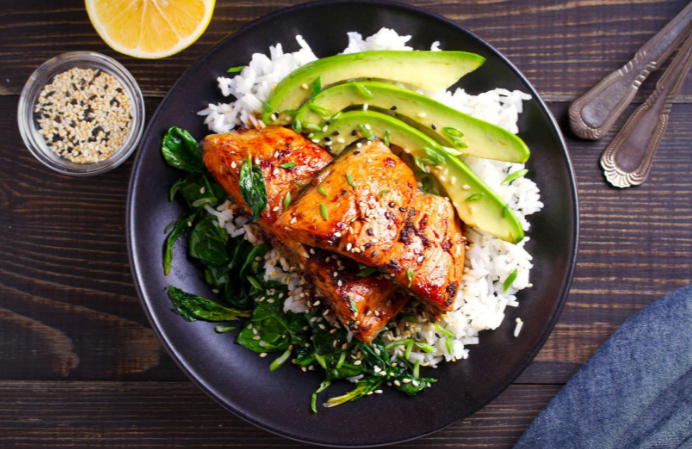
    30 – Glazed salmon
    Quick-searing salmon filets get a flavor boost from a honey-soy glaze with a hint of garlic or ginger. As the glaze reduces, it forms a sticky, caramelized coat that enhances the fish’s natural richness.

    Description of image
    ©freeskyline/Shutterstock

    Serve with rice or a green salad for balance. In Fish Forever, Paul Johnson writes, “Salmon rewards simplicity”—and this method lets it shine.

    Recipe – Glazed Salmon

    Ingredients:

    • 2 salmon fillets
    • 2 tbsp soy sauce
    • 1 tbsp honey
    • 1 tsp mustard

    Instructions:

    1. Mix glaze. Sear salmon for 3 mins per side.
    2. Pour glaze, cook until thick and glossy.

    31 – Gnocchi with tomato and basil
    Soft potato gnocchi cook in just a few minutes and pair beautifully with a quick tomato-basil sauce. Sauté garlic and cherry tomatoes in olive oil until they burst, then toss with gnocchi and torn basil.

    Description of image
    ©gkrphoto/Shutterstock

    It’s comforting, aromatic, and deceptively easy. As chef Nancy Silverton shares in The Mozza Cookbook, “Gnocchi is the little pillow that carries all the flavor you give it.”

    Recipe – Gnocchi with Tomato and Basil

    Ingredients:

    • 1 pack gnocchi
    • 1 cup cherry tomatoes
    • 1 garlic clove
    • Basil

    Instructions:

    1. Boil gnocchi (3 mins). Sauté garlic and tomatoes.
    2. Toss with gnocchi and basil. Serve hot.

    Conclusion
    When time is of the essence, these meals offer a masterclass in flavor, speed, and efficiency. Each recipe is proof that quick cooking can be gourmet, satisfying, and nutritious without breaking a sweat or compromising on quality. With a well-stocked pantry, smart techniques, and a dash of creativity, you can serve up sensational dishes in under 15 minutes that will leave your taste buds delighted and your schedule intact.

    As culinary legend James Beard once said, “Food is our common ground, a universal experience.” Let these 31 quick and tasty meals bring warmth, joy, and connection to your kitchen—even on your busiest days.

    Bibliography

    1. Nosrat, Samin.Salt, Fat, Acid, Heat: Mastering the Elements of Good Cooking. Simon & Schuster, 2017.
      • A foundational guide to understanding the science and art behind delicious cooking, with an emphasis on balance and flavor.
    2. Lawson, Nigella.How to Eat: The Pleasures and Principles of Good Food. Chatto & Windus, 1998.
      • An elegant and practical guide to everyday cooking, filled with wisdom, comfort, and real-life kitchen strategies.
    3. Dunlop, Fuchsia.Every Grain of Rice: Simple Chinese Home Cooking. W. W. Norton & Company, 2013.
      • A deep dive into fast and flavorful Chinese home cooking, ideal for quick meals with bold tastes.
    4. David, Elizabeth.Italian Food. Penguin Books, 1954.
      • A culinary classic that explores authentic Italian flavors, with an emphasis on simplicity and tradition.
    5. Silverton, Nancy.The Mozza Cookbook: Recipes from Los Angeles’s Favorite Italian Restaurant and Pizzeria. Knopf, 2011.
      • Offers gourmet Italian techniques with practical application for the home cook.
    6. Lee, Lara.Coconut & Sambal: Recipes from My Indonesian Kitchen. Bloomsbury, 2020.
      • A rich exploration of Indonesian cuisine, offering quick, deeply flavorful recipes.
    7. Kurihara, Harumi.Everyday Harumi: Simple Japanese Food for Family and Friends. Conran Octopus, 2009.
      • A collection of fast and accessible Japanese meals by one of Japan’s most beloved home cooks.
    8. McGee, Harold.On Food and Cooking: The Science and Lore of the Kitchen. Scribner, 2004.
      • A definitive reference for understanding the science behind food preparation.
    9. Ripert, Eric.On the Line: Inside the World of Le Bernardin. Artisan, 2008.
      • Offers insight into seafood preparation and the art of fast, precise cooking from a Michelin-starred perspective.
    10. Johnson, Paul.Fish Forever: The Definitive Guide to Understanding, Selecting, and Preparing Healthy, Delicious, and Environmentally Sustainable Seafood. Wiley, 2007.
      • A practical guide to cooking seafood simply and sustainably.
    11. Bastianich, Lidia.Lidia’s Italy in America. Knopf, 2011.
      • Italian-American recipes that are quick, nostalgic, and full of flavor.
    12. Okamoto, Toni.Plant-Based on a Budget. BenBella Books, 2019.
      • A smart and resourceful guide to fast, affordable, plant-forward meals.
    13. Sharma, Nik.The Flavor Equation: The Science of Great Cooking Explained. Chronicle Books, 2020.
      • Blends culinary science with real-world cooking for powerful flavor combinations.
    14. Blanc, Raymond.A Taste of My Life. Bantam Press, 2008.
      • A memoir with recipes that celebrates seasonal, quick, and refined cooking from a French master.
    15. Beard, James.The James Beard Cookbook. St. Martin’s Press, 1959.
      • A timeless resource for classic, practical, and accessible American home cooking.

    By Amjad Izhar
    Contact: amjad.izhar@gmail.com
    https://amjadizhar.blog

  • Visceral Fat: The Easiest Diet and Reduction Strategies

    Visceral Fat: The Easiest Diet and Reduction Strategies

    Ben Azadi’s “The World’s Easiest Diet For Visceral Fat Reduction In 14 Days” outlines a seven-step protocol to reduce harmful belly fat. The core principles involve lowering insulin through carbohydrate restriction and prioritizing protein and healthy fats. Additional recommendations include eliminating snacking, incorporating sprints and daily walking (especially post-meal), avoiding alcohol, practicing intermittent fasting with an 18/6 schedule, and optimizing for 90 minutes of deep sleep nightly. The text also addresses the role of stress and protein intake in fat loss and details methods for measuring visceral fat, emphasizing MRI scans for visualization. Ultimately, the source provides actionable lifestyle changes for rapid visceral fat reduction and improved metabolic health.

    The World’s Easiest Diet For Visceral Fat Reduction: A Study Guide

    Quiz

    1. What is visceral fat and why is it considered dangerous?
    2. According to the source, which macronutrient has the most significant impact on insulin levels? Explain why this is relevant to visceral fat storage.
    3. Describe the first step of the recommended protocol for reducing visceral fat. Provide a few examples of foods to avoid and foods to include.
    4. Why is snacking discouraged in this dietary approach? Explain the analogy used to illustrate this point.
    5. What is the suggested protocol for sprinting, and how does this type of exercise help in reducing visceral fat?
    6. Explain why alcohol consumption is discouraged for those trying to lose visceral fat, according to the source.
    7. How does walking, especially after meals, contribute to visceral fat reduction? Briefly describe the study mentioned to support this.
    8. Outline the 18:6 intermittent fasting schedule recommended in the source and explain the proposed benefits for visceral fat loss.
    9. Why is deep sleep considered important for burning visceral fat? List three scientifically proven tips provided to improve deep sleep.
    10. According to the interview with JJ Virgin, why is prioritizing protein intake beneficial for reducing body fat, including visceral fat?

    Answer Key

    1. Visceral fat is the fat stored around the abdominal organs, often referred to as belly fat. It is dangerous because it applies pressure to vital organs like the heart, kidneys, liver, and pancreas, contributing to chronic diseases such as fatty liver disease, obesity, cancer, and heart disease.
    2. Carbohydrates have the most significant impact on insulin levels. When carbohydrates are consumed, they cause the highest blood insulin response compared to protein (moderate response) and fat (minimal impact). Elevated insulin is the primary hormone that signals the body to store visceral fat.
    3. The first step is to lower the hormone insulin by swapping carbohydrates for protein and fat. Foods to avoid include oats, oatmeal, cereal, bread, grains, fruit, fruit juices, quinoa, rice, potatoes, sweet potatoes, and legumes. Foods to include are cauliflower rice, squash rice, cabbage rice, eggs, red meat, wild-caught salmon, poultry, and goat/sheep dairy.
    4. Snacking raises glucose and subsequently insulin levels, even if the snacks are considered healthy. This disrupts the metabolism and prevents the body from burning stored visceral fat. The analogy used compares snacking every few hours to someone constantly banging on your office door, disrupting your productive workflow.
    5. The sprinting protocol involves a 20-second all-out effort sprint followed by 90 seconds of rest, repeated for three total rounds, three times per week. High-intensity interval training like sprinting activates hormones such as human growth hormone, making the metabolism more efficient at using stored fat for energy after glycogen stores are depleted.
    6. Alcohol is considered a poison and a toxin that the liver prioritizes metabolizing before fat. This slows down fat burning. Additionally, alcohol stimulates appetite, decreases testosterone levels (which can hinder fat loss), and can increase estrogen levels (linked to abdominal fat storage).
    7. Walking after meals helps to blunt the spike in blood sugar that occurs after eating, even with a lower carbohydrate intake. This results in less insulin being produced, allowing the body to enter a fat-burning state faster. A study showed that a 30-minute brisk walk after meals improved the glycemic response regardless of the meal’s macronutrient composition.
    8. The 18:6 intermittent fasting schedule involves fasting for 18 hours a day and having a 6-hour eating window (e.g., 12:00 p.m. to 6:00 p.m.). This schedule is proposed to lower insulin levels, increase human growth hormone, reduce insulin resistance, boost metabolism, and promote overall hormonal balance, all of which can contribute to visceral fat loss.
    9. Deep sleep is where most fat-burning hormones are activated, and the body taps into stored fat for energy. Three tips for better deep sleep are drinking banana tea, keeping the bedroom cold (around 65°F), and ensuring the bedroom is completely dark (using blackout curtains or a sleep mask).
    10. Prioritizing protein intake is beneficial because protein is more metabolically costly to digest and assimilate compared to fats and carbohydrates (having a higher thermic effect). Eating protein first can also lead to feeling fuller for longer, reducing overall calorie intake and cravings, which are crucial for achieving a caloric deficit needed for fat loss.

    Essay Format Questions

    1. Discuss the interconnectedness of diet and hormones, specifically focusing on the role of insulin and cortisol in visceral fat storage and reduction as described in the source.
    2. Critically evaluate the seven-step protocol presented for visceral fat reduction. Which steps do you find most compelling and why? Are there any potential challenges or limitations to following this plan for the average individual?
    3. Compare and contrast the different types of exercise discussed in the source (sprinting and walking) in terms of their mechanisms for promoting visceral fat loss and their practical implications for implementation.
    4. Analyze the importance of lifestyle factors beyond diet and exercise, such as sleep and stress management, in the context of the source’s recommendations for reducing visceral fat.
    5. Based on the information provided, synthesize a comprehensive strategy for an individual aiming to significantly reduce their visceral fat within a few months. Include specific dietary changes, exercise recommendations, and lifestyle adjustments.

    Glossary of Key Terms

    • Visceral Fat: Body fat that is stored within the abdominal cavity and surrounds vital organs such as the liver, intestines, and stomach.
    • Insulin: A hormone produced by the pancreas that regulates blood sugar levels. It also signals the body to store excess glucose as fat.
    • Cortisol: A steroid hormone produced by the adrenal glands in response to stress. Chronically elevated levels can contribute to increased visceral fat storage.
    • Macronutrients: The three main categories of nutrients that the body needs in large amounts: carbohydrates, proteins, and fats.
    • Glycogen: The stored form of glucose, primarily in the liver and muscles, which the body can use for energy.
    • High-Intensity Interval Training (HIIT): A form of exercise that involves short bursts of intense activity followed by periods of rest or low-intensity activity.
    • Postprandial: Occurring after a meal.
    • Glycemic Response: The effect that carbohydrates in food have on blood sugar levels.
    • Intermittent Fasting: An eating pattern that cycles between periods of eating and voluntary fasting on a regular schedule.
    • Autophagy: A natural cellular “clean-up” process where the body removes damaged or unnecessary components.
    • Human Growth Hormone (HGH): A hormone produced by the pituitary gland that plays a role in growth, metabolism, and fat burning.
    • Insulin Resistance: A condition in which the body’s cells become less responsive to insulin, leading to higher blood sugar levels.
    • Neurodegenerative Diseases: Conditions that progressively damage or kill nerve cells in the brain and spinal cord.
    • Leptin: A hormone produced by fat cells that helps regulate appetite and energy balance, often referred to as the satiety hormone.
    • Satiety: The feeling of fullness and satisfaction after eating.
    • Deep Sleep (Delta Sleep): A stage of sleep characterized by slow brain wave activity, during which the body repairs tissues, builds bone and muscle, and releases important hormones for fat burning.
    • Nitric Oxide: A molecule that helps blood vessels relax and widen, improving blood flow.
    • Vaso Dilation: The widening of blood vessels.
    • Oxytocin: A hormone often associated with bonding and social interaction, which can help lower cortisol levels.
    • Thermogenic Effect (or Thermic Effect of Food): The energy expenditure of the body above basal metabolic rate due to the cost of processing food for use and storage. Protein has a higher thermic effect than fats or carbohydrates.
    • DEXA Scan (Dual-energy X-ray Absorptiometry): A type of medical imaging scan that uses low levels of X-rays to measure bone density and body composition, including fat mass.
    • MRI (Magnetic Resonance Imaging): A medical imaging technique that uses strong magnetic fields and radio waves to create detailed images of the organs and tissues in the body, allowing for the visualization of visceral fat.
    • CT Scan (Computed Tomography Scan): A medical imaging technique that uses X-rays and computer processing to create cross-sectional images of the body, which can also be used to assess visceral fat, though it involves radiation exposure.
    • Myosteatosis: The infiltration of fat into skeletal muscle tissue.

    Briefing Document: The World’s Easiest Diet For Visceral Fat Reduction

    Source: Excerpts from “01.pdf” by Ben Azadi

    Date: October 26, 2023 (Based on the provided context)

    Author/Presenter: Ben Azadi (Keto Kamp)

    Main Theme: This document outlines a 7-step protocol presented by Ben Azadi for effectively reducing visceral fat (the dangerous belly fat surrounding organs) in less than 14 days. The protocol focuses on dietary changes, lifestyle adjustments, and exercise to lower insulin levels, activate fat-burning hormones, and improve overall metabolic health. Azadi supports his claims with his personal transformation story and insights from health experts and research.

    Key Ideas and Facts:

    1. Lower Insulin Levels Through Dietary Changes:

    • Visceral fat storage is primarily driven by the hormone insulin. “when this hormone insulin is elevated a ton of visceral fat gets stored around your belly.”
    • Carbohydrates cause the highest insulin spike compared to protein (moderate) and fat (minimal). “when you eat carbohydrates you can see it creates the highest blood insulin response protein is number two but it’s a moderate insulin response and fat barely touches the dial on insulin.”
    • The first step is to swap carbohydrates for protein and fat to lower insulin and enable fat burning. “the first step here in your protocol is to swap carbohydrates for protein and fat.”
    • Common “healthy” foods like açai bowls (99g sugar), Lucky Charms (60g sugar in two servings), oatmeal (52g sugar in two servings), and orange juice (52g sugar in two cups) are high in sugar and cause significant insulin spikes.
    • Foods to remove include oats, oatmeal, all cereals, bread, grains, fruit and fruit juices, quinoa, white and brown rice, potatoes, sweet potatoes, and all legumes.
    • Foods to replace them with include cauliflower rice, squash rice, cabbage rice, eggs (whole), red meat (beef, lamb), wild-caught salmon, organic poultry (chicken, turkey), goat and sheep dairy (preferred over cow dairy due to higher MCT content), and greens (arugula, broccoli, Brussels sprouts, cauliflower).
    • Aim for under 50 grams of total carbohydrates per day to facilitate the metabolic switch to fat burning.

    2. Stop Snacking Between Meals:

    • Every time you snack, you raise glucose and insulin levels, hindering fat burning. “every time you snack you raise glucose and then insulin even if it’s a healthy snack.”
    • The average American eats 17 to 23 times per day due to grazing.
    • Snacking disrupts the metabolic “fat-burning workflow.”
    • The recommendation is to start with three meals a day and gradually work towards intermittent fasting.

    3. Incorporate Sprints (High-Intensity Interval Training):

    • Sprinting is the “best exercise you can do to blast melt visceral fat.”
    • HIIT activates hormones like human growth hormone, making metabolism more efficient at using stored fat for energy.
    • Protocol: 20-second all-out sprint followed by 90 seconds of rest, repeated for three total rounds, three times per week (5-7 minutes total).

    4. Eliminate or Limit Alcohol Consumption:

    • Alcohol is a “poison” and a toxin that the liver prioritizes metabolizing over fat burning.
    • Alcohol slows fat burning and can stimulate appetite, decrease testosterone, and increase estrogen levels (especially beer, linked to “beer belly”).
    • Recommendation: No alcohol. Opt for unsweetened mocktails or sparkling water with lemon.

    5. Increase Daily Walking, Especially After Meals:

    • Aim for at least 7,000 steps daily, with 10,000 being even better.
    • Walking after meals helps to blunt blood sugar spikes and reduces the amount of insulin needed. “by going for a walk you blunt this big spike in blood sugars and you allow less insulin to become produced meaning you get into a fat burning State faster.”
    • A study showed that a 30-minute brisk walk after meals improved the glycemic response, even after high-carbohydrate meals. “although higher glucose levels were observed with High carbohydrate meal our finding show that a 30 minute post prandial meaning after eating brisk walk session improves the glycemic response after meals huge.”
    • Mike Mutzel, a fat loss expert, recommends breaking walks into “exercise snacks” of 2,500-3,000 steps interspersed throughout the day, which is more effective than one long walk.
    • Research suggests that walking at least 8,000 steps per day helps prevent metabolic deterioration and improves fat utilization. A low step count (around 2,600) resulted in an exaggerated post-meal triglyceride level and a 30% reduction in fat oxidation compared to a high step count (around 8,500).
    • Walking after a high-carb meal can significantly reduce glucose levels. Mike Mutzel experienced his glucose dropping from 185 to 85 mg/dL after a one-mile walk following a high-carb vegan meal.
    • Walking stimulates muscles to absorb glucose, reducing the need for excessive insulin.
    • Blue Zone research suggests that movement and recreational activity play a significant role in longevity, alongside diet.

    6. Practice Intermittent Fasting (18/6 Schedule):

    • Intermittent fasting offers numerous benefits, including protection against neurodegenerative diseases (via autophagy), lowered insulin levels, increased human growth hormone (key for fat burning), reduced insulin resistance and blood sugar, reduced heart disease risk and blood pressure, boosted metabolism, potential lifespan extension, reduced inflammation, and improved hormone levels (leptin, testosterone).
    • The recommended schedule is an 18/6, meaning an 18-hour fasted state (water, electrolytes, supplements, coffee, tea only) and a 6-hour eating window (e.g., 12:00 PM to 6:00 PM) with 2-3 meals.

    7. Aim for 90 Minutes of Deep Sleep:

    • Deep sleep (Delta sleep) is when you burn fat and visceral fat, and fat-burning hormones are activated.
    • Track deep sleep using devices like Oura Ring, Apple Watch, or Fitbit.
    • Scientifically proven tips for more deep sleep:
    • Drink banana tea (boiled banana with peel).
    • Keep the bedroom cold (around 65°F).
    • Ensure the bedroom is dark (blackout curtains or sleep mask).
    • Practice mouth taping to encourage nasal breathing and increase nitric oxide.
    • Take 400-600 mg of magnesium.

    Questions and Answers:

    • Role of Stress (Cortisol): Cortisol works with insulin to store visceral fat. Chronic high cortisol levels lead to a “cortisol belly.” Managing stress (mental, emotional, physical, chemical) is crucial. Increasing oxytocin (through hugging, laughter, hobbies, gratitude – “vitamin G”) helps lower cortisol.
    • Protein Intake: Focus on protein intake (ideally 0.7 to 1 gram per pound of ideal body weight) for satiety, increased metabolic cost of digestion, and to support lean muscle mass. JJ Virgin emphasizes eating protein first at meals.
    • Measuring Visceral Fat:Indirect: Fasting insulin blood test (levels over 10 suggest insulin resistance and visceral fat storage).
    • Most Accurate: MRI scan of the abdomen. CT scans can also show visceral fat but involve radiation. Dexa scans quantify but don’t visualize visceral fat effectively.
    • Dr. Shan Omar, a visceral fat expert, emphasizes the visual impact of seeing visceral fat on an MRI as a powerful motivator for change. He notes that radiologists typically don’t report on visceral fat. Fatty infiltration in skeletal muscle often correlates with high visceral fat. Re-testing frequency depends on individual levels and goals, ranging from 3-12 months. Cost of MRI can vary significantly.

    Quotes:

    • “visceral fat is the nasty belly fat around your stomach”
    • “insulin is the hormone that tells your body to pack on the visceral fat it’s the only hormone in your body that stores fat”
    • “when insulin is high from eating carbohydrates you’re your fat burning hormones they go and they hide they cannot coexist with insulin”
    • “sprinting is the best exercise you can do to blast melt visceral fat”
    • “alcohol is a poison to your body it’s a toxin to your brain”
    • “walking actually helps you uh trigger the the autophagy mechanisms that are some of the health benefits linked with fasting” (Quote from Mike Mutzel)
    • “Deep sleep right here this is where you burn fat this is where you burn visceral fat this is where most of your fat burning hormones are activated”
    • “gratitude is strength training for your soul” (Ben Azadi)
    • “eat protein first because I have been at too many dinners and heard too many times from women that they get too full to eat their protein” (Quote from JJ Virgin)
    • “MRI is the best way uh to do that and uh it’s uh when when people visualize it I get lots of colorful language the f bomb is dropped all the time” (Quote from Dr. Shan Omar)

    Next Steps (Implied):

    • Follow the 7-step protocol.
    • Consider checking fasting insulin levels.
    • If motivated, explore getting an MRI scan to visualize visceral fat.
    • Check out the Keto Kamp recipes and other resources mentioned.
    • Watch the recommended video on “10 foods that put you in a fat burning State.”

    This briefing document summarizes the core principles and actionable steps presented in Ben Azadi’s guide to reducing visceral fat. The emphasis is on understanding the role of insulin, making strategic dietary changes, incorporating specific types of exercise, prioritizing sleep, and managing stress to achieve rapid fat loss and improved metabolic health.

    Visceral Fat: Reduction Through Diet and Lifestyle

    Frequently Asked Questions About Visceral Fat Reduction

    1. What is visceral fat and why is it dangerous? Visceral fat is the fat stored around your abdominal organs, often referred to as belly fat. It’s different from subcutaneous fat, which lies just beneath the skin. Visceral fat is particularly dangerous because it’s metabolically active, meaning it releases hormones and inflammatory substances that can contribute to chronic diseases such as heart disease, type 2 diabetes, fatty liver disease, obesity, and even certain types of cancer. It puts pressure on vital organs like the heart, kidneys, liver, and pancreas, hindering their proper function.

    2. What is the “easiest diet” to reduce visceral fat quickly? The core principle of this diet focuses on lowering the hormone insulin, which is the primary hormone responsible for fat storage, especially visceral fat. The easiest approach involves swapping high-carbohydrate foods for protein and healthy fats. Carbohydrates cause the most significant spike in insulin, followed by protein (a moderate response), while fat has a minimal impact. Therefore, to promote fat burning, especially visceral fat, it’s recommended to drastically reduce or eliminate foods like oats and oatmeal, all cereals, bread and grains, fruit and fruit juices, quinoa, white and brown rice, potatoes and sweet potatoes, and all legumes. Instead, focus on consuming non-starchy vegetables (like cauliflower rice, squash rice, and cabbage rice), whole eggs, red meat (beef and lamb), wild-caught salmon, organic poultry (chicken and turkey), and goat or sheep dairy (or raw, organic, grass-fed cow dairy in moderation). Aim to keep total carbohydrate intake under 50 grams per day to facilitate a metabolic shift towards fat burning.

    3. Besides diet, what other lifestyle changes are crucial for blasting visceral fat? Several lifestyle modifications complement dietary changes for effective visceral fat reduction: * Stop Snacking: Frequent snacking, even on healthy foods, elevates glucose and insulin levels, hindering fat burning. Aim for three main meals a day initially and consider progressing to intermittent fasting. * Implement Sprints: High-intensity interval training like sprinting (20 seconds of all-out effort followed by 90 seconds of rest, repeated for 3 rounds, 3 times per week) is highly effective in activating fat-burning hormones like human growth hormone and depleting glycogen stores, forcing the body to utilize stored fat. * Eliminate or Limit Alcohol: Alcohol is a toxin that the liver prioritizes metabolizing, thus slowing down fat burning. It also stimulates appetite, decreases testosterone (important for fat loss), and can increase estrogen levels (linked to abdominal fat). * Increase Daily Walking: Aim for at least 7,000, ideally 10,000 steps per day. Post-meal walks, even for 30 minutes, are particularly beneficial in blunting blood sugar spikes and reducing the need for excessive insulin production. Breaking up walks into 2,500-3,000 step sessions throughout the day can be more effective than one long walk. * Practice Intermittent Fasting (18/6 Schedule): Fasting for 18 hours daily with a 6-hour eating window (e.g., eating between 12 pm and 6 pm) can protect against neurodegenerative diseases, reduce insulin resistance, lower blood sugar and blood pressure, boost metabolism, extend lifespan, reduce inflammation, and optimize hormones like human growth hormone, leptin, and testosterone, all contributing to visceral fat loss. * Prioritize Deep Sleep (90 Minutes): Deep sleep is crucial for fat burning and the activation of fat-burning hormones. Tips to improve deep sleep include drinking banana tea, keeping the bedroom cool (around 65°F) and dark, using mouth tape to encourage nasal breathing, and taking 400-600mg of magnesium.

    4. How does stress impact visceral fat accumulation? Stress plays a significant role in visceral fat storage. While insulin is the primary fat-storing hormone, cortisol, the stress hormone, works in conjunction with it. Chronically elevated cortisol levels can lead to increased visceral fat storage, often referred to as a “cortisol belly.” Managing stress through adequate sleep, addressing mental, emotional, physical, and chemical stressors, and increasing oxytocin (the “love hormone”) through actions like hugging, laughing, engaging in hobbies, and practicing gratitude can help combat cortisol and reduce visceral fat.

    5. How much protein is recommended to help burn visceral fat? Protein is crucial for fat loss due to its high thermic effect (the energy required to digest and assimilate it), its ability to promote satiety (keeping you feeling full longer), and its role in preserving lean muscle mass during a caloric deficit. A general recommendation is to aim for 0.7 to 1 gram of protein per pound of your ideal body weight. Prioritizing protein intake, especially eating it before other macronutrients, can help manage hunger and cravings, supporting overall calorie control and visceral fat reduction.

    6. What are the ways to measure visceral fat? There are both indirect and direct methods to measure visceral fat. * Indirect Method: A fasting insulin blood test can indicate insulin resistance. A fasting insulin level over 10 suggests insulin resistance and likely the presence of excess visceral fat. This is a relatively inexpensive test that can be requested from your doctor. * Direct Methods: The most accurate ways to visualize and quantify visceral fat are through imaging techniques like DEXA scans, CT scans, and MRI scans. While DEXA scans provide a number representing visceral fat, they don’t offer a visual representation. CT scans and MRI scans provide images that clearly show visceral fat (appearing as white on the scans). MRI scans are considered superior due to their higher resolution and lack of radiation. However, it’s important to note that visceral fat is often not routinely reported by radiologists. Visualizing the visceral fat on an MRI or CT scan can have a strong emotional impact, motivating individuals to make necessary lifestyle changes. Software exists that can quantify visceral fat from these scans, though it’s not always necessary as the visual evidence can be powerful. Repeat testing can be done every 3 to 9 months to monitor progress. MRI scan costs can vary significantly by location, so it’s worth shopping around.

    7. Can walking really help in losing stubborn belly fat? Yes, walking is a mandatory aspect of a healthy lifestyle and significantly aids in reducing stubborn belly fat. Aiming for around 9,000 steps per day is a good target, with benefits increasing up to 12,000 steps for disease prevention. Breaking up walks into multiple shorter sessions (2,500-3,000 steps each) throughout the day is more effective than one long session. Walking after meals is particularly beneficial for blunting post-meal glucose spikes, reducing the need for high insulin levels, and promoting fat burning. Research shows that even a brisk 15-20 minute walk after a higher-carb meal can significantly lower glucose levels. Furthermore, consistent walking improves the body’s ability to oxidize fat.

    8. What is the connection between deep sleep and visceral fat loss? Deep sleep is a critical phase of sleep where the majority of fat-burning hormones are activated, allowing the body to tap into stored fat for energy, including visceral fat. Aiming for approximately 90 minutes of deep sleep each night can significantly accelerate visceral fat reduction. Strategies to enhance deep sleep, such as maintaining a cool and dark bedroom, practicing nasal breathing through mouth taping, and ensuring adequate magnesium intake, can optimize this fat-burning process during sleep.

    Burning Visceral Fat: A Seven-Step Protocol

    Visceral fat is described as the nasty belly fat around your stomach. It’s problematic because it applies pressure to vital organs like your heart, kidneys, liver, and pancreas, potentially leading to chronic diseases such as fatty liver disease, obesity, cancer, and heart disease.

    According to Ben Azadi, the easiest diet to follow to reduce visceral fat in less than 14 days involves a seven-step protocol.

    Here are the seven steps for burning visceral fat outlined in the source:

    1. Lower Insulin: The primary hormone that signals fat storage, particularly visceral fat, is insulin. To lower insulin, the first step is to swap carbohydrates for protein and fat. Carbohydrates cause the highest insulin spike, followed by protein (moderate), while fat barely affects insulin levels.
    • It’s recommended to remove foods like oats and oatmeal, all cereals (even whole grain), bread, grains, fruit and fruit juices, quinoa, white and brown rice, potatoes and sweet potatoes, and all legumes. These foods can cause a significant glucose and insulin response. Fruit and fruit juices contain fructose and sometimes high fructose corn syrup, which can lead to fatty liver and visceral fat.
    • You should replace these with fat-burning, insulin-friendly foods such as cauliflower rice, squash rice, cabbage rice, whole eggs (with the yolk), red meat (beef and lamb), wild-caught salmon, organic poultry (chicken and turkey), and goat and sheep dairy (which contain more medium-chain triglycerides than cow dairy). Raw organic grass-fed cow dairy might be okay in moderation. Greens like arugula, broccoli, Brussels sprouts, and cauliflower are also beneficial.
    • Ideally, aim to drop your total carbohydrates under 50 grams per day to facilitate a metabolic switch to fat burning.
    1. Stop Snacking: Snacking between meals raises glucose and insulin levels, even if it’s a healthy snack, disrupting your metabolism and preventing visceral fat burning. The average American eats 17 to 23 times per day due to grazing. You should aim for three meals a day initially and then work towards intermittent fasting.
    2. Sprints: Sprinting is considered the best exercise to blast visceral fat. High-intensity interval training like sprinting activates hormones such as human growth hormone, making your metabolism more efficient at using stored fat for energy. The protocol involves sprinting at an all-out effort for 20 seconds, followed by 90 seconds of rest, repeated for three total rounds, three times per week. This should only take about 5 to 7 minutes.
    3. No or Limit Alcohol: Alcohol is described as a poison and a toxin to the body that slows fat burning because the liver prioritizes metabolizing alcohol. Alcohol also stimulates appetite, decreases testosterone levels (which can last up to 24 hours), and can increase estrogen levels (especially beer), potentially contributing to an “estrogen belly”. It is recommended to avoid alcohol entirely or limit its consumption significantly.
    4. Walking: Getting at least 7,000 steps a day (ideally 10,000) is crucial. Walking after eating a meal is particularly beneficial because it blunts the spike in blood sugar and reduces the amount of insulin produced, allowing you to get into a fat-burning state faster. Studies show that a 30-minute brisk walk after meals improves the glycemic response. Interspersing walking throughout the day in exercise snacks (three or four 2,500-3,000 step sessions) can be more effective than one longer walk. Aiming for around 9,000 steps per day is a good target. Even a rigorous 15-20 minute walk after a high-carb meal can significantly reduce glucose levels.
    5. Intermittent Fasting: This has numerous benefits, including protecting against neurodegenerative diseases through autophagy, lowering insulin levels, increasing human growth hormone, reducing insulin resistance and blood sugar levels, reducing the risk of heart disease, boosting metabolism, extending lifespan, reducing inflammation, removing waste from cells, and helping with hormones like leptin and testosterone. The recommended schedule for visceral fat reduction is an 18/6 schedule, where you fast for 18 hours (consuming only water, electrolytes, supplements, coffee, or tea) and have a 6-hour eating window (e.g., 12:00 p.m. to 6:00 p.m.) with 2 to 3 meals.
    6. 90 Minutes of Deep Sleep: Deep sleep is when you burn fat and visceral fat, and most fat-burning hormones are activated. Aiming for 90 minutes of deep sleep each night is recommended. Scientifically proven tips to improve deep sleep include drinking banana tea, keeping the bedroom cold (around 65°F), ensuring the bedroom is dark (using blackout curtains or a sleep mask), using mouth tape to encourage nasal breathing, and taking 400-600 mg of magnesium.

    The source also addresses the role of stress and protein intake in visceral fat reduction:

    • Stress: While insulin is the primary hormone for visceral fat storage, cortisol (the stress hormone) works with insulin. Chronic high levels of cortisol can lead to a “cortisol belly” and fat storage. Managing stress through optimizing sleep, addressing mental, emotional, physical, and chemical stressors is important. Activities that produce oxytocin (like hugging, watching something funny, hobbies, and practicing gratitude – “vitamin G”) can help combat high cortisol levels.
    • Protein Intake: The focus should be on protein intake when reducing carbohydrates. Prioritizing protein intake and eating it first during meals is recommended because protein is more metabolically costly to digest and assimilate compared to carbs and fat (20-30% of protein calories are used in digestion). Protein also helps you feel fuller for longer and can help with cravings. A general recommendation is to aim for 0.7 to 1 gram of protein per pound of your target or ideal body weight.

    Regarding measuring visceral fat, the source provides the following information:

    • An indirect way to measure visceral fat is through a fasting insulin blood test. A result over 10 may indicate insulin resistance and visceral fat storage.
    • The most accurate way to test is with an MRI scan. CT scans can also visualize visceral fat but involve radiation. DEXA scans quantify visceral fat but don’t allow for visualization.
    • Visualizing visceral fat on an MRI scan can have a significant emotional impact, which can motivate individuals to make lifestyle changes. On an MRI, fat appears white, while muscle appears dark.
    • While software exists to quantify visceral fat numerically, visualizing the amount of visceral fat may be more impactful for individuals.
    • It’s important to understand that doctors do not routinely read visceral fat on MRI or CT scans. Dr. Anna C. Rosa is mentioned as one of the first radiologists to routinely do so.
    • If you’ve had a CT scan of your abdomen, you can review the images to see the amount of visceral fat.
    • Repeat testing with MRI can be done every 3 to 6 months to monitor progress. The cost and time involved with MRI scans can be limitations.

    Insulin’s Role in Fat Storage and Reduction Strategies

    Based on the sources and our conversation history, let’s discuss insulin hormone levels.

    Insulin is the primary hormone in your body that signals fat storage, especially visceral fat. When insulin levels are elevated, a significant amount of fat is stored around your belly. This is a problem because this visceral fat puts pressure on vital organs and can contribute to chronic diseases like fatty liver disease, obesity, cancer, and heart disease.

    The source highlights that carbohydrates cause the most significant spike in blood insulin when you eat them. Protein results in a moderate insulin response, while fat barely affects insulin levels. This is described as basic human physiology verified by medical textbooks.

    When insulin levels are high due to carbohydrate consumption, your fat-burning hormones are suppressed and cannot function effectively. Insulin and fat burning essentially cannot coexist.

    Therefore, the first step to burning visceral fat, according to Ben Azadi, is to lower insulin levels. This is primarily achieved by swapping carbohydrates for protein and fat in your diet. The source recommends avoiding foods that cause high insulin spikes, such as:

    • Oats and oatmeal
    • All cereals, including whole grain
    • Bread and grains
    • Fruit and fruit juices (due to fructose and potential high fructose corn syrup)
    • Quinoa, white and brown rice
    • Potatoes and sweet potatoes
    • All legumes (beans, peanuts, lentils, and chickpeas)

    Instead, the source suggests replacing these with insulin-friendly, fat-burning foods like:

    • Cauliflower rice, squash rice, and cabbage rice
    • Whole eggs (with the yolk)
    • Red meat (beef and lamb)
    • Wild-caught salmon
    • Organic poultry (chicken and turkey)
    • Goat and sheep dairy (which have more medium-chain triglycerides than cow dairy)
    • Raw organic grass-fed cow dairy (potentially in moderation)
    • Greens like arugula, broccoli, Brussels sprouts, and cauliflower

    The goal is to drop total carbohydrate intake to under 50 grams per day to lower insulin sufficiently and trigger a metabolic switch to fat burning.

    Beyond dietary changes, intermittent fasting is also presented as a method to lower insulin levels. During the fasting period, insulin levels naturally decrease, which is beneficial for burning visceral fat and has other health benefits like increased human growth hormone and reduced insulin resistance. The recommended schedule is an 18/6 fasting window.

    Furthermore, walking after meals helps to blunt the spike in blood sugar, which in turn reduces the amount of insulin required to clear glucose from the bloodstream. This allows you to get into a fat-burning state more quickly.

    The source also indirectly links stress and cortisol to insulin’s role in visceral fat storage. While insulin is the primary hormone, cortisol (the stress hormone) works with insulin to promote visceral fat accumulation. Managing stress can therefore have a positive impact on insulin regulation.

    Finally, an indirect way to measure visceral fat is through a fasting insulin blood test. A fasting insulin level over 10 may indicate insulin resistance, which is often associated with higher levels of visceral fat.

    Carbohydrates and Visceral Fat Reduction: A Protocol

    Based on the sources and our conversation history, let’s discuss carbohydrate intake in relation to visceral fat reduction.

    The source “01.pdf” emphasizes that carbohydrate intake plays a significant role in the accumulation of visceral fat. According to Ben Azadi, carbohydrates cause the highest blood insulin response compared to protein and fat. Elevated insulin levels are the primary driver of visceral fat storage around the belly.

    Therefore, the first and most crucial step in the provided protocol for reducing visceral fat is to significantly lower carbohydrate intake. The rationale behind this is that by reducing carbohydrates, you can lower insulin levels, which in turn signals your body to stop storing visceral fat and instead start burning it. The source explicitly states that when insulin is high from eating carbohydrates, your fat-burning hormones are suppressed and cannot effectively do their job.

    To lower insulin, the source recommends swapping carbohydrates for protein and fat in your diet. It provides a detailed list of foods that people often think are healthy but can actually contribute to visceral fat due to their high carbohydrate and sugar content:

    • Oats and oatmeal
    • All cereals, even whole grain varieties
    • Bread and grains
    • Fruit and fruit juices because they contain fructose and sometimes high fructose corn syrup, leading to a significant glucose and insulin spike and potentially causing fatty liver and visceral fat
    • Quinoa, white and brown rice
    • Potatoes and sweet potatoes
    • All legumes, including beans, peanuts, lentils, and chickpeas

    Instead of these foods, the source suggests replacing them with fat-burning and insulin-friendly options:

    • Cauliflower rice, squash rice, and cabbage rice as alternatives to white or brown rice
    • Whole eggs (with the yolk)
    • Red meat like beef and lamb
    • Wild-caught salmon
    • Organic poultry like chicken and turkey
    • Goat and sheep dairy (which are noted as being potentially better than cow dairy due to a higher content of medium-chain triglycerides)
    • Raw organic grass-fed cow dairy (suggested as possibly okay in moderation)
    • Greens like arugula, broccoli, Brussels sprouts, and cauliflower

    The source provides a specific target for carbohydrate intake, recommending that you ideally drop your total carbohydrate consumption to under 50 grams per day. This level is suggested to be low enough to significantly lower insulin and facilitate a metabolic switch from burning glucose to burning fat, including visceral fat.

    Our previous discussion on insulin hormone levels also highlighted the direct link between carbohydrate intake and insulin spikes [the previous turn]. We noted that carbohydrates have the most substantial impact on raising insulin levels compared to other macronutrients.

    Furthermore, the source connects carbohydrate intake to other recommendations for visceral fat reduction. For example, walking after meals is particularly emphasized for its ability to blunt the post-meal glucose spike that occurs even with lower carbohydrate intake. This reduction in glucose also means less insulin needs to be released. Similarly, intermittent fasting helps lower overall insulin levels, which is partly achieved by restricting the time window during which carbohydrates (and other foods) are consumed.

    In summary, the source posits that high carbohydrate intake is a primary driver of elevated insulin levels and subsequent visceral fat accumulation. To effectively reduce visceral fat, a significant reduction in carbohydrate intake to below 50 grams per day is recommended, along with the substitution of high-carbohydrate foods with protein and fat sources and insulin-friendly vegetables. Managing carbohydrate intake is presented as the foundational step upon which the other recommendations for visceral fat reduction are built.

    Intermittent Fasting for Visceral Fat Reduction

    Based on the sources and our conversation history, let’s discuss intermittent fasting as a strategy for visceral fat reduction.

    The source “01.pdf” presents intermittent fasting as the sixth step in its seven-step protocol for burning belly fat. It is described as having many benefits.

    How Intermittent Fasting Helps Burn Visceral Fat:

    • Lowers Insulin Levels: One of the primary ways intermittent fasting aids in visceral fat loss is by lowering insulin levels. As we discussed previously, elevated insulin is the main hormone that promotes the storage of visceral fat [1, our conversation history]. By abstaining from food for a significant period, insulin levels naturally decrease, which signals the body to start burning stored fat, including visceral fat.
    • Increases Human Growth Hormone (HGH): Fasting promotes a rise in human growth hormone. HGH is a key hormone that helps the body burn fat. The source mentions that studies suggest a significant increase in HGH hour after hour during a fast.
    • Promotes Autophagy: Intermittent fasting helps the body go through cellular cleaning processes called autophagy. Autophagy involves clearing out senescent (aged or damaged) cells.
    • Reduces Insulin Resistance and Lowers Blood Sugar: Fasting can help reduce insulin resistance and lower blood sugar levels. This is significant because insulin resistance is often linked to increased visceral fat storage.
    • Boosts Metabolism: Contrary to the misconception that fasting slows metabolism, the source states that it actually boosts metabolism.
    • Positively Impacts Other Hormones: Fasting can also help with hormones like leptin (the satiety hormone) and testosterone.

    Recommended Intermittent Fasting Schedule:

    The specific intermittent fasting schedule recommended in the source for burning visceral fat is the 18/6 schedule. This means:

    • 18 hours of fasting: During this time, no food is consumed. You can have water, electrolytes, supplements, coffee, and tea. Snacking is not allowed.
    • 6-hour eating window: This is the period during which you consume your meals. The example given is from 12:00 p.m. to 6:00 p.m.. During this window, you would typically eat two to three meals.

    The source emphasizes utilizing sleep as part of the fasted state by having an earlier dinner by 6:00 p.m..

    Connection to Previous Discussions:

    • Insulin: Our previous discussions highlighted that lowering insulin is crucial for visceral fat reduction and that carbohydrates are the primary driver of insulin spikes [our conversation history]. Intermittent fasting is presented as another effective method, alongside dietary changes, to achieve and maintain lower insulin levels.
    • Carbohydrate Intake: While intermittent fasting focuses on when you eat, the source also recommends what you eat during your eating window, which aligns with our discussion on lowering carbohydrate intake to manage insulin [2, 10, our conversation history]. Combining a lower-carbohydrate diet during the eating window with intermittent fasting is implied as a powerful strategy.

    In summary, the source “01.pdf” strongly advocates for intermittent fasting, specifically the 18/6 schedule, as a valuable tool for reducing visceral fat. Its benefits are attributed to its ability to lower insulin, increase HGH, promote autophagy, improve insulin sensitivity, boost metabolism, and positively influence other hormones. This recommendation aligns with the broader strategy of managing insulin levels discussed in the source and our previous conversations regarding the impact of carbohydrate intake on insulin.

    Walking for Visceral Fat Reduction: Steps and Timing

    Based on the sources and our conversation history, let’s discuss steps and walking in the context of visceral fat reduction.

    Walking as Step Five in the Protocol:

    The source “01.pdf” identifies getting at least 7,000 steps a day, with 10,000 steps being even better, as the fifth step in the protocol for burning visceral fat. It specifically highlights that walking after eating a meal is the most beneficial time to do this.

    Benefits of Walking, Especially After Meals:

    • Blunting Blood Sugar Spikes: When you eat food, your blood sugar levels will rise, even with a lower carbohydrate intake. This prompts the pancreas to release insulin to clear the glucose from the bloodstream. The more metabolically unhealthy you are and the more visceral fat you have, the higher this blood sugar spike can be, requiring more insulin. Walking after a meal helps to blunt this spike in blood sugars, requiring less insulin to be produced, and allowing you to get into a fat-burning state faster.
    • Study Supporting Postprandial Walking: The source references a study titled “the effects of postprandial walking on the glucose response after meals with different characteristics” which demonstrated that a 30-minute brisk walk after meals improves the glycemic response, even after high-carbohydrate meals.
    • Expert Opinion from Mike Mutzel: The source includes an interview with fat loss expert Mike Mutzel, who emphasizes that walking is a mandatory aspect of a healthy lifestyle, regardless of diet or fasting programs. He cites research suggesting a threshold of around 9,000 steps per day for overall health benefits and around 12,000 steps for preventing various diseases. A significant meta-analysis involving 1.3 million people found that at least 8,600 steps per day can help avoid and reduce the risk of developing conditions like sleep apnea, depression, high blood pressure, and improve metabolic health, including reducing visceral fat.

    “Exercise Snacks” – Breaking Up Walks:

    Mike Mutzel suggests breaking up your daily walks into “exercise snacks” of three or four 2,500 to 3,000 step sessions interspersed throughout the day, rather than one long bout of exercise. He argues that this approach can be more effective than a single longer walk.

    Research by Edward Coyle on Step Counts and Metabolic Health:

    The source discusses research by Edward Coyle at UT Austin, who found that:

    • Individuals walking less than 8,000 steps per day had an exaggerated postmeal level of blood triglycerides after a standardized high-fat test meal, which is a strong indicator of poor metabolic health and fat utilization.
    • There was a 30% reduction in fat oxidation in the low step count group (around 2,600 steps) compared to the high step count group (around 8,500 steps).
    • Interestingly, a 60-minute Zone 2 exercise session did not significantly increase fat oxidation in the low step count group, suggesting that daily walking activity is crucial for maximizing the benefits of structured exercise.

    Walking After “Cheat Meals”:

    Mike Mutzel suggests that even if someone has a higher-carbohydrate meal (like a “cheat meal”), going for a rigorous walk for 15-20 minutes can literally cut their glucose levels almost in half. This further reinforces the benefit of postprandial movement in managing blood sugar and insulin.

    Connection to Previous Discussions:

    • Insulin: As mentioned, walking, especially after meals, directly helps in managing blood glucose levels, thus reducing the insulin response. This aligns with our previous discussions about the importance of lowering insulin for visceral fat reduction [our conversation history].
    • Carbohydrate Intake: While lowering carbohydrate intake is the primary dietary recommendation, incorporating walking helps mitigate the glucose spike that can still occur even with a reduced carbohydrate load [4, 5, our conversation history]. The synergy between dietary changes and increased physical activity like walking is evident.

    In summary, the source strongly advocates for regular walking, aiming for at least 7,000 to 10,000 steps per day, with a particular emphasis on walking after meals to help blunt blood sugar and insulin spikes. Breaking up the total step count into smaller “exercise snacks” throughout the day may be more effective than a single long walk. Research indicates that achieving a sufficient daily step count is crucial for healthy postmeal metabolic responses and fat oxidation. This recommendation complements the dietary and fasting strategies for visceral fat reduction by directly influencing glucose metabolism and insulin sensitivity.

    The World’s Easiest Diet For Visceral Fat Reduction In 14 Days | Ben Azadi

    The Original Text

    visceral fat is the nasty belly fat around your stomach I’m going to share with you in this lesson the easiest diet to follow to blast melt visceral fat in less than 14 days how do I know this can be done well this is a photo of me when I was 2050 lb 34% body fat I had a ton of visceral fat and I applied what I’m about to teach you and here’s what happened to me I went from 250 lb as you can see on the screen here to 170 lb right here here 34% body fat to as low as 6% body fat I had a lot of visceral fat those are signs of visceral fat you can see the love handles here and you can see what happened as a result before and after so you’re about to get the same results that I did I know this works because this guy right here me when I was 24 years old I was struggling with a ton of fat obesity I had pre-diabetes and high blood pressure and I tried so many different approaches and it wasn’t until I followed this approach that I’m going to share with you these seven steps to burn this fat that’s what I achieved in a short amount of time and I’m going to lay it all out for you right now the first step to burning visceral fat is to lower a hormone called insulin when this hormone insulin is elevated a ton of visceral fat gets stored around your belly this is a problem because that visceral fat applies pressure to your heart your kidneys to your liver and your pancreas and it creates chronic disease fatty liver disease obesity cancer heart disease insulin is the hormone that tells your body to pack on the visceral fat it’s the only hormone in your body that stores fat that’s pretty interesting because there’s over 600 hormones in the body but only one signal fat storage in that hormone is primarily the hormone insulin now cortisol works with insulin to do that but it’s insulin that’s causing this visceral fat all right now let’s unpack out of the three macronutrients out there which one causes the most insulin Spike well the research is clear when you eat carbohydrates you can see it creates the highest blood insulin response protein is number two but it’s a moderate insulin response and fat barely touches the dial on insulin this is basic human physiology all the medical textbooks verify this so if we know that it’s carbohydrates that Spike insulin the most that means the first step here in your protocol is to swap carbohydrates for protein and fat when insulin is high from eating carbohydrates you’re your fat burning hormones they go and they hide they cannot coexist with insulin so just to give you an example what are the foods people eat that they think are healthy but actually are causing visceral fat I’m going to show you some crazy stats right here these are some stats from chronometer doccom keto camp where you could input your food and it gives you the amount of grams of carbs protein fat it gives you all the calculations all the nutrition I input that into the system and I’m going to give you an example of the common foods people eat they think are healthy he but it’s causing weight gain it’s causing visceral fat so this is an example of an assai Bowl One assai Bowl from Jamba Juice how many teaspoons of sugar in that 20 teaspoons of sugar which equates to 99 gam of sugar that’s a huge blood sugar and insulin response all right Lucky Charms I know most people don’t think Lucky Charms are healthy but hey let’s look at the stats here in two servings of lucky charm so two bowls we have 12 teaspoons of sugar 60 g of sugar then we have oatmeal okay a lot of people try to lose visceral fat and they’re eating oatmeal they think oatmeal helps them lose weight does oatmeal cause an insulin Spike how much sugar is an oatmeal in just two servings of oatmeal there is 52 gam of sugar not to mention all the glyphosate and contaminants that’s usually found in oatmeal that’s besides the fact here orange juice people drink orange juice thinking they’re getting their vitamin C two cups of orange juice 16 o is 52 g of sugar therefore what you’re going to want to do to start tapping into visceral fat by lowering insulin is to remove the following Foods we have oats and oatmeal you want to get rid of that cereal that goes for all cereal even whole grain cereal all bread grains fruit and fruit juices because fruit and fruit juices contain fructose and sometimes high fructose corn syrup huge glucose and Insulin Spike that causes fatty liver and visceral fat you want to avoid quinoa white and brown rice you want to avoid potatoes and sweet potatoes all legumes including beans peanuts lentil and chickpeas ideally you want to drop your total carbohydrates under 50 gam total per day to lower insulin enough to make a metabolic switch to Fat metabolism fat burning where your body starts burning that visceral fat this is the first step that I did to start burning my visc fat now the question is what do I eat Ben you’re taking all my favorite stuff away there’s some really good food you can eat here’s what you want to swap them with you want to replace those foods with the following fat burning insulin Friendly Foods we have cauliflower rice squash rice and cabbage rice that’s a good replacement for white rice or brown rice we have eggs the whole egg with the yolk it’s amazing for insulin resistance fat burning amazing for fatty liver disease we have red meat like beef and lamb wild CAU salmon is amazing with its anti-inflammatory properties it has EPA and DHA it lowers inflammation allows your fat burning hormones to do their job we have poultry organic poultry ideally chicken and turkey I put eggs on there twice I guess I did that subconsciously because I love eggs so much goat and sheep Dairy would be better than Cow Dairy if you do cowery raw organic grass-fed cowery should be okay but the reason I put goat and sheep Dairy on this list as opposed to Cow Dairy is because goat and sheep Dairy contain 30% medium chain triglycerides which actually helps you get into a fat burning State faster than Cow Dairy greens like arugula which is a great bidder for your liver to detoxify and burn fat broccoli brussels sprouts cauliflower this is a good list of fat burning foods now there’s a lot more and I put together a recipe called the keto camp recipe of the week and these are recipes you can get by scanning the screen right there I’ll get out of the way for you uh or going to keto Camp recipes.com I’ll drop a link down below but these recipes I’ve worked with the food journalist for six months to put together insulin friendly fat burning recipes protein focused healthy fats low carbs and it takes all the guest work out of it so you just follow the recipes you get one a week in your email inbox and it’s easy and quick to make and it tastes pretty good all right Second Step here in your protocol is to stop snacking in between your meals every time you snack you raise glucose and then insulin even if it’s a healthy snack and here’s a crazy stat my colleague Dr Don Clum did a patient population study and he found out that the average American eats 17 to 23 times per day how is that possible it’s the grazing the handful of almonds the sip of the kombucha the protein shake every time you eat if it’s a snack or a full-on meal it doesn’t matter it’s a meal to your body it’s going to disrupt your metabolism it’s going to prevent you from burning visceral fat the example I always give is like this example here let’s say you’re in your office at home and you’re in a flow State working very productive and every 2 to three hours somebody bangs on your door and disrupts your your workflow that’s what’s happening to your metabolism when you eat every 2 to three hours your spiking glucose and insulin and you’re disrupting your fat burning workflow so the first step here along the Second Step I should say along with the first step is to eliminate the snacks you’re going to start by just having three meals a day and you’re going to work your way up to intermittent fasting which will discuss how that helps you burn visceral fat in a second the third step to burning belly fat are Sprints sprinting is the best exercise you can do to blast melt visceral fat I’ll share with you the protocol and it’s pretty easy by the way it might seem too little but I got to tell you it works like a charm but let me explain how this works when you do high-intensity interval training a Sprint at an allout effort and then you rest and recover and repeat that a few times you activate hormones in your body that like human growth hormone and others that really allow your metabolism to get more efficient and use stored fat for energy it’s a very energy demanding activity Sprints and you’re going to allow your your body to burn through your sugar reserves called your glycogen stores and then make that metabolic switch to blasting stored fat visceral fat for energy so the protocol is very simple you do this three times per week you’re going to Sprint all out effort for 20 seconds either outside or on a treadmill you could also do it on a bicycle by the way if you have bad knees all out effort like a lion is chasing you for 20 seconds time yourself then you’re going to rest for 90 seconds total ideally you want to sit down maybe lie down for 90 seconds allow your body to go back into a parasympathetic State and then you do it again 20 second all out Sprint you can do that for three total rounds and you’re only going to do that three times per week maybe it’s Monday Wednesday and Friday they should only take about 5 to 7 minutes you might want to warm up beforehand but 5 to 7 minutes what a wonderful way and a fast easy way to burn belly fat so sprinting is the third step here the fourth way to burn visceral fat sorry to be the be bad news but this is no alcohol or limit alcohol but if you go no alcohol even better look before I get into these stats here alcohol is a poison to your body it’s a toxin to your brain even if it’s the cleanest alcohol in the world the most expensive alcohol every sip will kill brain cells inside of your body but it’s not just that as it relates to visceral fat your liver is a very important organ not just for detoxification but for fat loss and when you have alcohol your liver and your metabolism needs to metabolize and prioritize getting rid of that toxin the alcohol before anything else before fat burning before any other detoxification processes so you slow fat burning and another reason why is alcohol stimulates appetite and decreases testosterone levels for up to 24 hours so you’re probably going to eat more carbohydrates eat unhealthy you’re going to have lower levels of testosterone and it can increase estrogen levels especially beer by 300% this is why they call it an Infamous beer belly it’s really just an estrogen belly biochemically the higher your levels of estrogen are the more readily you absorb alcohol and the slower you break it down it becomes a vicious cycle so have a mocktail that’s not sweetened have sparkling water this is what I do sparkling water with a Sprinkle of lemon sometimes I’ll put some drops of stevia monk fruit but no alcohol if you’re serious about burning visceral fat okay the fifth step here in your protocol is walking getting at least 7,000 steps a day 10,000 steps are even better but doing it after eating a meal after eating your meals is the best time to do this because when you eat food you’re going to have blood sugar Spike even with the lowering of carbs that we mentioned in the protein and fat there’s still going to be a rise in glucose and the more metabolically unhealthy you are the more visceral fat you have the higher that blood sugar Spike the higher that blood sugar goes after eating the more insulin is required from your pancreas to be pumped out to clear that excess glucose out of the bloodstream and into your cells that’s not good the more insulin the more you store fat so by going for a walk you blunt this big spike in blood sugars and you allow less insulin to become produced meaning you get into a fat burning State faster walking is one of the best things you can do and this study proves it and there’s numerous studies that show this but this study titled the effects of postprandial walking on the glucose response after meals with different characteristics so what this study did they took participants in three different groups one group ate a low carbohydrate meal one group ate a mixed meal of carbs and fat and protein and the other group had a straight up high carb meal and all three groups when they walked for 30 minutes after a meal saw positive results here’s what the study said although higher glucose levels were observed with High carbohydrate meal are finding show that a 30 minute post prandial meaning after eating brisk walk session improves the glycemic response after meals huge so 30 minute walk after all your meals and if you can’t do it after all your meals do it after your biggest meal of the day I interviewed a world renown expert uh Mike mutel who’s a fat loss Fitness expert and a good friend of mine and he’s going to share with you right now why walking is one of the best ways to burn fat visc fat overall body fat and extend your lifespan so check out this clip it’s going to blow your mind from Mike mutzel if people wanted to shed stubborn Fat Mike how can walking help with this and what is the right method of walking to make this more efficient Ben great question I think people need to think about walking as a mandatory aspect of their lifestyle irrespective of whatever diet or fasting program they’re doing uh various Studies have been emerging over the past I want to say five or six years finding that the threshold for the number of steps that we should be walking every day is right around 9,000 so that’s what people should aim for uh other studies show about 12,000 for preventing different diseases and these are common conditions there was a huge metaanalysis involving 1.3 million people finding that if you walk at least 8600 steps per day you can avoid and reduce your risk of developing all sorts of conditions from sleep apnea to depression to uh high blood pressure pressure improving metabolic Health producing visceral fat um so that’s really important but getting back to your question specifically about losing belly fat um we should be breaking our walks up into what I I consider and researchers talk about this exercise snacks so having three or four 2500 step sessions interspersed throughout the day so you know people are always wondering like well will coffee break my fast will this or that break my fast walking actually helps you uh trigger the the autophagy mechanisms that are some of the health benefits linked with fasting uh we can get into the the sort of synergy between exercise and autophagy and the parallels with fasting later but but to get real granular with this 3 to 4 2500 or 3,000 step sessions and so what that might look like is before you have uh breakfast in the morning a lot of people fast in the morning a lot of your listeners do that um just go out and get 2500 3,000 steps you know and then around after lunchtime after your first major meal um get another 3,000 steps and then after dinner you get 3,000 and if you do these little exercise breaks it’s actually more effective than just going to the gym and doing say 45 minutes on a treadmill or a 45 minute walk so interspersing exercise and walking throughout the day uh is better than just doing one bout of exercise and I like to share the research from a gentleman known as his name is Edward Coyle at UT Austin and he’s published many randomized control trials where uh they randomize subjects to either a low step count group medium step count and High Step count and to enumerate those step counts we’re talking 2600 steps for a whole day so just relegating people to a lab where they’re only walking with their pedometer 2500 steps and then they randomize people to either walk 4,500 steps or 9,000 steps and then what they do after just this is I think two and over the course of two and four days depending upon which study they published they’ve done a few of these different trials then after those interventions uh they will give the sub subjects a standardized high fat test meal and they’ll look at markers of fat oxidation as well as postmeal hypertriglyceridemia so I know you talk a lot about lipids and and biomarkers high postmeal triglycerides are a strong independent risk factor of future heart disease as well as metabolic deterioration and it’s a proxy of poor fat utilization and handling and poor fat oxidation so you don’t want a strong High postmeal triglyceride level would suggest that you have some degree of poor metabolic health and so what the investigators found is when people do not walk at least 8,000 steps per day after the standardized test meal they have an exaggerated postmeal level of their blood triglycerides which as I mentioned very problematic arguably worse than LDL cholesterol which we can get into later and the differential in fat oxidation between the low step count group again most people are just walking about 2,000 3,000 steps per day you know they get up they walk they go to the car they drive to work they get in the office they sit all day then they drive home and watch TV and so most people are pretty sedentary and there was a 30% reduction When comparing the high step count group around 8,500 steps compared to the 2600 step count so if we think about just two days and this is some people might be traveling going to Yos or Yellowstone with the family they’re in an RV wi AO they’re eating you know chips and hot dogs and things like that sitting around or on a on an airplane you know so we do this uh all people do this all the time and we wonder why we can’t lose fat and this just this is one very simple way uh to just improve your body’s ability to burn fat because going further what the study did is they also in one arm of the study they had individuals do a 60 Minute Zone 2 exercise session which as we know zone two is actually I don’t think it’s the best for long-term fat loss but when you’re doing Zone to low intensity cardio you tend to the body relies more upon burning fat for fuel to uh give your muscles energy during that exercise session there wasn’t a statistically signific significant increase in fat oxidation in the low step count group meaning that if people don’t walk a lot but they go to the gym they’re not getting the most mileage from that gym session because they’re not just doing these daily uh activities of daily living that are supporting fat oxidation so yeah to be very concise three to four sessions uh walking sessions of you know 250000 to 3,000 steps interspersed throughout the day and honestly Ben this is great for mental focus I mean you can only focus on a one you know finite task for a short period of time uh and so this just really helps break up the day you feel better you digest your food better we can get into the ciran Rhythm health because I encourage people to walk outside even on a cloudy day the uh the intensity of the Sun the Lux uh is is well over a thousand which really helps Toc entrain your circuiting clock system and Foster that sleep pressure later in the day so there’s a bunch of different health benefits uh but yeah it really helps people lose a lot more belly fat I’m sold I I have I have been sold for quite some time you broke it down so well and the evident this this research is clear that it’s beneficial especially when you chunk it out so 9,000 steps per day seems to be the target uh I tend to get around 12 or 13,000 on average per day and it’s chunked it’s not in one long workout so I tend to do that naturally with my day-to-day it’s the benefit of having a dog by the way it’s I walk him at least twice a day so I get outside you mentioned going for a walk after dinner I’d love for you to share the benefits of going for a walk after eating uh maybe a higher carve meal of what it does to kind of blunt that post pral glucose yeah this is amazing and and the way that I sort of figured this out I mean obviously there’s research you to show this but back when continuous glucose monitors the Abbott freestyle came on the on the market back in 2017 um you know I had been doing keto eating a low carb diet since 2014 got into it and I was like you know kind of curious like if I were to go to a vegan restaurant uh here in Seattle I went to I just Google the most popular vegan restaurant um my family went in there and we just said hey we’ve never been here before give us your your the most popular items on the menu and it was you know pizza and some Breads and some different things and I’m testing my glucose in real time I calibrated the glucose monitor and so forth and I could see my glucose start to continuously in increase to 185 Mig per deciliter and so for folks listening that is in the pre-diabetic range now I know that might sound alarming people are like well you’re diabetic it’s like no I had been used to eating a low carb diet for a while and research shows this when you get habitually accustomed to eating a low carb diet and then you have a very high carb meal your body can have an OV exaggerated response to that meal and that’s exactly what happened and you know I was like oh my gosh we need to go for a walk to get this down and no kidding Ben I went for my usual one mile walk with the dogs uh came back and my glucose went from 185 to 85 milligrams per deser and I I made a video on this and I was just blown away you know we hear all the time about exercise is good for fat loss exercise helps with blood flow exercise you know helps reduce glucose and and and improve the valley the Peaks and troughs and glucose levels but in real time I was able to see this and I thought wow this is really powerful and it really speaks to when go to other parts of the world you know I know some of your audience lives outside of North America but most are relegated to North America that’s just kind of how YouTube works and you know when you go to Europe and other places people just walk you know they don’t have cars and and things like this they have public transportation but you know people are walking in this but yet they’re eating bread and baguettes and pasta you’re like well why don’t we see the Obesity uh in parts of Europe where they do have a relatively High carbohydrate diet and my uh hypothesis is that they’re just walking more they’re just more active and and moving around more so that I think is really important so if someone does have a cheat meal someone listening is going to go to a birthday or a wedding or have a barbecue and there might be Temptations with a hot dog or some chips or some ice cream or whatever if you just go for a rigorous walk for 15 20 minutes that’s all it takes you can literally cut your glucose in half by doing that and obviously there’s many health benefits too because you insulin you know if you are normally low carb and then you have a high GL glucose or high calorie meal um you’re going to have an OV exaggerated insulin response to that and and we know there’s downsides to insulin in terms of uh facilitating AOS sclerosis and the formation of plaque in your arteries uh inflammation immune suppression there’s a a long list and so by just helping your body do what insulin would normally do and put glucose into your muscles by moving your muscles you’re causing them to absorb uh that glucose and and we already know this in the postmeal window about 80% of glucose is deposited in skeletal muscle so if you just add some stimulus there by walking because people don’t think about muscle as an organ it’s an organ just like your thyroid just like your liver just like your pancreas but in order for this organ to work it needs stimulation and so we need to stimulate this organ through activity and that’s where exercise really comes in and people don’t think that walking is an exercise but it really is you know you’re moving those muscles and I will tell you there’s research out of Copenhagen uh researchers in Denmark outside of Copenhagen have done uh studies finding that in diabetics the leg muscles become insulin resistant before the musculature in the upper body and I know people go to the gym they lift you know chest and biceps and and I do that stuff too I I like lifting weights but you you need a lot of stimulation in your legs because for some reason they become sort of disease likee before the musculature in the upper body and I would argue that part of that is because we have through natural collection and and just how humans are either hunting historically ancestrally hunting or gathering we’re moving we’re never meant to sit in our cars for three hours a day and and Rush our traffic or sit in desks we are always we should be moving and this is one of the things if you look at the Blue Zone research we’re hearing so much push about well you got to go on a plant-based diet because see these blue zones eat plant more plants than meat you know depending upon the Blue Zone so therefore the plant-based diet is the the key here it’s the sinanan of longevity well not so fast these Blue zone areas are are also characterized by a lot of recreational activity in Sardinia in parts of Costa Rica in Japan these people move they don’t sit in their cars they’re they’re you know moving throughout the day having these so-called exercise snacks so uh again if you have a cheat meal go for a brisk walk it will literally cut your glucose levels almost in half well there you have it I hope Mike Mel and I have inspired you to get at least 7,000 steps a day but get those steps after eating your meal for the best visc Al fat burning response your next tip number six is to practice intermittent fasting there are so many benefits to in fasting here are some of the benefits I love and there’s a typo right there just ignore that typo so here’s one of the benefits you protect against neurodegenerative diseases that’s because your body goes through the cellular cleaning process called autophagy where it clears these senescent cells insulin levels drop and human growth hormone increases that is key for burning visceral fat we already established we need a lower insulin obviously fasting does that but human growth hormone is one of the key hormones that helps you burn body fat and as you practice fasting you get a rise in human growth hormone studies suggest huge increase in human growth hormone hour after hour during a fast this is your body’s way of pumping you full of energy because it thinks you’re going through a famine it doesn’t understand this it’s just hard wired this way one of the other benefits you reduce insulin resistance and lower blood sugar levels obviously you reduce risk of heart disease you reduce blood pressure and overall lipids boost metabolism Because by the way it does not slow down your metabolism when you fast it does the complete opposite studies suggest it extends lifespan reduces inflammation removes waste from cells and also helps with hormones like leptin which is your satiety hormone and testosterone so the schedule you’re going to follow for intermittent fasting is an 186 schedule this is a great schedule for burning visceral fat something I do on a daily basis this means for 18 hours you’re in the fasted State no food what are you having in the fasted State just water electrolytes supplements coffee tea that’s it no snacking no food for 18 hours so that would mean you have a 6-hour eating window to get your food and your protein so for example from 12: to 6:00 p.m. you have your eating window you’re going to eat 2 to three meals between 12: and 600 p.m. this little window right here from 6:00 p.m. to 12:00 p.m. the next day day you can see from 6:00 p.m. to 12:00 p.m. the next day you’re in your fasted state so you’re using sleep as that fasted State you’re having an earlier dinner by 600 p.m. that is an 186 schedule that I want you to follow to tap into visceral fat the seventh step here in your protocol is to get 90 minutes of deep sleep there are four main stages of sleep each night you have well when you’re awake and then you have three main cycles of sleep light sleep deep sleep REM sleep all are important REM sleep is great for it’s called rapid eye movement it’s great for U consolidating short-term memory for long-term memory great for focus and mental Clarity but the deep sleep right here this is where you burn fat this is where you burn visceral fat this is where most of your fat burning hormones are activated and you’re really tapping into stored fat for energy and you want to aim to get 90 minutes each night of this deep sleep you could track that with like an aura ring I have an aura ring here I’ll put a link for it in the notes down below Apple watches fitbits bands there’s many devices I’ll drop links for many of them all of them down below in the notes for you to check out personally I like my my aura ring but if you could achieve 90 minutes of deep sleep this Delta sleep each night you’re going to accelerate your results with burning visceral fat so here are some scientifically proven tips to get more deep sleep starting tonight number one drink banana tea I call it Nature’s NyQuil now I got this from my colleague Dr Michael Bruce banana tea you grab a whole banana cut the ends off but you leave the peel on because the peel of the banana has more micronutrients like potassium and magnesium that help you calm down than the actual itself and you boil it for about 5 minutes and then pour that into a cup and just drink the tea great for somebody who has a racing mind at night drink some banana tea cold bedroom studies suggest that your room needs to be about 65° fahr to get that deep fat burning Delta Sleep set that thermostat to around 65 degrees Fahrenheit dark bedroom you don’t want anything with light at night don’t have the television on put your alarm clock far away put your phone out of the room or turn shut it off and if you can have blackout curtains that’s best but you could also just wear a sleep mask I use the one from bonch charge which I’ll drop a link for down below but you want to make sure no light going through your eyes or on your skin to get deep sleep at night mouth taping is a game Cher for deep sleep when you breathe through your mouth at night you are not going to get enough deep sleep you’re going to deplete nitric oxide and you’re going to feel groggy in the morning and it’s going to be hard to burn fat you want to breathe through your nose so I simply wear an adhesive a piece of tape from somnifix and I’ll drop a link for them down below every night I just put this on before bed and it trains my body to Brea breathe through my nose where you get more into a parasympathetic state so you get more deep sleep you increase nitric oxide which is very important for cell communication and something called Vaso dilation some mouth tape at night I’ll drop a link for them down below and then lastly take some magnesium 400 to 600 Mig of magnesium I’ll drop a link for my favorite one down below now let’s get into some of your questions here that you said submitted and by the way if you’re watching on YouTube keep submitting those questions cuz we use them for videos I want to address all your questions what role does stress play with visceral fat that’s the first question as I mentioned earlier insulin is the only hormone I should say the primary hormone that stores visceral fat but cortisol works with insulin cortisol is the stress hormone so it plays a huge role you want to make sure you’re mastering your stress and by optimizing your sleep that’s already going to help you master your stress but stress comes from three different areas mental emotional physical and chemical so address all three if you’re stressed out watching the news watching television seeing what’s happening in the world uh having toxic relationships I know it sounds like how could this cause visceral fat well it’s called a cortisol belly for a reason when you have high levels of cortisol chronically high levels of cortisol you’re going to create a cortisol belly and you’re going to store fat so yes master stress one of the best ways to combat high levels of cortisol is with the hormone oxytocin you you see oxytocin and cortisol have an inverted relationship when you produce oxytocin cortisol drops how do you produce oxytocin I’m glad you asked hugging your dog or another human being for 10 seconds or more will produce oxytocin watching something funny will produce oxytocin doing something you love like a hobby for me it’s basketball will produce oxytocin vitamin G is the best way to produce oxytocin you want to talk about the best supplements in the world for visceral fat and chronic stress and oxytocin production vitamin G is where it’s at now I don’t have an affiliate link or a coupon code for vitamin G because vitamin G is the practice of gratitude you can see here in my shirt vitamin G what you appreciate appreciates and I’m being serious studies show numerous studies that the more gratitude you have in your heart and I’ve named it that gratitude is strength training for your soul I love that line thought about it when I was walking my dog the other day put it in the comment section if you’re watching on YouTube gratitude is strength training for your soul you get an immediate benefit there’s no upper limit on vitamin G it’s free and vitamin G gratitude will activate cortisol and Gaba and dopamine and it combats cortisol helps you burn fat next question is how much protein should I have to burn visceral fat we established that you want to have less than 50 gram of carbs total per day the focus should actually be protein and I brought on JJ Virgin on the metabolic Freedom podcast and she’s going to give you a Master Class A short little tip here on how protein helps you burn visceral fat so check out this clip with JJ Virgin the first one I love so much because it’s going to solve a couple problems because if you’re trying to lose fat at some point you’re going to have to go into a caloric deficit and you’re going to have to achieve it one way or the other and if you’re hungry and having cravings that’s out the window so the easiest way to be able to get into that at some point which we will talk about but this is the first big rock is to eat protein first is to prioritize protein but I I say eat protein first because I have been at too many dinners and heard too many times from women that they get too full to eat their protein and I’m like well I just sat at dinner with you and I watched you have a salad with cranberry raspberry vinegarette glazed nuts you literally had it a sunde then you had some bread then you had some appetizer like calamari and then you say that you and I’m talking fried calamari so you’re mainly getting dough and fried right and then finally your meal comes and it’s like some kind of starch and veggie and a little protein and you eat the starch then you finally get over the protein of course you’re full so the easy way to solve this is to eat protein first now why do I want you to do this so when you look at our three macronutrients you know along with water that we must have to survive which it’s interesting we do not have to have carbohydrates to survive as you know you know protein and fat and water we must have we can live without carbs which it and I know this must make you crazy too Ben it’s like why did we design an entire diet based on the one thing that we can live without how is it working for us not good you know so you know let’s focus on the protein and the reason I love that is a couple things number one when you’re eating Whole Foods proteins like wild salmon grass-fed beef you’re going to get healthy fats too so you get everything you need and then drink a bunch of water with it the reason I want people to focus on protein first is protein compared to carbs and fat is so much more metabolically costly to digest and assimilate where fat really takes nothing to get on your body and be burned as fat or stored as fat and we have a great storage Depot pretty much unlimited for fat then carbs maybe 5 to 10% is the processing to either get them stored in your muscles as glycogen which is what we hope we have like liver and muscle or turned into fat which is what we hope we don’t do or just burned and then we’ve got protein 20 to 30% of the of the energy that we take in when we take in protein has to be used in the digestion and assimilation of protein how cool is that so 100 calories of protein is only really 70 calories probably or 75 contrast that with 100 calories of fat is 100 calories so that’s the first part of it the second piece of it and you would you would think and this has actually been shown is that if all you did initially this would help you initially it’s not going to be a long-term fix but initially if all you did was take some of the calories away from fat carbs and move them over to protein you would eat less overall because you wouldn’t be as hungry but You’ take in less calories overall too it’s not a huge effect but it does make a difference and everything counts but the second reason I love protein is because it’s going to make you feel Fuller longer everyone’s talking about glp 1es and I’m like all right we’ll just eat protein it’s one of the you know nature Nature’s little glp1 Agonist protein so protein not only helps us with Hunger but it also helps us with cravings and as you know those are two very different things and so you know now you’ve got the building blocks we turn over 300 plus uh grams of amino acids a day in our bodies and we need the protein we need the essential amino acids from the protein to make the other amino acids and then to make neurotransmitters that will help shut down our Cravings so we we’re not hungry we don’t have the Cravings we’ve got a better ther effect so that’s where I really like people to start because it just makes the rest of this easy and it’s something you can do whatever diet you’re following so I always do that like let’s like not get into some the diet religion and the diet Wars you could do this plant-based you can do this carnivore you can do it whichever way you do it but start with making protein 7 to one gram per pound of Target body weight you can even push it a little higher if you’re working on recomping and put that as your first thing that you eat before you eat anything else so that’s I was going to ask you how much do you recommend so 7 to one gram per ideal body weight can you share how somebody would calculate that based off of somebody who’s overweight right now they’re trying to lose weight yeah and I mean here’s the thing and this is what I used to do but it just got so complicated in the perfect world we would go get a dexa scan we’d find out our Target body weight that we’d really want to be but based on more of our skeletal muscle than dose it per skeletal muscle all right you know what the minute we start to make things hard then people have a reason why not to so you know that weight you feel good at right now I’m gonna I’m going to say that we always want to look past weight to what that weight’s made up of as the most important thing however let’s just not get into the weeds of should it be 140 pounds or 160 pounds pick a weight and then just look at that weight and let’s say it’s you know 150 pounds so you’re going to go 7times 150 would be how much is your lowest amount and then you could go up to 150 grams and really you can go higher I mean this you know there so much research has come out lately about protein intake because it used to be that don’t eat more than I I remember I got a DM you’ll love this I got a DM my manicur has told me that I should not eat more than 27 grams of protein at a meal because I’m like because what what will happen where will it go you know because I’m like it’s got to go somewhere it’s not going poof you know we can take protein and we could use it as fuel our body doesn’t want to so you know it’s like it’s going to try to use it more and break it into amino acids and use it to rebuild but if it had to use it it could turn it into sugar and you could use it for fuel or you could turn it then and put it into glycogen in the muscles or you could turn it into fat and store it so you can do any of those things it’s not GNA like turn into some evil rampaging monster in your body do not worry you know it’s like everyone’s worried about overeating protein I’m worried about you overeating sugar and damaged fats and Ultra processed food I don’t think we’ve ever seen anyone you know who’s in the hospital because they were you know they just had a really really uh Pig Out diet on wild salmine and they got no that doesn’t happen no one ever I mean even you know look at carnivore are you getting people sick because they’re eating grassed meat no we get sick because we eat Ultra processed foods you know that’s why we’re sick there you have it so I always say get one gram of protein per pound of your ideal body weight so if your ideal body weight your goal weight is 120 lbs you want to get about 120 grams of protein J to just establish how important that is for lean muscle mass visceral fat satiety and all the other benefits fourth question how do you measure visceral fat there’s an indirect way to measure visceral fat that’s with the fasting insulin it’s a blood test and if you see that over 10 you have insulin resistance you’re storing visceral fat cheap test to get got to ask for it from your doctor the most accurate way to test is with a skin and I brought on a visceral fat expert this guy has reviewed thousands of visceral fat scans he is the world leader on visceral fat and one of my dear friends Dr Shan Omar and he’s going to share with you how to actually measure visceral fat and if you’re listening on the podcast we’ll explain it in a way for you to understand what we’re sharing so check this out what are the best ways of measuring uh viseral fat you can measure it uh quite accurate through a dexa scan uh but let’s just be honest those of you um that are aware of somebody that’s kind of a dexus SC for the purposes of looking at visceral fat let me ask you a question uh what kind of effect or influence did that have so uh what happens when you get a dexus scan it gives you a number and when you get an MRI scan or you get a CT scan of your abdomen uh which you you can get a number because there’s software that can be uh that can quantify your visceral fat but uh I was just sharing with a radiologist of yesterday that runs A rad Radiology system that um it’s it’s not even important for me or a doctor to look at that MRI scan you know who’s the most important person look that scan the person who did it the the person yeah who went and got it so so you can see the visceral fat inside you because uh once you understand that visceral fat the enemy for what it is and how problematic it is then you don’t want to interpret your the the problem you have through a numeric reduction to a numeric figure and that’s what you you get when you do a dexus scan but when you stare at that the abundance of white that white Enemy Inside of You by an MRI scan or if it’s a CT scan your your adomen and uh the difference between CT scan and your MRI scan is uh they’re both about as good of resolution a higher resolution MRI but it’s it suffice suff it’s a sufficient uh modality to look at visceral fat by CT scan the downside to it is the radiation that’s required when you get a CT scan and an MRI scan doesn’t use any radiation at all it uses safe magnetic fields uh so uh from a standpoint of safety the MRI is higher resolution uh no radiation required uh but um CT is an important part of the discussion because uh women who are listening many of you have had CT uh down scans and you need to go back and take ownership of that and do two things one uh look at the report the report generated that will have been interpreted will be bereft and devoid of any mention of visceral fat no doctor ever reads visceral fat that’s starting to change Dr Anna C Rosa R OA is the first radiologist that I’m aware of who is now routinely reading visceral fat fat around the heart fat within the muscles and deep subcutaneous fat in the world wow nobody else is reading if you’re a radiologist I think you need to to grasp that you just like me as an MD it was kept from you in medical school and kept from you in Radiology residency it’s the largest part of the adomen in most people and is completely ignored and it’s because in my opinion it’s the influence of the curriculums in medical school from Big Pharma uh that’s keeping it out of our curriculum to teach doctors uh but you need to visualize the visceral fat insidey the M MRI is the best way uh to do that and uh it’s uh when when people visualize it I get lots of colorful language the f bomb is dropped all the time my my my office when that happens uh people get very upset uh I’ve had uh clients get so upset that one I remember thinking I may have to call the police because they were dropping the f bomb so much they couldn’t sit and they run around you know standing up walking around saying this is the last eff in time I changed my life you know and and there I had other clients out in the waiting room and I was like this is super embarrassing they were all sorts of colorful uh language well some sometimes that emotional impact is needed to make the change that’s your that’s your point you know you see that with the image seven years later that guy is still nice and lean and healthy now it changed his life completely around I’ve had other clients uh one one client that I’ve told the story literally passed out when he visualized how much viseral fat that he had inside and so for that reason now I require all my clients to sit down I don’t let them stand because this guy was standing and he fell he went unconscious right in front of me U because he was so upset when I showed how much visceral fat he had now keep in mind if you’re you know clients if you’re watch or patients are watching today that you have to understand what visceral fat is and so um can we so can can we um do you have images on your phone that you I do yeah so what we’re going to do for those watching on YouTube if you’re listening on the audio podcast uh we’ll explain it in a way where you can understand what we’re showing but it’s better for you to go to youtube.com/ Kamp maybe after you finish listening so we could see exactly for those watching the visual impact of somebody who has a lot of visceral fat and then somebody who has a healthy amount a small amount of visceral fat so we’ll show that to you in a second yeah so yeah it’s really important I think for people to understand a little bit about visceral fat they need to know what a good amount is and so when people come I spend probably about half hour you know going through good examples like of a people with a low amount of visceral fat and people that have a high amount of Vis start with good or bad what are we starting with uh so th this is both good and bad um yeah so we’ll put that on the screen as well but show and I can we’ll send these images so the top image is somebody has um just a a moderate amount of visceral fat so pretty good but the bottom image you can see this person is filled with a lot of white so on an MRI scan fat shows up as white so this is Gabe a friend of mine from the Army National Guard I use his example a lot and uh for a a relatively modest amount of visceral fat and then this is uh assf at the bottom image who has huge amount of viseral fat and you want to be mostly dark you know Gabe is mostly dark he’s got big muscles oev is mostly white and when you have a lot of white you have a small amount of dark because the white uh unfortunately uh causes atrophy sarcopenia so we see a a deposition a reduction and visceral fat and this is this is a great example that almost all dark this person has the the smallest amount of visceral fat I’ve seen in a female W and uh she’s on social media um this is Karen Lauser she gives me permission to show her image and uh God bless this woman I mean I show show her a picture you she’s got 600,000 followers she is a very healthy looking woman she she actually is very attractive she’s a model and the reason she’s so attractive is because um she’s never had visceral fat she it’s the influence of visceral fat not the presence of visceral fat that causes people to have disease so you can accumulate a lot of visceral fat in a very short period of time and look great or um you can have a small amount of visceral fat over a long period of time and that influence that trickle trickle trickle of all the inflammatory molecules that come from it deteriorate your level of health and your appearance so if you see somebody who’s older Carolyn is 59 wow she looks amazing yeah yeah and so I’ve been on her on her on her Instagram live with her and God bless her she is um very dedicated to her followers she takes her role as a social media influenc are very serious her and her husband uh frequently do uh shows together and so she is routinely promoting uh health and because she enjoys uh uh talking about the topic and she herself has you know a very healthy appearing body so um it’s it’s really necessary to understand um visual fat where it is uh within the abdomen this is the little tiny divot U right there at the top is belly button oh that’s her belly little divot at the top there got it is is it giving you a total percentage of visceral fat like a total body fat or is it giving you certain areas and their percentages or maybe not at all you’re just looking at the photo and stad yeah we’re for us we just have people look at um how much visceral fat they have there is software out there and it’s free by the way if you are a radiologist and you want to start um scanning and reading uh visceral fat and you want to both quantify it uh with a numeric value um uh as well as qualitatively share it uh with with patients they get through it uh there is free software that will actually quantify now when when we were studying our startup for the National Science Foundation uh we we were spending money on software development to do our own proprietary system to quantify we actually abandoned it we had the ability to to measure it and we stopped measuring it because it it didn’t have any uh demonstrable impact on our CLI it was you because you give them a number you really want to show them U that that bad amount of fat so uh here’s another example of somebody has a huge amount of visceral fat show it to the screen so camera knows what put on so uh in the top uh example here is somebody that has a very large amount of visceral fat oh we lost it oh uh very large amount I’m glad you picked that up um of visceral fat uh in that top image and these are their legs corresponding leg images you see all the white streaks and those um leg images are from fatty infiltration of a a fat within the skeleton muscle or it’s fatty replacement of muscle tissue or it’s also called adverse muscle composition or myosteatosis is the technical term for it so the more visceral fat you have the more of this in inflammatory infiltrating fat you have going on within your skeletal muscle and you know you can understand why your muscles would would stop be performing as well and nobody’s talking about it’s completely ignored by doctors when you when CTS are done MRIs are done they don’t talk about either visceral fat or those fatty infiltrates and then here’s another individual has mostly muscle inside very very small amount of visceral fat and their legs are very lean very dark they look like Fong there’s no marbling or fatty infiltration going on so very different between those two comparisons yeah I call them bricks and clouds difference uh that that uh this image up up up on the top Corner looks like human wagu wagu human skeletal muscle moralization of the skeletal muscle so um I think it’s really important to to uh to have good accurate uh imagery of of these targets and dexa scans don’t allow you to visualize it they quantify it uh CT scans allow you to visualize visualize it you can quantify it through CT scan but there’s radiation but one of the reasons why I talk about CTS again as I mentioned earlier is because so many people have had them you need to go back and and get that report but take a look at that image yourself you’re entitled to it that’s your record go and look at the amount of visceral fat uh that you have within your CT skan of your abdomen or if you’ve had uh scans of your extremities take a look at fatty infiltration and see where you’re at and you could if you particularly if you changed your diet or change your lifestyle you can measure the impact the interval change how often should we be retesting well I recommend I for my my clients I scan anywhere from 3 to 6 to 9 months I have some clients who will only do it once a year because they have such low levels of atopos either a visceral fat or fat within their skeletal muscle that once a year is adequate for them but I would say for the majority of people you probably want to be doing it um every 3 to six months what is the limitation um one is time takes a little bit of time you got to drive there and go get it get it done as MRI scan of the adom and scanning time is about anywhere 9 to 10 minutes or so um but the cost is uh often times a limitation for other people uh for for a lot of people because that it ranges by state to state it does yeah excellent point so uh MRI in in one location like Los Angeles um they the cheapest I’ve seen about $240 uh some places in Florida where we’re where we’re at today uh you can actually get MRI scans in the Miami area for around $250 uh but then up in my area um couple hours north of where I live that same mrri scan uh cash pay discounted uh will still cost you $2,000 900 for single a difference I know so you you’re better off flying to Miami enjoying the weekend here getting a scan done and then going back to Minnesota right that’s exactly yeah so you should shop around um and I have a course uh some videos um what’s your weite on uh just my uh just my name http://www.d a n m.com Dr sha.com we’ll put it down below as well and and I have a educational Community is just uh uh Dr shauna. podia p o d a.com and so you can join my educational Community where I do a lot of educational videos and courses and things even teaching people how to read their own MRI why because doctors don’t know how to read it they won’t read it and uh so very often if you if you question an MRI you know to to uh uh to look for visceral fat they want even do it so you know you should put it put on indication why you’re requesting MRI say chronic belly pain or diverticular disease or something else because they’ll they won’t do it they Vis fat they you I have one client that actually in Florida it’s a great story he goes he he requests an MRI scan for a visceral fat the front desk approves it the technician goes and does the the downal MRI scan the report shows up with the request for the radiologist now and he goes I don’t know how to read visal fat he goes oh my God you got to cancel this scan give the patient their money back so literally the the client got it all his money back from the MRI scan and uh got a free MRI and of course I I could read it and and the client knows how to read it because it’s follow-up scan and I teach all my clients how to read their own SC so it worked out well for them so just be careful about what you what request is if you if you want to try to get a MRI scan for uh to to look at your visceral fat if you say viscal fat um the doctors are they’re going to they’re going to cancel your request and you’re never going to get your scan there you have it the easiest diet simple steps seven steps here to burn visceral fat follow it and let me know how it works for you and share this episode with a friend if you enjoy this video you’re going to love a recent video I just published on Foods 10 foods that put you in a fat burning State I just discuss a few of them today but there are a few others that I get into in this video check out this clip I’ll see you in that next video there are two types of food that we eat foods that cause weight gain and foods that cause fat loss numerous studies show how beneficial olive oil is not just for your health but for fat loss weight loss resistance insulin resistance and also diabetes the findings showed that the group consuming the olive oil was more effective

    By Amjad Izhar
    Contact: amjad.izhar@gmail.com
    https://amjadizhar.blog

  • Best Snacks to Eat if you’re Trying to Lose Weight in 2025

    Best Snacks to Eat if you’re Trying to Lose Weight in 2025

    Losing weight doesn’t mean giving up on snacking—it just means making smarter choices. The right snacks can curb hunger, boost metabolism, and keep your energy levels steady throughout the day. With 2025 ushering in new trends in health and nutrition, it’s more important than ever to choose snacks that align with your weight loss goals while providing essential nutrients.

    Many people struggle with weight loss because they focus only on cutting calories rather than choosing nutrient-dense foods. Research suggests that high-protein, fiber-rich, and healthy fat-containing snacks can help you feel full longer, reducing overall calorie intake. According to Dr. Michael Greger, author of How Not to Diet, “It’s not about eating less; it’s about eating right.” By incorporating the healthiest snacks into your diet, you can maintain steady weight loss without feeling deprived.

    This guide will explore the best snacks to eat if you’re trying to lose weight in 2025, from protein-packed nuts and seeds to fiber-rich fruits and vegetables. Whether you’re looking for a quick bite between meals or a satisfying post-workout snack, these options will help you stay on track. Let’s dive into the best snacks to keep you full, fueled, and focused on your weight loss journey.


    1 – Try Adding These Healthiest Snacks for Weight Loss into Your Daily Food Plan

    Snacking strategically can be a game-changer when it comes to losing weight. Rather than reaching for highly processed, calorie-dense foods, selecting nutrient-rich snacks can support satiety and prevent overeating at meal times. Studies show that snacks high in fiber, protein, and healthy fats contribute to better appetite control and metabolic balance. Experts recommend choosing whole, minimally processed snacks that align with your nutritional needs and energy levels.

    Including weight-loss-friendly snacks in your daily routine doesn’t have to be complicated. Planning ahead and keeping healthy options on hand can prevent impulse choices that derail progress. A well-balanced snack can keep blood sugar levels stable, preventing energy crashes and excessive hunger. By incorporating these smart snacking habits, you can make weight loss more sustainable without feeling restricted or deprived.


    2 – Best Snacks for Weight Loss

    The best snacks for weight loss are those that keep you full while providing essential nutrients. Protein-rich snacks help maintain muscle mass, while fiber-packed options aid digestion and satiety. Healthy fats, such as those found in nuts and seeds, also play a key role in keeping cravings at bay.

    Choosing the right snacks means focusing on whole foods rather than processed alternatives. Instead of sugary granola bars or empty-calorie crackers, opt for nutrient-dense choices like Greek yogurt, fresh fruit, or air-popped popcorn. By making mindful decisions about what you eat between meals, you can enhance your weight loss efforts while still enjoying delicious and satisfying snacks.


    3 – Nuts and Seeds

    Nuts and seeds are powerhouse snacks packed with protein, fiber, and healthy fats. Studies have shown that consuming nuts in moderation can support weight loss by reducing hunger and preventing overeating. Their nutrient density makes them an excellent choice for keeping energy levels steady and cravings under control.

    Almonds, walnuts, and pumpkin seeds, for example, are rich in omega-3 fatty acids and antioxidants, which benefit both brain health and metabolism. While nuts are calorie-dense, their combination of protein and fiber ensures that a small portion is satisfying. To maximize their benefits, choose raw or dry-roasted varieties without added salt or sugar.


    4 – Avocado

    Avocados are often called a “superfood” for a good reason. They are loaded with heart-healthy monounsaturated fats, which have been linked to weight loss and improved metabolic health. According to Dr. Joel Fuhrman, author of Eat to Live, “Healthy fats from whole plant sources support weight loss by promoting satiety and reducing cravings for unhealthy foods.”

    A simple way to enjoy avocados as a snack is by spreading them on whole-grain toast, adding them to smoothies, or making guacamole with fresh vegetables. Despite their higher calorie content, avocados can help regulate appetite and prevent overeating when consumed in moderation.


    5 – Yogurt

    Greek yogurt is a protein-packed snack that supports weight loss by keeping you full longer. Its high protein content helps preserve muscle mass while reducing hunger hormones, making it an excellent choice for those trying to shed pounds. Additionally, probiotic-rich yogurt improves gut health, which plays a role in metabolism and digestion.

    To get the most benefits, choose plain, unsweetened Greek yogurt and add natural sweeteners like fresh fruit or a drizzle of honey. Many store-bought yogurts contain hidden sugars that can counteract their health benefits. For an extra nutrient boost, top your yogurt with chia seeds or nuts.

    6 – Popcorn

    Popcorn is a surprisingly effective weight-loss snack—if prepared correctly. Unlike butter-laden movie theater popcorn, air-popped popcorn is low in calories and high in fiber. A single serving can help you feel full without excess fat or artificial additives. Studies indicate that fiber-rich snacks like popcorn help regulate appetite and prevent overeating.

    To keep it healthy, opt for air-popped popcorn and avoid excessive butter or flavored toppings. A sprinkle of nutritional yeast can add a cheesy flavor without extra calories, while a dash of cinnamon or paprika can enhance taste without compromising health benefits.


    7 – Chickpeas

    Chickpeas are an excellent source of plant-based protein and fiber, making them a great snack for weight loss. A study published in Obesity found that people who consumed legumes regularly had better weight management and lower body fat levels. Roasted chickpeas provide a crunchy, satisfying texture, making them an ideal alternative to processed chips.

    You can roast chickpeas at home with olive oil and spices or blend them into hummus for a protein-rich dip. Their slow-digesting carbohydrates prevent energy crashes, keeping you full for longer. Whether eaten on their own or paired with fresh vegetables, chickpeas are a nutrient-dense snack that supports weight management.


    8 – Hard-Boiled Eggs

    Hard-boiled eggs are a convenient, protein-rich snack that can support weight loss efforts. Eggs contain high-quality protein and essential amino acids, which help maintain muscle mass while promoting satiety. Research in the Journal of the American College of Nutrition suggests that consuming eggs for breakfast can reduce overall calorie intake throughout the day.

    Pairing hard-boiled eggs with a side of vegetables or whole-grain crackers enhances their nutritional value. Adding a sprinkle of black pepper or chili flakes can boost metabolism, making this simple snack even more beneficial for weight loss.


    9 – Edamame

    Edamame, or young soybeans, are a protein-packed snack ideal for weight management. These green pods are rich in plant-based protein and fiber, which help regulate hunger and stabilize blood sugar levels. Studies have shown that soy protein can aid in fat loss while preserving lean muscle mass.

    A small bowl of steamed edamame with a pinch of sea salt makes for a satisfying snack. They can also be tossed into salads or blended into dips. Their balance of protein and fiber makes them a perfect addition to any weight-loss meal plan.


    10 – Oatmeal

    Oatmeal is often associated with breakfast, but it also works as a filling snack. Its high fiber content, particularly beta-glucan, promotes feelings of fullness and stabilizes blood sugar levels. A study published in The Journal of Nutrition found that whole grains like oats can support healthy weight loss by improving digestion and reducing hunger.

    For a weight-loss-friendly snack, choose unsweetened oatmeal and add natural toppings like cinnamon, fresh fruit, or nuts. Instant flavored oatmeal packets often contain added sugars, which can counteract its benefits. Overnight oats with chia seeds and almond butter provide a nutrient-dense, satisfying option.


    11 – Dried Fruit

    Dried fruit can be a great snack when consumed in moderation. Unlike processed sweets, dried fruits contain natural sugars along with fiber, vitamins, and antioxidants. However, portion control is key, as dried fruit is calorie-dense.

    Opt for unsweetened varieties of dried fruit and pair them with nuts for a balanced snack. Dates, figs, and dried apricots provide a natural energy boost while supporting digestion. Reading ingredient labels is crucial to avoid added sugars or preservatives.


    12 – Kale Chips

    Kale chips are a nutrient-rich alternative to traditional potato chips. Kale is packed with fiber, vitamins A and C, and antioxidants that support weight loss and overall health. Unlike fried snacks, baked kale chips provide crunch without excess oil or empty calories.

    You can make kale chips at home by tossing fresh kale leaves with olive oil and seasoning before baking them at a low temperature. Adding a sprinkle of nutritional yeast enhances their flavor while providing extra protein and B vitamins.


    13 – Almonds

    Almonds are a classic weight-loss snack due to their healthy fat content, protein, and fiber. Research published in The International Journal of Obesity suggests that incorporating almonds into a calorie-controlled diet can enhance weight loss and metabolic health.

    For the best results, opt for raw or dry-roasted almonds instead of salted or sugar-coated varieties. A small handful can help curb hunger and provide long-lasting energy without causing spikes in blood sugar.


    14 – Walnuts

    Walnuts are an excellent source of omega-3 fatty acids, which support brain function and heart health. Their combination of protein and healthy fats makes them a filling snack for weight loss. Studies have shown that regular walnut consumption can help regulate appetite by activating areas of the brain linked to hunger control.

    Eating walnuts in moderation can help prevent overeating. Pair them with dried fruit or sprinkle them on Greek yogurt for a nutrient-dense snack.


    15 – Cashews

    Cashews are creamy, nutrient-rich nuts that provide healthy fats, magnesium, and protein. They are lower in fiber than some other nuts but still contribute to feelings of satiety.

    Enjoying cashews in small portions can help satisfy cravings without leading to excessive calorie intake. They work well in homemade trail mixes or as a topping for salads and smoothie bowls.


    16 – Pistachios

    Pistachios are one of the best nuts for weight loss due to their lower calorie content and high protein and fiber levels. A study in Nutrients found that eating pistachios can lead to improved weight management and reduced body fat.

    One unique advantage of pistachios is that they require shelling, which slows down consumption and promotes mindful eating. Choosing unsalted, in-shell pistachios can help prevent overeating.


    17 – Macadamia Nuts

    Macadamia nuts are rich in monounsaturated fats, which have been linked to improved metabolism and heart health. Although they are calorie-dense, their healthy fat profile makes them a satisfying snack when eaten in moderation.

    Pair macadamia nuts with dark chocolate or coconut flakes for a balanced and indulgent yet weight-loss-friendly treat.

    18 – Chia Seeds

    Chia seeds are a nutritional powerhouse that supports weight loss due to their high fiber and omega-3 content. When soaked in liquid, they expand, creating a gel-like consistency that helps with satiety and digestion. A study in Nutrition Research and Practice found that consuming chia seeds can promote fullness and reduce overall calorie intake.

    Adding chia seeds to yogurt, smoothies, or oatmeal can enhance their nutritional profile. You can also make a chia pudding by mixing them with almond milk and letting them soak overnight. This versatile seed provides long-lasting energy and aids in stabilizing blood sugar levels.


    19 – Flaxseeds

    Flaxseeds are packed with fiber, protein, and healthy fats, making them an excellent addition to any weight-loss plan. Research published in Obesity Reviews suggests that flaxseeds can help reduce appetite and improve metabolic health. Their lignan content also supports hormone balance and digestion.

    To get the most benefits, grind flaxseeds before consuming them, as whole flaxseeds may pass through the digestive tract undigested. Sprinkle them over salads, blend them into smoothies, or mix them into oatmeal for an easy nutrition boost.


    20 – Hemp Seeds

    Hemp seeds are a complete source of plant-based protein, containing all nine essential amino acids. They are also rich in omega-3 fatty acids and fiber, which support satiety and metabolic health. Studies suggest that consuming hemp seeds can help regulate appetite and reduce unhealthy cravings.

    You can easily incorporate hemp seeds into your diet by sprinkling them over yogurt, salads, or oatmeal. Their mild, nutty flavor makes them a versatile addition to many dishes.


    21 – Pumpkin Seeds

    Pumpkin seeds are a nutrient-dense snack that provides protein, fiber, and essential minerals like magnesium and zinc. Their combination of protein and healthy fats makes them particularly effective for keeping hunger at bay. A study in Appetite found that including pumpkin seeds in the diet can support weight management and prevent overeating.

    Raw or roasted pumpkin seeds make a convenient snack, or they can be added to trail mixes and granola. Avoid varieties with excessive salt or added flavors to keep them as healthy as possible.


    22 – Sunflower Seeds

    Sunflower seeds are a great source of vitamin E, healthy fats, and protein. Their high fiber content helps promote satiety and digestive health, making them a smart choice for weight loss.

    To maximize their benefits, opt for unsalted sunflower seeds and enjoy them in moderation. They can be eaten on their own or sprinkled over salads and yogurt for extra crunch.


    23 – Raisins

    Raisins offer a natural source of energy while providing fiber, antioxidants, and iron. While they contain natural sugars, they can be a healthy snack when consumed in small portions. Pairing raisins with nuts helps balance their sugar content with protein and healthy fats.

    Look for unsweetened raisins with no added oils or preservatives. Adding them to oatmeal or homemade trail mix can provide a quick energy boost without causing blood sugar spikes.


    24 – Dried Cranberries

    Dried cranberries are packed with antioxidants and fiber, but they are often sold with added sugar. Choosing unsweetened varieties ensures you get the benefits without excess calories.

    Cranberries pair well with nuts, seeds, or yogurt, making them a versatile addition to weight-loss-friendly snacks. Their tart flavor can satisfy cravings for something sweet without resorting to processed sugar.


    25 – Dried Apricots

    Dried apricots are high in fiber and essential vitamins like vitamin A and potassium, which support digestion and hydration. Their natural sweetness makes them a great alternative to processed candies or desserts.

    Eating dried apricots in moderation can help control sugar cravings while providing beneficial nutrients. Pairing them with almonds or walnuts adds protein and healthy fats, making for a balanced snack.


    26 – Dried Pears

    Dried pears are another fiber-rich snack that supports digestion and satiety. They provide a natural sweetness while offering a good amount of antioxidants and vitamins.

    To keep your snack as healthy as possible, choose unsweetened dried pears with no added preservatives. Enjoy them with nuts or yogurt for a more balanced nutritional profile.


    27 – Dried Strawberries

    Dried strawberries are a nutrient-dense snack full of vitamin C and fiber. Unlike fresh strawberries, their dried form is more concentrated in natural sugars, so portion control is key.

    Adding dried strawberries to oatmeal, yogurt, or homemade granola can enhance their nutritional benefits. Opt for freeze-dried versions without added sugar for the healthiest choice.


    28 – Banana Chips

    Banana chips can be a crunchy, satisfying snack, but many store-bought versions are fried and coated in sugar. Choosing baked or dehydrated banana chips without added sweeteners is a better option.

    Pairing banana chips with nuts or dark chocolate can help balance their natural sugars with protein and healthy fats. Eating them in moderation ensures they remain a weight-loss-friendly choice.


    29 – Don’t Replace Meals with Snacks

    While healthy snacks can support weight loss, they should never replace well-balanced meals. Skipping meals in favor of snacking can lead to nutrient deficiencies and unstable energy levels. Experts emphasize the importance of structured eating patterns to maintain a healthy metabolism.

    Instead of relying on snacks as meal substitutes, use them to complement your daily food intake. A well-balanced diet includes proper meals with protein, healthy fats, and complex carbohydrates, alongside mindful snacking.


    30 – Enjoy Your Food

    Losing weight doesn’t mean depriving yourself of enjoyable food. Eating should be a pleasurable experience, and choosing delicious, nutrient-dense snacks can make the process more sustainable. Mindful eating practices, such as savoring each bite and focusing on flavors, can help prevent overeating.

    According to The Joy of Eating by Jane Hirschmann, cultivating a positive relationship with food is key to long-term health. By appreciating the taste and texture of healthy snacks, you can stay committed to your weight loss goals without feeling restricted.


    31 – Exercise Regularly

    Snacking alone won’t lead to significant weight loss without physical activity. Exercise plays a crucial role in burning calories, building muscle, and improving overall metabolism. According to Dr. Mark Hyman, author of Food: What the Heck Should I Eat?, “Movement is medicine for weight management and long-term health.”

    Pairing nutritious snacks with an active lifestyle ensures better results. Whether it’s strength training, cardio, or yoga, regular movement helps maintain a balanced approach to weight loss.


    32 – Eat More Plants

    A plant-based diet is linked to sustainable weight loss and overall well-being. Fruits, vegetables, nuts, seeds, and whole grains provide essential nutrients while being naturally lower in calories. A study in The American Journal of Clinical Nutrition found that plant-based eaters tend to have healthier body weights and better metabolic health.

    Incorporating more plant-based snacks, such as hummus with veggies or fruit with almond butter, supports both weight loss and long-term health. Prioritizing whole, unprocessed foods ensures you get the most nutrients per calorie.


    33 – Be Patient

    Weight loss is a journey, not an overnight transformation. It takes time for the body to adjust to new eating habits and for results to become visible. Patience and consistency are key to sustainable success.

    Dr. Jason Fung, author of The Obesity Code, emphasizes that “long-term weight management is about making gradual lifestyle changes rather than relying on quick fixes.” By focusing on nourishing snacks and balanced meals, you can achieve lasting results without frustration.


    Conclusion

    Choosing the right snacks is a powerful tool in your weight-loss journey. By opting for nutrient-dense, high-protein, and fiber-rich options, you can keep hunger at bay, stabilize blood sugar, and support metabolism. Whether it’s nuts and seeds, yogurt, or dried fruit, the key is balance and moderation.

    Beyond snacking, adopting a holistic approach that includes mindful eating, regular exercise, and patience will yield the best results. As nutrition experts emphasize, sustainable weight loss comes from long-term habits, not temporary restrictions. With these smart snacking strategies, you can achieve your health goals while still enjoying delicious food.

    By Amjad Izhar
    Contact: amjad.izhar@gmail.com
    https://amjadizhar.blog

  • 36 Tips To Make Breakfast Great Again

    36 Tips To Make Breakfast Great Again

    A great breakfast sets the tone for the rest of the day, yet too often, we fall into monotonous routines, reaching for the same uninspiring choices. Whether it’s a rushed slice of toast or a bland bowl of cereal, mornings can quickly become predictable. But what if breakfast could be something to look forward to—an experience that excites the senses and fuels the body with real energy? With a few simple tricks and fresh ideas, you can transform your morning meal into something extraordinary.

    Breakfast isn’t just about sustenance; it’s a daily opportunity to nourish both body and mind. Studies have shown that a well-balanced breakfast can improve concentration, boost metabolism, and enhance overall well-being. According to Dr. Tim Spector, a professor of genetic epidemiology at King’s College London, “The right breakfast can help regulate blood sugar levels, sustain energy, and even support gut health.” By making small but meaningful changes to your breakfast routine, you can create meals that are not only nutritious but also satisfying and enjoyable. If you’re ready to move beyond the mundane and elevate your breakfast game, this guide is for you. We’ve compiled 43 expert-backed tips that will make your mornings more delicious, efficient, and exciting. From creative cooking techniques to smart shortcuts, these ideas will revolutionize your breakfast experience—so let’s dive in!

    1 – Breakfast, but better

    A well-prepared breakfast is more than just a meal—it’s a foundation for the day ahead. Research suggests that those who eat a balanced breakfast tend to have better cognitive function and a lower risk of chronic diseases. However, many people stick to the same routine out of habit or convenience. To break this cycle, try incorporating diverse ingredients that offer a mix of protein, fiber, and healthy fats. Swap out refined carbs for whole grains, add nutrient-dense toppings to your meals, and experiment with global breakfast traditions for variety. Small changes can make a big difference. Instead of reaching for processed cereal, consider a bowl of Greek yogurt topped with nuts and fresh berries for a protein-packed start. If you love toast, opt for whole grain with avocado and poached eggs rather than butter and jam. Author and nutritionist Marion Nestle emphasizes, “The key to a good breakfast is balance—protein, fiber, and healthy fats help keep you full and energized.” By prioritizing quality ingredients and mindful preparation, you’ll transform breakfast from a dull obligation into a daily delight.

    2 – Try French toast in your slow cooker

    If you think French toast is only for rushed stovetop cooking, think again. Using a slow cooker allows you to prepare a warm, indulgent breakfast with minimal effort. By layering slices of bread with an egg-based mixture and letting the slow cooker do the work, you’ll achieve a custardy, flavor-infused dish that’s perfect for a weekend treat or meal prep. Slow cooking also enhances flavors, making every bite rich and satisfying. To take your slow-cooked French toast to the next level, experiment with different bread types—brioche, challah, or whole grain for a heartier option. Infuse the mixture with vanilla, nutmeg, or even a splash of orange zest for added depth. Nutrition expert Dr. Lisa Young recommends using natural sweeteners like honey or maple syrup instead of refined sugar to maintain a balance of flavor and health benefits. Once done, top your creation with fresh fruits, nuts, or even a dollop of Greek yogurt for a wholesome finish.

    3 – Use cookie cutters to get the perfect pancake shape

    Breakfast should be fun, and one of the easiest ways to bring creativity to the table is by making beautifully shaped pancakes. Whether you’re cooking for kids or just want to brighten your morning, cookie cutters can turn ordinary pancakes into delightful works of art. Using sturdy metal cutters as molds, you can create everything from classic hearts to intricate animal shapes. This technique not only adds visual appeal but also ensures a consistent size and even cooking.

    Beyond aesthetics, this method also allows you to experiment with different batters. Thick American-style pancakes hold their shape best, but you can also try oat-based or protein pancakes for a nutritious twist. For an extra touch of flavor, mix ingredients like cinnamon, cocoa powder, or mashed banana into the batter. Food scientist Harold McGee, author of On Food and Cooking, suggests that letting the batter rest for a few minutes before cooking helps develop a fluffier texture. With a few simple tweaks, your pancakes can become a standout breakfast feature.

    Conclusion

    By making small adjustments to your morning routine, you can completely transform breakfast from a rushed necessity into an enjoyable ritual. Whether it’s rethinking the ingredients you use, leveraging kitchen gadgets like slow cookers, or adding a touch of creativity with fun shapes, each tip brings new life to your first meal of the day. The key is to experiment, adapt, and find what works best for your lifestyle and taste preferences. Breakfast doesn’t have to be boring or repetitive. As food journalist Bee Wilson states in First Bite: How We Learn to Eat, “Our food habits are not fixed—they can be reshaped and improved at any time.” With the right inspiration and techniques, you can create a breakfast experience that is nourishing, delicious, and exciting, setting the perfect tone for the rest of the day.

    4 – Bake an egg in half an avocado

    Eggs and avocados are a powerhouse combination, packed with protein, healthy fats, and essential vitamins. Baking an egg inside an avocado not only makes for an eye-catching breakfast but also offers a nutrient-dense start to the day. This dish is naturally low in carbs and high in fiber, making it an excellent option for those following a keto or paleo diet. The creamy texture of the avocado pairs beautifully with the richness of the baked egg, creating a balanced and satisfying meal.

    To elevate this simple recipe, consider experimenting with toppings that add flavor and texture. A sprinkle of chili flakes brings heat, while crumbled feta or grated Parmesan adds a salty contrast. You can also incorporate smoked salmon for extra protein or drizzle honey over the finished dish for a sweet-savory twist. Nutritionist Dr. Mark Hyman, author of Food: What the Heck Should I Eat?, emphasizes the importance of whole, unprocessed ingredients, stating, “Healthy fats from sources like avocado can support brain function and sustain energy levels throughout the morning.” Serve your baked egg and avocado creation with grilled sourdough or a side salad for a well-rounded breakfast.

    5 – Test out eggs in bacon cups

    If you love a hearty breakfast but hate the cleanup, eggs in bacon cups are a game-changer. This recipe combines protein-rich eggs with crispy, flavorful bacon, all baked together in a convenient muffin tin. The bacon acts as a savory shell, holding in the eggs and any additional fillings, ensuring that every bite is packed with flavor. Unlike traditional fried breakfasts, this method requires little active cooking time, making it perfect for busy mornings or meal prep.

    For an even more gourmet twist, try experimenting with different fillings. Spinach and goat cheese add a Mediterranean touch, while diced bell peppers and cheddar offer a classic American-style combination. Adding a dash of smoked paprika or fresh herbs like chives can enhance the flavor profile. Dr. David Ludwig, an endocrinologist and author of Always Hungry?, notes that “protein-rich breakfasts can help control appetite and prevent overeating later in the day.” Serve these bacon cups with sautéed greens or a slice of toasted baguette for a complete and satisfying meal.

    6 – Mix up your usual avocado toast

    Avocado toast has become a breakfast staple, but there’s no reason to settle for the same preparation every time. By adding unexpected ingredients or using alternative preparation methods, you can keep this classic dish exciting and full of bold flavors. A simple way to elevate avocado toast is by incorporating umami-rich spreads like Marmite or Vegemite before adding the avocado. These savory additions bring out the natural creaminess of the fruit while providing an extra punch of flavor.

    For a more indulgent take, try pairing smashed avocado with crispy chorizo bits and crumbled feta, or mix in finely chopped sun-dried tomatoes for a Mediterranean-inspired twist. If you’re feeling adventurous, fresh berries like strawberries or pomegranate seeds can provide a sweet contrast to the buttery avocado. Food writer Nigella Lawson, in her book At My Table, suggests grilling avocado slices rather than mashing them, which intensifies their flavor and adds a smoky depth. With a little creativity, avocado toast can remain a delicious yet ever-changing part of your breakfast rotation.

    Conclusion

    Breakfast doesn’t have to be routine when there are endless ways to get creative with simple, wholesome ingredients. Whether it’s baking eggs in an avocado, crafting easy yet elegant bacon cups, or reinventing avocado toast, these ideas ensure that mornings stay exciting and flavorful. Small tweaks to classic dishes can result in a fresh, gourmet experience without adding extra time to your routine.

    The key to a great breakfast is variety and balance. As culinary expert Michael Pollan advises in In Defense of Food, “Eat food. Not too much. Mostly plants.” By incorporating high-quality ingredients and experimenting with new textures and flavors, you can make breakfast a meal to look forward to every day.

    7 – Upgrade your fried eggs

    Fried eggs are a breakfast staple, but a few simple tweaks can turn them from basic to gourmet. Instead of cooking eggs in plain oil or butter, try using flavored oils, infused butters, or even sauces like pesto. The viral pesto egg trend, which took social media by storm, is a perfect example—cooking eggs in pesto infuses them with a rich, herby taste while preventing them from sticking to the pan. Similarly, frying eggs in chili crisp, truffle oil, or even a spoonful of harissa can add a whole new dimension of flavor. For an extra touch of elegance, top your fried eggs with unexpected ingredients. Crumbled feta, sun-dried tomatoes, or a drizzle of balsamic glaze can elevate their taste profile. Chef Yotam Ottolenghi, known for his bold flavor combinations, suggests serving fried eggs over a bed of creamy labneh with za’atar for a Middle Eastern twist. Whether paired with crusty sourdough or served atop a breakfast bowl, these small upgrades can make fried eggs feel like a restaurant-worthy dish.

    8 – Use sweet potato for rösti

    Sweet potatoes are a nutrient-dense alternative to regular potatoes, offering natural sweetness, vibrant color, and a boost of vitamins A and C. When used in rösti, they create a crispy, slightly caramelized crust that pairs beautifully with both sweet and savory toppings. The key to a perfect sweet potato rösti is squeezing out excess moisture from the grated potatoes before mixing them with eggs and seasonings—this ensures a golden, crispy texture rather than a soggy one. Once baked, the versatility of sweet potato rösti shines through. For a luxurious touch, top with cream cheese and smoked salmon, or add a perfectly fried egg and a spoonful of guacamole for a hearty, nutrient-packed meal. If you prefer a sweeter take, try serving rösti with Greek yogurt, cinnamon, and a drizzle of honey. According to The Flavor Bible by Karen Page and Andrew Dornenburg, “Sweet potatoes pair exceptionally well with tangy, creamy, and smoky flavors,” making them the perfect base for a wide variety of breakfast options.

    9 – Give Dutch baby pancakes a try

    Dutch baby pancakes may look extravagant, but they require minimal effort and always impress at the breakfast table. These oven-baked pancakes puff up dramatically while cooking, resulting in a crisp, golden exterior with a soft, custardy center. Unlike traditional pancakes, Dutch babies don’t require flipping, making them a foolproof choice for both beginner and seasoned cooks.

    While the classic Dutch baby is dusted with powdered sugar and served with a squeeze of lemon, there are endless variations to explore. A savory version topped with crispy bacon, Gruyère cheese, and caramelized onions creates a satisfying brunch dish. On the sweeter side, fresh berries, maple syrup, or even Nutella can make for a decadent treat. As culinary historian Anne Willan notes in The Cookbook Library, “Baked pancakes have been a beloved dish for centuries, combining simplicity with indulgence.” With just a few basic ingredients, you can create a breakfast centerpiece that looks as good as it tastes.

    Conclusion

    The beauty of breakfast lies in its endless possibilities. Simple ingredients like eggs, sweet potatoes, and pancake batter can be transformed into vibrant, flavorful dishes with just a little creativity. Whether you’re enhancing fried eggs with infused oils, making crispy sweet potato rösti, or baking a showstopping Dutch baby pancake, these small upgrades ensure that breakfast remains exciting and satisfying. As author and food writer Ruth Reichl says, “Pull up a chair. Take a taste. Come join us. Life is so endlessly delicious.” With the right techniques and a willingness to experiment, your morning meal can become the highlight of the day—delicious, nourishing, and worth savoring.

    10 – Add breakfast pizza to your repertoire

    Pizza for breakfast may sound indulgent, but when done right, it can be a balanced and satisfying meal. A well-made breakfast pizza combines the comfort of a classic pizza with the heartiness of a morning spread. Whether you opt for a homemade dough or a store-bought crust, the key lies in the toppings. Traditional breakfast ingredients like eggs, bacon, hash browns, and mushrooms transform a simple pizza into a morning feast. Baking the pizza at a high temperature ensures a crispy base while keeping the toppings perfectly cooked. For a more gourmet approach, consider experimenting with flavors beyond the usual suspects. Smoked salmon with crème fraîche and dill, ricotta with caramelized onions and arugula, or even a Mediterranean-inspired version with olives, feta, and sun-dried tomatoes can elevate the dish. Renowned chef Alice Waters, in The Art of Simple Food, emphasizes that “good food depends almost entirely on good ingredients,” so selecting high-quality toppings makes all the difference. Serve your breakfast pizza with a fresh side salad or fruit for a well-rounded meal that feels both indulgent and nutritious.

    11 – Give green eggs a whirl

    A vibrant twist on traditional shakshuka, green eggs offer a nutrient-packed alternative to the usual tomato-based dish. By swapping red sauce for sautéed greens like asparagus, spinach, and cabbage, this breakfast is both visually striking and incredibly wholesome. The key to perfecting this dish lies in gently poaching the eggs among the greens, ensuring the yolks remain runny while the whites are fully set. Adding crumbled feta, chili flakes, or a drizzle of tahini enhances the dish with bold flavors and creamy textures. Green eggs aren’t just delicious—they’re also rich in vitamins, fiber, and antioxidants. According to How Not to Die by Dr. Michael Greger, “leafy greens are among the most nutrient-dense foods available, supporting everything from heart health to brain function.” Pairing them with eggs provides an excellent source of protein, making this dish a powerhouse breakfast. Serve with warm pita bread or a slice of whole-grain toast for a satisfying start to the day.

    12 – Use a cupcake tin to bake egg muffins

    Egg muffins are the perfect solution for busy mornings, combining convenience with nutrition. These mini frittatas can be prepped in advance and customized with a variety of ingredients, ensuring breakfast never becomes monotonous. By whisking eggs with milk and adding chopped vegetables, meats, or cheese, you create a portable, protein-packed meal that can be stored in the fridge or freezer for later. Baking them in a cupcake tin ensures even cooking and easy portioning.

    To elevate your egg muffins, consider using unique flavor combinations. A Mediterranean-inspired mix of sun-dried tomatoes, feta, and spinach brings a tangy, savory touch, while a Southwest-style version with chorizo, bell peppers, and cheddar adds a smoky kick. Culinary expert Mark Bittman, in How to Cook Everything Fast, highlights the value of simple, adaptable recipes, stating, “Cooking should be flexible—use what you have, experiment, and make it your own.” These muffins are an ideal way to reduce food waste while creating a delicious, protein-rich breakfast that fits any schedule.

    Conclusion

    Breakfast doesn’t have to be repetitive or uninspired. By introducing creative dishes like breakfast pizza, green eggs, and egg muffins, you can transform your morning routine into something exciting and deeply satisfying. These recipes prove that a little innovation in the kitchen can go a long way in making breakfast more enjoyable. As Julia Child famously said, “You don’t have to cook fancy or complicated masterpieces—just good food from fresh ingredients.” With these ideas in your arsenal, you’ll never look at breakfast the same way again. Whether you’re cooking for a crowd or prepping meals ahead of time, these dishes ensure that every morning starts on a delicious note.

    13 – Turn leftover pasta into a frittata

    Transforming last night’s pasta into a golden, satisfying frittata is a brilliant way to reduce food waste while creating a hearty breakfast. A frittata is essentially an open-faced omelet, and when combined with pasta, it takes on a wonderfully dense and chewy texture. The key to making it successful is to use a mix of eggs, cheese, and seasonings to bind the pasta together before cooking it in a non-stick pan. Parmesan, Pecorino, or even a touch of mozzarella can add depth of flavor, while fresh herbs like basil or parsley provide brightness. For a more elevated version, consider adding sautéed onions, roasted red peppers, or crumbled sausage before setting the frittata in the oven. In Salt, Fat, Acid, Heat, Samin Nosrat emphasizes the importance of balance in cooking: “A truly delicious dish finds harmony between these elements.” Whether served hot or at room temperature, this dish is a wonderful way to breathe new life into leftovers while making breakfast feel both indulgent and practical.

    14 – Make a morning mezze

    A Middle Eastern–inspired morning mezze is a refreshing departure from the usual breakfast fare. Instead of slaving over a stove, simply assemble a spread of fresh, flavorful ingredients that invite leisurely grazing. Think warm, fluffy flatbreads, creamy labneh, rich hummus, marinated olives, pickled vegetables, and perfectly boiled eggs. The beauty of a mezze-style breakfast lies in its variety—each bite offers something different, from tangy yogurt to briny olives, making it a satisfying and interactive way to start the day. This breakfast style is deeply rooted in Middle Eastern culinary traditions, where meals are often communal and centered around fresh, nourishing ingredients. Claudia Roden, in The New Book of Middle Eastern Food, writes, “The beauty of mezze lies in the pleasure of sharing small, flavorful bites with good company.” Adding extras like spiced chickpeas, grilled halloumi, or a drizzle of pomegranate molasses can take the spread to the next level. Whether for a weekend brunch or a special gathering, a mezze breakfast is a vibrant and fuss-free option that brings people together.

    15 – Spice up simple poached eggs

    Poached eggs, with their delicate whites and rich, runny yolks, are a breakfast classic, but a few simple additions can elevate them to gourmet status. Infusing the cooking water with aromatics such as bay leaves, garlic, or a splash of vinegar can subtly enhance their flavor. However, one of the best ways to upgrade poached eggs is by taking inspiration from çılbır, a traditional Turkish dish. Placing poached eggs over a bed of thick, garlicky yogurt and drizzling them with chili-infused butter creates a luxurious contrast of creamy, spicy, and tangy flavors.

    To take it a step further, sprinkle the dish with sumac, fresh dill, or crumbled feta for added texture and depth. In The Food of the Eastern Mediterranean, Paula Wolfert describes the magic of Eastern spices, stating, “A simple dish can be transformed with the right use of heat and seasoning.” Served with griddled sourdough or warm pita, these poached eggs become the centerpiece of an unforgettable breakfast that feels both comforting and sophisticated.

    Conclusion

    Breakfast should never be an afterthought, and with a little imagination, even the simplest ingredients can be transformed into something extraordinary. From repurposing pasta into a rich, cheesy frittata to indulging in a Mediterranean-style mezze or spicing up poached eggs with aromatic butter and yogurt, these dishes prove that morning meals can be both effortless and exciting. As celebrated chef and author Nigel Slater puts it, “Good food is the foundation of genuine happiness.” With these inventive breakfast ideas, you can start each day not just with sustenance, but with a moment of culinary delight. Whether you’re cooking for yourself or sharing with loved ones, these tips ensure that breakfast remains a meal to look forward to.

    16 – Get a dose of fiber with a breakfast crumble

    Starting your day with a fiber-rich breakfast can boost digestion, regulate blood sugar, and keep you full longer. A breakfast crumble made with roasted stone fruits, oats, and dates is an excellent way to achieve this while indulging in a naturally sweet, wholesome dish. Peaches, apricots, and plums release their natural sugars when roasted with a drizzle of honey, creating a warm, caramelized base. Topping them with crunchy granola, fiber-rich dates, and creamy yogurt not only adds texture but also enhances the dish’s nutritional value. To make this breakfast even more nutritious, consider adding flaxseeds or chia seeds for an extra fiber boost. A sprinkle of cinnamon or nutmeg can provide warmth and depth of flavor. According to The Fiber Fueled Cookbook by Dr. Will Bulsiewicz, “Fiber isn’t just important for digestion—it feeds the good bacteria in your gut, which impacts everything from mood to metabolism.” Whether enjoyed warm or chilled, this breakfast crumble offers a delicious and satisfying way to incorporate more fiber into your diet.

    17 – Make your own chocolate pastries

    Freshly baked chocolate pastries can bring a touch of luxury to your breakfast without the need for a trip to the bakery. Using store-bought puff pastry, you can easily create flaky, buttery croissants filled with rich, melted chocolate. The key to success is rolling the pastry tightly around the chocolate, ensuring it stays enclosed while baking. A quick egg wash adds a glossy finish, while baking at the right temperature guarantees crisp layers and a golden-brown exterior. For a gourmet twist, consider using dark chocolate or a hazelnut spread instead of chocolate chips. A sprinkle of sea salt on top can enhance the sweetness and balance the flavors. As Julia Child once said, “A party without cake is just a meeting,” and the same could be said about breakfast without pastries. Pair these homemade delights with a cup of coffee or a glass of freshly squeezed orange juice for a truly indulgent start to the day.

    18 – Cook bacon in the microwave

    For those who crave crispy bacon but dislike the mess and time involved in pan-frying, the microwave offers a surprisingly effective alternative. Cooking bacon this way not only reduces splatter but also ensures even crisping in just a few minutes. The trick is to layer the bacon between paper towels, which absorb excess grease while allowing the bacon to cook evenly. This method is particularly useful for busy mornings when time is short but the craving for a hearty breakfast is strong.

    While purists may argue that bacon should only be cooked in a pan or oven, modern kitchen hacks like this offer convenience without sacrificing texture. In The Food Lab, J. Kenji López-Alt notes, “Cooking is about achieving the best results with the tools at hand.” Using the microwave for bacon saves time and effort, making it an ideal solution for quick breakfasts. Serve your perfectly crisp bacon alongside eggs, toast, or even crumbled over a salad for a versatile addition to any meal.

    Conclusion

    A great breakfast doesn’t have to be complicated—it just requires a little creativity and the right techniques. Whether it’s a fiber-packed fruit crumble, homemade chocolate pastries, or perfectly crisp bacon cooked in minutes, these simple yet effective tips help transform your morning routine. As culinary expert Yotam Ottolenghi states in Plenty, “Breakfast is an opportunity to start the day with something beautiful.” By incorporating these easy upgrades into your routine, you ensure that every morning begins on a delicious and satisfying note.

    19 – Try your hand at one-pan shakshuka

    Shakshuka is a dish that blends simplicity with bold flavors, making it a breakfast staple in the Middle East and North Africa. It consists of poached eggs nestled in a rich, spiced tomato sauce, all cooked in a single pan for minimal cleanup. The combination of onions, garlic, and paprika enhances the depth of flavor, while the tomatoes create a tangy and slightly sweet base. The key to perfecting shakshuka lies in simmering the sauce until it thickens, ensuring the eggs cook gently in their wells without becoming overdone.

    For an even heartier version, try adding bell peppers, crumbled feta, or spiced merguez sausage. Serve it with warm pita, crusty sourdough, or even a sprinkle of za’atar for an extra layer of complexity. Yotam Ottolenghi, in his book Jerusalem, describes shakshuka as “a dish of warmth and comfort, best shared straight from the pan.” Whether you’re serving guests or just treating yourself, shakshuka is a vibrant and nourishing way to start the day.

    20 – Batch-cook breakfast muffins

    For those with busy mornings, batch-cooking breakfast muffins is a game-changer. These versatile, grab-and-go treats can be prepared in advance, saving time without compromising on nutrition. A well-balanced breakfast muffin can be packed with protein, fiber, and healthy fats to keep you full and energized. Options range from savory versions with cheese, herbs, and vegetables to sweet ones with berries, nuts, and seeds.

    To keep things interesting, experiment with different flour bases like almond or oat flour for added nutrients. You can also incorporate flaxseeds or chia seeds for a fiber boost. In The Joy of Cooking, Irma S. Rombauer emphasizes that “preparation is the key to stress-free meals.” With a batch of breakfast muffins ready to go, you’ll have a nutritious start to the day, even on the busiest mornings.

    21 – Try a one-pan full English wonder

    A full English breakfast is a beloved classic, but it can often involve multiple pans and a pile of dishes. By cooking everything in a single pan, you streamline the process while allowing the flavors to meld beautifully. Start by frying the heartier components—potatoes and sausages—before adding mushrooms, bacon, and eggs. Letting everything cook together ensures that each bite is infused with rich, savory flavors.

    For a gourmet twist, swap regular sausages for black pudding or add cherry tomatoes for a burst of sweetness. A sprinkle of fresh herbs like thyme or chives can elevate the dish even further. Food writer Nigel Slater once remarked, “A good breakfast is the foundation of a happy day,” and a one-pan full English delivers that satisfaction with minimal effort. Serve with thick, buttery toast and your favorite sauce for a hearty, comforting start to the morning.

    Conclusion

    A great breakfast doesn’t need to be time-consuming or complicated. With a few clever techniques, you can enjoy rich, flavorful dishes like shakshuka, breakfast muffins, or a simplified full English, all with minimal effort. These methods not only save time but also ensure that every morning meal is both satisfying and stress-free.

    As The Breakfast Book by Marion Cunningham suggests, “Breakfast should be something to look forward to, not just another task to complete.” By incorporating these simple yet delicious ideas into your routine, you can turn every morning into a moment of indulgence and nourishment.

    22 – Swap toast for potato

    If you’re tired of the usual toast routine, swapping it out for a crispy, golden potato alternative can transform your breakfast experience. Potato waffles provide the perfect base for creamy smashed avocado and a runny fried egg, offering a delightful contrast of textures. The crispiness of the potato complements the smoothness of the avocado, while the egg yolk adds a luxurious richness. Not only does this swap enhance flavor, but it also introduces a more filling and satisfying alternative to traditional bread. For those craving something more indulgent, consider a breakfast sandwich where hash browns replace the usual English muffin. Layering a perfectly fried egg, crispy bacon, and gooey melted cheese between two crispy hash browns creates a meal that feels like a special treat. As James Beard, the legendary chef and food writer, once said, “Good food is very often, even most often, simple food.” With just a few clever swaps, you can reinvent your breakfast while keeping it easy and delicious.

    23 – Prep granola pots ahead of time

    When mornings are rushed, having a ready-to-go breakfast can make all the difference. Granola pots are a fantastic solution, combining nutrition, convenience, and flavor in a single jar. The beauty of granola pots lies in their versatility—layering Greek yogurt with crunchy granola and fresh fruit provides a well-balanced meal packed with protein, fiber, and vitamins. A drizzle of honey or a sprinkle of flaxseeds can enhance the nutritional value, offering sustained energy throughout the morning. Making these pots in advance means you always have a quick breakfast option on hand. Store them in mason jars in the fridge for up to three days, ensuring a stress-free start to your mornings. As Michael Pollan writes in Food Rules, “Eat food. Not too much. Mostly plants.” By incorporating fruits, nuts, and yogurt into your breakfast routine, you create a meal that’s both wholesome and satisfying.

    24 – Bake banana bread with a kick

    Banana bread is a beloved classic, but adding a bold twist can make it even more exciting. One simple way to elevate your banana bread is by incorporating a shot of espresso into the batter. The deep, roasted flavors of coffee pair beautifully with the natural sweetness of ripe bananas, creating a breakfast treat that offers both comfort and an energizing boost. This twist not only enhances the taste but also provides a mild caffeine kick to help start your day.

    To maintain moisture and richness throughout the week, store banana bread in an airtight container and gently reheat slices before serving. For extra indulgence, try spreading a little almond butter or cream cheese on top. As food historian Bee Wilson notes in Consider the Fork, “The way we cook and eat is shaped by history, but also by innovation.” By adding a new dimension to a traditional recipe, you can keep breakfast exciting and satisfying day after day.

    Conclusion

    With a little creativity, breakfast can be more than just a routine meal—it can be an opportunity to enjoy new textures, flavors, and nutrients. Whether it’s swapping toast for crispy potatoes, preparing nutritious granola pots in advance, or giving banana bread an energizing twist, these simple changes can have a big impact on your morning satisfaction. As culinary expert Marion Nestle reminds us in What to Eat, “The best meals are those that nourish both body and soul.” By incorporating these inventive yet practical breakfast ideas, you set the tone for a more enjoyable and fulfilling day, proving that a great morning meal doesn’t have to be complicated.

    25 – Experiment with two-ingredient pancakes

    Pancakes don’t have to be complicated to be delicious. If you’re looking for a gluten-free or low-carb option, two-ingredient pancakes made with just bananas and eggs are a fantastic alternative. The natural sweetness of ripe bananas eliminates the need for added sugar, while eggs provide structure and protein. Simply mash a banana, whisk in an egg, and cook small dollops of the batter in a non-stick pan. These pancakes turn out soft, slightly caramelized, and full of flavor.

    While they may be more delicate than traditional pancakes, the right toppings can take them to the next level. A dollop of Greek yogurt, a sprinkle of cinnamon, or a handful of berries can enhance both taste and nutrition. Food scientist Harold McGee, in On Food and Cooking, explains that the simplest ingredients often produce the best results when combined correctly. This minimalist approach proves that great breakfasts don’t have to be time-consuming or complicated.

    26 – Use leftover fruit in pancake batter

    One of the best ways to make pancakes healthier and more flavorful is by incorporating fresh fruit directly into the batter. Whether it’s overripe bananas, diced apples, or a handful of berries, these natural additions infuse pancakes with sweetness and moisture, eliminating the need for refined sugar. Blueberries add a juicy pop, while apples provide a subtle crunch—each fruit brings its own unique texture and depth of flavor.

    Another great way to use up leftover fruit is by making a simple compote. Simmer chopped fruit with a splash of water and a drizzle of honey until it breaks down into a thick, syrupy mixture. Served over warm pancakes with a spoonful of creamy Greek yogurt and a sprinkle of nuts, this combination transforms breakfast into a wholesome, restaurant-quality experience. As chef and food writer Alice Waters once said, “Let things taste of what they are.” By celebrating the natural sweetness of fruit, you create a breakfast that is both nourishing and delicious.

    27 – Make your own fast food classic

    The convenience of a fast-food breakfast sandwich is undeniable, but making your own at home allows for better ingredients, fresher flavors, and a healthier take on the classic. A homemade breakfast muffin starts with a toasted English muffin layered with a fried egg, crispy bacon or sausage, and a slice of melty American cheese. This simple yet satisfying combination delivers the perfect balance of flavors—savory, creamy, and slightly crispy in every bite.

    Beyond taste, making breakfast sandwiches at home means you can customize them to suit your preferences. Swap regular bacon for turkey bacon, use whole-grain muffins for added fiber, or add avocado for a nutrient boost. Pair your sandwich with a glass of freshly squeezed orange juice, and you have a balanced meal that fuels your morning without the excess salt and preservatives found in fast food. As Michael Pollan suggests in In Defense of Food, “Eat food, not too much, mostly plants.” Making your own version ensures that every bite is wholesome and made with care.

    Conclusion

    Breakfast doesn’t have to be repetitive or overly complex to be enjoyable. Whether you’re whipping up two-ingredient pancakes, making use of leftover fruit, or crafting your own fast-food favorite, small tweaks can bring excitement and better nutrition to your morning routine. These simple yet delicious options ensure that your first meal of the day is both satisfying and health-conscious.

    As Julia Child once said, “You don’t have to cook fancy or complicated masterpieces—just good food from fresh ingredients.” By experimenting with these creative breakfast ideas, you can turn ordinary mornings into something special while making the most of what’s already in your kitchen.

    28 – Posh up your porridge

    Porridge is a powerhouse breakfast packed with fiber and slow-releasing carbohydrates, but that doesn’t mean it has to be boring. Instead of the usual sugar or honey, elevate your bowl with creative and indulgent toppings. Poached pears drizzled with maple syrup, caramelized bananas, or even a spoonful of nut butter can transform a simple bowl of oats into a gourmet meal. A dash of warming spices like cinnamon, nutmeg, or cardamom adds extra depth, while a sprinkle of cacao nibs or dark chocolate shavings can make your breakfast feel like dessert.

    For a more exotic twist, try a tropical porridge with coconut milk, diced mango, and toasted coconut flakes. Alternatively, give your oats a protein boost by stirring in Greek yogurt or a scoop of protein powder. By experimenting with different textures and flavors, your porridge can be both delicious and nutritious, ensuring you never get tired of this breakfast staple.

    29 – Try on-the-go breakfast bars

    When mornings are hectic, having a homemade breakfast bar on hand can be a lifesaver. Store-bought options are often packed with sugar and preservatives, but making your own is surprisingly easy and allows you to control the ingredients. A simple recipe involves mixing oats with mashed banana, honey, and peanut butter, then baking until set. For extra nutrition, throw in chia seeds, flaxseeds, or a handful of nuts.

    For those who prefer no-bake options, energy bars made with dates, almonds, and cocoa powder are a great alternative. Simply blend the ingredients, press into a pan, and refrigerate until firm. These bars can be stored in an airtight container for a week or frozen for longer-lasting convenience. Whether you prefer fruity, nutty, or chocolatey flavors, having a healthy, homemade grab-and-go breakfast ensures you start your day on the right note.

    30 – Prep overnight oats

    Overnight oats are the ultimate make-ahead breakfast, requiring minimal effort while delivering maximum flavor and nutrition. By soaking oats overnight in liquid—be it almond milk, yogurt, or even fruit juice—you allow them to soften and absorb all the delicious flavors. The result? A creamy, ready-to-eat meal in the morning that requires no cooking at all.

    The beauty of overnight oats lies in their versatility. For a classic version, mix in cinnamon, honey, and chopped apples. If you’re in the mood for something indulgent, try a chocolate peanut butter combination by adding cocoa powder and a dollop of peanut butter. Fresh fruit, nuts, and seeds make excellent toppings, providing a mix of textures and essential nutrients. With endless possibilities, overnight oats are a game-changer for those who want a quick yet satisfying breakfast.

    Conclusion

    By incorporating these small yet effective changes into your morning routine, you can turn ordinary breakfasts into extraordinary meals. Whether you’re upgrading a humble bowl of porridge, preparing nutritious homemade bars, or letting your oats soak overnight for a hassle-free start, these tips ensure you never have to settle for a bland or uninspiring breakfast again. Not only do these ideas enhance flavor and variety, but they also support a healthier lifestyle by reducing processed ingredients and promoting balanced nutrition. With a little planning and creativity, you can enjoy a morning meal that fuels your day with energy and satisfaction.

    31 – Cheat your way to flawless hollandaise

    Hollandaise doesn’t have to be a hassle. Simply whisk together two egg yolks, a small splash of both white wine vinegar and ice-cold water, and a pinch of salt in a metal bowl that can fit over a small pan of water. With the water barely simmering, whisk continuously until the consistency is pale and thick (around three to five minutes). Remove from the heat and whisk in 5oz cubed unsalted butter, until the sauce is creamy and runny. Season with salt and pepper, a squeeze of lemon juice, and a sprinkling of cayenne pepper.

    32 – Master the art of perfect poached eggs

    Haven’t cracked the art of perfect poached eggs yet? There are a few hacks out there, but here’s the simplest: add enough cold water to a pan so that the egg will be only half submerged, then add a dash of lemon juice. Crack the egg over a sieve first to release its runniest parts, place it in a small metal bowl, then add to the pan and cover. Simmer on high heat for three minutes. The result? Delicious eggs that are soft and runny every single time.

    33 – Try baking your bacon

    Baking bacon is a great fuss-free idea (and a delicious way to achieve perfectly crispy rashers). Line a baking tray with foil and cook at 400°F for around 15 minutes, keeping an eye on the bacon towards the end in case it burns. Pop a few rashers in between two slices of buttered bread and finish with a squirt of ketchup for the ultimate bacon sandwich.

    34 – Blend sweet and savory

    Don’t be afraid to mix things up when it comes to early morning flavors – you want to awaken those taste buds, after all. Maple syrup and bacon is a classic combo for a reason and works brilliantly on both waffles and pancakes. If you’re after something lighter, try apple slices spread with peanut butter and finished with a drizzle of honey for a healthy and surprisingly tasty morning mouthful. A scant sprinkling of salt, meanwhile, might be just the thing to turn your bowl of porridge from mediocre to moreish.

    35 – Try microwaved scrambled eggs

    There are plenty of egg-based microwave marvels you can whip up for breakfast. For what some claim is the perfect way to make scrambled eggs (purists, look away), whisk eggs with a dash of milk and a little seasoning, then cook for a minute and a half on high, stirring midway. The result? Soft, fluffy eggs with minimal cleanup. Serve over buttery wholemeal toast for a filling morning meal.

    36 – Have fish at breakfast for extra nutrients

    Eating fish at breakfast is a great way to fill up on both omega-3 fatty acids – which studies suggest could help boost brain health – and protein, which keeps you fuller longer. A smoked salmon and cream cheese bagel is a luxurious yet effortless option, while grilled mackerel served with soda bread, poached eggs, and fresh chives makes for a nutritious and satisfying morning feast.

    Bibliography on Cooking Breakfast

    If you’re looking to explore breakfast recipes, techniques, and inspirations further, here are some recommended books, websites, and articles on cooking breakfast:

    Books

    1. The Breakfast Bible – Seb Emina & Malcolm Eggs
      A comprehensive guide to breakfast culture, history, and recipes from around the world.
    2. Big Bad Breakfast: The Most Important Book of the Day – John Currence
      A chef’s take on bold, indulgent, and classic Southern-style breakfast dishes.
    3. Egg: A Culinary Exploration of the World’s Most Versatile Ingredient – Michael Ruhlman
      An in-depth look at eggs and their role in cooking, including techniques for breakfast dishes.
    4. Brunch at Bobby’s: 140 Recipes for the Best Part of the Weekend – Bobby Flay
      Celebrity chef Bobby Flay shares brunch recipes, from eggs to cocktails.
    5. The Art of Breakfast: How to Bring B&B Entertaining Home – Dana Moos
      A guide to creating gourmet breakfast and brunch meals inspired by bed-and-breakfast hospitality.

    Websites & Online Resources

    1. Serious Eats – Breakfast Recipes
      https://www.seriouseats.com/breakfast-recipes-5119441
      Expertly tested breakfast recipes, from pancakes to savory dishes.
    2. Bon Appétit – Breakfast & Brunch
      https://www.bonappetit.com/recipes/breakfast
      A collection of innovative and traditional breakfast recipes.
    3. The Kitchn – Breakfast Ideas
      https://www.thekitchn.com/collection/breakfast
      Practical breakfast ideas, meal prep tips, and quick recipes.
    4. BBC Good Food – Breakfast Recipes
      https://www.bbcgoodfood.com/recipes/collection/breakfast-recipes
      Classic British and international breakfast recipes with easy-to-follow instructions.

    NYT Cooking – Breakfast & Brunch Recipes
    https://cooking.nytimes.com/topics/breakfast-brunch
    A mix of traditional and modern breakfast recipes curated by New York Times food experts.

    By Amjad Izhar
    Contact: amjad.izhar@gmail.com
    https://amjadizhar.blog

  • The Art of Effortless Cooking: Exploring Oven-Baked Dishes and Casseroles for Every Meal

    The Art of Effortless Cooking: Exploring Oven-Baked Dishes and Casseroles for Every Meal

    Title: The Art of Effortless Cooking: Exploring 34 Oven-Baked Dishes and Casseroles for Every Meal


    Morning Delights: Breakfast Casseroles to Start the Day Right

    Balancing Convenience and Nutrition
    Breakfast casseroles are a culinary solution for busy mornings, combining ease of preparation with nutrient-dense ingredients. Dishes like the Sausage, Kale, and Mozzarella Egg Bake or Blueberry Quinoa Breakfast Bake exemplify how oven-baked meals can integrate proteins, greens, and whole grains effortlessly. As chef and nutritionist Rebecca Katz notes in The Longevity Kitchen, “The magic of casseroles lies in their ability to marry convenience with nourishment, ensuring even the busiest individuals don’t skip a balanced start to the day.”

    The Science of Make-Ahead Meals
    Many breakfast casseroles, such as the Hearty Fiesta Egg Hash Brown Breakfast Casserole, are designed to be prepared the night before, leveraging the oven’s consistent heat to meld flavors overnight. This approach aligns with food scientist Harold McGee’s observations in On Food and Cooking, where he explains how slow, even cooking enhances texture and flavor diffusion in layered dishes. Meal prepping not only saves time but also reduces morning decision fatigue, a concept endorsed by productivity expert Cal Newport in Deep Work.

    Cultural Adaptability
    From Mexican Breakfast Casserole with its tortilla crust to Sourdough French Toast Casserole, these recipes reflect cultural diversity. Culinary historian Jessica B. Harris, in High on the Hog, emphasizes how casseroles have historically adapted to local ingredients, making them a global comfort food. By incorporating regional flavors, these dishes offer a customizable canvas for culinary creativity.


    Savoring Comfort: Lunch and Dinner Casseroles for Every Palate

    Family-Friendly Versatility
    Lunch and dinner casseroles, such as Cheesy Chicken Enchiladas or Lazy Lasagna Casserole, cater to diverse tastes while minimizing cleanup. Food writer Mark Bittman, in How to Cook Everything, praises casseroles for their “one-dish wonder” appeal, ideal for families juggling busy schedules. Recipes like Taco Casserole and Chicken & Wild Rice Casserole balance protein, carbs, and vegetables, ensuring a wholesome meal.

    Dietary Inclusivity
    Gluten-free and vegan options, such as Gluten-Free Black Bean Enchiladas or Chicken Broccoli Cauliflower Rice Casserole, highlight the adaptability of oven-baked dishes. Dietitian Ellie Krieger, in Weeknight Wonders, underscores how casseroles can be modified to meet dietary needs without sacrificing flavor. The use of almond milk in Easy Tuna Noodle Casserole or cauliflower rice in place of grains exemplifies this flexibility.

    Economic and Sustainable Cooking
    Casseroles like Leftover Chili Cornbread Casserole transform leftovers into gourmet meals, reducing food waste. In Waste-Free Kitchen Handbook, author Dana Gunders advocates for such practices, noting that repurposing ingredients saves money and resources. Dishes like Sloppy Joe Casserole also stretch budget-friendly proteins like ground beef, aligning with frugal cooking principles championed by Tamar Adler in An Everlasting Meal.


    Sweet Endings: Dessert Casseroles to Satisfy Every Craving

    Indulgence Meets Simplicity
    Dessert casseroles, such as Persimmon and Almond Crumble or Strawberry Crisp, offer decadence without complexity. Pastry chef Dominique Ansel, in Everyone Can Bake, argues that baked desserts thrive on simplicity: “A few quality ingredients, layered and baked, often yield the most memorable treats.” The Pear Cobbler Recipe, with its buttery topping, embodies this philosophy.

    Seasonal and Wholesome Ingredients
    Recipes like Blueberry Rhubarb Buckle highlight seasonal produce, a principle emphasized by Alice Waters in The Art of Simple Food. Using fresh persimmons or summer strawberries not only enhances flavor but also connects eaters to seasonal cycles. The Vegan Gluten-Free Taco Tater Tot Hotdish even reimagines comfort food with plant-based ingredients, catering to modern dietary trends.

    Nostalgia in Every Bite
    Dessert casseroles evoke nostalgia, a sentiment food psychologist Brian Wansink explores in Slim by Design. Dishes like Mac and Cheese Recipe (though savory) and Baked Ravioli blur the line between main courses and desserts, offering comfort across meal types. The warmth of a Lemon Butter Baked Tilapia or Bacon-Wrapped Chicken similarly taps into emotional connections with home-cooked meals.


    Conclusion: The Timeless Appeal of Oven-Baked Meals

    Oven-baked dishes and casseroles remain a cornerstone of home cooking, bridging tradition and modernity. From their practical benefits—minimal cleanup, make-ahead convenience—to their capacity for creativity and inclusivity, these recipes exemplify what food writer Michael Pollan calls “the democratization of good food” in Cooked. Whether whipping up a Ranch Chicken and Potato Casserole for a weeknight dinner or a Strawberry Crisp for dessert, these dishes prove that effortless cooking can still be extraordinary.

    References

    • Bittman, M. (2008). How to Cook Everything. Wiley.
    • Gunders, D. (2015). Waste-Free Kitchen Handbook. Chronicle Books.
    • Waters, A. (2007). The Art of Simple Food. Clarkson Potter.
    • Katz, R. (2013). The Longevity Kitchen. Ten Speed Press.

    By Amjad Izhar
    Contact: amjad.izhar@gmail.com
    https://amjadizhar.blog

  • 38 Expert Tips for Cooking Chicken to Perfection Every Time

    38 Expert Tips for Cooking Chicken to Perfection Every Time

    Mastering the art of cooking chicken can elevate your culinary skills and transform everyday meals into unforgettable experiences. From delicate, juicy breasts to robustly flavored thighs, chicken offers a world of possibilities when handled with expertise. But are you truly unlocking its full potential?

    Whether you’re a seasoned chef or a beginner in the kitchen, achieving that perfect balance of flavor, moisture, and texture is both a science and an art. With countless techniques and tips to explore, understanding the nuances of selecting, preparing, and cooking chicken is key to turning it into a show-stopping dish.

    In this guide, we present 38 expert tips for cooking chicken to perfection every time. From selecting high-quality meat to using time-tested cooking methods, these insights are designed to make your chicken dishes irresistible, regardless of the occasion. So, sharpen your knives and ready your pans—your journey to poultry perfection begins here.

    1- Buy Good Quality Chicken

    The foundation of an exceptional chicken dish starts at the source. Opting for high-quality chicken isn’t just about taste; it’s also about supporting ethical farming practices and ensuring better nutrition. Free-range chicken, for instance, is not only richer in flavor but also free from harmful additives. A study by Dr. Marion Nestle in Food Politics emphasizes that “the quality of ingredients defines the quality of the dish.” Always inspect the labels for indications such as “organic,” “free-range,” or “antibiotic-free” to ensure your purchase aligns with the highest standards.

    Moreover, beware of deceptive packaging practices. Frozen chicken often contains added water or saline solutions to bulk up weight, which can dilute flavor and affect cooking outcomes. For the freshest results, buy locally sourced chicken from reputable butchers. Books such as The Omnivore’s Dilemma by Michael Pollan delve deeper into the importance of ethical and sustainable choices in food sourcing.

    2- Leave the Skin On

    Chicken skin often gets a bad rap, but it’s a secret weapon for retaining moisture and enhancing flavor during cooking. When left intact, the skin creates a barrier that locks in natural juices while crisping up beautifully. This is especially vital when cooking lean cuts like chicken breasts, which tend to dry out quickly. Renowned chef Julia Child famously stated, “Fat gives things flavor,” and in the case of chicken, the skin does just that. If you’re health-conscious or prefer not to consume the skin, remove it post-cooking. This way, you reap the benefits of moisture retention without the added fat in your meal. For an even better result, consider seasoning the skin generously with salt, herbs, or spices before cooking—it infuses the meat underneath with additional depth and aroma.

    3- Give Thighs a Go

    Chicken thighs are an underrated hero of the poultry world. Their slightly higher fat content makes them more forgiving and flavorful compared to their leaner counterparts. Whether you’re slow-cooking, grilling, or baking, thighs stay tender and succulent, even when slightly overcooked. Food writer Nigel Slater, in his book Tender, praises thighs for their “rich, earthy flavor that can elevate any dish.”

    Not only are thighs versatile, but they’re also economical. With rising food costs, switching from chicken breasts to thighs can save money without compromising on quality. Plus, their robust texture makes them ideal for marinades and bold seasonings. Add them to stews, curries, or stir-fries, and you’ll see why chefs and home cooks alike swear by this cut.

    Conclusion

    By focusing on the basics—choosing high-quality chicken, making the most of its natural properties, and experimenting with cuts like thighs—you set the stage for culinary excellence. Each of these steps is integral to crafting dishes that are not only flavorful but also ethically conscious and cost-effective.

    Cooking chicken to perfection doesn’t require elaborate techniques or expensive tools. With a thoughtful approach and attention to detail, even simple adjustments can yield remarkable results. As you continue your journey, remember that every great dish begins with great ingredients and a willingness to experiment.

    4- Use Plenty of Salt

    Salt is the cornerstone of seasoning, and chicken, in particular, benefits immensely from its transformative power. Salting before cooking does more than just enhance flavor—it draws out moisture from the skin, allowing it to crisp up beautifully during roasting or frying. As chef Thomas Keller emphasizes in The French Laundry Cookbook, “Proper seasoning is the foundation of great cooking.” When roasting a whole chicken, don’t forget to salt the cavity as well, which allows the flavor to permeate the meat from the inside out.

    Beyond surface seasoning, consider brining as an advanced technique for adding depth to your chicken. A simple brine made of water, salt, and a touch of sugar can infuse the meat with moisture and flavor, resulting in a juicier, more tender dish. Experiment with additional aromatics like garlic, bay leaves, or citrus in your brine to elevate your chicken to restaurant-quality perfection.

    5- Experiment with Big Flavors

    Chicken’s mild taste makes it a blank canvas for bold, adventurous flavor combinations. Pair it with fresh herbs like thyme, rosemary, or sage for a classic profile, or venture into more daring territory with spices like harissa or jerk seasoning. The beauty of chicken lies in its ability to absorb marinades and rubs, amplifying flavors with every bite. Chef Yotam Ottolenghi, in Plenty More, advocates for using vibrant ingredients like preserved lemons or chili to create unforgettable dishes.

    Sauces can also transform a dish from ordinary to extraordinary. Sticky honey-mustard glazes offer a balance of sweetness and tang, while creamy garlic butter adds richness to grilled or roasted chicken. The possibilities are endless—don’t hesitate to try global flavors like Korean gochujang, Indian garam masala, or Mexican adobo to keep your meals exciting and diverse.

    6- Pat It Dry

    The key to achieving that coveted crispy, golden-brown skin lies in a simple but often overlooked step: patting the chicken dry. Excess surface moisture prevents proper browning and can lead to soggy skin, especially when frying or roasting. By using a paper towel to dry the meat before seasoning, you allow the natural fats to render and caramelize during cooking.

    This step is equally important for marinated chicken. Before applying any marinades, ensure the chicken is thoroughly dried to help the flavors adhere evenly. Drying also improves texture when grilling or searing, resulting in a better overall dining experience. As Harold McGee explains in On Food and Cooking, moisture is the enemy of crispness—removing it ensures your chicken achieves the perfect balance of tenderness and crunch.

    Conclusion

    Mastering the seasoning and preparation process is crucial to unlocking chicken’s full potential. Using plenty of salt ensures the meat is flavorful throughout, experimenting with bold seasonings adds a unique twist, and properly drying the chicken guarantees the perfect texture every time.

    These steps, though simple, can dramatically elevate your chicken dishes, making them both professional and satisfying. By incorporating these practices into your cooking routine, you’ll not only enhance the flavor and texture but also develop a deeper appreciation for the versatility of this beloved ingredient. Let these techniques guide you as you explore endless possibilities in the kitchen.

    7- Marinade for Maximum Impact

    Marinating chicken is a game-changer when it comes to flavor and tenderness. A well-crafted marinade infuses the meat with a depth of taste that’s hard to achieve through seasoning alone. Ingredients like lemon juice, buttermilk, yogurt, or vinegar introduce acidity, which helps break down proteins in the meat, resulting in a softer, more succulent texture. Even a quick 20-minute soak can make a noticeable difference, while a couple of hours ensures the flavors fully penetrate the meat. As highlighted in The Science of Good Cooking by Cook’s Illustrated, marinating is “a blend of chemistry and creativity, with acids and oils working together to transform meat.”

    To achieve maximum impact, balance your marinade with aromatics such as garlic, herbs, and spices. Sugar or honey can add a touch of sweetness and aid in caramelization during cooking. Avoid over-marinating, especially with highly acidic blends, as this can break down the chicken excessively, leading to a mushy texture. Mastering the timing and composition of a marinade will elevate your chicken dishes to new heights.

    8- Always Preheat the Pan

    A hot pan is essential for achieving crispy, golden-brown chicken skin when frying. Placing chicken into a cold or lukewarm pan causes the fat to render too slowly, leading to soggy, unappetizing skin. Instead, ensure the pan and oil are thoroughly preheated before adding the chicken. A light vegetable oil, with its high smoke point, is ideal for frying, while a drizzle of olive oil after cooking can provide a finishing touch of flavor.

    Test the oil’s readiness by sprinkling a few drops of water into the pan; if it sizzles immediately, it’s time to cook. Preheating isn’t just about skin texture—it also promotes even cooking and prevents the chicken from sticking. As culinary expert James Peterson advises in Cooking, “A hot pan is a cook’s ally, turning what could be a dull dish into one with vibrant flavor and perfect texture.”

    9- Don’t Overcrowd the Meat

    When frying chicken, overcrowding the pan is a common mistake that compromises quality. Packing too many pieces together reduces the heat of the pan, causing the chicken to steam rather than brown. This not only affects the texture but also prevents the development of that rich, caramelized crust that makes fried chicken irresistible. To avoid this, cook the chicken in batches, leaving enough space for air and heat to circulate around each piece.

    Overcrowding also affects food safety. Uneven cooking may leave some pieces undercooked, posing a health risk. By taking the time to cook in smaller batches, you ensure consistent doneness and flavor. As Julia Child once said, “The only time to crowd a pan is when you’re deglazing it.” This principle holds especially true for frying chicken—patience and spacing yield superior results.

    Conclusion

    Perfectly cooked chicken isn’t just about the recipe—it’s about attention to detail. Marinating introduces complexity and tenderness, preheating the pan ensures crispy skin, and avoiding overcrowding guarantees even cooking. These small yet impactful techniques separate amateur cooking from professional-quality results.

    By incorporating these expert tips into your repertoire, you’ll not only improve the flavor and texture of your chicken but also refine your overall approach to cooking. Mastery comes from understanding the science and art behind each step, turning everyday chicken dishes into culinary triumphs.

    10- Cook Breasts with a Heavy Grill Pan

    For restaurant-quality chicken breasts, a heavy grill pan is an indispensable tool. The ridges on the pan create appealing grill marks that elevate the dish’s presentation and add a subtle smoky flavor. The weight of a grill pan ensures even heat distribution, helping the chicken cook uniformly without burning. Pair this with a light brush of oil on both the pan and the meat to prevent sticking and enhance caramelization.

    Using a grill pan also allows for creative seasoning. Before cooking, rub the breasts with a blend of spices or herbs, and consider finishing with a squeeze of lemon or drizzle of balsamic glaze. In Essentials of Classic Italian Cooking, Marcella Hazan suggests that cooking chicken with a grill pan adds a rustic charm that’s perfect for Mediterranean-inspired recipes. This simple swap in cookware can transform your chicken from ordinary to extraordinary.

    11- Leave It to Cook

    One of the most common mistakes when cooking chicken is excessive flipping or stirring. Allowing the chicken to cook undisturbed is essential for developing a flavorful, crispy exterior. When shallow-frying or grilling, turning the chicken too frequently disrupts the browning process, preventing the formation of a rich crust that locks in moisture. As noted by Harold McGee in On Food and Cooking, “The Maillard reaction, which gives browned food its distinctive taste, requires time to develop fully.” A good rule of thumb is to only flip the chicken once it releases easily from the pan. If it sticks, it’s not ready yet. This patience pays off with a beautifully browned surface and perfectly cooked meat. Trust the process, and your chicken will thank you with impeccable flavor and texture.

    12- Poach Chicken in Stock

    Poaching chicken doesn’t have to result in bland, dry meat—if done correctly, it can be a tender, flavorful cooking method. The secret lies in using a well-seasoned poaching liquid. Chicken stock infused with onions, garlic, peppercorns, and bay leaves creates a fragrant bath that imparts depth to the meat. Cooking at a gentle simmer, rather than a rolling boil, ensures the chicken remains tender and doesn’t overcook.

    For an added twist, try enriching the poaching liquid with wine, citrus zest, or fresh herbs. Once cooked, the chicken can be shredded for salads, sandwiches, or soups, retaining its moisture and delicate flavor. In The Joy of Cooking, Irma S. Rombauer emphasizes that poaching is one of the most versatile methods for preparing chicken, offering a blank canvas for countless culinary creations.

    Conclusion

    Achieving professional-quality chicken at home is all about technique and tools. Using a heavy grill pan elevates the humble chicken breast with visual appeal and even cooking, while patience during cooking enhances flavor and texture. For a lighter, healthier option, poaching in a flavorful stock ensures moist, delicious results every time.

    These methods demonstrate that small changes in your approach can yield significant improvements. By investing in quality equipment and mastering foundational cooking principles, you can take your chicken dishes to the next level, making them worthy of any restaurant table.

    13- Try a Chicken Tray Bake for a Low-Effort Dinner

    A chicken tray bake is the ultimate low-effort, high-reward meal that’s perfect for busy weeknights or casual entertaining. By combining chicken with a variety of vegetables, herbs, and flavors on a single sheet pan, you create a dish that’s both convenient and bursting with flavor. The key to a great tray bake is balance: pair juicy chicken breasts or thighs with complementary ingredients like cherry tomatoes, potatoes, and soft cheeses such as taleggio or mozzarella for a harmonious blend of textures and tastes.

    This method also allows for easy customization. For a Mediterranean twist, add olives, artichokes, and a drizzle of pesto. Prefer something heartier? Toss in sweet potatoes, carrots, and a dusting of smoked paprika. The beauty of a tray bake lies in its simplicity: prep everything in advance, pop it in the oven, and let the magic happen. As Jamie Oliver notes in 5 Ingredients: Quick & Easy Food, tray bakes are a time-saving solution that delivers maximum flavor with minimal effort.

    14- Bake Chicken in Foil

    For moist, tender chicken every time, baking in foil is a foolproof method. By individually wrapping chicken breasts in foil, you create a sealed environment that traps steam, locking in moisture and flavor. Enhance this technique by adding a light sauce or aromatic ingredients before sealing the foil. A mix of chicken stock, lemon juice, olive oil, and herbs creates a simple yet flavorful base that elevates the dish.

    Foil-baking isn’t just practical—it’s versatile. You can go sauce-free by seasoning the chicken with a dry rub or spices, relying on the foil to preserve its natural juices. Alternatively, experiment with wine, garlic, and butter for a more luxurious result. This method also allows for easy cleanup, making it a favorite for busy cooks. As recommended in The Complete Cooking for Two Cookbook, foil-wrapped chicken is a great way to ensure consistent, juicy results with minimal hassle.

    15- Wrap It in Parma Ham

    For an elegant twist on baked chicken, consider wrapping the meat in Parma ham or bacon. This technique not only keeps the chicken moist but also adds a rich, savory flavor and an attractive presentation. Before wrapping, stuff the chicken breasts with soft cheeses like cream cheese, ricotta, or goat cheese for added creaminess and a burst of flavor in every bite.

    The salty, smoky notes of the Parma ham complement the chicken beautifully, while the outer layer crisps up in the oven for a satisfying texture. Pair this dish with a side of roasted vegetables or a light salad to create a meal that feels indulgent yet balanced. In Simple Cooking, Antonio Carluccio highlights how wrapping chicken in cured meats enhances its depth of flavor, making it ideal for special occasions or when you want to impress with minimal effort.

    Conclusion

    These innovative baking techniques showcase the versatility of chicken and the ease with which it can be transformed into a gourmet meal. Whether you opt for a no-fuss tray bake, moisture-locking foil wraps, or flavor-packed Parma ham, each method brings something unique to the table. The simplicity of preparation doesn’t compromise on taste or presentation. By using these techniques, you can elevate your chicken dishes into sophisticated meals that are both practical and delicious. With these tips in your culinary toolkit, even the busiest weeknight dinner can become a masterpiece.

    16- Don’t Be Intimidated by a Whole Chicken

    Roasting a whole chicken is one of the most satisfying and rewarding culinary skills to master. Perfect for feeding a crowd or meal-prepping for the week, a well-cooked roast chicken delivers unmatched flavor and versatility. Achieve crispy, golden skin by generously rubbing the bird with olive oil or softened butter before seasoning with salt, pepper, and your favorite spices. For a unique twist, try a combination of smoked paprika, ground ginger, and a squeeze of lemon—this adds warmth and brightness to the dish and pairs beautifully with condiments like ginger mayonnaise.

    Roasting a whole chicken also allows for customization. Add aromatics like garlic, rosemary, and lemon slices inside the cavity to infuse the meat with extra flavor. To ensure even cooking, place the chicken on a rack or a bed of vegetables. Julia Child, in Mastering the Art of French Cooking, famously stated, “Roasting is the simplest, most delicious way to cook a chicken, and one of the best ways to savor its true flavor.”

    17- Cook Stuffing in a Separate Dish

    While stuffing is a beloved companion to roast chicken, cooking it inside the bird can lead to uneven results. When placed in the cavity, the stuffing absorbs juices from the chicken, which slows the cooking process and increases the risk of undercooked filling. Cooking stuffing separately in a baking dish ensures that it reaches the proper temperature and retains a light, fluffy texture.

    Separate stuffing also offers the opportunity for experimentation. Add ingredients like chestnuts, cranberries, or fresh herbs to elevate its flavor. If you miss the richness of cavity-cooked stuffing, drizzle it with chicken drippings or stock before baking. Food safety guidelines, such as those highlighted in The New Food Lover’s Companion, recommend this method to avoid potential health risks while preserving the delicious flavor of both the chicken and the stuffing.

    18- Let Roast Chicken Rest Before Carving

    Patience is key when it comes to carving a roast chicken. Cutting into it immediately after removing it from the oven causes the flavorful juices to escape, leaving the meat dry. Allowing the chicken to rest for about 15 minutes, loosely covered with foil, lets the juices redistribute throughout the meat, ensuring each bite is tender and moist.

    This resting period is also the perfect time to prepare your final touches, such as making gravy from the drippings or assembling your side dishes. Resting isn’t just for practicality—it enhances the overall dining experience. As explained in The Food Lab by J. Kenji López-Alt, “Resting meat allows the muscle fibers to relax and reabsorb some of the liquid that was driven out during cooking.” This simple step can make the difference between a good roast chicken and a great one.

    Conclusion

    Mastering the art of roasting a whole chicken involves both technique and attention to detail. From seasoning generously to embracing the benefits of separate stuffing and resting the meat, each step contributes to a flavorful, moist, and visually stunning result.

    These tips demystify the process, making it approachable even for novice cooks. By applying these practices, you can create a roast chicken that is not only a centerpiece-worthy dish but also a versatile staple for your weekly meals. With a little patience and preparation, the humble roast chicken becomes a testament to the joys of home cooking.

    19- Set Aside Time to Make Fried Chicken

    There’s nothing quite like the irresistible crunch and juiciness of homemade fried chicken, but perfection requires time and care. For truly crispy, flavorful Southern-style fried chicken, marinating the meat is a must. Start with a buttermilk-based marinade infused with spices like cayenne, garlic powder, and paprika. Allow the chicken to soak for several hours or, ideally, overnight. This step tenderizes the meat and infuses it with bold flavors, setting the foundation for a memorable meal.

    When it’s time to fry, double-coat the chicken for an extra-crispy crust. Dredge the marinated pieces in a seasoned flour mixture, dip them back into the buttermilk, and then coat again with flour. Fry in batches, ensuring the oil remains hot and the chicken cooks evenly. In Fried & True: More Than 50 Recipes for America’s Best Fried Chicken, Lee Brian Schrager emphasizes the importance of patience and preparation in achieving the golden, crispy perfection that defines great fried chicken.

    20- Use a Meat Mallet to Make Pieces Even

    Uneven chicken pieces can lead to uneven cooking, with thinner sections drying out before thicker parts are done. Using a meat mallet or rolling pin to flatten chicken breasts ensures uniform thickness, making them cook more evenly and quickly. This technique is especially useful for dishes like chicken schnitzel, where thin, consistent pieces are key to achieving a crisp, golden crust.

    Pounding chicken also tenderizes the meat, resulting in a more succulent bite. To maintain hygiene, place the chicken between sheets of plastic wrap or inside a sealable bag before flattening. This step not only prevents the spread of bacteria but also keeps your workspace clean. In The Science of Good Cooking by Cook’s Illustrated, the authors highlight that even thickness is crucial for ensuring that all parts of the chicken reach the proper internal temperature without overcooking.

    21- Use Buttermilk to Tenderize Chicken

    Marinating chicken in buttermilk is a classic technique that yields juicy, tender meat. The acidity in buttermilk breaks down proteins in the chicken, softening the meat while enhancing its flavor. Just two hours of marination can make a noticeable difference, but for best results, let it sit overnight. The buttermilk not only tenderizes but also acts as a binding agent, helping the coating stick to the chicken.

    For a healthier twist on fried chicken, bake the buttermilk-marinated meat instead of frying it. Coat the chicken in a seasoned flour mixture, spray lightly with oil, and bake until crispy and golden. This method works wonders for chicken burgers or tenders, delivering all the satisfaction of fried chicken with less guilt. The combination of buttermilk’s tenderizing properties and a well-balanced seasoning blend is praised in Soul Food Love by Alice Randall and Caroline Randall Williams, where they celebrate the role of buttermilk in Southern cuisine.

    Conclusion

    Fried chicken and its variations hold a special place in culinary traditions, and with a few simple techniques, you can achieve restaurant-quality results at home. Setting aside time for marination, ensuring even thickness with a meat mallet, and leveraging buttermilk’s tenderizing powers are key steps toward perfecting this iconic dish.

    These methods not only enhance flavor and texture but also make the process approachable for home cooks. Whether you’re crafting crispy fried wings or baking buttermilk-marinated chicken for a healthier spin, these tips ensure consistent and delicious results. By combining preparation with a touch of patience, you’ll create chicken dishes that are both classic and unforgettable.

    22- Choose the Right Coating

    The coating on fried chicken defines its texture and flavor, and preferences for it vary widely among cooks. Some swear by the classic seasoned flour method, enriched with a blend of paprika, garlic powder, and cayenne for added spice. Others opt for breadcrumbs or panko for extra crunch, while a combination of flour and cornstarch provides a light, crispy finish. Whether you dip the chicken in egg, buttermilk, or even mayonnaise before coating is another decision that depends on personal taste and desired texture.

    Experimenting with coatings can help you discover your signature style. For instance, a Japanese-inspired twist might use tempura batter for an airy crispness, while Southern-style chicken often relies on a spiced buttermilk marinade followed by a seasoned flour coating. As noted in The Food Lab by J. Kenji López-Alt, achieving the perfect crust requires balancing flavor, moisture retention, and texture, making the coating one of the most important elements in fried chicken preparation.

    23- Get the Oil Hot Enough

    Maintaining the right oil temperature is essential for perfectly fried chicken. The initial heat should be around 360°F (180°C) to create an instant sear that locks in moisture and forms a golden crust. As the chicken cooks, the oil temperature may drop slightly, but it should remain between 300°F to 325°F (150°C to 160°C) to ensure even cooking without burning the exterior. Using a thermometer is the best way to monitor oil temperature and avoid the guesswork.

    Equally important is the amount of oil in the pan. Overfilling can cause oil to bubble over, creating a safety hazard, while underfilling might lead to uneven cooking. The pan should be no more than one-third full to allow the chicken to fry properly and minimize the risk of accidents. In Deep-Fried Goodness, Harold McGee emphasizes the importance of consistent oil temperature, noting that temperature fluctuations can compromise the quality of both the crust and the meat.

    24- Don’t Use Paper Towels

    After frying, how you drain the chicken plays a key role in preserving its crispy texture. While many home cooks reach for paper towels, this creates steam as the hot chicken rests, which can make the crust soggy. Instead, place the chicken on a wire cooling rack set over a baking sheet. This setup allows air to circulate, keeping the crust crisp and preventing the chicken from sitting in excess oil.

    For an added touch, consider sprinkling the chicken with a light dusting of salt immediately after it comes out of the oil. This enhances the flavor and ensures the seasoning adheres to the hot crust. In Perfect Pan-Fried Chicken, author Diana Henry explains that using a cooling rack for draining is a simple yet effective way to maintain the integrity of fried chicken’s golden, crunchy exterior.

    Conclusion

    Perfecting fried chicken is an art that relies on attention to detail, from selecting the right coating to maintaining oil temperature and ensuring proper draining techniques. These elements work together to create a dish that’s crispy, juicy, and full of flavor.

    By experimenting with coatings, closely monitoring frying conditions, and avoiding common pitfalls like paper towels for draining, you can elevate your homemade fried chicken to restaurant-quality standards. Armed with these expert tips, you’ll be well on your way to mastering a beloved classic that never fails to impress.

    25- Avoid the Microwave

    Reheating leftover fried chicken can be a challenge if you want to preserve its crispy texture. The microwave, while quick and convenient, is notorious for turning crispy fried chicken into a soggy mess. The moisture trapped inside the chicken steams the coating, causing it to lose its crunch and become unappetizing.

    To properly reheat fried chicken and maintain its crispy exterior, use the oven. Preheat it to a high temperature (around 400°F or 200°C), place the chicken on a wire rack set over a baking sheet, and heat it for about 20 minutes. This method allows air to circulate around the chicken, ensuring the coating stays crisp while the chicken reheats evenly. As suggested in The Best of America’s Test Kitchen, using a wire rack allows excess fat to drain away while the chicken gets hot without compromising its texture.

    26- Give Homemade Nuggets a Go

    Who says fast food-style chicken nuggets are only for takeout? You can create just as crispy and flavorful nuggets at home with a few simple ingredients. Start by cutting chicken breasts or thighs into bite-sized chunks. Coat them first in seasoned flour, then dip them in egg, and finally coat with breadcrumbs or panko for an extra-crispy crunch. Fry the nuggets in vegetable oil for around eight minutes or until golden brown.

    Homemade nuggets offer endless customization opportunities—try adding different spices to the flour mixture or experimenting with the breadcrumbs for different textures. Not only can you control the quality of ingredients, but you can also adjust the seasoning to suit your taste. As noted in The Ultimate Chicken Nugget Cookbook by Sarah Henry, the key to great nuggets is not just the coating but the balance between seasoning the chicken and the exterior for a mouthwatering experience.

    27- Make Naked Nuggets

    For those looking for a healthier alternative, try making “naked” nuggets that skip the breading altogether. This method uses boneless chicken thighs, which are blended with spices, herbs, and flavorings such as garlic, ginger, and cumin. After processing the mixture into a smooth dough-like consistency, form small nugget shapes and fry them using a light spray of cooking oil.

    These Indian-spiced nuggets offer a deliciously unique twist, combining lean meat with bold, aromatic flavors. They are a great option for those following a low-carb or gluten-free diet but still craving something crispy and satisfying. As detailed in Indian Cooking Unfolded by Raghavan Iyer, using ground chicken thigh ensures the nuggets remain moist and flavorful, while the spices elevate the taste without the need for heavy breading.

    Conclusion

    Whether reheating leftovers, making homemade nuggets, or trying out a healthier alternative, each approach to preparing chicken has its own merits. By avoiding the microwave, you preserve the crispy coating on fried chicken, while creating homemade nuggets gives you control over the ingredients and flavor. Naked nuggets provide a healthy, flavorful option that skips the breading, offering a satisfying bite with fewer calories.

    With these expert tips, you can enjoy chicken in all its forms, from crispy fried pieces to flavorful, health-conscious nuggets. These methods offer variety without compromising on taste, ensuring that every chicken dish is a success, no matter how you choose to prepare it.

    28- Clean Your Grill

    Before you fire up the grill for a smoky chicken feast, make sure your grill is in top condition. Even if it looks clean, there may be leftover grease, residue, or charred bits from previous grilling sessions that can affect the flavor and texture of your chicken. These residues can not only make your meat stick to the grill, but they can also impart unpleasant flavors to your chicken.

    To ensure your grill is ready for action, start by scrubbing the grates with a wire brush to remove any accumulated debris. Follow up by wiping the grates with a damp cloth or paper towel to get rid of any remaining grime. Additionally, check the drip trays and clean any grease buildup that could cause flare-ups or affect the even heat distribution. The Barbecue! Bible by Steven Raichlen emphasizes the importance of proper grill maintenance for the perfect barbecue, as even the best chicken recipes can be spoiled by a dirty grill.

    29- Have a Go at Beer-Can Chicken

    For a fun and flavorful way to cook a whole chicken on the grill, try beer-can chicken. This method involves placing a half-full can of beer inside the chicken’s cavity and setting the chicken upright on the grill. As the beer heats up, it creates steam inside the chicken, keeping the meat moist and juicy while infusing it with a subtle beer flavor.

    To get the best results, season your chicken with your favorite spices and let it rest for a few minutes before placing it on the grill. The beer can acts as a support, ensuring the chicken cooks evenly while staying moist. For a truly flavorful experience, use a flavorful beer, such as a pale ale or stout, which will add unique undertones to the chicken. According to Grilling with Beer by Krista and Sandi, beer-can chicken can become a party favorite, impressing guests with its tenderness and smoky flavor, all while being incredibly easy to prepare.

    30- Spatchcock for Quicker Cooking

    When you’re short on time but still want to cook a whole chicken with crispy skin and tender meat, spatchcocking is the way to go. This technique involves removing the chicken’s backbone, allowing it to lay flat. This not only speeds up cooking time but also ensures that the meat cooks more evenly. Whether grilling or roasting in the oven, spatchcocking guarantees that both the dark and white meat cook at the same rate, preventing dry breasts and undercooked thighs.

    To spatchcock, you can ask your butcher to remove the backbone, or you can use kitchen shears to cut it out yourself. Once the chicken is flat, season it generously and place it on the grill or in the oven. If you’re using a grill without a lid, spatchcocking is especially helpful as it helps the chicken cook more evenly, reducing the chances of the exterior burning before the inside is fully cooked. In Chicken: The Complete Guide to Cooking Chicken by America’s Test Kitchen, the authors explain that spatchcocking not only speeds up the cooking process but also enhances flavor, as the bird is exposed to heat more evenly.

    Conclusion

    Grilling chicken is a time-honored tradition that can be elevated with just a few expert techniques. Cleaning your grill before cooking ensures a better-tasting meal, while beer-can chicken brings a fun twist to traditional barbecue, infusing the meat with moisture and flavor. Finally, spatchcocking a chicken helps it cook faster and more evenly, making it perfect for a quick yet impressive dinner.

    By mastering these grilling methods, you can create juicy, flavorful chicken every time, whether you’re preparing a simple weeknight meal or hosting a backyard barbecue. With the right preparation and techniques, grilling chicken can be a rewarding and delicious experience.

    31- Avoid Charred Chicken

    One of the common pitfalls when grilling or cooking chicken is ending up with charred, overcooked skin while the meat inside remains undercooked. This often happens when smaller pieces like wings are cooked over direct heat, where the high temperature causes the exterior to burn quickly. To avoid this, maintain a steady heat and cook the chicken at a medium temperature rather than directly over an intense flame.

    If you’re using a sticky barbecue sauce or teriyaki glaze, it’s best to wait until the final stages of cooking to baste the chicken. Sauces with high sugar content tend to caramelize and burn quickly, especially when applied too early in the cooking process. As recommended by The BBQ Bible by Steven Raichlen, apply the sauce during the last 10 minutes of cooking to give the chicken time to cook thoroughly while preventing the sauce from burning, resulting in a beautifully caramelized glaze rather than a bitter, charred finish.

    32- Make a Blue Cheese Dip for Buffalo Wings

    Buffalo wings are synonymous with bold heat, but sometimes, that spicy kick can be overwhelming. A classic blue cheese dip provides a rich, creamy counterbalance to the heat, making it an essential accompaniment. The tanginess of the blue cheese complements the fiery Buffalo sauce, cooling the palate with every bite.

    To make the perfect blue cheese dip, simply mix crumbled blue cheese with sour cream, mayonnaise, a touch of garlic powder, and a splash of lemon juice. The creaminess of the dip not only cools the heat but also adds another layer of flavor to the wings. As Hot Sauce! by Dave DeWitt suggests, the contrast of flavors between the spicy wings and the creamy dip makes for a dynamic culinary experience that is hard to beat.

    33- Don’t Ignore Chicken Livers

    Chicken livers may not be as popular as other cuts of chicken, but they are an incredibly flavorful and affordable option that shouldn’t be overlooked. Rich in iron and nutrients, chicken livers can be a delicacy when prepared properly. However, they require a delicate touch—overcooking them can result in a bitter, grainy texture that ruins their natural flavor.

    A simple yet delicious way to prepare chicken livers is by cooking them with mushrooms in a creamy sauce and serving them on toast. This dish is both hearty and elegant, making it a perfect appetizer or light meal. As The Chicken Cookbook by James Peterson explains, the key to cooking chicken livers is to ensure they are cooked through but remain tender and moist, achieving the right balance between flavor and texture.

    Conclusion

    Mastering chicken cooking techniques isn’t just about the basics; it’s also about paying attention to the small details that make all the difference. Avoiding charred chicken ensures a more evenly cooked piece of meat, while a tangy blue cheese dip can elevate the flavor profile of spicy Buffalo wings. Lastly, don’t let chicken livers go unnoticed—they are a fantastic, cost-effective protein when cooked with care.

    By implementing these expert tips, you’ll be able to cook chicken with precision, whether you’re grilling, frying, or experimenting with less conventional cuts. These methods bring out the best in every dish, helping you to create flavorful, perfectly cooked chicken every time.

    34- Check Out Vegan Alternatives

    Not all delicious chicken dishes need to involve chicken itself. Vegan substitutes like seitan, Quorn, and tofu have gained popularity due to their impressive textures and ability to mimic the flavor and mouthfeel of chicken. Whether you’re preparing fried “chicken” and waffles, a hearty chicken burger, or crispy chicken nuggets, these plant-based alternatives can satisfy your craving without compromising on taste or texture.

    Seitan, which is made from wheat gluten, is known for its meaty texture and is often used as a direct substitute for chicken in many dishes. Tofu, on the other hand, takes on the flavors of whatever it’s cooked with, making it incredibly versatile in a wide range of recipes. As Vegan Cooking for Everyone by Isa Chandra Moskowitz suggests, with the right seasoning and preparation, these substitutes can provide a satisfying, cruelty-free alternative to traditional chicken.

    35- Store Chicken Safely

    Ensuring food safety is crucial when handling and storing chicken. Raw chicken should always be stored in the refrigerator at or below 40°F (4°C) to prevent the growth of harmful bacteria. When purchasing chicken, check that it is well-sealed and stored under refrigeration, especially if buying pre-packaged chicken from the store. Always avoid buying chicken that is past its sell-by date or has any signs of damage to the packaging.

    Once you’re home, store raw chicken separately from other foods, especially items that won’t be cooked, such as fruits and vegetables, to prevent cross-contamination. The USDA’s Food Safety and Inspection Service provides guidance on proper food handling, emphasizing that keeping chicken in a sealed container and properly maintaining refrigerator temperatures can significantly reduce the risk of foodborne illnesses.

    36- Don’t Cook It from Frozen

    While cooking chicken from frozen might seem convenient, it’s not the best approach for food safety or quality. Cooking frozen chicken can lead to uneven cooking, with the outside becoming overcooked before the inside reaches a safe temperature. For best results, always defrost chicken in the refrigerator overnight, allowing it to thaw evenly and safely.

    If you’re in a rush, you can also use the microwave’s defrost setting, but ensure that the chicken is cooked immediately after thawing to minimize any risk of bacterial growth. The USDA’s Poultry Guidelines recommend defrosting chicken either in the refrigerator or by using cold water, but avoid leaving it on the counter, as this can lead to bacterial growth. By following these defrosting guidelines, you’ll ensure that your chicken cooks properly, remaining both safe and delicious.

    Conclusion

    Incorporating safety and care into your chicken cooking routine goes beyond just the preparation; it’s about ensuring that the meat is stored and defrosted correctly, too. Vegan alternatives offer delicious options for those seeking a cruelty-free take on chicken dishes, while proper storage of raw chicken reduces the risk of foodborne illness. Finally, always remember to thaw chicken safely before cooking for the best taste and texture.

    By implementing these tips, you’re not only enhancing the flavor of your chicken dishes but also ensuring that you’re cooking safely and creatively. Whether you’re trying new plant-based options or handling meat with care, these expert strategies will help you cook chicken—or its alternatives—perfectly every time.

    37- Don’t Rinse Chicken

    Rinsing chicken before cooking is a common practice, but it’s one that can actually do more harm than good. Contrary to the belief that washing the chicken will remove germs and bacteria, doing so can spread harmful pathogens around the kitchen. Water droplets from rinsing chicken can easily splash onto countertops, utensils, and other cooking surfaces, potentially contaminating them with dangerous bacteria like Salmonella or Campylobacter.

    As The Food Safety and Inspection Service (FSIS) from the USDA advises, cooking chicken to the correct internal temperature is the most effective way to kill harmful bacteria, not rinsing it. Instead of washing chicken, simply pat it dry with a paper towel to remove excess moisture before seasoning or cooking. This helps avoid unnecessary contamination and ensures a safer cooking environment.

    38- Make Sure It’s Fully Cooked

    One of the most important tips for cooking chicken safely is ensuring it’s fully cooked before serving. Undercooked chicken poses a significant risk of foodborne illness, as harmful bacteria can survive in the meat if it isn’t cooked through. It’s essential to check that the juices run clear and that the meat, especially the breast, is an even white color throughout. The safest way to confirm that your chicken is fully cooked is by using a meat thermometer.

    A thermometer is an invaluable tool for checking the internal temperature, which should reach 165°F (75°C) for safe consumption. According to The Chicken Bible by America’s Test Kitchen, this ensures that all the harmful bacteria have been killed and the chicken is safe to eat. By taking the extra step of verifying the internal temperature, you’ll avoid serving undercooked chicken and ensure that it is both safe and delicious.

    Conclusion

    Ensuring that chicken is properly cooked and not rinsed before cooking are two crucial steps to maintaining food safety in the kitchen. Rinsing can spread bacteria, and undercooked chicken is a health hazard, so always use a thermometer to check for the proper internal temperature. These simple practices will safeguard your meals while also ensuring that your chicken is as delicious and safe to eat as possible.

    By following these expert tips, you’re not only improving your cooking technique but also prioritizing health and safety in the kitchen. With a few thoughtful precautions and the right tools, you can cook chicken perfectly every time while keeping your meals both tasty and safe.

    Here’s a bibliography with key resources that can deepen your understanding of cooking chicken and food safety:

    1. Raichlen, Steven.The BBQ Bible. Workman Publishing, 2003.
      • A comprehensive guide on grilling and barbecuing, including essential tips for grilling chicken to perfection.
    2. Peterson, James.The Chicken Cookbook. Houghton Mifflin Harcourt, 2011.
      • Offers a thorough exploration of chicken cooking techniques, from roasting and grilling to frying and poaching.
    3. Moskowitz, Isa Chandra.Vegan Cooking for Everyone. Hachette Books, 2016.
      • Provides vegan alternatives for classic dishes, including chicken substitutes such as seitan, tofu, and tempeh.
    4. DeWitt, Dave.Hot Sauce! William Morrow Cookbooks, 1998.
      • This book explores hot sauce recipes and pairings, with an emphasis on enhancing spicy dishes like Buffalo wings with appropriate dips.
    5. Food Safety and Inspection Service (FSIS), USDA.Poultry and Food Safety. United States Department of Agriculture, 2020.
      • A reliable resource for food safety guidelines, especially regarding poultry handling, cooking temperatures, and safe storage.
    6. America’s Test Kitchen.The Chicken Bible: Say Goodbye to Boring Chicken with 500 Foolproof Recipes. America’s Test Kitchen, 2020.
      • A detailed collection of recipes and techniques focused on chicken, offering tips on flavor, safety, and preparation methods.
    7. USDA Food Safety and Inspection Service.Safe Minimum Internal Temperature Chart. United States Department of Agriculture, 2021.
      • A helpful guide to understanding the necessary internal temperatures for different meats, with a focus on poultry.
    8. Patton, Ben.The MeatEater Fish and Game Cookbook: Recipes and Techniques for Every Hunter and Angler. Spiegel & Grau, 2020.
      • While focused on wild game and fish, this book includes valuable tips for safely preparing poultry and other meats.

    By consulting these works, you can refine your chicken cooking skills and better understand food safety, enhancing your culinary practice with expert advice.

    By Amjad Izhar
    Contact: amjad.izhar@gmail.com
    https://amjadizhar.blog

  • 31 Effortless Dishes You Can Make Without a Recipe

    31 Effortless Dishes You Can Make Without a Recipe

    Looking to simplify your time in the kitchen without sacrificing flavor? These 31 effortless dishes prove that you don’t need a long list of ingredients or an intricate recipe to create something truly memorable. The magic lies in flexibility—combining simple techniques with pantry staples to craft meals that feel intuitive and fuss-free.

    In a world where our schedules are packed and time is precious, the idea of no-recipe cooking is more relevant than ever. As food writer Tamar Adler aptly puts it in An Everlasting Meal, “Cooking doesn’t have to be complicated to be good.” This philosophy is the backbone of these dishes, encouraging creativity and improvisation while still delivering on taste.

    These suggestions are more than just meals—they’re a mindset shift. By understanding how to work with a few core ingredients, you can confidently tackle dinner without ever reaching for a recipe book. So, whether you’re pressed for time or just looking to embrace a more relaxed approach to cooking, this list has something for everyone.

    1 – Falafel Burgers

    Falafel burgers are a shining example of how plant-based meals can be hearty, flavorful, and endlessly customizable. With a base of chickpeas, herbs, and spices, these patties are rich in protein and packed with vibrant, earthy flavors. Blending the mixture to a slightly chunky texture creates a satisfying bite, while the aromatic notes of cumin and coriander evoke the warmth of Middle Eastern cuisine. For a twist, consider swapping out traditional pita bread for burger buns or even lettuce wraps for a low-carb option. Pair the burgers with tangy garlic yogurt and a crunchy side salad for a balanced meal that delights both the palate and the senses. This dish embodies the essence of effortless cooking: taking simple ingredients and transforming them into something greater than the sum of its parts.

    2 – Italian Stuffed Chicken

    Italian stuffed chicken is the ultimate comfort food, offering a creamy, savory filling tucked inside tender chicken breasts. The combination of cream cheese, sun-dried tomatoes, and spinach creates a medley of flavors that feel indulgent without being overly complicated. Olive oil and high oven heat ensure the chicken stays juicy and develops a beautifully golden crust.

    What makes this dish stand out is its versatility. You can adjust the filling to suit your preferences—try swapping olives for capers or adding shredded mozzarella for an extra cheesy kick. Serve it alongside roasted vegetables or a fresh green salad, and you have an elegant yet approachable meal that’s perfect for weeknights or special occasions.

    3 – Crispy Halloumi with Bulgur Wheat and Rocket

    This dish is a harmonious blend of textures and flavors, with crispy, golden halloumi taking center stage. The smoky warmth of paprika-infused bulgur wheat pairs beautifully with the fresh pepperiness of rocket and the sweet-tart burst of pomegranate seeds. Honey-drizzled halloumi adds a touch of sweetness, balancing the savory elements.

    What’s remarkable about this recipe is its adaptability. Substitute quinoa or couscous for the bulgur wheat, or use arugula in place of rocket if that’s what’s on hand. This no-recipe recipe teaches you how to combine contrasting elements—soft and crisp, sweet and smoky—to create a dish that’s greater than the sum of its parts.

    Conclusion

    These three dishes exemplify the beauty of cooking without boundaries, where simplicity meets creativity. Falafel burgers redefine the humble chickpea, Italian stuffed chicken brings indulgence with minimal effort, and crispy halloumi transforms basic ingredients into a dish bursting with flavor.

    The key takeaway? You don’t need to be tethered to a recipe to make something extraordinary. With a little imagination and a handful of ingredients, the possibilities are endless. As renowned chef Alice Waters puts it, “Let things taste of what they are,” and let your creativity lead the way.

    4 – Sticky Honey and Ginger Chicken

    Sticky honey and ginger chicken is a dish that strikes the perfect balance between sweet and savory, with a hint of spice from fresh ginger. The glaze, made with honey, soy sauce, and rice wine vinegar, caramelizes beautifully as it cooks, enveloping the tender chicken thighs in a glossy, sticky coating. This crowd-pleaser pairs effortlessly with steamed rice or noodles, creating a meal that’s as satisfying as it is easy to prepare.

    For a deeper flavor profile, you can experiment with adding a touch of sesame oil or a pinch of red pepper flakes for heat. A sprinkle of sesame seeds adds a nutty crunch, while serving it alongside crisp steamed greens like bok choy or broccoli elevates the dish into a balanced and wholesome dinner. This recipe teaches you the art of building layers of flavor with just a handful of pantry staples.

    5 – Baked Brie

    Few dishes feel as indulgent yet simple as baked Brie. The cheese’s creamy interior turns molten and oozy as it bakes, making it perfect for dipping crusty sourdough or crisp crackers. Topped with a drizzle of honey or a dollop of chili jam, baked Brie strikes a perfect harmony between rich, salty cheese and sweet, tangy accents.

    To add a gourmet touch, consider sprinkling the Brie with crushed walnuts or fresh thyme before baking. Pair it with a platter of fruits such as grapes, apple slices, or figs for a striking presentation. This dish demonstrates how minimal preparation can yield maximum flavor and make a strong impression, whether served as a casual dinner or a centerpiece for entertaining guests.

    6 – Mexican Stuffed Peppers

    Mexican stuffed peppers are a colorful, nutrient-packed dish that’s as versatile as it is delicious. The filling, a mix of fluffy rice, sweet corn, and kidney beans, is hearty and satisfying, while the melted Cheddar on top adds a gooey, indulgent touch. The roasted red peppers act as both a flavorful vessel and a vibrant component of the meal.

    Feel free to customize the filling with your favorite ingredients. Adding diced jalapeños or a sprinkle of smoked paprika can give it a spicy kick, while chopped cilantro or a squeeze of lime juice adds a fresh finishing touch. This dish is an excellent example of how to transform simple pantry staples into a bold, flavorful meal that’s sure to please.

    Conclusion

    This trio of dishes showcases the incredible potential of no-recipe cooking to deliver meals that are both effortless and impressive. Sticky honey and ginger chicken proves that bold flavors can come from a few key ingredients, baked Brie transforms a single cheese into a centerpiece of indulgence, and Mexican stuffed peppers highlight the adaptability of simple staples.

    The lesson here is that cooking doesn’t have to be prescriptive to be delicious. Each dish invites you to improvise, swap ingredients, and tailor flavors to your taste, making the kitchen a space for creativity and enjoyment. As Julia Child wisely said, “No one is born a great cook; one learns by doing.” These recipes are your starting point—let your instincts take it from there.

    7 – Seafood Poke Bowls

    Seafood poke bowls bring a taste of the ocean to your table, blending fresh, vibrant ingredients into a healthy, visually stunning meal. The base of seasoned rice is a blank canvas for creativity, while the seafood—whether smoked salmon, seared tuna, or shrimp—provides protein and a touch of indulgence. A medley of colorful vegetables, such as shredded carrots, sliced avocado, and crisp radishes, not only adds texture but also turns the dish into a nutrient powerhouse.

    The homemade dressing, a perfect balance of umami-rich soy sauce, tangy rice vinegar, and fragrant sesame oil, ties the flavors together seamlessly. Sprinkle with sesame seeds and fresh cilantro for a finishing touch that elevates this dish from simple to restaurant-worthy. Poke bowls exemplify the beauty of assembling rather than cooking—a reminder that fresh, high-quality ingredients often speak for themselves.

    8 – Fish Finger Sandwich

    The humble fish finger sandwich is a nostalgic classic reimagined as a satisfying meal with minimal effort. Crisp, golden fish fingers nestle inside a crusty roll layered with crunchy lettuce and slathered with homemade tartare sauce. The sauce—a tangy mix of mayonnaise, capers, cornichons, and lemon juice—provides a delightful contrast to the crispy fish and soft bread.

    For a gourmet twist, consider adding sliced avocado, pickled onions, or a handful of arugula to the sandwich. Pair it with a side of sweet potato fries or a fresh green salad to round out the meal. This dish showcases how a store-bought staple can be elevated into a satisfying comfort food when paired with thoughtful accompaniments.

    9 – Butternut Squash and Feta Pizza

    This butternut squash and feta pizza is a celebration of sweet and savory flavors, perfect for weeknights or casual gatherings. The creamy base of cream cheese provides a luxurious foundation, while thin slices of roasted butternut squash and red onion add sweetness and texture. A drizzle of olive oil and a scattering of rosemary infuse the dish with a rustic, herby aroma as it bakes.

    Once the pizza emerges from the oven, golden and bubbling, a generous sprinkling of crumbled feta cheese brings a salty tang that complements the sweetness of the squash. For added depth, consider adding a handful of toasted pine nuts or a drizzle of balsamic glaze. This dish highlights how a few well-chosen ingredients can transform a simple pizza into something truly special.

    Conclusion

    These three dishes showcase the endless possibilities of effortless cooking, where convenience meets creativity. Seafood poke bowls combine fresh ingredients into a colorful and healthy meal, fish finger sandwiches transform a childhood favorite into a gourmet treat, and butternut squash and feta pizza demonstrates how to elevate everyday ingredients into a dish full of flavor and charm.

    The common thread among these recipes is their ability to deliver satisfaction with minimal effort. They encourage improvisation and adaptation, letting you tailor each dish to your tastes and the ingredients at hand. As Mark Bittman notes in How to Cook Everything, “Good cooking is simple. It doesn’t require complexity—it requires care.” These recipes embody that philosophy, making the kitchen a place for both ease and inspiration.

    10 – Creamy Cauliflower Soup

    Creamy cauliflower soup is a testament to how a handful of simple ingredients can yield a dish that feels luxurious. Simmering cauliflower in whole milk brings out its natural sweetness and creates a velvety texture when blended. The addition of a small knob of butter, or even a drizzle of truffle oil, enhances the richness, making it a dish that’s comforting yet elegant.

    For an extra layer of flavor, consider roasting the cauliflower before simmering it in milk. This adds a nutty depth that complements the creamy base. Topped with chunky croutons or a sprinkle of toasted nuts, this soup becomes a satisfying meal on its own or an impressive starter for a dinner party.

    11 – Creamy Mushroom Pasta

    Creamy mushroom pasta is a dish that feels indulgent without being overly heavy, making it perfect for a quick yet satisfying meal. The earthy flavor of chestnut mushrooms pairs beautifully with garlic, double cream, and a touch of lemon juice, creating a sauce that clings to every strand of pasta. Adding fresh spinach at the end not only boosts nutrition but also brings a vibrant color contrast to the dish.

    For variation, you can mix in grated Parmesan or Pecorino Romano to add a salty, umami-rich kick. A sprinkle of fresh parsley or a drizzle of truffle oil before serving elevates this simple pasta into something restaurant-worthy. This dish exemplifies how thoughtful seasoning and quality ingredients can transform a basic recipe into a gourmet experience.

    12 – Mezze Platter

    A mezze platter is a feast for both the eyes and the palate, offering an array of textures and flavors that make it perfect for sharing. Centered around classic dips like hummus and baba ganoush, this platter is complemented by an assortment of olives, sundried tomatoes, and stuffed chili peppers. Adding a quick tomato and parsley salad with bulgur wheat introduces freshness, while warm flatbreads provide the perfect vehicle for scooping up all the delicious components.

    This versatile dish is as adaptable as it is easy to assemble. For added flair, include marinated artichokes, roasted nuts, or labneh with za’atar. Whether served as a light dinner, a party appetizer, or a grazing board, a mezze platter showcases how assembling high-quality ingredients can create an unforgettable meal with minimal effort.

    Conclusion

    These three dishes celebrate the art of simplicity in cooking, showing that even the most straightforward recipes can result in exceptional meals. Creamy cauliflower soup turns humble ingredients into a silky, comforting bowl, creamy mushroom pasta delivers indulgent flavors in just minutes, and a mezze platter combines vibrant elements into a visually stunning and satisfying spread.

    The unifying theme is versatility and the freedom to adapt. Each recipe invites you to experiment with flavors, textures, and presentations, offering endless possibilities to suit any occasion. As renowned chef Yotam Ottolenghi observes in Plenty, “Food can bring people together in a way nothing else could.” These dishes, with their shared appeal and ease of preparation, do exactly that.

    13 – Satay Chicken Lettuce Wraps

    Satay chicken lettuce wraps are a flavorful, refreshing dish that perfectly balances richness and lightness. The creamy satay dressing, made from peanut butter, soy sauce, lime juice, and sesame oil, coats tender pieces of chicken, creating a delightful contrast to the crisp lettuce leaves. The fresh, crunchy texture of iceberg or butter lettuce serves as an ideal vessel for the savory, nutty chicken filling.

    This dish is versatile enough to suit any occasion. For a heartier version, pair the wraps with steamed jasmine rice or chilled noodles. Garnish with crushed peanuts or a sprinkle of chili flakes for an added crunch and spice. These wraps exemplify how bold flavors and simple assembly can make even a light dish deeply satisfying.

    14 – English Muffin Avocado Toast

    English muffin avocado toast is a creative twist on a beloved classic, elevating it into a meal that’s as satisfying for dinner as it is for brunch. The creamy mashed avocado provides a luscious base, enhanced by crispy bacon and a perfectly poached egg. Together, they create a medley of textures and flavors, with a hint of heat from optional chili sauce to tie everything together.

    To enhance this dish further, consider adding a sprinkle of smoked paprika, crumbled feta cheese, or fresh herbs like chives or parsley. Pair it with a simple side salad for a more rounded meal. This recipe demonstrates how a few high-quality ingredients can transform an everyday item like an English muffin into a gourmet delight.

    15 – Hummus with Crispy Spiced Beef

    Hummus with crispy spiced beef brings a bold, Middle Eastern flair to your table with minimal effort. The creamy, tangy hummus is elevated with Greek yogurt and lemon juice, creating a rich yet fresh base. Topped with perfectly crisped beef seasoned with za’atar and cinnamon, this dish delivers layers of flavor and texture that are both satisfying and exotic.

    The addition of parsley, pomegranate seeds, and toasted flatbreads completes the dish, making it ideal for a quick dinner or as part of a larger mezze spread. For variation, try using lamb or turkey mince or experimenting with toppings like pine nuts or caramelized onions. This dish showcases how globally inspired flavors can turn simple ingredients into something extraordinary.

    Conclusion

    This group of recipes highlights the beauty of combining bold flavors with minimal effort. Satay chicken lettuce wraps deliver a perfect balance of richness and crunch, English muffin avocado toast reimagines a classic with gourmet touches, and hummus with crispy spiced beef showcases the vibrant, aromatic ingredients of Middle Eastern cuisine.

    These dishes emphasize versatility and creativity, allowing you to adapt them to suit different occasions or personal preferences. As Alice Waters eloquently states in The Art of Simple Food, “Let things taste of what they are.” Each recipe celebrates the natural flavors of its core ingredients, offering delicious results with just a little care and imagination.

    16 – Puy Lentil, Cherry Tomato, and Tuna Salad

    This Puy lentil, cherry tomato, and tuna salad is a perfect example of how simple, wholesome ingredients can deliver bold flavors with minimal effort. The earthy, nutty notes of Puy lentils pair beautifully with the briny richness of tuna, while juicy cherry tomatoes and sharp red onion add bursts of freshness. A tangy dressing made with Dijon mustard, honey, and white wine vinegar ties all the elements together, making each bite a harmonious blend of flavors.

    For extra texture, consider adding toasted seeds or croutons to the mix. You can also swap out the parsley for other fresh herbs like cilantro or basil, depending on your preference. This salad is an ideal choice for a quick lunch or light dinner, offering a nutritious, satisfying meal in mere minutes.

    17 – Sweet Potatoes with Feta and Hot Honey Butter

    Sweet potatoes with feta and hot honey butter are a deliciously indulgent yet nutritious option that works for both casual meals and elegant dining. Roasting the sweet potatoes brings out their natural sweetness, while the hot honey butter, infused with chili flakes, provides a delightful balance of heat and sweetness. Topping them with creamy, salty feta creates a contrast of textures and flavors that is utterly irresistible.

    This dish is incredibly versatile. You can experiment with toppings like toasted nuts, fresh herbs, or even a dollop of Greek yogurt for extra creaminess. The combination of sweet, spicy, and savory flavors makes it a standout choice for any occasion, showcasing how simple ingredients can be transformed into something spectacular.

    18 – Quinoa, Kale, and Chickpea Bowls

    Quinoa, kale, and chickpea bowls are a vibrant and health-packed option that bring together a variety of textures and flavors. The quinoa serves as a hearty, nutty base, complemented by the caramelized sweetness of roasted vegetables. Crisped chickpeas add a crunchy contrast, while fresh kale and spinach provide a refreshing bite. A tahini dressing made with lemon juice and honey ties the dish together with a creamy, tangy finish.

    This bowl is endlessly adaptable. Swap in different roasted vegetables or grains like farro or barley for variety. Adding avocado slices, pickled onions, or a sprinkle of dukkah can take the dish to the next level. Perfect for meal prep or a quick weeknight dinner, this recipe is as delicious as it is nourishing.

    Conclusion

    These three recipes demonstrate the beauty of combining wholesome, everyday ingredients to create meals that are as satisfying as they are nutritious. The Puy lentil and tuna salad offers a robust, flavor-packed option for busy days, while sweet potatoes with feta and hot honey butter strike a perfect balance between indulgence and nourishment. Meanwhile, quinoa, kale, and chickpea bowls showcase how fresh, vibrant flavors can make healthy eating exciting.

    As renowned chef and author Alice Waters suggests in The Art of Simple Food, “Good food depends on good ingredients.” These recipes celebrate the natural flavors and textures of their components, proving that cooking doesn’t have to be complicated to be delicious and rewarding.

    19 – Greek-Inspired Chicken Gyros

    Greek-inspired chicken gyros are a delightful way to enjoy fresh, Mediterranean flavors without extensive preparation. Marinating the chicken in a yogurt-based mixture infused with lemon, garlic, and oregano tenderizes the meat and imparts a tangy, herbaceous flavor. Once grilled to perfection, the chicken is paired with crisp lettuce, juicy tomatoes, and sharp red onion, all wrapped in warm, fluffy flatbreads.

    To elevate this dish further, consider adding crumbled feta cheese or kalamata olives for a salty, creamy twist. Pairing it with homemade tzatziki and oven fries creates a complete meal reminiscent of a Greek taverna. This recipe is a testament to how straightforward techniques and quality ingredients can transport you to a different culinary landscape.

    20 – Tex-Mex Style Migas

    Tex-Mex style migas is a simple yet satisfying dish that combines scrambled eggs with the crunch and flavor of tortilla chips, creating a delicious blend of textures. Adding grated Cheddar and fresh chilies enhances the richness and introduces a spicy kick. This dish is versatile—enjoy it as is or transform it into a hearty meal by wrapping it in warm tortillas.

    For an authentic Tex-Mex experience, serve your migas with fresh salsa, guacamole, and a drizzle of hot sauce. To add protein, consider incorporating cooked chorizo or black beans into the mix. Perfect for breakfast, lunch, or dinner, this recipe showcases how comfort food can be quick, adaptable, and packed with bold flavors.

    21 – Speedy Chicken Broth

    Speedy chicken broth is the ultimate comfort dish, turning leftover roast chicken into a soothing and nourishing meal. The combination of sautéed spring onions, mushrooms, and garlic builds a savory base, while frozen peas and shredded chicken add texture and heartiness. Simmering the ingredients in high-quality chicken stock ensures a deeply satisfying flavor.

    This dish can be customized to suit your taste. Add noodles, rice, or leafy greens for extra substance, or season with a splash of soy sauce and a hint of ginger for an Asian-inspired twist. This broth is perfect for a quick, warming meal, offering both nutrition and comfort in every bowl.

    Conclusion

    This group of recipes showcases how everyday ingredients can be transformed into satisfying meals with global inspiration. Greek-inspired chicken gyros bring Mediterranean charm to your table, Tex-Mex migas deliver a flavorful fusion perfect for any time of day, and speedy chicken broth provides warmth and nourishment in just minutes.

    These dishes underscore the power of simplicity in cooking. As Nigella Lawson wisely states in How to Eat, “No one who cooks, cooks alone.” By embracing culinary traditions from around the world, you not only create delicious food but also connect with the rich cultural stories behind each recipe.

    22 – Homemade Pitta Nachos with Crispy Lamb and Salad

    Homemade pitta nachos with crispy lamb and salad take the concept of nachos to a Mediterranean-inspired level. By toasting pitta triangles into golden crisps, you create a sturdy base for the flavorful toppings. Crispy lamb mince adds richness, while fresh vegetables like cucumber, tomatoes, and red onion provide a refreshing contrast. A crumble of feta cheese and a drizzle of olive oil and lemon juice elevate the dish to a restaurant-quality experience.

    To customize this dish further, consider adding olives, roasted red peppers, or a dollop of tzatziki for extra flair. Ideal for casual gatherings or indulgent solo dinners, these pitta nachos are a testament to how simple ingredients can combine for maximum impact.

    23 – Beef Tagliata

    Beef tagliata is the epitome of simple elegance. The star of this dish is the perfectly seared rump steak, which, after resting, is sliced thin and arranged atop a bed of peppery rocket leaves. A squeeze of lemon, a drizzle of extra virgin olive oil, and a touch of balsamic syrup create a bright, tangy dressing that complements the richness of the beef. Shavings of Parmesan add a savory umami hit, rounding out the dish beautifully.

    This Italian-inspired salad is perfect for date nights or light dinners. For a heartier version, pair it with roasted potatoes or crusty bread. The simplicity of the ingredients ensures the flavors shine, making this dish a classic you’ll return to time and again.

    24 – Vegan Coconut Dhal

    Vegan coconut dhal is a comforting, flavorful dish that’s as nourishing as it is delicious. The base of caramelized onions, garlic, and ginger is enhanced with warming spices like cumin, mustard seeds, and turmeric. Red lentils simmered in creamy coconut milk and vegetable stock create a rich, velvety texture that’s both hearty and satisfying.

    This one-pan meal is not only easy to prepare but also incredibly versatile. Serve it with rice, naan bread, or even a fresh cucumber salad for added crunch. As Madhur Jaffrey notes in Vegetarian India, “Simple food can be the most satisfying,” and this recipe is a testament to the enduring appeal of traditional flavors presented in an uncomplicated way.

    Conclusion

    This trio of recipes highlights the diversity of global flavors that can be achieved with minimal effort. The Mediterranean charm of pitta nachos, the refined elegance of Italian beef tagliata, and the hearty warmth of vegan coconut dhal offer something for every palate and occasion.

    Cooking, as Julia Child once said, is about “mastering the basics so that the fancy takes care of itself.” These recipes prove that, with the right ingredients and a little inspiration, you can create dishes that are as delightful to prepare as they are to eat.

    25 – Garlic Cream Cheese and Pea Ravioli

    Garlic cream cheese and pea ravioli is a comforting, satisfying dish that’s ready in a flash—perfect for those busy weeknights when you crave something hearty without the hassle. Whether you opt for store-bought garlic cream cheese or make your own by mixing cream cheese with crushed garlic and parsley, the result is a rich, velvety sauce that clings to the ravioli and peas. The delicate balance of flavors is enhanced by freshly grated Parmesan, creating a simple yet indulgent meal.

    What makes this dish so great is its versatility. You can swap the peas for other vegetables like spinach or mushrooms, or even add a handful of crispy bacon or sautéed shrimp for extra protein. With minimal preparation and maximum flavor, this ravioli is a staple in any quick dinner rotation.

    26 – Sticky Sausage and Potato Traybake

    Sticky sausage and potato traybake brings together hearty ingredients in one easy-to-make dish, making it ideal for cooler evenings or as a filling brunch. The sausages, with their crispy skin and savory filling, pair perfectly with the tender new potatoes and aromatic rosemary. The addition of red onion wedges brings a slight sweetness to balance the rich, savory flavors. Drizzled with honey and grainy mustard, this traybake takes on a beautiful glossy finish, making every bite full of flavor.

    This recipe also offers plenty of room for customization. Feel free to toss in other root vegetables like carrots or parsnips, or even add a handful of greens like spinach or kale towards the end of cooking. Easy to prep and full of comfort, this traybake is a one-pan wonder that delivers on both taste and convenience.

    27 – Refried Bean Quesadillas

    Refried bean quesadillas are the epitome of a simple, satisfying meal made from pantry staples. With just a few key ingredients—onion, garlic, cumin, smoked paprika, and pinto beans—you can create a delicious filling that is both hearty and flavorful. The toasted tortillas are the perfect vessel for this warm, melty filling, and the addition of grated Cheddar cheese ensures that every bite is a gooey, cheesy delight. Whether enjoyed on their own or with salsa, sour cream, and lime wedges, these quesadillas are sure to please.

    This dish is an excellent base for experimentation. You can swap the pinto beans for black beans or add extras like chopped bell peppers, spinach, or even cooked chicken for a more substantial meal. What’s great about quesadillas is that you can customize them to suit your tastes and what you have available in your kitchen.

    Conclusion

    The beauty of these three dishes lies in their simplicity and versatility. Garlic cream cheese and pea ravioli provide quick comfort, sticky sausage and potato traybake offers warmth and depth, and refried bean quesadillas are the perfect solution to a speedy yet satisfying meal. Together, they demonstrate how simple ingredients and minimal preparation can lead to delightful results.

    As culinary expert Alice Waters once said, “The best way to cook is with a light hand and a respect for ingredients.” Each of these recipes embodies that philosophy—utilizing everyday ingredients in an uncomplicated yet flavorful way. Whether you’re cooking for one or feeding a family, these dishes are sure to bring both joy and ease to your kitchen.

    28 – Salade Niçoise

    Salade Niçoise is a vibrant and satisfying salad that brings together the best of Mediterranean flavors in one bowl. Its colorful components—tender new potatoes, crisp green beans, ripe tomatoes, and perfectly boiled eggs—create a visual feast. The seared tuna (or canned, if you prefer) adds a rich protein, while the tangy dressing of olive oil, white wine vinegar, and Dijon mustard brings everything together with a zesty finish. With a sprinkling of capers and black olives for a briny touch, this salad makes for a perfect light lunch or dinner on a warm day.

    Salade Niçoise is also incredibly adaptable. You can add or remove ingredients based on what you have in the fridge. Some variations include the addition of anchovies, artichoke hearts, or roasted bell peppers. It’s a perfect example of a dish where freshness and simplicity take center stage.

    29 – Affogato

    Affogato is a dessert that combines two of life’s greatest pleasures: espresso and ice cream. The beauty of affogato lies in its simplicity—rich, dark espresso poured over a scoop of creamy vanilla ice cream. The hot coffee melts the ice cream, creating a satisfying contrast of temperatures and textures.

    For a more elevated version, you can sprinkle toasted almonds or crushed amaretti biscuits over the top, adding a delightful crunch to each spoonful. Alternatively, layering the ice cream with Morello cherry compote or shards of dark chocolate provides a decadent twist. No matter how you choose to serve it, affogato is an indulgent yet easy-to-make dessert that never fails to impress.

    30 – Individual Strawberry Cheesecakes

    These individual strawberry cheesecakes are a refreshing and delightful dessert that’s as beautiful to look at as it is to eat. With no baking required, this dessert comes together quickly with minimal effort. The base of crushed digestive biscuits gives the cheesecake a satisfying crunch, while the creamy filling of cream cheese, Greek yogurt, and mascarpone creates a smooth and tangy contrast.

    Top with fresh, juicy strawberries and a dollop of the remaining cheese mixture, then garnish with extra fruit for a burst of color. You can also experiment by using different fruits or even layering in other flavor combinations like chocolate or caramel. These mini cheesecakes are perfect for portion control and make a great addition to a summer gathering or a casual dinner.

    Conclusion

    The beauty of these three dishes—Salade Niçoise, Affogato, and Individual Strawberry Cheesecakes—lies in their ability to deliver restaurant-quality results with minimal effort. Each one is packed with fresh ingredients and flavors, offering something for every palate. Whether you’re looking for a refreshing salad, an indulgent dessert, or a light, easy meal, these recipes prove that simplicity and quality ingredients are the key to creating memorable dining experiences.

    As celebrated chef Julia Child once said, “You don’t have to cook fancy or complicated masterpieces—just good food from fresh ingredients.” These dishes are the perfect embodiment of that philosophy, offering dishes that are simple to prepare but full of flavor and character.

    31 – Pear, Ginger, and Almond Tart

    This pear, ginger, and almond tart is a simple yet elegant dessert that’s perfect for impressing guests without spending hours in the kitchen. The crisp, buttery puff pastry serves as a delightful base, while the ground almonds create a nutty, flavorful layer that complements the sweet, tender pears.

    The addition of crystallized ginger provides a delightful zing that cuts through the sweetness, and the syrup from the ginger jar gives the tart a lovely shine and extra depth of flavor. Once baked, the result is a beautiful, golden dessert that is as tasty as it is visually appealing. Serve it warm with a dollop of whipped cream or a scoop of vanilla ice cream for an extra treat.

    Conclusion

    In this collection of 31 quick, easy, and delicious recipes, we’ve explored a wide variety of meals perfect for busy weeknights, casual gatherings, and satisfying comfort food. From the indulgence of Sticky Honey and Ginger Chicken to the elegance of a Pear, Ginger, and Almond Tart, these dishes combine simple ingredients with bold flavors to create unforgettable meals that don’t require hours of preparation.

    For savory dishes, there’s something for everyone: hearty classics like Fish Finger Sandwiches and Beef Tagliata, fresh salads like the Greek-inspired Chicken Gyros and Salade Niçoise, and tasty bites like the Satay Chicken Lettuce Wraps and Veggie Stir-Fry with Tofu. Meanwhile, the sweeter side offers treats such as Individual Strawberry Cheesecakes, the effortless Affogato, and the irresistible Pear, Ginger, and Almond Tart.

    Whether you’re cooking for one or feeding a crowd, these recipes focus on ease and flavor, making them the perfect addition to your cooking repertoire. By utilizing store-cupboard staples, fresh ingredients, and simple cooking techniques, you can prepare a variety of satisfying meals that impress without stressing the kitchen.

    So, whether you’re craving comfort food, fresh salads, indulgent treats, or quick bites, these recipes offer something for every taste and occasion, making them the ultimate go-to guide for weeknight dinners, family meals, or special gatherings.

    Books:

    1. “The 5-Ingredient Cookbook: 100 Delicious, Quick and Easy Recipes” by Aarti Sequeira
      • This book offers a collection of recipes that require minimal ingredients while maintaining robust flavors.
    2. “One Pot: 120+ Easy, Delicious, and Healthy Recipes” by Rukmini Iyer
      • Rukmini Iyer’s book emphasizes one-pot meals, making it an excellent choice for those who need simple, less-fuss recipes.
    3. “Dinner in 30 Minutes: Simple, Quick, and Tasty Recipes for Busy People” by Alison Westwood
      • This book is perfect for individuals looking to create fast meals without compromising on taste or nutrition.
    4. “The Easy 5-Ingredient Healthy Cookbook: 125 Delicious Recipes for Busy People” by Toby Amidor
      • A great resource for those who want healthy recipes with minimal ingredients that can be made quickly.
    5. “The Simple Art of Eating Well: 100+ Healthy, Quick, and Delicious Recipes” by Mimi Thorisson
      • Mimi Thorisson’s book focuses on quick, healthy meals that are still indulgent and flavorful.

    Articles & Websites:

    1. BBC Good Food – Quick & Easy Recipes
      • BBC Good Food offers a vast selection of recipes that are quick, easy, and perfect for weeknight dinners. BBC Good Food
    2. Bon Appétit – Easy Weeknight Dinners
      • Bon Appétit provides creative and diverse ideas for easy weeknight dinners. Bon Appétit
    3. Food Network – Quick and Easy Recipes
      • The Food Network website features hundreds of recipes that are quick, delicious, and perfect for those with little time to spare. Food Network
    4. Delish – 30-Minute Meals
      • Delish’s collection of 30-minute meals offers diverse dishes that can be made quickly without compromising on flavor. Delish

    Journals:

    1. “The Journal of Culinary Science & Technology”
      • For a deeper understanding of the science behind simple cooking techniques and the art of flavor-building in quick meals.
    2. “International Journal of Gastronomy and Food Science”
      • This journal publishes research on food science, including efficient cooking methods and how to achieve complex flavors in shorter cooking times.

    Magazines:

    1. “Cook’s Illustrated”
      • A trusted magazine for home cooks, offering detailed recipes with professional tips for easy, no-fuss meals.
    2. “Everyday Food” (Martha Stewart)
      • A magazine dedicated to fast, simple, and healthy recipes that can be made quickly for busy individuals and families.

    These sources offer valuable insights, inspiration, and expert advice for anyone looking to create delicious, easy, and quick meals.

    By Amjad Izhar
    Contact: amjad.izhar@gmail.com
    https://amjadizhar.blog

  • 30 Creative Ideas to Elevate Your Baked Potatoes

    30 Creative Ideas to Elevate Your Baked Potatoes

    Who knew the humble baked potato could be a canvas for culinary creativity? While this beloved comfort food is known for its crispy skin and fluffy interior, there’s so much more you can do with it than slather on butter and sprinkle some cheese. With a little imagination, baked potatoes can be transformed into stunning, flavor-packed meals that are sure to excite your taste buds and impress your guests.

    Whether you’re looking to repurpose leftovers, craft healthier dishes, or indulge in something rich and decadent, the baked potato is your blank slate. From global inspirations to inventive toppings, the possibilities are virtually endless. Embrace these new ideas and turn your weeknight dinner into a satisfying, versatile feast without breaking a sweat.

    As food writer Laurie Colwin once said, “No one who cooks, cooks alone.” These baked potato ideas bring together the best of ingredients, traditions, and creativity to offer a comforting experience that feels both familiar and fresh. So, grab some spuds, preheat the oven, and let’s explore how to take baked potatoes to the next level!

    Keywords: baked potato, creative baked potato ideas, comfort food, weeknight dinner, culinary creativity 

    Hashtags: #BakedPotato #ComfortFood #EasyDinner #CreativeCooking #FoodIdeas

    1- The Classic Jacket

    The magic of the classic jacket potato lies in its simplicity: a crunchy, golden-brown skin giving way to a fluffy, steaming interior. To achieve perfection, start by selecting the right potatoes—russet or Maris Piper are ideal for their high starch content. Pierce the skin to let steam escape, coat the potato with olive oil, and sprinkle with sea salt to boost that crispy texture. Bake at 400°F (200°C) for at least an hour, depending on size. To speed up the process, begin by microwaving them for 8 minutes, then finish them in the oven to achieve that signature crunch.

    Once baked, the classic jacket is your gateway to endless toppings. Butter, sour cream, chives, and shredded cheese are staples, but don’t be afraid to think outside the box. Try a dollop of creme fraiche, smoked salmon, and dill for a sophisticated twist, or a sprinkling of crispy bacon and freshly cracked black pepper for a timeless finish. Whatever your choice, this classic method sets the perfect foundation for your culinary explorations.

    Keywords: jacket potato, crispy skin, fluffy interior, russet potato, easy baked potato

    Hashtags: #ClassicBakedPotato #JacketPotato #CrispySkin #FluffyPotato #EasyRecipe

    2- Loaded Potato Skins

    If you’re craving a dish that’s both satisfying and fun, loaded potato skins are a fantastic option. Begin by baking the potatoes, then let them cool slightly. Slice them into halves or quarters, and scoop out most of the fluffy center, leaving a thin layer of potato flesh attached to the skin for stability. Brush the skins with olive oil, sprinkle with salt, and bake again until they’re crisp. This double-baking method ensures a crunchy exterior that can handle any toppings.

    When it comes to toppings, think bold and flavorful. A hearty bean chili paired with grated cheddar creates a rich, comforting dish, while sour cream and chives add a refreshing balance. For a gourmet twist, consider toppings like pulled pork with barbecue sauce, caramelized onions, or a sprinkle of blue cheese and walnuts. These loaded skins are versatile enough to serve as a starter, snack, or even a main dish for a casual gathering.

    Keywords: loaded potato skins, double-baked, bean chili, crispy potato skins, versatile snacks

    Hashtags: #LoadedPotatoSkins #SnackIdeas #ComfortFood #CrispyPotatoes #PartyFood

    3- Moroccan Sweet Potatoes

    For a globally inspired take on baked potatoes, Moroccan sweet potatoes deliver vibrant flavors and wholesome goodness. Sweet potatoes are baked until tender, then topped with spiced lentils infused with garlic, ginger, cumin, and a dash of harissa. Harissa, a fiery North African paste, adds depth and a hint of heat. To simplify the process, use canned lentils—just drain, rinse, and let them soak up the rich, aromatic spices as they cook.

    The finishing touch is a luscious lemon-tahini dressing that provides a creamy, tangy contrast to the spiced lentils. Garnish with chopped parsley, a sprinkle of sesame seeds, or a squeeze of fresh lemon juice to enhance the dish’s complexity. These Moroccan-inspired sweet potatoes make for a satisfying vegan main course that’s both nutritious and packed with flavor, perfect for those seeking an adventurous twist on the traditional baked potato.

    Keywords: Moroccan sweet potatoes, harissa, spiced lentils, lemon tahini dressing, vegan main course

    Hashtags #MoroccanPotatoes #VeganMeals #SweetPotatoRecipes #HealthyEating #GlobalCuisine

    Conclusion

    The beauty of baked potatoes lies in their adaptability. Whether you’re keeping it simple with a classic jacket, indulging in rich toppings with loaded skins, or exploring international flavors with Moroccan-inspired sweet potatoes, there’s a version for every palate and occasion. These recipes prove that with a little creativity, the baked potato can be much more than a humble side dish—it can be a showstopper in its own right.

    As culinary expert Julia Child once said, “Cooking is an art, but all art requires knowing something about the techniques and materials.” With these techniques and flavor inspirations, you’re equipped to take baked potatoes to new heights. Experiment, enjoy, and most importantly, savor each bite of this versatile comfort food.

    Keywords: baked potato versatility, creative recipes, comfort food, flavor inspiration, global cuisine

    Hashtags: #CreativeCooking #ComfortFood #BakedPotatoLovers #DinnerInspiration #FlavorfulMeals

    4- Ground Lamb with Grilled Manchego Cheese

    Spicy, savory, and bursting with Mediterranean flavors, this ground lamb ragù is a showstopper when paired with baked potatoes. The lamb is cooked with garlic, onions, and a generous sprinkle of chili flakes and Spanish smoked paprika, giving it a rich, warming heat. Once the lamb is browned and infused with spices, spoon it over halved, fluffy baked potatoes. Top with grated manchego cheese its nutty, buttery flavor pairs perfectly with the lamb. Grill the potatoes briefly to let the cheese melt and bubble to golden perfection.

    If manchego isn’t available, a sharp Cheddar or aged gouda can also deliver that creamy, robust finish. Garnish with a sprinkle of fresh parsley or thyme for an extra burst of flavor. This dish brings together the hearty satisfaction of comfort food and the sophisticated flavors of Spain. Food author Penelope Casas once said, “Spanish cooking is about simple ingredients elevated,” and this recipe embodies that philosophy.

    Keywords: ground lamb, manchego cheese, baked potatoes, spicy ragù, Spanish flavors

    Hashtags: #GroundLamb #ComfortFood #SpanishCuisine #ManchegoCheese #BakedPotatoes

    5- Stuffed Baked Sweet Potatoes with Broccoli, Swiss Chard, and Hummus

    For a wholesome, plant-based meal, stuffed baked sweet potatoes offer a delightful mix of textures and nutrients. Bake sweet potatoes until their interiors are soft and creamy, then gently mash them within their skins to create a base for the toppings. In a skillet, stir-fry bite-sized broccoli florets and Swiss chard (or spinach) with a splash of olive oil, fresh ginger, and a pinch of salt. This adds a vibrant, nutrient-dense topping that contrasts beautifully with the natural sweetness of the potato.

    Spoon the stir-fried greens over the sweet potato, then add a generous dollop of hummus. A squeeze of lime juice and a drizzle of hot sauce provide a tangy, spicy finish. This meal is not only visually stunning but also packed with fiber, vitamins, and plant-based protein. As nutrition expert Dr. Michael Greger says, “Eat the rainbow of whole plant foods,” and this dish is a delicious way to do just that.

    Keywords: stuffed sweet potatoes, vegan meal, broccoli, Swiss chard, hummus, plant-based recipe

    Hashtags: #VeganMeals #HealthyEating #StuffedSweetPotato #PlantBased #NutritiousMeals

    6- Rosemary, Butter, and Salt

    Sometimes, simplicity is the key to perfection. These baked potatoes, dressed in rosemary, butter, and sea salt, prove that a few quality ingredients can produce a side dish that both rustic and sophisticated. Begin by baking your potatoes until the skins are crispy and the centers are soft. Halve the potatoes and rough up the surface with a fork to create craggy edges that will crisp up beautifully. Add a generous pat of butter, a sprinkle of flaky sea salt, and freshly chopped rosemary.

    Return the potatoes to a hot oven and bake until the edges are browned and the butter has melted into every crevice. The earthy fragrance of rosemary paired with the rich butter and a touch of sea salt transforms these potatoes into a side dish that as aromatic as it is flavorful. As famed chef Alice Waters puts it, “Let things taste of what they are,” and this dish allows each ingredient to shine.

    Keywords: rosemary baked potatoes, butter, sea salt, simple side dish, crispy potatoes

    Hashtags: #SimpleSideDish #RosemaryPotatoes #ComfortFood #EasyRecipes #AliceWaters

    Conclusion

    Elevating baked potatoes doesn’t always require complicated recipes. Whether you prefer the robust, spicy flavors of lamb ragù with manchego, the wholesome goodness of vegan-stuffed sweet potatoes, or the simplicity of rosemary and butter, each approach highlights the potatos incredible versatility. These ideas turn a humble tuber into a culinary delight, perfect for any meal of the day.

    By experimenting with international flavors, fresh herbs, and quality ingredients, you’ll discover that baked potatoes can be a blank canvas for endless creativity. As you try these recipes, remember that great food is about balancing flavor, texture, and presentation. Embrace these combinations and savor the potential in every baked potato!

    Keywords: versatile baked potatoes, creative recipes, international flavors, comfort food, culinary creativity

    Hashtags: #BakedPotatoIdeas #ComfortFood #CreativeCooking #VersatileRecipes #FoodInspiration

    7- Sweet Potatoes with Spicy Sausage

    For a hearty and satisfying meal, sweet potatoes with spicy sausage offer the perfect combination of bold flavors and wholesome ingredients. Bake sweet potatoes until their interiors are soft and caramelized. Meanwhile, fry up some spicy sausage with onions until the sausage is browned and the onions are soft and fragrant. Mash the cooked sweet potato flesh with the sausage mixture, add a handful of shredded Cheddar cheese, and a sprinkle of fresh cilantro for a burst of freshness.

    Scoop the mixture back into the crispy sweet potato skins, create a small well in the center, and crack an egg into each one. Return them to the oven and bake until the egg is just set. This dish is a delightful fusion of breakfast and dinner, combining the sweetness of the potato, the heat from the sausage, and the creaminess of the egg. It’s a versatile recipe perfect for any time of day, offering a balanced meal that’s both comforting and exciting.

    Keywords: sweet potatoes, spicy sausage, baked eggs, Cheddar cheese, breakfast-for-dinner

    Hashtags: #SweetPotatoRecipes #SpicySausage #ComfortFood #BreakfastForDinner #EggRecipes

    8- Weekend Brunch Baked Potato

    Transform your weekend brunch with a baked potato that’s indulgent, cheesy, and loaded with flavor. Start by baking a large potato until the skin is crispy and the interior is fluffy. Scoop out the flesh, mash it with butter and a generous handful of grated cheese, then season to taste. Spoon the cheesy mash back into the potato skins, creating a creamy, rich filling. Top with crispy, crumbled bacon and a perfectly fried egg with a runny yolk for that satisfying brunch appeal.

    Serve this loaded brunch potato with a simple side salad or  mushrooms and tomatoes to balance the richness. The combination of crispy bacon, melted cheese, and a gooey egg yolk makes for a satisfying dish that hits all the right notes. As brunch aficionado Julia Child once quipped, “With enough butter, anything is good,” and this brunch baked potato certainly proves her point.

    Keywords: brunch baked potato, loaded potato, crispy bacon, fried egg, weekend brunch

    Hashtags: #BrunchIdeas #LoadedPotato #BaconAndEggs #WeekendBrunch #ComfortFood

    9- Pulled Pork with Cheese and Barbecue Sauce

    A baked potato loaded with pulled pork, melted cheese, and smoky barbecue sauce is the epitome of comfort food. The tender, savory pork pairs beautifully with the fluffy baked potato, while the melted cheese adds a layer of gooey richness. To prepare, bake your potatoes until the skins are crispy and the insides are tender. Meanwhile, slow-cook pork shoulder until it’s fall-apart tender a process that requires minimal effort but delivers maximum flavor. Once cooked, shred the pork and toss it with your favorite barbecue sauce.

    Slice open the baked potatoes, fluff the interiors with a fork, and pile on the pulled pork. Add a layer of grated cheese and briefly return the potatoes to the oven to melt the cheese. Finish with a drizzle of barbecue sauce and a sprinkle of chopped green onions. This dish is a hearty, crowd-pleasing meal that’s perfect for a casual dinner or game-day gathering. As chef Anthony Bourdain once said, “Barbecue may not be the road to world peace, but it’s a start,” and this dish proves why.

    Keywords: pulled pork, barbecue sauce, baked potato, melted cheese, comfort food

    Hashtags: #PulledPork #BarbecuePotato #ComfortFood #GameDayEats #BakedPotatoRecipes

    Conclusion

    Whether you’re craving the bold spice of sausage-stuffed sweet potatoes, the indulgent comfort of a brunch-loaded baked potato, or the smoky richness of pulled pork with barbecue sauce, these recipes offer something for everyone. Each dish transforms a humble baked potato into a flavorful, satisfying meal that can be enjoyed at any time of day.

    These ideas celebrate the versatility of baked potatoes, proving they can be the star of your breakfast, lunch, or dinner table. By incorporating quality ingredients and creative toppings, you can elevate this simple staple into a dish that’s anything but ordinary. So, experiment with these recipes and savor the endless possibilities baked potatoes have to offer!

    Keywords: versatile baked potatoes, creative recipes, stuffed potatoes, comfort food, easy meals Hashtags: #BakedPotatoIdeas #ComfortFood #EasyMeals #StuffedPotatoes #CreativeCooking

    10- Hasselback Baked Potatoes

    Hasselback baked potatoes are a visually striking and flavorful twist on the classic baked potato. To make them, slice thin vertical cuts three-quarters of the way through each potato, taking care not to cut all the way down. The key to success is brushing the potatoes with plenty of melted butter or olive oil before and during baking. As they cook at 400°F (200°C), the slices fan out, becoming wonderfully crisp on the edges while the insides remain tender and fluffy.

    For added flavor, sprinkle sea salt, freshly ground black pepper, and herbs like rosemary or thyme over the potatoes before baking. You can also add grated Parmesan or shredded Cheddar cheese during the final 10 minutes for a decadent finish. These potatoes make an elegant side dish for any meal and are sure to impress dinner guests. As food writer Samin Nosrat advises, “Fat, salt, acid, and heat are the four elements of good cooking,” and these Hasselback potatoes perfectly balance them all.

    Keywords: Hasselback potatoes, crispy potatoes, melted butter, baked potatoes, elegant side dish

    Hashtags: #HasselbackPotatoes #CrispyPotatoes #ElegantSideDish #BakedPotatoRecipes #ComfortFood

    11- Twice-Baked Potatoes

    Twice-baked potatoes are a comforting classic that combines crunchy skins with a rich, creamy filling. Begin by baking your potatoes until the flesh is tender. Slice them in half and carefully scoop out the fluffy interior, leaving the skins intact. Mix the potato flesh with butter, grated cheese, and a splash of cream until smooth. Spoon the mixture back into the skins and return them to the oven for an additional 30 minutes until golden and slightly crispy.

    To finish, top with sour cream, crispy bacon bits, and a sprinkle of fresh chives. These twice-baked potatoes are the perfect blend of textures and flavors, offering a deliciously indulgent experience. Whether served as a side dish or a standalone snack, they are guaranteed to please. This dish embodies the wisdom of culinary legend Julia Child, who said, “You don’t have to cook fancy or complicated masterpieces—just good food from fresh ingredients.”

    Keywords: twice-baked potatoes, crispy skins, creamy filling, sour cream, bacon bits

    Hashtags: #TwiceBakedPotatoes #ComfortFood #BaconAndCheese #EasyRecipes #PotatoLovers

    12- Bake an Egg Inside

    Baking an egg inside a potato transforms a simple spud into a complete and satisfying meal. To prepare, bake white or sweet potatoes until tender, then halve and scoop out some of the flesh to create a hollow center. Crack an egg into each hollow and add a cherry tomato half for extra flavor. Return the potatoes to the oven and bake for another 15 minutes, or until the eggs are cooked to your liking.

    Finish by sprinkling with sea salt, black pepper, and finely chopped scallions. The combination of creamy egg yolk, fluffy potato, and the fresh burst of tomato creates a balanced dish that’s perfect for breakfast, brunch, or a light dinner. For added richness, drizzle with a touch of hot sauce or sprinkle with grated cheese before serving. As the culinary expert Mark Bittman suggests, “Simple ingredients, treated with respect, can yield extraordinary results.”

    Keywords: baked egg, stuffed potatoes, brunch recipe, cherry tomatoes, scallions

    Hashtags: #BakedEggPotatoes #BrunchRecipes #HealthyMeals #StuffedPotatoes #ComfortFood

    Conclusion

    These baked potato variations highlight how versatile and satisfying this humble dish can be. From the intricate, crispy layers of Hasselback potatoes to the indulgent richness of twice-baked potatoes and the protein-packed baked egg option, each recipe brings a unique twist. They’re simple to prepare but impressive enough to elevate any meal, whether you’re hosting a dinner party or enjoying a casual brunch.

    By incorporating fresh ingredients, herbs, and creative techniques, these recipes prove that baked potatoes are anything but boring. As you experiment with these ideas, you’ll discover endless ways to transform this classic comfort food into something extraordinary. Whether you prefer savory indulgence or healthier fare, baked potatoes offer a canvas for culinary creativity.

    Keywords: baked potato variations, creative recipes, comfort food, easy meals, versatile dishes

    Hashtags: #BakedPotatoIdeas #ComfortFood #CreativeCooking #EasyMeals #StuffedPotatoes

    13- Potato Canapés

    Potato canapés are a delightful, bite-sized appetizer that adds a touch of elegance to any gathering. Begin by rubbing baby potatoes in oil and sea salt before baking them at 430°F (220°C) for about 50 minutes until they’re tender. Once they’ve cooled slightly, make a small cross in the top of each potato, then gently press around the edges to open them up like a little cup. The soft flesh inside makes an ideal base for a rich and creamy topping of blue cheese mixed with yogurt or sour cream. Garnish with fresh parsley or chives to add a pop of color and freshness.

    These canapés are not only visually appealing but also pack a punch of flavor. The warm, tender potato contrasts perfectly with the creamy, tangy topping, while the crispy skin adds a subtle crunch. You can easily customize these little bites to suit different tastes by experimenting with various cheeses or adding extras like bacon bits or caramelized onions. They’re a fantastic choice for entertaining, offering a creative twist on the traditional canapé.

    Keywords: potato canapés, bite-sized appetizers, blue cheese, sour cream topping, baby potatoes, party appetizers, elegant appetizers

    Hashtags: #PotatoCanapés #BiteSizedAppetizers #BlueCheese #PartyAppetizers #ElegantAppetizers

    14- Baked Potato Soup

    Baked potato soup is the perfect dish for turning leftover baked potatoes into a warm, comforting meal. Start by sautéing chopped onions in a pan, then dice the cold potatoes (skins removed) into bite-sized chunks and add them to the pan. Season the mixture and fry for an additional 5 minutes, allowing the flavors to meld together. Next, pour in vegetable stock and bring the mixture to a boil, then simmer for 30 minutes to let the flavors develop. Once it’s ready, blend the soup until smooth, or blend briefly to keep some chunks for a heartier texture.

    The beauty of this soup lies in its versatility. You can top it with crispy fried bacon, scallions, and a generous amount of grated Cheddar for a truly indulgent touch. The creamy, rich texture from the potatoes makes this soup feel incredibly comforting, and the toppings add layers of flavor and texture. It’s the ideal dish for a cold day or when you need a quick, satisfying way to use up leftover potatoes.

    Keywords: baked potato soup, leftover potatoes, comfort food, vegetable stock, creamy soup, bacon topping, potato soup recipe

    Hashtags: #BakedPotatoSoup #ComfortFood #LeftoverPotatoes #PotatoSoupRecipe #CreamySoup

    15- Baked Potato Chips

    Baked potato chips are a delicious, healthier alternative to traditional fried chips. Start by repurposing your leftover potato skins – cut them into wedges and brush them with oil and a sprinkle of salt. For added flavor, consider adding smoked paprika or other seasonings. Then, bake them in a very hot oven for around 15 minutes or until the skins become crispy and golden brown. These crispy potato skins make the perfect dipping companion for your favorite dips, whether it’s hummus, guacamole, or tomato salsa.

    This method takes advantage of every part of the potato, minimizing waste and turning leftovers into a tasty snack. The result is a crunchy, satisfying bite that’s full of flavor. They’re a great option for a quick snack or as a side to complement your favorite dips and sauces. These baked potato chips are also a fantastic way to add variety to your potato dishes while maintaining a lighter, healthier twist.

    Keywords: baked potato chips, potato skins, healthy snacks, homemade chips, crispy potatoes, dipper for hummus, guacamole, salsa

    Hashtags: #BakedPotatoChips #HealthySnacks #PotatoSkins #HomemadeChips #DippingChips

    Conclusion

    These creative potato ideas show just how versatile the humble potato can be, whether you’re making bite-sized canapés, a creamy and comforting baked potato soup, or crispy homemade chips. From appetizers to main courses and snacks, potatoes can easily be transformed into dishes that are both delicious and satisfying. With the right toppings, seasonings, and preparation methods, you can elevate your potato game and impress guests with your culinary creativity.

    What makes these recipes even better is their practicality—they allow you to make the most of leftover baked potatoes while introducing new flavors and textures. Whether you’re looking for an elegant appetizer, a comforting soup, or a crunchy snack, these potato dishes offer something for everyone. With a little imagination and the right ingredients, potatoes can be transformed into a variety of exciting meals that are sure to delight.

    Keywords: versatile potato recipes, leftover potato ideas, potato canapés, baked potato soup, homemade chips, creative potato dishes

    Hashtags: #VersatilePotatoRecipes #LeftoverPotatoIdeas #PotatoCanapés #BakedPotatoSoup #CreativePotatoDishes

    16- Sweet Potatoes with Crispy Kale

    This dish combines the natural sweetness of baked sweet potatoes with the crunch of crispy kale, creating a perfectly balanced meal. Start by baking medium sweet potatoes at 350°F (180°C) for around 45 minutes, after rubbing them with olive oil. While they bake, prepare the kale by removing the stalks, tearing the leaves into pieces, and tossing them with olive oil and salt. About 10 minutes before the potatoes are done, place the kale on a separate baking tray to crisp up in the oven. Once everything is ready, cut the sweet potatoes in half, mash the flesh with butter or olive oil, and top with crumbled feta, toasted walnuts, and the crispy kale.

    The combination of sweet, creamy potatoes and savory, crispy kale makes this dish an excellent option for a light yet satisfying meal. The feta adds a tangy richness, while the walnuts introduce a delightful crunch, balancing the textures beautifully. Whether served as a healthy side or as a main dish, this recipe is sure to impress with its mix of flavors and easy preparation. It’s a great way to enjoy the health benefits of sweet potatoes while indulging in a flavorful, nutrient-packed dish.

    Keywords: sweet potatoes with crispy kale, baked sweet potatoes, crispy kale, feta, toasted walnuts, healthy meal, nutritious dish

    Hashtags: #SweetPotatoesWithCrispyKale #BakedSweetPotatoes #HealthyMeal #CrispyKale #NutritiousDish

    17- Brunch Sweet Potatoes

    Sweet potatoes make for an excellent base in brunch dishes, providing a hearty and nutritious foundation. After baking the sweet potatoes until tender, they’re topped with creamy scrambled eggs, fresh tomatoes, and scallions. For an extra burst of flavor, you can sprinkle cheese such as Cheddar, Brie, or feta over the top, then place the dish under the grill for a minute or so to melt the cheese. The sweetness of the potato pairs beautifully with the richness of the scrambled eggs, while the fresh vegetables add a vibrant touch.

    This dish can easily transition from a hearty brunch option to a quick and satisfying supper. The protein from the eggs, the creaminess from the cheese, and the earthiness of the sweet potatoes combine to create a balanced meal that’s both filling and flavorful. Customize it by adding ingredients like avocado, herbs, or even some crispy bacon for a more indulgent version. With just a few simple steps, sweet potatoes become a delicious and versatile dish for any meal of the day.

    Keywords: brunch sweet potatoes, baked sweet potatoes, scrambled eggs, fresh tomatoes, scallions, Cheddar, Brie, feta, versatile brunch

    Hashtags: #BrunchSweetPotatoes #BakedSweetPotatoes #ScrambledEggs #VersatileBrunch #SweetPotatoRecipe

    18- Baked Potatoes with Homemade Baked Beans

    Baked potatoes topped with homemade baked beans offer a heartwarming, flavorful dish that’s easy to prepare and perfect for any casual meal. While opening a can of baked beans is a quick fix, making your own from scratch allows you to create a much richer and smokier version. To make homemade baked beans, cook the beans in a flavorful broth with seasonings like garlic, onions, and smoked paprika for depth. After simmering for about an hour, you’ll have a sauce that’s thick, smoky, and deeply satisfying. The beans can be prepared ahead of time and stored in the fridge or freezer for later use, making them both convenient and versatile.

    Pair these homemade beans with perfectly baked potatoes for a simple yet satisfying meal. The smooth potato flesh complements the rich, smoky beans, creating a comforting dish that’s perfect for a cozy dinner or a weekend brunch. Add a dollop of sour cream or some fresh herbs on top to elevate the flavor. This recipe brings a homemade touch to a classic baked potato, and with the depth of flavor in the baked beans, it turns into a dish that feels much more special than a typical weeknight meal.

    Keywords: baked potatoes with homemade baked beans, smoky baked beans, homemade beans, baked potato meal, comforting dish, hearty potatoes

    Hashtags: #BakedPotatoesWithBeans #HomemadeBakedBeans #ComfortFood #HeartyPotatoes #SmokyBeans

    Conclusion

    These creative baked potato recipes offer a diverse range of flavors and textures that elevate the humble potato into a show-stopping dish. Whether you’re indulging in the sweetness of roasted sweet potatoes paired with crispy kale, enjoying a hearty brunch with scrambled eggs, or savoring the rich smokiness of homemade baked beans on your potatoes, each recipe brings something unique to the table. These ideas make it easy to enjoy a comforting and satisfying meal while experimenting with different flavors.

    With each recipe, you not only get a delicious meal but also the opportunity to customize ingredients based on your preferences or dietary needs. From a healthy option to a more indulgent treat, these baked potato recipes cater to all tastes and occasions. Try them out and discover how versatile baked potatoes can be when paired with creative toppings and ingredients.

    Keywords: creative baked potato recipes, baked potatoes, sweet potatoes, homemade baked beans, comforting meal, versatile dishes

    Hashtags: #CreativeBakedPotatoes #BakedPotatoRecipes #SweetPotatoes #ComfortFood #VersatileDishes

    19- Broccoli, Chicken, and Cheese

    For a lighter, protein-packed meal, baked potatoes topped with leftover chicken, steamed broccoli, and a touch of cheese are a great choice. After baking the potatoes, scoop out the flesh and mix it with a little olive oil to add creaminess. Then, layer the chicken and lightly steamed broccoli on top. A sprinkle of grated Parmesan cheese or a spoonful of low-fat cream cheese enhances the flavors without adding unnecessary calories. This meal is a wonderful way to make use of leftover chicken while creating a balanced, nutritious dish.

    The combination of tender potato, lean chicken, and nutritious broccoli makes this dish both satisfying and healthy. It’s the perfect option for a quick weeknight dinner, offering plenty of protein and fiber. You can easily adjust the ingredients to suit your dietary preferences by swapping in different vegetables or cheeses. This recipe is an excellent example of how simple, wholesome ingredients can be combined to create a delicious and filling meal without compromising on taste.

    Keywords: broccoli, chicken, cheese, baked potatoes, leftover chicken, healthy meal, low-fat cheese, nutritious dish

    Hashtags: #BroccoliChickenCheese #HealthyBakedPotatoes #LeftoverChicken #LowFatCheese #NutritiousMeal

    20- Feta and Scallion Stuffed Potato Skins

    Feta and scallion stuffed potato skins offer a delightful combination of savory flavors and textures. After baking the potatoes, scoop out the flesh and combine it with crumbled feta cheese, minced garlic, tarragon, nigella seeds, and chopped scallions. Fill the hollowed-out potato skins with this flavorful mixture and return them to the oven for a second bake, allowing the cheese to melt and everything to become piping hot. These stuffed potato skins make for a filling, flavorful meal that only needs a simple green salad to accompany it.

    The tanginess of the feta and the earthiness of the tarragon provide a beautiful contrast to the creamy potato filling. The nigella seeds add a subtle crunch and an aromatic flavor that enhances the overall taste. Whether served as a main course or a hearty side dish, these stuffed potato skins are an excellent way to enjoy the comforting texture of potatoes with a gourmet twist. They also make a fantastic dish for a dinner party or casual gathering, impressing guests with their flavor and presentation.

    Keywords: feta and scallion stuffed potato skins, stuffed potatoes, baked potatoes, savory potato dish, tarragon, nigella seeds, green salad

    Hashtags: #StuffedPotatoSkins #FetaAndScallions #BakedPotatoes #SavoryDish #GourmetPotatoes

    21- Baked Sweet Potato with Guacamole

    Baked sweet potatoes topped with homemade guacamole offer a deliciously healthy meal. To make this dish, rub the sweet potatoes with olive oil and pierce the skins before baking them in a hot oven for about 45 minutes, until tender. Once baked, split the sweet potatoes open and top them with freshly made guacamole and a handful of salad leaves. This simple yet flavorful dish is light, refreshing, and requires no butter or additional oil, making it a perfect vegan meal option.

    The creamy guacamole complements the natural sweetness of the baked sweet potato, creating a satisfying balance of flavors. The addition of salad leaves provides a refreshing crunch, and the dish can be easily customized with your favorite herbs or spices. Whether served as a light lunch, a side dish, or even a snack, this recipe is a vibrant and nutritious option that can be made in just a few simple steps. It’s an excellent example of how wholesome, plant-based ingredients can come together to create a flavorful, satisfying meal.

    Keywords: baked sweet potato with guacamole, vegan meal, healthy topping, homemade guacamole, baked sweet potato, refreshing dish, plant-based meal

    Hashtags: #BakedSweetPotato #Guacamole #VeganMeal #HealthyTopping #PlantBasedMeals

    Conclusion

    These creative baked potato ideas highlight the versatility of the potato, from savory, cheesy stuffed skins to light, refreshing guacamole-topped sweet potatoes. Each dish combines simple ingredients with bold flavors, offering a perfect balance of nutrition and taste. Whether you’re looking to enjoy a comforting, filling meal like the chicken and broccoli potatoes or something lighter and plant-based like the sweet potato with guacamole, there’s a recipe for every occasion.

    These baked potato ideas not only help you make the most of your ingredients but also provide healthy, delicious alternatives to traditional potato dishes. By experimenting with various toppings, seasonings, and fillings, you can easily transform the humble baked potato into a gourmet meal that suits your tastes and dietary needs.

    Keywords: versatile baked potato recipes, savory stuffed potatoes, sweet potato with guacamole, healthy meals, easy potato dishes, creative toppings

    Hashtags: #VersatileBakedPotatoes #SavoryStuffedPotatoes #SweetPotatoWithGuacamole #HealthyMeals #CreativePotatoRecipes

    22- Baked Potatoes with Chili Con Carne

    Baked potatoes with chili con carne make a hearty, satisfying meal that’s perfect for cold evenings or casual gatherings. Chili con carne, with its rich, spicy flavors and tender meat, is a great filling for baked potatoes. To prepare, bake your potatoes until soft, then make a flavorful chili con carne using ground beef, tomatoes, beans, and spices such as cumin, chili powder, and paprika. You can make a large batch of chili ahead of time and store portions in the freezer for future meals. When ready to serve, simply cut a cross in the baked potato, pile on the chili, and top with grated cheese. Pop it back in the oven for a few minutes to melt the cheese, and you’ve got a comforting, satisfying meal.

    This dish combines the smoky, spicy flavors of chili with the creamy, fluffy texture of baked potatoes, making it both filling and flavorful. The richness of the chili is complemented perfectly by the soft, baked potato, while the melted cheese adds a creamy, savory finish. This is a great meal for family dinners or casual entertaining, and it’s a perfect way to use up leftover chili. With minimal effort, baked potatoes with chili con carne offer an easy, delicious meal that satisfies the whole family.

    Keywords: baked potatoes with chili con carne, chili con carne, hearty meal, baked potato, comfort food, family dinner, melted cheese

    Hashtags: #BakedPotatoesWithChili #ChiliConCarne #HeartyMeal #ComfortFood #FamilyDinner

    23- Baked Potato Tuna Melt

    If you love a tuna melt sandwich, why not take it to the next level with a baked potato? This dish combines the rich flavors of tuna salad with the creamy, fluffy texture of a baked potato. To prepare, mix canned tuna with mayonnaise, a squeeze of lemon, chopped capers, and gherkins. For an extra kick, add a pinch of cayenne or paprika to the mixture. Fill the baked potato with the tuna mixture, then top with a generous amount of grated cheese. Return the potato to a hot oven until the cheese melts and turns golden. The result is a comforting, cheesy, and savory dish that’s perfect for lunch or dinner.

    This baked potato tuna melt is a delightful twist on the classic tuna melt sandwich, offering all the delicious flavors in a new form. The creamy tuna mixture pairs perfectly with the soft potato, while the melted cheese adds a gooey, indulgent element. You can even experiment with different types of cheese or add extra vegetables like diced onions or bell peppers to the tuna filling. This dish is easy to make, customizable, and ideal for anyone who enjoys a comforting, cheesy meal.

    Keywords: baked potato tuna melt, tuna melt, baked potato, cheesy tuna, comforting meal, quick dinner, savory filling

    Hashtags: #BakedPotatoTunaMelt #TunaMelt #CheesyTuna #ComfortFood #QuickDinner

    24- Baked Potatoes with a Feta Salad

    For a lighter, fresh option, baked potatoes topped with a feta salad provide a refreshing, healthy meal. Start by baking the potatoes until soft, then prepare the salad by mixing chopped sun-dried tomatoes, sliced peppers, toasted walnuts, and fresh greens like arugula or watercress. Dress the salad with olive oil and vinegar for a light, tangy finish. Once the potatoes are baked, split them open and top with the salad mixture, crumbling feta cheese over the top. Season well and enjoy as a light lunch or as a side dish to grilled meat or fish.

    This combination of warm, soft potatoes and a fresh, tangy salad is the perfect balance of flavors and textures. The sun-dried tomatoes add a savory depth, while the toasted walnuts bring a nice crunch. The feta adds creaminess and a slight tang that pairs beautifully with the potatoes. This dish is not only a great way to enjoy baked potatoes in a lighter, healthier way, but it also offers the flexibility to be served as a main or side dish. It’s a wonderful option for those looking to eat clean while still enjoying a delicious, satisfying meal.

    Keywords: baked potatoes with feta salad, healthy baked potatoes, feta salad, fresh salad, light lunch, vegetarian meal, baked potato toppings

    Hashtags: #BakedPotatoesWithFeta #HealthyBakedPotatoes #FetaSalad #LightLunch #VegetarianMeal

    Conclusion

    These creative baked potato recipes showcase how versatile the humble potato can be when paired with various toppings and fillings. Whether you’re craving a hearty, filling chili con carne, a cheesy tuna melt, or a light, refreshing feta salad, there’s a baked potato recipe here for every taste and occasion. These dishes are not only simple to prepare but also offer a satisfying balance of flavors that can be easily customized to your preferences.

    From indulgent meals like the chili con carne to lighter, healthier options like the feta salad, baked potatoes are a great way to enjoy comfort food while adding a unique twist. These ideas transform the classic baked potato into a canvas for creativity, allowing you to enjoy a variety of flavor combinations in one simple, delicious dish.

    Keywords: creative baked potato recipes, versatile baked potatoes, healthy potato meals, comfort food, baked potato toppings, satisfying meals

    Hashtags: #CreativeBakedPotatoes #ComfortFood #HealthyPotatoMeals #BakedPotatoToppings #SatisfyingMeals

    25- Turkish Kumpir

    Turkish kumpir, a popular street food, takes the baked potato to a whole new level. To prepare, bake your potatoes until tender, then scoop out the flesh and mix it with butter and mozzarella cheese for a rich, creamy base. The fun part comes next: top your loaded potatoes with an array of ingredients like pickled chilies, hot dog slices, pickled red cabbage, olives, and sweetcorn. Drizzle with a spicy hot sauce and mayonnaise to bring all the flavors together. This vibrant and flavorful dish is filling enough to be a meal on its own, offering a perfect balance of savory, tangy, and spicy flavors.

    The beauty of Turkish kumpir lies in its versatility and creativity. You can customize your toppings to suit your preferences, experimenting with different vegetables, meats, and sauces. It’s a great option for parties or casual dinners, where guests can build their own version of this popular dish. Whether you’re looking for something indulgent or want to include more vegetables for a healthier take, Turkish kumpir offers endless possibilities for variation.

    Keywords: Turkish kumpir, loaded baked potato, street food, mozzarella cheese, spicy toppings, pickled chilies, hot sauce, savory dish

    Hashtags: #TurkishKumpir #LoadedBakedPotato #StreetFood #SpicyToppings #ComfortFood

    26- Smoked Salmon and Cream Cheese

    A classic combination, smoked salmon and cream cheese is perfect for topping baked potatoes. To make this dish lighter, mix cottage cheese with Greek yogurt and season with fresh dill or chives for a healthier twist. For a more indulgent version, go with rich cream cheese, which complements the smoky flavor of the salmon. Smoked trout is also a fantastic and more affordable alternative to smoked salmon. After topping the potato, finish the dish with a squeeze of lemon and a sprinkle of black pepper. This sophisticated and flavorful topping turns the humble baked potato into a gourmet meal.

    This dish combines the creaminess of cheese with the rich, smoky taste of salmon (or trout), making for a satisfying and decadent meal. The freshness of the lemon adds a burst of brightness, cutting through the creaminess. This recipe is not only quick and easy to prepare but also perfect for a light lunch or dinner. Whether you’re looking to impress guests or enjoy a quick, gourmet meal, smoked salmon and cream cheese on baked potatoes is a winning combination.

    Keywords: smoked salmon, cream cheese, baked potato, healthy twist, smoked trout, gourmet meal, quick dinner, dill, fresh lemon

    Hashtags: #SmokedSalmon #CreamCheese #BakedPotatoTopping #QuickGourmetMeal #SmokedTrout

    27- Double Cheese Baked Potato

    For those who can’t resist cheese, this double cheese baked potato is a dream come true. After baking the potatoes, scoop out the flesh and mash it with butter, grated Cheddar cheese, crispy bacon lardons, and chopped scallions for added flavor. Once the mixture is well seasoned, return it to the potato skins. Top with an additional layer of grated cheese and bake until the cheese is melted and bubbling. This indulgent dish is perfect for cheese lovers, offering a rich, creamy filling with a crispy, cheesy topping.

    The combination of two types of cheese—mild and sharp—along with the crispy bacon and the freshness of the scallions creates a mouthwatering contrast of flavors and textures. This double cheese baked potato is a perfect comfort food meal, offering a satisfying and hearty dish that can stand on its own or be served as a side to a larger meal. It’s an easy and delicious way to enjoy the flavors of cheese and bacon in a comforting baked potato format.

    Keywords: double cheese baked potato, cheesy baked potatoes, Cheddar cheese, bacon lardons, creamy filling, comfort food, indulgent dish

    Hashtags: #DoubleCheeseBakedPotato #CheesyBakedPotatoes #ComfortFood #BaconLardons #IndulgentDish

    Conclusion

    These creative baked potato ideas elevate the simple potato into something extraordinary, from the bold and flavorful Turkish kumpir to the rich and indulgent double cheese potato. Whether you’re in the mood for a quick snack, a hearty meal, or a light, healthy option, these toppings bring out the best in baked potatoes. Each dish offers something unique, showcasing the versatility of this humble ingredient.

    Experimenting with different cheeses, meats, and toppings allows you to create endless variations of the baked potato, making it an ideal meal for any occasion. From gourmet versions with smoked salmon to comfort-filled creations like the double cheese potato, there’s no shortage of delicious possibilities.

    Keywords: creative baked potato ideas, versatile baked potato, comfort food, gourmet baked potato, cheese-filled potatoes, hearty meals

    Hashtags: #CreativeBakedPotatoes #GourmetBakedPotato #ComfortFood #BakedPotatoToppings #HeartyMeals

    28- Baked Sweet Potatoes with Spicy Lentils

    Baked sweet potatoes are a fantastic base for a hearty, flavorful vegetarian dish, and the spicy lentils elevate them to new heights. Start by sautéing onions in oil until they soften, then add garlic, chili powder, cumin, and paprika for a burst of flavor. Once the spices have released their aromas, stir in a diced yellow pepper, canned chopped tomatoes, and drained, rinsed lentils. Let the mixture simmer for about 20 minutes, thickening into a rich and satisfying filling. Spoon this spicy lentil mixture into your baked sweet potatoes and finish the dish with a dollop of sour cream mixed with chili paste. A scattering of fresh cilantro adds a fragrant and colorful touch to complete this vegan-friendly meal.

    This dish is an excellent option for those looking to combine healthy, plant-based ingredients with bold, warming flavors. The creamy texture of the sweet potatoes pairs perfectly with the spiced lentils, making it a filling and satisfying meal. The sour cream and chili paste topping adds just the right amount of creaminess and heat, bringing balance to the dish. Whether you’re serving it for dinner or meal prepping for the week, these baked sweet potatoes with spicy lentils will keep you coming back for more.

    Keywords: baked sweet potatoes, spicy lentils, vegetarian meal, chili powder, cumin, paprika, sour cream, vegan-friendly meal

    Hashtags: #BakedSweetPotatoes #SpicyLentils #VegetarianMeal #HealthyDinner #VeganFriendly

    29- Hasselback Potatoes with Peri Peri Dressing and Feta

    Hasselback potatoes are a showstopper, and when paired with a zesty peri peri dressing and crumbled feta, they become a flavorful and visually appealing dish. To make your own peri peri sauce, blend roasted peppers with chili, garlic, lemon, and olive oil for a fiery, tangy dressing that will soak into the potatoes as they bake. The hasselback technique—cutting thin slits in the potatoes—creates a crisp, golden surface that holds the flavorful dressing beautifully. Serve these potatoes with a side of black bean salsa for an extra layer of freshness and texture. The feta adds a creamy, salty element, making this a well-rounded and satisfying meal.

    This dish is ideal for those who enjoy bold, spicy flavors paired with the comforting texture of baked potatoes. The combination of the crispy hasselback potatoes, spicy peri peri sauce, and creamy feta creates a perfect balance of heat, tang, and richness. It’s a dish that’s great for a quick weeknight dinner or as a side dish for entertaining guests. The addition of black bean salsa enhances the meal with a burst of freshness, making it a flavorful and nutritious choice.

    Keywords: hasselback potatoes, peri peri dressing, feta cheese, roasted peppers, spicy potatoes, black bean salsa, quick dinner

    Hashtags: #HasselbackPotatoes #PeriPeriDressing #FetaCheese #SpicyPotatoes #HealthySides

    30- The Leftovers Baked Potato

    One of the best things about baked potatoes is their versatility, especially when it comes to using up leftovers. This recipe is perfect for clearing out the fridge by combining scraps of cheese, leftover ham or chicken, and the scooped-out potato flesh. Mix these ingredients with some scallions or fresh herbs for added flavor, and a touch of butter to create a creamy texture. Once everything is combined, fill the potato skins, top with extra cheese, and bake until the cheese melts and the filling is bubbling hot. This simple yet satisfying dish is a great way to avoid food waste while enjoying a comforting meal.

    The beauty of the leftovers baked potato lies in its flexibility. You can use almost any leftover ingredients you have on hand, making it an incredibly convenient meal. Whether it’s a handful of cheese or some extra cooked vegetables, the potato serves as the perfect vessel to hold everything together. This is not only a great way to repurpose leftovers but also a great option for busy nights when you need a quick and hearty meal.

    Keywords: leftovers baked potato, repurpose leftovers, cheesy baked potato, easy meal, comfort food, food waste reduction, baked potato filling

    Hashtags: #LeftoversBakedPotato #RepurposeLeftovers #ComfortFood #EasyMeal #FoodWasteReduction

    Conclusion

    Baked potatoes are a blank canvas for creativity, and these last few ideas highlight just how versatile and exciting they can be. From the spicy lentils paired with sweet potatoes to the indulgent hasselback potatoes with peri peri dressing, there’s no shortage of delicious ways to elevate this humble dish. The leftovers baked potato also offers a practical and satisfying solution to using up ingredients, turning them into a comforting meal that’s perfect for busy nights.

    Each of these recipes brings something unique to the table, whether it’s the heat from the peri peri sauce or the hearty filling of the leftovers potato. With their endless adaptability, baked potatoes are an excellent go-to for those looking for easy, customizable meals that cater to every taste.

    Keywords: baked potato recipes, versatile baked potatoes, creative potato dishes, comfort meals, easy dinner ideas, food creativity

    Hashtags: #BakedPotatoRecipes #VersatilePotatoes #ComfortMeals #EasyDinnerIdeas #CreativeCooking

    Bibliography

    1. “The Potato Cookbook: 101 Creative Recipes for Baked, Mashed, Roasted, and More” by Vicky Harris
      This cookbook offers an extensive collection of creative and easy-to-make recipes using potatoes, providing ideas for all types of potato dishes, including baked, mashed, and roasted variations. It’s a great resource for those looking to explore the versatility of potatoes in the kitchen.
    2. “Potato: A History of the Propitious Esculent” by John Reader
      This book delves into the history of the potato, its cultural significance, and its evolution as a staple food around the world. It’s an essential read for anyone interested in the history and global impact of the humble potato.
    3. “The Ultimate Potato Cookbook” by Maggie May
      mashed potatoes, and other variations. It emphasizes creative, flavorful dishes for home cooks of all levels.
    4. “The Essential Potato Cookbook: Over 100 Simple and Delicious Potato Recipes” by Shannon Shurr
      With a focus on simple and healthy recipes, this book explores various ways to cook potatoes, including baked, roasted, and stuffed versions. It also offers ideas for different toppings, making it a great source of inspiration for baked potato enthusiasts.
    5. “Vegetarian Dishes from the Middle East” by Arto der Haroutunian
      This book features several vegetarian recipes inspired by Middle Eastern cuisine, including baked potato dishes topped with flavorful vegetables and spices. It’s a great source for anyone looking to add some international flair to their baked potato recipes.

    Books on Comfort Food and Healthy Cooking

    1. “Comfort Food Fix: Feel-Good Recipes Made Healthy” by Ellie Krieger
      This book provides healthier alternatives to classic comfort foods, including baked potatoes. Ellie Krieger’s recipes are perfect for anyone looking to enjoy traditional comfort foods in a lighter, more nutritious way.
    2. “The Flavor Bible” by Karen Page and Andrew Dornenburg
      A comprehensive guide to flavor pairings, this book helps cooks understand which ingredients go best together. Although not focused solely on potatoes, it is a valuable resource for developing creative potato-based dishes, including unique toppings for baked potatoes.
    3. “The 30-Minute Vegan: Over 175 Quick, Delicious, and Healthy Recipes” by Mark Reinfeld
      While not exclusively about potatoes, this vegan cookbook offers healthy and creative ways to prepare potatoes, including baked versions that incorporate fresh vegetables, beans, and flavorful sauces, making it a great addition for anyone interested in vegan variations on potato dishes.

    Articles and Journals

    1. “The Versatility of Potatoes: A Nutritional Powerhouse”American Journal of Clinical Nutrition
      This article explores the nutritional benefits of potatoes and their various cooking methods, emphasizing their role in a balanced diet. It is a great read for anyone interested in the health benefits of potatoes.
    2. “Potatoes in the Kitchen: The Ultimate Guide”Bon Appétit Magazine
      Bon Appétit regularly shares ideas for elevating classic dishes, including potatoes. This article includes tips for preparing and topping baked potatoes in unique and creative ways.
    3. “Creative Toppings for Baked Potatoes”The New York Times Cooking
      A feature article from The New York Times, offering a variety of creative and modern ideas for baked potato toppings, including savory and sweet combinations for different tastes.

    Websites

    1. Serious Eatswww.seriouseats.com
      Known for its thorough recipe development, Serious Eats provides numerous potato recipes, including baked potato variations and creative toppings. Their step-by-step guides offer useful techniques for baking potatoes to perfection.
    2. BBC Good Foodwww.bbcgoodfood.com
      This website offers a wealth of potato-based recipes, including healthy baked potato ideas and creative variations. It’s a reliable source for tried-and-tested baked potato recipes.
    3. Potato Goodnesswww.potatogoodness.com
      This website is dedicated to promoting the nutritional and culinary benefits of potatoes. It provides a range of baked potato recipes and ideas for using leftover potatoes, making it an excellent resource for potato lovers.

    These resources offer a combination of cookbooks, articles, and websites that can provide further inspiration and insight into creating delicious and creative baked potato dishes. Whether you’re looking to experiment with different toppings or learn more about the history and versatility of potatoes, these references will offer valuable guidance.

    By Amjad Izhar
    Contact: amjad.izhar@gmail.com
    https://amjadizhar.blog