It’s often said that “we are what we eat,” but when it comes to cardiovascular health, this phrase carries literal truth. Every bite you take can either nourish your heart or nudge it closer to disease. Clogged arteries, known medically as *atherosclerosis*, silently progress over years, often without symptoms until it’s too late. Yet, research has shown that certain foods can dramatically reduce this risk, keeping your arteries supple and clean.
Modern nutritional science is uncovering how specific nutrients interact with blood vessels, cholesterol, and inflammation—the triad at the core of arterial health. Whole foods rich in antioxidants, healthy fats, and plant compounds can act almost like natural medicine, repairing damage and preventing plaque buildup. Dr. Caldwell Esselstyn, author of *Prevent and Reverse Heart Disease*, once remarked, “Heart disease is a food-borne illness. Change the food, and you can change the outcome.”
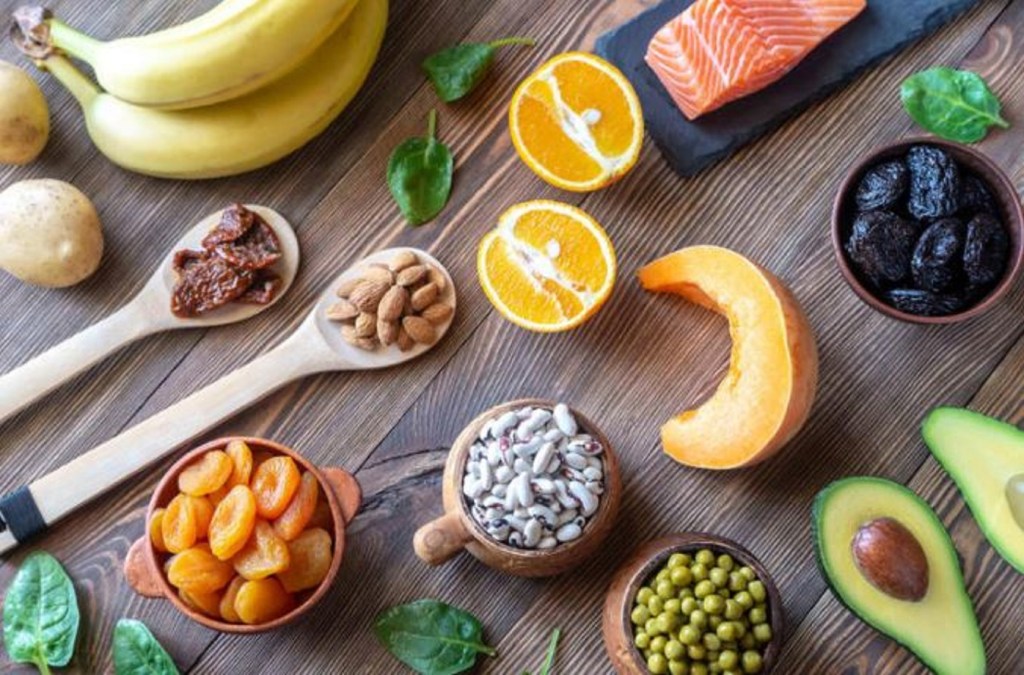
In the following sections, we’ll explore twenty scientifically supported foods and dietary habits that protect your arteries from blockage and keep your heart strong. From humble oats to vibrant berries, these foods are not only delicious but vital tools in the fight against cardiovascular disease. As Hippocrates advised centuries ago, “Let food be thy medicine, and medicine be thy food.”
1- Oats: The Morning Shield for Arteries
Oats are rich in soluble fiber, particularly beta-glucan, which helps lower LDL cholesterol—the “bad” cholesterol responsible for plaque formation. Studies in the *American Journal of Clinical Nutrition* reveal that consuming just 3 grams of beta-glucan daily can reduce LDL cholesterol by up to 10%. This makes a bowl of oatmeal not just breakfast but a daily dose of heart protection.
Additionally, oats contain avenanthramides, unique antioxidants that help reduce inflammation in artery walls. When combined with fruits like blueberries or flaxseeds, oats create a synergistic effect, keeping arteries clear and flexible. Nutritionist Dr. David Katz calls oats “a cardioprotective cornerstone of any diet aimed at longevity.”
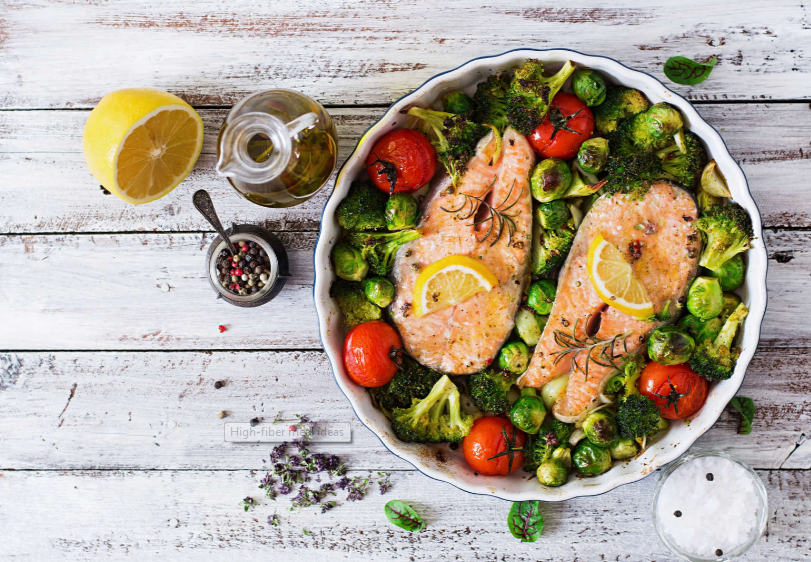
2- Fatty Fish: Omega-3 Elixir
Salmon, mackerel, and sardines are brimming with omega-3 fatty acids that reduce triglycerides and stabilize plaque. These healthy fats prevent blood clots and lower inflammation, critical factors in preventing arterial blockages.
According to ‘Harvard Health Publishing’, people who consume fish twice a week show significantly lower risks of heart attacks and sudden cardiac death. For vegetarians, flaxseeds and chia seeds are excellent plant-based omega-3 alternatives, helping to maintain fluidity in blood vessels and reduce oxidative stress.
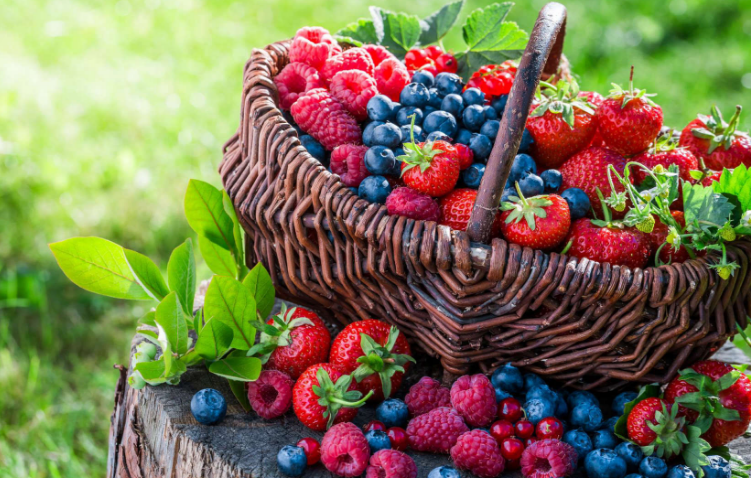
3- Berries: Nature’s Artery Cleaners
Blueberries, strawberries, and raspberries are antioxidant powerhouses rich in anthocyanins, compounds that improve blood flow and protect the endothelium—the inner lining of arteries. Regular berry consumption has been linked to a lower risk of heart attacks, particularly in women.
Dr. Eric Rimm of Harvard’s T.H. Chan School of Public Health notes, “A simple handful of berries several times a week can have measurable benefits for arterial health.” Their fiber and vitamin C content also help prevent LDL oxidation, a key step in the development of arterial plaque.
4- Nuts: Tiny Nutritional Giants
Almonds, walnuts, and pistachios provide healthy monounsaturated fats and plant sterols that lower cholesterol naturally. Eating a small handful daily can reduce arterial inflammation and improve HDL (“good”) cholesterol levels. A ‘New England Journal of Medicine’ study found that nut consumers live longer and have fewer cardiovascular deaths. For best results, choose unsalted and raw varieties, as roasted or salted nuts may counteract some benefits.
5- Olive Oil: Liquid Gold of the Mediterranean
Extra virgin olive oil (EVOO) is a cornerstone of the Mediterranean diet, long associated with low heart disease rates. Its polyphenols act as potent antioxidants, protecting blood vessels from oxidative stress.
A landmark ‘PREDIMED’ trial demonstrated that those who used EVOO daily had a 30% lower risk of major cardiovascular events. Replacing butter or margarine with olive oil is a simple yet transformative step toward preventing clogged arteries.
6- Garlic: The Ancient Heart Protector
For centuries, garlic has been prized for its medicinal properties. Modern science confirms that allicin, a sulfur compound in garlic, helps reduce blood pressure and prevent arterial stiffening.
According to research in ‘The Journal of Nutrition’, garlic supplementation can reduce arterial plaque by up to 10% in just one year. Fresh garlic cloves offer the greatest benefit—crushed and consumed raw or lightly cooked.
7- Leafy Greens: Chlorophyll Powerhouses
Spinach, kale, and Swiss chard deliver a burst of nitrates, which convert to nitric oxide, relaxing and dilating blood vessels. This enhances circulation and reduces pressure on arterial walls.
A 2018 study in ‘The American Heart Association Journal’ showed that a single serving of leafy greens daily significantly improves vascular health. Their high vitamin K content also prevents calcium buildup—a key contributor to arterial stiffness.
8- Avocados: The Creamy Heart Healer
Avocados are packed with heart-healthy monounsaturated fats and potassium, both crucial for arterial health. They lower LDL cholesterol while boosting HDL levels, promoting overall balance.
Nutrition researcher Dr. Penny Kris-Etherton highlights that “a daily avocado can be a dietary strategy for cardiovascular risk reduction.” The fruit’s fiber content also supports detoxification, further aiding in preventing blockages.
9- Green Tea: Antioxidant Brew for Arteries
Green tea is abundant in catechins—antioxidants that reduce cholesterol absorption and prevent lipid oxidation. Regular consumption has been linked to better arterial flexibility and lower blood pressure.
The ‘European Journal of Nutrition’ reports that people who drink green tea regularly have a 25% lower risk of cardiovascular disease. For maximum benefit, choose minimally processed, high-quality green tea varieties.
10- Dark Chocolate: A Sweet Defense
High-cocoa dark chocolate (70% or more) contains flavonoids that improve endothelial function and increase nitric oxide production. This widens blood vessels and enhances circulation.
According to a ‘BMJ’ meta-analysis, moderate dark chocolate consumption reduces the risk of heart disease by 37%. Choose organic, low-sugar chocolate to reap the benefits without unwanted calories.
11- Turmeric: The Golden Spice
Curcumin, the active compound in turmeric, has powerful anti-inflammatory effects that inhibit plaque buildup. Its antioxidant nature helps clear existing deposits in arteries.
Dr. Bharat Aggarwal of ‘MD Anderson Cancer Center’ states that “curcumin acts as a multi-targeted therapy against chronic diseases, including cardiovascular conditions.” Pairing turmeric with black pepper enhances absorption dramatically.
12- Citrus Fruits: Vitamin C for Circulation
Oranges, lemons, and grapefruits are rich in vitamin C and flavonoids that strengthen arterial walls and lower cholesterol. They also prevent LDL oxidation, a major cause of plaque formation.
Regular citrus intake has been associated with improved blood vessel elasticity and reduced stroke risk. For an extra boost, drink freshly squeezed juice or add citrus zest to meals.
13- Tomatoes: Lycopene-Rich Protectors
Tomatoes are loaded with lycopene, a carotenoid that helps reduce LDL cholesterol and prevent plaque oxidation. Cooked tomatoes release even more lycopene, making tomato sauce a heart-friendly staple.
Research in ‘Atherosclerosis Journal’ shows that people with high lycopene levels have lower carotid artery thickness—a key marker of cardiovascular health.
14- Whole Grains: The Fiber Fortress
Brown rice, barley, and quinoa are packed with fiber, vitamins, and minerals that regulate blood sugar and cholesterol. Replacing refined grains with whole ones is a proven method to enhance vascular health.
A ‘Lancet’ study found that diets rich in whole grains can reduce premature mortality by 17%. Fiber acts like a broom, sweeping excess cholesterol out of the bloodstream.
15- Pomegranates: Ruby Red Healers
Pomegranates contain punicalagin, a unique antioxidant that improves nitric oxide levels and reduces plaque buildup. They also help reverse oxidative damage in arteries.
Clinical trials have shown that daily pomegranate juice can lower carotid artery thickness within a year. Dr. Michael Aviram of Technion University calls it “one of nature’s most effective vascular cleansers.”
16- Legumes: Protein for Protection
Beans, lentils, and chickpeas are high in soluble fiber and plant protein, both of which lower cholesterol and stabilize blood sugar. Their low glycemic index makes them ideal for cardiovascular health.
Research from ‘Nutrients Journal’ confirms that legume consumption is inversely linked with coronary heart disease. Regularly replacing red meat with legumes can markedly improve artery health.
17- Beets: Nitric Oxide Boosters
Beets are natural nitric oxide producers, enhancing vasodilation and reducing blood pressure. Their betaine content also supports liver detoxification, indirectly benefiting the circulatory system. Studies in Hypertension Research show that beet juice improves endothelial function within hours. It’s a vibrant and tasty way to keep arteries open and oxygen flowing freely.
18- Apples: Daily Defense Fruit
Apples are rich in pectin, a soluble fiber that binds cholesterol and removes it from the body. Their polyphenols also help lower inflammation and oxidative stress. A long-term ‘European Heart Journal’ study revealed that apple eaters had fewer heart attacks and strokes. As the proverb goes, “An apple a day keeps the doctor away”—a saying science now supports.
19- Seeds: Tiny but Mighty
Flaxseeds, chia seeds, and sunflower seeds deliver omega-3s, fiber, and lignans that support arterial flexibility. They balance lipids and reduce inflammation, key for preventing clogs.
Adding a spoonful of ground seeds to smoothies or salads can significantly improve lipid profiles. The ‘British Journal of Nutrition’ found that flaxseed consumption can reduce blood pressure by 10 mmHg within weeks.
20- Water: The Forgotten Cleanser
Hydration plays an underrated role in vascular health. Adequate water intake helps maintain blood viscosity, preventing clot formation and promoting smooth circulation. Dehydration thickens the blood, forcing the heart to work harder. As Dr. Fereydoon Batmanghelidj noted in ‘Your Body’s Many Cries for Water’, “You are not sick, you are thirsty.” Drinking sufficient clean water daily keeps arteries clear and life flowing.
21-Fatty fish
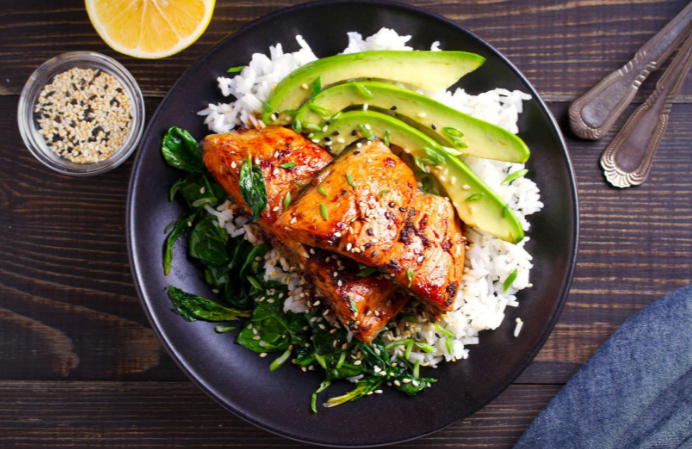
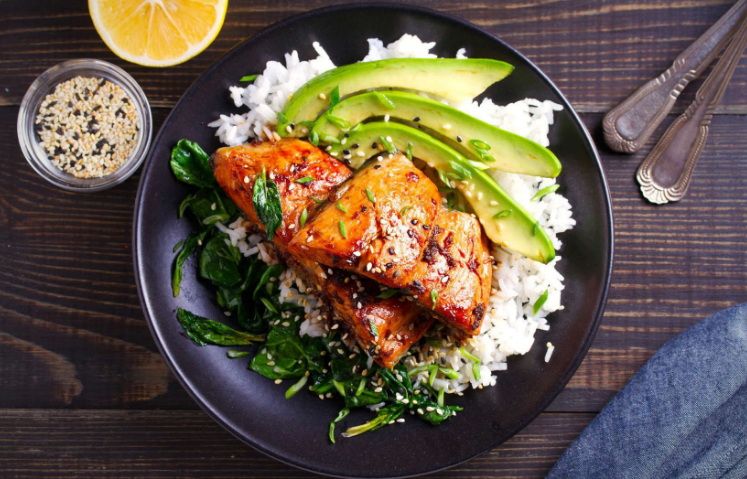
Fatty, or oily, fish, including salmon (pictured), anchovies, sardines, and herring, are loaded with essential nutrients and are a potent source of omega-3 fats. These powerful, anti-inflammatory fats may help reduce the risk of vascular inflammation and atherosclerosis, a thickening or hardening of the arteries. But how, exactly?
22-Anchovies
Omega-3 fats help reduce the expression of cellular adhesion molecules. These are proteins that allow cells to stick to one another and their surroundings—clogging agents, if you like.
23-Sardines
Furthermore, omega-3s can reduce the risk of blood clots, lower triglyceride levels—a type of fat (lipid) found in your blood—and increase levels of good HDL (high-density lipoprotein) cholesterol. According to the UK’s National Health Service (NHS), a healthy, balanced diet should include at least two portions of fish a week, including one of fatty fish.
24-Herring
This recommendation is based on research that shows people who eat two or more servings of fish per week are less likely to develop atherosclerosis in their carotid arteries.
25-Berries
Berries, including strawberries and blueberries, are fruits associated with an impressive roll call of health benefits. Packed with fiber, vitamins, minerals, and plant compounds, berries work wonders for arterial health.
26-Blueberries
Berries are known to reduce inflammation and improve heart health. In addition, berry consumption has been linked to improvements in bad LDL (low-density lipoprotein) cholesterol, blood pressure, and even blood sugar control.
27-Mixed berry breakfast
A super healthy way to start the day is with a bowl of high fiber cereal garnished with mixed berries. Soak with low-fat milk, and lay off the sugar.
28-Citrus fruits
The tangy citrus fruit family is packed full of goodness. They are blessed with polyphenol compounds called flavonoids, which have powerful antioxidant properties. Low-sugar citrus fruits are those to choose, such as grapefruit (pictured).
29-Lemon with water
Citrus flavonoids can decrease inflammation and help prevent free radicals in the body from oxidizing LDL cholesterol. If you find eating citrus fruits a generally sharp and bitter experience, add a squeeze of lemon or lime to lukewarm water for a milder bioflavonoid buzz.
30-Flaxseed
Flaxseeds are the unsung heroes of powerhouse nutrition. An excellent source of anti-inflammatory plant-based omega-3s, regular flaxseed intake has been associated with decreased blood sugar and insulin levels.
31-Natural yogurt with flaxseed
Most nutrition experts recommend ground over whole flaxseed because the ground form is easier to digest. One to two tablespoons a day is considered a healthy amount—ideal portions for topping off natural yogurt!
32-Extra virgin olive oil
Those who regularly follow a Mediterranean diet will be aware of the fabulous health benefits afforded by olive oil. It’s known for reducing the risk of heart attacks and strokes, and may help reduce the risk of atherosclerosis. So, what are the secret ingredients?
33-Olive oil on salad
Olive oil is a rich source of monounsaturated fatty acids and polyphenol antioxidant compounds. These both help elevate HDL cholesterol while lowering LDL cholesterol. As a bonus, olive oil’s polyphenols help lower inflammation and reduce blood pressure. Note that less refined extra virgin olive oil has significantly greater amounts of polyphenols than more refined olive oils. So use extra virgin oil wherever possible, for example on fresh, crispy salads.
34-Avocados
Okay, so avocado does contain some saturated fat. But the health benefits of this delicious fruit far outweigh any negative aspects, not least because they are crammed with blood sugar-stabilizing, cholesterol-optimizing monounsaturated fatty acids.
35-Avocado and egg on rye
Bursting with nutrients, including fiber, potassium and magnesium, all of which are associated with cardiovascular health, regular consumption of avocado may also help reduce LDL cholesterol.
36-Tomatoes
Tomatoes and tomato products have long helped safeguard people’s health. They are an impressive source of the carotenoid pigment lycopene, which has been associated with boosting HDL cholesterol levels and reducing inflammation—two great advantages in the fight against the development of atherosclerosis.
37-Tomato sauce
Interestingly, combining cooked tomato with extra virgin olive oil may offer the greatest protection against clogged arteries. Similarly, it’s a winning combination when making homemade tomato sauce. The reason is because fat increases your body’s absorption of lycopene while reducing adhesion molecules and inflammatory proteins, which is what adding the oil does.
38-Legumes
The legume family includes beans, peas, lentils, soybeans, and chickpeas. Full of fiber, they are well known for their heart and arterial health benefits.
39-Chickpea soup
Eating legumes on a regular basis can significantly reduce LDL cholesterol, lower blood pressure, and tame inflammation. A delicious recipe idea is flavorsome chickpea soup, accompanied by diced mixed vegetables.
40-Cutlets made from carrots and lentils
Get creative with lentils, another ingredient known to reduce your risk of clogged arteries. Serve up a portion as cutlets paired with carrot and pumpkin seeds, for instance.
41-Allium vegetables
What are allium vegetables? Think onions, garlic, leeks, chives, and scallions. These crunchy and pungent veggies are all rich in organosulfur compounds that scientists believe may help prevent blood vessel inflammation, inhibit the clumping together of platelets in the blood, and increase the availability of nitric oxide—all of which are enemies of atherosclerosis.
42-Pie with baby leeks
Allium vegetables work wonders as a tasty garnish. Next time you bake a cheese and onion pie for example, thatch its roof with crispy baby leeks.
43-Cruciferous vegetables
As with the allium family, cruciferous vegetables—those that include broccoli, cabbage, and cauliflower—are superfood stars containing organosulfur compounds. So while consuming all type of vegetables on a regular basis is never a bad thing, eating lots of cruciferous veggies is associated with thinner, healthier carotid artery walls.
44-Whole-grain pasta penne with broccoli
And remember, the cruciferous crowd also contains heaps of blood sugar-stabilizing, cholesterol-lowering fiber. Impress your health-conscious dinner guests with this creation: whole-grain pasta penne with broccoli, avocado, green beans, peas, and aromatic blue cheese.
45-Spinach
Not for nothing does Popeye gobble down tins of spinach! This leafy green superfood has proven health benefits. It’s a great source of dietary nitrates, which support supple, free-flowing blood vessels and arteries. Spinach also has a high potassium content that is usually recommended for people suffering from high blood pressure.
46-Beets
A tad bitter and earthy for many palates, beets are nonetheless up there in the superfood division for their help in promoting healthy blood flow. Beets are a rich source of beneficial nitrates, which your body converts to nitric oxide, the molecule that keeps inflammation in check, lowers blood pressure, and helps prevent damage to artery walls.
47-Walnuts
Including nuts in your diet has long been associated with improved heart health. Nuts and seeds are excellent sources of protein, fiber, healthy fats, vitamins, and minerals. But did you know that walnuts contain the highest levels of heart-healthy, plant-based omega-3s? Yup, another great ally in the prevention of atherosclerotic plaque.
48-Spices
Besides coloring and flavoring our culinary world, spices are excellent sources of helpful compounds that can benefit the heart and arteries. Packed with anti-inflammatory properties, spices such as cinnamon, ginger, and turmeric are also believed to help scavenge free radicals, improve blood lipid levels, and reduce the clumping together of platelets in the blood.
49-Cocoa and dark chocolate
Consumed sparingly, dark chocolate can work against the development of atherosclerosis because its is a potent source of polyphenol compounds, specifically cocoa flavanols, which have been shown to help lower blood pressure and improve blood flow (cocoa flavanols increase nitric oxide production and decrease inflammation in the arteries).
50-Green tea
Time for a cuppa! Green tea is made from the leaves of the Camellia sinesis plant, the properties of which include polyphenol compounds called catechins, which have powerful antioxidant and anti-inflammatory effects and can help the body rid itself of vascular cell adhesion molecules—a big contributor to clogged arteries.
Conclusion
Preventing clogged arteries is not about drastic restriction but about consistent nourishment. By embracing whole, nutrient-dense foods rich in antioxidants, fiber, and healthy fats, we can protect our most vital organ—the heart. As modern medicine converges with ancient wisdom, the message is clear: food can either be your slow poison or your powerful cure.
For further reading, explore ‘How Not to Die’ by Dr. Michael Greger and ‘The Blue Zones Kitchen’ by Dan Buettner—works that illuminate how simple dietary habits can yield extraordinary cardiovascular longevity. Remember, the path to a healthy heart begins not in the pharmacy, but in the kitchen.
Bibliography
Esselstyn, Caldwell B. Jr.Prevent and Reverse Heart Disease: The Revolutionary, Scientifically Proven, Nutrition-Based Cure. Avery Publishing, 2007.
Greger, Michael, and Stone, Gene.How Not to Die: Discover the Foods Scientifically Proven to Prevent and Reverse Disease. Flatiron Books, 2015.
Buettner, Dan.The Blue Zones Kitchen: 100 Recipes to Live to 100. National Geographic, 2019.
Ornish, Dean.Undo It!: How Simple Lifestyle Changes Can Reverse Most Chronic Diseases. Ballantine Books, 2019.
Katz, David L.Disease-Proof: The Remarkable Truth About What Makes Us Well. Penguin Books, 2013.
Hu, Frank B., ed. Obesity Epidemiology. Oxford University Press, 2008.
Willett, Walter C.Eat, Drink, and Be Healthy: The Harvard Medical School Guide to Healthy Eating. Free Press, 2011.
Aggarwal, Bharat B., and Sung, Bokyung.Pharmacological Basis for the Role of Curcumin in Chronic Diseases: An Age-Old Spice with Modern Targets. CRC Press, 2013.
Batmanghelidj, Fereydoon.Your Body’s Many Cries for Water. Global Health Solutions, 1997.
Rimm, Eric B., and Manson, JoAnn E. “Dietary Fats and Cardiovascular Disease: A Review.” Journal of the American College of Cardiology, vol. 73, no. 12, 2019, pp. 1636–1653.
Kris-Etherton, Penny M., et al. “Nuts and Their Bioactive Constituents: Effects on Lipids and Other Cardiovascular Risk Factors.” Nutrients, vol. 13, no. 8, 2021, pp. 2679–2692.
Aviram, Michael., and Rosenblat, Mira. “Pomegranate Protection Against Cardiovascular Diseases.” Evidence-Based Complementary and Alternative Medicine, vol. 9, 2012, Article ID 382763.
Li, Dingqiang, et al. “Effects of Green Tea and Its Bioactive Compounds on Cardiovascular Health.” European Journal of Nutrition, vol. 60, no. 6, 2021, pp. 2939–2951.
Esselstyn, Caldwell B. Jr., and Gould, Kim L. “A Plant-Based Diet and Coronary Artery Disease: A Clinical Perspective.” The American Journal of Cardiology, vol. 117, no. 7, 2016, pp. 1017–1021.
Mozaffarian, Dariush., and Rimm, Eric B. “Fish Intake, Contaminants, and Human Health: Evaluating the Risks and the Benefits.” JAMA, vol. 296, no. 15, 2006, pp. 1885–1899.
Wang, Dong D., and Hu, Frank B. “Dietary Fat and Risk of Cardiovascular Disease: Recent Controversies and Advances.” Annual Review of Nutrition, vol. 37, 2017, pp. 423–446.
Orlich, Michael J., and Fraser, Gary E. “Vegetarian Diets in the Adventist Health Study 2: Effects on Mortality.” JAMA Internal Medicine, vol. 173, no. 13, 2013, pp. 1230–1238.
Keys, Ancel.Seven Countries: A Multivariate Analysis of Death and Coronary Heart Disease. Harvard University Press, 1980.
Greger, Michael.How Not to Diet: The Groundbreaking Science of Healthy, Permanent Weight Loss. Flatiron Books, 2019.
Campbell, T. Colin, and Campbell, Thomas M. II.The China Study: The Most Comprehensive Study of Nutrition Ever Conducted. BenBella Books, 2006.
When time is tight but your taste buds demand satisfaction, knowing how to whip up a mouthwatering meal in under 15 minutes is an absolute game changer. Whether you’re juggling meetings, managing kids, or just craving something delicious without the wait, these fast meals deliver on flavor without the fuss.
Gone are the days when “quick food” meant greasy takeout or bland microwave dinners. The reality is, with the right ingredients and a touch of culinary creativity, you can create satisfying, wholesome dishes that rival anything from a gourmet kitchen. As food writer Mark Bittman notes in How to Cook Everything Fast, “speed in the kitchen doesn’t mean sacrificing quality—it means mastering efficiency and flavor.”
This list is your go-to guide for quick and tasty meals that don’t compromise on nutrition or sophistication. From bold global flavors to comfort food favorites, each dish is a culinary shortcut with maximum payoff. Whether you’re a seasoned foodie or a kitchen novice, these meals prove that you can eat well, live well—and do it all in under 15 minutes.
1 – Speedy suppers Time is often the biggest hurdle to cooking a nourishing meal, but speedy suppers are proof that good food doesn’t need to take all night. These meals are centered around ingredients that cook fast and flavors that shine without hours of simmering. Think pre-cooked proteins, fresh vegetables, and smart shortcuts like spice blends or frozen staples.
Speedy suppers also provide an opportunity to clean out your fridge and get creative. Add a twist with herbs, zesty sauces, or a drizzle of infused oil to transform something simple into something stunning. As culinary expert Rachael Ray—known for her 30-minute meals—often emphasizes, “It’s not about how long you spend cooking. It’s about the love and intention behind what you serve.”
Recipe – Speedy Suppers: Garlic Lemon Shrimp with Couscous
Ingredients:
1 cup couscous
1 cup boiling water
1 tbsp olive oil
2 cloves garlic, minced
1 lb shrimp, peeled and deveined
Zest and juice of 1 lemon
Salt and pepper to taste
Chopped parsley for garnish
Instructions:
Pour boiling water over the couscous in a bowl. Cover and set aside.
Heat olive oil in a skillet over medium-high. Add garlic and sauté for 30 seconds.
Add shrimp and cook for 2-3 minutes per side until pink.
Add lemon zest and juice. Toss to coat. Season with salt and pepper.
Fluff couscous with a fork, plate it, and top with shrimp. Garnish with parsley and serve.
2 – Black and kidney bean chili This plant-powered chili is a protein-packed option for weeknights when you’re short on time but want something hearty. With canned black and kidney beans as the base, you’re skipping the soaking and boiling process and jumping straight into flavor territory. Toss them into a pot with sautéed onions, garlic, cumin, paprika, and crushed tomatoes for a rich, smoky stew that comes together in mere minutes.
To elevate the dish, top with fresh cilantro, avocado slices, or a sprinkle of feta. Serve it with crusty bread or rice for a filling experience. Author Deborah Madison, in Vegetarian Cooking for Everyone, highlights how beans offer “a deep, earthy flavor that’s satisfying and soul-warming,” especially when cooked quickly with bold seasonings.
Recipe – Black and Kidney Bean Chili
Ingredients:
1 tbsp olive oil
1 small onion, diced
2 cloves garlic, minced
1 tsp chili powder
1/2 tsp cumin
1 can black beans, drained
1 can kidney beans, drained
1 can diced tomatoes
Salt and pepper to taste
Sour cream or avocado for topping (optional)
Instructions:
In a saucepan, heat olive oil over medium heat. Add onion and cook 2–3 minutes.
Stir in garlic, chili powder, and cumin. Cook 1 minute until fragrant.
Add both beans and tomatoes (with juices). Simmer for 8–10 minutes.
Season to taste. Serve hot with optional sour cream or avocado slices.
3 – Apple and turkey quesadillas This unexpected pairing of savory and sweet is both refreshing and satisfying. Turkey, whether sliced deli meat or leftovers, pairs beautifully with the crisp tartness of green apples and melted cheese nestled between tortillas. A quick pan-sear on each side yields a golden, gooey result that’s comforting yet light.
To enhance the flavors, consider a dash of cinnamon or mustard in the mix. Serve with a side of Greek yogurt or a simple green salad. As culinary author Alice Waters notes in The Art of Simple Food, “the best meals are often the most surprising combinations, made with care and curiosity.”
Recipe – Apple and Turkey Quesadillas
Ingredients:
2 flour tortillas
1/2 cup shredded cooked turkey
1/2 apple, thinly sliced
1/2 cup shredded cheddar cheese
1 tsp butter
Instructions:
Lay out tortillas and layer turkey, apple slices, and cheese on one half of each.
Fold the tortillas over to create a half-moon shape.
Heat butter in a skillet over medium heat. Place one quesadilla at a time and cook 2–3 minutes per side until golden and cheese melts.
Slice and serve warm.
4 – Satay noodle stir-fry This Southeast Asian-inspired dish brings together creamy peanut sauce, crunchy vegetables, and noodles in a flavor-packed medley. Start by sautéing garlic, ginger, and quick-cooking vegetables like bell peppers and snap peas. Toss in rice noodles and stir through a simple satay sauce made from peanut butter, soy sauce, lime juice, and a touch of chili.
The beauty of this meal lies in its adaptability—use tofu, chicken, or shrimp based on what’s available. It’s a protein-rich, plant-forward option that feels indulgent without being heavy. According to The Flavour Thesaurus by Niki Segnit, “Peanut and lime is a combination that ignites the senses,” making this dish a fast favorite.
4 – Satay Noodle Stir-Fry
Ingredients:
2 nests of quick-cook noodles
1 tbsp vegetable oil
1 cup mixed stir-fry veggies
2 tbsp peanut butter
1 tbsp soy sauce
1 tsp honey
1 tbsp lime juice
Crushed peanuts and cilantro for garnish
Instructions:
Cook noodles as per packet instructions. Drain and set aside.
Heat oil in a wok or large pan. Add veggies and stir-fry for 3–4 minutes.
In a small bowl, whisk peanut butter, soy sauce, honey, and lime juice.
Add noodles and sauce to the pan. Toss everything together and heat for 1–2 minutes.
Garnish with peanuts and cilantro before serving.
5 – Steak with garlic butter There’s something timeless and satisfying about a juicy steak cooked to perfection. A thin cut like flank or sirloin can sear in under 10 minutes. Finish it with a pat of homemade garlic herb butter, allowing it to melt luxuriously over the top, infusing the meat with savory richness.
Pair it with a simple side—perhaps a salad or microwave-steamed green beans—for a well-rounded plate. As Anthony Bourdain once said, “Good food is very often, even most often, simple food.” This dish is a testament to that philosophy.
Recipe – Steak with Garlic Butter
Ingredients:
2 small sirloin or ribeye steaks
Salt and pepper
1 tbsp oil
2 tbsp butter
2 garlic cloves, smashed
Fresh parsley, chopped
Instructions:
Season steaks with salt and pepper on both sides.
Heat oil in a heavy skillet on high heat. Add steaks and sear 2–3 minutes per side (depending on thickness and desired doneness).
Reduce heat to medium. Add butter and garlic. Spoon melted butter over steaks as they finish cooking.
Rest steaks for 2 minutes. Slice and top with chopped parsley and remaining garlic butter.
6 – Cheese, ham, and fig crêpes Crêpes aren’t just for brunch—they’re also ideal for quick dinners with a sophisticated edge. Fill them with slices of ham, shredded cheese, and fig preserves for a perfect balance of salty and sweet. Warm them just enough for the cheese to melt and the flavors to meld.
This dish feels fancy but is remarkably simple, especially if you use pre-made crêpes or whip up a quick batter. Serve with a small arugula salad drizzled in balsamic glaze. As Julia Child famously advised, “You don’t have to cook fancy or complicated masterpieces—just good food from fresh ingredients.”
Recipe – Cheese, Ham, and Fig Crêpes
Ingredients:
2 ready-made crêpes
2 slices prosciutto or cooked ham
2 tbsp fig jam
1/2 cup shredded Gruyère or goat cheese
Instructions:
Place the crêpes flat and spread fig jam on each.
Layer with ham and cheese.
Fold in half and heat in a dry skillet for 2–3 minutes on each side until the cheese melts.
Serve warm, optionally garnished with arugula.
7 – Miso ramen bowl Ramen doesn’t have to come from a styrofoam cup. With just a few ingredients, you can turn instant noodles into a nourishing bowl of comfort. Add miso paste, sesame oil, and soy sauce to the broth for umami depth. Toss in a soft-boiled egg, spinach, mushrooms, and green onions.
This dish is both restorative and deeply flavorful. According to Japanese Soul Cooking by Tadashi Ono and Harris Salat, “Miso is not just a seasoning—it’s a source of life and warmth.” A bowl of miso ramen is a hug in edible form.
Recipe – Miso Ramen Bowl
Ingredients:
2 instant ramen noodle packs (discard seasoning)
2 cups chicken or veggie broth
1 tbsp miso paste
1 tsp soy sauce
1 soft-boiled egg (optional)
1/2 cup sliced mushrooms
1 green onion, chopped
Instructions:
Boil broth and stir in miso paste and soy sauce.
Add mushrooms and noodles, cook for 4–5 minutes.
Ladle into bowls, top with green onion and egg if desired.
8 – Huevos rancheros This Mexican classic combines eggs, beans, and salsa atop crispy tortillas—quick to make and full of bold flavor. Crack eggs over a skillet, fry until the whites set, then layer over a base of refried beans and a spoonful of fiery tomato salsa.
Garnish with avocado, cilantro, or queso fresco for a vibrant finish. This dish is high in protein and ideal for any time of day. As Rick Bayless, author of Authentic Mexican, points out, “Huevos rancheros reflect the soul of Mexican home cooking—humble ingredients, vibrant results.”
Recipe – Huevos Rancheros
Ingredients:
2 corn tortillas
2 eggs
1/2 cup refried beans
1/2 cup salsa
1 tbsp oil
Cilantro and avocado to garnish
Instructions:
Warm tortillas and spread with refried beans.
Fry eggs in oil to desired doneness.
Place eggs on tortillas, spoon over salsa, and garnish.
9 – Cheat’s chicken curry This shortcut curry relies on pre-cooked chicken and a jar of quality curry paste. Sauté onions, garlic, and your choice of veggies, then stir in the paste, coconut milk, and chicken. In minutes, it simmers into a rich, aromatic dish that tastes like it took much longer to make.
Serve with naan or microwave rice for a quick but complete meal. Madhur Jaffrey, the grand dame of Indian cuisine, notes in Curry Nation that “a good curry doesn’t need hours—it needs the right balance.” This dish strikes that balance effortlessly.
Recipe – Cheat’s Chicken Curry
Ingredients:
1 tbsp oil
1/2 onion, chopped
1 garlic clove, minced
1 cup cooked chicken, shredded
2 tbsp curry paste
1/2 cup coconut milk
Fresh cilantro
Instructions:
Sauté onion and garlic in oil for 2 minutes.
Stir in curry paste, then coconut milk and chicken. Simmer for 5–6 minutes.
Garnish and serve with naan or rice.
10 – Fish stick tacos A playful twist on fish tacos, this meal makes use of frozen fish sticks for speed. While they crisp up in the oven or air fryer, prep a zesty slaw with cabbage, lime, and Greek yogurt. Pile into soft tortillas and finish with a drizzle of hot sauce or crema.
These tacos are crowd-pleasers for both adults and kids. Fast food meets fresh flavor in this creative mashup. As chef David Chang has said, “Sometimes the most honest food is the most fun.”
Recipe – Fish Stick Tacos
Ingredients:
6 frozen fish sticks
3 corn tortillas
1/2 cup shredded cabbage
2 tbsp mayo + 1 tsp sriracha (mix)
Lime wedges
Instructions:
Bake fish sticks as per package (or air fry).
Warm tortillas. Spread sriracha mayo, add fish sticks, and top with cabbage.
Squeeze lime over before serving.
11 – Seared soy and sesame tuna Ahi tuna steaks cook in a flash—literally one minute per side—making them ideal for quick dinners. Marinate briefly in soy sauce, sesame oil, and rice vinegar, then sear in a hot pan for a perfect rare center and caramelized crust.
Serve with jasmine rice and steamed broccoli or a cucumber salad. According to The Joy of Cooking, tuna’s mild richness is amplified by the salty-sweet complexity of soy and sesame, making this a meal that punches well above its prep time.
Recipe – Seared Soy and Sesame Tuna
Ingredients:
2 tuna steaks
1 tbsp soy sauce
1 tsp sesame oil
1 tsp sesame seeds
Green onion, sliced
Instructions:
Marinate tuna in soy and sesame oil for 5 minutes.
Sear in hot skillet, 1–2 minutes per side.
Sprinkle sesame seeds and green onion before serving.
12 – Super-fast pea soup A vibrant green soup made with frozen peas, onion, garlic, and vegetable stock can be blended to silky perfection in under 10 minutes. A splash of cream or a dollop of Greek yogurt adds richness, while mint or basil provides a fresh finish.
This soup is light yet satisfying, ideal for a quick lunch or first course. As Deborah Madison writes, “Soups are one of the fastest ways to nourish yourself,” and this one proves that beautifully.
Recipe – Super-Fast Pea Soup
Ingredients:
1 tbsp butter
2 cups frozen peas
1 cup vegetable broth
1/2 cup milk or cream
Salt, pepper, mint leaves
Instructions:
Sauté peas in butter for 1–2 minutes.
Add broth and cook for 5 minutes. Blend until smooth.
Stir in milk and season. Garnish with mint.
13 – Pad Thai shrimp noodles This Thai classic becomes weeknight-ready with pre-cooked shrimp and rice noodles that soak in minutes. Stir-fry garlic, green onions, and bean sprouts, then toss everything together with tamarind paste, fish sauce, lime, and a pinch of brown sugar.
Garnish with peanuts and cilantro for texture and freshness. In Simple Thai Food, Leela Punyaratabandhu notes, “Pad Thai is quick, dynamic, and full of contrast—a true street food hero.”
Recipe – Pad Thai Shrimp Noodles
Ingredients:
1 tbsp oil
1/2 lb shrimp
1 cup rice noodles, cooked
1 egg
1 tbsp tamarind sauce
1 tsp fish sauce
Crushed peanuts, lime
Instructions:
Stir-fry shrimp in oil until pink, push aside.
Crack egg, scramble, then mix in noodles and sauces.
Serve with lime and peanuts.
14 – Chunky fish soup This Mediterranean-style soup comes together fast with chunks of white fish, canned tomatoes, garlic, and herbs. Let it simmer briefly while flavors develop, and serve with crusty bread for soaking up the broth.
The dish is light yet deeply flavorful, leaning on olive oil and fresh parsley for finishing touches. “Good soup is the foundation of a good kitchen,” writes Auguste Escoffier. This one is both quick and classic.
Recipe – Chunky Fish Soup
Ingredients:
1 tbsp oil
1/2 onion
1 garlic clove
1 1/2 cups broth
1 cup white fish chunks
Herbs: thyme or dill
Instructions:
Sauté onion and garlic. Add broth and fish.
Simmer 8–10 minutes. Garnish with herbs.
15 – Farfalle with pancetta and peas This pasta dish is a harmony of texture and taste. Crisp pancetta contrasts beautifully with sweet peas and the smoothness of al dente farfalle. Toss with a touch of cream and Parmesan for a simple yet luxurious sauce.
Use frozen peas to save time, and the dish can be on the table in under 15 minutes. As Marcella Hazan shares in Essentials of Classic Italian Cooking, “Flavor develops in simplicity.” This dish is the epitome of that lesson.
Recipe – Farfalle with Pancetta and Peas
Ingredients:
1/2 lb farfalle
1/2 cup pancetta, diced
1/2 cup frozen peas
1 tbsp cream or Parmesan
Instructions:
Cook farfalle and peas together.
Fry pancetta until crispy. Drain pasta and mix all. Stir in cream or cheese.
16 – Crab linguine Delicate and decadent, crab linguine is an elegant dish that’s surprisingly quick to prepare. Toss linguine with sautéed garlic, lemon zest, and olive oil, then stir in fresh or canned crab meat. Finish with a pinch of chili flakes and chopped parsley for brightness and depth.
This dish offers restaurant-level flavor in record time. According to Salt, Fat, Acid, Heat by Samin Nosrat, “Acid brings balance to richness”—making lemon essential here to cut through the buttery crab.
Recipe – Crab Linguine
Ingredients:
1/2 lb linguine
1 tbsp olive oil
1 garlic clove
1/2 cup crab meat
Zest and juice of 1 lemon
Parsley
Instructions:
Cook linguine. Sauté garlic in oil, add crab, lemon.
Toss with pasta and parsley.
17 – Teriyaki chicken Quick-cooking chicken thighs or tenders become sticky and irresistible when coated in a homemade teriyaki glaze made from soy sauce, honey, ginger, and mirin. In just a few minutes, the sauce thickens and coats the chicken like lacquer.
Serve with steamed rice or noodles and a sprinkle of sesame seeds. This fast favorite proves that takeout-style meals can be even better—and quicker—at home. As Japanese food writer Harumi Kurihara says, “Homemade always carries more heart.”
Recipe – Teriyaki Chicken
Ingredients:
2 chicken breasts, thinly sliced
2 tbsp teriyaki sauce
1 tsp sesame oil
Rice (for serving)
Instructions:
Sear chicken in sesame oil for 6–7 minutes.
Add teriyaki, simmer 2 minutes. Serve over rice.
18 – Mushroom chow mein Earthy mushrooms and crispy noodles are a dream duo in this speedy stir-fry. Sauté mushrooms with garlic, scallions, and soy sauce until golden, then toss in cooked noodles and a dash of sesame oil.
This plant-based powerhouse is satisfying and savory. As Fuchsia Dunlop notes in Every Grain of Rice, “Even the humblest stir-fry can offer extraordinary texture and umami.” Mushroom chow mein is a perfect example of that truth.
Recipe – Mushroom Chow Mein
Ingredients:
2 cups mushrooms
1 tbsp soy sauce
1 tbsp oyster sauce
1 cup cooked noodles
1 tsp oil
Instructions:
Sauté mushrooms in oil. Add sauces.
Toss in noodles, heat for 2 minutes. Serve hot.
19 – Chili spaghetti with garlic and parsley This Italian-style fusion dish combines the comfort of spaghetti with the heat of chili and the freshness of parsley. While the pasta cooks, warm olive oil with sliced garlic and chili flakes—then toss it all together with a handful of fresh herbs.
It’s a minimal-ingredient meal that relies on pantry staples but never feels boring. In The Silver Spoon, the iconic Italian cookbook, it’s suggested that “great cooking starts with restraint.” This dish is proof.
Recipe – Chili Spaghetti with Garlic and Parsley
Ingredients:
1/2 lb spaghetti
1 chili, chopped
2 garlic cloves
2 tbsp olive oil
Parsley
Instructions:
Cook spaghetti. Sauté garlic and chili in oil.
Toss with pasta and parsley.
20 – Smoked salmon and pea frittata Eggs, peas, and smoked salmon make for a quick and classy frittata that’s light yet filling. Whisk eggs with a splash of milk, pour into a skillet with cooked peas and flaked salmon, and broil briefly to set the top.
It’s high in protein, rich in omega-3s, and effortlessly elegant. Nigella Lawson, in How to Eat, praises the frittata as “an undervalued vehicle for odds and ends”—and this version is a luxurious take on that idea.
Recipe – Smoked Salmon and Pea Frittata
Ingredients:
3 eggs
1/2 cup peas
1/4 cup smoked salmon
Salt, pepper
Instructions:
Whisk eggs, add peas and salmon.
Pour into hot pan, cook 3–4 minutes. Flip or broil to finish.
21 – Smoked salmon omelet For a lighter take, smoked salmon folded into a tender omelet is a protein-rich breakfast-for-dinner classic. Add a smear of cream cheese or dollop of crème fraîche inside before folding for added richness.
This quick fix feels indulgent but takes almost no time. It’s brain food, heart food, and soul food all in one. As Julia Child once said, “With enough butter, anything is good”—but here, the salmon does the heavy lifting.
Recipe – Smoked Salmon Omelet
Ingredients:
2 eggs
1/4 cup smoked salmon
1 tbsp cream cheese
Chives
Instructions:
Beat eggs, pour into skillet.
Add salmon and cheese, fold, cook 2 minutes.
22 – Scallops with chorizo This dish pairs sweet, seared scallops with spicy, smoky chorizo for a bold flavor contrast. Cook the chorizo until crispy, sear the scallops in the rendered fat, and finish with lemon and herbs.
It’s luxurious, deeply flavorful, and takes just minutes. According to The Flavor Equation by Nik Sharma, “Contrast is what makes food exciting”—and this pairing delivers just that.
Recipe – Scallops with Chorizo
Ingredients:
6 scallops
1/4 cup chorizo, diced
1 tsp oil
Instructions:
Fry chorizo until crispy. Remove.
Sear scallops 1–2 min per side. Serve with chorizo.
23 – Three grain tofu stir-fry This nutrient-packed stir-fry uses pre-cooked grains like quinoa, brown rice, and farro as the base. Add crispy tofu cubes, quick-cooked veggies, and a soy-ginger sauce for a plant-based meal that’s hearty and energizing.
It’s ideal for clean eating without losing the comfort of warm, savory food. In Plant-Based on a Budget, Toni Okamoto highlights the value of combining whole grains and proteins for quick, filling meals with staying power.
Recipe – Three Grain Tofu Stir-Fry
Ingredients:
1/2 block tofu
1 cup cooked grains (quinoa, rice, barley)
Mixed veggies
1 tbsp soy sauce
Instructions:
Sear tofu cubes. Stir-fry veggies.
Add grains, tofu, soy sauce. Toss and serve.
24 – Seafood pasta Quick-cooking shrimp, scallops, or clams turn a simple pasta into a decadent seafood celebration. Sauté with garlic, white wine, and tomatoes, then toss with cooked pasta and herbs for a coastal-inspired dish.
This one’s big on flavor and short on time. As Eric Ripert notes in On the Line, “Fresh seafood doesn’t need complexity—it needs timing and care.” That’s what this dish delivers in spades.
Recipe – Seafood Pasta
Ingredients:
1/2 lb spaghetti
1/2 cup mixed seafood
2 tbsp white wine
1 garlic clove
Instructions:
Cook pasta. Sauté garlic, add seafood and wine.
Toss with pasta and parsley.
25 – Indonesian fried rice Also known as nasi goreng, this dish repurposes leftover rice into something bold and flavorful. Stir-fry with shallots, garlic, kecap manis (sweet soy sauce), and a fried egg on top for a satisfying finish.
It’s smoky, sweet, spicy, and incredibly addictive. Lara Lee, in Coconut & Sambal, calls Indonesian fried rice “a dish of comfort and nostalgia,” perfect for a fast yet flavorful meal.
Recipe – Indonesian Fried Rice (Nasi Goreng)
Ingredients:
1 cup cooked rice
1 egg
1 tbsp kecap manis or soy sauce
Veggies and protein of choice
Instructions:
Scramble egg, set aside. Stir-fry rice and veggies.
Add egg, sauce, and mix well.
26 – Moules marinières This French classic is surprisingly fast to prepare. Mussels steam open in minutes when cooked with white wine, garlic, shallots, and parsley. Add a touch of cream for richness if desired.
Serve with crusty bread for dipping into the fragrant broth. In La Cuisine, Raymond Blanc notes that “the beauty of seafood is in its brevity”—and this dish is a timeless example.
Recipe – Moules Marinières
Ingredients:
1 lb mussels
1/2 cup white wine
1 garlic clove
1 tbsp cream (optional)
Instructions:
Clean mussels. Boil wine and garlic, add mussels.
Steam 5–6 mins. Stir in cream. Discard unopened mussels.
27 – Spinach orecchiette Orecchiette pasta pairs beautifully with wilted spinach, garlic, and a touch of olive oil. Add a sprinkle of Parmesan or chili flakes for depth and contrast.
It’s a minimalist meal that punches above its weight in nutrition and flavor. According to Italian Food by Elizabeth David, “The true art of pasta lies in simplicity.” This dish honors that ideal.
Recipe – Spinach Orecchiette
Ingredients:
1/2 lb orecchiette
2 cups spinach
1 garlic clove
1 tbsp olive oil
Instructions:
Cook pasta. Sauté garlic and spinach in oil.
Toss with pasta and serve.
28 – Pasta alla puttanesca This bold, briny dish comes together with pantry staples like olives, capers, anchovies, and tomatoes. The sauce simmers quickly while pasta boils, infusing everything with deep Mediterranean flavor.
It’s fiery, fast, and undeniably satisfying. In Lidia’s Italy, Lidia Bastianich calls puttanesca “a sauce with attitude”—perfect for nights when you need food with character.
Recipe – Pasta alla Puttanesca
Ingredients:
1/2 lb spaghetti
1/2 cup canned tomatoes
2 anchovies
1 tbsp capers, olives
Instructions:
Cook pasta. Sauté anchovies, capers, olives.
Add tomatoes, simmer 5 mins. Toss with pasta.
Recipe – Ham and Egg Linguine
Ingredients:
1/2 lb linguine
1 egg
1/4 cup chopped ham
Parmesan
Instructions:
Cook pasta. Whisk egg with cheese.
Mix hot pasta with ham, then add egg quickly to coat.
29 – Ham and egg linguine Eggs and ham make a surprisingly rich and creamy pasta sauce when tossed with hot linguine and Parmesan. The residual heat cooks the eggs into a silky coating—no cream required.
It’s a riff on carbonara, but even quicker. In Science and Cooking, Harold McGee explains how “the heat of pasta can transform egg into a custard-like emulsion”—a principle at the heart of this dish.
Recipe – Ham and Egg Linguine
Ingredients:
1/2 lb linguine
1 egg
1/4 cup chopped ham
Parmesan
Instructions:
Cook pasta. Whisk egg with cheese.
Mix hot pasta with ham, then add egg quickly to coat.
30 – Glazed salmon Quick-searing salmon filets get a flavor boost from a honey-soy glaze with a hint of garlic or ginger. As the glaze reduces, it forms a sticky, caramelized coat that enhances the fish’s natural richness.
Serve with rice or a green salad for balance. In Fish Forever, Paul Johnson writes, “Salmon rewards simplicity”—and this method lets it shine.
Recipe – Glazed Salmon
Ingredients:
2 salmon fillets
2 tbsp soy sauce
1 tbsp honey
1 tsp mustard
Instructions:
Mix glaze. Sear salmon for 3 mins per side.
Pour glaze, cook until thick and glossy.
31 – Gnocchi with tomato and basil Soft potato gnocchi cook in just a few minutes and pair beautifully with a quick tomato-basil sauce. Sauté garlic and cherry tomatoes in olive oil until they burst, then toss with gnocchi and torn basil.
It’s comforting, aromatic, and deceptively easy. As chef Nancy Silverton shares in The Mozza Cookbook, “Gnocchi is the little pillow that carries all the flavor you give it.”
Recipe – Gnocchi with Tomato and Basil
Ingredients:
1 pack gnocchi
1 cup cherry tomatoes
1 garlic clove
Basil
Instructions:
Boil gnocchi (3 mins). Sauté garlic and tomatoes.
Toss with gnocchi and basil. Serve hot.
Conclusion When time is of the essence, these meals offer a masterclass in flavor, speed, and efficiency. Each recipe is proof that quick cooking can be gourmet, satisfying, and nutritious without breaking a sweat or compromising on quality. With a well-stocked pantry, smart techniques, and a dash of creativity, you can serve up sensational dishes in under 15 minutes that will leave your taste buds delighted and your schedule intact.
As culinary legend James Beard once said, “Food is our common ground, a universal experience.” Let these 31 quick and tasty meals bring warmth, joy, and connection to your kitchen—even on your busiest days.
Bibliography
Nosrat, Samin.Salt, Fat, Acid, Heat: Mastering the Elements of Good Cooking. Simon & Schuster, 2017.
A foundational guide to understanding the science and art behind delicious cooking, with an emphasis on balance and flavor.
Lawson, Nigella.How to Eat: The Pleasures and Principles of Good Food. Chatto & Windus, 1998.
An elegant and practical guide to everyday cooking, filled with wisdom, comfort, and real-life kitchen strategies.
Dunlop, Fuchsia.Every Grain of Rice: Simple Chinese Home Cooking. W. W. Norton & Company, 2013.
A deep dive into fast and flavorful Chinese home cooking, ideal for quick meals with bold tastes.
A culinary classic that explores authentic Italian flavors, with an emphasis on simplicity and tradition.
Silverton, Nancy.The Mozza Cookbook: Recipes from Los Angeles’s Favorite Italian Restaurant and Pizzeria. Knopf, 2011.
Offers gourmet Italian techniques with practical application for the home cook.
Lee, Lara.Coconut & Sambal: Recipes from My Indonesian Kitchen. Bloomsbury, 2020.
A rich exploration of Indonesian cuisine, offering quick, deeply flavorful recipes.
Kurihara, Harumi.Everyday Harumi: Simple Japanese Food for Family and Friends. Conran Octopus, 2009.
A collection of fast and accessible Japanese meals by one of Japan’s most beloved home cooks.
McGee, Harold.On Food and Cooking: The Science and Lore of the Kitchen. Scribner, 2004.
A definitive reference for understanding the science behind food preparation.
Ripert, Eric.On the Line: Inside the World of Le Bernardin. Artisan, 2008.
Offers insight into seafood preparation and the art of fast, precise cooking from a Michelin-starred perspective.
Johnson, Paul.Fish Forever: The Definitive Guide to Understanding, Selecting, and Preparing Healthy, Delicious, and Environmentally Sustainable Seafood. Wiley, 2007.
A practical guide to cooking seafood simply and sustainably.
Bastianich, Lidia.Lidia’s Italy in America. Knopf, 2011.
Italian-American recipes that are quick, nostalgic, and full of flavor.
Okamoto, Toni.Plant-Based on a Budget. BenBella Books, 2019.
A smart and resourceful guide to fast, affordable, plant-forward meals.
Sharma, Nik.The Flavor Equation: The Science of Great Cooking Explained. Chronicle Books, 2020.
Blends culinary science with real-world cooking for powerful flavor combinations.
Blanc, Raymond.A Taste of My Life. Bantam Press, 2008.
A memoir with recipes that celebrates seasonal, quick, and refined cooking from a French master.
Beard, James.The James Beard Cookbook. St. Martin’s Press, 1959.
A timeless resource for classic, practical, and accessible American home cooking.
Affiliate Disclosure: This blog may contain affiliate links, which means I may earn a small commission if you click on the link and make a purchase. This comes at no additional cost to you. I only recommend products or services that I believe will add value to my readers. Your support helps keep this blog running and allows me to continue providing you with quality content. Thank you for your support!
What if the secret to feeling younger wasn’t hidden in expensive creams or miracle supplements, but in the very foods you place on your plate each day? The truth is, diet plays a pivotal role in not only extending lifespan but also in enriching the quality of our daily living. Eating wisely can transform fatigue into vitality, dull skin into radiance, and sluggish minds into sharp focus.
Across cultures and centuries, scholars and physicians have emphasized the power of food in shaping both body and mind. Hippocrates, the father of medicine, famously said, “Let food be thy medicine and medicine be thy food.” Modern nutritional science only reinforces this ancient wisdom—revealing that specific foods can slow cellular aging, reduce inflammation, and fortify mental clarity. By consciously choosing what we eat, we can tap into a natural fountain of youth.
This article explores twenty categories of foods that not only support longevity but also enhance physical strength, mental agility, and overall wellbeing. Each section dives deeper into the science, cultural insights, and expert wisdom behind these superfoods—providing you with both practical guidance and intellectual nourishment. Think of it as a roadmap toward rejuvenation, where every bite contributes to a healthier and more vibrant version of yourself.
1- Antioxidant-Rich Berries
Berries—such as blueberries, strawberries, and raspberries—are nutritional jewels brimming with antioxidants. These compounds combat oxidative stress, a key driver of premature aging and chronic disease. By neutralizing free radicals, berries help protect cells from damage, keeping skin firm and radiant while preserving cognitive function. Harvard researchers have highlighted the ability of blueberries in particular to enhance memory and slow age-related mental decline.
Beyond brain and skin health, berries are also packed with vitamins C and K, fiber, and flavonoids that strengthen blood vessels and improve circulation. In his book How Not to Die, Dr. Michael Greger underlines the importance of consuming berries daily as part of an anti-aging diet. Including a handful of these colorful fruits in your breakfast bowl or smoothie is one of the simplest ways to invest in long-term vitality.
2- Leafy Greens
Dark leafy greens like spinach, kale, and Swiss chard are nutritional heavyweights known for their abundance of folate, iron, and vitamins A, C, and K. Their chlorophyll content not only detoxifies the body but also enhances oxygenation of cells, keeping energy levels high. According to Dr. Joel Fuhrman’s Eat to Live, greens are the most nutrient-dense foods on the planet and indispensable for longevity.
Regular consumption of leafy greens has been linked to slower cognitive decline. A study published in Neurology found that older adults who ate just one serving of greens a day had the brain function of individuals 11 years younger. Incorporating these vegetables into soups, salads, and sautés isn’t just healthy—it’s a strategy for keeping both body and mind resilient against the passage of time.
3- Omega-3 Rich Fish
Cold-water fish such as salmon, mackerel, and sardines are among the richest sources of omega-3 fatty acids. These essential fats reduce inflammation, protect the cardiovascular system, and promote brain health. Dr. Andrew Weil, a leading expert in integrative medicine, emphasizes the anti-aging power of omega-3s in maintaining cellular integrity and preventing degenerative diseases.
Regular intake of fatty fish supports youthful skin by maintaining elasticity and hydration. Moreover, omega-3s have been associated with reduced risk of depression and Alzheimer’s disease. For those seeking alternatives, chia seeds, flaxseeds, and walnuts offer plant-based sources. Whether grilled, baked, or added to salads, these foods function as allies against premature aging.
4- Nuts and Seeds
Nuts and seeds are small but mighty, loaded with protein, healthy fats, and minerals. Almonds, walnuts, and sunflower seeds are particularly rich in vitamin E, which helps protect skin from oxidative damage. As Elizabeth Blackburn, Nobel Prize laureate, discussed in The Telomere Effect, nuts contribute to the preservation of telomeres—the caps at the end of DNA strands that influence cellular aging.
Eating a moderate handful daily has been shown to lower cholesterol and reduce the risk of heart disease. Seeds such as chia and flax also provide fiber that supports gut health, which is increasingly recognized as central to longevity. These foods demonstrate that sometimes the most unassuming snacks deliver the most profound benefits.
5- Whole Grains
Whole grains like oats, quinoa, and brown rice are rich in fiber, B vitamins, and essential minerals. Unlike refined grains, they release energy slowly, keeping blood sugar levels steady and preventing the energy crashes that accelerate aging. According to Dr. David Katz, co-author of How to Eat, whole grains are cornerstones of a sustainable diet that protects both the heart and brain.
Studies suggest that individuals who regularly consume whole grains live longer, thanks to reduced risks of diabetes and cardiovascular disease. Their fiber content also nourishes gut microbiota, which plays a role in immunity and mood regulation. Incorporating whole grains into daily meals ensures not only satiety but also protection against age-related decline.
6- Fermented Foods
Fermented foods like yogurt, kimchi, sauerkraut, and kefir are teeming with probiotics that promote a balanced gut microbiome. A thriving gut is often referred to as the “second brain,” as it influences mood, immunity, and metabolic health. Harvard Medical School highlights the role of probiotics in reducing inflammation, which is a major contributor to aging.
Consistent intake of fermented foods improves digestion, enhances nutrient absorption, and strengthens resilience against infections. In his book The Psychobiotic Revolution, Dr. Scott Anderson explores the profound connections between gut bacteria and emotional wellbeing. Adding these foods to the diet is akin to cultivating an internal ecosystem that keeps the body youthful and vibrant.
7- Cruciferous Vegetables
Broccoli, Brussels sprouts, and cauliflower belong to the cruciferous family, famous for their sulfur-rich compounds like sulforaphane. These compounds activate detoxification pathways in the body and have been studied for their cancer-fighting properties. Dr. Valter Longo, author of The Longevity Diet, emphasizes cruciferous vegetables as pillars of a life-extending eating pattern.
In addition to cancer protection, these vegetables support hormonal balance and cardiovascular health. Their fiber aids in detoxification, while their phytonutrients enhance liver function. Adding cruciferous vegetables to weekly meals not only supports longevity but also shields against environmental toxins that accelerate aging.
8- Olive Oil
Extra virgin olive oil is the crown jewel of the Mediterranean diet, renowned for its heart-protective monounsaturated fats and polyphenols. These compounds reduce inflammation and oxidative stress, both major contributors to aging. The PREDIMED Study, one of the largest nutritional studies in history, confirmed olive oil’s role in reducing cardiovascular disease risk.
Olive oil also supports brain health and enhances nutrient absorption, particularly of fat-soluble vitamins. Dr. Ancel Keys, in his classic Seven Countries Study, attributed the longevity of Mediterranean populations in part to their reliance on olive oil. Incorporating it into dressings, cooking, or simply drizzling over vegetables can be a simple, flavorful anti-aging practice.
9- Green Tea
Green tea is rich in catechins, especially EGCG, known for their ability to combat inflammation and oxidative damage. Studies from the National Cancer Institute highlight green tea’s potential in lowering the risk of heart disease and certain cancers. Its regular consumption has been linked with improved brain function and extended lifespan.
Beyond physical benefits, green tea also fosters mental clarity and calmness thanks to the amino acid L-theanine, which promotes relaxation without drowsiness. In The Book of Tea, Okakura Kakuzō describes it as a beverage of harmony and wisdom—a sentiment echoed by modern science. Making green tea a daily ritual is both a cultural and scientific investment in longevity.
10- Avocados
Avocados are often hailed as nature’s butter for their creamy texture and wealth of monounsaturated fats. These healthy fats support cardiovascular health and maintain supple, hydrated skin. Rich in potassium, avocados also help regulate blood pressure, an important factor in healthy aging.
Their abundance of vitamins C, E, and lutein supports eye health and protects against age-related macular degeneration. According to Dr. Steven Pratt’s book SuperFoods Rx, avocados rank among the top foods for preserving vitality and slowing aging. Whether spread on toast or added to salads, they embody the perfect combination of indulgence and nourishment.
11- Tomatoes
Tomatoes are packed with lycopene, a powerful antioxidant shown to protect skin from UV damage and reduce cancer risk. Cooking tomatoes enhances lycopene absorption, making tomato sauces and soups not just delicious but also profoundly health-supportive.
Additionally, tomatoes support heart health by reducing LDL cholesterol and blood pressure. Dr. John La Puma, author of ChefMD’s Big Book of Culinary Medicine, emphasizes their role in both preventive and therapeutic nutrition. Incorporating tomatoes into the diet is a flavorful way to age gracefully.
12- Dark Chocolate
Dark chocolate, with a cocoa content of 70% or higher, is a rich source of flavonoids that improve circulation and brain function. A study published in Frontiers in Nutrition highlighted its benefits in reducing cognitive decline.
When enjoyed in moderation, dark chocolate can also reduce stress by lowering cortisol levels. As philosopher Jean Anthelme Brillat-Savarin once said, “Tell me what you eat, and I will tell you what you are.” A square of quality chocolate each day can be both a pleasure and a prescription for longevity.
13- Garlic
Garlic has been celebrated for centuries as both food and medicine. Its sulfur compounds, particularly allicin, boost immunity and fight infections. Modern studies confirm garlic’s role in lowering blood pressure and cholesterol.
Moreover, garlic supports detoxification and acts as a natural anti-inflammatory agent. Dr. Richard Béliveau, in Foods That Fight Cancer, identifies garlic as one of the most potent dietary allies against chronic disease. Its pungent flavor masks a wealth of healing power.
14- Turmeric
Turmeric’s active compound, curcumin, is a celebrated anti-inflammatory and antioxidant agent. Research published in Advances in Experimental Medicine and Biology shows curcumin’s potential in slowing Alzheimer’s disease progression.
Turmeric also supports joint health, making it a vital food for aging gracefully. As Dr. Bharat Aggarwal notes in Healing Spices, turmeric is not just a culinary staple but a powerful preventive medicine. Adding a pinch of black pepper enhances curcumin absorption, making it a potent daily ally.
15- Citrus Fruits
Oranges, lemons, and grapefruits are abundant in vitamin C, which supports collagen production and strengthens immunity. Regular consumption reduces risk of kidney stones and enhances skin vitality.
Citrus fruits also contain flavonoids that improve cardiovascular health. In Nutrition and Physical Degeneration, Weston A. Price highlighted traditional diets rich in citrus for their role in sustaining vibrant health. Their tangy flavor masks deep restorative power.
16- Legumes
Beans, lentils, and chickpeas are rich in protein, fiber, and minerals, making them excellent substitutes for animal protein. Their low glycemic index keeps blood sugar levels stable, which helps prevent diabetes and supports energy balance.
Legumes also promote heart health by lowering cholesterol. Dan Buettner, in The Blue Zones, identified legumes as a common denominator among the longest-lived populations. Including them in stews, salads, or spreads is both economical and profoundly healthful.
17- Mushrooms
Mushrooms like shiitake, maitake, and reishi are valued not only for flavor but also for immune-enhancing compounds like beta-glucans. They also contain vitamin D, essential for bone and immune health.
Mushrooms’ anti-inflammatory and anti-cancer properties are widely studied. Paul Stamets, in Mycelium Running, describes fungi as nature’s greatest allies for human survival. Regularly incorporating mushrooms into meals is a time-tested way to nourish body and spirit.
18- Pomegranates
Pomegranates are renowned for their polyphenols, particularly punicalagins, which have powerful anti-inflammatory properties. Studies show they may slow the progression of prostate cancer and improve cardiovascular health.
The fruit’s antioxidants also support skin renewal and protect against oxidative stress. In The Red Queen, Matt Ridley explores the symbolism of pomegranates as emblems of vitality—science has now confirmed their rejuvenating essence.
19- Red Wine (in moderation)
Red wine, when enjoyed moderately, offers resveratrol, a compound linked to cardiovascular health and longevity. The French Paradox—the observation that French populations enjoy low heart disease rates despite a rich diet—has been partly attributed to red wine consumption.
Beyond heart protection, red wine fosters social connection, which itself is a determinant of longevity. In Aging Well, Dr. George Vaillant underscores the importance of lifestyle and relationships alongside diet. Savoring a glass of wine can thus be both a physical and emotional tonic.
20- Water
Water is the most fundamental yet often overlooked element of health. Hydration maintains cellular function, joint lubrication, and skin elasticity. Dehydration accelerates fatigue, cognitive decline, and aging.
Experts like Dr. F. Batmanghelidj, author of Your Body’s Many Cries for Water, emphasize that proper hydration is a cornerstone of vitality. Making water the beverage of choice throughout the day ensures that every other dietary choice functions optimally.
Conclusion
Eating for youthfulness and longevity is less about restrictive diets and more about nourishing the body with foods that heal, restore, and protect. From antioxidant-rich berries to hydrating water, each item discussed here is a building block of resilience against time’s inevitable march.
As Socrates once observed, “Thou shouldst eat to live; not live to eat.” In embracing these foods, we not only extend our years but also enrich them—cultivating a life that is vigorous, balanced, and deeply satisfying.
21- Almonds and Wrinkle Reduction
A 2021 study published in Nutrients found that almonds can significantly reduce the appearance of wrinkles in postmenopausal women. This effect is attributed to their vitamin E content, a potent antioxidant that protects skin from oxidative stress. By improving elasticity and moisture retention, almonds act as a natural anti-aging food.
Dermatologists often highlight vitamin E as one of the essential nutrients for skin preservation. In The Skin Type Solution, Dr. Leslie Baumann emphasizes the importance of dietary antioxidants in maintaining youthful skin. A daily handful of almonds, therefore, is not merely a snack but an edible beauty treatment.
22- Avocados and Skin-Friendly Fats
This beloved green fruit is packed with monounsaturated fats that nourish the skin from within. These healthy fats help maintain the skin’s lipid barrier, keeping it supple, hydrated, and resistant to environmental damage.
Additionally, avocados are a source of lutein and zeaxanthin, carotenoids that protect against UV-induced aging. Nicholas Perricone, MD, in his book The Wrinkle Cure, underscores avocados as key anti-aging foods because of their synergy of fats, antioxidants, and vitamins.
23- Berries and Anthocyanins
Berries contain anthocyanins, pigments responsible for their vivid colors and powerful anti-inflammatory properties. These compounds protect against collagen breakdown, preserving the skin’s firmness and elasticity.
Anthocyanins also support vascular health by strengthening capillaries, which ensures efficient nutrient delivery to skin cells. In Food Rules, Michael Pollan calls berries “nature’s candy with benefits”—a succinct reminder of their dual role as both pleasure and preventive medicine.
24- Beauty from Within
The age-old adage “beauty comes from within” finds truth in nutritional science. Skin, hair, and nails are outward reflections of internal health, and diet is one of the most direct influences. Eating a balanced array of nutrient-rich foods strengthens the body’s ability to regenerate tissues and fend off oxidative stress.
As Deepak Chopra observes in Perfect Health, external beauty is inseparable from inner harmony and wellbeing. What we consume directly shapes how vibrantly we age, reinforcing the holistic nature of beauty.
25- Broccoli and Collagen Production
Broccoli is a powerhouse of vitamin C and vitamin K, both of which support collagen synthesis and tissue repair. Collagen is the scaffolding of youthful skin, and without sufficient vitamin C, its production falters.
Vitamin K, meanwhile, reduces inflammation and supports circulation. In The Longevity Diet, Dr. Valter Longo lists broccoli as a must-have vegetable for slowing age-related decline and enhancing resilience.
26- Liver and Copper for Hair Pigmentation
Calves’ liver is an exceptional source of copper, a trace mineral that contributes to normal hair pigmentation. Adequate copper intake helps prevent premature greying by supporting melanin production.
Copper also aids in energy metabolism and connective tissue strength. In Modern Nutrition in Health and Disease, nutrition scholars emphasize the mineral’s overlooked role in hair and skin health. Consuming liver in moderation can serve as a potent remedy for vitality.
27- Carrots and Orange-Red Vegetables
Carrots, sweet potatoes, red peppers, and apricots are brimming with beta-carotene, a precursor to vitamin A. This nutrient protects the skin against UV damage while enhancing its natural glow.
A study in the American Journal of Clinical Nutrition linked higher carotenoid intake with more youthful-looking skin. Eating a colorful array of these vegetables ensures robust antioxidant defense.
28- Cashews and Iron
Cashews provide more than double the iron concentration of lean ribeye steak. Iron is crucial for oxygen transport, which keeps skin rosy and hair follicles well-nourished.
A deficiency in iron often manifests as hair loss and fatigue. In The Mineral Fix, Dr. James DiNicolantonio stresses that iron-rich plant foods like cashews are underrated allies in maintaining vitality and appearance.
29- Citrus Fruits and Vitamin C
A daily serving of oranges, grapefruits, or lemons supplies ample vitamin C, essential for collagen synthesis and immune defense. This nutrient also accelerates wound healing and brightens the complexion.
Linus Pauling, Nobel laureate and vitamin C advocate, highlighted its wide-reaching health benefits in Vitamin C and the Common Cold. Including citrus fruits in your daily routine ensures both resilience and radiance.
30- Cocoa and Flavanols
Cocoa, particularly when rich in flavanol antioxidants, boosts circulation and skin hydration. An evening cup made from high-quality cocoa powder can enhance skin smoothness over time.
Studies published in the Journal of Nutrition support cocoa’s role in improving skin texture and reducing sensitivity to UV rays. It is, quite literally, a sweet path to longevity.
31- Eggs and Protein for Skin
Eggs are among the best sources of high-quality protein, the foundation of skin repair and renewal. Amino acids derived from eggs support keratin and collagen production.
They are also rich in biotin, a B vitamin essential for healthy hair and nails. In Nutrition and You, Joan Salge Blake emphasizes eggs as a compact, affordable source of youth-preserving nutrients.
32- Low-Glycemic Grains
Oats, quinoa, and pearl barley are low-glycemic grains that provide steady energy without spiking blood sugar. This balance prevents glycation, a process that stiffens collagen and accelerates skin aging.
Low-GI diets are often recommended in dermatology for reducing acne and promoting youthful skin. The Low GI Handbook highlights grains as central to sustaining energy and delaying age-related damage.
33- Green Tea and Antioxidants
Green tea, already celebrated, also specifically reduces skin damage through its high EGCG content. This catechin has been shown to improve skin elasticity and reduce redness from UV exposure.
A study in The Journal of Nutrition confirmed that daily consumption enhances blood flow to the skin, nourishing it from within. As a daily ritual, green tea is a timeless anti-aging beverage.
34- Kiwi and Sleep-Linked Beauty
Kiwi fruit is not only rich in vitamin C but has been shown to improve sleep quality. Poor sleep accelerates visible aging, contributing to wrinkles and dull skin.
A study in the Asia Pacific Journal of Clinical Nutrition found that eating kiwi before bed improved sleep efficiency. Better rest translates into a fresher, younger-looking face.
35- Legumes and Phytoestrogens
Legumes contain natural phytoestrogens, plant compounds that mimic estrogen in the body. These can help maintain skin elasticity and reduce wrinkle formation during aging.
In The Soy Connection, Dr. Mark Messina highlights the skin benefits of phytoestrogens, especially in postmenopausal women. Beans, lentils, and chickpeas thus double as anti-aging foods.
36- Pickled Herring and Vitamin D
Pickled herring, or rollmops, are extraordinarily high in vitamin D. This vitamin supports strong bones while also playing a role in delaying premature greying of hair.
Vitamin D deficiency has been linked to accelerated aging. Dr. Michael Holick, in The Vitamin D Solution, emphasizes its role in longevity and hair pigmentation.
37- Pomegranates and Phytochemicals
Pomegranates are loaded with phytochemicals that protect the skin from oxidative stress. These compounds enhance skin renewal and slow wrinkle development.
A study in Evidence-Based Complementary and Alternative Medicine demonstrated pomegranate juice’s ability to reduce skin roughness. Its jewel-like seeds are as rejuvenating as they are beautiful.
38- Salmon and Omega-3 Protection
Salmon is exceptionally rich in omega-3 fatty acids, which combat inflammation, increase skin hydration, and protect against UV damage.
Studies published in Dermato-Endocrinology confirm that diets high in omega-3s slow the skin’s aging process. Grilled or poached salmon is thus both a gourmet delight and a longevity investment.
39- Vegetable Soup and Nutrient Density
A hearty bowl of vegetable soup delivers a variety of vitamins and minerals in one serving. This ensures the skin, hair, and nails receive a wide spectrum of nutrients.
Soups also support hydration while providing fiber. In Eat More Plants, Dr. Desiree Nielsen describes soups as the ultimate vehicle for nutrient-dense meals.
40- Tomatoes and Lycopene
Tomatoes are rich in lycopene, the pigment associated with reduced cardiovascular risk. This same antioxidant also helps protect skin from sun damage.
Cooking tomatoes enhances lycopene bioavailability, making tomato sauces particularly beneficial. The Mediterranean Diet by Dr. Catherine Itsiopoulos praises tomatoes as a cornerstone of anti-aging cuisine.
41- Water and Complexion
Hydration is one of the most overlooked factors in skin health. A 2015 study in Clinical, Cosmetic and Investigational Dermatology confirmed that drinking adequate water improves skin hydration and elasticity.
Water also supports detoxification and nutrient transport. As Dr. Batmanghelidj asserted, water is the body’s most essential healer—fundamental to a glowing complexion.
42- White Fish and Iodine
Fish like haddock and cod are rich in iodine, vital for thyroid function. A healthy thyroid regulates metabolism and skin cell turnover.
Iodine deficiency can lead to dry, brittle skin. In Seafood and Health, Dr. Louis Kaighn underscores the importance of regular fish consumption for metabolic and skin vitality.
43- Avoiding Ultra-Processed Foods
Ultra-processed foods, laden with additives, sugar, and unhealthy fats, accelerate aging through inflammation and oxidative stress. These foods contribute to collagen breakdown and dull complexions.
In Salt, Sugar, Fat, Michael Moss exposes how processed food industries fuel habits that undermine health. Steering clear of these products is as important as embracing nutrient-rich foods for a youthful glow.
Here’s a structured bibliography for the subject of anti-aging foods, nutrition, and longevity, formatted with numbered entries and author names in bold:
Bibliography
Greger, Michael.How Not to Die: Discover the Foods Scientifically Proven to Prevent and Reverse Disease. Flatiron Books, 2015.
Fuhrman, Joel.Eat to Live: The Amazing Nutrient-Rich Program for Fast and Sustained Weight Loss. Little, Brown and Company, 2011.
Weil, Andrew.Healthy Aging: A Lifelong Guide to Your Well-Being. Alfred A. Knopf, 2005.
Blackburn, Elizabeth, and Elissa Epel.The Telomere Effect: A Revolutionary Approach to Living Younger, Healthier, Longer. Grand Central Publishing, 2017.
Katz, David, and Mark Bittman.How to Eat: All Your Food and Diet Questions Answered. Houghton Mifflin Harcourt, 2020.
Anderson, Scott, John Cryan, and Ted Dinan.The Psychobiotic Revolution: Mood, Food, and the New Science of the Gut-Brain Connection. National Geographic, 2017.
Longo, Valter.The Longevity Diet: Discover the New Science Behind Stem Cell Activation and Regeneration to Slow Aging, Fight Disease, and Optimize Weight. Avery, 2018.
Keys, Ancel.Seven Countries: A Multivariate Analysis of Death and Coronary Heart Disease. Harvard University Press, 1980.
Okakura, Kakuzō.The Book of Tea. Kodansha International, 2010 [first published 1906].
Pratt, Steven G.SuperFoods Rx: Fourteen Foods That Will Change Your Life. William Morrow, 2003.
La Puma, John.ChefMD’s Big Book of Culinary Medicine: A Food Lover’s Road Map to Losing Weight, Preventing Disease, and Getting Really Healthy. Crown, 2008.
Aggarwal, Bharat B., and Debora Yost.Healing Spices: How to Use 50 Everyday and Exotic Spices to Boost Health and Beat Disease. Sterling, 2011.
Price, Weston A.Nutrition and Physical Degeneration. Price-Pottenger Nutrition Foundation, 2008 [first published 1939].
Buettner, Dan.The Blue Zones: Lessons for Living Longer From the People Who’ve Lived the Longest. National Geographic, 2012.
Stamets, Paul.Mycelium Running: How Mushrooms Can Help Save the World. Ten Speed Press, 2005.
Ridley, Matt.The Red Queen: Sex and the Evolution of Human Nature. Harper Perennial, 2003.
Vaillant, George.Aging Well: Surprising Guideposts to a Happier Life from the Landmark Harvard Study of Adult Development. Little, Brown and Company, 2002.
Batmanghelidj, Fereydoon.Your Body’s Many Cries for Water: You Are Not Sick, You Are Thirsty. Global Health Solutions, 2008.
Baumann, Leslie.The Skin Type Solution: A Revolutionary Guide to Your Best Skin Ever. Bantam, 2006.
Perricone, Nicholas.The Wrinkle Cure: Unlock the Power of Cosmeceuticals for Supple, Youthful Skin. Warner Books, 2000.
Pollan, Michael.Food Rules: An Eater’s Manual. Penguin, 2009.
Chopra, Deepak.Perfect Health: The Complete Mind Body Guide. Harmony Books, 1990.
Béliveau, Richard, and Denis Gingras.Foods That Fight Cancer. DK Publishing, 2007.
Holick, Michael F.The Vitamin D Solution: A 3-Step Strategy to Cure Our Most Common Health Problems. Plume, 2011.
Messina, Mark.The Simple Soybean and Your Health. Avery Publishing Group, 1994.
Moss, Michael.Salt Sugar Fat: How the Food Giants Hooked Us. Random House, 2013.
Nielsen, Desiree.Eat More Plants: Over 100 Anti-Inflammatory Plant-Based Recipes for Vibrant Living. Penguin, 2019.
DiNicolantonio, James J., and Siim Land.The Mineral Fix: How to Optimize Your Mineral Intake for Energy, Longevity, Immunity, Sleep and More. Independently Published, 2021.
Blake, Joan Salge.Nutrition and You. Pearson, 2018.
Kaighn, Louis.Seafood and Health: A Comprehensive Guide. Routledge, 2015.
Affiliate Disclosure: This blog may contain affiliate links, which means I may earn a small commission if you click on the link and make a purchase. This comes at no additional cost to you. I only recommend products or services that I believe will add value to my readers. Your support helps keep this blog running and allows me to continue providing you with quality content. Thank you for your support!
Mastering the art of cooking chicken can elevate your culinary skills and transform everyday meals into unforgettable experiences. From delicate, juicy breasts to robustly flavored thighs, chicken offers a world of possibilities when handled with expertise. But are you truly unlocking its full potential?
Whether you’re a seasoned chef or a beginner in the kitchen, achieving that perfect balance of flavor, moisture, and texture is both a science and an art. With countless techniques and tips to explore, understanding the nuances of selecting, preparing, and cooking chicken is key to turning it into a show-stopping dish.
In this guide, we present 38 expert tips for cooking chicken to perfection every time. From selecting high-quality meat to using time-tested cooking methods, these insights are designed to make your chicken dishes irresistible, regardless of the occasion. So, sharpen your knives and ready your pans—your journey to poultry perfection begins here.
The foundation of an exceptional chicken dish starts at the source. Opting for high-quality chicken isn’t just about taste; it’s also about supporting ethical farming practices and ensuring better nutrition. Free-range chicken, for instance, is not only richer in flavor but also free from harmful additives. A study by Dr. Marion Nestle in Food Politics emphasizes that “the quality of ingredients defines the quality of the dish.” Always inspect the labels for indications such as “organic,” “free-range,” or “antibiotic-free” to ensure your purchase aligns with the highest standards.
Moreover, beware of deceptive packaging practices. Frozen chicken often contains added water or saline solutions to bulk up weight, which can dilute flavor and affect cooking outcomes. For the freshest results, buy locally sourced chicken from reputable butchers. Books such as The Omnivore’s Dilemma by Michael Pollan delve deeper into the importance of ethical and sustainable choices in food sourcing.
2- Leave the Skin On
Chicken skin often gets a bad rap, but it’s a secret weapon for retaining moisture and enhancing flavor during cooking. When left intact, the skin creates a barrier that locks in natural juices while crisping up beautifully. This is especially vital when cooking lean cuts like chicken breasts, which tend to dry out quickly. Renowned chef Julia Child famously stated, “Fat gives things flavor,” and in the case of chicken, the skin does just that. If you’re health-conscious or prefer not to consume the skin, remove it post-cooking. This way, you reap the benefits of moisture retention without the added fat in your meal. For an even better result, consider seasoning the skin generously with salt, herbs, or spices before cooking—it infuses the meat underneath with additional depth and aroma.
3- Give Thighs a Go
Chicken thighs are an underrated hero of the poultry world. Their slightly higher fat content makes them more forgiving and flavorful compared to their leaner counterparts. Whether you’re slow-cooking, grilling, or baking, thighs stay tender and succulent, even when slightly overcooked. Food writer Nigel Slater, in his book Tender, praises thighs for their “rich, earthy flavor that can elevate any dish.”
Not only are thighs versatile, but they’re also economical. With rising food costs, switching from chicken breasts to thighs can save money without compromising on quality. Plus, their robust texture makes them ideal for marinades and bold seasonings. Add them to stews, curries, or stir-fries, and you’ll see why chefs and home cooks alike swear by this cut.
Conclusion
By focusing on the basics—choosing high-quality chicken, making the most of its natural properties, and experimenting with cuts like thighs—you set the stage for culinary excellence. Each of these steps is integral to crafting dishes that are not only flavorful but also ethically conscious and cost-effective.
Cooking chicken to perfection doesn’t require elaborate techniques or expensive tools. With a thoughtful approach and attention to detail, even simple adjustments can yield remarkable results. As you continue your journey, remember that every great dish begins with great ingredients and a willingness to experiment.
4- Use Plenty of Salt
Salt is the cornerstone of seasoning, and chicken, in particular, benefits immensely from its transformative power. Salting before cooking does more than just enhance flavor—it draws out moisture from the skin, allowing it to crisp up beautifully during roasting or frying. As chef Thomas Keller emphasizes in The French Laundry Cookbook, “Proper seasoning is the foundation of great cooking.” When roasting a whole chicken, don’t forget to salt the cavity as well, which allows the flavor to permeate the meat from the inside out.
Beyond surface seasoning, consider brining as an advanced technique for adding depth to your chicken. A simple brine made of water, salt, and a touch of sugar can infuse the meat with moisture and flavor, resulting in a juicier, more tender dish. Experiment with additional aromatics like garlic, bay leaves, or citrus in your brine to elevate your chicken to restaurant-quality perfection.
5- Experiment with Big Flavors
Chicken’s mild taste makes it a blank canvas for bold, adventurous flavor combinations. Pair it with fresh herbs like thyme, rosemary, or sage for a classic profile, or venture into more daring territory with spices like harissa or jerk seasoning. The beauty of chicken lies in its ability to absorb marinades and rubs, amplifying flavors with every bite. Chef Yotam Ottolenghi, in Plenty More, advocates for using vibrant ingredients like preserved lemons or chili to create unforgettable dishes.
Sauces can also transform a dish from ordinary to extraordinary. Sticky honey-mustard glazes offer a balance of sweetness and tang, while creamy garlic butter adds richness to grilled or roasted chicken. The possibilities are endless—don’t hesitate to try global flavors like Korean gochujang, Indian garam masala, or Mexican adobo to keep your meals exciting and diverse.
6- Pat It Dry
The key to achieving that coveted crispy, golden-brown skin lies in a simple but often overlooked step: patting the chicken dry. Excess surface moisture prevents proper browning and can lead to soggy skin, especially when frying or roasting. By using a paper towel to dry the meat before seasoning, you allow the natural fats to render and caramelize during cooking.
This step is equally important for marinated chicken. Before applying any marinades, ensure the chicken is thoroughly dried to help the flavors adhere evenly. Drying also improves texture when grilling or searing, resulting in a better overall dining experience. As Harold McGee explains in On Food and Cooking, moisture is the enemy of crispness—removing it ensures your chicken achieves the perfect balance of tenderness and crunch.
Conclusion
Mastering the seasoning and preparation process is crucial to unlocking chicken’s full potential. Using plenty of salt ensures the meat is flavorful throughout, experimenting with bold seasonings adds a unique twist, and properly drying the chicken guarantees the perfect texture every time.
These steps, though simple, can dramatically elevate your chicken dishes, making them both professional and satisfying. By incorporating these practices into your cooking routine, you’ll not only enhance the flavor and texture but also develop a deeper appreciation for the versatility of this beloved ingredient. Let these techniques guide you as you explore endless possibilities in the kitchen.
7- Marinade for Maximum Impact
Marinating chicken is a game-changer when it comes to flavor and tenderness. A well-crafted marinade infuses the meat with a depth of taste that’s hard to achieve through seasoning alone. Ingredients like lemon juice, buttermilk, yogurt, or vinegar introduce acidity, which helps break down proteins in the meat, resulting in a softer, more succulent texture. Even a quick 20-minute soak can make a noticeable difference, while a couple of hours ensures the flavors fully penetrate the meat. As highlighted in The Science of Good Cooking by Cook’s Illustrated, marinating is “a blend of chemistry and creativity, with acids and oils working together to transform meat.”
To achieve maximum impact, balance your marinade with aromatics such as garlic, herbs, and spices. Sugar or honey can add a touch of sweetness and aid in caramelization during cooking. Avoid over-marinating, especially with highly acidic blends, as this can break down the chicken excessively, leading to a mushy texture. Mastering the timing and composition of a marinade will elevate your chicken dishes to new heights.
8- Always Preheat the Pan
A hot pan is essential for achieving crispy, golden-brown chicken skin when frying. Placing chicken into a cold or lukewarm pan causes the fat to render too slowly, leading to soggy, unappetizing skin. Instead, ensure the pan and oil are thoroughly preheated before adding the chicken. A light vegetable oil, with its high smoke point, is ideal for frying, while a drizzle of olive oil after cooking can provide a finishing touch of flavor.
Test the oil’s readiness by sprinkling a few drops of water into the pan; if it sizzles immediately, it’s time to cook. Preheating isn’t just about skin texture—it also promotes even cooking and prevents the chicken from sticking. As culinary expert James Peterson advises in Cooking, “A hot pan is a cook’s ally, turning what could be a dull dish into one with vibrant flavor and perfect texture.”
9- Don’t Overcrowd the Meat
When frying chicken, overcrowding the pan is a common mistake that compromises quality. Packing too many pieces together reduces the heat of the pan, causing the chicken to steam rather than brown. This not only affects the texture but also prevents the development of that rich, caramelized crust that makes fried chicken irresistible. To avoid this, cook the chicken in batches, leaving enough space for air and heat to circulate around each piece.
Overcrowding also affects food safety. Uneven cooking may leave some pieces undercooked, posing a health risk. By taking the time to cook in smaller batches, you ensure consistent doneness and flavor. As Julia Child once said, “The only time to crowd a pan is when you’re deglazing it.” This principle holds especially true for frying chicken—patience and spacing yield superior results.
Conclusion
Perfectly cooked chicken isn’t just about the recipe—it’s about attention to detail. Marinating introduces complexity and tenderness, preheating the pan ensures crispy skin, and avoiding overcrowding guarantees even cooking. These small yet impactful techniques separate amateur cooking from professional-quality results.
By incorporating these expert tips into your repertoire, you’ll not only improve the flavor and texture of your chicken but also refine your overall approach to cooking. Mastery comes from understanding the science and art behind each step, turning everyday chicken dishes into culinary triumphs.
10- Cook Breasts with a Heavy Grill Pan
For restaurant-quality chicken breasts, a heavy grill pan is an indispensable tool. The ridges on the pan create appealing grill marks that elevate the dish’s presentation and add a subtle smoky flavor. The weight of a grill pan ensures even heat distribution, helping the chicken cook uniformly without burning. Pair this with a light brush of oil on both the pan and the meat to prevent sticking and enhance caramelization.
Using a grill pan also allows for creative seasoning. Before cooking, rub the breasts with a blend of spices or herbs, and consider finishing with a squeeze of lemon or drizzle of balsamic glaze. In Essentials of Classic Italian Cooking, Marcella Hazan suggests that cooking chicken with a grill pan adds a rustic charm that’s perfect for Mediterranean-inspired recipes. This simple swap in cookware can transform your chicken from ordinary to extraordinary.
11- Leave It to Cook
One of the most common mistakes when cooking chicken is excessive flipping or stirring. Allowing the chicken to cook undisturbed is essential for developing a flavorful, crispy exterior. When shallow-frying or grilling, turning the chicken too frequently disrupts the browning process, preventing the formation of a rich crust that locks in moisture. As noted by Harold McGee in On Food and Cooking, “The Maillard reaction, which gives browned food its distinctive taste, requires time to develop fully.” A good rule of thumb is to only flip the chicken once it releases easily from the pan. If it sticks, it’s not ready yet. This patience pays off with a beautifully browned surface and perfectly cooked meat. Trust the process, and your chicken will thank you with impeccable flavor and texture.
12- Poach Chicken in Stock
Poaching chicken doesn’t have to result in bland, dry meat—if done correctly, it can be a tender, flavorful cooking method. The secret lies in using a well-seasoned poaching liquid. Chicken stock infused with onions, garlic, peppercorns, and bay leaves creates a fragrant bath that imparts depth to the meat. Cooking at a gentle simmer, rather than a rolling boil, ensures the chicken remains tender and doesn’t overcook.
For an added twist, try enriching the poaching liquid with wine, citrus zest, or fresh herbs. Once cooked, the chicken can be shredded for salads, sandwiches, or soups, retaining its moisture and delicate flavor. In The Joy of Cooking, Irma S. Rombauer emphasizes that poaching is one of the most versatile methods for preparing chicken, offering a blank canvas for countless culinary creations.
Conclusion
Achieving professional-quality chicken at home is all about technique and tools. Using a heavy grill pan elevates the humble chicken breast with visual appeal and even cooking, while patience during cooking enhances flavor and texture. For a lighter, healthier option, poaching in a flavorful stock ensures moist, delicious results every time.
These methods demonstrate that small changes in your approach can yield significant improvements. By investing in quality equipment and mastering foundational cooking principles, you can take your chicken dishes to the next level, making them worthy of any restaurant table.
13- Try a Chicken Tray Bake for a Low-Effort Dinner
A chicken tray bake is the ultimate low-effort, high-reward meal that’s perfect for busy weeknights or casual entertaining. By combining chicken with a variety of vegetables, herbs, and flavors on a single sheet pan, you create a dish that’s both convenient and bursting with flavor. The key to a great tray bake is balance: pair juicy chicken breasts or thighs with complementary ingredients like cherry tomatoes, potatoes, and soft cheeses such as taleggio or mozzarella for a harmonious blend of textures and tastes.
This method also allows for easy customization. For a Mediterranean twist, add olives, artichokes, and a drizzle of pesto. Prefer something heartier? Toss in sweet potatoes, carrots, and a dusting of smoked paprika. The beauty of a tray bake lies in its simplicity: prep everything in advance, pop it in the oven, and let the magic happen. As Jamie Oliver notes in 5 Ingredients: Quick & Easy Food, tray bakes are a time-saving solution that delivers maximum flavor with minimal effort.
14- Bake Chicken in Foil
For moist, tender chicken every time, baking in foil is a foolproof method. By individually wrapping chicken breasts in foil, you create a sealed environment that traps steam, locking in moisture and flavor. Enhance this technique by adding a light sauce or aromatic ingredients before sealing the foil. A mix of chicken stock, lemon juice, olive oil, and herbs creates a simple yet flavorful base that elevates the dish.
Foil-baking isn’t just practical—it’s versatile. You can go sauce-free by seasoning the chicken with a dry rub or spices, relying on the foil to preserve its natural juices. Alternatively, experiment with wine, garlic, and butter for a more luxurious result. This method also allows for easy cleanup, making it a favorite for busy cooks. As recommended in The Complete Cooking for Two Cookbook, foil-wrapped chicken is a great way to ensure consistent, juicy results with minimal hassle.
15- Wrap It in Parma Ham
For an elegant twist on baked chicken, consider wrapping the meat in Parma ham or bacon. This technique not only keeps the chicken moist but also adds a rich, savory flavor and an attractive presentation. Before wrapping, stuff the chicken breasts with soft cheeses like cream cheese, ricotta, or goat cheese for added creaminess and a burst of flavor in every bite.
The salty, smoky notes of the Parma ham complement the chicken beautifully, while the outer layer crisps up in the oven for a satisfying texture. Pair this dish with a side of roasted vegetables or a light salad to create a meal that feels indulgent yet balanced. In Simple Cooking, Antonio Carluccio highlights how wrapping chicken in cured meats enhances its depth of flavor, making it ideal for special occasions or when you want to impress with minimal effort.
Conclusion
These innovative baking techniques showcase the versatility of chicken and the ease with which it can be transformed into a gourmet meal. Whether you opt for a no-fuss tray bake, moisture-locking foil wraps, or flavor-packed Parma ham, each method brings something unique to the table. The simplicity of preparation doesn’t compromise on taste or presentation. By using these techniques, you can elevate your chicken dishes into sophisticated meals that are both practical and delicious. With these tips in your culinary toolkit, even the busiest weeknight dinner can become a masterpiece.
16- Don’t Be Intimidated by a Whole Chicken
Roasting a whole chicken is one of the most satisfying and rewarding culinary skills to master. Perfect for feeding a crowd or meal-prepping for the week, a well-cooked roast chicken delivers unmatched flavor and versatility. Achieve crispy, golden skin by generously rubbing the bird with olive oil or softened butter before seasoning with salt, pepper, and your favorite spices. For a unique twist, try a combination of smoked paprika, ground ginger, and a squeeze of lemon—this adds warmth and brightness to the dish and pairs beautifully with condiments like ginger mayonnaise.
Roasting a whole chicken also allows for customization. Add aromatics like garlic, rosemary, and lemon slices inside the cavity to infuse the meat with extra flavor. To ensure even cooking, place the chicken on a rack or a bed of vegetables. Julia Child, in Mastering the Art of French Cooking, famously stated, “Roasting is the simplest, most delicious way to cook a chicken, and one of the best ways to savor its true flavor.”
17- Cook Stuffing in a Separate Dish
While stuffing is a beloved companion to roast chicken, cooking it inside the bird can lead to uneven results. When placed in the cavity, the stuffing absorbs juices from the chicken, which slows the cooking process and increases the risk of undercooked filling. Cooking stuffing separately in a baking dish ensures that it reaches the proper temperature and retains a light, fluffy texture.
Separate stuffing also offers the opportunity for experimentation. Add ingredients like chestnuts, cranberries, or fresh herbs to elevate its flavor. If you miss the richness of cavity-cooked stuffing, drizzle it with chicken drippings or stock before baking. Food safety guidelines, such as those highlighted in The New Food Lover’s Companion, recommend this method to avoid potential health risks while preserving the delicious flavor of both the chicken and the stuffing.
18- Let Roast Chicken Rest Before Carving
Patience is key when it comes to carving a roast chicken. Cutting into it immediately after removing it from the oven causes the flavorful juices to escape, leaving the meat dry. Allowing the chicken to rest for about 15 minutes, loosely covered with foil, lets the juices redistribute throughout the meat, ensuring each bite is tender and moist.
This resting period is also the perfect time to prepare your final touches, such as making gravy from the drippings or assembling your side dishes. Resting isn’t just for practicality—it enhances the overall dining experience. As explained in The Food Lab by J. Kenji López-Alt, “Resting meat allows the muscle fibers to relax and reabsorb some of the liquid that was driven out during cooking.” This simple step can make the difference between a good roast chicken and a great one.
Conclusion
Mastering the art of roasting a whole chicken involves both technique and attention to detail. From seasoning generously to embracing the benefits of separate stuffing and resting the meat, each step contributes to a flavorful, moist, and visually stunning result.
These tips demystify the process, making it approachable even for novice cooks. By applying these practices, you can create a roast chicken that is not only a centerpiece-worthy dish but also a versatile staple for your weekly meals. With a little patience and preparation, the humble roast chicken becomes a testament to the joys of home cooking.
19- Set Aside Time to Make Fried Chicken
There’s nothing quite like the irresistible crunch and juiciness of homemade fried chicken, but perfection requires time and care. For truly crispy, flavorful Southern-style fried chicken, marinating the meat is a must. Start with a buttermilk-based marinade infused with spices like cayenne, garlic powder, and paprika. Allow the chicken to soak for several hours or, ideally, overnight. This step tenderizes the meat and infuses it with bold flavors, setting the foundation for a memorable meal.
When it’s time to fry, double-coat the chicken for an extra-crispy crust. Dredge the marinated pieces in a seasoned flour mixture, dip them back into the buttermilk, and then coat again with flour. Fry in batches, ensuring the oil remains hot and the chicken cooks evenly. In Fried & True: More Than 50 Recipes for America’s Best Fried Chicken, Lee Brian Schrager emphasizes the importance of patience and preparation in achieving the golden, crispy perfection that defines great fried chicken.
20- Use a Meat Mallet to Make Pieces Even
Uneven chicken pieces can lead to uneven cooking, with thinner sections drying out before thicker parts are done. Using a meat mallet or rolling pin to flatten chicken breasts ensures uniform thickness, making them cook more evenly and quickly. This technique is especially useful for dishes like chicken schnitzel, where thin, consistent pieces are key to achieving a crisp, golden crust.
Pounding chicken also tenderizes the meat, resulting in a more succulent bite. To maintain hygiene, place the chicken between sheets of plastic wrap or inside a sealable bag before flattening. This step not only prevents the spread of bacteria but also keeps your workspace clean. In The Science of Good Cooking by Cook’s Illustrated, the authors highlight that even thickness is crucial for ensuring that all parts of the chicken reach the proper internal temperature without overcooking.
21- Use Buttermilk to Tenderize Chicken
Marinating chicken in buttermilk is a classic technique that yields juicy, tender meat. The acidity in buttermilk breaks down proteins in the chicken, softening the meat while enhancing its flavor. Just two hours of marination can make a noticeable difference, but for best results, let it sit overnight. The buttermilk not only tenderizes but also acts as a binding agent, helping the coating stick to the chicken.
For a healthier twist on fried chicken, bake the buttermilk-marinated meat instead of frying it. Coat the chicken in a seasoned flour mixture, spray lightly with oil, and bake until crispy and golden. This method works wonders for chicken burgers or tenders, delivering all the satisfaction of fried chicken with less guilt. The combination of buttermilk’s tenderizing properties and a well-balanced seasoning blend is praised in Soul Food Love by Alice Randall and Caroline Randall Williams, where they celebrate the role of buttermilk in Southern cuisine.
Conclusion
Fried chicken and its variations hold a special place in culinary traditions, and with a few simple techniques, you can achieve restaurant-quality results at home. Setting aside time for marination, ensuring even thickness with a meat mallet, and leveraging buttermilk’s tenderizing powers are key steps toward perfecting this iconic dish.
These methods not only enhance flavor and texture but also make the process approachable for home cooks. Whether you’re crafting crispy fried wings or baking buttermilk-marinated chicken for a healthier spin, these tips ensure consistent and delicious results. By combining preparation with a touch of patience, you’ll create chicken dishes that are both classic and unforgettable.
22- Choose the Right Coating
The coating on fried chicken defines its texture and flavor, and preferences for it vary widely among cooks. Some swear by the classic seasoned flour method, enriched with a blend of paprika, garlic powder, and cayenne for added spice. Others opt for breadcrumbs or panko for extra crunch, while a combination of flour and cornstarch provides a light, crispy finish. Whether you dip the chicken in egg, buttermilk, or even mayonnaise before coating is another decision that depends on personal taste and desired texture.
Experimenting with coatings can help you discover your signature style. For instance, a Japanese-inspired twist might use tempura batter for an airy crispness, while Southern-style chicken often relies on a spiced buttermilk marinade followed by a seasoned flour coating. As noted in The Food Lab by J. Kenji López-Alt, achieving the perfect crust requires balancing flavor, moisture retention, and texture, making the coating one of the most important elements in fried chicken preparation.
23- Get the Oil Hot Enough
Maintaining the right oil temperature is essential for perfectly fried chicken. The initial heat should be around 360°F (180°C) to create an instant sear that locks in moisture and forms a golden crust. As the chicken cooks, the oil temperature may drop slightly, but it should remain between 300°F to 325°F (150°C to 160°C) to ensure even cooking without burning the exterior. Using a thermometer is the best way to monitor oil temperature and avoid the guesswork.
Equally important is the amount of oil in the pan. Overfilling can cause oil to bubble over, creating a safety hazard, while underfilling might lead to uneven cooking. The pan should be no more than one-third full to allow the chicken to fry properly and minimize the risk of accidents. In Deep-Fried Goodness, Harold McGee emphasizes the importance of consistent oil temperature, noting that temperature fluctuations can compromise the quality of both the crust and the meat.
24- Don’t Use Paper Towels
After frying, how you drain the chicken plays a key role in preserving its crispy texture. While many home cooks reach for paper towels, this creates steam as the hot chicken rests, which can make the crust soggy. Instead, place the chicken on a wire cooling rack set over a baking sheet. This setup allows air to circulate, keeping the crust crisp and preventing the chicken from sitting in excess oil.
For an added touch, consider sprinkling the chicken with a light dusting of salt immediately after it comes out of the oil. This enhances the flavor and ensures the seasoning adheres to the hot crust. In Perfect Pan-Fried Chicken, author Diana Henry explains that using a cooling rack for draining is a simple yet effective way to maintain the integrity of fried chicken’s golden, crunchy exterior.
Conclusion
Perfecting fried chicken is an art that relies on attention to detail, from selecting the right coating to maintaining oil temperature and ensuring proper draining techniques. These elements work together to create a dish that’s crispy, juicy, and full of flavor.
By experimenting with coatings, closely monitoring frying conditions, and avoiding common pitfalls like paper towels for draining, you can elevate your homemade fried chicken to restaurant-quality standards. Armed with these expert tips, you’ll be well on your way to mastering a beloved classic that never fails to impress.
25- Avoid the Microwave
Reheating leftover fried chicken can be a challenge if you want to preserve its crispy texture. The microwave, while quick and convenient, is notorious for turning crispy fried chicken into a soggy mess. The moisture trapped inside the chicken steams the coating, causing it to lose its crunch and become unappetizing.
To properly reheat fried chicken and maintain its crispy exterior, use the oven. Preheat it to a high temperature (around 400°F or 200°C), place the chicken on a wire rack set over a baking sheet, and heat it for about 20 minutes. This method allows air to circulate around the chicken, ensuring the coating stays crisp while the chicken reheats evenly. As suggested in The Best of America’s Test Kitchen, using a wire rack allows excess fat to drain away while the chicken gets hot without compromising its texture.
26- Give Homemade Nuggets a Go
Who says fast food-style chicken nuggets are only for takeout? You can create just as crispy and flavorful nuggets at home with a few simple ingredients. Start by cutting chicken breasts or thighs into bite-sized chunks. Coat them first in seasoned flour, then dip them in egg, and finally coat with breadcrumbs or panko for an extra-crispy crunch. Fry the nuggets in vegetable oil for around eight minutes or until golden brown.
Homemade nuggets offer endless customization opportunities—try adding different spices to the flour mixture or experimenting with the breadcrumbs for different textures. Not only can you control the quality of ingredients, but you can also adjust the seasoning to suit your taste. As noted in The Ultimate Chicken Nugget Cookbook by Sarah Henry, the key to great nuggets is not just the coating but the balance between seasoning the chicken and the exterior for a mouthwatering experience.
27- Make Naked Nuggets
For those looking for a healthier alternative, try making “naked” nuggets that skip the breading altogether. This method uses boneless chicken thighs, which are blended with spices, herbs, and flavorings such as garlic, ginger, and cumin. After processing the mixture into a smooth dough-like consistency, form small nugget shapes and fry them using a light spray of cooking oil.
These Indian-spiced nuggets offer a deliciously unique twist, combining lean meat with bold, aromatic flavors. They are a great option for those following a low-carb or gluten-free diet but still craving something crispy and satisfying. As detailed in Indian Cooking Unfolded by Raghavan Iyer, using ground chicken thigh ensures the nuggets remain moist and flavorful, while the spices elevate the taste without the need for heavy breading.
Conclusion
Whether reheating leftovers, making homemade nuggets, or trying out a healthier alternative, each approach to preparing chicken has its own merits. By avoiding the microwave, you preserve the crispy coating on fried chicken, while creating homemade nuggets gives you control over the ingredients and flavor. Naked nuggets provide a healthy, flavorful option that skips the breading, offering a satisfying bite with fewer calories.
With these expert tips, you can enjoy chicken in all its forms, from crispy fried pieces to flavorful, health-conscious nuggets. These methods offer variety without compromising on taste, ensuring that every chicken dish is a success, no matter how you choose to prepare it.
28- Clean Your Grill
Before you fire up the grill for a smoky chicken feast, make sure your grill is in top condition. Even if it looks clean, there may be leftover grease, residue, or charred bits from previous grilling sessions that can affect the flavor and texture of your chicken. These residues can not only make your meat stick to the grill, but they can also impart unpleasant flavors to your chicken.
To ensure your grill is ready for action, start by scrubbing the grates with a wire brush to remove any accumulated debris. Follow up by wiping the grates with a damp cloth or paper towel to get rid of any remaining grime. Additionally, check the drip trays and clean any grease buildup that could cause flare-ups or affect the even heat distribution. The Barbecue! Bible by Steven Raichlen emphasizes the importance of proper grill maintenance for the perfect barbecue, as even the best chicken recipes can be spoiled by a dirty grill.
29- Have a Go at Beer-Can Chicken
For a fun and flavorful way to cook a whole chicken on the grill, try beer-can chicken. This method involves placing a half-full can of beer inside the chicken’s cavity and setting the chicken upright on the grill. As the beer heats up, it creates steam inside the chicken, keeping the meat moist and juicy while infusing it with a subtle beer flavor.
To get the best results, season your chicken with your favorite spices and let it rest for a few minutes before placing it on the grill. The beer can acts as a support, ensuring the chicken cooks evenly while staying moist. For a truly flavorful experience, use a flavorful beer, such as a pale ale or stout, which will add unique undertones to the chicken. According to Grilling with Beer by Krista and Sandi, beer-can chicken can become a party favorite, impressing guests with its tenderness and smoky flavor, all while being incredibly easy to prepare.
30- Spatchcock for Quicker Cooking
When you’re short on time but still want to cook a whole chicken with crispy skin and tender meat, spatchcocking is the way to go. This technique involves removing the chicken’s backbone, allowing it to lay flat. This not only speeds up cooking time but also ensures that the meat cooks more evenly. Whether grilling or roasting in the oven, spatchcocking guarantees that both the dark and white meat cook at the same rate, preventing dry breasts and undercooked thighs.
To spatchcock, you can ask your butcher to remove the backbone, or you can use kitchen shears to cut it out yourself. Once the chicken is flat, season it generously and place it on the grill or in the oven. If you’re using a grill without a lid, spatchcocking is especially helpful as it helps the chicken cook more evenly, reducing the chances of the exterior burning before the inside is fully cooked. In Chicken: The Complete Guide to Cooking Chicken by America’s Test Kitchen, the authors explain that spatchcocking not only speeds up the cooking process but also enhances flavor, as the bird is exposed to heat more evenly.
Conclusion
Grilling chicken is a time-honored tradition that can be elevated with just a few expert techniques. Cleaning your grill before cooking ensures a better-tasting meal, while beer-can chicken brings a fun twist to traditional barbecue, infusing the meat with moisture and flavor. Finally, spatchcocking a chicken helps it cook faster and more evenly, making it perfect for a quick yet impressive dinner.
By mastering these grilling methods, you can create juicy, flavorful chicken every time, whether you’re preparing a simple weeknight meal or hosting a backyard barbecue. With the right preparation and techniques, grilling chicken can be a rewarding and delicious experience.
31- Avoid Charred Chicken
One of the common pitfalls when grilling or cooking chicken is ending up with charred, overcooked skin while the meat inside remains undercooked. This often happens when smaller pieces like wings are cooked over direct heat, where the high temperature causes the exterior to burn quickly. To avoid this, maintain a steady heat and cook the chicken at a medium temperature rather than directly over an intense flame.
If you’re using a sticky barbecue sauce or teriyaki glaze, it’s best to wait until the final stages of cooking to baste the chicken. Sauces with high sugar content tend to caramelize and burn quickly, especially when applied too early in the cooking process. As recommended by The BBQ Bible by Steven Raichlen, apply the sauce during the last 10 minutes of cooking to give the chicken time to cook thoroughly while preventing the sauce from burning, resulting in a beautifully caramelized glaze rather than a bitter, charred finish.
32- Make a Blue Cheese Dip for Buffalo Wings
Buffalo wings are synonymous with bold heat, but sometimes, that spicy kick can be overwhelming. A classic blue cheese dip provides a rich, creamy counterbalance to the heat, making it an essential accompaniment. The tanginess of the blue cheese complements the fiery Buffalo sauce, cooling the palate with every bite.
To make the perfect blue cheese dip, simply mix crumbled blue cheese with sour cream, mayonnaise, a touch of garlic powder, and a splash of lemon juice. The creaminess of the dip not only cools the heat but also adds another layer of flavor to the wings. As Hot Sauce! by Dave DeWitt suggests, the contrast of flavors between the spicy wings and the creamy dip makes for a dynamic culinary experience that is hard to beat.
33- Don’t Ignore Chicken Livers
Chicken livers may not be as popular as other cuts of chicken, but they are an incredibly flavorful and affordable option that shouldn’t be overlooked. Rich in iron and nutrients, chicken livers can be a delicacy when prepared properly. However, they require a delicate touch—overcooking them can result in a bitter, grainy texture that ruins their natural flavor.
A simple yet delicious way to prepare chicken livers is by cooking them with mushrooms in a creamy sauce and serving them on toast. This dish is both hearty and elegant, making it a perfect appetizer or light meal. As The Chicken Cookbook by James Peterson explains, the key to cooking chicken livers is to ensure they are cooked through but remain tender and moist, achieving the right balance between flavor and texture.
Conclusion
Mastering chicken cooking techniques isn’t just about the basics; it’s also about paying attention to the small details that make all the difference. Avoiding charred chicken ensures a more evenly cooked piece of meat, while a tangy blue cheese dip can elevate the flavor profile of spicy Buffalo wings. Lastly, don’t let chicken livers go unnoticed—they are a fantastic, cost-effective protein when cooked with care.
By implementing these expert tips, you’ll be able to cook chicken with precision, whether you’re grilling, frying, or experimenting with less conventional cuts. These methods bring out the best in every dish, helping you to create flavorful, perfectly cooked chicken every time.
34- Check Out Vegan Alternatives
Not all delicious chicken dishes need to involve chicken itself. Vegan substitutes like seitan, Quorn, and tofu have gained popularity due to their impressive textures and ability to mimic the flavor and mouthfeel of chicken. Whether you’re preparing fried “chicken” and waffles, a hearty chicken burger, or crispy chicken nuggets, these plant-based alternatives can satisfy your craving without compromising on taste or texture.
Seitan, which is made from wheat gluten, is known for its meaty texture and is often used as a direct substitute for chicken in many dishes. Tofu, on the other hand, takes on the flavors of whatever it’s cooked with, making it incredibly versatile in a wide range of recipes. As Vegan Cooking for Everyone by Isa Chandra Moskowitz suggests, with the right seasoning and preparation, these substitutes can provide a satisfying, cruelty-free alternative to traditional chicken.
35- Store Chicken Safely
Ensuring food safety is crucial when handling and storing chicken. Raw chicken should always be stored in the refrigerator at or below 40°F (4°C) to prevent the growth of harmful bacteria. When purchasing chicken, check that it is well-sealed and stored under refrigeration, especially if buying pre-packaged chicken from the store. Always avoid buying chicken that is past its sell-by date or has any signs of damage to the packaging.
Once you’re home, store raw chicken separately from other foods, especially items that won’t be cooked, such as fruits and vegetables, to prevent cross-contamination. The USDA’s Food Safety and Inspection Service provides guidance on proper food handling, emphasizing that keeping chicken in a sealed container and properly maintaining refrigerator temperatures can significantly reduce the risk of foodborne illnesses.
36- Don’t Cook It from Frozen
While cooking chicken from frozen might seem convenient, it’s not the best approach for food safety or quality. Cooking frozen chicken can lead to uneven cooking, with the outside becoming overcooked before the inside reaches a safe temperature. For best results, always defrost chicken in the refrigerator overnight, allowing it to thaw evenly and safely.
If you’re in a rush, you can also use the microwave’s defrost setting, but ensure that the chicken is cooked immediately after thawing to minimize any risk of bacterial growth. The USDA’s Poultry Guidelines recommend defrosting chicken either in the refrigerator or by using cold water, but avoid leaving it on the counter, as this can lead to bacterial growth. By following these defrosting guidelines, you’ll ensure that your chicken cooks properly, remaining both safe and delicious.
Conclusion
Incorporating safety and care into your chicken cooking routine goes beyond just the preparation; it’s about ensuring that the meat is stored and defrosted correctly, too. Vegan alternatives offer delicious options for those seeking a cruelty-free take on chicken dishes, while proper storage of raw chicken reduces the risk of foodborne illness. Finally, always remember to thaw chicken safely before cooking for the best taste and texture.
By implementing these tips, you’re not only enhancing the flavor of your chicken dishes but also ensuring that you’re cooking safely and creatively. Whether you’re trying new plant-based options or handling meat with care, these expert strategies will help you cook chicken—or its alternatives—perfectly every time.
37- Don’t Rinse Chicken
Rinsing chicken before cooking is a common practice, but it’s one that can actually do more harm than good. Contrary to the belief that washing the chicken will remove germs and bacteria, doing so can spread harmful pathogens around the kitchen. Water droplets from rinsing chicken can easily splash onto countertops, utensils, and other cooking surfaces, potentially contaminating them with dangerous bacteria like Salmonella or Campylobacter.
As The Food Safety and Inspection Service (FSIS) from the USDA advises, cooking chicken to the correct internal temperature is the most effective way to kill harmful bacteria, not rinsing it. Instead of washing chicken, simply pat it dry with a paper towel to remove excess moisture before seasoning or cooking. This helps avoid unnecessary contamination and ensures a safer cooking environment.
38- Make Sure It’s Fully Cooked
One of the most important tips for cooking chicken safely is ensuring it’s fully cooked before serving. Undercooked chicken poses a significant risk of foodborne illness, as harmful bacteria can survive in the meat if it isn’t cooked through. It’s essential to check that the juices run clear and that the meat, especially the breast, is an even white color throughout. The safest way to confirm that your chicken is fully cooked is by using a meat thermometer.
A thermometer is an invaluable tool for checking the internal temperature, which should reach 165°F (75°C) for safe consumption. According to The Chicken Bible by America’s Test Kitchen, this ensures that all the harmful bacteria have been killed and the chicken is safe to eat. By taking the extra step of verifying the internal temperature, you’ll avoid serving undercooked chicken and ensure that it is both safe and delicious.
Conclusion
Ensuring that chicken is properly cooked and not rinsed before cooking are two crucial steps to maintaining food safety in the kitchen. Rinsing can spread bacteria, and undercooked chicken is a health hazard, so always use a thermometer to check for the proper internal temperature. These simple practices will safeguard your meals while also ensuring that your chicken is as delicious and safe to eat as possible.
By following these expert tips, you’re not only improving your cooking technique but also prioritizing health and safety in the kitchen. With a few thoughtful precautions and the right tools, you can cook chicken perfectly every time while keeping your meals both tasty and safe.
Here’s a bibliography with key resources that can deepen your understanding of cooking chicken and food safety:
Offers a thorough exploration of chicken cooking techniques, from roasting and grilling to frying and poaching.
Moskowitz, Isa Chandra.Vegan Cooking for Everyone. Hachette Books, 2016.
Provides vegan alternatives for classic dishes, including chicken substitutes such as seitan, tofu, and tempeh.
DeWitt, Dave.Hot Sauce! William Morrow Cookbooks, 1998.
This book explores hot sauce recipes and pairings, with an emphasis on enhancing spicy dishes like Buffalo wings with appropriate dips.
Food Safety and Inspection Service (FSIS), USDA.Poultry and Food Safety. United States Department of Agriculture, 2020.
A reliable resource for food safety guidelines, especially regarding poultry handling, cooking temperatures, and safe storage.
America’s Test Kitchen.The Chicken Bible: Say Goodbye to Boring Chicken with 500 Foolproof Recipes. America’s Test Kitchen, 2020.
A detailed collection of recipes and techniques focused on chicken, offering tips on flavor, safety, and preparation methods.
USDA Food Safety and Inspection Service.Safe Minimum Internal Temperature Chart. United States Department of Agriculture, 2021.
A helpful guide to understanding the necessary internal temperatures for different meats, with a focus on poultry.
Patton, Ben.The MeatEater Fish and Game Cookbook: Recipes and Techniques for Every Hunter and Angler. Spiegel & Grau, 2020.
While focused on wild game and fish, this book includes valuable tips for safely preparing poultry and other meats.
By consulting these works, you can refine your chicken cooking skills and better understand food safety, enhancing your culinary practice with expert advice.
Affiliate Disclosure: This blog may contain affiliate links, which means I may earn a small commission if you click on the link and make a purchase. This comes at no additional cost to you. I only recommend products or services that I believe will add value to my readers. Your support helps keep this blog running and allows me to continue providing you with quality content. Thank you for your support!
Looking to simplify your time in the kitchen without sacrificing flavor? These 31 effortless dishes prove that you don’t need a long list of ingredients or an intricate recipe to create something truly memorable. The magic lies in flexibility—combining simple techniques with pantry staples to craft meals that feel intuitive and fuss-free.
In a world where our schedules are packed and time is precious, the idea of no-recipe cooking is more relevant than ever. As food writer Tamar Adler aptly puts it in An Everlasting Meal, “Cooking doesn’t have to be complicated to be good.” This philosophy is the backbone of these dishes, encouraging creativity and improvisation while still delivering on taste.
These suggestions are more than just meals—they’re a mindset shift. By understanding how to work with a few core ingredients, you can confidently tackle dinner without ever reaching for a recipe book. So, whether you’re pressed for time or just looking to embrace a more relaxed approach to cooking, this list has something for everyone.
Falafel burgers are a shining example of how plant-based meals can be hearty, flavorful, and endlessly customizable. With a base of chickpeas, herbs, and spices, these patties are rich in protein and packed with vibrant, earthy flavors. Blending the mixture to a slightly chunky texture creates a satisfying bite, while the aromatic notes of cumin and coriander evoke the warmth of Middle Eastern cuisine. For a twist, consider swapping out traditional pita bread for burger buns or even lettuce wraps for a low-carb option. Pair the burgers with tangy garlic yogurt and a crunchy side salad for a balanced meal that delights both the palate and the senses. This dish embodies the essence of effortless cooking: taking simple ingredients and transforming them into something greater than the sum of its parts.
2 – Italian Stuffed Chicken
Italian stuffed chicken is the ultimate comfort food, offering a creamy, savory filling tucked inside tender chicken breasts. The combination of cream cheese, sun-dried tomatoes, and spinach creates a medley of flavors that feel indulgent without being overly complicated. Olive oil and high oven heat ensure the chicken stays juicy and develops a beautifully golden crust.
What makes this dish stand out is its versatility. You can adjust the filling to suit your preferences—try swapping olives for capers or adding shredded mozzarella for an extra cheesy kick. Serve it alongside roasted vegetables or a fresh green salad, and you have an elegant yet approachable meal that’s perfect for weeknights or special occasions.
3 – Crispy Halloumi with Bulgur Wheat and Rocket
This dish is a harmonious blend of textures and flavors, with crispy, golden halloumi taking center stage. The smoky warmth of paprika-infused bulgur wheat pairs beautifully with the fresh pepperiness of rocket and the sweet-tart burst of pomegranate seeds. Honey-drizzled halloumi adds a touch of sweetness, balancing the savory elements.
What’s remarkable about this recipe is its adaptability. Substitute quinoa or couscous for the bulgur wheat, or use arugula in place of rocket if that’s what’s on hand. This no-recipe recipe teaches you how to combine contrasting elements—soft and crisp, sweet and smoky—to create a dish that’s greater than the sum of its parts.
Conclusion
These three dishes exemplify the beauty of cooking without boundaries, where simplicity meets creativity. Falafel burgers redefine the humble chickpea, Italian stuffed chicken brings indulgence with minimal effort, and crispy halloumi transforms basic ingredients into a dish bursting with flavor.
The key takeaway? You don’t need to be tethered to a recipe to make something extraordinary. With a little imagination and a handful of ingredients, the possibilities are endless. As renowned chef Alice Waters puts it, “Let things taste of what they are,” and let your creativity lead the way.
4 – Sticky Honey and Ginger Chicken
Sticky honey and ginger chicken is a dish that strikes the perfect balance between sweet and savory, with a hint of spice from fresh ginger. The glaze, made with honey, soy sauce, and rice wine vinegar, caramelizes beautifully as it cooks, enveloping the tender chicken thighs in a glossy, sticky coating. This crowd-pleaser pairs effortlessly with steamed rice or noodles, creating a meal that’s as satisfying as it is easy to prepare.
For a deeper flavor profile, you can experiment with adding a touch of sesame oil or a pinch of red pepper flakes for heat. A sprinkle of sesame seeds adds a nutty crunch, while serving it alongside crisp steamed greens like bok choy or broccoli elevates the dish into a balanced and wholesome dinner. This recipe teaches you the art of building layers of flavor with just a handful of pantry staples.
5 – Baked Brie
Few dishes feel as indulgent yet simple as baked Brie. The cheese’s creamy interior turns molten and oozy as it bakes, making it perfect for dipping crusty sourdough or crisp crackers. Topped with a drizzle of honey or a dollop of chili jam, baked Brie strikes a perfect harmony between rich, salty cheese and sweet, tangy accents.
To add a gourmet touch, consider sprinkling the Brie with crushed walnuts or fresh thyme before baking. Pair it with a platter of fruits such as grapes, apple slices, or figs for a striking presentation. This dish demonstrates how minimal preparation can yield maximum flavor and make a strong impression, whether served as a casual dinner or a centerpiece for entertaining guests.
6 – Mexican Stuffed Peppers
Mexican stuffed peppers are a colorful, nutrient-packed dish that’s as versatile as it is delicious. The filling, a mix of fluffy rice, sweet corn, and kidney beans, is hearty and satisfying, while the melted Cheddar on top adds a gooey, indulgent touch. The roasted red peppers act as both a flavorful vessel and a vibrant component of the meal.
Feel free to customize the filling with your favorite ingredients. Adding diced jalapeños or a sprinkle of smoked paprika can give it a spicy kick, while chopped cilantro or a squeeze of lime juice adds a fresh finishing touch. This dish is an excellent example of how to transform simple pantry staples into a bold, flavorful meal that’s sure to please.
Conclusion
This trio of dishes showcases the incredible potential of no-recipe cooking to deliver meals that are both effortless and impressive. Sticky honey and ginger chicken proves that bold flavors can come from a few key ingredients, baked Brie transforms a single cheese into a centerpiece of indulgence, and Mexican stuffed peppers highlight the adaptability of simple staples.
The lesson here is that cooking doesn’t have to be prescriptive to be delicious. Each dish invites you to improvise, swap ingredients, and tailor flavors to your taste, making the kitchen a space for creativity and enjoyment. As Julia Child wisely said, “No one is born a great cook; one learns by doing.” These recipes are your starting point—let your instincts take it from there.
7 – Seafood Poke Bowls
Seafood poke bowls bring a taste of the ocean to your table, blending fresh, vibrant ingredients into a healthy, visually stunning meal. The base of seasoned rice is a blank canvas for creativity, while the seafood—whether smoked salmon, seared tuna, or shrimp—provides protein and a touch of indulgence. A medley of colorful vegetables, such as shredded carrots, sliced avocado, and crisp radishes, not only adds texture but also turns the dish into a nutrient powerhouse.
The homemade dressing, a perfect balance of umami-rich soy sauce, tangy rice vinegar, and fragrant sesame oil, ties the flavors together seamlessly. Sprinkle with sesame seeds and fresh cilantro for a finishing touch that elevates this dish from simple to restaurant-worthy. Poke bowls exemplify the beauty of assembling rather than cooking—a reminder that fresh, high-quality ingredients often speak for themselves.
8 – Fish Finger Sandwich
The humble fish finger sandwich is a nostalgic classic reimagined as a satisfying meal with minimal effort. Crisp, golden fish fingers nestle inside a crusty roll layered with crunchy lettuce and slathered with homemade tartare sauce. The sauce—a tangy mix of mayonnaise, capers, cornichons, and lemon juice—provides a delightful contrast to the crispy fish and soft bread.
For a gourmet twist, consider adding sliced avocado, pickled onions, or a handful of arugula to the sandwich. Pair it with a side of sweet potato fries or a fresh green salad to round out the meal. This dish showcases how a store-bought staple can be elevated into a satisfying comfort food when paired with thoughtful accompaniments.
9 – Butternut Squash and Feta Pizza
This butternut squash and feta pizza is a celebration of sweet and savory flavors, perfect for weeknights or casual gatherings. The creamy base of cream cheese provides a luxurious foundation, while thin slices of roasted butternut squash and red onion add sweetness and texture. A drizzle of olive oil and a scattering of rosemary infuse the dish with a rustic, herby aroma as it bakes.
Once the pizza emerges from the oven, golden and bubbling, a generous sprinkling of crumbled feta cheese brings a salty tang that complements the sweetness of the squash. For added depth, consider adding a handful of toasted pine nuts or a drizzle of balsamic glaze. This dish highlights how a few well-chosen ingredients can transform a simple pizza into something truly special.
Conclusion
These three dishes showcase the endless possibilities of effortless cooking, where convenience meets creativity. Seafood poke bowls combine fresh ingredients into a colorful and healthy meal, fish finger sandwiches transform a childhood favorite into a gourmet treat, and butternut squash and feta pizza demonstrates how to elevate everyday ingredients into a dish full of flavor and charm.
The common thread among these recipes is their ability to deliver satisfaction with minimal effort. They encourage improvisation and adaptation, letting you tailor each dish to your tastes and the ingredients at hand. As Mark Bittman notes in How to Cook Everything, “Good cooking is simple. It doesn’t require complexity—it requires care.” These recipes embody that philosophy, making the kitchen a place for both ease and inspiration.
10 – Creamy Cauliflower Soup
Creamy cauliflower soup is a testament to how a handful of simple ingredients can yield a dish that feels luxurious. Simmering cauliflower in whole milk brings out its natural sweetness and creates a velvety texture when blended. The addition of a small knob of butter, or even a drizzle of truffle oil, enhances the richness, making it a dish that’s comforting yet elegant.
For an extra layer of flavor, consider roasting the cauliflower before simmering it in milk. This adds a nutty depth that complements the creamy base. Topped with chunky croutons or a sprinkle of toasted nuts, this soup becomes a satisfying meal on its own or an impressive starter for a dinner party.
11 – Creamy Mushroom Pasta
Creamy mushroom pasta is a dish that feels indulgent without being overly heavy, making it perfect for a quick yet satisfying meal. The earthy flavor of chestnut mushrooms pairs beautifully with garlic, double cream, and a touch of lemon juice, creating a sauce that clings to every strand of pasta. Adding fresh spinach at the end not only boosts nutrition but also brings a vibrant color contrast to the dish.
For variation, you can mix in grated Parmesan or Pecorino Romano to add a salty, umami-rich kick. A sprinkle of fresh parsley or a drizzle of truffle oil before serving elevates this simple pasta into something restaurant-worthy. This dish exemplifies how thoughtful seasoning and quality ingredients can transform a basic recipe into a gourmet experience.
12 – Mezze Platter
A mezze platter is a feast for both the eyes and the palate, offering an array of textures and flavors that make it perfect for sharing. Centered around classic dips like hummus and baba ganoush, this platter is complemented by an assortment of olives, sundried tomatoes, and stuffed chili peppers. Adding a quick tomato and parsley salad with bulgur wheat introduces freshness, while warm flatbreads provide the perfect vehicle for scooping up all the delicious components.
This versatile dish is as adaptable as it is easy to assemble. For added flair, include marinated artichokes, roasted nuts, or labneh with za’atar. Whether served as a light dinner, a party appetizer, or a grazing board, a mezze platter showcases how assembling high-quality ingredients can create an unforgettable meal with minimal effort.
Conclusion
These three dishes celebrate the art of simplicity in cooking, showing that even the most straightforward recipes can result in exceptional meals. Creamy cauliflower soup turns humble ingredients into a silky, comforting bowl, creamy mushroom pasta delivers indulgent flavors in just minutes, and a mezze platter combines vibrant elements into a visually stunning and satisfying spread.
The unifying theme is versatility and the freedom to adapt. Each recipe invites you to experiment with flavors, textures, and presentations, offering endless possibilities to suit any occasion. As renowned chef Yotam Ottolenghi observes in Plenty, “Food can bring people together in a way nothing else could.” These dishes, with their shared appeal and ease of preparation, do exactly that.
13 – Satay Chicken Lettuce Wraps
Satay chicken lettuce wraps are a flavorful, refreshing dish that perfectly balances richness and lightness. The creamy satay dressing, made from peanut butter, soy sauce, lime juice, and sesame oil, coats tender pieces of chicken, creating a delightful contrast to the crisp lettuce leaves. The fresh, crunchy texture of iceberg or butter lettuce serves as an ideal vessel for the savory, nutty chicken filling.
This dish is versatile enough to suit any occasion. For a heartier version, pair the wraps with steamed jasmine rice or chilled noodles. Garnish with crushed peanuts or a sprinkle of chili flakes for an added crunch and spice. These wraps exemplify how bold flavors and simple assembly can make even a light dish deeply satisfying.
14 – English Muffin Avocado Toast
English muffin avocado toast is a creative twist on a beloved classic, elevating it into a meal that’s as satisfying for dinner as it is for brunch. The creamy mashed avocado provides a luscious base, enhanced by crispy bacon and a perfectly poached egg. Together, they create a medley of textures and flavors, with a hint of heat from optional chili sauce to tie everything together.
To enhance this dish further, consider adding a sprinkle of smoked paprika, crumbled feta cheese, or fresh herbs like chives or parsley. Pair it with a simple side salad for a more rounded meal. This recipe demonstrates how a few high-quality ingredients can transform an everyday item like an English muffin into a gourmet delight.
15 – Hummus with Crispy Spiced Beef
Hummus with crispy spiced beef brings a bold, Middle Eastern flair to your table with minimal effort. The creamy, tangy hummus is elevated with Greek yogurt and lemon juice, creating a rich yet fresh base. Topped with perfectly crisped beef seasoned with za’atar and cinnamon, this dish delivers layers of flavor and texture that are both satisfying and exotic.
The addition of parsley, pomegranate seeds, and toasted flatbreads completes the dish, making it ideal for a quick dinner or as part of a larger mezze spread. For variation, try using lamb or turkey mince or experimenting with toppings like pine nuts or caramelized onions. This dish showcases how globally inspired flavors can turn simple ingredients into something extraordinary.
Conclusion
This group of recipes highlights the beauty of combining bold flavors with minimal effort. Satay chicken lettuce wraps deliver a perfect balance of richness and crunch, English muffin avocado toast reimagines a classic with gourmet touches, and hummus with crispy spiced beef showcases the vibrant, aromatic ingredients of Middle Eastern cuisine.
These dishes emphasize versatility and creativity, allowing you to adapt them to suit different occasions or personal preferences. As Alice Waters eloquently states in The Art of Simple Food, “Let things taste of what they are.” Each recipe celebrates the natural flavors of its core ingredients, offering delicious results with just a little care and imagination.
16 – Puy Lentil, Cherry Tomato, and Tuna Salad
This Puy lentil, cherry tomato, and tuna salad is a perfect example of how simple, wholesome ingredients can deliver bold flavors with minimal effort. The earthy, nutty notes of Puy lentils pair beautifully with the briny richness of tuna, while juicy cherry tomatoes and sharp red onion add bursts of freshness. A tangy dressing made with Dijon mustard, honey, and white wine vinegar ties all the elements together, making each bite a harmonious blend of flavors.
For extra texture, consider adding toasted seeds or croutons to the mix. You can also swap out the parsley for other fresh herbs like cilantro or basil, depending on your preference. This salad is an ideal choice for a quick lunch or light dinner, offering a nutritious, satisfying meal in mere minutes.
17 – Sweet Potatoes with Feta and Hot Honey Butter
Sweet potatoes with feta and hot honey butter are a deliciously indulgent yet nutritious option that works for both casual meals and elegant dining. Roasting the sweet potatoes brings out their natural sweetness, while the hot honey butter, infused with chili flakes, provides a delightful balance of heat and sweetness. Topping them with creamy, salty feta creates a contrast of textures and flavors that is utterly irresistible.
This dish is incredibly versatile. You can experiment with toppings like toasted nuts, fresh herbs, or even a dollop of Greek yogurt for extra creaminess. The combination of sweet, spicy, and savory flavors makes it a standout choice for any occasion, showcasing how simple ingredients can be transformed into something spectacular.
18 – Quinoa, Kale, and Chickpea Bowls
Quinoa, kale, and chickpea bowls are a vibrant and health-packed option that bring together a variety of textures and flavors. The quinoa serves as a hearty, nutty base, complemented by the caramelized sweetness of roasted vegetables. Crisped chickpeas add a crunchy contrast, while fresh kale and spinach provide a refreshing bite. A tahini dressing made with lemon juice and honey ties the dish together with a creamy, tangy finish.
This bowl is endlessly adaptable. Swap in different roasted vegetables or grains like farro or barley for variety. Adding avocado slices, pickled onions, or a sprinkle of dukkah can take the dish to the next level. Perfect for meal prep or a quick weeknight dinner, this recipe is as delicious as it is nourishing.
Conclusion
These three recipes demonstrate the beauty of combining wholesome, everyday ingredients to create meals that are as satisfying as they are nutritious. The Puy lentil and tuna salad offers a robust, flavor-packed option for busy days, while sweet potatoes with feta and hot honey butter strike a perfect balance between indulgence and nourishment. Meanwhile, quinoa, kale, and chickpea bowls showcase how fresh, vibrant flavors can make healthy eating exciting.
As renowned chef and author Alice Waters suggests in The Art of Simple Food, “Good food depends on good ingredients.” These recipes celebrate the natural flavors and textures of their components, proving that cooking doesn’t have to be complicated to be delicious and rewarding.
19 – Greek-Inspired Chicken Gyros
Greek-inspired chicken gyros are a delightful way to enjoy fresh, Mediterranean flavors without extensive preparation. Marinating the chicken in a yogurt-based mixture infused with lemon, garlic, and oregano tenderizes the meat and imparts a tangy, herbaceous flavor. Once grilled to perfection, the chicken is paired with crisp lettuce, juicy tomatoes, and sharp red onion, all wrapped in warm, fluffy flatbreads.
To elevate this dish further, consider adding crumbled feta cheese or kalamata olives for a salty, creamy twist. Pairing it with homemade tzatziki and oven fries creates a complete meal reminiscent of a Greek taverna. This recipe is a testament to how straightforward techniques and quality ingredients can transport you to a different culinary landscape.
20 – Tex-Mex Style Migas
Tex-Mex style migas is a simple yet satisfying dish that combines scrambled eggs with the crunch and flavor of tortilla chips, creating a delicious blend of textures. Adding grated Cheddar and fresh chilies enhances the richness and introduces a spicy kick. This dish is versatile—enjoy it as is or transform it into a hearty meal by wrapping it in warm tortillas.
For an authentic Tex-Mex experience, serve your migas with fresh salsa, guacamole, and a drizzle of hot sauce. To add protein, consider incorporating cooked chorizo or black beans into the mix. Perfect for breakfast, lunch, or dinner, this recipe showcases how comfort food can be quick, adaptable, and packed with bold flavors.
21 – Speedy Chicken Broth
Speedy chicken broth is the ultimate comfort dish, turning leftover roast chicken into a soothing and nourishing meal. The combination of sautéed spring onions, mushrooms, and garlic builds a savory base, while frozen peas and shredded chicken add texture and heartiness. Simmering the ingredients in high-quality chicken stock ensures a deeply satisfying flavor.
This dish can be customized to suit your taste. Add noodles, rice, or leafy greens for extra substance, or season with a splash of soy sauce and a hint of ginger for an Asian-inspired twist. This broth is perfect for a quick, warming meal, offering both nutrition and comfort in every bowl.
Conclusion
This group of recipes showcases how everyday ingredients can be transformed into satisfying meals with global inspiration. Greek-inspired chicken gyros bring Mediterranean charm to your table, Tex-Mex migas deliver a flavorful fusion perfect for any time of day, and speedy chicken broth provides warmth and nourishment in just minutes.
These dishes underscore the power of simplicity in cooking. As Nigella Lawson wisely states in How to Eat, “No one who cooks, cooks alone.” By embracing culinary traditions from around the world, you not only create delicious food but also connect with the rich cultural stories behind each recipe.
22 – Homemade Pitta Nachos with Crispy Lamb and Salad
Homemade pitta nachos with crispy lamb and salad take the concept of nachos to a Mediterranean-inspired level. By toasting pitta triangles into golden crisps, you create a sturdy base for the flavorful toppings. Crispy lamb mince adds richness, while fresh vegetables like cucumber, tomatoes, and red onion provide a refreshing contrast. A crumble of feta cheese and a drizzle of olive oil and lemon juice elevate the dish to a restaurant-quality experience.
To customize this dish further, consider adding olives, roasted red peppers, or a dollop of tzatziki for extra flair. Ideal for casual gatherings or indulgent solo dinners, these pitta nachos are a testament to how simple ingredients can combine for maximum impact.
23 – Beef Tagliata
Beef tagliata is the epitome of simple elegance. The star of this dish is the perfectly seared rump steak, which, after resting, is sliced thin and arranged atop a bed of peppery rocket leaves. A squeeze of lemon, a drizzle of extra virgin olive oil, and a touch of balsamic syrup create a bright, tangy dressing that complements the richness of the beef. Shavings of Parmesan add a savory umami hit, rounding out the dish beautifully.
This Italian-inspired salad is perfect for date nights or light dinners. For a heartier version, pair it with roasted potatoes or crusty bread. The simplicity of the ingredients ensures the flavors shine, making this dish a classic you’ll return to time and again.
24 – Vegan Coconut Dhal
Vegan coconut dhal is a comforting, flavorful dish that’s as nourishing as it is delicious. The base of caramelized onions, garlic, and ginger is enhanced with warming spices like cumin, mustard seeds, and turmeric. Red lentils simmered in creamy coconut milk and vegetable stock create a rich, velvety texture that’s both hearty and satisfying.
This one-pan meal is not only easy to prepare but also incredibly versatile. Serve it with rice, naan bread, or even a fresh cucumber salad for added crunch. As Madhur Jaffrey notes in Vegetarian India, “Simple food can be the most satisfying,” and this recipe is a testament to the enduring appeal of traditional flavors presented in an uncomplicated way.
Conclusion
This trio of recipes highlights the diversity of global flavors that can be achieved with minimal effort. The Mediterranean charm of pitta nachos, the refined elegance of Italian beef tagliata, and the hearty warmth of vegan coconut dhal offer something for every palate and occasion.
Cooking, as Julia Child once said, is about “mastering the basics so that the fancy takes care of itself.” These recipes prove that, with the right ingredients and a little inspiration, you can create dishes that are as delightful to prepare as they are to eat.
25 – Garlic Cream Cheese and Pea Ravioli
Garlic cream cheese and pea ravioli is a comforting, satisfying dish that’s ready in a flash—perfect for those busy weeknights when you crave something hearty without the hassle. Whether you opt for store-bought garlic cream cheese or make your own by mixing cream cheese with crushed garlic and parsley, the result is a rich, velvety sauce that clings to the ravioli and peas. The delicate balance of flavors is enhanced by freshly grated Parmesan, creating a simple yet indulgent meal.
What makes this dish so great is its versatility. You can swap the peas for other vegetables like spinach or mushrooms, or even add a handful of crispy bacon or sautéed shrimp for extra protein. With minimal preparation and maximum flavor, this ravioli is a staple in any quick dinner rotation.
26 – Sticky Sausage and Potato Traybake
Sticky sausage and potato traybake brings together hearty ingredients in one easy-to-make dish, making it ideal for cooler evenings or as a filling brunch. The sausages, with their crispy skin and savory filling, pair perfectly with the tender new potatoes and aromatic rosemary. The addition of red onion wedges brings a slight sweetness to balance the rich, savory flavors. Drizzled with honey and grainy mustard, this traybake takes on a beautiful glossy finish, making every bite full of flavor.
This recipe also offers plenty of room for customization. Feel free to toss in other root vegetables like carrots or parsnips, or even add a handful of greens like spinach or kale towards the end of cooking. Easy to prep and full of comfort, this traybake is a one-pan wonder that delivers on both taste and convenience.
27 – Refried Bean Quesadillas
Refried bean quesadillas are the epitome of a simple, satisfying meal made from pantry staples. With just a few key ingredients—onion, garlic, cumin, smoked paprika, and pinto beans—you can create a delicious filling that is both hearty and flavorful. The toasted tortillas are the perfect vessel for this warm, melty filling, and the addition of grated Cheddar cheese ensures that every bite is a gooey, cheesy delight. Whether enjoyed on their own or with salsa, sour cream, and lime wedges, these quesadillas are sure to please.
This dish is an excellent base for experimentation. You can swap the pinto beans for black beans or add extras like chopped bell peppers, spinach, or even cooked chicken for a more substantial meal. What’s great about quesadillas is that you can customize them to suit your tastes and what you have available in your kitchen.
Conclusion
The beauty of these three dishes lies in their simplicity and versatility. Garlic cream cheese and pea ravioli provide quick comfort, sticky sausage and potato traybake offers warmth and depth, and refried bean quesadillas are the perfect solution to a speedy yet satisfying meal. Together, they demonstrate how simple ingredients and minimal preparation can lead to delightful results.
As culinary expert Alice Waters once said, “The best way to cook is with a light hand and a respect for ingredients.” Each of these recipes embodies that philosophy—utilizing everyday ingredients in an uncomplicated yet flavorful way. Whether you’re cooking for one or feeding a family, these dishes are sure to bring both joy and ease to your kitchen.
28 – Salade Niçoise
Salade Niçoise is a vibrant and satisfying salad that brings together the best of Mediterranean flavors in one bowl. Its colorful components—tender new potatoes, crisp green beans, ripe tomatoes, and perfectly boiled eggs—create a visual feast. The seared tuna (or canned, if you prefer) adds a rich protein, while the tangy dressing of olive oil, white wine vinegar, and Dijon mustard brings everything together with a zesty finish. With a sprinkling of capers and black olives for a briny touch, this salad makes for a perfect light lunch or dinner on a warm day.
Salade Niçoise is also incredibly adaptable. You can add or remove ingredients based on what you have in the fridge. Some variations include the addition of anchovies, artichoke hearts, or roasted bell peppers. It’s a perfect example of a dish where freshness and simplicity take center stage.
29 – Affogato
Affogato is a dessert that combines two of life’s greatest pleasures: espresso and ice cream. The beauty of affogato lies in its simplicity—rich, dark espresso poured over a scoop of creamy vanilla ice cream. The hot coffee melts the ice cream, creating a satisfying contrast of temperatures and textures.
For a more elevated version, you can sprinkle toasted almonds or crushed amaretti biscuits over the top, adding a delightful crunch to each spoonful. Alternatively, layering the ice cream with Morello cherry compote or shards of dark chocolate provides a decadent twist. No matter how you choose to serve it, affogato is an indulgent yet easy-to-make dessert that never fails to impress.
30 – Individual Strawberry Cheesecakes
These individual strawberry cheesecakes are a refreshing and delightful dessert that’s as beautiful to look at as it is to eat. With no baking required, this dessert comes together quickly with minimal effort. The base of crushed digestive biscuits gives the cheesecake a satisfying crunch, while the creamy filling of cream cheese, Greek yogurt, and mascarpone creates a smooth and tangy contrast.
Top with fresh, juicy strawberries and a dollop of the remaining cheese mixture, then garnish with extra fruit for a burst of color. You can also experiment by using different fruits or even layering in other flavor combinations like chocolate or caramel. These mini cheesecakes are perfect for portion control and make a great addition to a summer gathering or a casual dinner.
Conclusion
The beauty of these three dishes—Salade Niçoise, Affogato, and Individual Strawberry Cheesecakes—lies in their ability to deliver restaurant-quality results with minimal effort. Each one is packed with fresh ingredients and flavors, offering something for every palate. Whether you’re looking for a refreshing salad, an indulgent dessert, or a light, easy meal, these recipes prove that simplicity and quality ingredients are the key to creating memorable dining experiences.
As celebrated chef Julia Child once said, “You don’t have to cook fancy or complicated masterpieces—just good food from fresh ingredients.” These dishes are the perfect embodiment of that philosophy, offering dishes that are simple to prepare but full of flavor and character.
31 – Pear, Ginger, and Almond Tart
This pear, ginger, and almond tart is a simple yet elegant dessert that’s perfect for impressing guests without spending hours in the kitchen. The crisp, buttery puff pastry serves as a delightful base, while the ground almonds create a nutty, flavorful layer that complements the sweet, tender pears.
The addition of crystallized ginger provides a delightful zing that cuts through the sweetness, and the syrup from the ginger jar gives the tart a lovely shine and extra depth of flavor. Once baked, the result is a beautiful, golden dessert that is as tasty as it is visually appealing. Serve it warm with a dollop of whipped cream or a scoop of vanilla ice cream for an extra treat.
Conclusion
In this collection of 31 quick, easy, and delicious recipes, we’ve explored a wide variety of meals perfect for busy weeknights, casual gatherings, and satisfying comfort food. From the indulgence of Sticky Honey and Ginger Chicken to the elegance of a Pear, Ginger, and Almond Tart, these dishes combine simple ingredients with bold flavors to create unforgettable meals that don’t require hours of preparation.
For savory dishes, there’s something for everyone: hearty classics like Fish Finger Sandwiches and Beef Tagliata, fresh salads like the Greek-inspired Chicken Gyros and Salade Niçoise, and tasty bites like the Satay Chicken Lettuce Wraps and Veggie Stir-Fry with Tofu. Meanwhile, the sweeter side offers treats such as Individual Strawberry Cheesecakes, the effortless Affogato, and the irresistible Pear, Ginger, and Almond Tart.
Whether you’re cooking for one or feeding a crowd, these recipes focus on ease and flavor, making them the perfect addition to your cooking repertoire. By utilizing store-cupboard staples, fresh ingredients, and simple cooking techniques, you can prepare a variety of satisfying meals that impress without stressing the kitchen.
So, whether you’re craving comfort food, fresh salads, indulgent treats, or quick bites, these recipes offer something for every taste and occasion, making them the ultimate go-to guide for weeknight dinners, family meals, or special gatherings.
Books:
“The 5-Ingredient Cookbook: 100 Delicious, Quick and Easy Recipes” by Aarti Sequeira
This book offers a collection of recipes that require minimal ingredients while maintaining robust flavors.
“One Pot: 120+ Easy, Delicious, and Healthy Recipes” by Rukmini Iyer
Rukmini Iyer’s book emphasizes one-pot meals, making it an excellent choice for those who need simple, less-fuss recipes.
“Dinner in 30 Minutes: Simple, Quick, and Tasty Recipes for Busy People” by Alison Westwood
This book is perfect for individuals looking to create fast meals without compromising on taste or nutrition.
“The Easy 5-Ingredient Healthy Cookbook: 125 Delicious Recipes for Busy People” by Toby Amidor
A great resource for those who want healthy recipes with minimal ingredients that can be made quickly.
“The Simple Art of Eating Well: 100+ Healthy, Quick, and Delicious Recipes” by Mimi Thorisson
Mimi Thorisson’s book focuses on quick, healthy meals that are still indulgent and flavorful.
Articles & Websites:
BBC Good Food – Quick & Easy Recipes
BBC Good Food offers a vast selection of recipes that are quick, easy, and perfect for weeknight dinners. BBC Good Food
Bon Appétit – Easy Weeknight Dinners
Bon Appétit provides creative and diverse ideas for easy weeknight dinners. Bon Appétit
Food Network – Quick and Easy Recipes
The Food Network website features hundreds of recipes that are quick, delicious, and perfect for those with little time to spare. Food Network
Delish – 30-Minute Meals
Delish’s collection of 30-minute meals offers diverse dishes that can be made quickly without compromising on flavor. Delish
Journals:
“The Journal of Culinary Science & Technology”
For a deeper understanding of the science behind simple cooking techniques and the art of flavor-building in quick meals.
“International Journal of Gastronomy and Food Science”
This journal publishes research on food science, including efficient cooking methods and how to achieve complex flavors in shorter cooking times.
Magazines:
“Cook’s Illustrated”
A trusted magazine for home cooks, offering detailed recipes with professional tips for easy, no-fuss meals.
“Everyday Food” (Martha Stewart)
A magazine dedicated to fast, simple, and healthy recipes that can be made quickly for busy individuals and families.
These sources offer valuable insights, inspiration, and expert advice for anyone looking to create delicious, easy, and quick meals.
Affiliate Disclosure: This blog may contain affiliate links, which means I may earn a small commission if you click on the link and make a purchase. This comes at no additional cost to you. I only recommend products or services that I believe will add value to my readers. Your support helps keep this blog running and allows me to continue providing you with quality content. Thank you for your support!
High blood pressure is often dubbed the “silent killer”—and for good reason. Millions of people are walking around unaware that this silent force is gradually increasing their risk of heart attacks, strokes, kidney disease, and more. Traditionally, efforts to manage hypertension have focused almost exclusively on slashing sodium intake. While this strategy has some merit, recent nutritional science indicates we may be missing a crucial part of the puzzle: boosting potassium intake.
Potassium acts like a counterweight to sodium in the body. Where sodium raises blood pressure by causing the body to retain fluid, potassium helps the body excrete sodium and relax blood vessel walls, naturally reducing pressure. The challenge is that modern diets—rich in processed and fast foods—are sorely lacking in potassium. Dr. Lawrence Appel, a prominent researcher in cardiovascular health, notes, “The benefits of dietary potassium are as profound as those seen with many blood pressure medications.”
Understanding this balance shifts our paradigm. Instead of only focusing on what to cut out (sodium), we should also emphasize what to add in: potassium-rich foods like bananas, spinach, sweet potatoes, and beans. This blog post dives into why boosting potassium is just as important—if not more so—than cutting sodium, and offers a detailed, point-by-point exploration of strategies, science, and expert insight.
Potassium and sodium function as electrolyte counterparts within our cellular structure. When we consume high levels of sodium without a corresponding intake of potassium, it leads to fluid retention, stiff arteries, and elevated blood pressure. Potassium helps regulate heartbeat, nerve function, and muscle contraction, all while ensuring the kidneys efficiently flush out excess sodium.
Studies from the Journal of the American Heart Association have shown that increasing dietary potassium significantly reduces systolic and diastolic blood pressure, especially in people consuming too much sodium. This symbiotic relationship isn’t just nutritional—it’s physiological. When potassium levels are adequate, the body finds its rhythm, and blood pressure is naturally moderated.
Instead of obsessively avoiding salt shakers, it may be more impactful to look at what’s missing on our plates. The American diet is chronically deficient in potassium, often providing just half the daily recommended intake of 4,700 mg. Leafy greens, legumes, and starchy vegetables—key potassium sources—have been pushed aside for processed, salty fare.
Nutritionist and author Marion Nestle emphasizes that “eating real food—mostly plants—is the first and most effective step toward restoring mineral balance.” A high-potassium diet doesn’t require exotic ingredients or costly supplements; it begins with simple changes such as choosing a baked sweet potato over fries or adding spinach to your morning smoothie.
The Dietary Approaches to Stop Hypertension (DASH) diet is rich in fruits, vegetables, whole grains, and low-fat dairy—all abundant in potassium. This eating pattern has long been lauded for its ability to lower blood pressure without the side effects of medication.
In The DASH Diet Action Plan by Marla Heller, the emphasis on potassium-rich foods is central. Research shows that following this diet can drop systolic blood pressure by 8–14 points—an effect comparable to pharmacological interventions. It’s not just about what’s eliminated, but what’s emphasized.
4- Fruits and Vegetables: Natural Potassium Powerhouses
Fresh produce is nature’s prescription for high blood pressure. Bananas, avocados, oranges, and beets are brimming with potassium and other heart-healthy nutrients. Including a colorful variety of fruits and vegetables daily ensures a steady supply of this essential mineral.
Dietary diversity is key. Tomatoes and potatoes, often overlooked, are among the highest potassium contributors in Western diets. As Michael Pollan suggests in In Defense of Food: “Eat food. Not too much. Mostly plants.” That’s a prescription not just for good health, but for balanced blood pressure as well.
Beans, lentils, and chickpeas are potassium-dense and highly accessible. One cup of cooked white beans, for example, delivers over 1,000 mg of potassium—nearly a quarter of your daily need.
Beyond their mineral content, legumes are high in fiber and protein, which further support cardiovascular health. According to Dr. Joel Fuhrman, “Legumes are an essential foundation of a longevity-promoting diet.” Affordable, versatile, and nutrient-packed, beans are an underutilized weapon in the battle against hypertension.
Processed foods are notoriously high in sodium and low in potassium, a double blow to blood pressure regulation. These convenient meals, snacks, and fast foods tip the mineral scale in sodium’s favor, leading to greater cardiovascular risk.
Consumer education is key. Learning to read nutrition labels and prioritizing whole foods over packaged ones can shift this imbalance. The New England Journal of Medicine found that reducing processed food consumption can lead to significant blood pressure reductions—without any other lifestyle changes.
Accessibility and affordability often influence food choices more than nutrition knowledge. In many low-income communities, fresh produce and whole foods are harder to come by than packaged snacks and instant meals. This disparity reinforces poor mineral balance and health inequities.
Policymakers and public health advocates are beginning to recognize this. Subsidizing farmers’ markets, incentivizing healthy food outlets in food deserts, and expanding SNAP benefits for produce are practical strategies for closing the potassium gap.
Supplements may seem like a shortcut, but they come with caveats. High doses of potassium in pill form can be dangerous, particularly for individuals with kidney disease or those on certain medications.
Dr. Walter Willett of Harvard’s T.H. Chan School of Public Health warns that “whole foods provide not just potassium, but a synergistic mix of nutrients that supplements can’t replicate.” Unless prescribed by a physician, potassium should ideally come from dietary sources.
Physical activity complements potassium intake by enhancing circulation, improving arterial flexibility, and increasing kidney efficiency in sodium excretion. Regular exercise and potassium intake act like a two-pronged approach to lowering blood pressure.
Even moderate aerobic exercise—30 minutes a day, five times a week—can amplify potassium’s effects. According to The American College of Sports Medicine, combining diet and exercise has a cumulative effect on blood pressure reduction and cardiovascular resilience.
While boosting potassium is critical, that doesn’t mean sodium should be ignored. The key is balance. Most Americans consume more than 3,400 mg of sodium daily, well above the recommended 2,300 mg. This overload disrupts fluid balance and strains blood vessels.
Cutting back on sodium-rich condiments, processed meats, and salty snacks remains a valuable strategy. But it should go hand-in-hand with potassium enhancement to fully address the hypertension epidemic.
11- The Renin-Angiotensin-Aldosterone System (RAAS)
Potassium affects blood pressure by interacting with the RAAS—a hormonal system that regulates fluid balance and blood vessel constriction. When potassium levels are sufficient, the RAAS is suppressed, leading to lower blood pressure.
This system is also the target of many blood pressure medications. Interestingly, nature provides its own modulation of RAAS through diet. As outlined in Human Physiology: From Cells to Systems by Lauralee Sherwood, dietary potassium is a natural ally in controlling this complex system.
Healthy kidneys are essential for maintaining mineral balance. Potassium helps them flush out excess sodium efficiently. In turn, well-functioning kidneys prevent hypertension-related damage to delicate blood vessels.
However, those with chronic kidney disease must manage potassium intake carefully. A healthcare provider can determine safe levels, ensuring that the benefits of potassium don’t become a burden to compromised renal systems.
Chronic stress elevates cortisol, a hormone that disrupts mineral retention and blood pressure regulation. Potassium can help moderate this hormonal storm by supporting adrenal health and buffering sodium retention.
Mindfulness practices, combined with a potassium-rich diet, may provide a holistic way to address both psychological and physiological components of hypertension. As Dr. Dean Ornish notes, “What we eat, how we respond to stress, and how much love and support we have… all affect our health and longevity.”
Poor sleep has been linked to higher blood pressure. Sleep deprivation alters hormone levels and reduces the body’s ability to regulate sodium and potassium.
Ensuring adequate potassium intake supports cellular relaxation and may enhance sleep quality, creating a virtuous cycle. Why We Sleep by Dr. Matthew Walker emphasizes that nutrient intake and circadian rhythms are intricately linked—a fact often overlooked in hypertension management.
Potassium doesn’t just support blood pressure—it also helps maintain bone density. It does so by buffering dietary acid load and reducing calcium loss through urine. A high-potassium diet has been linked to stronger bones and reduced fracture risk.
The dual benefit makes potassium an essential mineral for aging populations. According to The Nutritional Biochemistry of Potassium by Robert Heaney, diets rich in potassium correlate with better skeletal health, especially in postmenopausal women.
Keeping a food journal can help monitor potassium intake, revealing gaps and opportunities for improvement. Apps like Cronometer or MyFitnessPal allow users to track nutrient intake with precision.
This practice cultivates nutritional mindfulness. Awareness leads to change, and change leads to results. Journaling also helps identify food patterns that may contribute to high sodium intake or poor potassium absorption.
Medical practitioners often focus on sodium but overlook potassium in dietary counseling. Educational initiatives should empower both doctors and patients to address this imbalance comprehensively.
Books like How Not to Die by Dr. Michael Greger advocate for dietary change as frontline therapy. Integrating nutritional education into routine care could transform hypertension treatment from reactive to proactive.
Public health campaigns can promote potassium-rich diets through school programs, media, and community gardens. Education must start early to instill lifelong habits.
Government partnerships with grocery stores and local farms can help bring affordable produce to underserved communities. As the WHO notes, “Population-wide sodium reduction and potassium enhancement is a global imperative for cardiovascular health.”
Cooking methods affect potassium content. Boiling can leach potassium into water, while steaming, roasting, and sautéing preserve more of the mineral. Choosing the right preparation method ensures maximum benefit.
Culinary creativity also matters. Incorporating herbs, spices, citrus, and umami-rich ingredients can enhance flavor without relying on salt, making high-potassium meals both healthful and enjoyable.
Not all bodies respond the same way to dietary changes. Genetics, gut microbiota, and pre-existing health conditions influence how potassium is metabolized. Personalized nutrition considers these variables.
Registered dietitians can help develop tailored plans that optimize mineral balance while respecting individual needs. Precision nutrition is the future—and potassium is a cornerstone of that vision.
21- Potassium vs. Sodium: A Paradigm Shift in Blood Pressure Management
Recent research underscores that increasing potassium intake may be more effective in lowering blood pressure than reducing sodium alone. While sodium reduction remains a cornerstone of hypertension treatment, the latest evidence suggests that bolstering potassium levels yields superior cardiovascular outcomes—especially in individuals with diets high in sodium.
In a groundbreaking study published in Hypertension, researchers found that diets rich in potassium lowered systolic pressure significantly more than diets focused exclusively on sodium restriction. This challenges the traditional dogma of salt elimination and invites a more holistic nutritional strategy: balance over avoidance.
22- How Potassium Supports Vascular and Renal Function
Potassium plays a dual role in regulating blood pressure. First, it relaxes blood vessels by reducing tension in the muscular walls of arteries. This vasodilation allows for smoother blood flow and less resistance. Second, it enhances kidney function by assisting in the elimination of excess sodium through urine.
As the American Journal of Clinical Nutrition explains, this one-two punch—relaxing blood vessels and aiding sodium excretion—makes potassium a powerful tool for managing hypertension. The mineral doesn’t just balance sodium; it actively helps the body purge its harmful excesses.
You don’t need expensive supplements or exotic foods to meet your potassium needs. Everyday staples like bananas, lentils, potatoes, spinach, yogurt, and salmon are naturally high in this mineral. These options also offer secondary benefits such as fiber, antioxidants, and omega-3s.
Nutrition expert Dr. David Katz notes that “a balanced diet rich in whole, minimally processed foods will automatically be higher in potassium and lower in sodium.” This makes potassium intake a byproduct of good eating habits, not just a targeted intervention.
24- New Research Shows Potassium May Be Easier and More Effective
The emerging consensus from new studies suggests that adding potassium-rich foods may be both simpler and more effective than trying to eliminate all sources of sodium. This is especially valuable in a world where processed food is hard to avoid entirely.
In practical terms, this means shifting the dietary focus from restriction to inclusion. A study in The Lancet found that participants who focused on increasing potassium had better long-term adherence and outcomes than those told to avoid sodium-rich foods.
25- A Symbiotic Relationship: Sodium and Potassium Together
Rather than existing in opposition, sodium and potassium work together to regulate fluid balance, nerve signals, and blood pressure. The key lies in the ratio between the two. When potassium levels are high, it neutralizes sodium’s hypertensive effects.
Dr. Dariush Mozaffarian, dean at the Friedman School of Nutrition, summarizes it well: “It’s not just about cutting back on sodium—it’s about restoring the natural mineral balance that supports vascular health.”
26- Potassium-Rich Foods That Outperform Salt Cuts
Research shows that adding potassium-rich foods like bananas or broccoli to your diet can yield more measurable results than merely cutting back on salt. This is especially true for individuals who find it difficult to eliminate salty snacks entirely.
Including foods like Swiss chard, edamame, or avocados in meals provides a delicious and satisfying way to shift your mineral intake in favor of potassium, reducing dependence on rigid sodium control strategies.
Recent clinical trials and meta-analyses have turned the spotlight on potassium’s overlooked potential. One major review in BMJ Open concluded that potassium intake significantly reduced blood pressure in adults, independent of sodium levels.
This reflects a growing recognition that hypertension is a multifaceted issue, requiring more than just a reductionist approach to salt. Nutrition science now favors a broader, systems-based strategy—of which potassium is a vital part.
Rather than focusing solely on absolute intake, researchers now emphasize the ratio of potassium to sodium. A higher potassium-to-sodium ratio correlates with lower blood pressure and decreased cardiovascular risk.
In simple terms, even if you consume some sodium, balancing it with enough potassium mitigates its harmful effects. The World Health Organization recommends a dietary potassium-to-sodium ratio of at least 1:1—but higher is often better.
29- Potassium Lowers Blood Pressure, Even With Normal Sodium
One of the most compelling findings is that higher dietary potassium helps lower blood pressure regardless of sodium intake. Whether you eat a high- or normal-sodium diet, potassium still exerts a protective effect.
This discovery is vital for populations with limited access to low-sodium foods. As long as potassium intake is sufficient, the adverse impact of sodium can be partially buffered—offering a more flexible dietary path.
The interplay between sodium, potassium, and blood pressure is rooted in human physiology. Sodium draws water into the bloodstream, raising volume and pressure. Potassium counteracts this by encouraging the kidneys to release both water and sodium.
This homeostatic relationship ensures fluid equilibrium and vascular health. As described in Guyton and Hall Textbook of Medical Physiology, this mineral interaction is central to the body’s regulation of blood pressure and fluid balance.
Unlike sodium, which stiffens arterial walls, potassium acts as a natural relaxant. It improves endothelial function and reduces vascular resistance, making it easier for blood to flow and pressure to drop.
This property positions potassium as not just a balancing mineral, but a direct therapeutic agent. Its vasodilatory effect makes it invaluable in cardiovascular disease prevention and treatment.
Potassium’s action on the kidneys is crucial. It facilitates the removal of sodium by altering the renal sodium-potassium exchange mechanisms, thereby supporting blood pressure control at a systemic level.
This renal function is particularly beneficial in those with mild kidney impairment. However, those with advanced kidney disease should approach potassium intake cautiously and under medical supervision.
Your kidneys rely on specialized proteins—sodium-potassium pumps and transporters—to excrete sodium effectively. These mechanisms depend on adequate potassium levels to function optimally.
Without enough potassium, sodium transport is inefficient, leading to its accumulation and subsequent hypertension. This is why diets low in potassium often fail to control blood pressure, even when sodium is limited.
Simply put, increasing potassium intake leads to decreased sodium retention. This effect is both biochemical and clinical, resulting in lowered blood volume and less arterial strain.
It’s a principle backed by numerous peer-reviewed studies: for every gram of potassium consumed, the body excretes more sodium. This makes potassium intake a strategic lever in controlling high blood pressure.
Beyond bananas, a wide variety of foods are excellent sources of potassium. Baked potatoes, white beans, spinach, lentils, and salmon are among the top contributors. These foods also offer fiber, vitamins, and healthy fats.
Incorporating a mix of these items into your weekly meals not only ensures potassium adequacy but supports overall nutrition. Diverse sources also reduce monotony, helping to sustain long-term dietary changes.
Potassium supplements may seem convenient, but they come with risks—especially for individuals with kidney issues or those taking certain medications. Moreover, food sources provide potassium in a more bioavailable, balanced form.
Whole foods contain additional nutrients like magnesium and fiber, which work synergistically to enhance cardiovascular health. Therefore, unless medically advised, food remains the safest and most effective way to meet potassium needs.
The FDA has set the Daily Value (DV) for potassium at 4,700 milligrams. Meanwhile, the American Heart Association suggests a therapeutic range of 3,500 to 5,000 milligrams for individuals managing high blood pressure.
These benchmarks provide a target for dietary planning. Tracking intake through apps or food labels can help ensure you’re meeting this crucial health goal—without over-relying on supplements.
Potassium needs vary by sex. Men should aim for at least 3,400 mg/day, while women require around 2,600 mg. This difference accounts for variations in muscle mass and metabolic rate.
Personalized nutrition acknowledges these distinctions. Tailoring potassium intake to individual needs—whether by sex, age, or health status—can maximize benefits while minimizing risks.
While bananas are widely recognized for their potassium content, they’re far from the only option. Apricots, lentils, baked potatoes, spinach, and salmon are equally potent—and often more versatile in meals.
Diversifying your potassium sources not only prevents palate fatigue but also enriches your diet with complementary nutrients. This variety is key to creating a sustainable and enjoyable eating plan.
There’s no universal golden ratio for potassium and sodium. Factors such as health conditions, physical activity, and dietary habits all influence the ideal balance.
Routhenstein, a leading clinical dietitian, recommends a personalized approach: “Work with your healthcare provider to determine the ratio that supports your unique physiology and lifestyle.”
Given the complex interaction between diet and genetics, no one-size-fits-all ratio applies. What matters most is the direction—moving toward higher potassium and lower sodium.
Health professionals can help calibrate this based on lab results, dietary patterns, and risk factors. This personalized strategy offers better compliance and longer-lasting health benefits.
The American Heart Association advises limiting daily sodium to between 1,500 and 2,300 mg. Staying within this range reduces the risk of hypertension, stroke, and kidney damage.
While this may seem restrictive, it’s achievable with mindful choices: preparing meals at home, using herbs instead of salt, and avoiding processed snacks can make a significant difference.
Cutting sodium and increasing potassium doesn’t require an overhaul. Even modest changes—like swapping chips for nuts or soda for orange juice—can shift the mineral balance significantly.
Consistency is more important than perfection. Over time, small daily improvements build a powerful shield against high blood pressure and cardiovascular disease.
Setting a firm upper limit of 2,300 mg of sodium per day is a key benchmark. Achieving this requires label-reading, awareness, and often cooking more at home.
Salt isn’t just in obvious items—it’s hidden in breads, condiments, and sauces. Awareness is the first step toward sodium reduction and better heart health.
While potassium is beneficial, sudden increases can cause digestive discomfort or imbalances in those with kidney conditions. Gradual increments are safer and more sustainable.
Start by adding one high-potassium food per day. As your palate and body adjust, gradually build up toward your daily goal—without overwhelming your system.
An easy strategy is to make one potassium-rich swap at every meal. Add avocado to toast, replace chips with sweet potato, or enjoy a side of lentils instead of rice.
This practical tip aligns with behavioral psychology: incremental changes are easier to adopt and stick with long-term, promoting better adherence and outcomes.
Taste matters. If your diet isn’t enjoyable, it won’t be sustainable. Incorporate foods you love that also happen to be high in potassium—whether that’s mango, coconut water, or roasted vegetables.
Health isn’t just about nutrients—it’s about lifestyle. A pleasurable diet is a diet that lasts, bringing both joy and wellness to the table.
Trying to overhaul your entire diet overnight often backfires. A gradual, thoughtful approach increases the chances of long-term success. Allow yourself time to adapt, explore, and enjoy the process.
As with any lifestyle change, patience is key. Think of potassium-rich eating not as a crash diet, but as a lifelong journey toward better health.
Potassium supplements, while sometimes necessary, carry safety concerns like gastrointestinal distress and arrhythmias. Whole foods provide a safer and more nourishing option.
Unless advised by a healthcare provider, prioritize food as your potassium source. The body processes it more efficiently, and you gain the added benefits of fiber, antioxidants, and satiety.
The science is clear: more dietary potassium leads to lower blood pressure—even in the context of varying sodium intakes. This effect is consistent, measurable, and sustainable.
Incorporating potassium-rich foods into your daily routine isn’t just a nutritional upgrade—it’s a preventive health strategy. One that could add years to your life and life to your years.
In the battle against high blood pressure, the silent champion may not be what you remove—but what you add. Potassium-rich foods, often overlooked, wield profound power in restoring cardiovascular balance. From cellular mechanics to public health implications, the evidence is compelling: potassium deserves a central role in our dietary strategy.
Rather than demonizing sodium in isolation, a more nuanced approach calls for nutritional harmony. As we’ve seen, boosting potassium not only counteracts the adverse effects of sodium but also supports kidney function, vascular health, and overall wellbeing. Let’s rewrite the hypertension playbook with potassium at its heart—because prevention starts on our plates.
Focusing solely on reducing sodium is like addressing only one side of an equation. To truly tackle high blood pressure, we must embrace potassium as a co-equal partner in cardiovascular health. From leafy greens to legumes, from policy reform to personal food choices, the path forward lies in restoring our body’s natural mineral harmony.
As Hippocrates wisely said, “Let food be thy medicine.” In the realm of hypertension, potassium is one of the most powerful prescriptions nature has to offer. Let’s not leave it off the table.
Appel, Lawrence J., et al. Effects of Comprehensive Lifestyle Modification on Blood Pressure Control: Main Results of the PREMIER Clinical Trial. JAMA, 2003. — A landmark study showing the combined effects of dietary change, physical activity, and behavioral modification on blood pressure.
Whelton, Paul K., et al. Sodium, Potassium, and Blood Pressure: Emerging Evidence for More Potassium, Less Sodium. The New England Journal of Medicine, 1997. — Discusses the interplay between sodium and potassium and how they affect blood pressure regulation.
He, Feng J., and MacGregor, Graham A.Beneficial Effects of Potassium on Human Health. Physiologia Plantarum, 2008. — A detailed overview of potassium’s physiological benefits and its role in disease prevention.
Heller, Marla.The DASH Diet Action Plan. Hachette Books, 2007. — Practical guide based on the DASH diet, emphasizing the role of potassium-rich foods in managing hypertension.
Sherwood, Lauralee.Human Physiology: From Cells to Systems. Cengage Learning, 2015. — An authoritative textbook covering the physiological mechanisms of electrolyte balance and blood pressure regulation.
Greger, Michael.How Not to Die: Discover the Foods Scientifically Proven to Prevent and Reverse Disease. Flatiron Books, 2015. — Advocates plant-based, potassium-rich diets for longevity and prevention of chronic illnesses including hypertension.
Mozaffarian, Dariush.Dietary and Policy Priorities for Cardiovascular Disease, Diabetes, and Obesity: A Comprehensive Review. Circulation, 2016. — Offers insights into how dietary patterns affect cardiovascular outcomes, emphasizing potassium’s protective role.
Walker, Matthew.Why We Sleep: Unlocking the Power of Sleep and Dreams. Scribner, 2017. — Connects nutrient intake, including potassium, with sleep quality and blood pressure regulation.
Nestle, Marion.What to Eat. North Point Press, 2006. — Offers practical nutritional advice and explains the health impact of mineral intake, including sodium and potassium.
Pollan, Michael.In Defense of Food: An Eater’s Manifesto. Penguin Press, 2008. — Advocates for a whole-food diet rich in vegetables and legumes that are naturally high in potassium.
Heaney, Robert P.The Nutritional Biochemistry of Potassium. In Calcium and Phosphorus in Health and Disease, CRC Press, 2000. — Discusses how potassium contributes to bone health and interacts with other minerals.
Fuhrman, Joel.Eat to Live: The Amazing Nutrient-Rich Program for Fast and Sustained Weight Loss. Little, Brown and Company, 2011. — Emphasizes the power of legumes and leafy greens—high in potassium—for metabolic and cardiovascular health.
Guyton, Arthur C., and Hall, John E.Textbook of Medical Physiology. Elsevier, 13th ed., 2015. — A comprehensive reference on kidney physiology and mineral balance relevant to blood pressure.
World Health Organization (WHO).Guideline: Sodium Intake for Adults and Children. Geneva, 2012. — Sets global recommendations for sodium and potassium intake to reduce cardiovascular disease burden.
American Heart Association.Sodium and Potassium: How They Affect Your Heart Health. AHA Publications, 2021. — Educational material providing practical guidelines for managing blood pressure through dietary changes.
Katz, David L., and Meller, Sonja.Can We Say What Diet Is Best for Health?. Annual Review of Public Health, 2014. — Reviews evidence on dietary patterns and the role of potassium in promoting health.
Routhenstein, Nicole. Clinical Dietitian, quoted in various interviews and publications on the potassium-to-sodium ratio and personalized nutrition strategies. — Provides expert insight into dietary customization and mineral balance.
Ornish, Dean.The Spectrum: A Scientifically Proven Program to Feel Better, Live Longer, Lose Weight, and Gain Health. Ballantine Books, 2008. — Advocates for lifestyle medicine with an emphasis on plant-based, high-potassium foods.
Katz, David L.Nutrition in Clinical Practice: A Comprehensive, Evidence-Based Manual for the Practitioner. Lippincott Williams & Wilkins, 2012. — Offers in-depth analysis of clinical nutrition strategies including potassium management in hypertensive patients.
Hypertension.Potassium Intake and Blood Pressure: A Meta-Analysis of Randomized Controlled Trials. American Heart Association Journal, 2005. — Summarizes findings across multiple studies confirming the positive effect of potassium on blood pressure.
Affiliate Disclosure: This blog may contain affiliate links, which means I may earn a small commission if you click on the link and make a purchase. This comes at no additional cost to you. I only recommend products or services that I believe will add value to my readers. Your support helps keep this blog running and allows me to continue providing you with quality content. Thank you for your support!
Nothing screams summer quite like the scent of smoky barbecue wafting through the backyard. But who says the grill is only for meat lovers? As more people embrace plant-forward lifestyles, there’s a growing desire to reimagine traditional barbecue favorites in creative, delicious, and entirely vegetarian ways.
Swapping out steaks and sausages for vegetables, legumes, and plant-based proteins doesn’t mean sacrificing flavor or satisfaction. In fact, these inventive vegetarian twists can highlight the vibrant, fresh tastes of the season while offering a healthy alternative to heavy, meat-centric spreads. As the culinary historian Harold McGee once noted, “Vegetables on the grill take on a character that rivals that of meat, caramelizing and transforming under heat.”
For those looking to impress guests or simply elevate their own outdoor cooking repertoire, this journey into vegetarian barbecue classics promises to challenge your palate and ignite your imagination. Get ready to fire up the grill and discover dishes that even the most ardent carnivores will adore.
1- Grilled Vegetable Skewers: Colorful and Nutritious
When we think of skewers, our minds often jump to kebabs stacked with chicken or beef. However, grilled vegetable skewers can be just as hearty and infinitely more colorful. Think zucchini, bell peppers, mushrooms, cherry tomatoes, and even pineapple for a sweet note — each contributing its unique flavor and texture. These skewers aren’t merely side dishes; they can steal the spotlight as a vibrant centerpiece.
Marinating the vegetables beforehand infuses them with rich, layered flavors. Consider using a mix of olive oil, lemon juice, garlic, and fresh herbs like rosemary or thyme. As Michael Pollan advises in The Omnivore’s Dilemma, “Eat food. Not too much. Mostly plants.” These skewers embody that philosophy beautifully, turning humble vegetables into culinary showpieces that are as satisfying as they are nutritious.
2- Portobello Mushroom Steaks: The Umami Powerhouse
Portobello mushrooms offer an earthy, robust flavor that makes them a perfect stand-in for steak. Their meaty texture holds up beautifully on the grill, delivering an umami punch that rivals traditional cuts of beef. When marinated with balsamic vinegar, soy sauce, and a hint of smoked paprika, they absorb a depth of flavor that is both savory and sophisticated.
Pair these “steaks” with chimichurri or a peppercorn sauce to elevate the dish to restaurant-quality heights. According to Deborah Madison in Vegetable Literacy, mushrooms are “nature’s sponge,” taking on the nuances of whatever flavors they meet. A well-grilled portobello is a testament to how satisfying plant-based grilling can be, proving that you don’t need meat to enjoy a hearty, flavorful summer meal.
3- Grilled Corn on the Cob: A Classic Reinvented
Corn on the cob is a barbecue icon, but there’s much more to it than simply slathering it with butter. By grilling corn with a coating of spicy mayo, lime juice, and a sprinkle of cotija cheese, you create a Mexican street-food-inspired treat known as elote. The smoky char from the grill intensifies the natural sweetness of the corn, making it irresistible.
For an extra layer of flavor, try brushing the corn with miso butter or harissa paste before grilling. As Alice Waters suggests in The Art of Simple Food, simplicity in preparation lets the ingredients shine. This reinvented corn on the cob exemplifies that philosophy, transforming a common side dish into an unforgettable star of your summer spread.
4- Veggie Burgers: Beyond the Basic Patty
The vegetarian burger has come a long way from the bland, hockey-puck-like patties of decades past. Today’s versions boast combinations of black beans, lentils, mushrooms, and beets, offering complex flavors and satisfying textures. When grilled properly, these patties develop a crispy crust and smoky undertones that delight the palate.
Layer these burgers with fresh arugula, avocado slices, and a tangy aioli to create a gourmet experience. As Jonathan Safran Foer argues in Eating Animals, rethinking our dependence on meat can lead to more thoughtful, flavorful, and ethical dining experiences. A well-crafted veggie burger is a delicious argument for this new way of thinking.
5- Halloumi and Watermelon Salad: A Sweet-Savory Symphony
Grilled halloumi brings a salty, squeaky bite that pairs surprisingly well with sweet, juicy watermelon. The contrasting textures and temperatures make this dish a refreshing yet indulgent addition to any barbecue. The charred halloumi offers a caramelized exterior that complements the fruit’s crispness.
Drizzle with a balsamic glaze and scatter fresh mint leaves to complete the dish. Yotam Ottolenghi in Plenty celebrates the power of unexpected ingredient pairings to transform simple meals into memorable feasts. This salad embodies that ethos perfectly, inviting diners to savor every mouthful.
6- Stuffed Bell Peppers: Bursting with Flavor
Stuffed peppers offer a visually stunning and highly versatile option for the grill. Fill them with quinoa, black beans, corn, and spices for a hearty, protein-rich meal. The peppers soften and sweeten over the flames, creating a smoky backdrop for the flavorful filling.
Top them with a sprinkle of feta cheese or a dollop of Greek yogurt for a creamy finish. According to The Vegetarian Flavor Bible by Karen Page, layering flavors and textures is the key to outstanding vegetarian dishes. Stuffed bell peppers exemplify this principle, making them a must-try for any summer barbecue.
7- Grilled Eggplant Rolls: A Mediterranean Delight
Eggplant’s silky texture and mild taste make it ideal for absorbing bold flavors. Slice thinly, grill until tender, then roll with herbed ricotta or feta, sun-dried tomatoes, and fresh basil. These rolls are a delightful nod to Mediterranean cuisine, light yet satisfying.
Serve with a drizzle of lemon-tahini sauce for an added zing. As Claudia Roden highlights in The New Book of Middle Eastern Food, Mediterranean dishes celebrate vegetables in their purest form, showcasing their natural beauty and flavors. Grilled eggplant rolls fit seamlessly into this tradition, offering a refined addition to your barbecue menu.
8- BBQ Jackfruit Sandwiches: The Pulled Pork Alternative
Jackfruit has gained popularity as a plant-based alternative to pulled pork, thanks to its fibrous texture and ability to soak up smoky barbecue sauces. When slow-cooked and grilled, it achieves a tender, juicy consistency that’s truly satisfying.
Pile it high on a toasted bun with coleslaw and pickles for a classic summer sandwich with a twist. As Bryant Terry writes in Afro-Vegan, embracing plant-based reinterpretations of traditional dishes can celebrate culinary heritage while promoting health and sustainability. BBQ jackfruit sandwiches are a stellar example of this philosophy in action.
9- Smoked Tofu Steaks: Bold and Hearty
Tofu may have a reputation for blandness, but when smoked and marinated properly, it becomes a grill-worthy star. Use a marinade of soy sauce, maple syrup, liquid smoke, and garlic to impart deep, rich flavors. Smoking tofu gives it a robust, meaty quality that even die-hard carnivores can appreciate.
Serve alongside grilled vegetables or in a sandwich for a complete meal. As Hannah Kaminsky asserts in Vegan à la Mode, tofu’s adaptability is its greatest strength, capable of morphing into whatever the cook envisions. Smoked tofu steaks prove that plant-based barbecue can be bold and deeply satisfying.
10- Grilled Avocado: Creamy and Unexpected
Avocado isn’t just for guacamole; grilling it adds a smoky dimension and accentuates its creamy texture. Simply halve, remove the pit, brush with olive oil and lime, and grill until lightly charred.
Fill the center with salsa, corn salad, or even a spicy quinoa mix. According to Deborah Madison, “Avocados invite creativity,” and grilling them is a testament to that spirit. This dish delivers a surprising and elegant addition to any summer barbecue spread.
11- Grilled Pineapple Desserts: Sweet Finale
Pineapple caramelizes beautifully on the grill, intensifying its natural sweetness and adding a subtle smokiness. Serve with a drizzle of honey, a sprinkle of chili powder, or a scoop of coconut ice cream for an unforgettable dessert.
As Harold McGee notes in On Food and Cooking, heat transforms fruit in ways that can create “astonishing depth and complexity.” Grilled pineapple is the perfect example, providing a light yet indulgent finish to a vegetarian barbecue feast.
12- Flatbread with Grilled Veggies: Rustic and Shareable
Flatbreads are a fantastic vehicle for showcasing grilled vegetables. Topped with charred zucchini, roasted peppers, olives, and a hint of feta or vegan cheese, they make a rustic, shareable appetizer or main dish.
Drizzle with pesto or balsamic glaze for an extra punch of flavor. As Samin Nosrat describes in Salt, Fat, Acid, Heat, balancing these elements is crucial for creating memorable dishes. A well-composed veggie flatbread hits all the right notes, making it a crowd-pleaser.
13- Grilled Romaine Salad: Warm and Crisp
Grilling romaine lettuce may seem counterintuitive, but it creates a smoky, tender base for a unique summer salad. Top with shaved parmesan, cherry tomatoes, and a creamy Caesar dressing for an elegant twist.
This warm salad highlights the grill’s versatility and challenges the perception of what a salad can be. As Alice Waters teaches, “The best dishes let the ingredients speak for themselves,” and this salad does just that.
14- Spicy Grilled Cauliflower Steaks: A Bold Centerpiece
Cauliflower steaks, when marinated in spices and grilled, offer a hearty, satisfying main dish. Their dense texture and mild flavor allow them to take on bold seasonings like curry paste, harissa, or chili rub.
Serve with chimichurri or a fresh salsa verde. As J. Kenji López-Alt discusses in The Food Lab, the right technique can transform even the simplest vegetables into show-stopping entrees. Grilled cauliflower steaks are a striking testament to this culinary alchemy.
15- Grilled Asparagus with Lemon: Elegant Simplicity
Asparagus becomes tender-crisp and slightly sweet when grilled, especially when finished with a squeeze of fresh lemon juice. This elegant side pairs beautifully with almost any main course.
Top with shaved pecorino or crushed pistachios for added texture. According to Vegetable Literacy, asparagus’s subtlety shines brightest when cooked simply, making it a perfect addition to your summer table.
16- Grilled Peaches with Burrata: Sweet and Savory Harmony
The combination of smoky, caramelized peaches and creamy burrata creates a luxurious, almost dessert-like salad. The interplay of warm fruit and cool cheese is unforgettable.
Finish with a drizzle of honey and a sprinkle of fresh basil. As Yotam Ottolenghi writes, “The unexpected meeting of ingredients can lead to culinary poetry.” Grilled peaches with burrata are a poetic expression of summer’s bounty.
17- Smoky Grilled Artichokes: A Unique Treat
Artichokes, when grilled, develop a nutty, smoky depth that surprises and delights. Halve, steam, then char on the grill with olive oil, lemon, and herbs.
Serve with a garlicky aioli or herb vinaigrette. In Six Seasons, Joshua McFadden encourages celebrating each vegetable’s peak flavor, and grilled artichokes epitomize this principle.
18- Grilled Sweet Potatoes: Comforting and Wholesome
Sweet potatoes caramelize on the grill, developing a rich, sweet flavor with crispy edges. Slice into planks or rounds, season with smoked paprika and cumin, and grill until tender.
Serve with a yogurt-lime dipping sauce for a cooling contrast. As Mark Bittman suggests in How to Cook Everything Vegetarian, simple techniques often yield the most rewarding results — and grilled sweet potatoes exemplify this beautifully.
19- Grilled Broccolini with Chili Oil: Spicy and Bright
Broccolini’s tender stems and florets take on a wonderful char when grilled. Toss with chili oil, lemon zest, and a pinch of flaky salt for a vibrant, slightly spicy side.
This dish is proof that a few high-quality ingredients can create stunning results. As Julia Child famously said, “You don’t have to cook fancy or complicated masterpieces — just good food from fresh ingredients.” Grilled broccolini embodies this timeless wisdom.
20- Grilled Flat Peaches with Rosemary: Fragrant Finale
Flat peaches, or doughnut peaches, offer a uniquely floral sweetness that intensifies on the grill. Infuse with rosemary sprigs during grilling for an aromatic twist.
Serve alone or atop vanilla bean ice cream for a refined dessert. As Nigel Slater describes in Tender, “Fruit cooked simply over fire reveals its truest self.” Grilled flat peaches are a fitting tribute to summer’s generosity.
21- Buffalo Cauliflower Kebabs
Cauliflower has become a darling of the plant-based barbecue scene, and transforming it into spicy, tangy Buffalo-style kebabs takes it to new heights. The florets are marinated in a blend of hot sauce, garlic, and vegan butter before being skewered and grilled to charred perfection. The heat of the Buffalo sauce is mellowed by the smoky grill flavor, creating an irresistible bite.
Serve these kebabs with a cooling side of ranch or blue cheese dressing and crisp celery sticks for a playful nod to classic Buffalo wings. As Mark Bittman suggests in How to Grill Everything, vegetables can easily step into the spotlight when prepared thoughtfully. These kebabs make for an adventurous and satisfying appetizer or main course at any summer barbecue.
22- BBQ Tofu
Tofu, when properly handled, becomes a blank canvas for bold barbecue flavors. By pressing it to remove excess moisture, then marinating it in a smoky-sweet barbecue sauce, tofu transforms into a juicy, satisfying protein. Grilling it over high heat creates crisp edges and a beautifully caramelized exterior that locks in flavor.
Serve these tofu slices in sandwiches, wraps, or as a standalone entrée with sides like coleslaw or grilled corn. As Hannah Kaminsky writes in Vegan à la Mode, tofu’s adaptability allows it to mirror the flavors we crave most. BBQ tofu is a testament to how plant-based grilling can offer both depth and excitement.
23- Eggplant Steak Frites With Chimichurri
Eggplant, with its meaty texture and sponge-like ability to absorb marinades, makes an excellent “steak” substitute. Thickly sliced, brushed with olive oil and spices, and grilled until tender, it becomes a hearty main course. Paired with crispy, herb-seasoned fries and vibrant chimichurri, this dish evokes the comfort of a classic steak frites, minus the meat.
The fresh, herby tang of chimichurri balances the eggplant’s smoky richness, creating an unforgettable combination. As Yotam Ottolenghi notes in Plenty More, vegetables have endless potential to surprise and satisfy. Eggplant steak frites illustrate this idea beautifully, offering a sophisticated, plant-forward twist on a beloved classic.
24- Thai-Inspired Grilled Cauliflower Steaks
Cauliflower steaks lend themselves to myriad international flavors, and a Thai-inspired marinade offers an exciting departure from traditional barbecue fare. A blend of coconut milk, lime juice, lemongrass, ginger, and chili infuses each slice with bright, aromatic complexity. Grilling adds charred edges and a smoky undertone that amplifies these vibrant notes.
Serve with a side of jasmine rice or a crisp cucumber salad for a complete meal that bursts with color and freshness. As Deborah Madison emphasizes, embracing global flavors can enrich even the simplest ingredients. Thai-inspired cauliflower steaks demonstrate how grilling can become a passport to culinary exploration.
25- Grilled Balsamic Mushrooms
Mushrooms, particularly cremini or portobello, are natural flavor sponges. Marinating them in a mix of balsamic vinegar, garlic, olive oil, and fresh thyme before grilling enhances their earthy profile and brings out a delectable sweetness. The caramelization that occurs on the grill accentuates their umami depth.
These mushrooms can be served as a hearty side, tossed into salads, or layered in sandwiches. According to The Vegetarian Flavor Bible, understanding how to marry acidity and umami is key to extraordinary vegetarian dishes. Grilled balsamic mushrooms embody this principle, adding elegance and boldness to your summer spread.
26- Vinegar Coleslaw
A tangy vinegar-based coleslaw provides a crisp, refreshing counterpoint to rich, smoky grilled dishes. By forgoing heavy mayo in favor of a dressing made with apple cider vinegar, mustard, and a touch of maple syrup, this slaw stays light and bright. Shredded cabbage, carrots, and onions absorb the punchy dressing, offering a crunchy texture and vibrant taste.
This coleslaw pairs beautifully with sandwiches, burgers, or as a standalone salad. Michael Pollan reminds us that “the simplest preparations often yield the most pleasure,” and this vinegar slaw is a prime example. It acts as a palate cleanser, enhancing the flavors of every other dish on the barbecue table.
27- Grilled Corn Salad
Taking corn off the cob and transforming it into a salad captures the smoky sweetness of grilled corn in every bite. Combine the charred kernels with cherry tomatoes, avocado, red onion, cilantro, and a squeeze of lime for a colorful, refreshing side dish. The mix of textures and bright flavors is perfect for summer gatherings.
This salad can be served chilled or at room temperature, making it an ideal make-ahead option. As Samin Nosrat highlights, balancing salt, fat, acid, and heat is essential for memorable cooking — and this salad hits all those notes gracefully. It offers a modern take on classic corn side dishes, adding zest to any barbecue feast.
28- Zucchini and Cauliflower Skewers with Feta
Combining tender zucchini slices and hearty cauliflower florets on skewers creates a dynamic mix of flavors and textures. Brushed with olive oil and lemon zest before grilling, they develop a delicious charred flavor. Once off the grill, a sprinkle of crumbled feta adds a creamy, tangy finish.
These skewers are as visually appealing as they are tasty, embodying a Mediterranean flair that feels both rustic and refined. As Claudia Roden explains in Mediterranean Cookery, simple, high-quality ingredients are the cornerstone of unforgettable dishes. These skewers perfectly illustrate this approach, making them a standout choice for summer entertaining.
29- Caprese Eggplant Steaks
Inspired by the classic Italian salad, these grilled eggplant steaks are layered with juicy tomatoes, fresh basil, and creamy mozzarella or vegan cheese. A final drizzle of balsamic reduction brings sweetness and acidity that tie the components together beautifully.
This dish elegantly showcases summer produce while offering a hearty, satisfying main course. As Alice Waters argues, “Cooking is not about putting something together, it is about expression.” Caprese eggplant steaks express the joy and abundance of summer, transforming familiar flavors into something new and memorable.
30- Cheesy Portobello Burgers
Portobello mushrooms make for exceptional burger patties thanks to their meaty texture and rich umami flavor. Grilling them intensifies their savoriness, and topping them with melted cheese — whether it’s sharp cheddar, Swiss, or a vegan alternative — creates a decadent, melty delight. Layer with arugula, tomatoes, and a zesty aioli for a gourmet experience.
These burgers offer all the satisfaction of a traditional cheeseburger without the heaviness of meat. As Jonathan Safran Foer suggests in Eating Animals, shifting away from meat can lead to more meaningful, flavorful meals. Cheesy portobello burgers are a delicious argument for this evolution, proving indulgence and sustainability can coexist on the grill.
31- Grilled Cabbage Steaks
Cabbage may not be the first vegetable that comes to mind for grilling, but thickly sliced “steaks” char beautifully and become tender and slightly sweet. Brushed with olive oil, garlic, and smoked paprika, they develop a complex flavor that surprises and delights.
Top with a drizzle of tahini-lemon sauce or a scattering of toasted nuts for added richness and texture. As Nigel Slater writes in Tender, the transformative power of fire can reveal unexpected sides of humble ingredients. Grilled cabbage steaks are an eloquent testament to this, turning a simple head of cabbage into a star attraction.
Conclusion
These final additions to our collection of vegetarian barbecue innovations further illustrate the endless possibilities for plant-based creativity on the grill. Each dish draws on global inspirations, celebrates seasonal produce, and honors the transformative power of heat and smoke.
As we’ve explored through the wisdom of culinary visionaries like Ottolenghi, Madison, and Slater, embracing vegetables at the center of our summer feasts doesn’t mean compromise — it means revelation. By stepping outside traditional barbecue boundaries, we discover flavors, textures, and experiences that can delight even the most ardent meat lovers.
May this journey inspire you to light the grill with renewed imagination and a spirit of adventure. Let every sizzle remind us that summer cooking is an art form, and vegetables are among its greatest muses. Happy grilling!
Reimagining summer barbecue classics with vegetarian twists isn’t merely a culinary trend — it’s a celebration of creativity, flavor, and sustainability. By showcasing vegetables and plant-based ingredients in unexpected and luxurious ways, we honor the bounty of the season while inviting our guests to think differently about what belongs on the grill.
As these dishes demonstrate, a vegetarian barbecue can be just as indulgent and satisfying as its traditional counterpart. Drawing inspiration from respected voices like Ottolenghi, McGee, and Madison, we see that vegetables deserve the center stage they so rarely receive.
So, gather your friends, fire up the grill, and embark on a journey that proves summer feasts can be both vibrant and compassionate. Here’s to a season of smoky, savory, and sensational vegetarian delights. Bon appétit!
Bibliography
Bittman, Mark.How to Grill Everything: Simple Recipes for Great Flame-Cooked Food. Houghton Mifflin Harcourt, 2018.
Ottolenghi, Yotam.Plenty More: Vibrant Vegetable Cooking from London’s Ottolenghi. Ten Speed Press, 2014.
Kaminsky, Hannah.Vegan à la Mode: More Than 100 Frozen Treats for Every Day of the Year. Skyhorse Publishing, 2012.
Madison, Deborah.Vegetable Literacy. Ten Speed Press, 2013.
Roden, Claudia.Mediterranean Cookery. BBC Books, 1987.
Nosrat, Samin.Salt, Fat, Acid, Heat: Mastering the Elements of Good Cooking. Simon & Schuster, 2017.
Safran Foer, Jonathan.Eating Animals. Little, Brown and Company, 2009.
Slater, Nigel.Tender: A Cook and His Vegetable Patch. Fourth Estate, 2009.
Pollan, Michael.In Defense of Food: An Eater’s Manifesto. Penguin Press, 2008.
Page, Karen, and Dornenburg, Andrew.The Vegetarian Flavor Bible. Little, Brown and Company, 2014.
Waters, Alice.The Art of Simple Food: Notes, Lessons, and Recipes from a Delicious Revolution. Clarkson Potter, 2007.
Affiliate Disclosure: This blog may contain affiliate links, which means I may earn a small commission if you click on the link and make a purchase. This comes at no additional cost to you. I only recommend products or services that I believe will add value to my readers. Your support helps keep this blog running and allows me to continue providing you with quality content. Thank you for your support!
In a world saturated with health advice and dietary dogma, it’s dangerously easy to fall prey to food fads that promise the impossible. From miracle detoxes to carb-phobic crusades, the wellness industry has become a loud, crowded space—often more theatrical than scientific. While many people embark on these dietary journeys with the hope of achieving vitality and longevity, the unfortunate reality is that some of the most popular diet trends can be deeply damaging to both body and mind.
What makes these trends especially harmful is not just their lack of nutritional merit, but their tendency to exploit psychological insecurities. The polished aesthetics of social media, the allure of celebrity endorsements, and the pseudoscientific jargon often mask the real consequences of such habits. As Harvard nutrition expert Dr. Walter Willett notes, “There’s no magic diet. The human body requires balance, not extremes.”
This article dissects twenty diet trends that are not only unproven but frequently detrimental. Drawing upon expert insights and reputable sources, we aim to equip readers with the tools to critically assess diet claims, discern fact from fiction, and make informed decisions grounded in evidence and long-term health. Let’s pull back the curtain on dietary illusions that deserve permanent retirement.
1- Juice Cleanses and Detox Diets
Despite their popularity, juice cleanses and detox diets offer little beyond temporary water loss and calorie deprivation. Promoted as quick fixes to “flush toxins” from the body, these regimes ignore the fundamental fact that our liver and kidneys are naturally equipped to detoxify. Experts like Dr. David Katz, founder of the Yale-Griffin Prevention Research Center, argue that “detox diets are marketing myths, not medical realities.”
Additionally, such diets can lead to nutritional deficiencies by eliminating proteins and fats essential for cellular repair and metabolic stability. They may also slow down metabolism, leading to a rebound weight gain. For a deeper understanding, refer to The Diet Myth by Tim Spector, which dismantles the pseudoscience behind many mainstream health trends.
2- The Carnivore Diet
Eliminating all plant-based foods, the carnivore diet is an extreme iteration of low-carb eating that contradicts decades of nutritional research. A diet exclusively based on animal products lacks fiber, phytonutrients, and a spectrum of essential vitamins. Dr. Michael Greger, author of How Not to Die, states: “Plant-based foods are the only source of dietary fiber. Their exclusion is a recipe for chronic disease.”
Moreover, high intake of red and processed meats has been repeatedly linked to cardiovascular issues and certain cancers. The World Health Organization classifies processed meat as a Group 1 carcinogen. Intellectual scrutiny reveals that the carnivore diet oversimplifies human physiology, ignoring the complexity of gut health and microbiome diversity.
3- The Alkaline Diet
Built on the idea that food can alter body pH, the alkaline diet lacks biochemical validity. The human body rigorously maintains a stable pH in the blood, rendering dietary efforts moot in this regard. As registered dietitian Abby Langer puts it, “You can’t change your blood pH with food—unless you’re not alive anymore.”
Nevertheless, the alkaline diet may promote vegetable intake, which is beneficial, but it does so on misleading grounds. Instead of adhering to inaccurate theories, a balanced plant-rich diet rooted in evidence from books like The Blue Zones by Dan Buettner offers a healthier and scientifically sound approach.
4- Intermittent Fasting Extremes
Intermittent fasting can have benefits when applied moderately, but extreme fasting windows—like 22:2 or multiple-day fasts—can lead to nutrient depletion and disordered eating. While some proponents cite longevity benefits, these often stem from animal studies that don’t translate cleanly to humans.
Excessive fasting may disrupt circadian rhythms, impair concentration, and cause irritability. The book Why We Sleep by Matthew Walker highlights how food timing affects sleep and hormonal regulation, areas that are compromised by erratic eating. Intellectual discernment calls for moderation, not extremism.
5- Keto Diet for Everyone
Originally developed for epilepsy management, the ketogenic diet has been marketed as a universal weight-loss solution. However, long-term adherence can be difficult and risky for individuals with kidney issues or heart disease. Dr. Neal Barnard notes, “The keto diet is a cardiovascular time bomb dressed as a solution.”
Moreover, the diet often includes high amounts of saturated fats and very low fiber, disrupting gut health. While it may produce rapid initial weight loss, its sustainability and safety remain under scientific scrutiny. Refer to Fiber Fueled by Dr. Will Bulsiewicz for a critique grounded in gut microbiota science.
6- Gluten-Free Without Medical Need
Going gluten-free has become a trend for many without celiac disease or gluten sensitivity. Yet, unnecessarily eliminating gluten can lead to low intake of whole grains, which are essential for heart health and digestion. As nutritionist Marion Nestle argues in Food Politics, “The gluten-free movement reflects more marketing than medicine.”
Further, many gluten-free products are highly processed and contain added sugars and fats to compensate for texture and flavor. Avoiding gluten should be a medical decision, not a dietary fad guided by anecdote and trendiness.
7- The “Eat Clean” Obsession
What began as a call for unprocessed foods has morphed into a dogmatic ideology that categorizes foods as “pure” or “dirty.” This moralization of food can promote orthorexia—an unhealthy obsession with healthy eating. As Dr. Jennifer Gaudiani writes in Sick Enough, “An obsession with clean eating can mask deeper anxieties around control.”
Furthermore, this approach often ignores cultural and emotional aspects of eating, reducing nourishment to a binary scale of good versus evil. A holistic view of health must encompass flexibility, pleasure, and nutritional adequacy—not just purity.
8- Zero-Carb Diets
Eradicating carbohydrates altogether disregards their fundamental role in brain function and energy metabolism. The brain alone consumes approximately 120 grams of glucose daily. In his seminal work Nutrition and Physical Degeneration, Weston A. Price emphasized the diversity of ancestral diets—including carbohydrates.
Long-term zero-carb diets can result in fatigue, constipation, and micronutrient imbalances. Despite the allure of simplicity, such diets ignore the rich evidence supporting complex carbohydrates found in whole grains, legumes, and fruits.
9- Celery Juice Craze
Touted by wellness influencers as a panacea, celery juice has been inaccurately credited with curing everything from acne to autoimmune disease. However, scientific research does not support these sweeping claims. According to Dr. Timothy Caulfield in Is Gwyneth Paltrow Wrong About Everything?, “Trendy cures often sell better than the truth.”
While celery is hydrating and contains antioxidants, it’s no miracle elixir. A diet rich in diverse vegetables, rather than one fixated on a single food, is the true cornerstone of health.
10- Diets that Demonize Fat
Though once vilified, dietary fat is essential for hormone production, vitamin absorption, and brain health. The low-fat craze of the 90s led to the proliferation of processed, sugar-laden foods. As Mark Hyman MD notes, “Good fats are not the enemy; sugar is.”
Cutting out fats indiscriminately can impair cognitive function and satiety. Books like Eat Fat, Get Thin explore the evolving science behind fat and metabolism, dismantling outdated assumptions.
11- High-Protein Diets Taken Too Far
Protein is crucial, but mega-dosing it at the expense of other macronutrients leads to imbalances and renal stress. As noted in The China Study by T. Colin Campbell, excessive animal protein intake correlates with chronic disease.
Many overconsume protein supplements without understanding that needs vary by age, activity, and health status. Whole food sources, not shakes and powders, should form the protein foundation.
12- Apple Cider Vinegar for Weight Loss
This popular remedy is often touted as a metabolic booster, yet the evidence remains thin. Some small studies show minor blood sugar regulation, but not dramatic weight changes. Dr. Melinda Moyer in The Science of Weight Loss states, “No single substance holds the key to sustainable fat loss.”
Moreover, excessive consumption may damage tooth enamel and irritate the stomach lining. It’s time we stop treating pantry staples as pharmacological wonders.
13- Paleo Diet Misinterpretations
The modern paleo movement often misrepresents ancestral diets, assuming uniform meat-heavy consumption. However, anthropological evidence reveals a wide dietary range among ancient peoples, including plenty of plant-based foods.
Oversimplified paleo models may ignore legumes and whole grains, both shown to support longevity. For a more accurate look, consult Paleofantasy by Marlene Zuk.
14- Eating According to Blood Type
This diet claims specific blood types require unique foods, yet robust evidence is lacking. A systematic review in the American Journal of Clinical Nutrition concluded there’s no scientific backing for these claims.
Rather than base nutrition on blood type, individual needs should be evaluated through clinical history and lab data. Personalization must rest on science, not speculation.
15- Raw Food Only Diets
While raw foods are rich in enzymes and nutrients, a 100% raw diet can hinder digestion and reduce the bioavailability of certain vitamins. Cooking, as Michael Pollan notes in Cooked, is humanity’s oldest form of predigestion.
Raw diets may also lead to deficiencies in B12 and iron, especially in colder climates. A balanced mix of raw and cooked foods is both practical and evolutionarily sound.
16- Skipping Meals to Lose Weight
Skipping meals disrupts metabolic rhythms and often backfires, leading to overeating later. The body perceives irregular intake as stress, potentially raising cortisol levels and increasing fat storage.
According to Intuitive Eating by Evelyn Tribole, regular meals support internal hunger cues and emotional stability. Weight management isn’t about deprivation—it’s about consistency.
17- Celebrity-Endorsed Diets
Just because a diet worked for a Hollywood actor doesn’t mean it’s safe or effective for everyone. These often-unqualified endorsements can perpetuate myths and dangerous restrictions.
Nutritionist Christy Harrison, author of Anti-Diet, cautions against conflating appearance with health. True wellness is not Instagrammable—it’s individual, nuanced, and unglamorous.
18- Diets that Eliminate Entire Food Groups
From dairy to grains, many fads demonize whole categories of food without medical basis. This can lead to nutrient gaps and disordered patterns. According to the Academy of Nutrition and Dietetics, variety is key to comprehensive nutrition.
Rather than exclusion, intelligent eating involves balance, moderation, and adaptation to one’s physiology and lifestyle.
19- The Military Diet
This highly restrictive plan cycles through minimal calories for rapid weight loss. However, much of the loss is water and muscle, not fat. It fails the sustainability test and can harm metabolism over time.
For critical readers, it’s clear this approach ignores behavioral science, which supports gradual, meaningful changes over short-term starvation.
20- “What I Eat in a Day” Influencer Videos
These voyeuristic glimpses into influencer meals promote unrealistic expectations. Often curated and devoid of context, they can fuel comparison and body dissatisfaction.
Instead of emulating strangers online, individuals should consult registered dietitians and evidence-based resources like Precision Nutrition for customized, sustainable guidance.
21- Do a Juice Cleanse
Juice cleanses are often portrayed as rejuvenating and essential for health resets. However, science paints a different picture. The body has its own natural detoxification systems—namely the liver and kidneys—and does not require external assistance through restrictive liquid-only diets. In fact, Harvard Health Publishing points out that juice cleanses may lead to muscle loss and nutrient deficiencies, especially if prolonged.
Moreover, these regimes are often high in sugar and low in fiber, creating blood sugar spikes that can lead to fatigue and irritability. Instead of relying on liquid miracles, a whole-foods-based, nutrient-rich diet is far more effective. For readers seeking clarity, The Detox Delusion by Dr. Alex Berezow offers a critical evaluation of detox myths and pseudoscience.
22- An Hour Extra in the Gym Buys You a Chocolate Bar
The idea that exercise can ‘earn’ indulgences like a chocolate bar is a flawed understanding of energy balance and nutritional quality. Exercise should be valued for its cardiovascular, mental, and metabolic benefits—not as a trade-off for poor food choices. As Dr. Yoni Freedhoff states, “You can’t outrun your fork.”
Additionally, this transactional mindset undermines intuitive eating and creates a problematic relationship with food and movement. The book Burn by Herman Pontzer illustrates how the body adapts to physical activity in complex ways, making it ineffective to simply equate exercise time with calorie expenditure.
23- Feeling Shame About Your Weight Will Help You Get Slimmer
Shame is a poor motivator for sustainable change. Psychological research shows that weight stigma often leads to emotional eating, decreased physical activity, and worsening health outcomes. According to Dr. Rebecca Puhl at the Rudd Center for Food Policy & Obesity, “Weight-based shame is more likely to harm than help.”
Effective weight management begins with self-compassion, not guilt. Refer to Kristin Neff’s Self-Compassion for insights into how kindness can drive healthier habits and long-term success.
24- Low Carb High Fat (LCHF) is the Best for Weight Loss
While LCHF diets can result in short-term weight loss for some, they are not universally effective and may increase LDL cholesterol in others. Diets high in saturated fats can pose cardiovascular risks, especially without proper guidance. The British Medical Journal highlights the need for individualized dietary approaches over one-size-fits-all models.
Sustainable weight loss hinges on creating an energy deficit in a nutritionally balanced way. The book The End of Dieting by Dr. Joel Fuhrman outlines strategies rooted in nutrient density rather than macronutrient extremism.
25- Try the Carnivore Diet
A second warning is warranted on this dangerously reductive diet. The carnivore diet eliminates all plant-based foods, leading to fiber deficiencies and long-term gut microbiome imbalances. A diverse microbiota—nurtured by fiber and polyphenols—is now considered central to immune and metabolic health, as emphasized in Gut by Giulia Enders.
Additionally, such a meat-exclusive approach lacks essential vitamins like C and K1. In societies where longevity is the goal, such as those examined in The Blue Zones, plant-heavy diets dominate.
26- Don’t Eat Ingredients You Can’t Pronounce
While catchy, this advice ignores that many safe, beneficial compounds have complex names. For example, “cyanocobalamin” is simply vitamin B12, and “ascorbic acid” is vitamin C. Demonizing foods based on nomenclature is anti-intellectual and dismisses food science.
Nutritionist Alan Levinovitz, in The Gluten Lie, critiques this kind of pseudoscientific fear-mongering. True healthy eating requires understanding, not suspicion.
27- Calories Don’t Matter at All
Dismissing calories entirely ignores basic thermodynamics. While calorie quality matters—200 calories of nuts is not the same as 200 of soda—the total quantity still influences body weight. As obesity researcher Dr. Kevin Hall notes, “Energy balance governs weight, whether we like it or not.”
Understanding how satiety, macronutrients, and metabolic adaptation interact with calorie intake is key. The book The Hungry Brain by Stephan Guyenet provides a nuanced view of how calorie intake is regulated by the brain.
28- Eat Little and Often to Prevent Blood Sugar Dips
The six-meals-a-day idea is not supported by strong scientific evidence for most people. Frequent eating may actually interfere with hunger signaling and lead to overeating. Studies in Obesity Reviews suggest that meal frequency has little effect on metabolic rate or fat loss.
For those with stable health and no blood sugar regulation issues, three balanced meals a day are generally sufficient. Personalization is essential—a concept championed in Personalized Nutrition by Jim Kaput and Raymond Rodriguez.
29- Don’t Snack
Snacking isn’t inherently bad; it depends on the snack and the context. Healthy snacks can stabilize blood sugar, especially for those with long gaps between meals or increased energy needs. Registered dietitian Ellie Krieger notes that, “Snacking wisely can enhance, not hinder, nutrition.”
Dismissing snacking entirely may also lead to extreme hunger and overeating during meals. Strategic snacks—like a handful of almonds or Greek yogurt—can support energy, focus, and performance.
30- Avoid Meal Replacements – They Never Work
While not a long-term solution, meal replacements can be beneficial in structured medical weight loss or during periods of high convenience need. They’re often fortified with essential nutrients and portion-controlled, offering a reliable option when real food isn’t practical.
Books like The Volumetrics Weight-Control Plan by Dr. Barbara Rolls discuss how controlled interventions—including meal replacements—can jumpstart behavior change when used judiciously and under guidance.
31- Carbohydrates Are the Enemy
Demonizing carbohydrates is both nutritionally inaccurate and culturally insensitive. Traditional diets in Asia, Africa, and Latin America are often carbohydrate-rich and associated with longevity. Dr. John McDougall argues in The Starch Solution that complex carbs like sweet potatoes and legumes can support long-term health.
The real culprits are refined sugars and overly processed carbs—not whole grains, fruits, or vegetables. A nuanced understanding of carbohydrate quality is far more valuable than blanket avoidance.
32- Eat a Tablespoon of Coconut Oil Every Day
Coconut oil has been overhyped as a superfood, yet it is high in saturated fat. The American Heart Association warns that it may increase LDL cholesterol levels. Dr. Frank Sacks states, “Coconut oil is not a miracle. It’s just another saturated fat.”
Using it occasionally in cooking is fine, but daily consumption for supposed metabolic benefits is not supported by strong evidence. For heart-healthy fats, olive oil and avocado are far more effective.
33- Avoid Bananas – They’re Sugar Bombs
Bananas contain natural sugar, but they also provide potassium, fiber, and vitamin B6. Classifying them as “sugar bombs” ignores their nutritional context. The Nutrition Source from Harvard emphasizes whole fruit, including bananas, as a part of a balanced diet.
Demonizing one of nature’s most portable, affordable fruits illustrates how diet culture often favors fear over facts.
34- You Need to Detox
As previously addressed, the human body detoxifies through the liver, kidneys, and lymphatic system. Repeating “you need to detox” is a marketing tactic, not a medical prescription. As Dr. Edzard Ernst outlines in Trick or Treatment, detox products often offer false hope and unnecessary expense.
True detox comes from long-term healthy habits—hydration, whole foods, sleep—not from gimmicks.
35- Coconut Sugar, Agave and Raw Sugar Are Better for You
These sugars may have a slightly different glycemic index but are still sugars. The American Diabetes Association warns that agave and coconut sugar should be used in moderation like any sweetener. Labeling them “natural” doesn’t make them harmless.
Dr. Robert Lustig, in Fat Chance, stresses that the body processes these sugars similarly, whether they come from trendy sources or a table sugar packet.
36- Avoid Gluten to Lose Weight
Avoiding gluten without medical need—such as celiac disease or diagnosed sensitivity—has no proven benefit and can even result in nutrient deficiencies. Whole grains containing gluten offer fiber, B-vitamins, and antioxidants. As stated in Gluten Freedom by Dr. Alessio Fasano, gluten-free should not be synonymous with “healthier.”
Often, gluten-free processed foods are higher in sugar and fat. The focus should remain on the overall quality of the diet.
37- You Must Cut Out All Sugar
While minimizing added sugars is wise, attempting to cut out all sugars—including from fruits, dairy, and vegetables—is both unnecessary and unsustainable. Dr. David Ludwig, author of Always Hungry?, suggests that context and quantity matter more than elimination.
Sugar in a carrot or apple doesn’t pose the same risk as high-fructose corn syrup. Extremism rarely serves long-term health.
38- Eat a Big Breakfast
The idea that a large breakfast “kickstarts metabolism” is not universal. Some thrive with breakfast, while others perform better with delayed eating. The key lies in personal response and meal composition. According to a study in The American Journal of Clinical Nutrition, meal timing has less impact on weight loss than overall intake.
Instead of focusing on meal size, prioritize balanced macronutrients—protein, fiber, and healthy fats—to sustain energy.
39- You Must Have an Alkaline Diet
This idea, already explored, continues to mislead. Foods may alter the pH of your urine, not your blood. Misunderstanding basic human physiology underlies this trend. Dr. Aaron Carroll debunks the alkaline myth extensively in The Bad Food Bible.
Rather than pursuing pH fantasies, a diet rich in fruits and vegetables offers genuine health benefits, but not due to their “alkalinity.”
40- Calories Are All That Matter
Calories are important—but not the only thing. The quality of food determines satiety, hormone response, and metabolic health. Two diets equal in calories can yield very different effects on body composition and energy. Dr. Mark Haub’s “Twinkie Diet” experiment proves this point but also raises concerns about sustainability and nutrient sufficiency.
The Harvard Healthy Eating Plate model emphasizes whole, minimally processed foods over strict calorie math. Quality and context are essential companions to calorie awareness.
Conclusion
The landscape of diet trends is crowded with seductive myths and oversimplified doctrines, many of which collapse under scientific scrutiny. The pursuit of health demands more than viral advice—it requires an integration of evidence, personal context, and critical thought. As Dr. Marion Nestle wisely observes, “Eat real food, not too much, mostly plants.” In the age of diet confusion, this grounded philosophy may be the clearest path forward.
Fad diets often appeal to our deepest hopes: instant results, simple rules, and perfect health. But as history and science repeatedly show, shortcuts in nutrition rarely lead to sustainable success. Critical thinking, grounded research, and individualized care should guide our food choices—not trends or aesthetics. As Hippocrates wisely said, “Let food be thy medicine”—but only when that food is informed by science, not spectacle.
Bibliography
1.Berezow, Alex. The Detox Delusion: The Myth of Cleansing and the Truth About Detoxing Naturally. RealClearScience Press, 2020.
2.Freedhoff, Yoni. The Diet Fix: Why Diets Fail and How to Make Yours Work. Harmony, 2014.
3.Pontzer, Herman. Burn: New Research Blows the Lid Off How We Really Burn Calories, Lose Weight, and Stay Healthy. Avery, 2021.
4.Puhl, Rebecca M., and Latner, Janet D. “Stigma, Obesity, and the Health of the Nation’s Children.” Psychological Bulletin, vol. 133, no. 4, 2007, pp. 557–580.
5.Neff, Kristin. Self-Compassion: The Proven Power of Being Kind to Yourself. William Morrow, 2011.
6.Fuhrman, Joel. The End of Dieting: How to Live for Life. HarperOne, 2014.
7.Enders, Giulia. Gut: The Inside Story of Our Body’s Most Underrated Organ. Greystone Books, 2015.
8.Levinovitz, Alan. The Gluten Lie: And Other Myths About What You Eat. Regan Arts, 2015.
9.Hall, Kevin D. “What is the Required Energy Deficit per Unit Weight Loss?” International Journal of Obesity, vol. 32, no. 3, 2008, pp. 573–576.
10.Guyenet, Stephan. The Hungry Brain: Outsmarting the Instincts That Make Us Overeat. Flatiron Books, 2017.
11.Kaput, Jim, and Rodriguez, Raymond L.Personalized Nutrition: Principles and Applications. CRC Press, 2006.
12.Krieger, Ellie. Small Changes, Big Results: A 12-Week Action Plan to a Better Life. Clarkson Potter, 2005.
13.Rolls, Barbara J.The Volumetrics Weight-Control Plan: Feel Full on Fewer Calories. William Morrow, 2000.
14.McDougall, John A.The Starch Solution: Eat the Foods You Love, Regain Your Health, and Lose the Weight for Good!. Rodale Books, 2012.
15.Sacks, Frank M., et al. “Dietary Fats and Cardiovascular Disease: A Presidential Advisory From the AHA.” Circulation, vol. 136, 2017, pp. e1–e23.
16.Lustig, Robert H.Fat Chance: Beating the Odds Against Sugar, Processed Food, Obesity, and Disease. Hudson Street Press, 2013.
17.Fasano, Alessio. Gluten Freedom: The Nation’s Leading Expert Offers the Essential Guide to a Healthy, Gluten-Free Lifestyle. Wiley, 2014.
18.Ludwig, David S.Always Hungry? Conquer Cravings, Retrain Your Fat Cells, and Lose Weight Permanently. Grand Central Life & Style, 2016.
19.Carroll, Aaron. The Bad Food Bible: How and Why to Eat Sinfully. Houghton Mifflin Harcourt, 2017.
20.Haub, Mark P. “The Twinkie Diet: A Calorie is a Calorie.” Self-Conducted Nutritional Case Study, 2010 (Kansas State University).
21.Nestle, Marion. Food Politics: How the Food Industry Influences Nutrition and Health. University of California Press, 2013.
Affiliate Disclosure: This blog may contain affiliate links, which means I may earn a small commission if you click on the link and make a purchase. This comes at no additional cost to you. I only recommend products or services that I believe will add value to my readers. Your support helps keep this blog running and allows me to continue providing you with quality content. Thank you for your support!
Weight loss advice is everywhere, but few approaches are as naturally effective and sustainable as boosting your fiber intake. While trendy diets may come and go, dietary fiber remains a trusted ally in managing appetite, improving digestion, and promoting lasting satiety. Its ability to support weight loss without extreme restrictions makes fiber a powerful yet often underutilized nutritional tool.
Fiber works by slowing down digestion, regulating blood sugar levels, and fostering a healthy gut microbiome—all of which are critical for shedding excess pounds and keeping them off. Harvard’s School of Public Health notes that “fiber not only supports a healthy digestive system but plays a significant role in disease prevention and weight management.” High-fiber foods tend to be low in calories but high in volume, which helps create a feeling of fullness with fewer calories.
The connection between fiber and weight loss is backed by scientific consensus. According to Dr. David Ludwig, a professor of nutrition at Harvard, “Eating more fiber-rich foods is one of the simplest and most impactful ways to control hunger.” This post will delve into 20 fiber-rich food categories that help accelerate weight loss and optimize health outcomes—each section exploring not just the food itself, but also the science, benefits, and practical ways to integrate them into your lifestyle.
1 – Legumes: Nature’s Protein-Rich Powerhouses
Legumes like lentils, black beans, chickpeas, and kidney beans are among the most fiber-dense foods available. These plant-based proteins are incredibly satiating due to their high fiber and complex carbohydrate content, which slow digestion and keep hunger pangs at bay. A single cup of cooked lentils, for instance, provides nearly 16 grams of fiber. Moreover, legumes have a low glycemic index, which helps stabilize blood sugar levels—an essential aspect of sustainable weight management.
Nutrition expert Dr. Joel Fuhrman, in his book Eat to Live, emphasizes that “legumes are central to every long-living culture’s diet and are key for effective, long-term weight control.” Rich in resistant starch, legumes also fuel beneficial gut bacteria, which play a role in metabolism regulation and fat oxidation. Including them in soups, salads, or even making legume-based patties can seamlessly increase fiber intake while promoting a balanced, low-calorie diet.
2 – Whole Grains: Fiber-Rich Foundations
Whole grains such as oats, quinoa, barley, and brown rice are rich in dietary fiber, particularly soluble fiber, which forms a gel-like substance in the digestive tract. This gel slows the emptying of the stomach, thereby prolonging feelings of fullness. Unlike refined grains, whole grains retain the bran and germ, where most of the fiber and nutrients reside, making them invaluable for weight-conscious individuals.
According to The Whole Grain Council, consumption of whole grains is linked to reduced abdominal fat and better weight maintenance over time. The soluble fiber beta-glucan in oats, in particular, has been studied for its cholesterol-lowering and appetite-reducing effects. Swapping out white rice or pasta for quinoa or bulgur can significantly enhance the fiber content of meals while supporting lean body composition.
Cruciferous vegetables like broccoli, cauliflower, Brussels sprouts, and kale offer a unique combination of fiber, phytochemicals, and antioxidants. Their high water and fiber content means they provide volume and satiety without a calorie load. A cup of cooked broccoli delivers about 5 grams of fiber and is packed with sulforaphane, a compound linked to fat-burning pathways.
Dr. Michael Greger, author of How Not to Diet, notes that “cruciferous vegetables uniquely aid in weight loss through their ability to modulate hormones and detoxification enzymes.” Incorporating these veggies into daily meals—whether steamed, roasted, or raw—helps reduce overall caloric intake while supporting metabolic efficiency.
Berries like raspberries, blackberries, and blueberries are not only rich in antioxidants but also surprisingly high in fiber. A cup of raspberries offers about 8 grams of fiber with minimal calories. Their natural sweetness can curb sugar cravings while improving digestive health.
Harvard researchers have found that higher consumption of flavonoid-rich berries is associated with less weight gain over time. This is partly due to the fiber’s ability to slow sugar absorption and regulate insulin. Berries are excellent in smoothies, with oatmeal, or as a topping on Greek yogurt, serving as a fiber-dense snack or dessert.
5 – Chia Seeds: Tiny Seeds with Huge Benefits
Chia seeds are a fiber goldmine, offering about 10 grams of fiber per ounce. These hydrophilic seeds absorb water and expand in the stomach, creating a gel that slows digestion and enhances satiety. This expansion not only helps control portion sizes but also stabilizes blood sugar levels.
Registered dietitian Cynthia Sass, in Slim Down Now, explains that “chia seeds provide an ideal fiber-to-fat ratio that promotes weight loss while supporting heart health.” Add them to smoothies, puddings, or sprinkle them over salads and cereals to effortlessly boost fiber intake and manage appetite.
6 – Avocados: Creamy and Fiber-Filled
Often misunderstood due to their fat content, avocados are in fact a potent source of fiber, with one medium fruit delivering around 10 grams. They contain both soluble and insoluble fiber, helping to maintain bowel regularity and fullness. The fat in avocados also contributes to satiety, reducing the likelihood of overeating.
Dr. Walter Willett from Harvard notes in Eat, Drink, and Be Healthy that “the combination of healthy fats and fiber in avocados makes them an exceptional food for weight management.” Use avocado as a spread, add to salads, or blend into smoothies to benefit from its dual action on hunger control and gut health.
7 – Apples and Pears: Portable Fiber Snacks
Apples and pears are excellent grab-and-go snacks rich in pectin, a type of soluble fiber that promotes satiety and regulates blood sugar. Eating these fruits with the skin increases fiber intake substantially. A medium pear provides about 6 grams of fiber, primarily aiding digestion and appetite control.
A study published in Appetite journal found that subjects who consumed apples before meals consumed fewer calories overall. Their natural crunch and hydrating qualities also contribute to a psychological feeling of satisfaction. Including apples or pears as part of a meal or snack can help curb the desire for high-calorie treats.
8 – Nuts and Seeds: Fiber with a Crunch
Almonds, walnuts, sunflower seeds, and flaxseeds are rich in both fiber and healthy fats. Although calorie-dense, their fiber content supports satiety, helping reduce overall food intake. A handful of almonds, for example, offers about 3.5 grams of fiber along with protein and monounsaturated fats.
According to Dr. David Katz, director of Yale University’s Prevention Research Center, “nuts are paradoxical in weight loss—they’re calorie-rich but help people eat less overall.” Including a moderate portion of nuts in your diet can provide long-lasting energy, blunt hunger, and support gut health through both fiber and prebiotic compounds.
9 – Leafy Greens: Low-Calorie Nutrient Boosters
Spinach, Swiss chard, arugula, and romaine are fiber-rich leafy greens that are also low in calories. They bulk up meals without increasing calorie density, making them ideal for weight-conscious diets. A cup of cooked spinach delivers about 4 grams of fiber and is loaded with iron and folate.
Leafy greens also contain thylakoids—plant compounds that have been shown to suppress hunger hormones like ghrelin. In The Science of Slim, Dr. Michael Moreno states, “Leafy greens are among the most metabolism-enhancing, appetite-suppressing foods you can eat.” Use them as the base of meals or blend into smoothies for a nutrient-rich fiber boost.
10 – Sweet Potatoes: Fiber and Flavor
Sweet potatoes offer a delicious way to increase fiber intake, with a medium tuber containing about 4 grams of fiber. Rich in beta-carotene and complex carbohydrates, they digest slowly, keeping you full for hours. The fiber in sweet potatoes also nourishes gut bacteria, aiding metabolic function.
The resistant starch in cooled sweet potatoes contributes to satiety and has been linked to reduced fat storage. Nutritionist Joy Bauer, in her book Slim & Scrumptious, recommends sweet potatoes as a staple in a healthy diet due to their satiating fiber and blood sugar-balancing effects.
(Continued in next message…)
(Continuation)
11 – Artichokes: Digestive Enhancers
Artichokes are one of the most fiber-rich vegetables available, boasting around 10 grams of fiber per medium artichoke. Particularly high in inulin, a type of prebiotic fiber, artichokes nourish gut bacteria and improve digestive efficiency—both crucial to weight control.
In Fiber Fueled by Dr. Will Bulsiewicz, artichokes are highlighted as a “gut-hero” food that enhances satiety and supports a diverse microbiome. Whether steamed, grilled, or added to salads, incorporating artichokes can help reduce cravings and stabilize hunger hormones naturally.
12 – Popcorn: The Surprising Snack
Air-popped popcorn is a low-calorie, high-fiber whole grain that can be a smart snack for weight loss. Three cups of air-popped popcorn contain about 3.5 grams of fiber and fewer than 100 calories, making it far more filling than many processed alternatives.
Dr. Lisa Young, in Finally Full, Finally Slim, notes that “volumetric eating—focusing on foods with low energy density and high fiber—can help people lose weight without feeling deprived,” and popcorn is a prime example. Avoid butter-drenched varieties and opt for air-popped with herbs or spices for a satisfying, guilt-free treat.
13 – Carrots: Crunchy Satiety Aids
Carrots are rich in fiber, particularly insoluble fiber, which helps with regularity and creates a sense of fullness. One medium carrot provides about 2 grams of fiber with minimal calories. Their firm texture also requires more chewing, which slows eating and enhances satiety.
The slow absorption of natural sugars in carrots helps stabilize blood glucose, reducing insulin spikes that can lead to fat storage. As Dr. Dean Ornish states in The Spectrum, “simple lifestyle and dietary shifts—like adding fiber-rich vegetables—can profoundly impact weight and overall health.” Snack on raw carrots or add them to stews for a crunchy, nutritious boost.
14 – Bananas: Fiber and Resistant Starch Combo
Bananas, especially when slightly green, are a rich source of resistant starch and pectin—two fibers known for promoting fullness and improved metabolism. A medium banana offers about 3 grams of fiber and is ideal for pre- or post-workout fuel due to its potassium content.
Nutritionist Keri Glassman highlights in her book The O2 Diet that “bananas help reduce bloating, improve gut function, and regulate appetite through their unique fiber profile.” Pair them with protein sources like nut butter or yogurt to slow digestion and amplify their slimming benefits.
15 – Peas: Small but Mighty
Green peas provide an impressive 9 grams of fiber per cooked cup. They’re also a good source of plant-based protein and essential micronutrients like vitamin C and iron. Their high fiber-to-calorie ratio makes them an ideal ingredient in weight management diets.
According to Nutrition and Metabolism journal, diets high in legumes like peas are linked to improved insulin sensitivity and reduced body fat percentage. Try adding peas to soups, grain bowls, or even pureeing them into spreads for a simple fiber enhancement.
16 – Figs: Natural Sweetness with Fiber
Figs—both fresh and dried—are rich in both soluble and insoluble fiber. One medium fresh fig contains about 1.5 grams of fiber, and dried figs can offer even more. Despite their natural sugars, their fiber content helps moderate blood sugar spikes.
Author Ellie Krieger in Small Changes, Big Results advises using figs as a healthy substitute for processed desserts: “The combination of sweetness and fiber curbs sugar cravings while promoting digestive health.” Use them in salads or oatmeal for a flavorful, fiber-rich addition.
17 – Beets: Gut-Friendly and Satiating
Beets are high in fiber, antioxidants, and dietary nitrates that support blood flow and stamina. One cup of cooked beets provides around 4 grams of fiber. Their natural sweetness and earthy flavor make them versatile for both savory and sweet dishes.
A study in The American Journal of Clinical Nutrition suggests that beets may reduce inflammation and support metabolic function—key factors in sustainable weight loss. Roast, pickle, or blend them into smoothies to gain their full gut-friendly and weight-control benefits.
18 – Prunes: Digestive Boosters
Prunes, or dried plums, are well-known for their laxative effect, but their benefits extend to satiety and appetite control. With over 3 grams of fiber per five prunes, they help maintain regular bowel movements and prevent bloating.
In The Microbiome Solution, Dr. Robynne Chutkan notes that “prunes provide both bulk and fermentable fiber, which help regulate appetite through gut-brain signaling.” Use prunes as a natural sweetener or pair them with nuts for a filling, fiber-rich snack.
19 – Pumpkin: High-Fiber, Low-Calorie
Pumpkin is a fiber-dense, low-calorie food rich in beta-carotene and potassium. One cup of canned pumpkin contains about 7 grams of fiber and can be added to both sweet and savory recipes. Its creamy texture is ideal for soups, oatmeal, and smoothies.
Nutritionist Lisa Drayer in The Beauty Diet calls pumpkin “a perfect diet food—high in fiber and nutrients, but light on calories.” Its fiber content supports blood sugar balance, while its high water content increases meal volume, making it ideal for weight management.
20 – Cabbage: Versatile Weight-Loss Ally
Cabbage is a cruciferous vegetable with impressive fiber content and very few calories. One cup of cooked cabbage contains about 4 grams of fiber, which aids in satiety and supports a healthy gut lining. It’s also rich in glucosinolates, compounds linked to fat metabolism.
Dr. Mark Hyman in Food: What the Heck Should I Eat? emphasizes cabbage’s role in weight loss: “Fermented or fresh, cabbage improves gut health and regulates appetite hormones.” Incorporate it raw in slaws, cooked in stir-fries, or fermented as kimchi for maximum benefits.
21 – What is Fiber?
Dietary fiber refers to the indigestible parts of plant foods that pass through our digestive system relatively intact. It comes in two primary types: soluble fiber, which dissolves in water and helps regulate blood sugar and cholesterol, and insoluble fiber, which adds bulk to stool and supports bowel regularity. Though it isn’t digested like fats or proteins, fiber plays an essential role in satiety, metabolic health, and weight regulation.
According to Nutrition and Metabolism, fiber is associated with reduced risk of obesity, type 2 diabetes, and cardiovascular disease. Its ability to delay gastric emptying and ferment in the gut contributes to the production of satiety hormones like GLP-1, which curb appetite. In essence, fiber acts as a silent regulator, balancing digestive rhythms and energy intake.
22 – Recommended Dose
Health authorities such as the USDA recommend 25 grams of fiber per day for women and 38 grams for men, though the average intake in most Western diets falls significantly below this benchmark. Children and older adults have slightly different needs, but the principle remains: more whole, plant-based foods mean more fiber.
Dr. Joanne Slavin, a fiber expert and professor at the University of Minnesota, stresses in her academic work that “meeting the daily fiber requirement significantly improves digestive health, weight control, and disease prevention.” For best results, gradually increase fiber intake and hydrate adequately to support smoother digestion.
23 – High-Fiber Foods
High-fiber foods span across various categories—fruits (apples, pears, berries), vegetables (broccoli, spinach, carrots), legumes (lentils, chickpeas, beans), whole grains (quinoa, oats), seeds (chia, flaxseeds), and nuts. These foods not only enhance satiety but also promote a balanced gut microbiome and lower inflammation.
The key is variety. Different fibers offer distinct benefits, and incorporating a spectrum of fiber sources ensures optimal results. Refer to The Plant-Based Diet for Beginners by Gabriel Miller for meal ideas that incorporate diverse fiber-rich options into your weekly menu.
24 – Quinoa
Quinoa is a gluten-free pseudo-grain that’s rich in both protein and fiber—offering around 5 grams of fiber per cooked cup. Unlike refined grains, quinoa retains its natural germ and bran, which contain essential nutrients and fiber.
Its low glycemic index and high satiety make it ideal for weight management. Use it in salads, stir-fries, or as a base for grain bowls. Its complete protein profile also supports muscle repair, which is critical when combined with weight loss programs that include exercise.
25 – Avocado
Avocados are not only rich in heart-healthy monounsaturated fats but also deliver a whopping 10 grams of fiber per fruit. The combination of soluble and insoluble fiber supports digestion while keeping you full for hours.
Use avocados in savory or sweet dishes. Mash them over whole-grain toast, add them to smoothies for creaminess, or incorporate them in wraps and salads. Their fiber-fat synergy is excellent for controlling appetite and improving nutrient absorption.
26 – Berries
Berries like blackberries, raspberries, and strawberries are packed with soluble fiber and polyphenols. One cup of raspberries contains 8 grams of fiber, while being low in calories and high in antioxidants.
The fiber in berries slows glucose absorption and helps regulate insulin. Incorporate them into breakfast bowls, parfaits, or eat them as snacks to satisfy sweet cravings in a weight-friendly way.
27 – Nuts
Nuts such as almonds, pistachios, and walnuts are dense in both fiber and protein, helping to curb hunger and stabilize blood sugar. An ounce of almonds contains about 3.5 grams of fiber and supports cardiovascular health.
Despite being calorie-dense, studies in The American Journal of Clinical Nutrition show that moderate nut consumption is linked to lower body mass index (BMI). Use them as snacks or as crunchy additions to salads and oatmeal.
28 – Okra
Okra contains both soluble and insoluble fiber, offering about 3 grams per cup. It also forms a mucilaginous gel when cooked, which aids digestion and supports cholesterol control.
It’s ideal for stews, soups, or grilled side dishes. Its prebiotic fiber supports gut bacteria and enhances satiety, making okra an underrated weight-loss food.
29 – Peas
Green peas offer an impressive 9 grams of fiber per cooked cup. They are rich in plant protein and are naturally sweet, making them palatable for most people.
Peas can be added to rice dishes, pastas, or blended into dips. Their fiber and starch composition helps stabilize energy levels and extend satiety, reducing the urge for frequent snacking.
30 – Coconut
Coconut meat contains about 7 grams of fiber per cup, mainly in the form of insoluble fiber. While high in fat, it promotes fullness and supports gut motility.
Opt for unsweetened shredded coconut in smoothies or as toppings, and enjoy coconut milk in curries and soups. Its fiber slows digestion and offers a rich, indulgent flavor without excessive sugar.
31 – Black Beans
Black beans are fiber giants, offering 15 grams of fiber per cooked cup. They’re low in fat and high in complex carbohydrates, which are digested slowly and support metabolic health.
Use black beans in soups, burritos, or as burger patties. Their fiber helps manage appetite and reduce spikes in blood sugar, making them a mainstay for those aiming to lose weight healthily.
32 – Asian Pears
Asian pears have a juicy, crunchy texture and about 4 grams of fiber per fruit, especially when consumed with the skin. They’re low in calories and help support hydration due to their high water content.
Include them as snacks or in salads for a refreshing crunch that supports satiety and digestion. The blend of water, fiber, and natural sweetness makes them a dieter’s delight.
33 – Split Peas
Split peas, like green and yellow varieties, are among the most fiber-rich legumes, offering 16 grams per cooked cup. They are also a great source of plant protein and essential minerals.
Prepare them in soups or stews to create hearty, filling meals. Their high fiber content supports blood sugar control and reduces cravings—key to long-term weight loss.
34 – Figs
Figs—especially dried—are sweet, chewy, and full of fiber. One dried fig contains around 1.5 grams of fiber, making them ideal for digestion and curbing sweet cravings.
Chop them into cereals or pair with cheese for a gourmet snack. Their blend of soluble and insoluble fiber helps regulate hunger while supporting gut health.
35 – Lentils
Lentils are a staple in many cultures and offer 15 grams of fiber per cooked cup. Their high protein and fiber profile makes them uniquely satisfying.
Use them in stews, curries, or cold salads. According to The Blue Zones Kitchen, lentils are central to many long-living cultures and are instrumental in healthy aging and weight control.
36 – Chia Seeds
Chia seeds swell into a gel-like substance when soaked, providing about 10 grams of fiber per ounce. This slows digestion, supports hydration, and enhances satiety.
Use chia in puddings, smoothies, or oatmeal. Its fiber and omega-3 content support a healthy gut and reduce systemic inflammation, aiding weight management.
37 – Acorn Squash
Acorn squash contains about 9 grams of fiber per cup and is rich in vitamins A and C. It adds bulk to meals without excess calories.
Roast it or stuff it with grains and legumes. Its slightly sweet flavor makes it versatile for both sweet and savory dishes aimed at weight loss.
38 – Turnips
Turnips offer about 3 grams of fiber per cup, along with compounds that may enhance fat metabolism. Low in calories and versatile, they can be mashed, roasted, or used in soups.
According to Healing Foods by DK Publishing, turnips support liver detoxification, which is essential for efficient fat processing and weight control.
39 – Chickpeas
Chickpeas (garbanzo beans) offer 12.5 grams of fiber per cooked cup. They are a powerful appetite suppressant due to their fiber-protein combo.
Make hummus, roast them for snacks, or toss them into salads. Their versatility and nutritional profile make them a cornerstone of high-fiber, weight-loss diets.
40 – Artichokes
Revisited for emphasis: artichokes offer 10 grams of fiber and are loaded with prebiotics like inulin. They are among the highest fiber vegetables.
Grill them, steam them, or use them in dips. Their digestive benefits and ability to increase satiety justify their place on every high-fiber list.
41 – Lima Beans
Lima beans provide 13 grams of fiber per cup and are excellent sources of slow-digesting carbs and protein.
Cook them into stews or pair with grains for a complete meal. Their fiber helps regulate insulin and keeps you full for extended periods.
42 – Brussels Sprouts
Brussels sprouts contain 4 grams of fiber per cup, plus powerful phytochemicals like kaempferol. They’re particularly effective at enhancing gut health and reducing inflammation.
Roast them for best flavor and digestibility. Their fiber boosts fullness, while their antioxidant properties support detoxification and metabolism.
43 – Flaxseeds
Flaxseeds offer 8 grams of fiber per ounce, including both soluble and insoluble types. They’re also rich in lignans, which have hormonal balancing properties.
Grind them before use to improve absorption. Add to oatmeal, smoothies, or baked goods to harness their full digestive and metabolic benefits.
44 – High-Fiber Meal Ideas
Smart meal planning is crucial. Focus on whole foods: oatmeal with berries and flaxseeds for breakfast; lentil soup with whole grain bread for lunch; quinoa with roasted vegetables and chickpeas for dinner.
Snacks can include fruit with nut butter, roasted edamame, or a handful of almonds. Refer to The Fiber Effect by Nichole Dandrea-Russert for additional meal planning strategies.
45 – Green Smoothie with Leafy Greens
A green smoothie is a fast, efficient way to flood your system with fiber and nutrients. Blend kale, spinach, banana, chia seeds, and a scoop of protein powder for a filling, fat-burning meal.
Leafy greens are rich in thylakoids which may suppress appetite. Drink this as a breakfast or meal replacement to maximize fiber intake and stay full longer.
46 – Oven-Baked Salmon with Vegetables
Pairing lean protein like salmon with fiber-rich vegetables such as broccoli and carrots provides a synergistic effect—fiber fills you up, while protein supports muscle mass and metabolism.
Add a side of quinoa or a chickpea salad for a fiber-protein power combo. This balanced meal is ideal for dinner on a high-fiber weight-loss plan.
47 – Lentil and Tomato Salad
Combine cooked lentils with cherry tomatoes, parsley, olive oil, and lemon for a refreshing, fiber-rich salad. Lentils offer bulk while tomatoes bring hydration and antioxidants.
This dish is low in calories but rich in satiety-promoting compounds—perfect for lunch or a light dinner.
48 – Grilled Chicken and Quinoa
This high-protein, high-fiber duo helps regulate appetite and supports muscle repair. Add spinach or steamed broccoli for extra fiber.
This meal supports blood sugar stability and satisfies cravings without excess calories—ideal for weight-conscious individuals.
49 – Black Bean and Avocado Wrap
Use a whole-grain wrap filled with black beans, avocado, shredded cabbage, and salsa. This provides fiber, healthy fat, and complex carbs in one go.
This portable meal is nutrient-dense and filling, making it perfect for busy days or post-workout refueling.
50 – Grilled Artichokes
Grilled artichokes with a squeeze of lemon and olive oil are a flavorful, low-calorie side. They enhance digestion and promote satiety.
Perfect as an appetizer or part of a fiber-focused Mediterranean dinner, this dish offers both gourmet appeal and gut-friendly benefits.
Conclusion
A high-fiber diet is a cornerstone of sustainable weight loss and holistic health. By incorporating a wide variety of fiber-rich foods—from lentils and legumes to fruits, seeds, and vegetables—you not only nourish your body but also optimize metabolism and satiety. As leading nutritionist Dr. Walter Willett advises, “Your best defense against chronic disease and obesity starts on your plate.” Let fiber be your everyday ally—one meal at a time.
A high-fiber diet is not merely a trend but a scientifically-backed strategy for sustainable weight loss and optimal health. The foods listed above offer a natural way to curb appetite, regulate digestion, and nourish the gut—an approach aligned with both ancient wisdom and modern nutrition science.
As Hippocrates famously said, “Let food be thy medicine.” Choosing fiber-rich foods doesn’t just help in shedding pounds—it fosters a relationship with food rooted in balance, longevity, and wellness. For further study, explore The Fiber Fueled by Dr. Will Bulsiewicz, Eat to Live by Dr. Joel Fuhrman, and How Not to Diet by Dr. Michael Greger. Let fiber be your silent partner in the journey toward better health.
Bibliography
1.Slavin, Joanne L. (2005). “Dietary fiber and body weight.” Nutrition, 21(3), 411–418. A key scholarly article explaining the physiological mechanisms of fiber in relation to weight control.
2.Willett, Walter C. (2017). Eat, Drink, and Be Healthy: The Harvard Medical School Guide to Healthy Eating. Free Press. Offers a comprehensive overview of balanced diets with strong emphasis on fiber and chronic disease prevention.
3.Miller, Gabriel (2020). The Plant-Based Diet for Beginners: 75 Delicious, Healthy Whole Food Recipes. Rockridge Press. Includes practical, high-fiber meal ideas based on whole foods for sustainable weight loss.
4.Dandrea-Russert, Nichole (2021). The Fiber Effect: Stop Counting Calories and Start Counting Fiber for Better Health. Hatherleigh Press. Focuses on fiber as the primary metric for healthy eating and effective weight loss strategies.
5.Lustig, Robert H. (2012). Fat Chance: Beating the Odds Against Sugar, Processed Food, Obesity, and Disease. Hudson Street Press. Discusses the metabolic effects of sugar versus fiber, and how fiber serves as a natural antidote to obesity.
6.Buettner, Dan (2019). The Blue Zones Kitchen: 100 Recipes to Live to 100. National Geographic. Explores dietary patterns of long-living populations, many of which consume fiber-rich diets.
7.Anderson, James W., et al. (2009). “Health benefits of dietary fiber.” Nutrition Reviews, 67(4), 188–205. Provides a broad scientific overview of the health impacts of fiber, including weight control.
8.Mozaffarian, Dariush, et al. (2011). “Changes in diet and lifestyle and long-term weight gain in women and men.” New England Journal of Medicine, 364(25), 2392–2404. This large-scale study links increased intake of fiber-rich foods like fruits, vegetables, and whole grains with weight reduction over time.
9.DK Publishing (2016). Healing Foods: Eat Your Way to a Healthier Life. DK. Visually rich reference guide on the nutritional value of fiber-dense foods like turnips, lentils, and figs.
10.Trowell, Hugh, and Burkitt, Denis P. (1986). Western Diseases: Their Dietary Prevention and Reversibility. Edward Arnold. A foundational text on fiber’s role in preventing lifestyle diseases commonly seen in Western diets.
Affiliate Disclosure: This blog may contain affiliate links, which means I may earn a small commission if you click on the link and make a purchase. This comes at no additional cost to you. I only recommend products or services that I believe will add value to my readers. Your support helps keep this blog running and allows me to continue providing you with quality content. Thank you for your support!
What if the key to happiness was sitting right on your plate? In a world flooded with fast food, restrictive diets, and an overload of conflicting health advice, the art of eating well has become both confusing and stressful. But healthy eating doesn’t need to feel like a chore—it can be a joyful, personalized experience that nourishes both body and soul.
The secret lies in understanding your unique nutritional needs and embracing foods that not only benefit your health but also delight your senses. Rather than conforming to a rigid template, the path to wholesome living involves finding ingredients that suit your taste, lifestyle, and cultural background. “Let food be thy medicine and medicine be thy food,” Hippocrates once said—a quote more relevant today than ever.
This article outlines twenty thoughtful, practical ways to integrate healthy eating into your life without sacrificing flavor or joy. Drawing from nutritional science, expert opinions, and timeless wisdom, you’ll learn how to create a balanced relationship with food that enhances your well-being and leaves you truly satisfied.
1- Know Your Body’s Nutritional Needs
Understanding your body’s specific dietary requirements is the cornerstone of healthy eating. Each individual has unique needs influenced by age, gender, activity level, health conditions, and even genetic predispositions. It’s vital to listen to your body’s signals and, where necessary, seek guidance from a registered dietitian. Nutrient deficiencies or excesses can lead to mood imbalances, energy crashes, or chronic health issues.
As Dr. Mark Hyman notes in Food: What the Heck Should I Eat?, “There’s no one-size-fits-all diet.” By learning what your body thrives on—whether it’s higher protein intake, more fiber, or fewer processed sugars—you set yourself up for long-term health and happiness. Tailored nutrition not only enhances physical vitality but also sharpens mental clarity and emotional resilience.
2- Choose Whole Over Processed
Whole foods—like fresh fruits, vegetables, legumes, whole grains, and lean meats—retain their natural nutrients and are free from artificial additives. These foods are your allies in the quest for a vibrant, disease-free life. Processed foods, on the other hand, often contain high levels of salt, sugar, and unhealthy fats that can sabotage your wellness goals.
Research from The China Study by T. Colin Campbell underscores that diets rich in whole foods are linked to lower incidences of heart disease, diabetes, and obesity. Prioritizing whole foods not only boosts your health but also helps retrain your palate to appreciate natural flavors, making healthy eating more enjoyable and sustainable.
3- Opt for Seasonal and Local Produce
Seasonal eating aligns your diet with nature’s rhythms and ensures maximum nutrient density. Foods harvested at their peak contain more vitamins, minerals, and antioxidants than those grown out of season and shipped long distances. This practice also supports local farmers and reduces your carbon footprint.
Michael Pollan, in In Defense of Food, emphasizes, “Don’t eat anything your great-grandmother wouldn’t recognize as food.” Eating seasonally reinforces this principle. For example, enjoying fresh berries in summer or root vegetables in winter enhances both the taste and health benefits of your meals.
4- Make Meal Prep a Habit
Planning and preparing meals in advance empowers you to make intentional food choices rather than relying on convenience or impulse. Meal prep reduces stress, saves time, and ensures you always have healthy options within reach—even on your busiest days.
Dr. Rangan Chatterjee, author of The 4 Pillar Plan, suggests that preparing meals in batches and storing them properly helps avoid the trap of ultra-processed convenience food. It also encourages mindfulness about portion control, ingredient quality, and overall dietary balance.
5- Balance Your Plate
A balanced plate should include a variety of macronutrients—carbohydrates, proteins, and healthy fats—along with essential vitamins and minerals. This not only supports your physical health but also keeps you feeling satisfied and energized throughout the day.
The Harvard School of Public Health’s Healthy Eating Plate model recommends filling half your plate with vegetables and fruits, a quarter with whole grains, and the remaining quarter with protein. Such a framework helps prevent nutritional gaps and promotes metabolic harmony.
6- Mindful Eating Matters
Mindful eating involves paying full attention to the experience of eating—savoring each bite, recognizing hunger and satiety cues, and eliminating distractions. This practice enhances digestion, reduces overeating, and fosters a healthier relationship with food.
Jon Kabat-Zinn, a pioneer in mindfulness-based stress reduction, explains that mindfulness in eating helps us “taste life fully.” By slowing down and truly engaging with our meals, we reconnect with the joy and gratitude that should accompany nourishing ourselves.
7- Hydrate with Purpose
Water is essential for every cellular function in the body, yet it’s often neglected in favor of sugary or caffeinated drinks. Staying well-hydrated aids digestion, improves skin health, and boosts cognitive performance.
According to Dr. F. Batmanghelidj in Your Body’s Many Cries for Water, many symptoms like fatigue and headaches are actually signs of chronic dehydration. Aim for filtered water and enhance it naturally with slices of lemon, cucumber, or mint for a flavorful twist.
8- Practice Portion Control
Even healthy foods can lead to weight gain and metabolic imbalances if consumed in excess. Portion control teaches you to recognize true hunger and avoid mindless eating, especially in social or stressful situations.
Using smaller plates, avoiding second helpings, and listening to your body’s hunger cues are simple yet effective strategies. As nutritionist Marion Nestle explains in What to Eat, portion sizes in restaurants and homes have ballooned over the years, subtly encouraging overeating.
9- Don’t Demonize Fats
Healthy fats are vital for hormone production, brain health, and nutrient absorption. Monounsaturated fats (from avocados, nuts, and olive oil) and omega-3s (from fatty fish and flaxseed) offer anti-inflammatory benefits and help regulate mood.
Walter Willett, a professor at Harvard, clarifies in Eat, Drink, and Be Healthy that “not all fats are created equal.” The key is to replace trans and saturated fats with healthier alternatives rather than eliminating fats altogether.
10- Limit Added Sugars
Excessive sugar intake is a major contributor to chronic diseases such as type 2 diabetes, obesity, and even depression. The problem often lies not in natural sugars from fruits, but in hidden sugars found in processed foods, sauces, and drinks.
Dr. Robert Lustig, in Fat Chance, details how added sugars disrupt insulin function and foster addictive eating patterns. Reading labels, cooking at home, and opting for natural sweeteners like dates or stevia can drastically reduce your sugar load.
11- Cultivate a Positive Food Culture
Food is not just fuel; it’s a cultural and emotional experience. Cultivating a positive food culture—where meals are shared, celebrated, and respected—improves mental and emotional well-being.
Dan Buettner’s research in The Blue Zones reveals that people in longevity hotspots often eat in social settings, strengthening community bonds. Food traditions rooted in gratitude and togetherness enhance both nutritional value and life satisfaction.
12- Avoid Emotional Eating
Eating out of boredom, stress, or sadness can lead to unhealthy habits and emotional dependency on food. Identifying emotional triggers and finding alternative coping strategies—like journaling, walking, or meditation—can break the cycle.
Dr. Susan Albers, author of Eating Mindfully, argues that “emotional hunger cannot be satisfied with food.” Developing emotional intelligence around eating is crucial for sustainable health and happiness.
13- Diversify Your Diet
Eating a wide range of foods ensures a broader intake of nutrients and supports a healthy gut microbiome. Diversity in diet also prevents palate fatigue and introduces you to new flavors and cultures.
The book The Good Gut by Justin and Erica Sonnenburg highlights how dietary variety increases microbial diversity in the gut, improving digestion, immunity, and even mental health. Incorporate global cuisines, spices, and seasonal produce to keep meals exciting and nutritious.
14- Learn Basic Nutrition
Having foundational knowledge of macronutrients, micronutrients, and how food interacts with the body empowers you to make informed choices. You don’t need a degree in biochemistry—just a willingness to learn.
Reading accessible texts like Nutrition for Dummies or enrolling in an online course can demystify the science behind food. With greater understanding comes greater autonomy over your health decisions.
15- Shop Smart
Navigating grocery stores with a plan helps you avoid impulse purchases and focus on nutrient-dense items. Shop the perimeter—where fresh produce, meats, and dairy are typically found—and minimize processed food purchases from the center aisles.
Budgeting and reading nutrition labels are vital skills. Michael Greger, in How Not to Die, encourages consumers to “treat grocery shopping as the first step of cooking.” Strategic shopping sets the foundation for nutritious meals throughout the week.
16- Cook at Home More Often
Home cooking gives you complete control over ingredients, portion sizes, and cooking methods. It’s also a meaningful way to bond with family or engage in a creative, meditative process.
Julia Child once said, “You don’t have to cook fancy or complicated masterpieces—just good food from fresh ingredients.” Cooking at home reduces reliance on restaurant food and allows for healthier, cost-effective meals tailored to your preferences.
17- Educate Yourself on Food Labels
Understanding food labels is essential for avoiding hidden sugars, trans fats, and artificial additives. Many marketing terms like “natural” or “low-fat” are misleading and require deeper scrutiny.
Books like Salt, Sugar, Fat by Michael Moss unveil the tactics food companies use to manipulate consumer choices. Being an informed shopper means reading ingredient lists, not just front-label claims.
18- Be Flexible, Not Rigid
Rigid diets often lead to burnout, guilt, and disordered eating. A flexible approach allows room for occasional indulgences without derailing your progress, promoting a sustainable lifestyle.
Registered dietitian Evelyn Tribole, co-author of Intuitive Eating, advises that “all foods fit” within a balanced life. Flexibility fosters a healthy mindset where food is neither feared nor idolized but appreciated in its proper place.
19- Monitor Progress Without Obsession
Tracking your eating habits, energy levels, and emotional well-being can provide insights into what’s working. However, becoming overly fixated can lead to anxiety or obsessive behaviors.
Using apps or journals mindfully—not religiously—strikes the right balance. As behavior scientist BJ Fogg suggests in Tiny Habits, consistency in small steps builds long-term success without the need for perfectionism.
20- Stay Inspired and Keep Learning
Health and nutrition are evolving fields. Staying inspired through books, podcasts, or following credible experts helps reinforce good habits and introduces new ideas.
Some excellent reads include The Omnivore’s Dilemma by Michael Pollan and Brain Maker by Dr. David Perlmutter. A lifelong learning attitude ensures your approach to healthy eating evolves as your life circumstances and scientific understanding change.
21- Good Mood Food
The relationship between food and mood is profound. Certain foods contain compounds that stimulate the production of neurotransmitters like serotonin and dopamine, which regulate happiness and relaxation. Incorporating complex carbohydrates, omega-3 fatty acids, and leafy greens can make a significant difference in your emotional well-being.
Dr. Drew Ramsey, author of Eat Complete, states that “food is the most powerful tool to help prevent and treat depression.” Foods rich in tryptophan, magnesium, and antioxidants—such as spinach, eggs, and fatty fish—can naturally lift your spirits and reduce anxiety.
22- Have a Cup of Tea
Tea, especially varieties like green, chamomile, and matcha, has been shown to reduce stress and enhance alertness without the jittery side effects of coffee. Green tea, in particular, contains L-theanine, an amino acid that promotes relaxation while maintaining mental clarity.
According to The Book of Tea by Okakura Kakuzō, tea drinking is not merely a habit but a ceremony of tranquility and focus. Whether you’re sipping black tea for a caffeine boost or chamomile for calm, incorporating tea into your daily routine can enhance both mood and metabolic function.
23- Load Up on Turmeric
Turmeric contains curcumin, a potent anti-inflammatory and antioxidant compound that has been linked to improved brain function and mood stability. Regular consumption of turmeric may help alleviate symptoms of depression and reduce the risk of cognitive decline.
A study published in Phytotherapy Research revealed that curcumin had similar efficacy to Prozac in treating major depressive disorder, with fewer side effects. Adding turmeric to curries, smoothies, or even tea can be a flavorful and healing ritual.
24- Eat Some Asparagus
Asparagus is a natural source of folate, a B vitamin essential for the production of mood-regulating neurotransmitters. Low levels of folate have been associated with depressive symptoms, making asparagus a valuable addition to a mood-boosting diet.
The American Journal of Clinical Nutrition outlines the role of folate-rich vegetables in supporting mental health. With its detoxifying properties and prebiotic content, asparagus also supports digestive health, which is intrinsically linked to emotional balance.
25- Turn to Turkey
Turkey is a lean protein rich in tryptophan, the precursor to serotonin. Including turkey in your diet, especially in the evening, can promote relaxation and better sleep quality—both vital for mental resilience.
In Nutrition Essentials for Mental Health by Leslie Korn, turkey is cited as an ideal food for those dealing with mood swings or anxiety. Pairing it with complex carbs like sweet potatoes can enhance the tryptophan uptake, making meals both satisfying and therapeutic.
26- Nibble on Brazil Nuts
Brazil nuts are among the richest dietary sources of selenium, a mineral crucial for thyroid health and mood regulation. Just one to two nuts a day can meet your daily selenium requirement.
Dr. David Perlmutter, in Grain Brain, emphasizes that selenium deficiency is often overlooked but can contribute to fatigue, irritability, and foggy thinking. Brazil nuts also contain healthy fats and protein, making them an ideal snack for brain support.
27- Sip on Some Cocoa
Dark cocoa is high in flavonoids, which are known to enhance cognitive function and increase blood flow to the brain. It also stimulates the production of endorphins and serotonin, natural mood elevators.
The Happiness Diet by Tyler Graham and Drew Ramsey highlights cocoa as a “feel-good food” that satisfies chocolate cravings while supporting neurological health. Opt for unsweetened or minimally processed dark chocolate for maximum benefits.
28- Reach for a Banana
Bananas are a quick and effective energy booster, rich in vitamin B6, potassium, and tryptophan. They support neurotransmitter function and help regulate blood sugar levels, preventing mood dips.
According to Superfoods: The Flexible Approach to Eating More Superfoods by Julie Montagu, bananas are nature’s fast food with mood-enhancing properties. Whether eaten alone or added to oatmeal or smoothies, they’re a convenient ally for emotional balance.
29- Boost Your Vitamin D Levels
Vitamin D plays a critical role in mental health. Deficiencies have been linked to depression, fatigue, and cognitive decline. Sunlight exposure and vitamin D-rich foods such as fatty fish, eggs, and fortified dairy can significantly impact your emotional state.
The Journal of Psychiatry & Neuroscience has published multiple studies connecting low vitamin D levels with seasonal affective disorder (SAD). Supplementation may be necessary in winter months or for those with limited sun exposure.
30- Curb Your Sugar Intake
Excessive sugar intake disrupts blood glucose levels, leading to mood swings, fatigue, and long-term metabolic issues. Overconsumption is also tied to increased inflammation, which is associated with depression.
In The Case Against Sugar, Gary Taubes outlines how sugar acts like a drug in the brain, leading to cycles of craving and withdrawal. Reducing added sugars and choosing natural alternatives can stabilize both mood and energy levels.
31- Be Careful with Caffeine
While caffeine can enhance focus and performance, overconsumption can lead to anxiety, insomnia, and adrenal fatigue. Sensitivity varies by individual, so it’s crucial to observe how your body responds.
Dr. Sara Gottfried in The Hormone Cure recommends limiting caffeine to earlier in the day and pairing it with protein to slow absorption. Moderation is key—too much caffeine can hijack your hormonal balance and elevate cortisol.
32- Bulk Up on Beans and Pulses
Beans and pulses like lentils, chickpeas, and black beans are rich in plant-based protein, fiber, and slow-digesting carbs. These nutrients help maintain stable blood sugar, support gut health, and keep you full longer.
The Blue Zones Kitchen showcases how centenarians regularly consume legumes, which contribute to longevity and cognitive health. Pulses also contain folate and magnesium—critical nutrients for brain function and mood regulation.
33- Get Enough Protein
Protein provides the amino acids needed to build neurotransmitters such as dopamine and serotonin. It also supports muscle repair, hormone production, and satiety, making it essential in any balanced diet.
In Protein Power by Drs. Michael and Mary Dan Eades, the authors stress how adequate protein intake supports metabolic health and mental acuity. Sources include lean meats, dairy, legumes, tofu, and eggs—adaptable to various dietary needs.
34- Give Your Brain a Dose of Healthy Fats
Healthy fats nourish the brain, which is composed of about 60% fat. Omega-3s, in particular, support cognitive function, emotional stability, and protection against neurodegenerative diseases.
According to Brain Food by Lisa Mosconi, regular intake of foods like walnuts, flaxseed, olive oil, and fatty fish boosts memory and focus. Avoiding trans fats is equally important to maintain neurological integrity.
35- Try Some Probiotics
A healthy gut microbiome is directly linked to mood and brain health via the gut-brain axis. Fermented foods like yogurt, kefir, kimchi, and sauerkraut provide beneficial bacteria that support digestion and emotional balance.
Dr. Emeran Mayer, in The Mind-Gut Connection, explains how gut flora influence everything from anxiety to decision-making. Regularly incorporating probiotics can improve not only your digestion but also your resilience to stress.
36- Don’t Ditch Red Meat Completely
Red meat, when consumed in moderation and from quality sources, provides heme iron, zinc, and vitamin B12—nutrients vital for brain health and energy production. Over-restriction may lead to deficiencies, especially in women.
In Real Food for Pregnancy by Lily Nichols, the role of red meat in balanced nutrition is discussed at length. The key lies in choosing grass-fed, unprocessed varieties and pairing with plant-based foods for synergy.
37- Give Your Brain a Berry Boost
Berries like blueberries, strawberries, and raspberries are rich in antioxidants that protect the brain from oxidative stress and inflammation. Regular consumption is linked to improved memory and slower cognitive aging.
The Annals of Neurology published a study showing that women who consumed berries frequently delayed cognitive decline by up to 2.5 years. Berries are also naturally low in sugar and make a vibrant addition to any meal.
38- Consume Zinc for More Zen
Zinc plays a vital role in neurotransmitter function, immune response, and stress regulation. Deficiency has been associated with increased anxiety and depression, especially in older adults.
The Zinc Solution by Dr. Bryce Wylde highlights zinc’s effect on mood and cognition. Foods like pumpkin seeds, shellfish, and whole grains are excellent sources to maintain adequate levels.
39- Get More Magnesium
Magnesium supports over 300 biochemical reactions in the body, including those that regulate mood, sleep, and muscle function. It also has a calming effect on the nervous system.
Dr. Carolyn Dean’s The Magnesium Miracle argues that magnesium deficiency is widespread and often overlooked in anxiety-related disorders. Include leafy greens, nuts, seeds, and dark chocolate to ensure daily intake.
40- Up Your Omega-3
Omega-3 fatty acids, found in flaxseed, chia seeds, walnuts, and fatty fish, are crucial for brain health. They help reduce inflammation, improve cognition, and stabilize mood.
In The Omega-3 Effect, Dr. William Sears illustrates how these fats are essential for both heart and mental health. Supplementing with high-quality fish oil may be beneficial, especially for those on plant-based diets.
41- Enjoy a Sunshine Diet
Eating foods rich in vitamin D, bright-colored fruits and vegetables, and hydrating options supports circadian rhythms and seasonal mood balance. Sunlight itself enhances vitamin D synthesis, while fresh produce boosts vitality.
“Let your food be the sunshine you can hold in your hand,” says Ayurvedic teacher Maya Tiwari in The Path of Practice. A diet that mimics the lightness and brightness of the sun can uplift your mood and improve energy levels.
42- Stay Hydrated
Chronic dehydration impairs concentration, increases fatigue, and even affects mood regulation. Water facilitates nearly every bodily function, including those related to cognition and metabolism.
Dr. Dana Cohen’s Quench explores how hydration influences everything from joint health to emotional resilience. Aim to sip water regularly throughout the day and consider hydrating foods like cucumber, melon, and citrus.
43- Have an Occasional Treat
Indulgence, when done mindfully, supports mental and emotional well-being. Completely restricting comfort foods can lead to guilt, bingeing, or disordered eating patterns.
“Deprivation is not sustainable,” notes Evelyn Tribole in Intuitive Eating. Allow yourself occasional treats to create a balanced, realistic approach that honors both discipline and delight.
44- Avoid Diets That Are Very Low in Carbs
While low-carb diets may promote weight loss, extremely low levels can negatively affect mood, energy, and thyroid function. The brain needs glucose, especially from complex carbohydrates, for optimal performance.
The Glucose Revolution highlights the importance of slow-releasing carbs for brain fuel and emotional stability. Choose whole grains, legumes, and starchy vegetables over refined carbs for sustainable energy.
45- Get Your Fibre Fix
Fiber supports digestion, regulates blood sugar, and promotes a diverse microbiome—all of which are linked to better mood and mental clarity. Most people fall short of the recommended daily intake.
Dr. Michael Greger recommends “filling your plate with plants” in How Not to Die. Include oats, beans, fruits, and vegetables to meet fiber goals and enjoy long-term benefits.
46- Pack in Plenty of B Vitamins
B vitamins, especially B6, B12, and folate, are essential for energy metabolism, nerve function, and mood regulation. Deficiencies can lead to fatigue, confusion, and depressive symptoms.
The Mood Cure by Julia Ross delves into how B vitamins restore neurotransmitter balance. Include eggs, whole grains, leafy greens, and legumes to keep your levels optimal.
47- Pile on the Vegetables
Vegetables are low in calories but high in nutrients, fiber, and antioxidants. Regular consumption reduces inflammation and supports detoxification, cardiovascular health, and brain function.
Dr. Joel Fuhrman, in Eat to Live, advocates a “nutritarian” diet rich in greens and cruciferous vegetables. The more diverse and colorful your plate, the better your overall health.
48- Get Your Carbs Right
Carbohydrates are not the enemy—refined ones are. Choosing complex carbohydrates ensures slow digestion, steady glucose release, and sustained energy.
As David Ludwig points out in Always Hungry?, insulin spikes from refined carbs can lead to hunger, mood swings, and weight gain. Whole grains, legumes, and root vegetables are smart carb choices.
49- Ditch the Fads
Fad diets promise quick fixes but often ignore long-term health and sustainability. Most are unsustainable, unbalanced, and may lead to nutrient deficiencies.
Dr. T. Colin Campbell criticizes such trends in Whole: Rethinking the Science of Nutrition. True wellness comes from consistent, evidence-based eating habits, not dietary extremes.
50- Think Long-Term
Healthy eating is a lifelong journey, not a short-term project. It’s about building habits that you can maintain and adapt as your life evolves.
James Clear, in Atomic Habits, reminds us that small, consistent changes compound over time. Prioritize sustainability, balance, and joy in your diet, and you’ll build a lifestyle that supports both your health and happiness.
Conclusion
Nourishing your body with healthy, desirable ingredients isn’t about discipline alone—it’s about insight, intention, and joy. From mood-enhancing foods to long-term eating habits, each step you take can profoundly transform your relationship with food and, by extension, with yourself.
As you embark or continue on this journey, remember: the ultimate goal is not perfection but progress—mindful, meaningful progress that honors both your health and your happiness.
Eating healthily doesn’t require self-deprivation or bland meals—it’s about aligning your dietary habits with your values, goals, and preferences. When you choose nourishing, desirable ingredients tailored to your body’s needs, food transforms from a source of stress to a source of joy.
By incorporating these 20 practical steps, you empower yourself to make mindful, informed decisions that enhance not only your physical health but also your emotional and social well-being. As you evolve in your journey, remember the words of Wendell Berry: “Eating is an agricultural act.” It’s also an act of self-care, empowerment, and happiness.
Bibliography
1.Ramsey, Drew.Eat Complete: The 21 Nutrients That Fuel Brainpower, Boost Weight Loss, and Transform Your Health. Harper Wave, 2016.
2.Graham, Tyler and Ramsey, Drew.The Happiness Diet: A Nutritional Prescription for a Sharp Brain, Balanced Mood, and Lean, Energized Body. Rodale Books, 2011.
3.Taubes, Gary.The Case Against Sugar. Anchor, 2017.
4.Korn, Leslie.Nutrition Essentials for Mental Health: A Complete Guide to the Food-Mood Connection. W. W. Norton & Company, 2016.
5.Mosconi, Lisa.Brain Food: The Surprising Science of Eating for Cognitive Power. Avery, 2018.
6.Perlmutter, David.Grain Brain: The Surprising Truth about Wheat, Carbs, and Sugar – Your Brain’s Silent Killers. Little, Brown Spark, 2013.
7.Montagu, Julie.Superfoods: The Flexible Approach to Eating More Superfoods. Quadrille Publishing, 2016.
8.Cohen, Dana and Pham, Gina Bria.Quench: Beat Fatigue, Drop Weight, and Heal Your Body Through the New Science of Optimum Hydration. Hachette Books, 2018.
10.Wylde, Bryce.The Antioxidant Prescription: How to Use the Power of Antioxidants to Prevent Disease and Stay Healthy for Life. Random House Canada, 2008.
11.Mayer, Emeran.The Mind-Gut Connection: How the Hidden Conversation Within Our Bodies Impacts Our Mood, Our Choices, and Our Overall Health. Harper Wave, 2016.
12.Nichols, Lily.Real Food for Pregnancy: The Science and Wisdom of Optimal Prenatal Nutrition. Pilates Nutritionist, 2018.
13.Greger, Michael.How Not to Die: Discover the Foods Scientifically Proven to Prevent and Reverse Disease. Flatiron Books, 2015.
14.Fuhrman, Joel.Eat to Live: The Amazing Nutrient-Rich Program for Fast and Sustained Weight Loss. Little, Brown Spark, 2011.
15.Ross, Julia.The Mood Cure: The 4-Step Program to Take Charge of Your Emotions–Today. Penguin Books, 2004.
16.Sears, William.The Omega-3 Effect: Everything You Need to Know About the Supernutrient for Living Longer, Happier, and Healthier. Little, Brown Spark, 2012.
17.Ludwig, David.Always Hungry?: Conquer Cravings, Retrain Your Fat Cells, and Lose Weight Permanently. Grand Central Life & Style, 2016.
18.Clear, James.Atomic Habits: An Easy & Proven Way to Build Good Habits & Break Bad Ones. Avery, 2018.
19.Campbell, T. Colin and Campbell, Thomas M.The China Study: The Most Comprehensive Study of Nutrition Ever Conducted. BenBella Books, 2006.
20.Tiwari, Maya.The Path of Practice: A Woman’s Book of Ayurvedic Healing. Ballantine Books, 2000.
21.Okakura, Kakuzō.The Book of Tea. Dover Publications, 1964 (originally published in 1906).
22.Tribole, Evelyn and Resch, Elyse.Intuitive Eating: A Revolutionary Anti-Diet Approach. St. Martin’s Essentials, 2020.
23.Eades, Michael R. and Eades, Mary Dan.Protein Power: The High-Protein/Low-Carbohydrate Way to Lose Weight, Feel Fit, and Boost Your Health. Bantam, 2000.
24.Blue Zones LLC.The Blue Zones Kitchen: 100 Recipes to Live to 100. National Geographic, 2019.
25.Julie, Julie.Superfoods Superfast: 100 Energizing Recipes to Make in 20 Minutes or Less. Quadrille Publishing, 2017.
Affiliate Disclosure: This blog may contain affiliate links, which means I may earn a small commission if you click on the link and make a purchase. This comes at no additional cost to you. I only recommend products or services that I believe will add value to my readers. Your support helps keep this blog running and allows me to continue providing you with quality content. Thank you for your support!