Category: English Literature

  • Mastering English Grammar: Diagnostic Tests and Practice

    Mastering English Grammar: Diagnostic Tests and Practice

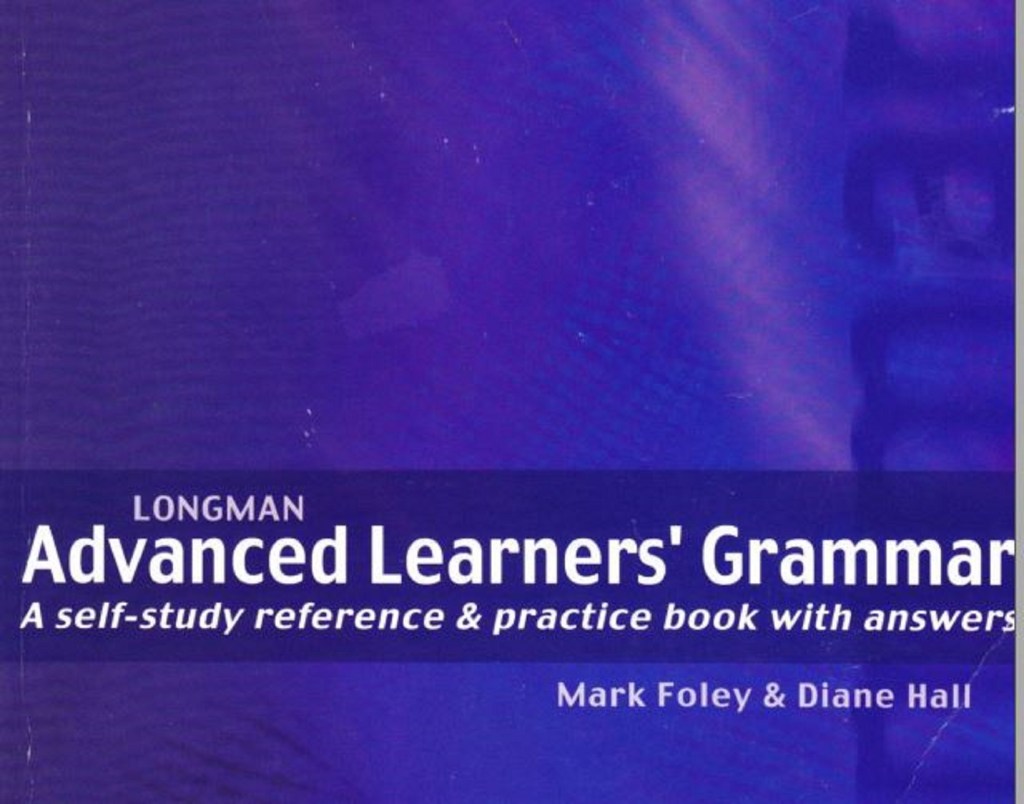
    This document is a comprehensive English grammar textbook titled “Longman Advanced Learners’ Grammar: A self-study reference & practice book with answers,” authored by Mark Foley and Diane Hall. The book is structured into 36 units, each focusing on a specific grammar topic such as tenses, conditionals, passives, reported speech, and modal verbs. It includes diagnostic tests to assess understanding and offers a combination of reference material and practice exercises designed for self-study. The resource also provides an answer key and is aimed at advanced learners of English, including those preparing for the Cambridge Advanced or Proficiency examinations.

    01
    Flexible Wall Corner Protector Moulding Trim Peel and Stick Wall Corner Guards Edge Protector Self Adhesive Wall Molding Trim Strip for Wall Edge Corner Ceiling (Silver, 2.4 in x 20 Ft)

    Advanced Learners’ English Grammar: A Comprehensive Guide

    “Advanced Learners’ Grammar” by Mark Foley and Diane Hall is presented as a comprehensive, advanced-level grammar of the English language. It functions as a self-study reference and practice book with answers.

    Key aspects and content of “Advanced Grammar” as described in the sources include:

    • Structure and Content
    • The book is divided into 36 units of grammar explanation, each accompanied by practice exercises.
    • It includes 36 diagnostic tests and a test key to help learners identify areas of weakness. These diagnostic tests cover various grammatical topics, such as present tenses, past tenses, future forms, negation, questions, passives, reported speech, conditionals, subjunctive and ‘unreal’ past forms, -ing forms and infinitives, participle and infinitive phrases, multi-word verbs, dependent prepositions, modal verbs, auxiliaries, confusing verbs, adjectives, comparison, gradable and ungradable adjectives, adverbs, nouns and noun phrases, possessives and compound nouns, pronouns, determiners, prepositions, word order and verb patterns, relative clauses, contrast, introductory ‘there’ and ‘it’, emphatic structures and inversion, aspects of cohesion, and features of discourse.
    • It features double-page ’round up’ sections for key areas of grammar, such as “Round up (Units 1–3): Present and past tenses” and “Round up (Units 4 and 5): The future”.
    • An answer key for practice exercises is provided.
    • Target Audience and Purpose
    • The book is intended for students at or above the level of the Cambridge First Certificate Examination (or equivalent).
    • It is suitable for those preparing for the Cambridge Advanced or Proficiency examinations, as well as for advanced students who are not preparing for specific exams.
    • A primary goal is to examine the close relationship between grammar and vocabulary in English.
    • Approach and Features
    • Grammar explanations delve into areas like multi-word verbs, prepositions, and reporting verbs.
    • It emphasizes common errors and areas of potential confusion, differentiating between British and American English usage.
    • The importance of context and levels of formality is highlighted, with examples drawn from up-to-date, idiomatic speech and writing. Many examples are sourced from the BNC/Longman corpus.
    • The book includes units on text structure and discourse, which are considered essential for advanced learners to progress beyond basic sentence structure.
    • Practice exercises are extensive, with four pages of exercises for every four pages of grammar explanation.
    • A variety of exercise types are included, such as gap-filling, matching, transformation tasks, and complex text manipulation. Each unit contains at least one exercise type commonly found in advanced level examinations.
    • The book is co-authored by Mark Foley and Diane Hall.

    In essence, “Advanced Learners’ Grammar” provides a detailed and practical guide to complex English grammar, specifically tailored for advanced learners and those preparing for high-level language examinations, with a focus on both theoretical understanding and practical application.

    Advanced Learners’ Grammar: A Self-Study Guide

    “Advanced Learners’ Grammar” by Mark Foley and Diane Hall is specifically designed to function as a self-study reference and practice book with answers. This format provides learners with the tools and structure necessary to learn and improve their English grammar independently.

    Here’s a discussion of its features as a self-study guide:

    • Comprehensive Structure: The book is organized into 36 units of grammar explanation, each of which is paired with corresponding practice exercises. This clear division allows learners to focus on specific grammatical areas.
    • Diagnostic Assessment: A key feature for self-study is the inclusion of 36 diagnostic tests and a test key. These tests are designed to help learners “identify areas of weakness for a particular area of grammar”. For example, Diagnostic Test 1 covers “Present tenses”, Test 2 covers “Past tenses”, and so on, covering a wide range of topics from tenses and passives to reported speech, conditionals, multi-word verbs, and features of discourse.
    • Targeted Practice and Review:
    • After taking a diagnostic test, learners can check their answers in the test key.
    • Crucially, the test key provides reference numbers to the specific grammar sections and sub-sections for any items answered incorrectly. This direct guidance enables learners to pinpoint exactly where they need to focus their study and practice.
    • The book contains an answer key for all practice exercises, allowing learners to check their work and reinforce their understanding.
    • It also includes double-page ’round up’ sections for key areas of grammar, such as “Round up (Units 1–3): Present and past tenses”, which serve as cumulative review points.
    • Extensive Practice Opportunities: The “Advanced Learners’ Grammar” offers substantial practice, with four pages of exercises for every four pages of grammar explanation. These exercises are varied, including gap-filling, matching, transformation tasks, and complex text manipulation. Each unit contains at least one exercise type commonly found in advanced-level examinations, making it practical for test preparation.
    • Practical Grammar Explanations: The grammar explanations are not merely theoretical; they delve into areas like multi-word verbs, prepositions, and reporting verbs. They highlight common errors and potential areas of confusion, and differentiate between British and American English usage.
    • Real-World Examples and Context: To enhance understanding, the book emphasizes the importance of context and levels of formality, with many examples drawn from up-to-date, idiomatic speech and writing, often sourced from the BNC/Longman corpus.
    • Focus on Discourse and Text Structure: For advanced learners, the book includes units on text structure and discourse, which are considered essential for progressing beyond basic sentence construction.

    In summary, the design of “Advanced Learners’ Grammar” as a self-study guide empowers students to identify their grammar weaknesses, access targeted explanations and practice, and monitor their progress, making it a comprehensive resource for independent learning.

    Advanced Learners’ Grammar: Practice Exercises Explained

    The “Advanced Learners’ Grammar” by Mark Foley and Diane Hall is explicitly structured as a self-study reference and practice book with answers. A core component of its self-study design is its extensive collection of practice exercises, which are integrated throughout the book to reinforce learning and allow for independent skill development.

    Here’s a detailed discussion of the practice exercises:

    • Quantity and Integration
    • The book is organized into 36 units, and each unit of grammar explanation is accompanied by practice exercises.
    • There are four pages of practice exercises for every four pages of grammar explanation, indicating a substantial amount of practical application material.
    • The exercises are directly linked to the grammar explanations, with specific references to sections and sub-sections, allowing learners to pinpoint areas for review.
    • Variety of Exercise Types
    • The book incorporates a wide variety of exercise types to cater to different learning styles and to simulate tasks found in advanced English examinations. These include:
    • Gap-filling: Learners complete dialogues, texts, or sentences by filling in missing words or phrases, often with verbs in the correct form.
    • Matching: Tasks involve matching phrases to explanations, sentences to their meanings, or different parts of conditional sentences.
    • Transformation/Rewriting: Students rewrite sentences to convey a similar meaning, convert newspaper articles into headlines, change direct speech to reported speech, or alter sentences into negative or passive forms.
    • Error Correction: These exercises require learners to identify and correct mistakes within texts, dialogues, or individual sentences, sometimes by underlining errors and providing the correct form.
    • Multiple Choice: Learners select the best word, phrase, or option to complete sentences or passages.
    • Other Formats: This also includes tasks like completing a crossword, or responding to picture-based prompts.
    • Purpose and Target Audience
    • The practice exercises are designed to help students solidify their understanding of the grammar explanations, particularly in areas like multi-word verbs, prepositions, and reporting verbs, which are often sources of confusion.
    • They are tailored for students at or above the Cambridge First Certificate Examination level and are suitable for those preparing for advanced examinations like the Cambridge Advanced or Proficiency exams. Each unit includes at least one exercise type commonly found in these advanced-level examinations.
    • The exercises also emphasize common errors and differentiate between British and American English usage where relevant.
    • Support for Self-Study
    • A critical feature for self-study is the provision of an answer key for all practice exercises. This allows learners to check their work independently and immediately receive feedback.
    • While not practice exercises themselves, the diagnostic tests (36 in total) play a crucial role in directing self-study. After taking a diagnostic test, the test key not only provides answers but also reference numbers to specific grammar sections and sub-sections for any incorrect items. This enables learners to precisely identify their weaknesses and then focus their practice on the most relevant exercises.
    • Content Sourcing
    • Many examples used within the exercises and grammar explanations are drawn from up-to-date, idiomatic speech and writing, with a significant portion sourced from the BNC/Longman corpus. This ensures that the language practiced is current and authentic.

    In essence, the practice exercises in “Advanced Learners’ Grammar” are a robust and varied set of tasks specifically designed to facilitate independent learning and mastery of complex English grammar, with a strong focus on practical application and examination preparation.

    Advanced English Grammar and Usage Guide

    The sources indicate that “Advanced Learners’ Grammar” by Mark Foley and Diane Hall is presented as a comprehensive, advanced-level grammar of the English language. The book’s primary purpose is to provide a detailed guide to English grammar for self-study and practice, particularly for students at or above the Cambridge First Certificate Examination level, including those preparing for Cambridge Advanced or Proficiency examinations.

    Key insights into the English language, as conveyed by the sources through the nature and content of this grammar book, include:

    • Complexity and Scope: The English language is presented as a subject with a deep and broad grammatical structure. The book covers a wide array of advanced grammatical topics, including various tenses (present, past, future), negation, questions, passive constructions, reported speech, conditionals, and subjunctive forms. It also delves into more nuanced areas such as -ing forms and infinitives, participle and infinitive phrases, multi-word verbs, dependent prepositions, modal verbs, auxiliaries, and confusing verbs. Furthermore, it addresses adjectives, adverbs, nouns, pronouns, determiners, prepositions, word order, relative clauses, contrast, introductory structures, emphatic structures, inversion, and aspects of cohesion and discourse. This extensive coverage highlights the complexity of English grammar for advanced learners.
    • Interrelationship of Grammar and Vocabulary: The book “examines the close relationship between grammar and vocabulary in English”. This suggests that proficiency in English requires an understanding of how grammatical structures are intertwined with lexical choices.
    • Common Challenges and Variations: The grammar explanations specifically “highlight common errors and areas of potential confusion” in English. This acknowledges that certain aspects of the language are particularly challenging for learners. Additionally, the book “differentiates between British and American English usage”, indicating the existence of significant variations within the global English language.
    • Authenticity and Context: To ensure relevance, examples are drawn from “up-to-date, idiomatic speech and writing”. Many of these examples are sourced from the BNC/Longman corpus, emphasizing that the English presented is contemporary and authentic. The importance of understanding the “context and levels of formality” in English is also highlighted.
    • Beyond Sentence Structure: For advanced learners, the English language necessitates an understanding beyond basic sentence construction. The book includes dedicated units on “text structure and discourse”, which are considered “essential for the advanced student to develop beyond the confines of simple grammar and sentence structure”. This suggests that mastering English at an advanced level involves comprehending how sentences connect to form coherent texts and how language is used in broader communicative contexts.

    Advanced Learners’ Grammar: Diagnostic Tests for Self-Study

    Diagnostic tests are a key feature of “Advanced Learners’ Grammar” by Mark Foley and Diane Hall, specifically designed to function as a self-study guide. They are integral to how learners can effectively use the book for independent grammar improvement.

    Here’s a detailed discussion of the diagnostic tests:

    • Quantity and Purpose: The book contains 36 diagnostic tests and a test key. Their primary purpose is to help learners “identify areas of weakness for a particular area of grammar”. This allows students to pinpoint exactly where they need to focus their study and practice.
    • Structure and Content Linkage:
    • Each diagnostic test is directly linked to one of the 36 grammar units in the book. For example:
    • Diagnostic Test 1 covers “Present tenses”.
    • Diagnostic Test 2 covers “Past tenses”.
    • Diagnostic Test 3 covers “Past to present tenses”.
    • Diagnostic Test 4 covers “The future (1)”.
    • Diagnostic Test 5 covers “The future (2)”.
    • Diagnostic Test 6 covers “Negation”.
    • Diagnostic Test 7 covers “Questions”.
    • Diagnostic Test 8 covers “Passives, causatives and get”.
    • Diagnostic Test 9 covers “Reported speech”.
    • Diagnostic Test 10 covers “Conditionals”.
    • Diagnostic Test 11 covers “The subjunctive and ‘unreal’ uses of past forms”.
    • Diagnostic Test 12 covers “-ing forms and infinitives”.
    • Diagnostic Test 13 covers “Participle and infinitive phrases”.
    • Diagnostic Test 14 covers “Multi-word verbs”.
    • Diagnostic Test 15 covers “Dependent prepositions”.
    • Diagnostic Tests 16, 17, and 18 cover “Modal verbs” (Parts 1, 2, and 3 respectively).
    • Diagnostic Test 19 covers “Auxiliaries, have (got), do”.
    • Diagnostic Test 20 covers “Confusing verbs”.
    • Diagnostic Test 21 covers “Adjectives”.
    • Diagnostic Test 22 covers “Comparison”.
    • Diagnostic Test 23 covers “Gradable and ungradable adjectives”.
    • Diagnostic Test 24 covers “Adverbs”.
    • Diagnostic Test 25 covers “Nouns and noun phrases”.
    • Diagnostic Test 26 covers “Possessives and compound nouns”.
    • Diagnostic Test 27 covers “Pronouns”.
    • Diagnostic Test 28 covers “Determiners”.
    • Diagnostic Test 29 covers “Prepositions”.
    • Diagnostic Test 30 covers “Word order and verb patterns”.
    • Diagnostic Test 31 covers “Relative clauses”.
    • Diagnostic Test 32 covers “Contrast”.
    • Diagnostic Test 33 covers “Introductory there and it”.
    • Diagnostic Test 34 covers “Emphatic structures and inversion”.
    • Diagnostic Test 35 covers “Aspects of cohesion”.
    • Diagnostic Test 36 covers “Features of discourse”.
    • This direct correspondence allows for highly targeted self-assessment and remediation.
    • Self-Study Process with Diagnostic Tests:
    • Learners begin by taking a diagnostic test, such as Diagnostic Test 4 for “The future (1)”.
    • After attempting the test, they can check their answers using the test key.
    • A critical feature of the test key is that it provides “reference numbers to the specific grammar sections and sub-sections” for any items that were answered incorrectly. This direct guidance enables learners to pinpoint exactly where they need to focus their study and practice within the corresponding grammar unit.
    • For example, if a learner struggles with “Present tenses” (Diagnostic Test 1), the test key will direct them to specific sections like 1.1A, 1.2B, etc., for targeted review.
    • This systematic approach ensures that the learning is efficient and focused on actual areas of weakness, making the diagnostic tests a cornerstone of the book’s self-study methodology.

    By Amjad Izhar
    Contact: amjad.izhar@gmail.com
    https://amjadizhar.blog

  • English Vocabulary and Definitions

    English Vocabulary and Definitions

    This extensive vocabulary guide, published by HarperCollins Publishers in 2011, offers a comprehensive resource for learning English. It includes a pronunciation guide utilizing the International Phonetic Alphabet (IPA) to aid in proper articulation. The text systematically categorizes words by theme, covering diverse topics such as travel (air, car, rail), daily life, education, emotions, food, health, home, industry, crime, mathematics, money, music, nature (gardens, environment), and media. Each entry provides the word, its IPA pronunciation, and a clear definition, often with examples of usage and American English equivalents.

    English Vocabulary of Travel and Transport

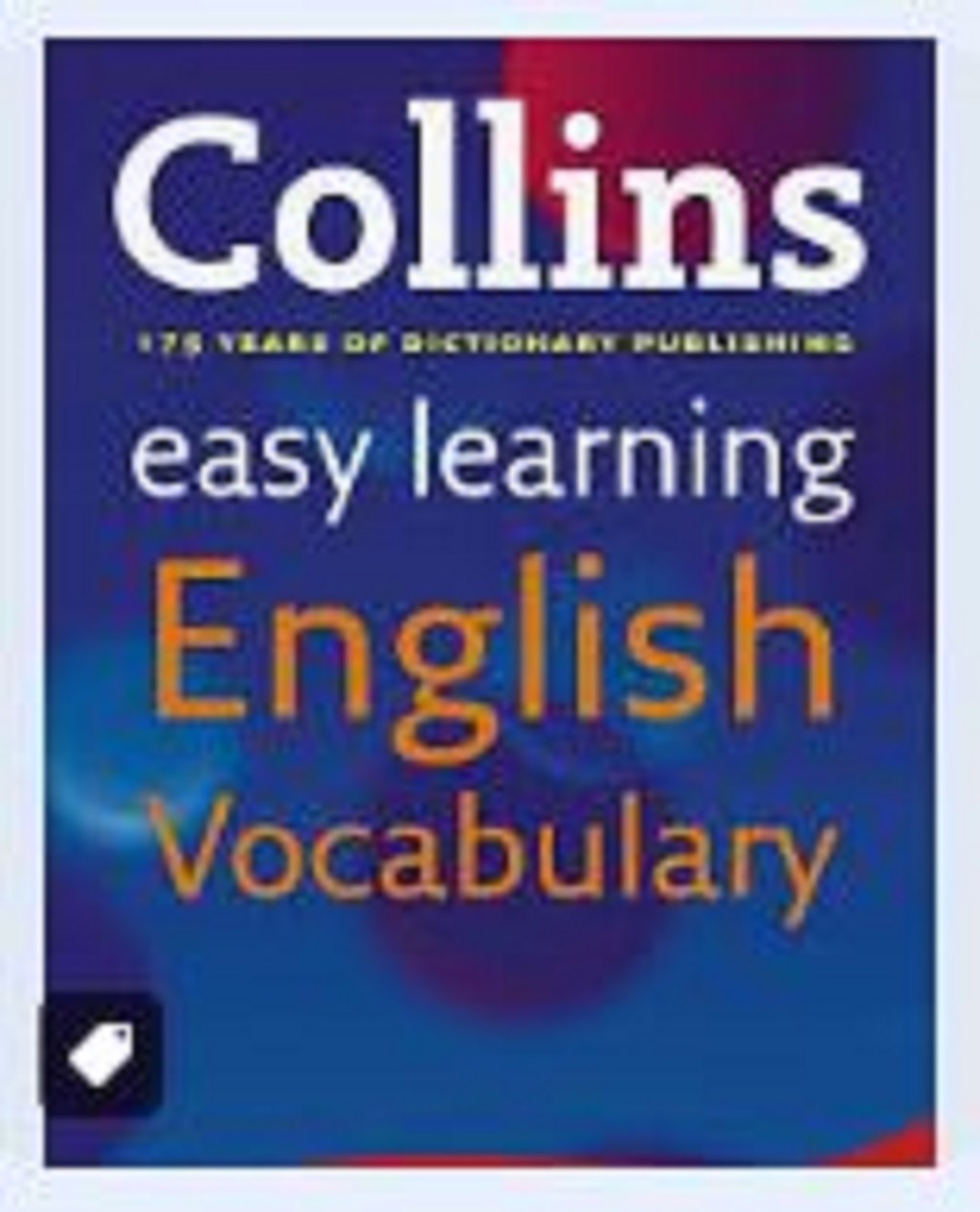
    The “Collins Easy Learning English Vocabulary” book is designed to help users broaden their knowledge of English words in key everyday situations, including those related to travel and transportation. It is divided into 50 alphabetically arranged subject areas, such as ‘air travel’, ‘business’, ‘food and drink’, and ‘science’. Within each topic, vocabulary is categorized into nouns, verbs, adjectives, adverbs, phrases, and idioms, with definitions provided in relation to the specific topic. The book also includes authentic example sentences from the Collins corpus to demonstrate real English usage.

    Here’s a comprehensive discussion of travel and transportation based on the provided sources:

    Modes of Travel and Associated Vocabulary

    The sources cover various modes of transport, each with its own specific set of vocabulary:

    • Air Travel
    • Nouns: This section includes terms for vehicles like aeroplane (or airplane in American English) and aircraft (which can be a plane or helicopter). Places associated with air travel are airport (where planes come and go, with services for passengers), arrivals (where passengers get off planes), departures (where you wait before getting on a plane), and gate (where you leave the airport to board a plane). Key items include a bag, baggage (same as luggage), boarding card (needed to get on a plane), e-ticket (electronic ticket), fare (money paid for a journey), flight (a trip in an aircraft), hand luggage (bags taken into the cabin), luggage (bags taken when travelling), passport (official document for entering/leaving countries), reservation (a kept seat on a flight), seat, seat belt (for safety), suitcase (for clothes), and ticket. Specific areas and services include baggage reclaim (where you collect baggage), bureau de change (for currency exchange), check-in (desk for arrival confirmation), customs (where goods are checked for tax), customs duty (tax on imported goods), information desk (for flight information), runway (for plane takeoff/landing), security (for protecting the place and checking bags), terminal (where flights begin or end), and timetable (list of arrival/departure times). Aircraft parts mentioned are cabin (where people sit), propeller (makes aircraft move), tray table (small table on a plane), window (space to see through), and wing. Other terms include connection (a plane that leaves after another arrives for continuing a journey), duration (length of time something lasts), jet lag (tiredness from time zone differences), jumbo jet (large plane), landing (plane coming down), plane crash (accident), take-off (beginning of a flight), stopover (or layover in American English), and trolley (for moving luggage).
    • Verbs: Actions include board (get into a plane), book (arrange and pay for a flight), cancel (say something planned won’t happen), check in (confirm arrival), check something in (give luggage), delay (make something later), depart (leave), fly (travel or make a plane move), hijack (illegally take control), land (come down to ground), search (look carefully), and take off (leave the ground).
    • Adjectives: Descriptive words include airsick (feeling ill due to plane movement), direct (non-stop flight), domestic (flights within the same country), duty-free (cheaper price due to no tax), international (flights between different countries), and on time (not late or early).
    • Adverbs: on board (on an aircraft) and on time.
    • Phrases: nothing to declare (for customs).
    • Cars and Road Travel
    • Nouns: Vehicles include ambulance, bus, car, caravan, fire engine (or fire truck in American English), lorry (or truck in American English), motorbike (same as motorcycle), motorcycle, taxi, trailer (pulled by a lorry), van, and general vehicle. Parts of a car are accelerator (or gas pedal), bonnet (or hood), boot (or trunk), brake, bumper, clutch, dashboard, engine, gear, gear stick (or gear shift), handbrake, headlights, horn, indicator (or turn signal), number plate (or license plate), oil, petrol (or gas), rear-view mirror, registration number, roof rack, seat belt, speedometer, tyre, wheel, windscreen (or windshield), and wing mirror (or side-view mirror). Road features include car park (or parking lot), crossroads, lane, motorway (or freeway), one-way street, parking space, pedestrian crossing (or crosswalk), road, road sign, roundabout, service station, street, taxi rank (or taxi stand), traffic, traffic jam, traffic lights, traffic warden, transport, and zebra crossing. Other related nouns include accident and breakdown (when a vehicle stops working). General travel terms are direction and distance.
    • Verbs: Driving actions include accelerate (go faster), brake, break down (stop working), crash (hit something), drive (control a vehicle), give way (or yield), hitch-hike, overtake (pass another vehicle), park, skid (slide sideways), slow down, speed (drive faster than limit), speed up, start up (engine starts), steer (control direction), stop, and tow (pull another vehicle).
    • Phrases: no entry (road sign), roadworks (road being fixed).
    • Bikes
    • Nouns: Parts of a bike include back light, bell, brake, chain, crossbar, flat tyre, frame, front light, gears, handlebars, helmet, hub, inner tube, mudguard, pedal, pump, puncture (or flat), puncture repair kit, reflector, saddle, spoke, tyre, valve, and wheel. Types of bikes are bicycle, bike (also motorcycle), motorcycle, and mountain bike. Related terms are cycle lane, cycle path, cycling, cyclist, fall (an accident to the ground), padlock, and speed.
    • Verbs: Actions include brake (slow down/stop), change gear, cycle (ride a bicycle), pedal (push pedals), pump up a tyre, ride (sit on and control a bicycle), and signal (show direction), stop (no longer move).
    • Adjectives: shiny and rusty.
    • Boats, Water, and the Coast
    • Nouns: Boats and ships include anchor (to stop a boat from moving), boat, canoe, cargo (things a ship carries), deck (ship’s floor), ferry (takes people/things across water), kayak, lifeboat, ship, speedboat, submarine, surfboard, and yacht. Water bodies and coastal features are bank (edge of a river), bay (part of coast forming a curve), beach, canal (man-made river), cliff (high land next to sea), coast, current (steady flow of water), dock (where ships go), harbour (where boats stay safely), horizon (line between sky and sea), island (land surrounded by water), jet ski, lake, lighthouse, mouth (where a river enters the sea), ocean (large area of salt water), paddle (for rowing), pebble (small stone), pond (small area of water), port (where ships arrive/leave, larger than harbour), quay (structure next to water for boats), river, sail (cloth on a boat), sand, sea, seaside (area near sea for holidays), seaweed, shell (from sea creature), shore (land along edge of sea/lake), stream (small narrow river), swimming pool, tide (change in sea level), water, and wave. Travel related to water: cruise (holiday on a ship), sailing (activity/sport), swimming (activity/sport), voyage (long trip on a boat), windsurfing.
    • Verbs: Actions include board (get onto a boat), dive (jump/go under water), drown (die under water), float (stay on surface), launch (put boat into water), navigate (find direction), row (move boat with oars), sail (move over water), sink (go below surface), steer (control boat direction), surf (ride waves), and swim (move through water).
    • Adjectives: calm (not moving much), coastal (near the coast), marine (relating to/living in sea), rough (with many waves), sandy (covered with sand), and seasick (feeling ill on a boat).
    • Trains
    • Nouns: Parts of a train or station include barrier, buffet (or dining car), carriage (section for people), compartment (separate space or luggage area), engine (front part that pulls), fare (money for trip), line (route trains move along), luggage rack (shelf for luggage), platform (where you wait), railway (or railroad), seat, steam engine, ticket, track, train, timetable, underground (or subway), and whistle. Related terms include arrival, connection (train for continuing journey), departure, destination, fast train, freight train (or goods train), intercity train, left-luggage locker/office, level crossing, lost property office, luggage, reservation, return (ticket), season ticket, single (ticket), sleeper (train with beds), slow train, station, suitcase, ticket collector, ticket office, and waiting room.
    • Verbs: Actions include approach (move closer), arrive, book (arrange to have/use), cancel (say train won’t travel), delay (make late), depart (leave), and miss (arrive too late).
    • Adjectives: due (expected to arrive), first-class (best/most expensive seats), high-speed, late, non-smoking, overcrowded, and smoking.
    • Bikes (Specific mention beyond vehicles)
    • Nouns: Bicycle (a vehicle with two wheels that you ride by sitting on it and using your legs to make the wheels turn), Bike (a bicycle or a motorcycle), Cycling (the activity of riding a bicycle), Cyclist (someone who rides a bicycle), Motorcycle (a large heavy bicycle with an engine), Mountain bike (a type of bicycle with a strong frame and thick tyres).
    • Verbs: Cycle (to ride a bicycle), Pedal (to push the pedals of a bicycle around with your feet to make it move), Ride (to sit on a bicycle, control it and travel on it).

    General Travel Terms and Related Roles

    Beyond specific modes, some terms apply broadly to the act of moving from one place to another:

    • Journey: An occasion when you travel from one place to another.
    • Trip: A journey that you make to a particular place and back again.
    • Travel agency: A business that sells journeys and holidays.
    • Traveller: A person who is on a trip or travels a lot.
    • Tourist: A person visiting a place on holiday.

    People involved in transportation include:

    • Air-traffic controller: Organizes where planes go.
    • Captain: In charge of a plane or a ship.
    • Conductor: Checks tickets on a train.
    • Driver: Drives a bus, car, or train.
    • Flight attendant: Looks after passengers on a plane.
    • Pilot: Controls an aircraft.
    • Porter (or bellhop in American English): Carries luggage in hotels or train stations.
    • Ticket collector: Collects tickets from train passengers.

    Essential English Vocabulary for Daily Life

    The Collins Easy Learning English Vocabulary book, as described in the sources, is designed to help individuals broaden their knowledge of English words in key everyday situations. While it does not have a single section explicitly titled “Daily Life,” the concept is comprehensively covered through various interconnected subject areas. These areas, arranged alphabetically, encompass the fundamental aspects of daily existence, from personal routines to societal interactions and economic activities.

    Here’s a discussion of “Daily Life” drawing on the information presented in the sources:

    Daily life, as presented in the sources, can be understood through several core categories of vocabulary:

    1. Personal Routines & Habits

    Daily life is largely defined by one’s routine, which includes the usual activities someone does every day.

    • Waking and Sleeping: This involves activities like getting up early in the morning, and preparing to go to bed and go to sleep at night. Some people may enjoy a lie-in on weekends, staying in bed later than usual.
    • Personal Care: Daily routines often include actions such as shaving, getting dressed, and having a bath or shower.
    • Chores and Housework: People perform household chores or housework to keep their homes tidy, which might involve tidying up or cleaning various items.
    • Work and Leisure: A significant part of daily life revolves around employment or work. Many people commute to their jobs. There are specific periods like lunch break during the working week and free time or time off at weekends for hobbies or other enjoyable activities. These periods can be affected by rush hour traffic.

    2. Food, Drink & Meals

    Food and drink are central to daily life, with specific vocabulary for different types of items and meals.

    • Food Categories: The sources detail various food items, including meat like beef, chicken, lamb, mince (ground beef), pork, and sausage, along with seafood. Other common foods listed are cereals, chips (fries), chocolate, honey, jam (jelly), noodles, pasta, pizza, snacks, spaghetti, stew, and sugar. People can also choose organic foods, grown without chemicals.
    • Drinks: Everyday drinks include coffee, tea, milk, mineral water, juice, and soft drinks. Alcoholic options like beer, cider, whisky, and wine are also mentioned.
    • Meals: The day typically includes breakfast, lunch, and dinner, with options for a main course and dessert (or sweet). People eat and drink these items.
    • Dining Out: For those who eat out, vocabulary for cafés, restaurants, and pubs is provided, including terms like menu, order, bill (check), tip, waiter, and waitress.

    3. Health & Well-being

    Daily life is also impacted by one’s health, encompassing common ailments, medical care, and general well-being.

    • Common Ailments: People may experience an ache, bruise, cold, cough, diarrhoea, earache, flu, or headache. Serious conditions like cancer and AIDS are also mentioned.
    • Medical Care: When ill or injured, individuals might need to visit a doctor or dentist. They might receive medicine, have an operation or surgery. First aid kits and various medical tools are part of this vocabulary.
    • Feelings and Qualities: Emotional states are a part of daily life, including happiness, anger, fear, sadness, and surprise. People can also be described by their personal qualities such as honesty, kindness, confidence, or being helpful.

    4. Home and Living Spaces

    The physical environment of the home is a key part of daily life.

    • Types of Homes: The sources describe various types of residences, such as a house (including detached, semi-detached, and terraced houses) and flats (apartments). Rural living is suggested by cottages.
    • Parts of a Home: Common areas like the bedroom, bathroom, kitchen, dining room, and living room are listed. Specific features like a garden (yard), garage, roof, walls, and windows are also mentioned.
    • Household Items: Homes are equipped with various appliances, such as a cooker, dishwasher, fridge, washing machine, and television. Other items include furniture (e.g., sofa, bed, table, chair), carpets, curtains, mirrors, and cleaning tools.

    5. Shopping and Transactions

    Shopping is a regular activity for acquiring goods and services.

    • Places to Shop: People shop at a variety of places, from supermarkets and department stores to specialized shops like a baker’s, butcher’s, chemist’s, clothes shop, fishmonger’s, florist’s, fruit shop, gift shop, greengrocer’s, grocer’s, jeweller’s, newsagent’s, and shoe shop. Online stores and mail order are also options.
    • Shopping Process: Key terms include barcode, price, discount, special offer, receipt, and refund. Shoppers can pay by cash, cheque, or card.

    6. Communication

    Everyday communication relies on various methods.

    • Telephone and Mobile: This includes using a phone or mobile phone (cell phone) to dial numbers, send text messages, and leave voice messages.
    • Post: People send and receive letters and packages through the post (mail) using stamps and envelopes. The post office is where these services are accessed.

    7. Transportation

    Daily movement for work, leisure, and necessities is facilitated by various modes of transportation.

    • Road Travel: Common vehicles include cars, buses, motorbikes, lorries (trucks), vans, and taxis. Road infrastructure features motorways (freeways), roads, streets, lanes, roundabouts, traffic lights, and pedestrian crossings (crosswalks). People drive, park, and deal with traffic jams.
    • Air Travel: While less frequent for daily commutes, airports, planes (aircraft/aeroplanes), and associated vocabulary like flights, gates, and terminals are part of how people travel for longer journeys.
    • Train Travel: Trains, including fast trains and the underground (subway), move along tracks between stations. Daily commuters use tickets and are aware of timetables for arrivals and departures.
    • Cycling: Bicycles are used for travel, often in designated cycle lanes or on cycle paths.
    • Water Travel: While perhaps less common for daily commutes for many, boats, ferries, and ships are used for travel across water, rivers, lakes, and seas.

    These categories collectively paint a picture of the diverse vocabulary involved in describing and navigating daily life. The book’s structure allows users to learn words within their specific contexts, ensuring they can use the right word in the right context.

    Navigating Education: A Vocabulary Guide

    “Education and Learning” are central themes within the Collins Easy Learning English Vocabulary book, designed to broaden an individual’s knowledge of English words in key everyday situations. While not a single designated section, these concepts are comprehensively addressed across various subject areas, allowing learners to acquire vocabulary within their specific contexts.

    The sources primarily cover education and learning through the following interconnected domains:

    1. College and University

    This section of the book provides vocabulary for higher education.

    • Institutions and Degrees: Learners encounter terms for different educational settings like college, university, art school, law school, medical school, and technical college. Vocabulary related to degrees is covered, including bachelor’s degree, honours degree, master’s degree, and PhD, as well as diplomas.
    • Academic Life: Words describe the structure of academic study, such as course, department, faculty, semester, and term. Daily activities are represented by lecture, seminar, and tutorial.
    • Assessments and Resources: Students learn about various forms of academic work and evaluation, including assignment, coursework, essay, exam (or examination), finals, thesis, and viva. Financial support like bursary, grant, and scholarship, along with student loans, are also included. Practical resources like prospectus, reading list, and the student union are defined.
    • Learning Modalities: The concept of distance learning, where people study at home, is also addressed.
    • People and Verbs: Key individuals in this environment include lecturers, tutors, students, undergraduates, and graduates. Actions associated with university life include to enrol, graduate, invigilate, register, study, and work. Adjectives like academic, full-time, and part-time describe courses and students.

    2. School

    This section focuses on primary and secondary education.

    • Types of Schools: The book defines different school types such as pre-school, primary school (or elementary school in American English), and secondary school. It also distinguishes between private school, public school (with its different meanings in Britain and the USA), and state school.
    • School Environment and Routine: Vocabulary includes class, classroom, canteen, playground, and gym. Aspects of the school day are covered, such as assembly, break (or recess in American English), lesson, period, playtime, holidays, and term. Other practical items like school uniform and timetable are listed.
    • Curriculum and Assessment: Subjects studied in school fall under the broader concept of education (e.g., primary, secondary, higher, further, sex, health education). Terms related to schoolwork and evaluation include homework, essay, exam, exercise, grade, mark, and test.
    • People and Verbs: Key roles are pupil (or schoolchildren), teacher, and head teacher. Other staff like the caretaker (or janitor in American English) are included. Verbs such as to ask, answer, bully, cheat, correct, expel, fail, learn, mark, pass, punish, read, revise, study, and teach are presented in the context of school.

    3. Core Learning Skills: Reading and Writing

    These foundational skills are crucial for all education and are detailed in their own section.

    • Tools and Materials: Vocabulary includes alphabet, pen, pencil, rubber (or eraser in American English), ink, and correction fluid.
    • Types of Written Works: Terms range from basic forms like letter and paragraph to more complex ones such as book, article, magazine, newspaper, novel, poem, and script.
    • Writing Elements: Specific vocabulary covers aspects like capital letters and various punctuation marks (e.g., colon, comma, exclamation mark, hyphen, question mark, quotation marks, semicolon, full stop). The importance of words, sentences, and vocabulary is highlighted.
    • Verbs: Actions related to reading and writing include to copy, delete, look something up, print, publish, read, rhyme, rub something out, skim, spell, translate, type, and write.

    4. Subject-Specific Learning: Science and Maths

    The book dedicates sections to specific academic disciplines, emphasizing the vocabulary pertinent to learning in these areas.

    • Science: This section introduces terms related to scientific study and research. It covers various fields like astronomy, botany, chemistry, evolution, genetics, and physics. Key scientific concepts such as atom, cell, chemical, energy, and gravity are defined. Practical elements include experiments, laboratories, and tools like microscopes and test tubes. Professionals in this field are referred to as scientists and chemists.
    • Maths: The maths section includes vocabulary for fundamental numerical operations like addition, subtraction, multiplication, and division. It also covers shapes and measurements such as angle, area, circle, length, and volume, along with tools like a calculator and ruler.

    5. Education and Careers

    The vocabulary related to jobs and careers naturally connects to education, as many professions require specific training and academic qualifications. The book lists a wide array of job titles, including those directly within the education sector like teacher and lecturer, highlighting the outcome and purpose of much of the learning process.

    In summary, “Education and Learning” are not confined to a single chapter but are woven throughout the Collins Easy Learning English Vocabulary book through detailed subject areas covering school and college/university life, essential reading and writing skills, and specific academic disciplines such as science and maths, all contributing to a comprehensive vocabulary for navigating educational environments and pursuing careers.

    Collins Vocabulary: Science and Technology Explored

    The Collins Easy Learning English Vocabulary book, while not containing a single dedicated section for “Science and Technology,” addresses these concepts comprehensively across several subject areas, helping learners expand their vocabulary within these crucial domains. The book is designed for anyone who wants to broaden their knowledge of English words in key everyday situations, including those relevant to work, school, and university.

    Here’s a discussion of how Science and Technology are presented in the sources:

    Science

    The book features a dedicated “Science” section, which focuses on the study of natural things. It introduces a wide array of vocabulary related to scientific disciplines, fundamental concepts, and tools used in scientific inquiry.

    Key concepts and disciplines include:

    • Astronomy is defined as the scientific study of stars, planets, and other natural objects in space.
    • Botany refers to the scientific study of plants.
    • Chemistry is presented as the science of the structure of gases, liquids, and solids, and how they change. A chemist is a scientist who studies this field.
    • Physics is the scientific study of phenomena such as heat, light, and sound.
    • Genetics is the study of how qualities are passed on from parents to children. This field deals with genes, which are parts of a cell controlling physical characteristics, growth, and development.
    • The concept of evolution is described as a process in which animals or plants slowly change over many years, and the verb to evolve means to gradually develop over time.
    • Natural sciences are subjects like physics, biology, and chemistry, concerned with the physical world.
    • Social sciences, such as sociology and politics, are also mentioned, being concerned with society.

    Fundamental scientific elements and forces discussed are:

    • Atoms, the very smallest parts of a substance, and molecules, the smallest amounts of a chemical substance that can exist by itself.
    • Chemicals are substances made or used in chemical processes. A compound is a substance made from two or more elements, such as carbon dioxide.
    • Elements are basic chemical substances like gold, oxygen, or carbon.
    • Gravity is the force that makes things fall to the ground.
    • Energy is the power from electricity or the sun that makes machines work or provides heat.
    • Electricity is energy used for producing heat and light, and to provide power for machines. It’s measured in volts and watts. A charge is the amount or type of electrical force something has, and a circuit is a complete path electricity can flow around. A fuse is a wire that stops electrical equipment from working if too much electricity passes through it.
    • Hormones are chemical substances in the body that affect how it works.
    • Cells are the smallest parts of an animal or plant.
    • Acids are chemicals that can burn skin and cause damage.

    Tools and methods in science include:

    • Experiments are scientific tests conducted to discover what happens to something.
    • A laboratory is a building or room where scientific work is done.
    • Tools like microscopes make very small objects appear bigger.
    • Test tubes are small glass containers used in laboratories.
    • A lens is a curved piece of glass or plastic used in cameras and glasses to make things look larger, smaller, or clearer.
    • A magnet is a special metal that attracts iron or steel.
    • Radar is a way of discovering the position of objects using radio signals.
    • Scientists often develop theories to explain phenomena.
    • Actions in science involve to dilute (add water to liquid), dissect (cut open a body), dissolve (mix completely with liquid), evaporate (change from liquid to gas), measure (find out size), and test (find out condition/how it works).

    Technology

    While not a separate chapter called “Technology,” the book’s structure demonstrates how technology permeates key everyday situations through various subject areas. This is evident in sections dedicated to modern tools, devices, and industrial processes.

    Key areas where technology is discussed include:

    • Computers and the Internet: This is arguably the most direct representation of “Technology” in the sources.
    • Hardware components include computers, monitors, keyboards, mice, hard disks, memory, and printers.
    • Software and digital concepts cover browsers, programs, operating systems, data, databases, files, folders, fonts, and spreadsheets.
    • Internet-related vocabulary includes broadband, connection (between computer and network), email, email addresses, home pages, the internet, social networking, spam, and the web.
    • Digital storage is represented by CDs, CD-ROMs, disks, and memory sticks.
    • Actions associated with computers include to boot something up, copy, crash, cut and paste, delete, download, email, format, key something in, log in/off, print, program, save, scroll, and zip.
    • The term I.T. (information technology) is defined as the study and practice of using computers.
    • Transportation and Vehicles: The sources illustrate technology through various modes of transport.
    • Air travel includes terms like aeroplane, airport, air-traffic controller, helicopter, and jumbo jet. A spacecraft is specifically mentioned in the science section as a vehicle that can travel in space.
    • Cars and road travel list vehicle parts and actions, such as accelerator, brake, engine, gear, and speedometer. The term electric car is specifically noted.
    • Boats, water and the coast include modern watercraft like jet skis, speedboats, submarines, and yachts.
    • Trains involve concepts like engines (including steam engines), carriages, and railway tracks.
    • Industry and Production: This section highlights technological processes in manufacturing.
    • Factories are places where machines are used to make goods.
    • The assembly line and production line are methods of manufacturing.
    • Verbs like to assemble, to invent, to manufacture, and to produce are directly linked to industrial output.
    • Mass production is the production of something in large quantities, usually using machinery.
    • Tools: Many tools, from simple to more complex, represent technology.
    • Items like drills, hammers, and screwdrivers are listed as tools, with electric as an adjective to describe working using electricity.
    • Environment and Sustainable Technologies: The book also touches on technology’s role in addressing environmental concerns.
    • It mentions low-energy bulbs, solar panels, solar power, wind power, and nuclear power as forms of energy generation.
    • Photography and Media:
    • Digital cameras are specifically mentioned within the “Art and Photography” section, showcasing a blend of art and technology.
    • Television and radio involve technologies for broadcast and reception, with terms like aerial, cable television, DVD, remote control, and satellite.

    In conclusion, “Science and Technology” are explored extensively throughout the Collins Easy Learning English Vocabulary book, offering a robust vocabulary set for discussing foundational scientific principles, cutting-edge computing and internet functionalities, various forms of transportation, industrial manufacturing, and even environmental solutions, demonstrating their pervasive nature in everyday life.

    Society and Culture Vocabulary: A Comprehensive Guide

    The Collins Easy Learning English Vocabulary book comprehensively addresses concepts related to society and culture across several dedicated and related subject areas. While “Culture” isn’t a standalone chapter, its various facets are explored through sections such as “Art and Photography,” “Celebrations and Ceremonies,” “Music,” and “Theatre and Cinema,” alongside the directly titled “Society and Politics” section.

    Society

    The book features a dedicated “Society and Politics” section, which outlines key vocabulary for understanding social structures, governance, and communal living.

    Key Aspects of Society:

    • Community is defined as a group of people who are similar in some way or have similar interests.
    • Social classes are discussed through terms like class, referring to a group of people with the same economic and social position. Specific examples include the middle class, the upper class, and the working class.
    • Population signifies all the people who live in a country or an area.
    • Citizenship and Migration are covered with terms like citizen (a person legally belonging to a country or living in a town/city), immigrant (someone who comes to live in a country from another), asylum seeker (someone asking a foreign government for residence due to danger in their home country), and refugee (a person forced to leave home due to danger).
    • Human rights are identified as the rights that all people in a society should have.
    • The concept of volunteering is also present, describing working without being paid.

    Governance and Politics within Society:

    • Government is presented as the group of people who control and organize a country.
    • Politics refers to the activities and ideas concerned with government.
    • Different political systems and actors are described:
    • Democracy is a system where people choose their leaders by voting in elections. People elect leaders and vote.
    • A dictator is a ruler who uses force to maintain power.
    • Monarchy is a system where a country has a king or queen, or an emperor.
    • A republic is a country without a king or queen, where people choose their government.
    • Governmental bodies include parliament and its members, MPs.
    • Leaders like the prime minister and president are also defined.
    • Economic systems discussed include capitalism and communism, along with their supporters (capitalist, communist). These systems dictate how property, business, and industry are owned and controlled (privately or by the state). Related economic terms like corporate sector, private sector, public sector, and service sector highlight different segments of a country’s economy.
    • Conflict and Peace: Vocabulary covers war and civil war, the act of war breaking out, and efforts for peace through a ceasefire. Military roles like soldier and the army, and concepts like invasion and conquering are mentioned. Terrorism and terrorists are also included, referring to violence used for political aims. Assassinate is defined as murdering someone for political reasons.

    Culture

    While not a singular heading, the sources illustrate various aspects of culture through different vocabulary categories:

    • Cultural Traditions and Celebrations: The “Celebrations and Ceremonies” section is rich with cultural vocabulary. It includes:
    • Life events: birth, birthday, engagement, marriage, wedding, wedding anniversary, graduation, death, funeral, wake.
    • Religious and seasonal festivals: Christmas, Easter, Hanukkah, Passover, Ramadan, New Year’s Day/Eve, Father’s Day, Mother’s Day, Valentine’s Day, Thanksgiving.
    • General terms: ceremony, festival, festivities, public holiday.
    • Related actions: celebrate, get married, fast (not eat).
    • Arts and Media as Cultural Expressions:Visual Arts: The “Art and Photography” section covers art, design, photography, and specific forms like painting, sculpture, and pottery. Terms like art gallery and exhibition define spaces for cultural display.
    • Music: A dedicated “Music” section delves into various genres such as classical music, country music, folk music, jazz, pop music, and rock and roll. It lists musical instruments (e.g., drum, guitar, piano, violin), musical terms (e.g., note, chord, rhythm, melody), and associated roles (composer, conductor, musician, singer).
    • Performance Arts (Theatre and Cinema): This section covers plays, films, and various performance types, including ballet, comedy, drama, opera, and musicals. It includes vocabulary for roles like actor, actress, director, and producer, as well as terms for the settings and elements of performances (e.g., stage, screen, costume, soundtrack, subtitles). The influence of major film industries like Hollywood and Bollywood is also noted.
    • Mass Media: Television and radio are central to modern culture, with terms like channel, programme, news, documentary, chat show, and reality TV. The Internet also serves as a crucial platform for cultural dissemination and interaction through social networking and websites.

    In essence, the sources provide a vocabulary for discussing the systems that organize human populations, the governance of nations, and the rich tapestry of human traditions, artistic expressions, and entertainment that define distinct groups and societies.

    By Amjad Izhar
    Contact: amjad.izhar@gmail.com
    https://amjadizhar.blog

  • Collins Easy Learning English Vocabulary

    Collins Easy Learning English Vocabulary

    This extensive document is a vocabulary guide, likely part of a larger English learning series, evidenced by its title and copyright information from HarperCollins Publishers. It functions as a dictionary, providing definitions and pronunciations using the International Phonetic Alphabet (IPA) for a wide array of terms across various themed categories. These categories include aspects of travel (air, car, train, and boat), human characteristics (body parts, appearance, emotions), daily life (food, housing, personal routines, social events, clothing), commerce and industry, science and technology, gardening, education, money, music, and crime and justice. The text also offers examples of words in context and notes differences in American and British English vocabulary.

    Comprehensive Travel and Transport Vocabulary Guide

    The sources provide a comprehensive overview of vocabulary related to travel and transport, categorized into specific subject areas such as air travel, cars and road travel, boats, water and the coast, and trains.

    Here’s a detailed discussion of travel and transport based on the provided information:

    General Travel and Transport Concepts

    • Journey and Trip: A journey refers to an occasion when you travel from one place to another. A trip is specifically a journey that you make to a particular place and back again.
    • Traveller and Tourist: A traveller is defined as a person who is on a trip or someone who travels a lot. A tourist is a person who is visiting a place on holiday.
    • Booking and Reservations: You can book a flight, train ticket, or a hotel room. To make a reservation means to arrange for a seat on a flight or a room in a hotel to be kept ready for you.
    • Tickets and Fares: A ticket is a small piece of paper that shows you have paid for a flight, to travel on a train, or to see a film or play. An e-ticket is an electronic ticket stored on a computer rather than on paper. A fare is the money paid for a journey, whether by plane or train. For train travel, a return ticket is for a journey to a place and back again, while a single ticket is for a journey from one place to another but not back again. A season ticket offers a reduced price for multiple journeys, like weekly, monthly, or annual train or bus travel.
    • Timetables: These are lists of times when planes or trains arrive and depart.

    Types of Transport and Related Vocabulary

    The sources break down transport into several key modes:

    1. Air Travel

    • Vehicles:
    • Aeroplane (or airplane in American English) is a vehicle with wings and engines that can fly.
    • Aircraft is a general term for a plane or helicopter.
    • A jumbo jet is a large plane capable of carrying hundreds of passengers.
    • A helicopter is an aircraft with long, fast-rotating blades on top.
    • Locations & Infrastructure:
    • An airport is a place where planes come and go, equipped with buildings and services for passengers.
    • Arrivals is the section of an airport where passengers disembark.
    • Departures is where passengers wait before boarding a plane.
    • Baggage reclaim is the area to collect baggage after a flight.
    • A gate is the exit point from an airport to board a plane.
    • A runway is the long road a plane uses for take-off and landing.
    • A terminal is a building where people begin or end a flight.
    • A bureau de change is a place to exchange currency.
    • An information desk is available for flight inquiries.
    • People:
    • An air-traffic controller organizes plane movements.
    • A cabin crew consists of people who look after passengers on a plane.
    • The captain is in charge of a plane.
    • A flight attendant looks after passengers and serves food/drink.
    • A passenger is someone travelling in a plane but not flying or working on it.
    • A pilot controls the aircraft.
    • Parts of a Plane:
    • The cabin is where people sit.
    • The hold is where goods or luggage are stored.
    • A propeller is a part that turns fast to move the aircraft.
    • A wing is one of the long flat parts supporting the plane in flight.
    • Emergency exits are for quick evacuation in emergencies.
    • Tray tables are small tables attached to the back of seats.
    • Seat belts are fastened for safety.
    • The aisle is the narrow passage between seats.
    • Windows allow views from the plane.
    • Travel Classes:
    • First class offers the best and most expensive seats.
    • Business class seats are cheaper than first class but more expensive than economy class.
    • Economy class offers the cheapest seats.
    • Actions:
    • To board is to get into a plane.
    • To check in means to confirm your arrival at an airport desk. You can also check in luggage.
    • Take-off is the beginning of a flight when a plane leaves the ground. To take off is when an aircraft leaves the ground and starts to fly.
    • Landing is the act of bringing a plane back down. To land is when a plane comes down to the ground.
    • A connection is a plane that allows you to continue your journey by changing from one flight to another.
    • To fly means to travel somewhere in an aircraft.
    • To cancel a flight means it will not happen.
    • To delay a flight means it’s later than expected.
    • To hijack is to illegally take control of a plane.
    • You can search someone’s luggage.
    • Conditions:
    • Jet lag is the tiredness felt after flying between different time zones.
    • Airsick means feeling ill from plane movement.
    • A direct flight goes from one place to another without stopping.
    • Domestic flights are between airports in the same country.
    • International flights are between airports in different countries.
    • On time means not late or early.
    • On board refers to being on an aircraft.
    • Duty-free goods are sold at cheaper prices at airports or on planes because they are not taxed.
    • Nothing to declare” is the customs area you walk through if you don’t need to pay duty on goods.
    • Luggage: Luggage (or baggage) refers to the bags you take when you travel. A suitcase is a case for carrying clothes. A luggage label attaches to bags in case they get lost. A trolley is used for moving heavy luggage at an airport.

    2. Cars and Road Travel

    • Vehicles:
    • Car: A motor vehicle for about five people. Types include sports, racing, and police cars.
    • Bus: A large motor vehicle carrying passengers, such as a school bus or a double-decker bus. A coach is a comfortable bus for long journeys.
    • Lorry (or truck in American English) is a large vehicle for transporting goods.
    • Motorbike or motorcycle is a two-wheeled vehicle with an engine.
    • Van: A vehicle like a large car or small lorry for carrying things.
    • Ambulance: For taking people to hospital.
    • Fire engine (or fire truck in American English): Carries firemen and equipment.
    • Caravan: A large vehicle pulled by a car, used for sleeping and eating on holiday.
    • Trailer: A wheeled container pulled by a lorry or other vehicle.
    • Parts of a Vehicle:
    • Accelerator (or gas pedal in American English) makes the vehicle go faster.
    • Brake makes the vehicle slow down or stop.
    • Bonnet (or hood in American English) covers the engine.
    • Boot (or trunk in American English) is the storage space at the back.
    • Bumper is a heavy bar at the front and back for protection.
    • Clutch: Part pressed before moving the gear stick.
    • Dashboard: Front part of the car in front of the driver, with controls.
    • Engine: Produces power to move the vehicle.
    • Gear: Part of an engine changing power to movement.
    • Gear stick (or gear shift in American English) is used to change gear.
    • Handbrake: Manual brake for parking.
    • Headlights: Large front lights.
    • Horn: Makes a loud noise as a warning.
    • Indicator (or turn signal in American English) flashes to show turns.
    • Rear-view mirror and wing mirror (or side-view mirror in American English) help see behind/to the sides.
    • Seat belt: Strap for safety.
    • Speedometer: Shows driving speed.
    • Tyre is the rubber around the wheels.
    • Wheel: Round objects under a vehicle or the steering wheel.
    • Windscreen (or windshield in American English) is the front glass window.
    • Roads & Traffic:
    • Road: A piece of hard ground for vehicles.
    • Street: A road in a city or town.
    • Lane: A part of a road marked by a line, or a narrow country road.
    • Crossroads: Where two roads cross.
    • Roundabout: A circle in the road where several roads meet.
    • One-way street: Vehicles only go in one direction.
    • Motorway (or freeway in American English) is a wide, fast road.
    • Traffic: All vehicles moving on roads in an area.
    • Traffic jam: A long line of vehicles that cannot move.
    • Traffic lights: Red, yellow, and green lights to control movement.
    • Road sign: Gives information to drivers.
    • No entry: A sign indicating a road cannot be entered.
    • Roadworks: Indicates road repairs.
    • Parking:
    • Car park (or parking lot in American English) is an area or building for parking.
    • Parking space: A place to park a car.
    • Parking meter: Machine for paying to park.
    • A garage can be for keeping your car at home, a public parking building, or a place for car repairs.
    • Actions:
    • To accelerate is to go faster. To speed up.
    • To brake is to slow down or stop. To slow down.
    • To drive is to control a vehicle.
    • To break down is when a vehicle stops working.
    • To crash is when a vehicle hits something and is damaged.
    • To give way (or yield in American English) means to let another vehicle go first.
    • To hitch-hike is to ask for rides by the road.
    • To overtake is to pass another vehicle going in the same direction.
    • To park is to stop and leave a vehicle.
    • To skid is to slide sideways.
    • To speed is to drive faster than the limit.
    • To steer is to control the direction.
    • To stop is to not move anymore.
    • To tow is to pull another vehicle.
    • Other Terms:
    • Driving licence (or driver’s license in American English) is a document allowing you to drive.
    • Petrol (or gas in American English) is fuel. Petrol station is where you buy fuel.
    • Unleaded petrol contains less lead and causes less environmental damage.
    • Puncture (or flat in American English) is a small hole in a tyre.
    • Registration number (or license plate in American English) is the official vehicle identifier.
    • Pedestrian is someone walking. A pedestrian crossing (or crosswalk in American English) is where people cross. Also a zebra crossing.

    3. Boats, Water, and the Coast

    • Water Bodies:
    • Ocean and sea are large areas of salt water.
    • Lake: A large area of water with land around it.
    • River: A long line of water flowing into the sea. A stream is a small narrow river. The mouth of a river is where it meets the sea.
    • Pond: A small area of water.
    • Coastal Features:
    • Coast: Land next to the sea. Coastal areas are near the coast.
    • Beach: An area of sand or stones next to water. A sandy beach is covered with sand.
    • Bay: A part of the coast where the land curves inward.
    • Cliff: A high area of land with a steep side next to the sea.
    • Shore: The land along the edge of the sea or a lake.
    • Bank: A raised area of ground along the edge of a river.
    • Island: A piece of land surrounded by water.
    • Harbour and port: Areas where boats can safely stay or arrive/leave. A port is larger than a harbour.
    • Quay: A structure next to water where boats stop.
    • Vehicles:
    • Boat: A general term for a vehicle used to travel on water. Specific types include fishing boat, rowing boat, sailing boat, motor boat.
    • Ship: A very large boat carrying people or goods.
    • Canoe and kayak: Small, narrow boats moved by a paddle.
    • Ferry: A boat that regularly takes people or things across water for a short distance.
    • Jet ski: A small, motorcycle-like machine for water travel.
    • Speedboat: A very fast boat with a powerful engine.
    • Submarine: A ship that can travel below the sea surface.
    • Yacht: A large boat with sails or a motor for racing or pleasure.
    • People:
    • Captain: In charge of a ship.
    • Fisherman: Catches fish.
    • Lifeguard: Works at a beach to help people in danger.
    • Sailor: Works on a ship or sails a boat for pleasure.
    • Swimmer: Someone who swims.
    • Navy: People who fight for a country at sea.
    • Activities & Conditions:
    • Cruise: A holiday spent on a ship.
    • Sailing: The activity or sport of sailing boats.
    • Swimming: The activity of moving through water using arms and legs.
    • Tide: The twice-daily change in sea level.
    • Wave: Higher part of water surface caused by wind.
    • Current: A steady flow of water.
    • Voyage: A long trip on a boat.
    • Horizon: The line between the sky and the sea.
    • Actions:
    • To board a boat is to get onto it.
    • To dive is to jump into or go under water.
    • To drown is to die under water from not being able to breathe.
    • To float is to stay on the surface of a liquid.
    • To launch a boat is to put it into water.
    • To navigate is to find direction for travel.
    • To row is to move a boat using oars.
    • To sail is to move over water on a boat.
    • To sink is to go below the water surface.
    • To steer is to control a boat’s direction.
    • To surf is to ride big waves on a special board.
    • To swim is to move through water.
    • Equipment:
    • Anchor: Heavy object dropped to stop a boat moving.
    • Lifebelt: A ring to hold onto to stay afloat.
    • Lifeboat: Used for saving people at sea.
    • Lighthouse: Tower with flashing lamp to warn ships.
    • Oar: Long pole for rowing.
    • Paddle: Short pole for a small boat.
    • Pebble: Small, smooth stone.
    • Sail: Cloth on a boat to catch wind.
    • Seaweed: Plant growing in the sea.
    • Shell: Hard part of a small sea creature.
    • Surfboard: Board for surfing.
    • Adjectives:
    • Calm: Water not moving much.
    • Rough: Water with many waves.
    • Marine: Relating to or living in the sea.
    • Seasick: Feeling ill on a boat.

    4. Trains

    • Train Types:
    • Fast train: Travels very fast with few stops.
    • Goods train (or freight train in American English): Carries goods, not people.
    • Intercity train: Fast train for long distances between cities.
    • Sleeper: A train with beds for overnight journeys.
    • Slow train: Travels slowly with many stops.
    • Steam engine: An engine using steam for power.
    • Underground train (also the underground, the tube, or subway in American English): Railway system where electric trains travel below ground in tunnels.
    • Locations & Infrastructure:
    • Train station: Where trains stop for people to get on or off.
    • Platform: Area in a station to wait for a train.
    • Railway (or railroad in American English): Metal track for trains. A line is a route trains move along. A track refers to the metal lines themselves.
    • Level crossing: Where a railway line crosses a road.
    • Left-luggage locker/office: Places at a station to leave luggage.
    • Lost property office: To look for lost items.
    • Ticket office: Where tickets are bought.
    • Waiting room: Where people can sit while they wait.
    • Parts of a Train:
    • Carriage: Sections of a train where people sit.
    • Compartment: Separate spaces in a carriage, sometimes for luggage.
    • Engine: The front part that pulls the train.
    • Luggage rack: A shelf for luggage.
    • Seat: For passengers to sit on.
    • People:
    • Conductor: Checks tickets on a train.
    • Driver: Drives the train.
    • Passenger: A person travelling in a train.
    • Porter: Carries luggage in a station.
    • Ticket collector: Collects tickets when passengers get off.
    • Actions:
    • To approach is for a train to move closer.
    • To arrive is to come to a place.
    • To depart is to leave.
    • To book a train ticket.
    • To cancel a train means it will not be travelling.
    • To delay a train means it’s late.
    • To miss your train is to arrive too late to board.
    • Adjectives:
    • Due: Expected to arrive at a particular time.
    • First-class: Best and most expensive seats/carriages.
    • High-speed: Travels very fast.
    • Late: After the scheduled time.
    • Non-smoking: Areas where smoking is not allowed.
    • Overcrowded: With too many people.
    • Smoking: Areas where smoking is allowed.

    This structured overview of the sources highlights the key terms, locations, roles, and actions associated with various forms of travel and transport.

    A Lexicon of Well-being: Health, Feelings, and Routines

    Personal well-being, as described in the sources, encompasses various aspects of an individual’s physical health, emotional states and personal qualities, and daily routines. The Collins Easy Learning English Vocabulary book aims to broaden knowledge of English words in everyday situations, including these areas.

    Health

    Health refers to the condition of a person’s body. The sources identify a wide range of words associated with health, from common ailments to more serious conditions and medical care.

    • Physical Conditions: This includes feelings of pain or discomfort such as an ache, bruise, earache, headache, sore throat, or stomach-ache. More significant conditions mentioned are chickenpox, cold, cough, diarrhoea, flu, heart attack, measles, and sunburn. Terms like illness, injury, wound, and cancer represent more severe health issues.
    • Maintaining Health: People can be healthy and fit, or conversely, ill and injured. To address health concerns, individuals might take medicine or pills, or receive an injection. They may also undergo an operation or surgery. Common actions include resting to recover, losing or putting on weight for better health, or being on a diet.
    • Medical Services: If someone is ill or injured, they might need to call an ambulance, visit a doctor or dentist at their respective surgeries or offices, or go to a hospital, specifically the A&E (Accident and Emergency) department for severe cases. Nurses and surgeons are other medical professionals mentioned.
    • Health Status Descriptors: Adjectives such as bleeding, feverish, painful, sick, sore, sweaty, and tired describe various physical states. Idioms like “(as) right as rain”, “off-colour”, “on the mend”, and “under the weather” are also used to describe one’s health status.

    Feelings and Personal Qualities

    This section addresses the emotional aspect and inherent characteristics that define an individual’s well-being.

    • Emotions (Nouns): Key emotions include anger, excitement, fear, guilt, happiness, pride, regret, relief, and surprise. One’s overall emotional state at a particular time is referred to as their mood.
    • Personal Characteristics (Nouns): Concepts such as honesty, intelligence, kindness, and personality describe inherent traits. The term “quality” refers to a particular characteristic a person has.
    • Emotional and Behavioral Descriptors (Adjectives): A wide range of adjectives describe feelings and personal qualities:
    • Positive: ambitious, calm, cheerful, competent, confident, curious, enthusiastic, friendly, funny, glad, happy, helpful, honest, independent, loving, nice, optimistic, pleased, polite, proud, relaxed, relieved, satisfied, sensitive (in the sense of understanding others’ feelings), thoughtful, and well-behaved.
    • Negative: angry, annoyed, anxious, ashamed, bored, depressed, dishonest, dissatisfied, embarrassed, envious, frightened, frustrated, furious, hurt, impatient, insecure, mean, miserable, naughty, nervous, pessimistic, rude, sad, scared, selfish, sensitive (in the sense of being easily offended), serious, shocked, shy, stupid, suspicious, thoughtless, uncomfortable, unhappy, upset, and worried.
    • Verbs Related to Emotions/Behavior: People can become a particular way, behave in certain ways, calm down, enjoy themselves, feel emotions, grow to have a feeling, hurt someone’s feelings, suffer, or be upset.
    • Idioms for Feelings: Expressions like “down in the dumps” (unhappy/depressed), “get on someone’s nerves” (annoy someone), “hit the roof” (suddenly become very angry), and “over the moon” (extremely happy) are also provided.

    Routines

    Routines relate to the daily activities and lifestyle choices that contribute to personal well-being.

    • Daily Life Elements: This section covers chores, free time, habits, hobbies, housework, and an individual’s lifestyle. Terms like “day off”, “lie-in”, “lunch break”, “routine”, “rush hour”, and “time off” describe structured or leisure periods.
    • Actions in Routines: Verbs associated with daily routines include commute (travel to work/school), shave, do the shopping, get dressed (put on clothes), get ready (prepare for something), get up (out of bed), go home, go to bed/sleep/work, have/take a bath or shower, have breakfast/dinner/lunch, pick someone up, set your alarm, sleep in, tidy up, and wake up.
    • Timing of Activities: Adverbs like “at weekends”, “during the week”, “every day”, and “every week” specify when these routines occur.
    • Routine-Related Idioms: The source also lists idioms such as “eat into your time”, “go out like a light” (fall asleep quickly), “juggle too many balls” (handle many tasks), “nine-to-five” (a typical workday), “out of routine”, “pull an all-nighter” (stay up all night studying/working), “pushed for time” (having little time), and “rushed off your feet” (very busy).

    In summary, personal well-being, as inferred from the sources, encompasses the physical state of a person’s body (health), their emotional and character traits (feelings and personal qualities), and the structure and activities of their daily life (routines).

    Business, Employment, and Finance Vocabulary

    The sources provide a comprehensive vocabulary related to business, economy, employment, and money, drawing on content from the Collins Easy Learning English Vocabulary book. This book is designed to broaden knowledge of English words in key everyday situations, including these subject areas. Vocabulary within each topic is divided into nouns, verbs, adjectives, adverbs, phrases, and idioms.

    Business

    The concept of business generally refers to work that is related to producing, buying, and selling things. It can also describe how many products a company is selling (e.g., “Business is good”) or an organization that produces and sells goods or provides a service (e.g., a “hairdressing business”).

    • Key Roles and Management:
    • A CEO (chief executive officer) is the person responsible for the management of the whole company.
    • A chair is the person in charge of a company or an organization.
    • A director is one of the people who control a company or an organization and meet regularly to make important decisions.
    • An executive holds an important job at a company.
    • Management refers to the control of a business or the people who control a business.
    • A manager is someone who runs a business or part of a business.
    • A supervisor is someone in charge of activities or people.
    • Business Operations and Performance:
    • Accounts are records of all the money that a business receives and spends.
    • Advertising is the business of creating information to persuade people to buy a product.
    • A boom signifies an increase in the number of things that people are buying.
    • A brand is a product that has its own name and is made by a particular company.
    • A budget is the amount of money available to spend.
    • Competition involves companies trying to sell more products than each other.
    • Costs are the money you must spend to run your business.
    • A deal is an agreement or arrangement in business.
    • Growth signifies an increase in profits or sales.
    • Marketing is the business of deciding how to sell a product.
    • Profit is the money gained when selling something for more than it cost to make.
    • Promotion is an attempt to make a product successful or popular, especially through advertising.
    • Publicity is information that attracts public attention to a person or product.
    • Retail is the activity of selling goods directly to the public.
    • Sales refer to the quantity of a product that is sold.
    • Turnover is the value of goods or services sold by a company over a period.
    • Key Business Verbs:
    • To advertise is to tell people about a product or service.
    • To break even means to make enough money to cover costs but not make a profit.
    • To employ is to pay someone to work for a person or company.
    • To expand means to become or make something bigger.
    • To go out of business means a company stops trading due to insufficient money.
    • To improve means to get better or make something get better.
    • To invest is to put money into a business to try to make a profit.
    • To launch a product is to start selling a new product to the public.
    • To manage is to control a business.
    • To market is to advertise and sell a product.
    • To negotiate is to talk about a situation to reach an agreement.
    • To owe is to have to pay money to someone.
    • To sell is to let someone have something in return for money.
    • To subcontract is to pay another company to do part of the work you were employed to do.
    • To supply is to give someone an amount of something.
    • Adjectives and Idioms:
    • Bankrupt means not having enough money to pay debts.
    • Commercial relates to the buying and selling of things.
    • Medium-sized, small, and thriving describe the size and success of a firm.
    • Online describes using the internet to sell goods.
    • Private means not owned by the government.
    • Profitable means making a profit.
    • Senior indicates an important job in an organization.
    • At the cutting edge means involved in the most exciting and new developments.
    • Blue-sky thinking refers to new creative ideas.
    • To think outside the box means to think in a new and creative way.

    Industry

    Industry broadly refers to the work of making things in factories or all the people and activities involved in making a particular product or providing a particular service.

    • Types of Industry and Sectors:
    • Examples include banking, catering, clothing, construction, engineering, film, fishing, forestry, hospitality, insurance, leisure, light, heavy, manufacturing, mining, oil drilling, and textile industries.
    • The industrial sector is the part of a country’s economy that produces things from raw materials.
    • The private sector is the part of the economy not controlled or owned by the government.
    • The public sector is the part of the economy controlled or funded by the government.
    • The service sector provides services needed by the public.
    • Production and Trade:
    • An assembly line is an arrangement of workers and machines where a product passes from one worker to another until finished.
    • Mass production involves producing something in large quantities, usually with machinery.
    • A product is something made or grown to sell.
    • Production is the process of making or growing something in large amounts.
    • Raw materials are substances that have not been processed.
    • Trade is the activity of buying and selling goods.
    • To export is to sell products to another country.
    • To import is to buy goods from another country.
    • Machinery refers to large pieces of electrical equipment that do a particular job.
    • Transportation is the activity of taking goods or people somewhere in a vehicle.
    • Associated Adjectives:
    • Corporate relates to large companies.
    • Domestic refers to something happening or existing within one country.
    • Economic relates to the organization of money and industry.
    • Financial relates to money.
    • Foreign indicates something coming from a country that is not your own.
    • Industrial relates to industry or describes a country/city where industry is very important.
    • International involves different countries.
    • Modern means new or relating to the present time.

    Employment

    Employment is defined as work that you are paid for. A job is the work someone does to earn money.

    • Employment Terms and Conditions:
    • Annual leave is paid time off from work.
    • Benefits can refer to money given by the government to people who do not have a job.
    • A bonus is an extra amount of money earned, often for hard work.
    • A career is a job done for a long time, or the years spent working.
    • Flexitime is a system allowing employees to vary start/finish times while working agreed hours.
    • Income is the money a person earns or receives.
    • Maternity leave and paternity leave are periods of time off for parents to have a baby.
    • The minimum wage is the lowest legal wage an employer can pay.
    • Overtime is extra time spent doing your job.
    • Pay, salary, and wages all refer to money paid for work.
    • A pension is money regularly received after retirement.
    • A rise is an increase in earned money.
    • Sick leave is time away from work due to illness or injury.
    • The working week is the total time spent at work during the week.
    • Job Seeking and Loss:
    • An application form is a document for applying for a job.
    • A CV (curriculum vitae) details education and work experience for job applications.
    • An interview is a formal meeting to assess a candidate for a job.
    • Recruitment is the process of selecting people to work for an organization.
    • Redundancy is when a job is lost because it’s no longer necessary or affordable for the organization.
    • Unemployment is a situation where people cannot work due to a lack of jobs.
    • To apply for a job means to ask for one.
    • To dismiss or fire someone is to tell them to leave their job.
    • To give someone the sack is an informal way to say someone is fired.
    • To resign is to tell your employer you are leaving a job.
    • To retire is to leave your job due to age.
    • Workplace Dynamics:
    • A boss is the person in charge.
    • A colleague or co-worker is a person someone works with.
    • Discrimination is treating one person or group unfairly, e.g., by paying less.
    • Equality is the fair treatment of all people in a group.
    • Human resources is the department that finds, trains, and looks after staff.
    • A strike is when workers refuse to work, often for more money.
    • Training is the process of learning skills for a job.
    • Adjectives and Idioms:
    • Absent means not at work.
    • Blue-collar workers do physical work in industry.
    • Freelance means working alone for different companies.
    • Full-time and part-time describe work duration.
    • Permanent means employed for an unlimited time.
    • Temporary means lasting for a certain period.
    • Unemployed means able to work but without a job.
    • White-collar workers work in offices rather than physical industry.
    • What do you do (for a living)?” is used to ask about someone’s job.
    • A golden handshake is a large sum of money given to an employee upon leaving.
    • To get a foot in the door means to manage to enter an organization you hope to succeed in.
    • The rat race refers to a job or way of life where people compete aggressively for success.

    Money and Finance (Personal and General)

    This section covers the practical aspects of managing and dealing with money.

    • Forms of Money and Banking:
    • Cash refers to money in notes and coins.
    • Currency is the money used in a particular country.
    • A bank is a place where people can keep their money.
    • A bank account is an arrangement with a bank to look after your money.
    • An ATM (Automated Teller Machine) is a machine for getting money with a card.
    • A cashier is a person who takes money in shops or banks.
    • A current account (checking account in American English) is a bank account for instant withdrawals.
    • A savings account gives interest on your money.
    • A building society lends money for houses and provides savings accounts.
    • Transactions and Costs:
    • A bill is a document showing how much money must be paid.
    • Change is the money received back after paying more than the cost.
    • A charge is an amount of money paid for a service.
    • A cheque is a printed paper for payment from a bank.
    • A credit card allows buying goods now and paying later.
    • A debit card can be used to pay for things directly from a bank account.
    • Direct debit is an arrangement for a company to take money owed directly from a bank account.
    • A deposit is a sum of money paid as part of a full price or put into a bank account.
    • Expenses are money spent on things.
    • Interest is extra money paid for borrowed money or received from certain bank accounts.
    • A loan is money borrowed.
    • A mortgage is a loan to buy a house.
    • A payment is an amount of money paid or the act of paying.
    • A PIN is a secret number for bank card use.
    • Pocket money (allowance in American English) is a small amount of money parents give children.
    • A price is the amount of money to pay for something.
    • Rent is money paid to live in a property owned by someone else.
    • Savings are money saved, especially in a bank.
    • A share is one of the equal parts a company’s value is divided into, which people buy to own part of the company and its profit.
    • A standing order is an instruction to a bank to pay a fixed amount regularly.
    • A statement is a printed document showing bank account transactions.
    • Tax is money paid to the government for public services.
    • VAT (Value Added Tax) is a tax added to the price of goods or services.
    • Verbs for Financial Actions:
    • To borrow is to get money and agree to pay it back.
    • To buy is to get something by paying money.
    • To charge is to ask someone to pay money.
    • To cost is to have a price.
    • To donate is to give something to an organization.
    • To inherit is to receive money or property from someone who has died.
    • To lend is to give someone money that must be returned.
    • To make money is to get money for doing something.
    • To pay is to give money for goods, bills, or work.
    • To save is to gradually collect money by spending less.
    • To sign is to write your name on a document.
    • To spend is to pay money for things wanted or needed.
    • To withdraw is to take money out of a bank account.
    • Financial Descriptors and Idioms:
    • Cheap means costing little money.
    • Expensive means costing a lot of money.
    • Thrifty means careful with money.
    • Valuable refers to items worth a lot of money.
    • Poor describes having little money.
    • Rich describes having a lot of money.
    • To be rolling in it means to have a lot of money.
    • To make ends meet means to have just enough money for living expenses.
    • Money doesn’t grow on trees” is an idiom indicating that money is not easily obtained.
    • To save something for a rainy day means to save money for a time when it might be needed unexpectedly.
    • To tighten your belt means to spend less money.
    • To be in the red means to owe money.

    In essence, the sources offer a comprehensive vocabulary base for discussing the multifaceted aspects of business, encompassing its operational, financial, and employment dimensions, as well as the broader concepts of economy and personal finance.

    Art & Culture: A Vocabulary Guide

    The sources provide information about “art and photography” and “culture” as part of their vocabulary guide.

    Arts

    The “art and photography” section defines art as pictures or objects created for people to look at, or the activity of creating such items. Key aspects and elements of art and photography include:

    • People:An artist is someone who draws, paints, or creates works of art.
    • A designer is a person whose job is to design things, such as a fashion designer.
    • A painter is an artist who paints pictures.
    • A photographer is someone who takes photographs.
    • A sculptor is an artist who makes works of art from materials like stone, metal, or wood.
    • Forms and Objects:Art galleries are places where people go to look at art.
    • Paintings can be pictures someone has painted or the activity of painting pictures. This includes oil paintings made with oil paint and watercolours mixed with water.
    • Photography is the skill or process of producing photographs, often taken with a camera or digital camera.
    • Sculpture refers to a piece of art shaped from materials like stone or wood, or the art of creating such pieces. A statue is a large model of a person or animal made of stone or metal.
    • Drawings include a sketch, which is a quick drawing without much detail, and a collage, a picture made by sticking pieces of paper or cloth on a surface.
    • Other terms include graphics (drawings, pictures, or symbols, especially computer-produced) and an illustration (a picture, design, or diagram in a book).
    • A logo is a special design an organization puts on its products.
    • Techniques and Components:Design is the process of planning and drawing things, or a drawing that shows how something should be built or made.
    • Artists use a brush for painting and a canvas (strong, heavy material) to paint on.
    • Clay is a type of earth used for making things like pots. Pottery is the activity of making objects from clay.
    • A pattern is an arrangement of lines or shapes forming a design.
    • Primary colours are red, yellow, and blue, which can be mixed to produce other colours.
    • The background is the part of a picture behind the main subjects, while the foreground appears nearest to you.
    • An easel supports a picture while an artist works on it.
    • Photographs or pictures can be put in a frame.
    • Actions (Verbs):To design means to make a detailed plan or drawing.
    • To draw is to use a pencil or pen to make a picture.
    • To paint is to produce a picture using paint or cover a wall/object with paint.
    • To sketch is to make a quick drawing.
    • To frame is to put a picture or photograph in a frame.

    Culture

    The concept of culture is defined within the “society and politics” section as the way of life, the traditions and beliefs of a particular group of people. This section broadly covers societal structures, political systems, and various groups of people.

    Related cultural and societal terms include:

    • Community: A group of people similar in some way or with similar interests, such as the Muslim community.
    • Nationality: The state of being a legal citizen of a particular country, or a group of people with the same race, culture, or language. The sources provide a table illustrating how nouns for places transform into adjectives and person-nouns (e.g., China -> Chinese, a Chinese). For example, someone from Peru is a Peruvian, and they are Peruvian.
    • Social classes: These include caste (in Hindu society), class (people with the same economic and social position), the middle class (well-educated people with professional jobs), the upper class (people with the highest social position), and the working class (less educated people with less money).
    • Human rights are the rights all people in a society should have.
    • Festivities are events organized to celebrate something.
    • Celebrations and Ceremonies are a distinct subject area. These include:
    • Birthdays, Christmas, and Easter.
    • Various religious ceremonies such as baptism, christening, Bar Mitzvah, Hanukkah, Lent, Passover, and Ramadan.
    • Marriage-related events like engagement, wedding, and honeymoon.
    • Death-related ceremonies such as a funeral and a wake.
    • Academic ceremonies like graduation.
    • National celebrations such as New Year’s Day, New Year’s Eve, Father’s Day, Mother’s Day, Thanksgiving, and Valentine’s Day, some of which are public holidays.

    In summary, the sources provide detailed vocabulary for both artistic expression and the broader concept of culture, encompassing traditions, beliefs, and social structures within a society.

    Science and Nature: A Comprehensive Overview

    The sources provide a comprehensive overview of both Science and Nature, defining key terms, activities, and elements within these domains.

    Science

    Science is broadly defined as the study of natural things. The sources indicate that “science” is one of the 50 subject areas included in the vocabulary guide to expand one’s knowledge of English words in everyday situations. It is also taught as a subject in schools and universities, with a dedicated “Faculty of Science”.

    Key areas of scientific study mentioned include:

    • Astronomy: The scientific study of stars, planets, and other natural objects in space.
    • Botany: The scientific study of plants.
    • Chemistry: The science concerned with the structure of gases, liquids, and solids, and how they change. A chemist is a scientist who studies chemistry.
    • Physics: The scientific study of things such as heat, light, and sound.
    • These subjects are grouped under natural sciences.

    Important scientific concepts and objects include:

    • Atoms and molecules: The smallest parts of a substance or chemical substance, respectively.
    • Chemicals: Substances made by changing or combining other substances.
    • Electricity: Energy used for heat, light, and powering machines. Related terms are charge (electrical force), circuit (path for electricity), current (steady flow of energy), fuse (wire to stop overcurrent), and units like volt and watt.
    • Elements and compounds: Basic chemical substances like gold, oxygen, or carbon, and substances made from two or more elements, such as carbon dioxide.
    • Energy: The power that enables machines to work or provides heat, encompassing various forms such as hydro-electric power, nuclear power, solar power, and wind power.
    • Evolution: A process by which animals or plants gradually develop and change over many years. This is linked to genetics, the study of how qualities are passed from parents to children, via genes.
    • Force: The pulling or pushing effect one thing has on another, such as gravity, which makes things fall to the ground.
    • Theories: Ideas or sets of ideas that attempt to explain phenomena, exemplified by the “Theory of Relativity”.

    Scientific activities and tools involve:

    • Experiment: A scientific test conducted to discover outcomes.
    • Laboratory: A dedicated building or room for scientific work.
    • Microscope: An instrument that makes very small objects appear larger.
    • Test tube: A small glass container used in laboratories.
    • Radar: A method for detecting object positions using radio signals.
    • Spacecraft for traveling in space, used by an astronaut.
    • Verbs associated with scientific work include diluting, dissecting, dissolving, evaporating, evolving, measuring, and testing. All these activities are described as scientific.

    Nature

    Nature is defined as all the animals and plants in the world, as well as the land and the sea. The sources cover various aspects of nature through different subject areas:

    • The Animal World: This category extensively lists a wide array of animals, including mammals (e.g., bats, bears, elephants, lions, monkeys, mice, pandas, seals, whales, wolves, zebras), birds (e.g., ducks, eagles, geese, hens, ostriches, owls, parrots, seagulls, swans, turkeys), fish (e.g., eels, salmon, sharks), insects (e.g., ants, bees, butterflies, flies, grasshoppers, ladybirds, mosquitoes, moths, wasps), and other creatures like crocodiles, lizards, lobsters, octopuses, oysters, shellfish, snails, snakes, spiders, squid, tadpoles, and worms.
    • Animal parts are described, such as antennae, antlers, beaks, claws, coats, feathers, fur, hair, hooves, horns, manes, paws, shells, snouts, tails, trunks, and wings.
    • Animal actions are detailed, including noises like baaing, barking, buzzing, growling, hissing, miaowing, mooing, neighing, purring, quacking, roaring, and snorting. Movements include crawling, flying, galloping, hopping, roaming, slithering, swimming, trotting, and wagging. Animals can also bite, feed, graze, hibernate, hunt, and sting.
    • Places where animals are found include aquariums, cages, fields, kennels, nests, webs, and zoos.
    • Animals can be described as stray, tame, or wild.
    • Plants, Trees, and Gardens: This section focuses on the botanical world.
    • Plants and Flowers: Various plants and flowers are listed, such as buttercups, daffodils, daisies, dandelions, ferns, forget-me-nots, hollies, ivies, jasmines, lilies, orchids, poppies, primroses, roses, sunflowers, tulips, and violets.
    • Trees: Different types of trees mentioned are ash, bark, beech, birch, elm, fir trees, oak, palm trees, pine, weeping willows, and yews. Trees can be deciduous (losing leaves in autumn) or evergreen (keeping leaves all year).
    • Parts of plants and trees include bark, blossoms, branches, buds, leaves, petals, roots, seeds, stalks, stems, and thorns.
    • Gardens: These are areas near a house for growing plants and vegetables. Related terms include borders, flower beds, grounds, hedges, lawns, orchards, paths, patios, sheds, sprinklers, and window boxes.
    • Gardening activities and tools: Verbs like blossoming, cultivating, flowering, growing, mowing, picking, planting, pruning, tending, watering, and weeding are used. Tools mentioned include hoes, hoses, lawnmowers, rakes, watering cans, and wheelbarrows.
    • An idiom related to gardening is “to have green fingers” (or “green thumb” in American English), meaning to be good at making plants grow.
    • Countryside and Geographical Features: This covers the natural landscape away from urban areas.
    • It includes features like barns, caves, cliffs, ditches, estates, farms, fields, forests, gates, hills, lakes, marshes, meadows, moors, mountains, mud, ponds, rivers, rocks, ruins, scarecrows, soil, springs, stables, sticks, stones, streams, tracks, valleys, villages, waterfalls, wells, and windmills.
    • Terms related to farming activities are agriculture, crops, and harvest. Farmers use tools like bulldozers, combine harvesters, and ploughs.
    • The countryside can be described as peaceful and rural. Activities include climbing, camping, hiking, hunting, and ploughing.
    • Environment and Conservation: This section highlights how nature is affected by human activities and efforts to protect it.
    • Environmental problems: Key issues include pollution (of water, air, land), climate change, global warming, the greenhouse effect, damage and destruction of habitats and rainforests. The concept of endangered species that may disappear from the world is also highlighted.
    • Pollutants: Specific harmful substances mentioned are carbon dioxide, carbon monoxide, diesel, exhaust fumes, industrial waste, and nuclear waste. Sewage is also listed as waste material.
    • Conservation efforts: Conservation is the act of caring for the environment. Actions to address environmental concerns include banning harmful chemicals, preserving and protecting wildlife, and recycling materials like paper and glass.
    • Sustainable practices: The sources discuss renewable energy sources like wind, water, and sunlight, and the use of solar panels. Environmentally friendly products are described as biodegradable, eco-friendly, or organic, and the importance of sustainable farming and development is noted.
    • Weather: This describes the atmospheric conditions and phenomena that are an integral part of nature.
    • Elements of weather: Air, atmosphere, clouds, darkness, fog, frost, hail, heat, mist, rain, rainbows, snow, sun, and wind.
    • Weather events: Droughts, floods, gales, monsoons, storms (including thunder, thunderstorms, tornadoes), and tsunamis.
    • Measurements: Temperature is measured with a thermometer.
    • Descriptive adjectives: Weather can be cloudy, cold, cool, dry, freezing, hot, humid, mild, rainy, stormy, sunny, tropical, or windy.
    • Weather-related actions: The wind blows, water can freeze or melt, and it can rain or snow. Ice and snow can also thaw.

    In essence, the sources provide a vocabulary-rich discussion on both the foundational elements of science and the multifaceted aspects of the natural world, including living organisms, landscapes, environmental concerns, and climatic conditions.

    By Amjad Izhar
    Contact: amjad.izhar@gmail.com
    https://amjadizhar.blog

  • English Grammar Guide

    English Grammar Guide

    This comprehensive guide to English grammar offers a detailed look at various linguistic components. It explores sentence structures, including conditionals and the passive voice, alongside different verb tenses such as present, past, and future forms. The text also examines parts of speech like nouns, adjectives, adverbs, pronouns, and prepositions, providing guidance on their usage and common pitfalls. Additionally, it covers crucial aspects of communication, such as reported speech, question formation, and methods for adding emphasis or nuance to language.

    Mastering Verbs: Forms, Tenses, and Structures

    Verbs are essential elements of a sentence that describe actions, occurrences, or states of being [209, R1]. They can be categorized in several ways:

    • Main Verbs are the most important verbs in a sentence and carry the primary meaning, describing actions or states, or linking a subject to a description. For instance, in “I can ride a bike,” “ride” is the main verb.
    • Auxiliary Verbs are used with main verbs to modify their meaning and are frequently used to form different tenses. Common auxiliary verbs include “be,” “do,” and “have”.
    • The auxiliary verb “do” is used to form questions and negatives in statements that don’t already have an auxiliary verb.
    • Modal verbs are also auxiliary verbs that modify the main verb’s meaning, expressing ideas such as possibility or obligation. They share characteristics like not changing form to match the subject, always being followed by a main verb in its base form, and forming questions and negatives without “do”. Exceptions include “ought to” and “have to,” which use “to” before the base form and behave more like normal verbs.
    • Linking Verbs express a state of being or becoming and connect a subject to a complement that renames or describes it, such as “be,” “seem,” or “become”.
    • Transitive and Intransitive Verbs:
    • Transitive verbs take an object that receives the action of the verb. Some can even take two objects: a direct object and an indirect object.
    • Intransitive verbs never take an object.
    • Some verbs can function as both transitive and intransitive.
    • Action (Dynamic) Verbs and State (Stative) Verbs:
    • Action verbs describe what people or things do and can be used in both simple and continuous forms.
    • State verbs usually describe how things are or how someone feels, and generally cannot be used in continuous forms [214, 215, R19]. However, a few can be used continuously to emphasize a change, development, or temporary situation while retaining their stative meaning.

    Verb Forms: Infinitives and Participles Infinitives and participles are fundamental verb forms used in various constructions.

    • Infinitives are the simplest form of the verb.
    • The “full” or “to” infinitive is formed with “to” plus the verb.
    • The “base” or “bare” infinitive is formed without “to”.
    • Infinitives are often used after certain verbs that describe plans or wishes.
    • Participles are forms of verbs used to make compound tenses.
    • Present participles are formed by adding “-ing” to the base form of the verb. They are used with auxiliary verbs to form continuous tenses. Present participles and gerunds are spelled the same but function differently (gerunds act as nouns).
    • Past participles are used with auxiliary verbs to form perfect simple tenses and the passive voice. Regular past participles add “-ed” to the base form, while many verbs have irregular past participle forms.

    English Tenses

    English grammar includes various tenses to express when an action occurs or its relationship to other points in time.

    1. The Present Simple [16, R4]
    • Used for: Simple statements of fact, things that happen repeatedly, and things that are always true.
    • Formation:
    • For most verbs, use the base form.
    • For “he,” “she,” and “it,” add “-s” or “-es” to the base form. This applies to verbs ending with “-sh,” “-ch,” “-o,” “-ss,” “-x,” and “-z” (for “-es”).
    • “Be” is irregular: “am,” “is,” “are”. “Is” follows “she” and “it,” and “are” follows “we” and “they”.
    • “Have” is irregular; the third person singular is “has,” not “haves”.
    • Negatives:
    • For “be,” add “not” after the verb (e.g., “is not,” “are not”) [22, R12]. Contractions like “isn’t” or “aren’t” can be used. “I amn’t” is incorrect.
    • For other verbs, use “do not” or “does not” before the base form of the main verb [23, 24, R12]. The main verb always stays in its base form.
    • Questions:
    • For “be,” swap the verb and subject (e.g., “Are you?”). Question words can precede “be” for open questions.
    • For other verbs, add “do” or “does” before the subject, and the main verb remains in its base form. Never add “-s” or “-es” to the main verb in questions.
    1. The Present Continuous [30, R4]
    • Used for: Continued actions happening in the present moment, current, temporary situations, or repeated actions around the present moment.
    • Formation: Formed with “be” (am/is/are) and a present participle (-ing form).
    • Negatives: Add “not” after “be” (e.g., “am not,” “is not,” “are not”) [34, 35, R12]. The present participle does not change.
    • Questions: Swap the subject and the form of “be”. Question words can be used before “be”.
    1. The Present Perfect Simple [34, R7]
    • Used for: Events in the recent past that still have an effect on the present moment, new information/news, actions started in the past and continuing now, or repeated actions over time that continue to happen.
    • Formation: Use “have” or “has” followed by a past participle. “Has” is used for “he,” “she,” and “it”.
    • Passive: Formed with “has/have been” + past participle.
    • Distinction from Past Simple: The past simple is used for completed actions at a definite past time, while the present perfect is used when a specific time is not mentioned. US English often uses the past simple where UK English might use the present perfect.
    1. The Present Perfect Continuous [65, R7]
    • Used for: A continuing activity in the past that still has an effect on the present moment, typically referring to the recent past. The activity might have just stopped or still be happening.
    • Formation: Use “have” or “has” + “been” + present participle (-ing form).
    • Distinction from Present Perfect Simple: Present perfect continuous shows an activity in progress, possibly still ongoing, while present perfect simple shows an activity that is finished.
    1. The Past Simple [45, R6]
    • Used for: Completed actions that happened at a fixed time in the past. It is the most commonly used past tense in English.
    • Formation:
    • Regular verbs: Add “-ed” to the base form. The same form is used for all subjects. Spelling rules apply for verbs ending in “-e,” “-y,” or consonant-vowel-consonant.
    • Irregular verbs: Do not take “-ed” and have no specific rules for their formation.
    • “Be”: Is completely irregular, changing to “was” or “were” depending on the subject (“was” for I/he/she/it, “were” for you/we/they).
    • Negatives:
    • For “be,” add “not” after “was” or “were” (e.g., “was not,” “were not,” or “wasn’t,” “weren’t”) [52, 53, R12].
    • For other verbs, use “did not” or “didn’t” before the base form of the main verb [50, 51, R12]. The main verb is never in the past simple in negative sentences.
    • Questions:
    • For “be,” swap the subject and “was” or “were”.
    • For other verbs, use “did” before the subject, and the main verb is in its base form. Do not swap the subject and main verb.
    1. The Past Continuous [56, R6]
    • Used for: Actions or events that were in progress at some time in the past, or to set a scene in storytelling. It emphasizes that the action went on for some time, but is now finished.
    • Formation: Formed with “was” or “were” and a present participle (-ing form).
    • Usage with Past Simple: When used together, the past continuous describes a longer, background action, and the past simple describes a shorter action that interrupts it.
    • Passive: Formed with “was/were being” + past participle.
    1. The Past Perfect Simple [68, R9]
    • Used for: Talking about an action that took place before another moment or action in the past. The past simple describes the event closest to the time of speaking.
    • Formation: Use “had” followed by the past participle. “Had” does not change with the subject.
    • Passive: Formed with “had been” + past participle.
    1. The Past Perfect Continuous [71, R9]
    • Used for: An activity that was in progress before another action or event happened in the past, or to describe a repeated action/continuing activity taking place until a specified past moment.
    • Formation: Uses “had been” plus a present participle (-ing form). “Had been” doesn’t change with the subject.

    Future Forms

    English employs various constructions to discuss future events.

    1. The Future with “going to” [84, R8]
    • Used for: Future events that have been planned in advance and predictions where there is evidence in the present moment to support them.
    • Formation: Subject + “be” (am/is/are) + “going to” + base form of the main verb. “Be” matches the subject, but “going to” doesn’t change.
    • Negatives: Add “not” after “be”.
    • Questions: Swap the subject and “be”.
    1. The Future with “will” [87, R8]
    • Used for: Decisions made at the time of speaking (quick decisions), predictions not based on firm evidence, offers, and promises.
    • Formation: Subject + “will” + base form of the main verb. “Will” doesn’t change with the subject.
    • Negatives: “will not” or “won’t”.
    • “Shall”: Can be used instead of “will” for asking for decisions, making offers, or suggestions, typically only with “I” or “we” and rarely in US English.
    1. The Present for Future Events
    • Present Simple for Future Events: Used for events scheduled or timetabled to take place in the future. Usually used with a future time word or phrase.
    • Present Continuous for Future Events: Used for pre-arranged future events. Time markers distinguish future from present meaning.
    1. The Future Continuous [97, R11]
    • Used for: Events or situations that will be in progress at some point in the future. The event starts before the stated future time and may continue after it. Also used for events that will happen “as a matter of course” or to ask neutral questions.
    • Formation: Uses “will be” + present participle (-ing form). Can also be formed with “going to be” but is less common.
    1. The Future Perfect Simple [101, R11]
    • Used for: Actions or events that will be finished before a certain future time, or will overlap with another future event.
    • Formation: Uses “will have” + past participle.
    • Passive: Formed with “will have been” + past participle.
    1. The Future Perfect Continuous [101, R11]
    • Used for: Predicting the length or duration of an activity that will be in progress up to an imagined finishing time in the future.
    • Formation: Uses “will have been” + present participle (-ing form).
    1. The Future in the Past
    • Used for: Describing thoughts about the future that someone had at some point in the past.
    • Forms:
    • Using “was/were going to” (for past views of “going to” predictions).
    • Using “would” (for past views of “will” predictions).
    • Using the past continuous (for past views of arranged future events).

    Other Verb-Related Concepts

    • Imperatives: Used to give commands, make requests, warnings, or directions. Formed using the base form of the verb [41, R5]. Negatives add “do not” or “don’t” before the verb.
    • “Used to” and “Would”:
    • “Used to”: Used with the base form of a verb to talk about past habits or fixed states at an indefinite time in the past (contrasting with the present) [74, 75, 78, 83, R9]. “Used” becomes “use” in questions and negatives.
    • “Would”: Can replace “used to” in writing and formal speech to talk about past habits (often with a time reference), but cannot be used for past states [75, 76, 84, R9].
    • The Passive Voice:
    • Used to emphasize the action itself or the thing receiving the action, rather than the agent (the one doing the action).
    • All passives use a form of “be” with a past participle. The agent can be introduced with “by” but is often omitted if obvious, unknown, or unimportant.
    • Can be formed in various tenses: Present Simple, Present Continuous, Past Simple, Past Continuous, Present Perfect, Past Perfect, Future Simple, Future Perfect.
    • Can also be used with modal verbs by adding “be” + past participle (for present/future) or “have been” + past participle (for perfect tenses) after the modal.
    • “Get” can sometimes replace “be” in passive sentences for a more informal tone.
    • Conditional Sentences: Describe real or hypothetical results of real or hypothetical situations using various verb forms. They include:
    • Zero Conditional: For things always true, using present simple in both “if/when” and result clauses.
    • First Conditional: For likely future situations, using present simple in the “if” clause and “will” + base form in the result clause. Other modals can replace “will”.
    • Second Conditional: For unlikely/unreal present or future situations, using past simple in the “if” clause and “would” or “could” + base form in the result clause.
    • Third Conditional: For unreal past situations (often expressing regret), using “had” + past participle in the “if” clause and “would/could/might have” + past participle in the result clause.
    • Mixed Conditionals: Usually combine a past unreal situation with a hypothetical present result.
    • Common mistakes include using “will,” “would,” or “would have” in the “if” clause.
    • Wishes and Regrets: The verb “wish” is used to express desires or regrets, and the tense of the following verb affects the meaning.
    • “Wish” + Past Simple: Expresses desires or regrets about the present that could still happen.
    • “Wish” + Past Perfect: Expresses regrets about the past when it’s too late for the wish to come true.
    • “Wish” + “could/would”: Expresses hopes for the future, with “could” for self-desire and “would” for desiring someone else to do something.
    • “Should have” or “ought to have” are also used for past regrets. “If only” with past simple or past perfect can express stronger regrets.
    • Verb Patterns: English verbs follow specific patterns depending on what follows them.
    • Some verbs are followed by infinitives (with “to”).
    • Some verbs are followed by gerunds (“-ing” form).
    • Some verbs can be followed by either with little or no change in meaning.
    • Some verbs change meaning depending on whether they are followed by an infinitive or a gerund.
    • Many verbs require an object between the verb and a following infinitive or gerund.
    • If a preposition immediately follows a verb, the verb after the preposition must be a gerund.
    • Phrasal Verbs: Consist of a verb plus one or more particles (prepositions or adverbs), often with a new meaning when used together. The verb changes form for tense/subject, but the particle never changes.
    • Separable phrasal verbs: Their direct object can go between the verb and particle, but if the object is a pronoun, it must go between them [237, R20].
    • Inseparable phrasal verbs: Their object always comes after the particle, even if it’s a pronoun [237, 238, R21].
    • Three-word phrasal verbs: Have a verb, a particle, and a preposition.

    Nouns and Pronouns: A Comprehensive English Grammar Guide

    Nouns and pronouns are fundamental parts of speech in English, used to refer to people, places, things, ideas, or to replace those references to avoid repetition [R1].

    Here’s a detailed discussion of nouns and pronouns:

    Nouns

    Nouns are words that refer to a person, place, or thing [R1]. They can also refer to concepts, events, feelings, or qualities [72, R1].

    Types and Characteristics of Nouns:

    • Common Nouns and Proper Nouns:
    • Common nouns refer to general categories of people, places, or things (e.g., “country,” “man”). They often follow articles.
    • Proper nouns are specific names of people, places, days, or months (e.g., “Egypt,” “Maria,” “Sunday”) and always begin with a capital letter.
    • Singular and Plural Nouns:
    • Nouns change form depending on whether they are singular (referring to one) or plural (referring to more than one).
    • Regular Plurals: Most nouns form their plural by adding “-s” to the singular noun [69, R24].
    • Spelling Rules for Plurals [69, R24]:
    • For nouns ending in “-s,” “-x,” “-z,” “-ch,” and “-sh,” add “-es” (e.g., “bus” -> “buses,” “box” -> “boxes”) [69, R24].
    • For nouns ending in a consonant followed by “-y,” drop the “-y” and add “-ies” (e.g., “country” -> “countries”) [69, R24].
    • For nouns ending in “-o,” usually add “-es” (e.g., “tomato” -> “tomatoes”). If it ends in a vowel plus “-o,” add “-s” (e.g., “radio” -> “radios”) [69, R24].
    • If a singular noun ends in “-z,” double the “z” and add “-es” [69, R24].
    • Irregular Plurals: Some nouns have irregular plural forms that do not follow the standard rules (e.g., “man” -> “men,” “child” -> “children”). Some nouns do not change form in the plural at all (e.g., “sheep”) [69, R24].
    • Countable and Uncountable Nouns:
    • Countable nouns can be individually counted (e.g., “one book,” “two books”) [70, R556]. They are used with “a,” “an,” or numbers.
    • Uncountable nouns cannot be individually counted (e.g., “water,” “money”) [70, R598]. They are always used with verbs in the singular form. “Some” is always used with uncountable nouns, not “a,” “an,” or a number.
    • Making Uncountable Nouns Countable: Uncountable nouns can become countable when placed in a container (e.g., “a glass of water”).
    • Quantity Questions and Negatives:
    • “Many” is used for countable nouns (e.g., “How many books?”).
    • “Much” is used for uncountable nouns (e.g., “How much water?”).
    • “Any” is used in negative sentences and questions for both countable and uncountable nouns.
    • Abstract and Concrete Nouns:
    • Abstract nouns refer to ideas, events, concepts, feelings, and qualities that do not have a physical form (e.g., “beauty,” “hope,” “knowledge”) [72, R549]. Most are uncountable.
    • Concrete nouns are things that can be seen, touched, heard, or smelled (e.g., “table,” “teacher,” “books”) [72, R554].
    • Some abstract nouns can have both countable and uncountable forms, with slight differences in meaning (e.g., “time” as a general concept vs. “times” as specific occasions; “success” as general achievement vs. “successes” as specific achievements).
    • Compound Nouns: These are two or more nouns that function as a single unit, where the first noun(s) modifies the last one (e.g., “picture book,” “table tennis,” “police car”). They can be written as one word, two separate words, or with a hyphen. To make them plural, the final noun becomes plural (e.g., “party” becomes “parties” in “birthday parties”).
    • Collective Nouns: These nouns have a singular form but refer to a group of people or objects (e.g., “family,” “team”) [71, R553]. In US English, they generally take a singular verb. In UK English, they can often be used with either singular or plural verbs.
    • Subject-Verb Agreement: A basic principle of English grammar is that subjects and verbs must agree in number (e.g., “He is,” “They are“) [71, R551]. This also applies to plural nouns that look singular but have singular agreement (e.g., names of books or academic subjects).
    • Articles with Nouns: Articles (“a,” “an,” “the”) come before nouns to specify whether they are general or specific [63, R551].
    • Indefinite Article (“a,” “an”): Used for something in general or when mentioning something for the first time [63, R562]. “An” is used before words starting with a vowel sound.
    • Definite Article (“the”): Used for a specific person or thing that everyone understands, after it has been mentioned, before superlatives, with unique objects, or with unique titles [63, R556].
    • Zero Article: Used with uncountable and plural nouns in a general context, names of places, or institutions when their purpose is clear [63, 64, R599].
    • Apostrophe with ‘S’: An apostrophe and ‘s’ are added to the end of a singular noun to show possession (e.g., “John’s cat”). For plural nouns ending in ‘-s’, just an apostrophe is added (e.g., “boys’ toys”). For plural nouns not ending in ‘-s’, an apostrophe and ‘s’ are added (e.g., “children’s books”).

    Pronouns

    Pronouns are words used to replace nouns in a sentence to avoid repetition [77, R1]. They can refer to people or things and change form based on their function (subject or object).

    Types and Characteristics of Pronouns:

    • Personal Pronouns: These replace the subject or object of a sentence.
    • Subject Pronouns: Replace the subject of a sentence (e.g., I, you, he, she, it, we, they). They are used to avoid repetition or when a name is unknown.
    • Object Pronouns: Replace the object of a sentence (e.g., me, you, him, her, it, us, them). Most have a different form from their subject pronoun equivalent.
    • “You” is the same for singular/plural, subject/object forms.
    • Contractions of verbs like “be” and “have” are often used with pronouns (e.g., “I’ve,” “He’s”) [77, R13].
    • Reflexive Pronouns: These indicate that the subject of a verb is the same as its object (e.g., myself, yourself, himself, herself, itself, ourselves, yourselves, themselves).
    • They are formed by adding “-self” or “-selves” to simple pronouns.
    • Can also be used for emphasis, either at the end of a clause or directly after the subject.
    • Some verbs in other languages that are followed by reflexive pronouns are not normally followed by them in English (e.g., “relax”).
    • When two or more people or things perform the same action to each other, “each other” or “one another” are used instead of reflexive pronouns.
    • Indefinite Pronouns: Refer to a person or object, or a group, without specifying who or what they are [79, R562].
    • Someone/Somebody & Anyone/Anybody: “Someone” and “somebody” are for unspecified persons in positive statements or questions. “Anyone” and “anybody” are for questions or negative statements.
    • Everyone/Everybody & No one/Nobody: “Everyone” and “everybody” refer to a whole group. “No one” and “nobody” mean no person in a group. The singular form of the verb is used with “everyone,” “everybody,” “no one,” and “nobody”.
    • Something & Anything: “Something” is for unspecified objects in questions and positive statements. “Anything” can be used in negative statements, as well as questions and positive statements (to show unlimited possibilities).
    • Nothing & Everything: “Nothing” means no available objects. “Everything” means all possible objects are available.
    • Possessive Pronouns: These replace a noun and show possession (e.g., mine, yours, his, hers, ours, theirs) [80, R580]. They are different from possessive determiners (e.g., “my,” “your”) which come before a noun.
    • Demonstrative Pronouns: “This,” “that,” “these,” and “those” can replace nouns to point out a specific thing [65, R556].
    • “This” (singular) and “these” (plural) are for things close by or current.
    • “That” (singular) and “those” (plural) are for things farther away or in the past.
    • Uncountable nouns are only used with “this” and “that”.
    • Relative Pronouns: Introduce relative clauses, which provide more information about a noun [81, R584].
    • Who (for people, as subject).
    • Whom (formal for people, as object).
    • Which (for things).
    • That (for people or things).
    • Whose (shows possession).
    • What (means “the thing which”).
    • In defining relative clauses, the relative pronoun can be left out if it’s the object of the clause.
    • Pronoun Changes in Reported Speech: When speech is reported, pronouns may need to change to refer to the correct person or thing (e.g., “My” changes to “her”).

    Adjectives and Adverbs: A Comprehensive Guide

    Adjectives and adverbs are two crucial parts of speech that enhance sentences by providing descriptions and additional information [R1]. While both describe, they do so for different elements within a sentence.

    Adjectives

    Adjectives are words that describe a noun or pronoun [R1, 92]. In English, they typically come before the noun they are describing.

    Key Characteristics and Types of Adjectives:

    • Placement and Agreement: Adjectives usually precede the noun they describe. They do not change form to agree with the noun based on gender or whether the noun is singular or plural. Sometimes, adjectives can also be placed after verbs such as “be” or “become”.
    • Fact vs. Opinion Adjectives:
    • Fact adjectives convey particular, objective facts about the noun (e.g., age, color, nationality, material, shape, size).
    • Opinion adjectives express what someone thinks about something. These can be general opinion adjectives (describing many different things, like “nice”) or specific opinion adjectives (usually describing a certain type of thing, like “friendly” for people or animals).
    • Adjective Order: When multiple adjectives are used before a noun, they follow a specific order: opinion adjectives come before fact adjectives, and general opinion adjectives precede specific opinion adjectives.
    • -ing and -ed Adjectives:
    • Adjectives ending in “-ing” describe the effect something has (e.g., “boring,” “exciting”).
    • Adjectives ending in “-ed” describe how something is affected (e.g., “bored,” “excited”).
    • Gradable and Non-Gradable Adjectives:
    • Gradable adjectives can be modified by adverbs to make their meaning stronger or weaker (e.g., “very good”).
    • Non-gradable adjectives describe absolute qualities and cannot usually be graded (e.g., “unique,” “perfect,” “impossible”). They include extreme adjectives (like “awful”), absolute adjectives (like “unique”), and classifying adjectives (like “American”).
    • Comparative Adjectives: Used to compare two things.
    • Formation: Most one- or two-syllable adjectives add “-er” (e.g., “taller”). Longer adjectives (three or more syllables, and some two-syllable ones) use “more” or “less” before the adjective (e.g., “more beautiful”).
    • Irregular Comparatives: Some common adjectives have irregular forms (e.g., “good” -> “better,” “bad” -> “worse”).
    • “Than”: Is used to introduce the item being compared (e.g., “taller than me”). Using “then” instead of “than” is a common mistake.
    • Modifiers: Words like “much” or “a bit” can precede comparatives to show a big or small difference.
    • Two Comparatives Together: Can show cause and effect (“The harder you train, the stronger you get”) or that something is changing over time (“It’s getting colder and colder”).
    • “As… as” Comparisons: Used with an adjective to compare things that are similar (e.g., “as tall as”). They can be modified for emphasis or specific degrees of difference, and “so” is used instead of “as” in negative comparisons (e.g., “not so tall as”).
    • Superlative Adjectives: Used to talk about extremes within a group (e.g., “the biggest”) [97, R589].
    • Formation: Most one- or two-syllable adjectives add “-est” (e.g., “tallest”). Longer adjectives use “the most” or “the least” before the adjective (e.g., “the most expensive”).
    • Irregular Superlatives: Some adjectives have irregular forms (e.g., “good” -> “best,” “bad” -> “worst”).
    • “The”: The definite article “the” is always used before a superlative adjective.
    • Modifiers: “Easily” or “by far” can make superlatives more specific, and “one of” shows the superlative belongs to a group.
    • Articles with Adjectives: Articles (“a,” “an,” “the”) often come before nouns that are described by adjectives.
    • Dependent Prepositions: Some adjectives are always followed by specific prepositions (e.g., “afraid of”) [109, R15].

    Adverbs

    Adverbs are words that describe and give more information about verbs, adjectives, phrases, and other adverbs [R1, 98]. They provide details on how, where, when, or how much something happens [R1].

    Key Characteristics and Types of Adverbs:

    • Adverbs of Manner: Describe how something is done.
    • Formation: Most are formed by adding “-ly” to an adjective (e.g., “quiet” -> “quietly”). Spelling rules apply for adjectives ending in “-y” (e.g., “easy” -> “easily”).
    • Irregular Forms: Some adverbs have the same form as their adjectives (e.g., “fast”), or are completely different (e.g., “good” -> “well”).
    • Placement: Usually come after the verb they describe.
    • Comparative and Superlative Adverbs: Used to compare or show differences or extremes in how an action is performed.
    • Formation: Most comparative adverbs use “more” or “less” (e.g., “more loudly”). Most superlative adverbs use “most” or “least” (e.g., “most loudly”).
    • Irregular Forms: “Well” and “badly” have irregular comparative and superlative forms (“better,” “worse”; “best,” “worst”).
    • Adverbs of Degree: Placed before adjectives and verbs to strengthen or weaken their meaning.
    • Grading Adverbs: Used with gradable adjectives (e.g., “very,” “extremely”).
    • Non-Grading Adverbs: Used with non-gradable adjectives (e.g., “completely,” “absolutely”).
    • Versatile Adverbs: “Really,” “fairly,” and “pretty” can be used with both gradable and non-gradable adjectives. “Quite” also modifies both types, but its meaning varies between US and UK English.
    • Describing Verbs: “Quite,” “really,” and “absolutely” can also modify verbs.
    • Adverbs of Time: Give precise information about when something happens or refers to a continuing event.
    • “Just” and “About to”: Indicate something happened very recently or will happen very soon.
    • “Already” and “Yet”: “Already” means something happened sooner than expected, while “yet” means “until now” (implying future occurrence), primarily in negatives and questions.
    • “Still”: Means an action or situation is ongoing.
    • Adverbs of Frequency: Show how often something is done.
    • Placement: Typically go between the subject and the main verb. They go after the verb “be”.
    • Expressions: Can also be described with more precise expressions that usually sit at the end of a phrase (e.g., “every day”).
    • “So” and “Such”: Adverbs used for emphasis.
    • “So”: Used before an adjective or adverb (e.g., “so tired,” “so quickly”). “So much” is used for stronger emphasis before comparative adjectives or adverbs.
    • “Such”: Used before a noun, or an adjective and noun combination (e.g., “such a lovely day”).
    • “That” Clause: Both can introduce a “that” clause to show a result caused by the emphasized fact.
    • “Enough” and “Too”: Refer to the degree or amount of something.
    • “Enough”: Means the correct degree or amount; placed after an adjective or adverb, but before a noun (e.g., “tall enough,” “enough money”).
    • “Too”: Means more than necessary or wanted; placed before an adjective or adverb (e.g., “too hot,” “too quickly”).
    • Infinitive Clauses: Both can be used with infinitive clauses to state if something is the right degree for an action to happen (e.g., “too tired to work,” “strong enough to lift”).
    • Hedging: Adverbs can be used as hedging words to make statements less definite (e.g., “apparently,” “seem”).

    In summary, adjectives and adverbs are essential for adding richness and precision to descriptions within English sentences, with specific rules governing their formation, placement, and usage based on the nuance of meaning desired.

    English Sentence Structure and Grammar Essentials

    Sentence structure in English is fundamentally about how words, phrases, and clauses are arranged to form coherent and meaningful units [R1, 590]. At its most basic, a sentence requires at least a noun and a verb [R1]. Other parts of speech, such as adjectives and adverbs, add description and detail, enriching the sentence [R1].

    Core Components of a Sentence

    • Subject and Verb: In most sentences, the subject (the person, thing, or place carrying out an action) typically comes before the verb (which describes an action or state of being). Only nouns and verbs are essential elements of a sentence [R1].
    • Object: An object is a noun or pronoun that follows a verb or a preposition, typically receiving the action of the verb. Some verbs, known as transitive verbs, require an object, while intransitive verbs do not. Some verbs can even take two objects (a direct object and an indirect object).

    Types of Sentences by Purpose

    Sentences can be categorized by their function:

    • Statements: These offer information.
    • Present Simple: Used for simple statements of fact, repeated actions, or things that are always true. For most verbs, the base form is used, but “-s” or “-es” is added for “he,” “she,” and “it”. The verb “be” has an irregular present simple form (“am,” “is,” “are”).
    • Present Continuous: Describes current, continued actions happening in the present moment [30, R4]. It is formed with “be” and a present participle (verb + “-ing”).
    • Past Simple: Talks about completed actions at a fixed time in the past, formed by adding “-ed” to regular verbs. Irregular verbs have unique past simple forms. The verb “be” is irregular in the past simple (“was,” “were”).
    • Present Perfect Simple: Used for events in the recent past that still affect the present. Formed with “have” and a past participle.
    • Present Perfect Continuous: Describes an activity that occurred over a period in the recent past, which might have just stopped or still be ongoing. Formed with “have/has been” and a present participle.
    • Past Perfect Simple: Used for events that happened before another past event. Formed with “had” and a past participle.
    • Past Perfect Continuous: Describes an activity in progress before another past action or event. Formed with “had been” and a present participle.
    • Future with “going to”: For planned future events or predictions with present evidence. Formed with “be” + “going to” + base verb.
    • Future with “will”: For decisions made at the time of speaking, predictions without firm evidence, offers, or promises. Formed with “will” + base verb.
    • Future Continuous: For actions that will be in progress at a future point. Formed with “will be” or “going to be” + present participle.
    • Future Perfect: For actions that will finish before another future event. Formed with “will have” + past participle.
    • Future Perfect Continuous: Predicts the duration of a future activity. Formed with “will have been” + present participle.
    • Questions: Ask for information and often involve inversion (swapping subject and verb) or the use of auxiliary verbs.
    • With “be”: Subject and “be” swap places.
    • With “do/does/did”: Used for verbs other than “be” or other auxiliary verbs, placed before the subject, and the main verb is in its base form.
    • With Auxiliary Verbs: The first auxiliary verb and the subject swap places.
    • Question Words: “What,” “where,” “when,” “why,” “who,” “which,” “how,” “whom,” “whose” are used to form open questions (which can’t be answered with “yes” or “no”).
    • Object Questions vs. Subject Questions: Object questions ask who received an action and usually use “do/does/did”, while subject questions ask who did an action and do not use an auxiliary verb, maintaining statement word order.
    • Indirect Questions: More polite, starting with an opening phrase, and follow statement word order (subject before verb) without “do”.
    • Question Tags: Small questions added to the end of sentences, usually to invite agreement.
    • Short Questions: Used to show interest in conversation.
    • Imperatives: Used to give commands, make requests, or give warnings/directions [6, 41, R5, 561]. They are formed using the base form of the verb and typically do not have a subject. To make them negative, “do not” or “don’t” is added before the verb.

    Clauses and Their Structure

    A clause is a group of words containing a verb. Sentences can consist of one or more clauses.

    • Main Clause: Can form a complete sentence on its own.
    • Subordinate Clause: Dependent on the main clause and adds more information. They are often introduced by subordinating conjunctions (e.g., “because,” “if,” “when”).

    Word Order and Modifiers

    The word order is crucial in English to convey meaning.

    • Adjectives: Typically placed before the noun they describe [92, 401, R1, R550]. They do not change form for gender or number. Sometimes, they can appear after linking verbs like “be” or “become”. When multiple adjectives are used, they follow a specific order (opinion before fact, general opinion before specific opinion) [92, 404, R598].
    • Adverbs: Describe verbs, adjectives, other adverbs, or phrases, providing information on “how,” “where,” “when,” or “how much” [R1, 98, 430, 550].
    • Adverbs of Manner (how something is done): Usually come after the verb they describe. Most are formed by adding “-ly” to adjectives.
    • Adverbs of Degree (how much/to what extent): Placed before adjectives and verbs to strengthen or weaken their meaning. Some adverbs (grading adverbs) are used with gradable adjectives, while others (non-grading adverbs) are used with non-gradable adjectives.
    • Adverbs of Time: Give precise information about when something happens.
    • Adverbs of Frequency (how often): Typically go between the subject and the main verb (but after “be”).
    • Articles (“a,” “an,” “the”): Come before nouns to specify whether they are general or specific [63, R1, 551].

    Other Significant Sentence Structures

    • Passive Voice: Shifts the emphasis from the agent (doer) to the action or the receiver of the action. It is formed with a form of “be” and a past participle. The agent can be introduced with “by” but is often omitted if unknown, obvious, or unimportant.
    • Conditional Sentences: Describe real or hypothetical results of real or hypothetical situations.
    • Zero Conditional: For things always true (“if/when” + present simple, result in present simple).
    • First Conditional: For likely future situations (“if” + present simple, result with “will”).
    • Second Conditional: For unlikely/unreal present or future situations (“if” + past simple, result with “would/could”).
    • Third Conditional: For unreal past situations (often expressing regret) (“if” + had + past participle, result with “would/could/might have” + past participle).
    • Mixed Conditionals: Combine elements of the second and third conditionals.
    • Reported Speech: Used to describe what someone said earlier.
    • Tense usually “goes back” one tense (e.g., present simple to past simple).
    • Pronouns and time/place references may need to change.
    • Word order in reported questions follows statement order (subject before verb).
    • “There” Clauses: Used with forms of “be” to talk about the existence or presence of something. “There is” for singular/uncountable, “there are” for plural in present simple.
    • Introductory “It”: Used as a “dummy subject” when there’s no clear subject, especially for time, date, distance, or weather.
    • Inversion: Reversing normal word order for emphasis or dramatic effect, often after negative adverbial phrases.
    • Ellipsis: Leaving out words to avoid repetition or when meaning is clear from context.
    • Substitution: Replacing phrases with shorter ones to avoid repetition (e.g., using “do” for verbs, “one/ones” for nouns).
    • Verb Patterns: How verbs combine with other elements like infinitives, gerunds, or objects [52, 53, 54, R18]. For instance, some verbs are always followed by a gerund, others by an infinitive, and some can take either, sometimes with a change in meaning.
    • Phrasal Verbs: Verbs combined with one or more particles (prepositions or adverbs) to create new meanings (e.g., “look up”). Some are separable (object can go between verb and particle) [55, 237, R20], others are inseparable (object always after particle) [55, 237, R21].

    Understanding these various aspects of sentence structure is crucial for accurate and nuanced communication in English.

    Mastering English Punctuation: A Comprehensive Guide

    Punctuation marks are essential tools in written English, used to structure sentences and convey meaning effectively [R2, R3]. They serve various purposes, from marking the end of a statement to indicating possession or separating clauses [R2, R3].

    Here’s a discussion of various punctuation marks and their uses:

    • Period (US) / Full Stop (UK): This mark signals the end of a complete statement [R2, R3]. It also marks the end of an abbreviated word [R2, R3].
    • Ellipsis (): An ellipsis indicates where text has been omitted or a sentence is unfinished [R2, R3]. It is also used when words are left out of a clause because their meaning is understood without repetition, for example, after conjunctions like “and,” “but,” or “or” [89, R3].
    • Comma (,): The comma has several functions:
    • It follows an introductory word, phrase, or clause [R2, R3].
    • It can separate a non-essential part of a sentence [R2, R3].
    • It can be used with a conjunction to join two main clauses, especially when the clauses have different subjects [110, R3]. In such cases, the comma typically precedes the conjunction.
    • It separates words or phrases in a list [110, R3]. For lists of more than two items, a comma can replace “and” between items, and another comma is usually placed before the “and” that joins the final two items.
    • It can represent omitted words to avoid repetition in a sentence [R2, R3].
    • It can be used between an introduction to speech and direct speech [R2, R3].
    • In conditional sentences, a comma is used when the “if” or “when” clause (the action) comes before the result clause. However, if the result clause comes first, no comma is used.
    • In non-defining relative clauses, commas must go on either side if the clause is in the middle of a sentence, or at the end of the main clause if the non-defining relative clause follows it.
    • Commas are also used to separate long rows of figures in numbers (e.g., thousands and millions).
    • Semi-colon (;): This mark separates two main clauses that are closely related [R2, R3]. It can also separate items in a complex list [R2, R3].
    • Colon (:): A colon connects a main clause to an explanation, phrase, or word that emphasizes a point or explains the main clause [R2, R3]. It also introduces a list after a complete statement [R2, R3] and introduces quoted text [R2, R3].
    • Apostrophe (‘): Apostrophes are used to mark missing letters in contractions (e.g., “I’m”) [80, R2, R3, R13]. They also indicate possession, such as by adding “-‘s” to the end of a singular noun [80, R2, R3]. For plural nouns ending in “-s,” only an apostrophe is added; for plural nouns not ending in “-s,” “-‘s” is added. It’s important not to confuse “its” (possessive) with “it’s” (contraction of “it is”).
    • Hyphen (-): Hyphens link two words in compound modifiers and some compound nouns [73, R2, R3]. They can also be used in fractions and numbers from twenty-one to ninety-nine [74, R2, R3], and to join certain prefixes to other words [R2, R3].
    • Inverted Commas (US) / Quotation Marks (UK) (” “): These are used before and after direct speech and quoted text [R2, R3]. They can also pick out a word or phrase in a sentence or be used around titles of short works [R2, R3].
    • Question Mark (?): A question mark marks the end of a sentence that is a question [R2, R3].
    • Exclamation Mark (!): This mark indicates the end of a sentence that expresses strong emotions [R2, R3]. It can also be used at the end of an interruption to add emphasis [R2, R3]. In imperatives, an exclamation mark is used if the command is urgent.
    • Parentheses (US) / Brackets (UK) (()): These can be used around non-essential information in a sentence or around information that provides clarification [R2, R3].
    • Dash (–): Dashes can be used in pairs around interruptions [R2, R3]. They also mark a range of numbers (e.g., 5–6 hours) or indicate the start and end of a route [R2, R3].
    • Bullet Point (•): A bullet point indicates a point in a list [R2, R3].
    • Slash (/): A slash can be used to show an alternative instead of using the word “or” [R2, R3].

    By Amjad Izhar
    Contact: amjad.izhar@gmail.com
    https://amjadizhar.blog

  • English Made Easy: A Pictorial Approach to ESL

    English Made Easy: A Pictorial Approach to ESL

    This compilation consists of excerpts from “English Made Easy Volume One: A New ESL Approach: Learning English Through Pictures,” an English as a Second Language (ESL) textbook. Published by Tuttle Publishing, the book by Jonathan Crichton and Pieter Koster focuses on practical communication skills rather than explicit grammar rules, employing pictures and real-life social situations to aid learning. The content is organized into units, each covering specific functions, grammar points, and topics, such as introducing people, discussing occupations, asking for directions, and making appointments. The book includes word lists, practice sentences, and revision activities with answers, making it suitable for both self-study and classroom use.

    English Made Easy: Practical Greetings and Conversational Starters

    The “English Made Easy Volume One” textbook provides various examples of basic greetings and conversational starters as part of its curriculum for learning English. The book’s approach focuses on teaching the practical use of English, with grammar informing the structure rather than being explicitly taught through labels and rules, especially for beginners.

    Here are the areas in the sources that discuss basic greetings:

    • Introducing people: This function is taught in Unit 3: “I’d like you to meet my accountant.”. Key phrases learned for introductions and initial greetings include:
    • “Have you met…?”
    • “I’d like you to meet…”
    • “Hi”
    • “Good to meet you” These phrases help learners manage social relationships and introduce individuals.
    • Starting conversations: Unit 4: “It’s a beautiful day, isn’t it?”, focuses on initiating conversations. A common phrase used to start a conversation is:
    • “Excuse me” This unit also introduces “question tags” as a grammatical tool to facilitate conversation.
    • Asking and answering about names: Unit 1: “What’s your name?”, covers fundamental initial interactions. Phrases taught for this purpose include:
    • “How to ask and answer about names”
    • “What’s your name?”
    • “My name’s…”
    • Greetings and farewells: A dedicated section in Unit 11: “What’s the matter?”, teaches how to give greetings and farewells. This unit covers a comprehensive set of common greetings and parting phrases:
    • “Good morning.”
    • “Good afternoon.”
    • “Good evening.”
    • “Good night.”
    • “Goodbye.”
    • “See you later.”
    • “Have a nice day.”
    • “Thanks for coming.”

    The textbook uses a picture-based approach to present language in context, allowing students to observe, discover, and practice how language is used in real-life social situations.

    English Made Easy: Mastering Social Interactions

    The “English Made Easy Volume One” textbook is designed to teach practical English communication skills, which are inherently tied to social interactions. The book’s methodology emphasizes learning by observing, discovering, and practicing how language is used in “real life social situations,” rather than focusing on grammatical labels and rules, especially for beginners. This approach aims to provide learners with “easy access to the vocabulary, grammar and functions of English as it is actually used in a comprehensive range of social situations”.

    Building on our previous discussion about basic greetings, the textbook covers a wide array of functions that constitute social interactions:

    • Greetings and Farewells: The curriculum directly teaches how to give greetings and farewells in Unit 11: “What’s the matter?”. This includes common phrases like “Good morning,” “Good afternoon,” “Good evening,” “Good night,” “Goodbye,” “See you later,” “Have a nice day,” and “Thanks for coming”. This foundational aspect of social interaction is introduced alongside topics like talking about health and expressing obligation.
    • Introductions and Starting Conversations:
    • Asking and answering about names is covered in Unit 1: “What’s your name?”, including phrases like “What’s your name?” and “My name’s…”. This is one of the very first social interactions taught.
    • Introducing people is a key function in Unit 3: “I’d like you to meet my accountant.”. Phrases such as “Have you met…?” and “I’d like you to meet…” are taught, along with responses like “Good to meet you” and “Hi”. These help learners manage social relationships effectively.
    • Starting conversations is explicitly addressed in Unit 4: “It’s a beautiful day, isn’t it?”. A common phrase introduced for this purpose is “Excuse me”. This unit also integrates question tags as a grammatical tool to facilitate conversational flow.
    • Making and Responding to Offers and Invitations:
    • The book teaches making, accepting and declining offers in Unit 6: “Would you like something to drink?”. This unit introduces phrases like “Would you like…?”, “What would you like?”, “No, thanks,” and “Yes, please”.
    • Giving, accepting and declining invitations is a central theme in Unit 2: “That’d be great!”. Key phrases learned include “How about…?”, “Would you like to come to…?”, “I’d love to,” “That’d be great,” “I’d love to but I can’t,” “I’m afraid I can’t,” and “Sorry, I can’t”.
    • Expressing Opinions and Agreement/Disagreement:
    • In Unit 9: “This one is better,” learners acquire the skills for asking for and giving opinions, as well as agreeing and disagreeing. Phrases like “What do you think…?”, “Do you like…?”, and “I don’t agree” are practiced.
    • Asking for Clarification:
    • Unit 7: “He’s a tour guide” focuses on asking for clarification, providing crucial phrases such as “Could you repeat that please?” and “I’m sorry”. This is essential for effective communication and understanding in social settings.
    • Discussing Health:
    • Inquiring about health is also part of the functions covered in Unit 11: “What’s the matter?”. Phrases like “Are you all right?”, “What’s the matter?”, “What’s wrong?”, and “I’m sorry to hear that” are taught.
    • Telephone Interactions:
    • Unit 17: “They’re working in the garden” addresses social interactions over the phone, teaching how to answer the telephone and how to make a telephone call. Phrases like “Hello. John speaking,” “Can I speak to Tom, please?”, “Who’s calling?”, “I’m sorry, she’s busy,” and “Can I take a message?” are covered.
    • Other Conversational Topics: The book also introduces various topics that facilitate social conversation, such as talking about occupations (Unit 7), talking about travel (Unit 8), asking about prices (Unit 8), talking about hobbies, skills, and interests (Unit 13), talking about what you like and don’t like (Unit 17), and making appointments (Unit 18).

    Overall, the “English Made Easy” textbook provides a comprehensive framework for learning various social interactions in English by presenting language in practical, real-life contexts, allowing learners to observe, discover, and practice naturally.

    English Made Easy: Daily Life & Social Situations

    The “English Made Easy Volume One” textbook provides a practical approach to learning English by focusing on its use in “real life social situations”. This methodology naturally incorporates a wide array of daily activities and common routines, moving beyond basic greetings and social interactions into more functional aspects of everyday life. The book aims to give learners “easy access to the vocabulary, grammar and functions of English as it is actually used”.

    The curriculum covers daily activities through various units and functions:

    • Occupations and Work: Learners are taught how to talk about occupations in Unit 7: “He’s a tour guide”. This includes phrases like “What do you do?” and identifying professions such as a taxi driver, pharmacist, mechanic, nurse, businessman, doctor, receptionist, police officer, or teacher. The unit also addresses discussing past occupations, such as being a tour guide or a taxi-driver. Engaging in work or discussing one’s profession is a core daily activity for many adults.
    • Hobbies, Skills, and Interests: The textbook dedicates sections to discussing leisure and personal interests. Unit 13: “How much is this purse?”, teaches how to talk about hobbies, skills and interests, providing examples of playing musical instruments like the piano, violin, or trumpet. Unit 17: “They’re working in the garden”, expands on this by teaching how to talk about what you like and don’t like. Examples of activities discussed include “washing the car,” “reading the newspaper,” “working in the garden,” “shopping,” “swimming,” and “watching television”. It also covers playing sports like chess, football, golf, and tennis. These functions enable learners to express their daily recreational activities.
    • Shopping and Transactions: The book prepares learners for common daily transactions. Unit 13 focuses on how to buy things, including asking “Do you take…?” for payment methods like cash or credit. Unit 8: “I’m going to New York”, teaches how to ask about prices for various items.
    • Travel and Commuting: Daily travel is addressed in detail. Unit 8 includes how to talk about travel, asking “How did you get here?” and discussing modes of transport such as by bus, train, or plane. Unit 19: “You’re not allowed to park here”, specifically covers how to use public transport, with phrases for waiting for a bus, getting on, and getting off, or using a train, tram, or ferry. Additionally, Unit 14: “It’s the second street on the left”, focuses on asking for and giving directions, which is essential for daily navigation.
    • Managing Time and Appointments: Organizing daily schedules is covered in Unit 18: “What’s the time?”. This unit teaches how to say the time using phrases like “What’s the time, please?” and covers how to make appointments, discussing specific times for meetings or other engagements.
    • Health and Well-being: Unit 11: “What’s the matter?”, instructs learners on how to ask and answer about health. This includes inquiring about someone’s condition (“Are you all right?”, “What’s the matter?”, “What’s wrong?”) and talking about common ailments such as a headache, backache, earache, stomachache, or toothache. Discussing health is a frequent part of daily interactions.
    • General Actions and Routines: The textbook introduces vocabulary and practice for a wide range of common actions. Unit 16: “She bought a cake”, specifically teaches how to talk about the past and the present for actions like washing, opening, closing, pulling, pushing, talking, running, eating, bringing, coming, going, taking, doing, meeting, having, leaving, thinking, paying, hurting, getting, making, teaching, sleeping, writing, buying, selling, and driving. These verbs are fundamental for describing daily routines and activities.

    The textbook’s picture-based approach presents language in contexts, allowing students to observe, discover, and practice how these daily activities and the associated language are used in real-life scenarios, facilitating practical communication skills.

    English Made Easy: A Practical Grammar Approach

    The “English Made Easy Volume One” textbook, as indicated by the sources, takes a distinctive approach to English grammar, particularly for beginners. Rather than teaching grammar through explicit “labels and rules”, the book focuses on presenting how English is used in practical, “real life social situations”. The underlying philosophy is that “grammar informs the way that the book is structured”, but students learn by “observing, discovering and practicing how language is used”.

    Here’s a breakdown of how grammar is handled and the specific grammatical points covered:

    • Implicit Learning for Beginners: The authors believe that “especially at beginner level, new students do not need to clutter their learning with grammatical labels and rules”. This means that while grammatical structures are present and inform the content, they are not taught as abstract rules to be memorized.
    • “Grammar Tips” for Information: Each unit of the textbook includes “Grammar tips” that outline the new structures introduced in that unit. However, these notes are “for information only and need not be learned by the student”. This reinforces the book’s focus on practical application over theoretical understanding.

    The textbook covers a comprehensive range of grammatical concepts, integrating them into the functions and topics discussed, which we’ve seen in our conversations about basic greetings, social interactions, and daily activities:

    • Unit 1: “What’s your name?” introduces possessive adjectives, negatives, and the simple present tense. These are fundamental for initial interactions and talking about ownership.
    • Unit 2: “That’d be great!” teaches personal pronouns, present continuous tense, and imperatives, which are crucial for making and responding to invitations and giving simple commands.
    • Unit 3: “I’d like you to meet my accountant.” covers singular and plural demonstratives for introducing people and asking for things.
    • Unit 4: “It’s a beautiful day, isn’t it?” includes possessive pronouns and question tags, which are useful for starting conversations and confirming information.
    • Unit 6: “Would you like something to drink?” addresses count/uncount nouns and open questions, essential for making and declining offers related to food and drink.
    • Unit 7: “He’s a tour guide.” introduces the simple past tense, allowing learners to discuss past occupations.
    • Unit 8: “I’m going to New York.” covers the present perfect tense, enabling discussions about duration and travel.
    • Unit 9: “This one is better.” teaches comparatives and superlatives, vital for expressing opinions and making comparisons.
    • Unit 11: “What’s the matter?” revisits imperatives, alongside greetings and health-related discussions.
    • Unit 12: “I live in the big house.” introduces the future tense with ‘will’ and spatial prepositions, allowing learners to talk about locations and future plans.
    • Unit 13: “How much is this purse?” focuses on some and any and distinguishes between present simple and present continuous, important for buying items and discussing hobbies.
    • Unit 14: “It’s the second street on the left.” covers directional prepositions and ordinal numbers, which are key for giving and asking for directions.
    • Unit 16: “She bought a cake.” delves into elision with will and further distinguishes past, present continuous, and future tenses, enabling comprehensive discussions about past and present activities and future predictions.
    • Unit 17: “They’re working in the garden.” introduces gerunds and the past continuous tense, used for talking about likes/dislikes and ongoing past actions, particularly in telephone interactions.
    • Unit 18: “What’s the time?” includes present simple with future meaning, relevant for discussing times and making appointments.
    • Unit 19: “You’re not allowed to park here.” teaches prohibitions and quantifiers, which are important for understanding rules and discussing quantities, especially in the context of public transport.

    In essence, the textbook’s design ensures that students gain “easy access to the vocabulary, grammar and functions of English as it is actually used”, by integrating grammatical structures into practical communicative functions rather than isolating them as abstract rules. This approach aims to help learners “progress easily from one unit to the next, using the combinations of pictures and text to discover for themselves how English works”.

    English Made Easy: Travel and Leisure for Learners

    The “English Made Easy Volume One” textbook, as evidenced by the provided sources, integrates discussions about Travel & Leisure throughout its curriculum, enabling learners to communicate effectively in these real-life social situations. The book’s approach is designed for students to learn by observing, discovering, and practicing how the language is used in context, rather than memorizing abstract rules.

    Here’s a detailed discussion of how Travel and Leisure are covered:

    Travel

    The textbook includes various functions and vocabulary related to travel and transportation:

    • Talking about Travel: Learners practice phrases like “How did you get here?” and discuss different modes of transport such as by bus, train, or plane. The book also introduces the term “ferry”. For instance, in Unit 8, learners discuss “I’m going to New York”, and are taught “How to talk about travel”.
    • Public Transport: Unit 19, “You’re not allowed to park here”, specifically covers how to use public transport. This includes learning phrases for waiting for a bus, getting on, and getting off. It also covers using a train, tram, or ferry.
    • Asking about Prices: A crucial aspect of travel is understanding costs. The textbook teaches “How to ask about prices” for various items, which is applicable to tickets or travel-related expenses. The book introduces numbers up to twenty for these purposes.
    • Duration and Time in Places: Learners can discuss how long they have been in a location, using phrases like “How long have you been here?” and “I’ve been here for two days” or “We’ve been here for two weeks”. They also learn to express duration using “since” (e.g., “Since August”) and “for” (e.g., “For three years” or “For two months”).
    • Directions and Locations:
    • The book teaches “How to ask for and give directions”. This involves using directional prepositions like “straight ahead,” “on the left,” “on the right,” “before,” “at,” and “past”.
    • Ordinal numbers (first, second, third, etc.) are introduced for navigating streets, such as “Take the first street on the right” or “It’s the second street on the left”.
    • Unit 12 focuses on “How to give your address” and “How to talk about location”. This includes using locators and numbers over twenty.
    • Common institutions like a bank, bus stop, cinema, gas station, hospital, police station, post office, railway station, stadium, supermarket, and taxi rank are used in the context of directions.
    • Prohibitions related to travel: The textbook covers prohibitions using phrases like “You’re not allowed to park here”. Other examples include prohibitions on eating or drinking on the bus, using a cell phone on a plane, turning left, or taking a bicycle on a train.

    Leisure

    The textbook provides extensive vocabulary and functions for discussing leisure activities and personal interests:

    • Hobbies, Skills, and Interests:
    • Unit 13 covers “How to talk about hobbies, skills and interests”. This includes playing musical instruments such as the piano, violin, trumpet, and guitar.
    • Unit 17 expands on this, teaching “How to talk about what you like and don’t like” regarding activities. Examples include “washing the car,” “reading the newspaper,” “working in the garden,” “shopping,” “swimming,” and “watching television”.
    • The book also covers playing sports like chess, football, golf, and tennis.
    • Social Interactions and Events:
    • Learners are taught “How to invite people to your house and other places,” and “How to accept invitations” or “How to decline invitations”.
    • The textbook covers various places to visit and events such as the movies, dinner, lunch, the beach, a picnic, a party, a concert, a market, a meeting, a restaurant, the theater, and an art gallery.
    • Unit 18 introduces the topic of weddings.
    • Giving and Asking for Opinions: Learners are taught “How to ask for and give opinions”, and also how to “agree and disagree”. This applies to discussing things like food, restaurants, or books.
    • Time Management for Leisure: Unit 18, “What’s the time?”, teaches “How to say the time” and “How to make appointments”. This is essential for planning leisure activities and social engagements.
    • Shopping: While shopping can be a necessity, it is also a common leisure activity. The book teaches “How to buy things”, “How to ask about prices”, and how to discuss payment methods like cash or credit.
    • Health and Well-being: Discussions around health can be part of leisure, especially when considering activities someone might like or dislike due to their physical state. The book covers “How to ask and answer about health” and topics like body parts and common ailments.

    The “English Made Easy” textbook uses pictures and text to help students discover how English is used in these practical contexts, allowing them to progress easily and learn basic communication skills for both travel and leisure scenarios.

    By Amjad Izhar
    Contact: amjad.izhar@gmail.com
    https://amjadizhar.blog

  • English Made Easy: Volume Two

    English Made Easy: Volume Two

    This document presents the table of contents and introductory pages for an English as a Second Language (ESL) textbook titled “English Made Easy Volume Two: A New ESL Approach: Learning English Through Pictures.” The book is structured into 20 units, including regular revision sections, each focusing on specific functions, grammatical concepts, and topics relevant to real-life communication. It emphasizes a picture-based learning approach designed for both self-guided students and classroom use, aiming to teach English usage rather than just grammatical rules. The publisher, Tuttle Publishing, specializes in books that bridge Eastern and Western cultures, with a strong focus on Asian languages and arts.

    English Made Easy: Talking About Family

    “Family relationships” is a core topic addressed in Unit 1 of “English Made Easy Volume Two”. The primary objective of this unit is to teach learners how to talk about family members.

    The curriculum introduces a variety of terms related to family connections, including:

    • Direct Relatives: father, daughter, brother, sister.
    • Extended Family: uncle, aunt, cousin, grandfather, grandmother, nephew, niece.
    • In-laws: daughter-in-law, sister-in-law, brother-in-law, son-in-law.

    To facilitate learning, Unit 1 provides practical examples through descriptive lists, such as “The Benson Family”. These lists illustrate how different family members are related, for instance, “Jim is Anne’s father” and “Marge is Anne’s aunt”. Learners also engage in practice activities, like completing “The Taylor Family” relationships, which helps reinforce their understanding and use of these terms in context.

    The learning approach of “English Made Easy” emphasizes practical usage over explicit grammatical rules, especially for beginners. While the grammar structures informing Unit 1 include imperatives, paired verbs, prepositions, and the definite article, the book’s philosophy suggests that students learn by “observing, discovering and practicing how language is used” in real-life social situations. This means that the discussion of family relationships is designed to be highly functional and immediately applicable through pictures and contextual examples, rather than focusing on the theoretical underpinnings of grammar.

    English Made Easy: Everyday Life Applications

    While the term “Daily activities” is not explicitly listed as a primary “TOPIC” in the table of contents for “English Made Easy Volume Two”, the curriculum extensively covers functions, grammar, and vocabulary that are directly applicable to discussing everyday routines and actions. The book aims to provide learners with “easy access to the vocabulary, grammar and functions of English as it is actually used in a comprehensive range of social situations”.

    Here’s how the sources touch upon elements of daily activities:

    • Household Routines and Chores:
    • Unit 1 introduces phrases related to managing a household, such as “lay the table,” “make the toast,” “butter the toast,” “pass the milk,” “clear the table,” and “load the dishwasher“.
    • Unit 3 includes vocabulary related to different areas of a home, like “backyard,” “dining room,” “kitchen,” and “bathroom,” where many daily activities take place.
    • Unit 6 provides phrases for operating electronic appliances, including “turn on,” “turn off,” “turn up,” and “turn down” (presumably for devices like radios or televisions). It also explicitly mentions “do the dishes“.
    • Personal Care and Appearance:
    • Unit 7 includes the phrase “I’m combing my hair“, indicating a personal grooming activity. It also lists “make-up” as a topic.
    • Unit 11 focuses on “Clothes”, covering vocabulary like “bra,” “dress,” “hat,” “jumper,” “jeans,” “shirt,” “skirt,” “socks,” “suit,” “tee shirt,” “tie,” and “trousers”. It includes phrases such as “She’s dressing herself” and “I’m wearing a hat,” which are common daily actions related to clothing. The unit also covers describing problems with clothes like “creased” or “torn”.
    • Unit 13 mentions “take off” and “put on” in relation to clothing, as in “You should take off your jacket”.
    • Communication and Correspondence:
    • Unit 1 highlights “Communicating with friends” and “Correspondence” as functions and topics. It introduces words like “letter,” “envelope,” “email,” “postcard,” and “fax”, all tools used in daily communication.
    • Travel and Commuting:
    • Unit 2 addresses “Describing time” and “Checking details”, with phrases like “be late,” “be early,” and “on time“, which are relevant to daily commutes or appointments. It also covers “Timetables and deadlines”.
    • Unit 7 includes “Traveling on public transport” as a function and “Travel” as a topic.
    • Leisure and Entertainment:
    • Unit 6 explicitly lists “Television programs” as a topic.
    • Unit 17 focuses on “Eating in restaurants” and “Food”, covering the social activity of dining out and discussing meals.
    • Shopping and Financial Transactions:
    • Unit 14 covers “Buying goods” and “Renting services,” as well as “Financial transactions”, which are frequent daily activities.
    • Unit 16 continues this theme with “Shopping,” “Prices, discounts and sales,” and “Sizes”.
    • Health and Wellness:
    • Unit 13 focuses on “Describing medical problems,” “Symptoms,” and “Treatments”, which are aspects of daily life, particularly when health issues arise. It also includes advice such as “You should stop smoking” or “You need more exercise“.
    • Making Plans and Describing Frequency:
    • Unit 4 teaches “Making plans”, a common daily or weekly activity.
    • Unit 18 introduces “Adverbs of frequency” such as “always,” “never,” “often,” “rarely,” and “sometimes“, which are essential for describing how often various daily activities occur.

    The “English Made Easy” approach emphasizes learning “by observing, discovering and practicing how language is used” in “real-life social situations”. Therefore, while “Daily activities” might not be a labeled unit, its components are thoroughly integrated across various units through practical vocabulary, phrases, and functions, allowing learners to effectively communicate about their everyday lives.

    English Made Easy: Navigating Travel and Transport

    “English Made Easy Volume Two” addresses the topics of travel and transport by equipping learners with the vocabulary, grammar, and functions necessary for navigating various related social situations. While not a single dedicated unit, these concepts are integrated across several units.

    Here’s how the sources outline the discussion of travel and transport:

    • Core Topics and Functions:
    • Travel is explicitly listed as a topic in Unit 7 and is included in the comprehensive index.
    • Public transport is a key function taught in Unit 7, enabling learners to discuss using modes of shared transportation. It is also identified as a topic in the index.
    • The broader term Transport is listed as a topic in the index, encompassing various means of movement.
    • Timetables and deadlines are crucial topics covered in Unit 2, which helps learners manage schedules related to travel. This topic is also found in the index.
    • Related functions include describing time and checking details, both taught in Unit 2, which are essential for coordinating travel plans and verifying information.
    • Reporting events is another function from Unit 2 that can be applied to sharing travel experiences.
    • Describing size and distance, covered in Unit 14, provides the language needed to discuss distances traveled or dimensions of travel-related items.
    • Making plans, a function in Unit 4, is broadly applicable to planning journeys.
    • Saying goodbye, taught in Unit 19, is a common social interaction associated with departures and travel.
    • Vocabulary and Phrases for Travel & Transport:
    • Time-related phrases from Unit 2 include: “be late,” “be early,” and “on time“. Learners also practice adverbs of frequency like “always,” “never,” “often,” “rarely,” and “sometimes,” which can describe the regularity of transport services or personal travel habits. For example, a practice sentence is “This bus is always on time“.
    • Public transport specific vocabulary from Unit 7 includes: “attendant,” “exit,” “kiosk,” “newsagent,” “platform,” “return,” “single,” “ticket office,” and “via“. The ability to ask “Which one?” is also taught for seeking clarification, which is useful when choosing routes or services.
    • General travel terms introduced across different units include: “airport” (seen in Unit 5 exercises), “flight” (also in Unit 5 exercises), and “bus“. Phrases like “arrive at,” “depart from,” and “take off” are presented in Unit 1. The phrase “change my flight” appears in Unit 19, relevant for travel alterations. Asking “How far is Meltone?” is an example of inquiring about distance from Unit 14.
    • Relevant Grammar Structures:
    • Reported speech (Unit 2) allows learners to convey information about travel arrangements or past events related to journeys.
    • Present and past participles used as adjectives (Unit 2) can describe travel experiences, such as “Shopping is tiring. She is tired“, which could be extended to travel experiences.
    • Wh-questions (Unit 8) are fundamental for asking about travel details, such as “When will you finish?,” “Who’s coming?,” “How is she coming?,” “Where is she coming from?,” “When is she coming?,” and “Why is she coming?“. The unit also teaches how to state “how long something takes“.
    • Prepositions (Units 1, 3, 9) are critical for describing locations and movements, aiding in giving or understanding directions relevant to travel.
    • Present continuous with future meaning (Unit 4) is used for discussing future travel plans, as in “What are you doing on Sunday?“.
    • Modals of possibility (Unit 9) enable learners to express uncertainty or likelihood about travel situations.
    • Comparatives (Units 7, 12, 16) help in discussing and comparing different travel options, such as “A truck is safer than a motorbike” or comparing prices of travel services.
    • Conditionals (Units 6, 18) allow for conversations about hypothetical travel scenarios and their consequences.

    The “English Made Easy” approach focuses on providing learners with “easy access to the vocabulary, grammar and functions of English as it is actually used in a comprehensive range of social situations”. The book teaches “how to use English” by having students learn “by observing, discovering and practicing how language is used” through “pictures and text” in “real-life social situations,” rather than by explicitly teaching grammatical rules at a beginner level. This practical methodology ensures that learners can effectively communicate about travel and transport in various contexts.

    English Made Easy: Discussing Health and Injuries

    “English Made Easy Volume Two” provides comprehensive language instruction for discussing Health & injuries, integrating this topic across several units to equip learners with practical communication skills in real-life social situations.

    Here’s a detailed breakdown of how the sources discuss Health & injuries:

    • Core Topics and Functions:
    • Health is explicitly listed as a topic in Volume 1, indicating its importance in the broader curriculum.
    • Injuries are specifically covered as a topic in Unit 12.
    • Medical problems are a primary topic in Unit 13, along with Symptoms and Treatments.
    • The book teaches learners How to describe medical problems, which is a key function in Unit 13.
    • Another crucial function in Unit 13 is How to make recommendations related to health issues.
    • Giving advice is a function taught in Unit 12, directly applicable to health and injuries.
    • Describing interrupted events (Unit 13) can also be relevant for explaining how an injury occurred, such as “I was having breakfast when the phone rang”.
    • The topic of Feelings (Unit 2) and Emotions (Volume 1 index) are also relevant, as they allow learners to express how they feel when unwell or injured.
    • Key Vocabulary and Phrases:
    • Unit 11 introduces vocabulary related to physical damage, such as “hole“.
    • Unit 12 provides terms and phrases specifically for injuries and repairs:
    • Words: “bench,” “dentist,” “fix,” “injuries,” “motorbike,” “move,” “pack,” “repairs,” “truck,” “unpack,” “x-ray“.
    • Phrases: “you’d better,” “you should,” “good idea,” “have it . . . -ed“.
    • Practice Sentences: “I’ve got a toothache,” “You’d better take an umbrella,” “We’d better have it checked?,” “I’ll have it fixed,” “Can you move your arm?“. Comparing safety is also included: “A truck is safer than a motorbike“.
    • Unit 13 focuses extensively on medical issues with a broad vocabulary:
    • Parts of the body: “arm,” “chest,” “eye,” “finger,” “hair,” “knee,” “mouth,” “nose,” “thumb,” “tongue“.
    • Medical problems and symptoms: “band aid,” “bandage,” “bite,” “bruised,” “cough,” “crutches,” “cut,” “itchy,” “rash,” “scratch,” “swollen,” “vomit“.
    • Treatments and related terms: “caution,” “danger,” “few,” “medicine,” “prescription,” “rest,” “soon,” “tablet,” “until“.
    • Phrases for recommendations and actions: “take off” (clothing), “put on” (clothing), “stay in bed,” “stop smoking“.
    • Practice Sentences: “You should take off your jacket,” “You need more exercise,” “You should stop smoking,” “I burnt my arm,” “You can’t go until your bedroom is tidy“.
    • Revision Unit 15 reinforces many of these concepts through practice exercises. For example, questions and answers include:
    • What’s the matter?” – “I hurt myself“.
    • Does it hurt?” – “Yes, it does“.
    • My watch is broken.” – “You’d better have it fixed“.
    • I’ve got a bad cough.” – “You should stop smoking“.
    • There’s a mark on my new shirt.” – “You should get a refund“.
    • My hand’s swollen.” – “You’d better see a doctor“.
    • I’m very tired.” – “You need to rest“.
    • I’ve got a toothache.” – “You’d better go to the dentist“.
    • I burnt my hand.” – “You might need a bandage“.
    • These trousers are torn.” – “You should get a refund“.
    • We’ve walked ten kilometers.” – “You must be tired“.
    • What’s the matter?” – “I’ve got a rash on my arm“.
    • Previous units also introduce general terms like “accident” (Unit 2), which can be related to injuries.
    • Relevant Grammar Structures:
    • Modals of obligation (Unit 13) such as “should” and “need” are central to making recommendations or giving advice for health issues.
    • Causatives (Unit 12) are used to express having something done, as in “I’ll have it fixed”.
    • Comparatives (Unit 12) allow for comparing conditions or treatments, e.g., “A truck is safer than a motorbike”.
    • Adjectives with “un-“ (Unit 12) describe negative states, such as “uncomfortable”.
    • Interrupted past (Unit 13) helps describe the context in which an event (like an injury) occurred, using structures like “I was having breakfast when the phone rang”.
    • “You’d better…” (Unit 12) is a direct and strong way to give advice.
    • “Wh-questions” (Unit 8) are essential for asking about symptoms or causes of health problems, e.g., “When will you finish?,” “Who’s coming?,” “Why is she coming?“.

    The teaching methodology of “English Made Easy” focuses on learning “by observing, discovering and practicing how language is used” in “real-life social situations” through “pictures and text”. This means that while grammar structures like modals of obligation or comparatives inform the book’s design, new students are not expected to “clutter their learning with grammatical labels and rules” at a beginner level. Instead, they learn to apply these structures naturally to discuss health and injuries through practical examples and exercises.

    English Made Easy: Shopping and Finance Language Skills

    “English Made Easy Volume Two” equips learners with the necessary language skills to discuss Shopping & finance in a comprehensive range of social situations. These topics are specifically addressed across several units, particularly Unit 14 focusing on financial transactions and Unit 16 on shopping.

    Here’s a breakdown of how the sources discuss these areas:

    1. Core Topics & Functions:

    • Shopping is a dedicated topic in Unit 16. This unit teaches functions such as choosing prices and sizes.
    • Financial transactions are a core topic in Unit 14, along with measurement and simple maths.
    • Key functions related to finance include buying goods and renting services, and describing size and distance.
    • The broader concept of Money is also a listed topic, as are Prices, discounts and sales.

    2. Key Vocabulary and Phrases:

    The sources introduce a wide array of vocabulary and phrases essential for shopping and financial discussions:

    • For Buying and Renting (Unit 14):Words include: battery, borrow, car rental firm, centimeter, check, damage, deposit, discount, distance, drill, driver’s license, equals, exchange, far, fill out (a form), form, handbag, hammer, height, high, include, insurance (company), kilometer, lend, length, lights, limit, long, meter, minus, mirror, panel beater, percent, plus, point, receipt, refund, registration number, rent, saw, scarf, sign, signature, total price, unlimited, wheel, wide, width, windsurfer.
    • Phrases taught are: “for sale,” “total price,” “divided by,” and “multiplied by“.
    • Practice sentences demonstrate usage, such as: “Can I borrow your saw, please?“, “Could I have a receipt, please?“, “Can I have a refund, please?“, “You need a ten percent deposit.“, and “Does that include ten percent discount?“.
    • For Shopping, Prices, and Sizes (Unit 16):Words include: other, price, sale, same, size, special.
    • Phrases are: “half price,” “anything else,” “just right,” “other one,” “over there,” “try on,” and “pair of“.
    • Examples of sentences used for practice are: “They are the same price.“, “They’re only half price.“, “They’re just right.“, “It’s too much.“, “Would you like anything else?“, and “Can I try them on?“.
    • The revision unit (Unit 20) reinforces size-related phrases like: “Is your shirt too big? No, it’s just right.“, “Is the skirt too long? No, it’s too short.“, “The jacket’s too big. I’ll get a smaller size.“, and “This is too small. I’ll get a larger size.“.
    • General Finance & Shopping Terms:The index lists terms such as bank, bill, cash, cent, credit card, dollar, extra, money, percent, price, refund, receipt, shop, and supermarket.
    • The concept of “enough money” is practiced in Unit 3 and Unit 10, with a sentence like: “Can we buy a new suitcase? Have we got enough money?“.

    3. Relevant Grammar Structures:

    While “English Made Easy” prioritizes practical language use over explicit grammar rules, several structures underpin discussions about shopping and finance:

    • Grammar of numbers (Unit 14) is crucial for handling prices, quantities, and mathematical operations. For example, “Eight divided by four equals two.“.
    • Comparatives are used in Unit 16 to compare items based on price or size, as seen in “The big one is more expensive than the small one.“. Unit 12 also includes “Comparatives with than”.
    • “Too + adjective” and “Not… enough” (Unit 9) are applied in Unit 16 and revision units for describing sizes, such as “too small,” “too big,” or “not big enough”.
    • Modals of deduction (Unit 11) like “must be” and “might be” could be used for speculating about prices or product availability.

    The book’s methodology emphasizes learning “by observing, discovering and practicing how language is used” in “real-life social situations”. This practical approach ensures that learners are well-prepared to engage in everyday shopping activities and financial interactions.

    By Amjad Izhar
    Contact: amjad.izhar@gmail.com
    https://amjadizhar.blog

  • A Grammar of the English Tense System

    A Grammar of the English Tense System

    This source offers a comprehensive analysis of the English tense system, focusing on Standard British English while noting occasional differences with American English. It meticulously defines core linguistic concepts like “situation” (action, event, process, or state), “clause,” and “predicate,” providing detailed explanations of grammatical aspect (how verb forms represent a situation’s internal temporal structure) and ontological aspect (lexical features of situation types). The text further distinguishes between absolute and relative tenses, explaining how they establish and expand temporal domains by relating situations to the temporal zero-point (t0) or other orientation times. Finally, it explores the nuanced interplay of tenses with temporal adverbials and conjunctions like “when,” “before,” and “after,” highlighting the complex factors influencing temporal interpretations in various clause structures.

    The English Tense System: A Comprehensive Study

    The English tense system is a complex and comprehensive area of study that focuses on how verb forms are used to locate situations in time.

    Here’s a detailed discussion of the English tense system:

    1. Definition of Tense

    • Tense is a linguistic concept, referring to the form taken by the verb to locate the actualization of a situation in time. It expresses the temporal relation between the time of the situation in question and an orientation time.
    • It is crucial to distinguish tense from ‘time’, as time is an extralinguistic category that exists independently of language. Tense is a grammatical category that combines grammatical form and meaning.
    • A tense is the pairing of a morpho-syntactic form with a meaning, which is the specification of the temporal location of a situation.
    • Every tense expresses a tense structure, which is a blueprint for locating a situation in time, minimally involving a situation time, an orientation time, and a temporal relation between them.

    2. Expression of Tense in English

    • In English, only finite verb forms are tensed. They are marked for tense and potentially other grammatical categories like mood, person, and number.
    • Many linguists traditionally hold that English has only two tenses (present and past) because this is the only distinction expressed morphologically (by verb endings or substitutive forms for strong verbs). However, the sources argue that tense can also be expressed by auxiliaries.
    • Complex tense forms involve one or more auxiliaries, and it is the first auxiliary (the operator) that is marked for tense. Examples include have (for perfect tenses) and will (for future tenses).

    3. Key Temporal Concepts

    • Temporal Zero-Point (t0): This is the ultimate origin of all temporal relations expressed by a tense, usually speech time. English conceives of t0 as punctual (nondurative).
    • Orientation Time: Any time to which the time of a situation can be related by a tense form. Types include t0, situation times, times contained in adverbials, and implicit times in temporal conjunctions.
    • Situation Time: This refers to the time of the ‘predicated situation’ – the part of the ‘full situation’ that is actually located in time by the tense used. Tenses locate situation times, not necessarily the entire ‘full situation’.
    • Full Situation vs. Predicated Situation: The full situation is the complete situation as it actualized in the world, while the predicated situation is the portion located in time by the tense. The predicated situation may be shorter than the full situation, especially if the situation is homogeneous (nonbounded).

    4. Types of Tenses The sources categorize tenses based on how they relate to the temporal zero-point (t0) and other orientation times:

    • Absolute Tenses: These tenses relate the time of a situation directly to t0. They also establish a temporal domain.
    • Present Tense: Locates the situation time as coinciding with t0.
    • Absolute Past Tense (Preterite): Locates the situation time in the past time-sphere.
    • Present Perfect: Locates the situation time in the pre-present zone (a period leading up to t0 but not including it).
    • Future Tense: Locates a situation time in the post-present zone.
    • Relative Tenses: These tenses express a temporal relation between the situation time and an orientation time other than t0. They expand an already established temporal domain.
    • Relative Past Tense: Expresses T-simultaneity (strict coincidence) with an orientation time in a past domain.
    • Past Perfect (Pluperfect): Expresses that the situation time is anterior to another orientation time in a past temporal domain.
    • Conditional Tense: Expresses T-posteriority to an orientation time in a past domain.
    • Absolute-Relative Tenses: These tenses both establish a domain and indicate a relation within it. The future perfect (will have V-en) is a primary example.
    • Complex Relative Tenses: Involve three or more temporal relations (e.g., was going to have left).
    • Pseudo-Absolute Tense Forms: This refers to the special use of absolute tenses (past, present perfect, present, future) to relate a situation time to a ‘pseudo-zero-point’ (a post-present binding orientation time treated as if it were t0) rather than the real t0. They function like relative tenses by expressing a T-relation within an already established domain. The Pseudo-t0-System specifically uses these tenses to expand a post-present domain.

    5. Temporal Domains and Time-Spheres

    • Time-Spheres: The English tense system implies a mental division of time into two ‘time-spheres’: the past time-sphere and the present time-sphere (also called nonpast). This distinction is reflected in the presence of either a past or nonpast (present) tense morpheme in all tenses; there is no future tense morpheme.
    • The past time-sphere lies wholly before t0 and is disconnected from it.
    • The present time-sphere includes t0 and extends indefinitely on either side.
    • Time-Zones: The present time-sphere is further divided into three zones:
    • Present Zone: Coincides with t0.
    • Pre-Present Zone: Leads up to t0 but does not include it. The present perfect locates situations in this zone.
    • Post-Present Zone: Begins immediately after t0. The future tense and futurish forms locate situations here.
    • Absolute Zones: These are the four zones (past, pre-present, present, post-present) that are defined in direct relation to t0. Tenses that locate situations in these zones are absolute tenses.
    • Temporal Domain: A set of orientation times that are temporally related to each other by tenses. A domain is typically established by an absolute tense and can be expanded by one or more relative tenses.
    • Temporal Subdomain: When a temporal domain is expanded, each new situation time introduced can become the central orientation time of a domain-within-a-domain, called a temporal subdomain. Rules for expanding a past domain apply recursively to subdomains.

    6. Distinctions from Aspect and Mood

    • Aspect: Focuses on how the speaker views the internal temporal structure of a situation (e.g., as a whole, ongoing, repetitive).
    • Grammatical Aspect: Systematically expressed by special verb markers (e.g., progressive form be + V-ing for progressive meaning, and auxiliaries will, would, used to for habituality).
    • Lexical Aspect (Aktionsart): Inherent characteristics of a situation determined by the verb phrase’s lexical material (e.g., durative vs. punctual, telic vs. atelic, static vs. dynamic).
    • Actualization Aspect: Distinction between bounded and nonbounded representations of actualizing situations.
    • Tense is distinct from aspect: There are no progressive tenses; progressivity is a matter of aspect that combines with tensed forms. The “perfect” is a category of tense, while “perfective” is a category of aspect, and they should not be confused.
    • Mood and Modality: Modality refers to the semantic category expressing the speaker’s assessment of likelihood or factors affecting actualization (e.g., volition, possibility). Mood is a grammatical category referring to the systematic use of lexical verb forms (indicative, imperative, subjunctive) to express modal meaning. Tenses can have modal uses, where they do not express their usual temporal relations.

    7. Temporal Relations and Interpretation

    • T-relations (Tense relations): Temporal relations explicitly expressed by tense forms. These include T-simultaneity (strict coincidence), T-anteriority, and T-posteriority.
    • W-relations (World relations): Temporal relations that are inferred pragmatically from the linguistic and nonlinguistic context, rather than being explicitly expressed by tenses. W-simultaneity, unlike T-simultaneity, is a less rigid relation and can include overlap or inclusion.
    • Adv-time-relations: Relations between an adverbially specified time interval (Adv-time) and an orientation time, characterized by ‘containment’ (inclusion or coincidence).

    8. Special Uses and Complexities

    • Shift of Temporal Perspective: A marked use of tense where a situation is represented as if it were in a different time-zone than its actual location, often for dramatic effect or to convey specific connotations (e.g., historic present, “They leave tomorrow” for a pre-determined future event).
    • Temporal Focus: The time a speaker chooses to emphasize through tense choice. This can be unmarked (fitting discourse context or highlighting present relevance) or marked (shifting focus for specific purposes).
    • Interaction with Temporal Adverbials: Temporal adverbials specify Adv-times that contain situation times or other orientation times, influencing tense choice and interpretation. The choice between the past tense and present perfect often depends on whether the speaker is concerned with ‘NOW’ (present perfect) or ‘THEN’ (past tense) in relation to adverbials.

    This comprehensive analysis provides the conceptual groundwork for understanding the workings of the English tense system.

    Temporal Relations in English: Tense, World, and Adverbials

    The English tense system is fundamentally concerned with establishing temporal relations to locate situations in time. These relations are crucial for understanding how verb forms map the actualization of situations onto a conceptual timeline. The sources distinguish three primary kinds of temporal relations that contribute to the overall temporal interpretation of a sentence or discourse: T-relations (Tense-relations), W-relations (World-relations), and Adv-time-relations (Adverbially indicated time relations).

    T-relations (Tense-relations)

    T-relations are temporal relations explicitly expressed by tense forms. They form the core semantic structure of a tense.

    There are three fundamental types of T-relations:

    • T-simultaneity: This relation represents the situation time (the time of the predicated situation) as strictly coinciding with an orientation time. It is a unidirectional relation, meaning the bound situation time derives its temporal specification from the binding orientation time, not vice-versa. For instance, in “Meg said that she was feeling ill,” “was feeling” expresses T-simultaneity with “said,” meaning the punctual situation time of “feeling ill” coincides with the punctual situation time of “saying,” even if the full situation of feeling ill is much longer. T-simultaneity is considered the unmarked T-relation.
    • T-anteriority: This represents the situation time as preceding the orientation time. This can be either:
    • The situation time lies at some distance before the orientation time (e.g., “I knew I had locked the door”).
    • The situation time begins before the orientation time and leads right up to it (e.g., “We had been friends for years [before Gertie and I went to Iceland]”).
    • T-posteriority: This represents the situation time as following the orientation time. This can also be in two ways:
    • The situation time lies completely after the binding orientation time (e.g., “I promised I would do it the next day”).
    • The situation time begins immediately after the binding orientation time (e.g., “He said that from then onwards he would call me Jim”).

    T-relations are crucial for expanding temporal domains, where a relative tense relates a situation time to an orientation time other than the temporal zero-point (t0) within an already established domain.

    W-relations (World-relations)

    W-relations are temporal relations that are inferred pragmatically from contextual information and general knowledge of the world, rather than being explicitly expressed by tense forms or temporal adverbials.

    • Unlike T-simultaneity, W-simultaneity is a less rigid relation and can involve coincidence, overlap, or inclusion. For example, in “Meg went to the doctor. She felt ill,” the past tenses don’t express a temporal relation between the two situations, but our world knowledge suggests the feeling ill preceded and continued during the doctor’s visit (overlap/inclusion).
    • W-relations typically hold between the times of full situations, which encompass the complete actualization of a situation, as opposed to the more abstract “situation time” that tenses locate.
    • W-relations include W-anteriority, W-posteriority, and W-simultaneity. An example of W-anteriority is inferring that “John’s accident” must have been “W-anterior to his telling me about it” in “John told me he was involved in an accident in France”. Similarly, the conditional tense can refer to a situation that is “W-posterior to t0” even though the tense morphology reflects a past domain.

    Adv-time-relations

    Adv-time-relations are temporal relations expressed by temporal adverbials (e.g., “at six o’clock,” “yesterday”).

    • These relations are always a type of “containment,” meaning the adverbially specified time interval (Adv-time) either includes or coincides with the orientation time (which can be a situation time or another orientation time) it specifies.
    • This containment relation is referred to as Adv-time-simultaneity.
    • Adv-time-simultaneity is distinct from T-simultaneity (as it’s not expressed by a tense) and W-simultaneity (as it allows for proper inclusion, not just overlap or coincidence). If there are multiple Adv-times in a clause, their relation is also Adv-time-simultaneity, typically inclusion, with the shortest Adv-time containing the situation time.
    • Unlike T-relations, there is no “Adv-time-anteriority” or “Adv-time-posteriority”; only containment is expressed.

    Interaction and Special Cases

    The overall temporal interpretation of a clause or discourse is a result of the intricate interplay between T-relations, W-relations, and Adv-time-relations, as well as factors like aspect and pragmatic considerations. For example, the (non)boundedness of situations, which refers to whether an actualization is represented as reaching a terminal point, heavily influences the “unmarked temporal interpretation” of sequences of clauses without explicit temporal links. Bounded clauses tend to be interpreted sequentially, nonbounded ones as simultaneous, and a mix often implies inclusion.

    A notable complexity is “pseudo-sloppy simultaneity” in when-clauses. This occurs when a present tense form expresses T-simultaneity, but the “when-clause situation” is not truly W-simultaneous with the “head clause situation” (e.g., “When John receives your letter, he will phone the police”). This is explained by the intricate temporal structure of “when,” which involves a “common Adv-time” containing both the head clause and when-clause orientation times, rather than a direct T-relation between the two situations. It differs from “sloppy simultaneity” (where a T-simultaneity tense is used metaphorically for a logical link despite non-simultaneous W-relations, as in some conditionals) because it arises from the specific semantic structure of “when” rather than a purely metaphorical use of the tense itself.

    English Verb Phrases: Situation Types and Actualization

    In the study of English verb phrases, “situation type” refers to the classification of what can be expressed by a clause. More precisely, a “situation” is a cover term for anything that can be expressed by a sentence or clause, such as an action, an event, a process, or a state. The “actualization” of a situation refers to its taking place or being in place.

    It’s important to distinguish between “situation-templates” and “situation types.”

    • A situation-template is a more abstract entity denoted by a verb, verb phrase (VP), or predicate constituent, representing a schematic sort of situation without reference to a concrete actualization.
    • A finite clause (containing a subject and a predicate constituent) denotes a fully-fledged situation and, when uttered, refers to a particular actualization of that situation in the real or an extralinguistic world.

    While these distinctions are precise, the sources often use “situation” and “refer to” in a simplified, “sloppy” way, allowing clauses and even verb phrases to be described as “referring to situations”.

    Ontological Aspect (Lexical Aspect or Aktionsart)

    Situation types are classified based on ontological features, which are inherent characteristics of a kind of situation as linguistically represented by a verb phrase. These features are often binary (e.g., static vs. dynamic) and are inherent in the lexical meaning of the verb or verb phrase. They are crucial for understanding the meaning and use of tenses and (non)progressive forms.

    Key ontological features include:

    • Static vs. Dynamic:
    • A static situation (state) is conceived of as existing, unchanging, and homogeneous throughout its duration, not requiring a continuous input of energy. Examples include “Bill was a rich man” or “I believe he is right”. Verbs that only refer to states are called static situation verbs or state verbs (e.g., seem, contain, know, consist of). Habits are also considered states.
    • A dynamic situation (nonstatic) involves change and typically requires an input of energy to actualize or continue. It can be punctual or durative. Examples include “John is walking” or “Bill will write a novel”.
    • Agentive vs. Nonagentive:
    • An agentive situation-template requires an agent (animate entity responsible for the actualization, usually intentionally). For example, “Sylvia shouted” is agentive, whereas “Sylvia looks determined” is nonagentive.
    • A nonagentive situation does not involve an agent.
    • Homogeneous vs. Heterogeneous:
    • A durative situation is homogeneous if all its parts are of the same kind as the whole. For example, “John drank beer” is homogeneous because any portion of the drinking can also be described as “drinking beer”. Homogeneous clauses can refer to the situation as a whole or to any representative part. Static situations are inherently homogeneous.
    • A heterogeneous (nonhomogeneous) situation consists of parts that are each different from the whole. For example, “John drank five glasses of beer” is heterogeneous because no portion of it is itself an instance of drinking five glasses of beer. This feature can be determined by lexical information, the subject NP, or grammatical aspect (e.g., progressive form).
    • Durative vs. Punctual:
    • A durative situation is conceived of as having a certain duration (e.g., “They’re printing my book”).
    • A punctual (nondurative, momentary) situation needs no more than a moment to actualize (e.g., “I knocked at the door”). Punctual situation verbs can be used in clauses referring to durative situations through repetition, creating a “durative hypersituation” (e.g., “Sylvia smashed twenty windows” implying multiple smashings).
    • Transitional: A situation-template is transitional if it consists of a single, punctual change from one state to another (e.g., die, kill, open the window).
    • Telic vs. Atelic:
    • A situation-template is telic if it implies a natural point of completion, without which the situation is not complete (e.g., “write a letter,” “drink a glass of whisky”).
    • It is atelic if it does not imply such a point of completion (e.g., “write,” “drink beer”). The (a)telicity of a situation-template is distinct from the boundedness of an actualizing situation. Only durative situations can be telic.
    • Evolving: An evolving situation involves a gradual, nonagentive process of change, typically implying movement on an implicit scale (e.g., grow, get dark, diminish, deteriorate).

    These ontological features are grammatically relevant, influencing possibilities like the use of progressive forms or temporal adverbials.

    Classifications of Situation Types

    Based on these ontological features, two main classifications are discussed:

    1. Lyons’ (1977) Classification: Distinguishes four types of situations:
    • States: Static, nonagentive, nonevolving (e.g., “Bill was a teacher,” “I need more money”).
    • Actions: Dynamic, agentive, nonevolving (e.g., “John walked in the wood,” “John dug a hole”).
    • Events: Dynamic, nonagentive, nonevolving, they “just happen” (e.g., bursting, exploding, falling off a ladder).
    • Processes: Dynamic, nonagentive, evolving, involving incremental change on a scale (e.g., changing, getting dark, diminishing).
    • This classification uses the features static, evolving, and agentive as primary distinctions.
    1. Vendler’s (1967) Taxonomy: Distinguishes ‘states’, ‘activities’, ‘accomplishments’, and ‘achievements’ based on whether they are durative and telic.
    • States: Nondurative, atelic (e.g., “know the answer”).
    • Activities: Durative, atelic (e.g., “dance,” “walk”).
    • Accomplishments: Durative, telic (e.g., “build a house”).
    • Achievements: Nondurative, telic (e.g., “win the game,” “die”).
    • The sources express disagreement with Vendler’s definitions, particularly that states are nondurative (they are defined as durative and homogeneous) and that achievements are punctual and telic (as telicity applies only to durative situations). Due to these problems, the source primarily uses Lyons’ classification.

    Situation Types and Actualization Aspect

    The concept of “actualization aspect” focuses on whether a particular instance of an actualizing situation is represented or interpreted as bounded (reaching a terminal point) or nonbounded. This is distinct from ontological aspect (which concerns inherent lexical properties) and grammatical aspect (how internal temporal structure is grammatically represented, e.g., progressive).

    • The actualization of a situation is not inherently bounded or nonbounded; it is represented as such by a clause.
    • Bounded clauses represent the situation as reaching a terminal point (e.g., “Tonight I will drink five glasses of champagne!”). Bounded situations are always heterogeneous.
    • Nonbounded clauses do not refer to a terminal point (e.g., “Tonight I will drink champagne!”). Nonbounded situations are always homogeneous.
    • The (non)boundedness of a situation influences how it combines with duration adverbials.

    Situation Types and Tense

    The categorization of situation types and their inherent features significantly impacts how tenses are used to locate situations in time:

    • Tenses locate the “situation time” (the time of the predicated situation), not necessarily the “time of the full situation”. For instance, “John was in the library” refers to a predicated situation coinciding with a specific past time, but the full situation of his being in the library might have been much longer.
    • The homogeneity of a situation is crucial: only homogeneous situations allow the predicated situation to be a shorter subpart of the full situation. If a situation is bounded (heterogeneous), the predicated situation and full situation coincide in length.
    • The choice of tense can reflect “temporal focus”, which is the speaker’s concern with a particular time-zone (e.g., present perfect focuses on NOW, past tense on THEN).
    • The (non)boundedness of situations also guides the interpretation of temporal relationships between consecutive clauses without explicit temporal links, influencing whether they are interpreted as sequential or simultaneous. For example, bounded clauses often imply succession, while nonbounded ones imply simultaneity.
    • The progressive aspect, regardless of the telicity of the verb phrase, consistently produces a nonbounded interpretation of the actualization. This is because the progressive focuses on a “middle part” of the situation, making it homogeneous and representative of the whole. This allows a durative situation to be “T-simultaneous” (strictly coincidental) with a punctual orientation time (like speech time), as only a punctual part of the ongoing situation needs to coincide.
    • In specific contexts like reported speech, the tense system may adapt (e.g., backshifting) to maintain the appropriate temporal relations within the established temporal domain. Similarly, in post-present domains, “pseudo-absolute” tenses are used, treating a future orientation time as if it were the temporal zero-point (pseudo-t0), and their distribution depends on the relationship between the main and subordinate clauses.

    Adverbial Clauses: Time, Tense, and Contextual Relations

    Adverbial clauses are a fundamental component of English verb phrases, serving to provide temporal, causal, or other contextual information to the main clause. In the context of English grammar, they are a type of subclause, meaning they are syntactically dependent on a head clause (or superordinate clause).

    Here’s a detailed discussion of adverbial clauses, their functions, and their interactions with other linguistic categories:

    I. Definition and Function

    • Definition: An adverbial clause is a subclause whose function is typically associated with that of an adverb or adverbial phrase.
    • Purpose: They provide additional information, often regarding time, but also other relations like cause (e.g., because-clauses), condition (e.g., if-clauses), or concession. This discussion will primarily focus on their temporal function, as detailed in the sources.

    II. Adverbial Clauses and Temporal Information

    Adverbial clauses often function as time-specifying adverbials, specifying an “Adv-time” (adverbially indicated time). This Adv-time “contains” an orientation time from the main clause, either by inclusion or coincidence.

    Temporal adverbials are categorized in several ways relevant to their use and meaning:

    • Deictic vs. Nondeictic: Deictic time-specifying adverbials relate the Adv-time to a temporal anchor (e.g., yesterday, anchored to speech time t0). Nondeictic time-specifying adverbials do not link to an anchor time (e.g., at some time or other).
    • Single-zone vs. Multi-zone: Deictic adverbials can refer to a single absolute time-zone (e.g., yesterday for the past zone) or span multiple zones (e.g., today, covering pre-present, present, and post-present).
    • Homogeneous vs. Heterogeneous: A homogeneous Adv-time is durative and uniform throughout (e.g., in 1983), while a heterogeneous Adv-time (or nonhomogeneous) indicates a period as a whole, not any smaller portion of it (e.g., from 1983 to 1986).
    • Inclusive vs. Noninclusive: Within heterogeneous adverbials, inclusive adverbials (e.g., within or in meaning within) can only combine with clauses whose verb phrase is telic (implying a natural point of completion). Noninclusive duration adverbials (e.g., for hours) specify the length but do not imply a completion point, typically combining only with nonbounded clauses (unless there’s a repetitive interpretation).

    Adverbial clauses can function in relation to the head clause as:

    • Situation-time adverbials: The Adv-time contains the situation time (the time of the predicated situation) of the head clause.
    • Orientation-time adverbials: The Adv-time contains an orientation time other than the head clause’s situation time, to which the head clause’s situation time is related by tense (e.g., At five o’clock John had already left the office, where “at five o’clock” contains the orientation time for “had left,” not the leaving itself).
    • Multiple-orientation-time adverbials: The Adv-time contains two or more orientation times (usually situation times).

    III. Specific Types of Adverbial Clauses

    The sources discuss several specific types of adverbial clauses, highlighting their unique temporal structures and interactions with tense:

    1. When-clauses:
    • Temporal Structure: The semantics of when can be paraphrased as “at a/the time at which”. This structure implies a “common Adv-time” that contains both an orientation time from the head clause and an orientation time from the when-clause itself.
    • Function: When-clauses can act as either situation-time adverbials or orientation-time adverbials for the head clause.
    • Tense Use: In both cases, the when-clause typically uses a relative tense, representing its situation time as anterior, simultaneous, or posterior to its own contained orientation time.
    • Pseudo-t0-System: For future time reference, when-clauses generally use the Pseudo-t0-System (e.g., present tense), treating a future orientation time as a pseudo-zero-point, rather than the Absolute Future System. This is because the subclause is fully integrated and logically related to the head clause.
    • Pseudo-sloppy simultaneity: This occurs when a when-clause uses a tense expressing T-simultaneity, even if the situations are not W-simultaneous (world-simultaneous). This is due to the inherent temporal structure of when, which does not require the two contained orientation times to coincide.
    • Direct and Indirect Binding: In when-clauses, direct binding means the when-clause’s situation time is bound by its own contained orientation time. Indirect binding occurs when it’s bound by a syntactically higher clause, a less common and more restricted pattern.
    • Irrealis/Tentativeness: When-clauses can use the conditional perfect to express counterfactual or tentative situations.
    • “Narrative” when-clauses: These are distinguished from adverbial when-clauses and are disregarded, as they “push forward” the action rather than specifying time.
    1. Before-clauses:
    • Temporal Structure: Before-clauses are interpreted as “before the time at which”. The “Anchor time” is the terminal point of the Adv-time they establish.
    • Function: They can function as either situation-time adverbials or orientation-time adverbials for the head clause.
    • Not-yet-factual at t: Before-clauses often imply that the situation referred to is “not-yet-factual at the binding time”, meaning it has not yet happened at the time of the head clause situation. This is distinct from “counterfactual”.
    • Tense Configurations: They allow various tense combinations between the head clause and before-clause, which can subtly change the meaning and the degree of factuality (e.g., Jim left before Bill arrived vs. Jim left before Bill had arrived vs. Jim had left before Bill arrived).
    • Pseudo-t0-System: Similar to when-clauses, before-clauses referring to the post-present typically use the Pseudo-t0-System, as the head clause often creates an intensional domain.
    1. After-clauses:
    • Temporal Structure: After-clauses are interpreted as “after the time at which”. The “Anchor time” is the starting point of the Adv-time they establish.
    • Function: They can serve as either situation-time adverbials or orientation-time adverbials.
    • Pseudo-t0-System: When both the head clause and the after-clause refer to the post-present, the after-clause typically uses a Pseudo-t0-System form.
    1. Conditional Clauses (if-clauses):
    • Open Condition: These refer to a condition that may or may not be fulfilled in the future. For future reference in open conditionals, the Pseudo-t0-System is obligatory in the if-clause (e.g., If it rains, I will stay home vs. If it will rain). This is because the clauses form a single intensional domain, and the logical dependence is expressed as if it were a temporal one, often leading to “sloppy simultaneity”.
    • Closed Condition: These conditions are assumed by the speaker to be fulfilled in the actual or a future possible world.
    1. Because-clauses:
    • The choice of tense system in because-clauses (especially for future reference) depends on their discourse function: whether they are actualization-explaining (reason for the head clause situation’s actualization), utterance-explaining (reason for the speaker’s utterance), or evidential.
    1. Since-clauses:
    • When since functions as an adverb, preposition, or conjunction referring to a period up to t0, the present perfect is the unmarked tense in the head clause. Since-clauses can also be part of specificational “since-clefts”.
    1. Until-clauses:
    • These are similar to before-clauses but are bifunctional temporal adverbials, meaning they specify both duration and time. For example, until now typically collocates with the present perfect.

    IV. Interaction with Tense Systems

    Adverbial clauses play a crucial role in how tenses locate situations in time and manage temporal relations within and across clauses:

    • Temporal Domains and Subordination: Absolute tenses establish a temporal domain, and relative tenses express a temporal relation (e.g., anteriority, simultaneity, posteriority) within that domain. Adverbial clauses often involve these temporal binding relationships.
    • Pseudo-t0-System vs. Absolute Future System: For situations located in the post-present (future), there are two main tense systems: the Absolute Future System (tenses that relate the situation time directly to t0) and the Pseudo-t0-System (tenses that relate the situation time to a post-present “basic orientation time,” treating it as a “pseudo-t0“). Many adverbial time clauses, particularly conditional and when-clauses, generally require the Pseudo-t0-System for future reference, indicating a close logical and temporal integration with the head clause.
    • Temporal Focus: The speaker’s choice of tense in adverbial clauses, as in other clauses, can reflect their temporal focus – whether they are concerned with “NOW” or “THEN” or with a specific evaluation time.

    In summary, adverbial clauses are critical for expressing complex temporal and logical relationships in English, with their specific forms and tense choices being determined by a rich interplay of lexical meaning, grammatical aspect, and contextual factors, particularly within the framework of temporal domains and the speaker’s temporal focus.

    Grammatical Aspect in English Verbs

    Grammatical aspect is a linguistic category that concerns how a speaker chooses to represent the internal temporal structure of a situation. It involves the use of special grammatical forms, such as verb forms, suffixes, or auxiliaries, to express various meanings related to this internal structure. In English, while many aspectual meanings can be expressed, only a few are formally grammaticalized by special verb markers.

    Here’s a detailed discussion:

    I. Definition and Core Concept

    • Grammatical aspect refers to the use of specific verb forms or auxiliaries to convey how the speaker views the internal temporal constitution of an actualizing situation. This distinguishes it from tense, which primarily locates situations in time relative to a point of orientation, and from ontological aspect (also known as lexical aspect or Aktionsart), which deals with the inherent characteristics of a situation type as determined by the lexical meaning of the verb phrase itself (e.g., whether it’s static, dynamic, durative, punctual, telic, or atelic).
    • While ontological aspect refers to inherent features of a situation-template, grammatical aspect is about the speaker’s choice in representing a situation’s internal structure. This choice can sometimes override ontological aspect.

    II. Grammaticalized Aspects in English

    English has two main types of grammatical aspect that are systematically expressed by special verb markers:

    1. Progressive Aspect
    • Form: Built with the auxiliary “be” followed by the present participle (V-ing), e.g., I’m writing a book, John was walking home.
    • Meaning: It focuses on the middle part of the situation, representing it as “ongoing” or “in progress at or throughout a given vantage time”.
    • Effect on Actualization Aspect: The use of the progressive form automatically results in a homogeneous representation of the situation. This means that the situation is represented as uniform throughout its duration, and any portion of it can be described in the same way as the whole. Consequently, progressive meaning (whether grammatically expressed or not) always leads to nonboundedness in the actualization aspect, meaning the situation is not represented as reaching a terminal point. For instance, “Bill was running five miles” is nonbounded, even though “run five miles” is a telic verb phrase.
    • Tense Combination: The progressive form can combine with any tensed form, leading to terms like “progressive past tense form” (e.g., She was climbing). The sources emphasize that there are no progressive tenses; rather, progressivity is a matter of aspect that combines with tensed forms.
    1. Habitual Aspect
    • Form: Expressed in the past by the semi-auxiliary “used to” (e.g., Karen used to like toads), and by the auxiliaries “will” and “would” (e.g., She {will / would} often go to church).
    • Meaning: It represents a situation as “characteristic of the referent of the subject NP over an extended period of time”. A habit, being a characteristic, is fundamentally a state.
    • Types: Habitual aspect can involve repeated actualizations of a dynamic situation, and when it involves repetitions, it is a form of grammatical aspect because it concerns the internal temporal structure of the situation.

    III. Non-Grammaticalized Aspects in English

    While other aspectual meanings exist, English expresses them by means other than specific grammatical verb forms or auxiliaries:

    • Ingressive Aspect (or Inchoative/Inceptive Aspect): Focuses on the beginning of a situation. English uses “aspectualizers” (lexical verbs like begin, start, commence) followed by a nonfinite clause, rather than a special verb form.
    • Egressive Aspect (or Terminative Aspect): Focuses on the end of a situation. Similar to ingressive aspect, English uses aspectualizers like stop, finish, cease.
    • Perfective Aspect: Refers to the “actualization of a situation in its entirety,” viewing it as a “temporally unstructured whole” without focusing on its internal structure. While nonprogressive forms often convey perfective meaning (e.g., I wrote an essay last night), they are not exclusively “perfective verb forms” because they don’t always receive a perfective interpretation. The distinction between “perfective” (aspect) and “perfect” (tense) is crucial to avoid confusion.
    • Repetitive Aspect (or Iterative Aspect): Describes a situation as repeating itself. English lacks special verb markings for this meaning; instead, it uses repetitive or frequency adverbials (e.g., repeatedly, sometimes) or plural/collective subject/complement NPs. While an iterative verb is one that inherently represents a rapid repetition of subsituations (an ontological feature), grammatically marked repetitive aspect does not exist in English.
    • Semelfactive Aspect: Represents a situation as actualizing only once. This is the opposite of repetitive aspect and is not grammatically marked in English.

    IV. Interaction with Other Meaning Categories

    Grammatical aspect interacts significantly with ontological aspect and actualization aspect to determine the overall aspectual interpretation of a clause. For example:

    • When a normally static verb like “be” is used in the progressive form (He is being a fool), the progressive grammatical aspect overrides the static ontological aspect, resulting in a dynamic interpretation.
    • The combination of a telic verb phrase (ontological aspect) and progressive aspect (grammatical aspect) results in a linguistically nonbounded (L-nonbounded) clause (actualization aspect), even if the situation inherently tends towards a completion point. This means the clause focuses on the ongoing nature, leaving whether the completion point was reached vague.
    • Similarly, the choice of tense and adverbials interacts with aspect. For example, “until now” typically collocates with the present perfect, and the progressive or nonprogressive form can influence whether an indefinite, continuative, or up-to-now W-reading is available for a present perfect clause.

    In essence, grammatical aspect provides a layer of meaning that reflects the speaker’s perspective on the internal progression of an event, and its presence or absence in English forms a complex system that shapes how temporal information is conveyed.

    By Amjad Izhar
    Contact: amjad.izhar@gmail.com
    https://amjadizhar.blog

  • IELTS Advanced Vocabulary: 200 Questions Book 2

    IELTS Advanced Vocabulary: 200 Questions Book 2

    This source is IELTS Interactive self-study: 200 Advanced Vocabulary Questions Book 2 by Konstantinos Mylonas, designed to help individuals preparing for the IELTS exam improve their advanced vocabulary. The book offers a self-study method using multiple-choice questions with immediate feedback and example sentences for correct and incorrect answers. It emphasizes the importance of knowing a wide range of words for better comprehension and communication in English. Users can access the eBook across various devices and are encouraged to utilize the Kindle dictionary and revisit exercises for effective vocabulary acquisition. The text includes numerous practice and revision exercises covering a variety of vocabulary terms.

    Mastering Advanced Vocabulary for IELTS Success

    Based on the sources provided, preparing for the IELTS test, particularly by studying advanced vocabulary, is highlighted as absolutely essential to get the maximum score. The sources emphasize that knowing hundreds of “tough” words can significantly improve your reading and listening comprehension. Additionally, it can help you write and speak much more accurately and fluently. An “Indisputable Fact” presented is that the more English words you know, the higher your IELTS Score can be.

    The resource, “IELTS Interactive self-study: 200 Advanced Vocabulary Questions/ Book 2,” is designed to help with this aspect of IELTS preparation. It is described as a unique eBook ideal for self-study, allowing you to answer vocabulary questions and receive immediate feedback. The method is likened to having a private English Tutor available instantly.

    The book’s approach involves:

    • Each page containing a multiple-choice question.
    • You read the question and four possible answers carefully.
    • The goal is to select the key word that best completes the sentence.
    • For additional help, a synonym of the missing word is provided at the end of the sentence.
    • Using the free Kindle dictionary is encouraged to learn more about the meaning and usage of unknown words.
    • Upon selecting an answer, you turn the page to get immediate feedback, seeing whether you were right or wrong.
    • Incorrect options are crossed out, and an example sentence of the key word and synonyms are provided.
    • The example sentences are meticulously researched and edited to serve as models for correct and natural usage in your own speech or writing.

    Completing the exercises in this eBook is intended to help you master hundreds of advanced words and word combinations quickly and easily. You also practice your dictionary skills. Frequent revision is considered one of the most effective ways to acquire new vocabulary, and the method involves meeting each key word multiple times. Key words are constantly recycled across exercises to aid memorization. You are encouraged to repeat exercises until you feel you have memorized the words.

    Konstantinos Mylonas, the author, has experience preparing students for major language proficiency examinations, including IELTS, since 1994. He is passionate about coaching and mentoring students to reach their full potential using his knowledge and experience.

    Mastering Advanced Vocabulary for IELTS Success

    Based on the sources and our conversation history, the discussion of Advanced Vocabulary centers around its critical importance for achieving a high score on the IELTS test.

    Here’s a breakdown of what the sources tell us about Advanced Vocabulary in the context of IELTS preparation:

    • Essential for Maximum Score: Studying advanced vocabulary is described as absolutely essential for individuals preparing for the IELTS test who aim to achieve the maximum score.
    • Impact on Skills: Knowing hundreds of “tough” words is stated to greatly improve both reading and listening comprehension. Furthermore, it helps test-takers write and speak much more accurately and fluently.
    • Direct Correlation to Score: An “Indisputable Fact” presented is that the more English words you know, the higher your IELTS Score can be. This establishes a direct link between vocabulary breadth and test performance.

    The resource, “IELTS Interactive self-study: 200 Advanced Vocabulary Questions/ Book 2,” is specifically designed to address this need for advanced vocabulary acquisition. It offers a “simple but powerful method for vocabulary expansion”. This method is structured for self-study and includes the following elements to help users master advanced words and word combinations quickly and easily:

    • Presenting vocabulary through multiple-choice questions.
    • Providing a synonym of the missing word for additional help.
    • Encouraging the use of a dictionary (specifically the free Kindle dictionary) to delve deeper into the meaning and usage of unfamiliar words.
    • Giving immediate feedback upon answering, indicating whether the choice was correct or incorrect.
    • For incorrect answers, crossing out the wrong options and providing an example sentence of the key word along with its synonyms. These example sentences are carefully researched and edited to serve as models for correct and natural usage in speaking and writing.
    • Emphasizing that frequent revision is a highly effective way to acquire new vocabulary.
    • A key component of the book’s approach is constantly recycling key words across exercises, ensuring users meet each word multiple times to aid memorization.
    • Users are encouraged to repeat exercises until they feel they have memorized the words. The point of the exercises is to learn or revise vocabulary, definitions, and example sentences, even if many mistakes are made initially.

    In summary, advanced vocabulary is presented as a fundamental requirement for maximizing one’s IELTS score, impacting all core skills. The provided book offers a specific, interactive methodology centered on repeated exposure and application through context and feedback to help learners build this crucial vocabulary base.

    IELTS Advanced Vocabulary Practice Exercises

    Based on the sources and our conversation, the Practice Exercises are a core component of the “IELTS Interactive self-study: 200 Advanced Vocabulary Questions/ Book 2”. They are designed to help users master advanced words and word combinations quickly and easily.

    Here’s a breakdown of the Practice Exercises based on the provided information:

    • Purpose: The main goal is to learn or revise vocabulary, definitions, and example sentences of the key words. Studying advanced vocabulary through these exercises is described as absolutely essential to get the maximum score on the IELTS test. It is stated as an “Indisputable Fact” that the more English words you know, the higher your IELTS Score can be. The exercises aim to improve reading and listening comprehension and help with more accurate and fluent writing and speaking.
    • Format: Each practice exercise consists of multiple-choice questions. There are 10 such exercises listed in the Table of Contents.
    • Structure of each question: Each page contains one multiple-choice question. The user is presented with a sentence containing a gap and four possible answers. A synonym of the missing word is provided at the end of the sentence for additional help.
    • Interactive Method: The book utilizes a unique interactive method. After selecting an answer choice, you turn the page to receive immediate feedback on whether you were right or wrong. Incorrect options are crossed out, and an example sentence of the key word and synonyms are provided. These example sentences are carefully researched and edited to serve as models for correct and natural usage. This feedback process is likened to having a private English Tutor instantly available.
    • Vocabulary Acquisition Strategy: The method is described as a simple but powerful method for vocabulary expansion. A key component is that key words are constantly recycled across exercises. This ensures users meet each key word multiple times, aiding memorization. Frequent revision is highlighted as one of the most effective ways to acquire new vocabulary.
    • Usage Recommendations: Users should read the question and answer choices carefully. Using the free Kindle dictionary is encouraged to delve deeper into the meaning and usage of unknown words. You can bookmark or highlight sentences for later revision. Don’t be discouraged by making mistakes in the beginning, as the goal is learning and revising. It is recommended to repeat the exercise a few times until you feel you have memorised the words.

    The provided excerpts show examples of the practice questions covering a range of verbs and adjectives like enticing, stifle, plummet, retain, attributed, absconded, deter, clattering, abide, gorge, assert, repels, subsidised, vaccinate, prune, retaliate, receded, abolish, defraud, eradicate, constrain, depicted, rallied, perspiring, plunged, smuggle, underpinning, delegated, relayed, rustling, reckoned, exploited, consented, relegates, encroached, ranks, squashed, attained, segregated, wound, buckled, delude, coerced, captivated, rumbled, recur, and curb.

    IELTS Vocabulary Revision Strategies

    Based on the sources and our conversation history, the Revision Exercises are presented as a distinct section within the “IELTS Interactive self-study: 200 Advanced Vocabulary Questions/ Book 2”. There are 10 Revision Exercises listed in the Table of Contents, following the 10 Practice Exercises.

    The format of the Revision Exercises is similar to the Practice Exercises in that they present sentences with a missing word and provide a synonym hint at the end of the sentence. However, the key difference is how the question is presented: instead of offering multiple-choice options, the Revision Exercises give the user a sentence with a gap where the missing word’s first few letters are provided, followed by underscores. For example, “Most children’s books these days have en__________ colour illustrations. [=attractive]” is a Revision Exercise question.

    The primary purpose of these exercises, as implied by their name and the book’s instructions, is revision. The sources state that frequent revision is one of the most effective ways to acquire new vocabulary. The design of the book, including the Revision Exercises, ensures that key words are constantly recycled in every exercise, meaning users will “meet each key word many times”. By completing all exercises, users are intended to “memorise the meanings of most key words”.

    The goal of engaging with the Revision Exercises is to learn or revise vocabulary, as well as study the definitions and example sentences of the key words. Users are encouraged to repeat the exercise a few times until you feel you have memorised the words. This reinforces the advanced vocabulary that is deemed absolutely essential to get the maximum score on the IELTS test and helps improve reading, listening, writing, and speaking skills. The underlying principle is that the more English words you know, the higher your IELTS Score can be.

    IELTS Vocabulary Self-Study Method

    Based on the sources and our conversation history, the Self-Study Method is the core approach presented by the “IELTS Interactive self-study: 200 Advanced Vocabulary Questions/ Book 2” for mastering advanced vocabulary. The book is specifically designed as an interactive tool ideal for self-study, usable “whenever you want, wherever you are”.

    This self-study method is described as a “simple but powerful method for vocabulary expansion”. Its effectiveness is likened to having a “private English Tutor on the spot” because it provides immediate feedback on your answers.

    Here are the key components and processes of the self-study method as detailed in the sources:

    • Answering Questions: The primary mode of interaction is through vocabulary questions. These are presented in both Practice Exercises and Revision Exercises.
    • Interactive Feedback: After selecting an answer choice in the Practice Exercises, the user turns the page to instantly see if they were right or wrong. In the Revision Exercises, where the user supplies the word based on initial letters, turning the page reveals the full, correct word.
    • Correction and Explanation: For incorrect answers, the wrong options are crossed out. Crucially, the method provides an example sentence using the correct key word, along with its synonyms. These example sentences are carefully researched and edited to serve as models for correct and natural usage in speaking or writing.
    • Contextual Learning & Support: The vocabulary is presented within sentences. A synonym of the missing word is provided at the end of the sentence for additional help.
    • Utilizing Resources: Users are encouraged to use the free Kindle dictionary to “delve deeper into the meaning and usage of unknown words”.
    • Active Learning & Revision: The method suggests bookmarking or highlighting sentences that require revision. A key principle is the constant recycling of key words across exercises, ensuring users encounter each word multiple times to aid memorization.
    • Repetition and Mastery: Users are advised to repeat exercises a few times until they feel they have memorised the words. The goal is not to avoid mistakes initially, but to use the activity to “learn or revise vocabulary, as well as study the definitions and example sentences of the key words”. Completing all exercises is intended to help users “memorise the meanings of most key words”. Frequent revision is explicitly stated as one of the most effective ways to acquire new vocabulary.

    Through this interactive, repetitive, and context-rich process, the self-study method aims to help learners “master hundreds of advanced words and word combinations quickly and easily”. This is presented as absolutely essential for anyone preparing for the IELTS test aiming for the maximum score, as it directly improves reading and listening comprehension and helps with more accurate and fluent writing and speaking. The underlying “Indisputable Fact” driving this method is that “The more English words you know, the higher your IELTS Score can be”.

    By Amjad Izhar
    Contact: amjad.izhar@gmail.com
    https://amjadizhar.blog

  • English Grammar in Use by Raymond Murphy

    English Grammar in Use by Raymond Murphy

    English Grammar in Use by Raymond Murphy Playlist

    By Amjad Izhar
    Contact: amjad.izhar@gmail.com
    https://amjadizhar.blog

  • Emma by Jane Austen

    Emma by Jane Austen

    Emma by Jane Austen Playlist

    By Amjad Izhar
    Contact: amjad.izhar@gmail.com
    https://amjadizhar.blog