Category: Education

  • Cultivating A Culture Of Continuous Learning In The Workplace

    Cultivating A Culture Of Continuous Learning In The Workplace

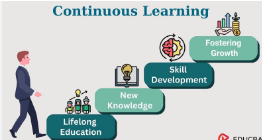
    In today’s fast-paced, innovation-driven economy, stagnation is the true enemy of success. Companies that fail to prioritize learning inevitably fall behind, not because their competitors have better tools, but because they’ve cultivated better minds. As technology reshapes industries overnight, the need for organizations to foster a culture of continuous learning is no longer a luxury—it’s a necessity for survival and growth.

    A workplace that embraces ongoing learning doesn’t just upskill its workforce—it builds resilience, nurtures creativity, and ensures long-term adaptability. Forward-thinking organizations are redefining professional development, embedding learning into the very fabric of daily operations. In doing so, they’re creating environments where curiosity is encouraged, knowledge is shared, and innovation becomes second nature. As Peter Senge famously wrote in The Fifth Discipline, “The only sustainable competitive advantage is an organization’s ability to learn faster than the competition.”

    Developing a culture of learning requires more than periodic training sessions or access to online courses; it demands a mindset shift across leadership, management, and employees. This blog will explore twenty strategic actions that can help organizations transition from traditional, static environments to dynamic learning ecosystems. Each point offers a lens into the principles, practices, and philosophies that drive continual growth and intellectual vitality in the modern workplace.


    1- Leadership Commitment to Learning
    The foundation of any learning culture starts at the top. Leaders must not only endorse continuous learning but actively model it. When executives visibly engage in professional development—attending workshops, reading current literature, or pursuing certifications—they send a powerful message that learning is both valuable and expected. This visibility sets the tone and creates psychological safety for employees to invest in their own development.

    Moreover, leadership’s commitment must be tangible. Allocating time, budget, and resources toward employee education signals a prioritization of learning. Harvard Business Review emphasizes that transformational leadership is key in driving learning initiatives, with leaders acting as both champions and co-learners. To delve deeper into this dynamic, Leadership and the New Science by Margaret Wheatley offers insight into how adaptive leadership supports continuous evolution.


    2- Learning Aligned with Business Strategy
    For learning to gain traction, it must be relevant and aligned with organizational goals. Training programs that connect directly to the company’s mission, performance objectives, and future vision are more likely to gain buy-in and demonstrate ROI. When learning initiatives are strategically mapped to business priorities, they empower teams to innovate and solve real-world challenges.

    This alignment also ensures employees see the relevance of their learning efforts. When team members understand how their growth contributes to the bigger picture, motivation and engagement increase. As Edgar Schein notes in Organizational Culture and Leadership, alignment between culture and strategy fosters organizational coherence and resilience. Learning becomes not just a personal endeavor, but a business imperative.


    3- Establishing Psychological Safety
    A culture of continuous learning cannot thrive without psychological safety—the belief that one can take risks, make mistakes, and express ideas without fear of judgment. When employees feel safe to experiment and fail forward, they unlock creative potential and deeper engagement in their work.

    Amy Edmondson’s research at Harvard underscores the importance of psychological safety in team performance and innovation. Encouraging questions, rewarding transparency, and welcoming constructive dissent are vital practices. Organizations should foster environments where inquiry is respected, mistakes are reframed as learning moments, and no question is considered too basic.


    4- Access to Learning Resources
    Easy and democratic access to learning tools—such as e-learning platforms, digital libraries, and expert networks—is crucial. Employees must be equipped with high-quality resources that cater to different learning styles, from video tutorials and webinars to podcasts and hands-on workshops.

    This accessibility eliminates barriers to development and promotes a habit of self-directed learning. The book Make It Stick by Peter C. Brown et al. emphasizes how varied learning methods enhance retention and mastery. By investing in diverse, scalable tools, companies empower employees to learn continuously, anytime and anywhere.


    5- Encourage Knowledge Sharing
    Internal knowledge sharing accelerates collective intelligence. Whether through mentorship programs, peer-led training sessions, or collaborative platforms, organizations should institutionalize the exchange of insights and experiences.

    When knowledge becomes a shared currency, it dissolves silos and promotes a unified learning community. As Etienne Wenger highlights in Communities of Practice, learning is inherently social. Creating spaces—digital or physical—where employees can ask questions, share lessons learned, and co-create solutions builds cultural momentum around learning.


    6- Reward Learning Behavior
    Recognizing and rewarding learning reinforces its value. This doesn’t always mean promotions or bonuses; public acknowledgment, certifications, or badges of completion can also be powerful incentives. The key is to create visible signals that ongoing education is valued.

    By linking learning to career progression and performance reviews, organizations make development a core metric of success. Daniel Pink, in Drive, notes that autonomy, mastery, and purpose are fundamental motivators. Rewarding learning behavior taps into all three, fueling intrinsic motivation and engagement.


    7- Integrating Learning into Daily Work
    Continuous learning should not be a separate activity squeezed in between tasks—it must be embedded into everyday workflows. Techniques like just-in-time learning, on-the-job coaching, and reflective practice ensure that development is integrated, contextual, and relevant.

    As highlighted by Bersin by Deloitte, high-performing organizations “learn in the flow of work.” This approach allows employees to apply new skills immediately, reinforcing retention and fostering a seamless feedback loop between theory and practice.


    8- Encourage Reflective Practice
    Reflection transforms experience into insight. Encouraging employees to regularly pause, analyze outcomes, and consider what could be improved helps deepen learning and build critical thinking. This habit cultivates self-awareness and personal growth.

    Journaling, team retrospectives, and learning logs are effective methods. Donald Schön, in The Reflective Practitioner, emphasized how reflection-in-action and reflection-on-action are essential to professional competence. Embedding reflection in meetings, project reviews, and leadership development cultivates a more thoughtful, resilient workforce.


    9- Promote Lifelong Learning Mindset
    Lifelong learning isn’t just about acquiring skills—it’s about fostering curiosity, adaptability, and intellectual agility. Organizations that celebrate growth mindsets help employees view learning as an ongoing journey rather than a fixed destination.

    Carol Dweck’s seminal work, Mindset, demonstrates that individuals who believe abilities can be developed are more likely to embrace challenges and persist through setbacks. Embedding this philosophy into performance management, onboarding, and leadership messaging helps normalize continuous evolution.


    10- Use Technology to Enhance Learning
    Digital tools can democratize and personalize learning like never before. Learning management systems (LMS), AI-driven recommendations, and gamification can tailor content to individual needs and create engaging experiences.

    But technology must serve pedagogy—not the other way around. Effective use of tech blends instructional design with interactivity. The book Learning in the Age of Digital Reason by Petar Jandrić explores how digital environments are reshaping knowledge creation, offering valuable context for L&D leaders.


    11- Develop Internal Trainers and Coaches
    Identifying and training internal experts as coaches or trainers amplifies learning at scale. These individuals understand the organization’s nuances and can translate external concepts into actionable strategies for their peers.

    This peer-driven model builds trust, lowers the cost of development, and reinforces a learning identity. John Whitmore’s Coaching for Performance emphasizes how coaching unlocks potential and fosters autonomy, making it a cornerstone of any robust learning culture.


    12- Measure Learning Impact
    Learning without measurement is a shot in the dark. Organizations must evaluate the effectiveness of their learning initiatives through metrics like knowledge retention, skill application, and performance improvement.

    Kirkpatrick’s Four Levels of Evaluation remain a classic framework, guiding organizations to assess learning at reaction, learning, behavior, and results stages. Measurement helps justify investment, improve design, and showcase learning’s strategic value.


    13- Offer Personalized Learning Paths
    Customization is key to relevance. Employees have different goals, learning speeds, and preferred formats. Personalized pathways—enabled through adaptive platforms or mentorship—enhance engagement and ownership.

    Organizations like IBM and AT&T use AI to personalize learning content based on role, aspirations, and behavior. As highlighted in The Expertise Economy by Kelly Palmer and David Blake, personalization is central to preparing workers for the future of work.


    14- Cultivate Mentorship Relationships
    Mentorship offers both guidance and inspiration. Pairing less experienced employees with seasoned professionals facilitates knowledge transfer, accelerates growth, and deepens organizational connection.

    Formal programs, reverse mentoring, and cross-functional pairings expand perspectives and strengthen networks. Kram’s Mentoring at Work provides a foundational understanding of how developmental relationships enhance individual and collective learning.


    15- Embed Learning in Performance Reviews
    When learning goals are embedded into performance reviews, they gain legitimacy and urgency. Linking development efforts to performance management signals that learning is not optional—it’s central to advancement.

    This approach also promotes accountability and alignment. As highlighted by Josh Bersin, modern performance management is continuous, development-focused, and data-informed, making it a natural home for learning objectives.


    16- Create Space and Time for Learning
    Busyness is the enemy of reflection and growth. Organizations must carve out time during work hours for learning—whether through “learning Fridays,” development sprints, or microlearning breaks.

    Allocating time removes the guilt barrier and normalizes learning as a core activity, not an extracurricular. Cal Newport, in Deep Work, underscores the need for undistracted focus to truly absorb and internalize complex knowledge.


    17- Encourage Cross-Functional Learning
    Cross-functional exposure expands cognitive boundaries. When employees engage with other departments, they gain new perspectives, understand systemic interdependencies, and build collaborative competence.

    Rotational programs, interdisciplinary projects, and cross-training initiatives are effective enablers. In Range by David Epstein, the author makes a compelling case for generalist knowledge in a complex world—a principle echoed in cross-functional learning.


    18- Celebrate Learning Milestones
    Celebrating milestones—like course completions, certifications, or learning anniversaries—reinforces progress and cultivates a sense of achievement. These rituals affirm that learning is meaningful and valued.

    Public recognition, internal newsletters, and digital badges all contribute to a shared sense of accomplishment. As Teresa Amabile’s research shows, small wins significantly boost motivation and morale—a principle organizations should leverage in learning journeys.


    19- Leverage External Expertise
    Bringing in external thought leaders, trainers, and consultants injects fresh ideas and prevents intellectual insularity. These experts challenge assumptions, offer broader perspectives, and introduce new frameworks.

    Collaborating with universities, attending industry conferences, or hosting expert webinars are effective strategies. Books like The Innovator’s DNA by Jeff Dyer et al. showcase how external inspiration fuels innovation and learning inside organizations.


    20- Build a Learning Brand Internally and Externally
    Organizations that market their learning culture internally and externally attract top talent and retain curious minds. A strong learning brand signals a growth-oriented environment and positions the company as a talent magnet.

    Internally, storytelling and internal communications can spotlight learner journeys. Externally, promoting learning on LinkedIn or company websites reinforces the employer value proposition. As Simon Sinek puts it in Start With Why, people don’t buy what you do—they buy why you do it. A visible learning brand reflects a deeper purpose of human development.


    21- Opportunities that Spark Curiosity, Creativity, and Enthusiasm
    Creating learning opportunities that spark curiosity is central to igniting creativity and enthusiasm. This involves designing content that connects with real-world challenges, evokes personal interest, and allows for experimentation. Hands-on projects, exploratory research, and interactive simulations fuel intellectual excitement, making learning intrinsically rewarding.

    Albert Einstein famously said, “I have no special talent. I am only passionately curious.” Organizations must foster environments where such passion can thrive. Giving employees the freedom to explore their interests within a structured framework leads to meaningful innovation and engagement. Books like Drive by Daniel Pink reinforce that intrinsic motivation is rooted in autonomy, mastery, and purpose—key drivers in cultivating creativity.


    22- Anticipating Change Rather Than Reacting to It
    In a volatile global economy, reactive strategies are insufficient. Proactive organizations forecast trends, identify skill gaps early, and prepare their workforce accordingly. This anticipatory approach not only reduces downtime during transitions but positions companies as market leaders rather than followers.

    Strategic foresight—combined with agile learning—builds a future-proof culture. As Rita McGrath argues in Seeing Around Corners, the ability to spot inflection points early separates thriving companies from declining ones. Continuous learning becomes a radar system, detecting early signals of disruption and driving timely action.


    23- Embedding Learning into the Cultural DNA
    When continuous learning is deeply embedded in organizational culture, it becomes second nature. It’s not an obligation; it’s a shared value system. Employees don’t wait to be told when to learn—they instinctively seek knowledge as part of their everyday roles.

    Culture is transmitted through language, rituals, and shared narratives. Companies that spotlight learning in their town halls, recognize learner achievements, and encourage curiosity at every level institutionalize this value. As Schein states in Organizational Culture and Leadership, “Culture is what a group learns over a period of time.” When learning is constant, the culture becomes adaptive and robust.


    24- Beyond Periodic Courses and Certifications
    True continuous learning surpasses the boundaries of scheduled training. It’s about creating a dynamic environment where microlearning, informal coaching, and spontaneous discovery happen daily. Static, one-off sessions are no match for the demands of the modern workforce.

    The shift from episodic to ecosystemic learning means integrating knowledge into workflows. This approach ensures learning becomes habitual and immediate. Referencing Informal Learning by Jay Cross, we find that up to 80% of learning happens outside traditional settings—emphasizing the need to support spontaneous learning moments.


    25- Staying Ahead of Industry Shifts
    Industries evolve quickly, and staying current requires constant upskilling. Continuous learning ensures employees can adapt to regulatory changes, emerging technologies, and evolving consumer expectations. It builds a workforce that is not just reactive but future-ready.

    The World Economic Forum’s Future of Jobs Report highlights that reskilling and upskilling will be crucial to workforce sustainability. Organizations must view learning not as a perk, but as a strategic necessity that keeps them on the cutting edge of their industries.


    26- Benefits: Engagement, Innovation, Competitive Advantage
    Organizations that prioritize learning report consistently higher engagement scores. Employees who see growth opportunities are more loyal, motivated, and energized. Additionally, a learning-centric culture directly fuels innovation by encouraging experimentation and critical thinking.

    According to Deloitte’s Human Capital Trends, high-performing learning organizations are 92% more likely to innovate. These companies also enjoy stronger retention and better brand perception. Competitive advantage today is built not solely on products, but on people who think, adapt, and improve continuously.


    27- A Response to Accelerating Technological Change
    Technological advancement is relentless. From AI to blockchain to quantum computing, today’s innovations demand an agile and informed workforce. Continuous learning allows organizations to keep pace, preventing obsolescence and facilitating transformation.

    Books like The Second Machine Age by Erik Brynjolfsson and Andrew McAfee explore how digital disruption redefines business. Learning ecosystems that evolve in tandem with technology are essential for maintaining relevance in this new era.


    28- Skills That Foster Innovation and Agility
    Employees who regularly update their skills become change agents. They embrace new tools, think critically about process improvements, and are unafraid to pivot when necessary. These traits are the lifeblood of innovation and organizational agility.

    Encouraging such adaptability creates teams that can self-organize, collaborate across functions, and respond to emerging challenges swiftly. In Reinventing Organizations by Frederic Laloux, companies that empower learning at all levels are shown to be more resilient and transformational.


    29- Supporting Personal and Professional Growth
    People inherently seek progress. Organizations that support both personal and professional development foster deeper engagement and satisfaction. This includes offering pathways for leadership, wellness education, and creative pursuits.

    Supporting the whole individual—not just their job title—builds loyalty and enhances workplace morale. Books like First, Break All the Rules by Marcus Buckingham highlight how personal growth opportunities correlate with high employee performance.


    30- Tangible Organizational Benefits
    The impact of continuous learning can be measured in productivity metrics, innovation indices, and retention rates. Companies that champion learning see tangible improvements in employee output, team cohesion, and market adaptability.

    Learning drives business outcomes. McKinsey’s research indicates that organizations with effective L&D functions outperform their peers by as much as 30% in productivity. Knowledge is no longer a hidden asset—it’s a strategic differentiator.


    31- Proactive Response to Market Disruptions
    Being reactive is expensive. Continuous learning equips organizations to respond proactively, with strategic agility and informed confidence. Teams anticipate market shifts and innovate accordingly.

    This proactive stance is not about prediction—it’s about preparation. In Antifragile by Nassim Nicholas Taleb, organizations that thrive amid volatility are those that grow stronger from shocks, precisely because they’re always learning.


    32- Dialogue with Employees About Their Experiences
    Regular conversations about learning experiences humanize the process and surface valuable feedback. These dialogues help leaders understand what’s working, what’s not, and how employees feel about their growth journeys.

    This two-way communication fosters trust and ownership. Leaders who regularly engage in these discussions signal that learning isn’t top-down—it’s co-created. Feedback loops are a cornerstone of adaptive learning systems.


    33- Active Listening to Employee Feedback
    Listening is more than hearing; it’s about acting on insights. When leaders actively respond to feedback, they build credibility and momentum around learning programs. It shows that the organization is invested in its people.

    Active listening also uncovers hidden barriers to learning—time constraints, access issues, or content relevance. Addressing these pain points creates a more inclusive and effective learning environment.


    34- Self-Assessment and Supportive Environments
    Encouraging employees to evaluate their strengths and growth areas promotes ownership. Self-assessment tools like learning journals, 360-degree feedback, or reflection exercises deepen self-awareness and intentional learning.

    Pairing this with a supportive environment—where vulnerability is welcomed—amplifies development. As Brené Brown notes in Dare to Lead, psychological safety is essential for growth. Supportive cultures help employees view development as a shared journey, not a solitary pursuit.


    35- Foundational Elements for Consistent Growth
    A successful learning culture rests on key pillars: leadership buy-in, accessible resources, embedded reflection, and aligned strategy. These foundational elements create a stable platform on which consistent growth can flourish.

    When learning is structurally and philosophically supported, it becomes a repeatable and sustainable process. Referencing The Learning Organization by Peter Senge, growth is most effective when it is systemic, not situational.


    36- Leveraging Social Learning Platforms
    Platforms that facilitate collaborative learning—such as Slack, Microsoft Teams, or specialized LXP platforms—make learning social and scalable. Employees benefit from shared knowledge, crowdsourced answers, and peer validation.

    Social learning reduces knowledge bottlenecks and accelerates problem-solving. The book Social Learning by Tony Bingham and Marcia Conner argues that the most effective learning happens through conversation, not just consumption.


    37- Peer-Sharing Networks
    Establishing internal networks for peer learning ensures expertise is democratized. These can include communities of practice, knowledge cafés, or cross-functional guilds where colleagues teach and learn from each other.

    Peer networks foster mutual respect and collective intelligence. They reduce reliance on external trainers and create more sustainable, embedded learning practices. Collaborative ecosystems outperform siloed systems in both agility and innovation.


    38- Navigating Hurdles and Demonstrating Value
    Learning initiatives often face resistance—lack of time, unclear benefits, or cultural inertia. Addressing these hurdles head-on through transparent communication, quick wins, and leadership advocacy ensures momentum.

    Demonstrating ROI—through performance data, innovation metrics, or qualitative testimonials—helps secure ongoing investment. Continuous learning must be positioned not as a cost, but as a critical capability.


    39- Learning Fuels Innovation and Success
    The direct correlation between learning and innovation is well-documented. Learning creates the space for experimentation, the skills for execution, and the mindset for iteration. It fuels not just ideas, but sustainable success.

    As Thomas Friedman states in Thank You for Being Late, “The most important competitive advantage today is not IQ, but AQ—adaptability quotient.” Learning raises AQ across the organization, setting the stage for long-term success.


    40- Dedicate Time to Passion-Driven Projects
    Allocating a fifth of working hours to self-chosen projects can yield tremendous benefits. These initiatives foster creativity, reinforce autonomy, and often generate valuable business insights.

    Google’s famous “20% time” led to the creation of Gmail and AdSense. Allowing space for passion projects supports personal growth while often delivering organizational breakthroughs.


    41- Microsoft’s Regular Learning Days
    Microsoft sets aside specific days where employees focus solely on learning and development. These intentional pauses from routine allow for deeper immersion, reflection, and reinvigoration.

    Such rituals institutionalize learning and combat burnout. They create rhythm and recognition for growth, setting a precedent that learning is not secondary to performance—it is performance.


    42- LinkedIn and Unlimited Learning Access
    LinkedIn’s model of giving employees unlimited access to LinkedIn Learning empowers self-direction. It signals trust in the learner and provides a vast array of development tools at no additional effort.

    This strategy democratizes development and encourages exploration. Organizations can replicate this by offering open-access learning platforms curated to company goals and individual interests.


    43- A Culture of Curiosity and Self-Directed Growth
    Fostering curiosity means empowering employees to ask “why” and “what if” without fear. When individuals own their development paths, learning becomes not just efficient, but transformative.

    Self-directed learning creates accountability and relevance. According to The Adult Learner by Malcolm Knowles, adult learning is most effective when it’s self-initiated and problem-centered.


    44- Commitment Brings Lasting Results
    Organizations that genuinely commit to continuous learning don’t just see short-term benefits—they build lasting capability. They attract lifelong learners and develop resilient, future-ready teams.

    Commitment involves time, resources, and cultural alignment. It’s a strategic asset, not an HR function. Long-term learning investments consistently outperform reactive training approaches.


    45- Lead by Example
    Leadership must walk the talk. When executives participate in training, share their learning journeys, and publicly admit what they’re still learning, it fosters a culture of humility and growth.

    This visibility breaks down hierarchical barriers and normalizes development. As Simon Sinek suggests, “Leadership is not about being in charge. It is about taking care of those in your charge”—and modeling learning is a form of care.


    46- Foster Psychological Safety and Trust
    Without trust, learning halts. Teams must feel safe to question, fail, and express doubt. Psychological safety underpins curiosity and creativity, both vital for learning.

    Edmondson’s concept of a “learning zone” combines high accountability with high psychological safety. Creating this space is crucial for maximizing development and performance.


    47- Embed Learning into Daily Life
    Learning should not feel like an interruption. It should be part of meetings, goal-setting, project reviews, and daily routines. This makes development continuous and integrated.

    Every task becomes an opportunity to reflect, experiment, and grow. Embedding learning turns every job role into a learning role—scaling growth without formal training overhead.


    48- Celebrate Learning as a Journey
    Milestones matter, but so do small steps. Celebrating progress reinforces a growth mindset and cultivates momentum. Recognizing learning as a journey encourages persistence and patience.

    Whether it’s peer recognition, badges, or storytelling, honoring progress builds pride and connection. As Maya Angelou said, “Do the best you can until you know better. Then when you know better, do better.”


    49- Value Every Step Forward
    A culture of learning honors every act of growth. Whether mastering a new tool or gaining clarity from feedback, each step forward is a victory.

    This mindset nurtures grit and gratitude. Over time, small steps accumulate into transformational progress—both for individuals and the organization.


    50- A Culture of Continuous Learning Takes Time
    This culture isn’t built in a quarter or even a fiscal year. It evolves over time through consistent action, leadership, and values. Patience and persistence are critical.

    Building such a culture is akin to planting a forest—it starts small but grows into something powerful and enduring. With sustained investment, the rewards become exponential.


    Conclusion
    Building a culture of continuous learning is an enduring strategy for success. It’s not about a single program or platform but a holistic shift in how an organization thinks, acts, and grows. In a world defined by change, learning is the only constant. By embedding it deeply into daily operations, leadership practices, and organizational values, companies can thrive amid complexity.

    The rewards of such a culture—agility, innovation, engagement, and competitive advantage—are not theoretical; they are demonstrable and lasting. As the landscape of work continues to evolve, the organizations that learn will be the ones that lead.

    Cultivating a culture of continuous learning is not a one-time initiative—it is a long-term commitment to growth, innovation, and adaptability. Organizations that embed learning into their DNA are not only more agile in times of change but also more attractive to top talent and more resilient in the face of disruption. As Alvin Toffler said, “The illiterate of the 21st century will not be those who cannot read and write, but those who cannot learn, unlearn, and relearn.”

    This journey begins with intentional leadership and touches every layer of the organizational fabric—from strategy and structure to values and rituals. The future belongs to those who learn continuously. By following these twenty practical strategies, organizations can transform into living systems of knowledge, creativity, and sustained excellence.

    Bibliography

    1. Senge, Peter M. The Fifth Discipline: The Art & Practice of The Learning Organization. Doubleday/Currency, 2006.

    2. Brown, Brené. Dare to Lead: Brave Work. Tough Conversations. Whole Hearts. Random House, 2018.

    3. Pink, Daniel H. Drive: The Surprising Truth About What Motivates Us. Riverhead Books, 2009.

    4. Taleb, Nassim Nicholas. Antifragile: Things That Gain from Disorder. Random House, 2012.

    5. Schein, Edgar H. Organizational Culture and Leadership. 5th ed., Wiley, 2016.

    6. Cross, Jay. Informal Learning: Rediscovering the Natural Pathways That Inspire Innovation and Performance. Pfeiffer, 2006.

    7. McGrath, Rita Gunther. Seeing Around Corners: How to Spot Inflection Points in Business Before They Happen. Houghton Mifflin Harcourt, 2019.

    8. Brynjolfsson, Erik, and McAfee, Andrew. The Second Machine Age: Work, Progress, and Prosperity in a Time of Brilliant Technologies. W. W. Norton & Company, 2014.

    9. Friedman, Thomas L. Thank You for Being Late: An Optimist’s Guide to Thriving in the Age of Accelerations. Farrar, Straus and Giroux, 2016.

    10. Laloux, Frederic. Reinventing Organizations: A Guide to Creating Organizations Inspired by the Next Stage of Human Consciousness. Nelson Parker, 2014.

    11. Knowles, Malcolm S. The Adult Learner: The Definitive Classic in Adult Education and Human Resource Development. 8th ed., Routledge, 2015.

    12. Bingham, Tony, and Conner, Marcia. The New Social Learning: Connect. Collaborate. Work. Berrett-Koehler Publishers, 2010.

    13. Buckingham, Marcus, and Coffman, Curt. First, Break All the Rules: What the World’s Greatest Managers Do Differently. Gallup Press, 1999.

    14. Angelou, Maya. Wouldn’t Take Nothing for My Journey Now. Random House, 1993.

    15. Sinek, Simon. Leaders Eat Last: Why Some Teams Pull Together and Others Don’t. Portfolio, 2014.

    16. Edmondson, Amy C. The Fearless Organization: Creating Psychological Safety in the Workplace for Learning, Innovation, and Growth. Wiley, 2018.

    17. Kegan, Robert, and Lahey, Lisa Laskow. An Everyone Culture: Becoming a Deliberately Developmental Organization. Harvard Business Review Press, 2016.

    18. Drucker, Peter F. Management Challenges for the 21st Century. HarperBusiness, 1999.

    19. Argyris, Chris. On Organizational Learning. 2nd ed., Wiley-Blackwell, 1999.

    20. Kolb, David A. Experiential Learning: Experience as the Source of Learning and Development. 2nd ed., Pearson FT Press, 2014.

    By Amjad Izhar
    Contact: amjad.izhar@gmail.com
    https://amjadizhar.blog

  • UK: Will New School Rules Help Cut Violence In The Classroom?

    UK: Will New School Rules Help Cut Violence In The Classroom?

    In the quiet corners of British classrooms, a growing storm of disruption has been brewing — one that policymakers can no longer ignore. Classroom violence, once a marginal concern, has steadily risen to alarming levels, prompting the UK government to introduce a new set of school rules designed to restore order and discipline. These measures have sparked a vital national conversation: can regulation and reform meaningfully curb aggressive student behaviour?

    While some hail the changes as long overdue, others caution that rules alone may not address the deeper social, psychological, and institutional issues at play. The debate isn’t just about education; it’s about the very fabric of school culture and how we shape young minds for civil society. The significance of these rules lies not only in their content but also in how they are implemented and received by teachers, students, and parents alike.

    The challenge, then, is not only to enforce discipline but to do so in a way that promotes respect, engagement, and mental well-being. As philosopher John Dewey once noted, “Education is not preparation for life; education is life itself.” If violence continues unchecked, it is not only learning that suffers but the social foundation of future generations.


    1- The Rising Tide of Classroom Violence

    Classroom violence in the UK has become a focal point of concern for educators, parents, and policymakers alike. Recent statistics have shown a sharp increase in verbal abuse, physical aggression, and intimidation directed at both teachers and pupils. In many instances, these incidents are symptomatic of wider societal tensions — from mental health struggles to the erosion of authority within school settings. According to the National Education Union, nearly one in three teachers report having faced physical threats during their careers.

    This growing crisis undermines not only classroom safety but also the learning environment itself. When students and teachers operate under a constant shadow of disruption, educational outcomes invariably suffer. Renowned sociologist Emile Durkheim argued that discipline is a cornerstone of social cohesion. Without it, the classroom ceases to be a space of structured learning and becomes one of chaos and survival.


    2- Government’s Response: The New School Rules

    In response to these worrying trends, the UK government has introduced a raft of new school rules aimed at reinforcing discipline and reducing classroom violence. These include measures such as zero-tolerance policies for aggressive behaviour, more powers for headteachers to suspend or expel disruptive students, and increased use of in-school isolation rooms. Proponents argue these rules will empower schools to take swift, decisive action.

    However, critics argue that these top-down measures may lack nuance and fail to account for the root causes of behavioural issues. A rule-based approach, they contend, risks criminalising students rather than rehabilitating them. As educationalist Sir Ken Robinson wrote, “You cannot improve education by alienating the very people it’s supposed to engage.” The challenge is ensuring that discipline policies are balanced, just, and contextually sensitive.


    3- The Role of Teacher Authority

    The authority of teachers is pivotal in managing classroom dynamics. Unfortunately, this authority has been steadily undermined over the years due to shifting cultural attitudes, increased student rights, and a lack of institutional backing. When teachers are not supported in maintaining order, they are more likely to experience burnout and disillusionment.

    Restoring teacher authority does not mean reverting to authoritarian models, but rather affirming the teacher’s role as a guide, mentor, and leader. As Paulo Freire observed in Pedagogy of the Oppressed, true authority emerges not from domination, but from mutual respect and dialogue. Teacher training must therefore include conflict resolution skills, classroom management, and psychological insight.


    4- Influence of Family and Social Background

    A child’s behaviour in school is often a mirror of their home environment. Socioeconomic stress, lack of parental supervision, and exposure to domestic conflict can manifest in disruptive behaviours at school. These issues are particularly pronounced in deprived areas, where children may lack positive role models and emotional stability.

    Educational psychologist Dr. Tanya Byron asserts that “behaviour is communication,” and understanding what lies beneath the surface is key to addressing it effectively. Schools need to work closely with families and social services to provide holistic support for vulnerable children, recognising that discipline must be accompanied by care.


    5- Impact on Learning Outcomes

    Classroom violence is not just a disciplinary issue; it’s an academic one. Constant disruptions derail lesson plans, demoralise educators, and create an atmosphere of fear rather than curiosity. According to Ofsted, schools with high levels of behavioural issues tend to have lower achievement scores, regardless of the quality of teaching.

    Long-term exposure to a chaotic learning environment can have deep psychological effects on students. It diminishes their confidence, stifles participation, and fosters disengagement. As educational theorist Alfie Kohn notes in Punished by Rewards, environments that prioritise control over understanding often backfire, undermining intrinsic motivation to learn.


    6- The Role of Mental Health

    Mental health is a significant, though often overlooked, factor in classroom violence. Many students acting out are grappling with anxiety, depression, trauma, or undiagnosed neurodivergent conditions. A punitive response in these cases can exacerbate rather than resolve the issue.

    Investment in school counselling services, early intervention, and staff training in mental health awareness is essential. The Children’s Commissioner for England has repeatedly highlighted the gap in mental health provision for school-aged children. Addressing mental well-being is not ancillary to education—it is central to it.


    7- Peer Influence and School Culture

    Peer dynamics play a powerful role in shaping behaviour. In schools where violence or bullying is normalised, students may feel pressured to conform to disruptive group norms. Conversely, in schools with a strong culture of respect and mutual accountability, positive behaviour is reinforced naturally.

    School culture must be deliberately cultivated through clear values, consistent leadership, and student voice initiatives. Educational researcher Michael Fullan argues in Leading in a Culture of Change that cultural transformation requires deep engagement, not just rule enforcement. In other words, schools must be communities, not merely institutions.


    8- Support for Teachers

    Teachers are on the frontlines of this struggle, yet many feel ill-equipped or unsupported when it comes to managing violence. Professional development in classroom management and trauma-informed teaching is often inconsistent or inadequate.

    Moreover, schools must foster a culture where staff can report incidents without fear of judgment or bureaucratic inertia. Providing psychological support for teachers themselves, especially those in high-stress environments, is equally crucial. A resilient teacher body is a school’s best asset in confronting behavioural challenges.


    9- Role of School Leadership

    Effective school leadership is central to managing behaviour and implementing new rules with integrity and fairness. Strong leaders set the tone for what is acceptable and are proactive in addressing problems before they escalate. Their presence is felt not only in policy but in everyday interactions with staff and students.

    Leadership must also involve ethical decision-making. As leadership expert Dr. Andy Hargreaves notes, sustainable change comes from “moral purpose aligned with professional practice.” Headteachers must strike a balance between firmness and empathy, ensuring that discipline does not become synonymous with exclusion.


    10- Policy and Funding Issues

    Policy without funding is rhetoric without reality. The success of any new behavioural initiative depends heavily on the availability of resources — for staff training, student support services, and infrastructure. Yet many UK schools continue to struggle with underfunding.

    Educational reformer Diane Ravitch has warned that reform efforts often fail because they ignore the economic conditions in which schools operate. Without proper investment, the burden of discipline falls disproportionately on overstretched teachers, undermining the very goals these policies aim to achieve.


    11- Involvement of Parents and Community

    Parents and community members are essential partners in any effort to reduce school violence. When schools and families collaborate, students receive a consistent message about behaviour and responsibility. However, this partnership requires active outreach and trust-building.

    Community programmes that offer parenting support, mentorship, and youth engagement can help mitigate behavioural issues before they enter the classroom. As the African proverb goes, “It takes a village to raise a child.” School violence is not an isolated problem—it is a reflection of broader societal dynamics.


    12- Balancing Punishment and Rehabilitation

    A punitive approach may yield short-term compliance but often fails to foster long-term behavioural change. Effective discipline should be restorative, focusing on accountability, empathy, and reparation. Restorative justice programmes have shown promise in reducing recidivism and improving school climate.

    This approach is grounded in the belief that students should be active participants in resolving conflict. As Margaret Thorsborne, a pioneer in restorative practice, puts it: “Punishment disconnects; restoration reconnects.” Schools should aim to educate the whole child, not merely correct behaviour.


    13- Impact of Social Media and Technology

    The digital age has introduced new avenues for conflict among students. Cyberbullying, exposure to violent content, and social media-fueled peer drama often spill over into the classroom. Teachers now contend with a world where harmful interactions are no longer confined to the schoolyard.

    Digital literacy education and clear policies on device use can help, but parental involvement is equally crucial. Psychologist Sherry Turkle’s Alone Together highlights how online life alters our sense of empathy and presence — both critical for peaceful coexistence in shared spaces like schools.


    14- Case Studies from Other Countries

    Looking abroad, countries like Finland and Japan offer models worth examining. Finnish schools focus heavily on emotional intelligence and teacher autonomy, resulting in low rates of classroom violence. Japan, meanwhile, instils discipline through collective responsibility and moral education.

    These examples show that culture, pedagogy, and policy must work in harmony. Importing models wholesale is unwise, but adapting best practices within a local context can yield real benefits. The OECD’s comparative education studies provide valuable data for such international benchmarking.


    15- Student Voice and Engagement

    Students should not merely be the recipients of discipline; they should be collaborators in shaping school culture. When students have a say in rule-making, they are more likely to internalise those rules. School councils, peer mentoring, and feedback forums can amplify student voice.

    As educational reformer Deborah Meier observed, “Democracy has to be born anew every generation, and education is its midwife.” Engaging students as citizens of the school community promotes responsibility, empathy, and self-discipline.


    16- Training and Curriculum Reform

    To tackle violence at its roots, curriculum reform is essential. Subjects like PSHE (Personal, Social, Health and Economic education), ethics, and emotional literacy must be given more weight. Behaviour cannot be separated from values and understanding.

    Teacher training must also evolve. Conflict de-escalation, trauma-awareness, and inclusive practices should be core components of teacher education. As highlighted in The Courage to Teach by Parker J. Palmer, teaching is an act of moral and emotional presence, not mere instruction.


    17- Long-Term Cultural Change

    Tackling classroom violence is not about quick fixes but enduring change. Cultural transformation within schools takes time, consistency, and a shared vision. It involves altering how authority, respect, and learning are understood and practiced.

    This cultural shift requires leadership at all levels and must be anchored in trust, dialogue, and shared responsibility. In the words of James Comer, “No significant learning occurs without a significant relationship.” At the heart of lasting change lies the human connection.


    18- Challenges in Implementation

    Even the most well-intentioned rules can falter in implementation. Variability in school leadership, local funding disparities, and inconsistent training can all lead to uneven outcomes. Moreover, resistance from staff or students may emerge if reforms feel imposed rather than inclusive.

    Effective change management requires transparency, stakeholder buy-in, and ongoing evaluation. The Education Endowment Foundation stresses the importance of evidence-based strategies and pilot programmes before full-scale implementation.


    19- Metrics of Success

    Measuring the success of anti-violence initiatives must go beyond counting detentions or exclusions. True success lies in improved student engagement, teacher satisfaction, academic achievement, and a sense of safety and belonging.

    Qualitative data — including surveys, interviews, and behavioural observations — can offer insights that raw numbers cannot. A holistic evaluation framework ensures that progress is both real and sustainable.


    20- The Broader Educational Philosophy

    At the core of this issue lies a question of educational purpose. Are schools merely centres of compliance and exam results, or are they spaces of human development and societal transformation? Our response to violence in classrooms reveals what we truly value.

    Drawing from the works of thinkers like Nel Noddings and bell hooks, we are reminded that education must be an act of care, justice, and liberation. Rules matter, but the spirit behind them matters more. Schools must be places where every child is safe not only from harm, but also from indifference.


    21- Effective Teacher Responses to Disruptive Behaviour

    Teachers must strike a careful balance between authority and empathy when confronting disruptive behaviour. Reacting with excessive force or visible frustration often escalates conflict, whereas a calm, consistent approach tends to de-escalate tensions. Employing techniques such as proximity control, tactical ignoring, and assertive redirection can prevent minor disruptions from spiralling into major incidents. This aligns with the work of Dr. Bill Rogers, who advocates for “positive correction” and setting clear, respectful expectations.

    Additionally, teachers must document behavioural incidents accurately and involve support structures early. Collaboration with senior staff and pastoral teams ensures a unified, strategic response rather than fragmented firefighting. As the Department for Education has stressed, school-wide consistency is vital for behavioural frameworks to be effective and equitable across diverse classroom settings.


    22- Building Positive Relationships as Prevention

    Strong, trust-based relationships between teachers and students are a proven deterrent to violent behaviour. When students feel seen, respected, and understood, they are less likely to act out. These connections are built through daily interactions, active listening, and genuine care — not merely through rewards or sanctions. As Rita Pierson, the famed educator, once said, “Kids don’t learn from people they don’t like.”

    This relational approach not only prevents conflict but also fosters resilience and emotional regulation. Investing in social-emotional learning and peer mentoring can further reinforce these positive dynamics. The restorative model, which centres on relationships rather than retribution, has gained traction for its long-term impact on school culture and student well-being.


    23- Addressing Violent and Aggressive Behaviour

    When pupils exhibit violent or aggressive behaviour, an immediate response is essential — not only for safety but also to signal that such conduct is unacceptable. However, the response must be proportionate and rooted in policy. Safe restraint protocols, removal from class, and immediate debriefing are critical. Staff must never act out of fear or impulse but follow training procedures and risk assessments.

    Post-incident interventions are equally important. These include restorative conversations, individual behaviour plans, and referrals to psychological services if necessary. As highlighted in Behaviour and Discipline in Schools: A Guide for Teachers, effective interventions blend consistency with individualised support. Schools that ignore or minimise violent behaviour risk normalising it.


    24- Conservatives Dismissed It as “Waffle”

    The Conservative Party’s sharp dismissal of the new guidance as “waffle” underscores the ideological divide in education policy. Critics argue that the documents are heavy on jargon and light on actionable strategies, providing little reassurance to teachers battling daily disruption. They point to a lack of firm commitment to discipline, calling instead for a return to traditional authority structures.

    This political rejection reflects broader tensions between progressive educational philosophies and calls for stricter enforcement. However, both sides agree that teachers need clarity and support. Any guidance perceived as evasive or overly abstract risks losing credibility with the very professionals it aims to support.


    25- What’s the Problem?

    At its heart, the crisis in UK classrooms is a convergence of rising behavioural issues, insufficient support, and systemic underinvestment. The problem isn’t merely one of individual misconduct but a reflection of deeper societal stressors — including poverty, trauma, and digital overstimulation — manifesting in student behaviour.

    Educational theorist Sir Tim Brighouse asserts that “a school mirrors its society.” Thus, schools cannot be expected to solve these problems in isolation. A coordinated, well-funded, and contextually aware strategy is essential to move from reactive to preventative practices across the system.


    26- Boundaries That Are Impossible to Maintain

    A significant challenge faced by educators is the erosion of enforceable boundaries. Vague policies, inconsistent leadership, and fear of backlash have created a climate in which teachers hesitate to act decisively. This ambiguity undermines their authority and emboldens disruptive students.

    In Classroom Behaviour, Bill Rogers discusses the importance of “predictable consequences and relational authority” — without which, even the best teaching becomes unsustainable. Teachers must be empowered to set firm, fair boundaries, and know they will be supported when they do so.


    27- Teachers Leaving Due to Overwhelming Behaviour

    The exodus of educators due to student behaviour has become an alarming trend. Overwhelmed by relentless classroom disruptions and the emotional toll they take, many skilled teachers are leaving the profession altogether. A recent survey by the National Association of Head Teachers found that behaviour was cited as a top reason for burnout.

    This attrition represents not just a human cost but a systemic failure. Losing experienced educators reduces continuity and mentorship for newer staff, leading to a vicious cycle of instability. Retention strategies must prioritise mental health, workload reduction, and behavioural support to stem this tide.


    28- Nervous Children Avoiding School

    The impact of classroom disruption extends beyond staff; children themselves are becoming increasingly anxious about attending school. Witnessing or experiencing violence can lead to school avoidance, anxiety, and even school refusal syndrome. These pupils are the silent victims of behavioural breakdowns.

    The charity YoungMinds has repeatedly highlighted the rise in school-related anxiety among UK children. Preventing this fallout requires a safe, calm, and predictable learning environment where all students feel protected and supported — not just those acting out.


    29- Trauma Inflicted on Peers

    Children exposed to the violent or disruptive behaviour of their peers often suffer secondary trauma. These pupils may become hyper-vigilant, fearful, or withdrawn, hindering their cognitive development and social engagement. Schools must recognise these students as affected parties deserving of care.

    Trauma-informed schooling, as detailed in The Trauma-Sensitive Classroom by Patricia A. Jennings, calls for staff awareness, predictable routines, and safe spaces for expression. Behavioural issues cannot be treated in isolation; their ripple effects are wide and long-lasting.


    30- Summary of the New Guidance

    The UK government’s new guidance outlines a behaviour framework intended to support consistency and empower educators. Key recommendations include staged interventions, clear consequences, and greater school-level autonomy. The document also places emphasis on restorative practices and positive reinforcement.

    However, while comprehensive in scope, critics note that its language often lacks clarity and urgency. For effective implementation, this guidance must be translated into clear training modules, accessible tools, and strong leadership support.


    31- Staged Interventions in the Appendix

    The appendix provides a tiered approach to interventions, beginning with verbal reminders and escalating to isolation or exclusion where necessary. This structure mirrors the response models used in therapeutic education environments and is intended to ensure proportionality.

    Crucially, each stage also includes restorative elements and opportunities for pupil reflection. This dual approach—combining discipline and rehabilitation—is considered best practice by behavioural specialists and aims to reduce repeat incidents through understanding, not just consequence.


    32- Calming Spaces as De-Escalation Tools

    Taking disruptive students to a designated calm area can help de-escalate volatile situations before they become unmanageable. These spaces offer sensory regulation and time for reflection, preventing impulsive behaviour from spiralling into aggression.

    When used correctly, this approach fosters emotional intelligence and self-regulation. However, such strategies must be paired with staff training to avoid misuse or over-reliance. Done right, they serve as preventative tools rather than punitive ones.


    33- The Question of Exclusions

    Exclusions remain one of the most contentious tools in managing behaviour. While sometimes necessary for safety, their overuse can lead to alienation, educational disengagement, and increased risk of criminal involvement. Critics argue exclusions address the symptom, not the cause.

    Education experts like Professor Carl Parsons have long warned that exclusions disproportionately affect vulnerable and disadvantaged pupils. Schools must explore alternative sanctions where possible and ensure exclusions are used judiciously and transparently.


    34- Life-Changing Impact of Expulsion

    Being expelled from school can derail a young person’s entire trajectory. They face reduced access to education, social stigma, and fewer life chances. According to research from the IPPR, excluded children are four times more likely to end up in the criminal justice system.

    To mitigate this, alternative provision and reintegration programmes must be robust and well-funded. Education should never become a system that simply casts out its most troubled members — it must remain a space of redemption and opportunity.


    35- Exclusion as a Last Resort: Gilruth’s Stance

    Education Secretary Jenny Gilruth’s emphasis on exclusion as a “last resort” reflects a cautious, balanced position. It signals an intent to prioritise inclusion, yet preserve schools’ ability to respond decisively to serious incidents.

    Her statement underscores the need for comprehensive behavioural policies that include both preventative and reactive measures. The key will be ensuring this message is accompanied by tangible support, not just rhetorical framing.


    36- Guidance Permits Exclusion for Violence

    The guidance does explicitly state that exclusion is permitted in cases involving violence, offering clarity to schools that face high-risk scenarios. This inclusion reassures educators that their safety and authority remain protected within the policy framework.

    However, it also necessitates strong accountability to ensure exclusions are used fairly and not as an expedient means of managing complex cases. Clear documentation and independent review processes will be essential to uphold equity.


    37- Reaction to the Guidelines

    Responses to the new guidelines have been mixed. Teachers’ unions welcome the recognition of rising behavioural challenges but question whether the measures go far enough. Many remain sceptical about implementation, citing past failures and resource gaps.

    Public opinion is similarly divided, with some parents calling for stricter discipline and others urging caution against punitive approaches. For the guidelines to succeed, they must evolve in consultation with the very practitioners they seek to empower.


    38- Call for More Resources and Staff

    A recurring theme in the debate is the need for more resources — more staff, more counsellors, more training. Without this, even the best policies will fail at the ground level. Teachers cannot carry the burden of reform alone.

    The Education Policy Institute has repeatedly stressed that staff-to-student ratios and pastoral investment are directly linked to behavioural outcomes. A well-resourced school is not only more effective but more humane.


    39- Empowering Teachers: Gilruth’s Promise

    Jenny Gilruth has pledged that the new policies will empower teachers by providing clearer frameworks and more authority. This is a welcome shift from previous years, where teachers often felt sidelined in behaviour debates.

    To fulfil this promise, the government must ensure consistent policy rollout, funded training, and public support for educators. Empowerment is not a matter of statements — it must be felt in the daily reality of every classroom.


    40- Emotional Dysregulation and Classroom Chaos

    A growing number of students present with emotional dysregulation — rapid mood swings, impulsivity, and poor frustration tolerance — which frequently lead to disruptive episodes. These behaviours are often linked to neurodiversity or trauma and require specialised responses.

    Schools must integrate mental health training into their CPD offerings and work closely with child psychologists and behavioural therapists. As neuroscience advances, so too must our educational responses evolve beyond punishment into healing.


    41- Lack of Clear Rules Leaves Teachers Stranded

    Despite the fanfare, many teachers argue that the rules remain vague. The lack of enforceable standards leads to inconsistency, confusion, and reluctance to act. Without strong leadership and explicit boundaries, teachers are left navigating chaos alone.

    Education must be guided by a coherent philosophy, not merely buzzwords. As Aristotle once said, “We are what we repeatedly do. Excellence, then, is not an act but a habit.” Teachers need habits of clarity, not ambiguity.


    42- Last Resort Repeated But Rarely Defined

    Gilruth’s refrain that exclusion is a “last resort” is reiterated often — but what qualifies as a last resort is left open to interpretation. This ambiguity may result in inconsistent practice across schools, eroding trust in policy.

    Definitions must be precise. A last resort should follow a defined sequence of interventions, documented decisions, and accountability mechanisms. Otherwise, the phrase risks becoming a rhetorical placeholder.


    43- Dismissal of Behavioural Advice as “Waffle”

    Teachers frustrated by ambiguous advice—such as using eye contact, hand signals, or merit stickers—often dismiss such suggestions as impractical in volatile classrooms. These tools may work in low-disruption environments but appear disconnected from high-stakes reality.

    To rebuild confidence, behavioural advice must be grounded in frontline experience, not bureaucratic theory. The profession needs tools that work under pressure, not idealistic checklists.


    44- Holyrood Buzzwords Undermine Credibility

    Terms like “multi-agency collaboration,” “positivity,” and “inclusion” dominate the guidance but are often seen as vague platitudes rather than practical tools. Teachers are seeking structure, not semantics.

    Clarity, not complexity, should be the hallmark of policy. As George Orwell warned in Politics and the English Language, euphemism can obscure reality. Behavioural guidance should speak plainly and directly to the needs of those who must enact it.


    45- Stress Forcing Teachers into Career Changes

    The toll of behavioural stress is so high that some teachers are leaving the profession for completely unrelated fields. One notable case involved a teacher becoming a lorry driver — valuing predictability and peace over pedagogy.

    This anecdote reflects a deeper crisis in professional identity. Teaching, once seen as a calling, is becoming a risk. Reversing this trend requires restoring respect, reducing workload, and re-establishing schools as places where teachers can thrive.


    46- False Allegations Destroying Careers

    False accusations, including highly damaging ones like being labelled a paedophile, have devastated teachers’ lives and careers. These rare but catastrophic cases highlight the need for robust safeguarding that protects staff as well as students.

    Schools must ensure allegations are handled with due process, confidentiality, and legal rigour. As Lord Justice Woolf once wrote, “Justice delayed is justice denied.” Staff deserve both protection and recourse when their reputations are at stake.


    Conclusion

    The question of whether new school rules will reduce violence in UK classrooms is as complex as it is urgent. Discipline is not a silver bullet, nor is compassion a panacea. Real change requires a coherent philosophy, sufficient funding, expert training, and above all, unity of purpose among educators, families, and policymakers.

    Violence in schools is both a symptom and a cause of deeper dysfunctions. To fix it, we must address the roots—trauma, disengagement, and systemic neglect—with honesty and resolve. Only then can our classrooms become not just places of safety, but of transformation, where both learning and peace are possible.

    Addressing classroom violence in the UK requires more than a change in rules — it calls for a reimagining of the educational landscape. Discipline must be rooted in understanding, leadership must be anchored in moral purpose, and every policy must consider the human stories behind the statistics. The new rules may offer a framework, but it is the collective action of teachers, students, families, and policymakers that will determine whether schools become places of peace or battlegrounds of frustration.

    The success of this reform effort depends not on enforcement alone, but on empathy, engagement, and a deep commitment to the transformative power of education. As we seek to stem the tide of violence, we must remember that discipline without compassion is control, not education — and that the classroom must remain a sanctuary for growth, not a theatre of conflict.

    Bibliography

    1. Rogers, Bill. Classroom Behaviour: A Practical Guide to Effective Teaching, Behaviour Management and Colleague Support. SAGE Publications, 2015.

    2. Jennings, Patricia A. The Trauma-Sensitive Classroom: Building Resilience with Compassionate Teaching. W. W. Norton & Company, 2018.

    3. Brighouse, Tim. Education and the Urban Child. Institute of Education Press, 2003.

    4. Pierson, Rita. Every Kid Needs a Champion. TED Talk, 2013. [Available at: https://www.ted.com/talks/rita_pierson_every_kid_needs_a_champion]

    5. Parsons, Carl. Excluding Primary School Children: What Are the Costs? National Children’s Bureau, 2009.

    6. Orwell, George. Politics and the English Language. Horizon, 1946.

    7. Department for Education (DfE). Behaviour and Discipline in Schools: Advice for Headteachers and School Staff. UK Government, 2022.

    8. Education Policy Institute. Vulnerable Pupils and the Impact of School Closures. EPI, 2021.

    9. YoungMinds. Wise Up: Prioritising Wellbeing in Schools. YoungMinds Report, 2017.

    10. Ofsted. Managing Behaviour in Schools: Evidence Review. UK Government, 2022.

    11. Gill, Kiran, et al. Making the Difference: Breaking the Link Between School Exclusion and Social Exclusion. IPPR, 2017.

    12. Woolf, Lord Justice Harry. Access to Justice: Final Report. UK Judiciary, 1996.

    13. Cooper, Paul, and Jacobs, Barbara. From Inclusion to Engagement: Helping Students Engage with Schooling through Policy and Practice. Wiley-Blackwell, 2011.

    14. Tom Bennett. Creating a Culture: A Review of Behaviour in Schools. Department for Education, 2017.

    15. Gilruth, Jenny. Parliamentary statements and interviews on Scottish education policy, 2023–2025. [Available via Scottish Parliament website]

    16. House of Commons Education Committee. Forgotten Children: Alternative Provision and the Scandal of Ever-Increasing Exclusions. UK Parliament, 2018.

    17. Haydn, Terry. Managing Pupil Behaviour: Key Issues in Teaching and Learning. Routledge, 2013.

    18. UNESCO. Behind the Numbers: Ending School Violence and Bullying. UNESCO Report, 2019.

    By Amjad Izhar
    Contact: amjad.izhar@gmail.com
    https://amjadizhar.blog

  • Cultivating A Culture Of Continuous Learning In The Workplace

    Cultivating A Culture Of Continuous Learning In The Workplace

    In today’s fast-paced, innovation-driven economy, stagnation is the true enemy of success. Companies that fail to prioritize learning inevitably fall behind, not because their competitors have better tools, but because they’ve cultivated better minds. As technology reshapes industries overnight, the need for organizations to foster a culture of continuous learning is no longer a luxury—it’s a necessity for survival and growth.

    A workplace that embraces ongoing learning doesn’t just upskill its workforce—it builds resilience, nurtures creativity, and ensures long-term adaptability. Forward-thinking organizations are redefining professional development, embedding learning into the very fabric of daily operations. In doing so, they’re creating environments where curiosity is encouraged, knowledge is shared, and innovation becomes second nature. As Peter Senge famously wrote in The Fifth Discipline, “The only sustainable competitive advantage is an organization’s ability to learn faster than the competition.”

    Developing a culture of learning requires more than periodic training sessions or access to online courses; it demands a mindset shift across leadership, management, and employees. This blog will explore twenty strategic actions that can help organizations transition from traditional, static environments to dynamic learning ecosystems. Each point offers a lens into the principles, practices, and philosophies that drive continual growth and intellectual vitality in the modern workplace.


    1- Leadership Commitment to Learning
    The foundation of any learning culture starts at the top. Leaders must not only endorse continuous learning but actively model it. When executives visibly engage in professional development—attending workshops, reading current literature, or pursuing certifications—they send a powerful message that learning is both valuable and expected. This visibility sets the tone and creates psychological safety for employees to invest in their own development.

    Moreover, leadership’s commitment must be tangible. Allocating time, budget, and resources toward employee education signals a prioritization of learning. Harvard Business Review emphasizes that transformational leadership is key in driving learning initiatives, with leaders acting as both champions and co-learners. To delve deeper into this dynamic, Leadership and the New Science by Margaret Wheatley offers insight into how adaptive leadership supports continuous evolution.


    2- Learning Aligned with Business Strategy
    For learning to gain traction, it must be relevant and aligned with organizational goals. Training programs that connect directly to the company’s mission, performance objectives, and future vision are more likely to gain buy-in and demonstrate ROI. When learning initiatives are strategically mapped to business priorities, they empower teams to innovate and solve real-world challenges.

    This alignment also ensures employees see the relevance of their learning efforts. When team members understand how their growth contributes to the bigger picture, motivation and engagement increase. As Edgar Schein notes in Organizational Culture and Leadership, alignment between culture and strategy fosters organizational coherence and resilience. Learning becomes not just a personal endeavor, but a business imperative.


    3- Establishing Psychological Safety
    A culture of continuous learning cannot thrive without psychological safety—the belief that one can take risks, make mistakes, and express ideas without fear of judgment. When employees feel safe to experiment and fail forward, they unlock creative potential and deeper engagement in their work.

    Amy Edmondson’s research at Harvard underscores the importance of psychological safety in team performance and innovation. Encouraging questions, rewarding transparency, and welcoming constructive dissent are vital practices. Organizations should foster environments where inquiry is respected, mistakes are reframed as learning moments, and no question is considered too basic.


    4- Access to Learning Resources
    Easy and democratic access to learning tools—such as e-learning platforms, digital libraries, and expert networks—is crucial. Employees must be equipped with high-quality resources that cater to different learning styles, from video tutorials and webinars to podcasts and hands-on workshops.

    This accessibility eliminates barriers to development and promotes a habit of self-directed learning. The book Make It Stick by Peter C. Brown et al. emphasizes how varied learning methods enhance retention and mastery. By investing in diverse, scalable tools, companies empower employees to learn continuously, anytime and anywhere.


    5- Encourage Knowledge Sharing
    Internal knowledge sharing accelerates collective intelligence. Whether through mentorship programs, peer-led training sessions, or collaborative platforms, organizations should institutionalize the exchange of insights and experiences.

    When knowledge becomes a shared currency, it dissolves silos and promotes a unified learning community. As Etienne Wenger highlights in Communities of Practice, learning is inherently social. Creating spaces—digital or physical—where employees can ask questions, share lessons learned, and co-create solutions builds cultural momentum around learning.


    6- Reward Learning Behavior
    Recognizing and rewarding learning reinforces its value. This doesn’t always mean promotions or bonuses; public acknowledgment, certifications, or badges of completion can also be powerful incentives. The key is to create visible signals that ongoing education is valued.

    By linking learning to career progression and performance reviews, organizations make development a core metric of success. Daniel Pink, in Drive, notes that autonomy, mastery, and purpose are fundamental motivators. Rewarding learning behavior taps into all three, fueling intrinsic motivation and engagement.


    7- Integrating Learning into Daily Work
    Continuous learning should not be a separate activity squeezed in between tasks—it must be embedded into everyday workflows. Techniques like just-in-time learning, on-the-job coaching, and reflective practice ensure that development is integrated, contextual, and relevant.

    As highlighted by Bersin by Deloitte, high-performing organizations “learn in the flow of work.” This approach allows employees to apply new skills immediately, reinforcing retention and fostering a seamless feedback loop between theory and practice.


    8- Encourage Reflective Practice
    Reflection transforms experience into insight. Encouraging employees to regularly pause, analyze outcomes, and consider what could be improved helps deepen learning and build critical thinking. This habit cultivates self-awareness and personal growth.

    Journaling, team retrospectives, and learning logs are effective methods. Donald Schön, in The Reflective Practitioner, emphasized how reflection-in-action and reflection-on-action are essential to professional competence. Embedding reflection in meetings, project reviews, and leadership development cultivates a more thoughtful, resilient workforce.


    9- Promote Lifelong Learning Mindset
    Lifelong learning isn’t just about acquiring skills—it’s about fostering curiosity, adaptability, and intellectual agility. Organizations that celebrate growth mindsets help employees view learning as an ongoing journey rather than a fixed destination.

    Carol Dweck’s seminal work, Mindset, demonstrates that individuals who believe abilities can be developed are more likely to embrace challenges and persist through setbacks. Embedding this philosophy into performance management, onboarding, and leadership messaging helps normalize continuous evolution.


    10- Use Technology to Enhance Learning
    Digital tools can democratize and personalize learning like never before. Learning management systems (LMS), AI-driven recommendations, and gamification can tailor content to individual needs and create engaging experiences.

    But technology must serve pedagogy—not the other way around. Effective use of tech blends instructional design with interactivity. The book Learning in the Age of Digital Reason by Petar Jandrić explores how digital environments are reshaping knowledge creation, offering valuable context for L&D leaders.


    11- Develop Internal Trainers and Coaches
    Identifying and training internal experts as coaches or trainers amplifies learning at scale. These individuals understand the organization’s nuances and can translate external concepts into actionable strategies for their peers.

    This peer-driven model builds trust, lowers the cost of development, and reinforces a learning identity. John Whitmore’s Coaching for Performance emphasizes how coaching unlocks potential and fosters autonomy, making it a cornerstone of any robust learning culture.


    12- Measure Learning Impact
    Learning without measurement is a shot in the dark. Organizations must evaluate the effectiveness of their learning initiatives through metrics like knowledge retention, skill application, and performance improvement.

    Kirkpatrick’s Four Levels of Evaluation remain a classic framework, guiding organizations to assess learning at reaction, learning, behavior, and results stages. Measurement helps justify investment, improve design, and showcase learning’s strategic value.


    13- Offer Personalized Learning Paths
    Customization is key to relevance. Employees have different goals, learning speeds, and preferred formats. Personalized pathways—enabled through adaptive platforms or mentorship—enhance engagement and ownership.

    Organizations like IBM and AT&T use AI to personalize learning content based on role, aspirations, and behavior. As highlighted in The Expertise Economy by Kelly Palmer and David Blake, personalization is central to preparing workers for the future of work.


    14- Cultivate Mentorship Relationships
    Mentorship offers both guidance and inspiration. Pairing less experienced employees with seasoned professionals facilitates knowledge transfer, accelerates growth, and deepens organizational connection.

    Formal programs, reverse mentoring, and cross-functional pairings expand perspectives and strengthen networks. Kram’s Mentoring at Work provides a foundational understanding of how developmental relationships enhance individual and collective learning.


    15- Embed Learning in Performance Reviews
    When learning goals are embedded into performance reviews, they gain legitimacy and urgency. Linking development efforts to performance management signals that learning is not optional—it’s central to advancement.

    This approach also promotes accountability and alignment. As highlighted by Josh Bersin, modern performance management is continuous, development-focused, and data-informed, making it a natural home for learning objectives.


    16- Create Space and Time for Learning
    Busyness is the enemy of reflection and growth. Organizations must carve out time during work hours for learning—whether through “learning Fridays,” development sprints, or microlearning breaks.

    Allocating time removes the guilt barrier and normalizes learning as a core activity, not an extracurricular. Cal Newport, in Deep Work, underscores the need for undistracted focus to truly absorb and internalize complex knowledge.


    17- Encourage Cross-Functional Learning
    Cross-functional exposure expands cognitive boundaries. When employees engage with other departments, they gain new perspectives, understand systemic interdependencies, and build collaborative competence.

    Rotational programs, interdisciplinary projects, and cross-training initiatives are effective enablers. In Range by David Epstein, the author makes a compelling case for generalist knowledge in a complex world—a principle echoed in cross-functional learning.


    18- Celebrate Learning Milestones
    Celebrating milestones—like course completions, certifications, or learning anniversaries—reinforces progress and cultivates a sense of achievement. These rituals affirm that learning is meaningful and valued.

    Public recognition, internal newsletters, and digital badges all contribute to a shared sense of accomplishment. As Teresa Amabile’s research shows, small wins significantly boost motivation and morale—a principle organizations should leverage in learning journeys.


    19- Leverage External Expertise
    Bringing in external thought leaders, trainers, and consultants injects fresh ideas and prevents intellectual insularity. These experts challenge assumptions, offer broader perspectives, and introduce new frameworks.

    Collaborating with universities, attending industry conferences, or hosting expert webinars are effective strategies. Books like The Innovator’s DNA by Jeff Dyer et al. showcase how external inspiration fuels innovation and learning inside organizations.


    20- Build a Learning Brand Internally and Externally
    Organizations that market their learning culture internally and externally attract top talent and retain curious minds. A strong learning brand signals a growth-oriented environment and positions the company as a talent magnet.

    Internally, storytelling and internal communications can spotlight learner journeys. Externally, promoting learning on LinkedIn or company websites reinforces the employer value proposition. As Simon Sinek puts it in Start With Why, people don’t buy what you do—they buy why you do it. A visible learning brand reflects a deeper purpose of human development.


    21- Opportunities that Spark Curiosity, Creativity, and Enthusiasm
    Creating learning opportunities that spark curiosity is central to igniting creativity and enthusiasm. This involves designing content that connects with real-world challenges, evokes personal interest, and allows for experimentation. Hands-on projects, exploratory research, and interactive simulations fuel intellectual excitement, making learning intrinsically rewarding.

    Albert Einstein famously said, “I have no special talent. I am only passionately curious.” Organizations must foster environments where such passion can thrive. Giving employees the freedom to explore their interests within a structured framework leads to meaningful innovation and engagement. Books like Drive by Daniel Pink reinforce that intrinsic motivation is rooted in autonomy, mastery, and purpose—key drivers in cultivating creativity.


    22- Anticipating Change Rather Than Reacting to It
    In a volatile global economy, reactive strategies are insufficient. Proactive organizations forecast trends, identify skill gaps early, and prepare their workforce accordingly. This anticipatory approach not only reduces downtime during transitions but positions companies as market leaders rather than followers.

    Strategic foresight—combined with agile learning—builds a future-proof culture. As Rita McGrath argues in Seeing Around Corners, the ability to spot inflection points early separates thriving companies from declining ones. Continuous learning becomes a radar system, detecting early signals of disruption and driving timely action.


    23- Embedding Learning into the Cultural DNA
    When continuous learning is deeply embedded in organizational culture, it becomes second nature. It’s not an obligation; it’s a shared value system. Employees don’t wait to be told when to learn—they instinctively seek knowledge as part of their everyday roles.

    Culture is transmitted through language, rituals, and shared narratives. Companies that spotlight learning in their town halls, recognize learner achievements, and encourage curiosity at every level institutionalize this value. As Schein states in Organizational Culture and Leadership, “Culture is what a group learns over a period of time.” When learning is constant, the culture becomes adaptive and robust.


    24- Beyond Periodic Courses and Certifications
    True continuous learning surpasses the boundaries of scheduled training. It’s about creating a dynamic environment where microlearning, informal coaching, and spontaneous discovery happen daily. Static, one-off sessions are no match for the demands of the modern workforce.

    The shift from episodic to ecosystemic learning means integrating knowledge into workflows. This approach ensures learning becomes habitual and immediate. Referencing Informal Learning by Jay Cross, we find that up to 80% of learning happens outside traditional settings—emphasizing the need to support spontaneous learning moments.


    25- Staying Ahead of Industry Shifts
    Industries evolve quickly, and staying current requires constant upskilling. Continuous learning ensures employees can adapt to regulatory changes, emerging technologies, and evolving consumer expectations. It builds a workforce that is not just reactive but future-ready.

    The World Economic Forum’s Future of Jobs Report highlights that reskilling and upskilling will be crucial to workforce sustainability. Organizations must view learning not as a perk, but as a strategic necessity that keeps them on the cutting edge of their industries.


    26- Benefits: Engagement, Innovation, Competitive Advantage
    Organizations that prioritize learning report consistently higher engagement scores. Employees who see growth opportunities are more loyal, motivated, and energized. Additionally, a learning-centric culture directly fuels innovation by encouraging experimentation and critical thinking.

    According to Deloitte’s Human Capital Trends, high-performing learning organizations are 92% more likely to innovate. These companies also enjoy stronger retention and better brand perception. Competitive advantage today is built not solely on products, but on people who think, adapt, and improve continuously.


    27- A Response to Accelerating Technological Change
    Technological advancement is relentless. From AI to blockchain to quantum computing, today’s innovations demand an agile and informed workforce. Continuous learning allows organizations to keep pace, preventing obsolescence and facilitating transformation.

    Books like The Second Machine Age by Erik Brynjolfsson and Andrew McAfee explore how digital disruption redefines business. Learning ecosystems that evolve in tandem with technology are essential for maintaining relevance in this new era.


    28- Skills That Foster Innovation and Agility
    Employees who regularly update their skills become change agents. They embrace new tools, think critically about process improvements, and are unafraid to pivot when necessary. These traits are the lifeblood of innovation and organizational agility.

    Encouraging such adaptability creates teams that can self-organize, collaborate across functions, and respond to emerging challenges swiftly. In Reinventing Organizations by Frederic Laloux, companies that empower learning at all levels are shown to be more resilient and transformational.


    29- Supporting Personal and Professional Growth
    People inherently seek progress. Organizations that support both personal and professional development foster deeper engagement and satisfaction. This includes offering pathways for leadership, wellness education, and creative pursuits.

    Supporting the whole individual—not just their job title—builds loyalty and enhances workplace morale. Books like First, Break All the Rules by Marcus Buckingham highlight how personal growth opportunities correlate with high employee performance.


    30- Tangible Organizational Benefits
    The impact of continuous learning can be measured in productivity metrics, innovation indices, and retention rates. Companies that champion learning see tangible improvements in employee output, team cohesion, and market adaptability.

    Learning drives business outcomes. McKinsey’s research indicates that organizations with effective L&D functions outperform their peers by as much as 30% in productivity. Knowledge is no longer a hidden asset—it’s a strategic differentiator.


    31- Proactive Response to Market Disruptions
    Being reactive is expensive. Continuous learning equips organizations to respond proactively, with strategic agility and informed confidence. Teams anticipate market shifts and innovate accordingly.

    This proactive stance is not about prediction—it’s about preparation. In Antifragile by Nassim Nicholas Taleb, organizations that thrive amid volatility are those that grow stronger from shocks, precisely because they’re always learning.


    32- Dialogue with Employees About Their Experiences
    Regular conversations about learning experiences humanize the process and surface valuable feedback. These dialogues help leaders understand what’s working, what’s not, and how employees feel about their growth journeys.

    This two-way communication fosters trust and ownership. Leaders who regularly engage in these discussions signal that learning isn’t top-down—it’s co-created. Feedback loops are a cornerstone of adaptive learning systems.


    33- Active Listening to Employee Feedback
    Listening is more than hearing; it’s about acting on insights. When leaders actively respond to feedback, they build credibility and momentum around learning programs. It shows that the organization is invested in its people.

    Active listening also uncovers hidden barriers to learning—time constraints, access issues, or content relevance. Addressing these pain points creates a more inclusive and effective learning environment.


    34- Self-Assessment and Supportive Environments
    Encouraging employees to evaluate their strengths and growth areas promotes ownership. Self-assessment tools like learning journals, 360-degree feedback, or reflection exercises deepen self-awareness and intentional learning.

    Pairing this with a supportive environment—where vulnerability is welcomed—amplifies development. As Brené Brown notes in Dare to Lead, psychological safety is essential for growth. Supportive cultures help employees view development as a shared journey, not a solitary pursuit.


    35- Foundational Elements for Consistent Growth
    A successful learning culture rests on key pillars: leadership buy-in, accessible resources, embedded reflection, and aligned strategy. These foundational elements create a stable platform on which consistent growth can flourish.

    When learning is structurally and philosophically supported, it becomes a repeatable and sustainable process. Referencing The Learning Organization by Peter Senge, growth is most effective when it is systemic, not situational.


    36- Leveraging Social Learning Platforms
    Platforms that facilitate collaborative learning—such as Slack, Microsoft Teams, or specialized LXP platforms—make learning social and scalable. Employees benefit from shared knowledge, crowdsourced answers, and peer validation.

    Social learning reduces knowledge bottlenecks and accelerates problem-solving. The book Social Learning by Tony Bingham and Marcia Conner argues that the most effective learning happens through conversation, not just consumption.


    37- Peer-Sharing Networks
    Establishing internal networks for peer learning ensures expertise is democratized. These can include communities of practice, knowledge cafés, or cross-functional guilds where colleagues teach and learn from each other.

    Peer networks foster mutual respect and collective intelligence. They reduce reliance on external trainers and create more sustainable, embedded learning practices. Collaborative ecosystems outperform siloed systems in both agility and innovation.


    38- Navigating Hurdles and Demonstrating Value
    Learning initiatives often face resistance—lack of time, unclear benefits, or cultural inertia. Addressing these hurdles head-on through transparent communication, quick wins, and leadership advocacy ensures momentum.

    Demonstrating ROI—through performance data, innovation metrics, or qualitative testimonials—helps secure ongoing investment. Continuous learning must be positioned not as a cost, but as a critical capability.


    39- Learning Fuels Innovation and Success
    The direct correlation between learning and innovation is well-documented. Learning creates the space for experimentation, the skills for execution, and the mindset for iteration. It fuels not just ideas, but sustainable success.

    As Thomas Friedman states in Thank You for Being Late, “The most important competitive advantage today is not IQ, but AQ—adaptability quotient.” Learning raises AQ across the organization, setting the stage for long-term success.


    40- Dedicate Time to Passion-Driven Projects
    Allocating a fifth of working hours to self-chosen projects can yield tremendous benefits. These initiatives foster creativity, reinforce autonomy, and often generate valuable business insights.

    Google’s famous “20% time” led to the creation of Gmail and AdSense. Allowing space for passion projects supports personal growth while often delivering organizational breakthroughs.


    41- Microsoft’s Regular Learning Days
    Microsoft sets aside specific days where employees focus solely on learning and development. These intentional pauses from routine allow for deeper immersion, reflection, and reinvigoration.

    Such rituals institutionalize learning and combat burnout. They create rhythm and recognition for growth, setting a precedent that learning is not secondary to performance—it is performance.


    42- LinkedIn and Unlimited Learning Access
    LinkedIn’s model of giving employees unlimited access to LinkedIn Learning empowers self-direction. It signals trust in the learner and provides a vast array of development tools at no additional effort.

    This strategy democratizes development and encourages exploration. Organizations can replicate this by offering open-access learning platforms curated to company goals and individual interests.


    43- A Culture of Curiosity and Self-Directed Growth
    Fostering curiosity means empowering employees to ask “why” and “what if” without fear. When individuals own their development paths, learning becomes not just efficient, but transformative.

    Self-directed learning creates accountability and relevance. According to The Adult Learner by Malcolm Knowles, adult learning is most effective when it’s self-initiated and problem-centered.


    44- Commitment Brings Lasting Results
    Organizations that genuinely commit to continuous learning don’t just see short-term benefits—they build lasting capability. They attract lifelong learners and develop resilient, future-ready teams.

    Commitment involves time, resources, and cultural alignment. It’s a strategic asset, not an HR function. Long-term learning investments consistently outperform reactive training approaches.


    45- Lead by Example
    Leadership must walk the talk. When executives participate in training, share their learning journeys, and publicly admit what they’re still learning, it fosters a culture of humility and growth.

    This visibility breaks down hierarchical barriers and normalizes development. As Simon Sinek suggests, “Leadership is not about being in charge. It is about taking care of those in your charge”—and modeling learning is a form of care.


    46- Foster Psychological Safety and Trust
    Without trust, learning halts. Teams must feel safe to question, fail, and express doubt. Psychological safety underpins curiosity and creativity, both vital for learning.

    Edmondson’s concept of a “learning zone” combines high accountability with high psychological safety. Creating this space is crucial for maximizing development and performance.


    47- Embed Learning into Daily Life
    Learning should not feel like an interruption. It should be part of meetings, goal-setting, project reviews, and daily routines. This makes development continuous and integrated.

    Every task becomes an opportunity to reflect, experiment, and grow. Embedding learning turns every job role into a learning role—scaling growth without formal training overhead.


    48- Celebrate Learning as a Journey
    Milestones matter, but so do small steps. Celebrating progress reinforces a growth mindset and cultivates momentum. Recognizing learning as a journey encourages persistence and patience.

    Whether it’s peer recognition, badges, or storytelling, honoring progress builds pride and connection. As Maya Angelou said, “Do the best you can until you know better. Then when you know better, do better.”


    49- Value Every Step Forward
    A culture of learning honors every act of growth. Whether mastering a new tool or gaining clarity from feedback, each step forward is a victory.

    This mindset nurtures grit and gratitude. Over time, small steps accumulate into transformational progress—both for individuals and the organization.


    50- A Culture of Continuous Learning Takes Time
    This culture isn’t built in a quarter or even a fiscal year. It evolves over time through consistent action, leadership, and values. Patience and persistence are critical.

    Building such a culture is akin to planting a forest—it starts small but grows into something powerful and enduring. With sustained investment, the rewards become exponential.


    Conclusion
    Building a culture of continuous learning is an enduring strategy for success. It’s not about a single program or platform but a holistic shift in how an organization thinks, acts, and grows. In a world defined by change, learning is the only constant. By embedding it deeply into daily operations, leadership practices, and organizational values, companies can thrive amid complexity.

    The rewards of such a culture—agility, innovation, engagement, and competitive advantage—are not theoretical; they are demonstrable and lasting. As the landscape of work continues to evolve, the organizations that learn will be the ones that lead.

    Cultivating a culture of continuous learning is not a one-time initiative—it is a long-term commitment to growth, innovation, and adaptability. Organizations that embed learning into their DNA are not only more agile in times of change but also more attractive to top talent and more resilient in the face of disruption. As Alvin Toffler said, “The illiterate of the 21st century will not be those who cannot read and write, but those who cannot learn, unlearn, and relearn.”

    This journey begins with intentional leadership and touches every layer of the organizational fabric—from strategy and structure to values and rituals. The future belongs to those who learn continuously. By following these twenty practical strategies, organizations can transform into living systems of knowledge, creativity, and sustained excellence.

    Bibliography

    1. Senge, Peter M. The Fifth Discipline: The Art & Practice of The Learning Organization. Doubleday/Currency, 2006.

    2. Brown, Brené. Dare to Lead: Brave Work. Tough Conversations. Whole Hearts. Random House, 2018.

    3. Pink, Daniel H. Drive: The Surprising Truth About What Motivates Us. Riverhead Books, 2009.

    4. Taleb, Nassim Nicholas. Antifragile: Things That Gain from Disorder. Random House, 2012.

    5. Schein, Edgar H. Organizational Culture and Leadership. 5th ed., Wiley, 2016.

    6. Cross, Jay. Informal Learning: Rediscovering the Natural Pathways That Inspire Innovation and Performance. Pfeiffer, 2006.

    7. McGrath, Rita Gunther. Seeing Around Corners: How to Spot Inflection Points in Business Before They Happen. Houghton Mifflin Harcourt, 2019.

    8. Brynjolfsson, Erik, and McAfee, Andrew. The Second Machine Age: Work, Progress, and Prosperity in a Time of Brilliant Technologies. W. W. Norton & Company, 2014.

    9. Friedman, Thomas L. Thank You for Being Late: An Optimist’s Guide to Thriving in the Age of Accelerations. Farrar, Straus and Giroux, 2016.

    10. Laloux, Frederic. Reinventing Organizations: A Guide to Creating Organizations Inspired by the Next Stage of Human Consciousness. Nelson Parker, 2014.

    11. Knowles, Malcolm S. The Adult Learner: The Definitive Classic in Adult Education and Human Resource Development. 8th ed., Routledge, 2015.

    12. Bingham, Tony, and Conner, Marcia. The New Social Learning: Connect. Collaborate. Work. Berrett-Koehler Publishers, 2010.

    13. Buckingham, Marcus, and Coffman, Curt. First, Break All the Rules: What the World’s Greatest Managers Do Differently. Gallup Press, 1999.

    14. Angelou, Maya. Wouldn’t Take Nothing for My Journey Now. Random House, 1993.

    15. Sinek, Simon. Leaders Eat Last: Why Some Teams Pull Together and Others Don’t. Portfolio, 2014.

    16. Edmondson, Amy C. The Fearless Organization: Creating Psychological Safety in the Workplace for Learning, Innovation, and Growth. Wiley, 2018.

    17. Kegan, Robert, and Lahey, Lisa Laskow. An Everyone Culture: Becoming a Deliberately Developmental Organization. Harvard Business Review Press, 2016.

    18. Drucker, Peter F. Management Challenges for the 21st Century. HarperBusiness, 1999.

    19. Argyris, Chris. On Organizational Learning. 2nd ed., Wiley-Blackwell, 1999.

    20. Kolb, David A. Experiential Learning: Experience as the Source of Learning and Development. 2nd ed., Pearson FT Press, 2014.

    By Amjad Izhar
    Contact: amjad.izhar@gmail.com
    https://amjadizhar.blog

  • UK: Will New School Rules Help Cut Violence In The Classroom?

    UK: Will New School Rules Help Cut Violence In The Classroom?

    In the quiet corners of British classrooms, a growing storm of disruption has been brewing — one that policymakers can no longer ignore. Classroom violence, once a marginal concern, has steadily risen to alarming levels, prompting the UK government to introduce a new set of school rules designed to restore order and discipline. These measures have sparked a vital national conversation: can regulation and reform meaningfully curb aggressive student behaviour?

    While some hail the changes as long overdue, others caution that rules alone may not address the deeper social, psychological, and institutional issues at play. The debate isn’t just about education; it’s about the very fabric of school culture and how we shape young minds for civil society. The significance of these rules lies not only in their content but also in how they are implemented and received by teachers, students, and parents alike.

    The challenge, then, is not only to enforce discipline but to do so in a way that promotes respect, engagement, and mental well-being. As philosopher John Dewey once noted, “Education is not preparation for life; education is life itself.” If violence continues unchecked, it is not only learning that suffers but the social foundation of future generations.


    1- The Rising Tide of Classroom Violence

    Classroom violence in the UK has become a focal point of concern for educators, parents, and policymakers alike. Recent statistics have shown a sharp increase in verbal abuse, physical aggression, and intimidation directed at both teachers and pupils. In many instances, these incidents are symptomatic of wider societal tensions — from mental health struggles to the erosion of authority within school settings. According to the National Education Union, nearly one in three teachers report having faced physical threats during their careers.

    This growing crisis undermines not only classroom safety but also the learning environment itself. When students and teachers operate under a constant shadow of disruption, educational outcomes invariably suffer. Renowned sociologist Emile Durkheim argued that discipline is a cornerstone of social cohesion. Without it, the classroom ceases to be a space of structured learning and becomes one of chaos and survival.


    2- Government’s Response: The New School Rules

    In response to these worrying trends, the UK government has introduced a raft of new school rules aimed at reinforcing discipline and reducing classroom violence. These include measures such as zero-tolerance policies for aggressive behaviour, more powers for headteachers to suspend or expel disruptive students, and increased use of in-school isolation rooms. Proponents argue these rules will empower schools to take swift, decisive action.

    However, critics argue that these top-down measures may lack nuance and fail to account for the root causes of behavioural issues. A rule-based approach, they contend, risks criminalising students rather than rehabilitating them. As educationalist Sir Ken Robinson wrote, “You cannot improve education by alienating the very people it’s supposed to engage.” The challenge is ensuring that discipline policies are balanced, just, and contextually sensitive.


    3- The Role of Teacher Authority

    The authority of teachers is pivotal in managing classroom dynamics. Unfortunately, this authority has been steadily undermined over the years due to shifting cultural attitudes, increased student rights, and a lack of institutional backing. When teachers are not supported in maintaining order, they are more likely to experience burnout and disillusionment.

    Restoring teacher authority does not mean reverting to authoritarian models, but rather affirming the teacher’s role as a guide, mentor, and leader. As Paulo Freire observed in Pedagogy of the Oppressed, true authority emerges not from domination, but from mutual respect and dialogue. Teacher training must therefore include conflict resolution skills, classroom management, and psychological insight.


    4- Influence of Family and Social Background

    A child’s behaviour in school is often a mirror of their home environment. Socioeconomic stress, lack of parental supervision, and exposure to domestic conflict can manifest in disruptive behaviours at school. These issues are particularly pronounced in deprived areas, where children may lack positive role models and emotional stability.

    Educational psychologist Dr. Tanya Byron asserts that “behaviour is communication,” and understanding what lies beneath the surface is key to addressing it effectively. Schools need to work closely with families and social services to provide holistic support for vulnerable children, recognising that discipline must be accompanied by care.


    5- Impact on Learning Outcomes

    Classroom violence is not just a disciplinary issue; it’s an academic one. Constant disruptions derail lesson plans, demoralise educators, and create an atmosphere of fear rather than curiosity. According to Ofsted, schools with high levels of behavioural issues tend to have lower achievement scores, regardless of the quality of teaching.

    Long-term exposure to a chaotic learning environment can have deep psychological effects on students. It diminishes their confidence, stifles participation, and fosters disengagement. As educational theorist Alfie Kohn notes in Punished by Rewards, environments that prioritise control over understanding often backfire, undermining intrinsic motivation to learn.


    6- The Role of Mental Health

    Mental health is a significant, though often overlooked, factor in classroom violence. Many students acting out are grappling with anxiety, depression, trauma, or undiagnosed neurodivergent conditions. A punitive response in these cases can exacerbate rather than resolve the issue.

    Investment in school counselling services, early intervention, and staff training in mental health awareness is essential. The Children’s Commissioner for England has repeatedly highlighted the gap in mental health provision for school-aged children. Addressing mental well-being is not ancillary to education—it is central to it.


    7- Peer Influence and School Culture

    Peer dynamics play a powerful role in shaping behaviour. In schools where violence or bullying is normalised, students may feel pressured to conform to disruptive group norms. Conversely, in schools with a strong culture of respect and mutual accountability, positive behaviour is reinforced naturally.

    School culture must be deliberately cultivated through clear values, consistent leadership, and student voice initiatives. Educational researcher Michael Fullan argues in Leading in a Culture of Change that cultural transformation requires deep engagement, not just rule enforcement. In other words, schools must be communities, not merely institutions.


    8- Support for Teachers

    Teachers are on the frontlines of this struggle, yet many feel ill-equipped or unsupported when it comes to managing violence. Professional development in classroom management and trauma-informed teaching is often inconsistent or inadequate.

    Moreover, schools must foster a culture where staff can report incidents without fear of judgment or bureaucratic inertia. Providing psychological support for teachers themselves, especially those in high-stress environments, is equally crucial. A resilient teacher body is a school’s best asset in confronting behavioural challenges.


    9- Role of School Leadership

    Effective school leadership is central to managing behaviour and implementing new rules with integrity and fairness. Strong leaders set the tone for what is acceptable and are proactive in addressing problems before they escalate. Their presence is felt not only in policy but in everyday interactions with staff and students.

    Leadership must also involve ethical decision-making. As leadership expert Dr. Andy Hargreaves notes, sustainable change comes from “moral purpose aligned with professional practice.” Headteachers must strike a balance between firmness and empathy, ensuring that discipline does not become synonymous with exclusion.


    10- Policy and Funding Issues

    Policy without funding is rhetoric without reality. The success of any new behavioural initiative depends heavily on the availability of resources — for staff training, student support services, and infrastructure. Yet many UK schools continue to struggle with underfunding.

    Educational reformer Diane Ravitch has warned that reform efforts often fail because they ignore the economic conditions in which schools operate. Without proper investment, the burden of discipline falls disproportionately on overstretched teachers, undermining the very goals these policies aim to achieve.


    11- Involvement of Parents and Community

    Parents and community members are essential partners in any effort to reduce school violence. When schools and families collaborate, students receive a consistent message about behaviour and responsibility. However, this partnership requires active outreach and trust-building.

    Community programmes that offer parenting support, mentorship, and youth engagement can help mitigate behavioural issues before they enter the classroom. As the African proverb goes, “It takes a village to raise a child.” School violence is not an isolated problem—it is a reflection of broader societal dynamics.


    12- Balancing Punishment and Rehabilitation

    A punitive approach may yield short-term compliance but often fails to foster long-term behavioural change. Effective discipline should be restorative, focusing on accountability, empathy, and reparation. Restorative justice programmes have shown promise in reducing recidivism and improving school climate.

    This approach is grounded in the belief that students should be active participants in resolving conflict. As Margaret Thorsborne, a pioneer in restorative practice, puts it: “Punishment disconnects; restoration reconnects.” Schools should aim to educate the whole child, not merely correct behaviour.


    13- Impact of Social Media and Technology

    The digital age has introduced new avenues for conflict among students. Cyberbullying, exposure to violent content, and social media-fueled peer drama often spill over into the classroom. Teachers now contend with a world where harmful interactions are no longer confined to the schoolyard.

    Digital literacy education and clear policies on device use can help, but parental involvement is equally crucial. Psychologist Sherry Turkle’s Alone Together highlights how online life alters our sense of empathy and presence — both critical for peaceful coexistence in shared spaces like schools.


    14- Case Studies from Other Countries

    Looking abroad, countries like Finland and Japan offer models worth examining. Finnish schools focus heavily on emotional intelligence and teacher autonomy, resulting in low rates of classroom violence. Japan, meanwhile, instils discipline through collective responsibility and moral education.

    These examples show that culture, pedagogy, and policy must work in harmony. Importing models wholesale is unwise, but adapting best practices within a local context can yield real benefits. The OECD’s comparative education studies provide valuable data for such international benchmarking.


    15- Student Voice and Engagement

    Students should not merely be the recipients of discipline; they should be collaborators in shaping school culture. When students have a say in rule-making, they are more likely to internalise those rules. School councils, peer mentoring, and feedback forums can amplify student voice.

    As educational reformer Deborah Meier observed, “Democracy has to be born anew every generation, and education is its midwife.” Engaging students as citizens of the school community promotes responsibility, empathy, and self-discipline.


    16- Training and Curriculum Reform

    To tackle violence at its roots, curriculum reform is essential. Subjects like PSHE (Personal, Social, Health and Economic education), ethics, and emotional literacy must be given more weight. Behaviour cannot be separated from values and understanding.

    Teacher training must also evolve. Conflict de-escalation, trauma-awareness, and inclusive practices should be core components of teacher education. As highlighted in The Courage to Teach by Parker J. Palmer, teaching is an act of moral and emotional presence, not mere instruction.


    17- Long-Term Cultural Change

    Tackling classroom violence is not about quick fixes but enduring change. Cultural transformation within schools takes time, consistency, and a shared vision. It involves altering how authority, respect, and learning are understood and practiced.

    This cultural shift requires leadership at all levels and must be anchored in trust, dialogue, and shared responsibility. In the words of James Comer, “No significant learning occurs without a significant relationship.” At the heart of lasting change lies the human connection.


    18- Challenges in Implementation

    Even the most well-intentioned rules can falter in implementation. Variability in school leadership, local funding disparities, and inconsistent training can all lead to uneven outcomes. Moreover, resistance from staff or students may emerge if reforms feel imposed rather than inclusive.

    Effective change management requires transparency, stakeholder buy-in, and ongoing evaluation. The Education Endowment Foundation stresses the importance of evidence-based strategies and pilot programmes before full-scale implementation.


    19- Metrics of Success

    Measuring the success of anti-violence initiatives must go beyond counting detentions or exclusions. True success lies in improved student engagement, teacher satisfaction, academic achievement, and a sense of safety and belonging.

    Qualitative data — including surveys, interviews, and behavioural observations — can offer insights that raw numbers cannot. A holistic evaluation framework ensures that progress is both real and sustainable.


    20- The Broader Educational Philosophy

    At the core of this issue lies a question of educational purpose. Are schools merely centres of compliance and exam results, or are they spaces of human development and societal transformation? Our response to violence in classrooms reveals what we truly value.

    Drawing from the works of thinkers like Nel Noddings and bell hooks, we are reminded that education must be an act of care, justice, and liberation. Rules matter, but the spirit behind them matters more. Schools must be places where every child is safe not only from harm, but also from indifference.


    21- Effective Teacher Responses to Disruptive Behaviour

    Teachers must strike a careful balance between authority and empathy when confronting disruptive behaviour. Reacting with excessive force or visible frustration often escalates conflict, whereas a calm, consistent approach tends to de-escalate tensions. Employing techniques such as proximity control, tactical ignoring, and assertive redirection can prevent minor disruptions from spiralling into major incidents. This aligns with the work of Dr. Bill Rogers, who advocates for “positive correction” and setting clear, respectful expectations.

    Additionally, teachers must document behavioural incidents accurately and involve support structures early. Collaboration with senior staff and pastoral teams ensures a unified, strategic response rather than fragmented firefighting. As the Department for Education has stressed, school-wide consistency is vital for behavioural frameworks to be effective and equitable across diverse classroom settings.


    22- Building Positive Relationships as Prevention

    Strong, trust-based relationships between teachers and students are a proven deterrent to violent behaviour. When students feel seen, respected, and understood, they are less likely to act out. These connections are built through daily interactions, active listening, and genuine care — not merely through rewards or sanctions. As Rita Pierson, the famed educator, once said, “Kids don’t learn from people they don’t like.”

    This relational approach not only prevents conflict but also fosters resilience and emotional regulation. Investing in social-emotional learning and peer mentoring can further reinforce these positive dynamics. The restorative model, which centres on relationships rather than retribution, has gained traction for its long-term impact on school culture and student well-being.


    23- Addressing Violent and Aggressive Behaviour

    When pupils exhibit violent or aggressive behaviour, an immediate response is essential — not only for safety but also to signal that such conduct is unacceptable. However, the response must be proportionate and rooted in policy. Safe restraint protocols, removal from class, and immediate debriefing are critical. Staff must never act out of fear or impulse but follow training procedures and risk assessments.

    Post-incident interventions are equally important. These include restorative conversations, individual behaviour plans, and referrals to psychological services if necessary. As highlighted in Behaviour and Discipline in Schools: A Guide for Teachers, effective interventions blend consistency with individualised support. Schools that ignore or minimise violent behaviour risk normalising it.


    24- Conservatives Dismissed It as “Waffle”

    The Conservative Party’s sharp dismissal of the new guidance as “waffle” underscores the ideological divide in education policy. Critics argue that the documents are heavy on jargon and light on actionable strategies, providing little reassurance to teachers battling daily disruption. They point to a lack of firm commitment to discipline, calling instead for a return to traditional authority structures.

    This political rejection reflects broader tensions between progressive educational philosophies and calls for stricter enforcement. However, both sides agree that teachers need clarity and support. Any guidance perceived as evasive or overly abstract risks losing credibility with the very professionals it aims to support.


    25- What’s the Problem?

    At its heart, the crisis in UK classrooms is a convergence of rising behavioural issues, insufficient support, and systemic underinvestment. The problem isn’t merely one of individual misconduct but a reflection of deeper societal stressors — including poverty, trauma, and digital overstimulation — manifesting in student behaviour.

    Educational theorist Sir Tim Brighouse asserts that “a school mirrors its society.” Thus, schools cannot be expected to solve these problems in isolation. A coordinated, well-funded, and contextually aware strategy is essential to move from reactive to preventative practices across the system.


    26- Boundaries That Are Impossible to Maintain

    A significant challenge faced by educators is the erosion of enforceable boundaries. Vague policies, inconsistent leadership, and fear of backlash have created a climate in which teachers hesitate to act decisively. This ambiguity undermines their authority and emboldens disruptive students.

    In Classroom Behaviour, Bill Rogers discusses the importance of “predictable consequences and relational authority” — without which, even the best teaching becomes unsustainable. Teachers must be empowered to set firm, fair boundaries, and know they will be supported when they do so.


    27- Teachers Leaving Due to Overwhelming Behaviour

    The exodus of educators due to student behaviour has become an alarming trend. Overwhelmed by relentless classroom disruptions and the emotional toll they take, many skilled teachers are leaving the profession altogether. A recent survey by the National Association of Head Teachers found that behaviour was cited as a top reason for burnout.

    This attrition represents not just a human cost but a systemic failure. Losing experienced educators reduces continuity and mentorship for newer staff, leading to a vicious cycle of instability. Retention strategies must prioritise mental health, workload reduction, and behavioural support to stem this tide.


    28- Nervous Children Avoiding School

    The impact of classroom disruption extends beyond staff; children themselves are becoming increasingly anxious about attending school. Witnessing or experiencing violence can lead to school avoidance, anxiety, and even school refusal syndrome. These pupils are the silent victims of behavioural breakdowns.

    The charity YoungMinds has repeatedly highlighted the rise in school-related anxiety among UK children. Preventing this fallout requires a safe, calm, and predictable learning environment where all students feel protected and supported — not just those acting out.


    29- Trauma Inflicted on Peers

    Children exposed to the violent or disruptive behaviour of their peers often suffer secondary trauma. These pupils may become hyper-vigilant, fearful, or withdrawn, hindering their cognitive development and social engagement. Schools must recognise these students as affected parties deserving of care.

    Trauma-informed schooling, as detailed in The Trauma-Sensitive Classroom by Patricia A. Jennings, calls for staff awareness, predictable routines, and safe spaces for expression. Behavioural issues cannot be treated in isolation; their ripple effects are wide and long-lasting.


    30- Summary of the New Guidance

    The UK government’s new guidance outlines a behaviour framework intended to support consistency and empower educators. Key recommendations include staged interventions, clear consequences, and greater school-level autonomy. The document also places emphasis on restorative practices and positive reinforcement.

    However, while comprehensive in scope, critics note that its language often lacks clarity and urgency. For effective implementation, this guidance must be translated into clear training modules, accessible tools, and strong leadership support.


    31- Staged Interventions in the Appendix

    The appendix provides a tiered approach to interventions, beginning with verbal reminders and escalating to isolation or exclusion where necessary. This structure mirrors the response models used in therapeutic education environments and is intended to ensure proportionality.

    Crucially, each stage also includes restorative elements and opportunities for pupil reflection. This dual approach—combining discipline and rehabilitation—is considered best practice by behavioural specialists and aims to reduce repeat incidents through understanding, not just consequence.


    32- Calming Spaces as De-Escalation Tools

    Taking disruptive students to a designated calm area can help de-escalate volatile situations before they become unmanageable. These spaces offer sensory regulation and time for reflection, preventing impulsive behaviour from spiralling into aggression.

    When used correctly, this approach fosters emotional intelligence and self-regulation. However, such strategies must be paired with staff training to avoid misuse or over-reliance. Done right, they serve as preventative tools rather than punitive ones.


    33- The Question of Exclusions

    Exclusions remain one of the most contentious tools in managing behaviour. While sometimes necessary for safety, their overuse can lead to alienation, educational disengagement, and increased risk of criminal involvement. Critics argue exclusions address the symptom, not the cause.

    Education experts like Professor Carl Parsons have long warned that exclusions disproportionately affect vulnerable and disadvantaged pupils. Schools must explore alternative sanctions where possible and ensure exclusions are used judiciously and transparently.


    34- Life-Changing Impact of Expulsion

    Being expelled from school can derail a young person’s entire trajectory. They face reduced access to education, social stigma, and fewer life chances. According to research from the IPPR, excluded children are four times more likely to end up in the criminal justice system.

    To mitigate this, alternative provision and reintegration programmes must be robust and well-funded. Education should never become a system that simply casts out its most troubled members — it must remain a space of redemption and opportunity.


    35- Exclusion as a Last Resort: Gilruth’s Stance

    Education Secretary Jenny Gilruth’s emphasis on exclusion as a “last resort” reflects a cautious, balanced position. It signals an intent to prioritise inclusion, yet preserve schools’ ability to respond decisively to serious incidents.

    Her statement underscores the need for comprehensive behavioural policies that include both preventative and reactive measures. The key will be ensuring this message is accompanied by tangible support, not just rhetorical framing.


    36- Guidance Permits Exclusion for Violence

    The guidance does explicitly state that exclusion is permitted in cases involving violence, offering clarity to schools that face high-risk scenarios. This inclusion reassures educators that their safety and authority remain protected within the policy framework.

    However, it also necessitates strong accountability to ensure exclusions are used fairly and not as an expedient means of managing complex cases. Clear documentation and independent review processes will be essential to uphold equity.


    37- Reaction to the Guidelines

    Responses to the new guidelines have been mixed. Teachers’ unions welcome the recognition of rising behavioural challenges but question whether the measures go far enough. Many remain sceptical about implementation, citing past failures and resource gaps.

    Public opinion is similarly divided, with some parents calling for stricter discipline and others urging caution against punitive approaches. For the guidelines to succeed, they must evolve in consultation with the very practitioners they seek to empower.


    38- Call for More Resources and Staff

    A recurring theme in the debate is the need for more resources — more staff, more counsellors, more training. Without this, even the best policies will fail at the ground level. Teachers cannot carry the burden of reform alone.

    The Education Policy Institute has repeatedly stressed that staff-to-student ratios and pastoral investment are directly linked to behavioural outcomes. A well-resourced school is not only more effective but more humane.


    39- Empowering Teachers: Gilruth’s Promise

    Jenny Gilruth has pledged that the new policies will empower teachers by providing clearer frameworks and more authority. This is a welcome shift from previous years, where teachers often felt sidelined in behaviour debates.

    To fulfil this promise, the government must ensure consistent policy rollout, funded training, and public support for educators. Empowerment is not a matter of statements — it must be felt in the daily reality of every classroom.


    40- Emotional Dysregulation and Classroom Chaos

    A growing number of students present with emotional dysregulation — rapid mood swings, impulsivity, and poor frustration tolerance — which frequently lead to disruptive episodes. These behaviours are often linked to neurodiversity or trauma and require specialised responses.

    Schools must integrate mental health training into their CPD offerings and work closely with child psychologists and behavioural therapists. As neuroscience advances, so too must our educational responses evolve beyond punishment into healing.


    41- Lack of Clear Rules Leaves Teachers Stranded

    Despite the fanfare, many teachers argue that the rules remain vague. The lack of enforceable standards leads to inconsistency, confusion, and reluctance to act. Without strong leadership and explicit boundaries, teachers are left navigating chaos alone.

    Education must be guided by a coherent philosophy, not merely buzzwords. As Aristotle once said, “We are what we repeatedly do. Excellence, then, is not an act but a habit.” Teachers need habits of clarity, not ambiguity.


    42- Last Resort Repeated But Rarely Defined

    Gilruth’s refrain that exclusion is a “last resort” is reiterated often — but what qualifies as a last resort is left open to interpretation. This ambiguity may result in inconsistent practice across schools, eroding trust in policy.

    Definitions must be precise. A last resort should follow a defined sequence of interventions, documented decisions, and accountability mechanisms. Otherwise, the phrase risks becoming a rhetorical placeholder.


    43- Dismissal of Behavioural Advice as “Waffle”

    Teachers frustrated by ambiguous advice—such as using eye contact, hand signals, or merit stickers—often dismiss such suggestions as impractical in volatile classrooms. These tools may work in low-disruption environments but appear disconnected from high-stakes reality.

    To rebuild confidence, behavioural advice must be grounded in frontline experience, not bureaucratic theory. The profession needs tools that work under pressure, not idealistic checklists.


    44- Holyrood Buzzwords Undermine Credibility

    Terms like “multi-agency collaboration,” “positivity,” and “inclusion” dominate the guidance but are often seen as vague platitudes rather than practical tools. Teachers are seeking structure, not semantics.

    Clarity, not complexity, should be the hallmark of policy. As George Orwell warned in Politics and the English Language, euphemism can obscure reality. Behavioural guidance should speak plainly and directly to the needs of those who must enact it.


    45- Stress Forcing Teachers into Career Changes

    The toll of behavioural stress is so high that some teachers are leaving the profession for completely unrelated fields. One notable case involved a teacher becoming a lorry driver — valuing predictability and peace over pedagogy.

    This anecdote reflects a deeper crisis in professional identity. Teaching, once seen as a calling, is becoming a risk. Reversing this trend requires restoring respect, reducing workload, and re-establishing schools as places where teachers can thrive.


    46- False Allegations Destroying Careers

    False accusations, including highly damaging ones like being labelled a paedophile, have devastated teachers’ lives and careers. These rare but catastrophic cases highlight the need for robust safeguarding that protects staff as well as students.

    Schools must ensure allegations are handled with due process, confidentiality, and legal rigour. As Lord Justice Woolf once wrote, “Justice delayed is justice denied.” Staff deserve both protection and recourse when their reputations are at stake.


    Conclusion

    The question of whether new school rules will reduce violence in UK classrooms is as complex as it is urgent. Discipline is not a silver bullet, nor is compassion a panacea. Real change requires a coherent philosophy, sufficient funding, expert training, and above all, unity of purpose among educators, families, and policymakers.

    Violence in schools is both a symptom and a cause of deeper dysfunctions. To fix it, we must address the roots—trauma, disengagement, and systemic neglect—with honesty and resolve. Only then can our classrooms become not just places of safety, but of transformation, where both learning and peace are possible.

    Addressing classroom violence in the UK requires more than a change in rules — it calls for a reimagining of the educational landscape. Discipline must be rooted in understanding, leadership must be anchored in moral purpose, and every policy must consider the human stories behind the statistics. The new rules may offer a framework, but it is the collective action of teachers, students, families, and policymakers that will determine whether schools become places of peace or battlegrounds of frustration.

    The success of this reform effort depends not on enforcement alone, but on empathy, engagement, and a deep commitment to the transformative power of education. As we seek to stem the tide of violence, we must remember that discipline without compassion is control, not education — and that the classroom must remain a sanctuary for growth, not a theatre of conflict.

    Bibliography

    1. Rogers, Bill. Classroom Behaviour: A Practical Guide to Effective Teaching, Behaviour Management and Colleague Support. SAGE Publications, 2015.

    2. Jennings, Patricia A. The Trauma-Sensitive Classroom: Building Resilience with Compassionate Teaching. W. W. Norton & Company, 2018.

    3. Brighouse, Tim. Education and the Urban Child. Institute of Education Press, 2003.

    4. Pierson, Rita. Every Kid Needs a Champion. TED Talk, 2013. [Available at: https://www.ted.com/talks/rita_pierson_every_kid_needs_a_champion]

    5. Parsons, Carl. Excluding Primary School Children: What Are the Costs? National Children’s Bureau, 2009.

    6. Orwell, George. Politics and the English Language. Horizon, 1946.

    7. Department for Education (DfE). Behaviour and Discipline in Schools: Advice for Headteachers and School Staff. UK Government, 2022.

    8. Education Policy Institute. Vulnerable Pupils and the Impact of School Closures. EPI, 2021.

    9. YoungMinds. Wise Up: Prioritising Wellbeing in Schools. YoungMinds Report, 2017.

    10. Ofsted. Managing Behaviour in Schools: Evidence Review. UK Government, 2022.

    11. Gill, Kiran, et al. Making the Difference: Breaking the Link Between School Exclusion and Social Exclusion. IPPR, 2017.

    12. Woolf, Lord Justice Harry. Access to Justice: Final Report. UK Judiciary, 1996.

    13. Cooper, Paul, and Jacobs, Barbara. From Inclusion to Engagement: Helping Students Engage with Schooling through Policy and Practice. Wiley-Blackwell, 2011.

    14. Tom Bennett. Creating a Culture: A Review of Behaviour in Schools. Department for Education, 2017.

    15. Gilruth, Jenny. Parliamentary statements and interviews on Scottish education policy, 2023–2025. [Available via Scottish Parliament website]

    16. House of Commons Education Committee. Forgotten Children: Alternative Provision and the Scandal of Ever-Increasing Exclusions. UK Parliament, 2018.

    17. Haydn, Terry. Managing Pupil Behaviour: Key Issues in Teaching and Learning. Routledge, 2013.

    18. UNESCO. Behind the Numbers: Ending School Violence and Bullying. UNESCO Report, 2019.

    By Amjad Izhar
    Contact: amjad.izhar@gmail.com
    https://amjadizhar.blog