Former President Trump and Indian Prime Minister Modi held a press conference announcing strengthened ties between the U.S. and India. Key agreements included increased military sales, collaboration on artificial intelligence, and a new trade framework aiming for a more balanced relationship. Concerns over India’s high tariffs and human trafficking were also addressed. The leaders expressed their commitment to global peace and discussed strategies regarding the conflict in Ukraine and terrorism.
US-India Relations Study Guide
Quiz
Instructions: Answer each question in 2-3 sentences based on the provided source material.
What was the purpose of Prime Minister Modi’s visit to the White House, according to the text?
What specific military hardware will the US be providing to India in the future?
What is the significance of the “quad security partnership” mentioned in the text?
What was one specific example of unfair trade practices that the US identified with India?
What is the US-India agreement on energy focusing on?
What is the “Trust” initiative, and what is its focus?
What was Prime Minister Modi’s vision for a “developed India” by 2047, and how does it relate to the US?
What is the IMEC, and what is its main goal?
What is India’s position on illegal immigrants in other countries?
According to the text, what is India’s stance on the Russia-Ukraine conflict, and what actions are they taking?
Quiz Answer Key
The purpose of Prime Minister Modi’s visit was to strengthen the relationship between the US and India, including economic, military, and technological cooperation. It was also to celebrate the historic partnership between the world’s oldest and largest democracies and announce a framework for further cooperation.
The US will be increasing military sales to India by billions of dollars, and ultimately providing India with F35 stealth fighters. This indicates a significant upgrade in India’s defense capabilities with advanced US technology.
The quad security partnership involves the US, India, Australia, and Japan. It is intended to maintain peace, prosperity, and tranquility in the Indo-Pacific region, suggesting a coordinated effort to address security concerns in that area.
One specific example of unfair trade practices was India’s high tariffs on US goods, ranging from 30% to 70% or more. Notably mentioned was a 70% tariff on US cars entering the Indian market.
The US-India agreement on energy focuses on restoring the United States as a leading supplier of oil and gas to India and increasing the export of U.S. nuclear technology, with the goal of making safe, clean, and affordable energy available to Indians and increasing billions of dollars to the US civilian nuclear industry.
The “Trust” initiative stands for transforming relationships utilizing strategic technology. Under this, the focus is on establishing strong supply chains for critical minerals, advanced materials, and pharmaceuticals between India and the US.
Prime Minister Modi’s vision for a “developed India” by 2047, known as MGA (Make India Great Again), focuses on both heritage and development as the country moves forward, creating a “Mega Partnership” with the US.
The IMEC is a trade route that will run from India to Israel, to Italy, and on to the United States connecting partners by ports, railways, and undersea cables, and it’s intended to develop economic corridors and connectivity.
India believes that anyone entering a country illegally has no right to be there and is prepared to take back Indian citizens who are in the US illegally. However, India aims to combat human trafficking and those who lure the vulnerable with false promises.
India has taken a side of peace rather than being neutral. India asserts the solutions cannot be found on the battlefield, and India supports the efforts of President Trump to resolve the conflict through dialogue.
Essay Questions
Instructions: Write an essay addressing each question using information from the provided source material.
Analyze the significance of the economic agreements discussed between the US and India, including the role of tariffs, energy trade, and the goal of increasing bilateral trade to $500 billion by 2030.
Evaluate the strategic implications of the growing defense partnership between the US and India, including increased military sales, the provision of F-35 fighters, and the role of the Quad security partnership in the Indo-Pacific region.
Discuss the importance of technological collaboration between the US and India in areas such as artificial intelligence, semiconductors, and critical minerals, and the impact this could have on global technological leadership.
Examine the differing perspectives of the US and India on the issue of illegal immigration, specifically how each country aims to deal with human trafficking issues mentioned in the text.
Assess the various perspectives on the Russia-Ukraine conflict discussed in the provided text.
Glossary of Key Terms
Bilateral Trade: Commerce between two countries, involving the exchange of goods and services.
Tariffs: Taxes or duties imposed on imported goods, often used to protect domestic industries or influence trade relations.
Reciprocity: The practice of exchanging things with others for mutual benefit, especially the exchange of trade privileges between countries.
F-35 Stealth Fighters: A type of advanced military aircraft known for its stealth technology and advanced capabilities.
Quad Security Partnership: A strategic alliance between the United States, India, Australia, and Japan, focusing on security cooperation in the Indo-Pacific region.
Radical Islamic Terrorism: Acts of terrorism carried out by groups that adhere to extremist interpretations of Islam.
Extradition: The surrender of a criminal suspect or fugitive by one country to another that seeks to prosecute or punish the suspect.
LNG (Liquefied Natural Gas): Natural gas that has been cooled to liquid form for easier transport and storage.
Artificial Intelligence (AI): The simulation of human intelligence in machines that are programmed to think and learn like humans.
Strategic Minerals: Minerals essential for economic and military applications, which are often found in limited geographic locations.
Indo-Pacific: A geographic region encompassing the Indian and Pacific Oceans, and the countries surrounding them, of great strategic significance.
IMEC (India-Middle East-Europe Economic Corridor): A proposed trade corridor linking India with countries in the Middle East and Europe through ports, railways, and undersea cables.
Autonomous Systems: Systems that operate independently without direct human control, particularly in defense and technology.
Interoperability: The ability of different systems or components to operate together effectively, often in the context of defense or technology.
Denuclearization: The process of reducing or eliminating nuclear weapons.
US-India Relations: A Strategic Partnership
Okay, here’s a detailed briefing document summarizing the key themes and ideas from the provided source text:
Briefing Document: US-India Relations & Global Issues
Date: October 26, 2024 (based on the context of the dialogue)
Subject: Analysis of remarks by President Trump and Prime Minister Modi following bilateral meeting.
Introduction: This briefing summarizes the key points from a joint press conference given by former President Donald Trump and Indian Prime Minister Narendra Modi. The discussion highlights the strengthening of the US-India relationship and includes a range of topics from trade and defense to technology and global security.
Key Themes and Ideas:
Strong Bilateral Relationship: Both leaders repeatedly emphasize the strength and importance of the US-India relationship, calling it the “strongest…ever” (Trump) and a “mega partnership” (Modi).
Trump: “There is truly a special bond between the United States and India…and I believe the world’s largest country in terms of the numbers of people.”
Modi: “President Trump’s leadership has been instrumental in nurturing India-US ties and making them vibrant…the Deep Mutual trust that we share and also the resolve to attain new goals.”
Economic Cooperation and Trade: A significant focus is on strengthening economic ties but also addressing existing trade imbalances.
Reciprocal Tariffs: Trump announces a move toward reciprocal tariffs, aiming to match Indian tariffs on US goods. He says, “whatever India charges we charge them…” and notes India had previously been “just about the highest tariffed Nation anywhere in the world.”
Trade Deficit: Trump emphasizes the trade deficit with India of “almost hundred billion dollar,” and expresses a desire to address “long running disparities.”
Bilateral Trade Target: Modi sets a target to more than double bilateral trade to $500 billion by 2030.
Energy: An agreement is reached for the US to become a major supplier of oil, gas, and nuclear technology to India. Trump states, “It will be hopefully their number one supplier…” Modi also mentions “increasing cooperation on small modular reactors”
Defense and Security: A strong emphasis is placed on enhancing defense cooperation.
Military Sales: Trump announces increased military sales to India, mentioning “many billions of dollars” and paving the way for F-35 stealth fighter sales.
Quad Partnership: Both leaders reaffirm the importance of cooperation with Australia and Japan in the Quad security partnership for maintaining “peace and prosperity” in the Indo-Pacific.
Counterterrorism: Both countries pledge to work together against terrorism, specifically radical Islamic terrorism. The extradition of a plotter from the 2008 Mumbai attacks is also highlighted.
Defense Framework: They decide to launch an autonomous system industry alliance and create a defense cooperation framework for the next decade focused on joint development, joint production and technology transfer.
Technological Collaboration: Emphasis is placed on working together on advanced technologies.
Artificial Intelligence: Both nations will jointly develop AI and other advanced technologies. Trump says, “We’re going to remain at the top of the AI or artificial intelligence I think for a long time to come.”
Other Technologies: Focus is to include semiconductors, bio technology and establishing strong supply chains for critical minerals, advanced materials and pharmaceuticals.
TRUST Initiative: A new initiative named “TRUST” is announced, focused on transforming relationships by utilizing strategic technology.
Global Security and Geopolitical Strategy: The discussion touches on multiple geopolitical issues.
Indo-Pacific Strategy: The leaders discussed peace, stability and prosperity in the Indo-Pacific.
IMEC Project: Discussed their collaboration on the IMEC Project, for the development of economic corridors and connectivity, spanning from India to Israel to Italy and onwards to the United States.
Ukraine Conflict: Trump states that the conflict is a “horrible War,” and expressed confidence in negotiating a deal to end it, and says, “I know that president zalinski wants to make a deal and I also feel that I know that President Putin wants to make a deal.”
India’s Stance: Modi stated clearly that India is “not neutral,” but on the “side of peace.”
Domestic US Issues: The press conference also touched on domestic US issues, specifically addressing concerns that the world had been “set back over the last four years by the weakness of the United States” under the previous administration. Trump then declared that the country was much different now, stating, “The world has a light…they need the United States to be strong and powerful.”
Illegal Immigration: Both leaders agree that those who enter other countries illegally have “no right” to be there. Modi stated that India was prepared to take any verified Indian illegally in the US, back home to India.
Key Quotes and Analysis:
Trump on trade:“We are going to if it’s India or if it’s somebody else with low tariffs we’re going to have the same whatever India charges we’re charging them… it’s called reciprocal which I think is a very fair way.” – This signals a more assertive stance on trade from the US.
Modi on India’s global role:“India is not neutral we have taken a side and we have taken the side of peace… Solutions cannot be found on the battlefield ultimately you have to come to the negotiating table.” – This emphasizes India’s proactive role in global peace efforts and its non-aligned but not neutral stance.
Trump on the US and Global Leadership:“The weak leadership of the United States… the world has a light…they need the United States to be strong and powerful.” – This reflects Trump’s belief that America’s renewed strength is needed on the world stage, and that his administration is able to provide this strength.
Points of Note:
Tone: The overall tone is positive and optimistic, with both leaders emphasizing mutual respect and cooperation. Trump repeatedly uses superlative terms to describe his relationship with India.
Emphasis on Personal Relationship: Both leaders also emphasize the strong personal bond between them.
Potential Tensions: While the rhetoric is very positive, the focus on reciprocal tariffs does suggest a possible source of tension if trade negotiations fail to resolve long-standing disputes.
Conclusion:
The meeting and press conference signal a deepening of the US-India relationship, characterized by a commitment to increased cooperation across various sectors. The emphasis on trade, defense, technology, and global security highlights a strategic partnership aimed at addressing both bilateral and international challenges. However, the approach to trade under Trump’s administration could lead to future challenges with India and other countries. The discussion also reveals a desire by both leaders to influence global affairs significantly, with a renewed commitment to combating terrorism and finding peaceful solutions to global conflicts.
US-India Compact for the 21st Century
FAQ: US-India Relations and Global Issues
What is the “US-India Compact for the 21st Century,” and what are its key components?
The US-India Compact for the 21st Century is a historic initiative aimed at deepening every aspect of the partnership and friendship between the United States and India. Key components include increasing military sales from the U.S. to India, potentially providing F-35 stealth fighters to India, strengthening economic ties, addressing trade imbalances, restoring the U.S. as a leading oil and gas supplier to India, and collaboration in advanced technologies like artificial intelligence and nuclear energy. It also encompasses a joint effort to build a major trade route from India through the Middle East to Europe and onward to the United States. This agreement seeks to solidify a stronger and more comprehensive relationship between the two nations across several sectors.
How will the United States and India address trade imbalances, and what specific issues are being negotiated?
The US and India have agreed to address long-standing trade disparities, with a specific focus on India’s high tariffs on imported goods. The US has expressed concern over tariffs ranging from 30% to 70% on many goods, including automobiles. The negotiations will aim for a “Level Playing Field” and will involve reciprocal tariffs, where the US would charge the same tariffs as India charges on US products. The goal is to sign a mutually beneficial trade agreement, potentially making up for any trade deficit with India through the sale of US oil and gas.
What actions are being taken to combat terrorism, particularly radical Islamic terrorism?
Both the US and India are committed to working together to confront radical Islamic terrorism. The US has approved the extradition of a plotter of the 2008 Mumbai terrorist attack to face justice in India. Additionally, intelligence sharing and collaboration are expected to be crucial in this effort. Both countries are looking to ensure concrete actions to fight cross-border terrorism.
What is the significance of the revived “Quad” security partnership?
The Quad Security Partnership, which involves the United States, India, Australia, and Japan, has been revitalized. This partnership is seen as crucial for maintaining peace, prosperity, and tranquility in the Indo-Pacific region. It signifies a commitment by these countries to cooperate on security and strategic issues. The cooperation will be expanded in new areas during the upcoming Quad summit in India.
How are the US and India collaborating on energy, and what are the future prospects for this sector?
The US and India have reached a major agreement on energy that aims to restore the US as a leading supplier of oil and gas to India. India is also reforming its laws to welcome US nuclear technology, with a focus on small modular reactors. This is expected to bring safe, clean, and affordable electricity to millions of Indians and generate significant business for the US civilian nuclear industry. The agreement aims to provide reliable and diversified energy sources for India, while also creating economic opportunities for the U.S.
How will the US and India cooperate in advanced technologies, and what is the “TRUST” initiative?
The US and India have committed to joining forces in developing artificial intelligence and other advanced technologies. The “TRUST” initiative focuses on “transforming relationships utilizing strategic technology.” This involves establishing strong supply chains for critical minerals, advanced materials, and pharmaceuticals. There will also be a recovery and processing initiative for strategic minerals, like lithium and rare earths, in addition to cooperation in biotechnology and semiconductors.
What is India’s stance on the Russia-Ukraine conflict and what is its relationship with other global powers?
India clarifies that it is not neutral, but rather takes the side of peace. India maintains consistent contact with both Russia and Ukraine, advocating for negotiations and dialogues. India does not believe solutions can be found on the battlefield and supports the US efforts for conflict resolution. While emphasizing that it is a supporter of peace it also recognizes the importance of building relationships across the global stage to ensure stability. India has said it is willing to take back illegal immigrants from India who are in the US.
What is the significance of the planned trade route from India to the United States and what does this symbolize?
The planned trade route that will run from India to Israel to Italy and onward to the United States, connected by ports, railways, and undersea cables is significant as it signifies not only a major infrastructure initiative but a statement of increased collaboration and cooperation between the US, India and other strategic allies. The route is symbolic of the deepening ties and shared economic and political ambitions of these countries and aims to create interconnectedness in trade.
US-India Strategic Partnership
The United States and India share a special bond as the world’s oldest and largest democracies. Relations between the two countries are at their strongest point.
Key aspects of the US-India relationship include:
Economic ties: The US and India are working to strengthen their economic partnership.
The US seeks to address trade imbalances and what it views as high tariffs imposed by India.
India is aiming to more than double bilateral trade with the US to $500 billion by 2030.
Both countries plan to work towards a mutually beneficial trade agreement.
The US seeks a “level playing field” in trade with India.
The US aims to be the leading supplier of oil and gas to India.
Defense cooperation: Military sales to India will increase, and the US may provide India with F-35 stealth fighters.
The two countries are working towards joint development, joint production, and transfer of technology.
A defense cooperation framework is being developed for the next decade.
Technology collaboration: The US and India will collaborate on artificial intelligence, semiconductors, and biotechnology.
They will also focus on establishing strong supply chains for critical minerals, advanced materials, and pharmaceuticals.
Energy: India is reforming its laws to welcome US nuclear technology.
Cooperation in small modular reactors is also being discussed.
Counter-terrorism: The US and India will work together to confront radical Islamic terrorism.
The US has approved the extradition of a plotter of the 2008 Mumbai terrorist attack to face justice in India.
Indo-Pacific cooperation: The US and India are working together to enhance peace, stability, and prosperity in the Indo-Pacific region.
They are expanding cooperation under the Indo-Pacific Maritime Initiative.
People-to-people ties: India will open new consulates in Los Angeles and Boston to deepen ties with the US.
Indian universities and educational institutes are invited to open their offshore campuses in India.
Illegal immigration and human trafficking: India and the US agree that anyone entering another country illegally has no right to be there. India is prepared to take back any verified Indian citizen in the US illegally. Both countries seek to fight human trafficking systems that lure vulnerable people into illegal immigration.
Geopolitical Issues: India and the US are both interested in bringing an end to the war in Ukraine through negotiation.
There is a recognition that the current world situation is unstable.
There is also a shared interest in working together to make sure that advanced technologies are developed by both nations.
US-India Trade Negotiations
The United States and India are engaged in trade negotiations to address what the US views as long-standing disparities in their trading relationship. The US seeks to create a “level playing field” and to reduce the trade deficit with India.
Key points regarding the trade negotiations include:
US Concerns:The US has expressed concerns about India’s high tariffs on imported goods, which they consider unfair. These tariffs can range from 30% to 70% or even more, making it difficult for US products to compete in the Indian market.
The US trade deficit with India is almost $100 billion.
The US wants to address the long running disparities in trade relations.
India’s Perspective:India is also aiming for a mutually beneficial trade agreement with the US.
India is focused on both heritage and development as they move forward with a goal of becoming a developed nation by 2047.
India is aiming to more than double its bilateral trade with the US to $500 billion by 2030.
Negotiation Goals:The US wants to establish a reciprocal trade relationship, meaning that whatever tariffs India imposes on US goods, the US will impose on Indian goods.
Both countries plan to work towards a mutually beneficial trade agreement.
The US and India will work to achieve a “level playing field” in trade relations.
India seeks to ensure its energy security and plans to increase investment in energy infrastructure, including nuclear energy.
Areas of AgreementBoth countries agree on the importance of trade in oil and gas.
India is reforming its laws to welcome US nuclear technology.
Both countries are interested in increasing cooperation in small modular reactors.
Challenges:The US has stated that India has been a very high tariff nation and has imposed strong trade barriers.
Previous attempts to gain concessions from India on tariffs were unsuccessful, leading the US to pursue a reciprocal tariff approach.
Reciprocal Tariffs:The US is adopting a policy of reciprocal tariffs, where it will charge the same tariffs on goods from a country that it is charged by that country.
The US sees this as a fair way of doing business.
Negotiating Styles:
It has been noted that the Indian Prime Minister is a very tough and effective negotiator.
The discussions aim to resolve these issues and create a more balanced and mutually beneficial trade environment between the two countries.
US-India Counterterrorism Cooperation
The United States and India are committed to working together to combat terrorism, particularly radical Islamic terrorism.
Key points regarding their cooperation on counter-terrorism include:
Shared Threat: Both countries recognize the threat of radical Islamic terrorism as a global issue.
Extradition: The US has approved the extradition of a plotter involved in the 2008 Mumbai terrorist attacks to face justice in India.
Concrete Actions: Both countries agree that concrete actions are needed to eliminate cross-border terrorism.
Commitment to Fight Terrorism: The US and India have pledged to stand strongly together in the fight against terrorism.
In addition to this cooperation, there have been questions raised about other groups:
Separatist Groups: There have been concerns raised about anti-India voices and separatist groups in the US, and how the US plans to address them.
Allegations: There have been allegations leveled against Indian agencies by the previous US administration.
Cooperation on Crime: The US has stated they will work with India on crime and want to make the relationship good for India, as this relationship is important.
Overall, the US and India have a strong commitment to combating terrorism and are actively working together on this issue.
US-India AI and Tech Partnership
The United States and India are joining forces to ensure that artificial intelligence (AI) and other advanced technologies are developed by the two nations. Both countries recognize themselves as leaders in intellectual and technological advancement. This collaboration signifies a commitment to maintaining a leading position in AI and other technological fields.
Key aspects of this technological cooperation include:
Joint Development: The US and India will collaborate on the development of AI, semiconductors, biotechnology, and several other technologies.
Supply Chains: A key focus of this partnership is to establish strong supply chains for critical minerals, advanced materials, and pharmaceuticals.
Strategic Technology: Both countries have agreed to a framework for “transforming relationships utilizing strategic technology”. This includes a focus on critical minerals like lithium and rare earth elements.
Leadership in AI: The US considers itself the current leader in the AI field and is looking to maintain this position. The US will work with India and other countries on AI development.
This collaboration is driven by the understanding that cooperation between countries that believe in democratic values can provide new direction, strength, and opportunities to the entire world in the technology-driven 21st century. The partnership seeks to leverage the strengths of both nations to ensure they remain at the forefront of AI and other technological advancements.
US-India Energy Partnership
The United States and India have reached an important agreement on energy, with a focus on restoring the United States as a leading supplier of oil and gas to India. This agreement aims to strengthen the energy partnership between the two nations.
Key aspects of their energy cooperation include:
Oil and Gas: The US is seeking to become India’s number one supplier of oil and gas.
Nuclear Energy:
India is reforming its laws to welcome US nuclear technology into the Indian market.
This will bring safe, clean, and affordable electricity to millions of Indians and is expected to generate tens of billions of dollars for the US civilian nuclear industry.
The two countries also discussed increasing cooperation on small modular reactors.
Energy Security: India is focused on ensuring its energy security.
Infrastructure Investment: Increased investment in energy infrastructure is expected.
Trade The two countries agree on the importance of trade in oil and gas
The energy agreement is viewed as a groundbreaking development for the US nuclear industry. By working together on energy, the US and India aim to enhance India’s energy security while also creating economic opportunities for both countries.
BREAKING NEWS: Trump, India’s Modi Take Questions From Reporters At White House Press Briefing
Affiliate Disclosure: This blog may contain affiliate links, which means I may earn a small commission if you click on the link and make a purchase. This comes at no additional cost to you. I only recommend products or services that I believe will add value to my readers. Your support helps keep this blog running and allows me to continue providing you with quality content. Thank you for your support!
President Trump and Israeli Prime Minister Netanyahu held a press conference discussing their strong alliance and focusing on the recent conflict in Gaza. Trump announced a plan for the United States to take over and redevelop the Gaza Strip, relocating Palestinians to other countries. Netanyahu supported this proposal, highlighting their shared goals of eliminating Hamas and ensuring Israel’s security. The discussion also covered Iran’s nuclear program, the Abraham Accords, and the ongoing situation in Ukraine. Both leaders emphasized their commitment to peace and stability in the Middle East, albeit through differing approaches.
Middle East Policy Study Guide
Quiz
Instructions: Answer each question in 2-3 complete sentences.
What is the significance of the Abraham Accords, according to the speakers?
According to the speakers, what actions did the previous U.S. administration take that negatively impacted the Middle East?
What is the proposed U.S. role in the Gaza Strip, as outlined in the speech?
How do the speakers characterize the October 7th attack on Israel?
What are the three stated goals of Israel in Gaza, according to the Israeli Prime Minister?
What actions has the current U.S. administration taken regarding Iran and the nuclear deal?
What is the proposed solution to the ongoing issues in the Gaza Strip?
How have the speakers characterized the current state of the U.S. and Israeli relationship?
What specific actions did the current U.S. administration take against terrorist groups?
According to the speakers, what is needed to bring peace to the Middle East?
Quiz Answer Key
The Abraham Accords are considered the most significant Middle East peace agreements in half a century, representing a major breakthrough in relations between Israel and several Arab states and a landmark achievement that ended decades without any progress in the peace process. The speakers suggest the accords will spur more peace agreements and economic development.
The previous administration is blamed for weakness and incompetence that allegedly led to grave damage, including the horrors of October 7th and other Middle East crises. They claim that the previous administration’s actions led to a lack of victories and failures in the region, causing destabilization.
The proposed U.S. role is to take ownership and responsibility for dismantling dangerous weapons, leveling the site, and creating economic development opportunities, including jobs and housing. The U.S. would ensure stability and avoid the same issues arising.
The speakers describe the October 7th attack as a savage and murderous assault on innocent civilians by Hamas, drawing parallels to the Holocaust and emphasizing the horrific nature of the actions, including beheadings, rape, and murder of babies.
Israel’s three stated goals in Gaza are to destroy Hamas’s military and governing capabilities, secure the release of all hostages, and ensure that Gaza never again poses a threat to Israel’s security, emphasizing both immediate security and long-term stability.
The U.S. administration withdrew from the Iran nuclear deal and imposed maximum pressure through aggressive sanctions, aiming to drive Iranian oil exports to zero and diminish their capacity to fund terrorist activities, as they claimed to have done during a previous administration.
The proposed solution involves relocating the Palestinians from Gaza to new sites developed by neighboring countries. The U.S. would then rebuild and secure Gaza, turning it into an international area for development and job creation.
The speakers characterize the relationship between the U.S. and Israel as unbreakable, an alliance stronger than ever before, and one of friendship, despite challenges. The US president claims that he is the greatest friend Israel has ever had.
The current administration ordered air strikes against senior ISIS leaders in Somalia, designated the Houthis as a terrorist organization, and initiated the process of deporting foreign terrorists and Hamas sympathizers from the U.S. The current US president also indicated that these terrorists came from jails and mental institutions, suggesting that they were purposely sent to America.
The speakers suggest that a long-term, more enduring peace will involve defeating Hamas, ending violence and bloodshed, and through the joint efforts of the U.S. and Israel, creating economic opportunities and stability in the region, by removing the current status quo.
Essay Questions
Analyze the role of historical narratives in shaping the speakers’ perspectives on the Israeli-Palestinian conflict. How do their interpretations of past events influence their proposed solutions for the future of the region?
Critically evaluate the proposal for the U.S. to take ownership of the Gaza Strip. What are the potential benefits and drawbacks of this approach, and how does it align with or diverge from established international norms?
Compare and contrast the leadership styles of the two speakers, as evidenced in their remarks. How do these styles reflect their respective political backgrounds and approaches to foreign policy?
Assess the speakers’ approach to terrorism in the Middle East. How do their definitions of terrorist groups and their stated strategies for combating them compare with other approaches?
Discuss the role of economic development in the proposed plans for the Middle East, according to the speakers. How do they believe this approach will contribute to long-term peace and stability, and what are potential challenges to this vision?
Glossary of Key Terms
Abraham Accords: A series of normalization agreements between Israel and several Arab states, brokered by the U.S. administration.
Hamas: A Palestinian Sunni-Islamist fundamentalist organization that controls the Gaza Strip and is designated as a terrorist group by several countries.
Gaza Strip: A self-governing Palestinian territory on the eastern coast of the Mediterranean Sea, bordered by Israel and Egypt.
Iran Nuclear Deal (JCPOA): A 2015 international agreement that sought to limit Iran’s nuclear program in exchange for relief from economic sanctions.
Maximum Pressure Campaign: A policy of using economic sanctions and other forms of pressure to coerce Iran into changing its behavior, especially in regards to its nuclear program and support for terrorism.
October 7th Attack: A surprise attack on Israel led by Hamas from the Gaza Strip, resulting in many casualties and hostage taking.
UN Human Rights Council: A United Nations body responsible for promoting and protecting human rights around the world, which has often been a target of criticism by the current US administration.
UNRWA (United Nations Relief and Works Agency): A UN agency that provides humanitarian aid to Palestinian refugees, which was defunded by the current US administration for allegedly supporting and funding terrorism.
Anti-Semitism: Hostility to, prejudice towards, or discrimination against Jewish people.
Jud Samaria: The biblical name for the land occupied by Israel, considered the biblical homeland for the Jewish people.
US-Israel Joint Press Conference: A New Middle East Strategy
Okay, here is a detailed briefing document summarizing the key themes and ideas from the provided text, incorporating quotes and structured for clarity:
BRIEFING DOCUMENT: Analysis of Remarks by US President and Israeli Prime Minister
Date: October 27, 2024 (Based on internal references within the text)
Subject: Analysis of joint press conference remarks by the US President and the Prime Minister of Israel.
Executive Summary:
This document analyzes a press conference given by the US President and the Israeli Prime Minister, highlighting their shared perspectives on key geopolitical issues, particularly concerning the Middle East. The conversation emphasizes a renewed commitment to the US-Israel alliance, a hardline stance against Iran and its proxies, a novel proposal for the future of Gaza, and a focus on achieving lasting peace in the region through unconventional strategies. The tone is assertive, with a strong emphasis on past achievements and a vision for a drastically altered future in the Middle East.
Key Themes and Ideas:
1. A Reaffirmed US-Israel Alliance:
Unbreakable Bond: Both leaders emphasized the strength and longevity of the US-Israel relationship. The President stated, “…the bonds of friendship and affection between the American and Israeli people have endured for generations and they are absolutely unbreakable.”
Stronger Than Ever: There’s a clear intent to elevate this alliance, with the President expressing, “I’m confident that under our leadership the cherished alliance between our two countries will soon be stronger than ever.”
Personal Connection: The Prime Minister specifically calls the President “the greatest friend Israel has ever had in the White House,” highlighting a personal connection and level of trust.
2. Assertive Foreign Policy and Past Achievements:
Revival of Past Policies: The President frequently references accomplishments from his previous term, including defeating ISIS, ending the Iran nuclear deal, imposing sanctions on Iran, recognizing Jerusalem as Israel’s capital, recognizing Israeli sovereignty over the Golan Heights, and brokering the Abraham Accords. He states, “In my first term, prime minister, and I forged a tremendously successful partnership that brought peace and stability to the Middle East like it hadn’t seen in decades.”
Criticism of Preceding Administration: A common theme is criticizing the prior administration for perceived weaknesses and failures, stating there was “grave damage all over the globe… the horrors of October 7th would never have happened if I were president.” The implication is that the current administration is reversing damage done in the previous term.
Maximum Pressure on Iran: The President highlights his administration’s efforts to restore a “maximum pressure policy on the Iranian regime” including driving Iranian oil exports to zero and diminishing the regime’s ability to fund terrorism. The President stated, “We had no threat when I left office. Iran was not able to sell oil… and Hamas was not being funded.”
3. The Gaza Strip: A Radical Proposal for Reconstruction and Ownership:
Gaza as a “Demolition Site”: Both leaders describe the current state of Gaza in stark terms, with the President referring to it as “a symbol of death and destruction” and “a demolition site.”
US Ownership and Redevelopment: The most striking proposal is that the US will “take over the Gaza Strip” for the purpose of dismantling unexploded ordnance, leveling the site, and establishing economic development zones. The President asserts, “The US will take over the Gaza Strip and we will do a job with it. We’ll own it and be responsible…”
Relocation of Palestinians: The plan includes relocating the 1.8 million Palestinians living in Gaza to “other countries of interest,” specifically in areas with humanitarian resources and funding from wealthy neighboring countries, instead of rebuilding Gaza. According to the president, “the only reason the Palestinians want to go back to Gaza is they have no alternative.”
International Collaboration: The intention is to turn Gaza into a world-class economic zone. The President believes “the potential in the Gaza Strip is unbelievable” and that “the entire world” will be represented there.
Rejection of the status quo: The President states that “you can’t keep doing the same mistake over and over again”. He does not believe that attempting to reconstruct Gaza while leaving Hamas and others in control will work.
4. Combating Terrorism and Anti-Semitism:
Elimination of Hamas: Both leaders are aligned on the need to eliminate Hamas and ensure Gaza never again poses a threat to Israel. The President states, “we can work together to ensure Hamas is eliminated”. The Israeli Prime Minister echoes this, mentioning the need to “destroy Hamas’s military and governing capabilities.”
Aggressive Action Against Terrorist Groups: The President highlights military actions against ISIS leadership in Somalia and the designation of the Houthis as a terrorist organization, signaling a broad approach to countering terrorism.
Deportation of Foreign Terrorists: The US will “deport foreign terrorists, jihadists and Hamas sympathizers”. This is in addition to other deportations that have taken place.
Combating Anti-Semitism: The President notes the vile wave of antisemitism following the October 7 attacks and signed an executive order to combat it.
Discontinuing support for UN agencies: The US withdrew from the UN Human Rights Council and ended funding to UNRWA, an agency that President argues “funneled money to Hamas and which was very disloyal to humanity”
5. Vision for a Broader Middle East Peace:
Expansion of Abraham Accords: The leaders express optimism for additional countries to join the Abraham Accords and believe that peace with Saudi Arabia is “feasible” and “going to happen.”
Saudi Role in Peace: The President believes that “Saudi Arabia is going to be very helpful” to the peace in the Middle East.
A Transformed Middle East: The overall vision presented is one of a transformed Middle East, with stability, economic prosperity, and peace replacing the current violence and turmoil. The Israeli PM believes that the president’s ideas will help “reshape the Middle East and bring peace.”
6. Strong Leadership and Unconventional Thinking:
“Thinking Outside the Box”: The Israeli Prime Minister praises the US President’s ability to think differently, citing his willingness to “puncture conventional thinking,” which he attributes to the success of the Abraham Accords.
Decisive Action: The President portrays himself as a decisive leader, stating “We’ll do what is necessary”, and taking ownership of the situation in Gaza. He also stated, “I’m not putting restrictions. They cannot have a nuclear weapon.” He is using similar language regarding the Ukraine situation.
Focus on Results: The emphasis is placed on achieving tangible results rather than adhering to traditional approaches.
7. Ukraine and other regions:
Ukraine: The President believes the Ukraine war is a tragedy and that it “would have never happened” under his leadership. He believes his administration is having “very good talks” to end the war.
Afghanistan: When questioned about Afghanistan, the President simply wished them luck, without going into detail.
Quotes for Emphasis:
On US-Israel Alliance:“…the bonds of friendship and affection between the American and Israeli people have endured for generations and they are absolutely unbreakable.” (US President)
On Past Successes:“In my first term prime minister and I forged a tremendously successful partnership that brought peace stability to the Middle East like it hadn’t seen in decades.” (US President)
On Gaza:“The US will take over the Gaza Strip and we will do a job with it to we’ll own it and be responsible…” (US President)
On Eliminating Hamas:“To secure our future and bring peace to our region, we have to finish the job in Gaza.” (Israeli Prime Minister)
On Iran:“Iran cannot have a nuclear weapon” (US President)
On unconventional thinking:“I believe Mr. President that your willingness to puncture conventional thinking… will help us achieve all these goals.” (Israeli Prime Minister)
Conclusion:
The remarks by the US President and the Israeli Prime Minister signal a major shift in US foreign policy in the Middle East, marked by a strong recommitment to the US-Israel alliance, a focus on assertive action, and a willingness to challenge the status quo, most notably with the proposed plan for US ownership and redevelopment of the Gaza Strip. There is a clear break from previous approaches, with a vision focused on radical change rather than incremental progress. The approach is highly assertive, and there are numerous references to the failures of previous administrations, both in the US and in the Middle East.
Rebuilding American Strength in the Middle East
FAQ: Key Themes and Ideas from the Provided Text
What is the significance of the speaker’s relationship with the Israeli Prime Minister, and how does it reflect the broader US-Israel alliance?
The speaker emphasizes a close and successful partnership with the Israeli Prime Minister, citing this as a reflection of the strong bond between the American and Israeli people. He highlights his actions in his first term, including recognizing Jerusalem as Israel’s capital, moving the American Embassy there, recognizing Israeli sovereignty over the Golan Heights, withdrawing from the Iran nuclear deal, and brokering the Abraham Accords, as evidence of his commitment to the alliance. The speaker characterizes his relationship with the Prime Minister as one of great friendship, respect and shared victories and frames this bond as essential to the enduring strength of the relationship between both countries. He suggests that the alliance has been tested but remains “unbreakable.”
What specific actions does the speaker highlight from his previous administration to demonstrate his support for Israel?
The speaker lists several concrete actions from his first term to emphasize his support for Israel. These include: Recognizing Jerusalem as Israel’s capital and moving the US embassy there, recognizing Israel’s sovereignty over the Golan Heights, withdrawing from what he calls the “disastrous Iran nuclear deal”, imposing sanctions on Iran, and brokering the Abraham Accords, which he calls “the most significant Middle East peace agreements in half a century.” He frames these actions as achievements that brought peace and stability to the Middle East and as evidence of his strong relationship with the Israeli Prime Minister. He also emphasized that he had “starved” Hamas and other Iranian proxies of resources and support.
What is the speaker’s assessment of the events of October 7th and the subsequent conflict?
The speaker describes the October 7th attacks as a “horrific” and “murderous assault” on the Jewish people and the Jewish state and describes the actions of Hamas as savage. He expresses sympathy for the Israeli people and their response to the attacks. He claims that these attacks would not have happened had he been president and strongly criticizes the previous administration for its weakness and incompetence that resulted in what he calls “grave damage around the globe.” He also criticizes what he calls a sustained and aggressive assault on all fronts against the Jewish state, which he says has resulted in kidnappings, tortures, rapes, and slaughter of innocent men, women, children and babies.
What is the speaker’s proposed solution for the Gaza Strip?
The speaker argues that the Gaza Strip, which he describes as a “hellhole,” “a demolition site,” and a place of “death and destruction,” should not be rebuilt and re-occupied by the same people. He suggests that it should be taken over by the US for the purpose of dismantling weapons, leveling the site, creating an economic development zone and then allowing “world people,” including Palestinians, to live there. He envisions that neighboring countries, which are wealthy, should finance new sites for the Palestinians living in Gaza. He argues that this plan would provide the Palestinians with a chance to live in peace and safety. He envisions a large, international, economic development zone with plenty of jobs for all, including Palestinians. He says the plan has received “tremendous praise” from other world leaders.
How does the speaker frame the role of the United States in the Middle East under his leadership?
The speaker envisions a United States actively taking a leadership role in the Middle East. This involves not only supporting Israel but also taking direct action to dismantle terrorist organizations, taking over the Gaza Strip for development, and pursuing a maximum-pressure policy on Iran. He envisions the US as a stabilizing force and a “great keeper” of the region. He emphasizes that his administration has been quickly rebuilding American strength and reestablishing the US as a respected nation after its purported decline during the last administration. He is also pursuing an aggressive policy in deporting “foreign terrorists, jihadists, and Hamas sympathizers from our soil.”
What steps has the speaker taken in the first two weeks of his administration to address the situation in the Middle East?
The speaker cites several actions taken in his first two weeks to show his commitment to rebuilding American strength and stability to the Middle East. These include ending the arms embargo on Israel, which he argues was unjustly withheld, withdrawing from the UN Human Rights Council, ending support for UNRWA which was, in his words, “disloyal to humanity”, restoring a maximum-pressure policy on Iran, and designating the Houthis as a terrorist organization. He has also ordered air strikes against senior ISIS leaders hiding in caves of Somalia. He also indicates that he signed an executive order combating antisemitism.
What are the goals of both the speaker and the Israeli Prime Minister regarding the situation in Gaza?
Both the speaker and the Prime Minister of Israel emphasize the need to eliminate Hamas and ensure that Gaza never again poses a threat to Israel. The Prime Minister lists three specific goals for his nation: Destroy Hamas’s military and governing capabilities, secure the release of all hostages, and ensure that Gaza never again poses a threat to Israel. The speaker also supports the idea of a permanent ownership role in the region and the speaker’s stated plan for the Gaza Strip is a solution to the long term instability in the region. He describes his actions as “taking it to a much higher level” that will create “a different future” for the region.
How does the speaker characterize the previous administration and their approach to foreign policy?
The speaker repeatedly criticizes the previous administration, citing “the weakness and incompetence of those years,” and blames them for the damage to global stability, for the October 7th attacks and for the Russian invasion of Ukraine. He argues that the previous administration implemented “grave damage around the globe, including the Middle East.” He juxtaposes his own leadership and accomplishments with the previous administration’s supposed failures, portraying himself as a strong leader who has restored American strength and respect on the world stage. He repeatedly claims that things were “bad” and that they have only improved since his election, even in the “fairly short period of time” since he took office.
US-Israel Alliance: A Strong and Enduring Partnership
The US-Israel alliance is described as a strong and enduring relationship, with leaders from both countries emphasizing its importance [1, 2]. Here are some key aspects of the alliance as described in the sources:
Historical Bonds: The alliance is rooted in a long history of friendship and affection between the American and Israeli people, considered unbreakable and enduring for generations [1].
Strengthening the Alliance: Both leaders express confidence that the alliance will become stronger than ever under their leadership [1]. The US has taken actions to restore trust in the alliance and rebuild American strength in the region [3].
Shared Victories: The leaders note past successes in their partnership, including defeating ISIS, ending the Iran nuclear deal, imposing sanctions on Iran, recognizing Jerusalem as Israel’s capital, opening the US Embassy in Jerusalem, recognizing Israeli sovereignty over the Golan Heights, and brokering the Abraham Accords [1, 2].
Response to Recent Challenges: In response to the October 7th attacks, the US has taken actions such as ending a de facto arms embargo on military assistance for Israel, confronting anti-Semitism, and ending support for organizations that fund terrorists [3, 4]. The US also renewed the maximum pressure campaign against Iran [4].
US Support for Israel: The US sees Israel as a strong ally and supports its right to defend itself [1, 4]. The US has been providing military assistance to Israel [3]. The US has also taken steps to counter anti-semitism and has stopped funding to international organizations that support terrorists [4].
Common Enemies: Both countries are united in their fight against common enemies, including Hamas and Iran [4]. They share a commitment to rolling back Iran’s aggression in the region and ensuring that Iran never develops a nuclear weapon [5].
Future Cooperation: Both leaders expressed optimism about the future of the alliance and the potential for further cooperation. They aim to restore calm and stability to the region and expand prosperity and opportunity for all people [2]. They also emphasize the importance of working together to achieve peace and security in the region [5].
US Role in Gaza: The US plans to take over the Gaza Strip, remove unexploded bombs, level the site, and create economic development and jobs. It is envisioned that people from around the world, including Palestinians, will live in peace in this new area [6-8].
Overall, the sources portray the US-Israel alliance as a vital and multifaceted partnership, with shared values, goals, and a commitment to working together to address the challenges facing the Middle East.
Middle East Peace: Challenges and New Approaches
Middle East peace is a complex issue with many different aspects, as discussed in the sources. Here’s an overview of the key points related to achieving peace in the Middle East, as presented in the sources:
Past Efforts and Achievements: The sources highlight past efforts to bring peace and stability to the Middle East, such as the Abraham Accords, which were described as “the most significant Middle East peace agreements in half a century” [1]. These accords saw Israel making peace with four Arab states [2]. The sources also mention the defeat of ISIS and other measures taken to promote stability in the region [1].
Challenges and Setbacks: The sources also acknowledge challenges and setbacks in the region, specifically the “grave damage” done over the past four years and the “horrors of October 7th” [3]. The recent conflict and violence is described as an “all-out attack on the very existence of a Jewish state in the Jewish homeland” [3]. The situation in Gaza is also described as a “hell hole” [4, 5] and a “demolition site” [6].
New Approaches and Ideas: There’s a strong emphasis on the need for new thinking and approaches to bring peace to the Middle East [7]. One idea is for the US to take over the Gaza Strip [6], remove dangerous weapons, level the area, and create economic development that would provide jobs and housing [6, 8]. It’s envisioned that this area would be an international place where people from all over the world, including Palestinians, could live in peace [9]. This plan is presented as a way to break the cycle of violence and create a more stable future [6, 8].
Regional Cooperation: The sources emphasize that peace in the Middle East requires cooperation from various regional actors, such as Saudi Arabia [7]. There is optimism that normalization between Israel and Saudi Arabia is feasible and may happen soon [10]. The leaders also acknowledge the importance of including Arab and Muslim nations in the peace process [2].
Eliminating Threats: The sources make it clear that achieving peace requires eliminating threats to security, specifically mentioning Hamas and Iran. The need to destroy Hamas’s military and governing capabilities and ensure that Gaza never again poses a threat to Israel is emphasized [7, 11]. The sources also discuss the need to roll back Iran’s aggression in the region and prevent them from developing nuclear weapons [7, 12]. The sources also note that maximum pressure is being applied to Iran to diminish the regime’s capacity to fund terror [8].
Addressing Humanitarian Needs: The sources express concern for the well-being of the people living in Gaza and emphasize the need to provide them with a better alternative to their current situation [5, 6]. There’s a focus on creating a safe and secure community where they can live in peace and harmony [6, 9].
Focus on the Future: The leaders express hope that the current ceasefire could lead to a more enduring peace [8]. The goal is to restore calm and stability to the region and create a future of prosperity, opportunity, and hope for all people [2]. There is emphasis on the need to learn from history and avoid repeating past mistakes [5].
Overall, the sources suggest that achieving peace in the Middle East will require a combination of eliminating threats, creating new opportunities for growth and development, and fostering regional cooperation. There is an emphasis on the need for new, creative solutions and a willingness to break from past approaches.
Rebuilding Gaza: A US-Led Vision
The sources present a vision for the future of the Gaza Strip that involves a significant departure from the status quo. Here are the key points regarding the proposed future of the Gaza Strip:
Current Situation: The Gaza Strip is described as a “hell hole,” a “demolition site,” and a place of “death and destruction” where people live under dangerous conditions [1-3]. It is also described as having been “very unlucky” and “a terrible, terrible site” [1, 4]. The current situation is characterized by destroyed buildings, fallen concrete, and a miserable existence for the people who live there [1].
US Takeover: A central element of the plan is for the United States to take over the Gaza Strip [1, 4, 5]. This would involve the US owning and being responsible for the area [1]. The US would then dismantle unexploded bombs and weapons, level the site, and get rid of the destroyed buildings [1].
Economic Development: The plan includes creating an economic development project in Gaza that would supply unlimited jobs and housing for the people of the area [1, 6]. This is presented as an alternative to the current state of destruction and violence [1]. The goal is to create something “magnificent” in a “really magnificent area” that is currently seen as a terrible place [4].
International Community: The vision is that the Gaza Strip would become an international place, with people from all over the world living there, including Palestinians [7]. This is envisioned as a way to create a diverse and vibrant community [7]. It is suggested that the “world people” would live there and that it would become the “Riviera of the Middle East” [7].
Relocation of Current Residents: The sources suggest that the current residents of Gaza should be relocated to other countries with humanitarian interests who would want to help build new domains for them [1]. The idea is that the 1.8 million Palestinians living in Gaza would move to new locations, where they would live in comfort and peace [1]. The sources state that Palestinians only want to return to Gaza because they have no alternative, and if given an option to live in a better place, they would prefer that [1]. The sources state that the US would not want the same people who have been living and fighting in Gaza to rebuild it and occupy it [1].
Regional Support: It’s suggested that neighboring countries of great wealth could pay for the development of these new areas [1]. There is an expectation that leaders of countries in the Middle East will support this idea, and that they will open their hearts and provide land to enable people to live in harmony and peace [3, 7].
Breaking the Cycle: The plan is presented as a way to break the cycle of violence and instability in Gaza [1, 4, 7]. It is argued that going back to the previous situation will only lead to a repetition of past mistakes [1, 4]. The goal is to create a new future for the region where people can live in peace and safety, and where the area is no longer a source of conflict [1, 7].
Long-term Stability: The plan envisions a long-term ownership position by the United States that would bring stability to that part of the Middle East [4]. The source argues that the US, with its stability and strength, would be a great keeper of something that is very strong, powerful, and good for the entire Middle East, not just Israel [8].
No Return to Gaza: The plan does not envision Palestinians returning to Gaza after it’s rebuilt [7]. The sources emphasize that they do not want to repeat the same cycle of violence by having the current residents return to Gaza [1, 4].
Overall, the sources propose a radical transformation of the Gaza Strip. The plan involves the US taking ownership, rebuilding the area, and creating a new international community where Palestinians and people from around the world can live in peace and prosperity. The plan would rely on the support of the global community as well as a major relocation effort.
Eliminating Hamas: A Path to Middle East Peace
The sources emphasize the need to eliminate Hamas as a crucial step toward achieving lasting peace and stability in the Middle East [1-4]. Here’s a breakdown of the key points regarding the elimination of Hamas, as described in the sources:
Hamas as a Threat: Hamas is identified as a significant threat to both Israel and the broader region [4]. The group is described as a “murderous organization” [4], and the October 7th attacks are characterized as “savage” and “horrendous” [2]. Hamas is accused of having “kidnapped, tortured, raped, and slaughtered innocent men, women, children, and even little babies” [1]. The sources also note that Hamas has made the Gaza Strip a dangerous and miserable place [4, 5].
Goals for Elimination: The sources state that Israel’s goals in Gaza are to destroy Hamas’s military and governing capabilities, secure the release of all hostages, and ensure that Gaza never again poses a threat to Israel [2]. The leaders believe that these goals are necessary to achieve lasting peace in the region [3, 4].
Military Actions: The sources indicate that military action is being taken to eliminate Hamas. The sources mention that Hamas has been “devastated” and “decimated” [2]. There are also reports that Hamas leaders have been killed [2]. The sources do not go into detail about specific military tactics but do suggest that Hamas is being actively targeted.
US Support: The US supports Israel’s efforts to eliminate Hamas and has taken actions to support those efforts [1, 6]. The US has ended a de facto arms embargo on military assistance to Israel and has stopped funding international organizations that support terrorists [2, 6]. The sources also state that the US has renewed a maximum pressure campaign against Iran, which is seen as a supporter of Hamas [6].
No Negotiation: The sources suggest that there is no possibility of peace while Hamas remains a threat. It is stated that one cannot talk about peace while “this toxic murderous organization is left standing” [4]. The sources imply that just as the allies in WWII could not make peace if the Nazis were left standing, peace in the Middle East will not be possible if Hamas is not eliminated.
Long-Term Solution: Eliminating Hamas is presented as part of a broader plan to create a more peaceful and stable future for the region [1, 6]. The sources indicate that the US, in partnership with other nations in the Middle East, is working to create a new future where the cycle of violence will not be repeated.
Ceasefire and Hostage Release: Although the goal is to eliminate Hamas, the sources also acknowledge the ongoing ceasefire and hostage negotiations. The sources express the desire to get all the hostages released, but also note that if the hostage situation is not resolved it will make the military action against Hamas more violent [5, 7].
In summary, the elimination of Hamas is seen as essential to achieving lasting peace in the Middle East. The sources describe Hamas as a brutal and dangerous organization that poses a significant threat to both Israel and the region. The sources suggest that military action and other measures are necessary to achieve this goal, and that the US is a strong supporter of these efforts. The sources suggest that, along with eliminating Hamas, a long-term approach is needed to rebuild Gaza and bring stability to the entire region.
Iran Sanctions and Middle East Stability
The sources discuss sanctions on Iran in the context of broader efforts to achieve peace and stability in the Middle East. Here’s a breakdown of the key points regarding Iran sanctions, as detailed in the sources:
Maximum Pressure Policy: The sources emphasize the implementation of a “maximum pressure policy” on the Iranian regime [1, 2]. This policy aims to enforce the most aggressive possible sanctions, drive Iranian oil exports to zero, and diminish the regime’s capacity to fund terror throughout the region and the world [1].
Past Success of Sanctions: It’s noted that previously, sanctions had brought Iran to a point where they were unable to fund terrorist activities [1, 3]. When sanctions were previously enforced, Iran was unable to sell oil, and they had no money for groups like Hezbollah and Hamas [1, 3]. The sources indicate that Iran had to focus on its own well-being during that period.
Renewed Sanctions: The sources indicate that the maximum pressure policy has been restored [1, 2]. This is presented as a way to stop Iran’s support for terrorist groups and to prevent Iran from developing nuclear weapons. The sources note that this policy was implemented in response to the increased threat posed by Iran and its proxies.
Impact on Terrorist Funding: A key goal of the sanctions is to cut off funding for terrorist groups, such as Hamas and Hezbollah [1, 3]. It’s stated that when Iran cannot sell oil, they lack the funds to support these groups [1]. This is seen as a crucial step in reducing violence and instability in the Middle East.
Negotiation with Iran: The sources suggest a desire to reach a peaceful resolution with Iran while maintaining a firm stance against nuclear weapons development [3-5]. While the sources say there is a desire to see Iran be peaceful and successful, there is a commitment to making sure they do not have a nuclear weapon [3, 5]. The sources suggest a willingness to negotiate with Iran, but also make clear that they cannot have a nuclear weapon [3-5]. The sources propose that if Iran can convince them that they will not seek nuclear weapons, it will be easy to reach a more peaceful solution [3-5].
Avoiding Catastrophe: The leaders express the desire to avoid a catastrophic situation with Iran and suggest that the sanctions are intended to prevent such an outcome [3]. The sources indicate that while they hate having to implement the sanctions, it is necessary to do so to ensure that Iran does not obtain nuclear weapons or continue funding terrorism [3].
International Cooperation: The sources imply that there is international cooperation with the US policy of sanctioning Iran. It’s stated that when the US previously enforced sanctions, other countries would not buy oil from Iran or do business with them, and that this was an effective way to limit Iran’s funding capabilities [1].
Overall, the sources portray the sanctions on Iran as a key component of a broader strategy to counter Iranian aggression, diminish its capacity to fund terror, and ultimately promote peace and stability in the Middle East. The sources suggest that while the leaders would like to avoid using sanctions, they see them as a necessary measure to prevent Iran from developing nuclear weapons and funding terrorist activities.
BREAKING NEWS: Trump, Netanyahu Take Multiple Questions From Reporters At White House Press Briefing
Affiliate Disclosure: This blog may contain affiliate links, which means I may earn a small commission if you click on the link and make a purchase. This comes at no additional cost to you. I only recommend products or services that I believe will add value to my readers. Your support helps keep this blog running and allows me to continue providing you with quality content. Thank you for your support!
This transcript details a press briefing where a president announces several key decisions. These include numerous cabinet appointments, the reversal of policies concerning the Foreign Corrupt Practices Act and paper straws, a pardon for a former governor, and the reimposition of tariffs on steel and aluminum imports. Additionally, the president discusses his stance on the ongoing hostage situation in Gaza and other foreign policy matters, including his interactions with foreign leaders. Finally, he addresses domestic issues such as the Consumer Financial Protection Bureau and federal worker buyouts.
Review and Study Guide: Presidential Actions and Policy Shifts
Quiz
Instructions: Answer each question in 2-3 sentences.
What actions are being taken regarding the Foreign Corrupt Practices Act, and what reasoning is given for these changes?
What changes are being made regarding the use of paper straws and why?
What is the justification given for pardoning former Governor Rob Blagojevich?
What are the changes being made to tariffs on imported steel and what is the rationale behind these changes?
How are the new tariffs on imported steel expected to impact American steelworkers and businesses?
How are the tariffs on aluminum being modified and why?
What does the president mean by “reciprocal tariffs,” and what other industries will be affected?
What actions are being taken at the border and what is their stated impact on border crossings?
What is the president’s stance on the hostage situation in Gaza and what ultimatum has been delivered?
What actions are being taken regarding the Consumer Financial Protection Bureau and why?
Quiz Answer Key
The Department of Justice is being ordered to use prosecutorial discretion to lessen the negative effects of the Foreign Corrupt Practices Act. The reasoning is that it has hindered American business opportunities abroad, as it has led to investigations for Americans doing legitimate business in foreign countries and created an environment where foreign partners are hesitant to engage with Americans due to fear of being investigated.
The government is reversing the push for paper straws and returning to plastic straws. This is because paper straws are unpopular, ineffective, and have not been proven to be environmentally superior, causing dissatisfaction among consumers.
The former governor was allegedly “set up by bad people,” he is described as a “very nice person” with a “fantastic wife,” and he received what the president considers a terrible injustice with an 18-year sentence.
The order reinstates a 25% ad valorem tariff rate on all steel imports. This aims to protect the U.S. steel industry and bring back jobs, countering the negative effects of previous exclusions and exemptions that have hurt the domestic steel industry.
The tariffs are expected to lead to the return of 120,000 American steelworker jobs that have been lost due to exemptions and exclusions. It is believed that companies will be more likely to produce steel domestically without the tariff, leading to more American jobs.
The ad valorem tariff on aluminum is being increased from 10% to 25% with all exceptions and exemptions eliminated. This is to revitalize the American aluminum industry by encouraging domestic production.
“Reciprocal tariffs” means that the U.S. will match the tariffs other countries impose on American goods. This policy is not just for steel and aluminum but will be implemented in other sectors like cars, drugs, pharmaceuticals, and chips.
The military has been mobilized, physical barriers are being erected, agents are focused on law enforcement, weapons, drugs, and criminals are being interdicted, and illegal immigrants are being repatriated. Border crossings are reportedly down by approximately 95% as a result.
The president believes the hostages are being mistreated and in poor condition. An ultimatum has been delivered that if all hostages are not returned by Saturday at 12:00, all bets are off, suggesting further retaliation and that a previously considered ceasefire would be canceled.
The Consumer Financial Protection Bureau is being frozen and possibly eliminated as the president believes it is wasteful, corrupt, and was set up to destroy people. He aims to get rid of what he perceives as waste, fraud, and abuse.
Essay Questions
Instructions: Write an essay in response to each prompt.
Analyze the core economic philosophies and principles underlying the various trade and tariff policy changes outlined in the provided text. In what ways are these ideas consistent, and what underlying logic or assumption connects the different aspects of policy?
Compare and contrast the reasons provided for the reversal of policies relating to paper straws and the changes made to the Foreign Corrupt Practices Act. To what extent do these reasons show consistency or a similar underlying framework?
Evaluate the role of political rhetoric and framing in the president’s communications. How do the president’s characterizations of specific individuals, groups, or ideas contribute to shaping perceptions of the policies discussed?
Discuss the president’s approach to foreign policy issues, considering his statements regarding the hostage situation, the G20 Summit, and relations with other nations. How do his actions and statements reflect his views on international relations and the role of the United States in the world?
Examine the common themes and justifications used to implement various policies, focusing on aspects of patriotism, economic recovery, and efficiency in government. To what extent are these justifications effective and how does the rhetoric work together to form a coherent narrative?
Glossary of Key Terms
Sub Cabinet Level Appointments: Government appointments below the level of a Cabinet Secretary but still holding significant administrative roles within executive agencies.
Acting Designations: The appointment of an individual to temporarily lead a government office or agency, often while a permanent replacement is sought.
Office of Special Counsel: An office that handles allegations of wrongdoing by federal employees and other government ethics issues.
Office of Government Ethics: A United States federal agency whose mission is to foster high ethical standards for employees of the executive branch of the federal government.
Foreign Corrupt Practices Act: A U.S. law that prohibits American companies and individuals from bribing foreign officials to win or maintain business.
Prosecutorial Discretion: The authority of a government agency (such as the Department of Justice) to decide whether or not to prosecute a specific case.
Ad Valorem Tariff: A tariff based on a percentage of the value of the imported goods rather than a fixed amount per unit.
Tariff: A tax or duty imposed on imports or exports.
Exemptions and Exclusions (Tariffs): Specific exceptions to general tariff rules, allowing certain goods to be imported without duty or at a reduced rate.
Reciprocal Tariffs: Tariffs that a country imposes on another country, that match in rate the tariffs that the second country imposes on them.
Consumer Financial Protection Bureau (CFPB): A U.S. government agency responsible for consumer protection in the financial sector.
Woke: A term used to describe being alert to racial prejudice and injustice. Often used in political rhetoric as a pejorative term for liberal or progressive viewpoints.
Ad valorem: A Latin phrase meaning “according to value,” used to describe a tariff or tax based on the assessed value of goods.
Holocaust: The systematic, state-sponsored persecution and murder of six million Jews by the Nazi regime and its collaborators.
G20 Summit: An international forum for the governments and central bank governors from 19 of the world’s largest economies and the European Union.
Repatriating: The return of a person to their place of origin or citizenship.
Human Trafficking: The action or practice of illegally transporting people, especially for the purpose of forced labor or sexual exploitation.
Child Trafficking: The exploitation of children for labor or sexual purposes, often involving force or deception.
Presidential Policy Briefing: February 10, 2025
Okay, here is a detailed briefing document summarizing the key themes, ideas, and facts from the provided text:
Briefing Document: Summary of Key Policy Changes and Statements
Subject: Review of Policy Actions and Statements
Introduction: This briefing document summarizes the key policy changes, appointments, and statements made by the President during a recent press conference or announcement. The actions range across various sectors, including foreign policy, trade, domestic affairs, and national security.
1. Personnel and Appointments:
Sub-Cabinet Appointments: 56 sub-cabinet level appointments were made, including seven ambassadorial nominations that are the first ones sent to the Senate.
Quote: “first for your review we have uh 56 sub cabinet level appointments this includes probably most notably seven uh Ambassador appointments those will be the first ambassadors I believe that you’ve transmitted to the Senate”
Acting Designations: Doug Collins has been designated as the acting leader of both the Office of Special Counsel and the Office of Government Ethics.
Quote: “we’re actually designating Doug Collins to be the acting leader of both the office of special counsel and the office of government ethics”
Commentary: The president describes Collins as someone who “was in charge of the fake impeachment hearings” and repeats that he “won very conclusively fake charges by the radical left Democrats” suggesting a partisan leaning for the selection.
2. Government Spending and Bureaucracy:
Elimination of Training Program: The administration is eliminating a training program for senior-level government bureaucrats, citing it as wasteful and ineffective in ensuring stewardship of taxpayer dollars.
Quote: “Ser Johnson Administration to train senior level government bureaucrats… the senior levels of our federal government are not uh adequately serving as stewards of taxpayer dollars so we’re recommending uh zeroing out that program effectively”
3. Foreign Corrupt Practices Act (FCPA):
Executive Order: An executive order directs the Department of Justice to use its prosecutorial discretion to “ameliorate the negative effects” of the FCPA, arguing that it has hindered American business competitiveness abroad. The rationale provided is that the FCPA makes it too risky for American businesses to operate internationally, with the fear of investigation and indictment.
Quote: “we are essentially ordering the Department of Justice to use its prosecutorial discretion in a way to ameliorate the negative effects of the Foreign Corrupt Practices Act to allow Americans to do business abroad”
Commentary: The President criticizes the FCPA as a “disaster” that “hurts the country” because “nobody wants to do business with the Americans because of it”. He states “it turned out to be it sounds good on paper but in practicality it’s a disaster”
4. Environmental Policy & Paper Straws
Paper Straw Directive: The administration is directing federal departments and agencies to review their procurement processes related to paper straws, and they’ll be going back to plastic straws. It is implied the domestic policy council will look at this “holistically”. The President expresses frustration over the environmental impact of plastic versus paper straws, stating “The environmental impact of plastic straws versus paper straws is entirely unclear” and notes that paper straws “don’t work,” “break,” “explode,” and don’t last.
Quote: “we’re asking uh aspects of of the Federal Government Federal departments and agencies to look at their existing procurement processes and we’re asking your domestic policy Council to look holistically at this issue to address it” and “we’re going back to plastic straws”
5. Pardons:
Pardon of Rob Blagojevich: A full and unconditional pardon is granted to former Governor Rob Blagojevich of Illinois, whom the President believes was “set up by a lot of bad people.” He notes Blagojevich “was given a sentence of like 18 years and uh it was a sort of a terrible Injustice.”
Quote: “I’m signing this is a full part rodic… it’s my honor to do it I’ve watched him he was set up by a lot of bad people some of the same people that I had to deal with”
Commentary: The President mentions a past connection to Blagojevich from when he was on The Apprentice, and suggests “he’s now cleaner than anybody in this room” after the pardon.
6. Tariffs on Steel and Aluminum:
Reimposition of Tariffs: The administration is reinstating a 25% ad valorem tariff on steel imports and eliminating exemptions that had been previously implemented. This is framed as a move to support the American steel industry. Similarly, a 25% tariff has been reimposed on aluminum.
Quote: “this order would reimpose that 25% odorum tariff rate on Imports of Steel… essentially we’re this is another way of saying we’re doing a 25% tariff on steel and aluminum”
Quote: “this eliminates all of those and also increases the odorum Tariff rate uh from 10 to 25%”
Rationale: The President asserts this measure will lead to “making America rich again,” and create new jobs. The Commerce Secretary stated the previous imposition of tariffs led to 120,000 jobs, but exclusions led to 107,000 jobs lost, and this measure seeks to restore those jobs.
Quote: “This is the beginning of making America Rich again…so when you imposed uh the tariffs the first time you added 120,000 jobs and since that time it’s been picked away and nicked away and excluded away and we’ve lost 107,000 jobs”
Reciprocity: The policy will be “reciprocal,” implying that if other countries impose tariffs on the U.S., the U.S. will impose similar tariffs. If products are made in the US, they will not be subject to tariffs.
Quote: “If they charge us we charge them if they’re at 25 we’re at 25 if they’re at 10 we’re a 10 and if they’re much higher than 25 that’s what we are too.”
Future Tariffs: The President indicated that tariffs on other sectors such as cars, drugs, and pharmaceuticals are being considered.
Quote: “we’re going to be doing others on other subjects topics… we’ll be talking about other subjects like cars we’ll be talking about uh drugs and pharmaceuticals we’ll be discussing chips”
7. Hostage Situation in Gaza:
Saturday Deadline: The President has set a deadline of Saturday at 12:00 for Hamas to release all hostages. He suggests that if they are not all released by then, “all bets are off” and “hell will break loose.” The president believes “a lot of them are dead” and that the hostages released so far are in very poor condition, citing that they appear like Holocaust victims.
Quote: “as far as I’m concerned if all of the hostages aren’t returned by Saturday at 12:00 I think it’s an appropriate time I would say cancel it and all bets are off and uh let hell break out… Saturday at 12:00 and after that I would say uh all hell is going to break out”
Palestinian Relocation: The President stated that Palestinians would have a “nice place to live safely” and that they would want to leave Gaza, which is a “hell hole.” He is working with “various leaders of various countries” on finding land for them, and that they would not be guaranteed a return to Gaza.
Quote: “we’ve spoken to a lot of Palestinians they would love to leave Gaza if they could find a place to be…they would love to get out of Gaza but until now they never had an alternative now they have an alternative”
Potential Withholding of Aid: The President states that he would potentially withhold aid from Jordan and Egypt if they don’t agree to take in Palestinians.
Quote: “yeah maybe sure why not you mean if they don’t agree mention if they don’t agree I would I would conceivably withhold a”
8. Consumer Financial Protection Bureau (CFPB):
Criticism: The President heavily criticizes the CFPB and refers to it as “Pocahontas” (Elizabeth Warren)’s “personal agency to go around and Destroy people” He accuses Warren of being a “fake” and “nasty woman” and describes the CFPB as having “a vicious group of people” who “destroyed a lot of people”.
Quote: “Pocahontas Pocahontas the fake the faker… that was set up to destroy people she used that as her little uh personal agency to go around and Destroy people and she’s a fake”
Goals: The President suggests they are “trying to get rid of waste Fraud and Abuse” and his goal is to have it eliminated.
Quote: “I say yeah because we’re trying to get rid of waste Fraud and Abuse”
9. Approval Ratings, Immigration, and Common Sense:
High Approval: Despite actions deemed “controversial,” the president notes his “high approval ratings” are due to “common sense” policies.
Quote: “I have high approval ratings because I’m you know I’m using Common Sense”
Border Policy: The administration claims border crossings are down 95% due to the mobilization of the military, building of physical barriers, and enforcement. It is also claimed that people coming over are being prosecuted for “human trafficking and child trafficking.” The President asserts “they have to go through a process” legally to come into the country.
Quote: “since you issued your day one executive orders border crossings are down approximately 95%… there’s never been a lockdown like what you have implemented through your orders and vision since you took the O of office” and “we want people to come into our country but we want them to come illegally they have to go through a process”
“Woke” Culture: The President says that “woke” is costing the country “a fortune and cost us our reputation,” and the reputation is coming back “rapidly.”
Quote: “we’re going to make sure that it’s good and it’s it’s not going to be woke there’s no more woke in this country this woke has cost us a fortune and cost us our reputation but the reputation’s coming back very very rapidly”
Men in Women’s Sports: The President criticizes allowing men to compete in women’s sports as “ridiculous” and a 90% issue.
Quote: “whether it’s uh getting men out of women’s sports I mean have you seen what goes on with the boxers and with the weightlifters and with the swimmers and everything that’s so ridiculous”
10. Federal Employee Buyouts
Buyout program: The President believes that the buyout program was “very generous” and that the court case that has temporarily paused it cannot be won.
Quote: “I don’t know how you can lose a case like that we’re talking about people you know everybody I got elected on making government better more efficient and smaller and that’s what we’re doing and uh I think it was a very generous buyout actually”
Work from home: The President claims that working from home is ineffective because people will be doing other things, and he believes that workers have an obligation to go to the office and an obligation not to have a second job while getting paid by the federal government.
Quote: “I happen to be a believer that you have to go to work I don’t think you can work from a home… they have an obligation to work and they have an obligation not to have a second job when they’re supposed to be working for the federal government”
11. Other Notable Points:
South Africa: The President asserts the South African situation is “very, very dangerous” with “tremendously bad things going on” related to property confiscation, and suggests payments will be withheld until a determination can be made.
Quote: “the South African situation is very very dangerous and very bad for a lot of people uh there’s tremendously bad things going on and so including the confiscation of property and worse much worse than that you know what I’m talking about and we’re not making any payment until we find out what’s going on in South Africa”
Ukraine: The President claims that people are “making a deal” with Ukraine that allows the US to get minerals and oil. The President criticized previous aid to Ukraine that did not include such stipulations, and blames the start of the war on the current administration.
Quote: “we have people over there today who are making a deal that as we give money we get minerals and we get oil and we get all sorts of things because why are we doing this and uh all this money we’re in for maybe 350 billion and Europe’s in for 100 billion”
Kennedy Center: The President has taken over the Kennedy Center, citing that he did not like “what they were showing and various other things,” and states that it will “not be woke” under his direction. He has appointed Rick Grenell to handle it temporarily.
Quote: “we took over the Kennedy Center we didn’t like what they were showing and various other things and and uh I had a lot of the board members already as you know and we have uh some that will be replaced”
Conclusion: This document provides a comprehensive overview of the various actions and statements made by the President, highlighting a clear shift in several policy areas. The actions demonstrate a commitment to increased tariffs, a more restrictive immigration policy, a push to reduce the size and spending of government, and a combative stance against his critics. The President also appears to be setting a more aggressive tone in foreign policy, particularly related to the hostage situation in Gaza and aid to countries in the Middle East.
American Administration Policy Updates
Frequently Asked Questions
What are the key changes being made to the federal government’s personnel and structure?
The administration is making several significant changes. Firstly, 56 sub-cabinet level appointments have been made, including seven ambassador appointments. Secondly, Doug Collins has been designated as acting leader of both the Office of Special Counsel and the Office of Government Ethics. Additionally, a program designed to train senior-level government bureaucrats is being eliminated due to concerns about stewardship of taxpayer dollars. Finally, the administration is implementing a “buyout” program for federal employees, although this is facing legal challenges. There is a strong emphasis on reducing waste, fraud, and abuse within government agencies, with an expressed desire to shrink the size of government and make it more efficient. There is a concern that some federal employees have been working second jobs while collecting government paychecks.
How is the Foreign Corrupt Practices Act being modified, and why?
The administration is directing the Department of Justice to use its prosecutorial discretion to ameliorate the negative effects of the Foreign Corrupt Practices Act. The administration believes the act has been enforced in a way that is detrimental to American businesses, creating a disincentive to operate abroad. The concern is that the broad application of the act leads to investigations and indictments that discourage Americans and their partners from doing business, making it too risky to conduct deals internationally. The aim is to allow American businesses to compete more effectively in the global market.
What’s the rationale behind returning to plastic straws, and what’s the government’s broader approach to consumer goods?
The decision to return to plastic straws is based on the claim that the environmental impact of paper straws versus plastic straws is unclear. It’s also been deemed that the switch to paper straws has been costly and has led to consumer dissatisfaction. The broader approach appears to be one of prioritizing practicality and consumer satisfaction over environmental concerns in this particular issue. A holistic review of the issue is being initiated by the Domestic Policy Council. The administration views the whole paper straw debate as “ridiculous”.
What actions are being taken regarding tariffs on steel and aluminum?
The administration is reimposing a 25% ad valorem tariff on imports of steel and aluminum, eliminating all prior exclusions and exemptions. The goal is to revitalize the U.S. steel and aluminum industries, with a focus on bringing manufacturing jobs back to America. There is a strong emphasis on a “Buy American” policy, where American made materials will not be subject to tariffs. The administration is also focused on “reciprocity”, meaning that if other countries impose tariffs, the US will respond in kind. This policy is seen as the beginning of making America rich again.
What is the administration’s approach to the ongoing Israel-Hamas conflict and the hostage situation?
The administration views the hostage situation as a “great human tragedy” and condemns Hamas for the condition of the hostages released so far, citing severe mental and physical harm. A deadline has been issued, indicating that if all hostages are not returned by Saturday at 12:00 PM, “all bets are off,” suggesting potential retaliation. The administration expresses strong support for Israel and suggests that Hamas is trying to send the best-looking hostages in a calculated attempt to hide the severity of the harm done to them. There is also a call to cease releasing hostages in “drips and drabs” and demands that all be released simultaneously by the deadline.
What is the administration’s position on the future of Palestinians in Gaza?
The administration believes that many Palestinians in Gaza would prefer to leave and seek a better alternative. It plans to collaborate with other countries to find land to build a nice, safe place where Palestinians in Gaza would want to relocate. The goal is to offer them an option to leave what is described as a “hell hole.” However, there was no indication of forcibly relocating Palestinians from Gaza and also no mention of the status of Palestinian refugees being able to return to Gaza.
How is the administration addressing border security and immigration?
Border crossings are reportedly down by approximately 95% following the implementation of new policies, with the mobilization of military personnel and border agents. The focus is on law enforcement, national security, and the interdiction of weapons, drugs, and violent criminals. There is a zero tolerance approach towards people attempting to enter the country illegally. The administration is also rapidly deporting illegal immigrants and prosecuting those involved in human and child trafficking. The administration states it wants people to come into the country but through a process and legally, not illegally.
What are some of the other key areas of focus for the administration?
Beyond the issues mentioned above, the administration is focused on several other areas. These include getting men out of women’s sports, which is viewed as “ridiculous”. There is concern about “woke” policies and their negative impacts and this is part of the motivation for a change in the leadership at the Kennedy Center. Medicare fraud is also being addressed with a subcommittee hearing on that issue. The administration is also engaging in conversations with foreign leaders, such as Vladimir Putin, and attempting to negotiate deals, potentially involving minerals and oil. There is concern that US is paying disproportionately for supporting Ukraine and is seeking more equitable contributions from Europe. There is no intention to attend G20 in South Africa given bad conditions there including property confiscation.
Johnson Administration Appointments and Actions
The sources discuss a number of cabinet-level appointments and related actions:
56 sub-cabinet level appointments have been made, including seven ambassador appointments. These are described as “very good”. These are the first ambassador appointments transmitted to the Senate.
Doug Collins is being designated as the acting leader of both the Office of Special Counsel and the Office of Government Ethics. He is described as having been in charge of the “fake impeachment hearings”.
The Senior Johnson Administration program to train senior-level government bureaucrats is being eliminated. The rationale is that the senior levels of the federal government are not adequately serving as stewards of taxpayer dollars and that the program is a waste.
An executive order is being signed relating to the Foreign Corrupt Practices Act, directing the Department of Justice to use prosecutorial discretion to ameliorate the negative effects of the act, which has been described as devastating to American business opportunities and competitiveness abroad. The act is described as a “disaster” that has made it difficult for Americans to do business overseas.
A full and unconditional pardon was issued for former Governor Rob Bovich of Illinois. Although he was not appointed to a cabinet position, the person issuing the pardon stated he was “now cleaner than anybody in this room,” and was asked if he would be considered for ambassador to Serbia.
Rick Grenell is going to be handling the Kennedy Center on a temporary basis. It is also mentioned that the person issuing the statement will be the chairman of the Kennedy Center.
In addition to these specific appointments and actions, a number of statements were made that reflect on general government policies and personnel:
There is a belief that the federal government is filled with “bad people” and “stupid people,” and that many have been “destroyed” by a “vicious group of people”
There is an emphasis on removing waste, fraud, and abuse from the government and a desire to make the government “better, more efficient, and smaller”.
A desire to eliminate “woke” ideology from the country.
Government Ethics Reform
The sources discuss government ethics in a few specific contexts:
Doug Collins is being designated as the acting leader of both the Office of Special Counsel and the Office of Government Ethics. This is noteworthy given the claim that he was “in charge of the fake impeachment hearings”. This appointment could be seen as undermining the impartiality of these offices, given the prior association with a political process described as “fake”.
The Senior Johnson Administration program to train senior-level government bureaucrats is being eliminated due to the claim that these senior levels of government are not adequately serving as stewards of taxpayer dollars. This suggests a concern about ethical behavior and proper use of funds within the bureaucracy. The program is also described as a “waste”.
There is a concern that the Consumer Financial Protection Bureau was set up to “destroy people,” and that it was run by a “vicious group of people”. It is mentioned that someone made $38 million running the agency. There is a stated goal to have it totally eliminated because it is viewed as waste, fraud, and abuse. This speaks to concerns about government overreach and the ethical conduct of those running the agency.
The Foreign Corrupt Practices Act is being addressed through an executive order that directs the Department of Justice to use its prosecutorial discretion to ameliorate the negative effects of the act. The concern is that the act has been enforced in a way that is “devastating to American Business Opportunities and business competitiveness abroad”. This suggests a view that the ethical standards imposed by the act are too strict and are hindering economic activity. It also seems to imply that the prosecution of US businesses for foreign actions is itself unethical.
A full and unconditional pardon was issued for former Governor Rob Bovich of Illinois, who was described as being set up by “bad people”. This decision also touches on the theme of ethics, as it implies a belief that the justice system itself can be unethical. It also implies that a pardon can make someone “cleaner than anybody in this room”.
There are concerns about people working second jobs while also collecting a federal government check. This speaks to a view of ethical obligations of federal employees. It also relates to a general idea of the government being wasteful and inefficient. There is also the idea that it is important to show up to work and that working from home is not as effective as working in the office.
Overall, the discussion of government ethics in the sources reveals a perspective that is skeptical of the current state of affairs and seeks to drastically reform existing processes, personnel, and laws by eliminating or limiting their power. There is a belief that the government is riddled with waste, fraud, and abuse, and that ethical standards have been misapplied or used for political purposes.
American Steel Tariffs and Trade Policy
The sources discuss steel tariffs and related trade policies extensively:
In 2018, a 25% tariff on steel imports was imposed, which led to the creation of 120,000 jobs. However, subsequent exclusions and exceptions to this tariff rule have damaged the United States steel industry, resulting in the loss of 107,000 jobs.
An order is being implemented to reimpose the 25% tariff on all steel imports without any exclusions or exemptions, regardless of the country of origin.
If steel is made in the United States, there is no tariff. This is intended to encourage domestic production and create jobs.
The policy is described as “the beginning of making America rich again” and is presented as a way to protect the American steel worker.
The policy is intended to simplify tariffs on steel and aluminum so that everyone can understand them.
The move is described as a way to bring back American industries and jobs, with a focus on the “Resurgence of us manufacturing and production”.
The policy is described as “reciprocal” meaning that if other countries charge tariffs on US goods, the US will charge the same rate. This is not limited to steel and aluminum.
There is a prediction that prices will ultimately be reduced for consumers because foreign companies will move to the United States to make their steel and aluminum, thus avoiding the tariffs.
The tariffs are part of a broader policy to stop other countries from “dumping everything into our country”.
There is a suggestion that a possible exemption could be considered for Australia due to the fact that the US has a trade surplus with them.
It is argued that the US has been taken advantage of for years, and that it is time to be reciprocal.
The tariffs are supported by US steel workers.
Additionally, the sources mention some related actions:
The order also increases the odorum Tariff rate on aluminum from 10 to 25% with no exceptions.
There are plans to discuss tariffs on cars, drugs, and pharmaceuticals in the coming weeks.
The idea that Canada should become the 51st state is proposed.
Overall, the discussion of steel tariffs in the sources reflects a protectionist stance aimed at revitalizing American manufacturing and industry through the use of tariffs and reciprocal trade policies. The goal is to create jobs, protect American workers, and reduce dependence on foreign imports.
The Paper Straw Fiasco
The sources discuss the issue of paper straws as follows:
An executive order is being signed relating to the use of paper straws.
It is stated that “nobody really likes paper straws”.
It is claimed that the environmental impact of plastic straws versus paper straws is “entirely unclear”.
The switch to paper straws is described as having cost both the government and private industry “an absolute ton of money” and has left consumers “wildly dissatisfied”.
The government is asking aspects of federal departments and agencies to look at their existing procurement processes, and asking the domestic policy council to look holistically at the issue to address it.
The move to paper straws is described as something that affects ordinary Americans in their everyday lives.
The government is going back to plastic straws because paper straws “don’t work,” “break,” and “explode if something’s hot” and “don’t last very long”.
There is a statement that “plastic is not going to affect a shark very much”.
The paper straw issue was “number one trending for three days”.
The discussion of paper straws indicates a belief that the move to paper straws was a misguided policy that has negatively affected both businesses and consumers. The decision to return to plastic straws appears to be based on a combination of practical considerations and a skepticism of environmental claims.
Israel-Hamas Hostage Crisis
The sources discuss a hostage situation, likely in the context of the Israeli-Hamas conflict, in considerable detail:
There is a concern that Hamas was going to stop releasing Israeli hostages. This was in reaction to seeing the condition of the released hostages.
The released hostages are described as emaciated and looking like they came out of a concentration camp, “something out of the 1930s” or “out of the Holocaust”. It is suggested that the hostages that have been released are “the best” and that other hostages are in worse condition.
The released hostages are described as having been badly hurt, both mentally and physically. One woman had her hand blown off while trying to stop a bullet from being fired at her.
There is a deadline of Saturday at 12:00 for the return of all hostages. If all hostages are not returned by that time, “all bets are off” and “hell is going to break out”. This is described as a personal deadline, and it is acknowledged that Israel could override it.
It is stated that if the hostages are not returned by the deadline, the response will be something that Hamas will “find out what I mean”.
There is a concern that many of the hostages are dead.
There is a criticism that hostages are being released in “drips and drabs” and not all at once.
There is a description of a captor laughing when a hostage who thought his family was alive found out they were dead. This event is used as evidence that the captors are “sick people”.
It is suggested that the hostage situation would have never happened if the speaker had been president.
The hostage situation is described as a “great human tragedy”.
The sources also discuss related topics:
There is a discussion of a plan to build a “nice place” for Palestinians to live safely, indicating the desire for an alternative for Palestinians, some of whom would “love to leave Gaza”.
There is a mention of the possibility of withholding aid to Jordan and Egypt if they don’t agree to take in Palestinians.
There is also a statement that Palestinians in the West Bank are in a different situation from those in Gaza, with no plans to relocate them.
There is a reference to American hostages still being held and that it’s unknown whether they are alive.
It is noted that there is US involvement with saving the hostages and that an individual named “Steve Witkoff” has done an “amazing job”.
It is also mentioned that the Middle East is being changed and that there is support for Israel.
The overall tone of the discussion is one of urgency and anger. The speaker is clearly deeply concerned about the plight of the hostages, and there is a strong desire to see them released. There is also a sense that the speaker believes that strong action is needed to resolve the situation.
BREAKING NEWS: Trump Signs Raft Of New Executive Orders While Taking Questions From Reporters
Affiliate Disclosure: This blog may contain affiliate links, which means I may earn a small commission if you click on the link and make a purchase. This comes at no additional cost to you. I only recommend products or services that I believe will add value to my readers. Your support helps keep this blog running and allows me to continue providing you with quality content. Thank you for your support!
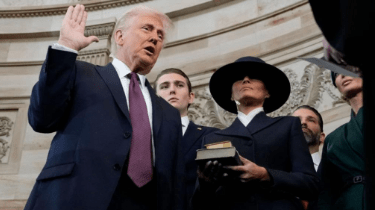
This transcript captures a speech announcing an executive order banning transgender women from competing in women’s sports. The speaker cites numerous examples of transgender women winning competitions against cisgender women, framing this as unfair and detrimental to women’s sports. He also boasts about improved military recruitment numbers and connects this to a perceived rejection of “woke” ideology. The speech concludes with the signing of the executive order and thanks to various supporters, showcasing a celebratory atmosphere. Throughout, the speaker uses strong rhetoric against transgender athletes and those perceived as opposing his views.
Executive Order on Women’s Sports: A Study Guide
Quiz
Instructions: Answer the following questions in 2-3 complete sentences each.
What is the main purpose of the executive order discussed in the speech?
According to the speaker, what was the state of US Army recruitment prior to December?
What specific claim does the speaker make regarding the number of victories and competitions “stolen” from women athletes by male athletes?
Describe the speaker’s view on the “woke lunacy” in the military and women’s sports.
How does the speaker describe the situation at the 2023 Paris Olympics concerning male athletes in women’s sports?
What actions are schools threatened with if they violate the terms of the executive order?
How does the speaker describe the current state of US education in the world?
What does the speaker say he did to end “the extremism of the last four years”?
What does the speaker say he offered the Biden Administration?
What specific actions are being taken regarding visa applications of male athletes attempting to enter the US as female athletes?
Answer Key
The executive order aims to ban men from competing in women’s sports at all schools that receive taxpayer dollars and to end what the speaker refers to as the war on women’s sports. The order also targets schools that let men invade women’s locker rooms, and puts them at risk of losing federal funding.
Prior to December, the US Army was experiencing shrinking force numbers and consistently missing recruiting targets every single month for four years. The speaker attributes the current success in recruitment to a new positive spirit in the country.
The speaker claims that men claiming to be girls have stolen more than 3,500 victories and invaded more than 11,000 competitions designed for women. He cites examples like a male cyclist and a male weightlifter surpassing women’s records by large margins and winning events.
The speaker believes that “woke lunacy” has negatively impacted both the military and women’s sports, implying that the military has suffered and women athletes have been treated unfairly. The speaker believes he is removing this “woke lunacy” from both sectors.
The speaker describes the 2023 Paris Olympics as an example where a male boxer stole a woman’s gold medal after brutalizing his female opponent, noting that she had to forfeit and that two transitioned athletes won gold medals very convincingly, both instances viewed negatively.
Schools that violate the executive order by allowing men to compete on women’s sports teams or invade their locker rooms will be investigated for violations of Title 9 and risk losing their federal funding. The speaker says there will be no federal funding if there is noncompliance.
The speaker claims the US is ranked very poorly in education, stating the nation is 38th, 39th, or 40th out of 40 countries and that he will move it back to the states so the individual states can improve.
According to the speaker, he has made it official policy that there are two genders (male and female), rescinded federal funds for programs promoting transgender ideology, and banned the chemical castration and surgical mutilation of minor children.
The speaker says he offered to build a ballroom for the White House, at his own expense, but that the Biden Administration did not respond to his offer and did not seem to know what to do with it. He says that he plans to make the offer to himself.
The Secretary of Homeland Security is being directed to deny any visa applications from men attempting to fraudulently enter the US while identifying themselves as women athletes. This is being done to prevent men from participating in the games or other events that they are otherwise unable to get into.
Essay Questions
Instructions: Develop a well-organized essay for each of the following prompts. Provide examples and draw evidence from the provided source material.
Analyze the rhetorical strategies used by the speaker to persuade the audience about the need for the executive order. Consider the speaker’s use of appeals to emotion, logic, and authority.
Evaluate the speaker’s arguments regarding the fairness and safety of women’s sports in light of transgender athletes’ inclusion. How valid are the presented examples and claims?
Discuss the speaker’s broader political and cultural arguments presented in this speech beyond the issue of transgender athletes. How do these other issues tie into the speaker’s argument?
Explore the significance of the numerous individuals mentioned by name in the speech. What does the speaker seem to be trying to accomplish by naming all of these individuals?
Examine the speaker’s claims about US education and the need for changes, assessing the evidence provided and the speaker’s proposed plan for change.
Glossary of Key Terms
Executive Order: A directive issued by the President of the United States that manages the operations of the federal government and has the force of law.
Title 9: A comprehensive federal law that prohibits sex discrimination in any educational program or activity receiving federal financial assistance.
Transgender Ideology: A set of beliefs or perspectives regarding gender identity that rejects the concept of binary sexes and embraces the idea that gender identity is separate from biological sex.
Woke Lunacy: A derogatory term used by the speaker to describe what he sees as excessive progressivism or activism on social issues.
Biological Sex: The classification of humans based on their reproductive organs, chromosomes, and hormones as either male or female.
Radical Left: A political label used by the speaker to refer to progressive or liberal ideologies that he perceives as extreme.
Chemical Castration: The use of medications to reduce sex drive, often used in the context of discussion around transitioning and gender identity.
Surgical Mutilation: A loaded and controversial term used in the speech to describe gender-affirming surgeries.
Common Sense: A term used by the speaker to represent his view that issues should be dealt with by a standard or logic that is supposedly obvious.
Visa Application: A request to enter a foreign country, subject to the specific rules and restrictions of that nation.
International Olympic Committee: The governing body responsible for organizing the Olympic Games.
Okay, here is a briefing document summarizing the key themes and ideas from the provided text:
Briefing Document: Executive Order on Women’s Sports
Date: February 6, 2025
Subject: Review of Speech Announcing Executive Order Banning Men from Women’s Sports
Introduction:
This document analyzes a speech given to announce an executive order banning men from competing in women’s sports. The speaker, presumably a former President, frames the issue as a matter of “common sense” and the restoration of “sanity” to government policy, contrasting it with the “radical left” and “woke lunacy.” The speech is highly political, with a strong emphasis on praising supporters and criticizing opponents. It also serves as a platform for the speaker’s broader political agenda.
Key Themes & Ideas:
Protection of Female Athletes:
Core Argument: The central justification for the executive order is the protection of female athletes from being “beaten up, injured, and cheated” by men competing in women’s sports. The speaker asserts, “We will not allow men to beat up, injure, and cheat our women and our girls. From now on women sports will be only for women.”
Examples of Alleged Injustice:The speaker cites examples like a male cyclist “obliterating” a female record, a male powerlifter breaking records by a significant margin, and a male boxer winning a gold medal after “brutalizing” a female opponent.
He mentions that men “claiming to be girls have stolen more than 3,500 victories” and invaded “more than 11,000 competitions designed for women.”
These examples are used to paint a picture of widespread unfairness and physical danger to female athletes.
“Woke Lunacy” and the Radical Left:
Framing: The speaker frames the issue as a battle against a “radical left” campaign to “erase the very concept of biological sex and replace it with a militant transgender ideology.”
Opposition to Transgender Inclusion: The speaker is openly critical of transgender individuals participating in women’s sports and asserts, “America categorically rejects transgender lunacy.”
Use of Rhetoric: The term “woke lunacy” is used to dismiss arguments for inclusivity and label opponents as irrational.
The Executive Order and Its Scope:
Banning Men from Women’s Sports: The executive order explicitly prohibits men from competing in women’s sports.
Title IX Enforcement: Schools receiving taxpayer funding will be investigated for Title IX violations and risk losing federal funding if they allow men to compete on women’s teams or “invade” their locker rooms.
National Impact: This order aims to affect virtually all public K-12 schools and U.S. colleges and universities.
Restoring “Sanity” and Common Sense:
Central Claim: The speaker argues his actions are about restoring “sanity” and “common sense” to government, suggesting the previous administration lacked both. “We are restoring sanity and Common Sense very simply to our government.”
Biological Reality: The speaker asserts that there are only two genders (male and female), using this assertion as the basis for his policies. He declares that “on day one I made it official policy of the United States government that there is you know two genders we have two genders what might they be man and woman right male and female male and female.”
Political Rally Tone & Self-Praise:
Rally Atmosphere: The speech has a clear political rally feel. The speaker acknowledges and praises numerous politicians and supporters present.
Emphasis on Accomplishments: The speech also highlights other claimed accomplishments, such as a recent increase in military recruitment and actions against the “chemical castration and surgical mutilation of minor children.”
Contrast with Opponents: The speaker paints a picture of his supporters as being reasonable and patriotic while opponents are viewed as “fools” promoting “crazy things.”
International Implications & Olympic Games:
Rejection of Transgender Inclusion: The speaker directs the Secretary of State to inform the International Olympic Committee that the US categorically rejects transgender inclusion and demands they change all regulations pertaining to this issue.
Los Angeles 2028 Olympics: The speaker vows that during the 2028 Los Angeles Olympics, his administration will not tolerate men “beating and battering” female athletes, suggesting the executive order will have implications for international sports.
Visa Restrictions:
Homeland Security Directive: The speaker instructs the Secretary of Homeland Security to deny visa applications from men attempting to fraudulently enter the United States claiming to be women athletes.
Specific Individuals Praised and Highlighted
Riley Gaines: Praised as being at “the forefront of this battle” because she had to “share a spot on the podium with a male swimmer.”
Payton McNab: Praised for being a “rockstar athlete” who was “partially paralyzed” after being struck by a ball by a taller, stronger male athlete.
Notable Quotes:
“We will defend the proud tradition of female athletes and we will not allow men to beat up injure and cheat our women and our girls.”
“We’ve gotten the woke lunacy out of our military and now we’re very importantly getting it out of women’s sports.”
“On day one I made it official policy of the United States government that there is you know two genders we have two genders what might they be man and woman right male and female male and female.”
“We are restoring sanity and Common Sense very simply to our government.”
Conclusion:
This speech and executive order represent a significant move to exclude transgender individuals from women’s sports. The speaker frames this issue as a battle against a “radical left” agenda and as a defense of female athletes. The rhetoric is strong, divisive, and politically charged. The order carries major implications for schools, colleges, and international sports. The speech was delivered in a very political environment, praising many supporters and taking shots at opponents.
Protecting Women’s Sports: An Executive Order
Frequently Asked Questions
What is the main purpose of the executive order being signed?
The primary purpose of the executive order is to ban men from competing in women’s sports. This action is presented as a defense of female athletes, aiming to prevent them from being unfairly outmatched, injured, or cheated by men competing in women’s categories. The order aims to restore fairness and protect the integrity of women’s sports, according to the speech.
What is the justification given for this executive order?
The justification for the order is rooted in the belief that the radical left has waged an “all-out campaign to erase the very concept of biological sex.” It claims a militant transgender ideology has led to men falsely identifying as women in order to win competitions, citing instances of male athletes breaking women’s records and even causing injuries to female opponents. The order is presented as necessary to combat what is described as “woke lunacy” in sports.
How does this executive order impact schools and universities?
The executive order puts every school that receives taxpayer dollars on notice that if they allow men to participate in women’s sports or use their locker rooms, they will be investigated for violations of Title IX and could risk losing federal funding. This effectively aims to end male participation in female athletics at public K-12 schools and virtually all US colleges and universities.
What other actions have been taken to combat the “radical left”?
Beyond the executive order on sports, it’s mentioned that federal funds have been rescinded from programs that promote transgender ideology using taxpayer dollars. Additionally, chemical castration and surgical mutilation of minor children have been banned, and efforts are being made to control the southern border and stop those who are characterized as “criminals” from entering the country.
What does this source say about the military and recruitment?
The source claims that the US Army has experienced its single best recruitment in more than 15 years, attributing this to a renewed spirit in the country after the removal of “woke lunacy” from the military. This improved recruitment is portrayed as a sign of the country’s resurgence and indicates that the country is now recognizing what “heroism” is about and the positive changes within the military.
How are the supporters of the executive order portrayed in the speech?
The supporters of the executive order are presented as patriots who care about fairness and the protection of female athletes. The speech emphasizes the common sense nature of their views and suggests that the public overwhelmingly agrees with them. These individuals, including senators, governors, and attorneys general, are portrayed as courageous people pushing back against radical ideology.
What concerns are expressed regarding the upcoming Olympic Games and other international events?
There’s a strong concern that men may try to compete in women’s events at the upcoming Olympic Games in Los Angeles, and that international committees need to address the issue of transgender athletes competing against women. The speech claims that the U.S. will not allow this and that Marco Rubio will be clarifying this position with the International Olympic Committee. There is also a stated goal of denying visa applications from men fraudulently attempting to enter the U.S. as women athletes.
What is the role of common sense in all of this?
The speech strongly emphasizes that the issue of men competing in women’s sports is a matter of common sense and is something that is so obvious that it shouldn’t require much discussion. The arguments and actions taken are portrayed as obvious conclusions that have been arrived at through simple reasoning and that it’s being unnecessarily complicated by “radical” leftist forces.
Protecting Women’s Sports
The sources discuss several aspects of women’s sports, primarily focusing on the issue of men competing in women’s sports and the actions taken to address it. The main points include:
Executive Order: An executive order was signed to ban men from competing in women’s sports. This order aims to defend female athletes and prevent men from “beating up, injuring, and cheating” women and girls.
Biological Sex: The order is based on the idea that there are two genders, male and female, and that this biological reality should be the basis for sports. The sources state that the “radical left” has attempted to erase the concept of biological sex with a “militant transgender ideology”.
Title IX: Schools that allow men to participate in women’s sports or invade their locker rooms will be investigated for violations of Title IX and risk losing federal funding. This applies to public K-12 schools and virtually all US colleges and universities.
Examples of Male Participation: The sources cite several examples of men competing in women’s sports and breaking records, such as:
A male cyclist who “obliterated” the women’s course record in the Arizona Trail race by five and a half hours.
A man in women’s powerlifting who broke two world records and outlifted his closest female opponent by 440 pounds.
A male boxer who won a gold medal at the Paris Olympics after “brutalizing” his female opponent.
Impact on Female Athletes: The sources highlight the negative impact on female athletes, claiming that men “stole more than 3,500 victories” and “invaded more than 11,000 competitions” designed for women. It also mentions that a female volleyball player was partially paralyzed after being hit in the face by a male athlete.
The “War on Women’s Sports”: The executive order is portrayed as ending the “war on women’s sports”. The source states that it is ending the “extremism of the last four years”.
International Olympics: The source indicates that the Secretary of State will make it clear to the International Olympic Committee that America “categorically rejects transgender lunacy” and wants them to change their policies.
Visa Applications: The Secretary of Homeland Security is directed to deny visa applications made by men attempting to fraudulently enter the United States while identifying themselves as women athletes.
Support for the Executive Order: Many political figures are mentioned who support the executive order such as senators, governors, State Attorneys General, and members of congress.
Other related actions: The sources note that other related actions have been taken including the rescinding of federal funds to programs that promote transgender ideology and banning chemical castration and surgical mutilation of minor children.
Common Sense: The speaker also mentions that this issue is one of “common sense”
Banning Transgender Women in Sports
The sources discuss a ban on transgender individuals participating in women’s sports, framed within a broader context of what is described as a rejection of “transgender lunacy”. Key aspects of this ban and its justifications are:
1. Executive Order: An executive order was signed to ban men from competing in women’s sports. This action is presented as a way to defend female athletes, preventing them from being “beaten up, injured, and cheated” by men. The order is said to be putting every school receiving taxpayer dollars on notice that they will be investigated for violations of Title 9 if they let men take over women’s sports teams.
2. Biological Sex: The ban is grounded in the concept of two biological sexes, male and female. The sources state that the “radical left” has waged an “all-out campaign to erase the very concept of biological sex and replace it with a militant transgender ideology”.
3. Impact on Female Athletes: The sources claim that female athletes have been negatively impacted by male participation, with men having “stolen more than 3,500 victories” and “invaded more than 11,000 competitions” designed for women. Specific examples are given, such as a male cyclist breaking a women’s record by a large margin, a male power lifter outlasting his female opponent by 440 lbs, and a male boxer who “brutalized” a female opponent in the Olympics.
4. Denial of Visa Applications: The Secretary of Homeland Security is directed to deny visa applications from men attempting to fraudulently enter the United States while identifying themselves as women athletes. This is intended to prevent such athletes from participating in sporting events within the US.
5. International Pressure: The Secretary of State is directed to make it clear to the International Olympic Committee that America “categorically rejects transgender lunacy” and wants them to change their policies. This indicates an attempt to influence international sports policies to align with the ban on transgender athletes.
6. “Transgender Lunacy”: The term “transgender lunacy” is used in the sources to describe the concept of transgender participation in sports, portraying it as a ridiculous and harmful concept. The speaker suggests that this is an idea that would have been considered impossible to imagine a few years ago. The speaker indicates that Democrats are in favor of transgender everything and “men playing in women’s sports,” which is a problem because they “can’t win the argument,” and they “look like fools”.
7. Related Actions: The sources note other related actions such as rescinding federal funds to any program that promotes transgender ideology using taxpayer dollars, and banning chemical castration and surgical mutilation of minor children.
8. Common Sense: The speaker also mentions that this issue is one of “common sense”.
Overall, the sources present the ban as a necessary measure to protect women’s sports, grounded in a belief in binary biological sex and a rejection of transgender identities in sports. The sources portray this ban as a way of “restoring sanity” to the government.
US Army Recruitment Surge
The sources discuss military recruitment, noting a recent increase in the US Army. Here are the key points:
Recruitment Numbers: It was announced that in December, the US Army had its single best recruitment in more than 15 years.
New Enlistees: Nearly 350 new soldiers enlisted every day to defend the nation.
Reason for Increase: When asked why the increase was taking place now, the new recruits said that “there’s a spirit about our country that they haven’t seen in many many years”. The speaker agrees with this sentiment.
Previous Struggles: The source notes that the military has had years of shrinking force numbers and missed recruiting targets every single month prior to the recent increase.
“Woke Lunacy” Removed: The source also states that “woke lunacy” has been removed from the military.
Great Military Leaders: The source notes that there are “great leaders” in the military now and that people are “starting to understand what a hero is all about”.
The sources connect the increase in recruitment to a renewed sense of patriotism and a shift away from what the speaker considers “woke lunacy” in the military. The speaker also notes that the new recruits are “very very happy to have done so”.
Executive Order on Women’s Sports
sources discuss an executive order that was signed to ban men from competing in women’s sports. Here are the key aspects of this order:
Purpose: The executive order is intended to defend female athletes and prevent men from “beating up, injuring, and cheating” women and girls. It is presented as a way to end the “war on women’s sports” and to restore “sanity” and “common sense” to the government.
Scope: The order puts every school receiving taxpayer dollars on notice that they will be investigated for violations of Title 9 if they allow men to participate on women’s sports teams or invade their locker rooms. This will effectively end the attack on female athletes at public K-12 schools and virtually all US colleges and universities.
Biological Sex: The order is based on the concept of two biological sexes, male and female, and rejects what the source calls “militant transgender ideology”. The order is also described as a way to reclaim culture and laws from the “radical left crusade against biological reality”.
Immediate Implementation: The executive order goes into effect immediately.
International Impact: The order is part of a larger effort that includes directing the Secretary of State to make it clear to the International Olympic Committee that America “categorically rejects transgender lunacy”. The aim is to influence international sports policies to align with the ban on transgender athletes.
Visa Restrictions: The Secretary of Homeland Security is directed to deny visa applications from men attempting to fraudulently enter the United States while identifying themselves as women athletes, further enforcing the ban.
Support: The source mentions many political figures who support this executive order, including senators, governors, State Attorneys General, and members of congress.
Related Actions: The executive order is described as part of a broader effort to counter what is described as “radical left” ideology, including rescinding federal funds to programs that promote transgender ideology, and banning chemical castration and surgical mutilation of minor children.
Biological Sex and Women’s Sports
The sources discuss biological sex as a foundational concept, particularly in the context of sports and gender identity. Here’s a breakdown of how biological sex is presented:
1. Two Genders: The sources explicitly state that there are two genders: male and female. This is presented as an official policy of the United States government and is described as a matter of “biological reality”. The source asserts that “male and female” are the only two genders and “can’t think of too many others”.
2. Rejection of Transgender Ideology: The sources suggest that the idea of more than two genders is a “militant transgender ideology” pushed by the “radical left” which is attempting to “erase the very concept of biological sex”. The executive order banning men from women’s sports is framed as a way to reclaim culture and laws from this “radical left crusade against biological reality”.
3. Basis for Sports Policy: The concept of biological sex is used as the basis for the executive order banning men from competing in women’s sports. The order is designed to defend female athletes by ensuring that they only compete against other females. The rationale is that men have an unfair physical advantage and that allowing them to compete in women’s sports leads to women being “beaten up, injured, and cheated”.
4. Title IX Enforcement: Schools that allow men to participate in women’s sports or invade their locker rooms will be investigated for violations of Title IX. This enforcement is based on the idea that sports should be divided along the lines of biological sex.
5. International Stance: The US government, according to the sources, also intends to make it clear to the International Olympic Committee that America “categorically rejects transgender lunacy” and wants them to change their policies. This reinforces the idea that sports should be based on the binary concept of biological sex on an international level.
6. Related Actions: Other actions, such as rescinding federal funds to programs that promote transgender ideology and banning chemical castration and surgical mutilation of minor children, further emphasize the focus on the binary concept of biological sex.
In summary, the sources emphasize a binary view of biological sex (male and female), rejecting the concept of transgender identities. This binary understanding of sex is presented as a matter of common sense and is used to justify policies such as the executive order banning men from women’s sports, Title IX enforcement, and other related actions. The source indicates that this binary view is in opposition to a “militant transgender ideology”.
BREAKING NEWS: President Trump Signs Executive Order To Ban Transgender Athletes From Women’s Sports
Affiliate Disclosure: This blog may contain affiliate links, which means I may earn a small commission if you click on the link and make a purchase. This comes at no additional cost to you. I only recommend products or services that I believe will add value to my readers. Your support helps keep this blog running and allows me to continue providing you with quality content. Thank you for your support!
President Trump’s second term began with a flurry of executive orders addressing immigration, border security, and pardoning January 6th defendants. He also rescinded Biden-era policies on diversity, inclusion, and transgender rights, sparking immediate legal challenges. Simultaneously, political discussions surrounded cabinet nominations, including Marco Rubio as Secretary of State, and the confirmation process faced potential roadblocks. Finally, the report also covers other news, such as Israeli firefighters aiding California wildfires and a heartwarming rescue of a dog from a frozen river.
Review of President Trump’s Second Term: A Study Guide
Quiz
Instructions: Answer each question in 2-3 complete sentences.
What were two of President Trump’s major executive orders issued on his first day back in office?
How did President Trump justify ending birthright citizenship in the U.S.?
How did President Trump characterize those who were arrested for their actions on January 6th, 2021?
What was the justification given by President Trump for pardoning those involved in the January 6th, 2021 Capitol attack?
What was President Trump’s rationale for his involvement in a potential deal regarding TikTok?
What did Trump do that was unique during his public signing of executive orders at Capital One Arena?
What is the significance of the executive order that defines gender based on reproductive function?
How will the new executive order potentially affect healthcare providers offering gender-affirming care?
What was the primary reason for the Israeli General’s resignation?
What two events brought the US and Israeli firefighters closer?
Answer Key
President Trump issued executive orders increasing border security and declared an end to birthright citizenship, which states that a person born on US soil is automatically a citizen. He also pardoned many of those arrested for the January 6th Capitol attack.
President Trump argued that the United States is one of the only countries in the world that grants birthright citizenship. He described it as ridiculous and as something that should be ended.
President Trump referred to the January 6th prisoners not as criminals but as “hostages.” He expressed his belief that they were unjustly treated and imprisoned.
President Trump emphasized that he had a mandate from 77 million voters, and that pardoning the January 6th individuals aligns with the will of the people. He also recognized that these individuals had suffered losses due to their involvement in January 6th.
President Trump stated that TikTok, which has garnered a large following of young people, has “become a soft part of his heart.” He wants to make a deal with Tik Tok to salvage it because of his affinity for the social media platform.
President Trump signed the executive orders in front of a large crowd at the Capital One Arena, and he then threw the commemorative pens used to sign them into the crowd. He did this as a demonstration of his connection to the people.
The executive order defined gender strictly as male or female based on reproductive function. This executive order prohibits federal agencies from promoting “gender ideology” and limits official government documentation to only recognize male or female.
Healthcare providers receiving federal funding cannot use it for gender affirming care under the new executive order. Although they may continue to provide these services, this is likely to limit access to care.
The Israeli General resigned due to his admitted responsibility for the security failures that led to Hamas’ October 7th attack. He acknowledged the immense pain caused by the war.
The relationship between US and Israeli firefighters was brought closer by the Southern California wildfires and Hamas’s attack on Israel. Israeli firefighters offered help in the California wildfires because the US offered help to Israel in the past.
Essay Questions
Instructions: Answer each question with a well-structured essay that provides supporting evidence from the provided text.
Analyze the immediate impact of President Trump’s executive orders on his first day back in office. In your analysis, consider both the intended goals and the potential challenges or controversies surrounding these actions.
Discuss how President Trump’s actions regarding the January 6th prisoners, the pardons and the commutations, reflect his broader political strategy and messaging.
Examine the rationale behind President Trump’s decision to redefine gender at the federal level. How might this order impact the LGBTQ+ community and broader societal norms and values?
Contrast the different narratives presented in the source regarding President Trump’s return to the White House. How do the interviewees view his actions, and what might those differing perspectives suggest about the current political climate?
Evaluate the significance of the collaborative efforts between US and Israeli firefighters in the context of geopolitical relationships and humanitarian aid.
Glossary of Key Terms
Executive Order: A directive issued by the President of the United States that manages operations of the federal government.
Birthright Citizenship: The principle that a person born within the territory of a country automatically becomes a citizen of that country.
January 6th: Refers to the events of January 6, 2021, when a mob of Trump supporters attacked the U.S. Capitol Building.
Pardon: An act of forgiveness for a crime by the President or a governor, relieving the offender of punishment.
Commutation: A reduction in the severity of a criminal sentence by the president or a governor.
Gender Affirming Care: Medical and therapeutic treatments to help transgender or non-binary individuals align their physical bodies with their gender identity.
Gender Ideology: A term often used by those opposed to LGBTQ+ rights to characterize perspectives that are not based on the biological concept of gender.
Maga: Acronym for “Make America Great Again,” a political slogan popularized by Donald Trump.
Title 9: An anti-discrimination law that prohibits discrimination based on sex in federally funded education.
Biological Sex: Refers to the classification of an individual based on their reproductive organs, typically as male or female.
Hamas: A Palestinian Sunni-Islamist fundamentalist organization, known for engaging in armed conflict with Israel.
Interfaith: Involving multiple religious faiths.
Trump’s Second Term: First 24 Hours
Okay, here’s a detailed briefing document summarizing the key themes and information from the provided news transcript:
BRIEFING DOCUMENT: President Trump’s Second Term – First 24 Hours
Date: [Assuming current date based on the news cycle] Source: CBN News Broadcast Transcript – “Faith Nation” Prepared For: [Intended Audience – e.g., Internal Analysis, Political Stakeholders]
Executive Summary:
This news transcript details the first 24 hours of Donald Trump’s second term as president, highlighting a flurry of executive actions aimed at rapidly reversing Biden-era policies and fulfilling campaign promises. Key themes include aggressive action on immigration, a redefinition of gender at the federal level, and controversial pardons for January 6th defendants. The report also touches upon cabinet appointments, international relations, and domestic issues. Trump’s actions are characterized as a “Maga Candy Factory,” with his supporters seeing it as a fulfillment of their agenda. The report also shows that these actions are very controversial and that many expect legal challenges.
Key Themes and Policy Changes:
Aggressive Immigration Policy:State of Emergency: President Trump declared a national state of emergency at the southern border.
Quote: “declaring that the United States has a national state of emergency along the border…”
Remain in Mexico Policy: Sweeping changes were made to ensure asylum seekers remain in Mexico while waiting for hearings.
Quote: “he’s provided some sweeping changes to make sure that people remain in Mexico before coming to this country to even have an asylum hearing…”
End to Birthright Citizenship: Trump declared an end to birthright citizenship, likely facing legal challenges.
Quote: “the President also declaring an end to Birthright citizenship…the move already facing legal push back from more than a dozen states”
Drug Cartels as Terrorists: Drug cartels involved in human and drug trafficking are now designated as terrorist organizations.
Quote: “they are now designated as terrorist organizations… they’re killing our people they’re killing 250 300,000 American people a year…”
Pardons for January 6th Defendants:Trump issued full pardons and commutations for approximately 1,500 people involved in the January 6th Capitol riot.
Quote: “approximately 1,500 for a pardon yes full pardon full pardon or commutations full pardon we have about six commutations in there where we’re doing further research”
This move was widely criticized, including by members of both Republican and Democrat parties but applauded by his supporters.
Quote: “it comes as no surprise to his supporters… the president is receiving a lot of push back from various senators and members of Congress on the house side as well on Republican and Democrat sides”
Trump refers to those who participated in the January 6 riot as “hostages.”
Quote: “going so far as to do what he did along the campaign Trail calling those j6 prisoners not prisoners but hostages”
This is a move seen as popular with his base, but likely to be very unpopular in other sectors.
Quote: “Donald Trump has a mandate 77 million people voted for him so this idea that he’s pardoning the folks on January 6 look the American people have spoken”
Reversal of Biden-Era Policies:Withdrawal from Agreements: The U.S. was withdrawn from the Paris Climate Accord and the World Health Organization.
Diversity, Equity, and Inclusion (DEI): Dozens of Biden-era directives were rescinded, including DEI programs and federal recognition of transgender identity.
Quote: “additionally he re Ed dozens of Biden era directives including diversity equity and inclusion programs and federal recognition of transgender identity”
Redefining Gender:Executive Order on Gender: An executive order was issued defining gender strictly as male or female based on reproductive function.
Quote: “president Trump wasted no time signing an executive order that defines gender strictly as male and female based on reproductive function”
Federal Documents: Only male or female will be allowed on official government documents like passports and visas.
Single Sex Spaces: Federal departments that run prisons, migrant shelters and rape shelters are mandated to promote single-sex spaces.
Impact on Gender Affirming Care: Federal funding (Medicaid, Medicare, Obamacare) cannot be used for gender-affirming treatments.
Quote: “any of those dollars cannot now be used for gender affirming treatments that will make these procedures a lot less lucrative”
Challenges Expected: This order is expected to be challenged legally, possibly reaching the Supreme Court.
Quote: “it will certainly end up in court but wherever it’s brought to court I have every reason to believe Trump will be victorious”
TikTok and Business Dealings:Trump is taking a business approach to the future of the Tik Tok app. *Quote: “he’s actually trying to put himself in a position to do a deal with Tik Tock saying that Tik Tock has gathered or become a soft part of his heart because of the way that so many young people voted for him through Tik Tok he feels an affinity towards that he wants to salvage it”
Trump believes that if he does not approve a deal, the app is worthless, but that if he approves a deal it will be worth a trillion dollars. *Quote: “Tik Tock is worthless worthless if I don’t approve it it has to close I learned that from the people that own it if it if I don’t do the deal it’s worthless worth nothing if I do the deal it’s worth maybe a trillion dollars a trillion…”
Cabinet Appointments:Marco Rubio: Senator Marco Rubio was sworn in as Secretary of State.
Alice Stefanic: Republican Congresswoman Alice Stefanic was nominated for UN Ambassador. *Quote: “Republican congresswoman Alise stefanic is nominated for un embassador”
Cabinet Nominee Issues: A cabinet nomination (unspecified name in transcript) is facing new allegations that could potentially delay confirmation.
Quote: “that may be held up with some new allegations by his sister-in-law that has come to light”
Inaugural Interfaith Service:The inaugural interfaith service focused on unity, but there were some challenges to the President’s policies.
Quote: “the inaugural tradition typically focuses on a new Administration but this year service made Unity the central theme”
Reverend Mary and Buddy asked that the President show mercy to LGBTQ people and immigrants.
Quote: “she also challenged the president’s policies asking him to show Mercy to lgbtq people and immigrants”
Analysis and Commentary:
“Maga Candy Factory”: Trump’s actions are described as a “Maga Candy Factory,” indicating a focus on fulfilling campaign promises and appealing to his base.
Quote: “this is like a Maga Candy Factory it’s like if you’re if you’re a Maga uh you know person in the Maga movement it’s like uh all these exe ERS were like Skittles or Starbursts or Twizzlers take your pick in the candy store…”
Public Signing of Executive Orders: Trump’s public signing of executive orders at a rally shows a direct connection to his base and a unique style of leadership.
Quote: “he would go to Capital One arena in front of 20,000 or so Maga faithful and sign executive orders in public on stage that has such a We the People ring to it”
Controversy: The pardons, gender identity policy, and other actions are expected to generate considerable controversy and legal challenges.
Legal Battles: The executive orders on birthright citizenship and gender identity are likely to be heavily contested, potentially reaching the Supreme Court.
Unconventional Approach: Trump’s business mind continues to be part of his political strategy as he attempts to make a deal with Tik Tok.
Other Issues Covered:
Israel:Israeli General’s Resignation: The head of the Israeli military resigned due to security failures.
Counter Terror Campaign: Israel has launched a new counter-terror campaign in the West Bank.
Fire Fighters to the US: Israeli fire fighters assisted in fighting wildfires in the US, in return for the help given by the US in 2010 when there were fires in Israel.
Conclusion:
President Trump’s first 24 hours in office indicate a continuation of his “America First” policies and a willingness to implement significant changes through executive action. These rapid policy changes are likely to generate strong reactions both from supporters and opponents, resulting in a polarized political environment. Expect legal challenges and a series of domestic and international controversies in the coming days and weeks.
This briefing document is based solely on the provided transcript and does not incorporate external data or analysis.
Trump’s Second Term: Key Actions and Impacts
Frequently Asked Questions about President Trump’s Second Term Actions
What were some of President Trump’s first actions upon returning to office?
President Trump initiated a series of executive orders immediately upon his return, focusing on several key areas. These included significant changes to immigration policy, such as declaring a state of emergency at the border, aiming to end birthright citizenship, and requiring asylum seekers to remain in Mexico while their cases are processed. He also moved to designate drug cartels as terrorist organizations, withdrew the US from the Paris Climate Accord and the World Health Organization, rescinded Biden-era diversity, equity, and inclusion programs and federal recognition of transgender identity, and issued pardons for January 6th defendants, among other things.
How did President Trump address the January 6th Capitol riot and its participants?
President Trump issued full pardons to approximately 1,500 people involved in the January 6th Capitol riot, referring to them not as prisoners, but as “hostages.” This action was met with mixed reactions, drawing criticism from some members of Congress but support from his base. Some of those pardoned had been accused of assaulting police officers during the riot. Trump’s stance underscores his view that these individuals have suffered considerably, including financial and relationship losses.
What changes did President Trump make to immigration policy and border security?
President Trump’s actions on immigration included declaring a national state of emergency at the border, implementing policies that would require asylum seekers to remain in Mexico, and taking steps to end birthright citizenship. He also designated certain drug cartels as terrorist organizations, claiming they are responsible for significant numbers of American deaths. These moves signal a focus on strengthening border security and reversing Biden-era policies.
What significant steps did President Trump take regarding gender identity and LGBTQ+ issues?
Trump signed an executive order defining gender strictly as male or female, based on reproductive function. This order prohibits federal agencies from promoting what it terms “gender ideology” and mandates that official documents, like passports, only offer “male” or “female” options. Federal agencies must also promote single-sex spaces for privacy, and federal funding cannot be used for gender-affirming treatments, with certain exceptions if people pay for them out of pocket or with private insurers. This signifies a reversal of the Biden administration’s inclusive policies and is expected to face legal challenges.
What were the key changes regarding international agreements and organizations?
President Trump took steps to withdraw the United States from the Paris Climate Accord and the World Health Organization. This indicates a move away from international cooperation on climate change and global health initiatives, reinforcing his “America First” approach to international relations.
What is happening with the social media platform TikTok?
President Trump is taking a business approach in dealing with TikTok. He stated that it would be “worthless” if he did not approve it. If he approves it, he said, it could be worth up to a trillion dollars. He is seeking a deal with TikTok for the United States, suggesting the U.S. should get half of the value of the company. In the meantime, he has extended the operation of the platform in the U.S. for 75 days, presumably to facilitate this deal.
Who is Marco Rubio and what role did he assume in the new administration?
Marco Rubio was quickly sworn in as President Trump’s Secretary of State after being confirmed by the Senate in a 99-0 vote. Despite past differences, Rubio is now expected to support and carry out Trump’s policies, transitioning from a more traditional conservative stance to a more populist approach, particularly on trade and other issues.
What does this mean for the political and legal landscape?
These actions have set the stage for significant legal battles and political conflicts. The executive orders on immigration, gender identity, and the pardons for January 6th participants are all expected to be challenged in court. The speed and scale of Trump’s policy changes indicate a sharp departure from the previous administration and a determination to quickly implement his agenda, which will likely dominate American political discussion for the foreseeable future. The article notes a game of “whack-a-mole” where the courts are struggling to keep up.
Trump’s First 24 Hours: Executive Orders and Reactions
President Trump has issued a number of executive orders within his first 24 hours back in office [1]. These actions include:
Immigration and border security: He declared a national state of emergency at the border, implemented policies to keep people in Mexico while they await asylum hearings, and declared drug cartels to be terrorist organizations [2]. He also declared an end to birthright citizenship [1].
Pardons: Trump issued pardons to approximately 1,500 individuals who were involved in the January 6th Capitol riot, including some who attacked police [1, 2]. He referred to these individuals as “hostages” [2].
TikTok: He signed an executive order to keep TikTok operating for 75 days, seemingly with the intent of making a deal with the company [3].
Gender Identity: He signed an executive order defining gender strictly as male or female based on reproductive function. This order prevents federal agencies from promoting “gender ideology” and restricts the use of non-binary markers on official documents. The order also promotes single sex spaces in federal facilities [4].
Reversal of Biden-era policies: He re-did dozens of Biden-era directives including those related to diversity, equity, and inclusion programs, and federal recognition of transgender identity [1]. He also withdrew the US from the Paris Climate Accord and the World Health Organization [1].
These executive orders have been met with a variety of responses, including legal challenges, praise from his supporters, and criticism from various senators and members of Congress [1, 2, 4, 5]. Some of these orders are expected to face legal challenges and may ultimately be decided in the Supreme Court [5]. These actions were presented to the public at a rally [3], and are seen by some as fulfilling campaign promises [1, 2].
Trump’s January 6th Pardons
President Trump issued full pardons to approximately 1,500 individuals who were involved in the January 6th Capitol riot [1-3]. This action is controversial and has drawn both praise and criticism [2, 3].
Here are some key details regarding these pardons:
Scope: The pardons included individuals who had assaulted police officers during the riot [1, 2].
Motivation: Trump has called the January 6th rioters “hostages” [2].
Public Reaction: The pardons were met with enthusiasm from Trump’s supporters [2]. One individual who was pardoned stated that he was “elated” [2]. However, the pardons also received pushback from both Republican and Democratic senators and members of Congress [2].
Justification: One source notes that Trump has a mandate, with 77 million people voting for him, suggesting that the pardons are in line with the will of a significant portion of the American people [3]. It is also noted that those who participated in the January 6th riot have suffered consequences, including financial hardship, damaged relationships, and bankruptcies [3].
Comparison: One source also mentions that President Biden had also issued pardons to family members on his way out of office [3]. This is used to frame the pardons of the January 6th rioters as potentially less controversial [3].
Controversy: There is discussion that these pardons, particularly those issued before anyone was convicted of a crime, may negatively impact Biden’s legacy [3].
In summary, the pardons for the January 6th participants are a significant and contentious action taken by President Trump during his first 24 hours back in office [1, 2].
Trump’s Border Security Actions
President Trump has taken several actions related to border security during his first 24 hours back in office [1].
Here are the key points:
National Emergency Declaration: Trump declared a national state of emergency along the US border [1, 2].
“Remain in Mexico” Policy: He implemented a policy to ensure that people remain in Mexico while they await their asylum hearings [2]. This is described as a dramatic change [2].
End to Birthright Citizenship: Trump declared an end to birthright citizenship [1]. This move is already facing legal challenges from more than a dozen states [1].
Terrorist Designation for Cartels: Trump designated drug cartels involved in human and drug trafficking as terrorist organizations [2]. He stated that these cartels are responsible for the deaths of hundreds of thousands of Americans each year [2].
These actions are described as aggressive, fast-moving, and a fulfillment of campaign promises [1]. The president’s policies on immigration and border security are expected to face legal challenges [1, 2].
Trump Executive Order on Gender Identity
President Trump has taken a firm stance on gender identity by signing an executive order that defines gender strictly as male or female, based on reproductive function [1]. This order has several implications:
Federal Recognition: Federal agencies are now prohibited from promoting what the order refers to as “gender ideology” [1]. This means that the government will only recognize two biological sexes [1].
Official Documents: Americans will only be able to select male or female on official government documents such as passports and visas [1]. The ability to select “X” as a non-binary marker on official documents, which was permitted under the Biden Administration, is rescinded [1].
Single-Sex Spaces: Federal departments that operate prisons, migrant shelters, and rape shelters are now required to promote single-sex spaces to ensure privacy [1].
Reversal of Biden-Era Policies: This executive order is a direct reversal of the Biden administration’s efforts to be more inclusive of LGBTQ issues [1]. The previous administration had expanded the definition of sex in federal laws and regulations to include gender identity or expression [1].
The executive order is not a nationwide mandate on which bathrooms transgender people can use, nor does it address sports competition participation [1].
This policy shift is characterized by some as a “much needed miracle” [1]. Those who support this order believe that it protects the safety of women and girls, and the biological development of children [1].
Impact on Healthcare: The order does not require hospitals or doctors to stop offering gender-affirming surgeries or treatments immediately [2]. However, any hospital, clinician, or provider that accepts federal funding (including Medicaid, Medicare, and the Affordable Care Act) will be unable to use those funds for gender-affirming treatments [2]. This may make such procedures less accessible or affordable for some, and it is expected to impact how healthcare providers view these services [2].
Legal Challenges: This executive order is already facing legal challenges from groups like the ACLU and the Human Rights Campaign [2]. It is anticipated that this issue will likely be decided in the Supreme Court [2].
Department of Education: The Department of Education is expected to be one of the first areas where challenges arise [2]. The expansion of Title IX to include gender identity, which had led to disputes about bathrooms, locker rooms, dorms, and sports, is now under review [2].
Trump’s TikTok Deal: A Business Approach
President Trump signed an executive order to keep TikTok operating for 75 days [1]. This action appears to be a strategic move to allow him time to negotiate a deal regarding the platform [1].
Here are the key details about Trump’s approach to TikTok:
Business Mindset: Trump is approaching the situation with a business-oriented mindset, drawing from his book, “The Art of the Deal” [1].
Personal Connection: He stated that he feels an “affinity” towards TikTok because many young people voted for him through the platform [1]. He wants to “salvage” it [1].
Negotiation Strategy: Trump views TikTok as worthless if he doesn’t approve it, suggesting the platform’s value is contingent on his involvement [1]. He also stated that if he does make a deal for the United States, it could be worth a trillion dollars [1].
Financial Goal: If a deal is reached, he believes the United States should receive at least half of the value [1].
In summary, Trump’s approach to TikTok is a unique blend of business strategy and personal sentiment, with a focus on a potential deal that would benefit the United States financially [1].
Affiliate Disclosure: This blog may contain affiliate links, which means I may earn a small commission if you click on the link and make a purchase. This comes at no additional cost to you. I only recommend products or services that I believe will add value to my readers. Your support helps keep this blog running and allows me to continue providing you with quality content. Thank you for your support!
This text is a speech delivered by a newly inaugurated president. The speech focuses on a vision of restoring American greatness, emphasizing themes of national unity, economic prosperity, and border security. The president outlines ambitious plans, including executive orders to address inflation, immigration, and government efficiency. The overall tone is triumphant and patriotic, promising a brighter future for the nation.
Reclaiming America: A Study Guide for [Date]’s Inaugural Address
Quiz
Instructions: Answer the following questions in 2-3 sentences each.
What does the speaker identify as the primary crisis facing the American government?
How does the speaker characterize the previous eight years of his life and political career?
What specific actions does the speaker promise to take regarding immigration and border security?
What economic policies does the speaker outline, and what is their intended impact?
How does the speaker plan to address the issue of censorship and free speech?
What changes does the speaker propose for the US military and its role in global affairs?
What specific actions does the speaker plan to take to restore “fair, equal, and impartial justice” in the US?
What is the significance of the date January 20th, 2025 according to the speaker?
How does the speaker appeal to different racial and ethnic groups within the United States?
What vision of American exceptionalism does the speaker articulate, and how does he connect this to historical achievements?
Answer Key
The speaker identifies a “crisis of trust” in the government, arguing that a corrupt establishment has exploited citizens and left societal institutions in disrepair.
The speaker describes the past eight years as a period of intense testing and challenges, claiming he was targeted by those seeking to silence him and even faced an assassination attempt.
The speaker promises to declare a national emergency at the Southern border, halt illegal entry, deport criminal aliens, reinstate the “Remain in Mexico” policy, end catch-and-release, and deploy troops to deter illegal immigration.
The speaker aims to combat inflation by reducing overspending and energy prices. He plans to declare a national energy emergency, increase domestic oil and gas production, and end the Green New Deal and electric vehicle mandates.
The speaker pledges to sign an executive order to stop government censorship and restore free speech, arguing that state power should not be used to persecute political opponents.
The speaker plans to reinstate service members discharged for refusing the COVID-19 vaccine, protect soldiers from “radical political theories,” and strengthen the military to deter wars and defeat enemies.
The speaker aims to restore law and order by ending social engineering based on race and gender and ensuring justice is applied equally under the Constitution.
The speaker declares January 20th, 2025, as “Liberation Day,” marking the start of his term and the beginning of America’s resurgence.
The speaker directly addresses Black and Hispanic communities, thanking them for their support and promising to work towards their interests. He emphasizes unity and appeals to shared American values.
The speaker paints a picture of American exceptionalism rooted in exploration, innovation, and overcoming challenges. He cites historical achievements like westward expansion, industrialization, and technological advancements to inspire a renewed sense of national ambition and destiny.
Essay Questions
Analyze the speaker’s use of rhetoric and persuasive language in the address. Identify specific examples of techniques like repetition, emotional appeals, and the use of imagery. How do these techniques contribute to the overall message and tone of the speech?
Critically evaluate the speaker’s portrayal of the state of the United States. What evidence does he present to support his claims about the nation’s decline? How does this portrayal serve his broader political agenda?
Examine the speaker’s proposed policies on immigration, economics, and social issues. What are the potential consequences of these policies, both intended and unintended? How might these policies impact different groups within American society?
Analyze the speaker’s vision of American exceptionalism and its role in shaping his political agenda. How does this vision connect to historical narratives of American identity and progress? What are the implications of this vision for the nation’s relationship with the rest of the world?
Compare and contrast the speaker’s inaugural address with other significant speeches in American history. Consider speeches given by presidents during times of crisis or transition. What similarities and differences emerge in terms of themes, rhetoric, and the articulation of national values?
Glossary of Key Terms
National Emergency: A declaration by a government that allows for extraordinary measures to be taken in response to a perceived threat.
Criminal Aliens: A term used to describe non-citizens who have committed crimes in the United States.
Remain in Mexico Policy: A policy that requires asylum seekers arriving at the US-Mexico border to wait in Mexico while their claims are processed.
Catch and Release: A practice of releasing apprehended migrants into the US while they await immigration proceedings.
Green New Deal: A proposed set of policies aimed at addressing climate change and economic inequality.
Electric Vehicle Mandate: Regulations requiring automakers to produce a certain percentage of electric vehicles.
Tariffs: Taxes imposed on imported goods.
Free Speech: The right to express one’s opinions without censorship or government suppression.
Social Engineering: The attempt to influence or control social behavior through policies and interventions.
Manifest Destiny: A 19th-century belief that the United States was destined to expand its territory across North America.
Golden Age: A period of great prosperity, happiness, and achievement.
Briefing Doc: Inaugural Address Analysis – “The Golden Age of America Begins Right Now”
Source: Excerpts from the Inaugural Address, January 20th, 2025
Main Themes:
American Exceptionalism and Revival: The speech heavily emphasizes the return of American greatness, strength, and prosperity, positioning the inauguration as the dawn of a “Golden Age” and a “thrilling New Era.” The speaker promises to reclaim sovereignty, restore safety, and rebalance justice, positioning America as a force to be envied and respected globally.
Condemnation of the “Establishment” and Past Failures: The address paints a stark picture of a broken America plagued by corruption, incompetence, and societal decay. It blames a “radical and corrupt establishment” for extracting wealth from citizens and criticizes the government’s handling of crises, porous borders, failing public systems, and perceived anti-American sentiment in education.
National Unity and Restoration of Values: Despite outlining societal challenges, the speech emphasizes national unity and the potential for a unified America rallying behind the presented agenda. It highlights the “dramatic increases in support” across demographics and calls for restoring traditional values, including a colorblind, merit-based society and a strict definition of gender.
Action-Oriented Agenda: The address focuses on concrete actions to be taken immediately, including declaring national emergencies at the border and on energy, reinstating specific policies, and establishing new departments. It emphasizes decisive leadership and a commitment to swift change across various sectors, including trade, energy, free speech, and military strength.
Most Important Ideas/Facts:
“America First” Policy: The speech reaffirms the “America First” approach, prioritizing American interests and sovereignty above all else. This translates to policies like trade tariffs, energy independence, and a strong military presence.
Border Security and Immigration Control: Border security is a central focus, with promises to halt illegal entry, deport “criminal aliens,” reinstate the “Remain in Mexico” policy, and deploy troops to the Southern border. The address labels cartels as terrorist organizations and seeks to utilize legal frameworks like the Alien Enemies Act of 1798.
Economic Revival and Energy Dominance: The speaker outlines an economic plan centered on combating inflation, lowering prices, and achieving energy independence by aggressively drilling for oil and gas resources. The speech explicitly rejects the Green New Deal and the electric vehicle mandate.
Social Engineering and Traditional Values: The address criticizes the “social engineering” of race and gender in public life and declares a policy recognizing only two genders: male and female. This reflects a commitment to traditional values and a rejection of progressive social agendas.
Military Strength and Global Leadership: The speaker pledges to build “the strongest military the world has ever seen,” focused on both winning battles and strategically avoiding unnecessary wars. It suggests a return to a more assertive and influential role for America on the global stage.
Key Quotes:
“The Golden Age of America begins right now.” (Setting the tone and ambition)
“From this moment on, America’s decline is over.” (Declaration of a turning point)
“January 20th, 2025 is Liberation Day.” (Framing the inauguration as a moment of freedom)
“We will drill baby drill.” (Emphasizing aggressive energy production)
“The American dream will soon be back and thriving like never before.” (Promise of economic prosperity)
“We will be a nation like no other, full of compassion, courage, and exceptionalism.” (Reiterating the core values of the vision)
“Our golden age has just begun.” (Concluding with a message of optimism and progress)
Overall Impression: The address is a powerful and strongly-worded declaration of intent, outlining a vision for a revived and dominant America under the speaker’s leadership. It blends a critique of the past with a hopeful outlook for the future, grounded in specific policy promises and a strong appeal to patriotism, traditional values, and national unity. The tone is assertive and confident, reflecting a belief in the achievability of the ambitious goals set forth.
FAQ: Donald Trump’s Second Inaugural Address
1. What is the central theme of Donald Trump’s second inaugural address?
Trump’s speech centers around the idea of American restoration and rejuvenation, framing his second term as the beginning of a “Golden Age” where America will reclaim its global dominance and prosperity. He paints a picture of a nation in decline, beset by internal crises and external threats, and positions himself as the leader who will reverse this trajectory.
2. What specific challenges does Trump identify facing America?
Trump highlights several challenges, including a crisis of trust in government, a broken and corrupt establishment, a failure to protect American citizens and borders, an inadequate public health and education system, economic struggles like inflation, and a loss of national pride and unity. He attributes these issues to the actions of a “radical and corrupt establishment” that has undermined American values and interests.
3. What actions does Trump promise to take to address these challenges?
Trump outlines a series of executive orders and policy initiatives aimed at restoring American strength and prosperity. These include:
Declaring national emergencies at the southern border and in the energy sector.
Halting illegal immigration and deporting criminal aliens.
Reinforcing the border with troops.
Designating cartels as terrorist organizations.
Combating inflation and bringing down energy prices through increased domestic drilling.
Ending the “Green New Deal” and electric vehicle mandates.
Implementing protectionist trade policies to benefit American workers.
Establishing a Department of Government Efficiency.
Ending government censorship and restoring free speech.
Restoring law and order in cities.
Rejecting social engineering based on race and gender.
Reinforcing the military and ending unnecessary wars.
Reclaiming American leadership on the world stage.
4. What role does Trump assign to himself in this process of restoration?
Trump positions himself as a strong and decisive leader, uniquely capable of overcoming the challenges facing America. He emphasizes his past successes, claiming to have learned from the trials of his first term. He presents himself as a “peacemaker and unifier” who will restore faith, wealth, democracy, and freedom to the American people.
5. How does Trump appeal to different segments of the American population?
Trump attempts to appeal to various groups by emphasizing:
Economic anxieties: He promises to restore prosperity, bring back manufacturing jobs, and lower energy prices.
Concerns about national security and immigration: He pledges to secure the border, deport criminal aliens, and strengthen the military.
Social and cultural anxieties: He vows to end “political correctness,” restore traditional values, and protect free speech.
Patriotic sentiments: He appeals to national pride and the “American spirit” of resilience and exceptionalism.
6. What historical figures and events does Trump reference to support his vision?
Trump invokes the legacies of Martin Luther King Jr. and William McKinley, framing his agenda as a continuation of their pursuit of equality and American greatness. He also references historical achievements like winning World Wars, defeating communism, and landing on the moon, aiming to inspire confidence in America’s ability to overcome current challenges.
7. What is the overall tone and message of the address?
The tone is optimistic and defiant, emphasizing strength, determination, and victory. Trump aims to project an image of confidence and unwavering resolve, urging Americans to embrace a “Golden Age” of national resurgence under his leadership.
8. What is the significance of the repeated phrase “Make America Great Again”?
The repeated use of “Make America Great Again” serves as a rallying cry, encapsulating Trump’s core message of national restoration and a return to a perceived past glory. It reinforces his vision of a revitalized America, powerful and respected on the world stage, and serves as a call to action for his supporters.
American Greatness: A Vision for the Future
The sources discuss the concept of American greatness through themes of economic prosperity, military strength, territorial expansion, and national unity.
The speaker asserts that America will be “greater stronger and far more exceptional than ever before” [1]. This statement highlights a belief in American exceptionalism and the potential for future greatness.
The sources link American greatness to economic prosperity. The speaker claims that the nation will “be a rich Nation again” through policies such as energy independence and trade tariffs [2].
Military strength is also presented as a key element of American greatness. The speaker promises to “build the strongest military the world has ever seen” and emphasizes the importance of defeating enemies and ending wars [3].
Territorial expansion and the pursuit of “Manifest Destiny” are presented as aspects of American greatness. The speaker discusses renaming the Gulf of Mexico to the Gulf of America and reclaiming the Panama Canal [3, 4]. Additionally, the speaker mentions the ambition to plant the American flag on Mars [4].
The sources emphasize national unity as a foundation for American greatness. The speaker states that the nation is “rapidly unifying” behind their agenda and highlights the importance of shared values and common purpose [5, 6]. The speaker calls for Americans to “work together” to achieve their dreams and overcome challenges [6].
The sources present a vision of American greatness rooted in economic power, military might, territorial ambition, and national unity. This vision reflects a belief in American exceptionalism and the potential for the country to achieve unprecedented levels of success and influence.
American Unity: A Nation’s Cohesion and Divisions
The sources portray national unity as a crucial element of America’s strength and a prerequisite for achieving its goals. They depict a nation grappling with divisions while simultaneously striving for cohesion.
The speaker acknowledges a “crisis of trust” in the government, suggesting a fractured society where citizens feel alienated from their leaders. [1] This crisis stems from a perception that a “radical and corrupt establishment” has prioritized its own interests over the well-being of the people. [1]
The recent election is presented as a unifying force, with the speaker claiming that the nation is “rapidly unifying” behind their agenda. [2] This unity is attributed to “dramatic increases in support from virtually every element of our society”. [2] This suggests that the election has bridged some divides and fostered a sense of shared purpose.
The speaker emphasizes the importance of shared values and identity. The ideal of a “colorblind and merit-based” society is put forth as a unifying principle. [3] Similarly, the speaker highlights traditional gender roles, stating that “there are only two genders male and female”. [3] These statements suggest an attempt to define a shared national identity based on certain values and beliefs.
The sources stress the need for collective action to overcome challenges. The speaker calls for Americans to “work together” and asserts that “there is nothing we cannot do” if they unite. [4] This message emphasizes the power of unity in achieving national goals and overcoming adversity.
The speaker’s closing remarks reinforce the theme of national unity. The nation is described as “one people one family and one glorious nation under God”. [4] This language evokes a sense of shared identity and common purpose. The speaker concludes by declaring that “our golden age has just begun”, suggesting that national unity will pave the way for a brighter future. [5]
The sources present a complex picture of national unity, acknowledging divisions while emphasizing the potential for cohesion. They suggest that shared values, common goals, and a sense of collective identity are essential for overcoming challenges and achieving national greatness.
American Economic Revival
The sources present a vision of economic revival for America, centered on themes of energy dominance, revitalized manufacturing, fair trade practices, and fiscal responsibility.
Energy independence is portrayed as a cornerstone of economic renewal. The speaker declares a national energy emergency and vows to “drill baby drill,” emphasizing America’s vast oil and gas reserves. This approach aims to lower energy prices, replenish strategic reserves, and transform the nation into a leading energy exporter, ultimately creating wealth and prosperity [1].
The sources advocate for a resurgence in American manufacturing. The speaker promises that “America will be a manufacturing Nation once again” and highlights the potential for growth in the automobile industry. By revoking the electric vehicle mandate and supporting traditional auto workers, the aim is to boost domestic production and create jobs [1].
Fair trade practices are presented as essential for protecting American workers and businesses. The speaker criticizes past trade agreements for enriching other countries at the expense of American citizens and proposes a system of tariffs and taxes on foreign goods to benefit the domestic economy. The establishment of a new department within the Internal Revenue Service to collect these revenues highlights the focus on maximizing national income through trade [1].
The sources connect economic revival to fiscal responsibility. The speaker blames “massive overspending” for the inflation crisis and suggests that curbing government expenditure is crucial for economic stability [1]. While specific measures for reducing spending are not outlined, the emphasis on responsible financial management underscores its importance in achieving economic recovery.
The sources present a multi-pronged approach to economic revival, focusing on leveraging domestic resources, supporting key industries, promoting fair trade, and exercising fiscal discipline. This vision aims to restore America’s economic strength and create widespread prosperity for its citizens.
Restoring American Governance
The sources present a vision of political reform aimed at restoring trust in government, dismantling perceived corruption, and empowering the American people. This vision centers on themes of reversing harmful policies, streamlining government operations, and upholding constitutional principles.
The speaker strongly criticizes the existing political establishment, characterizing it as a “radical and corrupt establishment” that has exploited the American people. This critique suggests a need for fundamental change in the way government operates and interacts with its citizens. [1]
Reversing detrimental policies is presented as a key element of political reform. The speaker pledges to undo actions taken by previous administrations, such as ending the “catch and release” immigration policy, revoking the electric vehicle mandate, and reinstating service members discharged for refusing the COVID-19 vaccine. These actions aim to correct perceived injustices and align government policy with the speaker’s vision. [2-4]
Streamlining government operations is another focus of reform. The speaker plans to establish a new “Department of Government Efficiency” to improve effectiveness and reduce waste. This initiative highlights a commitment to making government more responsive and accountable to the people. [4]
Upholding constitutional principles and individual liberties is emphasized as a core aspect of political reform. The speaker promises to end government censorship, restore free speech, and ensure fair and impartial justice. These actions seek to protect fundamental rights and limit the power of the state over individual lives. [4]
The speaker also intends to address what they see as the “weaponization” of government agencies against political opponents. This suggests a concern about the abuse of power and a commitment to ensuring a more equitable and just political system. [1, 4]
The sources paint a picture of political reform rooted in a rejection of the status quo and a desire to return power to the people. This vision emphasizes correcting past wrongs, increasing government efficiency, and safeguarding individual liberties within a framework of constitutional principles.
National Security Strategy
The sources portray national security as a paramount concern, emphasizing a multi-faceted approach that includes strengthening borders, combating crime and terrorism, and projecting military power on the global stage.
Border security is presented as a critical element of national security. The speaker declares a national emergency at the Southern border and outlines measures to halt illegal immigration and expel criminal aliens. Reinforcing the border with troops and implementing policies like “Remain in Mexico” underscore the commitment to controlling immigration and protecting national sovereignty.
Combating crime, both domestically and internationally, is highlighted as a priority. The speaker vows to end the “sanctuary city” policies that protect undocumented criminals and pledges to deploy federal and state law enforcement to eradicate foreign gangs and criminal networks operating within the US. Designating cartels as terrorist organizations and invoking the Alien Enemies Act of 1798 demonstrate the resolve to confront transnational criminal threats.
Military strength is emphasized as a deterrent against foreign aggression and a guarantor of American interests globally. The speaker promises to rebuild the military to a level of unprecedented strength, ensuring its ability to “defeat America’s enemies.” This focus on military power reflects a belief that a robust defense is essential for national security in a volatile and unpredictable world.
While projecting military strength, the speaker also aspires to be a “peacemaker and unifier”, aiming to end wars and foster global unity.** This suggests a dual approach to national security: maintaining a strong military posture while seeking peaceful resolutions to conflicts and promoting international cooperation.
The sources present a vision of national security characterized by a robust defense, assertive border control measures, and a proactive stance against both domestic and international threats. This vision reflects a determination to safeguard American interests and project strength on the global stage while also striving for peace and stability.
Full Donald Trump inauguration speech: ‘I was saved by God, to make America great again’
thank you very much everybody well thank you very very much vice president Vance speaker Johnson Senator th chief justice Roberts justices of the United States Supreme Court President Clinton President Bush president President Obama President Biden vice president Harris and my fellow citizens the Golden Age of America begins right now from this day forward our country will flourish and be respected again all over the world we will be the Envy of every nation and we will not allow ourselves to be taken advantage of any longer during every single day of the Trump Administration I will very simply put America First our sovereignty will be reclaimed our safety will be restored the the scales of Justice will be rebalanced the vicious violent and unfair weaponization of the justice department and our government will end and our top priority will be to create a nation that is proud prosperous and free America will soon be greater stronger and far more exceptional than ever before I return to the presidency confident and optimistic that we are at the start of a thrilling New Era of national success a tide of change is sweeping the country sunlight is pouring over the entire world and America has the chance to seize this opportunity like never before but first we must be honest about the challenges we face while they are plentiful they will be annihilated by this great momentum that the world is now witnessing in the United States of America As We Gather today our government confronts a crisis of trust for many years a radical and corrupt establishment has extracted power and wealth from our citizens while the pillars of our societ Society lay broken and seemingly in complete disrepair we now have a government that cannot manage even a simple crisis at home while at the same time stumbling into a continuing catalog of catastrophic events abroad it fails to protect our magnificent law-abiding American citizens but provide sanctuary and protection for Dangerous criminals many from prisons and mental institutions that have illegally entered our country from all over the world we have a government that has given unlimited funding to the defense of foreign borders but refuses to defend American borders or more importantly its own people our country can no longer deliver basic services in times of emergency as recently shown by the wonderful people of North Carolina been treated so badly and other states who are still suffering from a hurricane that took place many months ago or more recently Los Angeles where we are watching fires still tragically burn from weeks ago without even a token of defense they’re raging through the houses and communities even affecting some of the wealthiest and most powerful individuals in our country some of whom are sitting here right now they don’t have a home in any longer that’s interesting but we can’t let this happen everyone is unable to do anything about it that’s going to change we have a public health system that does not deliver in times of disaster yet more money is spent on it than any country anywhere in the world and we have an education system that teaches our children to be ashamed of themselves in many cases to hate our country despite the love that we try so desper L to provide to them all of this will change starting today and it will change very quickly my recent election is a mandate to completely and totally reverse a horrible betrayal and all of these many betrayals that have taken place and to give the people back their faith their wealth their democracy and indeed their freedom from this moment on America’s decline is over our liberties and our nation’s glorious Destiny will no longer be denied and we will immediately restore the Integrity competency and loyalty of America’s government over the past eight years I have been tested and challenged more than any president in our 250e history and I’ve learned a lot along the way the journey to reclaim our Republic has not been an easy one that I can tell you those who wish to stop our cause have tried to take my freedom and indeed to take my life just a few months ago in a beautiful Pennsylvania field in Assassin’s bullet ripped through my ear but I felt then and believe even more so now that my life was saved for a reason I was saved by God to make America great again thank you very much that is why each day under our administration of American Patriots we will be working to meet every crisis with dignity and power and strength we will move with purpose and speed to bring back hope Prosperity safety and peace for citizens of every race religion color and Creed for American citizens January 20th 2025 is Liberation day it is my hope that our recent presidential election will be remembered as the greatest and most consequential election in the history of our country as our Victory showed the entire nation is rapidly unifying behind our agenda with dramatic increases in support from virtually every element of our society young and old men and women African-Americans Hispanic Americans Asian Americans Urban Suburban Rural and very importantly we had a powerful win in all seven swing States and the popular vote we won by millions of people to the Black and Hispanic communities I want to thank you for the tremendous outpouring of love and trust that you have shown me with your vote we set records and I will not forget it I’ve heard your voices in the campaign and I look forward to working with you in the years to come today is Martin Luther King day and his honor this will be a great honor but in his honor we will strive together to make his dream a reality we will make his dream come true thank thank you National Unity is now returning to America and confidence and pride is soaring like never before in everything we do my Administration will be inspired by a strong pursuit of excellence and unrelenting success we will not forget our country we will not forget our Constitution and we will not forget our God can’t do that today I will sign a series of historic executive orders with these actions we will begin the complete restoration ation of America and the revolution of common sense it’s all about common sense first I will declare a national emergency at our Southern border all illegal entry will immediately be halted and we will begin the process of returning millions and millions of criminal aliens back to the places from which they came we will reinstate my remain in Mexico policy I will end the practice of Catch and Release and I will send troops to the southern border to repel the disastrous invasion of our country under the orders I signed today we will also be designating the cartels as foreign terrorist organizations and by invoking the alien enemies Act of 1798 I will direct our government to use the full and immense power of federal and state law enforcement to eliminate the presence of all foreign gangs and criminal networks bringing devastating crime to us soil including our cities and inner cities as commander-in-chief I have no higher responsibility than to defend our country from threats and invasions and that is exactly what I am going to do we will do it at a level that nobody’s ever seen before next I will direct all members of my cabinet to Marshall the vast Powers at their disposal to defeat what was record inflation and rapidly bring down costs and prices the inflation crisis was caused by Massive overspending and escalating Energy prices and that is why today I will also declare a national Energy emergency we will drill baby drill America will be a manufacturing Nation once again and we have something that no other manufacturing Nation will ever have the largest amount of oil and gas of any country on Earth and we are going to use it let me use it we will bring prices down fill our strategic reserves up again right to the top and Export American Energy all over the world we will be a rich Nation again and it is that Liquid Gold under our feet that will help to do it with my actions today we will end the green New Deal and we will revoke the electric vehicle mandate saving our Auto industry and keeping my sacred pledge to our Great American Auto Workers in other words you’ll be able to buy the car of your choice we will build automobiles in America again at a rate that nobody could have dreamt possible just a few years ago and thank you to the UT workers of our nation for your inspiring vote of confidence we did tremendously with their vote I will immediately begin the overhaul of our trade system to protect American workers and families instead of taxing our citizens to enrich other countries we will tariff and tax foreign countries to enrich our citizens for this purpose we are establishing the external Revenue Service to collect all tariffs duties and revenues it will be massive amounts of money pouring into our treasury coming from foreign sources the American dream will soon be back and thriving like never before to restore competence and Effectiveness to our federal government my Administration will establish the brand new Department of government efficiency after years and years of illegal and unconstitutional Federal efforts to restrict free expression I will also sign an executive order to immediately stop all government censorship and bring back Free Speech To America never again will the immense power of the state be weaponized to persecute political opponents something I know something about we will not allow that to happen it will not happen again under my leadership we will restore Fair equal and impartial justice under the Constitutional rule of law and we are going to bring Law and Order back to our cities this week I will also end the government policy of trying to socially engineer race and gender into every aspect of public and private life we will Forge a society that is colorblind and Merit based as of today it will henceforth be the official policy of the United States government that there are only two genders male and female this week I will reinstate any service members who were unjustly expelled from our military for objecting to the covid vaccine mandate with full back pay and I will sign an order to stop our Warriors from being subjected to radical political theories and social experiments while on duty it’s going to end immediately our Armed Forces will be free to focus on their soul whole mission defeating America’s enemies like in 2017 we will again build the strongest military of the world has ever seen we will measure our success not only by the battles we win but also by the wars that we end and perhaps most importantly the wars we never get into my proudest Legacy will be that of a peacemaker and unifier that’s what I want to be a peacemaker and a unifier I’m pleased to say that as of yesterday one day before I assumed office the hostages in the Middle East are coming back home to their families thank you America will reclaim its rightful place as the greatest most powerful most respected Nation on Earth inspiring the awe and admiration of the entire world a short time from now we are going to be changing the name of the Gulf of Mexico to the Gulf of America and we will restore the name of a great President William McKinley to Mount McKinley where it should be and where it belongs President McKinley May our country very rich through tariffs and through Talent he was a natural businessman and gave Teddy Rosevelt the money for many of the great things he did including the Panama Canal which has foolishly been given to the country of Panama after the United States the United States I mean think of this spent more money than ever spent on a project before and lost 38,000 lives in the building of the Panama Canal we have been treated very badly from this foolish gift that should have never been made and Panama’s promise to us has been broken the purpose of our deal and the spirit of our treaty has been totally violated American ships are being severely overcharged and not treated fairly in any way shape or form and that includes the United States Navy and above all China is operating the Panama Canal and we didn’t give it to China we gave it to Panama and we’re taking it back above all my message to Americans today is that it is time for for us to once again act with courage Vigor and the Vitality of History’s Greatest civilization so as we liberate our nation we will lead it to new heights of Victory and success we will not be deterred together we will end the chronic disease epidemic and keep our children safe healthy and disease free the United States will once again consider itself a growing Nation one that increases our wealth expands our territory builds our cities raises our expectations and Carries our flag into new and beautiful Horizons and we will pursue our Manifest Destiny into the Stars launching American astronauts to plant the stars and stripes on the planet Mars ambition is the lifeblood of a great nation and right now our nation is more ambitious than any other there’s no Nation like our nation Americans are explorers Builders innovators entrepreneurs and Pioneers the spirit of the Frontier is written into our hearts the call of the next great adventure resounds from within our souls our American ancestors turned a small group of colonies on the edge of a vast continent into a mighty Republic of the most extraordinary citizens on Earth no one comes close Americans push thousands of miles through a rugged land of Untamed wilderness they crossed deserts scaled mountains braved Untold dangers won the wild west ended slavery rescued Millions from tyranny lifted billions from poverty harnessed electricity split the atom launched mankind into the heavens and put the universe of human knowledge into the palm of the human hand if we work together there is nothing we cannot do and no dream we cannot achieve many people thought it was impossible for me to Stage such a historic political comeback but as you see today here I am the American people have spoken I stand before you now as proof that you should never believe that something is impossible to do in America The Impossible is what we do best from New York to Los Angeles from Philadelphia to Phoenix from Chicago to Miami from Houston to right here in Washington DC our country was forged and built by the generations of patriots who gave everything they had for our rights and for our freedom they were farmers and soldiers Cowboys and Factory workers steel workers and coal miners police officers and Pioneers who pushed onward marched forward and let no obstacle defeat their Spirit or their pride together they laid down the railroads raised up the skyscraping built great highways won two world wars defeated fascism and communism and Triumph over every single challenge that they faced after all we have been through together we stand on the verge of the four greatest years in American history with your help we will restore America promise and we will rebuild the nation that we love and we love it so much we are one people one family and one glorious nation under God so to every parent who dreams for their child and every child who dreams for their future I am with you I will fight for you and I will win for you we’re going to win like never before thank you thank you in recent years our nation has suffered greatly but we are going to bring it back and make it great again greater than ever before we will be a nation like no other full of compassion courage and exceptionalism our power will stop all wars and bring a new spirit of unity to a world that has been angry violent and totally unpredictable America will be respected again and admired again including by people of religion faith and good will we will be prosperous we will be proud We will be strong and we will win like never before we will not be conquered we will not be intimidated we will not be broken and we will not fail from this day on the United States of America will be a free Sovereign and independent nation we will stand bravely we will live proudly we will dream boldly and nothing will stand in our way because we are Americans the future is ours and our golden age has just begun thank you God Bless America thank you all thank you thank you very much thank you very much thank you thank you ladies and gentlemen performing America the Beautiful please welcome the Armed Forces
Affiliate Disclosure: This blog may contain affiliate links, which means I may earn a small commission if you click on the link and make a purchase. This comes at no additional cost to you. I only recommend products or services that I believe will add value to my readers. Your support helps keep this blog running and allows me to continue providing you with quality content. Thank you for your support!
The article examines why autocratic leaders, despite undermining democratic principles, often retain popular support. The author argues that voters prioritize tangible economic benefits, like increased wages or pensions, over abstract concepts such as democratic governance. This prioritization is exacerbated by autocrats’ manipulation of media and the use of scapegoating narratives to deflect blame for economic hardships. Furthermore, the article highlights how appeals to national identity and the cultivation of fear and resentment can further solidify support for such leaders, even among those who recognize the erosion of democracy. Finally, the piece suggests that progressive actors must address both the emotional appeals of autocrats and the need for concrete economic improvements to counter this trend.
FAQ: The Allure of Autocrats in Democratic Societies
1. Why do voters choose leaders who undermine democracy, even if they value democratic principles?
This seemingly paradoxical behavior stems from voters prioritizing concrete interests over abstract principles. While many citizens theoretically appreciate democracy, they often prioritize immediate, tangible benefits like economic improvements or targeted social programs. Autocratic leaders, understanding this, strategically implement policies that directly benefit specific groups, securing their support despite their undemocratic actions.
2. How do autocrats manipulate voters’ perception of the economy?
Even in struggling economies, autocrats can deflect blame by controlling key media outlets and constructing scapegoating narratives. They often introduce popular economic policies close to elections, associating those benefits with their leadership. Additionally, voters’ perceptions of economic conditions often align with their party affiliation, leading supporters to view the economy more favorably under their chosen leader.
3. Beyond economic incentives, how else do autocrats gain and maintain power?
Autocrats effectively exploit fear and resentment within society. They manufacture a sense of threat, often by targeting external groups like immigrants or internal “enemies” such as liberal elites or minorities. This strategy allows them to frame democratic norms and institutions as obstacles to national security and justify their dismantling.
4. How do autocrats convince voters to tolerate the erosion of democratic institutions?
By framing their actions as essential for protecting the “endangered nation,” autocrats can persuade even democratically-minded citizens to accept the weakening of democratic safeguards. This fear-based appeal often overrides concerns about abstract principles like the rule of law or freedom of the press.
5. Can you provide an example of this dynamic in action?
The re-election of Recep Tayyip Erdoğan in Turkey illustrates this phenomenon. Despite a severely weakened economy and demonstrably authoritarian actions, Erdoğan retained significant support. He appealed to nationalist sentiments and portrayed himself as the defender of Turkey against internal and external threats, successfully diverting attention from his dismantling of democratic institutions.
6. What is “clientelism” and how does it contribute to autocratic power?
Clientelism refers to the exchange of goods and services for political support. Autocrats use state resources to reward loyal followers with jobs, benefits, or direct cash payments in exchange for their votes. This creates a system of patronage that reinforces their power base.
7. Why do some voters prioritize a leader’s stance on specific issues over the health of democratic institutions?
Voters may prioritize a specific issue, like abortion rights or immigration, over broader concerns about democratic erosion if they believe that issue directly and profoundly impacts their lives or values. They may accept a leader’s undemocratic actions if they perceive those actions as necessary to achieve their desired outcome on that specific issue.
8. How can we counter the allure of autocrats in democratic societies?
Countering autocratic tendencies requires:
Recognizing the power of emotions like fear and resentment: We must acknowledge and address the emotional drivers behind support for autocrats and effectively counter their divisive narratives.
Focusing on tangible improvements in people’s lives: Advocating for policies that address concrete needs and improve living standards can diminish the appeal of autocrats who exploit economic hardship.
Defending democratic institutions and principles: We must actively defend and promote democratic values, emphasizing their importance for individual rights and societal well-being.
Understanding the Appeal of Autocrats in Democratic Societies
Short Answer Quiz
According to the article, why might voters choose to support a politician with authoritarian tendencies?
What does the author mean by “concrete” versus “abstract” interests? Provide an example of each.
Explain how autocrats exploit economic policies to garner support from voters.
How do autocrats utilize “scapegoating” as a political strategy?
Describe the methods autocrats use to undermine democracy in a subtle way.
Why might some voters tolerate the subversion of democratic norms by an autocratic leader?
What role do fear and resentment play in the success of autocratic leaders?
How do autocrats manipulate the concept of “national identity” to their advantage?
What strategies does the author suggest progressive actors employ to counter the appeal of autocrats?
Based on the article, what is the “Lex Tusk” and how does it relate to the author’s argument?
Answer Key
Voters may prioritize concrete, tangible benefits over abstract democratic principles, leading them to support authoritarian leaders who promise economic improvements or cater to their specific needs.
“Concrete” interests refer to immediate, tangible benefits individuals experience, such as salary increases or tax breaks. “Abstract” interests are broader principles or values, like democracy or rule of law, whose impact on individuals may be less direct.
Autocrats strategically implement policies like minimum wage increases or tax cuts before elections to create a sense of economic well-being associated with their rule, influencing voters to support them.
Autocrats use scapegoating by blaming external or internal enemies, such as immigrants or political opponents, for societal problems, diverting attention from their own failings and consolidating support.
They subtly erode democratic institutions by manipulating judicial appointments, controlling media narratives, and suppressing dissent in legislative bodies, making it difficult for citizens to recognize the gradual erosion of their freedoms.
Some voters might tolerate democratic backsliding if they believe it’s necessary to protect the “endangered nation” from perceived threats, prioritizing security and stability over democratic processes.
Autocrats exploit pre-existing fears and resentments within society, targeting groups like minorities or “elites” as scapegoats, and presenting themselves as strong leaders who can protect the nation from these perceived threats.
Autocrats manipulate national identity by framing themselves as defenders of traditional values and cultural homogeneity, often against perceived external or internal threats, thereby justifying their authoritarian actions.
The author suggests progressive actors acknowledge the emotional appeal of fear and resentment in politics while focusing on delivering concrete improvements to citizens’ lives, offering tangible benefits alongside democratic values.
While the article doesn’t explicitly explain the “Lex Tusk,” it uses it as an example of manipulating public sentiment against a political opponent. The law likely aimed to discredit and undermine former Polish Prime Minister Donald Tusk, demonstrating how autocrats use legal maneuvers for political gain.
Essay Questions
Analyze the role of economic factors in shaping voter behavior and explain how autocrats leverage this to maintain power.
Discuss the strategies autocrats use to erode democratic norms and institutions while maintaining a facade of democratic legitimacy.
Evaluate the effectiveness of appealing to national identity and fear as political tools for consolidating power.
How can progressive forces effectively counter the appeal of autocratic leaders who offer concrete benefits while undermining democratic principles?
Discuss the ethical implications of prioritizing concrete personal interests over abstract democratic values in a democratic society.
Glossary of Key Terms
Autocrat: A ruler who possesses absolute power and authority, often governing without regard for democratic principles or the rule of law.
Clientelism: A system of political patronage where goods and services are exchanged for political support, often involving the use of state resources for personal gain.
Concrete Interests: Tangible and immediate benefits that directly impact individuals, such as economic improvements or access to specific services.
Abstract Interests: Broader principles, values, or ideals that may not have immediate, tangible effects on individuals, such as democracy, freedom of speech, or rule of law.
Scapegoating: Blaming an individual or group for societal problems or failures, often unjustly, to deflect responsibility or garner support by exploiting prejudice and fear.
Subversion of Democracy: Actions taken to undermine or weaken democratic institutions, processes, or values, often gradually and subtly, leading to a decline in democratic freedoms and governance.
National Identity: A shared sense of belonging to a particular nation, often based on factors like culture, language, history, or ethnicity, which can be manipulated for political purposes.
Progressive Actors: Individuals or groups advocating for social, political, or economic reforms aimed at promoting equality, justice, and democratic values.
Understanding Autocrats’ Electoral Success: A Deep Dive
Source 1: Excerpts from “Undemocratic, but still successful with voters – Democracy and society | IPS Journal” by Filip Milačić
I. The Paradox of Authoritarian Support: This section introduces the puzzling phenomenon of voters supporting autocratic leaders despite their undermining of democratic principles and institutions, using the example of Recep Tayyip Erdoğan’s re-election in Turkey amidst economic hardship and democratic backsliding.
II. Prioritizing the Concrete: This section explains that voters often prioritize concrete, tangible benefits over abstract democratic principles. Autocrats exploit this by implementing policies like minimum wage increases or tax breaks, especially before elections, to directly appeal to voters’ immediate needs.
III. Clientelism and the Illusion of Benefit: This section explores how autocrats utilize clientelism, the exchange of goods and services for political support, to secure loyalty by providing jobs and benefits to supporters, further solidifying their base despite their undemocratic practices.
IV. The Abstraction of Democratic Erosion: This section argues that the gradual subversion of democratic institutions, such as judicial independence and freedom of the press, is often perceived as abstract and less impactful by voters, allowing autocrats to erode democracy without significant public backlash.
V. Weaponizing Fear and Resentment: This section examines how autocrats manipulate fear and resentment by creating narratives of “endangered nations” threatened by external or internal enemies. This allows them to frame democratic norms as obstacles to national security and justify their authoritarian actions.
VI. The “Endangered Nation” Trope: This section highlights how the narrative of protecting the “endangered nation” transcends national boundaries, as seen in the support for Donald Trump despite his attacks on the rule of law, driven by anxieties surrounding national identity and cultural change.
VII. Countering Autocratic Strategies: The concluding section suggests that progressive actors must address the emotional appeal of fear and resentment while also focusing on concrete improvements to citizens’ lives. Ignoring these factors allows autocrats to exploit public anxieties and maintain their hold on power.
Briefing Doc: The Appeal of Autocrats in Democratic Societies
The Paradox of Voter Choice: Even in the face of democratic erosion and economic hardship, voters often re-elect autocratic leaders.
Prioritizing Concrete over Abstract Interests: Voters frequently prioritize tangible benefits over abstract concepts like democratic principles.
The Power of Fear and Resentment: Autocrats successfully exploit fear and resentment towards perceived enemies to justify their actions and solidify their support base.
Key Ideas and Facts:
Concrete Benefits Trump Abstract Principles: Autocrats understand that many voters prioritize immediate, tangible benefits over long-term, abstract concerns. This explains why policies like minimum wage increases, tax breaks, or targeted social benefits can outweigh concerns about democratic backsliding. Milačić argues that “many voters choose concrete interests over abstract ones.”
Economic Hardship Doesn’t Guarantee Electoral Defeat: While economic struggles can hurt incumbents, autocrats can often manipulate public perception through controlled media, scapegoating, and strategic economic policies implemented before elections.
The “Endangered Nation” Narrative: Autocrats skillfully create narratives of an “endangered nation” threatened by internal or external forces. This allows them to frame the suppression of democratic norms as necessary to protect the nation, making voters more tolerant of their actions. “If they are told that this has been done in the name of protecting the ‘endangered nation’, even democratically conscious voters become more tolerant to such behavior,” writes Milačić.
Exploiting Fear and Resentment: By identifying clear enemies—whether foreign powers, immigrants, or domestic groups—autocrats tap into existing anxieties and resentments. This allows them to position themselves as protectors, further solidifying their support.
Lessons for Progressives: Milačić concludes that progressives must acknowledge the power of emotions like fear and resentment in politics and focus on concrete improvements to citizens’ lives. Ignoring these factors makes it “far too easy for the autocrats.”
Key Quotes:
“What the new autocrats around the world understood very well is this: many voters choose concrete interests over abstract ones.”
“Those who do recognise how subverting democracy damages their interest, too, can be swayed. If they are told that this has been done in the name of protecting the ‘endangered nation’, even democratically conscious voters become more tolerant to such behaviour.”
“The protection of the ‘endangered nation’ thus becomes a primary goal that everything else is subordinated to – even in established democracies.”
Implications:
This analysis sheds light on the complex factors contributing to the continued success of autocratic leaders in democratic societies. It highlights the need for pro-democracy forces to address not only economic concerns but also the emotional anxieties and narratives that fuel support for authoritarianism.
Autocrats succeed because they appeal to voters’ concrete interests rather than abstract ones like democratic principles [1]. They often implement policies that improve voters’ living standards right before elections [2]. Some examples include minimum wage increases, pay raises for government employees, pension increases, child allowance increases, and tax breaks for the wealthy [2]. In addition to appealing to the economic interests of voters, autocrats succeed because they create a sense of fear and resentment by manufacturing a clear enemy of the nation [3]. Autocrats then present themselves as the protectors of the nation’s interests, arguing that democratic principles are obstacles that need to be eliminated [3]. This can appeal to voters who prioritize the protection of national identity over democratic principles [4]. For example, many Americans supported Donald Trump even though he undermined the rule of law, because they saw him as protecting national identity [4].
Voters engage in trade-offs when deciding which candidate to support in an election [1]. It is rare for one candidate to meet all of a voter’s preferences [1]. Voters often choose concrete interests over abstract interests [1]. For example, voters may focus on policies that will improve their living standards, like a tax break, rather than the subversion of democracy which can feel too abstract to be perceived as a threat to their personal interests [2, 3].
However, even voters who recognize that the subversion of democracy damages their interests can be swayed by arguments that focus on the protection of the nation [3]. This is because autocrats often portray themselves as protectors of the nation and manufacture threats, such as:
External enemies, like the West or immigrants [4].
Internal enemies, like liberal elites and minority groups [4].
Autocrats then argue that democratic principles are obstacles to protecting the nation and must be removed [4]. In this context, voters may prioritize national identity over democratic principles, even if it means overlooking actions that undermine the rule of law [5]. For example, some Americans supported Donald Trump, despite his disregard for the rule of law, because they believed he was protecting national identity by securing a conservative majority in the Supreme Court [5].
The erosion of democracy happens when voters prioritize concrete interests like economic benefits over abstract principles like the rule of law. [1] Autocrats exploit this by implementing policies that improve living standards right before elections. [2] They offer things like minimum wage increases, pay raises for government employees, and tax breaks. [2]
Autocrats also erode democracy by framing its principles as obstacles to protecting the nation from perceived threats. [3] They often manufacture these threats by creating enemies, both foreign and domestic. [3] Examples include immigrants, “the West,” liberal elites, and minorities. [3]
When voters perceive a threat to the nation, they may tolerate the subversion of democracy in the name of security. [3, 4] This is exemplified by voters who overlooked Donald Trump’s undermining of the rule of law because they believed he was protecting American national identity. [5] This pattern is also evident in countries like Hungary, Turkey, Serbia, and Poland. [5]
Autocrats often exploit fear and resentment to erode democratic principles. They achieve this by:
Creating a clear enemy of the nation. This enemy can be external, such as immigrants or “the West,” or internal, such as liberal elites or minority groups [1].
Positioning themselves as protectors of the nation’s interests. Autocrats claim that they are the only ones who can effectively deal with the perceived threat [1].
Presenting democratic norms and principles as obstacles to national security. They argue that these principles must be eliminated to protect the nation from the manufactured threat [1].
This strategy can be effective in swaying even democratically-minded voters. When people feel threatened, they may be willing to sacrifice abstract principles like the rule of law in exchange for the concrete promise of security. For example, some Americans were willing to overlook Donald Trump’s undermining of the rule of law because they believed he was protecting American national identity by securing a conservative majority in the Supreme Court [2]. The same logic has played out in countries like Hungary, Turkey, Serbia, and Poland [2].
Therefore, the successful activation of fear and resentment is a key pillar of autocratic success.
Voters often make decisions based on a trade-off between concrete and abstract interests, and autocrats have successfully exploited this dynamic [1].
Concrete interests are tangible and directly affect voters’ lives. Examples include economic policies that improve living standards, such as minimum wage increases, pay raises, and tax breaks [1, 2]. Voters concretely feel the positive impact of these policies [2].
Abstract interests, like democracy and the rule of law, are less tangible and can feel too abstract for voters to perceive as a direct threat to their personal interests [1, 3].
Autocrats often implement policies that cater to voters’ concrete interests shortly before elections to associate those policies with themselves [2]. They may also misuse state resources to reward loyal voters with jobs and benefits in exchange for votes [2]. At the same time, they downplay or obscure the erosion of democratic principles, making it seem less important than the immediate benefits they offer [1, 3].
Voters who recognize the damage caused by the erosion of democracy can still be swayed by appeals to the protection of the nation [3]. Autocrats exploit this by creating a sense of fear and resentment by manufacturing threats in the form of external or internal enemies [4]. They then present themselves as protectors of the nation and argue that democratic principles are obstacles to national security that need to be removed [4].
This strategy can be effective because it triggers an emotional response that can override concerns about abstract principles [4]. When voters feel threatened, they may prioritize national identity and security over the rule of law, even if it means overlooking actions that undermine democracy [5].
Autocrats maintain voter support despite undermining democracy by exploiting the tension between voters’ concrete and abstract interests. They appeal to voters’ immediate, tangible needs and desires, while simultaneously downplaying or obscuring the erosion of democratic principles, making it seem less consequential than the concrete benefits they deliver [1].
Autocrats achieve this through several strategies:
Economic Incentives: Autocrats often implement policies that improve living standards right before elections, such as minimum wage increases, pay raises for government employees, pension increases, and tax breaks [2]. These policies create a concrete, positive impact that voters can directly feel, associating the autocrat with economic well-being.
Clientelism: Autocrats also engage in clientelism, using state resources to provide jobs and benefits to loyal voters in exchange for their support [2]. This creates a direct link between supporting the autocrat and receiving tangible rewards, further reinforcing the focus on concrete gains.
Manufacturing Threats and Appealing to National Identity: Autocrats exploit fear and resentment by creating a sense of threat, often by manufacturing external or internal enemies. They might target immigrants, “the West,” liberal elites, or minority groups [3]. By positioning themselves as protectors of the nation against these perceived threats, they appeal to voters’ desire for security and national identity, which can override concerns about abstract principles like the rule of law [3-5]. They argue that democratic norms and principles are obstacles to effectively addressing these threats and must be eliminated [3].
Controlling the Narrative: Autocrats often control key media outlets, allowing them to shape the narrative and downplay or justify their actions [1]. They can use these platforms to promote their achievements, demonize opponents, and spread disinformation, further obscuring the erosion of democracy.
Ultimately, autocrats succeed because they understand that many voters prioritize concrete interests over abstract principles [1]. By delivering tangible benefits, appealing to emotions like fear and resentment, and controlling the narrative, they can maintain support even as they undermine democratic institutions.
Autocrats effectively utilize concrete benefits to sway voters by strategically implementing policies that directly improve their living standards, particularly before elections. This tactic serves to create a tangible, positive impact that voters can readily experience and associate with the autocratic leader.
Here are some key ways autocrats use concrete benefits:
Pre-Election Policy Implementation: Autocrats often time the implementation of economically favorable policies, like minimum wage increases, pay raises for government employees, pension increases, and tax cuts, to occur just before elections. This creates a clear association between the positive economic impact and the autocrat’s leadership in the minds of voters [1].
Direct Association with Improved Living Standards: Voters “concretely feel” the benefits of these policies, such as having more money in their pockets [1, 2]. This tangible experience outweighs the abstract concerns about the erosion of democratic principles, which may feel distant or less directly impactful [2].
Misuse of State Resources: Autocrats may go beyond policy implementation and engage in clientelism, using state resources to directly benefit loyal voters. This can include offering jobs, state benefits, and even cash handouts in exchange for votes [1]. This strategy creates a strong incentive for voters to support the autocrat, linking their personal gain to the continuation of the regime.
By focusing on delivering tangible, immediate rewards, autocrats shift voters’ attention away from the potentially negative long-term consequences of their actions, such as the erosion of democratic institutions and the rule of law. They successfully exploit the common tendency for individuals to prioritize concrete, easily understood benefits over abstract principles, solidifying their hold on power despite their undemocratic practices.
Autocrats effectively exploit fear and resentment to maintain their grip on power, even as they undermine democratic principles. They achieve this by strategically manipulating public perception and creating a climate of anxiety that allows them to position themselves as indispensable protectors of the nation. Here’s how they do it:
Manufacturing Threats: Autocrats deliberately construct a sense of threat, often by fabricating or exaggerating dangers from external or internal enemies. They might target immigrants, portray “the West” as hostile, or demonize liberal elites and minority groups. This manufactured threat creates an atmosphere of fear and insecurity, priming the public to accept authoritarian measures as necessary for protection. [1, 2]
Positioning Themselves as Protectors: Having created a sense of fear, autocrats present themselves as the sole guardians capable of safeguarding the nation from these perceived threats. They cultivate an image of strength and decisiveness, claiming that they alone possess the will and the means to protect the people. This strategy effectively shifts public attention away from their undemocratic actions and towards the promise of security. [1, 2]
Framing Democratic Principles as Obstacles: Autocrats cleverly portray democratic norms and principles, such as the rule of law, checks and balances, and freedom of the press, as obstacles to national security. They argue that these principles hinder their ability to effectively combat the manufactured threats and must be curtailed or eliminated for the sake of the nation’s survival. This framing allows them to justify their authoritarian actions and erode democratic institutions while appearing to act in the best interests of the people. [2]
Exploiting Existing Social Divisions: Autocrats often exploit existing social divisions, such as ethnic or religious tensions, to further amplify fear and resentment. They may scapegoat minority groups, blaming them for economic woes or societal problems. This tactic not only distracts from their own failings but also rallies support from those who feel aggrieved or threatened, consolidating their power base. [2, 3]
By masterfully manipulating fear and resentment, autocrats create a political climate where the public is willing to tolerate, or even endorse, authoritarian measures in exchange for the perceived promise of security and stability. This allows them to maintain power and erode democratic institutions, even in the face of widespread dissatisfaction or opposition.
Voters often prioritize concrete interests over abstract interests, and autocrats have successfully exploited this dynamic to maintain power even while undermining democracy [1].
Concrete interests are tangible benefits that directly and immediately impact voters’ lives, such as:
Economic policies that improve living standards, including minimum wage increases, pay raises for government employees, and tax breaks [2]. Voters feel these effects concretely, associating them with the incumbent leader.
Abstract interests are principles and values that are less tangible and may feel less directly relevant to voters’ daily lives [1, 3]. These include:
Democratic principles and the rule of law, which can be too abstract for voters to perceive as directly impacting them.
When faced with a choice, voters may be more likely to choose a leader who offers concrete benefits, even if that leader is eroding democratic principles. This is because the benefits are immediate and tangible, while the negative consequences of democratic erosion may seem distant or uncertain [1].
Autocrats understand this dynamic and exploit it by:
Implementing policies that improve living standards shortly before elections [2].
Misusing state resources to provide jobs and benefits to loyal voters [2].
Downplaying or obscuring their erosion of democratic principles [1, 3].
They also frame the protection of the “endangered nation” as a concrete interest, creating a sense of fear and resentment by targeting external and internal enemies [3, 4]. This allows them to present democratic norms as obstacles to national security, justifying their actions and swaying even democratically-minded voters [3-5].
Autocrats skillfully manipulate voters’ perceptions of economic hardship to deflect blame and maintain their hold on power. They achieve this by employing several strategies:
1. Controlling the Narrative: Autocrats often maintain control over key media outlets, which allows them to shape the narrative surrounding economic issues [1]. They can downplay the severity of economic struggles, highlight positive economic indicators while ignoring negative ones, and blame external factors or scapegoats for any hardship. By controlling the information voters receive, autocrats can influence how they perceive the state of the economy and deflect responsibility for any shortcomings.
2. Scapegoating: When economic hardship occurs, autocrats often employ a scapegoating narrative, blaming external forces or specific groups for the problems [1]. This could involve targeting “the West,” immigrants, or other convenient enemies to shift blame away from their own policies or mismanagement. By providing a simple explanation for complex economic issues, they offer voters a sense of understanding and a target for their frustration, effectively diverting anger away from the regime.
3. Emphasizing Concrete Benefits: Even in the face of economic hardship, autocrats can strategically implement policies that provide concrete, tangible benefits to voters, particularly in the lead-up to elections [2]. This could include minimum wage increases, pay raises for government employees, pension increases, or tax breaks. These measures create a direct, positive impact that voters can easily associate with the autocrat’s leadership, even if the overall economic situation remains challenging.
4. Exploiting Partisan Bias: Even in countries with a free press, voters’ perceptions of the economy can be influenced by their partisan affiliations [1]. People tend to view the economic situation more favorably when their preferred party is in power, even if objective indicators suggest otherwise. Autocrats can leverage this bias by highlighting any positive economic developments, no matter how small, and framing them as evidence of their competent leadership. They can also appeal to voters’ loyalty and shared identity, reinforcing the perception that they are working in their best interests, even during times of economic hardship.
Voters frequently prioritize concrete interests, which are tangible and immediate benefits, over abstract interests, such as democratic principles, which can feel distant or less impactful on their daily lives [1]. This dynamic allows autocratic leaders to maintain power even while undermining democracy [1, 2].
Autocrats exploit this tendency by strategically focusing on concrete benefits such as:
Economic policies that improve living standards before elections, like minimum wage increases, pay raises for government employees, and tax breaks [3]. These policies provide voters with tangible, positive experiences that they directly associate with the autocrat’s leadership [1, 3].
Clientelism, where state resources are used to provide jobs and benefits to loyal voters in exchange for their support [3]. This creates a strong incentive for voters to prioritize their personal gain over abstract principles [3].
Simultaneously, autocrats downplay or obscure the erosion of democratic principles, making them seem less consequential than the concrete benefits they deliver [1, 4]. They also present the protection of the “endangered nation” as a concrete interest, exploiting fear and resentment by targeting external and internal enemies [4-6]. This allows them to portray democratic norms as obstacles to national security and justify their actions, even to democratically-minded voters [4-6].
For example, the article mentions how some Americans overlooked Donald Trump’s undermining of the rule of law because they saw him as the protector of national identity, who secured a conservative majority in the Supreme Court [6]. This demonstrates how fear and resentment, often rooted in concrete concerns about national identity, can override abstract concerns about democratic principles [6].
In essence, autocrats succeed because they understand that many voters prioritize what they can feel and see immediately over abstract principles that may feel less relevant to their daily lives. By delivering tangible benefits and exploiting anxieties, they can maintain support even while eroding democratic institutions.
Voters might prioritize national identity over democratic principles when they perceive a threat to their understanding of the nation’s values, culture, or way of life. This perception can be manipulated by autocratic leaders who exploit fear and resentment to consolidate their power. Here’s why this dynamic occurs:
Concrete vs. Abstract Interests: As discussed previously, voters often prioritize concrete, tangible benefits over abstract principles like the rule of law or democratic processes [1]. National identity, especially when framed as being under threat, can feel more concrete and personally relevant than abstract democratic principles.
Fear and Resentment: Autocrats effectively utilize fear and resentment by creating a sense of threat from perceived enemies, such as immigrants, “the West,” or liberal elites [2]. This manufactured threat can trigger a defensive response, leading people to prioritize protecting their understanding of national identity over democratic principles that might be portrayed as hindering that protection.
Framing Democratic Principles as Obstacles: Autocrats skillfully portray democratic norms and principles as obstacles to national security, arguing that they hinder their ability to effectively combat the manufactured threats [2]. This framing allows them to justify their actions and erode democratic institutions while appearing to act in the best interests of the people and their national identity.
The Promise of Security: By positioning themselves as the sole guardians capable of safeguarding the nation from these perceived threats, autocrats offer voters a sense of security in exchange for accepting their erosion of democratic principles [2]. In the face of a perceived existential threat, voters may be willing to compromise on democratic values for the promise of stability and protection of their national identity.
The example of Donald Trump’s support in the United States, despite his undermining of the rule of law, illustrates this point [3]. Some Americans prioritized his perceived protection of national identity, particularly his actions on issues like abortion and the Supreme Court, over concerns about democratic principles. This demonstrates how potent the appeal to national identity can be, even in established democracies, and how it can overshadow concerns about autocratic behavior.
Autocrats effectively utilize fear to justify their undermining of democratic principles by creating a sense of urgency and threat that makes their actions seem necessary for the protection of the nation. They achieve this by:
Manufacturing or exaggerating threats, often from external or internal enemies. These enemies could be immigrants, “the West,” liberal elites, or minority groups. This manufactured threat creates an atmosphere of fear and insecurity, making the public more receptive to authoritarian measures. [1-3]
Presenting themselves as the sole protectors capable of safeguarding the nation from these perceived threats. They cultivate an image of strength and decisiveness, claiming that they alone possess the will and means to protect the people. This allows them to frame their actions, even those that erode democratic institutions, as necessary for the nation’s survival. [3]
Portraying democratic norms and principles as obstacles to national security. They argue that these principles, such as the rule of law, checks and balances, and freedom of the press, hinder their ability to effectively combat the manufactured threats and must be curtailed for the sake of the nation. [3]
Exploiting existing social divisions, such as ethnic or religious tensions, to further amplify fear and resentment. They may scapegoat minority groups, blaming them for economic woes or societal problems, which distracts from their own failings and consolidates their power base by rallying support from those who feel aggrieved or threatened. [3]
By appealing to fear, autocrats create a climate where the public is willing to tolerate, or even endorse, their undermining of democracy in exchange for the perceived promise of security and stability. This allows them to maintain power and erode democratic institutions while appearing to act in the best interests of the people. [4]
Some voters prioritize national identity over democratic principles when they perceive a threat to their understanding of the nation’s values, culture, or way of life [1, 2]. This perception can be manipulated by autocratic leaders who exploit anxieties to consolidate their power. They frame the protection of the “endangered nation” as a concrete interest that supersedes abstract principles like the rule of law [1, 3].
Here’s why this dynamic takes place:
Concrete vs. Abstract: Voters often prioritize concrete, tangible interests over abstract principles. National identity, especially when framed as being under threat, feels more concrete and personally relevant than democratic principles, which can feel distant or less impactful [1, 4].
Fear as a Tool: Autocrats exploit fear and resentment by portraying democratic norms as obstacles to national security [2]. They create a sense of urgency and threat by manufacturing enemies, such as immigrants, “the West,” or internal groups like liberal elites or minorities [2]. This makes their actions, even those that erode democratic institutions, seem necessary to protect the nation [2].
The Promise of Security: By positioning themselves as the sole protectors capable of safeguarding the nation from these perceived threats, autocrats offer voters a sense of security in exchange for accepting their erosion of democratic principles [2, 3]. In the face of a perceived existential threat, voters may be willing to compromise democratic values for the promise of stability and protection of their national identity [3].
For example, the article mentions how some Americans overlooked Donald Trump’s undermining of the rule of law because they viewed him as the protector of national identity, particularly through his actions on issues like abortion and the Supreme Court [3]. This illustrates how the appeal to national identity, especially when tied to concrete concerns or anxieties, can overshadow concerns about autocratic behavior, even in established democracies.
Autocrats employ several tactics to cultivate fear and resentment among voters, ultimately manipulating these emotions to justify their undermining of democratic principles and consolidate their power. Here are some key strategies:
Manufacturing or Exaggerating Threats: Autocrats often create a sense of fear and urgency by identifying or fabricating threats to the nation, which could come from external or internal enemies. These enemies can be real or imagined, and their threat level is frequently amplified for political gain. [1, 2]
External Enemies: Autocrats may point to threats from other countries, international organizations, or global trends that challenge their vision of national identity or security. Examples include blaming “the West” for economic woes, cultural shifts, or political interference. [2] The article specifically mentions “Brussels,” as a target of this tactic. [2]
Internal Enemies: Autocrats often identify enemies within their own societies, targeting groups that can be easily scapegoated or portrayed as threats to the dominant culture or way of life. [2] These internal enemies can include:
Liberal Elites: Autocrats frequently demonize intellectuals, academics, journalists, or artists who promote critical thinking, dissent, or alternative viewpoints. They may accuse these groups of being out of touch with the “real people” or of promoting ideas that undermine national unity.
Minority Groups: Ethnic, religious, or sexual minorities are often targeted as scapegoats, blamed for societal problems, economic challenges, or threats to traditional values. This tactic exploits existing social divisions and prejudices to foster resentment and fear among the majority population. [2] The article specifically mentions immigrants from Muslim countries as a frequent target. [2]
Controlling the Narrative: Autocrats often maintain strict control over media outlets, particularly state-run media, to shape the information disseminated to the public. [3] They use this control to:
Amplify the Perceived Threat: Media outlets under autocratic control will consistently highlight the dangers posed by the identified enemies, exaggerating their power, influence, or malicious intentions.
Suppress Dissenting Voices: Critical voices that challenge the autocrat’s narrative or attempt to provide a more balanced perspective are silenced, censored, or discredited. Journalists, academics, or opposition figures who dare to speak out may face intimidation, harassment, imprisonment, or even violence. [4]
Promote Propaganda: State-controlled media often engages in propaganda efforts, disseminating biased information, disinformation, and conspiracy theories designed to reinforce the narrative of fear and demonize the chosen enemies.
Appealing to Nostalgia and Grievances: Autocrats often tap into feelings of nostalgia for a perceived “better past” when the nation was supposedly stronger, more unified, or culturally homogenous. They exploit grievances, real or perceived, related to social or economic changes, blaming these changes on the identified enemies.
Loss of Status or Power: This tactic is particularly effective in societies that have undergone significant transformations, such as the decline of traditional industries, shifts in global power dynamics, or increased diversity due to immigration. Autocrats appeal to those who feel they have lost status, power, or economic security due to these changes.
Cultural Anxiety: They may also exploit anxieties related to cultural change, framing the perceived enemies as threats to traditional values, religious beliefs, or national identity. This is particularly effective in societies with strong attachments to traditional norms or a history of cultural homogeneity.
By skillfully combining these tactics, autocrats can create a climate of fear and resentment that allows them to justify their actions, even those that undermine democratic institutions. This manipulation of emotions can lead to public acceptance, or even support, for the erosion of democratic norms in exchange for the perceived promise of security and a return to a more idealized past.
Voters might overlook democratic backsliding, even when they value democracy, for several reasons, primarily because autocratic leaders skillfully manipulate their perceptions and priorities:
Prioritizing Concrete Needs over Abstract Principles: Voters often prioritize tangible, immediate benefits like economic improvements or perceived security over abstract democratic principles like the rule of law or freedom of the press. [1] Autocrats exploit this tendency by providing concrete benefits, such as minimum wage increases, tax breaks, or direct handouts to loyalists, especially before elections. [2] These actions create a tangible link between the autocrat’s rule and improved living standards, making voters less likely to focus on democratic erosion.
Fear and Resentment as Powerful Motivators: As discussed, autocrats effectively cultivate fear and resentment by: [3]
Creating a sense of threat from manufactured enemies, often targeting external groups like immigrants, “the West,” or international organizations. [3]
Scapegoating internal enemies like liberal elites or minority groups, blaming them for societal problems or economic woes. [3]
This manufactured threat makes voters more receptive to authoritarian measures presented as necessary for protection. The “protection of the ‘endangered nation’” becomes paramount, overriding concerns about democratic principles. [4, 5]
Framing Democratic Norms as Obstacles: Autocrats portray democratic principles like judicial independence or a free press as hindering their ability to effectively combat the manufactured threats. [3] They argue that these principles must be curtailed for the sake of national security and the protection of the nation, making their erosion seem justified to voters concerned about these threats.
Ignoring Subversion as Too Abstract: The subtle, gradual nature of democratic backsliding often makes it difficult for voters to perceive it as a direct threat to their personal interests. [4] Actions like purging the judiciary or controlling the media can seem abstract and distant, especially when contrasted with the concrete benefits provided by the autocrat. This makes it easier for voters to overlook these actions or rationalize them as necessary evils.
National Identity as a Powerful Force: When national identity is framed as being under threat, it can feel more concrete and personally relevant than abstract democratic principles. [5] This is particularly true when autocrats tie national identity to specific anxieties, such as economic insecurity, cultural change, or perceived threats to traditional values. As seen in the example of Donald Trump’s support in the United States, concerns about national identity, especially when linked to concrete policy outcomes like abortion or the Supreme Court, can overshadow concerns about democratic erosion. [5]
In essence, autocrats exploit the gap between abstract principles and concrete realities to maintain support while eroding democracy. By providing tangible benefits, stoking fear and resentment, and framing their actions as necessary for protecting the nation, they convince voters to overlook democratic backsliding, prioritizing immediate concerns and a sense of security over the long-term health of democratic institutions.
Autocrats employ a range of strategies to maintain power even as they erode democratic institutions. These tactics often involve appealing to voters’ concrete interests and anxieties, while simultaneously undermining the systems that could hold them accountable.
Here are some key strategies autocrats use to maintain power despite democratic erosion:
Appealing to Concrete Interests Over Abstract Principles: Autocrats recognize that many voters prioritize concrete, tangible benefits over abstract democratic principles. They exploit this tendency by:
Providing Economic Incentives: Autocrats often implement policies that provide direct economic benefits to specific groups of voters, particularly before elections. These can include minimum wage increases, pension increases, tax breaks, or targeted social welfare programs. These policies create a sense of tangible improvement associated with the autocrat’s rule, even if the overall economic situation is deteriorating. [1]
Engaging in Clientelism: This involves using state resources to reward loyal supporters with jobs, contracts, or other benefits in exchange for their votes. This creates a system of patronage that directly ties the well-being of individuals to the autocrat’s continued power. [2]
Manipulating Fear and Resentment: Autocrats skillfully cultivate fear and resentment among voters, creating a climate of anxiety that makes their actions seem necessary for the protection of the nation. This manipulation involves:
Creating a Threat Narrative: Autocrats manufacture or exaggerate threats, often from external or internal enemies, to generate a sense of fear and insecurity. These enemies can be other countries, international organizations, “the West,” or internal groups like liberal elites or minorities. [3, 4]
Positioning Themselves as Protectors: Autocrats portray themselves as the sole guardians capable of safeguarding the nation from these perceived threats. This creates a sense of dependence and reinforces the idea that their leadership is essential for survival. [2, 4]
Framing Democratic Principles as Obstacles: Autocrats argue that democratic norms and principles, such as the rule of law, checks and balances, and freedom of the press, hinder their ability to effectively combat the manufactured threats. This allows them to justify their erosion of these institutions as necessary for national security. [2, 4]
Controlling Information and Suppressing Dissent: Autocrats seek to control the flow of information and suppress dissenting voices to maintain their grip on power. This involves:
Controlling Media Outlets: Autocrats often maintain strict control over media outlets, especially state-run media, to shape the information disseminated to the public. They use this control to amplify the perceived threat, suppress critical voices, and promote propaganda that reinforces their narrative. [3]
Silencing Opposition: Autocrats target journalists, academics, opposition figures, and anyone who challenges their authority or narrative. They may use intimidation, harassment, imprisonment, or violence to silence dissent and discourage criticism. [5]
Undermining Judicial Independence: Autocrats often weaken the judiciary by packing courts with loyalists, purging independent judges, or ignoring court rulings that challenge their actions. This removes a crucial check on their power and allows them to operate with impunity. [5]
Exploiting National Identity: Autocrats often appeal to national identity, particularly when they can frame it as being under threat. They use this tactic to:
Unify and Mobilize Supporters: Appealing to national identity can create a sense of shared purpose and unity among voters. This allows autocrats to rally support for their policies and actions, even those that are undemocratic. [2, 4]
Justify Eroding Democratic Norms: The protection of the “endangered nation” becomes a primary goal that supersedes other concerns, including democratic principles. Autocrats argue that these principles must be sacrificed to ensure the survival and well-being of the nation. [6]
Target Out-Groups: Autocrats often define national identity in exclusive terms, identifying certain groups as “outsiders” or threats to the nation. This can include immigrants, ethnic or religious minorities, or political opponents. This tactic fosters division and resentment, creating scapegoats for societal problems and rallying support for the autocrat’s agenda. [4]
By skillfully combining these strategies, autocrats can maintain power despite eroding democratic institutions. They create a system where their rule appears essential for security and prosperity, while simultaneously silencing those who could challenge their authority.
Voters often prioritize concrete interests over abstract principles due to the following factors:
Tangibility and Immediacy: Concrete interests, like economic benefits or personal security, are tangible and have an immediate impact on people’s lives. These benefits are easily perceived and felt, making them more salient in voters’ minds [1]. Abstract principles, such as the rule of law or democratic norms, are often seen as more distant and less directly connected to their daily lives.
Complexity and Uncertainty: Understanding the complexities of democratic principles and their long-term implications requires a certain level of political knowledge and engagement [2]. Many voters may not have the time, resources, or inclination to fully grasp these complexities, making it easier to focus on immediate, tangible concerns.
Emotional Appeal: Concrete interests, particularly those related to economic well-being or security, tap into powerful emotions like fear and hope [1, 3]. Autocrats effectively exploit these emotions by framing their policies as directly addressing these concerns, making them more appealing to voters than abstract principles that may seem less emotionally resonant.
Short-Term Thinking: Voters often prioritize their immediate needs and concerns over long-term considerations. Concrete benefits, especially when delivered shortly before elections, can sway voters even if they come at the expense of long-term democratic stability [4]. The abstract, gradual nature of democratic backsliding makes it less noticeable and less urgent than immediate economic gains or perceived security threats.
In essence, the tangibility, emotional resonance, and immediacy of concrete interests make them more powerful motivators for many voters than abstract principles, especially when autocrats skillfully manipulate these factors to their advantage.
Autocrats employ various strategies to maintain power despite eroding democratic institutions, often by appealing to voters’ concrete needs and fears while undermining systems of accountability. [1, 2] Here are some key tactics:
Prioritizing Concrete Interests Over Abstract Principles: Autocrats recognize that many voters focus on tangible benefits over abstract democratic ideas. They exploit this by: [2]
Providing direct economic benefits: This might involve actions like raising the minimum wage, increasing pensions, offering tax breaks, or implementing social welfare programs, especially before elections. These policies link the autocrat’s rule to tangible improvements, even if the overall economy is struggling. [2, 3] For example, in Turkey, President Erdoğan implemented minimum wage increases and pay raises for government employees. [3] Other examples include pension increases in Serbia, child allowance increases in Poland, and tax breaks for the wealthy in the US. [3]
Engaging in Clientelism: This strategy uses state resources to reward loyal supporters with jobs, contracts, or other benefits in exchange for their votes. This creates a system where individuals’ well-being is directly tied to the autocrat’s continued power. [3, 4]
Manipulating Fear and Resentment: Autocrats create a climate of anxiety that makes their actions seem necessary for national protection. [5] This involves:
Creating a Threat Narrative: Autocrats manufacture or exaggerate threats, often from external or internal enemies, to generate fear and insecurity. These enemies can be other countries, international organizations, “the West,” or internal groups like liberal elites or minorities. [5]
Positioning Themselves as Protectors: Autocrats present themselves as the only ones capable of safeguarding the nation from these perceived threats. [5] This fosters a sense of dependence and reinforces the idea that their leadership is essential for survival.
Framing Democratic Principles as Obstacles: Autocrats argue that democratic norms like the rule of law or a free press hinder their ability to combat the manufactured threats. [5] This allows them to justify their erosion of these institutions as necessary for national security.
Exploiting National Identity: Autocrats appeal to national identity, especially when it can be framed as under threat. They use this to: [4, 5]
Unify and Mobilize Supporters: Appealing to national identity can create a sense of shared purpose and unity among voters. This allows autocrats to rally support for their policies, even undemocratic ones. [6]
Justify Eroding Democratic Norms: Protecting the “endangered nation” becomes a priority that overrides concerns about democratic principles. [4, 6] Autocrats argue that these principles must be sacrificed for national survival and well-being. A prime example of this is Donald Trump’s supporters in the US who prioritized concerns about national identity over his undermining of the rule of law. [6]
Target Out-Groups: Autocrats often define national identity in exclusive terms, identifying certain groups as “outsiders” or threats. [5] This can include immigrants, ethnic or religious minorities, or political opponents. This tactic fosters division and resentment, creating scapegoats for societal problems and rallying support for the autocrat’s agenda.
In essence, autocrats maintain power by exploiting the tension between abstract principles and concrete realities. They convince voters to prioritize immediate concerns and security over the long-term health of democratic institutions. [2]
Progressive movements face a significant challenge in countering autocratic manipulation of voters, which often relies on exploiting the gap between concrete interests and abstract principles. However, by understanding these tactics, progressives can develop strategies to effectively engage voters and advocate for democratic values. Here are some potential approaches:
1. Highlighting the Concrete Impacts of Democratic Erosion:
Progressives need to demonstrate the tangible, real-world consequences of democratic backsliding for ordinary people. Instead of focusing solely on abstract principles, they should connect these principles to concrete outcomes that voters care about, such as economic fairness, access to healthcare, quality education, environmental protection, and personal security.
For example, they could show how corruption enabled by weak rule of law leads to higher prices and fewer job opportunities, or how a suppressed free press limits access to information needed to make informed decisions about healthcare or education. [1, 2]
By making the connection between democratic principles and concrete benefits clearer, progressives can make a stronger case for their importance in improving people’s lives.
2. Countering Fear and Resentment with Hope and Inclusion:
Autocrats thrive on fear, division, and resentment. They exploit existing anxieties and prejudices to create scapegoats and justify their authoritarian measures. [3, 4]
Progressives need to offer an alternative vision based on hope, inclusion, and shared prosperity. They should challenge divisive narratives and promote messages that emphasize common ground, shared values, and the benefits of a diverse and inclusive society.
This involves directly addressing the legitimate concerns of voters who may be drawn to autocratic appeals, while offering solutions that strengthen democratic institutions and promote fairness and justice for all.
3. Focusing on Concrete Improvements in People’s Lives:
One of the most effective ways autocrats maintain support is by providing tangible economic benefits, often targeted at specific groups. [1, 5]
Progressives need to compete on this terrain by offering realistic and achievable policy proposals that address people’s economic needs and anxieties. This could include policies focused on job creation, wage growth, affordable housing, accessible healthcare, and quality education.
While emphasizing the importance of democratic principles, progressives must also demonstrate their commitment to improving people’s material conditions and providing concrete solutions to the challenges they face.
4. Exposing Autocratic Manipulation and Promoting Media Literacy:
Autocrats often manipulate information, control media outlets, and suppress dissenting voices to maintain their narrative and control. [2, 5]
Progressives need to actively expose these tactics and promote media literacy among voters. This involves educating people about how to identify misinformation, propaganda, and biased reporting.
It also requires supporting independent media outlets, fact-checking initiatives, and organizations that promote transparency and accountability in government.
5. Mobilizing and Engaging Citizens:
Countering autocratic manipulation requires an active and engaged citizenry. [6] Progressives need to mobilize and empower people to participate in the democratic process, hold their leaders accountable, and defend democratic institutions.
This involves building strong grassroots organizations, supporting civic education initiatives, and facilitating dialogue and engagement across different communities.
By adopting these strategies, progressive movements can more effectively counter autocratic manipulation of voters and build a more resilient and inclusive democracy. The key is to combine a strong defense of democratic principles with a concrete commitment to improving people’s lives, fostering hope and unity, and empowering citizens to participate in shaping their future.
Autocrats utilize a combination of strategies to retain power even as they undermine democratic institutions. These tactics often involve appealing to voters’ concrete interests and anxieties, while simultaneously weakening systems of accountability [1, 2].
One key strategy is emphasizing concrete interests over abstract principles [2]. Autocrats understand that many voters prioritize tangible benefits over democratic ideals [2]. They exploit this by:
Providing economic incentives, such as minimum wage increases, pension boosts, or tax breaks, particularly before elections [3]. This creates a tangible sense of improvement associated with the autocrat’s rule, even if the overall economic situation is deteriorating [3].
Engaging in clientelism, using state resources to reward loyal supporters with jobs, contracts, or other benefits in exchange for their votes [3]. This system of patronage directly links individuals’ well-being to the autocrat’s continued power [3].
Autocrats also skillfully manipulate fear and resentment to create a climate of anxiety that makes their actions seem necessary for national protection [4, 5]. This manipulation involves:
Constructing a threat narrative by manufacturing or exaggerating threats from external or internal enemies, often targeting groups like immigrants, minorities, or “liberal elites” [5]. This fosters a sense of fear and insecurity among the population [5].
Positioning themselves as protectors who can safeguard the nation from these perceived threats [5]. This creates a sense of dependence on the autocrat’s leadership for survival [5].
Framing democratic principles as obstacles that hinder their ability to combat the manufactured threats [5]. This allows them to justify the erosion of democratic institutions, such as an independent judiciary or a free press, as necessary for national security [5].
Another effective tactic is exploiting national identity, particularly when it can be framed as being under threat [6]. Autocrats use this appeal to:
Unify and mobilize supporters by creating a sense of shared purpose and unity, rallying support for their policies even if they are undemocratic [6].
Justify eroding democratic norms by arguing that protecting the “endangered nation” supersedes concerns about democratic principles [6]. For example, some Americans chose to overlook Donald Trump’s undermining of the rule of law because they believed he would protect conservative values and national identity, as evidenced by his appointment of conservative judges to the Supreme Court [6].
Target out-groups by defining national identity in exclusive terms, identifying specific groups as “outsiders” or threats to the nation [5]. This fosters division and resentment within society, creating scapegoats for societal problems and rallying support for the autocrat’s agenda [5].
In conclusion, autocrats effectively maintain power despite democratic erosion by strategically appealing to voters’ concrete interests and fears while simultaneously undermining the systems that could hold them accountable. They create a system where their rule appears essential for security and prosperity, while silencing dissenting voices. [1, 2]
Autocrats maintain their grip on power even as they erode democratic norms by shrewdly appealing to voters’ concrete interests and anxieties, while simultaneously weakening institutions meant to ensure accountability [1, 2]. They exploit the inherent tension between abstract democratic principles and the tangible realities of daily life [2].
Here are some key tactics autocrats use, illustrated with examples from the sources:
Prioritizing Concrete Over Abstract: Autocrats recognize that voters often prioritize immediate, tangible benefits over abstract notions of democracy [2]. They leverage this by offering concrete economic incentives like minimum wage hikes, pension increases, or tax breaks, especially in the lead-up to elections [3]. These measures create a perception of improvement directly tied to the autocrat’s rule, even if the broader economy is faltering [2, 3]. Turkish President Erdoğan’s minimum wage increases and pay raises for government employees exemplify this tactic [3]. Similarly, pension increases in Serbia, child allowance boosts in Poland, and tax breaks for the wealthy in the US all serve to link the ruling party or leader with tangible benefits for specific groups [3].
Clientelism: This strategy involves using state resources as rewards for loyal supporters [3, 4]. Jobs, contracts, and other benefits are exchanged for votes, creating a system where individual well-being is directly dependent on the autocrat’s continued power [3, 4].
Weaponizing Fear and Resentment: Autocrats excel at cultivating an atmosphere of anxiety, making their actions seem indispensable for national security [4, 5]. They achieve this by:
Manufacturing Threats: Autocrats either invent or exaggerate threats, often targeting external entities like the “West” or Brussels, or internal groups like immigrants, minorities, or “liberal elites” [5]. This creates a climate of fear and insecurity [5].
Positioning Themselves as Saviors: Autocrats present themselves as the sole guardians capable of shielding the nation from these perceived threats [5]. This fosters a sense of reliance on the autocrat for protection [5].
Obstructing Democratic Norms: Democratic principles like the rule of law or a free press are portrayed as impediments to effectively combating these manufactured threats [5]. This justification allows them to erode these vital institutions under the guise of national security [5].
Exploiting National Identity: Autocrats strategically invoke national identity, particularly when it can be framed as endangered [4, 6]. This serves to:
Rally Support: Appeals to national identity can forge a sense of shared purpose and unity, mobilizing voters behind the autocrat’s policies, even those that undermine democratic processes [6].
Subvert Democratic Principles: Safeguarding the “endangered nation” becomes paramount, overriding concerns about democratic principles [6]. Voters, even those who value democracy, become more tolerant of autocratic behavior if it’s framed as protecting the nation [4]. This explains, for instance, why some Americans overlooked Donald Trump’s erosion of the rule of law: they prioritized concerns about national identity, believing he would protect it through actions like securing a conservative Supreme Court majority [6].
Targeting Out-Groups: National identity is often defined in exclusionary terms, designating certain groups as “outsiders” or threats [5]. This tactic foments division and resentment, creating scapegoats for societal problems and bolstering support for the autocrat’s agenda [5].
In essence, autocrats thrive by exploiting the disconnect between abstract ideals and concrete realities. They persuade voters to prioritize immediate concerns and perceived security over the long-term health of democratic institutions [2, 6].
Summary: Even when leaders weaken democratic institutions and the economy suffers, they can still win elections because voters often prioritize immediate benefits over abstract democratic principles.
Explanation: This passage explores why authoritarian leaders who harm democratic processes and oversee economic struggles can still get re-elected. It argues that voters often prioritize tangible improvements to their personal situation, like increased wages or tax breaks, over abstract concerns like the erosion of democratic norms. Authoritarian leaders exploit this by implementing popular economic policies before elections, effectively buying votes through targeted benefits. Even when voters understand the long-term damage to democracy, these immediate benefits can sway their voting decisions. The control of media also allows leaders to manipulate public perception of the economy and shift blame for economic hardship. This phenomenon isn’t unique to one country; it’s a global trend.
Even in countries with free press, voters’ views on the economy are often influenced by their political affiliations. Many voters find the overall state of the economy too complex to understand fully and are more responsive to policies directly impacting them. This allows autocratic leaders to manipulate the system to their advantage.
Key terms:
Subverting democracy: Undermining democratic institutions and processes, like free and fair elections or an independent judiciary.
Incumbent: The current holder of a political office.
Scapegoating narrative: A story that blames a person or group for problems, often unfairly, to distract from the real causes.
Partisan lines: Following the beliefs or interests of a particular political party.
Autocrats: Rulers with absolute power, often obtained and maintained undemocratically.
Summary: Autocrats maintain power not just through direct favors (clientelism), but also by subtly undermining democratic institutions and stoking fear and resentment towards perceived enemies, framing these actions as necessary to protect the nation. This allows them to erode democratic norms with the support of voters who prioritize national identity over abstract democratic principles.
Explanation: Autocrats, or rulers with absolute power, gain and keep control in two key ways. Beyond offering direct benefits to supporters, they manipulate democratic systems. They might pressure judges, control the media, and limit open discussion in government. These actions are often hard for everyday people to see as direct threats to their own lives. Even when people do recognize the damage, autocrats exploit fear and resentment to maintain support. They create a sense of threat, identifying internal or external enemies like immigrants or political rivals. The autocrat then positions themselves as the sole protector of the nation against these threats. This justifies their undermining of democratic processes, which are framed as obstacles to national security. As a result, even in established democracies, voters might overlook the erosion of democratic principles if they believe their national identity is at risk. This explains, for instance, why some voters might disregard a leader’s questionable actions if they believe that leader is protecting their values or way of life.
Key terms:
Clientelism: A system where political support is exchanged for favors or benefits.
Subversion of democracy: The undermining of democratic institutions and principles.
Autocrat: A ruler who has absolute power.
Rule of law: The principle that everyone, including those in power, is subject to and accountable under the law.
Hush-money payment: Money paid to someone to prevent them from disclosing embarrassing or damaging information.
Summary: Autocrats sometimes strengthen their power by addressing immediate citizen needs while simultaneously eroding democratic principles. Progressives must counter this by acknowledging the emotional forces driving politics and focusing on tangible improvements in people’s lives beyond simple economic growth.
Explanation: This passage argues that autocratic leaders often employ a deceptive strategy: they deliver on concrete issues important to their citizens, like improving infrastructure or lowering certain taxes, to gain popular support. This allows them to subtly undermine democratic institutions and norms without significant public outcry, as people are appeased by the immediate benefits. The author suggests that progressives, those who advocate for democratic values and social justice, need to understand and counteract this strategy. They must recognize the role of emotions, like fear and resentment, in shaping political opinions. Additionally, they must prioritize improving citizens’ quality of life in tangible ways that go beyond just focusing on economic growth indicators like GDP. If progressives focus solely on GDP growth and ignore the emotional landscape, they risk making it easier for autocrats to solidify power while dismantling democracy.
Key terms:
Autocrats: Rulers with absolute power, often obtained and maintained through undemocratic means.
Progressive actors: Individuals or groups advocating for social reform and advancement of democratic values.
Subverting democracy: Undermining or weakening democratic systems and principles.
GDP growth: Gross Domestic Product growth, a common indicator of economic expansion.
Concrete improvements: Tangible, measurable changes that positively impact people’s daily lives, such as access to healthcare, affordable housing, or quality education.
This article examines the strategies autocrats employ to maintain power despite eroding democratic norms. It argues that these leaders exploit the tension between abstract democratic ideals and the concrete needs of voters.
Here are the key strategies autocrats use to maintain power:
Prioritizing Concrete Over Abstract: Autocrats recognize that voters often prioritize tangible, immediate benefits over abstract democratic principles. They offer concrete economic incentives, like minimum wage increases, pension boosts, or tax breaks, especially before elections [1, 2]. These policies create a perception of improvement linked directly to the autocrat, even if the overall economy is struggling [1, 3].
Clientelism: This strategy involves using state resources to reward loyal supporters [2, 4]. Jobs, contracts, and other benefits are exchanged for votes, creating a system where individual well-being depends on supporting the autocrat.
Weaponizing Fear and Resentment: Autocrats cultivate a climate of anxiety by manufacturing or exaggerating threats, often targeting external groups like “the West” or immigrants or internal groups like minorities or “liberal elites” [5]. By positioning themselves as protectors against these threats, they foster reliance and justify the dismantling of democratic institutions, like an independent judiciary or a free press, by framing them as obstacles to security [4, 5].
Exploiting National Identity: Autocrats strategically invoke national identity, especially when it can be portrayed as endangered [4-6]. They rally support by creating a sense of unity against perceived threats. This allows them to undermine democratic principles by framing their actions as necessary to protect the nation. Voters, even those who value democracy, may tolerate autocratic behavior if they believe it safeguards the nation [6]. This explains why some Americans overlooked Donald Trump’s undermining of the rule of law – they prioritized concerns about national identity, believing he would protect it, for example, by appointing conservative judges [6].
The author argues that progressives must counter these tactics by:
Recognizing the Power of Emotions: Understanding the role of fear and resentment in political decision-making.
Focusing on Concrete Improvements: Prioritizing tangible improvements in people’s lives that go beyond simple economic growth [7].
By addressing people’s concrete needs and emotional concerns, progressives can compete with autocrats and protect democratic values.
Affiliate Disclosure: This blog may contain affiliate links, which means I may earn a small commission if you click on the link and make a purchase. This comes at no additional cost to you. I only recommend products or services that I believe will add value to my readers. Your support helps keep this blog running and allows me to continue providing you with quality content. Thank you for your support!
This text describes the life and death of Abu Bakr al-Baghdadi, the leader of ISIS (Daesh), focusing on the American raid that killed him. It details Baghdadi’s background, education, and rise to power within the organization. The text also explores Daesh’s ideology and practices, highlighting its extreme interpretations of Islamic law and its violent campaign against Shia Muslims. Finally, the author reflects on the implications of Baghdadi’s death for the future of ISIS and the broader fight against terrorism, suggesting the need to counter extremist ideologies. The narrative shifts between factual reporting and opinionated commentary.
FAQ: The Rise and Fall of Abu Bakr al-Baghdadi and Daesh
1. Who was Abu Bakr al-Baghdadi and what was his background?
Abu Bakr al-Baghdadi, born Ibrahim Awwad Ibrahim Ali al-Badri al-Samarrai, was the leader of the Islamic State of Iraq and Syria (ISIS), also known as Daesh. He was born in 1971 in Samarra, Iraq and held a PhD in Islamic studies. Baghdadi was known for his deep knowledge of Islamic scripture and his charisma, which helped him rise to power within the organization.
2. How did Abu Bakr al-Baghdadi become the leader of Daesh?
Baghdadi joined al-Qaeda in Iraq after the 2003 US invasion. He rose through the ranks due to his knowledge, leadership, and strategic thinking. Following the death of Abu Musab al-Zarqawi, the leader of al-Qaeda in Iraq, Baghdadi took control and eventually split from the group to form ISIS. He declared himself Caliph, the leader of all Muslims, in 2014.
3. What were the main goals and beliefs of Daesh under Baghdadi’s leadership?
Daesh aimed to establish a global Islamic caliphate based on a strict interpretation of Sharia law. They were known for their brutality and violence, particularly towards Shia Muslims, whom they considered apostates. Daesh engaged in territorial expansion, capturing large areas of Iraq and Syria, implementing their extreme ideology through harsh punishments and social restrictions.
4. How did Daesh gain power and influence?
Daesh exploited the chaos and instability in Iraq and Syria following the Syrian Civil War and the withdrawal of US troops from Iraq. They garnered support from Sunni Muslims who felt marginalized and disenfranchised by the governments in those countries. Daesh effectively used social media for propaganda and recruitment, attracting foreign fighters from around the world.
5. What role did the United States play in the fight against Daesh?
The United States led a coalition of international forces against Daesh, conducting airstrikes and supporting ground operations by local forces. The US military played a key role in the eventual defeat of Daesh in their territorial strongholds in Iraq and Syria.
6. How did Abu Bakr al-Baghdadi die?
On October 26, 2019, US Special Forces conducted a raid on Baghdadi’s compound in Syria. Cornered by US forces, Baghdadi detonated a suicide vest, killing himself and three of his children.
7. What was the significance of Baghdadi’s death for Daesh?
Baghdadi’s death was a significant blow to Daesh, both symbolically and operationally. It deprived the group of its leader and figurehead, undermining morale and potentially disrupting its command structure. However, it’s important to note that Daesh continues to exist, albeit in a weakened state, and remains a threat.
8. What lessons can be learned from the rise and fall of Daesh?
The rise of Daesh highlights the dangers of political instability, sectarianism, and extremist ideologies. It also underscores the importance of international cooperation in combating terrorism and addressing the root causes that contribute to its emergence. The fight against extremism requires a multi-faceted approach that combines military action with efforts to counter radicalization, promote tolerance, and address social and economic grievances.
Understanding the Rise and Fall of Daesh
Glossary of Key Terms
Daesh: An Arabic acronym for “al-Dawla al-Islamiya fi al-Iraq wa al-Sham,” which translates to “Islamic State of Iraq and Syria” (ISIS).
Abu Bakr al-Baghdadi: The self-proclaimed Caliph and leader of Daesh.
Caliphate: A system of Islamic governance led by a Caliph, who is considered a successor to the Prophet Muhammad.
Khilafat: The Islamic concept of a caliphate.
Sharia Law: Islamic religious law.
Sunni: One of the two main branches of Islam. Daesh adheres to a strict and violent interpretation of Sunni Islam.
Shia: One of the two main branches of Islam, often targeted by Daesh.
Jihadist: A person engaged in violent struggle, often in the name of Islam.
Mujahideen: Those who engage in Jihad, which can refer to a spiritual struggle or a violent conflict.
Emir: A title meaning “commander” or “prince” often used in Islamic states.
Short Answer Questions
What is the significance of the name “Daesh” and what does it stand for?
Describe Abu Bakr al-Baghdadi’s educational background and how it might have influenced his path.
Explain the events that led to al-Baghdadi’s imprisonment in Camp Bucca and its potential impact on his ideology.
How did Abu Bakr al-Baghdadi rise to become the leader of Daesh?
What were some of the key territorial gains made by Daesh during its expansion?
Explain the role of the concept of a caliphate in Daesh’s ideology and actions.
How did Daesh attract and recruit followers, both domestically and internationally?
Describe the brutality and violence perpetrated by Daesh against Shias and other groups.
How did the United States and other countries respond to the threat posed by Daesh?
What factors ultimately led to the death of Abu Bakr al-Baghdadi and the decline of Daesh’s power?
Answer Key
“Daesh” is a derogatory term used to refer to the Islamic State of Iraq and Syria (ISIS). It is an acronym formed from the Arabic name for the group and is widely used to avoid legitimizing their claim to statehood and religious authority.
Al-Baghdadi held a PhD in Islamic studies, suggesting a deep understanding of religious texts, which he likely manipulated to support his extremist ideology and justify Daesh’s violent actions.
Al-Baghdadi’s imprisonment in Camp Bucca, a US detention facility in Iraq, exposed him to a network of jihadist ideologues and likely further radicalized him, playing a role in his eventual leadership of Daesh.
Al-Baghdadi exploited the chaos and sectarian tensions in Iraq following the US invasion to expand his influence. His strategic skills and brutality helped him consolidate power within al-Qaeda in Iraq, eventually leading him to form Daesh and declare himself Caliph.
Daesh captured vast territories across Iraq and Syria, including major cities like Mosul and Raqqa, establishing a self-proclaimed caliphate ruled by their brutal interpretation of Sharia law.
The concept of a caliphate was central to Daesh’s ideology, as they aimed to re-establish an Islamic state under a single leader and expand their rule globally. The declaration of a caliphate provided a powerful propaganda tool for recruitment and justification of their actions.
Daesh exploited social media and sophisticated propaganda techniques to attract recruits worldwide, appealing to disaffected individuals seeking a sense of belonging and purpose, often romanticizing their violent ideology as a fight for Islam.
Daesh carried out systematic atrocities against Shias, Yazidis, Christians, and other groups deemed “infidels,” including mass executions, enslavement, and sexual violence, using religious justifications to incite terror and consolidate power.
The US and other countries formed a coalition to combat Daesh through airstrikes, supporting local ground forces, and cutting off their financial resources, aiming to dismantle their infrastructure and territorial control.
A combination of factors led to the decline of Daesh, including sustained military pressure from international coalitions, internal divisions, and the loss of key territories. Al-Baghdadi’s death during a US raid further weakened the group and marked a turning point in the fight against their extremist ideology.
Essay Questions
Analyze the factors that contributed to the rise of Daesh, considering the historical, political, and social context in the Middle East.
Evaluate the role of propaganda and social media in Daesh’s recruitment strategies and their impact on the group’s global appeal.
Discuss the complex relationship between Islam and the ideology of Daesh, exploring how the group manipulated religious concepts to justify their actions.
Examine the impact of Daesh’s violence and brutality on the populations under their control, considering the long-term consequences for the region.
Assess the effectiveness of international efforts to combat Daesh, analyzing the challenges and successes of the military, political, and humanitarian interventions.
Deconstructing Daesh: A Look at Abu Bakr al-Baghdadi and the Rise and Fall of the Islamic State
Source: Excerpts from “Pasted Text”
I. Introduction: The Death of a Caliph and the Need for Understanding
This section discusses the death of Abu Bakr al-Baghdadi at the hands of American forces and emphasizes the need to understand the origins and motivations of Daesh (ISIS) to counter its ideology. It critiques those who support or downplay the threat of similar groups, particularly drawing comparisons with Iranian-backed organizations.
II. The Raid: Recounting the Demise of Abu Bakr al-Baghdadi
Details are provided about the raid that led to the death of al-Baghdadi, mirroring the operation that killed Osama bin Laden. The account highlights the role of intelligence, the use of military force, and the ultimate fate of the Daesh leader.
III. Abu Bakr al-Baghdadi: From Scholar to Caliph
This section delves into the biography of Abu Bakr al-Baghdadi, tracing his path from an Islamic scholar to the leader of Daesh. It covers his academic background, early activism, imprisonment, and subsequent rise within the ranks of Al-Qaeda in Iraq.
IV. The Formation of Daesh: From Al-Qaeda to the Islamic State
This section explores the factors that led to the formation of Daesh, highlighting al-Baghdadi’s ambition and the exploitation of sectarian tensions in Iraq and Syria. It explains the meaning of the acronym Daesh and its goal of establishing a caliphate based on a strict interpretation of Islamic law.
V. The Rise of the Caliphate: Successes and Brutality
This section examines the initial successes of Daesh, including its territorial gains in Iraq and Syria. It also addresses the brutality of the group, particularly its targeting of Shia Muslims and other minorities, and the propaganda used to attract recruits.
VI. The Fall of Daesh: The Caliphate’s Unsustainable Path
This section focuses on the factors that contributed to the decline of Daesh, including international military intervention and the group’s own internal contradictions. It acknowledges the persistence of its ideology and emphasizes the need for continued vigilance against extremism.
VII. Conclusion: Lessons Learned and the Future of Islamic Extremism
This concluding section reiterates the importance of understanding the motivations and strategies of groups like Daesh to effectively counter their appeal. It calls for a rejection of all forms of terrorism and advocates for peaceful coexistence among different faiths and ideologies.
The provided text is a rambling, biased commentary on the death of Abu Bakr al-Baghdadi, the leader of ISIS (Daesh). The author celebrates Baghdadi’s death at the hands of American forces, positioning it as a victory against terrorism. They criticize those who mourn or support Baghdadi, particularly Shia Muslims, accusing them of hypocrisy and promoting Iranian-backed terrorist groups.
Here are some key takeaways:
Celebration of Baghdadi’s death: The author clearly approves of the US operation that killed Baghdadi, describing him as “the biggest terrorist of today’s world” and comparing his death to that of a dog.
Criticism of Shia Muslims: The author uses highly inflammatory language to attack Shia Muslims, accusing them of hypocrisy for condemning the US while supporting groups like Hezbollah and Hamas. They paint a picture of a global Shia conspiracy aiming to harm Sunni Muslims.
Emphasis on Baghdadi’s brutality: The text highlights the brutal punishments implemented under ISIS rule, particularly against those accused of same-sex relations. They also mention the targeting of Shias and the destruction of cultural heritage sites.
Rejection of the Islamic Caliphate: The author rejects the concept of a modern-day Islamic Caliphate, arguing that it is outdated and inherently leads to terrorism. They see Baghdadi’s death as a blow against this ideology.
Quotes of Note:
On Baghdadi’s death: “America has brought to justice the biggest terrorist of today’s world, the leader of Daesh, Abu Bakr al- Baghdadi. Like a dog, it has been killed in revenge.”
Criticism of Shia Muslims: “Special Shias are making Ali’s life haram.”
On ISIS brutality: “There were severe punishments given for same-sex sexual relations […] Masi Ho along with Alawadi Shias were murdered and Bujarat was being blown up, terming it as a den of idolatry”
Overall, the text is a polemic against ISIS and those perceived as sympathetic to the group. It is highly biased and relies heavily on inflammatory language and generalizations. While it provides some information about Baghdadi and ISIS, it should not be taken as a neutral or objective source.
Here is a discussion of Abu Bakr al-Baghdadi based on the provided source:
Abu Bakr al-Baghdadi, whose real name was Ibrahim Saud Al Badri, was the founder and leader of Daesh (also known as ISIS).
He was born in Samara, Iraq in 1971 and was highly educated in Islamic studies. He received a degree in Islamic Studies from the University of Baghdad in 1996, a Master’s in Islamic Studies from Saddam Hussein University in 1999, and a Ph.D. in Quranic Studies in 2007.
Baghdadi was known for his intelligence, eloquence, and charisma.
In 2004, he was imprisoned by US forces in Iraq for anti-American activities and spent five years in Camp Bucca prison.
After his release, he joined Al-Qaeda in Iraq, which was led by Abu Masab al-Zarqawi.
Baghdadi eventually rose to prominence within Al-Qaeda in Iraq and, due to ideological differences, formed his own group, which became known as Daesh.
The group’s goal was to establish an Islamic state, or caliphate, based on a strict interpretation of Sharia law.
Baghdadi declared himself caliph in 2014 after Daesh captured large swaths of territory in Iraq and Syria.
Daesh became infamous for its brutality, including beheadings, mass executions, and the enslavement of women and girls.
The group targeted Shia Muslims, Christians, and other minorities.
Baghdadi was killed in a US raid in Syria in October 2019.
The source notes that although the death of Baghdadi is a significant blow to Daesh, it is important to remain vigilant and work to counter the ideology that fuels terrorism.
Details on Baghdadi’s Death
According to the source, Abu Bakr al-Baghdadi was killed during a US operation on May 2, 2011, in the Sham province of Adalbert, Turkey. This operation was similar to the one that killed Osama bin Laden in Abbottabad, Pakistan, on May 2, 2011.
American Delta Force commandos, transported by eight helicopters, raided Baghdadi’s compound based on intelligence from Iraqi Intelligence and Baghdadi’s own brother.
After destroying a car parked outside the house and calling for Baghdadi’s surrender in Arabic, they breached the house with explosives.
A clash ensued between the commandos and Baghdadi’s guards, resulting in the deaths of nine Daesh fighters.
As the commandos closed in, Baghdadi fled into a tunnel pursued by an American military dog.
Trapped, Baghdadi detonated a suicide vest, killing himself, his three sons, and collapsing the tunnel.
DNA testing confirmed the remains as those of Baghdadi.
The operation lasted about two hours and was deemed a success by then-President Donald Trump, who announced Baghdadi’s death at the White House.
He declared that America had brought the world’s biggest terrorist to justice.
The Chairman of the US Joint Chiefs of Staff stated that Baghdadi’s body was disposed of similarly to Osama bin Laden’s, suggesting it was likely buried at sea.
The source also notes that the confirmation of Baghdadi’s death was likely necessary because false reports of his death had circulated in the past, only to be disproven later. It further states that in a subsequent operation, Baghdadi’s deputy, Abul Hasan Al Mahaj, was also killed.
How Daesh Rose to Power
The sources provide a detailed account of the rise of Daesh, led by Abu Bakr al-Baghdadi. Several key factors contributed to the group’s emergence and rapid expansion.
Baghdadi’s Leadership and Background: Baghdadi’s intellectual background, charisma, and eloquence played a crucial role in his rise to leadership. His education in Islamic studies provided him with the theological tools to build a narrative around the establishment of an Islamic caliphate. He was also a skilled orator and strategist, capable of inspiring followers and uniting disparate groups under a common banner.
The US Invasion of Iraq and the Power Vacuum: The 2003 US invasion of Iraq created a power vacuum and instability that allowed extremist groups like Al-Qaeda to thrive. The dismantling of the Iraqi army and the subsequent marginalization of Sunni Muslims created fertile ground for resentment and radicalization.
Baghdadi’s Imprisonment in Camp Bucca: Baghdadi’s time in Camp Bucca, a US detention facility in Iraq, proved to be a turning point. It provided him with the opportunity to network with other jihadists, including future Daesh leaders. It’s believed that the prison became a breeding ground for extremism, where inmates could radicalize and strategize.
The Syrian Civil War: The outbreak of the Syrian Civil War in 2011 provided Daesh with an opportunity to expand its operations and territory. The chaos and violence in Syria allowed the group to seize control of key areas, exploit resources, and recruit fighters.
Exploiting Sunni Grievances and Sectarian Tensions: Daesh skillfully exploited Sunni grievances against the Shia-dominated government in Iraq and the Assad regime in Syria. By framing the conflict in sectarian terms, Daesh was able to attract support from disenfranchised Sunni populations and present itself as a defender of Sunni Islam.
Propaganda and Social Media: Daesh was highly effective in using propaganda and social media to spread its message and recruit followers globally. Their sophisticated media campaigns, often featuring brutal violence and graphic imagery, served to intimidate enemies, attract recruits, and create a sense of inevitability around their project.
Financial Resources: Daesh amassed significant wealth through a variety of means, including oil smuggling, extortion, and looting. This financial independence allowed them to operate autonomously, fund their military operations, and provide for their fighters.
Military Success and Territorial Control: Daesh’s early military victories against Iraqi and Syrian forces, including the capture of Mosul in 2014, solidified its reputation as a formidable fighting force. Their territorial control enabled them to implement their strict interpretation of Sharia law, establish administrative structures, and attract more recruits.
Declaration of a Caliphate: Baghdadi’s declaration of a caliphate in 2014, a symbolic restoration of an Islamic state after centuries, served as a powerful recruiting tool. It appealed to the aspirations of some Muslims who yearned for a return to a perceived golden age of Islam and resonated with those seeking a sense of belonging and purpose.
The rise of Daesh was a complex phenomenon with deep historical roots and a confluence of contributing factors. While the group’s reign of terror was ultimately brought to an end with the death of Baghdadi in 2019 and the loss of its territory, the underlying conditions that allowed it to flourish remain a concern.
Examining Daesh’s Activities
The sources offer a glimpse into the multifaceted activities of Daesh, revealing its ideological underpinnings, operational strategies, and the impact it had on the regions under its control.
Establishing a Caliphate: Central to Daesh’s ideology was the establishment of a caliphate, a theocratic state ruled by Islamic law. Baghdadi’s declaration of a caliphate in 2014, encompassing captured territories in Iraq and Syria, was a pivotal moment in the group’s history. This declaration, imbued with religious significance, served as a powerful recruitment tool, attracting those seeking to live under a perceived “pure” form of Islamic governance.
Implementing a Strict Interpretation of Sharia Law: Within the territories it controlled, Daesh implemented its own rigid interpretation of Sharia law, enforcing a draconian social code. This included severe punishments for offenses such as same-sex relationships, adultery, and apostasy. Public executions, often carried out in brutal fashion, were used to instill fear and enforce compliance.
Targeting Shia Muslims and Other Minorities: Daesh’s ideology was deeply rooted in sectarianism, viewing Shia Muslims as apostates deserving of extermination. They carried out systematic attacks against Shia communities, including massacres, bombings, and the destruction of shrines. Other religious minorities, such as Christians and Yazidis, were also targeted, subjected to persecution, forced conversions, and enslavement.
Military Operations and Territorial Expansion: Daesh’s early military successes, particularly the capture of Mosul in 2014, were attributed to a combination of factors, including the weakness of Iraqi and Syrian forces, exploitation of sectarian tensions, and a sophisticated propaganda machine. They employed conventional warfare tactics, suicide bombings, and guerrilla warfare to expand their territory and control resources.
Global Recruitment and Propaganda: Daesh effectively leveraged social media and online platforms to spread its propaganda, attract recruits, and inspire attacks worldwide. Their slickly produced videos, depicting battlefield victories and brutal executions, were designed to shock and awe, targeting disaffected youth susceptible to radicalization.
Financial Activities: To sustain its operations, Daesh engaged in a range of illicit activities, including oil smuggling, extortion, and looting. They controlled oil fields and refineries, generating revenue through black market sales. The group also extorted money from local populations through taxes and protection rackets.
The sources highlight the devastating consequences of Daesh’s activities, marked by widespread violence, human rights abuses, and the displacement of millions. While the group’s territorial control has been dismantled, its ideology continues to pose a threat, underscoring the need for sustained efforts to counter extremism and address the root causes of radicalization.
Overview of US Counter-terrorism Efforts Against Daesh
The sources offer specific examples of US counter-terrorism operations targeting Daesh, particularly focusing on the killing of Abu Bakr al-Baghdadi. These instances can be understood as part of a broader US strategy to combat terrorism, which often involves military actions, intelligence gathering, and international collaborations.
Targeted Raids and Operations: The sources describe in detail the US operation that resulted in the death of Baghdadi. This operation, characterized by precise intelligence, special forces deployment, and swift execution, exemplifies the US approach of using targeted raids to eliminate high-value targets within terrorist organizations.
Collaboration with International and Regional Partners: The operation against Baghdadi involved collaboration with Iraqi intelligence, highlighting the importance of US partnerships in counter-terrorism efforts. By working with regional allies, the US can leverage local knowledge, resources, and support to enhance its operational capabilities and effectiveness.
Intelligence Gathering and Analysis: The successful raid on Baghdadi’s compound was predicated on accurate intelligence, including information provided by Baghdadi’s own brother. This emphasizes the critical role of intelligence gathering and analysis in identifying targets, understanding enemy networks, and planning effective operations.
Military Force and Technological Superiority: The US employed advanced military technology, including helicopters and specialized equipment, in the operation against Baghdadi. The operation showcases the US reliance on its military prowess and technological superiority to conduct counter-terrorism operations.
Strategic Communication and Public Messaging: Following Baghdadi’s death, then-President Trump made a public announcement highlighting the success of the operation and emphasizing the US commitment to combating terrorism. This demonstrates the use of strategic communication to deter future attacks, reassure the public, and project an image of strength and resolve.
While the sources primarily focus on the military aspects of US counter-terrorism, it’s important to note that a comprehensive approach would likely encompass other elements, such as:
Countering Terrorist Ideology: This involves addressing the root causes of extremism, promoting moderate voices, and challenging the narratives propagated by terrorist groups.
Cutting Off Funding Sources: This entails disrupting financial networks, targeting illicit activities that generate revenue for terrorist organizations, and implementing measures to prevent money laundering.
Strengthening Border Security and Immigration Controls: This includes enhancing border patrols, improving screening procedures, and sharing intelligence to prevent the movement of foreign fighters and potential terrorists.
Building International Cooperation and Partnerships: Collaboration with international partners is essential for sharing intelligence, coordinating counter-terrorism efforts, and addressing transnational threats.
Summary: The passage argues that the killing of Abu Bakr al-Baghdadi, the leader of Daesh (ISIS), by American forces was a significant event that helped curb the spread of terrorism.
Explanation: The author uses a complex and somewhat rambling style to express their strong support for the American operation that killed Abu Bakr al-Baghdadi. They believe this action was necessary to prevent the growth of Daesh and global terrorism. The author criticizes those who support terrorist organizations, particularly certain Shia groups, accusing them of hypocrisy for condemning America while promoting other violent groups. The passage details the raid, highlighting the role of American commandos and intelligence in tracking down al-Baghdadi. It emphasizes the brutality of al-Baghdadi’s death, comparing him to a dog and suggesting this was a fitting end for a terrorist leader. The author believes this operation, along with the killing of other Daesh leaders, is a major victory in the fight against terrorism.
Key Terms:
Daesh: An Arabic acronym for the Islamic State of Iraq and Syria (ISIS), a terrorist organization.
Emir: A title for a high-ranking leader, often used in Islamic contexts.
Kush jacket: Likely a misspelling of “suicide vest,” an explosive device worn by suicide bombers.
Commandos: Highly trained soldiers specializing in special operations.
Mutal compound: Refers to the location where al-Baghdadi was hiding.
Summary: This passage discusses the death of Abu Bakr al-Baghdadi, the leader of the terrorist group ISIS (Daesh), and provides background on his life, the formation of ISIS, and their ideology.
Explanation: This passage begins by announcing the death of Abu Bakr al-Baghdadi, the leader of ISIS, comparing it to the killing of a dog in revenge. It emphasizes the significance of this event, noting that previous reports of al-Baghdadi’s death had been false. The passage then delves into al-Baghdadi’s background, highlighting his religious education and his early involvement in anti-American activities. It describes how he rose to prominence within Al Qaeda in Iraq and eventually split to form ISIS (Daesh), an extremist group that aims to establish a strict Islamic state (caliphate) based on their interpretation of Islamic law. The passage mentions the group’s violent takeover of territories in Iraq and Syria, fueled by their anti-Shia ideology and support from some Sunni Muslims. It concludes by suggesting that the reality of al-Baghdadi’s leadership and the support he received was more complex than portrayed in the media, highlighting the involvement of Islamic scholars and the establishment of their own legal and judicial systems.
Key Terms:
Daesh: An Arabic acronym for the Islamic State of Iraq and Syria (ISIS), a militant group known for its extremist ideology and violent actions.
Caliphate: An Islamic state led by a caliph, a successor to the Prophet Muhammad.
Sunni and Shia: The two main branches of Islam, with differing beliefs and practices.
Sharia: Islamic law, derived from the Quran and other Islamic texts.
Fatwa: A legal ruling or interpretation issued by an Islamic scholar.
Summary: This passage discusses the rise of ISIS, highlighting their brutal enforcement of Islamic law, particularly against Shia Muslims and those engaging in same-sex relationships. It argues that despite claiming religious purity, ISIS’s violence ultimately discredits their ideology.
Explanation: The passage describes how Abu Bakr al-Baghdadi, the leader of ISIS, established control over territories and cities, imposing a strict interpretation of Islamic law. They formed councils of religious scholars to issue decrees and implemented harsh punishments, including those targeting individuals in same-sex relationships. This brutality, similar to the execution of a Jordanian pilot in 2015, fueled opposition and hatred towards ISIS. The passage notes the destruction of shrines and targeting of Shia Muslims, which intensified animosity even though some ISIS leaders were themselves from the Maghreb region. Despite attracting young recruits with promises of a pure Islamic state, ISIS’s extreme violence, exceeding even that of al-Qaeda and the Taliban, ultimately undermined their legitimacy. The passage concludes that this type of extremism has no place in the modern world and expresses hope for its complete eradication.
Key Terms:
Abu Bakr al-Baghdadi: Former leader of ISIS
Tai Shari Nizam: Islamic legal system
Fuqaha and Mufti: Islamic legal scholars who issue rulings
Maghrib: Region in Northwest Africa, including countries like Morocco, Algeria, and Tunisia
Daesh: Arabic acronym for ISIS, often used pejoratively
Trump’s claim: President Trump boasted that he hadn’t started any new wars and had successfully combated ISIS, deserving of the Nobel Peace Prize he was awarded.
Author’s perspective: The author disagrees with Trump’s assessment, arguing that Trump’s inaction against ISIS would have led to global chaos. They highlight the role of the US in eliminating ISIS’s growing power.
Raid details: The author recounts the US operation against ISIS leader Abu Bakr al-Baghdadi in Syria, detailing the raid by US commandos, Baghdadi’s death by suicide bomb, and the confirmation through DNA testing.
Operation’s significance: The author emphasizes the successful elimination of a major terrorist leader and the subsequent killing of Baghdadi’s successor, highlighting the importance of these operations in combating terrorism.
The passage attempts to provide background information on Abu Bakr al-Baghdadi, the former leader of the Islamic State of Iraq and Syria (ISIS).
It claims Baghdadi was born in Baghdad in 1971 and obtained multiple degrees in Islamic studies.
It highlights Baghdadi’s early involvement in extremist activities, including imprisonment by US forces and subsequent rise to leadership within al-Qaeda in Iraq.
The passage attributes ISIS’s emergence to Baghdadi’s charisma and ability to capitalize on sectarian tensions in Iraq and Syria.
It mentions the declaration of a caliphate by Baghdadi in 2014 following ISIS’s territorial gains in Iraq.
Note: The passage contains factual inaccuracies and promotes harmful stereotypes. It is important to rely on credible sources for accurate information about complex historical events and figures.
Focus on Sunni Islam and Anti-Shia Sentiment: The group promotes a strong Sunni ideology and harbors hostility towards Shia Muslims. They aim to establish an Islamic state based on the concept of Khilafat.
Declaration of Caliphate: Abu Bakr al-Baghdadi declared himself Caliph in 2014, gaining control of areas in Iraq and Syria with Sunni majorities. This move garnered support from some powerful Arab figures and Sunni scholars.
Implementation of Strict Islamic Law: The group established a harsh Sharia legal system with severe punishments, including for same-sex relationships. They justified their actions by citing religious principles.
Brutal Campaign against Shia Muslims: The group carried out a violent campaign against Shia Muslims, exceeding even Al Qaeda and the Taliban in brutality. This included killings and the destruction of Shia shrines.
Decline and Hope for Future Peace: While the Caliphate has been abolished and Abu Bakr al-Baghdadi is dead, the text expresses hope that the group’s ideology will be completely eradicated. The author believes there is no room for such extremism in the modern world.
Abu Bakr al-Baghdadi: A Scholar Turned Terrorist Leader
The sources portray Abu Bakr al-Baghdadi, the former leader of Daesh, as a complex figure whose deep religious scholarship was tragically twisted into a path of extremist violence. The author highlights the irony of al-Baghdadi’s journey from an academic studying Islamic theology to the head of a brutal terrorist organization responsible for horrific acts.
Emphasis on Religious Education: The sources emphasize al-Baghdadi’s strong academic background in Islamic studies. He obtained a PhD in Quranic studies, demonstrating a deep understanding of religious texts and doctrines. This detail suggests that al-Baghdadi’s turn to extremism wasn’t driven by ignorance of Islamic teachings but rather by a deliberate, though distorted, interpretation of them.
Transformation from Scholar to Militant Leader: The sources trace al-Baghdadi’s shift from scholarship to militancy. His early anti-American activities led to imprisonment, which likely exposed him to radical ideologies and networks within the prison system. After his release, he joined al-Qaeda in Iraq, where his knowledge and charisma allowed him to rise through the ranks.
Establishment of Daesh and Caliphate: The sources describe how al-Baghdadi eventually split from al-Qaeda and formed Daesh, driven by his ambition and desire for power. His declaration of a caliphate in 2014, claiming authority over all Muslims, was a pivotal moment that attracted followers seeking a rigid Islamic state. This act solidified his role as a leader who sought to impose his extremist vision on the world.
Implementation of Brutal Rule: The sources detail how al-Baghdadi, as the self-proclaimed “Caliph,” oversaw the implementation of Daesh’s brutal interpretation of Islamic law. This included the establishment of religious councils to issue decrees and the enforcement of harsh punishments, including public executions. The sources emphasize the group’s targeting of Shia Muslims and other minorities, revealing the deeply sectarian and violent nature of al-Baghdadi’s ideology.
The author’s portrayal of al-Baghdadi ultimately condemns him as a dangerous figure whose twisted understanding of Islam led to immense suffering. However, the emphasis on al-Baghdadi’s religious background also serves as a cautionary tale about the potential for religious scholarship to be manipulated and used to justify extremist violence.
The Death of Abu Bakr al-Baghdadi
The sources provide a detailed account of the killing of Abu Bakr al-Baghdadi, the leader of Daesh, during a US-led military operation. The sources describe the raid as a carefully planned and executed operation that resulted in al-Baghdadi’s death.
Intelligence and Collaboration: American forces received intelligence about al-Baghdadi’s location from Iraqi intelligence, indicating cooperation between the two countries in the operation. The sources specifically mention that al-Baghdadi’s brother provided information leading to his capture.
The Raid: US commandos, transported by eight helicopters, raided the compound where al-Baghdadi was hiding in the Sham province of Syria. The commandos first destroyed a car outside the building and then, speaking in Arabic, urged al-Baghdadi to surrender.
Confrontation and Escape Attempt: A firefight ensued between the commandos and Daesh fighters protecting al-Baghdadi, resulting in the deaths of nine Daesh members. As American troops approached, al-Baghdadi fled into a tunnel.
Death in the Tunnel: An American military dog pursued al-Baghdadi into the tunnel. Cornered, al-Baghdadi detonated a suicide vest, killing himself and three of his sons who were also present in the tunnel. The explosion caused the tunnel to collapse.
Confirmation of Identity: American forces recovered al-Baghdadi’s body and performed DNA testing to confirm his identity. The commandos also seized materials from the compound.
Official Announcement: Then-President Donald Trump announced the successful operation to the world, emphasizing the US’s commitment to bringing terrorists to justice.
The sources depict the operation as a significant victory in the fight against Daesh, highlighting the effectiveness of American military capabilities and intelligence gathering. The account emphasizes the brutality of al-Baghdadi’s death, describing his desperate attempt to escape and his final act of suicide. The sources also draw a parallel between this operation and the killing of Osama bin Laden, suggesting a consistent approach to targeting high-value terrorist leaders.
Abu Bakr al-Baghdadi’s Academic Background
The sources highlight Abu Bakr al-Baghdadi’s significant academic achievements in Islamic studies before his turn to extremism.
University of Baghdad: He graduated from the University of Baghdad with a degree in Islamic studies in 1996. This suggests a foundational understanding of Islamic theology, history, and jurisprudence.
Saddam Hussein University for Islamic Studies: Al-Baghdadi continued his education, obtaining a Master’s degree in Islamic Sciences from Saddam Hussein University in 1999. This advanced degree indicates further specialization in Islamic scholarship.
PhD in Quranic Studies: In 2007, al-Baghdadi earned a PhD in Quranic studies. This achievement signifies a deep understanding of the Quran, the central text of Islam. The sources note that he was a “well-known Arab scholar” who trained others.
This academic background in Islamic studies is particularly noteworthy given al-Baghdadi’s later role as the leader of Daesh, an organization known for its brutal and extremist interpretation of Islam. The sources emphasize the irony of his transformation from a scholar of Islam to a figure responsible for immense violence and suffering in the name of religion.
Daesh’s Goal: Establishing a Global Islamic Caliphate
The sources describe Daesh’s stated goal as the establishment of a global Islamic caliphate based on their rigid and extremist interpretation of Islamic law. This goal is central to understanding Daesh’s ideology and actions, as it motivated their violent campaign to seize territory, impose their rule, and attract followers worldwide.
Caliphate: The sources explain that Daesh sought to establish a caliphate, a form of Islamic government led by a caliph, who is considered a successor to the Prophet Muhammad. Daesh’s leader, Abu Bakr al-Baghdadi, declared himself the caliph in 2014, claiming religious authority over all Muslims. This declaration was a key part of their propaganda and recruitment strategy, as they sought to attract those who believed in the necessity of a unified Islamic state.
Territorial Control: Daesh’s ambition for a caliphate was not merely a theoretical concept; they actively sought to gain control of territory to implement their vision. The sources mention their capture of areas in Iraq and Syria, where they imposed their strict interpretation of Islamic law, including harsh punishments and the suppression of any dissent. This territorial control was essential to demonstrate their power, enforce their ideology, and attract further support.
Global Ambition: Daesh’s goal was not limited to controlling a small region; they envisioned a global Islamic state that would eventually encompass all Muslim-majority areas. This ambition is evident in their propaganda, which often depicted a map of the world under their rule. They actively sought to recruit followers from various countries, encouraging them to travel to their controlled territories or carry out attacks in their homelands.
Religious Justification: Daesh justified their violent actions and their claim to a caliphate through their interpretation of Islamic texts and history. While most Muslims reject Daesh’s extremist views, the group’s use of religious rhetoric was a powerful tool for attracting those disillusioned with existing governments or seeking a sense of religious purpose.
The sources highlight the dangers of Daesh’s stated goal, emphasizing their brutality, disregard for human rights, and the threat they posed to global stability. The group’s actions, motivated by their desire for a caliphate, caused immense suffering and displacement, highlighting the devastating consequences of their extremist ideology.
Daesh: Unpacking the Name and Its Significance
The sources reveal that the group commonly known as Daesh has a more formal name in Arabic: “Daulat ul Islamia, Phil Iraq and Syria”. This translates to “Islamic State in Iraq and Syria”, often abbreviated as ISIS. However, the sources suggest that the acronym “Daesh” is often used, sometimes with a negative connotation.
Here’s a breakdown of the name and its implications:
“Islamic State”: This part of the name reflects the group’s core objective of establishing a state governed by their particular interpretation of Islamic law. It underscores their ambition to control territory and implement their version of Islamic governance, which they believed to be the only legitimate form of rule.
“Iraq and Syria”: This geographic specification highlights the initial areas where Daesh gained prominence and territorial control. These countries, with their complex sectarian and political landscapes, provided fertile ground for the group’s rise. Their aim was to establish a base in this region and expand their control outwards.
The Significance of “Daesh”: While ISIS is the more widely recognized name in English, the Arabic acronym “Daesh” carries important nuances. The sources suggest that it is sometimes used to delegitimize or express disapproval of the group, as if to deny them the legitimacy of a true “Islamic State”. Using “Daesh” can also be a way to avoid using the term “Islamic State”, which some find problematic as it associates the group with the broader Islamic faith.
Understanding Daesh’s official name and the use of the term “Daesh” provides insight into their goals, their initial area of operations, and how the group is perceived and discussed.
Comparing Daesh and Al-Qaeda: The Brutality of Punishments
While the sources do not offer a direct comparison of the specific punishments implemented by Daesh and Al-Qaeda, they provide insights into Daesh’s practices, suggesting a heightened level of brutality, particularly targeting Shia Muslims.
Daesh’s “Tai Shari Punishments”: The sources mention that Daesh implemented “Tai Shari punishments,” indicating their adherence to a strict interpretation of Islamic law. These punishments were determined by councils of religious scholars and muftis, who issued decrees based on their understanding of Islamic jurisprudence. This system suggests a formalized process for determining and carrying out punishments.
Extreme Punishments: The sources highlight the severity of Daesh’s punishments, citing their notoriety for “severe punishments given for same-sex sexual relations.” This example, along with the mention of the execution of a Jordanian pilot, illustrates their willingness to impose extreme punishments, often carried out publicly as a means of instilling fear and enforcing compliance.
Anti-Shia Violence: The sources emphasize Daesh’s particular brutality towards Shia Muslims, stating that their “campaign against Shias” went “much further than Al Qaeda and Taliban.” This suggests that while both groups engaged in violence, Daesh exhibited a heightened level of sectarianism, targeting Shia populations and sites with particular fervor.
“Beyond Limits”: The sources describe Daesh’s enforcement of Islamic practices, such as prayer, fasting, and charity, as becoming “strict beyond limits.” This statement, coupled with their brutal punishments, paints a picture of a regime that sought to control every aspect of life within their territories, imposing their rigid interpretation of Islam through extreme measures.
While a direct comparison with Al-Qaeda’s punishments is not provided, the sources suggest that Daesh’s practices were characterized by a calculated brutality, particularly directed towards Shia Muslims. Their system of religious councils, public executions, and extreme punishments aimed to create a climate of fear and absolute obedience to their rule.
The Immediate Aftermath of Baghdadi’s Death
While the sources focus primarily on the events leading up to and including the death of Abu Bakr al-Baghdadi, they do provide some information about the immediate consequences of his demise.
Successor: The sources mention that in another operation the day after Baghdadi was killed, Daesh’s “squad leader” and his deputy, Abul Hasan Al Mahaj, were also killed. Malaysia’s Sarab Mazlum Abdi stated that they informed the Americans about this. This suggests a swift effort to dismantle the group’s leadership following Baghdadi’s death. However, the sources do not explicitly name Baghdadi’s successor or discuss any potential power struggles within Daesh.
Hope for the Weakening of Daesh: The sources express optimism that Baghdadi’s death will lead to the eventual downfall of Daesh. They state, “it is expected that in the coming days, their practice will also be completely abolished and the path will be opened.” This suggests a belief that the group’s ideology and operations will be significantly weakened without its leader.
Continuing Need for Vigilance: Despite the optimism surrounding Baghdadi’s death, the sources also caution against complacency. They emphasize that “the faithful Muslims will have to think that in today’s era, there is neither any hope for a deeply loved and deeply loved person nor is there any scope for terrorism, no matter how many pure and noble thoughts and demands he comes with.” This suggests a recognition that the threat of terrorism, particularly from groups inspired by Daesh’s ideology, persists even after the death of its leader.
The sources primarily focus on the operational and symbolic significance of Baghdadi’s death, highlighting it as a major victory against Daesh. While they touch upon the immediate aftermath, they do not provide a detailed account of the internal dynamics within Daesh or the broader geopolitical consequences of Baghdadi’s demise.
Daesh’s Beliefs and Practices: A Blend of Extremist Ideology and Calculated Brutality
The sources paint a picture of Daesh as a group driven by an extremist interpretation of Islam, manifested in their beliefs, practices, and, most notably, their brutal actions.
Establishing a Global Caliphate: As previously discussed, the establishment of a global Islamic caliphate was Daesh’s primary objective. They believed in the necessity of a unified Islamic state ruled by a caliph, who they considered the successor to the Prophet Muhammad. This caliphate was not merely a theoretical concept; they actively sought to seize territory and implement their vision, initially focusing on Iraq and Syria. Their ambition extended beyond regional control; they envisioned a global Islamic state encompassing all Muslim-majority areas, as depicted in their propaganda.
Strict “Tai Shari” Punishments: Daesh implemented what the sources refer to as “Tai Shari punishments,” based on their rigid interpretation of Islamic law. These punishments were determined by councils of religious scholars and muftis, indicating a formalized, though extreme, process. The sources highlight the severity of these punishments, citing examples such as “severe punishments given for same-sex sexual relations” and the execution of a Jordanian pilot. These actions, often carried out publicly, aimed to instill fear and enforce obedience within their controlled territories.
Anti-Shia Sentiment: The sources emphasize Daesh’s particular brutality towards Shia Muslims, describing their campaign against Shias as going “much further than Al Qaeda and Taliban”. This suggests that while violence was a common thread among extremist groups, Daesh exhibited a heightened level of sectarianism, specifically targeting Shia populations and religious sites.
Extremism in the Name of Islam: Daesh justified their actions and their claim to a caliphate through their interpretation of Islamic texts and history. While their extremist views were rejected by the vast majority of Muslims, their use of religious rhetoric proved effective in attracting those disillusioned with existing governments or seeking a sense of purpose. The sources note the irony of Abu Bakr al-Baghdadi’s transformation from an Islamic scholar to a figure responsible for immense violence in the name of religion.
Control Through Fear and Religious Extremism: Daesh’s practices were characterized by a calculated brutality aimed at creating a climate of fear and absolute obedience. They enforced Islamic practices like prayer, fasting, and charity “beyond limits,” seeking to control every aspect of life within their territories. This combination of religious extremism and brutal enforcement tactics distinguished Daesh as a particularly dangerous and destructive force.
Bibliography
Bergen, Peter.Manhunt: The Ten-Year Search for Bin Laden from 9/11 to Abbottabad.New York: Crown, 2012.(A detailed account of the intelligence and military operations leading to the death of Osama bin Laden.)
McChrystal, Stanley.My Share of the Task: A Memoir.New York: Portfolio/Penguin, 2013.(McChrystal provides an inside view of the counterterrorism efforts against Al-Qaeda.)
Warrick, Joby.Black Flags: The Rise of ISIS.New York: Doubleday, 2015.(A Pulitzer Prize-winning analysis of the origins of ISIS and the role of al-Baghdadi.)
Weiss, Michael, and Hassan Hassan.ISIS: Inside the Army of Terror.New York: Regan Arts, 2015.(A deep dive into the development of ISIS and its leadership, including al-Baghdadi.)
Coll, Steve.Directorate S: The C.I.A. and America’s Secret Wars in Afghanistan and Pakistan, 2001–2016.New York: Penguin Press, 2018.(Covers Al-Qaeda’s operations and the U.S.’s ongoing counterterrorism measures.)
Scholarly Articles
Fishman, Brian H. “The Islamic State: A Counter-History of Jihadism.” The Washington Quarterly, vol. 39, no. 3, 2016, pp. 103–121. (Analyzes ISIS’s divergence from Al-Qaeda and al-Baghdadi’s leadership.)
Lister, Charles. “Profiling Abu Bakr al-Baghdadi and the Islamic State.” Brookings Doha Center Analysis Paper, 2015. (Insight into al-Baghdadi’s rise and the strategic evolution of ISIS.)
Gerges, Fawaz A. “The Decline of Al-Qaeda and the Rise of ISIS.” Survival, vol. 57, no. 4, 2015, pp. 37–56. (Discusses how ISIS supplanted Al-Qaeda as the leading jihadist group.)
News and Investigative Reports
Callimachi, Rukmini. “Abu Bakr al-Baghdadi, ISIS Leader Known for His Brutality, Is Dead at 48.” The New York Times, Oct. 27, 2019. (In-depth obituary and analysis of the U.S. operation that killed al-Baghdadi.)
Engel, Richard, and Saphora Smith. “Who Was Abu Bakr al-Baghdadi?” NBC News, Oct. 27, 2019. (An overview of al-Baghdadi’s life and death.)
Shane, Scott. “Bin Laden Is Dead, Obama Says.” The New York Times, May 1, 2011. (Details the U.S. Navy SEAL operation that resulted in bin Laden’s death.)
Miller, Greg, and Missy Ryan. “Abu Bakr al-Baghdadi’s Death Marks the End of a Brutal Chapter.” The Washington Post, Oct. 27, 2019. (Explores the impact of al-Baghdadi’s death on ISIS.)
Documentaries
Manhunt: The Search for Bin Laden.” HBO Documentary Films, 2013. (Features interviews with intelligence officers involved in the search for bin Laden.)
“The Rise and Fall of ISIS.” PBS Frontline, 2016. (Examines ISIS’s leadership and the death of Abu Bakr al-Baghdadi.)
“Inside the Hunt for Al Qaeda.” National Geographic, 2012. (A detailed investigation into the tracking and elimination of bin Laden.)
This list provides comprehensive coverage of the key figures and events related to the deaths of Abu Bakr al-Baghdadi and Osama bin Laden, as well as the broader context of Al-Qaeda and ISIS.
Affiliate Disclosure: This blog may contain affiliate links, which means I may earn a small commission if you click on the link and make a purchase. This comes at no additional cost to you. I only recommend products or services that I believe will add value to my readers. Your support helps keep this blog running and allows me to continue providing you with quality content. Thank you for your support!
What are the five key personal qualities needed to succeed in real estate?
Enthusiasm: Your passion for a project can inspire others, from lenders and investors to contractors and buyers.
Relationship Building: Strong relationships with everyone involved in a deal, even perceived adversaries, can lead to smoother transactions and better outcomes.
Showmanship: Presentation matters. Create excitement and a compelling vision to make your property stand out.
Preparation: Thorough research and anticipation of potential problems give you an edge in negotiations and decision-making.
Tenacity: Don’t give up easily. Roadblocks and obstacles are opportunities for creative problem solving.
What does “Think Big” mean in the context of real estate investing?
“Thinking Big” is about challenging conventional thinking and looking for opportunities to add significant value to a property that others may miss. It’s about having a vision that transforms a property and maximizes its potential.
How can I “Improve the Location” of a property I’m considering buying?
“Improving the Location” goes beyond the physical address. It involves identifying hidden potential and taking steps to:
Highlight Great Views: Emphasize or enhance existing views, or create new ones through landscaping or structural changes.
Increase Convenience: Improve access to amenities, transportation, and other desirable features.
Create Exclusivity: Develop unique features and amenities that set your property apart and increase its perceived value.
What are the most important things to consider when raising money for a real estate project?
Build a Strong Credit History: Establish trust with lenders by consistently borrowing and repaying loans responsibly.
Maximize Leverage: Borrow as much as you can for as long as you can, but within your capacity to manage the debt.
Cultivate Relationships with Lenders: Strong relationships make it easier to secure financing and negotiate favorable terms.
Don’t Get Bogged Down in Minor Details: Focus on key terms like interest rates, payment schedules, and prepayment rights.
Explore Mortgage Alternatives: Research programs like FHA loans, VA mortgages, and owner-financing options.
How do I attract investors to my real estate ventures?
Present a Clear Business Plan: Outline your vision, projected costs, financing, income, and exit strategy.
Offer Incentives: Provide a compelling combination of fixed returns, profit sharing, and tax advantages.
Highlight Bank Financing: Securing a bank loan adds credibility and demonstrates confidence in your project.
Communicate Transparently: Keep investors informed and build trust through open and honest communication.
What are the key principles of “The Trump Touch” in real estate?
Create Sizzle: Add distinctive features and luxurious touches that generate excitement and appeal to buyers’ emotions.
Perceived Quality is Paramount: Use high-end materials and craftsmanship to create an impression of exceptional value.
Understand Your Target Market: Tailor amenities and marketing to the lifestyle and aspirations of your ideal buyers or tenants.
What are Trump’s top marketing strategies?
Sell the Sizzle: Highlight the most appealing features and benefits of your property, focusing on the emotional appeal.
Presentation is Key: Stage the property meticulously to create a visually stunning and inviting experience for potential buyers.
Utilize Dazzling Presentations: Use high-quality photography, renderings, and models to showcase the property’s potential.
Strategic Advertising: Target your advertising to reach your ideal customer profile in relevant publications and media.
How do I manage property “like Trump?”
Develop an Eye for Detail: Pay attention to the small things that enhance the appearance and functionality of the property.
Prioritize Customer Service: Treat tenants as valued customers, promptly addressing their needs and concerns.
Maintain Impeccable Upkeep: Regular maintenance and repairs ensure a positive living or working environment.
Trump Strategies For Real Estate: A Study Guide
Short-Answer Quiz
Instructions: Answer the following questions in 2-3 sentences each.
How did George Ross’s early experience as a cryptanalyst in the U.S. Army contribute to his success in real estate?
Describe the title impediment Ross faced in the Goldman and DiLorenzo railroad property acquisition and how he eventually resolved it.
Explain the concept of “selling yourself” in real estate, as exemplified by Donald Trump.
What is “showmanship” in real estate, and how can small investors utilize it effectively?
Why does Trump emphasize the importance of being better prepared than anyone else in real estate dealings?
What is “land banking,” and what are its potential risks and rewards?
Describe how Trump utilizes “exclusivity” to increase the value and desirability of his properties.
Explain the “aura of legitimacy” and how it can mislead real estate investors.
How does Trump leverage the “invested time philosophy” to his advantage in negotiations?
Describe the “Trump Touch” and its impact on the value of his properties.
Short-Answer Quiz: Answer Key
Ross’s training as a cryptanalyst instilled in him analytical skills, patience, and tenacity, qualities crucial for navigating the complexities of real estate deals and finding solutions to seemingly insurmountable obstacles.
The property’s title was clouded by uncertainty regarding the ownership of filled-in land under water. Ross negotiated a price reduction and seller financing due to the defect. He later discovered a legal procedure allowing the state to relinquish its potential claim, resolving the title issue and significantly increasing the property’s value.
“Selling yourself” involves projecting enthusiasm, building relationships, and inspiring confidence in others about your abilities and the potential of your projects. Trump excels at this, using charisma and personal branding to secure deals and attract investors.
Showmanship in real estate utilizes creative presentations, such as renderings, scale models, and impactful visuals, to capture the imagination of potential buyers and create excitement around a project, allowing small investors to showcase the potential of their properties in a captivating manner.
Thorough preparation, including meticulous research, financial analysis, and anticipating potential challenges, allows Trump to confidently navigate negotiations, make informed decisions, and gain a strategic advantage over less-prepared counterparts.
Land banking involves purchasing land with the expectation of future appreciation in value, often due to its strategic location. While it offers potential for significant long-term returns, it requires substantial capital, patience, and the ability to absorb carrying costs without immediate income generation.
Trump cultivates an aura of exclusivity by incorporating unique features, luxury amenities, and a sense of prestige into his properties. This appeals to buyers and tenants seeking a premium experience, allowing him to command higher prices and create a desirable brand image.
The “aura of legitimacy” refers to the persuasive power of seemingly credible information presented by brokers, sellers, or experts. Investors can be misled by accepting this information at face value without independent verification, potentially leading to flawed investment decisions.
Trump recognizes that time is a powerful negotiating tool. By strategically investing time in building relationships, gathering information, and patiently pursuing favorable terms, he increases the other party’s perceived investment in reaching an agreement, ultimately tilting the negotiation in his favor.
The “Trump Touch” signifies an unwavering commitment to quality, luxury, and meticulous attention to detail in all aspects of his developments. This translates into distinctive properties with high perceived value, allowing Trump to attract discerning buyers and command premium prices in the market.
Essay Questions
Analyze the importance of “thinking big” in real estate investing, drawing upon examples from Trump’s strategies and the Trump World Tower case study. How can small investors apply this principle to their own ventures?
Discuss the various sources of power in real estate negotiations. How does Trump effectively leverage these sources to achieve favorable outcomes in his deals? Provide specific examples.
Evaluate the role of creativity and problem-solving in real estate investing. How does Trump demonstrate these skills in navigating complex deals and overcoming obstacles? Illustrate with examples.
Compare and contrast the “buy and hold” versus “fix and flip” strategies in real estate investing. What are the advantages and disadvantages of each approach, and how do market conditions influence the choice between them?
Explain the importance of building and maintaining strong relationships in real estate investing. How do Trump and Ross demonstrate this principle in their respective careers, and how can this lesson be applied to the experiences of small investors?
Glossary of Key Terms
Air Rights: The legal right to utilize the unused development potential above a property, often transferable to adjacent properties.
Aura of Exclusivity: A perception of rarity, desirability, and prestige associated with a property, enhancing its appeal and value.
Aura of Legitimacy: The persuasive power of seemingly credible information, which may or may not be accurate, used to influence decisions.
Business Plan: A comprehensive document outlining the financial projections, strategies, and operational details of a real estate project.
Fix and Flip: A real estate investment strategy involving purchasing a property, renovating it, and quickly reselling it for a profit.
Land Banking: Acquiring land and holding it for future appreciation in value, often with the intention of eventual development or sale.
Leverage: Using borrowed funds to amplify returns on a real estate investment, increasing both potential profits and risks.
Mortgage: A loan secured by real estate, used to finance the purchase of a property.
Negotiation: A process of discussion and compromise between parties with differing interests, aiming to reach a mutually acceptable agreement.
Showmanship: The use of creative presentations, visuals, and marketing techniques to enhance the perceived value and excitement surrounding a property.
“Sizzle”: The enticing and captivating elements of a property, including its design, amenities, and marketing, that create excitement and appeal to potential buyers or tenants.
“The Trump Touch”: A distinctive combination of quality, luxury, and meticulous attention to detail, characteristic of Donald Trump’s real estate developments.
Watchdog: An individual entrusted with overseeing and protecting the interests of a property owner, often in complex situations or partnerships.
Decoding Trump: Real Estate Strategies for the Small Investor
Source: Excerpts from “024-Trump Strategies For Real Estate.pdf” by George H. Ross with Andrew James McLean
I. Preface
How My Career Started: The author, George Ross, details his unexpected journey into real estate law, starting with a chance encounter with a law school friend leading to a position at a prominent real estate firm. (pp. xiv-xv)
A Challenging Assignment: Ross shares an anecdote of his early career, demonstrating his problem-solving skills in resolving a complex title issue for a property purchased by his clients. (pp. xvii-xviii)
Radio Days: Ross recounts his foray into radio broadcasting, highlighting his partnership with his brother-in-law and their successful acquisition and management of radio stations. This section emphasizes identifying investment opportunities that generate long-term income. (pp. xviii-xix)
Meeting Donald Trump: Ross describes his initial meeting with Donald Trump, where he offered pro bono legal services, showcasing his belief in supporting clients in times of need and emphasizing the importance of loyalty. (pp. xx-xxii)
A Lasting Partnership: Ross reflects on his enduring professional relationship with Trump, highlighting the trust and respect they share and emphasizing the invaluable lessons he learned from this real estate magnate. (pp. xxii-xxiii)
Acknowledgments: Ross expresses his gratitude to Donald Trump for his friendship and the opportunity to contribute to his real estate ventures. (p. xxiii)
II. Chapter 1: Sell Yourself Like Trump: Five Personal Qualities You Need to Succeed in Real Estate
Introduction: This chapter focuses on the essential personal qualities needed for success in real estate, drawing parallels between Trump’s approach and the strategies applicable to small investors. (pp. 3-4)
Enthusiasm: This section emphasizes the importance of genuine passion for your projects, using Trump’s contagious enthusiasm as an example to inspire and motivate others. (pp. 4-5)
Relationships: This section underscores the significance of building strong relationships with everyone involved in a deal, emphasizing the value of finding common ground and learning about individuals you interact with. (pp. 5-8)
Showmanship: This section explores the strategic use of showmanship in real estate, showcasing Trump’s mastery of presentations and highlighting the impact of appearance and visual aids on influencing potential partners and buyers. (pp. 8-14)
Preparation: This section stresses the importance of being thoroughly prepared, using Trump’s meticulous research and anticipation of potential problems as an example for small investors to emulate. (pp. 14-18)
Tenacity: This section highlights the value of persistence and determination in overcoming obstacles, emphasizing Trump’s unwavering pursuit of goals and his ability to turn roadblocks into advantages. (pp. 18-20)
Deal Case Study: Trump World Tower at the United Nations: This case study delves into the acquisition and development of Trump World Tower, exemplifying Trump’s “Think Big” philosophy, strategic utilization of air rights, and creative problem-solving in navigating complex legal and zoning regulations. (pp. 24-31)
III. Chapter 2: Think Big: The Trump Philosophy of Real Estate Investing
Introduction: This chapter delves into Trump’s “Think Big” investment philosophy, emphasizing the importance of vision, strategic overpayment, and seeking opportunities with significant potential for value addition. (pp. 31-33)
Principle 1: Location, Location, Location: This section reinforces the paramount importance of location in real estate investment, showcasing Trump’s emphasis on prime locations and highlighting the potential for transforming seemingly ordinary properties into extraordinary ventures. (pp. 33-34)
Principle 2: Don’t Be Afraid to Overpay for the Right Property: This section challenges the conventional wisdom of seeking average market prices, advocating for strategic overpayment for properties with exceptional potential and highlighting the long-term benefits of securing prime locations. (pp. 34-37)
Principle 3: Four Things Trump Looks For in a Location: This section outlines the four key factors Trump prioritizes when evaluating location: great views, improving the location, convenience, and zoning potential. (pp. 34-38)
Principle 4: Find Hidden Value to Create a Win-Win Situation: This section emphasizes identifying hidden value in properties, using the example of the Nike building development to illustrate the potential for creative problem-solving and collaboration to unlock hidden value and achieve mutually beneficial outcomes. (pp. 38-43)
Principle 5: Write a Business Plan Before You Buy: This section advocates for developing a comprehensive business plan before making a purchase, detailing the key elements to include and highlighting the importance of aligning investment goals with the chosen property and strategy. (pp. 43-44)
IV. Chapter 3: Location: It’s More Than Just Where the Property Sits
Introduction: This chapter focuses on refining the concept of location, emphasizing its multifaceted nature beyond mere geographical positioning. (pp. 47-48)
Investing Case Study: Trump Building at 40 Wall Street: This case study analyzes the acquisition and transformation of the troubled 40 Wall Street building, showcasing Trump’s ability to identify hidden value, leverage historical significance, and capitalize on a prime location’s potential for revitalization. (pp. 48-53)
Principle 1: Create a Brand That Evokes Quality and Exclusivity: This section highlights the importance of brand building in real estate, emphasizing the value of associating your properties with quality, exclusivity, and desirability to command premium prices. (pp. 53-54)
Principle 2: Create an Aura of Exclusivity: This section delves into the strategic creation of an aura of exclusivity around your properties, showcasing Trump’s masterful techniques for making properties appear highly sought-after and demonstrating how to leverage scarcity and desirability to drive up value. (pp. 54-56)
Principle 3: Don’t Be Misled by the Aura of Legitimacy: This section cautions against blindly accepting information from various sources, urging investors to conduct thorough due diligence and highlighting the importance of independent verification to avoid costly investment mistakes. (pp. 56-61)
Principle 4: Don’t Make a Quick Deal: This section advocates against rushing into real estate transactions, stressing the importance of patience, strategic negotiation, and understanding the psychological dynamics of deal-making to secure favorable terms. (pp. 62-66)
Principle 5: Use the “Invested Time” Philosophy: This section introduces the concept of the “invested time” philosophy, emphasizing the strategic use of time in negotiations to gain leverage, exploit weaknesses, and ultimately secure a more advantageous outcome. (pp. 66-68)
V. Chapter 4: High-Powered Real Estate Techniques: How to Get What You Want in a Deal
Introduction: This chapter dives into advanced negotiation techniques, offering insights into leveraging psychology, power dynamics, and strategic tactics to secure favorable outcomes in real estate transactions. (pp. 69-72)
Negotiations: What They Are and What They Are Not: This section provides a clear definition of negotiation, differentiating it from other forms of communication and highlighting the importance of understanding its core principles. (pp. 72-73)
What You Should Do at the Start of Any Negotiation: This section outlines crucial preparatory steps for effective negotiation, emphasizing the need to clearly define goals, assess the other party’s position, and understand potential constraints. (pp. 73-74)
The Value of Instinct: This section stresses the importance of trusting your intuition during negotiations, recognizing red flags, and understanding the subtle cues that can guide decision-making. (pp. 74-76)
The Five Sources of Power: This section identifies and explains the five primary sources of power in negotiation: knowledge, time, risks, company policy, and record keeping, highlighting their strategic use in influencing outcomes. (pp. 76-77)
Five Characteristics of a Skilled Negotiator: This section outlines the key qualities of a successful negotiator, emphasizing the ability to organize information, identify and exploit weaknesses, exhibit good judgment, remain flexible, and establish a reputation for trustworthiness. (pp. 77-79)
Ten Techniques to Get You What You Want: This section provides a comprehensive toolkit of negotiation techniques, including leveraging human nature, creating exclusivity, exploiting weaknesses, using indirect questions, timing your moves, and maintaining a calm demeanor. (pp. 81-88)
Dos and Don’ts of Negotiations: This section offers concise guidelines for effective negotiation, highlighting important practices to avoid and emphasizing strategic approaches to maximize outcomes. (pp. 88-89)
Reviewing the Deal After the Negotiation: This section encourages post-negotiation analysis, reflecting on lessons learned, assessing the effectiveness of strategies employed, and identifying areas for improvement in future negotiations. (pp. 90-91)
Using Deadlocks, Deadlines, and Delays to Your Advantage: This section explores the strategic use of deadlocks, deadlines, and delays as tactical tools in negotiation, highlighting their potential to create leverage and influence the other party’s decision-making. (pp. 93-97)
VI. Chapter 5: The Trump Touch: Create “Sizzle,” Glamour, and Prestige to Get Higher-Than-Market Prices for Your Properties
Introduction: This chapter delves into the concept of the “Trump Touch,” highlighting the power of creating “sizzle” through exceptional quality, prestige, and unique features to command premium prices in real estate. (pp. 101-102)
Investing Case Study: Trump Tower on 5th Avenue: This case study analyzes the development of the iconic Trump Tower, showcasing the strategic use of luxury amenities, architectural distinction, and meticulous attention to detail to create a highly desirable and valuable property. (pp. 102-111)
Principle 1: Give Your Customers the Ultimate in Perceived Quality: This section emphasizes the importance of exceeding customer expectations by delivering superior quality, even in seemingly minor details, to create a perception of exceptional value and justify higher prices. (pp. 112-120)
Principle 2: Understand Your Buyers’ and Tenants’ Lifestyles: This section underscores the importance of understanding your target market’s lifestyle preferences, tailoring amenities and features to their needs, and creating a living or working environment that resonates with their aspirations. (pp. 120-124)
VII. Chapter 6: Raising Money: Tactics for Attracting Lenders and Investors
Introduction: This chapter focuses on the crucial aspect of financing real estate ventures, offering insights into attracting lenders, securing favorable loan terms, and strategically leveraging borrowed capital. (pp. 127-128)
Make Lenders Want to Do Business with You: This section provides strategies for building strong relationships with lenders, establishing a solid credit history, and positioning yourself as a reliable and desirable borrower. (pp. 134-140)
Borrow as Much as You Can for as Long as You Can: This section advocates for maximizing loan amounts and securing favorable terms, explaining the benefits of leveraging borrowed capital and highlighting the importance of negotiating for flexibility in repayment. (pp. 140-141)
Don’t Sweat the Details: This section advises against getting bogged down in minor details of loan agreements, focusing on negotiating key terms like interest rates, repayment schedules, and prepayment options while accepting standard lender clauses. (pp. 144-145)
How to Get Investors: This section outlines strategies for attracting investors, emphasizing clear communication, transparency in deal structures, and offering appealing incentives aligned with investor goals. (pp. 145-149)
Mortgage Alternatives for Small Investors: This section explores various mortgage options available to small investors, including FHA loans, VA loans, and other programs offering low down payment requirements or flexible financing options. (pp. 150-153)
VIII. Chapter 7: Get Help from the Best Real Estate Specialists: Don’t Be Afraid to Ask for Expert Advice
Introduction: This chapter emphasizes the importance of leveraging expert advice in real estate, highlighting the benefits of assembling a team of skilled professionals to navigate complexities and maximize investment outcomes. (pp. 155-157)
The Power of Good Referrals: This section emphasizes the value of referrals in finding reputable and reliable real estate specialists, highlighting the importance of networking and seeking recommendations from trusted sources. (pp. 157-159)
Hiring a Real Estate Broker: This section outlines the key considerations when hiring a real estate broker, emphasizing the importance of experience, local market knowledge, and a proven track record of success. (pp. 162-163)
Hiring an Attorney: This section highlights the crucial role of a real estate attorney, emphasizing their expertise in navigating legal complexities, reviewing contracts, and ensuring compliance with regulations. (pp. 163-164)
IX. Chapter 9: Trump Marketing Strategies: Selling the “Sizzle” Sells the Product
Introduction: This chapter focuses on effective marketing strategies for real estate, drawing inspiration from Trump’s mastery of selling the “sizzle” and highlighting the importance of creating an appealing narrative around your properties. (pp. 181-182)
Showing the Property: The Aesthetics Must Draw People In: This section emphasizes the significance of creating an inviting and visually appealing presentation when showcasing properties, highlighting the impact of interior design, cleanliness, and attention to detail in creating a positive first impression. (pp. 184-185)
Use Dazzling Presentations: This section explores the art of crafting compelling presentations, emphasizing the use of visuals, storytelling, and highlighting unique selling points to capture attention and generate interest. (pp. 185-188)
Advertising Strategies: This section delves into effective advertising strategies, highlighting the importance of targeting the right audience, choosing appropriate publications, and crafting compelling messages that resonate with potential buyers or renters. (pp. 189-190)
Marketing to Home Buyers and Renters: This section provides specific insights into tailoring marketing efforts to different target audiences, highlighting the unique considerations for appealing to home buyers versus renters and emphasizing the importance of understanding their motivations and preferences. (pp. 191-192)
X. Chapter 10: How to Manage Property Like Trump: Treat It as a Customer Service Business
Introduction: This chapter focuses on effective property management strategies, emphasizing Trump’s customer-centric approach and highlighting the importance of treating tenants as valued customers to maximize satisfaction and profitability. (pp. 195-196)
Develop an Eye for Detail: This section stresses the importance of meticulous attention to detail in property management, highlighting the need for regular inspections, proactive maintenance, and addressing tenant concerns promptly to ensure a positive living experience. (pp. 200-202)
Treat Tenants as Treasured Customers, Not as Problems: This section advocates for a customer-centric approach to property management, emphasizing the importance of respectful communication, responsiveness to tenant needs, and fostering a sense of community within the property. (pp. 202-204)
Be Vigilant About Repairs and Upkeep: This section highlights the significance of proactive maintenance and prompt repairs, stressing the need for a well-structured system for handling tenant requests, addressing issues efficiently, and ensuring a safe and comfortable living environment. (pp. 204-205)
XI. Chapter 11: Holding Strategies and Exit Strategies
Introduction: This chapter addresses the crucial aspects of planning for the long-term ownership and eventual exit from real estate investments, outlining strategies for maximizing returns and navigating different ownership scenarios. (pp. 207-209)
Planning Your Timeline: This section emphasizes the importance of developing a clear timeline for your real estate investments, outlining various holding strategies and exit options to align with your financial goals and risk tolerance. (pp. 209-213)
Holding Strategies: This section delves into different approaches to holding real estate assets, including buy-and-hold, land banking, renting with a buy option, and bringing in a watchdog to protect your interests, highlighting the pros and cons of each strategy. (pp. 213-218)
Exit Strategies: This section explores various methods for exiting real estate investments, including selling outright, refinancing, structuring partnership interests with exit mechanisms, and highlighting the importance of planning for potential challenges and contingencies. (pp. 218-221)
Timeline of Events
This timeline focuses on the career of George H. Ross, as detailed in the provided excerpts from his book “Trump Strategies for Real Estate”.
Early Life and Career:
1940s: George H. Ross is born and raised in Brooklyn, New York.
1946: Ross’s father passes away when he is 16.
1947: Ross enlists in the U.S. Army at 17 and is trained as a cryptanalyst.
Early 1950s: Ross uses the G.I. Bill to earn his BA from Brooklyn College and attends Brooklyn Law School while working three jobs.
1953: Ross is admitted to the New York Bar and takes a low-paying law clerk job at Dreyer and Traub, a real estate law firm.
Early Real Estate Career:
1950s – Early 1960s: Ross works at Dreyer and Traub, gaining experience in various real estate transactions. He works with clients like Sol Goldman and Alex DiLorenzo.
Early 1960s: Ross successfully negotiates a deal involving a title defect for Goldman and DiLorenzo, showcasing his problem-solving abilities.
1966: Ross forms Beck-Ross Communications Corporation with his brother-in-law, Martin Beck, and buys their first radio station, WGLI, in Long Island.
Meeting and Working with Donald Trump:
1970s: Ross meets Donald Trump through a mutual acquaintance, lawyer Roy Cohn.
Mid-1970s: Ross offers Trump pro-bono legal advice during a challenging time, cementing their relationship based on loyalty.
Late 1970s: Trump begins his first major Manhattan project, the Commodore-Hyatt Hotel renovation, and retains Ross as his legal counsel.
1980s-2000s: Ross works closely with Trump on numerous high-profile projects, including Trump Tower, Trump World Tower, and 40 Wall Street.
1997: Ross negotiates the assemblage of air rights for Trump World Tower, a key element in the project’s success.
2005: Ross publishes “Trump Strategies for Real Estate,” sharing his experiences and insights gleaned from his career, especially his collaborations with Trump.
Cast of Characters
George H. Ross: The author of the book and the central figure in the timeline. Ross is a seasoned real estate lawyer and investor with a keen understanding of the market and a talent for deal-making. His career spans decades, from humble beginnings as a law clerk to becoming a trusted advisor to Donald Trump.
Donald Trump: A prominent real estate developer and entrepreneur. Trump is known for his ambitious projects, marketing flair, and focus on building luxury properties. Ross’s book emphasizes learning from Trump’s strategies, particularly in branding, negotiation, and property management.
Sol Goldman: A highly successful real estate investor who partnered with Alex DiLorenzo. Known for his shrewd negotiating tactics, Goldman served as an early mentor to Ross, providing him with valuable experience and lessons in real estate.
Alex DiLorenzo: Goldman’s business partner. Together, they engaged Ross in numerous real estate transactions, offering him the opportunity to learn the complexities of the industry and develop his own skills.
Martin Beck: Ross’s brother-in-law and partner in Beck-Ross Communications Corporation. Beck brought his expertise in radio broadcasting to the partnership, while Ross focused on financing and legal aspects, demonstrating the power of collaboration.
Roy Cohn: A controversial lawyer who introduced Ross and Trump. This connection highlights the importance of networking and the role of personal relationships in the real estate world.
Leonard S. Kandell: A seasoned real estate developer and investor who owned land crucial to the Trump Tower project. His negotiations with Trump, facilitated by Ross, exemplify the complexities and importance of securing property rights and building lasting relationships.
Ed Minskoff: A real estate developer who represented IBM in lease negotiations related to the Trump Tower project. Minskoff’s tough negotiating style highlights the challenges and need for creative solutions in real estate deals.
Briefing Doc: Trump Strategies for Real Estate – Billionaire Lessons for the Small Investor
Source:Trump Strategies for Real Estate: Billionaire Lessons for the Small Investor by George H. Ross with Andrew James McLean (John Wiley & Sons, Inc., 2005).
Author: George H. Ross, a seasoned real estate attorney and Donald Trump’s long-time advisor, shares insights gleaned from decades of experience working alongside the real estate mogul.
Target Audience: Small investors seeking to learn and apply Donald Trump’s successful real estate strategies to their own ventures.
Main Themes:
Personal Qualities for Success: Ross highlights the importance of enthusiasm, relationship building, showmanship, preparedness, and tenacity in real estate investing.
Thinking Big: The book emphasizes the need for investors to have a vision, focusing on adding significant value to properties beyond their current perceived worth.
Location, Location, Location: Ross delves into the factors that make a location desirable, including views, potential for improvement, convenience, and strategic positioning.
High-Powered Real Estate Techniques: The book explores negotiation tactics like creating exclusivity, leveraging human nature, and using deadlocks and deadlines to your advantage.
The Trump Touch: Ross explains how adding “sizzle” through distinctive features, perceived quality, and lifestyle considerations can command higher prices for properties.
Raising Money: The book provides tactics for attracting lenders and investors, emphasizing the importance of building relationships, borrowing strategically, and offering attractive incentives.
Marketing Strategies: Ross outlines marketing tactics that sell the “sizzle,” including property presentation, dazzling presentations, and targeted advertising.
Property Management: The book underscores the importance of treating property management as a customer service business, emphasizing tenant satisfaction and meticulous upkeep.
Holding Strategies and Exit Strategies: Ross discusses various approaches to holding and exiting real estate investments, including flipping, land banking, and renting with a buy option.
Key Ideas and Facts:
Sell Yourself Like Trump: Ross outlines five personal qualities essential for success in real estate:
Enthusiasm: “Use your enthusiasm for the project to inspire others.”
Relationships: “Build relationships with everyone involved in a deal.”
Showmanship: “Showmanship is a real estate strategy.”
Preparedness: “Be better prepared than anyone else.”
Tenacity: “Once again his tenacity helped him turn a roadblock into an additional benefit for this investment.”
Think Big:Improve the Location: “Though you may be a small investor, if you want to be extremely successful make sure that you too have a vision for adding significant value to any property you buy.”
Four Things Trump Looks for in a Location: Great views, potential for improvement, convenience, and strategic positioning.
Business Plan: “Creating a preliminary business plan is an important discipline for you to adopt because it forces you to think through the most important elements of owning a particular piece of property.”
High-Powered Real Estate Techniques:Exclusivity: “People become overwhelmed when they are faced with too many decisions…If someone announces: ‘That’s not for sale at any price,’ everyone thinks that there must be some price at which it can be bought.”
Invested Time Philosophy: “Because unless the other party has satisfied his ego, he is not going to make the deal, or he is going to find a reason not to close on the deal.”
Negotiation Skills: Ross outlines the importance of instinct, organizing information, and finding and exploiting weaknesses during negotiations.
The Trump Touch:Sizzle: “If you want willing buyers to pay higher prices for your real estate, you must include unusual, dazzling features that will appeal to buyers or tenants on several emotional levels.”
Perceived Quality: “The creation of perfection is why, in 2003, nine out of the top ten highest selling condominium residences in New York City were in buildings built by Trump.”
Lifestyle: “Before proceeding with any real estate venture, you have to determine what’s appropriate for your particular project. You must familiarize yourself with the surrounding neighborhood and the lifestyle and income of the people you are planning to sell or rent to.”
Raising Money:Building Relationships: “Make lenders want to do business with you.”
Borrowing Strategically: “Borrow as much as you can for as long as you can… Borrow from a lender with whom you already have a relationship.”
Attracting Investors: “Include incentives. Give investors something to peak their interest.”
Marketing Strategies:Selling the Sizzle: “If you have adopted some of Trump’s strategies… then you have designed into your property some features that have ‘sizzle,’ ‘glamour,’ and prestige. Your marketing efforts should emphasize those features.”
Presentation: “Showing the property: The aesthetics must draw people in.”
Targeted Advertising: “Advertising strategies… Use intelligent promotions.”
Property Management:Customer Service: “The Trump approach to property management involves treating it as a ‘customer service business’ and seeing tenants as valued customers.”
Meticulous Upkeep: “Be vigilant about repairs and upkeep.”
Holding Strategies and Exit Strategies:Types of Holdings: Ross discusses flipping, land banking, and renting with a buy option.
Planning Timelines: “The first thing you have to do is to take into account the nature of the investment.”
Divorce Mechanisms: The importance of planning for the eventual separation of partnership interests.
Quotes:
“Donald Trump became a billionaire in real estate by making a series of incredibly creative and successful investments in New York City and around the world. But you don’t have to be a billionaire to make a fortune in real estate.”
“Small investors tend to think that they have no basis for building a personal relationship, and therefore no negotiating power. Negative thoughts create their own problems.”
“Think about the people whose help you need to make your investment successful.”
“If you are going to make money in real estate, you have to be tenacious.”
“The lesson for small investors (to reiterate a point made in Chapter 1) is that you should never underestimate the value of good relationships if you are going to be a long-term real estate investor.”
“Don’t take everything you read or hear from brokers, sellers, buyers, tenants, experts, or see on television as if it were etched in stone.”
“People become overwhelmed when they are faced with too many decisions.”
“The key to borrowing money or attracting investors is establishment of trustworthiness.”
“The aesthetics of showing a property are that important, and it’s true in almost any kind of real estate.”
Overall Impression:
This book provides practical advice and actionable insights into Donald Trump’s real estate investment strategies. It emphasizes the importance of personality traits, vision, preparation, negotiation, and marketing in achieving success in the real estate market. While some concepts may require adaptation for smaller-scale investors, the book offers valuable lessons applicable to any level of real estate investment.
Insights from Trump’s Real Estate Strategies
The sources provide insights into real estate investing, using Donald Trump’s strategies as a model. They emphasize that successful real estate investing is not solely about finances but also about personal qualities, smart decision-making, and effective management.
Personal Qualities are Key
The sources highlight five crucial personal qualities for success in real estate:
Enthusiasm: Investors need to be passionate about their projects to inspire others and overcome initial skepticism [1].
Relationship Building: Strong relationships with all parties involved in a deal foster trust and facilitate smoother negotiations [2, 3].
Showmanship: Presenting a compelling vision and showcasing the potential of a property are vital for attracting partners and buyers [4].
Preparation: Thorough research, due diligence, and planning are crucial for making informed decisions and gaining an advantage in negotiations [5].
Tenacity: Persistence and determination are essential for overcoming obstacles and seeing projects through to completion [6].
Making Smart Investment Decisions
The sources outline several key principles for choosing promising properties:
Location is Paramount: While “location, location, location” is a well-known adage, the sources emphasize that investors should be willing to pay a premium for a prime location [7, 8].
Vision for Adding Value: Investors should look for properties where they can implement creative solutions to enhance value, such as renovations, additions, or changes in use [9].
Growth Potential: Investing in areas with strong potential for future growth can lead to significant returns [10].
Problem-Solving Mindset: Viewing problem properties as opportunities to acquire assets at a discount and implementing solutions can unlock substantial profits [11].
Developing a Business Plan: A well-structured business plan helps investors think through the financial aspects, goals, and strategies for a property before committing funds [12, 13].
Mastering the Art of Negotiation
Negotiation is a crucial aspect of real estate investing, and the sources provide insights into effective techniques:
Negotiate with Decision-Makers: Directly engaging with those who have the authority to make decisions can streamline the process and prevent miscommunication [3].
Avoid the Aura of Legitimacy: Investors should conduct independent research and not blindly accept information presented by others, even if it seems credible [14, 15].
Preparation is Key: Understanding the other party’s position, constraints, and motivations is crucial for successful negotiations [16].
Using Time to Your Advantage: Spending time to build rapport, gather information, and allow the other party to invest time in the negotiation process can create a more favorable outcome [17, 18].
Employing Effective Tactics: The sources discuss various negotiation tactics, including the “dumb-is-smart” principle, playing up fear of superiority, the “bogey” theory, and the change of pace [19-21].
The Trump Touch: Creating Sizzle and Prestige
The sources detail how Trump creates value and commands premium prices by focusing on prestige, quality, and attention to detail:
Creating “Sizzle”: Adding unique and desirable features that appeal to buyers and tenants emotionally can significantly increase a property’s value [22, 23].
Understanding Lifestyle and Needs: Tailoring amenities and features to the target market’s lifestyle and preferences is crucial for attracting buyers and tenants [24].
Knowing What Customers Value: Identifying features and upgrades that customers are willing to pay extra for is essential for maximizing returns [25, 26].
Effective Property Management
The sources advocate for a customer-service-oriented approach to property management:
Attention to Detail: Maintaining a property meticulously and addressing even minor issues promptly can enhance its appeal and value [27].
Treating Tenants as Customers: Providing excellent service and responding to tenant needs fosters positive relationships and tenant retention [28, 29].
Raising Money and Financing
The sources provide guidance on securing financing and attracting investors:
Building Relationships with Lenders: Establishing strong relationships with banks and other lenders is crucial for obtaining favorable financing terms [30, 31].
Attracting Investors: Highlighting successful past projects and offering attractive returns can entice investors to participate [34, 35].
Exploring Mortgage Alternatives: The sources list various mortgage options for small investors, including FHA and VA programs, and purchasing real estate owned (REO) properties [36, 37].
Holding and Exit Strategies
The sources emphasize the importance of developing a clear strategy for holding or selling a property:
Creating Ownership Timelines: Investors should consider factors such as market conditions, financial goals, and potential future developments when deciding how long to hold a property [38].
Exploring Holding Strategies: The sources discuss various holding strategies, including land banking, renting with a buy option, and conversions [39-41].
Developing Exit Strategies: Planning for potential sale scenarios and understanding market dynamics are essential for maximizing returns when exiting an investment [42, 43].
By implementing these strategies, small investors can potentially achieve success in the world of real estate, just like Donald Trump.
A Comprehensive Look at Trump’s Real Estate Strategies
The sources offer a detailed examination of Donald Trump’s real estate strategies, emphasizing that his success stems from a combination of personal qualities, insightful decision-making, and efficient management practices. These strategies, while often applied on a grand scale, offer valuable lessons for real estate investors of all levels.
Personal Qualities that Drive Success
The sources repeatedly underscore the importance of specific personal qualities that contribute to Trump’s achievements in real estate:
Enthusiasm: Trump’s genuine passion for his projects is contagious, inspiring confidence in others and helping him secure crucial support from stakeholders. This enthusiasm is evident in his first major project, the transformation of the Commodore Hotel into the Grand Hyatt. [1, 2]
Relationship Building: Trump understands that real estate success relies heavily on strong relationships. He invests time in getting to know the individuals involved in a deal, fostering trust and rapport. This approach proved invaluable in securing the cooperation of Penn Central Railroad executive Victor Palmieri for the Commodore-Hyatt deal. [3, 4]
Showmanship: Trump excels at presenting his vision in a captivating manner. He utilizes striking architecture and employs strategic tactics, such as the well-timed announcements regarding the Commodore Hotel’s potential closure, to generate attention and sway decisions in his favor. [5-8]
Preparation: Trump is meticulous in his preparation for negotiations. He anticipates potential questions and concerns, gathers relevant information, and develops well-thought-out responses. This preparedness gives him a significant advantage in negotiations. [8-10]
Tenacity: Trump’s relentless determination allows him to overcome obstacles and setbacks that would deter others. His persistence in securing a tax abatement for the Commodore-Hyatt project and his successful negotiation of a ground lease for 40 Wall Street exemplify his unwavering commitment to achieving his goals. [11-14]
Strategic Property Selection: Thinking Big
The sources identify key principles that guide Trump’s property selection, showcasing his focus on long-term value and potential:
Prioritizing Prime Locations: While acknowledging the importance of location, Trump emphasizes that a great location is merely a starting point. He is willing to pay a premium for properties in prime locations, recognizing their inherent value and potential for appreciation. [6, 15, 16]
Vision for Value Enhancement: Trump seeks out properties where he can apply his creativity and expertise to significantly enhance their value. His acquisition of Trump World Tower at the United Nations Plaza demonstrates his ability to identify undervalued properties and transform them into high-profit ventures. [16, 17]
Recognizing Growth Potential: Trump focuses on investments in areas with strong growth potential. He assesses factors like economic trends, development plans, and neighborhood dynamics to ensure his investments align with future growth trajectories. [18]
Embracing Creative Problem Solving: Trump views challenges as opportunities to unlock hidden value. He demonstrated this approach by securing the Nike building on 5th Avenue by navigating complex lease agreements and finding a creative solution through a co-ownership agreement. [19-21]
Developing a Comprehensive Business Plan: Before making a purchase, Trump creates a detailed business plan that outlines projected costs, financing options, income estimates, and a timeline for execution. This disciplined approach ensures he thoroughly evaluates the financial viability and potential risks associated with an investment. [22, 23]
Mastering the Art of Negotiation
The sources provide insights into Trump’s negotiation style, revealing his strategic use of techniques that give him an edge:
Direct Engagement with Decision Makers: Trump prioritizes face-to-face negotiations with those who hold decision-making authority. This direct approach avoids delays and misinterpretations, as seen in his negotiations for the Commodore-Hyatt project and 40 Wall Street. [14, 24]
Circumventing the “Aura of Legitimacy”: Trump conducts thorough due diligence and doesn’t blindly accept information presented to him, even if it appears credible. This skeptical approach allows him to uncover hidden opportunities and negotiate more effectively. [25]
Thorough Preparation: Trump emphasizes the importance of pre-planning and preparation. He carefully considers the other party’s perspective, anticipates their needs, and prepares responses to potential questions. This preparedness gives him a distinct advantage in navigating complex negotiations. [26-28]
Leveraging the “Invested Time” Philosophy: Trump understands that the more time and effort invested by all parties, the more committed they become to reaching an agreement. He strategically utilizes this principle to create a favorable negotiating environment and secure better outcomes. [29, 30]
The “Trump Touch”: Creating Sizzle and Prestige
The sources highlight how Trump differentiates his properties and commands premium prices by focusing on luxury, exclusivity, and meticulous attention to detail:
Adding “Sizzle”: Trump consistently incorporates distinctive and visually impressive features into his properties. These elements, from grand waterfalls to luxurious lobbies, create a sense of awe and desirability, elevating his properties above the competition. [31, 32]
Catering to Lifestyle and Needs: Trump understands the importance of tailoring amenities and features to the specific lifestyle and preferences of his target market. This customer-centric approach enhances the appeal and value of his properties. [33]
Understanding What Customers Value: Trump carefully analyzes what features and upgrades resonate with his target market and are willing to pay extra for. This strategic approach allows him to maximize returns by investing in elements that truly enhance perceived value. [33]
Effective Property Management: A Customer-Centric Approach
The sources emphasize the importance of effective property management as a key element of Trump’s real estate success:
Unwavering Attention to Detail: Trump maintains his properties meticulously, ensuring every detail is addressed promptly and efficiently. This commitment to excellence creates a positive impression on tenants and enhances the overall value of his properties. [34, 35]
Treating Tenants as Valued Customers: Trump views tenants as customers, understanding that their satisfaction is crucial for long-term success. He prioritizes excellent service, responsiveness to tenant needs, and a positive landlord-tenant relationship. [36]
Raising Capital and Financing: Strategic Partnerships
The sources offer insights into Trump’s approach to raising capital and securing financing for his projects:
Cultivating Strong Lender Relationships: Trump emphasizes the importance of building strong relationships with banks and other lenders. These relationships enable him to secure favorable financing terms and access capital more readily. [37]
Leveraging Borrowed Money: Trump strategically utilizes borrowed funds to maximize his investment potential and reduce his personal financial risk. He structures deals that allow him to participate in multiple projects without overextending his own capital. [37]
Attracting Strategic Investors: Trump entices investors by showcasing his track record of successful projects and offering attractive returns. He effectively communicates the value proposition of his investments, drawing in partners who contribute capital and share in the profits. [38]
Holding and Exit Strategies: Maximizing Returns
The sources outline key principles that guide Trump’s decisions regarding holding or selling properties:
Planning Ownership Timelines: Trump carefully considers market conditions, financial goals, and future development plans when determining how long to hold a property. He develops flexible timelines that allow him to adapt to changing circumstances. [39]
Implementing Holding Strategies: Trump utilizes various holding strategies to maximize returns and capitalize on market fluctuations. These strategies include land banking, renting with a buy option, and property conversions. [40, 41]
Developing Effective Exit Strategies: Trump plans for potential sale scenarios, carefully analyzing market dynamics and identifying optimal times to exit an investment. He structures deals that protect his interests and ensure he maximizes profits. [41]
By applying these comprehensive strategies, real estate investors can potentially achieve significant success, following in the footsteps of one of the most prominent figures in the industry.
Trump’s Negotiation Prowess: Skills and Strategies
The sources portray Donald Trump as a highly skilled negotiator who utilizes a range of techniques to secure favorable outcomes in his real estate dealings. His approach emphasizes thorough preparation, understanding human nature, and strategically leveraging various tactics. These negotiation skills, coupled with his personal qualities and business acumen, have played a significant role in his real estate successes.
Preparation: The Foundation of Successful Negotiation
The sources consistently stress that Trump’s meticulous preparation is a key factor in his negotiation successes. He understands that knowledge is power and invests considerable time and effort in gathering information and anticipating potential challenges before entering any negotiation. This approach is evident in his dealings for the 40 Wall Street Building and the Trump Tower project.
Knowing the Players: Trump prioritizes understanding the motivations and goals of all parties involved. For example, before meeting with Walter Hinneberg, the owner of 40 Wall Street, Trump conducted extensive research to understand Hinneberg’s background, business interests, and previous experiences with the property. This background knowledge allowed Trump to tailor his approach and establish a rapport with Hinneberg, ultimately leading to a successful negotiation of a new ground lease.
Anticipating Obstacles: Trump carefully considers potential roadblocks and develops strategies to address them. In the case of the Commodore-Hyatt project, Trump anticipated that the New York City Board of Estimate would question his experience in running a first-class hotel. He proactively addressed this concern by securing Hyatt as a partner, strengthening his position and ultimately securing the deal.
Preparing Responses: Trump meticulously plans his responses to potential questions and concerns. He understands that providing prompt and well-conceived answers creates a sense of confidence and competence, giving him an advantage in the negotiation process. For instance, when anticipating a potential buyer’s concern about securing a mortgage for a property, Trump might preemptively contact a bank to secure a mortgage commitment, demonstrating his preparedness and offering a solution that benefits both parties.
Understanding Human Nature: Leveraging Psychology
The sources highlight Trump’s astute understanding of human psychology and his strategic use of this knowledge in negotiations. He recognizes that emotions, perceptions, and motivations play a significant role in decision-making and utilizes various techniques to influence the other party’s thinking and actions.
Creating the “Aura of Exclusivity”: Trump skillfully leverages the principle of scarcity to increase the perceived value of his properties and drive up prices. He might subtly suggest that a property is not for sale, sparking interest and prompting potential buyers to pursue it more aggressively. He understands that people naturally desire what is in high demand or difficult to obtain.
Circumventing the “Aura of Legitimacy”: Trump approaches negotiations with a healthy dose of skepticism, refusing to be swayed by information presented as factual or authoritative without conducting his own due diligence. He recognizes that documents presented as “standard” or “non-negotiable” are often open to negotiation and challenges assumptions to uncover hidden opportunities.
Exploiting Weaknesses: Trump skillfully identifies and leverages the other party’s weaknesses to gain an advantage in negotiations. He might indirectly probe for information that reveals their constraints or motivations, allowing him to tailor his approach and secure more favorable terms. For example, he might ask questions about a seller’s desired timeline for closing a deal, potentially uncovering a need for a quick sale that he can leverage to negotiate a lower price.
Playing on the Need for Satisfaction: Trump recognizes that individuals involved in negotiations often seek a sense of satisfaction and accomplishment. He strategically “holds back” on concessions, even minor ones, to create a perception that the other party has “won” something through their negotiating prowess. This tactic can foster a sense of goodwill and make them more amenable to future agreements.
Using Time Strategically: Trump understands the power of time in negotiations. He employs the “invested time” principle, recognizing that the more time and effort invested by all parties, the more reluctant they become to walk away from a deal. He might intentionally draw out negotiations, requesting additional information or revisiting previously agreed upon points, to increase the other party’s commitment to reaching an agreement.
Negotiating Techniques and Tactics
The sources provide examples of specific techniques and tactics employed by Trump in his negotiations. While these tactics can be effective, it’s essential to adapt them to the specific context of the negotiation and the personalities involved.
Direct Engagement with Decision Makers: Trump avoids dealing with intermediaries and prioritizes face-to-face negotiations with individuals who have the authority to make decisions. This direct approach streamlines the process, minimizes miscommunications, and allows him to build rapport with key players.
Avoiding Quick Deals: Trump recognizes that rushed negotiations often lead to one party overlooking important details or feeling dissatisfied with the outcome. He prefers to engage in extended negotiations, allowing time for thorough consideration, relationship building, and strategic maneuvering. However, he might also strategically employ a quick deal tactic if he senses an advantage or perceives the other party as unprepared.
Using Deadlocks and Delays: Trump understands that deadlocks and delays are not necessarily failures but can be strategic tools in negotiations. He might intentionally create a deadlock to test the other party’s resolve or use delays to gather more information or shift the power dynamic in his favor.
Telephone Negotiations: Trump recognizes both the advantages and disadvantages of conducting negotiations over the phone. He might utilize phone calls to save time or bring together geographically dispersed parties. However, he’s also aware of the limitations of phone conversations, such as the inability to read body language and the increased potential for distractions and misinterpretations.
By developing a deep understanding of these negotiation skills and tactics, real estate investors can enhance their ability to navigate complex deals, secure favorable terms, and ultimately achieve greater success in their ventures.
Prioritizing Service and Attention to Detail: Trump’s Approach to Property Management
The sources emphasize that Donald Trump views property management as a crucial element of his overall real estate investing strategy, rather than simply a necessary task. He applies the same level of attention to detail and commitment to excellence in managing his properties as he does in acquiring and developing them. This approach, characterized by a customer-service mindset and a focus on providing premium experiences, allows him to maximize the value of his holdings and generate significant profits.
Treating Tenants as Valued Customers
Trump recognizes that satisfied tenants are essential for long-term profitability. He prioritizes their needs and strives to create a positive and enjoyable living or working environment. This customer-centric approach contrasts sharply with the practices of many landlords who view tenants as sources of problems and expenses.
Prompt and Efficient Service: Trump emphasizes responsiveness to tenant requests and concerns. He understands that promptly addressing maintenance issues and other problems fosters goodwill and encourages tenant retention. The sources describe his implementation of the “Workspeed” website in his office buildings, which allows tenants to report problems directly and track their resolution, demonstrating a commitment to efficient and transparent communication.
Focus on Cleanliness and Upkeep: Trump understands that maintaining a clean and well-maintained property is crucial for attracting and retaining tenants, particularly in the luxury market. The sources highlight the meticulous upkeep of Mar-a-Lago, with its manicured grounds, opulent interiors, and constant attention to detail, as an example of his commitment to providing a premium experience.
Providing Premium Amenities and Services: Trump differentiates his properties by offering a range of amenities and services that cater to the lifestyles of his target clientele. The sources note that he provides services such as concierge assistance, fitness facilities, and 24-hour security in his residential buildings, creating a sense of exclusivity and luxury that justifies premium rental rates.
Attention to Detail: The Key to Maximizing Value
The sources consistently emphasize the importance of meticulous attention to detail in property management, particularly in creating a perception of quality and luxury. Trump believes that even seemingly small details can significantly impact tenant satisfaction and the overall value of a property.
Investing in High-Quality Materials: Trump uses top-of-the-line materials and finishes in his properties, even in areas that might not be immediately visible to tenants. He understands that this commitment to quality creates a lasting impression and contributes to the overall sense of luxury and exclusivity.
Maintaining a Consistent Aesthetic: Trump strives to create a cohesive and aesthetically pleasing environment throughout his properties. He pays close attention to details such as landscaping, lighting, and signage, ensuring that they align with the overall design and branding of the property.
Regular Inspections and Preventative Maintenance: Trump proactively addresses potential problems through regular inspections and preventative maintenance. This approach helps to minimize costly repairs, ensures tenant safety and satisfaction, and preserves the long-term value of the property.
Leveraging Technology and Expertise
The sources suggest that Trump utilizes technology and expert advice to enhance the efficiency and effectiveness of his property management practices. He understands that leveraging these resources can improve tenant satisfaction, streamline operations, and ultimately increase profitability.
Implementing Technology for Communication and Service: The “Workspeed” website, as mentioned earlier, demonstrates Trump’s willingness to adopt technology that improves communication with tenants and facilitates timely resolution of maintenance issues.
Seeking Expert Advice: Trump consults with experts in various fields, such as design, construction, and property management, to ensure that his properties are well-maintained and meet the needs of his target clientele. He understands that leveraging specialized knowledge can lead to better decision-making and ultimately enhance the value of his properties.
By adopting a customer-centric approach, paying close attention to detail, and utilizing technology and expertise, real estate investors can transform property management from a burden into a strategic advantage. This approach can lead to increased tenant satisfaction, reduced operating costs, and ultimately, greater long-term profitability.
Attracting Capital: Trump’s Strategies for Raising Money
The sources offer insights into Donald Trump’s approach to raising money for his real estate ventures, highlighting key principles and tactics that have contributed to his success. Trump emphasizes establishing strong relationships with lenders, maximizing leverage, and diversifying his funding sources through partnerships and syndications.
Building Strong Relationships with Lenders
The sources stress the importance of cultivating enduring relationships with banks and other lending institutions, positioning these connections as invaluable assets in real estate investing. Trump believes in nurturing these relationships over time, going beyond transactional interactions to build trust and demonstrate reliability.
Establishing a Track Record of Success: Trump recognizes that demonstrating consistent success in previous ventures instills confidence in lenders, making them more receptive to future financing requests. He meticulously fulfills his financial obligations, making timely payments and maintaining a strong credit history, establishing a reputation for dependability and trustworthiness. [1]
Cultivating Personal Connections: Trump actively fosters personal relationships with key individuals within lending institutions. He understands that forging these connections can expedite loan approvals and secure favorable terms, particularly when seeking financing for complex or unconventional projects. [2]
Leveraging Existing Relationships: Trump prioritizes borrowing from lenders with whom he has an established relationship. He understands that these lenders are more likely to understand his investment philosophy, trust his judgment, and offer financing with less scrutiny and red tape. [1]
Maximizing Leverage: Borrowing Strategically
The sources emphasize Trump’s belief in maximizing leverage through strategic borrowing. He understands that using borrowed money amplifies his purchasing power, allows him to participate in more projects simultaneously, and reduces his personal financial risk.
Borrowing as Much as Possible for as Long as Possible: Trump advocates for securing the largest loan possible with the longest repayment terms available. This approach allows him to stretch his capital further and take advantage of favorable interest rates, maximizing his returns on investment. [3]
Understanding Loan Structures and Alternatives: Trump possesses a deep understanding of various loan structures and financing options. He strategically utilizes bridge loans to secure short-term financing for construction or renovation projects, while simultaneously securing commitments for long-term takeout loans that replace the bridge financing upon completion. This approach helps mitigate the risks associated with financing long-term projects with short-term funds. [4]
Negotiating Favorable Terms: While acknowledging that most lenders have standardized loan documents and procedures, Trump emphasizes the importance of negotiating key terms such as interest rates, repayment schedules, and prepayment rights. He understands that securing favorable terms can significantly impact the overall profitability of a project. [5]
Diversifying Funding Sources: Partnerships and Syndications
Trump recognizes the value of diversifying his funding sources through partnerships and syndications. This approach allows him to access additional capital, mitigate risk, and leverage the expertise and connections of his partners.
Attracting Equity Investors: Trump seeks equity investors who are willing to provide capital in exchange for a share of the profits. He understands that attracting outside investors reduces his personal financial exposure and often makes projects more appealing to lenders, as it demonstrates greater financial stability. [6]
Forming Strategic Partnerships: Trump collaborates with partners who possess complementary skills and expertise, allowing him to tackle projects that might otherwise be beyond his reach. He might partner with individuals who have expertise in construction, property management, or other areas essential for successful project execution. [7]
Structuring Partnerships Effectively: Trump emphasizes the importance of clearly defining roles and responsibilities within partnerships, establishing communication protocols, and outlining profit-sharing arrangements. He understands that crafting well-structured partnership agreements helps mitigate potential conflicts and ensures alignment among all parties. [8-11]
Additional Insights: Beyond the Basics
Minimizing Personal Risk: Trump strategically structures deals to minimize his personal financial exposure, often leveraging other people’s money to fund his projects. [3] He understands that this approach allows him to participate in more ventures without putting his entire fortune at risk.
Don’t Sweat the Small Stuff: Trump recognizes that focusing on negotiating every minor detail of a loan agreement can be time-consuming and counterproductive. He prioritizes negotiating key terms such as interest rates and repayment schedules, accepting the standard language for less crucial aspects of the agreement. [5]
Understanding Investor Motivations: Trump tailors his approach to potential investors based on their individual goals and risk tolerance. He might offer different investment options, such as fixed returns, profit sharing, or a combination of both, depending on the investor’s preferences. [10]
By adhering to these principles and employing these tactics, real estate investors can enhance their ability to raise capital, secure financing on favorable terms, and ultimately, achieve greater success in their real estate ventures.
Strategies for Maximizing Real Estate Profits
The book outlines several strategies for maximizing real estate profits, many of which can be adapted for both large and small real estate projects.
Think Big
Be willing to pay a premium for a prime location. Location is a crucial factor in real estate, and properties in prime locations will always be in demand. Even if the initial investment is higher, the potential for returns is greater due to the desirability and limited availability of prime locations [1, 2].
Don’t buy without a creative vision for adding significant value. Look for properties with unrealized potential that can be enhanced through creative renovations, zoning changes, or unique amenities [3-5]. This can make the property more desirable and increase its market value.
Creative problem-solving leads to big profits. View problems with a property as opportunities to acquire it at a lower price. By finding solutions to complex issues that others may have overlooked, you can unlock significant profit potential [6, 7].
Write a preliminary business plan before you buy. A business plan helps to define your goals for the property, project costs, income potential, financing options, and exit strategies [8, 9]. This will guide your decision-making and help you secure financing.
Negotiation
Create an aura of exclusivity. Highlight the unique features of your property and emphasize its limited availability. This creates a sense of desire and urgency, potentially leading to higher offers [10].
Understand the power of legitimacy. Be aware that seemingly reliable sources, like market reports or reputable brokers, can sometimes present information that doesn’t accurately reflect the specific value of your property. Always conduct your own thorough research and be prepared to challenge assumptions [11].
Every negotiation requires pre-planning. Anticipate questions, prepare responses, and develop a clear understanding of the other party’s needs and constraints. This will give you a significant advantage in negotiations [12].
The Trump Touch: Creating Sizzle and Prestige
Be distinctive; add “sizzle” to your property. Invest in unique and eye-catching features that make your property stand out from the competition. This can involve landscaping, architectural details, or premium amenities [13]. This doesn’t always require a large investment, but it should create a perception of value and desirability [14].
Understand your buyers’ and tenants’ lifestyles. Research the demographics and preferences of your target market to determine the most appealing features and amenities. Cater to their specific needs and desires to enhance the desirability of your property [15].
Know what your customers will pay extra for and what they won’t. Identify cost-effective upgrades that add significant value and appeal to your target market. Don’t overspend on features that won’t generate a return on investment [16, 17].
Property Management
Develop an eye for detail. Impeccable maintenance and attention to detail create a sense of quality and enhance the tenant experience. This can lead to tenant satisfaction, lower vacancy rates, and the ability to command premium rents [18].
Treat tenants as treasured customers, not as problems. Cultivate positive relationships with tenants, address their concerns promptly, and provide exceptional service. This fosters tenant loyalty and contributes to a positive reputation for your property [19].
Financing and Holding Strategies
Borrow as much as you can for as long as you can. Leverage allows you to control more assets with less capital, magnifying potential returns. Secure long-term financing to minimize the risk of rising interest rates and maintain financial flexibility [20].
Plan several possible ownership timelines. Consider various holding periods and exit strategies based on market conditions, financial goals, and personal circumstances. Determine whether a short-term “fix and flip” strategy or a long-term holding strategy is more suitable for your objectives [21, 22].
The sources emphasize that while Trump operates on a large scale, the underlying principles of his success can be applied to real estate investments of any size. The key is to adapt these strategies to the specific type of property, target market, and financial resources available.
Trump’s Personal Qualities and Negotiation Tactics for Small Investors
The book “Trump Strategies for Real Estate” emphasizes that personal skills are just as crucial as financial and technical skills for successful real estate investing, for both large and small investors. [1]
Personal Qualities
The book details five key personal qualities exhibited by Donald Trump that contribute to his success:
Enthusiasm: Trump’s enthusiasm inspires others to support his projects. Small investors can apply this by telling a compelling story about their vision for a property and its unique features to potential lenders, sellers, and investors. [2, 3]
Relationship-building Skills: Trump establishes strong relationships with everyone involved in a deal, including adversaries. Small investors should learn about the people they deal with, find common ground, and leave a positive impression to build trust and lay the groundwork for future deals. [4-6]
Showmanship: Trump uses visual tools, like architectural renderings and scale models, and his personal appearance to create excitement and communicate his vision. Small investors can do the same by using visual aids to help buyers visualize the potential of a property and by dressing to inspire confidence. [7-10]
Preparation: Trump meticulously prepares for meetings by anticipating questions and having answers ready. He fills the gap left by those who are less prepared, giving him greater control. Small investors should research potential issues, have solutions ready, and gather information to gain an advantage. [11-14]
Tenacity: Trump doesn’t give up on challenging projects and turns obstacles into opportunities. Small investors can overcome roadblocks by addressing concerns and demonstrating their commitment. [15-17]
Negotiation Principles
The book outlines five key negotiation principles from Trump’s acquisition of 40 Wall Street:
Create the Aura of Exclusivity: By emphasizing unique features, Trump makes his properties more desirable and commands higher prices. Small investors can highlight the distinct aspects of their properties to increase their appeal. [18, 19]
Avoid the Aura of Legitimacy: Trump challenges accepted norms and investigates claims thoroughly. Small investors should scrutinize information and avoid being swayed by perceived authority. [20, 21]
Every Negotiation Requires Preplanning: Trump anticipates questions and prepares persuasive responses, exploiting the fact that most people put in minimal effort. Small investors should plan for each communication, anticipate questions, and prepare responses to gain control. [22-24]
Insist on Negotiating Directly with the Decision Maker: Trump negotiates face-to-face with key decision-makers, bypassing intermediaries. Small investors should seek direct communication with decision-makers to build relationships and ensure clear communication. [25-27]
Understand the Value of Invested Time: By encouraging others to invest time and effort in a project, Trump increases their commitment. Small investors can involve others in tasks to build buy-in, while minimizing their own effort and maximizing control. [28, 29]
Negotiation Techniques
Beyond principles, the book highlights specific techniques Trump employs:
Understanding Human Nature: Trump uses knowledge of human psychology to his advantage, understanding fears, desires, and tendencies. Small investors can benefit by studying human behavior and applying psychological principles to their negotiations. [30-32]
Finding and Exploiting Weaknesses: Trump gathers information to identify vulnerabilities and uses them to gain an advantage. Small investors can ask probing questions and observe reactions to uncover and exploit weaknesses. [33, 34]
Adopting an Effective Negotiating Style: Trump tailors his approach to the individual and situation. Small investors should develop a personal style that leverages their strengths and adapts to the other party’s personality. [34, 35]
The book stresses that no one technique works in every situation, and negotiation is an art that requires developing personal style and adapting to the specific context. [35] By understanding and applying Trump’s principles and techniques, small investors can increase their negotiating power, improve their deals, and ultimately achieve greater success in real estate investing.
Building Trust to Raise Money for Real Estate Investments
The sources highlight that building strong relationships with lenders and investors is crucial for securing financing for real estate projects. This involves understanding their needs and building trust through consistent actions and open communication.
Effective Ways to Raise Money for Real Estate Investments
Here are some of the most effective ways to raise money for real estate investments, as suggested by the sources:
Borrowing from Commercial Lenders
Maximize Borrowing: Borrow as much as possible for as long as possible, especially when interest rates are low. This provides leverage and potentially allows for refinancing at a lower rate if the market improves. [1]
Build Credit History: Establish a track record of responsible borrowing by taking out small loans, investing wisely, and repaying promptly or ahead of schedule. This demonstrates creditworthiness and makes it easier to secure larger loans in the future. [2, 3]
Nurture Lender Relationships: Cultivate relationships with lenders by understanding their needs and perspectives. This involves clear communication, meeting obligations promptly, and demonstrating trustworthiness. [4-6]
Attracting Equity Investors
Syndications: Form partnerships with investors who provide capital in exchange for a share of the profits. [7] This allows the investor to participate in multiple projects concurrently with reduced risk.
Demonstrate Expertise: Create a business plan that outlines the project, showcases expertise, and includes potential returns for investors. [8] A solid business plan increases investor confidence and transparency.
Offer Incentives: Provide investors with attractive returns, such as fixed interest payments or a percentage of the profits. [8] Tailor the incentives to the investor’s risk appetite and financial goals.
Lead by Example: Show confidence in the project by investing personal funds. This demonstrates commitment and encourages investor participation. [9, 10]
Exploring Mortgage Alternatives for Small Investors
FHA/VA Loan Programs: Utilize government-backed loan programs like FHA and VA loans, which offer favorable terms and lower down payment requirements. [11]
Assumptions: Consider assuming existing mortgages, especially when interest rates are high. This can save on origination fees and provide a lower interest rate. [11]
Real Estate Owned (REO): Explore purchasing foreclosed properties from banks and lending institutions, often available at discounted prices. [11]
Building Relationships with Lenders and Investors: Key Concepts
The book emphasizes these key concepts for building trust and lasting relationships with lenders and investors:
Transparency: Be open and honest in all dealings and communication. This builds credibility and trust, which are essential for successful partnerships.
Reliability: Meet commitments, repay loans on time, and fulfill obligations as promised. This establishes a track record of reliability and strengthens relationships.
Communication: Maintain regular communication with lenders and investors, keeping them informed about project progress and addressing concerns promptly. Open and frequent communication fosters trust and demonstrates commitment.
Shared Goals: Understand the needs and objectives of lenders and investors, and structure deals that align with their interests. When both parties benefit from a project, it creates a foundation for a strong and mutually beneficial relationship.
By adhering to these principles, real estate investors can establish strong relationships that facilitate access to capital and pave the way for long-term success.
Five Essential Personal Qualities for Real Estate Investing Success
The book “Trump Strategies for Real Estate” by George H. Ross, Donald Trump’s long-time advisor, highlights five key personal qualities that are crucial for success in real estate investing, regardless of the scale of the project. These qualities are illustrated through various examples of Trump’s real estate ventures, showcasing how these traits contribute to his success and how they can be applied by any investor.
Enthusiasm: Enthusiasm is contagious and can inspire confidence in others. Trump’s passion for his projects is evident in his interactions with potential partners, lenders, and investors. The book emphasizes the importance of being genuinely excited about your real estate investment idea and sharing that enthusiasm with others to secure their support. [1] Small investors can leverage this by articulating their vision for a property in a compelling and engaging way, highlighting its unique features and potential. [2] This is especially crucial when dealing with lenders, as their willingness to provide financing often hinges on their perception of the investor’s commitment and confidence in the project.
Relationship-building Skills: Building strong relationships with everyone involved in a deal is paramount for long-term success. Trump prioritizes establishing personal connections and understanding the motivations and perspectives of his counterparts. [3] This approach fosters trust and makes negotiations smoother and more amicable. [4] Small investors can apply this by taking the time to learn about the people they are dealing with, finding common ground, and leaving a positive impression to pave the way for future collaborations. [5, 6]
Showmanship: Effectively communicating your vision and the value of your project requires a certain level of showmanship. Trump masterfully employs visual aids, his personal appearance, and compelling storytelling to create excitement and convey the “sizzle” of his properties. [7] The book encourages small investors to adopt similar techniques. Instead of simply presenting a vacant lot, for instance, use renderings or scale models to help buyers visualize the finished project. [8] Additionally, paying attention to personal appearance and presenting oneself in a way that inspires confidence can significantly influence perceptions and outcomes.
Preparation: Meticulous preparation is a hallmark of Trump’s approach to real estate investing and negotiations. He meticulously researches every aspect of a deal, anticipates questions, and prepares persuasive responses. [9] This level of preparation gives him an advantage, especially when dealing with those who are less prepared. [9] The book encourages small investors to adopt a similar mindset by thoroughly researching potential issues, having solutions ready, and gathering comprehensive information to support their position in negotiations. [10]
Tenacity: Real estate investing inevitably involves challenges and obstacles. Trump’s tenacity, his refusal to give up on promising projects even in the face of setbacks, is a key factor in his success. [10] He sees problems as opportunities and tenaciously pursues solutions. The book emphasizes the importance of this quality for small investors as well. When faced with roadblocks, such as securing financing or navigating bureaucratic hurdles, persistence and a problem-solving mindset are essential to overcome them. [11, 12]
These five personal qualities, as exemplified by Donald Trump and described by George H. Ross, are not simply abstract concepts. They are practical tools that can be cultivated and applied by any real estate investor, regardless of the size of their project. By embracing these qualities, investors can navigate the complexities of the real estate market with greater confidence, build strong relationships, and ultimately achieve their investment goals.
Dealing with a Stubborn Seller: Understanding their Motivation
When encountering a seemingly stubborn property owner, the sources recommend understanding their underlying motivations and finding ways to address their concerns rather than simply engaging in a battle of wills. The example of Trump’s acquisition of the land for Trump Tower highlights this approach.
The Kandell Negotiations: A Case Study in Persistence and Creative Problem Solving
To assemble the land for Trump Tower, Trump needed to acquire a small but strategically important parcel owned by Leonard Kandell [1]. Kandell, known for his tough negotiating style, was initially reluctant to sell [1]. Instead of engaging in a protracted legal battle, Trump opted for a more strategic approach:
Building a Relationship of Mutual Respect: Recognizing Kandell’s reputation for fairness, Trump initiated a direct conversation, acknowledging their shared interest in finding a mutually beneficial solution [1].
Understanding Kandell’s Objectives: Trump learned that Kandell was more interested in securing a long-term income stream for his family than simply maximizing the immediate sale price [1].
Crafting a Creative Solution: Trump proposed a long-term ground lease that would provide Kandell with ongoing income while allowing Trump to develop the property [1].
This approach, based on empathy and creative problem solving, proved successful. By understanding Kandell’s motivations and crafting a solution that addressed his concerns, Trump was able to acquire the necessary land and move forward with the Trump Tower project [1].
Applying the Principles to Small Investors
While small investors may not be dealing with figures like Leonard Kandell, the principles illustrated in this example can be applied to any negotiation with a seemingly stubborn seller:
Direct Communication: Establish direct communication with the owner to understand their perspective and build rapport. This can involve bypassing intermediaries or gatekeepers, as Trump did when he flew to Germany to meet with the owner of 40 Wall Street [2].
Uncovering Underlying Motivations: Go beyond the stated asking price to uncover the seller’s underlying motivations. Are they facing financial pressures? Do they have emotional attachments to the property? Understanding their true objectives can lead to more creative and effective solutions.
Crafting Mutually Beneficial Solutions: Explore options that address the seller’s needs while achieving your investment goals. This may involve creative financing arrangements, flexible closing timelines, or even partnerships that allow the seller to participate in the property’s future success.
By adopting this problem-solving approach, small investors can increase their chances of acquiring desirable properties even when dealing with seemingly intractable sellers.
Four Key Location Aspects to Consider When Purchasing Property
When choosing a property to invest in, location is crucial, but simply having a great location isn’t enough to guarantee success [1, 2]. The sources highlight four key aspects of a location that real estate investors should consider to increase their chances of making a profitable investment:
Great Views: Properties with appealing views are generally more desirable and command higher prices. While stunning cityscapes or oceanfront vistas may come to mind, the concept of “great views” extends to any feature that enhances the visual appeal of a property [3]. For a smaller residential building, this could mean a peaceful view of a park or a well-maintained green space [3]. Even something as simple as ensuring a property doesn’t face an unsightly view can significantly impact its value. The sources emphasize that identifying and capitalizing on the view potential of a location, even through enhancements like larger windows, is a key strategy for maximizing returns [3].
Prestige: The prestige of a location is another significant factor to consider [4]. This relates to the perceived status or desirability associated with a particular area or address. A prestigious address can attract a higher caliber of tenants or buyers, leading to increased rental income or sales prices. Trump’s properties often command premium prices because they are located in highly sought-after areas known for their exclusivity and luxury [4]. While small investors may not be developing properties on the scale of Trump Tower, understanding the dynamics of prestige in their target market is essential. Investing in an up-and-coming neighborhood or an area undergoing revitalization can offer significant appreciation potential.
Growth Potential: The sources stress the importance of investing in locations with future growth potential [5]. This involves assessing factors like population growth, economic development, and infrastructure improvements that are likely to drive demand for real estate in the area. Properties in stagnant or declining areas, even if initially attractive due to lower prices, may not yield the desired returns in the long run. The sources recommend looking for properties in areas with positive growth indicators, as these locations are more likely to experience appreciation and attract desirable tenants or buyers.
Convenience: The convenience of a location plays a significant role in its attractiveness to potential tenants or buyers [6]. This encompasses easy access to amenities like shopping centers, public transportation, schools, and recreational facilities. For residential properties, proximity to good schools and safe neighborhoods is often a top priority for families. In commercial real estate, access to transportation hubs and a skilled workforce can be crucial. The sources suggest evaluating a location from the perspective of the target market to determine if it offers the convenience and amenities they desire.
By carefully considering these four aspects of location—views, prestige, growth potential, and convenience—real estate investors can make more informed decisions about property purchases and increase their chances of achieving long-term success.
Projecting Confidence: Five Key Personal Qualities for Real Estate Investors
The sources emphasize that successful real estate investors need more than financial acumen and market knowledge; they must also project personal qualities that instill confidence in those they interact with, whether it’s lenders, investors, or potential buyers. “Trump Strategies for Real Estate” outlines five crucial qualities:
Enthusiasm: Enthusiasm is contagious. When an investor genuinely believes in a project and conveys that excitement to others, it builds trust and encourages participation. The sources highlight that Trump’s infectious enthusiasm is a hallmark of his success, capturing the imagination of those he works with and making them more receptive to his ideas. The book suggests that even small investors can leverage this principle by “selling” their vision for a property with passion and conviction, inspiring confidence in their plans and attracting the support they need. [1]
Relationship Building: Building strong, mutually beneficial relationships is vital for success in real estate, as in any business. The sources emphasize that Trump’s investment in understanding the people he works with, their motivations, and even personal details contributes significantly to his negotiating prowess and ability to forge lasting collaborations. This approach, according to the book, lays the foundation for trust, making it easier to navigate challenges and reach agreements. Small investors, the sources suggest, can apply this principle by treating every interaction as an opportunity to build rapport, fostering connections that may benefit them in future ventures. [2, 3]
Showmanship: Effectively communicating your vision and captivating your audience is crucial for securing buy-in and generating excitement for a project. The sources point to Trump’s mastery of showmanship, using visual aids, striking presentations, and his own carefully cultivated image to create “sizzle” and convey the value of his properties. The book suggests that even small investors can incorporate elements of showmanship, even on a smaller scale, to enhance the appeal of their properties. For instance, using renderings to showcase the potential of a vacant lot or investing in small but impactful upgrades can significantly elevate a property’s perceived value and draw in potential buyers or tenants. [4]
Preparation: Meticulous preparation is the foundation for success in real estate. Trump’s thoroughness in researching every facet of a deal, anticipating potential questions or challenges, and preparing persuasive responses is highlighted as a major factor in his negotiating successes. The book emphasizes that this level of preparation gives Trump an edge, particularly when dealing with individuals who haven’t invested the same level of effort. This principle, according to the sources, applies to investors at every level. Thorough preparation, whether it’s researching potential problems with a property or anticipating the needs of investors, is crucial for minimizing risks and maximizing opportunities for success. [5, 6]
Tenacity: Real estate ventures are inherently challenging, requiring persistence and the determination to overcome obstacles. Trump’s unwavering commitment to pursuing promising projects, even when confronted with setbacks or naysayers, is cited as a key factor in his ability to turn challenging situations into profitable ventures. He sees problems as opportunities to be solved, a perspective that, according to the book, is crucial for navigating the complexities of the real estate world. For small investors, the sources suggest, this tenacious spirit can make all the difference, enabling them to persevere through challenges that might discourage others and ultimately achieve their goals. [7]
By cultivating and projecting these five personal qualities—enthusiasm, relationship building, showmanship, preparation, and tenacity—real estate investors can inspire confidence in others, enhance their negotiating power, and significantly increase their chances of success in a competitive market.
Inspiring Confidence Through Enthusiasm
The sources, specifically the book “Trump Strategies for Real Estate,” highlight enthusiasm as a key strategy for real estate investors to inspire confidence in others.
The book’s author, George H. Ross, who served as Donald Trump’s long-time advisor, emphasizes that genuine excitement for a project can be contagious, influencing potential partners, lenders, and investors.
Trump’s own success, according to Ross, is partly attributed to his ability to project unwavering enthusiasm for his ventures, capturing the imagination of those he works with and making them more receptive to his ideas.
This principle, the book suggests, is applicable even for small investors.
By presenting their vision for a property with passion and conviction, investors can create a sense of belief and trust, encouraging others to share their confidence in the project’s potential.
The book emphasizes that enthusiasm is not merely about putting on a show but stems from a genuine belief in the value and potential of a real estate venture. This authenticity is what resonates with others and inspires them to place their confidence in the investor and the project.
Finding Reputable Real Estate Professionals
The sources, specifically “Trump Strategies for Real Estate,” offer several recommendations for finding reputable professionals to assist with real estate projects, even for small investors:
Leverage the Local Realtor: The sources highlight the value of experienced local real estate agents as invaluable resources for identifying qualified professionals. Realtors, by virtue of their profession, have extensive networks and often work closely with various specialists, including architects, contractors, designers, and attorneys. They can offer recommendations based on their firsthand experience and knowledge of the local market. The book suggests that investors can approach realtors, expressing their interest in purchasing property and inquiring about professionals they’ve worked with on similar projects. By demonstrating a genuine interest in buying, investors are more likely to gain the realtor’s cooperation and access their valuable network of contacts.
Seek Referrals from Other Investors: Networking with other investors who have completed similar projects is another valuable avenue for finding reputable professionals. The sources suggest reaching out to individuals who have successfully renovated properties or developed projects akin to yours. While some investors may be reluctant to share information if they perceive you as competition, the book suggests that their lawyers, brokers, or realtors might be more willing to offer recommendations, especially if they see you as a potential client.
Look for Proven Track Records: When evaluating potential professionals, prioritize those with a demonstrable history of success in projects similar to yours. The sources emphasize the importance of focusing on experience and expertise relevant to your specific needs. For instance, if your project involves complex zoning issues, seeking a lawyer specializing in zoning law with a successful track record in your area would be crucial. The book suggests that investors should inquire about past projects, client references, and the professional’s approach to handling challenges and staying within budget.
Prioritize Full-Time Specialists: The sources strongly advise against hiring individuals who only dabble in real estate or handle projects as a side venture. The emphasis is on finding professionals who are fully dedicated to their respective fields and possess up-to-date knowledge of industry trends and best practices. While part-timers may offer lower fees, the book suggests that their lack of in-depth expertise and commitment could ultimately cost investors more in the long run.
The underlying message from the sources is that investing in quality professional help is essential for real estate success, regardless of the scale of the project. Finding the right people can not only save investors time and money but also significantly enhance the value and profitability of their ventures.
Challenges in Converting the Commodore Hotel into the Grand Hyatt
The sources outline several major hurdles that Donald Trump had to clear in order to successfully convert the dilapidated Commodore Hotel into the Grand Hyatt:
The Complex Web of Stakeholders: Trump’s vision required the cooperation of multiple parties, each with their own interests and agendas, making the negotiations exceptionally intricate.
Penn Central Railroad, the owner of the land beneath the Commodore Hotel, was bankrupt and owed New York City millions in back taxes. [1, 2]
New York City itself was facing financial difficulties, making tax concessions a politically sensitive issue. [1, 2]
The State of New York, through the Urban Development Corporation, had to be persuaded to accept the property’s title and grant Trump a long-term lease, further complicating the process. [3]
Securing a Major Hotel Operator was essential for the project’s credibility and to reassure the city about the potential for profit sharing. [3]
Financing the project required finding a lender willing to provide a substantial loan for a risky venture in a city facing financial turmoil. [3]
Existing Tenants had to be convinced to vacate, potentially leading to legal battles and further delays. [1, 3]
Financial Hurdles: The project’s scale and complexity meant that substantial financing was required, presenting a significant challenge.
Trump needed to secure an $80 million loan to cover the various costs associated with acquiring and developing the property. [3]
Convincing lenders to invest in a risky venture in a city grappling with bankruptcy, especially with a young and relatively untested developer like Trump at the helm, was a daunting task.
**The Commodore Hotel itself was in dire condition, ** requiring extensive renovations and modernization to meet the standards of a luxury hotel, adding to the financial burden.
Political and Bureaucratic Roadblocks: Navigating the political landscape and bureaucratic hurdles of New York City presented its own set of challenges.
Securing a 40-year tax abatement from New York City was critical for the project’s financial feasibility, but required persuading skeptical politicians and officials to support a significant concession. [4]
Trump’s youth and relative lack of experience in major real estate developments may have initially made it difficult for him to gain the trust and confidence of seasoned city officials and decision-makers.
Public perception of the declining Grand Central Station neighborhood may have added to the challenge, requiring Trump to convince stakeholders that his project could revitalize the area and contribute to the city’s overall economic recovery. [5]
The Commodore Hotel’s Physical Condition: Transforming a large, rundown, and nearly vacant hotel into a modern, luxury facility was a monumental undertaking.
Extensive renovations were necessary, involving upgrading the building’s infrastructure, including electrical, plumbing, heating, and air conditioning systems, which was likely a costly and time-consuming process. [6]
The design needed to be both eye-catching and functional, requiring a skilled architect who could transform the Commodore’s dated appearance into a structure befitting a Grand Hyatt.
The project had to be completed on time and within budget, a challenge given the scope of the renovations and the potential for unforeseen issues to arise during construction.
These challenges highlight the complexities of large-scale real estate development, demanding not only financial resources but also a combination of strategic negotiation, political maneuvering, and effective project management skills.
Trump’s Personal Qualities and the Commodore-Hyatt Success
The sources, particularly the book “Trump Strategies for Real Estate,” highlight how Donald Trump’s distinct personal qualities played a pivotal role in overcoming the numerous challenges he faced in converting the Commodore Hotel into the Grand Hyatt.
Enthusiasm: Trump’s unwavering belief in the project’s potential and his ability to articulate a compelling vision for the revitalization of the Grand Central Station area proved instrumental in securing buy-in from various stakeholders. His enthusiasm, as recounted by his advisor George H. Ross, was contagious, inspiring confidence in those he needed to persuade, from city officials to potential investors.
The sources note that Trump repeatedly emphasized the project’s potential to benefit New York City, focusing on the economic revitalization it would bring through job creation, increased tax revenue from room taxes and employee salaries, and the positive impact on the city’s image.
This strategic approach, fueled by genuine passion, helped to counter skepticism and garner support for a project that many initially deemed impossible.
Relationship Building: Trump’s success in navigating the complex web of stakeholders involved in the Commodore-Hyatt project is attributed in part to his knack for building rapport and fostering trust.
The sources recount how Trump, despite his youth and relative inexperience at the time, managed to connect with key decision-makers like Victor Palmieri of Penn Central Railroad.
By securing Palmieri’s cooperation, Trump gained a valuable ally who helped to pressure the city for its support, a pivotal factor in the project’s advancement.
Showmanship: Trump’s flair for the dramatic, his understanding of visual persuasion, and his ability to present his vision in a compelling manner contributed significantly to swaying opinions and garnering support.
He understood the power of presenting a tangible representation of his vision to city officials, enlisting architect Der Scutt to create impressive sketches and renderings that helped to solidify the project’s image in the minds of decision-makers.
This strategic use of showmanship, coupled with his carefully cultivated image, played a role in turning a seemingly far-fetched concept into a tangible and believable reality.
Preparation: The sources underscore Trump’s meticulous approach to preparing for crucial meetings and negotiations.
His understanding of the political landscape and the sensitivities surrounding the Commodore Hotel’s fate allowed him to strategically orchestrate events leading up to key decisions.
For instance, he leveraged his relationship with Palmieri to time announcements about the Commodore’s impending closure to coincide with the New York City Board of Estimate’s deliberations, creating a sense of urgency and highlighting the potential negative consequences of inaction. This careful orchestration played a role in swaying the Board’s vote in his favor, securing the crucial tax abatement that made the project financially viable.
Tenacity: The Commodore-Hyatt project was fraught with setbacks and required unwavering determination to see it through.
The sources describe Trump’s relentless pursuit of solutions, his refusal to accept defeat, and his ability to turn challenges into opportunities as key factors in the project’s ultimate success.
When faced with the city’s concern about his lack of experience in running a luxury hotel, he didn’t back down; he secured Hyatt as a partner, further bolstering the project’s credibility and solidifying his position.
By skillfully leveraging these personal qualities, Trump successfully navigated a complex landscape of financial, political, and logistical challenges. His story, as recounted in the sources, illustrates how personal attributes, combined with business acumen, can be powerful tools for achieving success in real estate, even for a relatively young and untested developer.
The Power of Presentation: How Trump Uses Showmanship to Drive Real Estate Success
The sources, particularly “Trump Strategies for Real Estate,” emphasize that showmanship is a deliberate and effective strategy that Trump employs throughout his real estate ventures, contributing significantly to his ability to secure deals, command premium prices, and shape public perception. This tactic extends beyond mere aesthetics; it’s about crafting an aura of exclusivity, desirability, and success that resonates with his target audience.
Here are some key ways Trump uses showmanship to his advantage:
Visual Persuasion: Trump understands that appearances matter, especially when trying to convince others to buy into his vision. He uses eye-catching visuals, such as architectural renderings and scale models, to present a tangible representation of his ideas.
During the Commodore-Hyatt project, he recognized that the New York City Board of Estimate needed more than just words to believe in his ambitious plan. He enlisted architect Der Scutt to create impressive sketches and renderings that effectively showcased the transformation he envisioned [1].
This strategic use of visual aids helped to bridge the gap between concept and reality, making it easier for stakeholders to grasp the potential of the project and ultimately influencing their decision in Trump’s favor.
Creating an Aura of Exclusivity: Trump masterfully leverages the principle of scarcity and desirability, creating an aura of exclusivity around his properties that drives up demand and justifies higher prices.
The sources note that Trump intentionally cultivates an image of luxury and prestige, associating his name with high-end design, premium materials, and impeccable service. This carefully crafted image, in turn, becomes a selling point for his properties.
For instance, in developing Trump Tower, he deliberately targeted an elite, underserved market of celebrities, multimillionaires, and dignitaries, creating a residential experience that exuded exclusivity and commanded premium prices [2].
Strategic Use of Professionals: Trump surrounds himself with top-tier professionals, from architects and designers to lawyers and marketing experts, not just for their expertise, but also for the prestige their names bring to his projects.
He leverages the reputation of these individuals to enhance the perceived value of his properties, further contributing to the “Trump Touch” that sets his projects apart.
The sources highlight how Trump’s choice of architect Costas Kondylis for the Trump World Tower, known for designing high-priced condominiums, added to the project’s allure and contributed to its success [3].
Attention to Detail: Trump’s showmanship extends beyond grand gestures; he pays meticulous attention to detail, ensuring that every aspect of his properties, from lobbies and landscaping to signage and marketing materials, reinforces the image of luxury and exclusivity he’s cultivated.
The sources describe how Trump personally inspects his properties, ensuring that everything, from the polish on the brass fixtures to the cleanliness of the elevators, meets his exacting standards. This unwavering focus on detail contributes to a consistent, high-quality experience that reinforces the perception of value.
Selling the ‘Sizzle’: Trump understands that selling real estate is about selling a lifestyle, an aspiration. He focuses on highlighting the unique, exciting, and desirable aspects of his properties, crafting a compelling narrative that goes beyond mere bricks and mortar.
His marketing materials, often lavish and visually stunning, emphasize these intangible aspects, appealing to emotions and aspirations, further enhancing the perceived value of his properties.
The sources point out how Trump’s successful transformation of Mar-a-Lago into a luxurious country club, complete with amenities like a world-class spa, championship tennis courts, and a grand ballroom, exemplifies his ability to “sell the sizzle” and create an experience that justifies the high price tag [4].
By masterfully blending visual persuasion, strategic partnerships, and a meticulous attention to detail, Trump elevates his real estate ventures beyond the ordinary, creating an aura of success and desirability that commands premium prices and solidifies his position as a master of the real estate game.
From Goldman’s Mentorship to Trump’s Side: How Ross’s Early Experiences Shaped His Negotiation Approach
George Ross’s tenure with Sol Goldman provided him with an immersive, real-world education in real estate negotiation, shaping his approach and equipping him with valuable insights that he later brought to his work with Donald Trump. The sources, particularly Ross’s own account in the preface of “Trump Strategies for Real Estate,” highlight several key takeaways from his experience with Goldman that influenced his negotiation style:
Shifting from a Legalistic to a Business Mindset: Ross, initially a lawyer specializing in real estate transactions, admits that his early approach was more focused on the legal intricacies of deals rather than the business implications. Goldman, a shrewd and highly successful real estate investor, challenged this perspective, pushing Ross to see problems as opportunities for negotiation.
Ross recounts Goldman’s frequent question, “Is it serious enough to blow the deal?” followed by, “How much can I get off the price for the problem?” This pragmatic approach forced Ross to move beyond a purely legalistic framework and to consider the financial implications of potential issues, translating legal risks into quantifiable terms for informed decision-making. [1]
This shift in mindset, as emphasized by Ross, was crucial in developing his ability to see the bigger picture, to weigh potential risks against potential rewards, and to use challenges to his advantage in negotiations. [1]
Embracing Aggressive Deal-Making: Ross describes Goldman and DiLorenzo’s approach to real estate acquisition as “voracious,” highlighting their willingness to pursue deals aggressively and their ability to close transactions swiftly. [2] Ross, as their sole legal and business representative, was given significant autonomy in negotiating these acquisitions, developing a hands-on understanding of the dynamics of high-stakes deal-making. [3]
The sources describe how Goldman and DiLorenzo’s clear investment criteria and Ross’s authority to “kill” deals that didn’t meet their terms enabled them to acquire a vast portfolio of properties in a relatively short period. This experience instilled in Ross the importance of establishing clear objectives, setting boundaries, and walking away from deals that don’t align with those parameters. [3]
Learning from Seasoned Negotiators: Working for Goldman exposed Ross to a network of prominent real estate figures in New York City, including individuals like Harry Helmsley, Bill Zeckendorf, and Morris Karp. [2] Observing these seasoned negotiators in action, Ross gleaned insights into their tactics, strategies, and approaches to deal-making, rapidly expanding his understanding of the nuances of real estate negotiation.
Ross compares himself to a “sponge,” absorbing knowledge from these experienced individuals, learning to discern good deals from bad ones, and developing the confidence to offer well-reasoned opinions to his clients. [4] This exposure to diverse negotiation styles and strategies broadened Ross’s perspective and equipped him with a versatile toolkit for navigating complex real estate transactions.
Understanding the Value of Information: The sources suggest that Goldman’s approach emphasized the importance of gathering information as a leverage point in negotiations. Ross recounts a story that exemplifies this principle. [5, 6]
A broker presented Goldman with a listing for an apartment building in Brooklyn Heights, a property Goldman had been trying to acquire for years. Rather than jumping at the seemingly reasonable asking price, Goldman instructed Ross to determine how widely the property had been marketed. Upon learning that he was the first potential buyer to receive the listing, Goldman directed Ross to offer a price significantly higher than the asking price. [5]
This tactic, seemingly counterintuitive, stemmed from Goldman’s understanding of the dynamics of scarcity and the potential for a bidding war. By preemptively offering a premium price before other buyers could enter the fray, Goldman secured the property on his terms, avoiding the risk of escalating prices and potentially protracted negotiations. [6]
The ‘Dumb is Smart’ Principle: Ross describes how Goldman, despite his sharp intellect and deep understanding of the real estate market, often feigned ignorance as a negotiation tactic. By downplaying his expertise and appearing less sophisticated than he truly was, Goldman could disarm opponents, extract valuable information, and gain a strategic advantage. [7, 8]
Ross recounts how Goldman, when presented with complex proposals, would request simplified explanations, giving the impression that he needed help grasping the concepts. This tactic allowed him to buy time, assess the situation, and potentially uncover weaknesses in the other side’s arguments. [7]
These experiences with Goldman, as detailed in the sources, laid the foundation for Ross’s negotiation philosophy. By combining a keen business sense with a willingness to learn from seasoned professionals and a strategic understanding of information as a tool for leverage, Ross honed his skills, equipping him to effectively navigate the complex world of high-stakes real estate deals alongside Donald Trump.
Essential Qualities for Real Estate Success: Ross’s Perspective
George Ross, in the preface and first chapter of Trump Strategies for Real Estate, outlines five key personal qualities that he considers crucial for achieving success in the real estate industry. He emphasizes that these qualities, evident in Donald Trump’s approach, are applicable not just for high-profile developers but also for small investors. Ross underscores that cultivating these personal attributes can enhance your ability to secure deals, navigate complex transactions, and maximize profitability in the competitive world of real estate.
Here are the five qualities Ross highlights, drawing on examples from the sources:
Enthusiasm: Ross emphasizes the power of enthusiasm in capturing the imagination of potential partners and stakeholders. He posits that genuine excitement about your real estate venture is contagious and can inspire others to share your vision, ultimately increasing your chances of securing support and achieving your goals. [1, 2]
Ross describes how Trump’s unwavering enthusiasm for the Commodore-Hyatt project played a significant role in overcoming initial skepticism and securing the necessary approvals. Trump’s ability to articulate his vision with passion and conviction helped to sway key decision-makers like Victor Palmieri of Penn Central, paving the way for a successful outcome. [1, 2]
Ross suggests that this principle applies even to smaller real estate investments. He encourages investors to share their vision for a property with sellers, lenders, contractors, and other stakeholders, using their enthusiasm to build excitement and foster collaboration. [3]
Relationship Building: Ross stresses the importance of forging strong, cooperative relationships with all parties involved in a real estate transaction. He suggests that personal connections and trust can significantly smooth the negotiation process, facilitate problem-solving, and lead to more favorable outcomes for all involved. [4]
Ross cites Trump’s successful approach to building a relationship with Victor Palmieri as a pivotal factor in the Commodore-Hyatt deal. Trump’s willingness to understand Palmieri’s perspective and to present his plan in a way that addressed Penn Central’s interests fostered a sense of mutual trust and collaboration. [5]
Ross encourages small investors to adopt a similar approach, building rapport with sellers, lenders, contractors, and even potential competitors, recognizing that fostering positive relationships can create opportunities for future deals and recommendations. [5, 6]
Showmanship: Ross highlights showmanship as a deliberate strategy in real estate, emphasizing that effectively communicating your vision and showcasing the unique aspects of your property can significantly influence perceptions and drive up value. [7]
Ross discusses how Trump’s use of architectural renderings and visually compelling presentations during the Commodore-Hyatt project helped to showcase the transformation he envisioned, ultimately persuading stakeholders to support his ambitious plan. [8]
Ross suggests that small investors can apply similar principles, utilizing tools like artistic renderings, scale models, and carefully curated presentations to highlight the potential of their properties and create a lasting impression on buyers or tenants. [9]
Preparation: Ross emphasizes that thorough preparation is crucial in all aspects of real estate investing, from developing a sound business plan to anticipating potential challenges and crafting effective negotiation strategies. [1, 10]
Ross attributes Trump’s negotiation success in part to his meticulous preparation and willingness to invest the time and effort that others often shy away from. He recounts Trump’s approach to the 40 Wall Street deal, noting that Trump’s comprehensive due diligence and thorough analysis of the property’s financials enabled him to identify potential risks and opportunities, ultimately giving him a strategic advantage in negotiations. [10]
Ross encourages small investors to embrace this principle, emphasizing that researching properties thoroughly, developing detailed business plans, and anticipating potential roadblocks can lead to more informed decisions and a greater likelihood of success. [10, 11]
Tenacity: Ross stresses that tenacity, the ability to persevere through challenges and setbacks, is essential in the often unpredictable world of real estate. He suggests that maintaining a determined mindset and refusing to give up easily, even when faced with obstacles, can make the difference between a successful outcome and a missed opportunity. [1, 12]
Ross highlights Trump’s unwavering tenacity in pursuing the Commodore-Hyatt deal, navigating through a complex web of negotiations and overcoming numerous hurdles to achieve his goal. [1, 12, 13]
Ross encourages small investors to cultivate a similar level of determination, emphasizing that overcoming challenges like securing financing, obtaining permits, or dealing with difficult tenants requires resilience and a willingness to keep pushing forward. [14]
By cultivating these five personal qualities, as exemplified by Trump and emphasized by Ross, real estate investors can enhance their ability to connect with stakeholders, navigate complex negotiations, overcome obstacles, and ultimately achieve success in this demanding and potentially rewarding field.
The Power of “WHAT?”: Sol Goldman’s Disarming Tactic
The sources, specifically George Ross’s account of his experience working with Sol Goldman, reveal a unique and surprisingly effective negotiation tactic that Goldman frequently employed: feigning indignation and confusion by repeatedly exclaiming “WHAT!?” in a high-pitched voice. While seemingly simplistic, this tactic, as described by Ross, consistently yielded favorable results for Goldman, allowing him to secure properties at lower prices and on more advantageous terms.
Here’s how Goldman’s “WHAT!?” tactic worked in practice:
Creating an Illusion of Insult and Disbelief: Goldman would react to the initial offer or proposal with an exaggerated and indignant “WHAT!?” conveying a sense of shock and offense. This performance suggested that the other party’s proposition was utterly unreasonable and deeply insulting to him.
Disarming the Opposition: Goldman’s exaggerated reaction would often catch the other party off guard, disrupting their composure and potentially leading them to second-guess their own position. The seller, in an attempt to appease Goldman and salvage the deal, would often backpedal, revising their initial offer in a more favorable direction.
Extracting Concessions Without Making Counteroffers: Ross emphasizes that Goldman, throughout this performance, would rarely, if ever, articulate his own desired price or terms. Instead, he would rely solely on the “WHAT!?” tactic to chip away at the other side’s position, prompting them to make concessions without him having to reveal his hand.
Maintaining an Aura of Ignorance: This tactic played into Goldman’s broader strategy of downplaying his expertise and appearing less sophisticated than he truly was. This “dumb is smart” approach, as Ross describes it, further disarmed opponents, making them more likely to underestimate Goldman’s shrewdness and to offer more favorable terms.
Examples from Ross’s Account:
Purchasing a Building for $12 Million Instead of $15 Million: Ross recounts a negotiation in which Goldman wanted to buy a building for $15 million, all cash. The seller, unaware of Goldman’s true intention, opened the negotiation by asking for that exact price. Goldman responded with his trademark “WHAT!?” The seller, seemingly thrown off balance by Goldman’s reaction, immediately lowered the price to $14 million. Goldman, maintaining his feigned indignation, continued to exclaim “WHAT!?” ultimately securing the property for $12 million with terms.
Selling a Building for $22 Million Instead of $20 Million: Ross describes another instance where Goldman was selling a building. A buyer offered his desired price of $20 million. Instead of accepting, Goldman simply replied, “You’ve got to do better than that.” The buyer, again seemingly compelled to appease Goldman, raised their offer to $22 million.
Key Takeaways:
The Element of Surprise: Goldman’s “WHAT!?” tactic relied heavily on the element of surprise, catching the other party off guard and disrupting their planned negotiation strategy.
Psychological Manipulation: This tactic played on the other party’s desire to maintain a positive negotiation atmosphere and to avoid confrontation. The seller, faced with Goldman’s exaggerated indignation, would often feel compelled to make concessions to appease him and to salvage the deal.
The Power of Nonverbal Communication: While the specific words (“WHAT?”) were simple, the effectiveness of this tactic stemmed largely from Goldman’s delivery: the high-pitched voice, the exaggerated expression of offense, and the overall performance of disbelief.
Ross, through his firsthand account of Goldman’s negotiation style, highlights the effectiveness of unconventional tactics that leverage psychology and carefully crafted performances to gain an advantage in negotiations. This experience undoubtedly contributed to Ross’s own understanding of the importance of understanding human nature, of thinking creatively, and of utilizing unexpected approaches to achieve favorable outcomes in real estate transactions.
The Power of Friendship: Securing an Easement in Trump Tower
The sources provide a detailed account of the negotiations between Donald Trump and Leonard Kandell during the development of Trump Tower. The story highlights how Trump leveraged an existing positive relationship with Kandell to secure a crucial easement for the project, ultimately saving himself a significant sum of money.
The Challenge:
Trump needed to obtain an easement from Kandell, who owned a crucial parcel of land adjacent to the Trump Tower site, to allow for the placement of a structural support beam. This easement was essential for the building’s stability and to comply with the city’s requirements for the public walkway that Trump had agreed to incorporate into the project.
Trump’s Strategy:
Instead of approaching the negotiation with a purely transactional mindset, Trump relied heavily on the strong relationship he had cultivated with Kandell during earlier dealings. This approach proved highly effective, allowing Trump to secure the easement without any financial outlay.
Here’s a breakdown of the key elements of Trump’s strategy:
Building on Past Trust and Fairness: The sources emphasize that Trump had previously demonstrated fairness and respect in his dealings with Kandell, particularly during the negotiations for the ground lease that enabled Trump Tower’s development. Kandell, recognizing Trump’s integrity and valuing their established rapport, was inclined to reciprocate this goodwill.
Appealing to Kandell’s Sense of Friendship: When approached about the easement, Kandell, through his lawyer George Ross, inquired about the potential impact on his property value. Ross, acknowledging that the easement might slightly diminish the value, suggested that Trump might be willing to pay a substantial sum for the rights. Kandell, however, decided to grant the easement without any financial compensation, stating, “He’s [Trump] always been fair and square with me, so give it to him for nothing.” This decision underscores Kandell’s willingness to prioritize their friendship over maximizing his own financial gain.
Highlighting Mutual Benefit: Trump, though initially prepared to pay a considerable sum for the easement, likely understood the value of maintaining a positive relationship with Kandell. Securing the easement without a financial transaction reinforced their bond, paving the way for potential future collaborations and demonstrating Trump’s understanding of the long-term benefits of reciprocal goodwill in real estate.
The Outcome:
Kandell’s decision to grant the easement saved Trump an estimated $3 million, a substantial concession that significantly benefited the Trump Tower project.
Key Takeaways:
Relationships Matter: The story of the Trump Tower easement underscores the significant role that strong, positive relationships can play in real estate negotiations. Building trust, demonstrating fairness, and fostering a sense of mutual respect can create a foundation for win-win outcomes.
Long-Term Perspective: Trump’s willingness to nurture a positive relationship with Kandell, even when it didn’t yield immediate financial gains, demonstrates the importance of a long-term perspective in real estate investing.
The Value of Reciprocity: Kandell’s decision to grant the easement without compensation highlights the power of reciprocity in business dealings. When one party demonstrates goodwill and fairness, the other party is often inclined to respond in kind.
This example from the sources provides valuable insights into the dynamics of negotiation, emphasizing that fostering strong relationships, based on trust and mutual respect, can often yield greater benefits than a purely transactional approach, particularly in the long run.
Characterizing Trump’s Real Estate Investment Approach: Insights from the Preface
The preface of “Trump Strategies For Real Estate” by George Ross provides valuable insights into how Trump approaches real estate investment, emphasizing his unique strategies and personal qualities that have contributed to his success.
Key Characteristics of Trump’s Approach:
Focus on “Sizzle” and Perceived Value: The preface highlights Trump’s unwavering commitment to creating properties that embody luxury, exclusivity, and meticulous attention to detail. This emphasis on “sizzle” and perceived quality allows him to command premium prices for his properties, exceeding market averages. [1] The author suggests that Trump’s properties “earn far more money, square foot for square foot, than his competitors” due to these strategies. [1]
Strategic Use of Showmanship and Marketing: The preface reveals Trump’s mastery of showmanship, using flashy architecture and strategic marketing to generate excitement and attract high-end buyers and tenants. [1] This approach is exemplified in the case of Trump Tower, where he created a previously non-existent market for ultra-luxury residences in Manhattan, successfully attracting celebrities, multimillionaires, and global dignitaries. [2-4]
Target Market: Elite and Luxury Customers: The preface explicitly states that Trump’s target market consists of “an elite, luxury customer.” [5] He focuses on developing properties that cater to the desires and lifestyles of affluent individuals and corporations, offering premium amenities and services that command top dollar. [2, 3, 5]
Creative Vision and Problem-Solving: The preface underscores Trump’s ability to identify opportunities in undervalued or problematic properties, using his creative vision and problem-solving skills to transform them into highly profitable ventures. This is exemplified in his acquisition of the Commodore Hotel, a dilapidated property that he converted into the Grand Hyatt, and 40 Wall Street, a nearly vacant structure that he revitalized into a thriving office building. [1, 6, 7]
Thinking Big and Maximizing Potential: The preface emphasizes Trump’s inclination to “think big,” consistently seeking ways to maximize a property’s potential through innovative design and development strategies. This approach is evident in the case of Trump World Tower, where he utilized air rights from adjacent properties to construct the tallest residential building in New York City, capitalizing on the magnificent views and creating a unique selling point. [8, 9]
Importance of Personal Relationships: The preface highlights the significant role that strong relationships play in Trump’s real estate ventures. He cultivates connections with key players, including lenders, investors, and even adversaries, understanding that building trust and rapport can facilitate negotiations and lead to long-term success. [10, 11] This emphasis on relationships is also evident in our conversation history, where we discussed how Trump leveraged his friendship with Leonard Kandell to secure a valuable easement for Trump Tower, saving himself millions of dollars.
The Small Investor Perspective:
While acknowledging that Trump operates on a grand scale, the preface emphasizes that many of his core principles can be adapted and applied by smaller investors. [5, 12] It encourages readers to think creatively, seek opportunities to add value, and focus on developing properties that cater to the desires of their target market, even on a smaller scale. [5, 12, 13]
Overall Impression:
The preface portrays Trump as a bold and visionary real estate investor who combines a keen understanding of market trends, a talent for creating “sizzle,” and strong negotiation skills to achieve remarkable success. While his projects are often large and complex, the preface suggests that the underlying principles and strategies he employs can be adapted and utilized by investors of all levels to achieve greater profitability.
Attracting Lenders and Investors: Strategies from George Ross
George Ross, in “Trump Strategies for Real Estate,” outlines several key strategies for attracting lenders and investors to real estate projects, drawing from his experience working alongside Donald Trump:
1. Establish a Strong Credit History and Banking Relationships:
Build Trust Through a Gradual Approach: Ross advises investors to establish a track record of responsible borrowing by starting with small loans and consistently repaying them on time or ahead of schedule [1]. This demonstrates financial trustworthiness and encourages banks to grant larger loans in the future.
Cultivate Relationships with Loan Officers: Nurturing relationships with loan officers can be crucial. A good loan officer who understands your financial history and investment goals can advocate for you within the bank and facilitate loan approvals [1, 2].
Leverage Existing Relationships: Ross emphasizes that personal connections can be beneficial when seeking loans. If you have a friend or business associate who has a good relationship with a bank officer, their recommendation can carry significant weight [3].
2. Borrow Strategically for Maximum Leverage and Tax Benefits:
Borrow as Much as You Can for as Long as You Can: Ross recommends maximizing leverage by borrowing the largest amount possible over the longest term available, especially when interest rates are favorable [4]. This allows for greater investment capacity and provides tax deductions on interest payments.
Seek Long-Term Financing: Ross cautions against using short-term financing for long-term projects, as this can lead to financial instability and limit growth potential [5].
Secure Prepayment Rights: Negotiate loan agreements that allow for prepayment without significant penalties [1]. This provides flexibility to refinance at lower interest rates if the market improves.
3. Seek Equity Investors to Reduce Risk and Enhance Financing:
Partner with Silent Investors: Ross suggests partnering with investors who are primarily interested in passive financial returns [6]. This allows you to leverage their capital while retaining control over the management and operation of the property.
Craft a Compelling Business Plan: Develop a detailed business plan that outlines the investment opportunity, projected returns, and your expertise in managing the project [7]. This builds confidence among potential investors and demonstrates a clear path to profitability.
Highlight Bank Loan Approvals: If you have already secured a bank loan for a portion of the project, showcasing this to potential investors can significantly increase their comfort level and willingness to participate [8].
Offer Incentives: Ross suggests providing investors with incentives that align with their financial goals [8]. This could include guaranteed minimum returns, a share of the profits upon sale, or other arrangements that create a win-win scenario.
4. Tap into the Expertise of Real Estate Professionals:
Engage Brokers with Lender Connections: Real estate brokers often have established relationships with mortgage lenders and can be valuable resources for identifying potential financing sources [9].
Seek Legal and Financial Counsel: Attorneys and financial advisors can provide expert guidance on structuring deals, negotiating loan agreements, and complying with relevant regulations [10].
Additional Insights from Our Conversation History:
Emphasize “Sizzle” and Perceived Value: The conversation history highlights Trump’s strategy of creating properties with a strong “sizzle” factor, focusing on luxury, exclusivity, and perceived value. This approach can be appealing to both lenders and investors as it suggests a higher potential for strong returns.
Showcase Your Expertise and Track Record: Demonstrating your knowledge and past successes in real estate can build confidence among potential lenders and investors. Highlighting your ability to identify undervalued properties, manage projects effectively, and generate profits can make you a more attractive partner.
By implementing these strategies and building strong relationships, real estate investors can increase their chances of attracting the necessary capital to fund their projects and achieve their investment goals.
Ziff’s Principle of Least Effort in Real Estate Negotiation
George Ross, in “Trump Strategies for Real Estate,” highlights Ziff’s Principle of Least Effort as a powerful negotiating tool. This principle, derived from research on negotiation, states that people will generally put forth the least amount of effort necessary to complete a transaction [1]. Ross argues that this human tendency presents a strategic advantage for those willing to invest more time and effort into the process [1].
Here’s how Ross explains the application of this principle in real estate:
Exploiting the Effort Gap: Because most individuals are reluctant to invest substantial time in preparation and negotiation, the investor who willingly takes on this extra effort can gain a significant advantage [1]. This is particularly relevant in complex deals where a thorough understanding of the details and potential challenges is crucial.
Controlling the Narrative: By taking the initiative to handle tasks that others shy away from, such as preparing financial projections, drafting contracts, and researching relevant information, the diligent investor can shape the direction of the negotiation and present information in a way that favors their position [1].
Creating the Illusion of Simplicity: Ross points to Donald Trump’s strategy of presenting investment plans with a clear, concise summary of potential returns, knowing that most people won’t take the time to examine the underlying details [2]. This approach allows the savvy investor to capture attention and generate enthusiasm while minimizing the other party’s perceived need to scrutinize the finer points.
Shifting the Burden of Effort: Ross advocates for making the other party’s involvement as effortless as possible, offering to handle tasks and provide information that they would otherwise need to undertake [3]. This creates a sense of obligation and can make the other party more inclined to accept the proposed terms, as they have invested less time and effort into the process.
Ross emphasizes that awareness of Ziff’s Principle can be a game-changer in real estate negotiations, allowing investors to capitalize on the common human tendency to seek the path of least resistance. By proactively investing effort and streamlining the experience for the other party, the prepared investor can gain a significant advantage and increase the likelihood of achieving their desired outcomes [1].
The True “Profit” of Negotiation: Mutual Satisfaction
George Ross, in “Trump Strategies for Real Estate,” argues that the most significant outcome of any negotiation, particularly in real estate, extends beyond mere financial gain. While securing a favorable price, advantageous terms, or a profitable investment is undoubtedly important, Ross emphasizes that achieving a sense of mutual satisfaction among all parties involved is crucial for long-term success.
Here’s why Ross prioritizes mutual satisfaction as the most valuable outcome:
Fostering Positive Relationships: Ross repeatedly stresses the importance of building strong, collaborative relationships in real estate. He contends that a negotiation that leaves one party feeling cheated or resentful damages the potential for future partnerships and can lead to difficulties down the line. In contrast, when all parties walk away from the negotiating table feeling like they achieved a fair and reasonable outcome, it lays the foundation for trust and ongoing collaboration.
Ensuring Deal Fulfillment: Ross argues that a negotiated agreement is only as good as the willingness of both sides to uphold their end of the bargain. If one party feels coerced or taken advantage of, they may be less motivated to fulfill their commitments, potentially leading to disputes, delays, or even legal battles. A sense of mutual satisfaction, however, incentivizes all parties to honor the agreement and work together to ensure its successful execution.
Building a Reputation for Fairness: Ross suggests that a negotiator who consistently prioritizes fairness and strives for mutually beneficial outcomes cultivates a positive reputation within the industry. This reputation can attract partners, facilitate smoother negotiations in the future, and open doors to new opportunities. In contrast, a reputation for ruthlessness or a win-at-all-costs mentality can lead to distrust and damage one’s long-term prospects.
Ross’s perspective challenges the common notion of negotiation as a zero-sum game where one side wins and the other loses. Instead, he advocates for a more collaborative approach that seeks to create value for all participants, fostering lasting relationships and maximizing long-term success in the real estate world. [1-12]
Securing the Commodore: A Strategy of Collaboration and Persistence
Trump’s acquisition of the Commodore Hotel relied heavily on a multifaceted strategy that combined relationship building, enthusiasm, and creative negotiation to overcome the numerous obstacles inherent in such a complex deal.
The sources highlight several key elements of Trump’s approach:
Building a Foundation of Trust: Trump recognized the crucial role that relationships would play in acquiring and redeveloping the Commodore, which was owned by the bankrupt Penn Central Railroad. He prioritized establishing a strong connection with Victor Palmieri, a key executive at Penn Central, understanding that Palmieri’s support and cooperation were essential for the deal to move forward [1, 2]. Trump secured a meeting with Palmieri, presenting his vision with confidence and enthusiasm, ultimately forging a solid working relationship that proved instrumental in navigating the complex web of stakeholders involved [2].
Leveraging Enthusiasm to Inspire Action: Trump’s unwavering belief in the project’s potential was evident in his interactions with all parties involved. He repeatedly communicated his vision for transforming the dilapidated Commodore into a world-class hotel, emphasizing how the project would revitalize the Grand Central Station neighborhood and benefit New York City as a whole [1, 3]. This contagious enthusiasm helped to sway skeptical city officials and convince them that he was the right person to lead such an ambitious undertaking [3].
Crafting a Mutually Beneficial Deal: Trump understood that securing the Commodore required more than just offering a purchase price. He needed to structure a deal that addressed the interests of all involved, including Penn Central, New York City, and the state of New York [4]. Recognizing the city’s dire financial situation, Trump creatively proposed a plan that would alleviate Penn Central’s $15 million tax debt to the city while simultaneously providing the city with a share of the future hotel profits in lieu of traditional property taxes [5]. This innovative approach helped to align the interests of multiple parties, ultimately paving the way for a successful acquisition.
Persistence in the Face of Challenges: The Commodore deal involved navigating a complex network of interconnected transactions, with the failure of any single element potentially jeopardizing the entire project [4]. Trump exhibited unwavering tenacity throughout the two-year negotiation process, remaining committed to his vision and persistently working to overcome each obstacle that arose. He skillfully employed his relationship-building skills, showmanship, and meticulous preparation to address concerns, negotiate favorable terms, and ultimately secure the necessary approvals and financing [1, 6].
In essence, Trump’s successful acquisition of the Commodore Hotel was not a simple matter of financial maneuvering. It was a testament to his understanding of the power of relationships, his ability to inspire others with his vision, and his persistent determination to overcome formidable challenges. This strategy ultimately allowed him to transform a seemingly impossible dream into a landmark achievement that helped to revitalize a struggling section of New York City.
Showmanship and Securing Financing for the Commodore-Hyatt Project
While the sources provide a detailed account of Trump’s approach to securing the Commodore Hotel, including his use of enthusiasm, relationship building, and negotiation tactics, they don’t specifically illustrate how showmanship helped him secure financing for the project.
The sources primarily emphasize how Trump’s showmanship contributed to:
Inspiring Confidence in City Officials: Trump’s use of flashy architectural renderings, particularly those created by architect Der Scutt, played a crucial role in convincing skeptical New York City officials of the project’s potential. These visually striking presentations helped to make Trump’s vision for a revitalized Grand Central Station area more tangible and compelling, ultimately securing the city’s support and a critical 40-year tax abatement. [1-5]
Attracting a Major Hotel Partner: Trump recognized that securing financing would be significantly easier with a reputable hotel operator on board. He employed showmanship by initially focusing on the grand vision of the project and the potential benefits for Hyatt rather than immediately discussing financial details. This approach, combined with his ability to paint a compelling picture of the future success of the hotel, helped him secure Hyatt as a partner, lending credibility to the project and making it more attractive to lenders. [6]
The sources do note that Trump hired a well-respected banker, Henry Pearce, to assist him in securing financing for the project. This move could be considered a form of showmanship, as Pearce’s presence likely projected an image of stability and financial expertise to potential lenders. However, the sources don’t explicitly state that this tactic directly led to the securing of financing. [7]
Overall, while the sources clearly demonstrate the importance of showmanship in various aspects of the Commodore-Hyatt project, they don’t provide specific examples of how this quality directly helped Trump secure the necessary financing.
Negotiation Tactics: Winning City Support for the Commodore-Hyatt Project
The sources detail how Donald Trump secured the Commodore Hotel and transformed it into the Grand Hyatt, but they focus on the personal qualities that contributed to his success rather than explicitly outlining specific negotiation tactics. However, by analyzing his actions, we can glean insights into the strategies he likely employed to gain the crucial support of the City of New York for the project.
Based on the information provided, here are some key negotiation tactics that likely played a role:
Emphasizing Mutual Benefits: Trump understood that to win the city’s support, he needed to demonstrate how the project would benefit not only himself but also the city as a whole. He skillfully framed the project as a solution to several of the city’s pressing problems:
He presented the renovation of the dilapidated Commodore as a means of revitalizing the blighted Grand Central Station area. [1, 2]
He highlighted the economic benefits of the project, including job creation and increased tax revenue from the hotel’s operations. [2]
He creatively addressed Penn Central’s outstanding tax debt by incorporating it into the deal structure, offering the city a share of future hotel profits in lieu of traditional property taxes. [3]
By positioning the project as a win-win for all parties involved, Trump effectively neutralized potential opposition and created a compelling case for the city’s support.
Building Relationships and Cultivating Allies: Trump recognized the importance of establishing personal connections with key decision-makers within the city government. His strong relationship with Victor Palmieri, a Penn Central executive, proved crucial in securing the initial acquisition of the Commodore. [4, 5] Additionally, Trump’s unwavering enthusiasm for the project and his ability to articulate a compelling vision likely helped him garner support from city officials who were eager to find solutions for the struggling Grand Central area.
Strategic Timing and the Power of Leverage: Trump leveraged the city’s desperation to revitalize the Grand Central Station area and its desire to avoid the negative publicity of a shuttered Commodore Hotel. He strategically timed announcements about the hotel’s impending closure to coincide with key meetings with the Board of Estimate, creating a sense of urgency and highlighting the potential consequences of inaction. [6] This tactic effectively increased the city’s willingness to negotiate and grant concessions, such as the 40-year tax abatement. [7]
Employing Visual Aids to Enhance Persuasion: Trump understood the power of visual communication in conveying his vision and securing buy-in. He utilized architect Der Scutt’s impressive sketches and renderings to showcase the transformative potential of the project. [8, 9] These visual aids likely made a significant impact on the Board of Estimate, providing a tangible representation of the project’s potential and helping to solidify support for the tax abatement.
While the sources don’t explicitly label these actions as “negotiation tactics,” they clearly demonstrate Trump’s strategic approach to securing the city’s support. He effectively combined his understanding of the city’s needs and motivations with his ability to build relationships, leverage timing, and create persuasive presentations to achieve a favorable outcome.
Strategic Preparation Secures a Tax Abatement
Donald Trump’s meticulous preparation for negotiations with the New York City Board of Estimate was instrumental in securing the crucial 40-year tax abatement that made the Commodore-Hyatt project financially viable. Trump recognized the importance of understanding the perspectives and motivations of the Board members and strategically tailored his presentations and actions to address their concerns and create a compelling case for his proposal.
Anticipating Concerns and Crafting Solutions: Trump anticipated that the Board would be hesitant to grant a significant tax abatement, especially given the city’s own financial struggles at the time. To address these concerns, he meticulously researched the city’s financial situation and crafted arguments that highlighted the long-term economic benefits of the project [1]. He emphasized that the renovation of the dilapidated Commodore would revitalize the Grand Central Station area, generate new jobs, and ultimately increase tax revenue from the hotel’s operations [1]. He also creatively addressed Penn Central’s outstanding tax debt by proposing that the city receive a share of future hotel profits in lieu of traditional property taxes [1, 2], effectively turning a liability into a potential source of revenue for the city.
Visualizing the Transformation: As discussed in our previous conversations, Trump understood the power of visual communication in conveying his vision and swaying opinions. He enlisted architect Der Scutt to create detailed sketches and renderings that depicted the Commodore’s transformation into a gleaming, modern hotel [3, 4]. These visuals, presented to the Board, served as powerful tools to showcase the project’s potential and to make the idea of a revitalized Grand Central Station area more tangible and believable [4]. By providing the Board with a concrete representation of his vision, Trump effectively countered skepticism and reinforced his arguments for the tax abatement.
Leveraging Timing and Public Pressure: Trump masterfully employed strategic timing to influence the Board’s decision-making process. As we discussed earlier, he timed announcements about the Commodore’s impending closure to coincide with key meetings with the Board of Estimate [5]. These announcements, orchestrated through his relationship with Penn Central executive Victor Palmieri, highlighted the urgency of the situation and the potential consequences of inaction [5]. The looming threat of a shuttered Commodore, an eyesore in a prime location, likely increased the Board’s willingness to negotiate and grant concessions to prevent such an outcome [5]. This tactic, coupled with the potential for negative publicity surrounding the city’s failure to address the issue, created additional pressure on the Board to approve the tax abatement.
Building Relationships and Fostering Trust: Trump’s success in securing the tax abatement was not solely due to strategic maneuvering but also a result of his ability to build relationships and foster trust. As we discussed in our previous conversations, his strong relationship with Victor Palmieri proved crucial in navigating the complexities of the deal and in securing Penn Central’s cooperation [6]. Additionally, Trump’s infectious enthusiasm for the project and his genuine belief in its potential likely resonated with members of the Board, fostering a sense of shared purpose and facilitating a more collaborative negotiation process [1, 7].
In conclusion, Donald Trump’s strategic preparations for negotiations with the New York City Board of Estimate played a crucial role in securing the favorable 40-year tax abatement for the Commodore-Hyatt project. By anticipating concerns, crafting solutions, utilizing persuasive visuals, strategically timing announcements, and cultivating relationships, he effectively presented a compelling case for his proposal and ultimately secured the financial foundation for the project’s success.
Creating the Trump “Sizzle”
Donald Trump uses the concept of “sizzle” to elevate his real estate projects beyond mere functionality and into the realm of aspiration and exclusivity. This “sizzle,” as the sources explain, encompasses a range of strategic techniques designed to create a perception of heightened value, desirability, and prestige, ultimately translating into higher rents, sales prices, and overall profitability.
The Art of Showmanship: Trump understands that perception plays a significant role in determining value. He uses showmanship to craft a narrative of luxury and exclusivity around his projects, capturing the imaginations of potential buyers and tenants. This approach is evident in his use of visually striking architecture, as demonstrated in the Commodore-Hyatt project, where architect Der Scutt’s renderings were instrumental in conveying the transformative potential of the project [1-4]. This emphasis on visual appeal is further reinforced in the sources’ discussion of Trump’s preference for spending money on elements that are immediately visible and create a strong first impression [5].
Signature Design Elements: Trump strategically incorporates “signature design elements” into his projects, creating unique features that instantly impress and become talking points. These elements are carefully chosen to evoke a sense of grandeur, sophistication, and exclusivity, contributing to the overall “sizzle” and perceived value. The sources highlight the seven-story marble waterfall in Trump Tower as a prime example of this strategy [6, 7]. This visually stunning feature serves as a focal point, creating a lasting impression on visitors and reinforcing the building’s image of luxury and opulence. The sources also mention the $7 million, 120-foot waterfall at Trump’s Westchester golf course as another example of a signature design element that elevates the property’s perceived value and attracts attention [8].
Targeting a Specific Lifestyle: Trump’s understanding of his target audience and their desired lifestyles is crucial to creating the “sizzle” that resonates with them. He meticulously tailors his projects to appeal to the aspirations and sensibilities of his intended buyers and tenants, incorporating features and amenities that align with their values and preferences. This approach is exemplified in the sources’ discussion of Trump’s inclusion of feng shui principles in the design of Trump International Tower, a strategic decision aimed at appealing to the cultural preferences of potential Asian buyers [9].
Creating an Aura of Exclusivity: The concept of “sizzle” is closely tied to the perception of exclusivity. Trump masterfully cultivates this aura by emphasizing the unique features of his properties, highlighting their limited availability, and associating them with prestigious brands and individuals. This strategy is evident in his marketing materials, which often feature high-quality photography, elegant designs, and language that conveys a sense of luxury and refinement [10]. As discussed in our previous conversations, his use of showmanship and strategic timing of announcements further reinforces this perception of exclusivity, generating buzz and creating a sense of urgency among potential buyers and tenants.
Perception of Quality: Trump understands that the perception of quality extends beyond surface-level aesthetics. He emphasizes the use of high-quality materials and meticulous attention to detail in all aspects of his projects, ensuring that the “sizzle” is backed by a tangible sense of craftsmanship and durability [11-13]. This commitment to quality is evident in his selection of top-tier architects, designers, and contractors, whose expertise and reputation contribute to the overall perception of excellence [14].
In conclusion, Donald Trump’s strategic use of “sizzle” is a key factor in his ability to elevate the perceived value of his real estate projects. By employing a combination of showmanship, signature design elements, targeted lifestyle appeal, exclusivity tactics, and a commitment to quality, he transforms his properties from mere buildings into desirable and aspirational destinations, commanding premium prices and solidifying his reputation as a developer of luxury and distinction.
Leveraging Personal Qualities for Success
The sources highlight several key personal qualities that Donald Trump uses to build relationships and secure favorable real estate deals. These qualities, combined with his sharp business acumen, have enabled him to cultivate trust, influence decisions, and navigate the complex world of real estate development.
Enthusiasm as a Catalyst: Trump’s genuine enthusiasm for his projects is infectious, creating a sense of excitement and shared purpose among potential partners, investors, and stakeholders. [1, 2] As the sources emphasize, his passion is evident in his presentations, his interactions with key players, and his unwavering belief in the potential of his endeavors. [1, 2] This infectious enthusiasm not only draws people in but also helps to overcome initial skepticism and inspire confidence in his vision. [2] The Commodore-Hyatt project, for example, exemplifies how Trump’s enthusiasm was instrumental in garnering support from various parties, including Penn Central, New York City officials, and Hyatt executives. [1]
The Power of Relationship Building: Trump recognizes the crucial role of personal relationships in facilitating successful deals. He invests time and effort in getting to know the individuals he works with, understanding their motivations, and cultivating a sense of trust and rapport. [3] This approach is exemplified in his interaction with Victor Palmieri of Penn Central. [4] Trump initiated contact with Palmieri, securing a meeting by emphasizing the potential benefits of the Commodore-Hyatt project for both Penn Central and New York City. [4] This strategic move laid the foundation for a strong working relationship that proved invaluable in navigating the complexities of the deal. [4]
Showmanship as a Strategic Tool: Trump strategically employs showmanship to create buzz, attract attention, and enhance the perceived value of his projects. [5] He understands the power of visual communication in conveying his vision and capturing the imaginations of potential partners and investors. [5, 6] The sources note that Trump often uses flashy architecture, extravagant events, and strategic media appearances to create a sense of excitement and exclusivity around his projects. [5] This approach is evident in his decision to enlist architect Der Scutt for the Commodore-Hyatt project. [7] Scutt’s designs for the hotel were intended to embody “showmanship”—creating a visually striking and distinctive structure that would symbolize the revitalization of the Grand Central Station area. [7]
Meticulous Preparation as a Foundation: Trump’s success in negotiations stems from his meticulous preparation and attention to detail. [8] He thoroughly researches the parties involved, anticipates potential questions and objections, and develops compelling arguments to support his proposals. [8] The sources describe Trump’s use of “Ziff’s Principle of Least Effort,” highlighting his understanding that most people are unwilling to invest significant time in preparation, giving him a strategic advantage in negotiations. [9] As our previous conversations demonstrated, Trump’s preparation for the Commodore-Hyatt project involved researching the city’s financial situation, crafting arguments that emphasized the economic benefits of the project, and developing creative solutions to address concerns about the city’s tax revenue. [1] He also anticipated potential pushback regarding his experience in the hotel industry and secured a partnership with Hyatt to bolster his credibility. [10]
Tenacity in Overcoming Obstacles: Trump’s unwavering tenacity is a defining characteristic that fuels his success in overcoming obstacles and achieving his goals. [11] He is persistent in pursuing his objectives, refusing to be deterred by setbacks or challenges. [11] The sources emphasize that Trump views seemingly “impossible” situations as simply taking longer to resolve. [12] This determination is evident in his approach to the Commodore-Hyatt project, where he faced numerous hurdles, including navigating complex negotiations, securing financing, and obtaining approvals from various government agencies. [13, 14]
In conclusion, Donald Trump’s personal qualities play a crucial role in his ability to build relationships, secure deals, and achieve success in the competitive world of real estate development. His infectious enthusiasm, commitment to relationship building, strategic use of showmanship, meticulous preparation, and unwavering tenacity have enabled him to cultivate trust, influence decisions, and navigate the complexities of major real estate projects.
Using Showmanship to Enhance Value
The sources, particularly the book “Trump Strategies For Real Estate,” clearly illustrate how Donald Trump employs showmanship as a strategic tool to enhance the value of his real estate projects. His approach leverages visual elements, exclusivity, and strategic marketing to create a sense of excitement and aspiration around his properties, ultimately justifying higher prices and attracting a discerning clientele.
The Allure of Striking Architecture: Trump recognizes that distinctive, eye-catching architecture can significantly elevate a property’s perceived value. He often collaborates with architects known for their bold and innovative designs, creating buildings that stand out from the competition and generate buzz. This approach is evident in his choice of Der Scutt for the Commodore-Hyatt project. Scutt’s designs aimed to transform the aging Commodore Hotel into a visually striking and modern structure that would symbolize the revitalization of the area. Similarly, his selection of Costas Kondylis, an architect renowned for designing luxury condominiums, for the Trump World Tower project further illustrates this strategy [1, 2].
Creating an Aura of Exclusivity: Trump masterfully cultivates an aura of exclusivity around his projects, making them appear highly desirable and sought-after. He achieves this through various means, including limiting access to certain properties, hosting exclusive events, and emphasizing luxury features and amenities. The sources highlight his use of this strategy with 40 Wall Street. By marketing the building as if it were three separate structures, each offering varying floor sizes and amenities, he created a sense of tailored exclusivity that appealed to a range of tenants, justifying higher rents [3].
Harnessing the Power of Presentations: Trump understands the importance of visually engaging presentations in conveying his vision and showcasing the value of his projects. He employs high-quality renderings, scale models, and carefully curated visuals to create a lasting impression on potential investors and buyers. This approach was evident in his efforts to secure approval for the Commodore-Hyatt project from the New York City Board of Estimate. Trump presented detailed sketches and renderings that depicted the transformative potential of the project, successfully conveying his vision and generating support for his plan [4].
The Art of Strategic Marketing: Trump is a master of strategic marketing, employing various techniques to promote his projects and enhance their perceived value. He strategically places advertisements in publications targeting his desired clientele, uses compelling catchphrases, and hosts lavish launch parties to generate excitement and attract media attention. The sources note his preference for publications like The New York Times and The Wall Street Journal over those with a broader, less affluent readership, indicating his focus on reaching a specific, high-end market [5, 6].
In conclusion, Donald Trump’s strategic use of showmanship is integral to his success in the real estate market. By incorporating striking architectural elements, creating an aura of exclusivity, crafting compelling presentations, and employing strategic marketing techniques, he elevates the perceived value of his projects, attracting a discerning clientele willing to pay a premium for the Trump brand and lifestyle.
Location Considerations
The sources, primarily excerpts from “Trump Strategies For Real Estate,” outline four key things that Donald Trump prioritizes when evaluating the location of a potential property investment:
Great Views: Trump places significant importance on a location offering stunning views. He recognizes that impressive views add to the desirability and value of a property. The sources cite multiple examples of Trump properties where views played a crucial role in his decision to invest. These include Trump World Tower with its views over the East River, 40 Wall Street overlooking New York Harbor, and various Trump Towers with views of Central Park and the Hudson River. While the scale and nature of desirable views may vary depending on the property type, Trump emphasizes the importance of views aligning with the desired lifestyle of the target occupants.
Prestige: Trump seeks locations that carry inherent prestige, recognizing that an address associated with exclusivity and high status can elevate a property’s appeal and command premium prices. This is evident in his attraction to locations like the United Nations Plaza for Trump World Tower, 5th Avenue for Trump Tower, and Wall Street for his building at 40 Wall Street. For smaller investors, the sources suggest identifying locations considered desirable within their target demographic, whether it be high-income families, middle-income families, or other specific groups.
Growth Potential: Trump prioritizes locations that offer potential for future growth and appreciation. He seeks areas that are stable or on an upward trajectory, ensuring that his investments keep pace with changing times and market trends. He encourages investors to consider factors like rent increases in line with inflation and the overall development trajectory of the area. As an example, the sources highlight the concept of investing in marginal areas near successful locations, recognizing the potential for these areas to experience growth and value appreciation due to their proximity to prime areas.
Convenience: Trump prioritizes locations that offer convenience and accessibility for his target market. This encompasses proximity to amenities like shopping facilities, transportation hubs, schools, and other desirable features. The sources emphasize the importance of considering the needs of potential occupants, such as access to transportation and everyday necessities. This focus on convenience aligns with Trump’s strategy of creating a desirable and hassle-free living or working experience for his clientele.
The Author’s Role in Trump’s Real Estate Success
The sources, specifically the preface of “Trump Strategies For Real Estate,” provide valuable insights into the role author George H. Ross played in Donald Trump’s real estate ventures. The book positions Ross as a close advisor and legal counsel to Trump, particularly during a pivotal period of Trump’s career.
Early Advisor and Negotiator: Ross recounts his initial encounter with Trump in 1974, highlighting his early involvement in the Commodore-Hyatt project, which he describes as Trump’s “first big real estate deal” [1]. He emphasizes the complexity of the project, noting the numerous stakeholders and the challenging negotiations required [2]. He credits his own experience in complex real estate transactions, coupled with his role as Trump’s “right-hand man,” for contributing to the project’s ultimate success [3, 4].
Legal Expertise and Problem-Solving: Ross underscores his expertise as a lawyer and deal negotiator, highlighting his role in navigating complex legal and financial aspects of Trump’s projects [3, 5, 6]. He emphasizes his ability to solve complex problems, citing instances where he helped Trump secure favorable terms and overcome seemingly insurmountable obstacles [6, 7]. He specifically points to the 40 Wall Street project as an example of his problem-solving acumen, noting his role in settling mechanic liens and restructuring the ground lease to make the project financially viable [8, 9].
Drafting Key Agreements: Ross played a significant role in drafting legal documents that were crucial to the success of Trump’s projects. He recounts his experience in creating a “co-ownership agreement” for the Nike deal involving the Bonwit Teller and IBM properties [10]. He also highlights his innovative approach to structuring the ownership agreement for the Olympic Tower, which influenced the later development of Trump Tower [11, 12].
Trusted Advisor and Friend: Ross portrays himself as a trusted advisor to Trump, emphasizing their long-standing relationship built on mutual respect and understanding [6, 13, 14]. He suggests that his insights and counsel have been instrumental in guiding Trump’s decisions and contributing to his successes, particularly during challenging times [6, 15]. He recounts an instance where Trump readily approved his request for a bonus for his work on the 40 Wall Street project, illustrating the level of trust and appreciation between them [6].
In essence, the sources position George H. Ross as a key figure in Donald Trump’s real estate journey. They highlight his contributions as a skilled negotiator, legal expert, problem-solver, and trusted advisor, all of which played a significant role in shaping Trump’s successes.
Acquiring the Commodore Hotel: Knowledge, Tenacity, and Vision
The sources, specifically the preface of “Trump Strategies for Real Estate,” provide insights into how Donald Trump used his understanding of the real estate market to acquire the Commodore Hotel, later transformed into the Grand Hyatt. While the sources don’t explicitly detail Trump’s specific knowledge applied in this deal, they highlight key aspects of his approach and qualities that enabled him to see potential in a seemingly problematic property:
Identifying Undervalued Opportunities: Like many successful real estate investors, Trump possesses a knack for recognizing opportunities in properties often overlooked by others. In 1974, the Commodore Hotel, a “huge, dumpy, rundown” building, presented such an opportunity [1]. New York City was facing economic struggles, and the hotel, located next to Grand Central Station, was in a state of decline. While many saw only its problems, Trump saw potential for revitalization.
Vision for Transformation: Trump’s vision extended beyond the hotel’s current state. He envisioned transforming it into a “first-class, state-of-the-art business hotel” [1], a concept that would later become a hallmark of his real estate endeavors. This ability to see beyond the present and envision a property’s highest and best use is a key aspect of his success.
Understanding Market Trends: Although the sources don’t explicitly mention this for the Commodore Hotel deal, Trump’s success in real estate hinges on his ability to understand market trends and anticipate future demand. It’s likely that he recognized the potential for a revitalized business hotel in a prime location, anticipating the eventual economic recovery of New York City.
Recognizing the Value of Location: Trump consistently emphasizes the importance of location in real estate, and the Commodore Hotel deal underscores this principle. Despite the hotel’s dilapidated condition, its proximity to Grand Central Station made it a prime location for a business hotel [1]. Trump recognized that a strategic location could outweigh a property’s current shortcomings, especially with a vision for transformation.
Tenacity in Negotiations: The sources highlight Trump’s relentless tenacity in pursuing his goals [1]. The Commodore Hotel deal involved navigating complex negotiations with multiple stakeholders, including the bankrupt Penn Central Railroad, the financially strapped New York City government, lenders, and Hyatt executives. Trump’s persistence and determination, coupled with his vision and understanding of the market, allowed him to secure the necessary concessions and approvals to make the deal happen.
The sources, while focusing on the personal qualities and strategies that contributed to Trump’s success, don’t explicitly detail the specific market knowledge he applied to acquire the Commodore Hotel. They do, however, illustrate his ability to identify undervalued opportunities, envision a property’s potential, and leverage a strategic location to overcome obstacles and achieve a remarkable transformation.
Here are summaries of each of the chapters from the book “Trump Strategies for Real Estate: Billionaire Lessons for the Small Investor”:
Chapter 1: Sell Yourself Like Trump: Five Personal Qualities You Need to Succeed in Real Estate
This chapter focuses on the personal qualities that contribute to Donald Trump’s success in real estate, using the Commodore-Hyatt project as a case study. These qualities are:
Enthusiasm: Trump’s passion for his projects and their potential benefits is contagious, inspiring others and building support for his ventures. He used this effectively in securing the Commodore Hotel deal, convincing stakeholders of the positive impact the revitalized hotel would have on New York City. [1, 2]
Relationship Building: Trump recognizes that real estate success depends on strong relationships. He cultivates connections and builds trust with everyone involved, from partners and lenders to city officials and contractors. This emphasis on personal connections helped him navigate the intricate web of negotiations required for the Commodore-Hyatt project. [1, 3]
Showmanship: Trump is a master of presentation and perception, creating an aura of excitement and exclusivity around his projects. He understands that “selling the sizzle” enhances value and attracts investors and buyers. [1, 4]
Preparation: Trump meticulously prepares for every important interaction, anticipating questions and crafting effective responses. This was evident in his handling of the New York City Board of Estimate meetings, where he skillfully orchestrated a series of events to pressure the board into approving the tax abatement for the Commodore-Hyatt project. [1, 5]
Tenacity: Trump’s unwavering determination and persistence are crucial to his success. He doesn’t give up easily and tackles obstacles head-on. In the Commodore-Hyatt project, he faced numerous challenges, from securing financing to overcoming bureaucratic hurdles, but his tenacity ultimately prevailed. [1, 6]
Chapter 2: Think Big: How Trump Chooses Properties to Invest In
This chapter explores Trump’s approach to selecting real estate investments, highlighting his focus on prime locations, the potential for transformation, and the creation of unique and desirable properties.
Location, Location, Location: Trump emphasizes the paramount importance of location, recognizing that a prime location can significantly impact a property’s value and desirability. He seeks out properties with high visibility, accessibility, and proximity to amenities and transportation hubs. [7]
Identifying Under-Performing Assets: Trump often targets properties that are underperforming or have been overlooked by others. He sees potential where others see problems, recognizing that with the right vision and execution, these properties can be transformed into profitable ventures. [7]
Creating a Sense of Exclusivity: Trump strives to create properties that offer a sense of exclusivity and cater to a discerning clientele. He incorporates luxurious amenities, high-end design, and prestigious branding to set his projects apart and command premium prices. [7]
Understanding Market Dynamics: Trump has a keen understanding of market dynamics and anticipates future trends. He assesses the supply and demand factors that influence property values and identifies emerging opportunities. [7]
Chapter 3: Principles of Negotiation: How Trump Uses Them
This chapter focuses on the key negotiation principles that contribute to Trump’s success in real estate deals. It uses the acquisition of 40 Wall Street as a case study to illustrate these principles.
Create an Aura of Exclusivity: Trump understands that people desire what is scarce or sought after by others. He strategically positions his properties as exclusive and desirable, creating a sense of urgency and competition among potential buyers or tenants. [8]
Don’t Be Misled by the Aura of Legitimacy: Trump is wary of accepting information or claims at face value, particularly when presented as “standard” or “official.” He encourages critical thinking and independent verification, recognizing that what appears authoritative may not always be accurate or beneficial. [9]
Every Negotiation Requires Preplanning: Trump emphasizes the importance of thorough preparation before entering any negotiation. He anticipates the other party’s positions, gathers relevant data, and develops a strategic approach to achieve his objectives. [10]
Avoid a Quick Deal: Trump believes that hasty negotiations often lead to oversights and regrets. He advocates for a deliberate and thorough approach, ensuring that all details are carefully considered and potential pitfalls are addressed. [11]
The Invested Time Philosophy: Trump recognizes that the time and effort invested by the other party in a negotiation can work to his advantage. By strategically prolonging negotiations and involving the other party in various aspects of the deal, he increases their psychological commitment and makes them more likely to concede on key points. [12]
Chapter 4: High-Powered Real Estate Negotiation Techniques and Tactics
This chapter expands on the negotiation principles discussed in Chapter 3, providing specific techniques and tactics that can be employed in real estate deals.
The Basics of Negotiation: The chapter outlines the fundamental nature of negotiation, highlighting the importance of understanding goals, constraints, and the dynamics of power. [13]
Sources of Negotiating Power: The chapter explores various sources of power in negotiations, such as access to information, control over timing, and the willingness to take risks. [14]
Characteristics of a Skilled Negotiator: The chapter identifies five key characteristics of effective negotiators: a strong personality, knowledge of the subject matter, an understanding of human nature, the ability to organize information, and the willingness to walk away from a deal if it doesn’t meet their requirements. [15]
Critical Dos and Don’ts of Successful Negotiation: The chapter provides a series of practical do’s and don’ts to guide negotiators, emphasizing the importance of preparation, patience, flexibility, and the ability to read and respond to the other party’s cues. [16, 17]
P.O.S.T. Time for Negotiators: The chapter introduces the P.O.S.T. acronym as a framework for preparing for negotiations: Persons (identifying the key players), Objective (defining your desired outcome), Strategy (developing a plan to achieve your objective), and Tactics (implementing specific techniques). [17, 18]
Telephone Negotiations: The chapter discusses the advantages and disadvantages of negotiating over the phone, offering tips for effectively managing these interactions. [19, 20]
Deadlocks, Deadlines, and Delays: The chapter explains how negotiators can strategically utilize deadlocks, deadlines, and delays to their advantage in negotiations. [21, 22]
More Tactics and Countermeasures: The chapter concludes with additional tactics and countermeasures that can be employed in negotiations, such as using silence to your advantage, making concessions strategically, and recognizing when to walk away. [23]
Chapter 5: The Trump Touch: Create “Sizzle,” Glamour, and Prestige to Get Higher-Than-Market Prices for Your Properties
This chapter focuses on Trump’s approach to creating properties that command premium prices, emphasizing the importance of design, amenities, and the creation of a luxurious and exclusive image. It uses Trump Tower on 5th Avenue as a case study.
Be Distinctive: Trump aims to create properties that stand out from the competition. He incorporates unique architectural elements, luxurious finishes, and eye-catching amenities that create a “wow” factor. [24]
Give Your Customers the Ultimate in Perceived Quality: Trump understands that perception plays a significant role in determining value. He focuses on creating an impression of quality and exclusivity, using high-end materials, craftsmanship, and design. [24]
Understand Your Buyers’ and Tenants’ Lifestyles: Trump caters to the aspirations and desires of his target market. He anticipates their needs and preferences, incorporating features and amenities that align with their lifestyles. [24]
Know What Your Customers Will Pay Extra For and What They Won’t: Trump is astute at identifying the features and amenities that buyers and tenants are willing to pay a premium for. He focuses on creating value propositions that justify higher prices. [24]
Chapter 6: Raising Money: Tactics for Attracting Lenders and Investors
This chapter explores Trump’s strategies for securing financing for his real estate projects, emphasizing the importance of building strong relationships with lenders and investors, structuring deals effectively, and establishing a track record of success.
Build Trust and Credibility: Trump recognizes that lenders and investors are more likely to support projects led by individuals with a proven track record of success and integrity. He emphasizes the importance of fulfilling promises and delivering on commitments. [25]
Borrow as Much as You Can for as Long as You Can: Trump advocates for leveraging borrowed funds to maximize returns, securing loans with favorable terms and extending repayment periods to reduce financial pressure. [26]
Borrow From a Lender With Whom You Already Have a Relationship: Trump cultivates strong relationships with lenders, recognizing that existing connections can facilitate smoother financing processes and potentially lead to more favorable terms. [27]
Don’t Sweat the Details: While Trump is meticulous in his overall approach to real estate, he understands that getting bogged down in minor details of loan agreements can be counterproductive. He focuses on negotiating key terms, such as interest rates and repayment schedules, while accepting standard language in other areas. [28]
Investor Tips: The chapter provides specific advice for attracting and managing investors in real estate projects, emphasizing the importance of clear communication, transparency, and establishing a mutually beneficial deal structure. [29, 30]
Chapter 7: Get Help From the Best Real Estate Specialists You Can Find
This chapter emphasizes the importance of assembling a team of skilled and experienced professionals to support real estate ventures. Trump recognizes that leveraging the expertise of specialists can significantly enhance the success of his projects.
Hire People Based on Their Reputation and Track Record: Trump seeks out professionals with a proven track record of success in their respective fields. He values experience, expertise, and a reputation for delivering quality results. [31]
Be Willing to Pay a Premium: Trump understands that quality comes at a price. He is willing to invest in hiring top-tier professionals, recognizing that their expertise can ultimately save money and enhance the value of his projects. [31]
Play Up the Prestige of Your Professionals: Trump strategically leverages the reputation and prestige of the professionals he hires, associating his projects with well-respected names in the industry. [32]
Hiring Tips for Key Specialties: The chapter provides specific guidance on hiring architects, contractors, real estate agents, attorneys, and accountants, offering practical tips for selecting and managing these professionals effectively. [32-36]
Chapter 8: Why Trump Building Projects are Always on Time and Under Budget
This chapter explores Trump’s approach to managing construction projects, highlighting his focus on controlling costs, motivating contractors, and maintaining a meticulous attention to detail.
Manage Contractors and Control Costs: Trump actively engages in the construction process, closely monitoring progress and holding contractors accountable for staying on schedule and within budget. [36]
Be Your Own General Contractor When Possible: Trump advocates for taking on the role of general contractor whenever feasible, allowing for greater control over the project and potentially reducing costs. [37]
Create Incentives for Being Early Rather Than Having Penalties for Being Late: Trump believes that rewarding contractors for early completion is more effective than penalizing them for delays. He structures contracts to incentivize efficiency and timely delivery. [38]
Be Fanatical About Details: Trump maintains a meticulous attention to detail throughout the construction process, ensuring that all aspects of the project align with his vision and quality standards. [39]
Motivate People: Trump recognizes the importance of motivating and inspiring his team, using praise and recognition to encourage high performance and create a positive work environment. [40]
Chapter 9: Trump Marketing Strategies: Selling the “Sizzle” Sells the Product
This chapter focuses on Trump’s marketing strategies, emphasizing his ability to create excitement, generate buzz, and effectively communicate the value and desirability of his properties.
How Selling the “Sizzle” Sells the Product: Trump understands that creating an emotional connection with potential buyers or tenants is crucial to marketing success. He focuses on highlighting the unique features, amenities, and lifestyle offered by his properties. [41]
Showing the Property: The Aesthetics Must Draw People In: Trump recognizes the importance of presentation. He ensures that his properties are visually appealing and well-maintained, creating a positive first impression that entices potential buyers or tenants. [42]
Use Dazzling Presentations: Trump utilizes creative and engaging presentations to showcase the features and benefits of his properties. He employs visual aids, multimedia, and storytelling to captivate his audience and convey a sense of exclusivity. [43]
Advertising Strategies: Trump employs targeted advertising campaigns to reach his desired audience. He selects publications and media outlets that align with his target market’s demographics and interests. [44]
Use Intelligent Promotions: Trump strategically utilizes promotions and incentives to generate interest and create a sense of urgency. He offers limited-time offers or exclusive perks to entice buyers or tenants. [45]
Marketing to Home Buyers and Renters: The chapter provides specific tips for marketing to both home buyers and renters, emphasizing the importance of tailoring strategies to the needs and preferences of each target market. [46-48]
Chapter 10: How to Manage Property Like Trump: Treat It as a Customer Service Business
This chapter explores Trump’s approach to property management, emphasizing the importance of treating tenants like valued customers and providing exceptional service to enhance tenant satisfaction and retention. It uses Mar-a-Lago, Trump’s private club in Palm Beach, Florida, as a case study.
Treat Tenants Like Royalty: Trump emphasizes the importance of providing tenants with a luxurious and pampered experience. He goes above and beyond to meet their needs and exceed their expectations. [49]
Provide Excellent Service: Trump prioritizes responsiveness and efficiency in addressing tenant requests and concerns. He ensures that maintenance issues are resolved promptly and effectively. [50]
Be Vigilant About Repairs and Upkeep: Trump maintains his properties in impeccable condition, recognizing that a well-maintained property enhances tenant satisfaction and preserves its value. [51]
Create a Sense of Community: Trump fosters a sense of community among tenants, providing opportunities for social interaction and engagement. [49]
Chapter 11: Holding Strategies and Exit Strategies
This chapter discusses Trump’s approach to managing real estate holdings, considering both long-term ownership and strategic exit strategies.
Plan Several Possible Ownership Timelines: Trump develops multiple scenarios for his real estate investments, considering various holding periods and potential exit strategies to maximize returns. [52]
Holding Strategies: The chapter discusses various strategies for holding real estate investments, such as land banking (acquiring and holding land for future development), renting with a buy option, and bringing in a watchdog (hiring an experienced professional to monitor the property and identify potential issues). [53]
Exit Strategies: The chapter explores various exit strategies for real estate investments, including selling in a hot market, selling when the market is down, and structuring partnership interests to facilitate smooth transitions. [53-55]
These summaries provide a brief overview of the key concepts and strategies presented in each chapter of “Trump Strategies for Real Estate.” The book offers valuable insights into Trump’s approach to real estate investing, providing lessons that can be adapted and applied by individuals at different scales and in various markets.
Insights from the Preface: A Look at What the Book Offers
The preface of Trump Strategies for Real Estate is written by George H. Ross, Donald Trump’s long-time lawyer and advisor. The preface begins by highlighting the book’s goal of sharing Trump’s insights and strategies for real estate investing with readers, emphasizing that it’s intended to benefit both small investors and seasoned professionals [1].
The preface acknowledges that while the book offers numerous principles and practical guidance, it’s not a guaranteed path to becoming a successful investor. Ross compares it to his own negotiation course at New York University, where he aims to “open your mind to the possibilities and the power of negotiating” and provide fundamental techniques [1].
Ross stresses that the book is built upon his extensive experience working with Trump and over 50 years in the real estate business. He aims to impart knowledge that can help readers negotiate more favorable deals, secure better financing, make smarter investments, and ultimately earn more money in real estate [1].
The preface then illustrates the value of the book’s insights through an anecdote involving a challenging real estate transaction. Ross describes a situation where his clients, Sol Goldman and Alex DiLorenzo Jr., were considering a property purchase that seemed reasonable at first glance [2]. However, upon closer examination of the title report, Ross uncovered a potential issue: a possible claim by the State of New Jersey to a portion of the land [2]. This example demonstrates the importance of in-depth analysis and awareness of potential pitfalls, which are skills the book aims to develop in readers.
End Result Recommendations in Trump Strategies for Real Estate
The sources provided do not explicitly state the end result recommendations of the book. However, based on the excerpts from the preface, table of contents, and chapter 1, it is possible to extrapolate the key takeaways that the book aims to convey.
Develop the Essential Personal Qualities for Real Estate Success: The book strongly emphasizes that success in real estate investing goes beyond financial strategies and requires cultivating certain personal qualities [1, 2]. The very first chapter focuses on these qualities, including enthusiasm, the ability to build relationships, showmanship, preparation, and tenacity [1, 2]. The authors believe these traits are foundational to achieving favorable outcomes in real estate transactions [1, 2].
Embrace a Bold Mindset and Creative Problem-Solving: The book encourages readers to adopt Donald Trump’s approach of thinking big and taking calculated risks [3, 4]. It highlights the importance of having a clear vision for maximizing the value of properties and using creative solutions to overcome challenges [3, 4].
Master the Art of Negotiation: Negotiation plays a central role in the book. Readers are encouraged to develop a deep understanding of Trump’s negotiation strategies [3, 5]. This includes grasping key principles such as creating an aura of exclusivity to increase desirability [6], not being deceived by the aura of legitimacy that often surrounds deals [7], and avoiding rushing into agreements [8]. The book also provides tactical advice for negotiations, such as leveraging deadlines and using delays strategically [9].
Create the “Sizzle” that Commands Premium Prices: The book advocates for emulating Trump’s signature “Trump Touch,” which involves using showmanship and a focus on quality to generate excitement and perceived value [10, 11]. By understanding the lifestyles and desires of target buyers and tenants, investors can create properties that command higher prices [12]. The book also highlights how leveraging the reputation of top professionals can contribute to a property’s prestige and desirability [13, 14].
Secure Funding Strategically: The book provides guidance on effectively raising money from banks and investors. This includes building relationships with lenders, maximizing borrowing capacity, and exploring alternative financing options [15-17]. The book also offers insights into attracting investors by crafting compelling business plans, offering incentives, and structuring deals fairly [18, 19].
Manage Projects Efficiently: The book stresses the importance of meticulous planning and execution in managing building projects [13]. Readers are advised to adopt practices such as focusing on details, effectively managing contractors, and establishing incentives for timely completion [20-22].
Employ Effective Marketing Strategies: The book emphasizes the importance of showcasing the unique features and benefits of a property [11]. This includes using visually appealing presentations, creating high-quality marketing materials, and strategically showcasing the property’s strengths [23-25].
Prioritize Excellent Property Management: The book underscores the importance of providing exceptional customer service to tenants [26]. This involves responding promptly to tenant needs, ensuring well-maintained properties, and fostering a sense of community [27].
Develop Clear Holding and Exit Strategies: The book recommends that investors plan different scenarios for holding and exiting their real estate investments, considering factors such as market conditions, financial goals, and personal circumstances [28, 29]. It also explores strategies like selling properties, refinancing, or passing them on to heirs [30].
In essence, the book aims to equip readers with the knowledge, strategies, and mindset to succeed in real estate investing, using the insights gleaned from Donald Trump’s successful career. While the sources don’t explicitly state the end result recommendations, these extrapolated takeaways provide a comprehensive understanding of what the book seeks to achieve for its readers.
Affiliate Disclosure: This blog may contain affiliate links, which means I may earn a small commission if you click on the link and make a purchase. This comes at no additional cost to you. I only recommend products or services that I believe will add value to my readers. Your support helps keep this blog running and allows me to continue providing you with quality content. Thank you for your support!
1. What were the key factors that shaped Donald Trump’s personality and drive for success?
Donald Trump’s personality was significantly influenced by his upbringing and experiences. His father, Fred Trump, instilled in him a strong work ethic and a “killer” instinct while also indulging him with a lavish lifestyle. This combination of discipline and privilege, along with his natural ambition, fueled his drive for success. Additionally, attending the New York Military Academy (NYMA) further emphasized discipline, respect for authority, and the importance of winning, shaping his approach to life and business.
2. How did Fred Trump’s business practices and connections impact Donald Trump’s early career?
Fred Trump, a successful real estate developer, had political connections and a shrewd understanding of exploiting opportunities, particularly in the aftermath of the Great Depression. He leveraged these connections to secure valuable properties at low prices, often through bankruptcy proceedings. Donald Trump witnessed these tactics firsthand, learning how to navigate the system and utilize connections to his advantage. This early exposure to his father’s methods laid the groundwork for his own approach to deal-making.
3. How did Donald Trump’s personality and image contribute to his early successes in New York real estate?
Donald Trump’s flamboyant personality, coupled with his carefully crafted image as a successful, wealthy businessman, drew media attention and generated public interest. His confidence and willingness to take risks, even in a challenging market like 1970s New York City, impressed lenders and investors, enabling him to secure financing for ambitious projects. This combination of personality and image-building played a crucial role in establishing him as a major player in the real estate world.
4. What role did Roy Cohn play in shaping Donald Trump’s approach to business and dealing with adversaries?
Roy Cohn, a notorious lawyer with a reputation for ruthlessness and strong political connections, became a mentor to Donald Trump. Cohn’s aggressive tactics, disregard for social norms, and willingness to push boundaries influenced Trump’s approach to business and dealing with opponents. Trump learned from Cohn the value of relentless pursuit, intimidation, and using the legal system to his advantage, shaping his win-at-all-costs mentality.
5. How did the economic and cultural climate of the 1980s contribute to Donald Trump’s rise to national prominence?
The 1980s was a decade characterized by economic deregulation, conspicuous consumption, and the celebration of individual success. This cultural climate, which glorified wealth and ambition, provided a fertile ground for Trump’s brand of self-promotion and ostentatious display of wealth. His high-profile projects, like Trump Tower, and his association with celebrities solidified his image as a symbol of the era’s excess and ambition.
6. How did Trump’s financial struggles in the early 1990s impact his public image and business strategies?
Despite his success in the 1980s, Trump faced significant financial setbacks in the early 1990s due to overleveraging and a changing economic landscape. This period of struggle tarnished his image as an infallible deal-maker but also revealed his resilience. He utilized bankruptcy laws to restructure his debt, demonstrating an ability to bounce back from failure. This experience taught him the importance of financial maneuvering and reinforced his willingness to take calculated risks.
7. What motivated Donald Trump to venture into reality television with “The Apprentice,” and how did this experience further shape his public persona?
Facing financial challenges and a diminished public profile, Trump saw reality television as an opportunity to revitalize his image and regain relevance. “The Apprentice” allowed him to present himself as a successful businessman, mentor, and decision-maker, shaping his persona as a decisive leader with a no-nonsense approach. The show’s success further boosted his fame and name recognition, laying the groundwork for his eventual foray into politics.
8. How did Donald Trump’s personal experiences and evolving public image influence his decision to enter politics?
Throughout his career, Trump consistently expressed his political views and even hinted at presidential aspirations. His experiences in business, entertainment, and media exposure shaped his belief in his own leadership capabilities. His carefully cultivated public image as a strong, decisive figure, combined with his growing frustration with the political establishment, ultimately motivated him to actively pursue a political career.
Never Enough: Donald Trump and the Pursuit of Success Study Guide
Quiz
How does D’Antonio characterize Donald Trump’s personality in relation to the American pursuit of success?
What are some of the contradictory aspects of Donald Trump’s personality highlighted by D’Antonio?
How did Fred Trump, Donald’s father, exploit government programs for personal gain?
Explain the significance of Fred Trump’s involvement with the Lehrenkrauss bankruptcy.
Describe the incident involving Donald Trump and Theodore Dobias at NYMA. What does this incident reveal about Trump’s character?
How did Donald Trump’s time at NYMA shape his worldview and approach to life?
What was the role of Roy Cohn in Donald Trump’s early career, and how did their relationship impact Trump’s business practices?
What strategies did Donald Trump employ in acquiring the development rights for the Penn Central Midtown train yard?
How did the concept of “sexy” evolve in the 1980s, and how did Donald Trump capitalize on this shift?
Describe Donald Trump’s approach to bankruptcy. How did he spin it to his advantage?
Quiz Answer Key
D’Antonio describes Trump’s personality as “practically all id,” driven by ambition and a constant need to declare his superiority, reflecting the American urge to build empires from ambition.
D’Antonio highlights Trump’s contradictory nature by presenting him as both a pugnacious bully who insults women and a privately generous person capable of acts of kindness, such as donating to a dying child.
Fred Trump exploited government programs like the FHA by inflating construction costs and pocketing the difference, a practice D’Antonio compares to “honest graft” as described by Tammany Hall politician George Washington Plunkitt.
Fred Trump’s involvement in the Lehrenkrauss bankruptcy allowed him to acquire the mortgage-servicing business at a low price through connections with Brooklyn’s political machine, demonstrating his early use of cronyism for profit.
When confronted by the war veteran and disciplinarian Dobias at NYMA, Trump responded with defiance, which led to a harsh reprimand. This incident reveals Trump’s early tendency to challenge authority and his ability to “survive” in tough environments.
NYMA instilled in Trump a sense of confidence, military bearing, and a belief in his own superiority. It also provided him with his first taste of fame when he excelled at baseball, fueling his lifelong craving for attention.
Roy Cohn, known for his ruthless tactics and connections, became Trump’s mentor and lawyer, teaching him how to exploit legal loopholes and manipulate the media. Their relationship normalized aggressive and ethically questionable business practices for Trump.
To acquire the Penn Central train yard development rights, Trump relied on connections, his relationship with Roy Cohn, and his stubborn persistence. He utilized charm and manipulation to secure deals, showcasing his deal-making formula that prioritized style over substance.
In the 1980s, “sexy” became associated with money, fame, and social status. Trump, already wealthy and gaining notoriety, leveraged his appearance and Playgirl’s “Sexiest Man Alive” list inclusion to acquire the “sexiness” that completed the trifecta of celebrity appeal.
Trump viewed his corporate bankruptcies as a strategic maneuver rather than a failure, highlighting his ability to negotiate favorable terms with creditors and maintain control of his assets. He framed it as a “comeback story” and proof of his deal-making prowess, further enhancing his public image.
Essay Questions
Analyze the impact of Fred Trump’s values and parenting style on Donald Trump’s personality and business practices.
How has Donald Trump’s relationship with the media shaped his public persona and contributed to his success?
Explore the ethical implications of Donald Trump’s business dealings, drawing on specific examples from the text.
To what extent is Donald Trump a product of his time, reflecting broader cultural and economic trends in American society?
Assess the significance of Donald Trump’s craving for attention and his use of self-promotion as a tool for achieving success.
Glossary of Key Terms
Id: In Freudian psychology, the part of the mind driven by primal instincts and desires.
Honest Graft: A term coined by Tammany Hall politician George Washington Plunkitt, referring to the use of political influence for personal gain, often through insider information and manipulating real estate deals.
FHA: The Federal Housing Administration, a government agency created in the 1930s to stimulate the housing market by providing mortgage insurance.
NYMA: New York Military Academy, a private boarding school where Donald Trump attended from seventh to twelfth grade.
Cronyism: The practice of favoring friends and associates in business or politics, often regardless of merit or qualifications.
Air Rights: The legal rights to develop the airspace above a property, often allowing for taller buildings than zoning regulations would otherwise permit.
Greenmail: A corporate raiding tactic involving the purchase of a significant stake in a company, followed by a threat of a hostile takeover to force the target company to buy back the shares at a premium.
Junk Bonds: High-yield, high-risk bonds issued by companies with low credit ratings.
Bankruptcy: A legal process for individuals or businesses unable to repay their debts, often involving the liquidation of assets or restructuring of finances under court supervision.
Reform Party: A third political party in the United States, founded by Ross Perot, advocating for political reform and fiscal responsibility.
Reality Television: A genre of television programming that documents supposedly unscripted real-life situations, often starring ordinary people rather than professional actors.
SSSI: Site of Special Scientific Interest, a designation in the United Kingdom for areas deemed important for their natural heritage, requiring special considerations for development.
Never Enough: Donald Trump and the Pursuit of Success – Table of Contents
Introduction: Explores the driving forces in Donald Trump’s personality and how his relentless ambition, along with cultural and economic trends, helped him rise to success. This section also lays out the book’s aim to understand Trump as an idea: What does his prominence and controversial personality tell us about American society?
1. The Donald: Focuses on Trump’s childhood in Queens and his relationship with his father, Fred Trump, who instilled a sense of competition and entitlement in his son. It explores the impact of Donald’s time at the New York Military Academy, where he learned the importance of outward appearances and the power of winning.
2. Inheritance: Investigates the business practices of Fred Trump, Donald’s father, revealing how he exploited government programs and political connections to amass wealth through real estate. This section shows how Fred’s success laid the groundwork for Donald’s future ventures.
3. Educating Donald: Chronicles Donald’s time at the New York Military Academy, where he developed a fascination with hierarchy and an understanding of the power of self-promotion. This section examines how the academy’s emphasis on discipline and outward appearances shaped Donald’s worldview.
4. Fear City: Delves into the social and economic climate of New York City in the 1970s, a period marked by crime, fiscal crisis, and a sense of fear. This section examines the backdrop against which Donald began his real estate career and the opportunities it presented for ambitious developers.
5. Roy and the Rail Yards: Discusses Donald’s early foray into Manhattan real estate, particularly his acquisition of the Penn Central rail yards on Manhattan’s West Side. It highlights his reliance on political connections, particularly his relationship with the notorious lawyer Roy Cohn, to navigate the complex world of New York City development.
6. The UDC Connection: Explains the role of the Urban Development Corporation (UDC), a state agency created to bypass legal restrictions and finance housing projects. This section reveals Donald’s involvement with the UDC and his ability to leverage its power for his own gain.
7. The Commodore Hotel: Chronicles Donald’s ambitious plan to redevelop the Commodore Hotel into the Grand Hyatt New York. It details his use of tax abatements, political maneuvering, and public relations to transform the aging hotel into a symbol of his success.
8. The Trump Brand: Explores the rise of Donald’s public persona, fueled by media attention, brash pronouncements, and self-promotion. This section examines how Donald cultivated his image as a wealthy and successful businessman, a perception further bolstered by his inclusion in Playgirl’s list of the “sexiest men”.
9. Luck Runs Out: Discusses the unraveling of Donald’s personal life and the impact of his high-profile affair with Marla Maples on his marriage to Ivana. It highlights the role of the tabloid press in amplifying the scandal and the damage it inflicted on Donald’s reputation.
10. Taj Mahal Troubles: Examines the financial woes of the Taj Mahal casino in Atlantic City, revealing the consequences of Donald’s excessive spending, high debt, and risky business practices. This section explores the complexities of Donald’s financial dealings and the challenges he faced in navigating bankruptcy.
11. Marla and the Mob: Chronicles Donald’s relationship with Marla Maples and the birth of their daughter Tiffany. It delves into Donald’s continued association with figures connected to organized crime and the public fascination with his tumultuous personal life.
12. Candidate Trump: Discusses Donald’s flirtation with politics, particularly his exploration of a presidential candidacy with the Reform Party. This section examines his use of populist rhetoric, his embrace of conspiracy theories, and the public’s reaction to his potential entry into the political arena.
13. Trump the TV Show: Explores the creation and success of The Apprentice, the reality TV show that transformed Donald’s public persona. It details his partnership with producer Mark Burnett and how the show showcased Donald’s business acumen and flamboyant personality, further solidifying his image as a successful entrepreneur.
14. The Links at Menie: Chronicles Donald’s ambitious plan to develop a golf course in Scotland, highlighting his clashes with local residents and environmentalists who opposed his project. It explores his use of political influence, legal maneuvering, and public relations to overcome resistance and achieve his goal.
15. The Trump Organization: Examines the inner workings of the Trump Organization, the family business that oversees Donald’s vast holdings. It explores the roles of Donald’s children, Ivanka, Donald Jr., and Eric, in the company and their efforts to manage their father’s sprawling empire.
16. Epilogue: Reflects on Donald Trump’s enduring quest for success and the lasting impact of his personality and business dealings on American culture. This section explores the contradictions inherent in his persona, highlighting both his generosity and his tendency toward vindictiveness, and concluding that his self-promotion is a symptom of a culture obsessed with media and personal branding.
Timeline
1905: Friedrich Trump is born in Kallstadt, Germany.
1918: Fred Trump is born in New York City.
1930: Friedrich Trump dies.
1930s: Fred Trump begins his career in real estate, taking advantage of the Depression to acquire properties at low prices. He partners with politically connected lawyer Abe Kazan.
1933: Fred Trump submits a low bid to manage the mortgage business of the bankrupt Lehrenkrauss & Co.
1936: Donald Trump is born in Queens, New York.
1946: Fred Trump is investigated by a Senate committee for profiteering from FHA-backed housing projects.
1950s: Fred Trump builds large apartment complexes in Brooklyn and Queens, catering to middle-class families.
1959: Donald Trump is sent to New York Military Academy after displaying rebellious behavior.
1964: Donald Trump graduates from New York Military Academy.
1968: Donald Trump graduates from the Wharton School of the University of Pennsylvania and joins his father’s business. He moves to Manhattan.
Early 1970s: Donald Trump begins acquiring properties in Manhattan, focusing on underdeveloped areas. He relies on his father’s connections and political influence.
1971: Donald Trump takes control of his father’s company, renaming it The Trump Organization.
1973: The Justice Department files a lawsuit against The Trump Organization for racial discrimination in housing.
1970s-1980s: Donald Trump develops several high-profile projects in Manhattan, including Trump Tower, Grand Hyatt Hotel, and Trump Plaza. He becomes a celebrity, appearing frequently in the media.
1977: Donald Trump marries Ivana Zelníčková.
1980s: Donald Trump expands his business interests beyond real estate, investing in casinos, airlines, and sports teams.
1986: Donald Trump is listed as one of Playgirl magazine’s “Sexiest Men.”
Late 1980s-early 1990s: Donald Trump’s businesses struggle financially. Several of his casinos file for bankruptcy. His marriage to Ivana unravels publicly.
1991: The Taj Mahal casino files for bankruptcy.
1993: Donald Trump marries Marla Maples.
1990s: Donald Trump recovers financially, focusing on brand licensing and management deals.
1999: Donald Trump considers running for president as a Reform Party candidate.
2001: Donald Trump begins construction on Trump International Hotel and Tower in Chicago.
2004: The Apprentice premieres on NBC, starring Donald Trump.
2005: Donald Trump marries Melania Knauss.
2006: Donald Trump begins development of a golf course in Balmedie, Scotland, facing opposition from local residents.
2009: Donald Trump helps to publicize the release of President Obama’s birth certificate, furthering the “birther” conspiracy theory.
2015: Donald Trump announces his candidacy for president of the United States.
Cast of Characters
Donald Trump: Real estate developer, businessman, television personality, and 45th president of the United States. Known for his self-promotion, brash personality, and controversial business practices.
Fred Trump: Donald Trump’s father, a successful real estate developer who built his fortune in Brooklyn and Queens. Known for his frugality and disciplinary approach to parenting.
Friedrich Trump: Donald Trump’s grandfather, an immigrant from Germany who made his initial fortune in the United States during the Klondike Gold Rush.
Ivana Trump: Donald Trump’s first wife, a former model and businesswoman. Played a key role in The Trump Organization during the 1980s.
Marla Maples: Donald Trump’s second wife, an actress and model. Their relationship and marriage was highly publicized and controversial.
Melania Trump: Donald Trump’s third wife, a former model. Became First Lady of the United States in 2017.
Abe Kazan: Fred Trump’s lawyer and business partner. A politically connected figure who helped navigate the complexities of New York City real estate development.
Theodore Dobias (the Maje): Military instructor at New York Military Academy who had a significant impact on Donald Trump during his formative years. Known for his strict discipline and emphasis on traditional masculinity.
Roy Cohn: Controversial lawyer and political fixer who mentored Donald Trump and introduced him to powerful figures in New York City. Known for his aggressive tactics and ruthless pursuit of his clients’ interests.
George Steinbrenner: Owner of the New York Yankees baseball team and friend of Donald Trump. Known for his flamboyant personality and competitive drive.
Der Scutt: Architect who designed several of Donald Trump’s most prominent buildings, including Trump Tower. Worked closely with Trump to achieve his ambitious vision.
Ed Koch: Mayor of New York City from 1978 to 1989. Had a contentious relationship with Donald Trump, often clashing over real estate development projects.
Mark Burnett: Television producer who created The Apprentice, starring Donald Trump. Burnett’s reality TV formula helped to further Trump’s celebrity status.
Bill Rancic: Winner of the first season of The Apprentice. Experienced the complexities of Donald Trump’s management style firsthand.
Chuck Jones: Publicity agent who worked with Marla Maples. Involved in a bizarre criminal case involving the theft of Maples’ shoes and subsequent harassment.
Roger Stone: Political consultant and longtime associate of Donald Trump. Known for his controversial tactics and involvement in various political scandals.
Patrick Buchanan: Conservative political commentator and Reform Party candidate for president in 2000. Briefly competed with Donald Trump for the party’s nomination.
Peter Whyte: Donald Trump’s Scottish representative who initially approached residents of the Menie Estate about selling their properties for the golf course development.
Michael Forbes: Scottish farmer who refused to sell his land to Donald Trump for the golf course development. Became a symbol of local resistance to the project.
Martin Ford: Local politician and environmental activist who opposed Donald Trump’s golf course development in Balmedie, Scotland. Clashes with Trump highlighted the developer’s disregard for environmental regulations and community concerns.
Donald Trump Jr.: Donald Trump’s eldest son and executive vice president of The Trump Organization. Involved in various family business ventures.
George Sorial: Executive at The Trump Organization who worked on the golf course development in Scotland. Known for his aggressive negotiating tactics.
Briefing Doc: “Never Enough: Donald Trump and the Pursuit of Success” by Michael D’Antonio
Main Themes:
The American Dream and the Pursuit of Success: The book explores Donald Trump’s life as an embodiment of the American Dream, albeit a distorted and exaggerated one. His relentless ambition, focus on wealth accumulation, and craving for attention are presented as both compelling and problematic facets of American culture.
Nature vs. Nurture in Shaping Personality: D’Antonio analyzes the roles of upbringing, personality, and cultural forces in shaping Trump’s character. He examines how Fred Trump’s strict discipline, coupled with a message of inherent superiority, influenced Donald’s approach to competition and success.
The Power of Image and Self-Promotion: Trump’s mastery of image manipulation and media manipulation is a recurring theme. From his early publicity stunts to his later reality TV persona, the book highlights how Trump utilizes media to craft and maintain his public image.
Ethical Boundaries and Morality in Business: D’Antonio scrutinizes Trump’s business practices, often questioning their ethical and legal dimensions. He delves into Trump’s use of bankruptcy laws, political connections, and aggressive negotiation tactics to achieve his goals.
Trump as a Reflection of American Culture: The book suggests that Trump’s excesses and flaws are not unique but rather reflective of broader trends in American society, such as the obsession with celebrity, the celebration of wealth, and the erosion of traditional values.
Most Important Ideas/Facts:
Early Influences: Donald Trump’s upbringing at the New York Military Academy (NYMA) instilled in him a strong sense of hierarchy, discipline, and the importance of winning. His coach, Theodore Dobias, emphasized traditional values and respect for authority while fostering a competitive spirit.
“In those days they’d smack the hell out of you. It was not like today where you smack somebody and you go to jail,” said Trump decades later. “He could be a fucking prick. He absolutely would rough you up. You had to learn to survive.” (Excerpt from the source)
The Art of the Deal: Trump’s business approach is characterized by aggressive negotiation, a reliance on political connections, and a willingness to exploit legal loopholes. His acquisition of the Penn Central Midtown train yard exemplifies these tactics.
Bankruptcy as a Strategy: Trump’s multiple corporate bankruptcies are portrayed not as failures but rather as calculated maneuvers to shed debt and maintain control of assets. His ability to emerge from these situations with his wealth largely intact raises questions about the fairness of the system.
Spinning the tale like a gifted advertising man, Trump said that bankers “love me.” He told everyone who would listen that his financial troubles had resulted from nothing more than the “disease of extravagant expectations” that was evident throughout America. (Excerpt from the source)
The Importance of Celebrity: Trump’s relentless pursuit of fame and his calculated self-promotion through media appearances and publicity stunts are seen as integral to his success. His reality TV show, “The Apprentice,” solidified his celebrity status and helped him build a national brand.
Trump’s Personal Life: D’Antonio delves into Trump’s relationships with women, including his marriages to Ivana Trump and Marla Maples. These relationships are often depicted as turbulent and marked by infidelity and public scandals.
Trump’s Political Ambitions: The book traces Trump’s early forays into politics, including his flirtation with the Reform Party and his exploratory committee for the 2000 presidential election. His focus on issues like trade and national strength foreshadowed his later political platform.
The Menie Estate Controversy: Trump’s development of a golf course in Scotland on the environmentally sensitive Menie Estate highlights his confrontational style and disregard for local concerns. His clash with environmental activist Martin Ford underscores the ethical and environmental implications of his business practices.
Trump as a Polarizing Figure: D’Antonio acknowledges Trump’s ability to evoke both admiration and revulsion. He suggests that Trump’s flaws and excesses are not simply personal shortcomings but rather reflections of broader cultural trends.
“Listen, he’s a polarizing guy. Okay? There is no question. There are not guys out there that probably say, ‘Yeah, Trump’s okay.’ There are guys that say, ‘I love Trump! He’s the greatest guy in the world!’ Or he’s their least favorite human being in the whole world.” (Excerpt from the source, quoting Donald Trump Jr.)
Conclusion:
“Never Enough” offers a comprehensive and critical examination of Donald Trump’s life and career. The book paints a portrait of a man driven by ambition, ego, and a relentless pursuit of success, often at the expense of ethical considerations and the well-being of others. It suggests that Trump’s rise to prominence is not merely a personal story but rather a reflection of the complexities and contradictions of American culture itself.
Shaping a Worldview: Fred Trump’s Influence on Donald Trump
The sources describe how Fred Trump’s business practices and personal life shaped his son Donald’s worldviews and business strategy.
Business Practices: A Model for Success
Fred Trump’s success in real estate, despite lacking connections to easily seize opportunities, taught Donald the importance of ambition, discipline, and hard work [1, 2].
Fred, who built a fortune by providing housing for working-class New Yorkers, valued hard work above all else [3].
Fred involved his children in his work, taking them on tours of construction sites and instilling in them the belief that they could achieve a great deal in life [1].
Donald absorbed his father’s way of doing business by observing Fred’s negotiations with contractors and tradesmen, learning to secure the best work at the best price [2].
Donald witnessed Fred’s shrewdness and understanding of how to exploit opportunities [4].
Fred’s success with government programs, such as securing an FHA contract and navigating the Mitchell-Lama program, demonstrated the potential of leveraging political connections for profit [5-7].
Fred’s use of government condemnations to acquire land for Trump Village showed Donald how to use legal means to benefit his business interests [6].
However, the scrutiny Fred faced during investigations into his practices in the Mitchell-Lama program highlighted the potential for scandal and backlash [7, 8].
Fred’s experience with the changing political landscape in New York City, particularly with the election of reform-minded Mayor John V. Lindsay, emphasized the importance of adapting to new political realities [9].
Personal Life: Shaping Donald’s Values and Drive
Fred’s strict discipline, combined with indulgence and a belief in his son’s superiority, shaped Donald’s personality [10, 11].
Fred instilled a sense of genetic predisposition for success, leading Donald to believe he was destined for greatness [12].
Donald’s experience at New York Military Academy, where Fred sent him due to his unruly behavior, further reinforced the values of strength, masculinity, and competition [12-14].
Fred’s suspicion of intellectuals, despite wanting his children to have college diplomas, may have influenced Donald’s focus on practical skills and business acumen [3, 15].
Fred’s unwavering support for Donald’s ambitions, in contrast to his treatment of his elder son Freddy, provided Donald with a sense of security and confidence [16].
Donald’s observations of his brother Freddy’s struggles to live up to their father’s expectations reinforced the importance of toughness and the need to defend oneself [17-20].
Fred’s tendency to align himself with powerful figures, whether in the Brooklyn Democratic Party or through connections like Abe Beame, showed Donald the value of cultivating relationships with influential individuals [9, 16].
Fred’s focus on financial success and his relative lack of interest in other pursuits, like art or fine dining, likely shaped Donald’s own priorities [21].
Conclusion: A Lasting Legacy
The sources suggest that Fred Trump’s business practices and personal life provided a foundation for Donald Trump’s worldview and approach to business. While Donald’s personality and decisions are ultimately his own, it’s clear that his father played a significant role in shaping his values, ambition, and understanding of how to operate in the world of business and politics.
Reliance on Celebrity and Media Attention
Donald Trump has intentionally cultivated media attention throughout his career, using it to build his public image and advance his business ventures [1-4].
Trump’s name became a personal brand, synonymous with wealth and luxury. His relentless self-promotion ensured his name was placed on buildings, products, and anything that could be marketed as high-class [1].
Trump actively sought media coverage from the beginning. Even before he had any major real estate accomplishments in Manhattan, he got the attention of New York Times reporter Judy Klemesrud in 1976 and boasted about his (possibly inflated) net worth and earnings [5, 6].
Trump’s willingness to provide quotes and interviews, and his flamboyant personality, made him a media favorite. He understood that “all publicity was good publicity” and used this to his advantage [7, 8].
His association with celebrities further enhanced his public image. Michael Jackson even had an apartment in Trump Tower [9].
Trump’s ventures into reality television with The Apprentice confirmed his understanding of popular culture and the value of celebrity. The show introduced him to a new generation and solidified his image as a symbol of wealth, even if mixed with vulgarity [10, 11].
Trump’s various books, beginning with Trump: The Art of the Deal, advanced the idea of his brilliance and success. His face on the covers guaranteed widespread visibility and further cemented his image [10, 12].
Trump used his media savvy to promote his business ventures. For example, he strategically timed the release of his second book, Trump: Surviving at the Top, to coincide with a 20/20 profile by Barbara Walters to maximize publicity [13].
He has repeatedly used media attention, even negative coverage, to his advantage. For example, he claimed that the highly publicized scandal surrounding his affair with Marla Maples and subsequent divorce from Ivana was “great for business” [14].
Trump understood that controversy sells, and he repeatedly courted it to remain in the public eye. His forays into politics, including his “birther” campaign against President Obama, were seen as attention-grabbing stunts aimed at generating publicity and promoting his brand [15-17].
Trump’s relentless pursuit of media attention has made him a polarizing figure, but also one of the most recognizable businessmen of our time [2, 18].
The sources emphasize that Trump’s understanding of the media and his calculated use of celebrity have been key factors in his success. His willingness to court controversy, embrace self-promotion, and maintain a larger-than-life persona has ensured his continued presence in the public consciousness.
Visions for the Future of America: Trump vs. Critics
The sources portray a stark contrast between Donald Trump’s vision for the future of America and the vision held by his critics. While Trump champions a vision rooted in individual ambition, aggressive self-promotion, and a worldview where life is a series of battles, his critics express concerns over his divisive rhetoric, ethical lapses, and his promotion of an American Dream built on wealth and celebrity rather than communal well-being.
Here’s a breakdown of the key differences:
Trump’s Perspective:
Life is a series of battles that result in “victory or defeat.” He believes most people aren’t worthy of respect and one must approach life with aggression and a constant need to “win.” [1, 2]
He views business success as the ultimate measure of a person and a qualification for leadership. He believes his success in real estate, particularly his ability to make deals, makes him capable of handling any presidential task. [3, 4]
He advocates a strong, assertive foreign policy and criticizes America’s defense commitments, arguing the US should stop “paying to defend countries that can afford to defend themselves.” He believes in taking a tough negotiating stance, particularly with countries like Japan, whom he believes take advantage of the US. [5, 6]
He celebrates wealth and personal achievement as the pinnacle of the American Dream. He actively promotes a lavish lifestyle and sees his opulent possessions as symbols of success. [7]
Critics’ Perspective:
They find Trump’s aggressive rhetoric and actions disturbing. They point to his bullying tactics in business dealings, personal attacks on opponents, and divisive comments on race and social class. [8-11]
They are alarmed by his ethical lapses in business. They highlight his history of bankruptcies, questionable financial practices, and disregard for environmental regulations. [12-16]
They reject his vision of an American Dream centered on wealth and celebrity. They see it as a shallow and unsustainable model that ignores the importance of community, social responsibility, and genuine achievement. [7]
Trump’s vision resonates with a segment of Americans who admire his perceived strength, business acumen, and willingness to “tell it like it is,” even if it means resorting to divisive rhetoric and personal attacks. These supporters view him as an embodiment of success in a competitive world and find his unapologetic approach refreshing. [10]
However, Trump’s critics see him as a threat to American values and democratic norms. They believe his focus on winning at all costs, disregard for ethical behavior, and promotion of a materialistic American Dream are detrimental to the country’s future. [7, 8, 13, 16]
The Making of Donald Trump: An Examination of His Early Life
The sources offer glimpses into Donald Trump’s early life, highlighting the people and experiences that shaped his personality, values, and ambitions.
Family Influences:
Fred Trump, Donald’s father, was a highly successful real estate developer who instilled in his son a strong work ethic, a belief in his own superiority, and a focus on financial success. [1-3] Donald learned the family business from a young age, observing his father’s dealings and absorbing his approach to negotiation and deal-making. [1, 4]
Fred’s ambition and drive were evident in his efforts to gain publicity for his projects, even using bathing beauties and an ax-wielding performance to attract attention to a development in Coney Island. [5] This early exposure to self-promotion and media savvy likely influenced Donald’s own approach to building his brand.
While Fred valued hard work, he was suspicious of intellectuals. [1] This attitude may have contributed to Donald’s focus on practical skills and business acumen rather than intellectual pursuits.
Mary Anne MacLeod Trump, Donald’s mother, was a strong-willed woman who also instilled a sense of ambition and toughness in her son. [6] She had a competitive spirit and a fascination with luxury and excess, particularly as embodied by the British monarchy. [6]
Donald’s older brother, Freddy, struggled to live up to their father’s expectations, eventually failing as his father’s assistant and pursuing a career as an airline pilot. [7] This contrast highlighted for Donald the importance of toughness and the need to succeed in his father’s eyes. [7, 8] Freddy’s death at age 43, due in part to alcoholism, further solidified these beliefs for Donald. [8]
Formative Years:
Donald’s rebellious and disruptive behavior as a child led his father to send him to New York Military Academy (NYMA) at the age of 13. [9]
At NYMA, Donald learned discipline, military bearing, and how to navigate a competitive environment. [10, 11] His coach, Theodore Dobias, a war veteran, instilled in him a fighting spirit. [10, 12]
Despite his father’s suspicion of intellectuals, Donald attended Fordham University and then transferred to the Wharton School of the University of Pennsylvania, graduating with an economics degree. [2, 11]
Early Ambitions:
Even during his college years, Donald was eager to enter the family business and fulfill his father’s expectations for his success. [2]
He displayed a strong sense of confidence and ambition, believing that he could achieve anything he set his mind to. [4] This early self-belief would become a hallmark of his personality and business approach.
Conclusion:
The sources depict Donald Trump’s early life as a blend of privilege and hardship, shaped by a demanding father, a competitive family environment, and a formative experience at military school. These experiences instilled in him a strong work ethic, a belief in his own superiority, a focus on winning, and a drive to achieve success in the world of business and beyond.
The Business of Being Donald Trump: A Look at His Career
The sources depict Donald Trump’s business career as a rollercoaster ride of successes, setbacks, and constant reinvention, fueled by ambition, a keen understanding of media and branding, and a relentless pursuit of wealth and recognition.
Early Ventures and the Rise of “The Donald”:
Trump’s early real estate projects, particularly the renovation of the Commodore Hotel in Manhattan into the Grand Hyatt Hotel and the development of Trump Tower, established him as a major player in the New York real estate scene. [1, 2] He leveraged tax breaks and his father’s connections to secure financing and navigated complex negotiations with city officials, demonstrating a combination of business acumen and political savvy. [1, 3]
From the start, Trump understood the power of publicity and cultivated media attention, using it to build his personal brand and enhance his projects’ perceived value. [2, 4, 5] He courted reporters, gave numerous interviews, and crafted a larger-than-life persona that made him a media darling, earning him the nickname “The Donald.” [4-6]
He expanded his empire into casinos in Atlantic City, aiming to capitalize on the booming gambling industry. [7] However, his ventures into this new territory were marked by risky financial decisions and lavish spending, which ultimately led to significant debt and multiple bankruptcies. [7-9]
Despite these setbacks, Trump managed to maintain his public image and lifestyle, leveraging his celebrity to secure loans and negotiate favorable terms with creditors. [9, 10] He portrayed himself as a savvy businessman who always bounced back, further cementing his brand as a symbol of resilience and success.
Reinvention and the Reality Show Era:
As his casino empire crumbled, Trump turned to other avenues to generate revenue and maintain his public profile, including writing books, giving paid speeches, and licensing his name to various products. [10-12] He understood that his name had become a valuable commodity, synonymous with wealth and ambition, and he sought to exploit it in new and innovative ways.
His foray into reality television with The Apprentice proved to be a masterstroke, introducing him to a new generation and solidifying his image as a symbol of success, even if mixed with a certain degree of vulgarity. [13-15] The show, which featured Trump as the ultimate arbiter of business success, allowed him to showcase his personality, business acumen (or at least the perception of it), and lavish lifestyle.
The success of The Apprentice provided Trump with a platform to further expand his brand and monetize his celebrity. [16] He launched a variety of ventures, including Trump University, a real estate seminar program that promised to impart his knowledge and secrets to aspiring entrepreneurs. [12] However, these ventures often drew criticism for their questionable business practices and misleading claims. [17, 18]
The Business of Controversy:
Throughout his career, Trump has courted controversy and used it to his advantage. [19, 20] He understood that conflict generates media attention, which in turn keeps his name in the public eye and maintains interest in his brand.
His pronouncements on various social and political issues, often delivered with bombast and hyperbole, ensured he remained a topic of conversation and debate. [19, 21, 22]
This approach, while effective in keeping him in the spotlight, has also alienated many and contributed to his polarizing image. [20, 23]
Conclusion:
The sources present a complex and often contradictory picture of Donald Trump’s business career. He is portrayed as a skilled dealmaker, a master of self-promotion, and a relentless entrepreneur, but also as a reckless gambler, an ethically questionable businessman, and a purveyor of hype and exaggeration. His career has been marked by both spectacular successes and embarrassing failures, but he has consistently managed to leverage his celebrity and media savvy to weather storms and reinvent himself. Ultimately, Trump’s business career demonstrates the power of branding and the ability to turn notoriety into a form of success, even if that success is built on shaky foundations and fueled by controversy.
From Real Estate Mogul to Reality TV Star: The Rise of Donald Trump’s Fame
The sources illustrate how Donald Trump’s ascent to fame was a carefully constructed and meticulously maintained phenomenon, orchestrated through a potent blend of shrewd business moves, aggressive self-promotion, and an intuitive understanding of media dynamics. His fame, while rooted in real estate development, transcended the confines of the business world to permeate popular culture, transforming him into a household name synonymous with wealth, ambition, and a certain brand of American success.
The Early Spark:
Trump’s first taste of fame came as a teenager at NYMA when he earned a headline in the local paper for his athletic achievements. He reveled in the experience, recognizing the power of seeing his name in print and realizing the inherent allure of public recognition [1, 2]. This early encounter with fame laid the groundwork for his future endeavors, instilling in him a desire for public acclaim that would fuel his ambition throughout his life.
Strategic Media Cultivation:
Trump’s understanding of media and publicity played a pivotal role in his rise to fame. From his early days in Manhattan real estate, he actively sought media attention, granting interviews, courting reporters, and strategically leveraging his father’s connections to secure favorable coverage. He recognized that publicity, regardless of its nature, could enhance the perceived value of his projects and elevate his own stature in the public eye.
His early successes in real estate, particularly the transformation of the Commodore Hotel into the Grand Hyatt and the development of Trump Tower, provided him with ample opportunities to court the press and shape his public image. He positioned himself as a bold, ambitious developer, willing to take risks and challenge the status quo, a narrative that resonated with a public fascinated by stories of entrepreneurial success [3-6].
Trump’s personality, characterized by confidence, brashness, and a penchant for hyperbole, provided ample fodder for the media. He understood that outrageous statements and bold pronouncements, even if controversial, guaranteed coverage and kept his name in the public consciousness [7-11].
The Power of the “Trump” Brand:
As Trump’s fame grew, his name became synonymous with success, wealth, and a certain brand of aspirational luxury. He became a cultural icon, his name appearing on buildings, casinos, and a variety of consumer products, transforming “Trump” into a symbol of opulence and achievement [12-15].
This carefully cultivated brand allowed him to transcend the world of real estate and enter the realm of popular culture. His image became a shorthand for wealth and excess, frequently used by the media to signal stories about money, business, and luxury [15].
The Apprentice and the Reality TV Phenomenon:
Trump’s foray into reality television with The Apprentice marked a significant turning point in his rise to fame. The show, which cast him as the ultimate judge of business acumen, introduced him to a new generation of viewers and further cemented his image as a symbol of success, albeit one infused with a certain degree of reality TV-style drama and vulgarity [13, 16-22].
His catchphrase “You’re fired!” became a cultural phenomenon, further solidifying his image as a powerful and decisive figure. The show’s success provided him with an unprecedented platform to promote his brand and monetize his celebrity.
Political Dabbling and the Birther Controversy:
Trump’s repeated flirtations with presidential politics, while never resulting in a formal candidacy until 2015, consistently generated significant media attention. He understood that even the suggestion of a presidential run could elevate his profile and keep him in the public eye [13, 23-29].
His involvement in the “birther” movement, which questioned President Obama’s legitimacy and place of birth, further fueled his notoriety and provided him with ample opportunities to appear on news programs and offer his often controversial opinions. This strategy, while deeply divisive, effectively kept him in the spotlight and ensured he remained a topic of conversation [30-34].
The Enduring Appeal of Fame:
The sources suggest that Trump’s relentless pursuit of fame stems from a deep-seated psychological need for attention and validation, a drive that seemingly originated in his childhood experiences. He acknowledges a fascination with fame and its power, viewing it as a “drug” that he has learned to control and leverage to his advantage [2, 35, 36].
Conclusion:
Donald Trump’s rise to fame is a testament to his understanding of media, branding, and the dynamics of public attention. He recognized early on that fame, regardless of its origins, could be harnessed to enhance his business ventures, elevate his personal brand, and ultimately create a powerful and enduring public persona. His fame, while often fueled by controversy and divisive rhetoric, has undeniably made him one of the most recognizable figures of our time, transforming him into a cultural icon whose influence extends far beyond the realm of real estate and business.
Trump’s Presidential Campaign: A Look at His Journey to the White House
The sources depict Donald Trump’s presidential campaigns as unconventional, fueled by his celebrity status, provocative rhetoric, and ability to capture media attention. His campaigns exploited his understanding of public perception and his willingness to court controversy, ultimately propelling him to the presidency in 2016.
Early Political Flirtations and the Birth of a Pseudo-Campaign:
Trump first dabbled in politics in the late 1980s, using newspaper advertisements and public appearances to criticize America’s foreign policy and defense commitments. These actions, coupled with his meetings with political operatives, fueled speculation about his presidential ambitions. However, he maintained that he was not seeking office but merely expressing his views as a concerned citizen. [1, 2]
In 1999, he joined the Reform Party and openly considered a run for its presidential nomination, leveraging his celebrity status and provocative statements to gain media attention. His campaign, managed by Roger Stone, a seasoned political operative known for his controversial tactics, was characterized by outrageous pronouncements and a platform that combined elements of both liberal and conservative ideologies. [3-6]
Political analysts viewed Trump’s Reform Party campaign as a publicity stunt designed to promote his business interests rather than a genuine bid for the presidency. He ultimately withdrew from the race, citing the party’s internal disarray, but not before benefiting from increased book sales and speaking engagements. [7-9]
This early foray into presidential politics established a pattern that would repeat in subsequent years, with Trump using the specter of a candidacy to generate media attention and enhance his brand. He continued to flirt with presidential runs in the following years, often coinciding with the publication of his books or the launch of new business ventures. [10, 11]
The Birther Movement and the 2012 Pseudo-Campaign:
In the lead-up to the 2012 presidential election, Trump became a prominent voice in the “birther” movement, which questioned President Obama’s legitimacy and place of birth. This involvement provided him with a platform to appear regularly on news programs, particularly on Fox News, and espouse his views on a range of political issues. [12-14]
Trump’s birther rhetoric, though widely debunked, resonated with a segment of the Republican base who viewed Obama with suspicion and distrust. This fueled speculation about a potential presidential bid, with some polls showing him as a viable contender in the Republican primary. [15, 16]
However, as with his previous political flirtations, Trump ultimately declined to run, choosing instead to focus on his business ventures, including The Apprentice. This decision, announced before a gathering of television advertisers, underscored the perception that his political ambitions were primarily driven by self-promotion and financial gain. [17, 18]
The 2016 Campaign: From Reality TV Star to President:
In 2015, Trump formally announced his candidacy for the Republican presidential nomination, launching a campaign that would defy political norms and upend the American political landscape. His campaign was characterized by his unconventional style, inflammatory rhetoric, and ability to connect with a segment of the electorate who felt ignored by the political establishment. [19]
Trump’s campaign tapped into a vein of anger and resentment among white working-class voters who felt left behind by economic globalization and social change. He promised to “Make America Great Again,” appealing to a nostalgic vision of American power and prosperity.
His campaign rallies were often boisterous and filled with charged language, attracting large crowds and generating constant media attention. His use of social media, particularly Twitter, allowed him to bypass traditional media outlets and communicate directly with his supporters.
Trump’s rhetoric, often bordering on xenophobic and racist, drew criticism from both Democrats and many within his own party. However, his unapologetic style and willingness to challenge political correctness resonated with his base.
Despite facing numerous controversies and setbacks, Trump managed to secure the Republican nomination, defeating a crowded field of establishment candidates. His victory was a testament to his political instincts, his ability to exploit media attention, and the deep divisions within the Republican Party.
In the general election, Trump faced off against Hillary Clinton, the Democratic nominee. The campaign was one of the most contentious and divisive in American history, marked by personal attacks, allegations of misconduct, and a relentless focus on scandals and controversies.
Trump’s victory in the 2016 presidential election shocked many political observers and pundits. His victory was attributed to a number of factors, including his appeal to white working-class voters, Clinton’s perceived weaknesses, and a general dissatisfaction with the political status quo.
Conclusion:
The sources portray Trump’s presidential campaigns as a culmination of his lifelong pursuit of fame, wealth, and power. His campaigns were unconventional and often controversial, but they were undeniably effective in capturing media attention and mobilizing a segment of the electorate. His 2016 victory demonstrated the power of celebrity, the allure of a populist message, and the deep divisions within American society.
The Trump Effect: Examining His Impact on American Society
The sources illustrate Donald Trump’s profound impact on American society, highlighting his influence on political discourse, media culture, and social norms. They suggest that his aggressive self-promotion, divisive rhetoric, and blurring of the lines between entertainment and politics have contributed to a coarsening of public dialogue, a heightened focus on celebrity, and a widening of social divisions.
Shaping the Political Landscape:
Trump’s political campaigns, particularly his successful 2016 presidential bid, have had a significant impact on the American political landscape. His populist message, focused on economic nationalism and a rejection of “political correctness,” resonated with a segment of the electorate who felt ignored by the political establishment.
This success demonstrated the potency of tapping into feelings of resentment and disillusionment, particularly among white working-class voters who felt left behind by globalization and social change [1, 2].
Trump’s victory emboldened far-right political movements and normalized rhetoric that had previously been considered fringe or extremist [3].
His presidency further polarized American politics, deepening existing divisions and contributing to a climate of political instability [4].
Transforming Media and Celebrity Culture:
Trump’s mastery of media manipulation and his relentless self-promotion, honed over decades in the public eye, have significantly influenced media culture and the nature of celebrity [5-8].
He understood the power of spectacle and controversy, using outrageous statements and provocative behavior to generate media coverage and maintain a constant presence in the public consciousness [9-14].
Trump blurred the lines between entertainment and politics, leveraging his reality TV stardom to gain political traction and normalize a performative style of leadership [15-18].
His use of social media, particularly Twitter, allowed him to bypass traditional media outlets and control his message, often amplifying divisive and inflammatory rhetoric [19].
This approach, while effective in garnering attention and solidifying his base, contributed to the erosion of journalistic standards and the spread of misinformation [3].
Normalizing Aggression and Divisive Rhetoric:
Trump’s aggressive, confrontational style, characterized by personal insults, bullying tactics, and a disregard for facts and evidence, has had a corrosive effect on public discourse and social norms [2, 7, 19-23].
His willingness to engage in verbal brawls and to denigrate opponents, often in deeply personal terms, normalized a level of incivility and aggression that many found alarming [19, 24].
This behavior, coupled with his frequent use of hyperbole and falsehoods, eroded trust in traditional sources of information and contributed to a climate of skepticism and cynicism [3, 7, 13, 25].
Trump’s rhetoric often appealed to prejudice and fear, exploiting social anxieties and divisions for political gain.
His comments about immigrants, minorities, and women frequently crossed the line into outright bigotry, further polarizing American society and emboldening extremist groups [1-3, 26].
The “Culture of Narcissism” and the Pursuit of Self-Promotion:
The sources suggest that Trump’s relentless pursuit of fame and wealth, his obsession with winning and his need for constant validation, are symptomatic of a broader cultural shift towards narcissism and self-promotion [8, 27-30].
They argue that Trump’s success, while unique in its scale and notoriety, is a product of a society that increasingly values individual achievement, material wealth, and public recognition above all else [28, 31-33].
This “culture of narcissism,” as described by sociologist Christopher Lasch, has led to a decline in civic engagement, an erosion of social trust, and a focus on superficiality over substance [8, 29, 30].
Trump’s behavior, while often reprehensible, can be seen as a reflection of these cultural trends, serving as both a cause and a symptom of a society increasingly focused on self-interest and individual gratification [4, 30, 34].
Conclusion:
Donald Trump’s impact on American society has been multifaceted and profound. His political campaigns and presidency have reshaped the political landscape, while his media savvy and confrontational style have transformed media culture and normalized a level of incivility and division previously unseen in American public life. The sources suggest that his success, while rooted in his individual talents and ambitions, is also a reflection of broader cultural trends towards narcissism, self-promotion, and the pursuit of wealth and fame at any cost. While the long-term consequences of his impact remain to be seen, it is clear that Trump has left an indelible mark on American society, one that will continue to be debated and analyzed for years to come.
Here are the chapter summaries for the book Never Enough: Donald Trump and the Pursuit of Success:
Chapter Summaries of Never Enough
Chapter 1: The Trumps of Brooklyn, Queens, and the Klondike
This chapter explores the origins of the Trump family, starting with Donald Trump’s paternal grandfather, Friedrich Trump, who emigrated from Germany to the United States in the late 19th century [1, 2]. Friedrich sought his fortune in the Klondike Gold Rush but ultimately returned to New York and began investing in real estate [2]. His son, Fred Trump, followed in his footsteps, becoming a successful real estate developer in Brooklyn and Queens [1, 3, 4]. The chapter highlights Fred Trump’s shrewd business practices and his ability to profit from government housing programs, setting the stage for the family’s wealth and influence [4, 5]. It also touches upon the social and economic context of New York City during this period, including the rise of public relations as a tool for shaping public perception [6].
Chapter 2: The Boy King
This chapter focuses on Donald Trump’s childhood and adolescence, painting a picture of a privileged upbringing in a family obsessed with success [7]. The chapter draws parallels between Donald’s father, Fred Trump, and Lord Leverhulme, a British soap magnate who built a company town on the Isle of Lewis in Scotland [8]. Both men were driven by a desire to create their own worlds, with Fred Trump establishing a real estate empire in Queens and instilling in his son a competitive spirit and a thirst for recognition [7, 9]. Donald’s experiences at New York Military Academy, a strict boarding school, further shaped his personality, emphasizing discipline, hierarchy, and a focus on outward appearances [10-12].
Chapter 3: Apprentice
This chapter chronicles Donald Trump’s early forays into the world of Manhattan real estate, showcasing his ambition, bravado, and willingness to challenge established norms [13]. It covers his time at Fordham University and the Wharton School of the University of Pennsylvania, where he honed his business skills and cultivated an image of success [14]. The chapter also delves into the cultural context of the 1960s, marked by a growing emphasis on personal ambition and the pursuit of wealth, influenced by figures like Norman Vincent Peale and his “power of positive thinking” philosophy [15, 16]. Trump’s early real estate deals, including his involvement in the controversial Swifton Village development, illustrate his shrewdness and his ability to exploit government programs for profit [14].
Chapter 4: Fear City
This chapter portrays New York City in the 1970s as a city grappling with economic decline, social unrest, and rising crime rates [17]. It highlights the challenges faced by Mayor Abe Beame in addressing the city’s fiscal crisis and the growing sense of fear and anxiety among residents [18, 19]. Amid this backdrop, Donald Trump emerges as a brash young developer determined to make his mark on Manhattan [20]. The chapter details his early projects, including the renovation of the Commodore Hotel, and his association with Roy Cohn, a controversial lawyer with ties to organized crime [21, 22]. Trump’s ability to navigate the city’s complex political and legal landscape, often through questionable means, showcases his ruthlessness and his willingness to bend the rules to achieve his goals [23, 24].
Chapter 5: Donald Saves Midtown
This chapter focuses on Donald Trump’s acquisition and renovation of the Commodore Hotel, a decaying landmark across from Grand Central Terminal, illustrating his deal-making prowess and his talent for self-promotion [25]. It details the complex negotiations with the bankrupt Penn Central Railroad and the securing of lucrative tax breaks from the city government, paving the way for the hotel’s transformation into the Grand Hyatt [26-28]. The chapter also highlights the role of Roy Cohn in smoothing the way for Trump, using his connections and influence to overcome legal obstacles and secure favorable terms [25]. The success of the Grand Hyatt project solidifies Trump’s reputation as a major player in Manhattan real estate, further fueling his ambition and his insatiable hunger for recognition [29].
Chapter 6: Towering Trump
This chapter centers on Donald Trump’s most ambitious project to date: the construction of Trump Tower on Fifth Avenue, a gleaming skyscraper intended to symbolize his wealth and power [30]. It chronicles the challenges he faced in acquiring the land, overcoming zoning restrictions, and securing financing, showcasing his determination and his ability to manipulate public opinion [30]. The chapter also examines the opulent design of Trump Tower, with its lavish interiors and prominent retail spaces, reflecting Trump’s taste for extravagance and his desire to create a monument to himself [30]. The completion of Trump Tower marks a turning point in Trump’s career, elevating him to the status of a celebrity developer and cementing his image as a symbol of success and aspiration [30].
Chapter 7: Celebrity Donald
This chapter explores Donald Trump’s burgeoning celebrity status in the 1980s, fueled by his high-profile real estate projects, his lavish lifestyle, and his embrace of media attention [30]. It examines his cultivation of relationships with journalists, his frequent appearances on television shows, and his growing presence in gossip columns and society pages [31]. The chapter also analyzes Trump’s first book, The Art of the Deal, which became a bestseller and further cemented his image as a shrewd businessman and master negotiator [32]. Trump’s celebrity status, however, is not without its drawbacks, as he faces increasing scrutiny from the press and criticism for his ostentatious displays of wealth and his often abrasive personality [33].
Chapter 8: Donald in Suckerland
This chapter delves into Donald Trump’s expansion into the casino industry in Atlantic City, portraying a world of excess, risk, and questionable business practices [34]. It details his acquisition of multiple casinos, including the Taj Mahal, and his use of junk bonds and other high-risk financing methods to fuel his expansion, leading to mounting debt and financial instability [35-38]. The chapter also examines the broader social and economic context of the 1980s, marked by a growing income inequality and the rise of a “culture of narcissism” that celebrated wealth and material success [34]. Trump’s exploits in Atlantic City, while initially successful, ultimately contribute to his financial downfall, revealing the fragility of his empire and the recklessness of his business strategies [38].
Chapter 9: Luck Runs Out
This chapter chronicles Donald Trump’s financial troubles in the early 1990s, as his overleveraged casino empire crumbles under the weight of debt and declining revenues [39]. It details his struggles to renegotiate loans with banks, his near-bankruptcy, and the forced sale of assets, including his beloved Trump Shuttle airline and his yacht, the Trump Princess [37, 39]. The chapter also highlights the personal toll of Trump’s financial woes, as his marriage to Ivana Trump collapses and his reputation suffers [39]. Despite his setbacks, Trump manages to maintain a veneer of success, continuing to promote himself and his brand, even as his empire teeters on the brink of collapse [38].
Chapter 10: Trump the Spectacle
This chapter focuses on Donald Trump’s reinvention of himself in the mid-1990s, shifting his focus from real estate and casinos to entertainment and branding [40]. It covers his involvement in beauty pageants, his foray into professional wrestling, and his growing presence on tabloid television, showcasing his ability to adapt to changing media landscapes and to capitalize on his celebrity status [40]. The chapter also examines Trump’s second marriage to Marla Maples, a relationship that further fueled his tabloid notoriety [41, 42]. Trump’s embrace of spectacle, while often criticized as vulgar and superficial, allows him to remain in the public eye and to rebuild his brand, laying the groundwork for his eventual return to business and, ultimately, politics [43].
Chapter 11: New Trump
This chapter details Donald Trump’s financial comeback in the late 1990s and early 2000s, marked by a more cautious approach to business and a renewed focus on branding and licensing deals [40]. It covers his successful launch of Trump Hotels & Casino Resorts, a publicly traded company that allowed him to leverage his name and reputation without taking on excessive debt [40]. The chapter also examines his development of luxury residential towers in New York and other major cities, catering to wealthy buyers drawn to the Trump brand [40]. Trump’s financial recovery, however, is not without its controversies, as he faces accusations of misleading investors and engaging in questionable business practices [40]. Nevertheless, he re-establishes himself as a successful businessman and a cultural icon, laying the groundwork for his future political ambitions [44].
Chapter 12: Candidate Trump
This chapter traces Donald Trump’s growing interest in politics in the 2000s, marked by his exploration of a presidential run in 2000 as a Reform Party candidate and his vocal criticism of President George W. Bush’s handling of the Iraq War [44]. It examines his flirtation with a New York gubernatorial bid and his growing prominence as a conservative commentator on cable news, particularly on Fox News [44]. The chapter also delves into Trump’s embrace of the “birther” conspiracy theory, which falsely claimed that President Barack Obama was not born in the United States [45]. Trump’s promotion of this racist and baseless conspiracy theory, while condemned by many, brought him further attention and cemented his appeal among a segment of the Republican base who shared his views [45].
Chapter 13: Trump the TV Show
This chapter focuses on Donald Trump’s role as the host of the reality television show The Apprentice, which premiered in 2004 and became a ratings success, further enhancing his celebrity status and providing him with a platform to showcase his business acumen and his larger-than-life personality [46]. The chapter analyzes the show’s format, which pitted aspiring entrepreneurs against each other in a series of challenges, with Trump serving as the ultimate judge and arbiter of success [46]. The Apprentice not only boosted Trump’s popularity but also helped to rehabilitate his image after his financial troubles in the 1990s, portraying him as a successful businessman and a savvy mentor [46]. The show’s success also reinforced Trump’s belief in his own exceptionalism and his ability to command an audience, qualities that he would later leverage in his presidential campaign [46].
Chapter 14: “The Beauty of Me”
This chapter examines Donald Trump’s personality and his worldview, highlighting his narcissism, his obsession with winning, and his belief in his own infallibility [46]. It explores the psychological roots of his behavior, drawing on insights from experts in psychology and sociology, and analyzes the ways in which his personality traits have shaped his business dealings, his personal relationships, and his approach to politics [46, 47]. The chapter also delves into the broader cultural context of American society, suggesting that Trump’s success is a reflection of a “culture of narcissism” that values self-promotion, material wealth, and external validation above all else [46, 47].
Chapter 15: A Not-So-Innocent Abroad
This chapter chronicles Donald Trump’s business ventures outside of the United States, highlighting his failed golf course development in Scotland and his pursuit of licensing deals in various countries, illustrating his global ambitions and his willingness to exploit his brand for profit [48]. It also examines his controversial trip to Moscow in 1987, where he explored the possibility of building a Trump Tower in the Soviet Union, showcasing his eagerness to court foreign leaders and to pursue business opportunities regardless of ethical considerations [48]. The chapter concludes by suggesting that Trump’s foreign ventures, often marked by setbacks and controversies, reveal his limited understanding of global affairs and his tendency to prioritize personal gain over broader considerations [48].
Please note that the summaries are based solely on the provided source material and my conversation with you. If you wish to delve further into specific events or gain additional perspectives, you may want to consult external sources and fact-check the information presented in the book.
Impact of the Great Depression on the American Dream
The Great Depression had a profound impact on the American Dream, shaking the very foundations of the concept and forcing a reassessment of its meaning. Here’s how:
Economic Hardship and the Erosion of Faith: The stock market crash of 1929 and the ensuing economic depression resulted in widespread unemployment, poverty, and financial ruin. Soaring unemployment rates, breadlines, and foreclosures became the new reality for millions of Americans. [1, 2] This stark contrast to the prosperity of the Roaring Twenties caused widespread disillusionment and eroded faith in the idea of upward mobility and economic security, key tenets of the American Dream.
Redefining the Dream: From Materialism to Dignity: Amidst the economic despair, historian James Truslow Adams, in his 1931 book “The Epic of America,” offered a new interpretation of the American Dream. He defined it as a chance for every citizen to live “the fullest possible life of which they were capable,” emphasizing dignity and respect rather than solely focusing on material wealth. [3] This shift in focus reflected a growing awareness of the limitations of a purely materialistic pursuit of success, especially in the face of economic hardship.
Government Intervention and the Search for Security: The Great Depression forced a reevaluation of the role of government in ensuring economic security and opportunity. The establishment of the Federal Housing Administration (FHA) by Franklin Delano Roosevelt as part of the New Deal signaled a move towards greater government intervention in the housing market. [4] The FHA’s aim was to stimulate the economy and promote homeownership by insuring mortgages, making it easier for people to buy homes. [5] This intervention marked a departure from the laissez-faire approach that had prevailed before the Depression and reflected a growing recognition of the government’s responsibility in promoting social welfare.
The Rise of “Get-Rich-Quick” Schemes: While some sought security through government programs, others turned to “get-rich-quick” schemes in an attempt to recapture the prosperity they had lost. The sources mention the popularity of books and seminars that promised financial success with minimal effort, often through real estate speculation. [6] This trend reveals the enduring allure of the American Dream, even in the face of widespread economic hardship. It also suggests a growing sense of desperation and a willingness to take risks in pursuit of financial security.
The sources offer a nuanced perspective on the impact of the Great Depression on the American Dream. While highlighting the economic devastation and the erosion of faith in traditional notions of success, the sources also point to a redefinition of the dream, a shift towards emphasizing dignity and respect, and a growing role for government in ensuring economic opportunity.
Evolution of Celebrity in the Gilded Age
The sources portray the Gilded Age as a period where the concept of “celebrity” underwent significant transformation. While historically, fame was associated with heroic achievements or leadership in noble causes, the Gilded Age saw the rise of a new type of celebrity fueled by media attention and public fascination with wealth and extravagance.
Wealth as a Pathway to Fame: During the Gilded Age, immense wealth became a defining characteristic of celebrity. Individuals like J.P. Morgan and the Vanderbilts, who amassed enormous fortunes, became objects of widespread fascination. Their lavish lifestyles, chronicled in detail by mass-circulation newspapers, transformed them into symbols of success and social standing, effectively turning their wealth into a form of fame [1].
Media’s Role in Creating “Synthetic Celebrity”: The rise of mass media, particularly photo-rich tabloid newspapers and movie-theater newsreels, played a crucial role in the evolution of celebrity. This new media landscape created what Neal Gabler termed a “two-dimensional society,” where individuals and events became memorable to millions who never experienced them firsthand [2]. This phenomenon, driven by the media’s ability to disseminate images widely, contributed to the rise of “synthetic celebrity,” where publicity itself was enough to make someone famous [2, 3].
Shifting Values and the Rise of the “Personality”: The sources suggest that the Gilded Age witnessed a shift in societal values, where the pursuit of wealth and attention gained prominence. This shift, coupled with the media’s focus on personalities, paved the way for individuals to cultivate fame based on their image and public persona rather than solely on their achievements [4, 5].
The Power of Publicity and “Pseudo-Events”: Recognizing the power of media, individuals in the Gilded Age, including Fred Trump, began staging “pseudo-events” – carefully orchestrated occurrences intended to generate publicity [6]. These events, often designed to create a specific image or message, highlighted the growing understanding of how media could be manipulated to shape public perception and elevate one’s social standing.
From “Robber Barons” to “American Royalty”: The sources describe how wealthy individuals of the Gilded Age navigated public perception. They were aware of the criticism directed at their extravagant lifestyles and often sought to justify their wealth by emphasizing virtues like hard work and determination [7]. The media often portrayed them as “American royalty,” focusing on their successes while downplaying any negative aspects of their business practices [8, 9].
The Enduring Legacy of Gilded Age Celebrity: The concept of celebrity, as shaped by the Gilded Age, continues to resonate in contemporary society. The media’s focus on wealth, personalities, and carefully constructed public images remains central to how we understand and engage with fame. The rise of reality television, social media, and personal branding can be seen as extensions of trends that emerged during the Gilded Age, where the line between genuine achievement and manufactured celebrity becomes increasingly blurred.
Key Characteristics of the Gilded Age
The Gilded Age, a term coined by Mark Twain, was a period in American history, roughly spanning from the 1870s to the early 1900s, marked by rapid economic growth, industrialization, and social change. Here are some of its key characteristics as gleaned from the sources:
Extravagant Displays of Wealth: The sources describe the era as one of immense wealth accumulation, leading to ostentatious displays of luxury by the upper class [1]. They built enormous mansions, owned multiple yachts, and indulged in lavish parties [1, 2]. This conspicuous consumption was fueled by a belief that wealth was a sign of success and social standing, mirroring contemporary trends where the richest individuals expressed their fortunes through “mega” or “monster” mansions and opulent gatherings [2].
Public Fascination with the Rich: The rise of mass-circulation newspapers fueled public fascination with the lives of the wealthy, who became a source of both admiration and envy [1]. The press chronicled their every move, contributing to the perception of the Gilded Age as a time of grandeur and extravagance. This fascination with wealth persists today, as evidenced by the popularity of television programs and magazines that showcase the lifestyles of the rich and famous [3].
The Rise of “Robber Barons”: While some celebrated the achievements of wealthy industrialists and financiers, others viewed them as “robber barons” who amassed their fortunes through ruthless business practices [4]. These individuals, with names like Rockefeller, Morgan, Carnegie, and Vanderbilt, were criticized for their pursuit of profit at the expense of workers and the public good. This tension between admiration and criticism of the wealthy continues to resonate in discussions about income inequality and corporate power today.
Attempts to Justify Wealth as Virtue: The sources suggest that the wealthy of the Gilded Age were aware of the public’s mixed feelings towards their extravagant lifestyles. In response, they sought to distance themselves from negative perceptions by emphasizing virtues like hard work and determination [5]. They often downplayed their intellectual capabilities and claimed their success was a result of divine favor or superior morals [5, 6]. This tendency to attribute wealth to virtue, rather than to factors like luck or systemic advantages, is a recurring theme in American history, with parallels in contemporary justifications for economic inequality.
The Emergence of a “Leisure Class”: Social theorist Thorstein Veblen, writing during the Gilded Age, observed the development of a “leisure class” – individuals who, thanks to their inherited wealth, were freed from the necessity of work [7]. They engaged in conspicuous leisure pursuits like yachting and golf, further solidifying their social status and differentiating themselves from the working class. The concept of a leisure class remains relevant today, as debates continue about the role of inherited wealth and the social implications of extreme income inequality.
Economic Instability and Social Discontent: The Gilded Age was not without its problems. The sources mention that the era was punctuated by recessions and panics, ultimately culminating in the stock market crash of 1929 [6]. This economic instability led to social discontent and fueled calls for reform. This period of economic turmoil provides a historical context for understanding the anxieties and aspirations of the Trump family, who were navigating the challenges of building wealth during a time of both opportunity and uncertainty.
These characteristics offer a glimpse into the complexities of the Gilded Age – a time of unprecedented wealth creation, but also one marked by stark social divisions and economic instability. The sources suggest that many of the themes and tensions of the Gilded Age continue to resonate in contemporary American society, particularly in discussions about wealth, inequality, and the pursuit of the American Dream.
Here’s a summary of the topics discussed in “Never Enough: Donald Trump and the Pursuit of Success,” drawing from the provided excerpts:
The Trump Family History and Donald’s Upbringing
The book begins by exploring the Trump family history, starting with Donald Trump’s paternal grandfather, Friedrich Trump, who emigrated from Germany to the United States in the late 19th century [1-3]. Friedrich sought wealth during the Klondike Gold Rush, amassing a small fortune before returning to Germany and eventually settling in New York City [3]. His son, Fred Trump, became a successful real estate developer in Brooklyn and Queens, focusing on building affordable housing [2, 4].
The book then traces Donald Trump’s childhood in Queens, painting a picture of a privileged but competitive upbringing [5]. His father, Fred, instilled in him a strong work ethic and an ambition for success [5-7]. Donald’s early education at the New York Military Academy further shaped his personality, fostering a focus on discipline, competition, and a hierarchical view of the world [5, 7-10].
Donald Trump’s Entry into Manhattan Real Estate and the Pursuit of Success
The book chronicles Donald Trump’s entry into the world of Manhattan real estate in the 1970s [11, 12]. It highlights his ambition, his willingness to take risks, and his early success in acquiring and developing properties like the Commodore Hotel, which he transformed into the Grand Hyatt [11, 13, 14]. The book also documents his close association with controversial figures like lawyer Roy Cohn, who played a significant role in Trump’s early deals [13, 15, 16].
Trump’s pursuit of success in Manhattan real estate took place against the backdrop of a changing New York City [11, 13, 17-19]. The city faced financial challenges, social unrest, and rising crime rates in the 1970s [18, 19]. Amidst this turmoil, Trump emerged as a brash and ambitious developer, eager to make a mark on the city’s skyline [11, 14]. He leveraged his connections, his media savvy, and his willingness to push boundaries to secure favorable deals and garner public attention [11, 12, 14-16].
Celebrity, Media Manipulation, and the Construction of the Trump Image
The book examines how Donald Trump cultivated his celebrity status, utilizing media attention to build his brand and enhance his power [14, 20-23]. From the early days of his career, he understood the importance of publicity and carefully managed his image, supplying the press with quotes and interviews [12, 20]. He furthered his celebrity with the publication of his 1987 book, “The Art of the Deal,” which he co-authored with professional writer Tony Schwartz [20, 22-25].
Trump’s relationship with the media was marked by a mix of courtship and confrontation [12, 26, 27]. He cultivated relationships with certain journalists, providing them with information and access while fiercely attacking those who criticized him [12, 15, 26, 27]. He was adept at using hyperbole and exaggeration to promote himself and his projects, often blurring the lines between truth and fiction [22].
The book explores how Trump’s image as a successful businessman, a master negotiator, and a larger-than-life figure was carefully crafted and maintained, even as his businesses faced financial difficulties [24, 26-31]. It argues that Trump’s celebrity persona became a valuable asset, allowing him to leverage his fame into new ventures, including casinos, airlines, and eventually, a reality television show, “The Apprentice” [26, 30, 32, 33].
Donald Trump’s Personal Relationships and Business Practices
The book delves into Donald Trump’s personal relationships, highlighting his multiple marriages, his relationships with his children, and his interactions with business associates [8, 21, 28, 34-38]. It paints a complex portrait of a man who demands loyalty, thrives on competition, and often displays a transactional approach to relationships [7, 21, 36-38].
The book also scrutinizes Trump’s business practices, examining his dealings with contractors, investors, and financial institutions [13, 30, 31, 36, 39-42]. It raises questions about his financial management, his history of bankruptcies, and his treatment of those who worked for him [13, 30, 31, 36, 41].
The American Pursuit of Success and the Cultural Context of Donald Trump’s Rise
The book analyzes the cultural context that contributed to Donald Trump’s rise to prominence, exploring themes of celebrity culture, the American Dream, and the pursuit of wealth and status [1, 17, 43-52]. It draws connections between the popularity of self-help gurus like Norman Vincent Peale and Tony Robbins and the public’s fascination with figures like Trump who projected an image of success and power [1, 44, 45, 50, 52, 53].
The book argues that Trump’s success was, in part, a reflection of a cultural shift in America, where self-promotion, image-making, and the relentless pursuit of wealth and attention became increasingly valued [17, 46-50, 52]. It suggests that Trump’s ability to tap into these cultural currents, combined with his media savvy and his talent for self-promotion, helped propel him to a level of fame and influence that extended far beyond the world of real estate [23].
Donald Trump’s Political Ambitions
The book also touches upon Donald Trump’s early forays into politics, including his brief exploration of a presidential run in 1987 and his subsequent flirtations with political office [52, 54, 55]. It highlights his populist rhetoric, his focus on economic issues, and his ability to connect with a segment of the American public who felt disillusioned with the political establishment [52, 54, 55].
These are just some of the topics covered in “Never Enough.” The book provides a detailed account of Donald Trump’s life, career, and personality, offering insights into the man who would eventually become President of the United States. To fully understand the author’s analysis, it is recommended to read the book in its entirety.
Downplayed Qualities of Gilded Age Captains of Industry and Finance
The sources indicate that captains of industry and finance during the Gilded Age strategically downplayed certain qualities in an effort to manage public perception and justify their immense wealth.
Intellectualism: While talent and intelligence were acknowledged as necessary for success, the sources suggest that higher education and intellectualism were downplayed [1]. The achievements of entrepreneurs and inventors who dropped out of college and attained significant success were emphasized. This focus on practical skills and a “can-do” spirit served to deflect attention from intellectual capabilities, which might have been perceived as elitist or out of touch with the common man.
Excesses of High Society: Recognizing that the American public was wary of the excesses associated with high society, wealthy men distanced themselves from extravagant social events [2]. They portrayed such gatherings as primarily feminine affairs, participating only to please their wives and daughters. This strategic separation aimed to counter the image of the wealthy as frivolous and out of touch with the concerns of ordinary Americans.
Unethical Business Practices: The sources reveal that captains of industry and finance often downplayed or obscured their involvement in unethical business practices [3, 4]. While some, like John D. Rockefeller, attributed their wealth to divine favor, others like J.P. Morgan, whose empire was built through stock manipulation, pointed to “character” as the source of their success. These claims sought to deflect attention from the often-ruthless methods employed in amassing their fortunes.
Connections and Privilege: While the sources don’t explicitly state that connections and privilege were downplayed, there is an implicit suggestion that the emphasis on hard work and determination served to obscure the role of these factors in achieving success. By focusing on individual effort and virtue, the narrative of the “self-made man” helped mask the systemic advantages enjoyed by those born into wealth and influence.
In summary, the sources suggest that Gilded Age captains of industry and finance downplayed intellectualism, their participation in high-society events, and their involvement in unethical business practices. This calculated approach aimed to present a more palatable image to the public, emphasizing virtues like hard work and determination while obscuring the role of privilege and questionable business tactics in their rise to wealth and power.
Differences in Ambition and Conspicuous Consumption: Fred Trump Sr. vs. Donald Trump
While both Fred Trump Sr. and his son Donald shared an ambition for success in real estate, their approaches diverged significantly, particularly in terms of conspicuous consumption. Fred, a product of a different era, exhibited a more restrained approach to displaying his wealth compared to his son’s flamboyant style.
Ambition Rooted in Different Eras: Fred’s ambition was shaped by his experiences during the Great Depression and the post-war economic boom. He focused on providing housing for the middle class, accumulating wealth through shrewd business practices and a relentless work ethic [1, 2]. Donald, on the other hand, came of age during the booming 1980s, a period marked by a resurgence of conspicuous consumption and the celebration of wealth as a virtue [3, 4]. His ambition was driven by a desire not just for financial success but also for fame and recognition [5].
Fred’s Restrained Lifestyle: Despite his considerable wealth, Fred maintained a relatively modest lifestyle. He resided in a comfortable but not overly lavish mansion in Queens, rarely traveled beyond Florida vacations, and exercised caution with expenses [3, 6]. This approach aligns with the general trend among top executives in the mid-20th century, who, mindful of the excesses of the Roaring Twenties, opted for more restrained displays of wealth [3].
Donald’s Embrace of Extravagance: In stark contrast, Donald embraced a flamboyant lifestyle, epitomizing the conspicuous consumption that characterized the 1980s. He acquired luxury properties, traveled in private jets and helicopters, and adorned himself with expensive suits and gold accessories [7-9]. His approach aligns with his belief in “flair” as a key element of success [8].
Divergent Approaches to Media and Publicity: While Fred recognized the importance of publicity, he was generally uncomfortable as a public figure and stepped back from media attention after facing scrutiny for his business practices [10, 11]. Donald, however, actively sought media attention, using it to build his brand and cultivate an image of success [1, 7, 8]. He recognized the power of “pseudo-events” and skillfully manipulated media to his advantage, learning from his father’s experiences while embracing a more aggressive approach [1, 9, 12, 13].
Donald’s Ambition for Fame and Recognition: Donald’s ambition extended beyond mere financial success. He craved fame and recognition, seeking to establish his name as a symbol of wealth and power [7, 14]. His pursuit of celebrity aligns with the broader trends of the Gilded Age, where wealth became a pathway to fame and media attention fueled the rise of a new type of celebrity [5, 15].
In conclusion, Fred Trump Sr. and Donald Trump, though both driven by ambition, differed significantly in their approaches to wealth and its display. Fred, a product of a more restrained era, focused on building a solid real estate business while maintaining a relatively modest lifestyle. Donald, coming of age in the flamboyant 1980s, embraced a more extravagant approach, leveraging media attention and cultivating a celebrity persona to further his ambitions. This difference highlights not only a generational shift but also a fundamental contrast in their values and understanding of success.
Business Practices: Fred Trump Sr. vs. Donald Trump
The sources offer a detailed account of Fred Trump Sr.’s business practices, revealing a shrewd and determined individual who built a successful real estate empire primarily focused on providing middle-class housing in Brooklyn and Queens. Donald Trump, while learning from his father’s methods, adopted a different approach, shifting his focus to luxury developments in Manhattan and embracing a more flamboyant and aggressive style.
Fred’s Focus on Middle-Class Housing: Fred primarily developed and operated large-scale apartment complexes aimed at middle-class residents. He excelled at navigating government programs like the Federal Housing Administration (FHA) and the Mitchell-Lama program, securing valuable tax breaks and subsidies to maximize profits [1-3].
Donald’s Shift to Luxury Developments: In contrast, Donald, upon entering the family business, urged his father to invest in Manhattan, where he focused on luxury hotels and residential towers, catering to a wealthy clientele [4]. This shift reflects Donald’s ambition for fame and recognition, as he saw associating his name with high-profile projects as a pathway to celebrity.
Fred’s Mastery of Government Programs: The sources depict Fred as a master of leveraging government programs to his advantage. He skillfully navigated the complexities of FHA regulations, exploiting loopholes to maximize profits, as evidenced in his testimony before the Senate Banking Committee [1, 2]. His success in securing favorable terms for projects like Trump Village demonstrates his deep understanding of how to work within the system to benefit his business [3].
Donald’s Reliance on Political Connections: Donald, while also adept at working with government officials, relied heavily on political connections and the influence of figures like Roy Cohn to secure approvals and favorable treatment for his projects [5-7]. This approach, more aggressive than his father’s, reflects Donald’s belief in the power of leverage and negotiation.
Fred’s Conservative Financial Strategy: Fred adopted a conservative financial strategy, focusing on steady growth and minimizing risk to his personal fortune. He preferred to build and operate his properties, generating a reliable stream of income through rent payments [8]. His cautious approach ensured long-term profitability and allowed him to expand his portfolio gradually over time.
Donald’s Aggressive Financial Practices: Donald, in contrast, adopted a more aggressive financial strategy, characterized by high leverage and significant borrowing [9]. He utilized profits from successful ventures like the Grand Hyatt and Trump Tower to finance new projects, often taking on substantial debt to fuel his expansion. This approach, riskier than his father’s, reflected his ambition for rapid growth and his confidence in his ability to generate high returns.
While Fred’s business practices were characterized by a focus on middle-class housing, a mastery of government programs, and a conservative financial strategy, Donald’s approach involved a shift to luxury developments, a reliance on political connections, and a more aggressive financial style. This difference reflects not only a generational shift but also a fundamental contrast in their personalities, values, and understanding of success.
Acquiring Properties: Fred Trump Sr. vs. Friedrich Trump
The sources detail how both Fred Trump Sr. and his father, Friedrich Trump, demonstrated ambition and a knack for identifying lucrative opportunities in real estate. However, their tactics for acquiring properties differed significantly, reflecting the distinct contexts in which they operated and their contrasting personalities.
Friedrich’s Exploitation of Frontier Opportunities: Friedrich Trump, an immigrant arriving in America with limited resources, capitalized on the opportunities presented by the burgeoning frontier. He demonstrated a willingness to operate in the shadows of legality, as seen in his acquisition of a prime location in Monte Cristo by falsely claiming a gold strike [1]. He further capitalized on the influx of prospectors by establishing a boardinghouse and, later, a restaurant and hotel in the Yukon, catering to their needs and desires [1, 2]. These ventures highlight his entrepreneurial spirit and his adaptability in navigating the often lawless environment of the frontier.
Fred’s Strategic Use of Legal Loopholes: Fred Trump Sr., operating within a more developed and regulated system, focused on acquiring properties within the legal framework, albeit by skillfully exploiting loopholes and maximizing benefits from government programs [3-5]. His success in winning contracts from the Federal Housing Administration (FHA) and leveraging the Mitchell-Lama program to develop large-scale apartment complexes demonstrates his deep understanding of the intricate regulations governing these programs [3, 4, 6, 7].
Friedrich’s Transient Ventures: Friedrich’s ventures in Monte Cristo and the Yukon were transient, focused on exploiting the immediate opportunities presented by the gold rushes [1, 2]. He readily moved on once the booms subsided, leaving behind his establishments and seeking new prospects. This approach suggests a focus on short-term gains and a willingness to embrace risk, characteristics often associated with frontier entrepreneurs.
Fred’s Focus on Long-Term Investments: Fred, in contrast, concentrated on building a lasting real estate empire, developing and operating properties with a long-term investment horizon [8, 9]. His projects, primarily large apartment complexes, aimed at providing housing for a growing middle class, ensured a steady stream of income through rent payments [6, 7]. This approach reflects a more calculated and methodical approach to wealth accumulation, prioritizing stability and long-term profitability.
Friedrich’s tactics involved exploiting the opportunities of a burgeoning frontier, often operating in a legally ambiguous space and pursuing short-term gains. Fred, operating in a more established system, excelled at leveraging government programs and legal loopholes to acquire properties for long-term investment and profit. This difference highlights not just a shift in context but also a contrast in their approaches to risk, legality, and long-term vision.
Fred Trump Sr.’s Use of Political Connections
The sources provide a glimpse into how Fred Trump Sr. strategically cultivated and utilized political connections to advance his real estate ventures. His approach, while not always ethically sound, proved highly effective in navigating the complex world of New York City real estate development during the mid-20th century.
Early Connections in Brooklyn: Fred Trump’s political involvement can be traced back to his early days in Brooklyn. He recognized the importance of building relationships with influential figures in the city’s Democratic Party. He attended political club meetings and socialized with power brokers, strategically positioning himself within the city’s political landscape. [1]
Favorable Treatment in Property Acquisitions: Fred Trump’s political connections played a significant role in his acquisition of valuable properties. The sources highlight how his close ties to Democratic Party leaders facilitated favorable treatment in deals involving public or publicly regulated entities, including the City of New York and the Brooklyn Water Company. These connections provided him with access to opportunities that might have been unavailable to less politically connected developers. [2]
Securing FHA Contracts and Approvals: Fred Trump’s political ties proved particularly advantageous in securing contracts and approvals from the Federal Housing Administration (FHA). His connections with individuals like Abraham Beame, a prominent figure in the Brooklyn Democratic machine who later served as New York City’s mayor, and Robert F. Wagner, then-mayor of New York City, provided him with influence within the FHA. [3, 4]
Navigating the Mitchell-Lama Program: Similarly, Fred Trump’s political connections helped him navigate the complexities of the Mitchell-Lama program, a state-subsidized housing initiative aimed at providing affordable housing for middle-income residents. His connections with political figures involved in the program’s administration, such as Abraham Lindenbaum, who served on the city’s Planning Commission, facilitated his success in securing approvals and funding for projects like Trump Village. [4]
Exploiting Political Influence for Profit Maximization: The sources suggest that Fred Trump was not shy about exploiting his political influence for personal gain. The Lindenbaum affair, where Fred Trump engaged Lindenbaum’s law firm to perform work that was already being handled by a city agency, highlights how he used his connections to extract additional profits from publicly funded projects. [4]
Overall, the sources depict Fred Trump Sr. as a shrewd operator who understood the importance of political connections in the world of New York City real estate. He cultivated relationships with key figures in the Democratic Party, leveraging their influence to secure favorable treatment in property acquisitions, navigate government programs, and maximize his profits. While his methods were not always above board, they proved highly effective in building his real estate empire.
Lasting Consequences of Senate Testimony
Fred Trump’s experience with the US Senate Banking Committee, while not resulting in criminal charges, had a significant and lasting impact on his future business ventures. The sources detail how the scrutiny he faced tarnished his reputation and curtailed his access to government programs, forcing him to adapt his strategies and seek alternative avenues for growth.
Loss of Access to FHA Programs: The most immediate consequence of the Senate hearings was the loss of access to FHA programs. [1] The committee’s investigation revealed questionable practices, including inflated cost estimates and the exploitation of loopholes to maximize profits. [2, 3] While Fred Trump defended his actions as legal, the negative publicity surrounding the hearings and President Eisenhower’s focus on rooting out corruption in government agencies made it politically untenable for the FHA to continue working with him. [1, 4]
Damaged Reputation and Political Obstacles: The Senate investigation, while failing to uncover criminal wrongdoing, tarnished Fred Trump’s reputation and created political obstacles for his future projects. [5] Competitors and those opposed to his projects could now point to his past practices as evidence of a willingness to bend or break the rules for personal gain. This scrutiny made it more difficult for him to secure approvals for new projects, especially those requiring city or state support. [5, 6]
Shift to Mitchell-Lama Program: Faced with these setbacks, Fred Trump adapted his strategies, shifting his focus to the Mitchell-Lama program, a state-subsidized housing initiative that offered similar benefits to the FHA program but with less federal oversight. [7] This program allowed him to continue developing large-scale apartment complexes, albeit with potentially lower profit margins due to stricter regulations. [7, 8]
Increased Reliance on Political Connections: The Senate hearings highlighted the importance of political connections for navigating the complexities of government programs and securing favorable treatment. [6, 9] While Fred Trump had always cultivated relationships with political figures, the experience likely reinforced the need to maintain and strengthen these ties to ensure the success of future ventures. The sources note his close relationships with figures like Abe Beame and Robert F. Wagner, both prominent Democrats who held significant sway in New York City politics. [4, 10]
Focus on Training a Successor: Recognizing the changing landscape of real estate development and the limitations imposed by his past dealings, Fred Trump increasingly focused on training his sons to take over the business. [6, 11] The sources suggest that he saw in Donald the ambition and drive necessary to succeed in the increasingly competitive world of large-scale development. [12-14] He involved Donald in various aspects of the business, providing him with firsthand experience in negotiating with contractors, managing projects, and navigating the political landscape. [8, 12]
Fred Trump’s experience with the Senate Banking Committee marked a turning point in his career. The loss of access to FHA programs, the damage to his reputation, and the increased political scrutiny forced him to adjust his strategies, rely more heavily on political connections, and focus on preparing his son to navigate the evolving challenges of the real estate industry.
The Impact of Fred Trump’s Senate Hearing on Donald Trump’s Political Ambitions
While the sources don’t explicitly link Fred Trump Sr.’s experience with the Senate Banking Committee to Donald Trump’s later political aspirations, they do offer insights into how Fred’s experiences and approach to business, particularly his political dealings, may have indirectly shaped Donald’s worldview and ambitions.
Witnessing the Power of Connections: Donald Trump, as a young man observing his father navigate the world of real estate, witnessed firsthand the significance of political connections in securing favorable treatment, navigating regulations, and overcoming obstacles [1, 2]. Fred’s ability to leverage relationships with figures like Abe Beame, who rose to become Mayor of New York City, demonstrated to Donald that cultivating political alliances could be a potent tool for achieving success [2].
Understanding the Limits of Political Influence: However, Fred’s experience with the Senate Banking Committee also exposed the potential downsides of relying heavily on political influence [3]. The scrutiny he faced, the damage to his reputation, and the loss of access to FHA programs highlighted the vulnerability that comes with operating in a system where political favoritism can be easily exposed and condemned. This experience may have instilled in Donald a sense of caution regarding overt reliance on political connections, while simultaneously reinforcing their importance for achieving ambitious goals.
Embracing Public Attention and Publicity: The Senate hearings also thrust Fred Trump into the public spotlight, albeit in a negative light [4]. While he generally sought to avoid media attention following this experience, the episode likely demonstrated to Donald the power of publicity, both positive and negative, in shaping public perception and influencing outcomes [3]. Donald’s own career would be marked by a relentless pursuit of media attention, leveraging publicity to promote his projects and cultivate a celebrity persona [5].
Developing a Combative Approach: Fred Trump’s confrontational style, evident in his dealings with the Senate committee and his defense of his business practices, may have further influenced Donald’s own combative approach to business and, later, politics [6]. Donald, observing his father stand up to challenges and refuse to back down, may have internalized this approach as a model for success in a world where adversaries are constantly seeking to undermine one’s ambitions.
Shifting Focus to Private Enterprise: Fred Trump’s retreat from seeking political office after his experience with the Senate committee and the changing political landscape in New York City [7, 8], may have solidified Donald’s own focus on building a business empire rather than pursuing a career in public service. Donald, witnessing his father’s frustrations with the political system and the limitations imposed by public scrutiny, likely saw private enterprise as offering greater freedom and control, allowing him to pursue his ambitions on his own terms.
While the sources don’t directly address Donald Trump’s political ambitions, they provide a context for understanding how his father’s experiences, particularly his dealings with the Senate Banking Committee and his subsequent shift away from seeking political office, may have indirectly shaped Donald’s own worldview and approach to achieving success. Donald’s focus on building a business empire, his understanding of the power and limits of political connections, his embrace of publicity, and his combative style, all bear the imprint of his father’s experiences and the lessons he likely absorbed observing Fred navigate the world of New York City real estate.
Impact of Senate Testimony on Fred Trump’s Business Dealings
Fred Trump’s 1954 appearance before the US Senate Banking Committee, while not resulting in criminal charges, had a lasting impact on his business practices. [1, 2] The sources suggest that, while he may have technically adhered to regulations, his aggressive exploitation of loopholes and profit-maximizing strategies, like those employed at Beach Haven, drew the ire of the committee. [2-4]
Loss of Access to FHA Programs: The most immediate consequence of the Senate hearings was the loss of access to FHA programs. [5] This significantly impacted Trump’s business, as the FHA had been instrumental in funding his earlier projects. [6] The committee, along with President Eisenhower, aimed to curb corruption within government agencies, and Trump’s dealings, though legal, became politically unpalatable. [3, 7]
Tarnished Reputation: Despite skillfully defending himself before the committee, the hearings undeniably tarnished Trump’s reputation. [5] Competitors and adversaries could now leverage his past practices to undermine his future endeavors. [8] The “scent of scandal” attached to him made securing approvals for new projects, particularly those reliant on city or state support, considerably more challenging. [8]
Shift in Political Landscape: The political climate in New York City also shifted significantly, further impacting Trump’s business. [9] The election of reform-minded Mayor John V. Lindsay in 1965 sidelined many of the machine politicians who had previously facilitated Trump’s success. [9] This new environment, focused on merit and transparency, presented an unfamiliar challenge for Trump, who had thrived under a system of political patronage. [9]
Increased Reliance on Existing Connections: Despite these obstacles, Trump was able to adapt and continue his business ventures. [5] The sources highlight his continued involvement in the Mitchell-Lama program, a state-subsidized housing initiative, through projects like Trump Village. [10-12] The sources also mention his relationship with Abraham Lindenbaum, a lawyer and Planning Commission member, showcasing Trump’s continued reliance on political connections to navigate bureaucratic complexities. [11, 13]
Focusing on Coney Island and Succession: Trump also redirected his attention to the development of the Steeplechase Park property in Coney Island. [14] This project, initially envisioned as a lucrative residential and commercial development, faced considerable challenges due to zoning restrictions and the changing political landscape. [14, 15] The sources suggest that these difficulties, coupled with his son Freddy’s departure from the family business, prompted Trump to increasingly focus on training his son Donald as his successor. [9, 16, 17] He involved Donald in various aspects of the business, providing him with valuable experience in negotiating, managing projects, and understanding the intricate interplay of politics and real estate. [10, 17]
In conclusion, the sources depict Fred Trump’s appearance before the US Senate Banking Committee as a pivotal moment in his career. While he emerged legally unscathed, the experience significantly impacted his business dealings, forcing him to adapt his strategies, rely more heavily on existing political connections, and prioritize the training of his son Donald to navigate the evolving world of real estate development.
Benefits from the FHA Program
Fred Trump reaped significant benefits from the Federal Housing Administration (FHA) program in the years following World War II. The FHA, created by President Franklin Delano Roosevelt as part of the New Deal, was designed to stimulate the economy and aid homebuyers by providing government-backed loans to developers and builders [1, 2]. This program presented a lucrative opportunity for businessmen like Fred Trump who saw a chance to expand their operations with reduced risk, thanks to government backing [3].
Early Access and Connections: Fred Trump benefited from early access to the FHA program, securing his first contract and receiving a commemorative plaque from the New York FHA Director, Tommy Grace, in 1936 [3]. This connection, facilitated by Grace’s brother who was also Fred Trump’s lawyer, highlights the importance of political connections in gaining favorable treatment within the program [3, 4].
Rapid Expansion and Wealth Accumulation: The sources suggest that Fred Trump’s involvement with the FHA coincided with a period of rapid expansion and wealth accumulation. He became known as one of Brooklyn’s biggest builders, constructing thousands of homes at a breakneck pace, fueled by FHA-backed financing [5]. By 1975, he had amassed an estimated fortune of $100 million, largely through developing and renting homes to working-class New Yorkers [5, 6].
Exploitation of Loopholes and Profit Maximization: Fred Trump’s testimony before the Senate Banking Committee in 1954 revealed how he skillfully utilized the FHA program to maximize profits. The investigation focused on his Beach Haven development, where he was accused of inflating cost estimates, charging excessive rents, and leveraging loopholes in regulations to increase personal gains [1, 7, 8]. While he defended his actions as legal, the committee questioned whether his practices aligned with the program’s intended purpose of aiding veterans [9-12].
The FHA program, while beneficial for many, also attracted individuals who sought to exploit its structure for personal gain. Fred Trump, with his sharp business acumen and understanding of regulations, effectively utilized the program to build his real estate empire, but his practices drew scrutiny for pushing the boundaries of ethical conduct. This experience, along with the shifting political landscape and increased public scrutiny, would later influence his son Donald’s approach to business and his pursuit of alternative avenues for wealth creation.
Benefits from the Mitchell-Lama Program
Fred Trump’s involvement with the Mitchell-Lama program, a New York State initiative designed to provide affordable housing, proved highly beneficial for his business. The program, named for the lawmakers who spearheaded its creation, offered a unique combination of government support and financial incentives that allowed developers to construct large-scale housing projects while ensuring a steady stream of profits. The sources illustrate how Fred Trump, a shrewd businessman with a knack for navigating regulations and cultivating political connections, effectively utilized the program to further expand his real estate empire.
Access to Government-Acquired Land: The Mitchell-Lama program allowed developers to construct housing on land acquired by the government, often through the controversial process of condemnation. This process, while often displacing existing residents and businesses, allowed for the assembly of large parcels of land that would be otherwise difficult and expensive to acquire through private transactions. The sources note that Fred Trump’s Trump Village project was built on a sprawling site assembled through government condemnation, a process facilitated by “Brooklyn judges friendly to Trump” who oversaw the condemnations and set the prices paid for each parcel. [1] This suggests that Trump benefited from political connections and influence in securing the necessary land for his project.
Low-Interest Loans and Tax Exemptions: The program provided developers with low-interest loans, reducing the cost of financing and making large-scale projects more feasible. In addition, developers enjoyed exemptions from certain taxes, further enhancing profitability. These financial benefits significantly reduced the risks associated with large-scale development and ensured a more predictable return on investment. The sources mention that Fred Trump received $50 million in low-cost financing and valuable tax breaks for the Trump Village project. [2]
Guaranteed Profits and Reduced Risk: The Mitchell-Lama program went beyond typical government assistance programs by guaranteeing developers a 7.5 percent builder’s fee and a 6 percent annual profit. This unique feature virtually eliminated the financial risks typically associated with real estate development, ensuring a steady stream of income for participants like Fred Trump. [1] This guaranteed profitability allowed developers to focus on maximizing efficiency and minimizing costs without the fear of losing money, as the program ensured a minimum return regardless of market fluctuations.
Trump Village, Fred Trump’s largest and most ambitious project, served as a prime example of how he leveraged the benefits of the Mitchell-Lama program. However, his success with this program was not without controversy. The sources detail how state officials later investigated the “string-pulling” Trump employed to acquire land and secure government support for the project. [2] This investigation, similar to his experience with the Senate Banking Committee, exposed the ethical complexities of operating within a system that allows for significant government assistance and financial incentives.
The Mitchell-Lama program, while initially envisioned as a solution to the affordable housing crisis, became entangled in a web of political maneuvering and questionable business practices. Fred Trump, despite facing scrutiny and accusations of exploiting the program, ultimately benefited immensely from its structure. His success highlights the potential for abuse within government programs designed to address social issues, and it serves as a reminder of the importance of oversight and accountability in ensuring that such programs serve their intended purpose.
Benefits Fred Trump Derived from the FHA Program
Fred Trump, Donald Trump’s father, significantly benefited from the Federal Housing Administration (FHA) program, particularly in the years after World War II. The FHA, part of President Franklin Delano Roosevelt’s New Deal, aimed to stimulate the economy and help aspiring homeowners by offering government-backed loans to developers and builders [1]. The sources indicate that this program, designed to make homeownership more accessible and reduce risks for builders, presented a lucrative opportunity for businessmen like Fred Trump who recognized the potential for expansion with government support [2].
Early Adoption and Connections: Fred Trump was among the early participants in the FHA program. As early as August 1936, he received his first FHA contract and a commemorative plaque from Tommy Grace, the head of the FHA in New York [2]. This connection underscores the crucial role of political relationships in gaining favorable treatment within the program. It’s worth noting that Grace’s brother was also Fred Trump’s lawyer, suggesting a potential conflict of interest that could have facilitated Trump’s early success with the program [2].
Windfall Profits and Exploitation of Loopholes: Fred Trump’s testimony before the Senate Banking Committee in 1954 shed light on his methods for maximizing profits within the FHA program [3, 4]. The investigation centered on his Beach Haven development, where he was accused of inflating construction cost estimates to secure larger loans from the FHA [5]. This tactic allowed him to charge higher rents while simultaneously pocketing the difference between the actual construction costs and the inflated figures submitted to the FHA [5]. The committee also scrutinized Trump’s practice of channeling funds through a trust established for his children, enabling him to collect substantial rental income while technically remaining within the program’s regulations [6].
Support from Influential Figures: Fred Trump’s success with the FHA program was further facilitated by the actions of key figures within the agency, namely Tommy Grace and Clyde L. Powell [7]. Grace, as mentioned earlier, awarded Trump his first FHA contract and may have provided preferential treatment due to their shared connection through Grace’s brother [2, 7]. Powell, a powerful figure in Washington, intervened on Trump’s behalf when irregularities were discovered in his paperwork, excusing him from adhering to certain rules [8]. This suggests a pattern of favoritism and potential corruption within the FHA that allowed developers like Trump to operate with a degree of leniency not afforded to others.
The sources depict Fred Trump as a shrewd businessman who effectively utilized the FHA program to amass a considerable fortune. His methods, while technically legal, raised ethical concerns and highlighted the potential for exploitation within government programs.
The experience of Fred Trump with the FHA program serves as a historical context for understanding Donald Trump’s later business practices. Donald, who witnessed his father’s success and the scrutiny he faced, would go on to pursue ventures that relied heavily on government subsidies, tax breaks, and political connections. His approach to real estate development mirrored many of the tactics employed by his father, including leveraging loopholes, cultivating relationships with influential figures, and aggressively pursuing profit maximization.
Fred Trump’s Business Methods
Fred Trump’s business methods were characterized by a sharp focus on profit maximization, a keen understanding of regulations and loopholes, and the cultivation of political connections to gain a competitive edge. His approach, while successful in building a significant real estate empire, often drew scrutiny and raised ethical concerns about the potential for exploitation within government programs.
Leveraging Government Programs: Fred Trump expertly utilized government programs like the FHA and Mitchell-Lama to fuel his business expansion. He understood the intricacies of these programs, allowing him to secure favorable loans, exploit loopholes, and maximize profits. For example, his testimony before the Senate Banking Committee in 1954 revealed his tactics for inflating cost estimates and channeling funds through trusts to increase his personal gains from the FHA program [1]. Similarly, with the Mitchell-Lama program, he took advantage of government-acquired land and generous financial incentives to develop Trump Village, his most ambitious project [2-4].
Cultivating Political Connections: Throughout his career, Fred Trump recognized the importance of political influence in navigating the real estate industry. He fostered relationships with key figures within government agencies and political organizations, such as Tommy Grace, the head of the FHA in New York, and Clyde L. Powell, a powerful figure in Washington [1, 5]. These connections provided him with early access to programs, preferential treatment, and support in overcoming obstacles. His involvement with the Brooklyn Democratic Party machine, as evidenced by his aspirations to become borough president of Queens, further highlights his reliance on political networks [6].
Aggressive Deal-Making and Cost Control: Fred Trump was known for his aggressive and sometimes ruthless approach to deal-making. He was skilled at negotiating with contractors, suppliers, and government officials to secure the best possible terms for his projects. He was also meticulous about controlling costs, even to the point of being perceived as stingy. This frugality, while contributing to his success, also created conflicts with his eldest son, Freddy, who struggled to meet his father’s demanding standards [7, 8].
Prioritizing Profit Over Social Responsibility: Fred Trump’s business practices often prioritized profit over social responsibility. His dealings with the FHA and Mitchell-Lama programs were marked by accusations of exploiting loopholes, inflating costs, and maximizing personal gains at the expense of taxpayers and those the programs were designed to help [9, 10]. He was also accused of engaging in discriminatory housing practices, which he denied but ultimately settled with a pledge of nondiscrimination [11].
Fred Trump’s legacy as a successful but controversial businessman provided a blueprint for his son Donald’s approach to the real estate industry. Donald, having observed his father’s methods and the scrutiny they attracted, would follow a similar path, employing aggressive tactics, leveraging political connections, and seeking to maximize profits, even if it meant pushing ethical boundaries.
The Role of “Honest Graft” in Fred Trump’s Success
The sources suggest that Fred Trump’s success can be partly attributed to practices that resemble what George Washington Plunkitt, a 19th-century New York politician, termed “honest graft.” Plunkitt described this as leveraging political connections and insider knowledge for personal gain, blurring the lines between ethical business practices and outright corruption. While the sources don’t explicitly label Fred Trump’s actions as “honest graft,” they highlight several instances where his methods align with Plunkitt’s concept:
Exploiting Government Programs: Fred Trump’s dealings with the FHA and Mitchell-Lama programs, as discussed in our conversation history, illustrate his knack for manipulating regulations and maximizing personal profits from government initiatives. His tactics of inflating cost estimates, channeling funds through trusts, and securing preferential treatment from individuals like Tommy Grace and Clyde L. Powell suggest a pattern of leveraging insider connections and bending rules to his advantage. While these actions might not have been strictly illegal, they certainly skirted ethical boundaries and allowed him to reap substantial benefits at the expense of taxpayers and program beneficiaries.
Cultivating a Network of Influence: Fred Trump’s close ties to the Brooklyn Democratic Party machine and his ambition to become borough president of Queens underscore his understanding of the power of political influence in the real estate industry. The sources note his involvement with powerful figures like Tommy Grace, whose brother served as Trump’s lawyer, and Clyde L. Powell, who intervened on Trump’s behalf to excuse him from certain FHA regulations. These connections, while not necessarily involving explicit quid-pro-quo arrangements, provided him with access and advantages that likely contributed to his success.
Benefitting from Favorable Judicial Decisions: The sources mention that the assembly of land for Trump Village, facilitated through government condemnation, involved “Brooklyn judges friendly to Trump” who oversaw the process and determined the prices paid for each parcel. This suggests that Trump’s political connections extended to the judiciary, potentially influencing decisions that benefited his business interests.
The concept of “honest graft,” as articulated by Plunkitt, relies on a subtle manipulation of rules and a reliance on personal connections to gain an edge. The sources, while not definitively proving criminal wrongdoing, provide ample evidence to suggest that Fred Trump operated in a similar vein, blurring the lines between ethical business practices and opportunistic exploitation of the system.
It’s important to note that judging the ethicality of business practices within their historical context can be complex. What might be considered acceptable or even shrewd in one era could be viewed as unethical or corrupt in another. However, the sources make clear that Fred Trump’s methods, particularly his dealings with government programs and reliance on political connections, raised concerns about fairness and transparency, even in his own time. His success, built partly on these practices, raises questions about the role of influence and access in shaping the distribution of wealth and opportunity. [1-5]
Fred Trump’s First FHA Project
Fred Trump’s first FHA contract was for a four-hundred-home development in Brooklyn. [1] This contract was awarded to him in August 1936 by Tommy Grace, the head of the FHA in New York. [1] The occasion was even marked by a ceremony where Grace presented Trump with a commemorative plaque, an event covered by The New York Times. [1]
This initial contract was significant for a few reasons:
Early Adoption: It highlights Fred Trump’s early involvement with the FHA program, positioning him to benefit from the government-backed loans and reduced risks it offered to developers. [2]
Political Connections: The fact that Tommy Grace, the person responsible for awarding FHA contracts in New York, was connected to Fred Trump through his brother, who was Trump’s lawyer, raises questions about favoritism and potential conflicts of interest. [1, 3] This connection suggests that Fred Trump strategically utilized his political network to gain an advantage within the FHA program, a pattern that would continue throughout his career.
Scale of the Project: The size of this initial development, encompassing four hundred homes, demonstrates Fred Trump’s ambition and his early recognition of the potential for large-scale projects facilitated by government programs. [1]
While the sources don’t provide specific details about the location or the ultimate success of this first FHA project, it’s clear that it marked the beginning of Fred Trump’s long and profitable relationship with government-backed housing programs.
The sources also illustrate how Fred Trump later used his understanding of FHA regulations to maximize profits on projects like Beach Haven, a development that drew scrutiny from the Senate Banking Committee in 1954. [4-6] These later dealings with the FHA, although controversial, demonstrate Fred Trump’s ability to leverage government programs for personal gain, a strategy that would later influence his son Donald’s approach to real estate development.
Benefits of the First FHA Contract
Fred Trump’s first FHA contract, awarded in August 1936, provided him with a significant boost in his early career as a real estate developer [1]. The contract, for a four-hundred-home development in Brooklyn, was facilitated by Tommy Grace, the head of the FHA in New York. Grace presented Trump with a commemorative plaque at a ceremony covered by The New York Times [1].
The sources, while not explicitly detailing all the benefits Trump derived from this first contract, strongly suggest several advantages he likely gained:
Access to Government-Backed Loans: The FHA program was designed to stimulate the housing market during the Great Depression by insuring mortgages, thereby encouraging lenders to provide financing for home construction and purchases. This meant that Fred Trump could access loans with lower interest rates and more favorable terms than he might have secured on his own, significantly reducing his financial risk and increasing his potential profit margin.
Reduced Risk: With the FHA insuring the mortgages, lenders were more willing to back Trump’s project, even in uncertain economic times. This allowed Trump to proceed with a large-scale development, expanding his business operations and potentially earning substantial profits with a reduced risk of personal financial losses.
Enhanced Reputation and Credibility: Being awarded an FHA contract, especially one of this size, likely enhanced Fred Trump’s reputation and credibility as a developer. The public nature of the award, with a ceremony and media coverage, signaled that the federal government endorsed his capabilities and financial soundness. This newfound credibility likely made it easier for Trump to secure future financing, attract partners, and win approval for subsequent projects.
Political Influence: The fact that Tommy Grace, the individual responsible for awarding the contract, was connected to Fred Trump through Grace’s brother, who served as Trump’s lawyer, raises questions about the role of political influence in securing this initial deal [1, 2]. This connection suggests that Fred Trump strategically cultivated relationships within the FHA to gain a competitive edge, a pattern that would continue in his later dealings with government programs.
While the sources don’t specify the exact financial gains Trump achieved from this first FHA project, it’s clear that it played a crucial role in launching his career. The access to financing, reduced risk, enhanced credibility, and potential political influence all combined to provide a substantial boost to his early business ventures.
Fred Trump’s subsequent dealings with government programs, such as the Mitchell-Lama program and his later FHA projects, further illustrate his knack for leveraging these initiatives to maximize profits. While these later endeavors attracted scrutiny and criticism, they demonstrate the lasting impact of his early experience with the FHA, shaping his approach to real estate development and ultimately influencing his son Donald’s business practices.
Tactics for Maximizing FHA Benefits
Fred Trump employed several tactics to maximize his gains from the FHA program, as revealed in his 1954 testimony before the Senate Banking Committee regarding his Beach Haven project [1, 2]. These tactics, while technically legal, raised ethical concerns about the exploitation of a program intended to benefit veterans:
Inflating Cost Estimates to Secure Larger Loans and Higher Rents
Trump admitted to submitting inflated construction cost estimates to the FHA, allowing him to borrow more money than needed and receive approval for charging higher rents [3, 4]. After the project’s completion, the final tally revealed that Beach Haven was built for $4 million less than the initial estimate [4]. Despite this discrepancy, the inflated rents remained in place because FHA regulations permitted it [4]. This tactic allowed Trump to pocket significant profits while burdening tenants with higher housing costs.
Exploiting Loopholes to Channel Funds and Avoid Taxes
Trump’s testimony also revealed his use of convoluted financial arrangements to maximize personal gains. He explained how he placed the land under Beach Haven in a trust for his children, while the buildings were owned by separate corporations [5]. This structure allowed the corporations to pay rent to the trust, generating substantial profits for his children that were technically not considered personal income [5]. This complex system of trusts and corporate entities allowed Trump to channel funds, potentially minimizing his tax liability while securing long-term financial benefits for his family.
Justifying Practices as Standard Business Operations
When questioned by senators about these tactics, Trump defended his actions as legitimate business practices [2, 5]. He argued that his complex financial arrangements were simply ways to maximize efficiency and profit, similar to how a tailor charges a customer full price for a suit even if a low-wage assistant does the actual sewing [3]. He insisted that he had not violated any regulations and expressed indignation at any suggestion of wrongdoing, claiming that the scrutiny was damaging to his reputation [4, 6].
Leveraging Personal Connections for Favorable Treatment
Although not directly addressed in his 1954 testimony, the sources suggest that Fred Trump’s early access to the FHA program and his ability to navigate its complexities were aided by political connections [7, 8]. His relationship with Tommy Grace, the head of the FHA in New York, whose brother was Trump’s lawyer, hints at potential favoritism and preferential treatment [7, 8]. This pattern of leveraging personal connections to gain an edge within government programs would continue throughout Fred Trump’s career.
Fred Trump’s tactics for maximizing FHA benefits exemplify his shrewd understanding of regulations, his willingness to exploit loopholes, and his ability to justify his actions as standard business practices. While his methods were not necessarily illegal, they raise ethical questions about the exploitation of government programs and the potential for personal enrichment at the expense of those the programs were designed to help. This approach, characterized by a focus on profit maximization and a willingness to push boundaries, would later influence his son Donald’s own business practices.
Virtues Claimed by Gilded Age Businessmen
The sources provide several examples of virtues that Gilded Age businessmen claimed to embody, often in an attempt to counter negative public perceptions of their extravagant lifestyles:
Hard Work and Determination: To distance themselves from the image of money-loving, “un-American” high society figures [1], wealthy men of the Gilded Age emphasized virtues like hard work and determination in their public statements and biographies [1]. They presented themselves as self-made men who achieved success through sheer effort and perseverance.
Motivation over Talent: Andrew Carnegie, a prominent industrialist, went so far as to say that success depended more on motivation than talent [1], suggesting that anyone, regardless of their natural abilities, could achieve great things through hard work and dedication.
Singleness of Purpose: John D. Rockefeller, founder of Standard Oil, advised “singleness of purpose” [1], emphasizing the importance of focus and unwavering commitment to one’s goals.
Willpower: Authors and preachers of the time, capitalizing on the public’s fascination with the secrets of success, often attributed the achievements of wealthy men to virtues like willpower [2], implying that their financial triumphs were a result of their superior mental strength and self-discipline.
Personality and Appearance: Other writers stressed the importance of personality and appearance in achieving success [2]. John Graham, a Chicago meatpacking magnate, even suggested that “two-thirds of success is making people think you are all right” [2], emphasizing the role of image and social perception in business dealings.
Divine Favor or Superior Morals: Some Gilded Age businessmen went so far as to attribute their success to divine favor or superior morals [3]. John D. Rockefeller claimed that “God gave me my money” [3], while J.P. Morgan, known for his aggressive financial tactics, attributed his success to “character” [3]. These claims, often made in the face of criticism and scrutiny, highlight the tendency of these businessmen to justify their wealth and power through appeals to higher authority or moral superiority.
It’s important to note that the sources, while highlighting these claimed virtues, also present a more nuanced and critical perspective on the actual behavior of these Gilded Age titans. The text suggests that their emphasis on virtues like hard work and character often served as a facade to mask their ruthless business practices, exploitation of workers, and manipulation of financial systems.
Motivations According to Alexis de Tocqueville
Alexis de Tocqueville, writing in 1831, claimed that “Love of money is either the chief or a secondary motive at the bottom of everything Americans do” [1]. This suggests that Tocqueville saw financial gain as a primary driving force in American society. While the source does not explicitly mention a second motivating factor identified by Tocqueville, his observation about the “love of money” aligns with several key concepts discussed in the sources:
The American Dream: The sources discuss the concept of the “American Dream,” which emphasizes the belief that every citizen should have the opportunity to achieve success and live a fulfilling life [2]. Although the American Dream encompasses more than just economic prosperity, the pursuit of wealth is often seen as a central component.
The Pursuit of Success: The sources highlight the intense focus on achieving success, particularly through financial gain, that characterized both the Gilded Age and later periods in American history [3, 4]. This suggests that the desire for wealth and its associated status has been a persistent motivator for Americans.
The Value of Hard Work and Determination: The sources note how successful businessmen of the Gilded Age often attributed their achievements to virtues like hard work and determination [5]. This emphasis on individual effort and striving for success can be seen as a reflection of the underlying drive for financial gain.
Based on Tocqueville’s observation and the themes presented in the sources, one could infer that a second key factor motivating Americans might be ambition. The desire to achieve success, climb the social ladder, and leave a mark on the world could be seen as a complementary force to the pursuit of wealth. This ambition, fueled by the belief in individual opportunity and the promise of the American Dream, could be interpreted as a key motivator alongside the “love of money” that Tocqueville observed.
The Foundation of the Trump Fortune: Fred Trump’s Business Practices
Fred Trump, Donald Trump’s father, built his wealth primarily through shrewd real estate development in New York City, focusing on providing housing for the working and middle class. His business practices, however, were often controversial, as he frequently exploited government programs and engaged in tactics that blurred the lines between legality and ethical conduct.
Early Career and Exploitation of Opportunities:
Early Start in Real Estate: Fred began working in construction at a young age, learning the trades and understanding the real estate market. He partnered with his mother, forming E. Trump & Son, at the opportune time of a population boom in New York City. [1, 2]
Capitalizing on Foreclosures: He astutely recognized the potential for profit in acquiring distressed properties during the Great Depression. Instead of competing in the fierce market of Manhattan, he concentrated on Brooklyn and Queens, buying properties facing foreclosure. [2, 3]
The Lehrenkrauss Deal: A pivotal moment in his career came when he secured the mortgage-servicing business of the bankrupt Lehrenkrauss & Co., outmaneuvering established companies with his political connections. This deal not only provided him with steady income but also gave him valuable insider information on upcoming foreclosures, allowing him to acquire properties before they reached the open market. [3-5]
Government Programs and Political Connections:
FHA Programs: Fred benefited significantly from the Federal Housing Administration (FHA) programs designed to encourage homeownership after World War II. He built large-scale housing projects like Beach Haven, using legal loopholes to maximize his profits. [6-9]
Connections and “Honest Graft”: He cultivated relationships with powerful figures in Brooklyn’s Democratic Party machine, a system reminiscent of the “honest graft” described by Tammany Hall politician George Washington Plunkitt, who famously stated, “I saw my opportunities and I took ’em.” This allowed him to secure favorable treatment and navigate bureaucratic hurdles. [4, 9, 10]
Mitchell-Lama Program: Even after facing scrutiny for his FHA dealings, Fred adapted his approach, taking advantage of the Mitchell-Lama program, which offered tax breaks and low-interest loans for developing affordable housing. His Trump Village project, built under this program, again showcased his ability to leverage political connections and exploit the system for personal gain. [11-14]
Questionable Practices and Legal Scrutiny:
Pushing Ethical Boundaries: While Fred’s methods were often technically legal, they frequently raised ethical questions. His manipulation of equipment rental costs in the Trump Village project, for instance, demonstrated his willingness to stretch the rules to inflate profits. [14]
Allegations of Profiteering: He faced criticism and investigations for his practices, with some accusing him of “profiteering” from government programs. His testimony before the New York State Commission of Investigation, where he defended his actions, further tarnished his public image. [14, 15]
Shift in Political Landscape: The changing political climate in New York City, with the rise of reform-minded politicians like John V. Lindsay, made it more challenging for Fred to rely on his old methods of securing favors and approvals. This shift likely contributed to his increased focus on mentoring his son Donald as a successor. [16, 17]
Fred Trump’s fortune was built on a combination of entrepreneurial spirit, a keen understanding of the real estate market, and a willingness to exploit opportunities, even if they involved bending ethical boundaries. His legacy is complex, marked by both impressive business acumen and controversial practices that continue to be debated. The sources portray him as a product of his time, operating within a system that often rewarded those who understood how to manipulate the rules for personal gain.
The Impact of Investigation on Fred Trump’s Business Practices
Following the New York State Commission of Investigation’s examination of his involvement in the Mitchell-Lama program, Fred Trump faced a significant shift in his business approach. Although he retained his profits and continued to receive rental income from Trump Village and its adjacent shopping center, the scrutiny he experienced during the hearings had lasting consequences [1, 2].
Loss of Access to Government Programs: Despite no legal prohibition preventing him from applying for future government subsidies and tax breaks, the shadow of scandal made it difficult for him to gain approval for new projects [2]. The investigation had publicly exposed his manipulation of the system and labeled him as a “profiteer,” tarnishing his reputation and making government agencies hesitant to partner with him [1, 2].
Increased Opposition from Competitors: Competitors and adversaries could now use his past record to oppose any new Trump applications for government assistance, potentially hindering his ability to secure lucrative projects [2].
Changing Political Landscape: The political environment in New York City had also undergone a transformation, further complicating Fred’s ability to operate as he had in the past [3]. The election of reform-minded Mayor John V. Lindsay, who campaigned on a platform of ending political favoritism, signaled a shift away from the “machine politics” that Fred had long relied upon [3].
Focus on Succession and Management: Faced with these challenges, Fred began to prioritize training a successor, turning his attention to his sons, first Fred Jr. and then Donald [3, 4]. He focused on managing his existing real estate holdings and ensuring the continued profitability of his vast portfolio [4].
Cautious Approach to Large-Scale Projects: The investigation likely instilled a degree of caution in Fred’s approach to future endeavors. While he remained active in real estate, his subsequent projects were less ambitious than the large-scale, government-subsidized developments that had characterized his earlier career. For example, his involvement in the Coney Island Steeplechase Park project, although initially grand in scope, was ultimately scaled back and focused on a smaller, less risky development after facing regulatory hurdles and opposition [5, 6].
In essence, the New York State Commission of Investigation’s probe marked a turning point in Fred Trump’s career. The investigation, along with the evolving political climate in New York City, forced him to adapt his business practices. He shifted away from pursuing large-scale, government-funded projects, opting instead to focus on managing his existing assets and mentoring his son Donald, who would eventually inherit the family business.
Benefits from FHA Connections
Fred Trump’s connections to powerful figures in the Federal Housing Administration (FHA) proved highly advantageous to his business endeavors, particularly in the post-World War II era. The sources highlight specific instances where these connections facilitated his success:
Securing Initial FHA Contracts: Fred’s relationship with Thomas “Tommy” Grace, the head of the FHA in New York, played a crucial role in securing his first FHA contract [1, 2]. Grace, a prominent figure in Brooklyn’s Democratic Party machine, had close ties to the Trump family, with his brother serving as Fred’s lawyer. This connection likely smoothed the approval process for Trump’s early housing projects, allowing him to access government-backed financing and expand his operations. A commemorative plaque, presented to Fred by Grace in 1936, marked the federal government’s commitment to backing a 400-home development, demonstrating the significance of this early connection [1].
Favorable Treatment and Rule-Bending: Fred also benefited from his association with Clyde L. Powell, another influential figure within the FHA [2, 3]. Powell, known for his willingness to bend rules for favored developers, granted Trump exceptions and excused him from certain regulatory requirements [4]. Notably, Powell intervened when the agency’s comptroller discovered issues with Trump’s paperwork, ensuring that these problems did not impede the progress of his projects [4].
Financial Gains through Exploitation of Loopholes: The sources suggest that Fred’s connections within the FHA, coupled with his shrewd understanding of the system, allowed him to exploit loopholes and maximize his profits. At Beach Haven, for instance, Powell’s intervention permitted Trump to finish construction six months ahead of the loan repayment schedule, enabling him to collect $1.7 million in rent payments during that period [3].
Protection from Scrutiny: Fred’s connections might have also shielded him from closer scrutiny regarding his business practices. Despite allegations of graft and profiteering within the FHA, Fred emerged relatively unscathed from the 1954 Senate Banking Committee investigation [5, 6]. Although investigators uncovered questionable practices and excessive profits among developers, Fred’s connections likely helped deflect direct accusations and minimize the consequences of his actions.
Fred Trump’s connections within the FHA, particularly with figures like Grace and Powell, provided him with significant advantages, including easier access to contracts, preferential treatment, and protection from potential repercussions. This access to government-backed financing and influence within the agency enabled him to expand his real estate empire rapidly and accumulate considerable wealth, particularly in the booming post-war housing market. These connections illustrate the importance of political influence and personal relationships in navigating the complexities of government programs and securing favorable outcomes in the competitive world of real estate development.
Fred Trump’s Business Practices: A Path to Fortune
Fred Trump’s fortune stemmed from a combination of entrepreneurial drive, keen market understanding, and a willingness to leverage opportunities, even those involving ethically ambiguous practices.
Early Career and Opportunism:
Starting Young and Building Expertise: Fred began working in construction as a teenager [1], learning the intricacies of the business from the ground up. This early experience gave him a deep understanding of building practices and costs, which proved invaluable as he transitioned into real estate development.
Seizing the Moment: He recognized the potential of the population boom in New York City [2] and partnered with his mother to form E. Trump & Son, capitalizing on the rising demand for housing.
Focusing on Undervalued Markets: Instead of competing in the expensive Manhattan market, Fred concentrated on the developing boroughs of Brooklyn and Queens [2], acquiring properties at lower prices with greater potential for appreciation.
Mastering Foreclosure Acquisitions: The Great Depression presented unique opportunities, and Fred became adept at purchasing distressed properties facing foreclosure [3]. He honed his skills in navigating the legal and financial complexities of these transactions, often securing properties at bargain prices.
Leveraging Government Programs and Connections:
FHA Windfall: Following World War II, Fred capitalized on the Federal Housing Administration (FHA) programs aimed at encouraging homeownership [4]. He secured his first FHA contract in 1936 for a 400-home development, largely due to his connection with Thomas Grace, the head of the FHA in New York and a prominent figure in Brooklyn’s Democratic Party [our conversation history]. This access to government-backed financing provided a significant boost to his early business ventures.
Cultivating Political Influence: Fred understood the importance of political connections. He strategically cultivated relationships with powerful figures like Tommy Grace and Clyde Powell within the FHA, who often granted him exceptions and preferential treatment [our conversation history]. This influence allowed him to navigate bureaucratic hurdles, secure approvals, and potentially avoid closer scrutiny of his practices.
Maximizing Profits through Loopholes: Fred’s knowledge of government programs, coupled with his political connections, enabled him to exploit loopholes and maximize profits. The sources describe his methods as “shrewd business practices” [4] and suggest that he often pushed the boundaries of ethical conduct. For example, at Beach Haven, he manipulated the project timeline to collect rent payments before loan repayments were due, thanks to an exception granted by Powell [our conversation history].
Adapting to Changing Programs: Even as investigations exposed questionable practices within the FHA, Fred adapted his approach, turning to the Mitchell-Lama program for affordable housing development [5, 6]. This program offered tax breaks and low-interest loans, which Fred again used to his advantage.
Navigating Investigations and Shifting Landscapes:
Facing Scrutiny: Fred’s practices did not escape scrutiny. The Senate Banking Committee investigation in 1954 and the New York State Commission of Investigation in the late 1960s examined his dealings with government programs [5, 7]. These investigations, though not resulting in criminal charges, tarnished his public image and labeled him a “profiteer” [5].
Adapting to a New Era: The changing political climate in New York City, with the rise of reform-minded politicians, presented new challenges for Fred. The influence he had wielded through connections and “honest graft” [8] became less effective as the old political machine weakened [6, 9].
Shifting Focus: The investigations, coupled with the changing political landscape, prompted a shift in Fred’s business approach. He became more cautious about large-scale, government-funded projects and concentrated on managing his existing real estate holdings, ensuring their continued profitability [our conversation history].
Fred Trump’s story is one of ambition, resourcefulness, and calculated risk-taking. He successfully navigated the intricacies of the real estate market, using both legitimate business acumen and ethically questionable tactics to amass his fortune. His legacy remains complex, marked by both entrepreneurial success and controversies that continue to be debated.
The 1920s Economic Boom and Fred Trump’s Early Success
The sources indicate that a period of explosive growth in New York City during the 1920s provided the backdrop for Fred Trump’s early success in real estate. After a brief economic depression from 1920-1921 wiped out much of his family’s savings, Fred finished high school, attended night school and began working for a builder [1].
New York City’s Transformation: During the 1920s, New York City underwent a period of remarkable expansion, becoming the world’s largest city. This growth fueled a surge in demand for housing and commercial spaces [2].
The Rise of Brooklyn and Queens: Fred and his mother, Elizabeth, established their business, E. Trump & Son, in 1923, strategically focusing on the developing boroughs of Brooklyn and Queens. These areas offered lower property prices and presented significant growth potential, particularly with the expansion of transportation infrastructure connecting them to Manhattan [2].
Capitalizing on the Boom: The Trumps seized this opportunity, initially building single-family homes and then progressing to larger developments. Within two years, they had completed and sold dozens of homes, expanding their operations and acquiring larger properties near the border of suburban Nassau County [2].
The End of the Roaring Twenties: The sources note that the stock market crash of 1929 brought an abrupt end to the real estate boom in Queens. The ensuing Great Depression led to widespread unemployment and financial hardship, causing E. Trump & Son to go out of business [3].
Although the 1920s boom ultimately ended in economic disaster, it provided a crucial window of opportunity for the young Fred Trump to gain experience, establish his business, and develop the skills that would shape his future success in real estate.
Factors in Coney Island’s Rise as a Tourist Destination
The sources highlight two key factors that contributed to the popularity of Coney Island as a major tourist attraction:
The Development of Amusement Parks: Coney Island’s fame was largely built upon the establishment of large-scale amusement parks, offering a variety of entertainment and thrilling experiences for visitors. Steeplechase Park, opened in 1897 by George Tilyou, featured attractions like a mechanical horse race, a parachute jump, and a midway filled with games and concessions. Its iconic Steeplechase Jack character, with devilish horns, became a recognizable symbol of the park [1]. Luna Park, another major amusement park, offered fantastical rides, including an “ornithopter” journey to a simulated moonscape. These amusement parks, with their innovative and often outlandish attractions, drew millions of visitors and solidified Coney Island’s image as a vibrant and exciting destination [2].
Accessibility for a Diverse Population: Coney Island’s location and affordability made it a popular escape for New Yorkers of all social classes. Its easily accessible beach, reachable by a simple subway ride, became a symbol of egalitarian New York, offering free recreation for those who couldn’t afford the amusement park admissions. Even during the decline of its amusement park era, the beach remained a draw for locals and tourists alike, attracting visitors seeking relaxation and enjoyment regardless of their economic status [3, 4].
From Visionary Developer to Reluctant Seller: Fred Trump’s Shifting Role in the Coney Island Project
Fred Trump’s involvement in the Coney Island project underwent a significant transformation in the late 1960s, evolving from an ambitious developer eager to reshape the area into a reluctant seller forced to abandon his plans.
Early Ambitions and Challenges
Initially, Fred envisioned transforming the Steeplechase Park site, which he purchased for $2.5 million, into a complex of high-rise apartment buildings inspired by Miami Beach developments [1, 2]. This vision, however, faced immediate obstacles due to city zoning regulations that restricted development in the amusement park area to recreational facilities [3]. The sources suggest that Fred might have initially underestimated these challenges, relying on his past success in navigating city bureaucracy through political connections and “honest graft” [our conversation history].
Freddy’s Involvement and Mounting Difficulties
Fred Jr., or “Freddy,” took on a prominent role in the project, tasked with overcoming the zoning restrictions and advancing his father’s plan [1, 3]. Freddy argued that Coney Island’s appeal as a resort had diminished, citing concerns about crime and a changing visitor demographic [3]. He faced resistance from local advocates and the Coney Island Chamber of Commerce, who viewed the beach as a crucial public amenity and opposed its potential privatization under Trump’s development [3].
Further complicating matters was the changing political landscape in New York City. The defeat of Abe Beame, a machine politician aligned with Fred Sr., by the reform-minded John Lindsay in the 1965 mayoral election weakened the Trumps’ political influence [4]. Additionally, Fred Sr.’s involvement in scandals surrounding government housing programs tarnished his reputation and made securing city approvals more difficult [4, 5].
A Grand Vision and Its Demise
In a bid to salvage the project, Fred Sr., with Freddy’s help, unveiled a revised plan in 1966, proposing a grand “pleasure dome” designed by architect Morris Lapidus [4]. This ambitious concept envisioned a year-round amusement and convention center enclosed under a massive dome, potentially even housing a Ferris wheel [6]. The proposal garnered some support from Brooklyn borough president Abe Stark but was met with skepticism from local businesses and community leaders who saw it as unrealistic and potentially detrimental to existing businesses [7].
Despite attempts to generate public support through publicity stunts, such as a highly publicized wrecking party at the Steeplechase Pavilion featuring models in bikinis and Fred Sr. operating a bulldozer, the “pleasure dome” plan failed to gain traction [8, 9].
Retreat and Sale to the City
Facing mounting opposition, dwindling political capital, and changing public sentiment toward Coney Island’s future, Fred Sr. ultimately withdrew from the project in 1968 [10]. He sold the Steeplechase property to the City of New York for $3.7 million, securing a $1.2 million profit [10]. This outcome, while representing a financial success, marked a significant shift in Fred’s role, transitioning from a visionary developer to a seller accepting defeat.
Factors Leading to the Shift
Several factors contributed to Fred’s changing involvement in the Coney Island project:
Zoning Restrictions: The city’s zoning regulations, prioritizing recreational use in the area, proved a formidable obstacle, highlighting the limitations of Fred’s political influence in a changing political climate.
Loss of Political Capital: The decline of machine politics in New York City, coupled with Fred Sr.’s involvement in housing scandals, diminished his ability to secure favorable treatment and approvals.
Shifting Public Sentiment: Growing public awareness of the value of Coney Island’s beach as a public resource and skepticism toward large-scale development plans created a less receptive environment for Fred’s vision.
Freddy’s Struggles: Freddy’s inability to effectively navigate the political and community challenges surrounding the project likely contributed to its eventual demise.
The Coney Island project represented a turning point for Fred Trump. It exposed the limits of his influence in a changing political and social context and forced him to re-evaluate his business approach, shifting from ambitious development to a more cautious focus on managing his existing real estate holdings. This experience also foreshadowed his son Donald’s future challenges in dealing with city bureaucracy and shifting public opinion as he pursued his own ambitious real estate ventures in Manhattan.
The Mitchell-Lama Program: A Lifeline for Fred Trump
The Mitchell-Lama program played a crucial role in Fred Trump’s real estate ventures, providing him with a new avenue for profitable development after his access to the Federal Housing Administration (FHA) program was revoked due to his involvement in scandals [1-3]. The program, created in 1955, offered a combination of government assistance and incentives, allowing developers like Trump to construct large-scale housing projects with reduced financial risk and guaranteed profits [3].
Benefits of Mitchell-Lama:
Access to Government-Acquired Land: The program enabled developers to build on land obtained through government condemnation, simplifying the acquisition process and potentially lowering costs [3, 4].
Low-Interest Loans: Mitchell-Lama provided developers with access to subsidized financing at lower interest rates, reducing their borrowing expenses and increasing profit margins [3, 5].
Tax Exemptions: Participating developers enjoyed exemptions from certain taxes, further enhancing their profitability and making the projects more financially attractive [3, 5].
Guaranteed Profits: The program guaranteed developers a 7.5% builder’s fee and a 6% annual profit, minimizing their financial risk and ensuring a steady stream of income [3].
Trump’s Exploitation of the Program:
Fred Trump skillfully utilized the Mitchell-Lama program to his advantage, particularly in the development of Trump Village, a massive complex of 3,700 apartments in Brooklyn [4].
Maneuvering Land Acquisition: He successfully acquired most of the land originally designated for a non-profit developer, expanding the scope of his project and potentially maximizing profits. His success was facilitated by connections with Brooklyn judges who oversaw the condemnation process and set favorable prices for acquired properties [4].
Financial Manipulation: Trump’s testimony before the New York State Commission of Investigation revealed his use of intricate schemes to inflate construction costs and extract additional profits from the program [6]. For instance, he created a separate company to purchase used construction equipment and then leased it back to the Trump Village project at exorbitant rates, artificially inflating expenses and boosting his builder’s fee, which was calculated based on total project costs [6].
Political Connections: While the sources do not explicitly mention Fred Trump’s political connections in securing Mitchell-Lama projects, his history of cultivating relationships with influential figures in the Brooklyn Democratic Party, as highlighted in our previous conversations, suggests that these connections likely played a role in his success [our conversation history].
Consequences and Legacy:
Fred Trump’s practices within the Mitchell-Lama program attracted scrutiny and criticism.
Government Investigation: The New York State Commission of Investigation investigated allegations of profiteering and manipulation within the program, leading to negative publicity and highlighting the potential for abuse [6-8].
Reputational Damage: Although Trump was not prosecuted for any wrongdoing, his actions drew public criticism and tarnished his image. The New York Times, for example, labeled him a “profiteer” and criticized his exploitation of the program intended to create affordable housing [9].
Loss of Future Opportunities: The scandals surrounding Trump’s involvement in both the FHA and Mitchell-Lama programs damaged his reputation and made it more difficult to secure government support for future projects [10]. This setback coincided with a shifting political landscape in New York City, with the rise of reform-minded politicians like John Lindsay who were less receptive to the kind of political maneuvering that had previously benefited developers like Trump [11].
Conclusion:
The Mitchell-Lama program served as a vital resource for Fred Trump, allowing him to continue developing large-scale housing projects after his involvement in FHA scandals closed off that avenue. He exploited the program’s benefits, utilizing his business acumen and political connections to maximize profits. However, his practices also attracted scrutiny and ultimately contributed to a decline in his access to government assistance for future ventures. This experience shaped Fred’s approach to real estate, leading to a greater focus on managing existing holdings and training his son Donald to navigate the increasingly complex and challenging world of New York real estate. The lessons learned from his father’s dealings with government programs and the limits of political influence would later inform Donald’s own strategies as he sought to make his mark on Manhattan.
Benefits from Bankruptcy: Fred Trump and Lehrenkrauss & Co.
Fred Trump benefited from the Lehrenkrauss & Co. bankruptcy in two key ways:
Acquisition of the Mortgage-Servicing Business: When Lehrenkrauss & Co., a prominent Brooklyn mortgage company, declared bankruptcy in 1933, Fred Trump saw an opportunity. He partnered with another Queens-based bidder, William Demm, and together they focused on acquiring the company’s mortgage-servicing business. This business, while not as lucrative as other assets, retained value as it managed mortgage payments from debtors. Trump and Demm secured the bid by appealing to the Lehrenkrauss investors’ fears and promising to sell the business back to them for a minimal profit if the company ever revived. [1]
Access to Valuable Information: The true prize for Trump and Demm lay in the information gleaned from Lehrenkrauss’s records. The company’s recent files provided insights into which homeowners were struggling with payments and when foreclosures were imminent. Armed with this knowledge, Trump could strategically target distressed properties and acquire them before they were publicly listed. This advantage allowed him to expand his real estate portfolio at a time when traditional opportunities were scarce due to the economic crisis. [2]
This episode illustrates a key aspect of Fred Trump’s business approach: his ability to identify and capitalize on unconventional opportunities. He recognized the potential value hidden within the Lehrenkrauss bankruptcy, even if it wasn’t immediately obvious to others. This shrewdness, combined with his understanding of human psychology and strategic maneuvering, allowed him to gain a significant advantage in the competitive world of Brooklyn real estate. [1-3]
The Inheritance of Ambition: How Fred Trump’s Business Practices Shaped Donald’s View of Success
Donald Trump’s view of success was deeply influenced by his father, Fred Trump’s, business practices and the values they embodied. The sources paint a picture of Fred as a demanding, hard-working, and intensely competitive figure who instilled in his son a belief in the importance of ambition, discipline, and unwavering pursuit of wealth and recognition as the hallmarks of achievement.
Hard Work and Ambition as the Path to Wealth
Fred Trump emphasized the importance of hard work and ambition as the foundations of success. He rarely took a day off and instilled a strong work ethic in his children [1]. Donald accompanied his father on weekend trips to the office and construction sites, absorbing Fred’s relentless approach to business [1, 2]. This early exposure to his father’s unwavering dedication to work shaped Donald’s understanding of what it took to succeed. As Donald observed his father’s tireless efforts and the resulting financial rewards, he internalized the equation of hard work with wealth and achievement.
A “Killer” Instinct and the Importance of Dominance
Beyond mere hard work, Fred emphasized the need for a “killer” instinct, repeatedly telling his sons to be ruthless in their pursuit of success [3]. This emphasis on dominance and unwavering pursuit of victory, regardless of the methods employed, is reflected in Donald’s later statements about the importance of “winning” [4-6] and his admiration for individuals who embody this aggressive approach to business, such as Steve Wynn [7].
The Importance of Public Image and Self-Promotion
Fred Trump, while a pragmatic and cost-conscious businessman, understood the power of public image. As our previous conversation demonstrated, he was willing to stage publicity stunts, such as the wrecking party at Steeplechase Park, to generate attention for his projects [our conversation history]. Donald took this lesson to heart, developing a flair for self-promotion that would become a defining characteristic of his career [8-10]. He embraced the media spotlight, cultivating a public persona that emphasized wealth, extravagance, and an unapologetic pursuit of success [10, 11]. This understanding of the symbiotic relationship between public image and business success set Donald apart from his more reserved brother, Freddy, who struggled to meet his father’s expectations for dominance and showmanship [12-14].
Exploiting Opportunities and Bending the Rules
Fred Trump’s career was marked by a willingness to exploit opportunities, even those arising from unconventional circumstances, such as the Lehrenkrauss & Co. bankruptcy [our conversation history]. He demonstrated a shrewd understanding of the system and its loopholes, as evidenced by his manipulation of the Mitchell-Lama program to maximize profits, despite attracting scrutiny and criticism [our conversation history]. This pragmatic approach to business, focused on maximizing gains regardless of ethical considerations, appears to have influenced Donald’s own dealings, as suggested by his approach to the Commodore Hotel project and his willingness to engage in aggressive negotiation tactics [15-19].
The Limits of Education and Intellectualism
Fred Trump, while valuing education enough to send his children to private schools, harbored a suspicion of intellectuals and prioritized practical skills over book learning [9]. This skepticism towards traditional academic pursuits is evident in Donald’s own trajectory, which saw him focus on real estate studies at Wharton and prioritize practical experience gained through working in the family business over intellectual or political engagement during his college years [20-22]. This approach is further reflected in Donald’s later statements dismissing the importance of formal education in favor of “natural ability” and “street smarts” [6, 23].
The Interplay of Nature and Nurture
Donald Trump’s view of success as rooted in innate ability [23-25] echoes his father’s belief in a genetically transmitted talent for business [24] and is reinforced by his brother Donald Jr.’s “racehorse theory” [23]. While acknowledging the role of hard work and discipline, Donald ultimately attributes his achievements to an inherent superiority, a view likely shaped by his father’s constant praise and reinforcement of his exceptionalism [3, 24, 26].
Conclusion
Fred Trump’s business practices and values profoundly shaped Donald’s view of success. From a young age, Donald observed and internalized his father’s relentless work ethic, emphasis on dominance and winning, and pragmatic approach to exploiting opportunities and bending the rules. This inheritance, combined with Fred’s reinforcement of Donald’s innate superiority, fostered a worldview that prioritizes ambition, self-promotion, and an unwavering pursuit of wealth and recognition as the ultimate measures of achievement. Donald’s career trajectory, public persona, and statements about success reflect this deeply ingrained belief system, demonstrating the enduring influence of his father’s legacy.
Building a Fortune: Factors Contributing to Fred Trump’s Wealth
Fred Trump amassed considerable wealth through real estate development, primarily in Brooklyn and Queens, New York. His success stemmed from a combination of factors, including astute business practices, exploitation of government programs, and a keen understanding of the social and economic forces shaping the city’s growth.
Shrewd Business Practices and a “Killer” Instinct
Fred Trump possessed a sharp business acumen and an unwavering determination to succeed. He was known for his meticulous attention to detail, cost-consciousness, and relentless work ethic, traits he passed on to his son Donald [1-3]. He believed in hard work and instilled in his children the idea that they could and should accomplish a great deal in life [1].
Beyond hard work, Fred emphasized the need for a ruthless approach to business, advocating for a “killer” instinct [4-6]. This philosophy is evident in his dealings with competitors and his willingness to exploit opportunities, such as the Lehrenkrauss & Co. bankruptcy, where he used insider information to acquire distressed properties at bargain prices [our conversation history]. This pragmatic approach to business, focused on maximizing profits regardless of ethical considerations, laid the foundation for his financial success.
Exploiting Government Programs and Political Connections
Fred Trump skillfully navigated the complexities of government programs and regulations to his advantage. As our conversation history demonstrates, he benefited significantly from the Federal Housing Administration (FHA) program in the post-war era, securing loans and subsidies to construct large-scale housing projects [our conversation history].
After his access to the FHA program was revoked due to scandals, Trump shifted his focus to the Mitchell-Lama program, which provided similar benefits for middle-income housing development. He again leveraged his understanding of the system, maneuvering land acquisition processes and employing creative accounting practices to maximize profits, even as his actions attracted scrutiny and criticism [our conversation history]. These experiences highlight Fred’s ability to adapt to changing circumstances and exploit available resources to achieve his financial goals.
Understanding Market Trends and Demographic Shifts
Fred Trump possessed a keen understanding of market trends and demographic shifts. He recognized the potential of developing affordable housing in the outer boroughs of Brooklyn and Queens as returning servicemen and their families sought housing options [7]. His focus on providing housing for the working class allowed him to tap into a growing market and build a substantial real estate portfolio.
Fred’s investment in Queens proved particularly wise. The borough experienced rapid growth in the early 20th century, fueled by infrastructure developments like the Queensboro Bridge and the Long Island Rail Road extension to Pennsylvania Station [8]. Recognizing the “gold rush” unfolding in Queens, Friedrich Trump, Fred’s father, invested heavily in real estate, laying the groundwork for his son’s future success. Fred inherited this foresight and continued to capitalize on Queens’s growth, further solidifying his financial standing.
Family Support and Collaboration
Fred Trump’s success was also facilitated by a strong family support system. His father, Friedrich, instilled in him a drive for success and provided initial capital from his ventures in the Yukon gold rush [8, 9]. Later, Fred’s wife, Mary Anne MacLeod Trump, played a crucial role in his business, offering support and handling various responsibilities [10-12].
Fred also involved his children in the business from a young age, fostering a sense of responsibility and providing them with hands-on experience [1, 2]. While only Donald would ultimately follow in his father’s footsteps, the family’s shared commitment to the business contributed to its overall success.
Conclusion
Fred Trump’s wealth was a product of his time, his environment, and his personal attributes. He was a shrewd businessman who understood the dynamics of the real estate market and was willing to take calculated risks. He effectively leveraged government programs and political connections to advance his interests, while remaining adaptable to changing circumstances. His focus on providing affordable housing for the growing working and middle classes, combined with his careful management and cost-conscious approach, allowed him to build a substantial real estate empire. While his methods sometimes attracted criticism, his undeniable success laid the foundation for his son Donald’s future ventures in the world of luxury real estate development.
The Trump Family Code: Qualities Emphasized by Fred Trump in His Children
Fred Trump, a successful real estate developer, instilled in his children a specific set of values and qualities that he believed were essential for success in life. The sources reveal that while he valued education and encouraged his children to pursue it, he placed a higher premium on practical skills, hard work, and a relentless drive to dominate. This approach shaped the upbringing of his five children and had a particularly profound impact on his son Donald.
Hard Work and Discipline
Fred Trump was a firm believer in the importance of hard work and discipline as the foundations of success [1, 2]. He rarely took a day off and instilled a strong work ethic in his children. Donald accompanied his father on weekend trips to the office and construction sites, absorbing Fred’s relentless approach to business [1]. As Donald observed his father’s tireless efforts and the resulting financial rewards, he internalized the equation of hard work with wealth and achievement [2].
Fred expected his children to work to earn their own money, a requirement that extended to both his daughters and sons [3]. This expectation was not merely about financial independence but rather a means of instilling a sense of responsibility and work ethic. The Trump family code barred coarse language and between-meal snacks and required obedience and loyalty [1].
A “Killer” Instinct and the Importance of Dominance
Beyond mere hard work, Fred emphasized the need for a “killer” instinct, repeatedly telling his sons to be ruthless in their pursuit of success [3]. Donald, in particular, internalized this message, later reflecting on his brother Freddy’s failure to embody this quality as a contributing factor to his struggles. This emphasis on dominance and unwavering pursuit of victory, regardless of the methods employed, is reflected in Donald’s later statements about the importance of “winning” and his admiration for individuals who embody this aggressive approach to business.
Respect for Authority and Family Pride
Fred Trump expected his children to respect authority and uphold the family’s reputation [1]. This is consistent with the values instilled at New York Military Academy (NYMA), where Donald attended school after exhibiting behavioral problems at Kew-Forest School [4]. At NYMA, Theodore Dobias, Donald’s coach and drill instructor, emphasized the importance of respect for authority, a good appearance, proper manners, and pride in both family and oneself [5]. Donald, according to Dobias, absorbed this lesson, seeing himself as an “elite person” upon graduation [6]. This emphasis on personal presentation, status, and respect for authority aligns with Fred’s desire to project an image of success and respectability, a trait evident in his later insistence on his son Donald wearing a suit while working on construction projects.
Ambition and the Pursuit of Success
Fred Trump believed his children could, and should, accomplish a great deal in life [1]. He encouraged their ambition and instilled in them the belief that they were capable of achieving significant success. Donald’s ambition, in particular, resonated with his father. Fred recognized in his middle son a drive and determination that mirrored his own. This mutual ambition fostered a strong bond between father and son, with Fred often telling Donald, “You are a king” [3].
Indulgence and the Perks of Wealth
While Fred Trump was a strict disciplinarian, he also indulged his children, providing them with a privileged upbringing. They attended private schools, vacationed in Florida during the winter and the Catskills in the summer, and even enjoyed the luxury of a chauffeured limousine for newspaper deliveries [3]. This combination of stern discipline and indulgence created a complex environment where the Trump children were expected to work hard and strive for success, while also enjoying the benefits of their family’s wealth.
Differing Responses to Fred’s Expectations
The sources suggest that the five Trump children reacted differently to their father’s demanding expectations and values. Maryanne pursued a successful career in law, while Elizabeth chose a more traditional path, working in a bank and marrying. Freddy, unable to live up to his father’s expectations, ultimately found happiness as an airline pilot, a career choice that both Fred Sr. and Donald viewed as beneath their ambitions [7, 8]. Robert took a middle road, succeeding in business but without his father’s drive to dominate [9]. This left Donald as the most receptive to his father’s values and the most likely to inherit his mantle.
Conclusion
Fred Trump’s emphasis on hard work, a “killer” instinct, ambition, respect for authority, and family pride, combined with a willingness to indulge his children with the benefits of their wealth, created a unique upbringing that shaped their perspectives on success. While each child responded differently to these pressures, Donald embraced and embodied his father’s values, becoming a living testament to Fred Trump’s legacy.
The Inheritance of a Businessman: How Fred Trump Influenced Donald Trump’s Business Tactics
Donald Trump’s business tactics are deeply rooted in the lessons he learned from his father, Fred Trump. While Donald ultimately forged his own path in the world of luxury real estate, his approach to deal-making, negotiation, and navigating the complexities of government regulations bears the unmistakable imprint of his father’s influence.
Hard Work as a Path to Success
Fred Trump instilled a relentless work ethic in his children, emphasizing that hard work was the foundation of success [1]. Donald witnessed firsthand his father’s dedication to the business, often accompanying him on weekend trips to the office and construction sites [2]. This early exposure instilled in Donald the idea that success required constant effort and attention to detail. This work ethic, combined with the ambition Fred nurtured in Donald, laid the groundwork for Donald’s later pursuit of ambitious projects and his unwavering focus on achieving his goals.
The “Killer” Instinct
Fred Trump not only valued hard work but also advocated for a ruthless approach to business, urging his sons to be “killers” [3]. This emphasis on dominance and the pursuit of victory at all costs resonated deeply with Donald, shaping his competitive nature and influencing his later business dealings. The sources suggest that Donald viewed his brother Freddy’s inability to embrace this “killer” instinct as a fatal flaw that contributed to his struggles [4, 5]. This perspective underscores the profound impact of Fred’s philosophy on Donald’s understanding of success.
Understanding and Exploiting Government Programs
Donald Trump learned from his father the art of navigating government programs and regulations to his advantage. Fred Trump had successfully secured loans and subsidies through the FHA program in the post-war era [our conversation history]. Later, when his involvement with the FHA program became problematic, Fred shifted his focus to the Mitchell-Lama program, continuing to leverage his understanding of the system to maximize profits [our conversation history, 21, 26].
Donald, observing his father’s maneuvers, learned the importance of working with politicians and securing their favor. He saw the value of connections and the potential for manipulating regulations to achieve business objectives. The sources detail Donald’s later success in using political connections to advance his own real estate projects [6, 7].
Seeking Out Profitable Opportunities
Both Fred and Donald Trump shared a knack for identifying and capitalizing on profitable opportunities, even if those opportunities arose from the misfortune of others. Fred, lacking the connections to access “easy opportunities,” focused on exploiting situations like bankruptcies and foreclosures [8]. He meticulously researched courthouse dockets and learned the habits of powerful individuals who controlled the city’s political machinery [8, 9].
Donald, observing his father’s strategic approach, similarly sought out advantageous deals. He learned the importance of negotiating from a position of strength and being willing to push boundaries to secure the best possible outcome. For example, the sources describe Donald’s aggressive pursuit of the Penn Central rail yards, ultimately outmaneuvering a larger and more experienced competitor, Starrett Corporation, to acquire the valuable property [10-12].
Public Relations and Self-Promotion
While Fred Trump eventually retreated from public attention after a series of negative encounters with the press, his early career included efforts to cultivate a positive image through publicity stunts and carefully crafted narratives [13-16]. Donald, on the other hand, fully embraced the power of public relations and self-promotion, leveraging his charisma and outsized personality to become a media personality in his own right [17-20].
Conclusion
Fred Trump’s influence on Donald Trump’s business tactics is undeniable. From the importance of hard work and a “killer” instinct to the art of exploiting government programs and manipulating public perception, Donald absorbed and adapted his father’s strategies to his own ambitions. While their approaches to public relations and personal style differed, their shared values and business acumen shaped Donald Trump’s trajectory, ultimately propelling him from the world of outer-borough apartment buildings to the realm of luxury real estate and international fame.
The Complex Legacy of Education: Fred Trump’s Influence on Donald Trump’s Attitude
Donald Trump’s attitude towards education is a complex blend of pragmatism and ambition, shaped in part by the values instilled by his father, Fred Trump. While Fred valued education and ensured his children received quality schooling, he also harbored a certain skepticism toward intellectuals and prioritized practical skills and hard work above formal academic achievement. This duality is reflected in Donald’s own approach to education, which reveals both a recognition of its importance and a willingness to dismiss it as secondary to innate talent and street smarts.
Valuing Education, but Prioritizing Hard Work and Practical Skills
Fred Trump, despite his own limited formal education, believed in the importance of education for his children. He ensured they attended private schools, with Donald even attending the prestigious Wharton School of Finance and Commerce at the University of Pennsylvania. This suggests that Fred saw education as a valuable asset, a potential pathway to social mobility and a mark of respectability.
However, Fred also emphasized the paramount importance of hard work, practical skills, and a “killer” instinct as the keys to success. He instilled a relentless work ethic in his children, exposing them to the realities of his business at a young age. Donald accompanied his father on weekend trips to the office and construction sites, absorbing Fred’s hands-on approach and learning the intricacies of managing properties and negotiating deals [1, 2].
This emphasis on practical experience over theoretical knowledge is evident in Donald’s later statements about his own education. He admitted that he would have preferred to forgo formal education in favor of directly entering the family business [3]. This suggests that while he acknowledged the value of his degree, particularly the prestige associated with being an “Ivy League man” [4], he viewed it as a necessary hurdle rather than a genuine passion.
Skepticism Towards Intellectuals
The sources indicate that Fred Trump harbored a suspicion of intellectuals, prioritizing hard work and street smarts over academic credentials [5]. This attitude likely stemmed from his own experiences as a self-made man who achieved financial success without the benefit of higher education. This perspective may have influenced Donald’s own views, contributing to his tendency to dismiss expertise and rely on his own intuition and gut instincts.
This skepticism is further highlighted by Donald’s decision to leave Fordham University, a respectable institution, to pursue a real estate degree at the University of Pennsylvania. While this move can be interpreted as a strategic decision to gain specialized knowledge, it also aligns with Fred’s emphasis on practicality and career-focused education.
The Importance of Image and Perception
Fred Trump, despite his initial aversion to publicity, understood the importance of image and perception in business. He cultivated a public persona through carefully orchestrated publicity stunts and sought to project an image of success and respectability. This attention to image influenced Donald’s own approach, leading him to embrace self-promotion and cultivate a larger-than-life persona.
In the context of education, this focus on image may have contributed to Donald’s repeated claims of graduating at the top of his class, despite the lack of official rankings to support this assertion [6]. This suggests that for Donald, the perception of academic success was as valuable as actual achievement, a perspective likely shaped by his father’s emphasis on cultivating a favorable public image.
Conclusion
Fred Trump’s influence on Donald Trump’s attitude towards education is multifaceted and reveals a nuanced interplay of practicality, ambition, and image consciousness. While Fred believed in the value of education, he prioritized hard work, practical skills, and a “killer” instinct as the true determinants of success. He also instilled in Donald a certain skepticism towards intellectuals and an understanding of the power of image and perception. These values, combined with Donald’s own innate ambition and drive, shaped his approach to education, resulting in a perspective that acknowledges its importance while simultaneously downplaying its significance compared to innate talent and a relentless pursuit of victory.
The Forging of an “Honest Grafter”: How Fred Trump’s Upbringing Shaped His Attitude Towards Work
Fred Trump’s attitude towards work was deeply influenced by his upbringing, marked by both hardship and opportunity in the dynamic landscape of early 20th century America. The sources offer a glimpse into the world that shaped Fred Trump, highlighting the values he embraced and the strategies he employed to navigate a system rife with both challenges and exploitable loopholes.
The Immigrant Experience and the Value of Hard Work
Fred Trump’s father, Friedrich, immigrated to the United States from Germany in 1885, arriving with limited prospects and the skills of a barber in a country already saturated with such tradesmen [1]. Driven by ambition and a desire for a better life, Friedrich ventured west, finding success in the booming city of Seattle [2].
While his success in Seattle’s red-light district did not perfectly align with the traditional “Horatio Alger” narrative of hard work and virtue, it demonstrated an entrepreneurial spirit and a willingness to seize opportunities wherever they arose [2]. This experience likely instilled in Friedrich, and subsequently in his son Fred, the importance of hard work, resilience, and adaptability in the face of challenges.
Economic Hardship and the Drive for Success
Friedrich’s early success was disrupted by the economic downturn of 1920-1921, wiping out much of the family’s accumulated wealth [3]. This experience of financial instability likely had a profound impact on Fred, shaping his understanding of the precarious nature of wealth and the need for constant vigilance and effort to secure financial security.
Fred responded to this setback with characteristic determination. He attended night school and pursued correspondence courses to acquire construction skills, entering the workforce as soon as he finished high school [3]. He started from the bottom, working as an unskilled laborer, but his conscientiousness and physical strength earned him rapid promotions, leading him to become a carpenter and gain valuable experience in the construction and real estate industries [3].
This early exposure to hard labor and the realities of the construction industry instilled in Fred a deep respect for hard work, discipline, and the value of practical skills. It also fueled his ambition, driving him to seek success and financial security for himself and his family.
Exploiting Opportunities and the “Honest Graft”
Fred Trump’s approach to business was characterized by a shrewd understanding of the system and a willingness to exploit its loopholes for personal gain. The sources describe his involvement in the Federal Housing Administration (FHA) program, where he cleverly navigated regulations to maximize profits, even if it meant pushing ethical boundaries [4-6].
Fred’s testimony before a Senate committee investigating graft and profiteering in the FHA program reveals his mastery of “honest graft,” a term popularized by the Tammany Hall politician George Washington Plunkitt [4-7]. Plunkitt defined “honest graft” as the practice of leveraging political connections and exploiting opportunities for personal gain, while remaining within the bounds of the law [7].
Fred’s intricate methods for extracting maximum profit from the FHA program, including complex lease arrangements and inflated equipment rental costs, demonstrate his adherence to this philosophy [6, 8]. He understood the rules of the game and played them masterfully, walking the fine line between legality and exploitation to achieve his financial goals.
A Legacy of Hard Work and Shrewd Deal-Making
Fred Trump’s upbringing in a family shaped by both immigrant ambition and the realities of economic hardship instilled in him a profound respect for hard work, a relentless drive for success, and a pragmatic approach to navigating the complexities of the business world. His mastery of “honest graft” reflected his willingness to exploit opportunities within the system, pushing ethical boundaries without crossing the line into illegality. These values and strategies, passed down to his son Donald, would have a lasting impact on the Trump family’s approach to business.
Shaping the Future Tycoon: The Influence of Donald Trump’s Early Schooling on His Behavior
Donald Trump’s early schooling played a crucial role in shaping his behavior, instilling a sense of superiority, a focus on winning at all costs, and a talent for self-promotion. The sources, particularly the excerpt from “Never Enough: Donald Trump and the Pursuit of Success,” highlight these formative experiences, tracing the development of his personality from his disruptive childhood to his success at military school and his eventual embrace of celebrity.
Kew-Forest School: The Rebellious Child
Trump’s early education at the private Kew-Forest School was marked by rebellious behavior, a foreshadowing of his later personality traits. He was known for disrupting classes, testing teachers’ limits, and engaging in acts of defiance, including throwing erasers at teachers and cake at birthday parties [1, 2]. This early rebelliousness suggests an inherent need to challenge authority and a disregard for conventional rules.
His sister, Maryanne Trump Barry, described him as “extremely rebellious” in his youth, while a classmate noted his tendency to test rules and teachers to their limits [2]. Even at Sunday school and at home, Trump exhibited a defiant streak, standing up to his father in situations where his older brother would have retreated [2]. This pattern of behavior suggests an early manifestation of his assertive and confrontational personality, traits that would become hallmarks of his public persona.
New York Military Academy: Embracing Discipline and Competition
Trump’s transfer to New York Military Academy (NYMA) in seventh grade marked a turning point in his development. The strict discipline and emphasis on competition at the academy provided a structure that channeled his rebellious energy into a more focused pursuit of success.
At NYMA, Trump thrived under the guidance of his coach and “drill sergeant,” Theodore Dobias, whom he credits as his first real role model outside of his father [3]. Dobias instilled in him the importance of discipline, respect for authority, and a relentless focus on winning [4, 5]. Trump readily embraced these values, excelling in the military environment and rising to what he called “the top of the military heap” [6]. He excelled at baseball, consistently asserting his position as “the best player” [6].
The competitive environment at NYMA further reinforced Trump’s focus on winning, a trait that would become central to his business practices and worldview. Dobias described him as a “conniver” who “would do anything to win,” always striving to be “number one in everything” [7]. This unwavering determination to succeed, instilled at an early age, would drive Trump’s relentless pursuit of wealth, fame, and power.
Early Experiences with Fame and Self-Promotion
Trump’s early schooling also provided him with his first taste of fame and the power of self-promotion. At NYMA, he achieved local recognition for his baseball skills, earning a headline in the local newspaper – “Trump Wins Game for NYMA” – an experience he found “amazing” and a source of pride [6]. This early exposure to publicity, combined with his innate showmanship, ignited a desire for recognition that would fuel his later efforts to cultivate a celebrity persona.
Furthermore, Trump’s success in manipulating situations to his advantage, even as a young cadet at NYMA, reveals an early aptitude for self-promotion. Dobias recounted an anecdote where Trump, unhappy with the NYMA’s position in the Columbus Day parade, took it upon himself to negotiate a more prominent placement for the academy, ultimately leading the corps down Fifth Avenue [7]. This early display of assertiveness and maneuvering demonstrates his innate understanding of the power of image and perception, skills he would refine and master in his later business and political endeavors.
The Lasting Impact of Early Schooling
Donald Trump’s early schooling experiences shaped his behavior in profound ways, instilling a deep-seated sense of superiority, a relentless focus on winning, and a talent for self-promotion. The rebellious child who disrupted classes at Kew-Forest transformed into the disciplined cadet who thrived in the competitive environment of NYMA. These formative experiences, combined with his early brushes with fame and his innate showmanship, laid the foundation for the brash, assertive, and self-promoting persona that would become synonymous with the Trump name.
The Inheritance of “Honest Graft”: How Fred Trump Shaped Donald Trump’s Business Acumen
Donald Trump’s business acumen is deeply rooted in the lessons he learned from his father, Fred Trump. The sources illustrate this influence, highlighting how Fred’s approach to business, characterized by hard work, a keen understanding of the system, and a willingness to exploit opportunities, shaped Donald’s own strategies and worldview.
Learning Through Observation and Participation
From a young age, Donald was exposed to the world of real estate development through his father. He frequently accompanied Fred on his rounds, visiting properties and construction sites, witnessing firsthand how Fred interacted with contractors, tradesmen, and government officials [1, 2].
This immersive experience provided Donald with invaluable insights into the practical aspects of the business. He learned the importance of ambition, discipline, and hard work [1], observing how his father’s relentless drive translated into tangible success. Donald “picked up” Fred’s negotiating tactics and business practices naturally, absorbing the nuances of deal-making and the art of extracting maximum profit [2]. Trump Village, a large-scale housing project developed by Fred, served as a real-world case study for Donald, allowing him to observe the intricate interplay between government officials, politicians, and contractors [3]. He witnessed how his father navigated complex regulations, leveraged relationships, and responded to unexpected challenges, gaining a practical understanding of the inner workings of the real estate industry.
Embracing the Philosophy of “Honest Graft”
Donald not only observed his father’s business practices but also inherited his understanding of the system and his willingness to exploit its loopholes. Fred’s mastery of “honest graft” – leveraging political connections and exploiting opportunities within the bounds of the law – became a foundational principle for Donald’s own approach to business [4]. The sources detail how Fred skillfully manipulated regulations within the Federal Housing Administration (FHA) program to maximize profits, even if it meant pushing ethical boundaries [5].
Donald, witnessing his father’s success in navigating this complex system, internalized these strategies, recognizing the potential for profit in understanding and manipulating the rules of the game. This pragmatic approach, coupled with an unwavering ambition to succeed, would become a defining characteristic of Donald’s business dealings. The Commodore Hotel project, Donald’s first major independent venture, showcases his application of the “honest graft” philosophy. He successfully secured a significant tax break from the city, leveraging political connections and skillfully negotiating with government officials [6, 7]. Donald’s approach mirrored his father’s, demonstrating his understanding of the power dynamics within the system and his willingness to use them to his advantage.
A Shared Vision of Success and Masculinity
Beyond specific business practices, Fred also shaped Donald’s worldview, instilling in him a deeply ingrained belief in the importance of winning, dominance, and the pursuit of wealth as markers of success and masculinity [8, 9]. Fred constantly emphasized the need to “be a killer” in business, encouraging his sons to adopt a ruthless and competitive mindset [8]. This emphasis on aggression and dominance resonated with Donald, shaping his interactions with competitors, partners, and even family members.
Donald’s treatment of his older brother, Freddy, exemplifies this inherited mindset. Freddy, unable to conform to his father’s expectations of a “killer,” chose a career as an airline pilot, a path that both Fred and Donald perceived as lacking the competitive edge and financial rewards associated with real estate development [9]. Their constant belittling of Freddy’s career choice highlights the importance they placed on winning and financial success as measures of masculinity and worth within the family.
The Legacy of a Complex and Controversial Figure
Fred Trump’s influence on Donald’s business acumen is undeniable. Through observation, participation, and the internalization of his father’s values and strategies, Donald developed a unique approach to business characterized by hard work, a shrewd understanding of the system, and a willingness to push ethical boundaries to achieve success. This legacy, passed down from father to son, has shaped Donald Trump’s business empire and continues to inform his actions and decisions.
The Forge of Ambition: How NYMA Shaped Donald Trump’s Drive for Success
Donald Trump’s time at New York Military Academy (NYMA) played a pivotal role in shaping his future ambitions, instilling in him a potent blend of discipline, competitive drive, and a taste for public recognition. While his rebellious nature was evident during his early schooling at Kew-Forest, NYMA provided a structured environment that channeled his energy towards achievement and instilled a hunger for standing out from the crowd.
From Rebellious Child to Disciplined Cadet: NYMA’s Transformative Impact
Arriving at NYMA at the age of thirteen, Trump encountered a starkly different environment from the permissive atmosphere of Kew-Forest. The academy’s regimented structure, with its emphasis on order, obedience, and respect for authority, provided a framework that challenged his rebellious tendencies. He adapted to the demands of military life, thriving under the strict guidance of Theodore Dobias, a US Army veteran who instilled in him the importance of discipline and a relentless focus on winning [1, 2].
The sources highlight this transformation, noting how Trump readily embraced the values espoused by Dobias, excelling in the military environment and rising to a position of prominence within the academy. His success in navigating this demanding environment suggests an ability to adapt and thrive within a structured system, a trait that would serve him well in his later business ventures [3].
The Crucible of Competition: Forging a Winner’s Mentality
NYMA’s competitive atmosphere further shaped Trump’s ambitions, fostering in him a deep-seated belief in the importance of winning at all costs. Dobias, echoing the prevailing ethos of the time, emphasized that “winning wasn’t everything, it was the only thing,” a mantra that Trump readily absorbed and applied in his interactions with his peers [4].
This unwavering focus on victory manifested in Trump’s relentless drive to be “number one in everything.” He consistently sought to outshine his classmates, demonstrating a competitive spirit that extended beyond the athletic field and permeated his overall approach to life. This winner-take-all mentality, ingrained during his formative years at NYMA, would become a defining characteristic of his business practices and his overall worldview [4].
The Allure of Public Recognition: Planting the Seeds of Celebrity
Trump’s time at NYMA also provided him with his first taste of public recognition, fueling a nascent desire for fame that would blossom in his later years. His athletic achievements, particularly in baseball, earned him accolades and attention, culminating in a newspaper headline proclaiming “Trump Wins Game for NYMA” – an experience he found deeply gratifying and a source of lasting pride [5].
This early brush with fame, coupled with his inherent showmanship, planted the seeds for Trump’s future embrace of celebrity. The sources suggest that this initial exposure to public recognition sparked a desire for attention that would drive his later efforts to cultivate a larger-than-life persona and dominate the media landscape [6].
NYMA’s Enduring Legacy: Shaping a Future Tycoon
Trump’s experience at NYMA had a profound and lasting impact on his future ambitions, instilling in him a potent combination of discipline, competitive drive, and a taste for public recognition. The academy’s regimented structure, coupled with its emphasis on winning and achievement, channeled his rebellious energy into a more focused pursuit of success. These formative experiences, combined with his early brushes with fame, laid the foundation for the brash, assertive, and attention-seeking persona that would define his rise to prominence in the world of business and, eventually, politics.
Mirroring the Magnates: The Gilded Age’s Influence on Donald Trump’s Ambition
While Donald Trump was born long after the first Gilded Age (1870s-1900), the sources point to a clear connection between the values and aspirations of that era and Trump’s own ambitions. He embodies a resurgence of Gilded Age ideals, reflecting the unbridled pursuit of wealth, the celebration of ostentatious displays of success, and a belief in the inherent superiority of the wealthy elite.
Wealth as the Ultimate Measure of Success
The sources highlight the Gilded Age’s obsession with wealth, a sentiment that profoundly influenced Trump’s own worldview. Just as the Carnegies, Rockefellers, and Vanderbilts of that era amassed vast fortunes and flaunted their opulence, Trump views wealth as the ultimate measure of success, a validation of his worth and a testament to his abilities. He emulates the Gilded Age magnates in his pursuit of extravagant displays of wealth, from his lavish properties and private jet to his penchant for gold-plated decor.
This emphasis on material possessions as markers of achievement is evident throughout Trump’s career, from his early focus on developing luxury high-rises in Manhattan to his later ventures in casinos and golf courses. He embraces the notion that wealth equals power and influence, mirroring the Gilded Age belief that financial success elevates individuals to a higher social stratum.
The “Lucky Sperm Club” and the Illusion of Meritocracy
Despite his inherited wealth, Trump, like the Gilded Age elite, promotes a narrative of self-made success, downplaying the advantages he received by birth. He distances himself from the “lucky sperm club” while simultaneously benefiting from the vast wealth and connections provided by his father, Fred Trump.
This echoes the Gilded Age’s embrace of a distorted meritocracy, where individuals like John D. Rockefeller attributed their fortunes to divine providence or “character,” masking the systemic inequalities and exploitative practices that fueled their rise to power. Trump’s own rhetoric often emphasizes hard work and deal-making prowess as the keys to his success, obscuring the significant role his family’s wealth and his father’s mentorship played in his trajectory.
Celebrity as a Tool for Amplifying Power and Influence
Trump also mirrors the Gilded Age elite in his understanding of the power of celebrity and media attention. Just as the wealthy industrialists of the late nineteenth century became objects of fascination in the burgeoning mass media, Trump actively cultivates a larger-than-life persona, using his brash personality and provocative statements to attract media coverage and amplify his public profile.
He recognizes that fame, regardless of its source, can be leveraged to enhance his brand and influence public perception. This strategy, evident in his embrace of reality television, his constant presence in tabloid headlines, and his prolific use of social media, reflects a keen awareness of the symbiotic relationship between wealth, celebrity, and power.
The Enduring Legacy of a Bygone Era
The sources demonstrate that while the first Gilded Age faded with the stock market crash of 1929 and the subsequent Great Depression, its values and aspirations found a resurgence in figures like Donald Trump. He embodies a modern-day Gilded Age tycoon, embracing the pursuit of wealth as the ultimate marker of success, cultivating a celebrity persona to enhance his power and influence, and perpetuating a narrative of self-made achievement while benefiting from inherited privilege.
His rise to prominence, fueled by a combination of ambition, business acumen, and a mastery of media manipulation, reflects the enduring allure of Gilded Age ideals in a society increasingly stratified by wealth and obsessed with celebrity.
Like Father, Like Son: How Fred Trump Shaped Donald Trump’s Career
Donald Trump’s relationship with his father, Fred Trump, profoundly shaped his career. The sources reveal a complex dynamic where Fred served as both a model and a source of motivation for Donald. Fred’s success in real estate, his tough-minded business approach, and his unwavering support for Donald’s ambitions instilled in him a drive for success, a winner-take-all mentality, and an understanding of the power of political connections.
A Shared Drive for Success: Inheriting the Trump Work Ethic
Fred Trump, a self-made millionaire in the world of real estate, instilled in his son a strong work ethic and an ambition for success. He frequently took Donald along on his property tours, providing him with a firsthand education in managing buildings, negotiating with contractors, and understanding the intricacies of the real estate business [1-3]. The sources emphasize that Donald “absorbed” his father’s methods, learning the importance of hard work, discipline, and a relentless focus on getting the best deal possible [2]. This early exposure to the world of real estate fueled Donald’s interest in the field and provided him with the foundational knowledge and experience that would later serve him well in his own ventures.
A Model of Toughness and Dominance: Embracing the “Killer King” Mentality
Fred Trump’s success wasn’t built solely on hard work. He was known for his sharp-elbow tactics, his willingness to push boundaries, and his expectation that his sons embody a “killer king” mentality [4, 5]. Donald witnessed firsthand his father’s dominance in the real estate world and internalized his father’s belief in the need to be tough, aggressive, and unafraid of confrontation [6, 7]. The sources suggest that this observation of his father’s approach to business shaped Donald’s own style, fostering in him a competitive spirit and a willingness to challenge anyone who stood in his way. This drive for dominance and control is evident in Donald’s relentless pursuit of bigger and better deals, his tendency to exaggerate his achievements, and his confrontational approach to negotiations.
The Importance of Political Connections: Leveraging Power and Influence
Fred Trump also understood the power of political connections. He built strong relationships with local politicians, particularly in Brooklyn, leveraging these connections to secure favorable deals and navigate the complexities of the city’s bureaucracy [8]. Donald observed his father’s success in this arena and learned the importance of cultivating relationships with those in power [9]. He later employed similar tactics, using his wealth and celebrity to gain access to political figures and secure advantageous deals, most notably in his early acquisition of the Commodore Hotel [10]. The sources suggest that Fred Trump’s example showed Donald that success in real estate was not solely a matter of business acumen but also a product of political savvy and the ability to leverage relationships with those in power.
A Legacy of Success and Ambition: Surpassing the Father’s Example
Driven by a combination of his own ambition and his father’s expectation of “tremendous success,” Donald set out to make his mark on the world of real estate, aiming to surpass his father’s achievements [11, 12]. The sources portray a complex father-son dynamic where Donald sought to emulate his father’s success while simultaneously striving to establish his own identity and legacy. While Fred focused on providing affordable housing for the working class, Donald sought to elevate the family name into a symbol of luxury and opulence, targeting a wealthier clientele with his high-rise developments in Manhattan [4]. This shift in focus reflects Donald’s desire to not merely follow in his father’s footsteps but to forge his own path and create a brand that embodied the ambition, wealth, and glamour he sought to achieve.
In conclusion, Fred Trump’s influence on Donald Trump’s career is undeniable. The sources paint a picture of a son who learned from his father’s example, absorbing his work ethic, his tough-minded approach to business, and his understanding of the power of political connections. Fred Trump’s legacy is evident in Donald’s relentless drive for success, his winner-take-all mentality, and his mastery of the art of the deal, all of which contributed to his rise to prominence in the world of real estate and, eventually, politics.
A Chip off the Old Block: Fred Trump’s Business Practices and Donald Trump’s Entrepreneurial Style
Fred Trump’s business practices had a significant impact on Donald Trump’s entrepreneurial approach. The sources suggest that Donald, through observing his father’s methods, adopted a similar style characterized by aggressive deal-making, a willingness to exploit loopholes, and a reliance on political connections to gain an advantage.
“Honest Graft” and Pushing the Limits of Legality: Learning the Art of the Deal
The sources describe Fred Trump as a shrewd businessman who was adept at navigating the complexities of government programs and exploiting loopholes for personal gain [1]. His involvement in the Federal Housing Administration (FHA) program, for instance, reveals a willingness to push the boundaries of legality to maximize profits. While he never faced criminal charges, Fred’s actions, such as inflating construction costs to receive higher subsidies, demonstrate a flexible interpretation of rules and regulations [1, 2]. Donald, exposed to these practices from a young age, seems to have inherited his father’s comfort with bending the rules.
The Value of Political Connections: Cultivating Favorable Relationships
Fred Trump also cultivated strong relationships with influential figures in Brooklyn’s Democratic Party machine [3]. He understood that political connections could be leveraged to secure favorable deals and overcome bureaucratic hurdles. The sources note his close ties to individuals like Abe Beame, who later became mayor of New York City, and his ability to obtain FHA contracts through connections [3]. Donald, observing his father’s success in this arena, adopted a similar approach, using his wealth and later his celebrity to gain access to powerful individuals and cultivate relationships that could benefit his business ventures [4, 5]. He recognized, as his father did, that political influence could often outweigh financial resources in securing advantageous deals.
A Shared Appetite for Risk and Ambition: Embracing Bold Ventures
Both Fred and Donald Trump displayed an appetite for risk and an ambition that fueled their entrepreneurial pursuits. Fred, for example, ventured into large-scale housing projects, such as Trump Village, despite lacking prior experience with such massive undertakings [6]. This willingness to take calculated risks, coupled with a determination to succeed, resonated with Donald. He too pursued ambitious projects, most notably his foray into Manhattan with the Commodore Hotel, even when financial experts and traditional lenders expressed skepticism [7, 8].
A Complex Legacy: Embracing the Father’s Methods While Forging a Distinct Path
While Donald Trump clearly learned from his father’s business practices, he also forged his own path, adapting Fred’s methods to the changing landscape of the real estate world. Fred’s focus was on providing affordable housing for working-class families in Brooklyn and Queens [9]. Donald, on the other hand, set his sights on luxury developments in Manhattan, targeting a wealthier clientele and seeking to elevate the Trump name into a symbol of opulence and success [10, 11]. This shift in focus reflects Donald’s desire to not just replicate his father’s achievements but to create a distinct legacy, one that reflected his own ambition and aspirations.
In conclusion, the sources illustrate how Fred Trump’s business practices, characterized by shrewd deal-making, a pragmatic approach to rules and regulations, and a reliance on political connections, provided a model for Donald Trump’s own entrepreneurial approach. While Donald’s style evolved to reflect his own ambitions and the changing dynamics of the real estate world, the influence of his father’s methods and his tough-minded approach to business is evident throughout his career.
The Making of a Showman: Trump’s Early Schooling and the Development of his Personality
Donald Trump’s early schooling experiences, particularly his time at New York Military Academy (NYMA), played a crucial role in shaping his personality and contributed to his later success in the realms of business, entertainment, and politics. The sources suggest that his early education fostered in him a strong sense of competition, a focus on outward appearances and image, and a comfort with a hierarchical, authoritarian environment where strength and dominance were highly valued.
Kew-Forest School: Early Signs of a Rebellious Nature
Even at the private Kew-Forest School, which Trump attended in elementary school, he exhibited a rebellious streak and a disregard for authority, traits that would become hallmarks of his personality. He engaged in disruptive behavior, including throwing erasers at teachers and boasting about giving a teacher a black eye [1]. These early actions, along with sneaking into Manhattan and collecting switchblades [2], suggest a defiance of rules and a comfort with challenging established norms.
New York Military Academy: Embracing Competition and Hierarchy
Trump’s transfer to NYMA at the age of 13 marked a turning point in his development. This decision, made by his father in response to his unruly behavior [2], placed him in a highly structured and competitive environment that emphasized discipline, obedience, and a rigid hierarchy. Within this system, Trump thrived, rising to a leadership position and excelling in athletics [3, 4]. The sources indicate that this experience instilled in him a deep appreciation for competition, a winner-take-all mentality, and a belief in the importance of projecting strength and dominance.
The Importance of Image and Public Perception
Trump’s time at NYMA also appears to have nurtured his understanding of the power of image and public perception. The academy placed a high value on military bearing and outward appearances [4], teaching cadets to project confidence and a sense of superiority. Trump absorbed these lessons, developing a keen awareness of how to present himself to the world and cultivate a desired image. His later focus on personal branding, his flamboyant displays of wealth, and his obsession with media coverage all point to the influence of this early education.
Ted Dobias: A Role Model of Strength and Masculinity
Trump’s relationship with his NYMA coach and “drill sergeant” Ted Dobias further reinforced the importance of strength and masculinity in his worldview [5, 6]. Dobias, a former military officer, embodied the tough, authoritarian figure that Trump both respected and sought to emulate. Trump has often spoken of Dobias as a formative influence, crediting him with instilling in him a fighting spirit and teaching him how to “survive” in a challenging environment [5, 7].
A Lasting Impact on Trump’s Approach to Life and Business
These formative experiences at NYMA had a lasting impact on Trump’s approach to life and business. The competitive spirit he developed in this environment fueled his drive to succeed, while the emphasis on hierarchy and dominance shaped his leadership style and his belief in the need to be “tough” and “ruthless” to win [8]. The importance placed on outward appearances and public perception at NYMA also contributed to his later focus on personal branding and his mastery of the art of self-promotion.
In conclusion, the sources highlight how Donald Trump’s early schooling, particularly his time at NYMA, significantly shaped his personality. This experience fostered in him a love of competition, a belief in the importance of projecting strength and dominance, and a keen understanding of the power of image and public perception. These traits, evident throughout his career in business, entertainment, and politics, can be traced back to the lessons learned and the values instilled during his formative years at a military academy.
The Inheritance of a Business Philosophy: Fred Trump’s Influence on Donald Trump
Fred Trump, a successful real estate developer in his own right, heavily influenced his son Donald’s business philosophy. The sources depict Donald as absorbing and adapting his father’s methods, creating a potent blend of inherited pragmatism and personal ambition.
A Pragmatic Approach to Rules and Regulations
Fred Trump was known for shrewdly navigating government programs, often pushing the limits of legality to maximize profits. For instance, while his involvement in the FHA program wasn’t criminal, he engaged in practices like inflating costs to secure higher subsidies [1-3]. This pragmatic approach to rules and regulations, viewing them as obstacles to be overcome rather than strict guidelines, appears to have been passed down to Donald.
Evidence of this inheritance can be seen in Donald’s own dealings, such as his manipulation of zoning regulations for Trump Tower [4] and the questionable financial maneuver involving his father to avoid bond default at Trump Castle [5]. These examples suggest that Donald learned to view rules as flexible and open to interpretation, a perspective likely shaped by observing his father’s successes.
The Currency of Political Connections
Fred Trump understood the value of political connections in the real estate world. He cultivated relationships with influential figures in the Brooklyn Democratic machine, recognizing that these alliances could smooth the path for his projects and provide an edge over competitors. This was evident in his acquisition of FHA contracts [6] and his close relationship with Abe Beame, who later became mayor of New York City [7].
Donald, witnessing his father’s strategic use of political connections, adopted a similar approach. He leveraged his wealth and burgeoning fame to gain access to powerful individuals, understanding that political influence could be as valuable as financial resources in securing advantageous deals [8]. This parallel suggests that Fred’s methods served as a blueprint for Donald’s own navigation of the political landscape.
Hard Work as a Path to Success
The sources portray Fred Trump as a tireless worker who instilled a strong work ethic in his children [9, 10]. He believed in earning success through dedication and effort, a principle he impressed upon Donald during their frequent trips to construction sites and property inspections. Donald absorbed this lesson, developing a similar commitment to hard work and persistence, traits that contributed to his ability to secure challenging deals and overcome obstacles in his career.
The Killer Instinct
Fred Trump, a product of his German immigrant upbringing, championed a “killer” instinct in business, urging his sons to be ruthless and dominant in their dealings [11]. While this approach proved challenging for Donald’s older brother Freddy, Donald embraced this philosophy, applying it to his negotiations and interactions with rivals. His confrontational style, his tendency to view business as a battlefield, and his unwavering focus on winning can be seen as extensions of his father’s teachings.
Shaping a Distinct Path
While Donald undeniably inherited core aspects of his father’s business philosophy, he also forged his own path, adapting these principles to his ambitions and the evolving real estate landscape. Fred concentrated on providing affordable housing for working-class families, primarily in Brooklyn and Queens [12]. Donald, however, set his sights on luxury developments in Manhattan, targeting a wealthier clientele and transforming the Trump name into a symbol of opulence and celebrity.
This shift in focus, from practical housing to opulent high-rises, reflects Donald’s personal drive and aspirations, his desire to surpass his father’s achievements and create a distinct legacy. While the methods remained strikingly similar, the goals evolved to reflect Donald’s unique ambitions.
A Legacy of Pragmatism and Ambition
In conclusion, the sources depict Fred Trump’s business philosophy as a foundational element in Donald Trump’s approach to deal-making and entrepreneurship. Fred’s pragmatism, his emphasis on political connections, his dedication to hard work, and his belief in a “killer” instinct in business were all absorbed and adapted by Donald.
While Donald refined these principles to fit his own ambitions and the changing dynamics of the real estate world, the influence of his father’s teachings is undeniable. The sources ultimately reveal a complex legacy, one where the son embraced the father’s methods while simultaneously striving to build a distinct and even more audacious empire.
The Complex Relationship Between Fred Trump’s Business Practices and Government Officials
Fred Trump’s business practices, particularly his use of government subsidies, had a significant impact on his relationships with government officials, leading to a mix of favoritism, scrutiny, and ultimately, a degree of alienation.
Early Success and Political Connections: Fred Trump’s initial success with government programs, especially the FHA, was facilitated by his close ties to powerful figures in the Brooklyn Democratic machine [1, 2]. These connections, often cemented through campaign contributions, allowed him to secure contracts and navigate bureaucratic hurdles with relative ease [3].
Senate Investigation and Public Scrutiny: Trump’s involvement in the FHA scandal, where he was accused of exploiting the program for personal gain, brought him unwanted attention from government investigators [4, 5]. While he wasn’t found guilty of any criminal wrongdoing, his testimony before the Senate banking committee exposed his questionable business practices and drew criticism from senators and President Eisenhower [4-6]. This episode marked a turning point in his relationship with government officials, leading to increased scrutiny and a loss of access to the FHA program [7].
The Lindenbaum Affair and Further Scrutiny: Fred Trump’s continued reliance on government subsidies for projects like Trump Village led to further scrutiny from government officials [3, 8]. The Lindenbaum affair, involving inflated legal fees charged to the city for Trump Village, revealed his willingness to manipulate systems for financial gain [3, 8]. This incident resulted in him being questioned by the New York State Commission of Investigation, further damaging his reputation and making it more difficult to secure government approvals for future projects [8-10].
Shifting Political Landscape and Loss of Influence: The changing political climate in New York City, marked by the election of reform-minded Mayor John Lindsay, further strained Fred Trump’s relationship with government officials [11]. Lindsay’s administration sought to curb political favoritism, making it more difficult for Trump to rely on his old connections [11]. This shift forced him to adapt his business strategies, focusing more on managing existing properties and training his son Donald to operate in a less politically driven environment [11-13].
In essence, Fred Trump’s early success was fueled by his ability to leverage government programs and cultivate political connections. However, his aggressive pursuit of profits and his willingness to push ethical boundaries eventually led to scrutiny, scandal, and a degree of alienation from government officials. This trajectory highlights the complex and often precarious relationship between business interests and government power, particularly in the realm of real estate development.
It is important to note that, while the sources provide a detailed account of Fred Trump’s business practices and their impact on his relationships with government officials, they offer limited insight into the specific perspectives and actions of those officials. Further research might be necessary to gain a more comprehensive understanding of their motivations and the extent to which they were influenced by Trump’s actions.
How Donald Trump Leveraged Political Connections for Business Success
The sources describe how Donald Trump, throughout his career, has strategically cultivated and utilized political connections to gain advantages in his business dealings, mirroring and expanding upon the practices of his father, Fred Trump.
Early Lessons and the Commodore Hotel: Trump learned the value of political influence from his father, who relied on connections within the Brooklyn Democratic machine to secure government contracts and navigate bureaucratic obstacles. Applying this lesson to his first major project, the Commodore Hotel renovation, Trump secured a crucial introduction to Mayor Abe Beame through his father. This connection, along with his relationship with influential power broker Roy Cohn, helped Trump secure favorable terms for the project, including tax abatements and city support for acquiring the property [1-3].
Campaign Contributions and Access to Power: Trump recognized that campaign contributions could provide access to key decision-makers. He donated generously to Governor Hugh Carey’s campaign, becoming one of the largest contributors [1]. This financial support likely facilitated Trump’s efforts to secure state funding for the Commodore project and cemented a relationship that proved beneficial in future endeavors. The sources indicate that Trump’s attorney, Roy Cohn, believed that campaign donations were a necessary “part of the game” for developers seeking government approvals, suggesting that Trump’s actions were part of a larger pattern of influence peddling within the real estate industry [4].
Navigating Bureaucracy and Tax Breaks: Trump, aided by his political allies, skillfully navigated the complex world of city and state bureaucracy to secure advantageous deals. For the Commodore Hotel, he secured an unusual tax break by having the state’s Urban Development Corporation own the property and lease it back to him, saving millions in taxes [5, 6]. This arrangement, facilitated by his connections within the city government, demonstrates his ability to use political influence to bend rules and secure favorable financial outcomes.
Influence Peddling and the “Trump Effect”: Trump’s reputation for political maneuvering and deal-making grew alongside his business ventures. He boasted that his name, attached to any project, instantly increased its value, a phenomenon he dubbed the “Trump Effect” [7]. This perceived influence stemmed in part from his cultivated political relationships, which gave the impression that he could expedite approvals and secure favorable terms. His willingness to use his wealth and notoriety to influence outcomes was noted by a journalist who observed Trump’s comment that Governor Carey “will do anything for a developer who gives him a campaign contribution” [1]. This statement, if accurately reported, suggests a transactional view of political relationships, where financial support is exchanged for favorable treatment.
The Limits of Political Influence: Despite his success in leveraging political connections, Trump also encountered limitations to this approach. His adversarial relationship with Mayor Ed Koch, stemming from a dispute over tax abatements for Trump Tower, demonstrated that even substantial political influence could be countered by a determined opponent [8, 9]. Trump’s later attempts to secure public funding for a stadium for his New Jersey Generals football team were also thwarted by Koch’s opposition [10]. These instances highlight the importance of navigating political relationships carefully and the potential consequences of alienating powerful individuals.
In summary, the sources portray Donald Trump as a shrewd operator who effectively utilized political connections to advance his business interests. He learned from his father’s example, employing campaign contributions, personal relationships, and a willingness to push boundaries to gain access to powerful individuals and secure advantageous deals. While not always successful, his approach demonstrates a deep understanding of the transactional nature of political influence and its potential to shape the outcomes of real estate development projects.
Fred Trump’s Lasting Influence on Donald Trump’s Real Estate Practices
The sources highlight several key ways in which Fred Trump’s business practices shaped his son Donald’s approach to real estate:
The Importance of Political Connections: Fred Trump’s success in securing government contracts and subsidies through his connections with the Brooklyn Democratic machine demonstrated to his son the power of political influence in real estate development. Donald Trump witnessed firsthand how his father cultivated relationships with politicians and officials to gain favorable treatment. This early exposure likely influenced Donald’s own approach to business, leading him to prioritize building political connections and using them to advance his projects. For example, Donald secured crucial introductions to Mayor Abe Beame and other key figures through his father’s network while pursuing the Commodore Hotel project. [1]
Aggressive Pursuit of Government Subsidies: Fred Trump’s adeptness at leveraging government programs like the FHA and Mitchell-Lama, even if it involved pushing ethical boundaries, instilled in Donald a similar mindset. Donald adopted his father’s strategy of actively seeking government assistance and tax breaks to maximize profits, evident in his pursuit of tax abatements and state financing for the Commodore Hotel. [2-4] This approach reflects a shared belief that government resources are there to be exploited for personal gain, a view that became central to Donald’s business philosophy.
Focus on Profit and “Moral Larceny”: Fred Trump’s relentless focus on maximizing profits, as exemplified by his complex financial arrangements and willingness to cut corners, shaped Donald’s own approach to deal-making. Donald developed a reputation for seeking “moral larceny” in his deals, always looking for an edge or an extra layer of profit beyond what might be considered fair or ethical. [5] This attitude suggests a shared belief that success in real estate is measured primarily by financial gain, even if it comes at the expense of others.
Mastering the Art of Construction and Negotiation: Fred Trump’s hands-on approach to construction and his skillful negotiation tactics provided Donald with invaluable practical experience. Donald accompanied his father on site visits, observing how he interacted with contractors, tradesmen, and government officials. [6] This apprenticeship gave Donald a deep understanding of the construction process and honed his ability to negotiate favorable terms, skills that he would later apply to his own large-scale projects.
The Limits of Family Loyalty and the Drive for Success: While Fred initially favored his eldest son, Freddy, to succeed him, Freddy’s inability to embody the “killer” instinct that Fred valued led to Donald’s ascendance within the family business. [7, 8] Witnessing Freddy’s struggles likely reinforced in Donald the importance of embodying his father’s aggressive and ruthless approach to business. Donald’s relentless pursuit of success, even if it involved eclipsing his own brother, can be seen as a direct response to the expectations and values instilled by his father.
However, it’s crucial to acknowledge that the sources primarily focus on Donald Trump’s perspective and actions. They offer limited insight into Fred Trump’s direct intentions or the extent to which he consciously mentored his son in these specific practices. It’s possible that Donald drew his own conclusions and interpretations from observing his father’s behavior.
Despite this caveat, the sources paint a clear picture of how Fred Trump’s business practices, both positive and negative, served as a powerful blueprint for Donald Trump’s own approach to real estate. Donald inherited his father’s sharp deal-making skills, his understanding of construction, and his belief in the importance of political influence. However, he also adopted Fred’s more ethically questionable practices, such as exploiting government programs and prioritizing profit over fairness. This inheritance ultimately shaped Donald’s business persona and contributed to both his successes and his controversies in the world of real estate development.
Fred Trump’s Lasting Influence on Donald Trump’s Real Estate Practices
The sources highlight several key ways in which Fred Trump’s business practices shaped his son Donald’s approach to real estate:
The Importance of Political Connections: Fred Trump’s success in securing government contracts and subsidies through his connections with the Brooklyn Democratic machine demonstrated to his son the power of political influence in real estate development. Donald Trump witnessed firsthand how his father cultivated relationships with politicians and officials to gain favorable treatment. This early exposure likely influenced Donald’s own approach to business, leading him to prioritize building political connections and using them to advance his projects. For example, Donald secured crucial introductions to Mayor Abe Beame and other key figures through his father’s network while pursuing the Commodore Hotel project. [1]
Aggressive Pursuit of Government Subsidies: Fred Trump’s adeptness at leveraging government programs like the FHA and Mitchell-Lama, even if it involved pushing ethical boundaries, instilled in Donald a similar mindset. Donald adopted his father’s strategy of actively seeking government assistance and tax breaks to maximize profits, evident in his pursuit of tax abatements and state financing for the Commodore Hotel. [2-4] This approach reflects a shared belief that government resources are there to be exploited for personal gain, a view that became central to Donald’s business philosophy.
Focus on Profit and “Moral Larceny”: Fred Trump’s relentless focus on maximizing profits, as exemplified by his complex financial arrangements and willingness to cut corners, shaped Donald’s own approach to deal-making. Donald developed a reputation for seeking “moral larceny” in his deals, always looking for an edge or an extra layer of profit beyond what might be considered fair or ethical. [5] This attitude suggests a shared belief that success in real estate is measured primarily by financial gain, even if it comes at the expense of others.
Mastering the Art of Construction and Negotiation: Fred Trump’s hands-on approach to construction and his skillful negotiation tactics provided Donald with invaluable practical experience. Donald accompanied his father on site visits, observing how he interacted with contractors, tradesmen, and government officials. [6] This apprenticeship gave Donald a deep understanding of the construction process and honed his ability to negotiate favorable terms, skills that he would later apply to his own large-scale projects.
The Limits of Family Loyalty and the Drive for Success: While Fred initially favored his eldest son, Freddy, to succeed him, Freddy’s inability to embody the “killer” instinct that Fred valued led to Donald’s ascendance within the family business. [7, 8] Witnessing Freddy’s struggles likely reinforced in Donald the importance of embodying his father’s aggressive and ruthless approach to business. Donald’s relentless pursuit of success, even if it involved eclipsing his own brother, can be seen as a direct response to the expectations and values instilled by his father.
However, it’s crucial to acknowledge that the sources primarily focus on Donald Trump’s perspective and actions. They offer limited insight into Fred Trump’s direct intentions or the extent to which he consciously mentored his son in these specific practices. It’s possible that Donald drew his own conclusions and interpretations from observing his father’s behavior.
Despite this caveat, the sources paint a clear picture of how Fred Trump’s business practices, both positive and negative, served as a powerful blueprint for Donald Trump’s own approach to real estate. Donald inherited his father’s sharp deal-making skills, his understanding of construction, and his belief in the importance of political influence. However, he also adopted Fred’s more ethically questionable practices, such as exploiting government programs and prioritizing profit over fairness. This inheritance ultimately shaped Donald’s business persona and contributed to both his successes and his controversies in the world of real estate development.
Exploiting Foreclosures: A Cornerstone of Fred Trump’s Business Strategy
The sources illustrate how Fred Trump’s early business strategy centered on exploiting the foreclosure process to acquire properties at bargain prices, laying the foundation for his real estate empire.
Capitalizing on Distress: In the wake of the 1929 stock market crash and the subsequent economic depression, Fred Trump recognized the opportunities presented by the wave of foreclosures sweeping through Brooklyn. As homeowners struggled to make mortgage payments, Trump saw a chance to acquire properties at significantly reduced prices. This approach allowed him to amass a substantial portfolio of real estate with minimal upfront investment, capitalizing on the misfortune of others. [1]
Leveraging Information and Connections: Recognizing the need for an edge in the competitive foreclosure market, Trump developed a strategy that relied on information and political connections. He diligently tracked courthouse dockets and cultivated relationships with individuals within the Brooklyn Democratic Party machine who had access to inside information about impending foreclosures. This access allowed him to identify and target distressed properties before they were publicly listed, giving him a significant advantage over other investors. [1, 2]
The Lehrenkrauss & Co. Acquisition: Trump’s strategic approach is exemplified by his acquisition of the mortgage-servicing business of the bankrupt Lehrenkrauss & Co. He partnered with a politically connected individual, Jacob Demm, and secured the contract through a combination of embellished qualifications and political maneuvering. [2] Control of this business provided Trump with valuable information about struggling homeowners, allowing him to target properties nearing foreclosure and acquire them before they hit the open market. This acquisition proved pivotal in establishing his foothold in the Brooklyn real estate market. [3]
Building a Foundation for Future Success: Trump’s exploitation of the foreclosure process laid the groundwork for his future success in real estate development. By acquiring properties at discounted prices, he minimized his initial investment and maximized his potential for profit. The capital accumulated through these early deals allowed him to expand his operations, eventually securing government contracts and building large-scale housing projects. This trajectory highlights how Trump’s early focus on exploiting a distressed market enabled him to accumulate the resources necessary to transition into a major real estate developer.
It’s important to note that the sources primarily detail Fred Trump’s actions and strategies without explicitly delving into his motivations or ethical considerations. While his approach to acquiring properties through foreclosure proved highly effective, it also relied on capitalizing on the financial struggles of others during a period of widespread economic hardship.
The Mitchell-Lama Program’s Role in Fred Trump’s Business
The sources indicate that the Mitchell-Lama program, established in 1955, played a critical role in Fred Trump’s real estate ventures, providing him with access to government subsidies and tax breaks that allowed him to develop large-scale housing projects, most notably Trump Village.
Shifting Strategies in Response to Scandal: After facing scrutiny for his business practices related to the Federal Housing Administration (FHA) program in the 1950s, Fred Trump turned to the Mitchell-Lama program as an alternative avenue for securing government support for his developments. This shift suggests that he recognized the need to adapt his strategies in response to political and public scrutiny while still seeking to benefit from government assistance.
Exploiting Mitchell-Lama for Profit and Growth: The Mitchell-Lama program offered developers low-interest loans, tax exemptions, and a guaranteed profit margin. Fred Trump seized this opportunity, using the program to develop Trump Village, a massive 3,700-unit apartment complex in Brooklyn. This project marked a significant expansion in the scale of Trump’s operations, demonstrating the program’s enabling role in his pursuit of larger and more ambitious developments.
Trump Village: A Showcase and a Headache: Trump Village became both Fred Trump’s “crowning achievement” and a source of future problems. The project provided his son, Donald, with firsthand experience in navigating the complexities of large-scale development, including managing government officials, politicians, and contractors. However, the project also attracted scrutiny from state officials, who investigated Trump’s methods for acquiring the land and securing government support. This investigation revealed a pattern of manipulation and political maneuvering that mirrored Fred Trump’s earlier dealings with the FHA, highlighting the ethical complexities associated with his pursuit of government subsidies.
The Limits of Mitchell-Lama and the Rise of Donald: The sources suggest that the scrutiny surrounding Trump Village, along with broader political shifts in New York City, made it increasingly difficult for Fred Trump to rely on the Mitchell-Lama program for future projects. As his access to this source of government support dwindled, he shifted his focus to training his son, Donald, to take over the family business. This transition marked a pivotal moment in the Trump family’s real estate dynasty, with Donald inheriting his father’s knowledge, connections, and willingness to push boundaries in pursuit of profit.
Overall, the Mitchell-Lama program served as a crucial stepping stone in Fred Trump’s career, enabling him to expand his operations and develop large-scale housing projects. However, his approach to the program, characterized by a focus on maximizing profit and leveraging political connections, ultimately attracted scrutiny and contributed to a shift in his business strategies. This experience likely informed his son’s subsequent approach to real estate development, shaping Donald Trump’s understanding of the power of political influence and the potential for exploiting government programs to achieve financial success.
Profits from Distress: Fred Trump and the Lehrenkrauss & Co. Bankruptcy
The sources describe how Fred Trump strategically capitalized on the bankruptcy of Lehrenkrauss & Co., a prominent Brooklyn mortgage company, to gain a foothold in the real estate market during the Great Depression. [1-3]
Targeting a Vulnerable Company: In the early 1930s, Lehrenkrauss & Co., once a trusted institution for German immigrants seeking to invest their savings, faced financial ruin due to the economic downturn. [1] Fred Trump, recognizing the opportunity presented by their collapse, focused his attention on acquiring a valuable asset from the bankrupt company – its mortgage-servicing business. This business managed mortgage payments from homeowners and held the potential for generating steady income. [2]
Strategic Partnership and Political Maneuvering: To enhance his chances of securing the mortgage-servicing business, Trump partnered with William Demm, another Queens-based bidder. [3] They understood that winning the bid required navigating the complexities of the bankruptcy process and outmaneuvering competitors, including the well-established Home Title Guarantee company. [2] Trump and Demm strategically engaged with a group of Lehrenkrauss investors who feared losing any remaining value in the company. [3] They recognized the emotional vulnerability of these investors and offered a shrewd deal – promising to sell the mortgage-servicing business back to them for a nominal profit if Lehrenkrauss ever recovered. [3] This tactic effectively secured the investors’ endorsement, swaying the court in favor of Trump and Demm’s bid. [3]
Accessing Crucial Information: Acquiring the Lehrenkrauss mortgage-servicing business provided Trump with a trove of valuable information about Brooklyn homeowners and their financial situations. [4] He gained access to detailed records revealing which homeowners were delinquent on their mortgage payments and which properties were facing imminent foreclosure. [4] Armed with this knowledge, Trump could strategically target these distressed properties, offering to purchase them before they were publicly listed or went through the formal foreclosure process. This informational advantage gave him the ability to acquire properties at significantly reduced prices, laying the foundation for his future real estate success. [4]
Building an Empire from Distress: The Lehrenkrauss acquisition proved pivotal in Trump’s early career, demonstrating his shrewdness in exploiting a distressed market. He capitalized on the financial misfortune of others, leveraging information and political connections to secure a deal that propelled his entry into the Brooklyn real estate scene. The profits generated from these undervalued properties, acquired through his access to foreclosure information, allowed him to expand his operations, eventually leading to the development of large-scale housing projects that would define his legacy.
The sources offer a glimpse into Fred Trump’s opportunistic approach to business, highlighting his willingness to capitalize on the vulnerabilities created by the Great Depression to amass wealth and establish his real estate empire. While the sources primarily detail his actions and strategies, they also raise questions about the ethical implications of profiting from the financial struggles of others during a period of widespread economic hardship.
A Killer’s Success: How Fred Trump’s Business Practices Shaped Donald’s View
The sources suggest that Donald Trump’s understanding of success was deeply influenced by his father, Fred Trump’s, business practices, which emphasized ruthlessness, ambition, and a constant drive to “win” at all costs.
A “Killer King” Mentality: Fred Trump instilled a highly competitive mindset in his children, particularly his sons. He repeatedly told them to “be a killer” in business [1], emphasizing aggression and dominance as essential traits for success. This philosophy likely shaped Donald Trump’s view that the world is a zero-sum game where one must constantly fight to come out on top [2]. His admiration for individuals like Roy Cohn, the notorious lawyer known for his aggressive tactics [3], further reinforces this perspective.
Exploiting Opportunities, Regardless of Ethics: Fred Trump’s career was marked by a willingness to exploit opportunities presented by the misfortune of others, as seen in his strategic use of foreclosures and bankruptcies to acquire properties at bargain prices. His acquisition of the Lehrenkrauss & Co. mortgage-servicing business exemplifies this approach, as he capitalized on the company’s collapse during the Great Depression to gain valuable information about distressed homeowners [our conversation]. Donald Trump appears to have inherited this pragmatic, profit-driven approach, demonstrating a similar willingness to push ethical boundaries in pursuit of financial gain, as evidenced by his dealings with the Mitchell-Lama program and his tendency to exaggerate claims about his wealth and success [4-6].
The Importance of Public Image and Showmanship: Fred Trump, though often described as frugal and detail-oriented, also understood the power of public image. He employed showy tactics like using bathing beauties at a demolition event to attract attention to his projects [3]. Donald Trump took this lesson to heart, cultivating a flamboyant persona and becoming a master of self-promotion [7]. He recognized the value of celebrity and media attention in amplifying his success and building his brand [8, 9], even if it meant courting controversy.
Hard Work as a Path to Pleasure: While Fred Trump’s business practices might be seen as cutthroat, he genuinely enjoyed the process of building his empire and instilled a strong work ethic in his son. Donald Trump learned from his father that a life of ambition and hard work could be pleasurable [10]. This perspective likely contributed to Donald Trump’s relentless drive and his tendency to approach all aspects of life as a competition to be won.
Learning from Failure, But Never Admitting Defeat: Fred Trump faced setbacks throughout his career, including the scrutiny surrounding his FHA dealings and the defeat of his Trump City project [11, 12]. However, he consistently bounced back, demonstrating resilience and a refusal to accept defeat. Donald Trump seems to have inherited this trait, navigating multiple bankruptcies and scandals while maintaining an unwavering belief in his own success [13, 14]. He learned from his father’s experiences that losses are inevitable but should never be seen as permanent obstacles to achieving one’s goals.
While Donald Trump developed his own distinctive style and approach, the sources clearly suggest that his father’s business practices and worldview played a formative role in shaping his understanding of success. The emphasis on ruthlessness, ambition, and a relentless pursuit of victory, often at the expense of others, permeates Donald Trump’s approach to business and life.
Foundations of Fortune: Factors Contributing to Fred Trump’s Wealth
The sources highlight several key factors that contributed to Fred Trump’s accumulation of wealth:
Exploiting Depressed Markets: Fred Trump’s early career coincided with the Great Depression, a period of widespread economic hardship. He shrewdly recognized the opportunities presented by this downturn, particularly in the distressed real estate market. His acquisition of the Lehrenkrauss & Co. mortgage-servicing business allowed him to gain an informational advantage, identifying and acquiring properties facing foreclosure at significantly reduced prices [our conversation]. This strategy laid the foundation for his wealth, enabling him to amass a portfolio of properties at a time when many others were struggling to stay afloat.
Mastering Government Programs and Subsidies: Fred Trump skillfully navigated government programs to secure funding and support for his projects. Initially, he benefited from the Federal Housing Administration (FHA) program, but later shifted to the Mitchell-Lama program after facing scrutiny for his practices [our conversation]. His ability to leverage these programs, often through political connections and a willingness to push ethical boundaries, allowed him to develop large-scale housing projects like Trump Village, generating substantial profits and solidifying his position in the market.
Focusing on the Working Class: Fred Trump recognized the demand for affordable housing among working-class New Yorkers. He catered to this market segment, building and renting apartments in Brooklyn and Queens. While his son, Donald, would later transition to luxury developments, Fred Trump’s success stemmed from providing housing to a large and consistent market segment. His focus on practicality and affordability allowed him to maintain high occupancy rates and generate steady income.
Hard Work and Discipline: Fred Trump was known for his relentless work ethic and attention to detail. He personally oversaw all aspects of his business, from construction to property management. This hands-on approach, combined with his commitment to controlling costs, enabled him to maximize profits and minimize waste. He instilled this work ethic in his children, particularly Donald, who learned that success required constant effort and a willingness to immerse oneself in the details.
Conservative Financial Strategy: Despite his ambition and willingness to take risks, Fred Trump maintained a relatively conservative financial strategy. He prioritized long-term investments, focusing on generating steady income from rental properties rather than pursuing quick profits through speculation. This approach provided stability and allowed him to weather economic fluctuations, ensuring the continued growth of his wealth.
It is important to note that while these factors contributed to Fred Trump’s financial success, the sources also suggest a pattern of ethically questionable practices. His willingness to exploit loopholes in government programs and profit from the misfortune of others during difficult economic times raises questions about the social costs associated with his wealth accumulation.
The Trump Family Code: Qualities Emphasized by Fred Trump
The sources consistently portray Fred Trump as a demanding patriarch who instilled specific values in his children, particularly his sons, aiming to shape them into successful and competitive individuals. These emphasized qualities include:
1. Hard Work and Ambition
Fred Trump believed that hard work was paramount to success. He led by example, rarely taking a day off and working from home almost every night [1]. He instilled this work ethic in his children, taking them on “rounds” to construction sites and emphasizing the importance of ambition, discipline, and hard work [1]. This emphasis on work as a source of pleasure is also highlighted in our previous conversation, noting that Donald learned that “a life of ambition and hard work could be pleasurable” from his father.
2. Ruthless Competitiveness
Fred Trump championed a “killer” instinct in his sons, repeatedly urging them to be ruthless in their business dealings [2]. He viewed the business world as a fierce competition where one must dominate to succeed. This mentality, as discussed in our previous conversation, likely shaped Donald’s “killer king” perspective and his view of success as a zero-sum game. Fred’s admiration for Roy Cohn, a notoriously aggressive lawyer, further reinforced this value [3].
3. Resilience and Refusal to Accept Defeat
Despite facing setbacks in his career, Fred Trump consistently bounced back, refusing to be defeated. This resilience, as we discussed earlier, became a defining characteristic for Donald, who learned to navigate bankruptcies and scandals without admitting defeat. Fred’s ability to recover from failures like the scrutiny surrounding his FHA dealings and the defeat of his Trump City project served as a powerful lesson for his son [our conversation].
4. Practicality and a Focus on Profitability
Fred Trump, though capable of showy displays like using bathing beauties for publicity [3], was fundamentally a practical businessman. He prioritized long-term investments, generating steady income from affordable housing for the working class, rather than chasing speculative ventures [our conversation]. This emphasis on practicality and profitability over extravagance likely influenced Donald’s early career choices, as he initially focused on developing similar housing projects before transitioning to luxury developments.
5. Loyalty and Obedience to the Family Code
The Trump family adhered to a strict code that emphasized obedience and loyalty. This code, enforced by Fred upon his return home each evening, prohibited coarse language and between-meal snacks, demanding compliance from all his children [1]. While the sources do not elaborate on the consequences of breaking the code, it likely created a hierarchical family structure where Fred’s authority was paramount. This emphasis on loyalty is echoed in Donald’s later reflections on his brother Freddy’s death, where he seemingly criticizes his brother for not being a “killer” and failing to defend himself, ultimately framing it as a “fatal mistake” [4].
While Fred Trump clearly emphasized these qualities in his children, their individual responses varied. Maryanne pursued a successful legal career, Elizabeth opted for a more traditional path, and Robert found success in business but without his father’s domineering drive. Fred Jr., unable to embody his father’s ideal, struggled to meet his expectations. Donald, however, embraced these values, becoming the “old man’s boy” and ultimately exceeding even Fred’s ambitions [5].
Cultural and Economic Forces Shaping Donald Trump’s Early Life
Donald Trump’s early life was shaped by a confluence of cultural and economic factors prevalent in post-World War II America. These forces, intertwined with his family background and his father’s business practices, played a significant role in shaping his values, worldview, and approach to success.
Post-War Prosperity and the American Dream
A Time of Unprecedented Growth: Trump was born in 1946, at the dawn of an era of unprecedented economic prosperity in the United States. The country emerged from World War II as a global superpower with a thriving industrial sector and a rapidly expanding middle class [1]. This period of growth fueled the American Dream, the idea that anyone, through hard work and determination, could achieve success and upward mobility.
The Rise of Mass Media and Celebrity Culture: Alongside this economic boom, the mass media underwent a period of significant expansion. The rise of television, radio, and mass-circulation magazines created a new landscape where image and celebrity became increasingly important [2]. Trump’s early exposure to this evolving media landscape, particularly through his father’s use of public relations tactics and his own interest in showmanship, likely instilled in him an understanding of the power of publicity and self-promotion.
The Second Gilded Age
Echoes of a Bygone Era: The post-war economic boom created a new class of wealthy individuals, mirroring the opulence and inequality of the Gilded Age, a period in the late 19th century marked by concentrated wealth and lavish displays of luxury [2]. The sources draw parallels between Trump and figures like J.P. Morgan and the Vanderbilts, highlighting the similarities in their pursuit of wealth and their influence on American culture.
Materialism and the Pursuit of Success: The sources suggest that the cultural values of this period, particularly the emphasis on material wealth as a marker of success, deeply influenced Trump. The sources note that his pursuit of success was largely defined by “cash” [3], reflecting a broader societal trend where financial achievement became a dominant measure of worth.
The “Me Decade” and Self-Promotion: The 1970s, the decade in which Trump came of age, was characterized by a focus on individualism and self-promotion, a cultural shift that writer Tom Wolfe dubbed the “Me Decade” [4]. This cultural milieu encouraged self-expression and a rejection of traditional norms, fostering an environment where Trump’s flamboyant persona and aggressive self-promotion could thrive.
Donald Trump’s Interpretation of these Forces
A “Winner-Take-All” Mentality: Trump’s worldview appears to have been shaped by a belief that success is a zero-sum game. His father’s emphasis on being a “killer” in business, coupled with his own observations of power dynamics in the real estate industry and the broader culture, reinforced this perspective [5, 6].
Exploiting Opportunities, Regardless of Ethics: The sources, as discussed in our previous conversations, suggest that both Fred and Donald Trump were willing to push ethical boundaries to achieve their goals. Fred’s exploitation of government programs and distressed markets [our conversation] and Donald’s tendency to exaggerate his wealth and make bold claims, even when lacking factual basis, demonstrate a shared pragmatism that prioritizes profit over strict adherence to rules.
Embracing Media Attention and Celebrity: Trump’s early understanding of the power of media attention, cultivated through his father’s public relations tactics and his own experiences with the press [7], positioned him to thrive in a culture increasingly obsessed with celebrity. He leveraged his persona and his ability to generate controversy to build his brand and amplify his success.
The sources suggest that while Donald Trump’s personality and choices played a role in his trajectory, his early life was significantly shaped by the cultural and economic forces of post-war America. The prosperity and social mobility of the era, coupled with the rise of mass media and a culture that increasingly valued image and celebrity, created an environment where his ambition, showmanship, and willingness to push boundaries could flourish.
The Impact of Roy Cohn: Mentor, Fixer, and Model for Donald Trump
The sources portray Roy Cohn as a deeply influential figure in Donald Trump’s early life, serving as a mentor, legal counsel, and, perhaps most importantly, a model for navigating the world of New York power and influence.
Early Connection: Trump’s introduction to Cohn occurred at a time when he was facing his first major legal challenge: a housing discrimination lawsuit filed against the Trump Organization by the federal government in 1973 [1]. This encounter would mark the beginning of a long and impactful relationship, shaping Trump’s approach to legal battles and his understanding of power dynamics in New York.
Mastering the Art of the Counterattack: Cohn, known for his aggressive legal tactics, instilled in Trump the importance of going on the offensive, a strategy that would become a hallmark of Trump’s approach to business and, later, politics. Cohn advised Trump to file a countersuit for $100 million, a move that, while ultimately unsuccessful, demonstrated a refusal to back down and a willingness to use legal action as a weapon [2, 3].
Weaponizing Public Relations: Beyond legal strategy, Cohn also taught Trump the value of manipulating public perception through media. Cohn orchestrated press conferences, framing the lawsuit as an attack on the Trump Organization by “irresponsible” government officials and employing inflammatory language to discredit his opponents [2, 3]. This approach, emphasizing public image and aggressive rhetoric over factual accuracy, would become a consistent feature of Trump’s career.
Navigating the Corridors of Power: Cohn, with his vast network of connections and his deep understanding of New York’s power structures, provided Trump with access to a world of influence that would have otherwise been difficult to penetrate. Cohn connected Trump with key figures in politics, business, and media, facilitating deals, smoothing over controversies, and solidifying Trump’s position as a rising force in New York [1, 4-6].
A Model of Ruthless Ambition: Beyond practical advice and connections, Cohn’s own personality and approach to success profoundly impacted Trump. Cohn, described as the “ultimate wheeler-dealer attorney” [7], embodied the ruthless ambition and win-at-all-costs mentality that Fred Trump had instilled in his son. Cohn’s willingness to push ethical boundaries, exploit legal loopholes, and use his connections for personal gain served as a powerful example for Trump, reinforcing his belief that success required a willingness to operate outside conventional norms.
The Limits of Loyalty: Despite their close relationship, the sources suggest that Trump ultimately prioritized his own interests over loyalty to Cohn. As Cohn’s health declined due to AIDS, Trump distanced himself from his former mentor, seeking legal counsel elsewhere and seemingly avoiding association with Cohn’s illness [8, 9]. While they eventually reconciled, Trump’s actions during this period highlight the transactional nature of their relationship and his pragmatism when it came to protecting his image and reputation.
The sources strongly suggest that Roy Cohn played a pivotal role in shaping Donald Trump’s early life, providing him with the tools, connections, and, perhaps most importantly, the model for achieving success in the cutthroat world of New York business and politics. Trump learned from Cohn to weaponize the law, manipulate public perception, and prioritize self-interest above all else. These lessons, combined with his father’s emphasis on hard work and ruthlessness, formed the foundation of Trump’s approach to business and would ultimately influence his entry into the world of politics.
Trump and the Wollman Rink: A Public Relations Triumph
Donald Trump’s involvement in the reconstruction of Wollman Rink in Central Park, while seemingly a minor episode in his career, holds significant weight as a prime example of his ability to manipulate public perception and leverage his growing fame for political gain. The sources emphasize the event’s importance as a turning point in Trump’s public image, showcasing his deal-making prowess and framing him as a problem-solver capable of succeeding where government bureaucracy had failed.
A City Embarrassment: The Wollman Rink, closed for renovations since 1980, had become a symbol of government incompetence. Repeated delays and cost overruns plagued the project, leaving New Yorkers frustrated and city officials searching for a solution. This situation presented Trump with a unique opportunity to capitalize on public sentiment and position himself as a savior.
Seizing the Initiative: Trump, recognizing the political capital to be gained from rescuing the beleaguered project, wrote to Mayor Ed Koch in 1986, offering to complete the rink’s reconstruction at his own expense and operate it afterwards. This bold move, presented as an act of civic generosity, garnered significant media attention and placed pressure on Koch to accept.
Public Relations Masterstroke: Trump effectively framed his involvement as a contrast between his own efficiency and the city’s bureaucratic ineptitude. The media, eager for a story of private-sector success against government failure, largely embraced this narrative, amplifying Trump’s claims and further embarrassing the Koch administration.
Outmaneuvering Koch: While Koch initially resisted Trump’s offer to operate the rink, he ultimately relented, facing public pressure and recognizing the potential political fallout from further delays. This concession, though minor in itself, served as a public victory for Trump, reinforcing his image as a decisive leader capable of cutting through red tape and getting things done.
Delivering on the Promise: Trump, relying on his connections and business acumen, completed the rink’s reconstruction ahead of schedule and under budget, further solidifying his public image as a competent manager. He hired HRH Construction, a firm eager to secure future work on Trump’s proposed development of the Penn Central rail yards, and secured no-interest financing from Chase Manhattan Bank, demonstrating his ability to leverage relationships for strategic advantage.
A Calculated Power Play: Trump’s actions, though seemingly altruistic, were calculated to advance his own interests. He publicly criticized Koch, portraying the mayor as ineffective and out of touch, and appointed Tony Gliedman, a former city official who had opposed Trump’s tax abatement for Trump Tower, to oversee the rink’s renovation. These moves, calculated to humiliate his opponents and demonstrate his control, highlighted Trump’s willingness to use his newfound power for personal gain.
Amplifying His Fame: The Wollman Rink episode marked a turning point in Trump’s public image. The media, eager for stories of success and conflict, provided extensive coverage, elevating Trump from a prominent businessman to a public figure with a national profile. He effectively capitalized on this exposure, further promoting his brand and positioning himself for future ventures, including potential forays into politics.
The sources highlight the Wollman Rink project as a pivotal moment in Donald Trump’s early career, demonstrating his shrewd understanding of public relations and his ability to manipulate public perception for personal gain. While the project itself was relatively small in scale, its impact on Trump’s image and reputation was significant. It solidified his persona as a deal-maker, a problem-solver, and a powerful figure capable of challenging the status quo, laying the groundwork for his future ambitions and his eventual entry into the political arena.
The Media’s Role in Constructing the Trump Image
The sources highlight the critical role of the media in shaping and amplifying Donald Trump’s public image. From his early days as a real estate developer in New York, Trump recognized the power of publicity and cultivated a symbiotic relationship with the press, understanding that celebrity equates to power. This relationship, while often contentious, provided Trump with a platform to promote his brand, shape public perception, and ultimately achieve a level of fame and notoriety that transcended the business world and propelled him into the political arena.
Early Embrace of Publicity: Trump’s fascination with media attention can be traced back to his childhood. The sources note an incident where Trump, as a young athlete, arranged for his name to be included in a local newspaper report on a baseball game [1]. This early experience instilled in him an appreciation for the power of fame and its ability to elevate even seemingly insignificant events [1]. He learned that publicity could create an image of success, regardless of underlying reality.
Mastering the Art of Media Manipulation: As Trump entered the world of New York real estate, he honed his media skills, learning from his mentor Roy Cohn to use the press to his advantage. Cohn, known for his aggressive and often unethical tactics, taught Trump to weaponize public relations, framing narratives, discrediting opponents, and controlling the flow of information (as discussed in our previous conversation).
Cultivating a Symbiotic Relationship with Reporters: Trump understood that reporters, often working under tight deadlines and seeking sensational stories, could be easily manipulated. He provided them with a steady stream of quotes, interviews, and photo opportunities, ensuring his name remained in the headlines [2, 3]. He became a master of “truthful hyperbole,” exaggerating his accomplishments and making bold claims to attract attention [4]. This approach, combined with his flamboyant personality and lavish lifestyle, made him a media darling, particularly for the tabloid press [4].
Exploiting the Celebrity Economy: Trump recognized that celebrity itself was a form of currency that could be leveraged for financial and political gain. He consciously cultivated a larger-than-life persona, appearing on talk shows, hosting Saturday Night Live, and starring in his own reality TV show, The Apprentice [5-7]. These ventures further amplified his fame, making him a household name and blurring the lines between businessman, entertainer, and public figure [6, 8].
The Trump Brand: Through his mastery of media manipulation, Trump created a powerful personal brand synonymous with wealth, ambition, and success [8, 9]. This brand, while often criticized for its vulgarity and self-promotion [8], proved remarkably resilient, weathering financial setbacks and personal scandals [10, 11].
The Downside of Fame: Trump’s reliance on media attention also created vulnerabilities. His exaggerated claims and penchant for controversy made him a target for criticism and ridicule, particularly from satirists and comedians [12]. His personal life became tabloid fodder, particularly during his highly publicized divorce from Ivana Trump [13-15]. These scandals, while damaging to his reputation, paradoxically fueled his celebrity, making him even more recognizable [16].
The Birther Movement and the Rise of Political Power: In the 2010s, Trump’s media savvy and penchant for controversy would propel him into the political arena. His embrace of the “birther” conspiracy theory, questioning President Obama’s birthplace, garnered significant attention from right-wing media outlets like Fox News [17, 18]. He skillfully used these platforms to amplify his message and cultivate a following among those receptive to his brand of populist rhetoric [19].
A Media-Driven Candidacy: Trump’s 2016 presidential campaign was a masterclass in media manipulation. He dominated news cycles, generating a constant stream of headlines with his provocative statements and Twitter pronouncements [20]. His celebrity status and existing media relationships provided him with an unprecedented level of free publicity [21], allowing him to bypass traditional campaign strategies and connect directly with voters through social media and rallies.
The sources make it clear that the media played a central role in constructing and amplifying Donald Trump’s public image. From his early days as a real estate developer to his eventual entry into politics, Trump understood the power of publicity and skillfully manipulated the press to his advantage. He cultivated a symbiotic relationship with reporters, providing them with sensational stories while using their platforms to promote his brand, shape public perception, and ultimately achieve a level of fame and notoriety that few could rival. This mastery of media manipulation, combined with his larger-than-life persona and penchant for controversy, laid the foundation for his political success and his lasting impact on American culture.
Impact of Personal Life Coverage on Trump’s Business
The sources, while offering a comprehensive exploration of Trump’s relationship with the media, do not provide a direct analysis of how media coverage of his personal life specifically affected his business ventures. However, they do offer insights into the intertwined nature of Trump’s public and private personas, his reliance on celebrity as a business strategy, and the potential downsides of fame.
Public and Private Personas: The sources suggest a blurred boundary between Trump’s business dealings and his personal life. He frequently leveraged his celebrity status, gained through media exposure, to promote his business ventures [1-3]. This blurring of lines meant that negative coverage of his personal life, such as the highly publicized divorce from Ivana Trump, inevitably impacted his carefully constructed public image [4-7].
Celebrity as Business Strategy: Trump understood the power of fame and its ability to generate attention and attract customers [1, 8, 9]. He actively sought media coverage, often resorting to exaggeration and controversy to maintain a constant presence in the headlines [10-13]. This strategy, while successful in building his brand, made him vulnerable to negative publicity stemming from his personal life [14, 15].
The Donald Discount: The sources note that Trump’s tendency to over-promise and under-deliver, coupled with negative publicity surrounding his personal life, led to what some analysts termed the “Donald discount” [16]. This discount reflected the market’s skepticism towards Trump’s claims and its recognition of the potential risks associated with his brand.
Loss of Partnerships: While the sources do not directly link specific business losses to negative personal life coverage, they do mention instances where Trump’s actions and public image led to the termination of partnerships. For example, in 2015, several companies, including NBC, Univision, Macy’s, and Serta, severed ties with Trump due to his inflammatory remarks about Mexican immigrants [17]. While this incident is political in nature, it illustrates the potential for Trump’s public persona, shaped in part by media coverage of his personal life, to negatively impact his business relationships.
While the sources do not provide concrete examples of media coverage of Trump’s personal life directly causing business failures or financial losses, they do suggest a strong correlation between his carefully cultivated public image and his business success. The negative publicity stemming from his personal life, particularly his marital troubles, likely contributed to the “Donald discount” and could have indirectly affected his ability to secure partnerships and maintain a positive brand image.
Trump’s Personal Life and Public Image in the 1990s
During the 1990s, Trump’s personal life, particularly his highly publicized divorce from Ivana Trump and his relationship with Marla Maples, significantly impacted his public image. The media frenzy surrounding his marital troubles, fueled by Trump’s own penchant for publicity and his willingness to engage with the tabloid press, shifted public perception of him from a successful businessman to a symbol of excess, infidelity, and scandal.
Shift from Business Icon to Tabloid Fixture: Prior to the 1990s, media coverage of Trump primarily focused on his business ventures, portraying him as a bold, ambitious, and successful developer. However, as his marital problems became public, the focus shifted, with tabloids like the New York Post and the Daily News extensively covering the details of his infidelity, divorce proceedings, and subsequent relationship with Maples [1]. This shift in coverage coincided with a broader trend in American media towards sensationalism and a growing appetite for celebrity gossip [2].
Fueling the Media Frenzy: While many public figures would have sought to minimize the damage from such scandals, Trump actively engaged with the media, providing quotes, granting interviews, and even bragging about his relationship with Maples [1, 3]. This willingness to participate in the media circus further amplified the coverage, turning his personal life into a form of public entertainment.
Impact on the Trump Brand: The extensive coverage of Trump’s personal life had a significant impact on his carefully cultivated brand. While he had previously been seen as a symbol of success and wealth, the scandals tarnished his image, associating his name with infidelity, betrayal, and personal turmoil [4]. This negative association likely contributed to what analysts dubbed the “Donald discount,” a reflection of the market’s skepticism towards Trump’s claims and his perceived unreliability [5].
Public Backlash: The public’s reaction to Trump’s behavior was largely negative. Many viewed him as a symbol of 1980s excess and greed, and his marital infidelity further reinforced this perception. His public image suffered, particularly among those who valued traditional family values and marital fidelity [6].
Trump’s Response: Despite the negative publicity, Trump remained committed to his belief in the value of publicity, arguing that even bad press was good for business [1]. He continued to cultivate relationships with gossip columnists and tabloid reporters, using them as a platform to promote his version of events and maintain his presence in the public eye.
Enduring Image of the “Playboy Billionaire”: The media’s portrayal of Trump’s personal life during the 1990s solidified a public image that would follow him throughout his career – that of the “playboy billionaire,” known for his wealth, his flamboyant lifestyle, and his string of relationships with beautiful women. This image, while initially damaging to his reputation, would eventually become part of his brand, contributing to his enduring celebrity and his eventual political success.
The sources suggest that Trump’s personal life played a significant role in shaping his public image during the 1990s. The media’s relentless focus on his marital troubles, fueled by his own willingness to engage in the tabloid spectacle, tarnished his image, associating his name with scandal and infidelity. This negative publicity, while potentially damaging to his business interests, also contributed to his enduring celebrity, solidifying an image of the “playboy billionaire” that would become a key part of his public persona.
Donald Trump’s Media Strategies for Personal and Professional Gain
The sources depict Donald Trump as a master of using the media to further his personal and professional goals. He recognized early on that media attention, even negative attention, held significant power and he consistently leveraged it to build his brand, shape public perception, and ultimately achieve his ambitions. Here are some of the key strategies he employed:
Early Recognition of Media Power
Creating a Narrative of Success: Even as a youth, Trump understood that media coverage could create a public perception of achievement. The sources describe an instance where he, as a young athlete, ensured his name appeared in a local newspaper report about a baseball game [1]. This experience highlighted how publicity, regardless of the actual feat, could shape public image.
Cultivating and Manipulating Media Relationships
Providing a Constant Stream of Content: Trump understood that reporters, especially those in fast-paced news environments, needed a steady flow of stories. He became a reliable source, providing quotes, interviews, and photo opportunities, ensuring his name stayed in the headlines [2, 3]. This approach turned him into a media fixture, particularly in the New York tabloid scene.
Mastering “Truthful Hyperbole”: Trump became adept at exaggerating his accomplishments and making bold pronouncements to attract media attention [3, 4]. He coined the term “truthful hyperbole” to describe his tactic of stretching the truth to create a more captivating narrative [4]. This approach, while often criticized for its lack of veracity, proved undeniably effective in grabbing headlines and solidifying his image as a larger-than-life figure.
Weaponizing Information: Learning from his mentor, the notorious lawyer Roy Cohn, Trump understood how to use information strategically to control narratives and discredit adversaries [5]. Cohn, known for his aggressive and ethically questionable tactics, taught Trump to use the press to his advantage, framing stories to his benefit and deploying rumors and innuendo to undermine opponents [5, 6].
Exploiting the Celebrity Economy
Embracing Television: Trump recognized the immense power of television in shaping public perception. He readily appeared on talk shows, hosted Saturday Night Live, and eventually starred in his own reality TV show, The Apprentice [7-9]. These ventures not only further amplified his fame but also blurred the lines between businessman, entertainer, and public figure, turning him into a household name and a cultural icon.
Capitalizing on the “Personality”: Trump recognized that in the media age, being a “personality” was a valuable commodity [10]. He cultivated a larger-than-life persona, carefully crafting an image that projected wealth, confidence, and success [11, 12]. This carefully constructed persona, amplified by his television appearances, became a key element of the “Trump brand” and played a significant role in his ability to market himself and his ventures.
Direct Engagement with the Public
Bypassing Traditional Gatekeepers: As social media emerged, Trump embraced platforms like Twitter to circumvent traditional media outlets and communicate directly with the public [13]. This approach allowed him to control his message, shape narratives, and cultivate a following that resonated with his particular brand of populism. He boasted about his large number of Twitter followers, recognizing the platform’s power to bypass traditional media gatekeepers and connect directly with the masses [13].
Navigating Negative Publicity
Turning Scandal into Opportunity: Even when faced with negative coverage, often stemming from his personal life, Trump sought to turn it to his advantage [14]. He consistently maintained that even bad press was beneficial, keeping his name in the public eye and reinforcing his image as a figure who defied conventions and transcended criticism [14, 15].
A Legacy of Media Manipulation
Trump’s decades-long engagement with the media reveals a consistent pattern of manipulation and exploitation. He understood the power of the press and used it to build his personal brand, advance his business interests, and ultimately launch a successful political career. His tactics, while often controversial and ethically questionable, proved undeniably effective in shaping public perception and achieving his ambitions. His approach, rooted in a deep understanding of media dynamics and a willingness to push boundaries, arguably redefined the rules of engagement between public figures and the press, leaving a lasting impact on the media landscape and American culture.
Trump’s Business Strategies and Relationships with Government Officials
Donald Trump’s business strategies often relied on cultivating and leveraging relationships with government officials to secure favorable deals and advance his projects. This approach, while common in the real estate development world, was often characterized by a blurring of lines between personal connections, political contributions, and business decisions. The sources highlight several ways in which Trump’s business practices intertwined with his interactions with government officials:
Exploiting Government Programs: The sources describe how Trump, both in his early career and later as a prominent developer, strategically used government programs to maximize profits. For example, his father, Fred Trump, was investigated for exploiting the Federal Housing Administration (FHA) program by inflating costs and diverting funds. Similarly, Donald Trump sought tax abatements and subsidies for various projects, leveraging his connections and political contributions to secure favorable terms from city and state officials. [1-9]
Campaign Contributions and Access: Trump readily acknowledged that he made significant campaign contributions to politicians of both parties, viewing it as “part of the game” in the real estate industry. [10] He believed these contributions granted him access to decision-makers, allowing him to influence policy and advocate for projects that benefited his business interests. This approach, while not illegal, raised concerns about potential conflicts of interest and the undue influence of wealthy donors on government decisions. [10, 11]
Personal Relationships and Cronyism: Trump relied heavily on personal relationships to navigate the political landscape and secure favorable outcomes for his projects. He cultivated connections with powerful figures like New York Governor Hugh Carey and Assembly Speaker Stanley Steingut, leveraging these relationships to advance his agenda. [5] His reliance on personal favors and connections often blurred the lines between professional dealings and personal relationships, raising concerns about cronyism and preferential treatment. [12]
Aggressive Tactics and Intimidation: Trump, learning from his mentor Roy Cohn, adopted a confrontational and often aggressive approach in his dealings with government officials. He was known to threaten and berate those who opposed his projects, using his influence and connections to intimidate critics and silence opposition. [13] His willingness to engage in public feuds and personal attacks, exemplified by his tumultuous relationship with Mayor Ed Koch, created a climate of animosity and distrust, further complicating his interactions with government officials. [9, 13-15]
Publicity and Perception Management: As explored in our previous conversations, Trump consistently used the media to shape public perception and influence government officials. He recognized that favorable media coverage could create pressure on politicians to support his projects and that negative publicity could be used to discredit opponents. His mastery of “truthful hyperbole” and his willingness to engage in public feuds allowed him to control narratives and manipulate public opinion, influencing government decisions in his favor. [16, 17]
Trump’s business strategies, characterized by a blend of political maneuvering, personal connections, and aggressive tactics, profoundly shaped his relationships with government officials. His approach, while successful in advancing his business interests, often raised ethical concerns and contributed to a perception of him as a figure who operated outside the norms of fair play and transparency. This pattern of behavior, evident throughout his career, would later become a defining characteristic of his presidency, further blurring the lines between personal gain, political power, and the public good.
Bibliography
Woodward, Bob. Fear: Trump in the White House. Simon & Schuster, 2018. An in-depth investigative account by veteran journalist Bob Woodward, this book provides insights into the inner workings of Trump’s White House, examining the tensions, decisions, and controversies that marked his administration.
Wolff, Michael. Fire and Fury: Inside the Trump White House. Henry Holt & Co., 2018. A controversial and popular narrative that claims to document behind-the-scenes turmoil within the Trump administration, this book quickly became a bestseller and sparked debates about the president’s leadership style.
Woodward, Bob. Rage. Simon & Schuster, 2020. In this follow-up to Fear, Woodward delves into Trump’s handling of key events such as the COVID-19 pandemic, racial justice protests, and international relations, drawing on interviews, including several with Trump himself.
Kurtz, Howard. Media Madness: Donald Trump, the Press, and the War Over the Truth. Regnery Publishing, 2018. Kurtz examines the often contentious relationship between Trump and the media, exploring how Trump’s presidency shaped media coverage and how the press responded to his administration.
Packer, George. The Unwinding: An Inner History of the New America. Farrar, Straus and Giroux, 2013. Though not exclusively about Trump, this book provides essential context for understanding the social and economic changes in America that made Trump’s rise possible, capturing the voices of Americans across various socioeconomic backgrounds.
Frum, David. Trumpocracy: The Corruption of the American Republic. Harper, 2018. David Frum, a conservative commentator, provides a critical look at the impact of Trump’s leadership on American democratic institutions and explores the forces that sustained his political rise.
D’Antonio, Michael. The Truth About Trump. St. Martin’s Press, 2015. This biography delves into Trump’s life before his presidency, providing insight into his personality, business background, and the forces that shaped him. It’s useful for understanding the man behind the political figure.
Abramson, Jill. Merchants of Truth: The Business of News and the Fight for Facts. Simon & Schuster, 2019. This book addresses the challenges facing journalism in the age of Trump, with a particular focus on how digital and traditional media covered his administration.
Rucker, Philip, and Carol Leonnig. A Very Stable Genius: Donald J. Trump’s Testing of America. Penguin Press, 2020. This well-researched book by Washington Post reporters provides a critical look at the decision-making and leadership of Trump and his impact on the nation’s institutions and policies.
Maddow, Rachel. Blowout: Corrupted Democracy, Rogue State Russia, and the Richest, Most Destructive Industry on Earth. Crown, 2019. Although Maddow’s book primarily addresses the oil industry, it provides context for understanding Trump’s relationships with certain foreign leaders and his policies on energy and environment.
Swan, Jonathan, and Jonathan Martin. Nightmare Scenario: Inside the Trump Administration’s Response to the Pandemic That Changed History. Harper, 2021. This account covers the Trump administration’s response to COVID-19, offering a detailed examination of the challenges, decisions, and crises that defined this aspect of his presidency.
Haberman, Maggie. Confidence Man: The Making of Donald Trump and the Breaking of America. Penguin Press, 2022. Drawing on years of reporting, Haberman chronicles Trump’s life and political career, painting a detailed portrait of his presidency and exploring the broader impact on American politics.
Affiliate Disclosure: This blog may contain affiliate links, which means I may earn a small commission if you click on the link and make a purchase. This comes at no additional cost to you. I only recommend products or services that I believe will add value to my readers. Your support helps keep this blog running and allows me to continue providing you with quality content. Thank you for your support!