In a world where dietary choices can spark heated debates, few food items have divided opinion quite like butter and margarine. Both have loyal supporters and fierce critics, and navigating their nutritional pros and cons often feels like wading through a sea of mixed messages. What once seemed like a simple spread for your morning toast has now become a battleground for health professionals, nutritionists, and concerned consumers alike.
For decades, the war between butter and margarine has raged on supermarket shelves and inside kitchen cabinets. Butter, a traditional dairy product, has roots going back thousands of years, while margarine, a man-made alternative, was once hailed as a heart-health miracle. As scientific research has evolved, so too has our understanding of fats—saturated, trans, and unsaturated—prompting many to reconsider long-held beliefs.
But as we peel back the layers of both spreads, a clearer picture begins to emerge—one based not on fads or fear but on facts. This blog post will explore the nutritional profiles, health implications, and historical controversies surrounding butter and margarine, drawing from expert research and scholarly sources to determine which option might better align with a healthy lifestyle.
1 – Nutritional Composition of Butter vs. Margarine
Butter is a dairy product made by churning cream, resulting in a high concentration of saturated fat and cholesterol. It also contains fat-soluble vitamins such as A, D, E, and K, which are beneficial for vision, bone health, and immune function. According to the USDA, a tablespoon of butter contains roughly 100 calories and 7 grams of saturated fat—an amount that quickly adds up if used liberally.
Margarine, on the other hand, is a plant-based spread originally created as a cheaper substitute for butter. While it contains less saturated fat, it has historically been made with partially hydrogenated oils—sources of trans fats that significantly raise LDL (bad) cholesterol and lower HDL (good) cholesterol. Though newer formulations are now trans-fat free, the health halo around margarine remains controversial. As Harvard’s Dr. Walter Willett notes, “It’s not just the type of fat that matters, but how it’s processed and consumed.”
2 – Saturated Fat vs. Trans Fat
Saturated fats, like those found in butter, have long been linked to heart disease, though recent studies suggest the connection is more nuanced. While high intake of saturated fat can raise LDL cholesterol, it also raises HDL, creating a more balanced lipid profile. “The evidence condemning saturated fat is not as clear-cut as once believed,” says Nina Teicholz in The Big Fat Surprise.
Trans fats, which were once a staple in many margarine brands, have a much more established reputation for harm. The FDA banned partially hydrogenated oils in 2015 due to their contribution to cardiovascular disease. Newer margarines now use plant oils like sunflower, canola, and olive oil, which are richer in heart-healthy unsaturated fats. Still, vigilance is key—always check labels for “fully hydrogenated” or “interesterified” fats.
3 – Cardiovascular Health
Heart health is at the center of the butter vs. margarine debate. Studies from the American Heart Association suggest that replacing saturated fats with polyunsaturated fats can reduce the risk of coronary heart disease. This lends support to margarine made with unsaturated plant oils, particularly those enriched with omega-3 fatty acids.
However, not all margarines are created equal. Butter, especially from grass-fed cows, contains conjugated linoleic acid (CLA), which some studies suggest may have heart-protective effects. Moreover, moderate consumption of butter may not significantly impact cardiovascular outcomes when consumed within a balanced diet, as highlighted in The Case Against Sugar by Gary Taubes.
4 – Weight Management
Calories play a critical role in weight gain and loss, and both butter and margarine are calorie-dense. Butter tends to be more satiating due to its richness, which may reduce the likelihood of overeating. This satiety factor is often overlooked when comparing fats, but it’s crucial in long-term weight management.
Margarine can be a lighter option depending on the formulation, especially when made with water or lower-fat emulsions. However, many low-fat spreads contain fillers and additives that may trigger cravings. As Michael Pollan advises in In Defense of Food, “Don’t eat anything your great-grandmother wouldn’t recognize as food”—a rule that raises concerns about overly processed margarine blends.
5 – Processing and Ingredients
Butter is minimally processed and typically contains just one or two ingredients: cream and salt. This simplicity appeals to those pursuing whole-food diets. The process of churning cream into butter is mechanical and doesn’t involve chemical additives or synthetic compounds.
In contrast, margarine undergoes industrial processing that may involve chemical emulsifiers, preservatives, and flavor enhancers. While advancements in food technology have improved the health profile of many spreads, the ingredient list on margarine tubs remains considerably longer—and harder to pronounce. This raises concerns for consumers seeking clean-label products.
6 – Omega-3 and Omega-6 Balance
Omega-3 and omega-6 fatty acids are essential fats with different roles in the body. Ideally, these should be consumed in a balanced ratio, but the modern diet tends to be overloaded with omega-6s, which are pro-inflammatory when consumed in excess. Many margarine varieties, made from soybean or corn oil, are particularly high in omega-6s.
Butter from grass-fed cows, however, contains small but notable amounts of omega-3 fatty acids. This makes it a potentially better choice for those looking to correct their omega balance. “Too much omega-6 and not enough omega-3 creates a systemic inflammatory environment,” notes Dr. Artemis Simopoulos in The Omega Diet.
7 – Role of Cholesterol
Butter contains dietary cholesterol, which has long been viewed as a risk factor for heart disease. However, recent research indicates that dietary cholesterol has a relatively small effect on blood cholesterol levels for most people. The 2015–2020 Dietary Guidelines for Americans even removed the previous limit on dietary cholesterol.
Margarine, especially newer plant-based types, contains zero cholesterol, making it a go-to for those advised to limit cholesterol intake. But again, the overall dietary pattern matters more than any single component. As Dr. David Katz emphasizes, “No one food makes or breaks a diet.”
8 – Taste and Culinary Use
Butter is renowned for its flavor and versatility in cooking. Its rich taste, smooth texture, and ability to brown make it indispensable in baking and gourmet cuisine. Culinary experts like Julia Child famously declared, “With enough butter, anything is good.”
Margarine has improved dramatically in flavor and spreadability, especially newer products designed to mimic butter. While it performs well in certain baking contexts, it lacks the complex, caramelized notes butter imparts. For professional chefs and home bakers alike, butter remains the gold standard for taste.
9 – Shelf Life and Storage
Butter has a shorter shelf life and requires refrigeration to prevent spoilage. Unsalted butter is particularly vulnerable to rancidity, although freezing can extend its usability for months.
Margarine is often more shelf-stable due to preservatives and water content. Some versions can be stored at room temperature, making them more convenient for spreading and everyday use. However, the extended shelf life is a direct result of food processing—something many health-conscious consumers seek to avoid.
10 – Vegan and Dietary Preferences
Margarine is plant-based, making it suitable for vegans and those with dairy allergies or lactose intolerance. Many brands are certified vegan and cater to ethical or environmental dietary practices.
Butter, being an animal product, is excluded from vegan diets and may not be suitable for those with dairy sensitivities. However, individuals following ketogenic or paleo diets often prefer butter for its natural composition and fat content, particularly when sourced from organic or pasture-raised animals.
11 – Environmental Impact
Dairy production has a significant environmental footprint, including greenhouse gas emissions, water use, and land degradation. Butter, as a dairy product, is linked to these issues, especially when produced on an industrial scale.
Margarine, made from plant oils, generally has a lower carbon footprint. However, not all plant oils are created equal—palm oil, for instance, is associated with deforestation and biodiversity loss. As environmental scholar Dr. Jason Clay warns, “Sustainability isn’t just about what you eat, but how it’s produced.”
12 – Historical Context
Butter has been a dietary staple for centuries, revered in many cultures for its symbolic and culinary value. In ancient India, ghee (clarified butter) was used in rituals and traditional medicine.
Margarine was invented in 1869 by Hippolyte Mège-Mouriès as a cheaper alternative to butter. Initially made with beef tallow, it was later reformulated with vegetable oils. During World War II, margarine gained popularity due to butter rationing. Its history reflects economic shifts and public health campaigns of the 20th century.
13 – Marketing and Public Perception
Butter was demonized during the low-fat craze of the late 20th century, while margarine was marketed as a heart-healthy alternative. This marketing was often supported by questionable science and industry influence.
Today, butter is enjoying a resurgence, thanks to the rise of whole-food and low-carb diets. Meanwhile, margarine has undergone a rebranding to emphasize natural oils and non-GMO ingredients. As always, perception is shaped as much by marketing as by facts.
14 – Regulatory Oversight
Butter is regulated by the FDA and must meet specific compositional standards, including minimum fat content. Its relatively simple composition means fewer regulatory concerns.
Margarine, particularly spreads with added nutrients or health claims, falls under more complex food labeling laws. Newer plant-based spreads are subject to scrutiny over the use of health claims like “cholesterol-free” or “heart-healthy.”
15 – Cost and Accessibility
Margarine tends to be cheaper than butter, making it more accessible for low-income families. Its long shelf life also reduces food waste, which can be a major concern in food-insecure households.
Butter, especially organic or artisanal varieties, can be significantly more expensive. Price may influence consumer choices more than nutritional value, highlighting the socioeconomic dimensions of food decisions.
16 – Role in Baking and Cooking
Butter adds richness, flavor, and structure to baked goods. It’s critical in recipes like croissants, pie crusts, and beurre blanc sauce, where its melting point and water content affect the final texture.
Margarine can be used in place of butter in many recipes, especially in cakes and cookies. However, results can vary due to differences in water content and melting behavior. Serious bakers often insist on butter for consistency and taste.
17 – Allergy Considerations
Butter contains trace amounts of lactose and casein, which can be problematic for those with dairy allergies or severe lactose intolerance. While clarified butter (ghee) removes most of these proteins, it’s not entirely allergen-free.
Margarine is typically dairy-free, though some varieties may include whey or casein for texture. Consumers with allergies must read labels carefully to avoid hidden ingredients.
18 – Emerging Alternatives
New products like avocado oil spreads, nut butters, and coconut oil-based spreads offer alternatives beyond the butter-margarine binary. These options cater to health-conscious consumers and specific dietary needs.
Brands like Miyoko’s Creamery and Earth Balance are leading the charge in plant-based innovation, creating spreads that rival butter in taste and function. These emerging players are shifting the narrative away from the butter vs. margarine debate entirely.
19 – Cultural Preferences
Butter enjoys cultural prestige in countries like France, where it’s a cornerstone of regional cuisine. Its flavor and texture are considered irreplaceable in many traditional dishes.
In contrast, margarine is more popular in parts of Asia and Africa due to its affordability and shelf life. Cultural preferences often align with economic and agricultural realities, influencing how each product is perceived and used.
20 – What Experts Recommend
Most health experts agree that moderation and food quality matter more than choosing between butter and margarine. Registered dietitian Marion Nestle emphasizes, “It’s not about one food—it’s about your whole diet.”
Experts suggest using minimally processed fats, avoiding trans fats entirely, and focusing on overall dietary patterns rich in whole foods. For those who enjoy butter, small amounts from grass-fed sources may be a better choice. For plant-based eaters, margarine made with olive or canola oil is the wiser option.
21 – The Debate The long-standing debate between butter and margarine has become a microcosm of the broader conflict in nutrition science: natural vs. synthetic, traditional vs. modern. Advocates of butter argue that it’s a natural product with a rich culinary heritage, while supporters of margarine emphasize its lower saturated fat content and potential heart health benefits. However, this dichotomy is far from clear-cut, as both sides present valid points backed by nutritional data and evolving scientific understanding.
Dr. Dariush Mozaffarian of the Friedman School of Nutrition notes, “Nutritional science is dynamic, and blanket statements about ‘good’ or ‘bad’ fats often ignore nuances.” The butter vs. margarine debate illustrates how food choices intersect with cultural values, dietary guidelines, and health outcomes. Consumers today are urged to critically assess not just nutrient profiles, but also how these products fit into broader dietary patterns.
22 – Which Is Older? Butter holds the historical edge, dating back nearly 10,000 years to when humans first domesticated animals and learned to churn cream into solid fat. Ancient texts, including those from Sumerian and Indian civilizations, mention butter not only as a dietary staple but also in religious rituals and traditional medicine. This extensive legacy lends butter a kind of ancestral credibility that margarine, as a modern invention, cannot rival.
Margarine, by contrast, only entered the scene in the 19th century as an industrial response to food shortages and affordability issues. Despite its recent origin, margarine quickly became a mass-market alternative, especially during wartime and economic depressions. Yet, the historical longevity of butter continues to lend it symbolic weight in discussions around natural eating and traditional foodways.
23 – Meteoric Rise of Margarine Margarine’s popularity soared in the 20th century due to aggressive marketing, government support, and growing fears surrounding saturated fat. As public health campaigns linked butter consumption to heart disease, margarine was embraced as the healthier alternative—light, spreadable, and often fortified with vitamins. This perception was bolstered by early studies, such as those referenced in The Lipid Hypothesis, which influenced dietary guidelines for decades.
By mid-century, margarine had eclipsed butter in many Western countries. It was cheaper, widely available, and aligned with the burgeoning food-processing industry. However, as its use of partially hydrogenated oils came to light, the shine began to wear off. The meteoric rise of margarine is a textbook case of how food science, economics, and public perception converge to shape dietary trends.
24 – The Return to Butter In recent years, butter has seen a revival, propelled by movements advocating whole foods and traditional diets. Books like The Big Fat Surprise by Nina Teicholz challenge decades of anti-saturated fat sentiment and suggest that butter, in moderation, may not be the dietary villain once believed. This shift has been reinforced by more nuanced scientific studies questioning the earlier vilification of animal fats.
Consumers are increasingly drawn to butter for its minimal processing, rich flavor, and culinary versatility. Artisanal and grass-fed varieties have further fueled its premium image. As public trust in ultra-processed foods wanes, butter has re-emerged as a symbol of authenticity and quality in the modern kitchen.
25 – Complex Question The butter vs. margarine question defies easy answers, largely due to its complexity. Nutritional science is not static; it evolves as methodologies improve and long-term studies yield new insights. One-size-fits-all answers often ignore key factors like portion size, food context, and individual health conditions.
Harvard’s Dr. Walter Willett notes, “The health impact of any fat depends on what it replaces in the diet.” This means choosing between butter and margarine isn’t just about comparing labels—it’s about examining overall dietary patterns, cooking habits, and metabolic needs. Understanding this complexity is crucial for making informed decisions rather than falling for simplistic health claims.
26 – How Butter Is Made Butter is traditionally made by churning cream, which separates the fat from the buttermilk. This process requires minimal intervention and results in a product with just one or two ingredients. The simplicity of butter’s production is often cited as a virtue, aligning with the clean-label movement and consumer preference for recognizable ingredients.
Variations like cultured butter or ghee further diversify butter’s appeal, offering unique flavor profiles and culinary uses. These traditional methods also tend to preserve fat-soluble vitamins like A, D, and K2, adding nutritional value beyond macronutrients. Butter’s artisanal allure is grounded in its unprocessed nature and deep roots in culinary history.
27 – Components Butter is composed primarily of milk fat, with small amounts of water and milk solids. It contains about 80% fat, of which roughly two-thirds are saturated fats. Butter also provides cholesterol, but it is also a source of vitamins like A and D, especially in grass-fed versions.
The presence of short- and medium-chain fatty acids, such as butyrate, adds to butter’s potential benefits. Butyrate, for instance, has been linked to anti-inflammatory properties and gut health. However, its high calorie density means moderation is key, particularly for those managing weight or cardiovascular concerns.
28 – How Margarine Is Made Margarine begins with vegetable oils, which are refined and often undergo hydrogenation to solidify the product. Emulsifiers, artificial colors, and flavorings are typically added to mimic the look and taste of butter. The result is a highly engineered product with a wide variation in nutritional content depending on brand and formulation.
While newer margarine formulations avoid trans fats, the manufacturing process remains opaque to many consumers. The inclusion of additives and stabilizers positions margarine closer to the category of ultra-processed foods, which have been increasingly scrutinized in health research. The contrast between margarine and butter often boils down to the degree of processing and ingredient transparency.
29 – Hydrogenation Hydrogenation is the chemical process that converts liquid vegetable oils into solid or semi-solid fats by adding hydrogen atoms. This process increases shelf stability but also produces trans fats—an unintended and harmful byproduct. While partially hydrogenated oils have been largely phased out, their legacy still taints margarine’s reputation.
Hydrogenation’s industrial nature also distances margarine from the natural food movement. As Michael Pollan suggests in In Defense of Food, “Don’t eat anything your great-grandmother wouldn’t recognize as food.” The hydrogenation process is precisely what critics argue makes margarine a product of food science rather than a food itself.
30 – Trans Fats Trans fats are a specific type of unsaturated fat with a unique chemical structure that makes them particularly harmful. Numerous studies, including those published in the New England Journal of Medicine, have linked trans fat consumption to increased risk of heart disease, stroke, and type 2 diabetes.
Although regulatory efforts have led to their reduction in many food products, trace amounts can still be found, especially in older or imported margarine brands. The legacy of trans fats continues to influence consumer attitudes, often tipping the scale in favor of butter despite its saturated fat content.
31 – The Risks of Trans Fats Trans fats elevate LDL (bad) cholesterol while simultaneously lowering HDL (good) cholesterol, creating a double whammy for cardiovascular health. Dr. Frank Hu of Harvard calls them “the worst type of fat you can eat.” Their presence in food is linked to systemic inflammation and insulin resistance, both major contributors to chronic disease.
The World Health Organization has called for the global elimination of industrial trans fats by 2023, citing their significant public health risk. This move underscores how trans fats are not just a nutritional concern but a regulatory priority, further emphasizing their role in the butter vs. margarine controversy.
32 – Trans Fats in Margarine Historically, margarine was a primary source of trans fats due to the widespread use of partially hydrogenated oils. Some stick margarines contained as much as 3 grams of trans fat per serving—levels now considered dangerously high. This contributed to margarine’s sharp decline in popularity during the 1990s and early 2000s.
Modern margarine formulations often claim to be “trans-fat-free,” but this can be misleading. Under FDA regulations, products with less than 0.5 grams per serving can still label themselves as such. This loophole means vigilance is necessary when selecting a margarine brand.
33 – Poor Health Outcomes Multiple epidemiological studies have linked trans fat consumption with poor health outcomes, from coronary artery disease to cognitive decline. One such study published in JAMA found a significant correlation between trans fat intake and increased risk of depression.
These associations are not merely statistical noise. The biological mechanisms underlying these outcomes—oxidative stress, systemic inflammation, and lipid imbalance—are well-documented. This reinforces why avoiding trans fats, often hidden in margarine, remains a key priority in nutritional guidance.
34 – Saturated Fats Saturated fats, abundant in butter, have long been implicated in heart disease. The American Heart Association continues to recommend limiting their intake, yet recent meta-analyses have cast doubt on their role as a sole dietary villain.
Dr. Ronald Krauss, a pioneer in lipid research, argues that “not all saturated fats are created equal.” This perspective adds nuance to the butter debate and suggests that context—what the fat replaces in the diet—matters more than the fat itself. Butter’s saturated fats, when consumed mindfully, may not be as harmful as once believed.
(continued below…)
35 – Further Complexity The relationship between fats and health is complex and riddled with confounding variables. Dietary fats interact with carbohydrates, proteins, micronutrients, and gut microbiota in ways that can alter health outcomes significantly. Moreover, personal factors such as genetics, lifestyle, and metabolic health can modulate how fats are processed by the body.
It’s not enough to isolate a single nutrient like saturated or trans fat and label it as good or bad. Nutrition science has evolved from a reductionist view to a more holistic approach, emphasizing dietary patterns over isolated components. This shift underscores why the butter vs. margarine debate cannot be settled by nutritional content alone.
36 – Fatty Acids Both butter and margarine are composed of various fatty acids, which play different roles in the body. Butter contains a mix of short-, medium-, and long-chain fatty acids, including butyric acid, which may support gut health. Margarine, depending on the oils used, may contain polyunsaturated fats like omega-6 and omega-3 fatty acids, which have different physiological effects.
Understanding the types of fatty acids present is essential because not all fats behave the same way in the body. Some may promote inflammation, while others have protective benefits. The fatty acid profile, therefore, provides deeper insight into the potential health impact of each spread.
37 – Different Saturated Fats Saturated fats are not a monolith. Butter contains palmitic acid, myristic acid, and stearic acid, each with distinct metabolic effects. For instance, stearic acid has been shown to have a neutral impact on blood cholesterol levels, while palmitic acid may raise LDL cholesterol when consumed in excess.
This diversity within saturated fats challenges the blanket avoidance approach once promoted by public health authorities. Instead, experts now suggest assessing the entire food matrix and context in which these fats are consumed, rather than making broad generalizations.
38 – Expert Opinion Many nutrition experts have shifted their stance on the butter vs. margarine debate. Harvard’s Dr. Walter Willett and Stanford’s Dr. Christopher Gardner both advocate for minimizing industrial trans fats while incorporating natural fats like those found in butter within a balanced diet.
Expert consensus is moving away from strict dietary dogma toward a more individualized and evidence-based approach. As Dr. Willett notes, “It’s more about what you’re eating overall—your diet pattern—than any single food choice.” This reflects a growing recognition that the quality of the overall diet matters more than isolated food swaps.
39 – Viewing Foods as a Whole Modern nutritional guidance emphasizes the importance of whole foods and dietary patterns rather than focusing on individual nutrients. Butter, in this light, is considered more acceptable when it’s part of an overall healthy diet that includes fruits, vegetables, whole grains, and lean proteins.
This approach contrasts with the nutrient-focused analysis that elevated margarine for its lower saturated fat content, while ignoring the risks of trans fats and heavy processing. Viewing foods holistically allows for more nuanced, practical, and sustainable dietary recommendations.
40 – Ultra-Processed Foods Margarine often falls into the category of ultra-processed foods (UPFs)—a term defined by the NOVA classification system. UPFs are characterized by ingredients not commonly found in home cooking, such as emulsifiers, artificial flavorings, and colorings.
Studies increasingly associate UPF consumption with adverse health outcomes, including obesity, metabolic syndrome, and cardiovascular disease. As margarine tends to be more heavily processed than butter, this classification adds another layer of concern for health-conscious consumers.
41 – UPFs and Health A landmark study published in BMJ found a strong association between ultra-processed food intake and higher risks of cancer and all-cause mortality. The mechanisms remain under investigation, but potential culprits include pro-inflammatory ingredients, endocrine disruptors, and nutrient displacement.
Given that margarine often contains such ingredients, it may contribute to the negative health trends associated with UPFs. While not all margarines are created equal, their classification as UPFs invites further scrutiny and reinforces consumer preference for simpler, less-processed alternatives like butter.
42 – Lack of Research Despite extensive discourse, there remains a surprising lack of long-term, high-quality studies directly comparing the health outcomes of butter and margarine consumers. Many studies are observational, limited in scope, or confounded by other dietary and lifestyle variables.
This gap in research makes it difficult to issue definitive guidelines. While some experts rely on substitution models or nutrient-based frameworks, others caution against drawing firm conclusions without randomized controlled trials. The absence of clear, longitudinal data continues to fuel debate and consumer confusion.
43 – Existing Studies Some existing studies suggest marginal differences in health outcomes between butter and margarine consumption. A 2016 meta-analysis in PLOS ONE found no significant association between butter intake and risk of cardiovascular disease or diabetes. Conversely, some data show that margarine made with healthier oils may improve lipid profiles.
However, these findings must be interpreted with caution, as they often reflect short-term biochemical changes rather than long-term health outcomes. The lack of consistent, large-scale studies leaves both options in a gray zone, where consumer preference and dietary context play larger roles.
44 – Substitution Analysis Substitution analysis helps evaluate the impact of replacing one food with another. For instance, replacing butter with olive oil or avocado has consistently shown positive effects on cholesterol and heart health. Replacing butter with margarine yields more mixed results, depending on the margarine’s formulation.
These models are useful, but they also underscore the limitations of simplistic swaps. Choosing between butter and margarine is not just about substitution; it’s about what the rest of your diet looks like. Substitution analysis offers insights, but not absolutes.
45 – Counter-Argument Some proponents argue that modern margarine—especially non-hydrogenated, plant-based varieties—can be part of a heart-healthy diet. Brands that use oils like canola, olive, or flaxseed provide essential polyunsaturated fats that have been linked to improved cardiovascular markers.
Moreover, margarine is often fortified with vitamins D and E, offering a nutritional boost that butter lacks. From this perspective, margarine is not inherently unhealthy—its quality varies widely, and informed selection can mitigate concerns about processing and additives.
46 – No Clear Answer Ultimately, there is no universally correct answer to the butter vs. margarine debate. Each option has pros and cons depending on personal health goals, dietary patterns, and ethical or culinary preferences. What’s suitable for one individual may not work for another, especially when factoring in cholesterol levels, weight management, and food sensitivities.
The absence of a clear winner in the scientific literature reflects the complexity of human nutrition. Making the best choice often requires weighing nutritional content, processing levels, personal values, and how a product fits into your overall diet.
47 – What We Know Here’s what we do know: trans fats are harmful and should be avoided. Saturated fats, like those in butter, may not be as dangerous as once thought, especially in the context of a whole-foods diet. Margarine varies widely—some formulations are highly processed, while others are made with heart-healthy oils.
Both butter and margarine can fit into a healthy lifestyle when used mindfully and sparingly. Focusing on the overall dietary pattern—favoring whole, minimally processed foods—remains the most evidence-based approach to long-term health.
48 – Personal Choice In the end, the butter vs. margarine choice comes down to personal values and nutritional priorities. If you value natural, minimally processed foods and enjoy cooking with rich, traditional ingredients, butter may be your spread of choice. If you’re focused on reducing saturated fat or follow a plant-based diet, a high-quality margarine might better suit your needs.
The key is to remain informed and intentional. Read labels, consider the bigger picture of your diet, and avoid falling for oversimplified claims. As Michael Pollan famously advised, “Eat food, not too much, mostly plants.” Whether that includes butter or margarine is up to you.
Conclusion
The butter vs. margarine debate is more than a clash of taste and tradition—it reflects evolving science, cultural values, and personal priorities. While both spreads have their pros and cons, the healthiest choice ultimately depends on the type, quality, and context in which they’re consumed.
Rather than framing the choice in binary terms, the key lies in understanding the broader dietary landscape. By reading labels, being mindful of processing, and prioritizing whole-food ingredients, consumers can make informed decisions. Whether you lean toward butter, margarine, or a modern alternative, balance and awareness are the real superfoods.
Bibliography
Astrup, A., Dyerberg, J., Elwood, P., Hermansen, K., Hu, F. B., Jakobsen, M. U., … & Willett, W. C. (2011). The role of reducing intakes of saturated fat in the prevention of cardiovascular disease: Where does the evidence stand in 2010? The American Journal of Clinical Nutrition, 93(4), 684–688. https://doi.org/10.3945/ajcn.110.004622
de Souza, R. J., Mente, A., Maroleanu, A., Cozma, A. I., Ha, V., Kishibe, T., … & Anand, S. S. (2015). Intake of saturated and trans unsaturated fatty acids and risk of all-cause mortality, cardiovascular disease, and type 2 diabetes: Systematic review and meta-analysis of observational studies. BMJ, 351, h3978. https://doi.org/10.1136/bmj.h3978
Micha, R., Mozaffarian, D., & Wallace, S. K. (2010). Trans fatty acids: Effects on metabolic syndrome, heart disease and diabetes. Nature Reviews Endocrinology, 6(6), 335–344. https://doi.org/10.1038/nrendo.2010.79
Mozaffarian, D., Micha, R., & Wallace, S. (2009). Effects on coronary heart disease of increasing polyunsaturated fat in place of saturated fat: A systematic review and meta-analysis of randomized controlled trials. PLoS Medicine, 7(3), e1000252. https://doi.org/10.1371/journal.pmed.1000252
Pollan, M. (2008). In Defense of Food: An Eater’s Manifesto. New York, NY: Penguin Press.
Praagman, J., de Jonge, E. A., Kiefte-de Jong, J. C., Beulens, J. W., Sluijs, I., Schoufour, J. D., … & Boer, J. M. (2016). Association between dietary intake of saturated fatty acids and risk of coronary heart disease among Dutch adults: The EPIC-NL cohort. European Journal of Preventive Cardiology, 23(10), 1041–1051. https://doi.org/10.1177/2047487315584672
Affiliate Disclosure: This blog may contain affiliate links, which means I may earn a small commission if you click on the link and make a purchase. This comes at no additional cost to you. I only recommend products or services that I believe will add value to my readers. Your support helps keep this blog running and allows me to continue providing you with quality content. Thank you for your support!
What if the way we eat reveals more about our minds than our bodies? Behind every food choice lies a complex web of psychological influences—from social environments to cognitive biases—that shape our daily habits in ways we often underestimate. Eating, though seemingly instinctive, is deeply intertwined with how we think, feel, and relate to others.
Modern psychology has increasingly turned its lens toward food behavior, unraveling patterns that help explain eating disorders, food addiction, cultural trends, and even the manipulation of appetite in marketing. Experimental psychology seeks to examine food behavior under controlled conditions, while social psychology explores interpersonal dynamics and cultural scripts around food. Applied psychology, in turn, translates these findings into strategies for public health, therapy, and behavioral change.
In a society overwhelmed by fast food, diet culture, and conflicting health advice, understanding the psychological underpinnings of eating is more important than ever. This post offers an in-depth exploration of the psychological perspectives that govern eating behaviors—from empirical experiments and social constructs to real-world interventions—offering insight into how and why we consume food the way we do.
1 – Experimental Psychology and Eating Behavior
Experimental psychology investigates eating behavior by employing controlled studies to uncover causal relationships between variables like hunger cues, portion sizes, and reward systems. Laboratory experiments have consistently demonstrated that people eat more when presented with larger portions, a phenomenon termed the “portion size effect.” This controlled insight has profound implications for dietary interventions, especially when addressing obesity and overconsumption in Western societies.
Dr. Brian Wansink, author of Mindless Eating, showed how subtle environmental cues—such as lighting, plate size, and even the color of food—can drastically influence our eating patterns without conscious awareness. His research is a cornerstone in experimental psychology’s contribution to the field, highlighting how manipulations in the lab reveal the hidden levers of food behavior. For those interested in further study, The Psychology of Eating: From Healthy to Disordered Behavior by Jane Ogden is a comprehensive source.
2 – Cognitive Control and Eating Regulation
Cognitive control refers to our brain’s capacity to override impulses in favor of long-term goals, including those related to eating. However, research in experimental psychology has shown that this control is frequently undermined by stress, sleep deprivation, or cognitive load, leading individuals to make poor dietary choices. This supports the dual-process theory of decision-making, where automatic, impulsive responses often overpower rational thought.
Dr. Roy Baumeister’s work on ego depletion suggests that willpower is a finite resource—when depleted, individuals are more likely to indulge in high-calorie comfort foods. Thus, successful dietary behavior may depend less on raw willpower and more on environmental structuring and habit formation. Books like Willpower: Rediscovering the Greatest Human Strength by Baumeister and Tierney offer detailed explorations of this concept in the context of food.
3 – The Role of Reward Systems in Food Choices
Food activates the brain’s reward systems, particularly the dopaminergic pathways associated with pleasure and reinforcement. Experimental studies using neuroimaging techniques reveal that high-sugar and high-fat foods stimulate the same brain areas as addictive substances, explaining why people can develop compulsive eating habits.
Dr. Nicole Avena’s research, summarized in her book Why Diets Fail, argues that sugar can produce withdrawal symptoms and tolerance—two hallmarks of addiction. Understanding how food taps into these neural circuits helps psychologists develop interventions that counteract addictive behaviors and promote healthier relationships with food.
4 – Social Influence and Eating Norms
Our food choices are rarely made in a vacuum; they are profoundly shaped by those around us. Social psychology has shown that people often mimic the eating habits of their peers—a concept known as “social modeling.” This effect is particularly pronounced in group settings where individuals conform to perceived norms about how much and what to eat.
Studies by Dr. Alexandra Van den Akker indicate that simply being in the presence of a person eating large portions can cause others to eat more, regardless of hunger. These insights are vital for designing social interventions in schools, workplaces, and public health campaigns. The Social Psychology of Eating by Alex Behnke provides further reading on how group dynamics shape dietary behavior.
5 – Culture and Food Identity
Culture plays a powerful role in defining what is acceptable, desirable, or taboo in food consumption. Social psychology highlights how cultural scripts influence everything from meal structure to food preferences. For instance, communal eating in collectivist societies fosters different emotional and social connections to food than the individualistic approaches common in the West.
Claude Fischler’s seminal essay “Food, Self and Identity” underscores the symbolic nature of food in shaping both personal and group identity. Food is not merely sustenance; it is a cultural artifact. Understanding this dimension is crucial for psychologists working in multicultural settings or designing inclusive nutrition interventions.
6 – Emotional Eating and Affect Regulation
Eating often serves as a coping mechanism for regulating emotions, especially negative ones. Applied psychology has shown that emotional eating is a maladaptive strategy associated with anxiety, depression, and low self-esteem. It creates a short-term relief loop that often leads to long-term health issues.
According to Susan Albers, author of Eating Mindfully, emotional eaters need to develop awareness of their triggers and cultivate alternative coping strategies such as journaling, physical activity, or mindful breathing. Psychological therapy modalities like CBT (Cognitive Behavioral Therapy) are widely used to help individuals recognize and restructure harmful emotional-eating patterns.
7 – Mindfulness and Intuitive Eating
Mindful eating is a psychological intervention grounded in the concept of present-focused awareness. Instead of labeling foods as “good” or “bad,” intuitive eating encourages individuals to listen to internal hunger and satiety cues, promoting a healthier relationship with food.
Research by Dr. Jean Kristeller shows that mindfulness-based interventions can reduce binge eating and increase dietary satisfaction. Her work, along with Evelyn Tribole’s Intuitive Eating, offers a practical framework for shifting from external control to internal regulation, empowering individuals to break free from the cycle of chronic dieting.
8 – Food Marketing and Psychological Manipulation
Food marketing taps directly into psychological biases to manipulate consumer behavior. Techniques such as scarcity messaging, emotional branding, and deceptive labeling are commonly employed to influence food choice. Applied psychologists have studied how these tactics exploit cognitive heuristics, leading consumers to make choices that are not in their best health interests.
In The End of Overeating, Dr. David Kessler explains how the food industry engineers hyper-palatable foods that bypass our natural satiety signals. Psychology plays a pivotal role in understanding—and ultimately countering—these manipulative strategies, especially through public policy and consumer education.
9 – Childhood Conditioning and Taste Preferences
Eating habits are often established early in life through conditioning, modeling, and reinforcement. Experimental research suggests that repeated exposure to certain foods in childhood increases acceptance and preference, a phenomenon supported by the “mere exposure effect.”
According to Dr. Leann Birch, early feeding practices shape not only taste preferences but also attitudes toward food. Her studies advocate for responsive feeding strategies and avoidance of pressuring children to eat, which can backfire and create food aversions. For a deeper dive, Childhood Obesity: Contemporary Issues by J. A. O’Dea is a useful resource.
10 – Habit Formation and Eating Behavior
Habits are automatic behaviors triggered by context rather than conscious intent. According to experimental psychology, eating habits are often governed by cues such as time of day, location, or emotional state. These habits become difficult to break because they operate outside of our awareness.
Dr. Wendy Wood, author of Good Habits, Bad Habits, emphasizes that sustainable change occurs when we modify the context rather than rely solely on motivation. Applied psychological strategies focus on identifying triggers and substituting healthier responses, thereby reshaping eating behavior over time.
11 – Eating Disorders and Psychological Roots
Anorexia, bulimia, and binge eating disorder are serious conditions with complex psychological underpinnings. Social and experimental psychology help identify the cognitive distortions and emotional disturbances that contribute to these disorders. For instance, perfectionism and low self-worth are strongly linked with restrictive eating patterns.
Dr. Christopher Fairburn’s Cognitive Behavior Therapy and Eating Disorders remains a foundational text in understanding and treating these conditions. Effective intervention often requires multidisciplinary approaches, integrating psychotherapy, nutritional counseling, and medical supervision.
12 – Gender Differences in Eating Behavior
Research in social psychology suggests that gender norms significantly influence eating behavior. Women are more likely to engage in dieting and report body dissatisfaction, while men are more prone to overeating in social contexts due to different expectations around masculinity and food.
A study by Fallon and Rozin showed that men and women perceive ideal body weight differently, which in turn shapes their food choices. Recognizing these gendered patterns is crucial for tailoring health interventions and promoting equity in eating disorder prevention.
13 – Media Influence on Body Image and Food Choices
Media exposure strongly affects how individuals perceive food and body image. Social psychology reveals that constant bombardment with idealized body types and diet trends fosters unrealistic standards, leading to disordered eating and dissatisfaction.
Naomi Wolf’s The Beauty Myth explores how societal pressure, fueled by media, encourages women to prioritize appearance over health. Media literacy programs that teach critical consumption of digital content are an effective psychological tool in combating these harmful influences.
14 – Stress and Its Impact on Appetite
Stress alters both appetite and food preference. Acute stress often suppresses hunger, while chronic stress leads to increased consumption of calorie-dense foods. The underlying mechanism involves cortisol, a hormone that influences cravings and fat storage.
According to a study by Dr. Elissa Epel, individuals under chronic stress show heightened activation in brain regions associated with reward. Psychological interventions like stress management, mindfulness, and cognitive restructuring are essential tools for restoring healthy eating behaviors.
15 – Environmental Cues and Mindless Eating
The environment exerts a powerful but often unnoticed influence on how much we eat. From music and lighting in restaurants to the arrangement of food in supermarkets, environmental cues can lead to overeating without conscious intent.
Dr. Brian Wansink’s work in this domain shows that simple changes—like placing fruit at eye level—can significantly influence choices. This branch of applied psychology forms the basis of “choice architecture,” now used in public health to guide healthier behavior without restricting freedom.
16 – Behavioral Economics and Food Decisions
Behavioral economics blends psychology and economics to explain why people make irrational food choices. Concepts like “loss aversion,” “default bias,” and “present bias” help explain why people often choose immediate gratification over long-term health benefits.
In Nudge by Thaler and Sunstein, the authors discuss how small design tweaks can lead to better food decisions. For example, making healthier options the default in cafeterias leads to improved dietary patterns—a powerful insight for policy makers and health educators.
17 – Time Perception and Eating Pace
People often underestimate how fast they eat, which leads to overconsumption. Experimental psychology has shown that eating slowly enhances satiety signals and reduces caloric intake, largely because the brain needs time to register fullness.
Mindful pacing is now a recognized component in behavioral interventions for obesity. Techniques such as using non-dominant hands, putting utensils down between bites, and chewing thoroughly are small but effective tools in changing eating tempo.
18 – Decision Fatigue and Food Choice
By the end of a long day filled with decision-making, cognitive resources are depleted, leading to poor food choices—a phenomenon known as decision fatigue. This helps explain why many people abandon their diet plans in the evening.
Psychologist Dr. Kathleen Vohs emphasizes the importance of minimizing decision points by meal prepping and planning ahead. Reducing choice overload allows individuals to maintain consistency in healthy eating even when mentally exhausted.
19 – Self-Control and Delayed Gratification
The famous “marshmallow test” by Walter Mischel illustrated how the ability to delay gratification predicts long-term outcomes, including eating habits. Individuals who develop strong self-control mechanisms are more likely to maintain balanced diets and resist temptations.
Modern applications of this research suggest that self-regulation can be trained through goal-setting, visualization, and self-monitoring techniques. The Marshmallow Test by Mischel delves into the lifelong implications of impulse control, including food-related behavior.
20 – Public Policy and Behavioral Interventions
Applied psychology plays a significant role in designing public policies that encourage healthier eating. From banning trans fats to implementing calorie labeling, these interventions aim to shift population behavior without relying solely on personal willpower.
Dr. Kelly Brownell, in Food Fight: The Inside Story of the Food Industry, advocates for systemic changes like soda taxes and school meal reforms. When grounded in psychological research, public policy can become a robust lever for promoting nutritional well-being across populations.
21-Perception of Tastes Our taste perception isn’t merely a mechanical response to food stimuli; it’s deeply rooted in our psychological and sensory expectations. Experimental psychology shows that what we expect to taste often colors what we actually taste. For instance, a study by Yeomans et al. (2008) demonstrated that labeling a food as “healthy” versus “indulgent” could change participants’ perception of its taste, despite being the same food item. This subjective experience of taste is also influenced by our cultural background, early exposure, and even color perception—red foods, for instance, are often judged to be sweeter.
Applied psychology leverages these insights in marketing and food product development. The rise of “flavor-tripping” foods, which change how we experience taste (like miracle berries), capitalizes on our malleable sensory systems. As psychologist Charles Spence notes in Gastrophysics: The New Science of Eating, “we eat with our senses—and most importantly, our brains.” Understanding taste perception is crucial in promoting healthier diets, especially when modifying processed foods to retain palatability while enhancing nutritional content.
22-Social-Psychological Effects on Eating Behavior Eating is far from an isolated act; it’s a profoundly social experience. Social psychology highlights the phenomenon of social facilitation—people tend to eat more in the presence of others. According to Herman, Roth, and Polivy (2003), individuals may unconsciously mirror the eating behaviors of their peers, a phenomenon called “social modeling.” This explains why portion sizes and dietary choices often align with group norms, whether in family dinners or restaurant outings.
Moreover, societal expectations and stigmas play a powerful role in shaping eating behavior. For example, gender norms often dictate that men eat more and women eat less in public settings. This alignment with expected roles may override internal hunger cues, leading to either overconsumption or restrictive eating. The implications of these behaviors are significant in public health, suggesting that effective nutritional interventions must consider social and cultural dynamics, not just individual choices.
23-Motivation for Eating at the Instinct Level At its most primal level, eating is driven by homeostatic mechanisms—hunger and satiety signals regulated by the hypothalamus. These evolutionary instincts ensure survival by maintaining energy balance. Hormones like ghrelin stimulate hunger, while leptin signals fullness. Such processes are largely automatic, responding to the body’s caloric needs and fluctuations in blood sugar.
However, instinctual eating can be disrupted in modern food environments. With high-calorie foods readily available, the once-efficient survival mechanisms may now lead to overeating. As Paul Rozin points out in The Omnivore’s Dilemma, “humans have always had to navigate the line between enough and too much.” Thus, understanding the biology behind instinctual motivation offers critical insight into addressing rising rates of obesity and eating disorders.
24-Motivation for Eating at the Knowledge Level When people choose what to eat based on what they know, they are operating at a cognitive level influenced by education, awareness, and information. Nutritional labels, dietary guidelines, and public health campaigns all attempt to shape this layer of eating motivation. A well-informed person may reach for whole grains over refined ones not out of craving, but due to an understanding of their long-term health benefits.
Yet knowledge alone does not guarantee behavior change. The “knowledge-behavior gap” often arises because knowing what’s healthy doesn’t always translate into action. As highlighted by Ajzen’s Theory of Planned Behavior, intentions influenced by knowledge must be supported by perceived control and social norms. Thus, while knowledge-based motivation is necessary, it must be bolstered by supportive environments and consistent messaging to yield tangible results.
25-Motivation for Eating at the Belief Level Our beliefs—spiritual, cultural, or ethical—play a profound role in shaping our eating behavior. These are more deeply ingrained than mere knowledge and often drive long-term dietary choices. For instance, someone who believes in animal rights may adopt veganism not just for health reasons, but as a moral imperative. Religious practices like fasting during Ramadan or abstaining from certain foods during Lent reflect the powerful influence of belief on consumption.
Beliefs also affect how we perceive food’s effects. If someone believes a certain food is harmful—even without scientific evidence—they may experience negative symptoms, a phenomenon akin to the nocebo effect. Psychologist Kelly McGonigal notes in The Willpower Instinct that “beliefs act as filters for reality,” shaping our experiences in real time. Therefore, changing eating behavior often requires engaging not only the intellect but also the belief systems that underpin dietary decisions.
26-Palatability or Contentment? Is it the taste or the emotional reward that keeps us coming back for more? While palatability—defined as the pleasure derived from the sensory properties of food—is a major driver of eating, it’s not the whole picture. The concept of contentment introduces a psychological dimension where satisfaction arises not just from taste, but from meeting emotional or symbolic needs.
This is where comfort food enters the picture. Often, these meals are not particularly gourmet or complex, but they satisfy deeper emotional needs rooted in nostalgia or tradition. Research by Macht (2008) suggests that food can serve as an emotional regulator, offering temporary relief from negative emotions. However, habitual emotional eating can become maladaptive, leading to health issues and dependency. Understanding this distinction helps professionals address not just what people eat, but why they seek satisfaction from certain foods.
27-Other Psychological Factors in Eating Beyond the major categories, numerous subtle psychological variables influence eating habits. Stress, for instance, has a dual effect: some people overeat in response to stress (hyperphagia), while others lose their appetite entirely (hypophagia). Cortisol, the stress hormone, increases appetite and cravings for sugary, fatty foods—a survival mechanism gone rogue in modern society.
Another factor is attention. Studies by Wansink and Chandon (2006) show that distracted eating—like snacking in front of the TV—leads to higher calorie intake and reduced awareness of satiety signals. This concept of mindful eating, promoted by Jon Kabat-Zinn, encourages full awareness during meals to improve self-regulation and enjoyment. By recognizing and managing these hidden psychological factors, individuals can develop healthier and more intentional eating patterns.
28-Body Image and Eating Behavior Body image plays a significant psychological role in eating decisions. People dissatisfied with their bodies may engage in restrictive diets, binge-eating, or compulsive exercising. This relationship is particularly pronounced in adolescents and young adults, where media portrayals of “ideal” bodies create unrealistic benchmarks that distort self-perception.
Clinical psychologist Thomas Cash, in his book The Body Image Workbook, emphasizes that body dissatisfaction is one of the strongest predictors of disordered eating. Moreover, social media intensifies these pressures through filtered images and diet culture. Addressing body image issues requires more than nutritional advice—it involves challenging internalized ideals and cultivating self-compassion.
29-Food Marketing and Consumer Psychology Food marketing is a masterclass in applied psychology. From package colors to celebrity endorsements, marketers employ psychological tactics to influence purchase and consumption decisions. Terms like “organic,” “low-fat,” or “guilt-free” evoke emotional responses that drive consumer behavior, even when the actual nutritional differences are negligible.
Neuromarketing research shows that brain activity in response to branding can predict purchasing behavior. As Dan Ariely describes in Predictably Irrational, “we’re not only irrational—but predictably so.” Consumers are more likely to choose a food product they perceive as luxurious or healthful, regardless of objective analysis. Understanding this helps consumers make more informed choices and policymakers regulate misleading marketing practices.
30-The Future of Psychological Research in Eating Behavior The future of eating psychology lies in the integration of technology, genetics, and behavioral science. With the rise of AI-powered nutrition apps, wearable devices, and personalized diet plans based on genetic testing, psychological research must adapt to these evolving interfaces. These tools offer new opportunities for real-time data collection and individualized interventions.
Moreover, interdisciplinary collaboration is becoming essential. Behavioral economists, cognitive neuroscientists, and public health experts are working together to tackle the global obesity epidemic and food insecurity. As psychologist Brian Wansink observed, “small changes in our environment can lead to big changes in behavior.” Future research will likely focus on creating environments that nudge individuals toward healthier, more sustainable food choices while respecting cultural and personal values.
Conclusion
Understanding the psychology of eating through experimental, social, and applied lenses reveals the deep, often unconscious forces that shape our daily food choices. Whether it’s the brain’s reward system, cultural conditioning, or environmental nudges, every bite we take is influenced by a web of psychological factors.
By shedding light on these processes, psychology offers not only insight but also practical tools for transformation. Whether you’re a health professional, educator, or simply a mindful eater, recognizing the inner workings of food behavior equips you to make better decisions and help others do the same. As Claude Fischler wisely stated, “Tell me what you eat, and I will tell you what you are”—a sentiment more profound than ever in the modern age.
The psychology of eating is far more complex than simply responding to hunger cues. From instinctual drives to social influences, and from cognitive beliefs to emotional needs, our eating behaviors are shaped by a web of psychological factors that intersect with our daily lives. Each bite we take is a reflection not just of biology, but of culture, cognition, and personal history.
Understanding these psychological dimensions opens the door to more effective interventions—whether in clinical settings, public health, or personal well-being. As scholars like Rozin, Wansink, and Spence have shown, eating is a deeply human act infused with meaning. The more we understand the mind behind the mouth, the better equipped we are to nourish ourselves—body and soul.
Bibliography
Ariely, D. (2008). Predictably Irrational: The Hidden Forces That Shape Our Decisions. HarperCollins.
Cash, T. F. (2008). The Body Image Workbook: An Eight-Step Program for Learning to Like Your Looks. New Harbinger Publications.
Herman, C. P., Roth, D. A., & Polivy, J. (2003). Effects of the presence of others on food intake: A normative interpretation. Psychological Bulletin, 129(6), 873–886. https://doi.org/10.1037/0033-2909.129.6.873
Kabat-Zinn, J. (1994).Wherever You Go, There You Are: Mindfulness Meditation in Everyday Life. Hyperion.
McGonigal, K. (2013).The Willpower Instinct: How Self-Control Works, Why It Matters, and What You Can Do to Get More of It. Avery.
Rozin, P. (1996). The socio-cultural context of eating and food choice. In H. L. Meiselman & H. J. H. MacFie (Eds.), Food Choice, Acceptance and Consumption (pp. 83–104). Springer.
Rozin, P. (2007). Food and eating. In S. Kitayama & D. Cohen (Eds.), Handbook of Cultural Psychology (pp. 391–416). Guilford Press.
Spence, C. (2017). Gastrophysics: The New Science of Eating. Viking.
Wansink, B. (2010). Mindless Eating: Why We Eat More Than We Think. Bantam.
Wansink, B., & Chandon, P. (2006). Can “low-fat” nutrition labels lead to obesity? Journal of Marketing Research, 43(4), 605–617. https://doi.org/10.1509/jmkr.43.4.605
Yeomans, M. R., Chambers, L., Blumenthal, H., & Blake, A. (2008). The role of expectancy in sensory and hedonic evaluation: The case of smoked salmon ice-cream. Food Quality and Preference, 19(6), 565–573. https://doi.org/10.1016/j.foodqual.2008.02.003
Affiliate Disclosure: This blog may contain affiliate links, which means I may earn a small commission if you click on the link and make a purchase. This comes at no additional cost to you. I only recommend products or services that I believe will add value to my readers. Your support helps keep this blog running and allows me to continue providing you with quality content. Thank you for your support!
When time is tight but your taste buds demand satisfaction, knowing how to whip up a mouthwatering meal in under 15 minutes is an absolute game changer. Whether you’re juggling meetings, managing kids, or just craving something delicious without the wait, these fast meals deliver on flavor without the fuss.
Gone are the days when “quick food” meant greasy takeout or bland microwave dinners. The reality is, with the right ingredients and a touch of culinary creativity, you can create satisfying, wholesome dishes that rival anything from a gourmet kitchen. As food writer Mark Bittman notes in How to Cook Everything Fast, “speed in the kitchen doesn’t mean sacrificing quality—it means mastering efficiency and flavor.”
This list is your go-to guide for quick and tasty meals that don’t compromise on nutrition or sophistication. From bold global flavors to comfort food favorites, each dish is a culinary shortcut with maximum payoff. Whether you’re a seasoned foodie or a kitchen novice, these meals prove that you can eat well, live well—and do it all in under 15 minutes.
1 – Speedy suppers Time is often the biggest hurdle to cooking a nourishing meal, but speedy suppers are proof that good food doesn’t need to take all night. These meals are centered around ingredients that cook fast and flavors that shine without hours of simmering. Think pre-cooked proteins, fresh vegetables, and smart shortcuts like spice blends or frozen staples.
Speedy suppers also provide an opportunity to clean out your fridge and get creative. Add a twist with herbs, zesty sauces, or a drizzle of infused oil to transform something simple into something stunning. As culinary expert Rachael Ray—known for her 30-minute meals—often emphasizes, “It’s not about how long you spend cooking. It’s about the love and intention behind what you serve.”
Recipe – Speedy Suppers: Garlic Lemon Shrimp with Couscous
Ingredients:
1 cup couscous
1 cup boiling water
1 tbsp olive oil
2 cloves garlic, minced
1 lb shrimp, peeled and deveined
Zest and juice of 1 lemon
Salt and pepper to taste
Chopped parsley for garnish
Instructions:
Pour boiling water over the couscous in a bowl. Cover and set aside.
Heat olive oil in a skillet over medium-high. Add garlic and sauté for 30 seconds.
Add shrimp and cook for 2-3 minutes per side until pink.
Add lemon zest and juice. Toss to coat. Season with salt and pepper.
Fluff couscous with a fork, plate it, and top with shrimp. Garnish with parsley and serve.
2 – Black and kidney bean chili This plant-powered chili is a protein-packed option for weeknights when you’re short on time but want something hearty. With canned black and kidney beans as the base, you’re skipping the soaking and boiling process and jumping straight into flavor territory. Toss them into a pot with sautéed onions, garlic, cumin, paprika, and crushed tomatoes for a rich, smoky stew that comes together in mere minutes.
To elevate the dish, top with fresh cilantro, avocado slices, or a sprinkle of feta. Serve it with crusty bread or rice for a filling experience. Author Deborah Madison, in Vegetarian Cooking for Everyone, highlights how beans offer “a deep, earthy flavor that’s satisfying and soul-warming,” especially when cooked quickly with bold seasonings.
Recipe – Black and Kidney Bean Chili
Ingredients:
1 tbsp olive oil
1 small onion, diced
2 cloves garlic, minced
1 tsp chili powder
1/2 tsp cumin
1 can black beans, drained
1 can kidney beans, drained
1 can diced tomatoes
Salt and pepper to taste
Sour cream or avocado for topping (optional)
Instructions:
In a saucepan, heat olive oil over medium heat. Add onion and cook 2–3 minutes.
Stir in garlic, chili powder, and cumin. Cook 1 minute until fragrant.
Add both beans and tomatoes (with juices). Simmer for 8–10 minutes.
Season to taste. Serve hot with optional sour cream or avocado slices.
3 – Apple and turkey quesadillas This unexpected pairing of savory and sweet is both refreshing and satisfying. Turkey, whether sliced deli meat or leftovers, pairs beautifully with the crisp tartness of green apples and melted cheese nestled between tortillas. A quick pan-sear on each side yields a golden, gooey result that’s comforting yet light.
To enhance the flavors, consider a dash of cinnamon or mustard in the mix. Serve with a side of Greek yogurt or a simple green salad. As culinary author Alice Waters notes in The Art of Simple Food, “the best meals are often the most surprising combinations, made with care and curiosity.”
Recipe – Apple and Turkey Quesadillas
Ingredients:
2 flour tortillas
1/2 cup shredded cooked turkey
1/2 apple, thinly sliced
1/2 cup shredded cheddar cheese
1 tsp butter
Instructions:
Lay out tortillas and layer turkey, apple slices, and cheese on one half of each.
Fold the tortillas over to create a half-moon shape.
Heat butter in a skillet over medium heat. Place one quesadilla at a time and cook 2–3 minutes per side until golden and cheese melts.
Slice and serve warm.
4 – Satay noodle stir-fry This Southeast Asian-inspired dish brings together creamy peanut sauce, crunchy vegetables, and noodles in a flavor-packed medley. Start by sautéing garlic, ginger, and quick-cooking vegetables like bell peppers and snap peas. Toss in rice noodles and stir through a simple satay sauce made from peanut butter, soy sauce, lime juice, and a touch of chili.
The beauty of this meal lies in its adaptability—use tofu, chicken, or shrimp based on what’s available. It’s a protein-rich, plant-forward option that feels indulgent without being heavy. According to The Flavour Thesaurus by Niki Segnit, “Peanut and lime is a combination that ignites the senses,” making this dish a fast favorite.
4 – Satay Noodle Stir-Fry
Ingredients:
2 nests of quick-cook noodles
1 tbsp vegetable oil
1 cup mixed stir-fry veggies
2 tbsp peanut butter
1 tbsp soy sauce
1 tsp honey
1 tbsp lime juice
Crushed peanuts and cilantro for garnish
Instructions:
Cook noodles as per packet instructions. Drain and set aside.
Heat oil in a wok or large pan. Add veggies and stir-fry for 3–4 minutes.
In a small bowl, whisk peanut butter, soy sauce, honey, and lime juice.
Add noodles and sauce to the pan. Toss everything together and heat for 1–2 minutes.
Garnish with peanuts and cilantro before serving.
5 – Steak with garlic butter There’s something timeless and satisfying about a juicy steak cooked to perfection. A thin cut like flank or sirloin can sear in under 10 minutes. Finish it with a pat of homemade garlic herb butter, allowing it to melt luxuriously over the top, infusing the meat with savory richness.
Pair it with a simple side—perhaps a salad or microwave-steamed green beans—for a well-rounded plate. As Anthony Bourdain once said, “Good food is very often, even most often, simple food.” This dish is a testament to that philosophy.
Recipe – Steak with Garlic Butter
Ingredients:
2 small sirloin or ribeye steaks
Salt and pepper
1 tbsp oil
2 tbsp butter
2 garlic cloves, smashed
Fresh parsley, chopped
Instructions:
Season steaks with salt and pepper on both sides.
Heat oil in a heavy skillet on high heat. Add steaks and sear 2–3 minutes per side (depending on thickness and desired doneness).
Reduce heat to medium. Add butter and garlic. Spoon melted butter over steaks as they finish cooking.
Rest steaks for 2 minutes. Slice and top with chopped parsley and remaining garlic butter.
6 – Cheese, ham, and fig crêpes Crêpes aren’t just for brunch—they’re also ideal for quick dinners with a sophisticated edge. Fill them with slices of ham, shredded cheese, and fig preserves for a perfect balance of salty and sweet. Warm them just enough for the cheese to melt and the flavors to meld.
This dish feels fancy but is remarkably simple, especially if you use pre-made crêpes or whip up a quick batter. Serve with a small arugula salad drizzled in balsamic glaze. As Julia Child famously advised, “You don’t have to cook fancy or complicated masterpieces—just good food from fresh ingredients.”
Recipe – Cheese, Ham, and Fig Crêpes
Ingredients:
2 ready-made crêpes
2 slices prosciutto or cooked ham
2 tbsp fig jam
1/2 cup shredded Gruyère or goat cheese
Instructions:
Place the crêpes flat and spread fig jam on each.
Layer with ham and cheese.
Fold in half and heat in a dry skillet for 2–3 minutes on each side until the cheese melts.
Serve warm, optionally garnished with arugula.
7 – Miso ramen bowl Ramen doesn’t have to come from a styrofoam cup. With just a few ingredients, you can turn instant noodles into a nourishing bowl of comfort. Add miso paste, sesame oil, and soy sauce to the broth for umami depth. Toss in a soft-boiled egg, spinach, mushrooms, and green onions.
This dish is both restorative and deeply flavorful. According to Japanese Soul Cooking by Tadashi Ono and Harris Salat, “Miso is not just a seasoning—it’s a source of life and warmth.” A bowl of miso ramen is a hug in edible form.
Recipe – Miso Ramen Bowl
Ingredients:
2 instant ramen noodle packs (discard seasoning)
2 cups chicken or veggie broth
1 tbsp miso paste
1 tsp soy sauce
1 soft-boiled egg (optional)
1/2 cup sliced mushrooms
1 green onion, chopped
Instructions:
Boil broth and stir in miso paste and soy sauce.
Add mushrooms and noodles, cook for 4–5 minutes.
Ladle into bowls, top with green onion and egg if desired.
8 – Huevos rancheros This Mexican classic combines eggs, beans, and salsa atop crispy tortillas—quick to make and full of bold flavor. Crack eggs over a skillet, fry until the whites set, then layer over a base of refried beans and a spoonful of fiery tomato salsa.
Garnish with avocado, cilantro, or queso fresco for a vibrant finish. This dish is high in protein and ideal for any time of day. As Rick Bayless, author of Authentic Mexican, points out, “Huevos rancheros reflect the soul of Mexican home cooking—humble ingredients, vibrant results.”
Recipe – Huevos Rancheros
Ingredients:
2 corn tortillas
2 eggs
1/2 cup refried beans
1/2 cup salsa
1 tbsp oil
Cilantro and avocado to garnish
Instructions:
Warm tortillas and spread with refried beans.
Fry eggs in oil to desired doneness.
Place eggs on tortillas, spoon over salsa, and garnish.
9 – Cheat’s chicken curry This shortcut curry relies on pre-cooked chicken and a jar of quality curry paste. Sauté onions, garlic, and your choice of veggies, then stir in the paste, coconut milk, and chicken. In minutes, it simmers into a rich, aromatic dish that tastes like it took much longer to make.
Serve with naan or microwave rice for a quick but complete meal. Madhur Jaffrey, the grand dame of Indian cuisine, notes in Curry Nation that “a good curry doesn’t need hours—it needs the right balance.” This dish strikes that balance effortlessly.
Recipe – Cheat’s Chicken Curry
Ingredients:
1 tbsp oil
1/2 onion, chopped
1 garlic clove, minced
1 cup cooked chicken, shredded
2 tbsp curry paste
1/2 cup coconut milk
Fresh cilantro
Instructions:
Sauté onion and garlic in oil for 2 minutes.
Stir in curry paste, then coconut milk and chicken. Simmer for 5–6 minutes.
Garnish and serve with naan or rice.
10 – Fish stick tacos A playful twist on fish tacos, this meal makes use of frozen fish sticks for speed. While they crisp up in the oven or air fryer, prep a zesty slaw with cabbage, lime, and Greek yogurt. Pile into soft tortillas and finish with a drizzle of hot sauce or crema.
These tacos are crowd-pleasers for both adults and kids. Fast food meets fresh flavor in this creative mashup. As chef David Chang has said, “Sometimes the most honest food is the most fun.”
Recipe – Fish Stick Tacos
Ingredients:
6 frozen fish sticks
3 corn tortillas
1/2 cup shredded cabbage
2 tbsp mayo + 1 tsp sriracha (mix)
Lime wedges
Instructions:
Bake fish sticks as per package (or air fry).
Warm tortillas. Spread sriracha mayo, add fish sticks, and top with cabbage.
Squeeze lime over before serving.
11 – Seared soy and sesame tuna Ahi tuna steaks cook in a flash—literally one minute per side—making them ideal for quick dinners. Marinate briefly in soy sauce, sesame oil, and rice vinegar, then sear in a hot pan for a perfect rare center and caramelized crust.
Serve with jasmine rice and steamed broccoli or a cucumber salad. According to The Joy of Cooking, tuna’s mild richness is amplified by the salty-sweet complexity of soy and sesame, making this a meal that punches well above its prep time.
Recipe – Seared Soy and Sesame Tuna
Ingredients:
2 tuna steaks
1 tbsp soy sauce
1 tsp sesame oil
1 tsp sesame seeds
Green onion, sliced
Instructions:
Marinate tuna in soy and sesame oil for 5 minutes.
Sear in hot skillet, 1–2 minutes per side.
Sprinkle sesame seeds and green onion before serving.
12 – Super-fast pea soup A vibrant green soup made with frozen peas, onion, garlic, and vegetable stock can be blended to silky perfection in under 10 minutes. A splash of cream or a dollop of Greek yogurt adds richness, while mint or basil provides a fresh finish.
This soup is light yet satisfying, ideal for a quick lunch or first course. As Deborah Madison writes, “Soups are one of the fastest ways to nourish yourself,” and this one proves that beautifully.
Recipe – Super-Fast Pea Soup
Ingredients:
1 tbsp butter
2 cups frozen peas
1 cup vegetable broth
1/2 cup milk or cream
Salt, pepper, mint leaves
Instructions:
Sauté peas in butter for 1–2 minutes.
Add broth and cook for 5 minutes. Blend until smooth.
Stir in milk and season. Garnish with mint.
13 – Pad Thai shrimp noodles This Thai classic becomes weeknight-ready with pre-cooked shrimp and rice noodles that soak in minutes. Stir-fry garlic, green onions, and bean sprouts, then toss everything together with tamarind paste, fish sauce, lime, and a pinch of brown sugar.
Garnish with peanuts and cilantro for texture and freshness. In Simple Thai Food, Leela Punyaratabandhu notes, “Pad Thai is quick, dynamic, and full of contrast—a true street food hero.”
Recipe – Pad Thai Shrimp Noodles
Ingredients:
1 tbsp oil
1/2 lb shrimp
1 cup rice noodles, cooked
1 egg
1 tbsp tamarind sauce
1 tsp fish sauce
Crushed peanuts, lime
Instructions:
Stir-fry shrimp in oil until pink, push aside.
Crack egg, scramble, then mix in noodles and sauces.
Serve with lime and peanuts.
14 – Chunky fish soup This Mediterranean-style soup comes together fast with chunks of white fish, canned tomatoes, garlic, and herbs. Let it simmer briefly while flavors develop, and serve with crusty bread for soaking up the broth.
The dish is light yet deeply flavorful, leaning on olive oil and fresh parsley for finishing touches. “Good soup is the foundation of a good kitchen,” writes Auguste Escoffier. This one is both quick and classic.
Recipe – Chunky Fish Soup
Ingredients:
1 tbsp oil
1/2 onion
1 garlic clove
1 1/2 cups broth
1 cup white fish chunks
Herbs: thyme or dill
Instructions:
Sauté onion and garlic. Add broth and fish.
Simmer 8–10 minutes. Garnish with herbs.
15 – Farfalle with pancetta and peas This pasta dish is a harmony of texture and taste. Crisp pancetta contrasts beautifully with sweet peas and the smoothness of al dente farfalle. Toss with a touch of cream and Parmesan for a simple yet luxurious sauce.
Use frozen peas to save time, and the dish can be on the table in under 15 minutes. As Marcella Hazan shares in Essentials of Classic Italian Cooking, “Flavor develops in simplicity.” This dish is the epitome of that lesson.
Recipe – Farfalle with Pancetta and Peas
Ingredients:
1/2 lb farfalle
1/2 cup pancetta, diced
1/2 cup frozen peas
1 tbsp cream or Parmesan
Instructions:
Cook farfalle and peas together.
Fry pancetta until crispy. Drain pasta and mix all. Stir in cream or cheese.
16 – Crab linguine Delicate and decadent, crab linguine is an elegant dish that’s surprisingly quick to prepare. Toss linguine with sautéed garlic, lemon zest, and olive oil, then stir in fresh or canned crab meat. Finish with a pinch of chili flakes and chopped parsley for brightness and depth.
This dish offers restaurant-level flavor in record time. According to Salt, Fat, Acid, Heat by Samin Nosrat, “Acid brings balance to richness”—making lemon essential here to cut through the buttery crab.
Recipe – Crab Linguine
Ingredients:
1/2 lb linguine
1 tbsp olive oil
1 garlic clove
1/2 cup crab meat
Zest and juice of 1 lemon
Parsley
Instructions:
Cook linguine. Sauté garlic in oil, add crab, lemon.
Toss with pasta and parsley.
17 – Teriyaki chicken Quick-cooking chicken thighs or tenders become sticky and irresistible when coated in a homemade teriyaki glaze made from soy sauce, honey, ginger, and mirin. In just a few minutes, the sauce thickens and coats the chicken like lacquer.
Serve with steamed rice or noodles and a sprinkle of sesame seeds. This fast favorite proves that takeout-style meals can be even better—and quicker—at home. As Japanese food writer Harumi Kurihara says, “Homemade always carries more heart.”
Recipe – Teriyaki Chicken
Ingredients:
2 chicken breasts, thinly sliced
2 tbsp teriyaki sauce
1 tsp sesame oil
Rice (for serving)
Instructions:
Sear chicken in sesame oil for 6–7 minutes.
Add teriyaki, simmer 2 minutes. Serve over rice.
18 – Mushroom chow mein Earthy mushrooms and crispy noodles are a dream duo in this speedy stir-fry. Sauté mushrooms with garlic, scallions, and soy sauce until golden, then toss in cooked noodles and a dash of sesame oil.
This plant-based powerhouse is satisfying and savory. As Fuchsia Dunlop notes in Every Grain of Rice, “Even the humblest stir-fry can offer extraordinary texture and umami.” Mushroom chow mein is a perfect example of that truth.
Recipe – Mushroom Chow Mein
Ingredients:
2 cups mushrooms
1 tbsp soy sauce
1 tbsp oyster sauce
1 cup cooked noodles
1 tsp oil
Instructions:
Sauté mushrooms in oil. Add sauces.
Toss in noodles, heat for 2 minutes. Serve hot.
19 – Chili spaghetti with garlic and parsley This Italian-style fusion dish combines the comfort of spaghetti with the heat of chili and the freshness of parsley. While the pasta cooks, warm olive oil with sliced garlic and chili flakes—then toss it all together with a handful of fresh herbs.
It’s a minimal-ingredient meal that relies on pantry staples but never feels boring. In The Silver Spoon, the iconic Italian cookbook, it’s suggested that “great cooking starts with restraint.” This dish is proof.
Recipe – Chili Spaghetti with Garlic and Parsley
Ingredients:
1/2 lb spaghetti
1 chili, chopped
2 garlic cloves
2 tbsp olive oil
Parsley
Instructions:
Cook spaghetti. Sauté garlic and chili in oil.
Toss with pasta and parsley.
20 – Smoked salmon and pea frittata Eggs, peas, and smoked salmon make for a quick and classy frittata that’s light yet filling. Whisk eggs with a splash of milk, pour into a skillet with cooked peas and flaked salmon, and broil briefly to set the top.
It’s high in protein, rich in omega-3s, and effortlessly elegant. Nigella Lawson, in How to Eat, praises the frittata as “an undervalued vehicle for odds and ends”—and this version is a luxurious take on that idea.
Recipe – Smoked Salmon and Pea Frittata
Ingredients:
3 eggs
1/2 cup peas
1/4 cup smoked salmon
Salt, pepper
Instructions:
Whisk eggs, add peas and salmon.
Pour into hot pan, cook 3–4 minutes. Flip or broil to finish.
21 – Smoked salmon omelet For a lighter take, smoked salmon folded into a tender omelet is a protein-rich breakfast-for-dinner classic. Add a smear of cream cheese or dollop of crème fraîche inside before folding for added richness.
This quick fix feels indulgent but takes almost no time. It’s brain food, heart food, and soul food all in one. As Julia Child once said, “With enough butter, anything is good”—but here, the salmon does the heavy lifting.
Recipe – Smoked Salmon Omelet
Ingredients:
2 eggs
1/4 cup smoked salmon
1 tbsp cream cheese
Chives
Instructions:
Beat eggs, pour into skillet.
Add salmon and cheese, fold, cook 2 minutes.
22 – Scallops with chorizo This dish pairs sweet, seared scallops with spicy, smoky chorizo for a bold flavor contrast. Cook the chorizo until crispy, sear the scallops in the rendered fat, and finish with lemon and herbs.
It’s luxurious, deeply flavorful, and takes just minutes. According to The Flavor Equation by Nik Sharma, “Contrast is what makes food exciting”—and this pairing delivers just that.
Recipe – Scallops with Chorizo
Ingredients:
6 scallops
1/4 cup chorizo, diced
1 tsp oil
Instructions:
Fry chorizo until crispy. Remove.
Sear scallops 1–2 min per side. Serve with chorizo.
23 – Three grain tofu stir-fry This nutrient-packed stir-fry uses pre-cooked grains like quinoa, brown rice, and farro as the base. Add crispy tofu cubes, quick-cooked veggies, and a soy-ginger sauce for a plant-based meal that’s hearty and energizing.
It’s ideal for clean eating without losing the comfort of warm, savory food. In Plant-Based on a Budget, Toni Okamoto highlights the value of combining whole grains and proteins for quick, filling meals with staying power.
Recipe – Three Grain Tofu Stir-Fry
Ingredients:
1/2 block tofu
1 cup cooked grains (quinoa, rice, barley)
Mixed veggies
1 tbsp soy sauce
Instructions:
Sear tofu cubes. Stir-fry veggies.
Add grains, tofu, soy sauce. Toss and serve.
24 – Seafood pasta Quick-cooking shrimp, scallops, or clams turn a simple pasta into a decadent seafood celebration. Sauté with garlic, white wine, and tomatoes, then toss with cooked pasta and herbs for a coastal-inspired dish.
This one’s big on flavor and short on time. As Eric Ripert notes in On the Line, “Fresh seafood doesn’t need complexity—it needs timing and care.” That’s what this dish delivers in spades.
Recipe – Seafood Pasta
Ingredients:
1/2 lb spaghetti
1/2 cup mixed seafood
2 tbsp white wine
1 garlic clove
Instructions:
Cook pasta. Sauté garlic, add seafood and wine.
Toss with pasta and parsley.
25 – Indonesian fried rice Also known as nasi goreng, this dish repurposes leftover rice into something bold and flavorful. Stir-fry with shallots, garlic, kecap manis (sweet soy sauce), and a fried egg on top for a satisfying finish.
It’s smoky, sweet, spicy, and incredibly addictive. Lara Lee, in Coconut & Sambal, calls Indonesian fried rice “a dish of comfort and nostalgia,” perfect for a fast yet flavorful meal.
Recipe – Indonesian Fried Rice (Nasi Goreng)
Ingredients:
1 cup cooked rice
1 egg
1 tbsp kecap manis or soy sauce
Veggies and protein of choice
Instructions:
Scramble egg, set aside. Stir-fry rice and veggies.
Add egg, sauce, and mix well.
26 – Moules marinières This French classic is surprisingly fast to prepare. Mussels steam open in minutes when cooked with white wine, garlic, shallots, and parsley. Add a touch of cream for richness if desired.
Serve with crusty bread for dipping into the fragrant broth. In La Cuisine, Raymond Blanc notes that “the beauty of seafood is in its brevity”—and this dish is a timeless example.
Recipe – Moules Marinières
Ingredients:
1 lb mussels
1/2 cup white wine
1 garlic clove
1 tbsp cream (optional)
Instructions:
Clean mussels. Boil wine and garlic, add mussels.
Steam 5–6 mins. Stir in cream. Discard unopened mussels.
27 – Spinach orecchiette Orecchiette pasta pairs beautifully with wilted spinach, garlic, and a touch of olive oil. Add a sprinkle of Parmesan or chili flakes for depth and contrast.
It’s a minimalist meal that punches above its weight in nutrition and flavor. According to Italian Food by Elizabeth David, “The true art of pasta lies in simplicity.” This dish honors that ideal.
Recipe – Spinach Orecchiette
Ingredients:
1/2 lb orecchiette
2 cups spinach
1 garlic clove
1 tbsp olive oil
Instructions:
Cook pasta. Sauté garlic and spinach in oil.
Toss with pasta and serve.
28 – Pasta alla puttanesca This bold, briny dish comes together with pantry staples like olives, capers, anchovies, and tomatoes. The sauce simmers quickly while pasta boils, infusing everything with deep Mediterranean flavor.
It’s fiery, fast, and undeniably satisfying. In Lidia’s Italy, Lidia Bastianich calls puttanesca “a sauce with attitude”—perfect for nights when you need food with character.
Recipe – Pasta alla Puttanesca
Ingredients:
1/2 lb spaghetti
1/2 cup canned tomatoes
2 anchovies
1 tbsp capers, olives
Instructions:
Cook pasta. Sauté anchovies, capers, olives.
Add tomatoes, simmer 5 mins. Toss with pasta.
Recipe – Ham and Egg Linguine
Ingredients:
1/2 lb linguine
1 egg
1/4 cup chopped ham
Parmesan
Instructions:
Cook pasta. Whisk egg with cheese.
Mix hot pasta with ham, then add egg quickly to coat.
29 – Ham and egg linguine Eggs and ham make a surprisingly rich and creamy pasta sauce when tossed with hot linguine and Parmesan. The residual heat cooks the eggs into a silky coating—no cream required.
It’s a riff on carbonara, but even quicker. In Science and Cooking, Harold McGee explains how “the heat of pasta can transform egg into a custard-like emulsion”—a principle at the heart of this dish.
Recipe – Ham and Egg Linguine
Ingredients:
1/2 lb linguine
1 egg
1/4 cup chopped ham
Parmesan
Instructions:
Cook pasta. Whisk egg with cheese.
Mix hot pasta with ham, then add egg quickly to coat.
30 – Glazed salmon Quick-searing salmon filets get a flavor boost from a honey-soy glaze with a hint of garlic or ginger. As the glaze reduces, it forms a sticky, caramelized coat that enhances the fish’s natural richness.
Serve with rice or a green salad for balance. In Fish Forever, Paul Johnson writes, “Salmon rewards simplicity”—and this method lets it shine.
Recipe – Glazed Salmon
Ingredients:
2 salmon fillets
2 tbsp soy sauce
1 tbsp honey
1 tsp mustard
Instructions:
Mix glaze. Sear salmon for 3 mins per side.
Pour glaze, cook until thick and glossy.
31 – Gnocchi with tomato and basil Soft potato gnocchi cook in just a few minutes and pair beautifully with a quick tomato-basil sauce. Sauté garlic and cherry tomatoes in olive oil until they burst, then toss with gnocchi and torn basil.
It’s comforting, aromatic, and deceptively easy. As chef Nancy Silverton shares in The Mozza Cookbook, “Gnocchi is the little pillow that carries all the flavor you give it.”
Recipe – Gnocchi with Tomato and Basil
Ingredients:
1 pack gnocchi
1 cup cherry tomatoes
1 garlic clove
Basil
Instructions:
Boil gnocchi (3 mins). Sauté garlic and tomatoes.
Toss with gnocchi and basil. Serve hot.
Conclusion When time is of the essence, these meals offer a masterclass in flavor, speed, and efficiency. Each recipe is proof that quick cooking can be gourmet, satisfying, and nutritious without breaking a sweat or compromising on quality. With a well-stocked pantry, smart techniques, and a dash of creativity, you can serve up sensational dishes in under 15 minutes that will leave your taste buds delighted and your schedule intact.
As culinary legend James Beard once said, “Food is our common ground, a universal experience.” Let these 31 quick and tasty meals bring warmth, joy, and connection to your kitchen—even on your busiest days.
Bibliography
Nosrat, Samin.Salt, Fat, Acid, Heat: Mastering the Elements of Good Cooking. Simon & Schuster, 2017.
A foundational guide to understanding the science and art behind delicious cooking, with an emphasis on balance and flavor.
Lawson, Nigella.How to Eat: The Pleasures and Principles of Good Food. Chatto & Windus, 1998.
An elegant and practical guide to everyday cooking, filled with wisdom, comfort, and real-life kitchen strategies.
Dunlop, Fuchsia.Every Grain of Rice: Simple Chinese Home Cooking. W. W. Norton & Company, 2013.
A deep dive into fast and flavorful Chinese home cooking, ideal for quick meals with bold tastes.
A culinary classic that explores authentic Italian flavors, with an emphasis on simplicity and tradition.
Silverton, Nancy.The Mozza Cookbook: Recipes from Los Angeles’s Favorite Italian Restaurant and Pizzeria. Knopf, 2011.
Offers gourmet Italian techniques with practical application for the home cook.
Lee, Lara.Coconut & Sambal: Recipes from My Indonesian Kitchen. Bloomsbury, 2020.
A rich exploration of Indonesian cuisine, offering quick, deeply flavorful recipes.
Kurihara, Harumi.Everyday Harumi: Simple Japanese Food for Family and Friends. Conran Octopus, 2009.
A collection of fast and accessible Japanese meals by one of Japan’s most beloved home cooks.
McGee, Harold.On Food and Cooking: The Science and Lore of the Kitchen. Scribner, 2004.
A definitive reference for understanding the science behind food preparation.
Ripert, Eric.On the Line: Inside the World of Le Bernardin. Artisan, 2008.
Offers insight into seafood preparation and the art of fast, precise cooking from a Michelin-starred perspective.
Johnson, Paul.Fish Forever: The Definitive Guide to Understanding, Selecting, and Preparing Healthy, Delicious, and Environmentally Sustainable Seafood. Wiley, 2007.
A practical guide to cooking seafood simply and sustainably.
Bastianich, Lidia.Lidia’s Italy in America. Knopf, 2011.
Italian-American recipes that are quick, nostalgic, and full of flavor.
Okamoto, Toni.Plant-Based on a Budget. BenBella Books, 2019.
A smart and resourceful guide to fast, affordable, plant-forward meals.
Sharma, Nik.The Flavor Equation: The Science of Great Cooking Explained. Chronicle Books, 2020.
Blends culinary science with real-world cooking for powerful flavor combinations.
Blanc, Raymond.A Taste of My Life. Bantam Press, 2008.
A memoir with recipes that celebrates seasonal, quick, and refined cooking from a French master.
Beard, James.The James Beard Cookbook. St. Martin’s Press, 1959.
A timeless resource for classic, practical, and accessible American home cooking.
Affiliate Disclosure: This blog may contain affiliate links, which means I may earn a small commission if you click on the link and make a purchase. This comes at no additional cost to you. I only recommend products or services that I believe will add value to my readers. Your support helps keep this blog running and allows me to continue providing you with quality content. Thank you for your support!
Reaching 40 with a sense of accomplishment often transcends traditional markers like job titles or material wealth. True success lies in cultivating intangible qualities and experiences that foster personal growth, resilience, and meaningful connections. Below are fourteen milestones that reflect a life well-lived, each explored in two detailed paragraphs.
1. Mastery of a Non-Professional Skill Developing expertise in a skill unrelated to one’s career—such as gardening, playing a musical instrument, or mastering ceramics—signifies a commitment to lifelong learning and self-expression. These pursuits offer a respite from daily routines, allowing individuals to channel creativity and find joy outside professional obligations. For instance, someone who learns furniture restoration not only gains a hands-on craft but also discovers patience and precision, traits that enhance problem-solving in other areas of life.
Beyond personal fulfillment, such skills often ripple into community impact. A home chef might host cooking classes for neighbors, fostering camaraderie, while a fluent speaker of a second language could bridge cultural gaps in their community. These endeavors underscore the value of investing in oneself for both individual enrichment and collective benefit, proving that growth extends far beyond the workplace.
2. Prioritizing Knowledge Sharing Over Material Accumulation Those who focus on imparting wisdom—through mentoring, creating educational content, or leading workshops—build legacies that outlast physical possessions. A software engineer who tutors underprivileged students in coding, for example, empowers future innovators while refining their own communication skills. This exchange of knowledge strengthens communities and creates networks of mutual support.
The act of sharing expertise also cultivates humility and purpose. By teaching others, individuals confront gaps in their own understanding, sparking curiosity and continuous learning. A retired teacher writing a memoir about classroom experiences, for instance, preserves decades of insight for future generations. Such contributions highlight that true wealth lies not in what one owns, but in the minds one inspires.
3. Embracing a Culturally Expansive Worldview Engaging deeply with diverse cultures—whether through travel, language study, or friendships with people from different backgrounds—nurtures empathy and adaptability. Someone who volunteers abroad or participates in cultural exchanges gains firsthand insight into global challenges, from economic disparities to environmental issues. These experiences dismantle stereotypes and encourage collaborative problem-solving.
A global perspective also enriches personal and professional relationships. Understanding cultural nuances can improve teamwork in multinational workplaces or foster inclusivity in local communities. For example, a business leader who studies international markets may develop products that resonate across borders. This openness to diversity becomes a compass for navigating an interconnected world with grace and respect.
4. Living by a Personal Philosophy Crafting a unique set of guiding principles by 40 reflects introspection and maturity. Such a philosophy might emerge from overcoming adversity, such as navigating a health crisis, which teaches the value of resilience. Others might draw inspiration from literature, spirituality, or ethical frameworks, shaping decisions aligned with integrity rather than societal expectations.
This self-defined ethos becomes a foundation for authenticity. A person who prioritizes environmental sustainability, for instance, might adopt a minimalist lifestyle or advocate for policy changes. Living by one’s values fosters inner peace and earns the trust of others, as actions consistently mirror beliefs. This clarity of purpose transforms challenges into opportunities for alignment and growth.
5. Redefining Failure as a Catalyst for Growth Viewing setbacks as stepping stones rather than endpoints is a hallmark of emotional resilience. An entrepreneur whose first venture fails, for example, gains insights into market gaps and personal leadership gaps, paving the way for future success. This mindset shift reduces fear of risk-taking, enabling bold choices in careers or relationships.
Embracing failure also fosters humility and adaptability. A writer receiving repeated rejections might refine their voice or explore new genres, ultimately achieving breakthroughs. By normalizing imperfection, individuals inspire others to pursue goals without paralyzing self-doubt, creating cultures of innovation and perseverance.
6. Cultivating a Geographically Diverse Network Building relationships across continents—through expatriate experiences, virtual collaborations, or cultural clubs—creates a safety net of varied perspectives. A professional with friends in multiple countries gains access to unique opportunities, from job referrals to cross-cultural insights, while offering reciprocal support.
Such networks also combat insular thinking. A designer collaborating with artisans in another country, for instance, blends traditional techniques with modern aesthetics, creating innovative products. These connections remind individuals of shared humanity, fostering global citizenship and reducing prejudice.
7. Attaining Financial Autonomy Financial stability by 40 involves strategic planning, such as investing in retirement accounts or diversifying income streams. This security allows choices like pursuing passion projects or taking sabbaticals, as seen in individuals who transition from corporate roles to social entrepreneurship without monetary stress.
Beyond personal freedom, financial literacy inspires others. A couple who mentors young adults in budgeting empowers the next generation to avoid debt and build wealth. This autonomy transforms money from a source of anxiety into a tool for creating opportunities and generational impact.
8. Committing to Holistic Self-Care A consistent self-care routine—integrating physical activity, mental health practices, and nutritional balance—demonstrates self-respect. A parent who prioritizes morning yoga amidst a hectic schedule models the importance of health, improving their energy and patience for family demands.
Such habits also normalize vulnerability. Openly discussing therapy or meditation reduces stigma, encouraging others to seek help. By treating self-care as non-negotiable, individuals sustain their capacity to contribute meaningfully to work and relationships.
9. Thriving Through Life’s Transitions Navigating major changes—divorce, career pivots, or relocation—with grace reveals emotional agility. A professional moving from finance to nonprofit work, for instance, leverages transferable skills while embracing new challenges, demonstrating adaptability.
These experiences build confidence. Surviving a layoff or health scare teaches problem-solving and gratitude, equipping individuals to face future uncertainties with calmness. Each transition becomes a testament to resilience, inspiring others to embrace change as a path to reinvention.
10. Finding Humor in Adversity Laughing during tough times, like diffusing family tension with a lighthearted joke, fosters connection and perspective. This skill, rooted in self-acceptance, helps individuals avoid bitterness and maintain optimism during crises.
Humor also strengthens leadership. A manager who acknowledges their own mistakes with wit creates a culture where employees feel safe to innovate. This approach transforms potential conflicts into moments of unity and learning.
11. Transforming Passions into Tangible Projects Turning hobbies into impactful ventures—launching a community garden or publishing a poetry collection—merges joy with purpose. A nurse writing a blog about patient stories, for instance, raises awareness about healthcare challenges while processing their own experiences.
These projects often spark movements. A local art initiative might evolve into a regional festival, boosting tourism and fostering creativity. By dedicating time to passions, individuals prove that fulfillment arises from aligning actions with values.
12. Elevating Emotional Intelligence High emotional intelligence—empathizing during conflicts or regulating stress—strengthens relationships. A leader who acknowledges team frustrations during a merger, for example, builds trust and loyalty through transparency and active listening.
This skill also aids personal well-being. Recognizing burnout signs and seeking rest prevents crises, modeling healthy boundaries. Emotionally intelligent individuals create environments where others feel seen and valued.
13. Solidifying an Authentic Identity Resisting societal pressures to conform—like pursuing unconventional careers or lifestyles—affirms self-worth. An artist rejecting commercial trends to stay true to their vision inspires others to embrace uniqueness.
This authenticity attracts like-minded communities. A professional openly discussing their neurodiversity, for instance, fosters workplace inclusivity. Living authentically encourages others to shed pretenses and celebrate individuality.
14. Embracing Lifelong Learning A growth mindset fuels curiosity, whether through enrolling in courses or exploring new technologies. A mid-career professional learning AI tools stays relevant, proving adaptability in a changing job market.
This attitude also combats stagnation. A retiree taking up painting discovers hidden talents, illustrating that growth has no age limit. By valuing progress over perfection, individuals remain vibrant and engaged throughout life.
In conclusion, these milestones reflect a holistic view of success—one that prioritizes resilience, empathy, and self-awareness. By 40, those who embody these principles not only thrive personally but also uplift others, leaving legacies that transcend conventional achievements.
Affiliate Disclosure: This blog may contain affiliate links, which means I may earn a small commission if you click on the link and make a purchase. This comes at no additional cost to you. I only recommend products or services that I believe will add value to my readers. Your support helps keep this blog running and allows me to continue providing you with quality content. Thank you for your support!
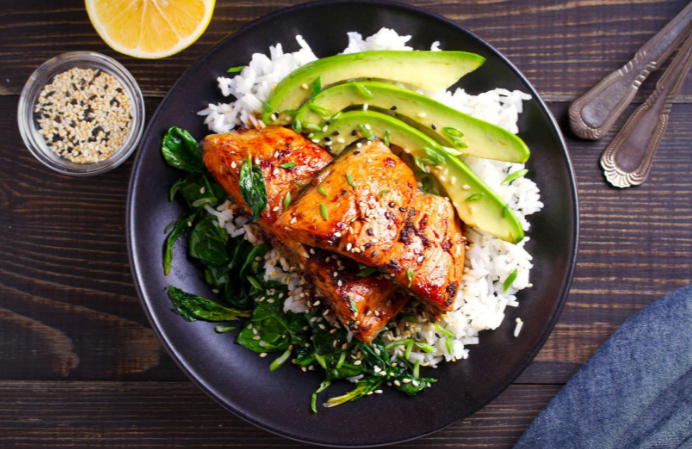
A great breakfast sets the tone for the rest of the day, yet too often, we fall into monotonous routines, reaching for the same uninspiring choices. Whether it’s a rushed slice of toast or a bland bowl of cereal, mornings can quickly become predictable. But what if breakfast could be something to look forward to—an experience that excites the senses and fuels the body with real energy? With a few simple tricks and fresh ideas, you can transform your morning meal into something extraordinary.
Breakfast isn’t just about sustenance; it’s a daily opportunity to nourish both body and mind. Studies have shown that a well-balanced breakfast can improve concentration, boost metabolism, and enhance overall well-being. According to Dr. Tim Spector, a professor of genetic epidemiology at King’s College London, “The right breakfast can help regulate blood sugar levels, sustain energy, and even support gut health.” By making small but meaningful changes to your breakfast routine, you can create meals that are not only nutritious but also satisfying and enjoyable. If you’re ready to move beyond the mundane and elevate your breakfast game, this guide is for you. We’ve compiled 43 expert-backed tips that will make your mornings more delicious, efficient, and exciting. From creative cooking techniques to smart shortcuts, these ideas will revolutionize your breakfast experience—so let’s dive in!
1 – Breakfast, but better
A well-prepared breakfast is more than just a meal—it’s a foundation for the day ahead. Research suggests that those who eat a balanced breakfast tend to have better cognitive function and a lower risk of chronic diseases. However, many people stick to the same routine out of habit or convenience. To break this cycle, try incorporating diverse ingredients that offer a mix of protein, fiber, and healthy fats. Swap out refined carbs for whole grains, add nutrient-dense toppings to your meals, and experiment with global breakfast traditions for variety. Small changes can make a big difference. Instead of reaching for processed cereal, consider a bowl of Greek yogurt topped with nuts and fresh berries for a protein-packed start. If you love toast, opt for whole grain with avocado and poached eggs rather than butter and jam. Author and nutritionist Marion Nestle emphasizes, “The key to a good breakfast is balance—protein, fiber, and healthy fats help keep you full and energized.” By prioritizing quality ingredients and mindful preparation, you’ll transform breakfast from a dull obligation into a daily delight.
2 – Try French toast in your slow cooker
If you think French toast is only for rushed stovetop cooking, think again. Using a slow cooker allows you to prepare a warm, indulgent breakfast with minimal effort. By layering slices of bread with an egg-based mixture and letting the slow cooker do the work, you’ll achieve a custardy, flavor-infused dish that’s perfect for a weekend treat or meal prep. Slow cooking also enhances flavors, making every bite rich and satisfying. To take your slow-cooked French toast to the next level, experiment with different bread types—brioche, challah, or whole grain for a heartier option. Infuse the mixture with vanilla, nutmeg, or even a splash of orange zest for added depth. Nutrition expert Dr. Lisa Young recommends using natural sweeteners like honey or maple syrup instead of refined sugar to maintain a balance of flavor and health benefits. Once done, top your creation with fresh fruits, nuts, or even a dollop of Greek yogurt for a wholesome finish.
3 – Use cookie cutters to get the perfect pancake shape
Breakfast should be fun, and one of the easiest ways to bring creativity to the table is by making beautifully shaped pancakes. Whether you’re cooking for kids or just want to brighten your morning, cookie cutters can turn ordinary pancakes into delightful works of art. Using sturdy metal cutters as molds, you can create everything from classic hearts to intricate animal shapes. This technique not only adds visual appeal but also ensures a consistent size and even cooking.
Beyond aesthetics, this method also allows you to experiment with different batters. Thick American-style pancakes hold their shape best, but you can also try oat-based or protein pancakes for a nutritious twist. For an extra touch of flavor, mix ingredients like cinnamon, cocoa powder, or mashed banana into the batter. Food scientist Harold McGee, author of On Food and Cooking, suggests that letting the batter rest for a few minutes before cooking helps develop a fluffier texture. With a few simple tweaks, your pancakes can become a standout breakfast feature.
Conclusion
By making small adjustments to your morning routine, you can completely transform breakfast from a rushed necessity into an enjoyable ritual. Whether it’s rethinking the ingredients you use, leveraging kitchen gadgets like slow cookers, or adding a touch of creativity with fun shapes, each tip brings new life to your first meal of the day. The key is to experiment, adapt, and find what works best for your lifestyle and taste preferences. Breakfast doesn’t have to be boring or repetitive. As food journalist Bee Wilson states in First Bite: How We Learn to Eat, “Our food habits are not fixed—they can be reshaped and improved at any time.” With the right inspiration and techniques, you can create a breakfast experience that is nourishing, delicious, and exciting, setting the perfect tone for the rest of the day.
4 – Bake an egg in half an avocado
Eggs and avocados are a powerhouse combination, packed with protein, healthy fats, and essential vitamins. Baking an egg inside an avocado not only makes for an eye-catching breakfast but also offers a nutrient-dense start to the day. This dish is naturally low in carbs and high in fiber, making it an excellent option for those following a keto or paleo diet. The creamy texture of the avocado pairs beautifully with the richness of the baked egg, creating a balanced and satisfying meal.
To elevate this simple recipe, consider experimenting with toppings that add flavor and texture. A sprinkle of chili flakes brings heat, while crumbled feta or grated Parmesan adds a salty contrast. You can also incorporate smoked salmon for extra protein or drizzle honey over the finished dish for a sweet-savory twist. Nutritionist Dr. Mark Hyman, author of Food: What the Heck Should I Eat?, emphasizes the importance of whole, unprocessed ingredients, stating, “Healthy fats from sources like avocado can support brain function and sustain energy levels throughout the morning.” Serve your baked egg and avocado creation with grilled sourdough or a side salad for a well-rounded breakfast.
5 – Test out eggs in bacon cups
If you love a hearty breakfast but hate the cleanup, eggs in bacon cups are a game-changer. This recipe combines protein-rich eggs with crispy, flavorful bacon, all baked together in a convenient muffin tin. The bacon acts as a savory shell, holding in the eggs and any additional fillings, ensuring that every bite is packed with flavor. Unlike traditional fried breakfasts, this method requires little active cooking time, making it perfect for busy mornings or meal prep.
For an even more gourmet twist, try experimenting with different fillings. Spinach and goat cheese add a Mediterranean touch, while diced bell peppers and cheddar offer a classic American-style combination. Adding a dash of smoked paprika or fresh herbs like chives can enhance the flavor profile. Dr. David Ludwig, an endocrinologist and author of Always Hungry?, notes that “protein-rich breakfasts can help control appetite and prevent overeating later in the day.” Serve these bacon cups with sautéed greens or a slice of toasted baguette for a complete and satisfying meal.
6 – Mix up your usual avocado toast
Avocado toast has become a breakfast staple, but there’s no reason to settle for the same preparation every time. By adding unexpected ingredients or using alternative preparation methods, you can keep this classic dish exciting and full of bold flavors. A simple way to elevate avocado toast is by incorporating umami-rich spreads like Marmite or Vegemite before adding the avocado. These savory additions bring out the natural creaminess of the fruit while providing an extra punch of flavor.
For a more indulgent take, try pairing smashed avocado with crispy chorizo bits and crumbled feta, or mix in finely chopped sun-dried tomatoes for a Mediterranean-inspired twist. If you’re feeling adventurous, fresh berries like strawberries or pomegranate seeds can provide a sweet contrast to the buttery avocado. Food writer Nigella Lawson, in her book At My Table, suggests grilling avocado slices rather than mashing them, which intensifies their flavor and adds a smoky depth. With a little creativity, avocado toast can remain a delicious yet ever-changing part of your breakfast rotation.
Conclusion
Breakfast doesn’t have to be routine when there are endless ways to get creative with simple, wholesome ingredients. Whether it’s baking eggs in an avocado, crafting easy yet elegant bacon cups, or reinventing avocado toast, these ideas ensure that mornings stay exciting and flavorful. Small tweaks to classic dishes can result in a fresh, gourmet experience without adding extra time to your routine.
The key to a great breakfast is variety and balance. As culinary expert Michael Pollan advises in In Defense of Food, “Eat food. Not too much. Mostly plants.” By incorporating high-quality ingredients and experimenting with new textures and flavors, you can make breakfast a meal to look forward to every day.
7 – Upgrade your fried eggs
Fried eggs are a breakfast staple, but a few simple tweaks can turn them from basic to gourmet. Instead of cooking eggs in plain oil or butter, try using flavored oils, infused butters, or even sauces like pesto. The viral pesto egg trend, which took social media by storm, is a perfect example—cooking eggs in pesto infuses them with a rich, herby taste while preventing them from sticking to the pan. Similarly, frying eggs in chili crisp, truffle oil, or even a spoonful of harissa can add a whole new dimension of flavor. For an extra touch of elegance, top your fried eggs with unexpected ingredients. Crumbled feta, sun-dried tomatoes, or a drizzle of balsamic glaze can elevate their taste profile. Chef Yotam Ottolenghi, known for his bold flavor combinations, suggests serving fried eggs over a bed of creamy labneh with za’atar for a Middle Eastern twist. Whether paired with crusty sourdough or served atop a breakfast bowl, these small upgrades can make fried eggs feel like a restaurant-worthy dish.
8 – Use sweet potato for rösti
Sweet potatoes are a nutrient-dense alternative to regular potatoes, offering natural sweetness, vibrant color, and a boost of vitamins A and C. When used in rösti, they create a crispy, slightly caramelized crust that pairs beautifully with both sweet and savory toppings. The key to a perfect sweet potato rösti is squeezing out excess moisture from the grated potatoes before mixing them with eggs and seasonings—this ensures a golden, crispy texture rather than a soggy one. Once baked, the versatility of sweet potato rösti shines through. For a luxurious touch, top with cream cheese and smoked salmon, or add a perfectly fried egg and a spoonful of guacamole for a hearty, nutrient-packed meal. If you prefer a sweeter take, try serving rösti with Greek yogurt, cinnamon, and a drizzle of honey. According to The Flavor Bible by Karen Page and Andrew Dornenburg, “Sweet potatoes pair exceptionally well with tangy, creamy, and smoky flavors,” making them the perfect base for a wide variety of breakfast options.
9 – Give Dutch baby pancakes a try
Dutch baby pancakes may look extravagant, but they require minimal effort and always impress at the breakfast table. These oven-baked pancakes puff up dramatically while cooking, resulting in a crisp, golden exterior with a soft, custardy center. Unlike traditional pancakes, Dutch babies don’t require flipping, making them a foolproof choice for both beginner and seasoned cooks.
While the classic Dutch baby is dusted with powdered sugar and served with a squeeze of lemon, there are endless variations to explore. A savory version topped with crispy bacon, Gruyère cheese, and caramelized onions creates a satisfying brunch dish. On the sweeter side, fresh berries, maple syrup, or even Nutella can make for a decadent treat. As culinary historian Anne Willan notes in The Cookbook Library, “Baked pancakes have been a beloved dish for centuries, combining simplicity with indulgence.” With just a few basic ingredients, you can create a breakfast centerpiece that looks as good as it tastes.
Conclusion
The beauty of breakfast lies in its endless possibilities. Simple ingredients like eggs, sweet potatoes, and pancake batter can be transformed into vibrant, flavorful dishes with just a little creativity. Whether you’re enhancing fried eggs with infused oils, making crispy sweet potato rösti, or baking a showstopping Dutch baby pancake, these small upgrades ensure that breakfast remains exciting and satisfying. As author and food writer Ruth Reichl says, “Pull up a chair. Take a taste. Come join us. Life is so endlessly delicious.” With the right techniques and a willingness to experiment, your morning meal can become the highlight of the day—delicious, nourishing, and worth savoring.
10 – Add breakfast pizza to your repertoire
Pizza for breakfast may sound indulgent, but when done right, it can be a balanced and satisfying meal. A well-made breakfast pizza combines the comfort of a classic pizza with the heartiness of a morning spread. Whether you opt for a homemade dough or a store-bought crust, the key lies in the toppings. Traditional breakfast ingredients like eggs, bacon, hash browns, and mushrooms transform a simple pizza into a morning feast. Baking the pizza at a high temperature ensures a crispy base while keeping the toppings perfectly cooked. For a more gourmet approach, consider experimenting with flavors beyond the usual suspects. Smoked salmon with crème fraîche and dill, ricotta with caramelized onions and arugula, or even a Mediterranean-inspired version with olives, feta, and sun-dried tomatoes can elevate the dish. Renowned chef Alice Waters, in The Art of Simple Food, emphasizes that “good food depends almost entirely on good ingredients,” so selecting high-quality toppings makes all the difference. Serve your breakfast pizza with a fresh side salad or fruit for a well-rounded meal that feels both indulgent and nutritious.
11 – Give green eggs a whirl
A vibrant twist on traditional shakshuka, green eggs offer a nutrient-packed alternative to the usual tomato-based dish. By swapping red sauce for sautéed greens like asparagus, spinach, and cabbage, this breakfast is both visually striking and incredibly wholesome. The key to perfecting this dish lies in gently poaching the eggs among the greens, ensuring the yolks remain runny while the whites are fully set. Adding crumbled feta, chili flakes, or a drizzle of tahini enhances the dish with bold flavors and creamy textures. Green eggs aren’t just delicious—they’re also rich in vitamins, fiber, and antioxidants. According to How Not to Die by Dr. Michael Greger, “leafy greens are among the most nutrient-dense foods available, supporting everything from heart health to brain function.” Pairing them with eggs provides an excellent source of protein, making this dish a powerhouse breakfast. Serve with warm pita bread or a slice of whole-grain toast for a satisfying start to the day.
12 – Use a cupcake tin to bake egg muffins
Egg muffins are the perfect solution for busy mornings, combining convenience with nutrition. These mini frittatas can be prepped in advance and customized with a variety of ingredients, ensuring breakfast never becomes monotonous. By whisking eggs with milk and adding chopped vegetables, meats, or cheese, you create a portable, protein-packed meal that can be stored in the fridge or freezer for later. Baking them in a cupcake tin ensures even cooking and easy portioning.
To elevate your egg muffins, consider using unique flavor combinations. A Mediterranean-inspired mix of sun-dried tomatoes, feta, and spinach brings a tangy, savory touch, while a Southwest-style version with chorizo, bell peppers, and cheddar adds a smoky kick. Culinary expert Mark Bittman, in How to Cook Everything Fast, highlights the value of simple, adaptable recipes, stating, “Cooking should be flexible—use what you have, experiment, and make it your own.” These muffins are an ideal way to reduce food waste while creating a delicious, protein-rich breakfast that fits any schedule.
Conclusion
Breakfast doesn’t have to be repetitive or uninspired. By introducing creative dishes like breakfast pizza, green eggs, and egg muffins, you can transform your morning routine into something exciting and deeply satisfying. These recipes prove that a little innovation in the kitchen can go a long way in making breakfast more enjoyable. As Julia Child famously said, “You don’t have to cook fancy or complicated masterpieces—just good food from fresh ingredients.” With these ideas in your arsenal, you’ll never look at breakfast the same way again. Whether you’re cooking for a crowd or prepping meals ahead of time, these dishes ensure that every morning starts on a delicious note.
13 – Turn leftover pasta into a frittata
Transforming last night’s pasta into a golden, satisfying frittata is a brilliant way to reduce food waste while creating a hearty breakfast. A frittata is essentially an open-faced omelet, and when combined with pasta, it takes on a wonderfully dense and chewy texture. The key to making it successful is to use a mix of eggs, cheese, and seasonings to bind the pasta together before cooking it in a non-stick pan. Parmesan, Pecorino, or even a touch of mozzarella can add depth of flavor, while fresh herbs like basil or parsley provide brightness. For a more elevated version, consider adding sautéed onions, roasted red peppers, or crumbled sausage before setting the frittata in the oven. In Salt, Fat, Acid, Heat, Samin Nosrat emphasizes the importance of balance in cooking: “A truly delicious dish finds harmony between these elements.” Whether served hot or at room temperature, this dish is a wonderful way to breathe new life into leftovers while making breakfast feel both indulgent and practical.
14 – Make a morning mezze
A Middle Eastern–inspired morning mezze is a refreshing departure from the usual breakfast fare. Instead of slaving over a stove, simply assemble a spread of fresh, flavorful ingredients that invite leisurely grazing. Think warm, fluffy flatbreads, creamy labneh, rich hummus, marinated olives, pickled vegetables, and perfectly boiled eggs. The beauty of a mezze-style breakfast lies in its variety—each bite offers something different, from tangy yogurt to briny olives, making it a satisfying and interactive way to start the day. This breakfast style is deeply rooted in Middle Eastern culinary traditions, where meals are often communal and centered around fresh, nourishing ingredients. Claudia Roden, in The New Book of Middle Eastern Food, writes, “The beauty of mezze lies in the pleasure of sharing small, flavorful bites with good company.” Adding extras like spiced chickpeas, grilled halloumi, or a drizzle of pomegranate molasses can take the spread to the next level. Whether for a weekend brunch or a special gathering, a mezze breakfast is a vibrant and fuss-free option that brings people together.
15 – Spice up simple poached eggs
Poached eggs, with their delicate whites and rich, runny yolks, are a breakfast classic, but a few simple additions can elevate them to gourmet status. Infusing the cooking water with aromatics such as bay leaves, garlic, or a splash of vinegar can subtly enhance their flavor. However, one of the best ways to upgrade poached eggs is by taking inspiration from çılbır, a traditional Turkish dish. Placing poached eggs over a bed of thick, garlicky yogurt and drizzling them with chili-infused butter creates a luxurious contrast of creamy, spicy, and tangy flavors.
To take it a step further, sprinkle the dish with sumac, fresh dill, or crumbled feta for added texture and depth. In The Food of the Eastern Mediterranean, Paula Wolfert describes the magic of Eastern spices, stating, “A simple dish can be transformed with the right use of heat and seasoning.” Served with griddled sourdough or warm pita, these poached eggs become the centerpiece of an unforgettable breakfast that feels both comforting and sophisticated.
Conclusion
Breakfast should never be an afterthought, and with a little imagination, even the simplest ingredients can be transformed into something extraordinary. From repurposing pasta into a rich, cheesy frittata to indulging in a Mediterranean-style mezze or spicing up poached eggs with aromatic butter and yogurt, these dishes prove that morning meals can be both effortless and exciting. As celebrated chef and author Nigel Slater puts it, “Good food is the foundation of genuine happiness.” With these inventive breakfast ideas, you can start each day not just with sustenance, but with a moment of culinary delight. Whether you’re cooking for yourself or sharing with loved ones, these tips ensure that breakfast remains a meal to look forward to.
16 – Get a dose of fiber with a breakfast crumble
Starting your day with a fiber-rich breakfast can boost digestion, regulate blood sugar, and keep you full longer. A breakfast crumble made with roasted stone fruits, oats, and dates is an excellent way to achieve this while indulging in a naturally sweet, wholesome dish. Peaches, apricots, and plums release their natural sugars when roasted with a drizzle of honey, creating a warm, caramelized base. Topping them with crunchy granola, fiber-rich dates, and creamy yogurt not only adds texture but also enhances the dish’s nutritional value. To make this breakfast even more nutritious, consider adding flaxseeds or chia seeds for an extra fiber boost. A sprinkle of cinnamon or nutmeg can provide warmth and depth of flavor. According to The Fiber Fueled Cookbook by Dr. Will Bulsiewicz, “Fiber isn’t just important for digestion—it feeds the good bacteria in your gut, which impacts everything from mood to metabolism.” Whether enjoyed warm or chilled, this breakfast crumble offers a delicious and satisfying way to incorporate more fiber into your diet.
17 – Make your own chocolate pastries
Freshly baked chocolate pastries can bring a touch of luxury to your breakfast without the need for a trip to the bakery. Using store-bought puff pastry, you can easily create flaky, buttery croissants filled with rich, melted chocolate. The key to success is rolling the pastry tightly around the chocolate, ensuring it stays enclosed while baking. A quick egg wash adds a glossy finish, while baking at the right temperature guarantees crisp layers and a golden-brown exterior. For a gourmet twist, consider using dark chocolate or a hazelnut spread instead of chocolate chips. A sprinkle of sea salt on top can enhance the sweetness and balance the flavors. As Julia Child once said, “A party without cake is just a meeting,” and the same could be said about breakfast without pastries. Pair these homemade delights with a cup of coffee or a glass of freshly squeezed orange juice for a truly indulgent start to the day.
18 – Cook bacon in the microwave
For those who crave crispy bacon but dislike the mess and time involved in pan-frying, the microwave offers a surprisingly effective alternative. Cooking bacon this way not only reduces splatter but also ensures even crisping in just a few minutes. The trick is to layer the bacon between paper towels, which absorb excess grease while allowing the bacon to cook evenly. This method is particularly useful for busy mornings when time is short but the craving for a hearty breakfast is strong.
While purists may argue that bacon should only be cooked in a pan or oven, modern kitchen hacks like this offer convenience without sacrificing texture. In The Food Lab, J. Kenji López-Alt notes, “Cooking is about achieving the best results with the tools at hand.” Using the microwave for bacon saves time and effort, making it an ideal solution for quick breakfasts. Serve your perfectly crisp bacon alongside eggs, toast, or even crumbled over a salad for a versatile addition to any meal.
Conclusion
A great breakfast doesn’t have to be complicated—it just requires a little creativity and the right techniques. Whether it’s a fiber-packed fruit crumble, homemade chocolate pastries, or perfectly crisp bacon cooked in minutes, these simple yet effective tips help transform your morning routine. As culinary expert Yotam Ottolenghi states in Plenty, “Breakfast is an opportunity to start the day with something beautiful.” By incorporating these easy upgrades into your routine, you ensure that every morning begins on a delicious and satisfying note.
19 – Try your hand at one-pan shakshuka
Shakshuka is a dish that blends simplicity with bold flavors, making it a breakfast staple in the Middle East and North Africa. It consists of poached eggs nestled in a rich, spiced tomato sauce, all cooked in a single pan for minimal cleanup. The combination of onions, garlic, and paprika enhances the depth of flavor, while the tomatoes create a tangy and slightly sweet base. The key to perfecting shakshuka lies in simmering the sauce until it thickens, ensuring the eggs cook gently in their wells without becoming overdone.
For an even heartier version, try adding bell peppers, crumbled feta, or spiced merguez sausage. Serve it with warm pita, crusty sourdough, or even a sprinkle of za’atar for an extra layer of complexity. Yotam Ottolenghi, in his book Jerusalem, describes shakshuka as “a dish of warmth and comfort, best shared straight from the pan.” Whether you’re serving guests or just treating yourself, shakshuka is a vibrant and nourishing way to start the day.
20 – Batch-cook breakfast muffins
For those with busy mornings, batch-cooking breakfast muffins is a game-changer. These versatile, grab-and-go treats can be prepared in advance, saving time without compromising on nutrition. A well-balanced breakfast muffin can be packed with protein, fiber, and healthy fats to keep you full and energized. Options range from savory versions with cheese, herbs, and vegetables to sweet ones with berries, nuts, and seeds.
To keep things interesting, experiment with different flour bases like almond or oat flour for added nutrients. You can also incorporate flaxseeds or chia seeds for a fiber boost. In The Joy of Cooking, Irma S. Rombauer emphasizes that “preparation is the key to stress-free meals.” With a batch of breakfast muffins ready to go, you’ll have a nutritious start to the day, even on the busiest mornings.
21 – Try a one-pan full English wonder
A full English breakfast is a beloved classic, but it can often involve multiple pans and a pile of dishes. By cooking everything in a single pan, you streamline the process while allowing the flavors to meld beautifully. Start by frying the heartier components—potatoes and sausages—before adding mushrooms, bacon, and eggs. Letting everything cook together ensures that each bite is infused with rich, savory flavors.
For a gourmet twist, swap regular sausages for black pudding or add cherry tomatoes for a burst of sweetness. A sprinkle of fresh herbs like thyme or chives can elevate the dish even further. Food writer Nigel Slater once remarked, “A good breakfast is the foundation of a happy day,” and a one-pan full English delivers that satisfaction with minimal effort. Serve with thick, buttery toast and your favorite sauce for a hearty, comforting start to the morning.
Conclusion
A great breakfast doesn’t need to be time-consuming or complicated. With a few clever techniques, you can enjoy rich, flavorful dishes like shakshuka, breakfast muffins, or a simplified full English, all with minimal effort. These methods not only save time but also ensure that every morning meal is both satisfying and stress-free.
As The Breakfast Book by Marion Cunningham suggests, “Breakfast should be something to look forward to, not just another task to complete.” By incorporating these simple yet delicious ideas into your routine, you can turn every morning into a moment of indulgence and nourishment.
22 – Swap toast for potato
If you’re tired of the usual toast routine, swapping it out for a crispy, golden potato alternative can transform your breakfast experience. Potato waffles provide the perfect base for creamy smashed avocado and a runny fried egg, offering a delightful contrast of textures. The crispiness of the potato complements the smoothness of the avocado, while the egg yolk adds a luxurious richness. Not only does this swap enhance flavor, but it also introduces a more filling and satisfying alternative to traditional bread. For those craving something more indulgent, consider a breakfast sandwich where hash browns replace the usual English muffin. Layering a perfectly fried egg, crispy bacon, and gooey melted cheese between two crispy hash browns creates a meal that feels like a special treat. As James Beard, the legendary chef and food writer, once said, “Good food is very often, even most often, simple food.” With just a few clever swaps, you can reinvent your breakfast while keeping it easy and delicious.
23 – Prep granola pots ahead of time
When mornings are rushed, having a ready-to-go breakfast can make all the difference. Granola pots are a fantastic solution, combining nutrition, convenience, and flavor in a single jar. The beauty of granola pots lies in their versatility—layering Greek yogurt with crunchy granola and fresh fruit provides a well-balanced meal packed with protein, fiber, and vitamins. A drizzle of honey or a sprinkle of flaxseeds can enhance the nutritional value, offering sustained energy throughout the morning. Making these pots in advance means you always have a quick breakfast option on hand. Store them in mason jars in the fridge for up to three days, ensuring a stress-free start to your mornings. As Michael Pollan writes in Food Rules, “Eat food. Not too much. Mostly plants.” By incorporating fruits, nuts, and yogurt into your breakfast routine, you create a meal that’s both wholesome and satisfying.
24 – Bake banana bread with a kick
Banana bread is a beloved classic, but adding a bold twist can make it even more exciting. One simple way to elevate your banana bread is by incorporating a shot of espresso into the batter. The deep, roasted flavors of coffee pair beautifully with the natural sweetness of ripe bananas, creating a breakfast treat that offers both comfort and an energizing boost. This twist not only enhances the taste but also provides a mild caffeine kick to help start your day.
To maintain moisture and richness throughout the week, store banana bread in an airtight container and gently reheat slices before serving. For extra indulgence, try spreading a little almond butter or cream cheese on top. As food historian Bee Wilson notes in Consider the Fork, “The way we cook and eat is shaped by history, but also by innovation.” By adding a new dimension to a traditional recipe, you can keep breakfast exciting and satisfying day after day.
Conclusion
With a little creativity, breakfast can be more than just a routine meal—it can be an opportunity to enjoy new textures, flavors, and nutrients. Whether it’s swapping toast for crispy potatoes, preparing nutritious granola pots in advance, or giving banana bread an energizing twist, these simple changes can have a big impact on your morning satisfaction. As culinary expert Marion Nestle reminds us in What to Eat, “The best meals are those that nourish both body and soul.” By incorporating these inventive yet practical breakfast ideas, you set the tone for a more enjoyable and fulfilling day, proving that a great morning meal doesn’t have to be complicated.
25 – Experiment with two-ingredient pancakes
Pancakes don’t have to be complicated to be delicious. If you’re looking for a gluten-free or low-carb option, two-ingredient pancakes made with just bananas and eggs are a fantastic alternative. The natural sweetness of ripe bananas eliminates the need for added sugar, while eggs provide structure and protein. Simply mash a banana, whisk in an egg, and cook small dollops of the batter in a non-stick pan. These pancakes turn out soft, slightly caramelized, and full of flavor.
While they may be more delicate than traditional pancakes, the right toppings can take them to the next level. A dollop of Greek yogurt, a sprinkle of cinnamon, or a handful of berries can enhance both taste and nutrition. Food scientist Harold McGee, in On Food and Cooking, explains that the simplest ingredients often produce the best results when combined correctly. This minimalist approach proves that great breakfasts don’t have to be time-consuming or complicated.
26 – Use leftover fruit in pancake batter
One of the best ways to make pancakes healthier and more flavorful is by incorporating fresh fruit directly into the batter. Whether it’s overripe bananas, diced apples, or a handful of berries, these natural additions infuse pancakes with sweetness and moisture, eliminating the need for refined sugar. Blueberries add a juicy pop, while apples provide a subtle crunch—each fruit brings its own unique texture and depth of flavor.
Another great way to use up leftover fruit is by making a simple compote. Simmer chopped fruit with a splash of water and a drizzle of honey until it breaks down into a thick, syrupy mixture. Served over warm pancakes with a spoonful of creamy Greek yogurt and a sprinkle of nuts, this combination transforms breakfast into a wholesome, restaurant-quality experience. As chef and food writer Alice Waters once said, “Let things taste of what they are.” By celebrating the natural sweetness of fruit, you create a breakfast that is both nourishing and delicious.
27 – Make your own fast food classic
The convenience of a fast-food breakfast sandwich is undeniable, but making your own at home allows for better ingredients, fresher flavors, and a healthier take on the classic. A homemade breakfast muffin starts with a toasted English muffin layered with a fried egg, crispy bacon or sausage, and a slice of melty American cheese. This simple yet satisfying combination delivers the perfect balance of flavors—savory, creamy, and slightly crispy in every bite.
Beyond taste, making breakfast sandwiches at home means you can customize them to suit your preferences. Swap regular bacon for turkey bacon, use whole-grain muffins for added fiber, or add avocado for a nutrient boost. Pair your sandwich with a glass of freshly squeezed orange juice, and you have a balanced meal that fuels your morning without the excess salt and preservatives found in fast food. As Michael Pollan suggests in In Defense of Food, “Eat food, not too much, mostly plants.” Making your own version ensures that every bite is wholesome and made with care.
Conclusion
Breakfast doesn’t have to be repetitive or overly complex to be enjoyable. Whether you’re whipping up two-ingredient pancakes, making use of leftover fruit, or crafting your own fast-food favorite, small tweaks can bring excitement and better nutrition to your morning routine. These simple yet delicious options ensure that your first meal of the day is both satisfying and health-conscious.
As Julia Child once said, “You don’t have to cook fancy or complicated masterpieces—just good food from fresh ingredients.” By experimenting with these creative breakfast ideas, you can turn ordinary mornings into something special while making the most of what’s already in your kitchen.
28 – Posh up your porridge
Porridge is a powerhouse breakfast packed with fiber and slow-releasing carbohydrates, but that doesn’t mean it has to be boring. Instead of the usual sugar or honey, elevate your bowl with creative and indulgent toppings. Poached pears drizzled with maple syrup, caramelized bananas, or even a spoonful of nut butter can transform a simple bowl of oats into a gourmet meal. A dash of warming spices like cinnamon, nutmeg, or cardamom adds extra depth, while a sprinkle of cacao nibs or dark chocolate shavings can make your breakfast feel like dessert.
For a more exotic twist, try a tropical porridge with coconut milk, diced mango, and toasted coconut flakes. Alternatively, give your oats a protein boost by stirring in Greek yogurt or a scoop of protein powder. By experimenting with different textures and flavors, your porridge can be both delicious and nutritious, ensuring you never get tired of this breakfast staple.
29 – Try on-the-go breakfast bars
When mornings are hectic, having a homemade breakfast bar on hand can be a lifesaver. Store-bought options are often packed with sugar and preservatives, but making your own is surprisingly easy and allows you to control the ingredients. A simple recipe involves mixing oats with mashed banana, honey, and peanut butter, then baking until set. For extra nutrition, throw in chia seeds, flaxseeds, or a handful of nuts.
For those who prefer no-bake options, energy bars made with dates, almonds, and cocoa powder are a great alternative. Simply blend the ingredients, press into a pan, and refrigerate until firm. These bars can be stored in an airtight container for a week or frozen for longer-lasting convenience. Whether you prefer fruity, nutty, or chocolatey flavors, having a healthy, homemade grab-and-go breakfast ensures you start your day on the right note.
30 – Prep overnight oats
Overnight oats are the ultimate make-ahead breakfast, requiring minimal effort while delivering maximum flavor and nutrition. By soaking oats overnight in liquid—be it almond milk, yogurt, or even fruit juice—you allow them to soften and absorb all the delicious flavors. The result? A creamy, ready-to-eat meal in the morning that requires no cooking at all.
The beauty of overnight oats lies in their versatility. For a classic version, mix in cinnamon, honey, and chopped apples. If you’re in the mood for something indulgent, try a chocolate peanut butter combination by adding cocoa powder and a dollop of peanut butter. Fresh fruit, nuts, and seeds make excellent toppings, providing a mix of textures and essential nutrients. With endless possibilities, overnight oats are a game-changer for those who want a quick yet satisfying breakfast.
Conclusion
By incorporating these small yet effective changes into your morning routine, you can turn ordinary breakfasts into extraordinary meals. Whether you’re upgrading a humble bowl of porridge, preparing nutritious homemade bars, or letting your oats soak overnight for a hassle-free start, these tips ensure you never have to settle for a bland or uninspiring breakfast again. Not only do these ideas enhance flavor and variety, but they also support a healthier lifestyle by reducing processed ingredients and promoting balanced nutrition. With a little planning and creativity, you can enjoy a morning meal that fuels your day with energy and satisfaction.
31 – Cheat your way to flawless hollandaise
Hollandaise doesn’t have to be a hassle. Simply whisk together two egg yolks, a small splash of both white wine vinegar and ice-cold water, and a pinch of salt in a metal bowl that can fit over a small pan of water. With the water barely simmering, whisk continuously until the consistency is pale and thick (around three to five minutes). Remove from the heat and whisk in 5oz cubed unsalted butter, until the sauce is creamy and runny. Season with salt and pepper, a squeeze of lemon juice, and a sprinkling of cayenne pepper.
32 – Master the art of perfect poached eggs
Haven’t cracked the art of perfect poached eggs yet? There are a few hacks out there, but here’s the simplest: add enough cold water to a pan so that the egg will be only half submerged, then add a dash of lemon juice. Crack the egg over a sieve first to release its runniest parts, place it in a small metal bowl, then add to the pan and cover. Simmer on high heat for three minutes. The result? Delicious eggs that are soft and runny every single time.
33 – Try baking your bacon
Baking bacon is a great fuss-free idea (and a delicious way to achieve perfectly crispy rashers). Line a baking tray with foil and cook at 400°F for around 15 minutes, keeping an eye on the bacon towards the end in case it burns. Pop a few rashers in between two slices of buttered bread and finish with a squirt of ketchup for the ultimate bacon sandwich.
34 – Blend sweet and savory
Don’t be afraid to mix things up when it comes to early morning flavors – you want to awaken those taste buds, after all. Maple syrup and bacon is a classic combo for a reason and works brilliantly on both waffles and pancakes. If you’re after something lighter, try apple slices spread with peanut butter and finished with a drizzle of honey for a healthy and surprisingly tasty morning mouthful. A scant sprinkling of salt, meanwhile, might be just the thing to turn your bowl of porridge from mediocre to moreish.
35 – Try microwaved scrambled eggs
There are plenty of egg-based microwave marvels you can whip up for breakfast. For what some claim is the perfect way to make scrambled eggs (purists, look away), whisk eggs with a dash of milk and a little seasoning, then cook for a minute and a half on high, stirring midway. The result? Soft, fluffy eggs with minimal cleanup. Serve over buttery wholemeal toast for a filling morning meal.
36 – Have fish at breakfast for extra nutrients
Eating fish at breakfast is a great way to fill up on both omega-3 fatty acids – which studies suggest could help boost brain health – and protein, which keeps you fuller longer. A smoked salmon and cream cheese bagel is a luxurious yet effortless option, while grilled mackerel served with soda bread, poached eggs, and fresh chives makes for a nutritious and satisfying morning feast.
Bibliography on Cooking Breakfast
If you’re looking to explore breakfast recipes, techniques, and inspirations further, here are some recommended books, websites, and articles on cooking breakfast:
Books
The Breakfast Bible – Seb Emina & Malcolm Eggs A comprehensive guide to breakfast culture, history, and recipes from around the world.
Big Bad Breakfast: The Most Important Book of the Day – John Currence A chef’s take on bold, indulgent, and classic Southern-style breakfast dishes.
Egg: A Culinary Exploration of the World’s Most Versatile Ingredient – Michael Ruhlman An in-depth look at eggs and their role in cooking, including techniques for breakfast dishes.
Brunch at Bobby’s: 140 Recipes for the Best Part of the Weekend – Bobby Flay Celebrity chef Bobby Flay shares brunch recipes, from eggs to cocktails.
The Art of Breakfast: How to Bring B&B Entertaining Home – Dana Moos A guide to creating gourmet breakfast and brunch meals inspired by bed-and-breakfast hospitality.
Affiliate Disclosure: This blog may contain affiliate links, which means I may earn a small commission if you click on the link and make a purchase. This comes at no additional cost to you. I only recommend products or services that I believe will add value to my readers. Your support helps keep this blog running and allows me to continue providing you with quality content. Thank you for your support!
Mastering the art of cooking chicken can elevate your culinary skills and transform everyday meals into unforgettable experiences. From delicate, juicy breasts to robustly flavored thighs, chicken offers a world of possibilities when handled with expertise. But are you truly unlocking its full potential?
Whether you’re a seasoned chef or a beginner in the kitchen, achieving that perfect balance of flavor, moisture, and texture is both a science and an art. With countless techniques and tips to explore, understanding the nuances of selecting, preparing, and cooking chicken is key to turning it into a show-stopping dish.
In this guide, we present 38 expert tips for cooking chicken to perfection every time. From selecting high-quality meat to using time-tested cooking methods, these insights are designed to make your chicken dishes irresistible, regardless of the occasion. So, sharpen your knives and ready your pans—your journey to poultry perfection begins here.
1- Buy Good Quality Chicken
The foundation of an exceptional chicken dish starts at the source. Opting for high-quality chicken isn’t just about taste; it’s also about supporting ethical farming practices and ensuring better nutrition. Free-range chicken, for instance, is not only richer in flavor but also free from harmful additives. A study by Dr. Marion Nestle in Food Politics emphasizes that “the quality of ingredients defines the quality of the dish.” Always inspect the labels for indications such as “organic,” “free-range,” or “antibiotic-free” to ensure your purchase aligns with the highest standards.
Moreover, beware of deceptive packaging practices. Frozen chicken often contains added water or saline solutions to bulk up weight, which can dilute flavor and affect cooking outcomes. For the freshest results, buy locally sourced chicken from reputable butchers. Books such as The Omnivore’s Dilemma by Michael Pollan delve deeper into the importance of ethical and sustainable choices in food sourcing.
2- Leave the Skin On
Chicken skin often gets a bad rap, but it’s a secret weapon for retaining moisture and enhancing flavor during cooking. When left intact, the skin creates a barrier that locks in natural juices while crisping up beautifully. This is especially vital when cooking lean cuts like chicken breasts, which tend to dry out quickly. Renowned chef Julia Child famously stated, “Fat gives things flavor,” and in the case of chicken, the skin does just that. If you’re health-conscious or prefer not to consume the skin, remove it post-cooking. This way, you reap the benefits of moisture retention without the added fat in your meal. For an even better result, consider seasoning the skin generously with salt, herbs, or spices before cooking—it infuses the meat underneath with additional depth and aroma.
3- Give Thighs a Go
Chicken thighs are an underrated hero of the poultry world. Their slightly higher fat content makes them more forgiving and flavorful compared to their leaner counterparts. Whether you’re slow-cooking, grilling, or baking, thighs stay tender and succulent, even when slightly overcooked. Food writer Nigel Slater, in his book Tender, praises thighs for their “rich, earthy flavor that can elevate any dish.”
Not only are thighs versatile, but they’re also economical. With rising food costs, switching from chicken breasts to thighs can save money without compromising on quality. Plus, their robust texture makes them ideal for marinades and bold seasonings. Add them to stews, curries, or stir-fries, and you’ll see why chefs and home cooks alike swear by this cut.
Conclusion
By focusing on the basics—choosing high-quality chicken, making the most of its natural properties, and experimenting with cuts like thighs—you set the stage for culinary excellence. Each of these steps is integral to crafting dishes that are not only flavorful but also ethically conscious and cost-effective.
Cooking chicken to perfection doesn’t require elaborate techniques or expensive tools. With a thoughtful approach and attention to detail, even simple adjustments can yield remarkable results. As you continue your journey, remember that every great dish begins with great ingredients and a willingness to experiment.
4- Use Plenty of Salt
Salt is the cornerstone of seasoning, and chicken, in particular, benefits immensely from its transformative power. Salting before cooking does more than just enhance flavor—it draws out moisture from the skin, allowing it to crisp up beautifully during roasting or frying. As chef Thomas Keller emphasizes in The French Laundry Cookbook, “Proper seasoning is the foundation of great cooking.” When roasting a whole chicken, don’t forget to salt the cavity as well, which allows the flavor to permeate the meat from the inside out.
Beyond surface seasoning, consider brining as an advanced technique for adding depth to your chicken. A simple brine made of water, salt, and a touch of sugar can infuse the meat with moisture and flavor, resulting in a juicier, more tender dish. Experiment with additional aromatics like garlic, bay leaves, or citrus in your brine to elevate your chicken to restaurant-quality perfection.
5- Experiment with Big Flavors
Chicken’s mild taste makes it a blank canvas for bold, adventurous flavor combinations. Pair it with fresh herbs like thyme, rosemary, or sage for a classic profile, or venture into more daring territory with spices like harissa or jerk seasoning. The beauty of chicken lies in its ability to absorb marinades and rubs, amplifying flavors with every bite. Chef Yotam Ottolenghi, in Plenty More, advocates for using vibrant ingredients like preserved lemons or chili to create unforgettable dishes.
Sauces can also transform a dish from ordinary to extraordinary. Sticky honey-mustard glazes offer a balance of sweetness and tang, while creamy garlic butter adds richness to grilled or roasted chicken. The possibilities are endless—don’t hesitate to try global flavors like Korean gochujang, Indian garam masala, or Mexican adobo to keep your meals exciting and diverse.
6- Pat It Dry
The key to achieving that coveted crispy, golden-brown skin lies in a simple but often overlooked step: patting the chicken dry. Excess surface moisture prevents proper browning and can lead to soggy skin, especially when frying or roasting. By using a paper towel to dry the meat before seasoning, you allow the natural fats to render and caramelize during cooking.
This step is equally important for marinated chicken. Before applying any marinades, ensure the chicken is thoroughly dried to help the flavors adhere evenly. Drying also improves texture when grilling or searing, resulting in a better overall dining experience. As Harold McGee explains in On Food and Cooking, moisture is the enemy of crispness—removing it ensures your chicken achieves the perfect balance of tenderness and crunch.
Conclusion
Mastering the seasoning and preparation process is crucial to unlocking chicken’s full potential. Using plenty of salt ensures the meat is flavorful throughout, experimenting with bold seasonings adds a unique twist, and properly drying the chicken guarantees the perfect texture every time.
These steps, though simple, can dramatically elevate your chicken dishes, making them both professional and satisfying. By incorporating these practices into your cooking routine, you’ll not only enhance the flavor and texture but also develop a deeper appreciation for the versatility of this beloved ingredient. Let these techniques guide you as you explore endless possibilities in the kitchen.
7- Marinade for Maximum Impact
Marinating chicken is a game-changer when it comes to flavor and tenderness. A well-crafted marinade infuses the meat with a depth of taste that’s hard to achieve through seasoning alone. Ingredients like lemon juice, buttermilk, yogurt, or vinegar introduce acidity, which helps break down proteins in the meat, resulting in a softer, more succulent texture. Even a quick 20-minute soak can make a noticeable difference, while a couple of hours ensures the flavors fully penetrate the meat. As highlighted in The Science of Good Cooking by Cook’s Illustrated, marinating is “a blend of chemistry and creativity, with acids and oils working together to transform meat.”
To achieve maximum impact, balance your marinade with aromatics such as garlic, herbs, and spices. Sugar or honey can add a touch of sweetness and aid in caramelization during cooking. Avoid over-marinating, especially with highly acidic blends, as this can break down the chicken excessively, leading to a mushy texture. Mastering the timing and composition of a marinade will elevate your chicken dishes to new heights.
8- Always Preheat the Pan
A hot pan is essential for achieving crispy, golden-brown chicken skin when frying. Placing chicken into a cold or lukewarm pan causes the fat to render too slowly, leading to soggy, unappetizing skin. Instead, ensure the pan and oil are thoroughly preheated before adding the chicken. A light vegetable oil, with its high smoke point, is ideal for frying, while a drizzle of olive oil after cooking can provide a finishing touch of flavor.
Test the oil’s readiness by sprinkling a few drops of water into the pan; if it sizzles immediately, it’s time to cook. Preheating isn’t just about skin texture—it also promotes even cooking and prevents the chicken from sticking. As culinary expert James Peterson advises in Cooking, “A hot pan is a cook’s ally, turning what could be a dull dish into one with vibrant flavor and perfect texture.”
9- Don’t Overcrowd the Meat
When frying chicken, overcrowding the pan is a common mistake that compromises quality. Packing too many pieces together reduces the heat of the pan, causing the chicken to steam rather than brown. This not only affects the texture but also prevents the development of that rich, caramelized crust that makes fried chicken irresistible. To avoid this, cook the chicken in batches, leaving enough space for air and heat to circulate around each piece.
Overcrowding also affects food safety. Uneven cooking may leave some pieces undercooked, posing a health risk. By taking the time to cook in smaller batches, you ensure consistent doneness and flavor. As Julia Child once said, “The only time to crowd a pan is when you’re deglazing it.” This principle holds especially true for frying chicken—patience and spacing yield superior results.
Conclusion
Perfectly cooked chicken isn’t just about the recipe—it’s about attention to detail. Marinating introduces complexity and tenderness, preheating the pan ensures crispy skin, and avoiding overcrowding guarantees even cooking. These small yet impactful techniques separate amateur cooking from professional-quality results.
By incorporating these expert tips into your repertoire, you’ll not only improve the flavor and texture of your chicken but also refine your overall approach to cooking. Mastery comes from understanding the science and art behind each step, turning everyday chicken dishes into culinary triumphs.
10- Cook Breasts with a Heavy Grill Pan
For restaurant-quality chicken breasts, a heavy grill pan is an indispensable tool. The ridges on the pan create appealing grill marks that elevate the dish’s presentation and add a subtle smoky flavor. The weight of a grill pan ensures even heat distribution, helping the chicken cook uniformly without burning. Pair this with a light brush of oil on both the pan and the meat to prevent sticking and enhance caramelization.
Using a grill pan also allows for creative seasoning. Before cooking, rub the breasts with a blend of spices or herbs, and consider finishing with a squeeze of lemon or drizzle of balsamic glaze. In Essentials of Classic Italian Cooking, Marcella Hazan suggests that cooking chicken with a grill pan adds a rustic charm that’s perfect for Mediterranean-inspired recipes. This simple swap in cookware can transform your chicken from ordinary to extraordinary.
11- Leave It to Cook
One of the most common mistakes when cooking chicken is excessive flipping or stirring. Allowing the chicken to cook undisturbed is essential for developing a flavorful, crispy exterior. When shallow-frying or grilling, turning the chicken too frequently disrupts the browning process, preventing the formation of a rich crust that locks in moisture. As noted by Harold McGee in On Food and Cooking, “The Maillard reaction, which gives browned food its distinctive taste, requires time to develop fully.” A good rule of thumb is to only flip the chicken once it releases easily from the pan. If it sticks, it’s not ready yet. This patience pays off with a beautifully browned surface and perfectly cooked meat. Trust the process, and your chicken will thank you with impeccable flavor and texture.
12- Poach Chicken in Stock
Poaching chicken doesn’t have to result in bland, dry meat—if done correctly, it can be a tender, flavorful cooking method. The secret lies in using a well-seasoned poaching liquid. Chicken stock infused with onions, garlic, peppercorns, and bay leaves creates a fragrant bath that imparts depth to the meat. Cooking at a gentle simmer, rather than a rolling boil, ensures the chicken remains tender and doesn’t overcook.
For an added twist, try enriching the poaching liquid with wine, citrus zest, or fresh herbs. Once cooked, the chicken can be shredded for salads, sandwiches, or soups, retaining its moisture and delicate flavor. In The Joy of Cooking, Irma S. Rombauer emphasizes that poaching is one of the most versatile methods for preparing chicken, offering a blank canvas for countless culinary creations.
Conclusion
Achieving professional-quality chicken at home is all about technique and tools. Using a heavy grill pan elevates the humble chicken breast with visual appeal and even cooking, while patience during cooking enhances flavor and texture. For a lighter, healthier option, poaching in a flavorful stock ensures moist, delicious results every time.
These methods demonstrate that small changes in your approach can yield significant improvements. By investing in quality equipment and mastering foundational cooking principles, you can take your chicken dishes to the next level, making them worthy of any restaurant table.
13- Try a Chicken Tray Bake for a Low-Effort Dinner
A chicken tray bake is the ultimate low-effort, high-reward meal that’s perfect for busy weeknights or casual entertaining. By combining chicken with a variety of vegetables, herbs, and flavors on a single sheet pan, you create a dish that’s both convenient and bursting with flavor. The key to a great tray bake is balance: pair juicy chicken breasts or thighs with complementary ingredients like cherry tomatoes, potatoes, and soft cheeses such as taleggio or mozzarella for a harmonious blend of textures and tastes.
This method also allows for easy customization. For a Mediterranean twist, add olives, artichokes, and a drizzle of pesto. Prefer something heartier? Toss in sweet potatoes, carrots, and a dusting of smoked paprika. The beauty of a tray bake lies in its simplicity: prep everything in advance, pop it in the oven, and let the magic happen. As Jamie Oliver notes in 5 Ingredients: Quick & Easy Food, tray bakes are a time-saving solution that delivers maximum flavor with minimal effort.
14- Bake Chicken in Foil
For moist, tender chicken every time, baking in foil is a foolproof method. By individually wrapping chicken breasts in foil, you create a sealed environment that traps steam, locking in moisture and flavor. Enhance this technique by adding a light sauce or aromatic ingredients before sealing the foil. A mix of chicken stock, lemon juice, olive oil, and herbs creates a simple yet flavorful base that elevates the dish.
Foil-baking isn’t just practical—it’s versatile. You can go sauce-free by seasoning the chicken with a dry rub or spices, relying on the foil to preserve its natural juices. Alternatively, experiment with wine, garlic, and butter for a more luxurious result. This method also allows for easy cleanup, making it a favorite for busy cooks. As recommended in The Complete Cooking for Two Cookbook, foil-wrapped chicken is a great way to ensure consistent, juicy results with minimal hassle.
15- Wrap It in Parma Ham
For an elegant twist on baked chicken, consider wrapping the meat in Parma ham or bacon. This technique not only keeps the chicken moist but also adds a rich, savory flavor and an attractive presentation. Before wrapping, stuff the chicken breasts with soft cheeses like cream cheese, ricotta, or goat cheese for added creaminess and a burst of flavor in every bite.
The salty, smoky notes of the Parma ham complement the chicken beautifully, while the outer layer crisps up in the oven for a satisfying texture. Pair this dish with a side of roasted vegetables or a light salad to create a meal that feels indulgent yet balanced. In Simple Cooking, Antonio Carluccio highlights how wrapping chicken in cured meats enhances its depth of flavor, making it ideal for special occasions or when you want to impress with minimal effort.
Conclusion
These innovative baking techniques showcase the versatility of chicken and the ease with which it can be transformed into a gourmet meal. Whether you opt for a no-fuss tray bake, moisture-locking foil wraps, or flavor-packed Parma ham, each method brings something unique to the table. The simplicity of preparation doesn’t compromise on taste or presentation. By using these techniques, you can elevate your chicken dishes into sophisticated meals that are both practical and delicious. With these tips in your culinary toolkit, even the busiest weeknight dinner can become a masterpiece.
16- Don’t Be Intimidated by a Whole Chicken
Roasting a whole chicken is one of the most satisfying and rewarding culinary skills to master. Perfect for feeding a crowd or meal-prepping for the week, a well-cooked roast chicken delivers unmatched flavor and versatility. Achieve crispy, golden skin by generously rubbing the bird with olive oil or softened butter before seasoning with salt, pepper, and your favorite spices. For a unique twist, try a combination of smoked paprika, ground ginger, and a squeeze of lemon—this adds warmth and brightness to the dish and pairs beautifully with condiments like ginger mayonnaise.
Roasting a whole chicken also allows for customization. Add aromatics like garlic, rosemary, and lemon slices inside the cavity to infuse the meat with extra flavor. To ensure even cooking, place the chicken on a rack or a bed of vegetables. Julia Child, in Mastering the Art of French Cooking, famously stated, “Roasting is the simplest, most delicious way to cook a chicken, and one of the best ways to savor its true flavor.”
17- Cook Stuffing in a Separate Dish
While stuffing is a beloved companion to roast chicken, cooking it inside the bird can lead to uneven results. When placed in the cavity, the stuffing absorbs juices from the chicken, which slows the cooking process and increases the risk of undercooked filling. Cooking stuffing separately in a baking dish ensures that it reaches the proper temperature and retains a light, fluffy texture.
Separate stuffing also offers the opportunity for experimentation. Add ingredients like chestnuts, cranberries, or fresh herbs to elevate its flavor. If you miss the richness of cavity-cooked stuffing, drizzle it with chicken drippings or stock before baking. Food safety guidelines, such as those highlighted in The New Food Lover’s Companion, recommend this method to avoid potential health risks while preserving the delicious flavor of both the chicken and the stuffing.
18- Let Roast Chicken Rest Before Carving
Patience is key when it comes to carving a roast chicken. Cutting into it immediately after removing it from the oven causes the flavorful juices to escape, leaving the meat dry. Allowing the chicken to rest for about 15 minutes, loosely covered with foil, lets the juices redistribute throughout the meat, ensuring each bite is tender and moist.
This resting period is also the perfect time to prepare your final touches, such as making gravy from the drippings or assembling your side dishes. Resting isn’t just for practicality—it enhances the overall dining experience. As explained in The Food Lab by J. Kenji López-Alt, “Resting meat allows the muscle fibers to relax and reabsorb some of the liquid that was driven out during cooking.” This simple step can make the difference between a good roast chicken and a great one.
Conclusion
Mastering the art of roasting a whole chicken involves both technique and attention to detail. From seasoning generously to embracing the benefits of separate stuffing and resting the meat, each step contributes to a flavorful, moist, and visually stunning result.
These tips demystify the process, making it approachable even for novice cooks. By applying these practices, you can create a roast chicken that is not only a centerpiece-worthy dish but also a versatile staple for your weekly meals. With a little patience and preparation, the humble roast chicken becomes a testament to the joys of home cooking.
19- Set Aside Time to Make Fried Chicken
There’s nothing quite like the irresistible crunch and juiciness of homemade fried chicken, but perfection requires time and care. For truly crispy, flavorful Southern-style fried chicken, marinating the meat is a must. Start with a buttermilk-based marinade infused with spices like cayenne, garlic powder, and paprika. Allow the chicken to soak for several hours or, ideally, overnight. This step tenderizes the meat and infuses it with bold flavors, setting the foundation for a memorable meal.
When it’s time to fry, double-coat the chicken for an extra-crispy crust. Dredge the marinated pieces in a seasoned flour mixture, dip them back into the buttermilk, and then coat again with flour. Fry in batches, ensuring the oil remains hot and the chicken cooks evenly. In Fried & True: More Than 50 Recipes for America’s Best Fried Chicken, Lee Brian Schrager emphasizes the importance of patience and preparation in achieving the golden, crispy perfection that defines great fried chicken.
20- Use a Meat Mallet to Make Pieces Even
Uneven chicken pieces can lead to uneven cooking, with thinner sections drying out before thicker parts are done. Using a meat mallet or rolling pin to flatten chicken breasts ensures uniform thickness, making them cook more evenly and quickly. This technique is especially useful for dishes like chicken schnitzel, where thin, consistent pieces are key to achieving a crisp, golden crust.
Pounding chicken also tenderizes the meat, resulting in a more succulent bite. To maintain hygiene, place the chicken between sheets of plastic wrap or inside a sealable bag before flattening. This step not only prevents the spread of bacteria but also keeps your workspace clean. In The Science of Good Cooking by Cook’s Illustrated, the authors highlight that even thickness is crucial for ensuring that all parts of the chicken reach the proper internal temperature without overcooking.
21- Use Buttermilk to Tenderize Chicken
Marinating chicken in buttermilk is a classic technique that yields juicy, tender meat. The acidity in buttermilk breaks down proteins in the chicken, softening the meat while enhancing its flavor. Just two hours of marination can make a noticeable difference, but for best results, let it sit overnight. The buttermilk not only tenderizes but also acts as a binding agent, helping the coating stick to the chicken.
For a healthier twist on fried chicken, bake the buttermilk-marinated meat instead of frying it. Coat the chicken in a seasoned flour mixture, spray lightly with oil, and bake until crispy and golden. This method works wonders for chicken burgers or tenders, delivering all the satisfaction of fried chicken with less guilt. The combination of buttermilk’s tenderizing properties and a well-balanced seasoning blend is praised in Soul Food Love by Alice Randall and Caroline Randall Williams, where they celebrate the role of buttermilk in Southern cuisine.
Conclusion
Fried chicken and its variations hold a special place in culinary traditions, and with a few simple techniques, you can achieve restaurant-quality results at home. Setting aside time for marination, ensuring even thickness with a meat mallet, and leveraging buttermilk’s tenderizing powers are key steps toward perfecting this iconic dish.
These methods not only enhance flavor and texture but also make the process approachable for home cooks. Whether you’re crafting crispy fried wings or baking buttermilk-marinated chicken for a healthier spin, these tips ensure consistent and delicious results. By combining preparation with a touch of patience, you’ll create chicken dishes that are both classic and unforgettable.
22- Choose the Right Coating
The coating on fried chicken defines its texture and flavor, and preferences for it vary widely among cooks. Some swear by the classic seasoned flour method, enriched with a blend of paprika, garlic powder, and cayenne for added spice. Others opt for breadcrumbs or panko for extra crunch, while a combination of flour and cornstarch provides a light, crispy finish. Whether you dip the chicken in egg, buttermilk, or even mayonnaise before coating is another decision that depends on personal taste and desired texture.
Experimenting with coatings can help you discover your signature style. For instance, a Japanese-inspired twist might use tempura batter for an airy crispness, while Southern-style chicken often relies on a spiced buttermilk marinade followed by a seasoned flour coating. As noted in The Food Lab by J. Kenji López-Alt, achieving the perfect crust requires balancing flavor, moisture retention, and texture, making the coating one of the most important elements in fried chicken preparation.
23- Get the Oil Hot Enough
Maintaining the right oil temperature is essential for perfectly fried chicken. The initial heat should be around 360°F (180°C) to create an instant sear that locks in moisture and forms a golden crust. As the chicken cooks, the oil temperature may drop slightly, but it should remain between 300°F to 325°F (150°C to 160°C) to ensure even cooking without burning the exterior. Using a thermometer is the best way to monitor oil temperature and avoid the guesswork.
Equally important is the amount of oil in the pan. Overfilling can cause oil to bubble over, creating a safety hazard, while underfilling might lead to uneven cooking. The pan should be no more than one-third full to allow the chicken to fry properly and minimize the risk of accidents. In Deep-Fried Goodness, Harold McGee emphasizes the importance of consistent oil temperature, noting that temperature fluctuations can compromise the quality of both the crust and the meat.
24- Don’t Use Paper Towels
After frying, how you drain the chicken plays a key role in preserving its crispy texture. While many home cooks reach for paper towels, this creates steam as the hot chicken rests, which can make the crust soggy. Instead, place the chicken on a wire cooling rack set over a baking sheet. This setup allows air to circulate, keeping the crust crisp and preventing the chicken from sitting in excess oil.
For an added touch, consider sprinkling the chicken with a light dusting of salt immediately after it comes out of the oil. This enhances the flavor and ensures the seasoning adheres to the hot crust. In Perfect Pan-Fried Chicken, author Diana Henry explains that using a cooling rack for draining is a simple yet effective way to maintain the integrity of fried chicken’s golden, crunchy exterior.
Conclusion
Perfecting fried chicken is an art that relies on attention to detail, from selecting the right coating to maintaining oil temperature and ensuring proper draining techniques. These elements work together to create a dish that’s crispy, juicy, and full of flavor.
By experimenting with coatings, closely monitoring frying conditions, and avoiding common pitfalls like paper towels for draining, you can elevate your homemade fried chicken to restaurant-quality standards. Armed with these expert tips, you’ll be well on your way to mastering a beloved classic that never fails to impress.
25- Avoid the Microwave
Reheating leftover fried chicken can be a challenge if you want to preserve its crispy texture. The microwave, while quick and convenient, is notorious for turning crispy fried chicken into a soggy mess. The moisture trapped inside the chicken steams the coating, causing it to lose its crunch and become unappetizing.
To properly reheat fried chicken and maintain its crispy exterior, use the oven. Preheat it to a high temperature (around 400°F or 200°C), place the chicken on a wire rack set over a baking sheet, and heat it for about 20 minutes. This method allows air to circulate around the chicken, ensuring the coating stays crisp while the chicken reheats evenly. As suggested in The Best of America’s Test Kitchen, using a wire rack allows excess fat to drain away while the chicken gets hot without compromising its texture.
26- Give Homemade Nuggets a Go
Who says fast food-style chicken nuggets are only for takeout? You can create just as crispy and flavorful nuggets at home with a few simple ingredients. Start by cutting chicken breasts or thighs into bite-sized chunks. Coat them first in seasoned flour, then dip them in egg, and finally coat with breadcrumbs or panko for an extra-crispy crunch. Fry the nuggets in vegetable oil for around eight minutes or until golden brown.
Homemade nuggets offer endless customization opportunities—try adding different spices to the flour mixture or experimenting with the breadcrumbs for different textures. Not only can you control the quality of ingredients, but you can also adjust the seasoning to suit your taste. As noted in The Ultimate Chicken Nugget Cookbook by Sarah Henry, the key to great nuggets is not just the coating but the balance between seasoning the chicken and the exterior for a mouthwatering experience.
27- Make Naked Nuggets
For those looking for a healthier alternative, try making “naked” nuggets that skip the breading altogether. This method uses boneless chicken thighs, which are blended with spices, herbs, and flavorings such as garlic, ginger, and cumin. After processing the mixture into a smooth dough-like consistency, form small nugget shapes and fry them using a light spray of cooking oil.
These Indian-spiced nuggets offer a deliciously unique twist, combining lean meat with bold, aromatic flavors. They are a great option for those following a low-carb or gluten-free diet but still craving something crispy and satisfying. As detailed in Indian Cooking Unfolded by Raghavan Iyer, using ground chicken thigh ensures the nuggets remain moist and flavorful, while the spices elevate the taste without the need for heavy breading.
Conclusion
Whether reheating leftovers, making homemade nuggets, or trying out a healthier alternative, each approach to preparing chicken has its own merits. By avoiding the microwave, you preserve the crispy coating on fried chicken, while creating homemade nuggets gives you control over the ingredients and flavor. Naked nuggets provide a healthy, flavorful option that skips the breading, offering a satisfying bite with fewer calories.
With these expert tips, you can enjoy chicken in all its forms, from crispy fried pieces to flavorful, health-conscious nuggets. These methods offer variety without compromising on taste, ensuring that every chicken dish is a success, no matter how you choose to prepare it.
28- Clean Your Grill
Before you fire up the grill for a smoky chicken feast, make sure your grill is in top condition. Even if it looks clean, there may be leftover grease, residue, or charred bits from previous grilling sessions that can affect the flavor and texture of your chicken. These residues can not only make your meat stick to the grill, but they can also impart unpleasant flavors to your chicken.
To ensure your grill is ready for action, start by scrubbing the grates with a wire brush to remove any accumulated debris. Follow up by wiping the grates with a damp cloth or paper towel to get rid of any remaining grime. Additionally, check the drip trays and clean any grease buildup that could cause flare-ups or affect the even heat distribution. The Barbecue! Bible by Steven Raichlen emphasizes the importance of proper grill maintenance for the perfect barbecue, as even the best chicken recipes can be spoiled by a dirty grill.
29- Have a Go at Beer-Can Chicken
For a fun and flavorful way to cook a whole chicken on the grill, try beer-can chicken. This method involves placing a half-full can of beer inside the chicken’s cavity and setting the chicken upright on the grill. As the beer heats up, it creates steam inside the chicken, keeping the meat moist and juicy while infusing it with a subtle beer flavor.
To get the best results, season your chicken with your favorite spices and let it rest for a few minutes before placing it on the grill. The beer can acts as a support, ensuring the chicken cooks evenly while staying moist. For a truly flavorful experience, use a flavorful beer, such as a pale ale or stout, which will add unique undertones to the chicken. According to Grilling with Beer by Krista and Sandi, beer-can chicken can become a party favorite, impressing guests with its tenderness and smoky flavor, all while being incredibly easy to prepare.
30- Spatchcock for Quicker Cooking
When you’re short on time but still want to cook a whole chicken with crispy skin and tender meat, spatchcocking is the way to go. This technique involves removing the chicken’s backbone, allowing it to lay flat. This not only speeds up cooking time but also ensures that the meat cooks more evenly. Whether grilling or roasting in the oven, spatchcocking guarantees that both the dark and white meat cook at the same rate, preventing dry breasts and undercooked thighs.
To spatchcock, you can ask your butcher to remove the backbone, or you can use kitchen shears to cut it out yourself. Once the chicken is flat, season it generously and place it on the grill or in the oven. If you’re using a grill without a lid, spatchcocking is especially helpful as it helps the chicken cook more evenly, reducing the chances of the exterior burning before the inside is fully cooked. In Chicken: The Complete Guide to Cooking Chicken by America’s Test Kitchen, the authors explain that spatchcocking not only speeds up the cooking process but also enhances flavor, as the bird is exposed to heat more evenly.
Conclusion
Grilling chicken is a time-honored tradition that can be elevated with just a few expert techniques. Cleaning your grill before cooking ensures a better-tasting meal, while beer-can chicken brings a fun twist to traditional barbecue, infusing the meat with moisture and flavor. Finally, spatchcocking a chicken helps it cook faster and more evenly, making it perfect for a quick yet impressive dinner.
By mastering these grilling methods, you can create juicy, flavorful chicken every time, whether you’re preparing a simple weeknight meal or hosting a backyard barbecue. With the right preparation and techniques, grilling chicken can be a rewarding and delicious experience.
31- Avoid Charred Chicken
One of the common pitfalls when grilling or cooking chicken is ending up with charred, overcooked skin while the meat inside remains undercooked. This often happens when smaller pieces like wings are cooked over direct heat, where the high temperature causes the exterior to burn quickly. To avoid this, maintain a steady heat and cook the chicken at a medium temperature rather than directly over an intense flame.
If you’re using a sticky barbecue sauce or teriyaki glaze, it’s best to wait until the final stages of cooking to baste the chicken. Sauces with high sugar content tend to caramelize and burn quickly, especially when applied too early in the cooking process. As recommended by The BBQ Bible by Steven Raichlen, apply the sauce during the last 10 minutes of cooking to give the chicken time to cook thoroughly while preventing the sauce from burning, resulting in a beautifully caramelized glaze rather than a bitter, charred finish.
32- Make a Blue Cheese Dip for Buffalo Wings
Buffalo wings are synonymous with bold heat, but sometimes, that spicy kick can be overwhelming. A classic blue cheese dip provides a rich, creamy counterbalance to the heat, making it an essential accompaniment. The tanginess of the blue cheese complements the fiery Buffalo sauce, cooling the palate with every bite.
To make the perfect blue cheese dip, simply mix crumbled blue cheese with sour cream, mayonnaise, a touch of garlic powder, and a splash of lemon juice. The creaminess of the dip not only cools the heat but also adds another layer of flavor to the wings. As Hot Sauce! by Dave DeWitt suggests, the contrast of flavors between the spicy wings and the creamy dip makes for a dynamic culinary experience that is hard to beat.
33- Don’t Ignore Chicken Livers
Chicken livers may not be as popular as other cuts of chicken, but they are an incredibly flavorful and affordable option that shouldn’t be overlooked. Rich in iron and nutrients, chicken livers can be a delicacy when prepared properly. However, they require a delicate touch—overcooking them can result in a bitter, grainy texture that ruins their natural flavor.
A simple yet delicious way to prepare chicken livers is by cooking them with mushrooms in a creamy sauce and serving them on toast. This dish is both hearty and elegant, making it a perfect appetizer or light meal. As The Chicken Cookbook by James Peterson explains, the key to cooking chicken livers is to ensure they are cooked through but remain tender and moist, achieving the right balance between flavor and texture.
Conclusion
Mastering chicken cooking techniques isn’t just about the basics; it’s also about paying attention to the small details that make all the difference. Avoiding charred chicken ensures a more evenly cooked piece of meat, while a tangy blue cheese dip can elevate the flavor profile of spicy Buffalo wings. Lastly, don’t let chicken livers go unnoticed—they are a fantastic, cost-effective protein when cooked with care.
By implementing these expert tips, you’ll be able to cook chicken with precision, whether you’re grilling, frying, or experimenting with less conventional cuts. These methods bring out the best in every dish, helping you to create flavorful, perfectly cooked chicken every time.
34- Check Out Vegan Alternatives
Not all delicious chicken dishes need to involve chicken itself. Vegan substitutes like seitan, Quorn, and tofu have gained popularity due to their impressive textures and ability to mimic the flavor and mouthfeel of chicken. Whether you’re preparing fried “chicken” and waffles, a hearty chicken burger, or crispy chicken nuggets, these plant-based alternatives can satisfy your craving without compromising on taste or texture.
Seitan, which is made from wheat gluten, is known for its meaty texture and is often used as a direct substitute for chicken in many dishes. Tofu, on the other hand, takes on the flavors of whatever it’s cooked with, making it incredibly versatile in a wide range of recipes. As Vegan Cooking for Everyone by Isa Chandra Moskowitz suggests, with the right seasoning and preparation, these substitutes can provide a satisfying, cruelty-free alternative to traditional chicken.
35- Store Chicken Safely
Ensuring food safety is crucial when handling and storing chicken. Raw chicken should always be stored in the refrigerator at or below 40°F (4°C) to prevent the growth of harmful bacteria. When purchasing chicken, check that it is well-sealed and stored under refrigeration, especially if buying pre-packaged chicken from the store. Always avoid buying chicken that is past its sell-by date or has any signs of damage to the packaging.
Once you’re home, store raw chicken separately from other foods, especially items that won’t be cooked, such as fruits and vegetables, to prevent cross-contamination. The USDA’s Food Safety and Inspection Service provides guidance on proper food handling, emphasizing that keeping chicken in a sealed container and properly maintaining refrigerator temperatures can significantly reduce the risk of foodborne illnesses.
36- Don’t Cook It from Frozen
While cooking chicken from frozen might seem convenient, it’s not the best approach for food safety or quality. Cooking frozen chicken can lead to uneven cooking, with the outside becoming overcooked before the inside reaches a safe temperature. For best results, always defrost chicken in the refrigerator overnight, allowing it to thaw evenly and safely.
If you’re in a rush, you can also use the microwave’s defrost setting, but ensure that the chicken is cooked immediately after thawing to minimize any risk of bacterial growth. The USDA’s Poultry Guidelines recommend defrosting chicken either in the refrigerator or by using cold water, but avoid leaving it on the counter, as this can lead to bacterial growth. By following these defrosting guidelines, you’ll ensure that your chicken cooks properly, remaining both safe and delicious.
Conclusion
Incorporating safety and care into your chicken cooking routine goes beyond just the preparation; it’s about ensuring that the meat is stored and defrosted correctly, too. Vegan alternatives offer delicious options for those seeking a cruelty-free take on chicken dishes, while proper storage of raw chicken reduces the risk of foodborne illness. Finally, always remember to thaw chicken safely before cooking for the best taste and texture.
By implementing these tips, you’re not only enhancing the flavor of your chicken dishes but also ensuring that you’re cooking safely and creatively. Whether you’re trying new plant-based options or handling meat with care, these expert strategies will help you cook chicken—or its alternatives—perfectly every time.
37- Don’t Rinse Chicken
Rinsing chicken before cooking is a common practice, but it’s one that can actually do more harm than good. Contrary to the belief that washing the chicken will remove germs and bacteria, doing so can spread harmful pathogens around the kitchen. Water droplets from rinsing chicken can easily splash onto countertops, utensils, and other cooking surfaces, potentially contaminating them with dangerous bacteria like Salmonella or Campylobacter.
As The Food Safety and Inspection Service (FSIS) from the USDA advises, cooking chicken to the correct internal temperature is the most effective way to kill harmful bacteria, not rinsing it. Instead of washing chicken, simply pat it dry with a paper towel to remove excess moisture before seasoning or cooking. This helps avoid unnecessary contamination and ensures a safer cooking environment.
38- Make Sure It’s Fully Cooked
One of the most important tips for cooking chicken safely is ensuring it’s fully cooked before serving. Undercooked chicken poses a significant risk of foodborne illness, as harmful bacteria can survive in the meat if it isn’t cooked through. It’s essential to check that the juices run clear and that the meat, especially the breast, is an even white color throughout. The safest way to confirm that your chicken is fully cooked is by using a meat thermometer.
A thermometer is an invaluable tool for checking the internal temperature, which should reach 165°F (75°C) for safe consumption. According to The Chicken Bible by America’s Test Kitchen, this ensures that all the harmful bacteria have been killed and the chicken is safe to eat. By taking the extra step of verifying the internal temperature, you’ll avoid serving undercooked chicken and ensure that it is both safe and delicious.
Conclusion
Ensuring that chicken is properly cooked and not rinsed before cooking are two crucial steps to maintaining food safety in the kitchen. Rinsing can spread bacteria, and undercooked chicken is a health hazard, so always use a thermometer to check for the proper internal temperature. These simple practices will safeguard your meals while also ensuring that your chicken is as delicious and safe to eat as possible.
By following these expert tips, you’re not only improving your cooking technique but also prioritizing health and safety in the kitchen. With a few thoughtful precautions and the right tools, you can cook chicken perfectly every time while keeping your meals both tasty and safe.
Here’s a bibliography with key resources that can deepen your understanding of cooking chicken and food safety:
Offers a thorough exploration of chicken cooking techniques, from roasting and grilling to frying and poaching.
Moskowitz, Isa Chandra.Vegan Cooking for Everyone. Hachette Books, 2016.
Provides vegan alternatives for classic dishes, including chicken substitutes such as seitan, tofu, and tempeh.
DeWitt, Dave.Hot Sauce! William Morrow Cookbooks, 1998.
This book explores hot sauce recipes and pairings, with an emphasis on enhancing spicy dishes like Buffalo wings with appropriate dips.
Food Safety and Inspection Service (FSIS), USDA.Poultry and Food Safety. United States Department of Agriculture, 2020.
A reliable resource for food safety guidelines, especially regarding poultry handling, cooking temperatures, and safe storage.
America’s Test Kitchen.The Chicken Bible: Say Goodbye to Boring Chicken with 500 Foolproof Recipes. America’s Test Kitchen, 2020.
A detailed collection of recipes and techniques focused on chicken, offering tips on flavor, safety, and preparation methods.
USDA Food Safety and Inspection Service.Safe Minimum Internal Temperature Chart. United States Department of Agriculture, 2021.
A helpful guide to understanding the necessary internal temperatures for different meats, with a focus on poultry.
Patton, Ben.The MeatEater Fish and Game Cookbook: Recipes and Techniques for Every Hunter and Angler. Spiegel & Grau, 2020.
While focused on wild game and fish, this book includes valuable tips for safely preparing poultry and other meats.
By consulting these works, you can refine your chicken cooking skills and better understand food safety, enhancing your culinary practice with expert advice.
Affiliate Disclosure: This blog may contain affiliate links, which means I may earn a small commission if you click on the link and make a purchase. This comes at no additional cost to you. I only recommend products or services that I believe will add value to my readers. Your support helps keep this blog running and allows me to continue providing you with quality content. Thank you for your support!
Looking to simplify your time in the kitchen without sacrificing flavor? These 31 effortless dishes prove that you don’t need a long list of ingredients or an intricate recipe to create something truly memorable. The magic lies in flexibility—combining simple techniques with pantry staples to craft meals that feel intuitive and fuss-free.
In a world where our schedules are packed and time is precious, the idea of no-recipe cooking is more relevant than ever. As food writer Tamar Adler aptly puts it in An Everlasting Meal, “Cooking doesn’t have to be complicated to be good.” This philosophy is the backbone of these dishes, encouraging creativity and improvisation while still delivering on taste.
These suggestions are more than just meals—they’re a mindset shift. By understanding how to work with a few core ingredients, you can confidently tackle dinner without ever reaching for a recipe book. So, whether you’re pressed for time or just looking to embrace a more relaxed approach to cooking, this list has something for everyone.
1 – Falafel Burgers
Falafel burgers are a shining example of how plant-based meals can be hearty, flavorful, and endlessly customizable. With a base of chickpeas, herbs, and spices, these patties are rich in protein and packed with vibrant, earthy flavors. Blending the mixture to a slightly chunky texture creates a satisfying bite, while the aromatic notes of cumin and coriander evoke the warmth of Middle Eastern cuisine. For a twist, consider swapping out traditional pita bread for burger buns or even lettuce wraps for a low-carb option. Pair the burgers with tangy garlic yogurt and a crunchy side salad for a balanced meal that delights both the palate and the senses. This dish embodies the essence of effortless cooking: taking simple ingredients and transforming them into something greater than the sum of its parts.
2 – Italian Stuffed Chicken
Italian stuffed chicken is the ultimate comfort food, offering a creamy, savory filling tucked inside tender chicken breasts. The combination of cream cheese, sun-dried tomatoes, and spinach creates a medley of flavors that feel indulgent without being overly complicated. Olive oil and high oven heat ensure the chicken stays juicy and develops a beautifully golden crust.
What makes this dish stand out is its versatility. You can adjust the filling to suit your preferences—try swapping olives for capers or adding shredded mozzarella for an extra cheesy kick. Serve it alongside roasted vegetables or a fresh green salad, and you have an elegant yet approachable meal that’s perfect for weeknights or special occasions.
3 – Crispy Halloumi with Bulgur Wheat and Rocket
This dish is a harmonious blend of textures and flavors, with crispy, golden halloumi taking center stage. The smoky warmth of paprika-infused bulgur wheat pairs beautifully with the fresh pepperiness of rocket and the sweet-tart burst of pomegranate seeds. Honey-drizzled halloumi adds a touch of sweetness, balancing the savory elements.
What’s remarkable about this recipe is its adaptability. Substitute quinoa or couscous for the bulgur wheat, or use arugula in place of rocket if that’s what’s on hand. This no-recipe recipe teaches you how to combine contrasting elements—soft and crisp, sweet and smoky—to create a dish that’s greater than the sum of its parts.
Conclusion
These three dishes exemplify the beauty of cooking without boundaries, where simplicity meets creativity. Falafel burgers redefine the humble chickpea, Italian stuffed chicken brings indulgence with minimal effort, and crispy halloumi transforms basic ingredients into a dish bursting with flavor.
The key takeaway? You don’t need to be tethered to a recipe to make something extraordinary. With a little imagination and a handful of ingredients, the possibilities are endless. As renowned chef Alice Waters puts it, “Let things taste of what they are,” and let your creativity lead the way.
4 – Sticky Honey and Ginger Chicken
Sticky honey and ginger chicken is a dish that strikes the perfect balance between sweet and savory, with a hint of spice from fresh ginger. The glaze, made with honey, soy sauce, and rice wine vinegar, caramelizes beautifully as it cooks, enveloping the tender chicken thighs in a glossy, sticky coating. This crowd-pleaser pairs effortlessly with steamed rice or noodles, creating a meal that’s as satisfying as it is easy to prepare.
For a deeper flavor profile, you can experiment with adding a touch of sesame oil or a pinch of red pepper flakes for heat. A sprinkle of sesame seeds adds a nutty crunch, while serving it alongside crisp steamed greens like bok choy or broccoli elevates the dish into a balanced and wholesome dinner. This recipe teaches you the art of building layers of flavor with just a handful of pantry staples.
5 – Baked Brie
Few dishes feel as indulgent yet simple as baked Brie. The cheese’s creamy interior turns molten and oozy as it bakes, making it perfect for dipping crusty sourdough or crisp crackers. Topped with a drizzle of honey or a dollop of chili jam, baked Brie strikes a perfect harmony between rich, salty cheese and sweet, tangy accents.
To add a gourmet touch, consider sprinkling the Brie with crushed walnuts or fresh thyme before baking. Pair it with a platter of fruits such as grapes, apple slices, or figs for a striking presentation. This dish demonstrates how minimal preparation can yield maximum flavor and make a strong impression, whether served as a casual dinner or a centerpiece for entertaining guests.
6 – Mexican Stuffed Peppers
Mexican stuffed peppers are a colorful, nutrient-packed dish that’s as versatile as it is delicious. The filling, a mix of fluffy rice, sweet corn, and kidney beans, is hearty and satisfying, while the melted Cheddar on top adds a gooey, indulgent touch. The roasted red peppers act as both a flavorful vessel and a vibrant component of the meal.
Feel free to customize the filling with your favorite ingredients. Adding diced jalapeños or a sprinkle of smoked paprika can give it a spicy kick, while chopped cilantro or a squeeze of lime juice adds a fresh finishing touch. This dish is an excellent example of how to transform simple pantry staples into a bold, flavorful meal that’s sure to please.
Conclusion
This trio of dishes showcases the incredible potential of no-recipe cooking to deliver meals that are both effortless and impressive. Sticky honey and ginger chicken proves that bold flavors can come from a few key ingredients, baked Brie transforms a single cheese into a centerpiece of indulgence, and Mexican stuffed peppers highlight the adaptability of simple staples.
The lesson here is that cooking doesn’t have to be prescriptive to be delicious. Each dish invites you to improvise, swap ingredients, and tailor flavors to your taste, making the kitchen a space for creativity and enjoyment. As Julia Child wisely said, “No one is born a great cook; one learns by doing.” These recipes are your starting point—let your instincts take it from there.
7 – Seafood Poke Bowls
Seafood poke bowls bring a taste of the ocean to your table, blending fresh, vibrant ingredients into a healthy, visually stunning meal. The base of seasoned rice is a blank canvas for creativity, while the seafood—whether smoked salmon, seared tuna, or shrimp—provides protein and a touch of indulgence. A medley of colorful vegetables, such as shredded carrots, sliced avocado, and crisp radishes, not only adds texture but also turns the dish into a nutrient powerhouse.
The homemade dressing, a perfect balance of umami-rich soy sauce, tangy rice vinegar, and fragrant sesame oil, ties the flavors together seamlessly. Sprinkle with sesame seeds and fresh cilantro for a finishing touch that elevates this dish from simple to restaurant-worthy. Poke bowls exemplify the beauty of assembling rather than cooking—a reminder that fresh, high-quality ingredients often speak for themselves.
8 – Fish Finger Sandwich
The humble fish finger sandwich is a nostalgic classic reimagined as a satisfying meal with minimal effort. Crisp, golden fish fingers nestle inside a crusty roll layered with crunchy lettuce and slathered with homemade tartare sauce. The sauce—a tangy mix of mayonnaise, capers, cornichons, and lemon juice—provides a delightful contrast to the crispy fish and soft bread.
For a gourmet twist, consider adding sliced avocado, pickled onions, or a handful of arugula to the sandwich. Pair it with a side of sweet potato fries or a fresh green salad to round out the meal. This dish showcases how a store-bought staple can be elevated into a satisfying comfort food when paired with thoughtful accompaniments.
9 – Butternut Squash and Feta Pizza
This butternut squash and feta pizza is a celebration of sweet and savory flavors, perfect for weeknights or casual gatherings. The creamy base of cream cheese provides a luxurious foundation, while thin slices of roasted butternut squash and red onion add sweetness and texture. A drizzle of olive oil and a scattering of rosemary infuse the dish with a rustic, herby aroma as it bakes.
Once the pizza emerges from the oven, golden and bubbling, a generous sprinkling of crumbled feta cheese brings a salty tang that complements the sweetness of the squash. For added depth, consider adding a handful of toasted pine nuts or a drizzle of balsamic glaze. This dish highlights how a few well-chosen ingredients can transform a simple pizza into something truly special.
Conclusion
These three dishes showcase the endless possibilities of effortless cooking, where convenience meets creativity. Seafood poke bowls combine fresh ingredients into a colorful and healthy meal, fish finger sandwiches transform a childhood favorite into a gourmet treat, and butternut squash and feta pizza demonstrates how to elevate everyday ingredients into a dish full of flavor and charm.
The common thread among these recipes is their ability to deliver satisfaction with minimal effort. They encourage improvisation and adaptation, letting you tailor each dish to your tastes and the ingredients at hand. As Mark Bittman notes in How to Cook Everything, “Good cooking is simple. It doesn’t require complexity—it requires care.” These recipes embody that philosophy, making the kitchen a place for both ease and inspiration.
10 – Creamy Cauliflower Soup
Creamy cauliflower soup is a testament to how a handful of simple ingredients can yield a dish that feels luxurious. Simmering cauliflower in whole milk brings out its natural sweetness and creates a velvety texture when blended. The addition of a small knob of butter, or even a drizzle of truffle oil, enhances the richness, making it a dish that’s comforting yet elegant.
For an extra layer of flavor, consider roasting the cauliflower before simmering it in milk. This adds a nutty depth that complements the creamy base. Topped with chunky croutons or a sprinkle of toasted nuts, this soup becomes a satisfying meal on its own or an impressive starter for a dinner party.
11 – Creamy Mushroom Pasta
Creamy mushroom pasta is a dish that feels indulgent without being overly heavy, making it perfect for a quick yet satisfying meal. The earthy flavor of chestnut mushrooms pairs beautifully with garlic, double cream, and a touch of lemon juice, creating a sauce that clings to every strand of pasta. Adding fresh spinach at the end not only boosts nutrition but also brings a vibrant color contrast to the dish.
For variation, you can mix in grated Parmesan or Pecorino Romano to add a salty, umami-rich kick. A sprinkle of fresh parsley or a drizzle of truffle oil before serving elevates this simple pasta into something restaurant-worthy. This dish exemplifies how thoughtful seasoning and quality ingredients can transform a basic recipe into a gourmet experience.
12 – Mezze Platter
A mezze platter is a feast for both the eyes and the palate, offering an array of textures and flavors that make it perfect for sharing. Centered around classic dips like hummus and baba ganoush, this platter is complemented by an assortment of olives, sundried tomatoes, and stuffed chili peppers. Adding a quick tomato and parsley salad with bulgur wheat introduces freshness, while warm flatbreads provide the perfect vehicle for scooping up all the delicious components.
This versatile dish is as adaptable as it is easy to assemble. For added flair, include marinated artichokes, roasted nuts, or labneh with za’atar. Whether served as a light dinner, a party appetizer, or a grazing board, a mezze platter showcases how assembling high-quality ingredients can create an unforgettable meal with minimal effort.
Conclusion
These three dishes celebrate the art of simplicity in cooking, showing that even the most straightforward recipes can result in exceptional meals. Creamy cauliflower soup turns humble ingredients into a silky, comforting bowl, creamy mushroom pasta delivers indulgent flavors in just minutes, and a mezze platter combines vibrant elements into a visually stunning and satisfying spread.
The unifying theme is versatility and the freedom to adapt. Each recipe invites you to experiment with flavors, textures, and presentations, offering endless possibilities to suit any occasion. As renowned chef Yotam Ottolenghi observes in Plenty, “Food can bring people together in a way nothing else could.” These dishes, with their shared appeal and ease of preparation, do exactly that.
13 – Satay Chicken Lettuce Wraps
Satay chicken lettuce wraps are a flavorful, refreshing dish that perfectly balances richness and lightness. The creamy satay dressing, made from peanut butter, soy sauce, lime juice, and sesame oil, coats tender pieces of chicken, creating a delightful contrast to the crisp lettuce leaves. The fresh, crunchy texture of iceberg or butter lettuce serves as an ideal vessel for the savory, nutty chicken filling.
This dish is versatile enough to suit any occasion. For a heartier version, pair the wraps with steamed jasmine rice or chilled noodles. Garnish with crushed peanuts or a sprinkle of chili flakes for an added crunch and spice. These wraps exemplify how bold flavors and simple assembly can make even a light dish deeply satisfying.
14 – English Muffin Avocado Toast
English muffin avocado toast is a creative twist on a beloved classic, elevating it into a meal that’s as satisfying for dinner as it is for brunch. The creamy mashed avocado provides a luscious base, enhanced by crispy bacon and a perfectly poached egg. Together, they create a medley of textures and flavors, with a hint of heat from optional chili sauce to tie everything together.
To enhance this dish further, consider adding a sprinkle of smoked paprika, crumbled feta cheese, or fresh herbs like chives or parsley. Pair it with a simple side salad for a more rounded meal. This recipe demonstrates how a few high-quality ingredients can transform an everyday item like an English muffin into a gourmet delight.
15 – Hummus with Crispy Spiced Beef
Hummus with crispy spiced beef brings a bold, Middle Eastern flair to your table with minimal effort. The creamy, tangy hummus is elevated with Greek yogurt and lemon juice, creating a rich yet fresh base. Topped with perfectly crisped beef seasoned with za’atar and cinnamon, this dish delivers layers of flavor and texture that are both satisfying and exotic.
The addition of parsley, pomegranate seeds, and toasted flatbreads completes the dish, making it ideal for a quick dinner or as part of a larger mezze spread. For variation, try using lamb or turkey mince or experimenting with toppings like pine nuts or caramelized onions. This dish showcases how globally inspired flavors can turn simple ingredients into something extraordinary.
Conclusion
This group of recipes highlights the beauty of combining bold flavors with minimal effort. Satay chicken lettuce wraps deliver a perfect balance of richness and crunch, English muffin avocado toast reimagines a classic with gourmet touches, and hummus with crispy spiced beef showcases the vibrant, aromatic ingredients of Middle Eastern cuisine.
These dishes emphasize versatility and creativity, allowing you to adapt them to suit different occasions or personal preferences. As Alice Waters eloquently states in The Art of Simple Food, “Let things taste of what they are.” Each recipe celebrates the natural flavors of its core ingredients, offering delicious results with just a little care and imagination.
16 – Puy Lentil, Cherry Tomato, and Tuna Salad
This Puy lentil, cherry tomato, and tuna salad is a perfect example of how simple, wholesome ingredients can deliver bold flavors with minimal effort. The earthy, nutty notes of Puy lentils pair beautifully with the briny richness of tuna, while juicy cherry tomatoes and sharp red onion add bursts of freshness. A tangy dressing made with Dijon mustard, honey, and white wine vinegar ties all the elements together, making each bite a harmonious blend of flavors.
For extra texture, consider adding toasted seeds or croutons to the mix. You can also swap out the parsley for other fresh herbs like cilantro or basil, depending on your preference. This salad is an ideal choice for a quick lunch or light dinner, offering a nutritious, satisfying meal in mere minutes.
17 – Sweet Potatoes with Feta and Hot Honey Butter
Sweet potatoes with feta and hot honey butter are a deliciously indulgent yet nutritious option that works for both casual meals and elegant dining. Roasting the sweet potatoes brings out their natural sweetness, while the hot honey butter, infused with chili flakes, provides a delightful balance of heat and sweetness. Topping them with creamy, salty feta creates a contrast of textures and flavors that is utterly irresistible.
This dish is incredibly versatile. You can experiment with toppings like toasted nuts, fresh herbs, or even a dollop of Greek yogurt for extra creaminess. The combination of sweet, spicy, and savory flavors makes it a standout choice for any occasion, showcasing how simple ingredients can be transformed into something spectacular.
18 – Quinoa, Kale, and Chickpea Bowls
Quinoa, kale, and chickpea bowls are a vibrant and health-packed option that bring together a variety of textures and flavors. The quinoa serves as a hearty, nutty base, complemented by the caramelized sweetness of roasted vegetables. Crisped chickpeas add a crunchy contrast, while fresh kale and spinach provide a refreshing bite. A tahini dressing made with lemon juice and honey ties the dish together with a creamy, tangy finish.
This bowl is endlessly adaptable. Swap in different roasted vegetables or grains like farro or barley for variety. Adding avocado slices, pickled onions, or a sprinkle of dukkah can take the dish to the next level. Perfect for meal prep or a quick weeknight dinner, this recipe is as delicious as it is nourishing.
Conclusion
These three recipes demonstrate the beauty of combining wholesome, everyday ingredients to create meals that are as satisfying as they are nutritious. The Puy lentil and tuna salad offers a robust, flavor-packed option for busy days, while sweet potatoes with feta and hot honey butter strike a perfect balance between indulgence and nourishment. Meanwhile, quinoa, kale, and chickpea bowls showcase how fresh, vibrant flavors can make healthy eating exciting.
As renowned chef and author Alice Waters suggests in The Art of Simple Food, “Good food depends on good ingredients.” These recipes celebrate the natural flavors and textures of their components, proving that cooking doesn’t have to be complicated to be delicious and rewarding.
19 – Greek-Inspired Chicken Gyros
Greek-inspired chicken gyros are a delightful way to enjoy fresh, Mediterranean flavors without extensive preparation. Marinating the chicken in a yogurt-based mixture infused with lemon, garlic, and oregano tenderizes the meat and imparts a tangy, herbaceous flavor. Once grilled to perfection, the chicken is paired with crisp lettuce, juicy tomatoes, and sharp red onion, all wrapped in warm, fluffy flatbreads.
To elevate this dish further, consider adding crumbled feta cheese or kalamata olives for a salty, creamy twist. Pairing it with homemade tzatziki and oven fries creates a complete meal reminiscent of a Greek taverna. This recipe is a testament to how straightforward techniques and quality ingredients can transport you to a different culinary landscape.
20 – Tex-Mex Style Migas
Tex-Mex style migas is a simple yet satisfying dish that combines scrambled eggs with the crunch and flavor of tortilla chips, creating a delicious blend of textures. Adding grated Cheddar and fresh chilies enhances the richness and introduces a spicy kick. This dish is versatile—enjoy it as is or transform it into a hearty meal by wrapping it in warm tortillas.
For an authentic Tex-Mex experience, serve your migas with fresh salsa, guacamole, and a drizzle of hot sauce. To add protein, consider incorporating cooked chorizo or black beans into the mix. Perfect for breakfast, lunch, or dinner, this recipe showcases how comfort food can be quick, adaptable, and packed with bold flavors.
21 – Speedy Chicken Broth
Speedy chicken broth is the ultimate comfort dish, turning leftover roast chicken into a soothing and nourishing meal. The combination of sautéed spring onions, mushrooms, and garlic builds a savory base, while frozen peas and shredded chicken add texture and heartiness. Simmering the ingredients in high-quality chicken stock ensures a deeply satisfying flavor.
This dish can be customized to suit your taste. Add noodles, rice, or leafy greens for extra substance, or season with a splash of soy sauce and a hint of ginger for an Asian-inspired twist. This broth is perfect for a quick, warming meal, offering both nutrition and comfort in every bowl.
Conclusion
This group of recipes showcases how everyday ingredients can be transformed into satisfying meals with global inspiration. Greek-inspired chicken gyros bring Mediterranean charm to your table, Tex-Mex migas deliver a flavorful fusion perfect for any time of day, and speedy chicken broth provides warmth and nourishment in just minutes.
These dishes underscore the power of simplicity in cooking. As Nigella Lawson wisely states in How to Eat, “No one who cooks, cooks alone.” By embracing culinary traditions from around the world, you not only create delicious food but also connect with the rich cultural stories behind each recipe.
22 – Homemade Pitta Nachos with Crispy Lamb and Salad
Homemade pitta nachos with crispy lamb and salad take the concept of nachos to a Mediterranean-inspired level. By toasting pitta triangles into golden crisps, you create a sturdy base for the flavorful toppings. Crispy lamb mince adds richness, while fresh vegetables like cucumber, tomatoes, and red onion provide a refreshing contrast. A crumble of feta cheese and a drizzle of olive oil and lemon juice elevate the dish to a restaurant-quality experience.
To customize this dish further, consider adding olives, roasted red peppers, or a dollop of tzatziki for extra flair. Ideal for casual gatherings or indulgent solo dinners, these pitta nachos are a testament to how simple ingredients can combine for maximum impact.
23 – Beef Tagliata
Beef tagliata is the epitome of simple elegance. The star of this dish is the perfectly seared rump steak, which, after resting, is sliced thin and arranged atop a bed of peppery rocket leaves. A squeeze of lemon, a drizzle of extra virgin olive oil, and a touch of balsamic syrup create a bright, tangy dressing that complements the richness of the beef. Shavings of Parmesan add a savory umami hit, rounding out the dish beautifully.
This Italian-inspired salad is perfect for date nights or light dinners. For a heartier version, pair it with roasted potatoes or crusty bread. The simplicity of the ingredients ensures the flavors shine, making this dish a classic you’ll return to time and again.
24 – Vegan Coconut Dhal
Vegan coconut dhal is a comforting, flavorful dish that’s as nourishing as it is delicious. The base of caramelized onions, garlic, and ginger is enhanced with warming spices like cumin, mustard seeds, and turmeric. Red lentils simmered in creamy coconut milk and vegetable stock create a rich, velvety texture that’s both hearty and satisfying.
This one-pan meal is not only easy to prepare but also incredibly versatile. Serve it with rice, naan bread, or even a fresh cucumber salad for added crunch. As Madhur Jaffrey notes in Vegetarian India, “Simple food can be the most satisfying,” and this recipe is a testament to the enduring appeal of traditional flavors presented in an uncomplicated way.
Conclusion
This trio of recipes highlights the diversity of global flavors that can be achieved with minimal effort. The Mediterranean charm of pitta nachos, the refined elegance of Italian beef tagliata, and the hearty warmth of vegan coconut dhal offer something for every palate and occasion.
Cooking, as Julia Child once said, is about “mastering the basics so that the fancy takes care of itself.” These recipes prove that, with the right ingredients and a little inspiration, you can create dishes that are as delightful to prepare as they are to eat.
25 – Garlic Cream Cheese and Pea Ravioli
Garlic cream cheese and pea ravioli is a comforting, satisfying dish that’s ready in a flash—perfect for those busy weeknights when you crave something hearty without the hassle. Whether you opt for store-bought garlic cream cheese or make your own by mixing cream cheese with crushed garlic and parsley, the result is a rich, velvety sauce that clings to the ravioli and peas. The delicate balance of flavors is enhanced by freshly grated Parmesan, creating a simple yet indulgent meal.
What makes this dish so great is its versatility. You can swap the peas for other vegetables like spinach or mushrooms, or even add a handful of crispy bacon or sautéed shrimp for extra protein. With minimal preparation and maximum flavor, this ravioli is a staple in any quick dinner rotation.
26 – Sticky Sausage and Potato Traybake
Sticky sausage and potato traybake brings together hearty ingredients in one easy-to-make dish, making it ideal for cooler evenings or as a filling brunch. The sausages, with their crispy skin and savory filling, pair perfectly with the tender new potatoes and aromatic rosemary. The addition of red onion wedges brings a slight sweetness to balance the rich, savory flavors. Drizzled with honey and grainy mustard, this traybake takes on a beautiful glossy finish, making every bite full of flavor.
This recipe also offers plenty of room for customization. Feel free to toss in other root vegetables like carrots or parsnips, or even add a handful of greens like spinach or kale towards the end of cooking. Easy to prep and full of comfort, this traybake is a one-pan wonder that delivers on both taste and convenience.
27 – Refried Bean Quesadillas
Refried bean quesadillas are the epitome of a simple, satisfying meal made from pantry staples. With just a few key ingredients—onion, garlic, cumin, smoked paprika, and pinto beans—you can create a delicious filling that is both hearty and flavorful. The toasted tortillas are the perfect vessel for this warm, melty filling, and the addition of grated Cheddar cheese ensures that every bite is a gooey, cheesy delight. Whether enjoyed on their own or with salsa, sour cream, and lime wedges, these quesadillas are sure to please.
This dish is an excellent base for experimentation. You can swap the pinto beans for black beans or add extras like chopped bell peppers, spinach, or even cooked chicken for a more substantial meal. What’s great about quesadillas is that you can customize them to suit your tastes and what you have available in your kitchen.
Conclusion
The beauty of these three dishes lies in their simplicity and versatility. Garlic cream cheese and pea ravioli provide quick comfort, sticky sausage and potato traybake offers warmth and depth, and refried bean quesadillas are the perfect solution to a speedy yet satisfying meal. Together, they demonstrate how simple ingredients and minimal preparation can lead to delightful results.
As culinary expert Alice Waters once said, “The best way to cook is with a light hand and a respect for ingredients.” Each of these recipes embodies that philosophy—utilizing everyday ingredients in an uncomplicated yet flavorful way. Whether you’re cooking for one or feeding a family, these dishes are sure to bring both joy and ease to your kitchen.
28 – Salade Niçoise
Salade Niçoise is a vibrant and satisfying salad that brings together the best of Mediterranean flavors in one bowl. Its colorful components—tender new potatoes, crisp green beans, ripe tomatoes, and perfectly boiled eggs—create a visual feast. The seared tuna (or canned, if you prefer) adds a rich protein, while the tangy dressing of olive oil, white wine vinegar, and Dijon mustard brings everything together with a zesty finish. With a sprinkling of capers and black olives for a briny touch, this salad makes for a perfect light lunch or dinner on a warm day.
Salade Niçoise is also incredibly adaptable. You can add or remove ingredients based on what you have in the fridge. Some variations include the addition of anchovies, artichoke hearts, or roasted bell peppers. It’s a perfect example of a dish where freshness and simplicity take center stage.
29 – Affogato
Affogato is a dessert that combines two of life’s greatest pleasures: espresso and ice cream. The beauty of affogato lies in its simplicity—rich, dark espresso poured over a scoop of creamy vanilla ice cream. The hot coffee melts the ice cream, creating a satisfying contrast of temperatures and textures.
For a more elevated version, you can sprinkle toasted almonds or crushed amaretti biscuits over the top, adding a delightful crunch to each spoonful. Alternatively, layering the ice cream with Morello cherry compote or shards of dark chocolate provides a decadent twist. No matter how you choose to serve it, affogato is an indulgent yet easy-to-make dessert that never fails to impress.
30 – Individual Strawberry Cheesecakes
These individual strawberry cheesecakes are a refreshing and delightful dessert that’s as beautiful to look at as it is to eat. With no baking required, this dessert comes together quickly with minimal effort. The base of crushed digestive biscuits gives the cheesecake a satisfying crunch, while the creamy filling of cream cheese, Greek yogurt, and mascarpone creates a smooth and tangy contrast.
Top with fresh, juicy strawberries and a dollop of the remaining cheese mixture, then garnish with extra fruit for a burst of color. You can also experiment by using different fruits or even layering in other flavor combinations like chocolate or caramel. These mini cheesecakes are perfect for portion control and make a great addition to a summer gathering or a casual dinner.
Conclusion
The beauty of these three dishes—Salade Niçoise, Affogato, and Individual Strawberry Cheesecakes—lies in their ability to deliver restaurant-quality results with minimal effort. Each one is packed with fresh ingredients and flavors, offering something for every palate. Whether you’re looking for a refreshing salad, an indulgent dessert, or a light, easy meal, these recipes prove that simplicity and quality ingredients are the key to creating memorable dining experiences.
As celebrated chef Julia Child once said, “You don’t have to cook fancy or complicated masterpieces—just good food from fresh ingredients.” These dishes are the perfect embodiment of that philosophy, offering dishes that are simple to prepare but full of flavor and character.
31 – Pear, Ginger, and Almond Tart
This pear, ginger, and almond tart is a simple yet elegant dessert that’s perfect for impressing guests without spending hours in the kitchen. The crisp, buttery puff pastry serves as a delightful base, while the ground almonds create a nutty, flavorful layer that complements the sweet, tender pears.
The addition of crystallized ginger provides a delightful zing that cuts through the sweetness, and the syrup from the ginger jar gives the tart a lovely shine and extra depth of flavor. Once baked, the result is a beautiful, golden dessert that is as tasty as it is visually appealing. Serve it warm with a dollop of whipped cream or a scoop of vanilla ice cream for an extra treat.
Conclusion
In this collection of 31 quick, easy, and delicious recipes, we’ve explored a wide variety of meals perfect for busy weeknights, casual gatherings, and satisfying comfort food. From the indulgence of Sticky Honey and Ginger Chicken to the elegance of a Pear, Ginger, and Almond Tart, these dishes combine simple ingredients with bold flavors to create unforgettable meals that don’t require hours of preparation.
For savory dishes, there’s something for everyone: hearty classics like Fish Finger Sandwiches and Beef Tagliata, fresh salads like the Greek-inspired Chicken Gyros and Salade Niçoise, and tasty bites like the Satay Chicken Lettuce Wraps and Veggie Stir-Fry with Tofu. Meanwhile, the sweeter side offers treats such as Individual Strawberry Cheesecakes, the effortless Affogato, and the irresistible Pear, Ginger, and Almond Tart.
Whether you’re cooking for one or feeding a crowd, these recipes focus on ease and flavor, making them the perfect addition to your cooking repertoire. By utilizing store-cupboard staples, fresh ingredients, and simple cooking techniques, you can prepare a variety of satisfying meals that impress without stressing the kitchen.
So, whether you’re craving comfort food, fresh salads, indulgent treats, or quick bites, these recipes offer something for every taste and occasion, making them the ultimate go-to guide for weeknight dinners, family meals, or special gatherings.
Books:
“The 5-Ingredient Cookbook: 100 Delicious, Quick and Easy Recipes” by Aarti Sequeira
This book offers a collection of recipes that require minimal ingredients while maintaining robust flavors.
“One Pot: 120+ Easy, Delicious, and Healthy Recipes” by Rukmini Iyer
Rukmini Iyer’s book emphasizes one-pot meals, making it an excellent choice for those who need simple, less-fuss recipes.
“Dinner in 30 Minutes: Simple, Quick, and Tasty Recipes for Busy People” by Alison Westwood
This book is perfect for individuals looking to create fast meals without compromising on taste or nutrition.
“The Easy 5-Ingredient Healthy Cookbook: 125 Delicious Recipes for Busy People” by Toby Amidor
A great resource for those who want healthy recipes with minimal ingredients that can be made quickly.
“The Simple Art of Eating Well: 100+ Healthy, Quick, and Delicious Recipes” by Mimi Thorisson
Mimi Thorisson’s book focuses on quick, healthy meals that are still indulgent and flavorful.
Articles & Websites:
BBC Good Food – Quick & Easy Recipes
BBC Good Food offers a vast selection of recipes that are quick, easy, and perfect for weeknight dinners. BBC Good Food
Bon Appétit – Easy Weeknight Dinners
Bon Appétit provides creative and diverse ideas for easy weeknight dinners. Bon Appétit
Food Network – Quick and Easy Recipes
The Food Network website features hundreds of recipes that are quick, delicious, and perfect for those with little time to spare. Food Network
Delish – 30-Minute Meals
Delish’s collection of 30-minute meals offers diverse dishes that can be made quickly without compromising on flavor. Delish
Journals:
“The Journal of Culinary Science & Technology”
For a deeper understanding of the science behind simple cooking techniques and the art of flavor-building in quick meals.
“International Journal of Gastronomy and Food Science”
This journal publishes research on food science, including efficient cooking methods and how to achieve complex flavors in shorter cooking times.
Magazines:
“Cook’s Illustrated”
A trusted magazine for home cooks, offering detailed recipes with professional tips for easy, no-fuss meals.
“Everyday Food” (Martha Stewart)
A magazine dedicated to fast, simple, and healthy recipes that can be made quickly for busy individuals and families.
These sources offer valuable insights, inspiration, and expert advice for anyone looking to create delicious, easy, and quick meals.
Affiliate Disclosure: This blog may contain affiliate links, which means I may earn a small commission if you click on the link and make a purchase. This comes at no additional cost to you. I only recommend products or services that I believe will add value to my readers. Your support helps keep this blog running and allows me to continue providing you with quality content. Thank you for your support!
Who knew the humble baked potato could be a canvas for culinary creativity? While this beloved comfort food is known for its crispy skin and fluffy interior, there’s so much more you can do with it than slather on butter and sprinkle some cheese. With a little imagination, baked potatoes can be transformed into stunning, flavor-packed meals that are sure to excite your taste buds and impress your guests.
Whether you’re looking to repurpose leftovers, craft healthier dishes, or indulge in something rich and decadent, the baked potato is your blank slate. From global inspirations to inventive toppings, the possibilities are virtually endless. Embrace these new ideas and turn your weeknight dinner into a satisfying, versatile feast without breaking a sweat.
As food writer Laurie Colwin once said, “No one who cooks, cooks alone.” These baked potato ideas bring together the best of ingredients, traditions, and creativity to offer a comforting experience that feels both familiar and fresh. So, grab some spuds, preheat the oven, and let’s explore how to take baked potatoes to the next level!
The magic of the classic jacket potato lies in its simplicity: a crunchy, golden-brown skin giving way to a fluffy, steaming interior. To achieve perfection, start by selecting the right potatoes—russet or Maris Piper are ideal for their high starch content. Pierce the skin to let steam escape, coat the potato with olive oil, and sprinkle with sea salt to boost that crispy texture. Bake at 400°F (200°C) for at least an hour, depending on size. To speed up the process, begin by microwaving them for 8 minutes, then finish them in the oven to achieve that signature crunch.
Once baked, the classic jacket is your gateway to endless toppings. Butter, sour cream, chives, and shredded cheese are staples, but don’t be afraid to think outside the box. Try a dollop of creme fraiche, smoked salmon, and dill for a sophisticated twist, or a sprinkling of crispy bacon and freshly cracked black pepper for a timeless finish. Whatever your choice, this classic method sets the perfect foundation for your culinary explorations.
If you’re craving a dish that’s both satisfying and fun, loaded potato skins are a fantastic option. Begin by baking the potatoes, then let them cool slightly. Slice them into halves or quarters, and scoop out most of the fluffy center, leaving a thin layer of potato flesh attached to the skin for stability. Brush the skins with olive oil, sprinkle with salt, and bake again until they’re crisp. This double-baking method ensures a crunchy exterior that can handle any toppings.
When it comes to toppings, think bold and flavorful. A hearty bean chili paired with grated cheddar creates a rich, comforting dish, while sour cream and chives add a refreshing balance. For a gourmet twist, consider toppings like pulled pork with barbecue sauce, caramelized onions, or a sprinkle of blue cheese and walnuts. These loaded skins are versatile enough to serve as a starter, snack, or even a main dish for a casual gathering.
For a globally inspired take on baked potatoes, Moroccan sweet potatoes deliver vibrant flavors and wholesome goodness. Sweet potatoes are baked until tender, then topped with spiced lentils infused with garlic, ginger, cumin, and a dash of harissa. Harissa, a fiery North African paste, adds depth and a hint of heat. To simplify the process, use canned lentils—just drain, rinse, and let them soak up the rich, aromatic spices as they cook.
The finishing touch is a luscious lemon-tahini dressing that provides a creamy, tangy contrast to the spiced lentils. Garnish with chopped parsley, a sprinkle of sesame seeds, or a squeeze of fresh lemon juice to enhance the dish’s complexity. These Moroccan-inspired sweet potatoes make for a satisfying vegan main course that’s both nutritious and packed with flavor, perfect for those seeking an adventurous twist on the traditional baked potato.
The beauty of baked potatoes lies in their adaptability. Whether you’re keeping it simple with a classic jacket, indulging in rich toppings with loaded skins, or exploring international flavors with Moroccan-inspired sweet potatoes, there’s a version for every palate and occasion. These recipes prove that with a little creativity, the baked potato can be much more than a humble side dish—it can be a showstopper in its own right.
As culinary expert Julia Child once said, “Cooking is an art, but all art requires knowing something about the techniques and materials.” With these techniques and flavor inspirations, you’re equipped to take baked potatoes to new heights. Experiment, enjoy, and most importantly, savor each bite of this versatile comfort food.
Spicy, savory, and bursting with Mediterranean flavors, this ground lamb ragù is a showstopper when paired with baked potatoes. The lamb is cooked with garlic, onions, and a generous sprinkle of chili flakes and Spanish smoked paprika, giving it a rich, warming heat. Once the lamb is browned and infused with spices, spoon it over halved, fluffy baked potatoes. Top with grated manchego cheese its nutty, buttery flavor pairs perfectly with the lamb. Grill the potatoes briefly to let the cheese melt and bubble to golden perfection.
If manchego isn’t available, a sharp Cheddar or aged gouda can also deliver that creamy, robust finish. Garnish with a sprinkle of fresh parsley or thyme for an extra burst of flavor. This dish brings together the hearty satisfaction of comfort food and the sophisticated flavors of Spain. Food author Penelope Casas once said, “Spanish cooking is about simple ingredients elevated,” and this recipe embodies that philosophy.
5- Stuffed Baked Sweet Potatoes with Broccoli, Swiss Chard, and Hummus
For a wholesome, plant-based meal, stuffed baked sweet potatoes offer a delightful mix of textures and nutrients. Bake sweet potatoes until their interiors are soft and creamy, then gently mash them within their skins to create a base for the toppings. In a skillet, stir-fry bite-sized broccoli florets and Swiss chard (or spinach) with a splash of olive oil, fresh ginger, and a pinch of salt. This adds a vibrant, nutrient-dense topping that contrasts beautifully with the natural sweetness of the potato.
Spoon the stir-fried greens over the sweet potato, then add a generous dollop of hummus. A squeeze of lime juice and a drizzle of hot sauce provide a tangy, spicy finish. This meal is not only visually stunning but also packed with fiber, vitamins, and plant-based protein. As nutrition expert Dr. Michael Greger says, “Eat the rainbow of whole plant foods,” and this dish is a delicious way to do just that.
Sometimes, simplicity is the key to perfection. These baked potatoes, dressed in rosemary, butter, and sea salt, prove that a few quality ingredients can produce a side dish that both rustic and sophisticated. Begin by baking your potatoes until the skins are crispy and the centers are soft. Halve the potatoes and rough up the surface with a fork to create craggy edges that will crisp up beautifully. Add a generous pat of butter, a sprinkle of flaky sea salt, and freshly chopped rosemary.
Return the potatoes to a hot oven and bake until the edges are browned and the butter has melted into every crevice. The earthy fragrance of rosemary paired with the rich butter and a touch of sea salt transforms these potatoes into a side dish that as aromatic as it is flavorful. As famed chef Alice Waters puts it, “Let things taste of what they are,” and this dish allows each ingredient to shine.
Elevating baked potatoes doesn’t always require complicated recipes. Whether you prefer the robust, spicy flavors of lamb ragù with manchego, the wholesome goodness of vegan-stuffed sweet potatoes, or the simplicity of rosemary and butter, each approach highlights the potatos incredible versatility. These ideas turn a humble tuber into a culinary delight, perfect for any meal of the day.
By experimenting with international flavors, fresh herbs, and quality ingredients, you’ll discover that baked potatoes can be a blank canvas for endless creativity. As you try these recipes, remember that great food is about balancing flavor, texture, and presentation. Embrace these combinations and savor the potential in every baked potato!
For a hearty and satisfying meal, sweet potatoes with spicy sausage offer the perfect combination of bold flavors and wholesome ingredients. Bake sweet potatoes until their interiors are soft and caramelized. Meanwhile, fry up some spicy sausage with onions until the sausage is browned and the onions are soft and fragrant. Mash the cooked sweet potato flesh with the sausage mixture, add a handful of shredded Cheddar cheese, and a sprinkle of fresh cilantro for a burst of freshness.
Scoop the mixture back into the crispy sweet potato skins, create a small well in the center, and crack an egg into each one. Return them to the oven and bake until the egg is just set. This dish is a delightful fusion of breakfast and dinner, combining the sweetness of the potato, the heat from the sausage, and the creaminess of the egg. It’s a versatile recipe perfect for any time of day, offering a balanced meal that’s both comforting and exciting.
Transform your weekend brunch with a baked potato that’s indulgent, cheesy, and loaded with flavor. Start by baking a large potato until the skin is crispy and the interior is fluffy. Scoop out the flesh, mash it with butter and a generous handful of grated cheese, then season to taste. Spoon the cheesy mash back into the potato skins, creating a creamy, rich filling. Top with crispy, crumbled bacon and a perfectly fried egg with a runny yolk for that satisfying brunch appeal.
Serve this loaded brunch potato with a simple side salad or mushrooms and tomatoes to balance the richness. The combination of crispy bacon, melted cheese, and a gooey egg yolk makes for a satisfying dish that hits all the right notes. As brunch aficionado Julia Child once quipped, “With enough butter, anything is good,” and this brunch baked potato certainly proves her point.
A baked potato loaded with pulled pork, melted cheese, and smoky barbecue sauce is the epitome of comfort food. The tender, savory pork pairs beautifully with the fluffy baked potato, while the melted cheese adds a layer of gooey richness. To prepare, bake your potatoes until the skins are crispy and the insides are tender. Meanwhile, slow-cook pork shoulder until it’s fall-apart tender a process that requires minimal effort but delivers maximum flavor. Once cooked, shred the pork and toss it with your favorite barbecue sauce.
Slice open the baked potatoes, fluff the interiors with a fork, and pile on the pulled pork. Add a layer of grated cheese and briefly return the potatoes to the oven to melt the cheese. Finish with a drizzle of barbecue sauce and a sprinkle of chopped green onions. This dish is a hearty, crowd-pleasing meal that’s perfect for a casual dinner or game-day gathering. As chef Anthony Bourdain once said, “Barbecue may not be the road to world peace, but it’s a start,” and this dish proves why.
Whether you’re craving the bold spice of sausage-stuffed sweet potatoes, the indulgent comfort of a brunch-loaded baked potato, or the smoky richness of pulled pork with barbecue sauce, these recipes offer something for everyone. Each dish transforms a humble baked potato into a flavorful, satisfying meal that can be enjoyed at any time of day.
These ideas celebrate the versatility of baked potatoes, proving they can be the star of your breakfast, lunch, or dinner table. By incorporating quality ingredients and creative toppings, you can elevate this simple staple into a dish that’s anything but ordinary. So, experiment with these recipes and savor the endless possibilities baked potatoes have to offer!
Hasselback baked potatoes are a visually striking and flavorful twist on the classic baked potato. To make them, slice thin vertical cuts three-quarters of the way through each potato, taking care not to cut all the way down. The key to success is brushing the potatoes with plenty of melted butter or olive oil before and during baking. As they cook at 400°F (200°C), the slices fan out, becoming wonderfully crisp on the edges while the insides remain tender and fluffy.
For added flavor, sprinkle sea salt, freshly ground black pepper, and herbs like rosemary or thyme over the potatoes before baking. You can also add grated Parmesan or shredded Cheddar cheese during the final 10 minutes for a decadent finish. These potatoes make an elegant side dish for any meal and are sure to impress dinner guests. As food writer Samin Nosrat advises, “Fat, salt, acid, and heat are the four elements of good cooking,” and these Hasselback potatoes perfectly balance them all.
Twice-baked potatoes are a comforting classic that combines crunchy skins with a rich, creamy filling. Begin by baking your potatoes until the flesh is tender. Slice them in half and carefully scoop out the fluffy interior, leaving the skins intact. Mix the potato flesh with butter, grated cheese, and a splash of cream until smooth. Spoon the mixture back into the skins and return them to the oven for an additional 30 minutes until golden and slightly crispy.
To finish, top with sour cream, crispy bacon bits, and a sprinkle of fresh chives. These twice-baked potatoes are the perfect blend of textures and flavors, offering a deliciously indulgent experience. Whether served as a side dish or a standalone snack, they are guaranteed to please. This dish embodies the wisdom of culinary legend Julia Child, who said, “You don’t have to cook fancy or complicated masterpieces—just good food from fresh ingredients.”
Baking an egg inside a potato transforms a simple spud into a complete and satisfying meal. To prepare, bake white or sweet potatoes until tender, then halve and scoop out some of the flesh to create a hollow center. Crack an egg into each hollow and add a cherry tomato half for extra flavor. Return the potatoes to the oven and bake for another 15 minutes, or until the eggs are cooked to your liking.
Finish by sprinkling with sea salt, black pepper, and finely chopped scallions. The combination of creamy egg yolk, fluffy potato, and the fresh burst of tomato creates a balanced dish that’s perfect for breakfast, brunch, or a light dinner. For added richness, drizzle with a touch of hot sauce or sprinkle with grated cheese before serving. As the culinary expert Mark Bittman suggests, “Simple ingredients, treated with respect, can yield extraordinary results.”
These baked potato variations highlight how versatile and satisfying this humble dish can be. From the intricate, crispy layers of Hasselback potatoes to the indulgent richness of twice-baked potatoes and the protein-packed baked egg option, each recipe brings a unique twist. They’re simple to prepare but impressive enough to elevate any meal, whether you’re hosting a dinner party or enjoying a casual brunch.
By incorporating fresh ingredients, herbs, and creative techniques, these recipes prove that baked potatoes are anything but boring. As you experiment with these ideas, you’ll discover endless ways to transform this classic comfort food into something extraordinary. Whether you prefer savory indulgence or healthier fare, baked potatoes offer a canvas for culinary creativity.
Potato canapés are a delightful, bite-sized appetizer that adds a touch of elegance to any gathering. Begin by rubbing baby potatoes in oil and sea salt before baking them at 430°F (220°C) for about 50 minutes until they’re tender. Once they’ve cooled slightly, make a small cross in the top of each potato, then gently press around the edges to open them up like a little cup. The soft flesh inside makes an ideal base for a rich and creamy topping of blue cheese mixed with yogurt or sour cream. Garnish with fresh parsley or chives to add a pop of color and freshness.
These canapés are not only visually appealing but also pack a punch of flavor. The warm, tender potato contrasts perfectly with the creamy, tangy topping, while the crispy skin adds a subtle crunch. You can easily customize these little bites to suit different tastes by experimenting with various cheeses or adding extras like bacon bits or caramelized onions. They’re a fantastic choice for entertaining, offering a creative twist on the traditional canapé.
Keywords: potato canapés, bite-sized appetizers, blue cheese, sour cream topping, baby potatoes, party appetizers, elegant appetizers
Baked potato soup is the perfect dish for turning leftover baked potatoes into a warm, comforting meal. Start by sautéing chopped onions in a pan, then dice the cold potatoes (skins removed) into bite-sized chunks and add them to the pan. Season the mixture and fry for an additional 5 minutes, allowing the flavors to meld together. Next, pour in vegetable stock and bring the mixture to a boil, then simmer for 30 minutes to let the flavors develop. Once it’s ready, blend the soup until smooth, or blend briefly to keep some chunks for a heartier texture.
The beauty of this soup lies in its versatility. You can top it with crispy fried bacon, scallions, and a generous amount of grated Cheddar for a truly indulgent touch. The creamy, rich texture from the potatoes makes this soup feel incredibly comforting, and the toppings add layers of flavor and texture. It’s the ideal dish for a cold day or when you need a quick, satisfying way to use up leftover potatoes.
Baked potato chips are a delicious, healthier alternative to traditional fried chips. Start by repurposing your leftover potato skins – cut them into wedges and brush them with oil and a sprinkle of salt. For added flavor, consider adding smoked paprika or other seasonings. Then, bake them in a very hot oven for around 15 minutes or until the skins become crispy and golden brown. These crispy potato skins make the perfect dipping companion for your favorite dips, whether it’s hummus, guacamole, or tomato salsa.
This method takes advantage of every part of the potato, minimizing waste and turning leftovers into a tasty snack. The result is a crunchy, satisfying bite that’s full of flavor. They’re a great option for a quick snack or as a side to complement your favorite dips and sauces. These baked potato chips are also a fantastic way to add variety to your potato dishes while maintaining a lighter, healthier twist.
These creative potato ideas show just how versatile the humble potato can be, whether you’re making bite-sized canapés, a creamy and comforting baked potato soup, or crispy homemade chips. From appetizers to main courses and snacks, potatoes can easily be transformed into dishes that are both delicious and satisfying. With the right toppings, seasonings, and preparation methods, you can elevate your potato game and impress guests with your culinary creativity.
What makes these recipes even better is their practicality—they allow you to make the most of leftover baked potatoes while introducing new flavors and textures. Whether you’re looking for an elegant appetizer, a comforting soup, or a crunchy snack, these potato dishes offer something for everyone. With a little imagination and the right ingredients, potatoes can be transformed into a variety of exciting meals that are sure to delight.
This dish combines the natural sweetness of baked sweet potatoes with the crunch of crispy kale, creating a perfectly balanced meal. Start by baking medium sweet potatoes at 350°F (180°C) for around 45 minutes, after rubbing them with olive oil. While they bake, prepare the kale by removing the stalks, tearing the leaves into pieces, and tossing them with olive oil and salt. About 10 minutes before the potatoes are done, place the kale on a separate baking tray to crisp up in the oven. Once everything is ready, cut the sweet potatoes in half, mash the flesh with butter or olive oil, and top with crumbled feta, toasted walnuts, and the crispy kale.
The combination of sweet, creamy potatoes and savory, crispy kale makes this dish an excellent option for a light yet satisfying meal. The feta adds a tangy richness, while the walnuts introduce a delightful crunch, balancing the textures beautifully. Whether served as a healthy side or as a main dish, this recipe is sure to impress with its mix of flavors and easy preparation. It’s a great way to enjoy the health benefits of sweet potatoes while indulging in a flavorful, nutrient-packed dish.
Sweet potatoes make for an excellent base in brunch dishes, providing a hearty and nutritious foundation. After baking the sweet potatoes until tender, they’re topped with creamy scrambled eggs, fresh tomatoes, and scallions. For an extra burst of flavor, you can sprinkle cheese such as Cheddar, Brie, or feta over the top, then place the dish under the grill for a minute or so to melt the cheese. The sweetness of the potato pairs beautifully with the richness of the scrambled eggs, while the fresh vegetables add a vibrant touch.
This dish can easily transition from a hearty brunch option to a quick and satisfying supper. The protein from the eggs, the creaminess from the cheese, and the earthiness of the sweet potatoes combine to create a balanced meal that’s both filling and flavorful. Customize it by adding ingredients like avocado, herbs, or even some crispy bacon for a more indulgent version. With just a few simple steps, sweet potatoes become a delicious and versatile dish for any meal of the day.
Baked potatoes topped with homemade baked beans offer a heartwarming, flavorful dish that’s easy to prepare and perfect for any casual meal. While opening a can of baked beans is a quick fix, making your own from scratch allows you to create a much richer and smokier version. To make homemade baked beans, cook the beans in a flavorful broth with seasonings like garlic, onions, and smoked paprika for depth. After simmering for about an hour, you’ll have a sauce that’s thick, smoky, and deeply satisfying. The beans can be prepared ahead of time and stored in the fridge or freezer for later use, making them both convenient and versatile.
Pair these homemade beans with perfectly baked potatoes for a simple yet satisfying meal. The smooth potato flesh complements the rich, smoky beans, creating a comforting dish that’s perfect for a cozy dinner or a weekend brunch. Add a dollop of sour cream or some fresh herbs on top to elevate the flavor. This recipe brings a homemade touch to a classic baked potato, and with the depth of flavor in the baked beans, it turns into a dish that feels much more special than a typical weeknight meal.
These creative baked potato recipes offer a diverse range of flavors and textures that elevate the humble potato into a show-stopping dish. Whether you’re indulging in the sweetness of roasted sweet potatoes paired with crispy kale, enjoying a hearty brunch with scrambled eggs, or savoring the rich smokiness of homemade baked beans on your potatoes, each recipe brings something unique to the table. These ideas make it easy to enjoy a comforting and satisfying meal while experimenting with different flavors.
With each recipe, you not only get a delicious meal but also the opportunity to customize ingredients based on your preferences or dietary needs. From a healthy option to a more indulgent treat, these baked potato recipes cater to all tastes and occasions. Try them out and discover how versatile baked potatoes can be when paired with creative toppings and ingredients.
For a lighter, protein-packed meal, baked potatoes topped with leftover chicken, steamed broccoli, and a touch of cheese are a great choice. After baking the potatoes, scoop out the flesh and mix it with a little olive oil to add creaminess. Then, layer the chicken and lightly steamed broccoli on top. A sprinkle of grated Parmesan cheese or a spoonful of low-fat cream cheese enhances the flavors without adding unnecessary calories. This meal is a wonderful way to make use of leftover chicken while creating a balanced, nutritious dish.
The combination of tender potato, lean chicken, and nutritious broccoli makes this dish both satisfying and healthy. It’s the perfect option for a quick weeknight dinner, offering plenty of protein and fiber. You can easily adjust the ingredients to suit your dietary preferences by swapping in different vegetables or cheeses. This recipe is an excellent example of how simple, wholesome ingredients can be combined to create a delicious and filling meal without compromising on taste.
Feta and scallion stuffed potato skins offer a delightful combination of savory flavors and textures. After baking the potatoes, scoop out the flesh and combine it with crumbled feta cheese, minced garlic, tarragon, nigella seeds, and chopped scallions. Fill the hollowed-out potato skins with this flavorful mixture and return them to the oven for a second bake, allowing the cheese to melt and everything to become piping hot. These stuffed potato skins make for a filling, flavorful meal that only needs a simple green salad to accompany it.
The tanginess of the feta and the earthiness of the tarragon provide a beautiful contrast to the creamy potato filling. The nigella seeds add a subtle crunch and an aromatic flavor that enhances the overall taste. Whether served as a main course or a hearty side dish, these stuffed potato skins are an excellent way to enjoy the comforting texture of potatoes with a gourmet twist. They also make a fantastic dish for a dinner party or casual gathering, impressing guests with their flavor and presentation.
Keywords: feta and scallion stuffed potato skins, stuffed potatoes, baked potatoes, savory potato dish, tarragon, nigella seeds, green salad
Baked sweet potatoes topped with homemade guacamole offer a deliciously healthy meal. To make this dish, rub the sweet potatoes with olive oil and pierce the skins before baking them in a hot oven for about 45 minutes, until tender. Once baked, split the sweet potatoes open and top them with freshly made guacamole and a handful of salad leaves. This simple yet flavorful dish is light, refreshing, and requires no butter or additional oil, making it a perfect vegan meal option.
The creamy guacamole complements the natural sweetness of the baked sweet potato, creating a satisfying balance of flavors. The addition of salad leaves provides a refreshing crunch, and the dish can be easily customized with your favorite herbs or spices. Whether served as a light lunch, a side dish, or even a snack, this recipe is a vibrant and nutritious option that can be made in just a few simple steps. It’s an excellent example of how wholesome, plant-based ingredients can come together to create a flavorful, satisfying meal.
These creative baked potato ideas highlight the versatility of the potato, from savory, cheesy stuffed skins to light, refreshing guacamole-topped sweet potatoes. Each dish combines simple ingredients with bold flavors, offering a perfect balance of nutrition and taste. Whether you’re looking to enjoy a comforting, filling meal like the chicken and broccoli potatoes or something lighter and plant-based like the sweet potato with guacamole, there’s a recipe for every occasion.
These baked potato ideas not only help you make the most of your ingredients but also provide healthy, delicious alternatives to traditional potato dishes. By experimenting with various toppings, seasonings, and fillings, you can easily transform the humble baked potato into a gourmet meal that suits your tastes and dietary needs.
Baked potatoes with chili con carne make a hearty, satisfying meal that’s perfect for cold evenings or casual gatherings. Chili con carne, with its rich, spicy flavors and tender meat, is a great filling for baked potatoes. To prepare, bake your potatoes until soft, then make a flavorful chili con carne using ground beef, tomatoes, beans, and spices such as cumin, chili powder, and paprika. You can make a large batch of chili ahead of time and store portions in the freezer for future meals. When ready to serve, simply cut a cross in the baked potato, pile on the chili, and top with grated cheese. Pop it back in the oven for a few minutes to melt the cheese, and you’ve got a comforting, satisfying meal.
This dish combines the smoky, spicy flavors of chili with the creamy, fluffy texture of baked potatoes, making it both filling and flavorful. The richness of the chili is complemented perfectly by the soft, baked potato, while the melted cheese adds a creamy, savory finish. This is a great meal for family dinners or casual entertaining, and it’s a perfect way to use up leftover chili. With minimal effort, baked potatoes with chili con carne offer an easy, delicious meal that satisfies the whole family.
Keywords: baked potatoes with chili con carne, chili con carne, hearty meal, baked potato, comfort food, family dinner, melted cheese
If you love a tuna melt sandwich, why not take it to the next level with a baked potato? This dish combines the rich flavors of tuna salad with the creamy, fluffy texture of a baked potato. To prepare, mix canned tuna with mayonnaise, a squeeze of lemon, chopped capers, and gherkins. For an extra kick, add a pinch of cayenne or paprika to the mixture. Fill the baked potato with the tuna mixture, then top with a generous amount of grated cheese. Return the potato to a hot oven until the cheese melts and turns golden. The result is a comforting, cheesy, and savory dish that’s perfect for lunch or dinner.
This baked potato tuna melt is a delightful twist on the classic tuna melt sandwich, offering all the delicious flavors in a new form. The creamy tuna mixture pairs perfectly with the soft potato, while the melted cheese adds a gooey, indulgent element. You can even experiment with different types of cheese or add extra vegetables like diced onions or bell peppers to the tuna filling. This dish is easy to make, customizable, and ideal for anyone who enjoys a comforting, cheesy meal.
For a lighter, fresh option, baked potatoes topped with a feta salad provide a refreshing, healthy meal. Start by baking the potatoes until soft, then prepare the salad by mixing chopped sun-dried tomatoes, sliced peppers, toasted walnuts, and fresh greens like arugula or watercress. Dress the salad with olive oil and vinegar for a light, tangy finish. Once the potatoes are baked, split them open and top with the salad mixture, crumbling feta cheese over the top. Season well and enjoy as a light lunch or as a side dish to grilled meat or fish.
This combination of warm, soft potatoes and a fresh, tangy salad is the perfect balance of flavors and textures. The sun-dried tomatoes add a savory depth, while the toasted walnuts bring a nice crunch. The feta adds creaminess and a slight tang that pairs beautifully with the potatoes. This dish is not only a great way to enjoy baked potatoes in a lighter, healthier way, but it also offers the flexibility to be served as a main or side dish. It’s a wonderful option for those looking to eat clean while still enjoying a delicious, satisfying meal.
These creative baked potato recipes showcase how versatile the humble potato can be when paired with various toppings and fillings. Whether you’re craving a hearty, filling chili con carne, a cheesy tuna melt, or a light, refreshing feta salad, there’s a baked potato recipe here for every taste and occasion. These dishes are not only simple to prepare but also offer a satisfying balance of flavors that can be easily customized to your preferences.
From indulgent meals like the chili con carne to lighter, healthier options like the feta salad, baked potatoes are a great way to enjoy comfort food while adding a unique twist. These ideas transform the classic baked potato into a canvas for creativity, allowing you to enjoy a variety of flavor combinations in one simple, delicious dish.
Turkish kumpir, a popular street food, takes the baked potato to a whole new level. To prepare, bake your potatoes until tender, then scoop out the flesh and mix it with butter and mozzarella cheese for a rich, creamy base. The fun part comes next: top your loaded potatoes with an array of ingredients like pickled chilies, hot dog slices, pickled red cabbage, olives, and sweetcorn. Drizzle with a spicy hot sauce and mayonnaise to bring all the flavors together. This vibrant and flavorful dish is filling enough to be a meal on its own, offering a perfect balance of savory, tangy, and spicy flavors.
The beauty of Turkish kumpir lies in its versatility and creativity. You can customize your toppings to suit your preferences, experimenting with different vegetables, meats, and sauces. It’s a great option for parties or casual dinners, where guests can build their own version of this popular dish. Whether you’re looking for something indulgent or want to include more vegetables for a healthier take, Turkish kumpir offers endless possibilities for variation.
Keywords: Turkish kumpir, loaded baked potato, street food, mozzarella cheese, spicy toppings, pickled chilies, hot sauce, savory dish
A classic combination, smoked salmon and cream cheese is perfect for topping baked potatoes. To make this dish lighter, mix cottage cheese with Greek yogurt and season with fresh dill or chives for a healthier twist. For a more indulgent version, go with rich cream cheese, which complements the smoky flavor of the salmon. Smoked trout is also a fantastic and more affordable alternative to smoked salmon. After topping the potato, finish the dish with a squeeze of lemon and a sprinkle of black pepper. This sophisticated and flavorful topping turns the humble baked potato into a gourmet meal.
This dish combines the creaminess of cheese with the rich, smoky taste of salmon (or trout), making for a satisfying and decadent meal. The freshness of the lemon adds a burst of brightness, cutting through the creaminess. This recipe is not only quick and easy to prepare but also perfect for a light lunch or dinner. Whether you’re looking to impress guests or enjoy a quick, gourmet meal, smoked salmon and cream cheese on baked potatoes is a winning combination.
For those who can’t resist cheese, this double cheese baked potato is a dream come true. After baking the potatoes, scoop out the flesh and mash it with butter, grated Cheddar cheese, crispy bacon lardons, and chopped scallions for added flavor. Once the mixture is well seasoned, return it to the potato skins. Top with an additional layer of grated cheese and bake until the cheese is melted and bubbling. This indulgent dish is perfect for cheese lovers, offering a rich, creamy filling with a crispy, cheesy topping.
The combination of two types of cheese—mild and sharp—along with the crispy bacon and the freshness of the scallions creates a mouthwatering contrast of flavors and textures. This double cheese baked potato is a perfect comfort food meal, offering a satisfying and hearty dish that can stand on its own or be served as a side to a larger meal. It’s an easy and delicious way to enjoy the flavors of cheese and bacon in a comforting baked potato format.
These creative baked potato ideas elevate the simple potato into something extraordinary, from the bold and flavorful Turkish kumpir to the rich and indulgent double cheese potato. Whether you’re in the mood for a quick snack, a hearty meal, or a light, healthy option, these toppings bring out the best in baked potatoes. Each dish offers something unique, showcasing the versatility of this humble ingredient.
Experimenting with different cheeses, meats, and toppings allows you to create endless variations of the baked potato, making it an ideal meal for any occasion. From gourmet versions with smoked salmon to comfort-filled creations like the double cheese potato, there’s no shortage of delicious possibilities.
Baked sweet potatoes are a fantastic base for a hearty, flavorful vegetarian dish, and the spicy lentils elevate them to new heights. Start by sautéing onions in oil until they soften, then add garlic, chili powder, cumin, and paprika for a burst of flavor. Once the spices have released their aromas, stir in a diced yellow pepper, canned chopped tomatoes, and drained, rinsed lentils. Let the mixture simmer for about 20 minutes, thickening into a rich and satisfying filling. Spoon this spicy lentil mixture into your baked sweet potatoes and finish the dish with a dollop of sour cream mixed with chili paste. A scattering of fresh cilantro adds a fragrant and colorful touch to complete this vegan-friendly meal.
This dish is an excellent option for those looking to combine healthy, plant-based ingredients with bold, warming flavors. The creamy texture of the sweet potatoes pairs perfectly with the spiced lentils, making it a filling and satisfying meal. The sour cream and chili paste topping adds just the right amount of creaminess and heat, bringing balance to the dish. Whether you’re serving it for dinner or meal prepping for the week, these baked sweet potatoes with spicy lentils will keep you coming back for more.
29- Hasselback Potatoes with Peri Peri Dressing and Feta
Hasselback potatoes are a showstopper, and when paired with a zesty peri peri dressing and crumbled feta, they become a flavorful and visually appealing dish. To make your own peri peri sauce, blend roasted peppers with chili, garlic, lemon, and olive oil for a fiery, tangy dressing that will soak into the potatoes as they bake. The hasselback technique—cutting thin slits in the potatoes—creates a crisp, golden surface that holds the flavorful dressing beautifully. Serve these potatoes with a side of black bean salsa for an extra layer of freshness and texture. The feta adds a creamy, salty element, making this a well-rounded and satisfying meal.
This dish is ideal for those who enjoy bold, spicy flavors paired with the comforting texture of baked potatoes. The combination of the crispy hasselback potatoes, spicy peri peri sauce, and creamy feta creates a perfect balance of heat, tang, and richness. It’s a dish that’s great for a quick weeknight dinner or as a side dish for entertaining guests. The addition of black bean salsa enhances the meal with a burst of freshness, making it a flavorful and nutritious choice.
Keywords: hasselback potatoes, peri peri dressing, feta cheese, roasted peppers, spicy potatoes, black bean salsa, quick dinner
One of the best things about baked potatoes is their versatility, especially when it comes to using up leftovers. This recipe is perfect for clearing out the fridge by combining scraps of cheese, leftover ham or chicken, and the scooped-out potato flesh. Mix these ingredients with some scallions or fresh herbs for added flavor, and a touch of butter to create a creamy texture. Once everything is combined, fill the potato skins, top with extra cheese, and bake until the cheese melts and the filling is bubbling hot. This simple yet satisfying dish is a great way to avoid food waste while enjoying a comforting meal.
The beauty of the leftovers baked potato lies in its flexibility. You can use almost any leftover ingredients you have on hand, making it an incredibly convenient meal. Whether it’s a handful of cheese or some extra cooked vegetables, the potato serves as the perfect vessel to hold everything together. This is not only a great way to repurpose leftovers but also a great option for busy nights when you need a quick and hearty meal.
Baked potatoes are a blank canvas for creativity, and these last few ideas highlight just how versatile and exciting they can be. From the spicy lentils paired with sweet potatoes to the indulgent hasselback potatoes with peri peri dressing, there’s no shortage of delicious ways to elevate this humble dish. The leftovers baked potato also offers a practical and satisfying solution to using up ingredients, turning them into a comforting meal that’s perfect for busy nights.
Each of these recipes brings something unique to the table, whether it’s the heat from the peri peri sauce or the hearty filling of the leftovers potato. With their endless adaptability, baked potatoes are an excellent go-to for those looking for easy, customizable meals that cater to every taste.
“The Potato Cookbook: 101 Creative Recipes for Baked, Mashed, Roasted, and More” by Vicky Harris This cookbook offers an extensive collection of creative and easy-to-make recipes using potatoes, providing ideas for all types of potato dishes, including baked, mashed, and roasted variations. It’s a great resource for those looking to explore the versatility of potatoes in the kitchen.
“Potato: A History of the Propitious Esculent” by John Reader This book delves into the history of the potato, its cultural significance, and its evolution as a staple food around the world. It’s an essential read for anyone interested in the history and global impact of the humble potato.
“The Ultimate Potato Cookbook” by Maggie May mashed potatoes, and other variations. It emphasizes creative, flavorful dishes for home cooks of all levels.
“The Essential Potato Cookbook: Over 100 Simple and Delicious Potato Recipes” by Shannon Shurr With a focus on simple and healthy recipes, this book explores various ways to cook potatoes, including baked, roasted, and stuffed versions. It also offers ideas for different toppings, making it a great source of inspiration for baked potato enthusiasts.
“Vegetarian Dishes from the Middle East” by Arto der Haroutunian This book features several vegetarian recipes inspired by Middle Eastern cuisine, including baked potato dishes topped with flavorful vegetables and spices. It’s a great source for anyone looking to add some international flair to their baked potato recipes.
Books on Comfort Food and Healthy Cooking
“Comfort Food Fix: Feel-Good Recipes Made Healthy” by Ellie Krieger This book provides healthier alternatives to classic comfort foods, including baked potatoes. Ellie Krieger’s recipes are perfect for anyone looking to enjoy traditional comfort foods in a lighter, more nutritious way.
“The Flavor Bible” by Karen Page and Andrew Dornenburg A comprehensive guide to flavor pairings, this book helps cooks understand which ingredients go best together. Although not focused solely on potatoes, it is a valuable resource for developing creative potato-based dishes, including unique toppings for baked potatoes.
“The 30-Minute Vegan: Over 175 Quick, Delicious, and Healthy Recipes” by Mark Reinfeld While not exclusively about potatoes, this vegan cookbook offers healthy and creative ways to prepare potatoes, including baked versions that incorporate fresh vegetables, beans, and flavorful sauces, making it a great addition for anyone interested in vegan variations on potato dishes.
Articles and Journals
“The Versatility of Potatoes: A Nutritional Powerhouse” – American Journal of Clinical Nutrition This article explores the nutritional benefits of potatoes and their various cooking methods, emphasizing their role in a balanced diet. It is a great read for anyone interested in the health benefits of potatoes.
“Potatoes in the Kitchen: The Ultimate Guide” – Bon Appétit Magazine Bon Appétit regularly shares ideas for elevating classic dishes, including potatoes. This article includes tips for preparing and topping baked potatoes in unique and creative ways.
“Creative Toppings for Baked Potatoes” – The New York Times Cooking A feature article from The New York Times, offering a variety of creative and modern ideas for baked potato toppings, including savory and sweet combinations for different tastes.
Websites
Serious Eats – www.seriouseats.com Known for its thorough recipe development, Serious Eats provides numerous potato recipes, including baked potato variations and creative toppings. Their step-by-step guides offer useful techniques for baking potatoes to perfection.
BBC Good Food – www.bbcgoodfood.com This website offers a wealth of potato-based recipes, including healthy baked potato ideas and creative variations. It’s a reliable source for tried-and-tested baked potato recipes.
Potato Goodness – www.potatogoodness.com This website is dedicated to promoting the nutritional and culinary benefits of potatoes. It provides a range of baked potato recipes and ideas for using leftover potatoes, making it an excellent resource for potato lovers.
These resources offer a combination of cookbooks, articles, and websites that can provide further inspiration and insight into creating delicious and creative baked potato dishes. Whether you’re looking to experiment with different toppings or learn more about the history and versatility of potatoes, these references will offer valuable guidance.
Affiliate Disclosure: This blog may contain affiliate links, which means I may earn a small commission if you click on the link and make a purchase. This comes at no additional cost to you. I only recommend products or services that I believe will add value to my readers. Your support helps keep this blog running and allows me to continue providing you with quality content. Thank you for your support!
A spotless kitchen is every home chef’s dream, but the path to achieving it isn’t always straightforward. One wrong cleaning method could damage your precious cookware or appliances before you even realize it. From scratched non-stick pans to clogged garbage disposals, many cleaning habits seem harmless yet can wreak havoc on your kitchen essentials. Knowing the dos and don’ts of proper kitchen cleaning can make all the difference between maintaining pristine tools and inadvertently ruining them.
The truth is, maintaining a sparkling kitchen isn’t just about effort; it’s about technique and knowledge. In a world where convenience often takes priority, shortcuts like using foil in your oven or a quick rinse of your salad spinner might seem adequate. However, these practices can lead to long-term damage or inefficiency. Taking the time to understand the right way to clean and care for your kitchen gear ensures everything stays in top condition for years to come.
As culinary expert Alton Brown once said, “The kitchen is a place of science, precision, and care.” Applying this philosophy to your cleaning routine means understanding how certain materials respond to different cleaning agents and methods. Armed with the right techniques, you’ll not only keep your kitchen spotless but also extend the life of your favorite tools and appliances.
Keywords: spotless kitchen, kitchen cleaning tips, prevent cleaning mishaps, damage to cookware, cleaning techniques, kitchen care, maintain kitchen tools
Your salad spinner is more than a convenient gadget; it’s a hygiene tool that ensures your greens are free of hidden dirt and tiny pests. While a simple rinse might seem sufficient, it’s often not enough to remove trapped debris in the spinner’s crevices. To keep it fully functional, dismantle the spinner after every use and wash each part separately with warm, soapy water. Rotate the basket in the sink while cleaning to dislodge stubborn particles hiding in the holes. This thorough approach prevents bacterial buildup and ensures your salads remain fresh and clean.
Neglecting proper maintenance of your salad spinner can lead to unpleasant odors or even mold growth. According to Harold McGee, author of “On Food and Cooking,” “Moist environments are breeding grounds for bacteria if not dried properly.” Always dry each part of the spinner completely before reassembling. Storing it while damp can result in mildew, making your cleaning efforts counterproductive. A little extra care ensures your salad spinner stays efficient and your greens stay healthy.
While using aluminum foil to catch spills may seem like a neat trick, it can cause more harm than good in modern ovens. Foil at the bottom of the oven restricts airflow, leading to inconsistent temperatures and longer cooking times. This improper heat distribution can also result in unevenly cooked food. Furthermore, foil can melt under high heat and fuse to the oven’s interior, creating a sticky mess that’s almost impossible to remove without damaging the surface. Instead, use oven-safe mats or place a baking tray on a lower rack to catch drips.
Foil’s reflective nature can also cause your oven to overheat, potentially damaging heating elements or triggering automatic shutdowns. As noted by appliance expert Sharon Franke, “Blocking airflow compromises the oven’s efficiency and lifespan.” Investing in reusable oven liners designed for high heat can prevent these mishaps while keeping your oven clean. By avoiding shortcuts like foil, you ensure your oven operates optimally, reducing the risk of costly repairs.
Keywords: oven cleaning tips, avoid aluminum foil, modern oven care, oven airflow, prevent overheating, oven efficiency
Using bleach to clean your garbage disposal may seem like a quick fix, but it can damage the internal components and pipes. Bleach is highly corrosive, and repeated use can wear down the metal blades, leading to dullness and inefficiency. Instead, opt for natural cleaning agents like rock salt and ice cubes. This combination helps sharpen the blades while dislodging any stubborn residue. For odor control, lemon or orange peels work wonders, leaving behind a fresh, citrusy scent without the harmful effects of chemicals.
Michael Pollan, in his book “Cooked: A Natural History of Transformation,” advocates for natural alternatives, stating that “Nature often offers the most effective and least harmful solutions.” Baking soda and vinegar are a dynamic duo for deodorizing and clearing out minor clogs. Pour half a cup of baking soda into the disposal, followed by a cup of vinegar, and let it fizz for a few minutes before rinsing with hot water. This eco-friendly method maintains the disposal’s efficiency and longevity without damaging pipes.
Preventing kitchen cleaning mishaps is all about understanding the nuances of your tools and appliances. A salad spinner, an oven, and a garbage disposal all have unique maintenance needs that are often overlooked. Small adjustments, such as thorough washing, avoiding shortcuts, and using natural cleaners, can significantly extend their lifespan and efficiency. By staying informed and adopting these mindful cleaning habits, you’ll keep your kitchen running smoothly and spotless.
As Marie Kondo, the author of “The Life-Changing Magic of Tidying Up,” wisely notes, “The question of what you want to own is actually the question of how you want to live.” Taking care of your kitchen gear isn’t just about cleanliness; it’s about preserving the quality of your culinary space and the joy it brings. Invest time in proper techniques, and your kitchen will reward you with years of spotless success.
Descaling your coffee machine is crucial for maintaining its performance, but using vinegar might not be the safest method. While vinegar is praised for its natural cleaning properties, it contains acetic acid, which can erode the rubber seals and gaskets inside your machine. This damage can lead to leaks or even reduce the lifespan of the appliance. Instead, manufacturers typically recommend a gentle limescale remover specifically formulated for coffee machines. These solutions effectively break down calcium deposits without harming delicate internal components.
Coffee expert James Hoffmann, author of “The World Atlas of Coffee,” advises, “Proper machine maintenance preserves flavor and performance. Always follow manufacturer guidelines to avoid unintended damage.” A specialized descaling agent targets only the limescale while leaving the seals intact, ensuring the machine continues to function optimally. By choosing the right descaling product, you protect your investment and ensure every cup of coffee tastes as rich and fresh as it should.
Tarnished silverware can turn a stunning dinner table into an eyesore. When neglected, silver begins to oxidize, turning from a dull yellow to an unappealing black. To prevent this, regular maintenance is essential. Use a non-abrasive silver cleaner once or twice a year, depending on usage frequency. This simple habit keeps your silverware looking as pristine as the day it was purchased. Additionally, store silver in anti-tarnish cloths or bags to protect it from moisture and air exposure, both of which accelerate tarnishing.
For a natural approach, try a baking soda and salt solution. Line a baking dish with aluminum foil, mix baking soda and salt with boiling water, and submerge the silverware for 30 minutes. This process uses a chemical reaction to lift tarnish gently. As Catherine Morrison, author of “Preserving Family Heirlooms,” suggests, “Regular care can turn an old tradition into a lifelong legacy.” By adopting these techniques, you maintain the beauty and value of your silverware for generations.
Plastic containers are a meal-prepper’s best friend, but improper cleaning can lead to lingering odors and stains. Leftover food particles trapped in tiny grooves or scratches can cause unpleasant smells. To eliminate odors, rinse the containers with diluted vinegar before washing them with warm, soapy water. Vinegar helps break down odor-causing residues naturally. Ensure the containers are thoroughly dry before storage, as moisture can encourage bacteria growth. A small pinch of salt can also help absorb odors and prevent them from returning.
Over time, plastic containers can absorb strong food odors from items like curries or garlic-based dishes. According to Dr. Susan Brown, a food safety expert, “Proper cleaning and storage techniques are key to extending the life of your kitchen plastics.” For extra stubborn smells, let the containers sit in a baking soda and water paste for a few hours before rinsing. Avoid microwave use for heavily stained containers, as heat can embed odors further. Maintaining clean plastic containers ensures freshness and hygiene for all your meals.
Keeping your coffee machine, silverware, and plastic containers in top condition requires a thoughtful approach to cleaning. Using vinegar in the wrong context, neglecting silverware, or improperly washing plastics can lead to lasting damage or inefficiency. Opting for specialized descaling agents, regularly removing tarnish, and using natural methods to prevent odors in plastic containers ensures longevity and optimal performance of these kitchen essentials.
As William Morris, the famed designer, once said, “Have nothing in your house that you do not know to be useful or believe to be beautiful.” By maintaining your kitchen items properly, you ensure they remain both functional and a joy to use. Thoughtful care today means fewer mishaps tomorrow and a kitchen that truly shines.
Keywords: kitchen maintenance, cleaning techniques, prevent damage, care for appliances, household tips, spotless kitchen
It’s easy to assume that your dishwasher door gets cleaned along with the rest of the appliance during each wash cycle, but this isn’t the case. The water jets are directed toward the center of the dishwasher, leaving the door and its crevices vulnerable to grime and bacteria buildup. Over time, food particles, soap scum, and mildew can accumulate, creating unpleasant odors and potential hygiene issues. To prevent this, make it a habit to wipe down the door, seals, and handle with a disinfectant cloth or warm soapy water at least once a week — or better yet, after every use.
According to home maintenance expert Melissa Maker, author of “Clean My Space,” “Regular attention to overlooked areas can significantly enhance appliance hygiene and longevity.” Additionally, don’t forget to clean the door seals thoroughly. These rubber gaskets can trap moisture and debris, leading to mold growth if neglected. A little proactive cleaning goes a long way toward keeping your dishwasher functioning efficiently and your dishes sparkling clean.
Leaving dirty dishes to soak in the sink for extended periods might seem like a helpful trick to loosen stubborn grime, but it can lead to unintended consequences. As the water sits, it creates a breeding ground for bacteria, and the stagnant liquid can leave an unsightly and hard-to-remove stain around your sink. This not only compromises hygiene but also dulls the appearance of your sink over time. Investing in a washing-up bowl helps contain the mess, making it easier to manage without staining your sink. Plus, it allows you to quickly replace the dirty water with fresh, clean water as needed.
Kitchen efficiency expert Becky Rapinchuk, author of “Simply Clean,” advises, “Tackling dishes promptly minimizes both mess and stress.” If you do need to soak dishes, aim for no more than 30 minutes, and be sure to drain and clean the sink afterward. Wiping down the basin with a soft sponge and a mild cleaner ensures no grime or bacteria lingers. Keeping this routine prevents buildup and maintains a sparkling, sanitary kitchen.
A garlic crusher is a handy tool, but if not cleaned thoroughly, it can become a nightmare of lingering odors and stuck debris. Soap and water often fail to dislodge tiny bits of crushed garlic trapped in the grate. To ensure your crusher stays clean and odor-free, use a cocktail stick or toothpick to poke out any remnants caught in the holes. This simple trick removes the stubborn bits that regular rinsing might miss. Alternatively, try the potato method: pushing a small piece of raw potato through the crusher helps clear out stuck particles and neutralizes any lingering garlic odor.
According to Deborah Robertson, author of “Gifts from the Garden,” “Proper tool care ensures longevity and functionality, reducing the frustration of lingering debris.” After dislodging the garlic, wash the crusher thoroughly with warm, soapy water, and make sure to dry it completely to prevent rust or mildew. Regular maintenance keeps your garlic crusher ready for action and ensures your next meal isn’t flavored by yesterday’s garlic.
Small, often overlooked habits like cleaning your dishwasher door, managing washing up water, and thoroughly cleaning your garlic crusher play a crucial role in maintaining a spotless and efficient kitchen. Ignoring these details can lead to bacteria buildup, stubborn stains, and unpleasant odors. By dedicating a few extra minutes to these tasks, you ensure that your kitchen remains clean, hygienic, and ready for your next culinary adventure.
As renowned cleanliness advocate Martha Stewart advises, “The little things we do consistently make the biggest difference.” Taking proactive steps to care for your appliances and tools not only improves their performance but also enhances the overall functionality and comfort of your kitchen. A clean kitchen is a productive kitchen, and paying attention to the finer details helps you achieve spotless success.
10- Forgetting to Wipe Down Cupboards and Door Handles
It’s easy to focus on countertops and appliances when cleaning the kitchen, but forgetting to wipe down cupboards and door handles is a common oversight. These high-touch areas harbor bacteria, grease, and food particles that accumulate over time. Neglecting them can compromise the overall hygiene of your kitchen, especially since you frequently touch these surfaces while preparing meals. Make it a habit to include cupboard doors, handles, and light switches in your weekly cleaning routine. Use an all-purpose cleaner or disinfectant wipes to remove grime and kill bacteria effectively.
According to Dr. Charles Gerba, a microbiologist at the University of Arizona, “Handles and switches are among the most contaminated spots in the kitchen.” Consistently cleaning these surfaces not only improves hygiene but also prolongs the lifespan of your cabinetry by preventing the buildup of grease and stains. A few extra minutes spent wiping these areas can make a significant difference in maintaining a clean and safe cooking environment.
Cloudy glassware can ruin the presentation of your favorite drinks and make even clean glasses look dirty. Hard water deposits, caused by minerals like calcium and magnesium, are often the culprit. When these minerals build up in your dishwasher, they leave a hazy film on your glassware. To restore clarity, soak your glasses in warm vinegar for up to an hour. The acidity of the vinegar dissolves the mineral buildup. After soaking, scrub gently with a sponge, rinse thoroughly, and dry immediately with a lint-free cloth for a sparkling finish.
Glassware care expert Anne Sebba, author of “The Classic Guide to Crystal,” recommends, “Hand-drying glassware prevents water spots and preserves shine.” To prevent future cloudiness, consider using a rinse aid in your dishwasher or occasionally hand-washing delicate glasses. Regular maintenance keeps your glassware gleaming and ready for any occasion, ensuring every toast is picture-perfect.
Keywords: cloudy glassware, hard water stains, clean glasses, vinegar soak, glassware care, prevent cloudiness
Kitchen sponges are essential tools, but they can quickly become breeding grounds for bacteria if not replaced regularly. A damp, dirty sponge can harbor harmful pathogens like E. coli and Salmonella, spreading them across your kitchen surfaces. If your sponge is starting to smell, change color, or fall apart, it’s time to replace it. Ideally, sponges should be replaced every week or two, depending on usage. To extend their life, store them in a place where they can dry completely between uses, and avoid leaving them in a pool of water.
According to the Centers for Disease Control and Prevention (CDC), “Regularly replacing sponges and cleaning cloths helps reduce the risk of cross-contamination.” For a quick disinfecting method, microwave a damp sponge for one minute or soak it in a bleach solution. However, remember that these methods only temporarily reduce bacteria, so timely replacement is still crucial. Clean sponges are a simple step toward a safer, more hygienic kitchen.
Paying attention to overlooked cleaning tasks like wiping down cupboards, restoring cloudy glassware, and replacing old sponges can dramatically improve your kitchen’s hygiene and functionality. These small but impactful habits help eliminate bacteria, maintain the sparkle of your kitchenware, and reduce the risk of cross-contamination. Incorporating these tasks into your regular cleaning routine ensures that your kitchen remains a safe and pleasant space for cooking and entertaining.
As Benjamin Franklin once said, “An ounce of prevention is worth a pound of cure.” By staying vigilant with these often-forgotten chores, you prevent bigger problems down the road, making your kitchen not only spotless but also healthier for you and your family.
Stained Tupperware can be a frustrating sight, especially when vibrant meals like pasta sauces or stews leave an unsightly orange hue. These stains are often caused by the pigments in tomato-based or oily dishes seeping into the plastic. Fortunately, there are effective methods to restore your containers. Create a paste using baking soda and water, then apply it to the stained areas. Let it sit for at least an hour before rinsing. The mild abrasiveness of baking soda helps lift stains without damaging the plastic surface. Alternatively, fill the container with a mix of hot water and vinegar, and let it soak overnight to dissolve stubborn discoloration.
According to Mary Findley, author of “The Complete Idiot’s Guide to Green Cleaning,” “Natural cleaners like baking soda and vinegar are your best friends for removing plastic stains safely.” To prevent future staining, consider spraying the inside of your containers with non-stick cooking spray before storing tomato-based dishes. This creates a protective barrier, keeping your Tupperware looking clean and new for longer.
The self-cleaning function on your oven may sound like a dream come true, but in reality, it can cause more harm than good. These cycles work by heating the oven to extremely high temperatures to burn off residue, but this intense heat can damage internal components like fuses, thermostats, and even the oven’s heating elements. Additionally, the fumes released during self-cleaning, especially from burnt food particles, can irritate your lungs and create a potential fire hazard. Instead, opt for manual cleaning methods using oven-safe degreasers or a homemade paste of baking soda and water for a safer, more controlled approach.
Home maintenance specialist Don Aslett, author of “Is There Life After Housework?” advises, “Manual cleaning might take effort, but it saves you from costly repairs and hazards.” Regularly wiping down spills and grease after cooking can reduce the need for deep cleaning. When you do need a thorough clean, a bit of elbow grease ensures your oven stays in top condition without the risks of self-cleaning.
Limescale buildup in your dishwasher can leave your glassware streaked and cloudy, while also impacting the appliance’s efficiency. Hard water deposits accumulate over time, affecting not only your dishes but also the performance of your dishwasher. To keep limescale at bay, use a limescale remover once a month and ensure your dishwasher always has enough dishwasher salt, which helps soften the water. Additionally, running a cycle with a cup of vinegar placed in a dishwasher-safe bowl helps dissolve existing deposits. For an extra touch, sprinkle baking soda across the bottom of the dishwasher and run a quick cycle for a fresh, odor-free finish.
Dr. Harold McGee, food scientist and author of “On Food and Cooking,” recommends, “Regular maintenance keeps your kitchen appliances working efficiently and extends their lifespan.” By tackling limescale proactively, you ensure your dishwasher continues to clean effectively, and your glassware stays sparkling. A few monthly habits can prevent costly repairs and maintain the shine of your kitchen essentials.
Keywords: limescale removal, dishwasher maintenance, prevent cloudy glassware, vinegar cleaning cycle, dishwasher salt, hard water deposits
Stained Tupperware, risky oven cleaning methods, and limescale buildup are all issues that can detract from a spotless and efficient kitchen. By incorporating simple, effective cleaning habits — such as using natural stain removers, manually cleaning your oven, and regularly tackling limescale — you protect your kitchenware and appliances from damage. These small tasks ensure that your kitchen remains not only clean but also functional and safe.
As Charles Dudley Warner once said, “No one can whistle a symphony. It takes a whole orchestra to play it.” Similarly, maintaining a spotless kitchen requires attention to many small details. By staying proactive and informed, you create a harmonious, clean environment where cooking is a joy and maintenance is a breeze.
Using a single cloth for multiple tasks may seem convenient, but it’s a recipe for spreading harmful bacteria throughout your home. When you wipe down surfaces, wash dishes, and clean different rooms with the same cloth, you inadvertently transfer bacteria like Salmonella and E. coli from one place to another. This cross-contamination increases the risk of foodborne illnesses. To avoid this, designate separate cloths for different tasks: one for washing dishes, another for wiping kitchen counters, and separate ones for bathroom cleaning. Color-coding your cloths makes this system easier to follow and reduces mistakes.
According to Dr. Philip Tierno, microbiologist and author of “The Secret Life of Germs,” “Cross-contamination is one of the main reasons for foodborne illnesses at home.” Wash reusable cloths regularly in hot water and replace them frequently to ensure cleanliness. By assigning different cloths for specific tasks, you create a safer and more hygienic environment in your home.
Neglecting to rinse your blender immediately after use can lead to hardened food residue, mold growth, and even blade corrosion. The small crevices around the blades are perfect spots for food particles to get stuck and decay. Instead of putting off the cleanup, rinse the blender with warm water and a drop of dish soap as soon as you’re done. For a thorough clean, blend the soapy water for 30 seconds, then rinse thoroughly. This quick action prevents food from drying and keeps your blender fresh and functional.
Lisa Yockelson, author of “Baking Style: Art, Craft, Recipes,” advises, “Kitchen tools that are cleaned promptly last longer and perform better.” After washing, ensure all parts are completely dry before storing to prevent rust and mold. These simple habits will prolong the life of your blender and ensure every smoothie or soup you make is free from unwanted residue or bacteria.
Wooden kitchen utensils, such as spoons, cutting boards, and salad bowls, require careful handwashing. Placing them in the dishwasher exposes them to high heat and excess moisture, which causes the wood to warp, crack, or split. These cracks become ideal breeding grounds for bacteria, compromising your kitchen’s hygiene. Instead, wash wooden items by hand with warm soapy water, rinse thoroughly, and dry immediately. Avoid soaking them for long periods, as this can also lead to swelling and cracking.
Renowned chef Thomas Keller, author of “The French Laundry Cookbook,” emphasizes, “Proper care of wooden tools maintains their functionality and ensures they last for generations.” To keep wooden utensils in good condition, occasionally rub them with food-grade mineral oil to prevent drying and cracking. These small steps will help your wooden kitchenware stay durable, safe, and free of bacteria.
Maintaining a hygienic kitchen goes beyond surface cleaning; it requires attention to the small habits that impact health and the longevity of your kitchen tools. Using separate cloths, promptly rinsing your blender, and handwashing wooden kitchenware are simple practices that make a significant difference. These methods reduce bacterial spread, prevent mold, and protect your utensils from unnecessary damage.
As the saying goes, “Take care of the little things, and the big things will take care of themselves.” By adopting these mindful cleaning habits, you ensure your kitchen remains a safe, efficient, and pleasant space for daily meal prep.
Keywords: kitchen hygiene, cleaning habits, prevent bacteria, care for utensils, avoid cross-contamination, safe kitchen practices
Stained coffee cups can ruin the joy of your morning brew and leave a less-than-pleasant impression on guests. These stains form due to tannins found in coffee and tea, which cling to porous surfaces like ceramic and porcelain over time. Fortunately, you can restore your cups with a simple, natural solution. Make a paste using bicarbonate of soda (baking soda) and water, apply it to the stained areas, and let it sit for about 10 minutes. The mild abrasiveness of baking soda helps lift the tannin stains without scratching the surface. For stubborn stains, let the paste sit longer before scrubbing and rinsing thoroughly.
According to Dr. Karen Hall, a food safety expert, “Baking soda is a versatile, gentle cleaner that works wonders on tough stains.” Regular maintenance of your cups ensures they stay pristine and odor-free. Avoid letting drinks sit in your cups for too long, and wash them soon after use to prevent stains from setting in. This small habit keeps your coffee experience enjoyable and your mugs spotless.
Keywords: coffee cup stains, clean mugs, baking soda paste, remove tannin stains, kitchen cleaning, stain-free cups
Wooden chopping boards are essential kitchen tools, but improper cleaning can leave them harboring odors and bacteria. After cutting ingredients like garlic, onions, or meat, lingering smells and germs can seep into the wood’s surface. A natural and effective way to clean your wooden board is to sprinkle kosher salt over it and rub it with half a lemon. The salt acts as an abrasive, while the lemon’s acidity kills bacteria and neutralizes odors. After scrubbing, let it sit briefly, rinse with warm water, and dry the board completely to prevent warping or mold growth.
Renowned chef Ina Garten suggests, “Treating wooden boards with care ensures they last a lifetime.” Additionally, oil your board regularly with food-grade mineral oil to prevent cracks. Avoid soaking wooden boards in water, as this can lead to swelling or splitting. These simple cleaning and maintenance habits help you keep your boards safe, hygienic, and in great condition for years to come.
Keywords: clean wooden boards, remove odors, kosher salt and lemon, kitchen hygiene, prevent bacteria, wooden board care
The kitchen sink is one of the most-used areas in any home, yet it’s often overlooked during regular cleaning. With constant exposure to food residue, grease, and dirty dishes, sinks can quickly become a breeding ground for bacteria. To keep your sink hygienic, adopt a daily habit of rinsing it with warm water, wiping it down with a cloth, and drying it to prevent water spots and grime build-up. For a deeper clean, sprinkle baking soda around the basin, scrub gently, and rinse with warm water once a week. This removes stains, odors, and lingering germs.
Dr. Charles Gerba, a microbiologist, notes that “Sinks can harbor more bacteria than a toilet seat if not cleaned regularly.” Don’t forget the faucet and drain, where germs often accumulate. A mixture of vinegar and baking soda can help keep your drain clear and odor-free. By maintaining a clean sink, you enhance your kitchen’s overall hygiene and reduce the risk of cross-contamination.
Keywords: clean kitchen sink, prevent bacteria, baking soda scrub, daily sink cleaning, deep cleaning sink, kitchen hygiene
Stained coffee cups, improperly cleaned chopping boards, and neglected sinks can silently undermine your kitchen’s hygiene and aesthetics. Fortunately, simple solutions — like baking soda pastes, salt and lemon scrubs, and regular sink maintenance — can keep these problem areas spotless. These quick and effective habits ensure your kitchen remains both clean and inviting.
As Benjamin Franklin wisely stated, “An ounce of prevention is worth a pound of cure.” By staying diligent with these small but impactful cleaning routines, you create a healthier, more enjoyable space for cooking and daily life.
Keywords: kitchen hygiene, daily cleaning habits, stain prevention, utensil care, spotless kitchen, home maintenance
Cleaning your plastic Tupperware with very hot water might seem like a good way to sanitize it, but this practice can ruin your containers. Extreme heat causes the plastic to warp or soften, altering the shape and making lids difficult to fit. If the containers warp, they may also leak, defeating their purpose of storing food efficiently. Instead, wash Tupperware by hand using lukewarm water, a mild detergent, and a soft sponge. For stubborn stains or odors, a mixture of baking soda and water works wonders without risking damage.
Author and kitchen expert Harold McGee, known for his book “On Food and Cooking,” points out that “Plastic polymers can lose their integrity when exposed to high temperatures.” Additionally, avoid placing Tupperware in the bottom rack of a dishwasher where the heat is most intense. Proper care ensures your plastic containers remain durable, airtight, and free of warping.
Keywords: clean Tupperware, avoid hot water, handwash plastic containers, prevent warping, plastic care, kitchen maintenance
Your metal or stainless steel hob may seem tough, but using a metal scouring pad to clean it can leave deep scratches and damage its finish permanently. These abrasions not only dull the surface but also make it more prone to rust and staining. Harsh chemicals like bleach can further corrode the metal. Instead, clean your hob gently with soapy water and a soft cloth or sponge, then dry it with a towel to prevent water spots. For stubborn stains, let soapy water sit on the area before wiping it clean. Finish with a spritz of glass cleaner for a streak-free shine.
According to Debbie Meyer, author of “Kitchen Smarts,” “Gentle cleaning maintains the longevity and appearance of metal surfaces.” Regular maintenance and avoiding abrasive tools keep your hob looking new and functional. A bit of care goes a long way toward preserving its shine and efficiency.
Keywords: clean metal hob, avoid scratches, gentle cleaning, prevent rust, stainless steel care, kitchen maintenance
While many non-stick pans claim to be dishwasher safe, regular dishwasher cleaning can damage their coating. The high heat, intense water pressure, and strong detergents can degrade the non-stick surface, causing it to peel or lose its effectiveness over time. To extend the life of your non-stick pans, wash them by hand with a soft sponge and warm soapy water. For stuck-on food, let the pan soak for a few minutes before wiping it gently. Avoid using abrasive scrubbers or harsh chemicals, as these can accelerate wear and tear.
Renowned chef Gordon Ramsay recommends, “Treat non-stick pans with care, and they’ll serve you well for years.” Proper maintenance ensures your pans remain non-stick, reducing the need for excess oil and making cooking healthier. By investing a little extra time in handwashing, you protect your cookware and your meals.
Your kitchen tools deserve proper care to stay effective and long-lasting. Washing Tupperware with lukewarm water, gently cleaning metal hobs, and handwashing non-stick pans are simple habits that prevent damage and extend the life of your essentials. These careful cleaning practices protect your kitchen investments and ensure they perform reliably for years.
As Martha Stewart wisely says, “Taking care of your tools is taking care of your craft.” By embracing these mindful cleaning routines, you maintain a spotless, efficient, and enjoyable kitchen space.
Neglecting to descale your kettle can lead to a buildup of limescale, which not only affects the kettle’s efficiency but also the taste of your water. When limescale accumulates on the heating element, it prevents proper heat conduction, making your kettle take longer to boil and increasing energy consumption. In severe cases, this can cause the kettle to burn out. To maintain efficiency, descale your kettle regularly using a store-bought limescale remover or a simple home remedy. Half-fill the kettle with water, soft-boil it, and then add vinegar or lemon juice until it’s three-quarters full. Let it sit for an hour or overnight, then rinse thoroughly with fresh water to remove any odors.
According to Dr. James House, an expert in appliance maintenance, “Regular descaling not only extends the lifespan of your kettle but also ensures optimal performance.” A well-maintained kettle boils water faster, uses less energy, and provides better-tasting hot drinks. Incorporating this routine into your kitchen care helps avoid costly replacements.
Cast iron pans are beloved for their excellent heat retention and durability, but they require careful cleaning to stay in top condition. Scrubbing with metal scouring pads, soaking in water, or putting them in the dishwasher can strip away the pan’s seasoning — the protective layer that gives cast iron its non-stick properties. Instead, wash your cast iron by hand with warm water and mild soap, using a soft sponge or brush. After washing, dry the pan thoroughly and apply a light layer of oil to maintain its seasoning. Regularly “season” your pan by coating it in oil and heating it in the oven to create a resilient, non-stick surface.
Chef J. Kenji López-Alt, author of “The Food Lab,” notes, “Properly seasoned cast iron pans are a joy to cook with and can last for generations.” Taking care of your cast iron not only preserves its quality but also enhances your cooking experience. Treat it right, and it will reward you with perfectly seared steaks and evenly cooked dishes for years to come.
One of the simplest yet most overlooked strategies for maintaining a spotless kitchen is cleaning as you go. Instead of letting clutter pile up, take advantage of idle moments — like waiting for pasta to boil or sauce to simmer — to wipe down counters, load the dishwasher, or organize utensils. This habit prevents mess from becoming overwhelming and saves you from long, exhausting cleaning sessions later. Plus, a tidy workspace is more enjoyable to cook in and reduces the risk of cross-contamination.
Renowned organizer Marie Kondo advocates for this approach, stating, “Tidying as you go creates a flow that brings joy to your daily tasks.” By making cleaning a continuous part of your cooking routine, you maintain order effortlessly. This small habit leads to a cleaner kitchen and a more enjoyable cooking experience.
Keywords: clean as you go, kitchen tidying, efficient cleaning, daily cleaning habits, clutter-free kitchen, cleaning routine
Regularly descaling your kettle, properly maintaining your cast iron pan, and adopting a “clean as you go” strategy can transform your kitchen into a more efficient and enjoyable space. These small habits prevent long-term damage, reduce cleaning stress, and ensure your tools perform at their best.
As Thomas Edison famously said, “Success is the sum of small efforts repeated day in and day out.” By integrating these practices into your kitchen routine, you ensure spotless success and long-lasting efficiency.
Leaving grease or food residue on non-stick pans can damage the delicate coating over time. A build-up of grease can cause it to carbonize, degrading the non-stick surface and making it more prone to wear and tear. The residue also creates an inviting environment for bacteria and can lead to unpleasant odors. To maintain your pans, remove any crumbs immediately after use and wipe them with a paper towel to absorb excess oil. Rinse your pan with cold water to remove grease effectively, helping preserve the surface and avoiding oil blockages in your plumbing.
Dr. Karen Lawrence, a specialist in kitchen appliance care, advises, “By wiping down non-stick pans right after use, you can extend their lifespan and keep your kitchen hygienic.” Proper care ensures that your non-stick pans continue to perform at their best, giving you smoother cooking experiences and less hassle in cleaning.
Keywords: non-stick pan care, clean non-stick pans, grease removal, non-stick maintenance, kitchen hygiene, cookware longevity
While wooden chopping boards are versatile and durable, they require proper care to avoid damage. Soaking a wooden board in water or placing it in the dishwasher can cause the wood to absorb moisture, leading to warping, cracking, or even rotting. Instead, wash the board gently with warm water and a sponge. After cleaning, dry it thoroughly to prevent any moisture from seeping in and affecting its structure. Regularly oil your wooden chopping board with food-safe mineral oil to help maintain its durability and prevent the surface from drying out.
According to Lynn Rosetto Kasper, a culinary expert, “Wooden chopping boards can last for decades if treated with care, adding beauty to your kitchen while being functional.” Keeping your chopping board dry and regularly treating it will keep it in prime condition, allowing you to use it safely for food preparation.
Using harsh scouring pads on non-stick pans is a common mistake that can lead to the deterioration of the pan’s coating. Scouring pads, especially metal ones, scratch the surface and wear down the non-stick layer, reducing its effectiveness and making it more prone to sticking. Instead, opt for a soft sponge or a brush with soft bristles to clean your non-stick pans. If there’s a stubborn spot, let the pan soak in warm, soapy water for a while to loosen the food, and then gently scrub with a sponge.
Chef Anthony Bourdain once said, “Take care of your tools, and they will take care of you.” Maintaining your non-stick pans with the right cleaning tools ensures a longer lifespan and better cooking results. Avoiding abrasive sponges will save you money in the long run by preventing the need for early replacements.
Keywords: non-stick pan cleaning, avoid abrasive sponges, cookware care, non-stick surface maintenance, gentle cleaning, kitchen tools
Properly caring for your non-stick pans, wooden chopping boards, and cleaning tools will help preserve their functionality and longevity. Small adjustments, like wiping off grease immediately or avoiding soaking wooden boards, make a big difference in preventing damage and maintaining a pristine kitchen.
As Martha Stewart wisely stated, “A well-maintained kitchen is the heart of a well-run home.” Investing time and effort into your kitchen tools ensures they perform at their best, making cooking easier and more enjoyable.
Keywords: kitchen tool care, kitchen maintenance, cookware longevity, cleaning practices, kitchen efficiency, home care
Overcrowding your dishwasher is a common mistake that can reduce its cleaning efficiency. When dishes are packed too tightly, the water and detergent have a harder time circulating, leading to incomplete cleaning. Additionally, utensils or larger items can block the spray arms, preventing them from properly reaching all the dishes. To avoid this, ensure there is adequate space between items, allowing the water jets to hit each surface. By doing so, you’ll reduce the need for a second wash, saving both time and energy while getting cleaner dishes.
Dr. William H. Powell, an expert in home appliance optimization, explains, “Proper loading in a dishwasher is as crucial as the appliance’s technology itself. An organized dishwasher leads to better cleaning and longer machine life.” Ensuring that dishes are arranged thoughtfully will not only improve your cleaning results but also extend the longevity of your dishwasher.
Incorporating small habits, like avoiding overcrowding your dishwasher, can significantly improve your kitchen’s cleaning process. A little attention to detail goes a long way in ensuring that your dishes are cleaned thoroughly while also protecting your dishwasher’s efficiency and lifespan.
As Julie Andrews wisely put it, “Sometimes the most valuable lessons are the simplest.” Simple changes in how we approach kitchen cleaning can yield the best results and save time, effort, and money in the long run.
Keywords: kitchen cleaning habits, dishwasher tips, time-saving kitchen, appliance care, cleaning efficiency, home organization
Kasper, Lynn Rosetto.The Splendid Table: Recipes and Reflections from the Host of NPR’s The Splendid Table. W. W. Norton & Company, 2001. A comprehensive guide to kitchen practices and tool care from the renowned culinary expert, with practical tips on maintaining kitchen tools, including wooden chopping boards and cutting knives.
Stewart, Martha.Martha Stewart’s Homekeeping Handbook: The Essential Guide to Caring for Everything in Your Home. Clarkson Potter, 2004. A highly regarded resource for all things related to home maintenance, including kitchen cleaning, appliance care, and tips for making your kitchen run smoothly.
Powell, William H.The Home Appliance Guide: Maximizing Efficiency in Your Kitchen and Beyond. Home Appliance Press, 2010. This book dives deep into the science of home appliances, offering expert advice on maintaining dishwashers, ovens, and other kitchen appliances to improve cleaning results and prolong the life of your tools.
Keller, Thomas.The French Laundry Cookbook. Artichoke Press, 2004. While primarily a cookbook, this work also offers valuable insights into kitchen organization and cleaning from the perspective of professional chefs, covering everything from utensils to maintaining cookware.
Stewart, Martha.Martha Stewart’s Cooking School: Lessons and Recipes for the Home Cook. Clarkson Potter, 2008. Includes sections on kitchen tool maintenance and cleaning to help keep your kitchen in top shape, offering detailed, professional advice from a well-respected authority on homekeeping.
Lawrence, Karen.The Ultimate Guide to Non-Stick Cookware Care. Kitchenware Press, 2015. A detailed guide dedicated to proper care and maintenance of non-stick cookware, including cleaning techniques and common mistakes to avoid.
Rosenthal, David.Cast Iron Care: A Comprehensive Guide to Cleaning and Maintaining Cast Iron Cookware. Cooking Press, 2012. A specialized resource on caring for cast iron cookware, providing valuable tips on cleaning and seasoning to keep your cast iron pieces in peak condition.
Bourdain, Anthony.Kitchen Confidential: Adventures in the Culinary Underbelly. Bloomsbury USA, 2000. While focusing on the culinary industry, this book also offers a gritty look at the importance of kitchen organization and cleaning from a professional chef’s perspective.
Hess, Valerie.Eco-Friendly Kitchen: Sustainable Practices for the Home Cook. Green Living Books, 2018. This book highlights eco-friendly practices for maintaining your kitchen, offering tips on natural cleaners and sustainable habits for both cleanliness and environmental health.
Martin, Andrew.The Art of Dishwasher Efficiency: Mastering Appliance Use for Cleaner Dishes. Household Wisdom, 2016. An insightful book specifically about optimizing dishwasher use and ensuring the longevity and efficiency of this essential kitchen appliance.
These resources will provide valuable insights and in-depth information on the art of kitchen cleaning, maintenance, and care for your appliances and utensils.
Affiliate Disclosure: This blog may contain affiliate links, which means I may earn a small commission if you click on the link and make a purchase. This comes at no additional cost to you. I only recommend products or services that I believe will add value to my readers. Your support helps keep this blog running and allows me to continue providing you with quality content. Thank you for your support!
Food science principles can enhance our understanding and enjoyment of cooking. [1] The sources highlight that science can make cooking more interesting by connecting it with the fundamental processes of the natural world. [1] Understanding why dishes are prepared a certain way or how ingredients behave can contribute to culinary mastery. [2]
The sources explore the intersection of science and cooking. [3] In 1984, when the first edition of “On Food and Cooking” was published, the idea of examining the biological and chemical aspects of food was relatively new. [3] Science and cooking were largely separate domains. [3]
There has been growing interest in the science of cooking over the past two decades. [4] By 2004, there was a significant increase in public interest in the science of cooking, with magazines, newspapers, television series, and books exploring the subject. [4] This integration of science into the kitchen has led to innovations and a deeper understanding of culinary practices. [4]
Professional chefs are recognizing the importance of the scientific approach. [2] Culinary schools are offering experimental courses, and renowned chefs are utilizing industrial and laboratory tools to create new culinary experiences. [5] The understanding of culinary excellence, once primarily the domain of cooks, has gained economic importance in the food industry. [6]
The Chemistry of Food
Food is composed of chemical mixtures, and understanding their properties is essential for cooking. [7] The sources emphasize that food is made up of various chemicals, and the qualities we seek to influence in the kitchen, such as taste, aroma, texture, color, and nutritional value, are all manifestations of chemical properties. [7]
The four basic food molecules are water, proteins, carbohydrates, and fats. [8] To understand what happens to food during cooking, we need to be familiar with the behavior of these molecules and their reactions with each other. [8] Concepts like heat, molecular movement, and chemical reactions provide a foundation for comprehending culinary transformations. [8]
The sources provide specific examples of the chemistry of different food types. [9-11] For example, chapter 1 focuses on dairy products, exploring the composition of milk, the process of cheesemaking, and the properties of butter and margarine. [9, 10] Chapter 2 examines eggs, discussing their biology, the chemistry of egg cooking, and the preparation of various egg dishes. [11] Chapter 3 discusses meat, including the transformation of muscle into meat, meat spoilage and storage, and different cooking methods. [12] Chapters 4 and 5 cover fish and shellfish, and edible plants, respectively. [13, 14]
Understanding flavor chemistry can enhance our sensory experience. [15] The sources point out that flavors are like chemical chords, composed of sensations created by different molecules. [15] Knowing the chemical names of flavor molecules can help us perceive flavor relationships and enhance our enjoyment of food. [15]
The Importance of Technique
Thoughtful cooking involves paying attention to sensory information and understanding the underlying processes. [16] While traditional recipes provide a reliable framework, thoughtful cooks connect sensory observations with past experiences and knowledge of food science. [16] This understanding allows for adjustments and improvisation in the kitchen. [16]
By exploring food science principles and their practical applications in the kitchen, we can gain a deeper appreciation for the art and science of cooking.
Discussion on Dairy Products
The sources, excerpts from “On Food and Cooking: The Science and Lore of the Kitchen,” provide a detailed exploration of dairy products, encompassing their history, production, nutritional aspects, and culinary uses.
Milk, the foundation of all dairy products, is a complex fluid designed to nourish newborn mammals. [1, 2] The sources explain that its composition varies across species, with animals that grow rapidly having milk richer in protein and minerals. [3] For instance, cow’s milk contains double the protein and minerals of human milk, reflecting the faster growth rate of calves. [3]
The sources also discuss the rise of ruminants, such as cattle, sheep, and goats, as the primary dairy animals. [4, 5] These animals possess a unique digestive system that allows them to extract nutrients from high-fiber plant material, making them efficient producers of milk on feed unsuitable for humans. [5]
Transformations and Traditions
Historically, dairyers discovered various ways to transform milk into more durable and flavorful foods. [6] These transformations include:
Creaming: The natural separation of fat-enriched cream at the top of milk. [6, 7]
Butter: Agitation of cream to form butter. [6, 8]
Yogurt: Acidification and curdling of milk into yogurt. [6, 9]
Cheese: Draining yogurt to separate solid curd and liquid whey, with salting the curd producing cheese. [6, 10]
Different climatic regions developed distinctive dairy traditions. [6]
In arid regions, yogurt and cheese became important preservation methods. [11]
Nomadic cultures, like the Tartars, even fermented mare’s milk into a lightly alcoholic drink called koumiss. [11]
In India, boiling milk repeatedly was a common preservation technique, leading to a variety of cooked milk products. [12, 13]
The Mediterranean region favored cheese, while butter was more prominent in Northern Europe. [12, 14]
Milk Composition and Chemistry
The sources emphasize the importance of understanding milk’s composition and the behavior of its components for effective culinary use.
Milk contains two main protein groups: caseins and whey proteins. [15]
Caseins clump together in acid conditions, forming curds, which are essential for making yogurt and cheese. [15, 16]
Whey proteins remain suspended in the liquid and play a role in texture and foam stabilization. [15, 17]
Lactose, the sugar unique to milk, influences both its taste and its susceptibility to fermentation. [18, 19]
Lactic acid bacteria thrive on lactose, converting it into lactic acid, which sours milk while preventing spoilage. [19, 20] This process is key to the production of fermented dairy products.
Milk fat, responsible for much of milk’s richness and nutritional value, is packaged in globules with a protective membrane. [20, 21]
This membrane prevents the fat from coalescing and protects it from enzymes that would cause rancidity. [21]
The size and distribution of fat globules influence creaming and the texture of dairy products. [7, 22]
Milk flavor is a subtle balance of sweetness, saltiness, and slight acidity, influenced by factors like feed and processing. [23, 24]
Cooking can alter milk flavor, generating characteristic aromas like those of cooked milk, vanilla, almonds, and butterscotch. [25, 26]
Modern Dairy Practices
Industrialization brought significant changes to dairy production, impacting both quality and character. [27, 28]
Pasteurization eliminated harmful microbes but also affected flavor and reduced the role of natural bacteria. [27, 29]
Homogenization prevented cream separation but altered the fat globule structure and interaction with proteins. [30, 31]
The widespread use of Holstein cows and standardized feed resulted in more uniform but potentially less flavorful milk. [27, 30]
Health and Nutrition
Milk has long been considered a wholesome food, rich in essential nutrients like protein, calcium, and vitamins. [2]
However, recent research has raised questions about lactose intolerance, the nutritional needs of human infants, and the impact of saturated fat on health. [3, 32]
Fermented milk products, like yogurt, may offer health benefits beyond predigesting lactose. [33] Studies suggest they could contribute to gut health and immune function, supporting traditional beliefs in their positive effects. [33]
The sources present a comprehensive overview of dairy products, emphasizing the interplay of science and tradition in their creation and consumption. They encourage a thoughtful approach to dairy, considering its nutritional aspects, production methods, and the impact of processing on flavor and quality.
An Examination of Meat Production
The sources, excerpts from “On Food and Cooking: The Science and Lore of the Kitchen,” offer a comprehensive exploration of meat, encompassing its historical significance, nutritional aspects, production methods, and culinary considerations. Meat has always held a prominent place in human history, serving as a valuable source of nourishment and shaping culinary traditions worldwide.
Historical and Cultural Significance
Meat consumption has a long history, dating back millions of years to our early human ancestors. The sources note that the inclusion of animal flesh and bone marrow in the diet provided concentrated sources of energy and protein, which were crucial for the physical development of early humans. [1]
The domestication of animals around 9,000 years ago marked a significant shift in meat consumption patterns. The sources explain that livestock provided a reliable and readily available source of nourishment, transforming inedible plant matter into valuable meat. This led to a transformation of human societies and dietary habits. [2]
Despite its nutritional value, meat has also been a subject of ethical debate. The sources acknowledge that the consumption of meat necessitates the killing of sentient creatures, raising moral concerns for many people throughout history. This tension between the biological drive for meat and ethical considerations continues to shape attitudes toward meat consumption. [3]
Meat Production and Quality
Meat production methods have evolved dramatically over time, particularly with the advent of industrialization. The sources discuss how the pursuit of efficiency and affordability has led to large-scale, intensive meat production systems. [4]
These modern practices have resulted in meat that is younger, leaner, and potentially less flavorful compared to traditionally raised animals. The sources note that factors like animal age, diet, and exercise significantly impact meat quality, including tenderness, color, and flavor. [5, 6]
The sources highlight the differences between rural and urban styles of meat production. Traditionally, rural communities raised animals for various purposes, including work, milk, and eggs, with meat as a secondary product obtained from mature animals. In contrast, urban meat production focused on raising animals exclusively for their flesh, emphasizing tenderness and fattiness. [7, 8]
Industrialization led to the dominance of the urban style, as mass production favored young, tender meat from confined animals. The sources explain how this shift in production methods has impacted consumer preferences and cooking techniques. [6, 9]
Despite the prevalence of mass-produced meat, there is growing interest in quality-based production systems. The sources cite examples like the French “label rouge” chickens, which are raised according to specific standards that prioritize animal welfare and flavor. [10]
Modern Meat Production Concerns
The sources discuss several controversies surrounding modern meat production practices. Concerns include:
The use of hormones to accelerate animal growth and alter meat composition. The sources note that while hormone treatments are permitted in some countries, they are banned in others due to concerns about potential health risks. [11, 12]
The widespread use of antibiotics in livestock, which has contributed to the rise of antibiotic-resistant bacteria. The sources explain how this practice poses a significant threat to human health. [13]
The ethical implications of intensive animal farming, where animals are confined and denied natural behaviors. The sources advocate for more humane meat production methods that take animal welfare into account. [13, 14]
The environmental impact of large-scale meat production, including water pollution, deforestation, and greenhouse gas emissions. The sources suggest that these factors need to be addressed for sustainable meat production.
A Call for Thoughtful Consumption
The sources encourage a thoughtful and informed approach to meat consumption, considering both the nutritional benefits and the ethical and environmental implications of meat production practices. They advocate for:
Moderation in meat consumption, balancing it with plant-based foods for a healthy and sustainable diet. [15]
Careful meat preparation to minimize potential health risks associated with cooking methods. [15, 16]
Support for producers who prioritize animal welfare, sustainable practices, and high-quality meat. [17, 18]
By understanding the complexities of meat production and its impact on our health, the environment, and animal welfare, we can make more informed choices as consumers and contribute to a more sustainable and ethical food system.
The Distinctive World of Fish and Seafood
The sources, excerpts from “On Food and Cooking: The Science and Lore of the Kitchen,” provide an in-depth exploration of fish and seafood, highlighting their unique characteristics, culinary appeal, and historical significance. As inhabitants of the vast and ancient underwater world, fish and shellfish offer a remarkable diversity of flavors, textures, and nutritional profiles.
The Special Nature of Fish
Fish flesh stands apart from land-animal meat in several key ways. Due to their buoyancy in water, fish do not require the heavy skeletons or tough connective tissues needed by land animals to support themselves against gravity. This results in smaller, lighter bones, delicate connective tissue, and large, pale muscle masses in fish. [1]
The composition of fish muscle also differs from that of land animals. Fish possess both red and white muscle fibers, with red fibers used for sustained swimming and white fibers for short bursts of speed. [1, 2]
The flavor of fish is heavily influenced by its environment. Ocean fish accumulate amino acids, such as glycine and glutamate, to maintain their internal fluid balance in the salty seawater. This contributes to their fuller taste compared to freshwater fish, which do not need to accumulate these amino acids. [2, 3]
Fish are highly perishable due to the cold aquatic environment and the nature of their fats. The highly unsaturated fatty acids in fish, necessary for fluidity at low temperatures, are susceptible to oxidation, leading to rancidity. Additionally, the enzymes and bacteria found in fish thrive at low temperatures, accelerating spoilage. [4, 5]
Aquaculture and Health
While fish are traditionally harvested from the wild, aquaculture, or fish farming, is becoming increasingly prominent. The sources discuss both the advantages and drawbacks of aquaculture, including its potential impact on the environment and the quality of farmed fish. [6-9]
Fish and shellfish offer numerous health benefits. They are good sources of protein, B vitamins, minerals like iodine and calcium, and particularly valuable omega-3 fatty acids. [10-12]
However, seafood also presents a range of health hazards. These include bacterial and viral infections, parasites, pollutants, and toxins that can accumulate in shellfish and large predatory fish. [10, 13-15]
Cooking and Preparing Fish
The delicate nature of fish proteins requires careful cooking to avoid overcooking and dryness. Fish collagen breaks down at lower temperatures than meat collagen, and fish muscle proteins coagulate and lose moisture at lower temperatures as well. This means that fish cook much more quickly than meat and are best cooked to an internal temperature of 130–140°F (55–60°C) for optimal moistness. [16, 17]
Various techniques are used to cook fish, each with its own advantages and challenges. Dry heating methods, such as grilling, frying, and baking, produce surface browning and flavorful crusts. Moist techniques, such as steaming and poaching, ensure rapid and even cooking while minimizing moisture loss. [18]
The sources offer insights into reducing “fishiness” in cooked fish. Recommendations include using fresh fish, washing it thoroughly, enclosing it during cooking, and incorporating ingredients like green tea, onion, bay, sage, clove, ginger, and cinnamon. [19, 20]
Exploring the World of Shellfish
Shellfish, including crustaceans and molluscs, differ significantly from finfish in their anatomy and culinary properties. Crustaceans, such as shrimps, lobsters, and crabs, have hard outer shells and molt periodically, leading to variations in the quality of their flesh. Their meat is generally less delicate than fish and benefits from rapid cooking to inactivate protein-breaking enzymes. [21-23]
Molluscs, such as clams, mussels, oysters, and scallops, have soft bodies enclosed in shells and offer a unique range of flavors and textures. They accumulate amino acids for osmotic balance, making them especially savory. Their flavor is further enhanced by a characteristic sulfur compound, dimethyl sulfide (DMS), derived from their algal diet. [24, 25]
Preserving Fish and Enjoying Fish Eggs
Historically, preserving fish was crucial for extending its shelf life. The sources discuss various traditional methods, including drying, salting, fermenting, and smoking, each imparting distinct flavors and textures. [26-30]
Fish eggs, particularly caviar from sturgeon, are among the most prized and luxurious seafood delicacies. They are rich in fat, amino acids, and nucleic acids, offering a concentrated form of nourishment. Salting fish eggs transforms their texture and flavor, creating the distinctive characteristics of caviar. [31-33]
The sources present a comprehensive overview of the diverse and fascinating world of fish and seafood. They emphasize the importance of understanding the unique qualities of these aquatic creatures, the challenges and rewards of preparing them, and the rich history of their culinary and cultural significance. By appreciating the nuances of fish and seafood, cooks and consumers can elevate their culinary experiences and enjoy the bounty of the ocean’s pantry.
An Exploration of Vegetable Diversity
The sources, excerpts from “On Food and Cooking: The Science and Lore of the Kitchen,” provide a fascinating journey into the world of edible plants, emphasizing the remarkable diversity found within the realm of vegetables. The sources trace the historical evolution of vegetable consumption, highlight the nutritional significance of these plant-based foods, and examine the factors that contribute to their wide-ranging variety.
The Rich Tapestry of Vegetable Consumption
Humanity’s relationship with vegetables extends back to our earliest ancestors, who relied on a diverse range of wild plants for sustenance. The sources point out that the shift to agriculture around 10,000 years ago led to the domestication of certain staple crops, but also resulted in a significant reduction in the variety of plant foods consumed. [1, 2]
The age of exploration in the 16th century brought about a dramatic expansion of the Western world’s culinary horizons, introducing a wealth of new vegetables from different parts of the globe. The sources provide a detailed list of vegetables native to various regions, including the Mediterranean area, Asia, and the New World, illustrating the impact of cultural exchange on culinary traditions. [3-5]
The sources trace the evolution of vegetable preparation techniques across different historical periods. From the pungent sauces of Roman and medieval Europe to the refined vegetable cookery of 17th-century France, the sources highlight how culinary practices have shaped the way we consume and appreciate vegetables. [6-10]
The 19th century witnessed a simplification of vegetable cooking in England, often involving boiling and buttering, while French cuisine reached its peak of elaborate vegetable preparations. The sources note that this contrast in culinary approaches reflects the evolving cultural and social contexts of vegetable consumption. [11]
The 20th century saw a decline in fresh produce consumption, partly due to industrial agriculture’s focus on yield, uniformity, and durability, often at the expense of flavor and variety. The sources explain that this trend led to the dominance of a few mediocre varieties in the market, while thousands of others disappeared or became less readily available. [12]
Fortunately, a renewed interest in the diversity and quality of plant foods emerged at the end of the 20th century, driven by factors such as health concerns, the popularity of exotic cuisines, and a rediscovery of traditional food production methods. The sources point out that this trend has led to the revival of heirloom varieties, the growth of farmers’ markets, and an increased appreciation for the culinary potential of a wider range of vegetables. [13, 14]
The Underpinnings of Vegetable Diversity
The sources attribute the astonishing diversity of vegetables to the plant kingdom’s remarkable ability for chemical synthesis. Plants, being immobile, have developed an intricate arsenal of chemical compounds for defense, communication, and attraction, contributing to the wide array of flavors, textures, and colors found in vegetables. [15, 16]
The sources emphasize that each plant part—root, stem, leaf, flower, fruit—offers unique culinary possibilities. The distinct textures, flavors, and nutritional profiles of different plant parts contribute to the versatility and appeal of vegetables in our diets.
The sources highlight the role of environmental factors, such as soil composition, climate, and altitude, in shaping the characteristics of vegetables. These factors influence the plant’s growth, nutrient uptake, and chemical composition, leading to regional variations in flavor and appearance. [17]
Human intervention through cultivation and breeding has played a significant role in expanding and diversifying the vegetable kingdom. By selecting for desirable traits, such as size, yield, flavor, and disease resistance, humans have shaped the evolution of countless vegetable varieties over centuries. [18-20]
A Celebration of Variety
The sources encourage a deeper understanding and appreciation of the vast diversity found within the world of vegetables. They underscore the importance of exploring beyond the familiar, embracing the unique qualities of different varieties, and supporting sustainable agricultural practices that preserve this rich culinary heritage. By venturing beyond the limitations of mass production and rediscovering the vibrant tapestry of flavors, textures, and colors that the plant kingdom has to offer, we can elevate our culinary experiences and enrich our understanding of the natural world.
Let’s explore the fascinating world of food science!
Food Science: Exploring the Chemistry of Cooking
Food science connects the art of cooking with the principles of biology, chemistry, and physics. [1] Just as foods are composed of various chemicals, the qualities we strive to achieve in the kitchen—taste, aroma, texture, color, and nutritional value—are manifestations of their chemical properties. [1]
Traditionally, the realms of science and cooking remained separate. Basic sciences explored matter and life, while food science primarily focused on industrial food manufacturing. [2] Home and restaurant cooking, on the other hand, relied on the practical knowledge passed down through generations. [3] However, in recent decades, there has been a growing interest in bridging the gap between science and cooking. [4]
Nicholas Kurti, a physicist and food enthusiast, played a pivotal role in bringing these two worlds together. [5] He highlighted the lack of scientific understanding in cooking, famously stating, “I think it is a sad reflection on our civilization that while we can and do measure the temperature in the atmosphere of Venus, we do not know what goes on inside our soufflés.” [5]
In 1992, Kurti organized the International Workshop on Molecular and Physical Gastronomy, bringing together cooks, scientists, and food industry professionals. [6] This workshop, later renamed in his honor, continues to this day, fostering collaboration and advancing the understanding of culinary excellence. [6]
The Impact of Food Science
Food science has gained significant traction in recent years, permeating various aspects of our lives. [4]
Magazines, newspapers, and television series now dedicate considerable space to exploring the science behind cooking. [4]
Professional cooks have come to appreciate the value of a scientific approach, with culinary schools offering courses that investigate the “whys” of cooking. [7]
Renowned chefs like Ferran Adrià and Heston Blumenthal experiment with industrial and laboratory techniques to create innovative dishes. [5]
Food science also plays a vital role in the food industry, helping to improve the quality and distinctiveness of food products. [6]
Understanding Basic Food Molecules
To grasp the transformations that occur during cooking, it’s crucial to understand the basic food molecules and their interactions. [8]
Foods primarily consist of four types of molecules: water, proteins, carbohydrates, and fats. [8] By understanding how heat affects these molecules, we can explain phenomena like the solidification of eggs or the enhancement of flavors. [8]
For example, heat increases the movement of molecules, leading to energetic collisions that disrupt and break apart molecular structures. [8]
Food Science and Sensory Perception
Flavor is a multifaceted sensation, a “chemical chord” composed of notes from different molecules found in various foods. [9] Food science helps us decipher the chemical composition of flavors, enabling us to notice flavor relationships and nuances. [9]
Understanding flavor chemistry enhances our appreciation of taste and smell, enriching our culinary experiences. [9]
The sources provide examples of how food science is applied to specific food groups, including:
Milk and Dairy Products: The sources explore the composition of milk, focusing on proteins like caseins and whey proteins. [10, 11] They discuss the science behind cheese making, the role of enzymes like chymosin in curdling milk, and the factors influencing butter consistency. [11, 12]
Eggs: The sources examine the biology and chemistry of eggs, covering topics such as egg structure, yolk composition, and the coagulation of egg proteins during cooking. [13-16] They also shed light on the science behind egg foams, the role of copper bowls in foam stabilization, and the creation of dishes like baked Alaska and soufflés. [17-19]
Meat: The sources discuss the transformation of muscle into meat, including processes like rigor mortis and aging. [20] They explore the impact of heat on meat flavor, color, and texture, emphasizing the importance of protein coagulation in determining meat tenderness. [21, 22]
Fish and Shellfish: The sources highlight the unique characteristics of fish and shellfish, such as the paleness and tenderness of their flesh, the impact of cooking on their flavor, and the challenges posed by their delicate proteins. [23, 24] They also discuss various methods of preserving fish, including drying, salting, fermentation, and smoking. [25-28]
Beyond Summary
The sources offer a wealth of information on food science, going beyond simple descriptions. They provide historical context, discuss cultural practices, and explore the evolution of scientific understanding. The author frequently uses vivid language to bring scientific concepts to life, making them engaging and relatable for readers.
Conclusion
Food science has revolutionized the way we understand and appreciate food. By exploring the intricate workings of food molecules and their responses to various cooking techniques, food science empowers us to cook more thoughtfully, experiment with confidence, and ultimately derive greater pleasure from our culinary creations.
An Overview of Dairy Products
The sources provide a detailed examination of dairy products, emphasizing their evolution, production, nutritional aspects, and culinary applications. [1-4]
Historical Significance: Dairying, the practice of utilizing milk from animals, represents a significant milestone in human history. It provided a sustainable and efficient way to obtain nutrients from land unsuitable for crop cultivation. [5] The earliest evidence suggests dairying emerged around 5000 BCE, with remnants of cheese found in Egyptian tombs dating back to 2300 BCE. [5]
Milk Composition: Milk, the foundation of all dairy products, is a complex fluid designed to nourish newborn mammals. It is composed of:
Water: Constitutes the bulk of milk. [6]
Fats: Provide energy and carry fat-soluble vitamins A, D, E, and K. [7] The fat content determines the richness of dairy products like cream and butter. [7]
Proteins: Essential for growth and development, milk proteins are categorized into two groups: caseins and whey proteins. [8] Caseins play a crucial role in the formation of curds, the basis of products like yogurt and cheese. [8]
Lactose: A unique sugar found primarily in milk. [9] It contributes to milk’s sweetness but can cause digestive issues in individuals lacking the enzyme lactase. [10]
Milk Transformation: Throughout history, humans have discovered various methods to transform milk into a diverse range of products.
Fermentation: Utilizing lactic acid bacteria, milk undergoes fermentation to produce products like yogurt, buttermilk, sour cream, and kefir. [11-14] These bacteria convert lactose into lactic acid, preserving the milk, imparting tartness, and altering its texture. [12]
Churning: The agitation of milk or cream leads to the separation and concentration of fat globules, resulting in butter. [15, 16] The remaining liquid, traditionally called buttermilk, is rich in emulsifiers. [16, 17]
Cheesemaking: An intricate process involving coagulation, draining, shaping, and ripening, cheese making relies on the controlled breakdown of milk proteins by enzymes and microbes. [18] Factors like animal species, breed, feed, and the use of raw or pasteurized milk contribute to the wide variety of cheese flavors and textures. [19-22]
Nutritional Considerations: Dairy products are known for their nutritional value, particularly their high calcium and protein content. [23] However, concerns have arisen regarding the saturated fat content and potential health risks associated with excessive consumption. [24, 25] The sources note a balanced diet can mitigate these concerns. [25, 26] Additionally, lactose intolerance affects a significant portion of the global population, necessitating alternative dairy products or lactase supplements. [27]
Culinary Uses: Dairy products are versatile ingredients in culinary traditions worldwide.
Milk: Used in beverages, sauces, baked goods, and as a cooking medium. [28]
Cream: Enhances the richness and texture of sauces, soups, desserts, and beverages. [29]
Butter: Provides flavor and richness to a wide array of dishes, both savory and sweet. [15]
Yogurt: Enjoyed as a standalone food, incorporated into dressings, dips, and beverages, or used as a cooking ingredient. [30]
Cheese: Adds flavor, texture, and visual appeal to countless dishes, from appetizers to main courses and desserts. [31]
The sources present a comprehensive view of dairy products, highlighting their historical and cultural significance, scientific underpinnings, and culinary versatility.
A Look at Meat Production
The sources focus on the transformation of muscle into meat and the historical context of meat consumption, providing insights into how production methods have evolved.
Historical Consumption: Meat has held a significant position in the human diet, with evidence suggesting its inclusion as early as 2 million years ago when our ancestors began scavenging animal carcasses [1]. The domestication of animals approximately 9,000 years ago marked a turning point, transforming meat from a sporadic food source into a more reliable part of the diet [2]. However, the advent of agriculture led to a decrease in meat consumption for the majority, as grain crops proved a more efficient form of sustenance. Meat became a luxury reserved for the elite, with most people relying on cereal-based diets until the Industrial Revolution [3].
Industrialization’s Impact: The Industrial Revolution brought significant changes to meat production, leading to increased affordability and availability [3]. Advances in animal breeding, feed formulation, and transportation systems facilitated the growth of large-scale, specialized meat production. This shift coincided with urbanization and a growing demand for meat, further driving industrialization [4].
Shifting Production Styles: The sources contrast two traditional methods of meat production:
Rural Style: Animals were raised primarily for their contributions as living companions – oxen for fieldwork, hens for eggs, cows, sheep, and goats for milk and wool. Meat was a byproduct, obtained from mature animals at the end of their productive lives. This method yielded tougher, leaner, but more flavorful meat [5].
Urban Style: Animals were raised exclusively for meat production, well-fed, and slaughtered young to obtain tender, mild, and fatty flesh [6]. This method catered to the urban elite who could afford such luxury.
The rise of industrial meat production led to the dominance of the urban style, with a focus on efficiency and cost reduction. The demand for tender meat, coupled with the USDA’s beef grading system prioritizing fat content, further solidified this trend [4, 7].
Modern Production and Quality Concerns: Modern meat production prioritizes rapid growth and cost efficiency, often at the expense of flavor. Animals are confined to minimize feed expenditure and slaughtered young, resulting in paler, tenderer, but potentially less flavorful meat [8]. While this approach has made meat more affordable, concerns about the ethical implications of intensive farming practices and the potential impact of hormones and antibiotics on human health have emerged [9-11].
Transformation Process: The sources outline the key steps involved in transforming muscle into meat:
Slaughter: Humane slaughter methods are crucial for both ethical considerations and meat quality. Minimizing stress before death ensures optimal glycogen levels in the muscles, leading to desirable characteristics like tenderness and moisture [12, 13].
Rigor Mortis: After death, muscles undergo rigor mortis, a temporary stiffening caused by energy depletion in muscle fibers [14]. Hanging carcasses in a stretched position helps prevent excessive contraction, resulting in more tender meat.
Aging: Aging allows enzymes within the muscle to break down complex molecules into smaller, flavorful fragments, contributing to the development of meaty aromas and tenderness [15]. Dry-aging, a traditional method involving controlled temperature and humidity, is considered optimal for flavor development but less common in modern production due to time and weight loss [16].
Cutting and Packaging: Traditionally, carcasses were divided into large pieces at the slaughterhouse and further processed by retail butchers. The shift towards centralized processing and plastic packaging has reduced exposure to air, minimizing drying and flavor concentration [17].
Spoilage and Storage: Meat is prone to spoilage due to both chemical and biological factors. Oxygen and light can cause fat oxidation, leading to rancidity, while bacteria and molds can thrive on meat surfaces, leading to unpleasant odors and potential health risks [18-20]. Refrigeration significantly extends the shelf life of meat by slowing down enzyme activity and microbial growth [21].
The sources offer a nuanced perspective on meat production, tracing its historical trajectory and highlighting the trade-offs between efficiency, quality, and ethical considerations in modern practices.
Fish and Seafood: A Culinary Journey from Ocean to Plate
The sources highlight the unique characteristics of fish and seafood that set them apart from land-based animal protein sources. Fish and shellfish represent culinary diversity, nutritional benefits, and the delicate balance between harvest and sustainability.
Historical Significance: The consumption of fish and shellfish is deeply rooted in human history, with evidence of consumption dating back 300,000 years. Coastal communities thrived on these readily available resources, developing fishing techniques and preservation methods. Fish played a crucial role in the economic prosperity of seafaring nations, particularly in Europe, where cod and herring became valuable commodities. [1, 2]
Uniqueness of Aquatic Life: Fish and shellfish adapt to their aquatic environment, leading to distinct qualities in their flesh. Their neutral buoyancy in water eliminates the need for heavy skeletons and tough connective tissues found in land animals. This results in smaller bones, delicate connective tissue, and large, pale muscle masses, contributing to the tender texture of fish. [3]
Flavor Profile:
The flavor of fish and shellfish varies significantly depending on factors like species, habitat, diet, and handling. [4]
Ocean fish and shellfish exhibit a more pronounced flavor compared to freshwater counterparts. This is attributed to the accumulation of amino acids like glycine and glutamate, which counterbalance the salinity of seawater. [4, 5]
Freshwater fish, lacking the need to balance salt, have milder flesh. [6]
The characteristic “fishy” smell arises from the breakdown of trimethylamine oxide (TMAO), a compound found in saltwater fish, into trimethylamine (TMA) by bacteria. [7]
Crustaceans and freshwater fish have lower TMAO levels, hence less “fishiness.” [7]
The “ocean aroma” often associated with saltwater fish is attributed to bromophenols, compounds synthesized by algae and absorbed by fish through their diet. [8]
Health Benefits and Hazards:
Fish and shellfish are valuable sources of protein, B vitamins, iodine, calcium, and minerals. [9]
Ocean fish are particularly rich in omega-3 fatty acids, known for their various health benefits, including cardiovascular health, brain function, and reducing inflammation. Farmed fish typically have lower levels of these beneficial fats. [6, 9, 10]
However, fish and shellfish can also pose health risks. Chemical pollutants, including mercury, can accumulate in fish, particularly larger predatory species. [11]
Raw or undercooked shellfish, especially bivalves, carry a risk of bacterial and viral infections as they filter water and trap microorganisms. [12]
Perishability and Preservation:
The cold aquatic environment contributes to the rapid spoilage of fish and shellfish. Cold-water species, particularly fatty ones, spoil faster than tropical ones due to the enzymes and bacteria adapted to thrive at low temperatures. [13]
Preserving fish has been crucial throughout history. Methods like drying, salting, smoking, and fermenting extend shelf life and develop unique flavors. [14]
Cooking Techniques:
The delicate protein structure of fish requires careful cooking to avoid dryness and toughness. [15, 16]
Target cooking temperatures for fish are generally lower than for meat, around 130–140ºF (55–60ºC), to retain moisture and tenderness. [17]
Dry-heat methods like grilling, frying, and baking can produce browning and flavorful crusts but require attention to prevent overcooking. [18]
Moist-heat methods like steaming and poaching ensure rapid and gentle cooking, preserving moisture. [18]
Fish Anatomy and Variety:
Fish anatomy is characterized by a streamlined body plan, primarily consisting of muscle tissue anchored to a backbone and a propulsive tail. [19]
The world boasts a staggering diversity of fish species, with hundreds consumed regularly. Commonly eaten fish families include herring, carp, catfish, salmon, cod, tuna, mackerel, and flatfish. [20-23]
Shellfish:
Shellfish are invertebrates lacking a backbone and primarily fall into two categories: crustaceans and mollusks. [24, 25]
Crustaceans, like shrimp, lobsters, and crabs, possess a hard exoskeleton that they shed periodically (molting). [26]
The quality of crustacean flesh varies depending on the molting cycle, with denser muscle found in actively growing animals. [26]
Crustaceans develop distinct nutty, popcorn-like aromas when cooked due to the abundance of amino acids and sugars in their muscle tissue. [27]
Mollusks, such as clams, mussels, oysters, and squid, are soft-bodied creatures often enclosed in a protective shell. [28]
Their flavor is influenced by the salinity of their environment, with those from saltier waters being more savory due to higher amino acid content. [29]
Cooking mollusks enhances their aroma, often dominated by dimethyl sulfide (DMS), a compound derived from their algal diet. [29]
Fish Eggs (Roe):
Fish eggs, particularly caviar from sturgeon, are considered a delicacy. [30]
Salting fish eggs, a process that transforms them into caviar, enhances their flavor and texture by concentrating savory molecules and thickening the egg fluids. [31]
The sources provide a comprehensive overview of fish and seafood, exploring their historical significance, unique biological adaptations, flavor profiles, nutritional aspects, preservation methods, and culinary applications. This journey through the world of fish and seafood emphasizes their importance as a food source, their culinary versatility, and the delicate balance between enjoying these resources and ensuring their sustainability.
The Rich Tapestry of Vegetable Diversity
The sources touch upon the remarkable diversity of vegetables, emphasizing their historical and culinary significance, as well as the factors that contribute to this variety.
Historical Perspective: Humans have relied on plants as a primary food source for millennia. Archeological evidence suggests that early Europeans incorporated wheat, beans, peas, turnips, onions, radishes, and cabbage into their diets. The domestication of plants around 10,000 years ago marked a significant shift, leading to the cultivation of staple crops like grains, legumes, and tubers, which could be grown and stored in large quantities. This agricultural revolution enabled the establishment of settlements, the rise of cities, and the development of human civilization.
Globalization and Expansion of Variety: While early civilizations relied on locally available plants, the Age of Exploration in the 16th century facilitated the exchange of plant species across continents. The sources specifically highlight the impact of the New World’s discovery, introducing a wealth of new vegetables to Europe, including beans, corn, squashes, tomatoes, potatoes, and chillis. These additions significantly expanded the culinary landscape of the Old World, contributing to the diversity of cuisines we know today.
Botanical Definition vs. Culinary Usage: The sources differentiate between the botanical definition of fruits and vegetables and their culinary usage. Botanically, a fruit is the seed-bearing structure that develops from the ovary of a flowering plant. However, in culinary practice, many fruits, such as tomatoes, cucumbers, and corn kernels, are treated as vegetables. This distinction is based on their flavor profiles and culinary applications.
Flavor as a Key Differentiator: The sources emphasize flavor as a crucial factor in distinguishing between fruits and vegetables. Culinary fruits are generally sweet, aromatic, and soft, appealing to our innate preference for sweetness and ease of consumption. In contrast, vegetables often exhibit a wide range of flavors, from mild to pungent, and require culinary skills to make them palatable. This fundamental difference explains why fruits are often enjoyed as desserts, while vegetables serve as accompaniments to main courses.
Evolutionary Adaptations and Flavor: Plants have evolved sophisticated chemical defenses to protect themselves from predators. These chemicals often manifest as strong flavors, such as the pungency of mustard oil, the heat of chilli capsaicin, and the bitterness of alkaloids like caffeine. While these compounds serve as deterrents, humans have developed a taste for some of them, incorporating them into our cuisines as herbs and spices.
Regional Variations and Terroir: The sources implicitly acknowledge the concept of terroir, the influence of environmental factors on the flavor and characteristics of food. While not explicitly discussed for vegetables, the concept applies. Climate, soil composition, and farming practices contribute to the unique flavors and textures of vegetables grown in different regions. For example, alpine meadows with their diverse vegetation yield cheeses with more herbaceous and floral notes compared to cheeses from the plains [1]. This principle extends to vegetables as well, highlighting the impact of geographical location on their qualities.
Breeding and Cultivar Diversity: Over centuries, farmers and breeders have selected and cultivated plant varieties with desirable traits, leading to the development of numerous cultivars. While the sources don’t provide specific examples for vegetables, the discussion on cheese production [1, 2] highlights the influence of breed and feed on milk quality and flavor. Similarly, different cultivars of vegetables exhibit variations in size, shape, color, flavor, and nutritional content.
Industrialization’s Impact on Diversity: While industrial agriculture has increased food production and affordability, it has also led to a decline in crop diversity. The focus on yield, uniformity, and shelf life has favored a few commercially successful varieties, pushing many heirloom and locally adapted cultivars to the brink of extinction. This homogenization of the food supply reduces the range of flavors and nutrients available to consumers and poses a threat to biodiversity.
Rediscovering Diversity: The sources point to a growing awareness of the importance of vegetable diversity. Concerns about nutritional value, the appeal of exotic cuisines, and the rediscovery of traditional food production have fueled interest in heirloom varieties, farmers’ markets, and organic farming. These trends represent a push towards reclaiming the richness and variety that characterize the plant world.
The sources provide a glimpse into the vast and fascinating world of vegetable diversity. They highlight the historical significance of plants in human evolution and civilization, the factors that contribute to their remarkable variety, and the ongoing efforts to preserve and rediscover the culinary and nutritional treasures of the plant kingdom.
FAQ: Food and Cooking
1. What are the key themes of the book “On Food and Cooking”?
This book explores the science and lore behind various culinary practices. It emphasizes understanding the chemical transformations food undergoes during cooking and the molecular basis of flavor. The book covers a wide range of ingredients, including milk, eggs, meat, fish, and vegetables, delving into their biological origins, composition, and how different cooking methods affect their properties and taste.
2. How does the book explain the concept of flavor?
The book describes flavors as complex sensations created by the interaction of different molecules in food. It likens flavors to musical chords, where individual molecules contribute unique notes to the overall sensory experience. While acknowledging that people have enjoyed flavorful food for centuries without understanding these molecules, the author argues that a basic knowledge of flavor chemistry can enhance our appreciation and enjoyment of food.
3. What is the role of milk in human history and cooking?
Milk is highlighted as a foundational food, being the first nourishment for mammals. The book discusses the historical significance of dairying and the transformation of milk into various products like cream, butter, and cheese. It also explores the nutritional composition of different animal milks and their roles in cooking, including the impact of heat on milk proteins.
4. How does the book explain the process of making cheese?
Cheesemaking is presented as a complex biochemical process involving the coagulation of milk proteins and the separation of curds from whey. The role of rennet, salt, and aging in cheese production is explained, along with the diversity of cheeses resulting from variations in these factors.
5. What are the key aspects of egg biology and cooking discussed in the book?
The book details the biological development of an egg within a hen, highlighting the purpose and composition of the yolk and egg white. It explains how egg freshness can be determined and discusses various egg cooking techniques, including boiling, frying, and the creation of egg foams like meringues. The use of eggs in custards and sauces is also explored.
6. What insights does the book offer on meat cookery and preservation?
The book discusses the composition of meat, focusing on muscle structure and the impact of cooking on tenderness and juiciness. It explains various techniques like brining and the use of rendered fats. Traditional methods of meat preservation, particularly the use of salt and nitrates in curing, are also covered, including the science behind their effectiveness and potential health concerns.
7. How does the book approach the topic of fish and shellfish in cooking?
The book delves into the diversity of fish and shellfish, categorizing them based on characteristics like fat content and flavor profiles. It examines the impact of freshness on taste and discusses various cooking techniques, including frying, steaming, and smoking. Traditional preservation methods like drying, salting, and fermentation are explained, along with the role of these processes in developing flavor.
8. How does the book connect the science of cooking with the enjoyment of food?
By explaining the chemical and biological processes underlying food and cooking, the book aims to deepen our understanding and appreciation of the ingredients we use. This knowledge empowers cooks to make informed decisions about ingredient selection, cooking methods, and flavor pairings, ultimately enhancing the pleasure derived from eating.
A Culinary Journey Through “On Food and Cooking”: A Study Guide
Short Answer Questions
Why does McGee include chemical names of flavor molecules in his writing?
How does milk change in composition across different mammalian species?
Compare and contrast batch pasteurization with high-temperature, short-time (HTST) pasteurization.
What role does the air cell play in egg freshness and development?
Describe the unique structure of an egg yolk, and how salt impacts its appearance.
What is the primary function of nitrite in cured meats?
What are the main differences between Mediterranean and Northern European fermented sausages?
Why is the freshness of fish more critical than the freshness of other meats?
Explain the science behind the tenderizing effect of lye on fish.
What are the two key factors influencing the flavor of oysters?
Short Answer Key
McGee believes knowing the specific molecules responsible for certain flavors helps us understand flavor relationships and appreciate nuances in taste and smell.
The composition of milk, particularly fat, protein, and lactose content, varies greatly between species. These differences reflect the specific nutritional needs of the offspring of each species.
Both methods eliminate harmful bacteria. Batch pasteurization heats milk at a lower temperature for a longer duration, resulting in minimal flavor change. HTST uses higher temperatures for a shorter time, causing some protein denaturation and a “cooked” flavor.
The air cell forms as the egg cools after laying and expands over time. Its size indicates freshness; a larger air cell means an older egg. During incubation, the air cell provides the developing chick with its first breaths.
The yolk is a complex structure of nested spheres. Large spheres contain sub-spheres, which hold sub-sub-spheres composed of fats, proteins, cholesterol, and lecithin. Salt disrupts the sub-spheres, making the yolk clearer and thicker.
Nitrite provides a characteristic flavor, retards rancidity in fat, gives cured meat its pink-red color, and, importantly, inhibits the growth of harmful bacteria, including Clostridium botulinum.
Mediterranean sausages (like salami) are drier, saltier, and spiced, allowing room temperature storage. Northern European sausages (like cervelat) are moister, less salty, often smoked/cooked, and require refrigeration.
Fish flesh contains highly active enzymes that rapidly break down proteins and fats, leading to spoilage and off-flavors much faster than other meats.
Lye, a strong alkali, disrupts muscle fiber proteins by inducing a positive charge, causing them to repel each other. This weak bonding results in tenderized fish after cooking.
The salinity of the water and the type of local plankton significantly affect oyster flavor. Higher salinity leads to a more savory taste, while plankton imparts distinctive regional characteristics.
Essay Questions
Discuss the historical evolution of cheesemaking, highlighting key innovations and cultural influences.
Compare and contrast the various methods for preserving eggs, discussing their cultural significance and the chemical principles involved.
Analyze the biological and chemical factors that contribute to the distinct flavors and textures of different fish species.
Explain the scientific principles behind the formation and stability of egg white foams, and how these foams are utilized in various culinary applications.
Discuss the role of fermentation in food preservation, focusing on the specific examples of fermented milk products and sausages, and the microbial and chemical processes involved.
Glossary of Key Terms
TermDefinitionAdductor MuscleA muscle that closes the shells of bivalve molluscs.Amino AcidsBuilding blocks of proteins, some of which contribute to savory flavors in food.Batch PasteurizationA method of pasteurization where milk is heated at a relatively low temperature for a longer time.BriningSoaking food in a salt solution to enhance moisture and flavor.CaseinThe primary protein found in milk, forming curds in cheesemaking.ChalazaeRope-like strands of albumen that anchor the yolk in an egg.ChymosinAn enzyme used to coagulate milk in cheesemaking, traditionally obtained from calf stomachs.Clarified ButterButter with the milk solids and water removed, suitable for high-heat cooking.CollagenA tough protein found in connective tissues, broken down with prolonged cooking to create tenderness.CuringPreserving food, typically meat, with salt, nitrates/nitrites, and spices.DenatureTo alter the structure and function of a protein, often through heat or chemicals.EmulsifyTo combine two immiscible liquids, such as oil and water, into a stable mixture.EnzymesProteins that catalyze (speed up) biochemical reactions, contributing to food texture and flavor development.FermentationA metabolic process in which microorganisms, such as bacteria or yeast, break down food components, often producing acids, gases, and flavors.GheeClarified butter originating from India, with a nutty flavor and high smoke point.HTST PasteurizationHigh-temperature, short-time pasteurization, a rapid method for eliminating bacteria in milk.Lactic Acid BacteriaMicroorganisms that produce lactic acid during fermentation, responsible for souring milk and creating fermented products like yogurt and cheese.LecithinA phospholipid found in egg yolks, acting as an emulsifier.LipoproteinsComplexes of fats, proteins, cholesterol, and phospholipids that transport fats in the bloodstream.MeringueA stiff foam made from whipped egg whites and sugar.MyoglobinAn iron-containing protein in muscle tissue that binds oxygen and contributes to meat color.NitriteA salt used in curing meats to preserve color, inhibit bacterial growth, and contribute flavor.OsmosisThe movement of water across a semipermeable membrane from a region of low solute concentration to a region of high solute concentration.OverrunThe amount of air incorporated into ice cream during churning.PasteurizationA process of heating food, specifically milk, to kill harmful bacteria.PellicleA thin, shiny gel that forms on the surface of fish during drying, contributing to the golden sheen of smoked fish.PeptidesShort chains of amino acids, some of which have biological activity.PhotosynthesisThe process by which plants convert light energy into chemical energy in the form of carbohydrates.RenninSee Chymosin.RenderingThe process of extracting pure fat from animal tissue by heating.SiphonA muscular tube used by clams to inhale and exhale water for feeding and respiration.TMAO (Trimethylamine N-oxide)An osmolyte (substance that helps maintain osmotic balance) found in marine fish.WheyThe liquid portion of milk separated from the curds during cheesemaking.
On Food and Cooking: A Deep Dive into Culinary Science
Source: Excerpts from “On Food and Cooking: The Science and Lore of the Kitchen” by Harold McGee
Foreword and Acknowledgments
Expresses gratitude to various individuals and colleagues in the culinary and scientific fields for their contributions and support.
Introduction
Highlights the book’s focus on understanding the science behind cooking processes and the chemical compounds contributing to flavor.
Explains the inclusion of chemical names for flavor molecules to aid in recognizing flavor relationships and enhancing culinary experiences.
Discusses the use of both Fahrenheit and Celsius for temperature measurements, as well as both U.S. kitchen units and metric units for volume and weight.
1. Milk and Dairy Products
Introduces milk as the foundational food for mammals, highlighting its nutritional value and versatility in various culinary applications.
Explores historical dairy practices across different cultures, including India and the Mediterranean.
Provides a detailed table outlining the compositions of various milks, including fat, protein, lactose, minerals, and water content.
Delves into the biological and chemical aspects of milk, exploring milk production in cows and the presence of peptides with potential metabolic effects.
Discusses milk processing techniques like pasteurization and their impact on flavor.
Examines the role of milk in cooking, particularly its behavior in different mixtures and the coagulation of its proteins at high temperatures.
Covers the production and culinary uses of clotted cream.
Details the process of butter production, from cream aging and churning to storage and culinary applications.
Explains the clarification of butter and its benefits for frying.
2. Ice Cream
Discusses the historical development of ice cream, highlighting the role of sugar and salts in achieving the desired freezing point and texture.
Explains the impact of ingredients on ice cream flavor, including the use of condensed milk for a pronounced cooked-milk taste.
Compares the compositions of various ice cream styles, including premium, standard, French, gelato, soft-serve, low-fat, and sherbet.
Describes the ice cream freezing process using liquid nitrogen, which results in a smooth texture due to rapid chilling.
Explains the hardening stage, where the remaining water in the ice cream mix freezes, influencing the final texture.
3. Fresh Fermented Milk and Cream Products
Provides an overview of various fresh fermented milk and cream products from different regions.
Lists the specific microbes involved in the fermentation of each product, including yogurt, buttermilk, crème fraîche, sour cream, ropy milks, koumiss, and kefir.
Details the fermentation temperatures and times for each product.
Describes the acidity levels and characteristic features of each fermented milk and cream product.
4. Cheese
Discusses the historical evolution of cheese and its ingredients.
Explains the cheese-making process, including the role of rennet in curdling milk and the use of genetically engineered “vegetable rennets.”
Describes the impact of cutting, heating, and pressing curd on cheese texture and moisture content.
Highlights the importance of salt in cheese making for flavor, microbial control, and regulating cheese structure and ripening.
5. Eggs
Introduces the biological purpose of eggs as a source of nourishment for developing embryos.
Describes the formation of an egg within a hen, including yolk development, albumen protein application, membrane formation, and shell formation.
Explains the air pocket formation at the blunt end of the egg as it cools, which is an indicator of freshness.
Discusses the yolk’s composition and its role as a carrier of essential nutrients.
Delves into the intricate structure of the yolk, highlighting its nested spheres and sub-spheres.
Explains the impact of salt on yolk clarity and thickness.
Provides the composition of a U.S. Large egg, including weight and nutrient breakdown.
Discusses methods for determining egg freshness, including the float test.
Examines the changes that occur in an egg as it ages, including increased alkalinity, albumen thinning, yolk membrane weakening, and air cell expansion.
6. Basic Egg Cookery
Discusses optimal methods for cooking eggs in the shell, emphasizing simmering over boiling to avoid cracking and rubbery textures.
Provides historical insights into egg cooking techniques, including roasting and cooking on a spit.
Explains the process of cooking eggs out of the shell, such as frying and scrambling.
Covers the preparation of custards and the importance of gentle heating to achieve the desired texture.
Discusses historical recipes and techniques for egg-based creams used in various culinary applications.
7. Egg Foams
Explores the history of egg white foams, including their use in “snow” and biscuits.
Discusses traditional methods for breaking egg whites speedily.
Provides historical recipes for dishes featuring egg foams, highlighting the separation and whipping of whites.
Explains the techniques for creating stable meringues by adding sugar and/or heat.
Discusses the use of meringues in various culinary applications, including toppings, icings, containers, and decorations.
8. Preserving Eggs
Discusses methods for preserving eggs, focusing on salting and its impact on bacterial growth and egg structure.
Explains the production of pidan, or century eggs, using alkaline materials to denature proteins, transform flavor, and create unique color and texture.
9. Meat
Discusses the modern trend of brining meats, particularly poultry and pork, to enhance juiciness.
Explains the impact of salt on muscle filament structure and water-holding capacity, leading to increased moisture absorption.
Provides historical insights into traditional curing practices using saltpeter (potassium nitrate) for preservation and color development.
Explains the role of nitrite in cured meats, including flavor contribution, rancidity prevention, color development, and bacterial suppression.
Discusses the production of dry-cured hams, highlighting the transformative powers of salt, enzymes, and time.
Explores the enigma of hams cured without nitrite, particularly Italian prosciuttos, and their unique color development and flavor profile.
10. Sausages
Provides an overview of various sausage families, differentiating them based on preparation methods, curing techniques, and ingredient proportions.
Explains the process of making fermented sausages, including the role of bacterial cultures, salt, spices, and sugar in flavor development and acidity regulation.
Discusses the impact of fermentation temperature on the production of volatile acids and desirable flavor compounds.
Describes the drying process and the development of a white mold coat on the casing during maturation.
11. Fish and Shellfish
Introduces fish and shellfish as inhabitants of a vast and diverse underwater world, highlighting their unique characteristics and historical significance in human cuisine.
Provides a table outlining the fat contents of common fish, categorizing them as low-fat, moderately fatty, and high-fat.
Discusses the culinary uses of various fish parts, including livers, tongues, heads, and sounds.
Explains the contribution of IMP (inosine monophosphate) to the savory taste of fish and its fluctuation after death.
Describes the aroma of fresh fish, which resembles crushed plant leaves due to the breakdown of unsaturated fatty materials.
Discusses the impact of various fishy aroma compounds on flavor perception, including trimethylamine, ammonia, and sulfur compounds.
Provides a detailed chart categorizing fish families based on their evolutionary relationships and highlighting representative species.
Discusses the characteristics of various fish families, including salmon, cod, trout, char, and halibut.
Explores the importance of harvesting and handling practices in determining fish quality.
Discusses the presalting technique used by Japanese cooks to remove moisture, odor, and firm fish and shrimp surfaces.
12. Cooking Fish and Shellfish
Briefly summarizes dry and moist heating methods for cooking fish and shellfish, emphasizing the role of browning reactions and flavor development.
Provides a historical example of Roman fish cooked in parchment.
Discusses the two main ways of frying fish and the importance of protective coatings to prevent dryness and promote crispness.
Explains the technique of deep-frying fish and the use of batters and breading to create a desirable texture.
Provides a detailed description of Japanese tempura, highlighting the characteristics of its batter and frying process.
13. Crustaceans
Introduces crustaceans as shellfish with legs and claws, highlighting their ancient lineage and diverse adaptations.
Provides an overview of shrimps and prawns, discussing their popularity, global distribution, and cultivation practices.
Discusses shrimp quality and the impact of processing techniques on flavor.
14. Molluscs
Describes molluscs as the “strangest creatures we eat,” emphasizing their unique body plan and evolutionary success.
Explains the three major parts of a mollusc body: foot, internal organ assembly, and mantle.
Discusses the diverse adaptations of various mollusc groups, including abalones, clams, mussels, oysters, scallops, and squid.
Explores the benefits of aquaculture for raising immobile molluscs.
Explains the function of bivalve adductor muscles in shell opening and closing.
Discusses the different muscle types within the adductor muscle, differentiating between the tender “quick” portion and the tough “catch” portion.
15. Abalones, Clams, Mussels, and Oysters
Provides specific information about abalones, their physical characteristics, and cultivation practices.
Discusses the burrowing behavior and siphon system of clams, differentiating between hard-shell and soft-shell varieties.
Describes the unique characteristics of the geoduck clam, highlighting its large size and long neck.
Explores the etymology of mollusc-related food words.
Discusses the chewy texture of clams due to their musculature and suggests methods for tenderizing specific portions.
Describes the anchoring mechanism of mussels using the byssus, or “beard.”
Explains the difference in adductor muscle arrangement between clams and mussels.
Discusses the factors influencing oyster flavor, including salinity, plankton, minerals, predators, currents, and water temperature.
16. Scallops and Squid
Discusses the swimming mechanism and internal shell of scallops, highlighting the adductor muscle as the edible portion.
Explores the unique adaptations of squid and octopus, including their ink sacs, beaks, and internal skeletons.
Discusses the chewy and tough nature of abalone, octopus, and squid meats due to their connective tissue content, and suggests methods for tenderizing through cooking.
Explains the savory flavor of oysters, clams, and mussels, attributing it to their accumulation of taste-active amino acids.
Discusses the impact of water salinity on shellfish savoriness and the rationale behind “finishing” oysters in specific locations.
Explains the changes in flavor as shellfish approach spawning season.
Discusses the impact of cooking on mollusc flavor, including the release of dimethyl sulfide (DMS), which contributes to their characteristic aroma.
17. Preserving Fish and Shellfish
Discusses traditional preservation methods for fish and shellfish, focusing on drying, salting, fermenting, and smoking.
Highlights the prevalence of dried fish and shellfish in China and Southeast Asia and their culinary uses.
Explains the production of stockfish, traditionally freeze-dried cod, and its modern air-drying techniques.
Discusses the salting of fish for preservation and flavor development, differentiating between air-drying lean fish and brining fatty fish.
Explores the role of bacteria in fish preservation, blurring the line between salting and fermentation.
Describes the production and flavor profile of salt herring, highlighting the contribution of digestive enzymes from the pyloric caecum.
Discusses Scandinavian fermented fish preparations like gravlax, emphasizing the role of low temperatures, minimal salt, and carbohydrates in promoting lactic fermentation.
Explains the historical significance of fish sauces like Roman garum and the rise of salt-cured anchovies.
18. Smoked Fish
Discusses the preliminary salting and drying steps in preparing fish for smoking.
Explains the formation of a pellicle on the fish surface, which contributes to the golden sheen of smoked fish.
Provides a glossary of smoked fish terminology, including kippered herring, bloater, buckling, red herring, brisling, finnan haddie, and smoked salmon.
Discusses the use of acids for marinating fish, highlighting their preservative properties and flavor impact.
Explains the ceviche technique, where raw fish is “cooked” using citrus juices.
19. Fish Eggs
Discusses the culinary uses of fish eggs, focusing on their suitability for cooking and salting.
Explains the ideal stage of roe development for consumption, avoiding immature or overly ripe eggs.
Describes the delicate structure of roes and the benefits of poaching for easier handling.
Discusses the culinary uses of white roe, or milt, particularly in Japanese cuisine.
Provides a table listing commonly eaten fish eggs, their characteristics, and regional names.
20. Vegetables and Fruits
Introduces vegetables and fruits as essential components of the human diet, highlighting their nutritional value and historical significance.
Emphasizes the importance of plants as primary producers of energy through photosynthesis.
Traces the historical development of vegetable and fruit consumption, from ancient Mesopotamia and Egypt to Greece, Rome, and the Middle Ages.
Discusses the evolution of culinary practices and the increasing complexity of flavor combinations in Western cuisine.
21. Plant Structure and Chemistry
Explains the autotrophic nature of plants, highlighting their ability to produce energy from sunlight and store it in carbohydrates.
Discusses the role of chlorophyll in capturing sunlight and initiating the process of photosynthesis.
Explains the formation of glucose and its conversion into complex carbohydrates like starch and cellulose.
This detailed table of contents aims to provide a comprehensive understanding of the vast information presented in Harold McGee’s “On Food and Cooking,” allowing for a deeper appreciation of culinary practices and the science behind them.
Briefing Doc: Exploring Food and Cooking
This document explores key themes and insights from excerpts of “On Food and Cooking: The Science and Lore of the Kitchen” by Harold McGee.
Main Themes:
Science and Lore: McGee emphasizes the interplay between the scientific understanding of food and the traditional knowledge accumulated over centuries of culinary practice. He bridges the gap between these two worlds, demonstrating how scientific insights can enhance our appreciation and enjoyment of cooking.
Flavor Exploration: A prominent focus is placed on the fascinating world of flavors. McGee delves into the chemical composition of flavor molecules, highlighting how different compounds interact to create the complex taste sensations we experience.
Historical Perspective: The excerpts offer glimpses into the historical evolution of various culinary practices and food preferences. This historical context enriches our understanding of the diverse traditions and innovations that have shaped our modern culinary landscape.
Food Preservation: McGee explores traditional techniques like salting, drying, and fermentation, emphasizing their role in preserving food and transforming its flavor and texture. He delves into the scientific principles behind these methods, highlighting the crucial role of microorganisms in fermentation.
Detailed Food Analyses: The excerpts provide in-depth examinations of specific food groups – milk, eggs, meat, fish, and molluscs. These analyses encompass their biological origins, chemical composition, nutritional value, and culinary applications.
Key Ideas & Facts:
Milk:
McGee highlights the nutritional importance of milk, particularly for newborns, and provides a comparative table detailing the composition of various animal milks.
He explains how milk is produced and discusses the impact of pasteurization methods on flavor.
The excerpt delves into the science of butter formation, from the churning process to its various culinary uses.
Finally, the diverse world of fermented milk products is introduced, including yogurt, buttermilk, and crème fraîche, with details on their production and characteristics.
Eggs:
The excerpt meticulously describes the formation of an egg within the hen, from the yolk development to the shell formation.
It explores the structural intricacies of the yolk, revealing a system of nested spheres containing water, proteins, fats, and cholesterol.
The excerpt discusses the impact of egg freshness on its properties and provides practical methods for determining freshness.
Different cooking techniques and their effects on egg proteins are analyzed, including boiling, poaching, and frying.
The science behind creating stable egg white foams for meringues is explored, alongside the techniques for preserving eggs through salting and alkalizing.
Meat:
McGee explains the structural changes in meat during cooking, particularly the impact of heat on muscle fibers and connective tissue.
He discusses the importance of brining meat for preserving moisture and enhancing flavor.
The excerpt delves into the world of sausages, highlighting the various types and the role of fermentation and curing in their production.
The traditional practice of dry-curing hams is explored, emphasizing the transformative power of salt and time on meat flavor.
Fish & Shellfish:
McGee provides a detailed classification of fish species, emphasizing their diversity and culinary characteristics.
He explains the factors affecting fish flavor, including fat content, muscle activity, and the presence of certain compounds like IMP.
The excerpt explores various methods for preserving fish, including drying, salting, fermenting, and smoking.
Different cooking techniques and their impact on fish texture are discussed, highlighting the importance of preventing overcooking.
The world of crustaceans and molluscs is explored, detailing their anatomy, culinary applications, and the science behind their unique flavors.
Quotes:
Flavor Chemistry: “Flavors are something like chemical chords, composite sensations built up from notes provided by different molecules, some of which are found in many foods.”
Milk Biology: “Milk is food for the newborn, and so dairy animals must give birth before they will produce significant quantities of milk.”
Butter Formation: “When damaged globules collide with each other, the liquid portion of their fat flows together to make a continuous mass, and these grow as churning continues.”
Egg Yolk Structure: “Its structure is intricate, much like a Chinese set of nested spheres carved from a single block of jade.”
Cured Meat: “Dry-cured hams are to fresh pork what long-aged cheeses are to fresh milk: a distillation, an expression of the transforming powers of salt, enzymes, and time.”
Fish Flavor: “The savoriness of fish increases for some time after its death as IMP levels rise, then declines again as IMP disappears.”
Mollusc Flavor: “Because shellfish use amino acids to counteract salt concentration, the saltier the water, the more savory the shellfish.”
Conclusion:
These excerpts from “On Food and Cooking” provide a fascinating journey into the world of food, blending scientific knowledge with historical and cultural insights. By understanding the fundamental processes and components of our food, we can unlock a deeper appreciation for the culinary arts and enhance our enjoyment of cooking and eating.
Here are some ways that the science of food informs our understanding of cooking techniques and flavor development:
The science of food helps us to understand how heat affects food. For example, we know that heat causes proteins to coagulate, which is why eggs solidify when we cook them. We also know that heat can cause sugars to caramelize, which is why browned foods taste sweeter. [1, 2]
The science of food helps us to understand how different ingredients interact with each other. For example, we know that acids can help to tenderize meat, while salt can help to preserve it. We also know that fat can help to make food taste more flavorful and moist. [1, 3-5]
The science of food helps us to develop new cooking techniques. For example, understanding the chemistry of egg foams has led to the development of techniques for making meringues and soufflés. [6, 7]
The science of food helps us to understand how flavors are developed. For example, we know that the Maillard reaction, which occurs when sugars and amino acids are heated together, is responsible for the development of many of the flavors that we associate with cooked food. [8-10]
The science of food can help us to create food that is both delicious and nutritious. For example, understanding the role of phytochemicals in food has led to the development of foods that are rich in antioxidants and other nutrients. [11, 12]
The sources also note an increased interest in the science of food in recent years. In 2004, the author of source 3 noted an “interest in all these and much more,” including extra-virgin olive oil, balsamic vinegar, farmed salmon, grass-fed beef, cappuccino, white tea, Sichuan pepper, Mexican mole, sake, and well-tempered chocolate. [13] This interest has led to more information about food science becoming available to the public, with magazines and newspapers devoting columns to the topic, television series exploring the science of cooking, and a number of books exploring the subject. [14] Professional cooks have also begun to embrace food science, with a number of culinary schools offering experimental courses that investigate the reasons behind traditional cooking techniques and encourage critical thinking. [15] Some chefs have even begun to experiment with industrial and laboratory tools to create new forms of culinary pleasure. [16]
Here are some ways historical and cultural influences have shaped how we consume and prepare food:
The Evolution of Dairy Consumption: Humans, as mammals, naturally begin life consuming milk [1]. The domestication of animals like cows, sheep, and goats led to the development of dairying, providing a consistent source of human nourishment [1]. Over time, milk transformed from a precious resource into a common commodity [2]. Mass production and medical concerns about fat content led to a decline in its prominence [2, 3], though a balanced view of dairy fat is emerging [2]. This evolution of dairy production and consumption highlights the interplay of cultural practices, scientific advancements, and health perceptions in shaping our relationship with food.
The Significance of Butter: Butter, an easily made dairy product, has a rich historical and cultural background [4]. Its usage varied geographically, with high importance in regions from Scandinavia to India [4]. Interestingly, butter’s social status changed over time in Europe, evolving from a peasant food to a staple in noble kitchens and eventually a symbol of the rising middle class [4].
The Rise of Ice Cream as a Mass-Produced Food: Ice cream, once a difficult-to-make delicacy, became a widely consumed food in America due to technological advancements [5]. The invention of the hand-cranked ice cream freezer by Nancy Johnson in 1843, and its subsequent improvement by William G. Young, allowed for the large-scale production of smooth ice cream [5]. This example demonstrates how technology can democratize food consumption, making once-exclusive treats available to the masses.
The Invention of Process Cheese: Process cheese, a product of industrial innovation, emerged as a way to use surplus and imperfect cheese materials [6]. This invention highlights how economic considerations and the desire to reduce waste can lead to new ways of preparing and consuming food.
The Cultural Symbolism and Culinary Versatility of Eggs: Eggs hold a unique position in human culture, symbolizing life and creation across various mythologies [7]. This symbolic significance adds a layer of cultural meaning to their consumption. Beyond symbolism, eggs offer remarkable culinary versatility, evident in the numerous ways they are prepared and incorporated into dishes [8, 9]. From simple preparations like roasting and pickling to elaborate recipes involving foams and sauces, eggs have played a significant role in culinary history.
The Evolution of Chicken Breeding: The fascination with exotic Eastern breeds of chickens in the 19th century led to a period of intense breeding, resulting in significant changes to the chicken as a species [9]. This “hen fever” led to the development of numerous new breeds, showcasing how aesthetic preferences and cultural exchange can drive agricultural practices and ultimately influence the types of food we consume.
The Historical Value of Meat: Meat, especially from wild animals, provided a concentrated source of protein and iron for early humans, potentially aiding in their biological evolution [10, 11]. The act of hunting and securing meat also became intertwined with social rituals and celebrations [12], demonstrating the cultural significance of meat beyond its nutritional value.
The Ethical Debate Surrounding Meat Consumption: The ethical dilemma of eating meat, involving the taking of animal life for human sustenance and pleasure, has persisted throughout history [13]. This ethical concern highlights the complex relationship between our biological needs, cultural practices, and moral considerations related to food choices.
The Impact of Domestication and Agriculture on Meat Consumption: While early humans relied on hunting for meat, the domestication of animals and the advent of agriculture brought significant changes [14, 15]. Domesticated livestock provided a more reliable source of meat, but the rise of grain cultivation as a more efficient form of nourishment led to meat becoming a luxury in many agricultural societies [15]. This historical shift illustrates how economic and agricultural factors can influence the accessibility and role of meat in different societies.
The Impact of Industrialization on Meat Availability and Consumption: The Industrial Revolution, with its technological advancements and urbanization, led to increased meat production and accessibility, making it less expensive and more widely consumed [15, 16]. However, this industrialization also led to shifts in meat quality, favoring younger, leaner, and milder-flavored meats [17, 18]. This example highlights how historical and economic forces can transform not only the availability but also the characteristics of the food we consume.
The Importance of Seafood: Seafood, with its unique flavor and texture, holds a special place in human diets [19, 20]. Coastal communities have a long history of relying on seafood for sustenance, and the preservation of fish through methods like drying, salting, and fermentation has been crucial in regions where fresh fish was not readily available [21, 22].
The Rise of Sushi: Sushi, a Japanese culinary tradition featuring raw fish, has gained global popularity in recent times [23]. Its journey from a fermented preservation method to a symbol of fresh, high-quality seafood exemplifies the dynamic nature of food culture and how culinary traditions can evolve and spread across cultures.
The Significance of Plants as Food: Plants have been a fundamental part of human diets throughout history, providing essential nutrients and playing a critical role in human evolution [24]. The domestication of grains and other plants led to the development of agriculture, which, in turn, facilitated the rise of civilizations [24].
The Historical Journey of Fruits and Vegetables in Western Cuisine: While the consumption of fruits and vegetables dates back to prehistory, their preparation and role in Western cuisine have evolved over time [25, 26]. From simple salads and boiled vegetables to elaborate sauces and desserts, culinary practices have transformed the way we experience plant-based foods.
The Impact of Exploration and Trade on Plant-Based Diets: The age of exploration brought about significant changes in the availability and variety of plant-based foods [27]. The exchange of plants between the Old World and the New World introduced new ingredients and culinary possibilities, expanding our understanding of what constitutes a meal and how different cultures approach food preparation.
The Influence of Modern Technology on Produce Quality: Industrialization and advancements in transportation and preservation technologies have had a mixed impact on the quality and availability of fruits and vegetables [28, 29]. While these technologies have made fresh produce available year-round, they have also led to the prioritization of durability and uniformity over flavor, resulting in a decline in the quality and diversity of available produce.
These examples showcase how historical events, cultural practices, technological advancements, and health perceptions have shaped our food consumption and preparation methods across various food categories. The sources provide a fascinating glimpse into the dynamic interplay of these factors, highlighting the rich and ever-evolving history of food and its role in human societies.
Food Production Innovations’ Influence on Consumption and Our Relationship With Food
Innovations in food production and technology have had a considerable influence on the way we eat and our relationship with food. Here are several ways this impact has been observed:
Standardization and Mass Production:
Industrialization, starting around 1830, significantly changed dairying in Europe and America. [1] Railroads facilitated the transportation of fresh milk to cities, where demand was increasing due to population growth and higher incomes. [1]
New regulations were implemented to control milk quality, and steam-powered machinery allowed for the breeding and raising of cattle solely for milk production. [1] The invention of machines for milking, cream separation, and churning gradually shifted dairying away from farms to factories, enabling mass production. [1]
By the end of the 19th century, advancements in chemistry and biology further improved the hygiene, predictability, and uniformity of dairy products. [2] Pasteurization, a heat treatment named after Louis Pasteur, effectively eliminated pathogens. [2]
The use of standardized microbial cultures was adopted for the production of cheeses and other fermented dairy products. [2] However, this shift towards industrial production has resulted in a decline in the diversity and distinctiveness of cheese. [3]
The majority of cheese consumed today is industrially produced, prioritizing standardization and efficiency over diverse, artisanal methods. [3] This focus on mass production has led to cheese becoming a widely available and inexpensive ingredient in processed foods, but it has also resulted in a more generic flavor profile. [3]
The Rise of Vegetable Oils and Margarine:
Margarine emerged in the late 19th century as a result of Napoleon III’s search for a cost-effective butter alternative. [4] Initially made from animal fat, margarine transitioned to using vegetable oils around 1900 due to the invention of hydrogenation, a process that hardens liquid oils. [5]
The adoption of vegetable oils in margarine production was further bolstered by post-World War II research that linked saturated animal fats to heart disease. [5] However, the discovery that trans fatty acids, byproducts of hydrogenation, negatively impact cholesterol levels has led to concerns about this seemingly healthier alternative. [5]
The Transformation of the Egg Industry:
The industrialization of egg production has resulted in a shift from seasonal availability to year-round supply. [6] Advancements such as controlled lighting and temperature allow for continuous egg production, and modern refrigeration and transportation ensure freshness and uniformity. [7]
This transition has made eggs more affordable and accessible but has also raised ethical concerns about the living conditions of chickens in industrial settings. [7, 8] There are concerns that the controlled diet of commercially raised chickens may result in a less flavorful egg compared to those from free-range hens with a more diverse diet. [8]
Changing Meat Consumption Patterns and Quality:
Meat has long been highly valued as a food source due to its nutritional benefits. [9] However, its consumption has varied historically.
While readily available to early humans, meat became a luxury in agricultural societies as grain crops proved to be a more efficient form of sustenance for larger populations. [10]
The Industrial Revolution and advancements in transportation, like the refrigerated railroad car, made meat more affordable and accessible, leading to a significant increase in consumption. [10, 11]
The focus on efficiency in modern meat production has led to a preference for younger, leaner animals. [12] This change, while potentially beneficial for health concerns related to fat consumption, can result in meat that is drier and less flavorful when cooked. [12, 13]
To address these concerns, chefs and consumers are turning to alternative cooking methods and seeking out meat produced using more traditional practices that prioritize quality over mass production. [14, 15]
Impact on Fish and Shellfish:
Technological advancements in fishing have led to overfishing and a decline in the population of many fish species. [16]
As a result, aquaculture has seen a resurgence, providing a more controlled and sustainable source of certain types of fish. [17] However, aquaculture itself presents challenges, such as potential environmental damage and concerns about the quality and taste of farmed fish compared to wild-caught varieties. [18]
The Resurgence of Plant-Based Foods:
While plant-based foods formed the foundation of the human diet for centuries, industrialization led to a decline in their consumption and a focus on a limited number of varieties. [19-21] However, there is a growing awareness of the health benefits of fruits, vegetables, herbs, and spices, driven by discoveries about their nutritional content, particularly phytochemicals and antioxidants. [22-25]
This renewed interest in plant-based foods coincides with a movement towards local, sustainable, and organic food production, providing consumers with greater access to diverse and flavorful varieties. [22]
Genetic Engineering and its Implications:
The introduction of genetic engineering in agriculture has the potential to significantly alter food production. [26] It offers the possibility of improving crop yield, disease resistance, and even nutritional content. [26, 27]
While the technology is still in its early stages and its use in food production remains limited, it raises questions about potential unintended consequences and the consolidation of control over food production within large corporations. [27, 28]
These concerns highlight the importance of careful consideration and regulation of genetic engineering to ensure its ethical and responsible application in the food system. [23, 27]
Conclusion:
The sources emphasize how innovations in food production have made food more readily available, affordable, and in some cases, safer. However, they also underscore the tradeoffs that have accompanied these advancements, including concerns about nutritional value, flavor, ethical treatment of animals, environmental sustainability, and the potential risks of new technologies like genetic engineering. It’s essential to be mindful of these complex issues and make informed choices about the food we consume to support a more sustainable and equitable food system.
Food Science: Understanding the Building Blocks and Transformations of Food
The sources primarily focus on exploring the science behind various foods and cooking techniques, encompassing a wide range of ingredients and culinary processes.
The sources, taken from “On Food and Cooking: The Science and Lore of the Kitchen,” emphasize that understanding the chemical properties of food is key to appreciating its taste, aroma, texture, color, and nutritional value [1].
Just as a chemist experiments in a laboratory, a cook becomes a practical chemist in the kitchen, transforming raw ingredients into enjoyable meals [2, 3].
The Four Basic Food Molecules
The sources simplify the complexities of food science by focusing on the four fundamental molecules that make up most food: water, proteins, carbohydrates, and fats [4].
Understanding how heat, a manifestation of molecular movement, affects these molecules is essential to grasping the transformations that occur during cooking. For instance, heat solidifies eggs and enhances the flavor of various foods because sufficiently energetic collisions between molecules disrupt their structure and lead to their breakdown [4].
Exploring Specific Foods and Their Transformations
The sources provide in-depth insights into specific food groups and the scientific principles underlying their preparation.
Dairy:
Milk, as a fundamental mammalian food, is explored in detail, examining its composition, the properties of its various proteins (caseins and whey proteins), and the factors influencing its behavior during cooking [5-7].
The sources discuss the process of milk curdling, both through acidification and the use of rennet, a digestive enzyme traditionally sourced from calf stomachs [7].
They also highlight the variety of cooked milk products in Indian cuisine, a result of adapting to a warm climate where boiling milk repeatedly was necessary to prevent spoilage [8].
Butter:
Butter, a product derived from milk, is analyzed in terms of its consistency, structure, and the factors that influence these properties, including the cow’s diet and the butter-making process [9].
The sources explain the process of clarifying butter to remove water and milk solids, allowing for higher frying temperatures without scorching [10, 11].
Cheese:
Cheese, another fascinating milk transformation, is explored through its history, the diverse ingredients and processes involved in its production, and the reasons behind its varied flavors and textures [5, 12, 13].
The sources also explain why some individuals have an aversion to cheese, attributing it to the breakdown of fats and proteins during fermentation, which produces odors similar to those associated with decay [14, 15].
Eggs:
The sources explain the biology and chemistry of eggs, including the composition of the yolk and white, as well as how heat transforms eggs from a liquid to a solid state [16-20].
They highlight the importance of protein coagulation in egg cooking, describing how heat unfolds and bonds protein molecules, leading to the solidification of egg whites and the thickening of custards [21].
The impact of factors such as minerals and acids on protein behavior is also discussed, emphasizing their role in achieving desired textures in egg-based dishes [22].
The sources also cover the use of egg foams in cooking, explaining how whipping unfolds egg white proteins, allowing them to form a stable structure around air bubbles [23].
They address the traditional use of copper bowls for whipping egg whites, noting the role of copper in preventing over-coagulation, and offer insights into the use of acids and sugar for controlling foam stability [23-25].
Meat:
The sources explore the composition of meat, particularly the structure and function of muscle tissue, and how these properties relate to the texture and flavor of cooked meat [26-28].
The impact of heat on meat flavor, color, and texture is discussed, including the chemical changes that occur during cooking, such as the breakdown of molecules and the formation of new compounds [28].
The sources address various meat cooking methods, highlighting the principles behind achieving desired textures and doneness levels [29].
Sausages are examined as a specific example of meat preparation, outlining their history, the role of salt in their production, and the distinctions between different types, including emulsified sausages [30-32].
Fish and Shellfish:
The sources discuss the unique characteristics of fish and shellfish, emphasizing their delicate proteins and the challenges they present in cooking [33-35].
They explain the changes in flavor and texture that occur when fish is cooked, including the impact of heat on muscle proteins and the generation of volatile aroma compounds [36, 37].
The sources also cover various methods for preserving fish and shellfish, such as drying, salting, fermenting, and smoking, highlighting their historical significance and the scientific principles underlying their effectiveness [38-42].
Fruits and Vegetables:
The sources provide a comprehensive overview of edible plants, highlighting their importance as a source of nutrients and their diverse qualities [43, 44].
They discuss the composition and structure of fruits and vegetables, explaining how these factors contribute to their texture, color, and flavor [44, 45].
The sources also address the importance of proper handling and storage techniques for preserving the freshness and quality of produce [44].
They explain the effects of various cooking methods on the qualities of fruits and vegetables, including the impact of heat on their texture, color, and nutritional value [44].
The sources offer a broad perspective on food science, providing a foundation for understanding the composition, properties, and transformations of various foods. They emphasize that cooking is not just an art but also a scientific process, where a basic understanding of chemistry and biology can enhance culinary skills and deepen the appreciation for the foods we consume.
The Science of Milk and Its Transformations: A Look into Dairy Products
The sources, excerpts from “On Food and Cooking: The Science and Lore of the Kitchen”, provide an insightful overview of dairy products, emphasizing milk as the foundational ingredient and exploring the scientific principles behind its various transformations.
Milk: A Nutritional Powerhouse Designed for Growth
Milk, the first food of all mammals, stands out as a unique food source specifically designed to nourish newborns. [1]
It serves as a concentrated essence of nutrients, providing everything a calf needs for rapid growth, including protein, sugars, fat, vitamins, and calcium. [1, 2]
While cow’s milk is a rich source of these nutrients, its composition is tailored for the growth rate of a calf, which doubles its weight in 50 days, compared to a human infant’s 100 days. [3] This difference explains why cow’s milk contains over double the protein and minerals compared to human milk. [3]
Understanding Milk’s Components and Their Role in Dairy Products
The sources break down the complexity of milk into its key components, highlighting their individual roles in contributing to milk’s behavior and the creation of dairy products:
Milk Sugar (Lactose): Lactose is a unique sugar found only in milk and a few plants. [4] It provides a significant portion of the calories in milk and contributes to its sweet taste. [4]
One practical consequence of lactose is the need for a specific enzyme to digest it. [5] Many adults lack this enzyme, leading to lactose intolerance. [3, 6]
Lactose also plays a crucial role in the fermentation process. [5] Lactic acid bacteria thrive on lactose, converting it into lactic acid, which not only sours the milk but also inhibits the growth of other microbes, acting as a natural preservative. [5, 7]
Milk Fat: Milk fat is a major contributor to milk’s body, nutritional value, and economic worth. [7] It carries fat-soluble vitamins and provides about half the calories in whole milk. [7] The fat content also determines the amount of cream and butter that can be produced. [7]
The fat in milk is packaged into microscopic globules, each surrounded by a membrane composed of phospholipids and proteins. [8] This membrane prevents the fat droplets from coalescing and protects them from enzymes that would cause rancidity. [8]
The fat globule structure is also responsible for milk’s tolerance to heat. [9] Even when boiled or reduced for extended periods, the globule membranes remain intact, allowing for the creation of cream-enriched sauces and reduced-milk sweets. [9]
Milk Proteins: Milk proteins are broadly categorized into two groups: caseins and whey proteins. [10] These groups are distinguished by their reaction to acids. [10]
Caseins: Caseins are the proteins responsible for milk’s ability to curdle, forming the solid mass known as curd. [10] They clump together under acidic conditions, a process crucial for making yogurt, cheese, and other thickened milk products. [10, 11]
Caseins exist in microscopic bundles called micelles, which are held together by calcium ions and hydrophobic interactions. [12, 13]
Acidification disrupts the micelle structure, causing the caseins to coagulate and form a continuous network, resulting in milk curdling. [11]
Whey Proteins: Whey proteins remain suspended in the liquid whey when milk curdles. [10] While they play a less prominent role in milk transformations, they contribute to the texture of casein curds and help stabilize milk foams used in coffee drinks. [10]
One of the most abundant whey proteins, lactoglobulin, unfolds when heated, releasing sulfur compounds that contribute to the characteristic cooked milk flavor. [14, 15]
Diverse Dairy Products: Harnessing Nature’s Transformations
Fermented Milks and Creams: The sources highlight the role of lactic acid bacteria in the creation of fermented milk products. [16, 17] These bacteria thrive on lactose, producing lactic acid that not only preserves the milk but also imparts a characteristic tartness and thickens the milk by causing casein coagulation. [17, 18]
Yogurt: Yogurt, a staple in many cultures, is created by fermenting milk with specific heat-loving bacteria that produce a tart, semisolid product. [19, 20] The sources detail the steps involved in yogurt making, emphasizing the importance of heating the milk to improve consistency. [21, 22]
Soured Creams and Buttermilk: These products result from the fermentation of cream and milk with moderate-temperature bacteria that produce a milder tartness and a characteristic buttery aroma. [23, 24]
Cheese: Cheese is perhaps the most complex and diverse dairy product, representing a culmination of centuries of human ingenuity in harnessing milk’s transformative potential. [25]
Rennet Coagulation: Cheese making relies on the enzyme rennet, traditionally sourced from calf stomachs, to coagulate casein proteins without acidification. [14, 26] This process results in a firmer and more robust curd, allowing for a wider range of textures and flavors in cheese production. [27]
Sources of Diversity: The sources emphasize the multitude of factors contributing to the vast array of cheese varieties, including the animal species and breed, their feed, the use of pasteurized or raw milk, the starter cultures, and the aging process. [28-32]
Butter: Butter production involves agitating cream to disrupt the fat globule membranes and force the fat molecules to coalesce into a solid mass. [33, 34]
The sources explain the traditional process of butter making, including churning, working, and salting, and highlight the role of fat globule clustering in the separation of cream. [34, 35]
Conclusion: Dairy Products – A Testament to the Interplay of Science and Tradition
The sources demonstrate that dairy products are not mere food items but rather a fascinating example of the interplay between scientific principles and traditional practices. Understanding the chemistry of milk, the behavior of its components under different conditions, and the role of microbes in its transformations provides a deeper appreciation for the diverse and delicious world of dairy products.
A Comprehensive Examination of Meat Production: From Farm to Table
The sources, primarily excerpts from “On Food and Cooking: The Science and Lore of the Kitchen,” offer an extensive discussion on meat production, covering various aspects from the historical context of meat consumption to the scientific basis of meat quality and modern controversies surrounding its production.
The Significance of Meat in Human Evolution and Diet
A Nutritional Powerhouse: The sources establish meat’s historical importance as a vital source of protein and iron for early humans.
This nutritional advantage played a significant role in the physical development and evolution of our species. [1]
A Shift in Dietary Habits: The advent of agriculture led to a decrease in meat consumption as grain crops became a more readily available and efficient form of sustenance. [2] Meat became a luxury primarily accessible to the wealthy, while the majority relied on cereal-based diets. [2]
The Industrial Revolution and Meat’s Resurgence: With advancements in animal breeding, transportation, and refrigeration, meat became more affordable and widespread in the 19th century. [2-4] The sources note the rise of industrial meat production and the resulting shift in consumer preferences towards younger, tenderer, and milder meat. [5]
Ethical Considerations: Despite its nutritional value, the sources acknowledge the ethical dilemma surrounding meat consumption. They present the argument that the act of killing animals for food may contradict human values of compassion and non-violence. [6]
Understanding Meat Quality: The Science of Muscle and Fat
The sources explore the scientific basis of meat quality, focusing on the interplay of muscle fibers, connective tissue, and fat:
Muscle Fiber Types: Meat color and flavor are significantly influenced by the type of muscle fibers present.
White muscle fibers are associated with short bursts of activity, such as in chicken breasts, and rely on readily available glycogen stores for energy. [7]
Red muscle fibers, found in muscles used for sustained effort like legs, utilize fat metabolism, requiring a constant oxygen supply facilitated by the red pigment myoglobin. [8, 9]
Connective Tissue: The amount of connective tissue, primarily collagen, determines meat’s toughness.
Prolonged cooking at temperatures above 160ºF/70ºC breaks down collagen into gelatin, tenderizing the meat. [10] Younger animals tend to have less cross-linked collagen, resulting in more tender meat. [11]
Fat: Fat plays a crucial role in meat’s flavor, tenderness, and juiciness.
Fat cells interrupt the muscle fiber and connective tissue matrix, contributing to tenderness. [12]
During cooking, melted fat lubricates the meat and enhances the perception of juiciness. [13]
From Animal to Meat: The Transformation Process
The sources provide a detailed account of the steps involved in transforming living animals into edible meat, emphasizing the importance of humane treatment for meat quality:
Slaughter: The sources stress the need for minimizing stress during slaughter to ensure optimal meat quality.
Stress depletes muscle glycogen, resulting in “dark, firm, dry” meat that spoils quickly. [14]
Rigor Mortis: Following slaughter, muscles undergo rigor mortis, a stiffening caused by the depletion of energy and locking of muscle fibers. [15]
Proper hanging techniques and temperature control during rigor mortis help prevent excessive muscle shortening and maintain tenderness. [15]
Aging: Aging allows enzymes within the muscle to break down proteins and other molecules, enhancing flavor and tenderness. [16]
Dry aging exposes meat to air, leading to moisture loss and flavor concentration. [16]
Wet aging involves storing meat in plastic, preserving moisture while still allowing enzymatic activity. [17]
Cutting and Packaging: Traditional butchering involves dividing carcasses into large portions for retail butchers, while modern practices favor centralized processing and packaging at packing plants. [18]
Modern Meat Production: Controversies and Alternatives
Hormones: The sources discuss the use of hormones in meat production to promote leaner and faster growth. [19, 20]
While permitted in some countries, hormone treatments are banned in others due to concerns about potential health risks. [20]
Antibiotics: The widespread use of antibiotics in livestock to prevent disease has raised concerns about antibiotic resistance in humans. [21]
Humane Meat Production: Concerns about animal welfare in industrial farming have led to a growing movement advocating for more humane treatment of livestock. [21, 22]
This includes providing better living conditions, access to the outdoors, and reducing stress during slaughter. [21, 22]
Quality Production Schemes: Initiatives like the French “label rouge” demonstrate that prioritizing quality and animal welfare can lead to a more flavorful and satisfying product. [23]
Conclusion: A Holistic Perspective on Meat Production
The sources present a comprehensive perspective on meat production, acknowledging the nutritional and cultural significance of meat while addressing the ethical and environmental concerns surrounding modern production methods. By understanding the interplay of biological processes, production practices, and consumer choices, we can make informed decisions about the meat we consume and support a more sustainable and ethical food system.
An Exploration of Aquatic Cuisine: Understanding Fish and Shellfish
The sources, largely excerpts from “On Food and Cooking: The Science and Lore of the Kitchen,” offer a deep dive into the world of fish and shellfish, exploring their unique characteristics, culinary qualities, and the historical relationship between humans and these aquatic creatures.
From Ocean Depths to Dinner Plates: A Historical Perspective on Seafood
Ancient Roots: The sources highlight the long-standing relationship between humans and seafood, evidenced by archaeological findings of massive shell piles dating back hundreds of thousands of years.
Early humans recognized the nutritional value of fish and shellfish, developing fishing techniques and tools to harvest these abundant food sources.
A Cornerstone of Nations: Fish and shellfish played a vital role in the development of coastal civilizations, serving as a foundation for economic prosperity.
The sources mention the importance of cod and herring fisheries in shaping the fortunes of European and Scandinavian nations.
A Modern Challenge: While seafood remains a significant food source, the sources acknowledge the challenges posed by overfishing and unsustainable practices.
The collapse of cod and herring stocks in the North Atlantic serves as a stark reminder of the need for responsible fishing and aquaculture methods to ensure the future of seafood resources.
Life in Water: Shaping the Qualities of Fish Flesh
The sources explain how the aquatic environment has shaped the distinctive characteristics of fish and shellfish, making them unique from land-based animals:
Buoyancy and Tenderness: Unlike land animals that require robust skeletons and strong connective tissue for support against gravity, fish benefit from the buoyancy of water.
This allows them to have smaller, lighter bones and delicate connective tissue, resulting in the tenderness characteristic of fish flesh. [1]
Muscle Fiber Composition: The sources explain the difference between red and white muscle fibers in fish, relating them to their swimming patterns and energy metabolism. [2]
White muscle fibers are used for short bursts of speed, while red muscle fibers provide endurance for sustained swimming.
Flavor of the Sea: The unique flavor of ocean fish is attributed to the presence of amino acids and amines that help them maintain osmotic balance in saltwater environments. [2]
Shellfish, in particular, are rich in flavorful amino acids like glycine and glutamate.
Freshwater Fish: Freshwater fish lack the need to accumulate these compounds, resulting in a milder flavor profile. [3]
The Healthfulness of Fish Oils: The sources explain the connection between cold water environments and the high levels of omega-3 fatty acids found in ocean fish. [3]
These beneficial fats are essential for human health, contributing to cardiovascular well-being and brain function. [4]
Perishability: The cold-adapted enzymes and bacteria present in fish contribute to their rapid spoilage, making proper handling and storage crucial for maintaining freshness. [5]
From Waters to the Kitchen: Harvesting and Preparing Fish
The sources detail various aspects of fish harvesting and preparation, emphasizing the importance of recognizing freshness and employing appropriate cooking techniques:
The Harvest: The sources briefly mention the evolution of fishing practices from traditional methods to modern industrial fisheries. [6]
Recognizing Freshness: The sources provide practical tips for identifying fresh fish based on appearance, odor, and texture. [7, 8]
A fresh fish should have a glossy appearance, a clean sea-air aroma, and firm flesh.
Storage: Refrigeration and freezing are essential for preserving fish. [9-11]
Proper wrapping and temperature control help minimize spoilage and maintain quality.
Cooking Methods: The sources discuss various cooking techniques for fish, highlighting the impact of heat on texture and flavor. [12, 13]
Dry-heat methods like grilling and frying produce browning reactions and develop surface flavors.
Moist-heat techniques like steaming and poaching cook fish gently and retain moisture.
The sources also address the issue of “fishiness,” providing tips for minimizing it. [14, 15]
Beyond Fresh Fish: Exploring Preserved Seafood
Preservation Techniques: The sources delve into traditional methods of preserving fish and shellfish, including drying, salting, fermenting, and smoking. [16-31]
Salted Fish: Salt curing draws out water and creates an environment hostile to spoilage bacteria. [19]
Fermented Fish: Controlled fermentation using salt and sometimes carbohydrates transforms fish flavor and texture. [22, 23]
Smoked Fish: Smoking imparts a distinctive flavor and adds preservative compounds. [29]
Canned Fish: Canning offers a convenient and shelf-stable way to preserve fish. [32]
Fish Eggs: The sources discuss the culinary value of fish eggs, particularly caviar. [33-37]
Salt curing transforms fish eggs into caviar, a delicacy prized for its flavor and texture. [35]
A World of Diversity: Fish and Shellfish Varieties
The sources offer a glimpse into the vast diversity of fish and shellfish available for consumption, outlining some key families and their characteristics:
Herring Family: This family includes small, fatty fish like anchovies, sardines, and shad. [38, 39]
Salmon Family: Salmons and trouts are known for their rich flavor and high fat content. [40-43]
Cod Family: This family encompasses mild-flavored, lean fish like cod, haddock, and pollock. [43]
Crustaceans: This group includes shrimp, lobsters, and crabs, prized for their delicate texture and unique flavors. [44-50]
Molluscs: Molluscs, such as clams, mussels, oysters, and squid, offer a wide range of flavors and textures. [51-55]
Conclusion: Appreciating the Bounty of the Waters
The sources provide a comprehensive exploration of fish and shellfish, highlighting their importance in human history, the scientific basis of their culinary qualities, and the vast array of species and preparation methods available. By understanding the intricacies of these aquatic creatures, we can more fully appreciate the diversity and delight they bring to our tables.
Exploring the Rich Tapestry of Vegetable Diversity
The sources, primarily excerpts from “On Food and Cooking: The Science and Lore of the Kitchen,” offer insights into the remarkable diversity of vegetables, their historical significance, and the factors that contribute to their wide-ranging flavors, textures, and nutritional profiles.
A History of Plant Foods in the Western World
Ancient Roots: The sources emphasize the historical importance of plant foods in the human diet, noting that for millions of years, our ancestors relied on a diverse array of wild fruits, leaves, and seeds.
Archaeological evidence suggests that early Europeans cultivated crops like wheat, fava beans, peas, turnips, onions, radishes, and cabbage.
Expansion through Exploration: The Age of Exploration in the 16th century significantly broadened the culinary landscape of the Western world.
European explorers brought back new vegetables from the Americas, including potatoes, tomatoes, squashes, and beans.
These New World crops eventually became staples in European cuisines.
Evolution of Culinary Practices: The sources trace the development of vegetable preparation techniques over the centuries.
Medieval European recipes featured pungent sauces and spice-heavy salads.
By the 17th century, French cuisine embraced more refined methods, incorporating boiled vegetables with delicate sauces.
However, the sources lament the simplification of English vegetable cookery in the 19th century, which often reduced preparation to boiling and buttering.
The Rise of Industrial Agriculture: The sources acknowledge the impact of industrial agriculture on vegetable production, highlighting the trade-offs between efficiency and quality.
Crops bred for durability, uniformity, and ease of mechanical harvesting often lacked the flavor and diversity of traditional varieties.
Renewed Appreciation for Diversity: The late 20th century witnessed a resurgence of interest in traditional food production methods, heirloom varieties, and organic farming practices.
This trend reflects a growing awareness of the importance of vegetable diversity for both culinary enjoyment and human health.
The Factors Behind Vegetable Diversity
Plant Chemistry: The sources explain that plants are “virtuosic chemists” that produce a vast array of compounds to protect themselves from predators and attract pollinators.
These compounds contribute to the wide range of flavors, aromas, and textures found in vegetables.
Botanical Classification: The sources distinguish between fruits and vegetables from both a botanical and culinary perspective.
Fruits are technically defined as the seed-bearing structures that develop from the ovary of a flower.
Vegetables encompass all other edible plant parts, including roots, stems, leaves, and flowers.
However, common usage often deviates from these strict definitions, as seen in the case of tomatoes, which are botanically fruits but treated as vegetables in culinary contexts.
Culinary Distinction: The sources note that fruits are typically enjoyed for their sweetness and appealing aromas, while vegetables require culinary intervention to enhance their palatability.
Herbs and spices, derived from leaves and other plant parts, serve as flavorings.
Embracing the Kaleidoscope of Vegetable Flavors
The sources encourage a spirit of culinary exploration, highlighting the vast potential of the plant kingdom.
Untapped Potential: With an estimated 300,000 edible plant species on Earth, there are countless flavors and textures waiting to be discovered.
Health Benefits: The sources emphasize the nutritional value of vegetables, particularly their rich content of vitamins, minerals, fiber, and phytochemicals, which contribute to overall well-being.
A Culinary Adventure: By embracing the diversity of vegetables, we can expand our culinary horizons and create dishes that are both delicious and nutritious.
The Norman Conquest’s Impact on English Meat Vocabulary
The sources offer a specific example of how the Norman Conquest influenced the English language, focusing on the vocabulary for meat [1].
Before 1066, Anglo-Saxons used Germanic terms for animals and their meat. For example, they would say “ox meat” or “sheep meat” [1].
After the Norman Conquest, French became the language of the English nobility [1]. This led to a linguistic divide where the animal names remained in use among the common people, but the culinary terms for the prepared meats adopted French words [1].
This is reflected in the words we use today for common meats like beef (from boeuf), veal (veau), mutton (mouton), and pork (porc) [1]. These words all have French origins and replaced the older Saxon “meat of” constructions [1].
This example illustrates the broader impact of the Norman Conquest on English. The influx of French vocabulary influenced many aspects of English, particularly in areas related to law, government, and cuisine.
Understanding Food Through Science
The main point of “On Food and Cooking: The Science and Lore of the Kitchen,” as evidenced by the provided excerpts, is that a scientific understanding of food can enhance both the cooking process and our appreciation for the food we eat. The book explores the chemical and biological underpinnings of various culinary transformations, arguing that knowledge of these processes allows cooks to become more thoughtful and creative in the kitchen.
Beyond Rote Recipes: While traditional recipes offer a reliable roadmap for preparing familiar dishes, the book emphasizes that a deeper understanding of the science involved can liberate cooks from the constraints of strict adherence. [1]
This knowledge equips them with the ability to improvise, adapt recipes, and troubleshoot culinary challenges with greater confidence. [1]
Embracing Curiosity and Experimentation: The book champions a curious and inquisitive approach to cooking, encouraging cooks to ask why certain techniques work and how ingredients interact. [2, 3]
This spirit of investigation is presented as a key to culinary mastery. [3]
The Importance of Visualization: The book emphasizes the importance of visualizing the behavior of molecules during cooking, arguing that a grasp of these invisible processes can help us understand and predict the macroscopic changes we observe in food. [4, 5]
For instance, understanding that heat is a manifestation of molecular motion can explain why heat solidifies eggs or enhances flavors. [4]
Simplicity Amidst Complexity: While the world of food chemistry may seem daunting, the book stresses that cooks can focus on a few key principles and molecular interactions to gain a practical understanding. [4, 6]
It points out that foods are primarily composed of four types of molecules: water, proteins, carbohydrates, and fats. [4]
Understanding their basic behavior under the influence of heat and other culinary processes can demystify a wide range of culinary phenomena. [4, 6]
Connecting with the Natural World: The book positions science as a bridge between the kitchen and the natural world, highlighting the intricate connections between the food we prepare and the biological and chemical processes that underpin its creation. [2]
This perspective fosters a deeper appreciation for the raw ingredients and the transformations they undergo in the hands of a skilled cook.
The book’s exploration of various culinary traditions [7] and the chemistry of flavor molecules [8] further reinforces its central message: understanding the science of food unlocks a deeper level of culinary awareness and opens up a world of creative possibilities in the kitchen.
A Shifting Perspective: Vitamins and the Value of Plant Foods
The sources, primarily focused on the science of cooking, don’t directly address the public’s changing views on plant foods following the discovery of vitamins. However, they provide valuable context for understanding the historical and nutritional significance of plant foods, allowing for some inferences about the potential impact of vitamin discoveries.
Historically Undervalued: The sources highlight that while plant foods have always formed the foundation of the human diet, they became increasingly marginalized with the rise of industrial agriculture and the growing affordability and prestige of meat [1, 2].
This suggests that plant foods were often viewed as less essential than animal products, perhaps seen as merely providing roughage and a few minor nutrients [3].
Vitamins as Essential Nutrients: The discovery of vitamins in the early 20th century revealed that plant foods are crucial sources of these essential compounds [4, 5].
Vitamins were recognized as playing critical roles in cellular metabolism, growth, and overall health.
The “Four Food Groups” Paradigm: The sources note that this newfound understanding of vitamins led to the official recognition of fruits and vegetables as one of the four essential food groups that should be consumed at every meal [6].
This suggests that the discovery of vitamins helped elevate the status of plant foods, emphasizing their vital role in a balanced diet.
A Shift in Focus from Deficiency to Optimization: The sources describe a shift in nutritional science from defining an adequate diet to understanding the components of an optimal one [7]. This new perspective recognized the importance of plant foods beyond simply preventing vitamin deficiencies.
Phytochemicals: Research revealed that plant foods are rich in “phytochemicals,” compounds with a range of health benefits, including antioxidant and anti-cancer properties [7, 8].
This further enhanced the perceived value of plant foods, positioning them not just as sources of essential nutrients but also as protectors against chronic diseases.
In Conclusion: While the sources don’t directly discuss public perception, it’s reasonable to infer that the discovery of vitamins significantly impacted the public’s view of plant foods. By highlighting their role as essential providers of vitamins and other beneficial compounds, this scientific breakthrough likely contributed to a more positive and holistic understanding of the importance of fruits, vegetables, herbs, and spices in a healthy diet.
Examining the Complex Relationship Between Meat Consumption and Agriculture
The sources, primarily excerpts from “On Food and Cooking: The Science and Lore of the Kitchen,” provide a nuanced perspective on the historical connection between meat consumption and the development of agriculture. While the sources don’t explicitly focus on the direct relationship between these two aspects, they offer valuable insights that can be synthesized to understand the complex interplay between human dietary choices, animal domestication, and the rise of agriculture.
The Shift from Hunting and Gathering to Agriculture
Pre-Agricultural Meat Consumption: The sources emphasize that meat played a crucial role in early human evolution. Our ancestors, initially relying on plant-based diets, began incorporating meat through scavenging and hunting around two million years ago.
Animal flesh and fatty bone marrow provided concentrated sources of energy and protein, contributing to the physical development of the human brain and facilitating the migration and survival of humans in colder climates. [1, 2]
The Advent of Agriculture and Animal Domestication: Around 9,000 years ago, a pivotal shift occurred as humans began domesticating animals and cultivating plants. This marked the beginning of agriculture and led to settled life in villages and the eventual emergence of cities. [3, 4]
The sources highlight the initial domestication of dogs, followed by goats and sheep, and then pigs, cattle, and horses. [3]
The Impact of Agriculture on Meat Consumption
Increased Efficiency of Grain-Based Diets: The sources point out that grain crops proved to be a far more efficient means of obtaining nourishment compared to raising animals on the same land. [4] As humans transitioned to agricultural societies, the widespread cultivation of grains like wheat, rice, and maize made these starchy staples the primary source of calories for the majority of the population. [4]
Meat as a Luxury: Consequently, meat became a relatively expensive commodity that was primarily consumed by the wealthy elite. [4] From the rise of agriculture until the Industrial Revolution, the average person’s diet consisted largely of cereal-based meals. [4]
The Persistence of Meat in Human Culture: Despite its reduced availability, meat retained its symbolic and cultural significance. [2] Hunting continued to be a source of pride and celebration, and meat remained a highly valued food, even if it was not a daily part of most people’s diets. [2]
Industrialization and the Resurgence of Meat
Technological Advancements and Meat Production: The Industrial Revolution brought about significant changes in meat production, making it more affordable and accessible to a wider population. [4]
The development of managed pastures, formulated feeds, intensive breeding programs, and improved transportation systems increased the efficiency and scale of meat production. [4, 5]
Changing Dietary Patterns: As a result of these innovations, meat consumption increased dramatically in industrialized nations. [6] The sources note that, for instance, the United States consumes a disproportionately large share of the world’s meat supply. [6]
The Modern Meat Paradox: While meat has become more readily available, the sources also acknowledge the ethical and health concerns associated with high levels of meat consumption. [7-9]
A Complex and Evolving Relationship
In conclusion, the sources depict a complex and evolving relationship between meat consumption and the development of agriculture. While the initial adoption of agriculture led to a decrease in meat consumption for the majority of people, industrialization reversed this trend. Today, we face a new set of challenges related to the sustainability, ethics, and health implications of our modern meat-heavy diets. The sources suggest a need for a more balanced and conscious approach to meat consumption, one that acknowledges its historical significance while addressing the complexities of modern food production and consumption patterns.
Grasslands Drive Ruminant Evolution
The sources, primarily focusing on milk and dairy, provide a clear explanation of how the development of grasslands influenced the evolution of ruminants.
Climate Change and Grassland Expansion: About 30 million years ago, the Earth’s climate shifted towards a more arid pattern with distinct dry seasons [1]. This favored the growth of grasses, which can quickly produce seeds to survive dry periods [1]. Consequently, grasslands expanded significantly, replacing forests in many regions [1].
Challenges for Herbivores: This change presented a challenge for herbivorous animals. While forests offer a variety of easily digestible leaves and fruits, grasslands are dominated by tough, fibrous grasses [1].
The Rise of Ruminants: This ecological shift favored the evolution of ruminants, a group of animals that includes cattle, sheep, goats, and their relatives [1, 2]. These animals developed a unique digestive system that allowed them to thrive on this abundant but difficult-to-digest food source [1].
The Ruminant Advantage: The key to the ruminant’s success is their specialized, multi-chambered stomach [2].
Microbial Fermentation: This stomach houses trillions of microbes that can break down the cellulose in grass, a process that most mammals cannot perform efficiently [2].
Rumen: The first chamber of the ruminant stomach, the rumen, acts as a fermentation vat where these microbes flourish [2].
Regurgitation and Rechewing: Ruminants further enhance digestion by regurgitating and rechewing partially digested food, a process known as “chewing the cud” [2].
Turning Grass into Milk: This specialized digestive system enables ruminants to convert low-quality plant material into high-quality protein and energy [2]. This, in turn, allowed them to produce milk copiously, even on a diet of grass [2].
Human Exploitation of Ruminants: The sources note that this ability to thrive on a food source that is largely inedible to humans made ruminants ideal candidates for domestication [2]. Humans could utilize these animals to convert vast grasslands into a manageable and nutritious food source: milk [2]. This laid the foundation for the development of dairying, which has played a pivotal role in human history and culture [2].
In summary, the expansion of grasslands presented a unique evolutionary opportunity for herbivores. Ruminants, with their specialized digestive systems, capitalized on this opportunity, becoming the dominant herbivores in these ecosystems and paving the way for their crucial role in human food systems.
Milk: The Ideal First Food
The sources, focusing on the science and history of milk and dairy products, describe several key characteristics of milk that make it the perfect food for newborn mammals:
A Complete Nutritional Package: Milk is specifically designed to be a food source for the newborn, providing a complete and balanced blend of essential nutrients required for growth and development. [1-3]
These nutrients include protein, fats, sugars, vitamin A, B vitamins, and calcium. [2, 3]
Milk is designed to be the sole source of sustenance for the calf in its early life. [2]
Species-Specific Formulation: The nutritional composition of milk varies significantly between species, reflecting the specific needs of each animal’s offspring. [3, 4]
For example, cow’s milk has more protein and minerals than human milk because calves grow at a much faster rate than human infants. [3]
Easy Digestion and Absorption: Milk is a liquid that is easily swallowed and digested by newborns with immature digestive systems. [1]
The fat in milk is packaged into microscopic globules surrounded by membranes that protect the fat molecules from being broken down by digestive enzymes before they are absorbed. [5]
This ensures efficient energy absorption for the rapidly growing newborn.
Immune Support: In addition to providing essential nutrients, milk also contains components that support the newborn’s immune system. [6, 7]
Colostrum, the first fluid secreted by the mammary gland after birth, is rich in immunoglobulins and antibodies that provide passive immunity to the newborn, protecting it from infections. [7]
Promotes Brain Development: In humans, milk has played a crucial role in the evolution of our large brains. [8]
By providing the necessary nutrients for brain growth after birth, milk enabled human infants to continue their physical development outside the womb, allowing for the development of a larger brain than would be possible if the entire brain development had to occur within the womb. [8]
Cultural Significance: Beyond its biological importance, milk also holds significant cultural value in many societies. [8-10]
It is often seen as a symbol of purity, nourishment, and maternal care.
This deep cultural association further emphasizes the fundamental role milk plays in mammalian life.
In essence, milk is the ideal first food for newborn mammals because it is a species-specific, easily digestible, and nutritionally complete package that supports rapid growth, immune function, and, in the case of humans, brain development.
The Origins and Advantages of Milk in Mammals
The sources offer a fascinating look into the evolution of milk as a defining characteristic of mammals.
Milk’s Ancient Beginnings: Milk emerged alongside other key mammalian traits such as warm-bloodedness, hair, and skin glands, setting mammals apart from reptiles. [1] This suggests a shared evolutionary origin for these features.
A Protective Secretion: The earliest form of milk likely appeared around 300 million years ago. [1] It’s theorized that it began as a nourishing and protective skin secretion for hatchlings incubated on their mother’s skin, similar to what is observed in the platypus today. [1] This early secretion provided a survival advantage by protecting vulnerable offspring from the external environment.
Evolutionary Advantage of Milk: As milk evolved, it became a crucial factor in the success of mammals. [1] It offered newborn animals a readily available source of perfectly formulated nourishment from their mothers, extending the period of care beyond birth. [1] This allowed for continued development outside the womb, a critical advantage for species with more complex developmental needs.
The Case of Humans: The human species exemplifies this advantage. [2] We are born helpless and require an extended period of care to allow our brains to fully develop. [2] This extended period of brain development, fueled by milk, is considered a factor that contributed to the evolution of our unique intelligence. [2]
Milk and the Rise of Ruminants: Milk also played a role in the success of ruminants, a group of mammals that includes cattle, sheep, and goats. [3] These animals evolved a unique digestive system that allowed them to extract nutrients from fibrous grasses, a food source that was largely inaccessible to other mammals. [4, 5] Their ability to produce copious amounts of milk on a diet of grass made them valuable partners for humans, leading to their domestication and the development of dairying. [5, 6]
Milk as a Cultural Phenomenon: The importance of milk extends beyond its biological function. In many cultures, milk and its products are deeply ingrained in mythology, religion, and daily life. [7] From ancient creation myths to modern expressions of comfort and nostalgia, milk holds a unique place in the human experience. [8]
In conclusion, the sources portray milk as more than just a food source. It is a biological innovation that played a pivotal role in the success and diversification of mammals, enabling extended care for offspring, complex development, and the exploitation of new ecological niches. Additionally, milk’s cultural significance highlights its deep and lasting impact on human societies.
Milk’s Nutritional Powerhouse: A Deep Dive
The sources paint a detailed picture of the nutritional benefits of milk, highlighting its role as a vital source of nourishment, especially for young mammals:
A Blueprint for Growth: Milk is often called “nature’s perfect food” because it provides a comprehensive blend of nutrients specifically tailored to support the rapid growth and development of newborn mammals [1].
Protein Powerhouse: Milk is particularly rich in protein, an essential building block for tissues, muscles, and organs. This high protein content is especially critical for young animals as they undergo rapid growth spurts. For instance, cow’s milk, designed for the quick growth of calves, boasts more than double the protein content of human milk [2].
Energy Booster: Milk is a significant source of energy, primarily derived from its fat and sugar content. The fat in milk, packaged into easily digestible globules, provides a concentrated source of calories for the energy-intensive process of growth [3, 4]. Lactose, the sugar unique to milk, provides nearly half the calories in human milk and 40% in cow’s milk [5].
Bone Builder: Milk is a prime source of calcium, a mineral crucial for developing strong bones and teeth. This is particularly important in the early stages of life when bone growth is most rapid [1, 6].
Vitamin Vitality: Milk is a good source of several vitamins, including vitamin A, which is essential for vision, and B vitamins, which play a crucial role in energy metabolism. Cow’s milk is only significantly lacking in iron and vitamin C [2].
Fat Considerations: While fat is an important energy source in milk, it’s worth noting that the fat in ruminant milk is highly saturated due to the digestive process of these animals [7]. Saturated fat is known to raise blood cholesterol levels, which can be a concern for heart health. However, the sources suggest that this potential disadvantage can be mitigated by consuming a balanced diet that includes other foods to compensate [7, 8].
Adult Considerations: While milk is undeniably beneficial for young, growing mammals, the sources also point out that the nutritional needs of adults differ, and excessive reliance on milk might not be ideal for everyone [2]. Some adults even experience difficulty digesting lactose, the sugar in milk, leading to digestive discomfort [9, 10].
Beyond Basic Nutrition: Recent research suggests that certain components in milk, specifically casein peptides, might have a more complex role in regulating metabolism, acting in ways similar to hormones [11]. However, more research is needed to fully understand the implications of these findings.
Overall, the sources emphasize milk as a fundamental food source that delivers a concentrated package of nutrients vital for growth, development, and energy production, particularly in the early stages of mammalian life. However, they also underscore the importance of balance and moderation, acknowledging that the nutritional needs of humans evolve throughout life and that a diverse diet is essential for optimal health.
The Symbiotic Relationship: Ruminant Domestication and the Rise of Dairying
The sources describe a close relationship between the domestication of ruminants and the development of dairying, highlighting how these two processes were mutually beneficial and shaped human history.
Ruminants: A Unique Resource: Ruminants, with their ability to convert low-quality plant material into nutrient-rich milk, offered a significant advantage for early humans. Unlike other food sources that required hunting or intensive cultivation, ruminants could be managed on grasslands, a vast and readily available resource. [1-3]
Efficiency of Dairying: Dairying emerged as the most efficient way to extract nourishment from these landscapes. By domesticating ruminants, humans could convert land unsuitable for growing crops into a sustainable source of food. This was particularly important as farming communities expanded from Southwest Asia. [3]
Milking: A Transformative Discovery: The act of milking itself represented a crucial step in this process. The sources suggest that sheep and goats, smaller and easier to manage than cattle, were likely the first ruminants to be milked, with evidence suggesting domestication occurring around 8000 to 9000 BCE. [3, 4] This discovery allowed humans to access milk, a renewable resource that could be obtained regularly without slaughtering the animal. [3]
Early Dairying Practices: Early dairying practices were likely simple, involving containers made from animal skins or stomachs. Archaeological evidence, such as clay sieves dating back to 5000 BCE, provides insights into the early stages of milk processing. [3]
Transforming Milk: Early herders quickly learned to transform milk into other products. [5]
Cream and Butter: Cream, naturally separating from milk, could be agitated to create butter, a concentrated source of fat and energy. [5]
Yogurt and Cheese: Milk would also naturally sour and curdle, leading to the development of yogurt and simple cheeses, providing ways to preserve milk’s nutritional value. [5]
Regional Adaptations: As dairying spread, different cultures developed diverse techniques and products tailored to their climates and needs. [5-7]
Arid Regions: In hot, dry regions, yogurt, dried milk, and preserved cheeses became essential staples. [6, 7]
Cooler Climates: In cooler climates, where milk could be kept fresh longer, butter and a wider variety of cheeses flourished. [8]
Industrialization’s Impact: The industrialization of dairying in the 19th and 20th centuries brought significant changes. [9-12]
Factory Production: Milk processing shifted from farms to factories, leading to mass production of standardized products like milk, butter, and cheese. [11-13]
Scientific Advancements: Technologies like pasteurization and homogenization increased milk’s shelf life and uniformity, but also contributed to a decline in the diversity and distinctive flavors of traditional dairy products. [12, 13]
Modern Trends: While mass-produced dairy remains prevalent, the sources note a recent resurgence of interest in traditional, small-scale dairying using locally adapted breeds and pasture-based feeding practices. [14] This movement reflects a growing appreciation for the flavor and quality of these products and a desire to reconnect with the historical roots of dairying.
In summary, the domestication of ruminants was a turning point in human history, laying the foundation for the development of dairying. This practice allowed humans to effectively utilize grasslands, transforming them into a source of nutritious and versatile food products. While industrialization standardized and streamlined dairy production, it also led to a loss of diversity. The current revival of interest in traditional dairying methods speaks to the enduring value and cultural significance of this ancient practice.
A Tale of Two Scoops: Contrasting Traditional and Industrial Ice Cream
The sources provide a rich historical account of ice cream production, highlighting how industrialization transformed this once-rare treat into a mass-produced commodity. This shift led to significant differences in ingredients, techniques, and the overall character of the final product.
Traditional ice cream, as described in the sources, was a labor-intensive, small-batch process that relied on fresh, local ingredients and time-honored techniques.
The Essence of Cream: The emphasis was on showcasing the pure flavor and richness of cream, often enhanced by the addition of egg yolks to create a custard base. This custard base, a hallmark of traditional “French” ice cream, not only added richness but also contributed to a smoother texture by helping to keep ice crystals small.
Natural Sweetness: Sweetening was typically achieved using table sugar, with minimal reliance on other sweeteners or additives.
Churning for Texture: Achieving the desired texture involved a slow, deliberate churning process, often done by hand. This allowed for the gradual incorporation of air, creating a dense, creamy consistency with minimal “overrun” (the amount of air incorporated into the ice cream).
Freshness and Seasonality: Traditional ice cream was typically made with fresh, seasonal ingredients, resulting in variations in flavor and color depending on the time of year and the availability of local produce.
Industrial ice cream production, emerging in the 19th and 20th centuries, prioritized efficiency, consistency, and shelf life, leading to a different approach.
Standardization and Additives: The focus shifted to standardization and mass production, often involving the use of powdered milk, stabilizers, and artificial flavors and colors to ensure uniformity and extend shelf life.
The Quest for Smoothness: The pursuit of an ultra-smooth texture led to the use of rapid freezing techniques and the addition of ingredients like gelatin and concentrated milk solids to minimize ice crystal formation.
High Overrun: Industrial production techniques allowed for high overrun, incorporating large amounts of air into the ice cream to increase volume and reduce the cost per serving. This resulted in a lighter, fluffier texture compared to the denser consistency of traditional ice cream.
Year-Round Availability: Industrialization also enabled year-round availability of ice cream, as manufacturers were no longer limited by the seasonality of fresh ingredients.
The sources suggest that this shift towards industrialization came at a cost. While mass production made ice cream more accessible and affordable, it also contributed to a decline in the quality and diversity of the product. Traditional ice cream, with its focus on fresh ingredients and minimal processing, is often perceived as having a richer, more complex flavor and a more satisfying texture compared to its industrial counterpart.
In essence, the key differences between traditional and industrial ice cream production mirror the broader trends observed in the industrialization of food production. The shift towards efficiency and standardization has undoubtedly made food more widely available and affordable. However, it has also raised concerns about the potential loss of flavor, nutritional value, and connection to traditional culinary practices.
Demystifying Buttermilk: True vs. Cultured
The sources offer a detailed exploration of various dairy products, including a nuanced explanation of buttermilk, a term that can refer to two distinct products: true buttermilk and cultured buttermilk.
True buttermilk, as its name suggests, is the byproduct of butter-making. This liquid, remaining after the fat has been churned out of milk or cream, was traditionally slightly fermented due to the time required for the cream to separate and ripen before churning [1, 2]. The sources note that the advent of centrifugal cream separators in the 19th century led to the production of “sweet,” unfermented buttermilk [2]. This type of buttermilk could be sold as is or intentionally cultured to achieve the traditional tangy flavor and thicker consistency [2].
True buttermilk, regardless of whether it’s fermented or sweet, possesses unique characteristics:
Lower Acidity and Subtler Flavor: Compared to cultured buttermilk, true buttermilk is less acidic, exhibiting a more delicate and complex flavor profile [3].
Emulsifying Prowess: The remnants of fat globule membranes present in true buttermilk are rich in emulsifiers, particularly lecithin, which contribute to its exceptional ability to create smooth, fine-textured foods like ice cream and baked goods [3].
Susceptibility to Spoilage: The sources point out that true buttermilk is more prone to off-flavors and spoilage compared to its cultured counterpart [3].
Cultured buttermilk, on the other hand, is a manufactured product designed to mimic the characteristics of traditional buttermilk.
Skim Milk Base: It starts with skim or low-fat milk, which undergoes a heat treatment similar to yogurt production to promote a finer protein gel [3, 4].
Controlled Fermentation: The milk is then cooled and intentionally fermented with specific bacterial cultures (“cream cultures”) until it thickens and develops a tangy flavor [2, 4].
Consistent Flavor and Longer Shelf Life: This controlled fermentation process results in a product with a more consistent flavor and a longer shelf life compared to true buttermilk [3].
The sources explain that the widespread adoption of cultured buttermilk in the United States was driven by a shortage of true buttermilk in the aftermath of World War II [2]. This manufactured version, readily available and consistent in quality, became a popular ingredient for griddle cakes and various baked goods [3].
While true buttermilk is less common today, the sources highlight its value for its unique flavor and emulsifying properties, suggesting that it might be worth seeking out for specific culinary applications where these characteristics are desired.
In summary, the key distinction between true buttermilk and cultured buttermilk lies in their origins and production methods. True buttermilk is a byproduct of butter-making, while cultured buttermilk is a manufactured product created by fermenting skim milk. This difference results in variations in flavor, acidity, and functional properties, making each type of buttermilk suitable for specific culinary uses.
Lactic Acid Bacteria: Two Groups with Distinct Preferences
The sources differentiate between two primary categories of lactic acid bacteria, each playing a crucial role in the creation of various fermented dairy products:
1. Lactococcus: Plant-Dwelling Spheres
Lactococcus, whose name combines the Latin words for “milk” and “sphere,” are primarily found on plants. [1]
This group is closely related to Streptococcus, a genus primarily inhabiting animals and known for causing some human diseases. [1]
2. Lactobacillus: Versatile Rods
Lactobacillus, meaning “milk” and “rod,” are more widely distributed, inhabiting both plants and animals. [1]
They are found in various environments, including:
The stomachs of milk-fed calves [1]
The human mouth, digestive tract, and vagina [1]
Lactobacilli are generally beneficial to human health. [1]
Key Differences and Their Impact on Dairy Fermentation
The sources highlight two key differences between these groups that significantly impact their roles in dairy fermentation:
Temperature Preference:Thermophilic: Yogurt and related products, originating in warmer climates, rely on thermophilic bacteria, primarily Lactobacilli and Streptococci. These heat-loving species thrive at temperatures up to 113°F (45°C), enabling rapid fermentation and the production of high levels of lactic acid, resulting in tart, semi-solid products like yogurt. [2]
Mesophilic: Sour cream, crème fraîche, and buttermilk, originating in cooler climates, rely on mesophilic bacteria, mainly Lactococci and Leuconostoc species. These moderate-temperature lovers prefer temperatures around 85°F (30°C) but can function effectively at lower temperatures, resulting in a slower fermentation and milder acidity. [3]
Acid Production:High Acid Producers: Thermophilic bacteria, like those used in yogurt, are known for generating high levels of lactic acid, leading to a more pronounced tartness in the final product. [2]
Moderate Acid Producers: Mesophilic bacteria, used in products like sour cream, produce moderate levels of lactic acid, contributing to a milder, less tart flavor. [3]
The Dance of Bacteria and Milk Chemistry
The sources emphasize that the success of lactic acid bacteria in transforming milk into diverse fermented products hinges on their ability to exploit the unique chemistry of milk. Lactose, the primary sugar in milk, is rarely found elsewhere in nature. [4] This gives lactic acid bacteria a distinct advantage, as they specialize in digesting lactose, breaking it down into lactic acid for energy. [4] This process acidifies the milk, inhibiting the growth of other microbes, including those that cause spoilage or disease. [4]
The sources further explain that the accumulation of lactic acid also triggers the coagulation of casein proteins, leading to the characteristic thickening observed in products like yogurt and sour cream. [1, 5] This process involves a fascinating interplay between acidity and protein structure, ultimately transforming liquid milk into a semi-solid or solid form.
The Potential Health Benefits of Fermented Milks: Beyond Digestion
The sources emphasize that fermented milks, beyond their culinary uses, offer a range of potential health benefits, extending from aiding digestion to potentially influencing our immune system and overall well-being.
1. Lactose Digestion Made Easier
The sources explain that many adults worldwide experience lactose intolerance, lacking the enzyme lactase needed to break down lactose, the primary sugar in milk [1, 2].
Fermented milks, such as yogurt, provide a solution. The bacteria responsible for fermentation produce lactase, pre-digesting lactose and making it easier for lactose-intolerant individuals to enjoy these dairy products [3].
2. “Intestinal Gardening” for a Healthier Gut
The sources explore a concept introduced by early 20th-century scientist Ilya Metchnikov, who linked the consumption of fermented milks to longevity, suggesting that the lactic acid bacteria in these products help eliminate harmful microbes in the digestive system [4, 5].
This concept, referred to as “intestinal gardening,” has gained scientific support in recent decades [5, 6]. Research indicates that certain lactic acid bacteria, particularly Bifidobacteria, play a crucial role in maintaining a healthy gut microbiome [5].
Breast milk promotes the growth of Bifidobacteria in infants, contributing to gut health [5].
After weaning, the dominance of Bifidobacteria declines, giving way to a more diverse population of microbes, including some that can be potentially harmful [5].
The sources explain that probiotic bacteria, found in some traditional fermented milks and increasingly added to commercial products, can help repopulate the gut with beneficial microbes [6].
Specific strains of these probiotic bacteria have been shown to:Adhere to and protect the intestinal wall [6].
Secrete antibacterial compounds [6].
Enhance the immune system’s response to harmful microbes [6].
Break down cholesterol and bile acids [6].
Reduce the production of potential carcinogens [6].
3. Beyond the Gut: Potential Systemic Effects
While the gut microbiome is a primary site of action for lactic acid bacteria, the sources suggest that the benefits may extend beyond the digestive system [7, 8].
The breakdown of casein proteins during fermentation releases peptides, some of which exhibit hormone-like effects in the body [7, 8].
Research is ongoing to understand the full implications of these casein peptides on human health.
4. A Note of Caution: Not All Fermented Milks are Created Equal
The sources highlight that traditional fermented milks, often relying on spontaneous fermentation with a diverse array of bacteria, may offer a broader range of health benefits compared to industrially produced versions that typically use a limited number of standardized cultures [6, 9].
This distinction underscores the potential value of seeking out traditionally produced fermented milks or products specifically labeled as containing probiotic bacteria.
It’s important to acknowledge that research on the health benefits of fermented milks is ongoing, and more studies are needed to fully elucidate their impact on human health.
Yogurt Production: Transforming Milk into a Tangy Treat
The sources provide a detailed explanation of the process of making yogurt, highlighting the key steps and factors that contribute to its unique characteristics.
1. Milk Preparation: Laying the Foundation
Diverse Milk Sources: Yogurt can be made from various types of milk, including full-fat, reduced-fat, and even plant-based alternatives. [1]
The sources note that reduced-fat milks often produce a firmer yogurt due to the addition of extra milk proteins to compensate for the lack of fat. [1]
Heating the Milk: While traditional yogurt production involved prolonged boiling to concentrate proteins, modern manufacturers achieve protein enrichment by adding dry milk powder. [2]
Heating remains a crucial step, typically for 30 minutes at 185°F (85°C) or 10 minutes at 195°F (90°C). [2]
This heat treatment serves multiple purposes:Denaturing Whey Proteins: Heating unfolds the whey protein lactoglobulin, allowing it to interact with casein particles and contribute to a smoother, more stable yogurt gel. [2, 3]
Improving Consistency: The interaction between denatured whey proteins and casein particles creates a finer protein matrix that retains liquid better, resulting in a smoother texture. [4]
2. The Fermentation: Bacteria’s Magical Transformation
Cooling and Inoculation: After heating, the milk is cooled to the desired fermentation temperature, typically between 104-113°F (40-45°C) for rapid fermentation or 86°F (30°C) for a slower process. [4]
Bacterial Cultures: The milk is then inoculated with specific bacteria, often using a portion of a previous yogurt batch as a starter. [4]
Standard Yogurt Cultures: Industrial yogurt production relies on a symbiotic blend of Lactobacillus delbrueckii subspecies bulgaricus and Streptococcus salivarius subspecies thermophilus. [5]
These bacteria work synergistically, acidifying the milk more rapidly than either species alone. [5]
Temperature’s Influence on Consistency: The fermentation temperature significantly affects yogurt’s texture: [4]
High Temperatures: Lead to rapid acid production and gelling within 2-3 hours, resulting in a coarser protein network that might release whey more readily. [4]
Lower Temperatures: Result in slower fermentation (up to 18 hours), producing a finer, more delicate, and whey-retaining protein network. [4]
The Acidification Process: During fermentation, the bacteria consume lactose, converting it into lactic acid. [6, 7]
This acidification achieves several things:Curdling: The increasing acidity causes casein proteins to coagulate, forming a gel that transforms liquid milk into a semi-solid mass. [7, 8]
Preservation: The acidic environment inhibits the growth of spoilage and disease-causing microbes. [6, 9]
Flavor Development: Lactic acid contributes to the characteristic tartness of yogurt, and the bacteria also produce other flavor compounds, such as acetaldehyde, which imparts a refreshing, green apple-like note. [5]
3. Beyond the Basics: Variations and Considerations
Frozen Yogurt: A popular variation on traditional yogurt, frozen yogurt is essentially ice milk with a small proportion of yogurt added. [10]
Ropy Milks: Certain strains of Streptococcus salivarius produce polysaccharides that increase viscosity, creating “ropy” milks, which are used as natural stabilizers in some yogurt products. [11]
Traditional vs. Industrial Yogurt: The sources suggest that traditional yogurts, often relying on spontaneous fermentation with diverse bacterial populations, might offer a wider range of potential health benefits compared to their industrially produced counterparts. [5, 6]
The yogurt-making process exemplifies the remarkable ability of bacteria to transform simple ingredients into a complex and flavorful food with potential health benefits.
Demystifying Buttermilk: Traditional vs. Cultured
The sources and our previous conversation help us understand the distinctions between traditional and cultured buttermilk, shedding light on their origins, production methods, and characteristics.
Traditional Buttermilk: A Byproduct of Butter Making
Definition: Traditional buttermilk is the liquid remaining after churning milk or cream to make butter. [1]
Flavor Profile: This type of buttermilk is known for a less acidic, subtler, and more complex flavor compared to its cultured counterpart. [2]
Emulsifying Properties: Traditional buttermilk is rich in emulsifiers, primarily derived from remnants of fat globule membranes. This makes it excellent for creating smooth, fine-textured foods like ice cream and baked goods. [2]
Availability: With the advent of centrifugal cream separators in the 19th century, the production of traditional buttermilk declined, making it less common today. [1]
Cultured Buttermilk: A Fermented Imitation
Definition: Cultured buttermilk is an imitation of traditional buttermilk, created by fermenting skim or low-fat milk. [1, 2]
Production: This process involves a standard yogurt heat treatment to create a fine protein gel, followed by cooling and fermentation with cream cultures until it gels. The gelled milk is then cooled again to halt fermentation and gently agitated to break the curd into a thick, smooth liquid. [3]
Flavor Profile: Cultured buttermilk offers a tangier, more pronounced acidic flavor compared to traditional buttermilk. [2]
Culinary Uses: It’s widely used in baking, particularly in recipes like pancakes and biscuits, where its tangy flavor and tenderizing properties are highly valued. [2]
Variations:”Bulgarian buttermilk” is a variant of cultured buttermilk where yogurt cultures are used in place of cream cultures, resulting in a tarter and more gelatinous product. [3]
Factors Influencing Buttermilk’s Character
Pre-Churning Fermentation: Traditionally, milk or cream was often allowed to ferment naturally before churning, imparting a characteristic aroma and tartness to the resulting buttermilk. [4]
Pasteurization: Modern production usually involves pasteurization, which impacts the flavor profile of both traditional and cultured buttermilk.
Summary of Key Differences
Origin: Traditional buttermilk is a byproduct of butter-making, while cultured buttermilk is a fermented product designed to mimic the traditional version.
Flavor: Traditional buttermilk has a milder, subtler flavor, while cultured buttermilk is more acidic and tangy.
Emulsifying Properties: Traditional buttermilk is superior for emulsifying due to its higher content of fat globule membrane remnants.
Availability: Traditional buttermilk is less readily available due to changes in butter production methods.
By understanding these distinctions, you can appreciate the nuances of both traditional and cultured buttermilk and choose the appropriate type for your culinary needs.
Homogenization’s Impact on Milk: A Tale of Flavor and Appearance
The sources provide a detailed explanation of how homogenization, a key step in modern milk processing, alters both the flavor and appearance of milk.
1. Flavor Alterations: A Trade-off for Stability
Blandness: Homogenization tends to make milk taste blander. This is likely because the increased surface area of the smaller fat globules provides more sites for flavor molecules to bind, making them less available to our taste receptors [1].
Off-Flavor Resistance: While homogenization might sacrifice some subtle flavors, it also makes milk more resistant to developing most off-flavors [1]. This increased stability is likely due to the protective casein coating surrounding the smaller fat globules, preventing oxidation and enzymatic breakdown.
2. Appearance Transformation: A Whiter and Creamier Illusion
Increased Whiteness: Homogenized milk appears whiter than unhomogenized milk [1]. This is because the carotenoid pigments, responsible for the natural yellowish tint of milk fat, are dispersed into smaller and more numerous particles. This finer distribution of pigments scatters light more effectively, creating a perception of greater whiteness.
Enhanced Creaminess: Homogenization creates a creamier mouthfeel despite not altering the actual fat content [1]. The smaller fat globules, now increased sixty-fold in number, provide a smoother, more uniform texture on the palate, enhancing the perception of creaminess.
Understanding the Mechanism: Fat Globule Reduction and Casein Coating
The Process: Homogenization involves forcing hot milk through tiny nozzles at high pressure, creating turbulence that breaks down large fat globules into much smaller ones [2, 3].
Increased Surface Area: This drastic reduction in globule size creates a proportional increase in surface area, which the original globule membranes cannot fully cover.
Casein Attraction: The exposed fat surfaces attract casein particles, which readily adhere and form an artificial coating [3].
Weighting Down and Preventing Clumping: This casein coating weighs down the smaller fat globules and prevents them from clumping together and rising to form a cream layer.
Homogenization: A Modern Necessity for Mass Production
Creaming Prevention: Homogenization’s primary purpose is to prevent creaming, ensuring that the fat remains evenly distributed throughout the milk [2].
Standardized Product: This creates a consistent, visually appealing product that aligns with consumer expectations for commercially produced milk.
Pasteurization Pairing: Homogenization is always paired with pasteurization to prevent enzymes from attacking the momentarily unprotected fat globules during processing [3].
Homogenization highlights the interplay between food science and sensory perception. While it might diminish some subtle flavor nuances, it enhances other aspects of milk’s sensory experience, ultimately contributing to its widespread acceptance in modern diets.
A Trio of Pasteurization Techniques: Unveiling the Flavors of Heat-Treated Milk
The sources detail three primary methods employed for pasteurizing milk, outlining their processes and their impact on the flavor profile of this essential dairy product.
1. Batch Pasteurization: A Gentle Approach
Process: This method involves heating a specific volume of milk in a heated vat, typically around a few hundred gallons, while gently agitating it. The milk is held at a minimum temperature of 145°F (62°C) for a duration of 30 to 35 minutes. [1]
Flavor Impact: Batch pasteurization has a relatively mild effect on flavor, preserving a closer resemblance to the taste of raw milk. [1] This is likely because the lower temperature and longer holding time minimize the denaturation of whey proteins and the formation of volatile flavor compounds associated with cooked milk.
Process: HTST pasteurization is favored for industrial-scale operations due to its efficiency. Milk is continuously pumped through a heat exchanger and held at a minimum of 162°F (72°C) for a brief 15 seconds. [1]
Flavor Impact: The higher temperature in HTST processing, though brief, is sufficient to denature approximately 10% of the whey proteins present in milk. [1] This denaturation leads to the release of hydrogen sulfide, a gas known for its distinct “cooked” aroma. [1] Interestingly, while initially considered a defect, this cooked flavor has become the expected taste for U.S. consumers, leading dairies to often exceed the minimum temperature, reaching 171°F (77°C), to further accentuate this characteristic. [1]
3. Ultra-High Temperature (UHT) Pasteurization: Extended Shelf Life with Flavor Trade-offs
Process: The most intense heat treatment, UHT pasteurization subjects milk to temperatures ranging from 265–300°F (130–150°C), either instantaneously or for a mere 1 to 3 seconds. [2] The sterilized milk is then packaged under sterile conditions. [2]
Flavor Impact: UHT treatment, particularly the longer duration, can impart a more pronounced “cooked” flavor and a slight brownish color to the milk. [2] This browning is attributed to reactions between lactose and proteins under high heat. Cream, with its lower lactose and protein content, experiences less noticeable color and flavor changes. [2]
Sterilized Milk: This variation of UHT treatment, involving heating milk at 230–250°F (110–121ºC) for 8 to 30 minutes, results in an even darker color and a stronger cooked flavor, with an indefinite shelf life at room temperature. [2]
Pasteurization’s Role in Modern Milk Production
Microbial Control: Pasteurization effectively eliminates pathogenic and spoilage microbes, ensuring the safety of milk for consumption. [3]
Enzyme Inactivation: The heat treatment also inactivates milk enzymes, particularly those that break down fats, contributing to extended shelf life and preventing undesirable flavor changes. [3]
Shelf Life Extension: Pasteurized milk, when stored properly below 40°F (5°C), can remain drinkable for 10 to 18 days. [3]
Understanding the Flavor Nuances: A Balancing Act
The flavor alterations caused by pasteurization stem from the complex interactions between heat and milk components. While higher temperatures tend to produce a more pronounced cooked flavor, they also increase stability and shelf life. The choice of pasteurization method ultimately depends on the desired balance between flavor, safety, and shelf life.
A Comparison of Butter and Vegetable Oils for Frying: Unveiling the Pros and Cons
The sources offer insights into the characteristics of butter and vegetable oils, specifically focusing on their suitability for frying.
Butter’s Allure: Flavor and Heat Stability
Flavor Advantage: Butter possesses a distinct, rich flavor that many cooks appreciate, making it a desirable choice for enhancing the taste of fried foods. [1, 2]
Saturated Fat Stability: Butter’s high proportion of saturated fats contributes to its resistance to heat breakdown. Unlike unsaturated oils, which can become gummy at high temperatures, butter’s saturated fats remain relatively stable, allowing for consistent frying performance. [2]
Butter’s Achilles’ Heel: The Milk Solids Conundrum
Low Smoke Point: Butter’s primary disadvantage for frying lies in its relatively low smoke point. The milk solids present in butter brown and subsequently burn at around 250ºF (121ºC). This temperature is significantly lower than the smoke points of many vegetable oils, limiting butter’s versatility for high-heat frying. [2]
Vegetable Oils: Ascendance Through Versatility
High Smoke Points: Vegetable oils generally boast much higher smoke points than butter, extending their usability for a wider range of frying applications. They can withstand temperatures well above 300ºF (149ºC), making them suitable for deep frying and other high-heat cooking methods. [2, 3]
Clarification: A Solution to Butter’s Limitations
Removing Milk Solids: Clarifying butter, a process that separates the milk solids from the pure milk fat, effectively raises its smoke point. This allows clarified butter to be heated to 400ºF (204ºC) before burning, expanding its suitability for frying. [2]
A Note on Margarine: An Imitation with Considerations
Margarine’s Composition: Margarine, initially invented as a butter substitute, shares a similar composition with butter, comprising at least 80% fat and a maximum of 16% water. [4]
Trans Fat Concerns: While modern margarine primarily uses vegetable oils, the hydrogenation process used to solidify them can produce trans fatty acids, which have been linked to negative health effects. [5, 6]
“Trans-Free” Alternatives: Manufacturers now offer margarine and shortenings that are “trans-free,” employing alternative hardening methods to avoid trans fat production. [7]
Choosing the Right Frying Fat: A Matter of Purpose and Preference
The selection of butter or vegetable oils for frying depends on several factors:
Desired Flavor: If imparting a buttery flavor is paramount, butter, either clarified or used at lower temperatures, remains a viable choice.
Frying Temperature: For high-heat frying, vegetable oils with their higher smoke points are the more practical option.
Health Considerations: While butter’s saturated fat content might raise concerns for some, vegetable oils, particularly those containing trans fats, also require careful consideration for health-conscious individuals.
Ultimately, understanding the strengths and weaknesses of each fat allows you to make informed choices that align with your culinary goals and preferences.
Aquaculture: A Balancing Act of Benefits and Drawbacks
The sources provide a comprehensive examination of aquaculture, highlighting both its advantages and disadvantages as a method of seafood production.
Advantages: Control, Quality, and Conservation
Enhanced Control: Aquaculture offers producers unparalleled control over the fish’s environment and the harvesting process. This control translates to a higher degree of predictability in terms of fish size, quality, and availability [1].
Optimized Growth: By manipulating water temperature, flow rate, and light levels, fish farmers can accelerate growth rates significantly compared to wild fish [1]. This controlled environment allows for a balance between energy consumption and muscle-toning exercise, potentially resulting in fish that are both larger and more succulent [1].
Reduced Stress and Damage: Farmed fish can be harvested without the stress and physical trauma associated with traditional fishing methods like hooking and netting [2]. They can be processed and chilled immediately, preserving freshness and maximizing quality [2].
Conservation Potential: For certain species, aquaculture can effectively reduce pressure on wild populations, allowing them to recover from overfishing [3]. This is particularly relevant for species with declining numbers due to intensive fishing practices [4].
Drawbacks: Environmental Impacts, Feed Concerns, and Sensory Considerations
Environmental Contamination: Farming in offshore pens can release wastes, antibiotics, and uneaten food into surrounding waters, potentially causing pollution and harming ecosystems [5]. This contamination can also affect water quality and negatively impact other marine life.
Genetic Dilution: The escape of genetically uniform farmed fish into the wild can dilute the genetic diversity of wild populations, potentially weakening their resilience to environmental changes and diseases [5]. This is particularly concerning for endangered species already struggling to maintain healthy populations [4].
Feed Sustainability: Carnivorous fish like salmon and shrimp require protein-rich fish meal, which is often sourced from wild-caught fish [5]. This means that some aquaculture operations actually contribute to the depletion of wild fish stocks rather than reducing it [5].
Environmental Toxin Accumulation: Studies have shown that certain environmental toxins, such as PCBs, can concentrate in fish meal and subsequently accumulate in the flesh of farmed fish like salmon [5].
Sensory Quality: Controlled environments and artificial feeds can impact the texture and flavor of farmed fish, potentially making them blander and softer compared to wild counterparts [6]. This difference in sensory quality has been documented in taste tests, highlighting a potential drawback for consumers seeking the characteristic flavors of wild fish [6].
Seeking Sustainable Aquaculture: A Path Forward
Land-Based Systems: Aquaculture practices that minimize environmental impacts include land-based systems for raising freshwater fish and some saltwater species like sturgeon and turbot [6]. These systems reduce the risk of contamination and escapes associated with offshore pens.
Mollusc Farming: Mollusc farming, particularly for mussels, is generally considered more environmentally benign [6]. These filter feeders can actually improve water quality by consuming excess nutrients and algae.
Responsible Consumer Choices: Informed consumers can play a crucial role in promoting sustainable aquaculture by choosing fish and shellfish from producers with environmentally responsible practices [3]. Organizations like the Monterey Bay Aquarium provide guidance on sustainable seafood choices [6].
Aquaculture presents a complex interplay of benefits and drawbacks. While offering potential solutions to overfishing and providing a consistent seafood supply, it also raises concerns regarding environmental impacts and food quality. As aquaculture continues to evolve, addressing these challenges will be crucial to ensuring its long-term sustainability and its ability to provide healthy and flavorful seafood for future generations.
Summary of Excerpts from “On Food and Cooking”
Page 1: The copyright page displays the copyright information for the book “On Food and Cooking: The Science and Lore of the Kitchen” by Harold McGee, including the publisher, copyright date, and ISBN. [1]
Page 2: This page lists the contents of the book, organized by chapter titles. The book explores a wide range of food topics, including milk and dairy, eggs, meat, seafood, plants, flavorings, and cooking methods. [2]
Page 3: The acknowledgments page expresses gratitude to various individuals and organizations for their contributions to the book. McGee specifically thanks Alan Davidson for inspiring him to include a dedicated chapter on fish, Patricia Dorfman and Justin Greene for the illustrations, and food scientists for allowing him to use their photographs. [3]
Page 4: McGee continues to acknowledge individuals and organizations that supported the book’s creation. He thanks his sister, Ann, for her contributions to the first edition, food scientists who shared their photographs, and Alexandra Nickerson for compiling the index. [4]
Page 5: McGee expresses his appreciation to Soyoung Scanlan for her insights on cheese and traditional food production, her assistance in reviewing the manuscript, and her support throughout the writing process. The page concludes with a 17th-century woodcut that compares the alchemical work of bees and scholars, highlighting the parallel between transforming raw materials into honey and knowledge and the process of cooking. [5]
Page 6: This page recounts McGee’s journey into food science and history, sparked by a question about why beans cause flatulence. He describes his exploration of food science books and his growing fascination with the scientific explanations behind culinary phenomena. [6]
Page 7: McGee reflects on the changes in the food landscape over 20 years, noting the increased interest in food science and its integration into kitchens and laboratories. He mentions influential books and television series that have popularized kitchen science. [7]
Page 8: The author highlights the emergence of institutions and organizations dedicated to food science and the collaboration between chefs and scientists in the food industry. He mentions examples such as the Molecular Gastronomy group at the Collège de France, Professor Thorvald Pedersen’s role at Denmark’s Royal Veterinary and Agricultural University, and the Research Chefs Association in the United States. [8]
Page 9: McGee explains the expansion of the second edition to cover a wider range of ingredients and preparations. He dropped separate chapters on human physiology, nutrition, and additives to accommodate new information about food. [9]
Page 10: The author emphasizes the diversity of ingredients and preparation methods in this edition, attributing this to the accessibility of global foods and historical cookbooks. He aims to showcase the possibilities offered by different food traditions. [10]
Page 11: McGee addresses the reader’s potential lack of scientific background and assures them that basic scientific knowledge is sufficient to understand most explanations. He provides guidance on using the later chapters and appendix for clarification or as an introduction to the science of cooking. [11]
Page 12: McGee expresses his dedication to accuracy and thoroughness in presenting information. He acknowledges the contributions of experts from various fields and invites readers to point out any errors for correction. [12]
Page 13: McGee recalls a saying by chef Jean-Pierre Philippe that highlights the continuous learning process in food: “Je sais, je sais que je sais jamais” (“I know, I know that I never know”). He concludes by emphasizing the endless possibilities for understanding and discovering new things about food. [13]
Page 14: This page provides a note about units of measurement used in the book, including temperature (Fahrenheit and Celsius), volume and weight (U.S. kitchen units and metric units), and length (millimeters and microns). It also includes formulas for converting Fahrenheit to Celsius. [14]
Page 15: The author discusses the representation of molecules in the book. He explains that the drawings prioritize a molecule’s overall shape, which determines its behavior in cooking, rather than precise atomic placement. He provides examples of different ways molecules are depicted in the book. [15]
Page 16: This page continues the discussion about the representation of molecules. The author clarifies that most food molecules consist of a carbon backbone with other atoms projecting from it. The carbon backbone determines the molecule’s structure and is often drawn without indicating individual atoms. The page concludes with the table of contents for Chapter 1, which focuses on milk and dairy products. [16]
Page 17: The introduction to Chapter 1 highlights the significance of milk as the first food for mammals, including humans. It discusses the historical adoption of dairy animals as surrogate mothers and the transformation of milk into various products like cream, butter, and fermented foods. [17]
Page 18: This page describes the rise of ruminant animals, such as cows, as essential contributors to dairying. The author explains the unique digestive system of ruminants, their multichamber stomach, and their ability to extract nourishment from high-fiber plant material. [18]
Page 19: This page details the characteristics and milk production of goats and sheep. Goats, known for their adaptability and distinct milk flavor, have been valuable in marginal agricultural areas. Sheep milk, rich in fat and protein, has been favored for yogurt and cheese production. [19]
Page 20: The author discusses traditional milk preservation and processing methods in different regions. In India, yogurt and ghee were common, while cheese was prominent in the Mediterranean world. The page concludes by noting the advancement of cheesemaking in Europe. [20]
Page 21: The discussion shifts to the nutritional aspects of milk, highlighting its saturated fat content, which can raise blood cholesterol levels, and its richness in calcium and protein. The author introduces a table that provides the nutrient contents of various milks, emphasizing the variation among animal species. [21]
Page 22: This page presents a table detailing the composition of various milks, including human, cow, buffalo, goat, sheep, and others. The table provides percentages for fat, protein, lactose, minerals, and water content in each type of milk. [22]
Page 23: This page addresses the issue of lactose intolerance and the availability of lactase supplements. It then introduces new research questions concerning the nutritional benefits of milk, specifically focusing on the role of calcium in preventing osteoporosis and the quality of milk protein. [23]
Page 24: The author describes the milk production cycle of dairy cows, including breeding, milking, and dry periods. The page outlines intensive dairy operations, where cows are confined and fed optimized diets to maximize milk yield. [24]
Page 25: This page explains the initial production of colostrum, a nutrient-rich fluid secreted before milk, and the subsequent transition to regular milk production. It then introduces the mammary gland as a complex biological factory responsible for milk creation, storage, and dispensation. [25]
Page 26: This page illustrates the process of milk production within the cow’s mammary gland. It describes the synthesis of milk components by secretory cells, the release of fat globules, and the presence of dissolved salts, sugar, vitamins, and other compounds in milk. [26]
Page 27: The author discusses the factors influencing the fat content of milk, including breed, feed, and lactation period. The page explains the role of the fat globule membrane in preventing fat droplets from clumping and protecting them from enzymes. [27]
Page 28: This page describes two methods of curdling milk: using acid to coagulate casein proteins and using chymosin, an enzyme, to break down casein micelles. It then introduces whey proteins, their diverse functions, and the denaturation of lactoglobulin during cooking, which releases hydrogen sulfide gas. [28]
Page 29: This page outlines three methods of pasteurizing milk: batch pasteurization, high-temperature, short-time (HTST) method, and a commonly used method at 171ºF/77ºC. It explains the impact of each method on milk flavor and the development of a “cooked” flavor due to the denaturation of whey proteins. [29]
Page 30: The author explains the process of homogenization, a treatment to prevent milk from separating into cream and fat-depleted phases. The page describes how pumping milk through small nozzles breaks down fat globules, increasing their number and surface area. [30]
Page 31: This page provides a table that outlines the composition of concentrated milks, including evaporated milk, evaporated skim milk, sweetened condensed milk, dry milk (full fat and nonfat), and fresh milk. It lists the percentages of protein, fat, sugar, minerals, and water in each milk type. [31]
Page 32: This page compares the foaming properties of different milks, highlighting that milks fortified with protein foam easily, while full-fat milk foams have a richer texture and flavor. The author then transitions to discussing India’s diverse cooked milk products, which are created by repeatedly boiling milk to prevent spoilage. [32]
Page 33: The author discusses different butter styles, including those made with plain cream, fermented cream, or cream flavored to resemble fermented cream. The page distinguishes between raw cream butter and sweet cream butter, highlighting their flavor profiles and storage considerations. [33]
Page 34: This page provides guidance on storing butter, recommending airtight containers, avoiding contact with metal, and scraping off rancid patches. It then introduces the various culinary uses of butter, including greasing pans, flavoring candies, and its role in baking, which is further elaborated in Chapter 10. [34]
Page 35: This page notes the historical identification and culturing of bacteria responsible for fermented dairy products. It contrasts traditional spontaneous fermentation with modern industrial methods that use fewer microbial strains, potentially impacting flavor, consistency, and health value. [35]
Page 36: The discussion centers on fresh fermented milks, highlighting their diversity and origins in western Asia, eastern Europe, and Scandinavia. It mentions an encyclopedia cataloging hundreds of varieties and the practice of preserving cultures for future use by emigrants. The page also mentions the diverse cheesemaking traditions, attributing the vast number of cheeses (especially in France) to varying climates and local practices. [35, 36]
Page 37: The author reflects on the cultural significance of cheese, viewing each variety as an artifact representing the unique environment, herding practices, and traditional methods of its origin. He likens the experience of exploring a cheese shop to visiting a museum, emphasizing the connection between cheese and civilization. [36]
Page 37-38: This section discusses the three main ingredients of cheese: milk, rennet enzymes for curdling, and microbes for acidification and flavor development. It emphasizes the influence of milk character, determined by the animal source, feed, microbes, and processing methods, on the final cheese. [36, 37]
Page 38: This page examines the impact of animal species and breed on milk and cheese characteristics. Cow’s milk, considered neutral, contrasts with the richer cheeses from sheep and buffalo milk. Goat’s milk, with less casein, typically yields crumbly curds. Traditional dairy breeds, though producing less milk, contribute to richer cheese compared to the widely used Holstein breed. [38]
Page 39: This page explains the processes of draining, shaping, and salting cheese curds. Different techniques are employed depending on the desired moisture content. Soft cheeses are drained by gravity, while firmer cheeses involve cutting the curd for better drainage and pressing. The curd of hard cheeses is sometimes cooked to expel whey. [39]
Page 40: The author explains how cheesemakers control the moisture content and ripening microbes to create a wide range of cheese varieties. Removing moisture results in harder textures and longer lifespans. Ripening microbes contribute distinct flavors. The box on page 60 showcases how different cheeses are made from similar basic ingredients. [40]
Page 41: The final page of the excerpt highlights the recently recognized benefit of cheese in protecting teeth from decay. It explains that calcium and phosphate in cheese, consumed at the end of a meal, can neutralize the acid produced by bacteria on teeth. The page concludes with the table of contents for Chapter 2, focusing on eggs. [41]
Page 41-42: This section introduces Chapter 2 and emphasizes the marvel of eggs in both culinary and biological contexts. It draws parallels between the transformation within an egg and creation myths found in various cultures, highlighting the symbolic significance of life emerging from a seemingly lifeless shell. [41, 42]
Page 43: The author quotes from the Chandogya Upanishad, an ancient Indian text, to further illustrate the symbolic importance of eggs. The quote suggests that eggs represent the origin of all beings and desires. The page then defines eggs as the larger, less mobile reproductive cell that nourishes the developing embryo, explaining why eggs are so nutritious. [42, 43]
Page 44-45: This section traces the history of egg consumption, referencing a recipe from the Roman cookbook Apicius, showcasing the use of eggs in ancient cuisine. The author then discusses the selective breeding of chickens for egg and meat production, noting the emergence of champion layers like the White Leghorn and meat breeds like the Cornish. [43, 44]
Page 45-46: The author continues the historical account of chicken breeding, highlighting the development of dual-purpose chickens like the Plymouth Rock and Rhode Island Red. The narrative shifts to the industrialization of egg production in the 20th century, discussing the dominance of large-scale poultry farms and the impact on chicken diversity. [44, 45]
Page 46: This page describes the modern industrial egg production process, where chickens are raised in controlled environments with standardized feed and lighting. It notes the high egg production rates of modern layers but also acknowledges the shift in the chicken’s role from a living creature to an element in an industrial process. [45]
Page 47: This section details the formation of the egg within the hen’s reproductive system. It describes the application of albumen proteins, enclosure in membranes, plumping with water and salts in the uterus, and the secretion of calcium carbonate and protein to form the shell. [46]
Page 48: The author explains the formation of the air space in the egg as it cools after being laid. Different shell colors are attributed to pigment variations among chicken breeds. The page concludes by introducing the yolk, its nutritional value, and its composition. [47]
Page 48-49: This section describes the composition of the yolk, noting its richness in calories, iron, thiamin, and vitamin A. It explains that the yolk’s yellow color is not from beta-carotene but from pigments in the hen’s diet. The page then introduces the egg white, highlighting its high water content and protein composition. [47, 48]
Page 49-50: This section contrasts the perceived blandness of the egg white with its complex protein composition. It lists the various functions of albumen proteins, including blocking digestive enzymes, binding vitamins and iron, inhibiting virus reproduction, and digesting bacterial cell walls. The author emphasizes the role of the egg white as a protective shield against infection and predation. [48, 49]
Page 51: This page describes the deterioration of egg quality over time. It explains the chemical change of increasing alkalinity due to carbon dioxide loss through the shell pores. The page illustrates the pH changes in both the yolk and albumen, highlighting the shift towards higher alkalinity. [50]
Page 52: This section provides instructions for freezing eggs for long-term storage. It advises removing the shell to prevent shattering during freezing, allowing room for expansion in containers, and using plastic wrap to prevent freezer burn. The page then details the specific treatment required for freezing yolks and whole eggs to prevent pasty consistency after thawing. [51]
Page 53: This page debunks the common belief that beating yolks with sugar until they lighten and “ribbon” is crucial for cream and custard quality. The author explains that this stage merely indicates sugar dissolution and increased viscosity, not a fundamental change in yolk components. [52]
Page 54: This section introduces soufflés, highlighting their reputation for difficulty despite being reliable and resilient. The author assures readers that achieving a successful soufflé is achievable. [53]
Page 55: This page provides an 18th-century recipe for omelette soufflée, showcasing a blend of savory and sweet ingredients. The recipe also mentions timbales, which are soufflés fortified with pastry cream. [54]
Page 56: This page outlines the dual purpose of the soufflé base: providing flavor and moisture for the soufflé’s rise. It emphasizes the importance of precooking the base and limiting its dilution to allow egg white proteins to set the bubble walls effectively. [55]
Page 57: This section discusses the use of starch-thickened bases for soufflés, describing various preparations like pastry cream, béchamel sauce, panade, and bouillie. The author explains how the amount of flour influences the final texture, ranging from moist and light to bread-like “pudding soufflés.” [56]
Page 58: This page presents three historical recipes for yolk foams, showcasing the evolution of zabaglione, a yolk-thickened spiced wine, from the 14th to 15th centuries. [57]
Page 59: The author traces the historical development of yolk foams, noting the transition from zabaglione to the French sabayon in the 19th century. The page describes the expansion of the sabayon principle to savory dishes and the use of foamed yolks to lighten butter and oil sauces. [58]
Page 60: This section explains the technique for making zabaglione, involving mixing sugar and yolks, adding wine (often Marsala), heating over simmering water, and whipping until foamy and thick. It describes the unfolding and bonding of yolk proteins during heating, contributing to foam stabilization and expansion. [59]
Page 61: The author discusses the ideal consistency of zabaglione and sabayon, noting the soft, meltable texture for sweet preparations and the pourable consistency for savory sabayons. The page addresses the separation that can occur in savory sabayons and the possibility of re-whisking for restoration. It concludes by introducing pickled and preserved eggs as methods for extending egg availability beyond their seasonal production. [60]
Page 61-62: The author continues the discussion of egg preservation methods, describing the use of limewater or waterglass to seal shell pores and prevent spoilage. [60, 61]
Page 62: This section introduces Chinese preserved eggs (pidan), explaining the process of curing duck eggs in an alkaline mixture for several weeks. It describes the transformation of the egg’s appearance and texture, noting the solidified, translucent white and creamy yolk. [61]
Page 62-63: This section explains the chemical transformations occurring during pidan production. The alkaline environment denatures egg proteins, breaks down complex molecules into flavorful components, and alters the color of the white and yolk. [61, 62]
Page 63: The author describes a modern method for creating a milder version of pidan, using a less alkaline solution and gentle heating to achieve a golden yolk and a clear white. The page concludes with the table of contents for Chapter 3, which focuses on meat. [62, 63]
Please note that this summary is based solely on the provided pages from “On Food and Cooking”. For a more comprehensive understanding, you may want to refer to the complete text.
Alan Davidson’s Role in the Revision of On Food and Cooking
Alan Davidson was a food writer and enthusiast who informed the author that they would need to revise On Food and Cooking. [1] Davidson also played a role in the revision of the book by pointing out to the author that the first edition did not devote enough attention to fish. [1] Specifically, the author states that Davidson “gently suggested that, in view of the fact that fish are diverse creatures and their flesh very unlike meat, they really deserve special and extended attention.” [1] The author appreciated Davidson’s suggestion, noting that “Well, yes, they really do.” [1]
The author was grateful to Davidson and his wife, Jane, for their encouragement, advice, and friendship. [2] The author was unable to show Davidson the new chapter on fish, presumably because Davidson died sometime between the book’s original publication in 1984 and the 2004 revision. [1, 2]
Chemistry in the Kitchen
In the 19th century, industrial and scientific discoveries changed how people viewed dairy and meat. For example, in the 19th century, Louis Pasteur, a French chemist, developed the process of pasteurization, which kills pathogens by heating milk and was eventually adopted by the dairy industry [1-3]. Around 1830, industrialization began to transform the dairy industry [4]. This led to a preference for drinking fresh milk, as opposed to transforming it into longer-lasting products like butter and cheese, due to the availability of technologies like steam-powered farm machinery, milking machines, cream separators, and churning machines [4]. The author also notes an increase in the demand for fresh milk due to rising urban populations and incomes [4].
The 19th century brought new methods for cooking meat, such as searing, and shifted preferences in meat selection. Justus von Liebig, a German chemist, popularized the idea of searing meat to seal in juices around 1850 [5, 6]. Even though Liebig’s theory was later disproven, this method remains popular [6, 7]. The idea of searing influenced how cooks prepared meat [8]. Prior to Liebig’s theory, many cooks roasted meat at a distance from the fire to cook it through, and then browned the meat at the end [8]. Liebig suggested that searing the meat at the beginning of cooking would seal in the juices, and many cooks, such as the French chef Auguste Escoffier, adopted this practice [7].
At the beginning of the 19th century, people began to prefer fattier cuts of meat [9]. However, people began to shift their preferences to leaner meats in the early 1960s [10]. This preference for lean meat led to the rise of large-scale specialized meat production [11] and influenced the USDA to reduce its marbling requirements for the top grades of beef [10].
It is important to note that the sources primarily discuss advances in food science as they pertain to milk and meat. While they make note of chemical discoveries, the sources do not explicitly state how these discoveries influenced cooking techniques in a broad sense.
The Decline of Traditional Cheesemaking
The decline of traditional cheesemaking can be attributed to several factors, including industrialization and scientific innovations. In the 19th century, the invention of the railroad made it possible to ship fresh country milk to cities, where demand was increasing. This led to a boom in milk production and consumption [1]. Steam-powered farm machinery also allowed for more efficient milk production, and new laws regulated milk quality [1].
These innovations led to the development of factories for mass production of dairy products, such as cream, butter, and cheese [1]. The traditional practice of making cheese on the farm, primarily by women, was gradually replaced by factory production [1]. This shift towards mass production and standardization led to a decline in the diversity and quality of cheese [2].
Scientific Advancements
Scientific advancements in the late 19th and early 20th centuries also contributed to the decline of traditional cheesemaking. Louis Pasteur, a French chemist, developed pasteurization, a heat treatment that kills pathogens in milk. Pasteur also promoted the use of standardized, purified microbial cultures to make cheese [3]. These innovations made dairy products more hygienic, predictable, and uniform but also eliminated some of the unique flavors and textures of traditional cheeses [3].
The sources point to World War II as another significant factor in the decline of traditional cheesemaking. The war devastated agricultural lands in continental Europe, leading to a suspension of quality standards and a preference for factory production due to its economies of scale [4]. This emphasis on efficiency further marginalized traditional cheesemaking methods.
Process Cheese
The sources also discuss the rise of process cheese, a blend of aged and fresh cheeses with emulsifiers, which has become more popular than natural cheese in the United States [5]. Process cheese is a product of industrial cheesemaking and reflects the shift away from traditional cheesemaking practices [5].
Revival of Traditional Cheesemaking
Despite the dominance of industrial cheesemaking, there has been a recent revival of interest in traditional, small-scale cheese production [6]. This is partly due to a growing appreciation for the unique flavors and textures of these cheeses and a desire for more natural and less processed foods. However, the sources note that this revival is still a minor part of the modern dairy industry [6].
Comparing Cultured and Sweet Cream Butter
Both cultured and sweet cream butter are made by churning milk or cream until the fat globules are broken down and stick together in large enough masses to gather. [1, 2] However, the primary difference between them lies in the treatment of the cream before churning:
Cultured cream butter is made from cream that has been intentionally fermented with lactic acid bacteria. [3]
The bacteria produce acids and aroma compounds, which makes this type of butter have a noticeably fuller flavor. [4]
One aroma compound in particular, diacetyl, greatly intensifies the basic butter flavor itself. [4]
Cultured cream butter was the commonest type of butter prior to industrialization. [5] Butter makers would allow raw cream to sit for a day or two before churning, during which time bacteria would naturally grow in the cream. [5]
Continental Europe still prefers the flavor of cultured butter. [5]
Sweet cream butter, on the other hand, is made from pasteurized fresh cream that has not been fermented. [6]
This type of butter became common in the 19th century with the advent of ice, refrigeration, and mechanical cream separators, all of which allowed for cream to be kept fresh for longer periods of time. [5]
Sweet cream butter is the most common type of butter in Britain and North America. [6]
As a helpful expert, I would like to add that the difference in flavor between cultured and sweet cream butter is quite noticeable. Cultured butter has a tangy, slightly sour flavor that some people describe as “nutty” or “cheesy,” while sweet cream butter has a more mild, creamy flavor. This information is not from your sources, so you may want to verify it independently.
The Essential Components of Standard Ice Cream
Standard or Philadelphia-style ice cream primarily consists of cream and milk, sugar, and a few other minor ingredients. [1] The appeal of standard ice cream lies in the richness and subtle flavor of the cream itself, which is often enhanced by additions such as vanilla, fruits, or nuts. [1]
The proportion of water in the ice cream mix is critical to achieving a smooth texture, as less water leads to smaller ice crystals. [2]
A typical ice cream recipe aims for a water content of around 60%. [2]
Sugar not only sweetens the ice cream but also helps to lower its freezing point and prevent it from becoming too hard. [2, 3]
A good ice cream recipe will contain about 15% sugar. [2]
Milk fat, derived from the cream, contributes to the creamy texture and rich flavor of ice cream. [2]
Most good ice cream recipes use a milk-fat content between 10% and 20%. [2]
The sources also highlight the importance of air in ice cream. [4] As the ice cream mix is churned during freezing, tiny air cells are trapped within the mixture, creating a lighter, smoother texture. [4, 5] The amount of air incorporated into the ice cream is referred to as overrun. [5] A fluffy ice cream may have an overrun of up to 100%, meaning that the final volume is half ice cream mix and half air. [5] The sources note that premium ice cream contains less air than cheaper varieties. [6]
Other Ingredients and Styles of Ice Cream
While the sources focus on standard ice cream, they do mention other styles and ingredients that may be used. For example, French or custard ice cream includes egg yolks in the mix, which help to create a smoother texture. [1] Italian gelato, a type of custard ice cream, is typically made with a high proportion of butterfat and egg yolks. [1, 7] Reduced-fat ice creams rely on additives, such as corn syrup, powdered milk, and vegetable gums, to maintain a smooth texture. [7]
The sources do not explicitly state what “minor ingredients” are included in standard ice cream beyond milk, cream, sugar, and air. It’s possible that these minor ingredients could include stabilizers, emulsifiers, or flavorings. You may want to consult additional sources to determine the full range of ingredients typically found in standard ice cream.
The Science of Butter: Factors Affecting Consistency and Structure
Butter is approximately 80% milk fat and 15% water. [1] The remaining portion of butter consists of proteins, lactose, and salts. [2] Butter is a water-in-oil emulsion, meaning that water droplets are dispersed in a continuous fat phase. [1] This structure is achieved by churning milk or cream until the fat globules are damaged, and the liquid portion of their fat leaks out and forms a continuous mass. [3] After churning, the butter is worked or kneaded to consolidate the semisolid fat and break up the embedded pockets of buttermilk (or water) into droplets. [4]
Many factors affect the consistency and structure of butter.
Feed: The cow’s diet plays an important role in the consistency of the butter. Feeds rich in polyunsaturated fats, such as fresh pasturage, produce softer butters. [5] Hay and grain, on the other hand, produce harder butters. [5] This difference in consistency likely stems from the type of fatty acids present in the milk fat. Polyunsaturated fats have multiple double bonds in their carbon chains, which makes them more flexible and less likely to pack tightly together. This results in a softer butter. Saturated fats, on the other hand, have no double bonds and are more rigid, leading to a harder butter.
Temperature Control: The butter maker can also influence the consistency of butter by controlling the rate and degree of cooling during the aging period and by how much the butter is worked. [6] These conditions determine the relative proportions of firming crystalline fat and softening globular and free fat. [6] Slower cooling and less working will lead to a softer butter with a higher proportion of free fat. Conversely, faster cooling and more working will result in a firmer butter with a higher proportion of crystalline fat.
Fat Content: The proportion of fat in cream determines its consistency and versatility. Heavy cream can be diluted to make light cream or whipped to form a spreadable semisolid. [7] Light cream and half-and-half contain insufficient fat globules to stabilize a whipped foam or resist curdling in a sauce. [7] Whipping cream, which is 30–40% fat, is the most versatile type of cream. [8]
Fat Globule Size: The size of the fat globules in milk and cream also affects butter consistency. Sheep and buffalo milk have larger fat globules and contain twice as much butterfat as whole cow’s milk. [9] Breeds of cows also differ in the size of fat globules they produce. [9] The membrane that surrounds each fat globule, made up of phospholipids and proteins, prevents the fat droplets from pooling into a single mass. [9] It also protects the fat molecules from being broken down by enzymes, which would lead to rancidity. [9]
Crystallization: The formation of fat crystals during the aging process contributes to the texture of butter. A higher proportion of ordered crystals will make cold butter firmer. [1] The butter maker can control the size and number of fat crystals by manipulating the temperature during aging.
Water Content: The water content in butter also affects its consistency. Butter typically contains 15–16% water dispersed as tiny droplets throughout the fat phase. [1, 2] European-style butter typically has a higher fat content of at least 82%, meaning that it contains less water. [10] The lower water content in these butters can be an advantage when making flaky pastries. [10]
Other Factors: Other factors that can impact butter consistency include the addition of salt, the presence of lactic acid bacteria in cultured butter, and the manufacturing process, such as whipping butter to make it more spreadable. [1, 2, 10]
As a helpful expert, I would like to add that the temperature at which butter is stored and served also affects its consistency. As butter warms, the fat crystals melt, and the butter becomes softer and more spreadable. Conversely, when butter is chilled, the fat crystals solidify, and the butter becomes firmer. This information is not from your sources, so you may want to verify it independently.
The Role of Fat in Whipped Cream
The sources describe whipped cream as an intimate intermingling of liquid and air, with air divided into tiny bubbles and cream spread out and immobilized in the microscopically thin bubble walls. [1] The fat content of the cream is crucial to its ability to form a stable foam when whipped.
Fat globules, naturally present in cream, act as stabilizers in the foam.
When cream is whipped, the fat globules are knocked around and collide with each other.
Parts of the protective membranes surrounding the globules are stripped away, exposing the fat inside. [2]
These exposed patches of fat, hydrophobic by nature, either cluster together or attach to air pockets in the bubble walls. [2]
This process forms a continuous network of fat globules that trap the air bubbles and give the foam structure. [2]
Cream must contain a sufficient amount of fat to form a stable whipped cream. [1, 3]
Whipping cream, which has a fat content between 30% and 40%, has enough fat globules to create this stable network. [4, 5]
Light cream and half-and-half, with lower fat content, cannot form a stable foam. [4]
The fat content also affects the texture and stability of the whipped cream. [3]
Heavy cream, with a fat content of 38% to 40%, whips more quickly and produces a stiffer, denser foam that holds its shape better and is less prone to leaking fluid. [3]
Heavy cream is often diluted with milk to create a lighter, softer foam for other applications. [3]
As a helpful expert, I would like to add that the type of fat in cream also impacts its whipping properties. Cream with a higher proportion of saturated fat will generally whip more easily and produce a more stable foam than cream with a higher proportion of unsaturated fat. This information is not from the sources, so you may want to verify it independently.
How Fat Stabilizes Whipped Cream
The sources explain that whipped cream is a foam, which is a portion of liquid filled with air bubbles that holds its shape [1]. The fat in cream plays an essential role in transforming the liquid cream into a stable, shapeable foam [2].
Initially, when cream is whipped, short-lived air bubbles are introduced into the liquid [3].
As the whipping continues, the fat globules in the cream collide with each other, and parts of their protective membranes are stripped away by the force of the whipping action [3].
This process exposes the fat inside the globules, which is hydrophobic, meaning it avoids contact with water [3].
The exposed patches of fat settle in one of two regions: facing the air pockets in the bubble walls, or stuck to other exposed fat patches on nearby globules [3].
This gathering of fat globules creates a continuous network around and between the air bubbles, which both holds the bubbles in place and prevents the liquid between the bubbles from moving [3].
The sources emphasize that a sufficient concentration of fat globules is critical for forming this stable structure [2].
Whipping cream, which contains between 30% and 40% fat, provides enough fat globules to stabilize a foam [2, 4].
Light cream and half-and-half do not contain enough fat to create a stable foam [4].
The sources also note that continuing to whip cream past the point where a stable network has formed will destabilize the foam [5].
The clusters of fat globules will stick together and form larger masses of butterfat, coarsening the structure and causing the foam to lose volume and weep liquid [5].
As a helpful expert, I would like to add that because even mild warmth softens butterfat and liquid fat collapses the air bubbles, it is essential to keep cream cold while whipping [6]. This information is not from your sources, so you may want to verify it independently.
Creaming Explained
When fresh milk is left to stand undisturbed, many of its fat globules rise to the top of the container and form a fat-rich layer called cream. This process is known as creaming [1].
Creaming occurs because the fat globules are less dense than the water in milk, making them buoyant [1].
However, the rate of creaming is much faster than buoyancy alone can explain. This is because several minor milk proteins attach to the fat globules and form clusters of about a million globules, which rise more quickly than individual globules [1].
Heating milk denatures these proteins and inhibits the clustering process.
As a result, the fat globules in unhomogenized, pasteurized milk rise more slowly and form a shallower, less distinct cream layer [1].
The milks of goats, sheep, and water buffalo are slow to separate because they have smaller fat globules and less protein clustering activity [2].
Technological Advancements: Centrifuges and Homogenization
Before the 19th century, creaming was the natural first step in obtaining cream and butter from milk [1].
The invention of centrifuges in the 19th century allowed for faster and more thorough separation of fat globules [1].
Homogenization, also invented in the 19th century, prevents creaming in whole milk by pumping hot milk through small nozzles at high pressure [1, 3].
This process breaks the fat globules into much smaller ones, which are then coated with casein particles.
The casein coating weighs down the globules and prevents them from clustering, thereby keeping the fat evenly dispersed throughout the milk [3, 4].
Factors Affecting Cream Separation
Our previous conversations on butter and whipped cream highlight the importance of fat content in dairy products. The sources confirm that the proportion of fat in milk also affects the rate and extent of cream separation.
Milk with a higher fat content will form a thicker cream layer than milk with a lower fat content.
Certain breeds of cows, like Guernseys and Jerseys, are known for producing milk with a higher fat content and larger fat globules [5].
The temperature of the milk also plays a role in cream separation.
Cooling milk accelerates creaming, as the fat globules solidify and become more distinct from the surrounding water [6].
At refrigerator temperatures, the edges of the solid fat crystals in the globules can break through the globule membrane and stick to each other, forming microscopic butter grains [6].
Cream Separation in Modern Times
Today, most commercially available milk is homogenized to prevent creaming [7]. However, some smaller dairies choose not to homogenize their milk, resulting in a more distinctive flavor and the possibility of natural cream separation [7].
Caseins and Whey Proteins: The Two Main Classes of Milk Proteins
The sources describe two main classes of milk proteins: caseins and whey proteins [1]. These proteins are distinguished by how they react to acids [1].
Caseins: The Curd-Forming Proteins
Caseins make up about 80% of the protein in cow’s milk [1].
They are tolerant of heat, meaning they don’t coagulate when heated in fresh milk or cream [2].
They are known as the “curd proteins” because they clump together in acid conditions, forming a solid mass or coagulum [1].
This clumping behavior is crucial for making thickened milk products, including yogurt and cheese [1].
Casein Structure and Coagulation
Caseins exist in microscopic bundles called micelles [2].
Each micelle contains thousands of individual casein protein molecules held together by calcium ions [2].
A type of casein called kappa-casein acts as a cap on the micelles, preventing them from growing too large and keeping them evenly dispersed in the milk [3].
When milk becomes acidic, the negative charge of the kappa-casein is neutralized, and the calcium glue dissolves [4].
This allows the casein micelles to fall apart and scatter [4].
At a pH of around 4.7, the scattered casein proteins rebond and form a continuous network, solidifying the milk [4].
Whey Proteins: The Heat-Stable Proteins
Whey proteins comprise the remaining 20% of milk proteins [1].
Like caseins, whey proteins are generally heat-stable [2].
They remain suspended in the liquid when milk curdles, unlike the caseins [1].
Lactoglobulin is the most abundant whey protein, but its biological function remains a mystery [5].
Lactoglobulin unfolds at 172°F (78°C), exposing its sulfur atoms, which react and produce hydrogen sulfide gas, contributing to the characteristic aroma of cooked milk [5].
While lactoglobulin doesn’t coagulate in boiling milk, it does bind to kappa-casein on the casein micelles [6].
However, in acidic conditions with less casein present, such as in cheese whey, lactoglobulin can coagulate and form small clots, which are used to make whey cheeses like ricotta [6].
Heat-denatured whey proteins are effective at stabilizing air bubbles in milk foams and ice crystals in ice cream, which is why milk or cream are often cooked for these preparations [6].
Key Roles in Dairy Products
Caseins primarily provide nutrition for the calf, supplying amino acids and calcium [5].
They are essential for the formation of yogurt, cheese, and other dairy products that rely on coagulation [1, 7].
Whey proteins have diverse functions, including defense, nutrient transport, and enzymatic activity [5].
They contribute to the flavor of cooked milk and play a significant role in the texture of certain cheeses [5, 6].
They also enhance the stability of foams in products like whipped cream and ice cream [6].
Impacts of Pasteurization on Milk
The sources explain that pasteurization, a heat treatment process developed by the French chemist Louis Pasteur in the 1860s, has significantly impacted the production and consumption of milk. Initially used to preserve wine and beer, pasteurization was later adopted by the dairy industry as a means to improve hygiene and safety, particularly in industrial-scale production.
Pasteurization as a Safety Measure
Before pasteurization became widespread, milk was a major cause of child mortality due to contamination with disease-causing microbes. Pasteurization kills pathogenic and spoilage microbes in milk, making it safer to drink and extending its shelf life. [1-3] The sources indicate that pasteurization became a practical necessity as industrial-scale dairying involved collecting and pooling milk from numerous farms, increasing the risk of contamination. [3] This is because contamination can occur from a single diseased cow or unsanitary milking practices. [3, 4]
The sources note that pasteurization is not a foolproof guarantee of safety, as contamination can still occur after pasteurization during further processing. [5] However, the sources point out that since pasteurization was implemented, nearly all outbreaks of food poisoning from milk and cheese have been traced to contamination after pasteurization. [6]
Effects on Flavor
Pasteurization affects the flavor of milk, although the extent of the impact depends on the specific method used. [7-9] The sources describe three primary methods of pasteurization:
Batch pasteurization: This method involves heating a fixed volume of milk at 145°F (62°C) for 30 to 35 minutes, resulting in a relatively mild effect on flavor. [8]
High-temperature, short-time (HTST) pasteurization: This industrial-scale method heats milk to at least 162°F (72°C) for 15 seconds. [8] The higher temperature used in HTST pasteurization denatures some of the whey proteins, leading to the production of hydrogen sulfide, which contributes to a cooked flavor. [8, 10] The sources explain that this “cooked” flavor was initially considered undesirable, but consumers in the United States now expect it. [8] Some dairies even intentionally intensify this flavor by exceeding the minimum pasteurization temperature. [8]
Ultra-high temperature (UHT) pasteurization: This method involves heating milk to 265–300°F (130–150°C) for a very short period. [9] UHT pasteurization results in a more pronounced cooked flavor and a slight brown color due to a longer heating time. [9] UHT pasteurization, if followed by sterile packaging, allows milk to be stored for months without refrigeration. [9]
Inactivation of Enzymes
In addition to killing microbes, pasteurization also inactivates milk enzymes. [3] This inactivation is important for stabilizing milk flavor, as the continuous activity of enzymes can lead to off-flavors over time. [3] The sources specifically mention fat-splitting enzymes, which can cause milk to become unpalatable. [3]
Influence on Cheesemaking
While pasteurization is nearly universal in modern cheese production, it has also sparked debate regarding its impact on cheese quality and flavor. [4] The sources explain that pasteurization eliminates potentially harmful bacteria, which is essential for industrial cheesemaking that involves pooling milk from numerous sources. [4] However, pasteurization also kills beneficial milk bacteria and inactivates enzymes, both of which contribute to flavor development during cheese ripening. [11] As a result, some argue that pasteurization hinders the production of traditional cheeses that rely on these elements for their unique characteristics. [11]
The sources note that regulations in some European countries, including France, Switzerland, and Italy, prohibit using pasteurized milk for making certain traditional cheeses. [11] The sources suggest that public health officials should prioritize assisting cheesemakers in ensuring the safety of raw-milk cheeses rather than implementing regulations that restrict choices for consumers without significantly reducing risks. [5]
As a helpful expert, I would like to point out that the sources do not discuss the potential impact of pasteurization on the nutritional value of milk. This information is not included in the provided text. You may want to verify it independently.
From Milk to Masterpiece: The Stages of Cheesemaking
The sources explain that cheesemaking is a complex process involving the transformation of milk into a concentrated, durable, and flavorful food. Cheesemaking has evolved over centuries, from its origins as a simple preservation method to a sophisticated craft resulting in a diverse array of cheeses. The sources outline three main stages involved in transforming milk into cheese: acidification, curdling and draining, and ripening.
Stage 1: Acidification
This stage involves the conversion of milk sugar (lactose) into lactic acid by lactic acid bacteria. [1, 2]
The lactic acid bacteria are intentionally introduced to the milk as a starter culture. [3]
These bacteria are specialized in digesting lactose and thrive in milk, unlike many other microbes. [1]
As they consume lactose, they release lactic acid into the milk, increasing its acidity. [1]
This increased acidity serves several purposes:
It inhibits the growth of other microbes, including those that cause spoilage or disease. [1]
It contributes to the characteristic tartness of many cheeses. [1]
It prepares the milk for the next stage of cheesemaking, curdling.
Stage 2: Curdling and Draining
In this stage, the cheesemaker adds rennet, an enzyme that curdles the casein proteins in the milk. [2]
Rennet is traditionally extracted from the stomach of a milk-fed calf, but nowadays, it can also be produced using genetically engineered microbes. [4, 5]
The rennet enzyme, chymosin, specifically targets kappa-casein, a protein responsible for keeping casein micelles dispersed in milk. [6]
By cleaving kappa-casein, chymosin allows the casein micelles to bind together and form a solid gel, the curd. [6]
While acid alone can curdle milk, rennet is preferred in cheesemaking for two main reasons: [7]
Acid curdling results in a weaker, more brittle curd with lower calcium content, as some casein and calcium are lost in the whey. [7]
The high acidity required for acid curdling can inhibit the activity of flavor-producing enzymes later in the cheesemaking process. [7]
Once the curd has formed, the cheesemaker drains off the watery whey, leaving behind the concentrated curds. [2]
The method of draining depends on the type of cheese being made and the desired moisture content. [8]
Some soft cheeses are drained by gravity alone. [8]
Firmer cheeses require cutting the curd into pieces to increase surface area and facilitate whey drainage. [8]
Large, hard cheeses may undergo a “cooking” step in their whey to expel more moisture. [8]
Salt is added to the cheese during or after draining. [9]
Salt enhances flavor, inhibits spoilage microbes, regulates cheese structure, and influences the ripening process. [9]
Stage 3: Ripening
Ripening, or affinage, is the final stage of cheesemaking, where the cheese develops its unique texture and flavor. [10]
This stage involves a complex interplay of enzymes from the milk, rennet, and various microbes. [11]
These enzymes break down proteins and fats into a wide range of flavor compounds, contributing to the complexity and richness of cheese. [12, 13]
The cheesemaker controls the ripening process by managing the temperature and humidity of the cheese storage environment. [14]
These conditions influence moisture content, microbial growth, enzyme activity, and the development of flavor and texture. [14]
The ripening time varies depending on the type of cheese, ranging from a few weeks for soft cheeses to a year or more for hard cheeses. [10]
Industrial cheese producers typically ripen cheeses partially before refrigeration to extend shelf life, potentially compromising flavor development. [15]
The sources emphasize that cheesemaking is not only about the ingredients but also about the skill and expertise of the cheesemaker. They are responsible for selecting the milk, starter cultures, and rennet, and for orchestrating the various steps to achieve the desired characteristics of the final cheese.
The sources do not discuss modern technological advancements and innovations in cheesemaking, such as the use of specific microbial strains, controlled ripening environments, and the development of new cheese varieties. This information is not included in the provided text. You may want to verify it independently.
The Fundamental Building Blocks of Cheese: A Closer Look
The sources detail the key ingredients and processes that transform simple milk into the vast world of cheese. While cheese can be made anywhere and with relatively few inputs, it also reflects the unique expression of those inputs, from the variety of milk to the microbes used in its creation. The three key ingredients in cheese are:
1. Milk: The Foundation of Flavor and Texture
The type of milk used in cheesemaking forms the basis of its character. Cow, sheep, goat, and buffalo milk all produce distinct cheeses due to variations in fat and protein content, as well as inherent flavor profiles. [1, 2]
Even within a species, the breed of the animal influences milk composition. Traditional breeds, often adapted to specific regions and grazing conditions, produce milk richer in protein, fat, and other components that contribute to desirable cheese characteristics. This contrasts with the more common Holstein breed, favored for its high milk yield but often producing milk with a less complex flavor profile. [2]
The animals’ diet significantly impacts milk flavor. Pasture-fed animals produce milk with greater aromatic complexity than those fed standardized diets of hay and silage. This difference arises from the wider variety of plants and flowers consumed by grazing animals, leading to a richer array of flavor compounds in their milk and the resulting cheese. [3]
Whether milk is raw or pasteurized also impacts cheesemaking. Raw milk contains naturally occurring enzymes and bacteria that contribute to the complexity of flavor and texture during cheese ripening. Pasteurization, while ensuring safety, eliminates these elements, potentially leading to a more standardized and less nuanced flavor profile. [4]
2. Rennet: The Curdling Catalyst
Rennet, an enzyme complex traditionally extracted from the stomach of young calves, is crucial for transforming liquid milk into a solid curd. [5]
Rennet contains the enzyme chymosin, which specifically targets and cleaves kappa-casein, a protein responsible for keeping casein micelles dispersed in milk. This action disrupts the casein micelle structure, allowing the casein proteins to bond and form a cohesive curd. [6, 7]
Using rennet offers several advantages over relying solely on acid to curdle milk. Rennet produces a firmer and more elastic curd with higher calcium content, as less casein and calcium are lost in the whey. Additionally, rennet allows the cheesemaker to control the rate of acidification, promoting optimal conditions for flavor development during ripening. [8]
While traditional animal rennet is still used, modern cheesemaking also employs genetically engineered rennet, produced by microbes. This alternative provides a more readily available and consistent source of chymosin. [6]
3. Microbes: The Architects of Flavor and Texture
Microbes, primarily bacteria and molds, play a critical role in shaping the flavor and texture of cheese during both acidification and ripening. [9]
Starter bacteria, added to the milk, initiate the acidification process, converting lactose to lactic acid. This acidification not only inhibits the growth of undesirable microbes but also contributes to the characteristic tartness of many cheeses. [9, 10]
Different types of starter bacteria are used depending on the cheese variety and the desired temperature range for fermentation. [10]
During ripening, various microbes further contribute to flavor development. The starter bacteria continue to work, breaking down proteins into savory amino acids and aromatic by-products. [10]
Other bacteria, such as Propionibacter shermanii, found in Swiss cheese, contribute unique flavors and create the characteristic “eyes” or holes by producing carbon dioxide gas. [11]
Smear bacteria, like Brevibacterium linens, thrive on the surface of cheeses, producing strong aromas and influencing both flavor and texture. These bacteria are responsible for the pungent character of cheeses like Limburger and Münster. [12]
Molds, particularly species of Penicillium, contribute distinct flavors and textures to certain cheeses. Blue molds, such as Penicillium roqueforti, create the characteristic blue veining and peppery, pungent flavor of cheeses like Roquefort and Gorgonzola. White molds, primarily Penicillium camemberti, contribute to the creamy texture and earthy flavors of cheeses like Camembert and Brie. [13-15]
The sources emphasize that the diversity of cheeses stems not only from these key ingredients but also from the cheesemaker’s skill in selecting, combining, and managing these elements throughout the cheesemaking process. The specific milk, starter cultures, rennet, and ripening conditions chosen by the cheesemaker all contribute to the unique characteristics of each cheese variety.
It is important to note that the sources focus primarily on traditional cheesemaking practices and do not cover the full range of modern industrial processes and ingredients, such as the use of additives, flavorings, and modified milk components. This information would need to be verified independently.
The Symphony of Flavor: Factors Influencing Cheese Flavor Development
The sources explore the intricate factors that contribute to the diverse and captivating world of cheese flavors. Cheese flavor is not a singular entity but a complex interplay of taste sensations and aromas derived from the breakdown of milk components, primarily proteins and fats, influenced by the actions of enzymes and microbes during the cheesemaking process.
1. Milk: The Source and Canvas
The type of milk used lays the foundation for the cheese’s flavor. Cow, sheep, and goat milk each possess distinct flavor profiles, influenced by the breed of the animal and its diet. [1, 2]
Sheep and buffalo milk, richer in fat and protein than cow’s milk, contribute to a richer and creamier flavor in cheese. [2] Goat’s milk, with a lower proportion of casein, results in cheeses with a characteristically crumbly texture and tangy flavor. [2]
The animals’ diet profoundly affects the flavor compounds present in their milk. Pasture-fed animals, consuming a diverse array of plants and flowers, produce milk with a greater complexity of aromas compared to those fed a standardized diet of hay and silage. [3, 4] This difference is reflected in the resulting cheese, with pasture-fed milk yielding cheeses with more pronounced and nuanced flavors, often described as herbaceous or floral. [4]
Seasonality also plays a role, as the composition of pasture changes throughout the year. Cheeses made from milk produced during the peak of the grazing season often exhibit more intense and characteristic flavors. [4, 5]
2. Enzymes: The Sculptors of Taste and Texture
Enzymes, both naturally present in milk and introduced through rennet, contribute significantly to the development of cheese flavor by breaking down proteins and fats into smaller, flavorful fragments. [6]
The rennet enzyme, chymosin, specifically targets kappa-casein, initiating the curdling process. [7] Beyond its role in coagulation, chymosin also contributes to flavor development during ripening by breaking down casein proteins into peptides and amino acids, some of which have savory or sweet tastes. [8]
Milk itself contains enzymes that contribute to flavor development. [6] These enzymes, including lipases and proteases, become more active during ripening, further breaking down fats and proteins into flavorful compounds. [9]
The activity of these enzymes is influenced by factors like temperature, pH, and salt concentration, all of which the cheesemaker carefully controls to steer flavor development in the desired direction. [10, 11]
3. Microbes: The Flavor Alchemists
Microbes, primarily bacteria and molds, play a critical role in shaping cheese flavor. They contribute to both the initial acidification of the milk and the subsequent ripening process. [12, 13]
Starter bacteria, added to the milk, convert lactose to lactic acid, which not only inhibits the growth of spoilage microbes but also contributes to the characteristic tanginess of many cheeses. [13, 14] Different starter cultures, adapted to different temperature ranges, produce distinct flavor profiles. [14]
During ripening, these bacteria continue to break down proteins into savory amino acids and aromatic by-products, adding depth and complexity to the cheese’s flavor. [14]
Other bacteria, such as Propionibacter shermanii in Swiss cheese, contribute to the characteristic nutty and sweet flavors while also producing carbon dioxide, which forms the iconic “eyes.” [15]
Smear bacteria, like Brevibacterium linens, thrive on the surface of cheeses like Limburger and Münster, producing pungent aromas that contribute to their strong and distinctive flavors. [16]
Molds, particularly species of Penicillium, are essential for the flavor development of certain cheeses. Blue molds, such as Penicillium roqueforti, create the characteristic blue veining and peppery, pungent flavor of cheeses like Roquefort. [17] They break down fats, releasing short-chain fatty acids that contribute to the sharp and peppery notes, while also producing methyl ketones, responsible for the characteristic blue cheese aroma. [17] White molds, like Penicillium camemberti, contribute to the creamy texture and earthy flavors of cheeses like Camembert and Brie by breaking down proteins. [18]
4. Time and Environment: The Maturation Chamber
Time is a crucial ingredient in cheese flavor development. Ripening, or affinage, is the stage where the cheese truly comes to life, transforming from a bland curd into a complex and flavorful delicacy. [19, 20]
The duration of ripening varies depending on the type of cheese, ranging from a few weeks for soft cheeses to a year or more for hard cheeses. [20] As cheese ages, enzymes and microbes continue their work, breaking down milk components and generating a wider array of flavor compounds.
The cheesemaker carefully controls the environment during ripening, managing temperature and humidity to influence microbial growth, enzyme activity, and moisture content, all of which impact flavor development. [11] These controlled conditions create the optimal environment for the cheese to mature and express its full flavor potential.
5. Cooking: The Flavor Amplifier
Cooking cheese can further enhance and transform its flavor, creating new aromas and textures. [21]
Melting cheese involves the breakdown of casein protein bonds, leading to changes in texture. [22] However, the melting behavior of cheese is influenced by factors such as moisture content, acidity, and the degree of protein breakdown during ripening. [22, 23]
Cheeses with high moisture content and limited protein breakdown, like mozzarella, tend to be stringy when melted, while well-aged, drier cheeses like Parmesan disperse easily in sauces. [24, 25]
Browning cheese, as in a gratin, involves the Maillard reaction, a complex chemical process between sugars and amino acids that produces a range of savory and nutty flavors. [26]
The sources paint a picture of cheese flavor development as a dynamic and intricate process orchestrated by a combination of natural ingredients, enzymatic actions, microbial activities, and the cheesemaker’s expertise in controlling the environment and techniques throughout the process. This complex interplay of factors results in the astonishing diversity of cheese flavors we enjoy today.
Chymosin’s Role in Cheesemaking: A Precision Tool for Curdling and Flavor
The sources highlight chymosin as the central enzyme in the cheesemaking process, playing a critical role in transforming liquid milk into solid cheese.
Chymosin is a protease enzyme, meaning it breaks down proteins [1]. It is traditionally obtained from rennet, an extract derived from the fourth stomach (abomasum) of milk-fed calves less than 30 days old [1, 2].
What makes chymosin so crucial is its specificity. Unlike other enzymes that attack proteins at various points, leading to extensive breakdown, chymosin targets a single protein in milk: kappa-casein [1, 3].
Kappa-casein is part of the casein micelle structure, which is responsible for milk’s stable liquid form. These micelles are clusters of casein proteins that remain dispersed due to the negatively charged “hairy layer” formed by kappa-casein on their surface [4]. This negative charge repels other micelles, preventing them from clumping together [1, 4].
Chymosin acts like a molecular scissor, snipping off the negatively charged portion of kappa-casein [3]. This “haircut” neutralizes the repulsive force between micelles, allowing them to bond and form a continuous solid gel—the cheese curd [1, 3].
The Benefits of Chymosin over Acid Coagulation
The sources explain that while milk can also be curdled using acid, chymosin offers distinct advantages:
Firmer, More Elastic Curd: Acid coagulation disrupts the casein micelles, causing the loss of casein and calcium into the whey, resulting in a weak and brittle curd [5]. Chymosin, on the other hand, preserves the micelle structure, leading to a firmer, more elastic curd that retains more calcium [5].
Optimal Flavor Development: The high acidity required for acid coagulation can hinder the activity of flavor-producing enzymes during ripening [5]. By using chymosin, cheesemakers can control the rate of acidification, allowing a slower, more balanced development of flavor [5].
Modern Chymosin Production
While traditional animal rennet is still used, particularly for specific European cheeses [6, 7], advancements in biotechnology have enabled the production of chymosin through genetic engineering [2, 7].
This method involves inserting the gene responsible for chymosin production into microorganisms such as bacteria, mold, and yeast [7]. These modified microbes then produce pure chymosin, commonly referred to as “vegetable rennet” [7].
This process offers a more consistent and readily available source of chymosin compared to traditional rennet extraction, and is now widely used in cheesemaking, particularly in the United States [7].
Therefore, chymosin plays a vital role in cheesemaking, acting as a precise tool for curdling milk and setting the stage for the development of complex flavors during the ripening process. Its specificity and control over acidification make it a key ingredient in creating the wide variety of cheeses we enjoy today.
Consequences of Lactose’s Uniqueness
The sources discuss two significant consequences stemming from the fact that lactose is a sugar unique to milk:
1. Lactose Intolerance in Adults
Most mammals, including humans, produce the enzyme lactase, which breaks down lactose into digestible sugars (glucose and galactose), primarily during infancy when milk is their primary source of nutrition [1].
Lactase production typically declines after weaning, rendering many adults lactose intolerant, meaning they lack sufficient lactase to digest large amounts of lactose [1, 2].
Consuming milk with low lactase activity leads to undigested lactose reaching the large intestine, where bacteria ferment it, producing uncomfortable gases (carbon dioxide, hydrogen, and methane), bloating, and diarrhea [2].
While lactose intolerance is common globally, certain populations, particularly those with a long history of dairying, have developed lactase persistence, meaning they continue to produce lactase throughout adulthood [3]. This genetic adaptation is believed to have occurred in northern Europe and other regions where milk was a crucial food source, allowing these populations to benefit from milk consumption without experiencing the adverse effects of lactose intolerance [3].
2. Selection for Lactic Acid Bacteria
Milk’s unique lactose content has a significant impact on the types of microbes that can thrive in it. Most microbes lack the enzymes to readily digest lactose [4, 5].
However, lactic acid bacteria, specifically Lactobacilli and Lactococci, possess the enzymes necessary to efficiently metabolize lactose, giving them a competitive advantage in milk [4, 5].
These bacteria break down lactose into lactic acid, acidifying the milk and creating an environment unfavorable to other microbes, including many that cause spoilage or disease [4, 5]. This process of fermentation is essential for the production of various fermented dairy products, such as yogurt and cheese [4, 5].
In essence, lactose’s uniqueness creates a selective pressure that favors the growth of beneficial lactic acid bacteria, while simultaneously posing a digestive challenge for many adults who have lost the ability to produce sufficient lactase.
A Delicate Balance: The Main Components of Milk’s Flavor
The sources describe the flavor of fresh milk as a subtle interplay of sweetness, saltiness, and acidity, accented by a mild aroma primarily derived from short-chain fatty acids.
Lactose, the sugar unique to milk, provides the sweetness that forms the foundation of milk’s flavor. [1, 2]
Minerals naturally present in milk contribute a subtle saltiness, balancing the sweetness of lactose. [2]
Milk’s inherent acidity, with a pH between 6.5 and 6.7, adds a slight tartness that rounds out the flavor profile. [2, 3]
The primary contributors to milk’s aroma are short-chain fatty acids, including butyric and capric acids. These fatty acids originate from the rumen, the first chamber of the cow’s stomach, where microbes break down plant material. [2, 4]
These fatty acids are small enough to evaporate into the air, reaching our noses and contributing to the characteristic aroma of milk.
Interestingly, while free fatty acids often impart an undesirable soapy flavor to foods, the specific short-chain fatty acids, branched versions, and esters found in milk contribute a blend of animal and fruity notes that create a pleasant and mild aroma. [4]
The sources further explain that milk’s flavor can be influenced by the animal’s feed.
A diet of dry hay and silage, typical for cows in confined operations, results in a less complex, mildly cheesy aroma. [5]
Lush pasturage, with its diverse array of plants and flowers, provides the raw materials for sweeter, raspberry-like notes, as well as barnyardy indoles. [5]
These flavor variations reflect the impact of diet on the composition of milk fat, particularly the presence of unsaturated long-chain fatty acids and compounds like indoles. [5]
Therefore, the flavor of milk is not simply a single taste or aroma but a carefully crafted balance of sweetness, saltiness, and acidity, enhanced by a delicate aroma profile shaped by the unique combination of short-chain fatty acids derived from the cow’s digestive process and influenced by the animal’s diet.
Unpacking the Nutritional Galaxy: Key Components of Milk
The sources provide a detailed breakdown of the key components that make up milk, highlighting their roles in nutrition, flavor, and the production of various dairy products.
1. Water: The Milky Way
Water forms the bulk of milk, accounting for around 87% of its weight [1]. This high water content makes milk a readily accessible source of hydration.
2. Lactose: The Unique Milk Sugar
Lactose, a sugar unique to milk [2], is a disaccharide composed of glucose and galactose. It provides nearly half the calories in human milk and 40% in cow’s milk [2], contributing to milk’s sweetness.
Lactose’s uniqueness has significant implications for both human digestion and the microbial ecology of milk, as explored in our previous conversation.
3. Fat: The Creamy Essence
Milk fat accounts for a significant portion of milk’s body, nutritional value, and economic value [3].
It carries the fat-soluble vitamins A, D, E, and K, and contributes about half the calories in whole milk [3].
The fat content of milk varies between species, breeds, and even within a single animal’s lactation period [1, 4].
The way fat is packaged into microscopic globules, surrounded by a membrane of phospholipids and proteins, significantly influences milk’s behavior in the kitchen, impacting creaming, heat tolerance, and the texture of dairy products [4-6].
4. Proteins: The Building Blocks of Curds and Whey
Milk contains dozens of different proteins, broadly categorized into two groups: caseins and whey proteins [7].
These groups are distinguished by their reaction to acids. Caseins clump together and form a solid mass (curdle) in acidic conditions, while whey proteins remain suspended in the liquid [7].
Caseins, the most abundant proteins in cow’s milk, are organized into microscopic units called micelles [8].
These micelles are crucial for the formation of curds, the basis of yogurt and cheese. The ability of chymosin to specifically target kappa-casein, a component of these micelles, is key to cheesemaking, as discussed in our previous conversation.
Whey proteins, though less abundant than caseins, play essential roles in the texture of casein curds and the stabilization of milk foams [7, 9].
Both casein and whey proteins are remarkably heat-tolerant, unlike proteins in eggs and meat [8].
5. Minerals: The Salty Touch
Milk contains a variety of minerals, with calcium being the most prominent [8].
These minerals contribute to milk’s subtle saltiness and play a role in the structure and behavior of casein micelles.
6. Vitamins: The Essential Nutrients
Milk is a source of various vitamins, including fat-soluble vitamins A, D, E, and K [3] and B vitamins [10].
Vitamin A and its precursors, the carotenes, are responsible for the color of milk and butter, varying between breeds [11].
7. Minor Components: Shaping Flavor and Aroma
In addition to the major components, milk contains numerous minor compounds that contribute to its flavor and aroma [11, 12]. These include:
Short-chain fatty acids (butyric, capric) responsible for milk’s fundamental aroma [12].
Branched fatty acids and esters, adding animal and fruity notes [13].
Nitrogen compounds like indole, contributing to the characteristic aroma of buffalo milk [13].
The presence and concentration of these compounds can be influenced by the animal’s breed, diet, and processing methods [13, 14].
Understanding the key components of milk provides a foundation for appreciating its nutritional value, its diverse applications in the culinary world, and the intricate processes that transform milk into a wide array of delicious and culturally significant dairy products.
The Evolution of Dairying Practices: From Humble Beginnings to Industrial Transformation
The sources offer a fascinating account of how dairying practices have evolved over millennia, tracing the journey from the initial domestication of dairy animals to the modern industrial production of milk and dairy products.
Early Domestication and the Advent of Dairying
The transition from simply consuming milk to actively managing dairy animals marks a pivotal step in human history. Archaeological evidence suggests that sheep and goats, due to their manageable size, were likely the first ruminants domesticated for their milk, occurring between 8000 and 9000 BCE in present-day Iran and Iraq. [1]
This development was driven by the realization that dairy animals could provide a sustainable source of nutrition. A single dairy animal could yield the nutritional equivalent of a slaughtered meat animal annually, and in more manageable daily increments. [2]
This efficiency in obtaining sustenance from land unsuitable for cultivation may have been particularly crucial as farming communities expanded outward from Southwest Asia. [2]
Initially, milk was likely collected in containers fashioned from animal skins or stomachs. The discovery of clay sieves in early northern European farmer settlements, dating back to 5000 BCE, offers the earliest concrete evidence of dairying practices. [2]
The Rise of Ruminants: Turning Grass into Milk
The sources emphasize the unique role of ruminants in the success of dairying. These animals, including cattle, water buffalo, sheep, goats, camels, and yaks, possess a specialized multi-chambered stomach that houses a vast community of microbes. [3, 4]
This intricate digestive system, coupled with their habit of regurgitating and rechewing partially digested food (rumination), enables them to efficiently extract nutrients from high-fiber, low-quality plant material that is otherwise indigestible to humans. [4]
This remarkable adaptation allows humans to obtain milk, a nutrient-rich food source, from land that cannot support the cultivation of crops directly consumed by humans.
The Transformation of Milk: Discovering Dairy Products
Early dairy farmers quickly recognized that milk was more than just a drink; it was a versatile ingredient with the potential for transformation. Simple techniques, likely observed through natural processes, led to the creation of a range of dairy products. [5]
Allowing milk to stand led to the separation of cream, the fat-enriched layer that rises to the top. Agitation of cream produced butter, while the remaining milk naturally soured and curdled, forming yogurt. Draining yogurt yielded solid curd and liquid whey. Salting fresh curd created a simple, long-keeping cheese. [5]
As dairying skills developed and milk production increased, humans explored new methods to concentrate and preserve milk’s nutrients, resulting in the development of diverse dairy products across various climatic regions. [5]
For example, in arid regions, yogurt was sun-dried or stored under oil, while cheese was preserved by drying or brining. [6] Nomadic groups even fermented mare’s milk into a lightly alcoholic drink called koumiss. [6] In the high altitudes of Mongolia and Tibet, butter became a staple food, providing a concentrated source of energy. [6]
Geographic and Cultural Influences on Dairying Traditions
The sources illustrate how diverse dairying traditions emerged, shaped by geographic factors and cultural preferences.
In India, where the hot climate posed challenges to milk preservation, techniques like repeated boiling and the addition of sugar were employed. [7]
The Mediterranean region, with its abundance of olive oil, favored cheese production. The Roman Empire, known for its appreciation of cheese, facilitated the spread of cheesemaking across its vast territory. [7]
Continental and northern Europe, with its abundant pastureland and temperate climate, became a hub for cheesemaking, leading to the development of a rich tapestry of cheese varieties. [8]
Interestingly, dairying was largely absent in China, possibly due to the presence of vegetation toxic to ruminants in its early agricultural regions. [8] The introduction of dairy products to China came through contact with central Asian nomads. [8]
The Industrialization of Dairying: A Mixed Legacy
The 19th century witnessed a dramatic transformation in dairying practices driven by industrialization. Railroads facilitated the transportation of fresh milk to urban centers, where rising populations and incomes fueled demand. [9]
New laws addressed milk quality concerns, while steam-powered farm machinery allowed for specialized breeding and increased milk production. [9]
Innovations like milking machines, cream separators, and churning machines shifted dairying from a farmhouse activity to a factory-based industry. [9]
While industrialization brought improvements in hygiene and accessibility, it also led to the standardization of milk production, often at the expense of flavor and variety. [10]
The focus on maximizing yield led to the widespread adoption of high-producing Holstein cows, replacing traditional breeds adapted to specific regions and purposes. [10]
The shift from pasture-based feeding to standardized diets further contributed to the homogenization of milk’s flavor profile. [10]
The Modern Landscape: Navigating the Tension Between Convenience and Quality
Modern dairying practices are marked by a tension between the convenience and affordability of mass-produced dairy products and the resurgence of interest in traditional, artisanally crafted offerings. [11, 12]
Consumers are increasingly aware of the flavor and nutritional differences between industrial and traditional dairy products, driving a demand for cheeses and milks produced using time-honored methods and from animals raised on diverse diets. [13, 14]
Small-scale producers are reviving traditional breeds and practices, focusing on quality over quantity. [13, 14]
However, challenges remain, particularly in navigating regulations that prioritize the safety of mass-produced products over the preservation of traditional techniques. [15, 16]
The evolution of dairying practices reflects a complex interplay of human ingenuity, technological advancements, cultural preferences, and shifting perceptions of food quality and health. While the industrialization of dairying has made milk and its products more accessible and affordable, the quest for flavor, diversity, and connection to traditional methods continues to drive the resurgence of artisan dairying practices.
Climate Change as a Catalyst: The Rise of Ruminants
The sources highlight the significant role climate change played in the evolutionary success of ruminants, the group of animals that would become essential to human dairying practices.
Around 30 million years ago, the Earth’s climate underwent a shift from a warm, consistently moist environment to a more seasonally arid one. [1] This change had profound effects on the types of vegetation that thrived.
The shift towards aridity favored the expansion of grasslands. [1] Grasses, unlike many other plants, possess the ability to grow rapidly and produce seeds that can survive dry periods. During the dry seasons, these vast grasslands transformed into landscapes dominated by desiccated, fibrous stalks and leaves. [1]
This change in vegetation proved challenging for many herbivores. However, the ancestors of modern ruminants, belonging to the deer family, evolved a unique adaptation that allowed them to not only survive but thrive in this new environment. [1]
The key to their success was the development of a highly specialized, multi-chamber stomach, a feature that distinguishes ruminants from other mammals. [2] This complex stomach, housing trillions of fiber-digesting microbes, occupies a significant portion of their body weight. [2]
This unique digestive system, combined with their habit of rumination, allowed these animals to extract nourishment from the dry, fibrous grasses that dominated the landscape. [2]
This evolutionary adaptation had important consequences for the future of dairying:
Ruminants, through their specialized digestive system, could convert plant material that was useless to humans into a copious supply of milk. [2] This ability made them ideal partners for humans, who could then obtain nourishment from land unsuitable for growing crops directly edible by humans.
The ability to thrive on dry grasses, which could be stockpiled as hay or silage, further enhanced the value of ruminants as a source of milk. [2]
Therefore, climate change played a pivotal role in shaping the evolutionary trajectory of ruminants, providing them with the tools to dominate the emerging grasslands and ultimately become the cornerstone of human dairying practices.
Factors Contributing to Cheese Diversity in Europe
The sources offer a rich exploration of the factors that have contributed to the incredible diversity of cheeses in Europe, highlighting the interplay of environmental, cultural, and technological influences.
Geographic Advantage: Ideal Climate and Pastureland
Europe’s temperate climate provided the perfect conditions for long, gradual cheese fermentations, a crucial element in developing complex flavors and textures. [1]
Abundant pastureland, particularly in regions like the Netherlands, France, Britain, Scandinavia, and the Alpine valleys of Switzerland and Austria, supported thriving dairy herds. [2] This abundance allowed for the production of a wide variety of cheeses, each reflecting the unique characteristics of its local environment.
Diverse Dairy Animal Breeds: A Legacy of Local Adaptation
Over centuries, European farmers carefully bred a vast array of dairy animal varieties, each adapted to the specific climate and needs of their region. [2]
This diversity in breeds contributed to a corresponding diversity in milk, with variations in fat content, protein composition, and even flavor profiles. [3, 4] These subtle differences in milk became amplified in the cheesemaking process, leading to a wide range of cheese characteristics.
Traditional Cheesemaking Practices: A Symphony of Microbial and Enzymatic Activity
European cheesemaking traditions evolved over generations, incorporating techniques that harnessed the power of microbes and enzymes to transform milk into a vast array of cheeses. [5, 6]
The use of rennet, a complex enzyme mixture traditionally derived from the stomach lining of young calves, played a crucial role in curdling milk and shaping cheese texture. [7, 8]
Different regions developed unique approaches to curdling, draining, shaping, and salting the curds, further contributing to the diversity of cheese types. [9-11]
Perhaps most importantly, the ripening process, or affinage, was elevated to an art form. [12, 13] Cheesemakers carefully controlled temperature and humidity during aging, fostering the growth of specific bacteria and molds. These microbes, along with enzymes from the milk and rennet, broke down proteins and fats, producing a symphony of flavors and aromas unique to each cheese variety. [14-16]
Cultural Influences: Shaping Tastes and Traditions
European culinary traditions embraced cheese as a staple food and a culinary delicacy. [17] This cultural appreciation fostered innovation and experimentation in cheesemaking, leading to the development of regional specialties and a celebration of cheese diversity.
The sources note that cheeses served different purposes in society. [17] Fresh or briefly ripened cheeses were considered essential sources of protein for the poor, while aged cheeses graced the tables of the wealthy as part of elaborate feasts. This varied demand further fueled the development of a wide range of cheese types to cater to different palates and occasions.
The Rise of Cheese Connoisseurship: Appreciating Regional Differences
By the late medieval period, the art of cheesemaking had reached a level of sophistication that inspired connoisseurship. [17] Certain cheeses, like French Roquefort and Brie, Swiss Appenzeller, and Italian Parmesan, gained widespread fame for their unique qualities. [2]
This recognition of regional excellence helped preserve traditional methods and further encouraged the diversity of cheeses in Europe.
Industrialization: A Double-Edged Sword
While industrialization in the 19th and 20th centuries brought about improvements in hygiene and transportation, it also had a significant impact on cheese diversity. [18, 19]
The rise of cheese factories led to standardization and a focus on mass production. [20, 21] Many traditional breeds were abandoned in favor of high-yielding Holstein cows, and standardized feeds replaced diverse pasture diets. [4, 19] These changes, while increasing efficiency, often came at the expense of flavor complexity and regional distinctiveness.
However, the sources also point to a recent revival of interest in traditional cheesemaking practices and a growing appreciation for artisanally crafted cheeses. [22] This renewed focus on quality and diversity offers hope for the preservation of Europe’s rich cheese heritage.
In conclusion, the extraordinary diversity of cheeses in Europe is a testament to the interplay of favorable environmental conditions, diverse animal breeds, generations of cheesemaking expertise, cultural appreciation for cheese, and a delicate balance between industrial efficiency and the preservation of traditional practices.
The Science of Spreadability: Factors Influencing Butter Consistency
The sources provide a detailed look at the factors that contribute to the varied consistency of butter.
Milk Fat Composition: A Foundation of Texture
The consistency of butter is fundamentally linked to the composition of the milk fat itself. [1]
Feeds rich in polyunsaturated fats, such as those found in fresh pasturage, tend to produce softer butters. This is because polyunsaturated fats have a lower melting point compared to saturated fats. [1, 2]
Conversely, cows fed primarily on hay and grain produce milk fat with a higher proportion of saturated fats, resulting in firmer butters. [1]
This link between diet and fat composition underscores the influence of a cow’s environment and feed on the final product.
The Art of Buttermaking: Churning, Cooling, and Working
Beyond the inherent properties of milk fat, the butter maker plays a crucial role in shaping the final consistency of butter through various techniques. [1]
The rate and degree of cooling during the aging process significantly influence the crystallization of milk fat. [1, 3, 4]
Slow, controlled cooling allows for the formation of larger, more ordered fat crystals, contributing to a firmer texture. [4, 5]
Rapid cooling, on the other hand, results in smaller, less organized crystals, leading to a softer butter. [6]
The extent to which the butter is worked also affects its texture. [1, 7]
Extensive working helps to consolidate the semisolid fat phase, breaking up pockets of buttermilk and distributing them evenly. [7]
This process further influences the proportion of free fat, which contributes to spreadability, and crystalline fat, which provides firmness. [8]
The Microscopic Structure of Butter: A Delicate Balance
Butter is a complex structure consisting of approximately 80% milk fat and 15% water. [8]
Within this matrix, solid fat crystals, globular fat, and water droplets are dispersed within a continuous mass of semisolid “free” fat. [8]
The proportion of these components ultimately determines the consistency of the butter. [8]
A high proportion of ordered fat crystals imparts firmness to cold butter, making it less spreadable. [8]
Free fat, on the other hand, enhances spreadability and increases the tendency for the butter to leak liquid fat as it warms. [8]
Other Considerations: Fat Content and Processing
Butterfat content itself plays a crucial role in determining the texture of butter. [9]
Heavy cream (38-40% fat) produces a stiffer, denser foam when whipped, and is also less prone to curdling. [9, 10]
Light cream (20% fat) lacks the fat globule density required to stabilize whipped foam or resist curdling. [9]
Homogenized cream has smaller fat globules that are more thickly coated with milk proteins, making it harder to whip and resulting in a finer-textured foam. [11, 12]
Cultured cream butters undergo fermentation with lactic acid bacteria, resulting in a fuller flavor profile and a slightly tangy taste. [8, 13]
The fermentation process itself can contribute to subtle variations in texture.
In conclusion, the consistency of butter is a result of a delicate interplay between the natural properties of milk fat, determined in part by the cow’s diet, and the skilled manipulations of the butter maker during processing.
The Impact of Fat Content on Butter Texture: A Multifaceted Relationship
The sources offer a detailed explanation of how fat content influences butter texture.
Butter is primarily composed of milk fat, with a standard composition requiring at least 80% fat and no more than 16% water [1]. The remaining 4% consists of protein, lactose, and salts retained from the buttermilk [1].
Heavy cream, containing 38–40% fat, yields a stiffer and denser foam when whipped, as its higher fat globule concentration allows for a more stable structure [2].
Light cream, with a lower fat content of 20%, lacks the necessary density of fat globules to create a stable whipped foam, making it unsuitable for such applications [3]. This disparity in behavior between heavy and light cream highlights how the concentration of fat directly impacts the texture and stability of butter-based preparations.
The fat content also influences the behavior of cream during cooking [4]. High fat content, as found in heavy cream, enables cooks to boil mixtures containing salty or acidic ingredients without the cream curdling [4].
The fat globules in heavy cream have a larger surface area, allowing them to absorb more casein, a major milk protein [4]. This absorption prevents the casein from forming curds, thereby preserving the smooth texture of the cream even under high heat and in the presence of other ingredients [5].
Homogenization, a process that breaks down fat globules into smaller sizes and coats them with milk proteins, further impacts butter texture [3, 6]. Homogenized cream, due to its altered fat globule structure, becomes more challenging to whip and results in a finer-textured foam compared to unhomogenized cream [3].
In summary, the sources emphasize that fat content is a critical factor in determining butter texture. Higher fat content leads to a firmer, more stable structure, particularly evident in whipped cream and during cooking. Conversely, lower fat content results in less stable foams and a greater susceptibility to curdling. The process of homogenization also affects butter texture by altering the size and coating of fat globules, impacting whipping characteristics and foam stability.
Effects of Homogenization on Milk Properties
The sources provide a detailed explanation of how homogenization, a common processing step in modern milk production, changes the properties of milk.
Homogenization prevents the natural separation of cream from milk [1].
In unhomogenized milk, fat globules tend to clump together and rise to the top, forming a distinct cream layer.
Homogenization disrupts this natural creaming process by forcing the milk through small nozzles at high pressure, which breaks down the fat globules into much smaller sizes (reducing their average diameter from 4 micrometers to about 1) [1].
The smaller fat globules in homogenized milk are more evenly distributed and do not readily separate [1].
This results in a uniform, creamy texture throughout the milk, without the formation of a separate cream layer.
Homogenization increases the surface area of fat globules, requiring additional membrane material to cover them [2].
Since the original globule membranes are insufficient to cover this increased surface area, casein particles from the milk are attracted to the naked fat surfaces [2].
These casein particles stick to the fat globules, creating an artificial coat [2].
The added casein coating on homogenized fat globules affects their behavior.The casein weighs down the fat globules, making them less buoyant and less likely to rise [2].
It also interferes with the natural clumping tendency of fat globules, further preventing creaming [2].
Homogenization has a subtle impact on the flavor of milk, often making it taste blander [3].
This is likely because flavor molecules become bound to the newly formed casein coating on the fat globule surfaces, reducing their ability to reach taste receptors.
Homogenized milk is more resistant to developing off-flavors [3], possibly due to the casein coating protecting the fat globules from oxidation and enzymatic breakdown.
Homogenization increases the whiteness of milk [3].
The carotenoid pigments, responsible for the slight yellow tint of milk fat, are dispersed into smaller and more numerous particles during homogenization, making the milk appear whiter.
It is worth noting that homogenization is typically carried out in conjunction with pasteurization [2]. This ensures that enzymes in the milk, which could potentially cause rancid flavors, are inactivated before they can attack the momentarily unprotected fat globules during the homogenization process.
The Fundamental Building Blocks: Four Main Molecules of Food
The sources focus primarily on milk and dairy products, meat, fish, and edible plants, exploring their composition, properties, and culinary applications. Within this context, the sources specifically mention four primary types of molecules that constitute the majority of food:
Water [1]: Water is the most abundant molecule in many foods, and its presence is often implied rather than explicitly stated in the sources.
Proteins [1, 2]: Proteins are complex molecules made up of chains of amino acids. They serve as structural components in animal tissues like muscle and connective tissue, and play essential roles in various biological processes. Sources [2-5] discuss the role of proteins in milk, specifically casein and whey proteins, and their behavior during cooking, highlighting their coagulation properties and contributions to texture. Sources [6, 7] describe the role of proteins in meat texture and flavor, and [8] discusses the role of amino acids in the taste of fish and shellfish.
Carbohydrates [1, 2]: Carbohydrates are composed of carbon, hydrogen, and oxygen and serve as a primary energy source for living organisms. Sources [9, 10] discuss lactose, the primary carbohydrate in milk, and its impact on sweetness, solubility, and the fermentation process. The sources also mention carbohydrates in the context of plant-based foods. Source [11] describes chitin, a carbohydrate-protein hybrid found in the shells of crustaceans.
Fats [1, 2]: Fats are a type of lipid that store energy and provide insulation. Sources [3, 10, 12] discuss milk fat, its contribution to the nutritional and economic value of milk, and its role in texture and flavor. Source [13] describes the importance of fat as an energy source for animal mobility, contributing to the overall flavor of meat. Sources [7, 14, 15] discuss the role of fats in meat flavor development, both in terms of inherent fat content and the breakdown of fats during cooking.
It is important to note that while these four molecules are the primary components of most foods, other molecules also contribute to their overall composition and properties. Minerals, vitamins, and various other compounds, like those responsible for color and aroma, are discussed throughout the sources in relation to different food types.
Meat Texture: A Symphony of Muscle, Connective Tissue, and Fat
The sources offer a comprehensive explanation of the key textural elements that contribute to the sensory experience of meat.
Muscle Fibers: The Foundation of Meat Texture
Meat texture is primarily determined by the arrangement and characteristics of muscle fibers. [1, 2]
Muscle fibers are the elongated cells responsible for movement, and their bundle arrangement creates the “grain” of meat. [2]
Cutting meat parallel to these bundles reveals the fibers from the side, while cutting across the bundles shows their ends. [2]
It’s easier to chew meat along the grain because it involves separating fiber bundles rather than breaking them. [2]
The diameter of muscle fibers increases as an animal grows and exercises, leading to tougher meat in older, more active animals. [3]
Cooking denatures muscle fiber proteins, making the meat denser, drier, and tougher. [2]
Connective Tissue: The Binding Force
Connective tissue surrounds and binds muscle fibers together. [1, 4]
The more connective tissue in a cut of meat, the tougher it will be. [4]
Collagen is the major protein in connective tissue, and it transforms into gelatin when heated in water. [5] This transformation is key to tenderizing tougher cuts of meat.
Younger animals have more easily dissolved collagen, resulting in tenderer meat compared to older animals with more cross-linked, less soluble collagen. [5, 6]
Fat: The Lubricator and Tenderizer
Fat contributes to meat tenderness in several ways: [4]
Fat cells interrupt the sheets of connective tissue and muscle fibers, weakening their structure.
Fat melts during cooking, providing lubrication and preventing the meat from drying out and stiffening.
The melted fat helps separate muscle fibers, further enhancing tenderness.
Meat lacking sufficient fat can become compacted, dry, and tough. [4] This is why marbling, the intramuscular fat within the muscle tissue, is highly desirable in meat cuts.
The Interplay of Factors: Age, Activity, and Cut
Meat toughness is also influenced by the animal’s age, activity level, and the specific cut of meat. [6, 7]
Muscles that are heavily used, such as those in the shoulders and legs, tend to be tougher due to larger muscle fibers and more connective tissue. [6]
Tender cuts, like the tenderloin, come from muscles that are less exercised and have less connective tissue. [6]
Cooking Methods: Tailoring the Approach
Understanding the key textural elements in meat is crucial for selecting appropriate cooking methods. [8]
Tender cuts benefit from rapid cooking methods like grilling, frying, and roasting, which help retain moisture and prevent excessive toughening. [8]
Tougher cuts require longer cooking times with moist heat methods like braising and stewing to allow the collagen to break down into gelatin and tenderize the meat. [8, 9]
In essence, meat texture arises from a complex interplay of muscle fibers, connective tissue, and fat. Recognizing the individual contributions of these elements, along with factors like age, activity level, and cut, allows cooks to make informed decisions about cooking methods and achieve the desired texture in their meat dishes.
The Aging Process: Transforming Meat’s Flavor and Tenderness
The sources provide a detailed exploration of how aging influences both the flavor and tenderness of meat.
Flavor Enhancement: From Bland to Rich and Complex
While raw meat offers a mild taste, cooking intensifies its flavor, and aging further enhances this complexity.
The aging process primarily involves the action of muscle enzymes which break down large, flavorless molecules into smaller, flavorful fragments.
These enzymes break down proteins into savory amino acids, glycogen into sweet glucose, fats into aromatic fatty acids, and ATP (the cell’s energy currency) into savory IMP (inosine monophosphate).
Well-exercised muscles, with a higher proportion of red fibers, develop more flavorful meat during aging. This is because red fibers contain a greater abundance of flavor precursors, including fat droplets and components of the membranes that house energy-producing cytochromes.
The fat tissue in meat also plays a significant role in flavor development. The specific contents of fat tissue vary between species and are influenced by an animal’s diet. These variations contribute to the distinctive flavors of different types of meat.
Tenderization: Breaking Down the Barriers
Aging doesn’t just enhance flavor; it also tenderizes the meat.
Enzymes called calpains and cathepsins play a crucial role in this tenderization process. Calpains primarily weaken the proteins that hold the muscle filaments in place, while cathepsins break down a variety of proteins, including the contracting filaments themselves.
Cathepsins also weaken the collagen in connective tissue by breaking down the strong cross-links between mature collagen fibers.
This weakening allows more collagen to dissolve into gelatin during cooking, making the meat more tender and succulent.
It also reduces the pressure that connective tissue exerts on muscle fibers during heating, minimizing moisture loss and preserving juiciness.
Aging Methods: Time, Temperature, and Technique
Traditional aging involved hanging meat at room temperature for days or even weeks, allowing for significant enzymatic activity and flavor development.
Modern meat production often limits aging to a few days during shipping, which is sufficient for poultry, pork, and lamb, but not ideal for beef.
Dry-aging beef for up to a month at cool temperatures and controlled humidity optimizes flavor and tenderness.
This method allows for slow, controlled enzymatic activity while minimizing microbial growth and moisture loss.
Wet-aging, where meat is aged in plastic wrap, can also develop flavor and tenderness, but lacks the concentration achieved through dry-aging.
Cooks can age meat at home by refrigerating it for several days before cooking.
Slow cooking methods like braising and roasting allow aging enzymes to work during the initial stages of cooking, tenderizing the meat and enhancing flavor.
The Modern Meat Conundrum
While aging is crucial for maximizing flavor and tenderness, modern meat production prioritizes rapid growth and leanness, resulting in younger, leaner animals with less flavorful meat.
These modern meats cook quickly and are more susceptible to drying out, requiring careful cooking techniques to achieve optimal results.
Understanding the impact of aging on meat’s flavor and tenderness empowers cooks to select the best cuts, employ appropriate cooking methods, and ultimately elevate their culinary creations.
Brining’s Impact: Enhancing Juiciness and Tenderness
The sources highlight brining as a technique that can significantly improve the juiciness and tenderness of meat, particularly for modern meats that tend to be leaner and more prone to drying out.
Brining involves immersing meat, typically poultry or pork, in a salt solution (3-6% salt by weight) for a period ranging from a few hours to two days, depending on the meat’s thickness. [1]
This process results in a noticeably juicier final product. [1]
Salt’s Dual Action: Disrupting and Absorbing
The sources explain that brining’s effectiveness stems from the dual action of salt on muscle fibers:
Disruption of Muscle Structure: Salt disrupts the structure of muscle filaments, which are the proteins responsible for muscle contraction.
A 3% salt solution dissolves portions of the protein structure that support the contracting filaments, while a 5.5% solution partially dissolves the filaments themselves. [1]
This disruption prevents the filaments from coagulating into dense aggregates during cooking, contributing to a more tender texture. [2]
Enhanced Water Absorption: The interaction between salt and proteins increases the water-holding capacity of muscle cells.
This increased capacity allows the meat to absorb water from the brine, resulting in a weight gain of 10% or more. [1]
While the meat still loses moisture during cooking, this loss is offset by the absorbed brine, effectively reducing the overall moisture loss by half. [2]
Brining’s Advantages: Targeting Overcooked Areas and Flavor Infusion
The sources further note the advantages of brining:
Targeted Impact: Brine penetrates meat from the outside in, meaning its effects are most pronounced in the areas most susceptible to overcooking. [2]
This targeted action helps ensure even juiciness throughout the meat.
Flavor Infusion: The inward movement of salt and water, along with the disruption of muscle filaments, enhances the meat’s ability to absorb aromatic molecules from herbs and spices added to the brine. [1]
Brine’s Drawback: Saltiness
The sources acknowledge one primary drawback of brining:
Increased Saltiness: Brining inevitably makes the meat and its drippings saltier. [2]
To counterbalance this effect, some recipes incorporate sugar or ingredients like fruit juice or buttermilk, which contribute sweetness and sourness. [2]
In conclusion, brining offers a simple yet effective method for enhancing the juiciness and tenderness of meat, especially leaner modern cuts. Understanding the science behind brining empowers cooks to achieve a more satisfying and flavorful culinary experience.
The Enzymatic Symphony of Meat Aging
The sources provide a fascinating look into how enzymes contribute to the transformation of meat during the aging process.
Enzymes as Flavor Architects
The sources highlight the crucial role of enzymes in developing the rich, complex flavors characteristic of aged meat.
Enzymes act as catalysts, accelerating chemical reactions within the meat. [1]
After slaughter, with cellular control mechanisms no longer functioning, enzymes begin to break down large, flavorless molecules into smaller, flavorful fragments. [1]
This breakdown generates a range of flavor compounds, including savory amino acids from proteins, sweet glucose from glycogen, aromatic fatty acids from fats, and savory IMP (inosine monophosphate) from ATP. [1]
The activity of these enzymes is influenced by temperature. Higher temperatures, within a certain range, speed up enzymatic activity, while exceeding that range can cause the enzymes to denature and lose their effectiveness. [2]
This is why slow cooking methods, such as braising or slow roasting, can enhance flavor development. The prolonged cooking time at lower temperatures allows the enzymes to work for a longer period, generating a wider array of flavor molecules. [2]
Enzymes as Tenderizing Agents
Beyond flavor, enzymes also play a critical role in the tenderization of meat during aging.
Two primary enzymes involved in tenderization are calpains and cathepsins. [3]
Calpains weaken the structural proteins that hold the muscle filaments (actin and myosin) in place, disrupting the rigid structure of the muscle fibers. [3]
Cathepsins have a broader target range, breaking down various proteins, including the contracting filaments and the supporting molecules. [3] This action further disrupts the muscle fiber structure, contributing to a more tender texture.
Cathepsins also target the connective tissue surrounding muscle fibers. [3]
They break down some of the strong cross-links that make mature collagen tough, allowing more collagen to dissolve into gelatin during cooking. [3]
This softening of the connective tissue not only makes the meat more tender but also reduces the pressure it exerts on muscle fibers during cooking, minimizing moisture loss and resulting in a juicier final product. [3]
The Impact of Modern Production on Enzymatic Activity
The sources explain that modern meat production practices, which prioritize rapid growth and leanness, can impact enzymatic activity during aging.
Animals raised in confined conditions with limited exercise tend to have less flavorful meat. [4] Their muscles, being less exercised, have a lower proportion of red fibers, which contain a greater abundance of flavor precursors. [5]
The rapid growth of modern meat animals can lead to higher levels of protein-breaking enzymes, which contribute to tenderness but may not fully develop the complex flavors associated with longer aging periods. [4]
The Delicate Balance of Aging
The sources emphasize that aging involves a delicate balance.
While enzymes enhance both flavor and tenderness, uncontrolled enzymatic activity can lead to excessive breakdown of proteins and fats, resulting in a mushy texture and off-flavors. [6]
The traditional practice of aging meat for extended periods at room temperature, while effective for flavor development, carries the risk of spoilage due to microbial growth. [7]
Modern aging techniques, such as dry-aging, employ controlled temperatures and humidity to balance enzymatic activity with spoilage prevention. [7]
In essence, enzymes orchestrate a complex symphony of chemical transformations during meat aging, breaking down molecules to create flavor and disrupting protein structures to enhance tenderness. Understanding the roles of these enzymes allows cooks to appreciate the nuances of meat aging and make informed choices about cooking methods to achieve the desired flavor and texture in their meat dishes.
Factors Influencing Meat Tenderness: A Multifaceted Exploration
The sources offer a comprehensive examination of the various factors that contribute to meat tenderness, emphasizing the interplay of muscle structure, connective tissue, fat content, and cooking techniques.
Muscle Fibers: The Foundation of Texture
The size and arrangement of muscle fibers significantly impact meat texture. [1]
Larger muscle fibers, typically found in older, well-exercised animals, are tougher because they contain more densely packed protein fibrils. [2] This is why veal, lamb, pork, and chicken, all sourced from younger animals, tend to be more tender than beef. [3]
The “grain” of meat, which refers to the direction of muscle fiber bundles, also affects tenderness. Chewing with the grain (parallel to the fiber bundles) is easier than chewing across the grain. [1]
Connective Tissue: The Toughening Agent
Connective tissue, primarily composed of the protein collagen, acts as a “living glue,” binding muscle fibers together and to bones. [4, 5]
The amount and maturity of collagen directly influence meat tenderness. [3, 6, 7]
Younger animals have a higher proportion of collagen that easily converts to gelatin during cooking, resulting in a more tender texture. [3, 5]
As animals age and their muscles work, the remaining collagen becomes more cross-linked, making it less soluble in hot water and contributing to toughness. [3, 5]
The location of the meat cut within the animal’s body also influences connective tissue content and tenderness. Muscles that are heavily used, such as those in the neck, shoulders, and legs, contain a higher proportion of connective tissue and are tougher than muscles that are less active, such as the tenderloin. [3]
Fat Content: The Lubricating Factor
Fat plays a crucial role in perceived meat tenderness. [7]
Intramuscular fat, also known as marbling, interrupts the connective tissue and muscle fiber mass, weakening the overall structure and enhancing tenderness. [7]
Fat melts during cooking, lubricating the tissues and preventing the meat from becoming dry and tough. [7]
Cooking Methods: The Art of Tenderization
The sources emphasize the importance of tailoring cooking methods to the inherent tenderness of the meat cut. [8]
Tender cuts benefit from rapid cooking methods like grilling, frying, and roasting, which preserve moisture and prevent the muscle fibers from becoming overly tough. [8, 9]
Tough cuts require prolonged cooking at lower temperatures to break down collagen into gelatin, resulting in a more tender and succulent texture. [8, 9]
Techniques like braising and stewing are ideal for tough cuts, as they provide the necessary time and moisture for collagen conversion. [9]
Additional Factors: Beyond the Basics
Stress before slaughter can negatively impact meat tenderness. [10, 11] Stressed animals deplete their muscle energy stores, leading to reduced lactic acid accumulation after slaughter and the production of tougher, less flavorful meat.
Rigor mortis, the stiffening of muscles after death, also influences tenderness. [12] Meat cooked during rigor mortis is extremely tough. Aging allows enzymes to break down the rigor mortis state, tenderizing the meat.
Freezing can damage muscle cell membranes, leading to increased moisture loss during thawing and cooking, which can result in a tougher texture. [13]
In conclusion, meat tenderness is a complex attribute influenced by a multitude of factors, ranging from the animal’s age and activity level to the cut of meat and the chosen cooking method. By understanding the interplay of these factors, cooks can make informed decisions to select the most appropriate cuts and cooking techniques to achieve the desired tenderness and create a more enjoyable dining experience.
The Impact of Muscle Fiber Type on Meat Flavor: A Flavorful Connection
The sources explain that the type of muscle fiber in meat plays a significant role in its flavor. They discuss two main types of muscle fibers:
White Muscle Fibers: Built for Speed, Not Flavor
White muscle fibers are designed for rapid, short bursts of activity. [1] For instance, when a pheasant needs to quickly take flight, it relies on white muscle fibers in its breast. [1]
These fibers are fueled primarily by glycogen, a type of carbohydrate stored within the muscle. [1] This reliance on glycogen means they don’t require a constant supply of oxygen to function. [1]
White muscle fibers have a lower concentration of myoglobin, the protein responsible for storing oxygen in muscle tissue. [1] This lower myoglobin content contributes to their pale color. [1]
Red Muscle Fibers: Endurance and Flavor Powerhouses
Red muscle fibers are designed for sustained effort. [2] They come into play when an animal needs to maintain its body weight or engage in prolonged activities. [1, 2]
Red fibers rely primarily on fat for fuel. [2] This metabolic process requires a constant supply of oxygen. [2]
To facilitate oxygen delivery, red fibers are relatively thin, allowing for efficient diffusion of oxygen from the bloodstream. [3] They also contain their own droplets of fat and the biochemical machinery needed to convert fat into energy. [3]
Red muscle fibers are rich in myoglobin, which gives them their distinctive red color. [3] They also contain cytochromes, another group of iron-containing proteins involved in fat oxidation, further contributing to their dark color. [3]
The more oxygen a muscle fiber needs and the more it’s exercised, the richer it becomes in myoglobin and cytochromes. [3]
The Flavor Connection: Action Fuels Flavor
The sources emphasize a strong correlation between muscle fiber type and meat flavor.
Red muscle fibers, being designed for prolonged work, contain more substances with the potential to generate flavor compared to white muscle fibers. [4]
Red fibers are richer in fat droplets, which contribute to the overall richness and depth of flavor. [4]
They also contain fat-like components within their cell membranes, particularly those associated with cytochromes, which break down during cooking and contribute to the meaty aroma. [4]
Furthermore, red fibers have a higher concentration of substances that help break down flavor precursors into smaller, flavorful fragments. [4] These substances include:
Iron atoms found in myoglobin and cytochromes, which act as catalysts in flavor-generating reactions. [4]
Oxygen, which is readily available in red fibers due to their high myoglobin content, further facilitating flavor development. [4]
Enzymes involved in converting fat into energy and recycling cellular proteins, contributing to the breakdown of flavor precursors. [4]
This abundance of flavor-generating substances in red fibers explains why meats with a higher proportion of red fibers, such as chicken legs and beef, are generally more flavorful than meats with a higher proportion of white fibers, like chicken breasts and veal. [4]
Conclusion: A Symphony of Muscle, Movement, and Flavor
The sources clearly demonstrate that muscle fiber type is a key factor in determining meat flavor. Red muscle fibers, with their abundance of flavor precursors and the biochemical machinery to unlock their flavorful potential, contribute to the rich, complex flavors that make meat so appealing. Understanding the connection between muscle fiber type and flavor empowers cooks to select cuts of meat that best suit their culinary goals and appreciate the nuanced flavors that result from the animal’s activity and muscle composition.
The Colorful Transformation of Meat During Cooking
The sources offer a detailed look at how cooking temperatures affect meat color, highlighting the role of muscle pigments, protein denaturation, and specific cooking methods.
The Chemistry of Meat Pigments
The primary pigment responsible for meat’s color is myoglobin, an iron-containing protein that stores oxygen within muscle tissue. [1-3]
Myoglobin exists in various forms, each with a distinct color: [2, 3]
Purple: In the absence of oxygen, myoglobin is purple. [2, 3]
Red: When myoglobin binds to oxygen, it turns red. This is the color we typically associate with fresh, oxygenated meat. [2, 3]
Brownish: When oxygen availability is limited for a period of time, the iron atom in the heme group of myoglobin loses an electron (becomes oxidized) and the pigment turns brownish. [2, 3]
The Influence of Heat on Myoglobin and Meat Color
Cooking temperatures affect the structure and color of myoglobin. [4, 5]
As meat heats up, it initially becomes more opaque due to the denaturation and coagulation of myosin, a heat-sensitive muscle protein. [4]
This change causes red meat to lighten from red to pink, even before the red pigments themselves are affected. [4]
Around 140°F (60°C), red myoglobin begins to denature into a tan-colored form called hemichrome. [4]
As this process continues, meat color gradually shifts from pink to brown-gray. [4]
Judging Meat Doneness by Color: A Cautionary Note
While the denaturation of myoglobin often parallels the denaturation of other muscle proteins, using color alone to judge meat doneness can be misleading. [5]
Intact red myoglobin can escape in the meat juices, making even well-cooked meat appear pinker than it actually is. [5]
Conversely, undercooked meat can appear brown if its myoglobin has been denatured by prolonged exposure to light or freezing temperatures. [5]
For accurate doneness assessment, using a thermometer to measure the internal temperature is recommended. [5]
Persistent Colors in Cooked Meats: The Exceptions to the Rule
The sources describe two cooking methods that can produce visually deceptive colors in cooked meat:
Slow and Gentle Cooking: [6]
When meat is heated very gradually, such as in barbecuing, stewing, or confiting, myoglobin and cytochromes can survive higher temperatures than other muscle proteins. [6]
Since the other proteins denature first, the pigments have fewer molecules to react with and remain intact, resulting in a pink or red color even in well-done meat. [6]
Cooking Over Flames: [7]
Meats cooked over wood, charcoal, or gas flames can develop a “pink ring” beneath the surface due to the presence of nitrogen dioxide gas (NO2). [7]
NO2 reacts with myoglobin to form a stable pink molecule, similar to the pigment found in cured meats. [7]
Cured Meats: A Pink Hue from Nitrite
The pink color of cured meats, such as corned beef and ham, is a result of nitrite reacting with myoglobin to form a stable pink molecule. [8, 9]
Conclusion: Temperature’s Impact on a Colorful Palette
The sources demonstrate that cooking temperature plays a crucial role in the color transformation of meat. As heat alters the structure of muscle pigments and proteins, meat progresses from its raw color through various shades of pink and ultimately to a brown-gray hue when well-done. However, certain cooking methods can produce persistent red or pink colors even in thoroughly cooked meat, highlighting the complex interplay of heat, pigments, and chemical reactions in the culinary world.
The Maillard Reaction: Unveiling the Complex Flavors of Cooked Meat
The sources highlight the Maillard reaction’s significant role in creating the desirable flavors associated with roasted, broiled, and fried meats. It’s important to note that the Maillard reaction occurs when the meat surface reaches temperatures above the boiling point of water, a condition achieved through grilling, broiling, and frying [1].
Here’s a breakdown of how the Maillard reaction contributes to meat flavor:
Surface Browning and Flavor Development: When meat is cooked at high temperatures, the surface dries out and undergoes the Maillard reaction [1]. This reaction involves a complex interplay between sugars and amino acids, resulting in the creation of hundreds of different aromatic compounds [1].
A Symphony of Aromas: The aromatic compounds produced through the Maillard reaction are responsible for the characteristic “roasted” flavor of meats cooked using these methods [1]. The sources emphasize the remarkable complexity of these aromas, noting that they range from generic roasted notes to more specific profiles like grassy, floral, oniony, spicy, and earthy [1]. This diversity of aromas contributes to the rich sensory experience of enjoying grilled, broiled, or fried meats.
Beyond Meatiness: While the Maillard reaction is often associated with meat flavor, it also plays a crucial role in developing flavor in other cooked foods. The sources note that the same reaction occurs in crustaceans, contributing to their distinct nutty, popcorn-like aromas even when boiled [2].
Dry-Cured Hams: A Special Case: Interestingly, the sources mention that the complex flavor profile of dry-cured hams, typically achieved through prolonged aging, also involves Maillard-like reactions [3]. In this case, the concentration of flavor molecules over time compensates for the lower temperatures involved in the curing process, resulting in nutty, caramel notes usually found only in cooked meats [3].
Key Takeaways
The sources present the Maillard reaction as a key player in unlocking the full flavor potential of cooked meats. By understanding this reaction and the conditions that trigger it, cooks can better control the flavor development in their culinary creations. The variety of aromas produced through the Maillard reaction underscores the intricate chemistry involved in transforming raw ingredients into delicious, flavorful meals.
Contrasting Industrial and Quality Meat Production: A Tale of Two Styles
The sources provide a rich comparison of industrial and quality meat production, highlighting the historical evolution, key characteristics, and implications of each approach.
Industrial Meat Production: Efficiency at the Forefront
Driven by the pursuit of cost minimization and rapid production, industrial meat production prioritizes efficiency over other considerations. This approach has its roots in the urban style of meat production, which emerged with the rise of cities and catered to the elite who could afford tender, fatty meat from young animals [1-3].
Mass Production and Confinement: Industrial meat production involves raising large numbers of animals in confined spaces to minimize feed expenditure on unnecessary movement [3]. This practice often leads to:
Reduced Exercise and Muscle Development: Confined animals have limited opportunities for exercise, resulting in less developed muscles and a paler meat color due to a lower proportion of red muscle fibers [3].
Shorter Lifespans and Bland Flavor: Animals are typically slaughtered before reaching adulthood, when their muscle growth slows down, leading to milder flavor profiles [3].
Standardization and Uniformity: Industrial production aims for uniformity in meat quality, relying on standardized feeds and controlled environments [3-6]. However, this approach can compromise the distinctive flavors that result from diverse diets and breeds [7, 8].
Technological Innovations: Industrial meat production heavily relies on technological advancements, including:
Optimized Feed Formulations: Formulated feeds, often based on soy and fish meals, are designed to promote rapid growth but may lack the flavor complexity of natural, varied diets [8].
Controlled Lighting and Temperature: Artificial environments with controlled lighting and temperature are used to manipulate growth cycles and year-round production [9, 10].
Hormone and Antibiotic Use: The use of hormones and antibiotics to accelerate growth and control disease is prevalent in industrial settings, raising concerns about potential impacts on human health [11-14].
Consumer Preferences and Shifting Trends:Consumer demand for lean meat has further incentivized industrial producers to minimize fattening and prioritize lean cuts, often at the expense of flavor [15].
The USDA beef grading system, which initially favored heavily marbled meat, has undergone revisions to accommodate leaner cuts, reflecting changing consumer preferences [15-18].
Quality Meat Production: Embracing Flavor and Animal Welfare
Quality meat production prioritizes flavor, texture, and animal welfare [19, 20]. This approach has its roots in the traditional rural style of meat production, where animals were primarily raised for purposes other than meat, such as work, eggs, milk, or wool, and were only slaughtered when they were no longer productive [2, 21].
Emphasis on Mature Animals and Varied Diets: Quality meat producers often raise animals to a more mature age and allow them access to pasture or varied diets, resulting in:
Enhanced Flavor and Texture: Longer lifespans and natural diets contribute to more complex flavor profiles and a richer texture in the meat [3, 7, 8, 22-25].
Deeper Meat Color: Exercise and a diet rich in fresh vegetation can lead to a deeper meat color due to a higher proportion of red muscle fibers and increased carotenoid pigments [3, 22, 23, 26].
Humane Practices: Quality meat production emphasizes humane treatment of animals, often involving:
Spacious Living Conditions: Animals are provided with more space to roam and engage in natural behaviors [19, 27].
Outdoor Access: Many quality producers allow their animals access to outdoor areas, promoting their well-being [19, 20, 27].
Reduced Reliance on Chemicals: Some quality producers minimize or eliminate the use of hormones and antibiotics, opting for more natural approaches to animal health and growth [27, 28].
Focus on Flavor and Authenticity:Quality meat production prioritizes the development of rich, authentic flavors through traditional breeding and feeding practices [7, 20-23].
Producers often seek out rare or heirloom breeds known for their superior meat quality, preserving genetic diversity and culinary traditions [7, 29].
Consumer Demand and Niche Markets:The growing consumer interest in high-quality, flavorful meat has led to the emergence of niche markets for traditionally raised and ethically sourced products [29].
Consumers willing to pay a premium for quality are driving the demand for meats that offer a more authentic and satisfying culinary experience [29].
Conclusion: A Crossroads in Meat Production
The sources paint a clear picture of the contrasting approaches to meat production. While industrial methods prioritize efficiency and uniformity, quality-focused producers emphasize flavor, animal welfare, and culinary traditions. The choice between these two styles ultimately lies with the consumer, who must weigh the trade-offs between cost, convenience, flavor, and ethical considerations.
From Backyard to Factory: The Impact of Industrialization on Egg Production
The sources offer a comprehensive overview of the evolution of egg production, highlighting how industrialization transformed this once localized and seasonal practice into a global, year-round industry.
Before Industrialization: Seasonal Abundance and Preservation Techniques
Seasonal Laying Patterns: Before industrialization, egg production was largely dictated by the natural laying cycles of hens, which typically laid eggs in the spring and summer months [1, 2].
Preservation Methods: To ensure year-round access to eggs, people developed various preservation techniques, including:
Limewater and Waterglass: Submerging eggs in limewater or waterglass solutions helped seal the pores and prevent bacterial growth [2].
Oiling: Coating eggshells with linseed oil also provided a barrier against air and bacteria [2].
Chinese Preservation Methods: The sources mention that Chinese preservation methods went beyond simple storage, dramatically transforming the flavor and texture of eggs [3].
Regional Diversity: Different regions developed unique egg-based dishes and culinary traditions based on the availability and preservation methods prevalent in their areas [1].
The Rise of Industrialization: A Shift Toward Efficiency and Mass Production
Breeding for Increased Production: The industrialization of egg production was fueled by a desire for greater efficiency and year-round availability [4, 5].
Selection of Indeterminate Layers: Breeders focused on selecting hens that lay eggs continuously, regardless of the number already in the nest [4].
Controlled Environments: Industrial facilities introduced controlled lighting and temperature to manipulate laying cycles and ensure year-round production [5, 6].
Specialized Breeds: The focus shifted towards specialized breeds like the White Leghorn, renowned for their high egg-laying capacity [7].
The “Hen Fever” Phenomenon: The sources describe a period of intense chicken breeding in the 19th century, driven by a fascination with exotic breeds from the East. This period saw the development of numerous new breeds, but ultimately led to the dominance of a few highly productive varieties [7-9].
Industrial Egg Production: A System of Mass Production and Centralization
Concentrated Production Facilities: Industrial egg production moved away from small farms to large-scale poultry ranches and factories [6]. These facilities housed thousands, or even millions, of laying hens under one roof [6].
Standardized Diets: Hens in industrial settings are typically fed formulated diets, often consisting of soy and fish meals, designed for rapid growth and egg production [6, 10].
Limited Space and Movement: The sources point out that industrial production prioritizes space efficiency, confining hens to small cages or enclosures with limited room to move [6].
Mechanization and Automation: The introduction of automated systems for feeding, watering, egg collection, and waste removal further increased efficiency [6].
Benefits and Drawbacks of Industrial Egg Production
Increased Availability and Affordability: Industrialization led to a significant increase in egg production, making eggs more readily available and affordable for consumers year-round [5].
Improved Average Quality: Refrigeration, standardized handling practices, and rapid transportation helped improve the average freshness and quality of eggs reaching consumers [5].
Potential Flavor Compromises: Some argue that the standardized diets and controlled environments in industrial settings may compromise the flavor complexity of eggs, compared to those from hens with access to varied diets and outdoor spaces [10].
Animal Welfare Concerns: The confinement of hens in small spaces raises concerns about animal welfare and the ethical implications of industrial production methods [10].
Salmonella Contamination Risk: The sources highlight the role of industrial practices, such as recycling animal by-products in feed and high-density housing, in the increased incidence of salmonella contamination [10].
Alternative Approaches: A Return to Quality and Humane Practices
Consumer Demand for “Free-Range” and Organic Eggs: Growing awareness of animal welfare and concerns about the quality of industrial eggs has fueled a demand for alternatives [11].
“Free-Range” and “Organically Fed” Production: The sources note a resurgence of smaller-scale producers focusing on “free-range” and “organically fed” practices, offering consumers choices that prioritize animal welfare and potentially enhance flavor [11].
Swiss Regulations on Outdoor Access: Switzerland has implemented regulations requiring all laying hens to have free access to outdoor areas, reflecting a commitment to animal welfare [11].
Challenges and Opportunities: While alternative approaches present challenges in terms of scalability and cost, they offer opportunities to improve animal welfare, enhance egg flavor, and address consumer concerns about the sustainability of industrial practices.
Conclusion: A Legacy of Transformation and Ongoing Evolution
The industrialization of egg production has undeniably transformed this ancient practice, leading to increased availability, affordability, and average quality. However, the sources encourage reflection on the potential compromises in flavor and the ethical implications of intensive farming practices. The growing demand for alternative approaches suggests an ongoing evolution in egg production, driven by a desire for both quality and sustainability.
Unpacking Homogenization: A Deep Dive into the Science of Smoother Milk
The sources offer a detailed explanation of egg homogenization, a process primarily applied to milk and cream, not eggs, to prevent the natural separation of fat from the liquid. This process, invented in France around 1900, ensures the fat remains evenly distributed throughout the milk, creating a homogenous mixture [1].
The Creaming Conundrum: Why Fat Rises in Milk
Fresh milk naturally separates into two distinct phases. The fat globules, lighter than water, cluster together and rise to the top, forming a cream layer, leaving behind a fat-depleted layer below [1, 2]. This phenomenon is known as creaming.
The rate of creaming is faster than simple buoyancy would suggest. Minor milk proteins attach to the fat globules, creating clusters of about a million globules that have increased lift, accelerating their ascent [2].
Pasteurization, which involves heating milk to kill bacteria, denatures these clustering proteins. This slows down the creaming process in unhomogenized milk, resulting in a shallower and less distinct cream layer [2].
Homogenization: Disrupting Nature’s Design
Homogenization counteracts this natural separation by forcing hot milk through tiny nozzles at high pressure [1].
The resulting turbulence tears apart the fat globules, reducing their average diameter from 4 micrometers to about 1. This dramatic size reduction significantly increases the total surface area of the fat globules [1].
Since the original globule membranes are insufficient to cover this expanded surface area, the exposed fat attracts casein particles, the primary proteins in milk. These casein particles stick to the fat, forming an artificial coat [3].
This casein coating serves two crucial functions:
Weighing Down Fat Globules: The added weight of the casein makes the fat globules less buoyant, hindering their ability to rise.
Preventing Clumping: The casein particles interfere with the natural tendency of fat globules to cluster together, further inhibiting creaming [3].
A Multi-Step Process: Pasteurization and Homogenization Go Hand-in-Hand
Milk undergoes pasteurization either before or simultaneously with homogenization [3].
This crucial heat treatment serves a protective purpose. By denaturing enzymes in the milk, pasteurization prevents them from attacking the momentarily exposed fat globules during homogenization. Such enzymatic activity would lead to the breakdown of fats and the production of rancid flavors [3].
Implications of Homogenization: Texture, Taste, and Stability
Homogenization has a noticeable effect on the texture of cream, making it smoother and more uniform due to the smaller, protein-coated fat globules [4].
This fine texture impacts whipped cream, making it denser and requiring a longer whipping time to achieve the desired consistency [4].
While homogenization helps prevent creaming and ensures a consistent texture, some argue that it might alter the flavor of milk and cream, though the sources don’t explicitly mention any specific flavor changes.
Beyond Milk: Homogenization’s Role in Other Food Products
While the sources primarily focus on milk and cream, homogenization is also employed in the production of other foods, such as emulsified sausages, including frankfurters and mortadella [5].
In sausage making, homogenization helps create a smooth, uniform batter by evenly dispersing fat droplets within a protein matrix. This ensures a tender texture and consistent flavor [5].
A Final Note: Homogenization and Eggs
It’s important to reiterate that homogenization, as described in the sources, is not a process applied to eggs. The sources extensively cover various aspects of egg production, from the hen’s laying process to the chemical composition of yolk and white, but they make no mention of egg homogenization.
If you’re interested in processes that do apply to eggs, the sources provide detailed explanations of:
Egg beating techniques: This involves incorporating air into egg whites to create foams, essential for meringues, soufflés, and other airy creations [6, 7].
Egg cooking methods: The sources discuss various ways of cooking eggs, from boiling and poaching to scrambling and baking, highlighting the science behind protein coagulation and the factors influencing texture and flavor [8-12].
Egg preservation techniques: The sources also cover historical and modern methods for preserving eggs, including salting, pickling, and the unique Chinese methods that dramatically transform egg characteristics [13-15].
A Glimpse Inside: The Intricate Structure of an Egg Yolk
The sources offer a fascinating exploration into the complex structure of an egg yolk, revealing a world of nested spheres and surprising chemical interactions. While we might perceive the yolk as a simple, homogenous mass, it’s actually a remarkably organized and dynamic system.
The yolk comprises just over a third of a shelled egg’s weight and serves primarily as a nutritional powerhouse for the developing chick. It houses most of the egg’s iron, thiamin, vitamin A, and three-quarters of its calories. [1]
The yolk’s yellow color comes from pigments called xanthophylls, which the hen obtains from her diet, particularly alfalfa and corn. Producers may even supplement feeds with marigold petals to enhance the yolk’s color. Interestingly, the common misconception is that the yolk’s color comes from beta-carotene, the pigment responsible for the orange hue of carrots. [2]
One unexpected component of the yolk is the starch-digesting enzyme amylase. This enzyme can cause issues in certain culinary applications, such as pie fillings, where it can lead to liquefaction. [2]
Spheres Within Spheres: Unraveling the Yolk’s Architecture
The yolk’s structure is best described as a series of nested spheres, much like a set of Russian dolls. The first layer of this intricate structure becomes apparent when we cut into a hard-cooked egg. Unlike the white, which solidifies into a smooth mass, the yolk takes on a crumbly texture. [3]
This crumbly texture arises from the yolk’s composition of spherical compartments, each enclosed within a flexible membrane. These spheres are tightly packed, giving them a slightly flattened appearance, and harden into individual particles upon cooking, contributing to the yolk’s texture. [3]
The sources explain that breaking the yolk before cooking allows these spheres to move freely, resulting in a less granular consistency. [3]
Delving deeper, these large yolk spheres are filled primarily with water. Within this watery environment float sub-spheres, about one-hundredth the size of the larger spheres. These sub-spheres are too small to be seen with the naked eye but are responsible for the yolk’s cloudy appearance, as they deflect light. [4]
Adding salt to the yolk disrupts these sub-spheres, breaking them down into smaller components that no longer scatter light, causing the yolk to clear up and thicken. This phenomenon is observed in mayonnaise preparation. [5]
The Building Blocks: Proteins, Fats, and Lipoproteins
The sub-spheres themselves contain a mixture similar to the liquid surrounding them, including water, proteins, and even smaller sub-sub-spheres. [5]
Outside the sub-spheres, hen blood proteins float freely in the water. Inside the sub-spheres, phosphorus-rich proteins bind to the egg’s iron supply. [5]
The smallest components, the sub-sub-spheres, are about 40 times smaller than the sub-spheres. They consist of aggregates of fat, protein, cholesterol, and lecithin, a phospholipid that acts as a mediator between fat and water. [5]
The sources highlight the presence of “low-density lipoproteins” (LDLs) within the yolk, similar to the cholesterol-carrying particles found in human blood. [5]
The Yolk’s Culinary Prowess: Emulsifying and Enriching
This complex structure of nested spheres, proteins, fats, and lipoproteins gives the yolk its remarkable culinary capabilities. The yolk excels at emulsifying, meaning it can bind oil and water together, as seen in mayonnaise. [6]
Furthermore, the yolk’s composition contributes to the richness and flavor of various dishes, from custards and sauces to cakes and pastries. [6]
In essence, the sources paint a picture of the egg yolk as a marvel of natural engineering. Its intricate structure and diverse components, meticulously assembled by the hen, not only sustain new life but also contribute significantly to our culinary repertoire.
A Culinary Powerhouse: The Versatile Properties of Egg Proteins
The sources emphasize the remarkable culinary versatility of egg proteins, highlighting their ability to transform from a runny liquid to a variety of textures and forms, making them indispensable in countless dishes.
Coagulation: The Foundation of Egg Cookery
The most fundamental culinary property of egg proteins is their ability to coagulate, or solidify, upon heating. This transformation is responsible for the familiar change from a runny raw egg to a firm, cooked one.
Protein Coagulation Mechanism: The sources detail this process, explaining that heat causes the protein molecules, initially folded and dispersed in water, to unfold and bond to each other, forming a three-dimensional network that traps water and solidifies the egg.
Temperature Sensitivity: Egg proteins coagulate at specific temperatures, well below the boiling point of water. This temperature sensitivity is crucial for achieving desired textures in various egg dishes.
Egg white: Starts to thicken at 145ºF/63ºC and sets into a tender solid at 150ºF/65ºC. [1]
Egg yolk: Thickens around 150ºF and sets at 158ºF/70ºC. [2]
Whole egg: Sets around 165ºF/73ºC. [2]
Overcooking Consequences: Overcooking, which leads to excessive protein bonding, results in a rubbery texture or curdling, where the protein network contracts, squeezing out water and separating into hard lumps and watery liquid. [1, 3]
Culinary Applications of Coagulation: A Spectrum of Textures
The sources describe various culinary applications that rely on protein coagulation to achieve specific textures:
Hard-cooked eggs: Achieve a firm, solid texture throughout by simmering at a temperature below boiling for 10-15 minutes. [4, 5]
Soft-cooked eggs: With runny yolks and varying degrees of white firmness, are produced by adjusting cooking time and temperature. [5, 6]
Custards: Rely on precise temperature control and dilution to achieve a delicate, smooth, and homogenous gel. [7]
Creams: Similar to custards, but stirred continuously during cooking, yielding a thickened but pourable consistency. [8]
Factors Affecting Coagulation: The sources discuss several factors that influence the coagulation process and ultimately the final texture of egg dishes:
Dilution: Adding liquids like milk, cream, or sugar to eggs increases the temperature required for coagulation, resulting in a more delicate texture due to the diluted protein network. [7]
Acids and Salt: Counterintuitively, acids and salt tenderize egg proteins by promoting earlier coagulation at lower temperatures. This occurs because they neutralize the proteins’ negative charge, facilitating bonding before the proteins can fully unfold and intertwine tightly. [9, 10]
Ingredients and Timing: The sources stress the importance of ingredient temperature and cooking time for achieving optimal results. [11]
Beyond Coagulation: Egg White Foams
Foam Formation and Stability: Egg whites possess the unique ability to form stable foams when beaten, a property primarily attributed to the protein ovomucin. [12, 13]
The Science of Foaming: The sources explain that the physical stress of whipping unfolds protein molecules, allowing them to bond and create a reinforcing network around air bubbles, resulting in a stable foam. [14]
Culinary Uses of Foams: Egg white foams form the basis for numerous culinary creations:
Meringues: Sweetened egg white foams baked into various forms, from crisp cookies to airy toppings. [15]
Soufflés: Light and airy dishes that rise dramatically in the oven due to the expansion of egg white foam. [16, 17]
Factors Affecting Foam Stability:Sugar: Stabilizes foams by increasing viscosity and delaying protein coagulation. [18]
Acids: Like lemon juice or cream of tartar, help prevent over-coagulation and foam collapse by inhibiting sulfur bond formation between proteins. [19]
Salt: Decreases foam stability by interfering with protein-protein bonds. [20]
Fat: Even small amounts of fat can hinder foam formation, as fat molecules disrupt the protein network. [14]
Egg Yolks: Emulsification and Enrichment
Emulsifying Power: While not forming stable foams like egg whites, egg yolks excel at emulsification due to their high concentration of phospholipids, particularly lecithin. [21, 22]
Emulsion Formation: The sources explain that lecithin molecules, with their fat-loving and water-loving ends, surround and stabilize oil droplets in water, preventing them from coalescing and separating.
Culinary Applications: The emulsifying ability of egg yolks is crucial in:
Mayonnaise: Where yolks bind oil and vinegar into a stable and creamy emulsion. [23]
Hollandaise and Béarnaise sauces: Rich, emulsified sauces that rely on yolks to maintain their smooth texture.
Flavor and Richness: Egg yolks contribute to the flavor and richness of various dishes due to their high fat content and unique flavor profile. [24]
Conclusion: An Essential Culinary Ally
The sources portray egg proteins as a fundamental component of our culinary repertoire. Their ability to coagulate, form foams, and emulsify enables a wide range of textures and transformations, making them essential for creating countless dishes, from simple scrambled eggs to elaborate soufflés and delicate sauces.
The Unpleasant Consequences of Overcooking Eggs
The sources detail the numerous detrimental effects of overcooking eggs, emphasizing that it disrupts the delicate balance of protein interactions, leading to undesirable textures, compromised appearance, and diminished flavor.
Texture: From Tender to Tough and Rubbery
Overcooking eggs, whether in the shell, as custards, or in various other preparations, causes excessive protein coagulation. The sources explain that when proteins are heated beyond their ideal coagulation point, they bond too tightly to each other, squeezing out the water they previously held within the protein network. [1, 2]
This excessive water expulsion leads to a rubbery and dry texture, as seen in overcooked boiled or fried eggs. [2] The same principle applies to egg mixtures; overcooking causes separation, with added liquids like milk or cream weeping out, leaving behind tough, lumpy curds of protein. [2]
The sources highlight the importance of temperature control to avoid overcooking. For optimal tenderness and succulence, egg dishes should be cooked just until their proteins coagulate, always below the boiling point of water. [3]
Appearance: Compromised Aesthetics
Green Yolks: Overcooking hard-cooked eggs can lead to an unappealing green-gray discoloration on the yolk surface. This occurs due to the formation of ferrous sulfide, a compound of iron and sulfur. [4]
The alkalinity of the egg white increases with age, promoting the release of sulfur from albumen proteins during cooking. This sulfur reacts with iron in the yolk’s surface layer, forming the greenish ferrous sulfide. [4]
Higher temperatures and prolonged cooking exacerbate this reaction, leading to more pronounced discoloration. [4]
Green Patches in Scrambled Eggs and Omelets: Holding scrambled eggs or omelets at high temperatures for extended periods, such as in a chafing dish, can also lead to green patches due to the same ferrous sulfide formation. [5]
Off-Center Yolks: While not directly related to overcooking, the sources note that older eggs are more prone to having off-center yolks when hard-cooked. This is because the albumen thins and becomes denser with age, causing the yolk to rise during cooking. [6]
Flavor: Intensified Sulfur Notes
Overcooking eggs can result in an intensified sulfury aroma and flavor. [7] This is attributed to the production of hydrogen sulfide (H2S), a compound naturally present in eggs but released in larger quantities when proteins are subjected to prolonged heat. [7]
The longer the albumen is exposed to temperatures above 140ºF/60ºC, the more H2S is produced, leading to a stronger sulfurous note. Older eggs, with their higher alkalinity, also contribute to increased H2S production. [7]
While small amounts of H2S contribute to the characteristic eggy flavor, excessive amounts can be unpleasant. [7]
Avoiding the Pitfalls: Tips for Perfectly Cooked Eggs
The sources provide various recommendations for preventing overcooking and achieving perfectly cooked eggs:
Temperature Control: Cook egg dishes gently and at temperatures below boiling to avoid excessive protein coagulation and moisture loss. [3]
Timing: Use appropriate cooking times for different egg preparations, taking into account egg size, starting temperature, and desired texture. [8]
Cooling: Plunge hard-cooked eggs into ice water after cooking to halt the cooking process and minimize yolk discoloration. [9]
Acidic Ingredients: Adding acidic ingredients like lemon juice or vinegar to scrambled eggs or omelets can help prevent the formation of green patches by inhibiting ferrous sulfide production. [5]
Freshness: Use fresh, high-grade eggs for poached and fried eggs to achieve a compact shape due to their higher proportion of thick white. [10, 11]
By understanding the science behind egg cookery and implementing these practical tips, cooks can avoid the pitfalls of overcooking and consistently create egg dishes that are both visually appealing and texturally delightful.
Dilution’s Impact on Custard Texture
The sources provide a detailed explanation of how diluting egg proteins with other liquids affects the coagulation process in custards, leading to a more delicate texture and influencing the cooking temperature required for setting.
Dilution’s Role in Custard Formation
Custards are essentially a delicate gel formed by the coagulation of egg proteins dispersed in a larger volume of liquid, typically milk or cream. [1]
The sources emphasize that the proportion of liquid to egg significantly impacts the final custard texture. [2] A standard sweet milk custard recipe might use 1 whole egg per cup (250 ml) of milk, meaning the milk alone increases the volume the proteins must span by a factor of six. [2]
This dilution effect is further amplified by added sugar, with each tablespoon surrounding each egg protein molecule with thousands of sucrose molecules. [2]
The Science Behind Dilution’s Impact
Increased Coagulation Temperature: Diluting egg proteins with liquids like milk, cream, or sugar raises the temperature at which the custard begins to thicken. [3]
The abundance of water and sugar molecules surrounding the diluted proteins necessitates higher temperatures and increased molecular movement for the proteins to effectively find and bond with each other. [3]
For instance, a custard mixture with milk, sugar, and one egg will thicken at 175-180ºF (78-80ºC) rather than the 160ºF (70ºC) at which undiluted egg proteins begin to set. [3]
Delicate Protein Network: The diluted protein network formed in custards is far more delicate and fragile than that of undiluted eggs due to the increased volume the proteins must encompass. [2, 3]
The egg proteins are stretched thin, forming a less dense and more open structure that is susceptible to disruption from overcooking. [2, 4]
Dilution’s Influence on Custard Consistency
Impact of Liquid Type: The type of liquid used for dilution also plays a role in the final custard consistency. [5]
Cream, with a lower water content than milk, requires a lower proportion of eggs for a given firmness as the proteins are less diluted. [5]
Adjusting Egg Content for Firmness: The desired firmness of the custard dictates the proportion of eggs needed. [5]
Firmer custards, especially those meant to be unmolded, require a higher proportion of whole eggs or egg whites, while extra yolks create a softer, creamier texture. [5]
Dilution’s Importance for Custard Success
Understanding the impact of dilution on custard coagulation is essential for achieving the desired texture and preventing overcooking. [2]
The delicate nature of the diluted protein network demands gentle heating and careful attention to temperature, as exceeding the coagulation range even slightly can lead to curdling and a grainy texture. [2, 6]
By grasping the relationship between dilution, coagulation temperature, and protein network formation, cooks can confidently manipulate custard recipes to achieve a wide array of textures and consistencies, from smooth and pourable creams to firm and sliceable custards.
Casein Micelles: Structure and Function
The sources provide a detailed look at casein micelles, highlighting their crucial role in milk’s behavior, particularly in cheesemaking.
Casein Micelle Structure: A Complex Assembly
Casein micelles are tiny, roughly spherical units comprised of thousands of individual casein protein molecules. These molecules are held together by calcium phosphate, acting like a glue, and hydrophobic interactions between the proteins. [1]
Two levels of calcium binding contribute to the micelle structure:Calcium phosphate initially links individual protein molecules into small clusters of 15 to 25. [1]
Additional calcium phosphate then helps bind hundreds of these clusters together to form the complete micelle. [1]
Kappa-casein, a specific type of casein protein, plays a critical role in micelle stability:It acts as a capping layer, preventing the micelles from growing larger and ensuring they remain dispersed in the milk. [2]
Kappa-casein molecules extend outward from the micelle, creating a negatively charged “hairy layer” that repels other micelles and prevents clumping. [2]
Casein Micelle Function: The Foundation of Milk Products
Curdling and Thickening: The intricate structure of casein micelles is essential for milk’s ability to thicken and form curds, a fundamental process in the production of yogurt and cheese. [3, 4]
Acid Coagulation: When milk becomes acidic, for instance due to bacterial fermentation, the negative charge of the kappa-casein is neutralized, allowing the micelles to cluster loosely. Further acidification dissolves the calcium phosphate glue, causing the micelles to partially disintegrate and their proteins to scatter. Finally, at a pH around 4.7, the scattered proteins re-bond, forming a fine network that solidifies the milk into a curd. This process is crucial in yogurt and sour cream production. [4]
Rennet Coagulation: In cheesemaking, the enzyme chymosin, traditionally derived from calf stomachs, specifically targets kappa-casein, cleaving off the negatively charged portion that prevents micelle aggregation. This allows the micelles to clump together without significant acidification, forming a firm, elastic curd suitable for cheese production. [5, 6]
Rennet’s Advantage over Acid: The sources emphasize that using rennet for curdling offers distinct advantages over relying solely on acidification. Rennet preserves more of the casein and calcium within the curd, resulting in a firmer and more resilient structure. Additionally, rennet coagulation allows cheese ripening to proceed at a more favorable pH, facilitating the activity of flavor-producing enzymes. [7]
Casein Micelles: The Building Blocks of Dairy Diversity
Understanding the structure and function of casein micelles provides insights into the remarkable versatility of milk as a culinary ingredient. By manipulating the conditions that influence micelle behavior, cooks and cheesemakers can transform this simple fluid into a vast array of textures and flavors, from the smooth thickness of yogurt to the complex character of aged cheeses.
Heat’s Impact on Egg Proteins: Transformation from Liquid to Solid
The sources describe how heat dramatically alters egg proteins, causing them to unfold, bond, and ultimately solidify the liquid egg into various textures. This transformation is central to the versatility of eggs in cooking, enabling the creation of diverse dishes ranging from delicate custards to airy meringues.
Heat-Induced Protein Coagulation: The Foundation of Egg Cookery
Raw egg white and yolk exist as liquids due to the dispersion of protein molecules within a vast amount of water. [1]
Heating increases the kinetic energy of these molecules, causing faster movement and more forceful collisions. [1]
These energetic collisions disrupt the weak bonds holding the protein chains in their compact, folded shapes. The proteins subsequently unfold, exposing reactive sites that were previously hidden within their folds. [1]
Unfolded proteins then tangle and bond with each other, forming a three-dimensional network that traps water. [1] While water still constitutes the majority, its entrapment within the protein matrix transforms the liquid egg into a moist solid. [1]
This heat-induced protein coagulation is responsible for the familiar solidification of eggs when cooked. [1] It’s visually evident in the shift from transparent egg white to an opaque solid. [2]
Factors Affecting Coagulation Temperature and Texture
Protein Type: Different egg proteins have varying sensitivities to heat, solidifying at different temperatures. [3, 4]
Ovotransferrin, constituting 12% of egg white protein, is the most heat-sensitive, setting around 140ºF/60ºC. [4, 5] It dictates the initial thickening of egg white. [4]
The abundant ovalbumin (54% of egg white protein) coagulates around 180ºF/80ºC, contributing to the firming of the white. [4, 5]
Yolk proteins begin to thicken at 150ºF/65ºC and set around 158ºF/70ºC. [4]
Whole egg, a mixture of yolk and white, sets around 165ºF/73ºC. [4]
Dilution: Adding liquids like milk, cream, or sugar to eggs increases the temperature required for coagulation. [6] This occurs because dilution reduces protein concentration, requiring higher temperatures for the dispersed proteins to collide and bond effectively. [6]
Acidity and Salt: Contrary to common belief, acids (like lemon juice) and salt don’t toughen egg proteins. Instead, they promote coagulation at lower temperatures but result in a more tender texture. [7, 8]
Acids and salt neutralize the negative charges on egg proteins, reducing their repulsion and allowing them to approach and bond more readily, even at lower temperatures, resulting in a looser, more tender protein network. [7, 8]
Overcooking: The Downside of Excessive Heat
Overcooking, characterized by exceeding the ideal coagulation temperature, leads to undesirable changes in texture and appearance. [9]
Toughness and Rubberiness: Excessive protein bonding squeezes water out of the protein network, resulting in a dry, rubbery texture in boiled or fried eggs. [3, 9]
Curdling: In egg mixtures, overcooking causes separation, leaving behind tough protein lumps and watery liquid. [3, 9]
Yolk Discoloration: Prolonged heating of hard-cooked eggs can lead to greenish-gray ferrous sulfide formation on the yolk surface due to the reaction between iron in the yolk and sulfur released from egg white proteins. [10]
The sources stress the importance of precise temperature control and appropriate cooking times to avoid these detrimental effects and achieve the desired textures for various egg dishes. [3]
Heat’s Contribution to Egg Flavor
Hydrogen Sulfide (H2S): Heat unlocks the characteristic “eggy” flavor by promoting the formation of hydrogen sulfide (H2S), primarily from egg white proteins. [11]
H2S is produced when sulfur atoms in proteins are exposed during unfolding, reacting with other molecules at temperatures above 140ºF/60ºC. [11]
While small amounts contribute to desirable flavor, prolonged heating, older eggs (with higher alkalinity), and the absence of acidic ingredients can lead to excessive H2S production, resulting in an unpleasantly strong sulfurous note. [11]
By understanding the complex interplay between heat and egg proteins, cooks can harness the transformative power of heat to create an array of culinary delights while avoiding the pitfalls of overcooking.
Acid’s Effect on Casein Micelles in Milk
The sources provide a detailed explanation of how acids disrupt the intricate structure of casein micelles, leading to the formation of curds, a crucial step in creating various milk products like yogurt and cheese.
Casein Micelle Structure and Stability
Casein micelles, the building blocks of milk curds, are complex assemblies of thousands of casein protein molecules.
These molecules are held together by two main forces: calcium phosphate acting as a “glue” and hydrophobic interactions between the proteins.
Kappa-casein, a specific type of casein, plays a vital role in preventing uncontrolled clumping. It forms a negatively charged “hairy layer” on the micelle surface, repelling other micelles and maintaining their dispersion in milk.
Acid-Induced Disruption of Micelle Structure
Acids, whether from bacterial fermentation or direct addition, disrupt the stability of casein micelles through a multi-step process.
Neutralization of Charge: Acids lower the pH of milk, neutralizing the negative charge of kappa-casein. This reduces the repulsion between micelles, allowing them to cluster loosely.
Calcium Phosphate Dissolution: Continued acidification dissolves the calcium phosphate glue holding the micelles together. This causes the micelles to start breaking apart, releasing individual casein proteins into the surrounding liquid.
Protein Re-bonding and Curd Formation: As the pH drops further, typically around 4.7, the scattered casein proteins lose their negative charge and begin to re-bond with each other. This forms a continuous, fine network of protein molecules that traps the liquid and fat globules, solidifying the milk into a curd.
Acid Coagulation in Milk Products
This acid-induced curdling process is essential in the production of various fermented milk products:
Yogurt and Sour Cream: Lactic acid bacteria ferment lactose (milk sugar), producing lactic acid that acidifies the milk and triggers casein coagulation, resulting in the characteristic thick texture.
Some Cheeses: While rennet is typically the primary coagulant in cheesemaking, acid produced by starter bacteria also contributes to curd formation, influencing the final cheese’s texture and flavor.
Comparison with Rennet Coagulation
The sources emphasize that acid coagulation differs from rennet coagulation, which is primarily used in cheesemaking.
Rennet specifically targets and cleaves kappa-casein, leading to micelle aggregation without substantial acidification. This results in a firmer, more elastic curd that retains more casein and calcium, ultimately impacting cheese texture and ripening.
Acid coagulation, while effective in producing curds, can lead to a weaker, more brittle structure due to the loss of some casein and calcium in the whey.
However, both acid and rennet are often used in conjunction to control the coagulation process and achieve the desired curd characteristics for different types of cheese.
Implications for Cooking with Milk
Understanding the impact of acid on casein micelles is crucial when cooking with milk, especially in dishes where curdling is undesirable.
Adding acidic ingredients like fruit juices or tomatoes to milk-based sauces or soups can cause the milk to curdle, separating into grainy curds and watery liquid.
The sources suggest using fresh milk, carefully controlling heat, and potentially incorporating thickening agents like starch to minimize curdling and maintain a smooth texture in such dishes.
By comprehending the intricate relationship between acid and casein micelles, cooks can harness the transformative power of acid to create diverse milk products while avoiding undesirable curdling in delicate dishes. [1-6]
The Distinctive Flavor of Blue Cheese: A Microbial Masterpiece
The sources explain that the unique flavor of blue cheese arises primarily from the metabolic activity of Penicillium roqueforti, a mold specifically cultivated for this purpose. This mold’s ability to thrive in the low-oxygen environment within cheese, coupled with its breakdown of milk fat, generates a complex array of flavor compounds that contribute to blue cheese’s characteristic taste and aroma.
Penicillium Roqueforti: The Architect of Blue Cheese Flavor
Unique Growth Environment:Penicillium roqueforti stands out for its ability to flourish in the low-oxygen conditions found in the small fissures and cavities within cheese. This preference echoes its origins in the naturally fissured limestone caves of the Larzac region in France, where Roquefort cheese, the archetype of blue cheeses, was first developed. [1]
Milk Fat Metabolism: The defining characteristic of blue cheese flavor comes from P. roqueforti‘s breakdown of milk fat. This mold breaks down 10% to 25% of the cheese’s fat content, liberating a range of flavor compounds. [1]
Key Flavor Contributors in Blue Cheese
Short-Chain Fatty Acids: The breakdown of milk fat by P. roqueforti releases short-chain fatty acids. These acids create a peppery sensation on the tongue, adding a sharp, pungent note to the cheese, especially noticeable in sheep’s milk and goat’s milk blue cheeses. [1, 2]
Methyl Ketones and Alcohols: The mold further transforms some of the longer-chain fatty acids into methyl ketones and alcohols, which contribute to the distinctive aroma we associate with blue cheese. These volatile compounds create a complex, pungent, and often described as “barnyard-like” or “mushroomy” aroma. [1]
Other Microbial Contributions: While P. roqueforti plays the dominant role, other microbes present in the cheese can also contribute to the overall flavor profile. The starter bacteria used in cheesemaking, for instance, break down proteins into amino acids, some of which have sweet or savory tastes, adding further complexity to the flavor. [3, 4]
Texture and Flavor Interplay
Crystal Formation: The sources note that some blue cheeses, like Roquefort, develop white crystals of calcium phosphate. These crystals form as the mold’s metabolic activity makes the cheese less acidic, reducing the solubility of calcium salts. These crystals contribute a slightly crunchy texture, adding another dimension to the sensory experience of blue cheese. [5]
Blue Cheese: A Celebration of Controlled Spoilage
The production of blue cheese, like other aged cheeses, relies on a controlled process of decomposition. The sources highlight that humans have a complex relationship with the aroma of decay, often associating it with spoilage and potential food poisoning. [6, 7]
However, in the case of blue cheese, the carefully cultivated growth of P. roqueforti and other microbes transforms milk into a culinary delicacy, showcasing how controlled decomposition can yield a rich, complex, and highly sought-after flavor profile. [7, 8]
The Microbial Orchestra: Microbes’ Role in Cheese Ripening
The sources portray cheese ripening as a complex biochemical symphony orchestrated by a diverse cast of microbes. These microscopic agents, primarily bacteria and molds, work in concert with milk enzymes and environmental factors to transform the bland, rubbery curd into a flavorful, textured cheese. Their actions break down milk components, generating a vast array of flavor and aroma compounds, ultimately shaping the unique character of each cheese variety.
Lactic Acid Bacteria: The Foundation of Cheese Ripening
The sources highlight the importance of lactic acid bacteria, the same group responsible for yogurt and sour cream production, as essential players in cheese ripening.
These bacteria initiate the cheesemaking process by fermenting lactose (milk sugar) into lactic acid. This acidification not only inhibits the growth of harmful bacteria but also directly influences the texture of the curd, setting the stage for further microbial activity.
In many semi-hard and hard cheeses like Cheddar, Gouda, and Parmesan, these starter bacteria persist in the drained curd, continuing their metabolic activity during ripening.
Their enzymes break down proteins into smaller peptides and amino acids, many of which contribute savory flavors.
Specialized Bacteria: Unique Contributions to Flavor and Texture
Propionibacteria: Certain cheeses, notably Swiss varieties like Emmental, owe their characteristic holes and nutty flavor to Propionibacter shermanii. This bacterium consumes lactic acid produced by starter bacteria, converting it into propionic and acetic acids, which contribute a sharp, tangy note. The process also releases carbon dioxide, forming the iconic “eyes” or holes in Swiss cheese.
Smear Bacteria: The pungent aroma of smear-ripened cheeses like Munster, Limburger, and Epoisses comes from Brevibacterium linens, a bacterium that thrives on the cheese surface. It breaks down proteins into molecules with strong, often described as “fishy,” “sweaty,” or “garlicky” aromas, contributing to the cheese’s powerful smell and complex flavor.
Ropy Bacteria: While not directly involved in flavor development, ropy strains of bacteria, such as Streptococcus salivarius, play a critical role in the texture of some cheeses and yogurt. Their ability to produce long, slimy chains contributes to a thicker, more stable consistency in these products.
Molds: Sculptors of Texture and Flavor on the Surface and Within
Molds, particularly species of Penicillium, are aerobic microbes, meaning they require oxygen for growth. They often colonize the cheese surface, creating a rind, or are intentionally introduced into the cheese interior.
Blue Molds:Penicillium roqueforti, the mold responsible for the blue veins in Roquefort, Gorgonzola, and Stilton, possesses the unique ability to thrive in the low-oxygen environment within the cheese. It breaks down milk fat, releasing a range of flavor compounds, including short-chain fatty acids that impart a peppery sensation and methyl ketones that contribute the characteristic blue cheese aroma.
White Molds: White molds, such as Penicillium camemberti, play a crucial role in ripening soft cheeses like Brie and Camembert. Their growth on the cheese surface contributes to the creamy texture and adds earthy, mushroomy, and sometimes garlicky flavors.
The Cheesemaker’s Influence: Guiding the Microbial Symphony
The sources emphasize that cheese ripening is not solely a microbial process. Cheesemakers act as conductors, guiding the microbial symphony by carefully controlling environmental factors like temperature, humidity, and salt concentration.
These factors influence microbial growth, enzyme activity, and moisture content, ultimately shaping the final cheese’s texture, flavor, and aroma.
The art of affinage, or cheese ripening, involves skillfully manipulating these variables to bring out the best in each cheese variety.
Cheese Ripening: A Delicate Balance of Decomposition and Flavor
The sources highlight that cheese ripening involves a carefully controlled process of decomposition. Microbes and enzymes break down milk components, generating a complex array of compounds, some of which, in isolation, might be considered unpleasant. However, their harmonious interplay creates the rich tapestry of flavors and aromas that characterize different cheese varieties.
This delicate balance between decomposition and flavor development underscores the remarkable transformation that occurs during cheese ripening, showcasing the profound influence of microbes on food production and human enjoyment.
A Final Note: Beyond the Sources
While the sources provide a detailed overview of microbial involvement in cheese ripening, they don’t address potential health concerns associated with cheese consumption. It’s important to note that some individuals may experience adverse reactions to certain cheese components, such as histamine or tyramine, which can be produced during ripening. Additionally, individuals with compromised immune systems might need to be cautious about consuming cheeses made from raw milk due to the risk of foodborne illness. This information is not from the sources provided and you may want to independently verify it.
Salt’s Multifaceted Role in Cheesemaking
The sources describe salt as a key ingredient in cheesemaking, contributing to flavor, preservation, and texture development. Salt’s influence extends beyond simply adding a salty taste; it actively shapes the cheese’s physical and microbial environment, impacting both its immediate characteristics and its long-term ripening process.
Salt as a Preservative: Curbing Microbial Growth
One of salt’s primary roles in cheesemaking, as noted in the sources, is to inhibit the growth of spoilage microbes [1, 2]. This preservative effect stems from salt’s ability to create an environment with high osmotic pressure, essentially drawing water out of microbial cells and hindering their growth [3].
This antimicrobial action was particularly crucial in traditional cheesemaking before the advent of pasteurization and refrigeration, where salt served as a primary means of extending the cheese’s shelf life.
Salt and Cheese Structure: Shaping Texture and Moisture
Salt also plays a significant role in shaping the cheese’s texture. The sources explain that salt draws moisture out of the curds, contributing to a firmer protein structure [2].
This moisture-regulating function is essential for creating the desired consistency of different cheese varieties. For example, higher salt concentrations contribute to the firmness of hard cheeses like Parmesan, while lower salt levels allow for the characteristic softness of fresh cheeses.
Salt’s Influence on Ripening: Modulating Microbial Activity
The sources emphasize salt’s critical role in regulating the cheese ripening process [2]. The salt concentration within the cheese impacts the activity of ripening microbes, influencing the breakdown of proteins and fats that ultimately contribute to flavor development.
Salt slows the growth of ripening microbes, creating a controlled environment where flavor development occurs gradually over time.
This regulatory role is crucial for achieving the desired balance of flavor and aroma in different cheese types.
Salt in Specific Cheeses: Examples from the Sources
The sources provide specific examples of salt’s varying concentrations in different cheese types, highlighting its impact on their distinct characteristics.
Emmental, a Swiss cheese known for its mild flavor and large holes, has the lowest salt content among traditional cheeses, at approximately 0.7% [2]. This low salt level allows for the robust growth of Propionibacter shermanii, the bacterium responsible for Emmental’s characteristic holes and nutty flavor.
In contrast, cheeses like feta, Roquefort, and pecorino, known for their sharper, more intense flavors, have salt concentrations approaching 5% [2]. This higher salt content contributes to their firm texture and limits microbial growth, resulting in a slower, more controlled ripening process.
The sources also mention the use of salt in butter making [4, 5], noting its role as a preservative and flavor enhancer.
Salt: An Essential Conductor in the Cheesemaking Orchestra
The sources demonstrate that salt is not merely an additive but an integral ingredient that interacts with other components of the cheesemaking process. Its ability to control microbial growth, modulate enzyme activity, and influence moisture content makes it an essential conductor in the complex orchestra of cheesemaking, shaping both the immediate characteristics of the fresh curd and the intricate tapestry of flavors that develop during ripening.
Milk’s Nutritional Powerhouse: Protein and Calcium
The sources highlight protein and calcium as the two primary nutritional characteristics of milk. These components play crucial roles in supporting growth and development, particularly in infants, and continue to be important nutrients for individuals throughout their lives.
Protein: Milk is a rich source of protein, providing the essential amino acids needed for building and repairing tissues, producing enzymes and hormones, and supporting a wide range of physiological functions [1, 2].
The protein content of milk varies across species, with those that grow rapidly, like calves, having milk with higher protein levels [3].
Cow’s milk contains more than double the protein of human milk, reflecting the calf’s faster growth rate [3].
The sources note that casein, one of the major proteins in milk, was initially thought to serve primarily as a source of amino acids [2].
However, recent research suggests that casein peptides, fragments produced during digestion, might have hormone-like effects on the body, potentially influencing metabolism, breathing, and immune function [2, 4].
Calcium: The sources emphasize milk’s high calcium content, which is crucial for bone health [1, 5, 6].
Calcium phosphate, a key component of bone tissue, provides strength and rigidity [5].
Adequate calcium intake throughout life is essential for maintaining bone density and preventing osteoporosis, a condition that weakens bones and increases the risk of fractures [5, 6].
The sources acknowledge that while milk and dairy products are significant sources of calcium in many cultures, they are not the only dietary options [2, 6].
Other calcium-rich foods include dried beans, nuts, tofu, and leafy greens like kale and collard greens [2].
The sources also mention other valuable nutrients found in milk, including:
Sugars and fats: Milk provides energy in the form of lactose (milk sugar) and fat, which also carries fat-soluble vitamins like A, D, E, and K [1, 7].
Vitamins: Milk is a good source of B vitamins, which are involved in energy metabolism and various cellular processes [1].
Iron and Vitamin C: The sources note that ruminant milk is low in iron and vitamin C [3].
It’s important to note that while the sources focus on the nutritional benefits of milk, they also acknowledge that cow’s milk is specifically designed to meet the needs of calves, not humans [3]. Moreover, they discuss some potential concerns associated with milk consumption, such as:
Lactose intolerance: Many adults lack the enzyme lactase, necessary for digesting lactose, and may experience digestive discomfort after consuming milk [3, 8].
Milk allergies: Some infants develop allergies to cow’s milk protein [9].
Saturated fat content: Milk fat, particularly from ruminant animals, is high in saturated fat, which can contribute to elevated blood cholesterol levels and an increased risk of heart disease [10].
The sources provide a nuanced perspective on milk’s nutritional value, highlighting its key strengths while acknowledging potential limitations and the importance of a balanced diet that incorporates a variety of foods.
Comparing Muscle Fiber Types: White vs. Red
The sources provide a detailed comparison of white and red muscle fibers, highlighting their distinct metabolic pathways, functional roles, and implications for meat color and flavor. These differences stem from their specialized adaptations for different types of movement and energy utilization.
White Muscle Fibers: The Sprinters
White muscle fibers are designed for rapid, short bursts of activity, such as a pheasant taking flight or a rabbit making a quick dash.
They rely on glycogen, a stored carbohydrate, as their primary fuel source.
Glycogen can be rapidly converted into energy within the muscle cell, even in the absence of oxygen.
However, this anaerobic metabolism leads to the accumulation of lactic acid, limiting the endurance of white fibers and necessitating rest periods for lactic acid removal and glycogen replenishment.
White fibers have lower oxygen requirements compared to red fibers, and consequently, contain less myoglobin, the oxygen-storing pigment.
This lower myoglobin content contributes to their paler color.
The sources explain that chicken and turkey breast muscles are predominantly composed of white fibers, as these birds fly infrequently and rely mainly on their legs for movement.
Red Muscle Fibers: The Marathon Runners
Red muscle fibers excel in sustained, endurance-based activities. They power the continuous movements of a steer chewing its cud or a pheasant walking.
Their primary fuel source is fat, which requires oxygen for metabolism.
Red fibers have abundant mitochondria, the cellular powerhouses where fat is oxidized to generate energy.
To support their high oxygen demand, red fibers are rich in myoglobin, which stores oxygen delivered by the blood.
They also contain cytochromes, iron-containing proteins involved in fat oxidation, which contribute to their darker color.
The sources state that the legs of chickens, turkeys, and steers have a higher proportion of red fibers to support their constant use in walking and standing.
Migratory birds like ducks and pigeons, which fly long distances, also have predominantly red fibers in their breast muscles.
Muscle Fiber Proportions and Meat Characteristics
Most animal muscles are composed of a mix of white, red, and intermediate “pink” fibers, with the proportions varying depending on the muscle’s function and the animal’s activity level.
This blend of fiber types influences the meat’s color, texture, and flavor.
Red meat, with a higher proportion of red fibers, tends to be more flavorful due to the greater content of fat and flavor precursors within the muscle cells.
White meat, dominated by white fibers, is often less flavorful but tends to be more tender because of its lower connective tissue content.
The sources provide a table summarizing the red fiber content in the breast muscles of various meat birds, highlighting the variation across species and their activity patterns.
Key Differences: A Summary
FeatureWhite FibersRed FibersContractionFast, rapidSlow, sustainedMetabolismAnaerobic (without oxygen)Aerobic (requires oxygen)Fuel SourceGlycogenFatMyoglobinLowHighColorPaleDarkEnduranceLow, fatigues quicklyHigh, resistant to fatigueExamplesChicken breast, rabbit muscleChicken leg, steer muscle, duck breastThe sources’ exploration of muscle fiber types provides valuable insights into the factors that contribute to the diverse characteristics of meat, helping us understand why different cuts have varying colors, textures, and flavors. This knowledge empowers cooks to select and prepare meat appropriately to maximize its culinary potential.
Factors Beyond Calcium: A Holistic View of Bone Health
While calcium is often touted as the cornerstone of bone health, the sources emphasize that a complex interplay of factors contribute to maintaining strong, resilient bones throughout life. Viewing bone health solely through the lens of calcium intake is an oversimplification. The sources provide a more holistic perspective, highlighting the importance of various dietary and lifestyle factors that work in concert to influence bone metabolism and overall skeletal integrity.
The Dynamic Nature of Bone: Construction and Deconstruction
The sources emphasize that bone is not a static structure but a dynamic tissue undergoing constant remodeling. This process involves the continuous breakdown and rebuilding of bone tissue, with a delicate balance between bone deconstruction and reconstruction being essential for maintaining healthy bones [1].
Bone Deconstruction: Specialized cells called osteoclasts break down old or damaged bone tissue, releasing calcium and other minerals into the bloodstream.
Bone Reconstruction: Osteoblasts, the bone-building cells, utilize calcium, phosphate, and other nutrients to create new bone matrix, replacing the tissue removed by osteoclasts.
The sources point out that various factors can disrupt this delicate balance, tipping the scales towards excessive bone deconstruction, leading to bone loss and an increased risk of osteoporosis [1].
Beyond Calcium: A Multifaceted Approach to Bone Health
The sources highlight several factors that influence bone health beyond calcium intake:
Physical Activity: Exercise, particularly weight-bearing activities like walking, running, and strength training, is crucial for stimulating bone formation. The mechanical stress placed on bones during exercise signals the body to increase bone density, strengthening the skeletal structure [2, 3].
Hormones: Hormones, particularly estrogen in women, play a vital role in regulating bone metabolism. The decline in estrogen levels during menopause is a significant contributor to bone loss in women, increasing their susceptibility to osteoporosis [4].
Trace Nutrients: Adequate intake of various trace nutrients, including vitamin C, magnesium, potassium, and zinc, is essential for supporting bone health. These nutrients participate in various enzymatic reactions and metabolic pathways involved in bone formation and maintenance [5].
Vitamin D: The sources underscore the importance of vitamin D for calcium absorption and bone building.
Vitamin D promotes calcium absorption from the digestive tract, ensuring an adequate supply of this crucial mineral for bone formation.
It also directly influences bone building processes.
Sources of vitamin D include sunlight exposure, which triggers vitamin D synthesis in the skin, as well as dietary sources like fatty fish, eggs, and fortified foods like milk [5].
Dietary Factors Affecting Calcium Excretion: Certain dietary habits can increase calcium excretion in the urine, effectively reducing the amount of calcium available for bone building. The sources highlight two key culprits:
High Salt Intake: Consuming excessive amounts of salt can lead to increased calcium loss through the urine [6].
High Animal Protein Intake: The metabolism of sulfur-containing amino acids in animal protein acidifies urine. To counteract this acidity, the body pulls calcium from bones to neutralize the urine, leading to increased calcium excretion and potential bone loss [6].
Other Undiscovered Factors: The sources acknowledge that our understanding of bone health is still evolving, and there are likely other unidentified substances in foods that influence bone strength and metabolism.
For example, research suggests that compounds in tea, onions, and parsley may slow bone deconstruction, potentially contributing to bone health [5].
A Balanced Approach: Diet, Exercise, and Lifestyle
The sources advocate for a balanced approach to bone health, encompassing dietary choices, regular exercise, and overall lifestyle modifications:
Balanced Diet: Consuming a well-rounded diet rich in fruits, vegetables, and whole grains provides a wide array of nutrients that support bone health. It’s essential to moderate salt and meat intake to minimize calcium loss and include a variety of calcium-containing foods, such as dairy products, leafy greens, nuts, and beans [3].
Regular Exercise: Engaging in frequent weight-bearing exercises helps stimulate bone formation and increase bone density, strengthening the skeleton and reducing the risk of osteoporosis [2, 3].
Lifestyle Modifications: Maintaining a healthy weight, avoiding smoking, and limiting alcohol consumption contribute to overall health, including bone health.
The sources present a comprehensive picture of bone health, emphasizing that a multi-pronged approach is essential for maintaining skeletal strength and preventing bone loss throughout life. Focusing solely on calcium intake, while important, neglects the intricate web of factors that contribute to this complex physiological process.
A Deep Dive into the Evolution of Milk and Its Nutritional Role
The sources offer a rich exploration of milk’s evolutionary origins, its transformation from a simple nourishing fluid to a diverse array of culinary creations, and its evolving role in human nutrition. They trace milk’s journey from its emergence as a protective secretion for reptilian hatchlings to its significance in human evolution and its modern-day complexities.
From Reptile Secretions to Mammalian Sustenance: The Dawn of Milk
Milk, a defining characteristic of mammals, likely originated around 300 million years ago, possibly as a protective and nourishing skin secretion for reptilian hatchlings incubated on their mother’s skin. [1] This is exemplified by the platypus, which still exhibits this ancient practice. [1]
The evolution of milk conferred a significant advantage to mammals, providing newborns with an ideal food source even after birth, allowing for continued development outside the womb. [1, 2]
This external nourishment played a crucial role in the development of the large human brain, as it allowed for extended growth outside the constraints of the womb and birth canal. [2]
The Rise of Ruminants: Turning Grass into Milk
Humans have harnessed the milk of only a select group of mammals, primarily ruminants like cattle, sheep, goats, and camels. [3]
The success of these dairy animals lies in their specialized, multi-chambered stomachs, housing trillions of fiber-digesting microbes. [4]
This unique digestive system allows ruminants to extract nourishment from high-fiber, low-quality plant material, converting it into milk that humans can readily consume. [4]
Domestication and Diversification: A Global Dairy Tapestry
Archaeological evidence suggests that sheep and goats were domesticated around 8000-9000 BCE, followed by the domestication of cattle. [5]
Early dairy practices involved milking animals into containers made from skins or animal stomachs. [6]
The discovery of milking marked a pivotal step, as dairy animals provided a more efficient and sustainable source of nourishment compared to slaughtered meat animals. [6]
As dairy practices spread, different cultures developed diverse methods for processing and preserving milk, leading to a wide array of dairy products. [7]
In India, milk was often fermented into yogurt and clarified butter (ghee) for long-term storage. [8]
The Mediterranean region, with its abundance of olive oil, focused on cheese production. [8]
Industrialization and Modernization: From Farmhouse to Factory
The 19th century witnessed a dramatic transformation in dairying practices, driven by industrialization and scientific advancements. [9, 10]
Railroads enabled the transport of fresh milk to cities, fueling demand and leading to stricter regulations regarding milk quality. [10]
Steam-powered machinery facilitated large-scale milk production, and specialized breeds were developed to maximize milk yield. [10]
Pasteurization, a heat treatment developed by Louis Pasteur, significantly improved milk safety by eliminating pathogenic microbes. [11, 12]
A Nutritional Powerhouse: Milk’s Benefits and Complexities
Milk is a rich source of essential nutrients, particularly protein, carbohydrates, fats, vitamins (A, B vitamins), and calcium. [13]
However, the sources highlight that milk’s nutritional profile is not without its complexities.
Cow’s milk is not an ideal substitute for mother’s milk in infants, as it contains excessive protein and insufficient iron and essential fatty acids. [14]
Many adults, particularly those of non-European descent, lack the enzyme lactase necessary to digest the milk sugar lactose, leading to digestive discomfort. [15, 16]
The high saturated fat content of cow’s milk can contribute to elevated blood cholesterol levels and an increased risk of heart disease. [17]
While calcium is crucial for bone health, the sources emphasize that relying solely on milk for calcium intake can be problematic. [18]
Excessive milk consumption can displace other nutrient-rich foods from the diet. [18]
The sources advocate for a balanced approach to calcium intake, incorporating a variety of calcium-rich foods beyond dairy products. [19]
Emerging Research: New Insights into Milk Proteins
Recent research suggests that casein, a major milk protein, may play a more complex role than simply providing amino acids. [19]
Casein peptides, fragments released during digestion, exhibit hormone-like effects, influencing various metabolic processes. [19, 20]
The long-term effects of these casein peptides on human health remain an area of ongoing research. [20]
Conclusion: A Balanced Perspective
The sources provide a nuanced perspective on milk, acknowledging its remarkable evolutionary journey, its nutritional value, and the complexities associated with its consumption. They emphasize that milk is not simply a beverage but a complex biological fluid with a rich history and an evolving role in human nutrition. Understanding these intricacies empowers us to make informed choices about milk consumption and appreciate its diverse forms and culinary applications.
Transforming Milk into Culinary Delights: A Comprehensive Look at Cheesemaking
The sources provide a detailed exploration of cheesemaking, highlighting the key components involved in this ancient craft and how they contribute to the remarkable diversity of cheeses enjoyed worldwide. They emphasize that cheesemaking is not merely a recipe but an intricate dance between biology, chemistry, and human artistry, where each element plays a crucial role in shaping the final product’s unique flavor, texture, and character.
Milk: The Foundation of Cheese
The sources underscore the critical role of milk in defining the fundamental character of cheese. Since cheese is essentially concentrated milk, with water removed, the inherent qualities of the milk—its species, breed, feed, and whether it’s raw or pasteurized—significantly influence the final cheese.
Species: The sources explain that cow, sheep, and goat milk each possess distinct characteristics that translate into unique cheese profiles.
Cow’s milk, with its relatively neutral flavor, serves as a versatile base for a wide array of cheeses.
Sheep and buffalo milk, with their higher fat and protein content, yield richer cheeses.
Goat’s milk, with its lower proportion of casein, typically produces crumbly, less cohesive curds, resulting in cheeses with a distinctive texture. [1]
Breed: The sources highlight the importance of breed diversity, noting that traditional breeds, while producing less milk, often yield milk richer in protein, fat, and other components desirable for cheesemaking. This diversity, unfortunately, has been largely lost with the widespread adoption of the high-yielding Holstein breed. [1]
Feed: The sources emphasize the profound impact of an animal’s diet on milk and cheese flavor. Pasture-fed animals, consuming a variety of fresh greenery and flowers, produce milk with a more complex aromatic profile compared to the standardized milk from animals fed a uniform diet of silage and hay. This is reflected in the richer flavor and deeper yellow color of cheeses made from pasture-fed milk. [2, 3]
Pasteurized vs. Raw Milk: The sources acknowledge the safety concerns associated with raw milk but also emphasize the role of raw milk’s natural enzymes and bacteria in traditional cheesemaking. Pasteurization, while eliminating harmful microbes, also kills beneficial bacteria and inactivates enzymes, impacting the complexity and depth of flavor development during ripening. Regulations in countries like France, Switzerland, and Italy even prohibit the use of pasteurized milk for certain traditional cheeses to preserve their authenticity and quality. [3, 4]
Rennet: The Curdling Catalyst
The sources describe rennet as a crucial element in cheesemaking, responsible for transforming liquid milk into a solid curd.
Chymosin’s Precision: They explain that chymosin, the key enzyme in rennet, selectively targets a specific protein in milk, kappa-casein, responsible for keeping casein micelles dispersed. By cleaving off a portion of kappa-casein, chymosin allows the casein micelles to bond together, forming a firm, elastic curd. [5, 6]
Rennet vs. Acid Coagulation: The sources explain why cheesemakers rely on rennet, even though acid alone can curdle milk:
Curd Structure: Rennet produces a firmer, more elastic curd compared to the weaker, more brittle curd produced by acid coagulation. This difference in structure significantly affects the texture of the final cheese. [7]
Flavor Development: The high acidity required for acid coagulation can inhibit flavor-producing enzymes, limiting the complexity of flavor development during ripening. Rennet allows curdling at a lower acidity, promoting optimal enzyme activity and a richer flavor profile. [7]
Microbes: The Flavor Architects
The sources highlight the indispensable role of microbes in cheesemaking, shaping the cheese’s unique flavor and aroma during ripening.
Starter Bacteria: They discuss the role of starter bacteria in acidifying the milk and contributing to flavor development, particularly in semi-hard and hard cheeses.
These bacteria, primarily Lactococci and Lactobacilli, convert lactose into lactic acid, creating the characteristic tartness of cheese. [8, 9]
They also produce enzymes that break down proteins and fats during ripening, generating a complex array of flavor compounds. [9]
Propionibacteria: The Hole-Makers: The sources discuss Propionibacter shermanii, a bacterium unique to Swiss cheese production.
This bacterium consumes lactic acid during ripening, producing propionic and acetic acids, which contribute to the distinctive sharp flavor of Swiss cheese. [10]
The carbon dioxide produced by Propionibacteria creates the characteristic “holes” or “eyes” found in Swiss cheese. [10]
Smear Bacteria: Masters of Aroma: The sources explore the role of Brevibacterium linens, the bacterium responsible for the pungent aroma of cheeses like Limburger and Münster.
This bacterium thrives on the cheese surface, breaking down proteins into molecules with strong, often pungent aromas. [11]
The cheesemaker encourages the growth of smear bacteria by wiping the cheese with brine, creating the characteristic orange-red “smear” on the surface. [11]
Molds: Blue Veins and Creamy Textures: The sources delve into the role of molds, particularly Penicillium species, in shaping the flavor and texture of various cheeses.
Blue Molds: Penicillium roqueforti, the mold responsible for the blue veins in Roquefort, thrives in low-oxygen environments within the cheese, breaking down fats and producing the characteristic peppery, pungent aroma. [12]
White Molds: Penicillium camemberti, the mold that forms the white rind on cheeses like Camembert and Brie, primarily breaks down proteins, contributing to the creamy texture and mushroomy, garlicky notes. [13]
The Cheesemaker: Orchestrating the Transformation
The sources emphasize that while milk, rennet, and microbes provide the building blocks of cheese, it is the cheesemaker’s skill and artistry that guide their intricate interactions and transform them into a finished product.
Curdling: The cheesemaker carefully balances the contributions of acid and rennet, influencing the curd structure and ultimately the cheese’s texture. They also control the speed of coagulation, affecting moisture content and handling properties. [14]
Draining, Shaping, and Salting: The cheesemaker employs various techniques to drain the whey, shaping the curds and controlling the final moisture content. Salting, beyond adding flavor, plays a crucial role in inhibiting spoilage, regulating moisture, and influencing the ripening process. [15, 16]
Ripening (Affinage): The cheesemaker becomes a master of time and environment, carefully managing temperature and humidity during ripening to foster the growth of desirable microbes and the activity of enzymes. This careful control shapes the cheese’s final flavor, aroma, and texture. [17, 18]
The sources paint a vibrant picture of cheesemaking, revealing the complex interplay of ingredients, microbes, and human expertise that transforms simple milk into a diverse array of culinary masterpieces. They demonstrate that cheese is not merely a food but a testament to human ingenuity and a reflection of the unique environments and traditions that have shaped its evolution.
Packaging of Milk Fat: A Microscopic Look
The sources provide a fascinating insight into how milk fat is packaged in milk and cream, emphasizing its importance in the culinary behavior and nutritional value of these dairy products.
Fat Globules: Tiny Pockets of Flavor and Nutrition
The sources explain that milk fat exists as microscopic globules dispersed throughout the liquid phase of milk and cream. These globules, far too small to be seen with the naked eye, range in size from around 4 micrometers in diameter in unhomogenized milk to about 1 micrometer in homogenized milk [1].
A Protective Membrane: Shielding Fat From Degradation
The sources highlight the crucial role of a protective membrane that surrounds each fat globule, acting as a barrier between the fat and the surrounding liquid environment. This membrane is composed of:
Phospholipids: These molecules, possessing both water-attracting and fat-attracting properties, act as emulsifiers, preventing the fat droplets from coalescing into a single mass [2].
Proteins: These molecules contribute to the structural integrity of the membrane and protect the fat molecules from attack by fat-digesting enzymes present in milk, which would otherwise break down the fat into rancid-smelling and bitter fatty acids [2].
Milk Fat Globule Membrane: A Culinary Guardian
This membrane plays a significant role in milk’s behavior in the kitchen:
Heat Tolerance: The membrane’s robustness allows milk and cream to be boiled and reduced for extended periods without releasing their fat. Heating actually strengthens the membrane, as heat-denatured milk proteins adhere to the globule surface, providing additional protection [3]. This stability to heat is crucial for making cream-enriched sauces and reduced-milk sauces and sweets.
Freezing Sensitivity: Freezing, however, disrupts the membrane, as the formation of ice crystals pierces and crushes the thin layer of phospholipids and proteins surrounding the globule. This damage leads to fat separation and clumping upon thawing, rendering the milk or cream unsuitable for further heating [4].
Cream: A Crowded House of Fat Globules
The sources explain that cream is essentially milk enriched with fat globules. The higher the fat content, the more crowded the globules become, leading to the characteristic creamy texture [5]. This abundance of fat globules also contributes to cream’s culinary versatility, enabling it to be whipped into a stable foam or used to thicken sauces without curdling [6, 7].
Homogenization: Reshaping the Fat Landscape
The sources describe homogenization as a process that forces milk through small nozzles at high pressure, breaking down the fat globules into smaller, more uniformly dispersed units [1]. This prevents creaming, where fat globules naturally rise to the top, forming a distinct layer of cream. While homogenization may make milk taste blander [8], it also increases its resistance to developing off-flavors and creates a creamier mouthfeel due to the increased number of fat globules.
The sources provide a comprehensive picture of how milk fat is packaged within milk and cream, highlighting the complex structure and function of fat globule membranes and their impact on the culinary properties and nutritional value of these dairy products. They underscore the intricate balance between fat, protein, and water that contributes to the unique characteristics of milk and cream, showcasing the remarkable adaptability of this simple yet essential food.
Churning Sunlight: A Look at Traditional Butter-Making
The sources describe the process of making butter and the different types of butter.
The Essence of Butter-Making
Butter making involves agitating cream to disrupt the protective membranes surrounding fat globules, allowing the fat molecules to coalesce and form a continuous mass. [1, 2] This process, simple in concept but demanding in execution, has been practiced for millennia, transforming the dispersed fat in milk or cream into a concentrated, flavorful, and versatile ingredient. [1]
From Cream to Butter: A Step-by-Step Journey
The sources outline the traditional steps involved in butter making:
Preparing the Cream: Cream, with a fat content of 36-44%, is first pasteurized, typically at a high temperature (185ºF/85ºC) to develop a cooked flavor. [2] For cultured butter, the cream is inoculated with lactic acid bacteria after cooling and before aging. [2] Aging the cream at a cool temperature (40ºF/5ºC) for at least 8 hours allows about half of the milk fat to solidify into crystals, which influences the churning time and final texture of the butter. [2]
Churning: Churning, accomplished through various mechanical devices, damages the weakened fat globule membranes, causing the liquid fat to leak out and merge into larger masses. [3] The fat crystals formed during aging aid in this process by distorting and weakening the membranes. [3] Churning continues until the butter grains reach the desired size, often resembling wheat seeds. [4]
Working: After draining the buttermilk, the solid butter grains are washed with cold water and then “worked” or kneaded to consolidate the fat and disperse the remaining buttermilk into tiny droplets. [4] Coloring agents, such as annatto or carotene, may be added during working to enhance the color of the butter, especially if the cows’ diet lacked fresh pasturage. [4] Salt, acting as a preservative and flavor enhancer, is also incorporated at this stage. [4] Finally, the butter is shaped and packaged for storage, blending, or immediate consumption. [4]
A Spectrum of Butter Styles
The sources highlight various styles of butter, each with distinct qualities:
Raw Cream Butter: This type of butter, made from unpasteurized cream, is prized for its pure, delicate flavor. [5] However, it is extremely perishable and requires careful handling and storage. [5]
Sweet Cream Butter: The most common style in Britain and North America, sweet cream butter is made from pasteurized fresh cream. [6] It has a minimum fat content of 80% and a maximum water content of 16%. [6] Salted sweet cream butter typically contains 1-2% added salt for flavor and preservation. [6]
Cultured Cream Butter: This European favorite is made from cream fermented with lactic acid bacteria, resulting in a richer, tangier flavor due to the production of acids and aroma compounds. [7, 8] Diacetyl, a specific aroma compound generated by the bacteria, significantly enhances the buttery flavor. [8] Various methods exist for making cultured butter, including fermenting the cream before churning, adding bacterial cultures and lactic acid to sweet cream butter, and artificially flavoring sweet cream butter with lactic acid and flavor compounds. [8]
European-Style Butter: An American version of French butter, European-style butter is a cultured butter with a higher fat content (82-85%) than standard butter, resulting in a richer flavor and better performance in pastry making. [9]
Whipped Butter: This modern form is made by injecting softened sweet butter with nitrogen gas, creating a lighter, more spreadable texture. [9]
Specialty Butters: High-fat butters, such as beurre cuisinier, beurre pâtissier, and beurre concentré, are produced in France for professional use. These butters are essentially pure milk fat, made by melting and centrifuging ordinary butter to remove water and milk solids. [10] They can be used as is or further processed to achieve specific melting points tailored to the chef’s needs. [10]
Shaping Butter’s Character
The sources emphasize that butter’s consistency and flavor are influenced by various factors:
Cow’s Diet: Feeds rich in polyunsaturated fats, particularly fresh pasturage, result in softer butters, while hay and grain produce harder ones. [11] The cows’ diet also influences the color of the butterfat, with fresh pasturage contributing a deeper yellow hue due to carotenoid pigments. [11]
Butter Maker’s Techniques: The butter maker can manipulate the butter’s consistency by controlling the cooling rate and degree during the aging period and the extent of working. [11] These techniques affect the relative proportions of firming crystalline fat and softening globular and free fat, ultimately determining the butter’s texture and spreadability. [11]
Preserving Butter’s Delicate Flavor
Properly made butter, with its water dispersed in tiny droplets, resists spoilage. [11] However, its flavor can be easily compromised by exposure to air and light, which break down fat molecules into rancid-smelling fragments. [11] The sources recommend storing butter in the freezer for long-term preservation and keeping daily butter in a cold, dark environment to protect its delicate flavor. [11]
The sources provide a detailed glimpse into the traditional craft of butter making, revealing the meticulous process of transforming cream into a prized culinary ingredient. They highlight the interplay of biological, chemical, and human factors that shape butter’s diverse forms and characteristics, showcasing the remarkable ingenuity and artistry involved in creating this simple yet essential food.
Milk’s Significance: Milk is the first food for all mammals and has been a crucial part of human diets for millennia, viewed as a symbol of abundance and nourishment in various cultures. Modern perspectives have shifted due to mass production and health concerns, but a renewed appreciation for traditional dairy and balanced diets is emerging.
Science of Milk and Dairy: The book delves into the biology and chemistry of milk, including how it’s produced, its composition (lactose, proteins, etc.), and how its components react to processes like fermentation and coagulation, impacting flavor and texture.
Dairy Products Explored: A wide range of dairy products are covered, from unfermented products like milk, cream, butter, and ice cream, to fermented milk and cream products (yogurt, buttermilk, crème fraîche), and various types of cheese.
Cheese Production and Diversity: The book discusses the history and science of cheesemaking, explaining how factors like ingredients, microbial cultures, and aging processes contribute to the vast diversity of cheese flavors and textures. It also offers guidance on selecting, storing, and cooking with cheese.
Milk, Diet, and Health: The book addresses historical and modern views on milk consumption and health, touching on nutritional benefits, lactose intolerance, allergies, and evolving scientific understanding of milk’s role in human diets.
Milk’s image has shifted from a valuable resource to a common commodity, partly due to mass production and health concerns about fat, though a more balanced view of fat is emerging.
Milk evolved in mammals alongside warm-bloodedness and hair, potentially starting as a skin secretion for hatchlings. It allows for extended development outside the womb, notably contributing to the large brain size in humans.
Several ruminant species are key to dairy production: cows (both European and Zebu), water buffalo, yaks, goats, sheep, and camels. Each was domesticated in different regions and climates, leading to diverse milk properties and uses.
Humans likely began dairying with sheep and goats around 8,000-9,000 BCE, later adding cattle. This practice provided a sustainable food source from uncultivated land. Archaeological evidence includes sieves, rock drawings, and cheese remnants.
Early dairying practices led to the discovery of basic milk transformations like cream, butter, yogurt, and cheese. Different climates and cultures influenced the development of unique dairy products, from yogurt and cheese in Southwest Asia to koumiss in Mongolia and butter in Tibet.
Regional Dairy Practices: Traditional dairying practices varied globally. India focused on fermented products like yogurt and ghee, the Mediterranean used cheese and olive oil, and Northern Europe excelled in cheesemaking due to ideal climate and pastures. China initially did not embrace dairying, likely due to vegetation unsuitable for grazing animals, but later adopted dairy products through nomadic contact. The New World lacked dairying before European arrival.
Pre-Industrial Europe: Dairying thrived in areas less suited for grain cultivation, leading to diverse local cattle breeds and cheeses. While rural areas enjoyed fresh milk, urban milk was often unsafe and a major cause of infant mortality.
Industrialization: From the 1830s onward, railroads enabled fresh milk delivery to cities, increased demand, and new regulations improved milk quality. Technology shifted dairying from farms to factories, leading to mass production.
Scientific Advancements: Pasteurization and standardized microbial cultures improved hygiene and consistency of dairy products. High-yielding Friesian cows became the dominant breed, and optimized diets altered milk’s flavor profile.
Modern Dairy & Health Concerns: Mass production led to a decline in flavor and quality, and the discovery of saturated fat’s link to heart disease further altered dairy consumption. Recent research questions the high recommendations for milk consumption for calcium intake and highlights the complexities of milk protein’s effects on human metabolism.
Milk production is stimulated by hormonal changes during late pregnancy and regular milking. High-yield cows are often kept in confined spaces and given optimized feed.
Colostrum, rich in fats, vitamins, and antibodies, is the first fluid produced after birth. Calves are switched to alternative milk sources after a few days, allowing the cow’s milk to be collected.
Milk is a complex fluid containing fats, sugars, proteins, vitamins, minerals, and cells. Pasteurization kills most living components, increasing shelf life but potentially reducing flavor complexity compared to raw milk.
Lactose, unique to milk, is a sugar composed of glucose and galactose. It provides significant calories and contributes to milk’s sweetness. Lactose is also fermented by bacteria, producing lactic acid which sours milk but inhibits other microbes.
Milk proteins are categorized into caseins and whey proteins. Caseins coagulate in acidic conditions, forming the basis for many milk products. Both casein and whey proteins are relatively heat-stable. Fat globules, surrounded by a membrane, contribute to milk’s texture and are generally heat-stable but vulnerable to freezing.
Casein micelles structure and curdling: Casein proteins form micelles stabilized by kappa-casein. Changes in pH or the enzyme chymosin can disrupt this structure, causing the micelles to clump and the milk to curdle. Souring occurs when pH drops, neutralizing kappa-casein’s charge and dissolving the calcium “glue” holding micelles together. Chymosin, used in cheesemaking, clips off the protective part of kappa-casein, leading to clumping without souring.
Whey proteins: Unlike caseins, which are primarily nutritional, whey proteins have diverse functions, including defense and nutrient transport. Lactoglobulin, the most abundant whey protein, unfolds and releases sulfurous aromas when heated, contributing to the cooked milk flavor. It can also coagulate and form whey cheeses under acidic conditions.
Milk flavor and off-flavors: Fresh milk flavor is a balance of sweetness from lactose, saltiness from minerals, and aroma from short-chain fatty acids. Heating milk creates various flavor compounds, including sulfury notes and those resembling vanilla, almonds, and butterscotch. Off-flavors can develop from oxidation, light exposure, or bacterial growth.
Milk processing: Pasteurization kills microbes and extends shelf life. Homogenization prevents cream separation by breaking down fat globules and coating them with casein. These processes can impact flavor, with homogenization often making milk taste blander but also more resistant to off-flavors.
Milk variations: Skim milk has reduced fat content. Milk is often fortified with vitamins A and D. Other variations include acidophilus milk (containing Lactobacillus acidophilus) and lactase-treated milk for lactose intolerance. Concentrated milks like evaporated and condensed milk are shelf-stable and useful in baking.
Evaporated milk is made by heating raw milk under reduced pressure until half the water evaporates. This concentrates the lactose and protein, causing browning and a caramel flavor.
Sweetened condensed milk is evaporated milk with added sugar, which prevents microbial growth and eliminates the need for sterilization.
Powdered milk is made by removing almost all the water from milk through vacuum evaporation and spray drying. It is shelf-stable due to minimal water content.
Milk foams are created by trapping air bubbles within a network formed by milk proteins, particularly whey proteins which unfold and coagulate when heated.
Cream is the fat-rich portion of milk, and whipped cream is a foam stabilized by fat globules rather than proteins, as in milk foams. Chilling cream is crucial for whipping.
Whipping cream requires at least 30% fat. Heavier cream (38-40% fat) whips faster and produces a stiffer foam, while lighter cream creates a lighter, more voluminous foam.
Homogenized cream whips slower and produces a finer texture due to smaller fat globules. Adding a little acid (like lemon juice) can reduce whipping time.
Several methods exist for whipping cream, including hand whisking (incorporates more air), electric beaters, and pressurized gas (creates the lightest, fluffiest texture).
Overwhipping cream produces butter. Butter is formed when the fat globules in cream are damaged and clump together. Cultured butter is made with fermented cream, providing a tangier flavor.
Margarine, originally created as a butter substitute, is made from vegetable oils and has a similar composition to butter. Concerns about trans fats in margarine have led to the development of trans-fat-free varieties.
Early History: Ice cream’s origins trace back to 13th-century Arabia, spreading to Italy and eventually appearing in England and France by the 17th century. Early methods involved mixing cream, sugar, and flavorings, then freezing the mixture in a container surrounded by ice and salt.
American Mass Production: Ice cream became a mass-market product in America thanks to Nancy Johnson’s patented hand-cranked ice cream freezer (1843) and Jacob Fussell’s large-scale manufacturing starting in the 1850s.
Industrialization and Quality: Industrial ice cream production prioritized smoothness achieved through faster freezing and additives like gelatin and stabilizers. This led to a tiered system with premium, traditional ice cream at one end and a more affordable, lower-quality version at the other.
Composition and Texture: Ice cream’s texture relies on a balance of ice crystals, concentrated cream, and air bubbles. The size of the ice crystals determines smoothness, while air content (overrun) affects density.
Styles and Variations: Ice cream comes in various styles, including standard (Philadelphia), French custard (with egg yolks), gelato (dense and rich), and reduced-fat versions. Premium ice creams typically use higher-quality ingredients and less air.
Lactic acid bacteria, found on plants and in animals (including humans), are responsible for fermenting milk into various products like yogurt, buttermilk, and sour cream. Two key genera are Lactococcus and Lactobacillus.
Fermentation thickens milk by causing casein proteins to clump together, forming curds and trapping liquids and fats. The process also increases acidity and creates characteristic flavors.
Fresh fermented milks are ready to eat within hours or days, unlike cheeses which age longer. Hundreds of varieties exist globally, with yogurt, sour cream, and buttermilk being common in the West.
Yogurt is made with thermophilic (heat-loving) bacteria at high temperatures, resulting in a tart, semi-solid product. Sour cream and buttermilk use mesophilic (moderate-temperature-loving) bacteria and have milder acidity and flavors.
Some fermented milks, like koumiss and kefir, also involve yeasts and produce a slightly alcoholic beverage. Kefir utilizes unique “grains” containing a complex mix of microbes.
Cheesemaking dates back to ancient times (c. 2300 BCE) with early examples utilizing rennet to curdle milk.
The discovery of milder curdling and brining techniques in cooler European climates allowed cheese to age, introducing “time” as a key ingredient and leading to diverse cheese varieties.
Cheese diversity flourished in the Middle Ages as isolated communities developed unique cheesemaking traditions based on local conditions and resources.
Industrialization and standardization, particularly after World War II, led to a decline in traditional cheesemaking and the rise of mass-produced cheese.
Despite the dominance of industrial cheese, there’s a recent resurgence of interest in traditional cheesemaking methods and a growing appreciation for artisanal cheeses.
Rennet (chymosin) coagulates milk: Chymosin, traditionally from calf stomachs but now often from engineered sources, specifically targets kappa-casein proteins in milk, allowing casein micelles to bind and form curd. This enzymatic action creates a firmer, more elastic curd than acid coagulation alone.
Acid and rennet work together: Cheesemakers use both acid and rennet for optimal curd formation. Acid alone creates a weaker curd and high acidity hinders flavor development. The balance of acid and rennet influences the final cheese texture.
Microbes play a crucial role in cheese ripening: Various bacteria and molds contribute to the unique flavor and texture of different cheeses. These include starter bacteria (lactococci and thermophiles), propionibacteria (responsible for holes in Swiss cheese), smear bacteria (which contribute to strong aromas), and molds like Penicillium (used in blue and white cheeses).
Cheesemaking involves multiple stages: The process begins with lactic acid bacteria converting milk sugar to lactic acid. Rennet is added to coagulate the milk, and the whey is drained. Finally, the cheese ripens, with enzymes breaking down proteins and fats to create complex flavors.
Cheese diversity stems from multiple sources: Variations in milk source (animal breed, diet), rennet, microbial cultures, and cheesemaking techniques (curdling, draining, shaping, salting, and ripening) all contribute to the vast array of cheese types.
Cheese flavor develops from the breakdown of proteins and fats by microbes and enzymes during ripening. This creates diverse molecules, including amino acids, amines, fatty acids, and other compounds, contributing to the complex taste and aroma.
Supermarket cheeses often lack the rich flavor of traditionally made cheeses due to factors like pre-cutting, light exposure, and plastic wrapping. Buying from a cheese specialist and cutting to order are recommended for better quality.
Proper cheese storage is crucial for preserving flavor. Ideally, cheese should be stored at a cool temperature (55-60°F) and humid environment, loosely wrapped. Refrigeration slows ripening but is practical for longer storage.
Cheese melts when heated, with milk fat liquefying first, followed by the protein matrix collapsing. Moisture content influences melting behavior, with low-moisture cheeses requiring higher temperatures. Some acid-set cheeses, like paneer and ricotta, don’t melt but dry out instead.
Stringiness in melted cheese occurs when casein proteins form long fibers. Factors influencing stringiness include acidity, moisture, salt, and age of the cheese. Process cheeses often melt smoothly due to added emulsifying salts.
Reptile eggs developed with a leathery shell and ample nutrients, enabling prolonged embryonic development. Bird eggs further refined this with a hard, antimicrobial shell, making them ideal for diverse habitats and human consumption.
Chickens (Gallus gallus) originated in Southeast Asia and were likely domesticated initially for their egg-laying capabilities, particularly their indeterminate laying pattern, where they replace taken eggs.
Industrial egg production dramatically increased egg output through controlled environments and selective breeding, leading to breeds like the White Leghorn optimized for laying.
While industrialization improved egg availability, uniformity, and freshness, it also raised concerns regarding flavor, salmonella risk, and animal welfare due to intensive farming practices.
Free-range and organic egg production emerged as a response to these concerns, offering an alternative that prioritizes animal welfare and potentially flavor, albeit at a higher cost.
Yolk Composition: Egg yolks are primarily water, containing sub-spheres that deflect light, making the yolk appear cloudy. Salt disrupts these sub-spheres, clarifying the yolk. These sub-spheres contain proteins, fats, cholesterol, and lecithin, with the latter three forming low-density lipoproteins (LDLs).
Egg White Composition: Egg whites are mostly water and protein, with traces of minerals, fats, vitamins, and glucose. Several proteins in egg white have protective functions, acting against digestive enzymes, bacteria, and viruses.
Egg Nutrition and Cholesterol: Cooked eggs are highly nutritious, containing essential amino acids, fatty acids, minerals, vitamins, and antioxidants. While yolks are high in cholesterol, recent studies suggest moderate egg consumption has little impact on blood cholesterol levels due to the presence of unsaturated fats and phospholipids.
Egg Quality and Deterioration: Fresh eggs have firm, rounded yolks, thick whites, and small air cells. As eggs age, the whites thin, the yolks flatten and become more fragile, and the air cell expands due to moisture loss and CO2 release. Candling helps determine egg quality by examining these factors.
Egg Handling and Storage: Refrigeration is crucial for maintaining egg quality and preventing bacterial growth. Eggs should be stored pointy-side down, and freezing requires special treatment for yolks and whole eggs to prevent a pasty texture upon thawing.
Salmonella Risk: Raw and undercooked eggs can carry Salmonella bacteria, causing illness. While contamination is less common now due to preventative measures, it’s still possible.
Safe Cooking Practices: Cook eggs to at least 140°F (60°C) for 5 minutes, or 160°F (70°C) for 1 minute to eliminate Salmonella. Refrigerate eggs promptly after purchase.
Pasteurized Egg Alternatives: Pasteurized shell eggs, liquid eggs, and dried egg whites offer safer alternatives, though they may have slightly altered flavor and cooking properties.
Egg Coagulation: Heat solidifies eggs by unfolding and bonding proteins, creating a solid network that traps water. Overcooking leads to rubbery or curdled textures by excessively bonding proteins and expelling water.
Factors Affecting Cooking: Added ingredients like milk, sugar, salt, and acid affect coagulation temperature and tenderness. Dilution raises the cooking temperature while acids and salt lower it and promote tenderness.
Green discoloration on hard-cooked yolks: Caused by ferrous sulfide, a harmless compound of iron and sulfur. Occurs more with older eggs, high heat, and long cooking times. Minimize by using fresh eggs, shorter cooking, and rapid cooling.
Long-cooked eggs (Hamindas/Beid Hamine): Cooking eggs for 6-18 hours results in a tan-colored white with a stronger flavor. The long cooking time allows the Maillard reaction to occur in the egg white. Keeping the temperature between 160-165ºF/71–74ºC yields a tender white and creamy yolk.
Poached eggs: Cooked in simmering liquid. Use fresh eggs and water just below boiling for best shape. Removing the thin white before poaching also helps. Adding vinegar and salt to boiling water helps poached eggs float to the surface when done.
Custards and creams: These mixtures are about 4 parts liquid to 1 part egg. Custards are baked and set into a solid, while creams are stirred on the stovetop and remain pourable. Gentle heat is crucial to prevent curdling. Adding hot ingredients to cold eggs prevents premature coagulation. Starch can prevent curdling, but alters texture.
Other cooking methods: The passage also briefly discusses baked/shirred eggs, fried eggs, scrambled eggs, omelets, and crème caramel/brûlée, offering tips and explanations for each method.
Different materials affect water bath temperatures: Cast iron reaches the highest temperature, followed by glass, then stainless steel. Covering the bath with foil brings all materials to a boil.
Custards cook best in a water bath of at least 185ºF/83ºC. Avoid using a towel; a wire rack is preferable for proper water circulation.
Creams are easier to make than custards. Pourable creams (like crème anglaise) are cooked until slightly thickened. Stiff creams (like pastry cream) must be boiled to fully activate the starch and prevent thinning.
Egg white foams are stabilized by protein bonding during whipping. Copper bowls or acidic ingredients (cream of tartar, lemon juice) inhibit over-bonding, which can cause the foam to collapse. Yolk, oil, and detergent hinder foam formation.
Enemies of Egg Foams: Egg yolk, oil/fat, and detergent hinder foam formation by competing with proteins and disrupting their bonding. They won’t prevent foaming, but make it harder and result in less stable foams.
Ingredient Effects: Salt increases whipping time and decreases stability. Sugar initially hinders foaming but ultimately improves stability by slowing drainage and adding structure. Water increases volume but can also lead to drainage.
Copper Bowl Myth: Copper and silver bowls improve foam stability by inhibiting sulfur reactions between proteins, not by binding with ovotransferrin as previously thought.
Beating Techniques: Fresh, cold eggs work well, especially with an electric mixer. Plastic bowls are acceptable if clean. A large balloon whisk or stand mixer with planetary motion are ideal for whipping.
Meringue Types: Meringues are stabilized with sugar and/or heat. Uncooked meringues range from light and frothy to stiff, depending on sugar addition timing. Cooked meringues are denser, more stable, and can be pasteurized.
Soufflés gained popularity over omelette soufflés due to convenience and stability, despite the latter’s superior texture and flavor. Antonin Carême considered the reinforced soufflé the “queen of hot pastries” but lamented the loss of the delicate omelette soufflé.
Soufflés are versatile and can be made with various ingredients, including fruits, vegetables, fish, cheese, chocolate, and liqueurs. Textures range from pudding-like to delicate.
The soufflé’s rise is governed by Charles’s Law, with heat expansion and water evaporation causing the air bubbles within to expand. Its fall is similarly explained by the contraction of these bubbles as the soufflé cools.
The soufflé base provides flavor and moisture, with its consistency crucial to the soufflé’s success. Too liquid a base results in overflow, while too stiff a base hinders rising.
Whipping egg whites to stiff, glossy peaks is essential. Folding, rather than stirring, minimizes air loss and preserves the soufflé’s texture. Butter and coatings like sugar or breadcrumbs aid in removal from the dish and create a pleasant crust.
Meat has been highly valued throughout human history, initially as a crucial source of energy and nutrients for our evolving ancestors, and later as a symbol of strength and celebration.
While prized, meat is also widely avoided due to ethical concerns surrounding animal welfare and the resemblance of animal flesh to our own. This creates a paradox where a food crucial to our evolution is now questioned for its ethical implications.
Modern meat production, focused on leanness and efficiency, has led to changes in meat quality, requiring cooks to adapt traditional cooking methods to avoid dry, flavorless results.
Meat consumption, particularly in excess, is linked to health concerns like heart disease, cancer, and obesity, suggesting the need for moderation and a balanced diet rich in fruits and vegetables.
Meat preparation can generate harmful chemicals (HCAs, PAHs, nitrosamines) and carries the risk of bacterial contamination (Salmonella, E. coli), highlighting the importance of safe handling and cooking practices.
Salmonella and E. coli are major foodborne illnesses: Salmonella is prevalent in poultry due to industrial farming practices, while E. coli O157:H7, often found in ground beef, can cause severe illness.
Meat safety relies on proper handling and cooking: Assume all meat is contaminated and prevent cross-contamination. Cooking to appropriate temperatures kills bacteria and parasites like Trichinella spiralis (which causes trichinosis).
“Mad Cow Disease” (BSE) is a prion disease: BSE is a serious concern because prions are resistant to cooking and can cause a similar fatal disease in humans (vCJD). Precautionary measures include avoiding certain animal parts and older animals.
Modern meat production raises ethical and environmental concerns: Industrial farming practices, while creating an affordable meat supply, involve chemical use, crowded conditions, and pollution. Some producers are shifting to more traditional, humane practices.
Meat texture depends on muscle structure: Muscle fiber size, connective tissue (collagen and elastin), and fat content (marbling) influence meat’s tenderness and toughness. Older, more exercised animals have tougher meat.
Connective Tissue and Fat: Connective tissue makes meat tough, while fat increases tenderness by interrupting connective tissue, melting during cooking, and lubricating fibers. Beef shoulder exemplifies this balance of tough and tender.
Muscle Fiber Types: White muscle fibers are used for quick bursts of energy and are prevalent in chicken breasts. Red muscle fibers, found in legs and constantly used muscles, support prolonged activity and derive energy from fat, contributing to their darker color.
Meat Color and Flavor: Myoglobin, an oxygen-storing protein, influences meat color. Red, purple, and brown myoglobin exist in varying proportions depending on oxygen exposure and other factors. Well-exercised muscles, richer in red fibers and fat, generally have more flavor. Fat also contributes species-specific flavors, influenced by diet and microbes.
Modern Meat Production: Modern meat production prioritizes rapid, inexpensive growth, resulting in younger, leaner, and often less flavorful meat. This contrasts with historical practices where animals were slaughtered at maturity, leading to tougher but more flavorful meat.
Quality-Focused Production: Counter to the trend of mass production, some producers, like those of the French “label rouge” chicken, focus on quality by raising slow-growing breeds with better living conditions and longer lifespans. This results in meat that is more flavorful and retains more moisture during cooking.
Cattle Origins and Breeds: Cattle descend from the aurochs. British breeds like Hereford, Shorthorn, and Angus are compact, while continental breeds like Charolais, Limousin, and Chianina are larger and leaner.
US Beef Production: US beef grading standards were introduced in 1927, prioritizing marbling. Modern US beef primarily comes from grain-fed steers and heifers. There’s growing interest in grass-fed beef, which is leaner and more flavorful.
Global Beef Variations: Other countries have different beef preferences. Italy favors young beef, while traditionally France and Britain preferred older beef (though BSE concerns have changed this). Japan prizes highly marbled Kobe beef from Wagyu cattle. Veal is the meat of young male dairy cows and is traditionally pale and tender due to restricted movement and a low-iron diet.
Lamb, Mutton, and Pork: Lamb and mutton are more tender than beef, with flavor influenced by diet. Pork comes from pigs, which grow quickly and are widely consumed. Modern pork is leaner than in the past.
Poultry: Chickens are descended from the red jungle fowl. Modern chickens are bred for rapid growth, resulting in blander meat. “Free-range” chickens have outdoor access. Turkeys, ducks, and squab have dark, flavorful meat, particularly in the breast. Game meats are leaner and more flavorful than domesticated meats.
Aging improves meat: Like cheese and wine, meat benefits from aging, which enhances flavor and tenderness through slow chemical changes. Beef benefits the most from aging, up to a month.
Enzymes are key: Muscle enzymes break down large, flavorless molecules into smaller, flavorful ones, contributing to the rich taste of aged meat. These enzymes also tenderize the meat by weakening supporting proteins and collagen.
Modern aging practices: While traditional dry-aging produces the best results, most commercial meat is wet-aged in plastic, developing some flavor and tenderness but not the same intensity. Home cooks can age meat in the refrigerator.
Heat’s impact on flavor and texture: Cooking intensifies meat’s taste and creates aroma through physical and chemical changes. High heat browning creates a flavorful crust via the Maillard reaction. Meat texture changes significantly with cooking, initially becoming juicy and then drying out with prolonged heating.
Meat preservation: Refrigeration and freezing extend the storage life of meat. Freezing, while effective, can damage muscle tissue and affect texture. Irradiation can kill microbes and extend shelf life, but some find it alters flavor.
Muscle Changes During Cooking: Meat firms and moistens initially, then releases juice and shrinks between 140-150°F (60-65°C) due to collagen denaturing. Continued cooking dries the meat further until around 160°F (70°C) when collagen converts to gelatin, creating a tender, fall-apart texture.
Moisture Loss: Heat coagulates muscle proteins, squeezing out water. Connective tissue further expels this water, leading to drier meat at higher temperatures.
Cooking Challenges: Achieving both tenderness and juiciness is difficult. Tender cuts benefit from quick, high-heat cooking, while tough cuts require long, slow cooking to break down collagen. Overcooking tender cuts is easy due to rapid temperature increases.
Cooking Solutions: Two-stage cooking (initial browning followed by lower temperature cooking), insulation (fat, breading), and anticipating carryover cooking can improve evenness and prevent overcooking.
Juiciness and Doneness: Juiciness is a combination of initial moisture and saliva stimulation from fat and flavor. Doneness can be judged by feel, juice color, and internal temperature (especially for roasts). Surface browning enhances flavor.
Grilling/Broiling: Uses high, direct heat (infrared radiation) to cook thin cuts quickly. Frequent flipping promotes even cooking and prevents overcooking.
Spit-Roasting: Slow, even cooking for large cuts. Rotation bastes the meat and allows for intermittent browning.
Barbecuing: Slow, low-temperature cooking in a closed chamber with smoldering wood coals, creating smoky, tender meat.
Oven Roasting: Indirect, uniform cooking method using hot air and radiation. Temperatures and times vary depending on the cut and desired outcome. Basting and shielding can be used to control cooking.
Frying/Sautéing: Uses direct heat conduction from a hot pan to quickly brown and cook meat. Searing does not seal in juices, but it develops flavor. Breading/batter insulates the meat from the hot oil.
High altitude cooking requires longer cooking times due to lower atmospheric pressure and a lower boiling point of water.
Microwave cooking heats food quickly by vibrating water molecules, but can lead to uneven cooking and moisture loss in larger cuts of meat. It also doesn’t brown meat unless aided by special packaging or a broiling element.
Resting roasts before carving allows for even cooking, improves moisture retention, and makes carving easier.
Warmed-over flavor develops in reheated meats due to the breakdown of unsaturated fatty acids by oxygen and iron. This can be minimized by proper storage and reheating techniques.
Organ meats are generally higher in iron and vitamins than muscle meats, but can also be higher in cholesterol. They often require specific cooking methods due to varying textures and connective tissue content.
Traditional Preservation: Historically, meat was preserved through drying, smoking, and salting, which create inhospitable conditions for microbes. These methods led to the development of cured hams and fermented sausages.
Modern Preservation: Industrial methods involve controlling the meat’s environment through canning, refrigeration/freezing, and irradiation.
Salting and Drying: Salt draws out moisture, inhibiting microbial growth. Drying, traditionally done with sun and wind, further reduces moisture. Examples include jerky, bresaola, and biltong. Freeze-drying, a more modern method, freezes and then sublimates the water.
Curing with Nitrates/Nitrites: Nitrates/nitrites are used in curing, contributing to flavor, color, and safety by inhibiting botulism. They also prevent rancidity. However, there are concerns about the formation of nitrosamines.
Fermented Sausages: These utilize bacteria to acidify the meat, further inhibiting spoilage microbes and developing complex flavors. There are regional variations, with drier sausages common in warmer climates and moister sausages in cooler climates.
Fermented Sausage Production: Fermented sausages are made by mixing ground meat with salt, sugar, spices, and starter cultures. Acidification by bacteria, along with drying, creates the characteristic tangy flavor and chewy texture. A white mold coating often develops, contributing to flavor and preventing spoilage.
Traditional Confit: This preservation method involves salting meat, then slowly cooking and storing it submerged in fat. Historically, this allowed meat to be preserved for months. The flavor reportedly evolves over time, with slight rancidity considered a desirable characteristic.
Modern Confit: The term “confit” has broadened to encompass any food cooked slowly in a flavorful liquid. Modern confit preparations are typically not preserved long-term and are refrigerated or canned.
Overfishing and Aquaculture: Historically, wild fish stocks were thought to be inexhaustible. However, modern fishing practices have severely depleted many populations. Aquaculture, or fish farming, has become an increasingly important alternative, although it presents its own set of environmental challenges.
Fish as a Food Source: Fish and shellfish have been crucial food sources throughout human history. The decline of wild fish populations and the rise of aquaculture present both challenges and opportunities for consuming seafood sustainably.
Modern fishing is destructive: It depletes fish populations, harms other species (bycatch), and damages ocean habitats. It’s also a dangerous profession.
Aquaculture offers an alternative: Fish farming allows greater control over production and results in a consistent product. Farmed fish often grow faster, have higher fat content, and experience less stress during harvest.
Aquaculture has drawbacks: It can pollute surrounding waters, threaten wild fish populations through genetic dilution, and require fishmeal from wild fish as feed. Farmed fish may also have less flavor and texture compared to wild fish, and can accumulate toxins like PCBs.
Fish offer health benefits and risks: Fish are a good source of protein, vitamins, minerals, and omega-3 fatty acids, which are linked to various health benefits. However, they can also contain industrial toxins, biological toxins, and disease-causing microbes.
Minimizing seafood health risks: Buy seafood from reputable sources, cook it thoroughly, and be cautious with raw or lightly cooked preparations. Smaller, short-lived fish and farmed fish from controlled environments are less likely to accumulate toxins.
Enzymes enhance flavor and tenderness: Muscle enzymes break down large molecules into smaller, flavorful ones (amino acids, glucose, IMP, fatty acids) and weaken structural proteins (collagen, contracting filaments), improving both taste and texture.
Heat’s dual effect on enzymes: Enzymes work faster at higher temperatures but denature and become inactive above certain thresholds (around 105-122°F). Slow cooking allows enzymes to tenderize meat before denaturing.
Aging methods and their impact: Traditional dry-aging intensifies flavor but leads to weight loss and requires trimming. Wet-aging (in plastic) offers some benefits but less flavor concentration. Home cooks can age meat in the refrigerator or utilize slow cooking.
Modern meat processing prioritizes efficiency: Most meat is butchered and packaged quickly at packing plants, minimizing aging time. Vacuum-packing extends shelf life but can limit flavor development compared to traditional methods.
Spoilage factors and prevention: Rancidity (fat breakdown), bacterial growth, and mold are primary spoilage concerns. Proper wrapping, refrigeration, and freezing delay spoilage. Grinding meat increases surface area and susceptibility to rancidity.
Freezing preserves but damages: Freezing halts biological processes, extending storage life indefinitely. However, ice crystal formation damages cell membranes, leading to fluid loss upon thawing, resulting in drier, tougher meat.
Freezing speed and temperature matter: Rapid freezing creates smaller ice crystals, minimizing cell damage. Lower storage temperatures prevent crystal growth and slow down fat oxidation.
Fat oxidation limits storage: Even when frozen, fats oxidize over time, leading to rancid flavors. This limits practical storage time, especially for fish, poultry, and ground meats.
Freezer burn affects surface quality: “Freezer burn,” a whitish discoloration, results from surface ice sublimation. This dries the meat, accelerating oxidation and negatively impacting texture, flavor, and color. Tight wrapping helps prevent this.
Thawing and cooking frozen meat: Thawing in ice water is faster and safer than countertop thawing. Frozen meat can also be cooked directly, increasing cooking time by 30-50%.
Initial Juiciness (Rare): Myosin coagulates around 120°F (50°C), firming the meat and expelling some water. Juices escape from the cut ends of muscle fibers.
Final Juiciness (Medium-Rare): More protein coagulates up to 140°F (60°C), making the meat moister. Between 140-150°F (60-65°C), collagen shrinks, squeezing out more liquid, making the meat chewier and drier.
Falling-Apart Tenderness: Around 160°F (70°C), collagen dissolves into gelatin, tenderizing the meat and adding succulence, although the muscle fibers themselves remain dry. This is ideal for slow cooking.
The Challenge of Cooking Meat: Balancing tenderness and juiciness is difficult. Fast cooking preserves moisture but doesn’t break down collagen. Slow cooking tenderizes but dries out the meat.
Juiciness Factors: Initial juiciness comes from the meat’s free water. Continued juiciness is influenced by fat and flavor, which stimulate saliva production. Searing enhances flavor, contributing to the perception of juiciness.
Two-Zone Grilling: Use high heat for initial browning and lower heat for even cooking.
Spit-Roasting: Slow rotation exposes meat to intermittent high heat for browning while basting and allowing gentle internal cooking. Best done in open air.
Barbecuing: Low and slow cooking in a closed chamber with indirect heat from smoldering wood. Produces smoky, tender meat.
Oven Roasting: Indirect and uniform cooking method. Temperature influences cooking time, moisture retention, and browning. Shielding and basting can slow cooking.
Frying/Sautéing: High heat transfer from hot pan to meat browns surface quickly. Best for thin, tender cuts. Thicker cuts require lower heat after initial browning.
Searing Myth: The common belief that searing meat “seals in” juices is false. Searing creates flavor through browning reactions, but actually increases moisture loss due to high heat.
Liebig’s Influence: Justus von Liebig popularized the searing myth in the mid-1800s, suggesting a quickly formed crust trapped juices. This idea was adopted by chefs despite later being disproven.
Breading/Batter Function: Coatings on fried foods don’t seal in moisture either; they insulate the meat from the hot oil, creating a crispy surface while the meat cooks within.
Moist Cooking Methods: Braising, stewing, poaching, and simmering involve cooking meat in liquid at low temperatures (below boiling) to dissolve tough connective tissue and retain moisture. Cooling meat in its cooking liquid helps it reabsorb moisture.
Organ Meats: Organ meats are nutrient-rich but require specific cooking methods. They often benefit from blanching to remove impurities and reduce strong odors before cooking.
Liver as an Organ: The liver is nutrient-rich, energy-intensive, and delicate, requiring brief cooking. Its distinct flavor comes from sulfur compounds. Chicken livers can sometimes have a harmless milky appearance due to higher fat content.
Foie Gras: Foie gras is fattened duck or goose liver, a delicacy since ancient times. Overfeeding enlarges the liver and increases its fat content, creating a rich, smooth texture. Quality foie gras is pale, firm yet pliable, and gives slightly when pressed. It can be seared, served chilled, or used in terrines and torchons.
Connective Tissues (Skin, Cartilage, Bones): These tissues are rich in collagen, valuable for making stocks and gelatinous dishes or, when cooked differently, for creating crispy textures.
Fat: Caul fat (a fatty membrane) is used as a wrap for cooking, while pork fat (especially back fat) is used in sausages, lardo, and to add flavor and moisture to lean meats. Rendered fats like tallow (beef) and lard (pork) vary in hardness depending on the animal and where the fat is stored.
Sausages: Sausages are mixtures of chopped meat, salt, and often fat, stuffed into casings. They can be fresh, cooked, fermented, or dried. Emulsified sausages like frankfurters have a smooth, homogeneous texture achieved by blending the ingredients into a batter. Fat content and casing type vary depending on the sausage type.
Drying and Salting: These ancient methods preserve meat by removing water, inhibiting microbial growth. Examples range from jerky and biltong to prosciutto and bresaola. Salting also disrupts microbial cells and alters meat texture, making it translucent and tender.
Nitrates/Nitrites: Used in curing, nitrites contribute flavor, fix meat color, prevent rancidity, and inhibit botulism. While nitrates were historically used, nitrites are now directly added in smaller quantities due to their effectiveness, except in some traditional preparations.
Smoking: Smoke contains compounds that preserve food by inhibiting microbial growth and preventing fat oxidation. It also imparts desirable flavors. Hot smoking cooks the meat simultaneously, while cold smoking preserves without cooking.
Fermented Sausages: These combine salting with microbial action, much like cheesemaking. Bacteria produce acids that further preserve the meat and contribute to the characteristic tangy flavor. Styles vary regionally, with drier, saltier versions common in warmer climates.
Confits: This traditional method involves cooking meat slowly in fat, then sealing it under a layer of the same fat for long-term storage. While historically a preservation method, modern confits are often refrigerated and consumed more quickly.
Ocean’s Bounty in Peril: Overfishing driven by population growth and advanced technology has depleted many fish populations, pushing some species toward commercial extinction.
Aquaculture’s Rise: Fish farming has expanded to address declining wild fish stocks, offering benefits like controlled production and potentially better quality. However, aquaculture presents its own environmental challenges, including pollution and genetic impacts on wild populations.
Health Benefits and Risks: Seafood offers valuable nutrients like protein, omega-3 fatty acids (beneficial for brain health and reducing inflammation), and minerals. However, it can also contain industrial and biological toxins, as well as harmful microbes and parasites.
Choosing Wisely: Consumers should prioritize sustainably sourced seafood and exercise caution with raw or undercooked preparations. Smaller, shorter-lived fish from the open ocean or controlled farms are generally lower in toxins.
Historical Significance: Fish and shellfish have played a crucial role in human history, supporting the development of nations and providing sustenance for millennia. However, their future availability depends on responsible management and sustainable practices.
Seafood Safety: Raw or undercooked shellfish (especially bivalves) pose the highest risk of bacterial/viral infection. Cooking to 140ºF/60ºC kills most bacteria/parasites, but some toxins survive cooking. Freezing can also eliminate parasites.
Specific Seafood Risks: Vibrio bacteria (especially in raw oysters), botulism (in improperly preserved fish), Norwalk virus, Hepatitis A and E are key microbial threats. Scombroid poisoning, caused by histamine build-up in improperly chilled fish like mackerel and tuna, can cause temporary illness even after cooking.
Shellfish & Ciguatera Poisoning: Dinoflagellate toxins, concentrated by filter-feeding shellfish, can cause several types of shellfish poisoning. Ciguatera poisoning affects reef fish that consume toxin-laden algae. These toxins are not destroyed by cooking.
Parasites: Fish can harbor parasites like Anisakis worms and tapeworms. Cooking or freezing eliminates these.
Fish Composition/Flavor: Fish flesh is pale and tender due to buoyancy provided by the water. Some fish (escolar, walu, orange roughy) contain indigestible wax esters. Ocean fish develop salty flavors from their environment.
Ocean fish flavor: Impacted by the salty environment. They accumulate amino acids and amines (like glycine and glutamic acid) to regulate internal salt levels, contributing to their savory taste. Shellfish are particularly rich in these compounds. Some fish, like sharks, use urea, resulting in an ammonia-like smell when they decompose.
Freshwater fish flavor: Milder than ocean fish due to their less salty environment. They don’t need to accumulate amino acids or amines for osmoregulation.
Fish oils and health: Fish have high levels of unsaturated fats because their cold-water environment requires these fats to remain fluid at low temperatures. These fats are beneficial to human health.
Fish perishability: Fish spoil quickly due to the cold-adapted enzymes and bacteria they contain, which remain active at refrigerator temperatures. Fatty, cold-water fish spoil faster than leaner, warm-water fish.
Fish cooking: Fish cooks quickly and easily becomes dry due to its low connective tissue content. This same low connective tissue content also makes cooked fish delicate and prone to falling apart.
Fish connective tissue is weaker than land animals’: This is due to less structure-reinforcing amino acids in their collagen and the fact that muscle tissue also serves as an energy store, constantly being built up and broken down. This results in fish flaking apart at lower cooking temperatures.
Succulence comes from gelatin and fat: Fish with more collagen (halibut, shark) and fat content are perceived as more succulent. The tail end, with more connective tissue and red muscle fibers, tends to be more succulent than the head end.
Fish flavor is highly variable: It’s affected by species, water salinity, diet, harvesting, and handling. Ocean fish are generally more flavorful due to higher levels of amino acids that counterbalance the seawater salinity.
Fish aroma changes over time: Very fresh fish smell like plant leaves due to similar fatty materials and enzymes. Ocean fish can have a seacoast aroma from bromophenols. “Fishiness” develops after death due to TMAO converting to TMA, which can be mitigated by rinsing and acidic ingredients.
Fish color varies: Most fish muscle is white and translucent due to less connective tissue and fat. Tuna’s red color comes from myoglobin. Salmon’s orange-pink color is from astaxanthin, obtained through their diet.
Salmonids: This group (salmon, trout, char) are known for their rich flavor and anadromous life cycle (born in freshwater, mature in saltwater, spawn in freshwater). Farmed salmon is now common due to overfishing of wild populations.
Cod Family: This group (cod, haddock, pollock, hake) are bottom-dwelling whitefish with mild flavor and flaky texture. Historically a major food source, overfishing has impacted many populations.
Other Marine Species: A diverse group including tuna, mackerel, rockfish, snapper, and many others are commercially important. Specific characteristics vary greatly, from lean and mild to fatty and rich.
Freshwater Farmed Fish: Carp and catfish are widely farmed due to their tolerance of varied water conditions. Tilapia and Nile perch, also farmed, are becoming significant protein sources.
Trout and Char: Primarily freshwater relatives of salmon, farmed rainbow trout are common. Arctic char and steelhead (seagoing rainbow trout) are also farmed, offering richer flavors and textures.
Farmed Fish Alternatives: Nile perch and tilapia are widely farmed, offering alternatives to overfished species. Tilapia is hardy and adaptable, while Nile perch are carnivorous and can grow very large. Both produce TMAO, which can lead to a fishy smell.
Bass Variety: Freshwater basses like the hybrid striped bass are important in aquaculture. While faster-growing and meatier than its parent species, the hybrid has a milder flavor and more delicate texture. Ocean basses like the European sea bass are prized for their firm flesh.
“Chilean Sea Bass”: The Patagonian toothfish, marketed as “Chilean sea bass,” is a fatty, deep-water fish prized for its rich flavor and tolerance to overcooking. However, it’s slow to reproduce and vulnerable to overfishing.
Tuna Qualities: Tunas are remarkable for their size, speed, and rich, savory flavor, derived from their active lifestyle and high myoglobin content. Different cuts, like the fatty belly (toro), are highly prized and can be significantly more expensive.
Freshness Indicators: Fresh fish should have glossy, taut skin, clear mucus, bright, convex eyes, and an intact, firm belly. Fillets and steaks should be cut to order to maximize freshness. Icing fish helps preserve it, but some species can be toughened by immediate icing.
Fresh fish should have a glossy appearance, fresh sea air or green leaf aroma, and lack brown edges or strong fishiness.
Spoilage is caused by enzymes, oxygen, and bacteria, resulting in dull colors, off-flavors, and a soft texture. Rinsing, wrapping, and cold temperatures are key to preserving freshness.
Icing is crucial for preserving fresh fish; it significantly extends its edible life compared to standard refrigeration.
Freezing halts bacterial spoilage but can negatively affect texture and flavor. Proper wrapping and glazing are essential for maintaining quality during freezing.
Raw fish preparations like sushi and ceviche require extremely fresh, high-quality fish due to the risk of parasites and microbes. Freezing or acidification are used to mitigate these risks.
Fish texture depends on muscle protein coagulation: Overcooking hardens the proteins and dries out the fish. The goal is to control this process.
Fish proteins are more heat-sensitive than meat: Fish myosin coagulates and shrinks at lower temperatures (around 120°F/50°C) compared to meat (140°F/60°C), making them prone to overcooking.
Different fish have different tolerances for overcooking: Active swimmers like tuna have more enzymes that “glue” muscle fibers together at higher temperatures, making them seem drier when cooked than less active fish.
Gentle cooking methods are preferred: Slow, gentle heat helps prevent overcooking. Techniques like baking and poaching are recommended, sometimes in combination with brief high-heat searing.
Mushiness can be a problem with slow cooking: Some fish contain enzymes that can become overly active during slow cooking, leading to a mushy texture. These fish are best cooked quickly or served immediately after cooking to a lower temperature.
Poaching Liquids: Fish are poached in neutral liquids (water, milk) or flavorful liquids prepared in advance. Court bouillon, a light, tart infusion of vegetables, herbs, and wine or vinegar, is a classic French poaching liquid. Richer fish stocks (fumets) are made from fish bones, skin, and trimmings.
Aspics: Fish stock can be clarified into a consommé or concentrated to make an aspic. Fish aspic melts at a lower temperature than meat aspic, giving it a more delicate texture.
Poaching Methods: Gentle poaching at temperatures around 150–160ºF/65–70ºC ensures moist results. Cooling fish in its poaching liquid preserves moisture. Fish can also be poached in oil, butter, or emulsions like beurre blanc.
Other Cooking Methods: Steaming is ideal for thin fillets, while thicker pieces benefit from lower temperatures. Microwaving is effective for quick cooking, but precautions should be taken to avoid overcooking and drying. Stovetop smoking infuses fish with smoky flavors.
Fish Mixtures: Ground or pureed fish can be combined with other ingredients to create quenelles, fish balls, cakes, and other dishes. Mousseline, a light, airy fish mixture, is the base for many refined preparations.
Difficult to Farm: Crustaceans are harder to farm than molluscs due to their mobile, carnivorous, and cannibalistic nature. Shrimp are the exception, thriving on plant and small animal feed.
Anatomy and Spoilage: Crustaceans have a cephalothorax (“head”) and abdomen (“tail”). The hepatopancreas (“liver”) is prized for flavor but causes rapid spoilage due to enzyme activity after death. This is mitigated by selling live, cooked, or “head-off.”
Molting and Quality: A hard chitin cuticle protects crustaceans. Molting, shedding this shell for a new one, impacts meat quality, causing seasonal variations in wild harvests. Newly molted crustaceans have watery flesh.
Color and Texture: Crustacean shells have muted colors due to protein-bound carotenoid pigments. Cooking denatures the proteins, releasing vibrant orange-red hues. The flesh is firm due to collagen and prone to becoming mushy if enzymes aren’t quickly deactivated by cooking.
Flavor: Crustacean flavor is distinctive and nutty due to amino acid and sugar reactions. Glycine contributes sweetness. Some species have an iodine-like flavor from bromophenols. Cooking in the shell enhances flavor.
Live Sales & Seasonality: Lobsters and crayfish are often sold live. Louisiana crayfish peak season is during the local winter and spring.
Internal Organs: Lobsters have a flavorful digestive gland (“tomalley”) and sometimes a red-pink ovary (“coral”), which can be used in sauces. Crabs also have a prized digestive gland called “mustard” or “butter.”
Crab Variations: Crab claw meat is generally less desirable than body meat, except for stone and fiddler crabs. King crab legs are a popular source of crab meat.
Soft-Shell Crabs: Soft-shell crabs are eaten shortly after molting, before their new shells harden. This is an exception to the general avoidance of freshly molted crustaceans.
Bivalve Muscles: Bivalves have “quick” adductor muscles for fast shell closure and “catch” muscles for sustained closure. The catch muscle is tougher and requires longer cooking.
Molluscs like oysters, clams, and mussels get their savory flavor from amino acids used for energy storage and osmotic balance in salty water. Saltier water generally means more flavorful shellfish.
Cooking molluscs slightly diminishes savoriness by trapping some amino acids in coagulated protein, but it enhances the aroma, primarily from dimethyl sulfide (DMS).
Fresh molluscs should be alive with tightly closed shells. They should be stored on ice covered with a damp cloth, not in meltwater.
Clams have a burrowing foot and siphons for reaching water. Hard-shell clams close completely, while soft-shell clams have long siphons and gaping shells.
Mussels attach to surfaces with a “beard” and have two adductor muscles, one large and one small. They are relatively easy to prepare and tolerate some overcooking.
Oysters are prized bivalves with delicate flesh and a complex flavor, contrasting their hard shell. Their flavor is influenced by water salinity, local plankton, and temperature.
Several oyster species are commercially farmed, including European flat, Asian cupped, and Virginia cupped oysters, each with distinct flavor profiles. The “Portuguese” oyster is likely a variant of the Asian oyster.
Live oysters can be stored refrigerated for a week, and preshucked oysters are rinsed and bottled. Subpasteurization can extend shelf life.
Scallops are unique bivalves, prized for their large, sweet adductor muscle used for swimming. Quality can deteriorate quickly after harvest, leading to freezing or polyphosphate treatments.
Squid, cuttlefish, and octopus are cephalopods with uniquely textured muscle reinforced with collagen. They require specific cooking methods (quick or long) to achieve tenderness. Cephalopod ink is a heat-stable pigment used in cooking.
Cephalopod flesh is less flavorful than other mollusks due to TMAO, and their ink is used as a culinary colorant.
Sea urchin gonads are prized for their rich flavor and creamy texture, eaten raw, salted, or incorporated into various dishes.
Preserving fish via drying, salting, smoking, or fermenting is historically crucial and intensifies flavor. Drying removes water, concentrating flavors, and promoting enzymatic reactions.
Salting fish, like cod and herring, draws out moisture and allows beneficial bacteria and enzymes to develop complex flavors over time. Examples include salt cod, various herring preparations (groen, maatjes), and anchovies.
Stockfish (dried cod) and lutefisk (alkaline-treated stockfish) are Scandinavian preserved cod preparations.
Fish fermentation originated in East Asia thousands of years ago for preservation and flavor enhancement, especially with rice-based diets.
Two main fermentation techniques exist: salting fish alone or salting and fermenting it with grains/vegetables/fruit. The latter uses less salt and relies on microbial acids/alcohol for preservation.
Fish pastes and sauces, similar to ancient Roman garum, are made by salting fish and allowing it to ferment, with longer fermentation for sauces.
“Sour fish” preparations, ancestors of sushi and gravlax, involve fermenting fish with carbohydrates, resulting in acidic preservation and distinct flavors.
Numerous variations of fermented fish products exist across Asia, using different fish, salt concentrations, and additional ingredients.
Katsuobushi (Japanese Skipjack Tuna): A preserved fish made by boiling, smoking, and fermenting skipjack tuna with mold over several months. This process creates a complex, umami-rich flavor used as a base for broths and sauces.
Swedish Surströmming (Fermented Herring): Herring fermented in cans, producing strong flavors from gases and acids created by Haloanaerobium bacteria.
Smoked Fish: Various methods exist for smoking fish, including cold and hot smoking, and using different woods. This process adds flavor and preserves the fish. Examples include kippered herring, bloaters, and smoked salmon.
Marinated Fish: Acids like vinegar are used to preserve fish and create a distinct, fresh flavor by neutralizing fishy-smelling compounds. Examples include escabeche and shimesaba.
Canned Fish: Fish like tuna, salmon, and sardines are commonly canned, undergoing a double heating process to cook and sterilize. Additives may be included to enhance flavor.
Heavy salting preserves and transforms fish eggs: Processes like making bottarga concentrate flavors, creating a rich, intense taste and changing the texture.
Light salting enhances caviar: Small amounts of salt improve flavor by increasing free amino acids, firm up the egg membrane, plump the eggs, and create a luxurious texture.
Caviar’s history and scarcity: Once plentiful, overfishing and environmental damage have made sturgeon caviar a rare and expensive delicacy. Alternatives like salmon roe have become popular.
Caviar production involves careful processing: Eggs are separated, sorted, salted (sometimes with borax), drained, and chilled. Malossoll (“little salt”) caviar is the most prized and perishable.
Various fish eggs are consumed worldwide: Beyond sturgeon and salmon, the roe of many fish (e.g., carp, cod, lumpfish, herring) are eaten, often salted, preserved, or dyed.
Plants are the original food source, with historical and cultural significance as exemplified by mythology and religious texts. Many choose vegetarianism/veganism based on this principle.
Plants are autotrophs, producing their own energy from sunlight, water, and minerals through photosynthesis, unlike animals which are heterotrophs.
Photosynthesis, using chlorophyll, produces glucose and oxygen, paving the way for life on land by creating the ozone layer.
Agriculture led to settlements and development of civilization but also narrowed the diversity of plant-based foods in human diets, a trend exacerbated by industrialization.
Modern technology offers access to a wider variety of edible plants, making it an opportune time to rediscover the nutritional benefits of a diverse plant-based diet.
Plants are stationary organisms that produce their own food using sunlight, water, and minerals, while also serving as a food source for animals. They use a variety of chemical defenses, some of which humans perceive as desirable flavors.
To reproduce, plants rely on wind or animals to spread their seeds. Fruits entice animals to consume them and disperse seeds, explaining their appealing taste and texture.
While plants have chemical defenses, animals have evolved to recognize and avoid harmful ones, sometimes developing specific detoxifying mechanisms. Humans further reduce plant toxicity through cultivation, breeding, and cooking.
The terms “fruit” and “vegetable” have both botanical and culinary definitions, with culinary fruits generally being sweet and flavorful, meant to be eaten, while vegetables require more preparation to be palatable.
Herbs and spices are plant-derived flavorings, with herbs coming from leaves and spices from other plant parts like seeds and bark. Many of the plants we consume today have long histories, some dating back to prehistory.
Greco-Roman Influence: Ancient Greeks and Romans laid the groundwork for Western cuisine, using lettuce, fruits, and spices like pepper. Romans advanced fruit cultivation and developed complex sauces, a practice that continued into the Middle Ages.
Spice Trade and New World Foods: The European desire for spices drove exploration and led to the discovery of the Americas. While not initially a source of Asian spices, the New World provided new staples like corn, tomatoes, potatoes, and chilies.
Evolution of Vegetable Cookery: Vegetable cooking became more refined in the 17th and 18th centuries, particularly in France, with chefs developing elaborate meatless dishes. However, the 19th and 20th centuries saw a decline in fresh produce consumption due to industrialization and a focus on productivity over flavor.
Modern Revival of Plant Foods: Renewed interest in plant-based diets arose in the late 20th century, driven by health concerns, interest in diverse cuisines, and the rediscovery of local and heirloom varieties. This has led to a greater focus on quality and flavor.
Nutritional Importance of Plants: Plants are crucial sources of vitamins, antioxidants, and phytochemicals, which offer protection against diseases like cancer and heart disease. Modern nutritional science emphasizes the importance of a diet rich in diverse plant foods for optimal health.
Summary: Milk has a special sugar called lactose that not all bacteria can digest. Lactic acid bacteria thrive in milk because they can digest lactose, producing lactic acid that makes milk tart and helps preserve it by preventing the growth of other bacteria. Different types of lactic acid bacteria are used to create a variety of fermented milk products like yogurt, buttermilk, and sour cream.
Explanation: Milk contains lactose, a sugar that most bacteria can’t digest. However, lactic acid bacteria are specialized to digest lactose, converting it into lactic acid. This lactic acid build-up creates the tart flavor of fermented milk products and inhibits the growth of other, potentially harmful bacteria. There are two main types of lactic acid bacteria: Lactococcus, which are spherical and mostly found on plants, and Lactobacillus, rod-shaped and found on plants and in animals, including humans. Different strains of these bacteria are used to create a variety of fermented milk products, each with its own unique flavor and texture. While traditional fermented milks often contain a diverse mix of bacteria, industrial production typically uses only two or three strains, potentially impacting the final product’s characteristics. The bacteria used to make yogurt, for instance, thrive at higher temperatures than those used for sour cream or buttermilk. The temperature difference influences not just the speed of fermentation, but also the final product’s acidity and texture.
Key terms:
Lactose: A type of sugar found in milk.
Lactic acid bacteria: Bacteria that can digest lactose and produce lactic acid.
Thermophilic: Heat-loving (bacteria that prefer higher temperatures).
Mesophilic: Moderate-temperature-loving (bacteria that prefer moderate temperatures).
Probiotic: Live microorganisms that, when consumed, can provide health benefits.
Summary: Reduced-fat yogurts and other dairy products achieve their texture through added proteins, stabilizers, and specific heating and fermentation processes. Different types of fermented milk products, like crème fraîche, sour cream, and buttermilk, vary in fat content, fermentation methods, and resulting flavor profiles.
Explanation: Low-fat yogurt gets its firmness from added milk proteins, creating a dense network. Manufacturers often include other stabilizers like gelatin or starch to prevent separation during transport. Heating milk, whether traditionally by boiling or modern methods using powdered milk and controlled temperatures, alters milk proteins (specifically lactoglobulin) allowing them to interact with casein proteins, forming a fine mesh that holds liquid better. Fermentation temperature influences yogurt texture – higher temperatures lead to faster fermentation and a firmer but potentially watery yogurt, while lower temperatures result in a slower, smoother, more delicate texture. Frozen yogurt, despite its name, is primarily ice milk with a small amount of yogurt added. Products like sour cream and crème fraîche rely on bacteria (“cream cultures”) to create their flavor and texture. These bacteria thrive at lower temperatures than yogurt cultures, producing mild acidity and, in some cases, a buttery flavor compound called diacetyl. Crème fraîche is a high-fat, fermented cream popular in French cuisine. Sour cream is similar but lower in fat, and buttermilk is traditionally the liquid left over after butter churning. Nowadays, most buttermilk is “cultured buttermilk”, made from fermented skim milk. Finally, “ropy” Scandinavian milks have a unique stringy texture due to specific bacteria that produce a starch-like substance.
Key Terms:
Casein: The main protein in milk, which coagulates to form the basis of cheese and yogurt.
Whey: The liquid remaining after milk has been curdled and strained, containing whey proteins.
Lactoglobulin: A type of whey protein that changes shape when heated, influencing yogurt texture.
Diacetyl: A compound produced by some bacteria, giving a buttery flavor to certain fermented milk products.
Cream Cultures: Specific bacteria used to ferment cream and milk, creating products like crème fraîche, sour cream, and buttermilk.
Summary: Cultured milk products like yogurt are prone to curdling at high temperatures due to their acidity and prior heat treatment. Cheesemaking involves separating milk solids (curds) from the liquid whey, then preserving and flavoring the curds through various methods like salting, aging, and the introduction of microbes.
Explanation: Cultured milk products are more sensitive to heat than fresh milk because they have already undergone processing that causes some of the milk proteins to clump together. Applying more heat, salt, acid, or even stirring too vigorously, further promotes this clumping, resulting in curdled milk. Crème fraîche’s resistance to curdling is due to its high fat content, not fermentation, as it contains less protein to coagulate.
Cheesemaking is essentially a process of concentrating and preserving milk. It involves separating the solid parts of milk (curds) from the liquid (whey). This concentration is enhanced through methods like adding salt and acid, which also prevent spoilage. The distinct flavors of cheese arise from the activity of microbes and enzymes that break down milk components over time.
Some fermented milks, like koumiss and kefir, also involve alcoholic fermentation. Koumiss is made with lactose-fermenting yeasts, while kefir relies on “kefir grains,” which are complex communities of various microbes. These grains ferment the milk, producing a slightly alcoholic and effervescent drink. Early cheesemaking involved using rennet, an enzyme found in animal stomachs, to curdle milk. Over time, cheesemakers discovered that milder treatments, combined with aging, allowed for the development of more complex flavors. This realization led to the vast diversity of cheeses we have today.
Key terms:
Cultured milk products: Milk products that have been fermented with bacteria or yeasts, such as yogurt, sour cream, and buttermilk.
Curdling: The process of milk separating into solid curds and liquid whey.
Whey: The watery liquid remaining after milk has been curdled and strained.
Rennet: An enzyme traditionally sourced from animal stomachs, used to coagulate milk in cheesemaking.
Microbes: Microscopic organisms such as bacteria, yeasts, and molds.
Summary: Charlemagne, a medieval emperor, learned to appreciate moldy cheese thanks to a bishop, highlighting the growing sophistication of cheesemaking and the start of cheese connoisseurship during the Middle Ages. Cheesemaking continued to evolve, reaching a peak before declining due to industrialization, but is now experiencing a revival of traditional methods.
Explanation: This passage tells the story of how Charlemagne, a powerful emperor, was introduced to moldy cheese. He initially discarded the mold, but a bishop convinced him to try it, leading Charlemagne to develop a taste for it and request regular shipments. This anecdote demonstrates that even during the Middle Ages, cheese was becoming a refined food with distinct varieties, and people were beginning to appreciate its nuances. The passage then traces the evolution of cheesemaking through history, noting its rise in popularity and the development of famous regional cheeses. It also discusses the decline of traditional cheesemaking due to industrialization and mass production, leading to standardized, less flavorful cheeses. Finally, it mentions the recent resurgence of interest in traditional cheesemaking methods and the growing appreciation for high-quality, artisanal cheeses.
Key terms:
Affineur: A person who ages and refines cheese.
Rennet: Enzymes used to curdle milk in cheesemaking.
Silage: Fermented, high-moisture fodder that can be fed to ruminants.
Terpenes: Aromatic compounds found in plants, contributing to the flavor of cheese.
Process cheese: A blend of different cheeses, emulsifiers, and other ingredients, repasteurized for longer shelf life.
Summary: Cheesemaking involves using rennet to solidify milk, and bacteria to develop flavor during aging. The type of milk (pasteurized or raw), aging process, and bacteria influence the final cheese’s characteristics.
Explanation: Cheese production starts with milk, which can be either pasteurized (heated to kill bacteria) or raw (unpasteurized). Pasteurization is common in industrial cheesemaking for safety reasons, but raw milk is preferred for certain traditional cheeses because it retains beneficial bacteria and enzymes that contribute to flavor development. Cheese is made by curdling milk, a process traditionally done with rennet, an enzyme derived from calf stomachs. Rennet specifically targets a milk protein called kappa-casein, allowing the remaining casein proteins to bond and form a solid curd. Bacteria play a vital role in cheese ripening, producing acids and other compounds that create characteristic flavors and textures. Different bacteria thrive at different temperatures and contribute to the uniqueness of various cheeses. For instance, “propionibacteria” are responsible for the holes and flavor of Swiss cheese.
Cheese also varies based on the animals whose milk the cheese is produced from, and whether the animals were pasture-fed. Pasture-fed animals produce cheese with a deeper yellow color due to carotenoids in the plants they eat. While some cheeses have a bright orange color, these are achieved through artificial dyes, and the orange color is not a result of the animals’ diets.
Key terms:
Pasteurization: Heating milk to kill harmful bacteria.
Rennet: An enzyme used to curdle milk in cheesemaking.
Chymosin: The active enzyme in rennet.
Kappa-casein: A milk protein targeted by chymosin.
Carotenoids: Pigments found in plants that can give cheese a yellow color.
Summary: Cheesemaking involves controlled spoilage of milk using bacteria and molds, resulting in various textures and flavors depending on factors like moisture content and ripening methods. Some people dislike cheese due to its resemblance to decay, while others appreciate its complex flavors.
Explanation: Cheese production begins with the controlled breakdown of milk using specific bacteria and molds. These microbes consume the milk’s sugars, proteins, and fats, transforming them into acids and other flavorful compounds. The cheesemaker influences the final product through techniques like adding rennet (an enzyme that curdles milk), controlling moisture content, and introducing specific molds or bacteria. The ripening process further develops the cheese’s flavor and texture, with longer ripening times generally leading to harder and more complex cheeses. Factors like salt content, temperature, and humidity also play a critical role in the development of different cheese varieties. While some find the smells associated with this process reminiscent of decay and therefore unappetizing, others find the complex flavors a delicacy. The aversion to cheese can be linked to a natural instinct to avoid spoiled food, however this aversion can be overcome with repeated exposure.
Different types of molds, like Penicillium, contribute to the unique characteristics of various cheeses. Blue cheeses, for example, get their color and sharp flavor from molds that thrive in low-oxygen environments within the cheese. White molds contribute to the creamy texture and mushroomy flavors of cheeses like Camembert and Brie.
Key terms:
Brevibacterium linens: A type of bacteria that contributes to the strong smell of some cheeses.
Rennet: An enzyme used to curdle milk in cheesemaking.
Penicillium: A genus of molds used in cheesemaking, including those that create blue veins in cheeses like Roquefort.
Affinage (ripening): The process of aging cheese to develop its characteristic flavor and texture.
Casein: The main protein in milk, which is coagulated during cheesemaking.
Summary: Some cheeses melt when heated while others don’t, depending on how they’re made. Melting cheeses become stringy depending on their acidity, moisture, and age, while non-melting cheeses simply dry out. Different techniques are used to create smooth cheese sauces and fondues, preventing stringiness.
Explanation: Cheeses like paneer, ricotta, and some goat cheeses don’t melt because they’re made with acid instead of rennet. Acid causes the proteins to clump tightly, releasing water when heated instead of melting. Rennet cheeses, however, have a looser protein structure that breaks down with heat. The stringiness of melted cheese is determined by the length of the casein protein fibers. High acidity, moisture, fat, and salt levels interfere with the formation of these long fibers. Cheese sauces and fondues stay smooth when made with low-stringiness cheeses, minimal heating, and ingredients like starch or wine that help keep the proteins separate. Wine and lemon juice work because their acids bind to calcium, which is essential for casein cross-linking, preventing the proteins from forming strings. Processed cheese uses similar principles, with added salts helping to create a smooth, meltable product. Finally, while cheese is high in saturated fat, moderate consumption as part of a balanced diet isn’t necessarily unhealthy. Hard cheeses are less prone to harboring harmful bacteria than soft cheeses.
Key terms:
Casein: The main protein in milk, responsible for cheese’s texture.
Micelles: Tiny clusters of casein proteins.
Rennet: An enzyme used in cheesemaking to coagulate milk.
Cross-linking: The joining of protein molecules, creating a network.
Pathogens: Microorganisms that can cause disease.
Summary: This passage discusses various aspects of eggs, from their biological origins and evolution to their culinary uses and cultural significance. It also touches upon cheese storage and the potential for mold growth.
Explanation: The initial section cautions against consuming cheese with unusual mold growth, as certain molds can produce toxins. It then explains that some cheeses contain high levels of amines like histamine and tyramine, which can cause health issues for sensitive individuals. The text briefly mentions cheese’s potential role in reducing tooth decay.
The majority of the passage focuses on eggs. It delves into the egg’s biological evolution from simple organisms to the complex structure of a bird’s egg, highlighting the development of the yolk and protective shell. The passage traces the domestication of chickens, possibly for their ability to lay eggs continuously, unlike their wild counterparts. Finally, it celebrates the egg’s culinary versatility, from simple preparations to complex dishes, emphasizing its nutritional value and symbolic importance in various cultures.
Key terms:
Amines: Organic compounds derived from ammonia, some of which can have physiological effects on humans.
Casein: The main protein found in milk and cheese.
Jungle fowl: Wild ancestor of domesticated chickens.
Determinate layers: Birds that lay a fixed number of eggs per clutch.
Indeterminate layers: Birds that can lay eggs continuously if eggs are removed from the nest.
Summary: This passage describes the history of egg production, from ancient Roman custards to the modern industrial egg farm, including changes in chicken breeding and the biological process of egg formation. It also touches on the benefits and drawbacks of industrial egg production.
Explanation: The passage begins by exploring historical uses of eggs, highlighting the evolution of egg dishes over several centuries. It then delves into the “hen fever” of the 19th century, a period of intense chicken breeding driven by the introduction of Asian breeds like the Cochin. This craze led to the development of numerous new breeds, some prized for their meat (like the Cornish), others for their eggs (like the White Leghorn), and some for both (like the Plymouth Rock). Over time, these specialized breeds replaced more diverse farm stock, resulting in the chickens we know today. The 20th century brought the rise of industrial egg production, with large-scale facilities focused on maximizing egg output. While this led to cheaper and more readily available eggs, it also raised concerns about flavor, salmonella contamination, and animal welfare. As a response, free-range and organic egg production has gained popularity, offering a potential compromise. Finally, the passage details the intricate biology of egg formation within the hen, from yolk development to shell formation.
Key terms:
Chalazae: Two cord-like structures that anchor the yolk in the center of the egg white.
Oviduct: The tube through which the egg travels and develops within the hen.
Uterus (in chickens): Also called the shell gland, this is where the eggshell forms.
Cuticle: A protective coating on the eggshell that helps prevent bacteria from entering and water from evaporating.
Primordial yolk: The initial white yolk material present in the developing egg, rich in iron.
Summary: An egg is a complex structure designed to nourish and protect a developing chick. It consists of the yolk, a nutrient-rich sphere, surrounded by the egg white, which provides protection and hydration.
Explanation: The passage describes the formation, composition, and function of different parts of a chicken egg. The air space forms as the egg cools after being laid, due to the contraction of its contents. The yolk, comprising a third of the egg’s weight, is packed with nutrients like iron, thiamin, and vitamin A. Its yellow color comes from plant pigments called xanthophylls, influenced by the hen’s diet. The yolk has a complex structure of nested spheres. Larger spheres contain water and smaller sub-spheres, which in turn contain even tinier sub-sub-spheres. These smallest units are similar to LDLs in human blood, containing fats, protein, cholesterol, and lecithin. The egg white, mostly water and protein, acts as a protective barrier against infection. Specific proteins in the white inhibit digestive enzymes, bind vitamins and iron to keep them from microbes, and even fight viruses and bacteria. The passage also highlights specific proteins like ovomucin, which thickens the egg white; ovalbumin, the most abundant protein; and ovotransferrin, which binds iron and influences cooking temperature.
Key Terms:
Xanthophylls: Yellow pigments found in plants, which give egg yolks their color.
LDL (Low-Density Lipoprotein): A type of cholesterol-containing particle also found in egg yolks.
Ovomucin: A protein in egg whites responsible for their thickness.
Ovalbumin: The most abundant protein in egg whites.
Ovotransferrin: An iron-binding protein in egg whites that influences cooking properties.
Summary: Eggs are a nutritious food packed with protein, vitamins, minerals, and healthy fats, but they also contain cholesterol. While high cholesterol intake can be a concern, moderate egg consumption doesn’t significantly impact blood cholesterol levels for most people.
Explanation: Eggs are incredibly nutrient-rich, containing almost everything needed to create a chick. Cooking deactivates certain proteins that interfere with nutrient absorption. While eggs are high in cholesterol, which was previously believed to negatively impact heart health, recent research suggests that moderate egg consumption doesn’t significantly affect blood cholesterol levels. This is because saturated fats have a more significant impact on blood cholesterol, and most of the fat in eggs is unsaturated. Additionally, other components in egg yolks hinder cholesterol absorption. Egg substitutes, made from egg whites and a mixture of other ingredients, were created to address concerns about cholesterol. While fertilized eggs are eaten in some cultures, they offer no nutritional advantage over unfertilized eggs. Finally, fresh eggs have firm, rounded yolks and thick whites, whereas older eggs become watery and their yolks flatten.
Key terms:
Antinutritional proteins: Proteins that interfere with the body’s ability to absorb nutrients.
Polyunsaturated fatty acids: A type of “good” fat that is essential for health.
Antioxidants: Substances that protect cells from damage.
Saturated fats: A type of “bad” fat that can raise cholesterol levels.
Allergenic: Likely to cause an allergic reaction.
Summary: Salmonella bacteria can contaminate eggs and cause food poisoning, but proper cooking and handling greatly reduce this risk. Pasteurization offers a safer alternative to raw eggs.
Explanation: Before the mid-1980s, Salmonella poisoning from eggs wasn’t a major concern. However, a specific type of Salmonella, Salmonella enteritidis, started causing more food poisoning cases, often linked to undercooked eggs. Research showed even clean, Grade A eggs could carry this bacteria. While preventative measures have significantly lowered the risk, it’s still important to handle eggs safely. Buying refrigerated eggs and refrigerating them promptly reduces the risk. Thorough cooking, to at least 140ºF (60ºC) for 5 minutes or 160ºF (70ºC) for 1 minute, kills Salmonella. Alternatives like pasteurized shell eggs, liquid eggs, and dried egg whites are also available. Pasteurization heats eggs to kill bacteria without fully cooking them, though it may slightly affect their taste and cooking properties.
Eggs solidify when heated because their proteins unfold and link together, trapping water within a network. Overcooking squeezes out this water, making eggs rubbery. Different ingredients affect how egg proteins coagulate. Milk, cream, and sugar dilute the proteins and require higher cooking temperatures. Acids and salt actually tenderize eggs by allowing the proteins to bond sooner but less tightly.
Key terms:
Salmonella enteritidis: A specific type of Salmonella bacteria that can contaminate eggs.
Pasteurization: A process of heating food to a specific temperature to kill harmful bacteria without fully cooking the food.
Coagulation: The process of a liquid changing to a solid or semi-solid state.
Protein network: The interconnected structure formed by unfolded and bonded protein molecules when eggs are cooked.
Grade A eggs: Eggs graded by the USDA based on quality, including shell condition, yolk and white appearance, and air cell size.
Summary: This passage describes how to safely prepare eggs in various ways, focusing on techniques for poaching, omelets, custards, and creams, and explaining the science behind these cooking processes. It emphasizes gentle heating and the role of egg proteins in creating different textures.
Explanation: The passage begins by explaining how to safely poach eggs by eliminating salmonella without overcooking the yolk, using a hot water bath. It then details various methods for making omelets, including techniques for creating different textures of omelet skin. The passage then moves on to custards and creams, defining the difference between them and explaining how the ratio of eggs to liquid affects their consistency. It emphasizes the importance of gentle heating to prevent curdling, explaining that high heat can cause the egg proteins to overcook and create a less desirable texture. The passage also explains the importance of adding hot ingredients to cold ones to prevent premature coagulation. It then touches upon preventing discoloration in scrambled eggs and omelets kept warm, before delving into the use of starch as an insurance against curdling in custards and creams. The role of minerals in custard formation is explored, as well as the impact of ingredient proportions on custard consistency. Finally, the passage discusses specific custard-based dishes such as quiche, crème caramel, and crème brûlée, highlighting the techniques and science behind their preparation, and finishes with notes on the effective use of water baths.
Key terms:
Coagulation: The process by which proteins in eggs change from a liquid to a solid or semi-solid state when heated.
Curdling: The undesirable separation of egg proteins into lumps when overcooked or heated too quickly.
Crème anglaise: A stirred custard sauce used in desserts.
Crème brûlée: A custard dessert with a hard, caramelized sugar topping.
Water bath: A cooking method where a dish is placed in a pan of hot water to moderate the heat and promote even cooking.
Summary: Cheesecakes are like custards but richer, requiring a gentler cooking process to avoid cracks. Creams, another dessert category, are simpler than custards and come in two main types: pourable (like crème anglaise) and thick (like pastry cream).
Explanation: Cheesecakes are similar to custards in their egg-to-filling ratio, but their richness calls for more sugar. Their delicate nature requires slow baking at a low temperature, preferably in a water bath, and gradual cooling to prevent cracking. Creams, on the other hand, are easier to make because they’re cooked on the stovetop. Pourable creams, like crème anglaise, are cooked just until thickened, while thicker creams, like pastry cream, require flour or cornstarch and must be boiled to prevent the egg enzymes from thinning them over time. These thicker creams are used in fillings and as a base for soufflés. A key difference is that curdling in stovetop creams can be fixed by straining, offering more flexibility than custards or cheesecakes. Fruit curds are similar to creams, but use fruit juice instead of milk and are usually thickened with butter, not flour. Finally, the ability to create foams from egg whites using a whisk, unlocked around 1650, revolutionized desserts, allowing for dishes like meringues and soufflés.
Key Terms:
Crème anglaise: A pourable custard sauce.
Pastry cream (Crème Pâtissière): A thick custard used as a filling.
Curdling: The clumping together of milk proteins, often due to heat or acidity.
Amylase: An enzyme in egg yolks that breaks down starch.
Bouillie: A type of pastry cream made quickly by adding eggs to a boiled mixture of milk, sugar, and flour.
Summary: Whipping egg whites creates a foam by trapping air in bubbles. The proteins in the egg white unfold and link together when beaten, stabilizing the foam and preventing it from collapsing.
Explanation: Egg white foams, like those in meringues, are essentially air bubbles trapped within a liquid. The egg white itself is mostly water, but unlike pure water, it can hold its foamy shape. This is because egg whites contain proteins. When whipped, these proteins unfold and link together, forming a strong network around the air bubbles. This network acts like a scaffolding, preventing the bubbles from popping and the foam from collapsing. Heat further strengthens this network by causing more proteins to unfold and link, turning a temporary foam into a permanent solid, like in a meringue. However, if the proteins bond too tightly, they squeeze out the water and the foam becomes grainy and separates. Copper bowls and acids like lemon juice or cream of tartar can prevent this over-bonding by interfering with the strongest type of protein bond (sulfur bonds), resulting in a smoother, more stable foam.
Key terms:
Surface tension: The tendency of a liquid’s surface to resist external forces and minimize its surface area, like a stretched elastic sheet.
Proteins: Large, complex molecules essential for the structure and function of living organisms. In egg whites, they act as stabilizers in foams.
Coagulate: The process of a liquid changing to a solid or semi-solid state, like when egg whites cook.
Sulfur bonds: Strong chemical bonds between sulfur atoms, which can contribute to protein clumping in egg foams.
Cream of tartar: An acidic byproduct of winemaking, used in cooking to stabilize egg foams.
Summary: Egg whites can be whipped into foams, but fat, oil, and detergent can interfere with this process. Sugar and other ingredients affect the foam’s texture and stability, and copper or silver bowls can improve foam stability.
Explanation: Egg yolks, oil/fat, and detergent hinder foam formation because they compete with egg white proteins for space at the air-water interface of the bubbles, preventing the proteins from creating a strong structure. These contaminants won’t completely stop foam formation, but the foam will be weaker and take longer to form. Interestingly, yolk and fat can be safely added after the foam is made. Other ingredients impact the foam differently. Salt weakens the foam, so it’s best added to other ingredients, not directly to the egg whites. Sugar, when added early, slows down foaming and reduces volume but ultimately stabilizes the foam, preventing it from collapsing. Copper and silver bowls improve foam stability by preventing certain chemical reactions between proteins. Adding a little water increases volume and lightness, but too much prevents a stable foam from forming. Older eggs are easier to whip but fresh eggs create more stable foams. A variety of tools can create a good foam. Overwhipping leads to a dry, crumbly foam.
Meringues are sweetened egg white foams. More sugar leads to a firmer meringue. The timing of sugar addition during whipping significantly impacts the final texture. Adding sugar late creates a lighter meringue, while adding it early produces a denser one. Uncooked meringues offer a range of textures, from frothy to stiff, depending on how the sugar is incorporated. Cooked meringues are denser but more stable and can hold more sugar.
Key Terms:
Air-water interface: The boundary between air bubbles and the liquid egg white in a foam.
Ovotransferrin: A protein found in egg white.
Coagulate: When proteins clump together, changing from a liquid to a solid or semi-solid state (like cooking an egg).
Meringue: A sweet food made from stiffly beaten egg whites and sugar.
Whipping: The process of beating egg whites to incorporate air and create a foam.
Summary: This passage describes different types of meringues (Italian, Swiss, and royal icing), common problems encountered when making them, and how egg foams are used in desserts like mousses, soufflés, and baked Alaska.
Explanation: The passage begins by explaining the two main types of cooked meringues. Italian meringue involves whipping egg whites and then slowly adding hot sugar syrup. Swiss meringue, on the other hand, involves cooking the egg whites, sugar, and an acid (like cream of tartar) together over a hot water bath before whipping. The passage then discusses common meringue problems like weeping (syrup leaking), grittiness (from undissolved sugar), and stickiness. Royal icing, a decorative icing, is described as a dense foam-paste hybrid. The passage then shifts to other uses of egg foams, including mousses and soufflés. A chocolate mousse is stabilized by the cooling and solidifying of cocoa butter, while soufflés are lightened and raised by expanding air in the oven. The insulating properties of egg foams are highlighted using the example of baked Alaska, where a meringue layer protects ice cream from a hot oven. The history of soufflés is briefly traced, from its origins as a simple egg white and sugar mixture to the more complex versions found in modern cuisine.
Key terms:
Soft-ball stage: A stage in candy making where the sugar syrup, when dropped into cold water, forms a soft, malleable ball.
Pasteurize: To heat a food to a specific temperature for a specific time to kill harmful bacteria.
Royal icing: A stiff, white icing made from powdered sugar and egg whites, often used for decorating cakes.
Mousse: A light and airy dessert made with whipped cream or egg whites.
Soufflé: A light and airy baked dish made with egg whites and other ingredients, such as cheese or chocolate.
Summary: Soufflés rise because the air bubbles inside them expand when heated, and they fall as they cool. Recipes for soufflés and similar dishes have existed for centuries, and achieving the perfect soufflé involves balancing cooking temperature and the consistency of the base.
Explanation: This passage discusses the history and science behind soufflés. Early soufflé-like recipes from the 18th century combined sweet and savory ingredients. The soufflé’s rising is primarily due to Charles’s Law, which states that the volume of gas increases with temperature. When a soufflé is baked, the air bubbles within the mixture expand, causing it to rise. The evaporation of water into steam within the bubbles contributes further to this expansion. However, as the soufflé cools, the air contracts, and the steam condenses, causing the soufflé to fall. The cooking temperature and the consistency of the soufflé base are crucial factors. A higher temperature leads to a greater rise but a faster fall. A thicker base limits the rise but also slows the fall. Egg whites are vital for creating a stable foam structure, and the base needs enough flavor to offset the blandness of the egg whites. Various ingredients, including starches and proteins, can be added to the base to affect the soufflé’s texture and stability. Folding the egg whites into the base gently is important for preserving the air bubbles. Finally, the passage describes how zabaglione and sabayon sauces are made by whipping egg yolks with liquid and heat, causing them to foam despite the yolks’ naturally low water content and stable proteins.
Key terms:
Entremet: A small dish served between courses in a meal.
Timbale: A small pastry mold or the dish baked in it, often a custard or other savory preparation.
Panade: A thick mixture of starch (usually bread) and liquid, used as a base for sauces or to bind ingredients.
Béchamel sauce: A basic white sauce made with butter, flour, and milk.
Zabaglione/Sabayon: A frothy dessert or sauce made with egg yolks, sugar, and a sweet wine, typically Marsala.
Summary: This passage explores the history and science behind zabaglione (and its French cousin, sabayon), a foamy dessert made with egg yolks, sugar, and wine, tracing its evolution from medieval yolk-thickened wines to the airy dessert we know today. It also discusses various methods of preserving eggs, from simple pickling to complex Chinese techniques.
Explanation: The passage begins by describing medieval versions of zabaglione, which were essentially warmed, spiced wine thickened with egg yolks. Over time, the Italian zabaglione evolved into a sometimes-foamy dessert by 1800. The French adopted it, calling it sabayon, and refined it further, eventually using the technique in savory dishes. The passage then details the science of making zabaglione: whisking yolks, sugar, and wine over heat causes the yolk proteins to unfold and trap air, creating a foam. The ideal texture is achieved by carefully controlling the heat to prevent over-coagulation of the proteins. Copper bowls are traditionally used for their excellent heat conductivity, but stainless steel avoids a metallic taste.
The passage transitions to egg preservation, outlining methods like lime-water soaking and oiling. It then focuses on Chinese techniques that significantly alter the egg’s flavor and texture, including salting, fermentation, and alkali-curing. Pidan, or “thousand-year-old” eggs, are a prime example of this, undergoing a months-long process with salt and an alkaline substance, resulting in a unique flavor and appearance. Finally, it mentions a modern, milder version of pidan and a variant called pine-blossom eggs, which exhibit distinctive crystal patterns.
Key terms:
Zabaglione/Sabayon: A dessert made with egg yolks, sugar, and wine, whipped over heat to create a foam.
Pidan: Chinese preserved duck eggs, also known as “thousand-year-old” eggs, cured with salt and an alkaline substance.
Alkali-cured: A preservation method using an alkaline substance like lye or wood ash.
Denature: To alter the structure of a protein, often through heat or chemical changes, affecting its properties.
Pine-blossom eggs (Songhuadan): A variant of pidan with distinctive crystalline patterns.
Summary: Meat has played a crucial role in human evolution and history, providing essential nutrients that fueled brain development and allowed humans to inhabit diverse environments. While meat remains a central part of many cultures, ethical concerns surrounding animal welfare and the environmental impact of meat production have led some to avoid it.
Explanation: Humans initially incorporated meat into their diet by scavenging, and later hunting, which provided vital protein and fat. This shift towards meat consumption contributed significantly to human brain development and facilitated migration to colder climates where plant-based food was scarce. The domestication of animals roughly 9,000 years ago made meat a more reliable food source, although it remained largely a luxury for the elite in agricultural societies due to the efficiency of grain crops. Industrialization, however, increased meat availability and affordability in developed nations, while its consumption remains a status symbol in less developed regions. The passage also highlights the ethical dilemma surrounding meat consumption, acknowledging the moral implications of killing animals for food while simultaneously recognizing meat’s nutritional value and cultural significance. Finally, the passage explores the biological reasons for our enjoyment of meat, explaining how its complex composition triggers multiple taste receptors and provides a sensory richness often absent in plant-based foods.
Key terms:
Hominids: Early human ancestors.
Omnivorous: Consuming both plants and animals.
Muscle fibers: Long, thin cells that make up muscles.
Industrialization: The process of developing industries and manufacturing on a large scale.
Domestication: The process of taming animals for human use.
Summary: Meat was crucial for early humans’ health, but modern diets high in meat can lead to health problems like heart disease and cancer. Safe meat preparation is essential to avoid infections.
Explanation: Early humans thrived on meat as a source of protein and iron, contributing to strong bones and teeth. However, the shift to agriculture led to a decline in meat consumption and overall health. The reintroduction of meat in the 19th century improved health, but excessive meat consumption in modern times, combined with a less active lifestyle, has led to new problems. Too much meat can contribute to obesity, heart disease, and cancer, especially if it replaces fruits and vegetables in the diet. Furthermore, meat can be contaminated with bacteria like Salmonella and E. coli, requiring careful handling and thorough cooking to prevent illness. There’s also a risk, albeit small, of contracting “mad cow disease” (BSE) from infected beef, a fatal brain disease caused by prions which are resistant to cooking.
Meat preparation also presents risks. High-temperature cooking creates cancer-causing chemicals like HCAs and PAHs. Nitrites, used to preserve cured meats, can form nitrosamines, also linked to cancer. While the link between nitrites and cancer isn’t definitively proven, moderation is still advised.
Key terms:
HCAs (Heterocyclic Amines): Cancer-causing chemicals formed when meat is cooked at high temperatures.
PAHs (Polycyclic Aromatic Hydrocarbons): Cancer-causing chemicals formed when organic matter, including fat, burns.
Nitrosamines: Cancer-causing chemicals formed from the reaction of nitrites with amino acids.
E. coli O157:H7: A dangerous strain of E. coli bacteria found in cattle that can cause severe illness in humans.
Prion: A misfolded protein that causes brain diseases like BSE (“mad cow disease”) and CJD (Creutzfeldt-Jakob disease).
Summary: Mad cow disease and other food safety concerns have led to changes in how meat is produced, while modern methods prioritize cost and efficiency over animal welfare and traditional farming.
Explanation: Mad cow disease (BSE) has prompted changes in meat consumption and production, like avoiding certain animal parts and developing rapid tests. Modern meat production prioritizes low cost and high output, using chemicals and intensive farming practices. This has led to concerns about animal welfare, pollution, and the development of antibiotic-resistant bacteria. Some consumers and producers are now advocating for more traditional, smaller-scale farming that emphasizes animal welfare and higher quality meat. Author William Cronon highlights how modern meat production has disconnected consumers from the reality of animal slaughter. The passage also discusses the use of hormones and antibiotics in livestock and how these practices have raised concerns about human health and led to restrictions in some regions. Finally, it explores the composition of meat and how its qualities are affected by muscle fibers, connective tissue, and fat. There is a growing movement towards humane meat production, which considers the animals’ living conditions and strives for a balance between cost-effectiveness and animal welfare.
Key terms:
BSE (Bovine Spongiform Encephalopathy): Commonly known as “mad cow disease,” a fatal neurodegenerative disease in cattle.
Prion disease: A type of neurodegenerative disease caused by misfolded proteins called prions.
Mechanically recovered meat: Small scraps of meat removed from bones by machine, often used in ground meat products.
Connective tissue: The tissue that connects, supports, binds, or separates other tissues or organs.
Pathogens: Microorganisms that can cause disease.
Summary: Meat texture and flavor depend on the arrangement and types of muscle fibers, the amount of connective tissue, and the fat content. Older, more active animals tend to have tougher meat.
Explanation: Meat is mostly muscle fibers, which are like long, thin strands bundled together. These bundles create the “grain” of the meat. Connective tissue surrounds and holds these fibers and bundles together, forming a sort of harness. The more an animal uses its muscles, the thicker these fibers and tougher the connective tissue become. Fat, a type of connective tissue, is stored throughout the meat, creating “marbling.” It contributes to tenderness by interrupting the connective tissue and lubricating the muscle fibers. Meat from older, more active animals is tougher because the muscle fibers and connective tissue are thicker and stronger. Younger animals have more collagen, which converts to gelatin when cooked, making their meat more tender.
Meat also contains different types of muscle fibers: red and white. White fibers are used for quick bursts of energy, while red fibers support prolonged activity. Red fibers are fueled by fat and contain myoglobin, which stores oxygen, making the meat darker in color. The proportion of red and white fibers influences both the texture and flavor of the meat. Well-exercised muscles, rich in red fibers, tend to be more flavorful. Finally, the flavor of meat also comes from the fat tissue, which stores different aroma molecules depending on the animal’s species and diet. This is why beef, lamb, and pork all have distinct flavors.
Key terms:
Muscle fibers: Long, thin cells that contract to produce movement.
Connective tissue: Tissue that supports, connects, or separates different types of tissues and organs in the body.
Collagen: A protein in connective tissue that converts to gelatin when cooked.
Myoglobin: A protein in muscle that stores oxygen and contributes to the red color of meat.
Marbling: Intramuscular fat that appears as white flecks or streaks within the lean meat.
Summary: Grass-fed animals produce stronger-tasting meat than grain-fed animals, but grain-fed meat has a deeper “beefy” flavor. Modern meat production prioritizes tenderness and speed over flavor, leading to milder-tasting meat.
Explanation: The taste and texture of meat are impacted by several factors, including the animal’s diet, age, and how it was raised. Animals fed grass have a more pronounced and sometimes gamey flavor compared to those fed grain, which develop a milder, more traditionally “beefy” taste. Older animals also have more flavorful meat because they’ve had more time to store flavor compounds in their fat. However, age and exercise also make meat tougher.
Historically, people ate older, tougher meat and used slow cooking methods to tenderize it. Modern meat production favors young animals raised in confinement for rapid growth. This results in tender, mild meat, but it often lacks the depth of flavor found in older, grass-fed animals. This shift is due to economic pressures to produce meat quickly and cheaply. The preference for lean meat also influenced this change. However, some producers prioritize quality over cost, resulting in more flavorful meat, like the French “red label” chicken. The USDA beef grading system, initially based on fat content (marbling), further promoted the production of tender, but sometimes less flavorful meat. Now, however, there’s a growing demand for grass-fed and more flavorful meat, offering an alternative to the mainstream product.
Key Terms:
Rumen microbes: Microorganisms in the first stomach compartment of ruminant animals (like cows and sheep) that break down plant material.
Terpenes: Aromatic compounds found in many herbs and spices that contribute to flavor.
Skatole: An aromatic compound that contributes to the smell of manure and, in small amounts, to the flavor of meat.
Marbling: Intramuscular fat that appears as white streaks within the meat, traditionally associated with tenderness and flavor.
Collagen: The main structural protein found in animal connective tissue, which can make meat tough. Younger animals have less cross-linked collagen, leading to more tender meat.
Summary: Different animals are raised and slaughtered for meat in various ways around the world, affecting the meat’s flavor, texture, and fat content. Factors like breed, age, diet, and exercise play significant roles in meat quality.
Explanation: This passage discusses the qualities of different meats, focusing on how farming practices impact the final product. It begins with beef, explaining that marbling isn’t the sole determinant of quality; factors like the animal’s breed, diet, age, and even the slaughtering process contribute. It then compares beef production in different countries, highlighting cultural preferences for fat content and age, and the impact of BSE (mad cow disease) on slaughtering age limits. The passage explores other meats like veal, lamb, pork, and poultry, noting how age, feed, and confinement influence their taste and texture. It also touches on game meats, explaining that true wild game is generally unavailable commercially in the US, with most “game” being farm-raised. Throughout, the passage emphasizes how modern farming practices often prioritize rapid growth and leanness, sometimes at the expense of flavor.
The passage emphasizes that in the modern era, many animals are slaughtered younger and are leaner than they were in the past. This is exemplified in pork where modern cuts can have a fraction of the fat they did decades ago.
Key terms:
Marbling: Intramuscular fat that appears as white streaks within the lean meat.
BSE (Bovine Spongiform Encephalopathy): Commonly known as “mad cow disease,” a fatal neurodegenerative disease in cattle.
Myoglobin: A protein that stores oxygen in muscle tissue, giving meat its red color. The more a muscle is used, the higher the myoglobin content, and the darker the meat.
Rumen: The first compartment of a cow’s stomach, where microbes ferment plant material.
Venison: A general term for meat from wild game animals, especially deer.
Summary: The names for turkey are confusing because of early explorers’ mistaken geography, but the bird’s meat, like other game, requires careful cooking due to its leanness. Modern farming practices impact the flavor and texture of meat, and proper slaughtering and processing techniques are crucial for quality.
Explanation: Turkeys got their name through a series of geographical misunderstandings. Though native to the Americas, early European explorers associated them with other exotic locations, leading to names referencing India and even Turkey, possibly linked to the Ottoman Empire. Game meats like venison and turkey are lean, requiring cooking methods like barding (wrapping in fat) and basting to retain moisture. Historically, game was hung for extended periods (“mortification”) to tenderize it and intensify flavor, but this “gamey” taste is less desirable today. Modern farming tends to produce milder-flavored, more tender meat due to controlled diets and early slaughter. The way animals are slaughtered and processed significantly affects meat quality. Minimizing stress before slaughter is crucial because it impacts the conversion of glycogen to lactic acid, influencing moisture and spoilage. Proper procedures like stunning, bleeding, and chilling (air-chilling preferred) further affect the final product. Kosher and halal meats involve salting, which can affect flavor and shelf life. Finally, rigor mortis, the stiffening of muscles after death, must be managed by hanging carcasses to minimize toughness.
Key terms:
Barding: Wrapping lean meat in fat before cooking to retain moisture.
Basting: Drizzling juices or fat over meat during cooking.
Mortification/Faisandage: The historical practice of hanging game until it begins to decompose to enhance tenderness and flavor.
Rigor mortis: The stiffening of muscles after death.
Kosher/Halal: Meat processed according to Jewish and Muslim religious laws, respectively.
Summary: Aging meat improves its flavor and tenderness through enzymatic activity. However, it also makes meat susceptible to spoilage, so various preservation methods, like refrigeration and freezing, are used.
Explanation: After an animal is slaughtered, natural enzymes within the muscle tissue start breaking down larger molecules into smaller, flavorful ones. This process, called aging, enhances the taste and tenderness of the meat. However, aging also makes the meat more vulnerable to spoilage from oxygen, light, and microbes, especially on the surface. To combat this, meat is often aged for a controlled period and then preserved using methods like refrigeration and freezing. Refrigeration slows down both enzymatic activity and microbial growth, extending the meat’s lifespan. Freezing halts these processes almost entirely but can damage cell structure and lead to fluid loss upon thawing. Therefore, rapid freezing and low storage temperatures are crucial for maintaining quality. Additionally, packaging plays a vital role; vacuum-sealing limits oxygen exposure and thus reduces spoilage.
While traditional butchery involved aging large cuts of meat exposed to air, modern practices favor butchering and packaging at the packing plant to minimize spoilage and maximize efficiency. However, some controlled aging can still be done at home by storing meat in the refrigerator for a few days before cooking, or by employing slow cooking methods that allow enzymes to tenderize the meat during the cooking process.
Key terms:
Mortification: In the context of meat, this refers to the historical practice of letting meat age at room temperature until the outer layer began to decompose.
Dry-aging: Aging meat uncovered in a controlled environment with specific temperature and humidity levels to concentrate flavor and tenderize the meat.
Wet-aging: Aging meat in a sealed plastic bag, which retains moisture but doesn’t develop the same intense flavor as dry-aging.
Rancidity: The chemical breakdown of fats in meat, leading to unpleasant flavors and odors.
Freezer burn: Surface discoloration and drying of frozen meat due to sublimation of ice crystals.
Summary: Cooking meat makes it safer, tastier, and easier to eat. Different cooking methods and temperatures affect the meat’s texture, juiciness, and color.
Explanation: Irradiation can kill bacteria in meat, extending its shelf life and making it safer. However, it doesn’t address potential contamination issues and can affect flavor. Cooking meat makes it safer by killing microbes and improves digestibility by denaturing proteins. Heat transforms the flavor, initially by releasing existing flavorful compounds and later by creating new ones through chemical reactions. High heat browning produces a flavorful crust. Meat color changes as proteins denature, going from red to pink to brown-gray. The texture of meat is influenced by moisture and protein structure. Cooking transforms it from soft and mushy to firm and juicy, and eventually to dry or, with long, slow cooking, to falling-apart tender. Achieving the ideal tenderness and juiciness requires tailoring the cooking method to the meat’s cut. Fast cooking methods are best for tender cuts, while slow cooking is best for tough cuts. Overcooking tender meat is easy because of the narrow temperature range between juicy and dry. Two-stage cooking, insulation, and resting after cooking can help achieve more even doneness. Juiciness is determined by both the meat’s moisture and its fat and flavor, which stimulate saliva production. Judging doneness can be done using a thermometer, but experienced cooks often rely on the meat’s color, texture, and juices.
Key terms:
Denature: To change the structure of a protein, usually by heat, making it lose its original properties.
Maillard reaction: A chemical reaction between amino acids and sugars that occurs at high temperatures, creating browning and complex flavors.
Collagen: A tough protein found in connective tissue that becomes gelatinous when cooked slowly.
Myoglobin: The iron-containing protein that gives meat its red color.
Adulterated: Contaminated or impure.
Summary: Meat contains bacteria that are killed by high heat, but high heat also dries out meat. Different cooking methods manage this trade-off between safety and juiciness, especially for different cuts of meat.
Explanation: Bacteria live on the surface of meat, not inside. Solid cuts like steaks only need their surfaces cooked to kill bacteria, allowing the inside to stay pink and juicy. Ground meat, however, has the bacteria mixed throughout, requiring more thorough cooking. Several techniques can make meat more tender or juicy, including physical tenderizing (pounding, grinding), marinades (acidic liquids), brining (saltwater soaks), and tenderizers (enzymes). Grilling and broiling use high, direct heat and are best for thin cuts; frequent flipping prevents overcooking. Spit-roasting slowly rotates meat near a heat source, allowing for even browning and gentle interior cooking. Barbecuing uses indirect, low heat and smoke to slowly tenderize tough cuts over many hours. Oven roasting uses indirect heat from all sides. Low temperatures cook slowly and evenly, preserving moisture. High temperatures cook quickly and brown well, but can dry meat out. Moderate temperatures or two-stage cooking (high then low) offer a compromise. Shielding (with foil) or basting slows cooking by deflecting heat. Whole birds are tricky because breast meat dries out easily while leg meat needs higher temperatures, requiring various strategies to balance their doneness.
Key terms:
Browning reaction: Chemical reactions that occur on the surface of meat when exposed to high heat, creating flavor and color.
Collagen: A tough protein in connective tissue that makes meat tough; long, slow cooking converts it to gelatin, making the meat tender.
Brining: Soaking meat in a saltwater solution to increase moisture and tenderness.
Infrared radiation: A type of electromagnetic radiation (like light) that transfers heat directly from the source to the food.
Convection: Heat transfer through the movement of air or liquid, distributing heat more evenly.
Summary: Frying and roasting are two ways to cook meat using heat. Frying uses direct heat from a pan, while roasting uses the heat from an oven. Both methods are affected by factors such as thickness of the meat and temperature.
Explanation: Frying, specifically sautéing, cooks meat quickly by transferring heat directly from the pan to the meat through a layer of oil. This oil prevents sticking and helps the meat brown quickly. Maintaining a high pan temperature is key for browning; if the pan isn’t hot enough, the meat will stew instead of sear. The sizzle of the meat tells you how hot the pan is; a strong sizzle means a hotter pan. Roasting is a slower process where predicting the exact cooking time is difficult because it depends on several things, including the size and shape of the meat. Like grilling, frying is faster and more even when the meat is at room temperature and is turned often. For thicker cuts, lowering the heat after the initial sear prevents overcooking. Sometimes, fried meats are finished in the oven for more even cooking. Both shallow and deep frying use oil as a cooking medium because it can reach high temperatures. The oil temperature changes during frying, starting high, cooling when the meat is added, and rising again as the meat cooks. Crisp skin is achieved by dissolving collagen and evaporating water from the skin, which requires high heat. Coating meat with breading or batter before frying creates a crisp surface and insulates the meat from the hot oil. It does not seal in juices. While searing does create flavorful browning, it does not seal in moisture, contrary to popular belief. Braising, stewing, poaching, and simmering are water-based cooking methods where temperature control is important to prevent overcooking. These methods use lower temperatures than frying and roasting.
Key terms:
Searing: Browning the surface of meat quickly with high heat.
Conduction: The transfer of heat through direct contact.
Convection: The transfer of heat through the movement of liquids or gases.
Browning reactions: Chemical reactions that occur at high temperatures, creating flavor and color in food.
Collagen: A protein found in connective tissue that can be broken down into gelatin with heat and moisture.
Summary: This passage explains the best ways to cook different types of meat for optimal tenderness and moisture, focusing on the importance of temperature control and understanding how different cuts require different approaches.
Explanation: The passage emphasizes the importance of gentle cooking for tender and moist results, particularly for tougher cuts of meat. High oven temperatures can easily boil braises, leading to dry meat. For tender cuts like chicken breasts or fish, quick cooking in hot water is sufficient, but browning beforehand adds flavor. Tougher cuts with more connective tissue need slower cooking at lower temperatures (160-180ºF) to break down the collagen into gelatin, which helps retain moisture. A gradual temperature increase during cooking can further tenderize the meat. Steaming cooks quickly but can dry meat out unless precautions are taken, while pressure cooking significantly speeds up the process but can also result in dry meat if not handled carefully. Letting meat rest and cool after cooking allows it to reabsorb liquid and firm up, making it easier to carve and more enjoyable to eat. The passage also discusses how to minimize “warmed-over flavor” in leftovers and provides nutritional information about organ meats, highlighting their high vitamin and iron content.
Key terms:
Collagen: A tough protein found in connective tissue that breaks down into gelatin when cooked slowly at the right temperature, contributing to moistness.
Myoglobin: A protein that stores oxygen in muscle tissue and contributes to the red color of meat. Its reaction with oxygen can lead to warmed-over flavor in leftovers.
Braise: To cook meat slowly in liquid in a covered pot.
Stew: A dish of meat and vegetables cooked slowly in liquid in a closed dish or pan.
Offal: Also known as organ meats; refers to the internal organs of an animal used as food.
Summary: Organ meats, unlike muscle meats, require special preparation like blanching to remove impurities. Liver, especially foie gras, is prized for its rich flavor and texture, while skin, cartilage, bones, and fat contribute to dishes like stocks, sausages, and pâtés.
Explanation: Organ meats often contain unwanted material and are therefore cleaned and blanched (simmered in water) to remove impurities and odors. Liver is nutrient-rich and delicate, requiring brief cooking. Foie gras, a fattened liver from force-fed birds, is considered a delicacy due to its smooth, rich texture. Connective tissues in skin, cartilage, and bones are used in stocks for their gelatin content or cooked to create various textures. Fat, including caul fat and pork fat, is used as a cooking medium, ingredient, or wrapping. Meat scraps are used in sausages and other dishes. Sausages are made by mixing chopped meat, salt, and often fat, which are then encased and cooked or preserved. Pâtés and terrines are mixtures of ground meat, fat, and seasonings, cooked in a mold and often served cold. Preserving meats involves techniques like drying, smoking, and salting to prevent spoilage.
Key Terms:
Blanching: Briefly simmering food in water, often used to clean or prepare it for further cooking.
Foie gras: The fattened liver of a duck or goose, considered a delicacy.
Rendered fat: Fat that has been melted down and clarified from animal tissues.
Emulsified sausage: A sausage with a smooth, homogeneous texture achieved by blending fat and meat into a stable emulsion.
Pâté/Terrine: A dish made from ground meat, fat, and seasonings, cooked in a mold and often served cold.
Summary: People have developed many ways to preserve meat, including drying, salting, smoking, and modern methods like canning, refrigeration, and irradiation. These methods either remove water, add preserving substances, control temperature, or kill microbes, to keep meat from spoiling.
Explanation: Before modern technology, drying and salting were common ways to preserve meat. Drying removes the water that microbes need to grow, and salting draws water out of microbes, killing them or slowing their growth. Smoking also helps preserve meat by dehydrating it and adding chemicals from the smoke that inhibit microbial growth. Modern methods include canning, which seals cooked meat in a sterile environment; refrigeration and freezing, which slow down or stop microbial growth by lowering the temperature; and irradiation, which kills microbes using radiation. Various cured meats, like ham, bacon, and corned beef, utilize salt, sometimes combined with nitrates and nitrites. Nitrites not only contribute to flavor and color but also importantly inhibit bacteria like Clostridium botulinum, which causes botulism. Traditional dry-cured hams undergo a long aging process, developing complex flavors and textures. Modern methods often involve brining and quicker processing times, resulting in less complex flavors.
Key terms:
Microbes: Tiny living organisms, like bacteria and mold, that can cause food spoilage.
Sublimate: The process where ice changes directly to water vapor without melting into liquid water first.
Brine: A solution of salt and water used to cure or preserve food.
Nitrite/Nitrate: Naturally occurring chemical compounds containing nitrogen and oxygen used in curing to preserve meat, enhance flavor, and maintain color.
Myoglobin: A protein that stores oxygen in muscle tissue and is responsible for the red color of meat.
Summary: Modern ham and bacon are wetter and less salty than traditional versions, causing them to lose more weight when cooked. Smoking, traditionally used for preservation, adds flavor and inhibits microbial growth, and can be done hot or cold. Fermented sausages, like salami and summer sausage, use bacteria to create tangy flavors and preserve the meat. Confit, a preservation method involving submerging meat in fat, was traditionally used for long-term storage but is now more often a culinary technique.
Explanation: Today’s ham and bacon have higher water content and less salt compared to traditionally cured versions. This results in significant shrinkage and water loss during cooking. Smoking, a historic preservation method, utilizes the chemical compounds in wood smoke to kill microbes, prevent rancidity, and add flavor. Hot smoking cooks the meat simultaneously, while cold smoking preserves it without cooking. Fermented sausages utilize specific bacteria that thrive in salty, oxygen-deprived environments, producing acids that preserve the meat and create characteristic flavors. Finally, confit, traditionally a method for preserving meat (especially pork) by submerging it in fat, is now often used for duck or goose as a cooking technique to achieve a rich, tender texture. While traditional confit aimed for long-term preservation, modern versions are typically refrigerated and consumed within a few days.
Key Terms:
Dry-cured: A method of preserving meat by rubbing it with salt and other seasonings and allowing it to dry slowly. This draws out moisture and inhibits microbial growth.
Rancidity: Spoilage of fats, resulting in unpleasant flavors and odors.
Fermented: A food preservation process that uses beneficial bacteria or yeasts to transform food components, often producing acids or alcohol.
Confit: A preservation method where meat is cooked slowly and submerged in fat, traditionally for long-term storage, now often a culinary technique.
Botulism: A rare but serious illness caused by a toxin produced by Clostridium botulinum bacteria, often found in improperly canned or preserved foods.
Summary: Overfishing is depleting wild fish populations, leading to the rise of aquaculture (fish farming). While aquaculture offers some benefits like controlled production and potentially higher quality, it also presents drawbacks such as pollution and the potential for blander-tasting fish.
Explanation: The oceans, which cover most of our planet, have historically been a rich source of food—fish and shellfish. For centuries, humans have relied on fishing, but over time, advancements in fishing technology and a growing human population have led to overfishing. Many fish species are now endangered because we are catching them faster than they can reproduce. This has led to the growth of aquaculture, or fish farming. Fish farms offer more control over the fish, allowing for faster growth, uniform size, and potentially better quality. Fish can be harvested in ideal conditions, leading to a fresher product. However, aquaculture has its own set of problems. Fish farms can pollute the surrounding water with waste and uneaten food. Additionally, farmed fish can sometimes escape and interbreed with wild fish, potentially weakening wild populations. Another issue is that some farmed fish, like salmon, are fed fishmeal made from other fish, which can deplete wild fish stocks and even concentrate toxins in the farmed fish. Finally, some people find farmed fish to taste blander and have a softer texture compared to wild-caught fish.
Key terms:
Aquaculture: The farming of aquatic organisms such as fish, shellfish, and seaweed.
Overfishing: Catching fish at a rate faster than the population can replenish itself.
Bycatch: The unintentional capture of non-target species while fishing.
Fishmeal: Ground-up fish used as feed for other farmed fish.
PCBs (Polychlorinated Biphenyls): A group of man-made chemicals that are toxic and can accumulate in the environment and in animal tissues.
Summary: Farmed and wild-caught seafood offer health benefits, especially omega-3 fatty acids, but also pose risks from toxins and microbes. Choosing seafood carefully and cooking it thoroughly are crucial for minimizing these risks.
Explanation: Aquaculture, or fish farming, is a growing industry that helps meet the increasing demand for seafood. While it has some environmental challenges, certain types of aquaculture are more sustainable than others, such as farming freshwater fish and some saltwater fish on land, and mollusks on the coast. Fish and shellfish are nutritious, providing protein, vitamins, minerals, and beneficial omega-3 fatty acids, which are important for brain and heart health. However, seafood can also contain harmful substances like heavy metals (mercury, lead), industrial pollutants, and disease-causing microbes. Large predatory fish and filter-feeding shellfish are more likely to accumulate toxins. Cooking seafood thoroughly kills most harmful bacteria and parasites, but some toxins are heat-resistant. Buying seafood from reputable sources and avoiding raw or undercooked preparations minimizes risks.
Fish oils, specifically omega-3 fatty acids, are particularly beneficial. These fatty acids are essential for brain and eye development, and they have anti-inflammatory properties that can reduce the risk of heart disease, stroke, and some cancers. Ocean fish are the best source of omega-3s, while farmed and freshwater fish generally have lower levels.
Several specific health risks associated with seafood include various bacterial infections (e.g., Vibrio, botulism), viral infections (e.g., Norwalk virus, Hepatitis A and E), and toxins produced by algae or microbes. For example, scombroid poisoning can occur from eating improperly chilled fish like mackerel or tuna, and ciguatera poisoning comes from eating certain tropical reef fish that have accumulated toxins from algae.
Key terms:
Omega-3 fatty acids: Essential fats that have anti-inflammatory properties and are important for brain and heart health. Found primarily in ocean fish.
Phytoplankton: Microscopic plants that are the base of the oceanic food chain and the primary source of omega-3 fatty acids.
Dinoflagellates: One-celled algae, some of which produce toxins that can accumulate in shellfish and cause shellfish poisoning.
Scombroid poisoning: Food poisoning caused by eating improperly chilled fish like mackerel or tuna.
Ciguatera poisoning: Food poisoning caused by eating certain tropical reef fish that have accumulated toxins from algae.
Summary: This passage discusses why fish are different from land animals as a food source, focusing on their parasites, toxins, unique flavors, tenderness, and the health benefits and risks associated with eating them.
Explanation: The passage begins by describing parasites that can be found in fish and shellfish, emphasizing that freezing or cooking to a specific temperature is essential for safe consumption. It then details various types of shellfish poisoning caused by toxic algae, listing the different toxins, their sources, and the regions where these poisonings are prevalent. Certain fish can also contain worms like Anisakis and Pseudoterranova or tapeworms and flukes, potentially leading to health issues if consumed raw. The passage then shifts to cooking methods, suggesting steaming, braising, or poaching over grilling or frying to minimize potential carcinogens. It further explains the unique characteristics of fish, including their pale and tender flesh due to buoyancy in water, which eliminates the need for heavy skeletons. The passage also notes that some fish, like escolar and walu, contain wax esters that can cause digestive issues. The difference in flavor between ocean and freshwater fish is explained by the salt content of their respective environments and the compounds fish use to regulate their internal salt balance. Finally, it explains why fish, particularly cold-water fish, are a good source of healthy unsaturated fats, due to their adaptation to cold water environments.
Key Terms:
Wax esters: Oil-like molecules found in some fish that can cause diarrhea in humans due to our inability to digest them fully.
TMAO (trimethylamine oxide): A tasteless amine found in finfish that contributes to the fishy smell as it degrades after the fish is killed.
Carcinogens: Substances capable of causing cancer.
Buoyancy: The upward force exerted on an object submerged in a fluid.
Fast-twitch/Slow-twitch muscle fibers: Types of muscle fibers responsible for quick bursts of speed (fast-twitch) or sustained activity (slow-twitch).
Summary: Fish and shellfish spoil quickly due to their cold-water adaptations and are easily overcooked because their muscle structure is designed for cold temperatures. Their quality also varies depending on their life cycle stage.
Explanation: Fish live in cold environments, which has significant effects on their flesh. Their reliance on unsaturated fats makes them prone to spoiling quickly, as these fats break down into unpleasant-smelling compounds when exposed to oxygen. Also, their enzymes and the bacteria on them thrive in cold temperatures, unlike those found in warm-blooded animals. This is why fish spoil faster in a refrigerator than beef does – the refrigerator temperature is still relatively warm for fish bacteria. Additionally, the muscle fibers in fish are designed to work efficiently in the cold, which makes them sensitive to heat and prone to overcooking. While overcooked fish becomes dry, it doesn’t become tough because of its low collagen content. The quality of fish changes depending on their life cycle, specifically whether they are growing and storing energy or expending it for reproduction. Unlike land animals, fish use their muscle protein as their primary energy store. During spawning, they break down this protein, leading to less desirable, mushy flesh.
Fish anatomy is quite different from shellfish, despite both being seafood. Fish are vertebrates with backbones, while shellfish are invertebrates. A typical fish has a streamlined body shape for efficient movement in water. Their skin has two layers: the outer epidermis, which secretes mucus, and the dermis, rich in collagen. Scales protect the skin, and their bones, unlike those of land animals, are easily softened during cooking. Fish muscle has a delicate texture because it’s arranged in thin sheets, called myotomes, separated by layers of connective tissue (myosepta), and this connective tissue is weaker than that in land animals.
Key terms:
Unsaturated fatty acids: Types of fat that are liquid at room temperature and are more prone to oxidation (spoiling).
Enzymes: Proteins that speed up chemical reactions, including those involved in spoilage.
Collagen: A protein that forms connective tissue in animals. In fish, it dissolves at lower temperatures than in land animals, contributing to their delicate texture.
Myotomes: Short, layered muscle fibers found in fish.
Myosepta: Thin layers of connective tissue that separate myotomes in fish.
Summary: Fish get their moistness from gelatin (connective tissue) and fat. The flavor and smell of fish are complex, influenced by their diet, environment, and how they’re handled, changing from fresh and plant-like to fishy as they age.
Explanation: The texture of fish is affected by the amount of gelatin (collagen) and fat it contains. Fish that swim a lot, like those from the tail end, have more connective tissue and thus seem moister. Darker meat also has a finer texture due to more connective tissue surrounding its thinner muscle fibers. Fat content varies widely across different fish species and even within the same fish. Belly meat usually has more fat than tail meat. Fish muscle is structured in layers of short fibers separated by thin connective tissue sheets, which contributes to its soft texture. Various factors like migration, spawning, or freezing can make fish unpleasantly soft because of changes in the muscle proteins. Ocean fish tend to have a richer flavor than freshwater fish because they have more free amino acids that counteract the saltiness of seawater. These amino acids contribute sweet and savory tastes. The taste also changes after a fish dies due to the breakdown of ATP to IMP, which enhances savoriness. Very fresh fish surprisingly smell like crushed plant leaves due to similar fatty materials and enzymes. Ocean fish have a distinct seacoast aroma from bromophenols, which are produced by algae. Some fish can develop a muddy smell from compounds produced by blue-green algae, especially those living in ponds. The “fishy” smell develops after death due to bacteria converting TMAO to TMA. This fishiness can be reduced by rinsing and using acidic ingredients like lemon juice or vinegar.
Key terms:
Myotomes: Blocks of muscle tissue in fish.
Collagen: A protein that forms connective tissue, providing structure and moisture.
ATP (adenosine triphosphate): The primary energy-carrying molecule in cells.
IMP (inosine monophosphate): A breakdown product of ATP that contributes a savory flavor.
TMAO (trimethylamine oxide): A compound in saltwater fish that is broken down into the fishy-smelling TMA.
Summary: This passage discusses the flavors, colors, and types of fish and shellfish, explaining why some are red, pink/orange, or white and why some taste “fishy” or salty. It also classifies many common fish into families, highlighting the herring family.
Explanation: The beginning of the passage explores the source of flavors in fish. Saltiness comes from salts, obviously, and savoriness from IMP. The “fishy” flavor is tied to TMA and bromophenol, which are more prevalent in saltwater fish than freshwater fish. Muddy flavors come from compounds called geosmin and borneol, found notably in sharks and rays. The next section describes the colors of fish. Most fish are naturally white because their muscle tissue is translucent. Fatty sections appear milky. Cooking makes the flesh opaque and white because heat denatures the proteins. Red tuna gets its color from myoglobin, which stores oxygen. This myoglobin turns brown when exposed to air or freezing temperatures, requiring very low temperatures for preservation. The pink-orange color of salmon and trout comes from astaxanthin, a pigment derived from their diet of crustaceans. Farmed fish often have paler flesh due to a lack of astaxanthin in their feed. The passage then explains the sheer diversity of fish species, numbering nearly 29,000, and notes that we eat only a small fraction of them. It then focuses on shellfish, mentioning their unique characteristics that warrant separate discussion, and the herring family, known for its abundance and role as a historical food source. Lastly, the passage lists various fish families and their members, demonstrating the broad range of species we consume.
Key terms:
Myoglobin: An oxygen-binding protein found in muscle tissue, giving it a red color.
Astaxanthin: A carotenoid pigment that gives salmon and trout their pink-orange color.
Denature: A change in the structure of a protein (like when heated) that alters its properties.
Zooplankton: Tiny, floating animals that form part of the plankton, serving as a food source for many fish.
Translucent: Allowing light to pass through, but not completely transparent.
Summary: This passage describes different families of edible fish, their characteristics (like fat content, size, and taste), and how they are used. It focuses on how farming practices have become important for many species due to overfishing and the growing demand for seafood.
Explanation: The passage begins by listing various types of fish categorized by their common names and scientific classifications. It then delves into specific families like carp and catfish, highlighting their adaptability to aquaculture due to their tolerance for diverse water conditions. The passage emphasizes the history and characteristics of salmon and trout, noting the differences between wild and farmed varieties and the impact of overfishing on wild populations. It also discusses the cod family, a historically crucial food source, and the challenges of overfishing faced by many species within this group. Finally, the passage explores the rising importance of farmed fish like Nile perch and tilapia as alternatives to traditional white fish, due to their ability to thrive in various environments and meet the increasing global demand.
Key terms:
Aquaculture: The farming of aquatic organisms such as fish, shellfish, and seaweed.
Surimi: A paste made from processed fish, often used as an imitation crab meat.
Landlocked: A body of water, such as a lake, that is entirely enclosed by land and has no direct connection to the sea.
Brackish water: Water that has more salinity than fresh water, but not as much as seawater. It commonly occurs in estuaries where fresh water and seawater mix.
TMAO (trimethylamine N-oxide) and TMA (trimethylamine): Chemical compounds found in some fish. TMAO breaks down into TMA, which gives fish its characteristic “fishy” odor.
Summary: This passage discusses different types of edible fish, their characteristics, and how harvesting and handling affect their quality. It emphasizes the importance of freshness and proper handling for optimal flavor and texture.
Explanation: The passage begins by discussing tilapia and its various species, highlighting Oreochromis nilotica as a favored variety. It then moves on to basses, differentiating between freshwater and ocean varieties. Hybrid striped bass, a cross between two other bass species, is noted for its faster growth and higher meat yield but less intense flavor compared to its wild counterpart. The text then explores icefish, focusing on the “Chilean sea bass” (Patagonian toothfish), known for its high fat content and tolerance to overcooking. Next, it delves into the characteristics of tuna, including its remarkable speed and the reasons for its meaty flavor and varying fat content depending on the part of the fish. The passage also briefly covers mackerels, another fast-swimming, strong-flavored fish, and swordfish, a large predator whose population is declining. Finally, it examines flatfish, such as sole, turbot, and halibut, noting their varying textures and flavors. The passage concludes by discussing the importance of proper harvesting and handling techniques for preserving fish quality, contrasting ocean harvesting with the more controlled environment of aquaculture. It emphasizes the need for consumers to be discerning when selecting fish, relying on knowledgeable merchants who prioritize quality and freshness.
Key terms:
TMAO (trimethylamine oxide): A compound found in some fish, like tilapia and Nile perch, that breaks down into TMA, causing a fishy odor.
Hybrid striped bass: A cross between the white bass and striped bass, farmed for its rapid growth and meat yield.
Patagonian toothfish: Marketed as “Chilean sea bass,” a deep-sea fish prized for its high fat content.
Rigor mortis: The stiffening of muscles after death, which affects the texture of fish.
Aquaculture: The farming of fish and other aquatic organisms.
Summary: Fresh fish spoils quickly due to enzymes and bacteria, so it’s crucial to store it properly (on ice or frozen) to maintain quality and prevent the formation of unpleasant odors and textures. Cooking fish also requires care to avoid dryness and strong fishy smells.
Explanation: Fish, unlike other meats, begins to deteriorate rapidly after being caught due to the action of its own enzymes and bacteria. Signs of less fresh fish include dull skin, milky mucus, and cloudy eyes. To minimize spoilage, it is crucial to keep the fish cold, preferably on ice, from the moment it’s caught until it’s cooked. Freezing fish stops bacterial growth but can negatively impact texture if not done carefully. While refrigeration slows down spoilage, ice is essential for extending the freshness of fish. When cooking, high heat can kill harmful microorganisms, but gentle cooking methods are preferred to prevent the fish from becoming dry and tough. Certain cooking techniques and ingredients can help minimize the “fishy” smell sometimes associated with cooked fish.
Cutting a fish before rigor mortis sets in can lead to tough, rubbery meat because the muscle fibers contract significantly. It’s better to wait for rigor to pass or freeze the fish quickly after cutting to prevent this. Fresh, raw fish can be enjoyed, but there’s a risk of parasites, so freezing or specific preparations like ceviche or sushi are recommended to minimize this risk.
Key terms:
Rigor mortis: The stiffening of muscles after death.
Freeze denaturation: The process where freezing damages protein structure, leading to a dry, tough texture.
TMAO (trimethylamine oxide): A compound found in fish that contributes to the “fishy” smell when it degrades.
Ceviche: A dish of raw fish “cooked” in citrus juices.
Sushi/Sashimi: Japanese dishes involving raw fish, often served with rice (sushi) or without (sashimi).
Summary: Fish cooks differently than meat because its proteins are more sensitive to heat. To prevent fish from drying out, use gentle heat and check for doneness frequently, as different types of fish cook at different rates.
Explanation: Fish muscle fibers contain a protein called myosin that changes shape at lower temperatures than the equivalent protein in land animals. This means fish cooks faster and dries out at lower temperatures than meat. Dense fish like tuna and salmon can be cooked to lower temperatures and still be moist, while those with more connective tissue, like shark, need higher temperatures and longer cooking. Fish tends to dry out quickly because it’s thin at the edges and thicker in the middle, leading to uneven cooking. Also, different fish have different amounts of protein and fat, affecting cooking time. Active fish like tuna have more enzymes that can make the flesh mushy if cooked slowly, so they are best cooked quickly.
Because fish is delicate, it should be handled carefully during and after cooking. Grilling and broiling are good for thin fish but require careful attention to prevent overcooking. Presalting fish helps firm the outer layers and remove excess moisture, improving texture during cooking.
Key terms:
Myosin: A protein found in muscle fibers that plays a key role in muscle contraction and, in the context of cooking, affects texture.
Coagulation: The process of a liquid changing to a solid or semi-solid state, like an egg white cooking.
Collagen: A protein found in connective tissue that gives it strength and elasticity. In fish, it breaks down at lower temperatures than in land animals.
Enzymes: Proteins that act as biological catalysts, speeding up chemical reactions. Certain enzymes in fish can contribute to a mushy texture if not deactivated through cooking.
TMA (Trimethylamine): An organic compound responsible for the “fishy” odor that develops in some seafood as it ages.
Summary: Baking, frying, and simmering/poaching are all effective ways to cook fish, each with its own benefits and techniques. Baking is gentle, frying creates a crispy exterior, and simmering offers precise temperature control.
Explanation: Baking fish can be done at low or high temperatures. Low temperatures create a delicate, almost custard-like texture. High temperatures, often used after pan-searing, cook the fish quickly and evenly. Fish can also be baked in an enclosed container, which essentially steams it. “En papillote” cooking, where the fish is wrapped in parchment or foil with flavorings, is a variation of this. Frying involves cooking fish in hot oil, either a small amount (sautéing) or enough to submerge it (deep frying). A coating like batter or breadcrumbs helps create a crispy exterior while keeping the fish moist inside. Sautéing requires a hot pan to quickly brown the fish. Deep frying uses lower temperatures and cooks the fish more gently. Simmering or poaching involves submerging the fish in hot liquid, allowing for precise temperature control and flavor infusion. The liquid can then be used as a sauce.
Key terms:
En papillote: A cooking method where food is wrapped in parchment paper or foil and then baked or grilled. This traps moisture and allows the food to steam in its own juices.
Sautéing: Cooking food quickly in a small amount of fat over relatively high heat.
Deep frying: Submerging food in hot oil to cook it.
Tempura: A Japanese dish of seafood or vegetables dipped in batter and deep-fried.
À la nage: A French culinary term meaning “while swimming,” referring to a dish of fish or shellfish served in a broth or court bouillon.
Summary: This passage describes various methods for cooking fish, focusing on techniques that preserve moisture and enhance flavor, like poaching, steaming, and creating flavorful cooking liquids.
Explanation: Fish cooks quickly, so its cooking liquid is either fairly neutral (like salted water) or pre-made to maximize flavor development. The French tradition offers two primary poaching liquids: court bouillon, a light, tart vegetable and herb infusion, and a richer fish stock. Court bouillon gently flavors the fish, and can later be reduced into a sauce or used as a base for fish stock. Fish stock (or fumet) is made from fish bones, skin, and trimmings and is typically cooked quickly to prevent cloudiness and a chalky taste. For a clear consommé, the stock can be clarified with egg whites and pureed raw fish. Beyond water-based liquids, fish can be poached in oil, butter, or butter sauces for gentler heat and a stable cooking temperature. Because fish gelatin melts at a lower temperature than other animal gelatins, fish aspics have a delicate texture and quick flavor release. The passage also covers other cooking methods such as steaming, microwaving, and stovetop smoking, emphasizing the importance of even cooking and moisture retention. Fish stews and soups are discussed, including bouillabaisse, a flavorful French stew with a unique cooking process. Finally, the passage touches on the creation of fish mixtures like fish balls and cakes.
Key terms:
Court bouillon: A light, tart poaching liquid made with water, wine or vinegar, salt, and vegetables.
Fumet: A flavorful fish stock.
Consommé: A clear, clarified broth.
Aspic: A savory jelly made from clarified meat or fish stock.
Bouillabaisse: A Provençal fish stew.
Summary: Fish and shellfish mixtures, like quenelles and surimi, are made from small pieces or leftovers and rely on different techniques than meat mixtures for texture and binding, often aiming for a light consistency. Shellfish, unlike finfish, are invertebrates with unique body structures and seasonal variations that influence their quality and preparation.
Explanation: This passage discusses how various fish and shellfish products are made. Unlike meat, fish lacks connective tissue and solid fat, so fish mixtures like mousselines are often made light and airy by incorporating air through whisking. Different binding agents like egg whites, cream, or starches are used depending on the fish’s freshness. These mixtures can be shaped into quenelles, fish balls, or used in terrines. Commercially processed fish products, such as fish sticks and surimi (imitation crab meat), are made from small, discarded fish. Surimi involves extensive processing, washing the fish mince to remove everything but the muscle fiber, then using salt to create a gel-like texture. The passage then shifts to shellfish, explaining that they are invertebrates—crustaceans (like shrimp and lobster) and mollusks—with different body structures than fish. Crustaceans have a hard outer shell and periodically molt, shedding their old shell and growing a new one. This molting cycle affects the quality of the meat. Their shells contain colorful pigments that change color when cooked.
Key terms:
Mousseline: A light, airy fish mixture used as a base for various dishes, often achieved by pureeing and whisking.
Quenelles: Light, dumpling-like shapes made from mousseline or other fish mixtures.
Surimi: Processed fish paste made from minced fish, often used to imitate shellfish like crab.
Molting: The process by which crustaceans shed their outer shell and grow a new one.
Cephalothorax: The fused head and chest region of a crustacean.
Summary: Crustaceans like shrimp, crabs, and lobsters get their color from pigments in their shells, their texture from muscle fibers and connective tissue, and their flavor from amino acids and sugars. Cooking affects all of these qualities.
Explanation: Crustaceans have a hard outer shell that’s naturally a dark color to help them blend in with their surroundings. This color comes from pigments called carotenoids, which are attached to proteins. When cooked, the proteins change, releasing the carotenoids and revealing bright orange-red hues. The shell itself can be used to add flavor and color to dishes.
Crustacean meat is made of muscle fibers, similar to fish, but their connective tissue is tougher and makes them prone to drying out when cooked. Enzymes in the raw crustacean meat can also make it mushy if not quickly deactivated by heat. Boiling or steaming are good cooking methods because they heat the meat rapidly. Crustacean flavor comes from amino acids and sugars, which react during cooking to create nutty, popcorn-like aromas. The shells themselves contribute to the flavor.
Shrimp, prawn, crab, crayfish, and lobster are all types of crustaceans, and their names often reflect their characteristics, like shape or behavior. Crustaceans are better than many other types of seafood at withstanding freezing, but are still best used fresh. Because enzymes can quickly break down the meat, it’s important to cook crustaceans quickly after they die, and they are therefore usually sold live, cooked, or frozen.
Key terms:
Carotenoids: Pigments that give crustaceans their color, ranging from dark greens and blues to bright oranges and reds.
Denature: To change the structure of a protein, often due to heat or acid. This process releases the carotenoids, changing the crustacean’s color.
Cuticle: The hard, outer shell of a crustacean.
Enzymes: Proteins that speed up chemical reactions. In crustaceans, enzymes can quickly break down the meat after death.
Amino acids: Building blocks of proteins, some of which contribute to the flavor of crustacean meat.
Summary: Shellfish like lobsters, crabs, and mollusks (clams, oysters, etc.) have different kinds of meat, some tender and some tough, depending on the muscle type and function. The way they are cooked affects how these different meats taste and feel.
Explanation: This passage discusses the edible parts of various shellfish. It contrasts clawed lobsters, which have large, flavorful claws with a higher proportion of slow-twitch muscle fibers, with clawless lobsters, whose tail meat is preferred for freezing. It then explains how the “liver” (digestive gland) and “coral” (eggs) in lobsters contribute flavor and color. Moving on to crabs, the passage notes the different textures of claw and body meat and highlights the prized “mustard” or “butter” (digestive gland) while cautioning about potential toxins. The passage also mentions the desirability of soft-shell crabs right after molting. Finally, it describes the unique anatomy of mollusks, emphasizing the “adductor” muscle that opens and closes their shells. This muscle has both “quick” (tender) and “catch” (tough) portions, which require different cooking times. The passage concludes by discussing how the reproductive stage of mollusks affects their texture and explains why some shellfish like abalone, octopus, and squid become tough at medium temperatures but tenderize with longer cooking.
Key terms:
Adductor muscle: The muscle that opens and closes the shells of bivalve mollusks like clams and oysters.
Cephalothorax: The fused head and chest region of crustaceans like crabs and lobsters.
Hepatopancreas: The digestive gland in crustaceans, equivalent to the “liver” in lobsters and the “mustard” or “butter” in crabs.
Mollusks: A large group of invertebrates including clams, oysters, scallops, squid, and octopus.
Bivalves: Mollusks with two shells, such as clams, mussels, and oysters.
Summary: Shellfish like clams, oysters, and mussels get their flavor from the amino acids they use to balance the salt in their environment. Their texture changes depending on their reproductive cycle and how they are cooked.
Explanation: The taste and texture of mollusks (like clams, oysters, mussels, abalone, and squid) are greatly influenced by their reproductive cycle. When they’re getting ready to spawn, their bodies fill with eggs or sperm, making them creamy. After spawning, they become thin and flabby. The flavor of these creatures, particularly bivalves like oysters, clams, and mussels, comes from amino acids they store as energy and to balance the saltiness of the water they live in. The saltier the water, the more flavorful the shellfish. Cooking affects both flavor and texture. Heat can diminish the savoriness by trapping some amino acids in the coagulated proteins, but it also intensifies the aroma. Abalone, octopus, and squid are chewier due to their muscle and connective tissue, requiring long, slow cooking to become tender. Fresh bivalves should be alive with tightly closed shells, indicating a healthy adductor muscle.
How we cook shellfish can dramatically impact their texture. For example, abalone, which is naturally tough because it stores energy as connective tissue (collagen), requires either very gentle or prolonged cooking. If heated too much, the collagen shrinks and toughens the abalone; however, long simmering eventually breaks down the collagen, resulting in a silken texture. Similarly, clams vary in texture depending on their type. “Hard shell” clams close completely, while “soft shell” clams have long siphons and thinner shells.
Key terms:
Bivalve: A mollusk with two hinged shells, like a clam or oyster.
Adductor muscle: The muscle that holds the two shells of a bivalve together.
Collagen: A tough protein found in connective tissue, making certain mollusks chewy.
Spawning: The process of releasing eggs and sperm for reproduction.
DMS (dimethyl sulfide): A compound responsible for the characteristic aroma of cooked shellfish.
Summary: Mussels, oysters, and scallops are all bivalve mollusks, but they have different characteristics that affect how they’re cooked and eaten. Oysters are prized for their delicate flavor and texture, while scallops are unique because they swim and have a large, sweet adductor muscle.
Explanation: Mussels are easy to cook because they have less muscle and can withstand overcooking. It’s important to remove their “beard” right before cooking to avoid damaging them. Oysters are considered a delicacy, especially raw, because of their tender texture and complex flavor, which contrasts with their hard shell. The flavor of an oyster is influenced by the salinity, plankton, and minerals in its environment. Oyster farming is common due to overfishing. Different oyster species, like European flat, Asian cupped, and Virginia cupped, have unique flavor profiles. Scallops, unlike other bivalves, are primarily muscle because they swim. This muscle, called the adductor, is what we eat, and it’s sweet due to high levels of glycine and glycogen. Since scallop shells don’t close tightly, they’re shucked quickly after being harvested. To preserve them, especially on longer fishing trips, scallops are often frozen or treated with polyphosphates to maintain their appearance and moisture.
Key terms:
Adductor muscle: The muscle that opens and closes the shells of bivalves.
Mantle: A fleshy layer that lines the inside of the shell and protects the internal organs.
Bivalve: A mollusk with two shells hinged together.
Glycogen: A storage form of glucose (sugar) found in animals.
Polyphosphates: Salts used to retain moisture in food.
Summary: Scallops and other shellfish like squid and octopus have unique textures and flavors due to their muscle structure and chemical composition. Preserving seafood, especially fish, through drying and salting, has been a crucial practice throughout history, leading to distinct flavors and textures.
Explanation: Scallops lose quality quickly after harvesting, so they’re often shucked and just the muscle is kept. To keep them looking fresh on longer fishing trips, they might be frozen or treated with polyphosphates, which makes them plump but also less flavorful and watery when cooked. Untreated scallops look less appealing. When cooking scallops, you might need to remove a small, tough muscle. They brown quickly when cooked because of chemical reactions between amino acids and sugars. Squid, cuttlefish, and octopus are mollusks with unique muscular mantles. Squid and octopus have very thin muscle fibers strengthened by collagen. This collagen makes them tough unless cooked quickly at a low temperature or for a very long time to break it down. Their flavor is less intense than other shellfish and can taste fishy if not handled properly. Cephalopods have ink sacs they use as defense, which cooks use as a food coloring. Sea urchins are eaten for their reproductive organs, prized for their creamy texture and rich flavor. Historically, fish was preserved by drying, salting, smoking, or fermenting because it spoils quickly. Drying removes water, which inhibits bacterial growth, and intensifies the flavor. Lean fish are better for drying; fatty fish are smoked or salt-cured to avoid rancidity. Salting also preserves fish, draws out moisture, and allows time for enzymes and bacteria to develop complex flavors. Stockfish is a dried cod popular in Scandinavia. Lutefisk, another Scandinavian dish, involves soaking stockfish in an alkaline solution, giving it a jelly-like texture. Salt cod is another preserved form, often used in Mediterranean cooking. Salting herring prevents rancidity, and enzymes create rich, complex flavors during curing.
Key Terms:
Adductor Muscle: The muscle that opens and closes a scallop’s shell.
Maillard Reaction: A chemical reaction between amino acids and sugars that browns food when cooked.
Cephalopod: A class of mollusks including squid, octopus, and cuttlefish.
Collagen: A protein that provides structure and support to connective tissues.
Stockfish: Dried, unsalted cod.
Summary: This passage describes different methods of curing and fermenting fish, like herring, anchovies, salmon (gravlax and lox), and various Asian fish preparations, highlighting how these processes enhance flavor and preservation.
Explanation: The passage begins by discussing lightly cured herring, noting how freezing has made these once-seasonal treats available year-round. It then delves into anchovy curing, a Mediterranean practice where salted and fermented anchovies develop complex flavors, making them excellent flavor enhancers. Next, it explains gravlax and lox, two salmon preparations. Gravlax, originally a fermented dish, is now typically made by lightly salting and pressing salmon fillets with dill, resulting in a subtle, silken texture. Lox, on the other hand, is heavily brined salmon. The passage then explores fish fermentation, particularly in East Asia, where it’s used to preserve fish and create flavorful condiments. Two methods are described: simple salting and fermentation, and a mixed fermentation with rice or other plant matter. These methods produce a wide array of fish pastes and sauces, like the ancient Roman garum, which are used similarly to soy sauce. Finally, the passage compares Asian and Scandinavian sour fish preparations, linking the original sushi (narezushi) and gravlax as both originating from fermenting fish with carbohydrates. It notes how these fermented traditions influenced the development of the unfermented versions we know today.
Key Terms:
Curing: Preserving food by various methods, such as salting, smoking, or drying, to inhibit microbial growth and enhance flavor.
Fermentation: A metabolic process where microorganisms, like bacteria or yeast, convert carbohydrates into acids, gases, or alcohol, often used to preserve food and create unique flavors.
Brining: Submerging food in a saltwater solution (brine) to preserve and flavor it.
Garum/Liquamen: A fermented fish sauce used in ancient Roman cuisine, considered a precursor to modern fish sauces.
Narezushi: A traditional Japanese dish where fish is fermented with rice, considered the predecessor to modern sushi.
Summary: Smoking, salting, and marinating are all ways of preserving fish, each with different methods and outcomes. These techniques have evolved from ancient practices to modern methods, impacting flavor, texture, and shelf life.
Explanation: Humans have preserved fish for centuries, initially out of necessity when other preservation methods weren’t available. Smoking adds flavor, masks staleness, and has antimicrobial and antioxidant properties. Traditional smoking processes were intense, involving weeks of smoking and heavy salting, resulting in a strong smell and extended shelf life. Modern smoking is milder, prioritizing flavor enhancement and shorter-term preservation. Another ancient method is fermentation, seen in garum, a fish sauce from the ancient world, made from fermented fish guts. A modern descendant of garum is the salt-cured anchovy. Today, fish destined for smoking are often brined, which draws out proteins that form a pellicle, contributing to the fish’s sheen. Cold smoking preserves the raw texture, while hot smoking essentially cooks the fish. The Swedish Surstrømming exemplifies a low-salt fermentation, resulting in a pungent flavor profile. Katsuobushi, a Japanese delicacy, involves boiling, smoking, and mold fermentation, resulting in a complex and concentrated flavor base. Marinating, another preservation method, uses acid to disable microbes. It can be applied to raw or cooked fish, resulting in a fresh aroma and distinctive flavor.
Key Terms:
Pellicle: A thin, shiny layer of protein that forms on the surface of fish after brining and drying.
Cold smoking: Smoking fish at temperatures below 90ºF/32ºC, which preserves the raw texture.
Hot smoking: Smoking fish at higher temperatures, essentially cooking the fish.
Katsuobushi: A Japanese preserved fish product made through boiling, smoking, and mold fermentation.
Escabeche: A term for marinated fish, often involving vinegar.
Summary: Canned fish is a popular and convenient food made by sealing and heating fish in a can. Fish eggs, especially caviar, are a delicacy enjoyed around the world, with their flavor and texture enhanced by salting.
Explanation: Canned fish is a staple in many diets because it lasts a long time without refrigeration. The canning process, invented in the early 1800s, involves heating the fish twice – once before sealing to remove excess moisture and again after sealing to sterilize the contents. This second heating softens the bones, making them a good source of calcium. Some canned fish contain additives for flavor, but premium versions are cooked only once in the can, retaining their natural juices.
Fish eggs, or roe, are considered a luxury food. They are nutrient-rich, containing fats, amino acids, and nucleic acids. The best roe for cooking and preserving is neither too immature nor too ripe. While some roe is eaten fresh, it’s often preserved by salting.
Heavy salting, used to make bottarga, dries and concentrates the roe, resulting in a deep red-brown color and intense, complex flavors. Light salting, used to make caviar, enhances the flavor and texture of the eggs by increasing free amino acids, toughening the egg membrane, and thickening the egg fluids.
Key terms:
Roe: The ovaries of a fish, containing the eggs.
Bottarga: Salted, cured fish roe, typically from mullet or tuna.
Caviar: Lightly salted fish eggs, traditionally from sturgeon.
Milt/Laitance: The sperm-containing fluid of male fish, sometimes used in cooking.
Sterilization: The process of killing all microorganisms, often using heat.
Summary: Caviar, once plentiful, is now a luxury due to overfishing and environmental damage. Different types of caviar exist, ranging in size, color, flavor, and price, and are processed in specific ways involving salting and sometimes other treatments.
Explanation: Sturgeon, the source of traditional caviar, were once abundant, but their populations have declined drastically due to overfishing, the construction of dams and hydroelectric plants, and pollution. This scarcity transformed caviar from a common food into a highly sought-after luxury. The most prized caviar, called malossol, comes from the Caspian Sea region. Beluga, osetra, and sevruga are the classic Caspian caviars, each with distinct characteristics. Beluga is the largest, rarest, and most expensive. Due to dwindling sturgeon populations, caviar production has shifted to other regions, including the Amur River and sturgeon farms. Caviar production traditionally involves capturing live sturgeon, extracting their roe sacs, and then processing the eggs. The eggs are screened, sorted, salted, and sometimes treated with borax (though this is banned in some countries). Finally, the eggs are drained, canned, and chilled. Less expensive “pressed caviar” is made from overripe eggs. Other fish roes, like salmon, lumpfish, and even herring and anchovy, are also processed and marketed as caviar, often dyed or treated to resemble sturgeon caviar.
Key terms:
Caviar: Salted fish roe (eggs), primarily from sturgeon but also from other fish species.
Malossol: A term meaning “little salt” used to describe lightly salted, high-quality caviar.
Roe: Fish eggs.
Borax: Sodium borate, an alkaline substance sometimes added to caviar to enhance sweetness and shelf life.
Pasteurization: A heat treatment process used to extend the shelf life of food, sometimes applied to caviar.
Summary: Humans have always eaten plants, but agriculture and industrialization narrowed our diets. While plants are essential for our health, they also produce chemicals to protect themselves, some of which we perceive as strong flavors.
Explanation: Humans evolved eating a wide variety of plants. The development of agriculture allowed for larger settlements and civilizations but ironically decreased the diversity of plants we consume. Modern diets have only recently begun to re-emphasize the importance of diverse plant-based foods for optimal health. Plants, unlike animals, produce their own food using sunlight, water, and air. Because they are stationary, plants have developed a complex chemical arsenal to defend themselves against predators. These chemicals are what we perceive as flavors, and some can be toxic. Animals, including humans, have evolved ways to detect and avoid these toxins, either through innate taste aversions or learned behaviors like cooking.
Key terms:
Autotrophs: Organisms that produce their own food, like plants.
Heterotrophs: Organisms that consume other organisms for food, like animals.
Photosynthesis: The process by which plants convert sunlight, water, and carbon dioxide into energy (sugar) and oxygen.
Alkaloids: A class of naturally occurring organic nitrogen-containing bases, many of which are toxic. Examples include caffeine and nicotine.
Tannins: A class of astringent, bitter plant polyphenols that bind and precipitate proteins. They are found in many plants, including tea and wine.
Summary: Plants have evolved ways to attract animals to spread their seeds and pollen. Fruits are designed to be eaten, while other plant parts like leaves and roots serve different purposes. Humans have learned to appreciate and even seek out some plant toxins for flavor.
Explanation: Plants can’t move, so they rely on wind and animals to reproduce. Flowers attract insects with their colors and scents, and the insects carry pollen from one plant to another. Fruits are designed to be appealing to animals so they’ll eat them and disperse the seeds. This is why fruits are sweet, colorful, and aromatic, unlike other plant parts. Interestingly, humans enjoy some plant toxins, like those in mustard and peppers, even though they’re meant to repel us. These toxins contribute to the flavors we find appealing in herbs and spices. Over time, humans have cultivated and bred plants, leading to the development of the herbaceous plants we rely on for food today. This partnership has benefited both humans and plants.
Fruits are designed to be eaten when ripe, signaling that the seeds are ready to be dispersed. Vegetables, on the other hand, are other parts of plants that aren’t specifically meant to be eaten. Fruits are generally sweet and flavorful, while vegetables can have mild or strong flavors and often require cooking to make them palatable. The distinction between fruits and vegetables is sometimes blurred in common usage, but botanically, a fruit is the part of the plant that develops from the flower’s ovary and contains the seeds.
Key terms:
Ovule: The part of the flower that develops into a seed after fertilization.
Pollen: The male reproductive cells of a plant.
Herbaceous: A type of plant with non-woody stems that dies back to the ground each year.
Nectar: A sugary liquid produced by flowers to attract pollinators.
Ovary: The part of the flower that contains the ovules and develops into the fruit.
Summary: This passage discusses the history of how fruits, vegetables, and spices became part of Western cuisine, highlighting the influence of ancient cultures, exploration, and modern technology. It also touches upon the nutritional importance of these plant foods.
Explanation: Western cuisine’s use of fruits and vegetables can be traced back to the Greeks and Romans. The Romans, in particular, spread their culinary practices, including a love of spices, throughout Europe as they conquered new territories. During the Middle Ages, spices were highly prized, motivating European exploration to find new trade routes. This led to the discovery of the Americas and the introduction of new foods like tomatoes, potatoes, and chilies to the Old World. The 17th and 18th centuries saw these new foods incorporated into European cuisine, with chefs developing more refined ways to prepare vegetables. However, industrialization in the 19th and 20th centuries led to a decline in the quality and variety of produce as emphasis shifted to mass production and long-distance shipping. Towards the end of the 20th century, interest in plant-based foods was revived due to increased awareness of their health benefits, the popularity of diverse cuisines, and a renewed appreciation for locally grown produce. Genetic engineering, while still in its early stages, has already impacted some processed foods.
Key terms:
Grafting: A horticultural technique where tissues from one plant are inserted into those of another so that they join together and grow.
Phytochemicals: Non-nutritive plant compounds that may have protective or disease-preventing properties.
Heirloom varieties: Older, open-pollinated plant varieties that are passed down through generations, often prized for unique flavors or characteristics.
Genetic engineering: The modification of an organism’s genetic material using biotechnology.
Phytonutrients: Nutrients found in plant-based foods.
Summary: Genetic engineering, building on traditional agricultural practices, offers potential benefits for food production but also carries risks, particularly for traditional farming and biodiversity. Furthermore, research reveals the importance of phytochemicals and antioxidants found in fruits, vegetables, and other plants in promoting long-term health by protecting against cellular damage.
Explanation: Humans have long been modifying plants and animals through selective breeding to improve traits like size and taste. Genetic engineering takes this a step further by allowing scientists to modify DNA across species, potentially enhancing food production and quality. However, this powerful technology comes with risks. For example, it could harm the environment, displace small farms, and reduce the diversity of crops. Therefore, various stakeholders, including the biotech industry, governments, farmers, and consumers, must carefully consider these potential consequences. Beyond genetic engineering, nutritional science has also advanced. Research demonstrates the significant role of phytochemicals (compounds found in plants) and antioxidants in protecting our bodies from “free radicals,” unstable molecules that cause cellular damage linked to diseases like cancer and heart disease. Plants, especially in their leaves, are rich in antioxidants because photosynthesis, the process of converting sunlight into energy, creates free radicals. Antioxidants neutralize these harmful molecules, protecting the plant and offering health benefits to those who consume them. Different plant parts contain unique combinations of antioxidants, each with specific protective properties.
Key Terms:
Genetic Engineering: The direct manipulation of an organism’s genes using biotechnology.
Phytochemicals: Chemicals produced by plants that may have health benefits.
Antioxidants: Substances that inhibit oxidation and protect cells from damage caused by free radicals.
Free radicals: Unstable molecules that can damage cells and contribute to aging and diseases.
Oxidative damage: Cellular damage caused by free radicals.
Page Summaries from “On Food and Cooking”
Page 1: The page contains the copyright information for the book “On Food and Cooking: The Science and Lore of the Kitchen” by Harold McGee. [1]
Page 2: The page contains the ISBN number for the book, a dedication, and the table of contents. The table of contents lists chapters covering various food groups such as milk and dairy products, eggs, meat, fish and shellfish, edible plants, vegetables, fruits, herbs and spices, grains, legumes and nuts, bread, cakes, pastry, pasta, sauces, sugars, chocolate, confectionery, wine, beer, and distilled spirits. It also lists chapters on cooking methods, utensil materials, and the basic food molecules. [2]
Page 3: The page begins the acknowledgments section of the book. McGee thanks Alan Davidson for his contributions to food writing and his suggestion that fish deserve special attention in the book due to their unique nature compared to meat. [3]
Page 4: The acknowledgments continue. McGee thanks the illustrators, Patricia Dorfman and Justin Greene, and his sister, Ann B. McGee, who contributed line drawings to the first edition. He also thanks several food scientists for sharing photographs. [4]
Page 5: McGee expresses gratitude to Soyoung Scanlan for her knowledge of cheese and traditional food production, her help in clarifying the manuscript, and her reminder of the purpose of writing and life. An accompanying 17th-century woodcut compares the work of bees and scholars, highlighting the transformative nature of both honey-making and knowledge creation. [5]
Page 6: The page starts the book’s introduction, reflecting on the evolution of cooking and science between 1984 and 2004. McGee notes that in 1984, the idea of exploring the science behind food was relatively new. Science and cooking existed in separate spheres, with science focusing on basic principles and food science mainly concerned with industrial manufacturing. [6]
Page 7: McGee shares his personal journey into food science, sparked by a question about bean flatulence from a poem. Intrigued by the answers he found in scientific journals, he began to explore the science behind various culinary phenomena. This exploration eventually led to the writing of the first edition of “On Food and Cooking”. [7]
Page 8: McGee recounts his initial concern that cooks might not find science relevant to their craft. He addressed this concern by citing authorities like Plato, Samuel Johnson, and Brillat-Savarin, who advocated for serious study of cooking. He also highlighted the influence of 19th-century chemist Justus von Liebig on meat cooking and the use of scientific knowledge in Fannie Farmer’s cookbook. He argued that understanding science could make cooking more engaging by connecting it to the natural world. [8]
Page 9: McGee contrasts the compartmentalized nature of science and cooking in 1984 with the increased interest in food science in 2004. He attributes this shift to a growing public fascination with food, leading to the integration of scientific principles into kitchens and culinary practices into scientific settings. He mentions books like Shirley Corriher’s “CookWise” that effectively combine scientific explanations with recipes. [9]
Page 10: McGee highlights the proliferation of food science in various media, including magazines, newspapers, television series, and even international workshops. He mentions the emergence of Molecular Gastronomy as a recognized field, with dedicated research groups and professorships. The increasing membership of the Research Chefs Association further indicates the growing interest in applying scientific principles to the food industry. [10]
Page 11: The page addresses the purpose of the revised edition, stating that the increased demand for information about diverse ingredients and culinary techniques necessitates a broader scope. The second edition expands on the original text by two-thirds, incorporating new information about a wider variety of foods and preparations. Chapters on human physiology, nutrition, and additives have been removed to make room for new content. [11]
Page 12: The revised edition emphasizes the diversity of ingredients and their preparation, reflecting the increased availability of global cuisines and the rediscovery of traditional methods through historical cookbooks. McGee aims to provide a comprehensive overview of the possibilities offered by various ingredients and culinary traditions. [12]
Page 13: The page outlines the organization of the book, stating that the first 13 chapters focus on common foods and their preparation, assuming a basic understanding of scientific concepts. Chapters 14 and 15 provide detailed explanations of molecules and chemical processes involved in cooking, while the appendix serves as a refresher on scientific vocabulary. Readers can refer to these sections for clarification or to gain a general introduction to the science behind cooking. [13]
Page 14: McGee concludes the introduction with a request for readers to identify any errors in the information presented. He expresses gratitude to the scientists, historians, and culinary experts whose knowledge contributed to the book and welcomes feedback from readers to ensure accuracy. [14]
Page 15: The page recounts an anecdote from the first Erice workshop, featuring chef Jean-Pierre Philippe’s realization that there is always more to learn about food, even for experienced professionals. This anecdote highlights the endless possibilities for discovery and understanding in the realm of food. [15]
Page 16: This page provides a note on the units of measurement used throughout the book. Temperatures are provided in both Fahrenheit and Celsius, while volumes and weights are given in both U.S. kitchen units and metric units. Lengths are generally given in millimeters, with very small lengths measured in microns. [16]
Page 17: This page clarifies the representation of molecules in the book’s illustrations. Due to their minuscule size, single molecules are often depicted in simplified forms, focusing on their overall shape rather than the precise placement of atoms. The emphasis is on visualizing the general structure of molecules to understand their behavior in cooking. [17]
Page 18: The page provides the chapter outline for Chapter 1: Milk and Dairy Products. The outline covers topics such as the evolution and history of milk consumption, milk’s nutritional value and health implications, the biology and chemistry of milk, various types of dairy products (unfermented, fermented, and cheese), and the health aspects of cheese. [18]
Page 19: The chapter on milk and dairy products begins, highlighting milk’s fundamental role as the first food for all mammals. The adoption of dairying introduced cows, ewes, and goats as surrogate mothers, providing humans with a consistent source of nourishment. Milk’s versatility as a culinary ingredient is emphasized, transforming into cream, butter, and a range of fermented products. [19]
Page 20: This page explains the rise of ruminant animals (like cows, sheep, and goats) as essential contributors to dairying. Their specialized multichamber stomach, housing trillions of fiber-digesting microbes, allows them to extract nourishment from plant materials unsuitable for human consumption. This unique digestive system enables them to produce milk abundantly on feed that would otherwise be useless to humans. [20]
Page 21: The page describes the characteristics of goats and sheep as dairy animals. Goats, known for their adaptability, thrive in diverse environments and are particularly valuable in marginal agricultural areas due to their ability to consume a wide range of vegetation. Sheep, while more selective grazers than goats, also contribute to dairying with their milk, rich in fat and protein, suitable for making various dairy products. [21]
Page 22: The page discusses the saturated fat content of ruminant milk, noting that it’s the most saturated among common food sources. While saturated fat raises blood cholesterol levels and poses a potential risk for heart disease, a balanced diet can compensate for this drawback. A table outlining the nutrient composition of various milks, including human, cow, buffalo, goat, sheep, and camel milk, is provided. [22]
Page 23: This page continues the table from the previous page, providing the percentage of each milk’s weight accounted for by major components, including fat, protein, lactose, minerals, and water, for a range of animal milks. [23]
Page 24: The page discusses the initial fluid secreted by the mammary gland called colostrum, rich in nutrients and antibodies essential for newborns. After a few days, the cow’s milk becomes saleable, and the calf is transitioned to other milk sources. The mammary gland is described as a complex biological factory, with various cells and structures working together to produce, store, and dispense milk. [24]
Page 25: The page explains the process of milk production within the mammary gland, highlighting the synthesis of proteins and fat globules by secretory cells. The illustration depicts the formation of milk components and their release into compartments within the udder. Milk’s opalescence is attributed to the presence of microscopic fat globules and protein bundles that scatter light. [25]
Page 26: The page details the variations in milk fat content based on the cow’s breed, feed, and stage of lactation. Certain breeds, like Guernseys and Jerseys, are known for producing particularly rich milk. The importance of the fat globule membrane is emphasized, preventing fat droplets from merging and protecting fat molecules from enzymatic breakdown that would lead to rancidity. [26]
Page 27: This page outlines the three basic methods for pasteurizing milk: batch pasteurization, high-temperature, short-time (HTST) method, and ultra-high-temperature (UHT) pasteurization. Each method involves heating milk to specific temperatures for varying durations to eliminate harmful bacteria while minimizing flavor changes. The development of a “cooked” flavor, initially considered a defect, has become an expected characteristic in pasteurized milk in the United States. [27]
Page 28: This page provides a table outlining the composition of various concentrated milks, including evaporated milk, evaporated skim milk, sweetened condensed milk, dry milk (full fat and nonfat), and fresh milk. The table lists the percentage of each milk’s weight accounted for by its major components, including protein, fat, sugar, minerals, and water. [28]
Page 29: The page discusses the suitability of different milks for foaming, noting that protein-fortified milks (reduced-fat and skim) foam more readily due to the stabilizing properties of whey proteins. Full-fat milk foams, while less easily created, offer richer texture and flavor. Freshness is emphasized for optimal foaming, as souring milk can curdle when heated. The page also introduces the diverse world of Indian cooked milk variations, resulting from repeated boiling as a preservation method in warm climates. [29]
Page 30: The page provides storage guidelines for butter, recommending refrigeration in airtight containers, preferably using the original foiled paper wrap. Direct contact with metal can accelerate fat oxidation, particularly in salted butter. The page cautions against consuming rancid-tasting, translucent patches on the butter surface, indicating areas of drying and oxidation. It also mentions various culinary uses of butter, including greasing pans, flavoring candies, and its crucial role in baking, which is further explored in chapter 10. [30]
Page 31: This page highlights the remarkable diversity of traditional cheeses, with France boasting several hundred varieties due to its varied climates and culinary traditions. The passage likens a cheese shop to a museum, showcasing artifacts representing different civilizations and their unique cheese-making practices. [31]
Page 32: This page explains the classification of cheeses based on their moisture content and the microbes involved in their ripening process. Lower moisture content results in harder cheeses with longer lifespans, while ripening microbes contribute to distinctive flavors. The page mentions the general correlation between moisture content and aging time: fresh cheeses (80% water) last a few days, soft cheeses (45–55% water) mature in a few weeks, semi-hard cheeses (40–45% water) age for a few months, and hard cheeses (30–40% water) require a year or more. [32]
Page 33: This page discusses the role of cheese in dental health, specifically its ability to mitigate tooth decay caused by acid-producing bacteria. Consuming cheese at the end of a meal, when bacterial acid production is on the rise, appears to counteract the acid buildup through the release of calcium and phosphate. [33]
Here is a detailed summary of each page from the provided excerpt:
Page 1: This page starts by discussing how milk was viewed by ancient cultures. Milk and butter held a significant place in the creation myths of ancient Indo-Europeans, who were cattle herders. [1] It mentions the importance of milk and cheese as symbols of abundance in the Old Testament. [1]
Page 2: This page contrasts the ancient perspective of milk with the modern view. It argues that mass production and medical concerns about fat content have diminished the perceived value of milk and its products. [2] However, it ends on a positive note, suggesting that a more balanced view of dietary fat is emerging, and traditional dairy foods are still appreciated for their unique qualities. [2]
Page 3: This page focuses on the evolutionary origins of milk in mammals. It explains that milk likely evolved as a nourishing skin secretion for hatchlings, contributing to the success of mammals. [3] It emphasizes the crucial role of milk in human development, especially in the growth of our large brains. [4]
Page 4: This page presents excerpts from ancient texts that highlight the cultural significance of milk and butter. The first excerpt from the Rg Veda, a sacred Hindu text, describes butter as a key element in a creation myth. [5] The second excerpt from the Bible depicts a land flowing with milk and honey as a symbol of abundance and prosperity. [5] The final excerpt from the Book of Job uses milk and cheese as metaphors for human existence. [5]
Page 5: This page begins discussing the specific types of mammals that humans have utilized for milk production. It focuses on ruminants, a group of animals including cattle, water buffalo, sheep, goats, camels, and yaks, which have been crucial for dairying. [5] It explains that these animals evolved the ability to thrive on dry grass during a period of climatic change around 30 million years ago. [6]
Page 6: This page continues the discussion on ruminants, explaining the key to their success: their specialized, multi-chambered stomachs. [7] These stomachs allow them to extract nutrients from high-fiber, low-quality plant material that would be indigestible to humans. [7] This ability made ruminants ideal for milk production, as they could convert otherwise unusable plant material into a valuable food source. [7]
Page 7: This page provides a summary of the major dairy animals worldwide. It begins with the cow, detailing the domestication of both the European (Bos taurus) and Indian (zebu) varieties. [8, 9] It highlights the differences between the two types, with European cows being heavily selected for milk production, while zebus are valued for both milk and muscle power. [9] It also mentions that zebu milk is higher in butterfat. [9]
Page 8: This page continues the overview of dairy animals, focusing on the water buffalo. It explains that the water buffalo (Bubalus bubalis) was initially domesticated for its strength but became a significant source of milk in tropical Asia. [10] It discusses how the buffalo’s sensitivity to heat led to its adaptation to milder climates and its introduction to Europe. [10] The page ends by highlighting the richness of buffalo milk, particularly its importance in making authentic mozzarella cheese (mozzarella di bufala). [10]
Page 9: This page describes the yak (Bos grunniens) as another important dairy animal, particularly in the high altitudes of Tibet and Central Asia. [11] It highlights the yak’s adaptation to the harsh conditions of the Tibetan Plateau and mentions the high fat and protein content of yak milk, which Tibetans use to make butter and fermented products. [11] The page then shifts to discuss goats, noting their early domestication and hardiness. [11, 12] It emphasizes their ability to thrive in marginal agricultural areas due to their adaptable diet, small size, and high milk yield relative to their body weight. [12]
Page 10: This page continues with the goat and sheep, focusing on the sheep (Ovis aries). It explains that sheep were domesticated around the same time as goats and were valued for meat, milk, wool, and fat. [12] It notes that sheep milk is rich in fat and protein and is traditionally used for making yogurt and cheeses like feta, Roquefort, and pecorino. [12] The page concludes by discussing the camel, a ruminant adapted to arid climates. [13] It mentions that camels were domesticated primarily as pack animals but their milk, comparable to cow’s milk, is a staple food in some regions. [13]
Page 11: This page explores the origins of dairying, examining the historical development of this practice. It suggests that sheep and goats were domesticated before cattle and were likely the first animals milked. [13] The discovery of milking was significant, as it provided a continuous source of nourishment from livestock. [14] The page discusses the efficiency of dairying and its possible importance as farming spread from Southwest Asia. [14] It also mentions archaeological evidence like clay sieves and rock drawings that shed light on early dairying practices. [14]
Page 12: This page focuses on the diverse traditions of milk processing and preservation that emerged across the Old World. It begins by describing the basic transformations of milk, such as the separation of cream, the formation of butter, and the curdling into yogurt and cheese. [15] It then outlines how different regions developed unique dairy products based on their climate and available resources. [16, 17] Examples include yogurt and dried cheeses in arid Southwest Asia, fermented mare’s milk (koumiss) among nomadic Tartars, butter as a staple in Mongolia and Tibet, and the use of sugar and prolonged cooking for preservation in India. [16, 17]
Page 13: This page continues to outline the diverse traditions of milk processing, focusing on the Mediterranean and Europe. It notes the preference for olive oil over butter in the Mediterranean but the high esteem for cheese, with Pliny the Elder praising cheeses from various regions. [17] The page highlights how cheesemaking thrived in continental and northern Europe due to abundant pastures and a temperate climate suitable for long fermentations. [18] It contrasts this with China, where dairying was less common, possibly due to the prevalence of unsuitable plant life for ruminants. [18] The page ends by mentioning the introduction of dairy products to China through interactions with nomads. [18]
Page 14: This page briefly discusses the absence of dairying in the pre-Columbian Americas. It notes that Columbus brought sheep, goats, and Spanish longhorn cattle to the New World on his second voyage in 1493, marking the introduction of European livestock and dairying practices to the Americas. [19]
Page 15: This page examines the shift in dairying practices in Europe and America from farmhouse to factory production. It discusses how preindustrial Europe saw dairying thrive in regions less suitable for grain cultivation, leading to the development of specialized livestock breeds and diverse cheese varieties. [19] It also points out the challenges of milk quality and safety in cities before industrialization. [20] The page then transitions to the impact of industrial and scientific innovations, starting around 1830. [21]
Page 16: This page continues to discuss the industrialization of dairying. It explains how railroads facilitated the transportation of fresh milk to cities, increasing demand and prompting regulations for milk quality. [21] Technological advancements like steam-powered farm machinery and specialized milking, separating, and churning machines led to a surge in milk production and a shift towards factory-based processing. [21] The page then delves into the impact of scientific innovations, particularly the work of Louis Pasteur, which led to pasteurization and the use of standardized microbial cultures for fermentation. [22]
Page 17: This page describes the consequences of industrialized and scientifically driven dairying practices. It notes the shift towards high-yielding Friesian (Holstein) cows at the expense of traditional breeds and the intensification of farming practices, often replacing pasture grazing with optimized diets. [22] It argues that these changes have resulted in milk lacking the flavor and seasonal variation of preindustrial milk. [22] The page then shifts to the modern dairy industry and the changes in consumer preferences. [23]
Page 18: This page concludes by discussing the current state of the dairy industry and the emergence of counter-trends. It criticizes the mass production of butter and cheese, arguing that it has diminished their quality and appeal. [23] It points to the removal of milk fat as an example of how manufacturers have altered dairy products to align with health concerns about saturated fat and cholesterol. [23, 24] However, the page ends by acknowledging a recent shift in perspectives on saturated fat and a renewed interest in traditional, full-flavored dairy products made from pasture-raised animals. [24]
Page-by-Page Summary of Milk and Dairy Products
Page 52: Milk, often seen as a wholesome and nutritious food, is rich in protein, sugars, fat, vitamin A, B vitamins, and calcium. These nutrients are essential for a calf’s growth and development. [1] The words “milk” and “dairy” have roots in the physical processes involved in obtaining and processing milk. “Milk” is linked to the action of rubbing or stroking to extract milk from the teat, while “dairy” originated from “dey-ery,” referring to the room where a female servant (dey) churned butter and made cheese. [1]
Page 53: Recent research suggests that cow’s milk may not be the perfect food it was once believed to be. For instance, the nutritional composition of cow’s milk isn’t suitable for human infants, and a large percentage of the world’s adult population is unable to digest lactose, a sugar found in milk. [2]
Page 54: Different species of mammals produce milk with varying nutrient compositions. Animals that grow rapidly, like calves, consume milk high in protein and minerals. Ruminant milk, such as that from cows, is low in iron and vitamin C. [2]
Page 55: A table illustrates the composition of various types of milk, including human, cow, buffalo, goat, sheep, and even fin whale milk. The table shows the percentage of fat, protein, lactose, minerals, and water in each type of milk. [3]
Page 56: In the mid-20th century, cow’s milk was considered an acceptable substitute for breast milk. However, medical professionals now advise against giving plain cow’s milk to infants under one year old because it has too much protein and not enough iron and essential fatty acids. [4] Introducing cow’s milk early in life can also trigger allergies in infants, with symptoms ranging from mild discomfort to intestinal problems and potentially shock. [4]
Page 57: Humans are unique in their consumption of milk beyond infancy, and even then, lactose tolerance is not universal. Lactase, the enzyme responsible for breaking down lactose, decreases in the human body after infancy. Consuming milk without sufficient lactase can lead to digestive issues due to the fermentation of lactose by bacteria in the large intestine. [5, 6]
Page 58: Lactose intolerance, the inability to digest lactose properly, is common globally. Adults of Northern European descent are more likely to be lactose tolerant due to a genetic adaptation that allows them to produce lactase throughout their lives. [7]
Page 59: Despite lactose intolerance, many individuals can still enjoy milk and dairy products. Cheese has minimal lactose, yogurt contains bacteria that produce lactase, and lactose-free milk is commercially available. [8]
Page 60: While milk is rich in calcium, which is vital for bone health, recent studies question the high milk intake recommendations for preventing osteoporosis. Countries with low milk consumption, such as China and Japan, have lower rates of bone fractures. A balanced diet and exercise are recommended for maintaining bone health. [9-11]
Page 61: Multiple factors contribute to bone health, including a balance between bone breakdown and rebuilding. These processes are influenced by calcium levels, physical activity, hormones, trace nutrients, and other elements found in foods like tea, onions, and parsley. [12]
Page 62: Dietary habits, such as high salt and animal protein intake, can increase calcium excretion, leading to a higher calcium requirement. The most effective way to maintain bone health is through regular exercise and a balanced diet rich in vitamins, minerals, and calcium-containing foods like milk, beans, nuts, and leafy greens. [13, 14]
Page 63: Casein, one of the main proteins in milk, has been found to have more complex functions than just providing amino acids. Casein peptides, fragments of casein protein chains, can act like hormones, influencing bodily functions such as breathing, heart rate, insulin release, and immune responses. The full impact of cow’s milk peptides on human metabolism is still unknown. [14, 15]
Page 64: Milk production in dairy cows is initiated by hormonal changes during pregnancy and sustained by regular milking. Intensive dairy operations optimize milk production by controlling breeding cycles and providing carefully formulated feed to maximize milk yield. [16]
Page 65: Colostrum, a nutrient-rich fluid, is the first milk produced after a cow gives birth. It contains high concentrations of fat, vitamins, and immune factors that are essential for the newborn calf. [17] The mammary gland is a complex organ that produces, stores, and releases milk. The primary milk components, such as fats, sugars, and proteins, are synthesized by the gland’s secretory cells. [17]
Page 66: Fresh milk is a dynamic fluid containing living cells and enzymes. Pasteurization reduces this vitality by eliminating most bacteria and enzymes, making the milk safer, more stable, and less prone to spoilage. Raw milk, on the other hand, is valued in cheese making for its contribution to flavor development. [18] The milky appearance of milk is due to microscopic fat globules and protein bundles that scatter light. Milk also contains dissolved salts, sugar, vitamins, proteins, and other compounds in water. [19]
Page 67: Milk’s slightly acidic pH and salt concentration affect protein behavior. The fat globules carry vitamins A and carotene, which influence the color of milk and butter. [20]
Page 68: Lactose, or milk sugar, is unique to milk and a few plants. It comprises two simple sugars: glucose and galactose. Lactose contributes to the sweet taste of milk and is the primary energy source for infants. The specific enzyme required to digest lactose is often absent in adults, leading to lactose intolerance. [21]
Page 69: Lactic acid bacteria thrive on lactose and convert it into lactic acid. This acidification process makes milk sour but also inhibits the growth of other microbes, preventing spoilage. [22] The low solubility of lactose can lead to crystal formation in products like condensed milk and ice cream, affecting their texture. [23]
Page 70: Milk fat contributes to milk’s texture, nutritional value, and economic value. It contains fat-soluble vitamins and accounts for about half the calories in whole milk. Breeds like Guernsey and Jersey cows produce milk with higher fat content. [24] The fat globules are enclosed in a membrane that prevents them from coalescing and protects them from enzymes that cause rancidity. [24]
Page 71: Creaming occurs when fat globules in fresh milk rise to the surface, forming a cream layer. This separation is accelerated by the clustering of fat globules facilitated by milk proteins. Heat can hinder this clustering, leading to slower and less distinct cream separation in pasteurized milk. [25]
Page 72: Milk and cream can withstand high temperatures due to the protective membrane surrounding the fat globules. Heat causes milk proteins to unfold and adhere to the globule membrane, strengthening it. This heat stability is crucial for making cream-based sauces and reduced-milk products. [26]
Page 73: Freezing, unlike heating, damages the fat globule membrane. Ice crystals puncture and rupture the membrane, causing fat globules to clump together upon thawing, resulting in an oily texture when heated. [27]
Page 74: Milk proteins can be categorized into two main groups: caseins and whey proteins. Caseins coagulate in acidic conditions, while whey proteins remain dissolved. This coagulation property of caseins is essential for creating thickened milk products like yogurt and cheese. [28] Both casein and whey proteins are heat-stable, unlike proteins in eggs and meat. [29]
Page 75: Casein proteins form microscopic structures called micelles, which hold a significant portion of milk’s calcium. The structure of casein micelles contributes to milk’s stability. [29] Kappa-casein plays a key role in micelle formation and stability by capping the micelles and preventing them from aggregating. [30]
Page 76: Milk curdling occurs when casein micelles cluster together. This can happen due to souring, where increased acidity neutralizes the negative charge of kappa-casein, allowing micelles to aggregate. [31]
Page 77: In cheesemaking, the enzyme chymosin is used to cleave the protruding portion of kappa-casein, leading to micelle clumping and curd formation. [32]
Page 78: Whey proteins are diverse and include defensive proteins, nutrient transporters, and enzymes. Lactoglobulin, the most abundant whey protein, denatures upon heating, releasing sulfur compounds that contribute to the cooked milk flavor. [32, 33]
Page 79: Denatured lactoglobulin in boiling milk does not coagulate because it binds to casein micelles. In acidic environments with less casein, such as cheese whey, denatured lactoglobulin can coagulate and form whey cheeses. Heat-denatured whey proteins improve the stability of milk foams and ice creams. [33]
Page 80: Fresh milk’s flavor profile is a delicate balance of sweetness from lactose, saltiness from minerals, and slight acidity. Short-chain fatty acids contribute to its aroma. [34]
Page 81: The feed given to dairy animals influences the flavor of milk. Dry hay and silage result in a milder flavor, while lush pastures contribute to sweeter and more complex aromas. [35]
Page 82: Pasteurization and cooking alter milk’s flavor. Low-temperature pasteurization removes some volatile aromas but enhances stability. High-temperature pasteurization and cooking create new flavors, including notes of vanilla, almonds, and cooked butter. Prolonged boiling can lead to the development of a butterscotch flavor due to Maillard reactions. [35, 36]
Page 83: Milk’s flavor can deteriorate over time due to oxidation, exposure to light, and bacterial activity, leading to off-flavors such as cardboard, metallic, fishy, or sour notes. [36] Exposure to sunlight or fluorescent light can cause a cabbage-like odor due to a reaction between riboflavin and the amino acid methionine. Opaque containers help prevent this issue. [36]
Unfermented Dairy Product Summaries (Pages 84-87)
Page 84: This page discusses the standardization of milk production and how it has led to a loss of distinctive flavors. Milk today mainly comes from Holstein cows raised in sheds and fed a consistent diet, leading to a uniform product. Some small dairies offer milk with unique flavors by using different cow breeds, allowing pasture grazing, and employing milder pasteurization methods. [1]
Page 85: This page explains the safety concerns of raw milk and the rise of pasteurization. Raw milk, while flavorful, can be easily contaminated due to its proximity to the cow’s tail during milking. Contaminated milk led to deaths from illnesses like tuberculosis and food poisoning in the past. Pasteurization was introduced to eliminate harmful microbes and improve milk safety. Raw milk sales are limited in the U.S. and Europe, requiring certifications and carrying warning labels. [2, 3]
Page 86: This page describes the process and benefits of pasteurization. Developed by Louis Pasteur to preserve wine and beer, pasteurization kills harmful bacteria and extends milk’s shelf life. It also deactivates enzymes that can negatively affect flavor. [4] This page also introduces the three main pasteurization methods: batch pasteurization, high-temperature, short-time (HTST) pasteurization, and ultra-high temperature (UHT) pasteurization. [5]
Page 87: This page details the various pasteurization methods and their effects on milk. Batch pasteurization is gentler on flavor, while HTST, the most common industrial method, can create a “cooked” flavor due to protein denaturation. UHT processing results in milk with a longer shelf life but can cause browning and a stronger cooked flavor. Sterilized milk, heated at even higher temperatures, has an even stronger flavor and indefinite shelf life. [5, 6] The page goes on to describe homogenization, a process that prevents cream separation by breaking down fat globules and dispersing them evenly throughout the milk. [7]
Let me know if you would like more information on any of these topics!
Page Summaries
Page 88: This page discusses the composition of various types of milk, including evaporated milk, evaporated skim milk, sweetened condensed milk, dry milk, and fresh milk. It provides the percentages of protein, fat, sugar, minerals, and water in each type of milk. [1] The page then transitions into a discussion about cooking with milk, focusing on how milk behaves as an ingredient in various dishes. [1, 2]
Page 89: This page continues the discussion about cooking with milk, focusing on the phenomenon of milk curdling. It explains that curdling occurs when milk proteins coagulate, often due to heat, acidity, or the presence of other ingredients that provide surfaces for the proteins to stick to. [2] It provides advice on how to minimize curdling, such as using fresh milk, controlling the burner temperature, and wetting the pan before adding milk. [2]
Page 90: This page focuses on cooking with sweetened condensed milk and the potential dangers of heating it in a sealed can. [3, 4] It explains that the high sugar and protein content of sweetened condensed milk makes it prone to caramelization at low temperatures, leading some people to heat the unopened can to make caramel sauce. [4] However, this practice is dangerous as trapped air can expand and cause the can to burst. The page recommends heating the contents of the can in an open utensil instead. [4]
Page 91: This page discusses the intentional curdling of milk in various culinary traditions. [5] It highlights dishes like syllabub, roast pork braised in milk, and eastern European cold milk soups where curdling contributes to the desired texture and flavor. [5]
Page 92: This page focuses on milk foams, explaining that they are fragile and generally made just before serving, often as a topping for coffee drinks. [6] The page details how milk proteins stabilize air bubbles in the foam and why milk foams are more fragile than egg foams or whipped cream. [6]
Page 93: This page discusses the best types of milk for foaming, noting that milk fortified with added protein foams more easily, while full-fat milk creates a richer texture and flavor. [7] It also introduces India’s diverse culinary uses of cooked milk, highlighting khoa, a solid milk paste used in various sweets. [7, 8]
Page 94: This page focuses on steaming milk for espresso drinks, explaining how the steam nozzle simultaneously introduces bubbles and heats the milk to stabilize the foam. [9] It emphasizes the importance of using a sufficient volume of cold milk to prevent it from becoming too runny before the foam forms. [10] The page then shifts to discuss cream, describing how it naturally separates from milk and the sensory qualities that make it desirable. [10, 11]
Page 95: This page provides key tips for foaming milk using an espresso machine and an alternative method without steam, involving shaking milk in a jar and then heating it in the microwave. [12, 13] It further elaborates on cream’s characteristics, noting its lower protein-to-fat ratio compared to milk, making it less prone to curdling. [13] The historical use of cream in various dishes is also briefly mentioned. [14]
Page 96: This page covers the history of cream production, from traditional gravity separation to the use of centrifugal separators. [15] It also explains the pasteurization process for cream and the difference between regular pasteurized cream and ultrapasteurized cream in terms of shelf life and flavor. [15] The page concludes by discussing the practice of homogenizing cream and its impact on whipping. [16]
Page 97: This page discusses the different fat levels and consistencies of cream, their specific uses, and the importance of fat content in determining cream’s versatility and behavior in cooking. [16, 17] It explains why heavy cream resists curdling when boiled with salty or acidic ingredients, attributing it to the fat globules’ ability to absorb casein, preventing curd formation. [17, 18]
Page 98: This page provides tables listing various types of cream, their fat content, and their common uses in both the U.S. and Europe. [19, 20] It also clarifies the distinction between sweet and cultured crème fraîche. [21]
Page 99: This page addresses the issue of cream separation in unhomogenized cream, explaining how fat globules rise and solidify, forming a semisolid layer at the top. [21] It then introduces the concept of clotted creams, historically appreciated for their unique texture and flavor. [22]
Page 100: This page focuses on traditional clotted cream production, describing the process of heating cream to accelerate fat separation and create a thick, flavorful layer. [23] It explains that heat causes some of the aggregated fat globules to melt into butterfat, contributing to the characteristic texture and nutty flavor of clotted cream. [23]
Page 101: This page shifts the focus to whipped cream, explaining how physical agitation transforms liquid cream into a stable foam. [24] It details the role of fat globules in stabilizing the foam and the historical challenges of whipping cream before the invention of the centrifugal separator, which allowed for consistent production of high-fat cream. [24]
Page 102: This page explores the etymology of the words “cream,” “crème,” and “panna” in English, French, and Italian, respectively. [25, 26] It discusses the connection between “cream” and the religious term “chreme,” suggesting a possible symbolic association between rich food and ancient rituals. [26]
Page 103: This page details the mechanism of how fat stabilizes whipped cream, contrasting it with protein-based foams. [27] It explains how the whisking action damages fat globule membranes, allowing exposed fat to gather and form a network that traps air bubbles and immobilizes the liquid. [27] The page also describes how overbeating can destabilize the foam and lead to a grainy texture. [28]
Page 104: This page emphasizes the importance of keeping cream cold during whipping to maintain the stability of the fat network. [29] It explains that chilling allows some butterfat to crystallize, aiding in membrane stripping and preventing leakage of liquid fat. [29] The page also describes the consequences of using cream that hasn’t been adequately chilled. [30]
Page 105: This page discusses how different types of cream behave when whipped, noting that a minimum fat content of 30% is required for a stable foam. [30] It compares light and heavy whipping cream in terms of whipping time, foam density, and fluid leakage. [30] The page also mentions the impact of homogenization and acidification on whipping time and foam texture. [31]
Page 106: This page describes various methods for whipping cream, including hand whisking, electric beaters, and pressurized gas devices. [31, 32] It highlights the advantages and disadvantages of each method, such as hand whisking producing a lighter, fluffier cream, while electric beaters offer convenience. [31, 32] The page also mentions the use of nitrous oxide in aerosol cans and other devices to create whipped cream. [31, 32]
Page 107: This page presents an excerpt from a 17th-century recipe for whipped cream by Sir Kenelm Digby. [33] The recipe describes using a bundle of rushes to whip thick cream until it thickens, warning against overwhipping, which would turn it into butter. [33]
Page 108: This page transitions to a discussion about butter and margarine, lamenting the modern tendency to view butter-making as a culinary mishap rather than a deliberate process. [34] It celebrates the transformation of milkfat into butter as a remarkable phenomenon, emphasizing the historical and cultural significance of butter across different regions. [34]
Page 109: This page traces the history of butter consumption, from its early discovery to its evolving social status. [34, 35] It notes that butter was initially a staple food for peasants but gradually gained acceptance in noble kitchens and eventually became a widely used ingredient in European cuisine. [34, 35]
Please note that the page numbers provided are based on the assumption that the provided text excerpts are consecutive pages from a single source. If the excerpts are from different sections or publications, the page numbering might not be accurate.
Here is a summary of the source material:
Page 110:
This page details the process of making butter.
The first step is preparing the cream, which is concentrated to 36-44% fat and then pasteurized. [1]
The cream for cultured butter may be inoculated with lactic acid bacteria. [1]
The cream is then cooled and “aged” for at least 8 hours so that milk fat forms solid crystals. [1]
The number and size of the crystals will determine how quickly the butter forms and the final texture. [1]
The cream is warmed and churned. [1]
Churning can be accomplished by different mechanical devices that damage fat globules and form butter grains. [2]
The fat crystals formed during aging distort and weaken globule membranes. [2]
When damaged globules collide, the liquid fat flows together to make a mass. [2]
Page 111:
Working the butter involves draining the buttermilk, washing the butter grains, and kneading the butter to consolidate the fat phase and break up buttermilk pockets. [2]
During the working process, coloring can be added, and salt can be added for flavor and as a preservative. [2]
The page discusses different kinds of butter: [3]
Raw cream butter is rare and prized for its pure flavor, but it deteriorates quickly. [3]
Sweet cream butter is the most basic type, made from pasteurized fresh cream, and must contain at least 80% fat. [4]
The page describes the structure of butter as 80% milk fat and 15% water. [5]
Cultured cream butter is the standard in Europe and has a fuller flavor due to lactic acid bacteria. [5, 6]
There are several methods for making cultured butter. [6]
The traditional method is to ferment pasteurized cream with bacteria. [6]
The Dutch method churns sweet cream into butter and then adds cultures and lactic acid. [6]
Artificially flavored butter adds lactic acid and flavor compounds to sweet cream butter. [6]
European-style butter is a cultured butter with a higher fat content, often 82-85%. [7]
Whipped butter is softened butter injected with nitrogen gas to make it more spreadable. [7]
Specialty butters such as beurre cuisinier, beurre pâtissier, and beurre concentré are almost pure butterfat. [8]
Page 113:
Butter consistency can vary depending on factors such as cow feed and butter-making techniques. [9]
Feeds high in polyunsaturated fats produce softer butters, while hay and grain result in harder butters. [9]
Butter makers can control consistency by cooling and working the butter. [9]
This page explains how to store butter, noting that it should be kept cold and dark to preserve flavor. [10]
Translucent, dark yellow patches on butter indicate rancidity and should be removed. [10]
Page 114:
This page covers cooking with butter:
Butter as a garnish, including spreads and whipped butters, is explored. [11]
Composed butters are room-temperature butter with added flavorings, such as herbs or spices. [11]
Melted butter, beurre noisette, and beurre noir are discussed as sauces. [12]
Beurre noisette and beurre noir are made by heating butter until it browns. [12]
Clarified butter, made by removing water and milk solids, is better suited for frying. [13]
Page 115:
The process of clarifying butter is detailed: [14]
Heating the butter until the water evaporates, leaving a skin of whey protein and casein particles. [14]
Removing the whey skin and pouring off the liquid fat. [14]
The page discusses frying with butter: [14]
Saturated fats in butter are resistant to heat breakdown. [14]
Milk solids in butter burn at lower temperatures than vegetable oils. [14]
Clarified butter can be heated to higher temperatures before burning. [14]
Page 116:
This page focuses on margarine, its invention and history:
Margarine was invented in France in 1869 as an inexpensive butter alternative. [15]
Large-scale production began in the United States in 1880 but faced resistance from the dairy industry. [15]
Today, Americans consume more margarine than butter. [15]
Page 117:
The page details the rise of vegetable margarine:
Modern margarine is made from liquid vegetable oils, which are hardened through hydrogenation. [16]
Hydrogenation allows margarine to spread easily at refrigerator temperatures. [16]
Vegetable oils are lower in saturated fat than butter, which is associated with heart disease. [16]
Trans fatty acids, a byproduct of hydrogenation, have been found to raise cholesterol levels. [16]
Trans-free margarines are now being produced. [16]
Page 118:
Ghee, Indian clarified butter, is discussed:
Ghee is highly valued in India and is used in cooking, religious ceremonies, and as a symbol of purity. [17]
Ghee has a longer shelf life than butter in India’s climate. [17]
It is traditionally made from soured milk, but industrial manufacturers often start with cream. [17]
The process of making ghee involves heating butter to evaporate water and brown milk solids, which adds flavor and antioxidants. [18]
Page 119:
The page describes the making of margarine: [18]
Margarine consists of 80% fat and 16% water. [18]
The fat phase is typically a blend of vegetable oils, while the water phase is skim milk. [18]
Salt, emulsifiers, coloring agents, flavor extracts, and vitamins A and D are added. [19]
Page 120:
This page discusses different kinds of margarine: [19, 20]
Stick margarine is formulated to be similar to butter in consistency and melting point. [19]
Tub margarine is softer and more spreadable but unsuitable for creaming or baking. [19]
Reduced-fat spreads contain less oil and more water and are not ideal for cooking. [20]
Very-low-fat and no-fat spreads are high in stabilizers and dry out when heated. [20]
Specialty margarine, sometimes containing beef tallow, is made for professional bakers and has a wider temperature range. [20]
Page 121:
Trans fatty acids, byproducts of hydrogenation, are further explained: [21]
These unsaturated fatty acids behave like saturated fats, contributing to margarine’s solidity. [21]
Trans fatty acids are also resistant to oxidation and heat damage. [21]
Research suggests a link between trans fatty acids and heart disease. [21]
Efforts are underway to reduce trans fatty acids in margarines. [21]
Page 122:
The page reveals that animal products also contain trans fatty acids due to microbial activity. [22]
Milk, butter, and cheese average 5% trans fatty acids. [22]
Meat fat from ruminant animals contains 1-5% trans fatty acids. [22]
Page 123:
The page introduces ice cream:
Freezing cream enhances its texture and flavor. [22]
Freezing cream requires techniques to prevent it from becoming too hard. [22, 23]
Page 124:
This page describes the invention and evolution of ice cream:
Sugar is used to soften frozen cream but lowers its freezing point. [23]
Adding salt to ice lowers the freezing point further, enabling the freezing of sugared cream. [23]
The concept of salt’s effect on freezing originated in the Arab world and reached Italy, where fruit ices were made. [24]
Ice cream appeared in England in the 17th century, and recipes were published in France and Naples. [24]
The French discovered that stirring during freezing created a finer texture. [24]
Page 125:
The page presents two early ice cream recipes: [25, 26]
“Neige de fleurs d’orange” from “Nouveau confiturier” (1682) involves sweet cream, sugar, orange flower petals, and a process of layering ice and salt around the mixture. [25]
“Fromage à l’angloise” from François Massialot’s “La Nouvelle instruction pour les confitures” (1692) combines cream, milk, sugar, egg yolks, and a freezing process. [26]
Page 126:
This page highlights ice cream’s transition to a mass-produced food in America:
The Johnson-Young freezer, patented in 1843 and improved in 1848, allowed for efficient large-scale production of ice cream with a smooth texture. [27]
A Detailed Summary of the Provided Pages
Page 127: This page focuses on the history and evolution of ice cream. It notes that Jacob Fussell, a Baltimore milk dealer, pioneered the large-scale manufacturing of ice cream in the early 1850s, utilizing his surplus cream and offering it at half the price of specialty shops. [1] This marked a significant shift toward mass production, leading to a surge in ice cream consumption in America by 1900. [1]
Page 128: This page describes the industrialization of ice cream and its impact on the product. Industrial methods allowed for faster and colder freezing, resulting in finer ice crystals and a smoother texture that became a defining characteristic. [2] Manufacturers further enhanced this smoothness by substituting traditional ingredients with gelatin and concentrated milk solids. [2] The post-World War II era saw increased use of stabilizers to maintain smoothness in home freezers. [2] Price competition led to the inclusion of additives, powdered milk surplus, and artificial flavors and colors, creating a hierarchy of ice cream quality. [2]
Page 129: This page breaks down the structure and consistency of ice cream into its three primary components: ice crystals, concentrated cream, and air cells. [3] Ice crystals, formed from water molecules during freezing, provide solidity and influence texture based on their size. [3] The concentrated cream, composed of liquid water, milk fat, milk proteins, and sugar, coats the ice crystals and binds them together. [4] Air cells, incorporated during churning, lighten the texture by interrupting the matrix of ice crystals and cream, increasing volume (overrun), and making it easier to scoop and bite. [4]
Page 130: This page emphasizes the importance of achieving a balance among the three components for good ice cream. A balanced structure yields a creamy, smooth, firm, and almost chewy consistency. [5] Lower water content facilitates smaller ice crystals and smoother texture, but excessive sugar and milk solids can lead to a heavy, soggy result. [5] Too much fat risks turning into butter during churning. [5] The ideal ice cream mix contains approximately 60% water, 15% sugar, and 10-20% milk fat. [5]
Page 131: This page outlines the two major styles of ice cream: standard (Philadelphia-style) and French (custard) ice cream, along with several minor styles. [6] Standard ice cream, made with cream, milk, sugar, and minor ingredients, highlights the richness and flavor of the cream. [6] French ice cream incorporates egg yolks, which contribute to a smooth texture even with lower fat and higher water content. [6] Cooking is necessary in French ice cream to disperse proteins and emulsifiers from the yolks and eliminate bacteria, resulting in a cooked, eggy flavor. [6] Italian gelato, a distinct custard style, is high in both butterfat and egg yolks, frozen with minimal overrun, and yields a rich, dense cream. [7]
Page 132: This page continues the discussion of ice cream styles, focusing on variations in fat content and other characteristics. Reduced-fat, low-fat, and nonfat ice creams contain progressively less fat, relying on additives like corn syrup, powdered milk, and vegetable gums to maintain small ice crystals. [7] Soft-serve ice cream, a reduced-fat variety, derives its softness from being dispensed at a higher temperature. [7] Kulfi, an Indian ice cream dating back to the 16th century, is made by boiling milk down to concentrate milk proteins and sugar, resulting in a thick texture and a cooked-milk, butterscotch flavor. [7, 8]
Page 133: This page provides insights into the quality and composition of different ice cream types. Premium ice creams generally contain more cream and egg yolks, less air, and are denser than less expensive varieties. [8] Comparing carton weights can offer a quick assessment of value. [8] An illustration depicts the structure of ice cream as a semisolid foam, highlighting the formation of ice crystals, concentrated liquid mix, and air bubbles stabilized by fat globules. [9]
Page 134: This page presents a table comparing the compositions of various ice cream styles, including milk fat, other milk solids, sugar, yolk solids (stabilizers), water content, overrun, and calories per serving. [9, 10] The table illustrates the variations in ingredients and proportions across different styles, contributing to their unique characteristics.
Page 135: This page outlines the three basic steps involved in making ice cream: preparing the mix, freezing, and hardening. [11] Preparing the mix involves selecting and combining ingredients, which typically include fresh cream, milk, and table sugar. [11] Smoother, lower-fat ice cream can be achieved through a custard-style mix with egg yolks or by using ingredients like evaporated, condensed, or powdered milk, and corn syrup. [11]
Page 136: This page focuses on the preparation of the ice cream mix, specifically the pasteurization and cooking processes. Commercial practices involve combining and pasteurizing the ingredients to enhance dissolving and hydration. [12] Cooking at high temperatures can improve body and smoothness by denaturing whey proteins, resulting in smaller ice crystals. [12] Mixes with egg yolks require cooking to thicken and eliminate bacteria, while simple home mixtures can be frozen uncooked. [12]
Page 137: This page discusses the freezing process, highlighting the importance of rapid cooling and stirring for a smooth texture. [13] Pre-chilling the mix accelerates freezing, and rapid cooling with stirring promotes the formation of numerous small ice crystals, preventing the coarse, icy texture that results from slow, unstirred cooling. [13]
Page 138: This page shares an anecdote about a unique method of freezing ice cream employed by American fliers in Britain during World War II, using high-altitude flights in their Flying Fortresses to freeze the mix. [14] It also mentions the use of liquid nitrogen in modern ice cream making, a visually impressive technique favored by chemistry teachers that rapidly freezes the mix, resulting in a very smooth texture. [15]
Page 139: This page explains the hardening process, the final step in ice cream making. After the mix thickens, agitation is stopped, and the ice cream undergoes quiescent freezing, where additional water freezes onto existing ice crystals. [15] Slow hardening can lead to uneven ice crystal growth and a coarser texture, while dividing the frozen ice cream into smaller containers accelerates hardening due to increased surface area. [15]
Page 140: This page offers guidance on storing and serving ice cream. Storing at 0°F/-18°C or below helps preserve smoothness by minimizing ice crystal growth caused by temperature fluctuations. [16] Covering the surface with plastic wrap prevents fat absorption of odors and freezer burn. [16] Serving ice cream at a slightly warmer temperature of 8-10°F/-13°C enhances flavor and softens texture. [17] At the serving temperature of soft-serve ice cream (22°F/-6°C), half of the water is in liquid form. [17]
Page 141: This page transitions to a new topic: fresh fermented milks and creams, specifically focusing on the role of lactic acid bacteria in preserving milk and enhancing its flavor and texture. [17] It highlights the spontaneous fermentation process that occurs in milk, driven by microbes that convert sugar into acid, inhibiting spoilage and disease-causing microbes while creating desirable changes. [17] This process led to the widespread popularity of fermented dairy products like yogurt and soured creams. [17]
Page 142: This page explains the reasons behind the fermentation process in milk. It attributes it to the unique chemistry of milk and the specialized lactic acid bacteria that thrive on lactose, the sugar found predominantly in milk. [18] These bacteria break down lactose into lactic acid, creating an acidic environment that hinders the growth of other microbes, including harmful ones. [18] This natural defense mechanism, along with the production of antibacterial substances, contributes to the preservation of milk. [18] The lactic acid also causes casein proteins to form semisolid curds, thickening the milk. [19]
Page 143: This page identifies the two main groups of lactic acid bacteria responsible for fermented milk products: Lactococcus and Lactobacillus. [19] Lactococcus, primarily found on plants, is related to Streptococcus, which inhabits animals. [19] The more widespread Lactobacillus exists on plants and in animals, including the digestive systems of calves and humans. [19] The discovery and cultivation of these bacteria around 1900 enabled controlled fermentation in dairy production. [20] Modern industrial methods typically utilize a limited number of specific strains, potentially impacting flavor, consistency, and health benefits compared to traditional spontaneously fermented products with a greater microbial diversity. [20]
Here is a detailed summary of the provided source pages, starting with page number 144:
Page 144:
This page focuses on the two major families of fresh fermented milks.
Yogurt and its relatives originated in a warm area of central and southwest Asia and the Middle East. These are heat-loving and can grow rapidly at temperatures up to 113ºF/45ºC. [1]
Sour cream, crème fraîche, and buttermilk come from the cooler climates of western and northern Europe. The bacteria in these products prefer temperatures around 85ºF/30ºC and ferment slowly over 12 to 24 hours. [2]
Page 145:
This page contains two tables outlining the key characteristics of various traditional fresh fermented milks and creams. [3, 4]
The first table lists the product name, region of origin, and the types of microbes involved in its fermentation.
The second table provides details on the fermentation temperature and time, acidity, and specific product characteristics, including texture, aroma, and alcohol content (for Koumiss and Kefir).
Page 146:
This page discusses the potential health benefits of consuming fermented milks, a belief that dates back centuries. [5, 6]
Yogurt’s Turkish name meaning “thick” is derived from its characteristic texture. [5]
Early 20th-century research by Ilya Metchnikov suggested that lactic acid bacteria in fermented milks could eliminate harmful microbes in the digestive system. [5, 6]
More recent research indicates that certain lactic acid bacteria, like Bifidobacteria, promote gut health by acidifying the intestines and producing antibacterial substances. [6]
While industrial yogurt bacteria don’t survive in the human body, bacteria in traditional fermented milks, like Lactobacillus fermentum, L. casei, and L. brevis, can reside in the gut and offer health benefits. [6, 7]
Some manufacturers now add “probiotic” bacteria to their products. [7]
Page 147:
This page continues exploring yogurt, its history, and the symbiotic relationship between its key bacteria. [8, 9]
Ilya Metchnikov linked yogurt consumption to longevity in certain populations. [8]
Factory-scale production and flavored yogurts emerged in the late 1920s, with broader popularity in the 1960s. [8]
Standard yogurt relies on the symbiotic relationship between Lactobacillus delbrueckii subspecies bulgaricus and Streptococcus salivarius subspecies thermophilus. They acidify milk faster together than individually. [9]
The dominant flavor compound in yogurt is acetaldehyde, which gives it the characteristic “green apple” flavor. [9]
Page 148:
This page describes the two main stages of yogurt making: milk preparation and fermentation. [10, 11]
Yogurt can be made from various types of milk. [10]
Reduced-fat yogurts achieve firmness through added milk proteins and sometimes stabilizers. [10]
Heating the milk for yogurt serves two purposes: [11]
Concentrating proteins for a firmer texture (traditionally achieved by prolonged boiling).
Improving consistency by denaturing the whey protein lactoglobulin, allowing it to interact with casein particles.
Page 149:
This page continues describing yogurt making, focusing on the impact of heating and fermentation temperature on texture. [11-13]
The interaction between lactoglobulins and casein particles results in a fine matrix that effectively retains liquid. [12]
Fermentation temperature affects yogurt consistency: [13]
Higher temperatures (104–113ºF/40–45ºC) lead to rapid gelling and a firmer, coarser texture that may leak whey.
Lower temperatures (86ºF/30ºC) result in slow gelling and a finer, more delicate texture that retains whey better.
Page 150:
This page briefly discusses frozen yogurt and then shifts focus to soured creams and buttermilk, including crème fraîche. [13, 14]
Frozen yogurt, popularized in the 1970s and 80s, is essentially ice milk with a small amount of yogurt added. The survival of yogurt bacteria depends on the mixing process. [13]
Historically, in western Europe, the cream for buttermaking would ferment naturally before churning, leading to a distinctive flavor in both butter and the remaining buttermilk. [14]
“Cream cultures” refers to products intentionally fermented with bacteria like Lactococcus and Leuconostoc. [14]
These bacteria thrive at moderate temperatures, produce moderate acidity, and can convert citrate into diacetyl, the compound responsible for a buttery aroma and flavor. [14]
Diacetyl is so potent that it can make foods like Chardonnay wines taste buttery even without actual butter. [15]
Page 151:
This page describes crème fraîche, its characteristics, production, and versatility in cooking. [15, 16]
Crème fraîche is a thick, tart cream with a nutty or buttery aroma that complements various dishes. [15]
Its high-fat content makes it suitable for cooking without curdling. [15]
In France, crème fraîche is pasteurized cream (30% fat) that may be unfermented (liquid) or fermented (thick) with a cream culture. [16]
Commercial American crème fraîche is similar to the French fermented version, sometimes with added rennet for thickness. [16]
A buttery flavor in crème fraîche can be achieved through the use of Jersey or Guernsey milk (high in citrate) and diacetyl-producing bacteria. [16]
Page 152:
This page provides a simple method for making crème fraîche at home and discusses sour cream, its characteristics, and uses. [17, 18]
Homemade crème fraîche can be made by adding cultured buttermilk or sour cream to heavy cream and allowing it to thicken at room temperature. [17]
Sour cream, with around 20% milk fat, is a leaner, firmer version of crème fraîche that is prone to curdling when cooked. [17]
It is popular in central and eastern Europe and has become a staple in American cuisine. [17]
American sour cream is thicker than its European counterpart due to double homogenization before culturing. [17]
Non-fermented “acidified sour cream” is made by coagulating cream with pure acid. [18]
Low-fat and nonfat sour creams substitute butterfat with starch, plant gums, and milk protein. [18]
Page 153:
This page focuses on buttermilk, explaining the difference between true buttermilk and the more common cultured buttermilk. [18, 19]
True buttermilk is the leftover liquid after churning butter and was traditionally slightly fermented. [18]
Modern butter-making methods using separators result in “sweet” unfermented buttermilk, which can be sold as is or cultured. [18]
Cultured buttermilk was developed in the US due to a shortage of true buttermilk and is made from fermented skim milk. [19]
True buttermilk has a less acidic, more complex flavor and is a better emulsifier due to the presence of fat globule membranes. [19]
Cultured buttermilk is valued for its tangy flavor and tenderizing properties in baking. [19]
Page 154:
This page describes how U.S. cultured buttermilk and Bulgarian buttermilk are made and then introduces ropy Scandinavian milks. [20, 21]
U.S. “cultured buttermilk” undergoes a heat treatment for a finer texture and is then fermented with cream cultures. [20]
“Bulgarian buttermilk” uses yogurt cultures and is fermented at a higher temperature, resulting in a more tart and gelatinous product. [20]
Ropy Scandinavian milks like Finnish viili, Swedish långfil, and Norwegian tättemjölk, are known for their stringy, cohesive texture. [21]
This texture comes from certain bacteria that produce long strands of starch-like carbohydrates. [21]
Page 155:
This page offers insights into cooking with fermented milks and explains why crème fraîche is perceived as resistant to curdling. [22, 23]
Cultured milk products are prone to curdling when heated due to prior protein coagulation from heat treatment and acidity. [22]
To avoid curdling, heat gradually, stir gently, and avoid adding extra acid or salt. [23]
The ability of crème fraîche to withstand boiling is not due to fermentation but its high-fat content. [23]
Page 156:
This page transitions to cheese, highlighting its significance as a culinary achievement and its evolution from a simple preservation method to a diverse and complex food. [24, 25]
Cheese, in its many varieties, represents a remarkable human invention. [24]
It evolved from a basic method of concentrating and preserving milk to a highly nuanced food reflecting diverse ingredients and processes. [24]
Cheese making concentrates milk, extends its shelf life, and enhances its flavor. [25]
Concentration is achieved by separating curds from whey. [25]
Durability is enhanced through acid and salt, which inhibit spoilage. [25]
Flavor develops from the controlled breakdown of protein and fat molecules by enzymes from milk and microbes. [25]
Page 157:
This page discusses unusual fermented milks, koumiss and kefir, and the early history of cheesemaking. [26-28]
Koumiss, a tart and effervescent alcoholic drink, is made from fermented mare’s milk and has been popular in central Asia and Russia for thousands of years. [26]
Kefir, another unique fermented milk, is produced using kefir grains containing a diverse community of microbes and is known for its tart, slightly alcoholic, and effervescent character. [27]
The origins of cheesemaking likely date back around 5,000 years to warm regions of central Asia and the Middle East, where people discovered that soured milk could be preserved by draining the whey and salting the curds. [28]
Page 158:
This page continues exploring the early history of cheesemaking and the pivotal role of time in cheese diversity. [28, 29]
The use of animal stomachs or stomach pieces in early cheesemaking led to a more pliable texture. [28]
The oldest evidence of cheesemaking, a residue found in an Egyptian pot, dates to around 2300 BCE. [28]
The basic technique of using rennet (stomach extract) to curdle milk, followed by draining, brining, and aging, spread across Europe. [29]
In cooler European climates, milder treatments were sufficient for preservation, allowing cheesemakers to experiment with longer aging times and different techniques. [29]
Page 159:
This page emphasizes the significance of time in cheesemaking and provides historical insights from Roman times. [29-31]
The introduction of time as a crucial element in cheesemaking allowed for greater microbial activity and enzymatic breakdown, leading to a vast array of textures and flavors. [29, 30]
Roman-era writings like Columella’s Rei rusticae (65 CE) detail established cheesemaking practices involving rennet, whey pressing, salting, and aging. [30]
Pliny, another Roman writer, noted that Rome favored cheeses from its provinces, particularly Nîmes in France and the Alps. [31]
Summary of Provided Pages (160-171)
Page 160: This page discusses the growth of cheesemaking diversity in the centuries after Roman rule, particularly in feudal estates and monasteries. These communities developed their cheesemaking techniques independently, resulting in a variety of soft and hard cheeses. Soft cheeses were typically small, perishable, and consumed locally. Hard cheeses, often made by cooperatives, were larger, longer-lasting, and could be transported over longer distances. [1]
Page 161: This page features an excerpt from Italo Calvino’s Palomar (1983), comparing a cheese shop to a museum like the Louvre. Each cheese reflects the unique environment, practices, and history of its place of origin. [2]
Page 162: The focus shifts to the Middle Ages and a story about Charlemagne learning to appreciate moldy cheese. An anecdote from a monk’s biography describes Charlemagne initially discarding the mold on a cheese before being convinced by a bishop to try it. Impressed, Charlemagne requests regular shipments of the cheese. [3]
Page 163: The anecdote about Charlemagne continues, speculating that the cheese was likely similar to Roquefort, a sheep’s milk cheese with blue-green mold. The story highlights the development of cheese connoisseurship and the possible emergence of the first official cheese affineur (someone who ages and refines cheese). [4] The anecdote concludes with Charlemagne instructing the bishop on how to identify and preserve the high-quality cheese for transport. [5]
Page 164: This page discusses the growing reputation of cheeses in late medieval times. Cheeses from regions like Brie, Roquefort, Comté, and Parma gained renown. Cheese served dual purposes: a staple food for the poor and a delicacy for the wealthy. By the 19th century, cheese was considered an essential part of a fine meal. The late 19th and early 20th centuries are identified as a “golden age” for cheese, with well-developed techniques and efficient transportation systems. [6]
Page 165: The page describes the modern decline of cheesemaking, tracing its roots back to the industry’s growth in the United States. The establishment of cheese factories, mass production of rennet, and the introduction of pure microbial cultures led to standardization and a shift away from traditional methods. [7]
Page 166: This page highlights the impact of World War II on European cheesemaking, which was devastated by the conflict. Post-war recovery prioritized factory production for its efficiency and ease of regulation. Inexpensive, standardized cheese became dominant. Even in France, where a certification program for traditional cheeses exists, the majority of cheese production is industrial. In the United States, processed cheese surpasses “natural” cheese in market share. [8, 9]
Page 167: The page emphasizes that most modern cheese is an industrial product, reflecting standardization and mass production rather than diverse, local traditions. While industrial cheese has its advantages, it is considered a “throwback” to simpler cheeses lacking distinct regional character. [9]
Page 168: Despite the dominance of industrial cheese, the page notes a revival of appreciation for traditional cheeses in recent years. This resurgence is attributed to a renewed interest in quality and the accessibility of traditional cheeses through travel and specialty markets. Small-scale producers are also blending traditional techniques with modern knowledge to create exceptional cheeses. [10]
Page 169: This page introduces the key ingredients of cheese: milk, rennet enzymes for curdling, and microbes for acidification and flavor. Each ingredient significantly impacts the final cheese’s character. The discussion focuses on the importance of milk, with its characteristics shaped by the animal source, diet, microbes, and whether it is raw or pasteurized. [11]
Page 170: The discussion on milk continues, exploring the influence of animal species and breed on cheese. Cow, sheep, and goat milk each contribute unique characteristics to cheese. Traditional dairy breeds, though less common today, are noted for producing milk richer in protein, fat, and other desirable components compared to the widely-used Holstein breed. [12]
Page 171: The page examines the impact of feed and seasonality on cheese. Modern dairy animals are typically fed a standard diet, while those allowed to graze on pasture produce milk with greater aromatic complexity. Scientific analysis has confirmed the link between an animal’s diet and the flavor profile of its milk and cheese. Pasture-fed cheeses are often identifiable by their deeper yellow color due to carotenoid pigments in fresh vegetation. [13, 14]
Here is a summary of pages 172-180:
Page 172
True “Vegetable Rennets” from Thistle Flowers [1]
Some plant materials have been known to curdle milk since Roman times.
Cardoon thistle flowers are used to make cheese in Portugal and Spain. [1]
These rennets are best suited for sheep and goat cheeses, as they can make cow’s milk bitter. [1]
Thistle flowers concentrate a biochemical relative of calf chymosin in their stigmas. [1]
Page 173
The Propionibacteria [2]
Propionibacter shermanii is a bacteria found in Swiss starter cultures. [2]
It is responsible for the holes in Swiss cheese. [2]
P. shermanii consumes lactic acid and produces propionic and acetic acids and carbon dioxide. [2]
The acids contribute to the flavor and the carbon dioxide forms the holes. [2]
P. shermanii grows slowly and requires higher temperatures (75ºF/24ºC) for several weeks. [2]
It is believed that this bacteria originated from animal skin. [2]
Page 174
The Smear Bacteria [3]
Brevibacterium linens gives strong cheeses their pungent smell. [3]
Brevibacteria thrive in salty environments and can tolerate high salt concentrations. [3]
They require oxygen and grow on the surface of cheese. [3]
Cheesemakers encourage Brevibacteria growth by wiping the cheese with brine. [3]
This creates an orange-red “smear” on the cheese. [3]
B. linens breaks down protein into molecules that create fishy, sweaty, and garlicky aromas. [3, 4]
Page 175
Why Some People Can’t Stand Cheese [4]
Cheese fermentation is a process of controlled spoilage involving microbes. [4]
These microbes break down fats and proteins into odorous molecules, similar to those found in decay and on human skin. [4, 5]
Aversion to these odors may be a biological mechanism to avoid food poisoning. [5]
Page 176
Why Some People Can’t Stand Cheese (continued) [5, 6]
Appreciation for cheese can be an acquired taste for “partial spoilage.” [5]
Examples of positive connotations for controlled spoilage include “noble rot” in wine and the French term for Camembert, “les pieds de Dieu” (“the feet of God”). [5, 6]
The Molds, Especially Penicillium [6]
Molds need oxygen and tolerate drier conditions than bacteria. [6]
They produce enzymes that enhance cheese texture and flavor. [6]
St.-Nectaire cheese develops a diverse mold flora on its surface. [6]
Some cheesemakers cultivate specific molds, often from the Penicillium genus. [6]
Page 177
Blue Molds [7]
Penicillium roqueforti gives Roquefort cheese its blue veins. [7]
Related molds also color Stilton and Gorgonzola. [7]
Blue Penicillium can grow in low-oxygen conditions found in cheese fissures. [7]
The blue mold breaks down milk fat, creating short-chain fatty acids and methyl ketones that contribute to the flavor and aroma of blue cheese. [7]
Page 178
White Molds [8]
White molds, specifically P. camemberti, ripen soft cow’s milk cheeses like Camembert, Brie, and Neufchâtel. [8]
They break down protein, contributing to the creamy texture and flavors of mushrooms, garlic, and ammonia. [8]
Stage 2: Rennet is added, curdling the casein proteins, and the whey is drained. [8]
Stage 3: Ripening, where enzymes from various sources break down components to create the cheese’s texture and flavor. [9]
Page 179
Making Cheese (continued) [9, 10]
Cheesemaking requires skill to orchestrate the chemical and physical transformations of milk into cheese. [9]
Curdling [10]
Most cheeses are curdled using a combination of starter bacteria acid and rennet. [10]
Acid creates a fine, fragile curd, while rennet creates a coarse, rubbery curd. [10]
Acid coagulation takes hours and results in a soft, moist curd, used for fresh cheeses. [10]
Rennet coagulation is faster, produces a firm curd, and is used for large, hard cheeses. [10]
Page 180
Curdling (continued) [10]
Moderate rennet use results in a curd suitable for medium-sized cheeses. [10]
Draining, Shaping, and Salting the Curds [11]
The amount of whey drained determines the cheese’s moisture content. [11]
Soft cheeses drain by gravity, while firmer cheeses are cut and pressed. [11]
Hard cheeses are often cooked in their whey to expel more moisture and influence flavor. [11, 12]
Salt is added to inhibit spoilage, regulate structure, and influence ripening. [12]
Salt levels vary in cheeses. [12]
Here is a summary of pages 181-188:
Page 181 [1]: This page discusses how to choose a good cheese, beginning with a formula from a medieval text called Le Ménagier de Paris. The text advises choosing cheese that is not white, weeping, or full of eyes; instead, it should be heavy, resistant to the thumb, and have an old, moth-eaten coat. However, the page acknowledges that these rules do not apply to all cheeses, such as young goat cheese, Roquefort, Emmental, or Camembert. The author emphasizes that the best way to find good cheese is to buy from a knowledgeable specialist who allows tasting samples.
Page 182 [2, 3]: The most important takeaway from page 182 is to avoid buying pre-cut or pre-grated cheese. The author advises consumers to purchase portions cut to order to ensure freshness. Pre-cut portions can be stale because their large surface area leads to rancid flavors from exposure to air and plastic wrap. Light exposure in dairy cases also damages cheese, causing off-flavors and bleaching the color of orange-dyed cheese. Pre-grated cheese, despite being wrapped, loses flavor and carbon dioxide, leading to staleness.
Page 183 [4]: This page explains the proper storage of cheese. Ideally, cheese should be kept at a humid 55–60ºF/12–15ºC. While refrigeration is convenient, the low temperature puts cheese in “suspended animation,” halting its ripening process. Cheese should never be served directly from the refrigerator because the cold temperature makes the milk fat hard, the protein network stiff, and the flavor molecules trapped, resulting in a rubbery, flavorless cheese. Serving cheese at room temperature is best, unless the temperature is above 80ºF/26ºC, which could cause the milk fat to melt and sweat out of the cheese.
Page 184 [5]: Page 184 describes the different types of crystals found in various cheeses. White crystals found in Roquefort and Camembert are calcium phosphate. Aged Cheddar often contains crystals of calcium lactate, formed when ripening bacteria convert lactic acid into its less soluble “D” image. Parmesan, Gruyère, and aged Gouda may have crystals of calcium lactate or tyrosine, an amino acid created by protein breakdown.
Page 185 [6, 7]: The author cautions against wrapping cheese tightly in plastic film. Trapped moisture and restricted oxygen encourage the growth of bacteria and mold, and strong volatiles, such as ammonia, can impregnate the cheese. Additionally, volatile compounds and plastic chemicals can migrate into the cheese. The author advises storing whole, developing cheeses unwrapped or loosely wrapped, and other cheeses loosely wrapped in wax paper. The author also addresses whether or not cheese rinds should be eaten. While it depends on the cheese and personal preference, the rinds of aged cheeses are often tough and best avoided. Soft cheese rinds can provide an interesting contrast in flavor and texture but should be trimmed if safety is a concern.
Page 186 [8, 9]: The focus of pages 186 and 187 is the science behind cooking with cheese. When used in cooking, cheese adds flavor and texture, creating either unctuousness or crispness. The author discusses the melting properties of cheese. When heated to around 90ºF, the milk fat melts, making the cheese more supple. At higher temperatures—around 130ºF/55ºC for soft cheeses, 150ºF/65ºC for Cheddar and Swiss types, 180ºF/82ºC for Parmesan and pecorino—the protein matrix collapses, resulting in a thick liquid. The author explains that melting behavior is determined by water content. Low-moisture hard cheeses, with their concentrated protein molecules, require more heat to melt. When melted, these cheeses flow less than moist cheeses.
Page 187 [9, 10]: Page 187 continues the discussion of cheese melting. Grated moist mozzarella will melt together while flecks of Parmesan remain separate. Continued exposure to high heat will evaporate the moisture from the cheese, making it stiffer until it eventually resolidifies. The ratio of fat to protein also affects how a cheese melts. High-fat cheeses like Roquefort and Cheddar are more likely to exude fat when melted.
Page 188 [11]: Page 188 focuses on non-melting cheeses, such as Indian paneer, Latin queso blanco, Italian ricotta, and most fresh goat cheeses. These cheeses, curdled by acid and not rennet, do not melt when heated; they simply become drier and stiffer. This is because acid dissolves the calcium that holds casein proteins together, allowing the proteins to bond extensively. When heated, water boils away, further drying and concentrating the protein. This is why paneer and queso blanco can be simmered or fried, and ricotta and goat cheese maintain their shape when baked.
Page-by-Page Summary of Provided Text (Pages 189-197)
Page 189: This page focuses on the industrialization of chicken farming. It highlights the transition from general farms with poultry sheds to specialized poultry farms and ranches, driven by economies of scale. Large production units became the norm, with some ranches housing over a million laying hens. The text describes the typical life cycle of a modern layer hen: hatched in an incubator, fed a controlled diet, living in a confined environment with artificial lighting, and producing a large number of eggs before being considered “spent.” The authors note that this industrial process has transformed the chicken from a “lively creature” into an “element” in egg production. [1]
Page 190: This page presents medieval and early modern recipes showcasing the culinary versatility of eggs. It includes a French recipe for “Arboulastre” (omelet) featuring a variety of herbs and cheese, and an English recipe for “Poche to Potage” (poached eggs in crème anglaise) with a sweet and spicy sauce. [2, 3]
Page 191: This page discusses the benefits and drawbacks of industrialized egg production. Benefits include increased efficiency, leading to cheaper prices for both eggs and chicken meat, improved egg quality due to controlled environments, and year-round egg availability facilitated by controlled lighting and temperature. [4] However, some argue that industrialized production negatively impacts egg flavor due to the hens’ limited diet. Additionally, the text notes concerns regarding increased salmonella contamination due to the practice of recycling “spent” hens into feed for the next generation. The page concludes by raising the ethical question of whether cheaper eggs justify the confinement and potentially inhumane treatment of chickens in industrial settings. [4, 5]
Page 192: This page examines the growing trend of “free-range” and “organically fed” laying flocks. Driven by consumer concerns about the ethical implications of industrialized egg production, this trend represents a move towards smaller-scale, potentially more humane farming practices. The text points out that the term “free-range” can be misleading, as it doesn’t always guarantee substantial outdoor access for the hens. Despite potential ambiguity, the increasing demand for ethically sourced eggs suggests continued growth in this area. [6]
Page 193: This page shifts focus to the biological process of egg formation in hens, emphasizing the significant “reproductive effort” involved. It highlights that a hen converts approximately eight times her body weight into eggs over a year of laying, dedicating a quarter of her daily energy expenditure to egg production. The page provides an overview of the egg’s development, starting with the germ cell within the hen’s ovary. [7]
Page 194: This page details the formation of the yolk, beginning with the accumulation of primordial white yolk in the germ cell. It explains that as the hen matures and reaches laying age, the egg cells undergo rapid development, accumulating yellow yolk consisting primarily of fats and proteins. [8, 9] The yolk’s color, influenced by pigments in the hen’s feed, serves as a source of nutrients for the developing chick. [9]
Page 195: This page describes the formation of the egg white after the yolk is released from the ovary. The yolk travels through the oviduct, a tube where specialized cells add layers of albumen (egg white) in alternating thick and thin consistencies. [10] The chalazae, two twisted cords of albumen, are formed and anchor the yolk within the egg, providing cushioning and preventing premature contact with the shell. [11]
Page 196: This page focuses on the formation of the egg’s membranes and shell. The yolk, coated in albumen, is enclosed in two antimicrobial protein membranes within the oviduct. [12] It then enters the uterus, where water and salts are pumped into the albumen, increasing the egg’s volume. [12] The shell, composed of calcium carbonate and protein, forms over approximately 14 hours, with pores allowing air exchange for the developing embryo. [12, 13]
Page 197: This page details the final stages of egg formation, including the application of a protective cuticle and the development of color. The cuticle seals the pores, preventing water loss and bacterial entry. [14] Egg color, determined by the hen’s genetics, has no bearing on taste or nutritional value. The page explains the formation of the air space at the blunt end of the egg as it cools after being laid, providing an indicator of freshness. [14, 15]
Summary of Egg Handling and Cooking
Page 198: This page discusses how producers handle eggs to maintain quality.
Eggs are gathered quickly after laying and immediately cooled. [1]
In the U.S., eggs are washed with warm water and detergent to remove bacteria. [1]
Previously, washed eggs were coated in mineral oil to prevent moisture and CO2 loss. [1]
Currently, oiling is mostly used for long deliveries, as most eggs reach the market within two days and are refrigerated. [1, 2]
Page 199: This page focuses on proper egg storage at home.
Refrigeration is crucial: Eggs deteriorate much faster at room temperature. [2]
Salmonella bacteria multiply rapidly at room temperature, making refrigeration essential for safety. [2]
Buy eggs from a refrigerated section and store them in the refrigerator’s inner shelf (not the door) to minimize agitation and maintain quality. [2]
Use an airtight container to slow moisture loss and prevent odor absorption, although it might slightly intensify the egg’s stale flavor over time. [2]
Fresh eggs, properly stored, can last several weeks. [2]
Broken eggs spoil quickly and should be used immediately or frozen. [2]
Page 200: This page explores the impact of egg storage position on quality.
Older studies (1950s) suggested storing eggs blunt end up for better albumen quality. [3]
More recent studies (1960s-70s) found that storage position doesn’t affect albumen quality. [3]
Storing eggs on their sides might lead to better-centered yolks when hard-boiled, potentially due to balanced yolk cord resistance to gravity. [3]
Page 201: This page provides instructions on freezing eggs.
Eggs can be frozen for months in airtight containers. [4]
Remove eggs from their shells before freezing to prevent shattering from expansion. [4]
Leave space in the container for expansion and use plastic wrap to prevent freezer burn. [4]
Egg whites freeze relatively well, retaining most of their foaming ability. [4]
Yolks and whole eggs need special treatment to prevent a pasty texture after thawing. [4]
Mix yolks with salt, sugar, or acid (lemon juice) to maintain fluidity. [4]
The measurements for additives are provided (e.g., 1 teaspoon salt per pint of yolk). [4]
The volume equivalent of a large egg is also given: 3 tablespoons whole egg, or 2 tablespoons white and 1 tablespoon yolk. [4]
Page 202: This page addresses the issue of Salmonella contamination in eggs.
Salmonella enteritidis became a significant food poisoning concern in the mid-1980s. [5]
This bacteria can cause diarrhea and chronic infections, particularly impacting young children, the elderly, and individuals with weakened immune systems. [6]
Outbreaks were primarily linked to consuming raw or undercooked eggs. [5]
Even clean, Grade A eggs can carry Salmonella. [5]
While preventive measures have significantly reduced contamination, it’s not completely eliminated. [5]
Page 203: This page outlines precautions for minimizing Salmonella risk.
Buy refrigerated eggs and store them in the refrigerator promptly. [6]
Cook eggs thoroughly to kill bacteria. [6]
Safe cooking temperatures are provided: at least 140ºF/60ºC for 5 minutes or 160ºF/70ºC for 1 minute. [6]
These temperatures ensure yolk hardening, while lower temperatures might leave the yolk runny. [6]
Traditional recipes for lightly cooked egg dishes (e.g., poached eggs, yolk-based sauces) can be modified to eliminate Salmonella risk. [6]
Page 204: This page discusses pasteurized eggs as a safer alternative.
Pasteurized eggs (in-shell, liquid, or dried whites) are available in supermarkets. [7]
Pasteurization involves heating eggs to 130-140ºF/55–60ºC, below the coagulation point. [7]
This process effectively eliminates Salmonella. [7]
While pasteurized eggs are a suitable substitute, they might have slightly reduced foaming or emulsifying power and stability compared to fresh eggs. [7]
Heating and drying can also slightly alter the egg’s flavor. [7]
Page 205: This page focuses on the chemical changes during egg cooking and how eggs solidify.
The transformation of eggs from a runny liquid to a solid through heat is highlighted. [8]
This transformation is attributed to the proteins in eggs and their ability to bond. [9]
Page 206: This page explains protein coagulation in detail.
Raw egg white and yolk are essentially water-based solutions with dispersed protein molecules. [9]
Individual protein molecules are large and folded into compact shapes held by bonds. [9]
In raw egg white, proteins repel each other due to negative charges. [10]
In raw yolk, some proteins repel, while others are bound in fat-protein packages. [10]
Heat causes protein molecules to move faster, collide, and break bonds, leading to unfolding. [10]
Unfolded proteins tangle and bond, forming a network that traps water, resulting in solidification. [10]
The clustering of protein molecules also makes the initially transparent egg white opaque. [11]
The page includes a diagram illustrating the process of protein unfolding and network formation. [11]
Page 207: This page discusses other methods of solidifying eggs and the importance of avoiding overcooking.
Pickling in acid or salt and beating into a foam also encourage protein bonding and egg solidification. [12]
Combining treatments (e.g., acid and heat) can yield various textures and appearances. [12]
Overcooking leads to rubbery texture or curdling due to excessive protein bonding and water expulsion. [12, 13]
Temperature control is crucial for achieving the desired delicate, moist solid consistency. [13]
Egg dishes should be cooked just until their proteins coagulate, which is below the boiling point. [13]
The exact coagulation temperature varies depending on the ingredients. [13]
Page 208: This page provides specific coagulation temperatures for different egg components.
Undiluted egg white starts thickening at 145ºF/63ºC and solidifies at 150ºF/65ºC. [13]
This initial solidification is primarily due to ovotransferrin, a heat-sensitive protein. [13]
Ovalbumin, the main egg white protein, coagulates around 180ºF/80ºC. [14]
Yolk proteins thicken at 150ºF and set at 158ºF/70ºC. [14]
Whole egg sets around 165ºF/73ºC. [14]
Page 209: This page explores the effects of added ingredients on egg protein coagulation.
Milk, cream, and sugar raise the thickening temperature by diluting the protein concentration. [15, 16]
Dilution delays protein bonding. [16]
The page includes a diagram illustrating protein dilution in a custard. [15]
The diluted protein network in custards results in a more delicate texture, susceptible to disruption by overheating. [16]
In heavily diluted mixtures like eggnog, egg proteins primarily contribute to body rather than solidification. [17]
Page 210: This page clarifies the effects of acids and salt on egg proteins.
Contrary to common belief, acids and salt don’t toughen egg proteins. [17]
They lower the cooking temperature required for thickening and coagulation, leading to a more tender texture. [17]
Acids and salt neutralize the negative charges of egg proteins, promoting earlier bonding. [17, 18]
Acidic conditions also suppress sulfur chemistry involved in yolk and some albumen protein coagulation. [18]
Page 211: This page provides historical examples of acid-tenderized egg dishes.
Moroccan cuisine utilizes lemon juice to prevent eggs from becoming leathery during prolonged cooking. [19]
An Arab recipe uses vinegar for creamy scrambled eggs. [19]
Eggs scrambled with fruit juices were popular in 17th-century France and might be precursors to lemon curd. [19]
A 17th-century French recipe for scrambled eggs with verjus (sour grape juice) is included. [20]
Page 212: This page discusses the chemistry of egg flavor.
Fresh eggs have a mild flavor. [20]
Egg white contributes a sulfury note, while the yolk adds a sweet, buttery quality. [20]
The aroma intensifies as the egg ages. [21]
Storage conditions and age generally have a greater impact on flavor than the hen’s diet. [21]
However, diet and breed can influence flavor. [21]
Examples include fishy off-flavors from rapeseed or soy meals in brown-egg breeds and variations due to the diverse diet of free-range hens. [21]
Page 213: This page continues the discussion of egg flavor, focusing on cooked egg aroma.
Over 100 compounds contribute to cooked egg aroma. [22]
Hydrogen sulfide (H2S) is the most characteristic, creating the “eggy” note. [22]
H2S forms in the white when proteins unfold and release sulfur at temperatures above 140ºF/60ºC. [22]
Aroma intensity increases with cooking time and egg age. [22]
Alkaline conditions (e.g., in Chinese egg preservation) promote H2S production. [22]
Lemon juice or vinegar reduce H2S formation and aroma. [22]
Cooked eggs become milder over time as volatile H2S escapes. [22]
Ammonia also contributes subtly to cooked egg flavor. [22]
Page 214: This page begins the discussion of basic egg dishes, starting with “boiling” an egg.
Boiling is not the ideal method for cooking eggs in the shell. [23]
Turbulent water can crack shells, causing albumen leakage and overcooking. [23]
Boiling water temperatures far exceed the protein coagulation point, leading to rubbery whites in hard-cooked eggs. [23]
Simmering (180-190ºF/80–85ºC) is recommended for hard-cooked eggs, while soft-cooked eggs can be cooked in barely bubbling water. [23]
Steaming is another option, requiring less water and energy. [23]
Partially covering the steamer lid can reduce the cooking temperature and produce a tenderer white. [23]
A spinning test can distinguish cooked eggs from raw: cooked eggs spin smoothly, while raw eggs wobble. [24]
Page 215: This page describes the various textures achieved by cooking eggs in the shell for different durations.
Cooking times determine the final texture and depend on factors like egg size and cooking temperature. [24]
French oeuf à la coque (2-3 minutes) remains semi-liquid. [24]
Coddled or soft-boiled eggs (3-5 minutes) have a slightly set white and a runny yolk. [24]
Mollet eggs (5-6 minutes) have a semi-liquid yolk and a firm enough white for peeling. [25]
Hard-cooked eggs (10-15 minutes) are firm throughout. [25]
Longer cooking times (e.g., in Chinese tea eggs) enhance color and flavor. [25]
Page 216: This page focuses on achieving the desired qualities in hard-cooked eggs.
A properly cooked hard-cooked egg should be tender, easily peeled, have a centered yolk, and a delicate flavor. [26]
Overcooking can result in rubbery texture and strong sulfurous flavor. [26]
Gentle cooking methods and cooling in ice water can help prevent overcooking. [26]
Page 217: This page addresses common issues related to shells and yolks in hard-cooked eggs.
Cracked shells during cooking can be minimized by using fresh eggs and gentle heating. [27]
Difficulty peeling is more common with fresh eggs due to low albumen pH. [27]
Older eggs peel easier. [27]
Adding baking soda to the cooking water can improve peeling for fresh eggs. [27]
Cooking fresh eggs slightly longer also helps with peeling. [27]
Page 218: This page provides tips for achieving centered yolks and avoiding discolored yolks in hard-cooked eggs.
Fresh, high-grade eggs with small air cells and thick albumen are more likely to have centered yolks. [28]
Storing eggs on their sides might improve yolk centering. [28]
Green-gray discoloration on the yolk surface (ferrous sulfide) is harmless. [29]
It forms from the reaction of iron from the yolk and sulfur from the white. [29]
Older eggs and longer cooking times increase discoloration. [29, 30]
Using fresh eggs, short cooking times, and rapid cooling can minimize discoloration. [30]
Page 219: This page describes long-cooked eggs and their unique characteristics.
Middle Eastern hamindas or beid hamine are cooked for 6-18 hours. [30]
They are traditionally part of a slow-cooked Sabbath stew. [30]
Prolonged cooking results in a stronger flavor and a tan-colored white. [31]
The color change is due to the Maillard reaction between glucose in the white and protein. [31]
Maintaining a specific temperature range (160-165ºF/71–74ºC) ensures tender white and creamy yolk. [31]
Page 220: This page starts the discussion of eggs cooked out of the shell, focusing on baked, shirred, and en cocotte methods.
These methods involve cooking eggs in a container, such as a dish, fruit, or vegetable. [32]
Temperature control is crucial to avoid overcooking. [32]
Baked or shirred eggs should be placed on the middle oven rack for even cooking. [32]
Eggs en cocotte are cooked in a water bath, which provides more even heat distribution. [32]
Page 221: This page presents excerpts from a historical culinary text discussing unconventional methods of cooking eggs.
One method involves roasting eggs in warm ashes. [33]
Another, less favored, method involves cooking eggs on a spit over a fire. [33]
Page 222: This page focuses on poaching eggs and the challenges of achieving a compact shape.
Poached eggs are cooked in simmering water or other liquids. [34]
The goal is to cook the white without setting the yolk. [34]
Fresh, Grade AA eggs with a high proportion of thick white tend to spread less. [35]
Using water close to boiling point promotes rapid coagulation of the outer white. [35]
Removing the runny white before poaching can improve the egg’s appearance. [35]
Here is a summary of pages 223-235:
Page 223 [1]: This page describes a professional method for poaching eggs that uses vinegar and salt to control buoyancy, allowing the eggs to cook evenly and resurface when done.
Page 224 [2]: This page details the process of frying eggs, focusing on achieving a compact shape and ideal pan temperature. It explains how egg quality and temperature affect the outcome.
Page 225 [3, 4]: These pages cover poached threads, scrambled eggs, and omelets. They highlight the importance of slow cooking for moist scrambled eggs and using low heat to prevent curdling.
Page 226 [5, 6]: These pages discuss the technique for making omelets, emphasizing the need for a hot pan and a thin layer of egg mixture for a successful outcome. It also includes a method for ensuring safe poached eggs by eliminating bacteria while keeping the yolk soft.
Page 227 [7, 8]: These pages continue the discussion on omelets, explaining various techniques for forming the omelet skin. They also describe the method for creating an omelette soufflée with a light texture.
Page 228 [8, 9]: These pages introduce custards and creams, defining them and highlighting the distinctions between them. It explains the ideal liquid-to-egg ratio for these preparations.
Page 229 [9, 10]: These pages provide examples of custard and cream dishes and feature a classic recipe for smooth scrambled eggs.
Page 230 [11, 12]: These pages explain the challenges in custard and cream making, emphasizing the need for gentle heat to prevent curdling due to the diluted protein network.
Page 231 [13, 14]: These pages explain the importance of adding hot ingredients to cold when preparing custards and creams to prevent premature coagulation. The page also clarifies that scalding milk is no longer necessary for custard making unless infusing flavors.
Page 232 [15, 16]: This page describes the phenomenon of green discoloration in eggs kept hot for extended periods and offers solutions using acidic ingredients. It then explains how starch acts as curdling insurance in custards and creams.
Page 233 [17, 18]: This page discusses custard theory, stating that minerals are essential for a coherent gel. It also explains how egg content and type influence custard consistency.
Page 234 [19, 20]: This page continues discussing custard theory, focusing on unmolding techniques and the impact of fruits and vegetables on custard consistency.
Page 235 [21, 22]: This page details cooking techniques for custards, emphasizing low temperatures and water baths to prevent overcooking. It also explains the concept of “ribboning” yolks with sugar.
Here is a summary of pages 236-241:
Page 236: This page focuses on fruit curds, describing them as a cream where fruit juice replaces milk, often enriched with butter [1].
The most common type is lemon curd. [1]
They are thick enough to be used as fillings for pastries or spreads and are quite sweet to balance the acidity of the juice. [1]
A typical recipe uses no flour, has more sugar and eggs than milk creams, with a ratio of 4 eggs (or 8 yolks), a cup or more of sugar to half a cup each of butter and juice (375g sugar to 125ml each of butter and juice). [1]
Page 237: This page introduces the concept of egg foams and their importance in cooking.
Beating eggs creates structure rather than destroying it, transforming a dense egg white into a stable foam. [2]
Egg white foams allow air to be incorporated into dishes, creating the light textures found in foods like meringues, mousses, and soufflés. [2]
Page 238: This page explores the history of egg white foams in cooking.
The full potential of egg white foams was realized in the early 17th century. [3]
Prior to that, cooks had used rudimentary tools like twigs and sponges, resulting in coarse froths. [3]
The invention of the whisk around 1650 allowed for the creation of finer foams, leading to the emergence of dishes like meringues and soufflés in cookbooks. [3]
Page 239: This page explains the science behind the stability of egg foams.
An egg foam is a liquid (egg white) filled with gas (air), forming a stable structure of bubbles. [4]
The egg white’s composition, including non-water molecules, reduces surface tension and increases viscosity, allowing the bubbles to hold their shape. [4]
Page 240: This page continues the discussion of egg foam stability, emphasizing the role of proteins.
Egg white proteins, when subjected to the stress of whipping, unfold and bond, forming a network that reinforces the bubble walls. [5]
This network traps both water and air, giving the foam its structure and stability. [6]
Page 241: This page presents two historical recipes for early egg-white foams, offering a glimpse into culinary practices of the past.
The first recipe, “Eggs in Snow,” involves whipping egg whites into a foam (“snow”) and gently cooking the yolks before combining them with the foam and adding rosewater and sugar. [7]
The second recipe, “To Make Italian Biskets,” describes creating a paste with sugar, egg white, gum tragacanth steeped in rosewater, aniseed, and musk. [8]
This paste is then shaped and baked until risen and white. [8]
Here is a summary of the source material, broken down page by page.
Page 242
Sugar both helps and hinders the process of foam making. [1]
Added early, sugar will delay foaming and reduce the foam’s volume and lightness. [1]
Sugar delays foaming by interfering with protein bonding. [1]
Sugar reduces volume and lightness by making the mixture harder to spread into bubbles. [1]
Slow foaming is a disadvantage when whipping by hand, but less so with a stand mixer. [1]
The benefit of sugar is that it improves the foam’s stability. [2]
Sugar slows drainage from the bubbles and keeps the texture from getting coarse. [2]
Sugar delays the evaporation of water in the oven, giving the proteins time to coagulate. [2]
Sugar eventually provides reinforcement in the form of dry strands. [2]
Sugar is usually added to egg whites after foam begins to form. [3]
To obtain a very firm and dense foam, sugar can be mixed with the egg whites at the outset. [3]
Page 243
The Copper TheoryCopper bowls are believed to create more stable egg foams. [3]
It was theorized that copper from the bowl bonded to ovotransferrin and made it resistant to unfolding. [3]
This theory was disproven when a silver bowl, which doesn’t bond to ovotransferrin, produced similar results. [4]
Further research suggested that both copper and silver block sulfur reactions between proteins. [4]
WaterWhile rarely called for, water can increase the volume and lightness of a foam. [4]
Water thins the egg whites, making it more prone to drainage. [4]
Albumen diluted with 40% or more water won’t produce a stable foam. [4]
Page 244
Basic Egg-Beating Techniques [5]
Beating egg whites is a technique that cooks and cookbooks make seem more complicated than it is. [5]
Just about any egg, bowl, and whisk will give you a good foam. [5]
Page 245
Choosing the Eggs [5]
Old eggs are often recommended because they are thinner and easier to foam by hand. [5]
Fresh eggs are less alkaline and make a more stable foam. [5]
Old egg whites drain more easily and are more likely to contain yolk. [5]
Cold yolks are less likely to break during separation. [5]
Cold eggs will warm up during the whipping process. [5]
Fresh eggs straight from the refrigerator will work fine, especially with an electric mixer. [5]
Dried egg whites can also be used. [5]
Powdered egg whites are pure, pasteurized, and freeze-dried. [5]
Meringue powder contains more sugar and gums. [5]
Page 246
Bowl and Whisk [6]
The bowl should be large enough to handle eight times the volume of the egg whites. [6]
Plastic bowls are sometimes cautioned against because they can retain traces of fats and soap. [6]
Despite this, plastic bowls are unlikely to release those traces into the egg whites. [6]
A plastic bowl cleaned normally is suitable for foaming eggs. [6]
When beating by hand, a large balloon whisk is ideal. [6]
A stand mixer with a beater that spins and moves in a hypocycloidal path is ideal for even beating. [6]
Less efficient beaters produce denser textures. [6]
Page 247
Interpreting the Foam’s Appearance [7]
There are many ways to determine if a foam is optimal, such as whether it can hold a coin’s weight, the shape of its peaks, and if it clings to the bowl. [7]
These tests tell us about the density of the air bubbles and their lubrication. [7]
The optimal foam differs depending on the dish. [7]
A foam’s lightening power is determined by its volume, how easily it mixes with other ingredients, and how well it handles expansion in the oven. [7]
Soufflés and cakes require an underbeaten foam, while meringues need a stiffer foam. [7]
Page 248
Glossy Soft Peaks and Stiff Peaks [8]
Soft peaks: The foam retains some shape, but the edges droop and it doesn’t cling to the bowl. [8]
Soft peaks have plenty of liquid lubricating the bubbles. [8]
Stiff peaks: The foam has well-defined edges, clings to the bowl, and is glossy. [8]
Stiff peaks are about 90% air and the protein webs start catching on each other. [8]
The stiff peak stage, or just before, is optimal for mousses, soufflés, sponge cakes, and other dishes that involve mixing and rising. [8]
Beating past this point won’t yield much more volume. [8]
Page 249
Dry Peaks and Beyond [9]
Past the stiff peak stage, the foam becomes firmer, takes on a dry, dull appearance and crumbly consistency, and begins to leak liquid. [9]
This is called the “slip-and-streak” stage. [9]
In this stage, the protein webs in the bubbles bond together and squeeze out the liquid. [9]
Pastry makers use this stage for meringues and cookies and stop overcoagulation by immediately adding sugar. [9]
Pastry makers also use half the cream of tartar compared to cakes and soufflés. [9]
Past this stage, the foam loses volume and gets grainy. [9]
Page 250
Egg foams can be used alone or as an aerating ingredient. [10]
Meringues: Sweet Foams on Their Own [10]
Meringues are sweetened egg foams that usually stand alone. [10]
Meringues need to be stiff and stable enough to hold their shape. [10]
Stiffness and stability are achieved through the addition of sugar and/or heat. [10]
Meringues are often baked slowly at low heat to dry them out. [10]
Electric ovens should be left slightly ajar to let moisture escape, while gas ovens are already vented. [10]
When browned quickly in a hot oven or under the broiler, the surface crisps while the inside stays moist. [11]
Poached in milk for Floating Islands, they’re firm but moist throughout. [11]
Page 251
Sugar in Meringues [11]
Sugar turns a fragile egg-white foam into a stable meringue. [11]
More sugar means more body and crispness when baked. [11]
The ratio of sugar to egg white is usually 1:1 to 2:1, equivalent to a 50% to 67% sugar solution. [11]
Granulated sugar won’t fully dissolve in a hard meringue, so superfine or powdered sugar, or syrup, are better options. [11]
Powdered sugar contains cornstarch to prevent caking. [12]
Page 252
Meringue Types [12]
Traditional terms like “French” and “Italian” are inconsistently used. [12]
Foams are best classified by preparation method and texture. [12]
Meringues can be uncooked or cooked. [12]
Adding sugar after whipping creates a lighter meringue, while adding sugar early creates a denser one. [12]
Page 253
Uncooked Meringues [13]
Uncooked meringues are simple and common, with textures ranging from frothy to stiff. [13]
The frothiest consistency is achieved by beating the whites to a firm foam and then gently folding in the sugar. [13]
This creates a soft texture that’s suitable for pie toppings, mousses, or chiffon mixes, but is too fragile to shape. [13]
A creamier and firmer consistency comes from beating the sugar in. [13]
The longer you beat the mixture, the stiffer it gets. [13]
Page 254
Standard methods are quick but require attention. [14]
Some professionals make firm meringues using a more “automatic” method. [14]
They add portions of egg white to the sugar in the mixer bowl gradually. [14]
This slows down foaming but requires less supervision. [14]
Automatic meringues are denser than usual and less brittle when dried. [14]
Page 255
Food Words: Meringue [15]
The Larousse Gastronomique claims that meringue was invented in Switzerland around 1720 and brought to France a few decades later. [15]
The French writer Massialot published a recipe for “Meringues” in 1691. [15]
Linguist Otto Jänicke traced the word “meringue” to the Latin word “merenda,” meaning “light evening meal.” [15]
“Merenda” transformed into “meringa” in parts of France near Belgium. [15]
Jänicke found that variations on “merenda” referred to breads and travel snacks. [15]
Page 256
Early sugar-egg pastes were called “biscuits,” “breads,” and “loaves.” [16]
Perhaps such a confection was called “meringa” in northeast France. [16]
When cooks in that region started thoroughly beating the eggs before adding sugar, the term spread with the technique. [16]
In the rest of France, “meringue” came to distinguish the delicate foam from its denser predecessors. [16]
Page 257
Adding all the sugar after the foam is made or at the start of foaming are two extremes, with a range of methods in between. [17]
The earlier you add the sugar, the firmer and finer the meringue. [17]
Folding sugar in after beating will soften the texture. [17]
Page 258
Cooked Meringues [17]
They’re more difficult to make and denser because the heat sets the proteins. [17, 18]
They have several advantages, including better sugar absorption, less brittleness when dried, greater stability, and safety from salmonella. [18]
Here are summaries of pages 259-266:
Page 259
There are two main types of cooked meringues: Italian and Swiss. [1, 2]
Italian meringue is made by whipping egg whites to stiff peaks and then streaming in hot sugar syrup cooked to the soft-ball stage (240-250ºF/115–120ºC). This creates a stiff, fine-textured foam that is stable enough for decorating pastries. It is not hot enough to kill salmonella. [1]
Swiss meringue involves heating egg whites, sugar, and an acid (like cream of tartar) in a hot water bath while whisking until stiff peaks form. This method can pasteurize the egg whites. The final meringue is dense and stable. [2]
Page 260
This page discusses common problems encountered when making meringues, such as: [3, 4]
Weeping: Syrup beads or puddles forming on the meringue due to underbeaten egg whites or undissolved sugar. [3, 4]
Grittiness: Caused by undissolved sugar. [3]
Stickiness: Can be caused by overcooking or high oven temperatures. [3]
The page also discusses royal icing, a decorative icing made from powdered sugar and egg whites. Royal icing is a combination of a dense foam and a paste, with much of the sugar remaining undissolved. [4]
Page 261
Humid weather can make meringues soft and sticky because their sugary surface absorbs moisture. It’s best to store and serve them in airtight containers. [5]
Cold mousses and soufflés are stabilized by fats and gelatin rather than heat. [5]
Page 262
Chocolate mousse is an example of a cold mousse stabilized by fat. [6] Melted chocolate is combined with egg yolks, and then folded into stiffly beaten egg whites. [6] As the mousse cools, the cocoa butter in the chocolate solidifies, giving the mousse its structure. [6]
Page 263
Soufflés, both sweet and savory, are lightened with an egg-white foam and dramatically puff up in the oven due to heat expansion. Despite their reputation, soufflés are quite resilient and reliable, with many mixes able to be prepared in advance. [7]
Page 264
Egg foams act as insulation; they are poor conductors of heat. This is illustrated by the baked Alaska dessert, where a hot, browned meringue topping encases cold ice cream. This concept is also applicable to cappuccino, which cools more slowly than regular coffee due to the foam layer. [8]
Page 265
The history of soufflés is traced back to the 17th century, when a “biscuit” paste made from egg whites and sugar was observed to rise like bread in the oven. [9]
By the 18th century, French cooks started incorporating foamed egg whites into yolks to create omelette soufflées. [9]
Mid-18th century saw the emergence of timbales and tourtes, early forms of soufflés reinforced with pastry cream, which eventually replaced the omelette soufflée in restaurants. [9]
Renowned 19th-century chef Antonin Carême described the reinforced soufflé as “the queen of hot pastries”. However, he also acknowledged the omelette soufflée’s superior texture and flavor. [10]
Convenience and versatility are cited as reasons for the soufflé’s popularity. Soufflés can be prepared in advance and made with various ingredients, resulting in a range of textures. [11]
Page 266
This page presents early recipes for omelette soufflée and soufflé. [12, 13]
Omelette Soufflée with Veal Kidney, from Vincent La Chapelle’s 1742 cookbook “Le Cuisinier moderne,” combines savory and sweet elements. [12]
Timbales of Cream, also from La Chapelle’s cookbook, are essentially soufflés fortified with pastry cream. [13]
Please note that this information is taken directly from your provided text, spanning pages 259 to 266.
Here is a detailed summary of each page, starting with page number 267:
Page 267:
This page discusses methods for preserving eggs so that they could be eaten year-round. [1]
Traditional methods included storing eggs in limewater or coating them with linseed oil or waterglass to seal the pores and prevent bacterial growth. [1]
These methods became less common with the advent of refrigeration and year-round egg production. [1]
In contrast, Chinese egg preservation methods, developed over 500 years ago, significantly alter the flavor and texture of the eggs. [2]
Page 268:
This page details the process of making pickled eggs. [3]
Eggs are boiled and then soaked in a vinegar solution for 1 to 3 weeks. [3]
The vinegar’s acidity dissolves the eggshell and prevents spoilage. [3]
Pickled eggs can be stored without refrigeration for a year or more. [3]
Page 269:
Pickled eggs are typically eaten with the shell and have a firm, rubbery texture. [4]
Adding salt to the pickling liquid and immersing the eggs while the liquid is boiling can result in a more tender texture. [4]
Although pickled eggs don’t spoil at room temperature, refrigeration can prevent swollen yolks and split whites, which occur when the egg absorbs the pickling liquid too quickly. [4]
Page 270:
This page introduces Chinese preserved duck eggs. [5]
Despite lower overall egg consumption, China is known for its preserved duck eggs, especially “thousand-year-old eggs.” [5]
These eggs, along with salt-preserved eggs, originated in southern China, where they provided a way to transport eggs long distances and store them during the off-season. [5]
Duck eggs are preferred for these preservation methods because chicken eggs are less suitable. [5]
Page 271:
This page explains the process of making salted eggs (hulidan and xiandan). [6]
Eggs are soaked in a 35% salt solution or coated with a salt paste for 20 to 30 days. [6]
Salt draws water out of bacteria and molds, preventing their growth. [6]
Interestingly, the white remains liquid while the yolk solidifies. [6]
The salt ions cause the yolk particles to clump together, resulting in a grainy texture. [6]
Salted eggs are boiled before eating. [6]
Page 272:
This page describes fermented eggs (zaodan), a type of preserved egg less common in Western cultures. [7]
Cracked eggs are buried in a fermenting mixture of cooked rice and salt for 4 to 6 months. [7]
This process results in eggs with a sweet, alcoholic flavor. [7]
Both the white and yolk coagulate and separate from the softened shell. [7]
Fermented eggs can be eaten raw or cooked. [7]
Page 273:
This page focuses on “thousand-year-old” alkali-cured duck eggs (pidan). [8]
Despite the name, pidan have only existed for about 500 years and take 1 to 6 months to mature. [8]
They are known for their distinctive appearance: mud-encrusted shell, transparent brown jelly-like white, and dark green yolk. [8]
Pidan have a strong, earthy flavor with salty, alkaline, sulfur, and ammonia notes. [8]
Rinsing and airing the eggs before serving can mellow the flavor. [8]
Pidan are a delicacy in China, often served as an appetizer. [8]
Page 274:
This page discusses the ingredients and process for making pidan. [9]
Besides the eggs, the essential ingredients are salt and a strong alkali (wood ash, lime, sodium carbonate, or lye). [9]
Tea is often added for flavor, and mud forms a protective crust. [9]
Eggs can be coated in a paste or immersed in a solution; the latter method is faster but results in a stronger alkaline flavor. [9]
A milder pidan version is sometimes made using lead oxide, which reacts with sulfur to create a black powder that slows down the curing process. [9]
However, lead is toxic, so eggs labeled “no lead oxide” are recommended. [9]
Zinc can be used as a safer alternative to lead. [9]
Page 275:
This page explains how the alkaline material transforms the egg in pidan. [10]
The alkali increases the egg’s pH from 9 to 12 or higher, causing a process similar to fermentation. [10]
This high pH denatures the proteins and breaks down complex molecules into simpler, more flavorful components. [10]
The proteins unfold and develop a negative charge, while salt moderates the repulsion, allowing the egg white to form a transparent gel. [10]
The yolk loses its grainy texture and becomes creamy. [10]
The alkalinity also browns the egg white through a reaction with glucose and greens the yolk by promoting the formation of ferrous sulfide. [10]
Finally, the breakdown of proteins and phospholipids creates the characteristic strong flavor. [10]
Page 276:
This page introduces a modern, milder version of pidan developed by Taiwanese food scientists. [11]
This method limits the alkaline treatment to 8 days, resulting in less dramatic changes in color and flavor. [11]
The eggs don’t solidify on their own but require gentle heating to set the white and yolk. [11]
This process produces eggs with a golden yolk and a clear, colorless white. [11]
Page 277:
This page describes “pine-blossom” eggs (songhuadan), a prized variation of pidan. [12]
These eggs feature snowflake-like patterns within the white. [12]
The patterns are crystals of modified amino acids, a byproduct of protein breakdown. [12]
The crystals are seen as an indicator of flavor development. [12]
Page 278:
This page lists the chapter titles for the book section on “Meat”. [13]
Page 279:
This page introduces the chapter on meat and its significance in human history and culture. [14]
Meat, especially animal flesh, has always been highly valued for its nutritional value and symbolic associations with strength and vitality. [14, 15]
Meat consumption increased significantly after the domestication of animals and the development of agriculture, but it remained a luxury for most people until the Industrial Revolution. [15, 16]
Industrialization made meat more affordable and accessible, but it also raised concerns about the ethical and health implications of large-scale meat production. [17]
Page 280:
This page explores the ethical dilemma surrounding meat consumption. [18, 19]
While acknowledging the historical and biological factors that drive humans to eat meat, the ethical argument suggests that we should consider the suffering of animals and strive for a more compassionate approach to food. [19]
It highlights the contrasting views on meat consumption, citing historical examples from Homer’s Iliad and Porphyry’s On Abstinence. [20, 21]
The page also touches on the changes in meat quality over the last few decades, noting that modern meat tends to be leaner and less flavorful due to industrial farming practices. [17]
Page 281:
This page explains the scope of the chapter and defines the terms “meat” and “organ meats”. [22, 23]
It also emphasizes that while the chapter focuses on common meats in the developed world, the general principles apply to the flesh of all animals. [22]
Fish and shellfish, while also considered flesh foods, are discussed separately in a later chapter. [22]
Page 282:
This page delves into the defining characteristic of animals: their ability to move. [23]
Muscles, which are the primary source of meat, are responsible for this movement. [23, 24]
It explains the structure of muscle tissue, composed of muscle fibers filled with contractile protein filaments (actin and myosin). [24]
These proteins are what make meat a rich source of protein. [24]
Page 283:
This page explains how muscle contraction works at a microscopic level. [24]
An electrical impulse from the nervous system triggers the actin and myosin filaments to slide past each other and lock together, shortening the muscle cell and producing movement. [24]
Page 284:
This page emphasizes the importance of fat as an energy source for animals. [25]
Fat stores twice as much energy as carbohydrates per unit of weight, making it an efficient fuel for mobile creatures. [25]
Animals, unlike plants, store energy primarily as fat. [25]
Many species accumulate fat reserves before migration, breeding, or periods of food scarcity. [26]
Humans have historically taken advantage of this fattening ability by overfeeding livestock before slaughter to enhance their flavor and succulence. [26]
Page 285:
This page discusses the impact of animal domestication on human diet and the availability of meat. [16]
Domestication began around 9,000 years ago in the Middle East, starting with dogs and followed by goats, sheep, pigs, cattle, and horses. [16]
Livestock provided a reliable source of meat and transformed inedible plant matter into nutritious food. [16]
While domesticated animals have flourished, many wild animal populations have declined due to habitat loss. [16]
Page 286:
This page traces the historical evolution of meat consumption in agricultural societies. [27]
With the rise of agriculture, grain crops became a more efficient food source than livestock, leading to a decline in meat consumption for the majority of people. [27]
Meat became a luxury item reserved for the wealthy. [27]
However, industrialization, starting in the 19th century, reversed this trend, making meat more affordable and accessible due to advancements in livestock production and transportation. [27, 28]
In less developed regions, meat remains a luxury. [28]
Page 287:
This page explores the evolving meaning of the word “meat” in the English language. [28]
Originally, “meat” referred to solid food in general, contrasting with drink. [28]
This meaning persisted until the 1300s, when “meat” began to specifically denote animal flesh. [28]
The shift in meaning reflects the growing prominence of animal flesh in the English diet. [28]
The French word “viande” underwent a similar transformation. [29]
Charles Carter’s 1732 cookbook, Compleat City and Country Cook, provides evidence of this shift, devoting significantly more pages to meat dishes than to vegetables or pastries. [29]
Page 288:
This page describes the historical abundance of meat in North America. [29, 30]
The continent’s vast resources facilitated a high meat consumption from the early colonial period. [29]
During the 19th century, salt pork became a staple food as cities grew and people relied on preserved meats. [29]
Advances in the cattle industry, railroad transportation, and refrigeration technology in the 1870s expanded the availability of fresh meat, particularly beef. [30]
Here is a summary of the information you provided:
Page 289: This page discusses why people enjoy eating meat. Meat provided nutritional advantages to early humans and continues to be a good source of protein, iron, and B vitamins. [1, 2] The taste and aroma of meat come from its complex biochemical composition, which is richer than most plant-based foods. [1, 3]
Page 290: This page describes the etymology of words for meat in the English language. The Norman Conquest of Britain in 1066 resulted in a linguistic split, with the Saxons retaining Germanic names for livestock and the Normans using French-derived terms for prepared meats. [3] This page also begins a discussion of the nutritional advantages and disadvantages of meat. [2]
Page 291: The nutritional benefits of meat are further explored on this page. Meat, specifically wild game, was a crucial source of protein and energy for early hunter-gatherers. [2] However, with the advent of agriculture, human diets became less diverse, leading to health problems. [2, 4] The Industrial Revolution brought improvements in nutrition, including increased consumption of meat and milk. [4]
Page 292: This page shifts focus to the long-term health risks associated with a diet high in meat. Modern lifestyles are often sedentary, and the abundance of meat can lead to obesity, heart disease, and cancer. [5] The sources recommend moderation in meat consumption and suggest balancing meat with fruits and vegetables for a healthier diet. [5, 6]
Page 293: This page discusses how to minimize the formation of harmful compounds during meat preparation. Three categories of chemicals are highlighted: heterocyclic amines (HCAs), polycyclic aromatic hydrocarbons (PAHs), and nitrosamines. [6] The sources provide specific recommendations for cooking methods to reduce the formation of these compounds. [7-9]
Page 294: This page focuses on the risk of bacterial infections associated with meat consumption. The sources emphasize that all meat should be considered contaminated to some degree. [10] Industrial meat processing practices can increase the risk of contamination, and proper hygiene is crucial to preventing the spread of bacteria like Salmonella and E. coli. [10, 11]
Page 295: The discussion of bacterial contamination continues on this page, with a focus on Salmonella and E. coli. The sources explain how industrial poultry farming practices contribute to the prevalence of Salmonella. [11] They also highlight the dangers of E. coli O157:H7, a particularly harmful strain often found in ground beef. [12, 13]
Page 296: This page outlines methods to prevent bacterial infection from meat. Thorough cooking is essential, with specific temperatures given to eliminate E. coli and Salmonella. [13] The sources also stress the importance of safe food handling practices to prevent cross-contamination. [13] They then move on to discuss Trichinosis, a parasitic infection, and how to prevent it through proper cooking and freezing of meat, particularly pork. [14, 15]
Page 297: This page introduces “Mad Cow Disease” (Bovine Spongiform Encephalopathy or BSE) and its human variant, Creutzfeldt-Jakob disease (CJD). The sources describe how BSE originated from feeding cattle infected sheep by-products. [15, 16] Prions, the infectious agents responsible for these diseases, cannot be eliminated by cooking, making BSE particularly concerning. [15]
Page 298: This page continues the discussion of BSE, outlining measures taken to control the disease, such as culling infected herds and changing feeding practices. [17] The sources also mention precautionary measures like avoiding meat from older animals and certain animal parts where prions are concentrated. [17]
Page 299: This page briefly discusses the overall risk of BSE, noting that it appears to be small with a relatively low human death toll. [18] The focus then shifts to controversies surrounding modern meat production. The sources highlight concerns about the use of chemicals in animal feed, the living conditions of livestock, and the environmental impact of large-scale meat production. [18, 19]
Page 300: This page continues the discussion of issues in modern meat production, contrasting it with more traditional farming practices. [19] The sources then introduce the concept of “Invisible Animals” – the idea that modern consumers are increasingly disconnected from the realities of meat production. [20]
Page 301: This page presents an excerpt from historian William Cronon, illustrating the growing disconnect between consumers and the origins of their food. [20, 21] The sources then begin a discussion of hormone use in livestock, explaining both traditional methods like castration and modern practices aimed at producing leaner meat. [21]
Page 302: This page continues the discussion of hormone use in meat production. It notes that certain hormones are permitted in some countries but banned in others, particularly in Europe due to past abuses. [22] The sources state that hormone residues in meat are minimal and considered harmless. [22, 23]
Page 303: This page focuses on the use of antibiotics in livestock. Antibiotics are often used to prevent disease in crowded conditions and can also enhance growth rates. [23] While antibiotic residues in meat are considered low, the sources express concern about the development of antibiotic-resistant bacteria in livestock, which can pose a risk to human health. [23, 24]
Page 304: This page introduces the concept of “Humane Meat Production”. The sources describe regulations in Switzerland and the European Union that aim to improve the welfare of livestock. [24] They argue that efforts should be made to improve the lives of animals raised for meat, even within a mass production system. [25]
Page 305: This final page begins by acknowledging the role of mass production in making meat affordable. [25] It then transitions to a discussion of the composition of meat, describing the three basic materials (water, protein, and fat) and the three types of tissue (muscle, connective tissue, and fat tissue). [26] The sources explain how the arrangement and proportions of these components influence the texture, color, and flavor of meat. [26]
A Detailed Summary of Meat Textures and Flavors (Pages 306-311)
Page 306: This page focuses on muscle tissues and their impact on meat texture.
The main component of meat is muscle fibers, which are bundles of muscle cells. [1]
Muscle fibers contribute to meat’s density and firmness. Cooking makes the fibers denser, dryer, and tougher. [1]
The arrangement of muscle fibers determines the “grain” of the meat. Cutting parallel to the fibers shows them lined up, while cutting across reveals their ends. [1]
Chewing along the grain (parallel to the fibers) is easier than chewing across it. We typically carve meat across the grain to facilitate chewing with the grain. [1]
Page 307: This section explains how muscle fibers develop and impact meat toughness.
Muscle fiber diameter increases as animals grow and exercise, leading to tougher meat. The number of fibers remains the same, but the number of protein fibrils within each fiber increases. [2]
Connective tissue, which forms a harness around muscle fibers, also becomes tougher with age and exercise. [3]
Connective tissue consists mainly of proteins, with collagen being the most important for cooking. [4]
Page 308: The focus here is on collagen and the role of fat tissue in meat.
Collagen, the main protein in connective tissue, breaks down into gelatin when heated, making the tissue softer. Younger animals have more easily dissolved collagen, resulting in more tender meat. [5]
Fat tissue, another type of connective tissue, is found under the skin, in the body cavity, and between muscles (“marbling”). [6]
Page 309: This page explores the factors that determine meat tenderness and toughness.
Meat tenderness is characterized by density and initial resistance followed by yielding texture, while toughness persists unpleasantly. Muscle fibers, connective tissue, and lack of marbling fat contribute to toughness. [7]
The location of the cut influences tenderness. Muscles used for movement (neck, shoulders, legs) are tougher due to more connective tissue. The tenderloin, with less connective tissue, is aptly named. [7]
Younger animals have tenderer meat because their muscle fibers are smaller and their collagen breaks down more easily. [8]
Fat enhances tenderness by weakening connective tissue, melting during cooking (preventing dryness), and lubricating the fibers. [9]
Page 310: This section transitions into discussing muscle fiber types and their relationship with meat color.
Chickens have both white and dark meat due to different types of muscle fibers, each designed for specific movement. [10]
White muscle fibers are for rapid, short bursts of movement, fueled by glycogen. They work best intermittently, as lactic acid buildup limits their endurance. [11]
Red muscle fibers are for prolonged effort, fueled by fat and requiring oxygen. They contain myoglobin for oxygen storage and cytochromes for fat oxidation, contributing to their red color. [12, 13]
Page 311: This page explains the proportions and pigments of muscle fibers, and how they influence meat color.
Most muscles contain a mixture of white, red, and hybrid fibers, with proportions varying based on muscle function and genetics. [14]
The color of meat is primarily due to myoglobin, which changes color depending on its oxygenation state: bright red with oxygen, dark purple without oxygen, and brown when oxidized. [15]
The appearance of red meat depends on oxygen availability, enzyme activity, and factors like acidity and salt concentration. Fresh red meat is red on the surface and purple inside. [16]
Salt-cured meats have a pink color due to another alteration of the myoglobin molecule. [17]
This detailed summary covers the main points from pages 306 to 311, focusing on meat texture and the factors that influence it.
A Summary of Meat Production and Consumption Trends
Page 312: This page discusses the two ways of obtaining meat: hunting/gathering and raising animals for meat. Raising animals specifically for meat production can be traced back to prehistory. As cities grew, the demand for meat from the urban elite led to specialized meat production and fattening practices. [1]
Page 313: This page discusses the historical differences between rural and urban meat consumption. Rural communities consumed tougher, leaner meat from older, working animals, typically prepared by stewing. Urban populations, particularly the wealthy, consumed tender, fattier meat from young, specially raised animals, typically prepared by roasting. [2]
Page 314: The Industrial Revolution led to a shift towards mass production of meat, driven by increasing demand and the replacement of draft animals with machines. This emphasis on efficiency prioritized raising animals in confinement and slaughtering them young, resulting in pale, tender meat with less flavor compared to meat from older animals. [2, 3]
Page 315: This page discusses the shift in consumer preference toward leaner meat in the 1960s, which further encouraged the meat industry to prioritize efficiency over flavor. This resulted in the “modern style” of meat: young, lean, mild, and prone to drying out during cooking. [4]
Page 316: This page contrasts the trend of mass production with the French “label rouge” system, which prioritizes quality over cost. Label rouge chickens are raised under specific standards that result in leaner, more muscular, and flavorful meat. The page concludes by mentioning similar quality-based meat production schemes in other countries. [5]
Page 317: This page discusses the history of the USDA beef grading system. It highlights how the system was influenced by economic interests rather than objective quality assessments. The system promoted fat marbling as a key indicator of quality, despite later studies showing that it’s not a guarantee of tenderness or flavor. [6]
Page 318: This page concludes the discussion of the USDA grading system, noting that the US is one of few countries to prioritize fat content in meat quality. The page then shifts to discussing the specific characteristics of different meat animals. It notes that small producers of mature, flavorful meat are finding niche markets. [7, 8]
Page 319: This page focuses on cattle. It traces their domestication from the wild ox and highlights the development of specialized meat breeds. The page describes characteristics of different breeds, including the compact, fat-carcassed English breeds and the rangy, lean continental breeds. [9]
Page 320: The page continues discussing cattle, specifically American beef. It notes the influence of USDA grading standards on the development of a uniform national style, with a preference for young, marbled beef. It also mentions the recent interest in grass-fed beef, known for its leanness and stronger flavor. [10]
Page 321: This page provides further details on US beef quality and grades. It acknowledges the limitations of marbling as the sole indicator of quality and lists other factors that influence tenderness, juiciness, and flavor. It also provides information on the fat content of different beef grades and ground beef. [11, 12]
Page 322: This page examines European beef. It highlights the diverse approaches to cattle raising in different countries and the resulting variety of beef characteristics. It notes the impact of BSE regulations on slaughtering age and contrasts European preferences for older, more flavorful beef with American preferences for younger beef. [13]
Page 323: This page focuses on Japanese beef, particularly the highly marbled “shimofuri” beef. It describes the specific practices used to produce this tender, flavorful, and rich beef, including the extended fattening period for select animals. [13]
Page 324: This page discusses veal, the meat from young male dairy cows. It explains the traditional practices of confinement and low-iron diets to produce pale, tender veal. The page also mentions the emergence of more humane alternatives, such as “free-range” and “grain-fed” veal, which result in meat more similar to beef in color and flavor. [14]
Page 325: This page shifts to sheep, highlighting their early domestication and the prevalence of breeds specialized for milk or wool rather than meat. It introduces the distinction between lamb and mutton and the factors that influence their flavor, such as age, diet, and post-slaughter aging. [15]
Page 326: This page continues discussing lamb and mutton, emphasizing the variety of ages and weights at which lambs are sold in the United States and contrasting this with the younger, milder New Zealand lamb and the aged, flavorful French lamb (mouton). [16]
Page 327: This page focuses on pigs, tracing their domestication from the wild boar and acknowledging their significant role in feeding populations worldwide. It describes the pig’s ability to convert scraps into meat and discusses the cultural and religious prohibitions against pork consumption. [17]
Page 328: This page continues discussing pigs, highlighting the shift towards leaner, younger pork in modern production. It compares modern pork to its historical counterpart, noting the significant reduction in fat content. It also points out the paleness of modern pork due to the pig’s muscle usage patterns and mentions the existence of darker, more flavorful pork from certain breeds. [18]
Page 329: This page introduces chickens, tracing their descent from the red jungle fowl and their domestication history. It describes the 19th-century breeding craze that led to the development of larger birds and the subsequent mass production of chickens in the 20th century. [19]
Page 330: This page discusses different styles of chicken production, contrasting the modern, fast-growing broiler with slower-growing, more flavorful alternatives like “free range,” “roasting” chickens, and capons. It notes the blandness of rapidly produced chicken meat and the impact of age and exercise on flavor. [20]
Page 331: This page focuses on turkeys, describing their descent from North American and Asian ancestors. It traces the development of the modern, large-breasted turkey and the varying production timelines and practices for industrial turkeys and heritage breeds like the French Bresse turkey. [21, 22]
Page 332: This page discusses ducks and squab, highlighting their dark, flavorful breast meat due to their reliance on flight muscles. It describes the different ages at which ducks are consumed, the characteristics of Muscovy ducks compared to mallard varieties, and the raising practices for squab. [22-24]
Page 333: This page shifts to game animals, noting their traditional role as a prized autumn food source. It contrasts the availability of wild game in Europe with its limited access in the US due to regulations. The page introduces the concept of “semi-domestic” meats from farm-raised game animals. [24]
Page 334: This page discusses the etymology of the word “turkey,” explaining its origins in ornithological and geographical confusion. It connects the English name to a perceived association with the exotic Ottoman Empire. The page also touches on the growing popularity of lean game meats like venison and buffalo and the cooking techniques used to prevent these meats from drying out. [25, 26]
Page 335: This page explores the concept of “gaminess,” the rich, variable flavor of wild game attributed to its age, exercise, and varied diet. It describes the historical practice of “mortification” to enhance gaminess and contrasts it with the milder flavor of modern, farmed game animals. The page emphasizes the importance of trimming fat to minimize distinctive flavors. [27]
Pages 336-337: These pages provide tables summarizing the characteristics of different meat birds, including their typical age, weight, and percentage of red muscle fibers in the breast. The tables highlight the variations in these factors across different breeds and production styles. [28-30]
Here is a summary of the provided source:
Page 338:
This page focuses on the transformation of live animals into meat and how the slaughter and processing methods impact meat quality. [1]
The Importance of Avoiding Stress: The methods that produce good quality meat are also the most humane. [1]
Stress before slaughter, such as physical exertion, hunger, or fear, can negatively affect meat quality. [1, 2]
When an animal is killed, its muscle cells continue to live for a time, consuming their energy stores (glycogen) and producing lactic acid. [1, 2]
Lactic acid build-up in the muscles after death helps to improve meat quality by reducing enzyme activity, slowing microbial spoilage, and making the meat seem moist. [2]
Stress depletes the muscles’ energy reserves before slaughter, leading to less lactic acid accumulation and the production of undesirable “dark, firm, dry” meat. [2]
Page 339:
This page details the humane slaughtering practices and procedures used in meat production. [3]
Slaughter Procedures: Meat animals are slaughtered humanely, typically by stunning with a blow or electrical discharge to the head. [3]
After stunning, animals are hung up by their legs, major blood vessels in the neck are severed, and they bleed to death while unconscious. [3]
Removing as much blood as possible (approximately half) is essential to reduce the risk of spoilage. [3]
After bleeding, the heads of cattle and lambs are removed, hides are stripped, carcasses are opened, and internal organs are removed. [3]
Pig carcasses are kept intact until scalding, scraping, and singeing to eliminate bristles. [3]
The head and internal organs are removed from pigs afterward, but the skin is left on. [3]
Page 340:
This page discusses the origins of the word “game” and “venison” and explains the processes for preparing poultry for consumption. [4]
Origins of Terms: The word “game” is of Germanic origin, initially meaning “amusement” or “sport.” Over time, it came to refer to hunted animals by wealthy individuals who considered hunting a leisure activity. [4]
“Venison” originates from the Latin verb “venari,” meaning “to hunt,” but has roots in an Indo-European term signifying “to desire” or “to strive for.” It once encompassed all hunted animals but now primarily refers to deer and antelope. [4]
Poultry Processing: Chickens, turkeys, and other fowl are plucked. [4]
They are typically submerged in hot water to loosen feathers, then mechanically plucked and cooled in a cold water bath or cold air blast. [5]
Prolonged water chilling can increase the carcass’s water weight, with US regulations permitting 5-12% of chicken weight to be absorbed water. [5]
In contrast, air chilling, common in Europe and Scandinavia, removes water, concentrating the flesh and promoting skin browning. [5]
Page 341:
This page outlines the processing methods for kosher and halal meats and the impact of salting on these meats. [6]
Kosher and Halal Meat Preparation: Kosher and halal meats adhere to Jewish and Muslim religious laws, respectively, mandating a salting period. [6]
These practices prohibit scalding poultry before plucking, often resulting in torn skin. [6]
Plucked carcasses undergo a 30-60 minute salting process followed by a brief cold water rinse, resulting in minimal moisture absorption, similar to air-chilled birds. [6]
Salting’s Effects: Salting increases the susceptibility of meat fats to oxidation and the development of off-flavors, reducing the shelf life of kosher and halal meats compared to conventionally processed meats. [6]
Page 342:
This section focuses on rigor mortis in meat and its implications for meat tenderness. [7]
Rigor Mortis and Meat Tenderness: After an animal’s death, muscles are relaxed for a short period. [7]
Meat cut and cooked immediately during this phase will be exceptionally tender. [7]
However, rigor mortis soon sets in, causing muscles to clench and making the meat tough if cooked in this state. [7]
Rigor mortis occurs when muscle fibers exhaust their energy, leading to uncontrolled contraction and locking of protein filaments. [7]
Hanging Carcasses: Carcasses are hung in a way that stretches most muscles, preventing excessive filament overlap and reducing toughness. [7, 8]
Over time, protein-digesting enzymes in muscle fibers weaken the structure holding the filaments, leading to softening, marking the beginning of the aging process. [8]
This softening is noticeable after a day in beef and several hours in pork and chicken. [8]
Page 343:
This page emphasizes that poor temperature control can worsen the toughening effects of rigor mortis, potentially contributing to excessive toughness in retail meats. [9]
Page 344:
This section explains the benefits of aging meat, a process of slow chemical change that enhances flavor and tenderness. [9]
Benefits of Aging: Meat improves in flavor and tenderness with aging, similar to cheese and wine. [9]
While 19th-century practices allowed for extensive aging, modern tastes prefer less aged meat. [9]
Most US meat is aged incidentally during shipping, sufficient for chicken (1-2 days), pork, and lamb (a week). [9]
Beef benefits from aging up to a month, particularly dry-aging whole, unwrapped sides at specific temperatures and humidity levels. [9, 10]
These conditions limit microbial growth while allowing moisture loss, concentrating the flavor. [10]
Page 345:
This page describes the role of muscle enzymes in generating flavor and improving tenderness during meat aging. [10, 11]
Muscle Enzymes and Flavor Development: During aging, muscle enzymes break down large, flavorless molecules into smaller, flavorful fragments. [10]
They convert proteins into savory amino acids, glycogen into sweet glucose, ATP into savory IMP, and fats into aromatic fatty acids, contributing to the meaty, nutty flavor of aged meat. [10]
These compounds further react during cooking, enhancing the aroma. [10]
Enzymes and Tenderness: Uncontrolled enzyme activity tenderizes meat by weakening supporting proteins and breaking down contracting filaments and collagen in connective tissue. [11]
This increased collagen solubility during cooking makes the meat more tender and succulent while reducing moisture loss. [11]
Page 346:
This section highlights the impact of temperature on enzyme activity during meat aging and discusses accelerated aging during cooking. [12]
Temperature and Enzyme Activity: Enzyme activity is temperature-dependent, with calpains and cathepsins, enzymes involved in tenderization, denaturing at specific temperatures. [12]
Below these critical temperatures, higher temperatures accelerate enzyme activity. [12]
Accelerated Aging During Cooking: Searing or blanching meat to kill surface microbes followed by slow cooking allows aging enzymes to work actively for hours before denaturing. [12]
This method is demonstrated in slow-roasted “steamship” rounds of beef, which become more tender than smaller, quickly cooked portions. [12]
Page 347:
This page discusses the challenges of traditional aging in the modern meat industry and introduces wet-aging as an alternative method. [13]
Industrial Meat Aging: The modern meat industry often avoids aging due to its costs, including cold storage and weight loss from evaporation and trimming. [13]
Most meat is butchered into retail cuts, vacuum-wrapped, and shipped immediately, limiting aging time. [13]
Wet-Aging: Wet-aging involves keeping meat in its plastic wrap for days or weeks. [13]
This method protects the meat from oxygen and retains moisture while allowing enzymes to work. [13]
While wet-aging can improve flavor and tenderness, it does not achieve the same flavor concentration as dry-aging. [13]
Page 348:
This section explores ways for home cooks to age meat, including storing in the refrigerator and employing slow cooking techniques. [14]
Home Aging Techniques: Cooks can age meat at home by purchasing it days before use and storing it in the refrigerator, either tightly wrapped or uncovered for evaporation and concentration. [14]
Slow cooking allows aging enzymes to work for several hours, mimicking the effects of longer aging periods. [14]
Page 349:
This page contrasts traditional butchering practices with modern trends in cutting and packaging meat. [15, 16]
Traditional Butchering: In the past, carcasses were divided into large pieces at the slaughterhouse and delivered to retail butchers for further breakdown. [15]
This method involved continuous air exposure, resulting in fully oxygenated, red meat with concentrated flavor but potential discoloration and off-flavors requiring trimming. [15]
Modern Butchering: Today, meat is often broken down into retail cuts at the packing house, vacuum-wrapped to prevent air exposure, and delivered to supermarkets. [16]
This approach offers economic advantages and extended shelf life without weight loss from drying or trimming. [16]
Repackaged meat has a display-case life of a few days. [16]
Indicators of Quality: Well-handled and packaged meat is firm, moist, evenly colored, and has a mild, fresh smell. [16]
Page 350:
This section addresses the instability of fresh meat and the chemical and biological changes it undergoes after slaughter. [17]
Meat Instability: Fresh meat is unstable and undergoes changes, both desirable (flavor and tenderness development by enzymes) and undesirable (surface changes). [17]
Exposure to air, light, and microbes can lead to off-flavors, dull color, and spoilage. [17]
Page 351:
This page focuses on the chemical damage to meat caused by fat oxidation and rancidity. [18]
Fat Oxidation and Rancidity: Fat breakdown by oxygen and light produces odorous fragments that characterize rancidity. [18]
While rancid fat may not be harmful, it is unpleasant and limits meat’s shelf life. [18]
Unsaturated fats are more prone to rancidity, making fish, poultry, and game birds spoil faster than beef, which has more stable saturated fats. [18]
Page 352:
This section provides tips on delaying fat oxidation in meat through proper handling and storage practices. [19]
Delaying Fat Oxidation: While unavoidable, fat oxidation can be slowed by tightly wrapping raw meat in oxygen-impermeable plastic, shielding it from light, storing it in the coldest part of the refrigerator or freezer, and using it promptly. [19]
Grinding meat just before cooking minimizes surface area exposure to air and reduces rancidity development. [19]
Minimizing salt use and incorporating antioxidants, like Mediterranean herbs (especially rosemary), can also delay rancidity in cooked meats. [19, 20]
Browning meat surfaces generates antioxidant molecules that help prevent fat oxidation. [20]
Page 353:
This page explains how bacteria and molds contribute to meat spoilage, emphasizing the role of protein breakdown in producing unpleasant odors. [20, 21]
Microbial Spoilage: While healthy livestock muscles are generally microbe-free, bacteria and molds are introduced during processing, primarily from the animal’s hide or processing equipment. [20]
Poultry and fish are particularly susceptible to spoilage due to the presence of skin, which harbors bacteria even after washing. [20]
These microbes break down cells at the meat surface, producing compounds with foul smells. [20]
Meat’s high protein content contributes to the intensity of the unpleasant odors associated with spoilage. [21]
Here is a summary of the provided text excerpts, with detailed page numbers starting from page 354:
Page 354: Refrigeration
Refrigeration is the most common way to preserve meat in developed countries. [1]
It requires little preparation and minimally alters the meat’s fresh state. [1]
Cooling meat slows down bacteria and enzyme activity, extending its lifespan. [1]
Meat is best preserved at temperatures near or below freezing (32°F/0°C). [1]
Page 355: Freezing
Freezing significantly prolongs the storage life of meat by stopping all biological processes. [2]
Freezing immobilizes water within the food, forming ice crystals, preventing decay for extended periods. [2]
The recommended temperature for home freezers is 0°F/-18°C. [2]
Freezing, although effective, can damage muscle tissue, impacting the meat’s quality. [2]
Page 356: Cell Damage and Fluid Loss
Ice crystals formed during freezing can puncture cell membranes, leading to fluid loss upon thawing. [3]
This fluid loss contains essential nutrients and pigments, resulting in drier and tougher meat upon cooking. [3]
Cooked meat is less affected by freezing as it has already undergone fluid loss during the cooking process. [3]
Maintaining a consistently low freezing temperature prevents ice crystal enlargement. [4]
To accelerate freezing, use the coldest freezer setting, divide meat into small pieces, and leave unwrapped until frozen. [4]
Page 358: Fat Oxidation and Rancidity
Freezing, despite halting biological decay, can cause chemical changes that limit storage life. [5]
The concentration of salts and metals due to ice crystal formation accelerates fat oxidation, leading to rancid flavors. [5]
Storage life varies by meat type: fish and poultry (few months), pork (six months), lamb and veal (nine months), beef (a year). [5]
Ground meats, cured meats, and cooked meats deteriorate faster. [5]
Page 359: Freezer Burn
Freezer burn, a brownish-white discoloration, is caused by water sublimation from the meat’s surface into the freezer air. [6]
This process creates tiny cavities on the surface, affecting texture, flavor, and color. [6]
Tightly wrapping the meat in water-impermeable plastic wrap helps minimize freezer burn. [7]
Page 360: Thawing Meats
Thawing meat on the kitchen counter is unsafe and inefficient as the surface temperature can rise, promoting microbial growth. [7]
A faster and safer method is to immerse the wrapped meat in ice water, which maintains a safe surface temperature while efficiently transferring heat. [7]
Thawing in the refrigerator is safe but slow due to the inefficient heat transfer of cold air. [8]
Page 361: Cooking Unthawed Meats
Frozen meats can be cooked without thawing, especially with slow cooking methods like oven roasting. [8]
Cooking times for frozen meats are typically 30-50% longer than fresh cuts. [8]
Page 362: Irradiation
Ionizing radiation kills microbes in food, extending shelf life and enhancing safety. [9]
While effective, irradiation can produce an undesirable flavor described as metallic, sulfurous, and goaty. [9]
Page 363: Irradiation Approval and Limitations
The U.S. Food and Drug Administration has approved irradiation for controlling specific pathogens in meat, including trichinosis in pork, salmonella in chickens, and E. coli in beef. [10]
Irradiation is beneficial for ground meats where contamination can affect large quantities. [10]
However, consumer concerns and the fact that irradiation only addresses living pathogens, not the underlying contamination, limit its use. [10, 11]
Page 364: Cooking Fresh Meat
Cooking meat serves four purposes: safety, ease of chewing and digestion, and flavor enhancement. [11, 12]
Page 365: Heat and Meat Flavor
Cooking intensifies the taste and creates aroma in meat. [12]
Lightly cooked meat releases more fluids, enhancing flavor. [12]
Higher temperatures lead to chemical changes, breaking down molecules and creating meaty, fruity, floral, nutty, and grassy aromas. [13]
Page 366: Surface Browning
Roasted, broiled, and fried meats develop a flavorful crust due to the Maillard reaction (browning). [13]
Hundreds of aromatic compounds contribute to the roasted flavor profile. [13]
Page 367: Heat and Meat Color
Meat changes color during cooking: from translucent to white opaque around 120°F/50°C due to myosin denaturation. [14]
It then shifts from pink to brown-gray around 140°F/60°C as myoglobin denatures. [14]
Page 368: Meat Color and Doneness
Meat color can indicate doneness: red (rare), pink (medium), brown-gray (well-done). [15]
However, factors like prolonged light exposure or freezing can affect color, making a thermometer essential for ensuring safe internal temperatures (minimum 160°F/70°C). [15]
Page 369: Persistent Colors in Cooked Meats
Slow cooking methods can preserve red or pink hues in well-done meat, as the pigments denature before reacting with other proteins. [16]
Pink rings in barbecued or gas-cooked meats result from nitrogen dioxide interacting with myoglobin, forming a stable pink molecule. [17]
Page 370: Heat and Meat Texture
Meat texture is influenced by moisture content and the structure of fiber proteins and connective tissue. [18]
Page 371: Raw and Cooked Textures
Raw meat has a slick, resistant texture, while cooking transforms it into a firmer, juicier state. [19]
Prolonged cooking leads to dryness and stiffness. [19]
Slow cooking for hours breaks down fibers, resulting in a tender texture. [19]
Page 372: Early Juiciness
Myosin coagulation around 120°F/50°C causes meat to firm up and release some moisture, resulting in a juicy texture. [20]
Page 373: Final Juiciness
Further protein coagulation and collagen shrinkage around 140-150°F/60-65°C releases more juice, causing the meat to shrink and become chewier. [21]
Page 374: Falling-Apart Tenderness
Around 160°F/70°C, collagen dissolves into gelatin, tenderizing the meat and adding succulence. [22]
Page 375: The Challenge of Cooking Meat
Achieving tender and juicy meat requires balancing moisture retention and collagen breakdown. [23]
Fast cooking methods (grilling, frying, roasting) are suitable for tender cuts. [24]
Slow cooking methods (stewing, braising, slow-roasting) are ideal for tough cuts. [24]
Page 376: Overcooking Tender Meat
Cooking tender meat to perfection is challenging due to the narrow temperature range for desired doneness. [24]
Overcooking can easily occur as the meat’s surface dries out and reaches higher temperatures than the center. [24, 25]
Temperature increases rapidly during grilling or frying, making it crucial to monitor the cooking process carefully. [25]
Here is a detailed summary of the provided source:
Page 377
Two-Stage Cooking is a common method for cooking meat more evenly.
It involves an initial high-temperature browning followed by cooking at a lower temperature. [1]
The lower temperature reduces the difference between the center and surface temperatures, resulting in more even cooking and a larger window of time for ideal doneness. [1]
Insulation can be achieved by covering the meat’s surface with other foods like fat, bacon, batters, breadings, pastry, or bread dough. [2]
These materials insulate the surface from direct heat and slow down heat penetration. [2]
Juiciness is a sensation with two phases:
The initial moisture felt upon biting comes from the meat’s free water. [2]
Continued juiciness comes from fat and flavor stimulating saliva production. [2]
Well-seared meat is often perceived as juicier due to the intensified flavor from browning reactions, which stimulate saliva flow. [2]
Page 378
Afterheat can be used to finish cooking meat more gradually. [3]
Removing the meat from the heat source before it’s fully cooked allows the lingering afterheat to finish the process. [3]
The extent of afterheating varies depending on factors like the meat’s weight, shape, center temperature, and cooking temperature. [3]
Predicting cooking time based on formulas or recipes is unreliable due to numerous variables. [4, 5]
Factors affecting cooking time include the meat’s starting temperature, actual cooking temperatures, flipping frequency, fat content, bone presence, and surface treatment. [4, 5]
Fat slows cooking as it’s less conductive than muscle fibers. [4]
Bones, despite higher heat conductivity, can act as insulators due to their structure, resulting in meat being more tender near the bone. [4]
Naked or basted meat cooks slower due to evaporative cooling, while fat or oil barriers reduce cooking times. [5]
Ultimately, monitoring the cooking process is crucial. [5]
Page 379
Judging Doneness through visual and tactile cues is the best method. [6]
Thermometers are suitable for roasts but not smaller cuts. [6]
Cutting into the meat to check color is a simple method. [6]
Professional cooks assess meat by feel and juice flow: [6-9]
Bleu meat is soft, like relaxed thumb-forefinger muscles, with little or no colored juice. [7]
Rare meat is more resilient, like stretched thumb-forefinger muscles, with red juice appearing. [8]
Medium-done meat is firm, like squeezed thumb-forefinger muscles, with red juice droplets and a pink interior. [8]
Well-done meat is stiff, with little juice and a dull tan or gray color. [9]
Page 380
Meat Doneness and Safety [9, 10]
Temperatures of 160ºF/70ºC or higher are needed to kill bacteria, resulting in well-done meat. [9]
Intact cuts of muscle tissue, like steaks or chops, are safe if their surfaces are thoroughly cooked, as bacteria reside on the surface. [10]
Ground meats are riskier because the contaminated surface is spread throughout. [10]
Raw meat dishes should be prepared from carefully trimmed cuts. [10]
Safer Rare Hamburger can be made by grinding meat after a quick surface treatment. [10]
Blanching meat in boiling water for 30–60 seconds kills surface bacteria without overcooking the interior. [10]
Page 381
Cooking Methods [11, 12]
Traditional recipes often involved long cooking times suited for mature, fatty meats. [11]
Modern meats from younger animals are leaner and cook faster, making them more susceptible to overcooking. [12]
Page 382
Modifying Texture Before Cooking [13]
Physical damage through pounding, cutting, or grinding can tenderize tough meat. [13]
Larding, inserting pork fat slivers into the meat, both tenderizes and increases fat content. [13]
Page 383
Marinades, acidic liquids, are used for flavoring, moistening, and tenderizing meat. [14]
Acid weakens muscle tissue and improves moisture retention. [15]
Slow penetration can lead to an overly sour surface flavor. [15]
Thinly sliced meat or injection methods can improve penetration time. [15]
Page 384
Meat Tenderizers are enzymes that break down proteins, making meat more tender. [15]
They are found in fruits like papaya, pineapple, fig, kiwi, and ginger. [15]
Slow penetration limits their effectiveness, often resulting in an overly mealy surface while the interior remains unaffected. [16]
Page 385
Brining involves soaking meat in a salt solution to enhance juiciness and tenderness. [17]
Salt disrupts muscle filament structure and increases water-holding capacity. [17]
Brined meat absorbs water, counteracting moisture loss during cooking. [17]
The downside is increased saltiness, which can be balanced with sugar, fruit juice, or buttermilk. [18]
Page 386
Shredding can restore moisture to dry, cooked meat. [19]
Pulling meat into shreds and adding juices or sauce allows liquid to coat the fibers, improving perceived moistness. [19]
Page 387
Grilling and Frying require attention to prevent overcooking due to high heat. [20]
Prewarming the meat reduces cooking time and minimizes overcooking of outer layers. [21]
Frequent flipping ensures even cooking and prevents excessive heat absorption on one side. [21]
Page 388
Grilling involves cooking directly over a heat source, while broiling uses a pan below the heat source. [22]
Both methods rely on infrared radiation for heat transfer. [22]
High temperatures require using thin, tender cuts to prevent burning. [23]
Controlled heat zones allow for initial browning followed by gentler cooking. [23]
Page 389
Spit-Roasting is suitable for large cuts, providing even and intermittent browning. [24]
Continuous rotation exposes the meat to short bursts of intense heat, preventing excessive overcooking while promoting browning. [24]
Rotation also helps distribute juices for basting. [24]
Affiliate Disclosure: This blog may contain affiliate links, which means I may earn a small commission if you click on the link and make a purchase. This comes at no additional cost to you. I only recommend products or services that I believe will add value to my readers. Your support helps keep this blog running and allows me to continue providing you with quality content. Thank you for your support!