Category: Cooking

  • Easy Ways To Eat Healthy Food Having Desirable Ingredients for Yourself and Be Happy

    Easy Ways To Eat Healthy Food Having Desirable Ingredients for Yourself and Be Happy

    What if the key to happiness was sitting right on your plate? In a world flooded with fast food, restrictive diets, and an overload of conflicting health advice, the art of eating well has become both confusing and stressful. But healthy eating doesn’t need to feel like a chore—it can be a joyful, personalized experience that nourishes both body and soul.

    The secret lies in understanding your unique nutritional needs and embracing foods that not only benefit your health but also delight your senses. Rather than conforming to a rigid template, the path to wholesome living involves finding ingredients that suit your taste, lifestyle, and cultural background. “Let food be thy medicine and medicine be thy food,” Hippocrates once said—a quote more relevant today than ever.

    This article outlines twenty thoughtful, practical ways to integrate healthy eating into your life without sacrificing flavor or joy. Drawing from nutritional science, expert opinions, and timeless wisdom, you’ll learn how to create a balanced relationship with food that enhances your well-being and leaves you truly satisfied.


    1- Know Your Body’s Nutritional Needs

    Understanding your body’s specific dietary requirements is the cornerstone of healthy eating. Each individual has unique needs influenced by age, gender, activity level, health conditions, and even genetic predispositions. It’s vital to listen to your body’s signals and, where necessary, seek guidance from a registered dietitian. Nutrient deficiencies or excesses can lead to mood imbalances, energy crashes, or chronic health issues.

    As Dr. Mark Hyman notes in Food: What the Heck Should I Eat?, “There’s no one-size-fits-all diet.” By learning what your body thrives on—whether it’s higher protein intake, more fiber, or fewer processed sugars—you set yourself up for long-term health and happiness. Tailored nutrition not only enhances physical vitality but also sharpens mental clarity and emotional resilience.


    2- Choose Whole Over Processed

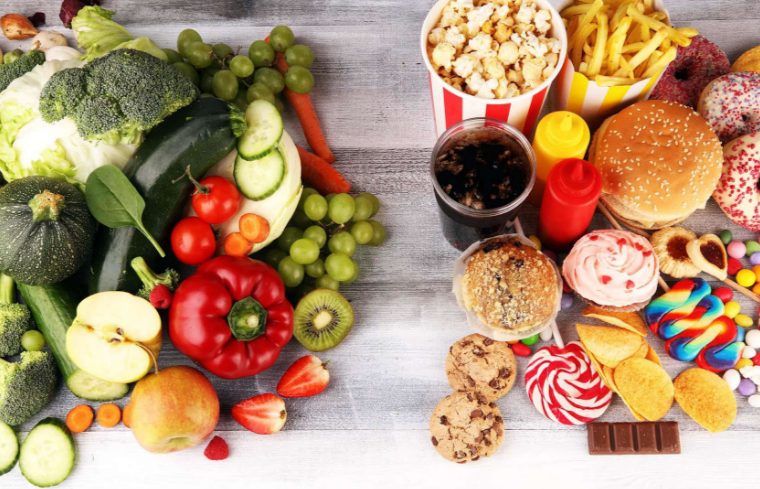
    Whole foods—like fresh fruits, vegetables, legumes, whole grains, and lean meats—retain their natural nutrients and are free from artificial additives. These foods are your allies in the quest for a vibrant, disease-free life. Processed foods, on the other hand, often contain high levels of salt, sugar, and unhealthy fats that can sabotage your wellness goals.

    Research from The China Study by T. Colin Campbell underscores that diets rich in whole foods are linked to lower incidences of heart disease, diabetes, and obesity. Prioritizing whole foods not only boosts your health but also helps retrain your palate to appreciate natural flavors, making healthy eating more enjoyable and sustainable.


    3- Opt for Seasonal and Local Produce

    Seasonal eating aligns your diet with nature’s rhythms and ensures maximum nutrient density. Foods harvested at their peak contain more vitamins, minerals, and antioxidants than those grown out of season and shipped long distances. This practice also supports local farmers and reduces your carbon footprint.

    Michael Pollan, in In Defense of Food, emphasizes, “Don’t eat anything your great-grandmother wouldn’t recognize as food.” Eating seasonally reinforces this principle. For example, enjoying fresh berries in summer or root vegetables in winter enhances both the taste and health benefits of your meals.


    4- Make Meal Prep a Habit

    Planning and preparing meals in advance empowers you to make intentional food choices rather than relying on convenience or impulse. Meal prep reduces stress, saves time, and ensures you always have healthy options within reach—even on your busiest days.

    Dr. Rangan Chatterjee, author of The 4 Pillar Plan, suggests that preparing meals in batches and storing them properly helps avoid the trap of ultra-processed convenience food. It also encourages mindfulness about portion control, ingredient quality, and overall dietary balance.


    5- Balance Your Plate

    A balanced plate should include a variety of macronutrients—carbohydrates, proteins, and healthy fats—along with essential vitamins and minerals. This not only supports your physical health but also keeps you feeling satisfied and energized throughout the day.

    The Harvard School of Public Health’s Healthy Eating Plate model recommends filling half your plate with vegetables and fruits, a quarter with whole grains, and the remaining quarter with protein. Such a framework helps prevent nutritional gaps and promotes metabolic harmony.


    6- Mindful Eating Matters

    Mindful eating involves paying full attention to the experience of eating—savoring each bite, recognizing hunger and satiety cues, and eliminating distractions. This practice enhances digestion, reduces overeating, and fosters a healthier relationship with food.

    Jon Kabat-Zinn, a pioneer in mindfulness-based stress reduction, explains that mindfulness in eating helps us “taste life fully.” By slowing down and truly engaging with our meals, we reconnect with the joy and gratitude that should accompany nourishing ourselves.


    7- Hydrate with Purpose

    Water is essential for every cellular function in the body, yet it’s often neglected in favor of sugary or caffeinated drinks. Staying well-hydrated aids digestion, improves skin health, and boosts cognitive performance.

    According to Dr. F. Batmanghelidj in Your Body’s Many Cries for Water, many symptoms like fatigue and headaches are actually signs of chronic dehydration. Aim for filtered water and enhance it naturally with slices of lemon, cucumber, or mint for a flavorful twist.


    8- Practice Portion Control

    Even healthy foods can lead to weight gain and metabolic imbalances if consumed in excess. Portion control teaches you to recognize true hunger and avoid mindless eating, especially in social or stressful situations.

    Using smaller plates, avoiding second helpings, and listening to your body’s hunger cues are simple yet effective strategies. As nutritionist Marion Nestle explains in What to Eat, portion sizes in restaurants and homes have ballooned over the years, subtly encouraging overeating.


    9- Don’t Demonize Fats

    Healthy fats are vital for hormone production, brain health, and nutrient absorption. Monounsaturated fats (from avocados, nuts, and olive oil) and omega-3s (from fatty fish and flaxseed) offer anti-inflammatory benefits and help regulate mood.

    Walter Willett, a professor at Harvard, clarifies in Eat, Drink, and Be Healthy that “not all fats are created equal.” The key is to replace trans and saturated fats with healthier alternatives rather than eliminating fats altogether.


    10- Limit Added Sugars

    Excessive sugar intake is a major contributor to chronic diseases such as type 2 diabetes, obesity, and even depression. The problem often lies not in natural sugars from fruits, but in hidden sugars found in processed foods, sauces, and drinks.

    Dr. Robert Lustig, in Fat Chance, details how added sugars disrupt insulin function and foster addictive eating patterns. Reading labels, cooking at home, and opting for natural sweeteners like dates or stevia can drastically reduce your sugar load.


    11- Cultivate a Positive Food Culture

    Food is not just fuel; it’s a cultural and emotional experience. Cultivating a positive food culture—where meals are shared, celebrated, and respected—improves mental and emotional well-being.

    Dan Buettner’s research in The Blue Zones reveals that people in longevity hotspots often eat in social settings, strengthening community bonds. Food traditions rooted in gratitude and togetherness enhance both nutritional value and life satisfaction.


    12- Avoid Emotional Eating

    Eating out of boredom, stress, or sadness can lead to unhealthy habits and emotional dependency on food. Identifying emotional triggers and finding alternative coping strategies—like journaling, walking, or meditation—can break the cycle.

    Dr. Susan Albers, author of Eating Mindfully, argues that “emotional hunger cannot be satisfied with food.” Developing emotional intelligence around eating is crucial for sustainable health and happiness.


    13- Diversify Your Diet

    Eating a wide range of foods ensures a broader intake of nutrients and supports a healthy gut microbiome. Diversity in diet also prevents palate fatigue and introduces you to new flavors and cultures.

    The book The Good Gut by Justin and Erica Sonnenburg highlights how dietary variety increases microbial diversity in the gut, improving digestion, immunity, and even mental health. Incorporate global cuisines, spices, and seasonal produce to keep meals exciting and nutritious.


    14- Learn Basic Nutrition

    Having foundational knowledge of macronutrients, micronutrients, and how food interacts with the body empowers you to make informed choices. You don’t need a degree in biochemistry—just a willingness to learn.

    Reading accessible texts like Nutrition for Dummies or enrolling in an online course can demystify the science behind food. With greater understanding comes greater autonomy over your health decisions.


    15- Shop Smart

    Navigating grocery stores with a plan helps you avoid impulse purchases and focus on nutrient-dense items. Shop the perimeter—where fresh produce, meats, and dairy are typically found—and minimize processed food purchases from the center aisles.

    Budgeting and reading nutrition labels are vital skills. Michael Greger, in How Not to Die, encourages consumers to “treat grocery shopping as the first step of cooking.” Strategic shopping sets the foundation for nutritious meals throughout the week.


    16- Cook at Home More Often

    Home cooking gives you complete control over ingredients, portion sizes, and cooking methods. It’s also a meaningful way to bond with family or engage in a creative, meditative process.

    Julia Child once said, “You don’t have to cook fancy or complicated masterpieces—just good food from fresh ingredients.” Cooking at home reduces reliance on restaurant food and allows for healthier, cost-effective meals tailored to your preferences.


    17- Educate Yourself on Food Labels

    Understanding food labels is essential for avoiding hidden sugars, trans fats, and artificial additives. Many marketing terms like “natural” or “low-fat” are misleading and require deeper scrutiny.

    Books like Salt, Sugar, Fat by Michael Moss unveil the tactics food companies use to manipulate consumer choices. Being an informed shopper means reading ingredient lists, not just front-label claims.


    18- Be Flexible, Not Rigid

    Rigid diets often lead to burnout, guilt, and disordered eating. A flexible approach allows room for occasional indulgences without derailing your progress, promoting a sustainable lifestyle.

    Registered dietitian Evelyn Tribole, co-author of Intuitive Eating, advises that “all foods fit” within a balanced life. Flexibility fosters a healthy mindset where food is neither feared nor idolized but appreciated in its proper place.


    19- Monitor Progress Without Obsession

    Tracking your eating habits, energy levels, and emotional well-being can provide insights into what’s working. However, becoming overly fixated can lead to anxiety or obsessive behaviors.

    Using apps or journals mindfully—not religiously—strikes the right balance. As behavior scientist BJ Fogg suggests in Tiny Habits, consistency in small steps builds long-term success without the need for perfectionism.


    20- Stay Inspired and Keep Learning

    Health and nutrition are evolving fields. Staying inspired through books, podcasts, or following credible experts helps reinforce good habits and introduces new ideas.

    Some excellent reads include The Omnivore’s Dilemma by Michael Pollan and Brain Maker by Dr. David Perlmutter. A lifelong learning attitude ensures your approach to healthy eating evolves as your life circumstances and scientific understanding change.


    21- Good Mood Food

    The relationship between food and mood is profound. Certain foods contain compounds that stimulate the production of neurotransmitters like serotonin and dopamine, which regulate happiness and relaxation. Incorporating complex carbohydrates, omega-3 fatty acids, and leafy greens can make a significant difference in your emotional well-being.

    Dr. Drew Ramsey, author of Eat Complete, states that “food is the most powerful tool to help prevent and treat depression.” Foods rich in tryptophan, magnesium, and antioxidants—such as spinach, eggs, and fatty fish—can naturally lift your spirits and reduce anxiety.


    22- Have a Cup of Tea

    Tea, especially varieties like green, chamomile, and matcha, has been shown to reduce stress and enhance alertness without the jittery side effects of coffee. Green tea, in particular, contains L-theanine, an amino acid that promotes relaxation while maintaining mental clarity.

    According to The Book of Tea by Okakura Kakuzō, tea drinking is not merely a habit but a ceremony of tranquility and focus. Whether you’re sipping black tea for a caffeine boost or chamomile for calm, incorporating tea into your daily routine can enhance both mood and metabolic function.


    23- Load Up on Turmeric

    Turmeric contains curcumin, a potent anti-inflammatory and antioxidant compound that has been linked to improved brain function and mood stability. Regular consumption of turmeric may help alleviate symptoms of depression and reduce the risk of cognitive decline.

    A study published in Phytotherapy Research revealed that curcumin had similar efficacy to Prozac in treating major depressive disorder, with fewer side effects. Adding turmeric to curries, smoothies, or even tea can be a flavorful and healing ritual.


    24- Eat Some Asparagus

    Asparagus is a natural source of folate, a B vitamin essential for the production of mood-regulating neurotransmitters. Low levels of folate have been associated with depressive symptoms, making asparagus a valuable addition to a mood-boosting diet.

    The American Journal of Clinical Nutrition outlines the role of folate-rich vegetables in supporting mental health. With its detoxifying properties and prebiotic content, asparagus also supports digestive health, which is intrinsically linked to emotional balance.


    25- Turn to Turkey

    Turkey is a lean protein rich in tryptophan, the precursor to serotonin. Including turkey in your diet, especially in the evening, can promote relaxation and better sleep quality—both vital for mental resilience.

    In Nutrition Essentials for Mental Health by Leslie Korn, turkey is cited as an ideal food for those dealing with mood swings or anxiety. Pairing it with complex carbs like sweet potatoes can enhance the tryptophan uptake, making meals both satisfying and therapeutic.


    26- Nibble on Brazil Nuts

    Brazil nuts are among the richest dietary sources of selenium, a mineral crucial for thyroid health and mood regulation. Just one to two nuts a day can meet your daily selenium requirement.

    Dr. David Perlmutter, in Grain Brain, emphasizes that selenium deficiency is often overlooked but can contribute to fatigue, irritability, and foggy thinking. Brazil nuts also contain healthy fats and protein, making them an ideal snack for brain support.


    27- Sip on Some Cocoa

    Dark cocoa is high in flavonoids, which are known to enhance cognitive function and increase blood flow to the brain. It also stimulates the production of endorphins and serotonin, natural mood elevators.

    The Happiness Diet by Tyler Graham and Drew Ramsey highlights cocoa as a “feel-good food” that satisfies chocolate cravings while supporting neurological health. Opt for unsweetened or minimally processed dark chocolate for maximum benefits.


    28- Reach for a Banana

    Bananas are a quick and effective energy booster, rich in vitamin B6, potassium, and tryptophan. They support neurotransmitter function and help regulate blood sugar levels, preventing mood dips.

    According to Superfoods: The Flexible Approach to Eating More Superfoods by Julie Montagu, bananas are nature’s fast food with mood-enhancing properties. Whether eaten alone or added to oatmeal or smoothies, they’re a convenient ally for emotional balance.


    29- Boost Your Vitamin D Levels

    Vitamin D plays a critical role in mental health. Deficiencies have been linked to depression, fatigue, and cognitive decline. Sunlight exposure and vitamin D-rich foods such as fatty fish, eggs, and fortified dairy can significantly impact your emotional state.

    The Journal of Psychiatry & Neuroscience has published multiple studies connecting low vitamin D levels with seasonal affective disorder (SAD). Supplementation may be necessary in winter months or for those with limited sun exposure.


    30- Curb Your Sugar Intake

    Excessive sugar intake disrupts blood glucose levels, leading to mood swings, fatigue, and long-term metabolic issues. Overconsumption is also tied to increased inflammation, which is associated with depression.

    In The Case Against Sugar, Gary Taubes outlines how sugar acts like a drug in the brain, leading to cycles of craving and withdrawal. Reducing added sugars and choosing natural alternatives can stabilize both mood and energy levels.


    31- Be Careful with Caffeine

    While caffeine can enhance focus and performance, overconsumption can lead to anxiety, insomnia, and adrenal fatigue. Sensitivity varies by individual, so it’s crucial to observe how your body responds.

    Dr. Sara Gottfried in The Hormone Cure recommends limiting caffeine to earlier in the day and pairing it with protein to slow absorption. Moderation is key—too much caffeine can hijack your hormonal balance and elevate cortisol.


    32- Bulk Up on Beans and Pulses

    Beans and pulses like lentils, chickpeas, and black beans are rich in plant-based protein, fiber, and slow-digesting carbs. These nutrients help maintain stable blood sugar, support gut health, and keep you full longer.

    The Blue Zones Kitchen showcases how centenarians regularly consume legumes, which contribute to longevity and cognitive health. Pulses also contain folate and magnesium—critical nutrients for brain function and mood regulation.


    33- Get Enough Protein

    Protein provides the amino acids needed to build neurotransmitters such as dopamine and serotonin. It also supports muscle repair, hormone production, and satiety, making it essential in any balanced diet.

    In Protein Power by Drs. Michael and Mary Dan Eades, the authors stress how adequate protein intake supports metabolic health and mental acuity. Sources include lean meats, dairy, legumes, tofu, and eggs—adaptable to various dietary needs.


    34- Give Your Brain a Dose of Healthy Fats

    Healthy fats nourish the brain, which is composed of about 60% fat. Omega-3s, in particular, support cognitive function, emotional stability, and protection against neurodegenerative diseases.

    According to Brain Food by Lisa Mosconi, regular intake of foods like walnuts, flaxseed, olive oil, and fatty fish boosts memory and focus. Avoiding trans fats is equally important to maintain neurological integrity.


    35- Try Some Probiotics

    A healthy gut microbiome is directly linked to mood and brain health via the gut-brain axis. Fermented foods like yogurt, kefir, kimchi, and sauerkraut provide beneficial bacteria that support digestion and emotional balance.

    Dr. Emeran Mayer, in The Mind-Gut Connection, explains how gut flora influence everything from anxiety to decision-making. Regularly incorporating probiotics can improve not only your digestion but also your resilience to stress.


    36- Don’t Ditch Red Meat Completely

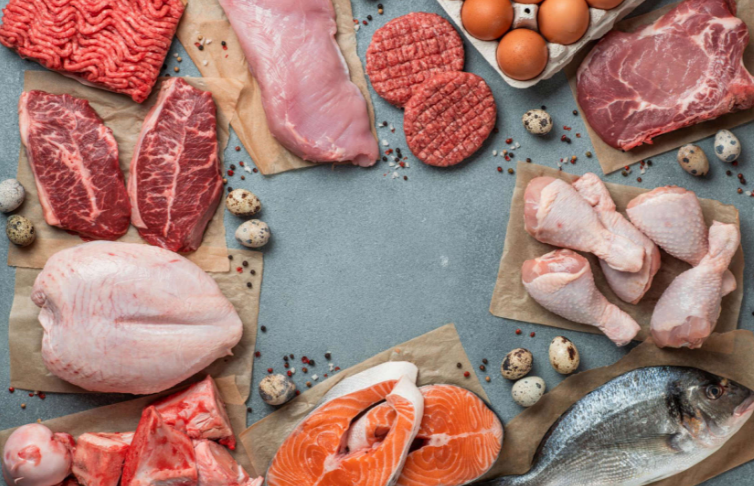
    Red meat, when consumed in moderation and from quality sources, provides heme iron, zinc, and vitamin B12—nutrients vital for brain health and energy production. Over-restriction may lead to deficiencies, especially in women.

    In Real Food for Pregnancy by Lily Nichols, the role of red meat in balanced nutrition is discussed at length. The key lies in choosing grass-fed, unprocessed varieties and pairing with plant-based foods for synergy.


    37- Give Your Brain a Berry Boost

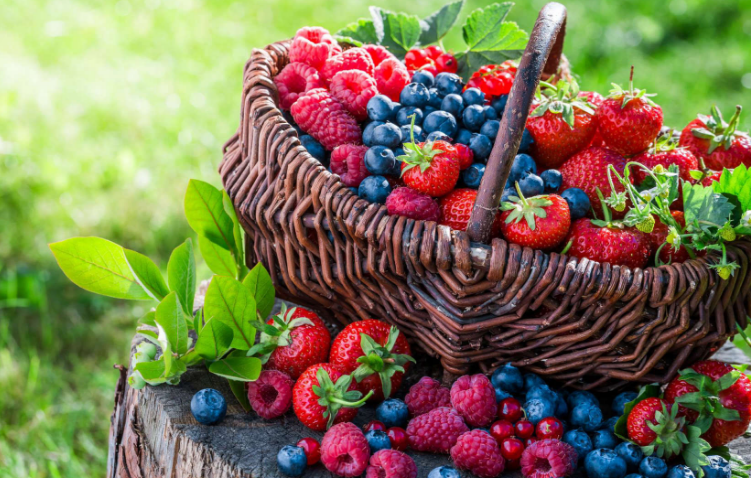
    Berries like blueberries, strawberries, and raspberries are rich in antioxidants that protect the brain from oxidative stress and inflammation. Regular consumption is linked to improved memory and slower cognitive aging.

    The Annals of Neurology published a study showing that women who consumed berries frequently delayed cognitive decline by up to 2.5 years. Berries are also naturally low in sugar and make a vibrant addition to any meal.


    38- Consume Zinc for More Zen

    Zinc plays a vital role in neurotransmitter function, immune response, and stress regulation. Deficiency has been associated with increased anxiety and depression, especially in older adults.

    The Zinc Solution by Dr. Bryce Wylde highlights zinc’s effect on mood and cognition. Foods like pumpkin seeds, shellfish, and whole grains are excellent sources to maintain adequate levels.


    39- Get More Magnesium

    Magnesium supports over 300 biochemical reactions in the body, including those that regulate mood, sleep, and muscle function. It also has a calming effect on the nervous system.

    Dr. Carolyn Dean’s The Magnesium Miracle argues that magnesium deficiency is widespread and often overlooked in anxiety-related disorders. Include leafy greens, nuts, seeds, and dark chocolate to ensure daily intake.


    40- Up Your Omega-3

    Omega-3 fatty acids, found in flaxseed, chia seeds, walnuts, and fatty fish, are crucial for brain health. They help reduce inflammation, improve cognition, and stabilize mood.

    In The Omega-3 Effect, Dr. William Sears illustrates how these fats are essential for both heart and mental health. Supplementing with high-quality fish oil may be beneficial, especially for those on plant-based diets.


    41- Enjoy a Sunshine Diet

    Eating foods rich in vitamin D, bright-colored fruits and vegetables, and hydrating options supports circadian rhythms and seasonal mood balance. Sunlight itself enhances vitamin D synthesis, while fresh produce boosts vitality.

    “Let your food be the sunshine you can hold in your hand,” says Ayurvedic teacher Maya Tiwari in The Path of Practice. A diet that mimics the lightness and brightness of the sun can uplift your mood and improve energy levels.


    42- Stay Hydrated

    Chronic dehydration impairs concentration, increases fatigue, and even affects mood regulation. Water facilitates nearly every bodily function, including those related to cognition and metabolism.

    Dr. Dana Cohen’s Quench explores how hydration influences everything from joint health to emotional resilience. Aim to sip water regularly throughout the day and consider hydrating foods like cucumber, melon, and citrus.


    43- Have an Occasional Treat

    Indulgence, when done mindfully, supports mental and emotional well-being. Completely restricting comfort foods can lead to guilt, bingeing, or disordered eating patterns.

    “Deprivation is not sustainable,” notes Evelyn Tribole in Intuitive Eating. Allow yourself occasional treats to create a balanced, realistic approach that honors both discipline and delight.


    44- Avoid Diets That Are Very Low in Carbs

    While low-carb diets may promote weight loss, extremely low levels can negatively affect mood, energy, and thyroid function. The brain needs glucose, especially from complex carbohydrates, for optimal performance.

    The Glucose Revolution highlights the importance of slow-releasing carbs for brain fuel and emotional stability. Choose whole grains, legumes, and starchy vegetables over refined carbs for sustainable energy.


    45- Get Your Fibre Fix

    Fiber supports digestion, regulates blood sugar, and promotes a diverse microbiome—all of which are linked to better mood and mental clarity. Most people fall short of the recommended daily intake.

    Dr. Michael Greger recommends “filling your plate with plants” in How Not to Die. Include oats, beans, fruits, and vegetables to meet fiber goals and enjoy long-term benefits.


    46- Pack in Plenty of B Vitamins

    B vitamins, especially B6, B12, and folate, are essential for energy metabolism, nerve function, and mood regulation. Deficiencies can lead to fatigue, confusion, and depressive symptoms.

    The Mood Cure by Julia Ross delves into how B vitamins restore neurotransmitter balance. Include eggs, whole grains, leafy greens, and legumes to keep your levels optimal.


    47- Pile on the Vegetables

    Vegetables are low in calories but high in nutrients, fiber, and antioxidants. Regular consumption reduces inflammation and supports detoxification, cardiovascular health, and brain function.

    Dr. Joel Fuhrman, in Eat to Live, advocates a “nutritarian” diet rich in greens and cruciferous vegetables. The more diverse and colorful your plate, the better your overall health.


    48- Get Your Carbs Right

    Carbohydrates are not the enemy—refined ones are. Choosing complex carbohydrates ensures slow digestion, steady glucose release, and sustained energy.

    As David Ludwig points out in Always Hungry?, insulin spikes from refined carbs can lead to hunger, mood swings, and weight gain. Whole grains, legumes, and root vegetables are smart carb choices.


    49- Ditch the Fads

    Fad diets promise quick fixes but often ignore long-term health and sustainability. Most are unsustainable, unbalanced, and may lead to nutrient deficiencies.

    Dr. T. Colin Campbell criticizes such trends in Whole: Rethinking the Science of Nutrition. True wellness comes from consistent, evidence-based eating habits, not dietary extremes.


    50- Think Long-Term

    Healthy eating is a lifelong journey, not a short-term project. It’s about building habits that you can maintain and adapt as your life evolves.

    James Clear, in Atomic Habits, reminds us that small, consistent changes compound over time. Prioritize sustainability, balance, and joy in your diet, and you’ll build a lifestyle that supports both your health and happiness.


    Conclusion

    Nourishing your body with healthy, desirable ingredients isn’t about discipline alone—it’s about insight, intention, and joy. From mood-enhancing foods to long-term eating habits, each step you take can profoundly transform your relationship with food and, by extension, with yourself.

    As you embark or continue on this journey, remember: the ultimate goal is not perfection but progress—mindful, meaningful progress that honors both your health and your happiness.

    Eating healthily doesn’t require self-deprivation or bland meals—it’s about aligning your dietary habits with your values, goals, and preferences. When you choose nourishing, desirable ingredients tailored to your body’s needs, food transforms from a source of stress to a source of joy.

    By incorporating these 20 practical steps, you empower yourself to make mindful, informed decisions that enhance not only your physical health but also your emotional and social well-being. As you evolve in your journey, remember the words of Wendell Berry: “Eating is an agricultural act.” It’s also an act of self-care, empowerment, and happiness.

    Bibliography

    1. Ramsey, Drew. Eat Complete: The 21 Nutrients That Fuel Brainpower, Boost Weight Loss, and Transform Your Health. Harper Wave, 2016.

    2. Graham, Tyler and Ramsey, Drew. The Happiness Diet: A Nutritional Prescription for a Sharp Brain, Balanced Mood, and Lean, Energized Body. Rodale Books, 2011.

    3. Taubes, Gary. The Case Against Sugar. Anchor, 2017.

    4. Korn, Leslie. Nutrition Essentials for Mental Health: A Complete Guide to the Food-Mood Connection. W. W. Norton & Company, 2016.

    5. Mosconi, Lisa. Brain Food: The Surprising Science of Eating for Cognitive Power. Avery, 2018.

    6. Perlmutter, David. Grain Brain: The Surprising Truth about Wheat, Carbs, and Sugar – Your Brain’s Silent Killers. Little, Brown Spark, 2013.

    7. Montagu, Julie. Superfoods: The Flexible Approach to Eating More Superfoods. Quadrille Publishing, 2016.

    8. Cohen, Dana and Pham, Gina Bria. Quench: Beat Fatigue, Drop Weight, and Heal Your Body Through the New Science of Optimum Hydration. Hachette Books, 2018.

    9. Dean, Carolyn. The Magnesium Miracle. Ballantine Books, 2017.

    10. Wylde, Bryce. The Antioxidant Prescription: How to Use the Power of Antioxidants to Prevent Disease and Stay Healthy for Life. Random House Canada, 2008.

    11. Mayer, Emeran. The Mind-Gut Connection: How the Hidden Conversation Within Our Bodies Impacts Our Mood, Our Choices, and Our Overall Health. Harper Wave, 2016.

    12. Nichols, Lily. Real Food for Pregnancy: The Science and Wisdom of Optimal Prenatal Nutrition. Pilates Nutritionist, 2018.

    13. Greger, Michael. How Not to Die: Discover the Foods Scientifically Proven to Prevent and Reverse Disease. Flatiron Books, 2015.

    14. Fuhrman, Joel. Eat to Live: The Amazing Nutrient-Rich Program for Fast and Sustained Weight Loss. Little, Brown Spark, 2011.

    15. Ross, Julia. The Mood Cure: The 4-Step Program to Take Charge of Your Emotions–Today. Penguin Books, 2004.

    16. Sears, William. The Omega-3 Effect: Everything You Need to Know About the Supernutrient for Living Longer, Happier, and Healthier. Little, Brown Spark, 2012.

    17. Ludwig, David. Always Hungry?: Conquer Cravings, Retrain Your Fat Cells, and Lose Weight Permanently. Grand Central Life & Style, 2016.

    18. Clear, James. Atomic Habits: An Easy & Proven Way to Build Good Habits & Break Bad Ones. Avery, 2018.

    19. Campbell, T. Colin and Campbell, Thomas M. The China Study: The Most Comprehensive Study of Nutrition Ever Conducted. BenBella Books, 2006.

    20. Tiwari, Maya. The Path of Practice: A Woman’s Book of Ayurvedic Healing. Ballantine Books, 2000.

    21. Okakura, Kakuzō. The Book of Tea. Dover Publications, 1964 (originally published in 1906).

    22. Tribole, Evelyn and Resch, Elyse. Intuitive Eating: A Revolutionary Anti-Diet Approach. St. Martin’s Essentials, 2020.

    23. Eades, Michael R. and Eades, Mary Dan. Protein Power: The High-Protein/Low-Carbohydrate Way to Lose Weight, Feel Fit, and Boost Your Health. Bantam, 2000.

    24. Blue Zones LLC. The Blue Zones Kitchen: 100 Recipes to Live to 100. National Geographic, 2019.

    25. Julie, Julie. Superfoods Superfast: 100 Energizing Recipes to Make in 20 Minutes or Less. Quadrille Publishing, 2017.

    By Amjad Izhar
    Contact: amjad.izhar@gmail.com
    https://amjadizhar.blog

  • Delicious 15-Minute Meals Anyone Can Make At Home

    Delicious 15-Minute Meals Anyone Can Make At Home

    In an age where every minute feels accounted for, carving out time to cook can seem like a luxury. Yet, the desire for fresh, wholesome, and satisfying food remains universal—no one wants to sacrifice flavor or nutrition for speed. The good news? You don’t have to. With the right ingredients, mindset, and a touch of culinary creativity, it’s entirely possible to whip up gourmet-style meals in just 15 minutes.

    The idea that cooking well requires hours in the kitchen is a myth that deserves to be retired. As culinary expert Mark Bittman suggests in How to Cook Everything Fast, quick meals can be both practical and delicious when we approach the kitchen with efficiency and clarity. What matters most is the thoughtful pairing of ingredients, an understanding of fundamental techniques, and a willingness to embrace simplicity as a virtue.

    This blog will guide you through twenty brilliant 15-minute meals that don’t compromise on quality. Whether you’re a working professional, a student, or someone who just prefers not to linger in the kitchen, each recipe has been designed to balance speed, nutrition, and taste. Along the way, you’ll also discover useful culinary insights, practical hacks, and references to food scholars and chefs who inspire excellence—even when the clock is ticking.


    1- The Power of Pantry Staples

    Having a well-stocked pantry is the secret weapon of fast home cooking. Items like canned beans, pasta, lentils, spices, olive oil, and tomatoes serve as the building blocks of numerous quick meals. They allow you to avoid the time-consuming steps of prep and still create dishes that are bold in flavor and rich in nutrition. Think chickpea curry with coconut milk or spicy garlic noodles with sesame oil—each can be brought to life in minutes if the essentials are already within arm’s reach.

    Michael Pollan, in Cooked, emphasizes that “pantry cooking” is not just about convenience—it’s a lifestyle that empowers home cooks. Using shelf-stable ingredients creatively fosters a resourceful mindset, reduces food waste, and can introduce global flavors into your kitchen routine without added complexity.


    2- Fast Proteins: Eggs, Tuna, and Rotisserie Chicken

    Proteins that require minimal cooking time or come pre-cooked are perfect for 15-minute meals. Eggs, in particular, are incredibly versatile—scrambled, poached, boiled, or made into an omelette, they offer both nourishment and adaptability. Canned tuna is another underappreciated gem; with the right dressing and herbs, it becomes the star of a Niçoise-style salad or spicy pasta dish.

    Rotisserie chicken, as highlighted by culinary writer Deborah Madison, can be a game changer for time-strapped cooks. It can be shredded into tacos, stirred into soups, or laid over a grain bowl with minimal effort. These options prove that preparing protein-rich meals doesn’t have to be laborious or bland.


    3- One-Pan Wonders

    Cleaning up can often take longer than the cooking itself. That’s why one-pan meals are a savior. Whether it’s a skillet stir-fry, a sautéed shrimp dish, or a veggie-loaded shakshuka, the single cooking vessel keeps things efficient. It allows for layering of flavors, and when done correctly, ensures that each ingredient complements the others harmoniously.

    Harold McGee in On Food and Cooking highlights how controlling heat in a single pan maximizes flavor extraction while maintaining texture. It’s about understanding the sequence—when to add garlic, when to sauté onions, and when to deglaze with a splash of stock or wine. Such knowledge elevates simple recipes to refined meals.


    4- Smart Use of Leftovers

    Yesterday’s dinner can become today’s gourmet lunch. Leftovers should be seen not as second-tier meals but as opportunities for reinvention. Roasted vegetables can morph into a Mediterranean wrap with hummus and feta, while leftover rice becomes the base for a 5-minute fried rice dish with eggs and soy sauce.

    As Tamar Adler notes in An Everlasting Meal, “Leftovers are merely ingredients that need a new context.” Embracing this philosophy helps reduce food waste and introduces a creative rhythm to your cooking. It’s not about reheating—it’s about reimagining.


    5- Flavor Bomb Sauces

    A bold sauce can turn humble ingredients into a sensational meal. Whipping up a chimichurri, tahini dressing, or a quick peanut-lime sauce can instantly elevate grains, proteins, and vegetables. Most sauces take under five minutes to prepare and can be stored for several days, allowing you to bring variety to even the simplest dishes.

    Yotam Ottolenghi, in his book Plenty, emphasizes the power of condiments as central flavor agents. These “flavor bombs” allow a cook to build complexity without fuss. Master a few, and your 15-minute meals will feel endlessly dynamic.


    6- Fresh Herbs and Aromatics

    Never underestimate the power of herbs. A handful of fresh cilantro, basil, or parsley can transform a dish both visually and aromatically. Add in quick aromatics like garlic, ginger, or scallions, and your meal gains both depth and dimension in no time.

    Culinary scholar Elizabeth David argued that “a dish without herbs is a poem without punctuation.” The brightness of herbs and aromatics can cut through richness, provide balance, and make a dish feel thoughtfully composed—even if it only took 12 minutes to prepare.


    7- Prepped Veggies: Your Best Friend

    Buying pre-chopped vegetables or prepping them in batches can shave precious minutes off your cooking time. Whether you’re tossing a salad, making a stir-fry, or roasting something quickly under the broiler, having your veggies ready to go is a game-changer.

    Nutritionist Marion Nestle advocates for “strategic preparation” in her writing, noting that it supports consistent healthy eating without requiring extensive daily effort. Investing a few minutes after grocery shopping to chop and store vegetables can lead to effortless meals all week long.


    8- Grain Bowls for the Win

    Grain bowls are the epitome of flexible, fast food. Start with a base of quinoa, couscous, or brown rice (often available in pre-cooked microwave packs), add a protein, fresh veggies, and drizzle with a flavorful dressing. They’re nutritious, customizable, and deeply satisfying.

    Books like The New Mediterranean Table by Joyce Goldstein highlight how ancient grains are being reimagined in modern cooking. These bowls let you layer textures, temperatures, and tastes—all within 15 minutes—making them a frequent choice for busy, health-conscious cooks.


    9- Wrap It Up: Tortillas, Lettuce, and Nori

    Wraps are essentially handheld meals that can be prepared in minutes. Whole-grain tortillas filled with hummus, grilled vegetables, and a lean protein are both filling and transportable. For a lighter option, lettuce or cabbage leaves make excellent wraps, while nori sheets open the door to fast sushi-inspired meals.

    As Deborah Madison notes in Vegetarian Cooking for Everyone, wraps offer a canvas for endless creativity. They also work beautifully for clearing out your fridge—whatever you’ve got can likely be rolled into something delicious.


    10- Stir-Fries with a Twist

    Quick, hot, and endlessly customizable, stir-fries allow you to incorporate vegetables, protein, and sauce in one pan. The key lies in having all your ingredients prepped and the pan hot enough to cook quickly while preserving texture and color.

    Stir-fries exemplify the culinary concept of mise en place—everything in its place—taught in professional kitchens and discussed in books like The Flavor Bible. Once mastered, this technique gives you near-instant access to meals that are vibrant and well-balanced.


    11- Souped Up: Broths and Quick Soups

    A simple broth can be the base for a satisfying soup in no time. Add frozen vegetables, pre-cooked noodles, or shredded chicken, and in minutes you’ve got a comforting, nourishing meal. Miso paste, in particular, offers a speedy umami punch that requires no simmering.

    In Salt, Fat, Acid, Heat, Samin Nosrat emphasizes the balancing of these elements to build flavor fast. When used properly, even a basic soup becomes a showcase of layered taste and texture—ideal for weeknights or wellness routines.


    12- Instant Pasta Mastery

    Pasta cooks in under 10 minutes, and with a well-matched sauce, it becomes the backbone of quick comfort food. Try aglio e olio (garlic and oil), cacio e pepe, or a lemon-butter capellini for instant elegance. Add canned tuna or peas for a protein boost.

    Marcella Hazan, the Italian food doyenne, encouraged simplicity with precision. Her classic Essentials of Classic Italian Cooking demonstrates how a few ingredients, treated with care, can produce something greater than the sum of their parts—perfect for a 15-minute window.


    13- Sweet and Fast: 15-Minute Desserts

    You don’t need to spend hours baking to enjoy dessert. Think chocolate mug cake, fruit parfaits with Greek yogurt and honey, or sautéed apples with cinnamon and a splash of brandy. These desserts are light, satisfying, and surprisingly elegant.

    As Nigella Lawson quips, “No one is ever unhappy with a quick dessert.” These quick treats offer the perfect endnote to your meal, proving that a little sweetness can be achieved without turning on the oven.


    14- Flavorful Global Inspirations

    Look to global cuisines for fresh, quick ideas. Vietnamese summer rolls, Thai larb, Mexican street corn salad, or Mediterranean pita sandwiches—all can be made quickly with ingredients that are increasingly easy to source.

    Claudia Roden’s The Book of Jewish Food reminds us that many traditional dishes were born out of necessity and speed. Today, they offer vibrant options for modern cooks looking to combine tradition and efficiency.


    15- Speedy Breakfast-for-Dinner

    Breakfast items are fast by design, making them ideal for any time of day. Scrambled eggs with avocado toast, shakshuka, or banana pancakes provide comfort and nutrition with minimal prep.

    Breakfast-for-dinner is a nostalgic concept that can be elevated with just a few tweaks—truffle salt, sourdough bread, or a dollop of Greek yogurt. As culinary theorist Brillat-Savarin said, “Tell me what you eat and I will tell you who you are”—even if it’s pancakes at 7 PM.


    16- Kitchen Tools That Save Time

    A good chef’s knife, a nonstick skillet, and a food processor can significantly cut down on cooking time. Smart investments in tools make preparation intuitive and enjoyable rather than burdensome.

    In Kitchen Confidential, Anthony Bourdain stressed the value of knife skills and proper equipment: “Good food is very often, even most often, simple food.” With the right tools, simple becomes sublime.


    17- Meal Planning for Speed

    Planning your meals for the week—even loosely—can help you avoid the last-minute panic that often leads to unhealthy choices. Think batch-cooked grains, chopped veggies, and protein options ready to combine.

    Dietician and author Ellie Krieger notes in Weeknight Wonders that mental bandwidth is just as crucial as physical time. Knowing what’s for dinner before you’re hungry can be the difference between a microwave dinner and a homemade feast.


    18- Grocery Shopping with Intention

    Shopping with a list and a plan helps you choose ingredients that work together across multiple meals. Prioritize versatility—things like lemons, garlic, yogurt, and spinach work in diverse contexts.

    Michael Pollan’s advice—“Don’t eat anything your great-grandmother wouldn’t recognize as food”—applies here. Choosing whole, recognizable foods ensures not only health but adaptability in fast cooking scenarios.


    19- Staying Inspired in the Kitchen

    Routine can dull even the best intentions. Keep your meals exciting by following food blogs, experimenting with new spices, or joining a local cooking class. Inspiration fuels efficiency.

    Inspiration, as Julia Child said, “is knowing how to cook something with nothing.” Staying curious and playful keeps cooking fast, fresh, and joy-filled.


    20- Cooking as a Daily Practice

    Making 15-minute meals a regular part of your life isn’t just about speed—it’s about fostering a relationship with food that’s mindful and empowering. When you cook daily, even briefly, you build skills that last a lifetime.

    In The Omnivore’s Dilemma, Pollan reminds us that “cooking is a political act.” Every time we choose to cook at home, even quickly, we take ownership of our health, our time, and our values.


    21- Speedy Suppers

    Speedy suppers are more than a convenience—they’re a culinary strategy for weeknights. The key is to combine efficiency with creativity. Dishes that use fewer ingredients but pack a flavor punch—like lemon-garlic shrimp or sautéed greens with polenta—can be ready in under 15 minutes and still feel elegant. These meals often rely on streamlined techniques, such as quick pan-searing or flash-sautéing.

    In Dinner: Changing the Game, Melissa Clark emphasizes that dinner doesn’t need to be a grand production. “What matters is getting it done—and enjoying it,” she writes. Speedy suppers embrace this philosophy by offering nourishment without stress, making them the cornerstone of modern home cooking.


    22- Black and Kidney Bean Chili

    This vegetarian black and kidney bean chili is hearty, protein-rich, and packed with flavor. With canned beans, canned tomatoes, and spices like cumin, paprika, and chili powder, you can create a smoky, satisfying dish that rivals slow-cooked versions. Serve it with cornbread or over rice for a complete meal.

    Food writer Diana Henry recommends adding a touch of cocoa powder or espresso to deepen the flavor—a technique that intensifies the umami profile. This dish exemplifies how 15-minute cooking can still offer layers of complexity, warmth, and soul-satisfying comfort.


    23- Apple and Turkey Quesadillas

    Apple and turkey quesadillas are a sweet-savory revelation. The crisp tartness of apples pairs perfectly with lean turkey and melted sharp cheddar or Gruyère cheese. A whole-wheat tortilla crisps beautifully in the skillet, offering texture and contrast.

    This dish is a nod to the modern trend of fusing contrasting elements for quick gourmet meals. As chef Alice Waters advocates in The Art of Simple Food, food should “appeal to the senses, not overwhelm them”—and this clever combination achieves just that.


    24- Satay Noodle Stir-Fry

    This quick satay noodle stir-fry offers bold Southeast Asian flavors in under 15 minutes. With pre-cooked noodles, peanut sauce, and quick-seared vegetables like bell peppers and snap peas, it’s a balanced, vibrant dish that satisfies both texture and flavor cravings.

    In Cradle of Flavor, James Oseland points out that “peanut sauces are versatile, quick to prepare, and endlessly adaptable,” making them ideal for fast meals. Garnish with lime and cilantro for a restaurant-worthy finish at home.


    25- Steak with Garlic Butter

    Few things feel more indulgent than steak with garlic butter—and it’s surprisingly quick. A well-seasoned steak cooks in about 5 minutes per side in a hot pan, and the garlic butter melts luxuriously over it, enhancing its richness and aroma.

    As Thomas Keller notes in Ad Hoc at Home, “Mastering one great pan sauce transforms a home cook’s repertoire.” Garlic butter is exactly that: easy, elegant, and endlessly effective at elevating a dish.


    26- Cheese, Ham, and Fig Crêpes

    These savory-sweet crêpes are a French-inspired masterpiece. The nuttiness of Gruyère or Emmental cheese, the saltiness of cured ham, and the sweetness of fig jam combine to create a balanced and sophisticated flavor profile—all in a delicate crêpe.

    In The Flavor Thesaurus, Niki Segnit highlights the harmony between figs and cured meats as a classic pairing that “plays with contrast and complexity.” Quick to make and gourmet in spirit, these crêpes make an ideal quick lunch or elegant dinner.


    27- Miso Ramen Bowl

    A miso ramen bowl delivers umami comfort in minutes. Using store-bought broth, miso paste, instant ramen noodles, and quick toppings like soft-boiled egg, seaweed, and scallions, this dish feels like a culinary hug.

    Chef David Chang, in Momofuku, describes ramen as “the gateway drug to deeper flavors.” Even a simple version with miso provides layers of savory complexity and warmth—perfect for fast, fulfilling meals.


    28- Huevos Rancheros

    This classic Mexican breakfast dish makes for an excellent speedy supper. Fried eggs served atop warm corn tortillas with spicy tomato salsa, black beans, and avocado deliver protein, fiber, and bold flavor with minimal effort.

    Rick Bayless, in Mexican Everyday, explains that dishes like huevos rancheros “are rooted in tradition yet flexible enough for fast cooking.” Their rustic elegance and nutritional punch make them ideal for 15-minute meals.


    29- Cheat’s Chicken Curry

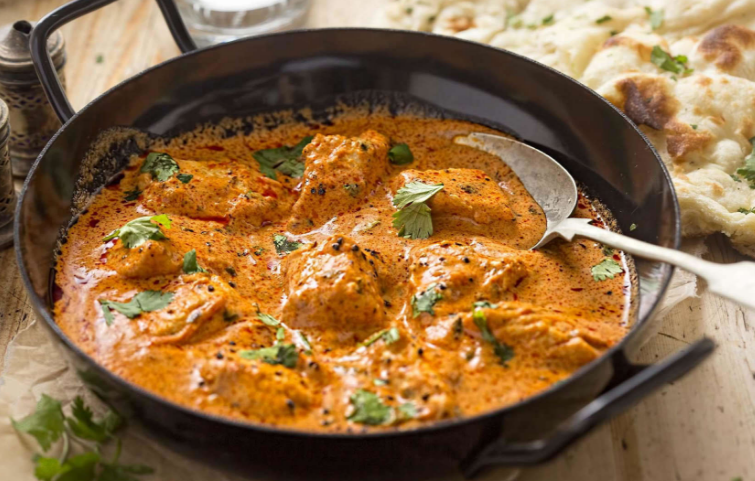
    Using store-bought curry paste and pre-cooked chicken, cheat’s chicken curry offers the flavors of a slow-cooked meal in a fraction of the time. Add coconut milk, vegetables, and serve with microwaveable rice or naan for a complete dish.

    In Indian-ish, Priya Krishna emphasizes that shortcuts “don’t dilute tradition—they make it accessible.” This curry does exactly that: providing warmth, spice, and satisfaction without the wait.


    30- Fish Stick Tacos

    Fish stick tacos are a playful, nostalgic meal reinvented. Crisp oven-baked or air-fried fish sticks topped with slaw, crema, and hot sauce in soft tortillas create a delightful, fast dish that even foodies can appreciate.

    As Nigel Slater notes in Real Fast Food, cooking should “liberate rather than constrain.” These tacos do just that—offering ease, fun, and flavor in under 15 minutes.


    31- Seared Soy and Sesame Tuna

    Seared tuna is a luxury that takes minutes. Coat the fish in soy, sesame oil, and black pepper, sear for one minute per side, and serve with quick-pickled cucumbers or soba noodles for a refined, protein-rich meal.

    Harold McGee highlights the technique of flash-searing in On Food and Cooking, noting its efficiency in locking in flavor and moisture. This dish delivers culinary finesse without the time investment.


    32- Super-Fast Pea Soup

    This soup uses frozen peas, vegetable broth, garlic, and mint or basil, all blended into a silky puree. It’s light yet filling, vibrant in color, and incredibly fast to prepare.

    In Plenty More, Yotam Ottolenghi describes such soups as “celebrations of simplicity.” Topped with a swirl of cream or dollop of yogurt, this quick dish is ideal for healthy lunches or light dinners.


    33- Pad Thai Shrimp Noodles

    Pad Thai is a dish with universal appeal. With rice noodles, shrimp, tamarind paste, and crushed peanuts, this meal can be assembled quickly and finished with fresh herbs and lime juice.

    Leela Punyaratabandhu in Simple Thai Food insists that “authentic flavor doesn’t require complexity.” A fast Pad Thai proves this by offering depth of flavor in a flash.


    34- Chunky Fish Soup

    A Mediterranean-style fish soup made with white fish chunks, tomatoes, and herbs is both rustic and comforting. Simmered briefly, it remains fresh and nourishing, ideal for quick seafood nights.

    Claudia Roden praises such preparations in Mediterranean Cookery, noting their “deep sense of place and simplicity.” Paired with crusty bread, this dish brings seaside soul to the weeknight table.


    35- Farfalle with Pancetta and Peas

    This pasta dish combines crisped pancetta, sweet peas, and creamy Parmesan sauce over bow-tie pasta for a fast yet luxurious meal. The key lies in cooking the pancetta as the pasta boils, streamlining the process.

    Lidia Bastianich, in Lidia’s Commonsense Italian Cooking, calls this kind of cooking “opportunistic simplicity”—utilizing short steps for high payoff. The result is comforting and sophisticated in equal measure.


    36- Crab Linguine

    Sweet crab meat tossed with garlic, lemon, and linguine makes for an elegant, seafood-rich pasta in just minutes. A touch of chili and olive oil brings brightness and warmth to the dish.

    Rachel Roddy’s A Table in Rome captures the Italian sensibility of “doing little to let the ingredients speak.” This dish epitomizes that philosophy—fast, fresh, and flavorful.


    37- Teriyaki Chicken

    A quick teriyaki sauce of soy, mirin, and sugar coats chicken strips beautifully in just minutes. Served with rice or steamed greens, this dish is a family favorite that doesn’t demand hours of marination.

    In Japanese Cooking: A Simple Art, Shizuo Tsuji calls teriyaki “a perfect balance of harmony and simplicity.” When done swiftly, it brings both tradition and speed to the modern table.


    38- Mushroom Chow Mein

    Stir-fried mushrooms, soy sauce, and noodles come together in a savory, umami-packed chow mein. It’s vegetarian, satisfying, and perfect for those looking to reduce meat without missing flavor.

    Meera Sodha’s East showcases the power of mushrooms in quick Asian dishes. Their meaty texture and rich taste provide depth in no time.


    39- Chili Spaghetti with Garlic and Parsley

    Garlic, chili flakes, and parsley turn basic spaghetti into a bold, aromatic dish. Finished with olive oil and lemon zest, it’s proof that minimalist meals can be deeply satisfying.

    Nigel Slater again comes to mind, urging cooks to “let a few ingredients speak clearly.” This dish is a masterclass in restraint and intensity—perfect for a fast dinner.


    40- Smoked Salmon and Pea Frittata

    Eggs, peas, and smoked salmon combine for a luxurious frittata that’s done in one pan. It’s light, protein-packed, and ideal for breakfast-for-dinner occasions.

    In River Cottage Every Day, Hugh Fearnley-Whittingstall emphasizes that “eggs are the ultimate fast food”—and in this dish, they also feel refined and indulgent.


    41- Smoked Salmon Omelet

    This omelet requires only eggs, cream, and smoked salmon for a delicate, satisfying meal. Chives and black pepper elevate it to café-level sophistication.

    French chef Jacques Pépin often said that “an omelet is the true test of a cook.” With a few quality ingredients, you can deliver that test in under ten minutes—deliciously.


    42- Scallops with Chorizo

    Sweet scallops and spicy chorizo form a dynamic duo in this quick surf-and-turf dish. Seared quickly in a pan, they offer contrast in flavor and texture that’s both bold and balanced.

    Jose Pizarro, in Basque, describes this pairing as “a marriage of land and sea” that resonates with Spanish coastal cooking traditions. Elegant and efficient.


    43- Three Grain Tofu Stir-Fry

    Using a medley of cooked grains like quinoa, farro, and brown rice, this stir-fry highlights tofu and colorful vegetables with soy and ginger. It’s plant-based power, delivered fast.

    In How Not to Die, Dr. Michael Greger underscores the value of whole grains and tofu in a long-term health strategy—this meal makes it easy and quick.


    44- Seafood Pasta

    Mixed seafood—shrimp, mussels, squid—combined with garlic, white wine, and pasta creates a vibrant dish ready in minutes. It’s celebratory yet accessible, perfect for special evenings.

    In Essentials of Classic Italian Cooking, Hazan describes seafood pastas as “gifts of the sea.” With frozen mixed seafood, this elegance becomes everyday.


    45- Indonesian Fried Rice

    Nasi Goreng, Indonesia’s famed fried rice, uses pre-cooked rice, kecap manis (sweet soy sauce), and spices for an incredibly flavorful dish. Add a fried egg on top and you’ve got dinner in a bowl.

    Sri Owen, in Indonesian Regional Food and Cookery, explains that this dish’s speed comes from its roots in practicality—it’s fast food made wholesome.


    46- Moules Marinières

    Fresh mussels steamed with white wine, garlic, and parsley deliver a stunning meal in less than 10 minutes. Serve with crusty bread to soak up the fragrant broth.

    Chef Raymond Blanc describes mussels as “nature’s fast food.” This dish is proof that fine dining and fast cooking can co-exist.


    47- Spinach Orecchiette

    Orecchiette pasta with wilted spinach, garlic, and lemon is a clean, comforting meal. A sprinkle of Parmesan adds depth without overpowering the greens.

    Cookbook author Deborah Madison calls spinach “the quiet hero of weeknight cooking”—easy, nutritious, and endlessly adaptable.


    48- Pasta alla Puttanesca

    Anchovies, olives, capers, and tomatoes combine in this zesty pasta. Bold and assertive, it requires no chopping if using pantry staples, yet delivers immense flavor.

    In The Silver Spoon, this dish is described as “a peasant’s feast.” Fast, fiery, and full of character—it’s a 15-minute wonder.


    49- Ham and Egg Linguine

    A play on carbonara, this dish uses diced ham, eggs, and pasta to create a creamy, rich sauce without the need for cream. The key is mixing quickly while the pasta is hot.

    In La Cucina: The Regional Cooking of Italy, variations of this dish appear across regions. Its enduring popularity lies in its speed and simplicity.


    50- Glazed Salmon

    A quick glaze of soy sauce, honey, and mustard transforms salmon fillets into something spectacular. Broiled or pan-seared, it’s done in under 10 minutes and pairs well with greens or rice.

    Jamie Oliver calls such dishes “high-impact, low-effort.” Glazed salmon brings restaurant flair to weeknight dining without the pressure.


    Conclusion

    The beauty of 15-minute meals lies not just in their speed but in their capacity to deliver real satisfaction and culinary integrity. As we’ve explored, great food doesn’t require long hours, exotic ingredients, or complicated techniques. Instead, it demands a mindset that values resourcefulness, clarity of flavor, and joy in simplicity. Whether you’re cooking for one or many, these recipes serve as a testament to what’s possible when time and taste come together with purpose. Let your kitchen be a space where speed and creativity thrive side by side.

    Speed and sophistication need not be mutually exclusive in the kitchen. With the right mindset, ingredients, and a few foundational techniques, anyone can create delicious 15-minute meals that nourish both body and soul. This isn’t about cutting corners—it’s about maximizing potential. So whether you’re a culinary novice or an experienced home cook, embrace the rhythm of quick cooking and let it transform your daily eating into an act of thoughtful creativity.


    Bibliography

    1. Clark, Melissa. Dinner: Changing the Game. Clarkson Potter, 2017.
    A modern approach to weekday meals with an emphasis on quick, flavorful dishes for the busy home cook.

    2. Henry, Diana. A Change of Appetite: Where Health Meets Delicious. Mitchell Beazley, 2014.
    Explores nutritious meals that retain full flavor, including quick vegetarian recipes.

    3. Waters, Alice. The Art of Simple Food. Clarkson Potter, 2007.
    A foundational book on the value of simplicity and ingredient-driven cooking.

    4. Oseland, James. Cradle of Flavor: Home Cooking from the Spice Islands of Indonesia, Malaysia, and Singapore. W. W. Norton & Company, 2006.
    A rich look into fast and flavorful Southeast Asian home cooking.

    5. Keller, Thomas. Ad Hoc at Home. Artisan, 2009.
    Focuses on achievable gourmet recipes and foundational techniques.

    6. Segnit, Niki. The Flavor Thesaurus. Bloomsbury, 2010.
    An indispensable guide to flavor pairings and culinary creativity.

    7. Chang, David. Momofuku. Clarkson Potter, 2009.
    A mix of recipes and culinary philosophy with a focus on fast, umami-rich dishes.

    8. Bayless, Rick. Mexican Everyday. W. W. Norton & Company, 2005.
    Authentic Mexican dishes adapted for modern weeknight cooking.

    9. Krishna, Priya. Indian-ish: Recipes and Antics from a Modern American Family. Houghton Mifflin Harcourt, 2019.
    Approachable Indian-American recipes, including clever shortcuts for busy cooks.

    10. Slater, Nigel. Real Fast Food. Penguin Books, 1992.
    A collection of delicious meals that can be prepared in under 30 minutes, often faster.

    11. McGee, Harold. On Food and Cooking: The Science and Lore of the Kitchen. Scribner, 2004.
    A scientific look at cooking processes, including methods for fast, high-heat techniques.

    12. Ottolenghi, Yotam. Plenty More. Ten Speed Press, 2014.
    A plant-forward approach to fast meals with global inspiration.

    13. Punyaratabandhu, Leela. Simple Thai Food: Classic Recipes from the Thai Home Kitchen. Ten Speed Press, 2014.
    Classic Thai recipes made accessible for home cooks with time-saving tips.

    14. Roden, Claudia. Mediterranean Cookery. BBC Books, 1987.
    Explores traditional Mediterranean dishes with an emphasis on home-cooked ease.

    15. Bastianich, Lidia Matticchio. Lidia’s Commonsense Italian Cooking. Knopf, 2013.
    Advice on cooking practical, flavorful Italian meals for everyday life.

    16. Roddy, Rachel. A Table in Rome: The Heart of Italian Home Cooking. Headline Home, 2024.
    A celebration of quick and deeply rooted Roman home-cooked meals.

    17. Tsuji, Shizuo. Japanese Cooking: A Simple Art. Kodansha International, 1980.
    A comprehensive guide to Japanese home cooking and fast meal strategies.

    18. Sodha, Meera. East: 120 Vegan and Vegetarian Recipes from Bangalore to Beijing. Flatiron Books, 2020.
    Modern, fast vegetarian recipes influenced by Asian traditions.

    19. Fearnley-Whittingstall, Hugh. River Cottage Every Day. Bloomsbury, 2009.
    Daily recipes that balance ease, nutrition, and rustic elegance.

    20. Pépin, Jacques. Essential Pépin: More Than 700 All-Time Favorites from My Life in Food. Houghton Mifflin Harcourt, 2011.
    Classic techniques and fast French-inspired meals from a master chef.

    21. Pizarro, José. Basque: Spanish Recipes from San Sebastián & Beyond. Hardie Grant, 2016.
    A look at quick, authentic Spanish dishes, including seafood classics.

    22. Greger, Michael. How Not to Die. Flatiron Books, 2015.
    Discusses the nutritional power of whole grains and plant-based proteins.

    23. Hazan, Marcella. Essentials of Classic Italian Cooking. Knopf, 1992.
    A trusted source on classic Italian dishes that often require minimal time.

    24. Owen, Sri. Indonesian Regional Food and Cookery. Frances Lincoln, 2003.
    A deep dive into the culinary traditions of Indonesia, including fast rice dishes.

    25. Blanc, Raymond. Foolproof French Cookery. BBC Books, 2002.
    Features techniques for creating elegant French dishes quickly and confidently.

    26. Madison, Deborah. Vegetarian Cooking for Everyone. Ten Speed Press, 1997.
    Offers foundational advice on preparing vegetables and greens quickly and creatively.

    27. The Silver Spoon Editorial Committee. The Silver Spoon. Phaidon Press, 2005.
    A revered collection of Italian recipes, including many fast pasta dishes.

    28. Accademia Italiana della Cucina. La Cucina: The Regional Cooking of Italy. Rizzoli, 2009.
    Covers traditional, fast Italian fare from various regions with historical context.

    29. Oliver, Jamie. 5 Ingredients: Quick & Easy Food. Flatiron Books, 2017.
    A practical guide for creating flavorful meals with minimal ingredients and time.

    By Amjad Izhar
    Contact: amjad.izhar@gmail.com
    https://amjadizhar.blog

  • Reasons To Eat Bananas Every Day

    Reasons To Eat Bananas Every Day

    Few fruits strike the perfect balance between taste, nutrition, and convenience quite like the humble banana. Often underestimated due to its simplicity, the banana packs a remarkable health punch that extends far beyond just being a quick snack. From gym-goers to dieticians, health-conscious individuals around the world are beginning to appreciate bananas for their wide-ranging benefits.

    In a world increasingly driven by superfoods and exotic health supplements, bananas offer a grounded, scientifically supported solution to many nutritional challenges. They are naturally rich in essential vitamins and minerals, easily digestible, and can play a powerful role in supporting both physical and mental health. A daily banana may not only keep the doctor away but could also sharpen your cognitive edge and support long-term vitality.

    Scientific literature and health experts continually emphasize the benefits of consistent fruit consumption, and bananas often stand at the forefront. As Dr. David Katz, founding director of Yale University’s Prevention Research Center, noted, “Eating whole, real foods is the cornerstone of good health. Bananas, in particular, are nearly perfect in nature’s design.” With that insight, let’s delve into the many compelling reasons to make bananas a daily dietary staple.


    1- Rich Source of Potassium

    Potassium is crucial for maintaining healthy blood pressure levels and ensuring optimal muscle and nerve function. Bananas are among the most accessible and potassium-rich foods available, making them a natural choice for those looking to protect their cardiovascular health. The mineral also helps to balance fluids in the body and counteract the negative effects of excessive sodium consumption—an increasingly common concern in modern diets.

    According to “The Complete Book of Food Counts” by Corinne T. Netzer, a medium-sized banana contains approximately 422 milligrams of potassium. This makes it an excellent choice for athletes, individuals with hypertension, or anyone aiming to enhance their heart health. Regular consumption can contribute to reducing the risk of stroke, kidney stones, and muscle cramps, all linked to potassium deficiency.


    2- Supports Digestive Health

    Bananas are a natural source of dietary fiber, particularly pectin and resistant starch, which contribute to a well-functioning digestive system. These fibers help regulate bowel movements and create an ideal environment for the growth of beneficial gut bacteria, which in turn supports immune function and mental well-being.

    Moreover, unripe or slightly green bananas contain higher amounts of resistant starch, a type of fiber that resists digestion and feeds the good bacteria in the colon. According to the book Fiber Fueled by Dr. Will Bulsiewicz, gut health is foundational to overall health, and consuming fiber-rich fruits like bananas can significantly enhance microbial diversity.


    3- Boosts Energy Naturally

    When it comes to a quick and effective energy boost, bananas outperform most processed snacks. With a mix of natural sugars (glucose, fructose, and sucrose) and fiber, they provide a sustained release of energy without the crash associated with sugary treats. This makes bananas ideal for pre- or post-workout snacks.

    Additionally, bananas contain small but important amounts of B vitamins, especially B6, which aid in converting food into usable energy. As stated by nutritionist Joy Bauer, “Bananas are a smart, portable powerhouse that can fuel your day and help you recover efficiently after physical exertion.”


    4- Enhances Mood and Mental Health

    Bananas contain tryptophan, an amino acid that the body converts into serotonin—the “feel-good” neurotransmitter. This has a direct impact on mood regulation, sleep quality, and emotional stability. It’s no wonder that bananas are often referred to as a “happiness fruit.”

    Vitamin B6, also abundant in bananas, assists in synthesizing neurotransmitters like dopamine and serotonin. In The Mood Cure by Julia Ross, the relationship between diet and mental health is extensively explored, emphasizing how nutrient-dense foods like bananas can support balanced moods and reduce symptoms of anxiety and depression.


    5- Regulates Blood Sugar Levels

    Thanks to their fiber content, particularly pectin and resistant starch, bananas help moderate the body’s blood sugar response after meals. This is particularly valuable for people managing insulin resistance or type 2 diabetes, though portion control remains essential.

    The glycemic index (GI) of bananas is relatively low to medium, depending on ripeness. According to Harvard’s School of Public Health, foods with lower GI values are associated with better blood sugar control. Therefore, including a moderately ripe banana in a meal can support glycemic balance and prevent sugar crashes.


    6- Promotes Heart Health

    Bananas are heart-friendly not only due to their potassium content but also because they are low in sodium, saturated fat, and cholesterol. This nutritional profile aligns with the American Heart Association’s dietary recommendations for cardiovascular protection.

    Furthermore, the soluble fiber in bananas can help lower LDL (bad) cholesterol levels, thereby reducing the risk of atherosclerosis. As Dr. Caldwell Esselstyn, author of Prevent and Reverse Heart Disease, argues, “A plant-based diet rich in whole foods like bananas can significantly improve arterial health and reduce cardiovascular incidents.”


    7- Aids Weight Management

    Despite their natural sweetness, bananas can be a valuable part of a weight management plan. Their fiber helps increase satiety, making you feel full longer and reducing the likelihood of overeating. They also provide a healthy alternative to calorie-dense processed foods.

    Additionally, the resistant starch in slightly green bananas has been shown to increase fat oxidation and improve metabolism. Dr. Michael Greger in How Not to Diet notes that foods high in fiber and low in energy density—like bananas—play a key role in sustainable weight loss strategies.


    8- Improves Kidney Health

    Potassium-rich foods like bananas support kidney function, especially when consumed in appropriate quantities. The National Kidney Foundation recommends potassium for helping the kidneys filter blood efficiently, although moderation is necessary in cases of pre-existing kidney disease.

    Long-term studies, such as one published in the International Journal of Cancer, have shown that frequent consumption of fruits like bananas may reduce the risk of renal cell carcinoma. This is largely due to their antioxidant and anti-inflammatory properties.


    9- Strengthens Bones

    Although not rich in calcium, bananas help the body absorb it more effectively. This is largely due to their prebiotic properties and high magnesium content, both of which contribute to bone mineral density.

    Bananas also support bone health by reducing urinary calcium loss—a phenomenon often exacerbated by high-sodium diets. In Building Bone Vitality by Amy Joy Lanou, the emphasis on magnesium and potassium in maintaining strong bones highlights bananas as a supportive dietary addition.


    10- Enhances Skin Health

    The antioxidants and vitamin C present in bananas help in maintaining skin elasticity and combating oxidative stress, which accelerates aging. Their anti-inflammatory properties can soothe skin conditions such as acne or irritation.

    Additionally, some topical applications of banana pulp have been used in folk medicine for moisturizing and rejuvenating the skin. For internal benefits, dermatologist Dr. Whitney Bowe advocates for eating antioxidant-rich fruits like bananas to maintain youthful and vibrant skin.


    11- Natural Detoxification

    Bananas support the body’s detoxification processes due to their fiber and water content, promoting regular bowel movements and efficient waste elimination. This indirectly supports liver and kidney function by reducing the burden on these organs.

    Moreover, bananas contain compounds that support the production of glutathione—the master antioxidant involved in detoxification at the cellular level. This is echoed in The Detox Prescription by Woodson Merrell, where bananas are recommended as part of a natural cleanse protocol.


    12- Ideal Snack for Athletes

    Bananas are often referred to as “nature’s sports bar” for a reason. Their perfect blend of electrolytes, carbohydrates, and antioxidants helps prevent muscle cramps and replenish energy stores lost during physical exertion.

    Many athletes, including tennis legend Rafael Nadal, have been seen consuming bananas mid-match for instant energy. The simplicity of their digestion and their dense nutrient profile make them the perfect pre- and post-exercise fuel.


    13- Boosts Immune System

    Bananas are a modest but important source of vitamin C and other antioxidants, which support immune function and protect against infection. They also help reduce inflammation in the body, which is often the root of chronic illnesses.

    Moreover, bananas contain compounds that stimulate white blood cell production, enhancing the body’s defense mechanisms. According to Dr. Joel Fuhrman in Super Immunity, consuming immune-supporting fruits like bananas is an easy way to build everyday resilience.


    14- Supports Vision Health

    Though not as famous as carrots in this department, bananas do support eye health through small but beneficial amounts of vitamin A and antioxidants like lutein. These contribute to maintaining the integrity of the retina and reduce the risk of macular degeneration.

    The presence of carotenoids also assists in preventing oxidative damage to eye tissues. In Eat Right for Your Sight by Jennifer Trainer Thompson, bananas are included among the fruits recommended for maintaining long-term visual acuity.


    15- Reduces Inflammation

    Bananas contain several anti-inflammatory compounds, including dopamine and catechins, which have been linked to reduced inflammation and a lower risk of chronic disease. These phytonutrients play a protective role in the cardiovascular and nervous systems.

    A consistent intake of such anti-inflammatory foods can support joint health and mitigate pain associated with conditions like arthritis. Dr. Andrew Weil, in his book Anti-Inflammatory Diet and Health Program, encourages daily fruit consumption, citing bananas as a reliable option.


    16- Provides Prenatal Support

    Expectant mothers benefit greatly from bananas due to their folate and B6 content, which are essential for fetal brain and nervous system development. The iron content also aids in preventing pregnancy-related anemia.

    Bananas can also help combat nausea and morning sickness due to their easy digestibility and smooth texture. As explained in What to Expect When You’re Expecting by Heidi Murkoff, bananas are often recommended by obstetricians for their gentle impact on the stomach.


    17- Improves Sleep Quality

    Bananas help promote restful sleep due to their magnesium and tryptophan content, which together facilitate the production of melatonin, the sleep hormone. This natural sleep aid is ideal for those avoiding pharmaceuticals.

    Moreover, their potassium content helps relax muscles, preparing the body for restorative sleep. Dr. Matthew Walker, in Why We Sleep, highlights the importance of magnesium-rich foods in supporting deep, uninterrupted sleep—an area where bananas quietly excel.


    18- Enhances Memory and Learning

    Bananas contain antioxidants that combat oxidative stress in the brain, thereby supporting cognitive function and memory retention. The presence of vitamin B6 further aids in neurotransmitter function, essential for focus and learning.

    According to research published in Frontiers in Aging Neuroscience, consistent consumption of fruits like bananas correlates with improved mental acuity in older adults. Students and professionals alike may find bananas a simple yet effective brain food.


    19- Budget-Friendly Superfood

    In a time when health foods often come with a premium price tag, bananas remain one of the most affordable nutrient-dense options on the market. Their long shelf-life and wide availability make them accessible for nearly all demographics.

    This economic advantage makes it easier to include bananas in daily dietary habits without straining one’s budget. As author Marion Nestle notes in What to Eat, “Simple, affordable foods like bananas are often overlooked, yet they provide immense nutritional value.”


    20- Environmentally Sustainable

    Bananas are among the most eco-friendly fruits available. Their natural protective peel eliminates the need for plastic packaging, and they have a relatively low carbon footprint compared to other crops.

    Furthermore, when grown sustainably, banana farming supports biodiversity and soil health. In The Omnivore’s Dilemma, Michael Pollan discusses how choosing environmentally conscious foods—like organically grown bananas—can be a small but meaningful way to impact the planet.


    21- Comprehensive Nutritional Powerhouse

    Bananas are not only rich in potassium but also offer a multi-faceted array of benefits that include aiding digestion, enhancing energy levels, and uplifting mood. This diverse nutritional profile makes bananas a uniquely versatile addition to a daily diet. Their natural sugars provide a quick energy lift, while fiber and amino acids play a crucial role in gut and brain health.

    As Dr. Mark Hyman notes in Food: What the Heck Should I Eat?, the simplicity of foods like bananas belies their impressive therapeutic impact. With each bite, you’re supporting muscular function, emotional well-being, and digestive balance—all vital pillars of holistic health.


    22- Good for the Skin and Bones

    Bananas contribute significantly to maintaining glowing skin and strong bones, thanks to their antioxidant-rich content and key nutrients like vitamin C and manganese. Vitamin C supports collagen synthesis, crucial for skin elasticity and wound healing, while manganese aids in bone formation and repair.

    Additionally, the magnesium and potassium in bananas play a synergistic role in preserving bone density. As explained in The Better Bones Solution by Dr. Susan E. Brown, a balanced intake of these minerals is essential to reduce the risk of osteoporosis, especially in aging populations.


    23- Enhance Health When Included in Your Daily Diet

    Making bananas a part of your daily regimen is a small act with big health rewards. They offer both preventive and curative health advantages, supporting immunity, metabolism, and even hormonal balance. Their nutrient density means they serve multiple functions in the body from a single serving.

    Including bananas regularly in your diet fosters long-term wellness. As Dr. T. Colin Campbell emphasizes in The China Study, consistent intake of whole, plant-based foods like bananas can reduce the risk of chronic illnesses and promote longevity.


    24- Packed with Vitamins, Minerals, and Fiber

    Bananas are an abundant source of vital nutrients such as vitamin B6, vitamin C, potassium, magnesium, and dietary fiber. These elements are crucial for maintaining energy, brain health, immunity, and a balanced metabolism. Their unique fiber blend, including soluble and insoluble types, aids in comprehensive gut health.

    Their whole-food complexity makes them ideal for those seeking to avoid synthetic supplements. As explained in Nutrition and Physical Degeneration by Weston A. Price, natural sources of nutrition—like bananas—are superior for both absorption and long-term efficacy.


    25- Regulating Blood Pressure

    Regular consumption of bananas can contribute significantly to stabilizing blood pressure levels. This is mainly due to their low sodium and high potassium content, which help counterbalance the negative effects of a salt-heavy diet—a common culprit in hypertension.

    A study from the American Journal of Clinical Nutrition revealed that diets rich in potassium correlate with significantly lower systolic and diastolic pressures. This makes bananas a smart and simple dietary strategy for those aiming to maintain cardiovascular balance.


    26- Excellent Source of Potassium

    Each banana is a treasure trove of potassium—a mineral critical for muscle function, electrolyte balance, and nerve transmission. Its role in regulating the heart’s electrical activity cannot be overstated, particularly in a world where processed foods often lead to potassium depletion.

    Dr. Michael Murray, in The Encyclopedia of Healing Foods, underscores potassium-rich fruits like bananas as fundamental to health maintenance. Their bioavailable form ensures rapid absorption and effectiveness in physiological processes.


    27- Helps Regulate Blood Pressure

    Potassium’s effect on vasodilation (the widening of blood vessels) is another reason bananas help manage blood pressure. A banana a day can act as a natural modulator of vascular tone, reducing the load on the heart and arteries.

    Including bananas in the daily menu can contribute to reducing medication dependence in some hypertensive individuals. This is a strategy echoed in holistic approaches to blood pressure management such as those found in The DASH Diet Action Plan by Marla Heller.


    28- Counteracting the Effects of Sodium

    High sodium levels lead to water retention and increased blood pressure. The potassium in bananas works to flush excess sodium from the body and restore fluid equilibrium, offering a natural counterbalance to the Western diet’s salt burden.

    According to the World Health Organization, increasing potassium intake while lowering sodium is a primary global recommendation for reducing cardiovascular risks. Bananas offer a readily available and delicious way to meet this goal.


    29- Reduces the Risk of Hypertension and Supports Overall Heart Health

    The heart thrives in a potassium-rich environment, and bananas are a daily ally in this cause. They not only assist in lowering blood pressure but also reduce arterial stiffness and inflammation, key contributors to heart disease.

    Their antioxidant profile—featuring dopamine and catechins—further supports vascular health. In Prevent and Reverse Heart Disease, Dr. Caldwell Esselstyn advocates a diet rich in fruits like bananas to halt and even reverse cardiac conditions.


    30- Medium Banana Contains Approximately 450 Milligrams of Potassium

    This seemingly modest amount packs a meaningful punch. With 450 mg of potassium per medium banana, it contributes a substantial portion of the daily needs for this critical electrolyte, supporting everything from fluid balance to neural signaling.

    The U.S. Department of Agriculture lists bananas as one of the top sources of potassium for daily consumption, particularly valuable in physically active or aging populations who may experience higher potassium loss.


    31- Constitutes About 10% of the Daily Potassium Intake Recommended for an Average Adult

    Given that the daily recommended intake of potassium is around 4,700 mg, a single banana’s 450 mg covers about 10% of this target. This makes it easy to stay on track without resorting to supplements or specialty foods.

    Nutrition expert Dr. Elizabeth Somer points out in The Essential Guide to Vitamins and Minerals that consistent, moderate potassium intake throughout the day is more effective than large doses—exactly what bananas naturally offer.


    32- Improving Digestive Function

    The enzymes, water content, and dietary fiber in bananas all contribute to a well-functioning digestive tract. Bananas support gastric mucosa health, ease acid reflux symptoms, and assist in nutrient absorption by keeping the gut environment balanced.

    Functional nutritionist Andrea Nakayama notes that bananas help “feed the gut without feeding the fire,” making them an ideal choice for people with sensitive stomachs or chronic digestive conditions like IBS.


    33- The Fiber in Bananas Aids in Digestion by Promoting Regular Bowel Movements

    Bananas contain both soluble and insoluble fibers, which together promote regularity and ease bowel movements. This is crucial in preventing constipation and supporting a healthy gut microbiome.

    The soluble fiber, particularly pectin, forms a gel-like substance that slows digestion and increases nutrient absorption. In The Good Gut by Justin and Erica Sonnenburg, fiber-rich fruits like bananas are emphasized for nurturing beneficial gut bacteria.


    34- Pectin, a Type of Fiber Found in Bananas, Supports Smooth Digestive Function

    Pectin is a standout fiber in bananas for its ability to normalize bowel function—whether preventing constipation or treating diarrhea. It also plays a prebiotic role by feeding good bacteria in the intestines.

    According to research from Advances in Nutrition, pectin enhances intestinal motility and modulates inflammation. This makes bananas both a gentle and effective digestive regulator.


    35- Providing Energy

    Bananas are a reliable source of fast-acting energy due to their carbohydrate composition. This makes them especially effective for athletes, children, and those needing a quick lift during the day without relying on caffeine or processed sugar.

    The balance of simple and complex carbs offers both immediate and sustained energy, reducing the risk of an energy crash. As mentioned in The Endurance Diet by Matt Fitzgerald, bananas are an ideal training snack.


    36- Bananas Quickly Provide a Source of Natural Energy Due to Their Carbohydrate Content

    Containing about 27 grams of carbs per medium fruit, bananas are nature’s energy bar. Their natural sugars—without added preservatives or processing—are ideal for metabolic fuel.

    Moreover, the presence of fiber ensures that energy is released gradually. This makes bananas suitable for diabetics and those with insulin sensitivity when consumed in moderation.


    37- Including Monosaccharides Like Glucose and Fructose

    These monosaccharides are absorbed quickly into the bloodstream, making bananas a useful fruit for immediate energy replenishment. Their simple structure allows for fast digestion, making them perfect for pre-exercise fuel.

    The combination of glucose for instant energy and fructose for a slower release ensures steady performance. This dual benefit is why many endurance athletes swear by bananas during long races.


    38- Disaccharide Sucrose Makes Bananas an Excellent Pre- or Post-Workout Snack

    Sucrose in bananas serves as a bridge between fast and sustained energy. When combined with the fruit’s potassium and hydration benefits, bananas become an excellent post-workout recovery option.

    According to Sports Nutrition for Endurance Athletes by Monique Ryan, bananas help replenish glycogen stores and support electrolyte balance after strenuous activity.


    39- Improving Mood

    Bananas influence neurotransmitter function by offering amino acids like tryptophan and vitamins like B6, which together elevate mood. This natural mood enhancer can reduce irritability, promote calm, and improve focus.

    Dr. Drew Ramsey, author of Eat to Beat Depression and Anxiety, advocates for food-based mood support, highlighting bananas as a prime example due to their nutrient profile that supports emotional equilibrium.


    40- Bananas Contain Tryptophan, an Amino Acid That the Body Converts into Serotonin

    Tryptophan is a precursor to serotonin, the neurotransmitter associated with happiness and emotional regulation. Bananas, therefore, serve as a natural antidepressant when consumed regularly.

    This amino acid is particularly effective when paired with B6, which facilitates the conversion process. This synergistic effect is why bananas are often used in nutritional psychiatry protocols.


    41- “Feel-Good” Neurotransmitter

    Serotonin, often called the “feel-good” neurotransmitter, regulates not just mood but also sleep and appetite. The tryptophan in bananas helps maintain steady levels of this crucial chemical.

    Eating a banana during moments of stress or fatigue may have a tangible impact on one’s emotional state. As documented in The Happiness Diet by Tyler Graham and Drew Ramsey, mood-supportive nutrients are essential to mental health.


    42- Improves Mood and Reduces Symptoms of Depression and Anxiety

    Beyond tryptophan, bananas also offer dopamine and magnesium—both of which are known to reduce symptoms of depression and anxiety. Their anti-inflammatory properties further support a calm nervous system.

    Clinical trials have suggested that magnesium deficiency is closely tied to mood disorders. Including bananas in your diet can help fill this nutritional gap in a delicious and accessible way.

    43- Benefiting the Heart

    Bananas contribute to heart health through a combination of essential nutrients including potassium, magnesium, antioxidants, and dietary fiber. These compounds help regulate blood pressure, reduce arterial tension, and support optimal circulation. By combating oxidative stress, bananas help minimize the risk of atherosclerosis and stroke.

    Dr. Joel Fuhrman in The End of Heart Disease underscores the importance of nutrient-rich fruits like bananas in reversing cardiovascular damage. Their role in heart health is not just preventive but potentially therapeutic for those with existing conditions.


    44- Contains Antioxidants and Vitamins That Support Cardiovascular Health

    Antioxidants such as dopamine and vitamin C in bananas protect the heart by neutralizing free radicals that damage blood vessels. These compounds also reduce inflammation, which is a root cause of many cardiac diseases.

    A study published in the Journal of the American College of Cardiology highlighted that diets high in antioxidant-rich fruits are associated with reduced coronary artery calcification—a marker of heart disease. Bananas, due to their nutrient profile, stand out as an everyday superfood for heart protection.


    45- The High Fiber Content in Bananas Can Help Lower Cholesterol Levels

    Soluble fiber found in bananas binds with cholesterol in the digestive system, helping to remove it from the body before it enters circulation. This contributes to a lower risk of plaque buildup in arteries, supporting long-term heart health.

    Dr. Dean Ornish, in The Spectrum, explains how plant-based diets high in fruits and fiber can not only prevent but reverse heart disease. Including bananas regularly can play a key role in achieving such outcomes.


    46- Improving Bone Health

    Bananas promote strong bones through their rich supply of potassium and magnesium, both essential for maintaining bone density. Potassium helps prevent calcium loss through urine, thereby preserving skeletal strength.

    The presence of prebiotics in bananas also supports calcium absorption in the gut. In Building Bone Vitality by Amy Joy Lanou, the importance of potassium-rich fruits in the prevention of osteoporosis is highlighted as a key dietary strategy.


    47- Bananas Are Rich in Essential Vitamins and Minerals, Including Vitamin C and Manganese

    These nutrients are pivotal for the formation of connective tissues and the repair of bone structure. Vitamin C is essential for collagen production, while manganese activates enzymes crucial for bone metabolism.

    Bananas also contain traces of vitamin K and B6, which further aid in bone health by supporting metabolic processes. Together, these nutrients make bananas a valuable fruit for skeletal maintenance across all age groups.


    48- Benefiting People with Diabetes

    While bananas contain natural sugars, their fiber content helps moderate blood glucose levels. When eaten in moderation and paired with a balanced meal, bananas can be included safely in a diabetic-friendly diet.

    Nutritionists often recommend bananas for their low glycemic index when ripe, which means they have a gentler impact on blood sugar. In Dr. Neal Barnard’s Program for Reversing Diabetes, fruits like bananas are included as part of a whole-food plant-based approach to managing insulin sensitivity.


    49- Improving Skin Health

    The vitamins and antioxidants in bananas nourish the skin from within. Vitamin C aids in collagen production, while B vitamins and manganese help reduce signs of aging such as wrinkles and fine lines.

    Topical banana masks are also popular for their soothing, anti-inflammatory effects. According to dermatological insights in The Clear Skin Diet by Alan C. Logan, internal consumption of bananas supports hydration and nutrient delivery to skin cells.


    50- Hydrating the Body

    Bananas are made up of about 75% water, making them a helpful fruit for maintaining hydration. Their natural electrolytes, including potassium and magnesium, help restore fluid balance, especially after physical activity or heat exposure.

    Dr. James DiNicolantonio, in The Salt Fix, emphasizes the role of potassium in fluid regulation and muscle function. Bananas serve as a natural rehydration option, ideal for athletes or anyone prone to dehydration due to diet or climate.


    Conclusion

    Incorporating bananas into your daily routine is more than just a dietary choice—it’s a health investment. From supporting heart and bone health to improving mood, digestion, and skin, bananas deliver a multitude of benefits wrapped in a simple, affordable fruit. Their potent combination of vitamins, minerals, antioxidants, and natural sugars makes them a standout among nature’s offerings.

    As Hippocrates wisely stated, “Let food be thy medicine and medicine be thy food.” Bananas epitomize this philosophy, offering healing and vitality in every bite. For those seeking a simple way to enhance their well-being through whole foods, the humble banana may be one of the smartest daily habits to adopt. For further reading, consult Superfoods: The Food and Medicine of the Future by David Wolfe or How Not to Die by Dr. Michael Greger—both of which explore the profound health effects of fruits like bananas.

    Incorporating bananas into your daily diet is a decision backed by science, sustainability, and simple logic. From enhancing mental clarity to supporting heart health and digestion, the benefits of bananas are as extensive as they are compelling. They are a testament to the idea that sometimes, the most powerful health solutions are the most accessible.

    As the philosopher Hippocrates once said, “Let food be thy medicine and medicine be thy food.” In the case of bananas, nature has indeed provided a near-perfect fruit—nutrient-rich, cost-effective, and easy to integrate into any lifestyle.

    Bibliography

    1. Hyman, Mark. Food: What the Heck Should I Eat? Little, Brown and Company, 2018.
    2. Brown, Susan E. The Better Bones Solution: How to Build Strong Bones and Live a Longer, Healthier Life. Better Bones Foundation, 2017.
    3. Campbell, T. Colin, and Thomas M. Campbell. The China Study: The Most Comprehensive Study of Nutrition Ever Conducted and the Startling Implications for Diet, Weight Loss and Long-Term Health. BenBella Books, 2006.
    4. Price, Weston A. Nutrition and Physical Degeneration. Price-Pottenger Nutrition Foundation, 2003.
    5. Heller, Marla. The DASH Diet Action Plan. Grand Central Life & Style, 2011.
    6. Murray, Michael T. The Encyclopedia of Healing Foods. Atria Books, 2005.
    7. Somer, Elizabeth. The Essential Guide to Vitamins and Minerals. HarperTorch, 1993.
    8. Nakayama, Andrea. Functional Nutrition Alliance [various publications and webinars], 2015–present.
    9. Sonnenburg, Justin, and Erica Sonnenburg. The Good Gut: Taking Control of Your Weight, Your Mood, and Your Long-term Health. Penguin Books, 2015.
    10. Fitzgerald, Matt. The Endurance Diet: Discover the 5 Core Habits of the World’s Greatest Athletes to Look, Feel, and Perform Better. Da Capo Lifelong Books, 2016.
    11. Ryan, Monique. Sports Nutrition for Endurance Athletes. VeloPress, 2012.
    12. Ramsey, Drew. Eat to Beat Depression and Anxiety: Nourish Your Way to Better Mental Health in Six Weeks. Harper Wave, 2021.
    13. Graham, Tyler, and Drew Ramsey. The Happiness Diet: A Nutritional Prescription for a Sharp Brain, Balanced Mood, and Lean, Energized Body. Rodale Books, 2011.
    14. Fuhrman, Joel. The End of Heart Disease: The Eat to Live Plan to Prevent and Reverse Heart Disease. HarperOne, 2016.
    15. Ornish, Dean. The Spectrum: A Scientifically Proven Program to Feel Better, Live Longer, Lose Weight, and Gain Health. Ballantine Books, 2007.
    16. Lanou, Amy Joy, and Michael Castleman. Building Bone Vitality: A Revolutionary Diet Plan to Prevent Bone Loss and Reverse Osteoporosis. McGraw-Hill, 2009.
    17. Barnard, Neal. Dr. Neal Barnard’s Program for Reversing Diabetes: The Scientifically Proven System for Reversing Diabetes Without Drugs. Rodale Books, 2007.
    18. Logan, Alan C., and Valori Treloar. The Clear Skin Diet: The Six-Week Program for Beautiful Skin. Wiley, 2007.
    19. DiNicolantonio, James. The Salt Fix: Why the Experts Got It All Wrong—and How Eating More Might Save Your Life. Harmony Books, 2017.
    20. Greger, Michael. How Not to Die: Discover the Foods Scientifically Proven to Prevent and Reverse Disease. Flatiron Books, 2015.
    21. Wolfe, David. Superfoods: The Food and Medicine of the Future. North Atlantic Books, 2009.

    By Amjad Izhar
    Contact: amjad.izhar@gmail.com
    https://amjadizhar.blog

  • Great Foods For A Long, Deep Sleep

    Great Foods For A Long, Deep Sleep

    Ever found yourself tossing and turning, staring at the ceiling while the hours slip by? In today’s fast-paced world, sleep has become both a luxury and a necessity. While we often obsess over pillows, blackout curtains, and meditation apps, the role of food in sleep quality is both underappreciated and underexplored.

    Modern nutrition science is increasingly emphasizing the deep link between what we eat and how well we sleep. Foods rich in certain vitamins, minerals, and natural compounds can work in synergy with the body’s circadian rhythm to promote relaxation, reduce stress, and support uninterrupted deep sleep. In fact, the ancient Greek physician Hippocrates once said, “Let food be thy medicine and medicine be thy food”—and nowhere is this truer than in the context of sleep.

    This post will delve into the best foods to help you achieve long, restorative sleep. Drawing from nutritional science, sleep medicine, and expert insights, we will look beyond the obvious and into the biochemical interplay between diet and sleep cycles. For those who are intellectually curious and health-conscious, this guide is grounded in both tradition and cutting-edge research.


    1- Cherries: The Natural Melatonin Booster

    Cherries, especially tart cherries like Montmorency, are a natural source of melatonin—a hormone pivotal in regulating the sleep-wake cycle. Consuming cherries or unsweetened cherry juice before bed can help increase circulating melatonin levels in the body, thus promoting better sleep onset and duration. Studies have shown that individuals who consumed tart cherry juice experienced longer sleep times and improved sleep efficiency, according to a study published in the European Journal of Nutrition.

    Additionally, cherries are rich in antioxidants such as anthocyanins, which help reduce inflammation and oxidative stress—two factors known to interfere with sleep quality. Sleep researcher Dr. Michael Breus, author of The Power of When, emphasizes the importance of inflammation control in achieving deep sleep. Including cherries in your nightly routine could be a simple yet powerful step toward restful nights.


    2- Almonds: Magnesium-Rich Sleep Aids

    Almonds are an excellent source of magnesium, a mineral that plays a key role in sleep regulation. Magnesium helps activate neurotransmitters responsible for calming the body and mind, such as gamma-aminobutyric acid (GABA). According to The Magnesium Miracle by Dr. Carolyn Dean, magnesium deficiency is a hidden contributor to insomnia and disrupted sleep.

    Almonds also contain healthy fats and protein, which help maintain blood sugar levels throughout the night, reducing the likelihood of mid-sleep awakenings. Incorporating a small handful of almonds as an evening snack could help you fall asleep faster and stay asleep longer—without the need for supplements or medication.


    3- Kiwi: A Serotonin Powerhouse

    Kiwi is one of the most sleep-supportive fruits due to its high serotonin content, which is a precursor to melatonin. In a study published in Asia Pacific Journal of Clinical Nutrition, participants who ate two kiwis one hour before bed experienced improved sleep onset, duration, and efficiency. The high antioxidant content also aids in reducing oxidative stress, which supports overall brain function and restful sleep.

    Moreover, kiwi is rich in folate, a B-vitamin crucial for mood regulation and neurochemical balance. A deficiency in folate has been linked to insomnia and restlessness. Dr. Matthew Walker, author of Why We Sleep, notes the intricate relationship between neurotransmitter balance and quality sleep, suggesting that nutrient-dense foods like kiwi may offer multifaceted benefits.


    4- Bananas: Potassium and Tryptophan Combo

    Bananas are a sleep-friendly food due to their high content of potassium and magnesium, which help relax muscles and nerves. This promotes physical calmness, a precursor to good sleep. Additionally, bananas contain tryptophan, an amino acid that gets converted into serotonin and then melatonin—both essential for initiating and maintaining sleep.

    What makes bananas particularly effective is their natural sugar content, which helps transport tryptophan to the brain. This synergistic combination has made bananas a staple bedtime snack among sleep experts. As nutritionist Shawn Stevenson explains in Sleep Smarter, combining carbohydrate-rich foods with tryptophan-rich foods enhances the brain’s ability to produce serotonin.


    5- Oatmeal: Slow-Digesting Sleep Support

    Oatmeal is typically associated with breakfast, but it can also be a powerful evening food. Oats are rich in complex carbohydrates that stimulate insulin production, aiding in the transportation of tryptophan to the brain. Additionally, they contain melatonin and B vitamins, which are essential for calming the nervous system and supporting the body’s internal clock.

    Oats also provide a sense of satiety without heaviness, making them a good option for those who dislike going to bed hungry. Sleep expert Dr. Chris Winter, author of The Sleep Solution, suggests that a light snack of complex carbs before bed can help those struggling with night-time awakenings and early morning insomnia.


    6- Walnuts: Plant-Based Melatonin

    Walnuts are a natural source of melatonin and omega-3 fatty acids, making them a plant-based solution for better sleep. Omega-3s, especially alpha-linolenic acid, are known to convert into DHA, which increases serotonin production in the brain. This dual action supports both the initiation and maintenance of quality sleep.

    Additionally, walnuts contain magnesium and phosphorus, nutrients associated with muscle relaxation and neurological function. Their combination of healthy fats and sleep-promoting compounds makes them an ideal evening snack. According to the Journal of Sleep Research, individuals consuming a diet high in omega-3s tend to report better sleep quality and fewer interruptions.


    7- Turkey: High in Tryptophan

    Turkey is one of the best-known sources of tryptophan, the amino acid responsible for making you feel sleepy after a big holiday meal. Tryptophan increases serotonin and melatonin levels, supporting relaxation and deep sleep. While often associated with large meals, moderate portions of turkey in the evening can aid in natural sleep regulation.

    Furthermore, turkey is a lean protein, which helps stabilize blood sugar levels throughout the night. This avoids insulin spikes that may lead to mid-sleep disruptions. Dr. William Sears, in The Family Nutrition Book, recommends lean poultry like turkey as part of a balanced evening meal for those struggling with sleep irregularities.


    8- Herbal Teas: Chamomile and Valerian

    Chamomile and valerian root teas are time-honored herbal remedies for sleep. Chamomile contains apigenin, an antioxidant that binds to certain brain receptors to induce calmness. Valerian root, on the other hand, has been found to increase GABA activity in the brain, thereby reducing anxiety and promoting sleep.

    A meta-analysis published in The American Journal of Medicine found that valerian root significantly improved sleep latency and quality without the side effects of pharmaceutical sedatives. Adding a warm herbal tea to your nightly ritual can serve as both a psychological and physiological cue for winding down.


    9- Greek Yogurt: Protein and Probiotics

    Greek yogurt provides a potent mix of casein protein and probiotics, both of which can contribute to improved sleep. Casein digests slowly, providing the body with a steady release of amino acids during the night. This is especially beneficial for muscle recovery and hormonal balance during sleep.

    The probiotics in yogurt also support gut health, which has been increasingly linked to sleep quality via the gut-brain axis. As detailed in The Good Gut by Justin and Erica Sonnenburg, a healthy microbiome can enhance mood and regulate sleep-related hormones. Greek yogurt with a drizzle of honey can be an ideal sleep-supportive snack.


    10- White Rice: High Glycemic Index Benefit

    While high glycemic index (GI) foods are often vilified, white rice has been shown to promote better sleep when consumed several hours before bed. A study in The American Journal of Clinical Nutrition found that people who ate high-GI rice four hours before bedtime fell asleep significantly faster than those who consumed lower-GI meals.

    The insulin spike caused by white rice promotes tryptophan uptake in the brain, which then boosts melatonin and serotonin levels. However, it’s essential to consume it in moderation and with balanced nutrition to avoid long-term metabolic issues.


    11- Pumpkin Seeds: Zinc and Magnesium Combo

    Pumpkin seeds, also known as pepitas, are rich in both zinc and magnesium—two minerals crucial for regulating neurotransmitters associated with sleep. Zinc has been shown to help metabolize melatonin, while magnesium calms the nervous system.

    These seeds also provide plant-based protein and healthy fats, making them a compact, nutrient-dense bedtime snack. A study in Nutrients journal confirmed that a diet high in zinc and magnesium was positively associated with longer sleep duration and improved sleep efficiency.


    12- Eggs: Choline and Protein Source

    Eggs are a powerhouse of sleep-promoting nutrients, especially choline, which is essential for neurotransmitter synthesis and brain function. Choline aids in the production of acetylcholine, which regulates REM sleep and supports memory consolidation.

    Additionally, eggs are a complete protein source, providing all essential amino acids needed for serotonin and melatonin production. Including eggs in your dinner or evening snack can help regulate hormonal rhythms conducive to quality rest.


    13- Avocado: Healthy Fats for Brain Calm

    Avocados are rich in healthy monounsaturated fats and vitamin B6, both of which are crucial for neurotransmitter function. B6 helps convert tryptophan into serotonin, while the fats support long-term hormonal balance and brain health.

    They also contain magnesium and potassium, aiding in muscle relaxation and preventing nocturnal cramps. As detailed in The End of Sleep by Dr. A. G. Gray, nutrient-dense fats support the brain’s ability to disengage from stress stimuli, promoting deep, regenerative sleep.


    14- Spinach: Magnesium and Folate for Calm

    Spinach is a leafy green rich in magnesium and folate, two key nutrients for sleep support. Magnesium acts on GABA receptors to reduce neural excitability, while folate supports serotonin synthesis and regulation.

    Regular consumption of spinach also helps in detoxifying the liver, which indirectly supports the hormonal systems governing sleep. Nutritionist Dr. Joel Fuhrman, author of Super Immunity, suggests a folate-rich diet as a natural intervention for mood disorders and insomnia.


    15- Sweet Potatoes: Carbs with Benefits

    Sweet potatoes are complex carbohydrates rich in potassium and vitamin B6. These nutrients play a vital role in the conversion of tryptophan into serotonin. The slow-digesting carbs help you feel full longer and aid in insulin production, enhancing tryptophan transport.

    They also provide manganese and copper, supporting energy metabolism during sleep. A small portion at dinner can be both satisfying and sleep-inducing, especially when paired with a lean protein.


    16- Cottage Cheese: Casein and Tryptophan

    Cottage cheese is an underrated sleep aid. It contains casein protein, which slowly releases amino acids through the night, and a generous amount of tryptophan to aid melatonin production. This combination supports overnight recovery and hormonal balance.

    Adding some flaxseed or fruit can further enhance its benefits by supplying omega-3s and fiber. As noted in The 4-Hour Body by Tim Ferriss, slow-digesting proteins can be crucial for uninterrupted deep sleep, especially for physically active individuals.


    17- Lettuce: Lactucarium’s Sleep-Enhancing Effect

    Lettuce, particularly romaine, contains lactucarium—a substance with sedative properties. This compound has effects similar to opium, though much milder and entirely safe for dietary consumption. Lettuce tea, made from boiled leaves, is a traditional remedy for insomnia.

    The mild sedative effect can be a gentle support for people who struggle with sleep latency. The Journal of Ethnopharmacology notes that lactucarium has calming effects that make it suitable for those sensitive to stronger interventions.


    18- Barley Grass Powder: Sleep Superfood

    Barley grass powder is a nutrient-dense supplement loaded with calcium, magnesium, tryptophan, and GABA—all vital for sleep regulation. This green superfood helps lower cortisol levels and supports the parasympathetic nervous system.

    Incorporating barley grass into smoothies or warm drinks before bed can promote relaxation and hormonal harmony. According to Healing with Whole Foods by Paul Pitchford, barley grass is one of the best natural remedies for adrenal fatigue and chronic sleep issues.


    19- Milk: Traditional Yet Powerful

    Warm milk has been used for generations to promote sleep—and for good reason. It contains tryptophan and calcium, both important for melatonin synthesis. The warmth itself provides a calming ritual that signals the body to wind down.

    Modern science backs this traditional remedy, as studies in The Journal of Clinical Sleep Medicine show that milk consumption is associated with shorter sleep latency and improved sleep satisfaction. Consider pairing it with turmeric or nutmeg for added sleep-enhancing benefits.


    20- Dark Chocolate: Magnesium and Serotonin Boost

    Dark chocolate, when consumed in moderation, can support sleep thanks to its high magnesium content and ability to boost serotonin levels. Look for varieties with 70% or higher cacao content to get the benefits without the sugar crash.

    However, it’s essential to consume it earlier in the evening as it contains small amounts of caffeine. Neuroscientist Dr. Lisa Mosconi, author of Brain Food, recommends dark chocolate as a brain-calming indulgence when chosen wisely.


    21- Shut-eye Foods: Strategic Evening Nutrition

    “Shut-eye foods” refer to those specifically beneficial when consumed in the evening hours, helping signal the body to prepare for rest. These include foods rich in melatonin, magnesium, and complex carbohydrates, such as oatmeal, bananas, and warm milk. Timing is equally important—consuming these foods 1-2 hours before bed allows your body to begin the sleep cascade naturally.

    Experts like Dr. Frank Lipman suggest that these foods should be part of a calming evening routine. The goal is not just physiological support, but also a psychological signal to relax. When aligned with other sleep hygiene habits, shut-eye foods can significantly enhance sleep onset and continuity.


    22- Decaf Coffee: A Double-Edged Sword

    Decaffeinated coffee might sound like a safe evening indulgence, but it often contains small amounts of caffeine—enough to affect sensitive individuals. While it’s much lower in caffeine than regular coffee, even trace amounts can interfere with melatonin production if consumed too close to bedtime.

    That said, decaf can be calming for some due to its ritualistic nature and the presence of polyphenols that aid in relaxation. Dr. Sara Mednick in Take a Nap! Change Your Life notes that rituals like sipping warm beverages can cue the parasympathetic nervous system—just ensure it’s genuinely caffeine-free.


    23- Crab: Rich in Selenium and Vitamin B12

    Crab meat is an excellent source of selenium and vitamin B12, both of which are essential for nervous system function and sleep regulation. Selenium acts as a powerful antioxidant that reduces oxidative stress, which in turn supports hormonal balance.

    Moreover, crab is high in protein yet low in fat, making it a satisfying but light evening meal option. According to The Sleep Revolution by Arianna Huffington, nutrient-dense seafood like crab can aid cognitive clarity and reduce sleep disturbances caused by nutrient deficiencies.


    24- Warm Milk: Traditional Comfort with Science

    Warm milk remains a time-tested remedy for sleeplessness. Rich in tryptophan and calcium, it helps stimulate melatonin production while providing a comforting warmth that soothes the nervous system. Calcium is vital for processing tryptophan, making this duo particularly effective.

    A study published in Nutrition Reviews affirms that dairy consumption before bed can lead to deeper, more restorative sleep. Add a pinch of nutmeg or cinnamon for enhanced relaxation and flavor—both spices are known for their calming properties.


    25- Bean Sprouts: Folate and Phytoestrogen Support

    Bean sprouts are nutrient powerhouses rich in folate, vitamin C, and phytoestrogens. Folate aids in the regulation of mood and neurotransmitters, while phytoestrogens support hormonal balance, especially in post-menopausal women who often suffer from disrupted sleep.

    They’re also light and easy to digest, making them an ideal addition to a late dinner. As highlighted in Eat to Sleep by Karman Meyer, foods that reduce inflammation and balance hormones naturally promote better sleep cycles.


    26- Spinach: The Magnesium-Rich Nightcap

    Spinach is once again worth noting for its exceptional magnesium content. This mineral helps deactivate adrenaline and supports GABA function in the brain, calming neural activity before sleep.

    Its folate and iron content also support brain oxygenation, which may improve the quality of REM sleep. Clinical nutritionist Dr. Josh Axe points out that magnesium-rich vegetables like spinach act as gentle muscle relaxants, a critical factor for uninterrupted sleep.


    27- Greek Yogurt with Honey: Probiotic & Carb Synergy

    Combining Greek yogurt with honey offers the benefits of slow-digesting protein and natural sugars that aid in serotonin production. Honey slightly raises insulin, allowing tryptophan to enter the brain more effectively.

    Probiotics in Greek yogurt also support gut health, crucial for mood and sleep regulation via the gut-brain axis. This combination makes for an ideal pre-bedtime snack, as supported in The Good Sleep Guide by Sammy Margo.


    28- Rice: Carbohydrate Catalyst for Sleep Hormones

    White rice, particularly jasmine rice, has a high glycemic index, which has been shown to reduce the time it takes to fall asleep. The insulin surge facilitates tryptophan’s journey to the brain, promoting serotonin and melatonin synthesis.

    Including rice in your dinner—ideally 3-4 hours before bed—can help condition your body for better rest. The Journal of Clinical Sleep Medicine supports the strategic use of high-GI carbs for improved sleep latency and duration.


    29- Cottage Cheese: Bedtime Muscle Recovery

    Cottage cheese offers casein protein, which is digested slowly and can supply amino acids throughout the night for muscle recovery. It’s also rich in tryptophan and calcium, supporting the production of serotonin and melatonin.

    Pairing cottage cheese with pineapple or kiwi enhances its sleep-inducing properties. Sleep scientists like Dr. Christopher Winter emphasize casein’s ability to support metabolic repair and hormonal regulation during deep sleep.


    30- Black Beans: Fiber and Magnesium Boost

    Black beans are rich in fiber, protein, and magnesium—a trio that supports steady blood sugar and calm muscle function. Balanced blood sugar prevents nighttime awakenings due to dips in glucose levels.

    They also provide iron and tryptophan, supporting oxygen transport and serotonin production. According to Nutrition and Sleep: An Overview, legumes like black beans contribute to both mental and physiological stability needed for deep sleep.


    31- Prunes: Natural Melatonin and Potassium

    Prunes are not just digestive aids—they’re rich in natural melatonin, magnesium, and potassium. These compounds work synergistically to calm the nervous system and promote muscle relaxation.

    As a light evening snack, prunes can improve sleep latency and quality. In Chronobiology International, prunes were shown to support circadian rhythm alignment, making them particularly useful for those dealing with jet lag or sleep phase disorders.


    32- Eggs: Versatile Sleep Supporters

    Revisited here for their versatility, eggs contain high-quality protein, B vitamins, and choline—all essential for neurotransmitter synthesis. Choline, in particular, supports REM sleep and memory processing.

    Scrambled, boiled, or poached, eggs make a convenient evening meal that promotes hormonal and cognitive balance. As Dr. Lisa Mosconi asserts in Brain Food, the brain thrives on complete protein sources like eggs, especially before sleep.


    33- Pistachios: Melatonin-Rich Nuts

    Among all nuts, pistachios contain some of the highest levels of melatonin per gram. Just a small handful provides a sleep-inducing dose without overwhelming the digestive system.

    They also contain magnesium and vitamin B6, crucial for neurotransmitter production. The Journal of Pineal Research highlights pistachios as a top plant-based source of melatonin, ideal for natural sleep enhancement.


    34- Lean Proteins: Balanced Sleep Fuel

    Lean proteins such as chicken, turkey, and tofu provide tryptophan without the digestive heaviness of fatty meats. This helps prevent acid reflux and ensures the body focuses on repair, not digestion, during sleep.

    Including lean proteins in your dinner also supports overnight muscle recovery and hormonal balance. As detailed in The Circadian Code by Dr. Satchin Panda, evening meals with lean protein can reinforce natural sleep-wake rhythms.


    35- Canned Sardines: Omega-3 and Calcium Combo

    Canned sardines are rich in omega-3 fatty acids and calcium, both of which play critical roles in regulating neurotransmitters and calming the nervous system. DHA, in particular, boosts serotonin production.

    Their high protein content also aids in sustaining sleep by keeping blood sugar levels stable. The Omega-3 Effect by William Sears explains how consistent omega-3 intake correlates with reduced insomnia and improved mood.


    36- Soya Foods: Isoflavones and Sleep Hormones

    Soy-based foods like tofu and tempeh are rich in isoflavones, which can help regulate estrogen levels and improve sleep, particularly in menopausal women. They also contain magnesium and tryptophan, adding to their sleep-promoting profile.

    A clinical trial in Menopause Journal found that women consuming more soy had fewer sleep disturbances. Soy foods are a powerful tool in plant-based diets for optimizing rest.


    37- Lemon Balm: Herbal Tranquility

    Lemon balm is a herb from the mint family known for its calming properties. It increases GABA activity, promoting a relaxed state. Taken as tea or supplement, it helps reduce anxiety and improve sleep onset.

    Research published in Mediterranean Journal of Nutrition supports its use for insomnia and mild anxiety. Lemon balm works well when combined with valerian root or chamomile for a comprehensive sleep aid.


    38- Brazil Nuts: Selenium and Hormonal Balance

    Brazil nuts are one of the richest dietary sources of selenium, a trace mineral that supports thyroid function and reduces oxidative stress. Hormonal stability is essential for circadian alignment and restful sleep.

    Just 1-2 nuts daily suffice, as excess selenium can be harmful. The Endocrine Society notes selenium’s role in stabilizing mood and reducing nighttime awakenings in individuals with thyroid imbalances.


    39- Whole Grains: Steady Energy for the Night

    Whole grains like quinoa, brown rice, and bulgur are rich in complex carbohydrates and B vitamins. They help stabilize blood sugar and support the synthesis of calming neurotransmitters like serotonin.

    Including whole grains in your dinner helps create a sustained release of energy and reduces stress hormone levels. In Food and Mood, Dr. Elizabeth Somer emphasizes whole grains’ role in managing cortisol and enhancing rest.


    40- Butter Beans: Potassium and Tryptophan Source

    Butter beans (lima beans) offer a solid combination of potassium, magnesium, and tryptophan. These nutrients relax the muscles and promote serotonin production, ideal for night-time calm.

    Their high fiber content also supports digestive health, an often-overlooked factor in sleep quality. As noted in Nutritional Neuroscience, fiber-rich diets correlate with longer periods of slow-wave sleep.


    41- Oily Fish: Omega-3 for Brain Health

    Salmon, mackerel, and sardines are rich in omega-3 fatty acids and vitamin D—both critical for melatonin synthesis and circadian regulation. DHA boosts serotonin levels, while vitamin D balances mood and sleep cycles.

    A randomized trial in Scientific Reports showed that omega-3 supplementation improved sleep duration and reduced night waking. Oily fish should be a staple in any sleep-supportive diet.


    42- Chamomile Tea: Herbal Classic

    Chamomile tea is rich in apigenin, an antioxidant that binds to brain receptors to induce sleepiness and reduce anxiety. Regular consumption has been linked to improved sleep latency and lower nighttime awakenings.

    In Phytomedicine Journal, chamomile was found effective in improving general sleep quality among postpartum women and the elderly. It remains one of the safest and most accessible natural sleep aids.


    43- Mediterranean Diet: A Blueprint for Sleep

    The Mediterranean diet emphasizes whole foods, lean proteins, healthy fats, and plenty of vegetables—all of which contribute to hormonal balance and anti-inflammatory effects. This diet is associated with lower levels of insomnia and sleep apnea.

    According to Nutrients, individuals adhering to a Mediterranean diet experienced longer and more restorative sleep. This eating pattern supports gut health, circadian alignment, and cognitive recovery.


    44- Bananas: Revisited

    As a potent combination of potassium, magnesium, and tryptophan, bananas again earn their spot for muscle relaxation and neurotransmitter production. Their carbohydrate content also enhances tryptophan absorption.

    Incorporating bananas in an evening smoothie or with Greek yogurt can provide a synergistic boost to sleep-promoting hormones.


    45- Cherries: Revisited

    Montmorency cherries contain one of the highest natural concentrations of melatonin, alongside anti-inflammatory compounds. This dual benefit supports both sleep initiation and overall restfulness.

    Drinking tart cherry juice 1-2 hours before bed is shown to reduce insomnia symptoms, as documented in The Journal of Medicinal Food.


    46- Passionflower Tea: Calming Herbal Tonic

    Passionflower contains flavonoids that modulate GABA levels in the brain, reducing anxiety and promoting deep relaxation. Often used in herbal blends, it works best when consumed 30–60 minutes before sleep.

    Clinical trials in Phytotherapy Research found that passionflower tea significantly improved sleep quality over placebo. It’s especially helpful for those dealing with mental overstimulation.


    47- Kiwi Fruit: Revisited

    Kiwis are high in serotonin, antioxidants, and folate—all of which contribute to better sleep duration and quality. Their low glycemic load also makes them a smart choice for people managing weight and blood sugar.

    In Sleep and Biological Rhythms, kiwi consumption was associated with significant improvements in total sleep time and sleep efficiency in adults with sleep disturbances.


    48- Almonds: Revisited

    Almonds offer magnesium and protein, helping stabilize blood sugar and promote muscle relaxation. A few almonds before bed can reduce restlessness and midnight hunger pangs.

    They also provide riboflavin and phosphorus, supporting cellular energy processes critical during deep sleep.


    Conclusion

    When it comes to sleep, nature has already provided us with a rich tapestry of dietary options that support our circadian rhythm, hormonal balance, and neurological relaxation. From nutrient-dense nuts and lean proteins to calming teas and strategic carbohydrates, each food plays a unique role in the symphony of restorative sleep.

    By understanding and integrating these sleep-enhancing foods into your lifestyle, you can create a sustainable and natural path to improved rest. As the ancient Roman philosopher Seneca once said, “A well-spent day brings happy sleep.” Let your diet be the foundation of that well-spent day—and that well-earned night’s rest.

    Our diet is far more intertwined with our sleep quality than most realize. By intentionally choosing foods that support the body’s natural sleep mechanisms—rich in magnesium, tryptophan, melatonin, and calming nutrients—we lay a strong foundation for restorative rest. This is not about isolated nutrients but a holistic synergy between our plate and our pillow.

    For those seeking to improve their sleep without relying on pharmaceuticals, these foods offer a safe, effective, and deeply nourishing path forward. As the old adage goes, “We are what we eat”—and by extension, how well we sleep may be a direct reflection of how well we nourish ourselves.

    Bibliography

    1. Huffington, Arianna. The Sleep Revolution: Transforming Your Life, One Night at a Time. Harmony Books, 2016.
    2. Walker, Matthew. Why We Sleep: Unlocking the Power of Sleep and Dreams. Scribner, 2017.
    3. Mednick, Sara C. Take a Nap! Change Your Life. Workman Publishing Company, 2006.
    4. Meyer, Karman. Eat to Sleep: What to Eat and When to Eat It for a Good Night’s Sleep—Every Night. Simon & Schuster, 2019.
    5. Mosconi, Lisa. Brain Food: The Surprising Science of Eating for Cognitive Power. Avery, 2018.
    6. Sears, William. The Omega-3 Effect: Everything You Need to Know About the Supernutrient for Living Longer, Happier, and Healthier. Little, Brown Spark, 2012.
    1. Panda, Satchin. The Circadian Code: Lose Weight, Supercharge Your Energy, and Transform Your Health from Morning to Midnight. Rodale Books, 2018.
    2. Somer, Elizabeth. Food & Mood: The Complete Guide to Eating Well and Feeling Your Best. Henry Holt and Co., 1999.
    3. Winter, W. Chris. The Sleep Solution: Why Your Sleep is Broken and How to Fix It. Penguin Random House, 2017.
    4. Margo, Sammy. The Good Sleep Guide. Virgin Books, 2007.
    5. Lipman, Frank. How to Be Well: The 6 Keys to a Happy and Healthy Life. Houghton Mifflin Harcourt, 2018.
    6. Axe, Josh. Eat Dirt: Why Leaky Gut May Be the Root Cause of Your Health Problems and 5 Surprising Steps to Cure It. Harper Wave, 2016.
    7. Sears, William, and Sears, James. The Healthy Pregnancy Book: Month by Month, Everything You Need to Know From America’s Baby Experts. Little, Brown Spark, 2013.
    8. Somer, Elizabeth. Eat Your Way to Happiness. Harlequin Nonfiction, 2009.
    9. Breckwoldt, Peggy. Herbal Teas for Insomnia: Natural Remedies for Restful Sleep. CreateSpace Independent Publishing Platform, 2015.
    10. Shanahan, Catherine. Deep Nutrition: Why Your Genes Need Traditional Food. Flatiron Books, 2017.
    11. Peeke, Pamela. Body for Life for Women: A Woman’s Plan for Physical and Mental Transformation. Rodale Books, 2005.
    12. Barclay, Laurie. “Nutritional Neuroscience and Sleep: Implications and Interventions.” Medscape Psychiatry, 2014.
    13. Vandekerckhove, Marie, and Cluydts, Raymond. “The role of presleep cognitive arousal in the occurrence of nocturnal awakenings and its link with morning negative mood.” Behaviour Research and Therapy, Elsevier, 2010.
    14. Sato-Mito, Natsuko et al. “Eating patterns and sleep in healthy adults: evidence from the Japanese National Health and Nutrition Survey.” Nutrients, MDPI, 2011.

    By Amjad Izhar
    Contact: amjad.izhar@gmail.com
    https://amjadizhar.blog

  • Easy Ways To Eat Healthier Every Day

    Easy Ways To Eat Healthier Every Day

    If your health is the foundation of your life, then your daily food choices are the bricks that build it. In the fast-paced tempo of modern living, many of us compromise health for convenience, often unknowingly. What we eat not only determines our physical well-being but also has profound implications for our mental clarity, energy levels, and long-term vitality.

    The concept of eating healthy has often been clouded by complexity—conflicting information, fad diets, and commercial influences. Yet, at its core, healthy eating is about making informed, consistent choices that nourish your body. As Michael Pollan wisely stated, “Eat food. Not too much. Mostly plants.” This wisdom holds truer today than ever before, as more research shows that simple, mindful eating can drastically reduce the risk of chronic diseases.

    This blog post aims to strip away the noise and present clear, practical ways to eat healthier every single day. Backed by expert insights, scientific consensus, and timeless principles, the following points are not about radical transformations but realistic improvements. Whether you’re a seasoned wellness enthusiast or a curious newcomer, these ideas will help you make smarter food decisions—day by day, bite by bite.


    1- Start Your Day with a Nutritious Breakfast

    Breakfast isn’t just the “most important meal of the day” because it’s the first—it’s because it sets the metabolic tone for everything that follows. A balanced breakfast helps regulate blood sugar levels, jumpstarts your metabolism, and prevents unhealthy cravings later in the day. Studies from the American Journal of Clinical Nutrition indicate that individuals who eat a high-protein, fiber-rich breakfast are less likely to snack impulsively.

    Incorporating foods such as oatmeal, eggs, Greek yogurt, and fruits provides essential nutrients without excess sugar or empty calories. Nutritionist Marion Nestle suggests in her book What to Eat that the first meal of the day should be rich in fiber, protein, and healthy fats to ensure satiety and sustained energy. Avoiding sugary cereals or processed pastries allows your body to begin the day with stability and strength.


    2- Choose Whole Foods Over Processed Ones

    Whole foods—fruits, vegetables, whole grains, and lean proteins—are rich in nutrients, fiber, and antioxidants. In contrast, processed foods often contain added sugars, sodium, and unhealthy fats that contribute to chronic diseases. According to Dr. David Ludwig of Harvard, “Processed foods promote overeating and metabolic disruption.”

    Choosing whole over processed isn’t just a diet change—it’s a lifestyle shift. Instead of reaching for packaged snacks, opt for nuts, seeds, or fresh fruit. Replace refined grains with brown rice or quinoa. Over time, your palate adjusts, and the artificial appeal of processed food diminishes, as does its control over your health.


    3- Stay Hydrated Throughout the Day

    Hydration is a silent force behind every vital function in the body—from cognitive performance to digestion. Often, the body confuses thirst with hunger, leading to unnecessary snacking. Drinking enough water enhances metabolism and supports cellular function, as documented by Dr. Howard Murad in The Water Secret.

    Make hydration habitual: start your morning with a glass of water, keep a bottle by your desk, and infuse it with lemon or cucumber for variety. Herbal teas can also contribute to your fluid intake. Consistency is key. Proper hydration can even improve skin texture and mental clarity—benefits you’ll quickly notice.


    4- Mindful Eating Practices

    Mindful eating means engaging fully with the act of eating—slowing down, savoring flavors, and recognizing hunger cues. This practice not only enhances digestion but also reduces overeating. Jon Kabat-Zinn, a pioneer in mindfulness, writes, “When we tune into the moment, even a simple meal becomes an experience.”

    Set aside screens, chew slowly, and appreciate each bite. Over time, mindful eating retrains your brain to distinguish true hunger from emotional cues. It fosters a deeper connection between body and food—transforming meals into moments of gratitude rather than mindless consumption.


    5- Include More Plant-Based Meals

    Plant-based eating doesn’t require becoming vegan or vegetarian—it simply means making plants the star of your plate more often. Beans, legumes, vegetables, fruits, and nuts are rich in fiber, vitamins, and antioxidants. According to Dr. Michael Greger, author of How Not to Die, incorporating more plants can significantly reduce inflammation and chronic disease risk.

    Experiment with meatless Mondays or substitute lentils for ground meat in your favorite recipes. You might be surprised by the flavor and satisfaction plant-based meals provide. With the growing availability of plant-forward dishes, it’s easier than ever to eat in a way that benefits both your health and the planet.


    6- Keep Healthy Snacks Available

    Hunger doesn’t always strike at convenient times. Having healthy snacks on hand prevents you from reaching for chips or candy in a pinch. Portable options like nuts, hard-boiled eggs, hummus with veggies, or whole fruit are nutrient-dense and satisfying.

    Keep a stash in your bag, desk, or car. Dr. Mark Hyman advises in Food: What the Heck Should I Eat? to treat snacks as small meals that fuel you rather than treats to pacify boredom. Intentional snacking supports metabolism and keeps energy steady throughout the day.


    7- Reduce Added Sugar Intake

    Excess sugar is linked to everything from obesity to diabetes to heart disease. Hidden sugars lurk in sauces, dressings, and even “health” foods. According to the World Health Organization, reducing added sugar to below 10% of daily intake significantly improves health outcomes.

    Start by checking labels, switching to natural sweeteners like honey or dates, and flavoring your meals with cinnamon or vanilla instead of sugar. As your taste buds recalibrate, the intense sweetness of processed foods will lose its appeal—and your body will thank you.


    8- Eat More Fiber

    Fiber supports digestion, regulates blood sugar, and contributes to satiety. Found in whole grains, fruits, vegetables, and legumes, fiber is often lacking in modern diets. Dr. Joel Fuhrman emphasizes in Eat to Live that fiber-rich foods are essential for a healthy gut microbiome.

    Aim for at least 25–30 grams of fiber daily. Incorporate chia seeds into your yogurt, switch to whole grain bread, and add beans to soups and salads. Over time, you’ll notice improved digestion and a more balanced appetite.


    9- Cook at Home More Often

    Home cooking gives you complete control over ingredients, portion sizes, and cooking methods. It’s a powerful act of self-care and often far healthier than eating out. Author Michael Pollan notes in Cooked that reclaiming the kitchen is one of the most radical steps you can take for your health.

    Even simple meals can be nutritious and satisfying. Try batch cooking or meal prepping to save time. Once cooking becomes a routine rather than a chore, you’ll find joy in the process and nourishment in the results.


    10- Practice Portion Control

    Even healthy food can become problematic in excessive quantities. Understanding appropriate portion sizes prevents overeating and supports weight management. Harvard’s Nutrition Source emphasizes the use of visual cues—like a fist for carbs or a palm for protein—to guide serving sizes.

    Use smaller plates, serve yourself mindfully, and pause before going back for seconds. Learning to recognize satiety is key. Portion awareness isn’t about restriction—it’s about balance and being in tune with your body’s actual needs.


    11- Limit Alcohol Consumption

    Alcohol contributes empty calories and can impair judgment around food. It also disrupts sleep and metabolism. The Dietary Guidelines for Americans recommend moderation—no more than one drink per day for women and two for men.

    Alternatives like sparkling water with lime or herbal cocktails can be refreshing and festive. Reducing alcohol allows your liver to focus on detoxifying other substances and supports better energy and digestion.


    12- Eat Slowly and Chew Thoroughly

    Rushed eating often leads to overeating and indigestion. Chewing thoroughly allows enzymes in saliva to begin the digestive process. As Ayurvedic texts suggest, “Drink your food and chew your drink”—meaning, eat slowly enough to liquefy food and savor liquids thoughtfully.

    Set aside mealtime distractions and focus on the act of eating. This small change enhances nutrient absorption, satisfaction, and digestive comfort. Over time, it becomes a meditative act, grounding you in the present.


    13- Read Food Labels

    Food marketing can be deceptive. Reading labels reveals hidden sugars, additives, and artificial ingredients. Dr. Marion Nestle urges consumers to prioritize short ingredient lists and recognizable items in Food Politics.

    Familiarize yourself with serving sizes and nutrient percentages. This habit empowers informed choices and shields you from misleading health claims. It’s a small step with big protective benefits.


    14- Balance Macronutrients

    Protein, fats, and carbohydrates each play crucial roles in energy, repair, and bodily function. Balanced meals keep you fuller longer and prevent blood sugar spikes. According to Dr. Walter Willett from Harvard, a plate should be a colorful blend—half vegetables, a quarter protein, and a quarter whole grains.

    Avoid extremes—like low-carb or fat-free diets—and instead aim for harmony. Healthy fats from avocados or nuts, lean proteins, and complex carbs like sweet potatoes form the building blocks of a truly nourishing meal.


    15- Use Healthy Cooking Methods

    How you cook matters. Frying and charring can create harmful compounds, while steaming, baking, and sautéing preserve nutrients. The World Cancer Research Fund suggests that grilled or smoked meats should be limited due to carcinogen risk.

    Experiment with steaming vegetables, stir-frying with olive oil, or baking fish with herbs. Not only are these methods healthier, but they also bring out natural flavors, making your meals both safe and delicious.


    16- Listen to Your Body

    Modern life often drowns out the body’s natural signals. Learning to tune into hunger, fullness, and food sensitivities can transform your diet. Dr. Susan Albers, author of Eat Q, emphasizes that mindful self-awareness fosters a healthy relationship with food.

    Start journaling how you feel after meals—energized or sluggish? Satisfied or bloated? These patterns help guide smarter choices and build a responsive, intuitive approach to eating.


    17- Limit Eating Out and Takeout

    Restaurant meals are often higher in sodium, sugar, and unhealthy fats. Reducing takeout supports not only your waistline but also your wallet. Nutritionist Kelly LeVeque advises prioritizing home meals at least 80% of the time.

    When dining out, scan menus for grilled, steamed, or roasted options, and don’t hesitate to ask for modifications. Small choices—like dressing on the side or skipping fried sides—add up to big benefits over time.


    18- Plan Your Meals Ahead

    Meal planning reduces the temptation to make impulsive or unhealthy food choices. It also minimizes waste and maximizes nutrient variety. In The Blue Zones Solution, Dan Buettner notes that long-living populations consistently prepare meals in advance.

    Start simple—plan three dinners per week and shop accordingly. Batch-cooking on Sundays or preparing ingredients ahead can streamline your week and reduce stress. Planning is the scaffolding that supports consistent healthy eating.


    19- Eat with Others When Possible

    Shared meals enhance both nutrition and connection. Studies show that people who eat together tend to make healthier choices and feel more satisfied. Psychologist Brian Wansink’s research in Mindless Eating illustrates how social meals promote slower eating and better food awareness.

    Make family dinners a ritual or organize lunch dates with friends. Eating together fosters joy and gratitude around food, enriching both your physical and emotional well-being.


    20- Don’t Skip Meals

    Skipping meals, especially breakfast or lunch, can lead to energy crashes and overeating later. Regular meals stabilize blood sugar and support metabolism. Dr. Frank Hu from Harvard warns that intermittent starvation can lead to insulin resistance over time.

    Establish a regular eating rhythm—three meals a day with optional healthy snacks. This predictability helps your body operate efficiently and keeps cravings at bay. Consistency is key to lasting nutritional success.


    21- Global Tips Everyone Should Know

    Nutritional wisdom transcends borders, and traditional food practices from around the world offer timeless guidance. From the Mediterranean to the Far East, cultures have long relied on seasonal, minimally processed foods. Learning from these customs provides diverse, sustainable ways to improve your diet.

    Global eating tips include using herbs over salt, embracing plant-based meals, and eating communally. Dr. Daphne Miller, in The Jungle Effect, explores how indigenous food traditions naturally protect against chronic diseases. When we respect cultural food intelligence, we embrace diversity and health in every bite.


    22- Top Whole Grain Toast with Smashed Avocado, Australia

    Australia has embraced the fusion of nutrition and flavor, with avocado toast becoming a global phenomenon. Whole grain bread provides fiber and sustained energy, while avocados offer heart-healthy monounsaturated fats and potassium.

    This simple breakfast or snack option supports satiety and cardiovascular health. Nutritionist Dr. Joanna McMillan emphasizes in Get Lean, Stay Lean that such meals help stabilize blood sugar and reduce mid-morning cravings. Adding toppings like tomato, seeds, or a poached egg elevates its nutrient profile.


    23- Make Herbs the Hero, Persia

    Persian cuisine has long celebrated herbs not as garnish but as the main event. Parsley, mint, dill, and tarragon are not only flavorful but packed with antioxidants and anti-inflammatory properties.

    Regularly incorporating herbs can reduce reliance on salt and fat for flavor. As noted in Herbal Medicine: Biomolecular and Clinical Aspects, many culinary herbs have medicinal effects. Embracing herbs adds depth to dishes while promoting liver health, digestion, and immunity.


    24- Snack on Nuts, Sardinia

    Sardinians, known for their longevity, consume a variety of nuts daily. Almonds, walnuts, and hazelnuts are nutrient-dense snacks that provide protein, fiber, and healthy fats.

    According to The Blue Zones by Dan Buettner, this habit helps reduce cholesterol and inflammation. A handful of raw, unsalted nuts between meals promotes satiety and supports brain function—an ideal snack that travels well and nourishes deeply.


    25- Enjoy a Siesta, Spain

    While not a food itself, the Spanish siesta contributes indirectly to healthier eating. Rest and digestion are deeply connected. A post-lunch nap reduces cortisol levels and improves digestion and metabolic balance.

    Research published in the journal Sleep Health links short naps to improved blood sugar regulation and reduced cravings. Integrating mindful rest into your day enhances your body’s ability to process nutrients and maintain energy.


    26- Eat More Squash, Costa Rica

    In Costa Rica’s Nicoya Peninsula—another Blue Zone—squash is a staple. Rich in vitamins A and C, squash also contains antioxidants like beta-carotene which support immune health and vision.

    Whether roasted, stewed, or pureed, squash is low in calories and high in fiber. As Dr. Joel Fuhrman advises in Super Immunity, eating colorful vegetables like squash daily is key to disease prevention and vitality.

    27- Build Up on Beans, Mexico
    Beans are central to Mexican diets and are an excellent source of plant-based protein, iron, and soluble fiber. They stabilize blood sugar, promote gut health, and support cardiovascular wellness. Their affordability and versatility make them a nutritional powerhouse that supports both longevity and sustainability.

    Regular consumption of beans is associated with lower cholesterol and reduced inflammation. Dr. Dan Buettner, in The Blue Zones Solution, notes that all longevity hotspots share one thing in common: beans are eaten daily. Incorporating black beans, pinto beans, or lentils into stews, salads, or as a side dish is both practical and health-promoting.


    28- Breakfast Like a King, Spain
    In Spain and many Mediterranean countries, breakfast is substantial and balanced, often including eggs, vegetables, whole grains, and healthy fats. This contrasts with the Western trend of skipping breakfast or opting for sugary cereals.

    Eating a hearty breakfast jumpstarts metabolism and prevents mid-morning crashes. Research published in Obesity (Journal of The Obesity Society) confirms that front-loading calories in the morning leads to better weight management. Embracing this rhythm fosters metabolic alignment and supports sustained energy throughout the day.


    29- Take a Post-Meal Walk, UK
    In parts of the UK, particularly among older generations, it’s customary to take a gentle walk after dinner. This small habit has profound metabolic effects—improving digestion, lowering blood sugar, and supporting cardiovascular health.

    A study in Diabetologia found that even a 15-minute walk after meals significantly reduced postprandial glucose spikes. Walking after eating also helps regulate insulin sensitivity, reduce bloating, and promotes a peaceful transition into restful sleep.


    30- Use Chopsticks, China
    Using chopsticks naturally slows down your eating, encouraging mindfulness and portion control. The physical mechanics of chopsticks require smaller bites and more deliberate action.

    This slower pace enhances digestion and allows satiety signals to reach the brain before overeating occurs. Behavioral nutritionist Brian Wansink emphasizes in Mindless Eating that slower eating habits are directly linked to reduced calorie intake and increased satisfaction.


    31- Ferment Your Veggies, Germany
    Germany’s tradition of eating fermented vegetables like sauerkraut offers significant digestive benefits. Fermentation enriches food with probiotics that support gut microbiota, immunity, and nutrient absorption.

    In The Good Gut by Erica and Justin Sonnenburg, the authors highlight fermented foods as crucial to microbial diversity, which is essential for mental and physical health. Adding a spoonful of sauerkraut or kimchi to your meals can dramatically enhance your digestive resilience.


    32- Add Turmeric to Your Milk, India
    Golden milk—milk infused with turmeric—is a traditional Indian remedy celebrated for its anti-inflammatory and antioxidant effects. Curcumin, the active compound in turmeric, supports joint health, immunity, and even cognitive function.

    In Healing Spices, Bharat Aggarwal details the medicinal properties of turmeric across cultures. Drinking turmeric milk, especially before bed, can soothe digestion and improve sleep quality while reducing systemic inflammation.


    33- Plump for Olive Oil, Italy
    Olive oil is a cornerstone of the Italian diet and a hallmark of the Mediterranean lifestyle. Rich in monounsaturated fats and polyphenols, it supports heart health, reduces inflammation, and enhances nutrient absorption.

    As Dr. Walter Willett from Harvard states, “Replacing saturated fats with olive oil significantly reduces cardiovascular risk.” Use extra virgin olive oil in dressings, sautéing, or as a finishing touch to unlock both flavor and health benefits.


    34- Eat Oily Fish, Greece
    The Greek diet, particularly on the islands, includes generous servings of oily fish like sardines, mackerel, and anchovies—rich in omega-3 fatty acids. These essential fats reduce inflammation, support brain health, and improve heart function.

    Dr. William Harris, a leading omega-3 researcher, notes that frequent consumption of oily fish lowers triglycerides and supports cognitive longevity. Aim for at least two servings per week, grilled or baked, with herbs and lemon.


    35- Make Pulses the Hero, India
    In Indian cuisine, pulses such as lentils, chickpeas, and split peas are daily staples. They provide protein, iron, magnesium, and dietary fiber, making them indispensable in vegetarian nutrition.

    The World Health Organization promotes pulses as a sustainable protein source that supports soil health and reduces greenhouse gas emissions. Incorporate daals, curries, or lentil soups into your routine to benefit both your body and the planet.


    36- Practice Gratitude, USA
    Mindfulness and gratitude, especially around meals, can transform your eating experience. In American wellness culture, increasing emphasis is placed on the psychological aspects of nutrition.

    Studies in Appetite journal show that people who practice gratitude before meals experience greater satisfaction and eat less. A simple pause to reflect on the source of your food and its nourishment can create a deeper, more fulfilling eating habit.


    37- Avoid Large Meals in the Evening, India
    In Ayurvedic tradition, it is believed that digestion is strongest during midday. Large evening meals disrupt this natural rhythm, leading to indigestion, weight gain, and poor sleep.

    Dr. Vasant Lad, in The Complete Book of Ayurvedic Home Remedies, advises light, warm dinners before sunset. This aligns with circadian biology and supports metabolic efficiency, digestion, and morning energy levels.


    38- Embrace Variety, Ethiopia
    Ethiopian cuisine offers a wide array of legumes, grains, and vegetables served communally on injera. Variety ensures a broader nutrient profile and reduces dietary monotony, which can lead to nutrient gaps.

    Nutrition expert Marion Nestle advocates variety as a cornerstone of good nutrition. Rotating food choices protects against food sensitivities, improves gut health, and makes meals more exciting and enjoyable.


    39- Eat the Seasons, Tanzania
    In Tanzania and many agrarian cultures, meals are closely tied to the harvest cycle. Seasonal eating ensures foods are consumed at their nutritional peak and reduces the environmental impact of transport and storage.

    In Animal, Vegetable, Miracle, Barbara Kingsolver praises seasonal eating for both flavor and sustainability. Shopping at local markets and adjusting your diet with the seasons supports local economies and maximizes freshness.


    40- Add a Side of Kimchi, Korea
    Kimchi is a traditional Korean fermented cabbage rich in probiotics, vitamins A and C, and beneficial bacteria. It’s a digestive aid and a powerful immune booster.

    Regular consumption of fermented vegetables like kimchi is linked to improved gut flora, which plays a critical role in mental health and disease resistance. Serve a small portion with meals to enhance both flavor and function.


    41- Choose Ancient Grains, Bolivia
    Quinoa, amaranth, and other ancient grains from Bolivia and the Andes are nutritionally dense and gluten-free. Rich in protein, fiber, and minerals like magnesium and iron, they support sustained energy and muscle recovery.

    These grains have been cultivated for thousands of years, proving their resilience and nutritional worth. Swap white rice or pasta for quinoa or amaranth for a fiber-rich, complete-protein option.


    42- Eat with Multiple Generations, Italy
    Meals in Italy often include grandparents, parents, and children—a ritual that fosters emotional bonds and mindful eating. This intergenerational approach preserves culinary tradition and encourages balanced, home-cooked meals.

    Sociological studies reveal that family meals enhance children’s dietary patterns and emotional well-being. Dr. Anne Fishel, in Home for Dinner, states that family meals are “the single most effective intervention” for better nutrition and mental health.


    43- Stop Eating at 80% Full, Japan
    The Okinawan principle of Hara Hachi Bu—eating until you’re 80% full—encourages portion control and mindful awareness of hunger cues. This contributes to Japan’s high life expectancy and low rates of chronic illness.

    Research from the Journal of the American College of Nutrition supports this principle, linking caloric moderation with reduced oxidative stress and metabolic benefits. Practice pausing during meals and tuning into your body’s signals.


    44- Eat Like Your Ancestors, Iceland
    The traditional Icelandic diet includes wild fish, root vegetables, and fermented dairy—foods available in the region for centuries. Eating ancestrally aligns your diet with genetics and local climate.

    Author Robb Wolf, in The Paleo Solution, suggests that mimicking ancestral diets can prevent modern metabolic diseases. Focus on whole, minimally processed foods that your forebears would recognize and thrive on.


    45- Everything in Moderation, Sweden
    The Swedish concept of lagom—not too much, not too little—promotes balance and sustainability in all things, including food. Moderation prevents binge-restrict cycles and supports long-term dietary adherence.

    Rather than labeling foods “good” or “bad,” focus on proportions and context. This philosophy, supported by behavioral nutrition experts, encourages enjoyment without guilt—a cornerstone of a healthy food relationship.


    46- Put Plants at the Center of Your Plate, Chad
    In Chad, traditional meals revolve around grains, legumes, and vegetables. Animal protein is used sparingly, more as a garnish than the main event.

    Centering meals around plants increases fiber, antioxidants, and overall nutrient density. Dr. Dean Ornish, in Undo It!, shows that plant-centered diets can reverse heart disease and lower cancer risk. Make plants the main attraction and meat the side act.


    47- Start with a Healthy Breakfast
    A nourishing breakfast sets the tone for the day. Choose complex carbohydrates, protein, and healthy fats—think oatmeal with almond butter, eggs with spinach, or yogurt with chia seeds.

    Skipping breakfast often leads to mid-morning energy crashes and poor food choices. Dr. David Katz asserts in Disease-Proof that regular, nutrient-rich breakfasts improve cognition, weight control, and glucose metabolism.


    48- Drink More Water, Less Sugar
    Water is essential for every metabolic function. Replacing sugary drinks with water reduces calorie intake and supports hydration, digestion, and cognitive clarity.

    The CDC recommends water as the primary beverage of choice. Add lemon, mint, or cucumber for flavor without calories. Limiting sugar-sweetened beverages is one of the most impactful dietary changes you can make.


    49- Add More Fruits and Vegetables to Every Meal
    Fruits and vegetables are rich in vitamins, minerals, fiber, and phytonutrients that prevent disease and boost immunity. Aim for five to nine servings daily, as recommended by the Harvard School of Public Health.

    Add spinach to smoothies, berries to yogurt, and a side salad to lunch. Variety ensures broader nutrient intake and keeps meals colorful, flavorful, and healing.


    50- Choose Whole Grains Over Refined Carbs
    Whole grains contain the bran, germ, and endosperm—offering fiber, B vitamins, and sustained energy. In contrast, refined grains are stripped of these nutrients.

    Swap white bread and pasta for brown rice, oats, or whole grain alternatives. The American Journal of Clinical Nutrition notes that whole grains reduce the risk of cardiovascular disease and improve digestive health.


    51- Snack Smarter
    Smart snacks combine protein, fiber, and healthy fats—think apple slices with peanut butter or hummus with carrots. Avoid processed, sugar-laden snacks that cause energy crashes.

    Keep nutritious snacks on hand to maintain stable blood sugar and reduce cravings. Dr. Mark Hyman recommends treating snacks as “mini-meals” to support metabolism and satiety.


    52- Cook at Home More Often
    Home cooking empowers you to control ingredients, portions, and preparation methods. It fosters better nutrition and stronger family bonds.

    Use weekends for meal prepping and involve children or partners in cooking. According to The Journal of Nutrition Education and Behavior, home cooking is linked to better diet quality and lower obesity rates.


    53- Practice Mindful Eating
    Mindful eating involves paying attention to the experience of eating—texture, taste, and satisfaction—without distractions. It leads to more conscious food choices and better digestion.

    Jon Kabat-Zinn’s Mindfulness for Beginners emphasizes mindful eating as a path to balanced health. Try slowing down, chewing thoroughly, and engaging all your senses during meals.


    54- Plan and Prep Your Meals
    Planning reduces last-minute poor choices and supports a consistent healthy diet. Prepping in advance minimizes stress and waste.

    Set aside time weekly to plan meals and shop accordingly. Use batch cooking for staples like grains and proteins. Organization creates freedom in your food life.


    55- Don’t Deprive Yourself—Just Balance It
    Health isn’t about rigid rules; it’s about sustainable habits. Allow room for indulgence without guilt, and focus on overall patterns, not isolated moments.

    Nutritionist Ellie Krieger states, “The healthiest diet is the one you can enjoy and sustain.” Savor treats occasionally while staying grounded in nutrient-rich choices. Balance is the true key to lifelong wellness.


    Conclusion
    Healthy eating is not a fixed destination but a lifelong journey enriched by global wisdom, scientific insight, and personal intuition. By embracing daily habits—from mindful breakfasts to fermented foods and global culinary traditions—you cultivate resilience, vitality, and joy through food. As author Wendell Berry once wrote, “Eating is an agricultural act,” reminding us that our choices connect us to both our bodies and the world around us.

    These 55 strategies provide a compass—not a rulebook—for eating with intelligence, integrity, and intention. Use them to create a lifestyle that is not only healthier but also richer, more diverse, and deeply satisfying.

    Eating healthier every day doesn’t require grand gestures or perfection—it’s about mindful consistency, small intentional shifts, and a deep respect for your body’s needs. The steps outlined here reflect timeless principles supported by modern science and expert consensus. As Hippocrates wisely stated, “Let food be thy medicine and medicine be thy food.”

    To deepen your understanding, explore works like In Defense of Food by Michael Pollan, How Not to Diet by Dr. Michael Greger, and The Omnivore’s Dilemma. Your plate is a daily opportunity—take it seriously, approach it joyfully, and let it nourish the life you want to live.

    Bibliography

    1. Buettner, Dan. The Blue Zones: Lessons for Living Longer from the People Who’ve Lived the Longest. National Geographic, 2008.
    2. Fuhrman, Joel. Eat to Live: The Amazing Nutrient-Rich Program for Fast and Sustained Weight Loss. Little, Brown Spark, 2011.
    3. Aggarwal, Bharat B. Healing Spices: How to Use 50 Everyday and Exotic Spices to Boost Health and Beat Disease. Sterling, 2011.
    4. Willett, Walter C. Eat, Drink, and Be Healthy: The Harvard Medical School Guide to Healthy Eating. Free Press, 2005.
    5. Miller, Daphne. The Jungle Effect: Healthiest Diets from Around the World–Why They Work and How to Make Them Work for You. HarperOne, 2008.
    6. Nestle, Marion. What to Eat. North Point Press, 2006.
    7. Kingsolver, Barbara. Animal, Vegetable, Miracle: A Year of Food Life. Harper Perennial, 2008.
    8. Hyman, Mark. Food: What the Heck Should I Eat? Little, Brown Spark, 2018.
    9. Wolf, Robb. The Paleo Solution: The Original Human Diet. Victory Belt Publishing, 2010.
    10. Fishel, Anne K. Home for Dinner: Mixing Food, Fun, and Conversation for a Happier Family and Healthier Kids. AMACOM, 2015.
    11. Lad, Vasant. The Complete Book of Ayurvedic Home Remedies. Harmony, 1999.
    12. Sonnenburg, Erica, and Justin Sonnenburg. The Good Gut: Taking Control of Your Weight, Your Mood, and Your Long-term Health. Penguin Books, 2015.
    13. Katz, David L. Disease-Proof: The Remarkable Truth About What Makes Us Well. Hudson Street Press, 2013.
    14. Krieger, Ellie. Small Changes, Big Results: A 12-Week Action Plan to a Better Life. Clarkson Potter, 2005.
    15. Wansink, Brian. Mindless Eating: Why We Eat More Than We Think. Bantam Books, 2006.
    16. Zinn, Jon Kabat-. Mindfulness for Beginners: Reclaiming the Present Moment—and Your Life. Sounds True, 2012.
    17. Ornish, Dean, and Anne Ornish. Undo It!: How Simple Lifestyle Changes Can Reverse Most Chronic Diseases. Ballantine Books, 2019.
    18. Katz, Michael (Ed.). Herbal Medicine: Biomolecular and Clinical Aspects. CRC Press, 2011.
    19. Kingsley, April. The Art of Eating Well. Bloomsbury, 2014.
    20. Berry, Wendell. The Art of the Commonplace: The Agrarian Essays. Counterpoint, 2002.

    By Amjad Izhar
    Contact: amjad.izhar@gmail.com
    https://amjadizhar.blog

  • Terrible Kitchen Mistakes That Are Ruining Your Cooking

    Terrible Kitchen Mistakes That Are Ruining Your Cooking

    There’s a fine line between a mouthwatering meal and a culinary disaster, and all too often that line is drawn by seemingly small, avoidable kitchen mistakes. Whether you’re an enthusiastic home cook or someone who takes pride in well-executed recipes, the devil is in the details — and neglecting them can unravel your entire dish. Surprisingly, it’s not the recipe that betrays you, but your habits.

    Cooking, after all, is both an art and a science. Misjudging temperature, timing, or even your choice of cookware can drastically affect flavor, texture, and nutritional value. Just like a concert pianist wouldn’t play on an untuned piano, a serious cook shouldn’t allow preventable errors to sabotage the outcome of their efforts. As culinary expert Harold McGee notes in On Food and Cooking, “Understanding the processes behind your food gives you greater control over the results.”

    This post dissects the most damaging mistakes people make in the kitchen — not to discourage but to elevate. By identifying and eliminating these common pitfalls, you can transform your culinary practice into one that consistently delivers excellence. Ready to overhaul your kitchen habits and cook like a true connoisseur? Let’s begin.


    1-Not Preheating the Pan Properly
    Failing to preheat your pan is like trying to paint on a wet canvas — nothing sticks, and everything gets messy. A cold pan results in uneven cooking, poor texture, and food that sticks, creating a frustrating cleanup job. Proteins like meat and fish benefit immensely from the Maillard reaction — the chemical process responsible for that golden-brown crust — and it only kicks in at higher temperatures. Without sufficient heat, your ingredients may steam rather than sear, leading to bland and soggy outcomes.

    For best results, allow the pan to heat for several minutes before adding oil or ingredients. To test, sprinkle a few drops of water — if they sizzle and evaporate on contact, it’s ready. Culinary professionals like Samin Nosrat, author of Salt, Fat, Acid, Heat, emphasize the importance of temperature control in every stage of cooking. “A hot pan ensures flavor,” she argues, and she’s right. It’s a simple habit that makes a remarkable difference.


    2-Overcrowding the Pan
    Packing your pan like a subway train at rush hour will suffocate your ingredients, literally. Overcrowding lowers the temperature of the cooking surface, causing food to release moisture and steam instead of achieving a crisp, caramelized finish. This is particularly detrimental when searing meats or roasting vegetables, where golden edges are desired.

    Leave enough space for each piece of food to breathe. Cook in batches if necessary — it may take a few extra minutes, but the payoff is immense. As chef Thomas Keller notes in The French Laundry Cookbook, “Cooking is about paying attention and respecting the ingredients.” Giving your food room to sear rather than stew is a direct expression of that respect.


    3-Using Dull Knives
    A dull knife is more dangerous than a sharp one. Not only does it require more force and increase the risk of slipping, but it also crushes delicate ingredients rather than slicing cleanly. This leads to uneven cuts, which can cook at different rates and ruin the uniformity of your dish. Moreover, poorly chopped aromatics like garlic or onions release bitter compounds when bruised.

    Investing in proper knife maintenance — a whetstone or honing steel — pays dividends. “The knife is the extension of the hand,” says Anthony Bourdain in Kitchen Confidential. Mastery of your blade begins with keeping it sharp. For a deeper dive, consider reading Chad Ward’s An Edge in the Kitchen, which covers everything from sharpening to knife technique.


    4-Not Letting Meat Rest
    Cutting into meat the moment it leaves the pan or grill is akin to opening a bottle of wine before it breathes — you lose the essence. Resting meat allows juices to redistribute, resulting in a moist, flavorful cut. Skipping this step causes all the juices to spill onto the cutting board, leaving you with dry meat.

    Use foil to tent your meat and let it rest for 5–15 minutes depending on size. This step is critical for steaks, roasts, and even poultry. According to The Science of Good Cooking by America’s Test Kitchen, letting meat rest can increase moisture retention by up to 40%. It’s a small wait for a far superior plate.


    5-Cooking Cold Meat
    Throwing cold meat straight from the fridge into a hot pan shocks the muscle fibers, leading to uneven cooking — charred on the outside, raw in the center. The internal temperature rises too slowly, meaning longer cooking times and tougher textures.

    Allowing meat to come to room temperature for about 30 minutes before cooking can make all the difference. As Julia Child once advised, “Room temperature meat cooks more evenly and browns better.” This technique is a hallmark of seasoned chefs and a simple tweak that refines your kitchen discipline.


    6-Using the Wrong Cooking Oil
    All oils are not created equal. Using extra virgin olive oil to fry at high temperatures, for example, can lead to smoke, bitterness, and a host of health concerns due to oxidative degradation. Each oil has its own smoke point and flavor profile suited for different tasks.

    Opt for oils like grapeseed, canola, or peanut for high-heat cooking, and reserve extra virgin olive oil for drizzling or dressing. In Fat: An Appreciation of a Misunderstood Ingredient, Jennifer McLagan discusses the chemistry and application of fats in cooking, offering a scientific approach to smarter oil use.


    7-Boiling Instead of Simmering
    Violent boiling can wreck your sauces, soups, and even pasta. It can cause proteins to toughen, delicate starches to break down, and flavors to muddy. Simmering, on the other hand, allows for gradual flavor development and maintains the integrity of ingredients.

    Understanding the subtle difference — barely bubbling versus roiling — is crucial. In How to Cook Everything, Mark Bittman advises watching the pot closely and adjusting the flame to maintain a gentle simmer. Precision over haste yields a deeper, more harmonious dish.


    8-Not Tasting as You Cook
    Cooking without tasting is like painting in the dark. You need real-time feedback to adjust seasoning, balance acidity, or correct a misstep. Seasoning at the end often leads to uneven flavor distribution and a lack of depth.

    Tasting throughout empowers you to pivot as needed — a dash of lemon, a pinch of salt, a spoonful of broth. As Alice Waters notes in The Art of Simple Food, “The best seasoning is often restraint, guided by constant tasting.” This habit separates mechanical cooking from intuitive artistry.


    9-Improper Salt Usage
    Salt is the single most transformative ingredient in cooking, yet it’s frequently misunderstood. Using too much too late can make a dish overly briny without enhancing flavor. Conversely, under-salting results in blandness.

    Layering salt at different stages — during marination, while sautéing, and before serving — builds complexity. Use kosher salt for general cooking and sea salt for finishing. “Salt is not just seasoning,” explains Naomi Duguid in Taste of Persia, “it’s a conductor of flavor.” Respect it accordingly.


    10-Overcooking Vegetables
    Overcooked vegetables are not just limp — they’re nutritionally depleted and aesthetically unappealing. Bright greens turn gray, textures become mushy, and flavors diminish.

    Blanching, steaming, or sautéing briefly can preserve both vibrancy and nutrients. Try shock-cooling vegetables in ice water after cooking. The technique is explored in detail in Vegetable Literacy by Deborah Madison, which advocates for treating vegetables with the same care as proteins.


    11-Neglecting Mise en Place
    Mise en place — “everything in its place” — is a cornerstone of professional cooking, yet often neglected at home. Without preparation, cooking becomes chaotic, leading to forgotten steps, burned ingredients, and stress.

    Chopping, measuring, and organizing in advance allows for smoother execution and better timing. As Auguste Escoffier famously said, “Good cooking is the result of proper organization.” Embrace mise en place to transform your workflow.


    12-Using the Wrong Pan Size
    Too small a pan causes overcrowding, too large can burn or dry out food. The right pan size ensures even heat distribution and efficient cooking.

    Choose a pan where your ingredients fit comfortably with a bit of room to spare. Cookware expert and author of Cookwise, Shirley Corriher, stresses how pan choice affects heat transfer — a detail that separates amateurs from adept cooks.


    13-Relying Too Much on Recipes
    While recipes are helpful, blind adherence can stifle creativity and lead to poor decisions if circumstances change (e.g., ingredient quality, altitude, humidity).

    Understand the why behind each step. Learn basic ratios, taste combinations, and techniques. Michael Ruhlman’s Ratio is an excellent guide to moving beyond recipes toward intuitive cooking.


    14-Storing Herbs Incorrectly
    Fresh herbs spoil quickly if improperly stored, leading to waste and lackluster flavors. Leaving them exposed or placing them in a sealed bag without airflow accelerates decay.

    Wrap herbs in a damp paper towel and store in a breathable container or jar of water in the fridge. Learn more from The Flavor Bible by Karen Page and Andrew Dornenburg, which also explains how to pair herbs effectively.


    15-Ignoring Carryover Cooking
    Food continues to cook even after it’s removed from heat — a phenomenon known as carryover cooking. Ignoring this leads to overdone proteins and dried-out bakes.

    Always account for residual heat, especially with meats and casseroles. Remove dishes slightly before doneness to let them coast to perfection. This nuance is highlighted in Modernist Cuisine, which takes a scientific approach to kitchen wisdom.


    16-Using Wet Ingredients in Hot Oil
    Dropping wet ingredients into hot oil is not only dangerous but also lowers the oil temperature rapidly, making food greasy and soggy.

    Pat dry all ingredients thoroughly before frying. Safety aside, dry surfaces ensure crisp, golden textures. This is a basic tenet in professional kitchens and emphasized in culinary training such as Le Cordon Bleu.


    17-Overmixing Batter or Dough
    Overmixing activates too much gluten, making baked goods tough and dense. This is particularly problematic for pancakes, muffins, and cakes.

    Mix until just combined, especially with flour-based recipes. According to The Joy of Cooking, “Less is more when it comes to stirring.” This single rule can vastly improve your baking outcomes.


    18-Using Old Spices
    Spices lose potency over time. Using stale spices results in lackluster dishes, even if your technique is flawless.

    Check expiry dates and store spices in a cool, dark place. Replace ground spices every 6–12 months. Monica Bhide in Modern Spice discusses how fresh spices are the soul of vibrant cooking — a notion every discerning cook should internalize.


    19-Poor Temperature Control in Baking
    Baking is chemistry. A few degrees off can affect rise, browning, and texture. Preheating the oven and using an oven thermometer ensures accuracy.

    Avoid opening the oven frequently, which drops the temperature and disrupts baking. Rose Levy Beranbaum in The Cake Bible emphasizes the need for consistency in oven behavior for successful results.


    20-Not Cleaning As You Go
    A cluttered kitchen breeds distraction and danger. Spills, misplaced tools, and mental fatigue pile up quickly when cleaning is ignored.

    Cleaning as you go fosters clarity and efficiency. Professional chefs are trained in this discipline from day one. As Gordon Ramsay notes, “A clean station is a clear mind.”


    21-Cooking Clangers
    Cooking clangers are the subtle, often overlooked errors that go unnoticed until the dish hits the plate and disappoints. These range from under-seasoning to mismanaging temperatures or forgetting to taste along the way. What makes them especially dangerous is their familiarity — they become ingrained habits rather than occasional slip-ups.

    Avoiding these errors requires what philosopher Michael Polanyi termed “tacit knowledge” — a form of knowing acquired through repeated practice. Culinary expertise develops not by avoiding mistakes once, but by learning from them systematically. As chef Daniel Humm asserts in Eleven Madison Park, “Precision and attention are non-negotiables.” Cooking clangers are signals to slow down and re-engage.


    22-Most Common Bad Cooking Habits
    Bad cooking habits are like weeds in a garden — left unattended, they spread and stifle growth. Frequently microwaving everything, using plastic on hot surfaces, or ignoring expiry dates are small errors with cumulative consequences. These habits compromise both taste and safety.

    Recognizing and unlearning these patterns demands honest self-assessment. A great exercise is keeping a “cooking log” — record what works and what doesn’t. As culinary educator Anne Willan suggests in La Varenne Pratique, “To be good at cooking, one must first be good at observing.” Habits, good or bad, are learned; the key is choosing which ones to cultivate.


    23-Metal Tools in Non-Stick Pans & Half-Reading Recipes
    Using metal utensils on non-stick pans damages the coating, releasing harmful chemicals and rendering the cookware useless. This common mistake compromises both health and equipment longevity. Equally dangerous is skimming through a recipe — a casual read often results in missed steps, mismeasured ingredients, and ruined textures.

    Always use silicone or wooden tools with non-stick surfaces, and take a full read-through of any new recipe before beginning. As The Professional Chef by the Culinary Institute of America advises, “Cooking begins long before heat is applied.” Both preparation and protection are foundational to consistent results.


    24-Impatience and Laziness in the Kitchen
    Good food resists shortcuts. Rushing a risotto, skipping marination, or cranking the heat on a slow-cook dish are all signs of impatience. Laziness manifests in avoiding prep work or ignoring clean-up, leading to disorganized, unappealing meals.

    Patience in the kitchen is a discipline. As French gastronome Jean Anthelme Brillat-Savarin wrote, “Cooking is one of the oldest arts and one which has rendered us the most important service in civic life.” Excellence requires effort. Take the time — your taste buds will thank you.


    25-Underestimating How Slowly a Slow Cooker Cooks
    The slow cooker is a blessing for convenience, but it’s not magic. Many novice users assume it works like a stovetop — just set it and forget it — but it’s designed for gradual heat over hours. Misunderstanding this leads to undercooked meals or poorly developed flavors.

    For optimal use, treat the slow cooker as a low-and-slow oven. Understand its pacing and adjust expectations. The Complete Slow Cooker by America’s Test Kitchen emphasizes planning for the long haul — real flavor takes time.


    26-High Heat Still Takes Time in Slow Cooking
    Even at the “high” setting, slow cookers require patience. A recipe that might take 45 minutes on the stove could take two hours or more in a slow cooker. Rushing the process defeats the appliance’s very purpose.

    Slow cookers excel not because they’re fast, but because they develop complexity with minimal intervention. As the adage goes: “You can’t rush a good thing.” Embrace the device for what it is — a tool for transformation through time.


    27-Meat in Slow Cookers Needs More Time
    If your recipe includes meat, especially tougher cuts like brisket or pork shoulder, you’re looking at a minimum of four hours, often more. Cooking meat too quickly will leave it stringy and underdeveloped in flavor.

    The connective tissues in meat need extended heat to break down into gelatin. According to Modernist Cuisine, understanding collagen breakdown is key to tender, succulent results. Let your meat rest — in heat and in peace.


    28-Embrace the Leisurely Pace of Slow Cooking
    To truly master the slow cooker, adopt a relaxed cooking mindset. Rushing will sabotage the meal. Resist the temptation to peek, stir, or fiddle.

    Plan ahead, prep in the morning, and let the ingredients marry over time. “Time is the secret ingredient,” says Nigel Slater in The Kitchen Diaries. Let it work its magic.


    29-Cooking the Same Dishes Over and Over
    Routine in the kitchen can become a rut. Cooking the same meals repeatedly stifles creativity, restricts flavor exploration, and numbs the palate.

    Venture into global cuisines, experiment with seasonal ingredients, and push culinary boundaries. As Yotam Ottolenghi encourages in Plenty, cooking should be an exploration, not a checklist. Variety isn’t just the spice of life — it’s its soul.


    30-Switch Things Up Occasionally
    Innovation doesn’t require exotic ingredients. Try altering textures, herbs, or presentation. A simple pasta dish can be elevated with fresh herbs or infused oils.

    Keep a list of dishes you want to try and dedicate one night a week to experimentation. Growth comes from curiosity. “Every new recipe is a lesson,” says Ruth Reichl in My Kitchen Year. Make your kitchen your classroom.


    31-Not Reading the Recipe in Advance
    Jumping into a recipe without a thorough read is akin to embarking on a road trip without a map. You’re bound to get lost.

    Understand the flow, timing, and required tools before starting. This foresight helps you manage timing, prevent surprises, and stay calm. In Salt, Fat, Acid, Heat, Samin Nosrat advises a read-through as the first step of any recipe. It’s the blueprint of success.


    32-You Can’t Always Improvise
    Improvisation is a skill earned through experience. Trying to substitute ingredients or skip steps without understanding why they’re there often leads to failure.

    Build your improvisational skill set slowly. Learn fundamentals like emulsification, caramelization, and acid balance. Julia Child famously said, “You must learn the rules before you can break them.” Know the structure, then riff with confidence.


    33-Read Recipes Before Buying Ingredients
    Reading the recipe fully before shopping ensures that you don’t miss small but crucial items. It also helps you spot overlapping ingredients for multiple meals.

    This saves money and reduces food waste. According to Zero Waste Cooking for Dummies, mindful planning prevents kitchen chaos and keeps your pantry smart, not stuffed.


    34-Plan Your Time Accordingly
    Time management is the invisible ingredient in every dish. Failing to allocate enough prep, cook, and clean-up time leads to frustration and subpar results.

    Use timers, reminders, and to-do lists if needed. Organizing your cooking sessions like a mise en place of time improves both efficiency and enjoyment.


    35-Pre-Cooking Lasagne Sheets
    Boiling lasagne sheets before baking often results in mushy, overcooked pasta and broken layers. Many modern brands are designed to cook in the oven with the sauce.

    Check the packaging. Letting pasta sheets cook in the dish ensures integration of flavors and better texture. The Silver Spoon cookbook recommends avoiding pre-boiling to preserve structure and reduce effort.


    36-Pre-Cooking Can Lead to Overcooked Pasta
    When you pre-cook pasta and then bake it, you’re effectively double-cooking — a surefire path to a soggy, sticky mess.

    Use generous sauce, cover the dish during baking, and trust the oven. A perfectly structured lasagna is a balance of timing and moisture.


    37-Throwing Away Perfectly Good Food
    One of the most egregious errors is discarding food that is still safe and usable. Best-before dates are guidelines, not deadlines.

    Excess produce can be turned into sauces, smoothies, or preserved through freezing. Be creative. As Waste-Free Kitchen Handbook by Dana Gunders notes, “Cooking is the first line of defense against food waste.”


    38-Wasting Money by Tossing Edible Food
    Every unnecessary discard drains both your wallet and environmental resources. Food waste is a global issue, and every home kitchen is part of the solution.

    Challenge yourself to cook with what’s available. Make soup from scraps, and bread pudding from stale loaves. You’re not just saving food — you’re learning resourcefulness.


    39-Using Overripe Bananas and Reviving Stale Bread
    Overripe bananas aren’t trash — they’re banana bread gold. Stale baguettes? Splash with water and bake briefly to bring them back to life.

    Repurposing ingredients boosts flavor and reduces waste. In An Everlasting Meal, Tamar Adler encourages treating every ingredient as a stepping stone to the next meal. Waste not, flavor more.


    40-Using Old Herbs and Spices
    Stale herbs and spices flatten your dishes. Their essential oils degrade, leaving only muted aromas and dull color.

    Buy small batches. Label them with purchase dates. Rotate your spice cabinet like a professional kitchen would. Fresh flavor is non-negotiable.


    41-Poor Condition of Spices and Herbs
    If your spice jar is clumping or caked, it’s long past its prime. Moisture and light degrade quality, reducing flavor integrity.

    Store in airtight containers, away from heat and sunlight. “A spice is only as good as its last breath,” says Lior Lev Sercarz in The Spice Companion. Treat them with care.


    42-Solid Spice Mixes Are a Red Flag
    When your spice blend comes out in chunks, it’s time to refresh your stock. Hard, caked spices indicate moisture infiltration and lost potency.

    Prevent this by storing spices in dry, cool areas, and always using dry spoons. Your dishes deserve more than flavorless dust.


    43-Use Fresh Flavorings When Possible
    Fresh herbs, garlic, ginger, and chili deliver punch and nuance that dried versions simply can’t match. Especially for finishing dishes, freshness makes a world of difference.

    Plan meals around what’s seasonal and fresh. Your flavor profile will expand dramatically. “Freshness is the essence of good cooking,” declares Alice Waters — and rightly so.


    44-Buy in Small Quantities for Maximum Flavor
    Avoid bulk purchases of herbs and spices unless you cook in industrial volumes. Smaller quantities ensure you use them at peak freshness.

    Make use of local markets or co-ops. Quality trumps quantity. As chefs know, stale spice is worse than no spice.


    45-Using the Countertop as a Cutting Board
    Cutting directly on countertops damages both your knives and the surface. It also creates an unseen hygiene risk.

    Use a dedicated cutting board — ideally wood or BPA-free plastic. As recommended in Kitchen Hacks by America’s Test Kitchen, this minimizes contamination and preserves your tools.


    46-Damage From Cutting Directly on Hard Surfaces
    Chopping on stone or metal blunts knives, chips countertops, and invites cross-contamination. It’s a habit that degrades both safety and performance.

    Knife care starts with surface care. Protect your investment. Respect your workspace.


    47-Bacterial Build-Up on Improper Surfaces
    Using your counter to cut raw meat or produce can lead to dangerous bacterial build-up. Even thorough cleaning might not remove all microbes.

    Sanitize surfaces regularly, and always use separate boards for meat and veg. Kitchen safety starts with smart hygiene.


    48-Using Extra Virgin Olive Oil for Frying
    Extra virgin olive oil has a low smoke point. Frying with it results in burnt flavors and degraded nutrients.

    Use oils like avocado, sunflower, or canola for high heat. Save the EVOO for salads, drizzles, or dips — where its taste can shine.


    49-Better Oils for Frying
    High-heat oils like grapeseed, peanut, or vegetable are better suited for frying. They maintain stability and don’t impart off flavors.

    As outlined in The Flavor Equation by Nik Sharma, the right fat enhances both mouthfeel and aroma. Choose wisely based on function.


    50-Using Boiling Water for Coffee and Tea
    Pouring boiling water over coffee or tea scorches the grounds and leaves a bitter aftertaste. Both drinks have ideal brewing temperatures — 90–96°C for coffee, and variable for tea.

    Let the water rest 30–60 seconds after boiling before pouring. It’s a small detail that elevates flavor dramatically. Tea experts from The Art and Craft of Tea stress temperature as the key to elegance in your cup.


    51-Leaving Butter Uncovered
    Leaving butter uncovered exposes it to air, odors, and bacteria, which can lead to spoilage and off-flavors. Butter is highly absorbent and will quickly pick up unpleasant smells from your fridge.

    Always store butter in an airtight container or use a butter dish with a lid. According to On Food and Cooking by Harold McGee, fat oxidation can happen rapidly when exposed to air, especially in dairy products. Keep it covered and cool.


    52-Not Tasting a Dish as You Cook It
    Tasting your food during cooking isn’t just about salt — it’s about monitoring balance, texture, and seasoning throughout. Waiting until the end often results in a one-note or underwhelming dish.

    Renowned chef Thomas Keller reminds us, “Tasting constantly teaches you more than any book.” Sensory feedback is your best guide — use it generously.


    53-Never Cleaning the Kitchen Sink
    The kitchen sink often harbors more bacteria than the bathroom. Neglecting it means food and utensils may become contaminated during washing.

    Disinfect the sink daily and clean your drain trap regularly. As food safety expert Dr. Charles Gerba has noted, “The kitchen sink is often the germiest place in the home.” Don’t let your cleaning zone become a contamination zone.


    54-Forgetting to Wash Vegetables and Salads
    Even pre-washed greens can carry harmful pathogens like E. coli or listeria. Washing helps remove dirt, pesticide residue, and microbes.

    Use a salad spinner and clean, cold water. As noted in The Science of Good Food, rinsing isn’t optional — it’s essential for both safety and flavor.


    55-Using the Wrong Knife
    Using a bread knife to cut tomatoes or a paring knife to carve meat results in inefficiency and potential injury. Each knife is designed for a specific task.

    Invest in a chef’s knife, paring knife, and serrated knife at minimum. As Anthony Bourdain wrote in Kitchen Confidential, “Your knife is your best friend. Don’t abuse it, and don’t neglect it.”


    56-Barbecuing When the Flames Are Still Kicking Up
    Flames licking the meat may look impressive but result in scorched exteriors and raw interiors. High flames also increase carcinogenic compounds.

    Let the coals settle to white embers before grilling. Use a thermometer to track internal temperatures. As Meathead: The Science of Great Barbecue points out, “It’s the heat, not the flame, that cooks.”


    57-Allowing Old Food to Fester in the Refrigerator
    Expired leftovers and wilted produce not only smell but also increase the risk of bacterial spread. Mold can travel invisibly across shelves.

    Clean your fridge weekly, checking for expiration dates. Maintain a temperature below 4°C (40°F) to slow bacterial growth. The Joy of Cooking reminds us: “Clean storage is safe storage.”


    58-Overfilling a Frying Pan
    Overcrowding lowers the temperature of the pan, causing food to steam instead of sear. This leads to soggy, unevenly cooked results.

    Give your ingredients room to breathe. Cook in batches if necessary. As Gordon Ramsay advises: “Crowding the pan kills flavor and texture.”


    59-Putting Non-Stick Pans in the Dishwasher
    Dishwasher heat and harsh detergents degrade non-stick coatings, shortening the life of your cookware.

    Always wash non-stick pans by hand using a soft sponge. Serious Eats recommends air-drying to prevent moisture damage. Treat your tools well and they’ll serve you longer.


    60-Mixing Meaty and Vegetarian Foods
    Cross-contamination can occur when meat juices mingle with vegetarian dishes, especially when serving vegetarians or those with dietary restrictions.

    Always use separate utensils and cutting boards. As Safe Food by Marion Nestle notes, respecting food boundaries isn’t just sanitary — it’s ethical.


    61-Cooking in a Cold Pan
    Adding ingredients to a cold pan causes uneven heating and poor browning. Preheating ensures caramelization and proper Maillard reaction.

    Let your pan heat for at least a minute before adding oil or food. Timing and temperature control are the essence of technique.


    62-Forgetting to Wipe Down the Microwave
    Microwaves can become breeding grounds for bacteria if splatters and spills aren’t cleaned regularly. These messes also affect heating performance.

    Use a vinegar-steam method weekly to loosen grime and deodorize. Clean cooking environments equal cleaner food.


    63-Over-Stirring Ingredients as You Cook
    Stirring too often disrupts browning, breaks down ingredients, and interferes with texture development, particularly in soups and stews.

    Allow ingredients to sear undisturbed before turning. “Sometimes, the best thing to do is nothing,” says chef Alice Waters. Let flavors develop naturally.


    64-Serving Meat Too Soon
    Cutting into meat immediately after cooking causes the juices to escape, resulting in dry, flavorless cuts.

    Rest meat for at least 5–10 minutes before slicing. This allows juices to redistribute evenly. It’s a small pause with a big payoff.


    65-Letting Your Pets Near Food
    Pets in the kitchen can introduce hair, bacteria, and allergens into your food. It also increases the risk of contamination.

    Maintain a no-pet zone while cooking and serving. Food safety applies to four-legged friends, too.


    66-Licking the Spoon You’re Using to Cook
    Tasting with the same utensil contaminates the entire dish, especially if it’s served to others.

    Use a separate tasting spoon and always rinse between uses. Hygiene is a form of respect — for your food and your guests.


    67-Using Metal Utensils on Non-Stick Pans
    Metal tools scratch the coating, reducing non-stick effectiveness and releasing toxic particles over time.

    Opt for wood, silicone, or nylon. Non-stick care extends the life of your cookware and protects your health.


    68-Overcrowding the Refrigerator
    An overstuffed fridge blocks air circulation, causing uneven cooling and potentially spoiling food.

    Keep 20–25% of the space clear for airflow. Label items and rotate regularly. A well-organized fridge is the heartbeat of a smooth kitchen.


    69-Under-Seasoning During Cooking
    Waiting until the end to season limits flavor penetration. Season as you go to build complexity.

    Salt enhances and balances — it’s not just about saltiness. As Samin Nosrat argues in Salt, Fat, Acid, Heat, seasoning is your most powerful tool.


    70-Guessing Baking Quantities
    Baking is chemistry — guessing leads to dense cakes, flat cookies, or failed rises. Precision is non-negotiable.

    Use digital scales for dry ingredients and measure liquids at eye level. Follow ratios carefully. Baking rewards the meticulous.


    71-Not Wiping Surfaces After Cooking
    Leaving crumbs, grease, and spills invites pests and bacteria. A clean surface ensures safety and organization.

    Develop the habit of wiping down immediately after use. It’s part of cooking — not an afterthought.


    72-Cooking Meat Straight from the Refrigerator
    Cold meat seizes in a hot pan, cooking unevenly. Allow meat to rest at room temperature for 15–30 minutes before cooking.

    This ensures better texture and more accurate cooking times. Let your meat acclimate to perform.


    73-Opening the Oven Door Halfway Through Cooking
    Every time you open the oven, the temperature drops dramatically, which can ruin delicate bakes or disrupt roasting.

    Use the oven light and window instead. Timing is everything — don’t let curiosity cost you a crust.


    74-Leaving Food to Linger on Countertops
    Leaving leftovers unrefrigerated for over two hours invites bacterial growth. Especially risky for dairy, meat, and cooked grains.

    Store food promptly in sealed containers. As advised by the USDA, “When in doubt, throw it out.”


    75-Using the Same Chopping Board or Knife for Raw Meat and Vegetables
    This is a leading cause of cross-contamination. Harmful bacteria from meat can transfer to vegetables, risking foodborne illness.

    Use separate boards or thoroughly wash tools between uses. Prevention is easier than treatment.


    76-Using Blunt Knives
    Dull knives are dangerous — they require more force and slip easily. Sharp blades mean safer, more precise cuts.

    Hone regularly and sharpen professionally. As chef Alton Brown puts it, “A sharp knife is a safe knife.”


    77-Washing Chicken and Other Raw Meats
    Washing meat spreads bacteria through airborne droplets and splashing. Cooking is the only effective way to kill pathogens.

    Avoid rinsing and clean surfaces thoroughly after handling raw meat. The CDC strongly discourages washing poultry.


    78-Allowing Food to Defrost at Room Temperature
    Leaving frozen food on the counter allows the exterior to enter the danger zone (5–60°C), while the inside remains frozen — a breeding ground for bacteria.

    Instead, defrost in the fridge or use the microwave. Food safety is science, not guesswork.


    79-Defrost Food in the Refrigerator Overnight
    This is the safest and most effective method. It keeps food at a consistent, safe temperature throughout the process.

    Plan ahead — place the item on a plate to catch drips and thaw slowly. This method preserves texture and reduces risk.


    80-Washing Raw Meat Like Chicken or Turkey Was Common Practice
    This old habit persists, but modern food science strongly advises against it. Washing poultry increases the spread of bacteria without offering any safety benefit.

    Trust your cooking temperature to do the job. As noted in Modern Food Microbiology, heat is your only reliable sanitizer for raw meat.


    81-Overcrowding the Pan
    Trying to cook too much at once in a pan prevents browning and instead causes food to steam. This mistake sacrifices both texture and flavor, especially for proteins like chicken or beef.

    To avoid this, cook in batches and ensure ingredients have space. As the culinary saying goes, “Brown food tastes good.” High-heat cooking requires proper airflow and space.


    82-Using a Dull Knife
    Dull knives tear and crush ingredients rather than slicing cleanly. More dangerously, they require extra force, increasing the chance of slipping and injury.

    Sharpen your knives regularly. As chef Jacques Pépin says, “The best tool in the kitchen is a sharp knife.” It’s both a safety and efficiency essential.


    83-Not Letting Meat Rest
    Cutting meat too early releases all the flavorful juices onto the plate. This results in dry, less satisfying dishes.

    Always let meat rest for 5–10 minutes before slicing. This simple patience tip ensures optimal moisture and flavor distribution throughout the protein.


    84-Cooking Straight from the Fridge
    Cold meat or fish dropped into a hot pan cooks unevenly — often burned outside and raw inside.

    Allow food to come to room temperature for 20–30 minutes. It’s a small adjustment with major culinary payoffs. Consistency begins with temperature balance.


    85-Misusing Nonstick Pans
    High heat or metal utensils damage the delicate coating of nonstick pans, reducing their effectiveness and potentially releasing harmful chemicals.

    Stick to medium heat and use wooden or silicone tools. As referenced in The Science of Cooking by Dr. Stuart Farrimond, proper pan use prolongs both safety and utility.


    86-Not Tasting as You Cook
    Waiting until the end to taste your dish often results in bland or imbalanced flavors. Cooking is a dynamic process — adjustments are essential throughout.

    Taste frequently and make incremental changes. This hands-on involvement leads to more confident, responsive cooking.


    87-Ignoring Your Mise en Place
    Starting without prepping ingredients leads to chaos, mistakes, and missed steps. “Mise en place” — everything in its place — is the professional standard for a reason.

    Prep ingredients before turning on the stove. As chef Auguste Escoffier stated, “Organization is the key to efficiency in the kitchen.”


    88-Using the Wrong Oil
    Each cooking oil has a unique smoke point. Using extra virgin olive oil for high-heat cooking, for instance, degrades flavor and nutrition.

    Use oils like avocado, grapeseed, or vegetable oil for frying. Reserve olive oil for dressings and low-heat sautéing. Temperature dictates choice.


    89-Boiling Instead of Simmering
    Violent boiling overcooks delicate foods and breaks sauces. Simmering allows controlled, gentle heat that coaxes out better textures and flavors.

    Use visual cues — small bubbles and minimal surface movement mean you’re simmering, not boiling. Control is the soul of technique.


    90-Skipping Preheating
    Putting food into a cold oven or pan disrupts cooking times and results in uneven texture and flavor.

    Preheating ensures you start with the right heat environment. This is especially critical in baking, where timing and temperature precision matter most.


    91-Overseasoning or Underseasoning
    Either extreme can ruin a dish. Overseasoned food is inedible; underseasoned food is forgettable. Striking the right balance is key.

    Season gradually, taste as you go, and use acidity or fat to adjust flavor perception. As Samin Nosrat emphasizes in Salt, Fat, Acid, Heat, balance is everything.


    92-Trusting Time Over Temperature
    Cooking strictly by recipe time ignores the many variables that affect doneness, such as ingredient size, moisture, and equipment.

    Invest in a reliable thermometer and trust internal temperatures over arbitrary times. Precision is power in the kitchen.


    93-Not Deglazing the Pan
    Failing to deglaze wastes the fond — the caramelized brown bits stuck to the pan. These are packed with umami and complexity.

    Deglaze with wine, broth, or vinegar to lift and incorporate that flavor into your sauce. Great chefs consider fond the foundation of flavor.


    94-Washing Mushrooms Wrong
    Soaking mushrooms makes them soggy and dilutes flavor. Their porous structure absorbs water quickly.

    Instead, use a damp cloth or quick rinse with a salad spinner dry. Mushrooms should cook, not steam.


    95-Not Reading the Whole Recipe First
    Jumping in without reading the full recipe causes missed steps, wrong timings, and cooking disasters.

    Read everything before you begin. Plan for resting, chilling, or marinating time. Cooking is part execution, part foresight.


    96-Improper Pasta Cooking
    Adding pasta too early, skipping salt, or not stirring causes sticking and bland results. Pasta water should taste “like the sea,” according to Italian chefs.

    Use ample water, stir often, and cook until al dente. Reserve pasta water for emulsifying sauces. These are time-honored tricks for perfect pasta.


    97-Opening the Oven Too Often
    Each peek releases valuable heat and disrupts even cooking. This is particularly damaging in baking, where structure and rise depend on consistent temperature.

    Trust the timer and use your oven’s window. As Bakewise by Shirley Corriher explains, “Heat loss equals baking failure.”


    98-Wrong Cutting Board Choices
    Using glass or hard surfaces dulls knives quickly, while porous wooden boards can harbor bacteria if not properly cleaned.

    Opt for high-quality plastic for raw meat and end-grain wood for everything else. Clean and sanitize boards frequently. Your knife — and your gut — will thank you.


    99-Overcooking Garlic
    Garlic burns quickly and becomes bitter, overpowering the dish. This is a common mistake when sautéing at high heat.

    Cook garlic briefly on medium heat, or add it later in the process. Let garlic enhance — not dominate — the dish.


    100-Not Letting Baked Goods Cool
    Slicing into a cake or loaf too early causes collapse and gummy interiors. Cooling allows structure to set and flavors to develop.

    Be patient — let baked goods cool fully on a wire rack. As professional bakers say, “It’s not done until it’s rested.”


    Conclusion

    Cooking is both an art and a science — and even the most talented home chefs can fall victim to habits that quietly sabotage their efforts. These 100 kitchen mistakes are more than oversights; they’re fundamental gaps in process, knowledge, and care.

    To elevate your culinary skill, it’s not just about learning what to do — it’s about unlearning what not to do. As Michael Pollan wrote in Cooked, “Cooking isn’t just about food — it’s about reclaiming knowledge.” Mastering your kitchen means mastering yourself. Step by step, correction by correction, you move from cooking food to creating experiences.

    By being mindful, methodical, and informed, you’ll transform your kitchen into a place of creativity, nourishment, and excellence. As Julia Child said, “No one is born a great cook — one learns by doing.” Learn from these errors, and your cooking will never be the same again.

    Don’t aim for perfection — aim for progress. With mindful practice and a commitment to lifelong learning, you’ll turn your kitchen from a place of mistakes into a sanctuary of success. Bon appétit.

    As you reflect on these 20 habits, consider which apply to your own cooking style. Integrate the lessons slowly and methodically — real mastery is built through iteration, not revolution. Remember the words of legendary chef Ferran Adrià: “Creativity means not copying.” And that includes not repeating your own errors. The next time you step into your kitchen, do so with purpose, insight, and a renewed commitment to culinary excellence.

    Bibliography

    1. Nosrat, Samin. Salt, Fat, Acid, Heat: Mastering the Elements of Good Cooking. Simon & Schuster, 2017.
      — A seminal work explaining the four key elements that underpin all great cooking.
    2. McGee, Harold. On Food and Cooking: The Science and Lore of the Kitchen. Scribner, 2004.
      — A foundational text on food science that explores the chemistry and physics behind culinary techniques.
    3. Pollan, Michael. Cooked: A Natural History of Transformation. Penguin Press, 2013.
      — An exploration of the cultural, philosophical, and scientific significance of cooking.
    4. Farrimond, Dr. Stuart. The Science of Cooking: Every Question Answered to Perfect Your Cooking. DK Publishing, 2017.
      — A visually engaging and scientific guide to understanding the mechanics of the kitchen.
    5. Corriher, Shirley O. Bakewise: The Hows and Whys of Successful Baking with Over 200 Magnificent Recipes. Scribner, 2008.
      — A must-read for those interested in the science of baking and how small details affect results.
    6. Pépin, Jacques. The Apprentice: My Life in the Kitchen. Houghton Mifflin Harcourt, 2003.
      — Offers both culinary wisdom and life lessons from one of the world’s most respected chefs.
    7. Escoffier, Auguste. The Escoffier Cookbook: A Guide to the Fine Art of French Cuisine. Crown Publishers, 1941.
      — A classic text that introduces the concept of mise en place and timeless kitchen principles.
    8. Bittman, Mark. How to Cook Everything: 2,000 Simple Recipes for Great Food. Houghton Mifflin Harcourt, 2008.
      — A comprehensive reference for beginner and experienced cooks alike, blending modern practicality with traditional wisdom.
    9. Lopez-Alt, J. Kenji. The Food Lab: Better Home Cooking Through Science. W. W. Norton & Company, 2015.
      — Blends rigorous experimentation with culinary tradition to optimize flavor and technique.
    10. Ruhlman, Michael. The Elements of Cooking: Translating the Chef’s Craft for Every Kitchen. Scribner, 2007.
      — A succinct, elegant guide for serious home cooks and professionals interested in mastering culinary fundamentals.

    By Amjad Izhar
    Contact: amjad.izhar@gmail.com
    https://amjadizhar.blog

  • Healthy Eating Myths You Should Always Ignore

    Healthy Eating Myths You Should Always Ignore

    When it comes to nutrition, misinformation spreads faster than wildfire. In a world awash with wellness influencers, trending diets, and food documentaries, it’s increasingly difficult to distinguish credible guidance from baseless claims. The result? A population tangled in confusion, clinging to eating habits that often do more harm than good.

    While some myths are merely harmless half-truths, others have deeper implications, skewing public perception and even influencing national dietary guidelines. Understanding what constitutes healthy eating requires discernment, critical thinking, and a willingness to challenge commonly accepted notions. As Harvard nutrition expert Dr. Walter Willett notes, “It’s not just what we eat, but how we think about food that matters.”

    This article dissects 20 widely-believed healthy eating myths, highlighting the scientific evidence that disproves them. By addressing these myths with a critical lens and drawing on expert opinions and reputable sources, we aim to empower readers with clarity and truth in the midst of nutritional noise.


    1- Carbs Are the Enemy

    One of the most pervasive myths is that carbohydrates are inherently bad and must be avoided to stay healthy or lose weight. While low-carb diets like keto have gained popularity, they often ignore the nuance between refined carbohydrates and complex carbohydrates. Whole grains, legumes, fruits, and vegetables are all rich in essential nutrients and fiber, and play a significant role in maintaining energy levels and supporting gut health.

    Complex carbohydrates have been linked to improved heart health, stabilized blood sugar, and better long-term weight control. In his book In Defense of Food, Michael Pollan urges readers to “Eat food. Not too much. Mostly plants,” highlighting the value of whole plant foods—many of which are carbohydrates—in a balanced diet. Demonizing all carbs leads to nutritional imbalance and ignores cultural and dietary diversity.


    2- Eating Fat Makes You Fat

    The misconception that dietary fat directly translates into body fat has been widely debunked. Fat is an essential macronutrient, critical for hormone production, brain function, and the absorption of fat-soluble vitamins (A, D, E, and K). The key distinction lies in the type of fat consumed—unsaturated fats found in nuts, avocados, and olive oil are beneficial, whereas trans fats and excessive saturated fats pose health risks.

    As Dr. David Ludwig of Harvard explains, “The low-fat craze of the 1990s arguably contributed to the obesity epidemic,” largely because fats were replaced with sugar and refined carbs. Books like The Big Fat Surprise by Nina Teicholz challenge outdated nutritional dogma and advocate for a more balanced understanding of dietary fat.


    3- Detox Diets Cleanse Your Body

    Detox diets and juice cleanses claim to purge toxins from the body, but there is little scientific basis for these claims. The liver and kidneys are highly efficient at detoxifying the body naturally. Relying on expensive juices or extreme fasting regimes can actually deprive your body of vital nutrients, slow your metabolism, and harm muscle mass.

    Registered dietitian Tamara Duker Freuman explains in The Bloated Belly Whisperer that many detox programs are simply marketing tools capitalizing on fear. Instead of seeking miracle cleanses, one should focus on sustained, balanced eating patterns rich in fiber, antioxidants, and hydration to support the body’s natural detoxification systems.


    4- Gluten Is Bad for Everyone

    Unless you have celiac disease or a diagnosed gluten sensitivity, there’s no need to avoid gluten. Whole grains that contain gluten, such as wheat, barley, and rye, provide essential nutrients like fiber, iron, and B vitamins. Eliminating gluten without medical necessity can lead to nutritional deficiencies and unnecessarily restrict one’s diet.

    Dr. Alessio Fasano, a leading researcher on celiac disease, warns against the trend of indiscriminate gluten avoidance in his book Gluten Freedom. While some people may feel better avoiding gluten due to processed food quality, it’s often not the gluten itself that causes issues but the overall dietary patterns.


    5- Fresh Produce Is Always Better Than Frozen

    While fresh produce is often perceived as superior, frozen fruits and vegetables can be equally, if not more, nutritious. They are typically picked and frozen at peak ripeness, locking in nutrients that might otherwise degrade during transport and shelf time in stores.

    A study published in Journal of Food Composition and Analysis found that certain frozen vegetables had higher levels of vitamins than their fresh counterparts after a few days. Nutritionist Joy Bauer points out that “the freezer can be a friend to healthy eating,” especially for those with budget or accessibility constraints.


    6- You Should Snack Constantly to Boost Metabolism

    The idea that frequent snacking revs up your metabolism is not backed by solid science. In fact, constant eating may interfere with the body’s natural insulin response and satiety cues, potentially leading to overeating. Metabolic rate is primarily influenced by factors such as age, body composition, and physical activity—not meal frequency.

    Professor Mark Mattson of Johns Hopkins University, an expert in intermittent fasting, notes that spacing out meals can improve metabolic health and insulin sensitivity. Strategic eating, rather than constant grazing, supports better energy regulation and overall wellness.


    7- Natural Sugar Is Better Than Added Sugar

    All sugar—be it from honey, maple syrup, agave, or white table sugar—is metabolized similarly by the body. While natural sweeteners may contain trace minerals, they still contribute to calorie intake and can raise blood glucose levels. The illusion of healthfulness can lead people to overconsume these so-called “better” sugars.

    As Dr. Robert Lustig, author of Fat Chance, warns, “Sugar is sugar,” and excessive intake in any form can contribute to obesity, diabetes, and heart disease. The key is moderation, regardless of the source.


    8- A High-Protein Diet Is Always Best

    While protein is essential for muscle repair and metabolic function, more isn’t always better. Extremely high-protein diets can strain the kidneys, especially in individuals with pre-existing conditions, and may lead to an imbalance by crowding out other crucial nutrients like fiber and healthy fats.

    In How Not to Die, Dr. Michael Greger advocates for a balanced intake that favors plant-based sources of protein, which come with added benefits like antioxidants and fiber. The obsession with protein often overshadows the importance of dietary diversity and moderation.


    9- Organic Means Healthier

    Organic produce is often assumed to be nutritionally superior, but the evidence doesn’t consistently support this claim. While organic farming reduces pesticide exposure and is environmentally favorable, the nutrient content of organic vs. conventional produce is largely similar according to a meta-analysis in the British Journal of Nutrition.

    Dr. Marion Nestle, in her book What to Eat, emphasizes that “the healthfulness of a diet depends more on what you eat than whether the food is organic.” Eating a variety of fruits and vegetables—organic or not—is the most important factor.


    10- Late-Night Eating Causes Weight Gain

    Eating late at night doesn’t inherently lead to weight gain; what and how much you eat matter more. While eating heavy meals close to bedtime might affect sleep quality and digestion, the notion that calories consumed at night are more fattening is a myth.

    Chrono-nutrition research suggests that aligning eating patterns with circadian rhythms may offer health benefits, but overall caloric balance remains the dominant factor in weight management. Renowned nutritionist Dr. Tim Spector highlights this nuance in his book Spoon-Fed.


    11- Skipping Meals Helps You Lose Weight

    Skipping meals can backfire by slowing metabolism and increasing cravings, often resulting in overeating later. Regular, balanced meals help regulate blood sugar, support mental clarity, and maintain energy levels throughout the day.

    While intermittent fasting shows promise in certain contexts, it’s not about skipping meals randomly, but about mindful eating windows. As dietitian Evelyn Tribole notes in Intuitive Eating, “Hunger is not the enemy—ignoring it is.”


    12- You Can Out-Exercise a Poor Diet

    Physical activity is vital for health, but it can’t fully compensate for poor dietary choices. The idea that exercise alone can offset high sugar or processed food intake is misguided. Nutrition and exercise must work in tandem for optimal results.

    As Dr. Yoni Freedhoff puts it: “You can’t outrun your fork.” Diet quality has a more significant impact on metabolic health than exercise alone, and relying on workouts to justify poor eating can create a false sense of security.


    13- All Calories Are Equal

    While a calorie is a unit of energy, the source of that calorie significantly affects how it impacts the body. 100 calories from almonds differs metabolically and hormonally from 100 calories from soda. Factors such as satiety, insulin response, and nutrient density make calorie quality essential.

    Dr. David Katz emphasizes in Disease-Proof that “what we eat matters far more than how much we eat” when it comes to long-term health. Quality, not just quantity, should be the focus in nutritional planning.


    14- If It’s Low-Fat, It’s Healthy

    Low-fat products often contain added sugar, salt, or thickeners to compensate for flavor loss. These processed alternatives can be less healthy than their full-fat counterparts. The fixation on fat content led to decades of misguided dietary advice.

    Dr. Dariush Mozaffarian of Tufts University advocates for whole-food-based dietary guidelines rather than reductionist nutrient-based labeling. Healthy fats are essential, and low-fat labels shouldn’t be blindly trusted.


    15- Dairy Is the Only Source of Calcium

    Dairy is a rich source of calcium, but it’s far from the only one. Leafy greens, tofu, almonds, and fortified plant-based milks provide ample calcium, often with fewer saturated fats. Many global diets are dairy-free and still maintain bone health.

    In The China Study, Dr. T. Colin Campbell notes that countries with lower dairy consumption often have lower osteoporosis rates, suggesting that calcium needs can be met through plant-based sources with proper diet planning.


    16- Multigrain Equals Whole Grain

    Multigrain products may sound healthy, but they are often made from refined grains unless labeled as 100% whole grain. The term “multigrain” simply means more than one type of grain, not necessarily whole or unprocessed.

    Reading ingredient lists is crucial. According to the Whole Grains Council, the first word should be “whole” to ensure genuine nutritional value. Deceptive marketing can mislead even well-informed consumers.


    17- Microwaving Destroys Nutrients

    Microwaving, when done properly, can actually preserve more nutrients than boiling or frying. Since it uses less water and shorter cooking times, it minimizes nutrient loss—especially for water-soluble vitamins.

    Harold McGee, in On Food and Cooking, clarifies that nutrient loss depends more on cooking method and duration than on the appliance used. Microwaving is efficient and safe, making it a valuable tool in modern kitchens.


    18- You Need Supplements to Be Healthy

    Most people can get all essential nutrients through a well-balanced diet. Supplements may be necessary in certain cases (e.g., vitamin D in winter, B12 for vegans), but routine use without deficiency can be unnecessary or even harmful.

    Dr. JoAnn Manson of Harvard warns against indiscriminate supplement use and recommends food-first approaches. In Vitamania, Catherine Price explores how supplement marketing often overshadows evidence-based practice.


    19- Salads Are Always a Healthy Choice

    Salads can be nutritional powerhouses—but not always. Additions like creamy dressings, fried toppings, and processed meats can turn a salad into a calorie-dense, sodium-heavy dish with minimal fiber or vitamins.

    Choose salads with varied vegetables, lean proteins, legumes, seeds, and olive oil-based dressings. As food journalist Bee Wilson writes in First Bite, “A salad is only as healthy as what goes into it.”


    20- Eating Healthy Is Too Expensive

    Healthy eating can be affordable with smart planning. Staples like beans, lentils, oats, and frozen vegetables offer high nutritional value at low cost. Meal prepping, seasonal shopping, and minimizing waste also reduce costs.

    Dr. Marion Nestle affirms that “you don’t need a high income to eat well—you need accurate information.” Cooking at home and prioritizing whole foods over packaged products makes healthy eating attainable on any budget.


    21- Advice You Should Ignore: “Just Eat More Healthily and Stay in Shape”

    This seemingly sound advice lacks the specificity needed to be genuinely helpful. “Eat more healthily” is often used as a vague blanket statement, devoid of context or cultural nuance. For someone navigating complex dietary conditions, food deserts, or misinformation, such advice can feel hollow or even condescending.

    According to Dr. Linda Bacon in Health at Every Size, health isn’t a one-size-fits-all concept. A meaningful dietary approach must be individualized, culturally relevant, and psychologically sustainable. Oversimplified advice ignores social determinants of health, food accessibility, and personal circumstances.


    22- There’s a Right Way to Eat

    The notion that there is a single, universally “correct” way to eat is flawed. Human diets have evolved across diverse cultures, environments, and needs. What works nutritionally for one population or individual may be suboptimal for another.

    As Michael Pollan notes, “The French paradox, the Mediterranean diet, and traditional Asian cuisines all contradict each other—and yet they all work.” Nutritional pluralism, not dogma, should shape our eating philosophy.


    23- “Five a Day” Is Based on Hard Science

    While encouraging fruit and vegetable consumption is laudable, the “five a day” campaign is more of a public health slogan than a precise scientific standard. The number was originally derived from a World Health Organization recommendation, not a rigorously tested benchmark.

    Dr. Dariush Mozaffarian points out that optimal health may require even more—closer to seven to ten servings. However, it’s more important to focus on variety, color, and quality of produce than rigid numbers.


    24- Chocolate Gives You Spots

    The belief that chocolate causes acne persists despite scant evidence. Modern research indicates that it’s not chocolate per se, but rather high-glycemic diets and dairy that may contribute to acne in some individuals.

    A review in Journal of Clinical and Aesthetic Dermatology found no strong correlation between moderate chocolate consumption and acne. As dermatologist Dr. Whitney Bowe states, “We need to look at overall dietary patterns, not demonize one food.”


    25- Don’t Chew Gum in Case You Accidentally Swallow It

    Swallowing gum doesn’t mean it stays in your body for seven years, as the myth claims. While gum is indigestible, it typically passes through the digestive system and exits without harm.

    Dr. Aaron Carroll in Don’t Swallow Your Gum! confirms that occasional swallowing poses no risk, although habitual gum swallowing is discouraged for digestive comfort. The body’s GI system is well-equipped to handle indigestible matter in small quantities.


    26- Spinach Is a Top Source of Iron

    Spinach is rich in iron, but it also contains oxalates, which inhibit iron absorption. Non-heme iron from plant sources is less bioavailable than heme iron from animal sources. Thus, relying on spinach alone for iron intake is misguided.

    Pairing spinach with vitamin C-rich foods can enhance absorption. As detailed in Becoming Vegan by Brenda Davis, understanding nutrient synergy is key to effective plant-based nutrition.


    27- Sugar Is the Main Cause of Type 2 Diabetes

    Excessive sugar consumption contributes to weight gain, which is a risk factor, but sugar alone does not cause Type 2 diabetes. The condition results from a complex interplay of genetics, insulin resistance, inflammation, and overall diet quality.

    Dr. Frank Hu of Harvard emphasizes that “refined carbohydrates, overall calorie excess, and physical inactivity” are major contributors. Blaming sugar exclusively oversimplifies a multifaceted metabolic disorder.


    28- Sugar Makes Kids Hyperactive

    Multiple studies, including a meta-analysis in Journal of the American Medical Association, show no clear link between sugar intake and hyperactivity in children. The belief persists largely due to cognitive bias and social context—such as parties and holidays.

    Dr. Mark Wolraich, who has studied this myth extensively, notes, “It’s the environment, not the sugar, that typically affects behavior.” Parents may unconsciously interpret normal excitement as sugar-induced hyperactivity.


    29- Vitamin C Will Prevent a Cold

    Vitamin C supports immune function, but taking high doses doesn’t prevent colds for most people. Studies suggest a modest reduction in cold duration, not prevention, and megadoses can lead to gastrointestinal distress.

    Linus Pauling’s claims about vitamin C have been largely debunked by subsequent research. As detailed in Supplements Exposed by Brian Clement, reliance on supplements over lifestyle changes misses the broader picture of immunity.


    30- Cookies May Contain Plasticizers to Keep Them Soft

    There is no credible evidence that reputable food manufacturers use plasticizers in cookies. Soft texture is typically achieved with ingredients like fats, sugars, and humectants such as glycerin, which is safe and food-grade.

    The U.S. FDA and EFSA have strict regulations governing food safety. Alarmist claims often originate from internet rumors, not science. Always verify sources before spreading such misinformation.


    31- MSG Is an Unhealthy Food Additive

    Monosodium glutamate (MSG) has been unfairly demonized despite being a naturally occurring compound found in tomatoes and cheese. The so-called “Chinese Restaurant Syndrome” lacks scientific backing, and most studies show no consistent adverse effects.

    As food scientist Harold McGee explains, “MSG is no more dangerous than salt.” The FDA categorizes it as “generally recognized as safe,” and unfair stigmas often have roots in xenophobia more than evidence.


    32- There Are No Plant Sources of Vitamin D

    While few plant foods naturally contain vitamin D, certain mushrooms exposed to UV light can provide significant amounts of D2. Additionally, many plant-based milks and cereals are fortified with vitamin D.

    In Vegan for Life, dietitians Jack Norris and Virginia Messina recommend supplementation or fortified foods for reliable vitamin D intake, especially in low-sunlight climates. With proper planning, plant-based diets can meet this requirement.


    33- Plant-Based Milk Alternatives Are Healthier

    Plant-based milks are not inherently healthier than dairy; nutritional profiles vary widely. Some are fortified with calcium and vitamin D, while others may contain added sugars and thickeners.

    According to the Nutrition Source from Harvard, “Choose unsweetened versions and check the labels for nutrient fortification.” Soy milk is closest to cow’s milk nutritionally, while rice and almond milks may be lower in protein.


    34- Canned Food Is Less Nutritious

    Canning preserves many nutrients, particularly minerals and fat-soluble vitamins. While some water-soluble vitamins may be reduced, canned beans, tomatoes, and fish retain substantial nutritional value.

    Dr. Marion Nestle emphasizes in What to Eat that convenience doesn’t necessarily mean compromise. Choose BPA-free cans and low-sodium options to maximize benefits.


    35- Frozen Fruit and Vegetables Aren’t As Good for You

    As discussed earlier, frozen produce is often frozen at peak ripeness, preserving vitamins and antioxidants. In some cases, it retains more nutrients than fresh produce that has been transported and stored for days.

    The Academy of Nutrition and Dietetics confirms that freezing is an effective preservation method. Use steaming or microwaving instead of boiling to further protect nutritional integrity.


    36- Oranges Are the Best Source of Vitamin C

    While oranges are rich in vitamin C, many other fruits and vegetables provide more—such as kiwi, bell peppers, strawberries, and guavas. Relying solely on citrus can limit dietary variety.

    Nutritionist Jo Robinson, in Eating on the Wild Side, urges readers to diversify their produce choices for broader phytonutrient intake. Colorful, varied produce often outperforms citrus in overall antioxidant value.


    37- White Bread Is Bad for You

    White bread lacks the fiber and micronutrients of whole grain bread, but it’s not inherently toxic. It can be part of a balanced diet, especially if enriched with vitamins and minerals.

    Instead of demonizing individual foods, focus on overall patterns. As Dr. David Katz writes, “No one food causes disease; it’s the combination and context that matter.” Choose whole grain more often, but occasional white bread isn’t a deal-breaker.


    38- Eat Little and Often to Boost Your Metabolism

    There is limited evidence that frequent small meals significantly boost metabolism. What matters more is total energy intake and food quality. Constant eating can also impair hunger cues and promote overconsumption.

    A review in Nutrition Reviews concluded that meal frequency has minimal impact on metabolism. Intermittent fasting or traditional three-meal patterns are equally effective if they align with personal preference and lifestyle.


    39- Only Water Hydrates You Properly

    While water is essential, many foods and beverages contribute to hydration. Herbal teas, milk, fruits, and even coffee have hydrating properties. The body treats fluid intake holistically.

    As Dr. Stacy Sims, author of ROAR, explains, “Hydration is about balance—electrolytes, fluid, and needs—not just plain water.” Overhydration with water alone can dilute sodium and cause hyponatremia in rare cases.


    40- Coffee Is Bad for You

    Moderate coffee consumption has been linked to reduced risk of chronic diseases such as Parkinson’s, Type 2 diabetes, and liver cancer. Antioxidants in coffee offer protective health benefits.

    The British Medical Journal published a meta-analysis showing coffee drinkers had lower all-cause mortality. Dr. Rob van Dam reminds us that “how you take your coffee—sugar, cream—matters more than the coffee itself.”


    41- A Low-Fat Diet Is Bad for You

    While high-fat diets have gained traction, it’s incorrect to assume that low-fat diets are inherently harmful. When well-planned and rich in whole foods like legumes, vegetables, and grains, they can support cardiovascular health and longevity.

    The Blue Zones—regions with the highest life expectancy—tend to follow lower-fat, plant-based diets. Dr. Dean Ornish’s work in The Spectrum shows that low-fat diets can even reverse heart disease under medical supervision.


    Conclusion

    Nutrition is a domain where myths thrive, often fueled by partial truths, commercial interests, and cultural inertia. As we’ve seen across these 41 myths, even advice that sounds intuitive may unravel under scientific scrutiny. By replacing dogma with discernment and rigid rules with flexible, evidence-based frameworks, we cultivate not just better diets—but better relationships with food.

    Let us remain intellectually vigilant and open to evolving science, using the insights of experts and reputable sources as our compass. As Hippocrates once said, “Illnesses do not come upon us out of the blue. They are the result of constant small daily sins against nature.” In nutrition, truth is the antidote.

    In the age of abundant information—and misinformation—nutrition myths can easily become embedded in public consciousness. By critically examining these 20 enduring misconceptions, we shine a light on the science that should guide our food choices. As the ancient physician Hippocrates advised, “Let food be thy medicine,” but let it also be based on evidence, not ideology.

    For a deeper dive into these topics, readers may consult works by experts such as Marion Nestle, Michael Pollan, and David Katz. Armed with truth, we can navigate the nutritional landscape with confidence and nourish our bodies wisely.

    Bibliography

    1. Pollan, Michael. In Defense of Food: An Eater’s Manifesto. Penguin Press, 2008.
    2. Bacon, Linda. Health at Every Size: The Surprising Truth About Your Weight. BenBella Books, 2010.
    3. Mozaffarian, Dariush. “Nutrition in the Age of Wellness: Misperceptions and Evidence-Based Approaches.” The New England Journal of Medicine, vol. 381, no. 1, 2019, pp. 1–3.
    4. Pauling, Linus. Vitamin C and the Common Cold. W.H. Freeman, 1970.
    5. Clement, Brian R. Supplements Exposed: The Truth They Don’t Want You to Know About Vitamins, Minerals, and Their Effects on Your Health. Harmony, 2009.
    6. Nestle, Marion. What to Eat. North Point Press, 2006.
    7. Robinson, Jo. Eating on the Wild Side: The Missing Link to Optimum Health. Little, Brown and Company, 2013.
    8. Carroll, Aaron E. Don’t Swallow Your Gum! Myths, Half-Truths, and Outright Lies About Your Body and Health. St. Martin’s Griffin, 2009.
    9. McGee, Harold. On Food and Cooking: The Science and Lore of the Kitchen. Scribner, 2004.
    10. Davis, Brenda, and Melina, Vesanto. Becoming Vegan: Comprehensive Edition. Book Publishing Company, 2014.
    11. Norris, Jack, and Messina, Virginia. Vegan for Life: Everything You Need to Know to Be Healthy and Fit on a Plant-Based Diet. Da Capo Lifelong Books, 2011.
    12. Katz, David L. Disease-Proof: The Remarkable Truth About What Makes Us Well. Hudson Street Press, 2013.
    13. Sims, Stacy T. ROAR: How to Match Your Food and Fitness to Your Unique Female Physiology. Rodale Books, 2016.
    14. Ornish, Dean. The Spectrum: A Scientifically Proven Program to Feel Better, Live Longer, Lose Weight, and Gain Health. Ballantine Books, 2008.
    15. Hu, Frank B. “Reshaping the Obesity Debate.” JAMA, vol. 319, no. 3, 2018, pp. 225–226.
    16. Wolraich, Mark L. “The Effect of Sugar on Behavior or Cognition in Children.” Journal of the American Medical Association, vol. 274, no. 20, 1995, pp. 1617–1621.
    17. Van Dam, Rob M. “Coffee Consumption and Risk of Chronic Diseases.” BMJ, vol. 359, 2017, j5024.

    By Amjad Izhar
    Contact: amjad.izhar@gmail.com
    https://amjadizhar.blog

  • چنے کی دال اور بیف گوشت پکانے کی مکمل ترکیب اور کیسے پکانا ہے

    چنے کی دال اور بیف گوشت پکانے کی مکمل ترکیب اور کیسے پکانا ہے

    چنے کی دال اور بیف گوشت ایک نہایت مزیدار اور مقوی سالن ہے جو عام طور پر پاکستانی اور شمالی بھارتی کھانوں میں شوق سے کھایا جاتا ہے۔ نیچے مکمل ترکیب، اجزاء اور پکانے کا طریقہ تفصیل سے بیان کیا گیا ہے۔

    🌟 چنے کی دال اور بیف گوشت پکانے کی مکمل ترکیب

    📝 اجزاء:

    گوشت کے لیے:

    • بیف گوشت (بون لیس یا ہڈی والا): ½ کلو (500 گرام)
    • ادرک لہسن پیسٹ: 1 کھانے کا چمچ
    • نمک: حسبِ ذائقہ
    • ہلدی پاؤڈر: ½ چائے کا چمچ
    • لال مرچ پاؤڈر: 1 چائے کا چمچ (یا ذائقہ کے مطابق)
    • دھنیا پاؤڈر: 1 چائے کا چمچ
    • زیرہ پاؤڈر: ½ چائے کا چمچ
    • ٹماٹر: 2 درمیانے، باریک کٹے ہوئے
    • پیاز: 1 بڑی، باریک کٹی ہوئی
    • ہری مرچ: 2-3 عدد، باریک کٹی ہوئی
    • دہی: 3 کھانے کے چمچ (اختیاری، گوشت گلانے کے لیے)
    • تیل یا گھی: ½ کپ

    دال کے لیے:

    • چنے کی دال: 1 کپ (200 گرام)
    • نمک: حسبِ ذائقہ
    • ہلدی: ¼ چائے کا چمچ
    • پانی: دال اُبالنے کے لیے

    گارنش کے لیے:

    • ہرا دھنیا: باریک کٹا ہوا
    • ہری مرچ: 2 عدد
    • لیموں کے ٹکڑے: حسبِ ضرورت

    🍳 پکانے کا طریقہ:

    مرحلہ 1: چنے کی دال ابالنا

    1. چنے کی دال کو 2 سے 3 گھنٹے کے لیے بھگو دیں۔
    2. دال کو پانی میں ڈال کر ہلدی اور تھوڑا سا نمک ڈال کر اُبال لیں جب تک وہ گل جائے لیکن بالکل نرم نہ ہو، کیونکہ بعد میں سالن میں مزید پکے گی۔
    3. اُبلی ہوئی دال کو چھان کر رکھ لیں۔

    مرحلہ 2: گوشت بنانا

    1. ایک دیگچی میں تیل گرم کریں۔
    2. اس میں پیاز ڈالیں اور ہلکا سنہری ہونے تک بھونیں۔
    3. اب ادرک لہسن پیسٹ ڈال کر ایک منٹ تک بھونیں تاکہ کچا پن ختم ہو جائے۔
    4. پھر گوشت ڈالیں اور اچھی طرح بھونیں (تقریباً 8–10 منٹ) جب تک گوشت کا رنگ تبدیل ہو جائے۔
    5. اب تمام مصالحے (نمک، ہلدی، لال مرچ، دھنیا، زیرہ) ڈالیں اور اچھی طرح مکس کریں۔
    6. ٹماٹر اور دہی شامل کریں اور ڈھک کر ہلکی آنچ پر پکنے دیں تاکہ ٹماٹر گل جائیں اور تیل مصالحے سے الگ ہو جائے (تقریباً 10 منٹ)۔
    7. اگر گوشت سخت ہے تو تھوڑا سا پانی ڈال کر پریشر ککر میں 15 منٹ یا ہلکی آنچ پر 30–40 منٹ گلنے تک پکائیں۔

    مرحلہ 3: دال شامل کرنا

    1. جب گوشت گل جائے اور مصالحہ تیار ہو جائے تو اس میں ابلی ہوئی چنے کی دال شامل کریں۔
    2. 1 کپ پانی شامل کریں (یا جتنا گاڑھا یا پتلا سالن پسند ہو) اور درمیانی آنچ پر 10–15 منٹ پکائیں تاکہ دال گوشت کے ساتھ اچھی طرح مکس ہو جائے۔
    3. آخر میں ہری مرچ اور ہرا دھنیا شامل کر کے دم پر رکھ دیں (5 منٹ)۔

    🥘 پیشکش:

    • گرما گرم چنے کی دال گوشت کو نان، تندوری روٹی یا چاول کے ساتھ پیش کریں۔
    • اوپر سے لیموں نچوڑ لیں اور کچومر یا رائتہ ساتھ رکھیں تو ذائقہ دوبالا ہو جاتا ہے۔
    Dal Gosht Recipe | Beef Dal Gosht Secret restaurant recipe | بیف دال گوشت | By BaBa Food Chef Rizwan

    By Amjad Izhar
    Contact: amjad.izhar@gmail.com
    https://amjadizhar.blog

  • How The Food Industry Tricks You Into Eating More Ultra-Processed Foods

    How The Food Industry Tricks You Into Eating More Ultra-Processed Foods

    You might think you’re making independent, informed choices every time you reach for a snack or ready meal—but much of your decision-making has already been hijacked. Ultra-processed foods dominate supermarket shelves and restaurant menus, not by accident, but through the calculated tactics of a powerful food industry. These foods are engineered for irresistibility and disguised as harmless or even healthy options.

    Behind the glossy packaging and health-washed slogans lies a systematic effort to manipulate consumer behavior. From neuroscience-driven flavor design to psychological branding techniques, the food industry has mastered the art of seduction. The goal? To keep you hooked, hungry, and coming back for more. This intricate web of tactics has created a food environment that encourages overconsumption while making whole, nutritious options less accessible.

    The implications for public health are staggering. According to Dr. Michael Moss, Pulitzer Prize-winning author of Salt Sugar Fat, “The processed food industry has essentially hijacked our biological instincts.” And yet, most consumers remain unaware of the invisible strings being pulled. By examining the most insidious techniques used by the food industry, we can begin to reclaim our autonomy and make more conscious choices about what we eat.


    1- Flavor Engineering
    Ultra-processed foods are designed in labs by food scientists who specialize in the art of “flavor optimization.” These experts use a precise blend of sugar, salt, and fat to create what’s called a “bliss point”—a combination that triggers maximum pleasure in the brain without ever leading to satiety. This makes it difficult to stop eating, even when you’re full. The aim is not nutrition, but addiction.

    Research in books like The End of Overeating by David Kessler explains how companies manipulate sensory properties to hijack the brain’s reward system. Instead of tasting real ingredients, you’re responding to artificially amplified flavors meant to override natural satiety signals. This constant overstimulation keeps consumers trapped in a cycle of craving and overconsumption.


    2- Hyper-Palatable Ingredients
    The combination of sugar, salt, and fat in ultra-processed foods isn’t just tasty—it’s biologically irresistible. These hyper-palatable ingredients are designed to stimulate the brain’s dopamine pathways, much like addictive substances. Once the pleasure circuits are triggered, self-control takes a back seat.

    Dr. Ashley Gearhardt, a clinical psychologist and food addiction expert, notes in her research that many ultra-processed foods light up the brain similarly to drugs like cocaine. The intentional layering of these ingredients ensures that you’ll not only want to eat more—you’ll feel compelled to. This is not accidental; it is a calculated form of dietary manipulation.


    3- Misleading Health Claims
    Packaging that boasts labels like “low-fat,” “gluten-free,” or “made with whole grains” often gives consumers a false sense of security. These labels distract from the product’s high sugar content or artificial additives, creating an illusion of healthiness. In many cases, the removal of fat, for instance, is offset by the addition of sugar or sodium to maintain taste.

    Books such as Food Politics by Marion Nestle reveal how industry lobbyists influence regulatory standards to permit such claims. The result is a marketplace where consumers are guided not by nutritional facts but by deceptive marketing. This undermines informed decision-making and promotes the continuous consumption of ultra-processed foods under a health halo.


    4- Strategic Product Placement
    Grocery store layouts are engineered to drive specific buying behaviors. Ultra-processed foods are often placed at eye level, near checkouts, or in high-traffic areas to increase impulse purchases. Meanwhile, healthier options like fresh produce are frequently relegated to the perimeter or harder-to-reach sections.

    According to Why We Eat What We Eat by Raymond Sokolov, this form of environmental manipulation subtly shapes our choices. These placement strategies are backed by behavioral economics and designed to exploit human tendencies toward convenience and instant gratification. It’s not just what’s on the shelves, but where it is, that influences our consumption patterns.


    5- Advertising to Children
    Children are targeted aggressively through colorful packaging, cartoon mascots, and digital advertising campaigns. These early exposures establish brand loyalty and eating habits that can last a lifetime. Bright colors and sweet flavors are used as tools to lure young consumers into preferring ultra-processed foods over natural ones.

    Psychologist Susan Linn, author of Consuming Kids, highlights how marketing to children bypasses rational decision-making. Children, lacking the cognitive maturity to discern advertising from content, are particularly vulnerable. The industry exploits this by embedding brand messages into entertainment and online platforms, effectively cultivating a lifelong customer base.


    6- Portion Distortion
    One of the most subtle tactics is the normalization of ever-larger portion sizes. What once was considered a treat has been upsized into a standard serving. This “portion distortion” shifts our perception of how much is appropriate to eat, leading to chronic overeating.

    Brian Wansink, in his book Mindless Eating, discusses how visual cues and container sizes can unconsciously influence intake. When larger servings are perceived as the norm, consumers adjust their expectations and behaviors accordingly. This tactic plays directly into the industry’s goal of selling more product per transaction.


    7- Emotional Branding
    Branding strategies often aim to associate ultra-processed foods with positive emotions—comfort, nostalgia, celebration. Think of the role certain snack brands play during holidays or sports events. These emotional connections override rational thought, making the food feel essential to the experience.

    Sociologist Juliet Schor in Born to Buy examines how emotional marketing creates identity around consumption. When food becomes a symbol of love, happiness, or community, resisting it feels like denying those emotions. This strategy goes beyond taste and embeds the product into the consumer’s emotional world.


    8- Convenience Culture
    In our fast-paced world, convenience is king. The food industry capitalizes on this by offering ultra-processed meals and snacks that require little to no preparation. These products are marketed as solutions to modern time constraints, reinforcing the idea that cooking is an unnecessary hassle.

    But convenience comes at a cost. Michael Pollan, in Cooked, argues that outsourcing food preparation to corporations means surrendering control over what goes into our bodies. We trade real ingredients and nutrition for shelf-life and portability. Over time, this dependency reshapes what we perceive as “normal” eating.


    9- Addictive Additives
    Beyond sugar, salt, and fat, many ultra-processed foods contain additives like monosodium glutamate (MSG), artificial sweeteners, and emulsifiers. These substances don’t just enhance flavor or texture—they stimulate neurological responses that mimic natural hunger cues, leading to excessive intake.

    Neurologist Dr. David Perlmutter explains in Grain Brain how these chemical additives can disrupt gut-brain communication. Our natural hunger signals become unreliable, overridden by artificial stimulants that perpetuate cravings. Consumers are essentially being tricked by their own biology, manipulated through synthetic compounds.


    10- Social Media Influencers
    Influencer marketing is the new frontier for food advertising. Social media personalities with large followings promote ultra-processed foods under the guise of lifestyle content. Because these endorsements often appear organic, followers are less likely to recognize them as marketing.

    As discussed in Influence: The Psychology of Persuasion by Robert Cialdini, people tend to trust recommendations from individuals they admire. When influencers promote fast food or snacks, it normalizes consumption among audiences who may view the influencer as a role model. This subtle persuasion is more effective than traditional ads.


    11- Subsidized Ingredients
    Government subsidies for crops like corn, soy, and wheat make ultra-processed foods cheaper to produce than whole foods. High-fructose corn syrup, for instance, is a common byproduct of subsidized corn, widely used in beverages and snacks.

    Raj Patel, in Stuffed and Starved, critiques how agricultural policy supports a system that favors processed foods over nutritional equity. These subsidies distort market prices, making junk food artificially cheap while fresh produce remains relatively expensive. Consumers are nudged toward the former not by choice, but by economic structure.


    12- Lack of Transparency
    Food labels often obscure more than they reveal. Ingredients are listed in scientific jargon or hidden behind terms like “natural flavors” or “spices,” which can legally mask dozens of chemical compounds. This lack of transparency prevents consumers from making informed choices.

    According to Pandora’s Lunchbox by Melanie Warner, the food industry lobbies to keep labeling regulations weak. Vague terminology and small print are deliberate obfuscations. Without clear labeling, even the most vigilant consumers struggle to decipher what they’re actually eating.


    13- Health Halo Effect
    Some products gain a “health halo” because of one seemingly beneficial ingredient—like fiber or protein—despite being high in sugar or preservatives. This psychological effect leads people to overestimate the product’s overall healthiness and consume it more freely.

    This phenomenon is explored in The Omnivore’s Dilemma by Michael Pollan. When a product is labeled “organic” or “low-carb,” it taps into health-conscious values while still being ultra-processed. This creates a disconnect between perception and nutritional reality, encouraging overconsumption.


    14- Psychological Pricing
    Pricing strategies like “2 for $5” or larger “family-size” packs create the illusion of value while encouraging bulk purchasing. Once bought, these items are more likely to be consumed quickly, perpetuating the cycle of overconsumption.

    As behavioral economist Dan Ariely discusses in Predictably Irrational, perceived savings can override rational thinking. People end up buying more than they need, then eating more than they intended. This pricing strategy is profit-driven but cloaked in the language of economy and convenience.


    15- Celebrity Endorsements
    When celebrities endorse snacks, sodas, or fast food, it adds an aspirational quality to the product. These endorsements tap into our tendency to associate fame and success with consumer goods. If someone admired is eating it, it must be acceptable—or even admirable.

    This influence is not benign. A study in Pediatrics journal found that children exposed to celebrity-endorsed junk food ads showed significantly higher consumption rates. The use of cultural icons to sell ultra-processed food embeds unhealthy choices within popular culture and social identity.


    16- Scientific Confusion
    The food industry funds studies that muddy scientific consensus about nutrition. By promoting conflicting reports or selectively highlighting certain findings, they create public confusion about what is truly healthy. This encourages apathy and keeps people reliant on processed convenience foods.

    Marion Nestle’s Unsavory Truth explores how industry-funded science distorts public understanding. When studies funded by soda companies downplay sugar’s risks, or cereal brands tout sponsored nutrition benefits, the line between science and marketing becomes dangerously blurred.


    17- Normalizing Unhealthy Food
    Through constant exposure in media, advertising, and even schools, ultra-processed foods have become normalized. They are the default at birthday parties, offices, and even hospitals. This normalization obscures the fact that these foods are engineered and harmful.

    Sociologist Claude Fischler calls this phenomenon the “homogenization of taste,” where culturally diverse diets are replaced by a global fast-food standard. When ultra-processed food becomes the norm, questioning it seems radical, even elitist. This suppresses critical conversation and preserves the status quo.


    18- Lack of Regulation
    Unlike tobacco or pharmaceuticals, ultra-processed food is subject to minimal regulation. Lobbying efforts by food giants have weakened policy efforts aimed at curbing harmful ingredients or misleading marketing. The result is a system that places profits over public health.

    Public health advocate Dr. Kelly Brownell warns in Food Fight that without regulatory oversight, voluntary guidelines are insufficient. He argues for taxation, labeling reforms, and advertising restrictions, likening the processed food industry to Big Tobacco in its tactics and resistance to accountability.


    19- Habit Formation
    Ultra-processed foods are often introduced early in life, shaping lifelong preferences and habits. Repetition leads to familiarity, which in turn leads to comfort. Once these foods become integrated into daily routines, breaking free becomes a monumental challenge.

    Behavioral science suggests that habits form through a cue-routine-reward loop. These foods deliver immediate sensory rewards, making the habit loop exceptionally strong. As Charles Duhigg discusses in The Power of Habit, reversing these patterns requires conscious effort and environmental change.


    20- Undermining Traditional Food Culture
    As ultra-processed foods spread globally, they displace traditional cuisines that are often more balanced and nutritious. Local food systems are weakened, and generations lose connection with their culinary heritage. This leads to a loss of both cultural and dietary resilience.

    Culinary anthropologist Sidney Mintz, in Sweetness and Power, examines how sugar and processed goods have historically undermined indigenous foodways. When multinationals dominate food supply chains, the diversity and wisdom embedded in traditional diets are eclipsed by mass-produced sameness.


    21- Once You Start, You Can’t Stop
    The irresistibility of ultra-processed foods isn’t just a marketing gimmick—it’s a scientifically validated phenomenon. These foods are designed to override satiety mechanisms through the precise balance of salt, sugar, and fat. Once you take that first bite, your brain lights up with dopamine, creating a compulsion to continue eating far beyond what your body needs. This is akin to a behavioral trap—one that hooks millions.

    A study published in Appetite journal found that ultra-processed foods are associated with loss-of-control eating and symptoms of food addiction. As Dr. Nicole Avena, author of Why Diets Fail, explains, “These foods activate reward centers in the brain in ways that whole foods simply do not.” The idea that you can’t stop at one chip isn’t a joke—it’s neuroscience.


    22- Ultra-Processed vs. Processed
    Understanding the difference between processed and ultra-processed foods is crucial. Processed foods include those that have been altered for preservation—like canned beans or frozen vegetables. These retain much of their nutritional integrity. Ultra-processed foods, on the other hand, are industrial formulations with little resemblance to whole foods and often contain additives, colorants, and artificial flavors.

    According to the NOVA food classification system, ultra-processed products are “formulations of ingredients, mostly for industrial use, that result from a series of industrial processes.” This distinction matters because the health impacts are significantly more severe in the ultra-processed category, which has been linked to obesity, diabetes, and cardiovascular disease.


    23- Common Ultra-Processed Foods
    Most pantries and supermarket carts are stocked with ultra-processed items like breakfast cereals, flavored yogurts, frozen meals, soda, packaged snacks, instant noodles, and even some protein bars. These items are mass-produced, shelf-stable, and often marketed as convenient or healthy, yet they bear little resemblance to actual food.

    Consumer education is lacking in this area. As noted by Dr. Kevin Hall in The American Journal of Clinical Nutrition, people often fail to recognize just how many of their daily staples fall into the ultra-processed category. Awareness is the first step toward reducing reliance on these products and opting for more wholesome alternatives.


    24- Fighting Evolutionary Factors
    Human evolution has wired us to seek out calorie-dense, energy-rich foods. In our ancestral past, this trait was advantageous for survival. Today, the food industry exploits it by offering hyper-caloric options that light up ancient neural pathways. This evolutionary mismatch makes modern humans vulnerable in a food environment filled with engineered temptation.

    Dr. Stephan Guyenet, in The Hungry Brain, explores how our brains are poorly adapted to a world where food is abundant, but nutritional quality is poor. The food industry leverages this biological vulnerability, making it a constant uphill battle to resist cravings. Overcoming these evolutionary cues requires conscious intervention and environmental restructuring.


    25- Industrial Processes
    Ultra-processed foods undergo complex industrial procedures like extrusion, hydrogenation, and emulsification. These processes strip food of natural nutrients and texture, replacing them with engineered compounds designed for taste, preservation, and visual appeal. The end result is a product that is uniform, predictable, and profitable—but nutritionally void.

    Books like Processed: The Industrial Diet by Sarah Elton detail how these methods prioritize efficiency and marketability over human health. The use of food science to maximize shelf-life and transportability has turned what should be nourishment into a commodity optimized for bottom lines.


    26- Something Sinister?
    There’s growing concern among researchers and public health advocates that the food industry’s manipulation of human biology, behavior, and legislation borders on the unethical. By designing products that encourage dependence and lobbying against health regulations, they foster a public health crisis under the guise of choice.

    As Dr. Robert Lustig, author of Metabolical, points out, “It’s not just about personal responsibility—it’s about corporate irresponsibility.” When corporations knowingly exploit vulnerabilities for profit, it calls into question not only their motives but also the frameworks that allow such practices to flourish unchecked.


    27- Predigested
    Ultra-processed foods are often referred to as “predigested” because they are so refined that your body expends minimal effort to break them down. This rapid assimilation results in quick energy surges followed by crashes, contributing to unstable blood sugar levels and overeating.

    Dr. Jean-Claude Moubarac, a leading researcher in food processing, notes that these foods bypass the body’s natural digestive controls. The lack of chewing and minimal fiber reduce satiety cues, making it easier to consume large quantities in short time frames. This makes predigested food efficient for industry—but detrimental to health.


    28- Highly Modified
    Beyond being processed, ultra-processed foods are heavily modified in ways that mask their true ingredients. A “chicken nugget” may contain more filler, binder, and seasoning than actual chicken. Flavorings and colorants are used to simulate freshness or authenticity, deceiving the senses.

    This modification erodes trust and transparency. In What to Eat, Marion Nestle explains how food labels often serve as marketing tools rather than sources of information. When foods are chemically altered to resemble something they’re not, it becomes nearly impossible for consumers to make informed decisions.


    29- Hard to Avoid It
    Ultra-processed foods are omnipresent—from vending machines and school lunches to gas stations and hospital cafeterias. They’ve infiltrated every nook of modern life, making avoidance a deliberate and often inconvenient effort. Their pervasiveness creates an environment where overconsumption feels inevitable.

    Dr. Mark Hyman, in Food: What the Heck Should I Eat?, calls this the “toxic food environment.” Unlike cigarettes or alcohol, ultra-processed foods are not confined to certain areas; they are everywhere, masquerading as benign or necessary. Changing this dynamic requires systemic reforms and a cultural shift in our relationship with food.


    30- Reliance on Ultra-Processed Food
    For many people, ultra-processed food isn’t a choice—it’s a necessity driven by time constraints, budget, or lack of access to fresh ingredients. These foods are cheap, convenient, and require no culinary skills, making them indispensable for those navigating food deserts or demanding schedules.

    This reliance, however, comes at a long-term cost. Studies have linked habitual consumption of ultra-processed foods with increased risk of depression, metabolic syndrome, and mortality. As Dr. Carlos Monteiro warns, this is not merely a diet issue but a societal one, requiring structural solutions to improve access to real food.


    31- Starch Slurry
    A key component in many ultra-processed foods is a “starch slurry”—a paste made from processed starches used to thicken, bind, or simulate texture. This ingredient adds bulk and caloric density without providing fiber or micronutrients, making it essentially empty calories.

    Food technologist Bruce German explains how these slurries create the illusion of creaminess or heartiness without the nutritional substance. They may fill you up temporarily but lack the metabolic complexity of whole foods, contributing to blood sugar instability and weight gain.


    32- Missing Nutrients
    Ultra-processed foods are often fortified with synthetic vitamins to compensate for nutrients lost during processing. However, these additions don’t replicate the complexity of whole food nutrition, where fiber, enzymes, and micronutrients interact synergistically for absorption and benefit.

    T. Colin Campbell, in Whole, emphasizes the importance of nutrient context. “You can’t take the nutrition out of a carrot, put it in a pill, and expect the same results.” Ultra-processed foods offer a hollow version of nutrition, leading to deficiencies and compromised health over time.


    33- Fast Digestion
    These foods are rapidly digested, leading to quick spikes in glucose and insulin levels. Unlike whole foods, which require more time and effort to break down, ultra-processed options flood the bloodstream with energy, leading to a crash-and-crave cycle.

    Dr. David Ludwig explains in Always Hungry? that fast-digesting foods destabilize energy regulation. This rollercoaster effect not only promotes overeating but also increases the risk of insulin resistance, type 2 diabetes, and metabolic disorders. Slower, fiber-rich digestion is key to sustained energy and fullness.


    34- Big Flavors Equal Big Profits
    Intensely flavored foods are more memorable and addictive. The food industry knows this and invests in powerful flavor profiles that stimulate repeat purchases. From bold spices to artificial umami, the goal is to dominate your taste buds and beat the competition.

    Flavor chemist Dr. Thierry Thomas-Danguin argues that these synthetic profiles are designed for instant gratification rather than long-term satisfaction. They hook consumers through sensory overload, driving brand loyalty and profits—often at the cost of public health.


    35- Gut Health
    Ultra-processed foods wreak havoc on gut microbiota. High in additives and low in fiber, they starve beneficial bacteria and promote the growth of harmful strains. This microbial imbalance has been linked to mood disorders, weakened immunity, and chronic inflammation.

    In The Good Gut, Justin and Erica Sonnenburg argue that modern diets have starved our internal ecosystems. “We are feeding our gut the wrong things,” they warn. Rebuilding gut health requires moving away from processed products and toward fiber-rich, whole foods that nurture microbial diversity.


    36- Blood Sugar Spikes
    Refined carbs and added sugars in ultra-processed foods cause rapid spikes in blood sugar, followed by abrupt crashes. This cycle leads to fatigue, irritability, and more cravings, trapping consumers in a metabolic loop that favors continuous snacking.

    Nutritionist Dr. Mark Hyman calls this the “blood sugar rollercoaster,” noting its role in insulin resistance and fat storage. Avoiding these spikes requires choosing foods with low glycemic indexes—something ultra-processed items rarely offer.


    37- Hyper-Palatability
    Hyper-palatability refers to the engineered combination of fat, sugar, salt, and additives that maximize pleasure and minimize fullness. These foods short-circuit the brain’s natural regulation mechanisms, making it almost impossible to eat intuitively.

    Research by Kevin Hall at the NIH found that people consume more calories per day when offered ultra-processed diets, even when matched for nutrients. The engineered nature of these foods undermines self-regulation and turns eating into a compulsive act.


    38- “Eat More” Environment
    Modern society encourages constant eating—on the go, at the desk, during entertainment. Ultra-processed foods, with their portability and convenience, fit perfectly into this “graze all day” culture. They enable—and promote—frequent, mindless consumption.

    Dr. Barry Popkin, in The World is Fat, identifies environmental and social cues as major drivers of overconsumption. The omnipresence of ultra-processed snacks makes restraint more difficult and amplifies the global obesity crisis.


    39- Healthier Alternatives
    There are alternatives—but they require intentionality. Whole foods like fruits, vegetables, legumes, whole grains, and lean proteins offer complex nutrition, promote satiety, and support metabolic health. Reading labels and choosing items with minimal ingredients is a strong start.

    Books like How Not to Die by Dr. Michael Greger advocate for plant-based, minimally processed diets to combat chronic disease. By retraining your palate and gradually transitioning, it’s possible to break the ultra-processed food habit and enjoy real, nourishing meals again.


    40- Cook at Home as Often as You Can
    Home cooking is one of the most effective ways to reduce ultra-processed food intake. It allows you to control ingredients, portion sizes, and preparation methods. It also reconnects you with food’s cultural and emotional value, making meals more meaningful.

    Jamie Oliver, in Jamie’s Food Revolution, stresses that “cooking is a life skill.” Reclaiming the kitchen doesn’t just promote health—it builds resilience against industrial manipulation. Even simple, home-prepared meals can shift your diet from processed to powerful.

    Conclusion
    The food industry’s tactics are not simply clever—they’re calculated assaults on our autonomy, biology, and public health. From manipulating flavors to influencing scientific discourse, the industry creates an environment where unhealthy choices are the default, not the exception. What appears as personal choice is often the result of systematic nudging and psychological manipulation.

    Recognizing these tactics is the first step toward reclaiming our relationship with food. By staying informed, demanding transparency, and supporting policies that prioritize health over profits, we can begin to shift the power dynamics in our food system. As consumers, we must move from passive acceptance to active resistance.

    The widespread presence and cunning strategies behind ultra-processed foods are no accident—they’re the result of decades of industrial design aimed at profit, not nourishment. From hijacking evolutionary instincts to manipulating gut biology, the food industry exploits every angle to keep you eating more, spending more, and questioning less.

    However, knowledge is power. By recognizing these tactics and choosing whole, nutrient-rich alternatives, you can reclaim your autonomy and your health. Cooking at home, reading labels critically, and understanding the difference between food and “food-like substances” is not just a personal choice—it’s a form of resistance. The future of food depends on our willingness to demand better.

    Bibliography

    1-Lustig, Robert H. Metabolical: The Lure and the Lies of Processed Food, Nutrition, and Modern Medicine. Harper Wave, 2021.

    2-Nestle, Marion. What to Eat. North Point Press, 2006.

    3-Monteiro, Carlos A., et al. “Ultra-processed foods: what they are and how to identify them.” Public Health Nutrition, vol. 22, no. 5, 2019, pp. 936–941.

    4-Greger, Michael. How Not to Die: Discover the Foods Scientifically Proven to Prevent and Reverse Disease. Flatiron Books, 2015.

    5-Hall, Kevin D., et al. “Ultra-Processed Diets Cause Excess Calorie Intake and Weight Gain: An Inpatient Randomized Controlled Trial of Ad Libitum Food Intake.” Cell Metabolism, vol. 30, no. 1, 2019, pp. 67–77.e3.

    6-Guyenet, Stephan J. The Hungry Brain: Outsmarting the Instincts That Make Us Overeat. Flatiron Books, 2017.

    7-Hyman, Mark. Food: What the Heck Should I Eat? Little, Brown Spark, 2018.

    8-Elton, Sarah. Processed: The Industrial Diet and Its Consequences. HarperCollins Canada, 2014.

    9-Avena, Nicole M. Why Diets Fail (Because You’re Addicted to Sugar). Ten Speed Press, 2013.

    10-Campbell, T. Colin. Whole: Rethinking the Science of Nutrition. BenBella Books, 2013.

    11-Ludwig, David. Always Hungry? Conquer Cravings, Retrain Your Fat Cells, and Lose Weight Permanently. Grand Central Life & Style, 2016.

    12-Sonnenburg, Justin, and Erica Sonnenburg. The Good Gut: Taking Control of Your Weight, Your Mood, and Your Long-Term Health. Penguin Press, 2015.

    13-Popkin, Barry M. The World is Fat: The Fads, Trends, Policies, and Products That Are Fattening the Human Race. Avery, 2009.

    14-Oliver, Jamie. Jamie’s Food Revolution: Rediscover How to Cook Simple, Delicious, Affordable Meals. Hyperion, 2009.

    15-Moubarac, Jean-Claude, et al. “Consumption of ultra-processed foods and likely impact on human health. Evidence from Canada.” Public Health Nutrition, vol. 20, no. 12, 2017, pp. 2240–2248.

    16-Thomas-Danguin, Thierry, et al. “The perception of odor objects in everyday life: a review on the processing of odor mixtures.” Frontiers in Psychology, vol. 5, 2014.

    By Amjad Izhar
    Contact: amjad.izhar@gmail.com
    https://amjadizhar.blog

  • Life-Changing Healthy Eating Habits From Around The World

    Life-Changing Healthy Eating Habits From Around The World

    What if the secret to a healthier, longer life isn’t hidden in a lab but served on a plate in a village half a world away? Across the globe, different cultures have been quietly cultivating eating habits that promote longevity, vitality, and well-being—often without even calling it a “diet.” These traditions, deeply rooted in history and geography, offer a powerful counterbalance to the fast food and processed meals that dominate modern life.

    From the plant-forward meals of the Mediterranean to the mindful simplicity of Japanese cuisine, these global eating habits reflect a profound understanding of the body’s natural rhythms and nutritional needs. They go beyond mere sustenance—food becomes a means of community connection, emotional well-being, and preventive medicine. Each culture teaches us something valuable about how to nourish our bodies with intention, balance, and joy.

    Incorporating these life-changing habits into our own lives doesn’t require a passport, just a willingness to observe and adapt. As Dr. Michael Pollan wisely suggests in In Defense of Food, “Don’t eat anything your great-grandmother wouldn’t recognize as food.” This post explores twenty transformative healthy eating habits from around the world, offering timeless wisdom for anyone seeking to thrive, not just survive.


    1 – Mediterranean Plant-Based Living (Greece, Italy, Spain)
    Mediterranean cultures have long favored a plant-centric approach, rich in fruits, vegetables, legumes, and whole grains. These meals are typically seasoned with herbs, olive oil, and lemon—ingredients that not only elevate flavor but also pack an antioxidant punch. Research from the New England Journal of Medicine has shown that this way of eating reduces the risk of cardiovascular disease by up to 30%.

    The Mediterranean lifestyle also emphasizes communal meals, where food is shared slowly and joyfully. This social aspect reduces stress and encourages mindful eating. Dr. Ancel Keys, the American physiologist who pioneered the Seven Countries Study, famously observed that “people in Crete had the best diet in the world.” His research laid the foundation for what we now know as one of the healthiest dietary patterns globally.


    2 – The Okinawan Principle of Hara Hachi Bu (Japan)
    In Okinawa, one of the world’s Blue Zones, locals practice “Hara Hachi Bu”—eating until they’re 80% full. This habit cultivates restraint and prevents overeating, allowing the body to digest efficiently and avoid metabolic stress. The practice aligns with findings in behavioral science that suggest satiety signals lag behind actual consumption, meaning most people eat more than needed.

    Okinawans also eat a diverse array of colorful vegetables, seaweed, tofu, and sweet potatoes, rich in phytonutrients and fiber. The late Dr. Makoto Suzuki, co-author of The Okinawa Program, found that this combination contributes to the community’s low rates of chronic diseases. As he stated, “A healthy diet and a healthy attitude toward food are what make the Okinawan diet a lesson for the world.”


    3 – Fermented Foods for Gut Health (South Korea)
    South Korea’s national dish, kimchi, is more than a culinary staple—it’s a probiotic powerhouse. Fermented foods like kimchi, doenjang, and kombucha are central to Korean diets and have been shown to support gut microbiome diversity. According to a 2021 study published in Cell, a diverse gut flora can lower inflammation and enhance immune function.

    The Korean philosophy of bapsang—a balanced table—ensures that meals include various colors, textures, and fermentation levels, which support digestion and nutrient absorption. Dr. Justin Sonnenburg, microbiologist at Stanford, notes in The Good Gut, “Traditional diets that include fermented foods offer a microbiota-friendly roadmap to better health.”


    4 – The Art of Portion Control (France)
    The French paradox—low heart disease rates despite a diet rich in cheese, wine, and bread—has intrigued scientists for decades. One explanation lies in portion size. The French typically consume smaller quantities, savor each bite, and rarely snack between meals. This cultural mindfulness around food fosters a healthier relationship with eating.

    Meals in France are an experience, often accompanied by conversation and multiple courses, which naturally slows down consumption. As Mireille Guiliano points out in French Women Don’t Get Fat, “It’s not what you eat but how you eat that makes the difference.” This measured approach allows for indulgence without excess.


    5 – Indigenous Superfoods (Peru)
    The Andes region of Peru offers nutrient-dense foods like quinoa, maca, and amaranth that have been staples for centuries. These superfoods are rich in essential amino acids, iron, and fiber—making them excellent for energy, endurance, and metabolic health. NASA even identified quinoa as a “complete food” suitable for space missions.

    Peruvians also consume a rainbow of native potatoes, corn, and legumes, supporting both gut health and cardiovascular resilience. As food anthropologist Dr. Anna Lappé explains in Diet for a Hot Planet, “Traditional farming and eating practices in Peru are not only sustainable but profoundly health-promoting.”


    6 – Mindful Eating in Buddhist Culture (Thailand, Myanmar, Tibet)
    Mindful eating, rooted in Buddhist traditions, encourages full awareness during meals—savoring textures, appreciating flavors, and acknowledging satiety. This practice is not about restriction but presence. Studies from Appetite Journal suggest that mindful eating reduces binge eating and improves digestion.

    In monasteries and mindful communities across Asia, food is consumed in silence, promoting reflection and gratitude. As Thich Nhat Hanh writes in Savor: Mindful Eating, Mindful Life, “When we eat with mindfulness, we become aware of the miracle in each bite.” Such a habit transforms eating from routine to reverence.


    7 – The Scandinavian Simplicity (Norway, Sweden, Denmark)
    The Nordic diet emphasizes root vegetables, fatty fish like salmon and herring, berries, and rye bread. It shares similarities with the Mediterranean diet but is tailored to Northern European ecosystems. These diets are low in processed foods and rich in omega-3 fatty acids, which support heart and brain health.

    Scandinavians also practice lagom—meaning “just the right amount”—a philosophy that encourages balance in all things, including food. A 2019 study published in The Lancet showed that the Nordic diet can reduce inflammation markers and lower the risk of Type 2 diabetes. It’s an understated but powerful model for nutritional well-being.


    8 – Fasting Traditions (Middle East and Islamic Culture)
    In Islamic cultures, fasting during Ramadan is not only spiritual but physiologically cleansing. This intermittent fasting—abstaining from food and drink from dawn to dusk—has been shown to improve insulin sensitivity, lower blood pressure, and support cellular repair.

    Fasting teaches self-discipline and resets the body’s internal clock. As Dr. Valter Longo highlights in The Longevity Diet, “Periodic fasting triggers regeneration processes that slow aging.” The Middle Eastern approach to breaking fast—with dates, soups, and light meals—further emphasizes nutritional moderation.


    9 – The Power of Herbs and Spices (India)
    Indian cuisine is a celebration of spices like turmeric, cumin, ginger, and fenugreek—all of which have potent anti-inflammatory and antioxidant properties. These spices aren’t mere flavorings—they are medicine in disguise. Turmeric, for instance, contains curcumin, which studies in Phytotherapy Research have linked to reduced joint pain and improved brain function.

    In Ayurveda, India’s ancient wellness system, food is tailored to individual constitutions (doshas), promoting harmony between body and mind. As Dr. Vasant Lad explains in Ayurveda: The Science of Self-Healing, “Food, when used appropriately, becomes the first line of medicine.” Indian meals are thoughtfully balanced with pulses, vegetables, grains, and healthy fats, offering both nourishment and healing.


    10 – Traditional Chinese Medicine and Balanced Eating (China)
    The Chinese diet, rooted in Traditional Chinese Medicine (TCM), is based on balance—between yin and yang, hot and cold, and the five flavors. Meals are crafted not just for taste but for therapeutic benefit, using ingredients that support digestion, immunity, and organ function.

    Staples include green vegetables, tofu, seaweed, mushrooms, and teas—foods known to reduce inflammation and regulate qi (life energy). Dr. Daniel Reid in The Tao of Detox emphasizes, “Chinese dietary therapy is a holistic art that aligns food with healing.” This integrative view of food as functional medicine is gaining traction worldwide.


    11 – Eating Local and Seasonal (Japan, Italy, Switzerland)
    Cultures that prioritize seasonal and locally sourced foods enjoy both environmental and health benefits. These ingredients are fresher, nutrient-dense, and naturally aligned with the body’s needs during each season. For example, cooling cucumbers and melons are abundant in summer, while warming root vegetables prevail in winter.

    Farmers’ markets and community-supported agriculture (CSA) programs reflect this ethos. As Barbara Kingsolver argues in Animal, Vegetable, Miracle, “The shortest path between your mouth and your food is the most satisfying.” Eating seasonally builds biodiversity and strengthens one’s connection to nature.


    12 – Less Sugar, More Satisfaction (Japan, Ethiopia, Germany)
    Cultures with minimal reliance on added sugars tend to have lower rates of obesity and diabetes. In Japan, desserts are often fruit-based and subtly sweet. Ethiopians enjoy injera and spicy stews without sugary sides. Germans traditionally pair meals with fermented foods instead of sweetened sauces.

    The palate adjusts over time, becoming more receptive to the natural sweetness of whole foods. As Dr. Robert Lustig writes in Fat Chance, “Sugar is the alcohol of the child.” Cultures that avoid excessive sweetness model a sustainable path toward healthful indulgence.


    13 – Emphasis on Whole Grains (Middle East, India, Scandinavia)
    Whole grains like bulgur, barley, millet, and oats are dietary staples in many cultures. These complex carbohydrates release energy slowly, stabilize blood sugar, and are rich in B vitamins and fiber. The traditional Indian flatbread, roti, made from whole wheat flour, is one such example.

    Unlike refined grains, whole grains retain their bran and germ, preserving essential nutrients. Dr. Walter Willett of Harvard calls whole grains “the foundation of a healthy diet” in Eat, Drink, and Be Healthy. Embracing these grains reduces the risk of chronic illnesses while providing satiety.


    14 – The Italian Slow Food Movement (Italy)
    Born in protest to fast food, the Slow Food movement in Italy champions traditional recipes, regional ingredients, and unhurried dining. This cultural revival values craftsmanship in cooking and fosters a deeper appreciation of where food comes from.

    It’s a countercultural act in a world addicted to convenience. Carlo Petrini, founder of the Slow Food movement, states in Slow Food Nation, “A better world can be built starting from the table.” This mindful, quality-focused approach nurtures both body and planet.


    15 – Balanced Meal Composition (Vietnam)
    Vietnamese meals often follow the yin-yang principle—balancing cooling and warming foods, light and dense textures. A traditional meal might include rice, fresh herbs, grilled fish, and pickled vegetables, creating a harmonious nutritional profile.

    Freshness and balance are non-negotiables. Food anthropologist Dr. Penny Van Esterik notes in Food Culture in Southeast Asia that “Vietnamese cuisine is a model of synergy—each dish complements the next.” This balance promotes digestion, energy, and satisfaction without excess.


    16 – Small Plates, Big Variety (Spain, Middle East)
    Tapas and mezze culture favors many small dishes over one large portion. This not only introduces variety but also encourages slower eating and social interaction. Variety ensures a broader spectrum of nutrients and prevents flavor fatigue.

    It’s also a form of dietary insurance—more foods mean more chances to meet micronutrient needs. Dr. David Katz writes in The Truth About Food, “Food diversity, when drawn from wholesome sources, is the cornerstone of nutritional adequacy.” It’s health by the spoonful.


    17 – Food as a Communal Ritual (Ethiopia, Morocco, Lebanon)
    In many cultures, meals are shared from a central platter—symbolizing trust, unity, and equality. In Ethiopia, injera serves as both plate and utensil. In Morocco, tagines are placed in the center for all to enjoy. Such rituals strengthen social bonds and reduce the isolation often tied to modern meals.

    Shared meals also promote emotional well-being. As Dr. Robin Fox, anthropologist at Oxford, remarks, “Eating together is a basic expression of humanity.” Communal dining can improve mental health, reduce stress, and deepen relationships.


    18 – Minimal Food Waste (India, China, Mediterranean)
    Resource-conscious cultures often prioritize using every part of an ingredient—from beet greens to animal bones. In India, sabzi might include peels or stems, while Mediterranean broths use leftover vegetables and herbs.

    This approach aligns with sustainability and nutrition. Reducing food waste ensures you reap full nutritional benefits while minimizing environmental impact. Jonathan Bloom in American Wasteland urges, “The way we treat our food reflects how we treat our world.” Mindful consumption is both an ethical and healthful act.


    19 – Drinking Tea Instead of Soda (China, Japan, Turkey)
    Tea culture is a cornerstone of health in many countries. Green tea in Japan, oolong in China, and herbal infusions in Turkey are consumed for pleasure and medicinal benefit. Rich in polyphenols, teas support cardiovascular health, brain function, and detoxification.

    Replacing soda with tea is one small change that yields major returns. Dr. Kristine Yaffe notes in Neurobiology of Aging that tea drinkers show better cognitive performance. It’s hydration with purpose—and centuries of wisdom.


    20 – Respecting Hunger and Fullness Cues (Germany, Korea, Japan)
    In contrast to mindless snacking, many cultures honor their body’s internal hunger rhythms. Meals are spaced intentionally, and the body is given time to process and reset. Children in Japan are taught early to listen to their hunger—not just eat because food is available.

    This intuitive approach combats overeating and fosters metabolic balance. Geneen Roth in Women, Food, and God writes, “Your body knows. Learn to listen.” Trusting hunger and fullness cues is a timeless principle for lasting wellness.


    21 – Global Tips Everyone Should Know

    Incorporating global dietary wisdom can significantly enhance one’s health and well-being. For instance, the Mediterranean diet emphasizes whole foods like fruits, vegetables, whole grains, and healthy fats, which are beneficial for heart health. Similarly, the traditional Japanese diet includes fish, rice, and fermented foods, contributing to longevity and reduced risk of chronic diseases. Adopting such practices can lead to a more balanced and nutritious diet.

    Moreover, understanding and respecting cultural food practices can foster a more inclusive and diverse approach to eating. By exploring various global cuisines, individuals can discover new flavors and cooking methods that promote health. This not only enriches the palate but also encourages the consumption of a wider range of nutrients essential for overall health.

    22 – Top Whole Grain Toast with Smashed Avocado, Australia

    In Australia, a popular and nutritious breakfast choice is whole grain toast topped with smashed avocado. Whole grains provide essential fiber and nutrients, while avocados are rich in healthy monounsaturated fats, vitamins, and minerals. This combination supports heart health and provides sustained energy throughout the morning.

    Additionally, this meal is often enhanced with toppings like poached eggs, tomatoes, or seeds, adding protein and antioxidants. Such a breakfast aligns with dietary guidelines promoting the consumption of whole grains and healthy fats, contributing to overall well-being.

    23 – Make Herbs the Hero, Persia

    Persian cuisine is renowned for its generous use of fresh herbs such as parsley, cilantro, dill, and mint. These herbs are not only flavor enhancers but also packed with antioxidants, vitamins, and minerals. Incorporating a variety of herbs into meals can aid digestion and reduce inflammation.

    Dishes like “sabzi khordan,” a platter of fresh herbs served with meals, exemplify this practice. By making herbs a central component of the diet, Persian culinary traditions offer a flavorful and health-promoting approach to eating.

    24 – Snack on Nuts, Sardinia

    In Sardinia, nuts such as almonds, walnuts, and hazelnuts are commonly consumed as snacks. These nuts are excellent sources of healthy fats, protein, and fiber, contributing to heart health and satiety. Regular consumption of nuts has been linked to reduced risk of cardiovascular diseases.

    Including a handful of nuts in the daily diet can provide essential nutrients and help control appetite. This simple habit, rooted in Sardinian tradition, supports longevity and overall health.

    25 – Enjoy a Siesta, Spain

    The Spanish tradition of taking a midday siesta, or short nap, has been associated with various health benefits. Short naps can improve cognitive function, reduce stress, and enhance mood. This practice allows the body to rest and recharge, contributing to overall well-being.

    Incorporating brief periods of rest during the day can improve productivity and mental clarity. While modern lifestyles may not always permit a full siesta, even short breaks can be beneficial.

    26 – Eat More Squash, Costa Rica

    In Costa Rica, particularly in the Nicoya Peninsula, squash is a dietary staple. Rich in vitamins A and C, fiber, and antioxidants, squash supports immune function and digestive health. Its low calorie content makes it an excellent addition to a balanced diet.

    Incorporating squash into meals, such as soups or stews, can enhance nutritional intake. This practice reflects the importance of plant-based foods in promoting health and longevity.

    27 – Build Up on Beans, Mexico

    Beans are a fundamental component of the Mexican diet, providing a valuable source of plant-based protein, fiber, and essential nutrients. Regular consumption of beans supports heart health and aids in blood sugar regulation.

    Including beans in various dishes, such as salads, soups, or as a side, can contribute to a balanced and nutritious diet. This tradition underscores the benefits of legumes in maintaining health.

    28 – Breakfast Like a King, Spain

    In Spain, breakfast is considered an important meal, often consisting of whole grains, fruits, and dairy products. Starting the day with a nutritious breakfast provides energy and can improve concentration and performance.

    Emphasizing a substantial breakfast aligns with dietary recommendations that highlight the importance of morning meals in regulating metabolism and preventing overeating later in the day.

    29 – Take a Post-Meal Walk, UK

    In the UK, taking a walk after meals is a common practice that aids digestion and helps regulate blood sugar levels. Engaging in light physical activity post-meal can also contribute to weight management and overall cardiovascular health.

    Incorporating a short walk into the daily routine after eating can enhance metabolic function and support a healthy lifestyle.

    30 – Use Chopsticks, China

    Using chopsticks, as practiced in China, encourages slower eating and smaller bites, promoting better digestion and satiety. This mindful approach to eating can prevent overeating and aid in weight management.

    Adopting similar practices, such as using utensils that slow down eating pace, can enhance the dining experience and support healthier eating habits.

    31 – Ferment Your Veggies, Germany

    Fermented vegetables like sauerkraut are traditional in Germany and offer probiotic benefits that support gut health. Regular consumption of fermented foods can improve digestion and boost the immune system.

    Incorporating fermented vegetables into meals adds flavor and contributes to a diverse and healthy gut microbiome.

    32 – Add Turmeric to Your Milk, India

    In India, “golden milk,” a blend of turmeric and milk, is consumed for its anti-inflammatory and antioxidant properties. Turmeric contains curcumin, which has been studied for its potential health benefits, including joint health and immune support.

    Including turmeric in the diet, such as in warm beverages, can be a simple way to harness its health-promoting properties.

    33 – Plump for Olive Oil, Italy

    Olive oil is a cornerstone of Italian cuisine, valued for its monounsaturated fats and antioxidants. Regular use of olive oil has been associated with heart health and reduced inflammation.

    Using olive oil in cooking and dressings can enhance flavor while contributing to a healthy diet.

    34 – Eat Oily Fish, Greece

    In Greece, oily fish like sardines and mackerel are dietary staples, providing omega-3 fatty acids essential for heart and brain health. Regular consumption of oily fish supports cardiovascular function and reduces inflammation.

    Including oily fish in the diet several times a week aligns with recommendations for optimal health.

    35 – Make Pulses the Hero, India

    Pulses such as lentils, chickpeas, and beans are central to Indian cuisine, offering plant-based protein, fiber, and essential nutrients. Regular consumption of pulses supports digestive health and provides sustained energy.

    Incorporating a variety of pulses into meals can enhance nutritional diversity and support a balanced diet.

    36 – Practice Gratitude, USA

    In the USA, practicing gratitude, especially during meals, can enhance mindfulness and improve the eating experience. Expressing thanks for food can foster a positive relationship with eating and promote emotional well-being.

    Incorporating gratitude practices into mealtime routines can contribute to overall mental and emotional health.

    37 – Avoid Large Meals in the Evening, India

    In Indian tradition, consuming lighter meals in the evening is common, aligning with the body’s natural circadian rhythms. Eating heavy meals late at night can disrupt digestion and sleep patterns.

    Opting for lighter dinners can improve sleep quality and support metabolic health.

    38 – Embrace Variety, Ethiopia

    Ethiopian cuisine is known for its diverse array of dishes, incorporating various grains, legumes, and vegetables. This variety ensures a wide range of nutrients and supports a balanced diet.

    Embracing dietary diversity can prevent nutrient deficiencies and promote overall health.

    39 – Eat the Seasons, Tanzania

    In Tanzania, consuming seasonal produce is a common practice, ensuring freshness and nutritional value. Eating seasonally supports local agriculture and provides a variety of nutrients throughout the year.

    Incorporating seasonal foods into the diet can enhance flavor and nutritional intake.

    40 – Add a Side of Kimchi, Korea

    Kimchi, a fermented vegetable dish from Korea, is rich in probiotics and vitamins. Regular consumption of kimchi supports gut health and boosts the immune system.

    Including fermented foods like kimchi in meals can contribute to a healthy digestive system.

    Conclusion

    Across continents and generations, the world’s healthiest cultures have cultivated eating habits rooted in simplicity, balance, and respect—for food, for the body, and for the earth. These aren’t fads, but time-tested traditions supported by both science and lived experience. They show us that eating well isn’t about restriction—it’s about connection, mindfulness, and nourishment in its truest form.

    By embracing even a handful of these life-changing habits, we can reclaim our health one bite at a time. As Hippocrates wisely stated, “Let food be thy medicine and medicine be thy food.” In a world filled with dietary confusion, the wisdom of global traditions lights the path to clarity and well-being.

    Bibliography

    1. Bach-Faig, A., Berry, E. M., Lairon, D., Reguant, J., Trichopoulou, A., Dernini, S., … & Serra-Majem, L. (2011). Mediterranean diet pyramid today: Science and cultural updates. Public Health Nutrition, 14(12A), 2274–2284. https://doi.org/10.1017/S1368980011002515
    2. Blue Zones. (2023). Live longer, better – The Blue Zones approach to health and longevity. https://www.bluezones.com
    3. Harvard T.H. Chan School of Public Health. (n.d.). The nutrition source: Healthy eating plate & pyramid. Retrieved May 25, 2025, from https://www.hsph.harvard.edu/nutritionsource/healthy-eating-plate
    4. Hu, F. B. (2003). Plant-based foods and prevention of cardiovascular disease: An overview. The American Journal of Clinical Nutrition, 78(3), 544S–551S. https://doi.org/10.1093/ajcn/78.3.544S
    5. Katz, D. L., & Meller, S. (2014). Can we say what diet is best for health? Annual Review of Public Health, 35, 83–103. https://doi.org/10.1146/annurev-publhealth-032013-182351
    6. National Institutes of Health. (2020). Fermented foods and health status: A review. National Library of Medicine. https://pubmed.ncbi.nlm.nih.gov/31934818/
    7. Pollan, M. (2008). In defense of food: An eater’s manifesto. Penguin Press.
    8. Spector, T. (2022). Food for life: The new science of eating well. Jonathan Cape.
    9. Srivastava, S., & Saksena, R. (2021). Therapeutic effects of curcumin: A review of clinical trials. Journal of Ethnopharmacology, 278, 114311. https://doi.org/10.1016/j.jep.2021.114311
    10. World Health Organization. (2020). Healthy diet fact sheet. https://www.who.int/news-room/fact-sheets/detail/healthy-diet

    By Amjad Izhar
    Contact: amjad.izhar@gmail.com
    https://amjadizhar.blog