Category: Bollywood Nostalgia

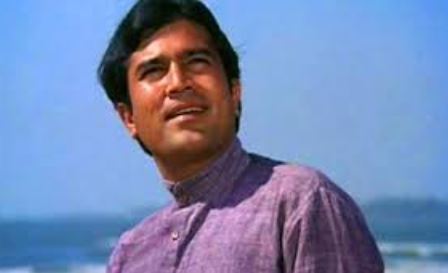
  • 𝐊𝐮𝐝𝐫𝐚𝐭 (𝟏𝟗𝟖𝟏) | (𝐇𝐃) 𝐅𝐮𝐥𝐥 𝐌𝐨𝐯𝐢𝐞 | 𝐇𝐞𝐦𝐚 𝐌𝐚𝐥𝐢𝐧𝐢, 𝐑𝐚𝐣𝐞𝐬𝐡 𝐊𝐡𝐚𝐧𝐧𝐚, 𝐑𝐚𝐚𝐣 𝐊𝐮𝐦𝐚𝐫 |

    𝐊𝐮𝐝𝐫𝐚𝐭 (𝟏𝟗𝟖𝟏) | (𝐇𝐃) 𝐅𝐮𝐥𝐥 𝐌𝐨𝐯𝐢𝐞 | 𝐇𝐞𝐦𝐚 𝐌𝐚𝐥𝐢𝐧𝐢, 𝐑𝐚𝐣𝐞𝐬𝐡 𝐊𝐡𝐚𝐧𝐧𝐚, 𝐑𝐚𝐚𝐣 𝐊𝐮𝐦𝐚𝐫 |

    The provided text excerpts are from a play or screenplay, seemingly focusing on a murder mystery intertwined with themes of reincarnation and past lives. A central character, Chandramukhi, experiences flashbacks and visions possibly related to a past life as Paro, whose murder is the core of the legal investigation. The plot explores the investigation into Paro’s death, possibly involving Chaudhary Janak Singh, while also weaving in personal relationships and the emotional turmoil of the characters. Elements of romance, family drama, and courtroom proceedings are also present. The narrative uses fragmented dialogue and scene descriptions to build suspense.

    YouTube Link for Kudrat Movie 1981

    Memory, Love, and Justice

    FAQ: Exploring Themes of Memory, Love, and Justice in “New Note”

    1. Why does the family in “New Note” return to Shimla after many years? The family returns to Shimla primarily because their daughter, Chandramukhi, has been repeatedly asking to visit. She was born there and they had moved away when she was only two months old. The visit also seems to stir up buried memories and connections for other family members.

    2. What is the significance of the “Sky Residence” (formerly Dimple Cottage) and the story of Tom Saab? The “Sky Residence” is the house the family rents in Shimla. It carries a historical weight, as it used to be called Dimple Cottage and was once inhabited by an English soldier named Officer Tom Saab, who had a beautiful garden. This history adds to the sense of past and memory that permeates the story. It also becomes significant to Chandramukhi’s past life connection.

    3. How does the story explore the theme of past lives or reincarnation? Chandramukhi experiences vivid memories and sensations that she believes belong to a past life where she was named Paro. This leads to a complex situation involving love, loss and a murder in 1945. The story explores the possibility of past life experiences impacting the present and the ways these memories are triggered, adding a mystical dimension to the narrative.

    4. What is the significance of the tree in the forest with the names “Madho” and “Paro” engraved on it? The tree in the forest acts as a crucial symbol of love and fate. Local lore suggests that lovers who come to the tree and pray for their love to be true will be blessed, linking it to the past love of Madho and Paro. Chandramukhi’s emotional connection to the tree, after visiting it with Mohan, is a trigger for her past life memories.

    5. How does Dr. Naresh’s character contribute to the story? Dr. Naresh is a psychiatrist who returns from America. He attempts to treat Chandramukhi through hypnosis, accessing her past life memories as Paro. His scientific approach clashes with the more mystical and emotional elements of the story, creating tension. He also acts as a catalyst for revealing secrets of the past life.

    6. What is the mystery surrounding Paro’s disappearance in 1945, and how is it revealed? Paro’s disappearance is a murder concealed by Chote Sarkar, revealed through Jagatram’s drunken recollections, and by the fact that Paro’s necklace is found at the home of Chaudhary Janak Singh. Jagatram, a former police officer who investigated her disappearance, had taken a bribe to stop the investigation in 1945. The revelation is intertwined with Chandramukhi’s hypnotic regressions and her recovered memories.

    7. What are the legal and ethical dilemmas explored in the courtroom scenes? The courtroom scenes explore ethical dilemmas of using a mentally unstable witness (Chandramukhi) in a murder trial. There are arguments about putting a patient in danger, the reliability of recovered memories through hypnosis, and the impact of power on justice. The story questions whether the law is equipped to deal with cases that involve elements beyond the scientific, such as past lives.

    8. How does the story resolve the complex issues of love, memory, and justice presented? The story resolves these issues by having Mohan confess to the murder of Paro, driven by remorse and love for Chandramukhi. His confession brings justice to the past and allows both Chandramukhi and her father to have peace. Chandramukhi accepts the justice, but also has to reckon with the knowledge of past trauma, acknowledging the enduring impact of love and injustice across lifetimes. This suggests a possible acceptance and catharsis for her.

    Study Guide for “New Note”

    Quiz Questions

    1. Why is Chandramukhi’s family visiting Shimla? Chandramukhi’s family is visiting Shimla because their daughter has been repeatedly saying, “Let’s go to Shimla” for the past year. This is a place where she was born and lived for the first two months of her life.
    2. What is the significance of Mall Road? Mall Road is significant because it is where Chandramukhi’s mother and father first met. Additionally, it is a place where many marriages take place, according to one of the characters.
    3. Describe the history of the house “Sky Residence” and its previous name. The house “Sky Residence” was originally called Dimple Cottage. It was once inhabited by an English soldier named Tom Saab, who had a garden full of red flowers and a cedar tree.
    4. Who is Chaudhary Janak Singh, and what is his relationship to the family? Chaudhary Janak Singh is described as a very rich man of Shimla and the father of Mohan. The family is staying at his rented property and he has also offered Mohan a position as a government lawyer.
    5. What are some of the symptoms Chandramukhi is experiencing that lead her to seek help from Dr. Naresh? Chandramukhi is experiencing anxiety, terrible dreams, and feeling as though she has met Mohan before. Additionally, she claims to be having memories of a past life.
    6. Explain the significance of the old tree in the forest. The old tree in the forest is said to be a place where lovers come to pray. It is thought to be where two lovers, Madho and Paro, used to meet and their names are engraved on it.
    7. What is revealed about Paro and Madho through the hypnosis and other clues? Paro and Madho were lovers in 1945. Paro was the daughter of a gardener, and Madho was her fiancé. During a hypnotic regression, Chandramukhi claims she was Paro and has memories of being murdered.
    8. Who is Jagatram, and what role does he play in the past and present of the storyline? Jagatram is a former police officer who worked in Shimla. In 1945, he was involved in the investigation of Paro’s disappearance. Later, he is discovered to have taken a bribe to stop the investigation and to be a key witness in the case.
    9. What key piece of evidence is found at Chaudhary Janak Singh’s house? A necklace belonging to Paro is found at Chaudhary Janak Singh’s house, providing evidence connected to her murder.
    10. How does the story conclude and what is revealed about the events of the past? The story concludes with Mohan confessing to the murder of Paro and being sentenced to life in prison. It is revealed that Mohan was the spoilt son of a rich father who murdered his house owner’s daughter after becoming sexually obsessed with her.

    Essay Questions

    1. Analyze the role of past lives and reincarnation in “New Note,” and discuss how these themes contribute to the plot and character development.
    2. Explore the social commentary present in “New Note” and discuss how the text addresses issues such as class, gender, and justice.
    3. Discuss the representation of trauma and mental health in “New Note” and how characters grapple with the effects of past and present experiences.
    4. Analyze the different types of relationships (romantic, familial, and platonic) in “New Note,” exploring the ways in which they support or hinder character growth.
    5. Examine the use of symbolism in “New Note,” and consider how recurring images and motifs contribute to the overall meaning of the text.

    Glossary of Key Terms

    • Shimla: A city in India where the story is primarily set. It serves as a location of both the present story and the past lives of the characters.
    • Mall Road: A central area in Shimla, significant as the place where Chandramukhi’s parents met and a setting for key events.
    • Sky Residence: The name of the rented house where Chandramukhi’s family stays; previously known as Dimple Cottage and owned by Officer Tom Saab.
    • Officer Tom Saab: A former English soldier who once lived in Dimple Cottage. He had a garden with red flowers and a cedar tree.
    • Chaudhary Janak Singh: A wealthy man in Shimla, Mohan’s father, and the owner of the house Chandramukhi’s family is renting.
    • Mohan Kapoor: A lawyer, the son of Chaudhary Janak Singh, and the object of Chandramukhi’s infatuation. In a past life, it is revealed that he was a murderer.
    • Dr. Naresh Gupta: A psychiatrist treating Chandramukhi’s mental distress.
    • Paro: Chandramukhi’s past life persona, who was in love with Madho and murdered by Mohan.
    • Madho: Paro’s past-life fiancé and lover.
    • Haveli: The mansion where Paro lived. It is the location of her murder and a key symbol in Chandramukhi’s memories.
    • Jagatram: A corrupt former police officer who was part of Paro’s disappearance case and took a bribe.
    • Hypnosis: A method used by Dr. Naresh to access Chandramukhi’s past life memories.
    • Past Life Regression: The practice of accessing past life memories through hypnosis or other means.
    • Bhadon: A month in the Hindu calendar where key events in the past timeline take place.

    Reincarnation, Love, and Murder in Shimla

    Okay, here is a detailed briefing document analyzing the provided sources, focusing on the main themes, key ideas, and facts, with relevant quotes:

    Briefing Document: Analysis of “New Note” Excerpts

    Overall Theme: The excerpts tell a complex story involving reincarnation, forbidden love, a past murder, and social class conflict, all centered around the town of Shimla, India. It is a tale of a woman, Chandramukhi, whose past life as Paro, a servant girl, begins to bleed into her present, setting off a series of events involving her family, a past lover, and a present suitor.

    Key Characters & Their Relationships:

    • Chandramukhi: A young woman experiencing vivid memories and emotions from a past life, believing herself to be “Paro,” a servant girl from 1945. She is betrothed to Mohan, but is drawn to Naresh, who treats her condition.
    • Naresh: A doctor who has returned from America and begins treating Chandramukhi. He believes in past lives and is trying to help her.
    • Mohan: A lawyer, friend of Chandramukhi’s family and is slated to marry Chandramukhi, he believes that her talk of a past life is madness.
    • Chaudhary Janak Singh: A wealthy and influential figure in Shimla, he is seen as very kind and is the father of Chandramukhi. He was a benefactor to Mohan, funding his education.
    • Kanta: An old friend of Chandramukhi’s mother, Sarla, and mother of Naresh.
    • Sarla: Chandramukhi’s mother.
    • Jagatram: A former police officer who was involved in the original investigation into Paro’s disappearance, and was dismissed for being drunk on duty.
    • Paro: A servant girl from 1945 who was murdered. Chandramukhi believes that she is the reincarnation of Paro.
    • Madhav: Paro’s love in 1945. Chandramukhi believes that Mohan is Madhav from her past life.
    • Tom Saab (Thomas Walters): An English soldier who lived in the house (Dimple Cottage/Sky Residence) where Chandramukhi’s family now resides and whom Chandramukhi’s mother saw in a photo in the house and also when they were in the forest and became worried. His past is tied to the murder and he was close with Madhav.

    Key Ideas and Facts:

    1. Reincarnation & Past Lives: A central theme revolves around the idea of reincarnation, with Chandramukhi experiencing vivid memories, emotions, and even physical sensations from a past life as Paro. The doctor Naresh uses hypnosis to help her delve into her past memories:
    2. “Now you are your stepping into a part of past life will you go are you 15 years old…Age what is the age what is the age Is [music] 20 20 what is the name cross Paro where are you Haveli”
    3. This concept is treated with some skepticism by some, including the law and Chandramukhi’s father, who says:
    4. “I do not believe, I am taught this in childhood that there is a second birth but on growing up After studying, after praising, confidence Your belief about your past life breaks down”
    5. Forbidden Love & Social Class: The past life narrative reveals Paro and Madhav’s love, which was likely hindered by social class differences, she is portrayed as a servant who is “from the garden.” Paro is murdered, seemingly by “Chhote Sarkar,” who it is revealed is Mohan in this life.
    6. “I see Fata flying in the sky, making her miserable in the same manner the culprit also gave away his house After controlling the owner’s daughter, I had sex with her body Own The savagery was tainted and then when poor Paro when the attack took place then the culprit who at that time One was drowned in the zeal and passion of youth The spoilt son of a rich father committed a crime To hide it, he committed another crime and He murdered his house owner’s daughter”
    7. Mystery of the Past Murder: The investigation into Paro’s disappearance was abruptly stopped due to bribery and corruption by the police in 1945. Jagatram, the police officer who initially investigated Paro’s disappearance, was bribed to stop the investigation and kept silent about it for many years. He is then brought forth as a witness again in this life:
    8. “Where did you go? What did you get from the mansion? Y…the culprit also gave away his house”
    9. The Power of Love and Loss: There is a recurring motif of loss and love, from the past lives to the current. There is a tree in the forest that is a spot that lovers go to and is said to have the names Paro and Madhav on it, which Chandramukhi and Mohan find in the present life.
    10. “Lovers are the ones who come here they stand near the tree and say Oh tree, if our love is true Sanu please shower your blessings with flowers”
    11. The “Sky Residence” & “Dimple Cottage”: The house where Chandramukhi’s family is staying, initially called “Dimple Cottage,” has connections to the English soldier, Tom Saab, whose photograph was found in the house and causes Chandramukhi’s mother to feel anxious. It is the same house where the 1945 murder happened, and which was owned by Paro’s family. It is now named the “Sky Residence,” and is not owned by Chandramukhi’s family, but is instead rented from Chaudhary Janak Singh.
    12. “The name of this house was Dimple Cottage An English soldier lived here Officer Tom Saab Tom Saab was his name him photos I was fond of making a garden outside this house It was full of red flowers and a lonely one There was a cedar tree and a rickshaw in the house would have been Tom Walters Temple Cottage”
    13. The Necklace: The necklace, which was discovered in the past by Jagatram, plays a part in the story. It is the necklace that connects to Jagatram and Paro. This necklace is used to help prove the murder.
    14. “Was lizzie what got a necklace is this the same necklace Is [music] Yes”
    15. The Priest: Chandramukhi goes to see the priest who gives her some information on past lives and the “weapon,” which is a book of prophecies.
    16. “Priest ji, yes son there would have been a second birth It definitely happens, it is not a matter of birth Then how can the weapon turn out to be true?”

    Conflict and Tension:

    • Chandramukhi’s mental state is a source of conflict, with some dismissing her experiences as madness, while others try to understand her and her past life.
    • The pending marriage between Chandramukhi and Mohan creates tension given Chandramukhi’s growing attraction to Naresh and her belief that Mohan is the murderer from her past life, Chhote Sarkar.
    • The truth of Paro’s murder is a major source of conflict, with the past and present colliding to uncover the truth. The main conflict ends up being the accusation that Mohan is the murderer.

    Ending Note: The excerpts culminate in a dramatic courtroom scene, where the truth of Paro’s murder comes to light, implicating Mohan and his family, who had previously been shown as generous benefactors to the protagonist. This culminates with Mohan confessing in court that he was the person who murdered Paro, and therefore he is sentenced to life in prison.

    Overall Impression:

    These excerpts suggest a story rich with drama, mystery, and romance. The themes of reincarnation, social injustice, and the enduring power of love and loss add depth and complexity to the narrative. The setting of Shimla, with its old houses and surrounding forests, provides a fitting backdrop for a story that spans multiple generations and lives. The story ultimately appears to be about seeking the truth, with the present life uncovering the truth from a previous life.

    Chandramukhi’s Past Life Mystery

    Okay, here’s a detailed timeline and cast of characters based on the provided sources:

    Timeline of Events:

    Present Day (Starts with a family vacation):

    • Annual Trip: A family, including parents and their daughter Chandramukhi, go to Kashmir every year, but this year Chandramukhi is fixated on Shimla.
    • Return to Shimla: The family travels to Shimla. This is Chandramukhi’s first time there since she was a baby, when they moved to Mumbai.
    • Meeting Kanta: They meet Kanta, an old family friend of Chandramukhi’s mother, along with Kanta’s son Naresh. This happens on Mall Road, where Chandramukhi’s parents met for the first time.
    • Sky Residence: The family stays at “Sky Residence,” a house they have rented, formerly called Dimple Cottage, where an English soldier, Tom Walters, lived many years ago.
    • Meeting the Landlord: The house is rented from Chaudhary Janak Singh, a rich man in Shimla, who is also the father of Karuna.
    • Chaudhary’s Wish: Chaudhary expresses a desire for his daughter, Karuna, to marry.
    • Mohan Arrives: Mohan, a lawyer, arrives. He was a friend from the past and helped by Karuna’s father.
    • Mohan Gets Job: Mohan is appointed as the government lawyer of Shimla.
    • Chandramukhi’s Anxiety: Chandramukhi experiences sudden anxiety and sadness, which she cannot explain.
    • The Temple Visit: Chandramukhi visits her ancestral temple and discusses the possibility of past lives with the priest. It is mentioned that the priest’s family has also served the temple for generations.

    Chandramukhi’s Past Life Regression:

    • Nightmares: Chandramukhi starts having nightmares connected to a past life.
    • Hypnosis: Naresh, a psychiatrist, uses hypnosis on Chandramukhi, leading her to recall a past life. She identifies as Paro, a 20-year-old woman from 1945.
    • Paro’s Past: Chandramukhi recalls being Paro from the village of Barai, engaged to Madhav. Her father was the gardener on the Haveli estate.
    • Naresh’s Concern: Naresh becomes concerned about Chandramukhi’s mental state, believing her to be experiencing a genuine past life recall.
    • Haveli Visit: Naresh takes Chandramukhi to a site believed to be the Haveli to help her recall the past. She has memories of her life as Paro.
    • The Lovers’ Tree: Chandramukhi and Mohan visit a tree in the forest. Lovers would write on it and ask for blessings for their love.
    • Mohan’s Proposal: Mohan and Chandramukhi confess their feelings for each other and Mohan speaks of wanting to marry Chandramukhi.
    • The Priest and the Prophecy: Chandramukhi visits the priest again and learns about the “Shastra” (scripture), which predicted past and present events.

    The Murder Mystery & Court Case:

    • The Engagement Party: Mohan’s parents organize an engagement party between Mohan and Chandramukhi.
    • Chandramukhi’s Breakdown: During the engagement party, Chandramukhi has a mental breakdown and accuses Mohan of murder.
    • Jagatram’s Testimony: Jagatram, a former police officer, is brought in as a witness. Jagatram is also a drunk. He reveals his memory of a missing girl from 1945, and that he accepted a bribe to stop the investigation. He also states that Paro had been murdered.
    • Chaudhary’s Testimony: Chaudhary Janak Singh is forced to testify and opens the doors of his mansion to further investigation.
    • The Necklace Evidence: The necklace Paro was wearing is found in the Haveli.
    • Tom Walters’ Testimony: Tom Walter’s, the English soldier, photograph and testimony confirm the murder in 1945.
    • Naresh’s Testimony: Naresh gives testimony regarding Chandramukhi’s mental state, past life recall, and his concerns for her.
    • Mohan’s Confession: Faced with mounting evidence, Mohan confesses to the murder of Paro in his past life.

    The Aftermath:

    • Mohan’s Sentence: Mohan is sentenced to life imprisonment.
    • Chandramukhi’s Wish: Chandramukhi wishes for her parents to be happy despite the circumstances. The film closes with a repeat of a past scene where the family is on vacation, highlighting that they will return to a normal life again.

    Cast of Characters:

    • Chandramukhi: The central character, a young woman who is experiencing a past life regression and struggles with her identity. She is also referred to as “moon-faced”. In her past life, she is known as Paro, a 20 year-old woman who was a gardener’s daughter.
    • Naresh: Kanta’s son, a psychiatrist, just returned from America, who attempts to treat Chandramukhi using hypnosis and past life regression, which helps uncover the past.
    • Sarla: Chandramukhi’s mother. She is close friends with Kanta.
    • Sarla’s Husband (Unamed): Chandramukhi’s father.
    • Kanta: An old family friend of Sarla and her husband. Kanta is Naresh’s mother.
    • Mohan Kapoor: A lawyer who is being considered for marriage with Chandramukhi. In Chandramukhi’s past life, he is Madhav, her fiancé. He is also the spoiled son of a rich father.
    • Chaudhary Janak Singh: A wealthy man in Shimla who is also Karuna’s father and the landlord for “Sky Residence.”
    • Karuna: The daughter of Chaudhary Janak Singh, and a lawyer. She is a friend of Mohan and becomes the public prosecutor.
    • Priest: A priest at the ancestral temple, who speaks of past lives and prophecies.
    • Jagatram: A former police officer who was the first to investigate the murder in 1945. He was dismissed from the police for drinking on duty. He took a bribe to cover up the murder.
    • Tom Walters: A retired English Major who had lived in the house now called “Sky Residence” where Chandramukhi is staying. He is also a witness to the murder from 1945.
    • Saraswati Bai: A woman Karuna and Mohan go to see early in the morning, and then are tasked with bringing her to court. She has the gift of song.
    • Badshah: A friend of Mohan’s, an artist/actor.

    This timeline and character list should provide a comprehensive overview of the events and people involved in the provided narrative.

    By Amjad Izhar
    Contact: amjad.izhar@gmail.com
    https://amjadizhar.blog

  • Bollywood Songs

    Bollywood Songs

    YouTube Videos

    By Amjad Izhar
    Contact: amjad.izhar@gmail.com
    https://amjadizhar.blog

  • Bollywood Classic Hit Songs Kishore Kumar, Mohammad Rafi, Lata Mangeshkar

    Bollywood Classic Hit Songs Kishore Kumar, Mohammad Rafi, Lata Mangeshkar

    By Amjad Izhar
    Contact: amjad.izhar@gmail.com
    https://amjadizhar.blog

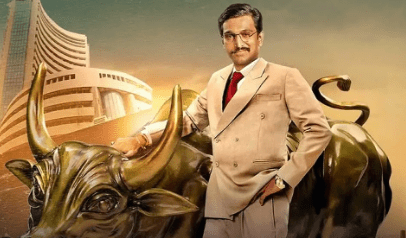
  • The Scam of the Big Bull Harshad Mehta Indian Stock Market 1990s

    The Scam of the Big Bull Harshad Mehta Indian Stock Market 1990s

    This collection of excerpts details the rise and fall of Harshad Mehta, a stockbroker who dramatically influenced the Indian stock market in the early 1990s. It highlights how he amassed wealth and prominence by utilizing questionable practices, particularly in the money market and through manipulating stock prices using insider information and bank funds obtained via fraudulent means, such as forged bank receipts (BRs). The text follows the investigation into his activities by journalist Sucheta Dalal and government bodies like the Central Bureau of Investigation (CBI) and the Reserve Bank of India (RBI), illustrating the systemic flaws and resistance encountered in uncovering and prosecuting the scam. Despite his initial denials and attempts to maintain his influence, the pressure from the investigation and the resulting market crash eventually led to his downfall and the implementation of reforms in the financial system.

    1990s Stock and Money Market Operations

    Based on the provided sources, here’s a discussion of stock market operations:

    The central hub for stock market operations described is the Bombay Stock Exchange (BSE), specifically located on Dalal Street. The early 1990s saw a significant change, with the common man beginning to engage in the share market to change their fortunes.

    Participants in the Market:

    • Jobbers: Individuals who start with a job in the market, often dealing in penny stocks or cheap shares. They work by taking instructions from brokers or dealers (e.g., buy from a dealer, sell to a dealer) and earn a small profit or commission. Harshad Mehta began his career as a jobber. A jobber’s work is compared to a local train, moving intermittently based on signals from others.
    • Brokers: These are intermediaries who facilitate transactions. They hold trading accounts for their clients and earn commissions. Some brokers are part of powerful groups or cartels.
    • Dealers: People actively buying and selling stocks.
    • Investors / Clients: Individuals or institutions who put their money into the market with the hope of profit. Small retail investors are identified as being particularly vulnerable.
    • Bulls: Market players who believe prices will rise and take positions (buy) to push the market upwards. Harshad Mehta is consistently described as a “Big Bull”, known for always keeping the market above. The bull is said to kill by showing hope.
    • Bears: Market players who believe prices will fall and take positions (sell, short) to pull the market downwards. Manu Mundra, known as the “Black Cobra,” is described as the biggest bear in the market. Bears hit downwards with their paws.
    • Institutions: Large entities with significant funds, including entities like LIC, Unit Trust of India (UTI), and public sector units (PSUs). UTI, chaired by MJ Bherwani (referred to as “The Original Big Bull” before Harshad), had a large fund to invest. Foreign banks like Citibank are also major institutional players. These institutions can heavily influence the market.
    • Regulators: Bodies like the Securities and Exchange Board of India (SEBI), initially a non-statutory body with limited powers, later gaining regulatory authority, and the Reserve Bank of India (RBI), which issues guidelines for banks and regulates the money market.

    Key Concepts and Processes:

    • Risk: The stock market is inherently risky. However, high risk is associated with the potential for high returns (“if there is a risk, then there is love”). Not taking risk is seen by some as the biggest risk in the market. New companies are considered riskier.
    • Trading Account: Required for market transactions. Having one’s own trading account (as opposed to being a jobber) allows investing one’s own money and taking direct positions, leading to potentially greater profit but also greater personal risk.
    • Market Dynamics (Bulls vs. Bears): The market is often described in terms of the conflict between bulls (buyers expecting prices to rise) and bears (sellers expecting prices to fall). The market can fluctuate rapidly (“boom boom, sometimes its price is up, sometimes its price is down”).
    • Market Sentiment / Emotion: Understanding the sentiment of the market is important. Emotion can lead people to make mistakes.
    • Research and Analysis: Market players use research and analysis to inform investment decisions. This can involve looking at company balance sheets, future plans, and insider information.
    • Tips and Rumors: Information circulated in the market, ranging from informed tips based on research or insider news to baseless rumors. Rumors can be deliberately spread to manipulate prices or reputations.
    • Insider Trading: Using non-public information about a company’s activities or decisions to trade its stock. This is described as illegal outside India. Harshad used insider information obtained from company workers or union people.
    • Cornering Stocks: Buying a large quantity of a specific stock to control its price and influence the market. Harshad engaged in this practice.
    • Short Selling (Shorting): Selling shares that one does not currently own, typically borrowed from a broker, with the expectation that the price will fall. The seller then buys the shares back at the lower price to return them to the lender, profiting from the price difference. Bears employ this strategy.
    • Market Manipulation: Deliberately influencing stock prices or market activity through various means, such as spreading false rumors, using insider information, cornering stocks, or exploiting loopholes in the system. Citibank and its brokers are accused of manipulating the money market.
    • PE Ratio: Price-to-Earnings ratio, a metric used in stock valuation. There is debate about whether high PE stocks can earn more money.
    • Sensex: The main index of the BSE, used as an indicator of the overall market performance. Harshad is credited with taking the Sensex to “sky-high heights”.
    • Bull Run: A sustained period of rising stock prices. Harshad’s activities were associated with a significant bull run.
    • Market Crash/Fall: A sudden and sharp decline in market prices. A large crash in the market is described where the Sensex fell drastically.
    • Settlement: The process of completing a trade, where money and shares are exchanged. A historical settlement cycle of 14 days is mentioned. “Settlement” also refers to agreements reached between market participants, like brokers and regulators.
    • Margins: Funds required to cover potential losses on trading positions. Lowering margins can be used to help parties cover payment defaults.
    • Portfolio Management Scheme (PMS): A service where a financial entity manages a client’s investments, often in the stock market. Banks and institutions offered PMS, which became a channel for funds to enter the market. PMS deals, particularly involving foreign banks like Citibank, are highlighted as problematic.
    • IPO: An Initial Public Offering, where a company sells shares to the public for the first time. Harshad planned an IPO for his company, Growmore.

    Connection to the Money Market:

    The sources also detail the Money Market, which is distinct from the stock market but becomes intertwined through the events described. This market deals with short-term debt instruments like government securities and PSU bonds, rather than company shares.

    • Key Instruments: SGL (Subsidiary General Ledger) Notes and BRs (Bank Receipts) are important documents used to transfer securities in the money market. A major issue arises when banks issue BRs without the underlying securities being delivered, essentially creating a form of unsecured lending. RBI guidelines aimed to ensure SGL/BR transactions were reflected on the same day and prohibited banks from using broker accounts for inter-bank deals.
    • Cartels: The money market is described as being largely controlled by a cartel led by Citibank and its brokers (Ajay Kedia, Hitendra Shroff, Imendra Kapatiya), who have almost “cornered the entire money market”.
    • Exploiting Loopholes (“Banker” Gimmick): Harshad discovered and exploited a loophole in the money market settlement system. Banks, needing securities later, would deposit funds into a broker’s account against an SGL note or BR. Due to the slow system, these funds could sit in the broker’s account for days or weeks. Harshad used these banking funds, parked in his account for money market deals, to take positions and drive up prices in the stock market. This strategy is referred to as “banker”. This allowed him to make large profits in the stock market while offering competitive rates in the money market.

    Market Events and Practices Highlighted:

    • The early 90s market was characterized by slowness in many areas, but speed in the Bombay Stock Exchange.
    • Trading often involved physical interaction and shouting in the “ring” or on “Dalal Street,” sometimes chaotic like a “fish market”. Signals were used to communicate buy/sell orders and quantities.
    • The market operates like a game with rules, but also involves betting and risk-taking.
    • The market is subject to significant fluctuations, including major crashes and prolonged bull runs.
    • Sources of funds are critical, and the flow of money, especially from institutions and potentially illegal sources, is a key factor in market movements. Harshad’s ability to access funds from PSUs via banks’ PMS and by exploiting the money market system became central to his strategy.
    • Market players, particularly powerful brokers and institutions, can significantly influence prices and sentiment. This influence can be seen in actions like cornering markets or manipulating share prices.
    • Regulatory bodies (SEBI, RBI) exist but faced challenges in effectively monitoring and controlling market activities, particularly irregularities involving banks and brokers. RBI guidelines were sometimes flaunted.

    The sources paint a picture of the stock market in the early 1990s as a dynamic, risky, and sometimes chaotic environment, influenced by various players, strategies (both legal and illegal), and events, with increasing participation from the common public and large institutions, and significant interactions with the less transparent money market.

    Banking System Irregularities and the Stock Market Exploitation

    Based on the provided sources and our conversation history, the discussion of banking system irregularities reveals a complex picture of systemic flaws, loopholes, and improper practices that were exploited in the early 1990s, particularly in relation to the stock market operations described.

    Here are some key irregularities highlighted in the sources:

    • Misuse of Bank Receipts (BRs) and Subsidiary General Ledger (SGL) Notes: A significant irregularity involved banks issuing Bank Receipts (BRs) without possessing the underlying securities (SGL notes). The SGL is the RBI’s Subsidiary General Ledger, while the BR is a receipt issued by a bank confirming it holds securities. The money market preferred BRs over SGLs because SGL transactions were slow. This practice meant transactions could be done without the actual securities being immediately transferred. Issuing a BR without having the security was seen by some inside the system as a means of “survival” rather than inherently wrong, but it became problematic. Fake BRs were also mentioned as circulating in the market.
    • Direct Fund Transfers to Brokers’ Accounts: Banks, instead of dealing directly with other banks or the RBI’s Public Day Office (PDO) for money market transactions, transferred large sums of money directly into the accounts of brokers like Harshad Mehta. For example, SBI issued checks directly in Harshad’s name. While described by some as an “accepted market practice” due to system inefficiency to speed up business, the sources also state that banks can only do transactions with other banks, making this direct transfer illegal. This gave brokers access to bank funds, which they could then invest elsewhere, notably the stock market. RBI guidelines explicitly prohibited banks from putting inter-bank transactions into broker accounts and from acting as agents for broker clients.
    • Exploiting the Money Market Settlement System: Harshad Mehta discovered and exploited a loophole in the money market settlement system. The delay between a bank needing securities and receiving them, during which funds were deposited into a broker’s account against a BR/SGL note, allowed the broker to use those funds for days or weeks. Harshad referred to this strategy of using banking funds for stock market positions as “banker”. Banks were reportedly doing this “happily”.
    • Channeling PSU Funds via Bank Portfolio Management Schemes (PMS): Large public sector units (PSUs) like ONGC, Coal India, NAPC, NTPC, and RFC had substantial funds sitting idle. Harshad proposed and facilitated these PSUs placing their funds into bank Portfolio Management Schemes (PMS). While direct investment of government money in the stock market wasn’t allowed, the funds were then invested in the share market indirectly through the banks’ PMS. This became a significant source of money for Harshad’s market operations. PMS deals, particularly involving foreign banks like Citibank, were highlighted as channels for problematic transactions.
    • Lack of Transparency and Record Keeping: There were significant discrepancies between the securities recorded in banks’ own books and those reported in RBI’s PDO statements. In one instance at SBI, there was a difference of 574 crores between their books (1744 crores) and the RBI’s record (1170 crores), which was discovered because an entry in the RBI statement had been overwritten. Banks were also accused of maintaining records in a way that confused people, except those who created them. Missing shares from custodian reports added to this issue.
    • Flouting RBI Guidelines and Regulations: Despite RBI issuing guidelines and circulars to regulate security transactions and bank dealings with brokers, banks and market players openly ignored or circumvented these rules. Powerful figures in the money market cartel dismissed RBI guidelines as not being law and felt “nothing happens here”. Even after RBI audits and directives, some banks continued to “floating rules”.
    • Influence and Cartels within the Banking/Money Market System: The money market was described as being controlled by a cartel, notably led by Citibank and its associated brokers, who had “almost cornered the entire money market”. This cartel was accused of manipulating markets for their own benefit and not allowing outsiders. Market players also spoke of “greasing the palms of the bank officials” to get deals done. Allegations of foreign banks like Citibank influencing policy making in Delhi were also made.
    • Unauthorized Use of Public Funds: Funds held by banks and PSUs, ultimately belonging to the public, were being used for speculative purposes in the stock market through these irregular channels. This was seen as treating public money as if it belonged to individuals.

    The sources suggest that these irregularities were not isolated incidents caused by a single person like Harshad Mehta, but rather part of the banking system’s inherent flaws and accepted (though often illegal) practices that he openly misused. The lack of effective monitoring by the RBI in a pre-digital era, the limited initial powers of SEBI, and the difficulty in obtaining proof and cooperation from within the banks contributed to the problem. The exposure of these issues led to investigations and ultimately new rules, though the sources imply that the “ingenious criminal minds” found ways to continue operating.

    The Meteoric Rise of Harshad Mehta

    Based on the provided sources, the discussion of Harshad Mehta’s rise reveals a remarkable and rapid ascent from a modest background to becoming a dominant and celebrated figure in the Indian stock market in the early 1990s.

    Here’s a breakdown of his rise as depicted in the sources:

    1. Humble Beginnings and Big Dreams: Harshad Shanti Lal Mehta came from a lower-middle-class family. He held various small jobs, such as a clerk for ₹600 a month and selling items like plastic, cement, and diamonds, but the money was never sufficient for his “very big” dreams. He felt constrained by his living situation, comparing his house to a “local train” with the feeling of constant movement and lack of space. Observing others making significant profits in the share market fueled his ambition. He was serious about the share market despite acknowledging its inherent risk, believing that history is made by taking risks. For a Gujarati, he believed business was bigger than religion.
    2. Entry into the Stock Market and Learning: Harshad began his career in the stock market as a jobber. He was introduced to the Bombay Stock Exchange (BSE) ring, the trading floor. Within a year, he became recognized as one of the best jobbers. He quickly learned about market dynamics and discovered the concept of insider trading, observing how price movements in stocks like Premier Auto were influenced by inside news. He realized that those with such news “print money”.
    3. Exploiting Insider Information and Market Dynamics: Harshad systematically used insider information to his advantage. If he received positive information about a company, he would corner those stocks (buy them in large quantities) before the news became public, and then sell them for a significant profit when the price increased. Conversely, if he received negative information (like about a strike), he would sell those stocks hoping the price would fall further, allowing him to buy them back cheaper later. He applied this strategy to various stocks, including Shree Synthetics, National Rayon, and Great Eastern Shipping. His profits grew consistently. He mastered operating as both a “bear” (profiting from falling prices) and, more often, a “bull” (profiting from rising prices).
    4. Transition to Independent Trading and “Grow More”: Harshad recognized that working for others as a jobber limited his profit potential. He decided to start his own trading account, which would allow him to invest his own money, take significant positions in the market, and manage them directly – a shift he likened to moving from a “local train” to a “direct Gujarat Express”. He partnered with his brother Ashwin, and they started their own company, “Grow More”, a name chosen to signify continuous growth. His ambition was to make Grow More so large that it wouldn’t need to constantly seek external funds.
    5. Scaling Up with Bank and PSU Funds: To operate on a much larger scale, Harshad needed access to substantial funds beyond his personal capital. He shifted his focus to institutional broking, targeting large entities like Unit Trust of India (UTI), which had a massive corpus fund of ₹20,000 crore for market investment. He successfully became an institutional broker, clearing money for institutions like LIC, GIC, and CAN Mutual and earning commissions. A pivotal development in his rise was discovering and exploiting the money market and its settlement system. He learned to identify which banks needed securities and when, managing demand and supply as a broker. He began “fronting the banks” and directly accessing banking funds, a practice he called “banker”. Banks, including SBI, reportedly engaged in this practice. Furthermore, he devised a plan to channel large sums of idle money from public sector units (PSUs) like ONGC, Coal India, NAPC, NTPC, and RFC into bank Portfolio Management Schemes (PMS), which were then indirectly invested in the share market. This provided him with an unprecedented source of funds for his market operations.
    6. Becoming the “Big Bull” and a Public Figure: With access to vast amounts of funds, Harshad began pushing the BSE index to “sky-high heights”. His influence grew to such an extent that he could reportedly change market trends with a single gesture. His rags-to-riches story captured the public imagination, turning him into a celebrity-like figure and a hero for the common man. People saw value in the shares he favored, even for unheard-of companies. He projected an image of immense wealth, buying expensive cars to show that he was on par with figures like Ambani and Tata. He actively cultivated his public image, using newspaper ads and posters to brand himself as the “Big Bull” and a symbol of market success and honesty. He became known as the “new market guru”. His success made him the country’s biggest advance tax payer. This rapid rise and dominance made him a significant threat to the established brokers and family-owned businesses that had previously held a monopoly in the market. Some even suggested he should become a finance minister.

    In essence, Harshad Mehta’s rise, as described, was a combination of identifying opportunities in an inefficient market, leveraging insider information, transitioning to larger-scale operations through institutional and banking channels, and strategically cultivating a powerful public image as the “Big Bull.” He exploited systemic loopholes and regulatory gaps that existed in the early 1990s to gain access to significant funds, which he then used to inflate stock prices and amass enormous wealth and influence.

    Investigating India’s 1990s Stock Market Scam

    Based on the sources and our conversation history, the investigation into the scam in the early 1990s unfolded through multiple channels, facing significant challenges and revealing systemic irregularities.

    Initial Awareness and RBI’s Early Steps:

    The irregularities in the banking system, particularly concerning security dealings, were initially noticed by the Reserve Bank of India (RBI) by the end of 1990. This was a pre-digital era, making it difficult and time-consuming to trace transactions and locate relevant files. The RBI Governor began addressing these issues by giving informal warnings to foreign banks and later announcing a proper audit to confirm irregularities. Directive notes with strict guidelines for banks regarding security transactions, dealings with brokers, and ready forward deals were issued, and shared with the press. These guidelines stipulated that inter-bank transactions should not be put into broker’s accounts and banks should not act as agents for brokers’ clients. Transactions were supposed to be at market rates and reflected in investment accounts the same day. However, despite these directives, some banks were flouting the rules. RBI audits at banks like SBI revealed discrepancies between their books and the RBI’s Public Day Office (PDO) statements.

    The Media’s Role as a Catalyst:

    A pivotal moment occurred when Sharad Bellary, from the Public Relations (PR) department at SBI, alerted journalist Sucheta Dalal at The Times of India about a big fraud at SBI, specifically mentioning 500 crores missing and payments made without Bank Receipts (BRs) or corresponding Subsidiary General Ledger (SGL) notes. Bellary explained that SGL notes from the RBI’s PDO were not received, making it impossible to tally books. Although getting official confirmation and paper evidence was extremely difficult, and her editors were hesitant to print without solid proof, Sucheta Dalal persisted, relying on her sources. Her eventual story, published without paper evidence but cross-checked through multiple channels, acted as a major trigger, leading to widespread panic and a significant market crash. The RBI Governor held an unprecedented press conference to address her article, although he initially denied the scale of the scam.

    RBI’s Formal Inquiry and Limited Scope:

    Under pressure following the market crash and parliamentary debates, the government announced that the RBI would probe the event. The RBI formed a committee headed by Deputy Governor R Janaki Raman to investigate the scam. However, the RBI’s investigation faced limitations. The sources indicate the RBI Governor himself had difficulty answering questions about the extent of the problem with bonds, Unit 64, and fake BRs during the press conference. It was suggested that the RBI was trying to “save face” and contain the impact of the scam.

    CBI Takes Over and Faces Challenges:

    The government eventually decided to hand over the investigation to the Central Bureau of Investigation (CBI). K. Madhavan was appointed to lead the CBI’s efforts. Investigating a complex financial scam of this nature was a new challenge for the CBI, which had not previously handled such cases extensively. Madhavan aimed to focus on the “thieves” rather than getting lost in the complexities of the transactions.

    Key actions by the CBI included:

    • Gathering lists of banks Harshad Mehta had dealt with.
    • Seeking leads from individuals within these banks.
    • Tracing money movements, particularly focusing on Harshad Mehta’s SBI account which showed significant activity in crores.
    • Raiding Harshad Mehta’s residence and office, although retrieving computer documents was initially hampered by password issues.
    • Freezing Harshad Mehta’s bank accounts.
    • Conducting interrogations of individuals within banks like SBI (Sitharaman, Khemani) and NHB (Pherwani). These interrogations were often confrontational, with officials denying responsibility or shifting blame.
    • Arresting Harshad Mehta, Ashwin Mehta, and Mr. Khemani.
    • Identifying multiple cases against Harshad Mehta, including those involving SBI, UCO Bank, bill discounting, and Maruti Udyog.
    • Appointment of a custodian by a special court to attach Harshad Mehta’s assets, although concerns were raised about undervaluation and the custodian potentially being compromised.

    Political Interference and Internal Conflict:

    The investigation was heavily influenced by political pressures. There were allegations of powerful people in Delhi having connections to Harshad Mehta. When allegations involving the Prime Minister (PV Narasimha Rao) were raised (initially by Harshad’s lawyer and later publicly by Harshad himself), the case became highly politically sensitive. Madhavan was pressured to focus solely on Harshad Mehta and not investigate the allegations against the PM or other powerful figures. This led to Madhavan’s sudden resignation from the case, and the new officer was reportedly instructed to adhere to the official narrative.

    Joint Parliamentary Committee (JPC) Investigation:

    Following demands in Parliament, a Joint Parliamentary Committee (JPC) was formed to investigate the scam. While the JPC collected numerous files, its power over international banks and government companies was limited, and it was not an investigative body in the same sense as the CBI. However, the JPC reports reportedly confirmed that the “Harshad Mehta Scam was a part of the bigger irregularities in the banking system”. The reports highlighted that Harshad misused existing flaws rather than inventing them. Critically, the JPC reports suggested that alongside Harshad Mehta, banks, especially Citibank and its brokers, needed investigation to fully clean the system. The JPC noted that foreign banks made a “mockery of bank decisions”.

    Challenges and Outcomes:

    The investigation faced numerous challenges:

    • Difficulty obtaining paper evidence and getting sources to go on record.
    • Lack of cooperation and outright denial from individuals within the banks.
    • Harshad Mehta’s initial denials and attempts to downplay the situation by returning funds.
    • The complex nature of the financial transactions being investigated.
    • Significant political pressure and interference.
    • The scale of the scam, estimated to be around ₹5000 crore, requiring extensive auditing and accounting efforts.

    Ultimately, while Harshad Mehta was arrested, charged, and his assets attached, the investigation into the broader systemic rot, particularly the role of banks and powerful individuals, faced significant hurdles and alleged political obstruction, notably highlighted by the resignation of the lead CBI investigator. The JPC reports confirmed the systemic nature of the irregularities, but the sources suggest that fully cleaning the system required deeper investigation into powerful entities like Citibank. Despite the investigations, some believe the “ingenious criminal minds” continued to operate, finding new ways around the rules [Source not explicitly cited, but reflects a general sentiment from the narrative].

    Trust and Reputation in Finance

    Based on the sources and our conversation history, the concepts of trust and reputation are central themes woven throughout the narrative, influencing business dealings, market dynamics, and the unfolding of the scam investigation.

    Trust as a Precious Commodity:

    The sources highlight trust as an incredibly valuable and, at times, scarce commodity in the financial world depicted.

    • MJ Bherwani, the Chairman of Unit Trust of India (UTI), describes trust as the most precious thing in the world, in great demand but short supply. He explicitly states that he conducts business only with people he can trust.
    • Harshad Mehta’s father echoes this sentiment, calling trust the “god of this religion” (business) and the “most expensive thing”.
    • Despite this emphasis, the narrative shows instances where trust is misplaced or undervalued. For example, Mr. Khemani at SBI trusted his subordinate, Mr. Sitharaman, who ultimately lied to him regarding transactions.
    • Conversely, CBI investigators express a lack of trust in some individuals they encounter during the investigation, labeling them as “crazy people” who “can do anything”.
    • Even journalist Sucheta Dalal’s reliance on her sources for crucial information about the scam demonstrates a form of trust, though her editor requires independent confirmation due to the high stakes involved. Harshad himself questions her trustworthiness when she calls for his side of the story.

    Reputation and Name as Strategic Assets and Targets:

    An individual or entity’s reputation, or “name,” is depicted not just as a personal attribute but as a powerful tool that can impact business, investments, and even survival in the market.

    • Early on, even when dealing with relatively small amounts, Harshad’s team is concerned with not “spoil[ing] the name of the company” (presumably Growmore).
    • Harshad’s adversaries, particularly Manu Mundra’s group (the “bears”), actively sought to tarnish Harshad’s name and reputation. This was a deliberate strategy to shake investor trust and cause his stock holdings to fall. They spread rumors about his company (Gromor) lacking funds and potentially defaulting on payments.
    • Recognizing the importance of his reputation, Harshad takes significant steps to protect and enhance it. He decided to clear all his dues before the settlement deadline, even incurring a large loss, specifically to counter the rumors and demonstrate that Gromor had sufficient funds. He wanted the market to know he “does not just talk” and clear “all the news in advance” so “no one can doubt the honesty of Mehta Brothers”. This action was widely discussed in the market, reinforcing his image.
    • Harshad consciously builds his image and brand value. He creates a perception of his company (like Mazda) as a complete turnaround story, using advertisements and “puff piece[s]” to project a positive (and potentially false) image. Sucheta Dalal notes that he is not building the nation but his “fortune and image”.
    • This carefully cultivated reputation helps him gain prominence and become seen as a “market guru” by some, attracting investors and becoming a threat to established players.
    • Conversely, when allegations arise, his reputation is attacked (“people are calling us thieves”), and the numerous criminal and civil cases against him further tarnish his name.
    • Experienced figures like Mr. Hirwani are acutely aware of the potential damage to their long-standing reputation if they engage in risky or improper dealings. Hirwani worries his “reputation of 40 years” could go “down the drain”.
    • Even after facing legal troubles, Harshad attempts to leverage his past reputation as a “market guru” by starting a newspaper column, aiming to remain a “topic of discussion” and maintain visibility.

    Interplay and Impact:

    Trust and reputation are deeply intertwined. A strong reputation can build trust, while attacks on reputation are designed to erode trust and cause panic or withdrawal of investment. In the context of the scam, the manipulation of both trust and reputation was a key tactic. Harshad built a reputation as a successful, trustworthy figure to attract funds, while his opponents attacked his reputation to destabilize his operations. The subsequent investigation had to navigate this landscape, where official statements, media reports, and market gossip all contributed to the perception of individuals and institutions, impacting the willingness of sources to come forward and the ability of investigators to get to the truth. The JPC report, while noting systemic irregularities, also pointed to the need to investigate major players like Citibank and its brokers, suggesting that trust had been fundamentally broken across various entities in the system, not just by individuals.

    Scam 1992: The Harshad Mehta Story | Full Series in Hindi | A Real-Life Financial English Subtitles

    By Amjad Izhar
    Contact: amjad.izhar@gmail.com
    https://amjadizhar.blog

  • Bollywood Movie Heera Mandi’s Fate Struggle for Freedom and Dignity

    Bollywood Movie Heera Mandi’s Fate Struggle for Freedom and Dignity

    The source material, appearing to be excerpts from a script or transcript, centers around the lives of women in the “royal palace” or “diamond market” of Lahore. It portrays the complex existence of these women, highlighting their skills, their relationships with powerful figures like Nawabs and British officers, and their experiences with love, betrayal, and exploitation. A significant thread involves the struggle for freedom and dignity within this restrictive environment, and the text introduces themes of rebellion and revolution, showing how some of these women become involved in the broader fight against British rule in India. Key characters like Malika Jaan and Faridan are prominent, navigating power dynamics, family conflicts, and personal desires against the backdrop of a changing political landscape. The narratives also touch upon social issues such as caste, the value placed on women, and the sacrifices made for love and country.

    Queens of Lahore and Heera Mandi Courtesans

    Based on the information in the sources, the concepts of prostitution and courtesans are explored through the setting of Heera Mandi and the lives of the women who reside there.

    A woman is not considered a prostitute merely by wearing ghungroo (ankle bells); rather, they are “made” by learning all the necessary skills, day and night. This suggests that being a courtesan is a craft requiring extensive training. These women are often referred to with complex and sometimes contradictory terms. They are called “prostitutes”, but also the “queens of Lahore”. Every Nawab King is said to salute them at their door. They are described as “artists” whose profession is decorating gatherings and whose purpose is to sing and cheer up the heart. Their laughter is considered “as good as gold”.

    Heera Mandi is portrayed as a place with multiple facets. It is referred to as a “royal palace” where the women consider themselves “gods”, but also as a “diamond market” where a “price” is put on women’s honor. While some characters express hatred for this place where they were sold, others defend it as a place that teaches manners, Shayki (poetry/art), and love. The sources mention that the Nawab leaves all rites to the courtesans, implying they play a significant role in cultural and social life. However, it is also stated that prostitution takes place there, contrasting with descriptions of it being a “fair of culture” where “false love blossoms”.

    The women of Heera Mandi are subject to societal judgments and vulnerabilities. They are called a “forbidden caste” and face insults and humiliation. Children born in Heera Mandi are sometimes referred to as “mangoes” and seen as products of the market, lacking a named father. Practices like Nathutrai, a ceremony involving the removal of a nose ring, are traditions of Heera Mandi. This ceremony is traditionally performed only for virgin girls.

    Despite the challenges and societal perceptions, many of the women in Heera Mandi have complex inner lives and aspirations. Some, like Alamzeb, dream of freedom or becoming poets. Others, like Bibbo Jaan, seek fame for their voice, wanting it to echo throughout the country. The relationship between love and their profession is also a recurring theme. While some view love as separate from their “business”, the idea of “love of a courtesan” is mentioned, often associated with negative outcomes or destruction. Some characters are forced into the life, sold into captivity, while others express their desire to escape.

    Furthermore, some courtesans become involved in rebellious activities against the British, suggesting a link between their marginalized status and the fight for freedom. This is highlighted by the idea that they are like “sand” but contain “gunpowder,” capable of igniting a spark. The courage of the women of Heera Mandi is seen as potent.

    In essence, the sources paint a picture of courtesans in Heera Mandi as skilled artists and entertainers who are central to the cultural life of Lahore, particularly for the Nawab class, yet are simultaneously commodified and subject to societal condemnation and exploitation. They are depicted as having dreams and desires beyond their profession and some even engage in acts of rebellion.

    Heera Mandi: Love and Rebellion

    Based on the sources, the themes of love and rebellion are explored, sometimes appearing intertwined and at other times presenting conflicting paths for the characters, particularly the women of Heera Mandi.

    Love is depicted as a complex and often fraught concept within the world of the sources. It is suggested that love cannot be learned. The “love of a courtesan” is mentioned, and its outcome is frequently associated with negative consequences or destruction. For some, like Alamzeb, love represents a personal dream or yearning. The pursuit of love, such as Alamzeb’s connection with Tajdar, becomes a central personal narrative. However, love is also contrasted with the women’s profession, referred to as a “business”. The idea of “false love” is said to blossom in Heera Mandi. Characters experience heartbreak and pain related to love, and it is even referred to as a disease. For many, love is seen as separate from their professional life, yet some desire a love that goes beyond business. Ultimately, the sources highlight the personal cost and potential for destruction associated with love, particularly for women in their circumstances. Some are willing to make great sacrifices for love.

    Rebellion is presented primarily in the context of the fight against the British. This rebellion is characterized by acts of protest, the use of slogans like “Inquilab Zindabad” (Long live the revolution) and “Quit India”, and a willingness to engage in dangerous activities such as attending rallies, plotting attacks, and hiding weapons. The sources suggest that the women of Heera Mandi, despite their marginalized status, possess a hidden potential for rebellion, being likened to “sand” that contains “gunpowder”. Their courage is highlighted as potent. Rebellion is depicted as a duty, not merely a trend, requiring significant sacrifice, even potentially life itself. The risks are high, leading to injuries, arrests, and death. The contrast between loyalty to the British (shown by some Nawabs) and active rebellion is starkly drawn. Freedom is the ultimate goal of this rebellion.

    The sources explicitly state, “There is no line between love and rebellion” and “There is no difference between love and revolution”. This suggests that these two powerful forces are intrinsically linked. Characters, particularly Alamzeb and Tajdar, find their personal desires for love becoming entangled with the larger cause of rebellion against the British. This intertwining creates internal conflict, as characters grapple with the demands of personal affection versus commitment to the freedom fight. Love can be seen as a potential distraction from or even a threat to the rebellious purpose, potentially leading to exposure or vulnerability. However, like love, rebellion also demands sacrifice, and both paths can lead to destruction. For some, embracing rebellion becomes a new identity or purpose after experiencing the difficulties of love or their profession. The sources thus portray love and rebellion not as opposing forces, but as intense motivations that can drive characters to extraordinary actions and sacrifices.

    Justice and Betrayal in Narratives

    Based on the sources, the themes of justice and betrayal are significant threads woven throughout the narratives, often intersecting and revealing complex character motivations and societal dynamics.

    Justice is explored primarily through the legal system and personal quests for retribution or vindication. A central manifestation of this is the court case involving Malika Jaan, where she is accused of immorality and exploiting women under the guise of running a “royal palace”. The accusations against her include the “trading of women”, trapping men, and usurping property. Malika Jaan, in turn, defends Heera Mandi as a place of culture where they are “hereditary artists”, implying a different standard or perception of their lives and work.

    The pursuit of justice is also deeply personal, particularly for Faridan, who seeks accountability for her mother Rihanna Apa’s alleged murder 25 years prior. Malika Jaan is implicated, and the discovery of a file containing evidence against her becomes crucial to Faridan’s quest for justice. The sources highlight the difficulty in achieving justice, noting that despite the murder, there was “no punishment then”, and the case was “dragged… for 15 years”. The legal process is shown to rely on proof, witnesses, and evidence, which can be manipulated or hidden.

    Justice is also linked to the political rebellion. Individuals like Tajdar and Alamzeb are arrested and accused of serious crimes, including murder and rebellion. Their fate within the legal system is precarious, and their innocence or guilt is debated based on association and circumstantial evidence. The sources question who is truly responsible for the consequences that arise from acts of rebellion.

    Betrayal manifests in various forms, from intimate personal relationships to broader political and societal contexts.

    • Personal Betrayal: Within Heera Mandi, Malika Jaan is explicitly accused of betraying Rihanna Apa through murder and by selling Faridan as a child. Iqbal feels betrayed by Malika Jaan, accusing her of snatching his love and sending him to jail. Nawab Ashfaq perceives Tajdar’s love for Alamzeb and involvement in rebellion as a betrayal of his family and class. Trust is fragile and easily broken, as seen when Tajdar’s lie about Sarfaraz leads Alamzeb to feel betrayed, and this broken trust contributes to significant emotional pain and difficulty. The sources also touch upon the idea that a man who is disloyal to his wife is unlikely to be loyal to a courtesan.
    • Professional/Societal Betrayal: The very nature of the “diamond market,” where a “price” is put on women’s honor, can be seen as a societal betrayal, reducing individuals to commodities. The women often face abandonment and disloyalty from the men they entertain. The potential boycott of Heera Mandi by the Nawabs is also perceived as a form of abandonment or betrayal by those who rely on their patronage.
    • Political Betrayal: Loyalty and betrayal are sharply contrasted in the context of the anti-British rebellion. For some Nawabs, supporting the British is seen as loyalty to the established power and essential for maintaining their status. Conversely, the rebels view collaboration with the British as a betrayal of the country and its people. Tajdar’s decision to join the rebellion is seen by his father as a betrayal of his position and responsibilities (“betrays his chair”). Acts of informing or siding with the opposing force are explicitly labeled as betrayal.

    The sources show that justice and betrayal are often deeply intertwined. The pursuit of justice, whether through legal means or personal revenge, is frequently initiated by a perceived act of betrayal. Faridan’s quest for justice against Malika Jaan is a direct result of the alleged betrayal of her mother’s murder and being sold. Betrayal can fuel the desire for revenge and become a driving force for characters. The narratives suggest that the line between loyalty and betrayal can be subjective, particularly in times of political upheaval. Ultimately, the themes highlight how broken trust and acts of betrayal can have devastating consequences, leading to personal ruin, conflict, and the pursuit of justice, however imperfectly it may be administered or sought.

    Family and Duty: Conflict and Redefinition

    Based on the sources, the themes of Family and Duty are central to the narratives, illustrating contrasting social structures, expectations, and personal conflicts, particularly within the context of Heera Mandi and the elite Nawab class.

    Family in the sources is presented in both traditional and non-traditional forms. The conventional family unit is exemplified by the Nawab families, such as Nawab Ashfaq Baloch, his wife (Begum Sahiba), and their son Tajdar. This family structure comes with inherent expectations, particularly regarding lineage, status, and the continuation of the family legacy and business. There is a clear parental concern for children’s well-being and future (Nawab Ashfaq worrying about Tajdar), and a desire for traditional markers of family life like marriage and heirs. Children born within these families are recognized and bear their father’s name.

    In stark contrast, Heera Mandi functions as a different kind of “family” or community. Malika Jaan is portrayed as a mother figure to the women under her care, referring to them as her “children” or “daughters”. However, this “family” is often characterized by exploitation and transactional relationships, despite moments of affection and loyalty. Children born within Heera Mandi are sometimes referred to as “mangoes” or seen as products of the market, lacking a named father, which significantly impacts their societal standing and fate. The sources highlight the shame and humiliation associated with being born in the “diamond market”. Traditions like Nathutrai, a ceremony for virgin girls, exist within this community, reflecting specific internal customs. Despite the challenging circumstances, there are bonds of sisterhood and mutual support among the women. Malika Jaan later expresses regret for not giving her “children” their father’s names, acknowledging a deviation from traditional family recognition.

    Duty is depicted across various spheres: professional, familial, and political.

    • Professional Duty: For the women of Heera Mandi, their profession as courtesans is a form of duty – they are “made” through learning extensive skills, day and night. Their purpose is to “decorate gatherings” and “cheer up the heart” through song and dance [initial response]. This is presented as a “hereditary art” for some, implying a duty to continue a family tradition. Malika Jaan sees it as her duty to manage and uphold the standards of Heera Mandi, referring to it as a “royal palace” where they are “gods”.
    • Familial Duty: Within Nawab families, Tajdar has a duty to manage the family’s extensive business and maintain their status. Nawab Ashfaq sees it as his duty to protect his family and their interests, including ensuring Tajdar marries appropriately. For mothers like Malika Jaan and Nawab Begum, there’s a strong sense of duty to protect their children, even resorting to drastic measures. Children like Alamzeb feel a sense of duty as a “daughter”.
    • Political Duty: The sources introduce the concept of duty to one’s country and the rebellion against the British. Rebellion is explicitly stated as a “duty” and not merely a “fad”. This duty requires sacrifice, potentially even life itself. Characters like Tajdar and the rebels are driven by a sense of duty to fight for freedom. This political duty often clashes with traditional familial or professional duties. Cartwright’s actions are guided by his duty as a police officer.

    The interplay between Family and Duty is a source of significant conflict and drama.

    • Conflicting Loyalties: Tajdar’s embrace of rebellion pits his political duty against his familial duty to inherit and uphold his father’s legacy and loyalty to the British. His father, Nawab Ashfaq, views Tajdar’s actions as a betrayal of his family and status. Similarly, Alamzeb’s personal desires (love) and her growing involvement in the rebellion create tension with her life and duties within Heera Mandi and Malika Jaan’s expectations.
    • Duty Fueling Justice/Betrayal: Faridan’s quest for justice for her mother is driven by a sense of familial duty and a reaction to the alleged betrayal by Malika Jaan. Betrayal within the “family” of Heera Mandi (e.g., Malika Jaan selling Faridan) leads to a desire for retribution.
    • Family as a Shield or Vulnerability: Family ties can be a source of protection, with parents trying to shield their children from harm. However, family connections can also be a vulnerability, used by enemies or putting loved ones at risk because of one’s choices (e.g., Tajdar’s rebellion endangering his family). The marginalization of women and children in Heera Mandi is linked to their non-traditional family status, making them vulnerable to exploitation and societal judgment.
    • Redefining Family and Duty: The act of joining the rebellion creates a new kind of “family” among the rebels, bound by a shared political duty. Some women from Heera Mandi find a new sense of purpose and identity in this political struggle, seeing freedom as a duty they understand perhaps better than others due to their circumstances.

    In essence, the sources demonstrate how traditional concepts of family structure and duty are challenged and redefined. While Nawab families adhere to a strict code of lineage and responsibility, the community of Heera Mandi forms a complex, often fraught, “family” bound by profession and circumstance. The emergence of political duty in the fight for freedom creates profound conflicts, forcing characters to choose between loyalty to their families, their professions, and their nation, often with devastating consequences.

    Freedom, Country, and Rebellion: A Struggle

    The themes of Freedom and Country are deeply intertwined within the sources, primarily manifesting through the burgeoning anti-British rebellion. These concepts are presented not just as abstract political ideals but as tangible goals requiring sacrifice, shaping individual identities and leading to profound conflicts.

    The Country: The sources refer to the country as a physical place (“this country”), a people (“people of our country”, “our indigenous artisans”, “our people”), and an abstract entity deserving of loyalty and sacrifice (“duty to one’s country”, “battle for the soil”). There are differing views on who the country belongs to; some believe it belongs to the rulers, specifically implying the British and those aligned with them, while others assert that “The country belongs to the people, not to the rulers”. The idea of “Hindustan” and the local “Lahore” are also mentioned as part of this broader national identity. The “soil” itself is personified as something that will remember the sacrifices made for it.

    Freedom: Freedom is depicted as a highly valued state, described as “very precious”. The yearning for freedom is explicitly linked to the political struggle against the British (“We understand Do you want independence from the British?”, “independence of this country”). It is presented as the ultimate objective of the rebellion. Beyond political liberation, the concept of freedom also touches upon personal liberation, such as the freedom of a courtesan not leaving but becoming free, or the idea that one needs freedom even to fall in love.

    The Struggle for Freedom and Country:

    • Rebellion as Duty: The act of rebellion against the British is presented as a “duty”, not merely a “fad”. This duty demands significant commitment and sacrifice, potentially including one’s life. Characters like Tajdar and the rebels are driven by this sense of political duty.
    • Actions Taken: The fight for freedom involves protests (“Some rebels are protesting”), revolutionary slogans (“Inquilab Zindabad” – Long live the revolution, “Quit India”), attacks on British offices, and the accumulation of weapons and ammunition. Rebels like Hamid Mohsin Ali emerge as leaders of this movement.
    • Sacrifice: The pursuit of freedom requires immense sacrifice. Characters are willing to “shed Blood” and even give their lives for the country. This sacrifice extends to personal relationships; for example, Tajdar sacrifices his love for Alamzeb for his country, and the narrative suggests that fighting for the country might necessitate sacrificing loved ones. The deaths of individuals like Satbir, Rizwan, and Tajdar are framed within this context of martyrdom for the cause.
    • Forming a New Community: The rebellion fosters a new kind of “family” among those who share the political duty to fight for freedom. They are bound by shared purpose and willingness to face danger together.

    Contrasting Perspectives and Conflicts:

    • Loyalty to the British vs. Loyalty to the Country: There is a clear divide between those who believe their status and survival depend on supporting the British (“If the British are there then we are there. This is Nawabi.”, “good for the nawabs to support the British”) and those who view collaboration as betrayal and see loyalty to the country as paramount. This conflict creates tension within families, such as between Tajdar and his father Nawab Ashfaq Baloch.
    • Heera Mandi’s Role: The women of Heera Mandi, initially viewed through the lens of their profession, become unexpectedly central to the freedom struggle. They are marginalized (“A woman is not a prostitute just by wearing ghungroo It is made”), often exploited, and lack traditional family recognition. However, they find a sense of identity and purpose in the rebellion. Some women from Heera Mandi actively support the rebels, provide hiding places for weapons, and even engage in acts of violence against the British, seeing freedom as something they understand perhaps better than others due to their own lack of it. The narrative challenges the societal view of them, asserting that they are not merely prostitutes but can be “Mujahideen of this country’s freedom”. The act of revolution becomes intertwined with their fight for dignity and self-respect.

    Consequences of the Struggle: The fight for freedom leads to significant consequences, including arrests, violence, death, and the destruction of established orders and personal lives. The conflict between loyalty to family/status and loyalty to the country/freedom creates heartbreak and tragedy. Despite the heavy cost, the belief persists that the sacrifices made will be remembered and ultimately lead to freedom.

    In summary, the themes of Freedom and Country are portrayed as powerful, driving forces in the narratives, inspiring rebellion and demanding great sacrifice. They highlight the stark divisions within society regarding loyalty and duty and reveal how marginalized groups can find agency and purpose in a collective struggle for liberation.

    Heeramandi | Season 1 All Episode | Sonakshi Sinha | Bollywood Full Webseries With English Subtitle

    By Amjad Izhar
    Contact: amjad.izhar@gmail.com
    https://amjadizhar.blog

  • Mastaney (2023) Punjabi Full Movie In 4K UHD | Starring Tarsem Jassar, Simi Chahal, Gurpreet Ghuggi

    Mastaney (2023) Punjabi Full Movie In 4K UHD | Starring Tarsem Jassar, Simi Chahal, Gurpreet Ghuggi

    YouTube Video

    Mastaney (2023) Punjabi Full Movie In 4K UHD | Starring Tarsem Jassar, Simi Chahal, Gurpreet Ghuggi

    By Amjad Izhar
    Contact: amjad.izhar@gmail.com
    https://amjadizhar.blog

  • Baby John (2024) Latest Hindi Full Movie | Starring Varun Dhawan, Keerthy Suresh, Wamiqa Gabbi

    Baby John (2024) Latest Hindi Full Movie | Starring Varun Dhawan, Keerthy Suresh, Wamiqa Gabbi

    YouTube Video

    Baby John (2024) Latest Hindi Full Movie | Starring Varun Dhawan, Keerthy Suresh, Wamiqa Gabbi

    By Amjad Izhar
    Contact: amjad.izhar@gmail.com
    https://amjadizhar.blog

  • Bad Newz (2024) Hindi Full Movie | Starring Vicky Kaushal, Triptii Dimri, Ammy Virk

    Bad Newz (2024) Hindi Full Movie | Starring Vicky Kaushal, Triptii Dimri, Ammy Virk

    YouTube Video

    Bad Newz (2024) Hindi Full Movie | Starring Vicky Kaushal, Triptii Dimri, Ammy Virk

    By Amjad Izhar
    Contact: amjad.izhar@gmail.com
    https://amjadizhar.blog

  • Jatt & Juliet 3 (2024) Punjabi Full Movie | Starring Diljit Dosanjh, Neeru Bajwa, Jasmin Bajwa

    Jatt & Juliet 3 (2024) Punjabi Full Movie | Starring Diljit Dosanjh, Neeru Bajwa, Jasmin Bajwa

    YouTube Video

    Jatt & Juliet 3 (2024) Punjabi Full Movie | Starring Diljit Dosanjh, Neeru Bajwa, Jasmin Bajwa

    By Amjad Izhar
    Contact: amjad.izhar@gmail.com
    https://amjadizhar.blog

  • Bollywood : IIFA Awards 2025 Jaipur: A Celebration of Cinema

    Bollywood : IIFA Awards 2025 Jaipur: A Celebration of Cinema

    The provided text extensively covers the International Indian Film Academy (IIFA) Awards 2025 held in Jaipur. It details the host, Karan Johar’s opening remarks, including a message from Prime Minister Modi emphasizing the global impact of Indian cinema. The transcript showcases award presentations across various categories, interspersed with performances and banter between hosts and celebrities. Furthermore, the text highlights partnerships with Nexa and Shobha Reality, tributes to figures like Raj Kapoor and Rakesh Roshan, and concludes with acknowledgments and future promises for IIFA.

    IIFA Awards 2025 Study Guide

    Quiz

    Answer the following questions in 2-3 sentences each.

    1. Who hosted the IIFA Awards 2025 in Jaipur? What title did the host give themselves?
    2. According to the host’s opening remarks, what initiative launched by India’s Prime Minister does IIFA mirror in its mission?
    3. What message did India’s Prime Minister Shri Narendra Modi send for the 25th edition of the IIFA Awards, as read by the host?
    4. What initiative for environmental protection was undertaken at the IIFA Awards in Jaipur, inspired by the Prime Minister?
    5. Which iconic figure of Indian Cinema was celebrated with a tribute during the awards ceremony, and who gave the tribute?
    6. Which song did Karan Johar jokingly mention as his favorite Hindi song when asked? Why did he mention this particular song?
    7. What was the theme of the expression battle that took place on stage? Who were the participants?
    8. Which two Bollywood “royalties” were highlighted as the hosts for the 25th IIFA Awards in Jaipur, presented by Shobha Reality?
    9. Which film received the IIFA Award for Best Picture? Who accepted the award and acknowledged the team involved?
    10. What milestone did Raj Mandir cinema hall celebrate during the IIFA Awards? How was this recognized during the ceremony?

    Quiz Answer Key

    1. The IIFA Awards 2025 in Jaipur were hosted by Padmashri Karan Johar. He introduced himself with the title “Visionary Film Maker and Twin Setter, The One and Only Padmashri Karan Johar.”
    2. IIFA’s mission of taking Indian cinema to a new level on the global platform was compared to the “Make in India” initiative launched by Prime Minister Shri Narendra Modi, emphasizing that IIFA is “made in India, for India, by India, and loved by the world.”
    3. In his letter, Prime Minister Modi lauded IIFA’s 25-year journey and its commitment to making Indian cinema a global phenomenon, recognizing the contributions of various industry professionals and the worldwide audience, and reaffirming the government’s support for the film industry as a valuable cultural export.
    4. The “IIFA Garden” initiative was undertaken in Jaipur, inspired by the Prime Minister’s “one tree for mother” initiative. As part of this, 15,000 plants named after artists and their mothers were planted to mark the event and promote environmental protection.
    5. The iconic figure of Indian Cinema Raj Kapoor was celebrated with a grand tribute on his 100th birth anniversary. His granddaughter, Kareena Kapoor Khan, gave the tribute, expressing her inspiration from his legacy, passion, and values.
    6. Karan Johar jokingly mentioned “There was a Rasgulla, it burst somewhere, oh burst jalebi Se lippat gaya re” as his favorite Hindi song. He said this after expressing hurt at not receiving an award and claiming it had to be a profound song, contrasting this with the lighthearted and nonsensical lyrics of the mentioned song.
    7. The theme of the expression battle was a competition between “flowers” (Madhuri Dixit’s expressions) and “fire” (Karan Johar’s expressions). The participants were Madhuri Dixit and Karan Johar, who competed by enacting lines spoken by the host.
    8. The two Bollywood “royalties” highlighted as the hosts for the 25th IIFA Awards in Jaipur were Karan Johar and Karthik Aaryan, emphasizing their contrasting styles and camaraderie.
    9. The IIFA Award for Best Picture went to “Missing Ladies,” produced by Aamir Khan, Kiran Rao, and Jyoti Desh Pandey. Kiran Rao accepted the award, acknowledging the entire team involved in the film’s creation and success, including the writer, cast, crew, and supporters like Jio Studios and Netflix.
    10. Raj Mandir cinema hall completed 50 glorious years. This milestone was recognized during the IIFA ceremony with a special event held at Raj Mandir, and the honorable Deputy Chief Minister of Rajasthan and the Union Minister of Culture and Tourism were invited on stage to salute the iconic cinema hall and its founding members.

    Essay Format Questions

    1. Analyze the significance of holding the 25th edition of the IIFA Awards in Jaipur. Discuss the symbolic value of the location and how it aligns with IIFA’s broader goals and the messages conveyed during the ceremony.
    2. Explore the dynamic between the two hosts, Karan Johar and Karthik Aaryan. How did their contrasting personalities and on-stage banter contribute to the overall tone and entertainment value of the IIFA Awards 2025?
    3. Discuss the various tributes and acknowledgements of legacy present throughout the IIFA Awards ceremony. Analyze how the event honored the past, celebrated the present, and looked towards the future of Indian cinema.
    4. Examine the role of corporate partnerships, specifically with Nexa and Shobha Reality, in the IIFA Awards 2025. How were these partnerships integrated into the event, and what mutual benefits were highlighted?
    5. Critically evaluate the messages and themes that emerged from the award acceptances and speeches. What insights do these moments provide into the current state and future aspirations of the Indian film industry?

    Glossary of Key Terms

    • IIFA (International Indian Film Academy): An organization that hosts annual awards to honor artistic and technical excellence in Hindi cinema and promote Indian cinema globally.
    • Padmashri: A prestigious civilian award conferred by the Government of India for distinguished service in any field.
    • Shobha Reality: A presenting sponsor of the IIFA Awards 2025, described as being involved in architectural excellence.
    • Nexa: A presenting sponsor of the IIFA Awards 2025, associated with Maruti Suzuki’s premium automotive retail channel.
    • Playback Singer: A singer whose singing is pre-recorded for use in films. The actors on screen lip-sync to the playback singer’s voice.
    • Dharma Productions: A well-known Indian film production and distribution company, often associated with Karan Johar.
    • Raj Mandir: A historically significant and iconic cinema hall located in Jaipur, celebrating its 50th anniversary.
    • Best Picture: The most prestigious award at the IIFA Awards, recognizing the overall excellence of a film.
    • Debut (Male/Female): Awards recognizing the best first performance by a male or female actor in a film.
    • Supporting Role (Male/Female): Awards recognizing outstanding performances by male or female actors who did not play the lead role in a film.

    IIFA Awards 2025 Briefing Document

    This briefing document summarizes the key themes, important ideas, and facts presented in the provided excerpts from the IIFA Awards 2025 event held in Jaipur.

    Main Themes:

    • Celebrating 25 Years of IIFA: The event prominently celebrated the silver jubilee of the International Indian Film Academy Awards, highlighting its journey, global impact, and contributions to Indian cinema.
    • India as a Global Cinematic Powerhouse: The awards emphasized the growth and global recognition of Indian cinema, positioning it as a valuable cultural export and a powerful storytelling medium.
    • IIFA’s Role in Promoting Indian Cinema Globally: The event underscored IIFA’s crucial role in taking Indian cinema to international audiences, showcasing its vibrancy in various iconic cities and fostering cultural exchange.
    • Recognition and Encouragement of Talent: The awards served as a platform to celebrate established and emerging talent in the Indian film industry, including actors, directors, musicians, technicians, and writers.
    • Partnership and Collaboration: The event highlighted the importance of collaborations, particularly the long-standing partnerships between IIFA and Nexa, and IIFA and Shobha Reality, in supporting and elevating the awards and Indian cinema.
    • Rajasthan as a Host Destination: Jaipur and Rajasthan were presented as gracious and memorable hosts, with the event showcasing the state’s culture, traditions, and growing importance as a filming location.
    • Humor and Entertainment: The excerpts reveal a lighthearted and entertaining atmosphere, particularly through the interactions between the hosts, Karan Johar and Kartik Aaryan, and the celebrities.
    • Tributes and Legacy: The event featured heartfelt tributes to legends of Indian cinema, such as Amitabh Bachchan and Raj Kapoor, emphasizing their enduring legacy and inspiration.

    Most Important Ideas and Facts:

    • Inaugural IIFA and Amitabh Bachchan’s Quote: The first IIFA was flagged off by Amitabh Bachchan, who quoted Dadasaheb Phalke, saying that the Indian Film Industry had become the inspiration for the IIFA Trophy, having been switched on like the sun.
    • Prime Minister Narendra Modi’s Message: The Prime Minister sent a message recognizing the 25th edition of IIFA, commending its commitment to making IIFA a global phenomenon and highlighting cinema as a powerful storytelling medium showcasing India’s heritage and culture. He stated, “Indian cinema has captivated the global Audiences becoming a vehicle of India’s Rich Story Telling Traditions and Serving as a bridge between cultures.” He also acknowledged the government’s efforts to support the film industry and its growth.
    • IIFA as “Made in India for India By India and loved by the world”: Karan Johar emphasized IIFA’s Indian roots and its global appeal.
    • IIFA Garden Initiative: Inspired by the Prime Minister’s “one tree for mother” initiative, IIFA launched an “IIFA Garden” in Jaipur, planting 15,000 plants named after artists and their mothers to promote environmental protection.
    • Celebrity Interactions and Hosting: The excerpts showcase the dynamic hosting by Karan Johar and Kartik Aaryan, marked by humor, playful banter with the audience and celebrities (including Shahrukh Khan, Madhuri Dixit, Kareena Kapoor Khan), and running gags (like Kartik owing Karan ₹100).
    • Award Presentations: The document details the presentation of various awards, including:
    • Best Lyrics: Prashant Pandey for “Sajni” from Missing Lady.
    • Best Music Direction: Ramsat for [Soundtrack Name Not Fully Clear].
    • Playback Singer Male: Jubin Nautiyal for “Dua” from Article 370.
    • Playback Singer Female: Shreya Ghoshal for Bhool Bhulaiyaa Three.
    • Debut Male: Laksh Lalvani for Kill.
    • Debut Female: Pratibha for Missing Ladies.
    • Best Directorial Debut: Kunal Khemu for Matgaon Express.
    • Special Award for Outstanding Contribution to Indian Cinema: Rakesh Roshan, presented by Rekha. Rekha described him as “Resilience Personified” and recounted her early collaboration with him.
    • Best Story Original: Viplav Goswami for Missing Ladies.
    • Best Story Adapted: Shriram Raghavan, Arijit Biswas, Pooja Lodha Anukriti Pandey for Merry Christmas.
    • Performance in a Negative Role (Male): Raghav Joyal for Kill.
    • Performance in a Supporting Role (Female): Janaki Bodywala for Shaitan.
    • Performance in a Supporting Role (Male): Ravi Kishan for Missing Lady.
    • Best Direction: Kiran Rao for Lapata Ladies.
    • Performance in a Leading Role (Male): Kartik Aaryan for Bhool Bhulaiyaa 2.
    • Performance in a Leading Role (Female): Nitanshi Goyal for Missing Ladies.
    • Best Picture: Missing Ladies, produced by Aamir Khan, Kiran Rao, and Jyoti Desh Pandey.
    • Technical Awards (Sound Design, Sound Mixing, Screenplay, Dialogues, Cinematography, Choreography, Editing, Special Effects).
    • Tribute to Raj Kapoor: Kareena Kapoor Khan gave a tribute to her grandfather, Raj Kapoor, celebrating his 100th birth anniversary. She expressed, “Your stories, passion and values inspire me every moment makes me feel close to you.”
    • Nexa’s 10-Year Partnership with IIFA: The event celebrated the decade-long collaboration between Nexa and IIFA, highlighting their shared vision for creativity and innovation. Nexa also showcased its new electric SUV, the Eitara, emphasizing its commitment to sustainability.
    • Shobha Reality as Presenting Sponsor: Shobha Reality’s role as the presenting sponsor was highlighted, emphasizing their contribution to the grand celebration and the synergy between architecture and cinema.
    • Founders of IIFA Recognition: The three founders of IIFA, Virat Sarkari, Andre Viraf, and Saba Joseph, were acknowledged for their 25 years of dedication in taking Indian cinema to a global platform. Saba Joseph stated, “When We Go Across the World We Believe That We Represent India Planting a flag for india in each part of the world and today bring it home to Rajasthan and Jaipur has given us our Greatest Joy.”
    • Tribute to Raj Mandir Cinema: IIFA paid a special tribute to the iconic Raj Mandir cinema hall in Jaipur, recognizing its 50 years of contribution to the cinematic experience.
    • Commitment to Future IIFA Events: The IIFA management team reiterated its promise to continue celebrating Indian cinema globally every year.

    This briefing document provides a comprehensive overview of the key aspects of the IIFA Awards 2025 event as presented in the provided excerpts.

    Frequently Asked Questions: IIFA Awards 2025

    1. What was the significance of the IIFA Awards 2025 being held in Jaipur?

    The 25th edition of the International Indian Film Academy (IIFA) Awards in Jaipur marked a significant milestone. Returning to India after a global journey of 25 years, hosting the event in Jaipur, Rajasthan, highlighted the “Make in India” initiative for cinema, emphasizing that IIFA is “made in India, for India, by India, and loved by the world.” It also provided an opportunity to showcase Rajasthan’s rich culture and heritage to a global audience, with the state government actively supporting and promoting the event.

    2. How did the founders and organizers reflect on the 25-year journey of IIFA?

    The founders expressed immense gratitude for the Indian film industry’s support in making IIFA a global phenomenon. Starting as an idea in 2000, it evolved into a movement, taking Indian cinema to international venues and stars across four continents. They highlighted the challenges of convincing international figures to participate and the constant efforts to elevate the show’s scale and prestige, always aiming to make the Indian film industry proud. Hosting the silver jubilee in Rajasthan was a source of great joy, symbolizing a homecoming and a testament to the journey’s success.

    3. What was the special environmental initiative undertaken during the IIFA Awards 2025?

    Inspired by Prime Minister Shri Narendra Modi’s initiative of “one tree for mother,” the IIFA Awards 2025 launched the “IIFA Garden” in Jaipur. As a tribute to artists and their mothers, 15,000 plants were planned to be planted. This initiative aimed at environmental protection and promotion, connecting the celebration of cinema with ecological responsibility.

    4. How was the legacy of Raj Kapoor celebrated at the IIFA Awards 2025?

    To commemorate the 100th birth anniversary of the legendary showman of Indian Cinema, Raj Kapoor, a grand tribute was organized. His granddaughter, Bollywood royalty Kareena Kapoor Khan, presented the tribute, reflecting on his inspiring legacy, passion, and values. The tribute served as a reminder of his immense contribution to Indian cinema and its enduring impact on generations.

    5. What were some of the key themes highlighted during the award ceremony?

    Several key themes emerged throughout the IIFA Awards 2025: * Celebrating Milestones: The 25th anniversary of IIFA and the 10th anniversary of its partnership with Nexa were central, highlighting long-standing contributions to cinema and innovation. * “Make in India” for Cinema: Emphasizing India’s growing influence and talent in the global film industry. * Environmental Consciousness: The IIFA Garden initiative showcased a commitment to sustainability. * Honoring Legends: Tributes to Raj Kapoor and recognition of Rakesh Roshan’s outstanding contribution underscored the importance of cinematic heritage. * Emerging Talent: Awards for Debut Male, Debut Female, and Best Directorial Debut celebrated and encouraged new artists and filmmakers. * Women Power: Kartik Aaryan’s humorous acknowledgment of women dominating the box office and the success of female-led franchises was a notable point. * Partnerships and Collaborations: The strong partnerships between IIFA, Nexa, Shobha Reality, Zee Networks, and various other sponsors were repeatedly highlighted as crucial to the event’s success.

    6. What were some of the memorable moments and interactions between hosts and celebrities?

    The hosting duo of Karan Johar and Kartik Aaryan provided numerous memorable moments, characterized by witty banter, self-deprecating humor, and playful interactions with the audience and other celebrities. Highlights included: * Their ongoing humorous “battle” for “royalty” in Bollywood. * Karan Johar’s playful interrogation of Kartik Aaryan about potential romantic pairings in the industry, leading to a contest with My Trip offering London tickets. * Karan Johar and Madhuri Dixit engaging in an “Expressions War.” * Karan Johar and Shahrukh Khan’s comedic exchange about past “fights” and Karan’s dramatic reactions. * Shahrukh Khan’s lighthearted interaction with the three founders of IIFA, teasing them about payment for dancing. * Katrina Kaif’s graceful presence and interactions with the hosts and award presenters.

    7. How was the evolving landscape of Indian cinema reflected in the awards and discussions?

    The awards recognized excellence across various aspects of filmmaking, from technical categories like sound design and cinematography to acting and direction, showcasing the diverse talent within the industry. Discussions touched upon the increasing global reach and recognition of Indian films, the impact of digital technology, and the rise of new genres like horror-comedy. The success of films like “Missing Ladies” and the recognition of debutants indicated a dynamic and evolving industry embracing diverse storytelling and new talent.

    8. What was the significance of the partnership between IIFA and Nexa?

    The 10-year partnership between IIFA and Nexa was celebrated as a perfect blend of creativity and innovation. Nexa, marking a decade of redefining the exclusive automotive buying experience, found synergy with IIFA’s spirit of adventure and offering something new and exciting. The collaboration was presented as a story of two incredible brands with a shared vision for creativity and inspiration, with Nexa also highlighting its commitment to sustainability with the introduction of its new electric SUV during the event.

    IIFA Awards 2025: A Jaipur Celebration

    The IIFA Awards 2025 were a grand celebration held in Jaipur. This edition marked the 25th anniversary of the International Indian Film Academy Awards. The event was presented by Shobha Reality.

    The evening was hosted by the “Visionary Film Maker and Twin Setter,” Padmashri Karan Johar, along with Karthik Aaryan. Karan Johar mentioned that hosting the IIFA was like being at home, referencing his father Shree Yash Johar’s mentorship to the co-founders of IIFA.

    A significant moment was the reading of a letter from the Honourable Prime Minister Shri Narendra Modiji, who praised IIFA for its 25-year commitment to making Indian cinema a global phenomenon and for showcasing India’s rich heritage and culture. The Prime Minister also highlighted the growth of the Indian film industry and IIFA’s role in spreading its vibrancy globally.

    The Chief Minister of Rajasthan, Shri Bhajan Lal Sharma Ji, also addressed the audience, expressing pride in Jaipur hosting the Silver Jubilee event and acknowledging the presence of renowned artists. He mentioned the “IIFA Garden,” an initiative inspired by the Prime Minister’s “one tree for mother” campaign, where 15,000 plants named after artists and their mothers would be planted.

    Several awards were presented throughout the evening, recognizing excellence in various aspects of filmmaking. Some of the key awards and winners mentioned include:

    • Best Story Original: Viplav Goswami for Missing Ladies.
    • Best Story Adapted: Shriram Raghavan, Arijit Biswas, Pooja Lodha Anukriti Pandey for Merry Christmas.
    • Performance in a Negative Role (Male): Raghav Joyal for Kill.
    • Outstanding Contribution to Our Cinema: Rakesh Roshan. This award was presented by Rekha Ji.
    • Playback Singer (Male): Jubin Nautiyal for “Dua” from Article 370.
    • Playback Singer (Female): Shreya Ghoshal for “Ga Do Yaar Ga” from Bhool Bhulaiyaa Three.
    • Debut Male 2024: Laksh Lalvani for Kill.
    • Debut Female Pratibha: Nitanshi Goyal for Missing Ladies.
    • Best Directorial Debut: Kunal Khemu for Madgaon Express.
    • Award for Lyrics: Prashant Pandey for “Sajni” from Missing Lady.
    • Award for Music Direction: Ramsat for an unnamed work.
    • Performance in a Supporting Role (Female): Janaki Bodiwala for Shaitan.
    • Performance in a Supporting Role (Male): Ravi Kishan for Missing Lady.
    • Performance in a Leading Role (Male): Kartik Aaryan for an unspecified work (likely Bhool Bhulaiyaa 2).
    • Performance in a Leading Role (Female): Nitanshi Goyal for Missing Ladies.
    • Best Picture: Missing Ladies (produced by Aamir Khan, Kiran Rao, Jyoti Dev Pandey).
    • Award for Sound Design: Subhash Sahu for Kill.
    • Award for Sound Mixing: Subhash Sahu, Boloy Kumar, Rahul Karpe for Kill.
    • Award for Screen Play: Sneha Desai for Lapata Ladies.
    • Award for Dialogues: Arjun Dhawan, Aditya Dhar, Aditya Subhash Jhambre, Mona Thakkar for Article 370.
    • Award for Cinematography: Rafi Mohammad for Kill.
    • Award for Choreography: Bosco and Ceasar.
    • Award for Editing: Jabeen Merchant for The Missing Ladies.
    • Award for Special Effects: Red Chillies VFX for Bullbulaya 3.

    The event featured performances by various artists, including Madhuri Dixit and Kriti Sanon. A tribute was also paid to the centenary birth anniversary of the “Show Man of Indian Cinema,” Raj Kapoor Ji, with his granddaughter Kareena Kapoor Khan presenting the tribute.

    The IIFA Awards 2025 also highlighted the partnership between IIFA and Nexa (Maruti Suzuki India Limited), which has spanned ten years. Representatives from Nexa and Shobha Reality spoke about their association with IIFA and their shared vision for creativity and innovation. Shobha Reality was the presenting sponsor.

    Other key sponsors and partners included Zee Network as the broadcast partner, Doordarshan as a joint broadcast partner, and numerous other entities across various sectors like travel, hospitality, and fashion.

    The overall tone of the event was celebratory, marking a significant milestone for IIFA and the Indian film industry. There was a strong emphasis on recognizing talent, celebrating the journey of Indian cinema, and looking forward to its continued global success. The event also served as a platform for interactions and lighthearted banter between the hosts and various celebrities. The three founders of IIFA, Viraf Sarkari, Saba Joseph, and Andre Timmins, were also invited on stage and acknowledged for their vision and hard work in taking Indian cinema to a global platform.

    IIFA Awards 2025: Celebrating Indian Cinema’s Global Reach

    The sources provide several insights into Indian cinema, particularly through the lens of the IIFA Awards 2025 celebration.

    The history of Indian cinema is acknowledged right at the beginning of the event. Karan Johar referenced Dadasaheb Phalke switching on the projectors in 1913 as the “Father of Indian Cinema,” and this moment is seen as the inspiration for the IIFA trophy. The fact that IIFA is celebrating its 25th anniversary in 2025 underscores the long and evolving journey of the Indian film industry.

    Indian cinema is portrayed as a powerful storytelling medium that offers the world a glimpse into India’s “Rich Heritage, Diverse Culture and The Evolving Societal Landscape”. Prime Minister Shri Narendra Modiji, in his letter, recognized cinema as a valuable cultural export of the nation. He also highlighted that Indian cinema has “captivated the global Audiences becoming a vehicle of India’s Rich Story Telling Traditions and Serving as a bridge between cultures”. The growth of the Indian film industry across various languages, its unprecedented recognition at international festivals, and its record-breaking commercial success worldwide in recent years are also noted. The increasing reach of Indian content across continents due to advancements in digital technology further strengthens its global appeal.

    IIFA’s role is presented as crucial in spreading the vibrancy of Indian cinema to various iconic cities worldwide, introducing its magic to new audiences and reinforcing India’s standing as a powerhouse of artistry excellence. The awards also aim to celebrate and encourage true cinematic brilliance. Furthermore, IIFA is said to have played a role in nurturing young and aspiring talent by providing a platform to showcase their craft alongside established artists and connect with global professionals. The goal is to inspire the next 25 years of growth and achievement in Indian cinema.

    The awards themselves recognize excellence in various aspects of filmmaking, including storytelling (original and adapted), acting (leading, supporting, and negative roles, debut), music (direction, lyrics, playback singing), direction (debut), and technical aspects like sound design, sound mixing, screenplay, dialogues, cinematography, choreography, editing, and special effects. This comprehensive recognition highlights the multifaceted nature of Indian cinema and the diverse talents involved in its creation.

    The presence of veteran figures like Rakesh Roshan, who received the “Outstanding Contribution to Our Cinema” award, and the tribute to the centenary birth anniversary of Raj Kapoor, the “Show Man of Indian Cinema,” emphasize the rich legacy and enduring impact of past generations on the present state of Indian cinema. Rakesh Roshan reflected on his 77-year family history in the industry and the continuous effort to make better films, crediting his actors, musicians, writers, technicians, and family. Kareena Kapoor Khan spoke of her grandfather Raj Kapoor’s inspiring legacy.

    The event also highlighted the blend of tradition and modernity in Indian cinema, with performances incorporating Rajasthani cultural elements alongside contemporary Bollywood acts. The discussions between the hosts, Karan Johar and Kartik Aaryan, also touched upon current trends and the dynamic nature of the industry.

    In conclusion, the IIFA Awards 2025, as described in the source, paint a picture of Indian cinema as a vibrant, culturally rich, globally influential, and continuously evolving industry with a strong historical foundation and a promising future, actively promoted and celebrated by platforms like IIFA.

    Rajasthan: IIFA Awards 2025 Jaipur Promotion

    The sources provide several insights into Rajasthan tourism, primarily in the context of hosting the IIFA Awards 2025 in Jaipur.

    Rajasthan is explicitly mentioned as the destination partner for the IIFA Awards 2025. The Department of Tourism, Government of Rajasthan is also acknowledged as a special thanks recipient. Furthermore, Rajasthan Tourism presented a cultural performance during the event, featuring artists from Rajasthan like Kesar Su Madla, with choreography by Maitree Pahadi and music by Pukhle Khan and Team. This performance aimed at “Bringing the pulse of Rajasthan to this platform,” showcasing the state’s “History” and “colours of our traditions”.

    The Chief Minister of Rajasthan, Shri Bhajan Lal Sharma Ji, addressed the audience, expressing pride in Jaipur hosting the Silver Jubilee event. He also highlighted the presence of renowned artists and mentioned the “IIFA Garden” initiative, inspired by the Prime Minister’s “one tree for mother” campaign, where 15,000 plants named after artists and their mothers would be planted in Jaipur, suggesting a blend of environmental awareness and celebrity appeal that could attract visitors. He encouraged attendees to “Take Rajasthan and a new script” and to return.

    Throughout the event, there were enthusiastic mentions of Jaipur and Rajasthan by the hosts and attendees. Karan Johar welcomed everyone to “IIFA Awards 2025 in Jaipur Presented by Shobha Reality”. The event was described as a “Spectacular Evening A Historic Milestone and an Unforgettable Celebration Welcome Ladies End Gentleman to the Grand 25th Year of Nexa IPA Awards 2025 presented to Jaipur”.

    The hosts, Karan Johar and Kartik Aaryan, engaged in lighthearted banter that sometimes referenced Rajasthan. For instance, Kartik mentioned being in Rajasthan with “fun golly yes” and joked about leaving “foreign affairs behind, on domestic soil” in Rajasthan.

    Shri Ashish Parakh, Group Chief Sales & Marketing Officer, Shobha Reality, mentioned that “This time IIFA has been organised in Jaipur is just incredible”. He also noted that after their partnership with IIFA, wherever they go, including the US and Australia, people already know them, implying that the association with a prestigious event held in a specific location like Jaipur enhances global recognition.

    The Deputy Chief Minister of Rajasthan, Smt. Diya Kumari Ji, was present at the ceremony and participated in presenting an award. This further signifies the Rajasthan government’s support and involvement in promoting the state through this high-profile event.

    Shahrukh Khan also spoke about his connection with Rajasthan, stating, “Rajasthan whenever I have come here you all You’ve given me not just love but affection This person has become a guest and not a hospitable person May the glory of this land and its light continue to grow May this heart keep adding to your beauty, this is my only prayer from wish and as you all know Rajasthan The sun is not only strong but also very stubborn but today I want to shade you all from the sun I am going to take it ishq are you ready Rajasthan is going on, it’s going on, it’s going on shadow shadow shadow shadow let’s go let’s go walked Chhaya Chhaya is going on, all the love is going on, Chhaya Chhaya Let’s go for all the love jaya went let’s go let’s go Jaya let’s go jaya chal Sayya Chal saya chal sya He is a friend who is like fragrance…”. This passionate address highlights the welcoming nature of Rajasthan and its lasting impact on visitors.

    In summary, the IIFA Awards 2025 in Jaipur served as a significant platform to showcase Rajasthan’s appeal as a tourist destination. The event involved the active participation and support of the Rajasthan government and tourism department, featured cultural performances, and garnered enthusiastic endorsements from prominent figures in the Indian film industry, all contributing to the promotion of Rajasthan’s rich heritage and welcoming spirit.

    Nexa and IIFA: A Decade of Partnership

    Based on the sources, the partnership between Nexa and IIFA is a significant and enduring one.

    Here’s a breakdown of the discussion surrounding the Nexa partnership:

    • Nexa is a key sponsor: The IIFA Awards 2025 in Jaipur are presented by Shobha Reality, but Nexa is highlighted as a prominent partner. The event is referred to as the “Nexa IPA Awards 2025”. Several awards are named “The Nexa IIFA Award for…”.
    • A decade of collaboration: Mr. ji, Senior Officer Marketing & Sales Maruti Suzuki India Limited, mentions Nexa marking “a decade Redefining the Exclusive Automotive Buy Experience in my association with IIFA”. Partho Banerjee, Senior Executive Officer Marketing & Sales India Limited, also notes that Nexa has been part of IIFA’s “incredible journey for 10 Amazing Years… That’s a Decade of Style innovation and turning heads just Like Your Favorite Bollywood superstars”.
    • Shared vision: Both IIFA and Nexa have a “Shared Vision for Creativity and Inspiration”. They both believe in “Pushing Boundaries”.
    • Benefits for Nexa: Shri Ashish Parakh, Group Chief Sales & Marketing Officer, Shobha Reality, points out that after their partnership with IIFA, their brand presence has expanded to the US and Australia, with people recognizing them due to the IIFA association. He states, “Wherever We Go To US and Australia because of us Partnership with IIFA people there already know As that for a brand is really a good thing“.
    • Nexa’s brand association: The partnership allows Nexa to associate its brand with the glamour and excitement of Indian cinema, reaching a global audience. The launch of their new electric SUV, the Eitara, is highlighted on the IIFA stage, positioning it as a “brand new superstar to the IIFA Stage” and emphasizing “Style comfort and cutting edge Technology” with a vision for a “Sustainable Tomorrow”.
    • Commitment to the future: Mr. Banerjee from Nexa expresses their commitment to sustainability and using the IIFA platform to showcase the future. He wishes the partnership the very best for “many years”.
    • Celebration of the partnership: During the event, there is a dedicated segment to celebrate the “10 Years of Nexa” and their partnership with IIFA’s “25 years of cinematic extravaganza”. This segment emphasizes the evolution and innovation brought about by the collaboration, setting “new innovations every year” and establishing benchmarks.

    In summary, the Nexa partnership with IIFA is a long-standing, mutually beneficial collaboration that has spanned a decade. Nexa is a prominent sponsor, using the IIFA platform to enhance its brand visibility, associate with the prestige of Indian cinema, and showcase its products, including their focus on electric vehicles and sustainability. IIFA, in turn, benefits from Nexa’s support, enabling the grand scale and global reach of the awards ceremony. The partnership is celebrated during the IIFA event as a success story built on shared values of creativity and innovation, with both entities looking forward to continued collaboration.

    Nexa IIFA Awards 2025: Key Presentations and Winners

    The sources provide a detailed account of numerous award presentations at the Nexa IIFA Awards 2025 in Jaipur. Several awards were presented across various categories of filmmaking. Here is a discussion of some of the key award presentations:

    • Award for Lyrics:
    • The nominations were announced.
    • The award was presented by Madhuri Dixit and Nishad Mitti (Chairman & Cofounder emap.com).
    • The Nexa Safa Award for Lyrics went to Prashant Prashant Pandey for “Sajni” from Missing Lady.
    • Award for Music Direction:
    • The nominations were announced.
    • The award was presented by Mr. Jaydeep Alawat Khambani Jaipur.
    • The Nexa Eye Award for Music Direction went to Ramsat Sir. Ramsat Sir thanked the technicians, musicians, singers (including Sukhi Paaji, Sona Mohapatra, Shreya Ghoshal, and Arijit Singh), his director Kiran, and dedicated half the award to his wife, Sona Mohapatra.
    • IIFA Special Award for Debut Male 2024:
    • The award was presented by Shahid Kapoor and Mr. Segal (Chief Growth Officer Zee Entertainment Enterprise Limited).
    • The Award went to Laksh Lalvani for Kill. Laksh expressed his gratitude to Karan Johar, his director Nikhil, and the entire cast and crew.
    • iFast Special Award for Debut Female Pratibha For Missing Ladies:
    • The award was presented by Sahil.
    • The Award went to [Not explicitly named, but implied to be for Missing Ladies]. The recipient mentioned it was her first time at IIFA and thanked IIFA, Kiran Mam, Aamir Sir, and Jaipur.
    • iifa for the best Directorial debut:
    • The award was presented by Jyoti Desh Pandey (President Jio Studios) and Kiran Rao.
    • The award went to Kunal Khemu for Matgaon Express. Kunal thanked his producers and accepted the award on behalf of his team.
    • Nexa IIFA Award for Performance in a negative role male:
    • The award was presented by Anthony “Show Time” M Pity and Mr. Ajay Arora (Managing Director B Tech India).
    • The award went to Raghav Joyal for Kill. Raghav expressed his nervousness and thanked Karan Johar, IIFA, and the audience.
    • Outstanding Contribution to Our Cinema:
    • This honour was presented by Rekha Ji to Rakesh Roshan. Rekha Ji shared anecdotes about working with Rakesh Roshan and praised his resilience. Rakesh Roshan reflected on his family’s 77-year history in the industry and thanked his actors, musicians, writers, technicians, and family.
    • Award For The Playback Singer Male:
    • The nominations were announced.
    • The award was presented by Zayed Khan and Fardeen Khan.
    • The next IIFA award for Playback singer male went to Jubin Nautiyal for “Dua” from Article 370. Jubin thanked IIFA and dedicated the award to the country and his parents.
    • Award for the Playback Singer Female:
    • The nominations were announced.
    • The award was presented by Nimrat Kaur and Ali Fazal.
    • The Next I Award for Playback Singer Female went to Shreya Ghoshal for “Ga Do Yaar Ga” from Bhool Bhulaiyaa Three. Shreya Ghoshal mentioned this was her 10th IIFA award and thanked IIFA, Amaal Malik (composer), Pritam da (original composer), Sameer Ji (lyricist), Vidya Balan, Madhuri Dixit, and Kartik Aaryan.
    • Nexa IIFA Award for Performance in a Supporting Role Female 2025:
    • The award was presented by Shahrukh Khan.
    • The Award went to Janaki Bodywala For Shaitan. Janaki expressed her nervousness at receiving the award from Shahrukh Khan and thanked her directors and producers.
    • Award For Performance in a Supporting Role Male:
    • The nominations were announced.
    • The award was presented by Kareena Kapoor Khan and Mr. Ashish Parakh (Group Chief Sales & Marketing Officer Shobha Reality).
    • The award For Performance in a Supporting Role Male went to [Not explicitly named, but for] Missing Lady. The recipient mentioned having done 750 films and this being his first IIFA award after many years, thanking Kiran Rao and his wife Preeti.
    • The Nexa IIFA Award for Best Story Original:
    • The award was presented by Vijay Verma.
    • The Award went to Viplav Goswami for Missing Ladies. Viplav expressed his gratitude to Kiran Rao.
    • The Nexa IIFA Award for Best Story Adapted:
    • The award was presented by Punit and Gajraj.
    • The Award went to Shriram Raghavan, Arijit Biswas, Pooja Lodha Anukriti Pandey for Merry Christmas. The presenter spoke about the themes of the film and thanked the team on behalf of Shriram.
    • The Nexa IIFA Award for Performance in a negative role male: (This seems to be a repetition, previously mentioned with Raghav Joyal as the winner).
    • The Nexa IIFA Award for Sound:
    • The award was presented by Ravishan ji and the Deputy Chief Minister of Rajasthan Diya Kumari Ji.
    • The Award went to Subhash Sahu for Kill.
    • The Nexa IIFA Award for sound mixing:
    • The award went to Subhash Sahu, Boloy Kumar, Rahul Carpe for Kill.
    • The Next IIFA Award For Screen Play:
    • The award went to Sneha Desai for Lapata Ladies.
    • The Nexa IIFA Award for the dialogues:
    • The award was presented by Mr. Ramesh Taurani, Kumar Taurani, and Mahima Chaudhary.
    • The award went to Arjun Dhawan, Aditya Dhar, Aditya Subhash Jhambre, Mona Thakkar for Article 370.
    • The IIFI Award for Cinematography:
    • The Winner was Rafi Mohammad for Kill.
    • The IIFA Award for Choreography:
    • The award was presented by Dr. Deepak Nam Joshi, Miss Priya Man, and the Deputy Chief Minister of Rajasthan Shri Premchand Berwa.
    • The Award went to Bosco and Ceasar.
    • The Nexa Hi award For editing:
    • The award went to Jabeen Merchant for The Missing Ladies.
    • I Award for Special Effects Wizl:
    • The award was presented by Nikhil Dwivedi and Jayanti Lal Gada.
    • The Award went to Red Chillies VFX for Bullbulaya 3.
    • True Nexa IIFA Awards 2025 to be held in Jaipur Presented by Shobha Reality The Next IIFA award is for direction:
    • The award was presented by Katrina Kaif and Mr. Nobaka Suzuki (Senior Executive Officer Marketing & Sales Maruti Suzuki India Limited).
    • The Award went to Kiran Rao. Kiran Rao thanked Viplav Goswami, Aamir Khan, Jyoti Desh Pandey, her team, cast, crew, and the audience for supporting their film Lapata Ladies.
    • The nexa iifa awards For Performance in a Leading Role Male:
    • The award was presented by Mr. Partho Banerjee (Senior Executive Officer Marketing & Sales India Limited) and Nora Fatehi.
    • The Award went to Kartik Aaryan. Kartik spoke about his journey with Bhool Bhulaiyaa 2 and Bhool Bhulaiyaa 3, thanking the audience, Anees Bazmee, Bhushan Kumar, Anil Thadani, Vidya Balan, Madhuri Dixit, and the entire cast and crew. He also mentioned his connection with Jaipur.
    • Nexa IIFA Award for Performance in a Leading Role Females:
    • The award was presented by Bobby Deol and [Not fully named, but likely] Bhumi Pednekar.
    • The award went to Nitanshi Goyal for Missing Ladies. Nitanshi expressed her surprise and gratitude, thanking IIFA, Karan Johar, Bobby Deol, Bhumi Pednekar, Kiran Mam, Aamir Sir, Jyoti Desh Pandey, and the audience, encouraging others to dream big.
    • The IIFA Award for Best Picture:
    • The award was presented by [Likely] Anil Kapoor and Ramesh Taurani.
    • The Award went to Aamir Khan, Kiran Rao, Jyoti Dev Pandey for Missing Ladies. Kiran Rao thanked everyone involved in the film, including Aamir Khan and Jio Studios.

    Throughout the award presentations, the hosts, Karan Johar and Kartik Aaryan, provided commentary and kept the energy high. Presenters often shared anecdotes or congratulated the nominees and winners. The association of Nexa as a key sponsor was highlighted through the naming of several awards. The presence of veteran actors like Madhuri Dixit, Rekha Ji, and Shahrukh Khan as presenters added to the glamour of the event. The winners often expressed heartfelt gratitude for the recognition from IIFA and the audience.

    IFFA Awards 2025

    By Amjad Izhar
    Contact: amjad.izhar@gmail.com
    https://amjadizhar.blog