Category: Blood Pressure

  • Boosting Potassium, Not Just Cutting Sodium, May Be the Best Way to Lower Blood Pressure

    Boosting Potassium, Not Just Cutting Sodium, May Be the Best Way to Lower Blood Pressure

    High blood pressure is often dubbed the “silent killer”—and for good reason. Millions of people are walking around unaware that this silent force is gradually increasing their risk of heart attacks, strokes, kidney disease, and more. Traditionally, efforts to manage hypertension have focused almost exclusively on slashing sodium intake. While this strategy has some merit, recent nutritional science indicates we may be missing a crucial part of the puzzle: boosting potassium intake.

    Potassium acts like a counterweight to sodium in the body. Where sodium raises blood pressure by causing the body to retain fluid, potassium helps the body excrete sodium and relax blood vessel walls, naturally reducing pressure. The challenge is that modern diets—rich in processed and fast foods—are sorely lacking in potassium. Dr. Lawrence Appel, a prominent researcher in cardiovascular health, notes, “The benefits of dietary potassium are as profound as those seen with many blood pressure medications.”

    Understanding this balance shifts our paradigm. Instead of only focusing on what to cut out (sodium), we should also emphasize what to add in: potassium-rich foods like bananas, spinach, sweet potatoes, and beans. This blog post dives into why boosting potassium is just as important—if not more so—than cutting sodium, and offers a detailed, point-by-point exploration of strategies, science, and expert insight.

    01
    Amazon Prime FREE Membership

    1- The Biological Balancing Act

    Potassium and sodium function as electrolyte counterparts within our cellular structure. When we consume high levels of sodium without a corresponding intake of potassium, it leads to fluid retention, stiff arteries, and elevated blood pressure. Potassium helps regulate heartbeat, nerve function, and muscle contraction, all while ensuring the kidneys efficiently flush out excess sodium.

    Studies from the Journal of the American Heart Association have shown that increasing dietary potassium significantly reduces systolic and diastolic blood pressure, especially in people consuming too much sodium. This symbiotic relationship isn’t just nutritional—it’s physiological. When potassium levels are adequate, the body finds its rhythm, and blood pressure is naturally moderated.

    01
    False Eyelashes Lash Extension Kit, Black, Style ‘Cat Eye’, DIY Extensions with Flexible Bands, Water-Resistant, Reusable, Comfortable Wear, 24 Lash Clusters

    2- Shifting the Dietary Lens

    Instead of obsessively avoiding salt shakers, it may be more impactful to look at what’s missing on our plates. The American diet is chronically deficient in potassium, often providing just half the daily recommended intake of 4,700 mg. Leafy greens, legumes, and starchy vegetables—key potassium sources—have been pushed aside for processed, salty fare.

    Nutritionist and author Marion Nestle emphasizes that “eating real food—mostly plants—is the first and most effective step toward restoring mineral balance.” A high-potassium diet doesn’t require exotic ingredients or costly supplements; it begins with simple changes such as choosing a baked sweet potato over fries or adding spinach to your morning smoothie.

    01
    Sun Zero Cooper Thermal Insulated Energy Efficient Grommet Curtain Panel, 40″ x 63″, Flax

    3- The DASH Diet and Potassium’s Role

    The Dietary Approaches to Stop Hypertension (DASH) diet is rich in fruits, vegetables, whole grains, and low-fat dairy—all abundant in potassium. This eating pattern has long been lauded for its ability to lower blood pressure without the side effects of medication.

    In The DASH Diet Action Plan by Marla Heller, the emphasis on potassium-rich foods is central. Research shows that following this diet can drop systolic blood pressure by 8–14 points—an effect comparable to pharmacological interventions. It’s not just about what’s eliminated, but what’s emphasized.

    01
    The Drop Women’s Avery Square Toe Two Strap High Heeled Sandal

    4- Fruits and Vegetables: Natural Potassium Powerhouses

    Fresh produce is nature’s prescription for high blood pressure. Bananas, avocados, oranges, and beets are brimming with potassium and other heart-healthy nutrients. Including a colorful variety of fruits and vegetables daily ensures a steady supply of this essential mineral.

    Dietary diversity is key. Tomatoes and potatoes, often overlooked, are among the highest potassium contributors in Western diets. As Michael Pollan suggests in In Defense of Food: “Eat food. Not too much. Mostly plants.” That’s a prescription not just for good health, but for balanced blood pressure as well.

    01
    DII Classic Woven Tabletop Collection, Indoor/Outdoor Placemat Set, Round, 15″ Diameter, Black, 6 Piece

    5- Beans and Legumes: Affordable and Effective

    Beans, lentils, and chickpeas are potassium-dense and highly accessible. One cup of cooked white beans, for example, delivers over 1,000 mg of potassium—nearly a quarter of your daily need.

    Beyond their mineral content, legumes are high in fiber and protein, which further support cardiovascular health. According to Dr. Joel Fuhrman, “Legumes are an essential foundation of a longevity-promoting diet.” Affordable, versatile, and nutrient-packed, beans are an underutilized weapon in the battle against hypertension.

    01
    PUMA Women’s Pure 2.0 1/4 Zip

    6- The Problem with Processed Foods

    Processed foods are notoriously high in sodium and low in potassium, a double blow to blood pressure regulation. These convenient meals, snacks, and fast foods tip the mineral scale in sodium’s favor, leading to greater cardiovascular risk.

    Consumer education is key. Learning to read nutrition labels and prioritizing whole foods over packaged ones can shift this imbalance. The New England Journal of Medicine found that reducing processed food consumption can lead to significant blood pressure reductions—without any other lifestyle changes.

    01
    Under Armour Girls’ Play Up Solid Shorts

    7- Cultural and Economic Barriers

    Accessibility and affordability often influence food choices more than nutrition knowledge. In many low-income communities, fresh produce and whole foods are harder to come by than packaged snacks and instant meals. This disparity reinforces poor mineral balance and health inequities.

    Policymakers and public health advocates are beginning to recognize this. Subsidizing farmers’ markets, incentivizing healthy food outlets in food deserts, and expanding SNAP benefits for produce are practical strategies for closing the potassium gap.

    01
    Roxy Women’s Totally Tubular Sandal

    8- Potassium Supplements: Helpful or Harmful?

    Supplements may seem like a shortcut, but they come with caveats. High doses of potassium in pill form can be dangerous, particularly for individuals with kidney disease or those on certain medications.

    Dr. Walter Willett of Harvard’s T.H. Chan School of Public Health warns that “whole foods provide not just potassium, but a synergistic mix of nutrients that supplements can’t replicate.” Unless prescribed by a physician, potassium should ideally come from dietary sources.

    01
    Merrell Men’s and Women’s Recycled Everyday Socks-3 Pair Pack-Repreve Mesh

    9- Exercise and Potassium Synergy

    Physical activity complements potassium intake by enhancing circulation, improving arterial flexibility, and increasing kidney efficiency in sodium excretion. Regular exercise and potassium intake act like a two-pronged approach to lowering blood pressure.

    Even moderate aerobic exercise—30 minutes a day, five times a week—can amplify potassium’s effects. According to The American College of Sports Medicine, combining diet and exercise has a cumulative effect on blood pressure reduction and cardiovascular resilience.

    01
    Simple Joys by Carter’s Girls’ 3-Pack Leggings

    10- Sodium Reduction Still Matters

    While boosting potassium is critical, that doesn’t mean sodium should be ignored. The key is balance. Most Americans consume more than 3,400 mg of sodium daily, well above the recommended 2,300 mg. This overload disrupts fluid balance and strains blood vessels.

    Cutting back on sodium-rich condiments, processed meats, and salty snacks remains a valuable strategy. But it should go hand-in-hand with potassium enhancement to fully address the hypertension epidemic.
    01
    Fruit Of The Loom Big Boys’ 10 Pack Crew Socks, White/Gray/ Blue/ Green/ Orange/Red, Shoe Size: 3-9

    11- The Renin-Angiotensin-Aldosterone System (RAAS)

    Potassium affects blood pressure by interacting with the RAAS—a hormonal system that regulates fluid balance and blood vessel constriction. When potassium levels are sufficient, the RAAS is suppressed, leading to lower blood pressure.

    This system is also the target of many blood pressure medications. Interestingly, nature provides its own modulation of RAAS through diet. As outlined in Human Physiology: From Cells to Systems by Lauralee Sherwood, dietary potassium is a natural ally in controlling this complex system.

    01
    FOCO NFL Colored Palm Utility Work Gloves

    12- Potassium and Kidney Health

    Healthy kidneys are essential for maintaining mineral balance. Potassium helps them flush out excess sodium efficiently. In turn, well-functioning kidneys prevent hypertension-related damage to delicate blood vessels.

    However, those with chronic kidney disease must manage potassium intake carefully. A healthcare provider can determine safe levels, ensuring that the benefits of potassium don’t become a burden to compromised renal systems.

    01
    Gerber Baby Boys’ 6-Pack Long-Sleeve Onesies Bodysuit

    13- Stress, Cortisol, and Mineral Imbalance

    Chronic stress elevates cortisol, a hormone that disrupts mineral retention and blood pressure regulation. Potassium can help moderate this hormonal storm by supporting adrenal health and buffering sodium retention.

    Mindfulness practices, combined with a potassium-rich diet, may provide a holistic way to address both psychological and physiological components of hypertension. As Dr. Dean Ornish notes, “What we eat, how we respond to stress, and how much love and support we have… all affect our health and longevity.”

    01
    Vera Bradley womens Lanyard, CottonKeyring

    14- Sleep Quality and Mineral Balance

    Poor sleep has been linked to higher blood pressure. Sleep deprivation alters hormone levels and reduces the body’s ability to regulate sodium and potassium.

    Ensuring adequate potassium intake supports cellular relaxation and may enhance sleep quality, creating a virtuous cycle. Why We Sleep by Dr. Matthew Walker emphasizes that nutrient intake and circadian rhythms are intricately linked—a fact often overlooked in hypertension management.

    01
    Fruit of the Loom Women’s Micro Waffle Premium Thermal Underwear Tee Shirt

    15- Potassium and Bone Health

    Potassium doesn’t just support blood pressure—it also helps maintain bone density. It does so by buffering dietary acid load and reducing calcium loss through urine. A high-potassium diet has been linked to stronger bones and reduced fracture risk.

    The dual benefit makes potassium an essential mineral for aging populations. According to The Nutritional Biochemistry of Potassium by Robert Heaney, diets rich in potassium correlate with better skeletal health, especially in postmenopausal women.

    01
    Burt’s Bees Baby Unisex Organic Cotton Short and Long Sleeve Bodysuits, 5-Pack

    16- Tracking Intake: The Role of Food Journals

    Keeping a food journal can help monitor potassium intake, revealing gaps and opportunities for improvement. Apps like Cronometer or MyFitnessPal allow users to track nutrient intake with precision.

    This practice cultivates nutritional mindfulness. Awareness leads to change, and change leads to results. Journaling also helps identify food patterns that may contribute to high sodium intake or poor potassium absorption.

    01
    SanDisk 4TB Extreme Portable SSD – Up to 1050MB/s, USB-C, USB 3.2 Gen 2, IP65 Water and Dust Resistance, Updated Firmware – External Solid State Drive – SDSSDE61-4T00-G25

    17- Educating Patients and Practitioners

    Medical practitioners often focus on sodium but overlook potassium in dietary counseling. Educational initiatives should empower both doctors and patients to address this imbalance comprehensively.

    Books like How Not to Die by Dr. Michael Greger advocate for dietary change as frontline therapy. Integrating nutritional education into routine care could transform hypertension treatment from reactive to proactive.

    01
    UGREEN NASync DXP2800 2-Bay Desktop NAS, Intel N100 Quad-core CPU, 8GB DDR5 RAM, 2.5GbE, 2 * M.2 NVMe Slots, 4K HDMI, Network Attached Storage (Diskless)

    18- Community Health Initiatives

    Public health campaigns can promote potassium-rich diets through school programs, media, and community gardens. Education must start early to instill lifelong habits.

    Government partnerships with grocery stores and local farms can help bring affordable produce to underserved communities. As the WHO notes, “Population-wide sodium reduction and potassium enhancement is a global imperative for cardiovascular health.”

    01
    Seagate IronWolf 8TB NAS Internal Hard Drive HDD – 3.5 Inch SATA 6Gb/s 7200 RPM 256MB Cache for RAID Network Attached Storage – Frustration Free Packaging (ST8000VNZ04/N004)

    19- Culinary Techniques for Potassium Retention

    Cooking methods affect potassium content. Boiling can leach potassium into water, while steaming, roasting, and sautéing preserve more of the mineral. Choosing the right preparation method ensures maximum benefit.

    Culinary creativity also matters. Incorporating herbs, spices, citrus, and umami-rich ingredients can enhance flavor without relying on salt, making high-potassium meals both healthful and enjoyable.

    01
    SABRENT USB 3.0 to SATA External Hard Drive Lay-Flat Docking Station for 2.5 or 3.5in HDD, SSD [Support UASP] (EC-DFLT)

    20- Personalized Nutrition Plans

    Not all bodies respond the same way to dietary changes. Genetics, gut microbiota, and pre-existing health conditions influence how potassium is metabolized. Personalized nutrition considers these variables.

    Registered dietitians can help develop tailored plans that optimize mineral balance while respecting individual needs. Precision nutrition is the future—and potassium is a cornerstone of that vision.

    01
    4 Bay Hard Drive Enclosure with Cooling Fan for 2.5/3.5″ SATA HDD/SSD with USB A/C 3.0 Cable, Tool-Free HDD Enclosure, 3.5 Hard Drive Enclosure Support 80TB, Hot Swappable(NO RAID/NAS)

    21- Potassium vs. Sodium: A Paradigm Shift in Blood Pressure Management

    Recent research underscores that increasing potassium intake may be more effective in lowering blood pressure than reducing sodium alone. While sodium reduction remains a cornerstone of hypertension treatment, the latest evidence suggests that bolstering potassium levels yields superior cardiovascular outcomes—especially in individuals with diets high in sodium.

    In a groundbreaking study published in Hypertension, researchers found that diets rich in potassium lowered systolic pressure significantly more than diets focused exclusively on sodium restriction. This challenges the traditional dogma of salt elimination and invites a more holistic nutritional strategy: balance over avoidance.

    01
    Mediasonic USB 3.2 4 Bay 3.5” SATA Hard Drive Enclosure DAS – USB 3.2 Gen 2 10Gbps Type C | USB-C (HF7-SU31C) Support 24TB HDD

    22- How Potassium Supports Vascular and Renal Function

    Potassium plays a dual role in regulating blood pressure. First, it relaxes blood vessels by reducing tension in the muscular walls of arteries. This vasodilation allows for smoother blood flow and less resistance. Second, it enhances kidney function by assisting in the elimination of excess sodium through urine.

    As the American Journal of Clinical Nutrition explains, this one-two punch—relaxing blood vessels and aiding sodium excretion—makes potassium a powerful tool for managing hypertension. The mineral doesn’t just balance sodium; it actively helps the body purge its harmful excesses.

    01
    10 Bay Hard Drive RAID Enclosure with Cooling Fan for 2.5/3.5″ SATA HDD/SSD with USB A/C 3.0+eSATA Cable, 3.5 Hard Drive Enclosure Supports 160TB Capacity, 8 RAID Modes, DAS(NO NAS)

    23- Everyday Foods That Deliver Potassium

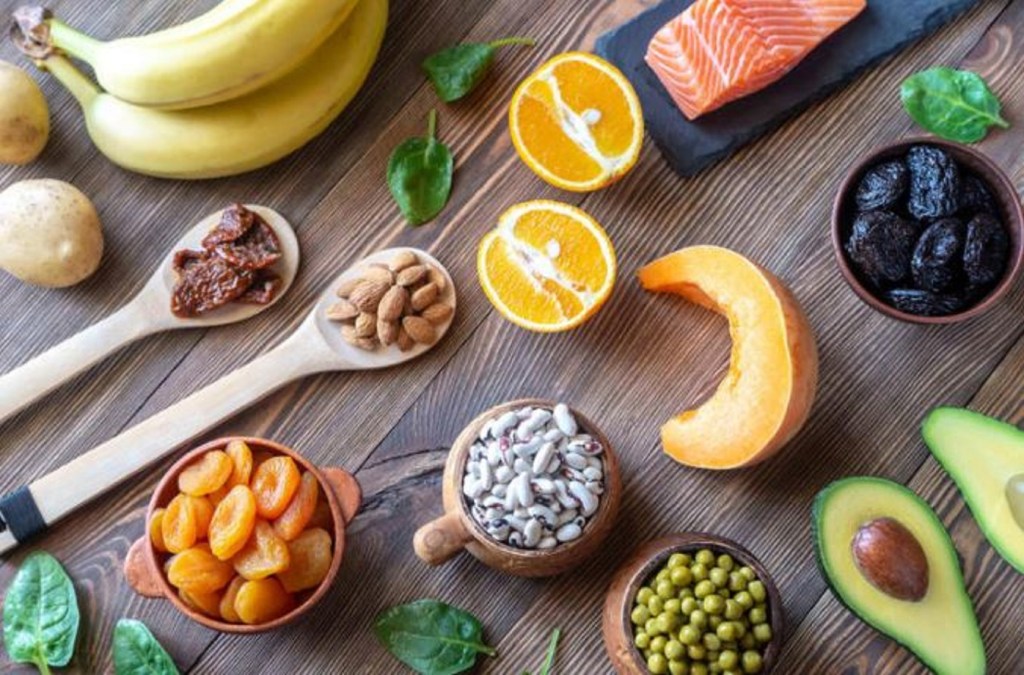
    You don’t need expensive supplements or exotic foods to meet your potassium needs. Everyday staples like bananas, lentils, potatoes, spinach, yogurt, and salmon are naturally high in this mineral. These options also offer secondary benefits such as fiber, antioxidants, and omega-3s.

    Nutrition expert Dr. David Katz notes that “a balanced diet rich in whole, minimally processed foods will automatically be higher in potassium and lower in sodium.” This makes potassium intake a byproduct of good eating habits, not just a targeted intervention.

    01
    New Chapter Magnesium + Ashwagandha Supplement, 325 mg with Magnesium Glycinate, 2.5x Absorption, Muscle Recovery, Heart & Bone Health, Calm & Relaxation, Gluten Free, Non-GMO – 60 ct (2 Month Supply)

    24- New Research Shows Potassium May Be Easier and More Effective

    The emerging consensus from new studies suggests that adding potassium-rich foods may be both simpler and more effective than trying to eliminate all sources of sodium. This is especially valuable in a world where processed food is hard to avoid entirely.

    In practical terms, this means shifting the dietary focus from restriction to inclusion. A study in The Lancet found that participants who focused on increasing potassium had better long-term adherence and outcomes than those told to avoid sodium-rich foods.

    01
    Nutricost Potassium Citrate 99mg, 500 Capsules

    25- A Symbiotic Relationship: Sodium and Potassium Together

    Rather than existing in opposition, sodium and potassium work together to regulate fluid balance, nerve signals, and blood pressure. The key lies in the ratio between the two. When potassium levels are high, it neutralizes sodium’s hypertensive effects.

    Dr. Dariush Mozaffarian, dean at the Friedman School of Nutrition, summarizes it well: “It’s not just about cutting back on sodium—it’s about restoring the natural mineral balance that supports vascular health.”

    01
    BulkSupplements.com Potassium Citrate Capsules – Potassium Citrate 99mg – 1 Capsule per Serving, 500 Capsules (Pack of 1)

    26- Potassium-Rich Foods That Outperform Salt Cuts

    Research shows that adding potassium-rich foods like bananas or broccoli to your diet can yield more measurable results than merely cutting back on salt. This is especially true for individuals who find it difficult to eliminate salty snacks entirely.

    Including foods like Swiss chard, edamame, or avocados in meals provides a delicious and satisfying way to shift your mineral intake in favor of potassium, reducing dependence on rigid sodium control strategies.
    01
    BulkSupplements.com Potassium Chloride Capsules – Mineral Supplement – Gluten Free, 105mg of Potassium, 1 Capsule per Serving, 240 Capsules (Pack of 1)

    27- What the New Research Says

    Recent clinical trials and meta-analyses have turned the spotlight on potassium’s overlooked potential. One major review in BMJ Open concluded that potassium intake significantly reduced blood pressure in adults, independent of sodium levels.

    This reflects a growing recognition that hypertension is a multifaceted issue, requiring more than just a reductionist approach to salt. Nutrition science now favors a broader, systems-based strategy—of which potassium is a vital part.

    01
    65mg Potassium Iodide Tablets (20 Pack) – Protects Your Thyroid from Nuclear Radiation Exposure

    28- The Potassium-Sodium Ratio: A Crucial Metric

    Rather than focusing solely on absolute intake, researchers now emphasize the ratio of potassium to sodium. A higher potassium-to-sodium ratio correlates with lower blood pressure and decreased cardiovascular risk.

    In simple terms, even if you consume some sodium, balancing it with enough potassium mitigates its harmful effects. The World Health Organization recommends a dietary potassium-to-sodium ratio of at least 1:1—but higher is often better.

    01
    Potassium Iodide Tablets | 130 mg | 120 Fast-Dissolving Tablets (2 Pack) | Ki Pills | Long Shelf Life | Non-GMO

    29- Potassium Lowers Blood Pressure, Even With Normal Sodium

    One of the most compelling findings is that higher dietary potassium helps lower blood pressure regardless of sodium intake. Whether you eat a high- or normal-sodium diet, potassium still exerts a protective effect.

    This discovery is vital for populations with limited access to low-sodium foods. As long as potassium intake is sufficient, the adverse impact of sodium can be partially buffered—offering a more flexible dietary path.

    01
    Potassium Iodide Tablets 130 mg | 120ct Iodine Tablets for Radiation Exposure – Potassium Iodine Pills – YODO Naciente – KI Pills – Made in USA – ThyroShield

    30- The Science Behind the Mineral Interaction

    The interplay between sodium, potassium, and blood pressure is rooted in human physiology. Sodium draws water into the bloodstream, raising volume and pressure. Potassium counteracts this by encouraging the kidneys to release both water and sodium.

    This homeostatic relationship ensures fluid equilibrium and vascular health. As described in Guyton and Hall Textbook of Medical Physiology, this mineral interaction is central to the body’s regulation of blood pressure and fluid balance.
    01
    Nature’s Fusions Potassium Iodide Tablets (Pack of 5) 130mg – 700 Tablets EXP 10/2032 – YODO Naciente – KI Pills – Yoduro de Potasio

    31- Potassium Relaxes Blood Vessel Walls

    Unlike sodium, which stiffens arterial walls, potassium acts as a natural relaxant. It improves endothelial function and reduces vascular resistance, making it easier for blood to flow and pressure to drop.

    This property positions potassium as not just a balancing mineral, but a direct therapeutic agent. Its vasodilatory effect makes it invaluable in cardiovascular disease prevention and treatment.

    01
    Sugar Free Potassium Gummies for Adults with 1200mg Potassium Chloride – Supports Muscle Health & Leg Cramps, Raspberry Flavor, 60 Gummies

    32- Potassium and Kidney Synergy

    Potassium’s action on the kidneys is crucial. It facilitates the removal of sodium by altering the renal sodium-potassium exchange mechanisms, thereby supporting blood pressure control at a systemic level.

    This renal function is particularly beneficial in those with mild kidney impairment. However, those with advanced kidney disease should approach potassium intake cautiously and under medical supervision.

    01
    softbear Potassium Gummies for Adults, High Absorption Magnesium Potassium Supplement with Vitamin B6 for Leg Cramps & Muscle Health Sugar-Free Vegan Strawberry 60 Gummies

    33- The Role of Kidney Transporters

    Your kidneys rely on specialized proteins—sodium-potassium pumps and transporters—to excrete sodium effectively. These mechanisms depend on adequate potassium levels to function optimally.

    Without enough potassium, sodium transport is inefficient, leading to its accumulation and subsequent hypertension. This is why diets low in potassium often fail to control blood pressure, even when sodium is limited.
    01
    Qunol Magnesium Glycinate Gummies, 120mg of Magnesium Glycinate, High Absorption, Mixed Berry, 90 Count (Pack of 1)

    34- Eat More Potassium, Retain Less Sodium

    Simply put, increasing potassium intake leads to decreased sodium retention. This effect is both biochemical and clinical, resulting in lowered blood volume and less arterial strain.

    It’s a principle backed by numerous peer-reviewed studies: for every gram of potassium consumed, the body excretes more sodium. This makes potassium intake a strategic lever in controlling high blood pressure.
    01
    Life Enhancement High Absorption Potassium Supplement for Muscle, Brain & Bone Health – No Additives High Potency Elemental Potassium Supplement is Made in USA (240 Capsules – 120 Servings)

    35- Potassium-Rich Foods That Pack a Punch

    Beyond bananas, a wide variety of foods are excellent sources of potassium. Baked potatoes, white beans, spinach, lentils, and salmon are among the top contributors. These foods also offer fiber, vitamins, and healthy fats.

    Incorporating a mix of these items into your weekly meals not only ensures potassium adequacy but supports overall nutrition. Diverse sources also reduce monotony, helping to sustain long-term dietary changes.

    01
    Nature Made Potassium Gluconate 550 mg, Dietary Supplement for Heart Health Support, 100 Tablets, 100 Day Supply

    36- Why Food Sources Beat Supplements

    Potassium supplements may seem convenient, but they come with risks—especially for individuals with kidney issues or those taking certain medications. Moreover, food sources provide potassium in a more bioavailable, balanced form.

    Whole foods contain additional nutrients like magnesium and fiber, which work synergistically to enhance cardiovascular health. Therefore, unless medically advised, food remains the safest and most effective way to meet potassium needs.

    01
    Potassium Citrate 1000mg Gummies, Potassium Magnesium Supplement + Calcium, Zinc, Sodium, Vitamin B6, B12, Support Leg Cramps, Electrolyte Balance, Body Performance, Energy Boost, Sugar Free, 120 Cts

    37- Understanding Recommended Daily Intake

    The FDA has set the Daily Value (DV) for potassium at 4,700 milligrams. Meanwhile, the American Heart Association suggests a therapeutic range of 3,500 to 5,000 milligrams for individuals managing high blood pressure.

    These benchmarks provide a target for dietary planning. Tracking intake through apps or food labels can help ensure you’re meeting this crucial health goal—without over-relying on supplements.

    01
    NaturalSlim Natural Potassium Citrate Gluconate 99 mg – Kadsorb Supports Electrolyte Balance & Normal pH – Absorbable Potassium Supplements with Essential Minerals – Non GMO 400 Capsules 1 Pack

    38- Gender-Specific Potassium Needs

    Potassium needs vary by sex. Men should aim for at least 3,400 mg/day, while women require around 2,600 mg. This difference accounts for variations in muscle mass and metabolic rate.

    Personalized nutrition acknowledges these distinctions. Tailoring potassium intake to individual needs—whether by sex, age, or health status—can maximize benefits while minimizing risks.

    01
    THORNE – Potassium Citrate – Highly-Absorbable Potassium Supplement for Kidney, Heart, and Skeletal Support* – 90 Capsules

    39- Beyond Bananas: Unsung Potassium Heroes

    While bananas are widely recognized for their potassium content, they’re far from the only option. Apricots, lentils, baked potatoes, spinach, and salmon are equally potent—and often more versatile in meals.

    Diversifying your potassium sources not only prevents palate fatigue but also enriches your diet with complementary nutrients. This variety is key to creating a sustainable and enjoyable eating plan.
    01
    Potassium Magnesium Supplement 1000mg, Magnesium Potassium Zinc Aspartate Support Vascular, Bone, Heart, Muscle & Nerve Health, Non-GMO, Vegan, (120 Capsules)

    40- Finding the Right Potassium-to-Sodium Ratio

    There’s no universal golden ratio for potassium and sodium. Factors such as health conditions, physical activity, and dietary habits all influence the ideal balance.

    Routhenstein, a leading clinical dietitian, recommends a personalized approach: “Work with your healthcare provider to determine the ratio that supports your unique physiology and lifestyle.”

    01
    Potassium Iodide 65 MG, 60 Tablets, 2 Month Supply, YODO Naciente, KI Tablets Dietary Supplement, Made in The USA

    41- Personalizing Your Ratio for Optimal Health

    Given the complex interaction between diet and genetics, no one-size-fits-all ratio applies. What matters most is the direction—moving toward higher potassium and lower sodium.

    Health professionals can help calibrate this based on lab results, dietary patterns, and risk factors. This personalized strategy offers better compliance and longer-lasting health benefits.

    01
    Pure Encapsulations Potassium (Citrate) – Essential Electrolyte Supplement to Support Nerve & Muscle Function, Adrenals, Hormones, Heart Health & Energy* – Potassium Citrate Capsule – 180 Capsules

    42- The Case for Lower Sodium Intake

    The American Heart Association advises limiting daily sodium to between 1,500 and 2,300 mg. Staying within this range reduces the risk of hypertension, stroke, and kidney damage.

    While this may seem restrictive, it’s achievable with mindful choices: preparing meals at home, using herbs instead of salt, and avoiding processed snacks can make a significant difference.
    01
    Potassium Citrate Supplement | Potassium Citrate 800mg | Supplement for Men & Women, 120 Capsules (Pack 2)

    43- Small Tweaks, Big Results

    Cutting sodium and increasing potassium doesn’t require an overhaul. Even modest changes—like swapping chips for nuts or soda for orange juice—can shift the mineral balance significantly.

    Consistency is more important than perfection. Over time, small daily improvements build a powerful shield against high blood pressure and cardiovascular disease.
    01
    Potassium Citrate Capsules – High-Potency 500mg Potassium Per Serving | Supports Muscle Function, Electrolyte Balance & Heart Health | Vegan, Non-GMO, 120 Capsules

    44- Cap Sodium at 2,300 mg Daily

    Setting a firm upper limit of 2,300 mg of sodium per day is a key benchmark. Achieving this requires label-reading, awareness, and often cooking more at home.

    Salt isn’t just in obvious items—it’s hidden in breads, condiments, and sauces. Awareness is the first step toward sodium reduction and better heart health.

    01
    Pure Encapsulations Potassium (Citrate) – Essential Electrolyte Supplement to Support Nerve & Muscle Function, Adrenals, Hormones, Heart Health & Energy* – Potassium Citrate Capsule – 180 Capsules

    45- Ease Into Potassium

    While potassium is beneficial, sudden increases can cause digestive discomfort or imbalances in those with kidney conditions. Gradual increments are safer and more sustainable.

    Start by adding one high-potassium food per day. As your palate and body adjust, gradually build up toward your daily goal—without overwhelming your system.

    01
    Life Enhancement High Absorption Potassium Supplement for Muscle, Brain & Bone Health – No Additives High Potency Elemental Potassium Supplement is Made in USA (240 Capsules – 120 Servings)

    46- One Swap Per Meal

    An easy strategy is to make one potassium-rich swap at every meal. Add avocado to toast, replace chips with sweet potato, or enjoy a side of lentils instead of rice.

    This practical tip aligns with behavioral psychology: incremental changes are easier to adopt and stick with long-term, promoting better adherence and outcomes.

    01
    ikj Potassium Caplets Dietary Supplement Value Size, 99 Mg, 500 Count

    47- Enjoyable Diets Are Sustainable Diets

    Taste matters. If your diet isn’t enjoyable, it won’t be sustainable. Incorporate foods you love that also happen to be high in potassium—whether that’s mango, coconut water, or roasted vegetables.

    Health isn’t just about nutrients—it’s about lifestyle. A pleasurable diet is a diet that lasts, bringing both joy and wellness to the table.

    01
    Solaray Potassium 99 mg – Electrolyte Balance Formula – Potassium Supplement for Electrolytes, Vascular and Heart Health Support – 60-Day Money Back Guarantee, Lab Verified, 200 Servings, 200 VegCaps

    48- Go Slow to Go Far

    Trying to overhaul your entire diet overnight often backfires. A gradual, thoughtful approach increases the chances of long-term success. Allow yourself time to adapt, explore, and enjoy the process.

    As with any lifestyle change, patience is key. Think of potassium-rich eating not as a crash diet, but as a lifelong journey toward better health.
    01
    Best Naturals Potassium Gluconate Supplement 595 Mg Tablet, 250Count

    49- Reiterate: Food Over Supplements

    Potassium supplements, while sometimes necessary, carry safety concerns like gastrointestinal distress and arrhythmias. Whole foods provide a safer and more nourishing option.

    Unless advised by a healthcare provider, prioritize food as your potassium source. The body processes it more efficiently, and you gain the added benefits of fiber, antioxidants, and satiety.

    01
    Life Extension Potassium with Extend-Release Magnesium – Heart health supplement for blood pressure support with two essential minerals – Non-GMO, vegetarian, gluten-free – 60 capsules

    50- Final Word: More Potassium, Lower Pressure

    The science is clear: more dietary potassium leads to lower blood pressure—even in the context of varying sodium intakes. This effect is consistent, measurable, and sustainable.

    Incorporating potassium-rich foods into your daily routine isn’t just a nutritional upgrade—it’s a preventive health strategy. One that could add years to your life and life to your years.
    01
    Potassium Citrate Liquid Drops,Potassium Supplement 1000mg Liquid Support Muscle Cramp Relief, Heart Health and Sleep,Highly Absorbable for Adults Women & Men, Vegan, 30 Servings

    Conclusion

    In the battle against high blood pressure, the silent champion may not be what you remove—but what you add. Potassium-rich foods, often overlooked, wield profound power in restoring cardiovascular balance. From cellular mechanics to public health implications, the evidence is compelling: potassium deserves a central role in our dietary strategy.

    Rather than demonizing sodium in isolation, a more nuanced approach calls for nutritional harmony. As we’ve seen, boosting potassium not only counteracts the adverse effects of sodium but also supports kidney function, vascular health, and overall wellbeing. Let’s rewrite the hypertension playbook with potassium at its heart—because prevention starts on our plates.

    01
    Amazing Formulas Potassium Iodide Supplement | 130 Mg | 120 Tablets | Non-GMO | Gluten-Free | Made in USA

    Focusing solely on reducing sodium is like addressing only one side of an equation. To truly tackle high blood pressure, we must embrace potassium as a co-equal partner in cardiovascular health. From leafy greens to legumes, from policy reform to personal food choices, the path forward lies in restoring our body’s natural mineral harmony.

    As Hippocrates wisely said, “Let food be thy medicine.” In the realm of hypertension, potassium is one of the most powerful prescriptions nature has to offer. Let’s not leave it off the table.

    01
    Designs for Health K+2 Potassium – 300mg Two Forms of Potassium – Potassium Bicarbonate + Glycinate Pills – Supplement Support to Help Maintain Healthy Blood Pressure Levels (120 Capsules)

    Bibliography

    1. Appel, Lawrence J., et al. Effects of Comprehensive Lifestyle Modification on Blood Pressure Control: Main Results of the PREMIER Clinical Trial. JAMA, 2003.
      — A landmark study showing the combined effects of dietary change, physical activity, and behavioral modification on blood pressure.
    2. Whelton, Paul K., et al. Sodium, Potassium, and Blood Pressure: Emerging Evidence for More Potassium, Less Sodium. The New England Journal of Medicine, 1997.
      — Discusses the interplay between sodium and potassium and how they affect blood pressure regulation.
    3. He, Feng J., and MacGregor, Graham A. Beneficial Effects of Potassium on Human Health. Physiologia Plantarum, 2008.
      — A detailed overview of potassium’s physiological benefits and its role in disease prevention.
    4. Heller, Marla. The DASH Diet Action Plan. Hachette Books, 2007.
      — Practical guide based on the DASH diet, emphasizing the role of potassium-rich foods in managing hypertension.
    5. Sherwood, Lauralee. Human Physiology: From Cells to Systems. Cengage Learning, 2015.
      — An authoritative textbook covering the physiological mechanisms of electrolyte balance and blood pressure regulation.
    6. Greger, Michael. How Not to Die: Discover the Foods Scientifically Proven to Prevent and Reverse Disease. Flatiron Books, 2015.
      — Advocates plant-based, potassium-rich diets for longevity and prevention of chronic illnesses including hypertension.
    7. Mozaffarian, Dariush. Dietary and Policy Priorities for Cardiovascular Disease, Diabetes, and Obesity: A Comprehensive Review. Circulation, 2016.
      — Offers insights into how dietary patterns affect cardiovascular outcomes, emphasizing potassium’s protective role.
    8. Walker, Matthew. Why We Sleep: Unlocking the Power of Sleep and Dreams. Scribner, 2017.
      — Connects nutrient intake, including potassium, with sleep quality and blood pressure regulation.
    9. Nestle, Marion. What to Eat. North Point Press, 2006.
      — Offers practical nutritional advice and explains the health impact of mineral intake, including sodium and potassium.
    10. Pollan, Michael. In Defense of Food: An Eater’s Manifesto. Penguin Press, 2008.
      — Advocates for a whole-food diet rich in vegetables and legumes that are naturally high in potassium.
    11. Heaney, Robert P. The Nutritional Biochemistry of Potassium. In Calcium and Phosphorus in Health and Disease, CRC Press, 2000.
      — Discusses how potassium contributes to bone health and interacts with other minerals.
    12. Fuhrman, Joel. Eat to Live: The Amazing Nutrient-Rich Program for Fast and Sustained Weight Loss. Little, Brown and Company, 2011.
      — Emphasizes the power of legumes and leafy greens—high in potassium—for metabolic and cardiovascular health.
    13. Guyton, Arthur C., and Hall, John E. Textbook of Medical Physiology. Elsevier, 13th ed., 2015.
      — A comprehensive reference on kidney physiology and mineral balance relevant to blood pressure.
    14. World Health Organization (WHO). Guideline: Sodium Intake for Adults and Children. Geneva, 2012.
      — Sets global recommendations for sodium and potassium intake to reduce cardiovascular disease burden.
    15. American Heart Association. Sodium and Potassium: How They Affect Your Heart Health. AHA Publications, 2021.
      — Educational material providing practical guidelines for managing blood pressure through dietary changes.
    16. Katz, David L., and Meller, Sonja. Can We Say What Diet Is Best for Health?. Annual Review of Public Health, 2014.
      — Reviews evidence on dietary patterns and the role of potassium in promoting health.
    17. Routhenstein, Nicole. Clinical Dietitian, quoted in various interviews and publications on the potassium-to-sodium ratio and personalized nutrition strategies.
      — Provides expert insight into dietary customization and mineral balance.
    18. Ornish, Dean. The Spectrum: A Scientifically Proven Program to Feel Better, Live Longer, Lose Weight, and Gain Health. Ballantine Books, 2008.
      — Advocates for lifestyle medicine with an emphasis on plant-based, high-potassium foods.
    19. Katz, David L. Nutrition in Clinical Practice: A Comprehensive, Evidence-Based Manual for the Practitioner. Lippincott Williams & Wilkins, 2012.
      — Offers in-depth analysis of clinical nutrition strategies including potassium management in hypertensive patients.
    20. Hypertension. Potassium Intake and Blood Pressure: A Meta-Analysis of Randomized Controlled Trials. American Heart Association Journal, 2005.
      — Summarizes findings across multiple studies confirming the positive effect of potassium on blood pressure.

    By Amjad Izhar
    Contact: amjad.izhar@gmail.com
    https://amjadizhar.blog

  • How Grief Physically Affects Your Body

    How Grief Physically Affects Your Body

    Grief doesn’t just break your heart — it can break your body, too. When we think of mourning, we often picture tears, silence, or emotional pain, but the body also carries the weight of loss in surprising, sometimes alarming ways. Physical symptoms of grief can creep in quietly or strike with overwhelming intensity, reminding us that the human experience of sorrow is holistic — affecting mind, soul, and flesh.

    Scientific studies show that grief has a measurable impact on multiple bodily systems, including the immune, cardiovascular, and neurological systems. Whether it’s sudden weight loss, chronic fatigue, or unexplained aches, these symptoms aren’t figments of the imagination — they’re manifestations of profound emotional trauma. This isn’t just poetic metaphor; it’s rooted in biology, supported by medical literature, and experienced universally across cultures and time.

    As psychiatrist Elisabeth Kübler-Ross famously noted, “The reality is that you will grieve forever…but you will heal and rebuild yourself around the loss.” That process of rebuilding starts with understanding what grief is doing to the body. By examining how it manifests physically, we empower ourselves not only to recognize the warning signs but also to treat grief with the seriousness it deserves — as both a psychological and physiological challenge.


    1- The Stress Response Overdrive

    Grief thrusts the body into a prolonged fight-or-flight mode, flooding it with stress hormones like cortisol and adrenaline. These chemicals are helpful in acute danger, but when they persist, they wreak havoc on the body’s internal balance. Elevated cortisol levels can raise blood pressure, increase heart rate, and suppress the immune system. In this hypervigilant state, the body remains on high alert, often leading to insomnia, digestive issues, and a chronic sense of exhaustion.

    Neuroscientist Robert Sapolsky, in his groundbreaking book Why Zebras Don’t Get Ulcers, emphasizes how prolonged stress can damage brain structures like the hippocampus and compromise bodily functions. The grieving brain often confuses emotional pain with physical threat, leading to this physiological overdrive. It’s not merely emotional suffering—it’s an internal biochemical storm.


    2- Weakened Immune System

    One of grief’s more insidious effects is its impact on the immune system. Bereaved individuals often become more vulnerable to infections, colds, and even chronic illnesses due to a decrease in immune function. This vulnerability is due in part to stress hormones suppressing the activity of lymphocytes — white blood cells that help ward off disease.

    Dr. George A. Bonanno, professor of clinical psychology at Columbia University, has studied the immune responses of grieving individuals and found significant reductions in immune markers. In The Other Side of Sadness, he suggests that the body’s defense system is, in many cases, temporarily compromised during intense mourning. This biological toll underscores the need for bereaved individuals to care for their physical health as they heal emotionally.


    3- Sleep Disruptions

    Sleep is one of the first casualties of profound grief. Many grieving individuals report insomnia, restless sleep, or excessive sleep, all of which can further disrupt physical recovery. The brain, overwhelmed by emotional turmoil, struggles to downregulate at night, leading to broken or shallow sleep patterns.

    Psychologist Matthew Walker, author of Why We Sleep, notes that emotional distress can impair the body’s circadian rhythm and the production of melatonin, the sleep hormone. In grief, nights become battlegrounds for memories, regrets, and longing, making rest feel impossible. This chronic sleep debt in turn worsens emotional resilience, trapping mourners in a vicious cycle of exhaustion.


    4- Cardiovascular Strain

    Grief can have direct consequences on the heart. Research has shown that the bereaved are at significantly higher risk for heart attacks, especially in the first days and weeks after a major loss. The phenomenon known as “broken heart syndrome” or stress cardiomyopathy mimics a heart attack but is triggered by acute emotional trauma.

    Dr. Ilan Wittstein, a cardiologist at Johns Hopkins, was among the first to identify this syndrome. He emphasizes that the emotional trauma of grief can cause the heart’s left ventricle to temporarily enlarge and weaken. This physiological reaction is a stark reminder that the metaphor of a “broken heart” can carry literal meaning in the wake of intense loss.


    5- Digestive Issues

    The gastrointestinal system is closely tied to emotional well-being. During grief, individuals may experience nausea, loss of appetite, irritable bowel syndrome (IBS), or stomach cramping. The gut-brain axis ensures that emotional stress directly impacts digestion, often slowing or speeding motility unpredictably.

    As described in The Second Brain by Dr. Michael Gershon, the enteric nervous system operates semi-independently and reacts strongly to emotional stimuli. When mourning disrupts mental equilibrium, the gut can become hyperactive or sluggish, mirroring the chaos of inner sorrow. This can exacerbate stress and make everyday nourishment a struggle.


    6- Muscular Tension and Pain

    Grieving individuals often carry their sorrow in their bodies — literally. Muscle tension, especially in the neck, shoulders, and back, is a common physical response to emotional distress. This tension can lead to chronic pain, headaches, or a feeling of physical heaviness.

    According to Dr. Bessel van der Kolk, author of The Body Keeps the Score, trauma and emotional pain are stored in the body’s tissues. Grief can become somatic, embedding itself in muscles and joints, manifesting as stiffness or pain. This underscores the importance of body-based healing practices like yoga, massage, or physical therapy in grief recovery.


    7- Hormonal Imbalance

    Loss disrupts the endocrine system, often throwing hormone levels out of sync. This imbalance can result in irregular menstrual cycles, changes in libido, or thyroid dysfunction. These hormonal shifts can make it harder to regulate emotions, sleep, and energy levels.

    Endocrinologist Dr. Pamela Peeke explains in Body for Life for Women that emotional trauma can affect hormone-producing glands, disrupting everything from metabolism to reproductive health. In grief, the body often “forgets” its usual rhythm, highlighting the need for medical evaluation in prolonged or intense mourning.


    8- Chronic Fatigue

    The energy drain that accompanies grief is more than just emotional—it’s physical. Many mourners describe feeling constantly tired, even after a full night’s sleep. This fatigue is compounded by disrupted sleep, poor diet, and elevated stress hormones.

    Fatigue expert Dr. Jacob Teitelbaum, author of From Fatigued to Fantastic, explains that chronic grief can mimic the symptoms of chronic fatigue syndrome. The body, overwhelmed by both biochemical and emotional stress, becomes depleted, making even simple tasks feel monumental.


    9- Appetite Changes

    Grief often derails regular eating habits. Some people lose their appetite entirely, while others overeat in an attempt to soothe emotional pain. These shifts can lead to weight loss, gain, or nutritional deficiencies that further strain the body.

    In Mindless Eating, Dr. Brian Wansink explores how emotional triggers influence food intake. During grief, the body’s hunger signals can become unreliable. Emotional numbness may mute cravings, while emotional overwhelm can intensify them, creating a turbulent relationship with food.


    10- Inflammation and Chronic Illness

    Persistent grief has been linked to systemic inflammation, which is a risk factor for many chronic illnesses including arthritis, diabetes, and cardiovascular disease. This inflammation stems from stress hormones as well as immune system dysregulation.

    According to The Inflamed Mind by Edward Bullmore, emotional suffering like grief triggers the body’s inflammatory response much like physical injury. If unaddressed, this ongoing inflammation can accelerate aging and predispose the body to long-term health conditions.


    11- Increased Risk of Substance Abuse

    To numb the pain, some individuals turn to alcohol, prescription medications, or illicit drugs. These coping mechanisms may temporarily dull the ache but ultimately worsen physical and emotional health. Substance abuse places additional strain on the liver, heart, and nervous system.

    Dr. Gabor Maté, in In the Realm of Hungry Ghosts, underscores how unresolved grief often underlies addiction. When pain becomes unbearable, substances may feel like a solution, but they create a cycle of dependency and deteriorating health that buries the core issue deeper.


    12- Skin Problems

    The skin, often called the body’s largest organ, can reflect internal distress. Grief may lead to flare-ups of conditions like eczema, psoriasis, or acne. This is largely due to hormonal shifts and inflammation, which can alter oil production and immune response in the skin.

    Dermatologist Dr. Ted Grossbart, author of Skin Deep, points out that emotional trauma can directly manifest in skin conditions. The psychological wounds of grief often “bleed” through the surface, reminding sufferers that mourning is both an inner and outer experience.


    13- Chest Tightness and Breathlessness

    Many grieving people report a feeling of tightness in the chest or shortness of breath. These symptoms are real and can resemble anxiety or even heart attacks. They’re often linked to hyperventilation, muscle tension, and stress-related activation of the sympathetic nervous system.

    Dr. Stephen Porges, creator of the Polyvagal Theory, explains how emotional trauma can trigger the body’s autonomic responses. In grief, the vagus nerve may interpret emotional threat as physical danger, leading to shallow breathing and a feeling of suffocation. Deep breathing techniques can counteract these effects and signal safety to the nervous system.


    14- Heightened Sensitivity to Pain

    Grief has the ability to lower your pain threshold, making everyday aches feel more intense. This is partially due to the interplay between emotional and physical pain pathways in the brain, both of which are processed in the anterior cingulate cortex.

    In The Science of Pain, Patrick Wall details how emotional distress amplifies physical sensations. For someone in grief, a small injury or discomfort can feel excruciating, as their nervous system is already overwhelmed by emotional input.


    15- Reduced Sexual Desire

    Sexual desire often diminishes during intense periods of grief. Hormonal changes, depression, and emotional withdrawal can all contribute to a loss of libido. This can strain intimate relationships and further isolate the grieving person.

    Relationship therapist Esther Perel notes that desire requires a sense of vitality and curiosity—two things grief often suppresses. In her book Mating in Captivity, she explores how emotional states shape sexual expression. Grief can dull the senses and create emotional distance even in physically close partnerships.


    16- Jaw Clenching and Teeth Grinding

    Bruxism, or involuntary grinding of teeth, is a common physical symptom of emotional stress. Grieving individuals may clench their jaws in their sleep or even during the day, leading to headaches, jaw pain, and dental issues.

    The American Dental Association reports that emotional stress is one of the leading causes of bruxism. As grief weighs heavily on the psyche, it often finds its release in muscular tension, particularly in the face and jaw, reflecting the body’s attempt to suppress deep emotional turmoil.


    17- Dizziness and Disorientation

    Grieving individuals often describe feeling dizzy, “foggy,” or disoriented. These sensations can be the result of hyperventilation, poor sleep, and nutritional deficiencies, all of which are common in mourning. The brain struggles to focus under emotional strain.

    Neurologist Dr. Oliver Sacks, in Hallucinations, discusses how extreme emotional states can alter perception. Grief alters cognitive processing and can temporarily impair spatial awareness and balance, making even simple activities feel unfamiliar or unsafe.


    18- Autoimmune Reactions

    Some evidence suggests that grief can increase the risk of autoimmune flare-ups. Chronic emotional stress may confuse the immune system, leading it to attack the body’s own tissues. Conditions like lupus, rheumatoid arthritis, and thyroiditis may worsen or emerge after a major loss.

    The connection between emotional trauma and autoimmune disease is explored in Dr. Donna Jackson Nakazawa’s The Last Best Cure. She explains how emotional distress can tip the balance of immune tolerance, particularly in those with genetic predispositions, highlighting how unresolved grief can be a hidden health threat.


    19- Memory Lapses and Cognitive Decline

    Grief affects memory, attention, and decision-making. This “grief brain” is a recognized phenomenon in neuroscience, where the prefrontal cortex (responsible for executive functioning) becomes temporarily less effective.

    Cognitive neuroscientist Lisa Genova, in Remember: The Science of Memory and the Art of Forgetting, writes that emotional overload can reduce the brain’s ability to encode and retrieve information. During grief, the mind is preoccupied with loss, leaving less room for cognitive clarity and everyday mental tasks.


    20- Postural Changes and Physical Withdrawals

    Grieving individuals often unconsciously hunch their shoulders, bow their heads, or avoid physical space — adopting postures that reflect sadness and vulnerability. Over time, these positions can lead to musculoskeletal issues and physical discomfort.

    In Body Language by Julius Fast, it’s noted that posture often reveals inner emotions. Slouched shoulders and downward gazes not only express grief but can also perpetuate feelings of depression and physical fatigue. Gentle physical activity and posture awareness can help realign the body and support emotional healing.


    21 – Joint and Muscle Pain

    Grief often expresses itself in the body as aching joints or persistent muscle tension. When the nervous system is flooded with stress hormones like cortisol and adrenaline during bereavement, the muscles may remain in a prolonged state of contraction. This tension, if not released, can result in pain that mimics symptoms of arthritis or fibromyalgia. People experiencing loss might unknowingly clench their jaws or tense their shoulders, leading to chronic soreness.

    Dr. Bessel van der Kolk, author of The Body Keeps the Score, explains how emotional pain becomes embedded in the body’s tissues. According to his research, unresolved emotional trauma, including grief, can manifest as musculoskeletal issues. Addressing these physical symptoms requires recognizing the emotional roots behind them, not just treating the physical discomfort.


    22 – Increased Inflammation

    Chronic stress and sorrow can significantly heighten inflammation in the body, a biological response tied to many long-term health conditions. The stress response triggered by grief activates the immune system, releasing pro-inflammatory cytokines. While these compounds are helpful short-term, sustained high levels can contribute to heart disease, diabetes, and autoimmune disorders.

    According to a 2014 study in Proceedings of the National Academy of Sciences, grief-related inflammation is especially high in people experiencing complicated or prolonged grief. Learning stress-reduction techniques such as mindfulness or cognitive behavioral therapy can play a role in calming this inflammatory response.


    23 – Migraines

    It’s not uncommon for those in mourning to suffer from debilitating migraines. Emotional distress disrupts neurological pathways, and grief-induced stress can cause blood vessels in the brain to constrict and then dilate, leading to intense headaches. For some, the frequency and severity of migraines increase dramatically after a major loss.

    Neurologist Dr. Carolyn Bernstein notes that stress is one of the most powerful migraine triggers, and emotional upheaval like grief makes the brain more sensitive to such attacks. Managing triggers, staying hydrated, and creating a regular sleep routine can help reduce migraine frequency.


    24 – Digestive Problems

    Grief can cause a host of digestive disturbances, from loss of appetite to nausea, constipation, or irritable bowel syndrome (IBS). The gut and brain are deeply interconnected via the vagus nerve, and intense emotions can throw off digestive regulation. When grief disrupts eating habits, the microbiome may also suffer, further affecting overall health.

    In The Second Brain, Dr. Michael Gershon underscores the intricate communication between the gut and central nervous system. He suggests that the emotional toll of grief can interfere with gastrointestinal function just as powerfully as a virus or food intolerance. Healing your gut may require emotional processing as much as dietary changes.


    25 – Weight Gain

    Grief can cause a disruption in metabolism and eating habits, often resulting in weight gain. People may turn to comfort foods rich in sugar and fat to soothe their emotional pain, leading to emotional eating. Simultaneously, stress hormones like cortisol promote fat storage, especially in the abdominal area.

    Dr. Susan Albers, author of Eat Q, explains that emotional hunger masquerades as physical hunger. During mourning, individuals may eat not out of need but out of a desperate attempt to feel better. Addressing the underlying emotional issues is essential to restoring healthy eating patterns.


    26 – Lowered Immunity

    One of the most dangerous effects of grief is its ability to suppress the immune system. Stress hormones interfere with the production of white blood cells, reducing the body’s ability to fight off infections. This makes the grieving person more vulnerable to colds, flu, and other illnesses.

    In a pivotal study published in Psychosomatic Medicine, widowed individuals showed significant reductions in natural killer cell activity just weeks after their loss. Chronic grief, therefore, doesn’t just feel terrible—it genuinely puts your body at risk of further harm.


    27 – Skin Problems

    Skin is often considered a mirror of inner emotional turmoil, and grief is no exception. The stress it causes can exacerbate skin issues like eczema, psoriasis, and acne. When cortisol levels remain elevated, they interfere with the skin’s ability to regenerate and defend against inflammation.

    Dermatologist Dr. Amy Wechsler, in her book The Mind-Beauty Connection, discusses how emotional distress can manifest as visible skin flare-ups. She argues for a holistic approach to skincare that includes stress management alongside topical treatment.


    28 – Contributes to Cardiovascular Problems

    The emotional blow of grief is particularly dangerous for heart health. The physiological stress response increases blood pressure, heart rate, and vascular inflammation. This makes grieving individuals more susceptible to heart attacks, arrhythmias, and even the phenomenon known as “broken heart syndrome.”

    Dr. Ilan Wittstein of Johns Hopkins, who coined the term “stress cardiomyopathy,” found that acute grief can cause severe but temporary weakening of the heart muscle. Though often reversible, this condition underscores how emotional pain can quite literally break your heart.


    29 – Chest Pain and Shortness of Breath

    Grief can lead to sensations that mimic a heart attack—tightness in the chest, shallow breathing, and difficulty drawing in air. These symptoms are often manifestations of anxiety or panic attacks triggered by emotional trauma. For some, the physical sensation of heartache is all too literal.

    Psychiatrist Dr. Judith Orloff asserts that grief-induced chest pain is the body’s cry for emotional attention. She recommends breathwork, emotional expression, and even somatic therapy to address these alarming symptoms from the inside out.


    30 – Worsen Existing Conditions

    For individuals already coping with chronic health conditions, grief can intensify symptoms or disrupt treatment routines. The stress can aggravate conditions like diabetes, high blood pressure, autoimmune disorders, and even cancer progression by compromising the immune system and increasing cortisol levels.

    According to The Handbook of Bereavement Research, people with pre-existing conditions often experience setbacks after a major loss, not only due to emotional distress but also because their motivation to manage their health may diminish. This reinforces the need for both emotional and medical support during mourning.


    31 – Insomnia

    Sleep disturbances are among the most common physical symptoms of grief. Insomnia may occur due to racing thoughts, anxiety, and the absence of comforting routines. Without restorative sleep, both cognitive and immune functions begin to deteriorate, further exacerbating grief’s effects.

    Dr. Shelby Harris, a behavioral sleep specialist, recommends cognitive-behavioral therapy for insomnia (CBT-I) as an effective method for those dealing with grief-induced sleeplessness. Good sleep hygiene practices—like setting a regular bedtime and reducing screen time—can also aid the healing process.


    32 – Sleep-Deprivation Problems

    Sleep deprivation caused by grief doesn’t only result in fatigue; it also impairs memory, decision-making, and emotional regulation. The lack of quality sleep can create a vicious cycle in which mental fog worsens the emotional pain, and that emotional turmoil then prevents sleep.

    In Why We Sleep, Dr. Matthew Walker emphasizes that consistent lack of sleep undermines emotional resilience. He highlights how REM sleep, in particular, helps process emotions—something grieving people desperately need. Prioritizing rest is not indulgent; it is medicinal.


    33 – Sleeping Too Much

    On the flip side, some individuals may sleep excessively during the grieving process. This hypersomnia can be a form of emotional escape or a sign of depression. While it might seem harmless, too much sleep can actually leave a person feeling more lethargic and emotionally drained.

    According to the DSM-5, excessive sleep is a diagnostic criterion for major depressive disorder. Sleep becomes less about restoration and more about avoidance. Understanding this behavior is key to offering the right kind of support and intervention.


    34 – High Blood Pressure

    Grief often causes temporary spikes in blood pressure, especially in those who internalize their emotions. The body’s stress response constricts blood vessels, increases heart rate, and raises blood pressure levels—putting significant strain on the cardiovascular system.

    A study in the journal Hypertension showed that grieving spouses had significantly elevated blood pressure levels for months following the loss. These effects highlight the need for early intervention to prevent long-term cardiovascular damage.


    35 – Increased Risk of Blood Clots

    Stress and inflammation associated with grief can cause blood to become stickier, increasing the risk of clotting. This is particularly concerning for older adults or individuals with underlying vascular conditions. Deep vein thrombosis (DVT) or pulmonary embolism can become real dangers during prolonged mourning.

    According to research published in Circulation, bereaved individuals showed elevated levels of prothrombotic proteins. The connection between emotional loss and thrombotic risk shouldn’t be overlooked in clinical settings.


    36 – Increased Heart Rate

    A racing heartbeat is a typical physiological response to stress, and grief often leaves individuals in a state of emotional arousal for extended periods. The elevated heart rate is part of the fight-or-flight response, but over time, it can lead to heart palpitations and arrhythmias.

    Cardiologist Dr. Nieca Goldberg emphasizes that people often mistake grief-related palpitations for signs of a heart condition. However, understanding the emotional root can inform a more compassionate and effective approach to treatment.


    37 – Feeling Nervous/Anxious

    Grief frequently gives rise to chronic anxiety—manifesting as restlessness, worry, or a persistent sense of dread. The unknowns surrounding death and the life changes that follow can make the mind feel trapped in a cycle of fear and unease.

    Psychologist Dr. Robert Neimeyer notes that grief and anxiety often coexist because both are reactions to uncertainty and loss. Coping mechanisms such as grounding techniques, journaling, and therapy can help reestablish emotional balance.


    38 – Increased Panic Attacks

    Some grieving individuals develop full-blown panic attacks, characterized by sudden chest pain, dizziness, and shortness of breath. These attacks can feel indistinguishable from life-threatening medical events, further increasing emotional distress.

    Dr. Claire Weekes, in her classic book Hope and Help for Your Nerves, suggests that understanding the benign nature of panic can diffuse its power. Grief counseling paired with cognitive-behavioral techniques often provides significant relief.


    39 – Increased Allergy Symptoms

    Stress weakens the immune system and increases inflammatory responses, which can aggravate allergic reactions. Individuals grieving may notice more frequent or severe symptoms, such as rashes, asthma flare-ups, or sinus issues.

    A 2020 study in Allergy and Clinical Immunology demonstrated that psychological stress amplifies histamine release, making pre-existing allergies worse. Emotional care thus becomes a vital part of managing physical symptoms.


    40 – Fatigue

    Fatigue during grief is more than just physical exhaustion—it is emotional depletion that drains the body’s energy reserves. This kind of tiredness can linger for months, leaving people feeling weighed down and unable to engage with daily life.

    In Healing After Loss, Martha Whitmore Hickman writes that energy gradually returns as grief is processed. Until then, gentleness toward oneself and a reduction in obligations are vital for recovery.

    41 – Encourages Addiction
    Grief can open the door to substance abuse or compulsive behaviors as individuals try to numb their emotional anguish. Alcohol, prescription medications, smoking, or even overeating can become coping mechanisms. These behaviors might offer temporary relief but ultimately delay healing and exacerbate physical health issues.

    The National Institute on Drug Abuse has noted a clear connection between prolonged grief and substance misuse. When the brain’s reward system is dysregulated due to grief-induced neurochemical shifts, addictive behaviors become more likely. Dr. Gabor Maté, in his book In the Realm of Hungry Ghosts, emphasizes that addiction often stems from a desire to escape emotional pain—grief being one of its strongest sources.


    42 – In Children
    Grief manifests differently in children. They may experience physical symptoms such as headaches, stomachaches, fatigue, or even regression in behavior. These reactions often stem from their inability to fully understand or verbalize their emotions, and their bodies carry the burden instead.

    Research in child psychology highlights that unresolved grief in early life can contribute to long-term developmental and emotional challenges. In When Children Grieve by John W. James and Russell Friedman, the authors emphasize the importance of giving children a safe space to express emotions physically and verbally. Observant care, age-appropriate communication, and grief-informed education are essential for long-term well-being.


    43 – Memory Response
    Cognitive fog and memory lapses are common grief-related symptoms. The brain, preoccupied with processing emotional trauma, allocates fewer resources to memory formation and recall. This may feel alarming but is a temporary consequence of the stress response.

    The hippocampus—responsible for memory—can shrink under prolonged exposure to cortisol, according to findings published in the journal Neurobiology of Stress. Memory impairment during grief is not a sign of cognitive decline but rather the mind’s effort to prioritize emotional survival. Mindfulness practices, adequate rest, and time help restore cognitive clarity.


    44 – How Long Do Physical Symptoms Last?
    The duration of grief’s physical toll varies widely and depends on emotional support, personal resilience, and whether the grief is complicated or unresolved. Some physical symptoms fade within weeks, while others may persist for months—or longer—if not properly addressed.

    Harvard Health Publishing suggests that physical symptoms usually peak within the first six months but can re-emerge with emotional triggers like anniversaries. Healing is non-linear. Continued somatic awareness, therapy, and self-care are essential to restoring physiological equilibrium.


    45 – The Case of “Complicated Grief”
    Complicated grief, also known as Persistent Complex Bereavement Disorder, extends far beyond the typical grieving timeline and causes prolonged physical and emotional suffering. It may involve severe depression, insomnia, and physical deterioration.

    Dr. Katherine Shear, a leading researcher in grief therapy, describes complicated grief as “a form of chronic pain that affects the whole being.” It often requires targeted interventions such as Complicated Grief Treatment (CGT), an evidence-based form of therapy. Left untreated, it can lead to major health issues including chronic fatigue, autoimmune conditions, and cardiovascular disease.


    46 – How to Heal
    Healing from the physical effects of grief requires a holistic approach that integrates body, mind, and soul. Regular physical activity, balanced nutrition, and quality sleep are foundational. Therapy, grief support groups, and spiritual practices also help restore emotional and physical well-being.

    In Healing After Loss by Martha Whitmore Hickman, the author encourages patience and the acceptance that grief will ebb and flow. Healing isn’t about “moving on,” but learning to live alongside the loss while gently guiding the body back into a state of safety, rest, and renewal.


    47 – Honor the Link Between Mind and Body
    Recognizing that grief is not solely emotional but also deeply physical allows for more effective healing. Ignoring the body’s messages can prolong suffering and lead to more severe health outcomes. Respecting and addressing the body’s reactions—through somatic therapy, massage, yoga, or even simple breathwork—can be transformative.

    Philosopher and author Alain de Botton argues in The School of Life that modern culture often separates mind and body, neglecting the reality that emotional and physical selves are deeply intertwined. By honoring this connection, we not only validate our experience but also create space for holistic, lasting recovery.

    48 – Loss of Libido
    Grief can deeply affect hormone regulation, including those that govern sexual desire. The body prioritizes survival during emotional distress, which may reduce interest in physical intimacy. This can leave individuals feeling disconnected from their partner or even from themselves.

    The grief response often involves elevated levels of cortisol and reduced dopamine, both of which can suppress libido. It’s essential not to judge this shift—loss of sexual desire is a normal physiological and emotional response. When grieving, self-compassion should take precedence over societal expectations around intimacy.


    49 – Changes in Appetite
    Some people experience a complete loss of appetite during grief, while others overeat as a form of self-soothing. These eating disruptions are often tied to shifts in serotonin levels and cortisol fluctuations, which directly affect hunger cues.

    A lack of interest in food can lead to unintentional weight loss, fatigue, and nutritional deficiencies, while emotional eating may cause digestive discomfort or unhealthy weight gain. Registered dietitian and grief counselor Kara Bazzi notes that mindful eating and gentle nourishment can help restore balance over time. Listening to your body, rather than forcing strict dietary habits, is crucial.


    50 – Increased Risk of Chronic Illness
    Long-term, unresolved grief can be a silent contributor to chronic health issues such as autoimmune diseases, type 2 diabetes, and chronic fatigue syndrome. This is largely due to the immune suppression and sustained inflammation that often accompany prolonged stress and sorrow.

    In The Body Keeps the Score, Dr. Bessel van der Kolk outlines how traumatic and prolonged emotional pain imprints itself on the nervous system, often manifesting physically over time. If left unaddressed, this can create a domino effect of health issues that stretch well beyond the emotional realm. Integrative care, including therapy, medical support, and body-based healing, is essential to prevent this downward spiral.

    Conclusion

    Grief is not merely an emotional experience; it is a full-body phenomenon. From the tip of your scalp to the soles of your feet, mourning changes the way your body feels, functions, and responds to the world. While society often focuses on the emotional dimensions of loss, the physical toll is equally profound and deserves both recognition and compassionate care.

    Understanding these physical symptoms can help individuals and their support systems recognize grief for the complex and deeply embodied process it is. As physician and writer Rachel Naomi Remen once said, “The most basic and powerful way to connect to another person is to listen. Just listen.” In that same spirit, we must learn to listen to the language of the grieving body — because only then can we truly begin to heal.

    Bibliography

    1. van der Kolk, Bessel A. The Body Keeps the Score: Brain, Mind, and Body in the Healing of Trauma. Penguin Books, 2014.
    2. Maté, Gabor. In the Realm of Hungry Ghosts: Close Encounters with Addiction. North Atlantic Books, 2010.
    3. Shear, M. Katherine. “Complicated Grief.” New England Journal of Medicine, vol. 372, no. 2, 2015, pp. 153–160. https://doi.org/10.1056/NEJMcp1315618
    4. James, John W., and Russell Friedman. When Children Grieve: For Adults to Help Children Deal with Death, Divorce, Pet Loss, Moving, and Other Losses. Harper, 2002.
    5. Hickman, Martha Whitmore. Healing After Loss: Daily Meditations for Working Through Grief. Avon Books, 1994.
    6. Harvard Health Publishing. “Grief and Loss.” Harvard Medical School, 2023. https://www.health.harvard.edu/mind-and-mood/grief-and-loss
    7. Mayo Clinic Staff. “Grief: Coping with the Loss of Your Loved One.” Mayo Clinic, 2023. https://www.mayoclinic.org/healthy-lifestyle/end-of-life/in-depth/grief/art-20045340
    8. Bonanno, George A. The Other Side of Sadness: What the New Science of Bereavement Tells Us About Life After Loss. Basic Books, 2009.
    9. American Psychological Association. “Grief: Coping with the Loss of a Loved One.” APA, 2023. https://www.apa.org/topics/grief
    10. Bazzi, Kara. “Eating Disorders and Grief.” Opal: Food + Body Wisdom, 2021. https://www.opalfoodandbody.com/
    11. Center for Complicated Grief. “What is Complicated Grief?” Columbia School of Social Work, 2023. https://complicatedgrief.columbia.edu/
    12. De Botton, Alain. The School of Life: An Emotional Education. Penguin Life, 2020.
    13. National Institute on Drug Abuse. “The Science of Drug Use and Addiction.” NIDA, 2023. https://nida.nih.gov/publications/drugfacts/understanding-drug-use-addiction
    14. Neurobiology of Stress Journal. “Stress and Memory: From Mechanisms to Clinical Implications.” Elsevier, 2020. https://www.sciencedirect.com/journal/neurobiology-of-stress
    15. National Sleep Foundation. “Grief and Sleep.” SleepFoundation.org, 2023. https://www.sleepfoundation.org/mental-health/grief-and-sleep

    By Amjad Izhar
    Contact: amjad.izhar@gmail.com
    https://amjadizhar.blog

  • The Best Ways To Reduce Your Blood Pressure

    The Best Ways To Reduce Your Blood Pressure

    High blood pressure is often called the “silent killer” for a reason—it creeps up without warning and wreaks havoc on your health. While it may seem like a slow burn, unmanaged hypertension can lead to heart disease, stroke, and kidney failure. What’s more, with modern lifestyles prioritizing convenience over wellness, it’s no surprise that millions struggle with elevated blood pressure levels worldwide.

    The good news is that lowering your blood pressure doesn’t always require medication. In fact, a growing body of research supports natural, sustainable lifestyle changes as powerful tools to manage and reduce hypertension. From dietary shifts and mindful movement to sleep hygiene and stress reduction, there’s no shortage of practical strategies backed by science.

    In this guide, we’ll walk through the most effective and research-supported methods to help you reduce your blood pressure. Each point draws on insights from top experts, peer-reviewed studies, and well-established health institutions. Whether you’re already managing high blood pressure or looking to prevent it, the following information offers a roadmap for a healthier, more balanced life.

    01

    1- Exercise is beneficial to your general health

    Regular physical activity helps strengthen your heart, enabling it to pump blood with less effort and reducing the force on your arteries. Aerobic exercises such as brisk walking, swimming, and cycling have shown consistent blood pressure-lowering effects. The American Heart Association recommends at least 150 minutes of moderate-intensity exercise per week for optimal cardiovascular benefits.

    Moreover, exercise plays a crucial role in reducing stress hormones like cortisol and adrenaline, which can contribute to elevated blood pressure. According to Dr. James O’Keefe, a renowned cardiologist, “Movement is medicine for the heart and mind.” For those serious about long-term results, incorporating resistance training and flexibility work enhances vascular health and keeps the body in balance.


    2- Weight control

    Carrying excess weight places a significant strain on the cardiovascular system, especially the heart and arteries. Shedding even a few pounds can make a marked difference in your systolic and diastolic blood pressure. In fact, research published in The New England Journal of Medicine found that for every kilogram of weight lost, blood pressure drops by approximately 1 mm Hg.

    Maintaining a healthy waistline is particularly important. Visceral fat—fat around the abdomen—can interfere with hormone levels and increase inflammation, which exacerbates hypertension. Dr. Walter Willett, a professor at Harvard T.H. Chan School of Public Health, emphasizes, “Your waist size may be a better predictor of heart disease risk than your weight alone.”


    3- Cutting out excess sugar

    Sugar-sweetened beverages and processed snacks spike insulin levels, which in turn can increase sodium retention and activate the sympathetic nervous system—both of which raise blood pressure. A study from the British Medical Journal confirmed that reducing sugar intake significantly lowers blood pressure readings, independent of weight loss.

    Beyond just reducing sugary drinks, being mindful of hidden sugars in condiments, breads, and sauces can yield powerful results. Dr. Robert Lustig, author of Fat Chance, writes extensively about the connection between sugar and metabolic syndrome, warning that “Sugar is toxic beyond its calories.” Opt for natural sweeteners and whole fruits instead.


    4- Reduce refined carbohydrates

    Refined carbohydrates—such as white bread, pastries, and white rice—have a high glycemic index, causing rapid spikes in blood sugar and insulin levels. These spikes contribute to increased arterial stiffness and inflammation, thereby exacerbating hypertension. Reducing your intake of these foods can stabilize blood sugar and lower blood pressure naturally.

    Switching to whole grains like quinoa, barley, and brown rice offers not just fiber but also vital nutrients like magnesium and potassium, which are known to support cardiovascular health. Dr. David Ludwig of Harvard suggests that “Reducing processed carbs and increasing quality fats and proteins is more effective than low-fat diets for metabolic health.”


    5- Bananas, fish, milk, sweet potatoes, and tomatoes are all great sources of potassium

    Potassium acts as a natural counterbalance to sodium in the body. It helps relax blood vessel walls and promotes the excretion of sodium through urine. The DASH (Dietary Approaches to Stop Hypertension) diet strongly recommends potassium-rich foods as an integral part of blood pressure management.

    Bananas, sweet potatoes, and tomatoes offer an easy way to incorporate this essential mineral into your diet. Fish like salmon and dairy products also help round out potassium intake while providing other cardiovascular benefits. Dr. Frank Sacks of Harvard Medical School states, “Potassium is as critical as sodium is harmful when it comes to blood pressure.”


    6- Consume less salt

    High sodium intake has long been linked with elevated blood pressure. Excess salt causes the body to retain water, increasing blood volume and putting extra strain on the blood vessels. The World Health Organization recommends limiting sodium intake to less than 2,000 mg per day for optimal cardiovascular health.

    Reducing processed and restaurant foods, which are often high in sodium, is one of the most effective ways to lower intake. Cooking at home and using herbs for flavor can make a significant difference. As Dr. Lawrence Appel of Johns Hopkins notes, “Salt reduction is one of the simplest, yet most powerful tools to reduce hypertension worldwide.”


    7- Natural food will always be healthier

    Unprocessed, whole foods provide the nutrients your body needs without the added sodium, sugar, and unhealthy fats common in processed options. Diets rich in vegetables, fruits, legumes, and whole grains have been repeatedly linked to lower blood pressure.

    Avoiding ultra-processed foods also minimizes exposure to additives that may disrupt hormone balance and inflammation. As Michael Pollan, author of In Defense of Food, puts it: “Eat food. Not too much. Mostly plants.” This approach fosters long-term cardiovascular health and supports a more balanced blood pressure profile.


    8- Smoking is responsible for a plethora of ailments

    Each puff of a cigarette temporarily raises blood pressure and narrows arteries, contributing to long-term arterial stiffness and increased risk of heart disease. Smoking also reduces oxygen in the blood, forcing the heart to work harder and increasing the strain on blood vessels.

    Quitting smoking can lead to immediate and long-lasting improvements. Within weeks, blood pressure begins to normalize, and the risk of heart disease drops significantly over time. The CDC confirms that quitting smoking is one of the best steps you can take for your heart health.


    9- Deep breathing, and taking the time for relaxation

    Chronic stress is a known contributor to high blood pressure. Deep breathing exercises—such as diaphragmatic or box breathing—activate the parasympathetic nervous system, reducing heart rate and dilating blood vessels. Just five to ten minutes daily can produce measurable effects.

    Relaxation techniques like listening to calming music, taking nature walks, or simply pausing to breathe mindfully can all have a cumulative positive impact. Dr. Herbert Benson of Harvard, author of The Relaxation Response, argues that “eliciting the relaxation response is the opposite of stress and is essential for physical health.”


    10- Meditation and yoga can be useful ways

    Mind-body practices such as yoga and meditation have shown considerable promise in lowering blood pressure by reducing stress hormones and improving heart rate variability. They also enhance self-awareness, which can lead to better health decisions.

    Scientific studies have found that yoga postures combined with controlled breathing can lower both systolic and diastolic readings. Meditation, especially mindfulness-based techniques, can help retrain the brain to respond to stress more calmly. Jon Kabat-Zinn’s work in Full Catastrophe Living underscores the powerful link between mindfulness and physical well-being.


    11- Dark chocolate – A small amount each day

    Dark chocolate, particularly varieties with 70% cocoa or higher, contains flavonoids that help dilate blood vessels and improve blood flow. A moderate intake—about one small square a day—has been associated with reduced blood pressure levels in various clinical trials.

    It’s crucial, however, to select low-sugar, high-cocoa content varieties. According to a study in the American Journal of Clinical Nutrition, daily dark chocolate consumption led to statistically significant improvements in blood pressure among hypertensive adults. Moderation is key to enjoying these benefits without counteracting them with added sugars.


    12- Medicinal herbs

    Herbs like hawthorn, basil, and celery seed have long been used in traditional medicine for cardiovascular support. Modern research is beginning to validate these uses, showing that many medicinal herbs have vasodilatory or diuretic effects that can assist in lowering blood pressure.

    Always consult a healthcare provider before introducing new herbal remedies, especially if you’re on medication. Books like The Green Pharmacy by Dr. James Duke offer comprehensive overviews of natural herbs for heart health.


    13- Ginger is also great for reducing blood pressure

    Ginger can improve blood circulation and act as a natural calcium channel blocker, helping to relax blood vessels. Its anti-inflammatory properties also support overall vascular health, contributing to lower blood pressure over time.

    Fresh ginger tea or powdered ginger in meals is a practical and flavorful way to integrate this root into your daily routine. A study published in Phytotherapy Research found a significant association between ginger consumption and reduced blood pressure in adults.


    14- Between seven to nine hours of good sleep is essential

    Sleep is restorative for the heart and circulatory system. Chronic sleep deprivation can elevate cortisol and disrupt your body’s natural blood pressure rhythm, increasing cardiovascular risk. The National Sleep Foundation recommends 7–9 hours per night for most adults.

    Poor sleep quality—fragmented sleep or sleep apnea—can also significantly raise blood pressure levels. Practicing good sleep hygiene and maintaining a consistent bedtime are critical. Dr. Matthew Walker’s Why We Sleep provides compelling scientific insights into the importance of sleep for heart health.


    15- Consuming garlic—either whole, or in powder form

    Garlic contains allicin, a compound with known antihypertensive properties. It promotes the relaxation of blood vessels and improves nitric oxide production. Both fresh garlic and supplements have been shown to lower systolic and diastolic readings.

    Garlic’s benefits are well-documented in studies such as those in the Journal of Nutrition. Including it regularly in meals or taking odorless supplements can yield measurable cardiovascular improvements over time.


    16- Food with a high protein count

    High-protein diets, particularly those that include plant-based proteins, are linked with improved vascular health and reduced blood pressure. Protein helps maintain lean muscle mass and supports metabolic functions that regulate blood pressure.

    Legumes, nuts, seeds, and lean meats offer excellent protein sources. According to a study in the American Journal of Hypertension, people with the highest protein intake had significantly lower risks of developing high blood pressure.


    17- Omega 3, citrulline, coenzyme Q10, and whey protein

    Omega-3 fatty acids from fish oil reduce inflammation and lower triglyceride levels, both of which benefit blood pressure. Citrulline and CoQ10 enhance blood flow and support mitochondrial function, while whey protein has been shown to modestly reduce systolic pressure.

    These supplements are backed by strong clinical evidence and are often recommended by cardiologists. Dr. Stephen Sinatra, author of The Great Cholesterol Myth, advocates for CoQ10 and omega-3s as essential nutrients for a healthy heart.


    18- Completely cut out alcohol

    Alcohol consumption, especially in excess, raises blood pressure and weakens heart muscle over time. Even moderate drinking has been linked with hypertension in sensitive individuals. The safest route is complete abstinence or strict moderation.

    The American Heart Association emphasizes that eliminating alcohol can dramatically reduce blood pressure within weeks. Replacing alcohol with herbal teas or sparkling water can support both hydration and cardiovascular health.


    19- Reducing caffeine intake, by drinking less coffee, cola

    Caffeine can cause temporary spikes in blood pressure, particularly in those not accustomed to it. While the long-term effects vary, limiting intake to moderate levels—or switching to decaf—can help maintain stable blood pressure.

    Paying attention to how your body responds to caffeine is key. Dr. Michael Greger, in How Not to Die, notes that caffeine’s impact differs based on genetics and stress levels, recommending moderation and self-awareness.


    20- Diet with sufficient levels of calcium

    Calcium plays a pivotal role in vascular contraction and relaxation. Inadequate intake may contribute to high blood pressure. Dairy products, leafy greens, and fortified plant milks are reliable sources.

    Studies show that individuals with higher calcium intakes often have lower blood pressure. Dr. Mark Hyman emphasizes a whole-food approach to mineral balance, recommending calcium-rich foods over supplements whenever possible.


    21- Vegetables, dairy products, legumes, chicken, and whole grains all contain magnesium

    Magnesium is essential for muscle and nerve function, including the muscles of the heart and blood vessels. A deficiency can lead to vascular resistance and elevated blood pressure.

    Incorporating magnesium-rich foods into your daily diet supports optimal cardiovascular function. Dr. Carolyn Dean, author of The Magnesium Miracle, underscores magnesium’s role as a natural tranquilizer for the cardiovascular system.


    22- Eating berries is beneficial for blood pressure

    Berries like blueberries, raspberries, and strawberries contain anthocyanins—powerful antioxidants that improve artery flexibility and reduce oxidative stress. This enhances nitric oxide production, which helps lower blood pressure.

    Daily berry consumption has been linked with reduced risk of hypertension in several large cohort studies. A study in The American Journal of Clinical Nutrition found that participants who ate the most berries had an 8% reduced risk of developing high blood pressure.


    Conclusion

    Tackling high blood pressure doesn’t have to involve a medicine cabinet full of pills. From eating potassium-rich foods and reducing sugar intake to meditating, sleeping well, and quitting smoking, the solutions are both accessible and sustainable. The key lies in consistency, awareness, and a willingness to adapt.

    The path to optimal blood pressure is one of holistic living—nutrient-dense foods, regular physical activity, emotional regulation, and informed choices. With commitment and knowledge, your health isn’t just manageable—it’s transformable. As Hippocrates wisely said, “Let food be thy medicine and medicine be thy food.”

    By Amjad Izhar
    Contact: amjad.izhar@gmail.com
    https://amjadizhar.blog

  • 7 Simple Daily Habits To Keep Your Blood Pressure In Check

    7 Simple Daily Habits To Keep Your Blood Pressure In Check

    High blood pressure, often called the “silent killer,” can sneak up on even the most health-conscious individuals. It’s a condition that doesn’t always show obvious symptoms but carries serious risks for your heart, brain, and kidneys. Fortunately, with a few consistent and intentional changes in your daily routine, you can lower your blood pressure and improve your overall health without resorting to drastic measures.

    Modern research supports the idea that small, repeatable lifestyle tweaks can yield powerful long-term results. In The Blood Pressure Solution by Dr. Marlene Merritt, she emphasizes the role of preventive daily actions over reactive treatments. Many leading cardiologists and nutrition experts argue that medication should be a supplement, not a substitute, for healthy living. By nurturing certain habits, you don’t just protect your arteries—you strengthen your entire well-being from the inside out.

    This post explores seven practical yet highly effective habits that you can adopt starting today. Whether you’re genetically predisposed or simply concerned about your cardiovascular health, these tips are backed by science and expert insight. Incorporating them into your lifestyle may not only help you manage your blood pressure but also enhance your energy, mood, and longevity.


    1- Healthy Eating Habit

    What you put on your plate plays a powerful role in shaping your blood pressure. Diets high in sodium, saturated fats, and added sugars can elevate blood pressure levels over time. On the other hand, embracing nutrient-dense foods—especially those rich in potassium, magnesium, and fiber—can have a natural antihypertensive effect. The DASH (Dietary Approaches to Stop Hypertension) diet, developed by the National Institutes of Health, is a prime example of how strategic eating can lower blood pressure significantly. Focus on fresh fruits, vegetables, lean proteins, legumes, and whole grains, while minimizing processed foods.

    Dr. Mark Hyman, in his book Food: What the Heck Should I Eat?, stresses that “food is medicine or it is poison,” depending on how we use it. Incorporating heart-friendly items like leafy greens, beets, garlic, and berries can help relax blood vessels and improve circulation. Keep an eye on portion sizes, avoid sugary beverages, and use herbs and spices instead of salt to flavor your meals. This simple shift in diet can become your first line of defense against hypertension.


    2- Regular Exercise

    Physical activity is more than just a way to lose weight—it’s a cornerstone of heart health. Regular exercise helps keep your blood vessels flexible and improves the efficiency of your cardiovascular system. The American Heart Association recommends at least 150 minutes of moderate aerobic activity or 75 minutes of vigorous activity per week. Even brisk walking, cycling, or swimming for just 30 minutes a day can lower your blood pressure significantly over time.

    Harvard Medical School’s Healthy Heart Guide underscores that “a sedentary lifestyle is one of the strongest risk factors for high blood pressure.” Engaging in consistent physical movement encourages better oxygen delivery to your cells and reduces the strain on your arteries. Not only does it help you manage weight and reduce stress, but it also trains your heart to work more efficiently, making every beat count.


    3- Healthy Sleeping Habit

    Poor sleep habits are closely tied to elevated blood pressure levels. When you skimp on quality rest, your body misses out on vital repair processes that regulate stress hormones and maintain cardiovascular stability. Studies from the National Sleep Foundation suggest that adults need 7 to 9 hours of sleep per night to support optimal blood pressure. Disruptions like sleep apnea or insomnia can exacerbate hypertension if left unaddressed.

    In Why We Sleep by Dr. Matthew Walker, he explains, “The shorter your sleep, the shorter your life.” Prioritizing good sleep hygiene—like keeping a regular bedtime, avoiding blue light before bed, and reducing caffeine intake—can pay major dividends for your heart health. Over time, restful sleep can become a natural regulator of your blood pressure, setting the stage for better health without any pills.


    4- Manage Stress

    Chronic stress keeps your body in a state of fight-or-flight, constantly flooding your system with cortisol and adrenaline—two hormones known to increase blood pressure. Learning to manage stress isn’t just good for your mental health; it’s crucial for your cardiovascular system. Whether it’s through mindfulness practices, deep breathing exercises, or simply taking short breaks throughout your day, stress reduction can lead to a measurable drop in blood pressure.

    Jon Kabat-Zinn, the pioneer of mindfulness-based stress reduction (MBSR), writes in Full Catastrophe Living that “you can’t stop the waves, but you can learn to surf.” This philosophy highlights the power of response over reaction. Integrating even ten minutes of meditation or guided breathing daily can create a calming effect on your nervous system, helping your blood vessels relax and reduce overall vascular resistance.


    5- Go For Regular Checkups

    Monitoring your blood pressure regularly gives you critical insight into your cardiovascular health. It’s not enough to “feel fine”—hypertension can lurk beneath the surface without any outward signs. Getting checked routinely ensures that you catch any abnormalities early, allowing for timely intervention before complications arise. A routine visit to your healthcare provider can also help tailor lifestyle recommendations specifically to your condition.

    The Mayo Clinic advises that everyone over the age of 40 should have their blood pressure checked at least once a year. If you’re at higher risk—due to family history, lifestyle, or existing conditions—more frequent monitoring might be necessary. Home blood pressure monitors can also be useful tools to track trends and catch irregularities early. Prevention is, indeed, better than cure—and this habit epitomizes that old adage perfectly.


    6- Control Your Cholesterol And Blood Sugar

    High cholesterol and uncontrolled blood sugar often go hand in hand with hypertension, forming the notorious triad of metabolic syndrome. When LDL (bad) cholesterol builds up in the arteries and glucose levels spike, your heart has to work harder, pushing your blood pressure up. Balancing these factors through mindful eating, exercise, and sometimes medication can lighten the load on your circulatory system.

    Dr. Dean Ornish, in his groundbreaking book Undo It!, emphasizes that “simple lifestyle changes can reverse most chronic diseases.” By focusing on reducing refined carbohydrates, processed meats, and trans fats, you can naturally lower your cholesterol and blood sugar levels. Regular screenings for A1C and lipid profiles can keep you informed and proactive, helping you avoid the cascading effects of unmanaged metabolic health.


    7- Lose Weight

    Weight management is one of the most effective strategies for blood pressure control. Excess body fat, especially around the abdomen, can interfere with normal blood vessel function and increase resistance in the arteries. According to the Centers for Disease Control and Prevention (CDC), even a modest weight loss of 5–10% of your total body weight can lead to substantial reductions in blood pressure.

    In The Obesity Code by Dr. Jason Fung, he argues that “weight gain is not just about calories—it’s about hormones and insulin resistance.” By addressing these underlying mechanisms through intermittent fasting, reduced sugar intake, and increased physical activity, you can shed excess pounds and support healthier blood pressure levels. Think of weight loss not just as a cosmetic goal, but as a life-saving intervention for your cardiovascular system.


    Conclusion

    Keeping your blood pressure in check doesn’t require grand gestures or radical transformations. As this post has outlined, the key lies in consistency—small, intelligent choices made daily that collectively shield your heart from harm. By embracing nutritious eating, regular movement, restorative sleep, stress management, routine checkups, cholesterol and glucose control, and a healthy weight, you’re not just managing numbers on a chart—you’re cultivating a stronger, longer, and more vibrant life.

    Experts agree: prevention is always more powerful than cure. As Dr. Michael Greger notes in How Not to Die, many of the leading causes of death are “food-borne illnesses.” The same logic applies across the board when it comes to lifestyle diseases like hypertension. So take charge, build these seven habits into your life, and give your heart the support it deserves—every single day.

    By Amjad Izhar
    Contact: amjad.izhar@gmail.com
    https://amjadizhar.blog