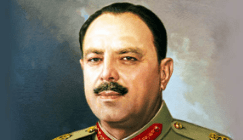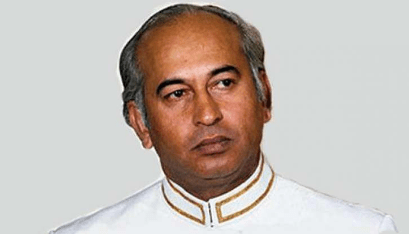
This text comprises a discussion between a journalist and a political commentator analyzing the legacies of several Pakistani political figures, primarily Zulfikar Ali Bhutto and Zia-ul-Haq. The conversation assesses their actions, motivations, and impact on Pakistan’s political landscape, contrasting Bhutto’s liberal ideology with Zia-ul-Haq’s conservative approach. The discussion also examines the concept of martyrdom in the context of these leaders’ deaths, questioning whether their deaths should be considered acts of martyrdom. Finally, the speakers explore the lasting consequences of their policies, particularly concerning religion and politics in Pakistan.
Zulfikar Ali Bhutto vs. Zia-ul-Haq: A Comparative FAQ
1. How did Zulfikar Ali Bhutto rise to power?
Bhutto’s political ascent began during the era of Iskander Mirza, when he joined Mirza’s cabinet in October 1958. This position gave him significant power, which he retained even after Ayub Khan’s assumption of power. Bhutto served as a key advisor and minister in Ayub Khan’s government, wielding considerable influence.
2. What were Bhutto’s key actions and policies during his time in power?
- Tashkent Declaration: Bhutto played a controversial role in the Tashkent Declaration, signed after the 1965 Indo-Pakistani War. Critics argue that he undermined Ayub Khan and exploited the situation to further his own political ambitions.
- Populist Rhetoric: Bhutto used populist slogans like “Roti, Kapda aur Makaan” (food, clothing, and shelter) to connect with the masses and cultivate a strong following.
- Breakup of Pakistan: Bhutto’s handling of the political crisis in East Pakistan (now Bangladesh) is considered a major failure, leading to the country’s breakup in 1971.
- 1970 Elections: Bhutto’s Pakistan Peoples Party (PPP) won a majority of seats in West Pakistan in the 1970 elections, but his refusal to accept Sheikh Mujibur Rahman’s victory in East Pakistan escalated tensions and fueled the secessionist movement.
- 1973 Constitution: Bhutto oversaw the drafting and implementation of Pakistan’s 1973 Constitution, which established a parliamentary system of government. However, he is also accused of using religion for political gain by incorporating Islamic provisions to appease conservative elements.
3. How did Zia-ul-Haq come to power?
Zia-ul-Haq seized power in a military coup in July 1977, overthrowing Bhutto’s government. This followed a period of widespread political unrest and protests against Bhutto’s rule, known as the Pakistan National Alliance (PNA) movement.
4. What characterized Zia-ul-Haq’s rule?
- Islamization: Zia-ul-Haq implemented a program of Islamization, introducing strict Islamic laws and policies. This included the Hudood Ordinances, which imposed harsh punishments for offenses like adultery and fornication.
- Afghan Jihad: Zia-ul-Haq supported the Afghan mujahideen fighting against the Soviet invasion, aligning Pakistan with the United States in the Cold War. This led to the rise of militancy in the region, with lasting consequences for Pakistan.
- Authoritarianism: Zia-ul-Haq ruled with an iron fist, suppressing political dissent and curtailing civil liberties. He held non-party elections in 1985 but maintained tight control over the political process.
5. What were Zia-ul-Haq’s key actions and policies?
- Imposition of Martial Law: Zia-ul-Haq declared martial law upon seizing power, suspending the constitution and imposing military rule.
- Islamization Drive: Zia-ul-Haq’s Islamization policies aimed to reshape Pakistani society and legal system based on a strict interpretation of Islamic principles.
- Support for Afghan Mujahideen: He actively supported the Afghan resistance against the Soviet Union, transforming Pakistan into a frontline state in the Cold War.
- Bhutto’s Execution: Zia-ul-Haq’s government put Bhutto on trial for conspiracy to murder a political opponent, ultimately leading to his execution in 1979, a highly controversial event that remains debated.
6. How are Bhutto and Zia-ul-Haq viewed by historians?
Bhutto is often seen as a complex and contradictory figure. He is praised for his charisma, intelligence, and progressive social reforms, but also criticized for his authoritarian tendencies and role in the breakup of Pakistan.
Zia-ul-Haq’s legacy is equally contentious. He is credited with restoring stability and promoting Islamic values, but his Islamization policies are viewed by many as regressive and his authoritarian rule is condemned. His support for the Afghan jihad is seen as a contributing factor to the rise of extremism and militancy in Pakistan and the region.
7. How do Bhutto and Zia-ul-Haq’s legacies continue to influence Pakistani politics today?
Both Bhutto and Zia-ul-Haq continue to cast long shadows over Pakistani politics. Bhutto’s PPP remains a major political force, and his daughter, Benazir Bhutto, served twice as Prime Minister. Zia-ul-Haq’s Islamization policies continue to shape the legal and social landscape, and the legacy of the Afghan jihad still haunts Pakistan in the form of militancy and extremism.
8. What are the contrasting views of Bhutto and Zia-ul-Haq in Pakistani society?
Bhutto continues to be revered by many in Sindh and other parts of Pakistan as a charismatic leader who championed the rights of the poor and marginalized. His supporters highlight his progressive social reforms and efforts to strengthen Pakistan’s international standing.
Conversely, Zia-ul-Haq’s legacy is more polarizing. While some admire his emphasis on Islamic values and his role in resisting Soviet influence, others criticize his authoritarianism and the lasting impact of his Islamization policies, which they believe contributed to social divisions and religious extremism in Pakistan.
A Comparative Study of Zulfikar Ali Bhutto and Muhammad Zia-ul-Haq
Glossary of Key Terms
Zulfikar Ali Bhutto: Founder of the Pakistan People’s Party (PPP) and the ninth Prime Minister of Pakistan (1973-1977). He was overthrown in a military coup led by General Zia-ul-Haq and subsequently hanged in 1979.
Muhammad Zia-ul-Haq: A Pakistani general who seized power in a military coup in 1977, overthrowing Prime Minister Zulfikar Ali Bhutto. He ruled as President of Pakistan from 1977 to 1988.
Martyr: A person who dies for a great cause, particularly for their religious or political beliefs. The term is often debated and its application can be subjective.
Liberal Thinker: An individual who believes in individual liberty, reason, and progress. They generally advocate for limited government intervention in personal and economic affairs.
Conservative Thinker: An individual who typically adheres to traditional values, institutions, and societal norms. They may emphasize stability, order, and limited social change.
PN-N Movement (Pakistan National Alliance): A coalition of nine political parties formed in 1977 to oppose Zulfikar Ali Bhutto and his PPP. The movement led to widespread protests and violence, ultimately contributing to the military coup led by Zia-ul-Haq.
Hyderabad Tribunal: A military court set up by Zia-ul-Haq to try members of the PPP for alleged crimes and corruption during Bhutto’s rule.
Islamization: The process of implementing Islamic principles and laws into a society or state. Zia-ul-Haq’s regime notably pursued Islamization policies in Pakistan.
Afghan Jihad: The war fought in Afghanistan against the Soviet Union from 1979 to 1989. Pakistan, with support from the United States and other countries, played a significant role in supporting the Afghan mujahideen fighters.
Mujahid: A Muslim fighter engaged in Jihad, often used to refer to those who fought against the Soviet Union in Afghanistan.
Short Answer Quiz
- According to the source, how does the speaker perceive Bhutto’s rise to power?
- What specific criticisms are leveled against Bhutto’s handling of the 1970 elections?
- How does the speaker characterize Bhutto’s role in the events leading up to the 1965 war with India?
- What are the key differences highlighted between Bhutto’s approach to democracy and Zia-ul-Haq’s approach?
- What are two positive aspects attributed to Zia-ul-Haq’s rule by the speaker?
- Describe the speaker’s perspective on the concept of “martyrdom” in the context of Bhutto and Zia-ul-Haq.
- What is the speaker’s assessment of the Family Law Ordinance introduced during Ayub Khan’s regime?
- How does the speaker portray the state of Pakistan before Zia-ul-Haq’s military coup?
- What specific policies enacted by Bhutto and Zia-ul-Haq are presented as examples of “using religion for political gain”?
- How does the speaker contrast the views of Bhutto and Zia-ul-Haq among historians?
Short Answer Quiz Answer Key
- The speaker suggests that Bhutto’s political ascent was facilitated by his close association with powerful figures like Iskander Mirza and Ayub Khan, implying an element of opportunism and a lack of genuine commitment to democratic principles.
- The speaker accuses Bhutto of manipulating the 1970 elections to secure power, despite not winning a clear majority. His alleged insistence on becoming Prime Minister, even with a smaller number of seats, is highlighted as evidence of his lust for power and disregard for the democratic mandate.
- The speaker portrays Bhutto as a key instigator in the events leading to the 1965 war, claiming that he provoked conflict with India for personal political gain, ignoring the potential consequences and the devastation it brought to the country.
- Bhutto is painted as a power-hungry, intolerant leader who suppressed dissent and abused his authority to target political opponents. Conversely, Zia-ul-Haq, despite being a military dictator, is depicted as having a greater degree of tolerance and respect for opposing viewpoints, allowing for more stability and peace.
- The speaker credits Zia-ul-Haq with bringing stability and peace to Pakistan after the tumultuous period under Bhutto’s rule. He also highlights the positive impact of Zia-ul-Haq’s policies on Balochistan, claiming that he addressed the grievances and healed the wounds inflicted by Bhutto’s administration.
- The speaker argues that the concept of “martyrdom” has been misused and distorted, particularly in the cases of Bhutto and Zia-ul-Haq. He believes that labeling their deaths as martyrdom ignores the complexities of their actions and the potentially questionable motives behind their decisions.
- The speaker praises the Family Law Ordinance introduced by Ayub Khan as a progressive measure that addressed crucial social issues, even though it faced opposition from religious conservatives. He emphasizes its lasting significance and argues that it could not be dismantled even during periods of intense Islamization.
- The speaker describes Pakistan before Zia-ul-Haq’s coup as being in a state of chaos and unrest due to Bhutto’s authoritarianism and political machinations. He portrays a nation plagued by violence, riots, and a sense of fear and insecurity among the population.
- Bhutto’s prohibition of alcohol and Zia-ul-Haq’s declaration of Ahmadis as non-Muslims are cited as examples of using religion for political gain. The speaker argues that these actions were primarily motivated by a desire to appease specific religious groups and consolidate power, rather than genuine religious conviction.
- The speaker claims that Zia-ul-Haq’s policies, particularly his focus on Islamization and support for the Afghan Jihad, are generally viewed negatively by historians due to their long-term consequences. In contrast, Bhutto, despite his flaws, is presented as receiving more favorable assessments from historians, possibly due to his initial vision of a more liberal and progressive Pakistan.
Essay Questions
- Analyze the speaker’s arguments for and against the labeling of both Bhutto and Zia-ul-Haq as “martyrs.” Consider the historical context and the diverse perspectives on their legacies.
- To what extent do you agree with the speaker’s assessment of Bhutto as a “liberal thinker” and Zia-ul-Haq as a “conservative thinker?” Support your analysis with specific policies and actions undertaken by each leader.
- Evaluate the speaker’s claims regarding the impact of Bhutto and Zia-ul-Haq’s policies on Balochistan. Consider the historical complexities of the region and the potential biases in the source material.
- Analyze the speaker’s perspective on the role of religion in Pakistani politics, drawing on specific examples from the Bhutto and Zia-ul-Haq eras. Consider the complexities of Islamization and the potential consequences of utilizing religious rhetoric for political purposes.
- Examine the speaker’s contrasting portrayals of Bhutto and Zia-ul-Haq’s leadership styles and their approaches to governing Pakistan. Analyze the potential motivations and biases that may influence the speaker’s perspective.
A Comparative Analysis of Bhutto and Zia-ul-Haq
Source: Transcript of a discussion between Waqas Malana and Fiza Rohan, published by 360 Digital.
I. Introduction and Framing the Discussion (0:00-4:54)
- Waqas Malana introduces the discussion, emphasizing Fiza Rohan’s expertise in history and his perspective as a “liberal humanist.”
- He sets up the conversation as an exploration of the legacies of Zulfikar Ali Bhutto and General Zia-ul-Haq, drawing parallels with the contemporary political landscape and Imran Khan’s leadership.
II. Bhutto’s Rise to Power and Tashkent Declaration (4:55-14:21)
- Rohan analyzes Bhutto’s political trajectory, highlighting his early roles in the governments of Iskandar Mirza and Ayub Khan, questioning the genuineness of his democratic credentials.
- The discussion shifts to the 1965 Indo-Pak war and the subsequent Tashkent Declaration, examining Bhutto’s alleged role in provoking the conflict and his accusations against Ayub Khan.
III. Ayub Khan’s Legacy and Family Law Reforms (14:22-22:47)
- Rohan unexpectedly praises Ayub Khan’s developmental initiatives and his introduction of the landmark Family Law Ordinance of 1961.
- He argues that the ordinance, despite facing opposition from religious groups, brought about significant positive social change, particularly concerning women’s rights.
IV. Bhutto’s Role in the 1970 Elections and the Breakup of Pakistan (22:48-32:24)
- Rohan criticizes Bhutto’s handling of the 1970 elections, arguing that his power-hungry ambitions and refusal to accept the Awami League’s victory led to the tragic breakup of Pakistan.
- He contrasts Bhutto’s approach with a hypothetical scenario where he gracefully conceded defeat and allowed for a peaceful transfer of power to Sheikh Mujibur Rahman.
V. Comparing Bhutto and Benazir’s Leadership Styles (32:25-36:29)
- The conversation turns to Benazir Bhutto, acknowledging her positive qualities and comparing her favorably to her father in terms of her treatment of political opponents.
- Rohan suggests that Benazir inherited her father’s political acumen but adopted a more conciliatory approach, contributing to her positive image.
VI. Bhutto’s Authoritarian Tendencies and the PNA Movement (36:30-48:59)
- Rohan delves into Bhutto’s increasingly authoritarian tendencies during his rule, focusing on his crackdown on the opposition during the Pakistan National Alliance (PNA) movement.
- He describes Bhutto’s alleged manipulation of events, including orchestrating violence and imposing a state of emergency to consolidate his power.
VII. Zia-ul-Haq’s Arrival and the Initial Period of Stability (49:00-57:45)
- The discussion transitions to Zia-ul-Haq’s regime, acknowledging the initial period of stability and peace that followed his takeover.
- Rohan recounts anecdotal evidence of improved law and order, suggesting a positive public perception of Zia-ul-Haq in the early days.
VIII. Contrasting Approaches to Balochistan and Political Opponents (57:46-1:08:46)
- Rohan compares Bhutto and Zia-ul-Haq’s handling of the Balochistan conflict, claiming that Zia-ul-Haq’s approach was more conciliatory and aimed at healing wounds.
- He criticizes Bhutto’s treatment of political opponents, alleging a pattern of persecution and suppression that contrasted with Zia-ul-Haq’s more tolerant approach.
IX. Islamization Policies and the Afghan Jihad (1:08:47-1:21:47)
- Rohan analyzes Zia-ul-Haq’s Islamization policies, suggesting that Bhutto laid the groundwork for them, but Zia-ul-Haq took them to an extreme, leading to the rise of religious extremism and militancy.
- He discusses the Afghan Jihad, arguing that it was a geopolitical game orchestrated by the US, with both Bhutto and Zia-ul-Haq playing into American interests.
X. Bhutto and Zia-ul-Haq’s Legacies and the Concept of Martyrdom (1:21:48-1:28:10)
- The discussion concludes with a reflection on the legacies of Bhutto and Zia-ul-Haq, questioning their claims to martyrdom and emphasizing the complexity of their actions and motivations.
- Rohan advocates for a nuanced understanding of historical figures, acknowledging both their positive and negative contributions.
Comparing Bhutto and Zia-ul-Haq: A Critical Analysis of Two Pakistani Leaders
This briefing document analyzes a conversation between Waqas Maulana and Fiza Rohan, a journalist and columnist with a keen eye on history. Their discussion centers on comparing and contrasting the legacies of Pakistani leaders Zulfikar Ali Bhutto and General Zia-ul-Haq, focusing on their political maneuvering, ideologies, and the impact of their actions on Pakistan.
Main Themes:
- Bhutto’s Rise to Power and Political Opportunism: Fiza Rohan paints Bhutto as an ambitious and opportunistic politician who rose through the ranks by aligning himself with powerful figures like Iskandar Mirza and Ayub Khan. He criticizes Bhutto’s initial support for Ayub Khan, contrasting it with his later opposition when it became politically advantageous.
- “He used to call Ayub literally daddy…If you have become a person through him, got a name, got a position, did everything by calling him daddy, daddy, what about the person in terms of humanity?”
- Bhutto’s Role in the 1965 War and the Tashkent Agreement: Rahman accuses Bhutto of instigating the 1965 war with India over Kashmir for personal political gain, claiming he misled Ayub Khan about the potential for a swift victory. He also alleges that Bhutto exploited the subsequent Tashkent Agreement by promising to reveal secrets without ever doing so, further solidifying his public image.
- “Bhutto who got Ayub killed was his advisor…He provoked that such umbrellas should be taken down openly, if they are unaware of this in Kashmir then we will occupy it and the people will stand up from there in our protest.”
- Bhutto’s Handling of the 1970 Elections and the Breakup of Pakistan: The conversation heavily criticizes Bhutto’s actions following the 1970 elections, where the Awami League led by Sheikh Mujibur Rahman won a majority. Rahman argues that Bhutto’s refusal to accept the results and his insistence on becoming Prime Minister, despite lacking a mandate, directly contributed to the secession of East Pakistan and the creation of Bangladesh.
- “On what basis does he say that I will make you the Sadar, just give me the government?… The country goes to the fence and breaks, then it breaks, here you are your majority, here I am, here what am I? What do you mean, there was one country, the majority in it is one.”
- Bhutto’s Authoritarian Tendencies and Abuse of Power: Rahman draws parallels between Bhutto and Zia-ul-Haq, arguing that both men were ultimately authoritarian figures who suppressed dissent and abused their power. He cites instances of Bhutto’s mistreatment of political opponents, including the Hyderabad Tribunal, to support this claim.
- “The truth is that Bhutto Saheb did not have the courage to tolerate the opposition…He was treating the person who was going to submit the papers against him in this way, so it is clear that his disciples were happy with him”
- Zia-ul-Haq’s Initial Popularity and the Restoration of Stability: While acknowledging Zia-ul-Haq’s later descent into authoritarianism and his controversial Islamization policies, Rahman concedes that his initial takeover was welcomed by many Pakistanis who were weary of the political turmoil and violence that marked Bhutto’s final years.
- “Ziaul Haq came and as if they are all the same…There was a fire, there was devastation, there was destruction…he had stability, he felt a peace, this is how I remember.”
- Zia-ul-Haq’s Handling of Balochistan and Non-Party Elections: Rahman credits Zia-ul-Haq with easing tensions in Balochistan and healing the wounds inflicted by Bhutto’s policies. He also highlights Zia’s introduction of non-party elections, arguing that they allowed for greater political participation.
- “Ziaul Haq did not soften the wounds inflicted by Bhutto, he healed them and Ziaul Haq, this is his credit.”
- The Use and Exploitation of Religion by Both Leaders: Both Bhutto and Zia are criticized for using and manipulating religion for political purposes. Bhutto’s introduction of Islamic elements into the Constitution is seen as a ploy for popularity, while Zia’s Islamization policies are condemned for promoting extremism and intolerance.
- “Bhutto himself is sick of it, he took all the steps for his cheap fame and popularity, for example, prohibition of alcohol. Bhutto didn’t use it…He used religion. This is what is said about Bhutto’s use of religion for the sake of political power.”
Important Ideas and Facts:
- The conversation presents a highly critical perspective of both Bhutto and Zia-ul-Haq, challenging their popular narratives and highlighting their flaws.
- It emphasizes the cyclical nature of Pakistani politics, where promises of change and populism often masked authoritarian tendencies and power grabs.
- The discussion raises questions about the true meaning of martyrdom and leadership, urging listeners to critically examine the actions and motivations of those in power.
Concluding Thoughts:
This conversation provides a nuanced and thought-provoking assessment of two significant figures in Pakistani history. While ultimately critical of both leaders, it avoids simplistic hero-villain binaries and encourages a deeper understanding of their complexities. The discussion serves as a reminder of the dangers of political opportunism, the abuse of power, and the manipulation of religion for personal gain. It also highlights the need for genuine democratic values, tolerance, and respect for human rights in Pakistani society.
Bhutto’s Leadership: A Critical Examination
The sources offer a critical perspective on Bhutto’s leadership, highlighting his ambition, political maneuvering, and controversial decisions.
- Bhutto’s rise to power is attributed to his association with figures like Sikandar Mirza and Ayub Khan, with the suggestion that he benefited from their influence. He is described as having played a role in Ayub Khan’s rise to power, only to later turn against him and contribute to his downfall.
- Bhutto is criticized for his role in the 1965 war with India, particularly his alleged provocation that led to the conflict. He is accused of exploiting the situation for his own political gain by promising to reveal the “secrets of Tashkent” but never doing so.
- The sources condemn Bhutto’s handling of the 1970 elections and his subsequent dealings with Sheikh Mujibur Rahman. Bhutto is portrayed as prioritizing his own ambition for power over the unity of Pakistan, ultimately contributing to the separation of East Pakistan.
- Bhutto is accused of being a hypocrite who used religion for his political advantage. He is criticized for implementing policies like the prohibition of alcohol to gain popularity while simultaneously engaging in actions that contradicted his image as a religious leader.
- The sources highlight Bhutto’s intolerance towards political opposition, citing his alleged mistreatment of political rivals and the suppression of dissent during his rule. The PN-PN movement of 1977 is presented as evidence of the widespread discontent with his leadership.
- The sources acknowledge Bhutto’s legacy as a popular leader in Sindh and among liberals, but they challenge this perception by focusing on his negative traits and actions. His daughter, Benazir Bhutto, is presented as a more favorable leader in comparison, as she is perceived as having treated her opponents more fairly.
Overall, the sources paint a highly critical picture of Bhutto’s leadership, emphasizing his ambition, political opportunism, and divisive tactics.
Analyzing Political Martyrdom
The sources provide a nuanced perspective on political martyrdom, particularly in the context of Pakistani politics. While the term “martyr” is often invoked, the sources encourage a critical examination of the concept, questioning its application to figures like Zulfikar Ali Bhutto and Zia-ul-Haq.
Challenging the Notion of Martyrdom
- The sources suggest that the label of “martyr” is often applied superficially, based solely on an individual’s unnatural death rather than a genuine commitment to a righteous cause.
- The speaker argues that true martyrdom should be assessed based on the individual’s mission and actions rather than simply their manner of death.
- Applying this framework to Bhutto, the speaker questions whether his actions, such as alleged election rigging and involvement in political assassinations, align with the concept of martyrdom.
Examining the Motivations Behind Actions
- The sources suggest that political leaders often exploit religious sentiment for their own gain, engaging in actions that appear pious but are ultimately driven by self-interest.
- Bhutto is accused of using Islam as a tool for political power, enacting policies like alcohol prohibition to enhance his popularity while simultaneously contradicting his religious image through other actions.
- Zia-ul-Haq, despite being perceived as a devout figure, is also scrutinized. His Islamization policies are viewed as potentially motivated by a desire for personal gain rather than genuine religious conviction.
The Role of Personal Ambition and Power
- The sources highlight that personal ambition and the pursuit of power can corrupt even seemingly righteous individuals.
- Bhutto’s leadership is critiqued for prioritizing personal gain over the well-being of the nation. His alleged role in the break-up of Pakistan is presented as a prime example of this flaw.
- While Zia-ul-Haq is credited with bringing stability to Pakistan, his extended rule and suppression of dissent raise questions about his commitment to democratic principles.
The Importance of Contextual Understanding
- The sources emphasize the need to analyze political figures within their historical and social context, considering the complexities of their situations and the pressures they faced.
- The turbulent political climate of Pakistan during Bhutto and Zia-ul-Haq’s rule is acknowledged, suggesting that their actions may have been influenced by these circumstances.
In conclusion, the sources challenge the romanticized notion of political martyrdom, urging a critical evaluation of individuals’ actions and motivations. They emphasize the need to consider personal ambition, political opportunism, and the complex historical context when assessing figures who are often labeled as martyrs.
Examining Pakistani Politics through a Critical Lens
The sources provide a critical examination of Pakistani politics, focusing on the leadership of Zulfikar Ali Bhutto and Zia-ul-Haq, and exploring themes of political ambition, religious manipulation, and the challenges of democracy.
The Legacy of Bhutto: Ambition, Opportunism, and Division
- Bhutto’s political journey is presented as a story of ambition and opportunism. He is described as associating with powerful figures like Sikandar Mirza and Ayub Khan to advance his career, later turning against them when it served his interests. This portrayal suggests a willingness to prioritize personal gain over loyalty or political principles.
- Bhutto’s role in the 1965 war with India is heavily scrutinized. The sources accuse him of instigating the conflict with his aggressive rhetoric and promises to reveal the “secrets of Tashkent” which he never fulfilled. This narrative portrays him as a manipulative figure who used national security issues for personal political gain.
- Bhutto’s handling of the 1970 elections and his dealings with Sheikh Mujibur Rahman are condemned as contributing to the separation of East Pakistan. His refusal to accept Mujibur Rahman’s victory and insistence on becoming Prime Minister, despite having fewer seats, is seen as driven by personal ambition rather than national unity.
- Bhutto’s use of religion for political purposes is highlighted as hypocritical. While implementing policies like the prohibition of alcohol to appeal to religious sentiments, he is accused of engaging in actions that contradicted his image as a pious leader. This critique emphasizes the complex interplay of religion and politics in Pakistan and the potential for manipulation.
- Bhutto’s intolerance of political opposition is cited as a major flaw in his leadership. The sources accuse him of suppressing dissent, mistreating opponents, and creating a climate of fear. The PN-PN movement of 1977 is portrayed as a culmination of this dissatisfaction with his authoritarian tendencies.
Zia-ul-Haq: Stability, Islamization, and Authoritarianism
- Zia-ul-Haq is credited with bringing stability to Pakistan after the turmoil of Bhutto’s rule. He is praised for restoring peace and order, and for his handling of the situation in Balochistan. This positive assessment contrasts with the largely negative portrayal of Bhutto, suggesting a preference for strong leadership even at the expense of democratic principles.
- However, Zia-ul-Haq’s Islamization policies are viewed with suspicion. While some see them as genuine attempts to reform society, others believe they were motivated by political expediency and a desire to consolidate power. The legacy of these policies, particularly the rise of religious extremism and militancy, continues to be debated.
- Zia-ul-Haq’s extended rule and his treatment of political opponents raise concerns about his commitment to democratic values. Despite his initial popularity, he is criticized for overstaying his welcome and resorting to authoritarian tactics to silence dissent. This critique underscores the enduring tension between stability and democracy in Pakistan.
The Complexities of Political Martyrdom
- The sources challenge the simplistic notion of political martyrdom. They argue that the term is often applied too liberally, based solely on the manner of death rather than a deeper evaluation of the individual’s actions and motivations.
- The speaker questions whether figures like Bhutto and Zia-ul-Haq truly deserve the label of “martyr.” Bhutto’s actions are scrutinized for their ethical implications, while Zia-ul-Haq’s religious agenda is analyzed for potential hypocrisy. This critical approach invites a nuanced understanding of political figures and their legacies.
Key Themes in Pakistani Politics
- The interplay of religion and politics is a recurring theme. Both Bhutto and Zia-ul-Haq are accused of manipulating religious sentiment for political gain, highlighting the challenges of separating faith from power in Pakistan.
- The sources express a yearning for genuine leadership that prioritizes national unity and the well-being of the people. Both Bhutto and Zia-ul-Haq are criticized for prioritizing personal ambition over national interest.
- The tension between stability and democracy is evident throughout the discussion. While strong leadership is valued, authoritarian tendencies are condemned. This tension reflects the ongoing search for a political system that can balance these competing demands.
The sources offer a complex and critical perspective on Pakistani politics, inviting further reflection on the legacies of key figures, the role of religion in public life, and the enduring challenges of achieving a just and democratic society.
Analyzing Zia-ul-Haq’s Rule: A Complex Legacy
The sources provide a multifaceted view of Zia-ul-Haq’s rule, highlighting both his contributions to stability and the controversial aspects of his Islamization policies.
- Zia-ul-Haq is credited with restoring peace and order after the tumultuous period of Bhutto’s rule. He is praised for quelling the widespread unrest and violence that characterized the PN-PN movement and bringing a sense of stability to the country. People felt a sense of security during his rule, even leaving their belongings unlocked. This accomplishment is particularly noteworthy considering the volatile political climate that preceded his rise to power.
- Zia-ul-Haq is lauded for his efforts to heal the wounds inflicted by Bhutto’s policies, particularly in Balochistan. While Bhutto’s actions are said to have exacerbated tensions in the region, Zia-ul-Haq is portrayed as having taken steps to address grievances and promote reconciliation. This suggests a more conciliatory approach to regional conflicts and a focus on national unity.
- Zia-ul-Haq’s implementation of non-party elections is also mentioned as a positive aspect of his rule. This move is seen as an attempt to promote a more inclusive political process, although the sources do not go into detail about its effectiveness or long-term impact.
- However, Zia-ul-Haq’s Islamization policies are a subject of significant debate. While some view them as genuine efforts to reform society according to Islamic principles, others see them as a means to consolidate power and legitimize his rule. The sources point to the implementation of policies such as the prohibition of alcohol and the declaration of Ahmadis as non-Muslims as examples of his efforts to impose a stricter interpretation of Islam on Pakistani society.
- The sources raise concerns about the long-term consequences of Zia-ul-Haq’s Islamization policies, particularly the rise of religious extremism and militancy. The speaker suggests that these policies contributed to a culture of intolerance and violence, and that the effects are still being felt in Pakistan today. The speaker also highlights Zia-ul-Haq’s involvement in the Afghan Jihad, which is seen as having further fueled militancy and instability in the region.
- Despite being perceived as a devout figure, the sources question the sincerity of Zia-ul-Haq’s religious convictions, suggesting that he may have been motivated by political expediency rather than genuine belief. This skepticism stems from his willingness to use religion as a tool to justify his actions and silence opposition. The speaker emphasizes the importance of discerning between genuine religious commitment and the cynical manipulation of faith for political purposes.
- Zia-ul-Haq’s rule, while credited with bringing stability, is also criticized for its authoritarian tendencies. He is accused of suppressing dissent, curtailing civil liberties, and using harsh measures to maintain control. His decision to impose martial law and prolong his rule beyond the initially promised 90 days is highlighted as evidence of his unwillingness to relinquish power.
In conclusion, the sources present a nuanced and complex picture of Zia-ul-Haq’s rule. While acknowledging his contributions to stability and peace, they also criticize his Islamization policies and authoritarian tendencies. The sources urge a critical examination of his legacy, taking into account both the positive and negative aspects of his rule, and recognizing the lasting impact his decisions have had on Pakistani society.
Ayub Khan’s Era: Development, Authoritarianism, and Seeds of Discord
The sources offer a mixed perspective on Ayub Khan’s era, acknowledging his contributions to development while also critiquing his authoritarian rule and the long-term consequences of his policies.
- Ayub Khan is credited with overseeing a period of significant economic growth and development in Pakistan. The speaker, despite being critical of Ayub Khan’s dictatorship, acknowledges that he witnessed considerable progress during his rule, particularly in infrastructure and industrialization. This suggests that Ayub Khan’s focus on modernization and economic reforms had a tangible impact on the country’s development.
- Ayub Khan’s introduction of the Family Law Ordinance in 1961 is highlighted as a significant achievement, particularly its provisions on marriage and divorce. The speaker praises the ordinance for its progressive stance on issues such as triple talaq and polygamy, arguing that it provided crucial protections for women and helped to curb the influence of conservative religious elements. This example suggests that Ayub Khan was willing to challenge traditional norms and implement reforms that benefitted marginalized groups, even if they faced opposition from religious authorities.
- The sources also note Ayub Khan’s offer to India for a joint defense pact, indicating his understanding of the need for regional stability and cooperation. This proposal, although ultimately unsuccessful, reflects a pragmatic approach to foreign policy and a recognition of the shared challenges faced by both countries.
- However, Ayub Khan’s authoritarian rule and suppression of democratic processes are condemned. Despite his economic achievements, he is criticized for clinging to power, refusing to step down even when faced with widespread dissent. The speaker argues that his decision to impose martial law and restrict political freedoms undermined the principles of democracy and ultimately contributed to instability in the long run.
- The sources suggest that Ayub Khan’s policies, while seemingly beneficial in the short term, sowed the seeds of future discord and division within Pakistan. His focus on economic development is portrayed as having come at the expense of social equality and political representation. This perspective implies that his policies may have exacerbated existing inequalities and fueled resentment among those who felt excluded from the benefits of economic progress.
- Bhutto’s association with Ayub Khan, initially as a cabinet member, is portrayed as opportunistic, with Bhutto later turning against him to advance his own political ambitions. Bhutto is depicted as using his position as Ayub Khan’s advisor to manipulate him into pursuing policies that ultimately led to his downfall, including the 1965 war with India. This narrative suggests that Ayub Khan’s trust in Bhutto was misplaced and that his ambition ultimately contributed to his political demise.
In conclusion, the sources portray Ayub Khan’s era as a period of both progress and missed opportunities. While he is recognized for his contributions to economic development and certain social reforms, his authoritarian rule and the long-term consequences of his policies are also subject to criticism. The sources invite a nuanced understanding of his legacy, recognizing the complexities of his leadership and the enduring impact his decisions have had on Pakistan’s political and social landscape.
Bhutto’s Ascent: A Path Paved with Opportunism and Ambition
The sources suggest that Bhutto’s rise to power was characterized by a combination of strategic maneuvering, political opportunism, and a willingness to exploit situations to his advantage.
- Bhutto’s political career began under the patronage of Iskander Mirza, joining his cabinet in October 1958. This marked his entry into the corridors of power and provided him with valuable experience and connections within the government.
- Following Mirza’s removal, Bhutto continued to hold influential positions under Ayub Khan, serving as a trusted advisor. This association with Ayub Khan, despite his dictatorial rule, allowed Bhutto to gain further prominence and establish himself as a key figure in the Pakistani political landscape.
- The sources suggest that Bhutto used his position within Ayub Khan’s regime to manipulate events and advance his own ambitions. He is accused of provoking Ayub Khan into the 1965 war with India, exploiting the conflict to undermine Ayub Khan’s authority and portray himself as a strong national leader.
- Bhutto capitalized on public discontent with Ayub Khan’s rule, portraying himself as a champion of the people and a voice against authoritarianism. This populist rhetoric, combined with his charisma and sharp intellect, helped him garner support among the masses. He leveraged the growing disillusionment with Ayub Khan’s regime to fuel his own political ascent.
- Bhutto’s shrewd political instincts led him to exploit the Tashkent Declaration, a peace agreement between India and Pakistan brokered by the Soviet Union after the 1965 war. While Ayub Khan sought peace and stability, Bhutto seized the opportunity to criticize the agreement as a betrayal of national interests, further solidifying his image as a staunch defender of Pakistan’s sovereignty.
- Bhutto’s decision to break away from Ayub Khan’s government and form the Pakistan People’s Party (PPP) in 1967 marked a crucial step in his pursuit of power. This move allowed him to directly challenge the existing political order and present himself as an alternative to the established elite.
- Bhutto’s rhetoric centered around promises of a “new Pakistan,” echoing similar populist slogans used later by Imran Khan. This appeal to a desire for change and progress resonated with a population eager for a break from the past and a brighter future.
The sources portray Bhutto’s rise to power as a calculated and ambitious journey, marked by a willingness to navigate the complexities of Pakistani politics and seize opportunities to advance his own goals. He emerges as a figure who was both adept at exploiting the weaknesses of others and at crafting a compelling narrative that resonated with the aspirations of the people. His early years in politics laid the groundwork for his eventual ascent to the highest office in the land, but also sowed the seeds of the controversies that would come to define his legacy.
Bhutto’s Leadership: A Legacy Marred by Criticism
The sources offer a scathing critique of Zulfikar Ali Bhutto’s leadership, portraying him as a power-hungry and manipulative figure whose actions led to significant turmoil and lasting damage to Pakistan.
- Bhutto is accused of being driven by personal ambition, prioritizing his own quest for power over the well-being of the nation. The sources highlight his relentless pursuit of the Prime Ministership, even when it meant undermining national unity and stability. His alleged willingness to break up the country to secure his position is presented as the ultimate evidence of his self-serving nature. This portrayal contrasts sharply with the image he cultivated as a champion of the people.
- His role in the events leading to the separation of East Pakistan (now Bangladesh) in 1971 is condemned as a catastrophic failure of leadership. Bhutto is accused of refusing to acknowledge the legitimate electoral victory of Sheikh Mujibur Rahman’s Awami League in the 1970 elections, which won a majority of seats. Instead of accepting the outcome and working towards a peaceful transfer of power, Bhutto is said to have clung to power, fueling tensions and ultimately contributing to the outbreak of the war that led to Bangladesh’s independence.
- Bhutto’s treatment of his political opponents is characterized as ruthless and vindictive. He is accused of using his authority to silence dissent, imprison rivals, and create a climate of fear and intimidation. The sources recount instances of Bhutto’s alleged mistreatment of political figures like Ataullah Mengal and Wali Khan, highlighting the harsh measures he took to suppress opposition.
- His handling of the 1977 elections is criticized as a blatant attempt to rig the outcome in his favor. Bhutto is accused of using intimidation tactics, manipulating the electoral process, and silencing dissenting voices to secure a third majority. The sources point to the disappearance of political figures like Mohammed Abbasi, the Ameer of Sindh Jamaat, who was allegedly abducted while trying to file his nomination papers, as evidence of Bhutto’s authoritarian tendencies.
- The sources portray Bhutto as having exploited Islam for political gain, using religious rhetoric and policies to bolster his popularity and control. While outwardly projecting an image of piety, he is accused of being insincere in his religious convictions, manipulating faith to serve his own ends. This criticism resonates with similar concerns raised about Zia-ul-Haq’s use of Islamization for political purposes, highlighting a recurring pattern of Pakistani leaders exploiting religion for power.
- Bhutto’s leadership is contrasted unfavorably with that of his daughter, Benazir Bhutto, who is praised for her more tolerant and inclusive approach to politics. Benazir is depicted as having learned from her father’s mistakes, rejecting his authoritarian tendencies and embracing a more democratic style of leadership. This comparison serves to further diminish Bhutto’s legacy, highlighting the perceived shortcomings of his approach to governance.
The sources offer a highly critical assessment of Bhutto’s leadership, painting a picture of a flawed figure whose actions had a profound and negative impact on Pakistan’s history. While acknowledging his charisma and intellect, they ultimately condemn his ambition, his disregard for democratic norms, and his manipulation of religion for political purposes. The criticisms leveled against him raise important questions about the complexities of leadership, the dangers of unchecked power, and the lasting consequences of political decisions driven by personal gain rather than the national interest.
Bhutto’s Rise: From Mirza’s Cabinet to Ayub Khan’s Inner Circle
Bhutto’s journey to power began with his entry into Pakistani politics under the patronage of Iskander Mirza. He joined Mirza’s cabinet in October 1958, marking his initial foray into the realm of governance. While the sources provide limited details about Bhutto’s specific role during this period, this appointment signifies his early involvement in the upper echelons of power. It provided him with valuable experience and connections within the government, setting the stage for his future political endeavors.
Following Mirza’s removal from power, Bhutto continued to hold influential positions, notably under Ayub Khan’s regime. Despite Ayub Khan’s authoritarian rule, Bhutto served as a trusted advisor, further solidifying his presence in the Pakistani political landscape. This association with Ayub Khan, a powerful figure who dominated Pakistani politics for over a decade, allowed Bhutto to gain further prominence and establish himself as a key player within the government.
However, the sources suggest that Bhutto’s relationship with Ayub Khan was characterized by opportunism and a calculated pursuit of personal ambition. While publicly supporting Ayub Khan, Bhutto is accused of manipulating him behind the scenes, maneuvering events to advance his own political goals. For instance, Bhutto is accused of playing a role in provoking Ayub Khan into the 1965 war with India, a conflict that ultimately weakened Ayub Khan’s authority and created an opportunity for Bhutto to present himself as a strong national leader. He is depicted as exploiting the war’s aftermath, criticizing the Tashkent Declaration – a peace agreement brokered by the Soviet Union – as a betrayal of Pakistani interests. By positioning himself as a staunch defender of Pakistan’s sovereignty against perceived concessions made by Ayub Khan, Bhutto further bolstered his image and gained popularity among the masses.
Bhutto’s rise to power was marked by a strategic blend of political maneuvering and a keen understanding of how to leverage public sentiment to his advantage. His association with powerful figures like Mirza and Ayub Khan provided him with crucial experience and connections, while his calculated actions and opportunistic exploitation of situations, like the 1965 war, allowed him to gradually build his own political capital and position himself as a viable alternative to the existing leadership.
Zia and Bhutto: A Comparative Analysis of Two Contrasting Leaders
While both Zia-ul-Haq and Zulfikar Ali Bhutto significantly shaped Pakistan’s political landscape, their approaches to governance and their legacies differ considerably. The sources provide a critical perspective on both leaders, highlighting their contrasting styles, motivations, and impact on the nation.
Religion as a Political Tool: Exploiting Faith for Contrasting Goals
Both Zia and Bhutto are accused of using religion for political gain, but their approaches and the consequences of their actions differed significantly.
- Bhutto’s use of religion is portrayed as opportunistic and superficial. He is accused of lacking genuine religious conviction and of manipulating Islamic principles for personal gain and short-term popularity. For example, while he introduced policies like the prohibition of alcohol, these actions are seen as cynical attempts to appease religious groups rather than stemming from a genuine commitment to Islamic values.
- Zia, in contrast, is described as having a more deeply ingrained religious inclination, shaping his worldview and policies. He is characterized as having a “Maulvi type of attitude” since childhood, suggesting that his commitment to Islam was more fundamental and less opportunistic than Bhutto’s. His Islamization program, while criticized for its harshness and its potential role in fostering extremism, is presented as a genuine attempt to reshape Pakistani society based on his interpretation of Islamic principles.
The sources suggest that Zia’s use of religion had a more profound and lasting impact on Pakistani society than Bhutto’s. His Islamization policies, including the introduction of Hudood Ordinances and the promotion of a stricter interpretation of Islamic law, left a lasting mark on Pakistan’s legal system and social fabric. These changes continue to be debated and contested, highlighting the long-term consequences of Zia’s religiously motivated policies.
Tolerance and Treatment of Political Opponents: Democracy vs. Authoritarianism
The sources paint a stark contrast between Zia and Bhutto in their approach to democracy and their treatment of political rivals.
- Bhutto is characterized as intolerant of dissent, resorting to authoritarian tactics to silence his opponents. He is accused of creating a climate of fear, using intimidation, imprisonment, and even violence to suppress any challenge to his authority. His actions are seen as undermining democratic norms and creating a culture of political repression.
- Zia, despite being a military dictator who came to power through a coup, is paradoxically portrayed as exhibiting more tolerance towards his opponents than Bhutto. While the sources acknowledge Zia’s harshness and his role in perpetuating a culture of violence, they also point out that he did not exhibit the same level of personal vindictiveness towards his political rivals as Bhutto.
The sources suggest that Zia, despite his dictatorial rule, allowed for a degree of political space and did not seek to completely eliminate his opponents. He is credited with fostering a sense of stability and peace after the turmoil of Bhutto’s final years. This seemingly contradictory observation highlights the complexities of comparing leaders who operated within different political systems and faced different challenges.
Legacy and Impact: Contrasting Narratives of Success and Failure
The sources offer diverging assessments of Zia and Bhutto’s legacies, reflecting the complexities and controversies surrounding their rule.
- Bhutto’s legacy is primarily defined by the loss of East Pakistan and his perceived failure to uphold democratic principles. The sources emphasize his role in the events leading to Bangladesh’s separation, portraying it as a catastrophic failure of leadership and a lasting stain on his record. His authoritarian tendencies and alleged manipulation of the 1977 elections further tarnish his image as a democratic leader.
- Zia’s legacy is more multifaceted, encompassing both positive and negative aspects. He is credited with restoring stability and peace after the chaos of Bhutto’s rule, and with initiating the process of Islamization, which, while controversial, had a profound impact on Pakistani society. However, he is also criticized for his authoritarianism, his role in promoting religious extremism, and the long-term consequences of his policies, particularly the Afghan Jihad and the rise of militancy.
The sources ultimately present Zia and Bhutto as flawed figures who left behind complex and contested legacies. Their contrasting approaches to governance, their use of religion as a political tool, and their treatment of opponents highlight the diverse challenges faced by Pakistani leaders and the lasting consequences of their decisions. While both leaders remain significant figures in Pakistan’s history, their legacies continue to be debated and reinterpreted as the nation grapples with the long-term effects of their rule.
Bhutto’s Methods: A Blend of Populism, Political Maneuvering, and Authoritarianism
The sources depict Zulfikar Ali Bhutto as a shrewd and ambitious politician who employed a combination of strategies to rise to power and maintain his grip on it. His methods, often criticized as unethical and detrimental to Pakistan’s democratic development, reflect a complex interplay of charisma, opportunism, and authoritarianism.
- Cultivating a Populist Image: Bhutto skillfully presented himself as a champion of the common people, appealing to their aspirations for economic justice and national pride. He utilized slogans promising a “new Pakistan” and change. This resonated with the masses, particularly those disillusioned with the existing political establishment, allowing him to build a strong base of support.
- Exploiting Nationalistic Sentiments: Bhutto effectively tapped into Pakistani nationalism, particularly in the context of the rivalry with India. He is described as having provoked Ayub Khan into the 1965 war with India and later criticized the Tashkent Declaration as a betrayal of Pakistani interests. This positioned him as a strong and decisive leader willing to stand up for Pakistan’s sovereignty, further enhancing his popular appeal.
- Strategic Alliances and Betrayals: Bhutto navigated the complex political landscape by forming alliances with powerful figures when it suited his interests and later breaking those ties when they became obstacles to his ambitions. He initially benefited from his association with Iskander Mirza and Ayub Khan, gaining valuable experience and connections within the government. However, he is accused of later turning against his benefactors, using their weaknesses to his advantage and ultimately contributing to their downfall.
- Manipulating Religion for Political Gain: The sources accuse Bhutto of using Islam as a tool to bolster his popularity and control, appealing to religious sentiments to advance his political agenda. His policies, such as the prohibition of alcohol, are seen as calculated moves to appease religious groups and consolidate his power rather than stemming from genuine religious convictions. This is likened to Imran Khan’s use of religion to popularize his political narrative.
- Suppressing Opposition and Consolidating Power: Once in power, Bhutto is criticized for his intolerance of dissent and his use of authoritarian tactics to silence his opponents. He is accused of resorting to intimidation, imprisonment, and even violence to eliminate any challenge to his authority. The sources describe him as having made “everyone’s life miserable” and creating a climate of fear within the country.
The sources present a picture of Bhutto as a master political operator, skilled in manipulating situations and public opinion to his advantage. His methods, while effective in securing and maintaining power, ultimately undermined democratic norms and contributed to political instability in Pakistan. His legacy remains contested, with his supporters acknowledging his charisma and commitment to social reforms while critics condemn his authoritarian tendencies and his role in exacerbating political divisions within the country.
Bhutto’s Impact on Balochistan: A Legacy of Grievances and Unhealed Wounds
The sources offer a critical perspective on Zulfikar Ali Bhutto’s actions in Balochistan, highlighting how his policies fueled resentment and contributed to lasting political instability in the province. While the sources do not provide an exhaustive account of Bhutto’s policies in Balochistan, they focus on two key areas: the dismissal of the elected government and the subsequent actions that exacerbated tensions.
- Dismissal of the Elected Government: The sources emphasize Bhutto’s decision to dismiss the elected government of Sardar Ataullah Mengal in Balochistan, characterizing it as an undemocratic power grab motivated by personal ambition rather than national interest. This action is portrayed as a violation of the democratic rights of the people of Balochistan, undermining their trust in the political process. Despite both Balochistan and the North-West Frontier Province (NWFP), now Khyber Pakhtunkhwa, having elected governments aligned with Bhutto’s opponents, he chose to dissolve these governments, demonstrating his disregard for regional autonomy and the principles of democratic representation.
- Persecution and Alienation: Following the dismissal of the Mengal government, Bhutto is accused of launching a campaign of persecution against Baloch nationalists, further alienating the province. The sources detail the use of harsh measures, including the filing of “false cases” and charges of “enmity and treason” against Baloch leaders. These actions created a climate of fear and repression, deepening the sense of grievance among the Baloch population. The establishment of the Hyderabad Tribunal, where Baloch leaders were imprisoned and subjected to unfair trials, is cited as a particularly egregious example of Bhutto’s oppressive tactics.
The sources argue that Bhutto’s actions in Balochistan, driven by a lust for power and a disregard for democratic norms, created deep-seated resentment and sowed the seeds of future conflict. The wounds inflicted by his policies, including the dismissal of the elected government, the persecution of Baloch nationalists, and the failure to address the province’s legitimate grievances, continue to fester. The sources suggest that even Zia-ul-Haq, despite being a military dictator, was perceived as having shown more empathy towards the Baloch people and having made attempts to address the issues stemming from Bhutto’s actions. This highlights the extent to which Bhutto’s legacy in Balochistan is marred by accusations of authoritarianism, political manipulation, and a failure to respect the province’s autonomy.
The sources conclude that Bhutto’s actions in Balochistan represent a significant turning point in the province’s relationship with the central government. His policies contributed to a cycle of violence and mistrust that continues to plague the region. The legacy of his actions serves as a cautionary tale about the dangers of pursuing power at the expense of democratic principles and regional harmony.
Bhutto’s Strategies and Tactics: A Path to Power Paved with Populism, Opportunism, and Authoritarianism
The sources offer a critical examination of Zulfikar Ali Bhutto’s political journey, painting a picture of a cunning and ambitious leader who employed a potent blend of strategies and tactics to ascend to power and maintain his dominance. His methods, often condemned as unethical and damaging to Pakistan’s democratic growth, reveal a complex interplay of charm, shrewd maneuvering, and authoritarian tendencies.
1. Cultivating a Populist Persona:
- Bhutto expertly crafted an image of himself as a champion of the common people, tapping into their desires for economic fairness and national pride.
- His slogans, promising a “new Pakistan” and change, resonated deeply with the masses, especially those disenchanted with the existing political elite. This allowed him to build a substantial and devoted following.
2. Harnessing Nationalist Sentiment:
- Bhutto effectively exploited Pakistani nationalism, particularly in the context of the country’s rivalry with India.
- He is depicted as having instigated Ayub Khan into the 1965 war with India and subsequently criticized the Tashkent Declaration as a betrayal of Pakistani interests.
- This positioned him as a strong and resolute leader, ready to defend Pakistan’s sovereignty, further elevating his popularity.
3. Strategic Alliances and Calculated Betrayals:
- Bhutto masterfully navigated the intricate political landscape by forging alliances with influential figures when it served his purposes, only to sever those ties when they became roadblocks to his aspirations.
- His early association with Iskander Mirza and Ayub Khan provided him with valuable experience and connections within the government. However, he is accused of later turning against his mentors, exploiting their vulnerabilities for his benefit and ultimately contributing to their downfall.
4. Manipulating Religion as a Political Weapon:
- The sources accuse Bhutto of utilizing Islam to amplify his popularity and control, appealing to religious emotions to further his political aims.
- Policies like the prohibition of alcohol are viewed as calculated maneuvers to appease religious factions and consolidate his power, rather than arising from genuine religious convictions.
- His manipulation of religion for political gain is compared to Imran Khan’s similar tactics.
5. Stifling Opposition and Consolidating Power Through Authoritarian Means:
- Once in power, Bhutto faced criticism for his intolerance of dissenting opinions and his use of authoritarian tactics to silence opponents.
- He is accused of employing intimidation, imprisonment, and even violence to eliminate any challenges to his authority.
- The sources describe him as having created an atmosphere of fear and suffering for many. His actions, such as the dismissal of elected governments in Balochistan and NWFP, the persecution of Baloch nationalists, and his alleged manipulation of the 1977 elections, further solidify this portrayal.
Bhutto’s political strategies and tactics were a blend of shrewdness, opportunism, and a willingness to disregard democratic norms when they stood in his way. He effectively harnessed populism, nationalism, and religious sentiment to advance his ambitions, but his methods ultimately contributed to political instability and left a legacy of division and resentment in Pakistan.
Contrasting Rule: Zia-ul-Haq vs. Bhutto
The sources, while primarily focused on Bhutto’s political trajectory, offer insights into how Zia-ul-Haq’s rule differed from his predecessor, particularly in terms of their approaches to Islam, political stability, and treatment of Balochistan.
Islamization:
- Zia-ul-Haq is acknowledged for pushing a much more stringent and conservative interpretation of Islam onto Pakistani society and its legal framework.
- He implemented policies aimed at “Islamization,” including the Hudood Ordinances, which imposed harsh punishments for adultery and fornication, often criticized for disproportionately impacting women.
- He also declared Ahmadis non-Muslim and introduced a system of Islamic courts.
- This is contrasted with Bhutto’s use of Islam, which is portrayed as more opportunistic and less ideologically driven. While Bhutto also enacted policies like the prohibition of alcohol, these are seen as moves to enhance his popularity rather than stemming from deep religious conviction.
- Zia-ul-Haq’s Islamization program is criticized for fostering a culture of extremism and intolerance, having lasting negative consequences for Pakistan.
Political Stability:
- The sources credit Zia-ul-Haq with bringing a sense of stability and order to Pakistan after a period of intense political turmoil under Bhutto.
- Zia-ul-Haq’s arrival is associated with a decrease in violence and unrest, with people feeling safer and more confident in their daily lives.
- This contrasts with the escalating political unrest, culminating in the PNA movement, that characterized the final years of Bhutto’s rule.
- Bhutto’s government is described as having lost control of the situation, resorting to emergency measures and failing to address the underlying causes of public discontent.
Balochistan:
- The sources suggest that, despite being a military dictator, Zia-ul-Haq was viewed more favorably than Bhutto in Balochistan.
- He is credited with attempting to heal the wounds inflicted by Bhutto’s policies in the province.
- While the sources do not elaborate on the specific actions taken by Zia-ul-Haq in Balochistan, they imply that his approach was perceived as more conciliatory and less oppressive than Bhutto’s.
- This aligns with the earlier description of Bhutto’s handling of Balochistan, which is characterized as having created deep resentment and instability through his dismissal of the elected government and subsequent persecution of Baloch nationalists.
Tolerance and Authoritarianism:
- The sources suggest that Zia-ul-Haq, despite being a military ruler, exhibited a greater degree of tolerance towards his political opponents than Bhutto, a civilian leader.
- This is presented as paradoxical, as civilian leaders are generally expected to be more open to dissent and pluralism.
- Bhutto, on the other hand, is consistently depicted as intolerant of opposition, resorting to various means to suppress dissent and consolidate his power.
It’s important to note that the sources offer a limited and potentially biased perspective. They primarily focus on criticizing Bhutto’s political conduct and legacy, which may influence their portrayal of Zia-ul-Haq. Further research from a variety of sources is necessary to develop a more comprehensive and nuanced understanding of the contrast between these two leaders and their impact on Pakistan.
Bhutto’s Manipulation of Religion: A Tool for Power, Not Piety
The sources are highly critical of Zulfikar Ali Bhutto’s use of religion, portraying it as a calculated strategy to bolster his political power rather than a reflection of genuine faith. They accuse him of exploiting Islam for personal gain, manipulating religious sentiment to advance his ambitions and solidify his control over the Pakistani populace.
Opportunistic Exploitation of Islamic Symbolism and Policies:
- Prohibition of Alcohol: Bhutto’s decision to ban alcohol is presented as a prime example of his opportunistic use of religion. The sources argue that this move was primarily aimed at appeasing religious factions and garnering popular support, rather than stemming from any true religious conviction. This is contrasted with Zia-ul-Haq’s similar policies, which are portrayed as arising from a more deeply held, albeit controversial, religious ideology.
- Constitutional Amendments: Bhutto is criticized for incorporating Islamic provisions into the Constitution to appease religious groups and solidify his power base. This is deemed hypocritical, considering his earlier pronouncements about Pakistan being a secular state where the government would not interfere with individual religious beliefs.
Accusations of Hypocrisy and Disingenuousness:
- The sources repeatedly highlight the perceived discrepancy between Bhutto’s outward projection of Islamic piety and his actual actions, which are deemed self-serving and often contrary to Islamic principles.
- His manipulation of religion is seen as a betrayal of his liberal image and a cynical ploy to exploit the faith of the masses for political advantage.
Comparison with Zia-ul-Haq’s Islamization Program:
- While Zia-ul-Haq is widely acknowledged for implementing a far more extensive and stringent Islamization program, Bhutto is seen as having laid the groundwork for this trend by cynically using religion as a political tool.
- The sources argue that Bhutto’s actions, even though less overtly religious than Zia-ul-Haq’s, were nonetheless instrumental in creating an environment where religion could be readily exploited for political power.
Lasting Damage to Pakistan’s Political Landscape:
- Bhutto’s use of religion is condemned for contributing to the rise of religious extremism and intolerance in Pakistan.
- His actions are seen as having paved the path for future leaders to manipulate religion for their own ends, further dividing Pakistani society along religious lines and hindering the development of a truly inclusive and democratic state.
The sources ultimately portray Bhutto as a cunning politician who skillfully utilized religion to further his own ambitions, leaving behind a legacy of religious exploitation and a more fractured political landscape.
Contrasting Views of Bhutto’s Legacy: A Complex and Contested Figure
The sources and our conversation history reveal a highly polarized and contested view of Zulfikar Ali Bhutto’s legacy. He is simultaneously hailed as a charismatic leader who championed the cause of the common people and condemned as a manipulative politician who exploited religion and resorted to authoritarian tactics to achieve his goals.
A Champion of the People:
- Populist Appeal: Bhutto’s skillful cultivation of a populist persona, evident in his slogans promising a “new Pakistan” and change, resonated deeply with the masses, particularly those disenfranchised by the existing political elite. He positioned himself as a voice for the voiceless, appealing to their aspirations for economic justice and national pride.
- Nationalist Icon: Bhutto’s adeptness at harnessing nationalist sentiment, especially in the context of Pakistan’s rivalry with India, contributed to his image as a strong leader determined to defend Pakistan’s interests.
Accusations of Political Machinations and Ruthlessness:
- Opportunistic Alliances and Betrayals: The sources depict Bhutto as a master strategist who forged and broke alliances with key figures to advance his own agenda. His associations with Iskander Mirza and Ayub Khan, initially beneficial, ultimately ended in accusations of betrayal and manipulation.
- Manipulation of Religion: Bhutto’s use of Islam is heavily criticized as a calculated maneuver to enhance his popularity and control rather than a reflection of sincere religious belief. Policies like the prohibition of alcohol are seen as cynical attempts to appease religious groups and solidify his power base.
- Authoritarian Tendencies: Despite being a civilian leader, Bhutto is accused of exhibiting authoritarian tendencies, using intimidation, imprisonment, and violence to silence opposition and consolidate his grip on power. His actions in Balochistan, including the dismissal of the elected government and persecution of nationalists, are particularly condemned.
Differing Perceptions of Leadership Style:
- Zia-ul-Haq’s Tolerance Paradox: Ironically, the sources suggest that Zia-ul-Haq, a military dictator, displayed more tolerance towards political opponents than Bhutto, a civilian leader. This challenges conventional expectations about the nature of civilian versus military rule.
- Benazir Bhutto’s More Conciliatory Approach: Even within Bhutto’s own family, differing views on leadership style are apparent. The sources highlight Benazir Bhutto’s more conciliatory approach, suggesting that she avoided the harsh tactics employed by her father. This distinction further complicates the assessment of Bhutto’s legacy.
Bhutto’s legacy remains a subject of intense debate within Pakistan. While some remember him as a charismatic leader who fought for the downtrodden, others view him as a cunning politician who irrevocably damaged Pakistan’s political fabric through his Machiavellian tactics and authoritarian impulses.
Summary: The passage discusses the political legacies of Zulfikar Ali Bhutto and Zia-ul-Haq, two prominent figures in Pakistani history, comparing their ideologies and actions, particularly focusing on their approaches to Islam and social reforms.
Explanation: The passage presents a comparative analysis of Bhutto and Zia-ul-Haq, arguing that while both leaders are often viewed in simplistic terms, their legacies are more complex. The speaker criticizes Bhutto for his political maneuvering, highlighting his initial support for Ayub Khan and his later turn against him, questioning his motives and sincerity. The speaker also criticizes Bhutto’s socialist policies and his role in the events leading to the separation of East Pakistan (Bangladesh). In contrast, the speaker expresses a more nuanced view of Zia-ul-Haq. While acknowledging Zia’s authoritarianism and his harsh implementation of Islamic law, the speaker points out his unexpected support for the progressive Family Law Ordinance introduced by Ayub Khan. This ordinance, despite facing opposition from religious groups, brought about significant social reforms, particularly in areas like marriage and divorce, that continue to have an impact today.
Key terms:
- Zulfikar Ali Bhutto: The founder of the Pakistan People’s Party and the 9th Prime Minister of Pakistan. He was overthrown in a military coup in 1977 and executed in 1979.
- Zia-ul-Haq: The Chief of Army Staff of Pakistan who led the 1977 coup against Bhutto. He served as the 6th President of Pakistan from 1978 until his death in 1988.
- Ayub Khan: The second President of Pakistan, who ruled from 1958 to 1969. He introduced the Family Law Ordinance in 1961.
- Family Law Ordinance: A set of laws passed in Pakistan in 1961 that aimed to reform family matters, including marriage, divorce, and inheritance.
- Tashkent Declaration: A peace agreement signed between India and Pakistan in 1966, brokered by the Soviet Union, following the Indo-Pakistani War of 1965.
Summary: This passage argues that Zulfiqar Ali Bhutto, a prominent Pakistani politician, played a significant role in the events leading to the 1971 war between Pakistan and India and the subsequent creation of Bangladesh. The author criticizes Bhutto’s ambition and lack of democratic spirit, highlighting his role in undermining the then-president Ayub Khan and his unwillingness to accept the election results that favoured Sheikh Mujibur Rahman.
Explanation: The author presents a critical analysis of Zulfiqar Ali Bhutto’s actions during a crucial period in Pakistan’s history. He contends that Bhutto, driven by personal ambition, exploited the situation in East Pakistan (now Bangladesh) to gain power. The author points to Bhutto’s role in encouraging Ayub Khan to take a hard line against Bengali demands for autonomy and his subsequent refusal to accept the 1970 election results which gave a majority to Sheikh Mujibur Rahman’s Awami League. The author argues that Bhutto’s actions ultimately contributed to the break-up of Pakistan. He contrasts Bhutto’s behaviour with that of other leaders like Ayub Khan, who eventually recognized the need for a peaceful resolution, and Sheikh Mujibur Rahman, who the author believes had a legitimate claim to leadership based on the election results. The author concludes by drawing parallels between Bhutto and a later Pakistani leader, Imran Khan, suggesting they share a similar flawed ambition.
Key terms:
- Zulfiqar Ali Bhutto: A Pakistani politician who served as the 9th Prime Minister of Pakistan from 1973 to 1977.
- Ayub Khan: A Pakistani general who served as the 2nd President of Pakistan from 1958 to 1969.
- Sheikh Mujibur Rahman: A Bengali politician who served as the 1st President of Bangladesh. He is considered the “Father of the Nation” of Bangladesh.
- 1971 War: The war between India and Pakistan that led to the creation of Bangladesh.
- Awami League: A major political party in Bangladesh, founded by Sheikh Mujibur Rahman.
Summary: The passage criticizes a political leader, likely in Pakistan, for dividing the country for personal gain, implementing policies based on religious appeasement rather than national unity, and suppressing democratic principles and the opposition.
Explanation: The author strongly criticizes a political leader, focusing on his self-serving actions and negative impact on the nation. The leader is accused of prioritizing personal power over national unity, tearing the country apart to become Prime Minister (Wazir Azam). The author condemns his manipulation of religion to gain popularity, suggesting he added Islamic elements into the Constitution to appease religious groups (“Mullahs”) despite not being genuinely religious himself. This is contrasted with a previous leader, described as a strong man with genuine religious convictions. The passage highlights the leader’s disregard for democracy, citing examples of suppressing the opposition, disrespecting their rights, and potentially orchestrating violence against them. The author underscores the importance of tolerance, equal rights for all citizens regardless of religion, and respecting democratic principles in a true democracy.
Key Terms:
- Wazir Azam: Urdu term for Prime Minister.
- Mullah: A Muslim religious scholar or teacher.
- Constitution: The fundamental law of a nation that establishes the government’s structure and citizens’ rights.
- Secular: Relating to or denoting activities or other things that have no religious or spiritual basis.
- Democracy: A system of government in which the citizens exercise power directly or elect representatives to form a governing body.
Summary: The passage discusses the political climate in Pakistan during the rule of Zulfikar Ali Bhutto and the subsequent military takeover by General Zia-ul-Haq. It critiques Bhutto’s intolerance of opposition, the controversial 1977 elections, and the ensuing unrest that led to the military intervention.
Explanation: This passage offers a critical perspective on Pakistani politics during a tumultuous period. It criticizes Zulfikar Ali Bhutto’s rule, particularly his suppression of political opponents and the disputed 1977 elections. The author suggests that Bhutto’s actions, including alleged violence against political rivals, created a climate of fear and instability. This unrest, characterized by protests and social upheaval, is portrayed as a justification for General Zia-ul-Haq’s military intervention. However, the passage also expresses reservations about Zia’s rule, hinting at its own set of issues and suggesting that the transition was less about solving problems and more about seizing power.
The author supports their argument by highlighting specific events like the alleged mistreatment of political figures like Ataullah Mengal and the violent suppression of protests. The reference to “torches being lit” in major cities likely symbolizes widespread unrest and chaos. The passage concludes by expressing concern about the implications of Zia’s rule, suggesting that it ushered in a new era of challenges, despite initial attempts to stabilize the country.
Key terms:
- Bhutto: Zulfikar Ali Bhutto, the Prime Minister of Pakistan from 1973 to 1977.
- Zia-ul-Haq: General Muhammad Zia-ul-Haq, who led a military coup in 1977 and ruled Pakistan until 1988.
- Hyderabad Tribunal: A military court set up by Zia-ul-Haq to try members of Bhutto’s government.
- PNA Movement: Pakistan National Alliance, a coalition of political parties that opposed Bhutto’s rule.
- Jawal: A derogatory term used for the military, possibly referencing the imposition of martial law.
Summary: This passage discusses the legacies of two Pakistani leaders, Zulfikar Ali Bhutto and Zia-ul-Haq, particularly focusing on their approaches to Islam and politics. The speaker analyzes their actions and motivations, arguing that both leaders used religion for political gain.
Explanation: This conversation critically examines the actions and motivations of two influential Pakistani leaders: Zulfikar Ali Bhutto and Muhammad Zia-ul-Haq. The speaker highlights the political turmoil and violence that plagued Pakistan during Bhutto’s tenure, contrasting it with the relative stability experienced under Zia-ul-Haq. While acknowledging Zia-ul-Haq’s role in quelling unrest, the speaker argues that both leaders exploited Islam for political purposes. Bhutto is criticized for using religion as a tool to garner popularity, while Zia-ul-Haq is accused of promoting a hardline interpretation of Islam that ultimately fueled extremism and militancy. The speaker emphasizes that both leaders, despite their differing approaches, were driven by personal ambition and utilized religion as a means to consolidate power. This analysis challenges the simplistic narratives surrounding these figures and urges a nuanced understanding of their complex legacies.
Key Terms:
- Bhutto: Refers to Zulfikar Ali Bhutto, the Prime Minister of Pakistan from 1973 to 1977.
- Zia-ul-Haq: Refers to General Muhammad Zia-ul-Haq, who served as the President of Pakistan from 1978 to 1988. He came to power after a military coup that overthrew Bhutto.
- Islamization: The process of making a society or state more Islamic in character. In the context of Pakistan, it refers to the policies implemented by Zia-ul-Haq to enforce Islamic law and principles.
- Jihad: An Islamic term that can refer to a struggle against injustice or a holy war. In this passage, it primarily refers to the Afghan resistance against the Soviet Union, which was supported by Pakistan and the United States.
- Mujahideen: Those who engage in Jihad, particularly in the context of armed struggle. In this passage, it refers to the Afghan fighters who resisted the Soviet invasion.
This conversation analyzes the political legacies of Zulfikar Ali Bhutto and Zia-ul-Haq, two key figures in Pakistani history. The speakers debate their contrasting approaches to Islam, social reforms, and governance.
The conversation begins with a critical examination of Bhutto’s political journey, highlighting his initial support for Ayub Khan followed by a dramatic shift in allegiance. The speaker casts doubt on Bhutto’s sincerity, portraying him as an opportunistic politician driven by personal ambition. Bhutto’s socialist policies and his role in the events leading to the separation of East Pakistan (now Bangladesh) are also scrutinized.
The discussion then shifts to Zia-ul-Haq, acknowledging his authoritarianism and the strict implementation of Islamic law during his regime. However, the speaker presents a more nuanced view of Zia by highlighting his surprising endorsement of the progressive Family Law Ordinance introduced by Ayub Khan. This ordinance, despite facing resistance from religious groups, enacted significant social reforms related to marriage, divorce, and women’s rights. The speaker argues that Zia’s support for this ordinance reveals a pragmatic side to his leadership that often gets overlooked.
The conversation contrasts Bhutto’s alleged manipulation of Islam for political gain with Zia’s more religiously driven approach. Bhutto is accused of using religion as a tool to gain popularity, while Zia’s actions are framed as stemming from genuine religious convictions, albeit with negative consequences such as the rise of extremism.
The speakers further explore the political climates under both leaders. Bhutto’s tenure is characterized by political turmoil, social unrest, and a crackdown on dissent. Zia, on the other hand, is credited with bringing stability and peace following the chaotic period preceding his takeover. However, the conversation acknowledges that Zia’s methods were authoritarian and involved suppressing opposition.
The analysis emphasizes that both Bhutto and Zia used Islam for political ends, albeit in different ways. Bhutto’s use of religious rhetoric is depicted as opportunistic, while Zia’s approach is seen as stemming from a deeply conservative worldview.
The concluding section delves into the concept of “martyrdom” in the context of Bhutto and Zia’s deaths. The speaker challenges the simplistic application of the term, arguing that their actions and motivations should be considered when evaluating their legacies. The conversation concludes with a call for a nuanced and critical understanding of both leaders, recognizing their complexities and avoiding simplistic categorizations.

By Amjad Izhar
Contact: amjad.izhar@gmail.com
https://amjadizhar.blog
Affiliate Disclosure: This blog may contain affiliate links, which means I may earn a small commission if you click on the link and make a purchase. This comes at no additional cost to you. I only recommend products or services that I believe will add value to my readers. Your support helps keep this blog running and allows me to continue providing you with quality content. Thank you for your support!