Category: Al-Qaeda

  • The Fall of Bashaar-ul-Asad A New Dawn in Syria – Study Notes

    The Fall of Bashaar-ul-Asad A New Dawn in Syria – Study Notes

    The text describes the recent overthrow of the Alawi regime in Syria, highlighting the complex geopolitical implications. It analyzes the roles of various actors, including Iran, Russia, Israel, and the United States, in the conflict. The narrative focuses on the rebel group’s leader, Abu Mohammad Al Julani, and his surprisingly peaceful approach following victory. The author expresses concerns about regional stability, particularly regarding the potential for renewed conflict and the ongoing sectarian divisions within Syria. Finally, the piece questions the Western media’s biased portrayal of events, arguing for a more nuanced understanding of the situation.

    FAQ: The Aftermath of the Revolution in Sham

    1. What were the driving forces behind the recent revolution in Sham?

    The recent revolution in Sham was fueled by decades of oppression under the Alawite regime, culminating in the Arab Spring uprisings. The movement drew inspiration from other revolutionary movements in the region and was propelled by the desire for freedom, peace, and prosperity.

    2. What are the potential consequences of this revolution for the people of Sham?

    The revolution holds both the promise of a brighter future and the risk of further conflict and instability. It remains to be seen whether the new regime will bring peace and progress or lead to more bloodshed and destruction.

    3. Who were the key players supporting this revolution?

    While the exact extent of their involvement remains unclear, the revolution appears to have benefited from the silent support of Turkey and Saudi Arabia, both regional powers with interests in the region. The role of the United States is ambiguous, though they are closely monitoring the situation.

    4. What is the significance of Abu Mohammad al-Julani in this revolution?

    Al-Julani, a prominent figure in the revolution, is a complex and controversial leader with a history of ties to extremist groups like Al-Qaeda. His recent pronouncements, including a commitment to avoiding retaliation against the Alawite community, suggest a possible shift towards a more moderate stance. His future actions will be crucial in shaping the post-revolution landscape.

    5. How has the revolution impacted the geopolitical balance in the region, particularly concerning Israel?

    The revolution has significantly altered the regional power dynamics. The fall of the Alawite regime, a close ally of Russia and Iran, is seen as a major setback for their influence in the Middle East. This development is generally viewed as favorable to Israel, which has long perceived Iran and its allies as a threat.

    6. What is the role of religious divisions in the current situation?

    Religious divisions, particularly between the Sunni majority and the Alawite minority, have played a significant role in the conflict. The revolution has the potential to either exacerbate these divisions or provide an opportunity for reconciliation and unity.

    7. What are the prospects for peace and stability in Sham following this revolution?

    The path towards lasting peace and stability in Sham remains uncertain. Addressing the underlying causes of the conflict, including sectarian divisions and political grievances, will be crucial for rebuilding the nation and ensuring a brighter future.

    8. What are the hopes and aspirations of the people of Sham in the aftermath of this revolution?

    The people of Sham yearn for peace, justice, and a better future free from oppression and violence. They hope for a government that respects their rights and works towards the betterment of all citizens, regardless of their religious or political affiliations.

    Sham Revolution: A Study Guide

    Short-Answer Questions (2-3 sentences each)

    1. What historical event is the article primarily focused on and what is its significance?
    2. According to the author, what role did the Arab Spring play in the events described in the article?
    3. The article highlights the sectarian divide within the Muslim community. Explain how this divide is presented and its impact on the situation.
    4. What are some of the concerns expressed regarding the potential consequences of the revolution?
    5. The author discusses the role of external powers in the revolution. Identify at least two of these powers and explain their alleged involvement.
    6. Who is Abu Mohammad al-Julani and why is he considered a key figure in the article?
    7. What is the author’s opinion on the actions of the Iranian forces during the uprising?
    8. How does the author compare the actions of the Shami forces to those of groups like Daesh and Al Qaeda?
    9. What is the author’s perspective on the role of the media in shaping public perception of the events in Sham?
    10. The article mentions the Kurdish issue. Briefly explain what this issue might entail in the context of the events discussed.

    Answer Key

    1. The article focuses on the revolution in Sham (likely referring to Syria), marking the end of what the author calls “Syah Raat” (dark night), possibly alluding to the oppressive regime of Bashar al-Assad. This event is significant as it marks a potential turning point in the region’s political landscape.
    2. The Arab Spring, a series of pro-democracy uprisings in the Arab world, is presented as a catalyst for the revolution in Sham. The author suggests that the events of the Arab Spring inspired the Shami people to fight for their own freedom.
    3. The article highlights the divide between Sunni and Shia Muslims, emphasizing the Alawi Shia minority’s rule under Assad and the majority Sunni population’s resentment. This divide is presented as a fuel for the conflict, with the author suggesting it was exploited by external forces.
    4. The author expresses concerns about potential violence, bloodshed, and even a food war as consequences of the revolution. Additionally, there are worries about the new regime’s stability, its relationship with Israel, and the potential for increased terrorism.
    5. The article mentions Russia and Iran as key external powers involved in the conflict. Russia is accused of supporting the Assad regime with military action, while Iran is alleged to have provided arms to Hezbollah and influenced events through its support of the Alawi community.
    6. Abu Mohammad al-Julani is identified as the leader of Tahrir Sham, a coalition of rebel groups. He is significant due to his alleged past ties to al-Qaeda and a large bounty placed on him by the US. His recent actions, including a conciliatory victory speech, suggest a potential shift in his stance.
    7. The author criticizes the Iranian forces for abandoning their supposed allies and focusing on self-preservation instead of supporting the Assad regime during the uprising.
    8. The author contrasts the actions of the Shami forces with the brutality and indiscriminate violence associated with groups like Daesh and Al Qaeda. The Shami forces are depicted as choosing a more peaceful and strategic approach, avoiding unnecessary bloodshed.
    9. The author criticizes the media, particularly in his own country, for being biased against Israel and failing to present an accurate picture of the situation in Sham. He accuses the media of distorting the truth and promoting a narrative that demonizes Israel while ignoring other important factors.
    10. The Kurdish issue likely refers to the aspirations of the Kurdish population in the region for autonomy or independence. The author suggests that the revolution in Sham adds complexity to this already delicate issue, hinting at potential conflicts and challenges arising from the Kurdish question.

    Essay Questions

    1. Analyze the author’s perspective on the causes of the revolution in Sham. How does he frame the roles of internal factors, such as sectarian tensions, and external influences, such as the Arab Spring and foreign powers?
    2. The author expresses both hope and concern about the future of Sham after the revolution. Critically evaluate his arguments for both optimism and pessimism, citing evidence from the text.
    3. Discuss the author’s portrayal of Abu Mohammad al-Julani. Considering his alleged past and his current actions, speculate on his potential future role in Sham and the region.
    4. The article suggests that the media often presents a distorted view of the situation in the Middle East. Analyze how this alleged media bias might influence public understanding and policy decisions regarding the region.
    5. Drawing on the information provided in the article, discuss the potential regional implications of the revolution in Sham. Consider its possible effects on neighboring countries, ongoing conflicts, and the balance of power in the Middle East.

    Glossary of Key Terms

    • Alawi Shia: A minority religious sect within Islam, predominantly located in Syria. Bashar al-Assad and his regime belong to this sect.
    • Arab Spring: A series of pro-democracy uprisings and protests that spread across the Arab world in 2010 and 2011.
    • Daesh: An acronym for the Arabic name of the Islamic State of Iraq and Syria (ISIS), a militant group known for its brutality and extremist ideology.
    • Hezbollah: A Shia Islamist political party and militant group based in Lebanon, known for its strong ties to Iran.
    • Kurdish issue: Refers to the long-standing struggle of the Kurdish people for self-determination and cultural recognition in regions where they reside, including parts of Syria, Turkey, Iraq, and Iran.
    • Shami: Likely referring to Syria or its people.
    • Sunni: The largest denomination within Islam. The article highlights the Sunni-Shia divide in the context of the Syrian conflict.
    • Syah Raat: A phrase in Urdu/Hindi meaning “dark night,” possibly symbolizing the period of oppression under the Assad regime.
    • Tahrir Sham: A coalition of rebel groups fighting against the Syrian government.
    • Uprising: A revolt or rebellion against authority, in this case, referring to the actions taken against the Assad regime.

    Understanding the Syrian Uprising: A Look at Regional Dynamics and Future Implications

    Source: Excerpts from “Pasted Text” (Jung Newspaper)

    I. The Triumph of the Syrian Revolution

    • This section provides a brief overview of the successful culmination of the Syrian revolution after 54 years of struggle, drawing parallels with the broader Arab Spring movement.
    • It raises crucial questions about the revolution’s future impact on regional peace, stability, and the well-being of the Syrian people.

    II. Misinformation and Misinterpretations

    • This section criticizes the media’s biased portrayal of the situation in Syria, particularly focusing on their anti-Israel rhetoric and failure to acknowledge the deep-rooted Shia-Sunni divide within the Arab world.
    • It highlights how figures like Turkey’s Recep Tayyip Erdogan exploit anti-Israel sentiment for political gain, neglecting the real issues faced by Syrians.

    III. Testimonies of Suffering and Brutality

    • Through personal accounts of Syrian refugees in Turkey, this section exposes the brutal reality of life under the Assad regime, particularly during the Arab Spring uprisings.
    • It details the horrifying torture methods employed by Assad’s forces, leaving readers with a chilling understanding of the regime’s brutality.

    IV. Religious and Political Landscape

    • This section analyzes the religious composition of Syria, highlighting the dominance of the Sunni population and the minority status of the Alawi Shia sect.
    • It emphasizes the role of external forces like Iran in supporting the Assad regime, connecting it to the rise of Hezbollah in Lebanon and the flow of weaponry into the region.

    V. The Rise of Rebel Forces and Shifting Alliances

    • This section explores the emergence of various rebel groups, including Tahrir al-Sham and its enigmatic leader, Abu Mohammad al-Julani.
    • It delves into al-Julani’s complex background, his ties to al-Qaeda, and his recent shift towards a more moderate approach, emphasizing his commitment to avoiding reprisals against Alawi Shia.

    VI. Impact on International Power Dynamics

    • This section analyzes the significant geopolitical implications of the revolution, particularly focusing on the decline of Russian and Iranian influence in Syria.
    • It examines the potential future responses of actors like Israel and the United States, predicting a firm stance against any aggression directed towards Israel.

    VII. The Kurdish Question and Future Prospects

    • This section briefly touches upon the complexities of the Kurdish issue within the larger context of a fractured Muslim world.
    • It concludes with a hopeful outlook for a peaceful and prosperous future for Syria, urging for unity and prioritizing the well-being of the Syrian people above political and geographical divisions.

    This response discusses the Syrian revolution, drawing on information from the provided source.

    The Syrian revolution, sparked by the Arab Spring in 2011, led to a protracted conflict that saw Alawi President Bashar al-Assad’s regime clash with various rebel groups. The source, an opinion piece published in the Jung Newspaper, explores the complexities of this uprising, highlighting the role of various actors like Iran, Russia, Turkey, and the United States, as well as internal divisions within Syrian society.

    The Source’s Perspective on the Syrian Revolution:

    • The author questions the sustainability of peace in the region following the revolution, and speculates about the potential for either progress or further destruction in Syria.
    • They criticize the media’s portrayal of the conflict, suggesting a biased focus on Israeli involvement while overlooking the deep-seated sectarian divide between Shia and Sunni Muslims within the Arab world.
    • They specifically mention Turkey’s role in hosting a significant number of Syrian refugees (estimated at 3-5 million) who fled the country due to the upheaval caused by the Arab Spring and the Assad regime’s oppressive tactics.
    • They allege the use of brutal torture methods against Assad’s opponents, drawing a parallel with the reign of his father, Hafiz al-Assad, and comparing the violence to that perpetrated by groups like Daesh (ISIS) and al-Qaeda.
    • The author highlights the religious demographics of Syria, stating that over 80% of the population adheres to the Shafi’i school of Sunni Islam, while Alawi Shia Muslims comprise a smaller percentage (10-13%).

    International Involvement and the Rise of Rebel Groups:

    • The source alleges the involvement of external powers like Iran and Russia, claiming they supplied weapons to the Assad regime and targeted rebel forces during the conflict.
    • The author mentions the role of Hezbollah, a Lebanese Shia militant group, supported by Iran, in the Syrian conflict.
    • The source also points to the perceived silent support of Turkey and Saudi Arabia for the rebel groups, and acknowledges the U.S.’s interest in the conflict, though the U.S. denies direct involvement.
    • The source discusses the rise of Tahrir al-Sham, a coalition of nine rebel factions, and focuses on Abu Mohammad al-Julani, a leader within the group, noting his history with al-Qaeda and the U.S. government’s $10 million bounty placed on him.

    The Aftermath and the Future of Syria:

    • The source praises al-Julani’s post-victory speech, particularly his assurance of avoiding reprisals against the Alawi Shia community, as a sign of a more moderate approach compared to the Iranian revolution.
    • They suggest that Israel’s actions against Hezbollah in Lebanon may have served as a deterrent for similar groups in Syria.
    • The author emphasizes the importance of addressing the Kurdish issue within the broader context of the Syrian conflict, and underscores the need for peace and prosperity in the region following the turmoil of the revolution.

    It’s important to remember that this source presents one perspective on the Syrian revolution. Further research and consideration of diverse viewpoints are necessary to fully understand this complex and multifaceted event.

    Regional Peace and the Syrian Revolution

    The sources discuss the potential for regional peace in the wake of the Syrian revolution. The author, writing in a Pakistani newspaper, speculates on the future of Syria and the broader Middle East, emphasizing the complex interplay of internal divisions and external influences that shape the region’s stability.

    Internal Divisions and the Fragility of Peace:

    • The source underscores the deep sectarian divide between Sunni and Shia Muslims within the Arab world. This division, often overlooked in media coverage focused on Israel, is a crucial factor in understanding the dynamics of the Syrian conflict and the challenges to achieving lasting peace.
    • The author highlights the religious demographics of Syria, noting the majority Sunni population and the minority Alawi Shia population. This demographic context is crucial in understanding the power dynamics at play and the potential for sectarian tensions.

    External Influences and Geopolitical Considerations:

    • The source points to the involvement of various external powers in the Syrian conflict, including Iran, Russia, Turkey, Saudi Arabia, and the United States. These actors have pursued their own strategic interests in the region, often supporting different sides in the conflict and exacerbating the violence.
    • The author specifically criticizes Iran’s role, alleging its support for the Assad regime and the Lebanese Shia militant group Hezbollah. They also suggest that Russia’s involvement, through military support for Assad, has further destabilized the region.
    • The source acknowledges the influence of Turkey and Saudi Arabia, who are perceived as providing support to rebel groups opposing Assad. This support, while often “silent,” has contributed to the complexity of the conflict and made achieving a negotiated settlement more difficult.
    • The source also mentions the United States’ interest in the Syrian conflict, particularly its focus on Abu Mohammad al-Julani, a leader of the rebel group Tahrir al-Sham. While the U.S. denies direct involvement in the conflict, its interest in al-Julani, who has a history with al-Qaeda, further complicates the geopolitical landscape.

    Israel’s Role and Potential Implications:

    • The source suggests that Israel’s actions against Hezbollah in Lebanon might serve as a deterrent against similar groups in Syria. This implies that Israel’s military capabilities could play a role in shaping the security dynamics of the region and potentially contribute to containing future threats.
    • The author also speculates that if Israel is attacked after the establishment of a new regime in Syria, it will likely respond forcefully, as it has done with Hezbollah in Lebanon. This suggests that Israel’s security concerns will continue to be a major factor in the regional power balance, regardless of the outcome of the Syrian conflict.

    The Need for a Comprehensive Approach:

    • The source emphasizes the importance of addressing the Kurdish issue in the context of the Syrian conflict and the broader pursuit of regional peace. The Kurds, a significant minority group in Syria and the region, have their own aspirations for autonomy and self-determination, which need to be considered in any future settlement.
    • The author ultimately calls for peace and prosperity in the region, emphasizing the need to move beyond the “dark night of oppression and pain” that has characterized the Syrian conflict. Achieving this vision of peace requires addressing the deep internal divisions within Syria and the broader Arab world, as well as mitigating the destabilizing influence of external powers.

    The sources provide a complex and nuanced perspective on the prospects for regional peace in the aftermath of the Syrian revolution. The author emphasizes the need for a comprehensive approach that considers the internal divisions within Syrian society, the geopolitical interests of various external actors, and the potential for future conflict, particularly involving Israel.

    Power Dynamics in the Syrian Revolution

    The sources discuss the power dynamics in the Syrian revolution and the broader Middle East. The author emphasizes the interplay of internal divisions, particularly the sectarian divide between Sunni and Shia Muslims, and the involvement of external powers, all of which contribute to the complex and shifting power landscape.

    Internal Divisions and Power Struggles:

    • The sources highlight the majority Sunni population and the minority Alawi Shia population in Syria. This demographic imbalance has significant implications for the distribution of power. The Alawites, despite being a minority, have held political power under the Assad regime, leading to resentment and grievances among the Sunni majority. This power imbalance is a key factor driving the uprising against the Assad regime.
    • The author criticizes the media’s focus on Israel while neglecting the deep sectarian divide within the Arab world. This suggests that focusing solely on the Israeli-Palestinian conflict obscures the internal power struggles within Arab societies, including the Sunni-Shia divide. This internal division, often exploited by external powers, is a significant factor in the instability and violence that plague the region.

    External Actors and Their Influence:

    • The sources identify several external actors involved in the Syrian conflict, each with its own interests and agenda, thereby shaping the power dynamics of the region. These actors include Iran, Russia, Turkey, Saudi Arabia, and the United States. Their involvement often takes the form of military support, financial aid, or political backing for different factions within Syria, further complicating the conflict and making it harder to reach a peaceful resolution.
    • Iran and Russia are portrayed as supporting the Assad regime, providing weapons and military assistance. This support has enabled Assad to maintain his grip on power despite facing a widespread uprising and international condemnation. Iran’s support for Assad is likely motivated by its desire to maintain a regional ally and a conduit for supporting Hezbollah in Lebanon. Russia’s involvement is driven by its strategic interests in the Middle East, including maintaining its naval base in Syria and projecting power in the region.
    • Turkey and Saudi Arabia are depicted as supporting rebel groups opposing Assad. This support, while often covert, has provided the rebels with resources and legitimacy. Turkey’s involvement is likely driven by its desire to counter Iranian influence in the region and to secure its border with Syria. Saudi Arabia’s support for the rebels stems from its rivalry with Iran and its desire to promote Sunni interests in the region.
    • The United States’ role is described as more ambiguous, focusing on specific actors like Abu Mohammad al-Julani and denying direct involvement in the conflict. The US’s interest in al-Julani, a former al-Qaeda affiliate, suggests a complex and shifting approach to the conflict, likely influenced by counterterrorism objectives and the desire to limit Iranian and Russian influence.

    Israel as a Regional Power:

    • The sources suggest that Israel’s actions against Hezbollah in Lebanon could serve as a deterrent to similar groups in Syria. This demonstrates Israel’s military power and its willingness to use force to protect its security interests, making it a significant player in the regional power dynamics.
    • The possibility of Israel responding forcefully to any attacks originating from Syria after the establishment of a new regime highlights its continued role as a regional power. Israel’s security concerns, particularly regarding groups like Hezbollah, will continue to shape its actions and influence the balance of power in the region.

    The Syrian revolution highlights the complex and interconnected power dynamics at play in the Middle East. Internal divisions, particularly the Sunni-Shia divide, create opportunities for external actors to exert influence and pursue their own interests. The involvement of regional powers like Iran, Turkey, and Saudi Arabia, as well as global powers like Russia and the United States, further complicates the situation. Understanding these power dynamics is essential for comprehending the ongoing conflict in Syria and the challenges to achieving lasting peace in the region.

    Sectarian Conflict and the Syrian Revolution

    The sources discuss sectarian conflict, particularly the Sunni-Shia divide, as a key factor in the Syrian revolution and the broader Middle East. The author argues that this internal division, often overlooked in media coverage that focuses on Israel, is crucial to understanding the dynamics of the conflict and the challenges to achieving peace.

    The Sunni-Shia Divide in the Syrian Context:

    • The sources highlight the religious demographics of Syria, noting that the majority of the population adheres to the Shafi’i school of Sunni Islam, while a smaller percentage (10-13%) are Alawi Shia Muslims. This demographic imbalance becomes significant when considering the power structure in Syria, where the Alawite minority, under the Assad regime, has held political power for decades, leading to resentment and marginalization of the Sunni majority.
    • This resentment and the perceived marginalization of the Sunni population fueled the uprising against the Assad regime. The revolution, initially part of the broader Arab Spring movement, quickly took on a sectarian dimension as the conflict escalated. Rebel groups, predominantly composed of Sunnis, clashed with the Alawite-dominated government forces, exacerbating the sectarian tensions and transforming the conflict into a violent struggle for power.
    • The author criticizes the media for overlooking this deep-seated sectarian divide within the Arab world. They argue that the media’s focus on the Israeli-Palestinian conflict often obscures the internal power struggles and sectarian tensions that plague the region. This neglect of internal divisions hinders a comprehensive understanding of the Syrian conflict and its implications for regional stability.

    External Actors and the Exploitation of Sectarianism:

    • The sources also discuss how external actors, such as Iran and Saudi Arabia, have exploited the Sunni-Shia divide to further their own interests in the region. Iran, a Shia-majority country, has consistently supported the Assad regime, providing military and financial aid. This support is seen as an attempt to maintain a regional ally and a conduit for supporting Hezbollah, a Lebanese Shia militant group.
    • On the other side, Saudi Arabia, a Sunni-majority country, has been accused of supporting various rebel groups opposed to the Assad regime. This support is driven by Saudi Arabia’s rivalry with Iran and its desire to counter Iranian influence in the region. The involvement of these external actors has exacerbated the sectarian conflict in Syria, turning the country into a battleground for a regional power struggle between Shia and Sunni powers.

    Implications for Peace and Stability:

    • The sectarian nature of the Syrian conflict has significant implications for the prospects of peace and stability in the region. The deep mistrust and animosity between Sunni and Shia communities, fueled by the conflict and the involvement of external powers, make it extremely difficult to achieve a lasting political solution. Reconciliation and rebuilding trust will be paramount to achieving any lasting peace.
    • The author’s emphasis on the Sunni-Shia divide as a key factor in the Syrian conflict serves as a reminder that achieving peace requires addressing not only the political and military dimensions of the conflict but also the deep-seated sectarian tensions that underpin it. Any future peace process must take into account these divisions and work towards bridging the gap between communities to prevent further violence and instability.

    Uncertain Future: Challenges to Stability in a Post-Assad Syria

    The sources paint a picture of a Syrian society deeply fractured by sectarian conflict and the long-standing rule of the Assad regime. While the fall of Assad might seem like a victory for the rebels, the sources raise serious concerns about the future stability of Syria and the potential for further conflict.

    Legacy of Sectarian Violence and Mistrust:

    • The sources emphasize the deep-seated animosity between the Sunni majority and the Alawi Shia minority. Decades of Alawi rule under the Assad regime have left a legacy of resentment and mistrust that will be difficult to overcome. The violence and atrocities committed during the conflict, including the use of “human torture machines,” further deepen these divisions.
    • This history of violence and sectarianism creates significant challenges for reconciliation and the establishment of a stable and inclusive political system. The lack of trust between communities could lead to ongoing cycles of violence and retribution, even after the fall of the Assad regime.

    Potential for Continued Conflict and Instability:

    • The sources highlight the involvement of various external actors in the Syrian conflict, each with their own agendas and interests. The presence of these actors, including Iran, Russia, Turkey, Saudi Arabia, and the United States, creates a complex web of alliances and rivalries that could continue to fuel instability in a post-Assad Syria.
    • The potential for these external actors to continue supporting their respective proxies within Syria, even after the fall of Assad, raises concerns about the emergence of new conflict lines and the continuation of proxy warfare. This could lead to a protracted and fragmented conflict, further destabilizing the region.

    The Rise of New Actors and Uncertainties:

    • The sources point to the emergence of new actors, such as Abu Mohammad al-Julani and his group, Tahrir al-Sham, as a potential source of uncertainty. While al-Julani has attempted to distance himself from his past ties to al-Qaeda and has pledged not to seek revenge against the Alawi community, his future actions and the potential for his group to become a dominant force in a post-Assad Syria remain unclear.
    • The sources also highlight the role of Israel as a regional power with a vested interest in the stability of Syria. Israel’s successful actions against Hezbollah in Lebanon and its willingness to take preemptive action against threats emanating from Syria suggest that it will play an active role in shaping the future of the region. However, the extent to which Israel’s actions will contribute to or undermine stability in a post-Assad Syria remains to be seen.

    The sources suggest that the future stability of Syria hinges on several key factors:

    • The ability of different Syrian factions to reconcile and overcome their deep-seated sectarian divisions. Building trust and addressing past grievances will be crucial for establishing a stable and inclusive political system.
    • The withdrawal or reduction of external interference in Syrian affairs. Allowing Syrians to determine their own future without external manipulation will be essential for achieving lasting peace.
    • The emergence of a new Syrian government that is capable of providing security and stability for all its citizens. This government must be inclusive, representative, and accountable to the Syrian people.

    The sources indicate that the fall of the Assad regime is just the beginning of a long and uncertain journey for Syria. Achieving lasting peace and stability will require a concerted effort from both internal and external actors to address the root causes of the conflict and to work towards a future where all Syrians can live in peace and dignity.

    Summary: This passage discusses the political upheaval in Syria, referred to as the “Syah Raat Khatma,” and explores its potential implications for the region and the world. It also critiques the media’s portrayal of the events and highlights the complexities of the situation.

    Explanation: The author discusses the recent political change in Syria, drawing a parallel with the Arab Spring. The passage questions whether this new revolution will bring peace and prosperity to the Syrian people or lead to more violence and conflict. The author then criticizes the media for its biased portrayal of events, arguing that they often focus on hostility towards Israel and fail to recognize the underlying complexities, such as the Shia-Sunni divide within Arab countries. The author uses their own experience attending a conference in Turkey in 2015 to provide insight into the situation. They highlight the plight of Syrian refugees who fled their country due to the turmoil caused by the Arab Spring and are now seeking refuge in Turkey. The passage concludes by mentioning the discovery of brutal torture devices used by the Assad regime against rebels, showcasing the atrocities committed during the conflict.

    Key Terms:

    • Syah Raat Khatma: This term, likely originating from Urdu or a related language, refers to a period of darkness or turmoil that has come to an end. In this context, it symbolizes the end of a difficult political situation in Syria.
    • Shams: This term could refer to the people of Syria or a specific group within Syria. More context is needed for a precise definition.
    • Arab Spring: A series of pro-democracy uprisings that started in 2010 and spread across the Arab world, leading to significant political and social changes in several countries, including Syria.
    • Alavi Jabar: This term likely refers to a specific faction or group within Syria, potentially aligned with the Alawi sect of Islam, which former Syrian president Bashar al-Assad belonged to.
    • Shia-Sunni divide: A major sectarian division within Islam, often leading to political and social tensions in countries with significant populations of both groups.

    Summary: This opinion piece discusses the recent revolution in an unnamed country (likely Syria) and speculates about the future of the region, particularly focusing on the implications for peace, the role of various international actors, and the potential for sectarian violence.

    Explanation: The author analyzes the upheaval in an unnamed country, drawing parallels with the Arab Spring. He questions the sustainability of peace and prosperity in the region, especially given the involvement of various international powers. A particular concern is the potential for conflict between different religious groups, particularly Sunni and Shia Muslims. The writer criticizes certain media outlets for their biased coverage of the situation, particularly their focus on Israel. He then delves into his personal experience in Turkey, interacting with refugees from this unnamed country, who paint a grim picture of the previous regime’s brutality. The author also discusses the role of various militant groups, including Hezbollah and Al Qaeda, and their impact on the region’s stability. He notes the complex relationship between the new rebel leadership, the US, and Russia, highlighting the uncertain future of the region.

    Key terms:

    • Alavi/Alawite: A branch of Shia Islam, the dominant religious group of the ruling regime in Syria.
    • Shami: Likely referring to people or things related to Syria (Al-Sham is an Arabic term for the region encompassing Syria).
    • Hezbollah: A Lebanese Shia political party and militant group backed by Iran.
    • Daesh: An Arabic acronym for the Islamic State of Iraq and the Levant (ISIS).
    • Khomeini’s Queen Inquilab: Refers to the Iranian Revolution of 1979 led by Ayatollah Khomeini.

    The Complex Web of External Influence in the Syrian Revolution

    The sources describe a Syrian revolution shaped and influenced by a complex interplay of external powers, each with their own agendas and interests. While the revolution itself was driven by internal factors, these external actors played a significant role in shaping its trajectory and influencing its outcome.

    Russia and Iran: These countries emerge as key allies of the Assad regime, providing critical support throughout the conflict. The source explicitly states that Russia, in collaboration with the Syrian government, carried out attacks on the rebels. It further mentions that Iran viewed it as the Syrian government’s responsibility to quell the rebellion, not Iran’s, suggesting a degree of military and strategic coordination between the two countries. The close ties between the Assad regime and these countries, particularly Iran’s support for Hezbollah, which was used as a conduit for arms deliveries, contributed to the regime’s ability to withstand the initial phases of the uprising.

    Turkey, Saudi Arabia, and the United States: These countries are depicted as tacit supporters of the rebels, though their involvement is presented as more cautious and indirect compared to the open support provided by Russia and Iran to the Assad regime. The source mentions the rebels drawing confidence from the “silent support” of Turkey and Saudi Arabia, implying financial or logistical assistance. The role of the United States is more ambiguous, with the sources stating that while the US denied involvement in the conflict, it was “keeping an eye” on the rebels’ progress. This suggests a level of interest and potential for future involvement, though the exact nature of this involvement remains unclear.

    Israel: Israel’s role is presented as more focused on containing threats emanating from Syria rather than directly supporting or opposing any particular faction. The source highlights Israel’s successful actions against Hezbollah in Lebanon, which served as a warning to Iranian-backed forces operating in Syria. It suggests that Israel would likely respond to any future attacks from a post-revolution Syria in a similar manner, indicating a proactive stance towards ensuring its own security in the region.

    The Impact of External Actors: The involvement of these external powers has had a profound impact on the Syrian revolution, contributing to its complexity and protracted nature. The support provided by Russia and Iran to the Assad regime has prolonged the conflict and made it more difficult for the rebels to achieve their objectives. Conversely, the backing of Turkey, Saudi Arabia, and potentially the US for the rebels has provided them with the resources to continue fighting.

    The Future: The sources indicate that the fall of the Assad regime is just one chapter in a larger story. The continued involvement of these external actors in a post-Assad Syria has the potential to fuel further instability and conflict. The potential for these powers to continue backing their respective proxies within Syria could lead to new conflict lines and proxy warfare, further destabilizing the region and hindering the prospects for peace.

    Religious Demographics in Syria

    The sources highlight that Sunni Muslims constitute the majority of the Syrian population, adhering to the Shafi’i school of Islamic jurisprudence. The text specifies that “religiously, the Shami population is more than 80 Shafi-ul-Fiqa Sunni-ul-Aqeedah”. This indicates that over 80% of Syrians identify as Sunni Muslims who follow the Shafi’i school of thought.

    On the other hand, the Alawite Shia Muslims constitute a significant minority in the country. The sources estimate that Alawi Shia represent “10 to 13 Fas” of the population. It’s important to note that the meaning of “Fas” in this context is unclear. However, taking it at face value suggests that Alawites comprise between 10% and 13% of the Syrian population.

    The Alawite minority played a crucial role in Syrian politics, as the former president, Bashar al-Assad, belonged to this sect. This religious dynamic is presented as a significant factor in the Syrian conflict, with the Alawite-dominated government facing opposition from the predominantly Sunni rebel groups.

    The source mentions other religious groups, such as the Kurdish population, but it doesn’t specify their religious affiliations. It does, however, lament the division of the Muslim community into four parts, implying the presence of other Islamic sects in addition to Sunni and Shia. Information on other religious groups, such as Christians or Druze, is not provided in the sources.

    It’s important to note that the specific figures provided in the source regarding the religious demographics of Syria should be treated with caution. The source is an opinion piece, and while it offers valuable insights, it might not be based on official demographic data. Further research using reliable sources would be necessary to verify these figures and gain a more comprehensive understanding of the religious composition of Syria.

    The Shifting Allegiances of Abu Mohammad Al Julani

    The sources paint a complex picture of Abu Mohammad Al Julani, a key figure in the Syrian revolution. He is presented as a leader who has undergone a significant transformation, shifting from his association with extremist groups like Al Qaeda to potentially becoming a more moderate force in the post-revolution Syrian landscape.

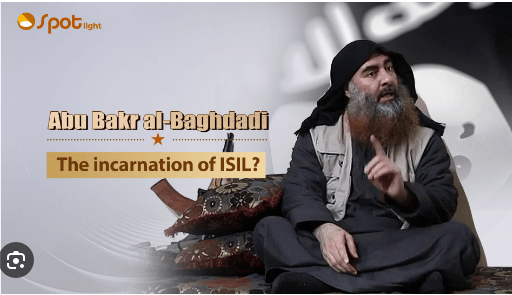
    Al Julani’s background is shrouded in mystery and transformation. Born in Saudi Arabia in 1982, he adopted the name “Al Julani” after returning to his family’s homeland in the Syrian province of Golan. This name change signifies a deliberate effort to embrace a new identity tied to the Syrian struggle. His early involvement with militant groups is evident in his close relationship with the notorious Al Qaeda leader, Masab al-Zarqawi. He also had a connection to Abu Bakr al-Baghdadi, the leader of ISIS, though he reportedly refused to engage in debates with him. Furthermore, Al Julani’s five-year imprisonment in Iraq highlights his past involvement in extremist activities. The US government even placed a $10 million bounty on his head, underscoring his perceived threat level.

    However, Al Julani’s recent actions suggest a potential shift away from his extremist past. Following his success in the revolution, he publicly declared his intention to return to his birth name, Ahmed Share, signaling a desire to distance himself from his former militant persona. His victory speech at the historic Umayyad Mosque in Damascus, where he pledged to avoid retaliatory actions against the Alawite Shia community, further indicates a move towards moderation. This message of reconciliation stands in stark contrast to the violent and sectarian tactics employed by groups like ISIS and Al Qaeda.

    The sources also highlight Al Julani’s pragmatic approach in the aftermath of the revolution. He is described as adopting a “mufti attitude” and collaborating with the interim Syrian Prime Minister, Ghaz al-Jalali, to establish a future government. This suggests a willingness to engage in political dialogue and work towards a peaceful transition of power.

    It’s crucial to note that the sources, while suggesting a change in Al Julani’s stance, do not explicitly confirm whether his transformation is genuine or merely a tactical maneuver. His past ties to extremist organizations raise concerns about his true intentions, and further observation is needed to determine whether he will truly embrace a more moderate and inclusive path.

    Factors Leading to the Syrian Uprising: A Complex Confluence of Grievances

    The sources, while focusing primarily on the role of external actors and key figures in the Syrian revolution, provide insights into the underlying factors that fueled the uprising. These factors paint a picture of deep-seated resentment and frustration among the Syrian populace, stemming from a combination of political, economic, and social grievances.

    Repression Under the Assad Regime: The sources depict the Assad regime, particularly under Hafez al-Assad and later his son Bashar al-Assad, as brutally repressive. From 1970 to 2000, Hafez al-Assad’s rule was marked by stories of “atrocities and oppression,” establishing a climate of fear and silencing dissent. While initial hopes were pinned on Bashar al-Assad for a more moderate approach, these hopes were quickly dashed as he continued his father’s repressive policies. His regime was accused of using torture, arbitrary detentions, and other forms of violence to suppress opposition. The sources describe the discovery of “human torture machines” in prisons used against Assad’s opponents, highlighting the extent of state-sanctioned brutality. This systematic oppression and denial of basic human rights created deep resentment and fueled the desire for change.

    Socioeconomic Disparities: While the sources don’t explicitly detail the economic conditions in pre-revolution Syria, they hint at underlying socioeconomic inequalities that likely contributed to popular discontent. The text mentions that Bashar al-Assad’s actions, particularly those aimed at controlling and exploiting resources, sparked anger among the youth. This suggests that economic grievances, possibly relating to unemployment, corruption, and unequal distribution of wealth, played a role in motivating the uprising.

    Sectarian Tensions: The sources emphasize the significant religious divide within Syria, with a Sunni majority and a ruling Alawite minority. This sectarian dynamic is portrayed as a critical factor in the conflict. The Alawite-dominated government’s hold on power fueled resentment among the Sunni population, who felt marginalized and excluded from political and economic opportunities. The sources highlight the brutality directed specifically at Sunni rebels, further exacerbating these tensions and solidifying the sectarian dimension of the conflict.

    The Spark of the Arab Spring: While internal grievances provided the fuel, the events of the Arab Spring in 2011 acted as the catalyst for the Syrian uprising. The sources mention that the “Arab Spring of 2011” created a wider context of upheaval and popular mobilization across the Middle East and North Africa. The wave of protests and revolutions in neighboring countries inspired Syrian activists and provided them with a sense of possibility and momentum, encouraging them to challenge the Assad regime. The success of uprisings in other Arab nations emboldened Syrians to demand political change and an end to decades of oppression.

    The Role of External Actors: While internal factors laid the groundwork, the sources emphasize how external actors, each with their own interests and agendas, played a significant role in shaping the trajectory of the uprising. The support provided by Russia and Iran to the Assad regime, and the backing of Turkey, Saudi Arabia, and potentially the US for the rebels, transformed the conflict into a complex proxy war, prolonging the violence and adding to the suffering of the Syrian people.

    Russia and Iran: Pillars of Support for the Assad Regime

    The sources clearly portray Russia and Iran as essential allies of the Syrian government throughout the tumultuous Syrian conflict. Their involvement was critical in enabling the Assad regime to withstand the initial onslaught of the uprising and maintain its grip on power.

    Military and Strategic Coordination: The sources highlight Russia’s direct military intervention in the conflict. Russia, “in collaboration with the Shami government,” carried out airstrikes targeting rebel forces. This indicates a high level of coordination and strategic alignment between the two countries, with Russia acting as a powerful military backer for the embattled Assad regime. Iran, while not directly engaging in combat operations as depicted in the sources, provided substantial military support, including weaponry and training, to both the Syrian army and allied militias. This flow of arms was facilitated through Hezbollah in Lebanon, which acted as a conduit for Iranian assistance, highlighting the interconnected nature of these alliances.

    Motivations and Interests: Russia’s support for the Assad regime is rooted in a longstanding strategic relationship and a shared interest in maintaining influence in the Middle East. Syria hosts Russia’s only naval base in the Mediterranean, a crucial asset for projecting Russian power in the region. The sources also mention that “Russian adversaries in the Middle East have also been threatening the Alawite regime from the very beginning,” implying that Russia saw supporting Assad as a way to counter the influence of its regional rivals. Iran, on the other hand, viewed Syria as a vital link in its “axis of resistance” against Israel and the West. The Assad regime, led by the Alawite minority, was a crucial ally for Shia-dominated Iran in a predominantly Sunni region. The sources suggest that Iran felt obligated to support the Syrian government in suppressing the rebellion, although it viewed this responsibility as primarily resting with Assad himself.

    Impact on the Conflict: The robust support from Russia and Iran significantly bolstered the Assad regime’s ability to resist the rebel forces and prolong the conflict. Their military assistance, particularly Russia’s airpower, proved instrumental in shifting the balance of power in favor of the government. This intervention had a devastating impact on the opposition, causing heavy casualties and hindering their ability to achieve their objectives.

    The sources offer a glimpse into the complex interplay of external actors in the Syrian conflict, highlighting the decisive role played by Russia and Iran in shaping its trajectory and outcome.

    Deciphering “Success” in the Syrian Uprising: A Complex Equation

    The provided source, while not directly addressing the factors contributing to the Syrian uprising’s “success,” offers a unique perspective on the dynamics of the conflict. It’s important to first clarify what “success” entails in the context of the Syrian uprising. Given the source’s focus on the rebel takeover of Damascus, it seems to define success as the overthrow of the Assad regime. However, this perspective might be contested, considering the ongoing conflict and the lack of a clear victory for any side.

    Exploiting Regime Weaknesses: The source highlights the growing frustration and disillusionment within the Syrian population under the Assad regime. The brutality and repression, particularly under Bashar al-Assad, created deep resentment and a yearning for change. The source mentions that people initially hoped for a more moderate approach from Bashar, but his actions, perceived as controlling and exploitative, ultimately led to widespread anger, especially among the youth. This simmering discontent provided fertile ground for the uprising to take root.

    The Power of Popular Mobilization: While the source doesn’t explicitly detail the specific tactics employed by the rebels, it emphasizes the significant role of popular mobilization in the uprising. The text mentions “Tehreek,” likely referring to a movement or organization, and notes that despite its supposed suppression, the scale of the uprising demonstrates the extent of public anger and desire for change. This suggests that the rebels effectively harnessed popular grievances and organized a widespread resistance movement, capable of challenging the regime’s authority.

    External Support and Shifting Alliances: The source strongly emphasizes the role of external actors in the Syrian conflict. It highlights the support provided by Turkey and Saudi Arabia to the rebels, particularly “silent support” from the Turks and “Dawangiri” from Saudi Arabia. It also mentions the potential involvement of the US, although American officials denied direct participation. This external backing, though not explicitly detailed in terms of military or financial aid, likely played a role in bolstering the rebels’ capabilities and sustaining their fight against the Assad regime. Furthermore, the source highlights a shift in alliances within the region. The weakening of Hezbollah in Lebanon, attributed to Israeli actions, potentially emboldened the rebels and created a more favorable environment for their operations. The perception that Russian and Iranian influence had diminished also contributed to a sense of opportunity for the rebels.

    The Appeal of a Moderate Alternative: The source underscores Abu Mohammad Al Julani’s potential transformation from an extremist figure associated with Al Qaeda to a more moderate leader. His pledge to avoid reprisals against the Alawite Shia community and his collaboration with the interim Prime Minister suggest a shift towards inclusivity and reconciliation. This potentially resonated with a broader segment of the Syrian population, attracting those seeking a viable alternative to both the Assad regime and extremist groups. The source’s description of Al Julani adopting a “mufti attitude” and pursuing a “better solution without resorting to violence” might have appealed to Syrians weary of the prolonged conflict and its devastating consequences.

    Ambiguity and Ongoing Conflict: It’s crucial to note that the source’s portrayal of the Syrian uprising’s “success” is inherently ambiguous. While it highlights the rebels’ takeover of Damascus, it also acknowledges the ongoing conflict and the lack of a definitive resolution. The source concludes by expressing hope for peace and prosperity in the aftermath of the uprising, but this remains a precarious aspiration in the face of continued violence and instability.

    This source, while providing insights into factors that might be considered contributing to the Syrian uprising’s “success” from a specific perspective, also underscores the complexity and fluidity of the situation. It highlights the interplay of internal grievances, popular mobilization, external support, and the emergence of new leadership figures as key elements shaping the conflict’s trajectory. However, it avoids presenting a conclusive assessment of the uprising’s ultimate outcome, acknowledging the ongoing nature of the struggle and the uncertain future of Syria.

    Distinguishing Syrian Rebel Actions from Daesh and Al Qaeda: A Focus on Moderation and Strategic Goals

    While the sources don’t provide an in-depth comparative analysis of the actions of Syrian rebels, Daesh (ISIS), and Al Qaeda, they offer valuable insights into the distinguishing characteristics of the Syrian rebel groups, particularly in the context of the uprising’s later stages.

    Emphasis on Restraint and Avoiding Reprisals: The sources highlight a key differentiator between the Syrian rebels, specifically under the leadership of Abu Mohammad Al Julani, and extremist groups like Daesh and Al Qaeda: the commitment to avoiding violence against civilians and pursuing a path of reconciliation. Al Julani, after assuming control of the rebel forces in Damascus, pledged to refrain from retaliatory actions against the Alawite Shia community. This stands in stark contrast to the brutal tactics employed by Daesh and Al Qaeda, which often involved indiscriminate violence, sectarian massacres, and the targeting of civilians to sow terror and advance their ideological agendas. The sources explicitly note the absence of attacks on Alawite religious sites and the lack of looting in Damascus after the rebel takeover, further reinforcing this image of restraint and a departure from the methods employed by extremist groups.

    Strategic Focus on Overthrowing the Assad Regime: The sources, while not explicitly stating the rebels’ overarching goals, imply that their primary objective was the overthrow of the Assad regime. This objective, while potentially shared by other actors in the conflict, distinguished the Syrian rebels from groups like Daesh and Al Qaeda, whose ambitions extended beyond toppling the Syrian government. Daesh, for instance, sought to establish a transnational caliphate encompassing vast territories across Syria and Iraq, imposing its extremist ideology and engaging in brutal campaigns of ethnic cleansing and religious persecution. Al Qaeda, while also aiming to establish an Islamic state, focused more on global jihad and targeting Western interests. The sources’ depiction of the Syrian rebels, particularly under Al Julani’s leadership, suggests a more localized and pragmatic approach, prioritizing the removal of the Assad regime and the establishment of a new political order in Syria.

    Potential Evolution Towards Moderation and Political Engagement: The sources portray Al Julani’s leadership as a potential turning point for the Syrian rebels, marking a shift away from the extremist ideologies associated with groups like Daesh and Al Qaeda. Al Julani’s willingness to collaborate with the interim Prime Minister, adopt a more conciliatory tone, and pursue a “better solution without resorting to violence” indicates a potential embrace of political processes and a departure from the extremist playbook of violence and terror. This potential evolution towards moderation and political engagement further distinguishes the Syrian rebels, particularly under Al Julani, from groups like Daesh and Al Qaeda, which remained entrenched in their extremist ideologies and rejected any form of compromise or political participation.

    The sources, while providing limited direct comparisons, offer a glimpse into the distinct characteristics and motivations of the Syrian rebels, particularly in the later stages of the uprising. Their emphasis on restraint, focus on toppling the Assad regime, and potential embrace of moderation and political engagement set them apart from extremist groups like Daesh and Al Qaeda, which pursued more expansive agendas and employed brutal tactics aimed at instilling fear and imposing their extremist ideologies.

    The Syrian Revolution: A Catalyst for Continued Instability in the Region

    The Syrian revolution, as depicted in the source, has profound implications for the long-term stability of the region. While the source primarily focuses on the immediate aftermath of the rebel takeover of Damascus, it hints at several factors that could create lasting instability and reshape the geopolitical landscape of the Middle East.

    Sectarian Tensions and Regional Spillover: The source emphasizes the deep sectarian divisions within Syria, particularly between the Sunni majority and the Alawite minority. The overthrow of the Alawite-dominated Assad regime, even if achieved through a relatively peaceful transition as suggested by the source, could embolden Sunni groups and exacerbate sectarian tensions across the region. This could potentially lead to a resurgence of sectarian violence, not only within Syria but also in neighboring countries with significant Sunni and Shia populations, such as Lebanon and Iraq. The source’s mention of the “Shia-Sunni divide among Arabs” underscores the potential for this conflict to transcend national boundaries and fuel broader regional instability.

    The Rise of Extremist Groups: The source, while highlighting the potential for a more moderate leadership under figures like Abu Mohammad Al Julani, also acknowledges the presence of various extremist groups within the rebel movement. The complex and multifaceted nature of the uprising, involving a coalition of nine different groups under the banner of “Tahrir Sham,” creates an environment ripe for extremist ideologies to flourish. The potential for these groups to exploit the power vacuum left by the Assad regime and establish strongholds within Syria poses a significant threat to regional stability. The source’s mention of Al Julani’s past association with Al Qaeda and his time spent in Iraqi prison serves as a reminder of the deep roots of extremist networks in the region and the challenges of containing their influence.

    Proxy Wars and Great Power Rivalry: The sources, both in the current conversation and previous responses, underscore the significant role of external actors in the Syrian conflict. The support provided by Russia and Iran to the Assad regime, and the backing of Turkey, Saudi Arabia, and potentially the US for the rebels, has transformed the conflict into a complex proxy war. The overthrow of the Assad regime, while potentially diminishing Russian and Iranian influence in the short term, is unlikely to end this dynamic. Instead, it could lead to a reconfiguration of alliances and a continuation of proxy conflicts as regional and global powers vie for influence in a post-Assad Syria. The source’s mention of American interest in Al Julani and Israel’s actions against Hezbollah in Lebanon suggests that external actors will continue to play a significant role in shaping the future of Syria and the broader region.

    Humanitarian Crisis and Refugee Flows: The Syrian revolution has already resulted in a catastrophic humanitarian crisis, with millions displaced and seeking refuge in neighboring countries. The continued instability and violence in a post-Assad Syria could exacerbate this crisis, leading to further displacement and straining the resources of host countries. The source mentions the presence of a large Syrian refugee population in Turkey, highlighting the regional impact of this crisis. The potential for mass refugee flows to destabilize neighboring countries and create further humanitarian challenges remains a significant concern.

    The Unpredictable Trajectory of the Revolution: The source, while offering a snapshot of the situation in the immediate aftermath of the rebel takeover of Damascus, acknowledges the inherent uncertainty surrounding the future of Syria. The complex interplay of internal and external factors, the potential for continued violence and instability, and the emergence of new actors and alliances make it difficult to predict the long-term consequences of the revolution. The source’s concluding statement, expressing hope for peace and prosperity, reflects a desire for a positive outcome, but also underscores the challenges and uncertainties that lie ahead.

    The Syrian revolution, as depicted in the source, has unleashed a series of events with far-reaching consequences for regional stability. The potential for sectarian violence, the rise of extremist groups, the continuation of proxy wars, the worsening humanitarian crisis, and the unpredictable nature of the revolution itself all point towards a future characterized by continued instability and uncertainty. The overthrow of the Assad regime, while representing a significant turning point, is unlikely to bring about a swift resolution to the conflict. Instead, it marks the beginning of a new chapter in Syria’s tumultuous history, one fraught with challenges and potential dangers for the entire region.

    The Syrian Revolution: A Profound and Devastating Impact on the Lives of the Syrian People

    The Syrian revolution, as depicted in the source, has had a profound and devastating impact on the lives of the Syrian people, marked by violence, displacement, and a deep sense of uncertainty about the future. The source, while primarily focused on the political and strategic aspects of the conflict, offers glimpses into the human cost of the revolution and the challenges faced by ordinary Syrians.

    Displacement and the Refugee Crisis: The revolution has resulted in a massive displacement of the Syrian population, forcing millions to flee their homes and seek refuge in neighboring countries or within Syria itself. The source mentions the presence of an estimated 3 to 5 million Syrian refugees in Turkey alone, highlighting the scale of this humanitarian crisis. These individuals, uprooted from their communities and livelihoods, face immense challenges in rebuilding their lives in unfamiliar surroundings. The source’s account of Syrians who fled to Turkey in the wake of the 2011 Arab Spring and their struggles to cope with the chaos and the impact of the conflict underscores the profound disruption experienced by those displaced by the revolution.

    Violence and Human Rights Abuses: The source paints a grim picture of the violence and human rights abuses that have characterized the Syrian conflict. The account of the discovery of “human torture machines” used by the Assad regime to suppress dissent highlights the brutality and repression faced by those who opposed the government. The source’s description of the regime’s actions as “making mincemeat of his people” conveys the horrific nature of the violence and the fear that permeated Syrian society. The revolution, while initially driven by hopes for freedom and democracy, has descended into a cycle of violence and retribution, leaving lasting scars on the Syrian people.

    Economic Hardship and the Collapse of Infrastructure: The revolution has had a devastating impact on the Syrian economy, leading to widespread poverty, unemployment, and the collapse of essential infrastructure. The source, while not explicitly detailing the economic consequences of the conflict, alludes to the hardships faced by ordinary Syrians as a result of the revolution. The reference to people being “forced to leave their country and seek refuge” suggests the loss of livelihoods and the desperate conditions that many faced. The revolution’s impact on the Syrian economy has undoubtedly exacerbated the suffering of the Syrian people, creating a climate of hardship and uncertainty.

    Sectarian Tensions and Social Fragmentation: The revolution has deepened existing sectarian divisions within Syrian society, fueling mistrust and animosity between different religious communities. The source highlights the “Shia-Sunni divide among Arabs” and its potential to escalate into violence. The overthrow of the Alawite-dominated Assad regime, while potentially bringing an end to one form of sectarian dominance, could create new challenges as different groups compete for power and influence in a post-Assad Syria. The potential for continued sectarian strife poses a significant threat to the social fabric of Syria and the well-being of its people.

    Psychological Trauma and the Loss of Hope: The prolonged conflict and the constant exposure to violence, displacement, and hardship have undoubtedly taken a heavy toll on the psychological well-being of the Syrian people. The source, while not directly addressing this issue, hints at the trauma and the loss of hope experienced by many Syrians. The reference to “the dark night of oppression and pain” and the hope for “peace in the morning” reflects the profound sense of despair and the yearning for a better future. The psychological scars of the revolution will likely persist long after the conflict has ended, posing challenges for the healing and reconciliation of Syrian society.

    The Syrian revolution, as depicted in the source, has had a devastating impact on the lives of the Syrian people, marked by displacement, violence, economic hardship, sectarian tensions, and psychological trauma. The source, while primarily focused on the political and strategic aspects of the conflict, provides glimpses into the human cost of the revolution and the challenges faced by ordinary Syrians in coping with the upheaval and uncertainty that have come to define their lives.

    The Uncertain Future of Syria: A Complex Path to Peace and Stability

    Assessing the future outlook for Syria’s stability and peace is a complex endeavor, fraught with uncertainty. The provided source, coupled with previous discussions, paints a picture of a nation deeply scarred by conflict, grappling with sectarian divisions, and navigating a treacherous geopolitical landscape. While glimpses of hope for a more peaceful future emerge, numerous challenges and potential dangers cast a long shadow over Syria’s path to recovery.

    The Fragile Nature of Post-Revolution Peace: The source, while chronicling the rebel takeover of Damascus, hints at a relatively peaceful transition, emphasizing the lack of violence against specific groups and a conciliatory approach by the new leadership. This offers a glimmer of optimism for a future where sectarian violence is mitigated. However, the deep-seated mistrust and animosity fueled by years of conflict, as highlighted in our previous conversation, are unlikely to vanish overnight. The potential for renewed conflict, triggered by power struggles, economic disparities, or external interference, remains a significant threat.

    The Looming Threat of Extremist Groups: The source acknowledges the presence of extremist groups within the rebel coalition, particularly focusing on the figure of Abu Mohammad Al Julani. While Al Julani’s post-victory pronouncements suggest a more moderate stance, his past affiliation with Al Qaeda raises concerns about the potential for extremist ideologies to take root and exploit the fragile post-revolution environment. The source also points to the complexity of the rebel movement, comprising nine distinct groups, suggesting a potential for fragmentation and internal power struggles, which could create opportunities for extremist elements to gain influence.

    The Enduring Impact of Foreign Influence: The source, along with our previous discussions, underscores the significant role of external actors in the Syrian conflict. The involvement of Russia, Iran, Turkey, Saudi Arabia, and potentially the US has transformed Syria into a battleground for regional and global power struggles. While the overthrow of the Assad regime might alter the dynamics of these alliances, it is unlikely to eliminate the influence of external actors. The source’s mention of American interest in Al Julani and Israel’s actions against Hezbollah in Lebanon suggests that external powers will continue to shape the political landscape of Syria, potentially fueling instability and hindering the country’s ability to chart an independent course.

    The Daunting Task of Reconstruction and Reconciliation: The Syrian revolution has left the country in ruins, with a devastated economy, shattered infrastructure, and a deeply divided society. Rebuilding Syria and fostering reconciliation among its fractured communities will require a herculean effort, both internally and from the international community. The source, while primarily focused on the immediate aftermath of the revolution, alludes to the daunting task ahead, highlighting the need for peace, prosperity, and human happiness. However, the scale of the destruction and the depth of the divisions present formidable obstacles on the path to recovery.

    The Syrian people’s resilience and yearning for peace: While the source and our conversations have focused on the challenges facing Syria, it’s essential to acknowledge the resilience of the Syrian people. Their desire for a brighter future, as reflected in the source’s concluding hope for peace, should not be underestimated. This inherent desire for stability and normalcy could serve as a powerful force for positive change, if nurtured and supported by a conducive internal and external environment.

    In conclusion, the future outlook for Syria’s stability and peace remains uncertain, a complex interplay of internal and external factors shaping the country’s trajectory. While the overthrow of the Assad regime and the potential for a more moderate leadership offer glimmers of hope, the deep-seated divisions, the threat of extremist groups, the enduring influence of foreign powers, and the daunting task of reconstruction pose significant challenges. The success of Syria’s transition to a peaceful and stable future will depend on a confluence of factors, including the ability of the new leadership to foster unity and reconciliation, the commitment of the international community to support reconstruction and peacebuilding efforts, and the resilience of the Syrian people in their pursuit of a better future.

    Religious Composition of Syria: A Predominantly Sunni Population with a Significant Alawite Minority

    The sources indicate that Syria’s population is largely Sunni Muslim, with a notable Alawite Shia presence. Specifically, the text states that “Religiously, the Shami population is more than 80 Shafi-ul- Fiqa Sunni-ul-Aqeedah while Alavi Shia are 10 to 13 Fas.” This suggests that Sunni Muslims constitute over 80% of the Syrian population, while Alawi Shia Muslims represent between 10% and 13%.

    It’s important to note that this information is presented in the context of the Syrian revolution and the overthrow of the Alawite-dominated Assad regime. The source’s emphasis on the religious composition of Syria highlights the sectarian divisions that have played a significant role in the conflict. The overthrow of the Assad regime, while potentially bringing an end to Alawite dominance, could lead to new challenges as different religious groups navigate the post-revolution landscape.

    Al-Julani and the Alawi Shia Community: A Cautious Approach Amidst Uncertainty

    The sources, while providing information about Abu Mohammad al-Julani’s rise to power in the Syrian revolution, offer limited insights into the specific effects of his actions on the Alawi Shia community. However, the text does suggest a cautious and potentially conciliatory approach towards this minority group in the immediate aftermath of the revolution.

    • Post-Victory Restraint: The source notes that Al-Julani, in his victory speech, stated that “we will not take any retaliatory action against the Alawi Shia community.” This declaration, if followed in practice, indicates a willingness to avoid targeting the Alawi community for their previous association with the Assad regime. The source further emphasizes the absence of violence against Alawi symbols or individuals, stating that “There has been no attack on Swaya Rani Sartale or Hafiz ul Assad’s Mujasm in Damascus or looting in Awane Sadar.” These observations suggest a deliberate effort to prevent reprisals and maintain a degree of stability during the transition.
    • Strategic Considerations and a Shift in Focus: Al-Julani’s apparent restraint could stem from several factors, both strategic and ideological. The source mentions Al-Julani’s desire to distance himself from his past affiliation with Al Qaeda, suggesting a potential shift towards a more moderate stance to gain wider acceptance. Moreover, focusing on consolidating power and establishing a new government might take precedence over settling scores with the former regime’s supporters. The source highlights Al-Julani’s adoption of a “mufti attitude” and his engagement with the “dummy Shami Prime Minister” to establish a future setup, indicating a focus on building a new order rather than pursuing retribution.
    • Lingering Uncertainties and the Potential for Future Tensions: While the initial signs point towards a non-violent approach towards the Alawi Shia community, the long-term impact of Al-Julani’s actions remains uncertain. The sources highlight the deep-seated sectarian divisions within Syria, with the Alawite minority having held power for decades. The potential for resentment and mistrust to linger, even in the absence of overt violence, cannot be discounted. Moreover, the complex makeup of the rebel coalition, with its nine distinct groups, raises concerns about potential fragmentation and the emergence of hardline factions that might harbor animosity towards the Alawi community.

    It is crucial to emphasize that the source primarily focuses on the immediate aftermath of the revolution. The long-term effects of Al-Julani’s actions on the Alawi Shia community, and the broader dynamics of sectarian relations in post-revolution Syria, remain to be fully understood.

    Immediate Effects of the Revolution in Damascus: A Shift in Power, Uncertainty, and a Glimmer of Hope

    The sources, while primarily focusing on the broader context and potential implications of the revolution in Damascus, offer glimpses into its immediate effects. These effects can be categorized into three main themes: the fall of the Assad regime and the rise of new leadership, the apparent absence of widespread violence and looting in the immediate aftermath, and the lingering uncertainty surrounding the future stability and trajectory of the country.

    1. The Fall of the Assad Regime and the Emergence of New Leadership:

    The sources explicitly state that the revolution resulted in the overthrow of the Alawite-dominated Assad regime. The text mentions “rebels of Alavi Jabar [who] have captured the evening,” and refers to the “Shami forces,” suggesting a coalition of groups opposing the Assad government.

    • This change in leadership signifies a significant power shift in Damascus. The source highlights the discovery of “human torture machines” used by the Assad regime, indicating the brutal nature of the previous government and the potential for a different approach under the new leadership.
    • The text specifically mentions Abu Mohammad al-Julani as a key figure in the new leadership. It details his background, past affiliation with Al Qaeda, and his more recent pronouncements suggesting a moderate stance. This suggests that Al-Julani’s influence and decisions will play a crucial role in shaping the immediate and long-term effects of the revolution.

    2. Lack of Widespread Violence and Reprisals:

    The sources emphasize the absence of widespread violence and looting in the immediate aftermath of the revolution, particularly targeting the Alawi Shia community. This is presented as a positive sign, suggesting a potential for a more peaceful transition compared to other revolutions or conflicts.

    • The text specifically mentions that there were no attacks on “Swaya Rani Sartale or Hafiz ul Assad’s Mujasm in Damascus,” nor was there looting in “Awane Sadar.” This indicates a deliberate effort by the new leadership, particularly Al-Julani, to prevent reprisals against those associated with the former regime.
    • Al-Julani’s victory speech, in which he states that “we will not take any retaliatory action against the Alawi Shia community,” further reinforces this point. This declaration, if genuinely implemented, could contribute to reducing tensions and fostering a more stable environment.

    3. Uncertainty and Potential Challenges:

    While the immediate aftermath appears to have been relatively peaceful, the sources acknowledge the uncertainty surrounding the future of Syria. The text alludes to several potential challenges that could emerge in the post-revolution period.

    • Sectarian Divisions: The source highlights the deep sectarian divisions within Syrian society, noting that “religiously, the Shami population is more than 80 Shafi-ul- Fiqa Sunni-ul-Aqeedah while Alavi Shia are 10 to 13 Fas.” While the new leadership appears to be taking steps to avoid inflaming these tensions, the potential for future conflicts or instability stemming from these divisions remains a concern.
    • The Complexity of the Rebel Coalition: The sources point to the diverse nature of the rebel coalition, stating that it is a “collection of nine different groups.” This suggests a potential for fragmentation and internal power struggles, which could lead to instability or even renewed conflict.
    • External Influences: The sources mention the involvement of various external actors in the Syrian conflict, including Russia, Iran, Turkey, Saudi Arabia, and the United States. These external influences could continue to play a role in shaping the future of Syria, potentially adding complexity and hindering the country’s ability to establish a stable and independent path.

    Conclusion:

    The sources paint a mixed picture of the immediate effects of the revolution in Damascus. While the overthrow of the Assad regime and the apparent lack of widespread violence offer some hope for a more peaceful future, the deep-seated sectarian divisions, the complex nature of the rebel coalition, and the continuing influence of external actors highlight the significant challenges and uncertainties that lie ahead. The long-term impact of the revolution and the success of the new leadership in establishing a stable and prosperous Syria remain to be seen.

    Religious Demographics of Pre-Revolution Damascus: A Sunni Majority with a Notable Alawite Shia Presence

    The sources provide information about the religious composition of Syria as a whole, which can be used to infer the likely religious demographics of Damascus before the revolution. The text states that “Religiously, the Shami population is more than 80 Shafi-ul- Fiqa Sunni-ul-Aqeedah while Alavi Shia are 10 to 13 Fas.” This suggests that Sunni Muslims constituted over 80% of the Syrian population, while Alawi Shia Muslims represented between 10% and 13%.

    Given that Damascus was the capital city and a major urban center in Syria, it’s reasonable to assume that it reflected these broader national trends. Therefore, it’s likely that Damascus also had a significant Sunni Muslim majority before the revolution, with a smaller but notable presence of Alawi Shia Muslims.

    However, it’s important to note some caveats:

    • Urban-Rural Differences: The sources don’t provide specific data on the religious breakdown within Damascus itself. It’s possible that urban areas like Damascus had slightly different religious compositions compared to rural areas.
    • Potential Concentration of Alawite Elites: As the Assad regime was Alawite-dominated, it’s possible that Damascus, as the seat of power, had a higher concentration of Alawi Shia Muslims, particularly among the political and military elite, compared to other parts of the country.
    • Lack of Precise Data: The sources only offer approximate percentages for the national religious composition. Without more precise data on Damascus specifically, it’s difficult to determine the exact proportions of different religious groups in the city before the revolution.

    Overall, while the sources don’t provide precise figures for pre-revolution Damascus, the information on national religious demographics, combined with the city’s status as the capital, strongly suggests that Sunni Muslims constituted the majority of the population, with a significant presence of Alawi Shia Muslims, potentially more concentrated within the ruling elite.

    The Revolution and the Sunni-Shia Divide: A Complex and Uncertain Landscape

    The sources, while highlighting the sectarian divisions within Syria, offer limited insights into the immediate impact of the revolution on the Sunni-Shia divide. The text primarily focuses on the overthrow of the Alawite-dominated Assad regime and the rise of Abu Mohammad al-Julani, a key figure in the predominantly Sunni rebel coalition.

    • End of Alawite Dominance: The most immediate effect of the revolution is the removal of the Alawite Shia minority from power. The sources depict the Assad regime as oppressive and brutal, highlighting the discovery of “human torture machines” used against its opponents. This change in power dynamics suggests a potential shift in the balance between Sunni and Shia communities within Syria.
    • Potential for Retribution and Ongoing Tensions: Despite the change in leadership, the sources acknowledge the deep-seated sectarian tensions within Syria. The text notes that “religiously, the Shami population is more than 80 Shafi-ul- Fiqa Sunni-ul-Aqeedah while Alavi Shia are 10 to 13 Fas,” emphasizing the numerical dominance of Sunnis and the potential for resentment stemming from the previous Alawite rule. The revolution could exacerbate these tensions, particularly if elements within the Sunni majority seek retribution for past grievances.
    • Al-Julani’s Cautious Approach: However, the sources also point to a deliberate effort by Al-Julani to prevent widespread violence and reprisals against the Alawi Shia community. His victory speech explicitly states “we will not take any retaliatory action against the Alawi Shia community,” and the text notes the absence of attacks on Alawi figures or symbols in Damascus. This suggests an attempt to manage the sectarian divide and prevent a descent into chaos and revenge killings.
    • Uncertain Future and Potential for Continued Conflict: While Al-Julani’s initial approach appears conciliatory, the long-term impact of the revolution on the Sunni-Shia divide remains uncertain. The sources acknowledge the complex makeup of the rebel coalition, with its nine different groups, hinting at the potential for fragmentation and the emergence of hardline factions that might not share Al-Julani’s restraint. Additionally, the sources mention the involvement of external actors like Iran, a Shia-majority country that supported the Assad regime. The continued influence of such external forces could further complicate the situation and fuel sectarian tensions.

    Conclusion:

    The sources present a complex and ambiguous picture of the revolution’s impact on the Sunni-Shia divide. The removal of the Alawite regime from power represents a significant shift, but the potential for ongoing tensions and violence remains. Al-Julani’s apparent commitment to preventing reprisals offers a glimmer of hope, but the long-term trajectory of sectarian relations will depend on various factors, including the cohesion of the rebel coalition, the influence of external actors, and the ability of the new leadership to address the grievances and concerns of both Sunni and Shia communities.

    Analyzing the Sources: Context, Content, and Potential Biases

    The provided text appears to be an opinion piece or commentary, likely published in the Pakistani newspaper “Jung.” The author, Azar Rihan, focuses on the revolution in Damascus, specifically the overthrow of the Assad regime, and attempts to analyze its causes, immediate impacts, and potential implications for the region and the world. The piece is characterized by a strong focus on religious and sectarian dynamics, highlighting the Sunni-Shia divide within Syria and its connection to regional and international politics.

    Key Themes and Arguments:

    • The Arab Spring and the Syrian Revolution: The author frames the Syrian revolution within the broader context of the Arab Spring uprisings, suggesting a shared momentum for change in the region.
    • Sectarian Dimensions: The text emphasizes the role of sectarian divisions in the Syrian conflict, highlighting the Sunni majority’s grievances against the Alawite-dominated Assad regime.
    • External Influences: The author discusses the involvement of various external actors, including Russia, Iran, Turkey, Saudi Arabia, and the United States, and their competing interests in the Syrian conflict.
    • Abu Mohammad al-Julani and the Future of Syria: The text focuses on Al-Julani, a prominent figure in the rebel coalition, and his potential to shape the post-revolution landscape. It notes his past ties to Al Qaeda but also highlights his recent pronouncements suggesting a more moderate stance.
    • Israel and Regional Security: The author frequently references Israel, suggesting that the revolution’s outcome will have significant implications for Israeli security. The text implies that the weakening of the Assad regime, a close ally of Iran and Hezbollah, could be beneficial to Israel.

    Potential Biases and Interpretations:

    • Pro-Sunni Bias: The text exhibits a clear sympathy for the Sunni majority in Syria and their grievances against the Alawite regime. This bias is evident in the author’s characterization of the Assad government as oppressive and brutal, and the emphasis on the suffering of the Sunni population.
    • Anti-Iran and Anti-Hezbollah Sentiment: The text expresses hostility towards Iran and Hezbollah, portraying them as destabilizing forces in the region. This stance aligns with the author’s focus on Israel’s security concerns and the potential benefits of the Assad regime’s downfall for Israel.
    • Focus on Religious Identity: The author’s analysis heavily relies on religious identity and sectarian affiliations as primary explanatory factors for the conflict. This approach may overlook other contributing factors, such as socio-economic disparities, political repression, and the role of external powers.

    Contextual Considerations:

    • Pakistani Perspective: As the text was likely published in a Pakistani newspaper, it’s important to consider the potential influence of Pakistan’s own geopolitical interests and its complex relationship with the Middle East.
    • Time of Publication: The exact date of publication is unclear, but the text mentions events from 2015 and references the Arab Spring uprisings, suggesting it was written sometime after 2011. The specific timing of the publication could influence the author’s perspective and the information presented.

    Overall, the text provides a particular interpretation of the revolution in Damascus, heavily influenced by sectarian considerations and a focus on regional power dynamics. It offers valuable insights into the complex interplay of religious identity, political allegiances, and external influences in the Syrian conflict, but it’s essential to recognize the author’s potential biases and the specific context in which the text was produced.

    By Amjad Izhar
    Contact: amjad.izhar@gmail.com
    https://amjadizhar.blog

  • Freedom of Expression in Pakistan – Study Notes

    Freedom of Expression in Pakistan – Study Notes

    The text expresses concern over the suppression of free speech and human rights in a predominantly Muslim society. It cites examples of censorship, injustice, and the abuse of power, particularly targeting minority groups and those critical of the government. The author contrasts this situation with idealized notions of free expression in other societies, arguing that true freedom requires accountability and protection for all, not just the powerful. The piece ultimately pleads for justice and an end to oppression, emphasizing the importance of both free speech and human rights. A call for responsible media is also included.

    FAQ: Freedom of Expression and Human Rights

    1. What is the main concern highlighted in the text?

    The text expresses deep concern over the suppression of freedom of expression and human rights, particularly within the context of Islamic societies. It highlights the hypocrisy of claiming media freedom while simultaneously silencing dissenting voices and shielding those who commit heinous crimes.

    2. How does the text connect freedom of expression to societal well-being?

    The text argues that a lack of freedom of expression leads to “confusion and suffocation” within a society. It implies that open discourse and the ability to express concerns without fear are essential for a healthy and vibrant community.

    3. What historical example does the text use to demonstrate the power of free expression?

    The text references the “Danish poets and writers” who, despite facing religious persecution, sparked a literary revolution through their writing. This example demonstrates the enduring power of free expression to overcome oppression and bring about positive change.

    4. How does the text criticize the current state of media freedom?

    The text argues that while media proclaims to be free, this freedom is often “one-sided” and fails to hold powerful individuals and institutions accountable. It points out that critical voices are often silenced, particularly those who challenge religious or political authority.

    5. What specific examples of injustice does the text highlight?

    The text cites several examples of injustice, including the murder of Mashal Khan, the lack of justice for the rape of a 16-year-old girl, and the shielding of individuals involved in “Jihadi Lashkar and Tanzeem” from scrutiny.

    6. What is the text’s stance on criticizing religious figures?

    The text criticizes the tendency to silence any criticism of religious figures, even when their actions are harmful or contradict the principles of their faith. It argues that this unchecked authority allows for the abuse of power and the perpetuation of injustice.

    7. What is the “short journey” the text refers to for the oppressed community?

    The “short journey” refers to the struggle for freedom of expression and human rights. The text urges its readers to allow this community to continue its fight for justice and to resist those who seek to silence their voices.

    8. What is the ultimate message of the text?

    The text ultimately calls for a genuine commitment to freedom of expression and human rights, urging its readers to challenge hypocrisy, fight against injustice, and protect the right to speak truth to power. It emphasizes that these freedoms are essential for a just and flourishing society.

    Freedom of Expression and Human Rights: A Study Guide

    Glossary of Key Terms:

    • Tawa of Kufar: A declaration of disbelief or apostasy, often used to ostracize or condemn individuals or groups.
    • Danish: Likely refers to a specific cultural or linguistic group known for their poets and writers.
    • Atanas: Unclear from the text; requires further research for definition.
    • Hui Ahle religion: Unclear from the text; requires further research for definition.
    • Vaiti approach: Unclear from the text; requires further research for definition.
    • Maghrib Akwaaba Safar: Unclear from the text; might refer to a specific event, journey, or concept.
    • Muldoon: Unclear from the text; might refer to a person, group, or concept.
    • Vajra Ajams: Unclear from the text; might refer to a group or concept.
    • Mutalik: Unclear from the text; might refer to a person, ideology, or concept.
    • Jihadi Lashkar and Tanzeem: Refers to Jihadi militant groups or organizations.
    • Amran Ali Naqshbandi: A person mentioned in the text, likely accused of a crime.
    • Nama Nahaj Sahafi: Unclear from the text; might refer to a journalist or a media figure.
    • Muntakhab government: Refers to an elected government.
    • Ilm Mashal Khan: A student from Wali Khan University who was murdered.
    • PTI’s counselor Araf Khan: A political figure identified as the mastermind behind Ilm Mashal Khan’s murder.
    • Sati accounts: Unclear from the text; requires further research for definition.
    • Naqshbandi: Likely refers to a follower of the Naqshbandi Sufi order.
    • Mustaqeem: Arabic word meaning “those who are on the straight path,” often used to refer to righteous individuals.
    • Jumma Dara: Unclear from the text; requires further research for definition.
    • Barah Karam: Unclear from the text; requires further research for definition.

    Short Answer Quiz:

    1. According to the text, how do Danish poets and writers exemplify the idea of freedom of expression?
    2. What are some of the challenges and restrictions faced by individuals expressing themselves freely in the context described?
    3. How does the author compare the freedom of the media in their society to the freedom experienced in the United States and the Soviet Union?
    4. What specific examples of media bias or restrictions are mentioned in the text?
    5. What is the author’s critique of the media’s handling of the cases of Amran Ali Naqshbandi and Ilm Mashal Khan?
    6. Who is Imran Ali and what allegations are made against him in the text?
    7. What is the significance of the author’s plea to “have mercy on this unfortunate oppressed community”?
    8. How does the author connect freedom of expression with concepts such as human rights, truth, and love?
    9. What is the author’s stance on the limits of freedom of expression?
    10. What is the overall message or argument the author is trying to convey through the text?

    Answer Key:

    1. The Danish poets and writers serve as examples of freedom of expression because they initiated a literary revolution despite facing opposition and restrictions from religious authorities.
    2. The author describes challenges such as fear, censorship, societal pressure, and potential violence that hinder free expression. People are afraid to speak out against injustice or question authority for fear of reprisal.
    3. The author argues that while the media is presented as “free,” it is a one-sided freedom that primarily serves the interests of the powerful. Unlike the US and USSR examples, where criticizing leaders is possible, the author suggests criticizing certain groups or ideologies remains taboo.
    4. Examples of media bias include downplaying crimes committed by certain groups, focusing on negative aspects of the elected government, and silencing dissenting voices. The author also criticizes the inability to freely discuss the religious background of certain individuals accused of crimes.
    5. The author criticizes the media for its selective outrage, highlighting the lack of attention given to Ilm Mashal Khan’s murder compared to the extensive coverage of Amran Ali Naqshbandi’s case. This disparity suggests biased reporting influenced by the religious background of the accused.
    6. Imran Ali is presented as someone who exposes financial wrongdoings. However, the author questions his motives, suggesting he might be a “pawn” used to discredit those associated with the Naqshbandi Sufi order.
    7. The author’s plea reveals a concern for a community facing discrimination and oppression. The author believes this community is further marginalized by biased media coverage and a lack of support from those in power.
    8. The author emphasizes the interconnectedness of freedom of expression, human rights, the pursuit of truth, and the promotion of love. They argue that true freedom requires protecting individual rights and fostering a society where truth prevails and love conquers hatred.
    9. While advocating for freedom of expression, the author acknowledges the need for limits, especially concerning lies and the spread of harmful information. The author believes responsible expression comes with accountability.
    10. The author argues that genuine freedom of expression is lacking in their society despite claims of a “free media.” They expose hypocrisy, highlight the vulnerability of the oppressed, and emphasize the importance of responsible discourse grounded in truth, justice, and human rights.

    Essay Questions:

    1. Analyze the author’s use of historical and contemporary examples to illustrate their argument about freedom of expression. How do these examples strengthen or weaken their claims?
    2. How does the text address the tension between freedom of expression and the potential for harmful or offensive speech? Discuss the author’s proposed solutions for navigating this complex issue.
    3. The text heavily critiques the role of the media in shaping public perception and influencing societal discourse. Evaluate the validity of these criticisms and discuss the potential consequences of media bias on a society.
    4. Drawing upon the text, explore the relationship between freedom of expression, human rights, and social justice. How can the pursuit of free expression contribute to the advancement of human rights and a more just society?
    5. The text raises concerns about the treatment of a specific “oppressed community.” Analyze the nature of their oppression and the factors contributing to their marginalization. What role does freedom of expression play in empowering or silencing marginalized voices?

    A Table of Contents for Understanding Freedom of Expression in the Muslim World

    Source: Excerpts from “Pasted Text”

    I. The Importance of Freedom of Expression

    • This section highlights the critical role of freedom of expression, using the example of a dervish’s humorous act as a symbol of genuine concern and thought in a society stifled by anxieties and limitations. It argues that the absence of such freedom leads to societal confusion and suffocation.

    II. Historical Context: The Danish Writers’ Struggle

    • This section delves into a historical parallel, referencing the literary revolution spearheaded by Danish poets and writers who faced opposition from religious authorities. It emphasizes the Danish people’s perseverance in the face of adversity, ultimately achieving the seemingly impossible.

    III. Contemporary Challenges: A Stifled Society

    • This section focuses on the current state of the Muslim world, depicting it as a place steeped in sorrow, worry, and suffocation. It illustrates the numerous obstacles and restrictions imposed on individuals, particularly by societal pressures, tradition-bearers, and fear. The author expresses concern over the potential consequences of criticizing religion, citing the fear of being labeled an infidel.

    IV. Hypocrisy and Injustice: A Critique of Modern Society

    • This section criticizes the hypocrisy and injustices prevalent in society, pointing to the impunity enjoyed by those who commit acts of terror, bullying, and theft. It highlights the lack of accountability for violence and oppression, even on the 77th anniversary of Islamism. The author questions the authenticity of progress, suggesting that any success is met with suspicion and attempts to undermine it.

    V. A Critical Look at Media Freedom: One-Sided and Superficial

    • This section delves into the state of media freedom, arguing that while it appears free on the surface, a closer examination reveals a biased and limited reality. It contrasts the freedom of expression in the West, using the example of criticizing President Reagan, with the constraints faced in the Muslim world. The author questions whether genuine criticism, particularly of religious extremism and violence, is truly permitted.

    VI. The Limits of Freedom: Protecting Lies and Silencing Truth

    • This section examines the boundaries of media freedom, arguing that it should not be used to shield those who spread lies and falsehoods. It criticizes media personalities who prioritize profit over truth and responsibility, likening them to “mountains of Tazia and Daneshwari.” The author calls for concern and accountability within the media, advocating for restrictions on the misuse of freedom of expression.

    VII. The Need for Balance: Freedom, Human Rights, and Responsibility

    • This concluding section emphasizes the importance of balancing freedom of expression with the protection of human rights. It acknowledges the potential for misuse and manipulation under the guise of freedom, stressing the necessity for responsible discourse and limitations to prevent harm and ensure a just and equitable society.

    Freedom of Expression and Its Limitations

    Source argues that true freedom of expression should allow for the criticism of those in power, including government officials and religious figures. The source uses the example of an American citizen’s right to criticize President Reagan to highlight the extent of freedom of expression in a democratic society.

    • The source criticizes the current state of media freedom, stating that it appears free on the surface but is actually one-sided.
    • True freedom should allow for open and honest discussion of even sensitive topics, without fear of reprisal.

    The source emphasizes the importance of holding individuals accountable for their actions, regardless of their position or influence. This accountability should extend to journalists and media outlets, who have the responsibility to report truthfully and fairly.

    The source also cautions against abusing the concept of freedom of expression. While freedom of expression is essential, it should not be used as a shield to spread falsehoods or harmful information.

    • The source calls for responsible use of freedom of expression, emphasizing the need for honesty and factual accuracy, especially in media reporting.

    The source highlights the tension between freedom of expression and the potential for its misuse. Finding a balance between protecting free speech and preventing harm is crucial for a healthy and functioning society.

    Human Rights Concerns Highlighted in the Source

    The source expresses several human rights concerns, focusing on the rights to freedom of expression, a fair trial, and protection from violence and discrimination.

    • The source condemns the suppression of dissenting voices, particularly those critical of powerful figures or institutions.
    • The source criticizes the media for being complicit in this suppression, highlighting the tendency to avoid reporting on certain issues or perspectives due to fear or bias. This lack of balanced reporting, according to the source, is a serious threat to freedom of expression and the public’s right to be informed.

    The source also raises concerns about the lack of accountability for perpetrators of violence and injustice.

    • The source cites specific examples of murders and other crimes where the perpetrators have not been brought to justice. This failure to hold individuals accountable, the source argues, contributes to a climate of impunity and fear.

    Furthermore, the source points to the vulnerability of marginalized communities, who often face discrimination and violence without adequate protection or recourse.

    • The source’s concern for the “oppressed community” suggests that certain groups are systematically denied their basic human rights, including the right to safety and security.

    By highlighting these issues, the source underscores the importance of upholding human rights for all individuals, regardless of their background or beliefs. The source emphasizes the need for:

    • a free and independent press that can hold those in power accountable.
    • a just and equitable legal system that ensures fair trials and punishes perpetrators of crimes.
    • protection for marginalized communities from discrimination and violence.

    A Closer Examination of Media Freedom

    The sources argue that true media freedom is essential for a functioning democracy. A free press should be able to hold those in power accountable and provide the public with accurate and unbiased information.

    However, the sources express concern that the current state of media freedom is inadequate. While media outlets may appear free on the surface, they often face pressure to avoid reporting on certain topics or perspectives.

    • This pressure can come from government officials, powerful individuals, or even social norms and expectations.

    The sources argue that this self-censorship leads to one-sided reporting and limits the public’s ability to engage in informed debate. The sources emphasize the importance of media outlets reporting truthfully and fairly, even on sensitive topics.

    The sources highlight the responsibility of journalists to be courageous in their pursuit of truth. Journalists should not be afraid to criticize those in power or expose wrongdoing, even if it puts them at risk.

    • A free press should be a watchdog, holding those in power accountable and shining a light on injustices.

    The sources also caution against the misuse of media freedom to spread misinformation or propaganda. While freedom of expression is essential, it should not be used to harm individuals or incite violence.

    The sources call for a critical examination of media narratives and encourage the public to be discerning consumers of information.

    Social Injustice: A Look at Suppression, Impunity, and Media’s Role

    The sources discuss various forms of social injustice, highlighting the suppression of dissent, lack of accountability for perpetrators of violence, and the media’s role in perpetuating these injustices.

    • The sources strongly condemn the suppression of individuals or groups who express views critical of those in power or challenge established norms and beliefs. This suppression can take various forms, including censorship, harassment, intimidation, and even violence.
      • The sources point to a climate of fear where individuals hesitate to speak out against wrongdoing due to potential repercussions. This fear, they argue, allows injustice to flourish and prevents the necessary dialogue for positive social change.
    • The sources express deep concern about the lack of accountability for those who commit acts of violence or engage in discriminatory practices. They cite examples where perpetrators of serious crimes, including murder, have escaped justice. This impunity, according to the sources, not only denies victims their right to justice but also emboldens perpetrators and creates a culture where violence and discrimination are tolerated.
      • The sources emphasize that marginalized communities are particularly vulnerable to such injustices, as they often lack the resources and support systems to seek redress or protect themselves. The sources call for a more equitable legal system that ensures fair trials, protects victims, and holds perpetrators accountable, regardless of their social standing or influence.

    The sources critically examine the role of the media in addressing or perpetuating social injustice. While acknowledging the importance of a free press, the sources argue that the current media landscape often falls short of its ideals.

    • They criticize the tendency of media outlets to engage in self-censorship, avoiding reporting on sensitive or controversial topics, especially those that might offend powerful individuals or institutions.
      • This self-censorship, according to the sources, creates a distorted picture of reality and prevents the public from being fully informed about critical social issues. It also contributes to the suppression of dissenting voices by denying them a platform to express their concerns.

    The sources call for a more courageous and independent media that is willing to hold those in power accountable, expose wrongdoing, and give voice to the marginalized and oppressed. They stress the importance of truthful and fair reporting, even on sensitive issues, as a fundamental pillar of a just and equitable society.

    Religious Persecution: A Glimpse Through Concerns About Freedom and Justice

    While the sources do not explicitly detail instances of religious persecution, they do raise concerns about social injustices that are often intertwined with religious discrimination and persecution. The sources highlight the suppression of dissent, the lack of accountability for perpetrators of violence, and the media’s role in potentially exacerbating these issues, all of which can contribute to an environment where religious persecution can occur.

    • The sources’ emphasis on the suppression of critical voices suggests that individuals or groups holding certain religious beliefs might face censure or reprisal for expressing their views, especially if those views challenge dominant religious ideologies or the actions of powerful religious institutions.
      • The climate of fear described in the sources, where individuals hesitate to speak out against wrongdoing, could be particularly acute for religious minorities or individuals holding dissenting religious beliefs. This fear can prevent them from openly practicing their faith or advocating for their religious freedom, leaving them vulnerable to persecution.
    • The sources’ concern for the lack of accountability for perpetrators of violence is particularly relevant in the context of religious persecution. History is replete with examples of violence directed at religious minorities or individuals holding beliefs deemed heretical.
      • The failure to hold perpetrators of such violence accountable, as highlighted in the sources, creates a climate of impunity where religious persecution can continue unchecked. This lack of justice can further marginalize and disempower religious minorities, making them more susceptible to future attacks.
    • The sources’ critique of the media’s potential role in perpetuating injustice also applies to religious persecution. Media outlets, by avoiding reporting on sensitive religious issues or by presenting biased narratives, can contribute to the marginalization and demonization of certain religious groups.
      • This biased reporting can fuel prejudice and discrimination, creating a fertile ground for religious intolerance and even violence. Conversely, a free and independent media, as advocated for in the sources, can play a crucial role in exposing religious persecution, holding perpetrators accountable, and fostering interfaith understanding and tolerance.

    Although the sources do not provide specific examples of religious persecution, their broader concerns about the suppression of dissent, lack of accountability for violence, and the media’s potential complicity in injustice all point to a societal context where religious persecution can thrive. Addressing these broader issues of injustice and promoting a culture of respect for human rights, including religious freedom, are crucial steps in combating religious persecution.

    Examples of Injustice in the Sources

    The sources highlight several examples of injustice, focusing on the suppression of dissent, the lack of accountability for violence, and the unequal treatment of marginalized communities.

    • Suppression of Dissent: The sources repeatedly criticize the silencing of individuals who dare to criticize those in power or challenge established norms. While not explicitly stated, this suppression can be inferred to include intimidation tactics, censorship, and potentially even legal action taken against those who express dissenting views. This climate of fear, as the sources argue, prevents open and honest dialogue, hindering progress and positive social change.
    • Lack of Accountability: The sources express deep concern over the failure to hold individuals accountable for their actions, particularly those who commit acts of violence or engage in discriminatory practices. Although no specific details about the crimes or the perpetrators are provided, the sources’ emphasis on this issue suggests a pattern of impunity where individuals, potentially those with influence or power, escape justice for their wrongdoings. This lack of accountability not only denies victims and their families justice but also creates a culture where violence and discrimination are tolerated or even normalized.
    • Unequal Treatment of Marginalized Communities: The sources repeatedly express concern for an “oppressed community” that faces systemic disadvantages and suffers disproportionately from these injustices. While the specific identity of this community is not explicitly defined, the sources suggest that they experience discrimination, vulnerability to violence, and lack of access to justice. The sources highlight the urgent need for greater protection and support for these marginalized groups to ensure their basic human rights and safety.

    The sources, while not providing specific details about individual cases of injustice, paint a picture of a society where dissent is stifled, perpetrators of violence evade accountability, and marginalized communities bear the brunt of these systemic failures. They call for greater transparency, accountability, and protection of human rights to address these deeply rooted injustices and create a more just and equitable society.

    Specific Instances of Censorship and Injustice in the Source

    While the source expresses broad concerns about censorship, lack of accountability, and the unequal treatment of marginalized communities, it does not provide specific details about individual cases or name specific perpetrators. However, the source does allude to certain events and situations that exemplify these injustices.

    • Media Self-Censorship: The source criticizes the media for engaging in self-censorship, suggesting that media outlets avoid reporting on sensitive or controversial topics, particularly those that might offend powerful individuals or institutions. This self-censorship acts as a form of indirect censorship, limiting the information available to the public and hindering open discourse on important issues. The source does not provide specific examples of topics that are avoided but emphasizes that this practice distorts the public’s understanding of reality and contributes to the suppression of dissenting voices.
    • Unpunished Crimes: The source highlights the lack of accountability for perpetrators of violence, citing examples where individuals have escaped justice for serious crimes, including murder. While the source does not provide specific details about these crimes or name the perpetrators, it emphasizes that this impunity fosters a climate of fear and allows injustice to persist. This lack of accountability disproportionately impacts marginalized communities, who are often left without recourse or protection.
    • Suppression of Dissent: The source repeatedly condemns the suppression of dissenting voices, suggesting that individuals who challenge those in power or established norms face various forms of reprisal. The source does not specify the methods used to suppress dissent but suggests a climate of fear where individuals hesitate to speak out due to potential repercussions. This suppression limits open dialogue and hinders the possibility of positive social change.

    The source, while lacking in specific details, uses these allusions to illustrate a broader pattern of injustice where censorship limits freedom of expression, perpetrators of violence evade accountability, and marginalized communities suffer disproportionately. This lack of specificity might be intentional, aiming to highlight systemic issues rather than individual cases, or it might reflect the author’s concern for potential repercussions if they were to provide more concrete details.

    A Plea for Courage, Truth, and Justice

    The author’s overall plea is for a society that upholds justice, protects freedom of expression, and ensures accountability for wrongdoing. They call for courage in the face of oppression, urging individuals and the media to speak truth to power and challenge the status quo.

    • Challenging Complacency: The author seems particularly concerned about a prevailing sense of apathy and acceptance of injustice. They challenge readers to move beyond passive observation and become active participants in the pursuit of a more just and equitable society. This call to action implies a rejection of complacency and a commitment to actively working towards positive change, even in the face of potential risks or discomfort.
    • Embracing Freedom of Expression: The author emphasizes the importance of freedom of expression as a cornerstone of a just society. They criticize the suppression of dissenting voices and the chilling effect of fear on open discourse. The author’s plea extends to the media, urging them to embrace their role as a watchdog and hold those in power accountable, even when it involves reporting on sensitive or controversial topics. This call for a courageous and independent media underscores the author’s belief in the power of truth and transparency as tools for combating injustice.
    • Demanding Accountability: The author repeatedly calls for an end to impunity, demanding that perpetrators of violence and injustice be held accountable for their actions. This plea is particularly poignant in the context of their discussion of marginalized communities who often suffer disproportionately from violence and lack access to justice. By emphasizing the need for accountability, the author highlights the systemic nature of injustice and the need for structural changes to ensure that all individuals, regardless of their social standing or background, have equal protection under the law.

    The author’s overall plea is not merely for awareness of injustice but for a collective commitment to action. They urge readers to resist complacency, embrace freedom of expression, and demand accountability for wrongdoing. Their call to action is a powerful reminder that achieving a just and equitable society requires courage, truth, and a collective commitment to challenging the status quo.

    A Critical Look at the Media’s Role

    The author characterizes the media’s role as deeply problematic, accusing them of complicity in perpetuating injustice through self-censorship, biased reporting, and a failure to hold the powerful accountable. They present a scathing critique of the media’s shortcomings, arguing that instead of serving as a watchdog for the public good, they often act as a tool for those in power, silencing dissent and obscuring the truth.

    • Self-Censorship and the Suppression of Truth: The author contends that the media engages in self-censorship, avoiding sensitive or controversial topics that might offend powerful figures or institutions. This self-imposed silence, they argue, prevents open and honest public discourse, leaving citizens uninformed and vulnerable to manipulation. The author uses the term “free” ironically when describing the media, highlighting the discrepancy between the supposed freedom of the press and the reality of self-censorship that limits the flow of information and distorts public perception.
    • Unequal Treatment and Amplification of Injustice: The author also criticizes the media for its unequal treatment of different groups and issues, suggesting that they often amplify the voices of the powerful while silencing or marginalizing those of the oppressed. This bias, they argue, contributes to the perpetuation of injustice by shaping public opinion and reinforcing existing power structures. The author contrasts the media’s willingness to criticize the government with their reluctance to scrutinize powerful individuals or institutions, particularly those with religious authority, suggesting that the media’s pursuit of truth is often compromised by self-interest and fear of reprisal.
    • A Call for Courage and Accountability: The author’s critique of the media is not merely an observation of their failings but a call to action. They urge journalists and media outlets to embrace their role as a watchdog, holding those in power accountable and giving voice to the voiceless. The author’s plea for a courageous and independent media underscores their belief that a truly free press is essential for a just and equitable society. They challenge the media to move beyond self-interest and fear, to prioritize truth and justice over ratings and profits, and to use their platform to challenge the status quo and amplify the voices of those who are often silenced or ignored.

    The author’s characterization of the media’s role is undeniably harsh, but it stems from a deep concern about the media’s potential impact on society. They see the media as a powerful force that can either contribute to or challenge injustice, and their critique serves as a wake-up call for the media to live up to its responsibility to serve the public good.

    The Perils of Unchecked Media Freedom: A Source of Injustice

    The author argues that unchecked media freedom, rather than being a guarantor of truth and justice, can become a tool for perpetuating injustice and silencing dissenting voices. They contend that when media outlets prioritize self-interest and sensationalism over truth and accountability, they contribute to the suppression of dissent, the spread of misinformation, and the unequal treatment of marginalized communities.

    • Amplifying Injustice through Bias and Censorship: The author suggests that unchecked media freedom can lead to biased reporting that favors the powerful and marginalizes the voices of the oppressed. This bias can manifest in the selection of stories covered, the framing of narratives, and the amplification of certain perspectives over others. The author also criticizes the media’s tendency to engage in self-censorship, avoiding sensitive or controversial topics that might offend powerful individuals or institutions. This self-imposed silence, they argue, prevents open and honest public discourse, leaving citizens uninformed and vulnerable to manipulation.
    • Fueling Social Divisions and Undermining Trust: The author expresses concern that unchecked media freedom can be exploited to spread misinformation and propaganda, further dividing society and eroding public trust in institutions. They highlight the danger of allowing media outlets to operate without any accountability for the accuracy or fairness of their reporting. This lack of accountability, they argue, creates an environment where truth becomes subjective and easily manipulated, making it difficult for citizens to discern fact from fiction and hindering informed decision-making.
    • Eroding Democratic Values and Principles: The author’s critique of unchecked media freedom ultimately stems from a concern for the health of democratic values and principles. They argue that a responsible and accountable media is essential for holding those in power accountable, informing the public, and facilitating open and honest debate. When media outlets prioritize sensationalism, profit, or self-preservation over truth and justice, they undermine these democratic principles and contribute to a climate of distrust, division, and injustice.

    The author’s perspective challenges the often-held assumption that more media freedom is inherently beneficial. They argue that true media freedom requires a commitment to truth, accountability, and the responsible use of this powerful platform. Without these safeguards, unchecked media freedom can become a tool for manipulation and oppression, further entrenching existing power structures and hindering the pursuit of a just and equitable society.

    Limits on Freedom of Expression: A Balancing Act for a Just Society

    The author, while championing freedom of expression as a cornerstone of a just society, acknowledges the need for limitations on this freedom when it comes to potentially harmful or misleading information. The author’s perspective suggests that an unfettered right to free speech can be detrimental, leading to the spread of misinformation, the silencing of dissenting voices, and the perpetuation of injustice.

    • Accountability and Responsibility as Constraints: The author implies that freedom of expression should not be absolute but rather exercised with a sense of responsibility and accountability. This emphasis on responsibility suggests a need for mechanisms to address harmful or misleading speech, particularly when it incites violence, spreads hatred, or infringes on the rights of others. While not explicitly outlining specific limitations, the author underscores the importance of balancing individual liberties with the well-being of the community and the pursuit of a just society.
    • Media Ethics and the Public Good: The author’s critique of the media’s tendency toward self-censorship and biased reporting suggests a need for ethical guidelines and accountability mechanisms within the media industry. The author argues that a responsible media should prioritize truth, accuracy, and fairness over sensationalism or self-interest. This call for ethical conduct within the media highlights the author’s belief that freedom of expression should be exercised in a manner that contributes to informed public discourse and the betterment of society.
    • Protecting Vulnerable Communities and Challenging Power: The author’s concern for the unequal treatment of marginalized communities and the suppression of dissenting voices points to the need for limitations on speech that perpetuates discrimination or incites violence against vulnerable groups. This perspective suggests that freedom of expression should not be used as a shield for hate speech or to silence those who challenge established power structures. The author’s stance implies a commitment to protecting the most vulnerable members of society and ensuring that freedom of expression does not become a tool for oppression or the silencing of dissent.

    The author’s view on the limits of free speech emphasizes the need for a nuanced approach that balances individual liberties with the pursuit of a just and equitable society. They argue that unchecked media freedom, while seemingly promoting open discourse, can inadvertently harm vulnerable communities, spread misinformation, and hinder genuine dialogue. The author’s perspective underscores the importance of fostering a culture of responsible speech, media accountability, and a commitment to protecting the rights of all members of society.

    Navigating the Tightrope: The Author’s Perspective on Responsible Free Expression

    The author views freedom of expression as a fundamental right, but one that must be exercised responsibly. They argue that unchecked free speech, particularly in the context of media, can be detrimental to a just society, leading to the spread of misinformation, the silencing of dissent, and the perpetuation of injustice.

    • Freedom of Expression as a Double-Edged Sword: The author acknowledges the inherent value of free speech in fostering open discourse and holding power accountable. They cite examples like the ability to criticize leaders and challenge authority as essential aspects of a democratic society. However, they also caution against viewing free speech as an absolute right, arguing that it can be weaponized to spread harmful ideologies, incite violence, and silence marginalized communities. This nuanced perspective suggests that freedom of expression, while crucial, must be carefully balanced with other societal values, like truth, justice, and the protection of vulnerable groups.
    • Media Responsibility as a Cornerstone of Just Discourse: The author places a significant emphasis on the role of the media in shaping public discourse and influencing societal values. They argue that media outlets have a responsibility to use their platform ethically, prioritizing truth and accuracy over sensationalism and profit-driven agendas. This call for media responsibility extends to the need for balanced reporting, fair representation of diverse viewpoints, and a commitment to holding powerful individuals and institutions accountable, even when it involves reporting on sensitive or controversial topics. The author contends that when media outlets fail to uphold these responsibilities, they contribute to the erosion of public trust, the spread of misinformation, and the amplification of existing power imbalances.
    • Individual Accountability and the Limits of Free Speech: The author’s call for responsible free speech extends beyond the realm of media to encompass individual accountability. They argue that individuals, too, have a responsibility to engage in discourse with a sense of integrity, avoiding the spread of harmful rhetoric or misinformation. While not explicitly advocating for specific legal limitations on free speech, the author’s perspective suggests that certain forms of expression, like hate speech or incitement to violence, should be subject to scrutiny and potential consequences. This stance reflects a belief that freedom of expression should not be used as a shield for harmful or irresponsible behavior, and that a just society requires a balance between individual liberties and the well-being of the community.

    The author’s views on the responsibility of free expression reflect a nuanced understanding of this complex right. They advocate for a balanced approach that acknowledges the inherent value of open discourse while recognizing the potential for its misuse. They emphasize the need for both individual and institutional accountability in ensuring that freedom of expression serves its intended purpose: to promote truth, justice, and a more equitable society.

    Contrasting Media Freedom: A Global Perspective

    The author contrasts media freedom in different countries by using the example of a hypothetical scenario in the United States compared to the situation in their own country. While the author doesn’t explicitly name their country, they do mention “the 77th anniversary of Islamism”, and the text is written in English, suggesting a global perspective on media freedom.

    • The Illusion of Freedom: The author presents the anecdote about an American and a Soviet citizen discussing their ability to criticize their respective leaders. While this anecdote highlights a stark difference in freedom of speech during the Cold War era, the author uses it to illustrate a more nuanced point about the illusion of media freedom in their own country. They argue that while media outlets may appear to have the freedom to criticize the government, they face significant constraints when it comes to challenging powerful individuals or institutions, particularly those with religious authority.
    • Self-Censorship and Fear of Reprisal: The author argues that media freedom in their own country is limited by self-censorship and a fear of reprisal, particularly when reporting on sensitive topics related to religion or those in positions of authority. They contrast this with the hypothetical scenario in the US, where, according to the anecdote, citizens supposedly have the freedom to openly criticize their leaders without fear of repercussions. The author implies that true media freedom requires not only the absence of legal restrictions but also a culture of openness and a willingness to challenge those in power without fear of retaliation.
    • Unequal Treatment and the Protection of the Powerful: The author further criticizes the media in their own country for exhibiting bias in their reporting, protecting powerful figures and institutions while readily targeting those who are already marginalized or vulnerable. They contrast this with the idealized notion of media freedom in the US, where, according to the anecdote, even the President can be subject to public criticism without repercussions. This contrast highlights the author’s view that genuine media freedom requires a commitment to holding all individuals and institutions accountable, regardless of their power or influence.

    The author uses the contrasting example of media freedom in the US to highlight the shortcomings and limitations they perceive in their own country. They argue that true media freedom requires not only the absence of legal restrictions but also a culture of openness, accountability, and a willingness to challenge those in power without fear of reprisal. They suggest that the current state of media freedom in their own country falls short of this ideal, characterized by self-censorship, bias, and the protection of powerful individuals and institutions at the expense of truth and justice.

    A Delicate Balancing Act: Freedom of Expression and Its Necessary Constraints

    The source presents a complex and often paradoxical relationship between freedom of expression and the need for its limitations. While the author champions the right to free speech as fundamental to a just society, they also caution against viewing this right as absolute, arguing that unchecked freedom of expression can become a tool for perpetuating injustice, silencing dissent, and eroding democratic values.

    • The Allure and Peril of Unfettered Speech: The source highlights the inherent tension between the ideals of free expression and the potential for its misuse. On the one hand, the author celebrates the power of free speech to challenge authority, expose wrongdoing, and foster open dialogue. They argue that a society where individuals can freely express their opinions, even those that are critical of the government or prevailing norms, is essential for a healthy democracy. However, the author also warns that unfettered free speech can have detrimental consequences. They argue that without certain safeguards, freedom of expression can be exploited to spread harmful ideologies, incite violence, and silence marginalized communities.
    • The Media’s Responsibility: A Double-Edged Sword: The source places particular emphasis on the role of the media in navigating this complex terrain. The author contends that media outlets, while enjoying the freedom to report and comment on matters of public interest, have a profound responsibility to use this power ethically. They argue that a responsible media should prioritize truth, accuracy, and fairness over sensationalism, profit-driven agendas, or self-preservation. The source suggests that when media outlets fail to uphold these responsibilities, they can become complicit in amplifying injustice, spreading misinformation, and eroding public trust.
    • Accountability as a Necessary Constraint: The author’s perspective underscores the importance of accountability as a key element in balancing freedom of expression with the need to protect individuals and society from harm. This accountability, they suggest, operates on multiple levels. Media outlets should be held accountable for the accuracy and fairness of their reporting, potentially through ethical guidelines or regulatory mechanisms. Individuals should also be held accountable for the responsible exercise of their free speech rights, particularly when it comes to avoiding harmful rhetoric or the spread of misinformation. The author’s view suggests that while freedom of expression is a cherished right, it is not a license to engage in reckless or harmful speech that undermines the well-being of others or the foundations of a just society.

    The source’s exploration of freedom of expression and its limitations suggests that a truly free society requires a delicate balancing act. It necessitates a commitment to upholding the right to free speech while simultaneously recognizing the need for safeguards against its misuse. This balance, the author implies, requires a shared responsibility among individuals, media institutions, and society as a whole to ensure that freedom of expression serves its intended purpose: to foster open dialogue, promote truth, and contribute to a more just and equitable world.

    Summary: This passage argues that true freedom of expression is essential for a healthy society and uses historical and contemporary examples to illustrate the dangers of suppressing dissent and critical thought.

    Explanation: The author uses the metaphor of a “dervish” (a Sufi mystic) to represent someone who freely expresses their thoughts and concerns, not through empty slogans but through genuine reflection. They argue that societies that restrict such free expression will suffer from “confusion and suffocation” because worries and anxieties will fester without an outlet. The author then points to the example of Danish poets and writers who faced persecution for their ideas but ultimately triumphed, leading to a literary revolution. In contrast, the author laments the current state of the Muslim world where fear and restrictions stifle open discussion and critical thinking. They criticize those who enforce these restrictions and those who blindly follow them, comparing them to those who seek to impose their beliefs on others through violence and intimidation. The author concludes by highlighting the importance of true freedom of expression, drawing a parallel to Ronald Reagan’s assertion that even criticizing the President should be allowed in a free society.

    Key terms:

    • Dervish: A Sufi mystic known for their unconventional behavior and spiritual insights, often associated with freedom and transcendence.
    • Tawa of Kufar: A declaration of disbelief or apostasy, often used as a tool to ostracize or persecute those who hold dissenting views.
    • Maghrib Akwaaba Safar: This phrase is unclear but seems to refer to a historical event or period.
    • Bami: It is unclear what “Bami” refers to in this context. It might be a person, place, or concept specific to the source material.
    • Atanas: It is unclear what “Atanas” refers to in this context. It might be a group of people, a literary genre, or a cultural movement specific to the source material.

    Summary: The author is criticizing the Pakistani media for being biased and ignoring important issues like violence against women and religious extremism. They argue that while there is freedom of speech, the media focuses on sensationalism and protecting powerful figures.

    Explanation: The passage uses a sarcastic tone to highlight the hypocrisy in claims of a free media in Pakistan. The author points out that while people can criticize the government, the media itself is selective in its coverage. They cite examples like the murder of Mashal Khan and violence against women, arguing that these cases don’t receive the attention they deserve. Instead, the media is accused of focusing on trivial matters and protecting those in power, even when they are involved in wrongdoing. The author appeals for more responsible journalism that addresses real issues and holds the powerful accountable.

    Key Terms:

    • Muntakhab Government: Likely refers to the elected government in Pakistan.
    • Namna Sahafi: This term likely refers to a specific journalist or a type of sensationalist journalism.
    • Imran Ali: Possibly an individual accused of spreading false information.
    • Naqshbandi: Could refer to a specific person or a religious group.
    • Mustaqeem: A term in Islamic tradition referring to those who are righteous and follow the straight path.

    Summary: This passage criticizes individuals who spread hatred and misinformation, particularly those who target vulnerable communities. It emphasizes the importance of truth, love, and respect for human rights.

    Explanation: The author is deeply concerned about people who exploit and misrepresent others, particularly a vulnerable community referred to as “Mustaqeem.” They condemn those who spread ignorance and hatred, comparing them to “traders of profit” who prioritize personal gain over truth and human dignity. The author calls for responsible behavior, even in the context of freedom of expression, arguing that inciting hatred and spreading lies should not be tolerated. They believe in countering negativity with love, understanding, and a commitment to human rights. The passage emphasizes the need to stand against those who manipulate and harm others for personal gain.

    Key Terms:

    • Mustaqeem: This term likely refers to a specific community or group that the author believes is being targeted and oppressed.
    • Jumma Dara: The meaning of this term is unclear from the passage, but it seems to represent a positive concept related to companionship, thinking, passion, and love.
    • Tazia and Daneshwari: These terms likely refer to cultural or religious symbols, possibly representing knowledge and tradition, which the author uses metaphorically to criticize those who misuse their influence.
    • Barah Karam: The meaning of this term is unclear, but it seems to be an appeal to someone named “Ram” to act ethically and avoid spreading falsehoods.
    • Kama: This term likely refers to a specific action or behavior that the author believes should be punished. It could be related to spreading lies or exploiting others.

    A Paradox of Freedom: Navigating the Boundaries of Expression

    The source navigates the paradoxical relationship between freedom of expression and its limitations, highlighting how the pursuit of uninhibited expression can sometimes clash with the need to protect individuals, communities, and the very foundations of a just society. This paradox is central to the author’s critique of Pakistani media and their perceived failure to uphold the principles of responsible reporting.

    • The Ideal of Free Expression vs. The Reality of Power Dynamics: The source positions freedom of expression as a fundamental right, essential for a healthy and vibrant society. The author invokes the image of a “dervish” to represent an individual who embodies this freedom – someone who fearlessly expresses their thoughts and concerns, engaging in genuine reflection rather than simply parroting empty slogans. This ideal is juxtaposed against the reality of power dynamics and societal pressures that often curtail genuine expression. The author argues that in societies where freedom of expression is stifled, worries and anxieties fester, leading to “confusion and suffocation”. They illustrate this point by drawing a parallel to the historical struggles of Danish poets and writers who faced persecution for their ideas but ultimately paved the way for a literary revolution.
    • The Media’s Responsibility and Its Shortcomings: The source places a significant burden on the media, highlighting their role in both upholding and undermining the principles of free expression. While acknowledging that media outlets in Pakistan have the freedom to criticize the government, the author contends that this freedom is often exercised selectively, with certain topics and individuals remaining off-limits due to power dynamics, societal pressures, and self-preservation. They argue that instead of focusing on crucial issues like violence against women, religious extremism, and government corruption, the media often prioritizes sensationalism, protecting powerful figures, and perpetuating a culture of fear and silence. The author’s critique underscores the importance of a responsible media that prioritizes truth, accuracy, and accountability over self-interest and the protection of the powerful.
    • The Need for Accountability and Ethical Boundaries: The source suggests that while freedom of expression is a cherished right, it is not an absolute right without limitations. The author emphasizes the need for accountability at both the individual and institutional levels to prevent the misuse of this freedom. This accountability, they argue, is necessary to prevent the spread of misinformation, hate speech, and harmful ideologies that can undermine the well-being of individuals and communities. The author condemns those who exploit freedom of expression for personal gain, particularly those who target vulnerable groups with hateful rhetoric or false narratives. They argue that such behavior should not be tolerated, even under the banner of free speech, and call for a commitment to truth, love, and respect for human rights as guiding principles for navigating the boundaries of expression.

    The source ultimately advocates for a nuanced understanding of freedom of expression, one that acknowledges both its immense value and its potential for harm. The author’s perspective suggests that a truly free society requires a careful balancing act, where the right to express oneself is upheld while simultaneously acknowledging the need for ethical boundaries, responsible reporting, and accountability to prevent the misuse of this freedom. This balancing act, the source implies, is essential for ensuring that freedom of expression truly serves its intended purpose: to foster open dialogue, promote truth, and contribute to a more just and equitable society.

    Bibliography

    1. Cheema, Moeen H., and Ijaz Shafi Gilani.
      Fundamental Rights and Constitutional Remedies in Pakistan.
      Lahore: Pakistan Law House, 2015.
    2. Malik, Iftikhar H.
      Culture and Customs of Pakistan.
      Westport: Greenwood Press, 2006. (Contains a chapter on media freedom and societal constraints.)
    3. Rasul, Azmat, and Stephen D. McDowell.
      Consolidation of Media Freedom in Pakistan.
      Routledge, 2012.
    4. Hussain, Zahid.
      Frontline Pakistan: The Struggle with Militant Islam.
      New York: Columbia University Press, 2007. (Discusses freedom of expression in the context of extremism and press freedom.)

    Academic Articles

    1. Yusuf, Huma.
      “Media and Politics in Pakistan.”
      South Asian History and Culture, vol. 3, no. 2, 2012, pp. 209–221.
    2. Siraj, Syed A.
      “Critical Analysis of Press Freedom in Pakistan.”
      Journal of Media and Communication Studies, vol. 1, no. 3, 2009, pp. 043–047.
    3. Mezzera, Marco, and Safdar Sial.
      “Media and Governance in Pakistan: A Controversial Yet Essential Relationship.”
      Initiative for Peacebuilding – Early Warning, 2010.

    Reports and Research Papers

    1. Human Rights Watch.
      “Criminalizing Online Speech: Pakistan’s Crackdown on Expression Over the Internet.”
      2018. Available Online.
    2. Reporters Without Borders (RSF).
      “2023 World Press Freedom Index: Pakistan.”
      Report Link.
    3. Freedom House.
      “Freedom in the World 2023: Pakistan.”
      Freedom House Report.
    4. Amnesty International.
      “Pakistan: Media under Siege.”
      2021. Amnesty Report.

    Online Articles and Essays

    1. Hassan, Hamid.
      “Freedom of Expression in Pakistan: Legal Framework and Challenges.”
      Dawn, 15 July 2020. Link.
    2. Imtiaz, Saba.
      “Censorship and Self-Censorship in Pakistan’s Media.”
      Al Jazeera, 18 February 2022. Link.
    3. Baloch, Sahar.
      “The Internet Crackdown in Pakistan: How Freedom of Expression Is Threatened.”
      BBC News, 25 March 2021. Link.

    This list offers a comprehensive overview of the topic, blending scholarly research, firsthand reports, and journalistic analyses. Let me know if you’d like sources narrowed down to specific subtopics!

    By Amjad Izhar
    Contact: amjad.izhar@gmail.com
    https://amjadizhar.blog

  • The Death of Abu Bakr al-Baghdadi

    The Death of Abu Bakr al-Baghdadi

    This text describes the life and death of Abu Bakr al-Baghdadi, the leader of ISIS (Daesh), focusing on the American raid that killed him. It details Baghdadi’s background, education, and rise to power within the organization. The text also explores Daesh’s ideology and practices, highlighting its extreme interpretations of Islamic law and its violent campaign against Shia Muslims. Finally, the author reflects on the implications of Baghdadi’s death for the future of ISIS and the broader fight against terrorism, suggesting the need to counter extremist ideologies. The narrative shifts between factual reporting and opinionated commentary.

    FAQ: The Rise and Fall of Abu Bakr al-Baghdadi and Daesh

    1. Who was Abu Bakr al-Baghdadi and what was his background?

    Abu Bakr al-Baghdadi, born Ibrahim Awwad Ibrahim Ali al-Badri al-Samarrai, was the leader of the Islamic State of Iraq and Syria (ISIS), also known as Daesh. He was born in 1971 in Samarra, Iraq and held a PhD in Islamic studies. Baghdadi was known for his deep knowledge of Islamic scripture and his charisma, which helped him rise to power within the organization.

    2. How did Abu Bakr al-Baghdadi become the leader of Daesh?

    Baghdadi joined al-Qaeda in Iraq after the 2003 US invasion. He rose through the ranks due to his knowledge, leadership, and strategic thinking. Following the death of Abu Musab al-Zarqawi, the leader of al-Qaeda in Iraq, Baghdadi took control and eventually split from the group to form ISIS. He declared himself Caliph, the leader of all Muslims, in 2014.

    3. What were the main goals and beliefs of Daesh under Baghdadi’s leadership?

    Daesh aimed to establish a global Islamic caliphate based on a strict interpretation of Sharia law. They were known for their brutality and violence, particularly towards Shia Muslims, whom they considered apostates. Daesh engaged in territorial expansion, capturing large areas of Iraq and Syria, implementing their extreme ideology through harsh punishments and social restrictions.

    4. How did Daesh gain power and influence?

    Daesh exploited the chaos and instability in Iraq and Syria following the Syrian Civil War and the withdrawal of US troops from Iraq. They garnered support from Sunni Muslims who felt marginalized and disenfranchised by the governments in those countries. Daesh effectively used social media for propaganda and recruitment, attracting foreign fighters from around the world.

    5. What role did the United States play in the fight against Daesh?

    The United States led a coalition of international forces against Daesh, conducting airstrikes and supporting ground operations by local forces. The US military played a key role in the eventual defeat of Daesh in their territorial strongholds in Iraq and Syria.

    6. How did Abu Bakr al-Baghdadi die?

    On October 26, 2019, US Special Forces conducted a raid on Baghdadi’s compound in Syria. Cornered by US forces, Baghdadi detonated a suicide vest, killing himself and three of his children.

    7. What was the significance of Baghdadi’s death for Daesh?

    Baghdadi’s death was a significant blow to Daesh, both symbolically and operationally. It deprived the group of its leader and figurehead, undermining morale and potentially disrupting its command structure. However, it’s important to note that Daesh continues to exist, albeit in a weakened state, and remains a threat.

    8. What lessons can be learned from the rise and fall of Daesh?

    The rise of Daesh highlights the dangers of political instability, sectarianism, and extremist ideologies. It also underscores the importance of international cooperation in combating terrorism and addressing the root causes that contribute to its emergence. The fight against extremism requires a multi-faceted approach that combines military action with efforts to counter radicalization, promote tolerance, and address social and economic grievances.

    Understanding the Rise and Fall of Daesh

    Glossary of Key Terms

    • Daesh: An Arabic acronym for “al-Dawla al-Islamiya fi al-Iraq wa al-Sham,” which translates to “Islamic State of Iraq and Syria” (ISIS).
    • Abu Bakr al-Baghdadi: The self-proclaimed Caliph and leader of Daesh.
    • Caliphate: A system of Islamic governance led by a Caliph, who is considered a successor to the Prophet Muhammad.
    • Khilafat: The Islamic concept of a caliphate.
    • Sharia Law: Islamic religious law.
    • Sunni: One of the two main branches of Islam. Daesh adheres to a strict and violent interpretation of Sunni Islam.
    • Shia: One of the two main branches of Islam, often targeted by Daesh.
    • Jihadist: A person engaged in violent struggle, often in the name of Islam.
    • Mujahideen: Those who engage in Jihad, which can refer to a spiritual struggle or a violent conflict.
    • Emir: A title meaning “commander” or “prince” often used in Islamic states.

    Short Answer Questions

    1. What is the significance of the name “Daesh” and what does it stand for?
    2. Describe Abu Bakr al-Baghdadi’s educational background and how it might have influenced his path.
    3. Explain the events that led to al-Baghdadi’s imprisonment in Camp Bucca and its potential impact on his ideology.
    4. How did Abu Bakr al-Baghdadi rise to become the leader of Daesh?
    5. What were some of the key territorial gains made by Daesh during its expansion?
    6. Explain the role of the concept of a caliphate in Daesh’s ideology and actions.
    7. How did Daesh attract and recruit followers, both domestically and internationally?
    8. Describe the brutality and violence perpetrated by Daesh against Shias and other groups.
    9. How did the United States and other countries respond to the threat posed by Daesh?
    10. What factors ultimately led to the death of Abu Bakr al-Baghdadi and the decline of Daesh’s power?

    Answer Key

    1. “Daesh” is a derogatory term used to refer to the Islamic State of Iraq and Syria (ISIS). It is an acronym formed from the Arabic name for the group and is widely used to avoid legitimizing their claim to statehood and religious authority.
    2. Al-Baghdadi held a PhD in Islamic studies, suggesting a deep understanding of religious texts, which he likely manipulated to support his extremist ideology and justify Daesh’s violent actions.
    3. Al-Baghdadi’s imprisonment in Camp Bucca, a US detention facility in Iraq, exposed him to a network of jihadist ideologues and likely further radicalized him, playing a role in his eventual leadership of Daesh.
    4. Al-Baghdadi exploited the chaos and sectarian tensions in Iraq following the US invasion to expand his influence. His strategic skills and brutality helped him consolidate power within al-Qaeda in Iraq, eventually leading him to form Daesh and declare himself Caliph.
    5. Daesh captured vast territories across Iraq and Syria, including major cities like Mosul and Raqqa, establishing a self-proclaimed caliphate ruled by their brutal interpretation of Sharia law.
    6. The concept of a caliphate was central to Daesh’s ideology, as they aimed to re-establish an Islamic state under a single leader and expand their rule globally. The declaration of a caliphate provided a powerful propaganda tool for recruitment and justification of their actions.
    7. Daesh exploited social media and sophisticated propaganda techniques to attract recruits worldwide, appealing to disaffected individuals seeking a sense of belonging and purpose, often romanticizing their violent ideology as a fight for Islam.
    8. Daesh carried out systematic atrocities against Shias, Yazidis, Christians, and other groups deemed “infidels,” including mass executions, enslavement, and sexual violence, using religious justifications to incite terror and consolidate power.
    9. The US and other countries formed a coalition to combat Daesh through airstrikes, supporting local ground forces, and cutting off their financial resources, aiming to dismantle their infrastructure and territorial control.
    10. A combination of factors led to the decline of Daesh, including sustained military pressure from international coalitions, internal divisions, and the loss of key territories. Al-Baghdadi’s death during a US raid further weakened the group and marked a turning point in the fight against their extremist ideology.

    Essay Questions

    1. Analyze the factors that contributed to the rise of Daesh, considering the historical, political, and social context in the Middle East.
    2. Evaluate the role of propaganda and social media in Daesh’s recruitment strategies and their impact on the group’s global appeal.
    3. Discuss the complex relationship between Islam and the ideology of Daesh, exploring how the group manipulated religious concepts to justify their actions.
    4. Examine the impact of Daesh’s violence and brutality on the populations under their control, considering the long-term consequences for the region.
    5. Assess the effectiveness of international efforts to combat Daesh, analyzing the challenges and successes of the military, political, and humanitarian interventions.

    Deconstructing Daesh: A Look at Abu Bakr al-Baghdadi and the Rise and Fall of the Islamic State

    Source: Excerpts from “Pasted Text”

    I. Introduction: The Death of a Caliph and the Need for Understanding

    • This section discusses the death of Abu Bakr al-Baghdadi at the hands of American forces and emphasizes the need to understand the origins and motivations of Daesh (ISIS) to counter its ideology. It critiques those who support or downplay the threat of similar groups, particularly drawing comparisons with Iranian-backed organizations.

    II. The Raid: Recounting the Demise of Abu Bakr al-Baghdadi

    • Details are provided about the raid that led to the death of al-Baghdadi, mirroring the operation that killed Osama bin Laden. The account highlights the role of intelligence, the use of military force, and the ultimate fate of the Daesh leader.

    III. Abu Bakr al-Baghdadi: From Scholar to Caliph

    • This section delves into the biography of Abu Bakr al-Baghdadi, tracing his path from an Islamic scholar to the leader of Daesh. It covers his academic background, early activism, imprisonment, and subsequent rise within the ranks of Al-Qaeda in Iraq.

    IV. The Formation of Daesh: From Al-Qaeda to the Islamic State

    • This section explores the factors that led to the formation of Daesh, highlighting al-Baghdadi’s ambition and the exploitation of sectarian tensions in Iraq and Syria. It explains the meaning of the acronym Daesh and its goal of establishing a caliphate based on a strict interpretation of Islamic law.

    V. The Rise of the Caliphate: Successes and Brutality

    • This section examines the initial successes of Daesh, including its territorial gains in Iraq and Syria. It also addresses the brutality of the group, particularly its targeting of Shia Muslims and other minorities, and the propaganda used to attract recruits.

    VI. The Fall of Daesh: The Caliphate’s Unsustainable Path

    • This section focuses on the factors that contributed to the decline of Daesh, including international military intervention and the group’s own internal contradictions. It acknowledges the persistence of its ideology and emphasizes the need for continued vigilance against extremism.

    VII. Conclusion: Lessons Learned and the Future of Islamic Extremism

    • This concluding section reiterates the importance of understanding the motivations and strategies of groups like Daesh to effectively counter their appeal. It calls for a rejection of all forms of terrorism and advocates for peaceful coexistence among different faiths and ideologies.

    The provided text is a rambling, biased commentary on the death of Abu Bakr al-Baghdadi, the leader of ISIS (Daesh). The author celebrates Baghdadi’s death at the hands of American forces, positioning it as a victory against terrorism. They criticize those who mourn or support Baghdadi, particularly Shia Muslims, accusing them of hypocrisy and promoting Iranian-backed terrorist groups.

    Here are some key takeaways:

    • Celebration of Baghdadi’s death: The author clearly approves of the US operation that killed Baghdadi, describing him as “the biggest terrorist of today’s world” and comparing his death to that of a dog.
    • Criticism of Shia Muslims: The author uses highly inflammatory language to attack Shia Muslims, accusing them of hypocrisy for condemning the US while supporting groups like Hezbollah and Hamas. They paint a picture of a global Shia conspiracy aiming to harm Sunni Muslims.
    • Emphasis on Baghdadi’s brutality: The text highlights the brutal punishments implemented under ISIS rule, particularly against those accused of same-sex relations. They also mention the targeting of Shias and the destruction of cultural heritage sites.
    • Rejection of the Islamic Caliphate: The author rejects the concept of a modern-day Islamic Caliphate, arguing that it is outdated and inherently leads to terrorism. They see Baghdadi’s death as a blow against this ideology.

    Quotes of Note:

    • On Baghdadi’s death: “America has brought to justice the biggest terrorist of today’s world, the leader of Daesh, Abu Bakr al- Baghdadi. Like a dog, it has been killed in revenge.”
    • Criticism of Shia Muslims: “Special Shias are making Ali’s life haram.”
    • On ISIS brutality: “There were severe punishments given for same-sex sexual relations […] Masi Ho along with Alawadi Shias were murdered and Bujarat was being blown up, terming it as a den of idolatry”

    Overall, the text is a polemic against ISIS and those perceived as sympathetic to the group. It is highly biased and relies heavily on inflammatory language and generalizations. While it provides some information about Baghdadi and ISIS, it should not be taken as a neutral or objective source.

    Here is a discussion of Abu Bakr al-Baghdadi based on the provided source:

    • Abu Bakr al-Baghdadi, whose real name was Ibrahim Saud Al Badri, was the founder and leader of Daesh (also known as ISIS).
    • He was born in Samara, Iraq in 1971 and was highly educated in Islamic studies. He received a degree in Islamic Studies from the University of Baghdad in 1996, a Master’s in Islamic Studies from Saddam Hussein University in 1999, and a Ph.D. in Quranic Studies in 2007.
    • Baghdadi was known for his intelligence, eloquence, and charisma.
    • In 2004, he was imprisoned by US forces in Iraq for anti-American activities and spent five years in Camp Bucca prison.
    • After his release, he joined Al-Qaeda in Iraq, which was led by Abu Masab al-Zarqawi.
    • Baghdadi eventually rose to prominence within Al-Qaeda in Iraq and, due to ideological differences, formed his own group, which became known as Daesh.
    • The group’s goal was to establish an Islamic state, or caliphate, based on a strict interpretation of Sharia law.
    • Baghdadi declared himself caliph in 2014 after Daesh captured large swaths of territory in Iraq and Syria.
    • Daesh became infamous for its brutality, including beheadings, mass executions, and the enslavement of women and girls.
    • The group targeted Shia Muslims, Christians, and other minorities.
    • Baghdadi was killed in a US raid in Syria in October 2019.
    • The source notes that although the death of Baghdadi is a significant blow to Daesh, it is important to remain vigilant and work to counter the ideology that fuels terrorism.

    Details on Baghdadi’s Death

    According to the source, Abu Bakr al-Baghdadi was killed during a US operation on May 2, 2011, in the Sham province of Adalbert, Turkey. This operation was similar to the one that killed Osama bin Laden in Abbottabad, Pakistan, on May 2, 2011.

    • American Delta Force commandos, transported by eight helicopters, raided Baghdadi’s compound based on intelligence from Iraqi Intelligence and Baghdadi’s own brother.
    • After destroying a car parked outside the house and calling for Baghdadi’s surrender in Arabic, they breached the house with explosives.
    • A clash ensued between the commandos and Baghdadi’s guards, resulting in the deaths of nine Daesh fighters.
    • As the commandos closed in, Baghdadi fled into a tunnel pursued by an American military dog.
    • Trapped, Baghdadi detonated a suicide vest, killing himself, his three sons, and collapsing the tunnel.
    • DNA testing confirmed the remains as those of Baghdadi.
    • The operation lasted about two hours and was deemed a success by then-President Donald Trump, who announced Baghdadi’s death at the White House.
    • He declared that America had brought the world’s biggest terrorist to justice.
    • The Chairman of the US Joint Chiefs of Staff stated that Baghdadi’s body was disposed of similarly to Osama bin Laden’s, suggesting it was likely buried at sea.

    The source also notes that the confirmation of Baghdadi’s death was likely necessary because false reports of his death had circulated in the past, only to be disproven later. It further states that in a subsequent operation, Baghdadi’s deputy, Abul Hasan Al Mahaj, was also killed.

    How Daesh Rose to Power

    The sources provide a detailed account of the rise of Daesh, led by Abu Bakr al-Baghdadi. Several key factors contributed to the group’s emergence and rapid expansion.

    • Baghdadi’s Leadership and Background: Baghdadi’s intellectual background, charisma, and eloquence played a crucial role in his rise to leadership. His education in Islamic studies provided him with the theological tools to build a narrative around the establishment of an Islamic caliphate. He was also a skilled orator and strategist, capable of inspiring followers and uniting disparate groups under a common banner.
    • The US Invasion of Iraq and the Power Vacuum: The 2003 US invasion of Iraq created a power vacuum and instability that allowed extremist groups like Al-Qaeda to thrive. The dismantling of the Iraqi army and the subsequent marginalization of Sunni Muslims created fertile ground for resentment and radicalization.
    • Baghdadi’s Imprisonment in Camp Bucca: Baghdadi’s time in Camp Bucca, a US detention facility in Iraq, proved to be a turning point. It provided him with the opportunity to network with other jihadists, including future Daesh leaders. It’s believed that the prison became a breeding ground for extremism, where inmates could radicalize and strategize.
    • The Syrian Civil War: The outbreak of the Syrian Civil War in 2011 provided Daesh with an opportunity to expand its operations and territory. The chaos and violence in Syria allowed the group to seize control of key areas, exploit resources, and recruit fighters.
    • Exploiting Sunni Grievances and Sectarian Tensions: Daesh skillfully exploited Sunni grievances against the Shia-dominated government in Iraq and the Assad regime in Syria. By framing the conflict in sectarian terms, Daesh was able to attract support from disenfranchised Sunni populations and present itself as a defender of Sunni Islam.
    • Propaganda and Social Media: Daesh was highly effective in using propaganda and social media to spread its message and recruit followers globally. Their sophisticated media campaigns, often featuring brutal violence and graphic imagery, served to intimidate enemies, attract recruits, and create a sense of inevitability around their project.
    • Financial Resources: Daesh amassed significant wealth through a variety of means, including oil smuggling, extortion, and looting. This financial independence allowed them to operate autonomously, fund their military operations, and provide for their fighters.
    • Military Success and Territorial Control: Daesh’s early military victories against Iraqi and Syrian forces, including the capture of Mosul in 2014, solidified its reputation as a formidable fighting force. Their territorial control enabled them to implement their strict interpretation of Sharia law, establish administrative structures, and attract more recruits.
    • Declaration of a Caliphate: Baghdadi’s declaration of a caliphate in 2014, a symbolic restoration of an Islamic state after centuries, served as a powerful recruiting tool. It appealed to the aspirations of some Muslims who yearned for a return to a perceived golden age of Islam and resonated with those seeking a sense of belonging and purpose.

    The rise of Daesh was a complex phenomenon with deep historical roots and a confluence of contributing factors. While the group’s reign of terror was ultimately brought to an end with the death of Baghdadi in 2019 and the loss of its territory, the underlying conditions that allowed it to flourish remain a concern.

    Examining Daesh’s Activities

    The sources offer a glimpse into the multifaceted activities of Daesh, revealing its ideological underpinnings, operational strategies, and the impact it had on the regions under its control.

    • Establishing a Caliphate: Central to Daesh’s ideology was the establishment of a caliphate, a theocratic state ruled by Islamic law. Baghdadi’s declaration of a caliphate in 2014, encompassing captured territories in Iraq and Syria, was a pivotal moment in the group’s history. This declaration, imbued with religious significance, served as a powerful recruitment tool, attracting those seeking to live under a perceived “pure” form of Islamic governance.
    • Implementing a Strict Interpretation of Sharia Law: Within the territories it controlled, Daesh implemented its own rigid interpretation of Sharia law, enforcing a draconian social code. This included severe punishments for offenses such as same-sex relationships, adultery, and apostasy. Public executions, often carried out in brutal fashion, were used to instill fear and enforce compliance.
    • Targeting Shia Muslims and Other Minorities: Daesh’s ideology was deeply rooted in sectarianism, viewing Shia Muslims as apostates deserving of extermination. They carried out systematic attacks against Shia communities, including massacres, bombings, and the destruction of shrines. Other religious minorities, such as Christians and Yazidis, were also targeted, subjected to persecution, forced conversions, and enslavement.
    • Military Operations and Territorial Expansion: Daesh’s early military successes, particularly the capture of Mosul in 2014, were attributed to a combination of factors, including the weakness of Iraqi and Syrian forces, exploitation of sectarian tensions, and a sophisticated propaganda machine. They employed conventional warfare tactics, suicide bombings, and guerrilla warfare to expand their territory and control resources.
    • Global Recruitment and Propaganda: Daesh effectively leveraged social media and online platforms to spread its propaganda, attract recruits, and inspire attacks worldwide. Their slickly produced videos, depicting battlefield victories and brutal executions, were designed to shock and awe, targeting disaffected youth susceptible to radicalization.
    • Financial Activities: To sustain its operations, Daesh engaged in a range of illicit activities, including oil smuggling, extortion, and looting. They controlled oil fields and refineries, generating revenue through black market sales. The group also extorted money from local populations through taxes and protection rackets.

    The sources highlight the devastating consequences of Daesh’s activities, marked by widespread violence, human rights abuses, and the displacement of millions. While the group’s territorial control has been dismantled, its ideology continues to pose a threat, underscoring the need for sustained efforts to counter extremism and address the root causes of radicalization.

    Overview of US Counter-terrorism Efforts Against Daesh

    The sources offer specific examples of US counter-terrorism operations targeting Daesh, particularly focusing on the killing of Abu Bakr al-Baghdadi. These instances can be understood as part of a broader US strategy to combat terrorism, which often involves military actions, intelligence gathering, and international collaborations.

    • Targeted Raids and Operations: The sources describe in detail the US operation that resulted in the death of Baghdadi. This operation, characterized by precise intelligence, special forces deployment, and swift execution, exemplifies the US approach of using targeted raids to eliminate high-value targets within terrorist organizations.
    • Collaboration with International and Regional Partners: The operation against Baghdadi involved collaboration with Iraqi intelligence, highlighting the importance of US partnerships in counter-terrorism efforts. By working with regional allies, the US can leverage local knowledge, resources, and support to enhance its operational capabilities and effectiveness.
    • Intelligence Gathering and Analysis: The successful raid on Baghdadi’s compound was predicated on accurate intelligence, including information provided by Baghdadi’s own brother. This emphasizes the critical role of intelligence gathering and analysis in identifying targets, understanding enemy networks, and planning effective operations.
    • Military Force and Technological Superiority: The US employed advanced military technology, including helicopters and specialized equipment, in the operation against Baghdadi. The operation showcases the US reliance on its military prowess and technological superiority to conduct counter-terrorism operations.
    • Strategic Communication and Public Messaging: Following Baghdadi’s death, then-President Trump made a public announcement highlighting the success of the operation and emphasizing the US commitment to combating terrorism. This demonstrates the use of strategic communication to deter future attacks, reassure the public, and project an image of strength and resolve.

    While the sources primarily focus on the military aspects of US counter-terrorism, it’s important to note that a comprehensive approach would likely encompass other elements, such as:

    • Countering Terrorist Ideology: This involves addressing the root causes of extremism, promoting moderate voices, and challenging the narratives propagated by terrorist groups.
    • Cutting Off Funding Sources: This entails disrupting financial networks, targeting illicit activities that generate revenue for terrorist organizations, and implementing measures to prevent money laundering.
    • Strengthening Border Security and Immigration Controls: This includes enhancing border patrols, improving screening procedures, and sharing intelligence to prevent the movement of foreign fighters and potential terrorists.
    • Building International Cooperation and Partnerships: Collaboration with international partners is essential for sharing intelligence, coordinating counter-terrorism efforts, and addressing transnational threats.

    Summary: The passage argues that the killing of Abu Bakr al-Baghdadi, the leader of Daesh (ISIS), by American forces was a significant event that helped curb the spread of terrorism.

    Explanation: The author uses a complex and somewhat rambling style to express their strong support for the American operation that killed Abu Bakr al-Baghdadi. They believe this action was necessary to prevent the growth of Daesh and global terrorism. The author criticizes those who support terrorist organizations, particularly certain Shia groups, accusing them of hypocrisy for condemning America while promoting other violent groups. The passage details the raid, highlighting the role of American commandos and intelligence in tracking down al-Baghdadi. It emphasizes the brutality of al-Baghdadi’s death, comparing him to a dog and suggesting this was a fitting end for a terrorist leader. The author believes this operation, along with the killing of other Daesh leaders, is a major victory in the fight against terrorism.

    Key Terms:

    • Daesh: An Arabic acronym for the Islamic State of Iraq and Syria (ISIS), a terrorist organization.
    • Emir: A title for a high-ranking leader, often used in Islamic contexts.
    • Kush jacket: Likely a misspelling of “suicide vest,” an explosive device worn by suicide bombers.
    • Commandos: Highly trained soldiers specializing in special operations.
    • Mutal compound: Refers to the location where al-Baghdadi was hiding.

    Summary: This passage discusses the death of Abu Bakr al-Baghdadi, the leader of the terrorist group ISIS (Daesh), and provides background on his life, the formation of ISIS, and their ideology.

    Explanation: This passage begins by announcing the death of Abu Bakr al-Baghdadi, the leader of ISIS, comparing it to the killing of a dog in revenge. It emphasizes the significance of this event, noting that previous reports of al-Baghdadi’s death had been false. The passage then delves into al-Baghdadi’s background, highlighting his religious education and his early involvement in anti-American activities. It describes how he rose to prominence within Al Qaeda in Iraq and eventually split to form ISIS (Daesh), an extremist group that aims to establish a strict Islamic state (caliphate) based on their interpretation of Islamic law. The passage mentions the group’s violent takeover of territories in Iraq and Syria, fueled by their anti-Shia ideology and support from some Sunni Muslims. It concludes by suggesting that the reality of al-Baghdadi’s leadership and the support he received was more complex than portrayed in the media, highlighting the involvement of Islamic scholars and the establishment of their own legal and judicial systems.

    Key Terms:

    • Daesh: An Arabic acronym for the Islamic State of Iraq and Syria (ISIS), a militant group known for its extremist ideology and violent actions.
    • Caliphate: An Islamic state led by a caliph, a successor to the Prophet Muhammad.
    • Sunni and Shia: The two main branches of Islam, with differing beliefs and practices.
    • Sharia: Islamic law, derived from the Quran and other Islamic texts.
    • Fatwa: A legal ruling or interpretation issued by an Islamic scholar.

    Summary: This passage discusses the rise of ISIS, highlighting their brutal enforcement of Islamic law, particularly against Shia Muslims and those engaging in same-sex relationships. It argues that despite claiming religious purity, ISIS’s violence ultimately discredits their ideology.

    Explanation: The passage describes how Abu Bakr al-Baghdadi, the leader of ISIS, established control over territories and cities, imposing a strict interpretation of Islamic law. They formed councils of religious scholars to issue decrees and implemented harsh punishments, including those targeting individuals in same-sex relationships. This brutality, similar to the execution of a Jordanian pilot in 2015, fueled opposition and hatred towards ISIS. The passage notes the destruction of shrines and targeting of Shia Muslims, which intensified animosity even though some ISIS leaders were themselves from the Maghreb region. Despite attracting young recruits with promises of a pure Islamic state, ISIS’s extreme violence, exceeding even that of al-Qaeda and the Taliban, ultimately undermined their legitimacy. The passage concludes that this type of extremism has no place in the modern world and expresses hope for its complete eradication.

    Key Terms:

    • Abu Bakr al-Baghdadi: Former leader of ISIS
    • Tai Shari Nizam: Islamic legal system
    • Fuqaha and Mufti: Islamic legal scholars who issue rulings
    • Maghrib: Region in Northwest Africa, including countries like Morocco, Algeria, and Tunisia
    • Daesh: Arabic acronym for ISIS, often used pejoratively
    • Trump’s claim: President Trump boasted that he hadn’t started any new wars and had successfully combated ISIS, deserving of the Nobel Peace Prize he was awarded.
    • Author’s perspective: The author disagrees with Trump’s assessment, arguing that Trump’s inaction against ISIS would have led to global chaos. They highlight the role of the US in eliminating ISIS’s growing power.
    • Raid details: The author recounts the US operation against ISIS leader Abu Bakr al-Baghdadi in Syria, detailing the raid by US commandos, Baghdadi’s death by suicide bomb, and the confirmation through DNA testing.
    • Operation’s significance: The author emphasizes the successful elimination of a major terrorist leader and the subsequent killing of Baghdadi’s successor, highlighting the importance of these operations in combating terrorism.
    • The passage attempts to provide background information on Abu Bakr al-Baghdadi, the former leader of the Islamic State of Iraq and Syria (ISIS).
    • It claims Baghdadi was born in Baghdad in 1971 and obtained multiple degrees in Islamic studies.
    • It highlights Baghdadi’s early involvement in extremist activities, including imprisonment by US forces and subsequent rise to leadership within al-Qaeda in Iraq.
    • The passage attributes ISIS’s emergence to Baghdadi’s charisma and ability to capitalize on sectarian tensions in Iraq and Syria.
    • It mentions the declaration of a caliphate by Baghdadi in 2014 following ISIS’s territorial gains in Iraq.

    Note: The passage contains factual inaccuracies and promotes harmful stereotypes. It is important to rely on credible sources for accurate information about complex historical events and figures.

    • Focus on Sunni Islam and Anti-Shia Sentiment: The group promotes a strong Sunni ideology and harbors hostility towards Shia Muslims. They aim to establish an Islamic state based on the concept of Khilafat.
    • Declaration of Caliphate: Abu Bakr al-Baghdadi declared himself Caliph in 2014, gaining control of areas in Iraq and Syria with Sunni majorities. This move garnered support from some powerful Arab figures and Sunni scholars.
    • Implementation of Strict Islamic Law: The group established a harsh Sharia legal system with severe punishments, including for same-sex relationships. They justified their actions by citing religious principles.
    • Brutal Campaign against Shia Muslims: The group carried out a violent campaign against Shia Muslims, exceeding even Al Qaeda and the Taliban in brutality. This included killings and the destruction of Shia shrines.
    • Decline and Hope for Future Peace: While the Caliphate has been abolished and Abu Bakr al-Baghdadi is dead, the text expresses hope that the group’s ideology will be completely eradicated. The author believes there is no room for such extremism in the modern world.

    Abu Bakr al-Baghdadi: A Scholar Turned Terrorist Leader

    The sources portray Abu Bakr al-Baghdadi, the former leader of Daesh, as a complex figure whose deep religious scholarship was tragically twisted into a path of extremist violence. The author highlights the irony of al-Baghdadi’s journey from an academic studying Islamic theology to the head of a brutal terrorist organization responsible for horrific acts.

    • Emphasis on Religious Education: The sources emphasize al-Baghdadi’s strong academic background in Islamic studies. He obtained a PhD in Quranic studies, demonstrating a deep understanding of religious texts and doctrines. This detail suggests that al-Baghdadi’s turn to extremism wasn’t driven by ignorance of Islamic teachings but rather by a deliberate, though distorted, interpretation of them.
    • Transformation from Scholar to Militant Leader: The sources trace al-Baghdadi’s shift from scholarship to militancy. His early anti-American activities led to imprisonment, which likely exposed him to radical ideologies and networks within the prison system. After his release, he joined al-Qaeda in Iraq, where his knowledge and charisma allowed him to rise through the ranks.
    • Establishment of Daesh and Caliphate: The sources describe how al-Baghdadi eventually split from al-Qaeda and formed Daesh, driven by his ambition and desire for power. His declaration of a caliphate in 2014, claiming authority over all Muslims, was a pivotal moment that attracted followers seeking a rigid Islamic state. This act solidified his role as a leader who sought to impose his extremist vision on the world.
    • Implementation of Brutal Rule: The sources detail how al-Baghdadi, as the self-proclaimed “Caliph,” oversaw the implementation of Daesh’s brutal interpretation of Islamic law. This included the establishment of religious councils to issue decrees and the enforcement of harsh punishments, including public executions. The sources emphasize the group’s targeting of Shia Muslims and other minorities, revealing the deeply sectarian and violent nature of al-Baghdadi’s ideology.

    The author’s portrayal of al-Baghdadi ultimately condemns him as a dangerous figure whose twisted understanding of Islam led to immense suffering. However, the emphasis on al-Baghdadi’s religious background also serves as a cautionary tale about the potential for religious scholarship to be manipulated and used to justify extremist violence.

    The Death of Abu Bakr al-Baghdadi

    The sources provide a detailed account of the killing of Abu Bakr al-Baghdadi, the leader of Daesh, during a US-led military operation. The sources describe the raid as a carefully planned and executed operation that resulted in al-Baghdadi’s death.

    • Intelligence and Collaboration: American forces received intelligence about al-Baghdadi’s location from Iraqi intelligence, indicating cooperation between the two countries in the operation. The sources specifically mention that al-Baghdadi’s brother provided information leading to his capture.
    • The Raid: US commandos, transported by eight helicopters, raided the compound where al-Baghdadi was hiding in the Sham province of Syria. The commandos first destroyed a car outside the building and then, speaking in Arabic, urged al-Baghdadi to surrender.
    • Confrontation and Escape Attempt: A firefight ensued between the commandos and Daesh fighters protecting al-Baghdadi, resulting in the deaths of nine Daesh members. As American troops approached, al-Baghdadi fled into a tunnel.
    • Death in the Tunnel: An American military dog pursued al-Baghdadi into the tunnel. Cornered, al-Baghdadi detonated a suicide vest, killing himself and three of his sons who were also present in the tunnel. The explosion caused the tunnel to collapse.
    • Confirmation of Identity: American forces recovered al-Baghdadi’s body and performed DNA testing to confirm his identity. The commandos also seized materials from the compound.
    • Official Announcement: Then-President Donald Trump announced the successful operation to the world, emphasizing the US’s commitment to bringing terrorists to justice.

    The sources depict the operation as a significant victory in the fight against Daesh, highlighting the effectiveness of American military capabilities and intelligence gathering. The account emphasizes the brutality of al-Baghdadi’s death, describing his desperate attempt to escape and his final act of suicide. The sources also draw a parallel between this operation and the killing of Osama bin Laden, suggesting a consistent approach to targeting high-value terrorist leaders.

    Abu Bakr al-Baghdadi’s Academic Background

    The sources highlight Abu Bakr al-Baghdadi’s significant academic achievements in Islamic studies before his turn to extremism.

    • University of Baghdad: He graduated from the University of Baghdad with a degree in Islamic studies in 1996. This suggests a foundational understanding of Islamic theology, history, and jurisprudence.
    • Saddam Hussein University for Islamic Studies: Al-Baghdadi continued his education, obtaining a Master’s degree in Islamic Sciences from Saddam Hussein University in 1999. This advanced degree indicates further specialization in Islamic scholarship.
    • PhD in Quranic Studies: In 2007, al-Baghdadi earned a PhD in Quranic studies. This achievement signifies a deep understanding of the Quran, the central text of Islam. The sources note that he was a “well-known Arab scholar” who trained others.

    This academic background in Islamic studies is particularly noteworthy given al-Baghdadi’s later role as the leader of Daesh, an organization known for its brutal and extremist interpretation of Islam. The sources emphasize the irony of his transformation from a scholar of Islam to a figure responsible for immense violence and suffering in the name of religion.

    Daesh’s Goal: Establishing a Global Islamic Caliphate

    The sources describe Daesh’s stated goal as the establishment of a global Islamic caliphate based on their rigid and extremist interpretation of Islamic law. This goal is central to understanding Daesh’s ideology and actions, as it motivated their violent campaign to seize territory, impose their rule, and attract followers worldwide.

    • Caliphate: The sources explain that Daesh sought to establish a caliphate, a form of Islamic government led by a caliph, who is considered a successor to the Prophet Muhammad. Daesh’s leader, Abu Bakr al-Baghdadi, declared himself the caliph in 2014, claiming religious authority over all Muslims. This declaration was a key part of their propaganda and recruitment strategy, as they sought to attract those who believed in the necessity of a unified Islamic state.
    • Territorial Control: Daesh’s ambition for a caliphate was not merely a theoretical concept; they actively sought to gain control of territory to implement their vision. The sources mention their capture of areas in Iraq and Syria, where they imposed their strict interpretation of Islamic law, including harsh punishments and the suppression of any dissent. This territorial control was essential to demonstrate their power, enforce their ideology, and attract further support.
    • Global Ambition: Daesh’s goal was not limited to controlling a small region; they envisioned a global Islamic state that would eventually encompass all Muslim-majority areas. This ambition is evident in their propaganda, which often depicted a map of the world under their rule. They actively sought to recruit followers from various countries, encouraging them to travel to their controlled territories or carry out attacks in their homelands.
    • Religious Justification: Daesh justified their violent actions and their claim to a caliphate through their interpretation of Islamic texts and history. While most Muslims reject Daesh’s extremist views, the group’s use of religious rhetoric was a powerful tool for attracting those disillusioned with existing governments or seeking a sense of religious purpose.

    The sources highlight the dangers of Daesh’s stated goal, emphasizing their brutality, disregard for human rights, and the threat they posed to global stability. The group’s actions, motivated by their desire for a caliphate, caused immense suffering and displacement, highlighting the devastating consequences of their extremist ideology.

    Daesh: Unpacking the Name and Its Significance

    The sources reveal that the group commonly known as Daesh has a more formal name in Arabic: “Daulat ul Islamia, Phil Iraq and Syria”. This translates to “Islamic State in Iraq and Syria”, often abbreviated as ISIS. However, the sources suggest that the acronym “Daesh” is often used, sometimes with a negative connotation.

    Here’s a breakdown of the name and its implications:

    • “Islamic State”: This part of the name reflects the group’s core objective of establishing a state governed by their particular interpretation of Islamic law. It underscores their ambition to control territory and implement their version of Islamic governance, which they believed to be the only legitimate form of rule.
    • “Iraq and Syria”: This geographic specification highlights the initial areas where Daesh gained prominence and territorial control. These countries, with their complex sectarian and political landscapes, provided fertile ground for the group’s rise. Their aim was to establish a base in this region and expand their control outwards.
    • The Significance of “Daesh”: While ISIS is the more widely recognized name in English, the Arabic acronym “Daesh” carries important nuances. The sources suggest that it is sometimes used to delegitimize or express disapproval of the group, as if to deny them the legitimacy of a true “Islamic State”. Using “Daesh” can also be a way to avoid using the term “Islamic State”, which some find problematic as it associates the group with the broader Islamic faith.

    Understanding Daesh’s official name and the use of the term “Daesh” provides insight into their goals, their initial area of operations, and how the group is perceived and discussed.

    Comparing Daesh and Al-Qaeda: The Brutality of Punishments

    While the sources do not offer a direct comparison of the specific punishments implemented by Daesh and Al-Qaeda, they provide insights into Daesh’s practices, suggesting a heightened level of brutality, particularly targeting Shia Muslims.

    • Daesh’s “Tai Shari Punishments”: The sources mention that Daesh implemented “Tai Shari punishments,” indicating their adherence to a strict interpretation of Islamic law. These punishments were determined by councils of religious scholars and muftis, who issued decrees based on their understanding of Islamic jurisprudence. This system suggests a formalized process for determining and carrying out punishments.
    • Extreme Punishments: The sources highlight the severity of Daesh’s punishments, citing their notoriety for “severe punishments given for same-sex sexual relations.” This example, along with the mention of the execution of a Jordanian pilot, illustrates their willingness to impose extreme punishments, often carried out publicly as a means of instilling fear and enforcing compliance.
    • Anti-Shia Violence: The sources emphasize Daesh’s particular brutality towards Shia Muslims, stating that their “campaign against Shias” went “much further than Al Qaeda and Taliban.” This suggests that while both groups engaged in violence, Daesh exhibited a heightened level of sectarianism, targeting Shia populations and sites with particular fervor.
    • “Beyond Limits”: The sources describe Daesh’s enforcement of Islamic practices, such as prayer, fasting, and charity, as becoming “strict beyond limits.” This statement, coupled with their brutal punishments, paints a picture of a regime that sought to control every aspect of life within their territories, imposing their rigid interpretation of Islam through extreme measures.

    While a direct comparison with Al-Qaeda’s punishments is not provided, the sources suggest that Daesh’s practices were characterized by a calculated brutality, particularly directed towards Shia Muslims. Their system of religious councils, public executions, and extreme punishments aimed to create a climate of fear and absolute obedience to their rule.

    The Immediate Aftermath of Baghdadi’s Death

    While the sources focus primarily on the events leading up to and including the death of Abu Bakr al-Baghdadi, they do provide some information about the immediate consequences of his demise.

    • Successor: The sources mention that in another operation the day after Baghdadi was killed, Daesh’s “squad leader” and his deputy, Abul Hasan Al Mahaj, were also killed. Malaysia’s Sarab Mazlum Abdi stated that they informed the Americans about this. This suggests a swift effort to dismantle the group’s leadership following Baghdadi’s death. However, the sources do not explicitly name Baghdadi’s successor or discuss any potential power struggles within Daesh.
    • Hope for the Weakening of Daesh: The sources express optimism that Baghdadi’s death will lead to the eventual downfall of Daesh. They state, “it is expected that in the coming days, their practice will also be completely abolished and the path will be opened.” This suggests a belief that the group’s ideology and operations will be significantly weakened without its leader.
    • Continuing Need for Vigilance: Despite the optimism surrounding Baghdadi’s death, the sources also caution against complacency. They emphasize that “the faithful Muslims will have to think that in today’s era, there is neither any hope for a deeply loved and deeply loved person nor is there any scope for terrorism, no matter how many pure and noble thoughts and demands he comes with.” This suggests a recognition that the threat of terrorism, particularly from groups inspired by Daesh’s ideology, persists even after the death of its leader.

    The sources primarily focus on the operational and symbolic significance of Baghdadi’s death, highlighting it as a major victory against Daesh. While they touch upon the immediate aftermath, they do not provide a detailed account of the internal dynamics within Daesh or the broader geopolitical consequences of Baghdadi’s demise.

    Daesh’s Beliefs and Practices: A Blend of Extremist Ideology and Calculated Brutality

    The sources paint a picture of Daesh as a group driven by an extremist interpretation of Islam, manifested in their beliefs, practices, and, most notably, their brutal actions.

    • Establishing a Global Caliphate: As previously discussed, the establishment of a global Islamic caliphate was Daesh’s primary objective. They believed in the necessity of a unified Islamic state ruled by a caliph, who they considered the successor to the Prophet Muhammad. This caliphate was not merely a theoretical concept; they actively sought to seize territory and implement their vision, initially focusing on Iraq and Syria. Their ambition extended beyond regional control; they envisioned a global Islamic state encompassing all Muslim-majority areas, as depicted in their propaganda.
    • Strict “Tai Shari” Punishments: Daesh implemented what the sources refer to as “Tai Shari punishments,” based on their rigid interpretation of Islamic law. These punishments were determined by councils of religious scholars and muftis, indicating a formalized, though extreme, process. The sources highlight the severity of these punishments, citing examples such as “severe punishments given for same-sex sexual relations” and the execution of a Jordanian pilot. These actions, often carried out publicly, aimed to instill fear and enforce obedience within their controlled territories.
    • Anti-Shia Sentiment: The sources emphasize Daesh’s particular brutality towards Shia Muslims, describing their campaign against Shias as going “much further than Al Qaeda and Taliban”. This suggests that while violence was a common thread among extremist groups, Daesh exhibited a heightened level of sectarianism, specifically targeting Shia populations and religious sites.
    • Extremism in the Name of Islam: Daesh justified their actions and their claim to a caliphate through their interpretation of Islamic texts and history. While their extremist views were rejected by the vast majority of Muslims, their use of religious rhetoric proved effective in attracting those disillusioned with existing governments or seeking a sense of purpose. The sources note the irony of Abu Bakr al-Baghdadi’s transformation from an Islamic scholar to a figure responsible for immense violence in the name of religion.
    • Control Through Fear and Religious Extremism: Daesh’s practices were characterized by a calculated brutality aimed at creating a climate of fear and absolute obedience. They enforced Islamic practices like prayer, fasting, and charity “beyond limits,” seeking to control every aspect of life within their territories. This combination of religious extremism and brutal enforcement tactics distinguished Daesh as a particularly dangerous and destructive force.

    Bibliography

    1. Bergen, Peter.Manhunt: The Ten-Year Search for Bin Laden from 9/11 to Abbottabad.New York: Crown, 2012.(A detailed account of the intelligence and military operations leading to the death of Osama bin Laden.)
    2. McChrystal, Stanley.My Share of the Task: A Memoir.New York: Portfolio/Penguin, 2013.(McChrystal provides an inside view of the counterterrorism efforts against Al-Qaeda.)
    3. Warrick, Joby.Black Flags: The Rise of ISIS.New York: Doubleday, 2015.(A Pulitzer Prize-winning analysis of the origins of ISIS and the role of al-Baghdadi.)
    4. Weiss, Michael, and Hassan Hassan.ISIS: Inside the Army of Terror.New York: Regan Arts, 2015.(A deep dive into the development of ISIS and its leadership, including al-Baghdadi.)
    5. Coll, Steve.Directorate S: The C.I.A. and America’s Secret Wars in Afghanistan and Pakistan, 2001–2016.New York: Penguin Press, 2018.(Covers Al-Qaeda’s operations and the U.S.’s ongoing counterterrorism measures.)

    Scholarly Articles

    1. Fishman, Brian H.
      “The Islamic State: A Counter-History of Jihadism.”
      The Washington Quarterly, vol. 39, no. 3, 2016, pp. 103–121.
      (Analyzes ISIS’s divergence from Al-Qaeda and al-Baghdadi’s leadership.)
    2. Lister, Charles.
      “Profiling Abu Bakr al-Baghdadi and the Islamic State.”
      Brookings Doha Center Analysis Paper, 2015.
      (Insight into al-Baghdadi’s rise and the strategic evolution of ISIS.)
    3. Gerges, Fawaz A.
      “The Decline of Al-Qaeda and the Rise of ISIS.”
      Survival, vol. 57, no. 4, 2015, pp. 37–56.
      (Discusses how ISIS supplanted Al-Qaeda as the leading jihadist group.)

    News and Investigative Reports

    1. Callimachi, Rukmini.
      “Abu Bakr al-Baghdadi, ISIS Leader Known for His Brutality, Is Dead at 48.”
      The New York Times, Oct. 27, 2019.
      (In-depth obituary and analysis of the U.S. operation that killed al-Baghdadi.)
    2. Engel, Richard, and Saphora Smith.
      “Who Was Abu Bakr al-Baghdadi?”
      NBC News, Oct. 27, 2019.
      (An overview of al-Baghdadi’s life and death.)
    3. Shane, Scott.
      “Bin Laden Is Dead, Obama Says.”
      The New York Times, May 1, 2011.
      (Details the U.S. Navy SEAL operation that resulted in bin Laden’s death.)
    4. Miller, Greg, and Missy Ryan.
      “Abu Bakr al-Baghdadi’s Death Marks the End of a Brutal Chapter.”
      The Washington Post, Oct. 27, 2019.
      (Explores the impact of al-Baghdadi’s death on ISIS.)

    Documentaries

    1. Manhunt: The Search for Bin Laden.”
      HBO Documentary Films, 2013.
      (Features interviews with intelligence officers involved in the search for bin Laden.)
    2. “The Rise and Fall of ISIS.”
      PBS Frontline, 2016.
      (Examines ISIS’s leadership and the death of Abu Bakr al-Baghdadi.)
    3. “Inside the Hunt for Al Qaeda.”
      National Geographic, 2012.
      (A detailed investigation into the tracking and elimination of bin Laden.)

    This list provides comprehensive coverage of the key figures and events related to the deaths of Abu Bakr al-Baghdadi and Osama bin Laden, as well as the broader context of Al-Qaeda and ISIS.

    By Amjad Izhar
    Contact: amjad.izhar@gmail.com
    https://amjadizhar.blog