Author: Amjad Izhar

  • Rethinking Relationships: Beyond Monogamy and Infidelity

    Rethinking Relationships: Beyond Monogamy and Infidelity

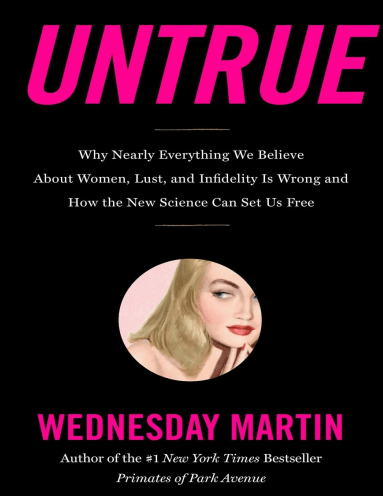
    This source presents an in-depth exploration of female infidelity and non-monogamy through various lenses, examining historical, anthropological, sociological, and personal perspectives. The text investigates the motivations behind women’s choices regarding sexual exclusivity, societal reactions to “adulteresses,” and the historical and cultural forces that have shaped perceptions of female sexuality. By incorporating research, interviews, and anecdotes, the author challenges conventional understandings of monogamy and explores the complexities of female desire and autonomy in relationships. Ultimately, the work seeks to understand the woman who steps outside traditional boundaries and the broader lessons her experiences offer about partnership and commitment.

    Untrue: Reassessing Female Infidelity

    Female infidelity is a complex topic that challenges long-standing societal beliefs and assumptions about women, sex, and relationships. The source “01.pdf” argues that despite the prevailing notion of women being inherently monogamous, driven by the higher “cost” of their eggs and a presumed desire for one “great guy,” female infidelity is far from uncommon and warrants open-minded consideration.

    Prevalence of Female Infidelity:

    The statistics surrounding female infidelity vary, ranging from 13 percent to as high as 50 percent of women admitting to being unfaithful to a spouse or partner. Some experts even suggest that the numbers might be higher due to the significant social stigma attached to women admitting to infidelity. Notably, data from 2013 showed that women were roughly 40 percent more likely to be cheating on their husbands than they had been in 1990, while men’s rates remained relatively stable. Furthermore, surveys in the 1990s and later have indicated a closing of the “infidelity gap” between men and women, with younger women even reporting more affairs than their male peers in some studies. This trend suggests that with increased autonomy, earning power, and digital connections, women are engaging in infidelity more frequently, though they may not be talking about it openly.

    Motivations Behind Female Infidelity:

    The source challenges the traditional binary of men seeking sex and women seeking emotional connection in affairs. Interviews with women who have been unfaithful reveal that their motivations are diverse and can include:

    • Strong libido and not feeling cut out for monogamy.
    • Desire for sexual gratification and excitement. Alicia Walker’s study of women on Ashley Madison found that they often sought out affairs for the sex they were not getting in their marriages.
    • Feeling a sense of bold entitlement for connection, understanding, and sex.
    • Craving variety and novelty of sexual experience.
    • Experiencing sexual excitement autonomously and disconnected from their partners. Marta Meana’s research highlights “female erotic self-focus,” where women derive arousal from their own sexiness.
    • Unhappiness or sexual dissatisfaction within the marriage. However, the source emphasizes that women also cheat even when they are not overtly unhappy.
    • Increased exposure to potential partners, more time apart from spouses, and greater financial independence due to more women being in the workforce.
    • Technology providing discreet opportunities for extra-pair coupling.
    • Simply wanting to act on their desires and fulfill a fantasy, as illustrated by the character Issa in the series “Insecure”.
    • Boredom in a relationship, with Kristen Mark’s research suggesting women might be more prone to boredom early in a relationship.

    Social Perceptions and Stigma:

    Despite its prevalence, female infidelity remains heavily stigmatized. The source argues that society reacts to women who are “untrue” with condemnation, a desire to control and punish them, and a conviction that something must be “done” about them. This is because women who cheat violate not just a social script but also a cherished gender script that dictates female sexual passivity and monogamy. The reactions can range from being labeled “unusual” to being called “immoral,” “antisocial,” and a “violation of our deepest notions of how women naturally are and ‘should be’”. Even within progressive circles, a woman who has an affair is likely to face harsh judgment. The author notes personal experiences of encountering discomfort and even hostility when discussing the topic, often facing questions about her husband’s opinion, implying her research makes her a “slut by proxy”. This double standard is highlighted by the fact that men’s “ho phase” is often accepted, while women are not afforded the same leniency. The fear of reputational damage and the potential for a financially devastating divorce also heavily influence women’s decisions regarding monogamy.

    Historical and Evolutionary Context:

    The source delves into historical and anthropological perspectives, suggesting that female monogamy is not necessarily a timeless and essential norm. Primatological research challenges the idea of sexually passive females and highlights a preference for sexual novelty among female non-human primates. The source also points to societies with practices like the Mosuo “walking marriage” in China and informal polyandry in various cultures, where women have multiple partners with little or no social censure, suggesting that female multiple mating has a long history and prehistory. Studies among the Himba people of Namibia even indicate that female infidelity can be widespread, openly acknowledged, and even beneficial for women and their offspring. This challenges the Western notion of female adultery as inherently risky and wrong.

    Female Autonomy and Entitlement:

    The book posits that female infidelity can be viewed as a metric of female autonomy and a form of seizing privileges historically belonging to men. The logical horizon of movements like #MeToo is seen as potentially opening cultural space for female sexual entitlement, where women feel inherently deserving of sexual exploration and pleasure, just as men do. Women who cheat often do so because they feel a sense of bold entitlement for connection and sex. However, this assertion of autonomy often comes with significant personal costs and societal backlash.

    Rethinking Monogamy:

    The source suggests that compulsory monogamy can be a feminist issue, as the lack of female sexual autonomy hinders true female autonomy. There is a growing recognition that monogamy can be a difficult practice that requires ongoing commitment. Some experts propose viewing monogamy as a continuum rather than a rigid binary. The source also touches on alternative relationship models like open relationships and the concept of “monogamish”. Psychoanalysts challenge the expectation that partners should fulfill all of each other’s needs, suggesting that affairs might be seen as “private” rather than “pathological” in some contexts.

    The “Infidelity Workaround”:

    Alicia Walker’s research highlights the concept of the “infidelity workaround,” where women engage in extra-marital affairs not necessarily because they want to leave their marriages, but as a way to fulfill unmet sexual or emotional needs without dismantling their existing lives. These women often report feeling more empowered and experiencing a boost in self-esteem.

    Conclusion:

    “Untrue” argues that our understanding of female infidelity needs a significant reevaluation. It challenges the traditional narrative of female sexual reticence and passivity, presenting evidence that women are just as capable of desiring and seeking out sexual experiences outside of monogamous relationships as men are. The book suggests that female sexuality is assertive, pleasure-centered, and potentially more autonomous than traditionally believed. Ultimately, the decision to be monogamous or not is deeply personal and context-dependent, influenced by a woman’s environment, desires, risk tolerance, and social support. The source encourages a more empathetic and understanding view of women who reject monogamy, recognizing their bravery in challenging societal norms and the valuable lessons their experiences can offer about female longing, lust, and the future of partnership.

    Consensual Non-Monogamy: Forms, Motivations, and Perceptions

    Consensual non-monogamy (CNM) is an umbrella term for relationship styles where all involved partners openly agree to the possibility of having romantic or sexual relationships with other people. This is in direct contrast to undisclosed or non-consensual non-monogamy, also known as cheating. The source “01.pdf” discusses CNM in detail, exploring its various forms, motivations, societal perceptions, and its growing presence in contemporary culture.

    Forms of Consensual Non-Monogamy:

    The source identifies three main types of non-monogamy, which can sometimes overlap:

    • Open Relationships: In these arrangements, couples agree to see other people, but they might not necessarily want to discuss the details or even be fully aware of their partner’s activities. The approach is often summarized as, “You go play, but I don’t want to hear about it”.
    • Swinging: This involves committed couples engaging in sexual activities with others, either individually or as a pair. Communication about their activities is typical, and they may participate in events like conventions or sex clubs to meet like-minded individuals. The primary relationship within the dyad remains the central focus.
    • Polyamory: This is the practice of having multiple romantic, sexual, and/or intimate partners with the full knowledge and consent of all involved. Polyamorous individuals often believe in the capacity to love more than one person simultaneously and tend to prioritize deeper emotional connections, sometimes without establishing a hierarchy among partners. Polyamory can involve various living arrangements, such as “throuples” or larger groups, and often necessitates significant communication, ground rules, and regular check-ins.

    Motivations for Consensual Non-Monogamy:

    People choose CNM for various reasons. According to the source:

    • It caters to individuals who don’t inherently desire or find it easy to be monogamous and prefer not to lie about their needs.
    • CNM can be seen as a way to live more authentically without the secrecy and hypocrisy that can accompany infidelity.
    • For some, it might be a solution to the inherent difficulties of lifelong sexual exclusivity within a single relationship.
    • The rise of CNM could also be linked to a growing recognition that monogamy might not be “natural” or easy to sustain over long periods.

    Societal Perceptions and Challenges:

    Despite its increasing visibility, CNM still faces significant societal challenges and diverse reactions:

    • Many people hold the view that non-monogamy “does not work” and that therapists working with such couples are merely “rearranging deck chairs on the Titanic”.
    • Some clinicians may have a skewed and negative view of non-monogamy because they primarily encounter individuals in crisis. However, research suggests that individuals in CNM relationships generally report high levels of relationship satisfaction and happiness, with jealousy levels comparable to those in monogamous relationships.
    • Talking about CNM can be awkward or even lead to negative judgment. The author even found it easier to describe her book as being about “female autonomy” rather than explicitly about non-monogamy.
    • Some view polyamory, in particular, as a radical stance that challenges the traditional binary thinking and the primacy of the dyad in Western societies.
    • The “relentless candor” often advocated in ethical non-monogamy can be perceived by some as a form of social control that infringes on privacy.
    • Practically, navigating the logistical and emotional complexities of multiple involvements, along with balancing careers and other responsibilities, can be challenging. The lack of institutional support for non-monogamous relationships, such as marriage licenses, also presents hurdles.

    Historical and Cultural Context:

    The source notes that intentional non-monogamy is not entirely new, with historical examples ranging from Romantic poets and transcendentalists to the “free love” movements of the 1970s. The term “consensual non-monogamy” itself is relatively recent, gaining traction around the year 2000. The current surge in interest in CNM is considered a “third wave,” marked by increased discussion in mainstream media, the appearance of non-monogamous relationships in popular culture, and a rise in online searches for related terms. This suggests a growing awareness and perhaps acceptance of relationship styles beyond traditional monogamy.

    Shifting Perspectives:

    The increasing visibility of CNM, along with research challenging traditional assumptions about sexuality and relationships, suggests a potential reconsideration of lifelong sexual exclusivity as the sole model for committed partnerships. Some experts propose viewing monogamy as a continuum rather than a strict binary. The rise of terms like “monogamish” reflects the search for alternatives to compulsory monogamy. Ultimately, the source suggests that the decision to be monogamous or not is a deeply personal one, influenced by individual desires, context, and social support.

    Female Sexual Autonomy: Beyond Monogamy

    Discussing sexual autonomy, as presented in the sources, revolves heavily around the concept of female sexual autonomy and the historical and societal forces that have often constrained or denied it. The sources reveal a persistent tension between prescribed norms of sexual behavior, particularly for women, and the individual’s right to self-determination in their sexual life.

    The author’s personal journey into exploring female infidelity and consensual non-monogamy was driven by questions about what is sexually normal for women and why it seemed so difficult for women to be true to their desires. This exploration led to a challenge of the presumption that there was one right or best way to be in a couple or relationship and a new understanding of how and why women refuse sexual exclusivity or simply long to. Attending a workshop on consensual non-monogamy prompted reflection on the surrender of “complete, dizzying sexual autonomy and self-determination” for the security of a dyadic relationship.

    The sources highlight how society often reacts negatively to women who refuse sexual exclusivity, whether openly or secretly. The author even found it easier to describe her work as being about “female autonomy” rather than explicitly about infidelity, to avoid judgment. The idea that compulsory monogamy is a feminist issue is raised, suggesting that without female sexual autonomy, true female autonomy is impossible.

    The book itself aims to carve out a space where the woman who refuses sexual exclusivity is not automatically stigmatized. It suggests that negotiating how we will be sexual is often a series of false choices rather than real options for women in the US, challenging us to rethink what it means to be female and self-determined. The deeply ingrained social script about female sexual reticence often means that women who exercise self-control regarding desires they are “not even supposed to desire” receive no credit.

    The importance of context in understanding a woman’s decision to be monogamous or not is emphasized, including her environment, ecology, sexual self, agreements with partners, support systems, culture, and access to resources. There is no single “best choice” because there is no one context.

    Several examples and research findings in the sources underscore the complexity and potential for female sexual autonomy:

    • The study of the Himba people suggests that sexual and social behaviors are malleable and depend on context, indicating that women’s reproductive success can be tied to circumstances that may involve non-monogamy.
    • Primatological research challenges the traditional view of “coy, choosy” females, revealing that in many species, females actively initiate copulations. The example of bonobos, a female-dominant species with frequent sexual activity among females, raises questions about whether human female sexuality might be more aligned with pleasure-focused and promiscuous tendencies than traditionally assumed, and if environment plays a key role in shaping behavior.
    • Research by Meredith Chivers suggests that female desires might be stronger and less category-bound than previously believed, questioning the “sacred cow” of a gender difference in sexual desire. This implies a greater potential for autonomous sexual desires in women.
    • Marta Meana’s work on “female erotic self-focus” highlights the idea that women’s arousal can significantly emanate from their erotic relationship with themselves, suggesting a wonderful autonomy in female sexuality.
    • Experiences of women at Skirt Club, a “play party” environment, suggest that having sexual experiences outside of heterosexual relationships can make women feel more entitled to communicate about what they want sexually within their primary relationships, indicating a growth in sexual autonomy.

    Conversely, the sources also illustrate the historical lack of recognition and even pathologization of female sexual desire that deviates from the monogamous ideal:

    • Historical figures like Acton and Krafft-Ebing perpetuated the idea of women as having small sexual desire, suggesting dire social consequences if this were not the case.
    • The case of “Mrs. B.” in the 19th century, who confided in her doctor about her vivid adulterous fantasies, highlights the extreme worry a woman might have felt about her libido given prevailing beliefs about female asexuality.
    • The persistence of the double standard, where male infidelity is often viewed differently than female infidelity, demonstrates the ongoing limitations on female sexual autonomy.

    Ultimately, the sources advocate for a broader understanding of female sexuality that acknowledges its potential for autonomy, fluidity, and diversity, free from restrictive societal expectations and historical biases. The decision for a woman to be monogamous or not is deeply personal and contingent on a multitude of factors, and the exploration of consensual non-monogamy and female infidelity provides valuable insights into the complexities of sexual autonomy.

    Historical Roots of Monogamy and Female Sexuality

    The historical context is crucial to understanding the discussions around female sexual autonomy and consensual non-monogamy in the sources. The text highlights several key historical periods and developments that have significantly shaped our current beliefs and attitudes.

    One important aspect is the discussion of early human societies. The sources suggest that contrary to the 1950s-inflected notion of a monogamous pair bond, early Homo life history was characterized by social cooperation, including cooperative breeding, which was a successful reproductive strategy. This involved coalitions of cooperating females and of cooperating males and females, suggesting a more fluid and communal approach to relationships and child-rearing. In ecologies favoring hunting and gathering, where women were primary producers, a degree of egalitarianism and generosity with food, child-rearing, and sexuality was often in everyone’s best interest.

    The text emphasizes the profound impact of the advent of agriculture, particularly plough agriculture, on gender roles and female self-determination. This agricultural shift, beginning around the sixth millennium BC, led to a gendered division of labor, where men primarily worked in the fields with the plough while women were relegated more to the domestic sphere. This change is linked to the development of anxieties about female infidelity and lower social status for women. Societies with a history of plough agriculture show markedly lower levels of female participation in politics and the labor force and embrace more gender-biased attitudes, a legacy that persists even generations later across different ecologies and despite economic and technological changes. The study authors suggest that norms established during plough agriculture became ingrained in societal policies, laws, and institutions, reinforcing the belief that “A woman’s place is in the home”.

    The sources also delve into historical examples of constraints on female sexuality and the punishment of infidelity. In the Plymouth and Massachusetts Bay colonies in the 17th century, adultery, particularly by women, was viewed as a severe crime, a breaking of the marriage bond and a violation of the husband’s property rights. Mary Mendame was whipped and forced to wear an “AD” for having sex with an “Indian”. Interestingly, during this period, men, even if married, could have relations with unmarried women and be accused of the lesser crime of fornication. This exemplifies a clear double standard in the enforcement of sexual morality.

    The text touches upon the historical construction of female sexual passivity. Influential figures like Darwin, Acton, and Krafft-Ebing suggested that females are inherently less eager and require to be courted, while men are more ardent and courageous. These ideas became prevalent and served to reinforce rigid gender scripts. Bateman’s research in the mid-20th century, though later challenged, further solidified the notion of biologically based differences in male and female sexual strategies.

    The “first wave” of intentional non-monogamy is traced back to the Romantic poets and transcendentalists who experimented with group living and sex in communities like Brook Farm and Oneida Community in the 19th century. The “second wave” in the 1970s involved the free love, communal living, open relationships, and swinging movements, which were seen as a radical break with tradition. Notably, the term “consensual non-monogamy” itself appears to have been first used around the year 2000.

    The impact of World War I and World War II on gender roles is also discussed. During these periods, when men went to war, women took on roles traditionally held by men in agriculture and industry. This demonstrated female competence and autonomy. However, after the wars, there was a societal push to return women to the domestic sphere through various means, reinforcing the idea of a woman’s place in the home.

    The sources also provide glimpses into historical perspectives from different cultures. For instance, among the pre-contact Wyandot, women had significant agency, including sexual autonomy and the right to choose partners, with trial marriages being a common practice. Similarly, in Tahiti, sex was viewed more communally and openly. These examples contrast sharply with the restrictive norms that became dominant in Western societies, often influenced by religious beliefs and the shift to agriculture.

    The narrative also highlights how female power has historically been linked with sexuality and deception. The story of Jezebel in the Old Testament is presented as an example of the vilification of a powerful woman who challenged the established patrilineal order. In ancient Greece, adultery by married women was considered a serious crime with severe social consequences, reflecting anxieties about lineage and citizenship, which were tied to legitimate offspring in a wheat-based agricultural society. The story of Clytemnestra in The Oresteia further illustrates the suppression of female power and autonomy, both sexual and legal, in an emerging masculinist order. Even in ancient Rome, while adultery was initially a private matter, under Augustus, it became a crime punishable by death for both parties, coinciding with the consolidation of his power and the symbolic importance of agriculture (wheat) in Roman life. The exile of Augustus’s daughter Julia for her open affairs demonstrates how even noble women could be subjected to social control regarding their sexuality when it challenged male authority.

    The experiences of Virginia, a woman born in the early 20th century, highlight how context, culture, and constraint have shaped experiences of sexuality and sexual autonomy over time. Raised Catholic with strict prohibitions around kissing, birth control, and premarital sex, her life spanned significant societal shifts, underscoring the evolving nature of sexual norms and expectations.

    By examining these various historical contexts, the sources aim to challenge the notion that current Western norms around monogamy and female sexuality are natural or timeless. Instead, they reveal these norms to be the product of specific historical, economic, and cultural developments, particularly the impact of agriculture and the enduring legacy of gendered power dynamics.

    The Historical Construction and Impact of Gender Roles

    The sources provide a comprehensive discussion of gender roles, particularly focusing on their historical construction and the persistent impact they have on female sexual autonomy and broader societal structures.

    The Influence of Agriculture: A significant portion of the discussion centers on the impact of plough agriculture on the formation of rigid gender roles. The introduction of the plough led to a gendered division of labor, with men primarily engaged in outdoor farming and women specializing in indoor domestic work and childcare. This division, where men were seen as primary producers and women as engaged in secondary production, gave rise to beliefs about the “natural role of women” as being inside the home and less vital to subsistence.

    This agricultural shift is linked to the development of several interconnected beliefs:

    • That a woman is a man’s property.
    • That a woman’s place is in the home.
    • That women ought to be “naturally” monogamous.

    The sources argue that these beliefs, originating with the rise of plough agriculture, have had a lasting impact, influencing societal policies, laws, and institutions even in modern, post-agrarian societies. Remarkably, a study found that even the descendants of people from plough-based cultures hold more gender-biased attitudes and exhibit lower levels of female participation in politics and the labor force, regardless of current economic structures or geographical location. This “plough legacy” is described as “sticky” because acting on pre-existing gender beliefs is often more efficient than evaluating each situation based on individual merit.

    Historical Construction of Female Passivity: The sources also discuss the historical construction of female sexual passivity in contrast to male sexual eagerness. Influential figures like Darwin, Acton, and Krafft-Ebing contributed to the notion that females are inherently less eager, requiring to be courted, while men are naturally more ardent. Krafft-Ebing even suggested that if women’s sexual desire were not small, the world would become a brothel. These ideas reinforced rigid gender scripts that placed women in the domestic sphere and men in the world of action.

    Challenges to Traditional Gender Roles: Despite these deeply ingrained roles, the sources highlight instances where they have been challenged or differed:

    • Early Human Societies: Early Homo life is suggested to have involved more social cooperation and a less rigid gender division, particularly in hunter-gatherer societies where women were primary producers, leading to greater female agency.
    • Wyandot Culture: The pre-contact Wyandot society is presented as an example where women had significant sexual autonomy, agency in choosing partners, and equal say in social and political matters, challenging the notion of inherent female passivity.
    • World Wars: During World War II, with men away at war, women took on traditionally male roles in the workforce, demonstrating female competence and challenging the idea that their place was solely in the home. However, after the wars, there was a societal push to return women to domestic roles.

    Persistence of Gender Bias and Double Standards: Despite progress, the sources indicate the persistence of gender bias and double standards. The fact that the author found it easier to discuss her work as being about “female autonomy” rather than “female infidelity” reveals societal discomfort and judgment surrounding women’s sexual behavior outside of monogamy. Furthermore, the common responses to her research, such as “What does your husband think about your work?”, highlight the ingrained assumption that a woman’s activities should be viewed through the lens of her relationship with a man.

    The double standard regarding infidelity is also mentioned, where men’s “ho phase” is often normalized as “his life,” while women who exhibit similar behavior are judged more harshly. The story of Cacilda Jethá’s research in Mozambique illustrates how even in a context where extra-pair involvements were common, women were far more reluctant to discuss them than men, indicating a persistent asymmetry in how sexual behavior is perceived and reported based on gender.

    Impact on Female Sexual Autonomy: The sources argue that these historically constructed gender roles significantly impact female sexual autonomy. The surrender of “complete, dizzying sexual autonomy and self-determination” is presented as a trade-off for the security of a dyadic relationship, often presumed to be a natural and easier path for women. The negative reactions to women who refuse sexual exclusivity, whether openly or secretly, and the labeling of such women as “damaged,” “selfish,” “whorish,” and “bad mothers,” even by self-described feminists, demonstrate the constraints placed on female sexual self-determination.

    The very language we use, such as a woman “getting ploughed” by a man, reflects the agrarian heritage and the idea of women as property, further limiting the conceptualization of female sexual agency.

    In conclusion, the sources argue that current gender roles, particularly those concerning women, are not natural but are deeply rooted in historical and economic shifts, most notably the advent of plough agriculture. These roles have led to persistent biases, double standards, and limitations on female autonomy, especially in the realm of sexuality. While there have been challenges and variations across cultures and time periods, the legacy of these historically constructed gender roles continues to shape our beliefs and societal structures today.

    By Amjad Izhar
    Contact: amjad.izhar@gmail.com
    https://amjadizhar.blog

  • What Women Want—What Men Want: Sex Differences in Love and Commitment

    What Women Want—What Men Want: Sex Differences in Love and Commitment

    John Marshall Townsend’s 1998 book, What Women Want—What Men Want: Why the Sexes Still See Love and Commitment So Differently, examines the persistent differences in how men and women approach relationships, sex, and commitment. Drawing on social science research and numerous interviews, Townsend argues against purely social explanations for these differences, suggesting a significant influence of biology and evolutionary psychology. The book explores various aspects of heterosexual relationships, including partner selection criteria, sexual behavior, marital expectations, and infidelity, often highlighting the contrasting desires and vulnerabilities of men and women. Ultimately, it seeks to understand the fundamental reasons behind these differing perspectives on love and commitment.

    Sex Differences: Evolutionary Psychology

    The sources discuss sex differences in psychology, particularly in the context of sexuality, mate selection, and relationships. The author argues that while social factors influence sexual attitudes and behaviors, there is a biological substratum for our sexuality that differs between men and women. The book emphasizes evolutionary explanations for these differences, noting that they are often neglected in social science.

    Here are some key aspects of sex differences in psychology discussed in the sources:

    • Basic Sex Differences in Sexuality:
    • Men’s sexual activity tends to be more regular and less discontinuous than women’s. If men are not having intercourse, they often substitute with masturbation, and nocturnal emissions may increase.
    • Men are more readily aroused by visual stimuli, the sight of attractive strangers, fantasies about them, and the anticipation of new sexual techniques and variations in partners’ physique. These factors have less significance for the average woman.
    • Studies across different decades, including Kinsey’s, Blumstein and Schwartz’s, and others in the 1980s and 1990s, have consistently found that men tend to have more sexual partners than women and are more oriented toward genital sex and less toward affection and cuddling. Women, in contrast, prefer sex within emotional, stable, monogamous relationships.
    • Men exhibit a stronger desire for a variety of sex partners and uncommitted sex.
    • Research suggests that high school and college-age men are aroused more frequently (two to three times daily, often visually stimulated) and masturbate more often (several times a week) than women (aroused once or twice a week, rarely by sight alone, masturbating about once a week).
    • Sex Differences in Mate Selection:
    • For over twenty years, research has indicated that men emphasize physical attractiveness and women stress socioeconomic status when choosing partners. This pattern has been observed in college students, married couples, and across thirty-seven cultures.
    • Women prioritize qualities like earning capacity, social status, and job prestige in potential mates, while men prioritize youth and beauty.
    • Women’s satisfaction in relationships correlates with their partners’ ambition and success, and the quality of emotional communication, whereas men’s satisfaction correlates with their perception of their partners’ physical attractiveness.
    • Women’s criteria for sexual attractiveness can change as they move through different life stages and professional environments, with factors like intelligence, education, and career ambition becoming more important in professional settings.
    • Emotional Reactions and Investment:
    • Evolutionary psychologists argue that fundamental sexual desires and emotional reactions differ between men and women, even if socialized identically.
    • Women’s negative emotional reactions to low-investment sexual relations (worry, remorse) are seen as protective, guiding them toward men who will invest more in them. Thoughts of marriage and romance direct women toward higher-investment relationships.
    • Men’s jealousy tends to focus on the act of intercourse itself, often accompanied by graphic fantasies, while women’s jealousy focuses more on the threat of losing the relationship and their partner investing resources in someone else. This difference is linked to men’s concern about paternity certainty.
    • Parenting:
    • Some theories suggest that women have different biological predispositions for parenting compared to men, potentially due to hormonal and neurological differences and the historical sexual division of labor. Women are often more concerned about the quality of childcare and their children’s emotional development.
    • Cognitive Differences:
    • Men’s and women’s brains are organized differently, with potential links to differences in language skills (stronger in women) and spatial perception (potentially stronger in men).
    • The Evolutionary vs. Social Constructionist Debate:
    • The author acknowledges the strong influence of the idea that early childhood training determines sex differences but argues that no study has definitively shown that differential training produces basic sex differences in sexuality and partner selection.
    • The book presents evidence that sex differences in sexuality persist even among individuals and groups who have consciously rejected traditional sex roles, such as homosexual men and women, communes, and women in high-status careers. In fact, these differences are often more pronounced in homosexual relationships.
    • The evolutionary perspective explains these differences in terms of the different risks and opportunities men and women have faced in mating throughout human history, particularly regarding parental investment.
    • The book critiques the social constructionist view, which posits that sex differences are primarily learned through socialization, arguing that it often lacks empirical support and fails to account for the consistency of these differences across cultures and in groups that defy traditional roles.
    • Universality of Sex Differences:
    • The author suggests that these sex differences appear to exist across different cultures, even in societies with varying levels of sexual permissiveness and different social structures, as seen in comparisons of Samoa and China with Western societies. For example, universally, men more often pay for sex, indicating a difference in sexual desire and valuation.
    • Implications for Relationships:
    • The fundamental differences in desires and goals between men and women necessitate compromise and negotiation in heterosexual relationships. Recognizing these differences is crucial for building realistic expectations and navigating conflict.

    In conclusion, the source material strongly argues for the existence of fundamental psychological differences between the sexes, particularly in the realms of sexuality and mate selection, with a significant emphasis on evolutionary explanations for these persistent and cross-culturally observed patterns. While acknowledging the influence of social factors, the book contends that biological predispositions play a crucial role in shaping these psychological differences, which have important implications for understanding heterosexual relationships.

    Man-Woman Relationships: Evolutionary Psychology Perspectives

    The sources discuss man-woman relationships extensively, highlighting the fundamental differences in how men and women approach sexuality, mate selection, and commitment. According to the author, these differences are intrinsic and likely to persist despite societal changes. The book argues for an evolutionary psychology perspective, suggesting that differing reproductive strategies have led to distinct sexual psychologies in men and women.

    Fundamental Differences in Desires and Goals:

    • Sexuality: The sources indicate that men and women often have different goals and experiences in sexual relationships. Men, on average, tend to dissociate sex from relationships and feelings more readily than women. They are often more aroused by visual stimuli and express a stronger desire for a variety of sex partners and uncommitted sex. In contrast, women traditionally desire more cuddling, verbal intimacy, expressions of affection, and foreplay and afterplay to enjoy sexual relations. Many women prefer sex within emotional, stable, monogamous relationships. As one woman, Joan, expressed, she seeks a relationship with communication and finds men’s focus on immediate sex incomprehensible. Claire, a professional woman, suggests that sex can be a comfort for men in times of loneliness, while for women, it is often more of a celebration that is enhanced when they are feeling good and connected.
    • Mate Selection: Significant sex differences exist in mate preferences. Men tend to emphasize physical attractiveness and cues of youth and fertility when choosing partners. Women, on the other hand, often stress socioeconomic status, ambition, earning capacity, and job prestige in potential mates, viewing these as signs of a man’s ability to invest. Women’s satisfaction in relationships correlates with their partners’ ambition and success, as well as the quality of emotional communication, while men’s satisfaction is more linked to their perception of their partners’ physical attractiveness.
    • Investment and Commitment: A key theme is women’s desire for investment from men, both emotional and material. This desire influences their perceptions of sexual attractiveness, where a man’s status, skills, and resources play a significant role. Women evaluate potential partners based on their perceived willingness and ability to invest in them and their potential offspring. Their emotional reactions to low-investment sexual relations (worry, remorse) are seen as mechanisms guiding them toward higher-investing partners. In contrast, the more casual sexual experience men have, the less likely they are to worry about their partners’ feelings or think about long-term commitment.

    Sources of Conflict and Bargaining:

    • The fundamental differences in sexual desires and goals often lead to conflict in heterosexual relationships. For instance, men may feel that women make too many demands for investment, while women may feel that men prioritize sex without sufficient emotional connection.
    • Heterosexual relationships involve a continuous bargaining process as men and women attempt to accommodate each other’s basic desires and capacities. For example, women are more likely to seek foreplay and afterplay, and their control over the initiation of intercourse gives them some bargaining power regarding foreplay.
    • Differences in jealousy are also noted, with men’s jealousy tending to focus on sexual infidelity, driven by concerns about paternity, and women’s jealousy focusing more on the potential loss of the relationship and the diversion of their partner’s resources .

    The Role of Status and Dominance:

    • A man’s status and perceived dominance are important factors in his attractiveness to women. Women often unconsciously play out ancient rituals by being attracted to men who represent a “challenge,” those who are highly sought after and not easily committed. Dominance is seen as signaling a man’s ability to protect and provide.
    • Conversely, men are generally uninterested in whether a woman is dominant; physical attractiveness is the primary driver of sexual attraction for them.

    Testing Behaviors:

    • Women often engage in subtle and sometimes overt “testing” behaviors to assess a man’s level of investment and commitment. This can include provoking arguments or flirting with other men to gauge their partner’s emotional reactions and boundaries. Men also report testing their partners for jealousy and how much they care, but typically only in relationships they are serious about.

    Impact of Societal Changes:

    • Modernization, urbanization, and industrialization have led to changes in family structures and greater individual freedom in choosing partners. While these changes allow for more personal fulfillment, they have also correlated with higher rates of nonmarital sex and divorce, potentially making both sexes more vulnerable to rejection.
    • Despite changing social norms and increased female economic independence, the fundamental sex differences in sexuality and mate preferences appear to persist. Even women with high status and income often still desire men of equal or higher status.

    Coping with Sex Differences in Relationships:

    • The author suggests that recognizing and acknowledging these basic sex differences in desires and goals is crucial for navigating man-woman relationships successfully. This doesn’t necessarily mean acting out every fantasy, but rather building rules and expectations that account for these differences.
    • Successful couples often find shared activities and interests and prioritize spending time together.
    • Accepting that a certain amount of conflict is inevitable due to these inherent differences is also a step toward negotiation and compromise. Understanding that men’s sexual desire may be more frequent and less dependent on mood than women’s is important for achieving healthy sexual adjustment in a relationship.

    In conclusion, the sources emphasize that man-woman relationships are shaped by both shared human needs and fundamental psychological differences rooted in evolutionary history. Recognizing and understanding these differences, particularly in the realms of sexuality, mate selection, and the desire for investment, is presented as essential for building more informed, realistic, and potentially more successful relationships.

    Male Sexual Behavior: Tendencies and Desires

    Based on the sources, men’s sexual behavior is characterized by several key tendencies and desires that often differ from those of women. These differences are seen as fundamental and potentially rooted in evolutionary psychology.

    Arousal and Desire:

    • Men are generally more frequently aroused sexually than women.
    • They are also aroused by a greater variety of stimuli, including the mere sight of a potential sexual partner, pictures of nude figures and genitals, memories, and the anticipation of new experiences.
    • Visual stimuli play a primary role in male sexual arousal. This is exemplified by the young man in the class discussion who stated that seeing a good-looking woman with a great body creates an instantaneous desire for sex without conscious decision.
    • For many men, particularly younger ones, sexual arousal can be frequent and spontaneous, sometimes occurring involuntarily in embarrassing situations. They may feel uncomfortable if they cannot carry their arousal through to orgasm.
    • Men’s sexuality tends to be more focused on genital stimulation and orgasm compared to women.

    Goals and Motivations:

    • Men often dissociate sex from relationships and feelings more readily than women. Joan’s incomprehension of men’s focus on immediate sex illustrates this difference.
    • There is a stronger desire for a variety of sex partners and uncommitted sex among men. Patrick’s frequenting of singles bars exemplifies this tendency. The thought of sex with a new and different partner is intrinsically exciting for many men, even more so than with a familiar partner they love.
    • Men may engage in casual sex with partners they do not particularly like simply because it is pleasurable. Matt’s numerous one-night stands demonstrate this.

    Mate Selection:

    • Heterosexual men prioritize women who exhibit signs of peak fertility, which often manifest in physical attractiveness. This criterion operates whether a man consciously desires children or not.
    • Compared to women, men are generally less interested in whether a woman is dominant; physical attractiveness is the primary driver of sexual attraction.
    • Studies suggest that men show more agreement than women in judging who is sexually attractive.

    Investment and Commitment:

    • Men’s ability to be easily aroused by new partners can urge them to seek sex with women in whom they will invest little or nothing. This can lead to a tendency to limit investments and spread them among several women.
    • Men with high status tend to have more sex partners because many women find them attractive. The availability of sex “with no strings attached” can overwhelm their loyalty and prudence in committed relationships.
    • Some authors suggest a rise in “functional polygyny,” where men avoid binding commitments and indulge their desire for partner variety, often telling women they would marry if they found the right person.

    Emotional Reactions:

    • When men engage in casual relations, the mental feedback in terms of feelings and memories is often positive, motivating them to repeat the experience.
    • However, some men can be distressed by the implications of their desires and feel guilt when their partners are hurt.
    • Men’s jealousy tends to focus on the act of intercourse itself, often provoking graphic fantasies of their partners with other men and thoughts of retaliation.

    Cross-Cultural Consistency:

    • Across diverse cultures like Samoa and China, similar patterns in men’s sexual desires are observed, including a desire for more frequent intercourse and a greater interest in a variety of partners.

    Homosexuality:

    • Studies of homosexual men provide strong support for basic sex differences. Gay men exhibit male tendencies in an extreme form, having low-investment sexual relations with multiple partners and focusing on genital stimulation, likely because they are not constrained by women’s needs for commitment.

    Impact of Societal Changes:

    • Increased availability of nonmarital sex due to factors like the birth control pill has likely made it easier for men, particularly successful ones, to act on their desires for partner variety.

    In summary, the sources depict men’s sexual behavior as being characterized by a higher frequency of arousal, a strong response to visual cues, a desire for variety in partners, and a greater capacity to separate sex from emotional investment. These tendencies are seen as consistent across cultures and are even amplified in homosexual men, suggesting a fundamental aspect of male sexual psychology.

    Women’s Sexual Behavior: Key Characteristics and Tendencies

    Drawing on the provided source “01.pdf”, a discussion of women’s sexual behavior reveals several key characteristics and tendencies, often contrasted with those of men. The author emphasizes that while societal changes have occurred, certain basic patterns appear persistent.

    Arousal and Desire:

    • Compared to men, women are generally sexually aroused less frequently and by a narrower range of stimuli. Women are not likely to be sexually aroused merely by looking at parts of a stranger’s body, an experience commonplace for men.
    • The cues for a woman’s arousal are often initially internal; she needs to “put herself in the mood” or allow herself to be put in the mood.
    • Physical attractiveness alone is often insufficient to trigger sexual desire in women towards a stranger. They typically need more information about the man, such as who he is and how he relates to the world and to her.
    • While women can be as readily aroused as men when they decide to be with a selected partner or through fantasies and masturbation, the initial triggers differ.

    Link Between Sex and Love/Investment:

    • A central theme is the strong link between sex and love, affection, and commitment for many women. Many women prefer sex within loving, committed relationships and are more likely to orgasm in such contexts.
    • Women often desire more cuddling, verbal intimacy, expressions of affection, and foreplay and afterplay to enjoy sexual relations. Joan’s desire for affection, caring, verbal intimacy, and sexual fidelity as part of a sexual relationship exemplifies this.
    • Women’s sexual desire is intimately tied to signs of investment from their partners, which can include attention, affection, time, energy, money, and material resources. These signs communicate that a partner cares about the woman and is willing to invest in her happiness.
    • Sexual relations without these signs of investment are often less satisfying for women, leading them to feel “used”.

    Emotional Reactions to Casual Sex:

    • Even women who initially express permissive attitudes towards casual sex and voluntarily engage in such relations often experience negative emotions when there is a lack of desired emotional involvement or commitment from their partners. These emotions act as “alarms” guiding them towards higher-investment relationships.
    • These negative emotions are not necessarily linked to traditional conservative sexual attitudes but rather to a lack of control over the partner’s level of involvement and commitment.
    • Experiences with casual sex can lead women to a rejection of such encounters after realizing they cannot always control the balance between desired and received investment, and that these experiences can be “scary,” making them feel “slutty” and “used”.
    • Intercourse itself can produce feelings of bonding and vulnerability in women, even if they initially did not desire emotional involvement.

    Mate Selection:

    • While physical attractiveness plays a role in initial attraction, women’s criteria for sexual attractiveness evolve and are strongly influenced by a man’s status, skills, and material resources, especially in the context of long-term relationships. Even women with high earning power often desire men of equal or higher status.
    • Women tend to evaluate potential partners based on their perceived willingness and ability to invest in them and their potential offspring.
    • Women are often attracted to men who represent a “challenge” and exhibit dominance, as these traits can signal an ability to protect and provide. However, this attraction is linked to the potential for the dominant man’s investment.
    • Women may engage in casual sex for reasons beyond just intercourse, such as testing their attractiveness, competition with other women, or even revenge.

    Impact of Societal Changes:

    • While increased availability of contraception and women’s economic independence have changed sexual behavior, they have not eliminated the basic differences in how men and women express their sexuality. In fact, greater sexual freedom can make these differences more visible.
    • Despite increased female economic independence, the desire for men of equal or higher status often persists.

    Cross-Cultural Perspectives:

    • Even in cultures with varying levels of sexual permissiveness, such as Samoa and China, differences in male and female sexuality are evident. In China, women were seen as controlling the frequency of intercourse and their desire often dropped after childbirth and menopause.

    In conclusion, the sources suggest that women’s sexual behavior is characterized by a stronger integration of sex with emotional connection and a significant emphasis on signs of investment from partners. While physical attraction is a factor, women’s sexual interest and mate selection are deeply intertwined with assessing a man’s potential as a long-term partner and provider. Even with increased societal freedoms, these fundamental tendencies in women’s sexual psychology appear to persist, leading to different motivations and emotional responses compared to men in sexual relationships.

    Mate Selection: Gendered Preferences and Evolutionary Bases

    Mate selection is a central theme explored throughout the sources, with a significant focus on the differing criteria and priorities of men and women. The text emphasizes that these differences, while potentially influenced by social factors, have a strong biological and evolutionary basis.

    Key Differences in Mate Selection Criteria:

    • Men’s Priorities: Heterosexual men consistently emphasize physical attractiveness and signs of peak fertility in women when choosing partners for dating, sex, and marriage. This preference operates whether a man consciously desires children or not. While other qualities like common backgrounds, compatibility, intelligence, and sociability are considered important for serious relationships and marriage, a certain threshold of physical attractiveness must be met for a woman to even be considered. Men also show more agreement than women in judging who is sexually attractive.
    • Women’s Priorities: Women, on the other hand, place a greater emphasis on a man’s status, skills, and material resources as indicators of his ability to invest in them and their potential offspring. This preference for men of equal or higher socioeconomic status persists even among women with high earning power. While physical attractiveness plays a role in initial attraction, it is often secondary to signs of investment potential and other factors like a man’s character, intelligence (defined in terms of success and social connections within her milieu), and the respect he enjoys in his social circle. Women’s judgments of men’s attractiveness are also significantly influenced by the opinions of other women.

    Trade-offs Between Status and Physical Attractiveness:

    • When forced to make trade-offs, men and women exhibit dramatic differences. Men are often unwilling to date women whose physical features do not meet their standards, regardless of the women’s ambition and success. Conversely, women are rarely willing to date or have sexual relations with men who have lower socioeconomic status than they do, despite the men’s looks and physiques.
    • The relative importance of looks and status can also shift depending on the context of the relationship. Men might have more lenient physical criteria for casual sex compared to a serious relationship or marriage.

    The Role of Status:

    • Status as a “Door Opener” for Men: For men, physical traits act as an initial filter, determining the pool of partners with whom they desire sexual relations and opening the door for further exploration of investment potential.
    • Status as a “Door Opener” for Women: For women, status is a major criterion in their initial filter. High status can even transform a man’s perceived physical and sexual attractiveness in the eyes of women through a largely unconscious perceptual process.

    Competition in the Mate Selection Market:

    • Because men prioritize physical attractiveness, women with higher levels of education and income must compete with women from all socioeconomic levels for the relatively smaller pool of higher-status men. This competition can be heated.
    • Men’s relative indifference to women’s status and earning power contributes to this dynamic.
    • Women may engage in behaviors, sometimes unconsciously, to test their attractiveness and compete for desirable men.

    Impact of Societal Changes:

    • Despite increased female economic independence and societal changes, the fundamental differences in mate preferences between men and women appear persistent. The sources suggest that these preferences are deeply rooted in evolutionary psychology, reflecting the different reproductive risks and opportunities faced by men and women throughout human history.
    • Urbanization and industrialization have led to changes in family structures and greater individual freedom in choosing mates. However, these changes have not eliminated the core sex differences in what men and women seek in partners.

    Mate Selection Among Homosexuals:

    • Studies of homosexual men and women provide further support for the basic sex differences in mate selection. Gay men prioritize youth and physical attractiveness in their partners, similar to heterosexual men. Lesbians, on the other hand, place more emphasis on intellectual and spiritual qualities, personal compatibility, and communication, mirroring the tendencies of heterosexual women. This suggests that these preferences are not solely due to traditional sex roles.

    In conclusion, mate selection is a complex process influenced by both biological predispositions and social contexts. However, the sources strongly indicate that men and women, on average, have distinct priorities. Men tend to prioritize physical attractiveness and signs of fertility, while women prioritize status and indicators of investment potential. These differing criteria lead to various dynamics in the “dating-mating market,” including competition and trade-offs between different desirable qualities in a partner.

    By Amjad Izhar
    Contact: amjad.izhar@gmail.com
    https://amjadizhar.blog

  • Decoding Desire: The Truth About Sex, Love, and Relationships

    Decoding Desire: The Truth About Sex, Love, and Relationships

    This source, likely a self-help book by Allan and Barbara Pease, explores the often-misunderstood dynamics between men and women in relationships, particularly focusing on sex and love. Drawing upon evolutionary psychology, current research, and the authors’ personal experiences, it examines the differing motivations, desires, and behaviors of each gender. The text dissects common relationship challenges, including communication issues, infidelity, and unrealistic expectations fueled by societal and media influences. Ultimately, the authors aim to provide insights into understanding these fundamental differences to foster healthier and more fulfilling partnerships.

    Gender Differences in Sex, Love, and Relationships

    The sources highlight numerous gender differences in perspectives on sex, love, relationships, and mate preferences, suggesting that while societal norms might evolve, fundamental biological and evolutionary factors continue to play a significant role.

    One key difference lies in how men and women rate attractiveness. Men primarily use visual cues, focusing on signs of a woman’s health, fertility, and youth. Brain scans corroborate this, showing activity in areas related to visual processing when men evaluate female attractiveness. In contrast, women’s brains activate areas associated with memory recall when assessing a man’s attractiveness, indicating an evolutionary strategy to remember details of a man’s behavior to evaluate his potential as a partner for support and protection in raising offspring. Women consider factors like honesty, trustworthiness, resourcefulness, kindness, and how a man treats others.

    These different approaches stem from different ancestral agendas. Men were primarily driven by the need to pass on their genes, leading to an attraction to visual indicators of reproductive capability. Women, bearing the responsibility of raising children, evolved to seek partners who could provide resources, status, commitment, and protection for themselves and their offspring. This difference is summarized succinctly: “Men use a woman’s youth, health, and beauty as their base measurement, and women use a man’s resources as theirs”.

    These fundamental differences extend to what men and women want in partners. Men often have two mating lists: a short-term list heavily focused on physical attractiveness and a long-term list that includes personality and other factors similar to women’s preferences. Women, however, tend to use similar criteria for both short-term and long-term partners, with commitment and resources being consistently important. Research also indicates that men rate characteristics like loyalty and honesty as dramatically less important in a casual mate than women do.

    Furthermore, men and women often have different definitions of a “sexual relationship”: for men, it often centers on physical sexual activity, whereas for women, it includes emotional connection and commitment. This ties into the observation that “men can see sex as sex, whereas women see sex as an expression of love”. Studies confirm that men are generally more enthusiastic about having sex without emotional involvement than women are.

    Their motivations and feelings about casual sex also differ significantly. For men, the primary driver is often procreation and physical gratification, and they tend to report higher satisfaction and less guilt after casual encounters. Women, on the other hand, often have more complex motivations for casual sex, such as evaluating long-term potential or seeking emotional validation, and they generally report lower satisfaction and more guilt afterward. “Men are driven to procreate, and so for them, sex can be just sex. This is why men have so many more one-night stands than women. Women, however, are generally unable to separate love from sex”.

    The source also touches upon differences in brain structure, noting that the anterior commissure and corpus callosum tend to have different sizes and connectivity in men and women, which may contribute to men’s ability to focus on “one thing at a time” and compartmentalize sex and love. This is linked to the concept of the “Nothing Room” in the male brain, a state of mental inactivity for regeneration that women often don’t understand.

    Touch also holds different significance. Women have more touch receptors and value non-sexual physical closeness for emotional connection, while men often interpret physical touch as a precursor to sex.

    Perceptions of sexual aggression and harassment also vary. Women consistently rate sexual aggression as a severe negative act, while men are often less concerned. Similarly, women are more likely to perceive and report sexual harassment, while men may even see it as a compliment.

    In relationships, men and women can be irritated by different things. While men often feel there isn’t enough sex, women’s frustrations can stem from a lack of emotional connection, feeling uncherished, or a partner’s lack of support.

    The pursuit of resources and attractiveness is also driven by gendered motivations. Men are often motivated to acquire resources because they understand women’s preference for providers. Women, in turn, often focus on enhancing their physical appearance because men prioritize youth, health, and fertility.

    The source cautions against the notion that “opposites attract” for long-term relationships, suggesting that couples with similar base similarities and values are more likely to have lasting success. Biological differences, such as finger ratios potentially indicative of prenatal hormone exposure, further highlight inherent gender variations.

    Despite societal shifts and attempts to promote the idea that men and women want the same things from sex and love, the source argues that fundamental differences rooted in biology and evolution persist. Understanding and acknowledging these differences, rather than denying them, is presented as crucial for fostering better communication, managing expectations, and ultimately achieving happier and more fulfilling relationships.

    Human Sexual Behavior: Gender Differences and Influences

    Drawing on the sources, sexual behavior in humans is a complex interplay of biological predispositions, evolutionary drives, psychological factors, and societal influences. The primary evolutionary reason for sex is the continuation of one’s genetic line. By mixing genes, sexually reproduced offspring tend to be stronger and better adapted to changing environments compared to asexually reproduced offspring.

    Biological and Evolutionary Perspectives:

    • Different Agendas: Men and women have evolved with different agendas regarding sex and love, deeply rooted in our ancient past. Men are often turned on by visual cues indicating health, fertility, and youth in women, with brain scans showing activity in visual processing areas when they assess attractiveness. This is linked to the ancestral male drive to pass on their genes.
    • Women, on the other hand, are often attracted to markers of a man’s power, status, commitment, and material resources, with their brains showing activity in areas associated with memory recall when evaluating male attractiveness. This is thought to be an evolutionary adaptation to seek partners who can provide support and protection for offspring.
    • Sex Drive and Hormones: Testosterone is the main hormone responsible for sex drive, and men have significantly higher levels than women, contributing to a stronger and more urgent male sex drive. However, men have less oxytocin, the “cuddle hormone,” compared to women.
    • Mate Selection Criteria: Men often have two mating lists: a short-term list primarily focused on physical attractiveness (visual cues) and a long-term list that includes personality and resources. Women tend to use similar criteria for both short-term and long-term partners, with resources and commitment being important. Men also rate loyalty and honesty as less important in a casual mate compared to women.
    • Physical Attractiveness: For men, attractiveness in women operates on a basic level connected to reproductive potential. The 70% hips-to-waist ratio is often considered universally attractive to men. Both heterosexual and homosexual men show similar preferences for youth and physical appearance in potential mates.

    Casual Sex:

    • Men and women have completely different views on casual sex. Most men are willing to have sex with an attractive stranger, and for them, sex can be just sex, driven by procreation. They generally report higher satisfaction and less guilt after casual encounters.
    • Women are generally unable to separate love from sex. Their motivations for casual sex are more complex, including self-esteem issues, evaluating men for long-term potential, obtaining benefits, or seeking “better genes”. They often report lower satisfaction and more guilt after casual sex.
    • Men are significantly more likely than women to be willing to have sex with someone they have known for a very short time, with multiple partners in a short period, or without love or a good relationship. Men also fantasize about sex more often and their fantasies tend to be more visual, involve multiple partners or strangers, and lack emotional connection.
    • Gay men’s sexual behavior in single relationships often reflects heterosexual men’s desires if unconstrained by women’s expectations for commitment, while gay women’s behavior in relationships tends to mirror straight women’s desire for commitment and fidelity.

    Defining a “Sexual Relationship”:

    • Men define a sexual relationship as any physical sexual activity, including oral sex and full sex.
    • Women define it more broadly, including any sexual, physical, or emotional activity with a person with whom they have a connection. This can include non-sexual behaviors that establish an emotional link.

    Affairs and Cheating:

    • Men and women also differ in their understanding of affairs. Men often see an affair as ongoing sex with or without emotional connection, similar to their view of casual sex.
    • Women’s reasons for affairs can be more complex and may involve seeking emotional connection or unmet needs. While overall fewer women than men report having affairs, some research suggests that younger women’s rates of infidelity may be increasing. Men’s primary motivations for affairs often include lust, loss of attraction, or wanting more sex.

    Gender Differences in Understanding and Desires Regarding Sex:

    • Men can compartmentalize sex and love, which is partly attributed to differences in brain structure, such as a smaller anterior commissure and fewer connections in the corpus callosum compared to women. This allows them to have “sex as just sex”.
    • Men often have a “Nothing Room” in their brain for mental regeneration, which women may not understand.
    • Men are highly focused on women’s breasts, likely an evolved mimicry of buttocks as a visual signal.
    • Men may not always be truthful to women about sex to avoid conflict or because women may not like the truth.
    • Women often prioritize emotional connection, feeling attractive, loved, protected, pampered, and the ability to talk about their feelings before wanting sex. They often describe what they want as “making love” rather than just “sex”.
    • Men tend to be more motivated by visual signals in sex.
    • Women generally perceive sexual aggression and harassment more negatively than men do.

    Other Influences:

    • Societal Norms: The Victorian era significantly impacted sexual attitudes in the Western world, leading to repression and discomfort with discussing sex. While times have changed, some of these attitudes may still persist.
    • Changing Roles of Women: Today’s women often have different expectations and desires in relationships and regarding sex compared to previous generations.
    • Biological Factors Beyond Hormones: Finger length ratios are suggested to be linked to prenatal testosterone exposure, potentially influencing traits related to masculinity and femininity. Mate selection can also be influenced by the Major Histocompatibility Complex (MHC) and smell, indicating a preference for genetically diverse partners, though this can be affected by oral contraceptives.

    In conclusion, the sources strongly suggest that while societal norms evolve, fundamental biological and evolutionary differences contribute significantly to men’s and women’s sexual behavior, motivations, and perceptions. Understanding these differences, rather than denying them, is presented as crucial for better communication and healthier relationships.

    The Science and Dynamics of Romantic Relationships

    Drawing on the sources, romantic relationships are presented as a complex phenomenon driven by a combination of biological, psychological, and social factors. While they can bring immense joy, they can also be a source of significant pain.

    The Nature and Biology of Romantic Love:

    Romantic love is described as a universal human experience, found in every culture and with its roots in biology rather than just cultural tradition. Scientists have identified three distinct brain systems for mating and reproduction: lust, romantic love, and long-term attachment, each associated with specific hormone activity.

    • Early romantic love involves a “chemical cocktail of happy drugs”, with brain scans revealing activity in areas rich in dopamine, the “happiness hormone”. This stage can resemble a psychosis or substance abuse due to the intense elation and craving associated with it. Common physical reactions include sleeplessness, loss of appetite, and euphoria. Low levels of serotonin combined with high levels of oxytocin may explain the obsessive behaviors often seen in this phase.
    • Brain scans show that men and women process early love differently. Men show more activity in the visual cortex when looking at their beloved, suggesting they initially evaluate women for sexual potential using visual cues. Women, on the other hand, show more activity in brain areas associated with memory, emotion, and attention (caudate nucleus), as well as the “pleasure center” (septum), indicating they may be assessing a man’s characteristics for potential as a long-term partner using memory.
    • The initial intense hormonal rushes of lust typically disappear within one to two years. Serotonin levels return to normal, even if the couple stays together. However, a study found that about 10% of couples together for 20 years still showed the same brain activation patterns as new lovers, suggesting long-term intense love is possible for some.
    • Long-term attachment is associated with different areas of the brain, centered in the front and base of the brain in the ventral putamen and the pallidum.

    Differing Agendas and Expectations:

    The sources emphasize that men and women often have different agendas when it comes to sex and love, rooted in evolutionary history.

    • Men are often initially turned on by visual cues indicating health, fertility, and youth in women.
    • Women are often attracted to markers of a man’s power, status, commitment, and material resources. For women, acts of love that signal a commitment of resources are highly valued.
    • These differing priorities can lead to misunderstandings and conflict in relationships.

    Finding and Maintaining a Romantic Relationship:

    • Mate selection is influenced by both biological hardwiring and “love maps” formed in childhood based on experiences and observations.
    • While initial attraction might be based on hormones, lasting relationships are built on similar core values and beliefs. The “opposites attract” idea is largely a myth that can lead to long-term tension.
    • The concept of a “Mating Rating” is introduced, suggesting individuals are generally attracted to partners with a similar level of desirability based on factors like attractiveness, intelligence, status, and overall market value.
    • The sources advise being proactive in finding a partner by defining what you want and actively meeting people, playing a “numbers game”.
    • Avoiding common “new-relationship” mistakes such as making purely hormonal choices, denying problems, and choosing needy partners is crucial.
    • Maintaining a relationship requires effort and understanding each other’s needs. For women, feeling sexy, loved, cherished, and having emotional connection are often priorities. For men, visual signals are important.
    • Open communication and addressing problems are vital for the longevity of a romantic relationship. Discussing issues in a neutral setting at an agreed time can be more effective.

    Challenges in Modern Romantic Relationships:

    The sources suggest that relationships are more difficult to start and maintain in the twenty-first century due to unprecedented expectations influenced by the media and changing social norms.

    • Men and women may have unrealistic expectations of each other, fueled by idealized portrayals in Hollywood and the media.
    • Understanding the fundamental differences in men’s and women’s motivations and desires is presented as key to navigating these challenges.

    Infidelity in Romantic Relationships:

    Affairs and cheating are identified as major concerns in long-term relationships. Men and women may have different definitions of what constitutes an affair. The reasons for affairs are varied and can include emotional distance, unmet needs, and the allure of the new. The sources emphasize that affairs do not solve problems and that open communication and addressing issues head-on are better strategies.

    In conclusion, romantic relationships are a complex interplay of biology, psychology, and societal influences. Understanding the underlying biological drives, the differing perspectives of men and women, and the importance of shared values and effective communication are presented as crucial for navigating the challenges and fostering successful long-term partnerships.

    Evolutionary Psychology of Sex and Love

    Drawing on the sources, evolutionary psychology is presented as a crucial framework for understanding human behavior, including aspects related to sex and love. It is described as an approach used by researchers studying humans, similar to how animal behavior is studied, with the shared objective of achieving an evolutionary understanding of why we are the way we are, based on our origins. Other labels for this work include evolutionary biology, human behavioral ecology, and human sociobiology, all of which the source collectively refers to as “human evolutionary psychology” (HEP).

    The fundamental principle of evolutionary psychology, as outlined in the sources, is that human behaviors evolved in the same way as the behaviors of all animals. Many researchers in HEP began their careers studying animal behavior, leading to research methodologies that draw parallels between human and animal actions. The text highlights that, like the peacock’s elaborate plumage evolving due to peahens’ preference for bright tails, human sexual strategies for finding a mate operate on an unconscious level. Just as peahens favor peacocks with traits indicating fitness, human mating is always strategic, not indiscriminate, driven by evolutionary pressures. For example, women have historically desired men who could provide resources, while men who failed to do so had fewer opportunities to pass on their genes.

    The source emphasizes that understanding HEP allows us to better predict how humans will react or respond. It suggests that many of our preferences and behaviors in the realm of sex and relationships are rooted in the adaptive challenges faced by our ancestors over hundreds of thousands of years. For instance, men’s preference for women displaying youth and health is linked to ancestral men prioritizing mates with higher reproductive value. Similarly, women’s attraction to men with resources is explained by the ancestral need for providers who could support them and their offspring.

    The book explicitly states that society may have changed dramatically, but our needs and motivations have remained largely unchanged due to our evolutionary hardwiring. It argues that while cultural and environmental factors play a role, our brains have default positions based on our evolutionary past that influence our preferences, particularly when it comes to sex, love, and romance. Therefore, understanding these “primitive motivations” is presented as key to navigating relationships successfully.

    Furthermore, the concept of “Darwin Made Me Do It” is introduced to explain how lust, love at first sight, and the obsessive aspects of early love evolved to speed up mating and increase the chances of successful human reproduction. The biological basis of love and the differing agendas of men and women in relationships are also explained through the lens of evolutionary pressures.

    In essence, evolutionary psychology, as presented in the source, provides a framework for understanding the underlying reasons behind many of our mating preferences, sexual behaviors, and relationship dynamics by examining their adaptive functions in our ancestral past. It suggests that our current biology and psychology are the result of millions of years of evolution, shaping our desires and motivations in ways that were historically advantageous for survival and reproduction.

    Human Mate Selection: Biology, Psychology, and Strategies

    Drawing on the sources, mate selection in humans is a complex process influenced by a combination of biological hardwiring and learned preferences. Unlike most other animals who may mate with many partners, humans tend to focus their attention on just one person when it comes to mate selection. This process is often strategic and operates on an unconscious level, similar to how peahens prefer peacocks with bright plumage.

    Evolutionary and Biological Bases of Mate Selection:

    Evolutionary psychology suggests that human mating strategies have evolved over hundreds of thousands of years to increase the chances of successful reproduction. This has resulted in differing priorities for men and women when evaluating potential mates.

    • Men are often initially attracted to visual cues that indicate youth, health, and fertility in women. This is linked to ancestral men prioritizing mates with higher reproductive value. Brain scans show that men exhibit more activity in the visual cortex when looking at their beloved, suggesting an initial evaluation based on visual cues. Men fall in love faster than women because they are more visually motivated. The 70% hips-to-waist ratio is mentioned as one physical attribute that turns men on.
    • Women, on the other hand, are often attracted to markers of a man’s power, status, commitment, and material resources. For women, acts of love that signal a commitment of resources are highly valued and are the number-one item on their list of “acts of love”. Studies of women’s brain scans reveal activity in areas associated with memory recall when evaluating men, suggesting they assess a man’s characteristics and past behavior to determine his potential as a long-term partner. Women fall in love more slowly than men and also fall deeper due to higher oxytocin levels. The top five things women say they want from men include resources (or potential to gather them), commitment, kindness (as it symbolizes commitment), willingness to listen, and acts of love that signal commitment.

    Despite societal changes, the source argues that these fundamental motivations rooted in biology have remained largely unchanged.

    “Love Maps” and Learned Preferences:

    While biology provides the foundational drives, “love maps”, which are inner scorecards formed in childhood based on experiences and observations, also play a significant role in determining who we find attractive. These maps begin forming around age six and are generally in place by age fourteen, influencing our criteria for suitable mates based on things like parental behaviors, childhood friendships, and early life experiences.

    Interestingly, there’s a chemical aversion to familiar people that develops around age seven, pushing romantic interest towards more distant or mysterious individuals. This is an evolved mechanism to prevent breeding with those who are genetically too close.

    The “Mating Rating”:

    The concept of a “Mating Rating” is introduced as a measure of how desirable an individual is on the mating market at any given time. This rating, typically between zero and ten, is based on the characteristics that men and women generally want in a partner, including attractiveness, body shape, symmetry, resources, and beauty. The source suggests that individuals have the best chance of a successful long-term relationship with someone who has a similar Mating Rating. People may fantasize about highly rated individuals, but they usually end up with a mate who is on a similar level of desirability.

    Strategies for Finding a Partner:

    The source emphasizes the importance of being proactive and having a clear understanding of what you want in a partner. It recommends:

    • Defining your ideal partner by creating a detailed list of desired characteristics and attributes. This helps to program your brain to recognize potential matches.
    • Actively engaging in social activities and “playing the numbers game” to increase the chances of meeting suitable partners. Joining clubs or taking courses related to your interests is suggested as a way to meet people with similar values.
    • Evaluating potential partners based on their core values, actions, and the opinions of trusted friends.
    • Avoiding common “new-relationship” mistakes such as making purely hormonal choices, denying problems, and choosing needy partners.

    Factors Influencing Attraction:

    Attraction is influenced by a range of factors, both physical and non-physical:

    • Physical attractiveness remains important for both men and women, although men tend to prioritize it more, especially for short-term relationships. What is considered “attractive” can also be influenced by societal factors and resource availability. Women often use cosmetic enhancements to appeal to men’s hardwired preferences for youth and health.
    • Personality is consistently rated as highly important by both men and women for long-term partners.
    • Similar core values and beliefs are crucial for lasting relationships. The “opposites attract” idea is largely a myth.
    • “Sexual chemistry”, which may be related to unconscious selection of mates with dissimilar Major Histocompatibility Complex (MHC) genes detected through smell, also plays a role in initial attraction.

    In conclusion, mate selection in humans is a multifaceted process driven by evolved biological preferences, learned “love maps,” and social factors. While initial attraction may be based on hormonal responses and visual cues, the development of lasting relationships relies on shared values, effective communication, and a degree of compatibility in the “Mating Rating” of the individuals involved. The source advocates for a proactive and informed approach to finding a partner, emphasizing the importance of knowing what you want and actively seeking it out rather than relying on chance.

    By Amjad Izhar
    Contact: amjad.izhar@gmail.com
    https://amjadizhar.blog

  • Cute, Romantic And Fun Things To Do As A Couple At Home

    Cute, Romantic And Fun Things To Do As A Couple At Home

    When was the last time you truly connected with your partner—beyond screens, schedules, and the hustle of everyday life? In the fast-paced digital age, meaningful moments often get lost in the noise. Creating memories at home can be just as magical, intimate, and enriching as a vacation or a night out on the town.

    Home is more than four walls; it’s your private haven—a place where romance can bloom, laughter can echo, and bonds can deepen. Whether you’re newly in love or have spent years together, engaging in fun and romantic activities without ever stepping outside can strengthen the emotional bedrock of your relationship. With a little creativity, ordinary spaces can become the backdrop for extraordinary experiences.

    From mindful practices like yoga and gardening to culinary adventures and playful games, this list offers a blend of cute, romantic, and fun things to do as a couple at home. These aren’t just time-pass ideas—they’re meaningful ways to reconnect, rediscover, and reignite the spark.


    1- Do yoga/exercises

    Sweating it out together doesn’t just benefit your health—it can be a powerful bonding experience. Couples yoga or synchronized workouts help promote trust, coordination, and mutual motivation. Research from the Journal of Health Psychology shows that partners who engage in physical activity together report higher levels of relationship satisfaction. Plus, the feel-good endorphins released during exercise are known to enhance mood and intimacy.

    Taking time to stretch, breathe, and move in unison allows you to be present—not just physically, but emotionally. Try sunrise yoga on your balcony or a dance cardio session in the living room. As Esther Perel, renowned psychotherapist and author of Mating in Captivity, puts it, “Eroticism thrives in the space between self and other.” Shared physical rituals can help cultivate that space.


    2- Do gardening

    Gardening as a couple nurtures more than just plants—it cultivates patience, cooperation, and a deeper appreciation for the rhythms of life. Tending to a garden together, whether it’s a patio herb patch or a full backyard landscape, fosters shared goals and responsibilities. It’s a grounding activity, quite literally, that invites calmness and reflection into your relationship.

    Moreover, the act of nurturing life echoes the emotional investment required in a romantic partnership. According to biologist and naturalist Robin Wall Kimmerer in Braiding Sweetgrass, “In reciprocity, we fill our spirits as we give to the earth.” When couples garden together, they not only plant seeds in the soil but also in each other’s hearts.


    3- Solve jigsaw puzzles

    Solving jigsaw puzzles is a charming metaphor for partnership: fitting the pieces together, collaborating through trial and error, and celebrating small victories. It demands patience, focus, and communication—three cornerstones of a healthy relationship. For intellectual couples, puzzles also provide mental stimulation and a sense of accomplishment.

    Working on a large puzzle over a weekend can become a meditative ritual. It invites dialogue, mutual support, and quiet companionship. As psychologist Dr. John Gottman emphasizes in his research, couples who “turn toward” each other in small moments are more likely to thrive long-term. A shared puzzle can be one of those moments.


    4- Have a barbecue night

    Nothing brings warmth and flavor to a relationship quite like the smell of grilled food. A barbecue night at home is the perfect excuse to cook together under the stars. Whether you’re flipping burgers or marinating veggies, the collaborative nature of grilling makes it a joy-filled activity. Plus, the casual vibe sets the stage for heartfelt conversation.

    You can set up string lights, play a romantic playlist, and enjoy a slow, savory evening outdoors. According to The Art of Gathering by Priya Parker, intentional planning transforms routine events into meaningful rituals. A barbecue night, when done with love and intention, becomes more than dinner—it becomes a memory.


    5- Create art or paint

    Channeling your inner artist with your partner can be both playful and deeply intimate. Painting, sketching, or even coloring side-by-side taps into your creative synergy. There’s no need for technical skill—what matters is the expression. Art offers a way to communicate feelings that words sometimes can’t.

    Sharing this experience can open up new layers of understanding between you. As Julia Cameron notes in The Artist’s Way, “Creativity is an experience—to my mind, it is an experience of the mystical.” Exploring that mystical space together through color and imagination can be a surprisingly romantic journey.


    6- Have a wine tasting

    Bring the vineyard to your living room with an at-home wine tasting. Curate a few bottles—reds, whites, or bubbly—and set out a charcuterie board to elevate the experience. Take turns describing the notes, pairing wines with snacks, and rating your favorites. It’s a delightful sensory experience that encourages you to slow down and savor the moment.

    Wine tasting also fosters thoughtful conversation and shared learning. According to Cork Dork by Bianca Bosker, appreciating wine is not just about taste, but about memory and emotion. Discovering new flavors together can become a metaphor for rediscovering each other.


    7- Play drinking games

    Inject some laughter into your evening with light-hearted drinking games. Whether it’s a classic like “Never Have I Ever” or a quirky trivia challenge, these games can break the ice—even if you’ve known each other for years. It’s a fun way to be silly, flirtatious, and open up about your past in a low-pressure setting.

    That said, moderation is key. The goal is to have fun, not overindulge. As Dr. Helen Fisher, author of Why We Love, explains, shared novelty boosts dopamine and deepens romantic bonds. Playful risk-taking, even in the form of a cheeky game, can reignite excitement in your relationship.


    8- Have a candlelight dinner

    A candlelight dinner never goes out of style. It’s an elegant way to create a romantic atmosphere without leaving home. Dim the lights, light a few candles, play soft music, and serve your favorite meal. The ambiance does half the work; the rest is about being present and engaged.

    Dining by candlelight invites mindfulness and intimacy. As Alain de Botton writes in The Course of Love, “Love is not a state but a practice.” Setting the table with care and sharing an uninterrupted meal reinforces that practice—turning a simple dinner into a moment of shared reverence.


    9- Become a master chef

    Take your culinary skills to new heights together by tackling challenging recipes or mastering a new cuisine. Cooking as a duo sharpens teamwork, creativity, and patience. Choose a theme—like Thai, Italian, or Moroccan—and dive into the process together, from prep to plating.

    Cooking is a collaborative art form. As culinary icon Julia Child once said, “People who love to eat are always the best people.” Sharing in that joy while experimenting in the kitchen can lead to delicious meals and even better conversations.


    10- Make pizza

    Few things are more universally loved than pizza—and making it from scratch can be a fun, flour-dusted adventure. From kneading the dough to choosing toppings, every step is a chance to collaborate and laugh together. You can even turn it into a friendly competition: who makes the better pie?

    Homemade pizza night doesn’t just fill your stomach; it fills your evening with delight. In Bread is Gold, Massimo Bottura reflects on how food can transform even the simplest ingredients into something transcendent. With a little love and mozzarella, so can your night.


    11- Watch a game on TV

    If you both enjoy sports, watching a game together can be thrilling and even a little competitive. Whether it’s basketball, soccer, or tennis, cheering for your favorite team builds camaraderie. Add snacks, jerseys, and maybe even a few friendly bets to amp up the excitement.

    This shared passion also gives you a common language and recurring tradition. Sports sociologist Jay Coakley writes that “Sport is a site for creating and expressing relationships.” Watching a game together, even from your couch, can deepen the bond through shared emotion and ritual.


    12- Prep your meals

    Meal prepping might seem mundane, but doing it together can turn a chore into quality time. Organizing your meals for the week fosters communication, planning, and healthy habits. Chop, sauté, and portion together while sharing stories or listening to a favorite podcast.

    Plus, you’re investing in each other’s well-being. According to Atomic Habits by James Clear, “Every action you take is a vote for the type of person you wish to become.” Prepping meals as a couple is a vote for a healthier, more intentional lifestyle—together.


    Conclusion

    Romance doesn’t always require grand gestures or exotic destinations—it often flourishes in the simplicity of shared moments at home. Each activity on this list offers more than entertainment; it’s an invitation to deepen connection, foster intimacy, and create lasting memories. In a world that constantly pulls our attention outward, these homegrown experiences bring us back to what matters most: each other.

    As Rainer Maria Rilke once said, “The only journey is the one within.” And when shared with someone you love, even the quiet corners of your home can become a playground for joy, discovery, and connection.

    By Amjad Izhar
    Contact: amjad.izhar@gmail.com
    https://amjadizhar.blog

  • Hidden Hostility 20 Signs That Person Isn’t as Nice as They Seem

    Hidden Hostility 20 Signs That Person Isn’t as Nice as They Seem

    When someone’s smile feels too polished or their words too calculated, it might be worth questioning their sincerity. Beneath a seemingly kind exterior, some people disguise hostility, hiding barbed comments and resentment in plain sight. Recognizing the subtleties of this behavior isn’t just helpful—it’s essential for protecting oneself from emotional harm. Many who outwardly project kindness may, in reality, harbor a shadow of meanness that seeps into their actions and comments, creating a jarring disparity between their words and their true intentions.

    These covertly hostile individuals often use friendliness as a mask, crafting a charming façade that can be surprisingly deceptive. While they might appear agreeable, their actions—whether subtle jabs or withheld support—reveal a darker side that belies their outward persona. Those who regularly observe their interactions will start to notice clues that contradict the “nice” image. Understanding these signs can help us navigate relationships with people who are less kind than they seem, allowing us to avoid unnecessary confusion and disappointment.

    Identifying these red flags isn’t always easy; the behavior can be camouflaged by well-chosen words or carefully timed smiles. However, those who know what to look for are often able to spot passive-aggressive comments, veiled sarcasm, and other signals of hidden hostility. With a little awareness and discernment, we can learn to see beyond the mask and protect ourselves from potential harm, ultimately surrounding ourselves with genuinely supportive people rather than those who merely pretend to be.

    Keywords: hidden hostility, passive-aggressive behavior, fake kindness, veiled insults, deceptive personalities

    Hashtags: #HiddenHostility #PassiveAggressive #DeceptivePeople #FakeKindness #RelationshipTips

    1 – Passive-Aggressive Comments

    People who seem nice but harbor hostility often express it through passive-aggressive remarks. These backhanded compliments might sound polite but usually come with a hidden sting. They’ll say something like, “It’s amazing how confident you are in that outfit,” which appears supportive but subtly implies that the choice is questionable. This tactic allows them to express criticism without taking accountability, leaving the other person to interpret the underlying meaning. This behavior is a key sign of hidden hostility as it mixes kindness with negativity in a way that can be confusing for the recipient.

    Psychologist Dr. Andrea Brandt notes, “Passive-aggressive behavior is a way to express anger without openly acknowledging it,” which fits these individuals perfectly. By using indirect criticism, they maintain an appearance of politeness while sowing self-doubt in others. These comments leave the person on the receiving end feeling uneasy and often second-guessing themselves. Books like The Angry Smile by Jody E. Long and Paul Ekman delve into this passive-aggressive approach, describing it as a means of venting frustration without the risk of confrontation.

    Keywords: passive-aggressive behavior, indirect criticism, hidden anger, veiled insults, emotional manipulation

    Hashtags: #PassiveAggressive #BackhandedCompliments #EmotionalManipulation #VeiledInsults #RelationshipRedFlags

    2 – Pretending to Be Supportive

    People with hidden hostility often pretend to be supportive, giving the impression that they are cheering you on while secretly hoping for your failure. They may offer hollow words of encouragement, but when help is truly needed, they are mysteriously unavailable. Their “support” often consists of vague advice or empty affirmations, giving you little to work with or rely on. This faux support is part of their strategy to appear nice while covertly undermining others’ progress or happiness.

    By adopting this guise of friendliness, they keep others close, but only to maintain control over how much they contribute. Dr. Brené Brown, a research professor and expert on relationships, explains, “True support requires vulnerability and genuine investment in others’ success.” In contrast, these individuals shy away from meaningful involvement, fearing that others’ achievements might threaten their own self-image. The Gift of Imperfection by Dr. Brown offers insight into authentic support, contrasting sharply with the pretense that marks this hidden hostility.

    Keywords: fake support, hidden hostility, pretended encouragement, passive undermining, lack of genuine help

    Hashtags: #FakeSupport #UnderminingBehavior #HiddenHostility #PretendEncouragement #RelationshipAwareness

    3 – Using Sarcasm as a Weapon

    Sarcasm is often the weapon of choice for those masking hostility behind humor. By disguising hurtful remarks as jokes, they attempt to shield themselves from responsibility, brushing off any discomfort as a misunderstanding on the other person’s part. Phrases like, “Don’t take it so seriously” are frequently used to evade accountability. The remarks, however, tend to cut deep and create an uncomfortable environment where others are hesitant to share their true thoughts, fearing they’ll be made fun of.

    Social psychologist Dr. John Gottman notes, “Sarcasm often serves as a covert expression of anger and dissatisfaction.” By couching hostility in humor, these individuals ensure they can ridicule others without appearing openly antagonistic. Books such as The Seven Principles for Making Marriage Work by Dr. Gottman touch on the dangers of sarcasm in close relationships, illustrating how it can create distrust and emotional distance over time. For those on the receiving end, recognizing the line between humor and hostility is key to maintaining a healthy sense of self.

    Keywords: sarcasm in relationships, veiled hostility, harmful humor, passive aggression, emotional distance

    Hashtags: #SarcasmAsWeapon #HarmfulHumor #PassiveAggression #VeiledHostility #HealthyBoundaries

    Conclusion

    Understanding hidden hostility requires careful attention to seemingly minor behaviors. Passive-aggressive comments, faux support, and sarcasm as a weapon are not just surface-level annoyances but can signal a deeper antagonism that damages relationships. Recognizing these signs empowers us to set boundaries, minimizing the impact of their behavior on our well-being. Not everyone who seems friendly genuinely wishes others well, and distinguishing between real kindness and hidden hostility is essential for healthier connections.

    As we observe these traits in our interactions, we gain the insight needed to protect ourselves from covert hostility. Books like The Sociopath Next Door by Martha Stout and The Gaslight Effect by Dr. Robin Stern provide deeper understanding into how subtle forms of manipulation and deception function in relationships. By cultivating awareness, we can better safeguard ourselves from the influence of people whose “kindness” hides a more harmful agenda.

    Keywords: recognizing hostility, relationship awareness, protecting well-being, covert hostility, emotional boundaries

    Hashtags: #RecognizeHostility #ProtectYourself #EmotionalBoundaries #RelationshipAwareness #CovertHostility

    4 – Constantly Gossiping

    People who appear friendly but frequently gossip may be hiding a mean streak. Excessive gossip often serves as a way to subtly damage others’ reputations or influence opinions about them, allowing the gossip to feel powerful or superior. By spreading rumors and divulging personal information, they create an atmosphere of distrust while appearing well-informed or concerned. Gossip gives them an indirect way to manipulate social dynamics and subtly undermine those around them. The unfortunate irony is that many may initially mistake their gossip as harmless or even entertaining, unaware of the harm it causes.

    Psychologists suggest that habitual gossip often masks insecurities or a need to control perceptions. Dr. Robin Dunbar, a renowned anthropologist, argues that gossip is used as “a tool of social control, especially among those with hidden hostility.” Books such as Gossip: The Untrivial Pursuit by Joseph Epstein delve into this behavior, illustrating how people use gossip as a manipulative tactic, often to distract from their own shortcomings. Recognizing this behavior can help one set boundaries and avoid being drawn into negative conversations.

    Keywords: excessive gossip, mean-spirited intentions, rumor-spreading, social manipulation, hidden hostility

    Hashtags: #ExcessiveGossip #RumorMongering #SocialManipulation #HiddenHostility #ProtectYourReputation

    5 – Feigning Concern

    Feigning concern is another way that individuals with hidden hostility mask their critical intentions. On the surface, they may appear to care, asking questions or offering advice under the pretense of being supportive. However, their “concern” is often a way to pry into others’ lives and highlight flaws rather than offer genuine help. They may say things like, “Are you sure you’re okay? You look so tired lately,” suggesting worry while subtly pointing out something negative. Their “concern” allows them to maintain a façade of kindness while subtly eroding the other person’s confidence.

    This behavior is particularly hurtful because it can leave the recipient doubting their own worth or judgment. Psychologist Dr. Tasha Eurich notes, “Fake concern is often a tactic used by those with passive-aggressive tendencies to project superiority.” Books like The Empathy Trap by Jane McGregor and Tim McGregor explore this manipulative tactic, showing how faux empathy is often used as a tool for control rather than support. By identifying this behavior, we can separate real support from hidden hostility and protect our sense of self.

    Keywords: feigned concern, passive aggression, disguised criticism, faux empathy, hidden judgment

    Hashtags: #FakeConcern #PassiveAggression #DisguisedCriticism #EmpathyTrap #SelfWorth

    6 – Criticizing Under the Guise of “Helping”

    One of the most insidious signs of hidden hostility is criticism masquerading as help. Individuals who do this often frame their criticism as advice or concern, saying things like, “I’m only telling you this because I care,” before pointing out perceived flaws. This allows them to act judgmental while pretending to offer support. Such comments often focus on appearance, behavior, or achievements and can create a sense of inadequacy in those on the receiving end. Under the guise of “help,” they subtly undermine others, leaving a lasting impact on their confidence.

    This tactic can be especially harmful in close relationships, where trust and genuine support are essential. In his book Radical Candor, author Kim Scott advises that constructive feedback should always be clear and compassionate, not cloaked in judgment or negativity. True helping should empower rather than belittle. By distinguishing genuine guidance from hidden criticism, we can better assess the intentions of those around us and avoid accepting masked hostility as constructive advice.

    Keywords: veiled criticism, hidden hostility, false support, undermining behavior, disguised judgment

    Hashtags: #VeiledCriticism #FalseSupport #HiddenHostility #DisguisedJudgment #Empowerment

    Conclusion

    In the intricate web of human interactions, behaviors like gossiping, feigned concern, and disguised criticism often reveal a less-than-kind intent. Recognizing these red flags helps protect us from those who use friendship or support as a cover for more judgmental attitudes. By understanding these signs, we can set boundaries and seek connections based on genuine care and respect rather than manipulation and hidden hostility.

    Books such as The Four Agreements by Don Miguel Ruiz and Daring Greatly by Brené Brown emphasize the importance of authenticity in relationships, encouraging us to choose meaningful connections over superficial alliances. By remaining aware of subtle signs of hidden hostility, we empower ourselves to cultivate relationships that genuinely contribute to our growth and well-being.

    Keywords: recognizing hidden hostility, relationship boundaries, meaningful connections, genuine support, emotional empowerment

    Hashtags: #RecognizeRedFlags #SetBoundaries #MeaningfulConnections #EmotionalEmpowerment #AuthenticRelationships

    7 – Only Being Kind When It Benefits Them

    People who hide hostility often show kindness only when it serves their own interests. They may seem generous and helpful, but there’s always a hidden agenda. If they believe they can gain something from the interaction, they’re suddenly willing to lend a hand or offer a compliment. However, as soon as the potential for personal gain vanishes, so does their apparent generosity. This conditional kindness reveals an underlying self-serving nature, making it clear that their “niceness” is purely transactional.

    Research on conditional altruism shows that these individuals are more interested in personal benefit than genuine connection. Dr. Robert Cialdini, a social psychologist, explains in Influence: The Psychology of Persuasion that this behavior is common in people who view kindness as a tool to get what they want. When they no longer benefit, they withdraw, leaving others feeling used and devalued. Recognizing this pattern can help us set boundaries with those who display kindness selectively, ensuring we’re not drawn into a cycle of one-sided generosity.

    Keywords: conditional kindness, self-serving behavior, hidden agenda, transactional relationships, selective generosity

    Hashtags: #ConditionalKindness #SelfServingBehavior #HiddenAgenda #TransactionalRelationships #ProtectYourself

    8 – Giving Insincere Compliments

    One of the telltale signs of hidden hostility is the insincere compliment—a compliment that, on the surface, sounds positive but contains a subtle insult. Phrases like, “You look amazing today, I didn’t recognize you,” may sound friendly, but they also imply that the person usually doesn’t look their best. These backhanded compliments can be confusing, as they seem kind but often leave the recipient feeling unsettled or self-conscious. Such remarks are often intended to sow doubt while letting the speaker maintain an appearance of friendliness.

    According to Dr. Kristin Neff, a pioneer in self-compassion research, insincere compliments are a form of psychological undermining designed to foster insecurity. Her book, Self-Compassion, discusses how this behavior can erode one’s self-esteem over time, making it essential to recognize and dismiss these hollow remarks. Insincere compliments, while subtle, are a powerful tool of manipulation, used to create self-doubt while allowing the giver to dodge accountability.

    Keywords: insincere compliments, hidden insults, backhanded compliments, psychological undermining, subtle manipulation

    Hashtags: #InsincereCompliments #HiddenInsults #SubtleManipulation #BackhandedCompliments #ProtectYourSelfEsteem

    9 – Disguising Manipulation as Friendliness

    Disguising manipulation as friendliness is another tactic often used by people with hidden hostility. They cultivate a sense of closeness with others, presenting themselves as a friend, only to manipulate situations to their advantage. They might charm someone into doing favors or making decisions that align with their own needs. This faux-friendliness can make the other person feel valued, but ultimately, it’s just a way for the manipulator to get what they want with minimal resistance.

    This behavior can be deeply confusing, as the manipulator appears outwardly supportive and generous. Dr. Harriet B. Braiker, in her book Who’s Pulling Your Strings?, explains that manipulators often disguise their tactics in friendliness to maintain control over others without seeming overtly selfish. Recognizing the difference between genuine friendship and disguised manipulation is vital for avoiding relationships that drain rather than uplift. True friendship should feel reciprocal and unconditional, not opportunistic or one-sided.

    Keywords: disguised manipulation, faux-friendliness, covert control, hidden hostility, opportunistic relationships

    Hashtags: #DisguisedManipulation #FauxFriendliness #HiddenHostility #CovertControl #HealthyRelationships

    Conclusion

    Recognizing when someone’s kindness is conditional, their compliments insincere, or their friendliness manipulative is essential for maintaining healthy boundaries. People who use these behaviors often project a positive image but leave others feeling diminished or taken advantage of. Understanding these signs allows us to separate authentic kindness from hidden hostility, empowering us to cultivate relationships that are genuinely supportive.

    Books like Emotional Blackmail by Susan Forward and Boundaries by Dr. Henry Cloud and Dr. John Townsend provide deeper insight into these manipulative tactics and offer strategies for dealing with them effectively. By identifying these subtle signs, we safeguard ourselves against those who disguise manipulation as friendship, creating space for authentic connections based on mutual respect and kindness.

    Keywords: recognizing manipulation, authentic connections, emotional boundaries, self-protection, relationship empowerment

    Hashtags: #RecognizeManipulation #HealthyBoundaries #AuthenticConnections #RelationshipEmpowerment #SelfProtection

    10 – Giving the Silent Treatment

    The silent treatment is a passive-aggressive tactic often used by people who harbor hidden hostility. Instead of addressing conflicts openly, they withdraw communication, leaving the other person guessing about what went wrong. This calculated silence is meant to induce feelings of guilt or frustration, giving the silent party control over the emotional climate of the relationship. It creates an unspoken tension, with the recipient left feeling anxious and uncertain.

    Psychologists often refer to the silent treatment as a form of emotional manipulation. According to Dr. Preston Ni, author of How to Communicate Effectively and Handle Difficult People, this tactic is a way to assert power without confrontation, leaving the other person feeling isolated. Recognizing this behavior for what it is allows us to step back and prevent ourselves from getting drawn into a cycle of guilt and confusion. Instead, we can respond with open communication and set boundaries, reducing the manipulative hold the silent treatment can have on us.

    Keywords: silent treatment, emotional manipulation, passive-aggressive behavior, guilt induction, hidden hostility

    Hashtags: #SilentTreatment #EmotionalManipulation #PassiveAggression #SetBoundaries #HealthyCommunication

    11 – Making Everything About Themselves

    A common sign of hidden hostility is a self-centered approach to conversations, where someone constantly shifts the focus back to themselves. While they may initially seem interested in another person’s thoughts or concerns, they quickly divert the conversation to their own experiences. This self-centeredness reveals a lack of genuine interest in others, as they use interactions primarily to validate or showcase their own thoughts and feelings.

    Self-centered behavior is often a red flag in relationships, as it suggests a lack of empathy and reciprocity. Dr. Craig Malkin, in his book Rethinking Narcissism, discusses how people who dominate conversations often exhibit narcissistic traits that undermine genuine connection. Recognizing when someone frequently redirects conversations can help us assess their motives and avoid one-sided relationships. Healthy communication involves mutual listening and a balanced exchange, qualities often lacking in individuals who make everything about themselves.

    Keywords: self-centered behavior, conversational narcissism, lack of empathy, one-sided relationships, hidden hostility

    Hashtags: #SelfCenteredBehavior #HiddenHostility #OneSidedRelationships #MutualRespect #HealthyCommunication

    12 – Undermining Others’ Success

    Undermining others’ achievements is another way people with hidden hostility reveal their true colors. When someone around them accomplishes something noteworthy, these individuals may subtly downplay or dismiss the achievement. Phrases like, “That’s great, but anyone could do that,” or “You got lucky,” are common, reflecting their jealousy and inability to genuinely celebrate someone else’s success. Such remarks are intended to diminish the other person’s sense of accomplishment and to keep attention on themselves.

    This behavior can be especially damaging in professional and personal relationships. Dr. Carol Dweck, author of Mindset: The New Psychology of Success, explains that people with a fixed mindset often struggle with others’ achievements because they feel threatened by comparison. Instead of lifting others up, they subtly sabotage their confidence. By recognizing and addressing this behavior, we protect our self-worth and surround ourselves with people who genuinely support our successes.

    Keywords: undermining success, jealousy, hidden hostility, confidence sabotage, genuine support

    Hashtags: #UnderminingSuccess #HiddenHostility #CelebrateSuccess #SelfWorth #SupportOthers

    Conclusion

    Identifying signs of hidden hostility—whether through the silent treatment, self-centeredness, or undermining others’ success—empowers us to protect our emotional well-being. These behaviors may seem harmless at first but can erode confidence and create unhealthy dynamics in relationships. By recognizing these subtle cues, we can set boundaries, foster open communication, and surround ourselves with people who respect and uplift us.

    Books like Emotional Vampires by Albert J. Bernstein and Dare to Lead by Brené Brown provide valuable insights into navigating relationships with difficult personalities and maintaining emotional boundaries. Being mindful of these red flags allows us to cultivate connections based on mutual respect and authenticity, which form the foundation of meaningful relationships.

    Keywords: hidden hostility, emotional well-being, relationship boundaries, authentic connections, mutual respect

    Hashtags: #EmotionalBoundaries #RecognizeRedFlags #HealthyRelationships #MutualRespect #AuthenticConnections

    13 – Acting Differently in Private vs. Public

    One of the most telling signs of hidden hostility is the contrast between how someone behaves in public versus in private. In public settings, they often project a charming and friendly demeanor, appearing warm and supportive to others. However, in private, their true personality emerges—often cold, dismissive, or even rude. This two-faced behavior suggests that their public kindness is merely a performance meant to uphold a “nice” image, while their true self is anything but.

    This kind of behavior is common in people who prioritize appearances over authenticity. Dr. Ramani Durvasula, a clinical psychologist and author of Don’t You Know Who I Am?, explains that individuals who act differently in public and private are often concerned with maintaining a particular image. This discrepancy can be emotionally jarring for those close to them, as it creates confusion and distrust. Recognizing this behavior allows us to see beyond the facade and make more informed decisions about who we trust and invest in.

    Keywords: two-faced behavior, public versus private persona, hidden hostility, image maintenance, authentic relationships

    Hashtags: #TwoFacedBehavior #PublicPersona #HiddenHostility #ImageMaintenance #AuthenticConnections

    14 – Playing the Victim

    Another manipulative tactic common among people with hidden hostility is playing the victim when confronted about their actions. Rather than taking responsibility, they act as though they’ve been wronged or misunderstood, diverting attention away from their behavior. This victim stance allows them to evade accountability while preserving their “nice” reputation, making it challenging for others to address issues directly.

    This tactic of deflecting blame is often seen in individuals who avoid self-reflection and growth. Dr. Brené Brown, in her book Rising Strong, notes that people who consistently play the victim often use this behavior as a way to avoid vulnerability and responsibility. By recognizing when someone is feigning victimhood to manipulate a situation, we can respond more effectively and avoid being drawn into their narrative. Real relationships require honesty and accountability, not deflection and avoidance.

    Keywords: victim mentality, deflecting blame, evading accountability, hidden hostility, manipulative behavior

    Hashtags: #VictimMentality #DeflectingBlame #EvadingAccountability #HiddenHostility #HealthyBoundaries

    15 – Offering Conditional Support

    Conditional support is another sign that someone’s kindness may be more self-serving than sincere. These individuals may offer help or encouragement, but only if it aligns with their own interests. For example, they might assist a friend with a project but only if they’ll receive credit or some form of personal benefit. This transactional approach reveals that their support is contingent on what they stand to gain, rather than stemming from genuine care or goodwill.

    Conditional support is particularly damaging because it creates a sense of obligation rather than gratitude in those who receive it. Dr. Adam Grant, in his book Give and Take, discusses how “takers” in relationships often use help as leverage rather than as a gesture of kindness. Recognizing this behavior can help us avoid feeling indebted to individuals who offer support with strings attached, fostering a healthier approach to reciprocal support.

    Keywords: conditional support, self-serving behavior, transactional relationships, hidden hostility, reciprocal support

    Hashtags: #ConditionalSupport #TransactionalRelationships #SelfServingBehavior #HiddenHostility #HealthyBoundaries

    Conclusion

    In relationships, hidden hostility can often be cloaked in behaviors like two-faced kindness, victimhood, and conditional support. While these individuals may seem friendly and supportive on the surface, their true nature reveals a self-centered approach that undermines trust and authenticity. Recognizing these behaviors enables us to set boundaries and prioritize relationships that offer genuine support and mutual respect.

    Books like The Sociopath Next Door by Martha Stout and Boundaries by Dr. Henry Cloud and Dr. John Townsend provide valuable insights into identifying and managing manipulative behavior in relationships. By being mindful of these red flags, we can create an environment that fosters genuine kindness and builds connections based on integrity.

    Keywords: identifying manipulative behavior, genuine relationships, setting boundaries, mutual respect, authentic connections

    Hashtags: #IdentifyManipulation #SetBoundaries #AuthenticRelationships #MutualRespect #GenuineConnections

    16 – Mocking or Imitating Others

    Mocking or subtly imitating others in a way that seems playful is a common tactic used by those with hidden hostility. They might mimic someone’s voice, style, or mannerisms, laughing it off as a harmless joke. However, their true aim is often to belittle or embarrass the person, using humor as a cover for their underlying disdain. This behavior is especially damaging because it creates an environment where others feel scrutinized or ridiculed, undermining their confidence.

    Dr. John Gottman, a renowned psychologist specializing in interpersonal relationships, explains in The Relationship Cure that mockery is a form of contempt—one of the most corrosive attitudes in relationships. When individuals make others the target of humor, they erode trust and safety. Recognizing and confronting this behavior helps prevent it from becoming a normalized way of interacting, allowing for healthier and more respectful communication.

    Keywords: mocking behavior, hidden hostility, belittling humor, undermining confidence, relationship contempt

    Hashtags: #MockingBehavior #HiddenHostility #BelittlingHumor #UnderminingConfidence #HealthyCommunication

    17 – Withholding Praise or Recognition

    Another subtle form of hostility is withholding praise or acknowledgment of others’ achievements. When someone around them achieves success, they intentionally downplay or ignore it, subtly implying that it’s unworthy of celebration. This passive-aggressive behavior is a form of control that allows them to avoid supporting others’ accomplishments, revealing their unwillingness to lift others up or share the spotlight.

    According to Dr. Barbara Markway, author of The Self-Confidence Workbook, withholding praise can be a deliberate strategy to undermine self-worth and confidence. This lack of acknowledgment is particularly damaging in close relationships, where mutual support and celebration are essential for emotional health. Recognizing this behavior for what it is allows us to avoid feeling diminished by someone who withholds praise, reminding us that true relationships are marked by genuine encouragement.

    Keywords: withholding praise, passive-aggressive behavior, lack of support, hidden hostility, self-worth undermining

    Hashtags: #WithholdingPraise #PassiveAggression #HiddenHostility #SupportOthers #BuildSelfWorth

    18 – Sabotaging Plans or Efforts

    People who secretly harbor hostility may engage in subtle acts of sabotage to undermine others’ plans or efforts. They might pretend to be supportive but then quietly disrupt projects by showing up late, failing to follow through, or giving misleading information. This covert behavior allows them to cause problems without taking direct responsibility, leaving others to deal with the fallout and often causing frustration and delays.

    Sabotaging behavior is an indirect way of maintaining control. In her book Gaslighting: Recognize Manipulative and Emotionally Abusive People—and Break Free, Dr. Stephanie Sarkis highlights that subtle sabotage is a form of covert aggression that leaves others questioning their own abilities. Recognizing these patterns can help us maintain clarity and set boundaries to protect our efforts from those who don’t truly support our goals.

    Keywords: sabotaging behavior, covert aggression, hidden hostility, plan disruption, boundary setting

    Hashtags: #SabotagingBehavior #CovertAggression #HiddenHostility #ProtectYourGoals #SetBoundaries

    Conclusion

    Hidden hostility often manifests in subtle, undermining behaviors like mocking, withholding praise, and quiet sabotage. These actions may seem harmless or even playful at first, but they reveal a deeper unwillingness to genuinely support others. Recognizing these signs allows us to see through the facade and avoid falling into one-sided relationships that lack genuine respect and encouragement.

    Books such as In Sheep’s Clothing: Understanding and Dealing with Manipulative People by Dr. George K. Simon and The Gaslight Effect by Dr. Robin Stern offer insights into identifying and managing covertly hostile behaviors. By understanding these tactics, we’re better equipped to foster relationships that are rooted in mutual respect, transparency, and genuine support.

    Keywords: hidden hostility, relationship dynamics, mutual respect, covert manipulation, genuine support

    Hashtags: #RecognizeManipulation #HealthyRelationships #HiddenHostility #MutualRespect #SupportiveConnections

    19 – Constantly “One-Upping” Others

    A hallmark of hidden hostility is the need to constantly “one-up” others in conversation. Instead of celebrating someone else’s achievements, these individuals quickly shift the focus to their own, often exaggerated, accomplishments. This behavior stems from a need to feel superior, revealing an inability to genuinely appreciate others’ successes. By continually redirecting attention back to themselves, they create a competitive rather than supportive environment.

    Dr. Harriet Lerner, in her book The Dance of Connection, describes “one-upping” as a defensive tactic often used by those who lack inner confidence. People who engage in this behavior may fear being overshadowed, so they attempt to reclaim the spotlight by outdoing others. Recognizing this need for superiority can help us navigate interactions without feeling invalidated or overshadowed, encouraging us to seek relationships grounded in mutual respect.

    Keywords: one-upping, hidden hostility, need for superiority, competitive attitude, lack of genuine support

    Hashtags: #OneUpping #HiddenHostility #CompetitiveAttitude #MutualRespect #CelebrateOthers

    20 – Feigning Ignorance of Harmful Behavior

    Feigning ignorance when confronted is another way people with hidden hostility avoid accountability. Instead of addressing the impact of their words or actions, they act as if they didn’t realize their behavior was harmful, thereby sidestepping responsibility. This tactic allows them to maintain a “nice” image while deflecting criticism, leaving the other person feeling unheard or invalidated.

    Feigning ignorance is often a calculated move that keeps others off balance. In The Manipulative Man, psychologist Dorothy McCoy explains that this tactic is a form of gaslighting, intended to make the recipient question their own perceptions. By recognizing this behavior, we empower ourselves to assert our feelings without being swayed by feigned innocence. Addressing it directly can help clarify boundaries and foster healthier communication.

    Keywords: feigning ignorance, avoiding accountability, hidden hostility, gaslighting, healthy boundaries

    Hashtags: #FeigningIgnorance #AvoidingAccountability #Gaslighting #HiddenHostility #SetBoundaries

    Conclusion

    Hidden hostility often reveals itself through competitive one-upmanship and feigned innocence, both of which undermine genuine connection. While these behaviors may seem subtle, they highlight an underlying unwillingness to share the spotlight or take responsibility. Recognizing these patterns allows us to step back from toxic interactions and prioritize relationships rooted in honesty and support.

    Books like Daring Greatly by Brené Brown and Nonviolent Communication by Marshall Rosenberg offer valuable tools for building healthier relationships based on openness and empathy. By becoming aware of these covert tactics, we can cultivate connections that emphasize mutual respect and understanding, free from the hidden barbs of hostility.

    Keywords: hidden hostility, covert hostility, genuine connection, mutual respect, healthy relationships

    Hashtags: #RecognizeToxicBehavior #HealthyConnections #HiddenHostility #MutualRespect #EmotionalWellBeing

    Books on Manipulative Behaviors and Hidden Hostility

    1. Brown, Brené. Daring Greatly: How the Courage to Be Vulnerable Transforms the Way We Live, Love, Parent, and Lead. Avery, 2015.
      Explores the importance of vulnerability in fostering authentic connections and how to handle relationships marked by distrust and manipulation.
    2. Cloud, Henry, and Townsend, John. Boundaries: When to Say Yes, How to Say No to Take Control of Your Life. Zondervan, 2017.
      A foundational guide on setting personal boundaries, which is critical when dealing with manipulative or hostile individuals.
    3. Durvasula, Ramani. Don’t You Know Who I Am? How to Stay Sane in an Era of Narcissism, Entitlement, and Incivility. Post Hill Press, 2019.
      Examines narcissistic behavior and provides practical advice on dealing with people who display entitlement and hostility.
    4. Gottman, John M. The Relationship Cure: A 5 Step Guide to Strengthening Your Marriage, Family, and Friendships. Harmony, 2002.
      A relationship-focused book that discusses signs of contempt and hostility in relationships and offers strategies for building positive interactions.
    5. Grant, Adam. Give and Take: Why Helping Others Drives Our Success. Penguin Books, 2014.
      Explores different personality types in relationships, including “takers” who may exhibit hidden hostility, and provides insights into fostering healthier connections.
    6. Lerner, Harriet. The Dance of Connection: How to Talk to Someone When You’re Mad, Hurt, Scared, Frustrated, Insulted, Betrayed, or Desperate. HarperCollins, 2002.
      Focuses on communication strategies for navigating complex relationships, especially when dealing with people who may undermine or manipulate others.
    7. McCoy, Dorothy. The Manipulative Man: Identify His Behavior, Counter the Abuse, Regain Control. Adams Media, 2006.
      Provides an analysis of manipulative tactics, such as gaslighting and feigning innocence, and offers tools for protecting oneself from such behaviors.
    8. Sarkis, Stephanie Moulton. Gaslighting: Recognize Manipulative and Emotionally Abusive People—and Break Free. Da Capo Lifelong Books, 2018.
      Discusses gaslighting and other covert forms of hostility, helping readers identify when they’re being manipulated and how to respond.
    9. Simon, George K. In Sheep’s Clothing: Understanding and Dealing with Manipulative People. A.J. Christopher & Company, 2010.
      A classic on covert aggression, offering deep insights into manipulative behaviors and how to recognize and manage them effectively.
    10. Stout, Martha. The Sociopath Next Door: The Ruthless Versus the Rest of Us. Broadway Books, 2005.
      A look at sociopathic and manipulative behaviors, especially those cloaked in charm or friendliness, and how to protect oneself from hidden hostility.

    Additional Resources for Building Healthy Relationships

    1. Brown, Brené. Rising Strong: How the Ability to Reset Transforms the Way We Live, Love, Parent, and Lead. Spiegel & Grau, 2017.
      Emphasizes resilience and self-compassion when facing hurtful or hostile relationships, fostering healthy boundaries.
    2. Markway, Barbara. The Self-Confidence Workbook: A Guide to Overcoming Self-Doubt and Improving Self-Esteem. Althea Press, 2018.
      Offers strategies for strengthening self-worth and resilience, helpful for dealing with people who withhold praise or criticize under the guise of “help.”
    3. Rosenberg, Marshall B. Nonviolent Communication: A Language of Life. PuddleDancer Press, 2003.
      A guide to empathetic and constructive communication that can be useful for addressing hidden hostility without escalating conflict.
    4. Stern, Robin. The Gaslight Effect: How to Spot and Survive the Hidden Manipulation Others Use to Control Your Life. Harmony, 2018.
      Focuses on gaslighting as a form of hidden hostility, providing strategies for recognizing and responding to this manipulative behavior effectively.

    These resources collectively provide comprehensive insights into recognizing manipulative behaviors, addressing hidden hostility, and building healthier, more authentic relationships.

    By Amjad Izhar
    Contact: amjad.izhar@gmail.com
    https://amjadizhar.blog

  • Al-Riyadh Newspaper, April 16, 2025: Energy Markets, OPEC, US Tariffs, Cultural Events, Soccer, Motorsports

    Al-Riyadh Newspaper, April 16, 2025: Energy Markets, OPEC, US Tariffs, Cultural Events, Soccer, Motorsports

    This collection of news articles from a Saudi Arabian newspaper covers a diverse range of topics. Energy markets are analyzed with OPEC’s revised global oil demand forecasts and the impact of potential US tariffs. Various local Saudi Arabian news includes discussions by the Shura Council on economic matters, reports on regional development projects, and cultural events. International news features the deteriorating humanitarian situation in Gaza, tensions between France and Algeria, and the conflict in Ukraine. The sports section highlights local and international soccer, motorsports, and other athletic competitions.

    Oil Price Forecasts, Demand, and Influencing Factors

    Several sources in the provided document discuss oil price forecasts and related factors.

    OPEC’s Forecasts:

    • The Organization of the Petroleum Exporting Countries (OPEC) has lowered its forecast for global oil demand growth for 2025 for the first time since December, citing the impact of announced US customs duties.
    • OPEC’s monthly report indicates that global oil demand is expected to rise by 1.30 million barrels per day in 2025 and by 1.28 million barrels per day in 2026, which is 150,000 barrels per day less than previous expectations.
    • In its report, OPEC also reduced its global economic growth forecasts for 2025 from 3.1% to 3.0% and for the following year from 3.2% to 3.1%. OPEC suggested that trade concerns would contribute to global economic volatility but maintained its expectations for a steady growth trend at the beginning of the year, noting increased trade-related dynamics.
    • OPEC mentioned that global oil demand growth forecasts are subject to uncertainty regarding the global economic growth.
    • Following the release of the OPEC report, Brent crude traded near $66 per barrel after the United States was excluded from some customs duties. However, prices fell by more than $10 compared to the previous month.
    • As a result of the customs duties, OPEC slightly reduced its global economic growth forecasts.

    Impact of US Tariffs:

    • The potential for higher US customs duties under a possible return of Donald Trump to the US presidency has raised concerns about demand growth and put downward pressure on oil prices.
    • Analysts from ING Bank noted that the market is absorbing the rapid political developments regarding customs duties, aligning them with nuclear talks between the United States and Iran. They highlighted the market’s increased focus on customs duties and their impact on oil demand.

    Other Factors Affecting Oil Prices and Demand:

    • US Energy Secretary Chris Wright stated that the United States might halt Iranian oil exports as part of Trump’s plan to pressure Tehran over its nuclear program, which could support oil prices.
    • Data released on Monday showed a 5% increase in China’s crude oil imports in March compared to the previous year, with a rise in Iranian oil imports in anticipation of tighter US sanctions, which also supported prices.
    • Kazakhstan announced a 3% decrease in its oil production in the first two weeks of April compared to the March average, although its production remains above its OPEC+ quota.
    • The European Commission announced a more detailed strategy next month for a gradual phase-out of Russian oil and gas imports after postponing the plan twice. The EU aims to abandon Russian fossil fuels by 2027 in response to the invasion of Ukraine.
    • While shipments of Russian gas via pipelines have decreased since 2022, the EU increased its imports of Russian liquefied natural gas (LNG) last year and still receives 19% of its total gas and LNG supplies from Russia in 2024.
    • JP Morgan lowered its oil price forecasts for 2025 and the following year, citing increased OPEC+ production and weak demand. The bank reduced its 2025 Brent crude forecast from $73 to $66 per barrel and its 2026 target from $61 to $58 per barrel. It also lowered its West Texas Intermediate (WTI) crude forecast for 2025 from $69 to $62 per barrel and for 2026 from $57 to $53 per barrel.
    • JP Morgan analysts believe that OPEC+ is on track to gain market share in 2025, while maintaining market stability at $60 per barrel for Brent in 2026 would require the alliance to not only reverse current production increases but also implement further cuts.
    • Goldman Sachs also lowered its West Texas Intermediate and Brent crude price forecasts for 2025 and 2026 earlier in the month, anticipating increased OPEC+ supply and warning that escalating trade conflict could lead to a global recession, negatively impacting demand.
    • There was a rise in oil prices and a recovery in Chinese crude imports.

    Market Response and Concerns:

    • The market is absorbing the rapid political developments regarding customs duties.
    • Concerns about weak economic forecasts and the potential for new tariffs are fueling uncertainty among investors.
    • The rise in US bond yields, triggered by large fiscal policies and market reactions, has made Donald Trump concerned enough to consider suspending the latest round of customs duties, partly due to the potential impact on energy trade.

    In summary, the sources indicate a downward revision of oil demand growth forecasts by OPEC, influenced by potential US tariffs and concerns about global economic growth. Financial institutions like JP Morgan and Goldman Sachs have also lowered their oil price forecasts due to anticipated increased supply from OPEC+ and concerns about weakening demand, potentially exacerbated by trade disputes and a global recession. However, factors like increased Chinese imports and geopolitical tensions could provide some support to oil prices.

    Saudi Arabia: Vision 2030 Investment Initiatives

    Drawing on the sources, Saudi Arabia is actively engaged in numerous investment efforts across various sectors as part of its Vision 2030.

    Vision 2030 as a Driver of Investment: Saudi Arabia’s Vision 2030 serves as a major catalyst for its investment endeavors, aiming for economic diversification and sustainable development. The vision emphasizes long-term planning and establishing principles.

    Key Investment Sectors and Efforts:

    • Tourism and Entertainment: Significant investment is directed towards developing Saudi Arabia as a unique global tourist destination, exemplified by projects along the Red Sea. This includes a focus on sustainability, innovation, and environmental protection. The “Riyadh Investment Forum” also highlighted the achievements in the Riyadh region’s sports sector since the launch of Vision 2030, fueled by substantial government support, aiming to establish the sector as a significant economic contributor. This includes attracting international football stars and improving sports infrastructure.
    • Non-Profit Sector: The Ministry of Commerce is encouraging the development of mechanisms for registering non-profit companies to leverage their advantages and increase their contribution to the overall GDP, aligning with Vision 2030’s objectives.
    • Arts and Culture: Support for the movement and projects within the Bisha governorate, particularly in arts and culture during the summer season, suggests investment in local cultural initiatives.
    • Healthcare: The Kingdom is strengthening partnerships with countries like France in medical fields and digital technologies to boost joint investment and achieve the developmental goals of both nations in the health sector. This includes efforts to localize healthcare industries to enhance resilience and sustainability, indicating domestic investment in manufacturing.
    • Education: A forum focused on empowering the private sector’s role in developing the educational system and attracting quality educational initiatives and investment opportunities in this vital sector.
    • Technology and Innovation: The “Technology Authority” has proposed an AI system aimed at creating an attractive legislative and regulatory environment for investments in technology, data centers, and AI. The goal is to solidify the Kingdom’s position as a global digital hub and a leader in innovation and research and development in advanced technologies.
    • Overall Investment Climate: The Council has stressed the importance of focusing investments on the most impactful strategic objectives and enhancing Saudi Arabia’s appealing investment position economically and politically. This includes finding solutions to improve sustainability and ensure the availability of financial resources, in coordination with the Ministry of Investment.
    • International Cooperation and Agreements: The approval of memorandums of understanding between Saudi Arabia and several friendly and allied nations in various fields suggests potential investment collaborations. The Kingdom also aspires to see regional and international policies that enhance its opportunities to attract international investments.
    • Poultry Industry: The signing of 29 agreements worth five billion riyals during a poultry exhibition demonstrates investment aimed at supporting the supply chain and advancing the poultry industry through the adoption of modern technologies.
    • Entrepreneurship and SMEs: Dr. Abdullah Krishan highlighted Saudi Arabia’s strategic moves to diversify income sources and activate non-oil sectors, along with the leadership’s proactive measures to manage inflation and provide direct support to entrepreneurs and small and medium-sized enterprises (SMEs).
    • Digital Payments Infrastructure: The Saudi Central Bank is actively working to offer diverse payment options, promote electronic payment adoption, and develop the digital payment infrastructure to enhance efficiency and support business activities, aiming for a significant share of electronic payments in the economy.

    Strategic Goals: These diverse investment efforts are aligned with the strategic goals of Vision 2030, including economic diversification away from oil, enhancing the quality of life, attracting talent, and positioning Saudi Arabia as a leading global player in various sectors. The Kingdom aims to create a stable and prosperous environment that attracts both domestic and international capital.

    Jordan Security Operations: An Absence of Evidence

    Based on the provided sources, there is no specific information available regarding Jordan’s security operations.

    While the sources discuss regional security concerns, such as the conflict in Sudan and its threat to regional stability, and Saudi Arabia’s commitment to security and stability at regional and international levels, Jordan itself is not mentioned in the context of its own security operations.

    The discussions in the sources primarily revolve around Saudi Arabian affairs, including its foreign policy, economic initiatives, social developments, and internal security matters. There is also coverage of international events like the situation in Gaza, the conflict in Sudan, and global economic forecasts related to oil.

    Therefore, based solely on the provided document, I cannot provide a discussion on Jordan’s security operations.

    France: Relations with Saudi Arabia and Arabic Language Project

    Based on the provided sources, there is no direct discussion about French-Algerian relations [None]. However, one source mentions France in the context of its relations with Saudi Arabia in the medical and digital technology sectors, and another source lists France as one of the countries where an Arabic language education project was implemented.

    Regarding French-Saudi relations, source highlights the “horizons of partnership between the Kingdom [Saudi Arabia] and the French Republic”. Discussions during a forum focused on boosting “joint investment in the medical fields and digital technologies” to achieve the “developmental goals of both nations in the health sector”. The Saudi Minister of Health emphasized the “depth of the strategic relations between the Kingdom and France”, stating that this “firm partnership reflects a joint commitment to advancing global health and addressing health challenges”. Cooperation between the two countries was noted in “supporting innovation in biotechnology fields” and “localizing the healthcare industry to enhance resilience and sustainability”. The meeting concluded with both sides emphasizing the importance of “strengthening economic partnerships and expanding the horizons of cooperation to achieve common interests and the future vision that unites them”.

    Separately, source mentions that the “project aimed at developing Arabic language education for non-native speakers” was implemented in several countries, including “the French Republic”. This indicates a level of cultural or educational engagement between France and Saudi Arabia, as the project is implied to be a Saudi initiative through the “King Salman Global Academy for the Arabic Language” mentioned in source.

    Therefore, while the sources do not directly address French-Algerian relations, they do provide information about France’s strategic partnership with Saudi Arabia in areas like health and technology, as well as France’s participation in an Arabic language education project that seems to be a Saudi initiative.

    Saudi Arabia on Sudan: Ending External Support and Parallel Entities

    Drawing on the sources, the Kingdom [Saudi Arabia] emphasized the need to stop external support for the conflict’s parties in Sudan to create a genuine environment for a ceasefire and a comprehensive political solution. A Saudi official stated that the issue of stopping external support for the conflict’s parties is a clear and necessary matter to pave the way for a real ceasefire and open the path for a comprehensive political solution.

    Furthermore, the Kingdom warned against calls to form a parallel government or any alternative entity in Sudan, considering such attempts illegitimate, obstructing efforts to end the division, deepening the political track, and threatening Sudan’s unity and legitimacy.

    These statements indicate that Saudi Arabia’s focus regarding the Sudan conflict is on facilitating dialogue between the Sudanese factions, as evidenced by hosting talks in Jeddah which resulted in the “Jeddah Declaration”, and preventing external interference that could prolong the conflict and undermine Sudan’s stability and unity. The Kingdom’s position, therefore, does not appear to be one of supporting either side of the conflict, but rather of encouraging a cessation of hostilities and a political resolution through the cessation of external support and rejection of parallel structures.

    Saudi Arabia: Vision 2030 and Red Sea Tourism

    Based on our conversation history, significant investment is being directed towards developing Saudi Arabia as a unique global tourist destination, exemplified by projects along the Red Sea [None, based on the new sources but from prior conversation]. This aligns directly with Vision 2030’s aim for economic diversification, moving the Kingdom beyond its reliance on oil.

    Furthermore, our previous discussion highlighted that this development along the Red Sea includes a focus on sustainability, innovation, and environmental protection [None, based on the new sources but from prior conversation]. This is consistent with the broader goals of Vision 2030, which emphasizes sustainable development.

    While the new sources do not explicitly name the “Red Sea Company” or detail its specific alignment with Vision 2030, they do confirm the Kingdom’s commitment to diversifying its economy and developing new sectors like tourism. The Riyadh Investment Forum discussed the significant support for the sports sector to become an important economic contributor, and all sports development initiatives are within the framework of Vision 2030, aiming to enhance the quality of life and achieve economic and social objectives. These examples from the sports sector illustrate the broader strategic approach of Vision 2030 to develop diverse sectors, which would include large-scale tourism projects like those along the Red Sea discussed in our earlier conversation.

    Therefore, the Red Sea projects, as discussed in our previous interaction, embody the principles of Vision 2030 by aiming for economic diversification through tourism and emphasizing sustainable and innovative development [1, None based on new sources, but from prior conversation].

    Saudi-Dutch Ministerial Discussions: Information Unavailable

    Based on the provided sources and our conversation history, there is no information available about discussions between Saudi and Dutch ministers [None]. The sources primarily focus on Saudi Arabia’s internal affairs, its foreign policy related to the Sudan conflict, economic developments, and various initiatives in sectors like technology, education, culture, and sports. There is also mention of French-Saudi relations in medical and digital technology fields [None, based on new sources but from prior conversation].

    Therefore, I cannot provide any details about what was discussed between Saudi and Dutch ministers based on the information you have provided.

    OPEC: US Tariffs Lowering Global Growth Forecasts

    Based on the sources, OPEC lowered its global economic growth forecasts primarily due to concerns regarding trade, particularly the customs tariffs announced by the United States.

    Specifically:

    • OPEC lowered its forecasts for global economic growth this year (2025) from 3.2% to 3.1%, and for next year (2026) from 3.2% to 3.1%. Another source indicates a slight reduction to 3.0% for 2025 and 3.1% for 2026.
    • OPEC stated that trade fears will contribute to volatility in the global economy. The report noted that “the recent dynamics related to trade may have increased the uncertainty regarding the outlook for global economic growth in the short term”.
    • The lowering of expectations for global oil demand growth for 2025 was attributed to the impact of customs and oil tariffs announced by the United States. This is reiterated in another source which directly links the slight reduction in global economic growth forecasts to US customs tariffs.

    While OPEC initially noted a stable trend for global economic growth at the beginning of the year, concerns about the potential negative impacts of trade tensions, especially those involving the United States, seem to have led to a downward revision of their economic growth projections. It is also worth noting that other institutions like JP Morgan and Goldman Sachs also revised their oil price and economic outlooks, citing factors like increased OPEC+ production, weak demand, and the risk of a global recession due to escalating trade conflict, which aligns with OPEC’s concerns about trade.

    King Khalid Airport: Global Ranking Unavailable

    Based on the provided sources and our conversation history, there is no information available regarding the global ranking of King Khalid International Airport [None]. The sources discuss various topics related to Saudi Arabia, such as development projects, diplomatic efforts regarding the Sudan conflict, trade regulations, cultural heritage, security efforts, condolences messages, local governance, international relations with France, educational initiatives, Hajj permits, support for Palestine, charitable work, workforce training, urban development in Medina, technological advancement, appointment of ambassadors, investment strategies, care for people with disabilities, academic affairs, mobile medical services, international trade dynamics, sports development, the situation in Gaza, Lebanese affairs, international health initiatives, Arabic language education projects, literary works, literary salons, film festivals, folklore, financial announcements, tribal history, Bedouin life, poetry, lyrical expressions, Saudi Arabia’s foreign policy principles, a drama series addressing social issues, the role of questions in progress, intellectual property rights, sports news, environmental conservation, and legal transparency.

    My Arabic Language: Teaching Non-Native Speakers

    Based on the sources, the goal of the “My Arabic Language” project is multifaceted and aims to significantly enhance the teaching and learning of the Arabic language for non-native speakers globally.

    Specifically, the key objectives of the project are:

    • Developing the teaching of Arabic for non-native speakers by providing teachers with the necessary skills and educational materials. This involves a package of quality scientific programs such as scientific courses, seminars, discussion panels, and cultural competitions.
    • Supporting teachers through these various scientific programs.
    • Taking into account cultural and linguistic differences by partnering with official and educational bodies in the host countries for each version of the project. This ensures the provision of solid training content in collaboration with local cultural and educational institutions.
    • Covering a wide range of topics within the Arabic language and culture through an accompanying series. These topics include the alphabet, common grammatical mistakes, punctuation marks, Saudi culture and identity, dictionaries, social media language, literary games, and stories, presented through interactive methods with illustrations suitable for different age groups.
    • Ultimately, serving as an extension of the King Salman Global Academy for the Arabic Language’s broader efforts to support and empower the Arabic language, enhance its global presence, highlight its aesthetic qualities, facilitate its learning, and ease its global spread through diverse initiatives.

    In essence, “My Arabic Language” is a strategic initiative designed to improve the quality of Arabic language education for non-native speakers worldwide, focusing on teacher development, culturally sensitive content, and engaging educational resources. The first version of the project was implemented in several countries, including Uzbekistan, Indonesia, France, India, China, Thailand, Brazil, and the United Kingdom.

    Benaa Charity: Orphan Care in the Eastern Province

    Based on the sources, “Benaa Charity for Orphan Care” (جمعية بناء لرعاية الأيتام) is one of the most prominent orphan care associations in the Eastern Province.

    Source mentions the “Amanah of the Eastern Province” honoring the “Benaa Charity” for its significant role in supporting orphans and its continuous cooperation with charitable societies in the region. The Amanah expressed its readiness to provide the necessary support to all projects of the association that contribute to improving the lives of orphans and providing a suitable environment for their upbringing.

    Source further elaborates on the “Benaa Association,” stating that it is considered one of the most prominent charitable associations in the Eastern Province that focuses on the care of orphans. It provides educational, social, and psychological support to them. The visit of a delegation from the Benaa Association to the Amanah aimed to strengthen relations, coordination, and provide all necessary support to orphans in various fields.

    Therefore, the sources highlight “Benaa Charity for Orphan Care” as a key organization dedicated to supporting orphans in the Eastern Province, working in cooperation with other entities like the Amanah of the Eastern Province.

    Shura Council Receives Newly Appointed Saudi Ambassadors

    Based on the sources, the Chairman of the Shura Council received the newly appointed ambassadors of the Custodian of the Two Holy Mosques. This meeting took place at the Council’s headquarters in Riyadh.

    While the source does not explicitly state that the ambassadors were “honored,” the act of the Chairman of the Shura Council receiving these newly appointed ambassadors can be interpreted as a recognition of their significant role in representing Saudi Arabia in various brotherly and friendly nations. This reception likely serves as a form of acknowledgment and support as they embark on their diplomatic missions.

    The source provides the fact that the meeting occurred but does not detail the specific reasons for this reception beyond their recent appointments. Therefore, we can infer that the Shura Council, through its Chairman, formally acknowledged the new ambassadors in their official capacity.

    Luka Modric’s Tottenham Hotspur Years

    According to the sources, the Croatian star Luka Modric previously played for Tottenham Hotspur between 2008 and 2012. This is mentioned in the context of him potentially joining Swansea City, a Championship level club, to utilize his experience, despite his history with Real Madrid and Tottenham Hotspur.

    Saudi Arabia: Non-Profit Sector Growth Initiatives

    Based on the sources, Saudi Arabia is promoting the growth of the non-profit sector through several avenues:

    • Direct Support and Partnerships with Charitable Organizations: The Amanah of the Eastern Province honored “Benaa Charity for Orphan Care” for its significant role in supporting orphans and its continuous cooperation with charitable societies in the region. The Amanah also expressed its readiness to provide the necessary support to all projects of the association that contribute to improving the lives of orphans. “Benaa Association” itself is highlighted as one of the most prominent charitable associations in the Eastern Province, focusing on educational, social, and psychological support for orphans. The meeting between the Benaa Association and the Amanah of the Eastern Province aimed to strengthen relations and coordination to provide all necessary support to orphans in various fields. This demonstrates a direct partnership and support system between governmental bodies and non-profit organizations.
    • Support for Training and Empowerment: The Human Resources Development Fund (HRDF) supports training and empowerment programs in various sectors to meet labor market demands. This includes enabling people with disabilities and promoting their inclusion in the workforce. While not exclusively focused on the non-profit sector, such initiatives contribute to the capacity building of the workforce, which is essential for the sustainability and growth of all sectors, including non-profits involved in social welfare.
    • International Charitable Initiatives: Saudi Arabia demonstrates commitment to charitable causes beyond its borders, as seen with the “Jerusalem Empowerment Fund” calling for aid to the Palestinian people. This indicates a broader culture of philanthropy and support for non-profit endeavors addressing humanitarian needs.
    • Facilitating Educational Initiatives: The King Salman Global Academy for the Arabic Language partners with official and educational bodies in various countries to enhance Arabic language teaching for non-native speakers. This collaboration could involve non-profit organizations dedicated to language education and cultural exchange, showcasing support for non-profit involvement in this field.

    Our conversation history indicates that Vision 2030 aims for economic diversification and sustainable development [None, based on the new sources but from prior conversation]. The growth of a vibrant non-profit sector aligns with the social development aspects of this vision by addressing social needs, fostering community engagement, and contributing to the overall well-being of society. The emphasis on partnerships and support mentioned in the sources reflects a strategic approach towards strengthening the non-profit ecosystem within the Kingdom’s broader developmental objectives.

    Frequently Asked Questions based on the Provided Sources:

    1. What are the key economic concerns highlighted in the “OPEC” report excerpts? The OPEC report excerpts primarily focus on downward revisions in global economic growth forecasts for both the current and upcoming years. These revisions, though modest (from 3.2% to 3.1% and 3.1% to 3.0% respectively), signal a cautious outlook. The report also mentions increased uncertainty surrounding global economic growth due to recent trade-related dynamics. Specifically, concerns are raised about the potential negative impact of trade disputes, such as those involving US tariffs, on global economic activity. Despite these concerns, OPEC initially maintained its oil demand growth projections, indicating an expectation that the global economy would adapt, although subsequent price drops suggest growing market apprehension.
    2. What actions has Jordan recently taken regarding national security? Jordan’s General Intelligence Department announced the thwarting of subversive plots aimed at undermining national security and inciting chaos within the country. These plots involved the manufacturing and possession of explosive materials, firearms, and a surface-to-air missile. Authorities have arrested 16 individuals implicated in these activities. The investigation revealed that these plans included recruiting and training elements inside Jordan and subjecting them to training abroad, dating back to 2021. A media briefing by the Minister of الإعلام والتواصل indicated that the arrested individuals belong to unlicensed dissolved groups, referencing the Muslim Brotherhood, which was legally dissolved in Jordan in 2020.
    3. What was the outcome of the Israeli airstrike in southern Lebanon mentioned in the source? An Israeli missile strike targeted a vehicle in southern Lebanon, resulting in the death of one person identified by the Israeli military as a “cell commander” in Hezbollah’s special operations organization. The Lebanese Ministry of Health reported one death and three injuries, including a child, from the strike in the town of Aytairoun. Despite a ceasefire in place since November 27th, Israel has continued to conduct near-daily strikes on targets it claims are affiliated with Hezbollah in southern Lebanon. The United Nations in Geneva expressed deep concern over the exacerbation of the humanitarian crisis since the start of the conflict.
    4. What initiatives are being undertaken in various regions of Saudi Arabia, as mentioned in the excerpts? The excerpts highlight numerous development and engagement initiatives across Saudi Arabia. In the Northern Borders region, a project to develop and expand the Arar sewage treatment plant is underway to improve efficiency and environmental compatibility. The governor of the region also met with the director of the Social Development Bank to discuss the bank’s role in empowering youth and supporting the Kingdom’s Vision 2030 goals. In Al-Ahsa, the final report of the Al-Ahsa Forum 2025, themed “Al-Ahsa… A Sustainable Economy,” was reviewed, emphasizing the region’s investment opportunities and alignment with Vision 2030. The governor of Al-Baha received reports, and the governor of the Northern Borders region received a briefing on a local project. Additionally, the “Invest in the North 2025” forum in Arar showcased educational investment opportunities.
    5. What are the key features of the “Invest in the North 2025” forum? The “Invest in the North 2025” forum, organized by the General Directorate of Education in the Northern Borders region in partnership with the local Chamber of Commerce and Industry, focused on presenting educational investment opportunities. A key outcome was the awarding of a number of investment licenses to new investors in the education sector, aiming to empower this sector and enhance the investment environment. The forum also reviewed supporting financial initiatives for investors, licensing procedures, and featured successful investment models in the region. A dedicated segment allowed attendees to ask direct questions.
    6. What progress has Medina made in the IMD Smart City Index? Medina has achieved a significant advancement in the IMD Smart City Index for 2025, climbing seven positions to rank 67th globally. This progress reflects the city’s efforts in adopting smart and sustainable urban solutions. This achievement is seen as an extension of the national direction towards building smart cities that enhance competitiveness and improve the quality of urban life, aligning with the strategies of digital transformation and innovation within Saudi Vision 2030. The governor of Medina highlighted this progress as a result of collaborative efforts between government agencies and the Saudi Data and Artificial Intelligence Authority (SDAIA), emphasizing the increased readiness of Medina to provide various services with innovation and sustainability for its residents and visitors.
    7. What recent discussions and agreements involve the Saudi Human Resources Development Fund (Hadaf)? The Human Resources Development Fund (Hadaf) has entered into several strategic partnerships by signing four agreements and memoranda of cooperation with various governmental and private entities. These agreements aim to train and empower national cadres and build their capabilities in vital sectors. The partnerships include the Saudi Federation for Cybersecurity, Programming, and Drones, the Authority for the Care of Persons with Disabilities, and other private sector organizations. These efforts are part of Hadaf’s participation as a strategic partner in the Human Capabilities Initiative Conference, contributing to the realization of the Kingdom’s Vision 2030 by developing national human capital and supporting sustainable employment in the private sector.
    8. What does the excerpt reveal about the Al-Ahsa Literary Forum and its focus? The excerpt does not explicitly detail the “Al-Ahsa Literary Forum.” However, it mentions the review of the final report of the Al-Ahsa Forum 2025, which had the theme “Al-Ahsa… A Sustainable Economy.” This forum, organized by the Al-Ahsa Chamber of Commerce, focused on highlighting Al-Ahsa’s investment resources, advantages, and potential, aligning with the goals of Saudi Vision 2030 for sustainable development in the region. The support of the governor of the Eastern Province for this seventh iteration of the forum underscores the government’s commitment to the region’s sustainable development efforts.

    Study Guide: Selected News Articles (April 16, 2025)

    Key Topics Covered:

    • International Relations: Discussions between foreign ministers (Saudi Arabia and Netherlands), tensions between France and Algeria, Arab-China cooperation, international efforts regarding Sudan.
    • Regional Conflicts: Gaza conflict, alleged Israeli airstrike in Lebanon, Jordan’s counter-terrorism efforts.
    • Energy Markets: OPEC’s revised oil demand growth forecasts, fluctuations in oil prices and tanker rates, impact of potential US tariffs.
    • Saudi Arabia’s Development & Initiatives: Economic forums (Riyadh Investment Forum, Al-Ahsa Forum), tourism and cultural development in Medina, “Invest in the North” forum, efforts to empower people with disabilities, development projects in various regions, initiatives in education and technology (“Mawhiba,” smart city development).
    • Economic Indicators & Policies: Saudi Arabia’s inflation rate, gold price fluctuations, US tariff policies and their potential global economic impact.
    • Social & Cultural Initiatives: Efforts to promote the Arabic language (“Kallimna”), literary and cultural events (Jazan University seminar, Tabuk Literary Club), art exhibitions (Misk Art Institute), film festivals (Effat University), folklore and heritage.
    • Sports: Saudi Arabia’s hosting of Formula 1 in Jeddah, Asian Champions League matches, player transfers and news from various football clubs.
    • Other Notable Events: Arrests related to financial fraud in Saudi Arabia, aviation achievements of Saudi airports, environmental initiatives (“Plant a Tree for Them” in Hail).

    How to Use This Guide:

    1. Review the Key Topics: Familiarize yourself with the main subjects covered in the articles.
    2. Read the Source Material Again: Pay close attention to the details within each article related to the key topics.
    3. Answer the Quiz Questions: Test your understanding of specific information presented in the sources.
    4. Consider the Essay Questions: Think critically about the broader themes and connections between the articles.
    5. Refer to the Glossary: Understand the definitions of key terms used in the context of these news articles.

    Quiz:

    1. What was the main reason cited by OPEC for revising its global oil demand growth forecasts for the current and upcoming years?
    2. According to the news report, what was the primary goal of the “Invest in the North 2025” forum held in Arar?
    3. What was the stated objective of the “Plant a Tree for Them” initiative launched by the Amanat of Hail region?
    4. What was the main point of discussion between the Saudi Arabian Foreign Minister and his Dutch counterpart during their phone call?
    5. What did the Jordanian General Intelligence Department announce regarding national security and alleged sabotage plots?
    6. What was the immediate reaction in the oil market to reports of potential exemptions from US tariffs on Chinese goods?
    7. What was the primary focus of the Al-Ahsa Forum 2025, as highlighted in the news article?
    8. What was the significance of Medina’s improved ranking in the IMD Smart City Index for 2025?
    9. What was the central theme of the seminar organized by Jazan University’s Intellectual Awareness Unit?
    10. According to the article, what was the stated goal of the “Kallimna” initiative launched by the King Salman Global Academy for the Arabic Language?

    Answer Key:

    1. OPEC cited concerns about the global economic outlook and potential impacts of trade disputes as the main reasons for lowering its global oil demand growth forecasts.
    2. The primary goal of the “Invest in the North 2025” forum was to showcase investment opportunities in the education sector and empower new investors in the northern region.
    3. The stated objective of the “Plant a Tree for Them” initiative was to support people with disabilities, improve the quality of life, and promote environmental sustainability in the Hail region, aligning with Saudi Vision 2030.
    4. The main point of discussion was bilateral relations and regional and international issues of mutual interest, along with the efforts being made regarding these matters.
    5. The Jordanian General Intelligence Department announced the thwarting of plots aimed at undermining national security and inciting chaos, including the possession of explosives and the arrest of 16 individuals involved.
    6. Oil prices saw a slight increase, supported by the news of potential tariff exemptions and an anticipated rise in China’s crude oil imports.
    7. The primary focus of the Al-Ahsa Forum 2025 was to highlight the investment resources, opportunities, and advantages of the Al-Ahsa region, contributing to sustainable economic development.
    8. Medina’s improved ranking reflects the city’s progress in adopting smart and sustainable urban solutions, contributing to national trends in building advanced and competitive smart cities within the framework of Saudi Vision 2030.
    9. The central theme was the importance of culture and heritage in strengthening national identity in light of the goals of the Kingdom’s Vision 2030.
    10. The stated goal of the “Kallimna” initiative is to elevate the status of the Arabic language in various cultural spheres by producing engaging and error-free linguistic content.

    Essay Format Questions:

    1. Analyze the interconnectedness of regional political events (e.g., Gaza, Lebanon, Jordan) as presented in the news articles and discuss their potential implications for the broader Middle East.
    2. Evaluate Saudi Arabia’s multifaceted approach to economic diversification and development as evidenced by the various forums, initiatives, and projects highlighted in the articles.
    3. Discuss the factors influencing the global energy market, drawing upon the information provided about OPEC’s forecasts, oil prices, and potential US tariff policies.
    4. Examine the role of cultural and social initiatives in Saudi Arabia, such as the promotion of the Arabic language and the support for arts and heritage, in the context of the nation’s Vision 2030.
    5. Considering the range of news covered, discuss the key priorities and challenges facing Saudi Arabia in its domestic and foreign policies as reflected in these articles.

    Glossary of Key Terms:

    • OPEC+: An alliance of oil-producing countries, including the 13 members of OPEC (Organization of the Petroleum Exporting Countries) and 10 of the world’s major non-OPEC oil-exporting nations.
    • Tariffs (رسوم جمركية): Taxes imposed by a government on imported or exported goods.
    • Geopolitical (جيوسياسي): Relating to the influence of geography on political affairs and international relations.
    • Fiscal Policies (سياسات مالية): Government policies related to spending and taxation to influence the economy.
    • Monetary Policies (سياسات نقدية): Actions undertaken by a central bank to manipulate the money supply and credit conditions to stimulate or restrain economic activity.
    • Sustainable Development (التنمية املستدامة): Development that meets the needs of the present without compromising the ability of future generations to meet their own needs.
    • Smart City (املدينة الذكية): An urban area that uses technology to enhance efficiency of operations and services, and connect to citizens.
    • Inflation (التضخم): A general increase in prices and fall in the purchasing value of money.
    • Humanitarian Crisis (الأزمة الإنسانية): A situation where there is widespread human suffering and a breakdown of the basic necessities of life.
    • Counter-terrorism (مكافحة الإرهاب): Actions aimed at preventing or combating terrorism.

    By Amjad Izhar
    Contact: amjad.izhar@gmail.com
    https://amjadizhar.blog

  • Jane Austen Novels: Literary Places: Drink, Dine, and Doze

    Jane Austen Novels: Literary Places: Drink, Dine, and Doze

    This text serves as a literary travel guide, highlighting various locations across the globe that hold significance to renowned authors and their works. It details historic houses, museums, libraries, hotels, pubs, and even natural landscapes that inspired literary creations or were frequented by famous writers. The guide provides information on visiting these sites, often including addresses, contact details, and descriptions of what makes them special. From Shakespeare’s birthplace to Hemingway’s favorite bars and the landscapes of Brontë’s novels, the source connects readers with the real-world settings behind beloved literature. Furthermore, it lists literary festivals, tours, and other related attractions for book enthusiasts. Essentially, it invites readers to embark on a journey to experience literature in a tangible way.

    A Journey Through Literary Landmarks: A Study Guide

    Quiz

    1. Describe the significance of Shakespeare’s Birthplace in Stratford-upon-Avon. What types of artifacts might a visitor expect to see there?
    2. Why is the Abbey Theatre in Dublin considered a symbol of the Irish literary revival? Name at least two of its co-founders and their goals for the theater.
    3. Explain Henrik Ibsen’s importance to modern drama. What kind of social commentary did his plays often deliver, and what was the public’s reaction during his lifetime?
    4. What inspired William Wordsworth to write many of his famous poems while living at Dove Cottage? Mention a key aspect of the lifestyle he and his sister Dorothy embraced there.
    5. Describe the experiences of George Sand and Frédéric Chopin during their winter stay in the Valldemossa monastery in Majorca. How did this period affect Chopin’s health and his relationship with Sand?
    6. What were Jack London’s aspirations for Beauty Ranch in Sonoma Valley? What principles of agriculture did he aim to implement on his property?
    7. Explain the connection between Robert Burns and the Auld Kirk Alloway. How did the site inspire his poem “Tam o’ Shanter”?
    8. Why did James Joyce choose the Martello tower at Sandycove Point as the setting for the opening of Ulysses? Who was residing in the tower when Joyce stayed there?
    9. Discuss the contrasting perspectives of Jane Austen and her characters regarding the city of Bath. What might have contributed to Austen’s personal feelings about the town?
    10. Describe the enduring legacy of Sherlock Holmes and Dr. Watson at 221b Baker Street. What can visitors experience at the Sherlock Holmes Museum?

    Answer Key

    1. Shakespeare’s Birthplace is significant as the house where William Shakespeare was born and spent his early life. Visitors can expect to see original and replica furnishings from the Elizabethan era, providing a glimpse into his family life and the times he lived in, including his father’s glove-making workshop and a traditional English garden.
    2. The Abbey Theatre is a symbol of the Irish literary revival because it was established with the goal of staging works reflecting Irish culture and fostering new Irish playwrights. Its co-founders included W. B. Yeats and Lady Augusta Gregory, who aimed to create a truly Irish national theatre.
    3. Henrik Ibsen is regarded as a founding father of modern drama for his plays that delved into the human psyche and offered sharp social commentary, often challenging Victorian moral codes. He was a controversial figure during his lifetime, with some audiences scandalized by the themes explored in his work.
    4. William Wordsworth was inspired by the natural beauty of the Lake District surrounding Grasmere to write many of his poems. He and his sister Dorothy embraced a lifestyle of “plain living, but high thinking,” finding inspiration in their daily walks and observations of nature.
    5. George Sand and Frédéric Chopin endured a difficult winter in the damp and isolated Valldemossa monastery, suffering from poor health, social isolation, and the harsh weather. This period worsened Chopin’s already fragile health and strained his relationship with Sand.
    6. Jack London envisioned Beauty Ranch as a “ranch of good intentions,” aiming to create a bucolic Eden using organic and sustainable agriculture techniques. He wanted the ranch to be a model of responsible farming, cultivating various crops and livestock.
    7. The Auld Kirk Alloway was a significant place for Robert Burns as he heard ghost stories associated with the ruins during his childhood, which later inspired his poem “Tam o’ Shanter.” Additionally, his father was laid to rest in the churchyard, making it a site of personal and familial importance.
    8. James Joyce chose the Martello tower at Sandycove Point as the setting for the opening of Ulysses because he had briefly stayed there himself, and it provided a unique and symbolic location for the beginning of his epic novel. Oliver St. John Gogarty, a friend of Joyce, was residing in the tower during Joyce’s stay.
    9. Jane Austen expressed a personal dislike for Bath, finding it wearisome compared to her beloved Hampshire countryside. However, some of her characters, like Catherine Morland in Northanger Abbey, express great fondness for the social life and attractions of Bath, highlighting a contrast between the author’s and her characters’ experiences.
    10. The Sherlock Holmes Museum at 221b Baker Street preserves the fictional lodgings of the famous detective and his companion, Dr. Watson, allowing visitors to step into their world. The Victorian-era rooms are recreated as described in Conan Doyle’s stories, complete with Holmes’s possessions, offering an immersive experience for fans.

    Essay Format Questions

    1. Explore the concept of “literary pilgrimage” as presented in the source material. Discuss why readers are drawn to visit the homes and haunts of their favorite authors, and analyze the significance of these sites in enhancing our understanding of their lives and works.
    2. Choose three different literary destinations featured in the guide (e.g., Shakespeare’s Birthplace, Walden Pond, the Hemingway House) and compare how the visited spaces reflect the lives, themes, and legacies of the authors associated with them.
    3. Analyze the role of specific geographical settings in shaping the creative output of at least two different authors mentioned in the text (e.g., the Yorkshire moors and the Brontës, Dublin and James Joyce, Key West and Ernest Hemingway). Consider how the environment influenced their writing.
    4. Discuss the significance of literary landmarks as cultural heritage sites. How do these places contribute to our understanding of literary history, and what efforts are made to preserve and present them to the public?
    5. The source material highlights various “drink, dine, and doze” locations associated with famous writers. Analyze the relationship between these social spaces and the literary figures who frequented them. How might these environments have influenced their work or provided insights into their lives?

    Glossary of Key Terms

    • Literary Landmark: A place that holds significance due to its association with a writer or a work of literature, such as an author’s birthplace, home, a setting in a novel, or a favorite gathering spot.
    • Pilgrimage: A journey to a place considered sacred or significant, often undertaken for personal, spiritual, or in this context, literary reasons.
    • Repertory Theatre: A theatre company that presents a rotating schedule of different plays rather than running one production for an extended period.
    • Literary Revival: A period of renewed interest and activity in a nation’s literature, often characterized by a focus on national identity and cultural heritage, as seen with the Irish Literary Revival.
    • Social Commentary: Writing that critiques aspects of society, such as its institutions, customs, or power structures, often with the aim of promoting social or political change, as evident in the works of Dickens and Ibsen.
    • Romantic Era: A literary and artistic movement in the late 18th and early 19th centuries that emphasized emotion, imagination, individualism, and the beauty of nature, exemplified by writers like Wordsworth, Byron, and Keats.
    • Modern Drama: A form of theatre that emerged in the late 19th and early 20th centuries, characterized by realism, psychological depth, and a focus on social issues, with Henrik Ibsen being a key figure.
    • Gothic Literature: A genre of literature that combines elements of horror, romance, and the supernatural, often set in eerie or decaying settings, as seen in Dracula and some works by Hawthorne and the Brontës.
    • Autobiographical: Relating to or based on the author’s own life and experiences, as seen in Dickens’s David Copperfield and Steinbeck’s East of Eden.
    • Expatriate: A person who lives outside their native country, often for an extended period, as James Joyce did after leaving Dublin.

    Briefing Document: Literary Landmarks from Jane Austen’s Bath to Ernest Hemingway’s Key West

    Source: Excerpts from “Novel Destinations: Literary Landmarks from Jane Austen’s Bath to Ernest Hemingway’s Key West” by Shannon McKenna Schmidt and Joni Rendon (2008).

    Main Theme: This book excerpt serves as a guidebook to literary landmarks, inviting readers to connect with their favorite authors and books by visiting significant locations associated with them. It highlights homes, museums, theaters, pubs, and even landscapes that inspired or were inhabited by renowned writers, spanning various eras and genres. The central idea is that these places offer a tangible link to the literary imagination and provide a deeper understanding of the authors’ lives and works.

    Key Ideas and Facts:

    • The Power of Place in Literary Imagination: The introduction suggests that while fictional universes may not always have a precise geographical location, the real-world places associated with their creation hold significance. The authors pose rhetorical questions about the settings of iconic literary works, then pivot to the importance of honoring the actual places that sparked these ideas. For example, they mention the bar stool where Beckett might have conceived Waiting for Godot and Melville’s Arrowhead home, where the view of Mount Greylock could have inspired the shape of the whale in Moby Dick.
    • Quote: “Luckily, universes can fit on a head of a pin, and the pins are worth honoring, too.”
    • Quote: “Sometimes a book invites a journey, sometimes we invite ourselves.”
    • Shakespearean Pilgrimages: The excerpt emphasizes Stratford-upon-Avon, England, as a long-established pilgrimage site for “Bard fans.” It details Shakespeare’s Birthplace, highlighting the preservation of the Tudor house and garden, offering a “fascinating glimpse into Elizabethan life and times.” The Royal Shakespeare Company’s three theaters in Stratford are also mentioned as key attractions. Furthermore, the text points to Stratford, Ontario, Canada, as another significant location for Shakespeare enthusiasts, boasting North America’s largest classical repertory theatre.
    • Honoring Playwrights: The document explores locations associated with other prominent playwrights, including Shaw’s Corner in Hertfordshire, England, the Abbey Theatre in Dublin (founded by Yeats and others to reflect “the deeper thoughts and emotions of Ireland”), and the Ibsen Museum in Oslo, Norway, preserving Ibsen’s final apartment where he uttered his famous last words: “On the contrary.” It also mentions other Ibsen museums in Norway.
    • Wordsworth and the Lake District: Dove Cottage in Grasmere, Wordsworth’s “nest in a green dale,” is presented as a pivotal location for his most productive writing period, characterized by “plain living, but high thinking.” The adjacent museum displaying manuscripts like the original draft of “Daffodils” is also noted.
    • Literary Exiles and Retreats: The excerpt delves into the contrasting experiences of George Sand and Frédéric Chopin in a Majorcan monastery, where the harsh conditions and isolation profoundly affected Chopin’s health and their relationship. Conversely, Jack London’s Beauty Ranch in Sonoma Valley, California, is portrayed as his “bucolic Eden,” a deliberate creation rooted in his success as a writer and his commitment to sustainable agriculture.
    • Quote (Sand on Majorca): “Death seemed to hover over our heads to seize one of us, and we were alone in contending with him for his prey.”
    • Quote (London on his ranch): “‘Next to my wife, the ranch is the dearest thing in the world to me.’”
    • Scottish Literary Heritage: The focus shifts to Robert Burns, with descriptions of his birthplace, Burns Cottage, and the nearby Auld Kirk Alloway, which inspired his poem “Tam o’ Shanter.” The annual Burns Night Suppers are also mentioned as a global celebration of the poet.
    • Yeats’s Ireland: County Sligo, Ireland, is highlighted as the landscape that deeply influenced the poetry of W. B. Yeats. The Lake Isle of Innisfree is specifically mentioned as inspiration for one of his early poems.
    • Romantic Poets in Italy: The Keats-Shelley House in Rome is presented as a memorial to the Romantic poets who lived and died in Italy. It houses a collection of artifacts related to Keats and Shelley, as well as other literary figures. Byron’s Roman sojourn and his contrasting relationship with Keats are also touched upon.
    • Quote (Byron on Rome): “‘As a whole, ancient and modern, it beats Greece, Constantinople, everything—at least that I have ever seen.’”
    • American Literary Landmarks: The excerpt covers a range of American authors and their significant locations, including Carl Sandburg’s Connemara, Edna St. Vincent Millay’s Steepletop, Robert Frost’s homes in New Hampshire and Vermont, Emily Dickinson’s Homestead, Henry Wadsworth Longfellow’s Cambridge home, O. Henry’s Austin residence, Laura Ingalls Wilder’s Mansfield home, Edgar Allan Poe’s Philadelphia residences, Herman Melville’s Arrowhead, Washington Irving’s Sunnyside, Mark Twain’s birthplace in Florida, Missouri, and his boyhood home in Hannibal. These sections often include details about the preserved homes and museums.
    • Quote (Melville on Arrowhead): “‘I have a sort of sea-feeling here in the country, now that the ground is all covered with snow…My room seems a ship’s cabin…’”
    • Quote (Irving on Sunnyside): “‘It is a beautiful spot…capable of being made a little paradise.’”
    • Quote (Twain on his birthplace): “‘The village contained a hundred people and I increased the population by one per cent.’”
    • Dracula’s England and Romania: Whitby, England, is identified as the atmospheric inspiration for Bram Stoker’s Dracula, with descriptions of the harbor, Whitby Abbey, and St. Mary’s Church graveyard. Sighisoara, Romania, Vlad the Impaler’s birthplace, and Snagov Monastery, his reputed burial place, are also featured.
    • Quote (Stoker on Whitby): “‘Masses of sea fog came drifting inland…so dank and damp and cold that it needed but little effort of imagination to think that the spirits of those lost at sea were touching their living brethren with the clammy hands of death.’”
    • Russian Literary Giants: The excerpt visits the estate-museum of Leo Tolstoy at Yasnaya Polyana, Anton Chekhov’s house museum in Moscow, and Fyodor Dostoevsky’s childhood apartment, also in Moscow, highlighting their personal histories and literary connections to these places.
    • Quote (Tolstoy on Yasnaya Polyana): “‘I could hardly imagine Russia, or my relationship with her, without my Yasnaya Polyana.’”
    • Quote (Chekhov on his dual life): “‘Medicine is my lawful wife, and literature is my mistress. When I get fed up with one, I spend the night with the other.’”
    • Mystery and Detective Fiction: The guidebook touches upon locations associated with mystery writers, including Dashiell Hammett’s San Francisco and the Sherlock Holmes Museum at 221b Baker Street in London, emphasizing the immersive experience offered to fans.
    • Quote (Conan Doyle’s Holmes): “‘I have my eye on a suite on Baker Street.’”
    • Literary Destinations Beyond Homes: The excerpt expands to include libraries like Trinity College in Dublin (housing the Book of Kells) and the British Library in London (displaying treasures like the Magna Carta and Shakespeare’s First Folio), emphasizing their importance in preserving literary history. It also mentions the use of Dunnottar Castle and Blackness Castle in Scotland as filming locations for Shakespeare’s Hamlet.
    • Literary Hotels: Several hotels with literary connections are highlighted, including the Beau-Rivage Palace in Lausanne, which hosted Victor Hugo and Mark Twain, the Hotel d’Inghilterra in Rome (frequented by Henry James), and Pensione Wildner in Venice (also associated with James).
    • Literary Pubs and Restaurants: The document lists various establishments that were frequented by famous writers, such as John’s Grill in San Francisco (Hammett), Rules in London (Dickens, Thackeray, Wells), Davy Byrnes Pub in Dublin (Joyce), and Dirty Dick’s in London (possible inspiration for Miss Havisham).
    • Jane Austen’s Ambivalence Towards Bath: While Bath is mentioned in the title, the excerpt reveals Jane Austen’s personal dislike for the city, contrasting with the positive portrayal in Northanger Abbey. Her preference for rural life and her family’s move to Bath are discussed.
    • Quote (Austen): “‘Bath is still Bath.’”
    • Charles Dickens’s London: A significant portion is dedicated to Charles Dickens’s life and works in London, featuring the Charles Dickens Museum at his former Doughty Street residence, remnants of Marshalsea Debtors Prison, and his beloved Gad’s Hill Place in Kent. Various London locations mentioned in his novels and associated with his life are also highlighted, along with dining and drinking establishments he frequented.
    • Quote (Dickens on David Copperfield): “‘I have in my heart of hearts a favorite child. And his name is David Copperfield.’”
    • Quote (Dickens on Gad’s Hill Place): “‘The spot and the very house are literally ‘a dream of my childhood,’’”
    • The Brontës’ Haworth: Haworth in West Yorkshire, England, the home of the Brontë sisters, is depicted as a place deeply intertwined with their literary creations. The Brontë Parsonage Museum and the surrounding moors are emphasized as essential for understanding their work.
    • Quote (Virginia Woolf on Haworth and the Brontës): “‘Haworth expresses the Brontës; the Brontës express Haworth. They fit like a snail to its shell.’”
    • Victor Hugo’s Paris: Notre-Dame Cathedral in Paris, the setting of The Hunchback of Notre-Dame, is described through Hugo’s eyes, emphasizing its architectural grandeur and the panoramic views of the city from its towers.
    • Quote (Hugo on Notre-Dame): “‘No view in the world…could be more magical, more airy, more enchanting.’”
    • James Joyce’s Dublin: Dublin is presented as central to the works of James Joyce, particularly Ulysses. Key locations like the James Joyce Museum in Sandycove, Davy Byrnes Pub, and sites referenced in the novel are highlighted, along with the annual Bloomsday celebration.
    • Quote (Joyce on his portrayal of Dublin): “‘I want to give a picture of Dublin so complete that if the city suddenly disappeared from the earth it could be reconstructed out of my book.’”
    • Franz Kafka’s Prague: Prague is portrayed as an intrinsic element of Franz Kafka’s haunting literary world, reflecting his personal struggles and the city’s unique atmosphere. While not explicitly named, Prague’s architecture and atmosphere are seen as embodied in his works.
    • Quote (Kafka on his desire for peace): “‘I didn’t anymore believe in the possibility of real peace…but all the same I went in search of it.’”
    • Quote (Kafka on his house in Golden Lane): “‘It suits me down to the ground…it is something special to have one’s own house, to shut in the face of the world the door, not of your room, not of your apartment, but of your own house.’”
    • Nathaniel Hawthorne’s Salem: Salem, Massachusetts, particularly The House of the Seven Gables and the Custom House where Hawthorne worked, are discussed as significant influences on his writing.
    • Quote (Hawthorne on The House of the Seven Gables): “‘The aspect of the venerable mansion has always affected me like a human countenance…It was itself like a great human heart, with a life of its own, and full of rich and sombre reminiscences.’”
    • Ernest Hemingway’s Key West: Key West, Florida, is presented as a crucial location for Ernest Hemingway, where he wrote, fished on his boat Pilar, and developed his “Papa” persona. His house there is now a museum.
    • Quote (London on his Key West home): “‘We have bought that old house with the iron rails and balconies opposite the lighthouse in K.W.’”
    • Other Southern Writers: The excerpt briefly mentions Tennessee Williams’s connection to Key West and Harper Lee’s Monroeville, Alabama, the inspiration for To Kill a Mockingbird.
    • John Steinbeck’s California: Monterey and Salinas, California, are highlighted as “Steinbeck Country,” the real-world settings that heavily influenced his novels like Cannery Row and East of Eden.
    • Quote (Steinbeck on his intention with East of Eden): “‘My wish is that when my reader has finished with this book, he will have a sense of belonging in it. He will actually be a native of that Valley.’”

    Overall Significance: This excerpt demonstrates the enduring connection between literature and place. By guiding readers to these literary landmarks, the book encourages a more immersive and personal engagement with the works and lives of these celebrated authors. It highlights how physical environments can shape creative output and how visiting these sites can enrich our understanding and appreciation of literature.

    Literary Landmarks: Inspiration and Pilgrimage

    Why might literary enthusiasts be interested in visiting the homes and haunts of famous authors?

    Visiting literary landmarks allows readers to connect more deeply with their favorite books and authors. Seeing the places where authors lived and worked can provide insights into their inspirations, daily lives, and the social and physical environments that shaped their writing. These visits can transform the act of reading into a more tangible and personal experience, fostering a stronger appreciation for the creative process.

    This text highlights numerous locations associated with William Shakespeare. What are some key sites mentioned and why are they significant?

    The text emphasizes Stratford-upon-Avon, England, as Shakespeare’s birthplace and a long-standing pilgrimage site for Bard fans. Key sites include Shakespeare’s Birthplace itself, a Tudor house where he was born and likely lived with his wife, Anne Hathaway. Stratford also boasts the Royal Shakespeare Company with its three theaters on the River Avon, and the New Shakespeare Company at the enchanting open-air theater, a magical spot to experience his plays. These locations are significant because they offer a direct link to Shakespeare’s origins and the ongoing performance tradition of his works.

    The establishment of the Abbey Theatre in Dublin is discussed in relation to W. B. Yeats. What were the motivations behind its founding?

    W. B. Yeats and his co-founders established the Abbey Theatre with the aim of creating an Irish national theater that would stage works reflecting the “deeper thoughts and emotions of Ireland.” They sought to cultivate new Irish playwrights like J. M. Synge and Sean O’Casey and promote a renewed sense of national identity through pride in Gaelic culture. The theater became a symbol of the Irish literary revival.

    Several authors, including Henrik Ibsen and James Joyce, are described as having lived in self-imposed exile or having left their homelands. How might this experience have influenced their writing?

    Living in exile can provide authors with a unique perspective on their native culture and society, often leading to themes of displacement, identity, and belonging in their works. Distance can sharpen memories and offer a critical lens through which to examine their origins. For instance, while James Joyce wrote extensively about Dublin, he did so from abroad, suggesting a complex relationship with his homeland that likely infused his detailed and critical portrayals. Ibsen’s self-imposed exile might have contributed to the social commentary and critical examination of Victorian morality found in his plays.

    The text explores the connection between Bram Stoker’s Dracula and the town of Whitby, England. What elements of Whitby inspired the novel?

    Bram Stoker visited Whitby seeking a relaxing vacation but found inspiration in its “unpredictable North Sea climes, rugged cliffs, and dramatic location in the shadow of a ruined abbey.” The story of a shipwreck that ran aground in the harbor five years prior also fueled his imagination. These elements contributed to the ominous backdrop of Dracula‘s arrival in England via a shipwrecked vessel, with the titular character making his way to St. Mary’s Church and its ancient graveyard, becoming the setting for his first English victim.

    Authors like Jack London and Edna St. Vincent Millay sought out specific rural locations for their homes. What aspects of these places were important to them?

    Authors often seek environments that foster creativity and provide solace. Jack London envisioned his Sonoma Valley ranch, Beauty Ranch, as a “bucolic Eden” where he could pursue his agrarian dreams and use organic and sustainable agriculture. The tranquility and connection to nature were clearly important. Edna St. Vincent Millay and her husband bought Steepletop, a former blueberry farm, for its rural setting in eastern New York, suggesting a desire for peace and inspiration away from urban life. Robert Frost also sought a “Garden of Eden” in his Vermont stone cottage, emphasizing the importance of a connection with nature for his writing.

    The text mentions several literary museums and historic houses dedicated to authors. What kinds of artifacts and experiences do these places typically offer to visitors?

    Literary museums and historic houses often provide a glimpse into the lives and works of authors through preserved personal belongings, original manuscripts, first editions of their books, photographs, and furniture. Visitors can often tour the rooms where authors lived and wrote, gaining a sense of their daily routines and creative spaces. Some museums also offer guided tours, educational programs, and exhibits that contextualize the authors’ lives within their historical and literary periods. These sites aim to bring visitors closer to the authors and their creative processes.

    The concept of literary pilgrimage appears throughout the text. What motivates readers to undertake these journeys?

    Literary pilgrimage is driven by a desire to deepen one’s connection with beloved authors and their works by visiting places associated with them. It’s a way for readers to step into the worlds depicted in literature, to see the landscapes that inspired authors, and to feel a tangible link to their creative heroes. These journeys can be motivated by curiosity, a sense of reverence, and the hope of gaining a richer understanding of the author’s life and the context of their writing. The act of visiting these sites can feel like a form of homage and a way to make the literary experience more real and memorable.

    Literary Landmarks: Connecting Readers and Author Places

    The sources discuss a variety of literary landmarks, which are places significant due to their associations with authors, their lives, or their works. These landmarks offer readers a way to connect more deeply with the books and writers they cherish.

    The book “Novel Destinations: Literary Landmarks from Jane Austen’s Bath to Ernest Hemingway’s Key West” itself serves as a guidebook to many of these locations. The contents page highlights several categories of literary landmarks, including:

    • Author Houses and Museums: These are intimate places where writers lived, dreamed, drew inspiration, and spent their most creative hours, offering a glimpse into the moment of artistic creation. Examples include:
    • Shakespeare’s Birthplace in Stratford-upon-Avon, England, now overseen by the Shakespeare Birthplace Trust. Charles Dickens and John Keats were early visitors.
    • Abbotsford, the castle-like manor of Sir Walter Scott in Scotland, now a literary museum.
    • Dove Cottage, the home of William Wordsworth in England.
    • Arrowhead, the home of Herman Melville in western Massachusetts, where he wrote Moby Dick.
    • The Wayside in Concord, Massachusetts, the home of Louisa May Alcott and later Nathaniel Hawthorne.
    • The Ernest Hemingway Museum (La Finca Vigía) in Havana, Cuba.
    • The Brontë Parsonage Museum in Haworth, West Yorkshire, England.
    • The Dublin Writers Museum in Dublin, Ireland, which traces Ireland’s literary legacy.
    • The National Steinbeck Center in Salinas, California, celebrating the life and work of John Steinbeck.
    • The James Joyce Museum in the Martello tower at Sandycove Point, Dublin, which was featured in Ulysses.
    • Atmospheric Literary Landscapes: Physical places that inspired authors and became settings in their works.
    • The Scottish Border Country that inspired Sir Walter Scott.
    • The Lake District in England, associated with William Wordsworth.
    • Sligo in Ireland, which inspired the early works of W. B. Yeats, including Glencar Lake and Waterfall and Knocknarea (Sacred Hill).
    • Cornwall in southwest England, which provided inspiration for Daphne du Maurier.
    • Monroeville, Alabama, the small town that inspired Harper Lee‘s To Kill a Mockingbird.
    • Monterey and Salinas, California, the setting for many of John Steinbeck‘s works.
    • Bath, England, frequented by Jane Austen.
    • London, England, associated with Charles Dickens.
    • Paris, France, linked to Victor Hugo and Ernest Hemingway.
    • Dublin, Ireland, immortalized by James Joyce.
    • Literary Festivals, Tours, and More: Organized events and routes that allow enthusiasts to explore literary connections.
    • Bloomsday in Dublin, an annual celebration of James Joyce’s Ulysses on June 16th.
    • The Steinbeck Festival in Salinas, California.
    • The Tennessee Williams/New Orleans Literary Festival.
    • Literary walking tours in cities like Boston, New York (Greenwich Village), London, Paris (Hemingway’s Paris), and Dublin.
    • Literary pub crawls in Dublin, London, and Edinburgh, visiting pubs frequented by famous writers.
    • Booked Up: Literary Places to Drink, Dine, and Doze: Establishments like pubs, cafes, restaurants, and hotels that were frequented by authors or are mentioned in literature.
    • Shakespeare and Company bookstore in Paris, a gathering place for expatriate writers like James Joyce and Ernest Hemingway.
    • The Eagle and Child pub in Oxford, England, where The Inklings (including C. S. Lewis and J. R. R. Tolkien) met.
    • La Rotonde and La Closerie des Lilas in Paris, cafes frequented by Ernest Hemingway and other literary figures.
    • Harry’s Bar in Venice, Italy, a favorite of Ernest Hemingway and Truman Capote.
    • The White Horse Tavern in Greenwich Village, a haunt of Dylan Thomas and Jack Kerouac.
    • The Algonquin Hotel in New York City, where F. Scott Fitzgerald lodged and Dorothy Parker’s “Vicious Circle” met.
    • The Hotel Monteleone in New Orleans, frequented by Southern writers like Eudora Welty, Truman Capote, and Tennessee Williams.
    • John’s Grill in San Francisco, a favorite of Dashiell Hammett.
    • Longfellow’s Wayside Inn in Sudbury, Massachusetts, which inspired Henry Wadsworth Longfellow’s poems.
    • Westminster Abbey in London, the burial place of many distinguished literary figures, known as Poets’ Corner.

    These literary landmarks serve as tangible connections to the world of literature, allowing readers to experience the places that shaped their favorite authors and stories. Whether it’s visiting an author’s home, walking the streets they described, or having a drink in their favorite pub, these destinations offer a unique way to engage with literary history.

    Author Homes: Literary Landmarks and Museums

    The sources discuss author homes extensively, primarily within the chapter titled “AUTHOR HOUSES AND MUSEUMS“. These are described as the intimate places where writers lived, dreamed, dozed, drew inspiration, and spent their most creative hours, offering readers a rare glimpse into the ephemeral moment of artistic creation.

    The significance of author homes lies in the tangible connection they provide to the writers and their works [the initial summary]. Visiting these places allows readers to see the environments that shaped their favorite authors and stories [the initial summary, 5]. As the introduction notes, people seek out these literary places to gain a deeper perspective on the books they cherish. The mere mention of places like Ernest Hemingway’s Key West or Victor Hugo’s Paris can inspire travel for novel exploration, as many come to know these places through the eyes of these authors.

    Many author homes have been preserved and turned into museums, allowing the public to visit and learn more about the authors’ lives and works. Some examples from the sources include:

    • Shakespeare’s Birthplace in Stratford-upon-Avon, England, is overseen by the Shakespeare Birthplace Trust and was visited by early sightseers like Charles Dickens and John Keats. It displays many of the trees, flowers, and herbs mentioned in Shakespeare’s works, and an exhibition center illuminates his life.
    • Abbotsford, the castle-like manor of Sir Walter Scott in Scotland, is now a literary museum showcasing his antique furnishings, weaponry, and a 7,000-volume library. It opened as one of the world’s first literary museums just five months after Scott’s death and was visited by figures like Queen Victoria and Charlotte Brontë.
    • Dove Cottage, the home of William Wordsworth in England, along with an adjacent museum displaying portraits and manuscripts like the original draft of “Daffodils”.
    • Arrowhead, the home of Herman Melville in western Massachusetts, where he wrote Moby Dick. The house is restored to its Melville-era appearance, and a window in his second-floor study offered views of Mount Greylock, said to resemble a whale.
    • The Wayside in Concord, Massachusetts, the home of Louisa May Alcott and later Nathaniel Hawthorne.
    • The Ernest Hemingway Home and Museum in Key West, Florida, Hemingway’s first home on U.S. soil after living abroad.
    • The Brontë Parsonage Museum in Haworth, West Yorkshire, England, remains much as it did when the Brontë sisters lived there, allowing visitors to see the dining room where they brainstormed plot ideas.
    • The Dublin Writers Museum in Dublin, Ireland, traces Ireland’s literary legacy and features items like Samuel Beckett’s custom-designed telephone.
    • The National Steinbeck Center in Salinas, California, celebrates the life and work of John Steinbeck.
    • The James Joyce Museum in the Martello tower at Sandycove Point, Dublin, featured in Ulysses, houses a collection of memorabilia, including letters and rare editions of his works.
    • Tao House at the Eugene O’Neill National Historic Site in Danville, California, where O’Neill lived in seclusion and penned many of his acclaimed plays.
    • The Eudora Welty House in Jackson, Mississippi, preserves the intensely private author’s personal and professional domains.
    • Rowan Oak, William Faulkner’s home in Oxford, Mississippi, where the plot outline for A Fable is scrawled on the wall in his office.
    • Longfellow House–Washington’s Headquarters National Historic Site in Cambridge, Massachusetts, home to Henry Wadsworth Longfellow for 40 years and General George Washington’s headquarters during the Siege of Boston.
    • The restored Sinclair Lewis Boyhood Home in Sauk Centre, Minnesota, displays furniture and items owned by the author and his family.
    • The Willa Cather Childhood Home in Red Cloud, Nebraska, is part of the Willa Cather Thematic Group, comprising several preserved buildings associated with her life and fiction.
    • The O. Henry Museum in Austin, Texas, preserves the Lone Star State legacy of William Sydney Porter.
    • The Ralph Waldo Emerson House in Concord, Massachusetts, Emerson’s residence for over 40 years, remains much as it did in his day.
    • The Old Manse in Concord, Massachusetts, where Nathaniel Hawthorne penned stories and where a recreation of Henry David Thoreau’s vegetable garden for the Hawthornes flourishes.
    • The Harriet Beecher Stowe Center in Hartford, Connecticut, showcases Stowe’s furnishings and artwork and the parlor table where she worked on Uncle Tom’s Cabin.
    • Maison Jules Verne in Amiens, France, decorated with period furnishings and items owned by the writer.
    • Château de Monte-Cristo, Alexandre Dumas’s countryside retreat outside Paris, featuring a smaller workspace called Château d’If.
    • Maison de Victor Hugo in Place des Vosges, Paris, now a museum illuminating different periods of his life.
    • Hauteville House on the isle of Guernsey, where Victor Hugo spent 14 years of his exile and completed Les Misérables.

    In some instances, author homes have been transformed into literary lodgings or establishments where visitors can drink and dine, offering a more immersive experience:

    • Garth Woodside Mansion in Hannibal, Missouri, where Mark Twain stayed as a guest, now offers a garden-view room he used.
    • Bleak House in Broadstairs, Kent, Dickens’s summer retreat, is now a guest house where visitors can stay in the Charles Dickens Room.
    • The Willa Cather Second Home in Red Cloud, Nebraska, is now a guest house with rooms named after towns in her novels.
    • The Steinbeck House in Salinas, California, where John Steinbeck was born, is now a restaurant open for lunchtime dining and offers house tours.

    These examples demonstrate the diverse ways in which author homes serve as literary landmarks, providing valuable insights into the lives and creative processes of the world’s greatest writers.

    Literary Guidebooks and Literary Travel

    The sources indicate that literary guidebooks serve as resources for “reading enthusiasts who also travel” and “actual literary pilgrims”, helping them explore places significant to authors and their works. The book “Novel Destinations: Literary Landmarks from Jane Austen’s Bath to Ernest Hemingway’s Key West” by Shannon McKenna Schmidt and Joni Rendon is itself presented as such a guidebook.

    This guidebook aims to enhance the travel experiences of book lovers by providing information on literary landmarks. The Library of Congress cataloging information explicitly classifies it as a guidebook for literary landmarks in the United States and Great Britain and for the homes and haunts of American and English authors. The foreword by Matthew Pearl suggests that the book helps bridge the gap between fiction and real-world destinations associated with literature.

    The structure of “Novel Destinations,” as revealed in its contents, implies a categorized approach to literary guidance:

    • “READ ’EM AND SEE: AUTHOR HOUSES AND MUSEUMS” suggests a section dedicated to guiding readers to the preserved homes and museums of various authors.
    • “ATMOSPHERIC LITERARY LANDSCAPES” likely guides readers to physical locations that inspired authors and became settings in their novels.
    • “LITERARY FESTIVALS, TOURS, AND MORE” indicates a section guiding readers to organized literary events and routes for exploration.
    • “BOOKED UP: LITERARY PLACES TO DRINK, DINE, AND DOZE” likely directs readers to establishments with literary connections, such as pubs and cafes frequented by authors.

    Beyond comprehensive books like “Novel Destinations,” the sources also highlight other forms of literary guidance:

    • Literary Walking Tours: These guided excursions in cities like Boston, Los Angeles (Raymond Chandler), Chicago, New York (Greenwich Village), New Orleans, Dublin, London, and St. Petersburg (Dostoyevsky) serve as localized guidebooks in action, highlighting specific literary sites and their significance.
    • Self-Guided Tours and Maps: Edinburgh offers self-guided walking tour itineraries and apps related to its literary heritage. Baltimore has a self-guided Literary Heritage Tour map available online. Visitors to literary sites, like the National Steinbeck Center, might find maps and reading lists to further their exploration.
    • Specific Books as Guides: “A Journey into Steinbeck’s California” by Susan Shillinglaw is mentioned as a handy guide for traversing the terrain associated with John Steinbeck.
    • Museum Resources: Author house museums and literary centers often provide exhibits and information that guide visitors through the life and works of the featured writers [e.g., Shakespeare’s Birthplace, Abbotsford, The Brontë Parsonage Museum, The National Steinbeck Center, Dublin Writers Museum].

    These various forms of literary guidebooks, whether comprehensive volumes or localized resources, cater to the desire of readers to connect more deeply with literature by experiencing the places and environments that shaped its creation. They transform reading from a solitary activity into a form of “travel by the book”, allowing enthusiasts to embark on “novel exploration”.

    Literary Travel: Visiting Authors and Their Worlds

    Travel for readers is presented in the sources as a way to deepen their connection with literature by experiencing the places associated with authors and their works. The book “Novel Destinations: Literary Landmarks from Jane Austen’s Bath to Ernest Hemingway’s Key West” caters specifically to “reading enthusiasts who also travel” and “actual literary pilgrims”. The foreword by Matthew Pearl suggests that such travel bridges the gap between fiction and real-world literary destinations.

    The sources highlight several key aspects of travel for readers:

    • Visiting Author Homes and Museums: This is a significant aspect, offering “a rare glimpse into the ephemeral moment of artistic creation”. These “intimate places where writers lived, dreamed, dozed, drew inspiration, and spent their most creative hours” are often preserved as museums. Examples include Shakespeare’s Birthplace, Abbotsford (Sir Walter Scott’s home), Dove Cottage (William Wordsworth), Arrowhead (Herman Melville), The Wayside (Louisa May Alcott and Nathaniel Hawthorne), the Ernest Hemingway Home and Museum, the Brontë Parsonage Museum, the Dublin Writers Museum, the National Steinbeck Center, the James Joyce Museum, Tao House (Eugene O’Neill), the Eudora Welty House, Rowan Oak (William Faulkner), Longfellow House–Washington’s Headquarters National Historic Site, the restored Sinclair Lewis Boyhood Home, the Willa Cather Childhood Home, the O. Henry Museum, the Ralph Waldo Emerson House, the Old Manse (Nathaniel Hawthorne), the Harriet Beecher Stowe Center, Maison Jules Verne, Château de Monte-Cristo (Alexandre Dumas), Maison de Victor Hugo, and Hauteville House (Victor Hugo). These allow readers to see the environments that shaped their favorite authors and stories.
    • Exploring Atmospheric Literary Landscapes: Readers can travel to the physical locations that inspired authors and became settings in their novels. The mere mention of places like Ernest Hemingway’s Key West or Victor Hugo’s Paris can inspire travel for “novel exploration”. Jane Austen’s Bath, Dickens’s London, Steinbeck’s California, and the Brontë Country are presented as such landscapes. For example, Hawai’i Volcanoes National Park is significant because Mark Twain witnessed and wrote about it. In Salinas, California, visitors can explore the landscape that inspired John Steinbeck. The Brontë Country in Yorkshire, England, offers walks to landmarks like the Brontë waterfall and Top Withens.
    • Participating in Literary Festivals, Tours, and More: These organized events and routes provide opportunities for readers to connect with literature in a social and immersive way. Examples include the Jane Austen Festival in Bath, the Steinbeck Festival in Salinas, the Fowey Festival of Words and Music, and Zora! The Zora Neale Hurston Festival of the Arts and Humanities in Eatonville, FL. Literary walking tours are available in cities like Boston, Los Angeles (Raymond Chandler), Chicago, New Orleans, Dublin, London, and St. Petersburg (Dostoyevsky). Self-guided tours and maps are also available in places like Edinburgh and Baltimore.
    • Staying in Literary Lodgings and Visiting Bookish Places to Eat and Drink: Some author homes and other establishments have been transformed into places where visitors can stay, eat, and drink, offering a more tangible connection to the literary world. Examples of literary lodgings in the U.S. include the Algonquin Hotel in New York (associated with F. Scott Fitzgerald and Dorothy Parker), the Hotel Union Square in San Francisco with a Dashiell Hammett Suite, Garth Woodside Mansion where Mark Twain stayed, and Bleak House Broadstairs, Dickens’s summer retreat now a guest house. Abroad, Farringford on the Isle of Wight was Tennyson’s home and now offers cottages and apartments. Bookish places to eat and drink include Shakespeare and Company bookshop in Paris, England’s best literary pubs, and Harry’s Bar in Venice, frequented by Hemingway and Capote. The Steinbeck House in Salinas is now a restaurant.
    • Experiencing “Travel by the Book”: This phrase encapsulates the idea that novels can inspire travel and provide a new dimension to travel experiences. Conversely, seeking out literary places can give a deeper perspective on cherished books. Even celebrated writers like John Steinbeck felt the allure of following in the footsteps of admired authors.

    In conclusion, travel for readers is a multifaceted activity that allows individuals to engage with literature beyond the page. By visiting significant locations, participating in literary events, and even staying in literary-themed accommodations, readers can forge a more personal and profound connection with the authors and stories they love. The sources provide numerous examples of destinations and resources available to those who wish to embark on such literary journeys.

    Literary Destinations: A Guide to Bookish Places

    Based on the sources, “bookish places” are locations that hold significance for readers and literary enthusiasts due to their connections to authors, their works, or the world of books in general. These places allow readers to deepen their engagement with literature by experiencing the real-world contexts that shaped it. The guidebook “Novel Destinations” serves as a guide to many such locations.

    Here’s a breakdown of the bookish places discussed in the sources:

    • Author Houses and Museums: These are “intimate places where writers lived, dreamed, dozed, drew inspiration, and spent their most creative hours”. Visiting these sites provides “a rare glimpse into the ephemeral moment of artistic creation”. The sources list numerous examples in the U.S. and abroad, including:
    • Shakespeare’s Birthplace in Stratford-upon-Avon, England, a major tourist attraction even in the time of Dickens and Keats.
    • Abbotsford, the castle-like home of Sir Walter Scott in Scotland, now a literary museum.
    • Dove Cottage, William Wordsworth’s home in England.
    • Robert Burns Birthplace Museum and Burns Cottage in Ayrshire, Scotland.
    • Longfellow House–Washington’s Headquarters National Historic Site in Cambridge, MA.
    • Maison Jules Verne in Amiens, France, the home of Jules Verne.
    • Many more, such as the homes of Louisa May Alcott in Concord, MA, Nathaniel Hawthorne in Salem, MA, Ernest Hemingway in Key West, FL, Victor Hugo in Paris, France, James Joyce in Dublin, Ireland, Franz Kafka in Prague, Czech Republic, the Brontë sisters in Haworth, England, Mark Twain, Edith Wharton, Henry James, Pearl S. Buck, and many others.
    • Atmospheric Literary Landscapes: These are the physical locations that inspired authors and became settings in their novels. Examples include:
    • Jane Austen’s Bath, England, featured in Persuasion and Northanger Abbey.
    • Charles Dickens’s London, England, the backdrop for many of his novels.
    • The Brontë Country in Haworth, West Yorkshire, England, the landscape of Wuthering Heights and other Brontë novels.
    • Victor Hugo’s Paris, France, immortalized in his works.
    • James Joyce’s Dublin, Ireland, the setting of Ulysses.
    • Ernest Hemingway’s Key West, Florida.
    • John Steinbeck’s Monterey and Salinas, California, the setting for his California novels.
    • Sir Walter Scott’s Scottish Border Country, including Abbotsford.
    • Robert Burns Country in Ayrshire, Scotland.
    • Hawai’i Volcanoes National Park, which Mark Twain wrote about.
    • Lyme Regis, England, a setting in Jane Austen’s Persuasion.
    • Literary Festivals, Tours, and More: These offer opportunities for readers to engage with literature in a communal and experiential way.
    • Literary Festivals like the Bath Literature Festival, Hay Festival in Wales, the Edinburgh International Book Festival, the Fowey Festival of Words and Music (related to Daphne Du Maurier) in Cornwall, the Steinbeck Festival in Salinas, and Zora! The Zora Neale Hurston Festival of the Arts and Humanities in Eatonville, FL [not in source, mentioned in prior turn; you may want to verify this independently].
    • Literary Walks and Tours are available in numerous cities, highlighting locations associated with specific authors or literary movements. Examples include tours in Boston focusing on 19th-century American writers, Los Angeles exploring Raymond Chandler’s world, Chicago, New York City (Greenwich Village Literary Pub Crawl, Algonquin Round Table Walking Tours), New Orleans focusing on Faulkner, Williams, and others, Dublin (Dublin Literary Pub Crawl, James Joyce Walking Tours), London (London Literary Pub Crawl, Bloomsbury walks, Dickens walks), and Edinburgh (Edinburgh Literary Pub Tour, Edinburgh Book Lovers’ Tour).
    • Self-guided tours and maps are available for literary exploration in places like Edinburgh and Baltimore (Literary Heritage Tour).
    • Booked Up: Literary Places to Drink, Dine, and Doze: These are establishments with literary associations, where authors frequented or that have literary themes.
    • Literary Lodgings in the U.S. such as the Algonquin Hotel in New York, the Omni Parker House in Boston, the Alexander House Booklovers’ Bed & Breakfast in Princess Anne, MD, the Library Hotel in New York, the Spencer Hotel & Spa in Chautauqua, NY, the Heathman Hotel in Portland, OR, the Sylvia Beach Hotel in Newport, OR, and the Innsbrucker Inn in Leavenworth, WA.
    • Literary Lodgings Abroad like Bleak House Broadstairs (Dickens’s retreat) in England, Lamb House (Henry James’s home) in Rye, England, the Savoy Hotel in London (associated with Zola and Wilde), Hôtel d’Europe in Avignon, France (visited by Twain and Fitzgerald), and Farringford (Tennyson’s home) on the Isle of Wight.
    • Bookish Places to Sip and Sup, including Shakespeare and Company bookshop in Paris, England’s Best Literary Pubs like The Eagle and Child and The Spaniards Inn in Oxford and London respectively, Ye Olde Cheshire Cheese in London, and Davy Byrnes in Dublin. Big Apple Bars for Bibliophiles like Chumley’s. Parisian Cafés of the Literati such as Café de Flore and Les Deux Magots. Six Hemingway Watering Holes are also mentioned. Harry’s Bar in Venice, frequented by Hemingway and Capote.
    • Libraries Worth Checking Out: These are libraries with significant literary collections or historical importance. Examples include:
    • Trinity College Old Library in Dublin, home to the Book of Kells.
    • British Library in London, housing treasures like the Magna Carta and Shakespeare’s First Folio, and Jane Austen’s writing desk.
    • New York Public Library in New York City.
    • Library of Congress in Washington, D.C..

    These diverse “bookish places” cater to a wide range of literary interests, offering opportunities for travel by the book and a tangible connection to the literary world.

    By Amjad Izhar
    Contact: amjad.izhar@gmail.com
    https://amjadizhar.blog

  • Jane Austen and the Romantic Poets: A Comparative Study

    Jane Austen and the Romantic Poets: A Comparative Study

    This source is an excerpt from a scholarly work analyzing Jane Austen’s novels in relation to Romantic literature, particularly the works of Wordsworth, Coleridge, Scott, and Byron. The author argues that Austen’s later novels demonstrate a shift in focus towards themes and techniques prevalent in Romanticism, such as the exploration of individual psychology, the significance of memory, the impact of social change, and a nuanced understanding of relationships. The text examines specific novels like Mansfield ParkEmma, and Persuasion, highlighting parallels and divergences between Austen’s narrative approaches and the literary innovations of her Romantic contemporaries. Ultimately, the work seeks to reposition Austen within a broader Romantic context, demonstrating how her engagement with contemporary literary trends shaped the evolution of her artistry.

    Jane Austen and the Romantic Poets: A Study Guide

    Quiz

    1. According to the text, what specific visual detail in Mansfield Park suggests a connection to Wordsworth? Explain the reference.
    2. How does Edward Ferrars’ description of a “fine country” in Sense and Sensibility contrast with more purely “picturesque” views of nature associated with Romanticism? What does this reveal about Austen’s perspective at that point in her career?
    3. The text argues that Austen’s late novels demonstrate a different understanding of the mind compared to her earlier works. Briefly describe this shift, referencing the discussion of memory in Sense and Sensibility.
    4. What is meant by the “forensic language” used in Darcy’s letter to Elizabeth in Pride and Prejudice? How does Edmund Bertram’s letter to Fanny in Mansfield Park differ in its approach to expressing feeling?
    5. Explain the significance of the word “perfect” in Emma, according to the text. Provide an example of how this word is used in the novel.
    6. How does Austen’s use of the word “harmonized” in Emma relate to a specific phrase in Wordsworth’s “Tintern Abbey”? What does this connection suggest about Austen’s artistic aims?
    7. The text discusses Fanny Price’s frequent use of the word “no” in Mansfield Park. What does this characteristic usage signify about her character, according to the analysis?
    8. What is the older meaning of the word “friend” that the text describes as prevalent in Austen’s time? How does John Dashwood’s use of the term in Sense and Sensibility reflect this meaning?
    9. According to the text, how did Byron’s view of friendship differ from the classical tradition? How does Austen engage with this evolving understanding of friendship in Emma?
    10. The conversation between Jane Fairfax and John Knightley at the dinner party in Emma is presented as uniquely characteristic of the novel’s interest in friendship. What is significant about this particular interaction?

    Quiz Answer Key

    1. The text points to “three transparencies” in Mansfield Park depicting Tintern Abbey between an Italian cave and a Cumberland lake. This alludes to Wordsworth’s poem “Tintern Abbey,” suggesting an awareness and perhaps engagement with his work and the popularization of the Wye Valley through picturesque tourism, notably influenced by Gilpin.
    2. Edward’s ideal of a fine country prioritizes “beauty with utility,” admiring flourishing, straight trees and snug farmhouses over crooked trees and banditti. This contrasts with a purely aesthetic appreciation of wild or dramatic landscapes favored by some Romantic perspectives, suggesting Austen’s early focus on a more socially and morally grounded evaluation of nature.
    3. The early novels, like Sense and Sensibility, present memory in a more schematic way, often tied to specific moral lessons and resolutions. The late novels, however, suggest a deeper and more complex understanding of memory’s role in shaping identity and the experience of time, moving beyond a purely instrumental function.
    4. “Forensic language” in Darcy’s letter refers to its structured, analytical, and almost legalistic tone, focusing on presenting evidence and refuting Elizabeth’s charges without overt emotional expression. Edmund’s letter, in contrast, is characterized by its direct expression of intense feeling and a less formally structured outpouring of his thoughts.
    5. In Emma, the word “perfect” is insistently undermined by qualification and irony, often associated with characters of questionable judgment like Mr. Weston. For example, Weston’s riddle equating “M. and A.” (Emma) with perfection highlights the novel’s critical examination of idealized notions and Emma’s own flawed self-perception.
    6. Austen’s use of “harmonized” to describe the integration of past and present feelings echoes Wordsworth’s lines in “Tintern Abbey” about an “eye made quiet by the power / Of harmony” that allows one to “see into the life of things,” and memory as a dwelling place for “sweet sounds and harmonies.” This suggests Austen shared Wordsworth’s interest in the mind’s ability to synthesize experience and find deeper meaning.
    7. Fanny’s frequent use of “no” signifies not a strong will but rather self-denial and a reluctance to assert her own desires. It highlights her subordinate position and her internal struggle to reconcile her own feelings with the expectations placed upon her by her family.
    8. The older meaning of “friend” referred to a kinsman, near relation, or important associate, often carrying implications for social standing and familial obligations, particularly in matters of marriage. John Dashwood uses “friend” in this sense when discussing potential advantageous matches for Elinor, focusing on social and financial considerations rather than personal affection.
    9. Byron positioned friendship as the “dear peculiar bond of youth,” suggesting it was a transient experience that faded with adulthood, contrasting with the classical ideal of a mature and virtuous connection. Austen engages with this by exploring the complexities of youthful friendship while also developing the ideal of a more mature, enduring friendship between equals, as seen in the relationship between Emma and Knightley.
    10. The conversation is significant because it showcases two different styles of “friendship” existing simultaneously. John Knightley employs the older, formal style to express a personal hope for Jane’s future, which she receives kindly. Mr. Woodhouse’s interaction represents a more ceremonial and less personally insightful form of goodwill. This juxtaposition highlights the novel’s exploration of the evolving meanings and expressions of friendship within a community.

    Essay Format Questions

    1. Explore the argument that Jane Austen’s novels, particularly Emma, demonstrate an engagement with and development of Romantic ideas, focusing on the concept of friendship as presented in the text. Consider the influences of Wordsworth and Byron in your analysis.
    2. Analyze the changing representation of the inner lives of Austen’s characters from her early to late novels, as discussed in the provided excerpts. How does the understanding and portrayal of memory contribute to this shift?
    3. Discuss the significance of nature and the “picturesque” in Jane Austen’s novels, drawing on the examples and arguments presented in the text. How does Austen’s approach to nature compare with that of the Romantic poets mentioned?
    4. Examine the concept of “ambiguous relationships” as it is developed in Emma, particularly focusing on the evolving dynamic between Emma and Mr. Knightley. How does the novel redefine the term “friendship” and what are the implications of this redefinition?
    5. Consider the role of social and historical context in understanding Jane Austen’s novels, particularly Persuasion. How does the text connect Austen’s work to the Napoleonic Wars and the evolving social landscape of England?

    Glossary of Key Terms

    • Picturesque: An aesthetic ideal, popular in the late 18th and early 19th centuries, emphasizing a type of beauty found in rugged, irregular, and varied landscapes, often with elements of the sublime but on a smaller, more domesticated scale.
    • Sensibility: An 18th-century cultural and literary movement that emphasized feeling, emotion, and refined sensitivity as moral guides. Characters often displayed exaggerated emotional responses.
    • Utility: The quality of being useful or practical. In the context of the text, it is contrasted with purely aesthetic appreciation, suggesting a value placed on the functional aspects of the landscape and social arrangements.
    • Forensic Language: Language characterized by its formal, analytical, and logical structure, resembling that used in legal arguments or investigations.
    • Fetish (in this context): Not solely in the Freudian psychoanalytic sense, but also referring to objects (including ideas or social conventions) that are invested with disproportionate value or veneration, sometimes obscuring or replacing the reality they represent.
    • Harmonized (in relation to memory): The process by which past experiences and present feelings are integrated and reconciled in the mind, creating a sense of wholeness and understanding.
    • Affective Individualism: A social and cultural shift emphasizing the importance of personal feelings and affections as the primary basis for relationships and individual identity, rather than lineage or social status alone.
    • Litotes: A figure of speech involving understatement in which an affirmative is expressed by the negative of its contrary (e.g., “not bad” meaning “good”).
    • Meta-ambiguity: A level of ambiguity that encompasses or arises from other ambiguities, in this case, the relationship between Emma and Knightley embodying a space where different ambiguous forms of friendship intersect.
    • Romantic Poets (in this context): Primarily referring to William Wordsworth, Samuel Taylor Coleridge, Lord Byron, and Sir Walter Scott, influential figures in the Romantic literary movement of the late 18th and early 19th centuries, known for their emphasis on emotion, nature, imagination, and individualism.

    Briefing Document: Jane Austen and the Romantic Poets by William Deresiewicz

    This briefing document summarizes the main themes and important ideas presented in William Deresiewicz’s “Jane Austen and the Romantic Poets.” The book explores the significant, yet often overlooked, influence of Romantic poets, particularly Wordsworth, Byron, and Coleridge, on Jane Austen’s novels. Deresiewicz argues that Austen engaged deeply with the aesthetic and philosophical concerns of the Romantic era, adapting and subverting them within her own unique novelistic framework.

    Main Themes:

    • Wordsworthian Influence: Deresiewicz posits a strong and pervasive influence of Wordsworth on Austen, particularly in her exploration of memory, the relationship between humanity and nature, and the development of character through inner feeling and reflection. He argues that even when Austen diverges from Wordsworth, her work often grows out of or reacts to his ideas.
    • Memory and Inner Life: Austen, particularly in Sense and Sensibility, portrays recollection as a crucial element in moral development, echoing Wordsworth’s emphasis on “serious recollection.” Marianne Dashwood’s recovery involves a process of “recollection, judgment, mortification, a resolution to judge and act better.” However, Deresiewicz notes that in Austen’s early novels, memory is often confined to a specific moral function, unlike the more fluid and impactful sense of time found in Wordsworth.
    • Nature and Perception: While Austen’s engagement with nature differs from the Romantic poets’ sublime appreciation, she does engage with contemporary aesthetic debates, particularly regarding the picturesque. Edward Ferrars’ preference for a “fine country” that “unites beauty with utility” contrasts with Marianne’s more passionate, Romantic sensibility, suggesting Austen’s own evolving perspective. In Pride and Prejudice, the planned visit to the Lake District highlights the Romantic appreciation of nature, even though it is ultimately deferred.
    • Influence on Later Novels: Deresiewicz contends that the “unmistakable imprint of Wordsworthian ideas and concerns” can be seen throughout Austen’s work, with later novels developing these themes within a novelistic context that introduces its own aesthetic considerations.
    • Byronic Influence: The study also highlights Byron’s impact on Austen, particularly on her understanding and portrayal of friendship, youth, and intense feeling.
    • Revaluation of Friendship: Byron’s Romantic idealization of youthful friendship as a “dear peculiar bond of youth” influenced Austen’s exploration of this relationship, particularly in Emma. The novel grapples with different conceptions of friendship, contrasting the older sense of “friends” as important associates with the emerging modern sense of friendship based on affection and shared intimacy.
    • Emotional Intensity: Characters like Marianne Dashwood exhibit “effusions derived from Thomson, Cowper, and Scott,” aligning with the Romantic emphasis on passionate feeling. However, Austen often critiques the unrestrained expression of sensibility.
    • Ambiguity in Relationships: Austen’s development of ambiguous relationships, particularly the central friendship between Emma and Knightley, can be seen in the context of the Romantic interest in complex emotional connections.
    • Evolution of Austen’s Novelistic Form: Deresiewicz argues that Austen’s work shows a clear development from her early to her major phase, marked by a deeper engagement with inner experience, a more nuanced portrayal of character, and a greater complexity in her exploration of social and personal relationships.
    • Shift in Focus: The early novels, like Sense and Sensibility, often focus on categorizing characters based on qualities like “amiable” and “gentlemanliness.” The later novels, however, delve into more profound ambiguities and complexities of character and relationship.
    • Narrative Voice and Interiority: The later novels exhibit a greater access to the characters’ inner thoughts and feelings, moving beyond simple categorization to explore the dynamics of their minds. The letters in Pride and Prejudice and Mansfield Park (Darcy’s and Edmund’s) serve as examples of how Austen uses writing to reveal the complexities of thought and feeling, though in contrasting ways. Darcy’s letter is “forensic” and controlled, while Edmund’s is driven by “intense feeling.”
    • The Significance of Language: Austen’s careful use of language, particularly words like “friend” and “perfect,” reveals her engagement with the evolving meanings of social and emotional terms in the Romantic era. The ironic undermining of “perfect” in Emma and the nuanced exploration of “friendship” demonstrate this.
    • Friendship as a Central Theme: The concept of friendship undergoes a significant transformation in Austen’s novels, reflecting the changing social and cultural landscape of the time and the influence of Romantic ideals.
    • From Social Utility to Affective Bond: Austen navigates the shift from “friend” as a term denoting important social connections and familial allies (as seen in John Dashwood’s usage in Sense and Sensibility) to “friend” as someone connected by affection and shared values (as emphasized by Mrs. Dashwood and the novel’s overall trajectory).
    • Ambiguity and Fluidity: In Emma, friendship becomes the “characteristically modern form of relationship,” marked by ambiguity and flexibility, transcending traditional social roles like neighbor, teacher, or family member. Knightley’s role in Emma’s life exemplifies this multifaceted nature of modern friendship.
    • Friendship and Marriage: Austen explores the potential for friendship within marriage, culminating in the relationship between Emma and Knightley, which Deresiewicz sees as a “meta-ambiguity” where different forms of friendship merge into a sexual union.
    • The Fetish in Austen: Deresiewicz introduces the concept of the “fetish,” drawing on both economic and Freudian interpretations, to analyze the significance of material objects and idealized images in Austen’s novels.
    • Social Fetishism: Austen critiques the tendency to venerate “trinkets and luxuries” as symbols of wealth and status, aligning with contemporary social critiques of consumerism.
    • Psychological Fetishism: Drawing on Wordsworth’s concern with the mind’s tendency to believe in its own figurative creations, Deresiewicz suggests that characters can become attached to idealized images or substitutes, sometimes at the expense of genuine connection. Fanny Price’s attachment to her East Room in Mansfield Park is analyzed through this lens, suggesting it becomes a “substitute for the body.”
    • Persuasion: Widowhood and Waterloo: The analysis of Persuasion connects the novel to specific historical and Romantic contexts, particularly the aftermath of the Napoleonic Wars and the influence of Byron and Scott.
    • National and Personal Loss: The novel is situated in a post-war England, grappling with themes of loss, change, and national identity. The sea becomes a powerful symbol, representing both the dangers of war and the connection to England’s maritime history.
    • Influence of Byron’s “Turkish Tales”: Deresiewicz argues that Persuasion engages with the themes of memory, loss, and hidden secrets found in Byron’s popular “Turkish Tales,” particularly The Giaour.
    • Scott’s Historical Romances: The novel’s temporal setting and its engagement with national concerns also place it in dialogue with the historical romances of Walter Scott, though Austen ultimately focuses more on the personal and domestic sphere.

    Important Ideas and Facts:

    • The three transparencies in Sense and Sensibility depicting Tintern Abbey and the Lake District explicitly point to Wordsworth’s influence on Austen’s early engagement with landscape.
    • Edward Ferrars’ pragmatic view of nature in Sense and Sensibility represents Austen’s early critique of unrestrained Romantic sensibility.
    • Sir Thomas Bertram’s rigid patriarchal authority in Mansfield Park ultimately “shatters” due to his inability to adapt to the changing desires and independent spirits of his children.
    • The forensic language and structure of Darcy’s letter in Pride and Prejudice contrast sharply with the emotionally driven nature of Edmund’s letter in Mansfield Park, highlighting different approaches to expressing inner feeling through writing.
    • The repeated use of the word “kind” in Emma signifies the novel’s emphasis on a common human community and horizontal social connections.
    • Knightley’s role in Emma evolves beyond traditional social categories, ultimately solidifying as “friend,” representing a modern ideal of ambiguous and multifaceted relationships.
    • The obsolete meaning of “friend” as a kinsman or important associate is still present in Austen’s novels, particularly in the speech of characters like John Dashwood in Sense and Sensibility.
    • Byron’s poetry, particularly his early works focusing on youthful friendship, provides a key context for understanding Austen’s exploration of this theme in Emma.
    • The handshake between Emma and Frank Churchill, and its near transformation into a kiss, serves as a physical manifestation of the ambiguities inherent in their evolving relationship.
    • Emma and Knightley’s final reconciliation hinges on their redefinition and embrace of “friendship” as a foundation for their romantic relationship.
    • The imagery of the sea in Persuasion connects to themes of loss, memory, and England’s national identity in the wake of the Napoleonic Wars, echoing Byronic and Scottian concerns.

    Quotes:

    • On Wordsworth’s influence: “as we make our way through this system of changes, we will find that attribute after attribute bears the unmistakable imprint of Wordsworthian ideas and concerns.”
    • Edward Ferrars’ view of nature: “[M]y idea of a fine country,” he says, is one that “unites beauty with utility . . . I do not like crooked, twisted, blasted trees. I admire them much more if they are tall, straight, and flourishing . . . I have more pleasure in a snug farm-house than a watch-tower—and a troop of tidy, happy villagers please me better than the finest banditti in the world.”
    • On Darcy’s letter: “Two offenses of a very different nature, and by no means of equal magnitude, you last night laid to my charge.”
    • On the undermining of “perfect” in Emma: “Of the dozens of times it or its derivatives appear, almost none is without qualification or irony…”
    • On the modern form of friendship: “Friendship has become the relationship in terms of which all others are understood, against which they are all measured, into which they have all dissolved. It has become, in other words, the characteristically modern form of relationship.”
    • Emma’s internal recognition of her flawed friendship with Harriet: “I have been but half a friend to her.”
    • Knightley’s initial recoil from “brother and sister”: “Brother and sister! no, indeed,” he exclaims.
    • Knightley’s initial recoil from “friend”: “ ‘As a friend!’—repeated Mr. Knightley.—‘Emma, that I fear is a word—No, I have no wish—’.”
    • Byron on youthful friendship: “Friendship, the dear peculiar bond of youth.”
    • The narrator on the symbolic importance of the descent to Lyme in Persuasion: “descending the long hill into Lyme . . . entering upon the still steeper street of the town itself . . . passing down . . . and still descending—to the sea.”
    • The Giaour on memory: “My memory now is but the tomb / Of joys long dead.”

    Deresiewicz’s work provides a compelling argument for understanding Jane Austen within the intellectual and aesthetic context of Romanticism, revealing a deeper layer of engagement with the major literary and philosophical currents of her time. His analysis of themes like memory, nature, friendship, and the evolving self offers fresh perspectives on Austen’s enduring literary significance.

    Austen and the Romantic Poets: Influences and Engagements

    Frequently Asked Questions: Jane Austen and the Romantic Poets

    1. How does the book define the relationship between Jane Austen and the Romantic poets? The book argues that Jane Austen engaged deeply with the ideas and concerns of the Romantic poets, particularly Wordsworth, Byron, and Coleridge, although her engagement was often subtle and transformative rather than a direct imitation. She absorbed fundamental orientations and aesthetics from them, adapting and integrating these influences within her own novelistic framework, which necessarily involved different artistic and social considerations.

    2. In what specific ways did Wordsworth influence Jane Austen’s work, according to the text? Wordsworth’s influence is seen in several aspects of Austen’s novels. This includes the exploration of memory and recollection, particularly the idea of past feelings shaping present experience, as seen in Sense and Sensibility. Austen also engages with Wordsworthian ideas of nature and its moral significance, although sometimes to critique or present alternative perspectives, such as Edward Ferrars’s view of landscape prioritizing utility over the purely picturesque. Furthermore, the development of ambiguous relationships, particularly friendship, in Austen’s later novels like Emma, is linked to Wordsworth’s exploration of complex bonds in poems like the Matthew poems.

    3. How did Byron’s Romanticism manifest in Austen’s novels, as discussed in the source? Byron’s influence is particularly evident in the exploration of friendship in Austen’s work. Austen engages with the Byronic concept of friendship as the “dear peculiar bond of youth,” reflecting a shift from the classical ideal of friendship as a mature, virtuous connection. This is seen in the emphasis on youthful friendships and the anxieties surrounding their potential loss or change. Additionally, the Romantic fascination with intense feeling and memory, themes prevalent in Byron’s work, find echoes in Austen’s exploration of characters’ emotional lives, particularly in Persuasion.

    4. The text highlights the evolving concept of “friendship” in Austen’s novels. How does it change, and what influences this shift? The concept of friendship evolves from an older sense, where “friend” could denote a kinsman or important associate, particularly in the context of marriage, to a more modern understanding of friendship based on affection, shared values, and mutual support. This shift is influenced by broader cultural changes and the Romantic emphasis on individual feeling and intimacy. In Emma, friendship becomes a central theme, explored in its various forms and ambiguities, ultimately emerging as a new relational ideal.

    5. What is the significance of the relationship between Emma and Knightley in the context of friendship, according to the book? The relationship between Emma and Knightley is presented as the apotheosis of the evolving concept of friendship in Austen’s work. It moves beyond fixed social roles and traditional expectations, becoming an ambiguous relationship characterized by intellectual equality, mutual respect, and the possibility of growth. Their journey culminates in a marriage that incorporates this deep and complex friendship, suggesting a modern ideal where romantic partnership is founded on a strong and evolving friendship.

    6. How does the theme of memory function in Austen’s novels, and how does it relate to the Romantic poets’ treatment of memory? Memory in Austen’s novels is not merely a passive recollection of events but actively shapes characters’ understanding of themselves and their relationships. In early novels like Sense and Sensibility, memory serves a more schematic, almost curative role. However, in later works like Emma and Persuasion, memory becomes more nuanced, influencing the sense of time and allowing for the harmonization of past experiences into present understanding, echoing Wordsworth’s exploration of memory’s power in poems like “Tintern Abbey.”

    7. What is the role of nature and the picturesque in Austen’s novels, particularly in relation to Romantic ideals? Austen engages with the Romantic appreciation for nature and the picturesque, but often with a critical or nuanced perspective. While characters like Marianne Dashwood express sensibility through effusions aligned with picturesque conventions and poets like Thomson and Cowper, Austen also presents alternative views, such as Edward Ferrars’s preference for a landscape combining beauty with utility. In Pride and Prejudice, the planned visit to the Lake District is almost an afterthought, suggesting a deliberate swerve away from a central engagement with sublime nature, unlike the intense focus found in some Romantic poetry.

    8. How does the book connect the historical context of the Napoleonic Wars and a sense of national identity to Austen’s novel Persuasion? Persuasion is analyzed as a novel deeply engaged with its historical context, particularly the aftermath of the Napoleonic Wars and the rise of naval power. The sea, a significant setting, is not just a backdrop but symbolizes England’s history and identity as an island nation. The novel contrasts the landed gentry with the emergent professional class represented by naval officers, suggesting a shift in social values and the potential for national renewal after the wars. The themes of loss, memory, and the intertwining of personal and national life are also connected to the historical period.

    Jane Austen’s Novels: Early and Major Phases

    Jane Austen’s novels can be broadly categorized into two phases: the early phase, comprising Northanger Abbey, Sense and Sensibility, and Pride and Prejudice; and the major phase, consisting of Mansfield Park, Emma, and Persuasion.

    Early Phase Novels:

    • These novels are characterized as brilliant, cutting, and breathtakingly assured, but essentially straightforward marriage plots.
    • While intricately designed, they are considered morally and emotionally unambiguous.
    • The younger Austen was fond of narrative set-pieces which were markedly performative. Examples include conversations during dances or sparring matches between characters.
    • In these early works, emotions and motives are less complex, and relationships are similarly unambiguous, shifting in a step-wise fashion.
    • Memory plays a crucial role in the heroine’s transformation but exhibits a narrower conception compared to the later novels. For instance, Elizabeth Bennet’s self-recognition in Pride and Prejudice is strikingly swift, triggered by Darcy’s letter.
    • The conceptual landscape of the early novels is dominated by an abstract moral vocabulary, focusing on terms like “amiable,” “agreeable,” “gentlemanliness,” and “elegance”. Austen employs a powerful categorizing intelligence in these works.
    • Austen, in her early phase, can be seen as an “artist of being,” focusing on static characters and abstract qualities.
    • The ethical doctrine at the center of these novels is that feeling can and ought to be shaped, controlled, and educated by thought. The plots, irony, and narrators’ self-assurance reinforce this idea. The errors of the early heroines are often errors of reason.
    • Austen satirizes the way the works of authors like Cowper, Gilpin, Radcliffe, and Burney were read or misread, rather than the works themselves, in novels like Sense and Sensibility and Northanger Abbey.

    Major Phase Novels:

    • These novels are described as deeper, denser, more complex, and more confounding than the earlier ones.
    • In this phase, Austen discards her allegiance to reason and resolution to explore uncharted and disturbingly equivocal regions of selfhood and relatedness. She transitions from a “maker of marriages” to an investigator into “the delicate anatomy of the human heart”.
    • The novels of the major phase show a new receptivity to nature and attitude toward natural connection.
    • The nature of time is different in the later novels, with a greater emphasis on the past shaping the present. The inner realm of feeling, reflection, recollection, relatedness, and personal transformation becomes more significant.
    • Austen becomes an “artist of becoming,” focusing on the evolving nature of characters.
    • The language of the late novels exhibits greater “subtlety and flexibility”. Austen’s notation of mental life becomes more prominent.
    • The mature Austen is no longer primarily concerned with what ought to be but with what is, becoming an explorer of emotions, an observer of relational possibilities, and a connoisseur of process.
    • The center of Austen’s attention shifts away from the courtship plot, which functions more as a framework for deeper explorations of emotional structures and modes of relatedness.

    Influence of Romantic Poets:

    • The shift between Austen’s early and major phases is attributed, in part, to her encounter with the Romantic poets: Wordsworth, Coleridge, Scott, and Byron.
    • Their new poetry, focusing on the growth of the mind through feeling, memory, loss, interiority, solitude, ambivalence, and openness, influenced Austen’s later works.
    • Austen absorbed fundamental orientations from these poets, reflected in the form, language, and themes of her major phase novels.
    • While direct allusions are not always obvious, Persuasion is the sole novel with clear Romantic allusions. However, more subtle allusions to Wordsworth are found in Mansfield Park and Emma.
    • Austen’s later novels display concerns drawn from the poets, such as “substitution” in Mansfield Park, “ambiguous relationships” in Emma, and “widowhood” in Persuasion.

    Specific Novel Insights:

    • Mansfield Park: Explores the concern of “substitution,” deeply informed by Wordsworthian themes of loss and compensation. The novel delves into the complexities of social relations and obligations.
    • Emma: Investigates “ambiguous relationships,” drawing ideas about new possibilities for intimate connections from Wordsworth, Coleridge, and Byron, emphasizing complexity, depth, and freedom from conventional social roles. The novel also explores the concept of friendship in a complex historical context.
    • Persuasion: Centers on “widowhood” as a process of bereavement and overcoming loss. It also functions as a meditation on historical transitions, reflecting the shift from an old order to a new one led by professions rather than nobility. The novel displays a new emphasis on nature and its connection to feeling.

    In summary, Jane Austen’s artistic development shows a significant shift from the more straightforward and morally clear marriage plots of her early phase to the deeper, more psychologically complex explorations of her major phase, influenced by the changing literary landscape and her engagement with the works of the Romantic poets.

    Austen’s Major Novels: Romantic Poet Influence

    The provided source, “Jane Austen and the Romantic Poets,” argues for a significant influence of the Romantic poets (Wordsworth, Coleridge, Scott, and Byron) on Jane Austen’s novels, particularly those of her major phase (Mansfield Park, Emma, and Persuasion).

    The source posits that while Austen’s early novels (Northanger Abbey, Sense and Sensibility, and Pride and Prejudice) are brilliant and assured, they are essentially straightforward marriage plots with morally unambiguous characters and relationships. The encounter with the Romantic poets, whose careers began to gain significant attention in the early 19th century (Byron bursting onto the scene in 1812), deepened Austen’s art, making it more intuitive, ambiguous, and unsettled, as well as more bold and mature. This influence pushed her towards new recognitions that her longer experience of life had prepared her for.

    The shift between Austen’s early and major phases is characterized by several key changes attributed to the Romantics’ influence:

    • A new receptivity to nature and a different attitude toward natural connection.
    • A changed nature of time, with a greater emphasis on the past shaping the present and the significance of inner feeling, reflection, and recollection.
    • Austen transitions from an “artist of being,” focused on static characters and abstract qualities, to an “artist of becoming,” exploring the evolving nature of characters.
    • Her language gains greater “subtlety and flexibility,” with a more prominent notation of mental life.
    • The focus shifts from what ought to be to what is, making Austen an explorer of emotions and relational possibilities.
    • The courtship plot becomes more of a framework for deeper explorations of emotional structures.

    The source argues that Austen absorbed fundamental orientations from the Romantic poets, reflected in the form, language, and themes of her later novels. While direct allusions are not always obvious (except in Persuasion), the influence is seen in her exploration of specific concerns drawn from these poets:

    • Mansfield Park: Explores “substitution,” a set of psychic processes of adjusting to loss, which is deeply informed by Wordsworthian themes of loss and compensation. The novel subtly alludes to Wordsworth’s “Tintern Abbey,” playing a “double game” by also alluding to other authors.
    • Emma: Investigates “ambiguous relationships,” drawing ideas about complex and deep intimate connections, free from conventional social roles, from Wordsworth, Coleridge, and Byron. The novel also delves into the concept of friendship within a complex historical context, engaging with the classical-romantic tradition and Byron’s impassioned engagement with the theme. Again, subtle allusions to “Tintern Abbey” are noted.
    • Persuasion: Centers on “widowhood” as a process of bereavement and overcoming loss. It also functions as a meditation on historical transitions, particularly in the context of the Napoleonic Wars, influenced by Scott and Byron, who are explicitly mentioned and alluded to in the novel. The novel displays a new emphasis on nature, a theme prominent in Romantic poetry.

    The author clarifies that this argument is not about definitively labeling Austen as a “Romantic” or applying a checklist of Romantic attributes to her work. Instead, it focuses on the specific impact the works of Wordsworth, Coleridge, Scott, and Byron available to her had on her writing after she encountered them. The ideas and impulses of the Romantic era were, according to the source, in the air because these poets put them there.

    While the standard view once held that Austen probably did not read or think much of Wordsworth and Coleridge, the source argues for her familiarity with their work through subtle allusions and references, particularly to Wordsworth’s “Tintern Abbey” in Mansfield Park and Emma. Scott and Byron are more explicitly mentioned in her letters and novels, especially in Persuasion.

    In conclusion, the source contends that Austen’s engagement with the Romantic poets led to a significant transformation in her writing, moving her beyond the conventions of her earlier works into a deeper exploration of human psychology, relationships, and the impact of time and feeling, marking a key development in her artistic career.

    Austen’s Evolving Theme of Home: Early to Late Novels

    The theme of home undergoes a significant evolution in Jane Austen’s novels, particularly when comparing her early phase (Northanger Abbey, Sense and Sensibility, Pride and Prejudice) to her major phase (Mansfield Park, Emma, and Persuasion). According to the source, the idea of place as the shaper of self is intimately connected with the idea of home in Austen’s late novels, mirroring a similar concept found in the works of the Romantic poets.

    In the early novels, home is not depicted as a psychic necessity or a place that profoundly shapes the self. While these novels focus intensely on finding heroines suitable husbands, this quest does not necessarily involve finding them a suitable home, nor does it console them for the loss of an existing one.

    • Catherine Morland’s home in Northanger Abbey is practically non-existent.
    • Elizabeth Bennet’s home, Longbourn in Pride and Prejudice, is portrayed as something she is eager to leave. Pemberley, while described in detail for its beauties and comforts, functions more as a socioeconomic unit reflecting its master’s character rather than a place that formed him; for Elizabeth, it is a place to be “mistress of,” not inherently to dwell in.
    • The Dashwoods’ loss of Norland in Sense and Sensibility is a significant event, but Barton Cottage, while a decent house, develops little resonance as a home. Its proximity to Barton Park even makes it almost as inhospitable as Longbourn is to Elizabeth. The places where the early heroines eventually settle, like Henry’s parsonage or the implied residences of Elinor and Marianne, are only briefly touched upon. Even though Sense and Sensibility comes closest to preserving the home of their youth for Elinor and Marianne, their relationship remains uneasy, suggesting their common “home” can only hope for an absence of tension.

    By contrast, in the late novels, the idea of home as a psychic necessity and the loss of home as an irreparable psychic wound become central. For the mature Austen, as for the Romantic poets, home is a singular place that has made you who you are.

    • For Fanny Price in Mansfield Park, home is vital to her emotional health. Her misery at leaving Portsmouth for Mansfield and then leaving Mansfield to revisit Portsmouth confirms this. Ironically, while the Crawfords’ instability and everything else about them are a product of their London upbringing, it highlights the novel’s investment in the idea of place as the shaper of self.
    • Emma Woodhouse’s rootedness to place, though not explicitly emphasized, is fundamental to the very form of her novel. She never has to leave her home. The importance of home in Emma is such that it even overshadows the romance plot.
    • Anne Elliot in Persuasion experiences homelessness and the effort to create a home away from home. The novel explores the nature and meaning of home, comparing different domestic settings like the jovial Uppercross, the cold Elliot lodgings in Bath, and the Harville lodgings in Lyme, which are described as a “picture of repose and domestic happiness”. The ability to make a home away from home becomes a key characteristic. Even the nation’s naval officers after the peace are described as “wanting a home”. While Anne and Wentworth find a metaphorical home in each other, the novel strikingly never specifies where they will finally live, suggesting their home will remain “unsettled”.

    The source argues that the absence of the strong theme of home in the early novels is related to the portrayal of the self. In these early works, the self is not depicted as being “shaped” by place; instead, characters undergo abrupt changes of consciousness. Missing is the Wordsworthian theme of childhood as a formative influence, which is closely linked to the idea of home. For instance, Elizabeth Bennet’s past is largely absent from the narrative.

    In the late novels, however, Austen’s focus shifts to the continuous modification of personality influenced by factors like place and memory, aligning with Romantic themes. The idea of home as a place deeply intertwined with personal history and memory, as seen in Fanny Price’s East room, mirrors Wordsworth’s depiction of the Wye valley in “Tintern Abbey,” where the space becomes a physical projection of the inner self, uniquely nourishing and making it whole. The East room transforms into a “palimpsest of personal history,” grounding the self in time through memory, much like the Wye valley functions for Wordsworth.

    Therefore, the theme of home evolves from a relatively 배경 element in Austen’s early novels, primarily related to social standing and marriage prospects, to a profound exploration of its psychic significance in her later works, where it becomes intertwined with the formation of self, memory, and the experience of loss, reflecting a notable Romantic literary influence.

    Austen’s Friendship: Evolution in Emma

    The concept of friendship is a central and complex theme explored throughout Jane Austen’s works, and the provided source delves deeply into its various facets, particularly as it is presented and reimagined in her novel Emma. The source argues that the meaning and significance of friendship were undergoing a period of rapid change during Austen’s time, influenced by historical shifts, social ideals, and the writings of the British Romantic poets, especially Wordsworth and Byron.

    Here’s a discussion of the key concepts of friendship highlighted in the source:

    • Historical Evolution of “Friend”: The term “friend” carried different connotations in Austen’s England. One sense, which was fading but still present, denoted important associates and even elder kin or benefactors, particularly in the context of marriage decisions [46-47, 85, 172n15]. Another common meaning equated “friends” with neighbors, implying goodwill and mutual responsibility, though often lacking deep intimacy [61, 86, 93-94, 182n34]. The more modern understanding of a “friend” as a familiar companion for whom one feels affection and shares intimacies was also current [48, 86, 174n19]. Austen’s novels, especially Sense and Sensibility, reflect this semantic range.
    • Friendship and Marriage: Austen consistently valued friendship as the highest social ideal and the desired foundation for marriage [87, 89, 171n12]. The concept of companionate marriage, where husband and wife are “companions and equals,” gained ideological importance in the 18th century, with figures like Mary Wollstonecraft arguing for marriage based on the lasting ties of friendship rather than mere erotic attraction [52-53, 86, 99, 180n24]. Austen is seen as revolutionizing this idea, depicting lovers becoming friends before marriage, emphasizing mutual knowledge and responsiveness.
    • Classical-Romantic Tradition of Friendship: This tradition, rooted in figures like Aristotle, Cicero, and Montaigne, viewed friendship as a rare and exalted bond based on virtue and the pursuit of goodness, typically between men of equal standing and mature wisdom [61-63, 86, 101-102, 182n34]. It often paralleled the rhetoric of erotic love, suggesting friendship as a higher alternative. However, this tradition often excluded women. The Romantic era saw a revival and transformation of this ideal.
    • Romantic Poets’ Influence on Friendship:
    • Byron emphasized friendship as “the dear peculiar bond of youth,” associating it with innocence, candor, and spontaneity, contrasting it with the corruptions of the adult world. His view highlights the transience of such youthful bonds. Austen’s Emma reflects an awareness of this Byronic ideal, though Emma’s early pursuit of friendship seems to miss the mark of genuine youthful intimacy.
    • Wordsworth attempted to carry the energies and feelings of youth into adulthood through friendship, exemplified by his relationship with his sister in “Tintern Abbey” and his connection with his older schoolteacher in the Matthew poems. He also imbued “friend” with a sense of democratic equality and social sympathy, as seen in Lyrical Ballads, where the term is applied to both kin and strangers, suggesting a basis for a revivified human collectivity. Austen’s Emma similarly explores friendship as a potentially democratizing and leveling force, where horizontal ties can supersede vertical ones.
    • Friendship in Austen’s Early Novels: Austen’s early works contrast “good” forms of friendship (like Catherine and Eleanor Tilney) with “bad” forms (faux-sentimental friendships like Catherine and Isabella Thorpe, or mercenary “friends” in Sense and Sensibility). They also present friendship as a foundation for a profound conjugal relationship [89, 193n60].
    • Friendship and “Ambiguous Relationships” in Emma: The source argues that Emma deeply explores the complexity and ambiguity of relationships, with friendship emerging as the “ambiguous relationship par excellence”. Austen tests and stretches the possibilities of friendship through various characters and their interactions.
    • Mr. Woodhouse and Miss Bates represent friendship as generalized neighborliness, a more traditional, less intimate form.
    • Mrs. Elton embodies a vulgar, overly familiar, and hierarchical notion of friendship, contrasting with the ideals of social sympathy.
    • Emma’s pursuit of friendship with Harriet is flawed by inequality and Emma’s desire to act as a patron, misconstruing the meaning of true friendship.
    • The potential friendship between Emma and Jane Fairfax is hindered by Emma’s vanity and the threat of an equal intimacy.
    • Emma’s friendship with Frank Churchill, a male-female connection outside of marriage expectations, is presented as a significant and revolutionary exploration of amicable feelings, dissolving potential romantic love into “true disinterested friendship”. The ambiguity of “friendship” at the time allowed for such transitions.
    • The relationship between Emma and Knightley ultimately defines the novel’s ideal of friendship, where their deep understanding, mutual respect, and willingness to offer counsel form the bedrock of their love and future marriage. Their journey shows friendship becoming the path to its own transfiguration into love, blurring the lines between different forms of affection and even transgressing conventional social boundaries like age and gender hierarchies.
    • The Modernity of Friendship in Emma: By the end of Emma, friendship, particularly as exemplified by the bond between Emma and Knightley, emerges as a supremely flexible and inclusive form of relationship, anticipating the modern understanding where friendship can encompass various degrees of intimacy and serve as a basis for or coexist with other types of connections. The novel suggests a move towards a society where “we are friends with everyone,” reflecting a shift towards horizontal, egalitarian ties characteristic of modernity.

    In essence, the source argues that Austen, influenced by the evolving social landscape and the intellectual currents of her time, particularly the Romantic re-evaluation of feeling and relationship, uses Emma to conduct a profound investigation into the meaning of friendship. She moves beyond simplistic notions of friendly connections to explore its complexities, ambiguities, and its potential to form the foundation for deep personal bonds, including love and marriage, ultimately contributing to our modern understanding of this essential human experience.

    Widowhood and Loss in Austen’s Persuasion

    The themes of widowhood and loss are significantly explored in the provided source, particularly in the context of Jane Austen’s novel Persuasion and its relationship to the works of Romantic poets.

    In Austen’s early novels, the concept of widowhood is treated differently than in her later works. For characters like Lady Catherine de Bourgh, Mrs. Jennings, and Mrs. Norris, widowhood is associated with power, independence, and stature rather than bereavement. Mrs. Norris even consoles herself for her husband’s death by thinking she is better off without him. Similarly, Mr. Woodhouse and General Tilney do not appear to be affected by the loss of their wives.

    However, in Persuasion, widowhood becomes a central fact in the lives of many characters, representing grief, memory, wrenching adjustments, and the painful attempt to move forward. The novel can be seen as a meditation on the dimensions and implications of widowhood and loss.

    The source identifies numerous characters in Persuasion who are literally or figuratively widowed:

    • Literally widowed: Sir Walter Elliot, Lady Russell, William Walter Elliot, Mrs. Smith, Mrs. Clay, and the Dowager Viscountess Dalrymple. Captain Benwick is also included by extension.
    • Figuratively widowed: Anne Elliot (bereaved of Wentworth) and Wentworth himself are clearly marked as such. Charles Hayter experiences a brief figurative bereavement.
    • Widowed through other losses: The three Elliot sisters (loss of their mother), Captain Harville (loss of the sister Captain Benwick was to marry), and Mr. and Mrs. Musgrove (loss of their son Richard) are also considered widows in a broader sense of the term.

    The novel delves into how these characters cope with their losses:

    • Anne’s grief for Wentworth is described as a state of “wan hopelessness and perpetual regret,” akin to the self-imposed isolation of Byron’s Giaour. Her memories are closely allied with her grief. However, she believes that “time had softened down much” of her attachment.
    • Sir Walter’s widowhood is portrayed as a “psychic stasis” of “stunned numbness” rather than intense passion. He resists the natural aging process after his wife’s death.
    • Lady Russell, also a widow, remains a paired remnant with Sir Walter, both unable to move forward from Lady Elliot’s demise.
    • Mrs. Musgrove’s demonstrative grief for her son Richard is initially presented satirically, but the source suggests there is something powerful about her grief, highlighting how grief can grow over time and be startled back into consciousness. This resonates with Wordsworth’s insight in “Two April Mornings” about the persistence of grief.
    • Captain Benwick’s indulgence in grief after the death of Fanny Harville is also examined. While some might see it as foretelling inconstancy, Austen uses a “vegetative metaphor” to suggest that mourning is a natural process with a cycle of growth and renewal.

    The source emphasizes that for Austen, mourning is a natural process with its own cycle. The mourning that violates nature, according to the text, is Anne’s prolonged and suppressed grief. A proper change of scenery might have allowed her to form a “second attachment,” which is seen as “thoroughly natural”.

    Persuasion is also linked to the works of Byron and Scott, where the theme of survival after loss is central. The novel’s synchronization of the personal drama of Anne and Wentworth with the national drama of war and peace (related to the Napoleonic Wars and the Battle of Waterloo) mirrors Byron’s juxtaposition of personal and national bereavement in his Turkish Tales and Childe Harold. The source suggests that the novel, with its focus on widows, might have been Austen’s way of addressing England’s own “widowed” state after years of war.

    Furthermore, the loss and recovery of home is presented as a significant parallel process in Persuasion, linked to the theme of widowhood. Anne’s search for a home after the loss of Kellynch mirrors the desire of naval officers for a home after the peace. Ultimately, Anne and Wentworth find a metaphorical home in each other.

    In conclusion, the source argues that widowhood in Persuasion becomes a central metaphor for a great array of losses, and bereavement and mourning serve as the template for the process of loss and recovery as such, understood as an essentially natural process. While Austen’s early novels treat widowhood with a different emphasis, Persuasion delves deeply into its emotional and psychological impact, drawing connections with Romantic literary themes of loss, memory, and the possibility of renewal. The novel ultimately explores how individuals and even a nation can navigate the aftermath of significant loss and attempt to “live again”. However, the source also subtly hints at the enduring nature of loss, noting that even Anne and Wentworth’s reunion is temporary, as one will inevitably be widowed again.

    By Amjad Izhar
    Contact: amjad.izhar@gmail.com
    https://amjadizhar.blog

  • Effective Business English Writing

    Effective Business English Writing

    This book serves as a guide for writing effective business English in a global context. It emphasizes clarity, conciseness, and understanding the audience, which often includes non-native English speakers. The author addresses common writing pitfalls, grammar and punctuation, and provides practical tips for various business communications like emails and letters. The text highlights the evolving nature of business English and the importance of adapting style for different cultural expectations. Ultimately, it aims to equip readers with the confidence and skills to write professional and impactful business communications that achieve their objectives.

    Business English Writing Skills Review

    Study Guide

    This study guide is designed to help you review the key concepts presented in the provided excerpts on business English writing. It covers various aspects, including audience awareness, clarity, common errors, formatting, and specific business communication types.

    I. Understanding Your Audience:

    • Defining Readers and Customers: Recognize the interchangeable use of terms like readers, target readership, customers, and audience. Understand that “customer” encompasses both external buyers and internal colleagues, suppliers, and public sector contacts.
    • Global vs. Specific Audience: Determine whether your writing is intended for a specific group of English users or a worldwide audience. This will influence your word choice and style.
    • Reader Expectations: Emphasize the importance of understanding and meeting the expectations of your target readership, including their potential familiarity with different English variations.

    II. Clarity and Conciseness:

    • Central Philosophy: Reinforce the core principle of effective business English: creating clear, concise messages and avoiding verbosity. Understand that every word counts.
    • Avoiding Misunderstandings: Focus on strategies to minimize confusion, including careful word choice, avoiding idioms, clichés, and unnecessary nuances that may be interpreted differently.
    • Plain Language: Advocate for the use of simple, accessible language over complex or overly formal vocabulary. Understand that intelligent business writing prioritizes understanding.
    • Checking for Understanding: Implement methods to ensure your words are understood by your readers, including asking for feedback and being open to clarification.

    III. Common Writing Challenges:

    • Native vs. Non-Native English Speakers: Recognize that both groups face unique challenges in business English writing.
    • Impact of First Language: Be aware of how first language conventions can influence English writing (e.g., gendered nouns, pluralization, reflexive pronouns).
    • Standard vs. Non-Standard English: Understand the importance of using standard English for global business communication and the potential pitfalls of using localized or informal variations (e.g., Singlish).
    • Homonyms: Be aware of homonyms and their potential for causing confusion.
    • Abbreviations and Acronyms: Use them judiciously, always defining them on first use unless they are universally recognized. Be cautious of culturally specific meanings.
    • Online Dictionaries and Cut-and-Paste: Recognize the potential for errors and inappropriate language when relying solely on online dictionaries and using cut-and-paste without careful context analysis.
    • Tone and Style: Understand the impact of formal, informal, and neutral tones in business writing and the importance of choosing an appropriate style for the audience and context. Avoid barrier words and curtness.

    IV. Grammar and Punctuation:

    • Importance of Accuracy: Emphasize that correct grammar and punctuation are crucial for clear communication and maintaining professional credibility.
    • UK vs. US English: Be aware of key spelling and grammar differences between UK and US English and maintain consistency.
    • Common Errors: Review examples of grammatical mistakes (e.g., verb tense, subject-verb agreement, incorrect word forms) and punctuation errors (e.g., comma usage, apostrophes).
    • Parts of Speech: Understand the basic functions of nouns, pronouns, adjectives, verbs, adverbs, prepositions, conjunctions, and interjections.
    • Verb Tenses: Pay particular attention to the appropriate use of present simple and present continuous tenses.
    • Subject-Verb Agreement (Concord): Ensure that verbs agree in number with their subjects.
    • Question Tags: Understand their function and how to form them correctly.
    • Transitional Words and Phrases: Recognize how these words and phrases create fluidity and logical connections in writing.
    • Punctuation Marks: Understand the correct usage of various punctuation marks, including commas, full stops, quotation marks, apostrophes, hyphens, brackets, colons, and semicolons.

    V. Formatting and Structure:

    • Paragraphing: Understand how paragraphs organize ideas and improve readability.
    • Headings and Bullet Points: Recognize the value of using headings and bullet points to signpost information and break up text.
    • Date and Time Formats: Be aware of different international conventions for writing dates and times and the potential for confusion. Recommend using unambiguous formats when necessary (YYYY-MM-DD).
    • Numbers and Measurements: Understand potential differences in the interpretation of large numbers (billion, trillion) and decimal points. Be aware of metric and imperial measurement systems.
    • Addresses: Note the difference between UK postcodes and US zip codes.

    VI. Specific Business Communication Types:

    • E-mail:Emphasize the need for careful checking before sending.
    • Understand the use of CC and BCC and related privacy concerns.
    • Discourage multi-lingual and overly long, embedded email threads.
    • Advocate for clear subject lines, concise content, and a clear call to action.
    • Stress the importance of appropriate tone and avoiding informal language in professional contexts.
    • Letter Writing:Identify the purpose and desired impact of the letter.
    • Consider the format, font, and readability.
    • Use informative subject headings.
    • Follow appropriate salutations (Dear Sir/Madam, Dear Mr./Ms. [Surname]) and sign-offs (Yours faithfully, Yours sincerely, Best regards) based on whether the recipient’s name is known.
    • Ensure consistency with open or closed punctuation.
    • CVs and Covering Letters:Highlight the importance of clear, concise language and avoiding “over-Englishing.”
    • Use correct terminology (mobile vs. cell).
    • Focus on key strengths and relevant experience.

    VII. Quality Control:

    • Proofreading: Implement effective proofreading techniques, such as reading aloud or reading backwards, to identify errors.
    • Spellcheck and Grammar Check: Use these tools but recognize their limitations and the importance of selecting the correct English variety.
    • Seeking Feedback: Don’t hesitate to ask for help from others when unsure.
    • Learning from Mistakes: Maintain a list of commonly made errors for quick reference.

    Quiz

    Answer the following questions in 2-3 sentences each.

    1. Why is it important to consider your audience when writing business English?
    2. What is the central philosophy of effective business English writing, according to the text?
    3. Give an example of how a common idiom could cause confusion in international business communication.
    4. Why might relying solely on an online dictionary be problematic for business writing?
    5. Explain the difference between the UK and US English conventions for writing dates.
    6. What is the potential misunderstanding that can arise from using the phrase “next Tuesday”?
    7. Why should you define abbreviations and acronyms when using them in business writing?
    8. What are some negative consequences of sending business emails too quickly without checking them?
    9. What are the key elements to consider when writing a formal business letter?
    10. Why is it important to avoid “over-Englishing” in business communication, particularly in CVs and covering letters?

    Answer Key

    1. Considering your audience is crucial because it helps you tailor your language, tone, and style to ensure your message is understood correctly and achieves its intended purpose. Different audiences may have varying levels of English proficiency, cultural backgrounds, and expectations.
    2. The central philosophy of effective business English writing is to create clear and concise messages while avoiding unnecessary words. The fewer words used, the more important it is to ensure those words are accurate and appropriate for the context.
    3. An example of idiom confusion is the phrase “to pull someone’s leg.” A non-native speaker might literally interpret this as a physical action, rather than understanding its intended meaning of joking or teasing. This can lead to misunderstanding and misinterpretation of the message.
    4. Relying solely on online dictionaries can be problematic because they may offer multiple translations with subtle differences in meaning or suggest overly formal or archaic words that are not commonly used in contemporary business English. Additionally, they may not provide sufficient contextual information for appropriate usage.
    5. The UK English convention for writing dates typically follows the Day/Month/Year (DD/MM/YY) format, while the US English convention uses the Month/Day/Year (MM/DD/YY) format. This difference can lead to significant confusion, especially when only numbers are used (e.g., 01/02/03 could be January 2nd or February 1st).
    6. The phrase “next Tuesday” can be ambiguous because it could refer to the immediate upcoming Tuesday or the Tuesday of the following week. This uncertainty can lead to missed appointments or scheduling errors, especially if the day of the week the message was written is not considered.
    7. You should define abbreviations and acronyms on their first use because not all readers may be familiar with them, especially in a global business context. Providing the full form in brackets ensures clarity and avoids potential misunderstandings, promoting effective communication.
    8. Sending business emails too quickly without checking can result in spelling and grammar mistakes that damage your professional image. It can also lead to an abrupt tone, failure to answer questions properly, or emotional overreactions, all of which can negatively impact the recipient’s perception of you and your company.
    9. Key elements to consider when writing a formal business letter include identifying the letter’s purpose and desired impact, using a standard and readable font, including a clear subject heading, using the correct salutation and sign-off based on whether you know the recipient’s name, and ensuring your key messages are presented clearly and concisely.
    10. Avoiding “over-Englishing” is important because using exaggerated or overly complex language that deviates from natural English can sound unnatural, confusing, and even meaningless to native English speakers. In the context of job applications, it can undermine the candidate’s credibility and obscure their actual qualifications.

    Essay Format Questions

    1. Discuss the challenges faced by both native and non-native English speakers when writing for a global business audience. What strategies can be implemented to mitigate these challenges within a company?
    2. Analyze the impact of tone and style in business email communication. How can writers ensure they adopt an appropriate and effective tone for different recipients and situations?
    3. Evaluate the importance of grammatical accuracy and correct punctuation in business writing. How can errors in these areas affect a company’s professional image and its communication effectiveness?
    4. Explore the differences in date, time, and numerical conventions across different English-speaking regions and internationally. What best practices should businesses adopt to avoid misunderstandings related to these conventions in their global communications?
    5. Discuss the evolution of business letter writing in the digital age. While some traditional conventions remain, what are the key adaptations and considerations for writing effective business letters today?

    Glossary of Key Terms

    • Business English: The variety of English used in professional and commercial contexts, focusing on clear, concise, and effective communication for business purposes.
    • Target Audience/Readership: The specific group of people for whom a piece of writing is intended. Understanding their background, knowledge, and expectations is crucial for effective communication.
    • Verbosity: The use of more words than necessary; wordiness. Effective business writing aims to minimize verbosity.
    • Idiom: An expression whose meaning cannot be understood from the literal meanings of the individual words (e.g., “to kick the bucket”).
    • Cliché: An overused phrase or expression that has lost its original impact and can make writing seem tired and unoriginal (e.g., “in this day and age”).
    • Nuance: A subtle difference in or shade of meaning, expression, or sound. While part of language, relying heavily on nuances can lead to misunderstandings in cross-cultural communication.
    • Homonym: A word that is spelled and pronounced the same as another word but has a different meaning (e.g., “principal” and “principle”).
    • Acronym: An abbreviation formed from the initial letters of other words and pronounced as a word (e.g., “NATO”).
    • Abbreviation: A shortened form of a word or phrase (e.g., “Ltd.” for Limited).
    • UK English: The variety of the English language commonly used in the United Kingdom.
    • US English: The variety of the English language commonly used in the United States.
    • Spellcheck: A computer program or feature that checks the spelling of words in a text.
    • Grammar Check: A computer program or feature that checks the grammatical correctness of sentences in a text.
    • Tone: The attitude or feeling conveyed in a piece of writing (e.g., formal, informal, courteous, direct).
    • Salutation: The greeting at the beginning of a letter or email (e.g., “Dear Mr. Smith”).
    • Sign-off: The closing of a letter or email before the sender’s name (e.g., “Yours sincerely”).
    • Proofreading: The process of carefully reading and correcting a written text before it is published or sent.
    • Concord (Subject-Verb Agreement): The grammatical rule that a verb must agree in number and person with its subject.
    • Transitional Words/Phrases: Words or phrases that connect ideas and sentences, creating a smooth flow in writing (e.g., “however,” “furthermore,” “as a result”).
    • Postcode (UK): A group of letters and numbers that identifies a specific area for postal purposes in the UK.
    • Zip Code (US): A numerical code that identifies a specific geographic area for postal purposes in the US.
    • “Over-Englishing”: The act of non-native English speakers using exaggerated or overly complex English that sounds unnatural and can obscure meaning.

    Briefing Document: Effective Business English Writing

    This briefing document summarizes the main themes and important ideas from the provided excerpts of a book focused on improving confidence and competence in writing English for global business. The central philosophy emphasizes creating clear, concise messages and avoiding verbosity, highlighting that precision becomes crucial when using fewer words.

    Main Themes:

    • Importance of Clarity and Conciseness: The overarching theme is the need for business English to be easily understood by a global audience. The author repeatedly stresses the importance of clear and concise communication to avoid misunderstandings and achieve business objectives.
    • “My central philosophy is this: writing business English effectively for international trade is about creating clear, concise messages and avoiding verbosity. But the fewer words you write, the more important it is that you get them right.” (Preface)
    • “Throughout this series you will see that writing business English is about reducing verbosity, avoiding misunderstand-ings and crafting clear, concise messages. But the fewer words you write, the more important it is that you get them right.” (Chapter 3)
    • Understanding Your Audience: A key element of effective business writing is knowing who you are communicating with, including their potential level of English proficiency, cultural background, and expectations.
    • “Throughout this book I use the terms readers, target reader-ship, customers and audience interchangeably. I use ‘cust-omer’ both in its most common usage as a person who buys goods or services from a business, and in the broadest sense of signifying a person that you deal with in the course of your daily work.” (Chapter 1)
    • “The advice I constantly give is: reflect the expectations of your target readership. One size will not fit all.” (Chapter 3)
    • “Naturally, it is essential to be reader-driven when you write.” (Chapter 3)
    • Navigating Differences in English Usage: The document highlights the variations between UK and US English (spelling, grammar, vocabulary) and the challenges posed by anglicized words and expressions used in different parts of the world. Consistency in chosen English variety within a company is emphasized.
    • “unless I indicate otherwise, the spelling and grammar used in the series are the UK English variety requested by my publishers, to follow their house style.” (Chapter 1)
    • “Terms that are understood in Western Europe may not have the same currency in Asian markets and so on. Just because English-sounding words and expressions have crept into your company usage, this does not mean they are internationally recognized.” (Chapter 1)
    • Examples of confusing anglicized terms are given: “‘a parking’ (UK English: a car park; US English: a parking lot) or ‘presentation charts’ used predominantly in Germany (UK English and US English: presentation slides) or ‘handy’ in continental Europe (UK English: mobile phone; US English: cellphone) or ‘beamer’ in France and elsewhere (UK English: projector).” (Chapter 1)
    • Avoiding Common Pitfalls: The excerpts detail numerous common errors and confusions, including the misuse of idioms, clichés, nuances, online dictionaries (leading to overly complex or inappropriate vocabulary), homonyms, incorrect grammar, punctuation, and tone.
    • Examples of idioms and the caution advised: “‘to be the bee’s knees’ means to be really good, to be excellent. ‘Over the moon’ means delighted. ‘To get the drift’ of something means to get the general meaning. ‘To pull the wool over someone’s eyes’ means to deceive them or obscure something from them.” (Chapter 3)
    • “Non-NE writers can wrongly feel they must choose the most complicated ‘intelligent-sounding’ choice – which is often the longest – when they come face to face with a bewildering selection of words to choose from. So out goes ‘outcome’, that almost everyone will understand, and in comes ‘consecution’.” (Chapter 3)
    • Example of homonym confusion: “We can provide the services you outline in principal but we request a supplementation. … The correct word would be ‘principle’.” (Chapter 4)
    • The dangers of terse or overly formal/informal tone in emails are highlighted. “‘Done.’ … is so often seen as discourteous. Just by adding three words and changing the reply to ‘I have done that’ can improve readers’ perception.” (Chapter 4)
    • Importance of Proofreading and Seeking Feedback: The need to thoroughly check written communication for errors in spelling, grammar, and meaning before sending is strongly emphasized. Seeking help when unsure is also encouraged.
    • “One thing is sure: nobody ran a spellcheck or grammar check.” (Chapter 4, discussing a poorly written company entry)
    • “Always check your writing before you issue it. If you are not sure, ask for help from someone who will know.” (Chapter 5)
    • Adapting to Modern Business Communication: The evolving nature of business English, influenced by the rise of email and a trend towards informality (while maintaining professionalism), is discussed.
    • “This is largely because e-mail is today’s predominant business writing and globally people write for it in a style that is halfway between conversation and formal writing. What’s more, it is having a noticeable effect on the way people write other documentation.” (Chapter 3)
    • Specific Writing Conventions: The document provides detailed guidance on various aspects of written communication, including:
    • Dates: Highlighting the differences between UK (DD/MM/YY) and US (MM/DD/YY) formats and recommending the YYYY-MM-DD format for clarity when there is doubt. Confusion around terms like “next Tuesday,” “in a couple of weeks,” and “fortnight” is also addressed.
    • Time: Emphasizing the need for clear time notation to avoid missed appointments and deadlines.
    • Numbers and Measurements: Pointing out the different interpretations of “billion” and “trillion” across countries and explaining the use of commas and decimal points in English. The differences between metric and imperial systems are also noted.
    • Addresses: Mentioning the UK use of “postcodes” versus the US “zip codes.”
    • Common Confusions: Providing explanations and correct usage for frequently mixed-up words like “programme/program,” “receive/recieve,” “stationary/stationery,” “licence/license,” “remember/remind,” “there/their,” “where/were/we’re,” “may/can,” “should/must/have to,” and “borrow/lend.”
    • Abbreviations and Acronyms: Advising to write them in full at the first mention, unless they are universally recognized. The importance of understanding “incoterms” in international trade is highlighted.
    • Email: Offering advice on avoiding sending too quickly, using the draft folder, being mindful of the “cc” field, managing multi-lingual threads, embedding responses cautiously, structuring emails clearly, and maintaining appropriate tone.
    • Letter Writing: Discussing the purpose and impact of letters, formatting considerations (font, subject heading), and providing examples of salutations and sign-offs for different situations. Guidance on addressing individuals with correct titles is also included.
    • CVs and Covering Letters: Providing a template for a UK English CV and cautioning against “over-Englishing” in describing suitability for a role.
    • Punctuation and Grammar: Offering a refresher on basic punctuation marks, nouns and gender in English, parts of speech, comma usage, apostrophes, plural formation, articles, paragraphs, verbs and tenses (with specific attention to the present continuous tense), subject-verb agreement, question tags, comparison of adverbs, and transitional words and phrases.

    Most Important Ideas and Facts:

    • Global Readership: Business English writing should primarily aim for clarity and understanding across diverse international audiences.
    • UK vs. US English Awareness: Be conscious of the differences between these major varieties of English and maintain consistency within your communication.
    • Avoid Jargon and Colloquialisms: Use plain language and avoid idioms, clichés, and overly nuanced expressions that may not translate well or be universally understood.
    • Context Matters: Tailor your language and style to your specific audience and the purpose of your communication.
    • Professionalism: Errors in English, including tone and formality, can negatively impact your and your company’s credibility.
    • Structure for Clarity: Organize your writing logically with clear paragraphs and headings to aid comprehension.
    • Actionable Steps: Clearly state the purpose of your communication and any required actions, including who, what, and when.
    • Leverage Checklists: Utilize the provided checklists for action at the end of each chapter to improve your writing practices.
    • Continuous Learning: Recognize that business English is constantly evolving and commit to ongoing improvement.

    This briefing document provides a foundational understanding of the key principles and practical advice presented in the source material for writing effective business English in a global context. By focusing on clarity, audience awareness, and attention to detail, individuals and organizations can enhance their communication and achieve their business objectives more effectively.

    Effective Business English Writing: A Concise Guide

    FAQ on Effective Business English Writing

    1. Why is clear and concise writing so important in global business English?

    In international trade, effective business English is paramount for creating clear, concise messages and avoiding misunderstandings. Since fewer words are often used, it’s crucial that each word is precise and correctly conveys the intended meaning to a diverse global audience. Ambiguity or the use of jargon and culturally specific expressions can lead to confusion, wasted time, and potentially damaged business relationships. Ensuring clarity and conciseness helps to streamline communication, improve efficiency, and project a professional and quality-conscious corporate image.

    2. Who should you consider your “customers” or target readers to be in business writing?

    The term “customer” in the context of business English writing should be interpreted broadly. It includes not only external individuals or entities that buy goods or services but also internal colleagues, suppliers, and those in the public sector with whom you interact in your daily work. Therefore, when writing, you should consider the perspective and potential understanding of anyone who might read your message, regardless of their direct purchasing role.

    3. What are some key challenges posed by the variations within the English language (e.g., UK vs. US English)?

    One significant challenge is the existence of different correct spellings (e.g., “recognize” vs. “recognise”), grammatical nuances, and vocabulary (e.g., “car park” vs. “parking lot,” “mobile phone” vs. “cellphone”) between different varieties of English, primarily UK and US English. Companies need to make active decisions about which variant to use for consistency and to avoid undermining their corporate image. Furthermore, anglicized words used in specific regions or within companies may not be universally understood, leading to confusion for a global audience.

    4. How should businesses approach the use of idioms, clichés, and nuances in their written communications?

    Idioms, clichés, and nuances should be approached with caution in business writing, especially for a global audience. Idioms, being language-specific expressions, can be misinterpreted by non-native speakers. Clichés are overused expressions that can make writing seem tired and ineffective. Nuances, subtle differences in meaning between words, can also lead to misunderstandings as interpretations can vary between native speakers and across cultures. It is generally advisable to avoid them in favor of clearer, more direct language to minimize the risk of confusion.

    5. What are some pitfalls to be aware of when using online dictionaries and the “cut and paste” function for business writing?

    While online dictionaries can be helpful, they may suggest overly complicated or contextually inappropriate words (e.g., “consecution” for “outcome”). Non-native writers might mistakenly choose these “intelligent-sounding” but less common words, hindering understanding. Similarly, using “cut and paste” without careful consideration of context can lead to grammatically incorrect or nonsensical writing, as phrases may not fit the new context. It’s crucial to prioritize clarity and common usage over overly complex vocabulary or blindly copied text.

    6. How has the style of business English evolved, particularly with the rise of email?

    Business English today often seems more informal than in the past, influenced significantly by the prevalence of email communication. The style of email tends to fall somewhere between conversation and formal writing. This informality is also affecting other forms of business documentation, leading to a more accessible and straightforward style that focuses on expressing facts simply. While this shift promotes reader engagement, it’s still essential to be mindful of audience expectations and maintain professionalism where appropriate.

    7. What are some common grammatical and punctuation areas where both native and non-native English writers can struggle in business writing?

    Both native and non-native English writers can encounter difficulties with various aspects of grammar and punctuation. Some common issues include the correct use of commas, apostrophes (especially the difference between possessive “its” and contraction “it’s”), subject-verb agreement (concord), and question tags. Additionally, understanding and correctly applying the different verb tenses, particularly the present continuous versus the present tense, can be challenging. Even seemingly simple aspects like writing dates and times can lead to confusion due to differing international conventions.

    8. What are some key considerations for writing effective business emails for a global audience?

    When writing business emails for a global audience, it’s crucial to be clear, concise, and culturally sensitive. Avoid overly informal salutations unless you are certain it is appropriate for your recipient. Summarize the main points of message threads to ensure clarity and avoid multi-lingual threads. Be cautious when using the “cc” field due to privacy concerns. Design your emails with readability in mind, using clear fonts, good layout, and sufficient white space. Most importantly, clearly state the purpose of your email, any required actions, and relevant timeframes to ensure a response. Always proofread for spelling and grammar errors using the appropriate variety of English.

    Effective Business English: Principles and Practices

    Business English is the variety of English used for dealing with business communication. It is a major language of commercial communication, the internet, and global access to knowledge. However, it’s important to note that there are many variants of Business English, and this can present challenges if communication is not designed thoughtfully for the target audience.

    Why is Effective Business English Writing Important?

    Effective Business English writing is crucial because it can win business, lose business, and communicate the framework for achieving results. Readers judge writing for what it is, and poor writing can lead to confusion, misunderstanding, customer complaints, and even customers walking away. Clear and concise messages are essential. Writing is a fundamental skill for individuals and businesses, and developing it throughout one’s career is important. English business writing, in its various forms, is a common route to the market.

    Challenges in Business English Writing:

    • Differences between ‘standard’ and ‘variant’ English: UK English is not the same as other variations like US, Australian, or Singapore English. Consistency in the chosen variant within a company is vital for a strong corporate image.
    • Native vs. Non-Native English Speakers: While there are more non-native speakers of English than native speakers, both groups face common problems in business writing. Non-native speakers may struggle with translating from their native language and choosing the right English words. This can lead to over-complicated or incorrect messages. Native speakers can be complacent and assume their writing is clear.
    • Global Business Context: Business English is often directed at a non-native English audience. Mixing English with native language patterns can create sub-varieties that are unintelligible to foreign readers. Anglicized words used in specific regions may not be understood globally.
    • Evolving Nature of English: Business writing and the English language are constantly changing, leading to increasing diversity in style. There’s a move towards more ‘people’ words and informality.
    • Common Confusions: Both native and non-native writers can be confused by idioms, clichés, nuances, homonyms, abbreviations, acronyms, and the active vs. passive voice. Relying solely on online dictionaries and cut-and-paste can also lead to errors.

    Key Principles of Good Business English Writing:

    • Clarity and Conciseness: Aim for clear, concise messages, avoiding verbosity.
    • Understanding the Audience: Consider how readers see themselves and how they might perceive the writer’s message. Adapt writing style to different cultures.
    • Accuracy: Ensure writing is free of mistakes in spelling, punctuation, and grammar. Mistakes can negatively impact a company’s credibility.
    • Appropriate Tone and Style: Choose a style that is appropriate for the audience and the purpose of the communication, often finding a middle ground between overly formal and informal. Avoid jargon where possible.
    • Reader-Focus: Write from the reader’s perspective, empathize with them, and use positive, proactive language. Consider their feedback on writing.
    • Purposeful Writing: Every piece of business writing should have a clear purpose and desired outcome.
    • Quality Matters: Getting writing right the first time is essential. Checking and double-checking work is a worthwhile investment of time.

    Specific Areas in Business English Writing:

    • E-mail: This is the predominant form of business writing. Structure e-mails clearly, use readable fonts, and be mindful of tone and appropriateness. Avoid multi-lingual threads and over-conciseness.
    • Letter Writing: While less frequent than emails, letters still require adherence to certain conventions regarding format, salutations, and closings. Personalizing letters can be beneficial for relationship building.
    • Punctuation and Grammar: These are aids to understanding and clear communication. A good command of these increases confidence.
    • Everyday Business Writing: Pay attention to differing conventions for writing dates, times, and numbers in a global context to avoid misunderstandings.

    The Word Power Skills System:

    The source introduces a four-step system for premier business writing: be correct, be clear, make the right impact, and focus on readers as customers. This system emphasizes the importance of accuracy, clarity, impact, and customer-centricity in business communication.

    In conclusion, effective Business English writing is a vital skill for success in today’s globalized world. It requires attention to detail, an understanding of the audience and cultural context, and a commitment to clarity and accuracy. By focusing on these aspects, individuals and companies can enhance their communication and achieve their business objectives.

    Business English: Native and Non-Native Writers

    The sources discuss native English (NE) and non-native English (non-NE) speakers and writers in the context of business English, highlighting their definitions, common challenges, and potential strengths.

    For ease of reference, the source defines a native English (NE) speaker or writer as a person whose first language is English, and native English (NE) writing as their writing. Conversely, a non-native English (non-NE) speaker or writer is defined as someone whose first language is not English, and non-native English (non-NE) writing refers to their writing. It’s noted that there are more non-native speakers of English than native English speakers. In fact, over 1 billion people speak English, and this number is projected to increase significantly. This underscores that English is no longer exclusive to native English-speaking nations but acts as a bridge across borders and cultures.

    Both native and non-native speakers share common problems when writing English for business. However, non-native English writers face unique challenges:

    • They have an extra step in the writing process: translating their thoughts from their native language into English before writing them down.
    • Simply translating can lead to over-complicated or incorrect messages, a focus on specific words rather than overall meaning, and losing sight of the business need for a call to action.
    • Non-native writers may unintentionally create sub-varieties of English by mixing English with the language patterns of their native country, such as Chinglish, Manglish, and Singlish, which can be unintelligible to foreign readers.
    • They might struggle with anglicized words used in specific regions that are not universally understood.
    • There’s a tendency for some non-native English writers to feel a compelling need to choose the most complicated vocabulary, which the source terms “over-Englishing the English“, based on a mistaken belief that complex words sound more intelligent. However, in business, readers prefer simplicity and clarity.

    Non-native English writing can also pose problems for native English speakers:

    • Native speakers may not fully understand the non-NE writer’s meaning or may understand only some aspects.
    • They might almost understand but fail to ask clarifying questions.
    • Over time, repeated exposure to a non-NE writer’s approximation of an English word can lead native speakers to almost accept it as correct, even if it’s not in a dictionary, though its meaning might not be entirely clear (e.g., ‘automisation’).
    • Native speakers can be unsure whether they should correct non-NE writers’ mistakes.
    • They can be irritated by overly concise or overly complicated non-NE writing.

    Interestingly, the source points out that non-native English writers can have an advantage. Forward-thinking companies often actively encourage and train their non-NE employees to perfect their business English writing skills, emphasizing the customer’s perception of quality and professionalism. This can ironically lead to non-NE staff making more effort than native speakers to avoid confusion and misunderstandings.

    Conversely, native speakers can be complacent, assuming their English proficiency is a given and that everyone understands them. This complacency can lead to mistakes and a loss of competitive edge. The source provides examples of native English writers making errors that had negative consequences.

    Ultimately, the source emphasizes that the goal is not necessarily to achieve the proficiency of a native English speaker but to reach the level of competence needed to succeed in all business writing. Both native and non-native speakers need to focus on clarity, conciseness, accuracy, and understanding their audience to write effectively in business English.

    Effective Business Email Communication Strategies

    The sources highlight that e-mail is by far the predominant form of business writing today, with inestimable billions sent worldwide each day. Conservative estimates suggest that upwards of 75 percent of our business writing is e-mails. Despite this overwhelming prevalence, very few companies offer training or specific advice on how to write effective business e-mails.

    The source poses crucial questions about our approach to business e-mails:

    • How many do you write in a week at work?
    • Do you treat them all as professional, corporate communication?
    • Do you always check if e-mail is the right medium for the message, or would a phone call or face-to-face conversation be more effective?

    The overuse of e-mail can lead to inefficiency in the workplace and a loss of traditional problem-solving skills. When writing e-mails for global business, non-native English writers may write over-concisely to avoid mistakes, which can result in a lack of clarity. Furthermore, formatted messages can become indecipherable on handheld devices if features like font, colours, and bullet points are lost. As e-mails are rapidly replacing letters, it is essential to maintain standards in them, recognizing that they are equally important as other forms of corporate communication.

    Several e-mail scenarios to watch out for are discussed:

    • Sending too quickly without checking for spelling, grammar mistakes, abrupt tone, or unanswered questions can negatively impact how readers judge your e-mails.
    • Using the draft folder can be helpful if you are pressured and cannot complete an e-mail immediately, allowing time for review or assistance.
    • The use of CC (carbon copy) is for copying others on an email. While generally fine internally, including external recipients in the CC field can raise privacy and data protection concerns.
    • BCC (blind carbon copy) sends a copy without revealing the recipient’s address to others, useful for confidentiality.

    Multi-lingual e-mail threads can be frustrating and confusing if recipients cannot understand the language used. It is recommended to summarize main points in English, avoid multi-lingual threads, and start each message afresh to ensure clarity for all recipients.

    Embedding responses within an e-mail thread can become confusing, especially with multiple contributors and variant English. It’s advisable to start a new e-mail rather than letting embedded messages become hidden. Using different colours for embedded comments can also lead to misinterpretations, as colours (like red) can have negative connotations in some cultures. Using all capitals can be perceived as shouting according to e-mail etiquette.

    The structure of e-mails is crucial for readability. Readers generally dislike solid blocks of text. Using an easy-to-read font, good layout, and white space through paragraphs can greatly improve comprehension, especially for those less proficient in English. Every e-mail should have a clear purpose, time frame, and call to action to ensure a response. If an e-mail has no purpose, it should not be written.

    Designing how you write e-mails involves considering:

    • Corporate communication guidelines: Are there specific styles or fonts to use? Is the font readable (e.g., Arial, Tahoma, Verdana) and of an appropriate size (12 point or above)? Is standard English being used? Are spellcheck and grammar check used with the correct English variety?
    • Tone and appropriateness: Introduce the right tone for your audience. Consider the opening salutation (e.g., ‘Hi’, ‘Hello’, ‘Dear’ with first name, title and surname, or just first name) and use mirroring techniques in cross-cultural situations. Always refrain from writing anything you wouldn’t say face-to-face or want others to see.
    • Subject heading: Use a meaningful subject heading and refresh it regularly to reflect the current content of the e-mail thread.
    • Regularly refresh e-mails: Consider stopping e-mail threads after a few messages and starting a new one with a recap of key points.

    Before sending an e-mail, it’s important to:

    • Reread and check for correctness at every level.
    • Ensure it doesn’t include inappropriate previous threads.
    • Check if attachments are included and are in English if necessary.
    • Explain why someone has been copied in.
    • Ensure the subject heading is good and the e-mail is easy to read (font, size, etc.).

    After sending, check if you have achieved the desired outcome and if your English has been effective.

    Finally, before pressing send, ask yourself:

    • Is e-mail the right communication medium? Is your English professional and fit for purpose?
    • Would you be comfortable saying this face to face or having it seen by others?
    • Would it be a problem if the e-mail were forwarded without your knowledge?
    • Did you systematically address all points in the e-mail you are replying to?
    • Have you run a spellcheck and grammar check in the correct English variety?
    • Have you developed the right rapport with your readers and met their business and cultural expectations?
    • Have you checked your meanings?

    In essence, the source emphasizes that while e-mail is a powerful and pervasive tool, it requires careful consideration of clarity, tone, audience, and purpose to be effective in a business context.

    Effective Business Letter Writing in English

    The sources emphasize that while business English letter writing has evolved, certain conventions should still be followed to achieve your objectives. It’s crucial to identify the purpose of your letter (to inform, instigate action, etc.) and consider its potential impact and the desired feeling in the reader.

    Regarding format, the source provides an outline for setting out a business letter in English:

    • Your company name and contact details
    • Addressee’s name and job title
    • Addressee’s company or organization name
    • Number or name of building
    • Name of street or road
    • Post town
    • Postcode (UK addresses)
    • County, district, or state
    • Area code or zip code (US addresses)
    • Country
    • Date
    • Reference number
    • Opening salutation (with or without a comma, depending on house style)
    • Heading
    • Main body of text
    • Closing salutation (with or without a comma, depending on house style)
    • Name of writer
    • Position in organization
    • Enc. (refers to enclosures, if there are any)

    The source notes that even within the UK, there are differing conventions for placing the date and address, as well as for salutations and endings. Other countries will also have their own conventions. Therefore, one size does not fit all, and you need to adapt based on your chosen house style.

    For the opening salutation, if you do not know the name of the person you are writing to, the UK English convention is “Dear Sir or Madam”. In this case, the letter should end with “Yours faithfully”. However, if you know the person’s name, you should use it in the salutation (e.g., “Dear Mr Smith”, or informally “Dear Yusuf”) and end the letter with “Yours sincerely”. It is advisable to try to ascertain the name of the person you are writing to, as personalizing your letter writing can be crucial for business success. In US English, a letter ending with “Dear Sir or Madam” could conclude with “Sincerely”, “Best regards”, or “Yours truly”.

    The source also discusses open punctuation in business letters, where you can choose to either include or omit a comma after the opening and closing salutations. However, consistency in your choice is important.

    When addressing letters, always check the spelling of the recipient’s name and their correct job title, as readers are justifiably offended by incorrect personal details. If you are unsure of a foreign or unfamiliar name’s gender, you could try to make enquiries or use the person’s full name (e.g., “Dear Chris Palmer”) to avoid embarrassment. Standard titles used in English include Mr, Master, Mrs, Ms, and Miss, with common practice today being to write “Mr” and “Mrs” without a full stop. “Dr” is used for both male and female medical doctors and PhD holders.

    For addressing envelopes, maintain a professional approach, as this is often the first point of contact. Incorrect details can lead to the mail being returned unopened.

    The source briefly mentions CVs and covering letters, noting that a good, customized covering letter sent with your CV can improve your chances of getting an interview. Avoid using standard letters and make sure to send them to the correct person with accurate details. “To whom it may concern” is used when the recipient’s name is unknown, such as in open references.

    Overall, while standard formats exist, the source emphasizes the need to adapt your style to the circumstances and your readers. You can be innovative and move away from overly formal language. It’s important to build in rapport and politeness in your letters. Finally, always use spellcheck and grammar check (in the correct variety of English) before sending your letter, and avoid embellishing or over-complicating your writing. Regularly ask yourself if you achieved the desired result from your letter and if the English you used was effective.

    Business Writing: Punctuation and Grammar Essentials

    The sources emphasize that punctuation and grammar are crucial aids for clear communication in business writing. They help readers understand messages and allow writers to feel more confident and in control of their English writing. A good command of these can lead to improved confidence for the writer and satisfaction for the readers because sentences are designed to work effectively.

    Why Punctuation and Grammar Matter:

    • Unpunctuated writing can be difficult to decipher, hindering the understanding of the intended meaning. Unlike poetry, business writing should aim for clarity, and punctuation serves as an aid in achieving this.
    • Punctuation helps readers understand messages and highlights where emphasis needs to go.
    • Grammar helps structure business writing into manageable sections, aiding readers in understanding the meaning.
    • Poor punctuation and grammar can create a negative impression of the writer and their company.
    • Mistakes in grammar can make a writer sound unhelpful and can misdirect the benefit of communication away from the customer.

    Punctuation Marks and Their Usage:

    The source provides a list of common English punctuation terms and symbols:

    • Capital letters (upper case) and lower case.
    • Comma (,): Signifies a brief pause and is used to link lists of items, groups of words, adjectives, actions, and adverbs. It should not be used in place of a full stop to separate complete statements; a conjunction is often better for fluidity.
    • Full stop (UK English) or period (UK and US English) or dot (.): Used to separate complete statements.
    • Speech or double quotation marks or inverted commas (“ ”) and speech or single quotation marks or inverted commas (‘ ’).
    • Question mark (?).
    • Exclamation mark (!).
    • Apostrophe (’): Shows where one or more letters have been left out of a word (contraction, e.g., I’m, it’s, you’ll). It also shows possession or ownership (e.g., student’s rights, students’ rights, men’s, children’s), with specific rules for singular and plural possession, and irregular forms like “its” which is possessive but takes no apostrophe. Be careful not to use an apostrophe followed by ‘s’ to signify a plural meaning (e.g., tomatoes, companies, not tomato’s, company’s).
    • Hyphen or dash (–): Can be used to break up text and make longer sentences more manageable, similar to commas, and can act as a point of emphasis.
    • Slash or stroke (/).
    • Brackets ( ( ) ) and square brackets ( [ ] ): Used to break up text, especially lengthy passages, to avoid overwhelming the reader. Asides can be placed within commas or brackets.
    • Ampersand (&).
    • ‘At’ sign (@).
    • Colon (:).
    • Semicolon (;).
    • Asterisk (*).

    Grammar Elements:

    • Nouns and Gender: English nouns and pronouns have four genders: masculine, feminine, common, or neuter. Unlike many other languages, the definite article (‘the’) and indefinite articles (‘a’, ‘an’) do not change according to gender. Non-native English writers should be mindful of not applying their native language’s gender conventions to English words, such as referring to neuter words as “he” or “she”. Note that there are exceptions where inanimate objects like ships and sometimes cars are referred to as “she”.
    • Parts of Speech: English words are categorized into nouns, pronouns, adjectives, verbs, adverbs, prepositions, conjunctions, and interjections. Understanding these categories is essential for constructing grammatically correct sentences.
    • Verbs and Tenses: Verbs express an action or state of being and have different tenses (present, past, future, and continuous forms). The simple tenses (present, future, past) are the starting point for global business writing. Subject-verb agreement (concord) is important to ensure the verb form matches the subject. Non-native English writers sometimes forget to check this.
    • Comparison of Adjectives and Adverbs: Adjectives and adverbs have positive, comparative, and superlative degrees to show comparison. Short words typically add “-er” for comparative and “-est” for superlative, while longer words use “more” and “most”. There are also irregular forms (e.g., good, better, best; bad, worse, worst).
    • Transitional Words and Phrases: These words and phrases (e.g., and, but, however, for example, therefore) improve the fluidity of writing by creating links between ideas and paragraphs, making it easier for the reader to follow the writer’s train of thought.
    • Active and Passive Voice: Most companies prefer the active voice in business writing, where the subject performs the action. The passive voice, where the subject is acted upon, is generally less direct.
    • Nominalization: This involves using nouns in place of verbs, which can sometimes make writing sound pompous and obscure the message in business contexts. Using the verb form often provides more energy and clarity.
    • Question Tags: Used in conversation and increasingly in emails to encourage a response and check agreement or understanding (e.g., It’s a good outcome, isn’t it?). Non-native speakers can find them tricky to master, requiring a balance of the same verb on both sides and a negative in the questioning part.

    The source advises to identify areas of punctuation and grammar to improve and to use spellcheck and grammar check (set to the correct English variety) as tools, but to be aware that they are not fail-safe, especially with homophones. Ultimately, the goal is to write clearly and correctly so that readers understand the message without extra effort.

    By Amjad Izhar
    Contact: amjad.izhar@gmail.com
    https://amjadizhar.blog

  • My Introduction Video about My Blog amjadizhar.blog

    My Introduction Video about My Blog amjadizhar.blog

    Video Introduction follows…

    By Amjad Izhar
    Contact: amjad.izhar@gmail.com
    https://amjadizhar.blog