Author: Amjad Izhar

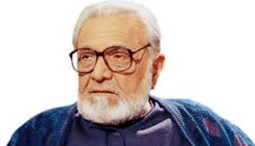
  • Baba Ji Ashfaq Ahmed: An Interview by Anjum Izhar

    Baba Ji Ashfaq Ahmed: An Interview by Anjum Izhar

    The text comprises excerpts from an interview with Baba Ji Ishfaq Ahmed, a renowned spiritual figure in Pakistan. The interview discusses Ahmed’s life, his views on spirituality, and his interactions with others, including the interviewer and the writer Ashfaq Ahmed. A significant portion focuses on the importance of spirituality, contrasting its role with science and emphasizing the need for global dialogue on the subject. The interview also highlights Ahmed’s unconventional views and his interactions with people from various backgrounds. The overall tone suggests a respectful appreciation for Ahmed’s wisdom and unique perspective.

    Study Guide: Exploring the Teachings of Baba Ji Ashfaq Ahmed

    Quiz

    Answer the following questions in 2-3 sentences each:

    1. What was the nature of Baba Ji Ashfaq Ahmed’s relationship with Author?
    2. What was the main topic of the interview Author conducted with Baba Ji?
    3. How does the text characterize Rohan’s role in the context of generations?
    4. According to the text, what is the main quality that makes Baba Ji unique?
    5. What is Baba Ji’s view on human dignity and societal roles?
    6. What is the critique of “slavery” in relation to the idea of human bravery?
    7. What was the public’s opinion of the interviewer and what was his response?
    8. According to Baba Ji, what is the biggest demand of people today beyond material needs?
    9. What is Baba Ji’s belief about sharing spirituality and its impact on the world?
    10. How does Baba Ji’s example of the goats illustrate his point about human needs?

    Quiz Answer Key

    1. Baba Ji Ashfaq Ahmed and Author had a close relationship characterized by strong differences of opinion during their meetings, yet these differences did not diminish their affection for one another. They engaged in respectful dialogue and listened intently to each other’s perspectives.
    2. The interview focused on Baba Ji’s entire life and his views on what happens after death, revealing his profound philosophical and spiritual insights. It became a highlight and was widely published.
    3. Rohan is portrayed as a bridge between the old and new generations, using his philosophical depth and literary understanding to convey the knowledge of the old generation to the new. This role emphasizes his ability to navigate complex tasks.
    4. Baba Ji’s unique nature is attributed to his inherent Sahib-e-Kamal, or “perfect man,” quality, which allows him to connect with both new and old generations. He is seen as someone whose teachings transcend time.
    5. Baba Ji believes that all humans, regardless of their social status or profession, have the same inherent right to self-respect. He posits that the dignity of a blacksmith is no less important than that of a leader.
    6. Baba Ji rejects the concept of “slavery” as a basis for human bravery, advocating instead that courage is an innate quality of the human spirit, not dependent on societal constructs. This highlights the idea of intrinsic worth.
    7. The public believed the interviewer had “complications,” which he acknowledged as a valid opinion compared to his own confusion about the matter. It showed that their response to the interviewer’s actions was more sound than the interviewer’s own reaction to it.
    8. According to Baba Ji, the greatest need people have today goes beyond material goods like food and shelter; it is a need for spiritual dialogue and sharing. It’s a collective desire to understand and connect with the inner spirit.
    9. Baba Ji believes that by openly discussing and sharing spirituality, its presence and influence in the world will naturally expand, similar to how scientific knowledge spreads and creates culture. This underscores the power of collective spiritual growth.
    10. Baba Ji uses the example of slaughtered goats to highlight that the human need for spirituality is as fundamental as the need for basic necessities and that people should value lives. This shows that having the basics still doesn’t mean the end of human need.

    Essay Questions

    1. Analyze the role of Baba Ji Ashfaq Ahmed as a spiritual figure and cultural bridge in the context of the provided text. How does his character and teachings challenge traditional views and address the needs of different generations?
    2. Discuss the significance of the interview conducted by Author with Baba Ji, focusing on its impact and how it portrays Baba Ji’s life and perspectives. How does this interview serve as a tool for revealing and preserving his teachings?
    3. Evaluate the themes of human dignity, self-respect, and social equality as presented in the text. How does Baba Ji’s philosophy challenge the prevailing social hierarchies and advocate for the value of every individual, regardless of their social class or occupation?
    4. Explore the juxtaposition between material needs and spiritual desires as outlined in the text. What does Baba Ji suggest is the core desire of humanity, and how does he articulate its importance in the face of a materialistic and science-driven world?
    5. Examine the idea of intergenerational dialogue and knowledge transfer. How does Rohan’s character and role as a bridge between generations highlight the challenges and opportunities of passing on wisdom and connecting with different viewpoints?

    Glossary of Key Terms

    • Author : A term often used to describe a Sufi mystic or a wandering religious mendicant, known for their devotion and spiritual wisdom.
    • Baba Ji: A term of respect for a wise or elderly figure, typically associated with spiritual guidance or leadership within a community.
    • Sahib-e-Kamal: An Urdu term denoting someone who is “perfect” or “accomplished” in their spiritual state or abilities.
    • Qaumi Djas: A reference to a publication or journal, likely of cultural or national significance, that features interviews and discussions.
    • Akhbaraat Rasay: A reference to newspapers or publications of a more general circulation.
    • Rafi Kalma: An interesting form of speech, typically the kind that people find hard to agree with.
    • Mumtaz Danishwar: The highest level of intellect and intelligence.
    • Rivayat Sai: The way of doing things, also known as tradition.
    • Baba Roohani: Someone who is a spiritual mentor.
    • Qari and Sam and the Nazirs: Refers to multiple groups of people.
    • Naara, Mum, and Ours: An allusion to the three parts of the human “nafs” (ego or self) in Islamic mystical traditions.

    Baba Ji’s Wisdom: Spirituality, Materialism, and Intergenerational Dialogue

    Okay, here’s a briefing document summarizing the key themes and ideas from the provided text, which appears to be an interview or article discussing the perspectives of a figure known as “Baba Ji” or “Baba Kamali,” likely an elderly spiritual figure, and his relationship with others, including a writer named Ashfaq Ahmed.

    Briefing Document: Analysis of Excerpt on Baba Ji and Related Discussions

    I. Introduction

    This document summarizes key themes and ideas found within an excerpt discussing the life, views, and impact of a spiritual figure referred to as “Baba Ji” or “Baba Kamali.” The text, likely part of an interview or article, explores Baba Ji’s interactions with writers and intellectuals, his philosophy on life, spirituality, and the needs of humanity, and his unconventional perspectives on various subjects. It also highlights a generational divide in understanding and appreciating Baba Ji’s wisdom.

    II. Key Figures & Relationships:

    • Baba Ji / Baba Kamali: The central figure, presented as a wise, spiritually inclined individual respected within his community, even by those who have differing viewpoints. Described as having a “close relationship with Author ,” and an “amazing way” that appeals across generations. He’s an “illiterate Baba” whose views are deeply respected and provoke thought.
    • Ashfaq Ahmed: A writer who seems to have a strong connection to Baba Ji. Ashfaq is often in Baba Ji’s company and is an admirer, even being seen as “lost in the company of pure rural elders.” It’s implied that Ashfaq’s work draws inspiration from their interactions.
    • Author : An interviewer who conducted a detailed interview with Baba Ji. Author work is considered significant and well-received.
    • Rohan: A writer of the new generation who is said to be “a bridge between two generations” and is seen as having philosophical depth.
    • Akhtar Hussain Sheikh Saheb: A famous writer who deeply appreciated the interview with Baba Ji, highlighting its philosophical and scientific depth and Rohan’s role as a bridge between generations.

    III. Main Themes and Ideas

    • Spiritual Wisdom and its Relevance: Baba Ji’s primary focus revolves around spirituality, suggesting it’s a fundamental human need as essential as food, clothing, and shelter. The text repeatedly emphasizes the importance of the “batri (spirit)” and the desire for connection and sharing of spiritual experiences. He suggests that “the breath which Allah has given us,” is something we “want to share with each other.”
    • Quote: “At present, the biggest demand of the world is that just as the major scientists sitting in their respective countries talk about science and spread it all over the world…in this way there should be a dialogue of spirituality.”
    • Critique of Materialism: The excerpt implies a critique of excessive focus on material well-being, highlighting the limitations of pursuing only physical comfort and economic prosperity. It poses the question of what people need beyond “bread, clothes, and house,” stressing a need for spiritual fulfillment.
    • Quote: “It is not just food, clothing and shelter…it is that all the other animals have life inside them, O Allah.”
    • Intergenerational Dialogue: The text emphasizes a generational gap in understanding and appreciation for spiritual wisdom, implying that older and younger generations approach the concept differently. There is a perceived “demand” from younger people to engage with spirituality. However, the text also notes that those “older than the young men” share this desire. This suggests a unity of longing across generations, despite surface differences.
    • Quote: “I get surprised many times that the youth generation, despite you being Baba Roohani and all this that we say is very big, whenever I talk about you, there is a strange feeling…”
    • Importance of Inclusivity & Equality: Baba Ji’s viewpoint suggests that all humans have inherent dignity and that social status should not dictate self-respect. This emphasizes the inherent value of all individuals.
    • Quote: “The blacksmith, the carpenter, the cobbler, the barber also hold the same status of human honor, whose claimants are Chaudhary Sahab, Khan Sahab and Maulana Sahab.”
    • The “Roti” Metaphor: The text includes an intriguing anecdote involving Baba Farid and the concept of “roti” (bread). Baba Farid emphasizes that while roti is essential, it shouldn’t become the sole focus, as it can lead to the neglect of other spiritual pillars.
    • Quote: “Baba Farid used to give a very good example, he said, how many pillars of Islam are there, of them five, he said Ch b he said what is that roti, all of us were very happy that now he has not seen it, I am not admitted, what does this Baba say, he says that there is also a rukun roti, do n’t get into its trouble, ah ha, see till This will come for the first time in your every year”
    • The Nature of True Happiness: The text suggests that happiness cannot solely be achieved through material wealth or economic development. Instead, a spiritual element is necessary for genuine fulfillment.
    • Quote: “It is said that if dollar increases and economics gets better then it is important that a person is happy, but at the same time see that it is not important”

    IV. Unconventional Perspectives & Actions

    • Challenging Moral Norms: Baba Ji is portrayed as someone whose views sometimes cause discomfort or surprise, even among those who respect him. It’s implied he can challenge moral norms and inspire reflection. He has a “strict moral view” but can make others feel “ashamed of expressing morality,”
    • Spiritual Dialogue and Expansion: Baba Ji emphasizes the need for dialogue and confrontation within spiritual practices, believing that discussion can lead to the expansion of God’s presence. He sees this exchange as parallel to the progress seen in science.

    V. Conclusion

    The excerpt portrays Baba Ji as a compelling figure whose wisdom and unconventional perspective offer a critique of a purely materialistic approach to life. He emphasizes the importance of spirituality, human dignity, and the necessity for intergenerational understanding. The text raises critical questions about the true needs of humanity and how we can pursue a more balanced and fulfilling existence. His perspective is presented as a necessary component missing from modern discourse and the pursuit of societal progress. He represents an alternative viewpoint that is seen as necessary by his followers.

    Baba Ji Ashfaq Ahmed: Wisdom and Spirituality

    FAQ: Understanding Baba Ji Ashfaq Ahmed and His Teachings

    1. Who is Baba Ji Ashfaq Ahmed and why is he so well-known in his village? Baba Ji Ashfaq Ahmed is a renowned figure in his village, known for his wisdom and spiritual depth. Even those with an Urdu education are well-acquainted with him. He is described as a Author (a Sufi mystic) with a close yet often challenging relationship with others, notably his interactions with those who hold different opinions. Despite these differences, he treats everyone with affection and fairness. He is revered as a figure who has achieved spiritual insight through natural means, becoming a “Baba” (a spiritual guide) in his community.
    2. What was the significance of the interview with Baba Ji in Qaumi Djas? The interview conducted by Author and published in the January 2003 issue of Qaumi Djas was a significant event, later carried by various Akhbaraat Rasay. It covered Baba Ji’s entire life and explored his views on life after death. The interview was highly regarded, with writer Akhtar Hussain Sheikh praising its philosophical depth and the ability of interviewer Rohan to bridge the gap between older and younger generations. This interview is particularly noted for its ability to convey complex spiritual ideas to a modern audience.
    3. What is the central theme of Baba Ji’s teachings regarding human dignity and equality? Baba Ji strongly emphasizes that self-respect is the innate and natural right of every human being, regardless of their social status or profession. He believes that a blacksmith, carpenter, cobbler, and barber all deserve the same respect and honor as a Chaudhary, Khan, or Maulana. He challenges the idea that human worth is dependent on the concept of slavery. He believes that the poor and illiterate are among those who truly maintain human values.
    4. What is Baba Ji’s view on the role of spirituality in modern life? Baba Ji believes that there is a fundamental need for spirituality that goes beyond the basic necessities of food, clothing, and shelter. He sees a spiritual vacuum in the modern world, where material pursuits dominate. He suggests that individuals across different generations are silently yearning for spiritual connection and growth and believe it is as vital as scientific progress. Baba Ji envisions a global dialogue on spirituality, similar to the way scientists share and advance scientific knowledge.
    5. What does Baba Ji mean when he talks about the “Batri” and the gardener inside us? Baba Ji uses the metaphor of the “Batri” (or “spirit”) and a gardener within each person to describe the innate spiritual potential bestowed by God. He believes this inner spirit, or breath, needs to be cultivated and shared. He thinks people want to connect with others on a spiritual level as much as science connects with others on a material level.
    6. How does Baba Ji use the example of animal slaughter to convey his message about human empathy and compassion? Baba Ji uses the example of animal slaughter, particularly during Eid, to highlight a lack of human empathy and compassion. He suggests that humans are capable of cruelty and indifference to the suffering of living creatures and that in such times humanity can be diminished. He uses this example to push the listener to understand the value of empathy.
    7. What is Baba Ji’s perspective on the relationship between material wealth and human happiness? Baba Ji argues that material wealth alone cannot bring happiness. He references a story about Baba Farid’s teachings on the “rukun roti” (the pillar of bread), that while food is necessary, focusing solely on it can lead to the neglect of other more spiritual or more important aspects of life. He suggests that true happiness is found through spiritual growth rather than through the accumulation of possessions or improvements in economics.
    8. How does Baba Ji feel about the state of the current generation? Baba Ji recognizes that the youth of today have unique challenges. He understands that they are looking for a deeper purpose and that while many of them are intrigued by the stories of older generations, there is still a desire to connect with one another on a spiritual level, much like scientists do when they share discoveries. Baba Ji is keen for both scientific and spiritual progress to find ways to be equally shared by the generations.

    Baba Ji Ashfaq Ahmed: A Spiritual Legacy

    Okay, here is a timeline and cast of characters based on the provided text:

    Timeline of Events

    • Past (Unspecified Time): Baba Ji Ashfaq Ahmed, a respected figure, establishes a reputation for having strong opinions and close relationships with Author despite disagreements. Author listens to Baba Ji with love. Baba Ji is also known for his unique spiritual insights and his way of becoming “Baba”.
    • Past (Unspecified Time): The narrator used to listen to Tal Keen Shah with uncle Karmu, who used to call the narrator “Put Put.” They would sit under a tree in the village and listen to the stories.
    • Past (Unspecified Time): Baba Ji, living in the village, emphasizes the equal dignity of all human beings regardless of their profession or social class. He teaches that self-respect is an innate right, not dependent on social status or titles. He champions the rights of the poor and working class. He gains followers and respect as a spiritual leader.
    • Past (Unspecified Time): Baba Ji’s unique spiritual insights and way of life attracts Ashfaq Ahmed, who becomes a close companion.
    • Sometime before January 2003: Author interviews Baba Ji at length.
    • January 2003: The long interview with Baba Ji conducted by Author becomes the highlight of the “Qaumi Djas” magazine. This interview is later reproduced in other publications.
    • Around January 2003: The interview is liked by writer Akhtar Hussain Sheikh Saheb, who compliments the philosophical depth of Rohan.
    • Around January 2003: Janab Sardar Mohammad Chaudhary shows the narrator a piece of writing by Janab Ashfaq Ahmed.
    • Around January 2003: The narrator has a discussion with Ashfaq Ahmed where he expresses his annoyance with Baba Ji.
    • Around January 2003: The narrator and Ashfaq Ahmed discuss the complicated perspectives of Baba Ji, who they admit has very justified opinions compared to their own. The gardener, the dhobi, the barber and Khan, all understand what Baba Kamali (Baba Ji) is saying.
    • Around January 2003: The narrator, along with Ashfaq Ahmed discusses the spiritual yearnings of the youth, and the need for discussions of spirituality similar to scientific discussions across the world.
    • Around January 2003: Baba Ji shares his perspective on the spiritual need that goes beyond basic needs like food, shelter, and clothing.
    • Around January 2003: Baba Ji discusses the views on the nafs, based on Indian traditions and how they could help people feel more spiritual joy.
    • Around January 2003: Baba Ji gives the example of Baba Farid, who said that the need for “roti” or food can be a trap, and one needs to be careful about keeping spiritual balance, just like all the other five pillars of Islam.

    Cast of Characters

    • Baba Ji Ashfaq Ahmed: A highly respected and renowned spiritual figure known as a “Author ” with strong opinions and a close relationship with Author (also a character). He has unique spiritual insights and is seen as a source of wisdom, and he champions the rights of the poor and working class. He is close to Ashfaq Ahmed.
    • Author : A writer and interviewer who has a close relationship with Baba Ji despite differing opinions. He conducts a long interview with Baba Ji that is published in “Qaumi Djas” and other publications, suggesting his work is widely disseminated. He seems to be in a group of people who respect Baba Ji but do not understand his opinions.
    • Rohan: A younger writer seen as a bridge between the old and new generations. He is commended for his philosophical depth and literary understanding. The text says that his writing under the supervision of Azar Rihan is proof of his talent. He is seen as scientifically minded and working hard to convey knowledge to the younger generation.
    • Akhtar Hussain Sheikh Saheb: A famous writer who greatly liked the interview with Baba Ji and complimented Rohan’s philosophical depth, adding validity to Rehan’s opinions.
    • Ashfaq Ahmed: A companion of Baba Ji. He has great respect for Baba Ji, although he sometimes finds him a challenge. He is a writer, and seems to be in a circle of people who are involved in the literary and social critique scene that the text is discussing. He is mentioned as drawing the map of Rivayat Sai in a new book.
    • Janab Sardar Mohammad Chaudhary: A person who showed the narrator a piece of writing by Ashfaq Ahmed. It is unclear what his role is otherwise, but he seems to be a member of the same literary circle of people who are aware of Baba Ji.
    • Tal Keen Shah: A person whose stories the narrator used to listen to, alongside uncle Karmu. It’s unclear what his specific role was, but he seemed to be a storyteller who made an impact on the narrator.
    • Karmu: The narrator’s uncle, with whom the narrator used to listen to the stories of Tal Keen Shah. Karmu would call the narrator “Put Put”.
    • Baba Farid: A historical spiritual leader who is quoted by Baba Ji in an example that compares food to spirituality. Baba Farid is used as a spiritual reference point in the text, and Baba Ji gives an example from Farid’s life.

    Let me know if you need any clarification or further information.

    Baba Ji Ashfaq Ahmed: Life, Views, and Spirituality

    Baba Ji Ashfaq Ahmed was a well-known figure with a close relationship with Author , despite their differences in opinion [1]. He was interviewed at length by Author , which was featured in the January 2003 issue of Qaumi Djas and later in other publications [1]. This interview covered his entire life, as well as his views on what happens after death [1]. The interview was well-received, with writer Akhtar Hussain Sheikh noting the philosophical and scientific depth of the interviewer, Rohan [1].

    Baba Ji was also known as a “Sahib-e-Kamal” by some, and was considered a unique figure in Pakistan [2]. He was respected in Urdu literature, and believed in the importance of self-respect for all people, regardless of social status [2]. He felt that human bravery is not dependent on slavery [2]. He also believed that poor, hardworking people have not done any harm to the country, and are in search of support [2].

    Baba Ji was described as an “illiterate Baba” by some, yet he was also seen as a “Baba Roohani” by others [2, 3]. Despite the perception that he was uneducated, many young people were interested in his views on spirituality [3]. He believed that spirituality should be discussed and shared, just as science is, and that this would help people to connect with the divine [3, 4]. He emphasized that humans need more than just food, clothing, and shelter, and that there is a basic desire for spirituality that is often suppressed [3-5].

    • Baba Ji believed that when people talk about spirituality, it helps to expand God’s world [4].
    • He felt that everyone has a “batri (spirit)” or breath given by Allah, and that this should be shared [4].
    • He believed that the “nafs” (self) should be divided into three parts: Nara, Mum, and “ours” [5].
    • He also used the example of “roti” (bread), one of the basic needs of life, and the teachings of Baba Farid to illustrate the need for a balance between basic needs and spiritual development [6].

    Baba Ji’s Teachings on Spiritual Dialogue

    Spiritual discussions and the sharing of spiritual knowledge are important themes associated with Baba Ji in the sources [1-3].

    Here are some key aspects of these discussions:

    • Importance of Dialogue: Baba Ji believed that just as scientists share their knowledge, people should also engage in dialogue about spirituality [2, 3]. He felt this would lead to a deeper understanding and connection to God [3].
    • Expanding Spirituality: Baba Ji believed that when people talk about spirituality, it helps to expand God’s presence in the world and in their environment, similar to how science has spread and become a global culture through discussion and sharing [3].
    • A Universal Need: He emphasized that there’s a basic human desire for spirituality, and that people need more than just material possessions like food, clothing, and shelter [2, 3]. He believed this desire is often suppressed and that it needs to be addressed [4].
    • Sharing the Spirit: According to Baba Ji, everyone has a “batri (spirit)” or breath given by Allah [3]. He felt that this spirit should be shared with others, just as scientific information is spread [2, 3].
    • Confrontation and Questions: Baba Ji advocated for a “confrontation of spirituality,” emphasizing that discussions should involve questions and answers among people, which can lead to growth [3].
    • The ‘Nafs’: In the context of these spiritual discussions, Baba Ji referred to the concept of “nafs” (self), which he said should be divided into three parts: Nara, Mum, and “ours” [4]. This idea came from an understanding of the Quran, and by working with this concept, he suggests people can achieve a spiritual state leading to happiness [4, 5].
    • Spirituality vs. Materialism: Baba Ji used the example of “roti” (bread) and Baba Farid’s teachings to highlight the need for balance between basic needs and spiritual development [5]. He noted that focusing only on material needs (like food) can cause one to lose sight of other important aspects of life, including spirituality [5]. He emphasized that though bread is a necessity, it shouldn’t become the only focus [5].

    In summary, Baba Ji’s ideas emphasize the importance of open discussion, sharing spiritual insights, and recognizing the need for spiritual fulfillment alongside basic material needs [1-5]. These discussions, he believed, are crucial for individual and collective spiritual growth [3].

    Baba Ji Ashfaq Ahmed and Urdu Literature

    The sources indicate that Baba Ji Ashfaq Ahmed was a figure of respect and stature in Urdu literature [1]. While not a writer himself, his influence and the discussions surrounding him touch upon several aspects related to Urdu literature and thought.

    Here’s a breakdown of how Urdu literature is referenced in the sources:

    • Respect for Baba Ji: Baba Ji’s personality is described as having great respect and stature in Urdu literature [1]. This suggests that he was a figure whose views and presence were considered significant within the Urdu literary world.
    • Influence on Literary Figures: The text mentions that writer Akhtar Hussain Sheikh was impressed by an interview of Baba Ji [2]. This indicates that Baba Ji’s ideas and conversations were of interest to those engaged in Urdu literature and writing. The interview was conducted by Author , and its philosophical depth was noted by Akhtar Hussain Sheikh [2].
    • New Directions in Drama: Baba Ji is credited with giving a new direction to the drama of Sana Nagar [1]. This suggests that his influence extended to the performing arts within the Urdu cultural sphere.
    • Self Respect: Baba Ji, through his actions, reminded people that self-respect is an innate and natural right for every human being [1]. This idea, deeply rooted in the context of Urdu literature, emphasizes the importance of social justice and equality, which are often recurring themes in Urdu literary works. This demonstrates how his influence extends beyond strictly literary work, into areas of social and cultural importance within the Urdu context.
    • Literary Analysis: The interview with Baba Ji was analyzed by Akhtar Hussain Sheikh, who saw philosophical and scientific depth in the interviewer, Rohan’s work [2]. This highlights how the interview was considered a piece of intellectual and literary merit within the Urdu context.
    • “Rafi Kalma”: The source mentions “Rafi Kalma,” which were writings by Author in the interview [2]. These writings are described as something that would amaze many people [2]. The source also mentions a “Rafi writing” of Ashfaq Ahmed that beautifully drew “the map of Rivayat Sai” [1]. These references to specific styles of writing suggest an awareness of literary techniques.

    In summary, while Baba Ji was not a writer, he was a personality that was recognized and respected by the Urdu literary community, influencing their thinking and discourse. His ideas and discussions, especially those related to spirituality and human dignity, were seen as relevant to the Urdu literary sphere, and his views were considered important. The discussions surrounding Baba Ji, as noted by various writers and commentators, indicate the importance of spiritual and social themes in the Urdu literary tradition.

    Generational Dialogue on Spirituality

    The sources discuss a generational gap in the context of Baba Ji’s influence and the reception of his ideas, specifically noting differences between the older and younger generations [1].

    Here are some key aspects of the generational gap as described in the sources:

    • Bridge Between Generations: Rohan is described as standing “at the juncture of the new and old generation,” acting as a “bridge” between them [1]. This suggests a recognized divide between the perspectives and understanding of the two generations, and Rehan’s role in connecting them. The work of bridging the gap between the generations is described as more difficult than the work of the old generation [1].
    • Youth Interest in Baba Ji: Despite Baba Ji being perceived by some as an “illiterate Baba,” many young people were very interested in his views on spirituality [2, 3]. This demonstrates that despite any perceived generational differences, the younger generation is drawn to and seeks out spiritual insight, even from unconventional sources.
    • Surprise at Youth Interest: The source notes that the older generation was surprised by the younger generation’s interest in Baba Ji, who they regarded as a “Baba Roohani.” [3] This highlights the difference in expectations and perceptions between the generations, where the older generation may have expected the youth to be less interested in spirituality.
    • New Demands: The younger generation is seen as having “a very valid demand” for spirituality, alongside their material needs [3]. This points to a shift in priorities and a desire for more than just basic necessities, which may not have been as prominent a concern for older generations. The demand is described as a “cassette demand” that is not easily put into words [3].
    • Spiritual Dialogue: Both the older and younger generations agree that the spirit or breath given by Allah should be shared, suggesting a common desire for spiritual discussion and growth across generations [4]. However, the younger generation’s interest in spirituality seems to be more vocal and demonstrative, pushing for “a dialogue of spirituality” [3, 4].
    • Shifting Priorities: The source indicates that the younger generation’s interest in spirituality is a significant development that requires attention and discussion, with the older generation somewhat surprised by the new direction of focus among the young [3]. The younger generation is seen as pushing for a “confrontation of spirituality,” indicating a more active and engaged approach to spiritual growth than the older generations [4].

    In summary, the sources highlight that while there may be a gap in perspectives and expectations between older and younger generations, there is also a shared desire for spiritual understanding. The younger generation is portrayed as more vocal and active in their pursuit of spiritual dialogue and growth, which is a significant point of discussion in the context of Baba Ji and his teachings. This shows how Baba Ji’s life and influence touch on intergenerational discussions and the evolution of spiritual thinking.

    Modern Spirituality: Baba Ji’s Teachings and Generational Perspectives

    The sources discuss modern spirituality through the lens of Baba Ji’s teachings and the reactions of both older and younger generations to his ideas. Here’s a breakdown of key aspects of modern spirituality as presented in the sources:

    • Desire for Spirituality Beyond Material Needs: The sources emphasize that modern spirituality goes beyond the basic needs of food, clothing, and shelter [1, 2]. There’s a recognition that humans have a fundamental desire for something more, a need that isn’t satisfied by material possessions alone [1, 2]. This suggests that modern spirituality seeks fulfillment beyond the physical realm.
    • Suppressed Desire: This desire for spirituality is described as a “basic need” that is often “stopped,” suggesting that modern society may suppress or overlook this innate human yearning [3]. The sources imply a tension between modern life and the pursuit of spiritual understanding.
    • Youthful Engagement: The younger generation is portrayed as being particularly interested in spirituality, even when it comes from unconventional sources, such as Baba Ji [1]. This demonstrates that modern spirituality is not just a concern of older generations, and that younger people are actively seeking spiritual knowledge and experiences [1].
    • Dialogue and Discussion: A significant aspect of modern spirituality, according to the sources, is the need for open dialogue and discussion [1, 2]. Baba Ji believed that spirituality should be discussed and shared, just as science is [1, 2]. This suggests that modern spirituality is not a solitary pursuit but involves interaction and exchange of ideas [2]. This dialogue is characterized by a “confrontation of spirituality,” implying a more active and questioning approach to spiritual growth [2].
    • Sharing of Spirit: The concept of “batri” (spirit) or breath given by Allah is central to the discussion [2]. Modern spirituality, as presented in the sources, involves sharing this spirit with others, akin to how scientific information is disseminated [2]. This highlights the interconnectedness and communal nature of modern spiritual seeking.
    • Expansion of God’s Presence: Baba Ji believed that discussing spirituality expands God’s presence in the world and in the environment [2]. This aligns with the idea that modern spirituality is not just a personal journey but has a broader impact on the world.
    • Spiritual Leaders and Modernity: The sources note that even while the youth engage in modern spirituality, they also see value in traditional spiritual figures like Baba Ji, whom some called “Baba Roohani” [1]. This suggests that modern spirituality isn’t about discarding tradition, but about incorporating it into a contemporary context.
    • The ‘Nafs’: The sources touch on the concept of “nafs” (self), which is divided into three parts: Nara, Mum, and “ours.” [3]. This traditional understanding from the Quran is brought into the conversation about modern spirituality, indicating a merging of traditional concepts with contemporary ideas. Working on this concept is believed to lead to a spiritual state and happiness [3, 4].
    • Balance with Material Needs: Baba Ji used the example of “roti” (bread) and Baba Farid’s teachings to emphasize the need for a balance between material and spiritual needs [4]. Modern spirituality is portrayed as not rejecting the material but recognizing that it is not enough for complete human fulfillment. The focus should be on both material and spiritual wellbeing [4].
    • Contrast with Traditional Views: The sources suggest a generational shift in how spirituality is perceived. While the older generation was surprised by the younger generation’s interest in Baba Ji’s spiritual ideas, this demonstrates a departure from traditional views where spirituality might have been seen as solely the domain of the older generation [1].

    In summary, modern spirituality, as depicted in the sources, is characterized by a desire for something beyond material fulfillment, an emphasis on dialogue and sharing of spiritual insights, a deep interest in understanding the self, and the effort to balance material and spiritual aspects of life. It also highlights the intergenerational interest and engagement with spirituality.

    • Zaviya / زاویہ #1
    • Zaviya 2 / زاویہ #2
    • Zaviya 3 / زاویہ #3
    • Aik Mohabbat Sau Afsanay / ایک محبت سو افسافے
    • Mann Chalay Ka Sauda / من چلے کا سودا
    • Gadaria: Ujley Phool / گڈریا: اُجلے پھول
    • Safar e Maina / سفرِ مینا
    • Tahli Thalley / ٹاہلی تھلے
    • Mehman Bahaar / مہمان بہار
    • Vidaa e Jang / وداعِ جنگ
    • Changez Khan ke Sunehri Shaheen / چنگیز خاں کے سنہری شاہین
    • Khattya Wattya / کھٹیا وٹیا
    • Tota Kahani / توتا کہانی
    • Qumkaar / قمکار
    • Garma Garm / گرما گرم
    • Haft Zabani Lughaat / ہفت زبانی لغات
    • Doosron Se Nibah / دوسروں سے نباہ
    • Aik Hi Boli / ایک ہی بولی
    • Subhaney Fasaney / صبحانے فسانے
    • Band Gali / بند گلی
    • Mehman Saraey / مہمان سرائے
    • Baba Sahiba / بابا صاحبا
    • Safar Dar Safar / سفر در سفر
    • Ucche Burj Lahore De / اُچے بُرج لاہور دے
    • Tilisam Hosh / طلسم ہوش افزا
    • Aur Dramey / اور ڈرامے
    • Nange Paun / ننگے پاؤں
    • Hasrat Tameer / حسرت تعمیر
    • Jang Bajang / جنگ بجنگ
    • Aik Muhabbat So Dramey / ایک محبت سو ڈرامے
    • Hairat Kadah / حیرت کدہ
    • Shaahla Kot / شاہلا کوٹ
    • Khel Tamasha / کھیل تماشا
    • Guldaan / گلدان
    • Dheenga Mushti / دھینگا مُشتی
    • Shora Shori / شورا شوری
    • Dhandora / ڈھنڈورا
    • Arz e Musannif / عرضِ مصنف
    • Fankar / فنکار
    • Mukhtalif Mashron Mein Aurat Ki Hasiyat / مختلف معاشروں میں عورت کی حیثیت

    Ashfaq Ahmed: Pakistani Writer, Playwright, and Broadcaster

    This article provides an overview of the life and career of Ashfaq Ahmed, a renowned Pakistani writer, playwright, and broadcaster. It covers his early life, literary contributions including novels and radio/television plays, and his eventual turn towards Sufism. The article also lists his notable works, awards such as the Pride of Performance and Sitara-i-Imtiaz, and provides external links for further information. Ahmed’s impact on Pakistani literature and broadcasting is highlighted, along with his legacy following his death in 2004. The additional text is a list of Pride of Performance award winners which lists Ashfaq Ahmed.

    Ashfaq Ahmed: A Study Guide

    Quiz: Short Answer Questions

    1. Briefly describe Ashfaq Ahmed’s early life, including his place of birth and ethnic background.
    2. What significant historical event caused Ashfaq Ahmed to migrate to Pakistan? Where did he settle?
    3. Name at least two of Ashfaq Ahmed’s notable works in Urdu literature. What type of writing is he known for?
    4. Explain the premise and impact of Ashfaq Ahmed’s radio program, Talqeen Shah.
    5. What government role did Ashfaq Ahmed hold for 29 years? What was the purpose of this organization?
    6. Describe Ashfaq Ahmed’s experience in cinema. Why did he consider the movie a failure?
    7. What was the significance of Baithak and Zavia in Ashfaq Ahmed’s later years?
    8. What is Sufism? How did Sufism influence Ashfaq Ahmed’s later life and work?
    9. Name one of the awards given to Ashfaq Ahmed in recognition of his contributions. What area did his contributions focus on?
    10. What event led to the creation of the Central Board for the Development of Urdu in Lahore? What was its purpose?

    Quiz: Answer Key

    1. Ashfaq Ahmed was born on August 22, 1925, in Muktsar, Punjab, British India. He came from an ethnic Pashtun family of the Mohmand tribe.
    2. The partition of India in 1947 caused Ashfaq Ahmed to migrate to Pakistan. He settled in Lahore, Punjab.
    3. Two notable works by Ashfaq Ahmed are Gaddarya and Talqeen Shah. He is known for novels, short stories, and plays.
    4. Talqeen Shah was a radio program where Ashfaq Ahmed acted as “The Preacher,” offering advice and commentary. It was popular among people in towns and villages.
    5. Ashfaq Ahmed was the director of the Markazi Urdu Board (later renamed Urdu Science Board) for 29 years. This board was dedicated to the development and promotion of Urdu.
    6. In 1968, Ashfaq Ahmed wrote and directed the movie Dhoop Aur Sayay, which was a box office failure. He believed the content was ahead of its time, anticipating the Parallel cinema movement.
    7. Baithak (The Guest Room) and Zavia (The Angle) were PTV programs where Ahmed interacted with fans and answered their questions. These shows allowed him to share his philosophical and spiritual insights with a younger audience.
    8. Sufism is a mystical branch of Islam focused on seeking direct experience and knowledge of God. Ahmed’s devotion to Sufism grew later in life, influencing his philosophical perspective and themes in his work.
    9. Ashfaq Ahmed received the Pride of Performance Award in 1979. It recognizes his contributions in the field of broadcasting and literary heritage of Pakistan.
    10. It was created from his own resources. It’s purpose was to promote and develop the Urdu language.

    Essay Questions

    1. Analyze the impact of Ashfaq Ahmed’s work on Pakistani literature and culture, focusing on specific examples from his writings and broadcasts.
    2. Discuss the evolution of Ashfaq Ahmed’s literary and philosophical themes, tracing the shift from his early short stories to his later Sufi-inspired works.
    3. Evaluate the significance of Talqeen Shah and Zavia in shaping public opinion and promoting social values in Pakistan.
    4. Compare and contrast Ashfaq Ahmed’s literary style with that of his wife, Bano Qudsia, highlighting their individual strengths and shared influences.
    5. Explore the role of Ashfaq Ahmed in the promotion and development of the Urdu language, discussing his contributions to organizations like the Urdu Science Board.

    Glossary of Key Terms

    • Afsana: Urdu term for short story.
    • Baithak: Urdu word for “The Guest Room,” referring to one of Ashfaq Ahmed’s television programs.
    • Dastaango: A monthly literary magazine founded by Ashfaq Ahmed, meaning “Story Teller”.
    • Lail-o-Nahar: An Urdu weekly that Ashfaq Ahmed was made editor of. The name means “Day and Night”.
    • Markazi Urdu Board/Urdu Science Board: An organization dedicated to the development and promotion of the Urdu language, which Ashfaq Ahmed directed for 29 years.
    • Pashtun: An ethnic group primarily found in Afghanistan and Pakistan; Ashfaq Ahmed belonged to this ethnicity.
    • Pride of Performance: A prestigious award given by the President of Pakistan in recognition of outstanding achievements in various fields.
    • Sitara-i-Imtiaz: Another prestigious award given by the President of Pakistan, recognizing excellence in various fields. “Star of Excellence.”
    • Sufism: A mystical branch of Islam focused on seeking direct experience and knowledge of God.
    • Talqeen Shah: Ashfaq Ahmed’s popular radio program where he acted as “The Preacher,” offering advice and commentary.
    • Urdu: A language primarily spoken in Pakistan and India, in which Ashfaq Ahmed primarily wrote.
    • Zavia: Urdu word for “The Angle,” referring to one of Ashfaq Ahmed’s television programs.

    Ashfaq Ahmed: Life, Work, and Legacy

    Ashfaq Ahmed: Briefing Document

    This document provides a summary of the key aspects of Ashfaq Ahmed’s life and work, based on the provided Wikipedia excerpt.

    Main Themes:

    • A Prolific and Influential Pakistani Writer and Broadcaster: Ashfaq Ahmed was a highly regarded figure in Pakistani literature and media, known for his novels, short stories, plays, and radio/television programs.
    • Versatility and Depth: Ahmed’s work spanned various genres and explored diverse themes, including literature, philosophy, psychology, and socialism.
    • Contribution to Urdu Language and Literature: He played a significant role in the development and promotion of the Urdu language, including establishing the Central Board for the Development of Urdu (later Urdu Science Board).
    • Popularity and Impact on Public Discourse: His radio program, Talqeen Shah, and later TV programs like Baithak and Zavia, earned him widespread popularity and provided a platform for engaging with the public on important social and philosophical issues.
    • Spiritual Inclination: Later in his life, Ahmed developed a strong devotion to Sufism, which influenced his work and interactions with his audience.

    Key Ideas and Facts:

    • Early Life and Education: Born in 1925 in Muktsar, Punjab (British India), to a Pashtun family. He migrated to Pakistan after partition and obtained a Master’s degree in Urdu Literature from Government College Lahore, where he met his wife, Bano Qudsia, who was also a prominent writer.
    • Literary Career:Wrote stories for children’s magazines early on.
    • Founded the literary magazine Dastaango.
    • Served as editor of the weekly Lail-o-Nahar.
    • Authored over thirty books, including the famous short story Gaddarya (1955).
    • Radio and Television Career:Gained popularity with his radio program Talqeen Shah in 1962.
    • Hosted the PTV programs Baithak and Zavia later in his life.
    • Administrative Roles: Served as Director of the Markazi Urdu Board (later Urdu Science Board) for 29 years. He also advised the Education Ministry during Zia-ul-Haq’s regime.
    • Cinema: Wrote and directed the Urdu film Dhoop Aur Sayay (1968), which was not commercially successful.
    • Sufism: His later life was marked by a growing interest in Sufism. His association with figures like Qudrat Ullah Shahab and Mumtaz Mufti contributed to this spiritual journey.
    • Death and Legacy: Ashfaq Ahmed died of pancreatic cancer on September 7, 2004, in Lahore. He was remembered as a dynamic literary figure who contributed significantly to the welfare of the people and the Urdu language.
    • Awards and Recognition: Received the Presidential Pride of Performance (1979) and Sitara-i-Imtiaz awards for his contributions to broadcasting and literature.

    Quotes from the Source:

    • “Ashfaq Ahmed (Urdu: اشفاق احمد خان ; 22 August 1925 – 7 September 2004) was a Pakistani writer, playwright and broadcaster.”
    • “He is the recipient of Presidential Pride of Performance and Sitara-i-Imtiaz (Star of Excellence) awards for his everlasting services in the field of broadcasting and literary heritage of Pakistan.”
    • “In 1962, Ashfaq Ahmed started his radio program, Talqeen Shah (The Preacher) which made him popular among the people in towns and villages.”
    • “Later in life, Ahmed’s devotion to Sufism grew.”
    • “At this event, Chairman, National Language Authority, Fateh Muhammad Malik stated that with the death of Ashfaq Ahmed, a vacuum had been created in the literary world of Pakistan.”

    Ashfaq Ahmed: Life, Works, and Cultural Impact

    What were Ashfaq Ahmed’s primary contributions to Pakistani culture?

    Ashfaq Ahmed significantly contributed to Pakistani culture through his work as a writer, playwright, and broadcaster. He wrote novels, short stories, and plays in Urdu for Pakistan Television and Radio Pakistan. He is also remembered for his radio program Talqeen Shah, and TV shows such as Zavia and Aik Muhabbat Sau Afsaney which connected with a wide audience and for his role in promoting the Urdu language through his work with the Urdu Science Board.

    When and where was Ashfaq Ahmed born?

    Ashfaq Ahmed was born on August 22, 1925, in Muktsar, Punjab, British India.

    What were some of Ashfaq Ahmed’s notable literary works?

    Ashfaq Ahmed is known for several literary works, including his short story Gaddarya (The Shepherd), which brought him early recognition, as well as novels and collections of short stories like Aik Muhabbat So Afsaney, Gadariya, Tota Kahani, Mann Chale Ka Sauda, and the Zavia series.

    What role did radio play in Ashfaq Ahmed’s career?

    Radio was a significant platform for Ashfaq Ahmed’s career. He joined Radio Pakistan as a script writer and gained widespread popularity through his radio program Talqeen Shah, which ran from 1962. This program helped him connect with people in towns and villages across Pakistan.

    Did Ashfaq Ahmed work in cinema?

    Yes, Ashfaq Ahmed wrote and directed an Urdu movie called Dhoop Aur Sayay (Sun and Shades) in 1968. Although it was not a commercial success at the time, Ahmed believed its content was ahead of its time.

    What awards did Ashfaq Ahmed receive?

    Ashfaq Ahmed received the Presidential Pride of Performance and Sitara-i-Imtiaz (Star of Excellence) awards from the Government of Pakistan in recognition of his contributions to broadcasting and Urdu literature.

    How did Sufism influence Ashfaq Ahmed’s later life and work?

    In his later years, Ashfaq Ahmed developed a strong inclination towards Sufism. This is said to have grown from his close associations with figures such as Qudrat Ullah Shahab, Mumtaz Mufti, and Baba Mohammad Yahya Khan. His television programs, Baithak and especially Zaviya, reflected his Sufi-influenced worldview and provided a platform for him to share his insights with a younger audience.

    What was Ashfaq Ahmed’s involvement with the Urdu language and its promotion?

    Ashfaq Ahmed played a crucial role in promoting the Urdu language. He created the Central Board for the Development of Urdu in Lahore and served as director of the Markazi Urdu Board (later renamed Urdu Science Board) for 29 years. He also served as editor of the popular Urdu weekly Lail-o-Nahar.

    Ashfaq Ahmed: Life and Literary Contributions

    Ashfaq Ahmed (1925-2004) was a Pakistani writer, playwright, and broadcaster known for his works in Urdu, including novels, short stories, and plays for Pakistan Television and Radio Pakistan. He received the Presidential Pride of Performance and Sitara-i-Imtiaz (Star of Excellence) awards for his contributions to broadcasting and Pakistani literature.

    Here’s a summary of his life and career:

    • Early Life: Ashfaq Ahmed was born on August 22, 1925, in Muktsar, Punjab, British India, to an ethnic Pashtun family of the Mohmand tribe. He migrated to Pakistan in 1947 and earned a Master of Arts degree in Urdu literature from Government College Lahore. His wife, Bano Qudsia, was also a well-known Urdu writer and his classmate. He was fluent in Pashto, Punjabi, Urdu, English, Italian, and French.
    • Career:Literature: Ahmed began writing stories as a boy, and they were published in a children’s magazine called Phool. After returning to Pakistan from Europe, he started his own monthly literary magazine, Dastaango, and worked as a scriptwriter for Radio Pakistan. He also became the editor of the Urdu weekly Lail-o-Nahar. His short story Gaddarya (The Shepherd) brought him early recognition in 1955. Ahmed created the Central Board for the Development of Urdu in Lahore.
    • Radio: In 1962, he gained popularity with his radio program Talqeen Shah. From 1966 to 1979, he served as director of the Markazi Urdu Board (later Urdu Science Board). He also worked as an advisor in the Education Ministry during Zia-ul-Haq’s regime.
    • Cinema: In 1968, Ahmed wrote and directed the Urdu movie Dhoop Aur Sayay.
    • Later Life and Death: Later in life, Ahmed became more devoted to Sufism. He engaged with his audience through PTV programs like Baithak and Zaviya, answering questions from young people. Ashfaq Ahmed died of pancreatic cancer on September 7, 2004, in Lahore and was buried there.
    • Legacy: Following his death, tributes were paid to Ashfaq Ahmed, recognizing his significant contributions to Pakistani literature.

    Key Works

    • Talqeen Shah (1962)
    • Aik Mohabbat Sau Afsaney (1975–76)
    • Zavia
    • Gaddarya (The Shepherd)

    Awards and Recognition

    • Pride of Performance Award (1979)
    • Sitara-i-Imtiaz Award

    Ashfaq Ahmed: Pakistani Writer, Playwright, and Broadcaster

    Ashfaq Ahmed was a significant Pakistani writer, playwright, and broadcaster. He is highly regarded for his Urdu novels, short stories, and plays for Pakistan Television and Radio Pakistan. The Pakistani government awarded him the Presidential Pride of Performance and Sitara-i-Imtiaz (Star of Excellence) for his contributions to broadcasting and the literary heritage of Pakistan.

    Some additional details about Ashfaq Ahmed:

    • Early life and background: Ashfaq Ahmed was born on August 22, 1925, in Muktsar, Punjab, British India. He belonged to an ethnic Pashtun family of the Mohmand tribe. In 1947, he migrated to Pakistan. Ahmed received a Master of Arts degree in Urdu literature from Government College Lahore. His wife, Bano Qudsia, a noted Urdu writer, was his classmate. He had fluency in Pashto, Punjabi, Urdu, English, Italian, and French.
    • Literary career: Ashfaq Ahmed demonstrated an interest in writing from a young age, with his stories appearing in the children’s magazine Phool. After his return from Europe, Ahmed launched his own monthly literary magazine, Dastaango, and joined Radio Pakistan as a script writer. The government appointed him editor of the Urdu weekly, Lail-o-Nahar. His short story Gaddarya (The Shepherd) gained him early recognition in 1955. He established the Central Board for the Development of Urdu in Lahore.
    • Radio career: In 1962, Ashfaq Ahmed’s radio program, Talqeen Shah, became very popular. In 1966, he was appointed director of the Markazi Urdu Board, later known as the Urdu Science Board, a position he held for 29 years.
    • Cinema: Ashfaq Ahmed wrote and directed the Urdu movie Dhoop Aur Sayay in 1968.
    • Sufism: Later in life, Ahmed’s interest in Sufism grew. He interacted with his fans through PTV programs like Baithak and Zaviya, where he addressed questions from the youth.
    • Death and recognition: Ashfaq Ahmed died on September 7, 2004, in Lahore, due to pancreatic cancer. He was buried in Model Town, Lahore. Following his death, various figures in the literary world acknowledged his contributions to Pakistani literature.

    Ashfaq Ahmed: Literary Contributions and Works

    Ashfaq Ahmed was a prolific Pakistani writer whose literary works include novels, short stories, and plays for television and radio.

    Key aspects of his literary career include:

    • Early Writing: Ahmed’s stories were published in the children’s magazine Phool early in his career.
    • Dastaango: After returning to Pakistan from Europe, Ahmed created his own monthly literary magazine called Dastaango (Story Teller).
    • Lail-o-Nahar: He served as editor of the Urdu weekly Lail-o-Nahar (Day and Night).
    • Gaddarya: His short story Gaddarya (The Shepherd) earned him early fame in 1955.
    • Central Board for the Development of Urdu: Ahmed created the Central Board for the Development of Urdu in Lahore.
    • Radio Program: His radio program Talqeen Shah (The Preacher) began in 1962 and gained popularity in towns and villages.
    • Dhoop Aur Sayay: In 1968, he wrote and directed the Urdu movie Dhoop Aur Sayay (Sun and Shades).
    • Baithak and Zaviya: In his later years, Ahmed appeared in PTV programs Baithak (The Guest Room) and Zaviya (The Angle), where he answered questions from the youth audience.

    Some of Ashfaq Ahmed’s notable works include:

    • Talqeen Shah (1962)
    • Aik Muhabbat Sau Afsaney (1975–76)
    • Zavia
    • Gaddarya: Ujley Phool
    • Numerous other books, radio plays, and television shows

    Ashfaq Ahmed: Awards, Recognition, and Literary Tributes

    Ashfaq Ahmed received awards and recognition for his contributions to Pakistani literature and broadcasting.

    Awards and Recognition

    • Pride of Performance Award: He received this award in 1979.
    • Sitara-i-Imtiaz: Ahmed was also awarded the Sitara-i-Imtiaz (Star of Excellence) by the President of Pakistan.

    Following his death in 2004, various figures in the literary world acknowledged his contributions to Pakistani literature. Fateh Muhammad Malik, Chairman of the National Language Authority, noted that Ahmed’s death created a vacuum in Pakistan’s literary world. Iftikhar Arif, Chairman of the Pakistan Academy of Letters, also paid tribute to Ahmed as a dynamic literary figure who prioritized the welfare of the people.

    Ashfaq Ahmed: A Literary Life

    Ashfaq Ahmed was born on August 22, 1925, in Muktsar, Punjab, British India. He belonged to an ethnic Pashtun family of the Mohmand tribe. His early education took place in Muktsar. Shortly before the partition of India in 1947, Ahmed migrated to Pakistan and settled in Lahore, Punjab. He earned a Master of Arts degree in Urdu literature from Government College Lahore. His wife, Bano Qudsia, who was also a prominent figure in Urdu literary circles, was his classmate at Government College. Ahmed had the ability to speak Pashto, Punjabi, Urdu, English, Italian, and French.

    By Amjad Izhar
    Contact: amjad.izhar@gmail.com
    https://amjadizhar.blog

  • Al Riyadh Newspaper: February 22, 2025 Saudi Founding Day: A Legacy of Pride and Progress

    Al Riyadh Newspaper: February 22, 2025 Saudi Founding Day: A Legacy of Pride and Progress

    The provided texts extensively discuss the Saudi Arabian Founding Day, celebrated annually on February 22nd. These articles highlight the historical significance of this day, tracing back to the establishment of the first Saudi state in 1727 by Imam Muhammad bin Saud. The authors commemorate the deep roots of the Kingdom, its cultural heritage, and its ongoing journey toward progress and unity. Various figures, from royalty to business leaders and academics, express their pride and loyalty to the nation. Additionally, the texts mention the Kingdom’s Vision 2030, projects aimed at economic diversification, and the role of women in Saudi society. Finally, the anthology includes a description of traditional practices, such as the ‘Ardah war dance’ and camel racing, linking heritage to cultural celebrations.

    Kingdom Identity and the Anniversary of Foundation Day: A Study Guide

    Quiz

    Answer each question in 2-3 sentences.

    1. What is the significance of February 22nd in Saudi Arabia, according to the text?
    2. What are the three Saudi States referenced in the text?
    3. How does Vision 2030 connect to Saudi Arabia’s historical legacy?
    4. How did King Abdulaziz contribute to the unification of Saudi Arabia, according to the text?
    5. How was the role of women important in the First Saudi State?
    6. Describe how the city of Riyadh became a powerful site.
    7. What is the Diriyah Document, and why is it significant?
    8. Name three projects that are part of Saudi Arabia’s Vision 2030?
    9. How does the text describe Saudi Arabia’s role in international relations?
    10. What role does cultural heritage play in Vision 2030?

    Quiz Answer Key

    1. February 22nd is celebrated as Foundation Day in Saudi Arabia, commemorating the establishment of the first Saudi state by Imam Muhammad bin Saud in 1727 AD (1139 AH). This day is a celebration of the Kingdom’s deep historical roots, national identity, and the unity of its people.
    2. The three Saudi states are the First Saudi State (established in 1727 AD), the Second Saudi State (established by Turki bin Abdullah bin Muhammad bin Saud), and the modern Kingdom of Saudi Arabia (unified by King Abdulaziz in 1932). Each state played a crucial role in shaping the country’s history and identity.
    3. Vision 2030 draws inspiration from Saudi Arabia’s rich history and cultural heritage while aiming to build a prosperous and sustainable future. It seeks to diversify the economy, improve the quality of life, and strengthen the Kingdom’s position on the global stage, all while preserving its core values and traditions.
    4. King Abdulaziz played a pivotal role in unifying the regions of the Arabian Peninsula under one banner, establishing the modern Kingdom of Saudi Arabia in 1932. His leadership and efforts laid the foundation for stability, development, and progress, transforming the country into a unified and prosperous nation.
    5. Women such as Princess Noura, sister to King Abdulaziz, occupied important political positions and exerted cultural influence that assisted in the founding of the Saudi State. Women such as Maysi bint Abdullah Al-Bassam also were influential in extending welcome and protection to those being pursued by Ibn Rashid in the time before the modern Saudi State.
    6. Riyadh became a powerful site by joining with other areas that included Manfuha, Maqran, and Mu’akkal, under a unified leadership. Daham bin Dawwas fortified Riyadh with a strong wall, consolidating its power.
    7. The Diriyah Document is a historical letter written by Sheikh Muhammad bin Ibrahim Abdul Razzaq to the Wali of Baghdad in 1819. It details a battle that took place at the Diriyah fortress and provides insight into the political and military dynamics of the time.
    8. Three projects that are part of Saudi Arabia’s Vision 2030 are NEOM (a futuristic city), Al-Qiddiya (a large entertainment and sports destination), and the Red Sea Project (a luxury tourism destination focused on sustainability). These projects aim to diversify the economy, attract investment, and improve the quality of life for citizens.
    9. The text portrays Saudi Arabia as playing an increasingly important role in international relations, particularly in promoting peace and stability in the region. The Kingdom has strengthened its strategic alliances with major global powers and has taken a leading role in diplomatic initiatives, such as mediating between Russia and Ukraine.
    10. Cultural heritage plays a central role in Vision 2030, with a focus on preserving and promoting Saudi Arabia’s rich history, traditions, and values. The vision aims to strengthen national identity, foster a sense of pride in the country’s heritage, and promote cultural exchange and understanding on the global stage.

    Essay Questions

    1. Analyze the role of historical memory and national identity in shaping Saudi Arabia’s Vision 2030. How does the text suggest the Kingdom is using its past to construct its future?
    2. Discuss the ways in which Vision 2030 aims to diversify the Saudi Arabian economy. What are the key sectors being targeted, and what challenges might the Kingdom face in achieving its goals?
    3. Evaluate the significance of Foundation Day in Saudi Arabia. How does this celebration contribute to national unity and a sense of shared identity, and how is it promoted through various cultural and social activities?
    4. Compare and contrast the leadership styles of King Abdulaziz and Crown Prince Mohammed bin Salman, as portrayed in the text. How have their respective visions shaped the development of Saudi Arabia?
    5. Assess Saudi Arabia’s role in regional and international affairs, according to the provided excerpts. What are the key diplomatic and economic initiatives undertaken by the Kingdom, and how effective have they been in achieving their objectives?

    Glossary of Key Terms

    • Vision 2030: Saudi Arabia’s strategic framework for diversifying its economy, developing public service sectors, and improving the quality of life for its citizens.
    • Foundation Day (يوم التأسيس): A national holiday in Saudi Arabia, celebrated on February 22nd, commemorating the establishment of the first Saudi state in 1727 AD (1139 AH).
    • First Saudi State (الدولة السعودية الأولى): Established in 1727 AD by Imam Muhammad bin Saud, with its capital in Diriyah. It marked the beginning of a unified political entity in the Arabian Peninsula.
    • King Abdulaziz (الملك عبدالعزيز): The founder of modern Saudi Arabia, who unified the regions of the Arabian Peninsula under one banner in 1932.
    • Crown Prince Mohammed bin Salman (الأمير محمد بن سلمان): The current Crown Prince of Saudi Arabia, who is the architect of Vision 2030 and is leading the Kingdom’s efforts to modernize and diversify its economy.
    • Diriyah (الدرعية): The historical capital of the first Saudi state, and a symbol of Saudi Arabia’s rich cultural heritage and national identity.
    • NEOM (نيوم): A futuristic city being built in northwestern Saudi Arabia as part of Vision 2030, designed to be a global hub for innovation, technology, and sustainable living.
    • Al-Qiddiya (القدية): A large entertainment and sports destination being developed near Riyadh as part of Vision 2030, aiming to become a global center for tourism and recreation.
    • Red Sea Project (مشروع البحر الأحمر): A luxury tourism destination being developed along the Red Sea coast as part of Vision 2030, with a focus on sustainability and environmental conservation.
    • Aramco (أرامكو): The Saudi Arabian Oil Company, one of the world’s largest integrated energy and chemicals companies, and a key driver of the Saudi Arabian economy.
    • العرضة السعودية (Al Ardah al Saudi): A traditional sword dance and performing art of Saudi Arabia.
    • الهوية الوطنية (Al Howiya Al Wataniyya): The Saudi national identity.
    • وثيقة الدرعية (Wathiqat Al Diriyah): The Diriyah Document, a historical letter written by Sheikh Muhammad bin Ibrahim Abdul Razzaq to the Wali of Baghdad in 1819.
    • الأمن المجتمعي (Al Amn al Mujtama’i): Societal safety and security

    Saudi Arabia: Founding Day and Vision 2030

    Okay, here is a briefing document summarizing the main themes and ideas from the provided sources.

    Briefing Document: Saudi Arabia’s Founding Day & Vision 2030

    Overview:

    The documents primarily revolve around the celebration of Saudi Arabia’s Founding Day and its significance in relation to the Kingdom’s history, identity, and future aspirations, particularly in the context of Vision 2030. The sources emphasize the deep historical roots of the Saudi state, dating back three centuries, and the importance of this heritage in shaping the present and future. There is a strong emphasis on national pride, unity, and the transformative goals of Vision 2030, led by Crown Prince Mohammed bin Salman, which aim to diversify the economy, improve quality of life, and enhance the Kingdom’s global standing.

    Key Themes and Ideas:

    • Deep Historical Roots & National Identity:
    • The Founding Day is not just a historical event but a symbol of national identity and a reminder of the sacrifices made by ancestors to build a strong and unified state.
    • “اإن يوم الت�أ�سي�س لي�س جمرد ذكرى ت�ريخية، بل هو رمز للهوية الوطنية التي تربط امل��سي ب�حل��سر” (Translation: “The Founding Day is not just a historical memory, but a symbol of the national identity that connects the past with the present.”)
    • The Saudi state’s roots extend back three centuries, emphasizing its long and stable history.
    • “العمق التاريخي وال�سي��سي للدولة والمجتمع يمتد لثاثة قرون ماضية” (Translation: “The historical and political depth of the state and society extends for three centuries.”)
    • Vision 2030: A Transformative Plan for the Future:
    • Vision 2030 is presented as a comprehensive plan to diversify the Saudi economy, reduce dependence on oil, and improve the quality of life for citizens.
    • “2030 التي يقودها �سمو ويل العهد -حفظه الله-، والتي جت�سد الطموح الكبري مل�ستقبل اأكرث ازدهاًرا” (Translation: “2030, led by His Royal Highness the Crown Prince – may God protect him – which embodies the great ambition for a more prosperous future”).
    • The plan aims to create a vibrant society, a thriving economy, and an ambitious nation.
    • “واقت�ساد وط�ن لبناء تهدف والتي ،2030 بروؤية مالحمه ت�سري م�زده�ر، وجمتمع ح�يي، ووط��ن ط�م��ح” (Translation: “…and an economy aimed at building a prosperous nation with the vision of 2030, a vibrant society, and an ambitious nation”).
    • Several mega-projects are highlighted as key components of Vision 2030, including NEOM, Al Qiddiya, the Red Sea Project, and the Riyadh Green Initiative. These projects aim to attract foreign investment, create jobs, and promote sustainable development.
    • “ومن اأبرز هذه الإجن�زات: – التحول القت�س�دي.. مت اإطالق م�س�ريع عمالقة مثل العهد ويل �سمو روؤي�ة تعك�س والتي الأحمر، البحر م�سروع لي�ن، ذا نيوم” (Translation: “Among the most prominent of these achievements: – Economic transformation… Giant projects have been launched, such as NEOM, The Line, the Red Sea Project, which reflects the vision of His Highness the Crown Prince”)
    • Leadership & Unity:
    • The leadership of King Salman and Crown Prince Mohammed bin Salman is praised for their vision, wisdom, and commitment to the Kingdom’s progress.
    • “خ��دم �سيدي بقي�دة ال�سريفني احل��رم��ني ���س���ل���م����ن ب��ن امل����ل����ك �س�م�و ع��ب��دال��ع��زي��ز، و ��س رئ��ي�� ع����ه����ده ويل الرجل الوزراء جمل�س امل��ل��ه��م ع����ّراب ال��روؤي��ة” (Translation: “Under the leadership of my master, the Custodian of the Two Holy Mosques, King Salman bin…His Royal Highness Abdulaziz, and His Highness the Crown Prince…The inspiring man, the architect of the vision”)
    • The sources emphasize the importance of national unity and the strong bond between the people and their leaders.
    • Economic Diversification & Sustainability:
    • A key goal of Vision 2030 is to diversify the Saudi economy away from its dependence on oil.
    • “تقليل لتنويع � بوابة ل�ستقط�ب ال�ستثم�رات الع�ملية نوعية يف البنية التحتية، بل هي اأي�ساً اقت�س�دي اململكة كمركز م� يعزز مك�نة ال�سعودي، لل�سب�ب وخلق فر�س عمل امل�ستقبل” (Translation: “…to diversify and reduce dependence on oil. It is not only a gateway to attracting qualitative global investments in infrastructure but also enhances the position of the Saudi economy as a hub…and creating future job opportunities”).
    • The documents highlight efforts to promote renewable energy, sustainable tourism, and other non-oil sectors.
    • “الع�مل. وال�ستدامة على م�ستدام، اأطلق �سمو ويل العهد مب�درات بيئية رائدة، مثل »مب�درة ال�سعودية مك�فحة اإل��ى تهدف التي �س�ر«، الأخ� الأو��س�ط ال�سرق و«م��ب���درة اخل�سراء« م� اخل�سراء” (Translation: “…Sustainable work. His Highness the Crown Prince launched leading environmental initiatives such as the “Saudi Initiative” which aims to combat the Middle East “Green Initiative” the green area”)
    • Empowerment of Women:
    • The sources note the increasing role of women in Saudi society and the efforts to empower them in various fields.
    • “وم�س�همة امل�ستقبل قي�دة م�س�ركته� ودع�م امل��راأة متكني مثل كبرة، اجتم�عية حت�ولت اململكة �سهدت الرتاث وتنوع تعدد تعك�س طموحة ثق�فية روؤي��ة واإط��الق العمل” (Translation: “The Kingdom witnessed great social transformations, such as empowering women and supporting their participation and contribution to future leadership, reflecting a cultural vision that is ambitious and diverse”)
    • The Al-Saud Family:
    • King Abdulaziz who founded the current kingdom is mentioned as a symbol of sacrifice and achievements.
    • Several members of the Saudi Royalty are mentioned like, King Salman bin Abdulaziz, Crown Prince Mohammed bin Salman, Prince Mohammed bin Salman bin Abdulaziz Al Saud and are being praised for Vision 2030.

    Quotes of Significance:

    • “ي�وٌم به جم�ٌد وت�أ�سي�س وفيه لله ��س ي�ح�ق لن� ل�ل�ع�ه�ِد ت���أك��ي��ٌد وت�ك�ري” (Translation: “A day of glory and foundation…and it is our right to reaffirm and honor the covenant to God.”): This quote emphasizes the religious and historical significance of the Founding Day.
    • ” اإن الروؤية الث�قبة ل�سمو ويل العهد واإمي�نه العميق بقدرات هذا الوطن و�سب�به، م�ستمدة ال�سم�نة وهي ال�سريفني، احلرمني خل�دم ال�سديدة والتوجيه�ت احلكمة من ا، � وازده�راً � نحو م�ستقبل اأكرث اإ�سراقاً لتحقيق التطلع�ت الوطنية” (Translation: “The insightful vision of His Highness the Crown Prince and his deep faith in the capabilities of this homeland and its youth, derived from the wisdom and sound directives of the Custodian of the Two Holy Mosques, are moving…towards a more shining future to achieve national aspirations and march forward”) This highlights the source of motivation for the King and Crown Prince.

    Conclusion:

    The documents paint a picture of a nation deeply proud of its history, united under strong leadership, and committed to a bold vision for the future. The Founding Day serves as a reminder of the Kingdom’s roots and a celebration of its progress, while Vision 2030 provides a roadmap for continued growth, diversification, and global prominence. The economic strength of the Saudi Arabian Economy is also highlighted by the strategic location of Saudi Arabia and the emphasis on tourism. The key Mega Projects were also reviewed including the emphasis on sustainability. Saudi’s goals and initiatives for cultural reform and women empowerment are also mentioned.

    Saudi Founding Day & Vision 2030: An FAQ

    Here is an 8-question FAQ based on the provided sources:

    1. What is the significance of the Saudi Founding Day?

    The Saudi Founding Day commemorates the establishment of the first Saudi state in 1727 by Imam Muhammad bin Saud. It is a celebration of national identity, deep-rooted history, cultural heritage, and the unity and stability achieved through the sacrifices and struggles of ancestors. It’s a reminder of the kingdom’s rich history and its journey towards becoming a modern, globally influential nation.

    2. How does the Founding Day relate to Saudi Vision 2030?

    Founding Day is seen as directly connected to the Saudi Vision 2030, a blueprint for the kingdom’s future. Vision 2030 builds upon the strong foundation laid by the first Saudi state, aiming for sustainable development, economic diversification, and enhanced global competitiveness. The values and historical legacy celebrated on Founding Day inspire the nation to pursue its ambitious goals for a prosperous and innovative future.

    3. What was the state of the Arabian Peninsula before the first Saudi state was founded?

    Prior to the establishment of the first Saudi state, the Arabian Peninsula was characterized by division, fragmentation, chaos, and constant conflict among local and tribal powers. There was a lack of central authority, and the region suffered from poverty, ignorance, and insecurity.

    4. What were some of the key characteristics and contributions of Imam Muhammad bin Saud?

    Imam Muhammad bin Saud, the founder of the first Saudi state, was a visionary leader who prioritized unity, stability, and the rule of law. He was known for his political acumen, his commitment to justice, and his focus on building a strong, cohesive society. He fostered alliances, promoted economic growth, and laid the groundwork for the kingdom’s future expansion and influence. He also supported education and welcomed scholars, contributing to the intellectual and cultural development of the region.

    5. How did the first Saudi state promote social unity and security?

    The first Saudi state prioritized achieving comprehensive societal security by uniting the people and instilling a sense of belonging and loyalty to the nation. This unity was crucial for overcoming challenges and ensuring stability.

    6. What role does national identity play in Saudi Arabia’s development?

    National identity, rooted in the kingdom’s rich history and cultural heritage, is considered a vital factor in Saudi Arabia’s sustainable development. It fosters a sense of unity, pride, and responsibility among citizens, which are essential for building a strong and prosperous nation. Vision 2030 emphasizes the importance of preserving and promoting Saudi Arabia’s national identity to inspire future generations and strengthen their commitment to the country.

    7. What are some of the major development projects associated with Vision 2030?

    Several mega-projects are integral to Saudi Vision 2030, such as NEOM, The Red Sea Project, Qiddiya, The Riyadh Green Initiative, and the city named after Prince Mohammed bin Salman which is a non-profit city. These projects focus on economic diversification, sustainable development, technological innovation, and enhancing the quality of life for citizens.

    8. How has Vision 2030 empowered Saudi women?

    Vision 2030 recognizes Saudi women as essential contributors to the kingdom’s success and aims to empower them in various fields, including politics, economics, and society. This empowerment includes providing women with opportunities for leadership roles, increasing their participation in the workforce, and ensuring their access to education and resources.

    Saudi Arabia Foundation Day: History and Significance

    Foundation Day is a national occasion on which Saudi Arabia celebrates the history of the establishment of the first Saudi state. Here’s what the sources say about Foundation Day:

    • Historical Context: Foundation Day commemorates the establishment of the first Saudi state by Imam Muhammad bin Saud in 1727. This marked the foundation of a unified entity in the Arabian Peninsula.
    • Recognition and Importance:
    • King Salman bin Abdulaziz Al Saud issued a royal decree to commemorate the Founding Day on the 22nd of February every year.
    • Prince Saud bin Nayef emphasized that Foundation Day is a national memory that highlights the history of Saudi Arabia.
    • The day reflects the deep historical identity of Saudi Arabia, which is the result of a long history of construction and establishment.
    • It embodies the pride in the roots and the historical legacy of the Kingdom.
    • Key Themes and Values:
    • Unity and Stability: Imam Muhammad bin Saud laid a solid foundation of stability and unity.
    • Commitment to Values: The first Saudi state was based on Islamic values and the establishment of a system of governance.
    • Resilience: The Saudi state has demonstrated resilience in the face of challenges.
    • Celebration and Reflection:
    • Saudis celebrate the anniversary of the founding of the first Saudi state.
    • The celebration embodies the launch of the Kingdom and embodies its history.
    • The day serves as a reminder of the sacrifices and efforts made to build the nation.
    • The Three Saudi States:
    • The first Saudi state was established in 1727 by Imam Muhammad bin Saud.
    • The second Saudi state was a continuation of the first.
    • King Abdulaziz Al Saud unified the country under one banner in 1932, establishing the modern Kingdom of Saudi Arabia.
    • Future Perspective: Foundation Day is an opportunity to continue the path of construction and achievement.

    Saudi Arabia: History, Identity, and Vision 2030

    Saudi Arabia’s history, identity, and values are reflected in its Foundation Day.

    Key points about Saudi Arabia, based on the sources and our conversation, include:

    • Historical Foundation: The first Saudi state was established in 1727 by Imam Muhammad bin Saud, laying the groundwork for stability and unity. This foundation is rooted in Islamic values and a commitment to governance.
    • National Identity: Saudi Arabia has a deep historical identity that has been built over a long period. This identity is a source of pride in the Kingdom’s roots and historical legacy.
    • Resilience and Development: The Saudi state has shown resilience and has progressed in various fields.
    • Vision 2030: Saudi Arabia’s Vision 2030 aims to strengthen the national identity, preserve heritage, and enhance the Kingdom’s position internationally. The plan focuses on economic diversification and creating new investment opportunities.
    • Economic Transformation: Saudi Arabia is transitioning from an oil-dependent economy to one with diversified income sources.
    • Cultural Significance: The Kingdom values its heritage, as evidenced by the annual organization of festivals and popular celebrations.
    • The Al-Diriyah Document: The Al-Diriyah Document refers to a letter from Sheikh Muhammad bin Abdul Razzaq to the current Governor of Baghdad, Dawood Pasha, which summarizes that Ibrahim Pasha, son of the honored Minister Wāli of Egypt, Ali Muhammad Pasha, besieged Diriyah.
    • Role of Women: Saudi women have had an essential role in society throughout the ages.
    • Local culture: Al Henaini is a popular dish made of dates and wheat flour.

    Saudi Arabia’s Vision 2030: Goals and Initiatives

    Vision 2030 is a transformative plan for Saudi Arabia with the goal to achieve sustainable development. It builds upon the Kingdom’s rich history and heritage.

    Several sources outline the key objectives and initiatives of Vision 2030:

    • Economic Diversification: A primary aim of Vision 2030 is to reduce the Kingdom’s reliance on oil by diversifying its economy and developing non-oil sectors such as tourism and technology. The goal is to increase the contribution of non-oil sectors to 50% of the GDP by 2023.
    • Investment and Job Creation: Vision 2030 seeks to attract foreign investments and create new job opportunities for Saudi citizens. Over a million jobs were created in 2023.
    • Strategic Initiatives and Projects:
    • NEOM: A project to establish a sustainable, smart city that serves as a global center for innovation and investment.
    • Al Qiddiya: Aims to be a leading entertainment, sports, and cultural destination.
    • Red Sea Project: Aims to develop a global luxury tourism destination.
    • King Salman Park, Green Riyadh, and Sports Track: Projects to improve the quality of life in Riyadh.
    • Quality of Life Improvement: There are initiatives to improve the quality of life for citizens through various avenues including developing the education and healthcare sectors, and promoting culture, entertainment and sports.
    • Preservation of Heritage and National Identity: Vision 2030 aims to reinforce national values and pride in the Kingdom’s historical and cultural heritage.
    • Empowerment of Women: Vision 2030 emphasizes the importance of Saudi women as a key component of the Kingdom’s strength, and aims to empower them across various fields.
    • Tourism: Vision 2030 seeks to promote the tourism sector in Saudi Arabia.
    • Environmental Sustainability: Vision 2030 aims to achieve environmental sustainability through projects such as increasing green spaces and using clean energy sources.
    • Digital Transformation: To apply modern technologies to various sectors.

    Saudi National Identity: History, Values, and Vision 2030

    National identity is a recurring theme in the sources, especially in the context of Foundation Day and Vision 2030. Here’s an overview:

    • Historical Roots: Saudi Arabia’s national identity is closely tied to its history, particularly the establishment of the first Saudi state in 1727 by Imam Muhammad bin Saud. Foundation Day is a celebration of this historical origin and a way to remember the nation’s roots.
    • Pride and Legacy: The deep historical identity of Saudi Arabia is a source of pride in the Kingdom’s roots and historical legacy. Celebrating Foundation Day highlights the country’s rich history.
    • Values and Principles:
    • The first Saudi state was founded on Islamic values.
    • Values such as justice, tolerance, and cooperation are integral to Saudi national identity and were applied in daily life by ancestors.
    • Continuity and Evolution: The national identity has been maintained and developed through different phases of Saudi history. Each phase reflects the strength and determination of the Saudi people.
    • Role of the Leadership: Leaders throughout Saudi history have reinforced the national identity by adhering to the principles upon which the country was founded.
    • Preservation of Heritage: There is an emphasis on preserving the Kingdom’s heritage and legacy, and ensuring that they are passed on to future generations.
    • Modernization and Progress: National identity is not just about preserving the past; it also involves building a modern and developed state.
    • Vision 2030: Reinforces national values and pride in the Kingdom’s historical and cultural heritage.
    • Unity: The national identity unites the people under one banner and encourages them to work together for the country’s goals.
    • Responsibility: National identity is seen as a responsibility that requires hard work and dedication from all citizens.
    • Symbolism: Foundation Day is a symbol of national identity, independence, and sovereignty.
    • Expression: National identity is expressed through love, loyalty, and a commitment to the nation’s interests.
    • The “Ardah”: Also known as the war dance, the Ardah is a symbol of Saudi National identity.

    The Al Saud: History, Leadership, and Vision of Saudi Arabia

    The Al Saud is the ruling royal family of Saudi Arabia, whose history and leadership are central to the Kingdom’s identity and development.

    Key aspects of the Al Saud, based on the sources, our conversation history, include:

    • Foundation of the First Saudi State:
    • The Al Saud’s history is traced back to the establishment of the first Saudi state in 1727 by Imam Muhammad bin Saud.
    • Imam Muhammad bin Saud is recognized as the founder of the first Saudi state.
    • The establishment of this state laid the foundation for unity and stability in the Arabian Peninsula.
    • Historical Significance:
    • The Al Saud’s legacy is rooted in Islamic values and principles of governance.
    • Foundation Day is a national occasion to celebrate this historical origin and the Al Saud’s contributions.
    • The Al Saud showed resilience in the face of challenges, contributing to the continuity and evolution of the Saudi state.
    • Leaders and Their Roles:
    • King Salman bin Abdulaziz Al Saud has ordered the commemoration of Foundation Day on February 22nd each year.
    • Prince Muhammad bin Salman is leading the Vision 2030 plan.
    • Throughout history, Al Saud leaders have reinforced the national identity by adhering to the principles upon which the country was founded.
    • Vision 2030 and the Future:
    • Vision 2030 aims to strengthen national values and pride in the Kingdom’s historical and cultural heritage.
    • The Al Saud are focused on building a modern and developed state while preserving their heritage.
    • They are diversifying the economy to reduce reliance on oil and are creating new investment opportunities.
    • Role of Women: The Al Saud have empowered women and recognized them as key components of the Kingdom’s strength.
    • Cultural Contributions: The Al Saud have supported the preservation of Saudi heritage and culture, as evidenced by the organization of festivals and celebrations.
    • The three Saudi States: The Al Saud have led the establishment of the first, second, and modern Saudi states, each contributing to the country’s history and development.
    • Relations with the population: The Al Saud enjoy the love and loyalty of their people.

    By Amjad Izhar
    Contact: amjad.izhar@gmail.com
    https://amjadizhar.blog

  • Muslim Views: Faith, Politics, and Modern Challenges by Engineer Muhammad Ali Mirza

    Muslim Views: Faith, Politics, and Modern Challenges by Engineer Muhammad Ali Mirza

    The text presents a transcription of a public session addressing a range of current affairs and religious discussions. It starts with condolences for the death of Iranian President Ebrahim Raisi and commentary on Iran’s role in supporting Palestine. A significant portion is dedicated to Shia-Sunni relations, historical conflicts, and the dangers of sectarianism in Pakistan. The speaker then critiques motivational speakers and journalists who spread conspiracies, particularly concerning Raisi’s death and their views on Palestine. Furthermore, the speaker analyzes interpretations of the Quran, emphasizing the importance of context and warning against selective use to create discord. The session concludes with diverse questions from the audience on religious matters, offering detailed answers and opinions.

    Raisi’s Martyrdom and Contemporary Muslim Issues: A Study Guide

    Quiz

    Answer the following questions in 2-3 sentences each.

    1. According to the speaker, why is the martyrdom of Iranian President Raisi a painful event for Muslims worldwide?
    2. What was Dr. Ibrahim Raisi’s approach to the Sunni-Shia conflict, as discussed by the speaker?
    3. How did General Zia-ul-Haq’s policies impact Shia Muslims in Pakistan?
    4. What was Dr. Ibrahim Raisi’s projected future role in Iran?
    5. What does the speaker criticize about the media’s coverage of President Raisi’s death?
    6. How does the speaker use Surah Al-Ma’idah to illustrate the importance of understanding context in the Quran?
    7. According to the speaker, what is the correct understanding of Surah Ashura: “Aya Inka La Thadda”?
    8. What does the speaker identify as a major evil within the Pakistani nation?
    9. What are the names of the five great powers of world politics, according to the speaker?
    10. What does the speaker suggest is the safest way to dispose of old pages of the Quran?

    Quiz Answer Key

    1. The speaker suggests Raisi’s martyrdom is painful because he was actively supporting the Palestinian cause and was the president of a major Islamic country. His death represents a loss for Muslims who support this cause.
    2. The speaker characterizes Dr. Raisi as moderate and suggests that he opposed the Shia-Sunni conflict, which has led to killing and destruction. He was attempting to reconcile with Saudi Arabia, a major Sunni power, to address the conflict.
    3. The speaker notes Zia-ul-Haq’s policies led to a campaign against Shias, resulting in massacres and the formation of jihadist organizations that used anti-Shia slogans. This period marked a significant escalation in sectarian violence in Pakistan.
    4. According to the speaker, it was anticipated that Dr. Ibrahim Raisi would eventually become the Supreme Leader of Iran, succeeding Khamenei Sahib. This was based on his previous roles and Khamenei Sahib’s intention to nominate him.
    5. The speaker criticizes the media for spreading conspiracy theories about Raisi’s death (e.g., being shot down by America or Israel) and for downplaying the significance of his martyrdom. They accuse some journalists and clerics of fabricating stories for monetary gain.
    6. The speaker notes that the Quran praises Christians in Surah Al-Ma’idah but also advises against taking Jews and Christians as friends. Using these examples, they suggests the importance of understanding the specific context and intent behind each verse.
    7. The speaker uses this verse from Surah Ashura to highlight a seemingly contradictory message in the Quran. On the one hand, the Prophet cannot guide whom he loves (like Abu Lahab), while on the other, he is guiding people to the straight path, meaning the Prophet can only call for guidance, but cannot change someone’s destiny unless they want to accept guidance.
    8. The speaker identifies a major problem in Pakistan as citizens taking the law into their own hands and accusing others of blasphemy, often unjustly. This behavior is contributing to violence and instability within the nation.
    9. The speaker names America, Great Britain, France, Russia, and China as the five great powers that influence global politics and determine which governments they deem beneficial.
    10. The speaker suggests that the safest way to dispose of old pages of the Quran is to burn them respectfully until they are ashes and then pour the ashes into water. He suggests that they should not be left out in the open or thrown in rivers, which can lead to desecration.

    Essay Questions

    Consider these questions as starting points for in-depth essay assignments.

    1. Analyze the speaker’s perspective on the Israeli-Palestinian conflict. How does the speaker balance criticism of Israel with acknowledgement of its technological superiority?
    2. Discuss the speaker’s views on the relationship between religion and science/technology. How does the speaker connect a lack of technological advancement to specific religious issues within the Muslim world?
    3. How does the speaker’s analysis of the death of Iranian President Ebrahim Raisi reflect broader geopolitical tensions in the Middle East?
    4. Evaluate the speaker’s criticisms of Pakistani society. What specific issues does the speaker identify, and what solutions (if any) does the speaker propose?
    5. Analyze the speaker’s use of Quranic verses and hadith. How does the speaker interpret these religious texts to support his or her arguments, and what potential biases might be present in the speaker’s interpretation?

    Glossary of Key Terms

    • Amen: (Arabic) A term of affirmation, similar to “so be it.”
    • Alhamdulillah: (Arabic) “Praise be to Allah.” An expression of gratitude and acknowledgment of God.
    • InshaAllah: (Arabic) “God willing.” An expression of hope and dependence on God’s will.
    • Youmuddin: (Arabic) “The Day of Judgment.” Refers to the day when God will judge all of humanity.
    • Mushaf: (Arabic) A written copy of the Quran.
    • Shia: One of the two major branches of Islam, adherents of which are considered to be followers of Muhammad and his successors.
    • Sunni: One of the two major branches of Islam, adherents of which are considered to be followers of Muhammad and his companions.
    • Proxy War: A conflict where opposing sides use third parties as substitutes instead of fighting each other directly.
    • Mujahideen: (Arabic) Individuals or groups engaged in jihad, often translated as “holy warriors.”
    • Takfiri: A term for someone who accuses another Muslim of apostasy (abandoning their faith).
    • Deobandi: A Sunni Islamic movement originating in Deoband, India, known for its emphasis on traditional Islamic education and reform.
    • Barelvi: A Sunni Islamic movement popular in South Asia, known for its reverence of saints and Sufi practices.
    • Hadith: A collection of sayings and actions of the Prophet Muhammad (peace be upon him), used as a source of guidance in Islam.
    • Fatwa: A formal ruling or interpretation on a point of Islamic law given by a qualified jurist.
    • Ahlul Bayt: (Arabic) The “People of the House,” referring to the family of the Prophet Muhammad (peace be upon him).
    • Ghaus Pak: A title used to refer to Sheikh Abdul-Qadir Jilani (may God be pleased with him), a highly revered Sufi saint.
    • FATF: The Financial Action Task Force, an international organization that combats money laundering and terrorist financing.
    • Qira’ah: A method of reciting the Quran. There are several recognized qira’at, each with slight variations.
    • Surah: A chapter of the Quran.
    • Qadiani: A term, often derogatory, used to refer to members of the Ahmadiyya Muslim Community, which is considered heretical by many mainstream Muslims.
    • Minar-e-Pakistan: A national monument located in Lahore, Pakistan, symbolizing the Lahore Resolution of 1940, which eventually led to the creation of Pakistan.
    • UNO: United Nations Organization
    • Takfiri thought: Denoting as apostate

    Muslim World: Challenges, Critiques, and the Path Forward

    Okay, here is a briefing document summarizing the main themes and important ideas from the provided text.

    Briefing Document: Analysis of Excerpts from “Pasted Text”

    Overview:

    The text appears to be a transcript or excerpt from a public session or lecture given by an individual addressing a variety of current affairs and religious topics. The speaker, who identifies as an engineer, expresses strong opinions and criticisms regarding political events, sectarianism, interpretations of Islam, and the role of religious figures and media in shaping public opinion. A central theme revolves around the need for Muslims to advance in science and technology to effectively address contemporary challenges. The speaker also criticizes those who exploit religious sentiments for personal or political gain.

    Main Themes & Ideas:

    1. Condolences for Iranian President Ebrahim Raisi and Geopolitical Commentary:
    • The speaker begins by mourning the death of Iranian President Ebrahim Raisi, emphasizing Iran’s support for the Palestinian cause.
    • Quote: “It is obvious that some people have political differences with them, even those who are in government. There are many weaknesses associated with them. No human being is perfect. But at the moment, it is clear that the president of a major Islamic country And the Islamic country that has been most active in supporting the Palestinian cause Raise your voice.”
    • He acknowledges Raisi’s controversial aspects but highlights his support for Palestine.
    • He criticizes the Sunni-Shia conflict and its proxy wars, particularly highlighting the historical persecution of Shias in Pakistan.
    • He views Iran as a key practical supporter of the Palestinian cause, contrasting it with more verbal support from other Muslim countries.
    1. Critique of Sectarianism and Misinterpretation of Islam:
    • The speaker condemns sectarian violence and the use of religious slogans for hate speech, referencing historical events in Pakistan.
    • Quote: “The way in which Shia were massacred and jihadist organizations were formed that They also wrote slogans of Shia infidels on the toilets, even though Shia was a word in the Quran.”
    • He expresses concern over the exploitation of religious sentiments for political purposes.
    • He criticizes the tendency to label others as infidels (“Takfiri thought”) and the misuse of religious texts by motivational speakers and clerics.
    • The speaker emphasizes the importance of understanding religious texts in context, warning against selectively quoting verses to support biased views.
    • Quote: “If you take someone’s words out of context in this way, then the Holy Quran There are also many such examples through which you can practice the Holy Quran.”
    1. Emphasis on Science, Technology, and Self-Reliance for Muslims:
    • A recurring theme is the need for Muslims to prioritize advancements in science and technology to effectively address their challenges.
    • Quote: “Technology Europe, America, Israel are so far ahead of Muslims that no Muslim country can compete with them.”
    • He criticizes reliance on external powers and highlights the consequences of technological backwardness, citing the Iranian helicopter crash as an example.
    • Quote: “Our helicopter crashed because America didn’t give us parts.”
    • He advocates for self-reliance and criticizes those who dismiss scientific explanations as being “agents of the Jews and Christians.”
    1. Criticism of Media, Motivational Speakers, and Clerics:
    • The speaker is highly critical of certain media personalities, motivational speakers, and clerics, accusing them of spreading misinformation, exploiting religious sentiments, and promoting sectarianism for personal gain (e.g., “dollars”).
    • Quote: “All the YouTubers, all the clerics’ fronts. Me and the cleric himself, and the journalists from his sect, who made dollars By spreading various conspiracies regarding the death of Dr. Ibrahim Raisi (may Allah have mercy on him).”
    • He accuses them of cutting clips from his lectures to distort his views and incite hatred against him.
    • He takes issue with their silence or inadequate response to the martyrdom of President Raisi.
    1. Analysis of the Israel-Palestine Conflict and the Iron Dome:
    • The speaker acknowledges the effectiveness of Israel’s Iron Dome defense system, even suggesting that it has inadvertently protected Muslims as well.
    • Quote: “This means that the Iron Dome system did not only protect Jews, you Muslims. They are also protected there, the rest of the Iron Dome is not the only Iron Dome they have.”
    • This statement draws criticism and accusations of being pro-Israel. He defends his statement by explaining that Iron Dome protected Muslims and Jews alike in the area it was deployed.
    • He criticizes those who rely on religious rhetoric (“sticks”) instead of practical solutions.
    1. Critique of Blasphemy Laws and Extrajudicial Killings:
    • The speaker expresses deep concern about the misuse of blasphemy laws in Pakistan and the resulting extrajudicial killings.
    • Quote: “It’s time to take the law into your own hands and accuse anyone you want of blasphemy.”
    • He criticizes the Pakistani nation’s tendency to punish people accused of blasphemy, even though many of the accused are innocent.
    • He suggests exposing those involved in such acts by testing their knowledge of the Quran.
    1. Praise for Actions Supporting Palestine:
    • The speaker praises South Africa and three European countries (Spain, Ireland, and Norway) for their support of Palestine, contrasting their actions with the perceived inaction of many Muslim countries.
    • Quote: “Spain, Ireland, Norway, and South Africa. Who is the one who salutes with both hands? No Muslim country can do that.”
    • He highlights Nelson Mandela’s legacy of supporting Palestine.
    1. Interpretation of Quranic Verses and Hadith:
    • The speaker offers interpretations of various Quranic verses and hadith to support his arguments, often challenging conventional understandings.
    • He emphasizes the importance of proper understanding and contextualization of the Quran.
    • He uses hadith to discuss topics ranging from Witr prayers to intercession.

    Key Quotes:

    • “There is no power or strength except through Allah.”
    • “Indeed, I am one of the wrongdoers.”
    • “The person who fought the Palestinian cause the most in the world was Dr. Ibrahim Raisi.”
    • “All these people are dollars So they kept making up their martyrdom, but no one ever said the word martyr for them.”
    • “You are the closest to Christians. You will find them near you because among them are monks and monks, these very kind-hearted people.”
    • “You cannot guide him, but Allah guides whom He wills.”
    • “Today Iran has also accepted the whole world’s Why are the Iranians crying in front of me? I didn’t shoot the Iranians at gunpoint. He said that these people are crying rightly. He said that for the last 40 years The US has imposed sanctions on Iran, so we are not getting spare parts.”
    • “The best word is the Book of Allah, the most guided path is Muhammad (peace be upon him).”
    • “And indeed, now you also guide people to the path of guidance, O Messenger of Allah.”
    • “A person who kills a soul uses the word ‘nafs’ to kill a soul. No, the soul, whether Muslim or infidel, except for two exceptions: murder for murder.”
    • “It has been said repeatedly in the Quran, “O you who believe, is it only the teacher who is the believer?”
    • “We have been given to the Quran so that I may teach you through it the Hereafter. I will warn, and whoever this book reaches.”

    Overall Assessment:

    The text reveals a speaker deeply concerned with the state of the Muslim world, particularly in the context of political instability, sectarian conflict, and technological backwardness. The speaker challenges conventional interpretations of Islam and criticizes those who exploit religious sentiments for personal or political gain. The speaker is passionate about the need for self-reliance and progress in science and technology. His views are often controversial and provoke strong reactions from various groups, as evidenced by his discussion of clipped videos and accusations. The speaker’s analysis is complex and requires careful consideration.

    Islamic Discourse: Raisi, Conflicts, and Modernity

    Here is an 8-question FAQ based on the provided text, formatted in markdown:

    1. What was the speaker’s view on the death of Iranian President Dr. Ebrahim Raisi?

    The speaker mourned the martyrdom of Dr. Ebrahim Raisi, emphasizing that despite any political differences or weaknesses Raisi might have had, he was the president of a major Islamic country and a strong supporter of the Palestinian cause. The speaker also decried conspiracy theories about his death, asserting it was due to a technical malfunction, not an attack by America or Israel.

    2. What was Dr. Raisi’s significance regarding Sunni-Shia relations and international relations?

    The speaker highlighted Dr. Raisi’s efforts to mend relations between Saudi Arabia and Iran, which he described as a crucial step in addressing the Sunni-Shia conflict. He believed that improved relations between these two countries could help resolve conflicts within the Muslim world. Dr. Raisi also raised the issue of the desecration of the Holy Quran at the UNO, confronting world leaders about their faith.

    3. What are the speaker’s views on the Sunni-Shia conflict in Pakistan, particularly during Zia-ul-Haq’s regime?

    The speaker described the rise of Shia-Sunni riots in Pakistan during Zia-ul-Haq’s era, attributing it to the export of the Iranian revolution of 1979. He mentioned the formation of jihadist organizations that promoted anti-Shia slogans, and the subsequent shift during Musharraf’s time when these groups were labeled as terrorists, leading to attacks on the Pakistani army and civilians.

    4. What is the speaker’s perspective on the silence of Pakistani scholars and media figures regarding Dr. Raisi’s death?

    The speaker expressed disappointment that many Pakistani scholars, motivational speakers, and journalists didn’t explicitly acknowledge Dr. Raisi as a martyr or discuss his death with the respect he deserved. He felt this silence revealed a sectarian bias, suggesting that their support for the Palestinian cause might be conditional.

    5. What is the speaker’s critique of those who selectively quote the Quran to support their views?

    The speaker criticizes the practice of taking Quranic verses out of context to prove a point. He provides examples of how verses praising Christians or seemingly contradicting other verses can be manipulated to create false narratives or support biased arguments. He emphasizes the importance of understanding the context and broader meaning of Quranic verses to avoid misinterpretations. He warns against cutting clips from his own lectures for similar means.

    6. What is the speaker’s argument about Muslims’ need to advance in science and technology?

    The speaker lamented the lack of technological advancement in the Muslim world compared to Europe, America, and Israel. He criticized those who dismiss educated individuals as “agents of Jews and Christians” when they advocate for scientific progress. He argues that Muslims must prioritize science and technology to effectively defend themselves and compete on the global stage, rather than relying on outdated strategies.

    7. What is the speaker’s view on taking the law into one’s own hands, especially in cases of alleged blasphemy?

    The speaker vehemently opposed taking the law into one’s own hands, particularly in cases of alleged blasphemy. He cited an incident in Sargodha where a Christian man was attacked based on accusations of blasphemy and emphasized that such actions are unacceptable and undermine the rule of law. He argued that the proper course of action is to report such matters to the authorities and allow the legal system to handle them.

    8. What examples does the speaker use to illustrate the importance of context and avoiding extremism in religious interpretations?

    The speaker uses examples from the Quran and Hadith to highlight the dangers of selective interpretation and extremism. He cites the necessity of understanding the full context, similar to how verses praising Christians or those appearing to contradict others within the Quran must be viewed within a broader understanding of Islamic teachings. He argues for moderation, critical thinking, and reliance on Islamic principles and laws, in approaching faith and religious practices.

    Ebrahim Raisi: Martyrdom, Legacy, and Muslim Unity

    The martyrdom of Iranian President Dr. Ebrahim Raisi is regarded as sad news for the entire Muslim nation. Despite political differences and weaknesses associated with him, Raisi was the president of a major Islamic country and an active supporter of the Palestinian cause.

    Key points regarding Raisi’s efforts and impact:

    • Support for Palestine Raisi was a strong advocate for the Palestinian cause, and his efforts in this area were globally recognized.
    • Speeches at the UNO During a UNO ceremony, Raisi publicly raised the issue of desecration of the Holy Quran in some European countries.
    • Promoting Muslim unity He played a role in improving relations with Saudi Arabia, which was a significant development in addressing Sunni-Shia conflicts.
    • Future leadership potential Raisi was expected to become the Supreme Leader of Iran, succeeding Khamenei Sahib.

    The text also highlights reactions and conspiracy theories surrounding Raisi’s death:

    • Conspiracy theories Following Raisi’s death, various conspiracy theories emerged, alleging involvement of America or Israel, but these were dismissed as fake news.
    • Lack of acknowledgment Some individuals and scholars did not openly acknowledge Raisi as a martyr, which exposed sectarian biases.
    • Role of Iran Iran is recognized as a key supporter of the Mujahideen against Israel, offering practical help beyond verbal statements.

    Islamic Countries: Conflicts, Palestine, and Global Relations

    The sources discuss several aspects of Islamic countries, including their roles in supporting Palestine, internal conflicts, and relationships with other nations.

    Key points about Islamic countries:

    • Support for Palestine: Iran is noted as a country that actively supports the Palestinian cause. The late Iranian President, Dr. Ebrahim Raisi, was a strong advocate for Palestine.
    • Internal Conflicts: The text mentions Sunni-Shia conflicts and proxy wars involving Saudi Arabia and Iran. These conflicts have led to killing and destruction, and addressing these issues is seen as important for resolving broader Muslim disputes.
    • ** Sectarianism in Pakistan:** Pakistan has experienced sectarian violence, particularly against Shia Muslims, which was exacerbated during the era of dictator Zia-ul-Haq. Slogans against Shias were even found in public restrooms.
    • Relationships with Other Nations:Iran and Saudi Arabia: There have been efforts to improve relations between Saudi Arabia and Iran to address Sunni-Shia conflicts.
    • Iran and the US: Tensions exist between Iran and the United States, particularly due to sanctions imposed by the US.
    • Muslim countries and the West: The text notes that technology in Europe, America, and Israel is far ahead of Muslim countries, impacting their ability to compete.
    • Recognition of Palestine: Three European countries (Spain, Ireland, and Norway) have recognized the state of Palestine, which is seen as a courageous move that many Muslim countries have not taken.
    • Role of South Africa: South Africa, under Nelson Mandela, has also been a strong supporter of Palestine, with Mandela stating that their freedom is incomplete until Palestine is free. South Africa has filed a case against Israel in the International Court of Justice.
    • Internal Issues in Pakistan:Blasphemy accusations: Pakistan faces issues with accusations of blasphemy, often stemming from personal disputes, and resulting in mob violence.
    • Sectarian violence: Violence against Christians and misuse of blasphemy laws are also significant concerns.
    • Influence of religious organizations: Religious organizations have been used to undermine political governments, contributing to societal damage and mental model changes.
    • Dependence on Western Technology: The crash of Iranian President Raisi’s helicopter is attributed to a lack of spare parts due to US sanctions, highlighting the dependence of some Islamic countries on Western technology and parts.
    • The Quran and Guidance: The Quran contains verses that can be interpreted in different ways, sometimes leading to 180-degree opposite conclusions if taken out of context. It emphasizes the importance of understanding the context of religious texts to avoid misinterpretations.

    The sources suggest a complex picture of Islamic countries, marked by internal strife, varying degrees of support for the Palestinian cause, and intricate relationships with both Western and other Muslim nations. They also highlight the challenges of sectarianism, extremism, and the need for internal reforms within some of these countries.

    The Shia-Sunni Conflict: History, Impact, and Resolution

    The sources address the Shia-Sunni conflict in several contexts, including its historical roots, impact on specific countries, and potential solutions.

    Key aspects of the Shia-Sunni conflict as discussed in the sources:

    • Global Conflict: The Shia-Sunni conflict has reached a point of “killing and destruction,” with Saudi Arabia and Iran often backing opposing sides in proxy wars.
    • Impact on Pakistan:During the dictatorship of Zia-ul-Haq, a campaign was launched against Shias in Pakistan, leading to massacres and the formation of jihadist organizations that used sectarian slogans.
    • Even now, there are instances of anti-Shia slogans in public places like restrooms, indicating persistent sectarian prejudice.
    • Historical Context:The conflict was fueled by the 1979 revolution in Iran, which was perceived as a threat by Saudi Arabia and America, leading to the exploitation of Shia-Sunni tensions.
    • Historically, there have been different interpretations and applications of religious texts, contributing to the divide.
    • Role of External Factors:Foreign powers, such as America, have been accused of exacerbating these tensions for their own interests.
    • Sanctions and geopolitical strategies also play a role in the dynamics between Sunni and Shia majority countries.
    • Efforts to Bridge the Divide:There have been attempts to promote friendship and cooperation between Saudi Arabia and Iran to address the conflict.
    • Some leaders, like the late Dr. Ibrahim Raisi, were seen as moderate figures who could potentially bridge sectarian divides.
    • Misinterpretation of Religious Texts:Sectarian biases often involve misinterpreting the Quran and Hadith, leading to divisions and animosity.
    • The text emphasizes the importance of understanding the context of religious texts to avoid misinterpretations.
    • ** Blasphemy accusations: ** Accusations of blasphemy can also exacerbate sectarian tensions, leading to violence and injustice.

    Understanding and Respecting the Holy Quran

    The sources discuss the Holy Quran in the contexts of its desecration, interpretation, and significance in guiding Muslims.

    Key aspects regarding the Holy Quran:

    • Desecration: The desecration of the Holy Quran in some European countries was publicly addressed by the late Iranian President, Dr. Ebrahim Raisi, at the UNO.
    • Misinterpretation:
    • The sources emphasize the dangers of misinterpreting verses from the Holy Quran, which can lead to drastically different, even opposite, conclusions if verses are taken out of context.
    • Examples include verses praising Christians (Surah Al-Ma’idah) and verses about the Prophet Muhammad’s guidance.
    • The text stresses the importance of understanding the specific context to prevent the establishment of false cases of favoritism or misguidance.
    • Guidance and Understanding:
    • The Holy Quran is considered a book of guidance and light, and Muslims are urged to strengthen their relationship with it.
    • The Quran should be read with translation.
    • Understanding the Quran requires knowledge, and Allah grants this knowledge to those whom He intends goodness.
    • The Quran contains clear proofs of guidance and acts as a criterion distinguishing between right and wrong.
    • Respect and Handling:
    • Old or damaged pages of the Quran should be handled with respect, with burning being mentioned as an appropriate method of disposal.
    • The safest way to keep Qurans or pages of the Quran is to burn them, and when their ashes become ashes, pour them into water.
    • This method is based on the Sunnah of Sayyiduna Uthman, who collected and burned copies of the Quran to avoid disagreements among Muslims about its recitation.
    • Accusations of Blasphemy:
    • Accusations of blasphemy related to the Quran are a sensitive issue, often stemming from personal disputes and leading to violence.
    • Taking the law into one’s own hands is condemned, and the importance of due process and justice is stressed.
    • The Quran and the Prophet MuhammadThe Quran states that the Prophet Muhammad (PBUH) did not write the Quran himself.
    • The Prophet Muhammad’s mission was to teach through the Quran and warn people of the Hereafter.
    • Obedience to the Messenger of Allah is equivalent to obedience to Allah.
    • The Quran and Sectarianism:
    • Misinterpretations of the Quran contribute to sectarian biases and divisions, such as those between Sunnis and Shias.
    • The Quran is printed with different covers from Iran (red binding) and Saudi Arabia (blue and green binding).

    Science and Technology in Muslim Countries: Advancement and Dependence

    The sources touch on scientific and technological advancement, particularly in the context of Muslim countries and their relationship with the West. The sources suggest that Muslim countries lag in science and technology compared to Europe, America, and Israel.

    Points regarding scientific advancement:

    • Dependence on Western Technology The crash of Iranian President Raisi’s helicopter was attributed to a lack of spare parts due to US sanctions, highlighting the dependence of some Islamic countries on Western technology and parts.
    • Need for Improvement There are repeated calls for Muslims to improve in technology so they can compete with non-Muslims and avoid continuous complaints about lacking resources.
    • Historical Context: In the past, Europe’s children studied in Baghdad and Spain universities, which highlights a reversal from the present situation.
    • Vulnerability Due to Lack of Development Without advancements in science and technology, countries remain vulnerable, with sensitive information easily leaked to foreign powers.
    • The Quran and Science: There’s a call to avoid reciting the Quran in front of a naked foot, which is equated to talking about science and technology without understanding its meaning. This emphasizes the importance of knowledge and understanding in both religious and scientific contexts.
    • The importance of ground reality: There is an emphasis on practical action and ground reality rather than mere verbal statements.
    • Rejection of Science: Some people are portrayed as almost allergic to science, preferring to rely on unverified claims rather than scientific solutions.
    • The Iron Dome system is more effective than spiritual figures: The Iron Dome system’s ability to protect people is highlighted, contrasting it with reliance on spiritual figures like Sheikh Abdul Qadir Jilani.
    • Acknowledging Weakness is the First Step to Progress: Recognizing and admitting weakness in science and technology is the first step towards progress.
    148_Public Q & A Session & Meeting of SUNDAY with Engineer Muhammad Ali Mirza Bhai (26-May-2024)

    The Original Text

    السلام علیکم ورحمۃ اللہ وعلیکم السلام لا حول ولا قوۃ الا باللہ حسبنا اللہ ونعم الوکیل یا حی یا قیوم برحمتک استغفیر لا الہ الا انت سبحانک انی من الظالمین ربناک اللہم صلی علی محمد وعلی ال محمد واصحاب محمد وازواج محمد و امت محمد اجمعین الی یوم الدین امین الحمدللہ رب العالمین والصلاۃ والسلام علی سید الانبیاء والمرسلین وعلی الہ واصحابہ اجمعین الی یوم الدین الحمدللہ اج 26 مئی 2024 کو سنڈے کے دن ہمارا یہ پبلک سیشن نمبر 148 ہوگا انشاءاللہ اپ کے ریئل ٹائم کوسچنز یہ پرچیوں کی شکل میں میرے پاس ا چکے ہیں انشاءاللہ ہم انہیں بعد میں ڈسکس کریں گے پہلے چند ایک کرنٹ افیئرز ہیں اس ویک میں تو کافی سارے ہیں میں چاہ رہا ہوں ایک ایک کر کے سب کو ڈسکس کروں ان میں سب سے کریٹیکل چیز جو ہے وہ پوری امت کے لیے ایک غم کی خبر پچھلے ویک میں وہ ایران کے پریزیڈنٹ ڈاکٹر ابراہیم رئیسی رحمہ اللہ تعالی کی شہادت ہے ان سے بعض لوگوں کو پولیٹیکل اختلاف بھی ہے ظاہر ہے جو لوگ بھی حکومت میں ہوتے ہیں تو کئی ایک کمزوریاں ان کے ساتھ جڑی ہوتی ہیں کوئی انسان بھی پرفیکٹ نہیں ہوتا لیکن فی الوقت ظاہر ہے ایک بڑے اسلامک کنٹری کے وہ پریزیڈنٹ تھے اور وہ اسلامک کنٹری جس نے سب سے زیادہ بڑھ چڑھ کر فلسطین کی کاز کے لیے اواز اٹھائی اس وقت جتنا بھی پوری دنیا کے اندر اسلام دشمنوں کے خلاف جہاد کا سلسلہ جاری ہے ان ساری ایکٹیویٹیز کے پیچھے صرف ایک ملک ہے اور وہ ایران ہے رہے جو سنی تنظیمیں جہاد کر رہی ہیں وہ شیعہ کے خلاف کر رہی ہیں اپس میں دوسرے فرقوں کے خلاف کر رہی ہیں سوائے ایک ایکسیپشن کے جو افغانستان میں طالبان کو ایک جہاد کرنا پڑا امریکہ کی بدمعاشی کے خلاف شکر ہے اللہ تعالی نے اس تکلیف سے مسلمانوں کو نجات دی الحمدللہ یہ جو ڈاکٹر ابراہیم رئیسی ہیں رحمہ اللہ تعالی ان کی شہادت نہ صرف ایران کے لیے بلکہ پوری دنیا کے مسلمانوں کے لیے ایک تکلیف دہ چیز ہے کیونکہ اس پریزنٹ ورلڈ میں اس وقت سب سے زیادہ فلسطین کا مقدمہ جس شخصیت نے پوری دنیا میں لڑا وہ ڈاکٹر ابراہیم رئیسی صاحب ہی تھے پچھلے دنوں اپ کو پتہ ہے یہ پاکستان کے دورے پہ بھی ائے ہوئے تھے اور چند ایک ایگری یہاں پہ بھی ہوئے اب اللہ کرے کہ وہ معاملات اگے چلیں کیونکہ پیچھے امریکہ کی جو پابندیاں ہیں وہ ہمیشہ ہمیں ایک بلا کی طرح پیچھا کر رہی ہوتی ہیں اچھا اسی طرح سے جب قران حکیم کی بے حرمتی والا ایشو ہوا چند یورپین ممالک کے اندر اس وقت بھی جو ڈاکٹر ابراہیم رئیسی صاحب تھے رحمہ اللہ تعالی انہوں نے یو این او میں تقریر کے دوران مصف کو ہاتھ میں اٹھایا سب کے سامنے پبلکلی انہوں نے اسے [  ] اور اپنے عقیدے کا اظہار کیا اور وہ جو مصحف انہوں نے اٹھایا ہوا تھا وہ سیم یہی مصحف تھا جو سعودیہ سے پرنٹ ہوتا ہے دو کلرز میں بائنڈنگ میں بلو بائنڈنگ کے اندر اور گرین میں جو گرین والا ہے وہ عربی سٹائل میں لکھا ہوا ہوتا ہے اور جو بلو والا ہے وہ اس خط میں لکھا ہوتا ہے جو سب کانٹیننٹ کے لوگ ہم لوگ پڑھ سکتے ہیں خط نص کہہ لیں یا سلس کے اندر تو گرین والا انہوں نے اٹھایا ہوا تھا اور قران پاک سے اپنی محبت کا اظہار کیا پھر اسرائیل کی جو جاہریت ہے اس کے خلاف پوری دنیا میں اچھے طریقے سے انہوں نے مسلمان ملکوں کا بھی دورہ کیا سب سے بڑی برف پگھلی جو سعودی عرب کے ساتھ دوستی کا ہاتھ بڑھایا گیا یہ بہت بڑی بات تھی یہ بھی ان کا کریڈٹ ہے اور اللہ کرے کہ یہ معاملات اگے چلیں کیونکہ پوری دنیا کے اندر جو یہ سنی شیعہ کنفلکٹ قتل و غارت کی نوبت تک پہنچا ہوا ہے اس کے پیچھے سعودیہ اور ایران کی پروکسی وار ہے اگر یہ ایشو ایڈریس ہو جاتا ہے تو مسلمانوں کے یہ لڑائی جھگڑے والے معاملات تو ایڈریس ہو جائیں گے پاکستان میں بھی اپ دیکھ لیں ضیاء الحق ڈکٹیٹر کے دور میں جس طریقے سے شیعہ کا قتل عام ہوا اور ایسی جہادی تنظیمیں بنائی گئی جنہوں نے ٹوائلٹس میں بھی شیعہ کافر کے نعرے لکھے حالانکہ شیعہ قران کا لفظ تھا وانی ابراہیم اور بے شک نوح کے شیعہ میں سے حضرت ابراہیم بھی تھے یعنی ان کے گروہ کے لوگ لیکن لوگوں نے خیال نہیں کیا اج بھی پاکستان میں سینکڑوں نہیں ہزاروں ٹوائلٹس ایسے موجود ہیں جن میں وہ ہینڈ رائٹنگ موجود ہے شیعہ کافر کے نعرے یہ سارے کے سارے معاملات اس وقت ہوئے جب جب ضیاء الحق کی سرکردگی میں شیعہ کے خلاف یہاں پہ ایک مہم چلائی گئی اس وقت خطرہ یہ تھا کہ 1979 میں تازہ تازہ انقلاب ایا تھا ایران کے اندر اور یہ خطرہ تھا سعودیہ کو بھی امریکہ کو بھی کہ یہ انقلاب ایکسپورٹ ہوگا دوسرے مسلمان ملکوں میں اور اس میں اگر کوئی جذباتی ملک پہلے نمبر پر اتا ہے تو وہ پاکستان ہی تھا اس لیے یہاں انہوں نے شیعہ سنی فسادات شروع کروائے ورنہ پہلے یہ والے فسادات نہیں ہوا کرتے تھے پھر مشرف کا دور جب ایا تو بالکل ہماری پالیسی ڈفرنٹ ہو گئی جن لوگوں کو ہم نے شیعہ کے قتل کے لیے استعمال کیا مجاہدین کو ان کو ہم نے ٹیررسٹ ڈیکلیئر کر دیا وہ پھر پاکستانی فوج کے اوپر حملہ اور ہوئے اور پاکستان کی عوام بھی برے طریقے سے خودکش حملوں سے سے گزری پھر مجبورا ضرب عزب اور رد الفساد اور یہ سارے فوجی اپریشن چلائے گئے بہرحال کسی حد تک معاملات کو مینج کیا گیا لیکن مکمل طور پر تو یہ ایشو ایڈریس نہیں ہوا یہ کینسر تو لگ چکا ہے اس نیشن کو فرقہ وارانہ فسادات کا تو ڈاکٹر ابراہیم رئیسی رحمہ اللہ تعالی اس حوالے سے بھی بڑے ماڈریٹ تھے حیران کن بات اپ کو بتاؤں وہ مستقبل میں سپریم لیڈر بھی بننے والے تھے ایران کے جس طرح سعودی عرب میں مفتی اعظم کا درجہ ہے نا وہ تو صرف کاغذی کاروائی تک ہے اس کے پاس پاور کوئی نہیں ہے لیکن ایران کے اندر جو مفتی اعظم پلس حکومت کی طاقت بھی جس ایک بندے کے ہاتھ میں ہے وہ سپریم لیڈر ہوتا ہے ان کے پہلے سپریم لیڈر جو تھے وہ امام خمینی تھے رحمہ اللہ اور ان کی زندگی میں ہی چند سال کے لیے خامنائی صاحب ایران کے صدر رہے اس کے بعد امام خمینی نے جو اس وقت جو خامنائی صاحب ہیں ان کے سپریم لیڈر انہیں اپنے بعد نامزد کر دیا سپریم لیڈر کے طور پر پھر ان کی وفات کے بعد وہ سپریم لیڈر بن گئے بالکل اسی پیٹرن کے اوپر خامنائی صاحب کی اب اس وقت ایج الموسٹ 85 ایئرز ہو چکی ہے چکی ہے انہوں نے اپنے بعد کے لیے سپریم لیڈر انہی کو نومینیٹ کیا ہوا تھا ان کی ایج الموسٹ 64 تھی اور یہ پہلے چیف جسٹس بھی رہ چکے ہیں ایران کے مختلف اہم عہدوں کے اوپر رہ چکے ہیں اب پریزیڈنٹ کا عہدہ بھی ان کے پاس تھا تو خامنائی صاحب کا یہی ارادہ تھا کہ میں اپنے بعد انہیں نامزد کروں گا لیکن ایک انسان کی پلاننگ ہوتی ہے ایک اللہ تعالی کی پلاننگ ہوتی ہے مسلمان کا ایٹیٹیوڈ یہ ہے کہ ہر حال میں اللہ تعالی کی رضا کے اوپر راضی رہے انا للہ وانا الیہ راجعون اللہم جرنی فی مصیبتی واخلف لی خیرا منہا امین ہم دعا کرتے ہیں کہ بحیثیت انسان جو ان سے غلطیاں کوتاہیاں ہوئیں اللہ تعالی معاف فرمائے انہیں ان کے نیک کاموں کا اجر دے اور مستقبل میں بھی مسلمانوں کو اتفاق کے ساتھ اتحاد کے ساتھ رہنے کی توفیق عطا فرمائے امین اس پورے ایپیسوڈ کے اندر ایک اور حیران کن چیز جو اپ لوگوں نے شاید ابزرو نہ کی ہو ہمارے سٹوڈنٹس نے تو کی ہوگی ظاہر ہے ان کی تو تربیت ہوئی ہوئی ہے کہ وہ سارے کے سارے ترم خان وہ سارے کے سارے موٹیویشنل سپیکرز سارے کے سارے یوٹیوبرز سارے کے سارے مولویوں کے فرنٹ مین اور خود مولوی بھی اور ان کے جو فرقے کے صحافی بھی ہیں جنہوں نے ڈالرز تو بنائے ڈاکٹر ابراہیم رئیسی رحمہ اللہ کی وفات سے متعلق مختلف کوانسپریسیز پھیلا کے کہ جی امریکہ نے ڈرون کے ذریعے گرا دیا اسرائیل نے کر دیا سب کچھ جعلی خبریں ہیں وہ ٹوٹلی ایک ٹیکنیکل پرابلم کی وجہ سے گرا ہے یہ تو اب اسٹیبلش ہو چکا ہے ہمیں تو پہلے دن ہی اندازہ ہو گیا تھا لیکن اپ کو پتہ ہے کہ یہ سیدھی بات کوئی کرے یہ تو سودا کوئی نہیں لے گا جس میں کوئی اس قسم کی کہانی ہو نا وہ زیادہ چٹخارے دار سودا ہوتا ہے اور وہ بکتا ہے اس میں چند [  ] قسم کے جو مبثرین پاکستان سے بھی ہیں اپنے اپ کو ایوی ایشن کا ایکسپرٹ کہتے ہیں انہوں نے بھی اس قسم کی بکواسیات کیں اور پھر پاکستان میں ایک خاص سیاسی جماعت تو اپ کو پتہ ہے اسی کام کے لیے بیٹھی ہوئی ہے کہ اس نے اس طرح کی چیزوں کو لینا ہے اور پھر الٹیمیٹلی انہوں نے اپنا پروپیگنڈا کرنا شروع کر دینا ہے اور یہ سارے کا سارا سلسلہ شروع ہو گیا لیکن یہ سارے لوگ ڈالرز تو بناتے رہے ان کی شہادت کے اوپر کسی نے بھی ان کے لیے شہید کا لفظ نہیں بولا ایران کے مرحوم صدر میں بڑے غور سے دیکھ رہا تھا کہ یار دیکھو ان کی ہمت نہیں ہے کہ شہید کا لفظ بول دیں اور علماء تو اپ کو بالکل خاموش نظر ارہے ہیں مجھے بتائیں وہ بڑے بڑے دیوبندی اہل حدیث اور سب سے بڑھ کے جو چیمپیئن ہیں بریلوی علماء کسی ایک بڑے عالم نے بھی بائی نیم مینشن کر کے انہیں شہید لکھا اگر اپ کے علم میں ہے تو مجھے بتائیں میرے علم میں اضافہ ہوگا ایون ان کے فرنٹ مین جو ہیں ان لوگوں نے اگر کہیں اشارتا بات بھی کی تو مرحوم کہہ کے ویسے تو زیادہ تر نے تو اس کو ڈسکشن کا ٹاپک ہی نہیں بنایا وہ لوگ جنہوں نے اوڑھنا بچھونا یوٹیوب کے اوپر فلسطین کی کاز کو بنایا ہوا تھا اس معاملے میں ا کے بالکل خاموشی اختیار کر لی یا بولے بھی تو مجرمانہ طریقے سے بولے چلیں اچھا ہوا ایک جو فرقہ وارانہ ان کا گند تھا وہ لوگوں کے سامنے ا گیا جو ہم لانا چاہتے تو شاید نہ اتا لیکن اس ایپیسوڈ نے ان لوگوں کو بھی پبلک کے سامنے تو ننگا کر دیا کہ انہیں فلسطین کا کتنا زرد ہے فلسطین کی کاز کے لیے اگر کوئی ایک اسلامک کنٹری ہے نا جو دلیری کے ساتھ کھڑا ہوا ہے تو وہ ایران ہے رہا بیان بازی تو وہ ترکیے بھی کر رہا ہے پاکستان نے بھی کچھ بیان دے دیے لیکن پریکٹیکلی اگر کوئی اسرائیل کے خلاف مجاہدین کی واقعی مدد کر کرتا ہے تو وہ ایران ہے باقی صرف زبانی کلامی باتیں ہی کرتے ہیں لیکن یہ بھی ایک حقیقت ہے کہ ٹیکنالوجی میں یورپ امریکہ اسرائیل مسلمانوں سے اتنے اگے ہیں کہ کوئی بھی مسلمان ملک ان کے ساتھ پرماننٹلی جنگ چھیڑنے والا رسک نہیں لے سکتا حقیقت بات ہے یہی وجہ ہے کہ ایران نے بھی سامنے ا کے اس طریقے سے جنگ نہیں چھیڑی وہ ایک بیچ میں اٹیک جو انہوں نے کیا تھا وہ بھی ان کو ایک جواز مل گیا تھا چونکہ ان کی ایمبیسی کے اوپر حملہ ہوا تھا اگرچہ وہ ایران کے اندر ایمبیسی نہیں تھی ایک دوسرے ملک میں تھی لیکن ایمبیسی پر حملہ اس ملک پہ حملہ تصور کیا جاتا ہے اسی لیے انہوں نے اس کا بدلہ لیا اور قانونا انہوں نے جو ایکٹیوٹی پرفارم کی وہ بالکل درست تھی لیکن اپ دیکھ لیں اسرائیل کا جو ائرن ڈوم سسٹم ہے وہ کتنا سٹرانگ ہے کہ اس نے وہ سارے کے سارے حملے روکے اور اس میں ان کا یقینا ایک ڈیڑھ ارب ڈالر کا نقصان ہوا لیکن ان کے لیے نقصان کچھ بھی نہیں وہ امریکہ ان کو صرف اس ایک جنگ کے لیے کوئی چالیس 50 ارب ڈالر دے چکا ہے اور سالانہ بھی کئی ارب ڈالر کی ان کی مدد کرتا ہے انہیں کوئی فرق نہیں پڑتا لیکن انہوں نے ایک دفعہ پوری دنیا کو اپنی طاقت دکھا دی ہے کہ ہمارا ڈیفنس کا سسٹم کتنا سٹرانگ ہے اور وہ بھولے بھالے مسلمان سپیکرز جو یہ سمجھتے ہیں کہ ہم ڈنڈوں کے ذریعے جا کے یوروشلم کو فتح کر سکتے ہیں ہیں انہیں بھی پتہ چل گیا کہ ہم زیادہ سے زیادہ کیا کر سکتے ہیں یہی کر سکتے تھے اس سے زیادہ کچھ نہیں کر سکتے اور جب کوئی ہمارے جیسا سمجھدار کوئی سائنس کا سٹوڈنٹ کوئی پڑھا لکھا بندہ سمجھانے کی کوشش کرتا ہے تو وہ کہتے ہیں یہ یہود و نصاری کا ایجنٹ ہے یہ ان کی تعریفیں کرتا ہے یار اگر اس طریقے سے اپ کسی کی بات کو اؤٹ اف کنٹیکسٹ کاٹیں گے تو قران حکیم میں بھی اس اس طرح کی کئی ایگزیمپلز موجود ہیں جن کے ذریعے اپ قران پاک کو بھی تختہ مشق بنا سکتے ہیں مثلا قران حکیم میں اللہ تعالی نے سورۃ المائدہ میں کرسچنز کی تعریف کی ہے کہ تم قربت کے اعتبار سے سب سے زیادہ کرسچنز کو اپنے قریب پاؤ گے کیونکہ ان میں قسین اور رہبان ہیں یہ بڑے نرم دل لوگ ہیں ایز کمپیر ٹو جیوز کے اور بت پرستوں کے اب قران حکیم سے کوئی اللہ تعالی کا یہ کلپ کاٹے اور کہے کہ دیکھیں اللہ تعالی تو کرسچنز کی تعریفیں کر رہا ہے اور قران نعوذ باللہ یہود و نصاری کا ایجنٹ ہو گیا ہے نہیں وہی قران اپ کو یہ بھی بتا رہا ہے کہ اسلام کے دفاع کے پوائنٹ اف ویو سے یہود و نصاری کو اپ نے اپنا دوست نہیں بنانا وہ بھی سورۃ المائدہ میں ذکر ہوا اب بالکل 180 ڈگری سٹیٹمنٹس ہیں کلپ کٹ سکتا ہے قران حکیم کو یہود و نصاری کا دوست بھی بتایا جا سکتا ہے سپیسیفکلی کرسچنز کا اور اس اعتبار سے بھی کہ وہ کہتا ہے کہ ان سے اپ نے دوستی کی پینگیں بھی نہیں بڑھانی اور ظاہر ہے وہ بھی ایک خاص کنٹیکسٹ میں ہے اوور ال تو دنیاوی معاملات تو اپ کر سکتے ہیں یعنی جس میں مسلمانوں کا راز لیک ہو کو ادروائز اگر یہ خاص کنٹیکسٹ نہ ہو تو جیوز اور کرسچنز کی عورتوں کے ساتھ سورۃ المائدہ ہی میں اللہ تعالی نے اجازت دی ہے کہ اپ نکاح بھی کر سکتے ہیں اب بیوی سے زیادہ تو انسان کے کوئی قریب نہیں ہوتا تو ہر چیز کو اس کے کانٹیکسٹ میں سمجھنا ہوتا ہے اگر اس طریقے سے اپ قران سے کلپ کاٹنے شروع کر دیں تو اپ انجینئر صاحب کو تو چھوڑ دیں قران حکیم کے اوپر بھی کرسچنز کی طرفداری کا جو جھوٹا مقدمہ قائم کر سکتے ہیں نعوذ باللہ اسی طریقے سے قران حکیم میں اللہ تعالی نے رسول اللہ صلی اللہ علیہ والہ وسلم کے حوالے سے فرمایا اللہ بے شک اے نبی جس سے تم محبت کرتے ہو اسے ہدایت نہیں دے سکتے اللہ تعالی جسے چاہتا ہے ہدایت دیتا ہے اور اسے بہتر معلوم ہے کہ کسے ہدایت دینی ہے اب یہ واضح الفاظ ہیں انک لا تحدی اے نبی بے شک اپ ہدایت نہیں دے سکتے لا تحدی اب یہ کلپ کوئی کاٹے اور کہے کہ اللہ تعالی تو کہہ رہا ہے کہ نبی ہدایت نہیں دیتے اور پھر اگے ایک موٹیویشنل سپیکر اس کو لے اس میں مزید چیز ایڈ کرے کہ نبی جو ہے وہ چونکہ ہدایت نہیں دیتے اس لیے نبی کی پیروی کرنے میں کوئی ہدایت نہیں ہے اور نعوذ باللہ کوئی زیادہ اگے گیا تو وہ گمراہی کا فتوی بھی لگا دے تو ہم اسے کہیں گے اپنی عقل کا علاج کرواؤ بات اس طرح ہی رپورٹ ہوئی ہے جیسے تم کہہ رہے ہو لیکن جو تم رزلٹ نکال رہے ہو یہ اس کنٹیکسٹ میں بات نہیں ہے کیوں سورہ عاشورہ میں اللہ تعالی نے فرمایا سورۃ القصص میں ایا انک لا تحدی سورہ عشورہ میں ایا انکدی صراط مستقیم بے شک اے محبوب تم ضرور بالضرور ہدایت دیتے ہو لوگوں کو لوگوں کی رہنمائی کرتے ہو صراط مستقیم کی طرف وہاں تھا لا تحدی بے شک تم ہدایت نہیں دے سکتے اور یہاں تو اپ دیکھیں انک لا تحدی بے شک لا تحدید ضرور بالضرور تم ہدایت دیتے ہو تھا نہیں ہدایت دیتے یہاں ایا ہدایت دیتے ہو اب بالکل 180 ڈگری سٹیٹمنٹس ہیں لیکن دونوں سٹیٹمنٹس درست ہیں نبی علیہ السلام کسی ایسے شخص کو ہدایت نہیں دے سکتے جو گمراہی پر تلا ہوا ہے ہدایت قبول نہیں کرنا چاہتا رسول اللہ کسی کی قسمت نہیں بدل سکتے صرف بلا سکتے ہیں ہدایت کی طرف اس لیے کہا گیا نبی جس سے تم محبت کرتے ہو اسے ہدایت نہیں دے سکتے یعنی ابو لہب اپ کا چچا تھا چچا باپ کی جگہ ہوتا ہے صحیح مسلم کی حدیث ہے حضور حضور کی کبھی خواہش نہیں تھی کہ وہ جہنم میں جاتا اپ نے پوری کوشش کی لیکن چلا گیا جہنم میں اس کے خلاف پوری سورت نازل ہوگئی تبتیب نبی علیہ السلام کی خواہش نہیں تھی کہ وہ جہنم میں جاتا اچھا اب یہ جو ایا کہ اپ ہدایت کی طرف بلاتے ہیں انکدی صراط مستقیم بے شک ضرور بالضرور اپ لوگوں کو ہدایت دیتے ہیں یہاں ہدایت سے مراد ہے ہدایت کی دعوت دیتے ہیں تقدیر نہیں کسی کی بدل سکتے جب تک کہ کوئی شخص خود ہدایت قبول نہ کرنا چاہے لہذا 180 ڈگری سٹیٹمنٹس قران میں بھی بیک بک درست ہو سکتی ہیں جب اپ ان کو سمجھیں گے انک لا تحدی بے شک تم ہدایت نہیں دیتے انکل تحدی بے شک تم ضرور بالضرور ہدایت دیتے ہو اب مجھے بتائیں اگر اللہ تعالی کا کوئی کلپ کاٹے تو اس میں سے کیا رزلٹ نکالے گا یہ کچھ کرتے ہیں میرے ساتھ اور پھر ہمارے بھولے بھالے سٹوڈنٹس بھی ہیں جی علی بھائی سے ہم اس معاملے میں اختلاف کرتے ہیں اور نہ تو اختلاف کر [موسیقی] دیو بات سن تو لو میرے بھائی کیا بات ہو رہی ہے ہم محاورتا کوئی بات کر رہے ہوتے ہیں کچھ باتیں ٹونٹ کے طور پہ ہو رہی ہوتی ہیں بعض باتیں الزامی جواب کے طور پہ ہو رہی ہوتی ہیں ان کو ان کے کنٹیکسٹ میں سمجھنا ہوتا ہے کلپ نہیں کاٹنا ہوتا ورنہ تو اپ قران سے بھی اللہ کے کلپ کے ہاتھ سے سٹتے ہیں تو یہ روش نہیں بالکل ہونی چاہیے اللہ سے ڈرنا چاہیے ایک مسلمان کے اوپر اس طریقے سے فتوے لگانا یہ بے شرمی ہے اور یہ فتوے لوٹ جاتے ہیں ہم عموما اپنی گفتگو میں بھی کہتے ہیں کہ اللہ کے فضل سے پاکستانی قوم کا تو یہ حال ہے یعنی پاکستانی قوم کی کسی برائی کا ذکر کرتے ہیں جس طرح ایک بڑی برائی جو کے اندر ا چکی ہے قانون کو ہاتھ میں لینا اور جس پہ چاہے توہین مذہب کا الزام لگا کے چڑھ دوڑنا تو یہ جو ہم مثال دے رہے ہوتے ہیں نا کہ اللہ کے فضل سے پاکستانی قوم کا یہ حال ہے تو بیسیکلی تو یہ ہم غلط جملہ بول رہے ہوتے ہیں کہنا چاہیے اللہ کے غضب سے فضل سے تو نہیں لیکن کیا کبھی کسی کا کلپ اس طریقے سے کاٹا گیا ہے کہ دیکھو یہ کہہ رہا ہے کہ یہ اللہ کا فضل ہے جو پاکستانی قوم توہین مذہب کا الزام لگا کے لوگوں کو خود سے قتل کر دیتی ہے اور ناحق الزام لگاتی ہے اور اس میں سے اکثر لوگ جو ہیں وہ بیچارے اس جرم کا شکار بھی نہیں ہوتے اس حوالے سے انہوں نے وہ جرم بھی نہیں کیا ہوتا ہم کیا بولتے ہیں اللہ کے فضل سے حالانکہ وہ بولنا چاہیے اللہ کے غضب سے تو یہ محاورتا ایک بات ہو رہی ہوتی ہے اس کے اوپر کوئی کلپ نہیں کٹتا کسی کا اسی طریقے سے پولیٹیکل جماعتوں کے لیے کئی اینکرز یوز کرتے ہیں جی یہ تو نواز شریف صاحب کے خاص حواری ہیں یہ عمران خان صاحب کے خاص حواری ہیں اب حواری کی ٹرم جو قران میں ائی ہے وہ عیسی ابن مریم کے صحابہ کے لیے ائی ہے قال الحواری نحن انصار اللہ لیکن کبھی کسی نے کسی اینکر کا کوئی کلپ کاٹا ہے کہ تم نے حضرت عیسی کہہ دیا ہے نواز شریف کو یا عمران خان کو اور جو اس کے ساتھی ہیں ان کو تم نے حواری کہہ دیا ہے کوئی کہتا ہے اس طرح اسی طریقے سے کسی کی جگری دوستی کو پریزنٹ کرنے کے لیے اردو میں محاورتا کیا بولا جاتا ہے فلاں فلاں کا یار غار ہے تو کیا نعوذ باللہ ہمیں کبھی یہ وہاں بھی اتا ہے کہ یہ جو پہلا فلاں ہے اس سے مراد رسول اللہ کی ذات لی جا رہی ہے اور دوسرے فلاں سے مراد حضرت ابوبکر ہے نہیں اوریجنلی تو یہی مثال ہے لیکن جب ہم دنیا میں کسی کے لیے یہ مثال دیتے ہیں تو ہم نہ اس کو رسول اللہ کے درجے پہ بٹھا رہے ہوتے ہیں اور نہ دوسرے شخص کو حضرت ابوبکر کے درجے پہ مثالیں اسی طرح دی جاتی ہیں اب ہم کوئی ٹرم کے طور پر کوئی بات کرتے ہیں اسے پکڑ کے اس طرح مثال بنانا میں نے ایک بات کی کہ یار اس وقت ورلڈ پولیٹکس کے جو پنجتن پاک ہیں نا وہ پانچ بڑی طاقتیں ہیں جنہوں نے ورلڈ وار ٹو جیتی ہوئی ہے وہی ڈیسائیڈ کرتے ہیں کہ دنیا میں کون سی حکومت ان کے لیے فائدہ مند ہے اور کون سی نہیں ہے نمبر ون امریکہ دوسرے نمبر پہ گریٹ برٹن تیسرے پہ پھر فرانس یہ تین جو ہیں ایک امریکن پاور اور دو یورپین اور باقی کی دو جو ہیں وہ ہماری ایشین پاورز ہیں رشیا اور چائنہ ایک شیعہ عالم نے میرے خلاف کلپ ریکارڈ کرایا کہ دیکھیں جی انہوں نے پنجتن پاک ان کو کہہ دیا ہے پھر اس نے اس پہ اکتفا نہیں کیا اس نے کہا اپ نے پنجتن پاک تو بتایا اپ بتائیں کہ سیاست کے رسول کون سے ہیں اور سیاست کا اللہ کونسا ہے یہ لوگوں کی سمجھداری ہے انہوں نے دنیا میں ترقی کرنی ہے اسی طریقے سے پیٹیں گے یہ لوگ جن لوگوں کی سمجھداری ٹوٹل اتنی ہے ایک اور موٹیویشنل سپیکر اٹھا ایک دفعہ بات کی اسے اپروچ کیا کہ بھائی یہ اس طرح بات نہیں ہوئی تھی اس نے کہا یار میں نے کلپ نہیں دیکھا تھا مجھے کسی نے علی بھائی کا چھوٹا سا کلپ کاٹ کے بھیجا تھا چلیں ٹھیک ہے اب میں یہ نہیں کہوں گا پھر ایک جگہ بیٹھا یہی بات کی پھر ایک ایک جگہ بیٹھا وہی بات کی بے شرمی کے ساتھ صرف ویوز لینے کے لیے اور صرف بات نہیں کی بلکہ کہا کہ انجینئر صاحب کی توبہ بھی قبول نہیں ہوگی پیغمبر سے بھی اگلی اس نے کوئی اپنی نا ایک مسند بنا لی یعنی شرم نہیں اتی توبہ بھی قبول نہیں ہوگی اور کہا کہ یہ کافر ہو چکا ہے اسلام سے خارج ہو چکا ہے یہ دو باتیں کیں اور جب اپروچ کی تو کہتا ہے نہیں مجھے کسی نے کلپ دکھایا تھا میں نے کہا ٹھیک ہے میں اگنور کرتا ہوں پھر اگلی ایک پاڈکاسٹ میں بیٹھا پھر وہی [ __ ] کر دی یعنی ان بے شرموں کو یہ شرم نہیں اتی کہ تم چند جملے بول کے سائیڈ پہ ہو جاتے ہو کسی کی لائف کو ورنیبل کر دیتے ہو سب سے زیادہ میری ویڈیوز دیکھی گئی ہیں اسرائیل کے خلاف پورا نیریٹو میں نے دیا ہے تم لوگ تو اے سی والے کمروں میں بیٹھ کے تو کوئی دو چار جملے یاد کر کے تو وہی بار بار ریپیٹ کرتے ہو ہر جگہ وہی باتیں ریپیٹ کرتے ہو میں نے پورا 12 پوائنٹس کا نیریٹو دیا پھر دجال کے اوپر پوری تفصیلی ویڈیو کہانیاں نہیں قران و حدیث سے تم لوگ تو اٹکل پچو چلاتے ہو نا جو نہ قران میں لکھا ہوا ہے نہ حدیث میں اپنی طرف سے ہی بونگیاں بنا کے تو لوگوں کو بتاتے رہتے ہو اور دین بنا کے پیش کرتے ہو چار کنزیکٹو ویڈیوز میری ائیں سات اکتوبر کو جب یہ سارا معاملہ شروع ہوا 2023 ملینز اف پیپل نے وہ ویڈیوز دیکھیں میرا پورا ایک ٹریک ریکارڈ تھا مجھے کہنا ہے کہ میں یہود و نصاری کا ایجنٹ ہوں پھر یہ ابھی جو تازہ پاڈکاسٹ ریکارڈ ہوئی نا وہ جس اینکر نے کی میں نے اس کو فون کیا اب ظاہر ہے اس کے ساتھ میرا بھی ایک تعلق ہے میں نام نہیں لیتا احترام میں نے کہا یار تم نے یہ کیا حرکت کی ہے کم از کم پونا گھنٹہ میری اس سے بات ہوئی فون پہ میں نے کہا مجھے ایمانداری سے بتاؤ تم نے وہ کلپ دیکھا ہے میرا ائرن ڈوم والا کہتا ہے جی کلپ نہیں دیکھا میں نے تو سنا تھا میں نے کہا تمہیں پھر یہ زیب ہی نہیں دیتا تھا تم جتنے کانفیڈنس سے ماشاءاللہ بیٹھ کے وہاں سوال کر رہے ہو کہ ہمارا ایمان بھی شرمندہ ہو رہا ہے تمہارے سامنے کہ یہ کوئی ہم سے بڑا مومن ہے جب تم نے چیز دیکھی نہیں ہے اور دوسرا اگر دیکھ لی تو پہلے مجھ سے پوچھتے نا میرے بارے میں رائے قائم کی ہے تو مجھے فون کرو میں تو ایک فون کال پہ اویلیبل ہوں تمہارے سامنے اور تم نے بیٹھ کے یہ سوال کیا نہیں جی میں وہ کٹنگ کروا دیتا ہوں اپنی پاڈکاسٹ میں میں نے کہا میں نے اس کے لیے تو اپ کو کہا ہی نہیں ہے وہ میرے خلاف جو گالیاں بھی اپ لوڈ کیے ہیں میں نے کبھی وہ نہیں کہا کہ وہ اپ ڈیلیٹ کریں صرف تمہیں بتا رہا ہوں کہ تم نے اپنی اخرت برباد کی ہے جھوٹا الزام لگا کے اور قیامت والے دن تم دونوں کا گریبان میں پکڑوں گا معافی نہیں ہوگی تمہارے لیے یہ تکفیری سوچ ہے تمہارے اندر خیر اس نے کہا جی اپ کے میں نے کہا میں نے کیوں کہنا ہے میں نے یہ کہنا ہے کہ ڈیلیٹ نہ کرو تاکہ تم لوگوں کی اصلیت لوگوں کو پتہ چلے خیر اس نے ڈر کے معنی اس میں سے نا کٹنگ کر دیا ان لائن چلیں اپ کو پتہ بھی چل جائے لگا کہ وہ کٹنگ کیوں ہوئی تھی وہ اس نے خود کی میں نے اس کو اخری وقت تک منع کیا میں نے کہا کٹنگ نہیں کرنی ورنہ تم لوگوں کی اصلیت کیسے لوگوں کو پتہ چلے گی اور میں نے اسے فون پہ کہا کہ میں اس کی کلیریفیکیشن بھی نہیں دوں گا ہمارے سٹوڈنٹس کو پتہ ہے ارے دو چار سر پھیرے لوگ ان کو تو پیغمبر بھی ہدایت نہیں دے سکتا ہم نے کہاں سے دینی ہے ہم تو صرف دعوت دیتے ہیں لیکن وہ ڈیلیٹ ہوئی پھر ایک خبر بنی پھر وہ پہلے سے ہی کسی نے ڈاؤن لوڈ کر کے رکھی ہوئی تھی اس نے اور چینل سے چڑھائی پھر خبر بنی وہ تماشہ ہی بن گیا پھر مجھے اج بائی چانس خیال ایا میں نے کہا اج موقع ہے میں ریبٹل کر دوں پھر کچھ شیعہ علماء کچھ سنیوں میں گھسے ہوئے شیعہ علماء مفتی حضرات انہوں نے بھی ایک ایک کر کے کلپ میرے خلاف بنانا شروع کر دیا حالانکہ یہ علماء وہ ہیں جو خود تکفیر کے ڈسے ہوئے ہیں اور مجھے کہتے ہیں کہ یہ کافر ہو گیا اسلام سے نکل گیا بے شرمی کی انتہا ہے بات کیا تھی انہوں نے کیا بنا دی یہ تو اللہ تعالی کا بھی کلپ کاٹنا شروع کر دیں گے وہ مجھ سے لائیو سیشن میں ایک بندہ یوروشلم سے بیت المقدس سے کال کر کے لائیو سیشن میں لائیو پوچھ رہا ہے کوئسچن انسر سیشن ہو رہا ہے اور اس نے ذکر کیا کہ جی میں یو این او کی طرف سے یہاں پہ ڈیوٹی پہ ایا ہوا ہوں میں نے کہا بڑی اچھی بات کس لئے تو انہوں نے کہا یہاں پہ جو پناہ گزین ہیں ہیں ان کے کھانے پینے کا بندوبست کرنے کے لیے میں نے کہا یہاں تو لوگ کہتے ہیں کہ جی یہ تو مسلمانوں کو قتل کر رہے ہیں چلیں اچھے لوگ بھی موجود ہیں جو مسلمانوں کو ہیلپ اؤٹ کر رہے ہیں اس نے کہا ہاں ہم یو این او کی طرف سے ائے ہوئے ہیں کسی مسلمان ملک کی طرف سے تو نہیں ائے میں یو این او کا ملازم ہوں پھر اس نے کئی اور باتیں کیں جو پھر فلسطینیوں کے لیے اسرائیل اپنے حق میں استعمال کر سکتا ہے وہ میں نے پھر اس میں سے ڈیلیٹ کروا دیں وہ بڑی حیران کن باتیں تھیں مسلمانوں کی فیور میں میں نے کہا یہ اگر انہوں نے سن لی نا تو پھر ہو سکتا ہے یو این او کے اوپر بھی پابندی لگا دیں وہ میں نے اسی وقت ڈیلیٹ کروا دی اتنا پورشن تو میں نے کہا یار وہ ایران کے ڈرون ائے تھے کیا بنا وہ کہتا ہے جی پانچ منٹ کے لیے سائرن بجے تھے یہاں پہ پھر سب چیز نارمل ہو گئی میں نے کہا کیوں اس نے کہا جی ائرن ڈرون سسٹم اس نے وہ سارے ڈرون گرا دیے تو میں میں نے کہا اگر وہ نیچے ا کے گرتے ہیں کہتا ہے ہم پہ بھی گر سکتے تھے اچھا یہ بعض جو ٹیکنیکل لوگ ہیں نا وہ کہتے ہیں کہ جی وہ اگر ٹارگٹ کے اوپر ڈرون نہ نہ جائے تو وہ خود بخود فضا میں پھٹ جاتا ہے یار یہ باتیں ہمیں بتاؤ گے پاکستان کی جو ڈرون ٹیکنالوجی ہے میں وہاں پندرہ سال جاب کرتا رہا ہوں مجھے پتہ ہے کہ کیا صورتحال ہوتی ہے دنیا میں ٹاپ پہ اس وقت امریکہ ہے اس کے ڈرون بھی ا کے بلوچستان میں گرے ہیں ایرر کسی وقت بھی ا سکتا ہے یہ ضروری نہیں ہوتا کہ اس نے پھٹ جانا ہے اگر امریکہ کے ڈرون جو ہیں نا ان کے ساتھ یہ مسئلہ ہو سکتا ہے نا تو باقیوں کے تو ڈرون شاہ ہی کوئی نہیں ظاہر ہے ایک الیکٹرانک ڈیوائس اس کے اندر لگی ہوئی ہے ایرر تو ا سکتا ہے عین ممکن ہے گر سکتے تھے تو میں نے اس سے کہا ازرائے تفن نے یہ بات کی میں نے کہا اس کا مطلب ہے کہ ائرن ڈوم سسٹم نے صرف یہودیوں کی حفاظت نہیں کی ہے تم جو مسلمان وہاں پہ ہو ان کی بھی حفاظت کی ہے باقی ائرن ڈوم صرف ائرن ڈوم نہیں ہے ان کے پاس ملٹی لیئرڈ ڈیفنسو سسٹم ہے جی جی صرف ائرن ڈوم ہی جو ہے وہ اس کا مطلب ہے کہ میں دلیری سے یہ کہہ سکتا ہوں کہ اپ کی حفاظت شیخ عبدالقادر جیلانی نے نہیں کی ہے بلکہ ائرن ڈوم سسٹم نے کی ہے ایسی بات ہے بالکل ایسی بات ہے ماشاءاللہ اپ کو نئی زندگی مبارک ہو ائرن حضرت ائرن ڈوم سسٹم حافظہ اللہ تعالی کی برکت سے اپ کو نئی زندگی مبارک ہو جی جی ائرن ڈوم کے کارنامہ یہ بھی ہوا ہے کہ جو کچھ میں فزائل ایران کے جو ہیں وہ مغربی کنارے میں بھی گرے ہیں اور ادھر ہمارے فلسطینی بھائی بھی ہیں تو ان کی بھی بچت ہو گئی ہے الحمدللہ ان کو بھی نقصان ہمارے فلسطینی بھائیوں کی بچت کسی شیخ عبدالقادر جیلانی نے یا کسی مسلمانوں کی فوج نے نہیں کی ہے بلکہ ائرن ڈوم سسٹم نے کی ہے اور یہ جو ڈرون ائے تھے یہ اس پہ ڈوم اف دی راک پہ بھی گر سکتے تھے کیونکہ انہوں نے تو جب انا ہے یہاں پہ تو وہ تو چھوڑ دیے انہوں نے تو اس کا مطلب ہے کی حفاظت جو ہے وہ ائرن ڈوم سسٹم نے کی ہے بالکل ایسے ہی اگر اپ دیکھیں تو جو اہ مسجد اقصی جہاں وہ موجود ہے ڈوم اف دراق اس کے بیک گراؤنڈ میں ہم دیکھ دیکھ دیکھ سکتے ہیں انٹرسیپشن کی گئی ہیں ادھر اوپر بھی گر سکتے ہیں ویڈیوز میں نے دیکھی ہیں وہ جو ہمارے شیخ عبدالقادر جیلانی اور ان کے ماننے والوں نے جو وہ مزائل چلا کے اس کی حفاظت کی ہے وہ میں نے دیکھی ہے لائیو دیکھی ہے جی ہاں جی ایسے ہی ہے بالکل اب اس کا اس سے تعلق تھا کہ میں کہہ رہا ہوں کہ اسرائیل جو ہے فلسطین کے اوپر جو ظلم کر رہا ہے وہ صحیح کر رہا ہے ان ظالم کے بچوں نے ان ظالموں نے میرے کلپ کو اس طرح پریزنٹ کیا اور میں ان کو معاف نہیں کروں گا اور اپنے سٹوڈنٹس کو بھی معاف نہیں کروں گا جو ان کے ہتھے چڑھے ہیں انہوں نے میری بات نہیں سنی ان کا کلپ کٹا ہوا سنا اور پھر اس میں میں نے ٹونٹ کے طور پہ کہا یہ بزرگ بابے کدھر چلے گئے ہیں وہ کیوں نہیں مسلمانوں کی حفاظت کرتے ا کے کدھر گئے وقت کے غوث اربدال میں نے کہا وہ تو نظر نہیں ا رہے ائرن ڈوم حافظہ اللہ جو ہے اس نے حفاظت کی ہے یہ میں نے ایک بزرگ بابوں کے اگینسٹ کہ ایک غوث پاک اور یہ یہ اسی طریقے سے حافظہ اللہ بولا ہے جس طرح ہم کہتے ہیں اللہ کے فضل سے یہ ہو گیا انہوں نے کہا انہوں نے کہا ہے کہ اللہ تعالی قائم و دائم رکھے ائرن ڈوم کو اور یہ تعریفیں کی ہیں اور کہا ہے جی کمال ہے یہ اور یہ اس نے مجھ سے بات کی کہ اگر یہ سسٹم نہ ہوتا تو کچھ مسلمانوں کے اوپر بھی یہ ڈرون گر سکتے تھے اور اس موٹیویشنل سپیکر نے کہا کہ انجینئر صاحب یہ کہہ رہے ہیں کہ ائرن ڈوم سسٹم مسلمانوں کی حفاظت کر رہا ہے وہاں ہمارے بچے قتل ہو رہے ہیں اور یہ اس کو حافظہ اللہ کہہ رہا ہے جھوٹوں پہ اللہ کی لعنت تم لوگوں کا حشر جھوٹوں کے ساتھ ہو جو ایک مسلمان کے اوپر جھوٹا الزام لگاتے ہو صرف اپنے چند ڈالرز کی خاطر فہم حاصل کرنے کے لیے بے شرمو اور کلپ کارٹ کاٹ کے جس کا بھی دل کر رہا ہے نا وہ اسے اپلوڈ کر کے تو اس طریقے سے وہ پوری بات سنو کیا ہوئی ہے اس طرح تو قران سے بھی ہم کلپ میں نے اپ کو مثالیں دیں کہ کاٹے جا سکتا ہے یہ بات ہی کچھ اور ہو رہی تھی اور اس میں شیعہ علماء کو بھی موقع ملا اور مجھے وہابیوں کے کھاتے میں ڈالنا شروع کر دیا کہ جی وہابی بھی ایران کے خلاف ہیں انجینئر صاحب بھی ایران کے خلاف ہیں میں تو بات ہی کچھ اور کر رہا تھا میں نے یہ بات کی ایران اتنا ہی کر سکتا تھا ایران جنگ نہیں کر سکتا نہ پاکستان کر سکتا ہے ہمارے پاس اتنی ٹیکنالوجی نہیں سیدھی سی بات ہے اور یہ اپ کو موٹیویشنل سپیکر یہ اینکرز پاڈکاسٹ میں بیٹھ کے بتاتے ہیں کہ جی وہ ابراہیم علیہ السلام کے لیے جو ہے نا وہ اگ کو ٹھنڈا کرنے کے لیے ایک کبوتر جو ہے وہ چونچ میں پانی لے کے ا رہا تھا تو کبوتروں جاؤ یوروشلم مثالیں وہ دے رہے ہو اے سی والے کمروں میں بیٹھ کے میرے اوپر کفر کے فتوے لگا رہے ہو ڈالرز کما رہے ہو ادھر کیا کر رہے ہو جاؤ یورپ چلو بنو کبوتر تمہارا غائبانہ نماز جنازہ ہم یہاں سے پڑھیں جاتے ہیں کوئی نہیں ہو اور میرے اوپر الزام لگا رہے ہیں یہود و نصاری کا ایجنٹ ہونے کا یہ اپ نے دوغلی پالیسی دیکھی ہے یہاں تو ہو نا وہاں چلے جائیں وہاں جا کے وی لاگ بنائیں یہ پاڈکاسٹ یوروشلم میں ریکارڈ کر رہے ہوں کہ جینی صاحب ہم یہاں بیٹھے ہیں دیکھیں شہادت کے لیے ا گئے ہیں کہانیاں سنیں جی ہم شہید ہونے کے لیے تیار ہیں او بھائی یہاں تو اپ نے کبھی بھی نہیں شہید ہونا شہید ہونے کے لیے وہاں جاؤ وہ جی انجینئر صاحب نے روکا ہوا ہے میں نے نہیں روکا ہوا نہ اپ کا ویزہ لگنے سے میں نے گورنمنٹ کو کوئی منع کیا ہوا ہے میں تو اپ کو گراؤنڈ ریلیٹی بتا رہا ہوں اج دیکھ لیں ایران نے بھی مان لیا ہے پوری دنیا کے سامنے ایران والے کیا رونا رو رہے ہیں میں نے تو گن پوائنٹ پہ ایران والوں کو نہیں کہا نا کہ یہ رونا رو بالکل ٹھیک رو رہے ہیں انہوں نے کہا کہ پچھلے 40 سال سے امریکہ نے ایران کے اوپر پابندیاں لگائی ہوئی ہیں ہمیں سپیئر پارٹس نہیں ملتے ظاہر ہے غوث پاک نے تو نہیں ہیلی کاپٹر بنایا ہوا جی اجمیر شریف والوں نے تو نہیں ڈرون شریف بنایا ہوا انہوں نے بنایا ہوا ہے نا وہ پارٹس دیں گے اور تمہاری اوقات یہ ہے کہ وہ پارٹس نہ دیں تو تمہارے ہیلی کاپٹر گر جاتے ہیں تم لوگوں نے جنگ لڑنی ہے ان کے ساتھ جب تک کہ اپنے اپ کو مضبوط نہیں کرتے ہو تو وہ رونا رو رہے ہیں ہر فورم کے اوپر کہ انہوں نے 40 سال سے ہمارے پارٹس روکے ہوئے ہیں اور اپ کو پتہ ہے ان 40 سالوں میں ایوی ایشن کی ہسٹری کے سب سے زیادہ لوگ اگر مرے ہیں نا تو ایران میں مرے ہیں دو ہزار سے زیادہ لوگ حالانکہ دنیا کا محفوظ ترین سفر ہے ایوی ایشن کا دو ہزار لوگ شہید ہو چکے ہیں پچھلے 40 سالوں میں کتنے حادثے ہوئے ہیں ہوائی جہاز کے صرف اس وجہ سے کہ ان کے پاس سپیئر پارٹس نہیں ہیں وہ بیچارے خود ہی جس کو کہتے ہیں نا تھوکیچ پکوڑے تلنا وہ کر لیتے ہیں یہ ہیلی کاپٹر بھی اسی وجہ سے گرا یہ 40 سال پرانا ہیلی کاپٹر تھا یہ اج کی ٹیکنالوجی نہیں تھی اس میں فنی خراب ا گئی شروع میں تو بڑا پروپیگنڈا ہوتا رہا اب شکر الحمدللہ ٹیکنیکلی بھی ہمیں اسی وقت بھی اندازہ ہو گیا تھا اس کے جو باقیات دیکھ کے کہ بھئی یہ گرایا نہیں ہے یہ گھرا ہے اور اب تو ایران نے بھی افیشلی ورنہ وہ کوئی موقع نہ جانے دیتے فورا اسرائیل کو وہ لے لیتے اپنے نیزے کی نوک پہ لیکن وہ ٹیکنیکل خرابی کی وجہ سے گرا ہے نہیں ہے ہمارے پاس سپیئر پارٹس کیا کریں اندھا بھی گریں گے جہاز اسی طریقے سے باقی یہ ضرور ہے کہ ہیلی کاپٹر میں اس طرح کا سفر ایک اہم شخصیت کو کروانا خطرے سے خالی نہیں ہوتا اس سے بہتر تھا کوئی بوئنگ یا ایئر بس کی فلائٹ یوز کی جاتی ہے ایک بڑی پرسنیلٹی سفر کر رہی ہے بہرحال وہ تین ہیلی کاپٹر تھے سینٹر میں یہ تھا ایک اگے تھا ایک پیچھے تھا راستے میں موسم خراب ہوا ایک ایک چیز کی ریکارڈنگ ا گئی ہے تو اس کے پائلٹ نے کہا کہ بھئی تھوڑی سی ہم اپنی پرواز کو بلند کر لیتے ہیں تاکہ بادلوں سے اوپر چلے جائیں اور اس کے بعد سلسلہ منقطع ہو گیا اور کچھ یوٹیوبرز بتا رہے ہوتے ہیں اپ کو کہ جی وہ باقی دو جہاز کیسے سلامت ا گئے ان کو چاہیے تھا وہاں رکتے ہو بھئی رکے ہیں اپ کو پتہ ہی کوئی نہیں ہے اپنی طرف سے تھیوریاں بناتے ہو ایک ہیلی کاپٹر وہاں تانبے کی جو ایک تھی پہاڑی اس کے اوپر اترا ہے انہوں نے ان سے کانٹیکٹ کیا ہے ایک بندے سے کانٹیکٹ بھی ہو گیا جو چند گھنٹے تک زندہ بھی رہا اور بعد میں وہ بھی شہید ہو گیا ساتھ ان کے فارن منسٹر تھے وہ بھی وہ تو خیر پہلے شہید ہو چکے تھے ان کی لاشیں بھی الموسٹ صحیح حالت میں ملی ہیں اتنی ڈیمج نہیں تھیں کہ ڈی این اے کی نوبت اتی تو یہ سارا کچھ ہماری سائنس اور ٹیکنالوجی میں پیچھے رہنے کی وجہ سے اس قسم کے حادثے ہمارے ساتھ ہوتے ہیں ہم یہاں بیٹھ کے ہماری فوج اسٹیبلشمنٹ ایجنسیز پارلیمنٹ میں بیٹھ کے بریفنگ دے رہے ہوتے ہیں اگلے دن امریکہ کی اخبار میں ساری وہ کہانی چھپ جاتی ہے یہ پریشان ہو جاتے ہیں خبر کہیں لیک کر دی بعد میں پتہ چلتا ہے یہ ساؤنڈ سسٹم جو لگا ہوا ہے پارلیمنٹ میں امریکہ شریف نے دیا ہوا ہے انہوں نے جا کے امریکہ پہ جھنڈے لہرانے ہیں یہ ہماری یعنی لیکیج کا اپ اندازہ کر لیں غداری کو تو چھوڑ دیں داری ہو نہ ہو وہ ایک الگ چیز ہے اس کے بغیر بھی ہم کتنے ولنریبل ہیں ہم نے کچھ نہیں ڈویلپ کیا ہم نے ڈویلپ یہ کیا ہے کہ توہین مذہب کا الزام لگانا ہے ایک دوسرے کے اوپر ایک دوسرے کو کاٹنا ہے سنی شیعہ فسادات کروانے ہیں ایک دوسرے کے اوپر کفر کے فتوے لگانے ہیں ہم نے یہ کہنا ہے امام کعبہ کے پیچھے نماز نہیں ہوتی ہے یہ ہم نے کیا ہے تو پھر یہی کچھ نکلنا تھا اور جب کوئی سمجھاتا ہے کہ بھائی اپنے اپ کو سائنس میں ٹیکنالوجی میں اگے لے کے جاؤ تاکہ کافروں کی انکھوں میں انکھیں ڈال اسے کہتے ہیں یہ ادھر نثار کا ایجنٹ ہے مجھے بتائیں جب یہ حالت ہوگی اپ کبھی بھی ترقی نہیں کر سکتے یہ میری بات لکھ لیں میں نے کہا تھا نا پانچ سو سال تک بھی یہ قوم اس گرداب سے باہر نکل نہیں سکتی کیوں نکلے گا تو وہ جو اپنے اپ کو مانے گا کہ پہلے وہ کسی کمزوری کا شکار ہے جو ماننے کے لیے تیار نہیں ہے اس نے اپنے سفر کا اغاز کہاں سے کرنا ہے یورپ نے مانا ہے نا تو ترقی کی ہے پہلے ان کے بچے ہماری یونیورسٹیز میں ا کے بغداد میں یا سپین میں پڑھتے تھے ان کے بادشاہ باقاعدہ لیٹرز لکھتے تھے کہ ہمارے بچوں کو داخلہ دیں جس طرح اج ہمارے بچے جو ہیں وہ وہاں جانے کے لیے بے چین ہوتے ہیں پہلی صف میں کھڑے ہوئے بابے جو ہیں قنوت نازلہ پڑھ رہے ہوتے ہیں امریکہ کے اوپر یورپ کے اوپر اور اخری صف میں کھڑے ہوئے بچے جو ہیں وہ گرین کارڈ کے لیے دعائیں مانگ رہے ہوتے ہیں میں اکثر لوگوں کو نا دماغ کھولنے کے لیے جو لوگ سائنس سے خوامخواہ الرجی کرتے ہیں یہ مثال دیتا ہوں کہتا ہوں کہ اپ امیجن کریں کہ اپ کا کوئی قریبی رشتہ دار اپ کی بیوی ماں یا اولاد میں سے زندگی موت کی کشمکش میں ہو ہاسپٹل میں اور ڈاکٹر اپ کو ایک ٹیکہ لکھ کے دے اور کہے کہ اپ کے اس قریبی رشتہ دار کی زندگی اب اس ٹیکے کے اوپر ڈیپینڈنٹ ہے ظاہری اس باب کے اعتبار سے ظاہر ہے اللہ تعالی نے شفا رکھی ہے بیماریوں کی اپ مارکیٹ میں جائیں اور اور اپ کو بتایا جائے کہ یہ اسرائیل کا بنا ہوا ٹیکہ ہے اور یہ پاکستان کے مفتی اعظم کا بنایا ہوا ٹیکہ ہے یا اجمیر شریف والوں کا ہے یا بغداد شریف والوں کا ایمانداری سے بتائیں کس کا ٹیکہ لیں گے اپ لوگ اسرائیل کا اس سے اپ اندازہ لگائیں کہ ہمارا لیول کیا ہے لہذا ہم جب بار بار کہتے ہیں نا کہ اپنے اپ کو ٹیکنالوجی میں اپ امپروو کریں تاکہ اپ ان کو مات دے سکیں یہ نہ ہو کہ ہمیشہ اپ یہ گلا شکوے ہی جاری رکھیں گے چونکہ امریکہ نے ہمیں پارٹس نہیں دیے تھے ہمارا ہیلی کاپٹر گر گیا یہ گلا تو بنتا ہی نہیں ان کی شرافت ہے کہ وہ یہ گلا بھی سن رہے ہیں ویسے تو علیحدہ بیٹھ کے ہنستے ہی ہوں گے اپ کے اس قسم کے گلوں کے اوپر اپ خود شرم کریں کہ اپ کیا بات کر رہے ہیں یہ اپ کی کمزوری کا اظہار ہے ریلیٹی میرے بھائی یہی ہے باقی اے سی والے کمروں میں بیٹھ کے کوئی وی لاگ بنا کے اپ کا خون گرمانے کی کوشش کرے کرے اور ویڈیوز کے اوپر ویوز لے کے ڈالرز کمائے تو ٹھیک ہے اپ خوش رہیں ان خوابوں کی دنیا میں جہاں اتنے خوابوں کے شہزادے موجود ہیں دو چار اور ایڈ کر لیں اپنی زندگی میں بہرحال ریلیٹی اس سے بالکل مختلف ہے ریلیٹی بہت زیادہ تلخ ہے ہم تو صرف اپ کو سمجھا ہی سکتے ہیں اج کل ایک کلپ کافی وائرل ہوا ہوا ہے یوٹیوب پہ تو ملینز اف لوگ وہ کلپ دیکھ چکے ہیں چھوٹا سا کلپ ہے ایک سوا منٹ کا صلاح الدین ایوبی کے اوپر ایک فلم بنائی گئی تھی وہ اردو ڈبنگ کے ساتھ بھی ا چکی ہے اس میں صلاح الدین ایوبی کا کریکٹر اسی شخص نے ادا کیا ہے جس نے عمر سیریز کے اندر حضرت ابوبکر والا کریکٹر نبھایا ہے بڑی زبردست اس کی ایکٹنگ ہے تو اس سے بھی ا کے ایک اس وقت کا اپ سمجھ لیں موٹیویشنل سپیکر لڑتا ہے ا کے کہ حضرت صاحب یہ کیا اپ تو موت سے گھبرا گئے ہیں دشمن سے گھبرا گئے ہیں اور وقتی طور پہ اپ نے جنگ روک لی ہے پوسٹ پون کر دی ہے تو وہ پھر اسے سمجھاتے ہیں کہ بھائی میں نے فوج کو پیاسا مارنا ہے میں نے اپنے پورے ریسورسز کو مینج کرنا ہے اس کے بعد میں اپنی فوج کو اتاروں گا اور یہ جو پہلے شکستیں مسلمانوں کو ہوتی رہی ہیں اور بیت المقدس تمہارے ہاتھوں سے نکل گیا یہ اسی وجہ سے نکلا تھا صرف اللہ کے اوپر توکل کرنا کافی نہیں ہے اپ نے اپنے ریسورسز کو مینج کرنا ہے لیکن چونکہ صلاح الدین یو بی کے ساتھ انجینئر نہیں لکھا ہوا اس کے خلاف کوئی کلپ نہیں اتا ورنہ یہ باتیں جو عقل پہ مبنی میں کرتا ہوں کہ جب تک اپ سائنس اور ٹیکنالوجی میں اگے نہیں جاتے اپ نان مسلمز کا مقابلہ نہیں کر سکتے یہ شروع سے ہر وہ سمجھدار بندہ کرتا ہے جو واقعی میدان عمل میں اترا ہوا ہے جس نے صرف ویڈیوز بنانی ہیں وی لاگز بنانے ہیں ڈالر چھاپنے ہیں اور اپ کو میٹھی نیند سلانا ہے اس قسم کی باتیں سنا کے پریکٹیکلی کچھ بھی نہیں کرنا یہ حالت ہے کہ ان سے بھرے مجمعے میں پوچھا جائے پاڈکاسٹ کے اندر پوچھا جائے کہ اپ ٹی ایل پی کو جانتے ہیں کہتے ہیں میں تو اللہ کی قسم جانتے ہی نہیں ہوں بس نکل گئی ہوا انہوں نے جا کے جیوز اور کرسچنز کے ساتھ لڑنا ہے جو مسلمانوں سے اتنا ڈرتے ہیں کہ ان کے بارے میں اعلان برات کر دیتے ہیں ایک ہمارے مفتی صاحب انہوں نے ایک جرات کر کے کلپ بنایا اچھرا والے واقعے کے اوپر جس میں انہوں نے کہا ان کو کوئی دماغی چوٹ لگ گئی تھی بچپن میں تو اس قسم کے مولوی مسلط ہوئے ہوئے ہیں بعد میں جب ان کو قتل کی دھمکیاں ملی انہوں نے اس ویڈیو میں سے وہ حصہ کاٹا پھر بھی تسلی نہیں ہوئی پھر کمنٹس کیے پھر بھی تسلی نہیں ہوئی ویڈیو ہی ان لسٹ کر دی اور کہتے ہیں جی انجینئر صاحب جو ہیں نا وہ اگر اتنے دلیر ہیں تو سامنے نکل کے تو ا کے مسجدوں میں کیوں نہیں جمعہ پڑھاتے اوئے تم تو ایک ویڈیو نہ ریکارڈ کروا سکو تسیں جو کام کر رہے ہو نا اس طرح دا کام کر کے تو میں مینار پاکستان بھی چڑھ کے تقریر کر سکنا جو میں کام کر رہا ہوں نا اس کا ہزارواں حصہ بھی تم کر کے گھر سے باہر نکل کے بتاؤ مجھے یہ ہماری دلیری ہے اللہ کے فضل سے یہ اللہ کا کرم ہے کہ اس نے ہمیں تم پر اور تمہارے بڑوں کے اوپر مسلط کیا ہے ورنہ تم لوگوں کا حال جو ہے نا وہ اسی قسم کا ہے صرف باتیں کر سکتے ہو وائی فائر پریکٹیکلی کوئی کام نہیں کر سکتا بڑا مشکل کام ہے میرے بھائی وی لاگز اے سی والے کمروں میں بنانا ٹھیک ہے پیسے لے کے کورسز کروانا تقریریں کرنا بڑا اسان ہے اب اپنی جیب سے کھلانا ایک روپے کا روادار نہ ہونا کسی کا یہ ہے مشکل کام الحمدللہ کر رہے ہیں اللہ کے فضل سے اللہ کا شکر ہے الحمدللہ اور میں اپنے سٹوڈنٹس کو چونکہ زیادہ تر نوجوان نسل ہے جس طرح پولیٹکس کے پوائنٹ اف ویو سے میں انہیں بار بار ایجوکیٹ کرتا ہوں کہ یہ پولیٹیکل لیڈرز جو ہیں یہ صرف اپنے مفاد کی خاطر ہیں ان کا دین سے کوئی تعلق نہیں ہے کسی بھی پارٹی کے ہوں ان کے شر سے بچ جائیں انہیں مذہبی پیشوا نہ بنائیں یہ بیڑا غرق کر رہے ہیں اپ کا چاہے اسٹیبلشمنٹ ہو چاہے پولیٹیکل لیڈرز ہوں چاہے جوڈیشری ہوں سب اپنے مفادات کی جنگ لڑ رہے ہیں ساتھ ساتھ میں ان موٹیویشنل سپیکرز ان مولویوں کے حوالے سے ان فرنٹ مین کے حوالے سے میں یہ اپ کو بتا رہا ہوں کہ بچ جائیں نہیں بچنا تو میرا تو کوئی اس میں کوئی چیز سٹیک کے اوپر نہیں لگی ہوئی ہے نہ میری کوئی چندہ بھک کہ مجھے خطرہ ہے کہ چندہ کم ہو جائے گا نہ کوئی مسجد نہ کوئی مدرسہ اپنی جیب سے اپ کو کھلا رہے ہیں نمازیں اپ کی مسجدوں میں پڑھ رہے ہیں مجھے تو لوز کرنے کے لیے کچھ بھی نہیں ہے یہ تو اپ کے ساتھ مفت میں ایک نیکی والا معاملہ کر رہے ہیں کہ بچ جائیں باقی پروٹیسٹ وہ ضرور کریں ڈنکے کی چوٹ پہ کریں جہاں جہاں پہ پروٹیسٹ ہوں اپ اس کا حصہ بنیں ابھی پچھلے ڈیڑھ دو ماہ سے اپ کو پتہ ہے غذا کیمپ لگا ہوا ہے ڈی چوک کے اندر اسلام اباد میں پچھلے دنوں ایک اشرافیہ میں سے ایک کوئی لڑکا رات کے وقت اس نے غالبا شراب پی ہوئی تھی یہ تو اسٹیبلش ہو گیا ہے میری ان سے بات بھی ہوئی ہے جو وہ سارا کچھ مینج کر رہے ہیں وہاں پہ وہ بھی کہہ رہے ہیں کہ یہ مطلب کوئی ایجنسیوں نے نہیں کروایا کہ انہوں نے ہمیں کچل دیا ہے کہ بھئی اٹھ جائیں یہاں سے اتنے مہینوں سے نہیں اٹھایا تھا اب کیوں اٹھانا تھا وہ کہہ رہے ہیں جینونلی ایک کوئی لڑکا تھا اس نے پی ہوئی تھی تو وہ کبھی گاڑی ادھر لے کے جا رہا تھا وہ چڑھا دی دو بچے شہید ہو گئے وہاں پہ ایف ائی ار کٹ گئی ہے وہ ڈرائیور بھی پکڑا گیا ہے یہاں پہ پھر وہی ہنگامہ کھڑا کر دیا جی ایجنسیوں نے بندے مار دیے یہ ظاہر ہے یہ یہ اگر اس طرح کی بدگمانی کر رہے ہیں نا لوگ تو اس میں مجرم ہماری ایجنسیز ہیں جی ہاں وہ یہ کچھ کرتے رہے ہیں اب اپ نے جو نہیں بھی کیا ہوگا وہ بھی اپ کے کھاتے میں ڈلے گا ہاں یہ ففتھ جنریشن وار کے نام کے اوپر جو اپ نے ہمارے اوپر کی بورڈ واریئرز مسلط کیے تھے نا یہ اج اپ کو کاٹ رہے ہیں نا تو یہ اپ کی کی ہوئی اگے ائی ہیں یہ بھگتنی ہوں گی اپ کو جھوٹ یا سچ جو بھی ہے ظاہر ہے یہ پنجابی میں محاورہ ہے کہ ہتھاں نال لائیاں ہوئیاں دندھاں نال کھولنی پیندیاں نے ہاتھوں سے لگائی ہوئی گرہ پھر دانتوں سے اپ کو کھولنی پڑتی ہے تو وہ دیکھ لیں کھولنی پڑ رہی ہیں چیخیں نکل رہی ہیں اسٹیبلشمنٹ کی بھی جوڈیشری کی بھی سیاست دانوں کی بھی ایک دوسرے کو کتے کی طرح پڑے ہوئے ہیں سارے پورے خبرنامے کے اندر کوئی پاکستانی عوام کے بارے میں ایک خبر بھی نہیں ہوتی فلانے نوں بیل مل گئی فلانے نوں جناب اے سی لگ گیا فلانے نوں ککڑ لب گیا فلانے جج نے جو ہے وہ فلاں ایجنسی کے بندے کو بلا لیا فلاں نے یہ فلاں ریمارکس دے دیے فلاں صحافی نے یہ کر دیا وہ عوام کدھر گئی جب اپ کی خبریں یہ ہیں نا تو بھائی پھر پاکستان کی ترقی تو مر گیا جب اپ نے ڈسکس ہی نہیں کرنا پھر یہ سائنس ٹیکنالوجی یہ اسی طریقے سے ہے کہ ایک نانگے پیر کے سامنے اپ قران صحیح بخاری صحیح مسلم کی بات کریں اس بیچارے کو تو ستنجے کا بھی نہیں پتا اس کو قران حدیث کا کیا لینا دینا ٹھیک ہے اسی طریقے سے ان لوگوں کے سامنے سائنس ٹیکنالوجی ملک کی اکانومی ان چیزوں کی باتیں کرنا جن کی ٹوٹل گیم یہ ہے کہ کس پولیٹیکل لیڈر کو اندر کرنا ہے کس کو باہر نکالنا ہے کس کو بیل دینی ہے کس کو نہیں دینی کس سے پریس کانفرنس کروانی ہے کس سے نہیں کروانی کس جج کو اوپر لے کے انا ہے کس جج کو نیچے کرنا ہے کس کے کمرے میں جو ہے وہ کیمرے فٹ کرنے ہیں کس کے باتھ روم میں جا کے کیمرے لگانے ہیں یہ ہو رہا ہے نا تو یہ جو اس وقت ہم کھڑے ہیں نا یہاں پہ بالکل ہم ڈیزرو کرتے ہیں کہ ہماری پٹائی ہو یا اگر ہمارے جیسے چند ایک پڑھے لکھے لوگ سمجھدار لوگ انہیں کوئی بات بتاتے ہیں سمجھنے کے لیے تیار نہیں ہیں ٹھیک ہے جس طرح پہلے مارے کھا کے ان کو سمجھ ا گئی کہ نان سٹیٹ ایکٹرس کا الٹیمیٹلی نقصان فوج کو ہی ہوتا ہے اج ان کو ایف اے ٹی ایف کے بعد جو ہے وہ یہ سارے دہشت گرد نظر انا شروع ہو گئے ہمیں تو پہلے ہی نظر ا رہا تھا کہ یہ دہشت گرد ہیں یہ اپنے اپنے ایجنڈوں کے اوپر لوزام فیرون ہاں اور اگلی چیز بھی سامنے رہو گے جی اگر اج بھی اپ عقل کے ناخن نہیں لیں گے یہ سارے کے سارے معاملات اس طریقے سے چلتے رہیں گے تو وہ جو غذا کیمپ کی میں بات کر رہا تھا اللہ کا شکر ہے کہ وہ پکڑا گیا ہے اور ابھی بھی وہ چل رہا ہے سلسلہ اللہ تعالی جو ہمارے بھائی اس میں شہید ہوئے ان کی شہادت کو قبول کرے امین اور ان کے گناہوں سے درگزر فرمائے نیک کاموں کا اجر عطا فرمائے امین اسی طریقے سے اس ویک میں ایک اور خبر اسی حوالے سے اسی کنٹیکسٹ میں جو ائی ہے بڑی خوش ائند ہے تین یورپین ملکوں نے فلسطین کی ریاست کو تسلیم کر لیا ہے یہ بہت بڑی بات ہے جناب یہ گورے میں ہی اتنا حوصلہ ہے سپین نے ائرلینڈ نے ناروے نے اور ساؤتھ افریقہ کو تو سلوٹ ہے جی دونوں ہاتھوں سے کوئی مسلمان ملک نہیں وہ کام کر سکا ظاہر ہے یہ مقرر اس ملک انہوں نے کیا کرنا تھا جو کر سکتے تھے وہ غلام ہیں ان کے وہابی سعودی ملینز اف ڈالرز لگا کے انہوں نے وہ مقدمہ ون کیا ہے اور اپ کو پتہ ہے اب انٹرنیشنل جو کورٹ ہے جسٹس کی انہوں نے فیصلہ دے دیا ہے کہ رفع کے اوپر جنگ بندی کر دی جائے اسرائیل کرے نہ کرے وہ ایک الگ بات لیکن علامتی طور پہ دنیا نے فلسطین کے مقدمے کو مان لیا ہے کہ فلسطین کے ساتھ ظلم ہو رہا ہے ان کی جینوسائیڈ ہو رہی ہے ان کی نسل کشی ہو رہی ہے ایک بہت بڑی اچیومنٹ ہے اور سلام ہے جی ساؤتھ افریقہ کو ہاں ہم ساؤتھ افریقہ جیسے بھی نہیں ہو سکے دیکھیں یہ کہتے ہیں انجینئر صاحب گوروں کی تعریف کرتا ہے میں نیسل منڈیلا کی تعریف کیوں نہ کروں تمہارا تو کوئی مرا زندہ بزرگ فلسطین کی کاسٹ کے لیے وہ کام نہیں کر سکا فیض تو پھر منڈیلا کا جاری ہے کہ منڈیلا تو قبر میں ہے اور اس کی لیگیسی اگے جاری ہے کہ وہ فلسطین کے حق کے لیے کھڑے ہوئے ہیں کیونکہ اس وقت فلسطین کے لوگوں نے ساؤتھ افریقہ کا ساتھ دیا تھا اور جب ساؤتھ افریقہ ازاد ہوا نیسن منڈیلا نے پہلی تقریر میں کہا تھا جب تک فلسطین ازاد نہیں ہوتا ہماری ازادی نامکمل ہے سلام ہے یار اور ثابت کیا ہے انہوں نے یہ کہتے ہیں ہمارے بزرگوں کا فیض جاری ہے تمہارے بزرگوں کا کوئی فیض جاری نہیں ہے نہ پولیٹیکل لیڈرز کا نہ باقی بزرگوں کا فیض وہ دیکھو منڈیلا قبر کے اندر ہے اور اور پیچھے جو حکومت ائی ہے اس نے جا کے انٹرنیشنل کورٹ اف جسٹس کے اندر جا کے اسرائیل کے خلاف مقدمہ کیا ہے نہ صرف مقدمہ کیا ہے ون کیا ہے اور کیا دلائل دیے ہیں وہ کبھی اپ پروسیڈنگ سنیں وہ ہمارے جو بھائی ہیں دیکھو سنو جانو والے فیصل وڑائج صاحب انہوں نے اس کو اردو میں بڑے اچھے طریقے سے ڈاکومنٹری بنائی ہے وہ اپ دیکھیں کس طریقے سے انہوں نے مقدمہ لڑا ہے اب وہ جو بینجمن جو یہ ہے ان کا نیتن یاہو اس کے وارنٹ بھی نکلنے والے ہیں تو یہ بہت بڑی بات ہے تبدیلی اس حوالے سے ائی ہے اور جو یہ یورپین تین ملک ہیں ہم انہیں بھی سلام پیش کرتے ہیں کہ انہوں نے مسلمانوں کے مقدمے کو مانا ہے اور ان ملکوں کے اندر جو احتجاج ہو رہا ہے مسلمانوں کے حق میں اس کو جس طریقے سے وہ الاؤ کر رہے ہیں چند ایک واقعات ورسٹ بھی تھوڑے رپورٹ ہوئے ہیں لیکن اوور ال جس طریقے سے الاؤ کر رہے ہیں اتنی ازادی اپ کو مسلمان ملکوں میں نظر نہیں ارہی سیدھی سی بات ہے تو یہ اس حوالے سے انہیں سلام ہے جی ہم تو بالکل اس چیز کو ایپریشیٹ کرتے ہیں اور ہم فلسطینیوں کے حق میں دعا گو ہیں کہ اللہ تعالی ان کی مشکلات اسان کرے امین ہم مسلمانوں کو اتنی طاقت دیں کہ ہم طاقت کے زور کے اوپر اسرائیل کی بدمعاشی کا زور توڑ سکیں امین امین صلو علی محمد وال محمد اللہم صلی علی محمد وعلی ال محمد واصحاب محمد و ازواج محمد و امت محمد اجمعین الا یوم الدین امین اچھا میرے بھائیوں ایک اور کرنٹ ایشو جو کل ہی سامنے ایا 25 مئی 2024 کو سرگودھا سٹی کے اندر چند سو کالڈ عاشقان قران عاشقان رسول نے قانون کو ہاتھ میں لیتے ہوئے ایک مبینہ گستاخی کے اوپر یعنی جو بیان کی گئی ہے ریلیٹی نہیں پتا ابھی تک تو 99 پرسنٹ کیسز جو رپورٹ ہوتے ہیں وہ ذاتی کوئی دنیاوی کسی کے ساتھ کوئی خار ہوتی ہے تو وہ کوئی نکال رہا ہوتا ہے سرگودھا سٹی کے اندر ایک مجاہد کالونی ہے جہاں پہ کافی سارے کرسچنز اباد ہیں سرگودھا میں ویسے بھی کرسچنز الموسٹ 10 پرسنٹ ہیں اچھی خاصی ابادی ہے ان کی اور زیادہ تر بیچارہ یہ غریب طبقہ ہے اپ کو پتہ ہے پاکستان میں تو جو کرسچنز ہیں وہ چند ایک لوگ ہی ہیں جو پڑھے لکھے ہونے کی وجہ سے کوئی پاورٹی سرکل سے نکل گئے ہیں ورنہ یہ بیچارے وہی کام کرتے ہیں جو ہم مسلمان جا کے یورپ اور امریکہ میں کر رہے ہوتے ہیں اور یہاں پہ ہم بڑی بڑی گاڑیوں میں گھوم کے تو فخریہ بتا رہے ہوتے ہیں کہ ہم اتنے امیر ہو چکے ہیں اور یہاں وہ کام کرنے کو اپنے لئے ایک ار تصور کرتے ہیں حالانکہ رزق حلال کمانا کسی بھی ذریعے سے ہو یہ کوئی ار والی بات نہیں ہے انبیاء کرام علیہم السلام نے بھی بظاہر ایسے کام کیے ہیں کہ جن کو عام نظر میں دیکھا جائے تو ایک نیچ درجے کا کام لوگ سمجھتے ہیں لیکن اللہ کے حضور رزق حلال کے لیے اپنے ہاتھوں سے محنت کرنا یہ کوئی نیچ کام نہیں ہے یہ ہم نے خود سے بنا لیا ہوا ہے بہرحال وہاں پہ کرسچنز کے چند گھر تھے ان میں سے ایک گھر ایسا تھا کہ انہوں نے اپنے گھر کے اندر چھوٹی سی فیکٹری جوتیوں کی بنائی ہوئی تھی اور جوتیاں بنا کے وہ سپلائی کرتے تھے ان کی بدقسمتی کہہ لیں یا تقدیر کا غالب انہاں کہہ لیں ان کے گھر کے باہر ایک کھمبے کے ساتھ ایک باسکٹ لٹکی ہوئی تھی جو اکثر اپ کو مختلف جگہوں پہ نظر اتی ہے کہ قران کے پرانے اوراق یا ایات اور احادیث والے صفحے اگر کسی کو گرے پڑے ملیں تو وہ اس میں ڈال دیں پھر وہاں سے ریٹریو کر کے مختلف تنظیمیں انہیں ادب اور احترام کے ساتھ تلف کرتے ہیں جس کو وہ صحیح سمجھتے ہیں جس طریقے سے تو اس طرح کا ایک ڈبہ ان کے گھر کے باہر بھی لگا ہوا تھا اب واللہ عالم وہ فل ہو گیا اس میں سے چند ایک کاغذ باہر گر گئے اور صبح صفائی کرتے ہوئے بعض اوقات اپ کو پتہ ہے کہ جتنے کاغذ وہاں پہ جمع ہوتے ہیں نا ان کو ایک کارنر پہ کر کے اگے لگا دی جاتی ہے یہ ایک نارمل پریکٹس ہے اس میں کوئی اس قسم کا کاغذ چلا گیا یا کسی نے ڈال دیا اپنی دشمنی نبھانے کے لیے اب یہ نہیں پتا ہمیں بہرحال وہاں پہ ایک مولانا صاحب تھے وہ ایک خاص تنظیم ہے جو ہمارے اوپر 2017 کے دھرنوں سے مسلط ہوئی ہوئی ہے اس وقت کی اسٹیبلشمنٹ نے اس مذہبی تنظیم کو اس وقت کی پولیٹیکل گورنمنٹ کو کمزور کرنے کے لیے استعمال کیا وہ اج تک ہمارے گلے پڑی ہوئی ہے چاہے وہ جڑاں والا والا واقعہ ہو جائے خواب وہ سیالکوٹ کا سری لنکن کے قتل والا واقعہ ہو جائے ان ساری ایکٹیویٹیز کے پیچھے وہ لوگ اپ کو نظر ائیں گے ایون یہ اچھرا بازار لاہور میں وہ جو ہماری ایک سسٹر کے ساتھ جو کچھ کرنے لگے تھے یہ لوگ وہ ایک خطاتی والا سوٹ دیکھ کے یہ سارے لوگ اپ کو ایک ہی خاص تنظیم کے ساتھ جڑے ہوئے یا ان کے موٹیویٹڈ نظر ائیں گے ضروری نہیں کہ سارے کے سارے اس تنظیم کا حصہ ہوں لیکن ظاہر ہے اس تنظیم نے جو ڈیمج کرنا تھا نا ہماری نیشن کا وہ کر دیا ہے جو مینٹل ماڈل بدلنے تھے وہ بدل دیے میرے اوپر خود پانچ دفعہ جو مرڈر اٹیمپٹ ہوئی ہے پانچوں کے پانچوں لڑکے اسی تنظیم سے موٹیویٹڈ تھے اس سے اپ اندازہ لگا لیں تو وہ جو ڈیمج پہنچانا تھا وہ پہنچا دیا اور اس میں ظاہر ہے پہلے نمبر پہ ہماری اسٹیبلشمنٹ مجرم ہیں جنہوں نے ان لوگوں کو ہم پہ مسلط کیا اب اگر ان کو اس کی ہیٹ فیل ہو رہی ہے نا تو یہ اپ لوگوں کی کی ہوئی اپ کے اگے ا رہی ہے ہم تو بھگت رہے ہیں اپ کو بھی بھگتنی چاہیے یہ اپ نے بویا تھا کاٹنا تو اپ کو چاہیے تھا لیکن یہ عوام کو بھی کاٹنا پڑ رہا ہے اپ کے ساتھ بہرحال وہاں پہ انہوں نے مسجدوں سے اعلان کرنے شروع کر دیے موب اکٹھا کر لیا وہ ویڈیوز اپ دیکھ رہے ہیں جس میں انہوں نے پھر باقاعدہ وہاں پہ اگ لگی ہوئی ہے اور اس فیکٹری سے جو جوتیاں ہیں وہ جوتیاں وہ اسلام کے نام کے اوپر چوری کر کے ڈاکا مار کے لے کے جا رہے ہیں اور ان کے ڈبوں کو وہاں پہ اگ لگا رہے ہیں یہ نہ سمجھیے گا کہ جوتیوں کو اگ لگائی ہے انہوں نے جوتیاں مسلمان بالغ غنیمت سمجھ کے لوٹ کے لے گئے وہ ڈبوں کو اگ لگا رہے ہیں اور باقاعدہ اوازیں ا رہی ہیں کہ یہ اگ جلنے دو ابھی ہم نے کچھ بندے بھی اس میں جلانے ہیں یہ بھی الفاظ اس میں ویڈیو میں موجود ہیں یعنی یہ لوگ پاکستان کو سٹون ایج میں لے گئے ہیں اس وقت بھی یہ کچھ نہیں ہوتا ہوتا تھا کوئی نہ کوئی نارمز تھیں قبائلی سسٹم تھا اج تو وہ بھی نظر نہیں ا رہا قانون نظر نہیں ا رہا خیر شکر ہے کہ اس وقت جب ڈبل ون ڈبل ٹو کے اوپر اطلاع دی گئی ان کی ایمبولینس پہنچ گئی پولیس بھی بروقت ائی اور پولیس نے بڑا اچھے طریقے سے معاملے کو ٹیکل کیا لیکن اس وقت تک وہ جو ایک کرسچن بوڑھا تھا اسے انہوں نے اتنا زیادہ مارا وہ زندگی موت کی کشمکش میں چلا گیا ابھی وہ اس وقت وینٹیلیٹر پہ ہے اللہ ہی کرے کہ وہ بچ جائے ہم اس کی صحت یابی کے لیے دعا کرتے ہیں اللہ تعالی اسے صحت دے امین اور ایک تکلیف سے ظاہر ہے پوری فیملی گزر رہی ہے باقی جتنی کرسچن فیملیز تھیں ان کو وہاں سے انہوں نے شفٹ کر دیا ہے اور وہ جو ایمبولینس اس زخمی بوڑھے کو لے کے جا رہی ہے اس کے اوپر بھی دیکھیں ویڈیو بنا رہے ہیں ایک اس کو روک رہا ہے کہ نہیں یہ نہیں ہے اس کے بیٹے نے گستاخی کی ہے دوسرا کہہ رہا ہے نہیں یہ قران کا گستاخ ہے اور یہ وہ لوگ کہہ رہے ہیں کہ اس مجمعے میں سے اگر کسی کو کہا جائے ہے نا قران کا پہلا صفحہ ترجمے کے ساتھ سنا دیں تو ان لوگوں کا پول کھل جائے گا یہ کتنے بڑے عاشقان رسول ہیں اور کتنے بڑے یہ عاشقان قران ہیں ٹوٹل ان کی اوقات یہ ہے قران سے شغف ان کا یہ ہے کہ بندے مروا لو ان سے خیر پولیس پہنچی انہوں نے حالات کو قابو میں کیا امن کمیٹی کے لوگ بھی بلوائے گئے جس میں کرسچنز بھی تھے مسلمان فرقوں کے لوگ بھی تھے وہاں پہ انہوں نے اناؤنسمنٹ کی اور خود جو ہمارے پنجاب کے ائی جی ہیں ڈاکٹر عثمان صاحب حافظہ اللہ تعالی چند ایک ڈیسیژن میں مجھے ان سے اختلاف ہے جو ایک خاص پولیٹیکل جماعت کے حوالے سے جو ان کو اپنی مینجمنٹ دکھانی چاہیے تھی ظاہر ہے اسٹیبلشمنٹ کا زور تھا وہ نہیں دکھا سکے لیکن پرسنلی میں ان کو جانتا ہوں انتہائی شریف النفس خوف خدا رکھنے والے انسان ہیں پڑھا لکھا بندہ ہے کنگ ایڈورڈ سے پڑھا ہوا ڈاکٹر ہے جہلم میں کانونٹ میں بھی بچپن میں پڑھتے رہے ان کے والد صاحب صاحب کی یہاں پوسٹنگ تھی اور کافی ریفارمز انہوں نے پولیس میں کیے ہیں وہ خود پہنچے اور باقاعدہ انہوں نے مختلف ٹی وی چینلز کو انٹرویو بھی دیا مین ٹی وی چینلز کے اوپر بھی میں نے اے ار وائی کے اوپر بھی دیکھا ہے کہ ان کا انٹرویو ایا ہے بولڈ ٹی وی کے اوپر بھی ہم نیوز کے اوپر بھی ایا ہے یعنی بڑے ٹی وی چینلز نے بھی اس خبر کو لیا ہے شروع میں تو یہ دبا رہے تھے لیکن شکر الحمدللہ سوشل میڈیا کی پاور کی وجہ سے اب یہ چیزیں دبتی نہیں ہیں پہلے یہ لوگ سمجھتے تھے ہم دبا کے اس مسئلے کو حل کریں گے بھئی یہ مسئلہ کا حل نہیں ہے جی انتشار پھیل جائے گا او انتشار تو پھیل چکا اور کتنا پھیلنا ہے ان کا جب بڑا گرو زندہ تھا اس کے زمانے میں تین چار دن کے لیے جب پورا ملک بند ہو گیا تھا اسی دن تم نے پاکستان کا جنازہ نکال دیا تھا یہ تو باقیات ہیں یہ ہم بھگتیں گے اب ڈیکیز تک بھگتیں گے تو لہذا یہ چھپانے کا کوئی فائدہ نہیں ہے ایجوکیٹ کریں عوام کو کہ ان کے شر سے اپنے بچوں کو اپنی فیملیز کو دور رکھے یعنی اب ہر مسلمان دوسرے مسلمان سے ڈرتا ہے یہ نہ مسلمان کی تمیز کرتے ہیں نہ کافر کی تمیز کرتے ہیں جس کو دل چاہے گا یہ گستاخ ڈیکلیئر کر دیں گے اگر یہ اتنے کانفیڈنٹ ہیں تو مقدمات کو کیوں نہیں فیس کرتے کہتے ہیں جی وہ جج ان کے ساتھ مل جاتے ہیں یہ کچھ ہو جاتا ہے بھئی جب یہ سب کچھ ہو جائے تو اپ کو کس شریعت نے اجازت دی ہے کہ اپ قانون کو ہاتھ میں لیں گے اس طریقے سے تو میرے بھائی میں تمہیں اور تمہارے بزرگوں کو اپنے اباؤ اجداد کے عقیدہ توحید کی خرابی کا سب سے بڑا سبب سمجھتا ہوں تو کیا میں موب اکٹھے کر کے تمہارے مزارات سے بزرگوں کو نکال کے ان کو ٹانگنا شروع کر دوں غصہ اتارنے کے لیے قانون کو ہاتھ میں لوں نہیں میں علمی اختلاف کرتا ہوں تم بھی کر لو دنیا میں اگر انصاف نہ بھی ملا اخرت میں مل جائے گا جوڈیشری اگر انصاف نہیں بھی کرتی تب بھی اپ قانون ہاتھ میں نہیں لے سکتے ورنہ ہر شخص کہے گا کہ یہ میرے بھائی کا قاتل ہے چونکہ انصاف نہیں ملا میں اسے خود گولی مار دوں گا یہ علیحدہ بات ہے اس سے بعد میں جو کچھ بھگتنا پڑے یہ ذلیل ہو رہے ہیں سارے لوگ میں نے تو باقاعدہ اپنے بڑوں کو یہ کہا تھا ان لوگوں کی ذلت کی خبریں نا جیل خانوں سے عوام کو دکھایا کریں یہ ویسے میڈیا سے اؤٹ ہو جاتا ہے اپ کیا سمجھتے ہیں کہ وہ دندناتے پھر رہے ہیں لوگ جنہوں نے سری لنکرن کو قتل کیا تھا یا جڑو والا میں دو درجن سے زیادہ انہوں نے گرجے جلا دیے تھے وہ سینکڑوں کی تعداد میں لوگ ذلیل ہو رہے ہیں جیلوں کے اندر فیملیاں رل گئی ہیں ان کی اور یہاں جنہوں نے کچھ نہیں کیا تھا نو مئی کے چکر میں وہ ایک ایک سال سے اندر ہیں مجرم تو چند ایک تھے بیچارے تو جیو فینسنگ میں زیادہ تر لوگ ا گئے تو یہ سارے لوگ ذلیل ہو رہے ہیں لیکن ان کی ذلت کی خبر چونکہ باہر اتی نہیں ہے لوگ سمجھتے ہیں کہ وہ سارے چھوٹ گئے ہوں گے اس وجہ سے اگے ہمت ہو جاتی ہے ورنہ ان کی سزائیں پبلکلی بتائی جائیں نا یہ انسان کے بچے بن جائیں ایک شخص کو ایکسٹرا جوڈیشل ایکٹیوٹی کے اوپر ٹانگا تھا نا اس وقت ارمی چیف پرائم منسٹر جوڈیشری تینوں ایک پیج پہ ائے تھے سلمان تاثیر کے قتل کے کیس میں اگر اس کو اس وقت نہ ٹانگا جاتا تو اپ کو ہر مہینے ہر ہفتے اس قسم کے کئی غازی نظر انے تھے پورے ملک کے اندر لیکن پھر لوگ کو یقین ہو گیا نہیں نہیں اے ہمیشہ اس طرح نہیں ہوندا ٹانگ بھی دیندے نے اور پھر انہوں نے چن کے ڈیٹ بھی رکھی 29 فروری کی کہ برسی بھی چار سال بعد ائے ہاں فروری جو ہے وہ 28 کا مہینہ ہوتا ہے لیپ کے سال میں 29 کا ہوتا ہے وہ جان بوجھ کے انہوں نے 29 فروری کی ڈیٹ رکھی تھی تاکہ یہ ہر سال برسی نہ منا سکیں تو وہ ایک ایسا ڈیسیژن تھا جس کی وجہ سے مستقبل کے واقعات رک گئے اب بھی اس قسم کے جو واقعات ہیں ان مجرمین کی خبریں پھر چلنی چاہیے ابھی انہوں نے بندے پکڑ لیے ہیں کچھ لوگ جو ہے جیو فینسنگ میں ائے ہیں ان کو بھی وہ پکڑ رہے ہیں اور انشاءاللہ اس معاملے کو بھی منطقی انجام تک پہنچائیں گے باقی یہ جو لوگ گلا کرتے ہیں نا کہ یہ ائے دن پاکستان میں اس طرح کے واقعات کیوں ہوتے ہیں او بھائی 25 کروڑ کی ابادی کا ایٹم بم ہے ہم اس میں اس طرح کے ایک دو واقعات مہینے میں ہو جانا یہ کوئی بڑی بات نہیں ہے جو ہم نے جنریشنز پروڈیوس کی ہوئی ہیں میں تو اللہ کا شکر ادا کرتا ہوں کہ کبھی کبھار کوئی ایک ادھ واقعہ اتا ہے ورنہ اتنی بڑی ابادی ابادی کا ایٹم بم اور اس میں بھی پھر برین واش لوگوں کا بھی ایک پورے کا پورا ایٹم بم بنا ہوا ہے اس میں یہ چند ایک واقعات ہیں نا یہ بہت تھوڑے واقعات ہیں اللہ کا شکر ہے یہ بھی وقت کے ساتھ انشاءاللہ ایڈریس ہو جائیں گے لیکن یہ ڈیمج ہوا ہوا ہے نا کچھ عرصہ تو ہمیں بھگتنا پڑے گا سیدھی سی بات ہے انہوں نے اپنا فخر سمجھ لیا ہے کہ ہم نے یہ حرکتیں کرنی ہیں اس کے بعد جو مرضی ہوتا رہے اس وقت لوگوں کے بچوں کو ورغلا کے اپنے ساتھ استعمال کرتے ہیں بعد میں پھر جب ضمانتیں کروانے کی باری اتی ہے کوئی بندہ ضمانت دینے کے لیے تیار نہیں ہوتا پوری پوری فیملیز رل جاتی ہیں اس وقت وہ نعرے مار رہے ہوتے ہیں انہیں پتہ ہی نہیں بعد میں کیا ہونا ہے ان کے ساتھ ان نعروں کا مزہ پھر بعد میں نکلتا ہے خیر ابھی یہ جو معاملہ ہوا ہے پولیس نے بروقت کیا لیکن وہ ایک جو کرسچن بوڑھا ہے وہ اس وقت وینٹیلیٹر پہ ہے اللہ تعالی اسے شفا دے اور باقی جو لوگ ہیں ان کی حفاظت والا معاملہ کرے اور یہ معاملات اس طریقے سے اہستہ اہستہ انشاءاللہ صحیح طریقے سے جوڈیشری کے تھرو ایڈریس ہوتے رہے تو یہ واقعات اہستہ اہستہ کم ہو جائیں گے ابھی بھی کافی حد تک ایڈریس ہو چکے ہیں ادروائز جس طریقے سے یہ جن بوتل سے باہر نکلا ہوا تھا نا اپ چار پانچ سال پہلے چلے جائیں تو یقین کریں سانس لینے میں بھی دشواری ہوتی تھی جس طرح یہ چھائے ہوئے تھے کوئی اینکر ان کا نام نہیں لیتا تھا اب تو یہ کافی حد تک ان کا ڈنگ نکل چکا ہوا ہے یہ چند ایک واقعات چونکہ یہ ہم نے بویا ہوا ہے تو کبھی کبھار کوئی اس طرح کا واقعہ کاٹنا پڑ جاتا ہے ادروائز اللہ کا شکر ہے کہ ضرب عزب اور رد الفساد حافظہ اللہ تعالی ایف اے ٹی ایف حافظہ اللہ تعالی ہاں کٹو کٹو کلپ میرے ظاہر ہے ہمیں گوروں نے بتایا ہے کہ یہ سینڈ پونجو ہے اپنا ہاں اسیں سینڈ بھی نہیں سی پونج سکدے اپنا یہ گوروں نے ہمیں بتایا ہے ا کے یہ گورے ابھی بھی نہ بتاتے نا ابھی بھی ہماری اسٹیبلشمنٹ کو روشنی انی تھی کہ یہ ہم کیا دہشت گرد پال رہے ہیں اپنی انے والی نسلوں کو برباد کرنا شروع کر دیا ہم نے یہ کوئی ضرب عزم رد الفساد کا کریڈٹ اگر جاتا ہے پہلے نمبر پہ تو وہ گوروں کو جاتا ہے اس کے بعد ہماری پولیٹیکل اس وقت کی گورنمنٹ کو یا فوج کو جاتا ہے انہوں نے تو خود نہیں تھا کرنا انہوں نے تو ایک پرائم منسٹر فارغ کر دیا اس چکر میں وہ ڈون لیگ کے چکر میں یہی چکر تھا نا وہ کہتا تھا یار ان کو سنبھالو یہ کیا تم لوگوں نے پالے ہوئے ہیں اس کی ڈون لیگ بنا کے تو اس کو انہوں نے طریقے سے فارغ کر دیا بعد میں ان کو سمجھ ائی تو پھر خود ہی انہوں نے رد الفساد شروع کیا اور ڈون لیگ کو اپنی پالیسی بنا لیا ایف اے ٹی ایف کی وجہ سے یعنی ہم پوری خاری کاٹنے کے بعد وہی کچھ کرتے ہیں جو ہمیں کوئی پہلے مت دے دے لیکن بعد میں سمجھ اتی ہے ہمیں پہلے نہیں سمجھ اتی جب تک ہم وہ تھوک کے چاٹ نہ لیں اپنا یہ سارے کے سارے معاملات اب اپ کے سامنے ہیں ہم نے تو اس کے لیے اواز بلند کرنی ہے لوگوں کو ایجوکیٹ کرنا ہے کہ بچ جاؤ ان مولویوں کے شر سے اپنے بچوں کو بچاؤ یہ برین واش نہ کریں اس قسم کی ایکٹیویٹیز سے اپنے بچوں کو بالکل دور رکھیں یہ کوئی دین کی خدمت نہیں ہو رہی ہے اسلام تو اتنا سخت ہے اس معاملے میں کہ سورۃ المائدہ کی ایت نمبر 32 میں اللہ تعالی نے یونیورسل ٹرتھ کے طور پر بنی اسرائیل کے لیے بھی اور امت محمدیہ صلی اللہ علیہ والہ وسلم کے لیے بھی قانونا یہ بات بیان فرما دی ہے کہ جس شخص نے ایک جان کو قتل کیا ایک جان کو جان نفس کا لفظ استعمال کیا مسلمان نہیں نفس خواہ مسلمان ہو کافر ہو سوائے دو استثنی کے قتل کے بدلے قتل اور وہ بھی جوڈیشری کے تھرو یا کوئی فساد عرض کر رہا ہے وہ بھی جوڈیشری کے تھرو یہ دو وجوہات کی بنا پر کسی انسان کی جان لی جا سکتی ہے وہ بھی لے گی عدالت ان دو کے سوا اگر کسی نے کسی ایک انسان ایک جان کو بھی قتل کیا گویا اس نے پوری انسانیت کا قتل کر دیا اور جس نے ایک جان کو بچایا اس نے پوری انسانیت کو بچا لیا یہ تھی اسلام کی تعلیمات صحیح بخاری میں حدیث ہے جو نان مسلم کسی مسلم کنٹری میں ٹیکس پے کر کے رہ رہا ہے اسے بھی ناحق کسی نے قتل کر دیا ایسا شخص جنت کی خوشبو بھی نہیں پائے گا حالانکہ جنت کی خوشبو 40 سال کی مسافت سے ا رہی ہوگی یہ بخاری کے الفاظ ہیں یہ کہانی شریف نہیں ہے بخاری شریف ہے خوشبو بھی نہیں مسلمان بھی نہیں پا سکتا اگر اس نے کسی نان مسلم کو بھی ناحق قتل کر دیا تو یہاں تو یہ سارا ہو رہا ہے اور اس کے بعد نعرے لگا رہے ہیں جنتی ہونے کے اور تم لوگوں کا تو علمی لیول یہ ہے کہ تمہیں یہ بھی نہیں پتا کہ قران کو اگر تلف کرنا پڑے نا پرانے اوراق کو تو اس کا سب سے بہترین طریقہ ہی اسے اگ لگانا ہے گستاخی کی نیت سے نہیں اگر اپ کو پرانے اوراق کو بچانا ہو بے حرمتی سے پانی میں بہانا زمین میں دفن کرنا ان سب سے بہتر طریقہ جو ہے وہ اگ لگانا ہے اور یہ سنت ہے سیدنا عثمان کی صحیح بخاری میں موجود ہے اذربائیجان کی فتح کے دوران سیدنا عثمان کے پاس حضرت حذیفہ ابن یمان اتے ہیں اور وہ کہتے ہیں اے امیرالمومنین مسلمانوں کو اختلاف سے بچائیں چونکہ نیو مسلمز دوسرے کنٹریز سے بھی ہو رہے تھے عربی سب کو نہیں اتی تھی تو مختلف لہجوں میں قران کو وہ پڑھتے تھے سات قرات میں تو پہلے ہی وہ نازل ہوا ہوا ہے یہ سات ڈائلیکٹ ہیں جس طرح پنجابی کے بھی کئی ایک ڈائلیگ ہیں تو وہ اپس میں پھر اختلاف والا معاملہ بھی جس کو نیو مسلم کو تو نہیں پتا وہ ا سکتا تھا تو سیدنا عثمان کو جب انہوں نے ریکویسٹ کی تو حضرت عثمان نے وہ سارے نسخے قران کے ریٹریو کیے اور صرف قریش کی قرات کو ریٹن میں باقی رکھا زبانی تو ابھی تک چل رہی ہیں باقی قرات اسٹیبلش ہیں بخاری مسلم میں ایا ہے کہ وہ اللہ تعالی نے سات قرات میں قران کو نازل کیا امت کی اسانی کے لیے لیکن حضرت عثمان نے جو مسلم عثمانی ہمارے پاس اس وقت بھی موجود ہے یہی شیعہ کا قران بھی ہے یہی سنیوں کا قران بھی ہے ایران سے یہ ریڈ بائنڈنگ میں چھپتا ہے سعودیہ سے یہ بلو اور گرین بائنڈنگ میں چھپتا ہے دمشق کے ایک رائٹر ہیں انہوں نے لکھا ہے عثمان طاہ اس کا نام ہے اس کا نام بھی عثمان ہے زندہ ہے ابھی اور ایسا پیارا قران لکھا ہے ہر صفحے پہ ایت مکمل ہو رہی ہے تو یہ مصحف عثمانی یہ پھر حضرت عثمان نے ایک نسخہ قریش کی قرات میں جو نبی علیہ السلام کی قرات تھی اس میں باقی رکھا اور باقی قراتیں جو اسٹیبلش تھیں وہ سارے نسخے ریٹریو کر کے انہیں اگ لگا دی کہ فتنہ نہ کھڑا ہو ان کو کسی نے نہیں مشورہ دیا حنفی نے کہ جی جناب زمین میں قبر کھود کے امیرالمومنین اس میں دفنا دیں اگ لاؤ گے تو گستاخی ہو جائے گی بھائی جاہلو تہاڈے بزرگوں نے غلط دین نہیں دسیا نہ حضرت عثمان کو کسی نے مشورہ دیا کہ دریائے دجلہ میں سے بہا دیں یا دریائے نیل میں بہا دیں دونوں جگہ پہ مسلمانوں کی حکومت تھی سب سے سیف طریقہ یہ ہے گھروں میں بھی اپ کے پاس جو قرانیں قران کے اوراق ہوں یا دینیات کی کتابیں یا کوئی ایسی ایات اذکار لکھے ہوئے تو انہیں ردی میں نہ دیں اپ اور نہ یہ ہونا چاہیے کہ اس طرح کی چیزیں ردی میں پہنچ کے لفافے بن جائیں ویسے تو اب سپریم کورٹ کی اس پابندی کے بعد اب عرصہ دراز سے اپ کو کبھی بھی مارکیٹ کے اندر اس طرح کے کاغذ جن پہ انک کے ساتھ کچھ لکھا ہو خواہ وہ اخبار ہوں یا کتابیں ہوں وہ نظر نہیں ائیں گے کیونکہ وہ مضر صحت ہے اس کے ساتھ اگر کوئی چیز ٹچ کر جائے ایون نان ٹچ کرتا ہے تو سیاہی کا اثر جو اس پہ جاتا ہے وہ بھی مضر صحت ہے اس لیے یہ پابندی لگا دی تھی اور بڑا اچھا کام کیا انہوں نے بے حرمتی والا ایلیمنٹ تو الگ سے تھا تو اب وہ ردی اپ نے ظاہر ہے ردی والے کو دینی ہے تو پھر بے حرمتی کا چکر ہو جائے گا تو بہتر یہ ہے کہ گھروں میں اپ ایک ادھ لوہے کی بالٹی رکھیں اپنی چھت کے اوپر پرانے کاغذ جب بھی جمع ہوں اس میں ڈالیں اور ان کو اگ لگا دیں جب ان کی راکھ بن جائے مکمل طور پر راکھ تو اسے پانی میں بہا دیں ظاہر ہے وہ قران تو اب رہا ہی نہیں وہ راکھ بن چکی ہے یہ سب سے سیف طریقہ ہے یا جو تنظیمیں ریٹریو کرتی ہیں ان کے حوالے کریں وہ بھی کیا کرتے ہیں جا کے دریاؤں میں یا ڈیمز میں پھینکتے ہیں اپ دریائے جہلم ہم سے یہاں پہ واکنگ ڈسٹنس پہ ہے بمشکل یہاں سے ایک کلومیٹر ہو گا یہ سڑک پار کر کے پیچھے جیسے ہی گرمیوں میں تھوڑا پانی کم ہوتا ہے ڈیم کا پانی روک لیا جاتا ہے تو وہی سارے قران جو ہیں وہ اپ کو کنارے پہ ریت کے اوپر پڑے ہوئے نظر اتے ہیں صحیح طریقے سے ڈمپ نہیں کیے جاتے یا کریں بھی تو پانی خشک ہو گیا تو باہر ہی نکلنے ہیں نا تو بہتر طریقہ اگ لگانا ہی ہے اور اگر دریا میں بھی پھینکنا ہے اپ نے یا ڈیم کے اندر بھی تو کسی مضبوط بوری میں اسے ڈال کے اس میں پتھر ڈالیں اوپر سے اس کا منہ بند کریں ایک کشتی کرائے پہ لیں اور جہاں پانی خشک نہیں ہوتا یا ڈیپ واٹر ہے وہاں پہ جا کے اپ اس کو ڈالیں تاکہ وہ پیندے میں جا کے بیٹھ جائے کل کو اگر پانی خشک بھی ہو تو وہ باہر نہ نکلے یہ پھر طریقہ ہے اور یہ مشکل طریقہ ہے سب سے سیف طریقہ اگ لگانا ہے لیکن خدا کسی سامنے نہ لانا نہیں تو اگلا نمبر تہاڈا لگ گیا جائے ویسے تو ہر گلی محلے میں تندور بھی موجود ہے ان کے ساتھ بھی نیکی ہے اگر ان کو چند ایک صفحات اس طرح کے دے دیے جائیں چلیں وہ اس میں جلا لیں گے وہ تھوڑی اگ اس سے حاصل کر لیں گے لیکن خطرہ یہ والا رہے گا کیونکہ ہم جاہلوں کے ملک میں رہ رہے ہیں انہیں قران و سنت بھی نہیں صحیح بتایا گیا اور اگر انہیں کوئی سمجھاتا ہے طریقے سے تو یہ لوگ اس کی جان کے دشمن ہو جاتے ہیں اپ دیکھ لیں ہمارے جو بھائی ہیں اقرار اقرار الحسن ان پہ بھی دیکھیں حملہ کر دیا ہے وہ شف سرکار نے اس کا وہ رائٹ ہینڈ ہے بندہ جو سامنے ایا ہوا ہے اس کی گاڑی روک لی ہے اس کے اوپر انہوں نے ڈنڈوں سے اور پتہ نہیں کیا شیشہ سامنے ونڈ سکرین بھی توڑ دی اس کے بعد تیزاب پھینکا میری اس سے دو دن پہلے بات ہوئی میں نے کہا شکر کرو کوئی گن لے کے نہیں ایا ہوا تھا ادھر یار تمہیں کس نے کہا ہے تم ٹارزن بنو اس طرح بھئی میں نے کہا یار جب تم تم ڈیکلیئرڈ کسی جگہ پہ جا رہے ہو تو اس طرح پبلکلی تمہیں نہیں جانا چاہیے تمہیں چاہیے چپ کر کے ایک موٹر بائیک کے پیچھے بیٹھو کہیں پچھلے دروازے سے اندر انٹر ہو جاؤ اب اس طرح اعلانیہ انٹر ہو گئے تو وہ تو تیار بیٹھے ہوئے ہیں جدھر جدھر جاؤ گے وہ بندے پیچھے بھیجے گا ان کا تو طریقہ واردات ہی ہے ابھی تو صرف تضاب پھینکا ہے نا مجھے بتائیں اگر وہ گولی چلا دیتا خدانخواستہ اقرار کو لگ جاتی اقرار کو نہ لگتی ساتھ والے کو لگ جاتی تو کیا ضرورت ہے جناب ٹارزن بننے کی اگر اپ اپ نے کام اس طرح کا کرنا ہے پھر اپ کو ٹارزن بننے کی ضرورت نہیں ہے نہ اپ سیکیورٹی کے ساتھ جتنے مرضی باڈی گارڈ اپ رکھ لیں کسی باڈی گارڈ نے جب گولی چلی تو اس نے نہیں سامنے ا کے کھڑے ہونا اس ٹائم ہوش ہی نہیں ہوتی انسان کو اپنا اپ بچانے کی لوگ کوشش کرتے ہیں تو ضرورت ہی نہیں ہے کہ اپ اس طریقے سے ڈیکلیئرڈ کسی جگہ پہ جا رہے ہیں تو وہاں پہ بھی اپ پبلک میں سے گزر کے جائیں کہ ٹھیک ہے کوئی اپ کو ا کے اس طریقے سے نقصان پہنچائے یہ کوئی اسلام نے اپ کو اس قسم کی تعلیمات نہیں دی ہوئی ہیں اپنی سیفٹی کے ساتھ چلیں اور پھر جرات یہ ہے کہ جب اس طریقے سے حملہ کرتے ہیں بعد میں جب وہی میں نے اپ کو بتایا میرے اوپر جن لوگوں نے اٹیک کیا انہوں نے بھی صحت جرم سے انکار کیا ہوا ہے ادھر انے سے پہلے کہتے ہیں پھندہ چوم لوں گا بعد میں کہتے ہیں ہم تو گئے ہی نہیں تھے وہاں بڑوں سے لے کے چھوٹوں تک سارے معافیاں مانگتے ائے ہیں میں نے اپنی ویڈیوز میں کئی دفعہ دکھایا ہے ساری کہانیاں بنا بنا کے اپ کو بتائی ہوئی ہیں یہ پہلے دن ہی جوش ہوتا ہے اہستہ اہستہ جوش سارا نکل جاتا ہے جیل کا اپ کو اندازہ ہی نہیں ہے 24 گھنٹے وہاں جو ہیں وہ ایک سال کے برابر ہوتے ہیں اتنی مشکل زندگی ہے جیل کی تو سارا عشق نکل جاتا ہے یہاں یہ حالت ہے لوگوں کو اس طریقے سے مروا دیتے ہیں یہ اگر کوئی اصلاح کی کوشش بھی کرے تو تو ہم گورنمنٹ سے یہی کہیں گے کہ اس طرح کے جتنے واقعات ہیں ان کو فورا سے پہلے منطقی انجام تک پہنچایا کریں اور بالکل کوئی لحاظ نہ کیا کریں راہ ان کا معاملہ ان کو ایکسپوز کریں ایکسپوز کرنے کا طریقہ یہ ہے کہ یہ جتنے بھی قران کی حرمت کے لیے نکلے ہیں نا جب ان کو گرفتار کریں نا ان ساروں کو بٹھائیں ان کے سامنے رکھیں قران اور ویڈیو بنائیں ان کی انہوں نے کہیں پڑھو ذرا قران پہلے تو یہ دیکھ کے پڑھ کے بتاؤ نا پورا قران اور پھر ساتھ ترجمہ بھی کرو ایک منٹ یہ نکلنے لگا سمیت مولوی دے پھر عوام کو بتائیں کہ یہ ہیں عاشقان قران ان کا قران سے یہ عشق ہے کہ انہیں پتہ ہی نہیں قران میں کیا لکھا ہوا ہے ٹوٹل قران کے ساتھ ان کی یہ عقیدت ہے جس کو یہی پتہ نہیں قران میں کیا لکھا ہوا ہے وہ یہ کہہ رہا ہے میں قران سے عقیدت رکھتا ہوں تو نے تو اس کتاب کو اس قابل نہیں سمجھا تو نے تو ایک اخباری خبر جتنی اہمیت بھی نہیں دی اللہ کی کتاب کو یہ تیری ٹوٹل عقیدت ہے دو نمبری کے اوپر مبنی ہے قران تو کہہ رہا ہے اے نبی تم فرماؤ قران مجھے اللہ نے اس لیے وحی کیا کہ میں اس کے ذریعے تمہیں اخرت کا ڈر سناؤں اور جس تک یہ کتاب پہنچ جائے اس کتاب کے ذریعے اخرت کا ڈر رسول اللہ کا وسیع قران اپ کا خلیفہ قران اپ صلی اللہ علیہ والہ وسلم کی اخری وصیت قران انسٹرومنٹ اف دعوت قران ہدناس وبینات من الہدی والفرقان پوری انسانیت کے لیے ہدایت اور اس میں روشن دلائل ہیں ہدایت کے اور حق اور باطل میں تمیز کرنے والی کتاب کتاب بھی الفرقان اور صاحب قران بھی الفرقان جو بخاری میں حدیث ہے محمد فرق بین الناس محمد لوگوں میں حق اور باطل میں فرق ہے صلی اللہ علیہ والہ وسلم تو قران کو تو ہم نے پیٹھ کے پیچھے ڈالا ہوا ہے سورۃ الفرقان میں اللہ تعالی نے فرمایا کہ قیامت کے دن رسول اللہ شکایت کریں گے ہمیں تو صرف ادھی بات بتائی گئی کہ نبی علیہ السلام شفاعت کریں گے انشاءاللہ ضرور کریں گے شفاعت ان کی ہوگی جو شفاعت کے حقدار ہوں گے محمود مقام محمود بالکل برحق ہے لیکن یہ ایت ہمیں کیوں نہیں بتائیور رسول اللہ شکایت کریں گے کہ میری امت نے قران کو پیٹھ کے پیچھے ڈال دیا تھا جس کی شکایت ہو رہی ہوگی شفاعت والا معاملہ تو پھر رہ ہی گیا نا اور جنہوں نے شکایت لگانی ہے وہ رو رہے ہیں امت کہہ رہی ہے جو کچھ بھی ہے تیرے محبوب کی امت سے ہے اور محبوب رو رہے ہیں کہ مجھے امت کے خلاف گواہی دینی پڑنی ہے میرا خیال ہے اس میں ایک ایلیمنٹ یہ بھی ہے کہ حضور اس لیے بھی روتے تھے کہ امت نے تو مجھ سے امیدیں لگائی ہوئی ہیں ان کو نہیں میں نے تو ان کی شکایت لگانی ہے یہ بھی ایک ریزن تھی حضور کے رونے کی بخاری مسلم دونوں میں حدیث ہے نبی علیہ السلام ایک ایک دن ممبر پہ چڑھے عبداللہ ابن مسعود کہتے ہیں مجھے حضور نے دیکھا مجھے کہا عبداللہ ہمارے قریب اؤ کہتے ہیں میں قریب گیا کہا عبداللہ قران سناؤ تو میں نے عرض کی اللہ کے رسول قران تو اپ پہ نازل ہوا ہے اپ تلاوت کریں ہم سنتے ہیں اپ نے فرمایا نہیں مجھے اور لوگوں سے سن کے لطف محسوس ہوتا ہے تو عبداللہ ابن مسعود کہتے ہیں میں نے سورۃ النساء کی تلاوت شروع کر دی چالیس ایات پڑھ دیں یعنی اپ اندازہ کریں کم از کم ادھا گھنٹہ حضور تلاوت سنتے رہے ظاہر ہے وہ اپ والی یعلمون تعلمون تو نہیں سورہ نساء کی جب 41 نمبر ایت پہ پہنچے نا جس میں اللہ تعالی نے فرمایا کہ وہ وقت کیسا ہوگا کہ جب ہم ہر امت میں سے ایک گواہ کو اٹھائیں گے وقت کے پیغمبر کو تاکہ وہ گواہی دے اہل ایمان کے حق میں اور اپنے مخالف کے خلاف اور اے نبی ہم تمہیں گواہ بنا کر لائیں گے ان مشرکین عرب کے اوپر تو بس یہ ایت سننی تھی حضور نے کہا عبداللہ بس کرو عبداللہ بس کرو کہتے ہیں میں نے نگاہ اٹھا کے دیکھا حضور کی انکھوں سے انسو رواں تھے اپ کی داڑھی مبارک پہ ا چکے تھے کہ مجھے اپنی امت کے خلاف گواہی دینی پڑے گی قران کے انکار کرنے کی وجہ سے جو امت نے کیا یعنی جنہوں نے ہماری شفاعت کرنی ہے وہ تو یہ رو رہے ہیں کہ شفاعت کیا میں نے تو کی شکایت لگانی ہے کہ انہوں نے قران پہ عمل نہیں کیا اور امت کیا کہہ رہی ہے جو کچھ بھی ہے تیرے محبوب کی امت سے ہے تو محبوب تو پہلے ہی بتا گیا ہے بخاری مسلم میں حدیث ہے نبی علیہ السلام نے فرمایا دیکھنا کوئی شخص مال غنیمت میں زکوۃ کے معاملات میں خرد برد نہ کرے ایسا نہ ہو قیامت کے دن اس کا اونٹ اس کی گردن پر سوار ہو اور وہ مجھے پکار رہا ہوسنی یا رسول اللہ اے اللہ کے رسول میری مدد کریں میں نے تمہارے کچھ کام نہیں انا میں نے تمہیں دنیا میں بتا دیا تھا کہ اللہ کا حق ادا کرنا ہے اپنے مال مویشی میں کہیں ایسا نہ ہو کسی کی گردن پہ اس کی گائے سوار ہو اور وہ کہے اگفنی یا رسول اللہ اے اللہ کے رسول میری مدد کریں میں تمہارے کچھ کام نہیں اؤں گا میں نے تمہیں دنیا میں بتا دیا تھا اچھا حیران کن بات بتاؤں یہ ایک یعنی تفنن والی بات بھی ہے اور لمحہ فکریہ بھی ہے جب ہم میٹرک میں تھے نا تو اس وقت انجمن طلبہ اسلام ایک بریلویوں کی تنظیم ہوتی تھی دعوت اسلامی تو بعد میں منظر عام پہ ائی بڑے لیول کے اوپر تو انہوں نے باقاعدہ نا اتنے اتنے بیچ بنوائے ہوئے تھے ان پہ لکھا ہوتا تھا اغفنی یا رسول اللہ اج بھی جو اسلامیہ یونیورسٹی بہاولپور ہے نا وہاں پہ اے ٹی ائی کا ہی ہولڈ ہے تو اپ وہ دیکھیں گے وہ گرین کلر کا بیج ہوتا ہے اس میں گولڈن کلر کا لکھا ہوتا ہے اغینی یا رسول اللہ صرف ان ظالموں سے پوچھو یہ جو تم نے اغتنی یا رسول اللہ لکھا ہے اے اللہ کے رسول ہماری مدد کریں یہ تو تم نے بنایا ہوا ہے یہ جو الفاظ ہیں یہ اٹھائے کہاں سے ہیں جہاں لکھے ہوئے ہیں وہاں تو لکھا ہے میں نے مدد کرنی ہی کوئی نہیں کتنی حیران کن بات ہے ہر چیز ہی الٹ نکل رہی ہے نماز قادیانی والی نکل ائی کتنی کن بات ہے قادیانی رفع الیدین نہیں کرتے بعد میں پتہ چلا بخاری مسلم میں تو رفع الیدین لکھا ہوا ہے نہ قادیانی نہیں کرتے ہیں نہ بریلوی دیوبندی کرتے ہیں نماز بھی قادیانی والی نکل ائی غوث پاک دی گیارہوں کھاندے رہے غوث پاک کی نماز رفع الیدین والی نکلی گیارہویں کھاڑ والے دی جڑی نماز ہے وہ قادیانی والی نکل ائی یہ میں ٹونٹ کے طور پر بات کر رہا ہوں چونکہ یہ انہوں نے خود بات کی ہوئی تھی پبلک میں یہی مشہور کیا ہوا تھا جو سنت کے مطابق نماز شروع کرے اسے کہتے تھے یہ قادیانی ہو جائے گا وہ تو ہم نے بتایا کہ بھئی جو سنت کے مطابق نماز شروع کرے وہ کہاں سے قادیانی ہوگا قادیانی والی نماز تو تمہاری ہے دیکھا کیسا دھبکے جے گئے جے بیک فٹ تے چڑھے ہوئے سن اتے پوری امت نوں انہاں نے گستاخی دی نیزے دی نوک تے رکھیا سی چک کے پرے ماریا انہاں نوں میرے نبی سا ہائے ہی کوئی نہیں تیرے بابے تے شے ہی کوئی نہیں چک کے پرے سٹیا پرے کے سٹیا جناب 112 کلومیٹر پر سیکنڈ دی ویلاسٹی نال اسکیپ ویلاسٹی نال باہر سٹ دیتا ہے انہاں نوں ہاں اے ہن کیمل دی نہیں ملاقات ہوئے گی اس پلینٹ ار تے واپس نہیں اندے اگئے اللہ کے فضل کے ساتھ تو یہ تماشہ لگایا ہوا تھا ان لوگوں نے اپ لوگوں کے ساتھ یہ ان لوگوں کی حالت تھی پھر نبی علیہ السلام نے فرمایا ہو سکتا ہے کسی کی گردن پہ بکری سوار ہو اور وہ کہیں اگیس نہیں یا رسول اللہ میں نے تمہارے کوئی کام نہیں انا میں نے دنیا میں تمہیں بتا دیا تھا تمہیں کیا بتایا بخاری مسلم کی حدیث ہے اے میری بیٹی فاطمہ میرے مال سے جو لینا ہے لے لے اگر اللہ کے حضور پکڑی گئی تو میں تیرے کچھ کام نہیں اؤں گا فاطمہ کے جیسا ہے ہی کوئی نہیں تیرے سارے بزرگ بابے تھے شے ہی کوئی نہیں یہ اصل میں بابوں کو ٹارگٹ کیا گیا تھا کہ کہیں یہ نہ تمہیں لعا لگائیں کہ ہم نے جنت میں لے کے جانا ہے ہاں صحیح مسلم میں حدیث ہے جس کے عمل نے اسے پیچھے چھوڑ دیا اس کا نصب اسے اگے نہیں لے کے جا سکتا ہاں دیکھیں کوئی یہ نہیں کہہ سکتا میں سید ہوں اگر عمل نے پیچھے چھوڑ دیا اب سید ہوں نا اسے فائدہ نہیں دے سکتا ہاں اگر عمل درست ہوئے تو پھر نسبت بھی فائدہ دے گی پھر بخاری مسلم میں ہے پھر فاطمہ ہی جنتی عورتوں کی سردار ہے ہاں پھر جامعہ ترمذی میں ایا ہے کہ حسن و حسین ہی جنتی نوجوانوں کے سردار ہیں وہ بات الگ اپنی جگہ موجود لیکن اعمال بھی ہوں پھر یہ چیز ساتھ ایڈ ہوگی تو یہاں تو ہمیں ہر چیز ہی غلط بتائی گئی قران کے نام کے اوپر ان لوگوں نے اپ لوگوں کو بس اسی چکر میں ڈال کے رکھا ہے جی قران کی بے حرمتی ہوگی فلاں جگہ قران کو اگ لگا دی یورپ اور امریکہ میں قران کے ساتھ یہ ہو رہا ہے سب سے بڑے ظالم تم لوگ ہو جب تمہارا مولوی جمعہ کے ممبر پہ یہ ا کے کہتا ہے قران و حدیث ڈائریکٹ نہ پڑھنا گمراہ ہو جاؤ گے مجھے بتائیں کہ اس سے بڑی قران کے ساتھ دشمنی کیا ہو سکتی ہے کلپ نہیں اپ لوگوں نے دیکھے میں نے انہیں گل پوائنٹ پہ کہا ہے کہ تم یہ بولو تاکہ میں تمہارے خلاف کلپ بناواں پھر خود بولا ہے نا انہوں نے کہ قران حدیث اپ نے ڈائریکٹ نہیں پڑھنا گمراہ ہو جاؤ گے یہ ڈائریکٹ پڑھنا پتہ نہیں کیا کہتے ہیں کس کو ڈائریکٹ پڑھنا ہے یہ کہتے ہیں ڈائریکٹ تو کوئی بھی نہیں پڑھ رہا ہوتا ترجمے تم لوگوں نے کیے ہوئے ہیں ڈائریکٹ بیچارہ کون سا پڑھ رہا ہوتا ہے اگر کوئی اج اعلی حضرت احمد بریلوی کا ترجمہ پڑھتا ہے یا اشرف علی تھانوی کا پڑھتا ہے تو ڈائریکٹ تو قران پڑھ ہی نہیں رہا تھانوی صاحب نے ہی ہماری لینگویج میں ٹرانسلیٹ کیا احمد بریلوی نے ہماری لینگویج میں ٹرانسلیٹ کیا تاکہ عوام کو پتہ چلے انہیں تو عربی اتی تھی انہیں ترجمہ انہوں نے اس لیے تو نہیں کیا کہ اس کو بیچ کے تو کمائیاں کھانی تھیں انہوں نے ہو سکتا ہے اسی لیے کیا ہو لیکن ہم حسن زن رکھ لیتے ہیں انہوں نے تو عوام کی بہتری کے لیے سب کچھ کیا تھا اب عوام کو ترجمہ بھی نہیں پڑھنے دیتے کیوں انہیں پتہ ہے ہمارے عقیدے اس کے خلاف ہیں یہ اتنے بڑے دشمن ہیں قران کے اور نبی علیہ السلام صحیح مسلم اٹھا کے دیکھیں حجت الوداع کے موقع پر نبی علیہ السلام نے فرمایا میں اپنے بعد تم میں وہ چیز چھوڑ کر جا رہا ہوں کہ اسے مضبوطی سے پکڑ لو گے کبھی گمراہ نہیں ہو گے وہ اللہ کی کتاب ہے مسلم شریف میں حجۃ الوداع کے خطبے میں صرف قران کا ذکر ہے ہاں المستدرک للحاکم میں ساتھ سنت کا بھی ذکر ایا مسلم شریف میں صرف قران کا ذکر ہے ظاہر ہے قران کو ماننا سنت کو ماننا ایک ہی چیز ہے قران نے ہی ہمیں بتایا ناسولہ جس نے رسول اللہ کی اطاعت کی اس نے اللہ کی اطاعت کی پھر غدیر خم کی جو اوپر تلے چار احادیث ہیں صحیح مسلم کی وفات سے ڈیڑھ دو مہینے پہلے حضور کہہ رہے ہیں صلی اللہ علیہ والہ وسلم حجۃ الوداع سے واپس ا رہے ہیں مکے اور مدینے کے درمیان خم نامی گاؤں میں خطبہ دیا اے لوگوں اگ ہو جاؤ میں بھی ایک انسان ہوں قریب ہے کہ اللہ کا قاصد یعنی موت کا فرشتہ میرے پاس ائے اور میں اس کی دعوت قبول کر لوں میں اپنے بعد تم میں دو بھاری چیزیں چھوڑ کے جا رہا ہوں ان میں سے پہلی چیز اللہ کی کتاب ہے اس میں ہدایت ہے اس میں نور ہے تم اللہ کی کتاب کو پکڑو اپنا تعلق اس کتاب کے ساتھ مضبوط کرو اللہ کی کتاب اللہ کی رسی ہے یہ کہتے تھے جی رسی میں جی کئی ایک ریشے ہوتے ہیں ایک بابوں کا ہوتا ہے ایک بزرگوں کا ہوتا ہے اور مار چھڑے تہاڈے بابے نبی علیہ السلام فرما رہے ہیں اللہ کی رسی قران ہے جو قران کو پکڑے گا وہ ہدایت پر ہوگا جو چھوڑ دے گا گمراہ ہو جائے گا اتنے زیادہ جملے قران کی تعریف میں کسی صحیح حدیث میں نہیں ائے جو غدیر خم کی حدیث میں ائے اور دوسری بھاری چیز میرے اہل البیت ہے میں اپنے اہل البیت کے معاملے میں تمہیں اللہ کا خوف دلاتا ہوں میں اپنے اہل البیت کے معاملے میں تمہیں اللہ کا خوف دلاتا ہوں میں اپنے اہل البیت کے معاملے میں تمہیں اللہ کا خوف دلاتا ہوں میرے بعد ان کے ساتھ حسن سلوک کرنا امت نے ایک نہیں مانی قران کو پکڑا نہیں ہے اور اہل بیت کو زندہ چھوڑا نہیں ہے الٹ چلی امت تو پھر یہی کچھ ہونا تھا جو ہمارے ساتھ ہو رہا ہے بھائی ہاں نبی علیہ السلام نے تو بالکل کلیئر کٹ اپ کا کوئی خطبہ نہیں ہوتا تھا صحیح مسلم میں 2005 نمبر حدیث ہے بخاری میں بھی موقوفا موجود ہے ابن مسعود سے کہ نبی علیہ السلام جب بھی خطبہ دیتے نا تو اپ کی اواز بلند ہو جاتی غصے میں اضافہ ہو جاتا انکھیں سرخ ہو جاتی جیسے کوئی جرنیل اپنی فوج کو تیار کر رہا ہے یہ غامدی سٹائل یا طارق جمیل سٹائل نہیں ہوتا تھا ڈاکٹر اسرار سٹائل یا انجینئر والا سٹائل انکھیں سرخ غصے میں اضافہ اواز بلند اسی سے تبدیلی ائی ہے مڑ مڑ کر کے دنیا کوئی تبدیلی انی ہے اتنا سا میرا کلپ کہیں پہنچ جائے نا بندہ جڑا پہلی وار ہوندا وہ ہل جاندا ہے ٹک ٹاک تے اینے انے کلپ نے وہ کہندے بندہ کیڑا ہو یار توبہ توبہ توبہ توبہ ہمارے ایک سٹوڈنٹ ائے وہ ڈاکٹر احمد صاحب وہ کینیڈا میں ہوتے ہیں وہ کہتے ہیں میں نے اپنی والدہ کو بھیجا تو مجھے وہ کہتی ہیں اوئے تے اگ ہے اوئے اگ واقعی اگ ہے کوئی ایک چھوٹا جا کلپ بندے ہل جاندے نے یار اتنے کانفیڈنس سے بات کر رہا ہے حالانکہ یہ کوئی تکبر نہیں ہے یہ میرا ایمان ہے میں اتنا سا کانفیڈنس لوز کر جاؤں تو میرا تو پھر قران پہ ایمان ہی نہ رہا میں سمجھتا ہوں کہ نبی علیہ السلام نے جو فرمایا وہ حق ہے تو فرمایا انکھیں سرخ ہو جاتی اواز بلند ہو جاتی غصے میں اضافہ ہو جاتا جیسا کہ کوئی جرنیل اپنی فوج کو تیار کر رہا ہو اور اپ فرماتے کہ میں اور قیامت اس طرح ساتھ بھیجے گئے ہیں جس طرح یہ دو انگلیاں پھر اپ فرماتے ہیں اما بعد الحدیث کتاب اللہ صلی اللہ علیہ والہ وسلم اگاہ ہو جاؤ سب سے بہترین کلام اللہ کی کتاب ہے سب سے ہدایت یافتہ راستہ محمد صلی اللہ علیہ والہ وسلم کا ہے بدترین کام وہ ہیں جو دین میں نئے جاری کیے جائیں یہ تمام نئے کام بدعتیں ہیں تمام بدعتیں گمراہیاں ہیں تمام گمراہیاں جہنم میں لے جانے والی یار اس سے زیادہ اپ کو کیسے سمجھایا جائے تسیں اہم بھی بابیاں دے سلسلے چلاندے رہو جتھے بابا جانا ہے اتھے بھی جاؤ تو سہی ہاں تو نبی علیہ السلام نے ایک ایک چیز کھول کے بیان کی ہے اس ٹاپک پہ تو میں فی البدی کافی بول سکتا ہوں سویڈن میں جب یہ اگ لگائی گئی قران کو اس کے بعد بھی مختلف جگہوں پہ تو میں نے کئی ایک اس حوالے سے ویڈیوز ریکارڈ کروائی ہیں وہ اپ دیکھ سکتے ہیں ایک اخری حدیث بخاری کی میری فیورٹ حدیث ہے اس اعتبار سے بھی کہ اس کو پہلے کسی نے ہائی لائٹ نہیں کیا یہ اس پلیٹ فارم کی قسمت میں ہے کہ اس حدیث کو بخاری سے دریافت کر کے پبلک کے سامنے رکھا جائے حالانکہ یہ دریافت کرنا بھی کوئی مشکل نہیں تھا یہ بخاری کے اس چیپٹر میں ہے کہ اس چیپٹر کا نام ہی ہے کتاب الاحتسام بالکتاب والسن قران و سنت کو مضبوطی سے پکڑنا اس میں یہ حدیث موجود ہے نبی علیہ السلام کی وفات کے بعد جب حضرت ابوبکر کو خلیفہ چنا گیا تو اگلے دن مسجد نبوی میں میں ایک سرمنی رکھی گئی ظاہر ہے نبی علیہ السلام کی وفات کا غم تازہ تھا تو صحیح بخاری کے الفاظ ہیں کہ حضرت ابوبکر کے خطبہ دینے سے پہلے حضرت عمر ممبر پہ چڑھے ایک سمجھ لیں پروٹوکول کے طور پہ اپ کو دعوت دینے کے لیے تو ایک چھوٹا سا خطبہ انہوں نے بھی دیا وہ بخاری میں ہے الفاظ بڑے یونیک ہیں حضرت عمر کہتے ہیں دیکھو اللہ تعالی نے اپنے نبی کے لیے وہ وہ پسند کیا جو ان کے حق میں بہتر ہے یعنی اللہ کے حضور وہ چلے گئے خیر من الاولی رسول اللہ کا ہر انے والا لمحہ گزرے ہوئے سے بہتر ہے پھر امت کے غم سے بھی جان چھوٹ گئی یہاں تو ائے دن غم اللہ کی جنتوں میں چلے گئے رسول اللہ کے لیے اللہ نے وہ پسند کیا جو اللہ کے پاس ہے اور تمہارے لیے نبی علیہ السلام نے اپنے بعد وہ کتاب چھوڑی ہے اللہ کی کتاب یہ وہ کتاب ہے جس کے ذریعے اللہ نے اپنے نبی کو ہدایت دی اور تم بھی اس کتاب کو مضبوطی سے پکڑ لو کہ جس کے ذریعے اللہ نے اپنے نبی کو ہدایت دی دو بار یہ جملہ بولا یہاں تو کوئی کہہ دے نا کہ نبی کو ہدایت دی تو کہتے ہیں یہ جی نبی پہلے گمراہ تھے نعوذ باللہ اوئے ڈنگرو نہ تہانوں قران دا پتہ نہ حدیث دا پتا یہ حضرت عمر نے خطبہ دیا ہے تو یہ عمر کا کوئی غلام ہی تمہیں سمجھائے گا اس بات کا مطلب کیا تھا نبی اپنی ہدایت سے لے کے وا تک ہدایت پہ ہوتا ہے لیکن اعلی درجے کی ہدایت اسے اس وقت ملتی ہے جب اللہ تعالی اس کے اوپر وحی کا نزول فرماتا ہے جو سورہ شوری میں ایا ہے مادری الکتاب الایمان اے اللہ کے نبی قران کے نزول سے پہلے نہ تو اپ کتاب کے بارے میں جانتے تھے نہ ایمان کی تفصیلات کے بارے میں اللہ نے اس قران کے ذریعے اپ کے لیے ہدایت کو واضح کیا ہے اور بے شک اب اپ بھی لوگوں کو ہدایت کے راستے کی طرف رہنمائی کرتے ہیں رسول اللہ کی ہدایت کاملہ قران کی بنیاد پہ ہوئی وجدہ اے نبی تمہیں ہم نے اپنی محبت میں خود رفتہ پایا تو ہدایت کے اعلی ترین درجے پر پہنچا دیا انیشل ہدایت ہوتی ہے لیکن اعلی درجے کی ہدایت وہ قران کے ذریعے ہے صاحبکم وماوا تمہارے نبی نہ کبھی بہکے ہیں نہ کبھی بے راہ چلے ہیں لہذا یہ جو اعلی حضرت نے ترجمہ کیا ہے وجدال فہدا یہ بالکل صحیح ہے یہاں بال کا مطلب گمراہی نہیں ہے محبت میں خود رفتہ پایا بعض لوگ کہتے ہیں یہ اتنا عجیب سا ترجمہ قران میں فٹ ان بیٹھتا ہے بھئی سورہ یوسف میں ہے مبین بے شک ہمارے ابا یوسف کی محبت میں ڈوب چکے ہیں وہاں کوئی یہ ترجمہ نہیں کر سکتا ہمارے ابا گمراہ ہو چکے ہیں اگر حضرت یعقوب کے بیٹے بیٹوں نے اپنے باپ کو یہ کہا ہوتا کہ ہمارے ابا گمراہ ہو چکے ہیں یوسف کی محبت میں تو ابا تو گمراہ نہیں ہوا وہ خود کافر ہو جاتے اور وہ کافر تو نہیں تھے صحابہ تھے ڈبل صحابی ہوئے حضرت یوسف کے بھی حضرت یعقوب کے بھی تو ترجمہ یہی بنتا ہے سورہ یوسف میں کہ یوسف علیہ السلام کے بھائیوں نے کہا ہمارے ابا جان یوسف کی محبت میں ڈوب چکے ہیں لفظ وہی ایا ضال غیر المغضوب علیہم الضالین یہ دو کا لفظ جب پیغمبروں کے لیے اتا ہے تو ان معنوں میں نہیں ہوتا کیونکہ قران واضح کہہ رہا ہے تمہارے نبی کبھی گمراہ ہوئے ہی نہیں ہیں توجہ اے نبی تمہیں اپنی محبت میں خود رفتہ پایا منزل مقصود تک پہنچا دیا یعنی محبت کی گہرائی میں ڈوبنا کسی کے لیے تڑپ رکھنا اسے بھی دوال کہا جاتا ہے مبین ابا جان تو یوسف کی محبت میں ڈوب چکے ہیں گمراہ نہیں ہو چکے بیٹے کی محبت میں اگر کوئی ڈوب چکا ہے گمراہ تو نہیں ہوا کیا مطلب شرک شروع کر دیا ہے کوئی کوئی چھوٹی پرسنیلٹی ہے یعقوب بن اسحاق بن ابراہیم بنی اسرائیل کے باپ بارہ بیٹے انہی کے تھے تو اس لیے قران کی یہ میں نے ساتھ کلیریفیکیشن کر دی یہ وہ چند ایک باتیں ہوتی ہیں جس کی وجہ سے نا یہ اس طرح کی حدیثوں کو چھپا لیتے ہیں کہ جی حضرت عمر نے کہہ دیا کہ اللہ نے قران کے ذریعے اپنے نبی کو ہدایت دی اور رسول اللہ نے بھی اپنے بعد قران کو کو چھوڑا ہے تم بھی اسے پکڑو ہدایت پاؤ گے کہ جس کے ذریعے نبی کو ہدایت دی گئی وہ کہتے ہیں اوہو ہاتھ پاؤں پھول جاتے ہیں یہ ہے وہ چیز جو اپ کہتے ہیں قران حدیث ڈائٹ نہیں پڑھنی اچھا او منحوسوں قران حدیث ڈائٹ پڑھ کے اگر گمراہ ہو رہے ہیں تو تم سمجھا دو نا انجینئر صاحب تو سب کچھ پڑھ رہے ہیں سمجھا بھی رہے ہیں میں نے پچھلے ربیع الاول میں 12 قران کی گستاخانہ ایات جنہیں یہ بیان کرنے کو گستاخی سمجھتے ہیں بار شریعت میں لکھا ہے مفتی امجد علی نے کہ اس قسم کے واقعات قران سے بیان کرنا جس میں اللہ تعالی نے اپنے نبیوں کو سرزنش کی ہے کوئی اجتہادی غلطی پہ ان کا درس دینا حرام ہے یعنی قران پڑھنا ہی حرام ہو گیا تو میں نے بتایا تھا کہ اج میں وہ ساری ایات ڈھونڈ ڈھونڈ کے نا ان کا درس دینے لگا ہوں اور میری زندگی کے چند کریٹیکل لیکچرز میں سے ہیں وہ ٹوٹل بارہ ایات میں نے قران سے ڈھونڈیں اور ان کے اوپر میں نے درس دیا ان کے کنٹیکسٹ میں اور بھی ایات میں نے ڈسکس کیں 30 چالیس کے قریب ایات میرا دعوی ہے کہ اس سے ہٹ کے کوئی ایت قران میں ایسی نہیں ہے جس کے بارے میں کسی کو کوئی کنفیوژن ا سکے ہے ایک ایک چیز کو اپنی جگہ پہ رکھ کے بیان کیا ہے تم جسے رسول اللہ کی شان میں گستاخی سمجھ رہے ہو نا یہ ایات وہ ہیں جو ہمارے پاس ثبوت ہے کہ یہ قران رسول اللہ نے خود نہیں لکھا ورنہ اگر رسول اللہ نے یہ قران خود لکھا ہوتا تو اس میں یہ والی ایات نہ ہوتیں اے نبی تم فرماؤ کہ اگر میں بھی اپنے رب کی نافرمانی کروں تو میں بھی ڈرتا ہوں کہ بڑے دن کا عذاب مجھے بھی اپ پکڑے گا جو شخص خود کتاب لکھتا ہے وہ اپنے بارے میں یہ کچھ تو نہیں لکھتا پھر قران میں یہ ایت نہ ہوتی کہ یہ نبی اگر کوئی چیز ایسی ہماری طرف منسوب کر دیں جو ہم نے وحی نہیں کی ہم ان کا دائیں ہاتھ پکڑ کے ان کی رگ جاں کاٹ دیں اور تم میں سے کوئی ایک بھی ایسا نہ ہو جو رسول اللہ کو ہم سے بچا سکے تو جو شخص خود کتاب لکھے وہ اپنے بارے میں یہ کچھ تو نہیں لکھے گا نبی کا اختیار ہی نہیں تھا اس کتاب کے اوپر یہ اللہ کے کلام کی خوبصورتی ہے کہ وہ بالکل کانفیڈنس کے ساتھ دھڑلے کے ساتھ گفتگو کرتا ہے خالق اور مخلوق کا فرق اپنی جگہ موجود ہے وہ کوئی ختم نہیں کر سکتا سیدھی سی بات ہے تو اس طرح کی ایات کو پکڑتے ہیں وہ جی بڑی گستاخی ہوگی اور گستاخی کہاں سے ہوگی اللہ کے بندوں کائنات کا مالک اپنے ایک بندے کے ساتھ جس کی پیدائش ایک قطرے سے ہوئی ہوئی ہے خواہ وہ کوئی پیغمبر ہو بڑے سے بڑی کوئی شخصیت ہو جب خدا سے بات کرے گا تو پھر تو کمپیریزن ہی کوئی نہیں ہے خدا نے کوئی احترام کے ساتھ بات کرنی ہے جس طرح اپ اپس میں ایک دوسرے کے ساتھ کرتے ہیں بھئی خالق و مخلوق کا فرق ہے وہ تو پھر اس شخصیت کو جسے اللہ نے کہا وجیہ فی الدنیابین دنیا اور اخرت میں ہمارے حضور ان کی وجاہت ہے یہ وجاہت کا مطلب کہ ہمارے دربار میں ان کا وہ مقام ہے جو اور کسی کا نہیں ومن المقربین اور اخرت میں ہمارے قریب بھی لوگوں میں ہوں گے کون عیسی ابن مریم لیکن جب توحید کی باری ائی ہے پھر بالکل ننگی تلوار ہے جی قران ہاں کفر الذین اللہ مریم بے شک وہ لوگ کھلا کفر کر رہے ہیں جو کہہ رہے ہیں کہ اللہ ہی عیسی ابن مریم ہے عیسی ابن مریم ہی اللہ ہے کوئی نہیں اے نبی فرماؤ بھلا اللہ کا کوئی کیا بگاڑ لے گا اگر اللہ ہلاک کر دے مسیح ابن مریم کو ان کی ماں کو جتنے زمین میں ہیں سب کو ہلاک کر دے اللہ کا کوئی کیا بگاڑ لے گا اب اللہ کو کون مشورہ دے کہ یا اللہ تو تو سورہ ال عمران میں کہہ کے ایا ہے یہ اب اچانک تجھے کیا ہو گیا ہے کچھ بھی نہیں ہوا بھئی جب توحید بیان ہوگی اسی طریقے سے ہوگی پھر یہی بیان ہوگا کہ عیسی ان کی ماں روٹی کھانے کے محتاج تھے ہاں عیسی کے جیسا ہے ہی کوئی نہیں عبدالقادر جیلانی تھے شے ہی کوئی نہیں ہاں مریم کے جیسا ہے ہی کوئی نہیں رابعہ بصریہ تھے شے ہی کوئی نہیں ہاں پھر کہا من دون اللہ یہ من دون اللہ ہیں کیونکہ تم نے ان کو اللہ کے مقابلے پہ کھڑا کیا ہے حالانکہ حزب اللہ ہیں لیکن اللہ کے مقابلے پہ لاؤ گے من دون اللہ نہ تمہارے نقصان کے مالک نہ نفع کے ہاں ہم جب کبھی بریلویوں کو پیش کرتے ہیں نا شیعہ کو وہ کہتے ہیں نہیں اس میں ہے کہ عبادت نہ کرو بالکل عبادت کا بھی ہے ذکر لیکن ساتھ یہ بھی ہے نقصان اور نفع کے مالک بھی نہیں ہیں کیونکہ وہ نکل جاتے ہیں وہ کہتے ہیں ہم تو بزرگوں کی عبادت نہیں کرتے ہم اللہ کا بندہ کہتے ہیں ہم کہتے ہیں اگے پڑھ ہاں اگے لکھا ہے نہ تمہارے نقصان کے مالک ہیں نہ نفع کے تو عبادت کرو یا نہ کرو جب تم کسی کو اس طریقے سے مشکل کشا مانو گے تو گویا تم نے اس کو خدائی میں ساتھ شریک کر دیا اس کے لیے اپ ہماری تفصیلی ویڈیو دیکھیں شیطانی توحید شیطانی بابوں کا فتنہ یہ جو اپ کو توحید بتا رہے ہیں نا یہ شیطانی توحید ہے جس میں انہوں نے بزرگوں کو انبیاء سے بڑھا دیا ہوا ہے اور انبیاء کو اللہ سے بڑھا دیا ہوا ہے ہم نے اپ کو رحمانی توحید سکھائی ہے ان کی توحید شیطانی توحید ہے کیونکہ بابوں نے سکھائی ہے ہم نے بابوں کی توحید نہیں ماننی پیغمبروں کی کتابوں کی ماننی ہے بابوں کی نہیں کتابوں کی اور صرف ان بابوں کو جو کتابوں کو مانتے ہیں مرنے سے پہلے اے مسلماں کر لے اس پہ غور کتابوں کا خدا اور ہے بابوں کا خدا اور کتابوں کا پیغمبر اور ہے بابوں کا پیغمبر اور کتابوں کا دیں اور ہے بابوں کا دیں اور اگرچہ وہ اسی اللہ رسول اور دین کے ماننے والے تھے لیکن انہوں نے اس کی تشریحات غلط کیں گویا کہ پھر وہ کسی اور ہی خدا کے ماننے والے تھے یہ لٹریچر کی زبان میں بات ہو رہی ہے اللہ کے فضل سے ہماری باتوں سے اس لیے لوگوں کا دماغ کھلا تو وہ قران کی توہین کا چونکہ ذکر ہوا تھا تو میں نے بتا دیا پریکٹیکلی تو الریڈی یہ سارے گستاخ قران ہیں ہی ہیں اللہ کرے اس ویڈیو کی برکت سے اپ قران ترجمے سے پڑھ کے اپنی اصلاح کر لیں انشاءاللہ صلو علی محمد وال محمد اللہم صلی علی محمد وعلی ال محمد واصحاب محمد وازواج محمد و امت محمد اجمعین الی یوم الدین امین اچھا جی جناب اب اپ کی جو ریئل ٹائم پرچیاں ائی ہیں اللہ کا نام لے کے میں ایک ایک کر کے شروع کرتا ہوں سٹارٹ کرو کرو کرو کرو دیکھ دیکھ دیکھ تو انوں غصہ چڑھایا ہویا اتنا غصہ چڑھیا ہویا انوں توبہ توبہ توبہ توبہ او او ساڈے کیمرے نوں ٹھڈا مارن لگا سی غصے دیکھیں پیر پہ لاندا سی جدا گھوڑے ریس جان کردے نے نہیں اپ کہ پاؤں چیر کے دماغ دماغ جو نظر ا رہا ہے اس کو چیر کے دیکھا ہے کہہ رہا ہے جی کرو کرو کرو کرو حیان ہو گیا اچھا جناب اب اپ کی جو ریئل ٹائم پرچیاں ائی ہیں اس کا سلسلہ شروع کرتے ہیں میں انشاءاللہ ساری پرچیاں کور کروں گا اور کوشش کروں گا کہ تسلی بخش جواب دوں لیکن جہاں پہ تفصیل ریکوائرڈ ہوگی وہاں میں اپ کو اپنی ویڈیو ہی ریفر کروں گا ہر دفعہ ہر ٹاپک پہ تفصیل کے ساتھ بولنا یہ مشکل کام ہے اور نہ یہ تقاضا ہے کہ ہم ایسا کریں ورنہ تو ہماری ہر مجلس جو ہے وہ دس 15 گھنٹے کے اوپر محیط ہو جائے کیا یہ کہنا ٹھیک ہے جاؤ اللہ اور اس کے رسول کے حوالے یعنی یہ جو عموما ہم لوگوں کو رخصت کرتے وقت ایسے کلمات سنتے ہیں میرا خیال ہے وہی کہہ رہے ہوں گے تو اس طرح کے الفاظ یا اللہ نبی وارث اس اعتبار سے بات کرنا اس کی تو اسلام میں اجازت نہیں جہاں پہ اجازت ہے وہاں ہم قائل ہیں مثال کے طور پر بخاری اور مسلم میں کئی احادیث ہیں نبی علیہ السلام سے جب صحابہ کرام کوئی ڈسکشن کر رہے ہوتے اور نبی علیہ السلام سوالیہ انداز میں ان سے پوچھتے تو اس کے جواب میں صحابہ کرام کہتے اللہ اور اس کا رسول بہتر جانتے ہیں واللہ ورسولہ اعلم یہ درست ہے ظاہر ہے دین اللہ اور اس کا رسول ہی بہتر جانتے ہیں یہاں کوئی مستقبل کی خبر مراد نہیں ہے دین رہا معاملہ مستقبل کی خبر کا کسی کی تقدیر کا کوئی معاملہ جسے ہم تکوینی امور کہتے ہیں وہ صرف اللہ کے ساتھ خاص ہے اس میں اگر اپ رسول اللہ کو ساتھ شریک کریں گے تو یہ رسول اللہ کی شان میں گستاخی ہے اللہ کی شان میں تو ہے ہی ہے نبی علیہ السلام بھی اس سے ناراض ہیں مثال کے طور پر بڑی مشہور حدیث ہے مسند احمد میں اور امام بخاری کی کتاب الادب المفرد کے اندر نبی علیہ السلام کے ایک صحابی نے کہا ماشاء اللہ یا رسول اللہ اے اللہ کے رسول جو اللہ چاہے اور جو اپ چاہیں اب یہ کوئی ایسا جملہ نہیں تھا کہ اس کے اوپر بظاہر کوئی گرفت ہمیں نظر ائے لیکن نبی علیہ السلام نے اس پہ گرفت فرمائی اور فرمایا اجعلت للہ ندا کیا تو نے نے مجھے اللہ کے مقابلے میں کھڑا کر دیا ہے قل بل ماشاءاللہ وحدہ کہہ بلکہ جو اکیلا اللہ چاہے اب وہ صحابی اگے سے یہ نہیں کہہ رہے حضور کو کہ یا رسول اللہ میں اپ کو اللہ کا بندہ ہی مانتا ہوں یقینا بندہ ہی مانتے تھے کیا صحابی اللہ کے مقابلے پہ سمجھتے تھے نبی علیہ السلام کو نہیں کیا صحابہ کا یہ عقیدہ تھا کہ اللہ تعالی کا علم بھی ذاتی ہے اور رسول اللہ کا علم بھی ذاتی ہے نہیں وہ مانتے تھے کہ وہ اللہ کے بندے ہیں ان کا علم جو ہے وہ محدود ہے اور اللہ تعالی کا غیر محدود ہے یہ سب کچھ تھا مستقل بذات والا عقیدہ بھی نہیں تھا پھر بھی نبی علیہ السلام نے انہیں کہا کہ چونکہ یہ اب تکوینی امور سے متعلق ہے تو کہو جو اکیلا اللہ چاہے تو یہ کہنا اللہ اور اس کے رسول کے حوالے نہیں یہ تکوینی امور ہے جب اپ کسی کو رخصت کریں گے السلام علیکم یا اللہ حافظ کہیں گے دعا دیتے وقت کہ اللہ کی حفاظت میں اس میں نبی علیہ السلام کا ذکر اپ نے نہیں کرنا یہ گستاخی ہے نبی علیہ السلام اپنے اپ کو اللہ کے مقابلے پر یا اللہ کے ساتھ ٹھہرانے کو اپنے حق میں گستاخی شمار کرتے ہیں صحیح مسلم میں حدیث ہے 2010 نمبر حدیث ہے یہ نبی علیہ السلام کے سامنے ایک خطیب نے خطبہ دیا اس نے بولا منت اللہ ورسولہ فقد راشدا جو اللہ اور اس کے رسول کی اطاعت کرے وہ کامیاب ہو گیا اور جس نے ان دونوں کی نافرمانی کی فقد غوا تو وہ بہک گیا یہ جملہ لٹریچر کی زبان میں ہنڈرڈ پرسنٹ پرفیکٹ ہے اؤٹ اف کنٹیکسٹ بھی نہیں ہے کیونکہ جب ایک شخص کہہ رہا ہے جو اللہ اور اس کے رسول کی اطاعت کرے وہ کامیاب ہو گیا تو اس نے اللہ اور رسول کو الگ الگ کر دیا ہے عموما جملے کا عیب ہوتا ہے کسی بات کو ریپیٹ کرنا اگلی دفعہ یہی بنتا تھا کہ جو ان دونوں کی نافرمانی کرے وہ ناکام ہو گیا لیکن نبی علیہ السلام چونکہ امام المواحدین ہیں اپ نے کہا کہ ایک پرسنٹ بھی کوئی شک نہیں چھوڑنا شرک داخل نہ ہو جائے اپ نے کہا بحث الخطیب انتہا کتنا برا خطیب ہے تو تجھے تو چاہیے تھا تو کہتا جو اللہ اور اس کے رسول کی نافرمانی کرے وہ گمراہ ہوا تو نے یہ کیوں کہا جو ان دونوں کی کرے اس صحابی کے تو دماغ میں بھی نہیں ہوگا کہ میں اللہ رسول کو برابر کر رہا ہوں کیونکہ وہ پہلے کہہ چکا تھا لیکن نبی علیہ السلام نے کہا دوبارہ کہہ اللہ جو اللہ اور اس کے رسول کی نافرمانی کرے بے شک وہ گمراہ ہوا یعنی اللہ رسول کو اس طریقے سے الگ مینشن کرنا ہے ان دونوں یہ نہیں کہنا یہاں ڈاکٹر طاہر القادری صاحب کہتے ہیں حک ہے حک ہے حک ہے جیڑا حکی ڈو اکھے وہ کافر و مشرک ہے وہ کہتے ہیں اللہ اس کا رسول ایک ہے وہ بھی ایک صوفی کا شعر پڑھ رہے ہیں وہ قران حدیث نہیں پڑھ رہے بھئی اللہ رسول ایک ہے تعلیمات میں ورسولہ جس نے رسول اللہ کی اطاعت کی اس نے اللہ کی اطاعت کی وہ تو واقعی ایک ہیں پھر تعلیمات میں لیکن جب یہ اپ فرق کریں گے وہاں پھر اپ کو یہ فرق رکھنا پڑے گا ہاں اپ نے پھر ان معاملات میں یہ نہیں کہنا اللہ رسول کے حوالے اللہ نبی وارث نہ یہ پھر گستاخی ہے اور یہ نبی علیہ السلام کی تعلیمات ہیں یہ ہماری کوئی ذاتی نہیں ہے ان کو عام بریلوی صاحب نے وہ ایک شعر تھما دیا رب ہے معتی یہ ہیں قاسم رزق اس کا ہے کھلاتے یہ ہیں حدیث کچھ اور تھی ادھی حدیث بیان کی ادھی کہانی شریف داخل کر دی بیچ میں حدیث بخاری مسلم میں یہ ہے اللہ تعالی جس کے ساتھ بھلائی کا ارادہ فرماتا ہے اسے دین کی فقہ عطا فرما دیتا ہے ٹرو انڈرسٹینڈنگ اور دیتا اللہ ہے میں تو صرف تقسیم کرتا ہوں اس پہ امام بخاری نے باب باندھا ہے کہ اللہ تعالی جس کے ساتھ بھلائی کا ارادہ کرتا ہے اسے دین کی فقہ عطا فرماتا ہے یعنی یہ دین کے لیے ہے کہ دین اللہ دیتا ہے اور تقسیم کون کرتا ہے نبی علیہ السلام ظاہر ہے قران و سنت ہمیں رسول اللہ کے ذریعے ملے ہیں اس میں رزق کا ذکر کہاں سے اگیا اعلی حضرت نے پکڑ کے شعر بنا دیا رب ہے معدی یہ ہے قاسم رزق اس کا ہے کھلاتے یہ ہیں لو نبی علیہ السلام کہہ رہے ہیں میں دین سکھا رہا ہوں کہتے ہیں نہیں پانی ہے تیرا پانی دانا ہے تیرا دانا کھاتے ہیں اسی در کا پیتے ہیں اسی در کا یہ اعلی حضرت کے بیٹے کی نعت ہے نا تو شم رسالت ہے عالم تیرا پروانہ مصطفی رضا خان نوری پانی ہے تیرا پانی دانا ہے تیرا دانہ اللہ کے نبی بات کچھ اور کر رہے ہیں انہوں نے پکڑ کے کچھ اور بنا دیا ہے یہ اسی طریقے سے ہے میرے بھائی جس طرح کرسچنز نے روح من سورہ النساء سے اٹھایا اور جیسس کرائسٹ کو اللہ کا بیٹا کہہ دیا وہ کہتے ہیں قران میں لکھا ہے کہ عیسی ابن مریم جو ہیں وہ اللہ کی روح ہیں او بھئی جیسس کرائسٹ کو صرف اللہ کی روح نہیں کہا گیا حضرت ادم علیہ السلام میں بھی اللہ نے اپنی روح پھونکی ہے ہر انسان میں اللہ کی روح ہے لیکن یہ اللہ کی روح سے مراد اللہ کی مخلوق اللہ کی تو اپنی کوئی روح نہیں ہے جسم روح یہ ساری چیزیں ہماری کمزوریاں ہیں اللہ کی مثل تو کوئی شے ہی نہیں ہے جب میں اپنی روح پھونک دوں یعنی اپنی مخلوق اپنی پیدا کردہ مخلوق روح ادم کے مٹی کے پتلے میں ڈال دوں تو تم سجدے میں گر پڑنا اپنی روح سے مراد یہ نہیں کہ میری روح روح مخلوق ہے روح کوئی اللہ کا حصہ نہیں ہے اس کی صفت نہیں ہے یہ پکڑ کے جناب پھر اس طریقے سے بناتے ہیں اور پھر لوگ اس کے اوپر اشش کر اٹھتے ہیں کیونکہ نہ قران کا نالج نہ سنت کا نالج ہاں جہاں پہ ہے وہاں تو ہم مانتے ہیں اللہ اور اس کا رسول بہتر جانتے ہیں جہاں دین کی بات ائے گی ہم یہی کہیں گے جہاں ان کو کہنا چاہیے تھا نا کہ اللہ رسول بہتر جانتے ہیں وہاں یہ کہتے ہیں کہ بزرگ جانتے رہیں اوئے بدبختوں جدھر کہنا تھا وہاں بھی اللہ نے توفیق چھین لی وہاں تم شعر ہی سناتے رہ گئے بابوں کے وہاں کہنا چاہیے تھا دین کے ہر معاملے میں کہنا چاہیے تھا اللہ اور اس کا رسول بہتر جانتے ہیں وہاں یہ کہتے ہیں کہ بابے بہتر جانتے ہیں پھر اللہ نے تم سے بدلہ لے کے ہماری جیسی بلا نہیں تھی چھوڑنی میرے نبی سا ہے ہی کوئی نہیں تیرے بابے تے شے ہی کوئی نہیں کہتے ہیں کتھوں ا گیا بابے تے شائے ہی کوئی نہیں جدھوں بابے ائے سن بیماری بھی اللہ کی طرف سے اتی ہے نا تو اس کی دوا بھی اللہ کی طرف سے اتی ہے ایڑی بیماریاں ساڈے تے مسلط ہوئیاں سن تو ان کی دوائی نہیں سی نازل کرنی اللہ نے ہاں صحیح مسلم میں حدیث ہے اللہ نے کوئی ایسی بیماری نہیں بنائی جس کی دوائی نہ ہو جب وہ دوا بیماری کے موافق ہوتی ہے تو اللہ کے اذن سے شفا ہو جاتی ہے دیکھو پھر کیسی اللہ نے شفا کیتی ہے تہاڈی جڑی بابیاں دی بیماری سی نا اس کی دوائی نازل ہوئی اور جب وہ موافق ہوئی ہے نا تو دیکھیں بابوں کے ماننے والے بابوں کو چھوڑ کے اپ میں سے مجھے بتائیں ریئل ٹائم کتنے لوگ ہیں جو اس دعوت حق کو قبول کرنے سے پہلے بریلوی دیوبندی اہل حدیث یا شیعہ فرقے سے تعلق رکھتے تھے سارے ہی ہیں کتنے جن کو نیگیٹیو تعارف ہوا تھا کہ بڑی پیڑی شے ائی جائے اوئے ہوئے ہوئے توبہ توبہ توبہ 14 صدیاں جتنا وڈا فتنہ نہیں جے ایا اپ مجھے بتائیں اگر مجھے اپ لوگوں کے گھروں پہ دستک دے کے یہ بتانا پڑتا کہ نبی کے جیسا ہے ہی کوئی نہیں بابے تھے شاہ ہی کوئی نہیں کتنا مشکل کام تھا اللہ نے ہمارے مخالفین کو ذریعہ بنایا کہ انہوں نے اپ کو تعارف کروایا ہے ایسے کوئی بچنا جائے ادھے کولوں بچنا جے ادے کولوں بچنا جے جس طرح مشرکین عرب جو ہے نا وہ حج کے موقع پر منی کے خیموں میں جا کے کہتے تھے کہ وہ محمد سے بچنا ہے تم نے ہاں صلی اللہ علیہ والہ وسلم خود تعارف کروایا انہوں نے پھر تجسس ہوا نا فاربیڈن فروٹس ار الویز سویٹ منع کیے گئے پھل ہمیشہ میٹھے ہوتے ہیں انہوں نے بھی تعارف کروایا تاکہ لوگ رسول اللہ کے قدموں کے ساتھ جڑ جائیں صلی اللہ علیہ والہ وسلم دیکھیں یہ اپ کو جب اپنے ساتھ جوڑتے ہیں چندا بک بھی اپ کو پکڑاتے ہیں اور کہتے ہیں فلانے سلسلے فلانے بابے دے مرید ہو جاؤ ہم نے تو اپنی میں ختم ہی کر دی نا ہم تو بیچ میں سے نکل گئے ہم تو کہتے ہیں میرے نبی سا ہے ہی کوئی نہیں تیرے بابے تھے شے ہے ہی کوئی نہیں خاص اذکار سے مستقبل کا پتہ چلایا جا سکتا ہے جیسا کہ سلسلہ اقباء میں کہا جاتا ہے کوئی نہیں کہ کیڑا اکبا ہے پڑھے میں انہیں لکھ کے دینا فارمولا لکھ کے پڑھ کے تک کے سنا دے مینوں کہ لکھیا ہے ویسے تو مجھے یہ بھی یقین ہے ان کے ماننے والے میں اگر ان کو کہوں نا صرف تشہد سنا دیں التحیات للہ والصلوۃ والطیبات تجوید کے ساتھ اور ترجمے نال اللہ معافی دے ترجمہ تو بہت اوکھا جائے گا مستقبل سامنے لکھا نہیں پڑھ سکدے مستقبل صبح اور شام کے اذکار کن اوقات میں کرنے چاہیے شام والے مغرب کے بعد یا عصر کے بعد مغرب سے جسٹ پہلے شام ہوتی ہے اس وقت کریں اور فجر کا وقت داخل ہوتے ہی اپ صبح کے اذکار کر سکتے ہیں یا فجر کے فورا بعد پھر کر لیں اگر لیٹ ہو گئے ہیں اور شام کے اذکار مغرب سے الموسٹ اپ پندرہ بیس منٹ ادھا گھنٹہ پہلے کر لیں عصر کے بعد نہ کریں عصر کے بعد تو کافی ٹائم بچا ہوتا ہے اور اگر مغرب سے پہلے نہیں کر سکے تو مغرب کے فورا بعد کر لیں کیونکہ وہ شام کے اذکار ہوتے ہیں رات کے نہیں ہوتے اور مغرب کے فورا بعد رات شروع ہو جاتی ہے اس لیے بہتر یہ ہے کہ اپ مغرب سے جسٹ پہلے کریں زبان ہلائے بغیر اللہ کا ذکر کرنا کیا اس سے نیکی ملتی ہے جی نیکی ملتی ہے لیکن افضل عمل یہی ہے کہ اپ نے زبان سے ذکر کرنا ہے کیونکہ صحیح بخاری میں تعلیقا یہ روایت ہے حدیث قدسی ہے سنن ابن ماجہ میں بھی ہے ہم نے اپنے اذکار کارڈ کے اوپر یہ حدیث لکھی ہوئی ہے کہ اللہ تعالی فرماتا ہے کہ میں اپنے بندے کے ساتھ ہوتا ہوں جب وہ میرا ذکر کرتا ہے اور اس کے ہونٹ میرے ذکر میں ہل رہے ہوتے ہیں تو زبان کا ذکر دل کے ذکر سے بہتر ہے کیونکہ اس میں زبان بھی ہل رہی ہے ہونٹ بھی ہل رہے ہیں اور دل بھی متوجہ ہے کیا اماں ہوا جنت میں پیدا ہوئیں یا زمین میں اس میں سے کیا نکالنا ہے میرے بھائی اپ نے جہاں بھی ہوئی تھی یہ تو ہمارے ابا جی کا مسئلہ تھا حضرت ادم کا تہاڈا کیا لینا دینا ہے اس طرح جب فرشتوں کو حکم ہوا کہ حضرت ادم کو سجدہ کرنے کا تب ایسی ہستیاں بھی تھیں کہ جن کے لیے یہ حکم نہیں تھا مثلا اہل بیت اوئے سب جھوٹ جے ڈرامہ بازی جے یار توبہ توبہ توبہ اہل بیت کو تو پتہ ہی نہیں ان کی طرف کیا کچھ منسوب کر دیا الخدمت والے جب قرض دیتے ہیں تو دس لاکھ پر 11 لاکھ واپس لیتے ہیں یعنی ایک لاکھ سروس چارجز کے نام پہ واللہ عالم مجھے تو میرے علم میں تو نہیں ہے کہ یہ اس طرح کا کوئی سلسلہ کرتے ہیں پیسے کے بدلے پیسہ لیتے ہیں یا وہ اپ کو مداربہ کرتے ہیں اپ کے ساتھ پیسے کے بدلے پیسہ تو سود ہو گا اگر اپ کی بات یہ درست ہے تو بالکل وہ تو غلط ہی ہوگا ہمارے امام مسجد اور مسجد کی مینجمنٹ عورتوں کو مسجد میں انے سے روکتے ہیں جمعہ اور عیدین کے علاوہ ظاہر ہے تو ٹھیک ہی کرتے ہیں نا کیا کریں اور نہیں مینج کر سکتے ہیں نا بھائی سیکیورٹی ایشوز کا بہانہ کرتے ہیں بالکل ٹھیک کرتے ہیں کیوں اپ نے سیکیورٹی ایشوز کو بالائے طاق رکھنا ہے بھئی یہ تو ایک بڑا مشکل کام ہے اپ اسان سمجھتے ہیں بھئی بہت مشکل کام ہے کوئی اینکی پھینکی ہو گئی تو اپ ذمہ داری اٹھائیں گے ٹھیک ہے تنخواہیں اپ لوگ دیتے ہیں پانچ ہزار دس ہزار حد بیس ہزار امام مسجدوں کو اور اپ یہ ایکسپیکٹ کرتے ہیں کہ مسجد کی صفائی بھی کریں عورتوں والا جو پورا سارا معاملہ ہے اس کو بھی پیرلل میں دیکھیں نہ میرے بھائی بھائی اس طرح کیسے ہوتا ہے اتنی بڑی ایکٹیویٹی ہے شکر کریں جمعہ میں بھی یہ مینج کر سکتے ہیں اس طرح نہیں ہو سکتا ایک پروگرام مینج کرنا یہاں صرف مرد ا رہے ہوتے ہیں ہمیں ہاتھ پاؤں ہمارے پھولے ہوتے ہیں کہ کس طرح معاملات کو لے کے چلنا ہے عورتوں کا ذمہ داری والا معاملہ ہے کوئی اینکی پھینکی ہو گئی تو کون ذمہ دار ہو گا تو اگر اپ سمجھتے ہیں تو ٹھیک ہے لاکھوں روپے خرچ کریں پوری ٹیم بنائیں ان پیمنٹ رکھیں پھر ائیں گی عورتیں مسجد میں بالکل ائیں گی تو جب ریسورسز ہی نہیں ہیں ایک غریب اس تو پھر اتنے نخرے بھی پیسے کے بغیر کچھ نہیں ہوتا پیسہ مومن کا ہتھیار ہے یہ ذہن میں رکھیے گا وگ پہن کر نماز پڑھی جا سکتی ہے وگ کے اوپر وضو ہو جائے اگر پرمنٹلی اپ کے جسم کا حصہ ہے نا پھر تو ٹھیک ہے وگ جو ہے وہ عموما کافی عرصے بعد وہ ایک بار چپکا لیتے ہیں کافی عرصے بعد اس کو اتارا جاتا ہے پھر تو کوئی مسئلہ نہیں ہے وگ کے اوپر سے ظاہر ہے وہ اب اپ کے جسم کا حصہ ہے بالکل وضو ہو جائے گا ویسے بھی سر کے بالوں کا مسح نہیں ہے وہ سر کا مسح ہے ابوجہل کا اپ علیہ السلام سے کیا رشتہ تھا وہ اپ کے چچا تھے نہیں چچا تو ابو لہب تھے یہ تو ان کا قبیلہ تو پیرلل میں تھا لیکن بنو قریش سے تھے رشتہ دار تو تھے روزانہ ایک وتر پڑھا جا سکتا ہے جی جائز ہے ایک بھی نہ پڑھے تب بھی ہم اپ کے اوپر کوئی فتوی نہیں لگائیں گے فرض تو نہیں ہے ظاہر ہے سنت نماز ہے ایک وتر روزانہ پڑھنا حضرت سعد ابن ابی وقاص سے ثابت ہے اگرچہ یہ پسندیدہ نہیں ہے لیکن جائز ہے پسندیدہ تین وتر ہی صحیح بخاری میں موجود ہے حضرت ابوبکر کے پوتے قاسم بن محمد بن ابی بکر کہتے ہیں کہ میں نے تو رسول اللہ کے صحابہ کو تین وتر پہ ہی پایا ہے البتہ ایک میں حرج نہیں وہ بھی ساتھ یہ کہہ رہے ہیں تین ہی سنت ہے کم از کم تین زیادہ جتنے مرضی پڑھیں اپ ظہر اور عصر کی نمازیں سرا کیوں ہیں حکم ہے جی اس کا جواب یہ ہے کہ جس طرح فجر مغرب اور عشاء کی جاہرا کیوں ہے جو اس کا جواب ہے نا وہی اس کا جواب ہے باقی اس میں اور فلاسفیانہ گفتگو کرنا میں بہت اچھی کر لیتا ہوں لیکن میں خواہ مخواہ لوچ نہیں فرائی کرتا مجھے اللہ کا خوف اتا ہے ادھر میں کوئی پورٹل کٹ سکدا سا لیکن نہیں کٹنا اونی گل کراں گا جتنی ائی ہے انیشلی تو یہ تھا کہ دن کے وقت مسلمانوں کو ایک سیکیورٹی کے پوائنٹ اف ویو سے یہ رکھا گیا تھا پھر پرماننٹلی ہو گیا پرانی سندھ تہذیب کے بارے میں اپ کا کیا خیال ہے کیا وہاں کوئی نبی ایا ہوگا واللہ والوں مجھے تو نہیں پتا عین ممکن ہے کوئی امت نہیں ایسی گزری کہ اس میں کوئی نہ کوئی ڈر سنانے والا ضرور ایا ہے تو یقینا ایا ہوگا جنرل تو یہی ذکر ملتا ہے اور اگر کہیں نہیں ایا تو اس کے بارے میں بھی قران نے کہہ دیا [موسیقی] ہم کسی کو بھی اخرت کا عذاب اس وقت تک نہیں دیں گے جب تک کہ ان میں کسی نبی کو پیغمبر بنا کے مبعوث نہ کریں پھر وہ اہل فطرت شمار ہوں گے ان کے اوپر کوئی گرفت نہیں ہوگی پانی نہ ہونے کی صورت میں اگر احتلام ہو جائے تو ان کپڑوں کو کیسے پاک کریں ظاہر ہے کپڑے تو اپ پھر وہ اہ ان کو تو فی الوقت تو نہیں کر سکتے اپ کپڑے چینج کر لیں اور رہا غسل والا معاملہ تو اپ تیمم کر سکتے ہیں اور اگر کوئی اور کپڑے نہیں تو انہی کپڑوں میں نماز پڑھ لیں اپ کی نماز درست ہوگی سجدے میں جاتے ہوئے ہاتھ پہلے زمین پر لگانے چاہیے گھٹنے ہاتھ ہی لگانے چاہیے صحیح بخاری میں موجود ہے 803 نمبر حدیث کی ہیڈنگ میں عبداللہ ابن عمر پہلے ہاتھ لگاتے تھے پھر گھٹنے گھٹنے پہلے لگانے والی روایت بھی ہے ابو داؤد کے اندر لیکن وہ کمزور ہے جو صحیح روایت ہے وہ بھی ابو داؤد میں ہے کہ نبی علیہ السلام نے فرمایا اونٹ کی طرح مت بیٹھو پہلے ہاتھ لگاؤ پھر گھٹنے بعض لوگ کہتے ہیں جی اونٹ اس طرح نہیں اس طرح بیٹھتا ہے تو میں ان کو یہ کہتا ہوں کہ نبی علیہ السلام نے اونٹ کو خود بٹھایا ہوا ہے اپ زبردستی نہ اسے غلط طریقے سے بٹھائیں ہاں اس میں الفاظ ہیں کہ اونٹ کی طرح مت بیٹھو پہلے ہاتھ لگاؤ اور پھر گھٹنے یہ موجود ہے علی بھائی اپ کے جانے کے بعد قیامت تک کے لیے امت کو ایک لاکھ انجینئر چاہیے کوئی ایک لاکھ نہیں ایک نہیں بس سامنا ہوتا امت کو ایک لاکھ دی کیا ضرورت ہے خدا دا نہ اجائے اگر اپ اس اعتبار سے بات کر رہے ہیں تو کروڑوں موجود ہیں انجینئر ہمارا ہر سٹوڈنٹ جو ہے اس نے ایک ایک بندے نے پوری پوری مسیطی پورا پورا گراں اگے لایا ہوا ہے ہاں تو وہ تو ہے اتنے بندوں کی ضرورت نہیں ہوتی ہے ایک بندہ چاہیے ہوتا ہے جو اپ کو ڈائریکشن دے دے باقی لوگوں نے تو پھر اس معاملے کو اگے لے کے چلنا ہوتا ہے ایک لاکھ دی ضرورت ہی کوئی نہیں جی ایک نسام پہ ہوندا تے لکھ دی ضرورت جے اگر سب سے بڑا بچہ والد کی وفات کے بعد بہن بھائیوں کی مدد وراثت کی قیمت سے زیادہ کر دیا ہے تو کیا پھر بھی اس پر وراثت کی تقسیم کرنا فرض ہے جی ظاہر ہے وراثت تو الگ سے ہے نا یہ جو اپ نے کیا ہے اللہ تعالی اپ کے لیے نیکی لکھے تو یہ اس قسم کے جو معاملات کرتے ہیں جن کے ساتھ اپ کی ڈیلنگ ہے انہیں اعتماد میں لیں نا یہ تو نہیں ہے کہ ایک بچی کو جہیز میں باپ نے کچھ دیا اور اٹھ دس سال کے بعد اس بچی کو بتایا کہ او جیڑا میں تینوں زیور پایا سی نا ہن تیرا وراثت وچ کوئی حصہ نہیں شاباشی یہ کیڑا تماشہ لگایا ہے وراثت تو مرنے کے بعد تقسیم ہونی ہے جہیز کا اس سے کوئی تعلق نہیں ہے وہ جو اپ نے دیا اپ نے خوشی سے تحفہ دیا اپنے بچے کو اگر تم نے چار لاکھ کا موٹر بائیک نیا لے کے دیا ہے تو بچی کو چار لاکھ کا اگر فرنیچر لے دیا شادی کے بعد تو برابر ہو گیا اس میں کون سا مسئلہ ہے گفٹ تو زندگی میں برابر دینا ہوتا ہے یہ حسن سلوک ہے وراثت الگ سے ہے وہ تو تقسیم ہو گئی اپ کو ہر مکتبہ فکر کے لوگ فالو کرتے ہیں لیکن تقریبا ہر مکتبہ فکر کے علماء اپ کی نفی کرتے ہیں وجہ بتائیں وجہ تو انہی سے پوچھیں جی یہی وجہ ہے کہ ساڈے بندے چھوڑ کے اتھے ٹر گئے نے حالانکہ دیکھیں میرے پاس کوئی بھی نہیں ایا ہم نے کوئی مسجد نہیں بنائی ہم کہتے ہیں نمازیں انہی کے پیچھے پڑھیں چندے بھی ان کو دیں یہی وجہ ہے یہ اسی وجہ سے ناراض ہیں چندے تھوڑے زیادہ کر دو پھر ٹھیک ہو جائیں [موسیقی] گے اس وقت جو فلسطین کی صورتحال اور کشمیر وغیرہ تو اپ کا کیا موقف ہے کہ ان کے ساتھ کیسا تعاون کیا جائے جس طرح ہم کر رہے ہیں پیپسی کوک کا بائیکاٹ جی واٹس ایپ کا بائیکاٹ شروع کرتے ہیں پیپسی کا نمبر بعد میں ائے گا پہلے واٹس ایپ یوٹیوب ان چیزوں کا بائیکاٹ کریں جو بائیکاٹ کا کہہ رہے ہیں وہ بھی نہیں کر رہے کہانیاں نے ابھی تو لایا نے مگر ٹھیک ہے لگے رہو مدینہ یونیورسٹی قائرہ یونیورسٹی کی طرح اپ بھی کوئی بنا دیں بھئی یونیورسٹیز تو صرف ٹیچرز نکالتی ہے امت کو ٹرانسفارم نہیں کرتی ہماری ویڈیوز نے تو امت ہی ٹرانسفارم کر دی ہے اللہ کے فضل سے دیکھیں ٹیچرز بنائے جاتے ہیں سکول بنائے جاتے ہیں کہ اپ بندوں کو تیار کریں بندے تیار ہو کے مولویوں نوں نتھ پا لین یہ اخری ورژن ہے نا اس کے بعد کیا ہونا ہوتا ہے وہ جی جب زیادہ بندے ہوں گے پھر پوری امت حق قبول کرے گی جی کر رہی ہے قبول این انے بچے مولویوں نوں اگے لایا ہوا ہے اور کیا کرنا جائے تو اینڈ رزلٹ ہو چکا ہے اللہ کے فضل سے اپ نے فرقہ پرستی کو بہت حد تک ختم کر دیا ہے عوام کو شعور دیا ہے شعور دیا ہے فرقہ پرستی تو ابھی باقی ہے بھئی بہت کام باقی ہے ابھی شعور دے دیا ہے پاکستان میں اسلامی نظام کو نافذ کر کے اپ دوڑ دھوپ کیوں نہیں کر رہے یعنی یہ دوڑ دھوپ کیونکہ لاکھوں لوگ اپ کو سنتے ہیں جی میں ہی تو کر رہا ہوں دوڑ دھوپ ہمارے علاوہ تو کوئی بھی نہیں کر رہا باقی تو صرف وی لاگ بنا رہے ہیں یہی تو اسلامی نظام ہی تو قائم کر رہے ہیں ہم اسلامی نظام کیا ہوتا ہے کہ جا کے جی ایچ کیو پہ حملہ کر دیں ہم یہ اسلامی نظام ہے پارلیمنٹ کو توڑ دیں اور جا کے وہاں پہ میں پرائم منسٹر بن کے بیٹھ جاؤں یہ اسلامی نظام ہے یہی کہنا ایک کام ہے کوئی نہیں کرنا نہ ضرورت ہے اس کی ہاں اسلامی نظام یہ ہے کہ اپ نے مسلمان کو پہلے مسلمان کرنا ہے جو ہم کر رہے ہیں اللہ کے فضل سے ہاں تو انشاءاللہ ان کے اوپر اسلامی نظام ا جائے گا اور اگر اسلامی نظام سے مراد اپ یہ کہہ رہے ہیں مولویوں کے ہاتھ حکومت اللہ معافی دے توبہ کرو پہلے تہاڈا گھاٹا لانا ہے انہوں نے کیا قیامت والے دن ایک قبر سے 70 مردے نکلیں گے اس سے بھی زیادہ نکل سکتے ہیں اللہ کی مرضی ہے جہاں پہ اگر زیادہ اس طریقے سے اجتماعی قبریں بنی ہوئی ہیں تو می بھی پوسیبلیٹی ہے ایک مولوی نے قضا نمازوں کے لیے جو بندہ فوت ہو جاتا ہے اس کی طرف سے ایک نماز کے بدلے فطرانہ کی رقم وہ فقہ حنفی والوں نے تماشہ لکھا ہوا ہے قران و حدیث میں کہیں نہیں ہے اپ کہتے ہیں امام کے سکتا میں سورہ فاتحہ پڑھنی چاہیے میں نہیں کہتا ہوں یہ موقف قران و سنت میں ایا ہوا ہے حضرت ابو ہریرہ کا قول ہے امام کے سکتوں کو فاتحہ کے لیے غنیمت سمجھو اگر امام سکتا نہ کرے تو امام سے جا کے ملیں مجھ سے کیوں پوچھ رہے ہیں میرے بھائی امام اپ کا سکتے نہیں کر رہا میرے سے کیا گلا کرنا اس کو جا کے بتائیں سکتا کرے تھوڑا دین دا کام تسیں بھی کر لو میں نے تو ریکارڈ کروا دیا لیکن احادیث کی روشنی میں امام چاہے بلند اواز سے قرات کرے اہستہ سے سورہ فاتحہ پڑھنی بالکل پڑھنی ہوتی ہے بالکل ہمارا یہی موقف ہے فاتحہ اپ نے پڑھنی ہے لیکن سکتوں میں پڑھنی ہے اس کی وجہ ہے کہ قران میں یہ نہیں ہے کہ جب قران پڑھا جائے تو پیچھے فاتحہ دب کے رکھو قران میں ہے جب قران پڑھا جائے تو خاموشی سے اپ نے اس کو سننا ہے تو یہ جو حدیث ہے کہ فاتحہ کے بغیر نماز نہیں ہوتی یہ حضرت ابو ہریرہ نے خود بتا دیا ہے کہ یہ فاتحہ اپ نے کب پڑھنی ہے اور جو مسلم میں بھی ایا ہے اقراء بیہا فی نفسک تو وہ حضرت ابو ہریرہ بتا رہے ہیں ابو ہریرہ نے جز القراء امام بخاری کی کتاب میں روایت موجود ہے انہوں نے کہا ہے سکتوں میں پڑھنا ہے اب امام جب سکتے نہیں کر رہا تو قصور امام کا ہے نا دین تو نہیں بدل دینا نا تو میرا موقف ریکارڈ ہے اس پہ نیو امام کے پیچھے فاتحہ کا مسئلہ وہ اپ دیکھ لیں اس دفعہ جی تعلق میں غسل کب فرض ہوتا ہے جی تعلق جیسے ہی قائم ہو جائے خواہ ڈسچارج ہو یا نہ ہو غسل فرض ہو جاتا ہے وہ حدیثیں جو بخاری مسلم کی ہیں وہ منسوخ ہیں جن میں ڈسچارج شرط تھا انہی کے اگے حدیثیں پھر امام بخاری بھی لے کے ائے امام مسلم بھی کہ صرف صحبت کرنے سے بھی غسل فرض ہو جاتا ہے کوئی شخص کسی کے معاملے میں گواہی دے اور پھر جس کے لیے گواہی دی تھی وہ انسان فوت ہو جائے اور گواہی دینے والا بھی اپنی گواہی سے مکر جائے تو ایسے انسان کے لیے شرعی حکم کیا ہوگا لعنت کا مستحق ہے جی جہنم میں جائے گا گواہی چھپائی ہے تو جہنمیوں والا کام کیا ہے نوحہ سننا جائز ہے یا نہیں یہ جو نوحے چل رہے ہیں یہ تو سب ڈرامہ بازی ہے جھوٹ کے اوپر مبنی ہے نوحے بھی نہیں ہے وہ بزرگوں سے مدد مانگی ہوئی ہے نوحے کی اگر کوئی جائز صورت ہے وہ تو صرف یہ ہو سکتی ہے کہ کسی نیک شخص کی وفات کے بعد اس کے لیے کوئی تعریفی کلمات کہنا جیسے نبی علیہ السلام کے لیے ہم نعت پڑھتے ہیں صحابہ کرام کے لیے منقبت پڑھتے ہیں بخاری مسلم میں ہے حضرت عمر کی میت پہ حضرت علی نے نوحہ پڑھا نوحہ میں سمجھانے کے لیے بات کر رہا ہوں نوحے کا مطلب کیا ہوتا ہے کہ میت کے اوپر اس کی تعریف کرنا تو حضرت علی نے کی تھی اے عمر اللہ تجھ پر رحم فرمائے میں نے بارہا رسول اللہ سے سنا میں ابوبکر اور عمر تو وہ شخص تھا کہ جس کے اعمال پہ مجھے رشک تھا مجھے امید تھی کہ تو بھی اپنے دو ساتھیوں کے ساتھ جا ملے گا تو یہ سارے تعریفی کلمات اس قسم کا نوح ہو تو درست ہے باقی جو مارکیٹ والے نوع ہیں تو یہ سب ڈرامہ ہی ہیں نعتیں ڈرامہ ہو چکی ہوئی ہیں تو نوع کو تو چھوڑ دیں نعتیں ہیں وہ شرکیہ الفاظ اور عجیب و غریب قسم کی کہانیاں اس کی کے اندر گھر والے سنت پہ عمل نہ کرنے دیں تو کیا کریں جس طرح اپ اپنے باقی معاملات میں کرتے ہیں ویسے ہی ادھر بھی کر لیں باقی کام سارا سیدھا رکھیا ہے سنت پہ گھر والے عمل نہیں کرنے دے رہے جس طرح وہ کام جو اپ نے کرنا ہوتا ہے نا کر گزرتے ہیں چاہے گھر والے جو بھی کریں بس اس کے لیے بھی اپ یہی کر گزریں میں نے پانچ بچوں کو سات لاکھ فی کس اپنی زندگی میں دے دیا برابر تقسیم کر دیا سنگل یا ڈبل نہیں رکھتا کیا بیٹیوں کو بھی بطور حبہ کرنا درست ہے جی اب تو بیٹیوں کو بھی کرنا پڑے گا برابر ہی کرنا ہوگا اور دوسرا وراثت نہیں زندگی میں تقسیم ہوتی وراثت تو مرنے کے بعد تقسیم ہوتی ہے زندگی میں اپ تحفہ اتنا ہی دیں جتنا ساروں کو برابر دے سکتے ہیں وہ بخاری مسلم میں ہے برابر دینا ہے وراثت کے تفصیلی احکامات میری ویڈیو ریکارڈنگ موجود ہے وراثت کیلکولیٹ کرنے کا طریقہ عام غسل کرنے سے وضو ہو جاتا ہے دوبارہ وضو کرنا چاہیے یا نہیں جی اگر ساری شرائط پوری ہو رہی ہیں یعنی اعضائے وضو پہ پانی بہہ گیا اس دوران ہوا خارج نہ ہوئی پیشاب کے قطرے نہ نکلے شرم گاہ کو ہاتھ نہ لگا یہ سارا کچھ اگر ہو گیا ہوا ہے تو ہو گیا وضو نہیں تو پھر بہتر یہی ہے کہ دوبارہ ہی کر لو اکیلے فرض نماز ادا کرنے کے لیے اقامت کہنا ضروری ہے فرض جماعت ادا ہو گئی مجبورا ہے تو پھر ظاہر ہے کہ اپ اکیلے جماعت بھی کر سکتے ہیں باقی اکیلے جماعت یا اقامت یہ کوئی نماز کا حصہ نہیں ہے لیکن پریفریبل ہے سن نسائی میں حدیث ہے تیرے رب کو اس گڈریے پہ بڑا پیار اتا ہے جو اکیلا پہاڑ کی چوٹی پر عذاب اور اقامت کہہ کے جماعت قائم کرتا ہے اکیلا بھی جماعت قائم ہو جاتی ہے لیکن اس کا نماز سے کوئی تعلق نہیں ہے ایک افضلیت غیر افضلیت کا معاملہ ہے اگر کوئی اس کے بغیر بھی کرے گا نماز اس کی ہو جائے گی لیکن کیوں افضلیت ضائع کریں کریں بالکل قیامت کہیں ہم عذاب نہیں دیتے جب تک کہ کسی قوم میں رسول نہ دیں اج کے وقت میں کوئی رسول نہیں ہے جی رسول تو ہے اج کے وقت میں قیامت تک کے لیے نبی علیہ السلام وما ارسلناک الافتناس بشیرا پوری انسانیت کے لیے اللہ تعالی نے پیغمبر بنا کے بھیجا ہے تو پیغمبر تو اج بھی ہیں نبی علیہ السلام کوئی ریٹائر تو نہیں ہوئے اپنے عہدے سے اپ علیہ السلام ایز اے شخصیت دنیا سے چلے گئے ہیں اپ کی نبوت تو قیامت تک کے لیے ہے کیا مکمل طور پر کوئی اسلامک بینک موجود ہے نہیں جی اس طرح کا کوئی اسلامک بینک نہیں ہے اپ نے بنانا ہے تو ہمیں بھی بتائیے گا باقی گیون سرکمسٹانسز میں جو ہیں کندھوں میں کانیں تو تو گزارے کی حد تک تو ہے نعرے لگانا جائز ہے دیکھیں نعرے سلوگن کے طور پر جس طرح رجس جنگوں میں پڑھے جاتے تھے انا نبی لا قذب ابن عبدالمطلب میں نبی ہوں اس میں کوئی شک نہیں میں عبدالمطلب کا بیٹا ہوں تو نبی علیہ السلام نے بھی اس طرح کے رجس پڑھے ہیں میدان جنگ میں یعنی ساتھیوں کا برائیل بلند کرنے کے لیے ایسے جملے بولنا یہ جائز ہے باقی یہ نعرہ کہ اج تو ہو گئی وہابی وہابی اس قسم کے نعروں کی کوئی اجازت نہیں ہے ہاں ٹھیک ہے ٹنا ٹن سنی ہاں جی یہ والے جو نعرے ہیں نا یہ جعلی نعرے ہیں جن نعروں میں اللہ رسول کی تعریف ہو اور ان کا دین لوگوں کے سامنے پیش ہو وہ سمجھنے والا نعرہ ہے نا میرے نبی سا ہے ہی کوئی نہیں تیرے بابے تے شاہ ہی کوئی نہیں اس طرح کے نعرے لاؤ بالکل ٹھیک ہے کیا سنوکر کا کاروبار جائز ہے کیا کھیلنا بھی جائز ہے جی سود والا معاملہ نہ ہو جوئے والا نہ ہو تو بے شک کھیلیں کوئی مسئلہ نہیں ہے سنوکر سے کوئی اسلام کو چڑھ نہیں ہے کھیلیں لیکن اگر وہاں پہ یہ جوا لگا ہوا ہے کہ جو ہارے گا اور رقم دے گا پھر تو غلط ہے کیا بندہ پیروں فقیروں کے بغیر اللہ تک پہنچ سکتا ہے جی پیر پیروں وقیروں کے بغیر ہی اللہ تک پہنچ سکتا ہے پیروں فقیروں کے ساتھ تو شیطان تک ہی پہنچے گا پہلے پیروں کی صفائی کرنی پڑے گی علماء کرام کہتے ہیں کہ قران پاک ڈائریکٹ نہیں پڑھنا استادوں سے پڑھنا ہے قران میں بار بار ایا ہے اے ایمان والوں ایا ہے تو کیا صرف استاد ہی ایمان والے ہیں او یار یہ تو ان کو تو میں جواب دے چکا ہوں میرے بھائی ان کے پاس اخری حال یہ ہے کہ یہ کہتے ہیں دیکھیں نبی علیہ السلام نے صحابہ کو سکھایا تھا نا صحابہ نے ڈائریکٹ قران نہیں سمجھا اللہ کے بندوں نبی علیہ السلام تمہارے استاد ہیں ہمیں تو اختلاف یہ ہے کہ تم نے اپنا ابا بدل لیا ہے ابا تو تمہارا وہ تھا کہ جس کی قبر مدینے میں ہے کیا رسول اللہ کی وفات کے بعد صحابہ کرام نے حضرت ابوبکر کو اپنا ابا بنا لیا تھا دین کے معاملے میں نہیں وہ صرف پولیٹیکل خلیفہ تھے خلافت کے پوائنٹ اف ویو سے دین وہی تھا کے بعد کیا حضرت عمر سے صحابہ نے مخالفت نہیں کی دین کے مسائل میں اور وہ پیچھے ہٹے حضرت عثمان سے مخالفت نہیں کی تو اگر وہ ان کے ابے بنے ہوئے ہوتے جس طرح اپ نے اپنے بزرگوں کو ابا بنایا ہوا تھا ان سے اختلاف نہ کرتے تو نبی علیہ السلام اج بھی امت کے روحانی باپ اور رہنما ہیں جس طرح صحابہ کرام کے لیے تھے ان کے بعد جو کوئی نبی علیہ السلام کی بات بتا رہا ہے وہ اپ کا استاد ہے اور جو یہ کہہ رہا ہے کہ نبی کی بات کو چھوڑو یہ ہمارے بابے کی بات مانو تو وہ تو غدار ہے میرا نکاح میرے والدین ایسی فیملی میں کر رہے ہیں جو درباروں پہ جانے پہ یقین رکھتے ہیں مجھے ان کی طرف سے فورس کیا جا رہا ہے مسجد میں بیٹھ کر یہ سب کھاؤ میرے بھائی شکر کریں اپ کو پہلے پتہ چل گیا ہے فورا سے پہلے پیچھے ہٹ جائیں بالکل پوری زندگی بیٹھ کے روئیں گے اس کی وجہ یہ ہے کہ جو اس لیول کے سٹرانج ہیں تو وہ تو اپ کی زندگی کو برباد کریں گے ہم جو یہ کہتے ہیں نا کہ اپس میں اپ نے نکاح کرنے ہیں تو وہ ماڈریٹ فیملیز جو جانور بنے ہوئے ہیں نا جانوروں کا کوئی علاج نہیں ہے ہاں اس قسم کے فورس کرنے والے لوگ ہاں ایک پڑھا لکھی فیملی ہے سنی ہے شیعہ ہے اپس میں نکاح ضرور کریں لیکن اگر وہ اس لیول کے اوپر ہے کہ وہ اپ کو شرک کے اوپر مادہ کر رہے ہیں تو وہ تو شاہ ہی کوئی نہیں قران میں تو ہے اگر تیرے ماں باپ بھی تجھے کہیں کہ تو میرے حکم کے خلاف چل تو تو نے ان کا کہنا بھی نہیں ماننا تو ہونے والی زنانی تے شاہی کوئی نہیں وہ تے ہوئی ہی نہیں ادھر ماں باپ بھی شاہی کوئی نہیں اللہ رسول دے مقابلے تو یہ پہلے پیچھے ہٹ جائیں اس طرح کے لوگوں سے جو اس قسم کے معاملات کر رہے ہیں ہاں جو ماڈریٹ ہیں پڑھے لکھے سیکولر ٹائپ کے لوگ ہیں جن کے لیے فرقے کوئی اتنی اہمیت نہیں رکھتے بس وہ اپنا نماز روزہ کرتے ہیں ان کو فرقوں سے کوئی انٹرسٹ نہیں ہے وہ اصلاح قبول کر لیں گے لیکن جو چھرے ہیں توبہ توبہ توبہ چھروں کو تو پیغمبر بھی ا کے بتائیں نا کہ یہ ہے وہ اس پہ بھی عمل نہیں کریں گے حضرت عیسی علیہ السلام کی بات مان لی تھی یہودی جو چھرے تھے اس وقت کے یوروشلم والے الٹا انہوں نے حضرت عیسی ابن مریم کے قتل کا فتوی جاری کر دیا تھا یہ چھرے اور مولوی اتنی پیڑی شے ہے کہ یہ تو پیغمبر کو بھی دعوت حق نہیں دینے دیتے ہیں اپ تو شے ہی کوئی نہیں ہیں نہیں جی اپ کا پورا سدہ اللہ کے فضل سے میں نے مکمل کر دیا ہے کوئی ایک پرچی بھی ایسی نہیں ہے جو میرے پاس ائی ہو اور میں نے اس کا جواب نہ دیا ہو ویڈیو میں کچھ لوگوں نے دعاؤں کے لیے کہا ہے اس لیے ہم وسیلہ اور توسل کے طور پر اینڈ پہ دعا کر لیتے ہیں اللہ انی اسلک بیان انت اللہ لا الہ الا انت الاحد الصمد الذی لم یلد ولم یولد ولم یکن کفوا احد ولاکم باللہ واحد لا الہ الا ھو الرحمن الرحیم الف لام میم اللہ لا الہ الا ھو الحی القیوم اللہم صلی علی محمد وعلی ال محمد اللہم ربنا اتنا فی الدنیا حسنہ وف الاخرۃ عذاب النار ربنا اتینا ملد رحمہ وحی لنا من امرینا راشدا لا الہ الا انت سبحانک انی کنت من الظالمین رب ارحمہما کما ربیانی صغیرا اللہمغفر لی حینا ومیتنا وشاہدنا وغائبنا وصغیرنا و کبیرنا وزکرنا وانسانا اللہم من رحیتہ مننا فاحہ علی الاسلام ومن توفیتہ مننا فتوفہ علی الایمان اے اللہ جن جن بھلائیوں کا سوال تیرے محبوب صلی اللہ علیہ والہ وسلم نے تجھ سے کیا ہمارے حق میں ہمارے ماں باپ کے حق میں ہمارے بیوی بچوں کے حق میں پوری امت کے حق میں قبول و منظور فرما امین جن جن چیزوں کے شر سے تیرے محبوب علیہ السلام نے تیری پناہ طلب کی ہمیں تمام مسلمانوں کو خصوص بالخصوص فلسطین کشمیر انڈیا چائنہ یمن عراق شام افغانستان پاکستان کے مسلمانوں کو ان تمام چیزوں کے شر سے اپنی پناہ عطا فرما اے اللہ حاضرین کے دلوں میں جو جو نیک اور جائز دعائیں ہیں قبول و منظور فرما امین حاضرین کے جو چھوٹے بڑے رشتے دار فوت ہو چکے ہیں ان کی مغفرت فرما جو بیمار ہیں انہیں شفاء عطا فرما یہ تمام دعائیں تمام مسلمانوں کے حق میں قبل و منظور فرما امین ہمارے ملک پاکستان کی خیر فرما امین اندرونی اور بیرونی خطرات سے محفوظ فرما امین اے اللہ ہمیں کتاب و سنت کی تعلیمات پر عمل کر کے دوسرے بھائیوں تک پہنچانے کی توفیق عطا فرما امین سبحان ربک رب العزت عما یصفون وسلام علی المرسلین والحمدللہ رب العالمین و صلی اللہ علی النبی الکریم وعلی الہ واصحابہ اجمعین الی یوم الدین امین

    By Amjad Izhar
    Contact: amjad.izhar@gmail.com
    https://amjadizhar.blog

  • Python Project Collection: From Text Games to Automation Scripts

    Python Project Collection: From Text Games to Automation Scripts

    This text presents a series of Python coding projects aimed at beginner to intermediate programmers. It begins with a quiz game, then guides the reader through developing a number guesser, rock paper scissors game, mad libs generator, a timed math question app, turtle racing, a typing speed test, a Pathfinder game, and an alarm clock. Each project introduces new programming concepts, including functions, loops, conditional statements, user input, random number generation, file handling, and graphical elements using the curses and turtle modules. The projects increase in complexity, and offer opportunities for the programmer to build their skills. Emphasis is put on proper program structure and naming conventions. The text details how to implement various features, troubleshoot errors, and refine code for optimal functionality.

    Python Programming Study Guide

    Quiz

    Instructions: Answer the following questions in 2-3 sentences each.

    1. What is a Boolean in Python, and how does it relate to if statements?
    2. Explain the difference between the == and != operators in Python. Give an example using an if statement.
    3. Describe the purpose of the else statement and how it relates to an if statement.
    4. What is the significance of indentation in Python, particularly within if and else blocks?
    5. Explain what .lower() does and why it’s useful when getting input from users.
    6. What does it mean to “increment” a variable? Give an example of incrementing a score variable.
    7. What is the purpose of the random.randint() function, and how is it different from random.randrange()?
    8. What does the break statement do within a while loop?
    9. Explain the purpose of a continue statement within a while loop.
    10. What are the main differences between opening a file in “w,” “r,” and “a” modes?

    Quiz Answer Key

    1. A Boolean in Python is a data type that can have one of two values: True or False. Booleans are fundamental to if statements, as the condition within an if statement must evaluate to a Boolean value to determine whether the code block under the if statement will be executed.
    2. The == operator checks if two values are equal, while the != operator checks if two values are not equal. For example, if user_input == “yes”: executes the code block only if the variable user_input is equal to the string “yes,” while if user_input != “yes”: does the opposite.
    3. The else statement provides an alternative block of code to execute if the condition in the preceding if statement evaluates to False. It allows the program to take different paths based on whether the if condition is met or not, ensuring that some code is always executed.
    4. Indentation in Python is crucial for defining code blocks, especially within if and else statements. The lines of code that are indented after an if or else statement are considered part of that block and will only be executed if the corresponding condition is met.
    5. The .lower() method converts a string to lowercase. It’s useful when getting input from users because it allows the program to handle different casings (e.g., “Yes,” “YES,” “yes”) as the same value, ensuring consistent behavior regardless of user input.
    6. To “increment” a variable means to increase its value, usually by 1. For example, score += 1 adds 1 to the current value of the score variable.
    7. The random.randint(a, b) function generates a random integer between a and b (inclusive). random.randrange(a, b) generates a random integer between a and b (exclusive of b).
    8. The break statement immediately terminates the loop and transfers execution to the statement immediately following the loop.
    9. The continue statement skips the rest of the current iteration of the loop and proceeds to the next iteration.
    10. “w” opens a file for writing, creating a new file or overwriting an existing one. “r” opens a file for reading, requiring the file to already exist. “a” opens a file for appending, creating a new file if one doesn’t exist or adding to the end of an existing file.

    Essay Questions

    1. Discuss the importance of user input validation in Python programs, providing examples of how to validate different types of input (e.g., numbers, strings). Explain why input validation is crucial for program stability and security.
    2. Explain how to structure and implement a menu-driven program in Python using while loops, if/else statements, and functions. Detail the steps required to display options to the user, accept input, validate the input, and execute the corresponding actions.
    3. Discuss the different ways to generate random numbers in Python using the random module. Explain the differences between random.randint(), random.random(), and random.choice(), and provide examples of when to use each function.
    4. Explain the concept of file handling in Python. Describe how to open, read, write, and close files, and discuss the different modes for opening files (e.g., “r,” “w,” “a”).
    5. Discuss how to apply ANSI escape codes and characters within Python programming and explain its purpose. Provide examples to illustrate how these codes can be used to control cursor movements, modify text attributes, and manage the visual output in terminal-based applications.

    Glossary of Key Terms

    • Boolean: A data type that can have one of two values: True or False.
    • Condition: An expression that evaluates to a Boolean value (True or False), used in control flow statements like if.
    • Indentation: The spaces at the beginning of a code line used to define code blocks in Python.
    • .lower(): A string method that converts a string to lowercase.
    • Increment: To increase the value of a variable, usually by 1.
    • random.randint(): A function that generates a random integer between two specified values (inclusive).
    • random.randrange(): A function that generates a random integer within a specified range.
    • While Loop: A control flow statement that repeatedly executes a block of code as long as a specified condition is true.
    • Break Statement: A statement that terminates the current loop and transfers execution to the statement immediately following the loop.
    • Continue Statement: A statement that skips the rest of the current iteration of a loop and proceeds to the next iteration.
    • File Modes (r, w, a): Modes used when opening a file, where “r” is for reading, “w” is for writing (overwriting existing files), and “a” is for appending.
    • ANSI Escape Codes: special sequences of characters in programming that control text formatting (color, style) and cursor movement in terminal output.
    • List Comprehension: A concise way to create lists in Python using a single line of code.
    • Set: A data structure that stores unique, unordered elements.
    • Dictionary: A data structure that stores key-value pairs.
    • Slice: A subsection of a string or list, accessed using the slice operator [:].
    • String Concatenation: The process of combining two or more strings into a single string.
    • Modules: Reusable pieces of code or program units.
    • Parameters: Variables that get passed into a function.
    • Exception: An unusual condition or error that arises during code execution that changes the normal flow of a program’s execution.
    • String Literals: Refers to the values we assign to strings.
    • Argument: Information that is passed into a function.
    • Local Variable: A variable defined inside a function.
    • Global Constant: A constant that is defined outside of the scope of a function, in all uppercase lettering.
    • Data Structures: A data organization management and storage format that enables efficient access and modification.

    Python Concepts, Projects, and Techniques

    Okay, here’s a briefing document summarizing the main themes and ideas from the provided source material, with quotes. This document covers a range of Python programming concepts, projects, and problem-solving approaches.

    Briefing Document: Python Programming Concepts & Project Walkthroughs

    I. Core Programming Concepts (If/Else Statements, Loops, Functions, Variables, Data Structures)

    • Conditional Logic (If/Else): The material emphasizes the use of if and else statements for decision-making within programs. It explains the syntax (colon, indentation) and the concept of Boolean evaluation. “If this condition here does not evaluate to true you can put this lse statement here which means if this is not true whatever is in the else statement will run.”
    • Loops (While Loops): The use of while loops for repetitive tasks is also highlighted. The concept of break to exit a loop prematurely is introduced. “what this will do is just Reas them to type in rock paper scissors or Q so we could give some error message saying that’s not a valid option or something like that but what I’m going to do is just have it so it keeps asking them to type something again until eventually they give us something valid so when I hit continue that means anything after here is not going to happen”
    • Functions: Functions are presented as reusable blocks of code, improving organization and readability. “what a function is is an executable reusable block of code”
    • Variables: The use of variables to store data and the importance of data types (strings, integers, Booleans) are discussed. The use of underscores for multi-word variable names is encouraged. “you can make a variable using underscores when you want to have multiple words it makes a lot of sense to make the name with underscores so like top underscore of underscore range”
    • Data Structures (Lists, Sets, Dictionaries):Lists: Lists are introduced as ordered collections of elements. The syntax and use cases are demonstrated, especially in project examples. “a list is anything encapsulated in these square brackets…that is like separated by commas”
    • Sets: Sets are highlighted as collections that only contain unique elements, eliminating duplicates.
    • Dictionaries: Dictionaries are used for storing key-value pairs, facilitating data lookup and organization.

    II. String Manipulation & Input/Output

    • Input: The input() function is used to get user input, which is always returned as a string. “bind default when the user types something in it’s going to return it to us with double quotation mark so it’s going to be a string”
    • String Methods:.lower(): Converts a string to lowercase. Crucial for case-insensitive comparisons. “what lower does is it takes whatever text we type in and it just makes it completely lowercase”
    • .isdigit(): Checks if a string contains only digits.
    • .replace(): Replaces all occurrences of a substring within a string.
    • .endswith(): Check if a string ends with a certain value
    • String Formatting: The use of f-strings (formatted string literals) for embedding variables within strings.

    III. Random Number Generation

    • random.randint() and random.randrange(): These functions from the random module are used to generate random integers within specified ranges. The differences in inclusivity of the upper bound are explained. “Rand in works the exact same way as Rand range except now it will include 11 so the upper bound range now includes the number that you typed doesn’t go up to but not include it”

    IV. File Handling

    • Opening Files: The open() function is used to open files in different modes (“w” for write, “r” for read, “a” for append).
    • Context Manager (with open(…) as f:): The with statement is emphasized for file handling as it ensures automatic file closing. “as soon as you are done doing all of the operations with the file since we Ed this width it will automatically close the file for us”
    • Reading and Writing Files: The .read() and .write() methods are used for reading from and writing to files, respectively.
    • File Modes: w, r, and a are described.
    • Line Breaks: The use of \n for creating new lines in text files.

    V. Modules & Packages

    • Import Statements: The use of import to bring in external modules and packages. Specific imports (e.g., from playsound import playsound) are also shown.
    • Key Modules:random: For random number generation.
    • time: For timing and delays.
    • os: For interacting with the operating system (file system operations, etc.).
    • json: For working with JSON data.
    • shutil: For file operations (copying, moving).
    • subprocess: For running external commands.
    • sys: For accessing system-specific parameters and functions, including command-line arguments.
    • curses: For controlling terminal output (especially on Unix-like systems).
    • pygame: for making games.
    • playsound: for playing sound

    VI. Project Overviews

    The source material outlines the structure and logic for several Python projects:

    • Computer Quiz: A quiz program that asks the user questions and provides feedback on their answers, implementing if/else statements, input, and scoring. “I’m going to say score is equal to zero this is going to allow us to keep track of how many correct answers they have now all we have to do here since we Define score equal to zero is every time the user gets a question correct we just need to increment score”
    • Number Guessing Game: A game where the user guesses a randomly generated number, with hints (“higher” or “lower”). Incorporates input validation and loops.
    • Rock Paper Scissors: A simple game against the computer, demonstrating random number generation, conditional logic, and loop control.
    • Choose Your Own Adventure: A text-based adventure game with multiple choices and outcomes, heavily using if/elif/else structures.
    • Password Manager: A project to store passwords (with a disclaimer about its security limitations), demonstrating file handling (reading, writing, appending), and encryption.
    • Slot Machine: A simulation of a slot machine, with random symbol generation, betting logic, and win calculation. “what we’ll do for our player scores is we’ll just have a list which contains all of the individual scores now we don’t know if we’re going to have two players three players or four players so we’re going to have this list kind of change size based on the number of players that we have”
    • Mad Libs Generator: A program that generates a Mad Libs story by taking user input for different types of words. “the idea here is that whenever we have these angle brackets we’re g to kind of treat that as a word that needs to be replaced so what we’ll do is we’ll take the story from chat gbt so I’m just going to copy this on my clipboard we’ll put it in a text file we’ll load that story in for all of those individual words we’ll then kind of grab them figure out what they are ask the user to give us a word for them and then and replace them in the story all right”
    • Typing Speed Test (WPM): This projects uses time to test the typing speed of the user
    • Alarm Clock: countdown clock made in Python
    • Password Generator: A program for generating random passwords based on user-specified criteria (length, inclusion of numbers/special characters).
    • Pathfinder: A maze navigator made in Python
    • Color Guessing Game: a Mastermind clone game
    • Aim Trainer: a game made in Pygame
    • Go game manager: Script to manage code for a program made in Go.

    VII. Advanced Techniques & Best Practices

    • Command-Line Arguments: The sys.argv list is used to access command-line arguments passed to a Python script, increasing flexibility. “you must pass a source and Target directory only”
    • List Comprehensions: used for writing code in one line
    • Try/Except Blocks: Used for error handling
    • Using chatGPT: To make programs

    Let me know if you would like me to elaborate on any of these points.

    Interactive Python Projects: Scripting Fundamentals

    ### **1. What is the purpose of the Python script shown in the sources?**

    The Python script demonstrates how to create simple interactive programs using basic Python syntax. It shows examples for building a computer quiz, a number guessing game, a rock-paper-scissors game, a choose-your-own-adventure game, a password manager, a Mad Libs generator, an aim trainer, a basic slot machine, a color guessing game, a countdown alarm, a typing speed test, and a data extraction tool for games written in Go. The script primarily teaches fundamental programming concepts such as variables, conditional statements (`if`, `else`), loops (`while`), functions, and user input.

    ### **2. How can the script take user input and respond accordingly?**

    The script uses the `input()` function to prompt the user for information. The user’s response is stored as a string in a variable. `if` and `else` statements are used to check the value of this string and execute different code blocks based on the user’s input. The `.lower()` method is used to convert the input to lowercase, allowing the script to handle variations in capitalization. For example, if a program is expecting “yes”, it will still work even if the user enters “YES” or “Yes”.

    ### **3. What is the role of ‘if’, ‘else’, and ‘elif’ statements in the script?**

    These are conditional statements. The `if` statement checks a condition. If the condition is true, the code block indented under the `if` statement is executed. If the condition is false, the code block is skipped. The `else` statement provides an alternative code block to execute if the `if` condition is false. The `elif` statement (short for “else if”) allows you to check multiple conditions in sequence. Only the code block corresponding to the first true condition is executed.

    ### **4. How are loops implemented and used in these projects?**

    The script uses `while` loops to repeat a block of code as long as a certain condition is true. For example, a `while` loop can be used to keep asking the user for input until they provide a valid response. The `break` statement is used to exit a loop prematurely, and the `continue` statement skips the rest of the current iteration and moves to the next one. `for` loops are used to iterate over elements of a sequence, such as the list of events in pgame.

    ### **5. How are functions defined and called in the script?**

    Functions are defined using the `def` keyword, followed by the function name, parentheses `()`, and a colon `:`. The code block that belongs to the function is indented below the `def` line. Functions can take arguments (inputs) within the parentheses. Functions are called by using the function name followed by parentheses, passing in any required arguments. Functions are often used to break programs into logical chunks, improving organization and reusability.

    ### **6. How does the script generate random numbers and use them to its advantage?**

    The `random` module is used to generate random numbers. `random.randint(a, b)` generates a random integer between `a` and `b` (inclusive). `random.randrange(start, stop, step)` generates a random number within a given range. This allows for creating unpredictable game elements, like dice rolls, computer choices in Rock Paper Scissors, random target placement in the Aim Trainer and randomized colors in the color guessing game.

    ### **7. How can external modules enhance the functionality of this code?**

    The script utilizes several external modules to extend its capabilities. The `pygame` module is used for graphics and game development, allowing for drawing shapes, handling user input, and managing game logic. The `playsound` module is used to play sound effects. The `curses` module is used for creating text-based user interfaces in the terminal, allowing for more interactive and visually appealing command-line applications. The `time` module facilitates time-related tasks such as pausing the program execution (`time.sleep`) or measuring elapsed time. The `os`, `json`, `shutil`, `subprocess`, and `sys` modules provide access to operating system features, JSON data handling, file manipulation, command execution, and system arguments.

    ### **8. How can the script work with external files for stories or data?**

    The script uses the `open()` function to open and read data from external text files. The `with open()` construct ensures that the file is properly closed after it is used. The `.read()` method reads the entire contents of a file into a string. This string can then be parsed to extract information, such as in the Mad Libs generator, where words enclosed in angle brackets are identified and replaced with user input.

    Python Computer Quiz Game: A Development Guide

    The source provides details on how to build a computer quiz game in Python. Here’s a breakdown:

    • Functionality The quiz game asks users a series of questions, evaluates their answers, and provides a score at the end.
    • Welcoming the User The game starts by welcoming the user.
    • User Input It prompts the user to indicate whether they want to play. The input() function is used to get user input. A prompt, such as “Do you want to play?”, is displayed to the user. The user’s response is stored in a variable.
    • Conditional Statements An if statement checks if the user wants to play. If the user does not type “yes”, the program quits using the quit() function.
    • Asking Questions The game asks the user questions using the input() function and stores the responses in a variable called answer.
    • Checking Answers An if statement compares the user’s answer to the correct answer. If the answer is correct, a message is printed.
    • Lowercasing The .lower() method converts the user’s input to lowercase to accommodate different capitalizations of “yes”.
    • Else Statement An else statement is used to print a message if the user’s answer is incorrect.
    • Scoring A score variable, initialized to zero, keeps track of the number of correct answers. The score increments by one each time the user answers correctly. The final score is displayed to the user, along with the percentage of correct answers.
    • Concatenation The + operator is used to concatenate strings. When combining a string with a number, the number must be converted to a string using str().

    The source code includes an example quiz with questions about computer acronyms:

    • What does CPU stand for?
    • What does GPU stand for?
    • What does RAM stand for?
    • What does PSU stand for?

    GPU Acronym Quiz: Assessment and Feedback

    The source mentions GPU as part of a quiz question about computer acronyms.

    In the quiz game described in the source, the user is asked “What does GPU stand for?”. This suggests that understanding what GPU stands for is part of the quiz’s assessment of basic computer knowledge.

    The quiz evaluates a user’s answer to this question and provides feedback. If the user answers correctly, the game acknowledges the correct answer. If the user answers incorrectly, the game provides a message indicating the answer was wrong. The game uses conditional statements (if and else) to check the user’s answer and provide appropriate feedback.

    RAM Acronym Quiz: Computer Knowledge Assessment

    The source mentions RAM as part of a quiz question about computer acronyms.

    In the quiz game described in the source, the user is asked “What does RAM stand for?”. This suggests that understanding what RAM stands for is part of the quiz’s assessment of basic computer knowledge.

    The quiz evaluates a user’s answer to this question and provides feedback. If the user answers correctly, the game acknowledges the correct answer. If the user answers incorrectly, the game provides a message indicating the answer was wrong. The game uses conditional statements (if and else) to check the user’s answer and provide appropriate feedback.

    Python’s Lowercase Method: Usage, Syntax, and Alternatives

    The source uses the .lower() method in Python to convert text to lowercase. Here’s how it’s applied:

    • Quiz Game The .lower() method is used to standardize user input in the quiz game. This ensures that the program evaluates the user’s answer correctly, regardless of whether they use capital letters or not. For example, if the correct answer is “yes”, the program will accept “Yes”, “YES”, or “yEs” as correct because the input is converted to lowercase before comparison.
    • Syntax The syntax for using the .lower() method is string.lower(). It is applied to a string variable. It returns a new string with all characters converted to lowercase.
    • Alternatives The source mentions .upper() as an alternative to .lower(). The .upper() method converts a string to uppercase. If using .upper(), the program would need to compare the user’s input to an uppercase version of the correct answer.

    Computer Quiz Game: Score Keeping

    The source explains score keeping as it relates to building a computer quiz game.

    Here’s a summary:

    • score Variable A variable named score is used to keep track of the number of correct answers.
    • Initialization The score variable is initialized to zero at the beginning of the game. This ensures that the score starts at zero before any questions are answered.
    • Incrementing the Score The score is incremented by one (score += 1) each time the user answers a question correctly. This reflects that the user has earned a point for that question.
    • Displaying the Final Score At the end of the quiz, the final score is displayed to the user. This provides feedback on their overall performance in the quiz.
    • Percentage Calculation Along with the raw score, the percentage of correct answers is also calculated and displayed. This provides a relative measure of the user’s performance, making it easier to understand their score in the context of the entire quiz.
    • Concatenation The + operator is used to concatenate strings when displaying the score. Because the score is a number, it must be converted to a string using str() before it can be concatenated with other strings in the output message.
    9 HOURS of Python Projects – From Beginner to Advanced

    By Amjad Izhar
    Contact: amjad.izhar@gmail.com
    https://amjadizhar.blog

  • MBS Mohammed bin Salman: A Portrait of Power

    MBS Mohammed bin Salman: A Portrait of Power

    This text profiles Mohammed bin Salman (MBS), the Crown Prince of Saudi Arabia, exploring his rapid ascent to power, controversial policies, and complex relationship with the West. His ambitious reforms, including social liberalization and economic diversification (Vision 2030), are juxtaposed with authoritarian actions such as the war in Yemen, the suppression of dissent, and the murder of Jamal Khashoggi. The narrative highlights MBS’s calculated charm offensive aimed at securing Western support while simultaneously pursuing independent foreign policy initiatives. The sources ultimately examine the inherent tensions between MBS’s modernizing vision and his autocratic methods, questioning his long-term stability and the future of Saudi Arabia under his rule. The text also reveals concerns about his impulsiveness and the potential for instability.

    The Rise of MBS: A Study Guide

    Short Answer Quiz

    Instructions: Answer each question in 2-3 complete sentences.

    1. What was unusual about King Salman’s appointment of his son Mohammed bin Salman (MBS) to key government positions?
    2. What were some of the major social and economic challenges facing Saudi Arabia that MBS sought to address?
    3. What motivated MBS to launch the military intervention in Yemen?
    4. How did the US-Saudi relationship shift under the Obama administration, and what was the specific source of tension?
    5. How did MBS successfully secure the position of Crown Prince, replacing Mohammed bin Nayef (MBN)?
    6. What significant reforms did MBS introduce in Saudi Arabia after becoming Crown Prince?
    7. Why did MBS initiate his “Vision 2030” economic plan, and what are its key goals?
    8. How did MBS address the issue of corruption in Saudi Arabia, and what was the consequence of this action?
    9. What motivated MBS to impose a blockade on Qatar, and what actions did his government take against this neighbor?
    10. What was the significance of the murder of Jamal Khashoggi, and what impact did it have on MBS’s image and relationship with the West?

    Answer Key

    1. MBS, the King’s favorite son, was appointed Minister of Defense and the Economy at only 30 years old, despite having no prior government experience. This was highly unusual as power was typically passed between established members of the House of Saud, not to someone so young and inexperienced.
    2. Saudi Arabia faced a large, young population that was increasingly connected to the world, with high expectations. Additionally, the country’s economy was overly reliant on oil revenue, which was falling, and the kingdom was facing a looming financial crisis.
    3. MBS’s intervention in Yemen was motivated by the fear of Iranian-backed Houthi rebels gaining control of the country, which he saw as a direct threat to Saudi Arabia’s security and stability. He also wanted to establish himself as a strong leader.
    4. The US-Saudi relationship shifted as the US became less reliant on Saudi oil and Obama pursued a nuclear deal with Iran, which was viewed by the Saudis as a betrayal of their interests and a disregard for their concerns. The lack of consultation was a major point of contention.
    5. MBS, through persistent effort, convinced his father to allow him to meet with Trump in Washington. Once MBN was out of favor with the US, MBS was able to convince the king to displace his cousin and appoint him as the heir apparent.
    6. MBS introduced reforms such as abolishing the religious police, granting women the right to drive, allowing public concerts and cinemas, and seeking to return to a moderate Islam, representing a significant break from the Kingdom’s conservative past.
    7. “Vision 2030” was initiated due to the kingdom’s over-reliance on oil, with the plan to diversify its economy and reduce dependence on oil revenues by modernizing infrastructure, attracting foreign investment, and creating new industries and jobs.
    8. MBS initiated a purge of businessmen and princes under the guise of fighting corruption, forcing them to hand over significant portions of their wealth and property. While this brought billions into the country’s coffers, it scared off many Western investors due to its arbitrary nature.
    9. MBS imposed a blockade on Qatar because he accused the country of supporting Islamist enemies, the Muslim Brotherhood, and of being too friendly with Iran. He also viewed Al Jazeera, the Qatari news network, as a threat.
    10. The murder of Jamal Khashoggi was significant because it was linked to MBS’s inner circle, severely tarnishing his reformist image and highlighting his authoritarian tendencies. It also led to increased scrutiny of Saudi Arabia’s human rights record and strained relations with the West.

    Essay Questions

    Instructions: Answer each question in a well-organized essay that demonstrates your understanding of the source material.

    1. Analyze the factors contributing to Mohammed bin Salman’s rise to power, including his family background, political skills, and the geopolitical context of the region.
    2. Evaluate the effectiveness of MBS’s Vision 2030 plan in addressing the economic and social challenges facing Saudi Arabia, considering both its intended goals and its practical limitations.
    3. Discuss the complex relationship between Saudi Arabia and the United States, exploring how it has evolved under different administrations and the challenges and opportunities it presents.
    4. Examine the contradictory aspects of MBS’s rule, focusing on his image as both a reformer and an authoritarian, and how these conflicting aspects impact his domestic and international standing.
    5. Assess the overall impact of MBS’s leadership on Saudi Arabia and the wider Middle East, considering both his reforms and his more controversial actions, and predicting the long-term consequences of his actions.

    Glossary of Key Terms

    • House of Saud: The ruling royal family of Saudi Arabia.
    • Wahhabism: A strict, puritanical form of Sunni Islam that is the dominant religious tradition in Saudi Arabia.
    • Mutawa: The religious police in Saudi Arabia, who were previously responsible for enforcing strict social and religious norms.
    • Arab Spring: A series of pro-democracy uprisings across the Arab world that began in 2010.
    • Houthis: A Shia rebel group in Yemen backed by Iran, who are in conflict with the Saudi-led coalition.
    • Ayatollah Khamenei: The Supreme Leader of Iran, the highest religious and political authority in the country.
    • Vision 2030: A strategic plan initiated by MBS to diversify Saudi Arabia’s economy and reduce its dependence on oil.
    • Aramco: The Saudi Arabian national petroleum and natural gas company, one of the world’s largest corporations.
    • NEOM: A planned futuristic city in northwestern Saudi Arabia, intended to be a hub for technological innovation and sustainable living.
    • Muslim Brotherhood: A transnational Islamist organization that promotes political Islam.
    • Al Jazeera: A Qatari state-funded news organization.
    • Jamal Khashoggi: A Saudi journalist and dissident who was assassinated in the Saudi consulate in Istanbul in 2018.
    • Mohammed bin Nayef (MBN): The former Crown Prince of Saudi Arabia, ousted by MBS.

    Mohammed bin Salman: A Study in Contradictions

    Okay, here is a detailed briefing document reviewing the main themes and important ideas from the provided text.

    Briefing Document: Mohammed bin Salman – A Study in Contradictions

    Executive Summary:

    This document examines the rise of Mohammed bin Salman (MBS), Crown Prince of Saudi Arabia, through the lens of his actions, ambitions, and the international response to his leadership. The source material portrays a complex figure: a young, ambitious reformer attempting to modernize his nation, yet simultaneously an authoritarian ruler who employs brutal tactics to consolidate power and suppress dissent. MBS is presented as a leader seeking to reshape Saudi Arabia’s economy, society, and international standing, but his methods are often impulsive, contradictory, and ultimately raise serious concerns about human rights and regional stability.

    Key Themes and Ideas:

    1. MBS as a Transformative Figure:
    • Ambition for Reform: MBS is portrayed as driven by a desire to transform Saudi Arabia, recognizing the need for economic diversification beyond oil and a more modern society. He is seen advocating for changes that would appeal to Saudi youth and Western audiences, such as allowing concerts, cinemas, and women driving.
    • Vision 2030: This ambitious economic plan is central to his vision, aimed at ending the kingdom’s reliance on oil revenues. He envisions large scale projects to diversify the economy, attract foreign investment and create jobs for young Saudis. “All the success factors are in place to create something great in Saudi Arabia.”
    • Appealing to the West: MBS actively seeks to position himself as a key ally of the West, both economically and in the fight against terrorism. He understands the power of Western relationships and goes on charm offensives to achieve this. “He knew exactly which buttons to push and what message to present in order to charm others. It’s a skill.”
    1. Authoritarian Tendencies and Repression:
    • Consolidation of Power: MBS is depicted as ruthless in his pursuit of power, sidelining rivals, including his cousin, the former Crown Prince Mohammed bin Nayef (MBN). “Despite appearances and all the marks of respect, his cousin is forced to cede his place to him.”
    • Suppression of Dissent: Despite advocating for reforms, MBS is shown to brutally suppress any form of political opposition. This includes arresting clerics, activists, and critics, severely curtailing freedom of speech. “The political climate in our country is very bleak. It is the worst since the foundation of Saudi Arabia. We have the greatest number of political prisoners, the largest political executions.”
    • Corruption Purge: The “corruption purge” of 2017, in which hundreds of wealthy businessmen and princes were detained and forced to relinquish assets, demonstrates his willingness to use extreme measures to consolidate wealth and control. “This brings 100 billion dollars into MBS’s coffers, but this extraordinary purge scares the Western investors it needs to seduce.”
    • Yemen War: MBS’s decision to intervene militarily in Yemen is portrayed as a bold but ultimately costly and unsuccessful undertaking. This highlights his impulsiveness and willingness to take risks, but it is also characterized as causing a humanitarian crisis. “The war can’t be won militarily against the Houthis… One has to think of other ways, negotiation, patronage.”
    1. International Relations and Challenges:
    • Complex Relationship with the West: While seeking to be an indispensable Western ally, MBS is portrayed as feeling betrayed by the Obama administration’s nuclear deal with Iran. His need for Western weapons and investment creates a reliance, but he is also willing to threaten to turn to China and Russia. The Khashoggi murder further strains this relationship. “A text message received from MBS after Jamal’s killing and murder said that he was disappointed in the way the West was immediately blaming him, that he would look elsewhere for allies and friends in the East, meaning China and Russia.”
    • Regional Rivalry with Iran: The conflict with Iran is a central element, with MBS viewing Iran as an existential threat to Saudi Arabia. This rivalry informs his actions in Yemen and fuels tensions across the region. “He’s compared Ayatollah Khamenei to Hitler. He sees Iran as a revolutionary state that will not stop until the regime in Saudi Arabia is destroyed.”
    • Khashoggi Murder Fallout: The killing of Jamal Khashoggi in the Saudi consulate in Istanbul emerges as a pivotal moment, severely damaging MBS’s international image and revealing the extent of his ruthlessness. “The real break in the story came some weeks later when we were the first to report that the CIA, the main intelligence agency in the US, had done their assessment of the situation, drawing on their sources, experts, and knowledge, and determined that this was almost certainly an operation directed by Mohammed bin Salman.”
    1. Contradictions and Paradoxes:
    • Modernizer vs. Despot: MBS’s public image as a modernizer is in direct conflict with his authoritarian actions. This creates a duality that is difficult for Western observers to reconcile. “MBS is a reflection of their own weaknesses and of their loss of influence in the world. One that reveals their own flaws, their cynicism, and their mercantile nature.”
    • Impulsive Yet Calculating: MBS is described as both impulsive and strategic. He takes bold decisions, such as the war in Yemen and the Qatar blockade, yet carefully calculates how to charm foreign leaders and garner support. “People think I’m impulsive and unpredictable,” “yet they receive me with full honors.”
    • Economic Reforms vs. Repression: While aiming to modernize the Saudi economy, MBS creates an environment of fear that is not conducive to foreign investment and innovation. The corruption purge, in particular, undermines his efforts to attract Western capital. “If he doesn’t deliver the economic promises, then he’ll have no legitimacy in Saudi Arabia.”

    Conclusion:

    Mohammed bin Salman is a complex and contradictory figure. He has a vision to modernize Saudi Arabia but the methods he is using are those of a ruthless autocrat who won’t tolerate any dissent. He is an incredibly important player on the global stage, but it is as yet unclear whether his reforms will succeed and whether he can reconcile his ambition with his repressive tendencies. MBS is a product of a country that is in a state of tremendous change and the long-term stability of the Saudi regime is dependent on his success. The text underscores the precariousness of MBS’s position and the uncertainty surrounding the future of Saudi Arabia. His fate, and that of his nation, is entwined with the choices he makes, the international response to his actions, and his ability to manage his many contradictions.

    Mohammed bin Salman: Power, Reform, and Controversy in Saudi Arabia

    Frequently Asked Questions about Mohammed bin Salman (MBS) and Saudi Arabia

    1. Who is Mohammed bin Salman (MBS) and what is his significance? Mohammed bin Salman, often referred to as MBS, is the Crown Prince of Saudi Arabia. At the age of 34, he holds significant power in a country that possesses the world’s largest oil reserves, wields considerable influence over the global economy, and houses the Muslim holy sites. MBS has positioned himself as a key partner in the fight against terrorism and the biggest client for the Western world’s arms industry. He is carrying out reforms that aim to transform his country and attract foreign investment, making him an indispensable figure on the global stage whose future is entwined with many nations.
    2. What were the key factors that contributed to MBS’s rise to power? MBS’s ascent was rapid and strategic. His father, King Salman, unexpectedly appointed him as Minister of Defense and the Economy at a young age, despite his lack of government experience. This appointment, along with his status as the king’s favorite son, enabled him to rapidly gain influence. He surrounded himself with dedicated advisors, leveraged his youth, and was able to present himself as a bold and decisive leader, in contrast to the older generation of Saudi leaders. He effectively used the influence of the United States, particularly the Trump administration, to consolidate his position, ultimately becoming the Crown Prince, bypassing the previous heir.
    3. What are the main reforms MBS is undertaking in Saudi Arabia, and what are his motivations? MBS has initiated a series of significant reforms aimed at modernizing Saudi Arabia. These include the abolishment of the religious police, granting women the right to drive and choose not to wear the veil, and allowing public concerts and cinemas. His motivations are twofold: to address the growing frustrations of a young population under 30, who feel stifled by religious restrictions, and to project a more progressive image to the Western world. Economically, he aims to reduce the kingdom’s dependence on oil, which makes up 80% of the country’s revenue, by encouraging foreign investment and diversifying the economy. These reforms are both about his legacy but also about the survival of the country.
    4. How has MBS dealt with internal opposition, and what is the impact on political freedoms? While MBS has introduced social reforms, he has also become increasingly authoritarian, stifling political dissent. He has arrested numerous religious clerics, human rights activists, and prominent feminists to consolidate his power and suppress any resistance to his reforms. This suppression has resulted in a bleak political climate, with a large number of political prisoners and executions. Despite changes to social freedoms, the underlying political structure has become increasingly repressive.
    5. What is Saudi Arabia’s role in the conflict in Yemen and what have been the consequences? MBS, as Minister of Defense, initiated military intervention in Yemen in 2015, aimed at countering the Houthi rebels, backed by Iran. This war has become a costly and protracted conflict, causing significant loss of life, displacement, and famine. While it was initially popular, it has increasingly bogged down Saudi Arabia, further straining the country’s resources and damaging its international reputation. The conflict also exposes Saudi Arabia to retaliatory missile attacks from the Houthis.
    6. How have MBS’s actions impacted Saudi Arabia’s relationship with the West, particularly the United States? MBS initially found a strong ally in the Trump administration, which was keen to challenge Obama’s Iran policy. However, his actions, including the Yemen war and the Khashoggi murder, have strained relations with the West. While the West relies on Saudi Arabia for oil and as a counter-terrorism partner, it also faces growing pressure from public opinion due to human rights concerns. MBS’s behavior has revealed the West’s dependence on Saudi Arabia despite clear evidence of human rights abuses.
    7. What is “Vision 2030” and what are the main challenges to its success? “Vision 2030” is MBS’s ambitious plan to modernize and diversify the Saudi Arabian economy, reducing its dependence on oil revenue. This plan involves attracting foreign investment, developing infrastructure, and creating new industries and jobs. Key projects include giant industrial and tourist cities, and initiatives aimed at fostering economic growth. However, challenges to this success include Western investor skepticism, a sluggish bureaucracy, and the volatile geopolitical situation. The reliance on foreign investment, while also alienating investors through aggressive actions, makes the plan precarious.
    8. What are some of the most controversial actions MBS has taken, and what are the implications? MBS has engaged in several controversial actions, including the detention of prominent businessmen and princes, the blockade of Qatar, and the kidnapping of the Lebanese Prime Minister, Saad Hariri. These incidents, along with the murder of Jamal Khashoggi, have tarnished his international reputation. He has demonstrated a willingness to use his power to suppress dissent, intimidate rivals, and consolidate his authority. His actions have raised questions about his leadership style and the true nature of his reforms, portraying him as both a modernizer and a despot.

    Mohammed bin Salman: A Rise to Power

    Mohammed bin Salman (MBS) rose to power in Saudi Arabia through a series of strategic moves, taking advantage of his father’s position and implementing bold reforms.

    • Early Appointments and Influence: MBS’s father, Salman, became King in 2015 and quickly appointed MBS as Minister of Defense and the Economy despite his young age (30) and lack of government experience. This appointment was intriguing, especially to the new US ambassador.
    • Strategic Positioning: MBS was seen as an asset due to his youth, in a time when the House of Saud was facing challenges. He surrounded himself with dedicated advisors, such as Ali Shihabi, a Harvard graduate, to help him implement change. MBS recognized the need for a strong leader to effect change in Saudi Arabia.
    • Military Action in Yemen: In March 2015, MBS ordered military action in Yemen against the Houthis, a move that was seen as both bold and popular. Although the war became a protracted conflict, it helped to establish MBS as a strong leader, even though it also led to criticism and strained relationships with allies.
    • Cultivating Relationships: MBS worked to build relationships with key figures in the US administration, especially after Donald Trump became president. He was able to charm many, including Steve Bannon, who felt that MBS was “the guy” despite his impulsiveness. MBS’s visit to Washington was considered a “rite of passage”.
    • Removal of Rivals: Through a series of strategic moves, MBS managed to displace his cousin, Mohammed bin Nayef (MBN), as Crown Prince in June 2017. MBN was placed under house arrest, and MBS was appointed heir to the throne. King Salman took a back seat, effectively handing power to MBS.
    • Reforms and Consolidating Power: MBS initiated a series of reforms including abolishing the religious police, granting women the right to drive, and allowing public concerts and cinemas. While these reforms were popular, MBS also consolidated his power by suppressing dissent, arresting clerics, and imprisoning human rights activists.
    • Economic Vision: MBS launched Vision 2030 to modernize the Saudi economy and reduce its dependence on oil. This included attracting foreign investment through projects such as NEOM, a city of the future. However, MBS’s methods, including a corruption purge that targeted wealthy businessmen and princes, also scared off some Western investors.
    • International Relations: Despite the positive image he attempted to create with reforms, MBS faced international scrutiny and criticism for the murder of Jamal Khashoggi. Despite the scandal, MBS was protected by the Trump administration, and he also explored other alliances with the East.
    • Authoritarian Rule: MBS is described as an authoritarian figure who uses his power to control his country and suppress any political dissent. He has been accused of creating an “interesting form of dictatorship”. Though he presents himself as a reformer, he is also maintaining and expanding on the old ways of a repressive system.

    MBS’s rise to power can be characterized by a combination of calculated political moves, a willingness to challenge tradition, and a focus on projecting an image of strength and reform.

    Modernizing Saudi Arabia Under MBS

    Saudi Arabia has undergone significant reforms under the leadership of Mohammed bin Salman (MBS), encompassing social, religious, and economic changes. These reforms are aimed at modernizing the kingdom, addressing the needs of a young population, and diversifying the economy.

    Social and Religious Reforms:

    • Restriction of Religious Police: MBS abolished the religious police (Mutawa), who previously enforced strict social norms.
    • Women’s Rights:Women were granted the right to drive.
    • Women were given the choice to not wear the veil.
    • MBS emphasized the integration of men and women in society.
    • Cultural Openness: Public concerts and cinemas, previously banned, were allowed. This move aimed to provide entertainment and cultural experiences for the population.
    • Shifting Religious Landscape: MBS has promoted a move towards a more moderate Islam, which is open to the world. This shift challenges the powerful religious establishment that was previously a pillar of the monarchy.

    Motivations Behind the Reforms:

    • Addressing Youth Concerns: With a large portion of the population under 30, MBS aims to provide opportunities for the youth who feel restricted by old traditions. The reforms are intended to offer a “breath of oxygen” to this generation.
    • Image Improvement: The reforms are also aimed at presenting a better image to the Western world, particularly at a time when the kingdom’s reputation was suffering. The focus on women’s rights was strategic, given the high level of importance of those issues in the West.
    • Economic Necessity: The kingdom’s financial situation is precarious, with declining oil prices and a need to diversify the economy. The reforms are linked to attracting foreign investment and creating a modern, productive economy.

    Economic Reforms and Vision 2030:

    • Economic Diversification: MBS launched Vision 2030, a plan to modernize the Saudi economy and reduce its reliance on oil.
    • Foreign Investment: A key goal is to attract foreign investment to develop infrastructure, businesses, and create jobs.
    • Mega-Projects: MBS has proposed large-scale projects such as NEOM, a futuristic city on the Red Sea, aimed at attracting investors and driving economic growth.
    • Aramco Privatization: Partial privatization of the oil company Aramco was intended to generate billions for the kingdom.
    • Austerity Measures: In response to financial challenges, the government has introduced austerity measures, including reducing subsidies and introducing taxes.
    • Addressing Elite Entitlement: A purge of wealthy businessmen and princes was carried out, officially to combat corruption and recover funds. This was also seen as a way to address what was termed “elite entitlement”.

    Challenges and Contradictions:

    • Authoritarianism: While implementing social reforms, MBS has been accused of increasing repression, suppressing political dissent, and arresting activists. This creates a contradiction between his image as a reformer and his authoritarian practices.
    • Skepticism: Despite the ambitious plans, there is skepticism from investors and others about the feasibility of some of the projects and the sustainability of the reforms.
    • Stalled Progress: Some of the reforms have faced resistance, with civil servants being slow to implement changes. The economic goals are also hampered by the global perception of MBS’s heavy handed rule.

    MBS’s reforms are presented as a transformative effort to modernize Saudi Arabia, but they are coupled with a consolidation of power and suppression of dissent. These reforms are driven by a mix of social, economic, and political factors, all aimed at ensuring the survival and prosperity of the Saudi kingdom and the House of Saud. The success of these reforms depends on balancing the need for modernization with the challenges of political stability and international relations.

    The Yemen War and Mohammed bin Salman

    The war in Yemen is a significant event in Mohammed bin Salman’s (MBS) rise to power and is an important aspect of Saudi Arabia’s foreign policy. Here’s a breakdown of the key points:

    • Initiation of the War: In March 2015, just two months after becoming defense minister, MBS ordered military intervention in Yemen. The capital, Sanaa, had been taken by Houthi rebels, who were supported by Iran.
    • Motivations for Intervention:
    • Countering Iranian Influence: The Saudi regime viewed the Houthis as proxies of their regional rival, Iran. They felt besieged by Iran’s expanding presence in other countries such as Iraq, Syria and Lebanon.
    • Asserting Regional Power: MBS wanted to demonstrate his strength and will, distinguishing himself from previous Saudi leaders who had been cautious. He aimed to establish himself as a strong leader who would not hesitate to defend Saudi interests.
    • Popular Support: The war initially garnered popular support within Saudi Arabia, boosting MBS’s image as a decisive leader.
    • Military Campaign:
    • Aerial Bombing: The Saudi-led coalition launched an aerial bombing campaign without informing their US allies.
    • Military Spending: Saudi Arabia has one of the largest military budgets in the world and has invested heavily in Western arms, which it used in the conflict.
    • Protracted Conflict: The war has become a drawn-out and bloody conflict, with no clear end in sight. It has been described as a “ruinous conflict”.
    • Guerrilla Warfare: The Saudi military has struggled to defeat the Houthi rebels, and it has become evident that a military victory may not be possible.
    • Houthi Retaliation: The Houthis have retaliated by targeting Saudi Arabia with missiles.
    • Impact on Saudi Arabia:
    • Financial Strain: The war has been costly, contributing to the kingdom’s financial difficulties as it has spent a lot of money on weapons and military supplies.
    • Damage to Reputation: The conflict has led to a decline in Saudi Arabia’s international reputation, as Western public opinion has been shocked by the use of Western weapons in a conflict causing massive suffering, including refugees, famine and loss of life.
    • Strained Alliances: The war has strained relations with Western allies, particularly the US, who have been careful not to get involved offensively. The US has focused on a peaceful resolution and offered technical support, instead of military support.
    • Perceived abandonment: MBS has felt let down by the lack of support from his allies, particularly after the US signed a nuclear agreement with Iran. He feels that the US has not consulted them.
    • MBS’s Perspective:
    • Iran as an Enemy: MBS views Iran as an existential threat, comparing Ayatollah Khamenei to Hitler. He sees Iran as a revolutionary state that will not stop until the regime in Saudi Arabia is destroyed.
    • Confidence in Military: Initially, MBS was confident that the war could be won quickly. However, this has not turned out to be the case.
    • Disappointment with the West: MBS has expressed disappointment with the West’s reaction to the conflict, and has indicated that he would look to the East for allies.
    • Negotiation and Diplomacy:
    • Calls for Peaceful Settlement: Some, including an unnamed ambassador, have urged MBS to seek a negotiated solution and to explore other options beyond military action.
    • Emphasis on patronage: The ambassador argued that negotiation and patronage are alternatives to military action, but the prince does not seem to fully accept this argument.

    In summary, the Yemen war was initiated by MBS to counter Iranian influence and assert Saudi power in the region. However, the conflict has become a protracted and costly war, damaging Saudi Arabia’s reputation and straining its relationships with key allies. Despite calls for negotiation, MBS continues to view Iran as a major threat and remains determined to pursue Saudi’s interests in the region. The war has also served as a way for MBS to project a strong image, even though it has not achieved a clear victory.

    Saudi Arabia’s Vision 2030: Economic Diversification

    Economic diversification is a key component of Mohammed bin Salman’s (MBS) Vision 2030 plan for Saudi Arabia, aimed at reducing the kingdom’s reliance on oil and creating a more sustainable and modern economy.

    Motivations for Diversification:

    • Declining Oil Revenues: Saudi Arabia’s economy is heavily dependent on oil, which accounts for 80% of its revenues. With collapsing oil prices and decreasing Western demand, the kingdom faces a significant financial challenge. The sources also suggest that the reserves will be depleted in a few decades.
    • Need for a Productive Economy: MBS recognizes that the country needs a modern and productive economy to move away from its dependence on oil.
    • Unsustainable Economic Model: The current economic model is unsustainable, with a majority of citizens employed by the government, often in unproductive jobs. Additionally, citizens do not pay taxes or for utilities, such as water and electricity, which is putting a strain on the kingdom’s finances.

    Key Aspects of Vision 2030:

    • Attracting Foreign Investment: MBS seeks to attract foreign investment to develop infrastructure, business
    • es, and create jobs. This is a crucial component of his plan to modernize Saudi Arabia and make it less dependent on oil.
    • Mega-Projects: To attract investors, MBS has proposed a series of large-scale projects, including the largest expanse of solar panels in the world, a tourist city, a giant industrial city, and NEOM, a futuristic city on the Red Sea. These projects are intended to create new industries and employment opportunities.
    • Aramco Privatization: The partial privatization of the oil company Aramco is intended to bring billions into the kingdom’s coffers. However, this plan has been met with skepticism from investors.
    • Modernization: MBS’s plan is to open up Saudi Arabia to the Western world and modernity.

    Challenges to Economic Diversification:

    • Skepticism from Investors: Despite the ambitious plans, potential investors remain skeptical, noting that the lavish conferences and communication efforts do not necessarily translate into concrete results.
    • Slow Implementation: The implementation of reforms has been slow, with civil servants dragging their feet.
    • Financial Pressures: The state coffers are emptying, highlighting the urgency of the need for diversification.
    • Authoritarian Methods: MBS’s methods, including a corruption purge that targeted wealthy businessmen and princes, have scared off some Western investors. The detention of Prince Alwaleed, a world class economic player, sent a message that the business climate was unpredictable.
    • Geopolitical Issues: The ongoing conflict in Yemen and strained relations with Iran also contribute to investor hesitancy.

    Austerity Measures:

    • Reduced Subsidies: In response to financial challenges, the government has introduced austerity measures, including reducing subsidies.
    • New Taxes: The government has also introduced taxes for the first time.

    Overall Goal:

    • Survival of the Dynasty: The economic reforms are not just about modernization but also about ensuring the survival of the dynasty. MBS understands that he needs to deliver economic promises to maintain his legitimacy in Saudi Arabia.

    In summary, economic diversification is a crucial element of MBS’s Vision 2030, driven by the need to reduce reliance on oil and modernize the Saudi economy. While the plan includes ambitious projects and reforms, it faces challenges related to investor skepticism, implementation delays, and the perception of MBS’s authoritarian rule. Success depends on attracting foreign investment and creating a sustainable economic model that can replace the current dependence on oil revenues.

    Mohammed bin Salman’s Foreign Policy

    Mohammed bin Salman’s (MBS) approach to international relations is complex, marked by a desire to assert Saudi Arabia’s power, secure its interests, and navigate a changing global landscape. Here’s an overview of his key relationships and strategies based on the sources:

    Relationship with the United States:

    • Historical Ally: Saudi Arabia has long been a key ally of the US, particularly due to its oil reserves and its role as a partner in the fight against terrorism.
    • Strained Relations: However, the relationship has become strained under MBS.
    • Obama’s Disengagement: MBS felt let down by President Obama’s disengagement from the Middle East and the signing of the nuclear agreement with Iran without consulting Saudi Arabia.
    • Perception of Abandonment: MBS felt that the US was not fully committed to helping them in the war in Yemen. He believes the US always says “You want to fight Iran until the last American,” and he has asserted that Saudi Arabia will act independently.
    • Trump’s Support: MBS was initially pleased by the election of Donald Trump, who opposed Obama’s Iranian policy. MBS saw Trump as a businessman who wanted to “get on with it,” which aligned with his own sense of urgency.
    • Seeking Alternatives: After the Khashoggi murder, MBS expressed disappointment with the West’s reaction and indicated that he would look for allies in the East, specifically China and Russia.
    • Transactional Relationship: The relationship is heavily influenced by economic and security interests. Saudi Arabia is the Western world’s arms industry’s biggest client, paying top dollar for its weapons. The US has also been careful not to get involved in any offensive way in the war in Yemen but has provided technical assistance.
    • Pushback: MBS has demonstrated a willingness to push back against the US, as evidenced by his response to President Obama’s concerns about human rights. During a meeting, he suggested the US President take a course in Saudi law.

    Relationship with Iran:

    • Regional Rivalry: Iran is Saudi Arabia’s main regional rival. MBS views Iran as an existential threat, comparing Ayatollah Khamenei to Hitler. He sees Iran as a revolutionary state that will not stop until the Saudi regime is destroyed.
    • Proxy Conflicts: The conflict in Yemen is a proxy war between Saudi Arabia and Iran, with the Houthis being backed by Iran.
    • Accusations of Interference: The Saudi regime accuses Iran of interfering in the region through its presence in Iraq, Syria, Lebanon, and Yemen.
    • Negotiation Avoidance: MBS seems reluctant to negotiate with Iran, instead focusing on confronting them militarily.

    Relationship with Other Countries:

    • Qatar: MBS initiated a land and air blockade of Qatar, accusing it of supporting his Islamist enemies, the Muslim Brotherhood, and of having ties with Iran, as well as giving airtime on Al Jazeera to his opponents. This action demonstrates his intolerance for perceived opposition.
    • Lebanon: MBS kidnapped the Lebanese Prime Minister Saad Hariri, forcing him to resign from Riyadh because he was perceived as too easy on Hezbollah, an Iranian-backed militia.. However, after international pressure, he was forced to release Hariri.
    • Western Allies: MBS has sought to build relationships with Western allies, particularly in Europe. He undertook a charm offensive, visiting Silicon Valley, Hollywood, London, and Paris to promote himself and his reforms.
    • China and Russia: Following the Khashoggi affair, MBS signaled a willingness to look for allies in the East, given that he felt abandoned by the West. This suggests a potential shift in Saudi Arabia’s geopolitical alignment.

    Key Themes in MBS’s International Relations:

    • Asserting Power: MBS is focused on asserting Saudi Arabia’s power and influence in the region, breaking from the cautious approach of previous leaders.
    • Defense of National Interests: MBS is determined to defend what he sees as Saudi Arabia’s national interests, particularly regarding the threat from Iran and its proxies.
    • Transactional Approach: MBS views international relations through a transactional lens, focusing on economic and security interests. He is willing to spend large sums of money on weapons and is open to shifting alliances based on his perceived needs.
    • Image Management: MBS invests heavily in public relations and lobbying to manage his image in the West, but is also willing to take actions that damage that image if he deems it necessary.
    • Frustration with the West: The sources reveal MBS’s frustration with what he sees as a lack of support from the West, especially the United States. This disappointment has led him to consider alternative alliances.
    • Unpredictability: MBS has been characterized as impulsive and unpredictable, which can be a source of concern for his allies. His actions such as the Yemen war, the Qatar blockade and the kidnapping of Saad Hariri illustrate this characteristic.

    In conclusion, MBS’s approach to international relations is defined by his desire to project power, defend against perceived threats, and promote Saudi Arabia’s economic and security interests. While maintaining ties with traditional Western allies, particularly the US, MBS has shown a willingness to pursue independent action and explore alternative alliances, reflecting a more assertive and less predictable foreign policy. The sources suggest that while he desires to be seen as a key partner of the West, he is also willing to challenge their expectations and perceived interests.

    Mohammad bin Salman: Prince With Two Faces

    By Amjad Izhar
    Contact: amjad.izhar@gmail.com
    https://amjadizhar.blog

  • Sunni-Shia Reconciliation Through Nahj al-Balagha by Engineer Muhammad Ali Mirza

    Sunni-Shia Reconciliation Through Nahj al-Balagha by Engineer Muhammad Ali Mirza

    This text presents a lecture delivered on February 9, 2025, addressing the relationship between Sunni and Shia Muslims, particularly concerning the veneration of the Ahl al-Bayt and the views on the first three Caliphs. The speaker uses excerpts from Nahj al-Balagha to support arguments about monotheism and the actions of early Islamic leaders. A central theme is refuting accusations of blasphemy against the first three Caliphs while simultaneously advocating for respect towards the Ahl al-Bayt. The lecture also touches upon the historical context of early Islamic conflicts and clarifies misunderstandings concerning the actions and beliefs of key figures. Finally, the speaker promotes his research papers and resources exploring these complex issues.

    Review and Study Guide: Examining Sunni-Shia Relations and Historical Islamic Figures

    Quiz

    Instructions: Answer each question in 2-3 sentences.

    1. What is meant by the phrase “playing the one to three card” according to the speaker?
    2. What are the two extremes within Shia Islam described by the speaker?
    3. What does the speaker identify as the common ground between Sunnis and Shias?
    4. What two things did the Prophet Muhammad (PBUH) say he was leaving behind, according to a hadith in Sahih Muslim?
    5. What does the speaker say about the monotheism of the Quran and the Ahl al-Bayt in the context of this discussion?
    6. What is the main point the speaker makes regarding intercession, based on a will of Sayyiduna Ali to his son?
    7. What did Sayyida Umm Ayman say after the death of Prophet Muhammad that caused Abu Bakr and Umar to cry?
    8. According to the speaker, what position did Maula Ali take regarding the time of prayers?
    9. What does the speaker mention about the Khawarij and their views of sin?
    10. Why does the speaker say that it is not appropriate to curse or abuse those with differing views?

    Quiz Answer Key

    1. “Playing the one to three card” means that individuals who love the Ahl al-Bayt should consider Abu Bakr, Umar, and Usman as infidels and curse them. This concept is presented as a requirement to demonstrate love for the Ahl al-Bayt by some.
    2. The two extremes within Shia Islam are the Ghali Rafidis, who the speaker claims follow the three caliphs, and those who curse the three caliphs and declare them takfir, who the speaker states are enemies of the Ahl al-Bayt.
    3. The speaker identifies the Holy Quran as the common ground between Sunnis and Shias. He states that both groups agree that the Quran is the book of Allah and a source of guidance.
    4. According to a hadith in Sahih Muslim, the Prophet (PBUH) said he was leaving behind the Book of Allah. Another hadith mentioned later in the text says that the Prophet left the Book of Allah and the Sunnah of the Prophet.
    5. The speaker stresses that there is zero tolerance when it comes to the monotheism of the Holy Quran and defending the Prophet Muhammad. However, he emphasizes that defending the Ahl al-Bayt does not mean cursing the companions.
    6. The speaker argues, based on the will of Sayyiduna Ali to his son, that God does not require intermediaries for supplication. God allows believers to ask and accepts their prayers directly and therefore there should not be an intercessor.
    7. Sayyida Umm Ayman said she was not crying because the Messenger of Allah had left this world. Rather, she was crying because the connection between heaven and earth had ended. This means no more divine guidance and revelations.
    8. The speaker claims that Maula Ali believed the five daily prayers should be offered at their prescribed times, similar to the Sunni practice. He cites a letter from Maula Ali that emphasizes specific timings for each prayer, which the speaker says contradicts the Shia emphasis on combining prayers.
    9. The speaker mentions that the Khawarij considered those who committed major sins to be infidels. They attacked those who committed sins and their followers, which Sayyiduna Ali rejected because it harmed the Muslim community.
    10. The speaker says it is not appropriate to curse or abuse those with differing views, even in times of conflict. Instead, he urges Muslims to present their views clearly, use knowledge and guidance rather than abusive language, and pray for the guidance of all.

    Essay Questions

    Instructions: Write a well-organized essay for each of the following prompts. Do not answer the prompts using outside sources. Use information only from the “Pasted Text.”

    1. Analyze the speaker’s views on the historical caliphs, including Abu Bakr, Umar, Uthman, and Ali, and how their actions are portrayed. Discuss any conflicting perspectives presented in the text.
    2. Discuss the significance of the Quran and Sunnah as they relate to the speaker’s arguments. Provide examples from the text that highlight how both scriptures are used to support various beliefs and actions.
    3. Explain the speaker’s approach to addressing differences in beliefs within Islam, particularly regarding the Ahl al-Bayt and the historical caliphs. What methods does he advocate for resolving disputes?
    4. Explore the speaker’s critique of practices among both Sunnis and Shias that he considers to be extreme or incorrect. Provide specific examples from the text and analyze the potential consequences of these actions.
    5. Evaluate the speaker’s analysis of specific historical events, such as the Battle of Qadisiyah, and his references to figures like Sayyiduna Umar. How does the speaker relate such historical events and figures to contemporary issues?

    Glossary of Key Terms

    Ahl al-Bayt (a.s.): The “People of the House,” referring to the family of the Prophet Muhammad (PBUH), often including his daughter Fatima, her husband Ali, and their descendants.

    Rafidi: A term used pejoratively by some to describe Shia Muslims, often implying they reject or betray Islamic teachings.

    Ghali: An Arabic word meaning “extremist,” often used to describe those who go to excess in their beliefs, particularly about the Ahl al-Bayt.

    Takfir: The act of declaring a Muslim to be an apostate or infidel.

    Nasibi: A pejorative term for those who are considered to harbor animosity towards the Ahl al-Bayt.

    Rightly Guided Caliphs (Rashidun): The first four caliphs who succeeded the Prophet Muhammad (PBUH): Abu Bakr, Umar, Uthman, and Ali.

    Sunnah: The traditions, practices, and examples set by the Prophet Muhammad (PBUH), considered a source of guidance in Islam.

    Hadith: A report or narration of the sayings, actions, or approvals of the Prophet Muhammad (PBUH).

    Banu Umayyad: A clan of the Quraysh tribe that gained political power during the early Islamic period, often associated with conflict and division.

    Muhajirin: The early Muslim converts who emigrated from Mecca to Medina with the Prophet Muhammad (PBUH).

    Ansar: The residents of Medina who supported the Prophet Muhammad (PBUH) and the Muhajirin after their arrival.

    Khawarij: An early Islamic sect known for their extreme views, particularly their belief that those who commit major sins are no longer Muslims.

    Ghadir Khumm: A location where the Prophet Muhammad (PBUH) is said to have delivered a sermon, often referenced in Shia accounts to highlight Ali’s importance.

    Apostate: One who abandons or renounces their religious faith.

    Bridging Sunni-Shia Divides Through Religious Discourse

    Okay, here is a detailed briefing document analyzing the provided text, focusing on the main themes and important ideas:

    Briefing Document: Analysis of “Pasted Text”

    Date: October 26, 2023 (Based on the provided date in the text: February 9, 2025) Subject: Analysis of a Religious Discourse Addressing Sunni-Shia Relations

    Overview:

    This document analyzes a transcribed religious discourse delivered by an unnamed speaker. The primary focus of the talk is to address the rising sectarian tensions between Sunnis and Shia Muslims, particularly concerning the historical figures of the early Islamic period. The speaker aims to bridge divides by examining core beliefs through the lens of Shia scripture (primarily Nahj al-Balagha) and by correcting what the speaker sees as misinterpretations and extreme positions on both sides. The discourse was delivered in a public session (number 185) and addresses concerns raised in questions submitted by the audience. The speaker aims to counter blasphemous statements against key figures in Sunni Islam while also challenging certain Shia practices he believes are un-Islamic.

    Key Themes & Ideas:

    1. Condemnation of Blasphemy & Extremism:
    • The speaker begins by expressing concern over a viral video of Barelvis (a sub-sect of Sunnis) insulting the first three caliphs, Abu Bakr, Umar, and Uthman. He states, “A gathering of Barelvis took place in which a The Rafidi Barelvi sect has been following the three caliphs, Sayyiduna Abu Bakr and Sayyiduna Umar and Sayyiduna Uthman (may Allah be pleased with them all) uttered extremely insulting words from the stage.”
    • He argues that love for the Ahl al-Bayt (Prophet’s family) should not require cursing the first three caliphs. The speaker strongly rejects this idea. The speaker states that “the love of the Ahl al-Bayt (a.s.) The requirement is that a curse be placed on the three caliphs”. He says, “One to three means Abubakar Umar Farooq and Usman, Abu Bakr, Umar Farooq and Usman must be called infidels.”
    • The speaker identifies two extremes in Islam: “Ghali Rafidis” (Shia extremists) who curse the first three caliphs, and “Nasibis” (Sunni extremists) who show enmity to the Ahl al-Bayt. He stresses that Ahl al-Sunnah is free from both these extremes.
    1. Emphasis on the Quran and Sunnah as Common Ground:
    • The speaker emphasizes that both Sunnis and Shias should unite on the Quran and the Sunnah (practices of the Prophet). He says that the Prophet (peace be upon him) said: “I will leave behind one among you after me.” I am leaving behind something that, if you hold on tightly, you will never go astray. The Book of Allah is the only book mentioned in Muslim Sharif.
    • He quotes a Hadith from Sahih Muslim about the Prophet leaving two “heavy things” – the Quran and the Ahl al-Bayt.
    • He argues that the Quran should be used for beliefs, not the opposite, and cites the Prophet’s instructions.
    1. Defense of the Rightly Guided Caliphs (Rashidun):
    • The speaker strongly defends the first three caliphs (Abu Bakr, Umar, and Uthman), calling them “Rightly Guided” and denouncing those who curse them. He says, “if someone thinks that they are eligible The defense of the House, we seek refuge in Allah from the curse of the Companions (may Allah be pleased with them). And among them, especially the three caliphs, the caliphs The Rightly Guided Ones, Sayyiduna Abu Bakr, Sayyiduna Umar, Sayyiduna Uthman (may Allah be pleased with them all) If he curses the Messenger of Allah (peace be upon him), he should get his mind treated.”
    • He states that cursing them is not the teachings of the Prophet, or of Mawla Ali.
    • He highlights their contributions to the spread of Islam and says “Even non-Muslims believe that this great The dominance of the level happened after the death of the Messenger of Allah, and until your blessed life, it was only Muslims ruled until Arabia. But the Rightly Guided Caliphs carried forward your legacy and this was an extraordinary act of God.”
    1. Critique of Extreme Shia Practices:
    • The speaker criticizes the idea of seeking intercession through the Imams rather than directly asking Allah.
    • He emphasizes that even Maula Ali taught pure monotheism and did not teach intercession through himself or others. He cites a will of Mullah Ali to Hassan Ibn Ali where pure monotheism is taught. “He has given you permission to ask and the responsibility to accept. … We have not placed between us and you any gatekeepers to prevent you, nor to prevent you from He has forced you to bring someone to his court for intercession.”
    • He challenges Shia prayers for help by noting that only Allah has the ability to respond to those in distress based on verse from the Quran (Surah An-Naml, verse 62). He states “About whom you have this belief: Isn’t it true that He hears your prayers in times of trouble and distress and removes your suffering? It’s as if you accepted him as your god.”
    • He also criticizes Shia practices of lamentation and innovations in Muharram, claiming that Mullah Ali himself rejected them.
    • He uses a quotation from a Shia scholar who stated that they are instructed to only ask for help from Allah.
    1. Use of Nahj al-Balagha to Support Sunni Beliefs:
    • The speaker uses 12 specific references from Nahj al-Balagha (a key Shia text) to support core Sunni beliefs.
    • He emphasizes that Nahj al-Balagha is a commonly available Shia text read in homes with Urdu translation.
    • His references include: the greatness of the Quran; the need to turn directly to Allah (monotheism); the cessation of prophecy and divine command after the death of the Prophet; the importance of offering five daily prayers (at separate times); the rejection of extremism (especially Kharijites); the validity of the Rashidun caliphate; the need to seek Allah’s help; and the need to avoid cursing the companions of the Prophet.
    1. Recognizing Hypocrites and Apostates:
    • The speaker references verses from the Quran that describe three categories of companions of the Prophet. First, those who embraced Islam initially, and this includes the first three caliphs. Second, hypocrites who are known to God but not to the community. Third, those who were followers of the first companions, but had mixed good and bad deeds.
    • The speaker also references hadiths about those who apostatized after the death of the Prophet and notes they were fought by Abu Bakr.
    1. The Caliphate & Umayyad Dynasty:
    • The speaker emphasizes that the caliphate after the Prophet lasted for 30 years and then became a “biting kingdom”.
    • The speaker clarifies that while he respects Muawiyah as a companion, he does not defend the Banu Marwan. The speaker states, “We will not defend the Banu Marwan. Yes, the good people among the Umayyads are Sayyiduna Uthman (may Allah be pleased with him) or Sayyiduna Umar bin Abdul Aziz (may Allah be pleased with him) said: “His evil deeds cannot be hidden behind him.”
    • The speaker uses a hadith that the Prophet saw the Banu Marwan jumping on his member like monkeys, and states that they will be punished.
    1. The Importance of the Companions:
    • The speaker describes the companions of the Prophet as having reached a level of perfection and that they are role models for the entire Muslim nation. The speaker states that “Imam Rizwan (a.s.) is considered the most perfect of the believers. Rather, He has created a role model for this nation, including the top of the The individuals listed are the first to take the lead and believe.”
    • He uses multiple verses of the Quran to show the merit of the companions and their place in Islam.

    Methodology:

    • Scriptural Basis: The speaker bases his arguments on Quranic verses and Hadith, emphasizing the need for interpretations that are consistent with these sources.
    • Historical Context: He refers to historical events and figures to contextualize his arguments and counter common sectarian grievances.
    • Internal Critique: He uses Shia scripture (Nahj al-Balagha) to challenge extreme positions within Shia Islam.
    • Dialogue-Oriented: The speaker invites Muslims to engage with his arguments and examine their beliefs in light of the Quran and Sunnah.

    Significance:

    This discourse is significant because it represents an attempt to address sectarian tensions by emphasizing shared religious principles and using Shia texts to challenge divisive narratives. The speaker seeks to build bridges between Sunnis and Shias by offering a moderate and inclusive perspective.

    Quotes:

    • “If someone who loves the Ahl al-Bayt is their enemy, they will have to play the card of one to three. One to three means Abubakar Umar Farooq and Usman, Abu Bakr, Umar Farooq and Usman must be called infidels…”
    • “The path of the Ahl al-Sunnah is pure from both. Alhamdulillah, the fact remains that the Rafidis have been sheltered by the Shiites. And the Sunnis have given shelter to the Nasibis…”
    • “O my beloved Prophet (peace be upon him) when my If the servants ask you about me, say, “I am very close to you.” I hear the call of every supplicant when he calls upon Me.”
    • “Surely, there is no other means of turning to Allah for His servants like this.”
    • “We have been told that the Messenger of Allah has forbidden us from all these things, so we will not bury your body. If Mullah Ali is teaching this, then the later ones are not doing this work.”
    • “Keep in mind that two types of people will be destroyed by me: those who love me too much, Those whom love will lead astray and reduce my status. Those who are hostile to me, and whose hatred will lead them astray from the truth, take a middle path towards me. Those who adopt it will be in the best condition. Stay on this path.”
    • “Do not abuse them, but rather remind them of their evil. Reveal their mistakes, highlight them, do not abuse them, that is the way of the Sunnis. This is because we, the followers of Mawla Ali, consider it forbidden to curse the Companions.”

    Conclusion:

    This detailed discourse attempts to counter extremism and promote unity between Sunnis and Shias. The speaker seeks to engage with both sides on their own terms, using the Quran, Sunnah, and the Nahj al-Balagha to foster a sense of common ground. It is a sophisticated attempt at interfaith bridge-building using a specific set of resources.

    Ahl al-Sunnah and the First Three Caliphs

    Frequently Asked Questions

    1. What is the central conflict discussed in the text, and how does it manifest?

    The central conflict revolves around differing views within Islam regarding the status of the first three Caliphs (Abu Bakr, Umar, and Uthman) and their relationship to the family of the Prophet Muhammad (Ahl al-Bayt). This conflict manifests in extreme forms, with some Shia groups (Ghali Rafidis) cursing and declaring these Caliphs as infidels, while some Sunnis (Nasibis) show enmity towards the Ahl al-Bayt. The text argues that both extremes are wrong and the true path, according to the Ahl al-Sunnah, is to respect the companions and the Ahl al-Bayt.

    2. What does the speaker identify as a major issue within the Barelvi sect?

    The speaker highlights an issue within a segment of the Barelvi sect, where some members are seen to be insulting and cursing the first three Caliphs. They suggest that this goes against the core principles of Islam and has created a dangerous environment. The speaker also argues that while some scholars within the Barelvi sect condemn such behavior, they haven’t been effective enough to stop it. This is seen as an example of how extreme views can be popularized and accepted, even when they contradict the teachings of Islam.

    3. According to the text, what is the proper role of the Quran and Sunnah in resolving theological disputes?

    The text emphasizes the Quran and Sunnah as the core sources for resolving theological disputes. The speaker highlights a hadith that states that the Prophet left behind two things: the Quran and his Sunnah and that adhering to these will keep people from straying from the right path. This establishes these sources as the foundations for proper belief and guidance. The speaker also adds that the common ground between Sunni and Shia should be the Holy Quran.

    4. What is the significance of Ghadir Khumm in the text, and what does it tell us about the relationship between the Quran and the Ahl al-Bayt?

    Ghadir Khumm is presented as a pivotal event where the Prophet Muhammad delivered a sermon, emphasizing the importance of the Quran and the Ahl al-Bayt. The Prophet mentions the “two weighty things” which are the Quran and his family (Ahl al-Bayt). He urged people to treat the Ahl al-Bayt with kindness and caution, which highlights their important status within Islam. The text suggests that the two are not in conflict but are supposed to be given equal reverence.

    5. How does the speaker use the Nahj al-Balagha to support his arguments, and what key themes are highlighted from this book?

    The speaker uses Nahj al-Balagha, a collection of sermons and letters attributed to Ali ibn Abi Talib, to present a nuanced view of Islamic theology. This includes highlighting the importance of monotheism, the correct interpretation of the Quran, and the proper behavior of Muslims, even in times of conflict. The key themes extracted from Nahj al-Balagha include: the Quran as guidance and a source of truth, the belief in pure monotheism (avoiding shirk/associating partners with God), the finality of prophethood, the importance of prayer and following the Sunnah, and that the companions of the Prophet should not be cursed.

    6. How does the text address the topic of seeking help or intercession, and what is the argument presented?

    The speaker rejects the idea of seeking intercession from anyone other than Allah. Drawing from the Nahj al-Balagha, the text argues that Ali ibn Abi Talib himself taught pure monotheism. It’s stated that God accepts prayers directly without the need for intercessors and that seeking help from anyone besides God, including deceased saints or imams, can lead to shirk (idolatry). The text challenges common practices of asking for help from entities such as Ghaus Pak by noting they are creations of God as well.

    7. What are the three categories of companions of the Prophet (PBUH) described in the text, and how does it relate to the first three caliphs?

    The text divides the Prophet’s companions into three groups based on verses from the Quran: First, those who embraced Islam first and followed it wholeheartedly (this group includes the first three Caliphs: Abu Bakr, Umar, and Uthman, as well as Ali ibn Abi Talib), then the hypocrites who pretended to be Muslim, and lastly, a group of companions whose deeds were mixed (good and bad), for whom Allah’s mercy is hoped. This division highlights that not all companions were of the same level and that there were hypocrites and those who committed sins. However, the first three Caliphs were in the category of those with the most virtue.

    8. What is the speaker’s stance on the Umayyad dynasty, and how does he reconcile differing views about Muawiyah?

    The speaker distinguishes between different figures within the Umayyad dynasty. While recognizing the companionship of Muawiyah ibn Abi Sufyan and calling him a “harsh king,” the speaker criticizes the actions of the Banu Umayya who caused trouble for the Ahl al-Bayt, particularly during and after the events of Karbala. The text makes it clear that while the speaker and Ahl al-Sunnah respect all companions, they do not hold Banu Umayya or anyone who wronged the Ahl al-Bayt in high regard. The speaker states he does not defend the Banu Marwan, highlighting the need to distinguish between those who did good among the Umayyads such as Uthman and Umar bin Abdul Aziz and the rest of the dynasty.

    Ahl al-Bayt in Islamic History

    The sources discuss the Ahl al-Bayt (the family of the Prophet Muhammad) in various contexts, often in relation to other important figures and groups in Islamic history, such as the Rashidun caliphs (the first four caliphs), the Umayyads, and different sects within Islam.

    Here’s a breakdown of the key points about the Ahl al-Bayt from the sources:

    • Love for the Ahl al-Bayt: The sources indicate that love for the Ahl al-Bayt is a significant aspect of Islamic faith. However, there are differing views on how this love should be expressed. Some believe that love for the Ahl al-Bayt requires cursing the first three caliphs (Abu Bakr, Umar, and Uthman), while others strongly condemn such behavior.
    • The Ahl al-Bayt and the Quran: The Quran is considered a source of guidance and light, and it is believed that the Ahl al-Bayt should be followed in accordance with the teachings of the Quran. The Quran is also considered a common ground between Sunnis and Shiites.
    • The Ahl al-Bayt in Shia Islam: The sources discuss differing views within Shia Islam regarding the Ahl al-Bayt. Some Shia Muslims, referred to as Ghali Rafidis, are said to have animosity towards the first three caliphs. Others are accused of going to extremes in their love for the Ahl al-Bayt, which can lead to cursing the companions of the Prophet.
    • The Ahl al-Bayt and the Rightly Guided Caliphs: The sources discuss the relationship between the Ahl al-Bayt and the first four caliphs. It is mentioned that the love of the Ahl al-Bayt should not require animosity towards the first three caliphs. Some Shia Muslims, however, are described as cursing the first three caliphs. The Ahl al-Sunnah (Sunni Muslims) are described as distancing themselves from both the Rafidis and those who harbor enmity towards the Ahl al-Bayt.
    • The Ahl al-Bayt and the Umayyads: The Umayyads are generally portrayed negatively in the sources, with some being blamed for the suffering of the Ahl al-Bayt. Some individuals within the Umayyad dynasty, like Umar bin Abdul Aziz, are considered to be exceptions and are seen as righteous.
    • The Ahl al-Bayt and the Concept of Monotheism: According to the sources, the concept of monotheism is central to Islam, and it is emphasized that Muslims should not seek help from anyone other than Allah, including the Ahl al-Bayt.
    • Sayyiduna Ali’s Views: The sources present views attributed to Sayyiduna Ali (a key figure in the Ahl al-Bayt), who emphasized the importance of the Quran and monotheism. He also advised against extremism in love for him, and against cursing the companions of the Prophet. Sayyiduna Ali considered the caliphate of the first three caliphs to be correct. He also praised Sayyiduna Umar upon his death and defended Sayyiduna Uthman.

    In summary, the sources highlight the significance of the Ahl al-Bayt in Islamic faith, but also emphasize the need for balance and moderation in expressing love for them. The sources also stress the importance of adhering to the teachings of the Quran and the concept of monotheism, as well as respecting the companions of the Prophet.

    The First Three Caliphs of Islam

    The sources discuss the first three caliphs of Islam—Abu Bakr, Umar, and Uthman—in detail, often in the context of their relationship with the Ahl al-Bayt (the family of the Prophet Muhammad) and their role in early Islamic history. Here’s a summary of the key points from the sources:

    • Status and Respect: The first three caliphs are often referred to as “Sayyiduna” (meaning “our master”) and are generally considered among the “Rightly Guided Caliphs” by the speaker. They are viewed as important figures in Islamic history.
    • Rejection by Some: Some Shia Muslims, specifically the Ghali Rafidis, are described as having animosity towards the first three caliphs. These groups may curse them and declare them infidels, which is viewed negatively by the speaker.
    • Relationship to Ahl al-Bayt: The sources address the complex relationship between the first three caliphs and the Ahl al-Bayt. While some believe love for the Ahl al-Bayt requires cursing the three caliphs, the speaker argues against this. The speaker also suggests that the Ahl al-Sunnah (Sunni Muslims) distance themselves from both those who curse the caliphs and those who are enemies of the Ahl al-Bayt.
    • Legitimacy of Caliphate: The sources present the view that the caliphate of the first three caliphs was legitimate and in accordance with the will of Allah. It is stated that the companions of the Prophet who elected Abu Bakr, Umar and Uthman as caliphs also chose Hazrat Ali, implying a consistent process.
    • Successors to the Prophet: The Rightly Guided Caliphs are credited with carrying forward the mission of the Prophet after his death. They are seen as instrumental in expanding Islam, with the conquests of the Roman and Persian empires occurring during their reigns.
    • Sayyiduna Ali’s Views: The sources emphasize the views of Sayyiduna Ali regarding the three caliphs. Despite some differences, Sayyiduna Ali is depicted as having respected the three caliphs. He praised Sayyiduna Umar upon his death, defended Sayyiduna Uthman, and acknowledged that the companions who chose the first three caliphs also chose him.
    • Accusations and Defenses: The sources also touch upon the accusations that were made against Sayyiduna Uthman and his governors. However, Sayyiduna Ali is shown defending Sayyiduna Uthman and stating that those who came after the Prophet were no better than him..
    • Virtues of the Companions: The speaker refers to hadiths and historical accounts to emphasize the virtues of the companions of the Prophet, including the first three caliphs. These are seen as role models for the Muslim community.
    • Extremism: The sources criticize extremism and hatred towards the three caliphs, as well as those who are extreme in their love for the Ahl al-Bayt. The speaker emphasizes the need for moderation and adherence to the teachings of the Quran.

    In summary, the sources present a complex picture of the first three caliphs, highlighting their importance in Islamic history, the controversies surrounding their caliphates, and the need for moderation and respect within the Muslim community. The sources argue that despite the differences in opinion regarding their role, and the actions of their governors, the first three Caliphs were considered righteous leaders.

    Sunni-Shia Relations: Contention and Common Ground

    The sources discuss Sunni-Shia relations with a focus on points of contention and common ground, often highlighting areas of conflict and the need for moderation and unity. Here’s a breakdown of the key points:

    • Points of Contention:
    • The Caliphate: A major point of contention is the legitimacy of the first three caliphs (Abu Bakr, Umar, and Uthman). Some Shia Muslims, particularly the Ghali Rafidis, are described as cursing these caliphs and declaring them infidels. This is a major point of conflict, as Sunnis hold these figures in high esteem as the “Rightly Guided Caliphs”.
    • Love for the Ahl al-Bayt: While both Sunnis and Shias generally express love for the Ahl al-Bayt, there are differing views on how this love should be expressed. Some Shia groups believe that loving the Ahl al-Bayt requires cursing the first three caliphs, while Sunnis believe that such behavior is extreme and unacceptable. The sources also note that there are those within the Shia community who defend those who killed the Ahl al-Bayt.
    • Extremism: The sources identify two extremes: the Ghali Rafidis who are enemies of the three caliphs, and those among the Sunnis who harbor enmity for the Ahl al-Bayt. Both extremes are criticized, and the path of moderation is emphasized.
    • Practices and Interpretations: The sources also touch on differences in practices, such as the combining of prayers. While Sunnis generally pray five times a day separately, some Shiites combine prayers. The sources indicate that both practices are valid, but extreme views are criticized.
    • Accusations and Misconceptions: The sources mention that some Sunnis have been accused of loving the Umayyads and not mentioning the Ahl al-Bayt, while some Shiites have been accused of cursing the companions of the Prophet. The speaker in the sources aims to clarify these misunderstandings and promote a balanced approach.
    • Points of Common Ground:
    • The Quran: Both Sunnis and Shias recognize the Quran as a divine book and a source of guidance. The sources state that the Quran is a common ground for both groups, and both should adhere to its teachings.
    • The Prophet Muhammad: The sources indicate that both groups revere the Prophet Muhammad.
    • Monotheism: The sources emphasize that both groups believe in the oneness of God, and that they should only seek help from Allah.
    • The Importance of the Ahl al-Bayt: The Ahl al-Bayt are revered by both Sunnis and Shias, although the expression of this reverence differs.
    • Shared History: Both groups share a significant portion of early Islamic history, and many of the key figures from this time, like the Prophet and the first caliphs, are important to both groups.
    • Sayyiduna Ali’s Teachings: The teachings and actions of Sayyiduna Ali, a revered figure for both Sunnis and Shias, are used in the sources to promote unity and moderation. For example, Sayyiduna Ali’s emphasis on monotheism, the Quran, and avoiding extremism are highlighted as values shared by both groups.
    • Efforts Towards Reconciliation:
    • The speaker in the sources makes an effort to present arguments that he believes will be accepted by both Sunnis and Shias. This is done using references from the Quran, hadith, and even Shia texts like Nahj al-Balagha.
    • The speaker emphasizes the importance of knowledge and understanding as a way to bridge differences between the two groups.
    • The speaker’s approach focuses on a middle path, condemning extremism from both sides, and focusing on shared principles, such as belief in one God.
    • The sources note that some scholars from both sides have worked to promote unity and understanding, such as Pir Mehr Ali Shah, who wrote a book in response to Shia rejection of the Sunni view.

    In summary, the sources portray a complex relationship between Sunnis and Shias, with significant points of conflict, especially regarding the caliphate and the expression of love for the Ahl al-Bayt. However, the sources also highlight the shared foundation of faith in the Quran, the Prophet, and monotheism, and the potential for reconciliation through knowledge, moderation, and a focus on shared principles.

    Quranic Exegesis and Theological Interpretations

    The sources discuss several Quranic verses, using them to support various arguments and theological points. Here’s a breakdown of the key verses and their interpretations, as presented in the sources:

    • Quran as Guidance:
    • The Quran is described as a source of guidance, light, and truth. It’s considered a reminder that does not deceive and a guide that does not lead astray.
    • The sources state that the Quran is the word of God and that Muslims should adhere to its teachings.
    • It’s also mentioned that there is no need to practice anything else after learning the Quran and that no one can be free from the Quran without learning something from it.
    • The Quran is presented as a common ground between Sunnis and Shias, a book upon which both agree.
    • Monotheism and Prayer:
    • The sources emphasize the concept of monotheism (Tawhid) and the importance of directing worship and supplication to God alone.
    • A verse from the Quran is cited to support the idea that God is close to those who call upon Him. This verse is interpreted to mean that there is no need for intermediaries when praying to God.
    • The sources critique the idea of intercession, stating that God has not set up gatekeepers or required intermediaries for people to reach Him.
    • A verse from Surah An-Naml is used to emphasize that God alone is the one who hears the cry of the distressed and removes their suffering.
    • The sources use the Quran to discourage extremism in religion, cautioning against exaggerating beliefs about God.
    • The idea that those who have passed away cannot return to this world is supported by Quranic verses from Surah Yasin and Surah Al-Waqi’ah.
    • Companions of the Prophet:
    • Surah At-Tawbah is cited to demonstrate Allah’s pleasure with the first Emigrants and Helpers (Muhajirin and Ansar) and those who followed them with good deeds.
    • It’s also noted that Allah has prepared for them gardens of paradise, which is seen as a testament to their righteousness.
    • The sources discuss how Allah has mentioned three categories of companions in the Quran, including the first Muslims, hypocrites, and those with mixed deeds.
    • The Promise of Victory and Caliphate:
    • Several verses are used to show Allah’s promise that Islam will prevail over all other religions.
    • Specifically, Surah As-Saff, Surah Fateh, and Surah At-Tawbah, which all mention the promise of the dominance of the true religion, are cited.
    • Verse 55 of Surah An-Nur (the verse of Istikhlaf) is cited to emphasize the promise that God will grant the believers caliphate on earth.
    • Other Verses:
    • A verse from Surah Al-Hujurat is cited in the context of conflict, as it describes the need to fight those who rebel against the Muslim community.
    • A verse from Surah An-Nisa is used to argue that those who deviate from the path of the believers will be led astray by Allah.
    • Surah Al-Hujurat: Allah promised to put faith into the hearts of the Arabs who had said they believed.
    • Interpretations and Applications:
    • The sources emphasize that Quranic verses should be interpreted correctly, and that those who contradict the Quran should be rejected.
    • The sources suggest that interpretations of the Quran should not promote division among Muslims, but rather promote unity and understanding.
    • The sources emphasize that the Quran is a practical guide for Muslims, outlining proper behavior and beliefs.

    In summary, the sources frequently use Quranic verses to support their arguments, emphasizing the importance of monotheism, adherence to the Quran, respect for the companions of the Prophet, and the promise of victory for Islam. The verses are interpreted to promote unity, moderation, and understanding within the Muslim community.

    Blasphemy Accusations in Islam

    The sources discuss accusations of blasphemy in the context of statements made against the first three caliphs of Islam (Abu Bakr, Umar, and Uthman), and also in the context of making false claims about God. Here’s a breakdown of how the sources address these accusations:

    • Blasphemy Against the Three Caliphs:
    • The sources describe an incident where a gathering of Barelvis, a group seen as a Rafidi sect, used “extremely insulting words” against the three caliphs. These words are not repeated in the text, but are described as blasphemous.
    • It is asserted that the love for the Ahl al-Bayt is being used as a justification to curse the three caliphs, and that some believe that one must “play the role of their enemy” and call the first three caliphs “infidels”.
    • The speaker in the sources emphasizes that such language and actions are unacceptable. This is seen as a form of extremism.
    • The speaker mentions that a First Information Report (FIR) was filed regarding the incident, and that they requested the original FIR. The speaker intends to include the “blasphemous words” in their video, to highlight the sensitivity of the issue and aid in pursuing the case.
    • The speaker emphasizes that those who use such language have “done their duty,” suggesting that some Barelvis believe they are fulfilling a religious obligation by cursing the caliphs.
    • The speaker makes it clear that they will defend the Ahl al-Bayt, but not through insulting the three caliphs.
    • The speaker notes that this type of behavior is occurring among the Ghali Shia Zakirin who use it to “warm the blood of his public” and that this type of talk is forbidden by learned scholars but not adequately condemned.
    • Blasphemy Related to God:
    • The sources also discuss blasphemy in the context of making false claims about Allah. Specifically, the speaker critiques the idea that those who have passed away can return to the world, using verses from the Quran to prove it is not true.
    • The speaker argues that making such claims is lying about Allah and that such lies cannot be from Allah.
    • The sources also state that any teaching about the Imams that contradicts the Quran should be rejected because it is a violation of the Quran.
    • The sources suggest that saying “If Allah wills” in relation to things that contradict the Quran, such as the possibility of a prophet coming after Muhammad, is not acceptable. The speaker states, the issue is not Allah’s power but the unchangeable nature of his words.
    • General Context of Blasphemy:
    • The speaker is clear that there is zero tolerance in matters of monotheism, and defending the Prophet Muhammad. However, the speaker also emphasizes the importance of not cursing the companions of the prophet and especially the three Caliphs.
    • The sources indicate that extreme views on either side (cursing the caliphs or being an enemy of the Ahl al-Bayt) are unacceptable.
    • The sources also discuss how some Shia might say “Labaik Ya Rasool Allah” or “Labaik Ya Hussain” as an expression of love, but that one should not give the rights of God to the creation.

    In summary, the sources present accusations of blasphemy primarily in the context of language and actions against the first three caliphs of Islam, and making false claims about God. The speaker condemns these actions and seeks to address them through education and legal means, advocating for a more moderate and respectful approach to religious discourse. The key aspect of the blasphemy accusation is related to extreme views and statements that go against the teachings of the Quran and the core beliefs of Islam.

    😭 3_Khulafa علیھم السلام ki Gustakhi ? ❤️ 12_Refs. of Nahj_ul_Blagha Vs SHIAH ? 🔥 Engr. Muhammad Ali

    By Amjad Izhar
    Contact: amjad.izhar@gmail.com
    https://amjadizhar.blog

  • Bitcoin’s Path to $1 Million: A Decade-Long Projection

    Bitcoin’s Path to $1 Million: A Decade-Long Projection

    This video essay by a crypto investor argues that Bitcoin’s price could reach $1 million in the next decade. The argument rests on the increasing adoption of Bitcoin as a store of value by various wealthy entities, including asset managers, corporations, and potentially even central banks. The investor uses projections of global wealth growth and current Bitcoin market capitalization to support his claim, comparing Bitcoin’s potential growth trajectory to that of gold. He emphasizes that this price increase doesn’t require a single entity to massively invest in Bitcoin but rather a gradual increase in allocation across diverse portfolios. Finally, he promotes his own investment community.

    Bitcoin Investment Analysis: A Study Guide

    Quiz

    1. According to the speaker, what is his price target for Bitcoin in the current market cycle, and what does this mean for achieving millionaire status with just one coin?
    2. Why does the speaker suggest a limited timeframe for holding altcoins, and what is his recommended strategy regarding Bitcoin?
    3. What core utility of Bitcoin makes it an attractive investment, and how does this relate to its comparison with other store-of-value assets?
    4. What types of entities are contributing to Bitcoin’s adoption, and how does this diversity indicate long-term growth potential?
    5. What is the significance of the US bill for the Strategic Bitcoin Reserve, and what comparison does the speaker draw with the US Treasury’s gold reserves?
    6. Why does the speaker believe that even wealthy individuals with no investment in crypto know about Bitcoin?
    7. Explain the speaker’s view on Jeremy’s 2013 recommendation of buying Bitcoin.
    8. Why does the speaker emphasize that Bitcoin’s price doesn’t require a single entity to “go all in” to reach $1 million?
    9. Explain the mathematical comparison the speaker makes between the market caps of gold and Bitcoin relative to the total global wealth.
    10. According to the speaker, how does the potential growth trajectory of Bitcoin compare to that of gold, and why is this significant?

    Quiz Answer Key

    1. The speaker’s price target for Bitcoin is $200,000 in the next 1 to 2 years, implying that holding just one Bitcoin will not make you a millionaire. The speaker has also previously recorded a video outlining his plan and price prediction.
    2. The speaker suggests holding altcoins only for the short term (1-2 years) due to high volatility and potential regulatory risks. He recommends holding Bitcoin over the long term (10 years+) as his wealth investment strategy.
    3. Bitcoin’s core utility is as a store of value, attracting buying demand because it protects against inflation and global wealth growth. This makes it comparable to gold and real estate, but not to other cryptos.
    4. Asset managers (like BlackRock), corporate treasuries (like Microsoft), central banks, and wealthy individuals are all increasing Bitcoin adoption, indicating widespread interest and diverse sources of demand.
    5. The US Strategic Bitcoin Reserve bill aims to acquire 200,000 BTC annually, and the speaker compares this to the US’s much larger gold reserves, suggesting Bitcoin’s potential for greater adoption.
    6. The speaker suggests that wealthy individuals recognize the importance of allocating even a small percentage of their portfolio to Bitcoin because it acts as a hedge against inflation.
    7. The speaker agrees with Jeremy’s vision for Bitcoin as an asset and agrees that holding even a small amount could lead to significant gains over time.
    8. Bitcoin’s price doesn’t require a single entity to “go all in” because widespread adoption, even with smaller portfolio percentages from various entities, can generate sufficient buying demand.
    9. The speaker shows that the total market cap of gold is $18 Trillion, which represents 3.9% of the world’s wealth, whereas Bitcoin is at 0.35%. He argues that the percentage shift in allocation is the real factor to watch.
    10. The speaker projects Bitcoin’s market cap could reach at least $7.92 trillion over the next decade if wealthy entities allocate a small percentage of their wealth to Bitcoin, which is significantly lower than the projected $35 trillion market cap of gold.

    Essay Questions

    1. Analyze the speaker’s argument for Bitcoin reaching $1 million, focusing on the roles of institutional and individual investors. Consider the data about growth in the allocation of wealth to gold following the approval of gold ETFs and the speaker’s hypothesis on Bitcoin portfolio allocation.
    2. Discuss the speaker’s strategy for investing in cryptocurrency, paying particular attention to the differing time frames for holding Bitcoin versus altcoins. Consider the risks associated with both approaches.
    3. Evaluate the speaker’s comparison between Bitcoin and gold as store-of-value assets, including an examination of their historical performance and future potential. Use information given in the text to analyze the pros and cons of these two assets.
    4. Assess the potential impact of governmental regulations on the future of altcoins, as discussed by the speaker. How might regulatory changes affect the broader cryptocurrency market, and what could this mean for Bitcoin?
    5. Critically analyze the speaker’s calculations for the projected market cap of Bitcoin and the corresponding price per coin. Discuss the assumptions made in this analysis, and the implications if those assumptions are incorrect.

    Glossary of Key Terms

    • Bitcoin: A decentralized digital currency that operates on a blockchain. It is often described as a “digital gold” due to its perceived store-of-value function.
    • Altcoins: Any cryptocurrency other than Bitcoin, often considered more speculative and volatile than Bitcoin.
    • Bull Market: A period of sustained price increases in a market.
    • Bear Market: A period of sustained price decreases in a market.
    • Store of Value: An asset that can maintain its value over time, and is often used as a safeguard against inflation.
    • Market Cap: The total value of a company’s or asset’s outstanding shares or tokens. It is calculated by multiplying the number of shares or tokens by the current market price.
    • ETF (Exchange-Traded Fund): A type of investment fund that is traded on stock exchanges, often tracking a specific index or asset.
    • Corporate Treasury: The department within a corporation responsible for managing financial risks and resources, including cash and investments.
    • Sovereign Wealth Fund: A state-owned investment fund that is funded by government revenues and used for long-term investments.
    • Central Bank: A national bank that manages a country’s monetary policy and currency.
    • Inflation: The rate at which the general level of prices for goods and services is rising, and, consequently, the purchasing power of currency is falling.
    • Portfolio Allocation: The distribution of investment assets within a portfolio, typically across various asset classes.
    • Strategic Reserve: A stockpile of assets held by a government, usually for economic or national security purposes.
    • On-Chain Data: Information stored on a blockchain network.

    Bitcoin to $1 Million: A Long-Term Investment Thesis

    Okay, here’s a detailed briefing document summarizing the main themes and ideas from the provided text:

    Briefing Document: Bitcoin Price Prediction & Long-Term Potential

    Date: October 26, 2023 (based on context)

    Subject: Analysis of Bitcoin’s potential to reach $1 million, focusing on long-term demand and portfolio allocation.

    Source: Excerpts from a YouTube video by “Virtual Bacon” channel, featuring Dennis, a crypto investor.

    Executive Summary:

    This briefing analyzes the video’s argument for why Bitcoin could reach $1 million per coin within the next 10 years. The presenter, Dennis, doesn’t rely on vague promises, but instead dissects market data, demand trends, and compares Bitcoin to gold. He argues the key to understanding Bitcoin’s potential lies in recognizing its role as a store of value, attracting diverse investors (institutions, corporations, wealthy individuals), and the potential for increased portfolio allocation. Dennis believes that a conservative and realistic scenario, rather than a dramatic “all-in” approach from any one entity, could push Bitcoin’s value to $1 million.

    Key Themes and Ideas:

    1. Bitcoin as a Store of Value:
    • Bitcoin’s primary utility is as a store of value, not as a tech-driven altcoin.
    • This store of value characteristic makes it attractive as inflation hedges and a way to preserve wealth amid a growing global economy.
    • The presenter calls Bitcoin the “21st Century’s digital gold” with an anti-censorship and anti-sanction quality.
    • This is supported by the fact that large countries who received bitcoin from criminal crackdowns, did not sell their holdings, recognizing its long-term value.
    1. Diverse Institutional Adoption is Key:
    • The presenter argues that it’s not any single type of investor driving the potential increase in price, but a combination of institutional forces.
    • Asset Managers: Blackrock and other Wall Street ETFs continue to increase Bitcoin holdings. The video mentions a one-day inflow of over $1 billion in Bitcoin ETFs.
    • Corporate Treasuries: Corporations like Microsoft are considering adding Bitcoin to their reserves.
    • Central Banks and National Reserves: While US legislation for a strategic Bitcoin reserve is still in development, some countries already hold Bitcoin due to seizures. The US is considering purchasing 200,000 Bitcoin annually over a 5 year period.
    • High Net-Worth Individuals: Wealthy individuals recognize the importance of Bitcoin in their portfolios for diversification and inflation protection. The video cites anecdotal evidence that any rich person recognizes and understands Bitcoin, at least on a theoretical level.
    1. Portfolio Allocation: The Real Driver:
    • Instead of focusing on Bitcoin reaching market cap parity with gold, the speaker emphasizes portfolio allocation percentages.
    • Currently, globally, approximately 3.9% of the total world’s wealth is allocated to gold and only 0.35% is allocated to bitcoin.
    • The real growth will occur when the average portfolio allocation into Bitcoin starts to increase.
    • The speaker references the launch of the gold ETF in 2004, as a catalyst for gold to grow from 1.68% to 4.74% portfolio allocation of global wealth over a decade.
    1. Conservative $1 Million Price Target:
    • The video aims to show why the $1 million target is achievable by 2034 (approximately 10 years from the video’s publication) under a conservative scenario.
    • The video does this by comparing the projected market cap of gold compared to the market cap of Bitcoin.
    • The speaker projects the market cap of gold to be $35 trillion by 2034. In order for Bitcoin to reach 1 million, it would need a $20 trillion market cap.
    • This would mean the market cap of Bitcoin would only need to reach 57% of the projected market cap of gold.
    • To achieve a $1 million price, the average rich person’s portfolio would need to allocate approximately 3% of their holdings to Bitcoin versus 5% to gold. This does not require anyone to put all of their assets into Bitcoin, or even equal amounts to gold.
    • The presenter is clear that the $1 million price target is not a short term prediction and the presenter believes it is likely to occur on a 10 year timeframe.
    1. Wealth Growth Projections:
    • The presenter projects global wealth to grow 1.65x over the next decade based on previous growth of 1.6x and 1.75x over the past two decades. The presenter believes the world’s wealth will increase from $454 trillion to $750 trillion in the next 10 years.
    • The presenter uses these wealth growth projections to calculate future portfolio allocations and market caps of assets like Bitcoin.
    1. Emphasis on Long-Term Investing:
    • While acknowledging that the current cycle could take Bitcoin to $200,000 within 1-2 years, the presenter focuses on holding Bitcoin for a 10+ year timeframe.
    • The speaker is skeptical of altcoins because of their volatility, 80-90% crashes in bear markets, and the risk of potential regulation.

    Key Quotes:

    • “I believe Bitcoin is the most likely asset to have 5 to 10x gains over the next decade compared to all other asset classes…”
    • “The chance of Bitcoin going from $200,000 to $1 million in the next 10 years is much higher than any other asset class.”
    • “…we don’t need a single entity to go all in into Bitcoin for bitcoin’s price to go to $1 million…”
    • “all we need to see over the next decade for Bitcoin to reach $1 million is this for the average rich person’s portfolio for them to allocate 5% of their portfolio into gold and 3% of their portfolio into Bitcoin”

    Calculations and Supporting Data:

    • The video uses calculations based on:
    • Total global wealth in 2022 (approx. $454 trillion) and projected wealth in 2034 (approx. $750 trillion).
    • Current Bitcoin market cap (approx. $1.6 trillion).
    • Current gold market cap (approx. $18 trillion)
    • Historical growth in gold allocation after the introduction of gold ETFs.

    Conclusion:

    This video presents a data-driven argument for Bitcoin reaching $1 million per coin within the next decade. It emphasizes the importance of Bitcoin’s role as a store of value, the diversification of investors, and the potential for increased portfolio allocation. The speaker does not rely on hype, instead, he relies on math and reasonable assumptions to justify this projection. He believes that a gradual shift in the average wealthy portfolio allocation towards Bitcoin is a much more achievable pathway to $1 million compared to Bitcoin matching the market cap of gold. The presenter acknowledges the difficulty of timing the market and the risks involved, therefore he emphasizes long-term growth and investment.

    Bitcoin’s Million-Dollar Potential: A Long-Term Outlook

    Frequently Asked Questions about Bitcoin’s Potential

    1. Can Bitcoin realistically reach a price of $1 million per coin? Yes, according to the analysis provided, it’s a realistic possibility within the next decade. This is not based on vague predictions, but on the anticipated shift in portfolio allocation by wealthy individuals, institutions, and even governments. The key is the increase in Bitcoin’s representation as a percentage of an average portfolio rather than achieving price parity with assets like gold. A 3% allocation of wealthy portfolios to Bitcoin and 5% to Gold, combined with the predicted growth of global wealth, could drive the price of Bitcoin to $1 million.
    2. How much Bitcoin do I need to own to become a millionaire? Based on the speaker’s analysis, holding a single Bitcoin is unlikely to make you a millionaire in the near term, even with a projected price target of $200,000 per Bitcoin in the next 1-2 years. However, even holding a fraction of a Bitcoin, such as 0.1 BTC, could become a significant amount of money in the next 10 years, potentially worth at least six figures, given the projected long term price increases.
    3. Why is Bitcoin considered a good long-term investment compared to other assets? Bitcoin is viewed as a strong long-term investment because of its potential for a 5 to 10x gain over the next decade. Unlike other assets, such as traditional stocks or real estate, Bitcoin is seen as a store of value that benefits from the inflation of fiat currencies. It’s also considered to be globally portable, resistant to censorship and sanctions, and largely uncorrelated with other markets, making it an attractive diversification option. Its long-term outlook as a hedge against inflation is the primary driver of institutional demand.
    4. What factors are driving the potential adoption of Bitcoin by large entities? The increased adoption of Bitcoin by large entities is driven by several factors. These include growing acceptance by asset managers through Bitcoin ETFs, increasing consideration by corporations to include Bitcoin in their treasury reserves, and governments including Bitcoin in their national reserves. The diversification, inflation hedge, and lack of correlation with other asset classes make Bitcoin compelling to all these entities, who are seeking a store of value in times of instability. Even a small allocation of their portfolios to Bitcoin can drastically impact its price.
    5. Is Bitcoin’s projected growth dependent on it reaching the same market cap as gold? No, reaching a $1 million price per Bitcoin is not dependent on achieving the market cap parity with gold. The analysis emphasizes that Bitcoin’s price growth will be driven by an increase in its average portfolio allocation compared to the current extremely small allocation it holds. Historically, Gold, after the release of a Gold ETF, saw its portfolio allocations in wealthy portfolios triple, and similar growth of allocation into Bitcoin could achieve the same results without reaching a direct parity to gold’s market cap. It is projected that 3% portfolio allocation to Bitcoin and 5% allocation to gold, combined with market growth will achieve this $1 million mark.
    6. What is the current allocation of wealth to gold vs. Bitcoin, and how does this compare to the potential? Currently, approximately 3.9% of the world’s total wealth is allocated to gold, while only 0.35% is allocated to Bitcoin. The vast gap highlights Bitcoin’s under-representation and potential for significant growth. Historical data shows gold allocation tripled after the release of a gold ETF, suggesting a similar increase of Bitcoin allocation is a reasonable expectation, which combined with growth of global wealth, will drive its market cap considerably.
    7. What is the historical significance of the gold ETF in predicting potential Bitcoin adoption? The launch of the gold ETF in 2004 serves as a historical precedent. After its launch, the average portfolio allocation to gold increased nearly threefold over the following decade. This increase in allocation directly correlated with a major price increase in Gold. The analysis suggests that the introduction of Bitcoin ETFs could lead to a similar, if not greater, increase in portfolio allocation to Bitcoin, impacting its price similarly.
    8. Is the predicted growth to $1 million per Bitcoin a short-term projection? No, the projection of Bitcoin reaching $1 million is not a short-term prediction. The analysis suggests that this will unfold over the next decade. While there might be shorter-term price fluctuations and bull/bear cycles, the fundamental driver for Bitcoin’s long term growth is the gradual shift in portfolio allocations, which is expected to occur over the course of the next ten years. The upcoming bull market in 2025 should be considered part of this longer term growth.

    Bitcoin’s Path to $1 Million

    Based on the sources, here’s a discussion of Bitcoin price predictions:

    • A target for Bitcoin is to reach $200,000 in the next 1 to 2 years, although holding one Bitcoin will not make you a millionaire at that price [1].
    • There is a belief that Bitcoin could reach $1 million per coin in the next 10 years [1]. This prediction is not based on vague promises, but rather on analysis of real data and buying demand [1].
    • The chance of Bitcoin going from $200,000 to $1 million in the next 10 years is higher than any other asset class [2].
    • This price increase is not expected to be the result of a single type of investor, but rather a combination of asset managers, corporate treasuries, central banks, wealthy individuals, and fund managers allocating portions of their portfolios to Bitcoin [2].
    • Bitcoin’s core utility is its store of value, which attracts buying demand as the value of cash decreases and total global wealth increases [2].
    • The concept of Bitcoin as “digital gold” suggests it should have a market cap similar to gold, but the analysis goes beyond this [2].
    • Many wealthy entities already recognize the importance of having even a small percentage of their portfolio in Bitcoin [3, 4].

    Factors Influencing Price Growth

    • Increased adoption: Various entities like BlackRock and Wall Street ETFs are increasing their Bitcoin holdings [2]. Some corporations, like Microsoft, are considering adding Bitcoin to their reserves [3]. Some countries are holding Bitcoin in their reserves, even if acquired through seizures [3]. The US may create a Strategic Bitcoin Reserve [3].
    • Portfolio allocation: The key factor is the average portfolio allocation of wealthy entities to Bitcoin. Currently, this is much lower than allocations to gold [5].
    • Total wealth growth: As global wealth grows, the amount allocated to Bitcoin is also expected to increase [5].
    • Historical precedent: The launch of the gold ETF in 2004 led to a significant increase in gold’s price and portfolio allocation [6]. A similar effect is expected for Bitcoin [6].
    • Market cap: For Bitcoin to reach $1 million, it does not need to reach the total market cap of gold, but rather around 57% of the market cap of gold [7, 8].
    • Average portfolio allocation: For Bitcoin to reach $1 million, rich people would need to allocate 5% of their portfolio to gold and 3% to Bitcoin [8].

    Conservative Estimates

    • A conservative estimate, assuming Bitcoin grows similarly to gold, suggests a market cap of $7.92 trillion in the next decade, leading to a Bitcoin price of around $395,000 [7].
    • The total wealth in the world is expected to reach $750 trillion by 2034 [5].
    • Currently the allocation of the total wealth in the world into Bitcoin is 0.35% [5].

    Key Takeaways

    • The prediction of Bitcoin reaching $1 million is based on a realistic scenario of increased buying demand and a shift in portfolio allocation [8].
    • It is not necessary for any single entity to go “all in” on Bitcoin for this to happen [8].
    • This is not expected to be a short-term event; accumulation of Bitcoin is advised for long-term wealth growth [8, 9].

    Bitcoin: A 10-Year Investment Outlook

    Based on the sources, here’s a discussion of Bitcoin investment:

    Potential for High Returns:

    • Bitcoin is considered a high-risk, high-reward investment [1]. It is believed that Bitcoin has the potential for 5 to 10x gains over the next decade, making it a potentially better investment than other assets such as ETFs, individual stocks, commodities, or real estate [2].
    • There is a prediction that Bitcoin could reach $1 million per coin in the next 10 years [2, 3]. This is based on analysis of buying demand and portfolio allocation and is not considered a short-term event [1, 2, 4].
    • Even if only a small amount, such as 0.1 Bitcoin, is purchased now, it could be worth a significant amount in the future [5].
    • A more conservative estimate puts the price of Bitcoin at around $395,000 in the next 10 years [6].

    Long-Term Investment Strategy:

    • The sources suggest that Bitcoin should be viewed as a long-term investment for a 10-year plus time frame [2].
    • The strategy is to accumulate Bitcoin over time, rather than attempting short-term gains [1].
    • It is advised to differentiate the time frames for investing, holding Bitcoin over the long term and avoiding holding altcoins beyond the next 1 to 2 years [2].

    Factors Influencing Bitcoin’s Price:

    • Store of value: Bitcoin’s core utility is its store of value, attracting buying demand as the value of cash decreases and total global wealth increases [3].
    • Adoption by Institutions: Increased adoption by various entities, including asset managers, corporate treasuries, central banks, and wealthy individuals, will drive price growth [3, 7].
    • BlackRock and Wall Street ETFs are increasing their Bitcoin holdings [3].
    • Some corporations, like Microsoft, are considering adding Bitcoin to their reserves [7].
    • Some countries hold Bitcoin in their reserves [7].
    • Portfolio Allocation: The average portfolio allocation of wealthy entities to Bitcoin is a key factor. Currently, this allocation is much lower than for gold [4, 8].
    • To reach $1 million, the average rich person’s portfolio would need to allocate 5% to gold and 3% to Bitcoin [4].
    • Total Wealth Growth: The growth of global wealth will contribute to the increase in Bitcoin’s value [8].
    • The total global wealth is expected to reach $750 trillion by 2034 [8].
    • Market cap: Bitcoin does not need to reach the market cap of gold to reach $1 million; it needs to be about 57% of gold’s market cap [4, 6].

    Comparison to Other Assets

    • Bitcoin is seen as a better investment than other asset classes such as ETFs, individual stocks, or commodities [2].
    • It is compared to gold as a store of value, often being referred to as “digital gold” [3].
    • Although the market cap of gold is currently much higher, the portfolio allocation to gold is only about 10x higher than Bitcoin [8].
    • Historical data shows that the launch of the gold ETF in 2004 led to a significant increase in gold’s price and portfolio allocation, and a similar effect is expected for Bitcoin [9].

    Risks and Considerations

    • While Bitcoin is seen as a long-term investment, the cryptocurrency market can be volatile [2].
    • The bull and bear markets are cyclical, and altcoins may experience 80-90% crashes in bear markets [2].
    • There are doubts about the future of altcoin investing due to potential regulations [2].
    • The analysis focuses on long-term growth and not short-term fluctuations [1, 5].

    Overall Investment Outlook

    • Bitcoin is viewed as a realistic investment with potential for significant growth based on buying demand and changes in portfolio allocation [4].
    • It’s not necessary for any single entity to go “all in” for Bitcoin to reach $1 million [4].
    • The strategy is to accumulate Bitcoin as a long-term investment, not focusing on short-term gains [1].

    Bitcoin Portfolio Allocation and Price Projections

    Based on the sources and our conversation history, here’s a discussion of portfolio allocation in relation to Bitcoin:

    Current Allocation:

    • Currently, the allocation of the total wealth in the world into Bitcoin is only at 0.35% [1].
    • In contrast, the allocation of the total wealth in the world to gold is 3.9% [1].
    • This indicates that people on average allocate 10x more to gold versus Bitcoin [1].

    Importance of Portfolio Allocation for Bitcoin’s Price:

    • The average portfolio allocation of wealthy entities to Bitcoin is a key factor in its price growth [2-4].
    • For Bitcoin to reach $1 million, it’s not necessary for any single entity to go “all in” on Bitcoin [4].
    • The sources suggest that a shift in the average portfolio allocation is needed, specifically a small percentage of wealthy entities’ portfolios moving into Bitcoin [4].
    • The focus is on the average allocation across many entities rather than the actions of a single entity [4].

    Target Portfolio Allocation for Bitcoin:

    • To reach $1 million, it is estimated that on average, the rich person’s portfolio would need to allocate 5% to gold and 3% to Bitcoin [4].
    • This means Bitcoin would need to reach about 60% of the average allocation than gold [4].
    • The target is for 3% of the average wealthy portfolio to shift into Bitcoin [5].
    • The analysis suggests that this is a realistic and achievable target, as it doesn’t require any entity to allocate all of their treasury to Bitcoin or for Bitcoin to surpass gold’s portfolio allocation [4].

    Historical Comparison with Gold:

    • In 2004, after the launch of the gold ETF, the average portfolio allocation to gold was 1.68% [6].
    • In the decade following the launch, this average allocation grew nearly 3x to 4.74% [6].
    • This historical example demonstrates how a change in market perception and accessibility can drastically increase the average portfolio allocation into an asset, and a similar effect is expected for Bitcoin [6, 7].

    Projected Market Cap and Price:

    • A conservative projection based on a 3x growth in portfolio allocation, similar to what gold experienced, estimates a Bitcoin market cap of $7.92 trillion in the next decade [7]. This translates to a price of around $395,000 per Bitcoin [7].
    • To reach $1 million, Bitcoin needs to reach 57% of the projected market cap of gold by 2034, assuming gold maintains 4.7% of total wealth [4, 7].
    • The projected market cap for gold is $35 trillion by 2034 assuming a 4.7% allocation [7].

    Overall Considerations:

    • The current portfolio allocation to Bitcoin is much smaller than to gold, indicating substantial room for growth [1].
    • The shift in portfolio allocation is expected to be driven by Bitcoin’s increasing adoption as a store of value and its appeal to various entities, including asset managers, corporate treasuries, central banks, and wealthy individuals [2-4].
    • The focus on long-term growth and average portfolio allocation, rather than short-term market fluctuations or singular events, suggests a more stable and sustainable path to reaching high price targets [4].

    Long-Term Bitcoin Investment Strategy

    Based on the sources and our conversation history, here’s a discussion of long-term Bitcoin:

    Core Principles of Long-Term Bitcoin Investment:

    • Bitcoin is considered a long-term investment with a timeframe of 10 years or more [1]. The strategy is to accumulate Bitcoin over time [2], rather than trying to make short-term gains.
    • The sources suggest that investors should differentiate the time frames of their investing, holding Bitcoin over the long term, and potentially avoiding altcoins beyond the next 1-2 years [1].
    • Even a small amount of Bitcoin purchased now, such as 0.1 Bitcoin, could be worth a significant amount over the long term [3].

    Potential for Growth:

    • Bitcoin is viewed as a high-risk, high-reward investment with the potential for 5 to 10x gains over the next decade compared to other asset classes [1].
    • There is a prediction that Bitcoin could reach $1 million per coin in the next 10 years [1, 4].
    • A more conservative estimate suggests a price of around $395,000 per Bitcoin within the next decade, based on a similar growth trajectory to gold [5].

    Factors Influencing Long-Term Price:

    • Store of value: Bitcoin’s main utility is as a store of value, which attracts buying demand as the value of cash decreases and total global wealth increases [4].
    • Institutional Adoption: Increased adoption by various entities, such as asset managers, corporate treasuries, central banks, and wealthy individuals, will drive long-term price growth [4].
    • BlackRock and Wall Street ETFs are increasing their Bitcoin holdings [4].
    • Some corporations, like Microsoft, are considering adding Bitcoin to their reserves [6].
    • Some countries are holding Bitcoin in their reserves [6].
    • Portfolio Allocation: The average portfolio allocation of wealthy entities to Bitcoin is a critical factor. Currently, this is much lower than for gold [7].
    • For Bitcoin to reach $1 million, the average wealthy person’s portfolio would need to allocate 5% to gold and 3% to Bitcoin [8].
    • Global Wealth Growth: The increase of total global wealth will contribute to the increase in Bitcoin’s value. The total global wealth is expected to reach $750 trillion by 2034 [7].
    • Market Cap: Bitcoin does not need to match gold’s market cap to reach $1 million; it only needs to reach about 57% of gold’s market cap [5, 8].

    Comparison to Other Assets:

    • Bitcoin is compared to gold as a store of value and is often referred to as “digital gold” [4].
    • Bitcoin is seen as a potentially better long-term investment than other asset classes such as ETFs, individual stocks, or commodities [1].
    • Historical data shows that the launch of the gold ETF in 2004 led to a significant increase in gold’s price and portfolio allocation, and a similar effect is expected for Bitcoin [9].

    Key Points for Long-Term Investors:

    • The prediction of Bitcoin reaching $1 million is based on realistic scenarios of increased buying demand and shifts in portfolio allocation, rather than speculation [8].
    • It is not necessary for any single entity to go “all in” on Bitcoin for this to happen [8].
    • The focus is on long-term growth, not short-term fluctuations [1]. The sources stress the importance of patience and long-term accumulation [2, 3].

    Important Considerations for Long-term investors:

    • The cryptocurrency market can be volatile [1].
    • Altcoins can experience significant crashes in bear markets [1].
    • There are uncertainties about the future of altcoin investing due to potential regulations [1].

    Bitcoin, Wealth Growth, and Future Price Projections

    Based on the sources and our conversation history, here’s a discussion of wealth growth in relation to Bitcoin:

    Global Wealth Growth:

    • The total global wealth is a key factor influencing Bitcoin’s potential growth. The sources project that global wealth will continue to increase over the next decade [1, 2].
    • In the decade from 2004 to 2014, global wealth grew by 1.6x, from $160 trillion to $255 trillion [2].
    • In the following decade, from 2014 to 2024 (using data from 2022), global wealth grew by 1.75x, reaching $454 trillion [2].
    • It is conservatively estimated that global wealth will grow by at least 1.65x over the next decade, reaching approximately $750 trillion by 2034 [2].
    • This projected growth in total global wealth is an important factor in projecting the potential market cap of Bitcoin, as it provides a larger base for portfolio allocation into various assets, including Bitcoin [3].

    Impact of Wealth Growth on Bitcoin:

    • As the total wealth in the world increases, the amount of capital available for investment also grows. This increased capital can flow into assets like Bitcoin, driving up demand and potentially price [1, 4].
    • The sources suggest that the growth of wealth is a key reason why Bitcoin, as a store of value, will continue to attract buying demand [4].
    • The projected wealth growth is used to calculate the potential market cap of Bitcoin based on the average portfolio allocation of wealthy entities [3].
    • The historical analysis of gold, which saw significant price increases following the launch of gold ETFs, is used as an example of how increased market access and the resulting portfolio allocation can drive price growth [5].

    Bitcoin as a Tool for Wealth Growth:

    • Bitcoin is presented as a high-risk, high-reward investment that has the potential to outperform other assets over the next decade [1].
    • The sources suggest that Bitcoin can be used to preserve and grow wealth, particularly in a time when the value of cash is decreasing. It is considered a good asset to beat inflation [1, 6].
    • The long-term investment strategy for Bitcoin is based on the premise that its value will grow as the global wealth grows and more entities allocate a percentage of their wealth to Bitcoin [1].
    • Even a small amount of Bitcoin, such as 0.1 BTC, purchased now, could be worth a significant amount in the future, representing significant personal wealth growth [7].

    Portfolio Allocation and Wealth Growth:

    • The current allocation of the total world’s wealth to Bitcoin is only 0.35%, while gold has a 3.9% allocation [2].
    • A critical factor for Bitcoin’s price growth is the increase in the average portfolio allocation of wealthy entities into Bitcoin [3, 4, 8].
    • To reach a price of $1 million per Bitcoin, the sources project that the average rich person’s portfolio will need to allocate about 3% to Bitcoin, compared to 5% to gold [8].
    • This shift in portfolio allocation, combined with the growth of global wealth, is seen as a realistic way for Bitcoin to reach its potential [8].
    • The sources emphasize that it’s not necessary for any single entity to go “all in” on Bitcoin for it to reach $1 million, but rather for the average portfolio allocation to increase based on the growth of global wealth [8].

    Conservative Projections:

    • Even with a conservative approach, assuming Bitcoin grows similarly to how gold did after the launch of gold ETFs, a market cap of $7.92 trillion is projected, translating to a price of approximately $395,000 per Bitcoin [3].
    • The sources also consider a higher target of $1 million per Bitcoin, which requires Bitcoin to reach 57% of the projected market cap of gold by 2034 [3, 8].
    • The projections are based on realistic analysis of buying demand and portfolio allocation based on growth of total global wealth, rather than speculative hopes [1].

    In summary, the sources suggest that the growth of global wealth is a significant factor influencing Bitcoin’s potential for price growth. As total global wealth increases, more capital will be available for investment in assets like Bitcoin. The sources also emphasize the importance of portfolio allocation and adoption by wealthy entities in achieving the projected price targets for Bitcoin.

    Bitcoin Will Hit $1 Million, Here’s Why

    By Amjad Izhar
    Contact: amjad.izhar@gmail.com
    https://amjadizhar.blog

  • A Critical Examination of Islamic Theology by Engineer Muhammad Ali Mirza

    A Critical Examination of Islamic Theology by Engineer Muhammad Ali Mirza

    This text comprises a rambling, multi-faceted discussion between individuals debating Islamic theology and practice. Key disagreements center on the authority of various scholars (Imam Bukhari, Aala Hazrat, Abdul Qadir Jilani), the proper interpretation of Arabic grammar and Hadith, and the legitimacy of certain Sufi practices. Controversial figures like Ghulam Ahmad Qadiani and Bayazid Bastami are also discussed, sparking debates about their theological contributions and whether or not their beliefs constitute kufr (disbelief). The conversation frequently shifts between specific theological points, personal attacks, and appeals to authority, lacking a clear, linear structure. The participants’ strong emotions and differing interpretations of religious texts are central to the debate.

    Study Guide: Understanding Religious Discourse

    Quiz

    Instructions: Answer each question in 2-3 sentences.

    1. Why is Arabic grammar considered essential in the text?
    2. What is the main critique regarding the translation of religious texts?
    3. What is the speaker’s view on the status and importance of Imam Bukhari?
    4. What is the central point of contention regarding Sheikh Abdul Qadir Jilani?
    5. How does the speaker justify his rejection of the concept of “Wali” (saint)?
    6. What are the arguments against the flag of Bayazid Bastami being bigger than Muhammad’s flag?
    7. How does the speaker explain his stance on Chishti Rasulallah?
    8. What is the significance of the term “Mushrik” as used in the text?
    9. What is the speaker’s view on the practice of Taqleed?
    10. What does the speaker say about help and prayers from other than Allah?

    Answer Key

    1. Arabic grammar is deemed essential because, without it, one cannot be sure if the translations of religious texts are accurate. It’s necessary for verifying if interpretations of important religious figures are correct.
    2. The main critique is that translations are often accepted without verifying them against the original Arabic grammar. The speaker expresses that when one does not know the rules of Arabic grammar, it’s impossible to know if a translation is completely correct.
    3. The speaker considers Imam Bukhari to be an important figure, and his compilation of hadith, Bukhari Sharif, as an important text. However, the speaker also mentions that the status of Imam Bukhari is a Sunni belief and is not universally accepted.
    4. The speaker questions Sheikh Abdul Qadir Jilani’s contribution to religion, comparing him unfavorably to Imam Bukhari, and suggesting that he is not a figure who is fundamental to Islam. They emphasize that there is no such contribution of Sheikh Abdul Qadir Jilani’s that is well-recognized in Islamic knowledge.
    5. The speaker does not believe that “Wali” is a part of religion and has no need to believe in saints since, they say, the first Muslims in the first 500 years did not have this belief. He says if believing in them was essential, it would be part of the basic tenets of Islam.
    6. The arguments are based on the belief that the flag of Shafaat (intercession) is with the Prophet Muhammad (PBUH), not Bayazid Bastami. It’s said that only Muhammad has the right to intercede on Judgment Day, not another religious figure.
    7. The speaker says that he has heard the dialogues, and it is not written anywhere that a Chishti is a messenger of Allah. The books that refer to Chishti Rasulallah in this manner are changed, and that it is a Kufr statement.
    8. The term “Mushrik” is used to refer to those who associate partners with Allah, but it’s differentiated between those who are explicitly not Muslims and those who identify as Muslims but who have heretical beliefs. The speaker makes the argument to treat those who identify as Muslims as Muslims but to correct their beliefs.
    9. The speaker is critical of taqleed, or blindly following an Imam, and believes one should make decisions based on the Quran and Sunnah. He says issues in contemporary life are not included in the writings of early imams.
    10. The speaker believes that only Allah should be asked for help and that seeking help or prayers from others is a form of shirk. He says when asking for help it is always only from Allah.

    Essay Questions

    Instructions: Answer the following questions in essay format. Be sure to include relevant examples from the source material in your response.

    1. Analyze the speaker’s arguments against the practices and beliefs of the Barelvi school of thought.
    2. Discuss the speaker’s methodology in approaching religious texts and debates. What makes his approach unique or controversial?
    3. Explore the significance of the speaker’s frequent references to Ahle Sunnah, and explain his understanding of this term. How is his use of this term different from others?
    4. Compare and contrast the speaker’s views on tradition versus contemporary interpretation of Islamic teachings.
    5. Examine the speaker’s perspective on how one should properly engage in the pursuit of religious knowledge, especially in regard to the use of translations.

    Glossary of Key Terms

    • Ahle Sunnat: Refers to the followers of Sunni Islam, claiming to adhere strictly to the practices and beliefs of the Prophet Muhammad (PBUH) and his companions.
    • Barelvi: A school of thought within Sunni Islam, known for its reverence of saints and emphasis on the Prophet Muhammad’s (PBUH) intercessory powers.
    • Deobandi: A Sunni Islamic reform movement that emphasizes the importance of strict adherence to the Quran and Sunnah, often opposing practices they consider innovative.
    • Hadith: A collection of sayings, actions, and approvals of the Prophet Muhammad (PBUH) that are used as a source of guidance for Muslims.
    • Imam Bukhari: A highly respected Islamic scholar and hadith collector whose work, Sahih al-Bukhari, is considered one of the most authentic hadith collections in Sunni Islam.
    • Kufr: Disbelief or denial of God or any of the fundamental beliefs in Islam.
    • Mushrik: A term used in Islam to describe a person who commits shirk, which is the act of associating partners with God.
    • Qadiani: A religious group considered heretical by most Muslims for their belief in a prophet after Muhammad (PBUH).
    • Shia: A branch of Islam that believes that leadership of the Muslim community should have passed through the family of the Prophet Muhammad (PBUH), specifically to his cousin Ali.
    • Shirk: The act of associating partners with Allah, considered the gravest sin in Islam.
    • Sunnah: The practices, customs, and way of life of the Prophet Muhammad (PBUH), which serves as a model for Muslims.
    • Taqleed: The act of following a particular religious scholar or legal school of thought without questioning.
    • Wali: A term in Islam for a close friend of God, often referred to as a saint in other traditions.
    • Wilayat: The state or condition of being a wali, or a saint.

    Mirza’s Critique of Islamic Theology

    Okay, here is a detailed briefing document analyzing the provided text:

    Briefing Document: Analysis of “Pasted Text”

    Date: October 26, 2023

    Subject: Analysis of a transcribed discussion, likely a podcast or interview, featuring Engineer Muhammad Ali Mirza and others, focused on theological debates and critiques within Islamic traditions.

    Sources: “Pasted Text” transcript.

    Executive Summary:

    This document analyzes a transcribed conversation centered on religious discourse, primarily between Engineer Muhammad Ali Mirza (referred to as “Ali Bhai” or “Mirza Sahab”) and an interviewer. The conversation delves into a wide range of complex theological disputes, primarily within Sunni Islam, but touching upon Shia Islam and Qadianism as well. Key themes include criticisms of Barelvi, Deobandi, and Ahle Hadith interpretations of Islam, the importance of understanding Arabic grammar in religious interpretation, and debates regarding the role and status of saints (Auliya) and historical figures like Imam Bukhari and Abdul Qadir Jilani. The discussion is characterized by a confrontational style, with Mirza explicitly challenging established religious figures and interpretations.

    Key Themes and Ideas:

    1. Critique of Traditional Islamic Schools of Thought:
    • Barelvi: Mirza is highly critical of the Barelvi school, particularly their reverence for Aala Hazrat and their interpretation of Sufism. He repeatedly challenges their claims about the status of Chishti Rasulallah (a controversial figure or concept), highlighting it as a form of shirk (idolatry). He criticizes their blind adherence to Aala Hazrat’s translations of the Quran, stating “If we don’t know grammar then how will we know that the translation of Aala Hazrat is absolutely correct?”. He accuses them of changing books and distorting Islamic teachings.
    • Deobandi and Ahle Hadith: While the focus is primarily on the Barelvis, Mirza also criticizes Deobandis and Ahle Hadith, seeing all three as equally flawed. He groups them together as “contractors of Ahle Sunnat” and sees them as hypocrites. He challenges the practice of taqlid (blind following) of imams of fiqh and says that the religious scholars should address the current issues instead of relying on the rulings of imams of fiqh who lived centuries ago.
    • Emphasis on Direct Quranic Understanding: Mirza consistently advocates for a direct understanding of the Quran based on sound Arabic grammar. He critiques reliance on translations without knowledge of the original language: “I closed my eyes without understanding Arabic grammar. Did you accept his translation there?”. He suggests that if he translates the Quran himself, it will be an end of any arguments and conflicts related to the various interpretations of the Quran.
    1. Debate on Saints and “Wilayat”:
    • Mirza challenges the concept of wilayat (sainthood), questioning the contributions of figures like Abdul Qadir Jilani. “What has the knowledge of Hadith to do with the people? The Sunnah is completed during the period of his Wilayat… if so then why don’t you believe it, I have never believed it.” He believes that the Sunnah was completed during the life of the prophet Muhammad, therefore there is no role of saints in completion of the Sunnah.
    • He argues that believing in saints is not a fundamental tenet of Islam. “If believing in a Wali is a part of religion then I I am not interested in that guy… Muslims of 500 years before Jilani… were Muslims, they did not know that Abdul Qadir has to be born in this world.”
    • He insists on distinguishing between respecting historical figures and venerating them as intercessors with God, implying that Barelvis overstep this line. He says, “This is called Aulia Karam and Aulia Kiram I believe in him, not Auliyaullah”
    1. The Question of Imam Bukhari and Hadith:
    • Mirza discusses Imam Bukhari and the collection of Hadiths as one of the most important religious work, stating, “The Ahle Sunnat of the world believe that the Quran After this the most affal kitab is Bukhari”. He emphasizes that Muslims are to believe that the hadith mentioned in Bukhari Sharif is a true narration. He says the Muslims will accept it and there is no question about it that whether it is a true book or not.
    • He raises the question, “How will we know that there is also a person named Imam Bukhari? Has any Muhas passed away or in the name of Bukhari Sharif there is also a book and that book is the one which Imam Bukhari wrote?”
    1. Controversies surrounding Bayazid Bastami and Chishti Rasulallah:
    • Mirza strongly criticizes claims attributed to Bayazid Bastami, particularly the statement “my flag on doomsday mohammed will be bigger than the flag of Mohammed”. He says, “They say that under the flag of the eagle Basta There will be all the prophets and Mohammed Rasulallah”. Mirza views this as a form of shirk and a challenge to the Prophet Muhammad’s (pbuh) status. He says Muslims believe that on the day of Judgement, the flag of the Prophet Muhammed (pbuh) will be at the highest.
    • He argues that the concept of “Chishti Rasulallah” is a fabricated and dangerous innovation within Sufism, calling it ‘Kufr’.
    1. Rejection of Qadianism and Sufi Extremism:
    • Mirza is vehemently opposed to Qadianism, labeling Ghulam Ahmad Qadiani as “Dajjal” (antichrist). He equates Qadiani’s claims with the extreme claims of some Sufis: “Ghulam Ahmad Qadiani Dajjal has committed a robbery… I was a follower of Bajad, this religion These are the lines of Sufism.” He sees both as a deviation from true Islam.
    • He points out similarities in how Qadianis and some Sufis make claims of prophethood: “Qadiani will also take the religion of Sufism forward was going on but since he was a Barelvi himself He was declared a Kafir and thrown out.”
    1. Rejection of the concept of ‘Mubahela’ as a test of truth:
    • Mirza condemns that a person should commit suicide or drink poison to prove their claim as true. He says the concept of mubahela is to go to the open and pray to God that the one who lies should be cursed by God.
    1. Call for Unity Based on Quran and Sunnah:
    • Despite his criticisms, Mirza expresses a desire for unity among Muslims based on the Quran and Sunnah. He also emphasizes the importance of respecting the family of the Prophet Muhammad (pbuh): “The Quran and Ahl-e-Bait which was a bloody riot The common bond is faith in the elderly right now a female anchor cannot do that.”
    • He advocates for Muslims to study their own translations of the Quran with the understanding of basic Arabic.
    • He urges people to reject the traditional school of thoughts blindly and instead they should make sure that their beliefs conform to Quran and Sunnah.

    Key Quotes:

    • “If we don’t know grammar then how will we know that the translation of Aala Hazrat is absolutely correct”
    • “This sentence is not said anywhere that the Chiti Rasulallah, it is being said that it is right”
    • “The Sunnah is completed during the period of his Wilayat”
    • “You have given me Meher Ali Shah Sahab in right of Kalam If he mentioned it then it comes from his quote”
    • “The Ahle Sunnat of the world believe that the Quran After this the most affal kitab is Bukhari”
    • “I am a bigger Barelvi than them”
    • “If believing in a Wali is a part of religion then I I am not interested in that guy.”
    • “There is a conflict between books and the scholars”
    • “You are present in this world and you should go and pray to them”
    • “I am not Sunnat but Ahle Sunnat”
    • “Our students have become Allah’s Thank you, Alhamdulillah, I will not tell you No Barelvi should come and tell me in front of you”

    Analysis and Observations:

    • Provocative and Polemical Style: Mirza’s tone is consistently provocative and challenging. He uses strong language (e.g., calling practices “fraud,” “lies”) and directly confronts established figures.
    • Emphasis on Reason and Critical Thinking: He encourages critical thinking and a direct engagement with religious texts over blind adherence to traditional interpretations.
    • Focus on Internal Critique: Much of Mirza’s criticism is directed towards internal disputes and practices within Sunni Islam, suggesting an attempt to reform rather than reject the tradition outright.
    • Complex and Nuanced Debate: The discussions are not simplistic. They touch upon complex issues of theology, history, and interpretation, indicating a level of depth in the issues being discussed.

    Potential Implications:

    • Controversy and Polarization: Mirza’s views are likely to be highly controversial, potentially further polarizing existing divisions within Muslim communities.
    • Challenge to Authority: His criticisms pose a direct challenge to established religious authorities, potentially inspiring some to question traditional teachings.
    • Renewed Emphasis on Textual Analysis: The emphasis on direct Quranic interpretation and understanding of Arabic grammar could influence some Muslims to focus on those aspects of their faith.
    • Engagement with Difficult Topics: The conversation’s willingness to tackle sensitive and complex topics could encourage more open and honest discussions within Muslim communities.

    Conclusion:

    The transcribed discussion is a revealing glimpse into a complex and often contentious landscape of Islamic thought. Engineer Muhammad Ali Mirza emerges as a critical voice, challenging established orthodoxies and promoting a more reasoned and textually based approach to faith. While his style may be polarizing, his arguments raise important questions that warrant further engagement and debate within the Muslim community.

    This briefing document provides a comprehensive overview of the key themes and ideas presented in the provided text. It should provide a solid foundation for understanding the complex religious dynamics at play.

    Critical Examination of Islamic Theology and Practice

    FAQ on Key Themes and Ideas

    Here is an 8-question FAQ based on the provided text, focusing on the main themes and ideas discussed:

    1. Why is Arabic grammar considered so important in understanding the Quran and Hadith?
    2. Arabic grammar is crucial because it helps ensure the accuracy of translations and interpretations. The speaker emphasizes that without a strong grasp of grammar, one cannot definitively say whether a translation, like that of Aala Hazrat, is entirely correct or not. Incorrect understanding of grammar can lead to misunderstandings of religious texts. This can result in misinterpretations of fundamental religious concepts and even, according to some, to heretical beliefs.
    3. What are the different views about Imam Bukhari’s “Sahih Bukhari” among Muslims?
    4. The text suggests that the Ahle Sunnat (Sunni Muslims) generally regard “Sahih Bukhari” as the most authentic hadith collection after the Quran. They believe it to be the work of Imam Bukhari himself. However, the speaker raises that even within Sunni Muslims, there might be disagreements, and some may question the accuracy or authority of hadith collections. The speaker also points out that Shia Muslims may have different perspectives on hadith collections and their importance.
    5. What is the controversy surrounding the figure of “Chishti Rasulallah” mentioned in the text?
    6. The term “Chishti Rasulallah” appears to be a controversial phrase found in some Barelvi literature. The speaker states that they investigated this claim and concluded that it is not a valid representation of the Chishti order and that it implies the existence of a messenger of Allah within the Chishti Sufi order. This claim is seen as heretical and a corruption of core Islamic beliefs concerning prophethood. It appears that the speaker challenges the validity of books that contain this term and calls for its removal, criticizing those who propagate it.
    7. Why does the speaker criticize the concept of “Wilayat” (sainthood) and figures like Sheikh Abdul Qadir Jilani?

    The speaker questions the role and contributions of figures like Sheikh Abdul Qadir Jilani, particularly in relation to the Sunnah and hadith. They ask what specific contributions such figures have made to Islamic teachings, especially when compared to figures like Imam Bukhari. This indicates a critical stance on the veneration of saints and the acceptance of their supposed spiritual authority. They suggest that focusing on personal contributions instead of devotion to saints is more in line with true Islamic practice. The speaker says they believe in Aulia Ikram (respected people) but not Auliya Ullah (friends of God) and that only the Prophet of the time can decide who is a friend of God.

    1. How does the speaker approach the issue of “Monetization” (earning income from YouTube videos) of Islamic content?
    2. The speaker acknowledges that there are different views on the permissibility of monetization within Islamic parameters. While they initially avoided it, they explain that they had to start due to platform requirements. They state they try to limit it by turning off mid-video ads. They seem to have a cautious approach, seeking to balance the need to fund their efforts while avoiding practices that might be considered un-Islamic.
    3. What is the speaker’s view on sectarian divisions within Islam, particularly between Barelvi, Deobandi, and Ahle Hadith schools of thought?
    4. The speaker critiques these sectarian divisions. While they acknowledge that all these groups consider themselves to be part of Ahle Sunnat, they criticize them for labeling each other as “kafir” (disbelievers) or “mushrik” (polytheists), even calling each other Dajjal (Antichrist). They say they are trying to get the sects to argue and resolve their differences. They criticize the sectarian practices and ideologies, urging people to directly engage with the Quran and Sunnah and not be blindly led by their respective schools of thought. The speaker suggests that many of these groups, while following the letter of the law, may not be following the true spirit of Islam.
    5. What is the speaker’s opinion on the concept of “Intercession” by saints and Imams, and what is his specific point regarding Hazrat Ali?
    6. The speaker rejects the concept of intercession by anyone other than Allah, even by saints, including Hazrat Ali. He points out that while many consider Hazrat Ali a ‘Maula’ (master/helper), it’s a title of respect, not divinity. He emphasizes that seeking help from anyone who is not present in the world is not acceptable in Islam. The speaker asserts that during the lifetime of Prophet Muhammad, the army chiefs were not drawn from the dead, which would imply that deceased saints and Imams should not be invoked for guidance in life. He argues that communication between the living and the dead is not possible, and prayers should be addressed directly to Allah. He also uses the incident of Maula Ali during the Battle of Siffin to counter the beliefs of those who believe in the intercession of saints and Imams
    7. What are the speaker’s key messages to the youth?
    8. The speaker’s key message is for the youth to critically examine religious texts and interpretations themselves, rather than blindly following the dictates of their respective sects or schools of thought. They encourage direct engagement with the Quran and Sunnah in their language, without relying solely on translations or interpretations of specific figures. They advocate for Muslims to become knowledgeable, use reason and logic, and avoid labeling each other as kafirs or mushriks. He says that people have become too emotionally invested in following figures instead of Islam. He encourages everyone to read the Quran to understand their faith.

    Engineer Muhammad Ali Mirza: A Critical Study of Islam

    Okay, here’s the timeline and cast of characters based on the provided text:

    Timeline of Main Events & Topics

    • Pre-2008: Engineer Muhammad Ali Mirza (EMAM) begins his study of Islam, learning from various scholars, attending their services, reading their books, and listening to their speeches, with a focus on comparative study.
    • 2008: EMAM starts conducting home meetings via webcam.
    • October 2010: EMAM publishes his first video online, beginning Quran classes with a laptop.
    • December 10, 2011: EMAM’s video on the Yazidi investigation goes viral, increasing his reach and notoriety.
    • 2014: One of EMAM’s students, Faisal Abbas, creates a YouTube channel for him, starting the upload of clips.
    • Pre-2015: EMAM is working in Taleemabad, possibly with support from relative Azizo Akba; at this point the work is smaller in scale, and he faces no major organizational issues.
    • 2015-2016: EMAM’s work grows significantly, leading to increased sensitivity within the organization where he works.
    • 2017: EMAM is falsely accused of terrorism and is offered retirement. He fights this accusation in the Islamabad High Court for a year.
    • 2018: EMAM officially retires and dedicates himself full-time to his work.
    • Ongoing: EMAM continues his work online, producing videos and podcasts. He faces numerous challenges from other Islamic scholars and groups. He engages in debates and discussions on religious topics. His videos generate high viewership, causing consternation amongst some more traditional groups.
    • Before November 2023: EMAM is monetizing his content, but has disabled video ads, noting they will become compulsory after November 2023.
    • Throughout the Timeline:Recurring themes involve EMAM’s critiques of various Islamic schools of thought, especially Barelvi, Deobandi and Shia beliefs.
    • A significant focus is on the importance of understanding Arabic grammar in interpreting religious texts.
    • EMAM stresses direct study of Quran and Sunnah, over blind acceptance of interpretations.
    • Numerous discussions about whether prominent historical figures were saints (“Waliullah”) and their contribution to Islam are debated, with EMAM consistently asserting their lack of divine power or contribution to authentic Islam.
    • Recurring disputes focus on the concept of Shafa’a (intercession) and whether its flag will be held by the Prophet or other figures, like Bayazid Bastami.
    • Discussions surrounding the claims of Chishti Rasool and other Sufi figures who are claimed by some to have claimed a prophetic status, with EMAM declaring that these are blasphemous and against Islamic teachings.
    • The Qadiani sect is repeatedly referenced, and contrasted with other Islamic schools. EMAM asserts that many of the same ideas are being repeated, despite the condemnation of Qadiani as being outside of Islam.
    • Numerous challenges are issued and accepted for public debates.

    Cast of Characters & Bios

    • Engineer Muhammad Ali Mirza (EMAM): The central figure of the narrative, a self-taught Islamic scholar known for his critical and analytical approach. He is a former engineer who now dedicates himself to religious study and commentary.
    • Aala Hazrat (Ahmed Raza Khan Barelvi): A prominent 20th-century Barelvi scholar and founder of the Barelvi movement. EMAM often critiques his interpretations of religious texts, in particular his alleged use of the term “Chishti Rasulallah.”
    • Peer Meher Ali Shah: A Barelvi scholar, sometimes invoked in the context of EMAM’s discussions about “Chishti Rasool”.
    • Imam Bukhari: A 9th-century Islamic scholar and compiler of the Hadith collection Sahih al-Bukhari. EMAM references this work often, both to give weight to his own pronouncements, and to make points about others not following its precepts.
    • Sheikh Abdul Qadir Jilani: A highly revered Sufi saint. EMAM critiques the notion of sainthood and questions Jilani’s contribution to authentic Islamic teaching.
    • Imam Abu Hanifa and Imam Shafi: Two of the four great Imams of Sunni Islam, often invoked in the context of legal reasoning and taqlid. EMAM asserts that these figures are worthy of respect, but do not hold divine power or authority.
    • Imam Ghazali: A famous Islamic philosopher and theologian. EMAM compares him to Abdul Qadir Jilani, questioning their contributions in comparison to religious authorities such as Imam Bukhari.
    • Bayazid Bastami: A Sufi figure whose alleged controversial statements about surpassing the Prophet Muhammad are a point of contention in discussions.
    • Hanif Qureshi: A Barelvi Mufti who has debated EMAM and whose views are often contrasted with EMAM’s. Qureshi is criticized for believing Bayazid Bastami will hold the banner of Shafa’a.
    • Ghulam Ahmad Qadiani: The founder of the Qadiani sect, whom EMAM considers a Dajjal (deceiver).
    • Mufti Muneeb Rehman: A respected Barelvi scholar, whose pronouncements are often discussed by EMAM. The text implies that he is either dead or has very recently died.
    • Mufti Taqi Usmani: An Islamic scholar from Deoband, whose knowledge of Arabic and Quranic recitation is invoked by EMAM. EMAM challenges him to come forward and debate with him.
    • Saad Hussain Rizvi: The Amir (leader) of TLB (Tehreek-e-Labbaik Pakistan) group. EMAM challenges him to a public debate.
    • Inayat Haq Shah: The head of TLPL (Tehreek-e-Labbaik Punjab) who is described as a fugitive, and is challenged by EMAM to come and debate.
    • Faisal Abbas: A student of EMAM who created and maintains his early YouTube channel.
    • Azizo Akba: A relative of EMAM who was possibly part of the Daawat Islamic group, but is not currently an opponent.
    • Mufti Samar Abbas Attari A Barelvi scholar, who EMAM points out he taught as a child, and has since grown up to abuse him on social media.
    • Mufti Rashid Rizvi: Another Barelvi scholar whom EMAM has previously debated with.
    • Dr. Ashraf Jalali: A Barelvi scholar mentioned in context of challenges to public debate.
    • Maulana Fazal Rehman: A religious figure associated with Deobandi beliefs. EMAM says his followers consider him a heretic.
    • Tarak Zameer: A scholar from the Debandi sect who is mentioned in the context of being influenced by Shia beliefs.
    • Gula: Mentioned as a follower of the Qadiani sect.
    • Khalil: A scholar from Pindi who exposed a lie that was being spread by Dr. Ashraf Jalali
    • Peer Ghode Shah: A religious figure who challenged EMAM to meet at Minar e Pakistan.
    • Maulvi Alam Dan: A religious leader who challenged EMAM to a debate, and proposed to jump from the top of Minar e Pakistan.
    • Umar: Mentioned frequently as the name given to religious scholars (Ulama) when they are mentioned collectively.

    Let me know if you need any clarification or further detail.

    Arabic Grammar and Islamic Texts

    Arabic grammar is essential for understanding the Quran and Hadith [1, 2].

    Key points about Arabic grammar:

    • Importance: Knowledge of Arabic grammar is crucial to accurately understand the Quran and Hadith [1, 2]. Without it, one cannot be certain of the correctness of translations [1].
    • Understanding Translations: To verify the accuracy of a translation of religious texts, knowledge of Arabic grammar is necessary [3].
    • Misinterpretation: Without understanding Arabic grammar, people may be misled when reading translations of the Quran [4, 5].
    • Quran and Sunnah: Arabic grammar is important for understanding both the Quran and the Sunnah [6]. The Quran and Sunnah are considered a blessed invitation to follow [6].
    • Hadith: Understanding Arabic is also important for understanding the Hadith [2, 7].
    • Language of Scholars: Some scholars emphasize the importance of knowing Arabic so as not to be misled by translations and interpretations [4].
    • Learning Arabic: Learning Arabic is beneficial, even if one relies on translations [8]. It is possible to learn Arabic in parallel with studying translations, and this can refresh one’s faith [8].

    It is important to note that some people may have translated the Quran without having formal education or a degree in Arabic. However, they may have been experts in Arabic linguistics and also spoke in Urdu [2].

    Ultimately, the goal of studying Arabic grammar is to ensure an accurate understanding of the Quran and Sunnah [2].

    Hadith: Knowledge, Authenticity, and Interpretation

    Based on the provided sources, here’s a discussion of Hadith knowledge:

    • Importance of Hadith: The Hadith, alongside the Quran, is a crucial source of religious knowledge [1]. The sources emphasize that the Quran and Sunnah are a blessed invitation to follow [1, 2].
    • Understanding Hadith: Knowledge of Arabic grammar is essential to properly understand the Hadith [3, 4].
    • Transmission of Hadith: The sources discuss how knowledge of the Quran and Hadith was transferred through the Prophet Muhammad and his companions [5]. The Prophet instructed his followers to deliver his message, even if it was only a single verse [1]. This indicates the importance of disseminating hadith knowledge.
    • Authenticity of Hadith: The sources discuss the importance of verifying the authenticity of hadith. Some people question whether the book known as “Bukhari Sharif” is the same as what was written by Imam Bukhari [3].
    • Imam Bukhari: Imam Bukhari is a highly regarded figure in hadith literature [3, 6, 7]. His collection, Sahih Bukhari, is considered by some to be the most reliable book after the Quran [3, 5]. The sources mention that Imam Bukhari’s work was a service to the public, and that it was not based on his personal notes [7]. There is a belief that the Ahle Sunnat of the world considers Bukhari to be the most important book after the Quran [5].
    • Different Interpretations: It is mentioned that different scholars and schools of thought may have varying interpretations of Hadith [6, 8]. Some people may refer to different scholars or hadith collections in order to come to their conclusions [7, 9, 10].
    • Relevance of Hadith in Modern Times: The sources suggest that the teachings of the Hadith remain relevant to present-day issues [11]. People consult hadith to understand issues of their time [12].
    • Hadith and Sectarianism: The sources touch upon how different interpretations of hadith contribute to sectarianism [10, 13-15]. There are discussions about whether or not different groups are following the correct path based on their hadith interpretations [16, 17].

    Key Points:

    • The Quran and Sunnah are the foundation of religious knowledge [1].
    • Understanding hadith requires knowledge of Arabic grammar [3, 4].
    • There are different interpretations of hadith, which can lead to sectarianism [10, 13-15].
    • Imam Bukhari is an important figure in hadith scholarship, but he is not without critics [5].
    • Hadith remains relevant in modern times [11].

    Imam Bukhari: Life, Work, and Legacy

    Based on the provided sources and our conversation history, here’s a discussion of Imam Bukhari:

    • Significance: Imam Bukhari is a highly respected figure in Islam, particularly known for his work in hadith literature [1-3]. His collection, Sahih Bukhari, is considered by some to be the most reliable book after the Quran [1, 2, 4]. It is a central text for many Muslims [2, 4]. The Ahle Sunnat of the world consider Bukhari to be the most important book after the Quran [1, 4].
    • Compilation of Hadith: Imam Bukhari’s work was a service to the public [5]. It is believed that Sahih Bukhari was not written based on personal notes [5]. Instead, it was a carefully compiled collection of hadith that he gathered and verified. The sources suggest that Imam Bukhari dedicated his life to collecting and organizing hadith [6-8].
    • Authenticity: The sources emphasize the importance of verifying the authenticity of hadith [3]. There is a question of whether the book known as “Bukhari Sharif” is the same as what was written by Imam Bukhari [1, 3]. This highlights the importance of ensuring the accuracy and reliability of religious texts [1, 3].
    • Acceptance: There is a general acceptance of Imam Bukhari and his work. Many believe in Imam Bukhari [4]. It is a widely held belief that the Ahle Sunnat considers Bukhari the most important book after the Quran [1, 4]. However, not everyone accepts Imam Bukhari’s work without question. Some people may question if Imam Bukhari was a Muslim, though it is acknowledged that this is not a question for Muslims [4].
    • Criticism: Despite his importance, Imam Bukhari is not without criticism. Some people raise questions about the content and interpretation of hadith found in his collection [2, 9, 10]. Some may believe that some of the hadith are not true and even accuse Imam Bukhari of being insolent [10]. Some argue that the hadith were written with pictures [11].
    • Imam Bukhari and other Imams: The sources mention that Muslims also believe in other Imams such as Imam Abu Hanifa and Imam Shafi, and consider all Imams worthy of respect [9]. There is a discussion of whether or not one must follow a single Imam and leave the others [9]. There are different views on this [9].
    • Relevance in Modern Times: The sources indicate that Imam Bukhari’s work remains relevant to modern-day issues. The work of Imam Bukhari is still referred to and studied by scholars [2, 12]. However, people also use hadith to interpret contemporary issues [2, 13, 14].
    • Sectarianism: The sources discuss how different interpretations of Imam Bukhari’s work and other hadith can contribute to sectarianism [4, 15]. Different groups may claim to be following the correct path based on their understanding of his work [2, 4, 9]. Some groups consider themselves Ahle Sunnat and believe that they are the true followers of Imam Bukhari [4, 9].

    Key Takeaways:

    • Imam Bukhari is a highly influential figure in hadith scholarship.
    • His collection, Sahih Bukhari, is a central text for many Muslims, considered second only to the Quran by some.
    • While widely respected, his work is not without criticism and different interpretations.
    • The sources highlight how different interpretations of his work can lead to sectarianism.
    • The study of Imam Bukhari’s work is relevant to present-day issues.

    Quran Translation: Access, Challenges, and Interpretations

    Based on the sources and our conversation history, here’s a discussion of Quran translation:

    • Importance of Translation: The sources emphasize the importance of translating the Quran into languages that people can understand. It is believed that the Quran was translated for the public so that they could understand it, not so that it would remain the personal knowledge of a select few [1]. The Quran, in its original Arabic, was revealed to guide people, and translations help make its message accessible [2].
    • Accessibility for the Public: The Quran was translated into Urdu for the public because the public did not know Arabic [1]. The sources suggest that people should be able to read the Quran in their own language [3]. This makes it clear that the goal of translation is to make the Quran’s teachings understandable to a wider audience.
    • Arabic Language and Translation: Although translation is necessary, the sources also emphasize that Arabic grammar is important for understanding the Quran [4]. Some believe that if people do not learn Arabic and instead rely on translations, they may be misled [3]. This highlights a tension: while translation is crucial for access, a deep understanding of the original Arabic can be essential for accurate interpretation [4].
    • Challenges of Translation: The sources note that there can be differences in the choice of words in translation [4]. Even if the core meaning of a verse is the same, different translators may use different words [3, 4]. Some believe that even the choice of alphabet can make a difference in the world [3]. This suggests that translation is not simply a mechanical process, and the translator’s choices can influence how the text is understood.
    • Accuracy of Translations: There is a discussion about whether or not all translations are accurate. Some believe that one must know Arabic grammar to verify the accuracy of a translation [2, 5]. It is said that if one reads a translation of the Quran without the guidance of a religious master, one may be misguided [1]. Some people suggest that they cannot translate the Quran better than the scholars of the past [1].
    • Multiple Translations: There are numerous translations of the Quran, and the sources discuss various scholars who have translated it into different languages. Some of these scholars include Aala Hazrat and Thanvi [1, 6]. It is mentioned that different sects may have their preferred translations [3].
    • Comparison of Translations: The sources suggest that it is important to compare different translations of the Quran [4, 6]. Some argue that the underlying meaning of the Quran is the same across translations [4]. By comparing translations, one can gain a better understanding of the different ways the text can be interpreted.
    • Translations and Sectarianism: The sources indicate that translations of the Quran can also contribute to sectarianism. Different groups may favor their own translations or interpretations of the Quran. There is a discussion about whether or not Barelvi, Ashri, or Thanvi translations are acceptable [5]. Some use translations to promote their own viewpoints [3].

    Key Points:

    • Translation is essential for making the Quran accessible to a wider audience, but it also presents challenges.
    • While translations aim to convey the core meaning, differences in word choice can lead to variations in understanding.
    • It is important to compare different translations and to consider the translator’s perspective.
    • Understanding Arabic grammar is also crucial for accurate interpretation, so learning Arabic can be very helpful, even if one relies on translations.
    • Different translations are associated with different sects and can sometimes be a source of conflict.

    Ultimately, the sources suggest that while translations are necessary and valuable, they should be used with a critical understanding of the challenges involved and the importance of consulting scholars, understanding the original Arabic and also comparing different interpretations.

    Sufi Saints: Belief, Practice, and Controversy

    Based on the provided sources and our conversation history, here’s a discussion of Sufi saints:

    • Belief in Saints (Aulia Ikram): The sources discuss the concept of “Aulia Ikram” which refers to Sufi saints [1]. There is a debate about whether or not to believe in them. Some individuals claim they do not believe in the saints whom others call Aulia Ikram [1]. Instead, they say they believe in Aulia Karam and Aulia Kiram [2]. There is a discussion about what term is correct, and there is a debate about whether or not one can call a person Waliullah [2]. It is argued that only a prophet of time can designate a person as Waliullah [2].
    • Differing Views: Some people criticize the belief in Sufi saints. There is a debate about the role and importance of these saints. One individual mentions that he does not believe in the saints and does not call them Aulia Ullah [1]. Some do not believe that these saints have made significant contributions to the religion, and question what unique work they have done for the Ummah [3, 4]. Some question the contributions of Abdul Qadir Jilani [4].
    • Reverence for Saints: The sources suggest that many people revere Sufi saints. They are called “Baba,” which is a term of respect [5]. Some people believe that saints have special status, and that they are close to Allah. This reverence leads to practices such as visiting their shrines and seeking their blessings [2, 6].
    • Sufi Orders: The sources mention different Sufi orders, including the Naqshband order [7]. This indicates that Sufism is not monolithic, and there are different traditions and lineages within it. Mufti Alimuddin belonged to the Naqshband order [7].
    • Practices: The sources mention that some Sufi saints are believed to have performed miracles. One example is the story of a saint’s hand coming out of his grave, which is dismissed as not possible [8]. Some people believe that saints can intercede with God on their behalf [6]. The sources criticize practices that they consider superstitious or that are against the Quran and Sunnah [2].
    • Contradictions and Criticisms: The sources highlight contradictory beliefs and criticisms of some Sufi saints. For example, some people believe that Sufi saints are “mushriks” (those who associate partners with God) [9]. Some criticize the belief that Sufi saints have special powers or knowledge [2, 6]. One source recounts a claim that a Sufi saint said his flag would be bigger than that of Prophet Muhammad and that all prophets would be under his flag [10, 11]. This is presented as an extreme and unacceptable claim [10, 11].
    • Sufism and Sectarianism: The sources show how Sufi beliefs and practices can be a source of division between different groups of Muslims. There are discussions about the Barelvi school of thought and how it relates to Sufism [7, 11]. The sources indicate that differing views on Sufi saints can lead to accusations of heresy or disbelief [11-13]. Some believe that the Barelvi school of thought is a sect of Ahle Sunnat [14]. There are also references to Qadianis and their connection to Sufism [12, 15].
    • Sufism and the Quran: The sources highlight some people’s belief that Sufi practices contradict the Quran and Sunnah. The sources describe a need to evaluate the actions of Sufi saints through the lens of the Quran [3, 13]. It is argued that if believing in a Wali is part of the religion, it would have been a part of the religion in the first 500 years of Islam [16]. The sources mention that some claim that some Sufi saints have introduced innovation into the religion [13].
    • Specific Sufi Saints: The sources specifically mention several Sufi saints, including:
    • Abdul Qadir Jilani: There is extensive discussion about his contributions and whether or not he is a true saint. Some question his knowledge of Hadith, and the value of any contributions he might have made to the religion [1, 3, 4].
    • Moinuddin Chishti: He is mentioned as another Sufi saint [17]. It is mentioned that some groups also believe in Chishti Rasoolallah [1, 12, 18, 19].
    • Data Ali Avery: He is mentioned along with other Sufi saints and “babas” [5, 17].
    • Bayazid Bastami: There is a discussion of his extreme statements that all prophets will be under his flag, which is seen as problematic [10, 11].

    Key Takeaways:

    • Sufi saints are revered by many Muslims as figures close to God, but their role is debated.
    • There are diverse Sufi orders and traditions, with varying practices and beliefs.
    • The belief in and practices associated with Sufi saints are a significant source of contention and division, and can sometimes lead to sectarianism.
    • There is a tension between devotion to Sufi saints and adherence to the Quran and Sunnah.
    • Some believe that Sufism has deviated from the true path of Islam.

    The sources present a complex and often contradictory picture of Sufi saints, highlighting both the reverence they inspire and the criticisms leveled against them and their role in Islam.

    By Amjad Izhar
    Contact: amjad.izhar@gmail.com
    https://amjadizhar.blog

  • Learning IT from YouTube Videos

    Learning IT from YouTube Videos

    Next.js 15 Full-Stack Course For Beginners (12 Apps in 37 Hours | 2025)
    453,133 views Oct 27, 2024
    ❗️Get Started with Clerk for Free 👉 https://go.clerk.com/DSzmq4r

    🚨 Join the world’s BEST developer community & course Zero to Full Stack Hero: https://www.papareact.com/course

    🔴 Looking for the code from my other builds? 🛠️
    https://links.papareact.com/github

    🖥️ Join me as I build 12 Apps using Next.js, ReactJS, Tailwind CSS, TypeScript, & More:

    1️⃣ AI NOTION CLONE with Real-time collaboration features like Live Cursors & Live Rich Text Editing features!
    2️⃣ AI HELP BOT that works perfectly as a customer support agent all on its own!
    3️⃣ GENERATIVE AI APP that can bring your story to life using AI Agents!
    4️⃣ LINKEDIN CLONE with the Ability to Create, Delete, Like, Unlike & Comment on posts!
    5️⃣ GOOGLE TRANSLATE CLONE to translate languages instantly to 100+ languages!
    6️⃣ AI SIRI CLONE which converts speech to text and answers all of your questions!
    7️⃣ WALMART CLONE that Scrapes Real Walmart Product Data to display Real Product information straight from Walmart!
    8️⃣ DISNEY+ CLONE that uses AI to suggest your personalised movies recommendations!
    9️⃣ DROPBOX CLONE that allows you to upload any file type with full CRUD Functionality!
    1️⃣ 0️⃣ BOOKING.COM CLONE that Scrape Real Data from the Booking.com website to get real Hotel Booking Details!
    1️⃣ 1️⃣ CAR RENTAL WEBSITE that utilises a CMS with A/B Testing!
    1️⃣ 2️⃣ And finishing off strong with the AI SAAS APP which you can build & deploy to start generating revenue, so definitely stick around for that one!

    🕐 TIMESTAMPS:
    0:00 Intro
    0:16 Tech Stack
    2:35 Clerk for Authentication
    3:52 Level Up Your Coding Skills
    5:27 AI Notion Clone Introduction
    6:28 AI Notion Clone | Build 1 of 12
    4:44:26 AI Help Bot Introduction
    4:45:16 AI Help Bot | Build 2 of 12
    8:53:47 Generative AI App Introduction
    8:54:20 Generative AI App | Build 3 of 12
    11:23:56 LinkedIn Clone Introduction
    11:24:45 LinkedIn Clone | Build 4 of 12
    15:01:25 Google Translate Clone Introduction
    15:02:25 Google Translate Clone | Build 5 of 12
    17:52:47 AI Siri Clone Introduction
    17:53:47 AI Siri Clone | Build 6 of 12
    20:05:02 Walmart Clone Introduction
    20:07:11 Walmart Clone | Build 7 of 12
    22:39:07 Disney+ Clone Introduction
    22:39:56 Disney+ Clone | Build 8 of 12
    26:02:18 Dropbox Clone Introduction
    26:03:18 Dropbox Clone | Build 9 of 12
    28:32:54 Booking(dot)com Clone Introduction
    28:33:55 Booking(dot)com Clone | Build 10 of 12
    30:29:02 Car Rental App Introduction
    30:30:02 Car Rental App | Build 11 of 12
    31:12:41 AI SaaS App Introduction
    31:14:39 AI SaaS App | Build 12 of 12
    37:29:25 Outro

    DISCLAIMER: This Video is made for informational and educational purposes only. We do not own or affiliate with ChatGPT, OpenAI, Notion, LinkedIn, Google, Apple, Siri, Walmart, Disney, Microsoft, Dropbox, Booking.com or any of their subsidiaries in any form. Copyright Disclaimer under section 107 of the Copyright Act 1976, allowance is made for “fair use” of this video for educational purposes.

    Next.js 15 Full-Stack Course For Beginners (12 Apps in 37 Hours | 2025)

    Artificial Intelligence Full Course 2025 | AI Tutorial For Beginners | AI Course | Simplilearn

    2,891 views Feb 20, 2025 #MachineLearningFullCourse #MachineLearning #Simplilearn
    🔥Artificial Intelligence Engineer (IBM) – https://www.simplilearn.com/masters-i…
    🔥Purdue – Post Graduate Program in AI and Machine Learning – https://www.simplilearn.com/pgp-ai-ma…
    🔥IITK – Professional Certificate Course in Generative AI and Machine Learning (India Only) – https://www.simplilearn.com/iitk-prof…
    🔥IITG – Professional Certificate Program in Generative AI and Machine Learning (India Only) – https://www.simplilearn.com/iitg-gene…
    🔥Caltech – AI & Machine Learning Bootcamp (US Only) – https://www.simplilearn.com/ai-machin…

    This Artificial Intelligence Full Course 2025 by Simplilearn provides a step-by-step guide to mastering AI concepts and building a career in AI. It begins with an introduction to AI, career guidance, and a structured roadmap, followed by job search strategies in AI. The course then covers fundamental concepts like machine learning, AI bias, deep learning, and the differences between AI, ML, and DL. Learners will explore running LLaMA privately, Large Language Models (LLMs), benchmarking techniques, multimodal AI, ChatGPT analysis, and transformers. Advanced topics include reinforcement learning, Q-learning, recurrent neural networks (RNNs), and LangChain. Practical applications are covered through prompt engineering, beginner-friendly ML projects, AI-powered website building, and confusion matrices in ML. Finally, the course wraps up with AI projects and Generative AI tools for job interviews, preparing learners for real-world applications and career opportunities in AI.

    Following are the topics covered in AI Full Course 2025:

    00:00:00 Introduction to Artificial Intelligence Full Course 2025
    00:08:08 What is AI
    00:14:50 AI Carrers Guidance
    00:16:10 AI Roadmap
    00:31:15 How to get Job in AI
    01:27:52 What is Machine Learning
    01:33:33 AI Bias
    01:40:32 Deep Learning
    01:46:43 Difference between AI ML and DL
    01:47:50 Run Lama Privately
    01:56:34 Introduction to LLM
    02:10:03 LLM Benchmarkeing
    02:15:40 Mutimodel AI
    02:35:31 CHatgpt analyse
    02:36:32 Transformers in AI
    06:00:46 Reinforcement Learning
    06:01:36 Q Learning
    08:09:37 Mistral AI
    08:10:56 Langchain Explained
    08:25:24 What is Prompt Engineering
    10:29:39 Recurrent Neural Network
    10:47:24 ML Projects for Beginners
    11:13:05 Build Website with AI
    11:31:16 Confusion Matrix ML
    11:44:35 AI Projects
    11:49:44 Gen ai tools for job interview

    ✅Subscribe to our Channel to learn more about the top Technologies: / simplilearn

    ⏩ Check out the Artificial Intelligence tutorial videos: • What Is AI? | Artificial Intelligence…

    ArtificialIntelligenceFullCourse #AIFullCourse #AIAndMLFullCourse #MachineLearning #AIAndMachineLearning #ArtificialIntelligenceFullCourse #MachineLearningFullCourse #Simplilearn #2025

    ➡️ About Post Graduate Program In AI And Machine Learning

    Key Features
    ✅ Post Graduate Program certificate and Alumni Association membership
    ✅ Exclusive hackathons and Ask me Anything sessions by IBM
    ✅ 3 Capstones and 25+ Projects with industry data sets from Twitter, Uber, Mercedes Benz, and many more
    ✅ Master Classes delivered by Purdue faculty and IBM experts
    ✅ Simplilearn’s Job Assist helps you get noticed by top hiring companies

    👉Learn more at- https://www.simplilearn.com/iitk-prof…

    Artificial Intelligence Full Course 2025 | AI Tutorial For Beginners | AI Course | Simplilearn

    continues ….

    By Amjad Izhar
    Contact: amjad.izhar@gmail.com
    https://amjadizhar.blog

  • Full Stack AI Coffee Shop App with Runpod Deployment

    Full Stack AI Coffee Shop App with Runpod Deployment

    This extensive tutorial details the creation of a complete coffee shop customer service chatbot. It begins with the core concepts of building such a bot, including prompt engineering, Retrieval Augmented Generation (RAG), and agent-based systems, before demonstrating how to implement them. The tutorial explores advanced techniques such as creating a Market Basket Analysis recommendation engine and deploying large language models (LLMs) without local GPUs using Runpod. It covers constructing a React Native mobile application, complete with user interface design based on Figma, Firebase integration, and the incorporation of the developed chatbot functionality for taking and processing customer orders.

    Prompt Engineering & Recommendation Systems Study Guide

    Quiz:

    1. What is prompt engineering? Prompt engineering is the art of crafting effective text prompts to elicit desired responses from large language models (LLMs). It involves designing input text that guides the model to generate specific, accurate, and relevant outputs.
    2. Explain the importance of structured output in prompt engineering. Structured output ensures that the LLM’s response adheres to a defined format (e.g., JSON), facilitating easy parsing and integration with other systems or databases. It enhances the usability of the generated content by making it predictable and machine-readable.
    3. Describe the “give the model time to think” approach (Chain of Thought) and its benefits. The “give the model time to think” approach, particularly Chain of Thought (CoT), encourages the LLM to reason through a problem step-by-step before providing a final answer. This method significantly improves accuracy by guiding the model through a logical thought process, leading to more reliable results.
    4. What is a vector embedding, and how is it used in retrieval-augmented generation (RAG) systems? A vector embedding is a numerical representation of text that captures its semantic meaning. In RAG systems, embeddings are used to compare the user’s query with a knowledge base, retrieving the most relevant information to augment the prompt and improve the quality of the LLM’s response.
    5. Explain the concept of confidence in Market Basket Analysis. In Market Basket Analysis, confidence measures the likelihood that a customer who purchased item A (antecedent) will also purchase item B (consequent). It helps determine the probability of a customer buying additional items based on what’s already in their cart.
    6. What is the significance of the lift metric in Market Basket Analysis? Lift indicates how much more likely two items are to be bought together than if they were bought randomly and independently. A lift value greater than one suggests a positive association, meaning the items are often purchased together.
    7. Briefly describe the Apriori algorithm. The Apriori algorithm is a Market Basket Analysis technique that identifies frequent itemsets in a transaction database. It operates using a bottom-up approach. It starts with one item. Then, it builds to Latte and croissant and then builds the items again.
    8. In the context of chatbots and prompt engineering, what is a “guard agent” and what role does it play? A guard agent is a component designed to filter user inputs to ensure they adhere to specific guidelines or policies. It analyzes user prompts and determines whether they are appropriate and safe to process, preventing harmful or irrelevant queries from reaching the core chatbot logic.
    9. What is the purpose of a classification agent in a chatbot architecture? A classification agent categorizes user inputs to determine the appropriate agent or module to handle the request. This ensures that each query is routed to the most relevant component, such as a details agent for specific information or an order-taking agent for purchase requests.
    10. What is an agent protocol and what is the advantage of using one in chatbot development? An agent protocol defines a standard interface for different agents within a chatbot system, ensuring they can interact seamlessly. Using a protocol allows for flexibility and scalability, making it easier to add, remove, or modify agents without disrupting the overall architecture.

    Essay Questions:

    1. Discuss the three prompt engineering techniques mentioned in the source material.
    2. Explain the concept of Market Basket Analysis.
    3. Explain in detail how the “give the model time to think” works, including the Chain of Thought mentioned.
    4. Describe the role of the recommendation agent in detail.
    5. Explain how using a Docker system enables the portability of code.

    Glossary of Key Terms:

    • API (Application Programming Interface): A set of rules and specifications that software programs can follow to communicate with each other.
    • JSON (JavaScript Object Notation): A lightweight data-interchange format that is easy for humans to read and write and easy for machines to parse and generate.
    • LLM (Large Language Model): A type of artificial intelligence model that uses deep learning techniques to generate human-like text.
    • Prompt Engineering: The process of crafting effective input prompts to elicit desired responses from large language models.
    • RAG (Retrieval-Augmented Generation): An AI framework that combines a pre-trained language model with an information retrieval system to improve the accuracy and relevance of generated text.
    • Vector Embedding: A numerical representation of text or data that captures its semantic meaning in a high-dimensional space.
    • Market Basket Analysis: A data mining technique used to identify associations between items in a transaction database, often used for recommendation systems.
    • Confidence (Market Basket Analysis): A metric indicating the likelihood that a customer who purchased item A will also purchase item B.
    • Lift (Market Basket Analysis): A metric measuring how much more likely two items are to be bought together than if they were bought independently.
    • Apriori Algorithm: A Market Basket Analysis algorithm that identifies frequent itemsets in a transaction database.
    • Guard Agent: A component in a chatbot designed to filter user inputs and ensure they adhere to specific guidelines or policies.
    • Classification Agent: A module in a chatbot that categorizes user inputs to determine the appropriate agent or module to handle the request.
    • Agent Protocol: A standardized interface for different agents within a chatbot system, ensuring seamless interaction and scalability.
    • Docker: A platform for developing, shipping, and running applications in containers, which are lightweight, portable, and self-sufficient.
    • Expo: A framework for building cross-platform mobile apps with React Native.
    • React Native: A JavaScript framework for building native mobile apps.
    • CSS (Cascading Style Sheets): A style sheet language used for describing the presentation of a document written in a markup language like HTML.
    • Tailwind CSS: A utility-first CSS framework for rapidly styling web applications.
    • Firebase: A platform from Google for building and deploying mobile apps.

    AI Coffee Shop App: A Development Tutorial

    Okay, here’s a detailed briefing document summarizing the main themes and important ideas from the provided text. The text appears to be a transcript of someone walking through a practical coding tutorial, focused on building an AI-powered coffee shop application using Python and React Native. The tutorial covers prompt engineering, recommendation engines, vector databases, conversational agents, and front-end development.

    I. Prompt Engineering Techniques:

    • Structured Output: The tutorial emphasizes guiding LLMs to provide structured outputs, particularly in JSON format, to facilitate easy parsing and integration with other systems.
    • “you can write your output and you can start describing the output should be in a structured Json format… you are not allowed to write anything other than the Json object…the country here is Germany and the capital is Berlin and you can see that it’s a list and inside of it it’s a dictionary and it’s a structured format so if I can extract it and put it in a database quite easily.”
    • Structured Input: Structuring input by using titles, backticks, and clear delimiters helps the LLM process information more accurately, especially when dealing with multiple inputs.
    • “I try to put some titles and then I can also put some back ticks uh to specify the input itself so to specify that this is the input uh that I’m going to use…now you have the input structured and uh the llm is not like is less likely now to forget about a country.”
    • Chain of Thought (Giving Model Time to Think): Encouraging the LLM to reason through the problem step-by-step, rather than directly providing an answer, significantly improves accuracy.
    • “the idea behind it is that models are are generating uh like the answers word by word so uh right now if they have to generate this answer output uh it might get the uh wrong result… if you told it to think and if you told it to get the outputs like calculate the output step by step it will have the enough words behind it so that it can be directed into the right direction.”

    II. Recommendation Engine:

    • Market Basket Analysis: The tutorial implements a recommendation engine using Market Basket Analysis techniques, focusing on metrics like confidence, lift, and support.
    • “confidence is the measure of the likelihood of a customer who bought a certain item… then he will also buy another item or a set of items that is called the consequent…we can just sort with confidence in a descending fashion and the thing that has the highest confidence we should recommend to users that is it.”
    • A priori Algorithm: The A priori algorithm is used to discover frequent item sets and association rules from transaction data.
    • “One of the Market Basket analysis algorithms is called the aiori algorithm and it builds this and builds all those numbers together from the bottom up…it starts off with one item then makes this latte like latte and quas then builds the items again so it builds it from the bottom up approach.”
    • Confidence, Lift, and Support:Confidence: Measures the likelihood of a customer buying item B if they bought item A.
    • Lift: Indicates how much more likely two items are to be bought together than independently. Lift > 1 means a positive association.
    • Support: Indicates the frequency of an item or itemset in the dataset. Items with low support are excluded.

    III. Vector Database & Embeddings:

    • Embeddings: The tutorial demonstrates using embeddings to represent text data numerically, allowing for semantic similarity searches using cosine similarity.
    • “llms have the ability to embed those uh text into numbers…if you subtracted car from motorcycle then you will get one and if you subtracted the car from banana… then you will get 44…we are going to get the closest one so this closer number the smaller the number that it is uh the more similar those two concepts are.”
    • Pinecone: Pinecone is used as a vector database for efficient storage and retrieval of embeddings.
    • “Vector databases are good because when you search an item you can search by the closest thing… the database itself the vector database itself does this for me.”
    • Retrieval Augmented Generation (RAG): The tutorial implements a basic RAG system by retrieving relevant data from the vector database (product descriptions) and injecting it into the user’s prompt.

    IV. Conversational Agent Architecture:

    • Modular Agent Design: The conversational agent is built with a modular architecture consisting of multiple specialized agents (Guard Agent, Classification Agent, Details Agent, Recommendation Agent, Order Taking Agent).
    • Agent Protocol: A standardized protocol enables seamless integration and communication between different agents.
    • “we don’t care about the uh the agent… whatever chosen diction like whatever chosen agent from the classification I can just add the thread there then get response I don’t care about anything I don’t care about uh uh which agent is which I just care about that it has the get response.”
    • Guard Agent: Filters inappropriate or out-of-scope user input.
    • Classification Agent: Determines which agent is most suitable to handle the user’s request.
    • Details Agent: Retrieves detailed information about products (e.g., price) from the vector database.
    • Recommendation Agent: Provides product recommendations using both A priori analysis and popularity-based methods.
    • Order Taking Agent: Guides the user through the order process, handles order details, and integrates with the recommendation agent.
    • State Management: The Order Taking Agent manages the conversation state (e.g., current order, step number) to provide context-aware responses.

    V. Front-End Development (React Native):

    • Expo: Expo is used to simplify React Native development.
    • Native Wind: Native Wind simplifies CSS styling within React Native.
    • Firebase: Firebase is utilized for real-time database functionality (product data).
    • Redux Toolkit: Redux Toolkit is used for state management (cart items).
    • Navigation: Expo Router is used for navigation between different screens.
    • Context API: React Context API is used to share state and functions across components (cart context).
    • Asynchronous Data Fetching: useEffect and async/await are used to fetch data from Firebase.

    VI. Deployment (Run pod & Docker):

    • Docker: Docker is used to containerize the application for deployment, ensuring consistency and reproducibility across different environments.
    • Run pod: Run pod is used to deploy the Docker container.
    • API Endpoint: The application is deployed with an API endpoint to receive user requests and return responses.

    VII. Key Ideas and Facts:

    • Version Control: The tutorial stresses the importance of specifying exact versions of Python packages to ensure consistent results.
    • “those are the exact versions that I’m using right now but it might work with other versions as well but I feel like I uh if you like include the versions then you’re going to have the same results that I do.”
    • Modular Code: The tutorial emphasizes breaking down the application into smaller, manageable modules (agents, components, functions).
    • Importance of Clear Communication: The tutorial highlights the need for clear and concise prompts and instructions to guide LLMs effectively.
    • Iterative Development: The tutorial demonstrates an iterative development process, where the application is built and tested incrementally.

    In essence, the provided text showcases a comprehensive guide to building a modern, AI-driven application, blending backend logic with frontend design and emphasizing best practices in both development and deployment.

    Prompt Engineering, RAG, and Recommendation Engines with Python

    1. What are the key Python libraries used for prompt engineering and interacting with language models, and how are they installed?

    The key Python libraries mentioned are:

    • Pandas: For working with structured data like CSV files.
    • python-dotenv: For easily reading environment variables from a .env file.
    • OpenAI: For interacting with OpenAI language models.
    • mlx-ten: For machine learning tasks, specifically used here for market basket analysis.
    • Pinecone: For interacting with the Pinecone vector database.

    These libraries can be installed using pip:

    pip install pandas python-dotenv openai mlx-ten==0.2.3.0 pinecone==5.3.1

    Alternatively, you can create a requirements.txt file listing these libraries and their versions and then install them using:

    pip install -r requirements.txt

    2. What are the three prompt engineering techniques discussed, and how do they improve language model performance?

    The three prompt engineering techniques discussed are:

    • Structured Output: Instructing the model to output data in a structured format, such as JSON. This makes the model’s output easier to parse and use in downstream applications or databases.
    • Structured Input: Organizing the user’s input into distinct sections using titles, backticks, or triple quotes. This helps the model to better understand the different parts of the input, such as instructions, variables, and requests.
    • Chain of Thought: Giving the model time to “think” by prompting it to reason through the problem step-by-step before providing the final answer. This can significantly improve accuracy, especially for complex reasoning tasks.

    3. What is Retrieval Augmented Generation (RAG), and how does it work?

    Retrieval Augmented Generation (RAG) is a technique for improving the relevance of language model responses by incorporating external knowledge. It involves the following steps:

    1. Embedding: Converting text data (e.g., documents, product descriptions) into numerical vector representations called embeddings.
    2. Vector Database: Storing these embeddings in a vector database like Pinecone.
    3. Retrieval: When a user makes a query, the query is also converted into an embedding. The vector database is then searched to find the embeddings that are most similar to the query embedding.
    4. Augmentation: The text data associated with the most similar embeddings is retrieved and added to the user’s prompt.
    5. Generation: The language model then uses the augmented prompt to generate a response.

    This allows the model to provide more relevant and informative answers by drawing upon external knowledge.

    4. What is Market Basket Analysis, and how can it be used to create a recommendation engine?

    Market Basket Analysis is a technique for identifying relationships between items that are frequently purchased together. In the context of a recommendation engine, it can be used to suggest items to customers based on what they have already placed in their cart or purchased in the past. Key concepts in Market Basket Analysis include:

    • Antecedent: An item already present in the customer’s cart.
    • Consequent: An item that is recommended based on the presence of the antecedent.
    • Confidence: The probability that a customer who buys the antecedent will also buy the consequent.
    • Lift: A measure of how much more likely two items are to be bought together than to be bought randomly and independently. A lift greater than 1 indicates a positive association.
    • Support: The frequency with which an item or item set appears in the dataset.

    Algorithms like Apriori can be used to identify frequent itemsets and generate association rules based on these metrics.

    5. How does the Apriori algorithm work in the context of a recommendation engine?

    The Apriori algorithm is used to discover frequent itemsets in a transaction database. It starts by identifying individual items that meet a minimum support threshold. Then, it iteratively combines these items to form larger itemsets, pruning any itemsets that do not meet the support threshold. This process continues until no more frequent itemsets can be found. The algorithm then uses these frequent itemsets to generate association rules, which can be used to make recommendations.

    6. What are the different types of agents described, and what are their roles in the coffee shop application?

    The different types of agents described are:

    • Guard Agent: Responsible for filtering out inappropriate or irrelevant user inputs, ensuring that the conversation stays within the intended scope of the application (e.g., preventing the user from asking math questions).
    • Classification Agent: Responsible for determining which agent should handle a given user input based on the content of the message (e.g., routing a question about prices to the Details Agent).
    • Details Agent: Responsible for providing detailed information about menu items, such as prices or descriptions. It often utilizes a vector database to retrieve relevant information.
    • Order Taking Agent: Responsible for taking customer orders, handling the conversation flow, and confirming the order details.
    • Recommendations Agent: Responsible for suggesting additional items to customers based on their current order or past purchase history. It can use techniques like market basket analysis or popular recommendations.

    7. What is the Agent Protocol used in this application, and why is it important?

    The Agent Protocol defines a standard interface for all agents in the application. This interface typically includes a get_response function that takes a user’s message as input and returns a response. By adhering to this protocol, the application can easily add or remove agents without modifying the core orchestration logic. This promotes modularity, maintainability, and extensibility. It also allows a single point to call any agent response.

    8. What are the main steps for deploying this application on RunPod, and what is the purpose of a Dockerfile in this process?

    The main steps for deploying the application on RunPod are:

    1. Create a RunPod Account and Obtain API Key: This allows you to authenticate your requests to the RunPod API.
    2. Prepare the Application Code: Ensure that all the necessary files (Python scripts, models, data) are organized and accessible.
    3. Create a Dockerfile: A Dockerfile is a text file that contains instructions for building a Docker image. It specifies the base image, dependencies, and commands needed to run the application.
    4. Build the Docker Image: Use the docker build command to create a Docker image from the Dockerfile.
    5. Push the Docker Image to a Registry (e.g., Docker Hub): This allows RunPod to access the image.
    6. Create a RunPod Endpoint: Use the RunPod API to create a new endpoint, specifying the Docker image, resources (CPU, GPU, memory), and other configuration options.
    7. Test the Endpoint: Send requests to the endpoint to ensure that the application is running correctly.

    The Dockerfile is crucial because it provides a consistent and reproducible way to package the application and its dependencies. This ensures that the application will run correctly on RunPod, regardless of the underlying infrastructure.

    Customer Service Chatbot for Coffee Shops

    A customer service chatbot can handle various tasks to improve customer experience and drive sales. Here’s how it works:

    • Order Management The chatbot can take orders and provide detailed information about menu items.
    • Information Retrieval The chatbot answers questions about the coffee shop, such as its location, working hours, and menu items. It can also provide details about the ingredients of a specific item.
    • Recommendation Engine The chatbot can suggest complementary products to users, improving the overall customer experience and driving sales. This is achieved through a Market Basket analysis recommendation engine, which identifies items often bought together and suggests them to customers.
    • Irrelevant Conversation Blocking The chatbot is designed to filter out irrelevant conversations. A guard agent detects content not related to the coffee shop and prevents the chatbot from engaging in those topics.
    • Personalized Recommendations The chatbot can provide tailored suggestions in a conversational manner, enhancing customer experience and potentially increasing sales.
    • Modular Design The chatbot uses an agent-based system composed of distinct components or agents. Each agent handles a specific function, such as taking orders, providing information, filtering out irrelevant conversations, or recommending items. This modular approach allows for easy updates and improvements without affecting the entire system.
    • Integration with Recommendation Engine The agent-based system can integrate with external systems like a recommendation engine, allowing agents to incorporate outputs from these resources into the conversation.
    • Full-Stack Development The chatbot application includes a React Native application that connects to a Firebase database and Runpod endpoints. This setup allows for dynamic display of items, filtering by category, and real-time interaction with the chatbot.
    • Availability The chatbot is available 24/7.
    • Upselling The chatbot will try to upsell users based on current orders.

    A chatbot can be trained with a dataset of coffee shop transactions to identify which items are popular with specific orders. This enables the chatbot to make informed recommendations and provide a seamless user experience. The use of open-source LLMs like Llama allows for full control over the chatbot, including retraining and customization for specific purposes.

    Prompt Engineering Techniques for Enhanced Language Model Output

    Prompt engineering techniques can enhance the output of language models, making them more accurate and structured. Here are some techniques that can be used to improve a chatbot’s responses:

    • Structured Output You can format the chatbot’s output into a structured format, such as a JSON object, so that other systems can understand it and extract data from it.
    • Input Structuring Structuring the input helps to separate it into different sections, such as titles and backticks, making the instructions clearer for the language model.
    • Giving the Model Time to Think (Chain of Thought) This involves prompting the model to think step by step to increase the accuracy of its answers. The “Chain of Thought” technique can significantly increase accuracy by directing the language model to reason through the problem, calculating the output step by step. This method guides the language model toward the correct direction, enhancing the accuracy and structure of the output.
    • Retrieval Augmented Generation (RAG) RAG helps the model to output information that is not already in its memory. This involves injecting relevant information into the prompt so that the user can get the output from it and respond accordingly. This is particularly useful when the chatbot needs to provide information about a specific coffee shop’s menu or details that it was not initially trained on. Injecting data in the prompt allows the chatbot to retrieve and use information it doesn’t have in its memory. The process involves using embeddings to identify the most relevant data to inject into the prompt. Embeddings are the process of changing text into an array of numbers to measure the similarity between two texts. By converting text into embeddings, mathematical operations can be performed to determine the similarity between different pieces of text.
    • System Prompts System prompts define how the chatbot should behave, defining the overall behavior.
    • Double Checking JSON Using an agent to double-check the JSON output can guarantee that the format is correct and make the code more robust. This involves having a specialized agent whose sole task is to validate and correct the JSON format, ensuring that the output is parsable and error-free.

    Recommendation Engine Training: Market Basket Analysis

    A recommendation engine can be trained to provide suggestions to customers, improving their overall experience and potentially increasing sales. One type of recommendation engine is the Market Basket analysis recommendation engine.

    Key aspects of recommendation engine training:

    • Market Basket Analysis This statistical model identifies which items are most popular with specific orders.
    • Association Rule Association refers to how likely two items are to be bought together.
    • Support This refers to the popularity of a single item.
    • Confidence This indicates the likelihood of buying item Y if item X is purchased.
    • Lift Lift measures how much more likely two items are to be bought together compared to buying them individually; a lift of 1 indicates no association, while a lift less than 1 suggests a negative association.
    • Apriori Algorithm One Market Basket analysis algorithm builds association rules and calculates support, confidence, and lift from the bottom up, starting with single items and then combining them.
    • Popularity Recommendation Engine This involves recommending the most popular items to customers who have not provided any specific order information. It can also recommend the most popular items per category.

    To train a recommendation engine, a dataset with coffee shop transactions can be used. This dataset includes transaction numbers, items sold, customer information, and quantities.

    Agent-Based Chatbots: Architecture, Design, and Functionality

    An agent-based chatbot is built using distinct components called agents, each designed to handle a specific function. This approach makes the chatbot more efficient, accurate, and easier to update. Agent-based systems are used in production environments across various industries.

    Key aspects of agent-based chatbots:

    • Modular Design Each agent is designed to handle a specific function, such as taking orders, providing information, filtering out irrelevant conversations, or recommending items. This modular approach allows for easy updates and improvements without affecting the entire system.
    • Specialized Tasks Assigning specialized tasks to agents is key to producing higher accuracy results.
    • Guard Agent A guard agent flags content that is not relevant to the coffee shop. If a user is asking irrelevant questions, the guard agent should respond with a default response, such as offering help with an order.
    • Input Classifier An input classifier agent classifies user requests into different categories, such as order, recommendations, or details.
    • Details Agent This agent answers questions about the coffee shop, menu items, or other details, using a vector database for information retrieval.
    • Order Agent This agent outputs the order in a structured format, which can then be easily integrated into an app.
    • Recommendation Agent The recommendation agent connects to a trained recommendation engine to provide relevant suggestions.
    • Memory Agents have memory so that it can remember what steps it went through and what the next steps are.
    • Orchestration Agent controller orchestrates the communication between agents. It first goes to the guard agent, then to the classification agent, and then chooses an agent based on the classification agent.

    React Native App with Firebase and Chatbot: Development Guide

    A React Native application can be created to complete the customer service chatbot. It can connect seamlessly to both a Firebase database and Runpod endpoints.

    Key features and steps in developing the React Native application:

    • Home Screen The home screen can retrieve and display items dynamically from a Firebase database. Users can also filter items by category for easier navigation.
    • Item Page An item page allows users to view more information about each product, pulling data directly from the database.
    • Card Screen A card screen displays all selected items along with the total price.
    • Chatbot Screen A dedicated chatbot screen enables users to interact with the chatbot directly within the application. The chatbot connects to Runpod endpoints.
    • Navigation The application uses tabs for easy navigation between the home, orders, and chatbot screens.
    • Styling Native Wind can be used to simplify CSS styling.
    • Data Fetching Firebase can be used to fetch the product data.
    • State Management React’s useState hook is used for managing local component state, such as loading states.
    • Context API The Context API can be used to manage global states.

    Steps to create the React Native application:

    1. Install Node.js Node.js is required to run JavaScript code.
    2. Install Expo Go Expo Go allows running the application on a smartphone. It is available on both Google Play and the Apple App Store.
    3. Create a New Application with Expo Expo is a library that helps write React Native code with helper packages.
    4. Install Dependencies Install necessary packages, such as those for routing.
    5. Start the Application Run the application using npx Expo start. If running in WSL, use the –tunnel flag.
    6. Install Native Wind Install Native Wind to simplify CSS styling.
    7. Configure Tailwind CSS Configure Tailwind CSS by initializing it with npx tailwind init and updating the tailwind.config.js file.
    8. Install Firebase Firebase is used to fetch data. Install the necessary Firebase packages using npm.
    9. Expo Vector Icons Install Expo Vector icons using npm. These can then be used for things such as the tab icons.

    The React Native application can be further enhanced with features such as:

    • Cart Context To implement cart functionality, a cart context can be created to store and manage cart items.
    • Toast Notifications The react-native-root-toast library can be used to display toast notifications when items are added to the cart.
    • Details Page When clicking on an item, the application can direct users to a details page with additional information.
    • Message List The application should display messages in a list. The messages can be rendered in a scroll view.

    By following these steps, a full-stack React Native application can be created, enabling users to interact with the chatbot, view product details, manage their cart, and place orders.

    Build and Deploy an AI Chatbot Using LLMs, Python, RunPod, Hugging Face, and React Native

    By Amjad Izhar
    Contact: amjad.izhar@gmail.com
    https://amjadizhar.blog