Affiliate Disclosure: This blog may contain affiliate links, which means I may earn a small commission if you click on the link and make a purchase. This comes at no additional cost to you. I only recommend products or services that I believe will add value to my readers. Your support helps keep this blog running and allows me to continue providing you with quality content. Thank you for your support!
This text recounts the life of Guru Nanak, founder of Sikhism, emphasizing his early life, work as an accountant, and spiritual journey. It highlights his emphasis on the unity of all humans, regardless of religious affiliation, and his travels across vast distances to spread this message. The text details his rejection of caste systems and traditional religious practices, advocating for a life of service and love for all creation. His final years in Kartarpur are described, along with the lasting impact of his teachings on Hindu-Muslim relations and the establishment of the Kartarpur Corridor. Finally, the text posits that Guru Nanak’s primary mission was fostering unity between Hindus and Muslims.
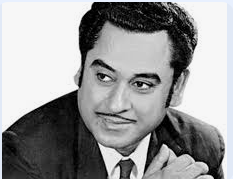
Kishore Kumar – Meray Mahboob Qiayamat Ho gi
Baba Guru Nanak Dev Ji Maharaj: Life, Teachings, and Legacy
This study guide provides information about the life and teachings of Baba Guru Nanak Dev Ji Maharaj, drawing from the provided sources.
Early Life and Family
Baba Nanak was born on April 15, 1469, in Moza Rai Talwandi of Shivpura, to a Hindu Khatri family [1].
His father, Mehta Kalyan Chand Ramdas Bedi Khatri, also known as Kaluram, was a Patwari [1].
His mother was Mata Tripat, and his grandparents were Shobharam and Laluram. He had an older sister named Bibi Nanaki, who was five years older [1].
Nanaki’s birth led to him being named Nanak, after her [1].
Nanaki played a crucial role in Nanak’s life, taking him to Sultanpur where he obtained a job [2].
He was initially educated in traditional Hindu religion [3]
Education and Early Influences
At the age of seven, Nanak’s philosophical and Sufi-like discussions surprised his teacher [3].
He was then taught Farsi by Maulvi Syed Hasan, which improved his language skills and allowed him to translate Sufi poetry into Punjabi [3].
Nanak was not satisfied with the traditional education, and he was more interested in spiritual matters [3].
He questioned the rituals and practices of both Hindu and Muslim religions from a young age [4].
Employment and Spiritual Awakening
Nanak worked as an accountant for Nawab Daulat Khan Lodi in Sultanpur for about 20 years [2].
He continued his educational activities while working [2].
He is known for his unique way of counting, often repeating “13,” which led to an investigation but no fault was found [2].
An incident where he gave away his father’s money to hungry sadhus is remembered as “Sachya Sauda,” a true deal in the name of God [3].
While taking a bath in the river, Nanak disappeared for three days, after which he proclaimed that “there is neither Hindu nor Muslim,” but only human beings [4].
He declared he would work for God, not for any man [4].
Teachings and Philosophy
Nanak’s teachings emphasize the unity of humanity and the presence of God in all beings [1, 5, 6].
He rejected religious rituals and promoted a life of service, truth, and love [1, 4, 6].
He believed that true religion is not in outward appearances or rituals but in good deeds and a kind heart [1, 5].
He advocated for controlling desires, giving up anger and greed, and remaining calm [6].
He taught that God resides within every human being [6].
He emphasized that all human beings are children of God, regardless of caste or religion [5].
He believed that one should strive to overcome their five weaknesses and that the one who does this will become God’s favorite [5].
He believed that every creature in the universe worships and praises God [6].
Travels and Interactions
Nanak traveled extensively throughout India and beyond, visiting places like Assam, Ayodhya, Nepal, Tibet, Sri Lanka, Multan, Tashkent, Shamo, Canaan, Shalam, Jordan, Egypt, Mecca, Medina, Baghdad, Arak Najaf, and Karbala [7].
He walked approximately 28,000 kilometers during his travels [7].
He engaged with people from different religious backgrounds, including Hindu sadhus and Muslim Sufis [5].
He expressed respect for Muslims, but also challenged practices that lacked true devotion [4].
Legacy and Influence
Nanak’s teachings were rooted in the Bhakti movement and emphasized a formless God [8].
He is considered a bridge between Hindu and Muslim religions [9]
He promoted the importance of devotion and love in achieving union with the divine [8].
He rejected the caste system and religious divisions [9, 10].
He established Langar (community kitchen) in Kartarpur and Dera Nanak [9].
He did not name his sons as his successors, but chose Bhai Lahna, who was renamed Guru Angad, as the second Guru [11].
His teachings are considered the foundation of Sikhism and continue to inspire millions worldwide [10].
His message of unity, peace, and love is celebrated, with the Kartarpur corridor being seen as a symbol of this message [8, 10].
His life is seen as a record of selflessness [7]
Last Years
Nanak spent his last 18 years in Kartarpur, where he farmed, lived with his family, and continued to preach [1, 7].
He died at the age of 70 in Kartarpur on September 22, 1539 [11].
His teachings continue through the nine subsequent Gurus and the Guru Granth Sahib, the 11th Guru [11].
He is also remembered by Muslims [9]
This study guide can help you understand the life, teachings, and influence of Baba Guru Nanak Dev Ji Maharaj as presented in these sources.
Kishore Kumar – Aatay Jatay Khoobsoorat Awara Sarkon Pe
Baba Guru Nanak Dev Ji Maharaj: Life, Teachings, and Legacy
This briefing document summarizes the key aspects of Baba Guru Nanak Dev Ji Maharaj’s life, teachings, and legacy, based on the provided sources:
I. Early Life and Family
Birth and Lineage: Baba Nanak was born on April 15, 1469, in Moza Rai Talwandi of Shivpura, into a Hindu Khatri family [1]. His father, Mehta Kalyan Chand Ramdas Bedi Khatri (also known as Kaluram), was a Patwari [1]. His mother was Mata Tripat [1]. He had an older sister, Bibi Nanaki, who was five years older [1].
Significance of Nanaki: Nanaki’s birth led to Nanak being named after her [1]. She later played a crucial role in his life by taking him to Sultanpur where he found employment [2, 3].
Initial Education: Nanak’s initial education was rooted in traditional Hindu practices [2].
II. Education and Early Influences
Unique Learning: From a young age, Nanak displayed a unique understanding of the world, surprising his teachers with philosophical and Sufi-like discussions [2].
Language Skills: He was taught Farsi by Maulvi Syed Hasan, which enhanced his language abilities and enabled him to translate Sufi poetry into Punjabi [2].
Spiritual Inclination: Nanak was not satisfied with traditional education; he was more interested in spiritual matters [2]. He questioned the rituals and practices of both Hindu and Muslim religions from a young age [4].
III. Employment and Spiritual Awakening
Accountant in Sultanpur: Nanak worked as an accountant for Nawab Daulat Khan Lodi in Sultanpur for approximately 20 years [3].
Counting Incident: He had a unique method of counting, often repeating “13,” which led to an investigation where no fault was found [3].
“Sachya Sauda”: An incident where Nanak used his father’s money to feed hungry sadhus is remembered as “Sachya Sauda,” a true deal in the name of God [2].
Declaration of Unity: After disappearing for three days while bathing in the river, Nanak proclaimed, “there is neither Hindu nor Muslim,” emphasizing the unity of all human beings [4].
Service to God: He declared his intention to work for God, not for any human employer [4].
IV. Teachings and Philosophy
Unity of Humanity: Nanak’s teachings stressed the unity of humanity and the presence of God in all beings [1, 4-6].
Rejection of Rituals: He rejected religious rituals and promoted a life of service, truth, and love [1, 5].
Inner Religion: True religion, according to Nanak, lies not in outward appearances or rituals but in good deeds and a kind heart [1].
Control of Desires: Nanak advocated for controlling desires, giving up anger and greed, and remaining calm [6].
God Within: He taught that God resides within every human being [6].
Equality: He emphasized that all human beings are children of God, regardless of caste or religion [5].
Overcoming Weaknesses: One should strive to overcome their five weaknesses to become God’s favorite [5].
Universal Worship: He believed that every creature in the universe worships and praises God [6].
V. Travels and Interactions
Extensive Journeys: Nanak traveled extensively throughout India and beyond, visiting places such as Assam, Ayodhya, Nepal, Tibet, Sri Lanka, Multan, and even regions in the Middle East [7].
Distance Covered: He is said to have walked approximately 28,000 kilometers during his travels [7].
Diverse Interactions: He engaged with people from various religious backgrounds, including Hindu sadhus and Muslim Sufis [5].
Challenging Practices: While respecting Muslims, Nanak also challenged practices that lacked true devotion [4, 5].
VI. Legacy and Influence
Rooted in Bhakti Movement: Nanak’s teachings were influenced by the Bhakti movement and emphasized a formless God [8].
Bridge Between Religions: He is considered a bridge between Hindu and Muslim religions [9, 10].
Devotion and Love: He promoted devotion and love as paths to union with the divine [9].
Rejection of Caste: He rejected the caste system and religious divisions [5].
Langar: He established Langar (community kitchen) in Kartarpur and Dera Nanak [10].
Successorship: Nanak did not name his sons as his successors, but instead chose Bhai Lahna, who was renamed Guru Angad, as the second Guru [11].
Foundation of Sikhism: His teachings form the basis of Sikhism and continue to inspire millions worldwide [8, 9].
Message of Unity: His message of unity, peace, and love is celebrated, with the Kartarpur corridor being seen as a symbol of this message [8-10].
Selflessness: His life is seen as a record of selflessness [7, 8].
Influence on Muslims: He is also remembered by Muslims [9].
VII. Last Years
Settlement in Kartarpur: Nanak spent his last 18 years in Kartarpur, where he farmed, lived with his family, and continued to preach [7].
Death: He died at the age of 70 in Kartarpur on September 22, 1539 [11].
Continuing Legacy: His teachings continue through the nine subsequent Gurus and the Guru Granth Sahib, the 11th Guru [11].
This briefing document provides a comprehensive overview of the life and teachings of Baba Guru Nanak Dev Ji Maharaj, highlighting his profound impact on humanity.
Baba Nanak Dev Ji Maharaj: A Life and Legacy
Here are some frequently asked questions (FAQs) about Baba Guru Nanak Dev Ji Maharaj, based on the provided sources:
Q: When and where was Baba Nanak born?
Baba Nanak was born on April 15, 1469, in Moza Rai Talwandi of Shivpura [1].
Q: What was Baba Nanak’s family background?
He was born into a Hindu Khatri family [1]. His father, Mehta Kalyan Chand Ramdas Bedi Khatri (also known as Kaluram), was a Patwari [1]. His mother was Mata Tripat [1]. He had an older sister named Bibi Nanaki [1].
Q: How did Baba Nanak get his name?
He was named Nanak after his older sister, Nanaki, who was born five years before him [1].
Q: What was the significance of his sister, Nanaki, in his life?
Nanaki played a crucial role in Nanak’s life. She brought him to Sultanpur, where he found employment, and she was very loving towards her brother [2, 3].
Q: What was Baba Nanak’s initial education?
His initial education was based on the traditional Hindu religion, but he was not satisfied with it [2].
Q: How did Baba Nanak’s education progress beyond traditional Hindu teachings?
He was taught by Pandit Gopal, but his philosophical questions surprised his teacher [2]. He also learned Farsi from Maulvi Syed Hasan, which improved his language skills and enabled him to translate Sufi poetry [2].
Q: What type of work did Baba Nanak do?
He worked as an accountant for Nawab Daulat Khan Lodi in Sultanpur for about 20 years [3].
Q: What is the story behind “Sachya Sauda”?
“Sachya Sauda” refers to an incident where Nanak used money given to him by his father to feed hungry sadhus, considering it a true deal in the name of God [2].
Q: What did Baba Nanak proclaim after disappearing for three days while bathing in the river?
He proclaimed that ” there is neither Hindu nor Muslim,” emphasizing the unity of all human beings [4].
Q: What were some of the main teachings and philosophies of Baba Nanak?
His teachings emphasized the unity of humanity and the presence of God in all beings [4, 5]. He rejected religious rituals and promoted a life of service, truth, and love [5]. He taught that God resides within every human being [6].
Q: What did Baba Nanak say about the importance of good deeds?
He believed that true religion lies not in outward appearances or rituals but in good deeds and a kind heart [5]. He emphasized controlling desires, giving up anger and greed, and remaining calm [6].
Q: How did Baba Nanak view the caste system?
He taught that all human beings are children of God, regardless of caste or religion [5].
Q: Where did Baba Nanak travel and who did he interact with?
He traveled extensively throughout India and beyond, visiting places such as Assam, Ayodhya, Nepal, Tibet, Sri Lanka, Multan, and regions in the Middle East [7]. He engaged with people from various religious backgrounds, including Hindu sadhus and Muslim Sufis [5].
Q: How far did he travel during his life?
He is said to have walked approximately 28,000 kilometers during his travels [7].
Q: What is the significance of the Langar?
He established Langar (community kitchen) in Kartarpur and Dera Nanak [8].
Q: Who did Baba Nanak choose as his successor?
He did not choose his sons; instead, he chose Bhai Lahna, who was renamed Guru Angad, as the second Guru [9].
Q: How is Baba Nanak’s legacy seen today?
His teachings are the foundation of Sikhism and continue to inspire millions worldwide [10, 11]. His message of unity, peace, and love is celebrated, with the Kartarpur corridor being a symbol of this message [10, 11]. His life is seen as a record of selflessness [7, 10]. He is also remembered by Muslims [11].
Q: Where did Baba Nanak spend the last years of his life?
He spent his last 18 years in Kartarpur, where he farmed, lived with his family, and continued to preach [7].
Q: When did Baba Nanak die?
He died at the age of 70 in Kartarpur on September 22, 1539 [9].
Baba Nanak: Life, Teachings, and Legacy
Baba Nanak’s life was marked by a unique spiritual journey and a message of unity that transcended religious boundaries [1, 2]. Here’s a detailed look at his life, drawing from the sources:
Early Life and Family: Born on April 15, 1469, in Moza Rai Talwandi, Baba Nanak came from a Hindu Khatri family [1]. His father, Mehta Kalyan Chand Ramdas Bedi Khatri, was a Patwari, and his mother was Mata Tripat [1]. He had an older sister, Bibi Nanaki, who was five years his senior, and he was named after her [1]. Nanaki played a crucial role in his life [3].
Education and Early Influences: Nanak’s early education began with traditional Hindu practices [4]. However, from a young age, he showed a unique understanding of the universe, engaging in philosophical and Sufi-like discussions that surprised his teachers [4]. He was later taught Farsi by Maulvi Syed Hasan, which enhanced his language skills and enabled him to translate Sufi poetry into Punjabi [4]. He was not satisfied with traditional religious teachings and questioned the practices of both Hindu and Muslim faiths [2].
Employment and Spiritual Awakening: At the age of 16, Nanak’s sister, Nanaki, took him to Sultanpur, where he secured a job as an accountant for Nawab Daulat Khan Lodi [3]. While working there for about 20 years, he continued his educational activities [3]. An interesting incident during this time involved his unique way of counting, often repeating “13,” which led to an investigation that found no fault [3]. Another notable event is the “Sachya Sauda,” where he used his father’s money to feed hungry sadhus, considering it a true deal with God [4]. He eventually declared that he would work for God, not for any human employer [2]. While bathing in the river, he disappeared for three days, and upon his return, he proclaimed, “there is neither Hindu nor Muslim,” emphasizing the unity of all human beings [2].
Teachings and Philosophy: Nanak’s teachings centered on the unity of humanity and the presence of God in all beings [1, 5]. He rejected religious rituals and promoted a life of service, truth, and love [1]. According to Nanak, true religion lies not in outward appearances or rituals, but in good deeds and a kind heart [1, 5]. He also advocated for controlling desires, giving up anger and greed, and remaining calm [6]. He taught that God resides within every human being and that all humans are children of God, regardless of their caste or religion [5, 6]. He also stressed the importance of overcoming one’s weaknesses in order to be closer to God [5]. Nanak believed that every creature in the universe worships and praises God [6].
Travels and Interactions: Nanak traveled extensively throughout India and beyond, covering an estimated 28,000 kilometers on foot [7]. His journeys took him to Assam, Ayodhya, Nepal, Tibet, Sri Lanka, Multan, and even regions in the Middle East [7]. He engaged with people from diverse religious backgrounds, including Hindu sadhus and Muslim Sufis [5].
Last Years and Legacy: Baba Nanak spent the last 18 years of his life in Kartarpur, where he farmed, lived with his family, and continued to preach [7]. He established Langar (community kitchen) in Kartarpur and Dera Nanak [8]. He did not name his sons as his successors but chose Bhai Lahna, who was renamed Guru Angad, as the second Guru [9]. His teachings form the foundation of Sikhism and continue to inspire millions around the world [10]. He emphasized a formless God and devotion and love as paths to the divine [10]. Nanak’s message of unity, peace, and love is celebrated, with the Kartarpur corridor seen as a symbol of this [11]. His life is viewed as a record of selflessness, and he is remembered by Muslims as well [10]. Nanak died in Kartarpur at the age of 70 on September 22, 1539 [9]. His teachings continue through the nine subsequent Gurus and the Guru Granth Sahib [9].
In summary, Baba Nanak’s life was a testament to his profound spiritual insights and his commitment to fostering unity and love among all people [1, 11]. His rejection of religious divisions and his emphasis on universal human connection continue to resonate today [11].
Baba Nanak: A Bridge Between Religions
Baba Nanak’s life and teachings emphasized the importance of Hindu-Muslim unity, striving to bridge the divide between the two major religions of his time [1]. Here’s a detailed discussion of this aspect, based on the sources:
Rejection of Religious Division: Baba Nanak explicitly stated, “there is neither Hindu nor Muslim,” emphasizing that all people are fundamentally human beings [2]. This declaration was a cornerstone of his philosophy, advocating for the recognition of a shared humanity that transcends religious labels [2]. He believed that God is neither Hindu nor Muslim, and that the path to God is through love and service, rather than adherence to specific religious practices [2].
Critique of Religious Practices: Baba Nanak critiqued the rituals and practices of both Hinduism and Islam, arguing that true religion lies in good deeds and a pure heart, not in external observances [2-4]. He stated that the secret of religion lies in living a life of service, not in wearing sacred clothes, rubbing ashes, or performing rituals [3]. He also questioned the purpose of fasting, praying, or reading religious texts if they do not lead to kindness and truth [2]. He emphasized that a mosque is only a true mosque when God’s mercy descends there, and prayers are only worship when they are done with God’s permission [2]. He also noted that the Quran is only meaningful when morals and thoughts understand it [2].
Emphasis on Universal Love and Service: Nanak’s teachings promoted a life of service to all, seeing God in every human being. He believed that all people are children of God, regardless of their caste or religion [4]. He encouraged his followers to overcome their weaknesses, be calm, and control their desires [5]. The essence of his message was to foster love and friendship among all people [1].
Interactions with Both Hindus and Muslims: Baba Nanak engaged with people from both Hindu and Muslim backgrounds during his travels [4, 6]. He interacted with Hindu sadhus and Muslim Sufis, and his message resonated with individuals across religious lines [4]. This indicates that he was respected by both communities [7].
Symbolism of the Kartarpur Corridor: The Kartarpur corridor is seen as a symbol of Baba Nanak’s message of unity, allowing pilgrims from both India and Pakistan to visit his shrine without visa restrictions [1, 8]. The idea of a “Baba Nanak Love Bridge” connecting Kartarpur and Dera Baba Nanak is a symbol of unity [8].
Rejection of a New Religion: Baba Nanak did not seek to create a new religion but rather to destroy the barriers between existing ones, promoting a message of love and human friendship [1]. He did not wish to abolish any religion, but aimed to unite all under the banner of shared humanity [1].
Influence on Sikhism: Baba Nanak’s teachings form the foundation of Sikhism, which itself promotes the ideals of equality and unity. He incorporated elements from both Hindu and Sufi traditions into his teachings [7]. He gave equal importance to Muslim Sufi Baba Farid Shakarganj and Hindu saints like Kabir and Ravidas [7].
Legacy of Unity: Even today, his message of unity is celebrated, and his followers include both Hindus and Muslims [1, 8]. He is seen as a bridge between the two religions, with his teachings emphasizing shared humanity [8].
In summary, Baba Nanak’s vision was one of unity and harmony, transcending religious divides and promoting the idea that all of humanity is one family under God. He rejected ritualistic practices and championed the importance of love, service, and good deeds as the true expressions of faith. His legacy continues to inspire people of all backgrounds to seek common ground and foster unity.
Baba Nanak and the Sikh Mission
Sikhism’s mission, as understood through the teachings and life of Baba Nanak, centers on promoting universal unity, love, and service to humanity, transcending religious and social divisions [1-3]. Here’s a detailed look at the mission of Sikhism based on the provided sources:
Unity of Humanity: A core tenet of Sikhism’s mission is the belief in the fundamental unity of all human beings, irrespective of their religious, cultural, or social backgrounds [2-4]. This is encapsulated in Baba Nanak’s declaration that “there is neither Hindu nor Muslim,” emphasizing that everyone is a child of God [2].
This mission is not about abolishing any religion but about destroying the barriers between them, so that love and human friendship can prevail [3].
Service to Others (Seva): Sikhism emphasizes a life of selfless service (Seva) to all of humanity [1, 5]. It calls for putting the needs of others before one’s own and helping those in need, viewing service as a form of worship [1, 3, 5].
Baba Nanak taught that the true secret of religion lies in living a life of service rather than focusing on outward rituals or religious attire [1]. He believed that caring for all human beings is a form of devotion to God [1].
Truthfulness and Honesty: The pursuit of truth is central to Sikhism’s mission [2]. Sikhs are expected to live truthfully and honestly in all aspects of their lives [4, 5]. Baba Nanak emphasized that true guidance comes from adhering to truth, and those who do not live by it cannot believe in God’s guidance [2].
Overcoming Weaknesses and Controlling Desires: Sikhism emphasizes the importance of self-improvement and spiritual growth [5]. Followers are encouraged to control their desires, give up anger and greed, and remain calm in the face of difficulties [4, 5].
Baba Nanak taught that recognizing God is about identifying oneself first, as God resides within every human being [5].
Devotion and Love for God: The mission includes fostering a deep, personal connection with God through devotion and love [2, 5]. Sikhism promotes the idea that God is present everywhere, in all of creation [1, 5].
It rejects the notion of God as an idol and promotes worship of a formless, universal God [6].
Rejection of Ritualism: Sikhism’s mission is to move away from external religious rituals and focus on inner spiritual transformation [1]. It promotes a direct and personal relationship with God through actions and thoughts.
Baba Nanak critiqued the rituals of both Hinduism and Islam [1, 2]. He argued that true devotion should manifest as service, love, and good deeds rather than adherence to rituals [1, 2].
Equality: The mission of Sikhism strongly emphasizes the equality of all individuals, rejecting the caste system and social hierarchies [3, 4]. All are considered children of God, with no one being superior to another [4, 5].
Sikhism’s mission promotes the idea that all human beings are of equal status in the eyes of God, regardless of their social background, religious beliefs, or status in society [4].
Bridge Between Religions: Sikhism’s mission is to act as a bridge between different faiths, particularly between Hinduism and Islam, promoting peace and understanding [3, 7].
Baba Nanak’s teachings and life serve as an example of unity in a world that is often divided by religious differences. He is considered a bridge between Hindus and Muslims [7].
Spreading the Message of Truth: A key aspect of Sikhism is to spread the message of truth and to guide people towards righteous living [2, 3].
Baba Nanak was sent to spread the message of truth throughout the world [2]. He encouraged his followers to do the same and to share his teachings with everyone they meet [2].
In summary, the mission of Sikhism, as established by Baba Nanak, is to create a world where all people recognize their shared humanity, serve each other with love and compassion, and strive for spiritual enlightenment through devotion to God and by living a life of truth, honesty, and service to others. It seeks to promote unity, peace, and harmony while rejecting division, ritualism, and social hierarchies.
Religious Tolerance in Sikhism
Religious tolerance is a central theme in the teachings of Baba Nanak and the mission of Sikhism, emphasizing respect, understanding, and unity among people of different faiths [1, 2]. Here’s a breakdown of religious tolerance as seen through the lens of the provided sources:
Rejection of Religious Exclusivity: Baba Nanak’s core teaching that “there is neither Hindu nor Muslim” demonstrates a rejection of the idea that any one religion is superior to others [3]. This statement underscores the belief that all humans are fundamentally the same, irrespective of their religious affiliation [3]. This principle forms the basis for religious tolerance by promoting the concept of shared humanity that transcends religious labels [1, 3].
The sources emphasize that God is not limited to a single religion and that the path to God is through love, service, and good deeds, rather than adherence to specific religious practices or identities [1, 3].
Critique of Religious Dogmatism: Baba Nanak critiqued the rigid adherence to rituals and practices in both Hinduism and Islam [1]. He argued that external observances like wearing sacred clothes, rubbing ashes, fasting, or performing rituals do not constitute true religion if they are not accompanied by genuine kindness, service, and truthfulness [1, 3]. He emphasized that the true essence of faith lies in living a life of service and good actions, rather than empty ritual [1].
This critique underscores the importance of inner transformation and rejecting blind faith in favor of meaningful action and compassion [1].
Emphasis on Universalism: Sikhism promotes a universalist perspective, viewing all people as children of God, regardless of their religion or social status [4]. This perspective promotes an inclusive environment where everyone is equal in God’s eyes [4].
Baba Nanak’s travels and interactions with people from diverse religious backgrounds, including Hindu sadhus and Muslim Sufis, exemplify his acceptance and respect for different faiths [3, 4]. He sought to learn from all traditions [3].
Promoting Dialogue and Understanding: Baba Nanak engaged in dialogues with people of various faiths to promote understanding and mutual respect [3, 5]. His conversations in mosques and other religious settings are examples of his efforts to bridge the gap between different communities [3].
By engaging in respectful dialogue, Baba Nanak demonstrated the importance of communication and open-mindedness in fostering religious tolerance [3, 5].
Living a Life of Service: According to the sources, Sikhism emphasizes that the secret of religion lies in living a life of service to others, regardless of their faith [1]. This principle of selfless service promotes unity by encouraging people to work together for the common good, setting aside religious differences [1, 4].
Rejection of Hatred and Violence: The teachings of Baba Nanak and Sikhism are firmly against hatred, violence, and discrimination based on religious differences [6]. The sources indicate that followers are encouraged to overcome anger, greed, and other negative emotions that lead to conflict [6]. This emphasis on peace and non-violence is central to its message of tolerance and unity [2, 6].
Symbolism of the Kartarpur Corridor: The Kartarpur Corridor is presented as a modern symbol of religious tolerance, allowing Sikh pilgrims to visit holy sites in Pakistan without visa restrictions [2, 7]. This underscores the idea that religious differences should not be barriers to peace and harmony [2, 7].
The proposal of a “Baba Nanak Love Bridge” further exemplifies the desire to unite people of different religious backgrounds [7].
Mission of Unity: The sources suggest that the mission of Sikhism is not to abolish any religion, but to break down the barriers between them [2]. This mission promotes unity and love amongst all humans [2].
Baba Nanak’s vision was to unite all of humanity under the banner of shared humanity and to live in peace and friendship, transcending religious divides [2].
In summary, the concept of religious tolerance in the provided sources emphasizes that Baba Nanak sought to create an environment of understanding and mutual respect among all people, regardless of their religious beliefs. His teachings highlight the importance of transcending religious differences, focusing on shared humanity, and pursuing a path of truth, service, and love to realize that vision [1, 2]. This approach forms the basis for Sikhism’s mission to promote universal unity and harmony.
Baba Nanak’s Journeys: A Legacy of Unity and Service
Baba Nanak’s travels were extensive and purposeful, playing a crucial role in spreading his message of unity, love, and service across diverse regions and cultures [1, 2]. These journeys not only broadened his understanding of the world but also allowed him to engage with people of various faiths, fostering religious tolerance and promoting his unique spiritual vision [3-5]. Here is a discussion of his travels based on the provided sources:
Extensive Geographical Range: Baba Nanak traveled widely, covering approximately 28,000 kilometers on foot [1]. His journeys took him across India, from Assam to Ayodhya and Nepal to Tibet, and extended beyond the Indian subcontinent to Sri Lanka [1]. He also traveled to places in the Middle East, including Tashkent, Canaan, Shalam, Jordan, Egypt, Mecca, Medina, Baghdad, Arak Najaf, and Karbala [1].
Purpose of Travel: The primary purpose of Baba Nanak’s travels was to spread his message of truth, unity, and love [4, 6]. He aimed to guide people towards righteous living and to show that the path to God is through love and service, rather than rigid adherence to religious rituals or social hierarchies [4, 7].
Engaging with Diverse Communities: Baba Nanak’s travels brought him into contact with people from various religious backgrounds, including Hindus, Muslims, Sufis, and Yogis [4, 5]. He actively engaged in dialogues with these diverse communities, promoting understanding and mutual respect [5]. His interactions demonstrated his acceptance and respect for different faiths and allowed him to share his teachings with a wide audience [2, 5].
Key Locations and Their Significance:
Rai Talwandi (Nankana Sahib): This was Baba Nanak’s birthplace where he spent his early years. It is a place of great significance in Sikhism [1, 7].
Sultanpur Lodi: Baba Nanak worked here as an accountant and spent about 20 years. This period was important for his learning and development and his interactions with people of different faiths [3, 8].
Kartarpur: He spent the last 18 years of his life in Kartarpur, where he practiced farming and continued his religious activities [1, 7]. It was here that he established a community that is still a focal point for his followers [1].
Travel as a Form of Spiritual Practice: His travels were not just geographical but also spiritual, as they facilitated a deep connection with the world and its people [1, 3]. They enabled him to experience and understand different cultures and religious practices, which further enriched his spiritual perspective [1].
Baba Nanak’s travel is similar to the travels undertaken by other spiritual figures such as Shri Ramchandra Ji Maharaj and Buddha [1].
Interactions and Impact:
Dialogue with Religious Leaders: Baba Nanak engaged in conversations with both Hindu and Muslim leaders, challenging their adherence to ritualistic practices and advocating for a more service-oriented and truthful approach to religion [4, 7, 8].
Challenging Social Norms: Through his travels and interactions, Baba Nanak challenged social norms, such as the caste system, and advocated for equality among all people [5, 6].
Establishing Langars: In places like Kartarpur and Dera Nanak, Baba Nanak established langars (community kitchens) where people of all backgrounds could eat together, promoting equality and unity [9].
Symbolism of the Kartarpur Corridor: The establishment of the Kartarpur Corridor, which allows pilgrims to travel between India and Pakistan, is a modern symbol of the lasting impact of Baba Nanak’s travels and teachings [6, 9]. It provides a physical connection to the places where he lived and preached [9]. The corridor stands as a testament to his message of unity and peace, enabling people to experience the places he visited during his lifetime [6, 9].
In summary, Baba Nanak’s travels were a crucial component of his mission, allowing him to spread his message of unity, love, and service to humanity [1, 4, 6]. His journeys were characterized by extensive geographical coverage, interfaith dialogue, and a commitment to breaking down social and religious barriers [2, 3, 5]. These travels left an indelible mark on the regions he visited and continue to inspire people to seek understanding, tolerance, and peace [6, 9].
Affiliate Disclosure: This blog may contain affiliate links, which means I may earn a small commission if you click on the link and make a purchase. This comes at no additional cost to you. I only recommend products or services that I believe will add value to my readers. Your support helps keep this blog running and allows me to continue providing you with quality content. Thank you for your support!
This source is IELTS Interactive self-study: 200 Advanced Vocabulary Questions Book 2 by Konstantinos Mylonas, designed to help individuals preparing for the IELTS exam improve their advanced vocabulary. The book offers a self-study method using multiple-choice questions with immediate feedback and example sentences for correct and incorrect answers. It emphasizes the importance of knowing a wide range of words for better comprehension and communication in English. Users can access the eBook across various devices and are encouraged to utilize the Kindle dictionary and revisit exercises for effective vocabulary acquisition. The text includes numerous practice and revision exercises covering a variety of vocabulary terms.
Mastering Advanced Vocabulary for IELTS Success
Based on the sources provided, preparing for the IELTS test, particularly by studying advanced vocabulary, is highlighted as absolutely essential to get the maximum score. The sources emphasize that knowing hundreds of “tough” words can significantly improve your reading and listening comprehension. Additionally, it can help you write and speak much more accurately and fluently. An “Indisputable Fact” presented is that the more English words you know, the higher your IELTS Score can be.
The resource, “IELTS Interactive self-study: 200 Advanced Vocabulary Questions/ Book 2,” is designed to help with this aspect of IELTS preparation. It is described as a unique eBook ideal for self-study, allowing you to answer vocabulary questions and receive immediate feedback. The method is likened to having a private English Tutor available instantly.
The book’s approach involves:
Each page containing a multiple-choice question.
You read the question and four possible answers carefully.
The goal is to select the key word that best completes the sentence.
For additional help, a synonym of the missing word is provided at the end of the sentence.
Using the free Kindle dictionary is encouraged to learn more about the meaning and usage of unknown words.
Upon selecting an answer, you turn the page to get immediate feedback, seeing whether you were right or wrong.
Incorrect options are crossed out, and an example sentence of the key word and synonyms are provided.
The example sentences are meticulously researched and edited to serve as models for correct and natural usage in your own speech or writing.
Completing the exercises in this eBook is intended to help you master hundreds of advanced words and word combinations quickly and easily. You also practice your dictionary skills. Frequent revision is considered one of the most effective ways to acquire new vocabulary, and the method involves meeting each key word multiple times. Key words are constantly recycled across exercises to aid memorization. You are encouraged to repeat exercises until you feel you have memorized the words.
Konstantinos Mylonas, the author, has experience preparing students for major language proficiency examinations, including IELTS, since 1994. He is passionate about coaching and mentoring students to reach their full potential using his knowledge and experience.
Mastering Advanced Vocabulary for IELTS Success
Based on the sources and our conversation history, the discussion of Advanced Vocabulary centers around its critical importance for achieving a high score on the IELTS test.
Here’s a breakdown of what the sources tell us about Advanced Vocabulary in the context of IELTS preparation:
Essential for Maximum Score: Studying advanced vocabulary is described as absolutely essential for individuals preparing for the IELTS test who aim to achieve the maximum score.
Impact on Skills: Knowing hundreds of “tough” words is stated to greatly improve both reading and listening comprehension. Furthermore, it helps test-takers write and speak much more accurately and fluently.
Direct Correlation to Score: An “Indisputable Fact” presented is that the more English words you know, the higher your IELTS Score can be. This establishes a direct link between vocabulary breadth and test performance.
The resource, “IELTS Interactive self-study: 200 Advanced Vocabulary Questions/ Book 2,” is specifically designed to address this need for advanced vocabulary acquisition. It offers a “simple but powerful method for vocabulary expansion”. This method is structured for self-study and includes the following elements to help users master advanced words and word combinations quickly and easily:
Presenting vocabulary through multiple-choice questions.
Providing a synonym of the missing word for additional help.
Encouraging the use of a dictionary (specifically the free Kindle dictionary) to delve deeper into the meaning and usage of unfamiliar words.
Giving immediate feedback upon answering, indicating whether the choice was correct or incorrect.
For incorrect answers, crossing out the wrong options and providing an example sentence of the key word along with its synonyms. These example sentences are carefully researched and edited to serve as models for correct and natural usage in speaking and writing.
Emphasizing that frequent revision is a highly effective way to acquire new vocabulary.
A key component of the book’s approach is constantly recycling key words across exercises, ensuring users meet each word multiple times to aid memorization.
Users are encouraged to repeat exercises until they feel they have memorized the words. The point of the exercises is to learn or revise vocabulary, definitions, and example sentences, even if many mistakes are made initially.
In summary, advanced vocabulary is presented as a fundamental requirement for maximizing one’s IELTS score, impacting all core skills. The provided book offers a specific, interactive methodology centered on repeated exposure and application through context and feedback to help learners build this crucial vocabulary base.
IELTS Advanced Vocabulary Practice Exercises
Based on the sources and our conversation, the Practice Exercises are a core component of the “IELTS Interactive self-study: 200 Advanced Vocabulary Questions/ Book 2”. They are designed to help users master advanced words and word combinations quickly and easily.
Here’s a breakdown of the Practice Exercises based on the provided information:
Purpose: The main goal is to learn or revise vocabulary, definitions, and example sentences of the key words. Studying advanced vocabulary through these exercises is described as absolutely essential to get the maximum score on the IELTS test. It is stated as an “Indisputable Fact” that the more English words you know, the higher your IELTS Score can be. The exercises aim to improve reading and listening comprehension and help with more accurate and fluent writing and speaking.
Format: Each practice exercise consists of multiple-choice questions. There are 10 such exercises listed in the Table of Contents.
Structure of each question: Each page contains one multiple-choice question. The user is presented with a sentence containing a gap and four possible answers. A synonym of the missing word is provided at the end of the sentence for additional help.
Interactive Method: The book utilizes a unique interactive method. After selecting an answer choice, you turn the page to receive immediate feedback on whether you were right or wrong. Incorrect options are crossed out, and an example sentence of the key word and synonyms are provided. These example sentences are carefully researched and edited to serve as models for correct and natural usage. This feedback process is likened to having a private English Tutor instantly available.
Vocabulary Acquisition Strategy: The method is described as a simple but powerful method for vocabulary expansion. A key component is that key words are constantly recycled across exercises. This ensures users meet each key word multiple times, aiding memorization. Frequent revision is highlighted as one of the most effective ways to acquire new vocabulary.
Usage Recommendations: Users should read the question and answer choices carefully. Using the free Kindle dictionary is encouraged to delve deeper into the meaning and usage of unknown words. You can bookmark or highlight sentences for later revision. Don’t be discouraged by making mistakes in the beginning, as the goal is learning and revising. It is recommended to repeat the exercise a few times until you feel you have memorised the words.
The provided excerpts show examples of the practice questions covering a range of verbs and adjectives like enticing, stifle, plummet, retain, attributed, absconded, deter, clattering, abide, gorge, assert, repels, subsidised, vaccinate, prune, retaliate, receded, abolish, defraud, eradicate, constrain, depicted, rallied, perspiring, plunged, smuggle, underpinning, delegated, relayed, rustling, reckoned, exploited, consented, relegates, encroached, ranks, squashed, attained, segregated, wound, buckled, delude, coerced, captivated, rumbled, recur, and curb.
IELTS Vocabulary Revision Strategies
Based on the sources and our conversation history, the Revision Exercises are presented as a distinct section within the “IELTS Interactive self-study: 200 Advanced Vocabulary Questions/ Book 2”. There are 10 Revision Exercises listed in the Table of Contents, following the 10 Practice Exercises.
The format of the Revision Exercises is similar to the Practice Exercises in that they present sentences with a missing word and provide a synonym hint at the end of the sentence. However, the key difference is how the question is presented: instead of offering multiple-choice options, the Revision Exercises give the user a sentence with a gap where the missing word’s first few letters are provided, followed by underscores. For example, “Most children’s books these days have en__________ colour illustrations. [=attractive]” is a Revision Exercise question.
The primary purpose of these exercises, as implied by their name and the book’s instructions, is revision. The sources state that frequent revision is one of the most effective ways to acquire new vocabulary. The design of the book, including the Revision Exercises, ensures that key words are constantly recycled in every exercise, meaning users will “meet each key word many times”. By completing all exercises, users are intended to “memorise the meanings of most key words”.
The goal of engaging with the Revision Exercises is to learn or revise vocabulary, as well as study the definitions and example sentences of the key words. Users are encouraged to repeat the exercise a few times until you feel you have memorised the words. This reinforces the advanced vocabulary that is deemed absolutely essential to get the maximum score on the IELTS test and helps improve reading, listening, writing, and speaking skills. The underlying principle is that the more English words you know, the higher your IELTS Score can be.
IELTS Vocabulary Self-Study Method
Based on the sources and our conversation history, the Self-Study Method is the core approach presented by the “IELTS Interactive self-study: 200 Advanced Vocabulary Questions/ Book 2” for mastering advanced vocabulary. The book is specifically designed as an interactive tool ideal for self-study, usable “whenever you want, wherever you are”.
This self-study method is described as a “simple but powerful method for vocabulary expansion”. Its effectiveness is likened to having a “private English Tutor on the spot” because it provides immediate feedback on your answers.
Here are the key components and processes of the self-study method as detailed in the sources:
Answering Questions: The primary mode of interaction is through vocabulary questions. These are presented in both Practice Exercises and Revision Exercises.
Interactive Feedback: After selecting an answer choice in the Practice Exercises, the user turns the page to instantly see if they were right or wrong. In the Revision Exercises, where the user supplies the word based on initial letters, turning the page reveals the full, correct word.
Correction and Explanation: For incorrect answers, the wrong options are crossed out. Crucially, the method provides an example sentence using the correct key word, along with its synonyms. These example sentences are carefully researched and edited to serve as models for correct and natural usage in speaking or writing.
Contextual Learning & Support: The vocabulary is presented within sentences. A synonym of the missing word is provided at the end of the sentence for additional help.
Utilizing Resources: Users are encouraged to use the free Kindle dictionary to “delve deeper into the meaning and usage of unknown words”.
Active Learning & Revision: The method suggests bookmarking or highlighting sentences that require revision. A key principle is the constant recycling of key words across exercises, ensuring users encounter each word multiple times to aid memorization.
Repetition and Mastery: Users are advised to repeat exercises a few times until they feel they have memorised the words. The goal is not to avoid mistakes initially, but to use the activity to “learn or revise vocabulary, as well as study the definitions and example sentences of the key words”. Completing all exercises is intended to help users “memorise the meanings of most key words”. Frequent revision is explicitly stated as one of the most effective ways to acquire new vocabulary.
Through this interactive, repetitive, and context-rich process, the self-study method aims to help learners “master hundreds of advanced words and word combinations quickly and easily”. This is presented as absolutely essential for anyone preparing for the IELTS test aiming for the maximum score, as it directly improves reading and listening comprehension and helps with more accurate and fluent writing and speaking. The underlying “Indisputable Fact” driving this method is that “The more English words you know, the higher your IELTS Score can be”.
Affiliate Disclosure: This blog may contain affiliate links, which means I may earn a small commission if you click on the link and make a purchase. This comes at no additional cost to you. I only recommend products or services that I believe will add value to my readers. Your support helps keep this blog running and allows me to continue providing you with quality content. Thank you for your support!
These news articles from a Saudi Arabian newspaper highlight several key themes. Firstly, they emphasize the successful organization and management of the Hajj pilgrimage for the year 1446 AH, detailing the logistical, technological, and collaborative efforts involved. Secondly, they discuss developments in the Saudi economy, focusing on the growth of e-commerce and the strategic management of oil production and exports. Thirdly, the articles report on geopolitical events and regional conflicts, particularly regarding the humanitarian situation in Gaza and incidents in other countries. Finally, there is coverage of local cultural events and sports, including a reality show and updates on Saudi football teams.
Based on the sources provided, the management of the Hajj pilgrimage in Saudi Arabia, particularly for the year 1446H, is highlighted as an extraordinary success. This success is attributed to a culmination of accumulated work, infrastructure development, studied planning, and unprecedented modernization efforts as part of the Kingdom’s Vision 2030. Hajj and Umrah have become one of the most important sectors undergoing modernization.
Key aspects of Hajj management discussed in the sources include:
Transformation to an Integrated System: The Hajj experience has transformed from merely performing rituals into an integrated system covering logistics, digitalization, security, health, smart transportation, and a sustainable environment. This comprehensive approach embraces a complete faith and human experience.
Leadership Oversight: The integrated effort is facilitated by the wise leadership’s exceptional attention to Hajj and dedication of all capabilities to serve the Guests of the الرحمن. There was detailed follow-up by the Custodian of the Two Holy Mosques and the Crown Prince. Various Gulf leaders congratulated the Saudi leadership on the success of Hajj management, praising the great efforts and generous care provided.
Advanced Infrastructure and Services: The Kingdom provided an advanced network of transportation, including buses and trains, integrated and highly ready health facilities, and security coordination involving thousands of workers and volunteers. Preparations in Medina after Hajj include preparing the Prophet’s Mosque facilities, providing Zamzam water, setting up cooling umbrellas, and organizing movement.
Technology and Digitalization: Artificial Intelligence (AI) was used in organizing crowds and analyzing data in real-time, contributing to rapid response and avoiding bottlenecks. Digital platforms are a core component, with over 1.6 million pilgrims benefiting from STC’s advanced network. STC provided critical communication services, cybersecurity, and managed Wi-Fi solutions, contributing to rapid field response and efficient crowd management. AI facilitated over 14,000 technical procedures per hour, demonstrating significant growth in technical operations. The Ministry of Hajj and Umrah utilizes a tracking and control center that monitors pilgrim movement, congestion, and analyzes data in real-time to issue guidance and improve response efficiency. This center represents the digital transformation in Hajj management.
Security and Safety: Strict regulatory policies were enforced, preventing over 269,000 individuals without Hajj permits from entering to protect security and public safety. Security forces dedicated all capabilities to ensure the safety and security of the Guests of the الرحمن. Police forces are involved in securing areas and assisting pilgrims. The security sector demonstrated a precise human face, managing violations without spectacle and ensuring pilgrim safety without disruption. Measures like checking pilgrim identity electronically using fingerprints at service centers and hospitals were implemented.
Crowd and Movement Management: AI-powered predictive analysis helped in enhancing data distribution and load balancing. The Ministry of Hajj and Umrah’s control center integrates systems related to Hajj, including transport and movement management, providing a comprehensive view of the pilgrim’s journey. This integration helped reduce waiting times at air entry points to less than 40 minutes. Smart systems for collective transport are employed, ensuring that each pilgrim’s journey follows a precise schedule.
Focus on Pilgrim Experience: The management focuses on embracing a comprehensive faith and human experience. The success is not merely in the number of pilgrims served but in the spiritual experience created for each individual. Pilgrims expressed deep feelings, including gratitude for the comprehensive services and the atmosphere of security and tranquility. Saudi cadres with high qualifications participate in serving pilgrims. The goal is to provide a comfortable, safe, and organized environment enabling pilgrims to perform their rituals with ease and tranquility.
National Mission and Continuous Improvement: Hajj management is viewed as a national mission where everyone participates without exception. It is a strategic objective rooted in the Kingdom’s foundation, linked to the title of Custodian of the Two Holy Mosques. The historical experience in Hajj management has led to accumulated expertise and a continuous system that automatically forms with each Hajj season. The management system is flexible and open to renewal and development from all participating entities. Innovation continues yearly to improve and enhance Hajj management and services, offering new ideas and technologies. This commitment is a “supreme message” stemming from deep identity and the pledge to serve the Two Holy Mosques and pilgrims. Serving pilgrims is a core responsibility reflecting sincerity and fulfilling the pledge.
The management is described as operating with the “mind of a state and the heart of a nation”. It is a model of successful work and permanence of hope, embodying institutional integration. The goal is to make the Hajj and Umrah seasons a global model in terms of service and facilities, in line with Vision 2030. The success is presented as proof that the Kingdom knows how to distribute roles and set the pace in managing this sacred ritual. The experience from this Hajj season opens the door to rethinking the concept of the “service state” that uses its central power to facilitate people’s lives in complex circumstances.
Saudi Electronic Shopping Growth and Challenges
Based on the provided sources, electronic shopping is discussed as a significant aspect of digital transformation and a key part of Saudi Arabia’s Vision 2030. It represents a shift from traditional shopping to smart applications and electronic platforms, offering diverse purchasing options for goods and various payment methods that combine instant and deferred payment.
The growth in electronic shopping is described as reflecting its central role in the national economy. Vision 2030 initiatives have actively encouraged e-commerce through simplifying licensing procedures and developing payment and shipping systems, supported by digital infrastructure development and improved logistics.
User behavior shows that many people browse these electronic platforms using their smartphones seeking the best offers and fastest delivery. The Eid al-Adha season specifically revitalized buying activity through these websites. The experience during the “Corona” pandemic was the first for many, who discovered they didn’t need to waste time traveling or searching physical stores, as purchases could arrive quickly at their doorstep.
Statistics highlight the local focus of Saudi consumers, with a report indicating that 93.1% of consumer purchases in 2024 were completed through local websites. The use of AI tools is also noted among Internet users in the Kingdom, with 21.5% reportedly using various types of AI applications. Official statistics show an increase in electronic records in 2024, reaching approximately 40,953 thousand records, a 10% growth compared to the previous year. Annual e-commerce sales via “Mada” cards saw a significant annual growth rate of 36.1% in the fourth quarter of 2024 compared to the same period in 2023.
The sources also delve into the delivery sector, which has experienced massive growth, fueled by the adoption of digital solutions by citizens and the entry of international investors. The market size is estimated to exceed 50 billion riyals by 2025, with expected annual growth around 15% until 2030. However, this growth comes with challenges, particularly concerning the conduct and oversight of delivery drivers.
A specific incident involving a delivery driver prompted discussions on the need for stricter regulations. Experts and observers suggest measures like mandatory security checks, training on laws and public behavior, and a specific ID card for drivers linked to security and technology sectors. Companies operating these platforms are now expected to be more transparent about their employee selection and monitoring processes. The number of delivery drivers in the Kingdom is estimated to be over 200,000, working for 61 companies (as of March 2025) that collectively executed around 290 million orders in one year. This highlights the significant scale and impact of the delivery aspect of electronic shopping.
In summary, electronic shopping in Saudi Arabia is portrayed as a rapidly growing sector, supported by government initiatives under Vision 2030, technological adoption, and changing consumer behavior, although challenges related to the regulation and oversight of delivery services are being addressed.
Global Oil Market Dynamics: Supply, Demand, and Geopolitics
Based on the provided sources, the oil market is currently described as maintaining its strength amidst a combination of factors, including supply disruption concerns and geopolitical tensions. However, it is also facing challenges, particularly regarding concerns about slowing demand.
Here’s a discussion of key aspects of the oil market as presented in the sources:
Factors Supporting Oil Prices:
Geopolitical Tensions: Tensions, such as those between the US and Iran, and the Russia-Ukraine conflict, are keeping supply risks on the table. Reports of the US considering additional sanctions on Russia and Iran further support this trend.
OPEC+ Policies: Measured production policies from OPEC+ are a significant factor. The market received support amid optimism about easing trade tensions between the US and China, boosting hopes for growth in the world’s two largest economies.
Seasonal Demand: The approaching peak summer demand season also provides support.
Factors Weighing on Prices:
Demand Concerns: Concerns about slowing demand remain, especially amidst rising indicators of global economic weakness. Weak economic data from major oil consumers like the US and China raise questions about demand, particularly with the continuation of tariffs between the two largest economies.
High Inventories: Large increases in US petroleum product inventories have added to uncertainty regarding demand.
Trade Wars: Tariffs led by the US under the previous administration were seen as contributing to a significant drop in oil prices due to fears they would lead to trade wars and reduced demand.
OPEC+ Actions and Strategy:
OPEC and its allies are scheduled to meet to decide on production levels.
There are expectations of regular increases in production from October to December, potentially leading to a complete lifting of voluntary cuts by the end of 2025.
OPEC+ can add production in increments, such as 411,000 barrels per day (bpd) in August and 274,000 bpd in September.
The market is currently seen as relatively balanced, with peak summer demand supporting the increases announced for June and July.
However, production increases after the third quarter, when peak demand season ends, are expected to raise the market surplus to higher levels than previously anticipated.
Saudi Arabia’s Role:
Saudi Arabia, as the world’s largest oil exporter, recently cut its oil prices for Asian buyers for July. This cut returned prices to levels last seen in May.
This price reduction came after OPEC+ raised production for the fourth consecutive month, although the Saudi cut was less than analysts expected.
Analysis suggests the smaller cut in Saudi Light crude price is likely due to strong domestic consumption and refinery operations within the Kingdom, potentially limiting volumes available for export. Saudi Arabia typically consumes more crude for power generation during the summer months (June to August).
Saudi Aramco sets the trend for prices of other crudes exported by Iran, Kuwait, and Iraq, affecting about 9 million bpd heading to Asia. Aramco has five main types of crude oil: Arab Extra Light, Arab Light, Arab Medium, Arab Heavy, and Arab Super Light, differing in density.
Aramco is described as striving to provide reliable and affordable energy globally, maintaining its leadership in oil and gas production and chemicals. Its competitive advantages include being one of the lowest carbon-intensity producers, having large high-quality reserves, and possessing exclusive operating rights for exploration and production.
Saudi Arabia’s production in the first quarter of 2025 exceeded 8.94 million bpd before rising above 9 million bpd in April 2025, coinciding with the beginning of the phasing out of voluntary cuts.
Saudi Arabia’s exports of crude and products carried by sea averaged 7.33 million bpd in the first quarter of 2025.
The value of Saudi oil exports decreased in the first quarter of 2025 to $54.67 billion, down from $59.72 billion in the same period of the previous year. This decline in both value and volume is primarily attributed to the country’s commitment to the official OPEC+ production cut policy (2 million bpd until the end of 2026).
In addition to the OPEC+ cuts, Saudi Arabia has also been implementing voluntary cuts (totaling 1.6 million bpd with 8 other OPEC+ countries until the end of 2026) since May 2023. Previously, the total voluntary cut with 7 OPEC+ countries was 2.2 million bpd. Phasing out of these voluntary cuts began in April 2025 by increasing the production ceiling in May and June by 411,000 bpd.
Saudi Arabia’s oil export revenues in 2024 fell to $223.3 billion, down from $247.4 billion in 2023.
Other Producing Countries:
Iraq: The Iraqi Ministry of Oil accused the Kurdistan regional government of legal responsibility for large-scale oil and refined product smuggling.
Iran: Despite reports of increasing exports via intermediaries, the US announced new sanctions targeting 10 individuals and 27 entities involved in facilitating Iranian oil and petrochemical exports, aiming to disrupt its parallel energy trade infrastructure. This step indicates Washington’s intent to tighten restrictions.
Russia: Discounts on Russia’s Urals crude have narrowed to their lowest levels since the start of the conflict with Ukraine, partly because prices have remained below the $60 per barrel price cap.
Brazil: State-owned Petrobras plans to prioritize exploration and investment outside Brazil, focusing on Africa.
Malaysia: Petronas denied rumors of selling its Canadian business but plans to reduce its workforce there.
China: Independent refineries have slowed purchases of Iranian crude, not due to sanctions, but because rising prices reduced the discount compared to Brent crude.
Analyst and Bank Views:
Analysts like Wang Yanzhi note that the likelihood of a significant decline driven by macroeconomic conditions has decreased. He added that with peak season approaching and ongoing geopolitical risks, a sharp drop in oil prices appears limited.
Investment bank Barclays forecasts Brent crude prices to remain around $65 bpd later this year. However, they project a surplus in the market larger than expected after OPEC+ increases production, especially after the third quarter.
Other strategists expect OPEC+ to continue large increases, potentially bringing the full 2.2 million bpd back by the end of the third quarter, a year earlier than the stated deadline. This view underlies a forecast of Brent averaging $59 bpd in the fourth quarter.
Opinions among banks vary on whether OPEC+ will proceed with further easing of cuts.
Related Markets:
Natural Gas: Flows of US natural gas to major LNG export terminals decreased in early June, with a project undergoing maintenance and preparation for new units, setting a ceiling for prompt Henry Hub prices.
Metals: Silver prices rose to their highest level since 2012, driven by strong industrial demand and its status as a safe-haven asset. Copper prices also reached a two-month high on the London exchange, supported by falling inventories.
Overall, the sources paint a picture of an oil market navigating supply risks and economic uncertainties. Saudi Arabia’s management of its production and pricing strategy, influenced by OPEC+ agreements and domestic factors, remains a central element, while geopolitical events and the pace of global economic recovery are key variables influencing future price movements.
Targeting Aid Distribution in Gaza
Based on the provided sources, the situation regarding aid in Gaza is discussed primarily in the context of ongoing attacks and significant challenges to distribution and access.
Key points from the sources include:
Attacks on Aid Distribution Areas: Source reports a series of Israeli occupation raids that targeted tents of displaced people and areas near humanitarian aid distribution centers, leading to a large number of casualties and injuries.
Casualties While Seeking Aid:Five martyrs, including two children, were killed in a bombing on displacement tents west of Khan Younis.
A Palestinian was killed, and others were injured by Israeli army fire while attempting to reach aid near the Wadi Gaza bridge.
Four Palestinians were killed, and dozens were injured by army fire near an aid distribution center operated by an American company west of Rafah. Israeli warships reportedly fired heavily near the same center.
The government media office in Gaza stated that the occupation army killed 110 civilians and injured 583 others who were attempting to obtain food from “Israeli aid centers” in southern Gaza since May 27th.
Aid Centers as “Ambushes”: The director of the Network of Non-Governmental Organizations in Gaza described aid distribution centers as having become “ambushes” for targeting Palestinians. He reported that over 126 Palestinians had been martyred since these centers began operating.
Accusations of Using Starvation as a Weapon: What is happening is described as the systematic use of aid distribution as a weapon for starvation. The government media office accused Israel of escalating attacks on the hungry and held them fully responsible for the humanitarian disaster, calling Washington a “principal partner in the crime of starvation”. Israel is accused of trying to mislead the world by presenting starvation in humanitarian terms. Gaza is said to have reached an advanced stage of famine due to this systematic targeting.
Risk to Aid Seekers: The new aid distribution mechanism is seen as a threat to residents’ lives, as they are forced to risk their lives to obtain food. Reports mention hungry people being forced to crawl on the ground under heavy fire in a desperate attempt to secure food for their families. One survivor described crawling and running under fire, witnessing many injuries.
Call for UN Role: The government media office in Gaza emphasized the importance of the UN’s role in delivering aid and expressed full readiness to secure and protect it until it reaches all those in need. UNRWA stated that aid must return safely and widely to all residents of Gaza, and this can only be achieved through the United Nations, including UNRWA.
Fuel Blockade for Hospitals: The Ministry of Health in Gaza stated that Israeli authorities continue to prevent international and UN organizations from accessing fuel storage locations designated for hospitals in the sector. This is reportedly done under the pretext that these locations are in “red zones,” and this prevention threatens the complete shutdown of hospitals. Hospitals in Gaza rely entirely on electric generators for power, and at one point, the available fuel was only enough for 3 days.
“Gaza Humanitarian Foundation” Involvement: The “Gaza Humanitarian Foundation” announced it would reopen one of its aid distribution centers in Rafah after having closed centers due to threats. Sources mention that Israel had eased the siege about two weeks prior, and this foundation took over the responsibility of aid distribution, bypassing existing UN and other initiatives. The foundation reportedly faced criticism for bypassing relief networks and allegedly exposing civilians to danger. Hamas is also reported to have closed its centers first due to security reasons.
Saudi and International Football News
Based on the provided sources, the sports news primarily revolves around football in Saudi Arabia and some international developments. Here’s a discussion of the key sports events and topics covered:
Saudi Football Scene
Saudi National Team (Al-Akhdar): The senior national team is currently in a preparatory program in Jeddah. They are getting ready for their Asian qualifiers match for the 2026 World Cup. Coach Hervé Renard held a closed meeting with the players to motivate them for the upcoming game against Australia. Player Mohamed Al-Saad has recovered from an injury sustained earlier. The team is currently third in Group 3 with 13 points, three points behind second-place Australia. To secure direct qualification, Al-Akhdar needs to defeat Australia by a margin of five goals. The team’s final preparatory training session before the match will be closed to the media.
Saudi U20 National Team: The U20 national team recently participated in the Khofou International Friendly Tournament in Egypt. They achieved a 1-1 draw against the Brazil team in their second match. The team’s lineup for that match is listed. They are scheduled to play against Norway next. This tournament participation is part of their preparation for the U20 World Cup in Chile in 2025.
Al-Fateh Club: The club has announced its preparation program for the upcoming 2025-2026 season. Players are set to gather in Al-Ahsa on July 11 for medical check-ups and begin official training on July 14. The team will play four friendly matches starting July 20 before traveling to Spain for a second training camp on August 3. In Spain, they plan to play five more friendly matches. They will return to Saudi Arabia on August 17 and have one more friendly match on August 21, ahead of the Roshn Saudi League season starting on August 28. The technical staff, led by coach José Gomes, hopes this intensive program will prepare the players well physically and technically for a strong start.
Al-Ittihad Club: Al-Ittihad fans celebrated what is described as “two Eids” this year: Eid al-Adha and the celebration of winning the domestic double (League and Cup). The team won the Roshn Saudi League title two rounds before the end of the season. They also claimed the King’s Cup, the most valuable cup in Saudi football, defeating Al-Qadisiyah 3-1 in the final. Karim Benzema scored two goals and Houssâm Aouar scored one in the final. The season is characterized as a story of struggle and determination that brought Al-Ittihad back to dominance in local titles. The planning, management led by Chairman Luuay Mosabi, and the players are credited for the success. Al-Ittihad’s fans are highlighted for their exceptional support, being the highest in attendance in the Roshn Saudi League with 594,326 supporters. They are referred to as the “number 12 player” and the most important factor in winning the double.
Al-Ittihad Players (Kanté and Benzema):N’Golo Kanté is considered one of the most notable signings and made a significant impact in the midfield. He is praised for his humility, high morals, and is seen as a model for professionalism. He is called “the humble one” or “the bee” by fans. Kanté played a major role in achieving the double.
Karim Benzema, the team captain, had an exceptional season. He won two awards: Best Player in the Roshn Saudi League for 2024/2025 and Best Player in the King’s Cup final. This confirms he came not just to play but to “create a new glory”. He has participated in 66 matches for Al-Ittihad, scoring 41 goals. He is described as the “king of decisiveness” and proved he is still one of the best players globally.
International Football News
FIFA Rule Change (Penalty Kicks): The International Football Association Board (IFAB) has amended a rule regarding penalty kicks. If a player taking a penalty kick accidentally touches the ball a second time (e.g., due to slipping) before any other player touches it, and the ball enters the goal, the penalty must be re-taken. This rule change stems from a specific incident involving Julián Álvarez during a match between Real Madrid and Atlético Madrid, where his goal was disallowed after he slipped and touched the ball twice. If the penalty is missed after the accidental second touch, a direct free kick is awarded to the defending team, except during penalty shootouts. The change came into effect on June 15 for the FIFA Club World Cup in the USA.
Alisson Becker (Liverpool): The Brazilian goalkeeper for Liverpool expects his club’s management to extend his contract by an additional year. His current contract is set to expire in the summer of 2026. Alisson expressed a desire to return to his former Brazilian club Internacional someday. He also spoke about the different experiences Brazilian players have had when returning home after playing in Europe.
Overall, the sports coverage highlights successful domestic football seasons for Saudi clubs like Al-Ittihad, ongoing preparations for national teams, and a notable rule change by FIFA impacting penalty kick procedures internationally.
Affiliate Disclosure: This blog may contain affiliate links, which means I may earn a small commission if you click on the link and make a purchase. This comes at no additional cost to you. I only recommend products or services that I believe will add value to my readers. Your support helps keep this blog running and allows me to continue providing you with quality content. Thank you for your support!
In an age where financial independence is widely preached yet rarely practiced, many people unknowingly hemorrhage money on things they don’t need—and often don’t even want. While the allure of convenience, social status, and fleeting pleasure often outweighs rational judgment, the result is a consistent drain on our resources. With credit card debts rising and savings dwindling, understanding where we squander our hard-earned cash becomes not only practical but essential.
We live in a consumer-driven culture where marketing psychology has mastered the art of manipulating wants into perceived needs. From luxury subscriptions to impulsive purchases and lifestyle inflation, the traps are numerous and insidious. Economist Thomas Sowell once said, “It is amazing that people who think we cannot afford to pay for doctors, hospitals, and medication somehow think that we can afford to pay for doctors, hospitals, medication, and a government bureaucracy to administer it.” The same irony applies to personal finance: we lament rising costs while quietly wasting money on non-essentials.
This article aims to dissect the most common financial pitfalls that even smart individuals fall into. Through each point, we will delve into behavioral tendencies, societal influences, and financial blind spots. Drawing on research, expert opinions, and time-tested financial wisdom, this guide will empower readers to rethink their spending habits and reclaim their financial agency.
1- Daily Coffee Purchases
While a $5 coffee may seem trivial, these daily purchases accumulate into a significant annual expenditure. For someone buying coffee five days a week, that’s roughly $1,300 a year. This amount could be invested, placed in an emergency fund, or used for a much-needed vacation. Harvard economist Juliet Schor, in The Overspent American, emphasizes how small habitual purchases often go unnoticed but severely impact long-term financial health.
Instead of frequenting coffee shops, investing in a high-quality coffee machine or learning the basics of home brewing can offer both financial and sensory rewards. It’s a small shift with big returns—both in savings and satisfaction. As Warren Buffet said, “Do not save what is left after spending, but spend what is left after saving.” Replacing habitual coffee runs with intentional spending is a perfect example of this principle in action.
2- Subscription Services
Digital subscriptions—ranging from streaming platforms to fitness apps—often pile up unnoticed. Many users subscribe to services they rarely use, forgetting to cancel them after the free trial ends. These recurring costs are the silent killers of budgeting, offering minimal value for maximal waste. Financial expert Ramit Sethi, in his book I Will Teach You to Be Rich, advocates for an annual subscription audit to identify and eliminate such financial drains.
Moreover, the abundance of options leads to decision fatigue rather than genuine entertainment or utility. Consolidating services or rotating subscriptions seasonally can preserve both mental clarity and fiscal discipline. Instead of subscribing to everything, be selective—choose quality over quantity, and stay aligned with your actual usage patterns.
3- Extended Warranties
Extended warranties are often sold using fear tactics that exploit our aversion to risk. Yet, in many cases, they are unnecessary because the probability of a product malfunctioning within the extended period is low. According to Consumer Reports, extended warranties frequently don’t cover what consumers assume they do, and repairs often cost less than the warranty itself.
Rather than purchasing extended coverage, setting aside a small “repair fund” for electronics or appliances is a more effective strategy. Behavioral economist Dan Ariely discusses in Predictably Irrational how people overvalue protection against loss, even when the actual risk is minimal. Knowing this bias can help avoid falling for overpriced peace of mind.
4- Brand-Name Products
The branding premium is often psychological rather than functional. Consumers are frequently willing to pay double—or more—for a label rather than a proven performance advantage. Studies published in the Journal of Consumer Research have shown that in blind tests, generic brands perform equally or better in many product categories, from food to pharmaceuticals.
Opting for store brands or generics can lead to massive cumulative savings over a lifetime. Intelligent consumption requires distinguishing between perceived value and intrinsic value. As economist Thorstein Veblen posited in The Theory of the Leisure Class, much of our consumption is “conspicuous”—meant to signal status rather than meet genuine needs.
5- Lottery Tickets
Despite astronomical odds, millions spend money on lottery tickets under the illusion of quick riches. The psychological appeal lies in hope, not probability. Nobel laureate Richard Thaler, a pioneer of behavioral economics, explains that lotteries exploit our “mental accounting” by allowing small amounts of money to be wasted guilt-free.
Instead of fueling a losing game, those funds could be redirected into high-yield savings accounts or invested in low-cost index funds. Over time, compounding would do what the lottery almost certainly will not—build real wealth. In Your Money or Your Life, Joe Dominguez and Vicki Robin argue that aligning money with life goals creates empowerment over escapism.
6- Impulse Buying
Retail environments are engineered to trigger impulsive behavior. From strategic product placement to limited-time offers, consumers are nudged into purchases they neither need nor plan for. According to research by the University of British Columbia, emotional states, especially stress or excitement, greatly increase the likelihood of impulsive buying.
To curb this tendency, implementing a “cooling-off” rule—waiting 24 to 48 hours before completing a non-essential purchase—can significantly reduce regret-driven spending. Maintaining a wish list or a spending journal can also encourage mindful consumption. As psychologist Daniel Kahneman notes in Thinking, Fast and Slow, slowing down decision-making helps override irrational biases.
7- Dining Out Frequently
Eating out regularly may offer convenience, but it’s a major budget leak. A meal at a restaurant can cost three to five times more than preparing the same dish at home. Beyond the financial implications, frequent dining out can negatively affect health due to hidden sugars, fats, and preservatives.
Batch cooking or learning quick, nutritious recipes not only saves money but promotes wellness. As Michael Pollan suggests in Cooked: A Natural History of Transformation, cooking is a radical act of reclaiming agency in a processed world. Transforming food preparation into a habit rather than a chore pays off on multiple fronts.
8- Unused Gym Memberships
Many people sign up for gym memberships with the best of intentions, only to stop attending after a few weeks. The industry profits from inertia—counting on customers not to cancel. A study from the University of California found that users overestimate how often they’ll use such services, leading to chronic overpayment.
Instead of locking into long-term contracts, consider pay-per-use classes or home workout routines. Platforms like YouTube or apps offering guided sessions provide flexibility without financial commitment. As James Clear explains in Atomic Habits, success lies in creating systems, not relying on motivation alone.
9- Fashion Trends
Chasing seasonal fashion trends is an expensive and unsustainable habit. Fast fashion not only depletes your bank account but contributes significantly to environmental degradation. In The Conscious Closet, Elizabeth L. Cline advocates for mindful fashion—choosing timeless, high-quality pieces over disposable garments.
Developing a minimalist wardrobe based on versatile staples enhances both style and savings. It fosters a stronger sense of identity rather than outsourcing it to the fashion industry’s fleeting whims. As Coco Chanel once said, “Fashion fades, only style remains the same.”
10- Upgraded Technology
Upgrading to the latest gadgets is more about social signaling than practical improvement. Often, the differences between models are incremental and do not justify the steep cost. Tech analyst Nicholas Carr, in The Shallows, warns against the constant pursuit of novelty for its own sake, urging deeper reflection on our digital consumption.
Delaying tech purchases or buying refurbished models can save significant money without compromising functionality. A strategic upgrade cycle based on genuine need rather than hype preserves both your wallet and your attention span.
11- Excessive Home Décor
While a well-decorated space enhances comfort, going overboard with seasonal or trendy décor is a subtle money trap. Retailers capitalize on Instagram culture, encouraging constant redesigns to match shifting aesthetics. This habit often leads to clutter and diminished appreciation for individual pieces.
Adopting a design philosophy like minimalism or Scandinavian simplicity can anchor your space in timeless appeal. Books like The Life-Changing Magic of Tidying Up by Marie Kondo provide frameworks for meaningful and intentional decoration, emphasizing joy over quantity.
12- In-App Purchases
Mobile apps—especially games—are engineered to drive microtransactions, often under the guise of “free” platforms. These small purchases can snowball into significant monthly expenses. According to Sensor Tower, the average mobile gamer spends over $80 annually on in-app purchases, often without realizing it.
Limiting app permissions, disabling one-click purchases, or using budgeting tools can create awareness and control. Tristan Harris, in his work on digital well-being, highlights the importance of designing environments that respect users’ attention and money.
13- Bottled Water
Paying for bottled water is often unnecessary, especially in areas with safe tap water. The environmental cost, combined with the financial inefficiency, makes it a classic example of convenience over logic. According to the Pacific Institute, bottled water costs about 2,000 times more than tap water.
Investing in a durable, filtered water bottle saves money and reduces waste. Books like Blue Gold: The Fight to Stop the Corporate Theft of the World’s Water by Maude Barlow further unpack the political and ecological stakes of commodified water.
14- Bank Fees
Overdrafts, ATM surcharges, and account maintenance fees silently chip away at your funds. Most of these can be avoided by choosing the right bank or simply staying informed. Financial literacy is the first line of defense.
Opting for online banks with no-fee structures, setting up alerts, or maintaining minimum balances can help mitigate these costs. The Millionaire Next Door by Thomas J. Stanley emphasizes frugality and informed banking choices as keys to long-term wealth.
15- Luxury Vehicles
High-end cars come with hidden costs: insurance, maintenance, and depreciation. Economist Dave Ramsey bluntly states, “A car is the worst investment you can make.” The prestige quickly fades, but the payments remain.
Reliable, fuel-efficient vehicles serve the same purpose with lower financial burdens. Books like Rich Dad Poor Dad by Robert Kiyosaki highlight the importance of investing in appreciating assets, not depreciating ones like cars.
16- Overpriced Insurance
Insurance is vital, but over-insuring or buying unnecessary policies wastes money. Common culprits include rental car insurance or extended health coverage that’s already provided elsewhere.
Reviewing policies annually, consulting an independent agent, and understanding your actual risk exposure helps optimize protection without excess. Suze Orman’s The Money Book for the Young, Fabulous & Broke offers practical advice on tailoring insurance to lifestyle and age.
17- Overdecorated Events
Spending excessively on birthdays, weddings, or parties often stems from social expectations rather than genuine joy. The pressure to “keep up with the Joneses” can turn celebrations into financial stressors.
Focusing on meaningful experiences rather than expensive aesthetics fosters connection and happiness. Books like Happy Money by Elizabeth Dunn show that spending on experiences yields far more lasting satisfaction than material extravagance.
18- New Cars
Buying brand-new vehicles leads to immediate depreciation—up to 20% the moment you drive off the lot. This is one of the costliest financial habits. Used or certified pre-owned cars offer comparable performance at a fraction of the price.
As financial expert Clark Howard emphasizes, “The key to wealth is living below your means and making wise buying choices,” particularly for depreciating assets like cars.
19- ATM Convenience Charges
Using out-of-network ATMs for convenience can cost upwards of $5 per transaction. This may seem minor, but over a year, it adds up considerably—especially when compounded with other avoidable charges.
Choosing banks with a wide ATM network or using cashback services at stores can eliminate these unnecessary fees. As noted in Your Score by Anthony Davenport, even small habits like these contribute to stronger financial health and credit management.
20- Fast Fashion
Constantly buying low-quality clothing due to style trends leads to repeated spending and waste. The short lifecycle of these garments undermines both financial and ethical considerations.
Building a capsule wardrobe with high-quality, sustainable items reduces this churn. Books like Loved Clothes Last by Orsola de Castro advocate for a mindful fashion philosophy, aligning values with spending.
21- Dining Out Frequently
While dining out offers convenience and social enjoyment, it is one of the most consistent budget drains for urban professionals. The hidden costs of restaurant meals—tips, taxes, and elevated pricing—can easily double or triple the cost of a home-cooked equivalent. According to the Bureau of Labor Statistics, the average household spends thousands annually on food away from home, often without realizing the cumulative impact.
Shifting focus toward cooking at home not only fosters better financial health but also encourages mindfulness around nutrition and time management. As culinary author Mark Bittman notes in Food Matters, simple, seasonal cooking is a radical form of self-care and financial stewardship. Prioritizing occasional, meaningful dining experiences over habitual outings can create both savings and satisfaction.
22- Expensive Coffee
The specialty coffee market thrives on the idea that convenience and craftsmanship justify premium pricing. While occasional indulgence is harmless, turning it into a daily ritual is economically unsound. Spending $4–$6 daily adds up to over $1,000 annually—funds that could significantly contribute to investment goals or debt repayment.
Creating a personal brewing ritual not only reduces costs but can also become a mindful, satisfying habit. Scholars like Michael Pollan advocate in Cooked for taking back everyday acts like cooking and brewing from corporate hands. A good French press or espresso machine pays for itself in a matter of months, without sacrificing taste or quality.
23- Unused Gym Memberships
Gyms bank on the psychology of aspirational behavior—people sign up with good intentions but often lapse after a few visits. According to research from the University of Chicago, more than half of gym memberships go unused, especially after the first three months. This wasted expense becomes a recurring dent in monthly budgets.
Instead of investing in hope, invest in systems. At-home fitness tools, outdoor activities, or pay-as-you-go classes offer flexibility without financial commitment. As BJ Fogg writes in Tiny Habits, sustainable change comes from designing environments that make good behavior easy and rewarding—not expensive and guilt-ridden.
24- Impulse Buying
Emotional spending, particularly in response to stress, boredom, or social media pressure, leads to purchases that rarely bring lasting satisfaction. Retailers expertly exploit cognitive biases like scarcity and social proof to fuel impulse buying. According to a report by Slickdeals, Americans spend over $300 monthly on impulse purchases alone.
Building habits like a 48-hour rule, budgeting apps, and intentional shopping lists can help neutralize emotional triggers. In The Paradox of Choice, psychologist Barry Schwartz emphasizes how limiting options and focusing on true needs fosters better decision-making and mental clarity, both of which are crucial for financial well-being.
25- Late Fees and Overdraft Charges
Financial institutions earn billions annually from consumers who miss payment deadlines or overdraw their accounts. These penalties, while seemingly minor individually, can accumulate into substantial losses over time. Moreover, repeated overdrafts can negatively impact credit scores and financial reputation.
Setting up automatic payments and low-balance alerts is a simple yet powerful defense against such fees. As financial planner Carl Richards explains in The Behavior Gap, success in personal finance often comes from minimizing unforced errors. Discipline and automation, not income alone, are the key to sustainable wealth.
26- Brand Name Products
Paying a premium for brand labels often stems from perceived social validation rather than measurable quality. In many categories—cosmetics, groceries, household items—generic or store brands offer equivalent performance at a fraction of the price. Market research consistently shows that branding plays a bigger role in consumer perception than actual product differentiation.
Educated consumers can reframe brand loyalty as brand discernment. As economist Milton Friedman once said, “The most important single central fact about a free market is that no exchange takes place unless both parties benefit.” Applying this principle, benefit should be judged by function and value—not marketing.
27- Unused Subscription Services
Automatic renewals make subscription services deceptively sticky. Whether it’s music, streaming, digital tools, or online communities, many consumers forget they’re even enrolled until reviewing their statements. According to a survey by West Monroe, the average American underestimates their monthly subscription spending by 197%.
Conducting a quarterly “subscription audit” can recoup hundreds of dollars annually. Categorize them into essential, occasionally useful, and wasteful, then act accordingly. As Cal Newport suggests in Digital Minimalism, true digital wellness—and by extension, financial wellness—requires active curation, not passive accumulation.
28- Fast Fashion
Fast fashion entices with cheap pricing and constantly shifting trends, but it’s a false economy. Clothing from fast-fashion outlets often wears out quickly, encouraging a cycle of frequent repurchases. According to McKinsey & Company, the average consumer today buys 60% more clothing items than 15 years ago but keeps them for half as long.
Investing in timeless, high-quality pieces that align with personal style reduces the need for constant buying. Advocates like Dana Thomas in Fashionopolis argue for ethical consumption that considers environmental, economic, and personal factors. Conscious fashion isn’t just good ethics—it’s good economics.
29- Frequent Tech Upgrades
The tech industry thrives on planned obsolescence, releasing marginally improved products each year to entice consumers into an endless upgrade cycle. Yet the functional difference between successive models is often negligible. This habit drains disposable income and fosters unnecessary electronic waste.
Consider extending the life cycle of devices through proper care, battery replacements, or software updates. Financial author Morgan Housel, in The Psychology of Money, stresses the importance of avoiding lifestyle inflation—which frequent tech purchases exemplify. Long-term wealth comes from consistency, not constant upgrading.
30- Buying Bottled Water
Bottled water is one of the most common and avoidable wasteful purchases, especially in regions with safe tap water. The markup on bottled water can be over 2,000 times that of tap water. Beyond cost, the environmental toll of single-use plastic bottles is staggering.
Investing in a water filter and reusable bottle is not only environmentally conscious but economically wise. Authors like Charles Fishman, in The Big Thirst, explore how our misunderstanding of water’s true value leads to unsustainable habits. Correcting this one behavior can yield surprising benefits to both wallet and planet.
Conclusion
Reevaluating common spending habits reveals just how many of our financial decisions are made on autopilot, influenced more by emotion, social norms, and convenience than by rational thought. Yet, awareness is the first step toward meaningful change. As the Stoic philosopher Epictetus said, “Wealth consists not in having great possessions, but in having few wants.”
Educated, critically thinking individuals have the unique opportunity—and responsibility—to lead by example. By spending with intention, questioning defaults, and aligning purchases with values, financial freedom becomes not just a goal but a lifestyle.
Financial wisdom lies not in making more money, but in spending it purposefully. As this list illustrates, common expenditures—often seen as harmless—can quietly erode financial security. Awareness, critical thinking, and deliberate choices form the trifecta of responsible money management.
Educated individuals, in particular, bear the responsibility of leading by example—questioning societal norms and cultivating habits that reflect true value rather than superficial gain. In the words of Peter Drucker, “What gets measured gets managed.” Let this be the moment you start measuring where your money truly goes.
Bibliography
1.Bittman, Mark.Food Matters: A Guide to Conscious Eating with More Than 75 Recipes. Simon & Schuster, 2009. (Relates to: Dining Out Frequently)
2.Pollan, Michael.Cooked: A Natural History of Transformation. Penguin Press, 2013. (Relates to: Expensive Coffee)
3.Fogg, B.J.Tiny Habits: The Small Changes That Change Everything. Houghton Mifflin Harcourt, 2019. (Relates to: Unused Gym Memberships)
4.Schwartz, Barry.The Paradox of Choice: Why More Is Less. Harper Perennial, 2004. (Relates to: Impulse Buying)
5.Richards, Carl.The Behavior Gap: Simple Ways to Stop Doing Dumb Things with Money. Portfolio, 2012. (Relates to: Late Fees and Overdraft Charges)
6.Friedman, Milton.Free to Choose: A Personal Statement. Harcourt, 1980. (Relates to: Brand Name Products)
7.Newport, Cal.Digital Minimalism: Choosing a Focused Life in a Noisy World. Portfolio, 2019. (Relates to: Unused Subscription Services)
8.Thomas, Dana.Fashionopolis: The Price of Fast Fashion and the Future of Clothes. Penguin Press, 2019. (Relates to: Fast Fashion)
9.Housel, Morgan.The Psychology of Money: Timeless Lessons on Wealth, Greed, and Happiness. Harriman House, 2020. (Relates to: Frequent Tech Upgrades)
10.Fishman, Charles.The Big Thirst: The Secret Life and Turbulent Future of Water. Free Press, 2011. (Relates to: Buying Bottled Water)
11.Epictetus.Discourses and Selected Writings. Translated by Robert Dobbin, Penguin Classics, 2008. (Relates to: Conclusion – Stoic approach to wealth)
Affiliate Disclosure: This blog may contain affiliate links, which means I may earn a small commission if you click on the link and make a purchase. This comes at no additional cost to you. I only recommend products or services that I believe will add value to my readers. Your support helps keep this blog running and allows me to continue providing you with quality content. Thank you for your support!
Happiness isn’t a distant destination—it’s a daily choice woven into small, consistent habits. While the pursuit of joy often seems like a grand and elusive goal, research shows that the happiest individuals cultivate a series of simple, mindful practices that make well-being second nature. These behaviors aren’t tied to wealth or external success; instead, they emerge from how people think, engage with others, and manage their internal world.
In a culture obsessed with productivity and achievement, the science of happiness offers a counter-narrative: true fulfillment is grounded not in doing more, but in doing better—with intention and authenticity. Psychologists like Dr. Martin Seligman, one of the pioneers of positive psychology, emphasize that happiness stems from developing character strengths and positive habits, not from chasing fleeting pleasures. This blog explores twenty foundational practices that distinguish happy people from the rest—not as rigid rules, but as gentle nudges toward a richer, more meaningful life.
These habits, while deceptively simple, are supported by deep insights from neuroscience, psychology, and philosophy. From gratitude to forgiveness, from staying present to setting boundaries, each practice acts as a thread in the fabric of a well-lived life. Let’s explore how integrating these into your daily routine can cultivate resilience, deepen satisfaction, and ultimately lead to a more joyful existence.
1 – Practice Gratitude
Gratitude is a cornerstone of emotional well-being. Regularly acknowledging what we’re thankful for shifts our focus from scarcity to abundance, fostering a mindset that finds joy in the present rather than chasing it in the future. Studies by Dr. Robert Emmons, a leading gratitude researcher, reveal that people who keep gratitude journals sleep better, experience fewer physical ailments, and feel more optimistic. It isn’t about denying life’s hardships, but about learning to hold joy and pain together—what psychologist Susan David calls “emotional agility.”
To cultivate gratitude, it’s helpful to incorporate reflective rituals into your daily routine—like writing three things you’re grateful for each morning or thanking someone who made a difference. These small acts reinforce neural pathways associated with positivity. Books like Thanks! How the New Science of Gratitude Can Make You Happier by Emmons offer practical tools backed by empirical research for building a habit of thankfulness.
2 – Cultivate Mindfulness
Mindfulness is the practice of staying fully present and engaged in the moment without judgment. It helps reduce stress, increase focus, and build emotional resilience. In a world saturated with distractions, mindfulness serves as a sanctuary, anchoring us to the now. Neuroscientist Dr. Richard Davidson has shown that regular mindfulness meditation alters the brain, increasing activity in areas associated with positive emotion.
Incorporating mindfulness doesn’t require hours of silent meditation. Even pausing for a few conscious breaths or practicing mindful walking can reconnect you with the present. The book Wherever You Go, There You Are by Jon Kabat-Zinn offers accessible techniques for beginners. The goal isn’t to empty the mind, but to observe it with curiosity and compassion.
3 – Nurture Relationships
Strong social connections are one of the most robust predictors of long-term happiness. According to the Harvard Study of Adult Development, which has tracked participants for over 80 years, close relationships—not money or fame—keep people happier and healthier. Investing time in meaningful conversations and shared experiences deepens intimacy and builds a support system for life’s inevitable challenges.
Nurturing relationships means prioritizing quality over quantity. Listening deeply, expressing appreciation, and showing up consistently matter far more than having a large social circle. Brené Brown emphasizes the importance of vulnerability in creating authentic bonds. Her book The Gifts of Imperfection explores how wholehearted living includes connection as a vital element of joy.
4 – Engage in Regular Physical Activity
Exercise is not only good for the body—it’s medicine for the mind. Physical activity triggers the release of endorphins and other feel-good neurotransmitters like dopamine and serotonin, which improve mood and reduce anxiety. According to the American Psychological Association, even moderate exercise, such as brisk walking, significantly improves mental well-being.
Making movement a habit doesn’t require gym memberships or intense routines. Dancing in your living room, taking the stairs, or engaging in outdoor sports can all be effective. Books like Spark: The Revolutionary New Science of Exercise and the Brain by Dr. John Ratey offer compelling insights into how exercise reshapes the brain and enhances emotional health.
5 – Develop a Sense of Purpose
Purpose provides a sense of direction and meaning, helping people navigate challenges with resilience. Viktor Frankl, in Man’s Search for Meaning, argued that a clear sense of purpose sustains individuals even in the darkest of times. Purpose doesn’t have to be grandiose—it can be found in parenting, teaching, volunteering, or creative pursuits.
To discover purpose, reflect on what energizes you and what contributions feel meaningful. Happy people often align their daily actions with their core values. Psychologist Angela Duckworth’s work on grit shows that long-term perseverance toward meaningful goals is a strong predictor of well-being.
6 – Embrace Optimism
Optimism is not naive positivity but a mindset that expects good outcomes while remaining realistic. Martin Seligman, in Learned Optimism, demonstrated how training oneself to reframe negative thoughts can reduce depression and enhance happiness. Optimistic individuals recover from setbacks more quickly and experience greater life satisfaction.
Developing optimism involves recognizing unhelpful thought patterns and challenging them with evidence-based reasoning. Practices like writing about your “best possible self” or visualizing positive outcomes can shift your emotional baseline. Optimism, when grounded in reality, becomes a powerful engine for motivation and hope.
7 – Sleep Well and Prioritize Rest
Quality sleep is foundational to emotional regulation and cognitive function. Chronic sleep deprivation impairs judgment, increases irritability, and lowers overall happiness. Neuroscientist Matthew Walker, in Why We Sleep, highlights how restorative rest enhances mood, memory, and immune function.
Happy people respect their need for rest. They avoid glorifying busyness and recognize rest as essential, not indulgent. Creating a wind-down routine, limiting screen time before bed, and maintaining a consistent sleep schedule are practical steps toward improved well-being.
8 – Practice Forgiveness
Holding onto resentment is like drinking poison and expecting the other person to suffer. Forgiveness liberates the forgiver more than the forgiven. Dr. Fred Luskin, in Forgive for Good, shows that forgiveness lowers stress, blood pressure, and depression levels.
Forgiveness is a process, not a one-time decision. It begins with acknowledging pain, processing emotions, and choosing to release the desire for revenge. This doesn’t mean condoning harmful actions, but it involves choosing peace over prolonged suffering.
9 – Spend Time in Nature
Nature has a profound impact on mental health. Studies from the University of Michigan show that even brief exposure to natural environments boosts mood and attention. Natural settings help reduce cortisol, the stress hormone, and increase feelings of vitality.
Whether it’s a walk in the park, gardening, or a weekend hike, connecting with nature rejuvenates both mind and spirit. Books like The Nature Fix by Florence Williams provide compelling scientific evidence of the therapeutic power of the outdoors.
10 – Avoid Social Comparison
Constant comparison, especially via social media, erodes self-esteem and contentment. Psychologist Leon Festinger’s theory of social comparison explains how measuring ourselves against others can distort our self-perception and feed dissatisfaction.
Happy individuals focus on personal growth rather than relative status. Cultivating self-awareness and setting internal benchmarks rather than external ones nurtures self-acceptance. As Theodore Roosevelt aptly said, “Comparison is the thief of joy.”
11 – Help Others and Show Kindness
Acts of kindness activate the brain’s reward system, creating what researchers call a “helper’s high.” Helping others strengthens community bonds and affirms our sense of agency and compassion. Studies at the University of Oxford confirm that even small, consistent acts of kindness increase life satisfaction.
Volunteering, mentoring, or simply offering support to a friend can create ripples of positivity. In The Happiness Hypothesis, Jonathan Haidt explains how altruism is deeply embedded in human nature and essential to well-being.
Money, while important, ceases to significantly impact happiness once basic needs are met. The key is not how much money one has, but how it’s managed. Financial literacy and mindful spending reduce stress and enhance a sense of control.
Happy people live within their means and spend on experiences rather than material goods. Books like Your Money or Your Life by Vicki Robin and Joe Dominguez advocate aligning spending with personal values to create financial peace.
13 – Set Boundaries
Boundaries protect our energy and well-being. They define what is acceptable and help prevent burnout, resentment, and emotional exhaustion. Psychotherapist Nedra Glover Tawwab, in Set Boundaries, Find Peace, illustrates how boundary-setting is an essential self-care practice.
Saying “no” without guilt and asserting needs respectfully are skills that happy people cultivate. They recognize that healthy relationships respect autonomy and mutual respect, not constant availability.
14 – Focus on Growth, Not Perfection
Perfectionism often masks fear and leads to chronic dissatisfaction. Carol Dweck’s concept of a growth mindset encourages embracing challenges, learning from failure, and valuing effort over outcomes.
Happy individuals pursue excellence without the paralyzing pressure of perfection. They celebrate progress and resilience, understanding that mastery comes through iteration, not flawlessness.
15 – Laugh Often
Laughter is a natural antidote to stress. It releases endorphins, boosts immunity, and strengthens social bonds. The late Norman Cousins documented his use of laughter as a healing tool in Anatomy of an Illness, showing how humor supports recovery and resilience.
Happy people find moments of lightness, even in difficulty. They don’t take life too seriously and seek joy in the absurd, the spontaneous, and the playful.
16 – Stay Curious
Curiosity fuels lifelong learning and keeps the mind agile. It’s associated with greater psychological flexibility, creativity, and engagement. As Albert Einstein said, “I have no special talent. I am only passionately curious.”
Cultivating curiosity involves asking questions, seeking new experiences, and welcoming ambiguity. Books like Curious by Ian Leslie delve into how this trait drives innovation and fulfillment.
17 – Limit Toxic Influences
Emotional environments deeply affect our inner state. Whether it’s toxic relationships, media consumption, or negative thought loops, happy individuals take steps to filter what they allow into their lives.
They prioritize nourishing inputs—uplifting conversations, constructive feedback, and inspirational content. Marie Kondo’s advice to keep only what “sparks joy” applies just as much to people and ideas as to possessions.
18 – Practice Self-Compassion
Self-compassion involves treating yourself with the same kindness you’d extend to a friend. Dr. Kristin Neff’s research shows that it promotes resilience, motivation, and emotional intelligence. It helps counter the inner critic that undermines happiness.
Rather than berating themselves for mistakes, happy people offer themselves grace. The book Self-Compassion: The Proven Power of Being Kind to Yourself offers tools to develop this essential mindset.
19 – Celebrate Small Wins
Acknowledging small achievements creates momentum and confidence. According to Harvard researchers Teresa Amabile and Steven Kramer, tracking daily progress in meaningful work boosts motivation and satisfaction.
Celebrating wins doesn’t require grand gestures. Acknowledging completion of a task, learning something new, or showing up consistently reinforces positive behavior and keeps spirits high.
20 – Create and Express
Creative expression is not limited to artists—it’s a universal human need. Whether through writing, music, design, or even cooking, creativity taps into a state of flow that psychologist Mihaly Csikszentmihalyi identified as crucial for happiness.
Engaging in creative acts offers a release, a way to process emotions, and a path to self-discovery. The Artist’s Way by Julia Cameron provides exercises that unleash creativity and deepen fulfillment.
21 – They Manage Their Time Like a BOSS
Happy individuals are intentional with their time because they understand that it’s their most precious, non-renewable resource. They use tools like calendars, to-do lists, and time-blocking techniques not to become rigid, but to create space for what truly matters. Cal Newport’s Deep Work is a masterclass in maximizing productivity while preserving mental clarity and satisfaction.
Time management for the happy person is about alignment. They prioritize according to their values, cut out time-wasters, and make room for rest, relationships, and creativity. They’re not just busy—they’re purposeful. As Seneca wrote in On the Shortness of Life, “It is not that we have a short time to live, but that we waste much of it.”
22 – They Don’t Compare Themselves to Others
Comparison is a slippery slope to dissatisfaction. Happy people resist the urge to measure their worth by someone else’s metrics. Instead, they cultivate internal standards of success rooted in personal growth. The Buddhist concept of “Mudita”—taking joy in others’ happiness—replaces envy with inspiration.
By focusing on their own path, they preserve peace of mind and foster self-compassion. In The Road to Character, David Brooks encourages readers to build “eulogy virtues” (like kindness, humility, integrity) rather than resume virtues. That subtle shift in focus leads to a more grounded and contented existence.
23 – They Concentrate on What They Can Control
Rather than ruminating over what’s beyond their influence, happy individuals direct their energy toward what they can change—attitude, actions, effort. This mindset echoes the Stoic philosophy of Epictetus, who taught that while we can’t control external events, we can control our responses.
Letting go of control fosters emotional resilience. As Stephen Covey emphasizes in The 7 Habits of Highly Effective People, highly effective—and happy—people operate within their “circle of influence,” not their “circle of concern.” This focus leads to agency, not anxiety.
24 – They Indulge With No Guilt
Happiness isn’t about strict discipline 24/7—it includes savoring life’s pleasures guilt-free. Whether it’s a glass of wine, a lazy Sunday, or a favorite dessert, happy people know that joy doesn’t require justification. They indulge in moderation and with full presence.
This mindset aligns with the philosophy of “savoring” from positive psychology, which is the capacity to fully enjoy positive experiences. In The How of Happiness, Sonja Lyubomirsky notes that savoring boosts long-term satisfaction. When indulgence is intentional, not compulsive, it becomes nourishment for the soul.
25 – They Practice Gratitude as If It’s Their Job
Gratitude is more than a fleeting emotion—it’s a discipline. Happy people commit to it daily, treating it not as a hobby but as mental hygiene. This habit rewires the brain toward optimism and resilience. Neuroscience confirms that gratitude activates the brain’s reward pathways, reinforcing a cycle of well-being.
Whether through journaling, verbal appreciation, or mindful reflection, they find ways to recognize the blessings in both the ordinary and the extraordinary. As Melody Beattie beautifully puts it, “Gratitude unlocks the fullness of life.”
26 – They Don’t Chase Perfection—They Embrace Imperfection
The pursuit of perfection is a mirage that drains joy. Happy individuals replace it with the pursuit of authenticity. They understand that flaws, quirks, and failures are not obstacles to love and connection—but often the very gateway to them. Brené Brown’s The Gifts of Imperfection is a seminal work on this liberating shift.
By embracing imperfection, they cultivate self-acceptance and allow others to do the same. This creates a life of openness, connection, and joy—not brittle achievement.
27 – They Don’t Let One Bad Thing Ruin the Whole Day
Setbacks are inevitable, but happy people know how to compartmentalize. A rough morning doesn’t have to hijack the afternoon. They adopt a “this too shall pass” mindset and bounce back with resilience. Cognitive-behavioral techniques, like reframing and thought-stopping, help shift their internal narrative.
This habit reflects what psychologists call “emotional granularity”—the ability to recognize and regulate emotions in nuanced ways. As Dr. Lisa Feldman Barrett suggests in How Emotions Are Made, this skill contributes greatly to long-term happiness.
28 – They Spend Time With People Who Lift Them Up
Surrounding themselves with uplifting, authentic people is a non-negotiable for happy individuals. These relationships provide emotional nourishment and a sense of belonging. As Jim Rohn said, “You are the average of the five people you spend the most time with.”
They seek out friends who challenge them, celebrate them, and hold space for them. In Vital Friends by Tom Rath, Gallup’s research shows that having even one strong friendship at work dramatically increases engagement and well-being.
29 – They Set Boundaries Like a Pro
Happy individuals are masters of saying “no” without apology. They understand that boundaries are not walls—they’re gates that protect what’s sacred. By setting limits, they prevent burnout and preserve time for priorities.
Books like Set Boundaries, Find Peace by Nedra Tawwab outline practical strategies for asserting needs while maintaining relationships. With healthy boundaries, they navigate life with clarity, confidence, and inner peace.
30 – They Laugh at Themselves (A Lot)
Self-deprecating humor is a secret weapon for mental health. It disarms shame, builds connection, and reminds us not to take life—or ourselves—too seriously. Happy people use laughter to deflate ego and embrace humility.
Psychologist Rod Martin’s research on humor styles highlights that affiliative and self-enhancing humor correlate strongly with psychological well-being. Laughing at one’s foibles transforms flaws into shared humanity.
31 – They Take Care of Their Body
Physical self-care is foundational. From hydration to nutrition, exercise to regular checkups, happy people view their bodies as allies, not enemies. They don’t punish their bodies—they nourish them.
Books like Body Kindness by Rebecca Scritchfield emphasize compassionate health practices that support sustainable well-being. The body is not just a vessel—it’s the interface through which we experience joy.
32 – They Romanticize the Hell Outta Their Lives
From lighting candles during dinner to treating a solo walk like a cinematic moment, happy people find beauty in the mundane. They live with aesthetic intentionality, elevating daily routines into rituals.
This habit fosters awe, wonder, and presence. As Alain de Botton writes in The Art of Travel, we don’t need new landscapes as much as new eyes. Romanticizing life is simply a way of paying attention.
33 – They Don’t Sweat the Small Stuff
Trivial annoyances don’t derail their day. Happy individuals have a mental filter that discards what isn’t worth emotional investment. They choose peace over pettiness, and prioritize their inner calm.
Richard Carlson’s book Don’t Sweat the Small Stuff reminds us that most things we worry about are not life-altering. Letting go of irritants creates space for serenity and joy.
34 – They Make Time for Play
Play isn’t just for children—it’s a vital human need. Happy adults prioritize play as a source of creativity, connection, and emotional release. Dr. Stuart Brown, founder of the National Institute for Play, argues in Play that it’s as essential as sleep or food.
Whether through games, hobbies, or spontaneous fun, they honor the joy of unstructured time. Play recharges the spirit and fosters a sense of aliveness.
35 – They Know How to Let Go
Letting go—of grudges, old identities, missed opportunities—is a liberating habit. Happy individuals understand the art of release. They grieve, process, and then move on with grace.
This echoes Buddhist teachings on non-attachment, and modern psychology’s emphasis on cognitive flexibility. As Jack Kornfield says, “Let go. The past is over.”
36 – They Invest in Experiences, Not Stuff
Experiences provide lasting joy, while material possessions often lead to diminishing returns. Happy individuals prioritize travel, learning, and quality time over acquiring things.
This is supported by the research of Dr. Thomas Gilovich, who found that experiential purchases lead to more enduring happiness than material ones. The memories forged become part of one’s identity.
37 – They Keep Their Inner Circle Small But Mighty
Depth over breadth is their motto when it comes to relationships. A handful of trustworthy, soul-nourishing connections outweigh a hundred acquaintances. These intimate bonds foster authenticity and emotional security.
The book The Friendship Cure by Kate Leaver explores how deep friendships buffer stress and build resilience. A small, loyal tribe is a fortress of joy.
38 – They Live in the Present
Mindfulness of the present moment is their compass. They resist the pull of past regrets and future anxieties, choosing instead to anchor themselves in the now. This presence allows them to fully experience and savor life.
Eckhart Tolle’s The Power of Now remains a touchstone for this practice. As he writes, “Realize deeply that the present moment is all you ever have.” The happiest people live that truth daily.
Conclusion
Happiness, as these 38 habits show, is not a static emotion but an evolving lifestyle—one rooted in self-awareness, intention, and compassion. These are not lofty ideals but accessible practices, supported by science and wisdom, that empower us to live more meaningfully and joyfully.
Whether you start with gratitude, boundaries, play, or presence, the journey begins with a single choice. By internalizing these habits, you’re not just choosing happiness—you’re cultivating a life of depth, beauty, and profound emotional richness.
Happiness, as it turns out, is not a rare gift reserved for the lucky few—it’s a deliberate practice cultivated through small, intentional choices. These twenty habits, grounded in empirical research and philosophical wisdom, offer a practical roadmap for a richer emotional life. They remind us that joy is not found in the extraordinary, but in how we approach the ordinary—with awareness, kindness, and purpose.
The journey to happiness is personal, yet universal. It begins with one habit, one decision, one mindful breath. As Aristotle said, “Happiness depends upon ourselves.” With this guide, let your daily habits reflect the kind of life you wish to lead—authentic, resilient, and deeply fulfilled.
Bibliography
1.Newport, Cal.Deep Work: Rules for Focused Success in a Distracted World. Grand Central Publishing, 2016.
2.Seneca.On the Shortness of Life. Translated by C.D.N. Costa, Penguin Classics, 2005.
3.Brooks, David.The Road to Character. Random House, 2015.
4.Epictetus.The Discourses. Translated by Robin Hard, Everyman’s Library, 1995.
5.Covey, Stephen R.The 7 Habits of Highly Effective People. Free Press, 1989.
6.Lyubomirsky, Sonja.The How of Happiness: A New Approach to Getting the Life You Want. Penguin Press, 2007.
7.Brown, Brené.The Gifts of Imperfection. Hazelden Publishing, 2010.
8.Barrett, Lisa Feldman.How Emotions Are Made: The Secret Life of the Brain. Houghton Mifflin Harcourt, 2017.
9.Rath, Tom.Vital Friends: The People You Can’t Afford to Live Without. Gallup Press, 2006.
10.Tawwab, Nedra Glover.Set Boundaries, Find Peace: A Guide to Reclaiming Yourself. TarcherPerigee, 2021.
11.Martin, Rod A.The Psychology of Humor: An Integrative Approach. Elsevier Academic Press, 2007.
12.Scritchfield, Rebecca.Body Kindness: Transform Your Health from the Inside Out—and Never Say Diet Again. Workman Publishing, 2016.
13.de Botton, Alain.The Art of Travel. Vintage International, 2004.
14.Carlson, Richard.Don’t Sweat the Small Stuff—and It’s All Small Stuff. Hyperion, 1997.
15.Brown, Stuart.Play: How It Shapes the Brain, Opens the Imagination, and Invigorates the Soul. Avery, 2009.
16.Kornfield, Jack.The Art of Forgiveness, Lovingkindness, and Peace. Bantam Books, 2002.
17.Gilovich, Thomas.“Buying Experiences Over Material Goods: Why?” Journal of Consumer Psychology, vol. 14, no. 2, 2003, pp. 141–148.
18.Leaver, Kate.The Friendship Cure: Reconnecting in the Modern World. Duckworth Overlook, 2018.
19.Tolle, Eckhart.The Power of Now: A Guide to Spiritual Enlightenment. New World Library, 1997.
20.Beattie, Melody.The Language of Letting Go: Daily Meditations on Codependency. Hazelden Publishing, 1990.
Affiliate Disclosure: This blog may contain affiliate links, which means I may earn a small commission if you click on the link and make a purchase. This comes at no additional cost to you. I only recommend products or services that I believe will add value to my readers. Your support helps keep this blog running and allows me to continue providing you with quality content. Thank you for your support!
Affiliate Disclosure: This blog may contain affiliate links, which means I may earn a small commission if you click on the link and make a purchase. This comes at no additional cost to you. I only recommend products or services that I believe will add value to my readers. Your support helps keep this blog running and allows me to continue providing you with quality content. Thank you for your support!
This conversation features a discussion between two individuals, one of whom is a prominent intellectual, Dr. Ittaq Ahmed. The main topics covered are the current political climates in both India and Pakistan, including upcoming elections and their potential implications. Specific events discussed include the visit of an Indian minister to Saudi Arabia, the construction of the Ram Temple in India, and internal political tensions within Pakistan. The speakers also analyze the roles of the media and the deep state in shaping public opinion and political outcomes in Pakistan, offering critical commentary on leadership, national identity, and inter-religious relations. Finally, they explore the possibility of improved relations between India and Pakistan.
Political Discourse and Geopolitics: A Study Guide
Quiz
Instructions: Answer each question in 2-3 sentences.
What are the two specific religious sites mentioned in the context of an Indian minister’s visit and what is the speaker’s position on the issue?
What historical event involving Abdullah bin Zubair is mentioned, and why is it relevant in this discussion?
What does the speaker suggest is the “Hetrick philosophy” that is holding back certain groups, and what does it cause them to desire?
According to the speaker, what is the state of the Pakistani military in terms of resources and what does he say they are doing in spite of it?
What examples does the speaker use to support his claim that Islam welcomes mixing and inclusion?
What are the speaker’s views regarding the construction of the Ram temple in Ayodhya and the potential political motivations behind it?
What historical examples are used to justify the notion that conquerors often destroy places of worship of their adversaries?
What is the speaker’s opinion of the current political situation in Pakistan and which parties are competing with each other?
What does the speaker claim is the attitude of the Pakistani establishment towards India and the need for relations between them?
According to the speaker, what is a “deep state” and how does it function in Pakistan?
Quiz Answer Key
The religious sites mentioned are Masjid Nabawi and Masjid Kaaba in Saudi Arabia. The speaker does not understand why the visit was being portrayed negatively, as it is natural for her to visit such historically important sites and be invited as a guest.
The historical event mentioned is the brutal killing of Abdullah bin Zubair by the Banumaiya’s army at Mecca, along with the burning of Kaaba. It is relevant because it highlights historical acts of violence in a city seen as a place of peace and contrasts with his understanding of inclusion.
The “Hetrick philosophy” is the two-nation theory, which the speaker considers a philosophy with bad intentions. He states that it is holding people back and causing them to desire a “Ghazwa Hind”.
The Pakistani military is described as lacking sufficient oil to run their machines, while still pursuing grandiose and unproductive actions such as taking people to Saudi Arabia and showing off their status.
The speaker cites the example of the Prophet Mohammed advising his people to take refuge under a Christian ruler and offering funeral prayers for that ruler, although he was not Muslim. This highlights an act of inclusion and mixing of cultures.
The speaker believes that while the BJP might be using the Ram temple construction for political advantage, it does not make it inherently wrong. He states that if there is compromise and brotherhood it should be welcomed and it should not be an issue for anyone.
The speaker cites examples like Mughal emperors demolishing temples and the English parking horses in Catholic churches in Ireland, which shows that such actions were a part of war-time customs to establish power and dominance.
The speaker believes that PTI has been sidelined, and the fight is now between PPP and PMLN. Bilawal is trying to become the face of the establishment and holding big rallies.
The speaker believes that the Pakistani establishment is not putting national interest first and is unable to consider India a partner in progress. Despite some politicians wanting better relations, there are others who see it in a negative light.
The speaker describes the “deep state” as the real power behind the scenes in Pakistan, including the Chief of Army Staff, Corps Commander, and members of the bureaucracy and media, making decisions for the country.
Essay Questions
Instructions: Choose one question and compose an essay that demonstrates a comprehensive understanding of the source material.
Analyze the speaker’s critique of Pakistani politics and society. How does he use historical events, contemporary issues, and the actions of specific political figures to support his arguments?
Discuss the speaker’s views on religious tolerance, inclusion, and the role of religion in politics. How does he use historical and contemporary examples to support his stance?
Examine the speaker’s perspective on the relationship between Pakistan and India, with a focus on his proposed solutions and his views on the impediments to progress.
How does the speaker view the Pakistani establishment and its role in the current state of the nation? Provide specific examples to illustrate his argument.
Analyze the speaker’s view of the role of media, political messaging and the effect of national narratives on the state of the country.
Glossary of Key Terms
Masjid Nabawi: The Prophet’s Mosque in Medina, Saudi Arabia, one of the holiest sites in Islam.
Masjid Kaaba: The Great Mosque in Mecca, Saudi Arabia, housing the Kaaba, the holiest site in Islam.
Haj: The Islamic pilgrimage to Mecca, one of the five pillars of Islam.
Abdullah bin Zubair: A prominent figure in early Islamic history who rebelled against the Umayyad Caliphate. He was killed in Mecca.
Banumaiya’s army: The army of the Umayyad Caliphate, which was responsible for the attacks in Mecca.
Hetrick philosophy/Two-Nation Theory: The ideology that Hindus and Muslims of British India were separate nations, which led to the creation of Pakistan.
Ghazwa Hind: A concept in Islamic eschatology referring to a holy war against India.
Chandrayaan-3: India’s third lunar exploration mission.
Tehreek-e-Labbaik: A far-right Islamist political party in Pakistan that has been known for its protests and acts of violence.
Muntakhab: Urdu word meaning ‘elected’ or ‘chosen.’
Deep State/Establishment: A network of powerful and often unelected individuals, including military, intelligence, and bureaucratic figures, that is believed to exert significant influence on state affairs.
La ilaha illallah: The first part of the Islamic declaration of faith, “There is no god but God.”
Imam Hind: a term used to refer to someone as a great leader of the Indian subcontinent.
Chirag Dayat: A term from Islamic texts that means a “lamp of guidance.”
Najashi: The title of the King of Axum, a Christian ruler who was known to be a just leader and protector of Muslims.
Ummah: An Arabic term that refers to the whole community of Muslims bound together by religion.
Gadar Singhi: A colloquial term used to reference a person who is very aware and willing to speak the truth.
Pakistan’s Political Landscape: A Critical Analysis
Okay, here is a detailed briefing document reviewing the main themes and important ideas from the provided text.
Briefing Document: Analysis of “Pasted Text” Excerpts
Document Overview:
This document provides an analysis of a lengthy transcribed conversation, likely from a video or audio recording, featuring a discussion between an interviewer (Afzal Rehan) and an intellectual figure, Dr. Ittaq Ahmed, based in Sweden. The discussion touches on a wide array of interconnected topics, primarily concerning the political landscape of Pakistan and India, religious issues, and historical perspectives, with a critical lens toward Pakistani politics and its relationship with India and the wider world.
Key Themes and Ideas:
Pakistani Political Turmoil & Upcoming Elections:
Elections & Instability: The discussion centers heavily on the upcoming Pakistani elections on February 8th. There is a palpable sense of uncertainty and instability surrounding these elections, with the possibility of unrest.
PTI Sidelining: The Pakistan Tehreek-e-Insaf (PTI) party appears to be marginalized, and the focus has shifted to the Pakistan People’s Party (PPP) and the Pakistan Muslim League (PMLN). There is a suggestion that the PPP, especially Bilawal Bhutto Zardari, is trying to gain favor with the “establishment.”
“Deep State” Influence: A recurring theme is the powerful influence of the “deep state” or “establishment” within Pakistan, which is believed to be dictating many political outcomes. The speakers highlight the lack of real power of many politicians in the country and who is actually making the decisions.
Broken Promises: The interview criticizes political leaders for making unrealistic promises. This was exemplified by past actions of Bhutto promising land, and Nawaz Sharif promising free electricity.
Lack of Leadership & Training: There is a strong sentiment that Pakistani politicians and leaders lack training and responsibility which causes issues for the country.
“Cult Figures”: The discussion emphasizes the presence of “cult figures” within Pakistani politics who lack responsibility and are often not aware of the consequences of their actions.
Fear of “Agitation”: The speakers note that politicians try to incite civil agitation after elections when their party does not perform well in order to undermine the new government.
Quotes:
“The current state of the country is a changing situation, you know elections are coming on 8th February, not even a month is left, very little is left, we have to talk about this…”
“I think they have sidelined PTI and the fight is going on between PPP and PMLN. And I think Bilawal is trying to become the face of the establishment…”
“This state is directionless, its bankers are in trouble, its economy is bust, so what should be done…”
Indo-Pak Relations and Regional Dynamics:
Strained Relations: The conversation reveals the deeply ingrained animosity and distrust between Pakistan and India. The prevailing narrative portrays Pakistan as being stuck in a cycle of anti-India rhetoric, hindering its progress.
Hate-Based Politics: The discussion notes the common use of hatred towards political rivals and towards India as a political tool and how this does not lead to good outcomes for the nation.
Hope for Reconciliation?: While critical of Pakistan’s approach, there is a glimmer of hope that improved relations could be beneficial for the region, particularly through leaders like Nawaz Sharif. The discussion notes the first period of Nawaz Sharif’s term was plagued by issues with the establishment, however they suggest that he has matured and could create better relations with India, especially in comparison to past Pakistani leaders.
Importance of Trade and Cooperation: The document notes that countries make progress through trade. The example was given how that time the Prime Minister of India wanted to increase trade relations with Pakistan and the person who was the selected one rejected this proposition.
Terrorism as an Obstacle: The Indian stance of not engaging in dialogue until Pakistan ends terrorism is also highlighted as a key challenge.
Quotes:
“The condition of Pakistan is worse due to hunger and blood…
“When Pakistan’s interest demands it, should we India end the enmity? I don’t know whether they consider Pakistan’s interest as their interest or not…”
“…they have said not at all, first end terrorism then talk to us…”
“India is making progress and no one can stop it, we can join it on its bandwagon, if we also join it then it will be beneficial for us.”
Religious Issues & Tolerance:
Saudi Arabia and Interfaith Interactions: The discussion touches upon the acceptance of an Indian Hindu minister during her visit for the Haj in Saudi Arabia. This is contrasted with negative reactions within Pakistan to her visit as well as negative views of other Muslim nations.
“Mixing”: The speakers note that mixing is good and it is important to be accepting of others as this can lead to success.
Historical Violence and Religious Sites: The talk moves into a historical perspective about religious violence and holy sites. There was talk about attacks on religious sites in Mecca in the past as well as discussions about the building of Ram Mandir in India.
The Ram Temple Issue: The upcoming inauguration of the Ram temple in India is viewed with a degree of pragmatism. While it’s acknowledged that the BJP may be using it for political gain, the speakers express support for the temple construction and argue that Hindus also deserve to rebuild sacred sites and should be seen as a good thing.
Mughal Atrocities: The speakers note that the violence of the Mughal emperors should be acknowledged and that the people should feel ashamed of such acts.
Quotes:“I don’t understand why everything is made negative in our country, she went there to Saudi Arabia. He is a guest in our stomach, why are we raising our voice…”
“I have also said that this Ram temple and the temples of Kansi and Mathura should be restored again so that the pain that the Hindus have been feeling there for centuries can be rectified.”
“You Indian Muslims have the right to say it, you too will say Jai Shri Ram Ji, I don’t know whether to say it or not, but let the temple be built by the Hindus, after all they are in majority…”
“…our attitude should be that we should feel ashamed of the atrocities or excesses that the Mughal emperors, Babar, whom we call our own, have committed…”
Historical and Philosophical Perspectives:
Critique of “Two-Nation Theory”: The conversation dismisses the “two-nation theory” as a flawed and ultimately unproductive philosophy that has led Pakistan astray.
Lessons from History: The speakers draw parallels from historical events, both religious and political, to illustrate how past patterns of violence and intolerance continue to repeat themselves.
Importance of Dialogue & Respect: The speakers also talk about how people should treat each other with respect and dignity.
Quotes
“This has been the situation and in reality these are worthless people, they have no independent thinking, this is the same hetrick philosophy of two nation theory…”
“They are continuously the same, however there is one thing among them, if seen from the perspective of intelligence and education, then Bhutto sahib was much superior to them…”
“The cruelty they did by removing me would have been better if an atom bomb was dropped on Pakistan.”
Media Criticism & Social Media Engagement:
Mainstream Media Bias: The speakers express dissatisfaction with mainstream media in Pakistan, accusing it of spreading lies and not inviting diverse voices or fact-based arguments.
Social Media as an Alternative: The discussion highlights the use of social media as a space for more open dialogue and alternative views.
Quotes:
“But I don’t follow our media because all that nonsense is being said there so people like us do something on social media, till date they have never invited me to any The whole world includes me in discussions, but the main media of Pakistan does not…”
Overall Assessment:
The conversation is deeply critical of the current state of Pakistani politics and society. It exposes deep-seated issues related to the “deep state” influence, a lack of leadership, historical grievances, religious intolerance, and the perpetuation of anti-India sentiment. However, there are also glimmers of hope for a more tolerant and peaceful future, contingent on a shift in attitudes and a willingness to cooperate regionally. It also notes the power of the deep state and how they are able to manipulate the media, as well as control the politics within Pakistan.
Conclusion:
This transcript provides a valuable insight into the complex dynamics at play in the region. It reveals the deep challenges facing Pakistan, the pervasive distrust with India, and the urgent need for responsible leadership and critical reflection.
This document has been created to help you understand the key themes and ideas present in the source text. Let me know if you have any other questions or need further clarification.
Pakistan’s Political and Social Landscape
FAQ: Analysis of Political and Social Issues in Pakistan and the Region
Q1: What are some of the key issues discussed in relation to Pakistan’s current political climate?
A: The discussions highlight a volatile political landscape in Pakistan, marked by upcoming elections, sidelining of the PTI party, potential manipulation of the electoral process, and a power struggle between established parties. There’s also concern about the deep state’s influence and lack of genuine leadership. The economic crisis, dependence on foreign aid, and internal security challenges, specifically related to terrorism, further complicate the situation.
Q2: How is the relationship between Pakistan and India portrayed in the discussions?
A: The relationship is depicted as complex and strained, with deep-rooted historical animosity and mistrust. There’s a recognition that good relations are crucial for the progress of the region, yet there are internal factions within Pakistan that vehemently oppose any reconciliation, often branding those in favor of improved relations as traitors. The discussion notes potential for improved ties under a new Pakistani leadership, particularly with Mian Nawaz Sharif, but acknowledges hurdles and the need for cautious diplomacy. The Indian side is depicted as firm on the need for an end to terrorism as a prerequisite for any positive change.
Q3: What is the perspective on the role and actions of Pakistan’s “deep state” or establishment?
A: The “deep state” is presented as a major problem for Pakistan, seen as being the true power behind the scenes, manipulating politics and undermining civilian governance. The establishment is described as being comprised of the army leadership, bureaucracy, and media figures. They are blamed for making poor decisions that have led to the current state of affairs. This is the power that needs to shift direction to allow any real progress in the country.
Q4: How are religious and sectarian issues addressed in the context of regional politics?
A: Religious and sectarian issues are presented as points of contention and manipulation. The discussions touch on the criticism that religion and sectarianism are being used to justify violence and political maneuvering. The issue of the Ram Temple in India is brought up, with one perspective saying that Hindus have a right to their holy sites, even while acknowledging that its political exploitation is wrong. The need for interfaith harmony is emphasized as a path toward peace and progress. The discussion also notes that in Islam, it is important to interact and mingle with other people for the betterment of human kind and that no religion should be used as an excuse for hatred.
Q5: What are some of the issues discussed regarding the role of media in Pakistan and the region?
A: The media is characterized as biased, lacking freedom of expression, and repeating narratives to promote specific agendas and established narratives. There is a severe criticism that most mainstream media is not interested in research, arguments, and in general is not interested in truth telling. Rather the media is seen as following established talking points and simply repeating it with no analysis. This makes it difficult for people to have rational discussions and debate of issues that the country faces.
Q6: How are specific political figures, like Imran Khan, Nawaz Sharif and Zulfiqar Ali Bhutto, analyzed in these discussions?
A: Imran Khan is criticized for his narcissism, lack of political acumen, and for his anti-Pakistan comments, while Nawaz Sharif is portrayed as possibly more mature and someone who could improve relations with India but is also seen as beholden to the establishment for his return to Pakistan. Zulfiqar Ali Bhutto is regarded as more educated and intelligent than the other two, but also as someone who employed and spread hatred for his own political gain. All three leaders are seen as having prioritized their personal power and leadership at the expense of the nation.
Q7: What is the overall outlook for Pakistan’s future, according to these discussions?
A: The future of Pakistan is viewed with significant pessimism due to a combination of political instability, economic struggles, and deep-seated systemic issues. The discussions highlight the need for a change of direction, genuine leadership, an end to political manipulation and a move towards policies that promote stability and prosperity, especially for the people of Pakistan. A more responsible state is seen as an absolute necessity. Without the right decisions being made, Pakistan’s future seems bleak.
Q8: What does the discussion reveal about the possibility of peace and regional cooperation?
A: There is an acknowledgement that regional cooperation, especially between India and Pakistan, is essential for stability and prosperity. The discussion highlights that working together can help all parties move forward, and that the lack of cooperation has been the reason why the region has not progressed. The discussion also acknowledges that deep seeded mistrust and hatred will need to be overcome to achieve progress. There is also an acknowledgement that Pakistan’s approach to terrorism will need to fundamentally change to begin a process of normalization with its neighbor to the east.
Pakistan’s Precarious Politics
Pakistan’s political landscape is complex and fraught with various issues, according to the sources. Here’s a breakdown:
Electoral Dynamics: Elections are a major topic of discussion, with the upcoming February 8th elections being a focal point [1]. There’s a sense that the political playing field is not level, with some parties being sidelined [2]. The Pakistan Tehreek-e-Insaf (PTI) party, in particular, seems to be facing difficulties, with claims that their candidates are being targeted [2]. There is a sense that the real contest is between the Pakistan Peoples Party (PPP) and the Pakistan Muslim League-Nawaz (PMLN) [2].
Political Maneuvering: There are accusations of political maneuvering, with parties potentially using religious sentiments or events for political gain [3]. Some believe that Bilawal Bhutto is attempting to become the face of the establishment [2]. Additionally, the sources suggest that political leaders make promises that they cannot keep to win votes [4].
Relationship with the Establishment: The sources point to the existence of a “deep state” establishment that exerts significant influence on Pakistan’s political direction [5, 6]. This deep state is said to consist of figures in the army, bureaucracy, and media [5]. The establishment has, at times, been accused of manipulating politics and even bringing certain individuals to power [6, 7].
Internal Conflicts and Hatred: There is a prevailing sense of hatred and division within the country [3, 8]. The political discourse is marked by low and disrespectful language [8]. The sources also mention the use of slogans and tactics that promote hatred [7].
Economic Issues: Pakistan’s economy is described as being in a dire state, with the country facing issues like a lack of oil and a struggling banking sector [8, 9].
Foreign Relations: There is discussion about Pakistan’s relationship with India, with some advocating for better relations for national interest [6, 10]. However, there is also resistance to this idea, with some branding those who support it as traitors [7, 10]. It is noted that Pakistan has previously engaged in hostile behavior towards its neighbors [9].
The Role of Religion: Religion plays a significant role in politics, with some parties using religious slogans and sentiments for political gain [6, 7]. There is also a discussion about how religious minorities are treated and the place of religious sites [3].
Leadership and Accountability: There is a focus on the lack of training and responsibility among some political leaders [4, 8]. Some leaders are described as being narcissistic [11]. The sources highlight a pattern of leaders shifting their stances when it suits them [4, 7, 12].
The Media: The media is portrayed as biased and not willing to host diverse perspectives [6]. There is a sense that the media is not playing a constructive role in the political landscape, instead perpetuating lies and division [6]. Social media is also identified as a space where people express their opinions when mainstream media is not available [6].
Overall, the sources paint a picture of a nation struggling with deep political divisions, economic hardship, and a lack of accountability among its leaders. The upcoming elections are seen as a critical juncture, with the potential to either bring stability or exacerbate existing problems [5].
India-Pakistan Relations: A Complex History
The sources discuss the complex and often fraught relationship between India and Pakistan, highlighting several key aspects:
Desire for Improved Relations: There’s a recognition that better relations between India and Pakistan could be beneficial for both countries [1, 2]. Some individuals within Pakistan are noted as advocating for improved relations, believing it is in their national interest [1]. Specifically, it is mentioned that Mian Nawaz Sharif may be a leader through whom better relations may begin, and that such relations would be good for Pakistan [3].
Obstacles to Amity: Despite the potential benefits, there are significant obstacles to achieving improved relations. Some in Pakistan view those who support better ties with India as traitors [3]. This is due to a deeply entrenched atmosphere of hatred and animosity [4]. The sources also suggest that some political actors use anti-India sentiments for their own political gain [5].
Historical Baggage: The sources mention that the relationship is burdened by historical issues, such as the Kashmir dispute [3]. Additionally, the actions of past leaders and historical events are brought up as points of contention [6].
Terrorism as a Sticking Point: India’s stance is that terrorism emanating from Pakistan must end before any meaningful dialogue or friendship can take place [2]. This indicates that India views Pakistan-sponsored terrorism as a significant barrier to improved relations, and also that the Indian government is not willing to engage in trade or friendship with Pakistan until this terrorism ceases.
Political Rhetoric: The sources indicate that the political rhetoric on both sides can be inflammatory, with leaders using divisive language and slogans [3]. This exacerbates tensions between the two countries [4]. Specifically, some people in Pakistan view anyone who is friendly with Modi as a traitor [3].
Economic Cooperation: It is suggested that economic cooperation could be a way forward, with Pakistan potentially benefiting from joining India’s economic progress [2]. However, the lack of trust and the history of conflict make such cooperation challenging. It is suggested that businesses may be a better avenue for progress than governments [1].
The Role of the Media: The media in Pakistan is portrayed as biased, with its primary function seemingly to spread falsehoods, which further complicates the possibility of improving relations [2]. The media does not appear to be working to improve the relationship between India and Pakistan.
In conclusion, while there is some recognition within Pakistan of the potential benefits of better relations with India, several significant obstacles, including historical tensions, political rhetoric, and the issue of terrorism, stand in the way. The sources suggest that a change in attitude and approach is needed from both sides for any real progress to be made [7].
The Ram Temple: Politics, Religion, and Social Harmony in India
The sources discuss the Ram temple issue in the context of Indian politics and its potential impact on Hindu-Muslim relations [1]. Here’s a breakdown of the key points:
Political Exploitation: The sources suggest that the Bharatiya Janata Party (BJP) is using the construction of the Ram temple for political gain, especially with elections approaching [1, 2]. It is mentioned that this may be a common practice among political parties, but the consequences of these actions should be borne by the Indian people [1].
Historical Grievances: The discussion includes the idea of restoring the Ram temple, as well as the temples of Kansi and Mathura, to address the historical pain felt by Hindus [1]. The idea is presented that such restoration would be a step toward rectifying the wrongs done in the past, and also that it would be a way of recognizing the importance of Lord Ram in the Hindu religion [1].
Hindu Sentiments: The sources acknowledge the significance of Lord Ram in the Hindu religion, noting that he holds a very basic and important status [1]. The idea is put forward that if Lord Ram has such importance, then the government should defend and promote his importance [1].
Muslim Concerns: There’s a mention that some Indian Muslims may feel negatively about the construction of the Ram temple. However, the counterargument is presented that there are numerous mosques in India and building a few temples for Hindus should not be an issue [1]. The sentiment that the building of more temples is not an issue, as long as there is brotherhood and compromise, is also presented [1].
Call for Unity: The sources emphasize the need for brotherhood, love, and affection, and suggest that the Ram temple should not be a point of contention if these values are upheld [2]. The idea is presented that the focus should be on ending the politics of hatred, and instead focus on unity [1].
Historical Context: The destruction of temples by Mughal emperors is mentioned as a historical practice of conquering rulers, to establish their dominance [2]. This practice is then contrasted to the present time where such actions should not happen because such actions are now against the law, as defined by the UN Charter [2].
Inclusivity: Some individuals, such as Farooq Abdullah, are cited as saying that Lord Ram is not just for Hindus but for Muslims as well [2]. Additionally, Allama Iqbal referred to Lord Ram as “Imam Hind” and “Chirag Dayat” [2]. This point of view is presented to promote inclusivity and to try to bridge the divide on this issue [2].
Acceptance: There is a statement that Indian Muslims should also be able to say “Jai Shri Ram Ji” [3]. This is tied to the idea that Hindus are a majority in India and that if a couple of temples are built for them, it is not a big deal [3].
Personal Beliefs: One of the speakers says he has no interest in these things, that he wants brotherhood, love, and affection, and that if the temple is a symbol of Hindus then it is not a big deal [2].
Overall, the sources suggest that the Ram temple issue is not just a religious matter but also a political one, with potential consequences for social harmony. The discussion highlights the need for understanding, compromise, and an end to the politics of hatred.
Pakistan’s Upcoming Elections: A Pre-Election Analysis
The sources provide a detailed picture of the upcoming Pakistani elections, highlighting various aspects of the political climate and the challenges facing the country [1, 2]. Here’s a breakdown of the key points:
Timing and Atmosphere: The elections are scheduled for February 8th, with very little time left for campaigning [1]. There’s a sense of political tension and uncertainty surrounding the electoral process [3].
Sidelining of PTI: The Pakistan Tehreek-e-Insaf (PTI) party appears to be facing significant obstacles [2]. There are claims that their candidates are being targeted and that they have been sidelined in the election [2]. The sources suggest that the real fight is between the Pakistan Peoples Party (PPP) and the Pakistan Muslim League-Nawaz (PMLN) [2].
PPP’s Strategy: There is speculation that Bilawal Bhutto of the PPP is attempting to become the face of the establishment, and that his party is holding rallies in Lahore, a place where they are not traditionally strong [2].
Political Promises: The sources mention that politicians are making unrealistic promises to gain votes, like giving away free electricity, with no ability to fulfill these promises [4].
The Role of the Establishment: The “deep state” establishment is a major factor in the elections [3]. This establishment, consisting of figures from the army, bureaucracy, and media, is seen as wielding significant influence over the political process [3, 5]. The establishment has been accused of manipulating politics and even bringing certain individuals to power [3].
Lack of Training and Responsibility: There is a concern about the lack of training and responsibility among political leaders [4, 6]. The sources suggest that some leaders prioritize their own interests over the needs of the country [7].
Past Actions and Accountability: The sources indicate that some political leaders are not ashamed to go back on their word, and that they are not held accountable for their actions [4].
Low-Level Political Discourse: The sources point out that the political discourse is marked by low and disrespectful language [6, 8]. Slogans and tactics that promote hatred are used in political campaigns [8].
Potential for Instability: There are concerns about the potential for unrest and instability after the elections, especially if the results are not accepted by all parties [3]. The sources suggest that sabotage and violence are possible if the elections are not perceived as fair [3].
Views on the Outcome: There is a prediction that the PTI will not do well in the election, due to lack of support in the rural areas [9]. It is also noted that even if the PPP does rallies, it may not be successful because they have no support base [4].
Shifting Political Alliances: The sources point out that political alliances change as needed and that people will join with anyone who is against their enemies [4].
The Media’s Role: The media is seen as biased, not willing to host diverse perspectives, and not playing a constructive role in the political landscape [5].
In summary, the Pakistani elections are taking place in a highly charged atmosphere, with accusations of manipulation and a general sense of distrust in the political process. The influence of the deep state, the potential for unrest, and the lack of accountability among political leaders are major concerns. It remains to be seen whether these elections will bring stability or further exacerbate the existing problems.
Media’s Role in India and Pakistan
The sources discuss the media’s role in both India and Pakistan, portraying it as a significant yet problematic force that often exacerbates existing issues rather than resolving them. Here’s a breakdown of the key points:
Bias and Lack of Objectivity: The media in Pakistan is described as being biased and not willing to host diverse perspectives [1]. It is suggested that media outlets prioritize their own agendas and the repetition of falsehoods over truth [1]. They do not invite people who have research-backed arguments, because they do not want to hear each other’s positions [1]. This lack of objectivity undermines the potential for informed public discourse.
Spreading Falsehoods: The media is criticized for spreading falsehoods and not engaging in constructive dialogue [1]. It seems that the Pakistani media has “opened their shops” on the basis of lies and continues to operate on that basis [1].
Influence on Public Opinion: The media’s behavior is seen as having a negative impact on the political landscape by promoting hatred, rather than working to improve the situation [1, 2]. This also perpetuates a cycle of misinformation and distrust [1]. The sources suggest that the media plays a role in promoting or weakening the atmosphere of friendship and injustice [1].
Lack of Freedom of Expression: The sources suggest that even today there is a lack of freedom of expression, and the media in Pakistan continues to follow the same approach [1].
Contrast with Social Media: The sources suggest that social media has become an alternate forum for discussions, as some people are not invited to participate in mainstream media discussions [1].
Role in Political Manipulation: The media is seen as a tool for the “deep state” establishment in Pakistan, which uses it to manipulate politics and promote certain narratives [3]. This means the media is not acting as an independent watchdog, but rather is a participant in the political machinations of the country [3].
India Media: Although the sources do not directly analyze the Indian media, it is suggested that the same problems that plague the Pakistani media may also be present in the Indian media [4]. The need to avoid using media for political hatred is also highlighted in the sources [4].
In summary, the sources present a critical view of the media’s role, particularly in Pakistan, where it is seen as biased, untrustworthy, and more of a problem than a solution [1]. The media’s failure to provide accurate information and promote dialogue contributes to the existing political and social challenges faced by both India and Pakistan [1]. The sources suggest the media is actively making the situation worse by promoting hatred and division, rather than fostering unity and understanding [1].
Affiliate Disclosure: This blog may contain affiliate links, which means I may earn a small commission if you click on the link and make a purchase. This comes at no additional cost to you. I only recommend products or services that I believe will add value to my readers. Your support helps keep this blog running and allows me to continue providing you with quality content. Thank you for your support!
These excerpts primarily discuss Saudi Arabia’s significant efforts in managing and enhancing the Hajj pilgrimage, highlighting logistical, technological, and healthcare advancements to ensure a safe and seamless experience for millions of pilgrims, reflecting the nation’s deep commitment to serving the Two Holy Mosques. The texts also touch upon regional and global economic and political events, including the conflict in Gaza, the oil market’s fluctuations amidst geopolitical tensions, and Saudi Arabia’s strategic initiatives like Vision 2030 and its environmental goals, such as developing nuclear energy and combating plastic pollution. Finally, they include articles on diverse domestic topics ranging from sports news and cultural traditions like Hajj-related songs to health issues like ADHD and local government projects aimed at improving public spaces and services.
Managing Hajj with Technology and Tradition
Hajj management is a complex and comprehensive undertaking aimed at hosting millions of Muslims within a limited timeframe in a specific location. It is described as the largest human and technological operational system in the world, requiring immense energy to provide high-efficiency services at a precise and defined time. The management of Hajj is rooted in an inherited national approach, starting from the era of the Kingdom’s founder, King Abdulaziz. Serving the guests of Rahman is considered a great honor that drives the country to dedicate all its visual and material capabilities.
The primary goal of the Hajj management system is to facilitate the performance of rituals with ease and comfort. This involves utilizing all capabilities to serve the guests of Rahman and make the pilgrimage easier for them. The system aims to ensure security, tranquility, and peace so that pilgrims can focus on worship and drawing closer to God. Efforts are made to provide a suitable environment and a pure spiritual atmosphere to make the journey a beautiful, lasting memory.
The success of Hajj management is the result of continuous efforts over decades. This includes developing services in the holy sites, notably the significant expansions in the Two Holy Mosques, and activating multi-service regulations and instructions for organizing Hajj seasons and preventing unauthorized individuals. The system relies on integrated operational systems executed through coordination between various security and service entities. Modern technical tools and studied operational models are utilized to control crowd flows and movements smoothly and safely, while also considering the human density and the cultural and geographic diversity of pilgrims.
Technology and innovation play a crucial role in Hajj management, serving as a direct test of the Kingdom’s technical capabilities. Digital solutions, AI systems, smart platforms, and smart aircraft operate in precise harmony, undergoing continuous real-time monitoring and evaluation. Each Hajj season represents a new experimental and knowledge-building cycle within the technical development system, with smart monitoring and control systems managing crowd movement in real-time.
Specific technological implementations mentioned in the sources include:
Nusuk Platform: This digital platform facilitates the pilgrim’s journey from visa application to return. It simplifies booking, issuing permits, standardizing procedures, and offers over 130 digital services. Nusuk’s electronic reading operations reached over 5.5 million by the time of reporting, aiming to raise the efficiency of grouping and enhance organizational regulation.
Nusuk Care Centers: These centers provide guidance, psychological support, and health support. They offer services in over 11 languages, including sign language, and operate 24/7 with a focus on human cases. They respond to reports and help pilgrims access services and vital locations. These centers are managed with integrated technology, linked to the Nusuk digital platform for data exchange and operational decision-making based on field analysis. Over 765,000 services were provided by these centers by the time of reporting. The initiative started in 2019 and has provided over 8 million services since then, in cooperation with the health awareness association, including guidance, report response, vital sign measurement, and health/language support.
AI and Smart Systems: AI systems are used for crowd monitoring and flow analysis, utilizing thermal cameras linked to 24/7 control centers to ensure smooth movement and safety. This contributes to achieving the highest levels of discipline and organization.
Smart Infrastructure: The expansion of the Grand Mosque includes smart infrastructure like expanded capacity for the Tawaf area, advanced cooling systems, multi-level bridges, escalators, and smart paths for the elderly and people with disabilities.
Smart Robots: Robots are used for sterilizing floors and distributing Zamzam water.
Smart Watch Technology: This technology is part of a virtual follow-up system used for remote health monitoring, demonstrated in a case where it helped save a pilgrim with a heart condition.
Drones: Drones were used experimentally for the first time to transport medicine between health centers and hospitals in the holy sites, aiming to enhance the speed and efficiency of delivering medical supplies.
Thermal Cameras: Used for field screening of pilgrims with diabetes to detect potential complications early.
Smart Transportation: The Al-Mashaaer Al-Muqaddassah Metro line operates with a capacity of over 72,000 passengers per hour, transporting large numbers of pilgrims between sites like Arafat, Muzdalifah, and Mina. This system uses 17 trains, contributing to reducing congestion and carbon emissions. It is operated by “SAR” and supports the objectives of Vision 2030 by providing efficient, reliable, and sustainable transportation.
Crowd Management: A smart system for managing crowds uses a computerized schedule to divide pilgrims into time batches, tracks the movement of each group using electronic bracelets linked to guidance and emergency systems, and relies on central control rooms monitoring over 4,000 cameras. This system helped reduce accidents and ensure balanced distribution of pilgrims.
“No Hajj Without Permit” Campaign: This security campaign aims to reinforce discipline, protect legal pilgrims, and facilitate crowd management in a safe environment. Security efforts continue until pilgrims complete their rituals and return home safely. Pilgrims are urged to follow specific paths and instructions during their movements, particularly during the Days of Tashreeq.
The Hajj management system aligns with the objectives of Saudi Vision 2030, aiming to enhance the human aspect and improve the quality of life. It reflects the caring attention given to pilgrims and emphasizes continuous improvement and development. Large budgets are generously spent without focusing on financial return. This service is considered an inherited tradition reflecting Islamic values of generosity and altruism, and being servants of the guests of Rahman is viewed as an honor.
Serving Hajj pilgrims is not merely a functional task but an institutional duty rooted in the state’s identity. Article 24 of the Basic Law of Governance mandates that the state give special care to the endowments of the Two Holy Mosques, provide security and services to their visitors, and facilitate the performance of Hajj, Umrah, and visitation rituals to the fullest. This commitment is a core component of the Kingdom’s political and administrative identity. Vision 2030 has notably reshaped the relationship between technology and public service in Hajj. The overall goal is to transform the Hajj experience into a facilitated, safe, and sustainable model while maintaining the sanctity of the place and the rituals. This Saudi-made “Smart Hajj” model moves steadily towards the world while remaining rooted in its service to the guests of Rahman.
Saudi Vision 2030 Environmental Initiatives
Based on the sources provided, Saudi Arabia is actively engaged in environmental initiatives, which are highlighted as an integral part of Saudi Vision 2030.
The Kingdom adopts an ambitious and proactive vision to confront global environmental challenges. This vision is embodied in its Green Initiatives, aiming for Saudi Arabia to be a major player in global efforts to combat climate change and preserve ecosystems for future generations.
Key initiatives mentioned include the Saudi Green Initiative and the Middle East Green Initiative, launched by the Crown Prince. The Saudi Green Initiative has three primary goals:
Reducing carbon emissions by 278 million tons annually by 2030.
Planting 10 billion trees in the coming decades, which is equivalent to rehabilitating 40 million hectares of degraded land.
Protecting over 644,000 square kilometers of land and sea by 2030.
Progress is already being made, with hundreds of millions of trees and shrubs planted since 2021 and extensive areas of degraded land rehabilitated.
Efforts also specifically target combating desertification through massive afforestation projects, utilizing modern irrigation and water management technologies, and rehabilitating degraded pastures. These initiatives are aimed at increasing green areas, improving air quality, reducing dust storms, enhancing biodiversity, and creating new economic opportunities.
Beyond these large-scale initiatives, Saudi Arabia is also working on developing renewable energy projects, such as solar and green hydrogen, to lessen reliance on fossil fuels and move towards a circular carbon economy.
These initiatives have led to the establishment of regional programs and centers, including:
The Regional Center for Dust and Sandstorms.
The Regional Climate Change Center.
The Regional Cloud Seeding Program.
The success of Hajj management also includes the “Green Hajj” initiative, which integrates sustainability principles into Hajj services. Specific initiatives within this framework include:
Using renewable energy for Hajj facilities.
Implementing advanced waste management systems, including recycling and sorting.
Initiatives to reduce food waste and distribute surplus food.
Utilizing technologies to rationalize water consumption and air conditioning. These efforts align with Vision 2030’s environmental goals and serve as a global model for managing large human gatherings while minimizing environmental impact.
Furthermore, the source highlights achievements in protecting natural heritage through the recognition of Geoparks. The National Center for Vegetation Cover Development and Combating Desertification and the National Committee to Combat Desertification nominated Riyadh North Geopark and Salma Geopark for the UNESCO Global Geoparks list. UNESCO announced their inclusion in April 2025. These Geoparks, such as Riyadh North Geopark (covering 3000 sq km with diverse natural and historical features) and Salma Geopark (known for unique geological formations near Ha’il), are utilized to promote scientific tourism and sustainable local development. This international recognition is seen as a significant boost to the Kingdom’s efforts to diversify its economy through environmental and geological tourism, aligning with Vision 2030’s economic transformation plans and creating new job opportunities.
The National Center for Vegetation Cover Development and Combating Desertification emphasizes that these achievements underscore the Kingdom’s commitment to protecting its natural heritage and its strategic direction to transform environmental areas into drivers of sustainable development. The National Center for Meteorology also contributes by launching educational and awareness programs about climate and environmental challenges.
Overall, the environmental initiatives discussed reflect the Kingdom’s commitment to sustainable development and environmental protection, guided by the objectives of Vision 2030.
Global and Regional Market Trends
Based on the provided sources and our conversation, there are several economic and market trends discussed across different sectors:
Global Financial Markets (Gold, Silver, Stocks, Bonds, Currencies):
Prices of gold and silver fell by more than 1% on a specific Friday, influenced by the US jobs report. Gold’s spot price reached $3,316.13 per ounce. Gold futures contracts also declined by 0.8% to $3,346.60. Silver’s spot price fell by 0.5% to $35.96 per ounce, although it had reached its highest level in over 13 years earlier.
Platinum rose by 2.5% to $1,158.20 per ounce, reaching its highest level since March 2022, while palladium increased by 3.9% to $1,045.45 per ounce. Both metals were heading for weekly gains.
The US Labor Department report showed non-agricultural jobs increased by 139,000 in May, slightly above the 130,000 forecast. The unemployment rate remained stable at 4.2%. Average wage growth also exceeded expectations.
These economic data were seen as negative for gold prices, suggesting the Federal Reserve might keep interest rates unchanged for a while. Market participants were already pricing in only one interest rate cut by December.
US stock markets closed higher on the same Friday, with indices (Dow Jones Industrial Average, S&P 500, Nasdaq Composite) reaching weekly gains. Positive US employment data helped sentiment. European stocks also rose, achieving their second consecutive weekly gain, supported by the positive US data and reduced trade conflict fears.
The Dollar index, which measures the US currency against a basket of currencies, rose by 0.51% to 99.18 following the better-than-expected jobs data. The Euro fell by 0.42% to $1.1396 against the Dollar, and the Yen fell by 0.87% to 144.77 per Dollar.
Cryptocurrencies also saw gains, with Bitcoin rising 3.80% to $104,334.11 and Ethereum rising 3.7% to $2,487.77.
US Treasury bond yields rose, with the 30-year bond yield reaching 4.9655% and the 10-year yield reaching 4.041%. These movements align with expectations of the Federal Reserve’s interest rate policy.
Geopolitical uncertainty is noted as a factor influencing safe-haven assets like gold and the Yen. Trade negotiations, particularly between the US and China, create volatility, impacting markets like gold. New tariffs could pressure production costs and potentially lead to imported inflation.
Energy Market (Oil):
Oil prices increased on Friday, marking a first weekly gain in three weeks for Brent crude. Brent crude futures settled at $66.47 per barrel, up $1.13 or 1.73%. US West Texas Intermediate (WTI) crude settled at $64.58 per barrel, up $1.21 or 1.91%.
Brent crude rose 2.75% over the past week, and WTI rose about 5%, supported by expectations of lower global supplies in the coming months.
The positive US jobs report helped boost hopes for economic growth and demand, including for oil.
OPEC+ agreed to increase production by 411,000 barrels per day in July, part of a larger plan to add 2.2 million bpd back to the market. This increase, alongside supply from non-OPEC countries like Kazakhstan, is expected to lead to a surplus in the market in the final quarter of the year, potentially putting downward pressure on prices.
US crude production and export data showed a decline in May. US crude faces increasing competition from OPEC and its allies.
The long-term forecast for oil is influenced by the transition towards more sustainable fuels. Global oil consumption is expected to grow by 970,000 bpd in 2025 and 900,000 bpd in 2026. Global crude production is expected to grow by 840,000 bpd in 2025 and 680,000 bpd in 2026.
Nuclear Energy Sector:
Nuclear power plants are considered a key source of reliable, efficient, and clean electricity, supporting energy security.
As of 2024, there are approximately 411 operating nuclear power plants globally, with around 65 under construction in 15 countries. Nuclear power accounts for about 9% of the global electricity mix.
France generates 65% of its electricity from its 57 nuclear reactors. The UAE generates 20%, South Korea 30%, and Canada 15% from nuclear power.
Challenges include managing the nuclear fuel cycle, storing radioactive waste, the high material cost of building plants, and geopolitical issues affecting uranium supply.
Saudi Arabia supports the peaceful use of nuclear power and is investing in training its citizens in nuclear engineering. King Abdullah City for Atomic and Renewable Energy was established, and a Nuclear and Radiological Regulatory Commission was created. A low-power research reactor project (LPRR-100 kWt) is in its final stages.
Impact of AI on the Labor Market:
AI is replacing jobs in various sectors, from call centers to content writing and simple programming tasks. This is happening rapidly and with less need for physical infrastructure or extensive training compared to previous technological shifts.
Current public policy responses are seen as lagging and focusing on superficial solutions like basic programming training, which are insufficient given AI’s advanced capabilities.
The real issue is not just job replacement but a deeper systemic problem that requires understanding the diverse perspectives of stakeholders (company, employee, economist) and finding integrated solutions.
There is a need for a “soft systems methodology” to address complex problems like AI-driven unemployment by considering multiple viewpoints and areas of influence.
An example is given of a company automating customer support with AI, leading to cost savings and shareholder value, but displacing workers, potentially lowering wages and local consumption, while retraining programs are insufficient.
The sources argue that relying on the market to automatically self-correct (“automatic solution illusion”) is not a viable strategy; proactive, integrated policies are necessary. Saudi Arabia is investing in AI as part of Vision 2030 and aims to be a model, requiring integrated labor policies, education reform, and social protection.
Environmental Tourism:
Saudi Arabia’s environmental initiatives, including the Saudi Green Initiative and Middle East Green Initiative, contribute to sustainable development.
Recognizing Geoparks (Riyadh North Geopark, Salma Geopark) by UNESCO promotes scientific tourism and sustainable local development. This diversification of the economy through environmental and geological tourism creates new economic opportunities and jobs, aligning with Vision 2030.
Sports Economics/Labor Market:
The Saudi League is highlighted as attracting high-profile coaches with significant salaries.
Financial investment and decision-making by major sports clubs (Al Hilal, Al Nassr, Al Qadisiyah, Al Ahli) are discussed in the context of managing various sports teams. Some clubs are making decisions to cut funding for certain sports despite past successes.
Success in sports leagues (like handball) is linked to increased financial investment, organization, and attracting talent (players, referees), which can lead to higher attendance and revenue (ticket sales) and the potential to host international tournaments.
The location of Al Qadisiyah in Al Khobar is mentioned as potentially making it easier to attract talent due to the city being a hub for residents.
Pharmaceutical Market (Specific):
In the context of discussing ADHD, certain medications like Ritalin, Dextroamphetamine, and Captagon are mentioned as effective treatments under medical supervision. It is noted that Captagon/Amphetamines are prohibited in most Arab countries, including Saudi Arabia, and treated as narcotics, despite their potential medical use. This implies a market influenced by regulatory restrictions.
Pilgrim Healthcare: Saudi Arabia’s Integrated System
Based on the provided sources and our conversation, healthcare for pilgrims during the Hajj season is a major focus for Saudi Arabia, characterized by a comprehensive and integrated system utilizing advanced technology and dedicated human resources.
Here’s a breakdown of the key aspects discussed:
Overarching Commitment and Scope: Serving pilgrims is a core responsibility for the Kingdom, deeply rooted in its identity and history, and placed at the forefront of its concerns. This commitment is part of a deeply rooted national tradition and reflects the values of hospitality and altruism. The government allocates significant budgets without seeking financial return to develop services and improve the Hajj experience.
Integrated System and Infrastructure: The healthcare system for pilgrims is described as integrated and operating within a comprehensive operational system. This system includes a network of facilities strategically located throughout the holy sites. The infrastructure development is ongoing and includes significant expansions of the Grand Mosque and other facilities.
Facilities and Capacity:
There has been a significant increase in clinical bed capacity by over 60%.
An emergency hospital has been opened.
71 rapid intervention points have been equipped in the holy sites for quick medical access.
Ambulance capabilities have been substantially increased to over 3,000 compared to the previous year.
Mobile hospitals and health centers are part of the system.
Range of Health Services: A wide array of services are provided, from basic care to advanced medical interventions.
Over 125,573 health services were provided.
Advanced operations were performed, including 216 cardiac catheterizations and 18 open-heart surgeries. These are carried out by qualified Saudi medical staff.
Kidney dialysis and other operations are also available.
Preventative care is a key focus. This includes field surveys and screening.
Specific screening for pilgrims with diabetes using thermal cameras and infrared technology is conducted to detect complications like diabetic foot early. Guidance and preventative gifts are also provided to high-risk individuals.
The “Nusuk Care” centers provide guidance and health support around the clock. They have provided over 8 million services since 2019.
Technology in Healthcare: Technology plays a crucial role in enhancing the efficiency and quality of health services.
The “Nusuk” application is a key digital platform, serving as a gateway for pilgrims and providing over 130 digital services. It stores personal and health data to facilitate service delivery. Over 5.5 million electronic readings of the “Nusuk” card were used.
The “Nusuk Digital” platform organizes contracts, issues visas, and unifies procedures.
Smart watches and virtual monitoring systems are used for remote patient monitoring, enabling rapid response to health changes. This technology helped save a pilgrim experiencing heart complications.
Drones are used experimentally for transporting medicines and medical supplies between health centers and hospitals in the holy sites to speed up delivery.
AI and advanced technologies are used for crowd monitoring, analysis, and ensuring smooth movement.
Infrared technology (thermal cameras) is used for medical screening, specifically for detecting diabetic foot complications.
The “Nusuk Care” centers are managed technologically and linked to the “Nusuk” digital platform for real-time data exchange and operational decisions.
Human Element and Support:
The system relies on highly efficient and experienced staff.
“Nusuk Care” centers are staffed by qualified personnel who provide human, linguistic, and psychological support.
Staff at these centers speak over 11 languages, including sign language, reflecting the diversity of pilgrims.
Security personnel are also involved in providing assistance to pilgrims, helping the elderly, offering water, or assisting lost children.
Volunteers and staff from various sectors contribute to serving pilgrims. Serving pilgrims is a deep-rooted tradition passed down through generations.
Safety and Ease: The primary goals of the healthcare and overall Hajj management system are to ensure the safety, tranquility, and ease of pilgrims in performing their rituals. Preventative health measures and rapid response systems are crucial for achieving this.
Pilgrim Experience: The sources highlight that pilgrims have directly experienced the significant facilitations and integrated services provided. A personal account described a free comprehensive health check-up provided through the official Hajj registration process, noting the integrated facility, humane staff, and efficient use of technology for rapid results.
In summary, the healthcare system for pilgrims is presented as a robust, technologically advanced, and human-centered system, continuously improving under the directives of the leadership to ensure the well-being and safety of millions performing Hajj and Umrah, reflecting the goals of Vision 2030.
Global Geopolitical Snapshot: Conflicts, Diplomacy, and Trade
Based on the sources and our conversation, several geopolitical developments are discussed:
The Conflict in Gaza and Related Diplomacy:
The sources report continued violence in Gaza, with more than 30 Palestinians killed on the second day of Eid al-Adha, mostly near aid centers in western Rafah and Khan Yunis.
Shelling targeted tents of displaced people.
A medical source at Nasser Medical Complex in Khan Yunis reported 13 Palestinians killed and over 40 injured when occupation forces shelled displaced people’s tents.
Another medical source reported 5 Palestinians killed and others injured near an aid center west of Rafah.
Local Palestinian sources stated occupation forces fired towards people waiting for aid.
The total number killed by occupation forces while trying to obtain food aid reached 110, with 583 injured and 9 missing.
An Israeli shell targeted a house near Al-Shifa hospital in Gaza City.
Intensive artillery shelling also targeted Beit Lahia in northern Gaza.
The Israeli army destroyed residential buildings in eastern Jabalia and southern Gaza.
The Israeli army admitted killing 4 soldiers in Khan Yunis and injuring 12 in Jabalia. According to their data, 862 Israeli soldiers have been killed and 5921 injured since October 7, 2023.
UNICEF launched an urgent appeal from Al-Aqsa Martyrs Hospital, calling for the war to stop and to end the suffering of children. A UNICEF spokesperson highlighted the case of a girl paralyzed by an airstrike and stated the message is directed at those with influence to stop the “brutal war against childhood”. UNICEF estimates over 50,000 children have been killed or injured since the start of the war.
The head of the Palestinian National Council described the massacre in Rafah and Jabalia as a crime of genocide and ethnic cleansing, aimed at erasing Palestinian families from civil records. He stated that the United States bears direct responsibility for the continuation of these massacres due to its political and diplomatic protection and repeated blocking of UN Security Council decisions. He also asserted that the international community’s silence amounts to complicity.
The Israeli Defense Minister announced the recovery of the body of a Thai hostage in Rafah, stating he was killed during his captivity. Hamas had taken the largest group of foreigners hostage.
Israeli settler violence included cutting down nearly 100 olive tree saplings near Ramallah and chasing Palestinian herders from their land near Hebron.
The sources report that the Israeli authorities’ refusal to allow international journalists into Gaza since the beginning of the aggression is a “ban on conveying the truth,” unprecedented in modern history conflicts. It is described as intended to inflame media deception.
France’s Minister of Armies stated their position is “clear” against selling weapons to Israel, clarifying that only components for defensive systems like the Iron Dome are sold, which may be re-exported. He noted that using military equipment from the company Europelinks in Gaza would be a violation of the law.
Saudi Arabia is actively engaged in diplomatic efforts to gain international support for recognition of a Palestinian state and the implementation of the two-state solution.
Israel refused to allow a ministerial committee from the Arab-Islamic summit to visit Ramallah. The Saudi Foreign Minister viewed this as confirming Israel’s extremism and rejection of peace and diplomacy, reinforcing Saudi resolve for diplomatic efforts.
Saudi Arabia’s stance is that peace and normalization with Israel require the restoration of Palestinian rights, including an independent state on the 1967 borders.
Reports mention Trump’s administration making moves such as removing officials perceived as cooperating with Israeli intelligence and warning Netanyahu against disrupting Iran talks or attacking nuclear facilities.
Trump’s meeting with Syrian President Assad and lifting sanctions on Syria (reportedly at the Saudi Crown Prince’s request) is stated to have angered the Israeli government.
An international conference for the two-state solution is expected to be held in New York under Saudi and French presidency. Several countries, including Canada, the UK, Belgium, Australia, Spain, and Scandinavian countries, are expected to join this initiative. Some sources indicate 10 new European countries, including France, will recognize the Palestinian state.
Saudi Arabia is conveying a message to Israel and the world that it will bring change to the Middle East that preserves rights.
Russia-Ukraine Conflict:
The Russian Ministry of Defense reported conducting strikes with long-range precision weapons against military targets in Ukraine and destroying four Ukrainian boats in the Black Sea.
Ukraine accused Russia of delaying a prisoner exchange and body recovery, which Russia confirmed was postponed indefinitely.
US-China Trade Relations:
Trade negotiations between the US and its partners, like the EU and India, remain volatile.
The US and China agreed to hold further talks following a phone call between Presidents Trump and Xi. This call was described by Trump as “very positive” and creating a “very good situation” regarding trade.
China granted temporary rare earth export licenses due to its own restrictions. The US suspended licenses for nuclear equipment sales to Chinese power plants.
US Internal Political Dynamics (Trump-Musk Spat):
The sources report a significant falling out between former US President Trump and billionaire Elon Musk, leading to Trump refusing to speak to Musk and potentially giving up his Tesla car.
This spat, triggered by Musk’s criticism of a spending bill, could have considerable implications, including potential loss of government contracts for Musk.
Musk reportedly attempted to de-escalate the situation. European officials stated Musk is “welcome” to bring his business to Europe.
Canada-India Relations:
Despite diplomatic tensions, Canada invited India to attend the G7 summit.
The tension arose from Canada’s accusation of the Indian government’s involvement in the assassination of a Sikh activist in Canada in 2023, which India denied.
Saudi Arabia’s Broader International Role:
Beyond Hajj, the Kingdom’s service of the Two Holy Mosques is highlighted as a core religious, historical, and security function. This is reflected in the leader’s title “Custodian of the Two Holy Mosques”.
Saudi Arabia is undertaking significant environmental initiatives like the “Saudi Green Initiative” and “Middle East Green Initiative,” involving extensive tree planting and combating desertification.
The Kingdom was elected head of the World Meteorological Organization’s “Asia” region, recognized for its leadership and technology in meteorological services.
Saudi Arabia is pursuing the development of nuclear energy for peaceful purposes, emphasizing its commitment to this technology and related training and regulation.
These developments illustrate a complex global landscape involving ongoing conflicts, shifting diplomatic alignments, and the intersection of national priorities with international cooperation and tensions.
Affiliate Disclosure: This blog may contain affiliate links, which means I may earn a small commission if you click on the link and make a purchase. This comes at no additional cost to you. I only recommend products or services that I believe will add value to my readers. Your support helps keep this blog running and allows me to continue providing you with quality content. Thank you for your support!
Few songs in modern music history have transcended borders, genres, and cultures quite like Ed Sheeran’s Shape of You. From the moment it hit streaming platforms, the track captivated audiences across the globe, becoming more than just a chart-topping single—it became a cultural phenomenon. But what truly lies behind the meteoric rise of this now-iconic tune?
At first glance, it may seem like the song’s success was inevitable—Sheeran’s name alone carries considerable weight in the industry. However, a deeper look reveals a symphony of strategic decisions, cultural dynamics, and technical brilliance that crafted its popularity. From production nuances to viral marketing tactics, Shape of You is a masterclass in how to build a global hit in the 21st century.
This blog delves into the multidimensional factors that propelled the song to its towering success. Drawing from musicology, media studies, and insights from industry experts, we will unpack how a seemingly simple pop track became one of the most streamed songs in digital history—inviting readers to explore the intersection of music, business, and global culture.
1- Musical Composition and Innovation
Ed Sheeran’s Shape of You breaks the mold by weaving tropical house rhythms with a minimalist pop structure, a fusion that plays on both familiarity and novelty. The marimba-like synth hook is both catchy and rhythmically infectious, making it instantly memorable. As musicologist Simon Frith asserts, “A successful pop song often lives in the tension between the expected and the new.” Sheeran and producer Steve Mac cleverly used this principle to their advantage.
The song’s structure also deviates from conventional pop by starting with the chorus—a move that hooks listeners immediately. The beat-driven production, coupled with Sheeran’s smooth vocal delivery, allows it to perform exceptionally well on streaming platforms where skipping tracks is easy. Books such as The Song Machine by John Seabrook explore how pop hits are now engineered for immediacy, and Shape of You exemplifies this shift perfectly.
2- Lyrical Simplicity and Relatability
The lyrics of Shape of You focus on themes of physical attraction and romantic spontaneity, expressed in accessible language. The simplicity of phrases like “I’m in love with the shape of you” contributes to its sing-along quality, appealing to a wide demographic. Linguist David Crystal notes that pop lyrics often favor phrasal simplicity to enhance memorability and emotional resonance.
Relatable settings—such as meeting at a bar and bonding over food—make the story grounded and real. These motifs reflect everyday experiences, creating an emotional connection with listeners. This relatability is not superficial; it echoes what psychologist Carl Rogers described as “universal human experiences,” which is a hallmark of impactful storytelling in pop music.
3- Strategic Release and Timing
Released in January 2017, Shape of You benefited from a strategically planned launch during a period of relatively low competition. This timing enabled it to gain traction on charts without being overshadowed by seasonal releases or award season hype. As Don Passman outlines in All You Need to Know About the Music Business, timing can make or break a release.
Additionally, it was one of two singles released simultaneously, allowing for a diversified marketing approach. The surprise release tactic, previously popularized by Beyoncé, kept fans intrigued and ensured that the conversation around Sheeran dominated headlines. This well-orchestrated timing underscores how calendar placement can influence a song’s trajectory.
4- Cross-Genre Appeal
By integrating elements from pop, dancehall, and R&B, Shape of You reached audiences far beyond the typical Ed Sheeran fan base. Genre hybridity makes the song more accessible on global charts, and it resonated in dance clubs, radio stations, and acoustic playlists alike. Cultural theorist Simon Reynolds describes such genre fluidity as “genre-melding”—a key trend in modern pop.
This fusion mirrors the musical diversity of global audiences in the streaming era. A study from the Berklee College of Music highlights that genre-blending has become a dominant strategy for global music success. The song’s rhythm fits workout playlists and radio formats equally well, making it ubiquitously playable across various contexts.
5- Digital Streaming and Algorithm Boost
Streaming platforms like Spotify and Apple Music played a pivotal role in the song’s rapid popularity. With its upbeat tempo and short runtime, Shape of You was algorithm-friendly—frequently featured in curated playlists, boosting its visibility. As described in The Platform Economy by Nick Srnicek, algorithmic promotion is now an essential component of digital success.
Spotify’s “Today’s Top Hits” playlist alone has over 30 million followers. Once the song was featured, exponential growth followed. Listeners were nudged toward the track, which in turn signaled the algorithm to push it further. The self-reinforcing loop between user behavior and algorithmic suggestion gave the song enduring digital shelf life.
6- Lyric Video and Visual Content
Before the official music video was released, a lyric video was uploaded, which quickly amassed millions of views. The visual simplicity of the video kept the focus on the words, helping fans memorize the lyrics and sing along. According to YouTube: Online Video and Participatory Culture by Jean Burgess and Joshua Green, lyric videos serve as powerful engagement tools in modern digital marketing.
The final music video, with its unexpected boxing storyline, added depth and narrative twist, sparking further discussion and shares. The contrast between the song’s sensuality and the gritty athletic visuals broadened its interpretive possibilities. This dual-layered approach to visuals kept audiences engaged across multiple formats.
7- Social Media Virality
Shape of You became a viral sensation, partly due to its adaptability across platforms like TikTok, Instagram, and Facebook. Fans and influencers alike created dance challenges and lip-sync videos, leveraging the song’s rhythmic predictability and catchy chorus. In Viral Loop by Adam L. Penenberg, it’s argued that virality thrives on repeatable, easy-to-mimic content—which this song provided in spades.
The organic spread of user-generated content created a network effect. Every new share introduced the song to more ears, many of whom engaged further. This peer-to-peer recommendation system is more persuasive than traditional marketing, illustrating the new dynamics of digital music promotion.
8- Global Appeal and Localization
Ed Sheeran’s international reputation, coupled with the song’s universal theme of attraction, made it appealing across cultures. The track topped charts in over 30 countries and was translated, covered, and adapted into multiple languages. Cultural critic Arjun Appadurai’s concept of “global cultural flows” can help explain the transnational success of such a song.
Sheeran also performed the song in different countries with local artists, enhancing its authenticity and local connection. These gestures weren’t just promotional stunts; they indicated a genuine interest in cross-cultural dialogue, reinforcing Sheeran’s global brand and the song’s international staying power.
9- Celebrity Endorsements and Covers
High-profile artists and influencers praised or covered Shape of You, further amplifying its reach. From James Corden’s Carpool Karaoke to acoustic renditions by global musicians, the song found resonance in diverse reinterpretations. According to media theorist Marshall McLuhan, “The medium is the message”—in this case, diverse covers across platforms amplified the song’s cultural footprint.
These endorsements weren’t just additive—they created a sense of communal ownership. Audiences felt encouraged to put their own spin on the song, creating a participatory ecosystem around it. This aligns with Henry Jenkins’ theory of “convergence culture,” where consumers are also creators.
10- Ed Sheeran’s Personal Brand
Ed Sheeran’s humble and relatable persona contributed greatly to the song’s appeal. His image as a grounded, guitar-playing songwriter contrasts sharply with the more extravagant personas of some pop contemporaries. This “everyman” charm, discussed in Richard Dyer’s Stars, makes Sheeran a highly relatable and trustworthy figure.
Fans feel an emotional connection with Sheeran that goes beyond the music. His backstory—busking on the streets, rising through grit and talent—adds authenticity to his brand. That authenticity lends credibility to Shape of You, even when the lyrics stray into more sensual territory.
11- Repetition and Catchiness
Repetition in both the lyrics and rhythm is a core feature of the song’s addictiveness. The chorus is repeated often enough to lodge itself in the listener’s memory, a tactic that aligns with findings in cognitive psychology about how music affects neural circuits. As Oliver Sacks wrote in Musicophilia, repeated melodic hooks can cause “earworms,” which Shape of You masterfully exploits.
Additionally, the song’s loop-based structure mirrors trends in EDM and hip-hop, making it familiar to younger audiences raised on those genres. This structural repetition enhances replay value, crucial for success in the streaming economy where repeat listens drive algorithmic visibility.
12- Cultural Timing and Sensibility
The song’s release coincided with a cultural moment favoring upbeat, escapist pop music. After a period of political unrest and social tension globally, audiences sought songs that provided a sense of joy and emotional release. Cultural theorist Raymond Williams called this the “structure of feeling”—a shared mood that certain art pieces articulate and amplify.
Shape of You capitalized on this cultural sensibility with its lighthearted themes and rhythmic vibrancy. It became a go-to track for people needing a break from seriousness, embodying the zeitgeist of its era in an emotionally resonant way.
13- Influence of Streaming Algorithms
Beyond initial placement, Shape of You benefited from ongoing boosts from AI-driven streaming algorithms. Songs with high skip rates get deprioritized, but Sheeran’s track consistently showed high engagement. The book Algorithms of Oppression by Safiya Umoja Noble suggests that digital visibility is never neutral—those favored by data patterns dominate.
In this light, Shape of You wasn’t just a great song; it was a data-optimized product. Its design fit algorithmic preferences in terms of structure, tempo, and engagement patterns, making it a digital native song in every sense.
14- Fan Engagement and Live Performances
Sheeran’s live performances of Shape of You often feature acoustic renditions, loop pedals, and audience participation, adding layers of intimacy. His ability to replicate a full-band experience solo on stage showcases his musicianship and creates memorable concert moments. According to This Is Your Brain on Music by Daniel Levitin, live performance enhances emotional bonding with a song.
Fan engagement through Q&A sessions, behind-the-scenes content, and social media responses also made fans feel valued. This bi-directional relationship deepened loyalty and increased willingness to promote and re-stream the song, feeding into its continued success.
15- Integration in Pop Culture
The song was featured in films, TV shows, commercials, and viral videos, embedding it into the cultural fabric. This multimedia saturation helped it move from being just a “track” to being a pop culture artifact. Cultural historian Theodore Adorno emphasized the importance of “integration into daily life” for a song to be truly popular.
These references created intertextual associations that reinforced its emotional power. People came to link Shape of You with memorable personal and media moments, making it more than just a sonic experience—it became a soundtrack to everyday life.
16- Critical Reception
While some critics pointed to its lyrical simplicity as a drawback, the song was generally praised for its production and Sheeran’s vocal delivery. Reviews from Rolling Stone and The Guardian highlighted its infectious rhythm and commercial savvy. This blend of critique and praise ensured that the song remained in discourse, even among intellectual circles.
As Harold Bloom notes in The Western Canon, “a work enters the canon not just by excellence but by the debate it provokes.” Shape of You may not be canonical in the classical sense, but it certainly sparked a cultural conversation on modern pop aesthetics.
17- Market Adaptability
The song’s beat and tempo made it suitable for remixes and dance adaptations, further extending its reach. Major DJs created club versions, while acoustic versions were adopted in lounges and cafes. The adaptability allowed it to live across markets without losing identity. The book Remix: Making Art and Commerce Thrive in the Hybrid Economy by Lawrence Lessig explores this flexibility as a hallmark of modern creative success.
This adaptability ensured it was not bound to one context or audience. From Zumba classes to wedding receptions, the song’s malleability made it omnipresent and enduring.
18- Emotional Hook
Beyond the beat, the song’s message of spontaneous love hits a universal emotional chord. Love, desire, and human connection are timeless themes, and Shape of You capitalizes on them in an emotionally digestible way. Psychologist Mihaly Csikszentmihalyi’s idea of “flow” in music—when lyrics, rhythm, and sentiment align perfectly—is exemplified here.
Listeners often reported feeling uplifted or energized, showing how music can act as a form of emotional regulation. The emotional hook here isn’t deep or melancholic, but uplifting and immediate—a formula that has proven consistently effective in pop.
19- Music Industry Dynamics
Major label backing from Atlantic Records meant the song had access to global distribution channels, marketing budgets, and PR campaigns. This institutional support is often invisible to audiences but critical to success. As detailed in Hit Makers by Derek Thompson, distribution often outweighs quality in determining popularity.
Behind-the-scenes strategists made sure Shape of You was heard everywhere—from supermarkets to soundtracks. This saturation strategy, while commercial, was executed with enough subtlety to keep the song’s integrity intact.
20- Longevity and Cultural Endurance
Years after its release, Shape of You still commands attention on streaming platforms, proving it wasn’t a fleeting trend. Its themes, structure, and strategic deployment have given it a long cultural half-life. Music critic Ann Powers once remarked, “Great pop doesn’t just rise; it lingers.”
It continues to be a reference point in discussions of modern pop and streaming culture, taught in university courses on media and music. That kind of staying power indicates that Shape of You wasn’t just a hit—it became a benchmark.
Conclusion
Shape of You by Ed Sheeran exemplifies the convergence of musical craftsmanship, strategic marketing, digital fluency, and emotional resonance. Each element—from its genre fusion to its algorithm-friendly design—was orchestrated with precision and intent. What appears simple on the surface is, in truth, a complex amalgam of cultural, technological, and psychological components.
Its enduring success is not merely a product of luck or celebrity—it’s a case study in the science and art of making a global hit. Whether viewed through the lens of media theory, musicology, or business strategy, Shape of You stands as a blueprint for future pop anthems in the streaming age.
Bibliography
Frith, Simon.Performing Rites: On the Value of Popular Music. Harvard University Press, 1998.
Seabrook, John.The Song Machine: Inside the Hit Factory. W. W. Norton & Company, 2015.
Crystal, David.Language and the Internet. Cambridge University Press, 2006.
Passman, Donald S.All You Need to Know About the Music Business. 10th ed., Simon & Schuster, 2019.
Reynolds, Simon.Retromania: Pop Culture’s Addiction to Its Own Past. Faber & Faber, 2011.
Affiliate Disclosure: This blog may contain affiliate links, which means I may earn a small commission if you click on the link and make a purchase. This comes at no additional cost to you. I only recommend products or services that I believe will add value to my readers. Your support helps keep this blog running and allows me to continue providing you with quality content. Thank you for your support!