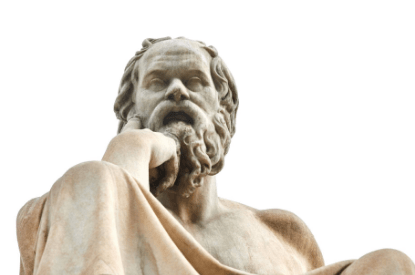
The provided text explores the principles of Stoicism and their application to modern life. It focuses on cultivating inner peace and resilience by managing emotions, expectations, and self-perception. The document emphasizes the importance of self-awareness, purpose, and aligning actions with values to achieve a fulfilling life. It provides practical guidance on overcoming anger, insecurity, and the fear of judgment and promotes practices like mindfulness, goal setting, and embracing discomfort for personal growth.
Stoicism: A Study Guide
Quiz
Answer the following questions in 2-3 sentences each.
- According to Stoicism, where does disappointment originate?
- How does anger relate to the ego, according to the source material?
- What is the Stoic perspective on forgiveness and its impact on anger?
- How does low self-esteem contribute to anger?
- Why is living with purpose crucial for managing emotions, according to Stoics?
- How can cultivating gratitude help diminish anger?
- What is the importance of setting healthy boundaries, and what does it protect?
- Why is it essential to separate facts from beliefs, and what can happen if we do not?
- Explain how Stoics can develop a healthy self-image that is not reliant on the opinions of others.
- Explain the Stoic process described as “Rin” for managing anger, and what each letter stands for.
Quiz Answer Key
- Disappointment does not come from life itself, but from our resistance to accepting life’s unexpected turns and the rigid expectations we impose on it. By relinquishing these expectations, we open ourselves to greater peace and reduce our susceptibility to disappointment.
- Anger arises from a wounded ego that feels threatened when disrespected or not valued by others, demanding recognition and defending its image. However, according to Stoics, anger stems from our interpretation of others’ actions and the stories our ego tells us about them.
- Forgiveness is seen as an act of self-love that frees us from the mental prison of anger and resentment, allowing us to move forward without reliving past pain. It isn’t about condoning the actions of others, but rather about liberating oneself from the need to continue suffering.
- Low self-esteem makes us interpret reality in a distorted way, causing us to perceive others as constantly judging us and any negative comment as a threat. This insecurity triggers anger as a defensive reaction to protect our self-image.
- Having a clear purpose in life provides direction and meaning, reducing irritability and reactivity by giving individuals something greater to focus on beyond minor frustrations. When life has purpose, peace becomes a natural state.
- Cultivating gratitude allows us to focus on what we already possess, shifting our perspective from what we lack to what we have and what we love, diminishing anger by showing that life is good despite setbacks. The secret to happiness, according to Epicetus, is not in having more but in wanting less.
- Setting healthy boundaries is crucial for defining how others treat us and protecting our time, energy, and patience, which prevents frustration and emotional drainage. It’s not about being confrontational or rejecting people, but about valuing yourself enough not to allow disrespect.
- Separating facts from beliefs is essential to avoid unnecessary emotional suffering, which arises from interpreting events based on stories and perceptions rather than objective reality. When we fail to make this distinction, we become entangled in unnecessary negative emotions like anger, sadness, and fear.
- According to Stoics, developing a healthy self-image involves grounding one’s perception of oneself in self-knowledge and acceptance, rather than relying on external validation. By understanding their strengths, flaws, and values, individuals can define who they are without needing others’ approval.
- The RIN process is a method for managing anger effectively and without impulsivity: Recognize that anger is happening, Immerse yourself in the feelings (but do not act), Navigate (investigate) the root of the anger, and Nurture the part of you that needs healing.
Essay Questions
- Discuss the Stoic view on expectations and how relinquishing them can lead to a more fulfilling and peaceful life. Use examples from the text to support your arguments.
- Explore the relationship between ego and anger as presented in the source material. How does the Stoic philosophy offer a way to manage anger by addressing the ego?
- Analyze the role of forgiveness in Stoicism as a means to overcome anger and achieve inner peace. How does forgiveness benefit the individual, and why is it considered an act of self-love?
- Examine the importance of self-esteem in the Stoic approach to managing anger. How does improving self-esteem affect one’s susceptibility to external provocations?
- Evaluate the Stoic perspective on living with purpose. How does having a defined purpose contribute to emotional stability, and how can one identify and cultivate their purpose?
Glossary of Key Terms
- Acceptance: Acknowledging and embracing reality as it is, without resistance or the demand for it to be different.
- Anger: An emotion arising from a perceived threat or injustice, often linked to a wounded ego or unmet expectations.
- Boundaries: Limits set to protect one’s time, energy, and emotional well-being in relationships and interactions with others.
- Ego: The part of the mind that mediates between the conscious and the unconscious and is responsible for a sense of self-identity.
- Expectations: Rigid beliefs or anticipations about how people or events should behave or unfold.
- Facts vs. Beliefs: Objective truths contrasted with subjective interpretations or stories we create about events.
- Forgiveness: The act of releasing resentment and anger toward someone who has caused harm, benefiting the forgiver by freeing them from emotional burden.
- Gratitude: Acknowledging and appreciating the positive aspects of one’s life, focusing on what one has rather than what is lacking.
- Healthy Self-Image: A positive and realistic perception of oneself, based on self-knowledge and acceptance rather than external validation.
- Inner Peace: A state of calmness and tranquility within oneself, undisturbed by external events or opinions.
- Living with Purpose: Having a clear and meaningful direction in life, aligned with one’s values and contributing to a sense of fulfillment.
- Resentment: A feeling of bitterness or indignation at having been treated unfairly.
- Self-Esteem: Confidence in one’s own worth or abilities.
- Stoicism: An ancient philosophy emphasizing virtue, reason, and acceptance of what one cannot control as paths to happiness and inner peace.
Stoic Principles for a Fulfilling Life
Okay, here’s a detailed briefing document summarizing the key themes and ideas from the provided text excerpts, emphasizing actionable insights and Stoic principles:
Briefing Document: Stoic Principles for a Fulfilling Life
Document Goal: To synthesize key Stoic principles from the provided text, offering practical advice for managing emotions, finding purpose, and living a more fulfilling life.
Main Themes:
- Managing Expectations and Accepting Reality:
- The world owes you nothing; focus on your reactions to external events.
- Resisting reality leads to suffering; acceptance brings peace.
- Disappointment stems from rigid expectations, not life itself.
- Stoics understand change is constant, thus avoid being dictated by external factors.
- Controlling Anger and the Role of the Ego:
- Anger is a reflection of a wounded ego demanding recognition.
- Challenge your interpretation of others’ actions; don’t take everything personally.
- The key to controlling anger is recognizing the ego’s role.
- True strength lies in not resembling those who hurt you.
- Inner peace is achieved by controlling your reaction to events, not controlling others.
- The Power of Forgiveness:
- Forgiveness frees you from the burden of anger and resentment.
- Forgiveness is an act of self-love, not a gift to the offender.
- Holding grudges prolongs the offender’s control over you.
- The best revenge is not to be like the person who hurt you.
- Building Self-Esteem and Reducing Reactivity:
- Anger is often a defense mechanism against insecurity.
- Low self-esteem distorts reality, making you believe others are constantly judging you.
- Improve self-esteem to become less reactive and more serene.
- True strength lies in governing yourself, not imposing your will on others.
- Living with Purpose:
- A lack of purpose leads to emptiness, frustration, and irritability.
- Having a purpose aligned with your values brings peace of mind.
- Define your own purpose; don’t wait for life to hand it to you.
- With purpose, obstacles become part of the journey, not sources of anger.
- The Importance of Gratitude:
- Cultivating gratitude reduces anger by shifting focus to what you have.
- Happiness is not about having more but wanting less.
- Setting Healthy Boundaries:
- Without boundaries, others will dictate how they treat you.
- Setting limits is an act of self-respect, not rejection.
- Saying “no” without guilt is a valuable skill.
- Protect your peace by setting limits.
- Focusing Your Attention Wisely:
- Not everything deserves your attention; filter out the inconsequential.
- Tranquility comes from ignoring what doesn’t concern you.
- Don’t be a slave to other people’s opinions.
- Strength is in choosing which battles are worth fighting.
- Distinguishing Facts from Beliefs:
- Suffering often stems from our beliefs about events, not the events themselves.
- Question your limiting beliefs; they may not be true.
- Separate facts from interpretations to regain control and clarity.
- Developing a Healthy Self-Image:
- Your self-image should not depend on others’ opinions.
- True strength comes from looking inward and defining yourself.
- Self-acceptance means recognizing your value without depending on external factors.
- Avoiding the False Binary of Good and Evil:
- No one is wholly good or evil; everyone is a blend of qualities.
- Reducing people to labels blinds you to their humanity.
- See others as flawed human beings shaped by their experiences.
- Managing Anger with the RINN Process:
- Recognize the anger.
- Immerse but do not act.
- Navigate/Investigate the root cause.
- Nurture the part of yourself that needs healing.
- Transforming Loneliness and Sadness:
- Loneliness is an opportunity for self-knowledge.
- Eliminate unrealistic expectations to minimize disappointment.
- Change your perspective on pain; see it as a teacher.
- Find peace in simplicity.
- Embrace the power of gratitude.
- Focus on what you can control.
- Breaking Free from External Approval:
- Measure yourself with actions instead of needing to showcase your worth.
- Hope in Dark Times:
- Stoicism isn’t pessimistic, it provides hope during adversity.
- Unshakeable Inner Freedom:
- Our mind can govern what happens externally.
- Accepting the Impermanence of Everything:
- Everything changes; detach to avoid suffering.
- Getting Used to Internal Silence:
- Mastering your mind calms the mental chaos and maintains peace.
- Developing Active Detachment:
- Enjoy life without needing what surrounds you for your happiness.
- Focusing Only on What you Can Control:
- Direct energy towards your thoughts, actions, and responses.
- Practicing Tolerating Uncertainty:
- Trust that you can adapt to whatever comes your way.
- Being the Guardian of Your Emotions:
- React to emotions consciously and use them as a shield.
- Accepting Pain as Part of Growth:
- It is up to us to use what hurts us to strengthen our character.
- Challenging Your Fears with Reasoning:
- Fear does not have to dictate your decisions; we always have the power to choose how to react to adversity.
- Cultivating a Serene and Impenetrable Mind:
- With an unbreakable mind, one can find opportunity in every moment.
- Focus on Yourself to Reduce Distractions:
- Self-mastery can help you take control of your life.
- Let Actions Speak for Themselves:
- Social pressures should not alter progress on tangible and inspirational efforts.
- Learning to Say No to What Does Not serve You:
- Protect energy and time by not letting it get exhausted by demands that only take away.
- Letting Go Opens the Door to New Opportunities:
- Trust this process to get you to where you want to be.
- Arrival is Not The End of The Journey:
- New challenges and constant growth is what should be sought after in all of life’s trials and triumphs.
- Purpose is The Engine of Life:
- Without a purpose, one is like a rudderless ship; swayed by all forces.
- Value Time as a Limited Resource:
- Prioritize your time in order to focus on meaningful objectives.
- Build Habits In Line With Your Goals:
- Consistently work to better yourself in aspects that benefit you.
- Design Your Destiny in Five Years:
- Always remember that all actions you take contribute to what will come and all actions have a result.
- Mentalize Your Growth:
- Reframing failures as a chance to learn is an opportune way to adapt your mind in times of adversity.
- Set Clear and Realistic Goals:
- Having smaller, tangible goals can create motivation and momentum.
Key Quotes:
- “We should accept what happens as if we had chosen it because resisting it only generates suffering.”
- “Anger is nothing more than a reflection of the wounded ego.”
- “The best revenge is not to resemble the person who has hurt us.”
- “…true strength lies not in imposing our will on others but in governing ourselves.”
- “The secret of happiness is not in having more but in wanting less.”
- “Tranquility comes when we ignore what does not concern us.”
- “It’s not external events that bother us but our interpretations of them.”
- “…true strength comes from looking Inward and defining who you are without expecting external validation…”
- “We should not judge people solely by their actions but recognize that each acts according to their current understanding.”
- “Tranquility comes when we ignore what does not concern us”
- “Each step forward proves your determination and effort no words required”
- “…our ability to keep hope alive can guide us through storms helping us find the inner strength that remains after the rain the sun eventually shines.”
- “By embracing impermanence you not only become emotionally stronger but also cultivate a deep inner peace free from the fear of loss or future pain.”
- “…when you focus on what you can control you find a genuine sense of power”
- “…stoicism teaches that such fear is unnecessary and that we can learn to embrace uncertainty instead of letting the unknown paralyze you trust in your ability to adapt to whatever comes you do not need to know all the details…”
- “Stoicism teachers that to be human is not to be enslaved by emotions being the guardian of your emotions means recognizing and accepting them without letting them rule you…”
- “Each time you face pain whether physical or emotional you have the choice to let it weaken you or to use it to strengthen your character this choice is essential for resilience”
- “The most paralyzing fears are those you haven’t examined. Once identified, break them down, ask what evidence supports this fear what’s the worst case scenario, and How likely is it…”
Actionable Insights:
- Practice Daily Reflection: Use journaling or meditation to examine your thoughts and actions.
- Identify and Challenge Limiting Beliefs: Question negative self-talk and replace it with more realistic and positive affirmations.
- Set Clear, Value-Driven Goals: Define your purpose and create specific, achievable steps to move towards it.
- Embrace Discomfort: View challenges as opportunities for growth and self-improvement.
- Focus on What You Can Control: Release the need to control external events or other people’s behavior.
- Practice Gratitude: Regularly acknowledge the good things in your life to counter negativity.
- Set Boundaries: Protect your time and energy by saying “no” to commitments that don’t align with your values.
- Forgive Others (and Yourself): Let go of resentment and anger to free yourself from their burden.
Conclusion:
These Stoic principles offer a practical roadmap for cultivating inner peace, resilience, and purpose. By focusing on what you can control – your thoughts, actions, and reactions – and accepting what you cannot, you can live a more meaningful and fulfilling life, even in the face of adversity. The excerpt provides a compelling framework for moving beyond reactivity and embracing a more intentional and virtuous existence.
Stoic Strategies: Managing Anger, Expectations, and Self-Esteem
FAQ
1. What is the Stoic view on expectations, and how can managing them lead to greater peace of mind?
Stoicism emphasizes that the world owes us nothing and we can only control our reactions, not external events or others’ behavior. By accepting that people can fail us and life doesn’t always follow a predictable path, we reduce stress and frustration. Accepting reality doesn’t mean abandoning goals, but being prepared for any outcome, striving without clinging to rigid expectations. Disappointment stems from resisting life’s unexpected turns. Peace is found in flexibility and accepting what comes without resistance.
2. How does the concept of the “wounded ego” relate to anger, and how can we diminish anger’s power over us?
Anger is a reflection of a threatened ego, arising from our interpretation of others’ actions, not the actions themselves. Our ego demands recognition, takes offense, and defends its image, leading to anger when it feels disrespected or devalued. To diminish anger, we must reduce the ego’s influence by not taking things so personally and understanding that others’ behavior is their burden, not ours. By improving self-esteem and detaching from others’ opinions, we become immune to provocations and react intelligently rather than emotionally.
3. What does forgiveness mean in a Stoic context, and why is it important for inner peace?
Forgiveness, in Stoicism, is not about justifying or forgetting harmful actions, but about freeing ourselves from the need to continue suffering. It’s an act of self-love, essential for recovering peace of mind. Clinging to anger traps us in a mental prison, reliving the pain. Forgiveness opens the cell, allowing us to move forward. By forgiving, we cease to give power to those who hurt us and reclaim control over our emotions.
4. How does low self-esteem contribute to anger, and what can we do to improve our self-image and reduce reactive anger?
Low self-esteem creates a perception of vulnerability, making us feel constantly judged and threatened. Any negative comment reinforces this belief, leading to anger as a defense mechanism. To improve self-image, we must recognize that no one has the power to make us feel inferior unless we grant it to them. By building a solid self-image, external opinions lose their power. Anger signals unresolved internal issues; we can use these moments to identify areas for improvement.
5. What is the importance of living with purpose, and how does a defined purpose contribute to peace of mind?
A clear purpose gives life meaning and direction, motivating us beyond routine. Without purpose, life feels empty and chaotic, leading to frustration and reactivity. Stoics understood that having a purpose aligned with our values is key to peace of mind. With a purpose, minor irritations lose importance as our energy is focused on something greater. We define, not find, our purpose, taking action to create something that makes us feel alive.
6. According to Stoicism, how does focusing on gratitude and love help to manage anger?
Anger often arises from focusing on injustice, what we lack, or what upsets us. Stoicism suggests shifting our focus to what we have, what we love, and what we are grateful for. Cultivating gratitude helps us realize we already have enough, reducing the need to react angrily to setbacks. While we can’t control external events, we can choose which emotions to feed our minds, and love and gratitude leave no space for anger to grow.
7. What is the Stoic perspective on setting healthy boundaries, and why is it essential for emotional well-being?
Setting boundaries defines how far our patience, time, and energy can go, preventing others from deciding how to treat us. Lack of boundaries sends the message that disrespect is acceptable, breeding frustration and anger. Setting limits is not about rejection but self-respect. When a line is crossed and we do nothing, we reinforce that behavior. Calmly and firmly communicating our boundaries sends a clear message that we value ourselves. Learning to say no without guilt is a valuable skill that protects our peace.
8. What are the key steps in the “Ritten Process” for managing anger, as outlined in the sources?
The Ritten Process for managing anger involves:
- Recognize: Acknowledge the feeling of anger without denial.
- Immerse: Allow anger to be present without acting on it, creating separation between you and the emotion.
- Navigate: Investigate the root of the anger to understand its true source, which is often fear, insecurity, or unmet expectations.
- Nurture: Nurture the part of yourself that needs healing instead of punishing yourself, practicing self-compassion and addressing underlying issues.
Stoic Philosophy: The Destructive Nature of Anger
The destructive nature of anger is a central theme within Stoic philosophy. Here’s a breakdown of why anger is considered destructive:
- Harms the individual Anger corrodes from within, weakening the mind and leading to regrettable decisions. It can cloud mental clarity, harm relationships, and negatively impact well-being. Science has confirmed that anger raises blood pressure, weakens the immune system, and can trigger cardiovascular problems.
- Impairs Rationality When anger takes control, rationality diminishes and people become slaves to their impulses.
- Damages Relationships Outbursts of anger and impulsive comments can destroy relationships that took years to build, leaving lasting wounds.
- Disproportionate Reactions Angry reactions are often disproportionate and lack logic. In the heat of the moment, harsh words may seem necessary, but with hindsight, a wiser approach is often evident.
- Internal Enemy Anger is described as an internal enemy that can consume a person if not tamed.
- Weakness Experiencing anger is not a sign of strength, but proof of lost self-control.
- Cycle of Resentment Instead of seeking solutions, anger can lead to seeking revenge, which only feeds a cycle of resentment and pain.
- Momentary Delirium Anger is like a momentary delirium, a state in which one loses control of words and actions.
- Reflection of Wounded Ego Anger arises from the interpretation of others’ actions and a threatened sense of identity. The ego demands recognition and takes offense when it doesn’t receive the treatment it believes it deserves.
- Prevents Moving Forward Clinging to anger locks a person in a mental prison and prevents them from moving forward.
- Loss of Control When acting in anger, one is not in control of their own actions.
- Drains Energy Anger consumes and wears a person down, leading to a loss of control.
- A Habit Anger is a habit that grows stronger if fed.
- Rooted in Insecurity Anger often reflects insecurity; when someone is not at peace with themselves, any challenge to their self-image can trigger anger.
- Hindrance to Purpose When life lacks a clear purpose, people can become irritable and reactive, with any inconvenience feeling significant.
The Root of Negative Emotions: Managing Expectations and Reality
Negative emotions such as frustration, anger, sadness, and resentment share a common root in the difference between reality and expectations. People often believe the world should behave in a certain way, and when it doesn’t, they feel let down.
Key points on unfulfilled expectations:
- Source of suffering The frustration doesn’t come from the event itself, but from the clash between what was wanted and what really happened. Seneca stated that suffering occurs more in imagination than in reality because what hurts most is the interpretation of events, not the events themselves.
- Distorted image Negative emotions arise from a distorted image created in the mind, clinging to an illusion.
- The world owes nothing The key to inner peace involves understanding that the world owes nothing. It is not about resignation but about understanding that we cannot control the behavior of others or external events, only our reaction to them.
- Acceptance Accepting reality as it is does not mean giving up goals or desires; it means being prepared for any outcome.
- Unexpected turns Disappointment comes from resistance to accepting life’s unexpected turns. A Stoic understands that everything changes, that nothing is guaranteed, and that is why they do not allow their emotions to be dictated by external factors.
- Adaptability Peace is found in flexibility and in the ability to accept whatever comes without resistance. Happiness lies not in making everything fit expectations but in learning to flow with reality without letting it rob peace of mind.
- Learning Instead of getting frustrated when something doesn’t go well, consider what can be learned. Instead of feeling betrayed, understand that people act according to their own nature, not the one imagined for them.
- Eliminating Rigid Expectations Eliminating rigid expectations stops the demand that the world adapt to beliefs.
- Expectations about other people If rigid expectations are eliminated, there is no longer a need to expect people to treat you in a certain way. You accept that they can fail you, and life does not follow a predictable order; you eliminate a large part of your stress and frustration.
Fragile Self-Confidence: Destructive Emotional Responses
Fragile self-confidence can lead to destructive emotional responses. Here’s how:
- Defensive Reactions When confidence is fragile, any setback can shake one’s foundation, leading to defensive reactions, including anger, as a defense mechanism.
- Perception of Vulnerability Insecurity fosters a sense of vulnerability, causing someone to constantly protect their image, fearing judgment and perceiving negative comments as threats.
- Personal Attacks The mind interprets situations as personal attacks and responds aggressively.
- External Validation A fragile self-image relies on external validation. Criticism can be devastating, and praise becomes essential for feeling worthy.
- Distorted Reality Low self-esteem distorts reality, leading someone to believe others are constantly judging them. The problem is not the outside world but the way it’s perceived.
- Inability to Handle Provocations When self-confidence is weak, there is a need to respond or defend against provocations.
- Belief in Negative Comments Negative comments can lead to believing negative things about one’s self.
- Dependence on Approval When perception of self is built on a need for external approval, instability arises. One day praise leads to feeling invincible, and the next day, criticism leads to collapse.
- Inauthentic Living Living by the world’s expectations creates disconnection from who someone truly is. Decisions are not based on personal desire but on what might win approval.
- Comparison to Others Leads to dissatisfaction because the reality of others is unknown.
- Unrealistic Expectations Creates an environment in which someone expects the world to accommodate their desires.
Living with Purpose: Finding Meaning and Reducing Irritability
Living with purpose is essential for peace of mind and can change how one perceives challenges. Here’s how:
- Direction and Meaning When there is a clear purpose, life feels meaningful, providing a reason to get going each day.
- Reduced Irritability Lack of purpose can lead to frustration and irritability, with inconveniences feeling larger than they are.
- Values Alignment Purpose should align with one’s values, making existence feel meaningful.
- Focus With a purpose, irritations lose importance as attention is directed toward something greater.
- Defined Purpose Purpose is not found, but defined, created through action and seeking what makes one feel alive.
- Reduced Frustration When you work towards your purpose, frustration decreases because there is less worry about what cannot be controlled.
- Opportunity Living with purpose transforms life from a series of problems into an opportunity.
- Internal Satisfaction There is no need for external validation when you know what must be done, leading to feelings of satisfaction.
- Finding Your Purpose To find your purpose, identify talents, passions, and what truly motivates.
- Unique Role Everyone has a unique role and something only they can contribute.
- Constant Growth Purpose helps those who embrace it to focus on constant growth.
- Foundation Focusing on self-improvement builds a foundation that keeps you grounded when your surroundings get chaotic.
- Action True virtue lies not in intention but in action.
- Not a Final Destination Life isn’t about arriving at a final destination, it’s about continually pushing onward, learning, and tackling new challenges.
- Shield Against Despair Having a purpose can act as a shield against despair.
- Guide Through Storms Even in the bleakest moments, our ability to keep hope alive can guide us through storms.
- Constant Reminder Hope becomes your companion, a constant reminder that rebirth and transformation are always possible.
Stoicism: Facts vs. Beliefs for Peace of Mind
Separating facts from beliefs is vital for maintaining peace of mind. Stoicism emphasizes that suffering often arises not from what happens, but from interpretations and stories people tell themselves.
Key aspects of differentiating between facts and beliefs:
- Trapped in interpretations A failure to distinguish facts from interpretations leads to being caught up in unnecessary emotions like anger, sadness, and fear, reacting to something that may not be real.
- Objective reality versus perception Without the distinction between objective fact and perception of that fact, people become entangled in unnecessary emotions.
- Subjective interpretations The human mind excels at creating stories, which are then treated as irrefutable truths, even though they often stem from past experiences, others’ words, or mistakes from which permanent labels are drawn.
- Challenge limiting beliefs To achieve emotional freedom, it’s essential to recognize that beliefs are not absolute facts. Whenever a limiting belief is sensed, questioning it and replacing it with a more realistic version is essential.
- Example of criticism If someone is called “useless,” the comment itself doesn’t cause the hurt, but the decision to believe it does.
- Opportunity for improvement or personal attack Criticism can be interpreted as an opportunity to improve or as a personal attack.
- Mental self-discipline Mental self-discipline is required to examine thoughts and filter out what deserves attention.
- Assumptions Many assumptions about the ability to reach a goal or overcome a problem are based on the belief that one cannot adapt, learn, or persevere.
- The Power of Choice Even though we cannot control external circumstances we can always control our interpretation of them.
- Reality Check Ask for evidence to determine if a thought is really true or if it has been accepted without proof.
- Stoic Questioning Ask if you are exaggerating.
- Release The objective fact is that someone said some words. If we pause to see if it’s true, we can start letting it go.
The Original Text
imagine living in unshakable peace where nothing and nobody has the power to upset you where criticism insults and problems no longer rob you of your calm it sounds impossible doesn’t it but the stoics achieved it while the world reacted with anger and frustration they remained Serene not because they felt no emotions but because they had learned to control them I am going to reveal to you how you can do the same if you apply these teachings you will never again get angry or annoyed with anyone not because the world changes but because you will have changed before we start go to the comments and write today my best version begins I am a stoic with this you commit to taking control of your mind and living with discipline write it down now and let’s get started issue one the destructive nature of anger anger is one of the most destructive emotions a human being can experience not only does it harm those around us but it also corrodes us from within weakening our minds and dragging us toward decisions we will sooner or later regret the stoics considered it one of the greatest threats to Virtue because when anger takes control we cease to be rational and become slaves to our impulses it is not a sign of strength but of weakness proof that we’ve lost control of ourselves anger is like an uncontrollable fire it starts with a spark perhaps a misinterpreted word an action we consider unfair or an unexpected obstacle if we give it oxygen with ruminating thoughts it quickly grows into a blaze that devastates our mental Clarity our relationships and our well-being Marcus Aurelius warned that the best way to fight anger is to prevent it from arising in the first place if we learn to recognize its first signs we can extinguish it before it consumes us completely the consequences of anger are devastating not only does it cause unnecessary conflict but it also affects our health science confirms what the stoics already knew anger raises blood pressure weakens the immune system and can trigger cardiovascular problems it is not just a momentary emotion it is a poison that if allowed to grow destroys both body and mind epic tetus taught that it is not external circumstances that disturb us but our interpretation of them if someone insults us it is it is not the insult that harms us but the importance we give to it learning to control our perception is the first step to mastering anger when we let ourselves be carried away by anger our actions become irrational at the time it seems justifiable to shout insult or even hit something but when the storm passes we realize that we have only made the situation worse an outburst of anger can destroy relationships that took years to build an impulsive comment can leave wounds that never fully heal senica said that anger is like a momentary delirium a state in which we cease to be in control of our words and actions if we observe ourselves carefully we will see that most of our angry reactions are disproportionate and devoid of logic imagine an argument with a D One In the Heat of the Moment harsh words seem necessary but once everything calms down we realize we could have handled the situation more wisely most problems can be solved with dialogue and patience but anger blinds our ability to reason instead of looking for Solutions we seek revenge and in doing so we only feed a cycle of resentment and pain the stoics teach us that the best way to combat anger is through self-discipline and reflection Marcus Aurelius recommended remembering that life is short and that most of the problems that enrage us are insignificant in the grand scheme of things senica suggested practicing patience and indifference in the face of provocation true strength does not lie in responding with violence but in remaining calm when everything around us seems to be trying to make us lose control anger is an internal enemy a beast that if not tamed can consume us but the good news is that we can train ourselves not to let it drag us down the next time you feel anger Rising stop ask yourself if it’s really worth it remember that no external Force has power over you unless you give it to them peace is not found in the absence of provocations but in the ability to face them with equinity and control number two all negative emotions arise from unfulfilled expectations negative emotions are not born of what happens but of what we expected to happen and did not frustration anger sadness resentment all these feelings share a common root the difference between reality and our expectations we believe the world should behave in a certain way and when it does not we feel let down but in reality the fault lies with us in the distorted image we create in our minds we cling to an illusion and when reality destroys it instead of adapting we react with suffering we get angry because people don’t act the way we want them to because the results are not what we expected because life does not follow the script we wrote in our minds we believe we deserve a certain treatment a certain success a clear path but the world doesn’t play by our rules the frustration doesn’t come from the event itself but from the clash between what we wanted and what really happened senica said that we suffer more in our imagination than in reality because what hurts us most is not what happens but our interpretation of it if we learned to accept events without resistance we could avoid much of the unnecessary pain imagine someone who believes that their partner will never cheat on them because that is how it should be they’ve built up an expectation based on their own view of what is right but if betrayal occurs the anger does not arise from the act itself but from the contrast with the idealized image they had created instead of accepting real ity as it is they fight against it in their mind and that internal conflict becomes suffering another example is the person who expects their friends to always be there for them for traffic to flow smoothly or for their boss to Value their efforts when any of this does not happen they feel disappointment and anger because they assumed the world should follow their rules the stoics teach us that the key ke to Inner Peace is to eliminate unrealistic expectations it is not about resignation but about understanding that the world owes us nothing we cannot control the behavior of others or external events only our reaction to them epic tetus said we should accept what happens as if we had chosen it because resisting it only generates suffering if we stop expecting people to treat us in a certain way if if we accept that they can fail us that life does not follow a predictable order we eliminate a large part of our stress and frustration accepting reality as it is does not mean giving up goals or desires it means being prepared for any outcome we can strive to achieve something but without clinging to the idea that it must happen exactly as we want or else failure will destroy us disappointment does not come from life but from our resistance to accepting its unexpected turns a stoic understands that everything changes that nothing is guaranteed and that is why they do not allow their emotions to be dictated by external factors if we eliminate rigid expectations we stop demanding that the world adapt to our beliefs instead of getting frustrated when something does not go well we ask ourselves what we can learn instead of feeling betrayed we understand that people act according to their own nature not the one we imagine for them peace is found in flexibility and in the ability to accept whatever comes without resistance happiness does not lie in making everything fit our expectations but in learning to flow with reality without letting it Rob us of our peace of mind number three anger is a reflection of the ego anger is nothing more than a reflection of the Wounded ego when we feel that someone disrespects us treats us unfairly or does not recognize our value we react with anger because our sense of identity is threatened we believe we deserve different treatment that others should see us as we see ourselves and when that does not happen we feel that something sacred within us has been violated but the truth is that anger does not arise from what others do it arises from our interpretation of their actions it is our ego that demands recognition that takes offense that needs to defend its image if that ego were not so inflated if we did not take things so personally anger would lose its power over us when someone speaks rudely to us our first reaction is to think we are being attacked but what if that person is simply having a bad day what if their words have nothing to do with us but with their own internal chaos most of the time other people’s actions are not a reflection of us but of themselves however the ego makes us believe that everything revolves around us we tell ourselves he disrespected me he made me look bad he didn’t value me but what would happen if we simply stopped seeing ourselves as the center of every situation if we understood that the behavior of others is their burden not ours we could free ourselves from anger Marcus Aurelius reminded us that it is not what happens that disturbs us but our opinion of it if someone insults us the insult itself has no power until we give it meaning we can choose to ignore it we can see it as a reflection of the other person and move on without letting it affect our peace but the ego wants to fight defend itself prove its right and in that desire to protect our image we fall into the Trap of anger losing control and acting impulsively but if someone’s insult doesn’t change who we are if their attitude doesn’t Define us why allow it to drag us into into a state of chaos a clear example is when we’re in traffic and someone cuts us off the ego tells us it is disrespect that we should react that we cannot allow ourselves to be treated like that but the other driver likely wasn’t even thinking about us they’re simply caught up in their own world however our ego turns the situation into something personal and with that anger takes over our our mind if instead of reacting we simply accept what happened in any context whether work relationships or daily routines our reaction is not caused by events themselves but by the story We Tell ourselves about them the stoics teach us that the key to controlling anger is recognizing the role our ego plays in it if we improve our self-esteem if we stop needing validation from others if we understand our worth does not depend on how we are treated we can be immune to provocations senica said that the best revenge is not to resemble the person who has hurt us if someone treats us badly and we respond with anger we are letting them control us but if we remain calm if we decide not to play their game we show True strength anger reflect CS an ego that has not yet learned to detach from others opinions but when we understand that others do not have the power to Define us that their words and actions speak more about them than about us we free ourselves it is not about allowing abuse or accepting everything in silence but about learning to react intelligently and not from emotion inner peace is not achieved by controlling others but by controlling our reaction to them when the ego is no longer the center of our existence anger loses its Hold On Us number four forgiveness frees us from anger anger is a heavy burden that we often carry without realizing it we cling to resentment because we believe that by doing so we punish those who have hurt us but in reality the only one punished is ourselves anger consumes our peace locks us us in a mental prison and prevents us from moving forward forgiveness on the other hand is the key that opens that cell it does not mean justifying what they did or naively forgetting but freeing ourselves from the need to continue suffering for something that has already happened forgiveness is not a gift for the other person it is an act of self-love an essential step in recovering our peace of mind when we cling to anger we relive the pain over and over again our mind becomes a battlefield where the past is still present where we continue to give power to those who hurt us but why carry that anger around Marcus aelia said that the best punishment for those who have hurt us is not to be like them if someone betrayed offended or hurt us holding a grudge only prolongs their control over us forgiveness on the other hand gives us back our power letting us move on without letting the past Define us resentment is a trap of the ego it makes us believe that if we forgive we are showing weakness but the reality is the opposite strength is in those who have control over their emotions who decide to let go of what hurts them instead of clinging to it senca taught that we should not allow anger to to dictate our actions because when we act in Anger we are not our own masters if someone hurts us and we respond with resentment we give them power over our peace of mind but if we choose to forgive we regain control of our mind and well-being imagine someone betrayed by a close friend the natural reaction is anger disappointment the desire for Revenge but how long can that feeling be sustain stained without becoming a burden resentment doesn’t affect the traitor it affects the person carrying it every time they think of the Betrayal the pain is relived conversely if they decide to forgive accepting that what happened cannot be changed and that the past should not Define their present they find Freedom it does not mean trusting the traitor again but stopping their action from continuing to cause pain forgiveness is a conscious Choice it does not happen overnight and is not always easy but it is the path to Inner Peace epicus reminded us that we have no control over what others do only over our reaction if someone offends us it is not the offense that harms us but the importance we give it by forgiving we stop feeding that importance we understand that each person acts from their own level of Consciousness reflecting their inner world not ours it does not mean allowing abuse or tolerating Injustice but letting go of the resentment that prevents us from living peacefully when we forgive we do not free the other person we free ourselves we stop carrying an unnecessary burden we stop wasting energy on a conflict that only exists in our mind true revenge is not causing harm but showing that the harm has not changed us that we move on without being consumed by anger peace is not found in waiting for others to repent but in deciding that our happiness does not depend on their behavior to forgive is to release the poison of anger and embrace the freedom that comes with Serenity number five practice non-reaction when something irrit Ates us when we feel provoked or attacked our first reaction is often impulsive and emotionally charged we want to respond immediately defend ourselves prove that we are right but at that moment our mind is not operating from reason but from Instinct and that is where we make mistakes where we say things we later regret where we make situations worse instead of solving them the practice of non-reaction allows us to avoid this it gives us control over our responses and protects us from the emotional exhaustion impulsive reactions generate when we take a moment before responding when we resist the impulse to act immediately we gain power over ourselves it is not about being indifferent or repressing our emotions but about training ourselves not to be slaves to them Marcus Aurelius said that the best way to defend yourself from an offense is not to resemble the person who offended you if someone insults you or criticizes you harshly reacting with anger is to play their game it is to allow them to have power over you but if you remain calm if you choose not to respond at that moment you show that you are in control that your peace does not depend on others attitudes in everyday life there are countless opportunities to practice non-reaction a hurtful comment from a co-worker an aggressive driver in traffic a family member looking for an argument in each of these moments the decision is in your hands you can react immediately and feed the conflict or you can pause observe the situation from a distance and respond intelligently epic tetus taught that it is not what happens that affects us but the way we interpret it if someone criticizes you in a meeting and you take it as a personal attack you get angry and react defensively but if you pause breathe and analyze whether it is worth responding at all you can act calmly and professionally without emotion controlling your behavior not reacting is a sign of strength most people act on impulse enslaved by their emotions when someone irritates them they react without thinking allowing anger to take control but true power lies in those who resist that first reaction who know they don’t need to prove anything who choose when and how to act senica reminded us that time is a great filter for emotions what today seems like an unforgivable offense will lose importance in a few days what irritates us deeply now will seem insignificant in a few hours therefore not reacting immediately allows us to gain perspective and see the situation clearly before deciding what to do practicing non-reaction does not mean passively accepting everything or letting others walk all over us it means acting from Reason Not emotion if something really deserves a response the best response is the one given when our mind is is calm instead of responding to fire with more fire we respond with intelligence and equinity not because we are weak but because our peace is worth more than a pointless argument whenever you feel the impulse to react remember you can choose not to let the emotion pass observe it without letting it drag you in when you do you’ll notice something incredible conflicts diminish an anxiety is reduced and people who used to provoke you lose their power not reacting is the doorway to True Freedom the ability to decide how and when to respond without being a slave to external stimuli issue six the relationship between low self-esteem and anger anger is often nothing more than a reflection of insecurity when we are not at peace with ourselves any comment any look any situation that challenges our self-image irritates us it is not the situation itself that infuriates us but what it awakens in us if someone criticizes us and that makes us angry the problem is not the criticism but the importance we attach to it if we were secure in who we are if our self-esteem were strong we wouldn’t need to respond with anger we would simply ignore it but when our confidence is fragile any blow shakes our foundation and we react with anger as a defense mechanism in security creates a perception of vulnerability we feel we must constantly protect our image that others are judging us that any negative comment is a threat the Mind interprets these situations as personal attacks and responds aggressively but the reality is that no one has the power to make us feel inferior unless we Grant it to them epicus said it is not what others say about us that affects us but the opinion we have of those words if we believe we are weak or not good enough any criticism will reinforce that belief and anger will be our immediate reaction on the other hand if our self-image is solid nothing external can disturb us there was a time when I had gained weight and every comment about my appearance would make me react angrily I told myself it was because of others lack of respect but the truth was that I was not angry with them I was angry with myself I didn’t like what I saw in the mirror and any external remark confirmed it the anger did not come from them it came from the insecurity I felt over time I understood that the problem wasn’t people but my lack of control over myself instead of wasting energy reacting angrily I decided to take action I worked on my health discipline and mentality and when I did the same comments that used to anger me no longer affected me not because they had changed but because I had changed low self-esteem makes us interpret reality in a distorted Way We Believe others are constantly judging us but often they are not the problem is not the outside world but the way we perceive it Marcus aelius reminded us that if something external disturbs us the problem lies not in the thing itself but in our Judgment of it if someone says something that offends you ask yourself why does this affect me is it because deep down I fear it might be true is it because I have doubts about myself most of the time the answer is yes anger is a defensive reaction to insecurity when we improve our self-esteem anger loses its power we become less reactive more Serene more focused on what really matters we no longer need to prove anything to anyone because we know who we are other people’s opinions cease to be a threat because our worth does not depend on their op approval the stoics teach us that true strength lies not in imposing our will on others but in governing ourselves anger signals something unresolved within us instead of reacting impulsively we can use those moments as indications of what we still need to work on every time you feel anger at a comment or a situation pause ask yourself if it is truly the comment that bothers you or if there is something deeper behind it use anger as a mirror to see which aspects of yourself still need work when you improve your self-esteem and take responsibility for your life anger is no longer necessary there is no insecurity to protect no fear to hide only the calm of someone who knows and accepts themselves who does not need to react to what does not defy find them number seven the importance of living with purpose when you don’t have a clear purpose life feels empty chaotic and directionless you wake up every day with no real reason to get going with nothing to motivate you beyond routine and that emptiness breathes frustration lack of purpose can turn people into irritable reactive beings always on the defensive any inconvenience or obstacle feels bigger than it is because there is nothing more important to focus on the stoics understood that the key to peace of mind is having a purpose aligned with our values something that makes us feel our existence has meaning when you live without a defined purpose everything becomes a distraction traffic annoys you someone’s rude words irritate you and you feel life is unfair but when you have a purpose those same irritations lose importance not because they stop existing but because your attention is on something greater Marcus Aurelius said we should all ask ourselves what am I here for what really matters to you in life once you have Clarity in that answer minor frustrations stop controlling you you don’t waste time reacting to every provocation because your energy is focused on something meaningful there was a time when I had no direction I felt trapped in a meaningless routine doing things that didn’t fulfill me and the result was constant irritability anything annoyed me any problem seemed huge because I had no real reason to wake up each morning I was living on autopilot letting circumstances dictate my mood but when I found my purpose every everything changed I decided to focus on creating content on sharing ideas that could help others on building something that made sense to me and when I did I realized that the problems that had previously seemed unbearable were now just part of the journey I was no longer irritated by small setbacks because I had a bigger Vision anger was no longer a constant reaction because there was something more valuable to focus on the stoics teach us that purpose is not something you find it is something you define you don’t have to wait for life to hand it to you you have to create it yourself epic tetus said each person must decide who they want to become what they want to contribute to the world it is not about waiting for inspiration it is about taking action and seeking what truly makes us feel alive when you discover your purpose and work toward it your mind changes frustration decreases because you no longer worry so much about what you cannot control you don’t need external validation or to prove anything to anyone you simply do what you know you must do and that fills you with satisfaction when you live with purpose life stops feeling like a series of problems and starts to feel like an opportunity you no longer react with anger to every obstacle because you understand that challenges are part of the journey every day has meaning every action contributes to something bigger and when that happens peace becomes a natural state not because everything is perfect but because you have chosen where to focus your energy there’s no room for anger when you are busy building something that really matters if you feel frustrated with life if you realize you get angry too easily ask yourself whether you really have a clear purpose ask whether you are devoting your time to something that fulfills you or if you’re just going through the days without Direction the difference between a life full of frustration and a life full of meaning lies in that answer find what motivates you what makes you get up every morning wanting to move forward forward and you will see how anger loses its power because when you have a purpose everything else becomes background noise number eight use neuroplasticity to reprogram your emotional response the brain is not fixed in a single pattern of reacting thanks to neuroplasticity we can train it to respond differently to situations that previously provoked anger or frustration the idea that we are just this way and cannot change is a lie we tell ourselves the brain is malleable and like a muscle it can be strengthened in certain areas depending on how we train it if every time something irritates us we respond with anger we reinforce that neuronal connection turning anger into an automatic response but if instead we learn to respond calmly over time that becomes our brain’s new programming when we Face a situation that would normally set us off an insult an unmet expectation or a perceived disrespect our instinct is to follow the old pattern but here’s the key if we consciously force ourselves to respond differently we create a new neural pathway initially it feels forced uncomfortable even fake but with repetition the brain starts accepting that response as normal and eventually calm becomes our automatic reaction I recall a time when my dog destroyed something I cared about my usual reaction would have been anger raising my voice feeling that internal explosion of frustration but I chose a different approach instead of giving into anger I forced myself to take a deep breath and and pet my dog it felt strange at first as if I were repressing my emotion but in reality I was teaching my brain that not everything requires an angry response over and over each time my dog did something that used to irritate me I repeated this eventually I noticed my natural response had changed I no longer felt tension in my chest I no longer had to hold back my brain had learned that those situations were not a threat and did not require anger neuroplasticity shows that we are not doomed to be prisoners of our emotions we can redirect our impulses and make calm our new normal every time we choose not to react with anger we strengthen the neural Pathways of patience and equinity the more we practice the more natural it becomes Marcus aelius said we cannot control what happens but we can control our response and this is not just philosophy it is a scientific reality the brain changes based on what we practice and if we practice Serenity it will eventually become our default response this process takes time at first the mind will try returning to Old patterns because they are familiar but if we persist if every time we feel anger Rising we stop breathe and respond differently we will see real change one day we will realize that situations which once made us explode now seem insignificant not because we are repressing anger but because our brain has learned there is no reason to feel it anger is a habit just as calm is if we feed anger it grows and becomes stronger but but if we starve it and cultivate Serenity it weakens and fades it is not about pretending but about training our mind to work in a way that benefits us rather than harms us if we want to be calmer and more balanced we must practice daily over time calm is no longer an effort it becomes who we are number nine love and gratitude overcome anger anger consumes and wears us down making us lose control of our own minds but there are two forces that can dispel it love and gratitude when we are trapped in Anger our attention is fixed on the negative on what upsets us on what we believe is wrong we focus on lack frustration and Injustice but if instead we direct our mind toward what we love and what we are grateful for anger loses is its power not because problems vanish but because we stop giving them the energy they need to keep affecting us love connects us with what really matters if we are angry with someone we can ask ourselves do I prefer to win this argument or do I prefer to maintain the relationship when you love someone The Need to Be Right becomes secondary anger is selfish it seeks revenge it SE seeks to prove a point love seeks to understand to build to unite too often we allow anger to take over in Trivial situations hurting the people we love most but if in those moments we remember how we feel about them if we connect with love instead of anger our response changes gratitude is another powerful antidote when we are grateful there is no room for anger we cannot feel resentment and gratitude at the same time if something bothers us we can pause and do a simple exercise think of three things we’re grateful for right now our health a special person an opportunity to learn from this situation this shifts our thoughts away from the reactive State returning control to us Marcus Aurelius wrote in his meditations about the importance of remembering the trans ience of life if today were the last day with someone you love would you really waste time being angry at them gratitude reminds us that every moment is precious and that anger is a waste of time and energy at one point I did a small experiment with myself each time I felt anger or frustration instead of reacting as usual I forced myself to think of something I was grateful for in that instant it felt forced at first as if I were ignoring reality but over time my mind started doing it automatically one day someone spoke to me rudely and instead of feeling irritated the first thing I thought was I am grateful for my health today that thought allowed me to respond calmly without fueling the conflict not because the other person deserved it but because I deserved to keep my peace the stoic understood that our emotions are not produced by what happens outside but by what we decide to think about it if we focus on Injustice on what we lack on what upsets us anger grows if on the other hand we focus on what we have on what we love on what we are grateful for anger fades it is not a mental trick but a way to train our mind to see reality from a higher perspective epic tetus said the secret of happiness is not in having more but in wanting less when we cultivate gratitude we realize we already have enough that we don’t need to react angrily because despite small setbacks life remains good we cannot avoid moments of tension or control how others act but we can decide with which emotions to feed our mind if we choose love and gratitud ude anger will not find Space to grow when we love we understand when we are grateful we let go in this daily practice little by little we become more Serene more centered and less prone to anger not because the world changes but because we learn to see it differently number 10 setting healthy boundaries is if you do not set boundaries you allow others to decide how to treat you it is not about being confrontational or rejecting people but about defining how far your patience time and energy can go when you lack clear boundaries you send the message that it is acceptable to disrespect you to interrupt you constantly to devalue your time this in turn breeds frustration and anger eventually draining you emot Ally but the responsibility for setting those boundaries is yours and yours alone only you can decide what you will and will not allow often we let certain behaviors slide for fear of appearing selfish or unpleasant we struggle to say no because we are afraid of offending or being rejected the real problem though is not saying no but not saying it when it’s necessary if someone constantly interrupts you at work if a friend only comes around when they need something or if a family member criticizes you unfairly do you really need to put up with that senica said we cannot control others actions but we can control how we position ourselves in relation to them if you let someone treat you badly without objection you are effectively giving them permission to continue when a line is crossed and we do nothing we reinforce that behavior if someone criticizes you unfairly and you stay silent that person assumes it is normal to treat you that way but if you calmly and firmly communicate that you do not accept that kind of treatment you send a clear message you value yourself enough not to allow disrespect you do not need to be aggressive or argumentative you simply need to be clear I am not going going to tolerate comments like that my time is valuable please respect it I do not feel comfortable with this such simple phrases can completely transform a relationship’s Dynamic I recall a time when I allowed myself to be constantly interrupted it did not matter what I was doing if someone wanted my attention I would drop everything and respond right away at first I thought this may made me a good person but over time I realized I was letting others prioritize their needs above mine I felt frustrated and drained but it was not entirely their fault I had never set a limit one day I decided to change this if someone interrupted me I would kindly say I’m busy right now let’s talk later it was difficult at first but over time people understood that my time is also important surprisingly I did not lose any relationships instead I felt more respected the stoics understood that setting limits is not an act of rejection but of self-respect Epic tetus taught that we must determine which things are under our control and which are not we cannot stop someone from trying to overstep our boundaries but we can decide how to react silent ly tolerating abuse is not virtuous it is abandoning our responsibility to protect our well-being saying no is an act of Courage not because it is easy but because it shows self- knowledge and self-respect setting boundaries is not about pushing people away on the contrary it Fosters healthier relationships where both sides know what is acceptable often people do not realize they are crossing a line until someone points it out you cannot expect them to guess what bothers you you must communicate it if even after that they do not respect your boundary you have to question whether you really want that person in your life each time you decide not to set a boundary out of fear of conflict you choose internal conflict over external conflict you choose your discomfort to avoid a difficult ult conversation but avoiding the problem does not Solve IT learning to say no without guilt is one of the most valuable skills you can develop it makes you stronger not by dominating others but by maintaining your own dignity setting limits is not about controlling other people it’s about protecting your peace and living with self-respect Issue 11 not everything deserv deserves your attention not everything deserves your attention every day we Face provocations unnecessary comments and minor problems that try to drag us into chaos but the truth is that most of these things are not really important we deplete ourselves emotionally by reacting to trivialities that will be irrelevant tomorrow we live in a world where everyone has an opinion where criticis m is constant and where small issues can appear huge if we do not learn to filter out the inconsequential the key to maintaining peace of mind is to understand that not everything that happens around us is truly important each time something bothers you pause and ask will this matter in a month a year will I even remember it most often the answer is no however we get carried away by the emotion of the moment feeling the need to respond or defend ourselves if we look at it from the broader perspective of Life many things are just noise Marcus aelius said that Tranquility comes when we ignore what does not concern us if a stranger on social media criticizes you does it really affect your life if someone insults you on the street does it change who you are bar giving energy to every small provocation only distances you from what really matters imagine someone makes a rude comment about you the immediate impulse is to respond to defend yourself to prove your point but what do you gain from it is it worth investing your energy in that conflict a comment does not define your value if every time someone says something negative about you you react you are handing your peace of mind to anyone who decides to provoke you epic tetus taught us not to be slaves to other people’s opinions if something doesn’t contribute to your growth or change the course of your life then it does not deserve your attention most of our worries are not even ours we stress about what others think about problems we cannot solve about expectations that are not ours to meet we spend too much time worrying about external approval and situations beyond our control when you understand that your energy is limited you become more selective about what truly deserves your attention this does not mean you become indifferent it means learning to differentiate what really matters from what is just noise I recall a time when any criticism would affect me if someone questioned what I was doing I felt felt the need to justify myself but gradually I realized it was a waste of energy I learned to observe before reacting to ask whether it was truly worth it and most of the time the best response was silence not because I had nothing to say but because it simply was not necessary not everything requires an answer not everything deserves conflict and not everything deserves our attention ition every time you choose to ignore what is not relevant you protect your peace of mind you train your mind to focus on what truly matters what genuinely transforms the stoics did not seek to control the world only their response to it if someone acts maliciously or tries to provoke you remember you have the option of not responding strength is not in winning every battle but in choosing which battles are worth fighting when you filter out what really matters you find many worries dissolve the energy you use to spend on pointless arguments can now be used for building learning and improving you cannot stop people from criticizing you nor control what they say or do but you can decide whether it’s worth letting that affect your State of Mind true freedom is not doing whatever you want but not being dominated by what doesn’t matter number 12 the importance of separating facts from beliefs we often suffer not because of what really happens but because of what we believe it means we live trapped in interpretations in Stories We Tell ourselves and others but most of these stories are not facts they are beliefs we have never questioned these beliefs can be the greatest obstacle to our Peace of Mind stoicism teaches us that the key to Tranquility is learning to differentiate what is a fact from what is merely our perception of that fact without this distinction we become entangled in unnecessary emotions anger sadness fear reacting to something that may not be real if someone calls us useless it is not the comment in itself that hurts us but our decision to believe it the objective fact is that someone said some words our mind turns those words into an absolute truth maybe he’s right maybe I am useless suddenly a simple opinion becomes a burden we carry for years we never pause to see if it’s true epicus warned that it’s not external events that bother us but our interpretations of them if someone criticizes us we can interpret it as an opportunity to improve or a personal attack the difference is not in the facts but in our beliefs the human mind is skilled at creating Stories We Tell ourselves we are not good enough not deserving of certain things or that we will never be able to change and we believe these stories as if they were irrefutable truths but often they stem from past experiences someone else’s words or mistakes from which we drew permanent labels if we fail at something once we conclude we are a failure if someone rejects us we believe we are Unworthy of love yet these thoughts are not facts just interpretations we have chosen to accept I recall a time when I believed I was not smart enough to accomplish certain things there was no actual proof of this just an experience in my past that made me feel that way and I had decided to accept it as truth every time I faced a challenge that belief returned you can’t do it but one day I questioned it what evidence do I really have I had learned many things overcome difficulties I realized the belief was not a fact it was just a story I told myself once I understood that I started letting it go the stoics practiced mental self-discipline the ability to examine their own thoughts and filter out what truly deserved attention Marcus Aurelius would ask himself whether the negative thought was really true or if he was exaggerating most of the time the answer was no we are not as limited as we think we are not the labels others assign us we do not need to be slaves to beliefs that hold us back to free ourselves we must recognize that these beliefs are not absolute facts every time you sense a limiting belief about yourself question it ask if it is really true or if you have accepted it without proof if you can replace it with a more realistic version you have taken a huge step toward emotional Freedom separating facts from beliefs is how we stop being prisoners of our own mind it’s how we regain control how we stop reacting automatically and start living with Clarity when we learn to view reality without the distortions of our beliefs we uncover the peace that was always there waiting to be found number 13 developing a healthy self-image your self-image cannot depend on others opinions if you live by the world’s eyes you become a prisoner of its approval one day it Praises you and you feel Invincible the next day it criticizes you and you collapse this instability arises from building your worth on external foundations on what you cannot control when your perception of yourself is grounded in self- knowledge and acceptance no one can take away away your peace the stoics taught that true strength comes from looking Inward and defining who you are without expecting external validation only when you stop depending on others praise can you begin to live with true Freedom the issue arises when our self-image is formed by imposed beliefs from a young age we absorb opinions labels and judgments without questioning them if someone calls us shy we accept it if they call us failures we believe it but how much of that is true how much of our identity is built upon unexamined ideas Marcus aelius reminded us that we must ask whether what we believe about ourselves is true or just a story we keep telling ourselves the key is self- knowledge observing ourselves without filters or Illusions a acknowledging our strengths and weaknesses honestly accepting both doesn’t mean complacency but Clarity when someone criticizes you the automatic response is to feel hurt or to prove them wrong but what if instead you paused and asked is this true does this criticism reflect reality if yes there’s room to improve if no the criticism has no weight and you can release it epicus taught that we should not concern ourselves with what others say only with whether it is true it is not the criticism that hurts us but our belief in it if your self-image is strong their words lose their power for years I cared too much about what others thought I did what I believed others expected becoming disconnected from who I truly was I did not make decisions based on personal desire but rather on what might an approval it was never enough someone always had a different opinion there was always something to change to please someone else when I realized I could never control others perceptions everything changed I stopped trying to fit in and asked who am I really what do I want for myself the need for validation faded self-acceptance does not mean settling it means recognizing your value without depending on external factors when you accept yourself strengths flaws successes mistakes you free yourself from the fear of judgment you don’t need to prove anything you don’t need to demonstrate your worth because you already have it when you stop seeking approval you become more authentic people who matter will respect you for who you are not for who you pretend to be true emotional Freedom arises when you stop living for others and begin living for yourself it does not mean ignoring all external input but learning to filter what merits attention if you know who you are your values your purpose criticism is not a threat this Clarity helps you face life confidently without the need to impress anyone not because you’re perfect but because you no longer require the world to validate Your Existence in that state of clarity you find peace that has always been within you number 14 The False binary of Good and Evil no person is wholly good or wholly evil we are all a blend of good and bad choices moments of clarity and moments of weakness yet the human Mind simplifies by labeling others as good or bad based on limited experience or convenience this approach is a fallacy that keeps us from understanding the complexity of people when we see someone through a single label we fail to see their depth someone can be generous in one context and cruel in another they can display compassion at times and selfishness at others reducing someone to a single category blinds us to their Humanity Marcus Aurelius reminded us to see others as they truly are flawed human beings shaped by their histories fears and experiences no one is entirely defined by their best or worst moments when we understand this we free ourselves from rigid judgment and the emotional burden that follows it when someone treats us badly we label them as bad we imagine them as cruel or worthy of punishment but do we ever ask what led them to act that way not to justify it but to see that no one is born evil that we all products of our experiences epic tetus taught that we should not judge people solely by their actions but recognize that each acts according to their current understanding in a society people react based on their environment and circumstances a person can be kind to their family and ruthless in business they can be generous to friends and cold to strangers contradiction is part of Being Human we have all done things we are not proud of if we judge others harshly we must judge ourselves harshly as well if we wish for understanding when we air why not extend that same courtesy to others releasing the idea that people are purely good or evil improves our relationships we react less harshly to others mistakes understanding they are on their own learning path we become more patient and balanced this doesn’t mean tolerating abuse or Injustice but responding with wisdom rather than anger Marcus Aurelius said that when someone acts badly we should ask if we truly expected better from them people do the best they can with what they know if we demand perfection we will always be disappointed freeing ourselves from this mentality helps us find inner peace we no longer feel the need to punish or divide the world into good and evil we become more objective Karma and better able to handle conflict with Clarity true strength is not in judging harshly but in understanding we are all on a shared Journey we’re at different stages but we share the same goal learning and improving when you see this you are not constantly worn down by others behaviors you focus on the one thing you can control your own growth number 15 the ritten process for managing anger anger is powerful but it doesn’t have to control you it can feel like an uncontrollable fire but if you learn to manage it intelligently it becomes a tool for growth rather than destruction the Rin process helps you do this effectively without suppressing anger or acting impulsively it is based on mindfulness and self-reflection something the stoics practice daily under different names R recognize acknowledge that anger is happening don’t deny it or repress it real iiz it is there often anger makes us react without thinking as if on autopilot simply pausing and saying I’m feeling angry right now create separation between you and the emotion I immerse but do not act allow anger to be present without acting on it most fail here because the immediate impulse is to react defensively or aggressively but anger itself is not the problem rather it’s what we do with it the stoics taught that we need not deny emotions but learn to live with them without letting them take over if you feel anger observe it you don’t need to do anything yet breathe as senica said the first impact of anger is inevitable but what happens next is a choice n navigate investigate investigate the root of the anger instead of staying on the surface ask yourself where it really comes from often anger is simply the symptom of something deeper fear insecurity unmet expectations or past wounds epicus taught that external events do not bother us our interpretations do if you’re angry because someone interrupted you maybe it’s not the interruption but a deeper belief that you are not valued or respected after recognizing and allowing anger without reacting question it understanding the real root reduces anger’s intensity because you see it has more to do with yourself than with the external event nurture finally nurture the part of you that needs healing instead of punishing yourself for feeling anger practice self-compassion recognize that a part of you needs attention maybe you’ve repressed emotions or cling to a limiting belief Marcus Aurelius taught us to treat ourselves with the same patience we would offer someone we love you can’t eliminate anger entirely but you can learn to respond wisely instead of impulsively as we continue how to deal with loneliness and sadness great philosophers like Marcus Aurelius senica and epicus left us Timeless teachings that have helped thousands overcome emotional challenges find purpose and live more serenely but there is something special about the last lesson an idea that could radically change how you perceive your emotions and your connection to the world stay until the end because what you learn here can help not only you but those you love before continuing please like and share this video so it can reach more people if you don’t want to miss future videos subscribe and activate the Bell lesson one loneliness is an opportunity to know yourself better loneliness is often viewed as an unwanted State something to avoid however the stoics invite us to rethink this perception for them loneliness is a door to personal growth and invaluable tool for introspection instead of fearing it or viewing it as punishment we should learn to embrace it why because Solitude provides the space and calm needed to reconnect with your essence values and deepest desires those often drowned out by external noise in daily life we are bombarded by distractions work social media others expect ations all of this disconnects us from our inner being from the source of our true strength the stoics understood that real peace and strength are found not outside but within Solitude is where we can find Clarity that often eludes us when you face Solitude you face yourself sometimes this is uncomfortable because it forces you to confront your vulnerabilities and fears but it is also liberating you can ask who am I really what do I want from life without the world’s distractions you can truly listen to yourself understand yourself and work on yourself far from being negative Solitude is where you cultivate self- knowledge and build the Inner Strength needed to face adversity it is the place where you discover true freedom to be yourself without external in influences that limit you lesson two eliminate unrealistic expectations many of our disappointments come from expectations we created ourselves we expect others to behave in certain ways or situations to unfold exactly how we imagined but life rarely follows a script stoicism teaches us to eliminate unrealistic expectations that trap us in frustration in instead of projecting how things should be it invites us to accept reality as it is without decorating it with unfounded desires or assumptions when we build expectations about how someone should behave or how a problem should be solved we add unnecessary weight to our lives when reality doesn’t match our projections frustration and sadness soon follow the stoics see this as suffering we can avoid if we adjust our mindset the key is to accept we cannot control other people or their actions but we can control our response releasing expectations does not mean abandoning hope or ambition it means adjusting your focus to what you can truly manage your thoughts emotions and actions letting go of the idea that the world must accommodate our desires leads to Greater serenity as we accept each situation as it is free from the extra burden of disappointment this mindset makes you more resilient instead of lamenting that things did not go as planned you concentrate on what matters personal growth and your ability to Face Reality with strength and equinity lesson three change your perspective on pain pain is a constant in life something we all inevitably face but what sets resilient people apart is how they interpret that pain for the stoics pain is not an enemy to avoid but a teacher to heed they knew that suffering approached with the right mindset can serve as an opportunity to grow and become stronger the key is to stop viewing pain as unjust or undesirable and start seeing it as a test that once overcome leaves you stronger each time you suffer and choose to face it instead of running away you take a step toward a more powerful version of yourself if you constantly avoid pain you also miss the Deep lessons it can teach pain has the power to reveal who you really are it is in sufferings hardest moments that you discover how to persevere and find Solutions you once saw as impossible possible changing your perspective on pain means seeing every difficulty as a test of character proving to yourself that you can overcome any obstacle if you see pain not as a threat but as a catalyst for growth your relationship with it changes drastically instead of feeling defeated you feel each challenge has the potential to refine your mind and spirit making you invincible because no matter how great the pain you emerge merge stronger Lesson Four find peace in Simplicity in a world urging us to want more more possessions more success more recognition it is easy to forget what truly matters the stoics teach that genuine peace is found not in accumulation but in Simplicity a simple life stripped of the Superfluous frees up space in both Mind and Spirit the endless desire for more often creates anxiety we stress over what we lack or what others have and the idea that accumulating things will make us happy the stoics knew this Quest was a trap the more you depend on external things for fulfillment the more vulnerable you become to losing them conversely when you choose Simplicity you discover Clarity and calm you stop chasing what doesn’t matter and focus on what is essential Simplicity does not mean giving up everything but focusing on what truly matters to you what do you really need for a fulfilling life by cutting excess be it material things commitments or expectations you realize that Tranquility lies in the little things you free yourself from the pressure to keep achieving more and start appreciate what you already have living with less can help you appreciate each moment more Tranquility comes from recognizing you do not need to compete or fulfill anyone else’s expectations you only need to be true to what’s essential for you in this way the peace that comes from a simple life is incomparable a source of lasting authentic happiness lesson five persevere in difficult times life is a constant series of challenges often the hardest moments can feel insurmountable but for the stoics adversity is not an enemy to avoid but an opportunity to refine character and grow in strength obstacles do not stop you they allow you to show what you are truly made of to persevere is not just to endure pain or suff suffering it is to face them with a resilient mindset knowing each test you pass makes you stronger the stoics knew that difficulties teach us patience and fortitude every time you choose to move forward despite adverse circumstances you build a more resilient version of yourself true strength is not in avoiding problems but in facing them with courage and determination when times come and they will remember they are not permanent everything passes even the darkest moments what remains is who you become by going through them perseverance is not just about resisting it’s about growing through pain learning from failure and using every stumble as a springboard to rise higher perseverance is the seed of success results may not be immediate but each small step consistently taken moves you closer to your goals looking back you’ll see the obstacles that once seemed insurmountable have actually forged your character and strengthened your resolve adversity shapes who we are and perseverance is the key to Turning challenges into your greatest source of growth lesson six accept imperfection in yourself and other others striving for Perfection is a path that leads to frustration and suffering stoic lessons remind us that Perfection is unattainable we are all human inherently flawed accepting both your own imperfections and those of others is crucial for attaining inner peace and nurturing healthy relationships when you demand Perfection of yourself you block your capacity to learn and grow every mistake you make is actually a learning opportunity each failure grants you a chance to reflect correct course and improve by recognizing you are not perfect you allow yourself to be vulnerable and genuine this authenticity liberates you from the pressure to pretend you have all the answers likewise by accepting imperfections in others you free yourself from judgment and unrealistic expectations no one is perfect no one is born knowing everything by embracing this truth you become more compassionate and understanding relationships flourish when you abandon harsh judgment and view others as beings in constant Evolution accepting imperfection does not mean giving up or settling for mediocrity rather it reflects a deep understanding of human nature when you allow yourself to be imperfect and allow others to be as they are you open the door to a more fulfilling life free from unnecessary emotional burdens you find inner peace letting growth and self-improvement emerge more naturally and realistically lesson seven don’t compare yourself to others in an age of social media and the constant flood of images of success it’s easy to fall into the Trap of comparing yourself to others this comparison often becomes a source of dissatisfaction and sadness because what you see about others may not reflect their reality everyone has their own Journey with unique challenges and triumphs comparing lives can distort your sense of self-worth the stoics teach that wisdom lies in focusing on your own path direct your energy toward your growth and development instead of wasting it on external comp comp arons the only real competition is with yourself ask how can I be better today than I was yesterday this mindset lets you celebrate your progress without being distracted by what others achieve when you stop comparing you learn to appreciate what you have and who you are gratitude for your own life experiences and accomplishments becomes a powerful motivator you realize everyone has a different path just as valuable as your own you learn to admire others not with Envy but with inspiration allowing their examples to motivate your own efforts by freeing yourself from external pressure and others expectations you discover satisfaction in your personal progress each stage becomes a victory precisely because it reflects your effort not some one else’s standards this approach Fosters a growth mindset where every day is a new chance to become your best self free from distractions and insecurities lesson 8 let your actions speak for you in a world full of empty promises and unfulfilled words the stoics emphasize that actions are more powerful than speech talking about plans and goals has no real effect unless backed by a tangible commitment to carry them out instead of telling others what you plan to do the real test is taking action and allowing the results to speak for themselves this shift in perspective transforms your approach to life true virtue lies not in intention but in action every step you take is a reflection of your values and determination by focusing on tangible results alts you
eliminate the need for excuses or boasting instead you let your achievements showcase your discipline and persistence focusing on action frees you from the anxiety of living up to others expectations social pressure can make you feel compelled to validate your goals verbally but stoicism points out that true strength is measured by progress and personal growth each small step step forward proves your determination and effort no words required by letting actions speak you cultivate a sense of authenticity people know you by what you do not just what you say you will do this not only empowers you but also inspires those around you to adopt the same mindset eventually this creates a cycle of action and accomplishment on the stoic path it is tangible effort that counts and personal transformation arises from acting with integrity and determination lesson N9 keep hope alive in Dark Times stoicism is not a pessimistic philosophy it is a Beacon of Hope in the midst of adversity the stoics recognize that even the darkest seasons of Life are temporary and that light can always rise from the depths during times of pain loss or confusion it’s easy to feel that there is no way out but it is vital to remember that everything is transient cultivating hope does not mean ignoring reality but recognizing that although the present may be difficult the future can bring unexpected opportunities and change hope becomes your companion on life’s journey a constant reminder that rebirth and transformation are always possible when facing challenges deliberately nurture Hope just as you would care for a plant that needs sunlight and water hope isn’t a mere illusion it’s an inner light we all carry it may seem hidden in dark moments but it is always there this light can manifest in small gestures a comforting talk with a friend a walk in nature or an introspective moment maintaining hope arms you with the result resilience to keep moving forward compelling you to look for new Solutions in short stoicism teaches that even in the bleakest moments our ability to keep hope alive can guide us through storms helping us find the inner strength that remains after the rain the sun eventually shines lesson 10 never lose sight of your inner freedom in a world brimming with uncertainties and challenges it is crucial to remember one of stoicism’s most profound teachings your inner freedom is unshakable no matter what happens externally you always have the ability to govern your mind this freedom is not just a concept it is a powerful reality that can change how you live the stoics taught that even though we cannot control external circumstances we can always control our interpretation of them each situation you face presents a choice in how you respond that Power of Choice resides within you Untouchable by anyone else and forms the basis of your true strength understanding that your response dictates your well-being allows you to let go of external approval and the influence of others instead of letting people’s opinions or Unfortunate Events dictate your emot tional State you focus on directing your own thoughts this is resilience not avoiding pain or suffering but choosing how to face them never underestimate the power of your mind always remember that in adversity you can choose to find meaning and growth in the experience doing so preserves your inner Freedom fueling your personal Evolution as we continue how to develop an unshakable mind and become someone emotionally insensitive to external problems one embrace the impermanence of everything the first step in becoming emotionally numb is to accept the impermanence of all things the stoics emphasize that nothing in life is permanent neither success nor failure neither happiness nor suffering everything we experience good or bad inevitably changes over time this realization is not just Comfort but a powerful tool to free us from the emotional attachments that bind us when you cling desperately to something be it a relationship a possession or even an emotion you become vulnerable because your well-being hinges on something that will eventually change or disappear this generates anxiety and suffering ing accepting that everything is transitory allows you to detach from that dependence and gain a broader more balanced perspective if something upsets you or causes pain ask will this last forever the answer is always no even the most intense suffering passes eventually similarly if you feel Joy or Triumph remember it is also temporary this does not mean avoiding ing the good but enjoying it with the awareness that it will not last forever this mindset helps you maintain emotional distance from life’s swings and avoid overreacting train your mind to see each situation as part of a natural cycle of Change by embracing impermanence you not only become emotionally stronger but also cultivate a deep inner peace free from the fear of loss or future pain two Define your own internal value one of stoicism’s most powerful teachings is that your true value does not depend on what others think of you in a world that places great weight on external validation likes comments and the opinions of friends or strangers if your worth depends on others you become a slave to their judgments every compliment lifts you every criticism crushes you but what happen happens if you decide that only you define your worth You Free Yourself the stoics teach us to look inward to build such a solid internal conviction that nothing external can shake it value your actions thoughts and decisions based on your own principles this is the key to being emotionally impenetrable if you choose what you believe is right and others criticize it why care if you are convinced it aligns with your values others opinions become irrelevant when you have a firm moral compass guiding you defining your own internal value Wards off the Trap Of Constant approval seeking when you decide your worth is in your hands criticism won’t destabilize you and praise won’t inflate you you remain centered calm and crucially in command of your emotion [Music] remember if you let others Define your worth you give them power over your well-being defining your own value is reclaiming that power live with unwavering confidence that who you are does not depend on external def factors three get used to internal silence mental noise is a major obstacle to Inner Peace worries repetitive thoughts and outof control emotions can feel like storms that push you off course for the stoics mastering the mind is essential to staying calm under any adversity cultivating internal silence means learning to quiet that mental chaos and observe your thoughts without automatically reacting to them this is not easy but can be transformative when mental noise rains your emotions flare up you become anxious or over whelmed by problems that may not be as serious as they appear stoicism encourages us to pause breathe deeply and create a mental space to watch our thoughts like clouds passing by you don’t have to engage with them or let them take over regular practice whether through meditation journaling or simple self-observation is key to achieving this inner silence it may feel uncomfortable initially because we’re used to reacting to every thought but with persistence it becomes a refuge when you succeed in achieving moments of Silence external emotional turmoil loses its grip on you you become less reactive more Serene and more capable of making rational decisions preventing your emotions from hijacking you this calm Center is your real strength four develop active Detachment Detachment is one of stoicism’s most profound lessons it does not mean becoming cold or indifferent but loving and valuing people and things without obsessively clinging to them everything you have material possessions relationships can be lost at any moment the stoics remind us that life is uncertain you cannot control that but you can control how you respond emotionally to potential losses active Detachment means you can enjoy what you have without depending on it for your happiness it’s not about distancing yourself or refusing to love it’s about loving in a healthier way this form of Detachment gives you great emotional freedom because you let go of the constant fear of losing what you have relationships jobs possessions may come and go but you can remain at Peace by accepting reality as it is when you stop relying on external things for fulfillment you find true peace within active Detachment does not make you insensitive it makes you more aware you can love enjoy and live fully knowing nothing is truly yours forever accepting this truth immunizes you against the ups and downs of loss practice active detachment to become strong inside immune to Life’s external changes and capable of preserving a Serene mind Five Focus only on what you can control one of stoicism’s most transformative lessons is learning to distinguish between what you can and cannot control this simple distinction is the key to achieving emotional balance and strength we often waste emotional energy trying to control things beyond our reach other people’s opinions choices made by others past events or even the future the stoics invite us to release these burdens and redirect our energy only to what we can truly manage our thoughts our actions and our responses imagine how much frustration you could avoid if you stopped trying to control the uncontrollable by accepting that you cannot change how others think or behave nor alter external circumstances you free yourself from a huge source of stress this practice renders you emotionally invulnerable because you no longer spend your energy battling the inevitable instead you focus on what really matters your own behavior your choices and your reactions when you focus on what you can control you find a genuine sense of power it’s not that external circumstances are irrelevant but they no longer dominate your emotional state frustration helplessness and anger lose their impact because you realize you can only govern what is in your hands practicing this daily brings balance and emotional strength by stopping the fight against the unchangeable you discover peace amidst the chaos six practice tolerating uncertainty uncertainty is a constant we never know what will happen tomorrow next week or even in the next hour but if you cling to the need for control you may find uncertainty terrifying stoicism teaches that such fear is unnecessary and that we can learn to embrace uncertainty instead of letting the unknown paralyze you trust in your ability to adapt to whatever comes you do not need to know all the details it is more important to prepare yourself mentally and emotionally stoicism invites you to develop the trust that no matter what happens you are capable of responding to the challenge living with a need for absolute certainty is exhausting and unrealistic because none of us truly know what’s coming accepting that uncertainty is part of life frees you from resisting what cannot be changed and allows you to flow with life’s changing this is not resignation but wisdom it sets you up for reality which is inherently unpredictable by befriending the unknown you stop fearing it you find peace in accepting that you do not need complete foresight to live calmly gradually uncertainty becomes less of a threat and more of a chance to grow and adapt true emotional strength arises when you can face the unexpected without losing your Center confident you can handle any challenge seven be the guardian of your emotions in daily life emotions can be intense and overwhelming but stoicism teaches that to be human is not to be enslaved by emotions being the guardian of your emotions means recognizing and accepting them without letting them rule you it’s not about repressing what you feel but observing and managing emotional reactions with wisdom when someone provokes you or a situation upsets you your first impulse might be to react instantly Guided by anger or frustration the stoic suggest a deliberate pause breathe deeply and take a moment to reflect before you respond this conscious pause lets you choose your action rather than merely react by becoming your emotions Guardian you cultivate self-control a robust Shield against external influences this practice brings Clarity and perspective over time you realize your emotions are responses to external stimuli but they do not define you maintaining control of your emotional responses makes you less susceptible to life fluctuations turning you into someone calm and stable cultivating emotional vigilance also reduces daily stress life can be unpredictable and demanding but if you guard your emotions you become more Adept at weathering storms without losing yourself ultimately this practice frees you to live authentically and purposefully choosing reason over immediate emotional impulses eight accept pain as part of growth pain is one of the most universal human experiences but it is also one of the most feared the stoics teach that while pain is inevitable suffering is optional instead of avoiding or hiding from pain we should accept it as a fundamental part of our journey doing so transforms pain into a valuable teacher for mental and emotional development this shift in perspective is crucial rather than seeing pain as an obstacle view it as a catalyst for growth each time you face pain whether physical or emotional you have the choice to let it weaken you or to use it to strengthen your character this choice is essential for resilience by accepting pain you train yourself to respond more effectively and consciously you learn to deal with discomfort and adversity turning them into stepping stones for personal development each lesson gained from Pain forges greater inner strength and a clearer understanding of yourself and the world recognizing that pain is a normal part of Human Experience not only empowers you but equips you to face adversity with calm determination pain ceases to be an enemy and becomes an ally on the path of growth and self-awareness nine challenge your fears with reasoning fear and anxiety are common companions in life often fueled by irrational thoughts that distort reality the stoics teach that we can free ourselves from these emotional traps by challenging them logically by questioning your fears you’ll discover many are baseless first acknowledge your fears identify what is actually holding you back often the most paralyzing fears are those you haven’t examined once identified break them down ask what evidence supports this fear what’s the worst case scenario and How likely is it this logical questioning dismantles the catastrophic scenarios your mind creates when you address fears rationally you realize many are exact exaggerated constructs by practicing this technique you become skilled at identifying and refuting irrational thoughts this not only frees you from the emotional burden of fear but empowers you to act in situations you once deemed threatening challenging your fears cultivates a resilient mindset showing you that fear doesn’t have to dictate your decisions you always have the power to choose how to respond to ad Verity over time consistent practice reduces anxiety and brings Clarity and emotional strength allowing you to move forward with confidence and resolve 10 cultivate a serenely impenetrable mind achieving a Serene and impenetrable mind is the Pinnacle of stoic philosophy in a chaotic world full of constant distractions and provocations reaching a state where nothing external disturbs your inner peace is a profound challenge yet the stoics remind us it is both possible and worthwhile the key is integrating all the lessons above and practicing self-control and serenity every day cultivating an impenetrable mind demands discipline and commitment it begins with mastering the ability to observe and understand your emotions without letting them dominate you this this means recognizing that your reactions are choices by making this distinction you learn to respond rather than react practicing Detachment and recognizing impermanence contribute to mental strength when you accept that circumstances are temporary and outside your control you become resilient in the face of adversity daily meditation or reflection can also help maintain calm by regularly disconnecting from the outside noise you recharge your emotional energy preparing to face the world with balance tolerance of uncertainty is equally vital by accepting the unknown you reduce anxiety and broaden your capacity to adapt as your mind becomes more Serene and disciplined life ceases to be a battlefield and becomes a field of opportunity an impenetrable mind lets you navigate life’s storms with Grace serving as a beacon of calm in the chaos ultimately this state of mind not only benefits you but inspires others to seek inner peace as well as we continue how to stop wasting time and direct your energy to what truly matters one focus on yourself to reduce distractions focusing on yourself is the key key to reducing external distractions and taking control of your life in stoicism where you direct your attention defines your reality if you let your mind drift to what you cannot control you become a slave to circumstances and others opinions by focusing on your personal growth you regain Clarity and self-mastery begin by dedicating time to self-care in the days constant noise finding moments for reflection is crucial simple practices like meditation journaling or reading inspiring texts help strengthen the mind and keep you aligned with your goals Marcus aelius for instance journaled every morning reflecting on his principles and preparing to face daily challenges with wisdom and composure working on personal development also involves identifying areas for Improvement requiring honesty and humility whether you need more discipline better relationships or stronger emotional management it’s about small consistent steps the stoics taught that significant changes Take Time Each small Improvement is a victory over distractions that once prevented you from realizing your purpose when you focus on yourself you free your mind from others influence criticism judgment and external expectations lose power because your attention is on what you can control this doesn’t mean isolation or indifference instead it’s learning to filter what truly matters your decisions are Guided by what is right for you not by a craving for approval this mental Clarity boosts your problemsolving abilities letting you act effective itively in various situations the resilience you gain is remarkable you become able to face adversity calmly and decisively problems that once seemed insurmountable now appear as challenges you can overcome this is Central to stoicism life will never be free of complications but you can always decide how to respond by focusing on self-improvement you build a foundation that keeps you grounded when your surroundings get chaotic ultimately focusing on yourself enriches both your relationship with yourself and with others when you invest in personal growth you become a better friend partner and leader you inspire not through words but through consistent action your composure and results testify to your commitment to yourself prioritizing personal development is not selfish it’s the only way to truly benefit the world when you master your mind in life you can make an authentic meaningful impact on those around you two focusing on yourself is a necessity not selfishness we live in a world filled with distractions where social networks and external opinions constantly viy for our attention stoicism teaches us that we risk drifting from our Essence when we rely on these external validations finding Clarity and meaning requires looking inward no one else can tell us who we truly are depending on external validation is a losing game if your self-esteem and identity hinge on others approval you relinquish control over your life the comparisons you make against others lead to feelings of inferiority and there’s always someone better no matter how successful you are stoicism emphasizes that such comparisons are pointless and detrimental pulling you away from real progress the solution is a change of perspective stop looking outward and turn inward epic tetus said we shouldn’t worry about what lies beyond our control our duty is to perfect what we can handle our thought thoughts actions and character remember you have unique abilities and challenges comparing yourself to others is unproductive as their circumstances talents and obstacles differ from yours by focusing on yourself you unleash your full potential you use the energy previously wasted on distractions to invest in your personal growth you discover or develop talents and harness them to accomplish your goals although the change isn’t immediate consistency yields profound results commit to your development and find true satisfaction an inner sense of fulfillment that doesn’t depend on material Goods or external praise true happiness arises from living authentically consistent with your values this approach influences not only yourself but the world around you by being more centered you become a positive example inspiring others toward self-improvement you realize it’s not about competing but collaborating focusing on yourself does not mean disconnecting from society it means contributing from a place of strength and authenticity in the end focusing on yourself is not selfish it’s Essential by rejecting external validation and committing to to personal growth you become the architect of your life the external world will continue its noise but your life will be guided by a steady internal Compass stoicism teaches that a life Guided by personal values not external whims yields true peace and fulfillment three avoid comparisons with others social media has drastically altered how we perceive people’s lives online we see only the highlights the biggest accomplishments the brightest Smiles the dream vacations but these are curated glimpses not an unfiltered reality we do not see the stress doubts doubts or hidden insecurities each person carries when we compare our complete reality to someone else’s showreal we inevitably feel behind or inadequate stoicism warns us that these comparisons are not just unfair but futile as they draw Focus away from our own progress by measuring ourselves against others we nurture insecurity we forget we do not know their struggles or sacrifices only what they choose to display this mental habit of comparison traps Us in cycles of Envy or discontent moreover comparing your life with others disconnects you from your own objectives and values you might begin to chase standards that don’t resonate with you only to fit an image of success promoted by someone else instead of embracing your uniqueness you measure your worth by someone else’s Journey the solution is to set your own standards aligned with your core principles recognize that we each have distinct sets of talents circumstances and challenges stop idealizing people and start understanding them for who they really are fellow humans full of contradictions Joys and Sorrows freeing yourself from comparisons not only brings peace of mind but also Fosters resilience to external opinions and judgments you become less dependent on others approval because you understand your self-worth is defined by your consistent effort not by meeting some external Benchmark when you focus on your path you realize you aren’t in a race with anyone else you stop competing and start learning from others without undermining your own sense of worth in the end stoicism reminds us we can’t control others actions or achievements we can only control our response to them you can feel admiration instead of envy you can be happy for someone’s progress without diminishing your own by avoiding comparisons you break free from needless burdens and embrace a path of self-discovery and personal growth true contentment lies not in being better than others but in becoming the best version of yourself four let go of what no longer serves you throughout life certain Rel relationships habits or goals May once have served a clear purpose they helped you grow overcome obstacles or find direction yet sometimes these same things stop serving your development stoicism warns that clinging to what no longer fits who you are becoming is not only pointless it also hinders your progress when you hold on to the Past you carry an unnecessary burden stifling potential for opportunities the problem arises when fear or Nostalgia keeps you from Letting Go you assume that losing something means failure but in reality insisting on maintaining what should be released drains your energy and stalls you relationships that no longer nurture you habits that harm rather than help or goals misaligned with your values are weighty anchors by not letting go you block the new experiences or relationships that might be waiting for you fear of change is often the biggest obstacle however stoicism teaches that fearing the uncontrollable is a waste the solution is conscious Detachment recognizing whether something still benefits your life this doesn’t mean casting everything aside impulsively but being honest in assessing what truly adds value now by releasing what no longer serves you you open space for the new trust this process Letting Go may be uncomfortable at first but it’s vital for growth this Liberation not only removes unproductive burdens but also better equips you for life’s uncertainties you accept that change is constant by embracing the cyclic nature of life you realize every ending is also a beginning Letting Go creates space for improvement allowing you to move forward more lightly unencumbered by the past stoicism reminds us to be grateful for past experiences but not bound by them Embrace change as part of life’s flow and Free Yourself for new possibilities aligned with who you are today five arrival is not the end of the journey reaching a goal is a moment many and anticipate representing commitment and effort but here lies a subtle Pitfall complacency stoicism emphasizes that life is not about arriving at a final destination but continually pushing onward learning and tackling new challenges if you treat each achievement as the end you risk stagnating that moment of Triumph can quickly morph into a starting point for decline if you stop seeking ways to grow viewing arrival as a final Point limits your potential you may allow routine and Habit to overshadow the effort that brought you success worse complacency renders you vulnerable to change because life doesn’t stand still even if you do the stoics taught that reality is in constant motion if you’re not moving forward you risk slipping backward avoiding stagnation means seeking new challenges Marcus Aurelius often reflected on how personal progress is never complete each Victory should be a stepping stone not a peak it’s not about Perpetual dissatisfaction but recognizing there’s always more to learn more to become by setting new goals aligned with your values you maintain motivation and constant growth small goals approached consistently can refresh your perspective and keep you progressing in the end the most important realization is that success is not a permanent state it is maintained by ongoing development if you stand still what you’ve achieved May fade stoicism frames life as an unending journey toward virtue no matter how many Milestones you pass there is always more to discover this perspective guards you from complacency and inspires continuous self Improvement life isn’t defined by reaching a fixed goal but by the continuous process of becoming a better person at every step six purpose as the engine of life purpose gives life Direction and meaning it motivates you to rise each day with clarity about what and why you are doing something if you lack purpose it’s easy to be pulled by the noise of the world living by others expectations or ceaselessly chasing external validation stoicism teaches that existing without a firm sense of purpose is akin to captaining a ship with no Rudder a drift and easily swayed by currents you can’t control without a defined purpose distractions multiply you worry more about what others are achieving or you question whether you’re doing enough this un un certainty can make you feel lost as though your efforts have no real impact and when you look for meaning in the recognition of others you depend on forces beyond your control often leading to frustration and anxiety the solution begins with honest introspection identify your talents passions and what truly motivates you the stoics taught that everyone has a unique role in life something only they can contribute it’s not about finding a perfect or grandiose Mission but about aligning your actions with what you truly value ask what makes me feel fulfilled how can I serve others a purpose that benefits both you and the world is especially powerful when it is well defined each action gains significance transforming random activity into steps toward a bigger goal a life Guided by purpose does not mean everything comes easily but obstacles become part of the journey not insurmountable crises every new challenge is a chance to reaffirm your commitment learning and growing along the way equally external distractions lose their sway you stop living for others opinions because you know that you’re goal is aligned with something deeper your values and sense of contribution in the end purpose bestows daily life with depth you need not rely on external validation you find gratification in simply advancing along your path purpose-driven achievements don’t hinge on superficial benchmarks but on the real difference they make in your life and others the resulting motivation Springs from within fuel in resilience against adversity embracing purpose is an act of Courage that anchors you to what truly matters it protects you from aimlessness and keeps you focused on What’s significant day in and day out seven value time as a limited resource time is our most precious resource yet also the one we squander most every second lost is irretrievable money can be regained but time time spent is gone forever stoicism instructs us to handle time as a valuable commodity worthy of careful attention but we often spend it carelessly on trivial distractions procrastination or obligations that yield little real value recognizing life’s brevity is crucial because every wasted moment is an opportunity missed we often waste time unknowingly letting fleeting crises or others demands govern our schedule stoicism urges us to take control by focusing only on the essential senica asserted that we do not have too little time we simply waste too much distracted by non-essential Pursuits we lose sight of genuine goals when the day ends we wonder why we made no progress on what truly matters the REM is to learn to prioritize not everything that seems urgent is vital you must identify tasks and commitments that significantly impact your long-term aims and values placing them above short-term Pleasures or trivial errands this requires discipline because it is easy to chase quick wins or immediate satisfactions but letting ephemeral desires govern your schedule leaves you flat wering being mindful of the present moment is another vital aspect life occurs Here and Now yet we often ruminate on the past or project into the future missing the fullness of each day stoics practiced being present avoiding useless regrets or fears Marcus Aurelius wrote act as if each day were your last a powerful reminder that we should invest our energy meaningfully and find satisfaction in each fleeting moment additionally valuing time involves learning to say no to commitments misaligned with your goals to relationships that sap your energy and to habits offering no growth refusing unproductive demands is an act of self-respect affirming your time’s importance this boundary setting both preserves energy and clarifies what you intend to accomplish recognizing time’s limits shouldn’t provoke anxiety but determination each day presents a fresh chance to become who you want to be to grow and to positively shape the world around you when you recognize how fleeting life is you become more deliberate devoting your hours to what truly resonates with your purpose by embracing stoic wisdom you stop viewing life as endless and start seeing every moment as precious each Act becomes intentional and the result is a more focused fulfilling life eight build habits in line with your goals habits form the Bedrock of any significant transformation according to stoicism your character is shaped not by isolated grand gestures but by daily actions repeated consistent instantly each habit positive or negative builds the structure of your life if your habits align with your aspirations you move a little closer to the reality you envision each day if not you drift away from your objectives without realizing it setting out to construct robust habits starts with defining clear goals know where you want to go so you can identify the actions needed in your routine without Clarity it’s easy to get lost in life’s business decide on your priority if you aim to improve your health create Habits Like balanced eating regular exercise and sufficient rest if your goal is professional growth dedicate time daily to enhance your skills or knowledge next begin with small steps the stoics valued gradual Improvement senica said that nothing sign ific happens overnight but through steady consistent effort aim for tiny changes you can maintain easily if you want to read more commit to five pages a day if you plan to meditate start with just 2 minutes these modest steps build momentum and encourage persistence track these steps whether via an app or a simple notebook to measure progress and stay accountable effective habits res result in profound transformation not only externally but internally gradually your identity reshapes itself if you routinely meditate you adopt the self-image of a calm person if you consistently exercise you identify as someone who values Health this shift in identity strengthens your resolve facilitating more changes over time habits aren’t just tasks they Define who you are becoming stoicism teaches focusing on what you can control your daily actions you cannot foresee every future twist but you can create a lifestyle that supports your objectives by choosing habits in sync with your goals your actions become deliberate Guided by your values the cumulative effect of these small daily choices is considerable each day you lay Another Brick In the foundation of the life you desire nine design your destiny in 5 years you will be in a different place from where you are now the key question is will that new place be the result of conscious decisions or sheer inertia for the stoics the future is not something that simply arrives but something you build day by day each choice no matter how trivial plays a part in shaping your life’s direction if you don’t design your destiny circumstances others expectations or your own fears will do it for you and when you live aimlessly you usually end up somewhere you never intended to be take a hard look at the road you’re on and project where it’s leading if you continue on the same track where will you be in 5 years people often find themselves in an happy future because they never pause to reflect on their trajectory Marcus Aurelius and other stoics advocated constant self-examination ensuring your life is Guided by your values rather than random external forces negligence is the greatest Hazard to a worthwhile Destiny avoiding responsibility procrastinating important tasks or seeking Comfort over effort can unravel your life’s structure this decline not only sabotages your external achievements but also harms self-esteem knowing you aren’t doing your best can lead to demotivation and dissatisfaction stoicism’s remedy is to act with discipline even when it’s uncomfortable or inconvenient purposeful action guards against carelessness forming the basis for a consciously crafted future this means accepting total responsibility even though not everything changes instantly don’t seek miraculous Transformations focus on consistent Daily Progress senica taught not to wait for the future to Grant your wishes but to build them in the present each day you choose action over procrastination you invest in a better tomorrow stoicism also reminds us there are no valid excuses to avoid starting the future will come and your decisions today dictate whether you face it with pride or regret if you let excuses lack of time not feeling ready or being too late paralyze you you yield your power to fear and inertia but if you seize control deciding where you want to go you become the architect of your fate this doesn’t mean everything will be perfect some external Force remain uncontrollable but you’ll be ready to respond designing your destiny isn’t about predicting every detail of what lies ahead it’s about choosing how you’ll act by working on yourself cultivating constructive habits and aligning each step with your goals you lay a resilient Foundation the future might be unpredictable but your character and preparation let you adapt and thrive D in 5 years you’ll be the sum of decisions you make now will you shape your life intentionally or let chance and negligence Define it the choice is yours and the time to act is now 10 mentalize your growth a growth mindset propels development in every aspect of life stoicism stresses that what truly matters isn’t what happens to you but how you interpret and respond to it a growth mindset reframes successes and failures as opportunities to learn and progress when you adopt this view every experience even painful or disappointing ones can push you toward becoming a stronger version of yourself challenges are inevitable whether through triumphs or disappointments but it’s how you use them that shapes your path if you celebrate an achievement as a final destination you risk complacency stoicism reminds us that success shouldn’t be a stopping point but a marker on an ongoing Journey if you fail don’t view it as the end but as a chance to re-evaluate and emerge wiser each obstacle can catalyze A New Path so long as you hold on to the proper perspective maintaining a growth mindset demands living in the present and seeing each day as a fresh opportunity to improve dwelling on what you’ve already done can lead to arrogance fixating on past mistakes can result in guilt or stagnation Marcus aelius advised focusing on what you can do now to become better this approach preserves humility amid success and resilience amid failure it is also crucial to realize that if your personal growth doesn’t keep Pace with any external gains like wealth or status those gains will eventually recede the mindset and skills that brought you to one level aren’t guaranteed to sustain you for the next continuous adaptation is necessary to keep evolving and remain strong in an Ever Changing World finally stoicism shows us that real growth is an inside job it’s not about Gathering possessions or accolades but cultivating discipline wisdom and virtue within when you concentrate on internal development external success becomes a byproduct instead of the main goal this perspective Fosters stability and purpose even in unpredictable circumstances success or failure doesn’t Define you rather your capacity for Learning and adapting at each stage of life does by keeping a growth mindset you free yourself from limiting beliefs every step forward however small fuels your motivation proving to yourself you can continually improve over time these small steps amass into radical transformation reshaping your external outcomes and how you see life ultimately the growth mindset reveals the genuine success lies not in a fixed destination but in a life lived in continuous Evolution always learning always striving to be better 11th set clear and realistic goals defining clear and realistic goals is among the most valuable steps to steering your life effectively when you have specific goals your focus intensifies and your energy channels toward what truly matters stoicism in encourages us not to squander time and effort on meaningless Pursuits well-defined goals lend structure and Direction allowing each action to feel purposeful and Progressive vague goals like saying I want to improve or I want to be a better person lack Direction they do not provide any tangible method or timeline for Action such imprecision leads to frustration or feeling stuck stoicism underscores acting with intention and building up steadily instead of ambiguous plans specify what you want to achieve for instance I will write 500 Words a day or I will practice a new language skill daily for 15 minutes concrete steps clarify your path and keep you accountable a vital stoic principle is that significant achievements materialized through small consistent efforts senica and Marcus aelius emphasized patience and methodical progress understanding that growth occurs one step at a time break your larger goals into smaller tasks that you can tackle daily or weekly each time you achieve one of these smaller Milestones you build confidence and forward momentum fueling the motivation to pursue bigger goals when you translate your Ambitions into practical steps you eliminate excuses for procrastination you know exactly what to do each day which prevents drifting aimlessly by focusing on achievable tasks you reduce the feeling of being overwhelmed as you regularly hit these smaller targets you see measurable progress this positive feedback loop strengthens perseverance setting goals is a powerful exercise in self-direction transforming what could be random activity into deliberate action the stoics remind us that genuine progress is not measured solely at the finish line but throughout the journey it does not matter how slow the pace is as long as you move consistently in the right direction converting goals into actionable steps provides a road map ensuring every M contributes to a future of growth and fulfillment over time these small steady achievements shape your life’s narrative aligned with your values and your vision of who you want to be setting goals is a powerful exercise in self-direction transforming what could be random activity into deliberate action the stoics remind us that genuine progress is not measured solely at the finish line but through throughout the journey it does not matter how slow the pace is as long as you move consistently in the right direction converting goals into actionable steps provides a road map ensuring every moment contributes to a future of growth and fulfillment over time these small steady achievements shape your life’s narrative aligned with your values and your vision of who you want to be when we reflect on the stoic teachings about perseverance we begin to see that every aspect of our day becomes an opportunity for Progress rather than a random sequence of events by deciding what we want from life we set the trajectory that will carry us through challenges with a sense of calm determination each morning we can remind ourselves of what we aim to accomplish and why it matters this practice of self-remembrance keeps our priority is sharp preventing us from being lured Off Track by distractions or fleeting whims a clear path forward does not suggest perfection in fact the stoics often emphasize that errors are inevitable they viewed mistakes not as final verdicts on our ability but as lessons to guide us when you have a specific goal such as learning a new skill developing a healthier lifestyle or cultivating a more patient mindset mistakes become valuable data they reveal areas to improve and sharpen our methods instead of letting errors fuel discouragement the stoic approach is to accept them as part of the journey you adjust refine your strategy and continue onward this continual refinement brings a sense of humility that tempers any inflated Pride if a small success tempts you to relax your goals remain there as reminders of the bigger picture victories are not end points they are Milestones that give you a boost of confidence and clarify your capability with each success no matter how minor you realize you can indeed make progress and that recognition feeds your next Endeavor confidence gradually replaces self-doubt not because you are free from mistake but because you see that each misstep can be redeemed through persistence yet it is not merely about ticking boxes on a list the stoics always called attention to the inner transformation that parallels outer achievement if you were striving to build self-discipline for instance the daily challenge might involve Rising early to exercise reading instead of browsing social media or learning to say no to commit ments that do not serve your purpose these outward behaviors slowly shape your character teaching you to govern impulses and maintain a sense of direction over time the external discipline becomes internal strength you no longer rely on sheer willpower for each decision you begin to embody the virtues you once had to force yourself to practice this is the deeper significance of aligning action with goals you cultivate a mind that recognizes the difference between short-term pleasure and long-term fulfillment the stoics understood that chasing temporary desires without any guiding principle leads to chaos but a life anchored by purpose and guided by tangible goals Fosters Serenity you become more resilient when external events do not match your plans because your sense of progress is not reli on immediate gratification you measure your life by how steadfastly you align with your values and objectives not by how smoothly everything unfolds that calm resilience is one of the greatest Gifts of stoic thought when life inevitably presents obstacles illness financial troubles conflicts in relationships you have a reference point that keeps you steady your goals might need revising or your path might pivot but the practice of focusing on what genuinely matters endures instead of succumbing to frustration or despair you adapt you remind yourself that setbacks are part of the natural order and what matters most is how you choose to respond even if you must take a detour your underlying intention Remains the Same to grow in wisdom and character make making continuous effort towards something meaningful yet a pitfall arises if we interpret goal setting too rigidly the stoics did not Advocate stubborn attachment to specific outcomes rather they encouraged us to concentrate on our internal commitment and the actions under our control if you become so fixated on a particular result that you cannot adapt to changing realities you risk unnecessary frustration flexibility is crucial you do all you can putting your best effort into the tasks that lead toward your aim while understanding that external factors can shift a project May Fail or an opportunity may vanish but your growth does not vanish with it you can always respond to new conditions with the same integrity and purpose that guided you initially this balance between dedication and Detachment can feel paradoxical on one hand you are fully invested in your goal giving your utmost energy on the other hand you remain ready to adapt if fate intervenes the stoics resolve this Paradox by focusing on what they could control their will attitude and actions outcomes though often influenced by our efforts can never be be fully guaranteed recognizing this teaches us to embrace diligent work without tying our self-worth exclusively to the final result it allows an element of mental peace amid uncertainty for you know your efforts are rooted in virtue rather than conditional on external success when adversity arrives this mindset becomes a shield against despair you might lose a job face rejection or struggle with with illness if you have trained yourself through smaller challenges it becomes second nature to navigate larger ones with a degree of composure you will be disappointed yes but not paralyzed you have practiced seeing obstacles as part of life’s flow not as personal injustices this perspective frees up emotional energy that might otherwise be lost to anger or resentment it transforms crisis moments into tests of your resolve and Clarity we often Overlook how much mental energy is wasted on unproductive emotional turmoil it is natural to feel the sting of a setback but the stoics remind us that we do not have to feed that Sting with endless rumination instead once we acknowledge the pain we can pivot toward problem solving or acceptance to remain in lamentation is to surrender Ender time and emotional balance by choosing to take a constructive step no matter how small we shift our Focus toward regaining control of our thoughts and actions this practice does not suppress emotion but channels it into purposeful movement forward an integral part of this process is self-awareness something Marcus aelius exemplified in his meditations he constantly examined his own judgments asking if they were rooted in truth or if they stemmed from bias or fear in the same way we can scrutinize our assumptions about our ability to reach a goal or overcome a problem often the limitation is not in the goal itself but in our own belief that we cannot adapt learn or persevere by challenging these beliefs we create space for growth each time we prove to ourselves that we can handle more than we suspected our concept of our own potential expands self-awareness also helps us monitor the alignment between our declared aims and our daily conduct it is easy to say we want something like a healthier body a more flourishing career or deeper relationships but then act contrary to that desire if we repeatedly skip the gym avoid crucial work or neglect quality time with loved ones we are acting in opposition to our stated goals such inconsistencies create internal conflict we sense we are betraying our own intentions which erod self-trust bringing awareness to these behaviors allows us to correct course we do not have to wallow in guilt we simply acknowledge the discrepancy identify the reasons behind it and gradually realign our actions the stoics were realists about human nature they did not expect Flawless consistency at all times instead they recognized we have moments of weakness doubts and lapses in discipline the key in their view was not to demand Perfection but to maintain a steady trajectory toward Improvement this approach is forgiving but also firm you do not berate yourself endlessly for a slip up nor do you adopt a LAX attitude that excuses every failing rather you gently but persistently nudge yourself back on track reaffirming the goals you have chosen and the rationale behind them that rationale or why behind each goal is essential without a compelling reason our enthusiasm Fades when difficulties arise but if the aim is tied to our deepest values such as the desire to be kinder to leave a positive impact on our community or to elevate our own mental and physical health then even hardships feel purposeful we can withstand challenges because our motivation is not superficial it comes from a profound internal alignment with every step forward we sense that we are inhabiting our principles more fully and that sensation sustains us through discomfort goals that spring from genuine values also Safeguard us from chasing Illusions sometimes we set objectives based on external pressure social comparisons or fleeting fantasies the stoics would caution that these aims lack substance they may bring temporary excitement but they do not fulfill Us in any enduring sense by repeatedly checking your intentions asking whether a particular goal resonates with your core beliefs you protect yourself from devoting time to Pursuits that ultimately mean little to you this honest inquiry requires courage because it may lead to confronting the gap between what we say we want and what actually matters to us such an internal audit might reveal that some of our Ambitions are distract fractions in Disguise perhaps we chase a certain status symbol because we think it will earn respect but in reality we care more about authentic relationships and meaningful work by discarding the false goal we free up energy to invest in what truly enriches us this process can be uncomfortable as it often involves challenging L held assumptions yet the reward is a clearer more more purposeful life purpose and goal setting do not exist in a vacuum they intersect with every area of our daily experience for instance if your purpose includes fostering stronger relationships each day becomes a chance to practice active listening empathy and patience you do not wait for grand gestures to demonstrate your commitment the small consistent acts like making time for a loved one offering help or withholding judgment in a heated moment accumulate into profound personal growth similarly if you aim to cultivate greater self-reliance each moment of mild discomfort or problem solving is an exercise ground you learn that you can handle more than you anticipated and do not need external crutches to navigate life stoicism with its practical orientation encourages such micr level action rather than ruminating endlessly on lofty ideals the stoic approach is to test ideas in the real world through your daily routines and interactions if for example you decide to become less reactive under stress you practice pausing before responding when minor irritations arise over time these small experiments add up forging a new habit of composure you might still lose your temper occasionally but the frequency diminishes as you train the mind to handle pressure differently observing that progress Fosters confidence that larger changes are also possible in this sense the stoic journey is never finished even seasoned practitioners acknowledged they were Works in progress each day is an opportunity to refine your approach the humility in inent in that stance prevents stagnation you remain open to new insights and willing to adjust your methods such adaptability is vital for long-term success because life itself is fluid goals that made sense a year ago might need recalibration now situations shift opportunities emerge or fade and personal priorities evolve embrace faing this dynamism means you are never rigidly attached to any one path but you never lose sight of your overarching purpose this harmony between stability and change lies at the heart of stoic wisdom stability comes from your core values the intangible principles that anchor your sense of self change arises from the external world and your evolving understanding of what steps best serve those core values by keeping values constant while remaining flexible in methods you navigate complex realities without losing your internal Compass you can shift strategies quickly without feeling you have betrayed yourself because your deeper motivation Remains the Same as you continue along this path of purposeful living a notable transformation occurs in your relationship with time instead of feeling that Time Slips away aimlessly you begin to experience each day as a canvas on which you paint your chosen priorities you understand that every hour allocated to trivial Pursuits is an hour not invested in what genuinely matters this recognition brings urgency but also a sense of gratitude for the opportunities the present moment offers you see that your life is shaped Moment by moment Choice by choice and that you you have more influence over it than you previously realized you also become more Discerning about what you allow into your mental space if a conversation or activity does not align with your values or goals you are more inclined to limit or avoid it this is not selfishness it is self-respect you realize that your life is finite and you alone are responsible for how you use it whether that means limiting your time on social media being selective about entertainment or politely declining certain social invitations the key is to remain mindful of how each choice impacts your broader Mission people around you might notice changes in your behavior or mindset some may admire your discipline or Clarity While others might misunder understand or criticize it the stoics would remind us that we cannot control others reactions only our own adherence to what we believe is right criticism Might Sting but if your intentions are solid and your conscience is clear you can bear it without letting it derail your progress on the contrary feedback positive or negative can be sifted for any useful Insight then incorporated or discarded as needed living in this manner Fosters a sense sense of Integrity that resonates through all facets of life you start to develop self trust because you consistently act in alignment with your chosen Direction This self trust is not arrogance it is the quiet confidence that you can rely on yourself to do what needs doing when confronted with significant challenges like a major career shift family crisis or personal setback you enter the situation armed with a track record of smaller victories you know you can adapt persist and Find meaning in struggle that knowledge does not eliminate fear but it places fear in perspective preventing it from dominating your decisions this approach to life also subtly shifts your definition of success the stoic perspective is that success is not about Applause or material gain but about living honorably growing in virtue and contributing positively to the world around you if you adopt that Outlook then even if your external circumstances are modest you can still feel a deep sense of satisfaction you know you have been consistent with your values you have developed resilience and you have given your best to each Endeavor this inner sense of accomplishment cannot be taken away by changing Fortune unes paradoxically when you focus Less on conventional success and more on steady personal growth you may find that external achievements follow more naturally your diligence reliability and clear sense of purpose become evident to those around you opportunities might arise because people sense you are someone who can be counted on yet even then you remain wary of letting praise or recognition become your new source of self-worth you appreciate the positive feedback but keep your eyes on the real prize the ongoing development of your character and the meaningful contributions you can offer over time this Clarity of purpose and consistent effort can Elevate not just your own life but the lives of those in your orbit you become a source of stability someone who can offer perspective and guidance when others are lost in confusion or anxiety through empathetic listening and well-considered advice you might help colleagues friends or family to see past short-term chaos and realign with what truly matters to them stoicism is inherently social in this regard while it emphasizes personal responsibility it also acknowledges our interdependence as human beings each day thus becomes an act of service to yourself in nurturing your potential and to others in exemplifying a thoughtful purposeful existence this service does not require grand gestures it can manifest in small acts of kindness responsible work habits respectful communication or simply maintaining a positive attitude intense situations the Ripple effects of these behaviors can be profound setting a tone for how people around you relate to each other in a world fraught with anxiety and distraction your steady presence can act as a reminder that another way of living is possible yet it is important to remember that no one is immune to setbacks no matter how committed they are to their goals you may face days or even Seasons where you lose motivation where the tasks ahead feel too daunting or tedious and where your faith in your ability to succeed waivers during these times it helps to recall your initial reasons for setting the goals the progress you have already made and the knowledge that perseverance often triumphs where sheer Talent does not the stoics placed great value on the virtue of perseverance because it is accessible to everyone no matter your natural gifts or external resources you can always choose to persist if motivation remains elusive consider adjusting your goals to more manageable segments or seeking support from someone who understands your journey the stoics never suggested that self-reliance equated to isolation mentors peers or friends can offer perspective and encouragement the act of voicing your struggles to someone you trust can help clarify the inter internal obstacles you are facing in discussing them you might discover that your challenge is a universal part of growth rather than a personal failing such realizations can rekindle your willingness to press on in the broader tapestry of life these moments of self-doubt can become catalysts for deeper self- understanding they force you to ask why you’re on this path and whether your commitment remains genuine if the answer is still Yes you find renewed Vigor to continue if the answer changes you may need to Pivot your direction either outcome represents progress because it Springs from conscious reflection rather than passive acceptance the stoic view is that life’s value emerges from living with awareness intention and adaptability the consistent thread weaving through all of this is the idea of of deliberate Choice from the moment you awake you make choices that either align with your goals or undermine them stoics like epicus constantly reminded their pupils that our greatest power lies in our faculty of
choice we cannot dictate external events but we can shape our reactions and decisions the more we exercise this faculty consciously the more freedom we experience it becomes a joyous realization that while you cannot control the world you can control how you engage with it this sense of agency often leads to a deeper gratitude for life itself even challenging circumstances reveal themselves as arenas for the practice of Virtues like courage patience and compassion you come to see that a Smooth Life devoid of problems might not cultivate these strengths at all adversity teaches us lessons that Comfort cannot thus each day whether difficult or easy becomes precious carrying within it the seeds of further growth in appreciating each moment’s potential you naturally reduce the habit of complaining or longing for a different set of conditions when you start living this way you might notice a softening in how you view others recognizing your own struggles to improve you get gain empathy for the struggles of others rather than immediately condemning someone’s failings you might see a reflection of your own Journey this empathy does not negate accountability or standards rather it informs a more constructive approach to dealing with conflict or disappointment you can maintain a Firm Stance on what is Right without dehumanizing those who Heir such a balanced Outlook often diffuses tension and paves the way for more effective communication in parallel you likely develop a more nuanced appreciation for Success both yours and that of others seeing how much work perseverance and introspection are involved in reaching any worthy goal you do not reduce another’s Triumph to Mere luck you understand the discipline behind it and that Fosters respect rather than Envy similarly when you attain a goal you do not dismiss it lightly or attribute it solely to Natural Talent you know the road you walked and that awareness keeps you grounded in gratitude and humility as your goals evolve you keep the stoic perspective that the journey itself is an ongoing practice you celebrate Milestones but you never fully arrive at a final state of perfection each achievement reveals new possibilities new questions and new areas to refine you become comfortable with this endless nature of growth realizing that it is part of the human condition the pursuit of wisdom and virtue is by Design never ending that understanding does not lead to fatigue but rather to acceptance that life is a series of chapters each with lessons to impart in times of rest or celebration you can reflect on how far you have come stoicism does not deny the pleasure of well-earned respite however you balance enjoyment with mindfulness rather than indulging blindly you Savor rewards while aware of their transient nature this approach prevents overindulgence and the emotional hangover that can follow you can fully appreciate the moment without clinging to it secure in the knowledge that life’s EB and flow will continue you this awareness of impermanence further underscores the urgency of living intentionally because you recognize that all states good or bad will change you are encouraged to use the present moment wisely whether that means tackling a challenging project engaging in a meaningful conversation or simply resting productively your choice is fueled by the knowledge that every moment counts there is no room for complacency but also no need for panic because you trust the process of consistent value driven effort thus returning to the theme of goal setting it becomes clear that while external objectives shape your path the true Harvest is internal development each purposeful action trains your mind and fortifies your character you become someone who can handle disappointment without collapsing who can manage success without becoming conceited and who can interact with others from a place of genuine respect and empathy the mundane tasks of daily life become a spiritual exercise in discipline patience and Clarity stoicism’s practicality emerges in everyday routines whether it is how you manage your finances your nutrition your work habits or your relationships you strive for coh between what you do and what you claim to Value you neither wallow in fear of Errors nor assume everything will magically work out you simply do your best in each task remain open to learning and trust that consistent effort yields growth when setbacks happen and they will you treat them as part of The Grand Design of self-improvement not as signals of defeat eventually you begin to observe a shift in how you perceive challenges they no longer feel like disruptions in otherwise idilic life but rather essential elements of the journey itself each challenge is an invitation to test and enhance your virtues this does not mean you welcome pain but it does mean you see pain as an inevitable and instructive aspect of human existence as your mindset evolves you might find that what once appeared daunting now seems manageable even if still difficult confidence comes not from a naive belief in your invincibility but from experience in overcoming adversity shaped by stoic principles an added benefit of all this internal work is a growing sense of contentment or at least equilibrium you may still have goals Ambitions and Passions but you are not perpetually agitated or desperate rather you act from a state of relative calm secure in the knowledge that your progress is underpinned by reasoned choices outside events can still unsettle you temporarily but your underlying stability is not easily shaken this kind of contentment is quite different from complacency as it coexists with a drive for further growth it is an acceptance of life’s vicissitudes grounded in the confidence that you are prepared to meet them over time as your focus and discipline grow you might realize that you have far more potential than you initially assumed the small changes in your routine or mindset compounded over months or years produce significant results this cumulative effect might even surprise you revealing capacities you never guessed you possessed such Revelations are often humbling as they highlight how easily we underestimate ourselves when not Guided by a coherent philosophy of self-improvement in line with stoic thought it is also beneficial to periodically revisit the ultimate purpose behind your goals are they still serving your highest values have your circumstances changed in a way that necessitates new priorities this periodic reflection ensures that you do not stray into mechanical pursuit of a once relevant objective that no longer suits your present reality life is fluid and your focus should adapt as you evolve however throughout these shifts the underlying stoic virtues wisdom courage self-control Justice Remain the Bedrock if you maintain this practice you will likely notice that your own transformation in influences those around you perhaps friends begin asking for your perspective on handling stress or colleagues seek advice on discipline and time management in such moments you can share not just superficial tips but the deeper philosophical framework that undergirds your actions you can illustrate how clear goals Guided by deeper values lead to a fulfilling life one resilient in the face of hardship and measured not just by outcomes but by Integrity that sense of contribution to others well-being further validates your efforts stoicism encourages Harmony between self-improvement and communal well-being by being an example of calm determination you implicitly show others that a different way of living is possible you do not need to preach or impose your views your conduct speaks volumes it is in small consistent gestures like handling conflict with Grace demonstrating kindness in tense situations or openly admitting mistakes that the stoic Spirit reveals its real world power eventually you may find that you have woven a life that while not free of adversity is profoundly purposeful and rich in meaning each day presents an unfolding narrative that you actively co-author with with your choices you can look back on past struggles with gratitude understanding how they honed your character you can face the future without debilitating worry secure in your capability to respond well to whatever arises the sense of direction provided by your goals merges with the adaptability championed by stoic wisdom resulting in a balanced Humane and enduring way of living if at any point you falter recall that stoicism does not expect robotic constancy instead it offers a toolkit for returning to your Center a moment of reflection a written meditation or even a brief pause in the midst of chaos can realign you with your core values each time you regain that alignment you reinforce the neural and emotional Pathways that keep you grounded repetition forms habit and habit shap Apes your destiny as you proceed in this manner you might look upon everyday life with fresh eyes ordinary chores social interactions and professional tasks become fields of training for stoic discipline whether you are washing dishes writing reports or negotiating difficult conversations you see an opportunity to practice presence patience and purposeful action over time these moments accumulate into a substantial store of inner strength you develop not just the ability to survive life storms but to face them with a measured confidence and even at times a sense of Peace in a culture where impatience distraction and superficial Pursuits abound your steady commitment to stoic inspired goals sets you apart you become a quiet outlier who does not Chase every whim your contentment does not hinge on Trends or the latest gadget and your mental equilibrium does not crumble at every inconvenience this difference may make you seem unusual but it also Fosters a deep respect from those ATT tuned to recognize authentic steadiness you offer a living Counterpoint to the frenetic pace of Modern Life suggesting that there is indeed an alternative a life Guided by introspection virtue and deliberate goals such a life does not isolate you from others rather it connects you more deeply and honestly you listen with genuine attention speak with more careful consideration and respond with empathy rather than quick judgment by understanding your own struggles to maintain discipline and Clarity you understand the struggles of others this Common Ground allows compassion to flourish it also o enables you to hold others accountable without contempt recognizing that we all Wrestle with the same fundamental Tendencies toward distraction ego and fear naturally challenges will remain human relationships are complex and external pressures can surge unexpectedly but your grounding in stoic principles and consistent practice of setting and pursuing meaningful goals give you a framework to handle crises without losing yourself this does not mean you will never feel stressed or upset rather you recover faster because you have a point of reference you know how to check in with your values recalibrate your plans and continue with renewed Clarity each time you do so you strengthen a self- reinforcing cycle adversity strikes you apply stoic practices you emerge emge stronger and thus the next adversity feels more approachable in the grand scheme the stoic path is not about achieving a perfect emotional state but about nurturing a resilient spirit and a purposeful mind this Spirit can withstand the inevitable disappointments and heartbreaks that accompany being alive it does not seek to avoid pain at all costs but to endure it wisely finding lessons within it does not Chase pleasure as the highest good but welcomes pleasure as a natural byproduct of living in harmony with virtue and reason the equilibrium that emerges from this balance lends a sense of quiet fulfillment a type of happiness that is not Tethered to external highs reflecting on your own progress you see how each carefully chosen goal each small daily effort contributed to this overarching sense of wholeness goals were never just items on a checklist they were catalysts for internal transformation you realize that the discipline you use to dread has become second nature that the patience you once struggled to maintain is now easier to summon and that the distractions that once pulled you astray have lost much of their power you still have work to do everyone does but you carry a calm assurance that Improvement is always within your reach you might also find that the benefits of this way of life reverberate beyond your immediate circle by interacting with others from a place of grounded calm and purpose you may Inspire them to question their own assumptions or to adopt more thoughtful habits without preaching or judging your own example can become a spark that lights a similar process of self reflection in those around you though you cannot force anyone to change you can embody an alternative mode of being that some might find worth exploring this is how stoic teachings combined with clear realistic goals shape not only individual Destinies but communities each person who Embraces these ideas and practices them sincerely contributes to a shared atmosphere of reason empathy and focused effort over time the cumulative effect of multiple individuals living this way can lead to more harmonious environments be they in families workplaces or social Gatherings conflict still arises but it is managed with clearer heads and calmer Hearts projects and collaborations proceed with mutual respect as people learn to appreciate the discipline and dedication in one another in your personal Journey you come to appreciate that every decision every hour every moment of reflection is an investment in a future you are co-creating instead of fearing the unknown you meet it with a blend of curiosity and preparedness each new day can be welcomed with a sense of gratitude as it offers fresh possibilities to refine your character and serve a purpose greater than than yourself this approach neither idolizes the future nor clings to the past but finds a compelling reason to engage with the present wholeheartedly ultimately the path of stoic inspired goal Pursuit unites introspection with action humility with ambition and patience with persistence in so doing it transcends the simplistic notion of success as purely EX external achievements a genuinely successful life as viewed through the stoic lens is one where your actions consistently reflect your deeper values your mind remains poised even in turbulence and your heart remains open to empathy and connection the tangible goals you set are instruments for chiseling your character into its best form and every step you take on this path is its own reward rich in lessons and quietly potent in its transformative power through consistent application of stoic philosophy through the daily pursuit of goals aligned with your core principles you gradually converge with the person you aspire to become this is not a flashy dramatic process it is subtle layered and deeply personal Others May notice glimpses a greater composure under stress a a warmer presence in relationships a steady determination that does not waver with circumstances yet the most profound shifts happen within you in the silent dialogues between your reason and your will in the private moments where you choose discipline over indulgence or reflection over distraction and so the process continues day after day Moment by moment you make a plan you Define it through practice you learn from your shortfalls and you celebrate your advancements each time you remember that the stoics in all their wisdom never claimed to have all the answers but rather invited us to test these Concepts in the laboratory of our own lives in doing so you deepen your own understanding of what it means to live well you see that the Synergy between clear goals and stoic tenants offers an evolving blueprint one that adapts to your changing circumstances and knowledge yet remains rooted in an ethos of Integrity resilience and meaningful engagement with life embracing this path you come to realize that every moment even the seemingly trivial carries the potential for growth you recognize that genuine fulfillment does not spring from a single Grand achievement but from the ongoing cultivation of a balanced purposeful existence while your specific goals May transform over time shifting as you gain new insights or as life demands fresh responses the underlying Spirit of striving to be the best version of yourself remains unaltered it is this spirit this enduring commitment that grants you a sense of peace and purpose in a world that often appears chaotic and aimless you stand at the Confluence of possibility and choice aware that the future is shaped by your present actions the stoic philosophy offers not a rigid formula but guiding principles that illuminate each step you may sometimes wander off track but these principles remain a North star patiently beckoning you back to the path of self-realization in the final analysis it is less about the external accolades you accumulate and more about the internal Harmony you cultivate it is about living a life so deliberate and sincere that whether Fortune Smiles or frowns you stand ready to greet each day with a steady mind and an open heart this in essence is the stoic promise that by clarifying our intentions diligently working toward our goals and staying true to virtuous principles we Forge a life of deep resonance and authenticity in such a life frustrations become teachable moments successes become reasons for gratitude rather than vanity and relationships flourish through mutual respect and understanding what begins as a personal quest for self-improvement ultimately radiates outward affecting others in ways you may never fully comprehend yet that Ripple of positive influence subtle as it might be is part of the silent Legacy you build when you decide to live with unwavering purpose when you look back on your life with this perspective you will see a mosaic of challenges and triumphs heartbreaks and joys each piece contributing to the overall Tableau of growth you will recognize that your consistent effort grounded in stoic insights wo these disperate elements into cohesive Narrative of meaning this realization instills a sense of gratitude for you did not merely float through existence passively absorbing whatever fate brought instead you engaged with life’s unfolding drama as a conscious participant learning to shape both your inner world and your external actions with wisdom and intention and so each day as you revisit visit your plans and your progress remember that you are part of a Timeless tradition that includes some of the greatest thinkers in history men and women who wrestled with the same human dilemas they left behind not rigid Dogma but a living breathing philosophy meant to be adapted and employed Every Act of discipline or courage you undertake every moment of reflection or Temperance is a modern echo of ancient wisdom by living in this Spirit you keep that wisdom alive not just for yourself but for all who observe your example thus what begins as an effort to direct your energy more purposefully to stop wasting time or to Achieve Personal Milestones evolves into a lifelong journey of character development in this journey the seemingly ordinary merges with the sublime the individual merges with the universal and practical methods fuse with Transcendent ideals the stoics teach that our time here is fleeting yet brimming with potential for significance it falls to each of us to decide how we will use that precious resource whether we will Fritter it away or harness it for continuous growth and the betterment of the world around us in your own life continue to articulate what matters most to refine your actions in harmony with those values and to greet each fresh challenge as a chance to evolve let your daily steps however small reflect the larger story you wish to tell about who you are and what you stand for do this consistently and over time you will discover that you have stopped merely existing and started truly living you will sense a profound alignment between your internal convictions and your external choices and in that alignment lies the essence of what it means to live well according to the stoic tradition even if the world around you remains chaotic you become the calm within the storm the individual who does not Bend to every shifting wind but navigates with a sense of purpose and inner steadiness whether Fortune brings Triumph or adversity your core remains steady for you have taken the time to cultivate it when you reflect upon your journey you can do so with quiet Pride knowing that your life was not left to chance but shaped by deliberate will Guided by reason and tempered by self-awareness and in those reflective moments you realize you have become precisely what you once aspired to be someone who embodies the stoic path in each daily act and in The overarching Narrative of a life aimed at truth and virtue even as you reflect on how far you have come you begin to notice that the real Treasures of this path are often subtle and internal moments of clarity sudden insights into your own behavior gradual easing of mental turmoil and a growing acceptance of life’s transience you might find yourself pausing in the midst of a previously frustrating situation and remembering all you have studied and practiced there is a brief silence in your mind before a more mindful response arises in that space you see tangible evidence that you have changed this realization Spurs you onward providing hope that greater Harmony is possible not only within yourself but also in the larger tapestry of Human Relationships there is also the widening perspective that comes with ongoing reflection as you cultivate a deeper sense of purpose you may feel a kind of serene Detachment from the trivial or fleeting this does not mean you avoid life’s ordinary Pleasures or day-to-day tasks but rather that you engage with them more consciously recognizing how short-lived everything is instead of lamenting that impermanent you embrace it when shared laughter with a friend dissolves into quiet or when a beautiful sunset Fades into dusk you feel gratitude that you were there to witness it the stoic lens helps you see that every moment carries significance precisely because it is impermanent this perspective invites you to invest more compassion in your daily interactions knowing that we are all subject to loss and change you soften your stance in conflicts you grow more curious about people’s stories and more patient with their flaws when someone is rude or distant you can pause and consider the complexities that might shape their behavior rather than immediately taking offense your empathy expands not because you are obligated to be nice but because you see the common Humanity that ties us all together such empathy does not mean tolerating harmful conduct but it does allow you to engage others from a place of strength and understanding rather than reflexive hostility or fear over time you may find that certain concerns that once devoured your energy now have a diminished hold on you status for example may become less relevant if you see that external accolades while Pleasant do not equate to genuine peace of mind you do not condemn achievement but you no longer place your self-worth in the hands of people’s opinions or institutional titles the quality of your character becomes more valuable to you than the quality of your resume this shift can be both liberating and surprising especially if you once believed that success in society’s eyes was your primary measure of fulfillment likewise your relationship with material possessions can transform while you may still appreciate comfort and Beauty you grow aware that No Object however luxurious can guarantee lasting peace you begin to measure worth in terms of utility meaning or the value it brings to your life’s Mission if something does not serve a constructive purpose or bring genuine Beauty and gratitude to your experience you may feel less attached to it this doesn’t manifest as asceticism for its own sake but rather as a preference for Simplicity where Simplicity supports your deeper aspirations with fewer unnecessary possessions cluttering your physical and mental space you move through life more freely it is also possible that you come to terms with certain regrets or painful memories in a more profound way the stoic perspective teaches you not to deny sorrow or heartbreak these are undeniable parts of the human Journey but to see them as events that can be understood integrated and eventually transmuted into wisdom rather than being haunted by what once went wrong you decide to learn what you can from it perhaps the event taught you the value of resilience or it deepened your ability to empathize with others in similar Straits you may not label the pain as gift but you recognize that pain can carry Insight if you are willing to examine it this acceptance gradually dissolves the bitterness that often accompanies unhealed wounds emotional maturity also flourishes as a result of consistent self-examination in relationships for instance you learn to communicate feelings Without accusing or condemning the stoic approach to emotions ackn is that while you cannot always control how you initially feel you have significant influence over your subsequent thoughts and actions if anger flares you do not ignore it or lash out instead you give yourself a moment to observe the anger breathe and respond constructively this might mean stating your boundaries calmly asking for clarification in a dispute or if necessary stepping away to regain composure such responses reduce the destructive Fallout that unbridled anger can create thereby preserving meaningful connections or at least preventing further damage similarly you come to understand that sadness and loneliness common human emotions can be invitations to reconnect with what is Meaningful instead of feeling trapped by melancholic moods you dig deeper into to their causes you ask whether something in your life is out of alignment maybe you have neglected important relationships or drifted from a creative Pursuit that once nourished you sadness may be signaling a real need for change by investigating that need you transform the emotion from a debilitating Force into a catalyst for growth stoicism teaches neither the suppression of emotion nor Indulgence in it but rather a mindful channeling of emotional energy toward insights that can spark positive shifts as you continue to refine this practice you may notice a growing sense of coherence or Unity within yourself actions words and beliefs begin to align more consistently the internal contradictions that once plagued you perhaps saying one thing while doing another or espousing certain virtues yet acting contrary to them gradually diminish this alignment Fosters self-trust when you realize you can rely on yourself to honor your word and uphold your own principles you walk through life with an understated but palpable confidence this sense of coherence also makes it easier to navigate moral dilemmas or complex decisions because you have a stable internal Compass external achievements may still play a role in your life you might reach certain professional Milestones or realize personal dreams the difference is that your relationship with those achievements is transformed you enjoy them and appreciate their value without letting them become the sole determinant of your worth if they are lost due to unforeseen circumstances the blow is softened by the knowledge that your true word is internal and independent of external conditions you grieve the loss if necessary but it does not annihilate your sense of self this resilience is what the stoics hope to instill an ability to remain upright in the face of life’s vicissitudes maintaining inner stability no matter how Fortune’s wheel may turn concurrently you become more intentional about how you handle time you realize there is is no guarantee of Tomorrow this realization used to provoke anxiety but now it can awaken gratitude and urgency in equal measure you feel motivated to ensure that your day reflects your deeper convictions perhaps you start each morning with a brief reflection reminding yourself of the values you wish to embody or reviewing specific goals that anchor you this ritual need not be elaborate its power lies in reinforcing the awareness that today is an Irreplaceable fragment of your lifespan with that perspective procrastination loses much of its Allure you may also refine the art of saying no when it protects your priorities recognizing that time is precious leads you to be more selective about commitments instead of scattering your efforts in fear of missing out you focus on a few meaningful projects or relationships that genuinely align with your purpose this selectivity does not make you selfish on the contrary it allows you to give your best where it truly matters half-hearted commitments serve neither you nor those who depend on you by practicing mindful discernment you can invest energy in Pursuits that resonate with your core values leading to deeper satisfaction and more effective contributions to the world another transformation might be a gradual release of the fear of judgment where you once tailored your words and actions to match others expectations you now feel Freer to express yourself genuinely this authenticity does not mean disregarding politeness or kindness it simply means you are not contorting yourself to gain approval people’s opinions both good and bad become less controlling constructive feedback is welcome but you no longer hinge your identity on external praise or criticism this self-possession is attractive to others as well often earning genuine respect where mere people pleasing would have earned only fleeting nods in times of quiet Solitude you might contemplate the Paradox that while this path demands deliberate effort it often results in a less forceful more organic engagement with life you take discipline action daily cultivating habits reflecting on your behavior setting new goals but these efforts actually ease much of the friction you used to experience by clarifying your intentions you no longer waste time in internal battles about what to do or whether you are on the right track the narrower bandwidth of conflict frees you to immerse yourself more wholeheartedly in each experience the discipline therefore becomes a catalyst for greater Freedom a concept that once seemed contradictory the freedom you discover includes the capacity to remain open to Life’s Beauty even as you strive to improve yourself you begin to notice Small Wonders in your environment a tree swaying in the wind the laughter of children the warmth of a conversation these moments previously overshadowed by mental clutter or constant worry now feel like Treasures that deepen your sense of being alive a Hallmark of stoic maturity is precisely this balanced stance actively shaping your destiny while still marveling at the wonders of existence you see Order and Chaos coexisting and you realize your own Consciousness is a bridge between the two eventually the practice also clarifies your stance on service whether you are a leader in an organization a team member a parent or a friend you start to see that genuine leadership grows from self-mastery and empathy you hold yourself accountable to a standard of fairness and integrity inspiring others not by force or manipulation but by a stable presence that demonstrates possibility you may also find new ways to engage in your community Guided by a sense of social responsibility that stoics like Marcus Aurelius often emphasized you do not try to fix the world single-handedly but you do what is within your capacity no matter how modest to improve the lives of those around you conversations gain depth when you bring a stoic lens to them rather than rushing to voice your own Viewpoint you listen more carefully your curiosity extends to the thought processes behind others opinions and you may find your own ideas subtly shaped by their perspectives the stoic approach to conversation is not to conquer the discussion but to Foster Mutual understanding even when disagreements arise the aim is to learn or to offer Insight rather than to dominate this approach can diffuse tensions and encourage cooperation a skill that benefits all areas of life from personal relationships to professional collaborations your internal dialogue too becomes more skillful where once you might have criticized yourself harshly or indulged in self-defeating scripts you now practice more constructive self-talk this is not about blind positivity or ignoring flaws it is about recognizing that growth requires supportive inner language if you stumble you address the lapse factually what went wrong why it happened and how to avoid it next time without layering on unnecessary shame the Newfound kindness toward yourself parallels the empathy you extend to others forming a cohesive attitude that Fosters progress instead of stagnation day by day as these shifts accumulate you sense that the line between practice and life begins to blur your mindset once a discrete module of training starts to be the default setting from which you operate this does not imply an absence of challenges or negative emotions but it does indicate a sturdier platform from which to meet them you handle setbacks with greater composure handle successes with deeper gratitude and handle routine moments with more awareness what was once an effort to live by stoic principles is gradually absorbed into your natural way of being yet humility remains you are aware that this process is never truly finished Pride or complacency can creep in at any time the stoics taught that vigilance must be constant because human nature is prone to drift toward easier paths especially when it feels comfortable or when it external pressures Mount however the sense of purpose you have cultivated helps you stay alert to these pitfalls when you notice yourself drifting you can realign before you stray too far it is much like steering a ship small Corrections applied consistently keep you on course rather than waiting until you are hopelessly lost when you reach moments of reflection perhaps at the end of a difficult week or year what stands out is not a list of accomplishments but the character you have formed you see evidence of Greater patience under provocation resilience after failures and compassion for both your own and others weaknesses these qualities you realize cannot be purchased or simply willed into existence they are the fruit of lived experiences each one handled with increasing awareness and they pave the way for a life that is Meaningful not because it was free of struggle but because it met struggle with dignity and an open heart you also begin to see the reciprocity between your growth and your capacity to nurture growth in others friends might ask for your perspective on managing stress colleagues might notice your calm intense situations and loved ones may find comfort in your presence without intending to you become a quiet Mentor someone whose example illustrates that steady self-improvement is both possible and worthwhile but you do not take on arrogance about this role if anything it deepens your commitment to keep learning because you see how your choices indirectly affect those who look to you for inspiration or support as the months and years progress you may encounter entirely new types of challenges aging shifts in relationships career Transformations or even Global crisis each stage calls for new applications of the same underlying principles adaptability becomes the skill that weaves everything together you grow Adept at transferring your stoic mindset into novel domains whether that means coping with physical limitations as you grow older or pivoting in your career when an industry changes this adaptability Is Not Mere flexibility it is a resilience grounded in knowing that external forms May shift but your internal Compass remains constant at some point you might reflect on the essence of Freedom Early in your journey you might have seen Freedom as the absence of constraints the ability to do what you pleased now you likely see it differently you see Freedom as the power to choose your response to maintain Integrity regardless of circumstance and to shape your inner experience even if the outside world constrains you this is freedom in its purest sense an inviable Refuge that no external condition can strip away you might be physically limited financially underst strain or socially at odds but you retain sovereignty over your perspective and actions this understanding of Freedom Fosters both courage and serenity courage arises because you are no longer Paralyzed by what others might think or by the possibility of failure you recognize those as transient factors compared to the enduring importance of living in alignment with your values Serenity accompanies this courage because the demands of the world while important do not Define your peace you can engage wholeheartedly with life’s challenge without letting them erode your inner calm this Union of courage and serenity is one of the sublime Gifts of stoic practice an abiding strength tempered by gentleness sometimes you notice that you increasingly appreciate the simplest forms of Joy a moment of silence in the early morning a cup of tea with a friend a fleeting glimpse of Natural Beauty on your commute these small Joys might once have been overlooked but now they are recognized as essential to your well-being they remind you that while striving is crucial so is the capacity to pause and Savor this capacity is itself a discipline learning not to raise past life’s gentle offerings in pursuit of grander things by practicing presence you integrate the stoic virtues into every every day living discovering richness in places you once deemed mundane on the other hand even as you become more at peace you remain aware of the many injustices sorrows and conflicts that plague The Human Condition stoicism does not promote naive optimism or complacency in the face of suffering it does however encourage you to address hardships where you can grounded in the understanding that your sphere of control is limited but still meaningful you intervene in ways that reflect your values be it through volunteering activism mentorship or simple acts of kindness rather than succumbing to despair or cynicism you use your skills and resources to be a positive force even if modestly so in a world that can feel overwhelming this balanced Outlook often grants you a more nuanced interpretation of moral responsibility you recognize that you cannot solve every problem but you can act with Integrity within your sphere of influence you cannot ensure Universal outcomes but you can ensure the quality of your efforts the peace that emerges from this perspective has a profound stability it is not the Peace of denying suffering but the piece of accepting your role and fulfilling it to the best of your your ability without being crushed by the weight of All That Remains beyond your reach as the years pass you might find your sense of identity shifting to something less rigid you stop clinging to an image of who you should be based on external standards and instead focus on who you are becoming in each present moment this fluid identity can be liberating as you are no longer chasing labels or pinned down by an overly restrictive self-de instead you see yourself as an evolving entity shaped by ongoing learning and reflection always carrying the potential to unfold New Dimensions of ability and understanding occasionally you pause and Marvel at how a once seemingly daunting philosophy has integrated so seamlessly into your life what began as reading a few lines from senica or epicus or as an attempt to curb anger or anxiety has blossomed into a sustained lifestyle it has informed your relationships your work ethic your emotional range and your broader sense of purpose in many respects it has given you back to yourself a self more aligned less fragmented more resilient you see that this journey while deeply personal resonates with universal human aspirations for meaning stability and self-realization the practice of reflection the stoics might call it journaling or nightly review or morning meditation becomes a treasured Habit in those quiet sessions you evaluate the day that has passed or the day ahead you note where you fell short and where you succeeded you plan how to refine your approach sometimes you revisit key stoic tenants reminding yourself that anxiety stems from projecting into the future or that anger often arises from unmet expectations you recall that you can transform these emotions by examining your assumptions each reaffirmation helps you internalize these lessons more deeply giving them a living place in your Consciousness in that ongoing dialogue with yourself it’s not unusual to feel a palpable sense of awe at the human capacity for self-transformation you realize that much of what once seemed fixed your temperament your reactions your habits has shifted through consistent practice it Dawns on you that your mind once filled with chatter and impulses has been shaped into a more disciplined Ally still capable of wandering but more easily guided back to the path this metamorphosis inspires gratitude both for the wisdom passed down through ancient texts and for your own effort in applying it at times you share your thoughts with close companions or mentors who appreciate your journey these conversations can illuminate angles you had not considered deepening your Insight they also reinforce a sense of community reminding you that you are not alone in this Quest historically stoics would gather to discuss philosophy critique each other’s reasoning and encourage each other’s growth you may form a modern equivalent of such a community small but dedicated Bound by mutual respect and shared curiosity in that environment honest feedback replaces shallow praise and genuine support replaces competitiveness eventually you may discover that teaching or guiding others about these principles accelerates your own growth whether through formal mentoring occasional workshops or simple casual exchanges articulating what you have learned forces you to clarify your own understanding you see your blind spots more clearly refine your explanations and remain Vigilant about hypocrisy knowing that nothing undermines credibility like preaching ideals you do not practice this Dynamic of teaching and learning forms a virtuous circle where your own commitment deepens in tandem with your ability to illuminate the path for someone else if you ever face a major crisis be it the loss of a loved one a sudden personal illness or a large-scale social upheaval you discover How Deeply your stoic training has been integrated the initial wave of shock or grief may be intense but beyond it lies a foundation of steadiness you find that you have the tools to process your emotions to seek solace in the knowledge that you can control only your own responses and to Anchor yourself in whatever deeper meanings you hold dear the crisis becomes a Proving Ground revealing that your daily efforts were not in vain they built a structure of resilience that stands strong when the storm hits hardest such experiences might also expand your empathy further having faced profound challenges yourself you understand the vulnerable moments of others you refrain from offering Hollow platitudes recognizing the complexity of suffering instead you offer presence and sincerity perhaps sharing the tools that helped you remain composed in doing so you become a pillar for others not through dramatic heroics but through the genuine embodiment of the stoic values you have painstakingly cultivated these moments reaffirm your sense of purpose that personal growth is never just about you but about the collective tapestry of lives your example touches over the course of this journey the fundamental stoic Insight that much of our distress comes from mistaken judgments rather than raw events becomes a guiding principle you witness repeatedly how rethinking a situation can change your emotional landscape a predicament that initially seemed devastating appears solvable or less threatening after a mindful pause you learn not to accept your first interpretation as gospel truth this skill gives you a psychological agility that can keep you from spiraling into despair or anxiety iy you remain aware that nothing out there in the external world has the power to Define your inner State unless you grant it such power likewise you refine your sense of gratitude not a forced optimism but an Earnest recognition of life’s gifts however small in the hustle of modern existence gratitude can easily be overshadowed by complaints and desires for more but if you integrate gratitude as a daily practice perhaps by recalling three things you are thankful for at the end of each day you shift your mental focus toward abundance rather than lack this is not to deny what you lack or the legitimate struggles you face but to balance them with an awareness of blessings over time this shift in perspective Fosters a kind of humble Joy a feeling that even a trials life offers innumerable moments of Grace This Joy also manifests in your approach to challenges where once an arduous task felt oppressive you now see it as an arena to test your capacity and refine your skills whether it’s tackling a demanding work project or learning a new discipline you embrace the difficulty you recognize that pushing through discomfort can yield both external results and internal fortitude the line between Challenge and reward blurs because the very Act of wrestling with adversity becomes rewarding in itself it shapes you into someone more capable and confident sometimes you will fail you will encounter undertakings that outstrip your abilities or you will miscalculate a situation you will disappoint yourself or others yet the stoic practice of resilience teaches you to see failure as a teacher you ask what can I learn from this instead of wallowing indefinitely in guilt or shame you Channel your disappointment into a refined strategy or a deeper self-awareness you might identify a skill Gap you can fill a misconception you held or a flaw in your approach by reframing failure this way you convert what could have been a final defeat into a stepping stone for new growth

By Amjad Izhar
Contact: amjad.izhar@gmail.com
https://amjadizhar.blog
Affiliate Disclosure: This blog may contain affiliate links, which means I may earn a small commission if you click on the link and make a purchase. This comes at no additional cost to you. I only recommend products or services that I believe will add value to my readers. Your support helps keep this blog running and allows me to continue providing you with quality content. Thank you for your support!

Leave a comment