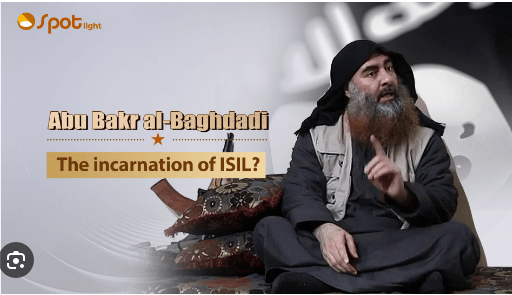
This text describes the life and death of Abu Bakr al-Baghdadi, the leader of ISIS (Daesh), focusing on the American raid that killed him. It details Baghdadi’s background, education, and rise to power within the organization. The text also explores Daesh’s ideology and practices, highlighting its extreme interpretations of Islamic law and its violent campaign against Shia Muslims. Finally, the author reflects on the implications of Baghdadi’s death for the future of ISIS and the broader fight against terrorism, suggesting the need to counter extremist ideologies. The narrative shifts between factual reporting and opinionated commentary.
FAQ: The Rise and Fall of Abu Bakr al-Baghdadi and Daesh
1. Who was Abu Bakr al-Baghdadi and what was his background?
Abu Bakr al-Baghdadi, born Ibrahim Awwad Ibrahim Ali al-Badri al-Samarrai, was the leader of the Islamic State of Iraq and Syria (ISIS), also known as Daesh. He was born in 1971 in Samarra, Iraq and held a PhD in Islamic studies. Baghdadi was known for his deep knowledge of Islamic scripture and his charisma, which helped him rise to power within the organization.
2. How did Abu Bakr al-Baghdadi become the leader of Daesh?
Baghdadi joined al-Qaeda in Iraq after the 2003 US invasion. He rose through the ranks due to his knowledge, leadership, and strategic thinking. Following the death of Abu Musab al-Zarqawi, the leader of al-Qaeda in Iraq, Baghdadi took control and eventually split from the group to form ISIS. He declared himself Caliph, the leader of all Muslims, in 2014.
3. What were the main goals and beliefs of Daesh under Baghdadi’s leadership?
Daesh aimed to establish a global Islamic caliphate based on a strict interpretation of Sharia law. They were known for their brutality and violence, particularly towards Shia Muslims, whom they considered apostates. Daesh engaged in territorial expansion, capturing large areas of Iraq and Syria, implementing their extreme ideology through harsh punishments and social restrictions.
4. How did Daesh gain power and influence?
Daesh exploited the chaos and instability in Iraq and Syria following the Syrian Civil War and the withdrawal of US troops from Iraq. They garnered support from Sunni Muslims who felt marginalized and disenfranchised by the governments in those countries. Daesh effectively used social media for propaganda and recruitment, attracting foreign fighters from around the world.
5. What role did the United States play in the fight against Daesh?
The United States led a coalition of international forces against Daesh, conducting airstrikes and supporting ground operations by local forces. The US military played a key role in the eventual defeat of Daesh in their territorial strongholds in Iraq and Syria.
6. How did Abu Bakr al-Baghdadi die?
On October 26, 2019, US Special Forces conducted a raid on Baghdadi’s compound in Syria. Cornered by US forces, Baghdadi detonated a suicide vest, killing himself and three of his children.
7. What was the significance of Baghdadi’s death for Daesh?
Baghdadi’s death was a significant blow to Daesh, both symbolically and operationally. It deprived the group of its leader and figurehead, undermining morale and potentially disrupting its command structure. However, it’s important to note that Daesh continues to exist, albeit in a weakened state, and remains a threat.
8. What lessons can be learned from the rise and fall of Daesh?
The rise of Daesh highlights the dangers of political instability, sectarianism, and extremist ideologies. It also underscores the importance of international cooperation in combating terrorism and addressing the root causes that contribute to its emergence. The fight against extremism requires a multi-faceted approach that combines military action with efforts to counter radicalization, promote tolerance, and address social and economic grievances.
Understanding the Rise and Fall of Daesh
Glossary of Key Terms
- Daesh: An Arabic acronym for “al-Dawla al-Islamiya fi al-Iraq wa al-Sham,” which translates to “Islamic State of Iraq and Syria” (ISIS).
- Abu Bakr al-Baghdadi: The self-proclaimed Caliph and leader of Daesh.
- Caliphate: A system of Islamic governance led by a Caliph, who is considered a successor to the Prophet Muhammad.
- Khilafat: The Islamic concept of a caliphate.
- Sharia Law: Islamic religious law.
- Sunni: One of the two main branches of Islam. Daesh adheres to a strict and violent interpretation of Sunni Islam.
- Shia: One of the two main branches of Islam, often targeted by Daesh.
- Jihadist: A person engaged in violent struggle, often in the name of Islam.
- Mujahideen: Those who engage in Jihad, which can refer to a spiritual struggle or a violent conflict.
- Emir: A title meaning “commander” or “prince” often used in Islamic states.
Short Answer Questions
- What is the significance of the name “Daesh” and what does it stand for?
- Describe Abu Bakr al-Baghdadi’s educational background and how it might have influenced his path.
- Explain the events that led to al-Baghdadi’s imprisonment in Camp Bucca and its potential impact on his ideology.
- How did Abu Bakr al-Baghdadi rise to become the leader of Daesh?
- What were some of the key territorial gains made by Daesh during its expansion?
- Explain the role of the concept of a caliphate in Daesh’s ideology and actions.
- How did Daesh attract and recruit followers, both domestically and internationally?
- Describe the brutality and violence perpetrated by Daesh against Shias and other groups.
- How did the United States and other countries respond to the threat posed by Daesh?
- What factors ultimately led to the death of Abu Bakr al-Baghdadi and the decline of Daesh’s power?
Answer Key
- “Daesh” is a derogatory term used to refer to the Islamic State of Iraq and Syria (ISIS). It is an acronym formed from the Arabic name for the group and is widely used to avoid legitimizing their claim to statehood and religious authority.
- Al-Baghdadi held a PhD in Islamic studies, suggesting a deep understanding of religious texts, which he likely manipulated to support his extremist ideology and justify Daesh’s violent actions.
- Al-Baghdadi’s imprisonment in Camp Bucca, a US detention facility in Iraq, exposed him to a network of jihadist ideologues and likely further radicalized him, playing a role in his eventual leadership of Daesh.
- Al-Baghdadi exploited the chaos and sectarian tensions in Iraq following the US invasion to expand his influence. His strategic skills and brutality helped him consolidate power within al-Qaeda in Iraq, eventually leading him to form Daesh and declare himself Caliph.
- Daesh captured vast territories across Iraq and Syria, including major cities like Mosul and Raqqa, establishing a self-proclaimed caliphate ruled by their brutal interpretation of Sharia law.
- The concept of a caliphate was central to Daesh’s ideology, as they aimed to re-establish an Islamic state under a single leader and expand their rule globally. The declaration of a caliphate provided a powerful propaganda tool for recruitment and justification of their actions.
- Daesh exploited social media and sophisticated propaganda techniques to attract recruits worldwide, appealing to disaffected individuals seeking a sense of belonging and purpose, often romanticizing their violent ideology as a fight for Islam.
- Daesh carried out systematic atrocities against Shias, Yazidis, Christians, and other groups deemed “infidels,” including mass executions, enslavement, and sexual violence, using religious justifications to incite terror and consolidate power.
- The US and other countries formed a coalition to combat Daesh through airstrikes, supporting local ground forces, and cutting off their financial resources, aiming to dismantle their infrastructure and territorial control.
- A combination of factors led to the decline of Daesh, including sustained military pressure from international coalitions, internal divisions, and the loss of key territories. Al-Baghdadi’s death during a US raid further weakened the group and marked a turning point in the fight against their extremist ideology.
Essay Questions
- Analyze the factors that contributed to the rise of Daesh, considering the historical, political, and social context in the Middle East.
- Evaluate the role of propaganda and social media in Daesh’s recruitment strategies and their impact on the group’s global appeal.
- Discuss the complex relationship between Islam and the ideology of Daesh, exploring how the group manipulated religious concepts to justify their actions.
- Examine the impact of Daesh’s violence and brutality on the populations under their control, considering the long-term consequences for the region.
- Assess the effectiveness of international efforts to combat Daesh, analyzing the challenges and successes of the military, political, and humanitarian interventions.
Deconstructing Daesh: A Look at Abu Bakr al-Baghdadi and the Rise and Fall of the Islamic State
Source: Excerpts from “Pasted Text”
I. Introduction: The Death of a Caliph and the Need for Understanding
- This section discusses the death of Abu Bakr al-Baghdadi at the hands of American forces and emphasizes the need to understand the origins and motivations of Daesh (ISIS) to counter its ideology. It critiques those who support or downplay the threat of similar groups, particularly drawing comparisons with Iranian-backed organizations.
II. The Raid: Recounting the Demise of Abu Bakr al-Baghdadi
- Details are provided about the raid that led to the death of al-Baghdadi, mirroring the operation that killed Osama bin Laden. The account highlights the role of intelligence, the use of military force, and the ultimate fate of the Daesh leader.
III. Abu Bakr al-Baghdadi: From Scholar to Caliph
- This section delves into the biography of Abu Bakr al-Baghdadi, tracing his path from an Islamic scholar to the leader of Daesh. It covers his academic background, early activism, imprisonment, and subsequent rise within the ranks of Al-Qaeda in Iraq.
IV. The Formation of Daesh: From Al-Qaeda to the Islamic State
- This section explores the factors that led to the formation of Daesh, highlighting al-Baghdadi’s ambition and the exploitation of sectarian tensions in Iraq and Syria. It explains the meaning of the acronym Daesh and its goal of establishing a caliphate based on a strict interpretation of Islamic law.
V. The Rise of the Caliphate: Successes and Brutality
- This section examines the initial successes of Daesh, including its territorial gains in Iraq and Syria. It also addresses the brutality of the group, particularly its targeting of Shia Muslims and other minorities, and the propaganda used to attract recruits.
VI. The Fall of Daesh: The Caliphate’s Unsustainable Path
- This section focuses on the factors that contributed to the decline of Daesh, including international military intervention and the group’s own internal contradictions. It acknowledges the persistence of its ideology and emphasizes the need for continued vigilance against extremism.
VII. Conclusion: Lessons Learned and the Future of Islamic Extremism
- This concluding section reiterates the importance of understanding the motivations and strategies of groups like Daesh to effectively counter their appeal. It calls for a rejection of all forms of terrorism and advocates for peaceful coexistence among different faiths and ideologies.
The provided text is a rambling, biased commentary on the death of Abu Bakr al-Baghdadi, the leader of ISIS (Daesh). The author celebrates Baghdadi’s death at the hands of American forces, positioning it as a victory against terrorism. They criticize those who mourn or support Baghdadi, particularly Shia Muslims, accusing them of hypocrisy and promoting Iranian-backed terrorist groups.
Here are some key takeaways:
- Celebration of Baghdadi’s death: The author clearly approves of the US operation that killed Baghdadi, describing him as “the biggest terrorist of today’s world” and comparing his death to that of a dog.
- Criticism of Shia Muslims: The author uses highly inflammatory language to attack Shia Muslims, accusing them of hypocrisy for condemning the US while supporting groups like Hezbollah and Hamas. They paint a picture of a global Shia conspiracy aiming to harm Sunni Muslims.
- Emphasis on Baghdadi’s brutality: The text highlights the brutal punishments implemented under ISIS rule, particularly against those accused of same-sex relations. They also mention the targeting of Shias and the destruction of cultural heritage sites.
- Rejection of the Islamic Caliphate: The author rejects the concept of a modern-day Islamic Caliphate, arguing that it is outdated and inherently leads to terrorism. They see Baghdadi’s death as a blow against this ideology.
Quotes of Note:
- On Baghdadi’s death: “America has brought to justice the biggest terrorist of today’s world, the leader of Daesh, Abu Bakr al- Baghdadi. Like a dog, it has been killed in revenge.”
- Criticism of Shia Muslims: “Special Shias are making Ali’s life haram.”
- On ISIS brutality: “There were severe punishments given for same-sex sexual relations […] Masi Ho along with Alawadi Shias were murdered and Bujarat was being blown up, terming it as a den of idolatry”
Overall, the text is a polemic against ISIS and those perceived as sympathetic to the group. It is highly biased and relies heavily on inflammatory language and generalizations. While it provides some information about Baghdadi and ISIS, it should not be taken as a neutral or objective source.
Here is a discussion of Abu Bakr al-Baghdadi based on the provided source:
- Abu Bakr al-Baghdadi, whose real name was Ibrahim Saud Al Badri, was the founder and leader of Daesh (also known as ISIS).
- He was born in Samara, Iraq in 1971 and was highly educated in Islamic studies. He received a degree in Islamic Studies from the University of Baghdad in 1996, a Master’s in Islamic Studies from Saddam Hussein University in 1999, and a Ph.D. in Quranic Studies in 2007.
- Baghdadi was known for his intelligence, eloquence, and charisma.
- In 2004, he was imprisoned by US forces in Iraq for anti-American activities and spent five years in Camp Bucca prison.
- After his release, he joined Al-Qaeda in Iraq, which was led by Abu Masab al-Zarqawi.
- Baghdadi eventually rose to prominence within Al-Qaeda in Iraq and, due to ideological differences, formed his own group, which became known as Daesh.
- The group’s goal was to establish an Islamic state, or caliphate, based on a strict interpretation of Sharia law.
- Baghdadi declared himself caliph in 2014 after Daesh captured large swaths of territory in Iraq and Syria.
- Daesh became infamous for its brutality, including beheadings, mass executions, and the enslavement of women and girls.
- The group targeted Shia Muslims, Christians, and other minorities.
- Baghdadi was killed in a US raid in Syria in October 2019.
- The source notes that although the death of Baghdadi is a significant blow to Daesh, it is important to remain vigilant and work to counter the ideology that fuels terrorism.
Details on Baghdadi’s Death
According to the source, Abu Bakr al-Baghdadi was killed during a US operation on May 2, 2011, in the Sham province of Adalbert, Turkey. This operation was similar to the one that killed Osama bin Laden in Abbottabad, Pakistan, on May 2, 2011.
- American Delta Force commandos, transported by eight helicopters, raided Baghdadi’s compound based on intelligence from Iraqi Intelligence and Baghdadi’s own brother.
- After destroying a car parked outside the house and calling for Baghdadi’s surrender in Arabic, they breached the house with explosives.
- A clash ensued between the commandos and Baghdadi’s guards, resulting in the deaths of nine Daesh fighters.
- As the commandos closed in, Baghdadi fled into a tunnel pursued by an American military dog.
- Trapped, Baghdadi detonated a suicide vest, killing himself, his three sons, and collapsing the tunnel.
- DNA testing confirmed the remains as those of Baghdadi.
- The operation lasted about two hours and was deemed a success by then-President Donald Trump, who announced Baghdadi’s death at the White House.
- He declared that America had brought the world’s biggest terrorist to justice.
- The Chairman of the US Joint Chiefs of Staff stated that Baghdadi’s body was disposed of similarly to Osama bin Laden’s, suggesting it was likely buried at sea.
The source also notes that the confirmation of Baghdadi’s death was likely necessary because false reports of his death had circulated in the past, only to be disproven later. It further states that in a subsequent operation, Baghdadi’s deputy, Abul Hasan Al Mahaj, was also killed.
How Daesh Rose to Power
The sources provide a detailed account of the rise of Daesh, led by Abu Bakr al-Baghdadi. Several key factors contributed to the group’s emergence and rapid expansion.
- Baghdadi’s Leadership and Background: Baghdadi’s intellectual background, charisma, and eloquence played a crucial role in his rise to leadership. His education in Islamic studies provided him with the theological tools to build a narrative around the establishment of an Islamic caliphate. He was also a skilled orator and strategist, capable of inspiring followers and uniting disparate groups under a common banner.
- The US Invasion of Iraq and the Power Vacuum: The 2003 US invasion of Iraq created a power vacuum and instability that allowed extremist groups like Al-Qaeda to thrive. The dismantling of the Iraqi army and the subsequent marginalization of Sunni Muslims created fertile ground for resentment and radicalization.
- Baghdadi’s Imprisonment in Camp Bucca: Baghdadi’s time in Camp Bucca, a US detention facility in Iraq, proved to be a turning point. It provided him with the opportunity to network with other jihadists, including future Daesh leaders. It’s believed that the prison became a breeding ground for extremism, where inmates could radicalize and strategize.
- The Syrian Civil War: The outbreak of the Syrian Civil War in 2011 provided Daesh with an opportunity to expand its operations and territory. The chaos and violence in Syria allowed the group to seize control of key areas, exploit resources, and recruit fighters.
- Exploiting Sunni Grievances and Sectarian Tensions: Daesh skillfully exploited Sunni grievances against the Shia-dominated government in Iraq and the Assad regime in Syria. By framing the conflict in sectarian terms, Daesh was able to attract support from disenfranchised Sunni populations and present itself as a defender of Sunni Islam.
- Propaganda and Social Media: Daesh was highly effective in using propaganda and social media to spread its message and recruit followers globally. Their sophisticated media campaigns, often featuring brutal violence and graphic imagery, served to intimidate enemies, attract recruits, and create a sense of inevitability around their project.
- Financial Resources: Daesh amassed significant wealth through a variety of means, including oil smuggling, extortion, and looting. This financial independence allowed them to operate autonomously, fund their military operations, and provide for their fighters.
- Military Success and Territorial Control: Daesh’s early military victories against Iraqi and Syrian forces, including the capture of Mosul in 2014, solidified its reputation as a formidable fighting force. Their territorial control enabled them to implement their strict interpretation of Sharia law, establish administrative structures, and attract more recruits.
- Declaration of a Caliphate: Baghdadi’s declaration of a caliphate in 2014, a symbolic restoration of an Islamic state after centuries, served as a powerful recruiting tool. It appealed to the aspirations of some Muslims who yearned for a return to a perceived golden age of Islam and resonated with those seeking a sense of belonging and purpose.
The rise of Daesh was a complex phenomenon with deep historical roots and a confluence of contributing factors. While the group’s reign of terror was ultimately brought to an end with the death of Baghdadi in 2019 and the loss of its territory, the underlying conditions that allowed it to flourish remain a concern.
Examining Daesh’s Activities
The sources offer a glimpse into the multifaceted activities of Daesh, revealing its ideological underpinnings, operational strategies, and the impact it had on the regions under its control.
- Establishing a Caliphate: Central to Daesh’s ideology was the establishment of a caliphate, a theocratic state ruled by Islamic law. Baghdadi’s declaration of a caliphate in 2014, encompassing captured territories in Iraq and Syria, was a pivotal moment in the group’s history. This declaration, imbued with religious significance, served as a powerful recruitment tool, attracting those seeking to live under a perceived “pure” form of Islamic governance.
- Implementing a Strict Interpretation of Sharia Law: Within the territories it controlled, Daesh implemented its own rigid interpretation of Sharia law, enforcing a draconian social code. This included severe punishments for offenses such as same-sex relationships, adultery, and apostasy. Public executions, often carried out in brutal fashion, were used to instill fear and enforce compliance.
- Targeting Shia Muslims and Other Minorities: Daesh’s ideology was deeply rooted in sectarianism, viewing Shia Muslims as apostates deserving of extermination. They carried out systematic attacks against Shia communities, including massacres, bombings, and the destruction of shrines. Other religious minorities, such as Christians and Yazidis, were also targeted, subjected to persecution, forced conversions, and enslavement.
- Military Operations and Territorial Expansion: Daesh’s early military successes, particularly the capture of Mosul in 2014, were attributed to a combination of factors, including the weakness of Iraqi and Syrian forces, exploitation of sectarian tensions, and a sophisticated propaganda machine. They employed conventional warfare tactics, suicide bombings, and guerrilla warfare to expand their territory and control resources.
- Global Recruitment and Propaganda: Daesh effectively leveraged social media and online platforms to spread its propaganda, attract recruits, and inspire attacks worldwide. Their slickly produced videos, depicting battlefield victories and brutal executions, were designed to shock and awe, targeting disaffected youth susceptible to radicalization.
- Financial Activities: To sustain its operations, Daesh engaged in a range of illicit activities, including oil smuggling, extortion, and looting. They controlled oil fields and refineries, generating revenue through black market sales. The group also extorted money from local populations through taxes and protection rackets.
The sources highlight the devastating consequences of Daesh’s activities, marked by widespread violence, human rights abuses, and the displacement of millions. While the group’s territorial control has been dismantled, its ideology continues to pose a threat, underscoring the need for sustained efforts to counter extremism and address the root causes of radicalization.
Overview of US Counter-terrorism Efforts Against Daesh
The sources offer specific examples of US counter-terrorism operations targeting Daesh, particularly focusing on the killing of Abu Bakr al-Baghdadi. These instances can be understood as part of a broader US strategy to combat terrorism, which often involves military actions, intelligence gathering, and international collaborations.
- Targeted Raids and Operations: The sources describe in detail the US operation that resulted in the death of Baghdadi. This operation, characterized by precise intelligence, special forces deployment, and swift execution, exemplifies the US approach of using targeted raids to eliminate high-value targets within terrorist organizations.
- Collaboration with International and Regional Partners: The operation against Baghdadi involved collaboration with Iraqi intelligence, highlighting the importance of US partnerships in counter-terrorism efforts. By working with regional allies, the US can leverage local knowledge, resources, and support to enhance its operational capabilities and effectiveness.
- Intelligence Gathering and Analysis: The successful raid on Baghdadi’s compound was predicated on accurate intelligence, including information provided by Baghdadi’s own brother. This emphasizes the critical role of intelligence gathering and analysis in identifying targets, understanding enemy networks, and planning effective operations.
- Military Force and Technological Superiority: The US employed advanced military technology, including helicopters and specialized equipment, in the operation against Baghdadi. The operation showcases the US reliance on its military prowess and technological superiority to conduct counter-terrorism operations.
- Strategic Communication and Public Messaging: Following Baghdadi’s death, then-President Trump made a public announcement highlighting the success of the operation and emphasizing the US commitment to combating terrorism. This demonstrates the use of strategic communication to deter future attacks, reassure the public, and project an image of strength and resolve.
While the sources primarily focus on the military aspects of US counter-terrorism, it’s important to note that a comprehensive approach would likely encompass other elements, such as:
- Countering Terrorist Ideology: This involves addressing the root causes of extremism, promoting moderate voices, and challenging the narratives propagated by terrorist groups.
- Cutting Off Funding Sources: This entails disrupting financial networks, targeting illicit activities that generate revenue for terrorist organizations, and implementing measures to prevent money laundering.
- Strengthening Border Security and Immigration Controls: This includes enhancing border patrols, improving screening procedures, and sharing intelligence to prevent the movement of foreign fighters and potential terrorists.
- Building International Cooperation and Partnerships: Collaboration with international partners is essential for sharing intelligence, coordinating counter-terrorism efforts, and addressing transnational threats.
Summary: The passage argues that the killing of Abu Bakr al-Baghdadi, the leader of Daesh (ISIS), by American forces was a significant event that helped curb the spread of terrorism.
Explanation: The author uses a complex and somewhat rambling style to express their strong support for the American operation that killed Abu Bakr al-Baghdadi. They believe this action was necessary to prevent the growth of Daesh and global terrorism. The author criticizes those who support terrorist organizations, particularly certain Shia groups, accusing them of hypocrisy for condemning America while promoting other violent groups. The passage details the raid, highlighting the role of American commandos and intelligence in tracking down al-Baghdadi. It emphasizes the brutality of al-Baghdadi’s death, comparing him to a dog and suggesting this was a fitting end for a terrorist leader. The author believes this operation, along with the killing of other Daesh leaders, is a major victory in the fight against terrorism.
Key Terms:
- Daesh: An Arabic acronym for the Islamic State of Iraq and Syria (ISIS), a terrorist organization.
- Emir: A title for a high-ranking leader, often used in Islamic contexts.
- Kush jacket: Likely a misspelling of “suicide vest,” an explosive device worn by suicide bombers.
- Commandos: Highly trained soldiers specializing in special operations.
- Mutal compound: Refers to the location where al-Baghdadi was hiding.
Summary: This passage discusses the death of Abu Bakr al-Baghdadi, the leader of the terrorist group ISIS (Daesh), and provides background on his life, the formation of ISIS, and their ideology.
Explanation: This passage begins by announcing the death of Abu Bakr al-Baghdadi, the leader of ISIS, comparing it to the killing of a dog in revenge. It emphasizes the significance of this event, noting that previous reports of al-Baghdadi’s death had been false. The passage then delves into al-Baghdadi’s background, highlighting his religious education and his early involvement in anti-American activities. It describes how he rose to prominence within Al Qaeda in Iraq and eventually split to form ISIS (Daesh), an extremist group that aims to establish a strict Islamic state (caliphate) based on their interpretation of Islamic law. The passage mentions the group’s violent takeover of territories in Iraq and Syria, fueled by their anti-Shia ideology and support from some Sunni Muslims. It concludes by suggesting that the reality of al-Baghdadi’s leadership and the support he received was more complex than portrayed in the media, highlighting the involvement of Islamic scholars and the establishment of their own legal and judicial systems.
Key Terms:
- Daesh: An Arabic acronym for the Islamic State of Iraq and Syria (ISIS), a militant group known for its extremist ideology and violent actions.
- Caliphate: An Islamic state led by a caliph, a successor to the Prophet Muhammad.
- Sunni and Shia: The two main branches of Islam, with differing beliefs and practices.
- Sharia: Islamic law, derived from the Quran and other Islamic texts.
- Fatwa: A legal ruling or interpretation issued by an Islamic scholar.
Summary: This passage discusses the rise of ISIS, highlighting their brutal enforcement of Islamic law, particularly against Shia Muslims and those engaging in same-sex relationships. It argues that despite claiming religious purity, ISIS’s violence ultimately discredits their ideology.
Explanation: The passage describes how Abu Bakr al-Baghdadi, the leader of ISIS, established control over territories and cities, imposing a strict interpretation of Islamic law. They formed councils of religious scholars to issue decrees and implemented harsh punishments, including those targeting individuals in same-sex relationships. This brutality, similar to the execution of a Jordanian pilot in 2015, fueled opposition and hatred towards ISIS. The passage notes the destruction of shrines and targeting of Shia Muslims, which intensified animosity even though some ISIS leaders were themselves from the Maghreb region. Despite attracting young recruits with promises of a pure Islamic state, ISIS’s extreme violence, exceeding even that of al-Qaeda and the Taliban, ultimately undermined their legitimacy. The passage concludes that this type of extremism has no place in the modern world and expresses hope for its complete eradication.
Key Terms:
- Abu Bakr al-Baghdadi: Former leader of ISIS
- Tai Shari Nizam: Islamic legal system
- Fuqaha and Mufti: Islamic legal scholars who issue rulings
- Maghrib: Region in Northwest Africa, including countries like Morocco, Algeria, and Tunisia
- Daesh: Arabic acronym for ISIS, often used pejoratively
- Trump’s claim: President Trump boasted that he hadn’t started any new wars and had successfully combated ISIS, deserving of the Nobel Peace Prize he was awarded.
- Author’s perspective: The author disagrees with Trump’s assessment, arguing that Trump’s inaction against ISIS would have led to global chaos. They highlight the role of the US in eliminating ISIS’s growing power.
- Raid details: The author recounts the US operation against ISIS leader Abu Bakr al-Baghdadi in Syria, detailing the raid by US commandos, Baghdadi’s death by suicide bomb, and the confirmation through DNA testing.
- Operation’s significance: The author emphasizes the successful elimination of a major terrorist leader and the subsequent killing of Baghdadi’s successor, highlighting the importance of these operations in combating terrorism.
- The passage attempts to provide background information on Abu Bakr al-Baghdadi, the former leader of the Islamic State of Iraq and Syria (ISIS).
- It claims Baghdadi was born in Baghdad in 1971 and obtained multiple degrees in Islamic studies.
- It highlights Baghdadi’s early involvement in extremist activities, including imprisonment by US forces and subsequent rise to leadership within al-Qaeda in Iraq.
- The passage attributes ISIS’s emergence to Baghdadi’s charisma and ability to capitalize on sectarian tensions in Iraq and Syria.
- It mentions the declaration of a caliphate by Baghdadi in 2014 following ISIS’s territorial gains in Iraq.
Note: The passage contains factual inaccuracies and promotes harmful stereotypes. It is important to rely on credible sources for accurate information about complex historical events and figures.
- Focus on Sunni Islam and Anti-Shia Sentiment: The group promotes a strong Sunni ideology and harbors hostility towards Shia Muslims. They aim to establish an Islamic state based on the concept of Khilafat.
- Declaration of Caliphate: Abu Bakr al-Baghdadi declared himself Caliph in 2014, gaining control of areas in Iraq and Syria with Sunni majorities. This move garnered support from some powerful Arab figures and Sunni scholars.
- Implementation of Strict Islamic Law: The group established a harsh Sharia legal system with severe punishments, including for same-sex relationships. They justified their actions by citing religious principles.
- Brutal Campaign against Shia Muslims: The group carried out a violent campaign against Shia Muslims, exceeding even Al Qaeda and the Taliban in brutality. This included killings and the destruction of Shia shrines.
- Decline and Hope for Future Peace: While the Caliphate has been abolished and Abu Bakr al-Baghdadi is dead, the text expresses hope that the group’s ideology will be completely eradicated. The author believes there is no room for such extremism in the modern world.
Abu Bakr al-Baghdadi: A Scholar Turned Terrorist Leader
The sources portray Abu Bakr al-Baghdadi, the former leader of Daesh, as a complex figure whose deep religious scholarship was tragically twisted into a path of extremist violence. The author highlights the irony of al-Baghdadi’s journey from an academic studying Islamic theology to the head of a brutal terrorist organization responsible for horrific acts.
- Emphasis on Religious Education: The sources emphasize al-Baghdadi’s strong academic background in Islamic studies. He obtained a PhD in Quranic studies, demonstrating a deep understanding of religious texts and doctrines. This detail suggests that al-Baghdadi’s turn to extremism wasn’t driven by ignorance of Islamic teachings but rather by a deliberate, though distorted, interpretation of them.
- Transformation from Scholar to Militant Leader: The sources trace al-Baghdadi’s shift from scholarship to militancy. His early anti-American activities led to imprisonment, which likely exposed him to radical ideologies and networks within the prison system. After his release, he joined al-Qaeda in Iraq, where his knowledge and charisma allowed him to rise through the ranks.
- Establishment of Daesh and Caliphate: The sources describe how al-Baghdadi eventually split from al-Qaeda and formed Daesh, driven by his ambition and desire for power. His declaration of a caliphate in 2014, claiming authority over all Muslims, was a pivotal moment that attracted followers seeking a rigid Islamic state. This act solidified his role as a leader who sought to impose his extremist vision on the world.
- Implementation of Brutal Rule: The sources detail how al-Baghdadi, as the self-proclaimed “Caliph,” oversaw the implementation of Daesh’s brutal interpretation of Islamic law. This included the establishment of religious councils to issue decrees and the enforcement of harsh punishments, including public executions. The sources emphasize the group’s targeting of Shia Muslims and other minorities, revealing the deeply sectarian and violent nature of al-Baghdadi’s ideology.
The author’s portrayal of al-Baghdadi ultimately condemns him as a dangerous figure whose twisted understanding of Islam led to immense suffering. However, the emphasis on al-Baghdadi’s religious background also serves as a cautionary tale about the potential for religious scholarship to be manipulated and used to justify extremist violence.
The Death of Abu Bakr al-Baghdadi
The sources provide a detailed account of the killing of Abu Bakr al-Baghdadi, the leader of Daesh, during a US-led military operation. The sources describe the raid as a carefully planned and executed operation that resulted in al-Baghdadi’s death.
- Intelligence and Collaboration: American forces received intelligence about al-Baghdadi’s location from Iraqi intelligence, indicating cooperation between the two countries in the operation. The sources specifically mention that al-Baghdadi’s brother provided information leading to his capture.
- The Raid: US commandos, transported by eight helicopters, raided the compound where al-Baghdadi was hiding in the Sham province of Syria. The commandos first destroyed a car outside the building and then, speaking in Arabic, urged al-Baghdadi to surrender.
- Confrontation and Escape Attempt: A firefight ensued between the commandos and Daesh fighters protecting al-Baghdadi, resulting in the deaths of nine Daesh members. As American troops approached, al-Baghdadi fled into a tunnel.
- Death in the Tunnel: An American military dog pursued al-Baghdadi into the tunnel. Cornered, al-Baghdadi detonated a suicide vest, killing himself and three of his sons who were also present in the tunnel. The explosion caused the tunnel to collapse.
- Confirmation of Identity: American forces recovered al-Baghdadi’s body and performed DNA testing to confirm his identity. The commandos also seized materials from the compound.
- Official Announcement: Then-President Donald Trump announced the successful operation to the world, emphasizing the US’s commitment to bringing terrorists to justice.
The sources depict the operation as a significant victory in the fight against Daesh, highlighting the effectiveness of American military capabilities and intelligence gathering. The account emphasizes the brutality of al-Baghdadi’s death, describing his desperate attempt to escape and his final act of suicide. The sources also draw a parallel between this operation and the killing of Osama bin Laden, suggesting a consistent approach to targeting high-value terrorist leaders.
Abu Bakr al-Baghdadi’s Academic Background
The sources highlight Abu Bakr al-Baghdadi’s significant academic achievements in Islamic studies before his turn to extremism.
- University of Baghdad: He graduated from the University of Baghdad with a degree in Islamic studies in 1996. This suggests a foundational understanding of Islamic theology, history, and jurisprudence.
- Saddam Hussein University for Islamic Studies: Al-Baghdadi continued his education, obtaining a Master’s degree in Islamic Sciences from Saddam Hussein University in 1999. This advanced degree indicates further specialization in Islamic scholarship.
- PhD in Quranic Studies: In 2007, al-Baghdadi earned a PhD in Quranic studies. This achievement signifies a deep understanding of the Quran, the central text of Islam. The sources note that he was a “well-known Arab scholar” who trained others.
This academic background in Islamic studies is particularly noteworthy given al-Baghdadi’s later role as the leader of Daesh, an organization known for its brutal and extremist interpretation of Islam. The sources emphasize the irony of his transformation from a scholar of Islam to a figure responsible for immense violence and suffering in the name of religion.
Daesh’s Goal: Establishing a Global Islamic Caliphate
The sources describe Daesh’s stated goal as the establishment of a global Islamic caliphate based on their rigid and extremist interpretation of Islamic law. This goal is central to understanding Daesh’s ideology and actions, as it motivated their violent campaign to seize territory, impose their rule, and attract followers worldwide.
- Caliphate: The sources explain that Daesh sought to establish a caliphate, a form of Islamic government led by a caliph, who is considered a successor to the Prophet Muhammad. Daesh’s leader, Abu Bakr al-Baghdadi, declared himself the caliph in 2014, claiming religious authority over all Muslims. This declaration was a key part of their propaganda and recruitment strategy, as they sought to attract those who believed in the necessity of a unified Islamic state.
- Territorial Control: Daesh’s ambition for a caliphate was not merely a theoretical concept; they actively sought to gain control of territory to implement their vision. The sources mention their capture of areas in Iraq and Syria, where they imposed their strict interpretation of Islamic law, including harsh punishments and the suppression of any dissent. This territorial control was essential to demonstrate their power, enforce their ideology, and attract further support.
- Global Ambition: Daesh’s goal was not limited to controlling a small region; they envisioned a global Islamic state that would eventually encompass all Muslim-majority areas. This ambition is evident in their propaganda, which often depicted a map of the world under their rule. They actively sought to recruit followers from various countries, encouraging them to travel to their controlled territories or carry out attacks in their homelands.
- Religious Justification: Daesh justified their violent actions and their claim to a caliphate through their interpretation of Islamic texts and history. While most Muslims reject Daesh’s extremist views, the group’s use of religious rhetoric was a powerful tool for attracting those disillusioned with existing governments or seeking a sense of religious purpose.
The sources highlight the dangers of Daesh’s stated goal, emphasizing their brutality, disregard for human rights, and the threat they posed to global stability. The group’s actions, motivated by their desire for a caliphate, caused immense suffering and displacement, highlighting the devastating consequences of their extremist ideology.
Daesh: Unpacking the Name and Its Significance
The sources reveal that the group commonly known as Daesh has a more formal name in Arabic: “Daulat ul Islamia, Phil Iraq and Syria”. This translates to “Islamic State in Iraq and Syria”, often abbreviated as ISIS. However, the sources suggest that the acronym “Daesh” is often used, sometimes with a negative connotation.
Here’s a breakdown of the name and its implications:
- “Islamic State”: This part of the name reflects the group’s core objective of establishing a state governed by their particular interpretation of Islamic law. It underscores their ambition to control territory and implement their version of Islamic governance, which they believed to be the only legitimate form of rule.
- “Iraq and Syria”: This geographic specification highlights the initial areas where Daesh gained prominence and territorial control. These countries, with their complex sectarian and political landscapes, provided fertile ground for the group’s rise. Their aim was to establish a base in this region and expand their control outwards.
- The Significance of “Daesh”: While ISIS is the more widely recognized name in English, the Arabic acronym “Daesh” carries important nuances. The sources suggest that it is sometimes used to delegitimize or express disapproval of the group, as if to deny them the legitimacy of a true “Islamic State”. Using “Daesh” can also be a way to avoid using the term “Islamic State”, which some find problematic as it associates the group with the broader Islamic faith.
Understanding Daesh’s official name and the use of the term “Daesh” provides insight into their goals, their initial area of operations, and how the group is perceived and discussed.
Comparing Daesh and Al-Qaeda: The Brutality of Punishments
While the sources do not offer a direct comparison of the specific punishments implemented by Daesh and Al-Qaeda, they provide insights into Daesh’s practices, suggesting a heightened level of brutality, particularly targeting Shia Muslims.
- Daesh’s “Tai Shari Punishments”: The sources mention that Daesh implemented “Tai Shari punishments,” indicating their adherence to a strict interpretation of Islamic law. These punishments were determined by councils of religious scholars and muftis, who issued decrees based on their understanding of Islamic jurisprudence. This system suggests a formalized process for determining and carrying out punishments.
- Extreme Punishments: The sources highlight the severity of Daesh’s punishments, citing their notoriety for “severe punishments given for same-sex sexual relations.” This example, along with the mention of the execution of a Jordanian pilot, illustrates their willingness to impose extreme punishments, often carried out publicly as a means of instilling fear and enforcing compliance.
- Anti-Shia Violence: The sources emphasize Daesh’s particular brutality towards Shia Muslims, stating that their “campaign against Shias” went “much further than Al Qaeda and Taliban.” This suggests that while both groups engaged in violence, Daesh exhibited a heightened level of sectarianism, targeting Shia populations and sites with particular fervor.
- “Beyond Limits”: The sources describe Daesh’s enforcement of Islamic practices, such as prayer, fasting, and charity, as becoming “strict beyond limits.” This statement, coupled with their brutal punishments, paints a picture of a regime that sought to control every aspect of life within their territories, imposing their rigid interpretation of Islam through extreme measures.
While a direct comparison with Al-Qaeda’s punishments is not provided, the sources suggest that Daesh’s practices were characterized by a calculated brutality, particularly directed towards Shia Muslims. Their system of religious councils, public executions, and extreme punishments aimed to create a climate of fear and absolute obedience to their rule.
The Immediate Aftermath of Baghdadi’s Death
While the sources focus primarily on the events leading up to and including the death of Abu Bakr al-Baghdadi, they do provide some information about the immediate consequences of his demise.
- Successor: The sources mention that in another operation the day after Baghdadi was killed, Daesh’s “squad leader” and his deputy, Abul Hasan Al Mahaj, were also killed. Malaysia’s Sarab Mazlum Abdi stated that they informed the Americans about this. This suggests a swift effort to dismantle the group’s leadership following Baghdadi’s death. However, the sources do not explicitly name Baghdadi’s successor or discuss any potential power struggles within Daesh.
- Hope for the Weakening of Daesh: The sources express optimism that Baghdadi’s death will lead to the eventual downfall of Daesh. They state, “it is expected that in the coming days, their practice will also be completely abolished and the path will be opened.” This suggests a belief that the group’s ideology and operations will be significantly weakened without its leader.
- Continuing Need for Vigilance: Despite the optimism surrounding Baghdadi’s death, the sources also caution against complacency. They emphasize that “the faithful Muslims will have to think that in today’s era, there is neither any hope for a deeply loved and deeply loved person nor is there any scope for terrorism, no matter how many pure and noble thoughts and demands he comes with.” This suggests a recognition that the threat of terrorism, particularly from groups inspired by Daesh’s ideology, persists even after the death of its leader.
The sources primarily focus on the operational and symbolic significance of Baghdadi’s death, highlighting it as a major victory against Daesh. While they touch upon the immediate aftermath, they do not provide a detailed account of the internal dynamics within Daesh or the broader geopolitical consequences of Baghdadi’s demise.
Daesh’s Beliefs and Practices: A Blend of Extremist Ideology and Calculated Brutality
The sources paint a picture of Daesh as a group driven by an extremist interpretation of Islam, manifested in their beliefs, practices, and, most notably, their brutal actions.
- Establishing a Global Caliphate: As previously discussed, the establishment of a global Islamic caliphate was Daesh’s primary objective. They believed in the necessity of a unified Islamic state ruled by a caliph, who they considered the successor to the Prophet Muhammad. This caliphate was not merely a theoretical concept; they actively sought to seize territory and implement their vision, initially focusing on Iraq and Syria. Their ambition extended beyond regional control; they envisioned a global Islamic state encompassing all Muslim-majority areas, as depicted in their propaganda.
- Strict “Tai Shari” Punishments: Daesh implemented what the sources refer to as “Tai Shari punishments,” based on their rigid interpretation of Islamic law. These punishments were determined by councils of religious scholars and muftis, indicating a formalized, though extreme, process. The sources highlight the severity of these punishments, citing examples such as “severe punishments given for same-sex sexual relations” and the execution of a Jordanian pilot. These actions, often carried out publicly, aimed to instill fear and enforce obedience within their controlled territories.
- Anti-Shia Sentiment: The sources emphasize Daesh’s particular brutality towards Shia Muslims, describing their campaign against Shias as going “much further than Al Qaeda and Taliban”. This suggests that while violence was a common thread among extremist groups, Daesh exhibited a heightened level of sectarianism, specifically targeting Shia populations and religious sites.
- Extremism in the Name of Islam: Daesh justified their actions and their claim to a caliphate through their interpretation of Islamic texts and history. While their extremist views were rejected by the vast majority of Muslims, their use of religious rhetoric proved effective in attracting those disillusioned with existing governments or seeking a sense of purpose. The sources note the irony of Abu Bakr al-Baghdadi’s transformation from an Islamic scholar to a figure responsible for immense violence in the name of religion.
- Control Through Fear and Religious Extremism: Daesh’s practices were characterized by a calculated brutality aimed at creating a climate of fear and absolute obedience. They enforced Islamic practices like prayer, fasting, and charity “beyond limits,” seeking to control every aspect of life within their territories. This combination of religious extremism and brutal enforcement tactics distinguished Daesh as a particularly dangerous and destructive force.
Bibliography
- Bergen, Peter.Manhunt: The Ten-Year Search for Bin Laden from 9/11 to Abbottabad.New York: Crown, 2012.(A detailed account of the intelligence and military operations leading to the death of Osama bin Laden.)
- McChrystal, Stanley.My Share of the Task: A Memoir.New York: Portfolio/Penguin, 2013.(McChrystal provides an inside view of the counterterrorism efforts against Al-Qaeda.)
- Warrick, Joby.Black Flags: The Rise of ISIS.New York: Doubleday, 2015.(A Pulitzer Prize-winning analysis of the origins of ISIS and the role of al-Baghdadi.)
- Weiss, Michael, and Hassan Hassan.ISIS: Inside the Army of Terror.New York: Regan Arts, 2015.(A deep dive into the development of ISIS and its leadership, including al-Baghdadi.)
- Coll, Steve.Directorate S: The C.I.A. and America’s Secret Wars in Afghanistan and Pakistan, 2001–2016.New York: Penguin Press, 2018.(Covers Al-Qaeda’s operations and the U.S.’s ongoing counterterrorism measures.)
Scholarly Articles
- Fishman, Brian H.
“The Islamic State: A Counter-History of Jihadism.”
The Washington Quarterly, vol. 39, no. 3, 2016, pp. 103–121.
(Analyzes ISIS’s divergence from Al-Qaeda and al-Baghdadi’s leadership.) - Lister, Charles.
“Profiling Abu Bakr al-Baghdadi and the Islamic State.”
Brookings Doha Center Analysis Paper, 2015.
(Insight into al-Baghdadi’s rise and the strategic evolution of ISIS.) - Gerges, Fawaz A.
“The Decline of Al-Qaeda and the Rise of ISIS.”
Survival, vol. 57, no. 4, 2015, pp. 37–56.
(Discusses how ISIS supplanted Al-Qaeda as the leading jihadist group.)
News and Investigative Reports
- Callimachi, Rukmini.
“Abu Bakr al-Baghdadi, ISIS Leader Known for His Brutality, Is Dead at 48.”
The New York Times, Oct. 27, 2019.
(In-depth obituary and analysis of the U.S. operation that killed al-Baghdadi.) - Engel, Richard, and Saphora Smith.
“Who Was Abu Bakr al-Baghdadi?”
NBC News, Oct. 27, 2019.
(An overview of al-Baghdadi’s life and death.) - Shane, Scott.
“Bin Laden Is Dead, Obama Says.”
The New York Times, May 1, 2011.
(Details the U.S. Navy SEAL operation that resulted in bin Laden’s death.) - Miller, Greg, and Missy Ryan.
“Abu Bakr al-Baghdadi’s Death Marks the End of a Brutal Chapter.”
The Washington Post, Oct. 27, 2019.
(Explores the impact of al-Baghdadi’s death on ISIS.)
Documentaries
- Manhunt: The Search for Bin Laden.”
HBO Documentary Films, 2013.
(Features interviews with intelligence officers involved in the search for bin Laden.) - “The Rise and Fall of ISIS.”
PBS Frontline, 2016.
(Examines ISIS’s leadership and the death of Abu Bakr al-Baghdadi.) - “Inside the Hunt for Al Qaeda.”
National Geographic, 2012.
(A detailed investigation into the tracking and elimination of bin Laden.)
This list provides comprehensive coverage of the key figures and events related to the deaths of Abu Bakr al-Baghdadi and Osama bin Laden, as well as the broader context of Al-Qaeda and ISIS.

By Amjad Izhar
Contact: amjad.izhar@gmail.com
https://amjadizhar.blog
Affiliate Disclosure: This blog may contain affiliate links, which means I may earn a small commission if you click on the link and make a purchase. This comes at no additional cost to you. I only recommend products or services that I believe will add value to my readers. Your support helps keep this blog running and allows me to continue providing you with quality content. Thank you for your support!

Leave a comment