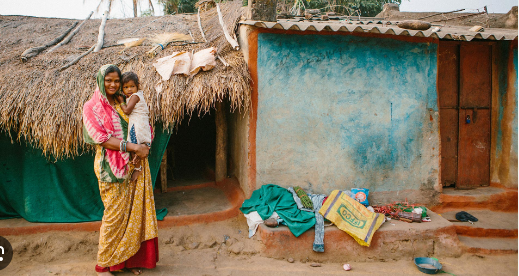
Poverty often conjures images of deprivation, hardship, and suffering—but what if this universal human condition carries within it profound spiritual privileges? In an age obsessed with wealth accumulation and material success, the idea that poverty could be a hidden blessing appears paradoxical. Yet, when examined through the lens of spiritual insight, ethical implications, and religious doctrine, poverty may offer a sanctified state that protects individuals from many moral pitfalls.
Across philosophical traditions and religious teachings, poverty has often been regarded not as a punishment, but as a purifier—a shield against the corruption of the soul. Stripped of financial burdens, the poor escape the obligations that wealth demands: the calculation of taxes, the duties of zakat, and even the financial capability required for Hajj. Free from these responsibilities, they live closer to spiritual humility, naturally aligned with the Divine through dependence rather than dominance.
The elite intellectuals of various ages have debated the paradoxes of affluence and austerity. According to Imam Al-Ghazali in Ihya Ulum al-Din, “Wealth is a burden unless it is spent in the way of Allah.” The poor, in contrast, are spiritually privileged; their state absolves them of worldly accountability and aligns them with a kind of moral innocence. In understanding this notion, we begin to recognize that poverty is not always a curse—it may very well be a concealed form of grace.
1- No Sins of Wealth Accumulation
Those living in poverty are often spared from the moral entanglements associated with the pursuit and preservation of wealth. The Quran frequently warns against the dangers of excessive wealth leading to arrogance and forgetfulness of God. When one is not entangled in financial gain, they are less likely to engage in greed, fraud, or exploitation. This natural insulation from the corruption of capitalism often leads to a purer conscience and a less distracted spiritual life.
Renowned Islamic scholar Ibn Taymiyyah emphasized that “worldly riches are not evil in themselves, but the love of them corrupts the heart.” The impoverished are often far removed from this attachment, and thus, free from the spiritual decay that plagues the wealthy. For further reading, The Purification of the Soul by Ahmad Farid explores the internal consequences of materialism in depth.
2- No Corruption from Power or Influence
Poverty removes one from the realms of political and corporate power where corruption thrives. History is replete with examples of wealthy individuals using their resources to influence decisions, manipulate systems, or gain unfair advantages. The poor, having no such leverage, are often morally upright simply because they are uninvolved in the mechanisms of corruption.
According to Friedrich Nietzsche, “He who fights with monsters should look to it that he himself does not become a monster.” The poor, having no role in the oppressive structures of society, maintain their integrity by default. For a sociological perspective, Max Weber’s The Protestant Ethic and the Spirit of Capitalism offers a critical look at how wealth and moral compromise often go hand in hand.
3- No Tax Obligations
Without taxable income or property, the poor are exempt from government levies. This freedom from financial obligations offers not just economic relief but also a kind of existential lightness. While the wealthy must navigate complex financial systems and often worry about audits or penalties, the poor remain untethered from these stresses.
The burden of tax is not merely monetary—it is psychological and ethical. Often, individuals are pressured into dishonest declarations or evasion, compromising their moral integrity. The poor, in their simplicity, remain untainted by these temptations. John Stuart Mill’s Principles of Political Economy provides further insight into the ethical dilemmas associated with taxation and wealth.
4- Exempt from Zakat (Charity Tax)
Zakat, the third pillar of Islam, is obligatory only for those who meet a certain wealth threshold. The poor, not possessing the minimum nisab (threshold), are excused from this duty. Instead, they become eligible recipients, a role that demands humility but not financial sacrifice.
This exemption reflects a divine mercy. As Sheikh Yusuf al-Qaradawi elaborates in Fiqh az-Zakat, the wisdom behind this pillar ensures that those already burdened by poverty are not further strained. Instead, they are uplifted by the collective obligation of the ummah (community), reinforcing social harmony and interdependence.
5- No Responsibility for Hajj
The pilgrimage to Mecca, while spiritually significant, is financially demanding. Islam makes Hajj obligatory only for those who can afford it. The poor, by virtue of their economic reality, are not held accountable for this act of worship, relieving them from the physical and fiscal demands it entails.
This is not a denial of spiritual opportunity but a recognition of human limitation. As Allah mentions in the Quran (3:97), “And [due] to Allah from the people is a pilgrimage to the House—for whoever is able to find thereto a way.” This financial exemption is a form of divine understanding and compassion.
6- Entitled to Receive, Not Give
While the affluent are required to support others, the poor are recipients of societal goodwill. They benefit from zakat, sadaqah, and institutional charities. This support allows them to maintain dignity without enduring further hardship.
This status is not a matter of shame but a mark of communal balance. As articulated in The Spirit of Islam by Syed Ameer Ali, charity in Islamic societies is not a handout but a right, and the poor are dignified by their rightful claim to it. This sacred economic order underscores their value in the eyes of the Divine.
7- Shielded from Arrogance of Wealth
Wealth often breeds pride, and pride is considered among the most dangerous spiritual diseases. The poor are less likely to develop arrogance or superiority. Their humility is not forced but cultivated by necessity, often resulting in stronger empathy and solidarity with others.
In Kitab al-Zuhd (The Book of Asceticism) by Abdullah ibn Mubarak, it is emphasized that poverty helps maintain the humility required for piety. This humility is not just a virtue—it is a means to divine closeness, unclouded by the ego that affluence can inflate.
8- Immune to Financial Envy
The poor may experience envy, but they are not envied for material possessions. This removes a layer of social friction. Unlike the wealthy, who often become targets of jealousy and resentment, the poor maintain a kind of social invisibility that protects their peace of mind.
Moreover, this absence of envy directed toward them preserves community cohesion. In Envy: Theory and Research by Richard H. Smith, envy is shown to be a corrosive social force, often leading to conflict and estrangement—dynamics the poor are naturally spared from.
9- Greater Dependence on God
Lacking material security, the poor are more likely to rely on divine providence. This dependence fosters a closer relationship with God, characterized by supplication, trust, and patience. Their spiritual lives are often more vibrant because their needs are more immediate.
Ibn Qayyim al-Jawziyya noted in Madarij al-Salikin that the path to God is more direct for those who depend on Him fully. Poverty, therefore, becomes a medium through which divine connection is strengthened, rather than hindered.
10- Detachment from Worldly Distractions
Without the burdens of property, investment, and financial management, the poor are less preoccupied with worldly matters. This detachment can create space for intellectual, emotional, and spiritual growth. Time not spent chasing wealth can be used for reflection, learning, and prayer.
As echoed by Socrates, “He is richest who is content with the least.” The simplicity of life in poverty often cultivates a sharper mind and a more peaceful heart, unburdened by the complexities that wealth demands.
11- Living with Contentment
Contentment, or qana’ah, is a prized state in Islamic ethics. The poor often embody this virtue more naturally, appreciating the little they have. This mindset not only reduces stress but also strengthens emotional resilience.
Rumi once wrote, “Be like a tree and let the dead leaves drop.” The ability to live with less is a form of liberation—poverty becomes not deprivation, but a disciplined lifestyle that fosters inner wealth.
12- Fewer Moral Dilemmas
The poor face fewer ethical compromises. Without large-scale dealings, investments, or political decisions, they rarely encounter the grey zones where ethics are tested. This moral simplicity protects their integrity.
Theologian Reinhold Niebuhr in Moral Man and Immoral Society argued that individuals are more ethical than institutions. Poverty keeps people rooted in the personal, rather than the institutional, preserving their moral compass.
13- Experiencing Real Brotherhood
Those in poverty often form deep, authentic bonds with others in similar circumstances. The absence of pretension and the shared struggle create stronger communities rooted in empathy, support, and equality.
Victor Hugo in Les Misérables wrote, “To love or have loved, that is enough.” Among the poor, love is not transactional. It’s pure and communal, unmarred by the divisions that wealth can impose.
14- Elevated Status in the Afterlife
Islamic teachings emphasize that many of the poor will enter Paradise before the rich. The Prophet Muhammad (peace be upon him) said, “I looked into Paradise and saw that the majority of its people were the poor.” (Bukhari)
This spiritual compensation highlights a divine justice system that balances worldly deprivation with eternal reward. In The Hereafter by Maulana Ashraf Ali Thanwi, this idea is explored with theological rigor.
15- Less Temptation, More Resilience
The poor are often less exposed to temptations that wealth affords—luxury, power, and indulgence. This limited access often builds stronger willpower and self-control, virtues highly regarded in both spiritual and philosophical traditions.
Epictetus taught, “Freedom is the only worthy goal in life. It is won by disregarding things that lie beyond our control.” Poverty, by narrowing one’s options, paradoxically frees the soul from superficial desires.
16- Opportunity for Intellectual Development
Stripped of distractions, some of the greatest minds in history were born from humble beginnings. Poverty can sharpen focus and inspire creativity, as survival demands innovation and deep thought.
Abraham Lincoln famously said, “I am a slow walker, but I never walk back.” His impoverished childhood did not hinder his intellectual ascent—it shaped it. For further insight, Outliers by Malcolm Gladwell explores how disadvantage often breeds excellence.
17- A Life Closer to Nature
Poverty often necessitates a lifestyle closer to the land, which fosters a deeper relationship with the environment. Living naturally without technological clutter can be mentally and spiritually enriching.
Henry David Thoreau’s Walden glorifies this simplicity, suggesting that to live in poverty is to live truthfully and in alignment with nature’s rhythms. The poor often experience this harmony intuitively.
18- Encourages Community Support Systems
The poor rely on each other, forging support networks rooted in mutual aid rather than contracts or insurance policies. These bonds create a form of social security more enduring than institutional structures.
As observed in Bowling Alone by Robert Putnam, modern wealth often leads to isolation, while poverty encourages collectivism. This return to communal living enhances both survival and emotional well-being.
19- Stronger Faith Under Adversity
Adversity is a test—and those who endure poverty with patience and gratitude are often spiritually elevated. Trials refine the soul, purging it of arrogance and instilling resilience.
In the Quran (2:286), it is stated: “Allah does not burden a soul beyond that it can bear.” Those enduring poverty are recognized by the Divine, and their perseverance becomes a mark of honor.
20- A Reminder of Life’s Transience
Poverty constantly reminds individuals that this world is temporary. The lack of material stability serves as a daily prompt to focus on the eternal rather than the ephemeral.
As highlighted in The Shortness of Life by Seneca, awareness of mortality often comes more easily to those without distractions. The poor live this truth daily, embodying a spiritual maturity that wealth can obscure.
Conclusion
Poverty, often misperceived as purely negative, can be a profound spiritual and ethical gift. It shields individuals from the moral corruption of wealth, liberates them from religious and financial burdens, and connects them more intimately with both community and Creator. In many ways, the poor are divinely favored—not because of what they lack, but because of what they are spared. Their lives, while difficult, are often closer to truth, resilience, and transcendence. In recognizing this, society must not merely pity the poor—but learn from them.

By Amjad Izhar
Contact: amjad.izhar@gmail.com
https://amjadizhar.blog
Affiliate Disclosure: This blog may contain affiliate links, which means I may earn a small commission if you click on the link and make a purchase. This comes at no additional cost to you. I only recommend products or services that I believe will add value to my readers. Your support helps keep this blog running and allows me to continue providing you with quality content. Thank you for your support!

Leave a comment