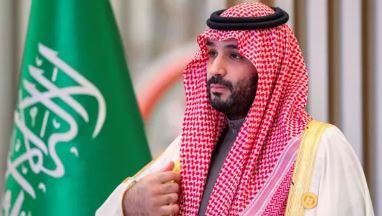
Month: October 2025

  • MBS Mohammed bin Salman: A Portrait of Power

    MBS Mohammed bin Salman: A Portrait of Power

    This text profiles Mohammed bin Salman (MBS), the Crown Prince of Saudi Arabia, exploring his rapid ascent to power, controversial policies, and complex relationship with the West. His ambitious reforms, including social liberalization and economic diversification (Vision 2030), are juxtaposed with authoritarian actions such as the war in Yemen, the suppression of dissent, and the murder of Jamal Khashoggi. The narrative highlights MBS’s calculated charm offensive aimed at securing Western support while simultaneously pursuing independent foreign policy initiatives. The sources ultimately examine the inherent tensions between MBS’s modernizing vision and his autocratic methods, questioning his long-term stability and the future of Saudi Arabia under his rule. The text also reveals concerns about his impulsiveness and the potential for instability.

    The Rise of MBS: A Study Guide

    Short Answer Quiz

    Instructions: Answer each question in 2-3 complete sentences.

    1. What was unusual about King Salman’s appointment of his son Mohammed bin Salman (MBS) to key government positions?
    2. What were some of the major social and economic challenges facing Saudi Arabia that MBS sought to address?
    3. What motivated MBS to launch the military intervention in Yemen?
    4. How did the US-Saudi relationship shift under the Obama administration, and what was the specific source of tension?
    5. How did MBS successfully secure the position of Crown Prince, replacing Mohammed bin Nayef (MBN)?
    6. What significant reforms did MBS introduce in Saudi Arabia after becoming Crown Prince?
    7. Why did MBS initiate his “Vision 2030” economic plan, and what are its key goals?
    8. How did MBS address the issue of corruption in Saudi Arabia, and what was the consequence of this action?
    9. What motivated MBS to impose a blockade on Qatar, and what actions did his government take against this neighbor?
    10. What was the significance of the murder of Jamal Khashoggi, and what impact did it have on MBS’s image and relationship with the West?

    Answer Key

    1. MBS, the King’s favorite son, was appointed Minister of Defense and the Economy at only 30 years old, despite having no prior government experience. This was highly unusual as power was typically passed between established members of the House of Saud, not to someone so young and inexperienced.
    2. Saudi Arabia faced a large, young population that was increasingly connected to the world, with high expectations. Additionally, the country’s economy was overly reliant on oil revenue, which was falling, and the kingdom was facing a looming financial crisis.
    3. MBS’s intervention in Yemen was motivated by the fear of Iranian-backed Houthi rebels gaining control of the country, which he saw as a direct threat to Saudi Arabia’s security and stability. He also wanted to establish himself as a strong leader.
    4. The US-Saudi relationship shifted as the US became less reliant on Saudi oil and Obama pursued a nuclear deal with Iran, which was viewed by the Saudis as a betrayal of their interests and a disregard for their concerns. The lack of consultation was a major point of contention.
    5. MBS, through persistent effort, convinced his father to allow him to meet with Trump in Washington. Once MBN was out of favor with the US, MBS was able to convince the king to displace his cousin and appoint him as the heir apparent.
    6. MBS introduced reforms such as abolishing the religious police, granting women the right to drive, allowing public concerts and cinemas, and seeking to return to a moderate Islam, representing a significant break from the Kingdom’s conservative past.
    7. “Vision 2030” was initiated due to the kingdom’s over-reliance on oil, with the plan to diversify its economy and reduce dependence on oil revenues by modernizing infrastructure, attracting foreign investment, and creating new industries and jobs.
    8. MBS initiated a purge of businessmen and princes under the guise of fighting corruption, forcing them to hand over significant portions of their wealth and property. While this brought billions into the country’s coffers, it scared off many Western investors due to its arbitrary nature.
    9. MBS imposed a blockade on Qatar because he accused the country of supporting Islamist enemies, the Muslim Brotherhood, and of being too friendly with Iran. He also viewed Al Jazeera, the Qatari news network, as a threat.
    10. The murder of Jamal Khashoggi was significant because it was linked to MBS’s inner circle, severely tarnishing his reformist image and highlighting his authoritarian tendencies. It also led to increased scrutiny of Saudi Arabia’s human rights record and strained relations with the West.

    Essay Questions

    Instructions: Answer each question in a well-organized essay that demonstrates your understanding of the source material.

    1. Analyze the factors contributing to Mohammed bin Salman’s rise to power, including his family background, political skills, and the geopolitical context of the region.
    2. Evaluate the effectiveness of MBS’s Vision 2030 plan in addressing the economic and social challenges facing Saudi Arabia, considering both its intended goals and its practical limitations.
    3. Discuss the complex relationship between Saudi Arabia and the United States, exploring how it has evolved under different administrations and the challenges and opportunities it presents.
    4. Examine the contradictory aspects of MBS’s rule, focusing on his image as both a reformer and an authoritarian, and how these conflicting aspects impact his domestic and international standing.
    5. Assess the overall impact of MBS’s leadership on Saudi Arabia and the wider Middle East, considering both his reforms and his more controversial actions, and predicting the long-term consequences of his actions.

    Glossary of Key Terms

    • House of Saud: The ruling royal family of Saudi Arabia.
    • Wahhabism: A strict, puritanical form of Sunni Islam that is the dominant religious tradition in Saudi Arabia.
    • Mutawa: The religious police in Saudi Arabia, who were previously responsible for enforcing strict social and religious norms.
    • Arab Spring: A series of pro-democracy uprisings across the Arab world that began in 2010.
    • Houthis: A Shia rebel group in Yemen backed by Iran, who are in conflict with the Saudi-led coalition.
    • Ayatollah Khamenei: The Supreme Leader of Iran, the highest religious and political authority in the country.
    • Vision 2030: A strategic plan initiated by MBS to diversify Saudi Arabia’s economy and reduce its dependence on oil.
    • Aramco: The Saudi Arabian national petroleum and natural gas company, one of the world’s largest corporations.
    • NEOM: A planned futuristic city in northwestern Saudi Arabia, intended to be a hub for technological innovation and sustainable living.
    • Muslim Brotherhood: A transnational Islamist organization that promotes political Islam.
    • Al Jazeera: A Qatari state-funded news organization.
    • Jamal Khashoggi: A Saudi journalist and dissident who was assassinated in the Saudi consulate in Istanbul in 2018.
    • Mohammed bin Nayef (MBN): The former Crown Prince of Saudi Arabia, ousted by MBS.

    Mohammed bin Salman: A Study in Contradictions

    Okay, here is a detailed briefing document reviewing the main themes and important ideas from the provided text.

    Briefing Document: Mohammed bin Salman – A Study in Contradictions

    Executive Summary:

    This document examines the rise of Mohammed bin Salman (MBS), Crown Prince of Saudi Arabia, through the lens of his actions, ambitions, and the international response to his leadership. The source material portrays a complex figure: a young, ambitious reformer attempting to modernize his nation, yet simultaneously an authoritarian ruler who employs brutal tactics to consolidate power and suppress dissent. MBS is presented as a leader seeking to reshape Saudi Arabia’s economy, society, and international standing, but his methods are often impulsive, contradictory, and ultimately raise serious concerns about human rights and regional stability.

    Key Themes and Ideas:

    1. MBS as a Transformative Figure:
    • Ambition for Reform: MBS is portrayed as driven by a desire to transform Saudi Arabia, recognizing the need for economic diversification beyond oil and a more modern society. He is seen advocating for changes that would appeal to Saudi youth and Western audiences, such as allowing concerts, cinemas, and women driving.
    • Vision 2030: This ambitious economic plan is central to his vision, aimed at ending the kingdom’s reliance on oil revenues. He envisions large scale projects to diversify the economy, attract foreign investment and create jobs for young Saudis. “All the success factors are in place to create something great in Saudi Arabia.”
    • Appealing to the West: MBS actively seeks to position himself as a key ally of the West, both economically and in the fight against terrorism. He understands the power of Western relationships and goes on charm offensives to achieve this. “He knew exactly which buttons to push and what message to present in order to charm others. It’s a skill.”
    1. Authoritarian Tendencies and Repression:
    • Consolidation of Power: MBS is depicted as ruthless in his pursuit of power, sidelining rivals, including his cousin, the former Crown Prince Mohammed bin Nayef (MBN). “Despite appearances and all the marks of respect, his cousin is forced to cede his place to him.”
    • Suppression of Dissent: Despite advocating for reforms, MBS is shown to brutally suppress any form of political opposition. This includes arresting clerics, activists, and critics, severely curtailing freedom of speech. “The political climate in our country is very bleak. It is the worst since the foundation of Saudi Arabia. We have the greatest number of political prisoners, the largest political executions.”
    • Corruption Purge: The “corruption purge” of 2017, in which hundreds of wealthy businessmen and princes were detained and forced to relinquish assets, demonstrates his willingness to use extreme measures to consolidate wealth and control. “This brings 100 billion dollars into MBS’s coffers, but this extraordinary purge scares the Western investors it needs to seduce.”
    • Yemen War: MBS’s decision to intervene militarily in Yemen is portrayed as a bold but ultimately costly and unsuccessful undertaking. This highlights his impulsiveness and willingness to take risks, but it is also characterized as causing a humanitarian crisis. “The war can’t be won militarily against the Houthis… One has to think of other ways, negotiation, patronage.”
    1. International Relations and Challenges:
    • Complex Relationship with the West: While seeking to be an indispensable Western ally, MBS is portrayed as feeling betrayed by the Obama administration’s nuclear deal with Iran. His need for Western weapons and investment creates a reliance, but he is also willing to threaten to turn to China and Russia. The Khashoggi murder further strains this relationship. “A text message received from MBS after Jamal’s killing and murder said that he was disappointed in the way the West was immediately blaming him, that he would look elsewhere for allies and friends in the East, meaning China and Russia.”
    • Regional Rivalry with Iran: The conflict with Iran is a central element, with MBS viewing Iran as an existential threat to Saudi Arabia. This rivalry informs his actions in Yemen and fuels tensions across the region. “He’s compared Ayatollah Khamenei to Hitler. He sees Iran as a revolutionary state that will not stop until the regime in Saudi Arabia is destroyed.”
    • Khashoggi Murder Fallout: The killing of Jamal Khashoggi in the Saudi consulate in Istanbul emerges as a pivotal moment, severely damaging MBS’s international image and revealing the extent of his ruthlessness. “The real break in the story came some weeks later when we were the first to report that the CIA, the main intelligence agency in the US, had done their assessment of the situation, drawing on their sources, experts, and knowledge, and determined that this was almost certainly an operation directed by Mohammed bin Salman.”
    1. Contradictions and Paradoxes:
    • Modernizer vs. Despot: MBS’s public image as a modernizer is in direct conflict with his authoritarian actions. This creates a duality that is difficult for Western observers to reconcile. “MBS is a reflection of their own weaknesses and of their loss of influence in the world. One that reveals their own flaws, their cynicism, and their mercantile nature.”
    • Impulsive Yet Calculating: MBS is described as both impulsive and strategic. He takes bold decisions, such as the war in Yemen and the Qatar blockade, yet carefully calculates how to charm foreign leaders and garner support. “People think I’m impulsive and unpredictable,” “yet they receive me with full honors.”
    • Economic Reforms vs. Repression: While aiming to modernize the Saudi economy, MBS creates an environment of fear that is not conducive to foreign investment and innovation. The corruption purge, in particular, undermines his efforts to attract Western capital. “If he doesn’t deliver the economic promises, then he’ll have no legitimacy in Saudi Arabia.”

    Conclusion:

    Mohammed bin Salman is a complex and contradictory figure. He has a vision to modernize Saudi Arabia but the methods he is using are those of a ruthless autocrat who won’t tolerate any dissent. He is an incredibly important player on the global stage, but it is as yet unclear whether his reforms will succeed and whether he can reconcile his ambition with his repressive tendencies. MBS is a product of a country that is in a state of tremendous change and the long-term stability of the Saudi regime is dependent on his success. The text underscores the precariousness of MBS’s position and the uncertainty surrounding the future of Saudi Arabia. His fate, and that of his nation, is entwined with the choices he makes, the international response to his actions, and his ability to manage his many contradictions.

    Mohammed bin Salman: Power, Reform, and Controversy in Saudi Arabia

    Frequently Asked Questions about Mohammed bin Salman (MBS) and Saudi Arabia

    1. Who is Mohammed bin Salman (MBS) and what is his significance? Mohammed bin Salman, often referred to as MBS, is the Crown Prince of Saudi Arabia. At the age of 34, he holds significant power in a country that possesses the world’s largest oil reserves, wields considerable influence over the global economy, and houses the Muslim holy sites. MBS has positioned himself as a key partner in the fight against terrorism and the biggest client for the Western world’s arms industry. He is carrying out reforms that aim to transform his country and attract foreign investment, making him an indispensable figure on the global stage whose future is entwined with many nations.
    2. What were the key factors that contributed to MBS’s rise to power? MBS’s ascent was rapid and strategic. His father, King Salman, unexpectedly appointed him as Minister of Defense and the Economy at a young age, despite his lack of government experience. This appointment, along with his status as the king’s favorite son, enabled him to rapidly gain influence. He surrounded himself with dedicated advisors, leveraged his youth, and was able to present himself as a bold and decisive leader, in contrast to the older generation of Saudi leaders. He effectively used the influence of the United States, particularly the Trump administration, to consolidate his position, ultimately becoming the Crown Prince, bypassing the previous heir.
    3. What are the main reforms MBS is undertaking in Saudi Arabia, and what are his motivations? MBS has initiated a series of significant reforms aimed at modernizing Saudi Arabia. These include the abolishment of the religious police, granting women the right to drive and choose not to wear the veil, and allowing public concerts and cinemas. His motivations are twofold: to address the growing frustrations of a young population under 30, who feel stifled by religious restrictions, and to project a more progressive image to the Western world. Economically, he aims to reduce the kingdom’s dependence on oil, which makes up 80% of the country’s revenue, by encouraging foreign investment and diversifying the economy. These reforms are both about his legacy but also about the survival of the country.
    4. How has MBS dealt with internal opposition, and what is the impact on political freedoms? While MBS has introduced social reforms, he has also become increasingly authoritarian, stifling political dissent. He has arrested numerous religious clerics, human rights activists, and prominent feminists to consolidate his power and suppress any resistance to his reforms. This suppression has resulted in a bleak political climate, with a large number of political prisoners and executions. Despite changes to social freedoms, the underlying political structure has become increasingly repressive.
    5. What is Saudi Arabia’s role in the conflict in Yemen and what have been the consequences? MBS, as Minister of Defense, initiated military intervention in Yemen in 2015, aimed at countering the Houthi rebels, backed by Iran. This war has become a costly and protracted conflict, causing significant loss of life, displacement, and famine. While it was initially popular, it has increasingly bogged down Saudi Arabia, further straining the country’s resources and damaging its international reputation. The conflict also exposes Saudi Arabia to retaliatory missile attacks from the Houthis.
    6. How have MBS’s actions impacted Saudi Arabia’s relationship with the West, particularly the United States? MBS initially found a strong ally in the Trump administration, which was keen to challenge Obama’s Iran policy. However, his actions, including the Yemen war and the Khashoggi murder, have strained relations with the West. While the West relies on Saudi Arabia for oil and as a counter-terrorism partner, it also faces growing pressure from public opinion due to human rights concerns. MBS’s behavior has revealed the West’s dependence on Saudi Arabia despite clear evidence of human rights abuses.
    7. What is “Vision 2030” and what are the main challenges to its success? “Vision 2030” is MBS’s ambitious plan to modernize and diversify the Saudi Arabian economy, reducing its dependence on oil revenue. This plan involves attracting foreign investment, developing infrastructure, and creating new industries and jobs. Key projects include giant industrial and tourist cities, and initiatives aimed at fostering economic growth. However, challenges to this success include Western investor skepticism, a sluggish bureaucracy, and the volatile geopolitical situation. The reliance on foreign investment, while also alienating investors through aggressive actions, makes the plan precarious.
    8. What are some of the most controversial actions MBS has taken, and what are the implications? MBS has engaged in several controversial actions, including the detention of prominent businessmen and princes, the blockade of Qatar, and the kidnapping of the Lebanese Prime Minister, Saad Hariri. These incidents, along with the murder of Jamal Khashoggi, have tarnished his international reputation. He has demonstrated a willingness to use his power to suppress dissent, intimidate rivals, and consolidate his authority. His actions have raised questions about his leadership style and the true nature of his reforms, portraying him as both a modernizer and a despot.

    Mohammed bin Salman: A Rise to Power

    Mohammed bin Salman (MBS) rose to power in Saudi Arabia through a series of strategic moves, taking advantage of his father’s position and implementing bold reforms.

    • Early Appointments and Influence: MBS’s father, Salman, became King in 2015 and quickly appointed MBS as Minister of Defense and the Economy despite his young age (30) and lack of government experience. This appointment was intriguing, especially to the new US ambassador.
    • Strategic Positioning: MBS was seen as an asset due to his youth, in a time when the House of Saud was facing challenges. He surrounded himself with dedicated advisors, such as Ali Shihabi, a Harvard graduate, to help him implement change. MBS recognized the need for a strong leader to effect change in Saudi Arabia.
    • Military Action in Yemen: In March 2015, MBS ordered military action in Yemen against the Houthis, a move that was seen as both bold and popular. Although the war became a protracted conflict, it helped to establish MBS as a strong leader, even though it also led to criticism and strained relationships with allies.
    • Cultivating Relationships: MBS worked to build relationships with key figures in the US administration, especially after Donald Trump became president. He was able to charm many, including Steve Bannon, who felt that MBS was “the guy” despite his impulsiveness. MBS’s visit to Washington was considered a “rite of passage”.
    • Removal of Rivals: Through a series of strategic moves, MBS managed to displace his cousin, Mohammed bin Nayef (MBN), as Crown Prince in June 2017. MBN was placed under house arrest, and MBS was appointed heir to the throne. King Salman took a back seat, effectively handing power to MBS.
    • Reforms and Consolidating Power: MBS initiated a series of reforms including abolishing the religious police, granting women the right to drive, and allowing public concerts and cinemas. While these reforms were popular, MBS also consolidated his power by suppressing dissent, arresting clerics, and imprisoning human rights activists.
    • Economic Vision: MBS launched Vision 2030 to modernize the Saudi economy and reduce its dependence on oil. This included attracting foreign investment through projects such as NEOM, a city of the future. However, MBS’s methods, including a corruption purge that targeted wealthy businessmen and princes, also scared off some Western investors.
    • International Relations: Despite the positive image he attempted to create with reforms, MBS faced international scrutiny and criticism for the murder of Jamal Khashoggi. Despite the scandal, MBS was protected by the Trump administration, and he also explored other alliances with the East.
    • Authoritarian Rule: MBS is described as an authoritarian figure who uses his power to control his country and suppress any political dissent. He has been accused of creating an “interesting form of dictatorship”. Though he presents himself as a reformer, he is also maintaining and expanding on the old ways of a repressive system.

    MBS’s rise to power can be characterized by a combination of calculated political moves, a willingness to challenge tradition, and a focus on projecting an image of strength and reform.

    Modernizing Saudi Arabia Under MBS

    Saudi Arabia has undergone significant reforms under the leadership of Mohammed bin Salman (MBS), encompassing social, religious, and economic changes. These reforms are aimed at modernizing the kingdom, addressing the needs of a young population, and diversifying the economy.

    Social and Religious Reforms:

    • Restriction of Religious Police: MBS abolished the religious police (Mutawa), who previously enforced strict social norms.
    • Women’s Rights:Women were granted the right to drive.
    • Women were given the choice to not wear the veil.
    • MBS emphasized the integration of men and women in society.
    • Cultural Openness: Public concerts and cinemas, previously banned, were allowed. This move aimed to provide entertainment and cultural experiences for the population.
    • Shifting Religious Landscape: MBS has promoted a move towards a more moderate Islam, which is open to the world. This shift challenges the powerful religious establishment that was previously a pillar of the monarchy.

    Motivations Behind the Reforms:

    • Addressing Youth Concerns: With a large portion of the population under 30, MBS aims to provide opportunities for the youth who feel restricted by old traditions. The reforms are intended to offer a “breath of oxygen” to this generation.
    • Image Improvement: The reforms are also aimed at presenting a better image to the Western world, particularly at a time when the kingdom’s reputation was suffering. The focus on women’s rights was strategic, given the high level of importance of those issues in the West.
    • Economic Necessity: The kingdom’s financial situation is precarious, with declining oil prices and a need to diversify the economy. The reforms are linked to attracting foreign investment and creating a modern, productive economy.

    Economic Reforms and Vision 2030:

    • Economic Diversification: MBS launched Vision 2030, a plan to modernize the Saudi economy and reduce its reliance on oil.
    • Foreign Investment: A key goal is to attract foreign investment to develop infrastructure, businesses, and create jobs.
    • Mega-Projects: MBS has proposed large-scale projects such as NEOM, a futuristic city on the Red Sea, aimed at attracting investors and driving economic growth.
    • Aramco Privatization: Partial privatization of the oil company Aramco was intended to generate billions for the kingdom.
    • Austerity Measures: In response to financial challenges, the government has introduced austerity measures, including reducing subsidies and introducing taxes.
    • Addressing Elite Entitlement: A purge of wealthy businessmen and princes was carried out, officially to combat corruption and recover funds. This was also seen as a way to address what was termed “elite entitlement”.

    Challenges and Contradictions:

    • Authoritarianism: While implementing social reforms, MBS has been accused of increasing repression, suppressing political dissent, and arresting activists. This creates a contradiction between his image as a reformer and his authoritarian practices.
    • Skepticism: Despite the ambitious plans, there is skepticism from investors and others about the feasibility of some of the projects and the sustainability of the reforms.
    • Stalled Progress: Some of the reforms have faced resistance, with civil servants being slow to implement changes. The economic goals are also hampered by the global perception of MBS’s heavy handed rule.

    MBS’s reforms are presented as a transformative effort to modernize Saudi Arabia, but they are coupled with a consolidation of power and suppression of dissent. These reforms are driven by a mix of social, economic, and political factors, all aimed at ensuring the survival and prosperity of the Saudi kingdom and the House of Saud. The success of these reforms depends on balancing the need for modernization with the challenges of political stability and international relations.

    The Yemen War and Mohammed bin Salman

    The war in Yemen is a significant event in Mohammed bin Salman’s (MBS) rise to power and is an important aspect of Saudi Arabia’s foreign policy. Here’s a breakdown of the key points:

    • Initiation of the War: In March 2015, just two months after becoming defense minister, MBS ordered military intervention in Yemen. The capital, Sanaa, had been taken by Houthi rebels, who were supported by Iran.
    • Motivations for Intervention:
    • Countering Iranian Influence: The Saudi regime viewed the Houthis as proxies of their regional rival, Iran. They felt besieged by Iran’s expanding presence in other countries such as Iraq, Syria and Lebanon.
    • Asserting Regional Power: MBS wanted to demonstrate his strength and will, distinguishing himself from previous Saudi leaders who had been cautious. He aimed to establish himself as a strong leader who would not hesitate to defend Saudi interests.
    • Popular Support: The war initially garnered popular support within Saudi Arabia, boosting MBS’s image as a decisive leader.
    • Military Campaign:
    • Aerial Bombing: The Saudi-led coalition launched an aerial bombing campaign without informing their US allies.
    • Military Spending: Saudi Arabia has one of the largest military budgets in the world and has invested heavily in Western arms, which it used in the conflict.
    • Protracted Conflict: The war has become a drawn-out and bloody conflict, with no clear end in sight. It has been described as a “ruinous conflict”.
    • Guerrilla Warfare: The Saudi military has struggled to defeat the Houthi rebels, and it has become evident that a military victory may not be possible.
    • Houthi Retaliation: The Houthis have retaliated by targeting Saudi Arabia with missiles.
    • Impact on Saudi Arabia:
    • Financial Strain: The war has been costly, contributing to the kingdom’s financial difficulties as it has spent a lot of money on weapons and military supplies.
    • Damage to Reputation: The conflict has led to a decline in Saudi Arabia’s international reputation, as Western public opinion has been shocked by the use of Western weapons in a conflict causing massive suffering, including refugees, famine and loss of life.
    • Strained Alliances: The war has strained relations with Western allies, particularly the US, who have been careful not to get involved offensively. The US has focused on a peaceful resolution and offered technical support, instead of military support.
    • Perceived abandonment: MBS has felt let down by the lack of support from his allies, particularly after the US signed a nuclear agreement with Iran. He feels that the US has not consulted them.
    • MBS’s Perspective:
    • Iran as an Enemy: MBS views Iran as an existential threat, comparing Ayatollah Khamenei to Hitler. He sees Iran as a revolutionary state that will not stop until the regime in Saudi Arabia is destroyed.
    • Confidence in Military: Initially, MBS was confident that the war could be won quickly. However, this has not turned out to be the case.
    • Disappointment with the West: MBS has expressed disappointment with the West’s reaction to the conflict, and has indicated that he would look to the East for allies.
    • Negotiation and Diplomacy:
    • Calls for Peaceful Settlement: Some, including an unnamed ambassador, have urged MBS to seek a negotiated solution and to explore other options beyond military action.
    • Emphasis on patronage: The ambassador argued that negotiation and patronage are alternatives to military action, but the prince does not seem to fully accept this argument.

    In summary, the Yemen war was initiated by MBS to counter Iranian influence and assert Saudi power in the region. However, the conflict has become a protracted and costly war, damaging Saudi Arabia’s reputation and straining its relationships with key allies. Despite calls for negotiation, MBS continues to view Iran as a major threat and remains determined to pursue Saudi’s interests in the region. The war has also served as a way for MBS to project a strong image, even though it has not achieved a clear victory.

    Saudi Arabia’s Vision 2030: Economic Diversification

    Economic diversification is a key component of Mohammed bin Salman’s (MBS) Vision 2030 plan for Saudi Arabia, aimed at reducing the kingdom’s reliance on oil and creating a more sustainable and modern economy.

    Motivations for Diversification:

    • Declining Oil Revenues: Saudi Arabia’s economy is heavily dependent on oil, which accounts for 80% of its revenues. With collapsing oil prices and decreasing Western demand, the kingdom faces a significant financial challenge. The sources also suggest that the reserves will be depleted in a few decades.
    • Need for a Productive Economy: MBS recognizes that the country needs a modern and productive economy to move away from its dependence on oil.
    • Unsustainable Economic Model: The current economic model is unsustainable, with a majority of citizens employed by the government, often in unproductive jobs. Additionally, citizens do not pay taxes or for utilities, such as water and electricity, which is putting a strain on the kingdom’s finances.

    Key Aspects of Vision 2030:

    • Attracting Foreign Investment: MBS seeks to attract foreign investment to develop infrastructure, business
    • es, and create jobs. This is a crucial component of his plan to modernize Saudi Arabia and make it less dependent on oil.
    • Mega-Projects: To attract investors, MBS has proposed a series of large-scale projects, including the largest expanse of solar panels in the world, a tourist city, a giant industrial city, and NEOM, a futuristic city on the Red Sea. These projects are intended to create new industries and employment opportunities.
    • Aramco Privatization: The partial privatization of the oil company Aramco is intended to bring billions into the kingdom’s coffers. However, this plan has been met with skepticism from investors.
    • Modernization: MBS’s plan is to open up Saudi Arabia to the Western world and modernity.

    Challenges to Economic Diversification:

    • Skepticism from Investors: Despite the ambitious plans, potential investors remain skeptical, noting that the lavish conferences and communication efforts do not necessarily translate into concrete results.
    • Slow Implementation: The implementation of reforms has been slow, with civil servants dragging their feet.
    • Financial Pressures: The state coffers are emptying, highlighting the urgency of the need for diversification.
    • Authoritarian Methods: MBS’s methods, including a corruption purge that targeted wealthy businessmen and princes, have scared off some Western investors. The detention of Prince Alwaleed, a world class economic player, sent a message that the business climate was unpredictable.
    • Geopolitical Issues: The ongoing conflict in Yemen and strained relations with Iran also contribute to investor hesitancy.

    Austerity Measures:

    • Reduced Subsidies: In response to financial challenges, the government has introduced austerity measures, including reducing subsidies.
    • New Taxes: The government has also introduced taxes for the first time.

    Overall Goal:

    • Survival of the Dynasty: The economic reforms are not just about modernization but also about ensuring the survival of the dynasty. MBS understands that he needs to deliver economic promises to maintain his legitimacy in Saudi Arabia.

    In summary, economic diversification is a crucial element of MBS’s Vision 2030, driven by the need to reduce reliance on oil and modernize the Saudi economy. While the plan includes ambitious projects and reforms, it faces challenges related to investor skepticism, implementation delays, and the perception of MBS’s authoritarian rule. Success depends on attracting foreign investment and creating a sustainable economic model that can replace the current dependence on oil revenues.

    Mohammed bin Salman’s Foreign Policy

    Mohammed bin Salman’s (MBS) approach to international relations is complex, marked by a desire to assert Saudi Arabia’s power, secure its interests, and navigate a changing global landscape. Here’s an overview of his key relationships and strategies based on the sources:

    Relationship with the United States:

    • Historical Ally: Saudi Arabia has long been a key ally of the US, particularly due to its oil reserves and its role as a partner in the fight against terrorism.
    • Strained Relations: However, the relationship has become strained under MBS.
    • Obama’s Disengagement: MBS felt let down by President Obama’s disengagement from the Middle East and the signing of the nuclear agreement with Iran without consulting Saudi Arabia.
    • Perception of Abandonment: MBS felt that the US was not fully committed to helping them in the war in Yemen. He believes the US always says “You want to fight Iran until the last American,” and he has asserted that Saudi Arabia will act independently.
    • Trump’s Support: MBS was initially pleased by the election of Donald Trump, who opposed Obama’s Iranian policy. MBS saw Trump as a businessman who wanted to “get on with it,” which aligned with his own sense of urgency.
    • Seeking Alternatives: After the Khashoggi murder, MBS expressed disappointment with the West’s reaction and indicated that he would look for allies in the East, specifically China and Russia.
    • Transactional Relationship: The relationship is heavily influenced by economic and security interests. Saudi Arabia is the Western world’s arms industry’s biggest client, paying top dollar for its weapons. The US has also been careful not to get involved in any offensive way in the war in Yemen but has provided technical assistance.
    • Pushback: MBS has demonstrated a willingness to push back against the US, as evidenced by his response to President Obama’s concerns about human rights. During a meeting, he suggested the US President take a course in Saudi law.

    Relationship with Iran:

    • Regional Rivalry: Iran is Saudi Arabia’s main regional rival. MBS views Iran as an existential threat, comparing Ayatollah Khamenei to Hitler. He sees Iran as a revolutionary state that will not stop until the Saudi regime is destroyed.
    • Proxy Conflicts: The conflict in Yemen is a proxy war between Saudi Arabia and Iran, with the Houthis being backed by Iran.
    • Accusations of Interference: The Saudi regime accuses Iran of interfering in the region through its presence in Iraq, Syria, Lebanon, and Yemen.
    • Negotiation Avoidance: MBS seems reluctant to negotiate with Iran, instead focusing on confronting them militarily.

    Relationship with Other Countries:

    • Qatar: MBS initiated a land and air blockade of Qatar, accusing it of supporting his Islamist enemies, the Muslim Brotherhood, and of having ties with Iran, as well as giving airtime on Al Jazeera to his opponents. This action demonstrates his intolerance for perceived opposition.
    • Lebanon: MBS kidnapped the Lebanese Prime Minister Saad Hariri, forcing him to resign from Riyadh because he was perceived as too easy on Hezbollah, an Iranian-backed militia.. However, after international pressure, he was forced to release Hariri.
    • Western Allies: MBS has sought to build relationships with Western allies, particularly in Europe. He undertook a charm offensive, visiting Silicon Valley, Hollywood, London, and Paris to promote himself and his reforms.
    • China and Russia: Following the Khashoggi affair, MBS signaled a willingness to look for allies in the East, given that he felt abandoned by the West. This suggests a potential shift in Saudi Arabia’s geopolitical alignment.

    Key Themes in MBS’s International Relations:

    • Asserting Power: MBS is focused on asserting Saudi Arabia’s power and influence in the region, breaking from the cautious approach of previous leaders.
    • Defense of National Interests: MBS is determined to defend what he sees as Saudi Arabia’s national interests, particularly regarding the threat from Iran and its proxies.
    • Transactional Approach: MBS views international relations through a transactional lens, focusing on economic and security interests. He is willing to spend large sums of money on weapons and is open to shifting alliances based on his perceived needs.
    • Image Management: MBS invests heavily in public relations and lobbying to manage his image in the West, but is also willing to take actions that damage that image if he deems it necessary.
    • Frustration with the West: The sources reveal MBS’s frustration with what he sees as a lack of support from the West, especially the United States. This disappointment has led him to consider alternative alliances.
    • Unpredictability: MBS has been characterized as impulsive and unpredictable, which can be a source of concern for his allies. His actions such as the Yemen war, the Qatar blockade and the kidnapping of Saad Hariri illustrate this characteristic.

    In conclusion, MBS’s approach to international relations is defined by his desire to project power, defend against perceived threats, and promote Saudi Arabia’s economic and security interests. While maintaining ties with traditional Western allies, particularly the US, MBS has shown a willingness to pursue independent action and explore alternative alliances, reflecting a more assertive and less predictable foreign policy. The sources suggest that while he desires to be seen as a key partner of the West, he is also willing to challenge their expectations and perceived interests.

    Mohammad bin Salman: Prince With Two Faces

    By Amjad Izhar
    Contact: amjad.izhar@gmail.com
    https://amjadizhar.blog

  • The Secret to Marital Bliss 16 Daily Practices for Happiness and Success

    The Secret to Marital Bliss 16 Daily Practices for Happiness and Success

    A thriving marriage isn’t just built on grand gestures or milestone moments—it flourishes in the quiet, everyday actions that often go unnoticed. Small, intentional practices can become the secret ingredients to fostering happiness and creating lasting marital harmony. It’s these simple routines, executed with love and mindfulness, that create a foundation of mutual respect, connection, and joy.

    Research shows that strong marriages require consistent effort over time, not just during pivotal life events. Incorporating small habits into daily routines strengthens emotional bonds and helps couples weather inevitable challenges. Think of these practices as the glue that binds two people together—holding firm through busy schedules, stress, and the ups and downs of life.

    Happily, married couples recognize that love is a verb, requiring intentionality every day. With time, these small habits can have a cumulative effect, enhancing emotional intimacy and creating a sense of fulfillment. Let’s explore some of these daily practices that promote harmony, happiness, and marital success.

    Keywords: marital harmony, emotional intimacy, daily practices, happy marriage, relationship success

    Hashtags: #MarriageGoals #HealthyRelationships #DailyLove #HappyMarriage

    Summary

    The sources are a blog post and its accompanying bibliography, which together explore the concept of “marital bliss.” The blog post presents 16 daily practices for cultivating happiness and success in a marriage, ranging from simple gestures like morning kisses to deeper practices like active listening and conflict resolution. The bibliography then offers supporting research, books, and expert opinions from various sources, such as John Gottman, Brené Brown, and Gary Chapman, who are known for their work in the fields of relationships and psychology. These resources offer insights into emotional intimacy, communication strategies, and the importance of individual well-being within the context of a lasting marriage.

    Main Theme: Cultivating a happy and successful marriage through consistent, intentional daily practices that nurture emotional intimacy, trust, and mutual respect.

    Key Ideas and Facts:

    1. Small, consistent actions matter: The blog emphasizes that lasting marital happiness isn’t built on grand gestures but on “quiet, everyday actions” practiced with love and mindfulness.

    “A thriving marriage isn’t just built on grand gestures or milestone moments—it flourishes in the quiet, everyday actions that often go unnoticed.”

    2. Love is a verb: Happily married couples recognize that love requires intentionality and effort. The blog advocates for actively choosing love through daily practices.

    “Happily, married couples recognize that love is a verb, requiring intentionality every day.”

    3. Building Blocks of Marital Bliss: The 16 daily practices are categorized into four key areas:

    * **Foundation of Intimacy:** Morning kisses, text check-ins, active listening, patience.

    * **Enriching the Partnership:** Date nights, cooking together, humor, sincere apologies, mutual respect.

    * **Balancing Individuality and Togetherness:** Personal space, new adventures, unplugged time.

    * **Mindful Connection:** Walks together, composed arguments, celebrating small wins, gratitude.

    4. Supporting Evidence: The blog cites various relationship experts and research studies to support its claims. For example:

    • John Gottman: Research from “The Science of Trust” highlights the importance of daily affection for long-term relationship success. Gottman’s “Seven Principles for Making Marriage Work” is also referenced for conflict management strategies.
    • Gary Chapman: “The 5 Love Languages” is used to emphasize the importance of feeling heard and respected in relationships.
    • Sue Johnson: “Hold Me Tight” is cited to reinforce the idea that small acts of care are essential for lasting love.

    5. Actionable Practices: The blog provides concrete examples of each daily practice. For instance:

    • Morning Kiss: Starting the day with affection sets a positive tone and releases bonding hormones.
    • Active Listening: Creates a safe space for vulnerability and understanding, diffusing potential conflicts.
    • Date Nights: Prioritize time for connection and fun outside of routine responsibilities.
    • Unplugged Time: Deepen conversations and emotional engagement by disconnecting from technology.

    6. Long-Term Benefits: The blog argues that consistently practicing these habits fosters:

    • Emotional intimacy: Feeling loved, understood, and appreciated.
    • Trust: Reliability, dependability, and emotional safety.
    • Resilience: The ability to navigate challenges and bounce back from setbacks.
    • Joy and Fulfillment: Creating a shared life filled with positive emotions and experiences.

    Important Quotes:

    • “Love rests on two pillars: surrender and autonomy.” – Esther Perel
    • “Connection doesn’t happen without vulnerability.” – Brené Brown
    • “It’s not the big gestures but the small, everyday actions that nurture love.” – Gary Chapman
    • “The quality of our relationships determines the quality of our lives.” – Esther Perel
    • “Successful long-term relationships are created through small words, small gestures, and small acts.” – John Gottman

    Overall Conclusion:

    The blog promotes a proactive and intentional approach to marital happiness. By consistently practicing small, meaningful actions, couples can create a loving and resilient partnership built on emotional intimacy, trust, and mutual respect.

    1-
    iRestore Elite + Rechargeable Battery Pack – Laser Red Light Therapy for Hair Growth – FDA Cleared Hair Loss, Hair Thinning Treatment for Men & Women – Hair Regrowth Laser Cap – 500 Lasers & LEDs

    1– Morning Kiss

    A morning kiss may seem trivial, but it carries far-reaching emotional and psychological benefits. This simple act fosters intimacy by reinforcing affection and reminding partners they are cherished. Research from the book The Science of Trust by John Gottman reveals that daily moments of affection contribute to long-term relationship success. Physical touch, especially kisses, releases oxytocin, the “bonding hormone,” which strengthens emotional connections. Couples who make time for this ritual are more likely to feel emotionally secure and valued throughout the day.

    Moreover, morning kisses establish a positive tone for the day, cultivating optimism and mutual care. When affection is the first thing you experience, it reduces stress levels and encourages mindfulness in relationships. Small, loving gestures like these allow couples to rekindle emotional sparks, even when life becomes overwhelming. This seemingly minor habit has profound cumulative effects, building a sense of closeness over time.

    Keywords: morning kiss, emotional security, affection, bonding hormone, intimacy

    Hashtags: #RelationshipGoals #MorningRituals #AffectionMatters #EmotionalConnection

    2-
    StorageWorks Scalloped Tray, Wicker Rattan Serving Tray with Handles, Woven Rectangle Seagrass Tray, Scalloped Basket Table Décor Trays, Rattan Basket Tray for Ottoman Decorative and Organizer Trays

    2 – Text Check-Ins

    Checking in through texts offers a meaningful way to stay connected, even amidst hectic schedules. Simple messages like “Thinking of you” or “Hope your day is going well” act as gentle reminders that your partner is on your mind. Social psychologist Susan David, in Emotional Agility, emphasizes that small but frequent affirmations build emotional resilience within couples. These texts promote a sense of belonging, reassurance, and emotional security, even when physical presence isn’t possible.

    Beyond emotional connection, these digital check-ins reinforce attentiveness—a key trait in successful marriages. Consistent communication, no matter how brief, fosters trust and show your partner that you prioritize their emotional well-being. This modern form of connection builds a bridge between two worlds, reminding couples that love is present even in the busiest moments.

    Keywords: text check-ins, digital connection, attentiveness, emotional well-being, trust

    Hashtags: #TextYourLove #StayConnected #RelationshipCommunication #LoveInTheLittleThings

    3-
    Heavy Duty Dishwasher Cleaner and Deodorizer Tablets, Descaler, Deep Cleaning, Natural Odor and Smell Remover, Calcium, Limescale, Hard Water Marks, Grease, Septic Safe Pods (12 Tabs – 1 Yr Supply)

    3 – Listen to Each Other

    Active listening is more than just hearing words—it is the foundation of meaningful communication in a marriage. According to The 5 Love Languages by Gary Chapman, feeling heard fulfills an essential human need. Partners who listen without judgment or interruption create a safe space for open conversations, encouraging emotional vulnerability. This habit strengthens trust and promotes a deeper understanding of each other’s needs and emotions.

    Listening attentively also helps diffuse potential conflicts. When your partner feels genuinely understood, they are more likely to respond calmly, reducing tension before disagreements escalate. Couples who practice active listening can better navigate challenges, knowing that their thoughts and emotions are acknowledged. This habit builds the emotional scaffolding necessary for lasting intimacy.

    Keywords: active listening, emotional vulnerability, meaningful communication, trust, conflict resolution

    Hashtags: #ActiveListening #HealthyCommunication #StrongerTogether #EmotionallyConnected

    4-
    PJ PAUL JONES Men’s Soft Argyle Sweater Vest Slim Fit V-Neck Knitted Pullover Vest

    4 – Practice Patience

    Patience is essential for navigating the inevitable challenges that arise in any relationship. Psychologist Daniel Goleman, in Emotional Intelligence, highlights that patience fosters emotional stability, allowing couples to respond thoughtfully rather than react impulsively. In marriage, each partner brings unique quirks, habits, and imperfections. Learning to accept these without frustration creates an atmosphere of tolerance and understanding, where both individuals feel safe to express their true selves.

    Practicing patience also promotes personal and relational growth. When couples give each other the grace to make mistakes, they cultivate resilience and empathy. Instead of rushing towards solutions, patient couples learn to sit with discomfort, encouraging open communication and mutual learning. This approach builds trust and ensures that both partners grow together rather than apart, even during difficult moments.

    Keywords: patience in relationships, emotional stability, relational growth, tolerance, mutual learning

    Hashtags: #PracticePatience #MarriageSupport #EmotionalGrowth #RelationshipGoals

    5-
    Easy@Home THC Test Kit: THC Tests for Home Use 50ng/mL Track THC Detox Urine Single Test Drug Testing Kits #EDTH-114 (9 Pack)

    5 – Date Nights

    Date nights are a powerful tool for rekindling romance and maintaining emotional closeness. As relationship coach John Gottman explains in The Relationship Cure, time spent together outside routine responsibilities strengthens bonds and reaffirms intimacy. Whether it’s a fancy dinner or a simple walk in the park, these moments provide couples with uninterrupted time to reconnect, refresh their emotional connection, and rediscover each other.

    Moreover, regular date nights break the monotony of everyday life, injecting excitement into the relationship. They remind couples to prioritize fun and adventure, keeping the romance alive over the years. Scheduling time for each other also reinforces the message that your relationship is a priority, no matter how busy life gets. This intentional investment prevents emotional distance from creeping in and keeps love vibrant.

    Keywords: date nights, rekindle romance, emotional connection, relationship priority, quality time

    Hashtags: #DateNightIdeas #RomanceAlive #TimeTogether #RelationshipAdventure

    6-
    Special Supplies Sensory Therapy Putty for Kids and Adults with 10 Cute Charms – Resistive Hand Exercise Stress Relief Therapy Putty, Five Ounces of Each Putty (Farm Set – Strength: Soft)

    6 – Cook Together

    Cooking together offers more than just a shared meal—it’s an opportunity for collaboration, creativity, and bonding. Research published in The Journal of Positive Psychology shows that shared activities, especially those involving teamwork, enhance happiness and improve relational satisfaction. Preparing meals together fosters cooperation and teaches couples how to communicate effectively in a relaxed, enjoyable setting.

    Additionally, cooking together creates a space where partners can explore new recipes and express creativity. The act of preparing and enjoying a meal together becomes a ritual of togetherness, strengthening emotional bonds. Even if things don’t go perfectly in the kitchen, working through the mishaps with humor and patience adds to the shared experience. These small culinary adventures become cherished memories, enhancing marital happiness.

    Keywords: cooking together, teamwork, relational satisfaction, culinary bonding, emotional connection

    Hashtags: #CookTogether #TeamworkInLove #SharedActivities #FoodAndLove

    7-
    Starlux Games Capture The Flag Redux – Glow-in-The-Dark Bracelet Expansion Set | Adds 12 Players (with 12 LED Bracelets) | Glow in The Dark Games | Sleepover Games | Outdoor Games for Kids

    7 – Crack Jokes

    Humor plays a crucial role in building emotional closeness between partners. As Dr. John Gottman mentions in The Seven Principles for Making Marriage Work, couples who laugh together are more likely to overcome conflict and stay emotionally connected. Sharing jokes, funny memes, or playful banter creates positive interactions that can diffuse tension and make tough moments easier to navigate. Humor fosters a lighthearted environment where partners feel comfortable being themselves, strengthening the bond between them.

    Laughing together also boosts physical and emotional well-being. When couples share funny moments, the brain releases endorphins, the body’s natural mood lifters, which enhance happiness and reduce stress. Even during challenging times, humor helps couples maintain perspective, preventing minor irritations from becoming significant issues. This playful engagement nurtures joy and intimacy, making it difficult to stay unhappy for long.

    Keywords: humor in relationships, emotional closeness, playful banter, endorphins, joyful marriage

    Hashtags: #LaughTogether #MarriageHumor #HappinessInMarriage #RelationshipGoals

    8-
    Tru Dream Shot, Cherry Berry Flavored Deep Sleep Aid Shots – Zero Sugar Calm Sleep Drink plus Melatonin, GABA, Chamomile – Caffeine Free, GF, Keto, Natural Flavors, Vegan Supplement, 2oz (Pack of 24)

    8 – Apologize When Needed

    Apologizing sincerely is a cornerstone of conflict resolution and emotional repair in relationships. Dr. Harriet Lerner, in Why Won’t You Apologize? Emphasizes that apologies rebuild trust and show genuine concern for your partner’s feelings. Saying sorry isn’t just about moving past disagreements but about demonstrating empathy and accountability. A heartfelt apology reflects the importance of your partner’s emotional well-being, creating a space for healing and reconciliation.

    Equally important is how you act after the apology. Words alone won’t suffice unless they are backed by changed behavior, reinforcing your commitment to growth. Apologizing is also a two-way street; both partners must be willing to acknowledge their mistakes. These moments of vulnerability and humility strengthen the relationship, helping couples reconnect and move forward with deeper understanding.

    Keywords: sincere apology, conflict resolution, emotional repair, accountability, relationship growth

    Hashtags: #ApologizeSincerely #RelationshipGrowth #MarriageMatters #EmotionalHealing

    9-
    Secura Air Fryer Toaster Smart Oven Combo, 23 Quarts XL Capacity Convection Oven Countertop, Fits 10 inch Pizza, 12 Pre-Set Cooking Functions with Adjustable Temperature

    9 – Show Respect

    Respect is the bedrock of a thriving relationship. As relationship expert Gary Chapman points out in The 5 Love Languages, showing respect means recognizing and valuing your partner’s thoughts, feelings, and opinions. It goes beyond polite words—respect is about treating your partner with kindness, even in moments of disagreement. When partners feel respected, they are more likely to engage in healthy communication and maintain emotional intimacy.

    Demonstrating respect fosters trust and mutual appreciation, which are essential for long-term satisfaction. Acts of respect—whether it’s listening attentively, expressing gratitude, or acknowledging your partner’s efforts—create a sense of security. This makes the relationship more resilient, even when challenges arise. Over time, mutual respect cultivates a supportive and empowering environment where both partners can thrive.

    Keywords: mutual respect, emotional intimacy, healthy communication, trust, long-term satisfaction

    Hashtags: #ShowRespect #TrustInMarriage #HealthyCommunication #MarriageSupport

    10-
    OCOOPA 2 in 1 Magnetic Rechargeable Hand Warmers, UT2s Mini Electric Handwarmers 2 Pack, Split USB-C, Reusable Portable Pocket Heater, Raynauds, Golf, Tech Gifts for Women Men

    10 – Giving Each Other Privacy

    While marriage involves sharing lives closely, maintaining individuality through personal space is essential for a healthy relationship. Psychologist Dr. Terri Orbuch, in 5 Simple Steps to Take Your Marriage from Good to Great, emphasizes that respecting your partner’s need for privacy fosters trust and reduces unnecessary conflict. Allowing time to decompress—whether it’s reading alone or simply unwinding after work—helps individuals recharge emotionally. A relationship thrives when both partners feel comfortable pursuing their interests without guilt or pressure.

    When privacy is respected, it builds trust and strengthens personal identities, which enrich the partnership overall. Partners who support each other’s need for space avoid emotional burnout and cultivate a balanced relationship. Granting personal freedom within the marriage also helps partners feel more connected when they come back together, knowing their boundaries are honored and appreciated.

    Keywords: personal space, relationship balance, emotional recharge, privacy in marriage, individual growth

    Hashtags: #RespectPrivacy #BalancedRelationships #HealthyMarriage #TrustAndSpace

    11-
    OCOOPA Electric Heating Pad for Back Pain Relief, Ultra Soft& Comfortable Plush, Heat Therapy for Neck and Shoulder, Cramps, XL 12″x24″, Up to 6-Hour Auto-Timer, Thoughtful Christmas Gifts Men Dad

    11 – Trying New Adventures

    New experiences bring excitement and joy, invigorating a relationship by adding a sense of discovery. As author Arthur Aron explains in his study on relational bonding, couples who engage in novel activities together feel more satisfied in their relationship. Trying new hobbies, travel adventures, or even spontaneous activities keeps the spark alive by breaking the monotony of daily life. These shared experiences nurture connection by creating memories that deepen emotional intimacy.

    Exploring new activities also allows couples to grow together. When partners challenge themselves through new adventures, they learn more about each other’s strengths, fears, and desires. This process encourages teamwork, fosters empathy, and creates opportunities for personal and relational growth. Experimenting with new things builds a dynamic relationship where excitement and curiosity become lifelong companions.

    Keywords: new experiences, relationship excitement, shared adventures, emotional intimacy, personal growth

    Hashtags: #TryNewThings #AdventureTogether #KeepTheSparkAlive #RelationshipGoals

    12-
    GUSGU 100W Retractable Car Charger, 4-in-1 Fast Car Phone Charger Featuring a 2.6ft Retractable Cord, with Lightning and USB-C Cable Car Charger Adapters, Compatible All Other Phone Models

    12 – Unplugged Time

    In today’s digital age, uninterrupted quality time is becoming increasingly rare. Dr. Sherry Turkle, author of Reclaiming Conversation: The Power of Talk in a Digital Age, highlights that deep conversations—free from digital distractions—are essential for meaningful connection. Taking intentional breaks from devices helps couples focus on each other, encouraging heartfelt discussions and emotional engagement. Whether it’s sharing dreams or simply chatting about the day, unplugged moments strengthen the bond between partners.

    When couples regularly engage in unplugged time, they develop deeper emotional intimacy and trust. These moments of undivided attention signal that your partner is a priority, reinforcing feelings of love and appreciation. Disconnecting from technology also reduces stress and enhances the quality of time spent together, leading to more fulfilling interactions and stronger relationship satisfaction.

    Keywords: unplugged time, quality conversations, emotional engagement, digital detox, relationship satisfaction

    Hashtags: #UnpluggedMoments #ReclaimConversation #QualityTime #DigitalDetox

    13-
    CoreVital Retinol Cream – Anti Aging Retinol Face Cream | Face Moisturizer For Smooth Skin | For Eye Wrinkle, Stretch Marks, Fine Lines, and Wrinkle Care | Cruelty-free(50 ml / 1.69 fl oz)

    13 – Go for Walks Together

    Taking walks together offers more than just physical benefits; it provides a relaxed setting for meaningful conversation. Relationship expert Esther Perel suggests that simple, shared activities like walking help couples stay emotionally connected without the pressure of structured conversation. Walking side-by-side, free from distractions, allows couples to talk openly about their day, hopes, or challenges, strengthening their emotional bond. The natural environment also reduces stress, making discussions feel lighter and more engaging.

    Over time, these walks become a cherished routine that deepens intimacy. Whether strolling through the neighborhood or exploring a nearby park, this activity promotes a sense of partnership. It’s a gentle way to prioritize quality time, ensuring that both partners feel valued and heard. Walking together regularly nurtures a peaceful connection, reinforcing the idea that love can thrive in everyday moments.

    Keywords: quality time, emotional connection, meaningful conversations, stress relief, intimate routine

    Hashtags: #WalkTogether #QualityTimeMatters #EmotionalConnection #HealthyRelationships

    14-
    KIRUNDO Womens Fall Fashion 2024 Cropped Sweatshirt Half Zip Pullover Sweatshirts Y2K Crop Workout Tops With Drawstring

    14 – Maintain Composure When Arguing

    Conflict is inevitable in every marriage, but managing it with composure determines the health of the relationship. Dr. John Gottman emphasizes the importance of “soft startups” and emotional regulation in conflict resolution, warning that harsh words can leave lasting scars. Remaining calm during disagreements allows partners to focus on solutions rather than fueling anger, fostering constructive dialogue. This approach ensures that both partners feel respected, even in moments of frustration.

    Maintaining composure also helps prevent arguments from escalating into emotional harm. When couples avoid name-calling or personal attacks, they build a foundation of trust and emotional safety. Disagreements, when managed calmly, become opportunities for growth rather than sources of resentment. Over time, this habit strengthens communication and ensures that even challenging conversations enhance the relationship instead of damaging it.

    Keywords: conflict resolution, emotional regulation, constructive dialogue, emotional safety, trust in marriage

    Hashtags: #HealthyArguments #ConflictResolution #RespectInMarriage #TrustAndCommunication

    15-
    Instant Print Camera for Kids, 3.0″ HD 32MP Kids Camera 1080P Digital Camera with 3 Rolls of Printer Paper, Toddler Camera Birthday Gifts Toy for 3-12 Year Old Girls Boys with 32GB SD Card-Pink

    15 – Celebrate Small Wins

    Acknowledging each other’s small achievements fosters positivity and encouragement within the relationship. In The Appreciation Effect, Mike Robbins highlights that celebrating small victories strengthens emotional bonds by reinforcing the importance of each partner’s efforts. Whether it’s acknowledging a promotion, a fitness goal, or even a well-cooked meal, celebrating these moments shows that you value your spouse’s contributions.

    This habit cultivates a culture of gratitude within the marriage, motivating both partners to keep striving for personal and shared goals. Small celebrations also reinforce emotional intimacy by creating moments of joy and appreciation. Over time, these gestures build a relationship environment where both partners feel seen, supported, and inspired to grow together.

    Keywords: celebrating small wins, positive reinforcement, emotional intimacy, gratitude, mutual encouragement

    Hashtags: #CelebrateTogether #AppreciationInMarriage #SmallWinsBigImpact #MarriagePositivity

    16-
    Happy Sailed Womens Jumpsuits Dressy Fashion Lace V Neck Long Sleeve Wide Leg Pants Romper with Belt

    16 – Practice Gratitude

    Expressing gratitude regularly is a powerful way to nurture happiness and deepen emotional intimacy in a marriage. Research by Dr. Robert Emmons, a leading gratitude expert, shows that couples who actively practice gratitude experience greater relationship satisfaction. Acknowledging each other’s efforts, even in small things—like thanking your spouse for preparing a meal or running errands—creates a positive atmosphere where both partners feel valued and appreciated. These expressions remind you of the good moments in your relationship, fostering a sense of joy and fulfillment.

    Gratitude also shifts focus toward the positives, helping couples navigate challenges with resilience. When both partners consciously appreciate each other, it minimizes feelings of resentment and strengthens emotional bonds. Gratitude reinforces the reasons you fell in love in the first place, keeping the relationship thriving over time. In a marriage built on appreciation, partners are more likely to support each other’s growth, creating a foundation of happiness and emotional security.

    Keywords: relationship gratitude, emotional intimacy, positive atmosphere, relationship fulfillment, emotional security

    Hashtags: #GratitudeInMarriage #PositiveRelationships #RelationshipGoals #AppreciateEachOther

    Conclusion

    Incorporating these daily habits—morning kisses, text check-ins, and active listening—creates a ripple effect that enhances emotional intimacy and builds trust. These small yet meaningful practices help partners feel loved, appreciated, and understood, strengthening the foundation of the relationship. When couples invest in each other through these gestures, they establish a routine of care that acts as a buffer against life’s inevitable challenges.

    The key to marital bliss lies not in grand acts, but in these everyday moments that nurture connection. Consistently engaging in affectionate, thoughtful, and communicative behaviors creates a reservoir of positive emotions to draw from, even during difficult times. As relationship expert Esther Perel writes in Mating in Captivity, “Love rests on two pillars: surrender and autonomy.” These daily actions exemplify the balance between closeness and individuality, making marital happiness both achievable and sustainable.

    Keywords: marital happiness, emotional intimacy, thoughtful gestures, trust, relationship foundation

    Hashtags: #DailyConnection #RelationshipSuccess #BuildingTrust #HappilyEverAfter

    Incorporating patience, intentional date nights, and shared cooking experiences adds richness to marital life. These practices strengthen emotional bonds and foster a sense of partnership and mutual respect. They create an environment where couples feel supported, appreciated, and connected, making it easier to navigate life’s inevitable challenges together.

    The beauty of these habits lies in their simplicity. Patience encourages acceptance, date nights rekindle romance, and cooking together adds joy to the everyday routine. As Hold Me Tight by Dr. Sue Johnson emphasizes, small acts of care lay the groundwork for lasting love. When couples invest in these practices consistently, they cultivate emotional security and excitement, paving the way for a happy, resilient marriage.

    Keywords: lasting love, emotional security, relationship habits, mutual respect, marital partnership

    Hashtags: #MaritalHappiness #RelationshipResilience #JoyfulMarriage #StrongFoundation

    Infusing humor, sincere apologies, and mutual respect into daily interactions adds depth and resilience to a marriage. These practices not only foster emotional closeness but also create a positive relationship dynamic. Humor allows couples to stay lighthearted even in stressful situations, while meaningful apologies repair emotional wounds. Respect ensures that partners feel valued and secure, reinforcing the foundation for lasting happiness.

    When couples practice these habits consistently, they build a marriage that is both joyful and resilient. As Esther Perel writes in Mating in Captivity, “The quality of our relationships determines the quality of our lives.” Incorporating humor, respect, and accountability helps couples navigate challenges while nurturing emotional well-being. These small but meaningful actions lead to a fulfilling and lasting partnership.

    Keywords: emotional well-being, joyful marriage, relationship resilience, mutual respect, lasting happiness

    Hashtags: #RelationshipResilience #EmotionalWellbeing #MutualRespect #JoyfulMarriage

    Balancing privacy, adventure, and unplugged time creates a harmonious dynamic that strengthens both individual well-being and the relationship as a whole. Granting personal space allows partners to recharge emotionally, while shared adventures bring excitement and novelty into the marriage. Unplugged time fosters genuine connection, reinforcing the importance of being present with each other. These habits cultivate both independence and intimacy, ensuring a balanced, thriving relationship.

    By practicing these habits consistently, couples develop a deeper sense of connection while maintaining their individuality. As Brené Brown notes in Daring Greatly, “Connection doesn’t happen without vulnerability.” Giving each other space, embracing new experiences, and prioritizing conversation allow couples to build a relationship rooted in trust, excitement, and emotional depth. Together, these practices create a sustainable foundation for long-term happiness and marital success.

    Keywords: individuality in marriage, shared experiences, emotional depth, genuine connection, sustainable relationship

    Hashtags: #HarmoniousRelationships #SustainableMarriage #EmotionalConnection #BalancedLove

    Incorporating simple activities like walking, maintaining calm during conflicts, and celebrating small wins creates a marriage built on mindfulness, respect, and joy. These practices emphasize the importance of being present in the relationship—whether through peaceful strolls, respectful disagreements, or meaningful celebrations. They foster emotional safety and connection, allowing love to grow even in the smallest moments.

    These habits encourage couples to embrace both routine and spontaneity, ensuring that the relationship remains dynamic and fulfilling. As Dr. Gary Chapman explains in The 5 Love Languages, “It’s not the big gestures but the small, everyday actions that nurture love.” Prioritizing these actions consistently builds a solid emotional foundation, paving the way for long-term marital happiness and resilience.

    Keywords: mindful marriage, emotional safety, everyday connection, long-term happiness, relationship resilience

    Hashtags: #MindfulMarriage #EmotionalSafety #EverydayLove #MarriageHappiness

    Marital bliss isn’t found in grand gestures but in the accumulation of small, meaningful practices like gratitude, patience, and quality time. When couples integrate these habits into their daily lives—whether through humor, shared adventures, or respect—they create an enduring bond. These 16 practices are the cornerstones of a happy marriage, fostering emotional intimacy, trust, and resilience. Each habit works together to maintain a balanced, thriving partnership, ensuring that both partners feel supported, valued, and loved.

    As Dr. Sue Johnson explains in Hold Me Tight, “Love is a continual process of seeking and finding emotional connection.” By practicing these daily gestures, couples strengthen their connection and build a relationship that grows through all seasons of life. The secret to marital bliss lies in consistency—nurturing love through thoughtful actions every day. With dedication and mindfulness, couples can create a partnership that is joyful, fulfilling, and built to last.

    Keywords: marital bliss, emotional intimacy, relationship balance, lifelong partnership, happy marriage

    Hashtags: #MaritalBliss #RelationshipBalance #LifelongLove #HappyMarriage

    The foundation of a joyful and lasting marriage lies in the intentional practice of small, meaningful actions every day. From sharing a morning kiss to practicing gratitude, each of these 16 habits plays a crucial role in fostering emotional intimacy, trust, and mutual respect. These daily gestures cultivate a supportive environment where both partners feel valued and connected, helping love endure through life’s ups and downs. Marital bliss isn’t achieved overnight—it’s built slowly through consistent care, communication, and kindness.

    The essence of a thriving marriage lies in balancing individuality with partnership, as couples walk together through new adventures while respecting each other’s need for space. Thoughtful habits like managing conflict with composure, unplugging distractions, and celebrating small wins reinforce the emotional fabric of the relationship. As Dr. John Gottman puts it, “Successful long-term relationships are created through small words, small gestures, and small acts.” When couples nurture love with these practices, they create a relationship that is resilient, joyful, and deeply fulfilling—one that will stand the test of time.

    Keywords: lasting marriage, emotional intimacy, consistent care, mutual respect, lifelong love

    Hashtags: #MarriageForLife #NurtureLove #LifelongHappiness #ThrivingPartnership

    Daily Habits to Foster Marital Bliss

    The sources highlight the importance of consistent, daily practices in nurturing a happy and successful marriage [1, 2]. These practices are not grand gestures, but rather small, intentional actions that build emotional intimacy, trust, and resilience [1-5].

    Here are some of the key daily habits emphasized in the sources:

    • Physical Affection: Simple acts like a morning kiss can release oxytocin, the “bonding hormone,” strengthening emotional connections and reinforcing affection [6].
    • Digital Check-ins: Sending text messages throughout the day to express care and remind your partner you are thinking of them helps maintain connection even amidst busy schedules [7]. These small affirmations can boost emotional resilience and foster a sense of belonging [7].
    • Active Listening: Listening attentively without judgment or interruption creates a safe space for open communication and fosters emotional vulnerability [8]. It helps partners feel heard and understood, strengthening trust and promoting conflict resolution [8].
    • Patience: Practicing patience with each other’s quirks and imperfections creates an atmosphere of tolerance and understanding [9]. It also promotes personal and relational growth by encouraging empathy and grace [10].
    • Date Nights: Regular date nights provide dedicated time for couples to reconnect and rekindle romance outside of routine responsibilities [11]. These shared experiences help maintain emotional closeness and inject excitement into the relationship [11, 12].
    • Cooking Together: Collaborative activities like cooking together enhance happiness and relational satisfaction [13]. It fosters cooperation, communication, and shared experiences, creating a ritual of togetherness and strengthening emotional bonds [13, 14].
    • Humor: Sharing jokes and laughter creates positive interactions, diffuses tension, and makes challenging moments easier to navigate [15]. It boosts physical and emotional well-being by releasing endorphins, the body’s natural mood lifters [16].
    • Sincere Apologies: Apologizing sincerely when needed is crucial for conflict resolution and emotional repair [17]. It rebuilds trust and demonstrates empathy and accountability, allowing for healing and reconciliation [17, 18].
    • Respect: Showing respect for each other’s thoughts, feelings, and opinions is fundamental to a healthy relationship [19]. This goes beyond polite words and involves treating your partner with kindness, even during disagreements [19]. It fosters trust, mutual appreciation, and long-term satisfaction [20].

    The sources emphasize that marital bliss is not a destination but an ongoing journey of nurturing love and connection through consistent effort and mindful practices.

    Importance of Daily Habits for a Happy Marriage

    The sources emphasize that consistent daily habits are essential for a happy and successful marriage, rather than grand gestures. These small, intentional actions contribute to emotional intimacy, trust, and the ability to overcome challenges together. [1, 2] The sources compare these practices to “glue” that holds the relationship together through various life events. [2]

    Here are some daily habits the sources recommend:

    • Show Affection: The sources highlight the importance of physical touch, such as a morning kiss, which releases oxytocin, also known as the “bonding hormone”. This simple act reinforces affection and reminds partners that they are cherished, contributing to long-term relationship success. [3]
    • Stay Connected Throughout the Day: The sources encourage couples to check in with each other throughout the day, even through simple text messages. This practice demonstrates attentiveness and prioritizes the partner’s emotional well-being, strengthening the sense of connection. [4, 5]
    • Communicate Effectively: The sources emphasize the importance of active listening, where partners listen without judgment or interruption, creating a safe space for open and vulnerable communication. This strengthens trust and promotes a deeper understanding of each other’s needs and emotions, which in turn helps with conflict resolution. [6]
    • Practice Patience and Acceptance: Cultivating patience is presented as an essential habit for navigating challenges. Accepting each other’s imperfections and responding thoughtfully rather than impulsively fosters tolerance, understanding, and personal growth. [7, 8]
    • Spend Quality Time Together: Regular date nights are highlighted as a way to rekindle romance and maintain emotional closeness. These designated times allow couples to reconnect outside of daily routines and reaffirm their intimacy. [9, 10]
    • Engage in Shared Activities: Collaborative activities, such as cooking together, provide opportunities for teamwork, communication, and bonding. The shared experience of preparing and enjoying a meal strengthens emotional connections and creates lasting memories. [11, 12]
    • Use Humor to Connect and Diffuse Tension: The sources highlight the role of humor in building emotional closeness. Sharing jokes and laughter creates positive interactions, releases endorphins that boost mood, and helps couples navigate challenging moments with a lighter perspective. [13, 14]
    • Take Responsibility and Seek Reconciliation: The sources emphasize the importance of sincere apologies in repairing emotional wounds and rebuilding trust after disagreements. Apologies demonstrate empathy and accountability, fostering healing and reconciliation. [15, 16]
    • Prioritize Respect in All Interactions: Mutual respect is presented as a foundational element for a thriving relationship. Respecting each other’s thoughts, feelings, and opinions creates a sense of security and encourages healthy communication. [17, 18]
    • Maintain Individuality: The sources acknowledge the importance of personal space within a marriage. Allowing each other time to decompress and pursue individual interests fosters trust, prevents emotional burnout, and strengthens personal identities, ultimately enriching the partnership. [19, 20]
    • Embrace New Experiences Together: Trying new adventures together injects excitement and a sense of discovery into the relationship. These shared experiences create lasting memories, foster teamwork, and promote personal and relational growth. [21, 22]
    • Disconnect From Technology to Connect With Each Other: The sources advocate for dedicated “unplugged” time free from digital distractions. This allows couples to engage in deep conversations, focus on each other, and strengthen their emotional connection. [23, 24]
    • Find Simple Ways to Connect: The sources suggest activities like taking walks together as a way to foster emotional connection in a relaxed setting. Walking side-by-side allows for open conversation and stress reduction, strengthening the bond between partners. [25, 26]
    • Manage Conflict Constructively: The sources highlight the importance of remaining calm and composed during disagreements. Avoiding harsh words and focusing on solutions rather than blame allows for constructive dialogue and prevents arguments from escalating. [27, 28]
    • Appreciate and Celebrate Each Other: Acknowledging and celebrating each other’s achievements, even small ones, creates a positive atmosphere and reinforces emotional intimacy. This practice demonstrates appreciation, fosters gratitude, and motivates both partners to grow. [29, 30]
    • Practice Gratitude: The sources emphasize the significance of expressing gratitude for each other regularly. This practice shifts focus toward the positive aspects of the relationship, enhances relationship satisfaction, and strengthens emotional bonds. [31, 32]

    These daily habits, consistently practiced, contribute to a fulfilling and lasting marriage characterized by happiness, resilience, and emotional intimacy. [33-47]

    Fostering Emotional Intimacy Through Daily Practices

    The sources emphasize that emotional intimacy is a crucial aspect of a thriving and fulfilling marriage. While romantic love is often associated with grand gestures, the sources highlight the significance of consistent, small actions in building and maintaining emotional closeness.

    Here are some key insights from the sources about how to foster emotional intimacy in marriage:

    • Affectionate Gestures: Regularly engaging in physical touch, like a morning kiss or holding hands, strengthens emotional connections and reinforces affection [1]. These acts release oxytocin, known as the “bonding hormone,” which promotes feelings of closeness and bonding [1].
    • Attentive Communication: Simple acts like text check-ins throughout the day demonstrate care and keep partners connected, even when physically apart [2]. Active listening, where you fully focus on your partner’s words without judgment or interruption, creates a safe space for vulnerability and deepens understanding [3].
    • Quality Time and Shared Experiences: Dedicating time for regular date nights outside of routine responsibilities allows couples to reconnect and rekindle romance [4]. Engaging in shared activities, such as cooking together, promotes collaboration, communication, and bonding, strengthening emotional ties [5].
    • Humor and Playfulness: Sharing laughter and engaging in playful banter creates positive interactions and strengthens emotional bonds [6]. Humor can diffuse tension, make challenging situations easier to navigate, and foster a lighthearted environment where partners feel comfortable being themselves [6].
    • Vulnerability and Reconciliation: The ability to apologize sincerely when needed and demonstrate accountability for one’s actions is crucial for emotional repair [7]. Such acts rebuild trust and show concern for the partner’s feelings, allowing for healing and reconciliation [7].
    • Respect and Appreciation: Treating each other with respect, even during disagreements, is fundamental to maintaining emotional intimacy [8]. Expressing gratitude regularly for each other’s efforts and contributions fosters a positive atmosphere and strengthens emotional bonds [9].

    The sources suggest that these daily habits, practiced consistently, contribute to a deep sense of emotional connection, creating a safe and supportive space for both partners to feel loved, understood, and valued.

    Key Elements of Relationship Success Accordingly

    The sources, specifically excerpts from “The Secret to Marital Bliss 16 Daily Practices for Happiness and Success – Amjad Izhar Blog,” present a collection of daily habits and practices that contribute to a successful and fulfilling marriage.

    Foundational Practices for a Strong Relationship

    • Prioritize Consistent, Small Actions: The sources emphasize that relationship success is built not through grand gestures but through the accumulation of small, meaningful actions practiced consistently over time. These actions are compared to “glue” that binds the relationship together. [1-4]
    • Cultivate Emotional Intimacy: The sources repeatedly highlight the importance of emotional intimacy as a cornerstone of a happy marriage. This involves feeling loved, understood, appreciated, and safe to be vulnerable with your partner. [2, 4-28]
    • Communicate Effectively: The sources emphasize the importance of open and honest communication. This includes active listening, where you give your partner your full attention without judgment or interruption. [4, 7, 23, 29-32]
    • Foster Trust and Respect: Trust and respect are presented as fundamental elements of a successful relationship. This involves treating your partner with kindness and consideration, valuing their opinions, and being accountable for your actions. [4, 7, 13, 20-24, 27, 29, 32-37]
    • Maintain a Balance of Togetherness and Individuality: While the sources emphasize the importance of shared experiences and quality time together, they also acknowledge the need for personal space and individual growth. [14, 23, 36, 38]

    Specific Daily Habits that Contribute to Relationship Success

    The sources outline 16 specific daily practices that can contribute to relationship success:

    1. Morning Kiss: Starting the day with physical affection sets a positive tone and reinforces feelings of love and connection. [5, 39]
    2. Text Check-ins: Sending thoughtful messages throughout the day demonstrates attentiveness and keeps partners connected even when they are apart. [6, 33]
    3. Active Listening: Giving your partner your undivided attention and truly hearing their thoughts and feelings fosters understanding and strengthens trust. [7, 29]
    4. Practice Patience: Accepting your partner’s imperfections and responding to challenges with grace and understanding fosters tolerance and promotes growth. [29, 40]
    5. Date Nights: Spending quality time together outside of daily routines allows couples to reconnect and rekindle romance. [8, 9]
    6. Cook Together: Engaging in collaborative activities like cooking fosters teamwork, communication, and shared experiences. [10, 41]
    7. Crack Jokes: Sharing laughter and humor creates positive interactions, diffuses tension, and strengthens emotional bonds. [11, 42]
    8. Apologize When Needed: Taking responsibility for your actions and offering sincere apologies helps repair emotional wounds and rebuild trust. [12, 34]
    9. Show Respect: Treating your partner with kindness and consideration, even during disagreements, demonstrates that you value them and their opinions. [13, 35]
    10. Giving Each Other Privacy: Respecting each other’s need for personal space and time alone allows individuals to recharge and maintain their sense of self. [14, 36]
    11. Trying New Adventures: Engaging in novel activities together injects excitement and a sense of discovery into the relationship, fostering growth and shared memories. [15, 43]
    12. Unplugged Time: Disconnecting from technology and spending time together without distractions allows for deeper conversations and more meaningful connections. [16, 30]
    13. Go for Walks Together: Engaging in simple, shared activities like walking provides a relaxed setting for conversation and connection. [17, 31]
    14. Maintain Composure When Arguing: Managing conflict constructively by remaining calm and respectful, even during disagreements, prevents escalation and fosters trust. [32, 44]
    15. Celebrate Small Wins: Acknowledging and celebrating each other’s achievements, big or small, creates a positive atmosphere and reinforces a sense of support. [18, 37]
    16. Practice Gratitude: Regularly expressing appreciation for your partner and the good things in your relationship fosters a positive mindset and strengthens emotional bonds. [19, 45]

    The sources emphasize that relationship success is an ongoing process that requires consistent effort and intentionality. By incorporating these daily habits and practices, couples can nurture emotional intimacy, build trust, and create a strong foundation for a fulfilling and lasting partnership.

    Achieving a Happy Marriage: Insights from Psychological Study

    The sources explore the concept of a happy marriage, emphasizing that it is not a product of chance or grand gestures, but rather the result of consistent effort and the cultivation of healthy habits. The sources provide a detailed framework for understanding how couples can build and sustain happiness in their relationship through daily practices.

    The Power of Small, Meaningful Actions

    The sources consistently emphasize that lasting happiness in marriage stems from the accumulation of small, intentional actions practiced regularly. These actions, though seemingly insignificant on their own, create a cumulative effect, gradually strengthening the emotional bond and fostering a positive relationship dynamic.

    Here are some of the key benefits of practicing these small habits:

    • Reinforce Affection and Connection: Simple gestures like a morning kiss, holding hands, or sending thoughtful texts throughout the day serve as constant reminders of love and appreciation. These acts, however small, contribute to a sense of being cared for and emotionally connected.
    • Build Trust and Security: Consistently engaging in behaviors that demonstrate respect, attentiveness, and care fosters a sense of trust and emotional security. Knowing that your partner is there for you, both in big and small ways, creates a foundation of stability and allows for greater vulnerability.
    • Create a Positive Atmosphere: By focusing on positive interactions, such as expressing gratitude, celebrating small wins, or sharing laughter, couples can cultivate a more joyful and optimistic atmosphere in their relationship. This positive environment makes it easier to navigate challenges and maintain a sense of connection even during difficult times.

    Cultivating Key Aspects of a Happy Marriage

    The sources highlight several key aspects of a happy marriage that can be nurtured through these daily practices:

    • Emotional Intimacy: The sources stress the importance of emotional intimacy, which involves feeling deeply connected to your partner, understood, and safe to share your true self. This intimacy is fostered through open communication, active listening, and a willingness to be vulnerable with each other.
    • Shared Experiences and Quality Time: The sources advocate for dedicating time for shared experiences, whether it’s a regular date night, cooking together, or embarking on new adventures. These activities create lasting memories, promote communication, and strengthen the bond between partners.
    • Mutual Respect and Appreciation: The sources emphasize that respect is a cornerstone of a happy marriage. This involves valuing your partner’s opinions, treating them with kindness and consideration, and appreciating their contributions to the relationship.
    • Balance of Individuality and Togetherness: While togetherness is important, the sources also acknowledge the need for personal space and individual growth within a marriage. Respecting each other’s need for privacy and supporting individual pursuits contributes to a healthy and balanced relationship.
    • Effective Communication and Conflict Resolution: The sources highlight the importance of open and honest communication, especially during conflicts. Learning to communicate effectively, listen actively, and manage disagreements constructively is crucial for maintaining a harmonious relationship.

    The 16 Daily Practices for a Happy Marriage

    The sources present 16 specific daily practices that couples can incorporate into their lives to foster these key aspects of a happy marriage. These practices encompass a range of actions, from simple gestures of affection to more complex skills like effective communication and conflict resolution.

    The sources encourage couples to view these practices not as a chore but as opportunities to invest in their relationship and cultivate happiness. The key lies in consistency – making these small actions a regular part of daily life to build a strong and resilient partnership.

    The sources offer a hopeful and practical perspective on achieving marital happiness. They suggest that happiness in marriage is not a matter of luck but rather an ongoing process of intentional effort, mindful communication, and the consistent practice of small, loving actions.

    By focusing on nurturing emotional intimacy, fostering trust and respect, and creating a positive and supportive environment, couples can build a marriage that is joyful, resilient, and fulfilling. The sources ultimately suggest that marital bliss is within reach for those who are willing to commit to the journey of cultivating happiness day by day.

    The author emphasizes that a strong marriage is not just about grand gestures or milestone moments, but rather the consistent effort of small, intentional actions. Each of the sixteen practices, such as morning kisses, text check-ins, and active listening, is presented with a short description of its importance, followed by keywords and hashtags to further categorize the practice and make it easily searchable. The blog post then concludes with a bibliography of relevant research and books that support the author’s claims, further validating the importance of these simple habits in building a lasting, happy marriage.

    Bibliography: The Secret to Marital Bliss

    1. Aron, Arthur, et al. The Experimental Generation of Interpersonal Closeness: A Procedure and Some Preliminary Findings. Personality and Social Psychology Bulletin, vol. 23, no. 4, 1997, pp. 363-377.
      This study explores the effects of shared experiences on emotional bonding, emphasizing the importance of new adventures in relationships.
    2. Brown, Brené. Daring Greatly: How the Courage to Be Vulnerable Transforms the Way We Live, Love, Parent, and Lead. Gotham Books, 2012.
      Brown discusses vulnerability and connection, providing insights into fostering genuine relationships through appreciation and emotional openness.
    3. Chapman, Gary. The 5 Love Languages: The Secret to Love That Lasts. Northfield Publishing, 2015.
      This book outlines different ways individuals express and receive love, highlighting the importance of recognizing and nurturing love languages in marriage.
    4. Emmons, Robert A. Thanks! How the New Science of Gratitude Can Make You Happier. Houghton Mifflin Harcourt, 2007.
      Emmons delves into the psychological benefits of gratitude, providing evidence on how practicing gratitude can enhance relationships and overall happiness.
    5. Gottman, John. The Seven Principles for Making Marriage Work. Harmony Books, 1999.
      Gottman’s research-based principles offer practical strategies for building a strong, lasting marriage, including conflict management and emotional regulation.
    6. Johnson, Sue. Hold Me Tight: Seven Conversations for a Lifetime of Love. Little, Brown and Company, 2008.
      Johnson presents a guide to creating and maintaining emotional connection through effective communication and understanding attachment styles.
    7. Orbuch, Terri L. 5 Simple Steps to Take Your Marriage from Good to Great. Sourcebooks, 2014.
      Orbuch shares practical advice and insights from research on how to enhance marital satisfaction through simple daily practices.
    8. Robbins, Mike. The Appreciation Effect: How to Create a Positive Workplace. Per Capita Publishing, 2015.
      This book explores the significance of appreciation in relationships and its role in fostering a positive environment both at home and in the workplace.
    9. Turkle, Sherry. Reclaiming Conversation: The Power of Talk in a Digital Age. Penguin Press, 2015.
      Turkle examines the impact of technology on communication and relationships, advocating for the importance of unplugged time for meaningful connections.
    10. Van Epp, John. How to Connect with Your Partner: 6 Steps to Create a Loving and Lasting Relationship. Paragon House, 2010.
      Van Epp provides a practical framework for building and maintaining intimacy, respect, and love in relationships.

    This bibliography includes a mix of research studies, books, and expert opinions that support the practices outlined in your blog post on marital bliss. Each source contributes valuable insights into emotional intimacy, communication, and daily habits that foster a happy marriage.

    By Amjad Izhar
    Contact: amjad.izhar@gmail.com
    https://amjadizhar.blog