This text is from a Word 2021 training course. It covers essential functions like navigating documents and using different viewing modes. The course also explains text manipulation techniques, including formatting, organizing, and selecting. Furthermore, it explores paragraph formatting options, such as indents and lists, and highlights ways to improve efficiency using keyboard shortcuts and the quick access toolbar. Finally, the material includes exercises designed to help users practice and master these skills.

Microsoft Word 2021 Study Guide
Quiz
Answer each question in 2-3 sentences.
- What is the primary difference between Microsoft Word 2021 (standalone) and Word as part of a Microsoft 365 subscription?
- Where can you typically find the files used by the instructor during the Word 2021 tutorials?
- Explain how to pin Word 2021 to the taskbar in Windows.
- Where can you create blank documents and open existing documents?
- What is the function of the search bar located in the title bar of Word 2021?
- How can you hide or show the ribbon in Word 2021?
- How do you display rulers within a Word 2021 document and change the units of measurement?
- Describe how Word 2021 flags spelling and grammar errors as you type.
- How can you find keyboard shortcuts in Word 2021, and how do you use the Alt key to access commands?
- How can you access the Help files in Word 2021?
Quiz Answer Key
- Word 2021 is a one-time purchase where you own the software, while Word for Microsoft 365 is a subscription-based service where you rent the software monthly. With Microsoft 365, you get ongoing updates and features, often including access to mobile apps and the ability to share the subscription with multiple users.
- The files used by the instructor are usually found under the course resources tab associated with the tutorial. There are typically two links available: one for exercise files and another for instructor demo files.
- To pin Word 2021 to the taskbar, open the Start menu, find Word in the list of applications, right-click on the Word icon, and select “Pin to taskbar.” This will create a shortcut on the taskbar for easy access.
- You can create blank documents and open existing documents by clicking the “File” tab and then selecting “New” for blank documents or “Open” to access existing ones. The “New” page also allows you to access document templates.
- The search bar in the title bar of Word 2021 allows you to find specific commands within the program. It also provides access to help files and more information about each command.
- You can hide or show the ribbon by clicking on the ribbon display options button located in the top right corner of the Word window. You can choose to auto-hide the ribbon, show only tabs, or show tabs and commands.
- To display rulers, go to the “View” tab and check the “Ruler” box in the “Show” group. To change the units of measurement, go to “File” > “Options” > “Advanced” and find the “Display” section, where you can select the desired units.
- Word 2021 automatically flags spelling mistakes with a red squiggly underline and grammatical errors with a blue double underline as you type. You can right-click on these underlined words or phrases to see suggested corrections.
- Keyboard shortcuts are displayed in screen tips when you hover your mouse over a command on the ribbon. Pressing the Alt key displays letters and numbers over the commands, which can then be pressed to navigate and execute those commands via the keyboard.
- You can access the Help files by clicking the “Help” tab on the ribbon or by pressing the F1 key. This opens a pane on the right side of the screen where you can search for help topics or browse categorized help articles.
Essay Questions
- Discuss the advantages and disadvantages of using Microsoft Word 2021 as a standalone product versus subscribing to Microsoft 365, considering factors such as cost, updates, and collaborative features.
- Explain the importance of understanding the Word 2021 interface (title bar, ribbons, status bar) for efficient document creation and editing, and describe how customization options can improve workflow.
- Discuss the benefits of using templates in Word 2021 for creating professional documents, and explain the process of customizing and saving templates for reuse.
- Analyze the impact of accessibility features like Immersive Reader and Dark Mode in Word 2021 on document usability for individuals with different needs and preferences.
- Describe how to effectively use Find and Replace, tab stops, indents, and other formatting tools in Word 2021 to create well-structured and visually appealing documents.
Glossary of Key Terms
- Ribbon: The command bar located at the top of the Word window, containing tabs and groups of commands for various functions.
- Template: A pre-designed document format that can be customized with your own content.
- Quick Access Toolbar: A customizable toolbar located above or below the ribbon for quick access to frequently used commands.
- ScreenTip: A small pop-up box that appears when you hover the cursor over a command, providing a description of the command and any associated keyboard shortcuts.
- Contextual Ribbon: A ribbon that appears when a specific object is selected, providing relevant commands for that object.
- Status Bar: The bar at the bottom of the Word window, displaying information such as page number, word count, and language.
- Ruler: A horizontal and vertical guide used for aligning and measuring elements in a document.
- Non-Printing Characters: Hidden formatting symbols (like paragraph marks, spaces, and tabs) that can be displayed to aid in document formatting.
- Tab Stop: A specific point on the horizontal ruler that you can set to control the alignment of text when you press the Tab key.
- Indent: The distance a paragraph is shifted to the right or left of the margin.
- Immersive Reader: A tool in Word designed to improve reading accessibility by adjusting text spacing, column width, and providing read-aloud functionality.
- Dark Mode: A display setting that inverts the color scheme, using dark backgrounds with light text to reduce eye strain in low-light environments.
- WYSIWYG: Short for “What You See Is What You Get,” a principle of formatting that displays a document exactly as it will appear when printed.
- Boilerplate Text: Standardized text that can be reused in multiple documents without modification.
- Clipboard: A temporary storage area for items copied or cut from a document, allowing them to be pasted elsewhere.
- File Extension: A suffix at the end of a file name (e.g., “.docx”) that indicates the file type.
- Paragraph Spacing: The amount of vertical space between paragraphs.
- Line Spacing: The amount of vertical space between lines within a paragraph.
- Word Styles: Predefined sets of formatting attributes that can be applied to text for consistent formatting throughout a document.
Microsoft Word 2021 Tutorial: A Comprehensive Guide
Okay, here’s a detailed briefing document summarizing the key themes and ideas from the provided transcript:
Briefing Document: Microsoft Word 2021 Tutorial
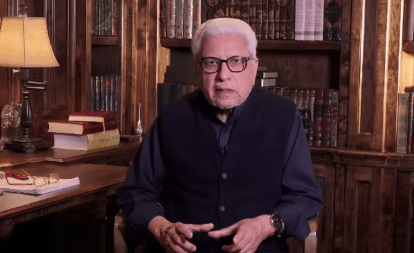
Overview: This transcript is from a tutorial course on Microsoft Word 2021, led by Deborah Ashby, an experienced IT trainer. The course aims to guide users through the features and functionalities of Word 2021, focusing on practical exercises and real-world applications. The content covers everything from basic setup and interface navigation to more advanced formatting techniques. It also highlights new features specific to Word 2021.
Main Themes and Important Ideas:
- Word 2021 vs. Microsoft 365: The course emphasizes that Word 2021 is a standalone version for users who prefer a one-time purchase over a Microsoft 365 subscription. Deborah highlights the key difference: “Word 2021 is the latest standalone release from microsoft and it’s really designed for people who still want to use word and have all of the latest functionality but don’t necessarily want to commit to a microsoft 365 subscription” The tutorial encourages viewers to check Microsoft’s website for a comparison between the two options.
- Getting Started and Setup: The initial exercises focus on ensuring users have a working, legitimate copy of Word 2021 downloaded and installed, along with the course exercise files. Deborah provides guidance on how to locate and launch Word within Windows 10 or 11. “The first exercise of this course is a very simple and straightforward one I’d like you to ensure that you have a working copy of word 2021 downloaded and installed onto your pc and I’d also like you to make sure that you’ve got the course and the exercise files downloaded and stored somewhere that’s easily accessible”
- Interface Familiarization: A significant portion of the tutorial is dedicated to familiarizing users with the Word 2021 interface. This includes the title bar, ribbons, status bar, and the “File” tab (backstage view). “That is the word interface make sure you’re familiar with it and comfortable as we move forward through this section” The tutorial explains the purpose and function of each element, such as the ribbon display options and the quick access toolbar.
- Navigation and Document Management: The course covers essential document management skills, such as creating new documents (blank or from templates), opening existing documents, saving, and closing files. Deborah explains different ways of opening documents, both from within Word and from external locations (File Explorer, OneDrive). “We’re pretty clear on the basics of creating a brand new document opening existing documents and also doing things like save and close let’s now talk about templates because templates are a great thing to use if you want to create a document quickly and you don’t want to start from a blank”
- Templates: The use of templates is promoted as an efficient way to create various documents, such as resumes or flyers. The tutorial demonstrates how to search for templates, customize them, and save modified templates for reuse.
- Navigation Pane: The tutorial introduces the Navigation Pane as a tool for navigating documents by headings, pages, or search results. “I’m not going to go too far off down this road in this particular lesson because then we kind of move into the arena of using find within word and we have a whole other lesson dedicated to that but just know that from here you can navigate your document using any headings by going to any of the pages or by searching for specific terms”
- Finding Tools (Search Bar): Deborah emphasizes using the search bar (activated with Alt+Q) to quickly locate commands within Word if users are unsure where they reside on the ribbon. “Add commands that you use frequently to the quick access toolbar for anything else if you’re not sure where that command lives remember to press alt q to jump to the search bar and then simply search for it”
- Views: The course explores different document views (Print Layout, Read Mode, Web Layout, Outline, Draft) and their specific purposes. “Web layout is going to show me how my document would look as a web page”
- Focus Mode and Immersive Reader: New features in Word 2021, such as Focus mode (for distraction-free writing) and Immersive Reader (for improved accessibility), are highlighted. Deborah explains how to customize these features, like changing background color or adjusting text spacing. “If you do have any kind of visual impairment you can turn on read aloud and word will read the document back to you”
- Dark Mode: The tutorial also touches on the dark mode feature in Word 2021, and how to customize the ribbon to easily switch in and out of it.
- Text Formatting: A significant portion is devoted to text formatting techniques, including font selection, size adjustment, case changes, bolding, italicizing, underlining, applying strikethrough, subscripts, superscripts and highlighting. “Another point to note here is that you can modify the case that you’re using”
- Format Painter: Format Painter for efficiently copying formatting from one piece of text to another, including the double-click method for applying formatting multiple times.
- Paste Options: The tutorial emphasizes the importance of using paste options when copying text from external sources (like websites) to control how the formatting is handled.
- Find and Replace: It covers how to use the Find and Replace utilities (Ctrl+F and Ctrl+H) to locate and modify specific words, phrases, or formatting within a document. The use of wildcards is also explained. “If i wanted to use a wild card maybe i want to look for everything that starts with the word united if i put an asterisk after it that’s our wild card character and hit enter it’s going to find united united states united kingdom united arab emirates it’s basically going to find everything that starts with united”
- Paragraph Formatting: The course details paragraph formatting options, including alignment (left, center, right, justify), line spacing, paragraph spacing, and indentation.
- Non-Printing Characters: It highlights the usefulness of displaying non-printing characters (paragraph marks, spaces, tabs) for troubleshooting formatting issues. “Those paragraph markers are a lot more important than simply just to mark where the end of a paragraph is the paragraph marker actually contains all of the formatting information for that line of text”
- Bulleted and Numbered Lists: The creation and customization of bulleted and numbered lists are explained, including multi-level lists and the use of custom bullet symbols (pictures).
- Tab Stops: The tutorial covers the use of tab stops for aligning text in columns, including different tab types (left, center, right, decimal, bar) and the concept of leaders.
Target Audience:
The course is suitable for both novice and experienced Word users, particularly those who are new to Word 2021 or who are transitioning from older versions.
Overall Tone:
The tone is friendly, encouraging, and practical, with Deborah providing clear instructions and helpful tips throughout the tutorial.
Microsoft Word 2021: Features and Functionality
Microsoft Word 2021 FAQ
- What is Microsoft Word 2021, and who is it designed for?
- Microsoft Word 2021 is the latest standalone version of Word from Microsoft. It is designed for users who want to use Word with the latest features but do not want a Microsoft 365 subscription. It is a one-time purchase, allowing you to own the software rather than rent it monthly.
- How does Word 2021 differ from Word for Microsoft 365?
- Word for Microsoft 365 is a subscription-based service, where you pay a monthly fee (typically between $5 and $8). It includes ongoing updates and features, allowing access on multiple devices (desktop, web, mobile) and often includes collaboration features where multiple people can share one account. Word 2021 is a one-time purchase for a specific version of the software, with no ongoing feature updates.
- Where can I find training and exercise files for Word 2021?
- Training and exercise files for Word 2021 are often available with training courses, which might be located under a “course resources” tab.
- What are ribbons in Word 2021, and how can I customize them?
- Ribbons are located under the title bar and house commands categorized into different tabs and groups (e.g., Home tab with Clipboard, Font, and Paragraph groups). You can customize the ribbon display options by clicking the “Ribbon Display Options” button in the top right corner, allowing you to show tabs and commands, show tabs only, or auto-hide the ribbon. You can add frequently used commands to the Quick Access Toolbar (QAT) for easier access. You can also customize which ribbons are visible by going to File > Options > Customize Ribbon.
- How do I turn on and customize the ruler in Word 2021?
- To turn on the ruler, go to the “View” tab and check the “Ruler” box in the “Show” group. To change the measurement units (inches, centimeters, etc.), go to “File” > “Options” > “Advanced,” scroll to the “Display” section, and select your preferred units in the “Show measurements in units of” dropdown.
- How can I effectively use “Find and Replace” in Word 2021?
- Access “Find” using Ctrl+F or “Replace” using Ctrl+H (or find both under the Editing group in the Home tab). “Find” opens the Navigation Pane, while “Replace” opens a dialog box. You can search for specific text, match case, find whole words only, use wildcard characters (like asterisk), or find text based on formatting (font, bold, etc.). The Replace function allows you to replace found instances with new text or specific formatting. Remember to start the search from the beginning of the document.
- How can I create and customize bulleted or numbered lists in Word 2021?
- Select the list items, then go to the “Home” tab, “Paragraph” group, and click either the “Bullets” or “Numbering” dropdown. Customize bullet styles using the “Bullet Library,” define new bullets (using symbols or pictures), and create multi-level lists. The Tab key indents items to a lower level, while Shift+Tab unindents.
- What is the “Immersive Reader” in Word 2021, and what are its features?
- The Immersive Reader is a new feature in Word 2021 that helps improve focus and accessibility. It offers features like column width adjustment (narrow, moderate, wide), page color modification, line focus (one, three, or no lines highlighted), text spacing adjustments, syllable display, and a “Read Aloud” feature that highlights and reads the text. You access it via the “View” tab, in the immersive group and exit it using the close button.
Word 2021: Text Formatting Comprehensive Guide
Text formatting in Word 2021 encompasses a wide range of options, from basic font adjustments to advanced character spacing and styling.
Basic Formatting Options:
- Font selection The default font in Word is Calibri, but it can be changed for the entire document or selected portions. A live preview helps to visualize the font before application.
- Font size, bold, italics, and underline These can be applied via the font group on the Home tab or the mini toolbar that appears upon text selection. Underlines can be customized with different styles and colors.
- Strikethrough: Applies a line through the selected text.
- Subscript and superscript: Useful for chemical formulas or mathematical equations.
- Text effects and highlighting: Enhancements such as shadows, reflections, and glows can be added. Highlighting emphasizes text, with various colors available.
- Font color: The color of text can be modified using theme colors or standard colors, with more options available.
- Clear Formatting: Removes all applied formatting, reverting to the default font (Calibri).
Selection Techniques:
- Selecting all text: Use Ctrl+A or the Select All command in the Editing group on the Home tab.
- Selecting lines or paragraphs: Click in the left margin or drag the mouse.
- Selecting non-contiguous paragraphs: Select the first paragraph, hold Ctrl, and select additional paragraphs.
- Selecting individual words: Double-click the word.
Advanced Formatting Options:
- Access advanced font settings by clicking the diagonal arrow in the Font group or using the Ctrl+D shortcut. This opens a dialog box with additional options.
- Character spacing: Adjust the spacing between characters using the Advanced tab in the Font dialog box. Options include expanded or condensed spacing.
- Text Effects: The text effects button in the advanced options allows you to apply a text fill, a text outline, and other effects as well.
Mini Toolbar:
- A floating toolbar appears when text is selected, providing quick access to common formatting commands.
- The mini toolbar can be disabled in Word options under the General tab.
Styles:
- Styles are pre-designed formatting sets that can be applied to text. They ensure consistency and can be customized.
- The Styles gallery is located on the Home tab.
Copying and Pasting Text:
- Cut, copy, and paste: Standard commands with keyboard shortcuts (Ctrl+X, Ctrl+C, Ctrl+V).
- Clipboard: The clipboard stores cut or copied text and can be accessed from the Home tab.
- Format Painter: Copies formatting from one piece of text to another. Single-click applies formatting once; double-click allows multiple applications.
- Paste Options: When pasting text from external sources, choose how to handle formatting. Options include keeping source formatting, merging formatting, or keeping text only.
Find and Replace:
- Find: Locates specific text or formatting. Advanced Find allows searching for specific formatting.
- Replace: Replaces text or formatting. Use wildcards for more flexible searches.
Word 2021: Paragraph Alignment Guide
Paragraph alignment is a key aspect of formatting documents in Word 2021, influencing the visual structure and readability of the text. A paragraph in Word is defined as any text followed by a press of the Enter key.
Word provides several alignment options, each serving a distinct purpose:
- Left Alignment: The default setting, aligning text to the left margin with a ragged right edge.
- Center Alignment: Positions text in the center of the page.
- Right Alignment: Aligns text to the right margin, creating a ragged left edge.
- Justify: Distributes text evenly between both margins, creating straight lines on both the left and right sides. Word achieves this by adjusting the character spacing within the paragraph. Newspapers often use this alignment.
These alignment options are found on the Home tab, in the Paragraph group. Each alignment type also has a corresponding keyboard shortcut:
- Left Alignment: Ctrl + L
- Center Alignment: Ctrl + E
- Right Alignment: Ctrl + R
- Justify: Ctrl + J
To change the alignment of a paragraph, it is sufficient to click anywhere within the paragraph and select the desired alignment option. It is not necessary to select the entire paragraph.
Creating and Customizing Lists in Word
Bulleted and numbered lists are used to make documents easier to read and highlight specific items.
Creating Lists
- Bulleted lists can be created by selecting the list items and clicking the “bullets” button in the paragraph group on the Home tab. Clicking the drop-down arrow next to the button will give you access to the bullet library, where you can select different bullet styles.
- Numbered lists are created similarly, using the numbering button in the same paragraph group. You can select different numbering styles from the numbering library.
- To remove bullets or numbering, select the list and choose ‘None’ from the respective library.
Customization
- Once a list is created, Word recognizes it as such, and changes to the bullet or numbering style will apply to the entire list.
- You can create different levels within a list by using the tab key to indent. Shift + Tab will indent back out again.
- It is possible to define a new bullet by using a picture or a symbol. To do so, select “Define New Bullet” and browse for a picture or select a symbol.
Multilevel Lists
- Word has a button for creating a multi-level list. This allows you to customize what the different levels look like. When you press the tab key, the next item will be 1.1, and if you press tab again, the next item will be 1.1.1.
Word 2021: Indents and Tab Stops
Indents and tab stops are important for structuring documents in Word 2021. Indents are used to move entire paragraphs, or the first line of a paragraph, further from the margin. Tab stops are custom positions along a line of text, useful for creating columns and aligning text.
Indents
- Basic indentation: Located on the home tab, the “Increase Indent” button will move a paragraph farther away from the margin. The “Decrease Indent” button will move the paragraph closer to the margin.
- Advanced indentation: Opens the advanced paragraph options to allow granular control of indentation.
- You can set the indentation by specifying a measurement.
- First line indent will indent the first line of the paragraph and leave the rest at the margin.
- Hanging indent will leave the first line of the paragraph at the margin, and indent every other line.
- Ruler: Indents can also be adjusted using the ruler. The tab stops on the ruler indicate the indent settings.
Tab Stops
- Purpose: Tab stops are used to align text in columns.
- Types of Tabs: In the top left corner of the screen, a symbol is visible that represents different types of tabs. Clicking the symbol will cycle through the different style options. The different types are:
- Left tab
- Center tab
- Right tab
- Decimal tab
- Bar tab
- First line indent
- Hanging indent
- Usage: After selecting the desired tab type, click on the ruler to insert the tab stop. Pressing the tab key will move the cursor to that tab stop.
- Tab stop customization: Double-clicking a tab stop opens the “Tabs” dialog box, which shows tab stop positions for the current line, and allows you to make changes. You can also set new tab stops, clear existing ones, and add leaders.
- Leaders: Dotted lines that fill the space preceding the tab stop.
Word 2021: Document Views and Reading Options
Document views in Word 2021 allow you to see your document in different ways, each suited for a particular purpose. You can typically find these options on the View tab.
Available Views:
- Print Layout: This is the default view, and is used 99% of the time. It shows you how the document will look when printed, including margins, headers, and footers.
- Read Mode: This view is designed for reading, as opposed to writing. It presents the document like a book, with minimized ribbons to maximize screen space. You can navigate the document by clicking arrows on either side.
- In Read Mode, you can use tools designed for reading. For example, you can search for specific text, translate selected text, and bring up the navigation pane.
- In the View dropdown, you can customize the column width, change the page color, and choose between column and paper layout.
- Web Layout: This view displays how the document would appear as a webpage. It is useful if you intend to upload the document to a web server.
- Outline: This view shows the document in an outline form, with content displayed as bulleted points. It is useful for creating headings and reorganizing paragraphs. The Outline view has its own contextual ribbon that allows you to organize your document.
- Draft: This view displays only the text of the document, which makes editing easier. Headers, footers, and certain objects are not visible in this view.
Additional Viewing Options:
- Focus: This mode eliminates distractions, allowing you to focus on the content. It minimizes all distractions so you only see your document.
- In Focus mode, you can change the background color.
- Immersive Reader: This mode is designed to improve reading skills and is helpful for those with visual impairments. It allows you to adjust text spacing, column width, and page color.
- The Immersive Reader also has a Read Aloud option that reads the document aloud and highlights each word as it is read. It can turn on syllables, which adds tiny little dots within words whenever there are multiple syllables.
Dark Mode:
- Dark mode helps you view your document if you struggle to see black text on a white background. It changes the background of the document to black with white text but does not affect the overall theme of the application.
- To use dark mode, you may need to add the “switch modes” command to the ribbon. This can be done by going to File > Options > Customize Ribbon and adding the command to a custom group on the View tab.
You can also switch between different views by using the buttons in the status bar in the bottom right-hand corner.
The Original Text
[Music] simon says subscribe and click on the bell icon to receive notifications we’ve made the files the instructor uses in this tutorial available for free just click the link below in the video details to get these hello everyone and welcome to this course on microsoft word 2021 my name is deborah ashby and i’m a microsoft i.t trainer with over 25 years of experience not only using but also training all the different versions of word and i am super excited to be your host for this course now word 2021 is the latest standalone release from microsoft and it’s really designed for people who still want to use word and have all of the latest functionality but don’t necessarily want to commit to a microsoft 365 subscription now it might be that you’re coming to this course after having used a slightly older version of word or maybe a much older version of word if that is the case then i would definitely recommend jumping onto the microsoft website and having a quick look at the what’s new in word 2021 page you’re going to find so much information here which is going to take you through some of the main differences the main changes since the last version of word and fear not we will be going through a lot of these as we work through this course now if you’re still a little bit unsure as to what the difference is between word 2021 standalone and word for microsoft 365 then i would highly recommend you check out this webpage just here this basically goes through a comparison of office 2021 versus microsoft 365 and can really point you towards the main differences and the pros and cons of each so if we take a look down this web page you can see some of the differences between microsoft 365 and office 2021 if you want to use word for microsoft 365 you’re going to need to pay for a monthly subscription and that generally tends to be somewhere between five and eight dollars and whilst this is a low-cost fee each month it is a monthly commitment and what you essentially do is you rent the software from microsoft as opposed to actually owning the software yourself some of the advantages for word for microsoft 365 are that six people can share one account and you can access your applications on the go via the mobile app so on and so forth it also means that any upgrades that are made to word by microsoft are automatically deployed to your pc so you don’t have to keep buying the latest version of word now whilst that suits a lot of people it doesn’t suit everybody and you’ll find that a lot of larger companies it’s not so easy for them to just switch everybody across to a microsoft 365 subscription so if you’re somebody who prefers to buy a license for word 2021 own that copy and just make one payment and not sign up for a monthly commitment then the standalone version of word is going to be the best choice for you you’re still going to get things like all of the security updates but you’re only making one payment and remember that one payment is going to be higher than the monthly charge for word for microsoft 365 but you only make that payment once and it’s definitely worth shopping around different websites because you can get some really good deals if you do want to buy the standalone version of what so this training course is designed for users of word 2021 now there is a lot of crossover between word 2021 and word for microsoft 365. so if you have maybe been using the word 365 version and you’re coming across to word 2021 then it’s going to be a pretty seamless transition this is the latest version with all of the new stuff in it so with all that said let’s take a look at what we’re going to run through throughout the balance of this course so we’re going to start out with a brief introduction that is pretty much what we’re doing now and we’re then going to move on to running through some of the basics so this course is designed for people who have little to no knowledge of word even if you do have a bit more knowledge of word it’s definitely worth running through those basics to make sure that we’re all starting from the same base so we’re going to take a look at things like how to open how to close how to save documents in word i’m going to show you where you can go to get help and run through some of the keyboard shortcuts that you can access once we’ve been through those basics we’re going to move on to working with documents so this is where we’ll take a look at how to create documents based off of templates how we can find the tools that we need to truly work with our documents next we’re going to move on to talking about viewing documents i’m going to show you how you can switch between different document views and use some of the newer features in word 2021 like the immersive reader and also dark mode in the next section we’re going to start inputting text into a document we’re going to run through some of the basic and more advanced formatting options that we have i’m going to show you things like cut copy paste paste special and how you can make selections and also align different things within your document we’ll then move on to working with paragraphs and this is really where we’re going to talk about indenting changing the layout and working with tab stops we’ll then talk about themes in our document and i’ll show you all the different ways that you can change the look and feel of your document such as changing the colors that you’re using the font and also the effects the next section is a really important section and that is word styles we’re going to walk through what exactly word styles are and why they’re useful and i’ll show you how you can quickly apply styles throughout your document to organize it and also make it a lot easier for you to do things like create a table of contents we’ll then move on to talking about pictures tables and objects i’ll show you how you can liven up your document a little bit by adding in images icons 3d models characters things like that and also how you can organize data using tables we’ll then also take a look at some other types of objects that you can insert such as smartart diagrams charts and screenshots next we’ll take a look at formatting our pages we’ll dive into the page setup options such as how to change the margins the orientation the paper size and set up things like headers and footers in the references section we’ll walk through how you can create things like a table of contents or maybe even an index at the end of your document i’ll show you how cross references work citations and how we can create bibliographies tables of figures and also tables of authority in the next section we’ll run through a classic in microsoft word and that is mail merge i’ll show you how to use the step-by-step mail merge wizard to quickly create multiple letters and we’ll also take a look at how we can generate envelopes and labels as well next we’ll move on to talking about spelling and grammar in a little bit more detail i’ll run through some of the settings that we need to change in order to get that to work correctly and we’ll also take a look at how we can create our own auto text entries next we’ll move on to talking about track changes and comments i’ll walk you through exactly what track changes are and how they can be useful when multiple people are making changes to a document i’m also going to show you how you can compare two documents together and how you can add comments to your document and then the final working section of this course is finalizing a document for this we’ll run through how you can send your document to print how you can change all of your printer options i’ll also show you different ways that you can share your documents with other people and also co-author documents in word 2021 again that is a brand new feature now we are going to cover a lot more than the things that i’ve mentioned there throughout this course i’ll be throwing in little tips and tricks that i like to use as well as referencing keyboard shortcuts wherever possible throughout this course i’ll be using different course files to work through the examples so if you want to follow along with me then you’re going to find all of the course files that i use available to download from the course files folder and for each lesson there is a starting course file and a completed course file so when you start the video open up the starting file and if for some reason you get lost or you just want to skip to the next lesson there’s also a completed version of the course file as well so you should be able to pick up this course at any given point using the course files so make sure that you have those downloaded from the website before we begin you’ll also find at the end of each section an exercise file and this is going to help you practice some of the skills that you’ve learned throughout that section and you’ll find all of the exercise files in the exercise files folder so once again make sure you have those downloaded if you’d like to work along with me so with all that said it’s time to dive into word 2021 once again my name is deb and i hope you enjoyed this course the first exercise of this course is a very simple and straightforward one i’d like you to ensure that you have a working copy of word 2021 downloaded and installed onto your pc and i’d also like you to make sure that you’ve got the course and the exercise files downloaded and stored somewhere that’s easily accessible once you’ve done both of those two things then you’re pretty much ready to start the course now if you’d like to see my answer to this exercise then please keep watching the first thing i asked you to do for this exercise was make sure that you have a copy of word 2021 downloaded and installed and there are numerous different websites you can go to in order to download a copy of word 2021 just wherever you go to do this make sure that it is a legitimate copy once you’ve downloaded it and install it onto your pc depending on which operating system you’re using and i’m currently using windows 11 but it is very similar on windows 10 go down to your taskbar open up the start menu and you should be able to see word in your list of applications if you can’t see it there immediately then you’ll need to search for it simply by typing in word and you can launch it from there if you’d like to go a stage further and pin it to your taskbar then you can simply right click and choose pin to taskbar mine says unpin because i already have it pinned down there so that makes word super simple for you to access every time you want to open it once you’ve got a copy of word installed the next thing to do is download the course and exercise files that you’re going to need to run through each lesson with me now you’ll find the course files for this course underneath the course resources tab and you should find two links just here one for the exercise files and one for the instructor demo files now this example is for word 2019 but if you’ve bought the 2021 course you’ll see the exercise and demo files for that version listed just there that is pretty much it once you’ve done both of those things then you are ready to start the course for the next section you’ll want to download the course exercise files click the link below in the video description to get these you can also scroll through the details to find timestamps for each section in this course if you’re enjoying this training please leave us a comment so let’s start out in word 2021 by firing up the application and having a little explore of the interface now when you first open up word 2021 it’s going to take you directly to what we call the start screen and you only really ever see this screen in this format this layout when you first open word and it’s a very simple screen to navigate around on the left hand side we have a very small menu the three main buttons we’re interested in here are home new and open so if we start out with the home page which is what we’re looking at now this is where you can come to create a new blank document you can see i’ve got that highlighted at the top here or i can select a template to create a document from and there are hundreds of templates in word that you can use which really takes all of the hard work and the stress out of creating certain types of documents i’m going to talk a lot more about templates later on but just know that you can access them from here and if you want to see the full list we have a more templates link all the way over on the right hand side we’re just going to open up our template gallery and allow us to search for specific templates but as i said more about that a bit later on let’s jump back to home and take a look at what we have in the lower half of this screen well this is where you’re going to find all of the documents that you’ve recently accessed and the number of documents that you see in this list very much depends on what you have set in your word options and i’ll show you where to go to change this in a moment so this is just a super quick way of seeing the last documents that you access the last documents that you used and being able to get back to them quickly if i want to open one of these i can simply double click and it’s going to open that up in word so really nice and straightforward now that i’ve got a document open if i try and get back to that start screen you’ll find that you actually can’t if i jump up to file which takes us into the backstage area we get to a similar screen but it’s not exactly the same as the start screen so i just wanted to highlight that in case you were wondering well how do i get back to the start screen if i’ve opened a document you actually can’t you need to close down all of word and then re-open word again to get back to that page now what you’ll also notice with all of these recent documents is if you select one of them and right click notice that we get a right-click menu so again we can open we can open a copy we can delete the file we can even remove the file from this list so if there’s something in your recent list that you don’t really need you could choose simply to remove it it doesn’t delete the file it’s just going to remove it from your recent list but the one that i want to focus on here is pin to list because if you select this option what it’s going to do is it’s going to pin that particular document notice that we also have a pinned category just here so if i click on pinned you can see that any documents that i’ve pinned will appear in their own exclusive list you’ll also notice that if we go back to recent anything that you pin is going to appear at the top of your recent list it’s not going to move as we open more documents so this is super useful if you have a few documents that you find yourself accessing all the time you can simply pin them to the top of the list and they’re always going to be there notice that when you do pin a document you get the little drawing pin icon just here and of course if you want to do the reverse and unpin any documents you can simply just click on the drawing pin icon to unpin the item from the list or you can right click your mouse and unpin it from that right click menu so that is pretty much what you have on that home page let’s jump across to new and take a look at what we have in here well as you might expect this is where you would come if you want to create a new document and that might be a blank document you can see that’s the first one in the list or we might choose to create a document based off of a template for example if i am writing a cv or a resume i might want to start from a template as opposed to from a blank document and you can see here we have a template for a resume just below now as i mentioned word does contain hundreds of different templates all divided down into different categories which makes them a lot easier to find and we are going to cover templates how we use them how we save them in later lessons so at this stage the only thing you really need to remember is this is where you can come to create blank documents or documents based off of a template the next button we have in this left hand menu is open and this is where you can come to you guessed it open documents and you can pretty much access any location where you might have documents stored and yours might not look exactly the same as mine it depends what type of cloud storage you use and if you’ve connected that to word so you can see here right at the top i’m clicked on recent and on the right hand side it’s showing me a list of all of my recent documents and if i click across to folders i can see all of my most recent folders that i’ve saved into so this is just here to help me find the document that i want to open so if it’s something in the last week i’m more than likely going to find it somewhere in this list and i can simply double click to open it or i can right click my mouse and choose open now underneath recent i then have some connections set up to the cloud storage that i use so i generally tend to save all of my files not just word files all types of files into onedrive for safe storage i also have a sharepoint site that i sometimes save files into so i have both of those connected to word to make it really easy for me to access any of the folders that i have in my cloud storage you’ll notice if i click on onedrive it’s opening up my teams folder this is the only folder that i have in this particular onedrive account but i can navigate through the different folders and choose to open a file from there also notice i have onedrive personal storage here as well so this is for my more personal files but if you do want to open a file from your pc so maybe it’s in your my documents folder or save to your desktop you have a this pc option as well which is going to allow you to navigate through those folders and find the file you want to open if you don’t like this particular structure and you prefer to open your files through file explorer you can also click on browse which is going to open that file explorer window for you and you can then navigate to open the file that you need and then finally here we have an add a place button and this will really just help you set up a link to your onedrive cloud storage account so if you do have one drive and you want it to appear like mine do in word you can simply choose add a place and then select if you have a onedrive personal or onedrive for business and then just walk through the process of adding that in so that is pretty much everything you have underneath open super easy to find and open your files the last three menu options that we have at the bottom here account feedback and options let’s quickly click on account and take a quick look at what we have in here well as you might expect this is where you can come to take a look at your user information so for example if i want to change my photo i can do that from here if i want to sign out of this account or sign into a different account i can do that from here as well i can do things like change my office background so if you take a look all the way up in the right hand corner notice i kind of have this circle and stripes pattern i can change that from here to something completely different if i want to i can see my connected services again and again i get the opportunity to add onedrive or onedrive for business services on the right hand side we can see a little bit of information about the office product that we’re using so you can see here i’m using microsoft office professional plus 2021 this is also where you would come to update your version of word now updates are automatically downloaded and installed but if you want to manually check for an update you can do that from here now feedback at the bottom this is just if you want to send some feedback to microsoft about something you like something you don’t like or you might even want to suggest a new feature and then finally at the bottom we have options and this is where all of your settings for word live and making changes here really allows you to customize and set word up so that it works in the best way for you now again we’re going to be diving in and out of word options as we go throughout this course so we’re not going to go through each of these headings the only thing i want to show you is how you can modify how many documents you’re seeing in that recent documents list on the start screen so if we jump down to the advanced section and use our mouse to scroll down once we get to the display category here it is the first option just here show this number of recent documents i have mine set to 50 but you might find that that is a little bit excessive and you might want to set that to something else so let’s just say 25 and click on ok but that is basically a quick run through of the start screen in word 2021 so now that we’re a little bit more familiar with the start screen it’s time to load up a blank document and get ourselves comfortable with the word interface now there are a few different ways that you can create a new blank document we’re going to take the easiest route as we clicked on the home page up in this new section we’re simply going to double click on blank document now that’s going to load a blank document into the main word screen and this is the screen you’re going to be working in the majority of the time so let’s get ourselves comfortable with what we’re looking at just here now if you’re already a word user or you use other microsoft applications like excel or powerpoint then you’re probably already very familiar with the ribbon structure layout it’s been around for quite a few years now and most people are using versions of word which have this same layout now what you’ll find is right at the top of the screen where we have the blue bar this is what we call add title bar and you’re going to see a couple of pieces of information in this title bar if you cast your eyes all the way over to the left hand side notice i have a very tiny little drop down just here now this is actually the quick access toolbar and we have a whole lesson dedicated to what the quick access toolbar is and how we can customize it for now just be aware that currently our quick access toolbar is located in the top left hand corner we then move across and we have the title of this document now because i haven’t saved this document as yet i’m just getting the generic name of document one we’re going to save this in a couple of lessons time we then have a handy search bar and this search bar is really useful if you are struggling to find a particular command on one of the ribbons it’s also where you can come to read more about a specific command and access the help files and then finally all the way over on the right hand side we have these little buttons that are fairly consistent across all of the microsoft applications we can see our account information up here we have some ribbon display options as well which i’ll come back to in a moment after we’ve spoken a bit more about ribbons and then finally we have the minimize button so if we want to minimize word down into the taskbar we can do that and we can even snap the layout i can choose to snap my copy of word to the left hand side of my screen and then choose another application to open up in the right hand side of the screen and then finally we have a close button all the way in the top right hand corner now the thing you need to remember about this close button in the top right hand corner is that it will close down all of word so if you have a few different documents open it’s going to close all of the open documents if you simply want to close the document that you currently have open this is where you would go to file and down to close so it’s still going to leave word open it’s just going to close down that one particular file whereas if we click the cross it’s going to close down all of word now let’s just fire word up one more time and just create a new blank document now underneath that title bar this is where we have our ribbons and the ribbons are really there to house all of the commands that we use in word and all of the commands are categorized not only onto different ribbons but also into different groups for example on the home ribbon we have a clipboard group that contains things like cut copy paste we have a font group with all of our font formatting options paragraph group for alignment and then we have a group for different word styles and then an editing group at the end where we can do things like find specific pieces of text and replace them and all commands are categorized in similar ways and in general you’ll find your most commonly used commands on the home ribbon if we click across to insert and just take a quick look at some of the things we have on here this is where you would come to insert different things into your document that might be a table or a cover page or maybe a shape or an icon or maybe something like a comment or a link or a header and footer the draw tab is where we’re going to find all of our drawing tools particularly useful if you work with a touch screen device and a stylus we have a design tab to help us control the look and feel of our documents a layout tab where we can do things like change the orientation add margins add line breaks things like that a references ribbon for adding things like tables of contents footnotes and endnotes or even an index at the end of our document the mailings tab is where we come to do good old mail merge so if we need to create a lot of letters or envelopes or labels addressed to different clients or customers this is where we can come to do that we have a review tab which is a tab that you tend to access towards the end of completing your document so it houses things like spelling and grammar the thesaurus and we can do things like track changes and also compare documents the view tab is where we can come to adjust how we’re viewing our document and just note here that in the views group at the beginning currently i have print layout selected it’s worth noting that print layout is predominantly the view that you’re going to be using when you’re putting your document together and then finally we have a help tab and we’ll come back to this later on in this section when we discuss where you can go to get help in a bit more detail so just remember these are called ribbons we then have groups which contain all of our commands now one tab i haven’t really mentioned is the file tab and that is because it’s not really considered to be a ribbon this gives us access to what we call the backstage area and this kind of looks a little bit similar to the start screen but we have a lot more options so this is where you would come to do your more admin style tasks for your document it’s where you come to create new documents to find your templates to open new documents we can also do things like save from here print our document share it export it so on and so forth and we’ll be diving in and out of here as we go throughout the course now notice if you want to get back to your document all the way at the top on the left hand side we have a back arrow we can simply click that to take us back to that document a couple of final points before we end this lesson obviously in the main bulk of this screen we can see our blank document our cursor is flashing which means we are ready to type and then right at the bottom we have the status bar and the status bar is really there to show you different pieces of useful information for example currently i can see all the way over on the left hand side that i am on page one of one i’ve typed zero words i can see the a language that i’m using so in this case english united kingdom it’s checked my accessibility so how accessible is my document to people with disabilities well i haven’t put anything in the document yet so it’s telling me that it’s good to go and then all the way over on the right hand side we have a zoom slider to help us zoom in and out of our document and we can also switch the way that we’re viewing our document from down there as well now the final point to note here as i mentioned i would come back to it is related to these ribbons so currently i’m displaying my ribbons which is perfectly fine because i want to be able to see all of my commands but if we go all the way up to the right hand side remember we’ve got a little ribbon display options button just here and if i click it i have a few different options in relation to how i’m viewing these ribbons for example if i want a little bit more room on the screen a little bit more real estate to work with my document i can choose to auto hide the ribbon which is going to collapse up those ribbons and give me more space to see my document if i click on the three dots again it’s going to bring that back down if we click on ribbon display options again i might choose to just show the tabs so this time i can still see the tabs but i can’t see the actual commands underneath if i want to access them i can click on insert and it’s going to drop that ribbon down and if we click on ribbon options again i can choose to show tabs and commands which is the default and if i’m honest probably the option that i use the majority of the time so that is the word interface make sure you’re familiar with it and comfortable as we move forward through this section when we start working with word documents what we generally tend to find is that we spend quite a bit of time aligning and positioning different objects on our pages for example i might want to align different paragraphs or different words i might want to align pictures or shapes on my page and one thing that’s really going to help with this is the ruler now currently i don’t have my rulers turned on so i just wanted to take a quick moment to show you where this setting is so that you can make sure that you have your rulers turned on now when it comes to rulers we can choose to have a horizontal ruler or a vertical ruler or we can choose to have both and you’ll find the ruler option on the view tab at the top so let’s click on view in the show group in the middle here notice we have an option for ruler now look what happens when i hover over ruler i’m getting what we call a screen tip appear on the page and screen tips are so useful because they give you an idea as to what this command does and you’ll notice that these pop up whenever you hover over any of the commands on the ribbon so this tells me that this is going to show rulers next to the document we can see tab stops move table borders and line up objects in the document also you can measure stuff so pretty useful let’s click in the box to turn the rulers on now notice here we have a horizontal and also a vertical ruler now take a look at the measurements here currently my measurements are set to inches in the uk we tend to still use inches slightly more than we use centimeters but that might be different for you you might be somebody who much prefers to use centimeters well the good news is that we can change the measurements that we’re using for our rulers so where do we go to change our measurement units well if we go to file we’re going to find this in options because effectively we’re customizing how our copy of word works for us and we’ll find this underneath advanced again now if we use the scroll bar to scroll through some of these options because we do have quite a lot in here we’re going to find it underneath that display section again so this is where we were previously when we modified the number of recent documents that we could see now notice here it says show measurements in units of and then mine is set to inches but if we click the drop down we can choose centimeters millimeters points or peakers so if we select centimeters and click on ok notice that my ruler has now changed so make sure you get your rulers set up to display a measurement that’s meaningful to you now the other thing i just wanted to mention very quickly in this lesson so you’re familiar with it as we’re going to use it quite a bit as we move through this course is how to zoom and when we say zoom i mean zooming into the document or zooming out of the document now to demonstrate this i’m just going to add some text to this document and this is a quick little trainer trick in order to get a few paragraphs of dummy or test text into a document we can type in equals rand and then we can specify how many paragraphs and how many lines we want so i’m just going to say 5 comma 5 and that’s going to give me five paragraphs of five lines each of random text now if i want to zoom into this document there are a few different things i can do if we cast our eyes all the way down to the bottom right hand corner of the screen we have what we call the zoom slider and you can see that currently i’m zoomed in to 110 percent in this document but if i want to change that i can simply drag the slider to zoom in or drag it all the way out to zoom out and of course the one in the middle there is going to be 100 alternatively if you are using a mouse that has a scroll wheel you can hold down the ctrl key and use your scroll wheel to scroll in and back out again and then the final way that you can zoom is again up on the view ribbon so in the zoom group we have a zoom button and then we have a 100 button so if we click on zoom this is where we can define or choose the exact percentage that we want to zoom to so i have options for 200 percent 100 or 75 or i can be very granular about how much i want to zoom in or out and use this little percent box just here to select my zoom level i also have some other presets here i can zoom to exactly the page width i can zoom to the text width or the whole page so if i choose text width and click on ok it’s going to zoom in so that the text is exactly at the end of the page now if i quickly want to zoom back out to 100 instead of using the zoom slider or trying to get it right with the scroll wheel this is where we can use the 100 button to take the document back to that zoom level and again in this zoom group we can zoom into one page so it’s kind of going to zoom out and just show me one page of my document i can zoom to multiple pages which doesn’t work for me at the moment because i only have one page or i can zoom in to exactly the page width so a few different zoom options in there for you to play around with so the main takeaways from this lesson are to make sure that you have your rulers turned on and they’re displaying a unit of measurement that’s meaningful to you and also know the different options that you have for zooming in and out of your documents another important thing to make sure that you have turned on when working with word documents is check spelling as you type this is a super helpful option that really keeps a check on your spelling as you’re working through your documents if it finds that you’ve spelt a word wrong or even if you have a grammatical error it’s going to flag it to you immediately so that you can correct it so if we’re correcting all of our errors as we’re working through our document it really diminishes the need to do a blanket spell check at the end of the document now i would always recommend that you do do a final spell check before you send this document off to someone important but you’ll find that it’s a lot quicker if you’ve already been checking your spelling and your grammar as you’ve been typing the document now check spelling as you type is another one of those little options that we need to toggle on or toggle off depending on if we want to use it so let me first show you a little example of how spelling and grammar flags in word now the first thing i’m going to do here is i’m simply going to delete out all of this junk text that i added in the previous lesson so a couple of little shortcuts coming up here to delete all of this text i just need to make sure i’m clicked somewhere in this document i can press ctrl a which is going to select all of the text and then i can simply press the delete key so now i’m going to type a sentence but i’m going to make a grammatical error and also a spelling mistake now notice what happens now that i’ve typed that sentence i’ve typed in word we can use and tremplate to create and document so that’s not a particularly great sentence but it is an accurate representation of the types of words that we can type if we’re typing really fast now notice what’s going on here where we have the spelling mistakes those are underlined and automatically flank to me with a red squiggly underline now notice what word’s done here it’s flagged not only the spelling mistake but also the grammatical errors so spelling mistakes are going to appear with a red squiggly line underneath them and your grammatical errors are going to appear with a blue double underline and the cool thing about this is that we have the option to correct these on the fly as we’re working with the document so what i can do here is where we have an which is a grammatical error i can right click my mouse and it’s going to give me a choice at the top here of what this word should be and yes it should be a in word we can use a template so now i need to correct the spelling mistake we can right click i’m getting my choices at the top here and i’m going to select template and finally we have another spelling error just here let’s right click and yes this should be two and now that i’ve corrected those and word has this sentence in context in its brain it’s also picked up that the an is a grammatical error and again that is correct it should be a so let’s right click and choose a from the list now if you go through and check your spelling as you type when you get to the end of your document you can still run a blanket spell check and in fact you can run a spell check at any point so let’s just take a quick look at how we would do that there is a shortcut key to invoke spell check and that is f7 notice that it’s come up spelling and grammar check is complete now we’re going to do this a bit later on with another document so you can see how you can work with the internal dictionary but also remember that you can find your spelling options on the review tab as well in the proofing group so if we click spelling and grammar that’s basically the same as pressing the f7 key because i have no spelling mistakes because i’ve been checking as i’ve typed i’m just getting a message saying that the check is complete now if you find that when you’re working and typing text into your document it’s not flagging up any spelling errors or grammatical errors it might be that you don’t have check spelling as you type turned on your word options so let’s jump across to file down to options and this time we want to go to the proofing page and right at the bottom here this is the option you’re looking for check spelling as you type and also mark grammar errors as you type and i also like to have frequently confused words turned on and also check grammar with spelling as well so in general i’ll have these four turned on what you’ll probably find if it’s not picking it up that this option has been deselected so make sure you have a tick in that box click on ok and then you can correct your errors as you go at the start of this course when we were taking a quick whiz around the word interface i mentioned very briefly the quick access toolbar in this lesson that’s exactly what we’re going to focus on because it is such a great tool to help you with efficiency now if you recall all the way up in the top left hand corner i highlighted to you this little drop down arrow notice if i hover over it it says customize quick access toolbar now at the moment this isn’t particularly interesting we just have a drop down arrow so what exactly is this toolbar and how do we add things to it well the quick access toolbar is a way that we can create shortcuts to commands that we use most frequently so instead of hunting through the different ribbons looking for the commands that we want to use if it’s something we use all the time it’s much easier just to add it to the quick access toolbar and have it easily available and we can add any command that’s available in word to the quick access toolbar now if we click this little drop down notice what we have here we have a selection of 10 to 15 or so commands that we can automatically add to the qat and i guess these are commands that microsoft have deemed useful to everybody so most people will create new documents on a fairly frequent basis most people will save most people will print at some point and in particular a lot of people like to use the undo and redo buttons so we have a small selection here of commands that we can very quickly add to the qat or the quick access toolbar with one click so i’m going to add new and you can see as i do that the icon appears i’m also going to add let’s do undo and also redo and i’m also going to add automatically save to give myself this little slider i’m going to talk more about auto save when we get to the part about saving documents but hopefully you get the idea of what we’re doing here we’re simply just adding default commands to the quick access toolbar to make them easy to access now obviously when we click this drop down we only have 15 commands that we can add to the qat from here but what if i want to add something completely different maybe i am always inserting tables into my documents how can i add the table command to the quick access toolbar well what we can do is we can jump across to the insert tab here is the table command i can simply right click and choose add to quick access toolbar to put that up there so you can basically right-click on any of your commands on any of these ribbons and add them to the quick access toolbar if they have little drop-downs those will come with them as well now what about if i want to add a command to my quick access toolbar that doesn’t show on any of the ribbons you’ll see in a moment as we start to go through this course not every command is visible all the time in word so what about those hidden commands or commands that are on menus that aren’t currently active well we can click the drop down again and we can go down to more commands now this screen will probably look familiar because it’s basically just jumped us into our word options and it’s placed us into the quick access toolbar page and this is where we can add any command available in word to that qat now if we start on the right hand side notice that this is showing my quick access toolbar and all of the commands that i currently have on this toolbar also notice that next to this area we have up and down buttons so i can rearrange the order of my commands so maybe i want to move undo and redo up to the top because i use those most frequently now over on the left hand side this is where i can find all of my commands in word and they’re split down into different categories so currently i’m viewing all of the popular commands in word and notice that the commands are listed out in alphabetical order which does make it a little bit easier to find them if i want to see a list of the commands that are not in the ribbons i can choose that group or maybe i just want to see a big long list of all commands available in word i can choose all commands and now i can scroll through and find absolutely everything so the idea here is to find the command you want to add so i’m going to say let’s add some alignment tools so i’m going to select align center and then i’m going to click the add button in the middle to add that to my quick access toolbar let’s also do a line left and also a line right and obviously you can probably see how this works if you want to remove anything from the quick access toolbar you can do that from here you can just select it and click the remove button in the middle and now maybe i want to reorganize these so let’s move auto save up to the top and then i think i’m fairly happy with the order of the rest of these so now if i click on ok it’s going to update my quick access toolbar into the order that i’ve specified it’s also worth noting that if you want to delete commands from the quick access toolbar without having to go into options you can simply right click and choose remove from quick access toolbar now another thing you might want to do here is change the actual position of the quick access toolbar currently it’s kind of up there in the title bar it’s nice and tucked away so it’s not getting in the way of my document but if you find that you kind of forget that it’s there when it’s up in the title bar you can click the drop down and choose show below ribbon to place it underneath your ribbons and this is generally how i prefer to have my quick access toolbar the final thing you can do here is you can add or organize your commands by using separators this isn’t something you have to do but if you want to sort these into groups of commands that are related together then separators work quite well once again if we click the drop down and jump into more commands notice at the top of every one of these groups so it doesn’t matter which one we select we always have a separator option so i’m going to add a couple of separators let’s just select it and i’m going to add a couple of these and then i can move them into position so maybe i want to separate off save undo and redo from my other commands and maybe i want to separate off my alignment tools from my new file command now when i click on ok you can probably see very faint separator lines between these different groups of commands which just helps me keep my quick access toolbar a little bit more organized but that’s how you can add commands to your quick access toolbar or qat for short to improve your efficiency when you’re working inward keyboard shortcuts are another way to help yourself become a lot more efficient when you’re working with word keyboard shortcuts allow us to execute different word commands without touching the mouse and you might think well why would i want to do that we have to remember that when you’re working in a word document and you have your hands on the keyboard and you’re busy typing away sometimes it can be a bit of a pain to keep having to reach for your mouse to select your commands from the different ribbons what is sometimes a lot quicker is to be able to use the keyboard to execute a shortcut to perform a task and in word we have lots and lots of different shortcuts and the good news is that if you’re coming from an older version of word or even if you’re coming from another microsoft application like excel or powerpoint many of the keyboard shortcuts are exactly the same in word now as i mentioned there are hundreds of keyboard shortcuts in word and you’re definitely not going to be able to remember all of them in general what i tend to find is that most people have a selection of about 10 to 15 that they use all of the time and most of those are to execute really common tasks for example if i want to copy this line that i have in this document i can highlight the sentence and press the keyboard shortcut ctrl c which is going to copy it i can then move somewhere else in the document and use the keyboard shortcut ctrl v to paste it if i want to make a word in one of these sentences bold i can simply select it by double clicking and use the keyboard shortcut ctrl b to make it bold what about if i now want to make it italic well i have a keyboard shortcut for that as well of control i or maybe i want to align the entire sentence into the middle of my document ctrl e to do that and if i want to print ctrl p is going to take me to the print preview area so that’s a selection of a few common keyboard shortcuts there are a lot more but really what i want to focus on in this lesson is where you can find a list of the keyboard shortcuts and how you can really work efficiently using shortcuts and the ribbons now when it comes to finding shortcut keys for different commands there are a couple of different places you can go to a lot of the commands when you hover over them will show a screen tip and if it has a keyboard shortcut you’re going to be able to see that shortcut for example if i go to the home ribbon and the font group notice here we have the bold icon if i hover my mouse over it it tells me that it’s going to execute bold it’s going to make the font bold and it’s showing me that keyboard shortcut ctrl b if i hover over let’s say the new document icon on the quick access toolbar i’m also seeing the keyboard shortcut there of control n what about if i hover my mouse over the center alignment well we’re seeing that keyboard shortcut there as well control e and another keyboard shortcut we looked at if we jump to the review tab and hover over spelling and grammar we can see the keyboard shortcut there of f7 so if the command does have a keyboard shortcut you’re going to see in the screen tip in brackets unless you’ve turned screen tips off more about that in the next lesson now aside from looking at these screen tips where else can we go to find a list of keyboard shortcuts well we can use the help files now i’m going to use the search bar at the top of the screen and notice when i hover over the search bar this itself has a keyboard shortcut of alt q so if i’m clicked somewhere else down here in my document and i quickly want to jump up to that search bar i can press alt q and my cursor is going to move up to that area what i can do from here is i can simply type in keyboard shortcuts and what i’m going to choose here is get help on keyboard shortcuts this is going to open up the help files it’s going to open up this pane on the right hand side and we are going to explore help in a little bit more detail in a couple of lessons time so what we can do here is we can click on this top link and that’s going to take us directly to a very comprehensive list of all of the keyboard shortcuts in word now because there are so many of them they are divided down into different topics so let’s take a look in frequently used shortcuts so this is where you’ll find the most common shortcuts so ctrl o to open a document ctrl s to save a document ctrl w to close we’ve got our cut copy and paste control x control c and control v a shortcut you saw me use earlier when i deleted all the text from the document ctrl a to select all ctrl b to apply bold ctrl i to apply italics so on and so forth so my advice to you here is to write down a few keyboard shortcuts for commands that you find yourself using frequently and you’ll find that over time you’ll commit these to memory and it becomes very instinctive to use the keyboard shortcut as opposed to clicking on the icon on the ribbon so you can find keyboard shortcuts in the help files the final thing i want to show you here is a really cool way of basically completely working with keyboard shortcuts as opposed to using your mouse so if you are someone who likes to keep their hands on the keyboard at all times this might be a good option for you if we press the alt key notice what comes up on the ribbons pretty much everything that we have in this top part of the screen now has its own shortcut key assigned so if i want to go back to the home ribbon i can press the h i then get an entirely new set of keyboard shortcuts so if i now want to type in bold i could press number one and now when i type notice that it’s all in bold i can press alt again to bring that list back up maybe i want to go to the insert tab so i can press n and insert a table let’s press t it’s going to give me that drop down and then i can then hold down shift and define using my arrow keys what size table i want to insert hit enter to accept so you can pretty much work with keyboard shortcuts the entire time simply by pressing that alt key if you have your alt keys displayed and you want to come out of there you can simply press the escape key on your keyboard in this lesson i want to speak to you in a little bit more detail about screen tips text your menus and contextual ribbons now we’ve briefly spoken about screen tips in previous lessons if we hover our mouse over any command on the ribbon we get a screen tip pop-up which gives us an idea as to what that command actually does it will also show us in brackets if there is a keyboard shortcut assigned to this particular command now i find screen tips really useful sometimes if i’m just looking at a particular icon i don’t really know what it does but i can get an idea by reading the information in those screen tips now it might be over time as you become more familiar with word you don’t necessarily want to see these screen tips popping up all of the time because some of them are quite large and they can kind of get in the way now you do have control over not only the information that you can see in these screen tips but also if you have them turned on or turned off so again let’s take a quick look at that as you might have guessed we’re going to find this in our word options so let’s go to file let’s go back down to options and this time we want to click on general now the first group here is user interface options and you’ll see right at the bottom of this group it says screen tip style so i have my screen tips set to show the feature descriptions in my screen tips but we do have some other options in here i could say don’t show feature descriptions in screen tips let’s see what that looks like so we can click on ok and now if i hover my mouse over format painter for example notice it’s still telling me the keyboard shortcut but it’s not showing me any information as to what this command does let’s go back to file and into options the other option we have in here is to not show them at all so again if we click on ok when i hover over any command i’m not getting any type of screen tip showing there now as i said i find screen tips really useful so i always like to make sure that i show feature descriptions so that’s what screen tips are but what about contextual menus well those are pretty much what they say on the tin they’re menus that come up but they’re menus that are within the context of wherever it is that you’re clicked so for example my mouse is currently clicked in this line of text that we have at the top of the page now to access contextual menus you right click your mouse and when we’re talking about contextual menus it’s this menu we’re talking about here so all of the commands that i can see in this right click or contextual menu are related to wherever i’m clicked so because i’m just clicked in text i can change the font i can change the paragraph i can maybe create a link or add a new comment now this contextual menu is going to be different depending on what it is that i’m clicked on for example i inserted a table using shortcut keys in the last lesson now if i click inside this table and then right click my mouse i get a different type of contextual menu because this time it’s showing me things that are specifically related to tables such as inserting columns and inserting rows so contextual menus change depending on where you’re clicked now another thing you might have noticed there when i right clicked my mouse is that not only do we get this contextual menu we get what we call a mini toolbar and this mini toolbar will pop up whenever you right click and it just contains commands that people generally tend to use frequently in their documents and really this is just here to make it a little bit easier for you to access those commands you don’t have to stretch your mouse quite as far you’ll also notice that that mini toolbar will come up when we make a selection on the screen so if i select the word template notice that that toolbar pops up again so i can very simply make it bold maybe i want to add a highlight color or do something else now again this is one of those features that some people really like and find useful and other people just find simply annoying and i will say that i do find this a little bit annoying sometimes if i’m just making different selections this toolbar keeps popping up and covering some of the words that i’m trying to read now if you want to turn off the mini toolbar you can do that now be aware of what i’m saying here when we turn off the mini toolbar we’re simply turning it off for when we make selections in a sentence we’re not turning it off when we right click it’s always going to show when you right click but the setting toggles off if it shows or not when you select a word or a paragraph or something else so let me show you where that setting is once again you guessed it up to file and into options with staying on the general page in user interface options it’s this option just here show mini toolbar on selection so if we deselect that and click on ok notice that when i right click it still comes up but now if i select a specific word i’m not getting that toolbar so it really is a personal choice as to whether you want to display that or not now the final thing to speak about in this lesson is contextual ribbons and again these are ribbons that are only displayed when they’re needed so for example if we take a look at the ribbons that i currently have let’s just do a quick review of the current layout of my ribbons the last ribbon i have here is the help ribbon now take a look what happens to these ribbons when i click inside the table so i’m going to move my mouse down click inside notice i now have two additional ribbons table design and layout so if i click on table design i now have lots of different design options for formatting my table and if i click on layout this is where i can come to do things like delete the table or maybe insert new rows or columns or split the cells now these two ribbons are considered contextual ribbons because as soon as i click my mouse somewhere else in the document outside of the table they disappear so it’s a great way of making sure that your word isn’t cluttered with lots of different ribbons that you don’t necessarily always need it only shows them when they’re relevant and you’ll find this depending on what you’ve selected so if i’ve got maybe a picture or an icon inserted into my document i’m going to get contextual ribbons so let me show you that very quickly we haven’t covered inserting things yet but just to give you an idea i’m just very quickly going to insert an icon i’m just going to choose this plain icon from the icons library notice that when i have it selected i now have a new contextual ribbon called graphics format and this is going to allow me to change the color change the outline change the alignment grouping so on and so forth of this particular selected object also note that if you right click on this you’re then going to get a contextual menu related to graphics and again this is going to contain different options to when we simply right click on something like text so just start to be aware of this concept of contextual menus and contextual ribbons in the final lesson of this section i just want to revisit because this is a really important thing to know particularly if you’re new to word or you’re still learning word you’re probably going to find yourselves diving in and out of the help files all the time so it’s good to know the different options that you have and how you can best work with the very comprehensive library of help files now the first thing that’s most obvious when it comes to accessing help is that we have a help ribbon just here now if for some reason you can’t see this help ribbon it’s worth checking in your word options that you have the help ribbon selected i know sometimes help isn’t added as a default ribbon when you first open word so let’s quickly check where that option is so you can make sure that you can see this ribbon so once again we’re going to go back to file and into options and this time we’re going to choose the customize ribbon page now over on the right hand side this is where you can see all of the ribbons you have access to and the ones with ticks next to them are the ones that are currently displaying so if for some reason you can’t see help it might be that you have it deselected so make sure that you have a tick there click on ok and then you can see that help ribbon now the first button here is where we can access the help files notice the keyboard shortcut here of f1 and you can invoke f1 at any time when you’re working in your document so let’s click on help it’s going to open up a pane on the right hand side and it’s worth noting that this pane is what we call a pop-out pane so you don’t have to have it docked to the right-hand side the entire time if you would prefer to have it as its own separate window you can simply click somewhere in this header and drag it and it becomes this little pop-out window that you can resize make bigger or smaller and sometimes it’s a little bit easier to see than when it’s docked over on the right hand side if you want to re-dock it you can simply grab it by the title bar again and drag it all the way over to the right hand side and it will re-dock itself now when we first dive into the help files we’ll find that all of them are categorized to make it a bit easier for us to find things so for example i have some popular topics up here so things like getting started if we expand this we’re going to have a few topics here of how to create documents in word how to add and format text and pictures shapes smart arts so on and so forth if we want to go back a screen we can click the back arrow to take us back to that main help page so we can browse through these different sections and find help on a vast array of different topics you also might find that throughout these help files you have useful video demonstrations as well to show you how to use a particular command and if we scroll down to the bottom we’ll always find things that kind of related to what we’re looking at underneath so if i want to know how to show or hide the ruler which is something we did a bit earlier i can click on that link to jump to that specific help file now aside from clicking back we also have a home icon here which again is just going to take us back to this main page now if you’re looking for something very specific and you don’t necessarily want to have to browse through all of these different categories we can search through the help files so maybe i want to insert a table and i need some help to be able to do that i can simply type in whatever it is i’m trying to do and press return and it’s going to search through for that particular phrase and would you take a look at that the first item in the list is insert table i just need to click on the link i have a useful little video just here which is going to show me that process and then i have some instructional text underneath with helpful screenshots so really easy to find what you’re looking for in those help files remember shortcut key f1 once you’re done with help you can click on the cross which is going to close down that pane another way that we can get help is by using the search bar up there in that title bar and this is pretty much what we did earlier when we were searching for that comprehensive list of keyboard shortcuts so i’m going to use the shortcut alt queue to put my cursor up in that search area and from here i can search for what i’m looking for so let’s use the same example if i go insert a table now notice here in this search area it divides it down into different categories so if i was looking for the command to insert a table it’s going to show me that underneath actions so there it says add table and i can simply insert a new table directly from this search area which is super useful but in this instance i don’t necessarily want to insert a table i just want some more information and you’ll notice right at the bottom we have a group called get help so if i want to find help on inserting a table i can choose that from here and again it’s going to jump me into the correct section of the help files so that search bar is really useful if you’re looking for something specific now aside from those two locations we also have a few other icons on this help ribbon some of these more useful than others we have a contact support button now you’ll notice here that for me because i’m in the uk contact support doesn’t really work if you’re in the us you’re going to find that you’re going to see some kind of number a way to contact microsoft support so just be aware of that we also have a feedback button so this is if you want to provide microsoft with some feedback so if you really like something you can let them know if you don’t like something you can also let them know or maybe you have a suggestion for a new feature you can share that with them from here as well and then the final icon we have here which is actually a very useful icon is we have access to some training files and learning content so this is really a library of different types of video which will walk you through the process of doing different things in word so again let’s use the same example if i want to insert a table i have a little video just here and i can just follow through these links to get to the correct area within the help files and this is the video that we were looking at earlier of course aside from that you have multiple resources for getting help outside of word so youtube videos community forums word forums microsoft forums all of these things are super useful if you have a particular problem in word and you’re looking for help in exercise two we’re going to practice some of the skills that we’ve learned in this section of the course so the first thing i’d like you to do is i’d like you to open word and simply load up a brand new blank document i’d like you to make sure that you have your rulers turned on and change the unit of measurement if required to suit you so if you use centimeters then make sure that is how your ruler is displaying i’d like you also to ensure the help ribbon is visible and also make sure that you’re checking spelling and grammar as you type and then finally i’d like you to add the following commands to the quick access toolbar italics dark mode find and format painter and i’d like you to move the quick access toolbar so that it’s displayed below the ribbon so see how you get on with that if you’d like to see my answer then please keep watching so the first thing i asked you to do here was simply to open word and load up a brand new blank document so i’m going to go down to my start bar and we’re going to open up word and i’m going to choose a blank document from the home page the next thing i asked you to do was to make sure that you have rulers turned on and they’re displaying in the unit of measurement that’s appropriate for your location so all we need to do here is jump up to the view ribbon make sure that we have a tick in ruler and if for example i wanted to change this from centimeters to inches i would need to dive into my word options and in the advanced area underneath display this is where i can come to change my unit of measurement the next thing i asked you to do was to make sure that the help ribbon is visible in your copy of word so again we need to jump into file and options and this time we go across to customize ribbon and make sure that we have a tick next to help i also asked you to make sure that you are checking your spelling and your grammar as you type and if you recall that is also something that we’re going to find in our word options as i said we dive in and out of here all the time so for this we need to go across to the proofing page and at the bottom here in the section when correcting spelling and grammar in word we need to make sure we have check spelling as you type selected and also mark grammar errors as you type and then the final two parts of this exercise were really all centered around the quick access toolbar so i asked you to add four different commands to this quick access toolbar so the first one was italics now i’m going to find that on the home ribbon i’m going to right click and add to quick access toolbar the next thing i asked you to add was dark mode so you might have had to hunt around a little bit for this now i specifically chose this command because we haven’t talked about this at all so instead of hunting through the ribbons you might possibly have gone into more commands in order to find dark mode so if we switch to all commands remember these are then in alphabetical order it’s going to make it a lot easier for us to find and there it is just there dark mode let’s click on add and click on ok next i asked you to add find and we’re going to find that on the home ribbon all the way over at the end let’s right click and add to quick access toolbar and the final one was format painter right click add to quick access toolbar and then to finish off this exercise i simply asked you to make sure that the quick access toolbar is displayed below your ribbons so all you would need to do here is click the drop down and make sure that you choose show below the ribbon mine says show above because i’ve already moved mine below but that was pretty much it i hope you got on okay with that exercise you are now ready to move on to the next section so let’s start out in the first lesson of this section by talking about some of the basics and that is creating brand new blank documents and also saving them now the first thing i’d advise you to do before we get into the bones of this course is to create some kind of folder to store all of the documents that you’re going to be creating throughout this course in you might decide to create a folder in my documents or even on your desktop like i have here and i’ve just called mine word documents but you can call yours whatever you like because we are going to be creating a lot of documents in this course so you want to have a nice consistent place to save them now when it comes to creating brand new documents there are a few different methods that we can use and by far the quickest and easiest is simply to use the keyboard shortcut control n that’s going to open up a brand new blank document if you take a look at the title bar you can see it it currently has the very generic name of document 2 but we’re going to save this in a moment so that name is going to change now if you want to close a document again we don’t want to use the cross in the top right hand corner because that’s going to close down all of word if we just simply want to close the document that we currently have open we can go up to file and select close from here or alternatively we can use another keyboard shortcut control w that’s going to close down that document but leave word open now what other methods can we use to create brand new documents well we’ve seen some of these in previous lessons aside from the keyboard shortcut we could jump up to file and from the home page we can double click on blank document or alternatively we can go to new and create a blank document from here double click again notice the title bar we now have document 3 up there let’s control w to close down the final method you can use depends on if you’ve added new document to the quick access toolbar now i have it’s this icon just here so once again i can simply click on this to create a brand new document so really nice and straightforward and you’ve got four different methods there as i said by far the quickest is to use control n now once we’ve created a new blank document the first thing we’re going to want to do here is save this document because we don’t want to just leave the default names of document 1 2 3 and 4 because that’s going to make it a bit of a nightmare if we’re ever looking for a particular file and once again there are a few different methods when it comes to saving now if we jump up to the file tab notice here we have two options save and save as and save as is really the default or it’s what you use when you’re saving a document for the first time now that is the scenario that we have here i just have document 4 open i need to save it for the first time so it doesn’t matter if i select save or save as it’s going to basically do a save as so let’s click on save as i then get to select a location to store this file in yours mine looks slightly different to mine depending on if you have cloud storage set up or not now for the purpose of these examples i’m going to save into that word documents folder that i have on my desktop so the easiest thing for me to do here is simply click on browse which is going to pop open file explorer and i can then choose desktop from here and then open the folder i want to save this document to now notice underneath the save as type is docx and this is the default file type for all documents that you create in what if you click the drop down you’ll notice that we do have lots and lots of different file types that we can save at and we’re definitely going to explore some of these a bit later on in the course but for the time being let’s just choose the default of docx now we can give our document a name and i would advise that when you’re naming your documents try and make the name meaningful try make the name as meaningful and descriptive as possible because that’s just going to help you out a lot if you’re ever searching for a very specific file now i’m just going to call this my first document and then we can click on the save button now once this document has saved it’s going to take us into the document but there are a couple of changes here if you glance up to that title bar notice that it says my first document now instead of document two and also notice that the auto save button on my quick access toolbar has toggled itself on now if you can’t see this auto save button it might just be that you didn’t add it to the quick access toolbar so if you haven’t i would very quickly jump into here and make sure you have a tick next to automatically save and this button is amazing because it basically saves your document for you as you type and just a note the keyboard shortcut for saving is control s so i’m going to type a quick heading in here my first document notice in the title bar it says saving and then once it’s saved you’re going to see that indicated up there as well so i haven’t had to save myself it’s automatically saved and this is great because if something unexpected happens as it occasionally tends to for example maybe word suddenly crashes in the middle of a document if you have auto save on it means that you’re not really going to lose any work because it’s saving as you’re doing things now just a final note on saving there are some settings that you can review and customize and as you might expect we’re finding those underneath word options we have a save page just here where we can make some adjustments so for example i’ve got my default format as docx that’s absolutely fine and i definitely recommend not changing that i’ve got save auto recover information set to five minutes which is pretty much the maximum that i would have so if anything unexpected does happen i’m not going to lose any more than five minutes of work and i can also do things here like set my auto recover file location so occasionally if you’re in the middle of a file and maybe word crashes or maybe you accidentally close word down word will actually auto recover the last file you’re working on and place it into this folder here so if you want to change that location you definitely can we also have a default local file location here as well and this can be changed to whatever you like so if you always have a folder that you save files into you can set the default local file location to that so that when you go to save that’s the first folder it’s going to pop open so definitely worth coming in here reviewing your settings and making sure that everything is set up for you the final thing i’m going to do here is i’m just going to add some random text using my little trainers trick again so we’re going to say three paragraphs of three lines notice in the title bar it is saving and we should find that that switches to saved after a few seconds so now if we close this document down control w we should find that when we reopen this file in the next lesson all of the information that we’ve added is going to be there we finished up the previous lesson by adding some text to our first document and then closing that document down so in this lesson i just want to talk briefly about opening existing documents because there are a few different ways that you can do this some from within word and some from outside of word now once again there is a keyboard shortcut for opening documents and that is control o and this is going to jump you directly to that backstage area so this is within that file tab and to the open page and we can then simply jump in here and select a location from which to open an existing file now remember we have access here at the top to all of our most recent documents and folders so as you might expect right at the top of this list because we opened it a few minutes ago is my first document the document we created in the last lesson so this is super easy i can simply double click to open this document and take a look at that auto save has worked because it saved all of our changes let’s close this document down again control w i’m going to do ctrl o to jump back to that same page also if i jump across to folders notice that the top folder here is the folder that i saved that document into so i could double click to open the folder there’s the document double click to open it so really nice and straightforward to open from recent locations let’s control w again and ctrl o one more time the final point to note about this documents and folders list is that if we’re always using my first document we have the ability to pin this to the top of the list as well so if i click on the drawing pin icon it’s going to move that to this pinned area at the top so it’s always going to be there so i quite like to pin documents that i use frequently now aside from accessing existing documents from the recent list it might be that we’re trying to access a document that we haven’t used for a while so it’s not going to appear in this recent list of documents if that’s the case then we need to find it elsewhere now if you have files saved to onedrive or some other storage system as long as you have it added to word you can simply navigate through your folder structure from within here so i can click to open my onedrive i can see my folders i can double click on documents navigate through my folder structure and open something from here and then of course if i have it saved to the desktop like we do i can go into browse which is going to open up file explorer and this then opens up the ability to search for documents so if you are struggling to find something you can use the capabilities of file explorer to search for the specific document that you’re looking for so there is my file i can click on open and once again it’s going to load that into the main window so super easy to open existing files from within word now we can also have multiple word files open at the same time so let’s create another brand new document control n i’m going to call this my second document and let’s just add let’s add some different texts this time and i’m going to save it notice at this stage the auto save is toggled off because that doesn’t kick in until we save so let’s quickly save the file so we’re going to jump up to file save as i’m going to save it in the word documents folder which i have at the top of my recent list and let’s call this my second document now notice that it’s picked that up from the line of text that i have in the first line of the document and this is perfect because this is what i want to call this document so quickly i can click on save so now the document that i’m seeing is my second document but my first document is still open behind because i didn’t close it down and we can very quickly toggle between all documents that we have open by clicking on the view tab and utilizing the switch windows option just here this is going to show you all of the word documents that you have open and you can simply toggle between the two of them by using that little drop down so really nice and straightforward now i’m going to close down my second document ctrl w and underneath we have my first document let’s close this one down as well ctrl w now aside from opening files from directly within word we can also open them from external locations for example if you prefer to navigate or find files in file explorer you can open word files from there so here i’ve opened file explorer i’ve selected my desktop there’s the folder if i double click i’m going to find that in there i have both of the documents that i’ve created in word and because these files have docx file extensions windows knows to open the word application because that’s the application that’s associated with this file type so we can simply double click it’s going to know which application to open and there’s a document similarly if you are using onedrive to store a lot of your files if you log into onedrive online and that’s exactly what i’ve done here i can see there is my folder and there are both of my documents so i can open documents from online as well directly within word so if i click to open my second document it’s going to open it in a browser first of all and if i want to open it in the full copy of word i can click the drop down underneath editing and choose open in desktop app and there we go so a few different methods of opening files there let’s just finish off by closing down both of these so we’re going to say control w and ctrl w again so now we’re pretty clear on the basics of creating a brand new document opening existing documents and also doing things like save and close let’s now talk about templates because templates are a great thing to use if you want to create a document quickly and you don’t want to start from a blank sometimes it can be a little bit intimidating to just start from a blank document particularly if the document that we’re being asked to create is a little bit more complex for example maybe i need to put together some kind of flyer or maybe i want to create a really nice looking resume for potential employers well i could start with a blank and design it from scratch or i could choose a template where a lot of the work is already done for me so let’s take a look at that example let’s pretend that we need to create a resume so let’s jump up to file and we’re going to go into the new page because this is where we can find all of our templates and this is referred to as the template gallery now there are hundreds of free templates available in word and fortunately microsoft has categorized them so we can browse through the categories or if we’re looking for something specific we can simply use the search bar so take a look at the top i can see the different popular categories up here so things like resumes and cover letters or letter templates or templates for flyers or cards or businesses things like that so i could choose any of these categories click and take a look at the templates contained within that category let’s click on back because we’re searching for something quite specific now we have a category here called resumes and cover letters but let’s just use the search so i’m going to type in resume so let’s type that in click on the little magnifying glass or press enter to start the search and this is going to pull back everything it can find in the template library related to resumes you might also find you get some related templates in there as well so things like cover letters so you can have a little look through and choose whichever template you like so i’m going to go through and i think we will let’s choose this one this one looks kind of fun notice also here that when i hover over the template i get that little drawing pin icon so i can choose to pin this template to the top of the list as well so let’s do that let’s pin it and let’s open it so let’s click once i’m going to get a preview of what that template looks like so i can make sure that that is the one that i want to use i can see the title who the templates provided by so in this case microsoft and then i get a little bit of a description about this template so if you’re happy with everything there we can simply click on the create button to load that into the word window and all templates in the templates gallery are free templates and they’re also completely customizable so for every element of this template i can do things like change the color i can switch out the picture and of course i can edit the text and one of the advantages of using a template is that they can be reused so i’m going to make a couple of changes to this template off-camera join me back here in a couple of seconds and we’ll talk about reusing and saving templates so i’ve made a couple of changes to this template i’ve changed some of the colors i’ve added my photo and i’ve added my name at the top but notice that i haven’t added anything else all of this still has what we call the boilerplate or template text and fields now the reason why i haven’t updated this is because it might be that i want to reuse this template at another time and maybe the information will change the next time that i use it however i don’t want to have to create the template again replace the image and add my name and apply formatting so what i could do is in its current form where it just has the updated colors the updated picture and my name i could choose to save this as a template and then i can reuse it next time i want to create a resume now when you save documents as templates it’s a slightly different process so let’s jump up to the file tab and down to save as now i’m going to save this in the word documents folder again and because i’ve pinned that folder i can simply double click to select and the first thing i want to do here is i want to change the type of file i’m saving this as so instead of saving as just a docx file type i need to save this as a word template which has a dot x file type now notice what happens to the folder location when i switch to this file type can you see it’s completely changed it’s taken me directly to a folder called custom office templates and you can see that i have a few other templates stored in here now you don’t necessarily have to save this template in the default templates folder as suggested by word you could choose a completely different folder i could go back to desktop and save it in there but there is one major advantage of saving in the default templates folder so let’s give this template a name i’m going to call this debra ashby resume and click on save so let’s close this document down control w now if we want to reuse this template if we go to file and down to new in the templates section notice we have an office and a personal tab and if we click on personal we should find that our resume is listed just here so this makes it super quick and simple to find templates that you’ve created so that is the advantage of saving the file to the custom templates folder and of course if we want to we have the opportunity to pin this to the top of the list as well now when we reopen the template so let’s double click to load it into the word window notice that it basically loads up as a brand new document if we take a look at the title bar it says document 8 which means we can then make our changes resave this as the updated version of the resume and we’re not overwriting that original template so that is kind of how templates work you can load them up you can redesign the template and then you can reuse them as many times as you like in this lesson we’re going to talk about some of the different techniques that you can use to navigate efficiently around a document and this is particularly useful if you are somebody who works a lot with very long documents now what i’ve done here is i’ve just created a another document and you’ll find this file in the course files folder if you want to open that up and this is a slightly longer document than the documents we’ve looked at so far in fact if you take a look down in the status bar all the way over on the left hand side notice that this document is 19 pages long and currently we’re clicked on page one now what are some of the techniques that we can use to navigate effectively well let’s start out by talking about keyboard shortcuts because there are a few really useful ones which will help you jump between different points of your document for example if we click our mouse just up here in the title area if i want to very quickly jump to the end of my document i can press ctrl end and it’s going to take me all the way down to the end of page 19. if i want to jump back up to the beginning of the document control home if i want to jump to the end of the particular sentence that i’m currently clicked in i can simply press end without using control and home will take me back to the beginning if i want to scroll through my document page by page i can use my page up and page down keys so if i press page down we move down a page so on and so forth and the same works for page up if we click in the paragraph below to jump through a sentence by each word if you press ctrl and then the right arrow on your keyboard you can jump by word and if you want to jump down to the third paragraph for example control down arrow allows you to jump between the different paragraphs in your document so those are a few keyboard shortcuts that can come in really useful but what else do we have in word to help us navigate well we have the find button so up on the home tab all the way over in the editing group notice we have a little find button just here next to it we have a drop down arrow so when we click this we have a go to option notice here that there is a keyboard shortcut of control g to get directly to go to so let’s click on go to and this is going to help us jump to specific parts of our document now we haven’t spoken at all about sections lines bookmarks things like that so for the time being we’re just going to stick to page because i think everybody understands what a page is so what i can do here is enter in a specific page number that i want to jump to so maybe i want to go to page 8. i can type that in click on the go to button and it’s going to jump me exactly to that page if you’re ever not sure what page you’re on remember to always check down in the bottom left hand corner because that’s going to tell you so go to control g a great way of navigating to different pages in your document now the final utility that i’m going to show you in this lesson for navigating effectively is the navigation pane so if we jump up to the view tab in the show group notice we have an option here for navigation pane and if we take a look at the screen tip it says it’s like a tour guide for your document click a heading a page or a search result and it will take you right there so let’s select this box to open up that pane now notice here you can navigate using headings pages or results now currently this document just contains text it doesn’t have any actual headings in it which is why we’re not seeing any headings listed below now we are going to come back to this a bit later on once we’ve added headings into our document and talked about word styles for the time being let’s focus on the pages tab because this is going to show some thumbnails of all of the pages within your word document and if you want to jump to that page you can simply select it from here and it’s going to load it up in the main window and then finally we have a results tab over here so i can search through my document to find a particular piece of text or maybe even a particular graphic now i don’t want to go too far off down this road in this particular lesson because then we kind of move into the arena of using find within word and we have a whole other lesson dedicated to that but just know that from here you can navigate your document using any headings by going to any of the pages or by searching for specific terms once again this navigation pane is one of those pop-out windows so i could click to pull it out and have it more as a floating panel as opposed to docked over to the side now i prefer mine to be over here and if we close this down we don’t necessarily always have to go back to toggle the navigation pane on we can simply click in the bottom left hand corner where we have our pages listed and that’s going to open up that navigation pane as well so a few different ways there to navigate effectively around your document you’re going to see these in action a lot throughout this course as we build up our documents in this very short lesson i just want to reiterate the point as to how you can find your tools in word and when i say tools i’m basically referring to commands now we’ve already seen in previous lessons how we can make this a little bit easier by adding commands we use frequently to the quick access toolbar and that is a great way to manage your frequently used commands but what if i very quickly wanted to insert a table into this document and maybe i’m not particularly sure where the insert table option is amongst all of these ribbons what i could do instead is use the search bar to do all the hard work for me now remember the search bar is located at the top in the title bar and if we press the keyboard shortcut alt q it’s going to put our cursor in that box so what i can do here is i can type insert table and underneath the action section i can choose what i want to do so i could add a table of contents from here i could insert a table of figures i could add a table or insert a table of authorities so it’s taken my search terms and pulled back all of the different features or utilities within word that match so i want to insert a basic table so if i hover over add table i can then go and choose the number of rows and the number of columns so let’s just say i want a four column three row table when i let go it automatically inserts that into the document for me so that search bar can be really useful what about if i want to insert a shape well again i could use the search bar i could maybe type in insert shape if i’m not sure where that’s located on the ribbons i can take a look through my different actions and i can say yes i want to draw a shape and it basically gives you access to the command and all of the options without actually having to find it on the ribbon so i’m going to choose a rectangle shape and i’m just going to draw that in here now that obviously doesn’t look too great so i’m going to immediately delete that but the whole point of that demonstration was just to show you how simple it is to find your different tools within word so my two efficiency tips here add commands that you use frequently to the quick access toolbar for anything else if you’re not sure where that command lives remember to press alt q to jump to the search bar and then simply search for it in this exercise we’re going to practice some of the skills that we’ve learned in this section of the course so i’d like you to complete the following tasks first i’d like you to create a new blank document and save it to a folder of your choice as training underscore document 1 dot dot x i’d then like you to create another new blank document and save it to a folder of your choice as trainingunderscoredocument2.docx i’d then like you to use the technique that i showed you to practice quickly switching between those two open documents once you’ve done that i’d like you to close down both documents but leave word open next i’d like you to open the file blog how to create a healthy workplace environment.docx from the exercise files folder and i’d like you to use your preferred method to quickly jump to page five and the final task to complete in this exercise is i’d like you to create a new document for an event based off of a template so i’d like you to take a look in the templates gallery and find the template called circle flyer i’d like you to open the template and then save the template to the default templates folder as charity underscore event dot dot x once you’ve done that i’d like you to close all open documents so that should give you a good opportunity to practice a lot of the skills that we’ve learned in this section if you’d like to see my answer then please keep watching so the first thing i asked you to do here was to create a brand new blank document so ctrl n and i’m just gonna call this let’s just put in here training document one and i asked you to save this so we’re gonna select file and save as and i didn’t really mind which folder you saved it to so i’m just going to save mine to my word documents folder and i asked you to save this as training underscore document one let’s click on save i then asked you to create another new blank document so ctrl n and this time we’re going to save this as training document 2. so let’s just give it a little heading so we know where we’re at let’s click file save as i’m going to choose my word documents folder from my recent list and this time it’s picked up the title let’s just make a couple of modifications let’s add an underscore remove that space and click on save so now we’ve created those two documents i then asked you just to practice switching between them so for this we can jump up to view and go across to switch windows i can see all of my open documents and it makes it very simple for me to switch between those documents i then asked you to simply just close down both of these documents so you could go up to file and choose close or you could have used the keyboard shortcut ctrl w and ctrl w again the next task was to open an existing file and the file i asked you to open was a file that’s available in the exercise files folder so wherever you’ve downloaded it to will be the location that you open it from so let’s jump up to file and go to open i’m going to click on browse to open up file explorer and now i just need to navigate to the folder i have this file saved click on it and choose open i then asked you to use your preferred method to quickly jump to page 5 of this document and there are a couple of different ways that you could do this so maybe you went up to find and go to and selected page and entered in page five to jump to that page if you use that method that is totally fine alternatively you could have used the navigation pane if we jump up to view turn on the navigation pane we can then go to the pages section find page five and jump to it that way so either method is completely valid the final thing i asked you to do in this exercise was to create a flyer for an event based off of a template so for this we’re going to jump up to file we’re going to go into new and you could have chosen to browse through the flyers category or you could have searched for the template using the specific name so this flyer that i asked you to use was called circle flyer let’s click on the magnifying glass there’s the template we can click once to load it up and then choose create finally i asked you to save this template as a template file type into the default templates folder so once again we’re going up to file we’re going down to save as and we’re going to choose browse now remember as soon as we select the template file type the dot x file type it’s going to switch us into our custom office templates folder i asked you to save this flyer as charity underscore event and click on save the final thing to do here is close down all open documents so that’s simply a case of using the keyboard shortcut ctrl w that is it i hope you got on okay with that i will see you in the next section in this section of the course we’re going to shift our focus to viewing our document or document views as they’re more commonly known now as i mentioned previously when you’re working in a word document as we are here we generally tend to work in the print layout view how do i know i’m in print layout view well if we jump up to the view ribbon notice we have a views group and the print layout button is toggled on because it’s showing in that dark gray color and print layout view just gives you a really nice way of viewing your document you can see everything that you’re adding to the document and you can see how that document is going to print so i can see how much space i have for my margins how much space i have in my header and my footer so it’s the best view for really getting a comprehensive overview as to what your final document is going to look like and in general this is the view that i use 99 of the time when i’m working in word but we do have some other views that we can use so let’s take a look at some of those now sticking in this views group the first view that we have here is read mode and this is one of those newer views that was added to word a couple of years ago now if we take a look at the screen tip it says that this is the best way to read a document including some tools designed for reading instead of writing so if you’ve been sent a document to read you might want to switch across to read mode and this view is more like you’re reading a book we scroll through it horizontally as opposed to vertically so it’s a bit like turning the pages of a book also notice that the ribbons are completely minimized so we have a lot more space on the screen and we can see more of our document so all of these types of things really aid reading as opposed to writing when we want to move to the next page notice we have these arrows on either side so i can simply click the arrow to move it along and it’s just a really nice consistent way of flowing through this document now we do have some additional tools if we cast our eyes up towards the title bar we have a file drop down which is going to take us into that backstage area we have some tools in here as well and these are much more consistent with reading as opposed to typing so i might want to find something specific in this document a piece of text for example so maybe i want to find the word document i’m probably going to get loads of matches here it’s going to highlight throughout that view wherever that word comes up i can also search and translate any text that i select into a different language we then have a view drop-down as well and this is where you can really go to town and customize this reading view now i could choose to edit the document if i click on edit notice it’s going to switch me back to print layout view let’s jump back into read mode go back into view we’re going to talk about focus in a moment but i can bring up the navigation pane if i want to so this is good again if i want to navigate by heading by page or by specific search words i can choose to show any comments now we haven’t spoken about comments yet so we’re going to skip over that for the time being but what i could also do here is i could choose the column width so currently i’m looking at the default but i could choose to switch this to a narrow column width so i can see a little bit more on the page alternatively i could choose wide where i’m basically getting one page on the screen i can even change the page color this is quite helpful for people with visual difficulties or just people who find it easier to read text when it’s on a darker background now i’m not one of those people so i’m going to switch it back to none and we can also choose the layout so currently we’re in column layout but i can choose to have paper layout as well so this looks a little bit more like print layout view but again it’s minimized all of the ribbon so that we have the maximum amount of space on the page so reading view is really great if you just need to read a document and you want the best mode for doing that now i’m going to switch back to print preview so i’m going to go to view and edit document and i’m now back in print layout view the next view we have is web layout so this is going to show me how my document would look as a web page so if my intention is to eventually display this information as some kind of web page maybe i’m going to upload it to my company server web layout view is going to show me how this document is going to look if it’s uploaded to the web now another view that we have is outline view and this allows us to see our document in an outline form where the content is shown as bulleted points and you can see here it says this view is useful for creating headings and moving whole paragraphs within the document so in general i’ll go into outline view if i have a very long document and i need to start reorganizing paragraphs notice here that that every paragraph is a bullet point effectively and we get our own new contextual ribbon when we’re working in outline view and this ribbon really lets us organize our document for example if i go to this paragraph just here i can use some of these outline tools to do things like promote the paragraph to make it bigger or demote it to make it smaller and indent it a little bit more now in order to really understand how outline view works it’s a good idea to know about word styles before doing this so i’m not going to linger too long on this at the moment we will come back to this later after we’ve discussed word styles so for the time being let’s close outline view the final view that we have here is draft view and this is just going to show you the text in your document so you can see here it says that this is useful for quick editing because things like headers footers and certain objects won’t show up just allowing you to focus on the text so if we switch to draft if i had lots of images and various other things in here i’m just really getting to see the text which makes editing a little bit easier so those are the main views or the main ways that you can view documents in word 2021 another way that you can switch between different views is by using the buttons in the status bar in the bottom right hand corner notice currently that i’m clicked on print layout view but from here i can switch to read mode and also web layout view as well in the previous lesson we saw how we can view our document in different ways and in word 2021 and these are new for word 2021 we have two additional ways that we can work with our document focus and immersive reader so let’s take a look at focus first of all again on the view tab if we take a look in the immersive group we have a button here called focus if we hover our mouse over it it says that it eliminates distractions so you can really focus on your document so if we click this it’s a very simple tool it’s basically going to minimize all distractions so we can’t see anything around the outside and we just get to see our document with no ribbons or anything distracting us from the content and we can scroll through this document we can read and our attention is always focused in the right place now what you might notice is that if you are working in this mode right at the top of the screen we have three tiny dots in the middle and if we hover our mouse over these it’s just going to drop down that ribbon and what you’ll notice is that when you’re actually in focus mode and you pull the ribbons back down again we get an additional option here of background so if we don’t particularly like the default black background we can change this to something completely different so maybe a pale rust gradient and the whole idea of this view is really just to allow you to focus on the content itself so that might be a view that you find useful now to come out of focus mode it’s a very simple case of just clicking on focus again and it’s going to take you back to print layout view now the second option we have in this immersive group is to utilize the immersive reader and if we hover our mouse over immersive reader and take a look at the screen tip it says switch to an immersive editing experience that helps improve your reading skills adjust how text is displayed and have text read aloud to you so this particular option is really useful if you struggle to see words when they’re a little bit closer together or if you have any kind of visual impairment you can choose to have the document read aloud to you as opposed to you actually trying to read it now notice when we click on immersive reader we get we get a new contextual ribbon and all of these options are really here to allow you to customize exactly how you’re viewing your document within the immersive reader so currently you can see all of my text looks a little bit different the words and even the letters are spaced a little bit further apart to assist with reading and also notice that my text is kind of in the middle of the page which means i’m not really having to move my head around a great deal to get to the end of a line now we do have some things that we can customize here for example we can customize the column width so mine is set to narrow i could choose very narrow to make it even thinner i can choose moderate or we have a wide option as well i can even change the page color so if i prefer something that’s a little bit more contrasty if i find that easier to read i can choose anything from these palettes so let’s just go with light green i can even turn on line focus so if i really just want to focus on my document line by line i could choose one line and it’s going to highlight just that line and i can use my up and down arrows to move line by line through this document we have other options in here so i could choose three lines if i find that a bit better and again i can use my down arrows just to focus on those three lines now i’m going to set this back to none we can also adjust the text spacing so i can increase the spacing between words characters and lines so if i click this button it’s going to put it back to how it was originally or i can choose text spacing to make those words and characters appear further apart now another thing that we can do is we can turn on syllables and this is going to add tiny little dots within our words whenever we have multiple syllables for example the word provides has two syllables pro and then vites so this is really great if maybe english isn’t your first language and you want to know where the emphasis of a word is or you require some assistance with how to pronounce particular words and then of course we have the read aloud option so if you do have any kind of visual impairment you can turn on read aloud and word will read the document back to you also notice there is a keyboard shortcut for this of alt control space the other thing it’s going to do when we turn this option on is not only read aloud the text it’s also going to highlight each word as it’s read so let’s take a quick look at that video provides a powerful way to help you prove your point when you click online video you can paste in the embed code for the video you want to add so that’s a really nice little option that aids accessibility if you want to come out the immersive reader we have a close button just here and then it’s just going to take us back to our print layout view so those are two brand new options that we have in word 2021 to really help you read through and focus on the content of your word documents in the previous lesson we got to see a couple of the newer features in word focus and immersive reader but there is one other newer feature that’s really useful to know about and that is called dark mode so what exactly is dark mode well dark mode is there to help you view your document if you struggle to see black text on a white background a lot of people find the contrast of a black background with white text a lot easier to read and many people report that they feel like they have less eye strain and less fatigue when reading long documents it’s worth noting that when it comes to working in word we can change the overall theme of word to a darker theme but changing the theme to dark is different to changing to dark mode so let me show you what i mean by that if i wanted to change the overall theme of word to a dark theme i would simply go up to the file tab go into account and notice here underneath office theme i currently have this set colorful but i could click the drop down and choose black or dark gray now if i choose dark gray you’re going to notice immediately what that does it changes the entire application to a dark gray color which again some people prefer but it doesn’t actually change the document the document is still black text on a white background so dark mode has been introduced to combat that with dark mode we can change the background of our document to black and have white text but it doesn’t affect the overall theme that we’ve applied to the application so to demonstrate this i’m just very quickly going to switch back to the colorful setting and let’s take a look at how dark mode works now the first thing you need to know about dark mode is that you might not be able to see it by default on any of your ribbons dark mode is available in word but it’s not a command on a ribbon by default so if this is something that you want to use and toggle between you’re going to need to add it to the ribbon and this is where we move into customizing ribbons in word now normally i would say that this is a bit early on in our journey through learning word to start talking about how to create our own ribbons and ribbon groups but it is really straightforward i think you can handle it and it’s a good opportunity to practice how to do this so what we’re going to do is we’re going to add the switch modes command which will allow us to switch to dark mode to the view ribbon in its own little custom group so let’s jump up to file and we’re going to go into options now to do this we need to jump across to the customize ribbon page and this is very similar to when we modified the quick access toolbar now the first thing i’m going to do here is i’m just going to bring up a list of all commands that are available in word so now i can see every single command ordered alphabetically and because i’m looking for a command called switch modes i know that it’s going to be somewhere towards the bottom of this list underneath s so let’s scroll through to s w and there it is just there switch modes if i hover over it says view with a dark page color that’s exactly what we’re looking for now on the right hand side this is going to show all of the tabs that i currently have in word so i want to add this to the view tabs so let’s expand view i can then see underneath all of the different groups so the first group is views which it is the second group is immersive so on and so forth now i can’t just select one of these groups and then add the new command to an existing group if i try and do that it’s going to tell me that commands need to be added to custom groups so effectively i need to create my own little group here so underneath i’m going to say i want a new group and i’m going to rename this group so let’s select it click on rename and i’m going to give it a display name of switch modes you could call it dark mode or whatever you like i can then choose an icon that i want to represent this group now i’m not going to bother with that at this stage let’s click on ok so now i have my custom group i can add the switch modes command to this group simply by clicking on add there it is let’s click on ok and now take a look at my view ribbon i have a new little group here with the switch modes command and if i hover over we can see that it says see how this document will look in dark mode so if i click this button it’s going to do exactly that you can see the page of the document has turned to black and we have white text but the actual application itself hasn’t changed theme at all and this button is simply a toggle so if i want to toggle back to how it was originally i can just click it again in exercise 4 we’re going to practice some of the skills that we’ve learned in this section so the first thing i’d like you to do is to open the document blog how to create a healthy workplace environment dot dot x and you’re going to find that file in the exercise files folder once you’ve got that file open i’d just like you to practice switching between different views so maybe switch across from page layout view to draft view to outline view and then back to page layout view and make sure you understand what each view represents once you’ve done that i’d like you to switch into focus mode and change the background color of the page to overcast i’d then like you to switch to the immersive reader and change the column width of the document to narrow i’d also like you to turn on syllables and then just practice reading the document aloud once you’ve had a good play around with some of these features i’d then like you to switch back to print layout view so give that a go if you’d like to see my answer then please keep watching so i’ve opened up the document titled blog how to create a healthy workplace environment from the exercise files folder and the first thing i asked you to do with this document open is just practice switching between different views now of course there are a couple of different ways that we can do this we can jump up to the view ribbon and in the first group just here notice we’re in print layout view but we can switch into read mode we can switch to web layout view and remember this view is going to show us what our document will look like once it’s uploaded to a website we can switch into outline view and this is where we can see the outline of our document and we can also switch into draft view from here as well and draft view is going to show us any styles that we’ve got applied to our document so make sure you know how to switch between these different views now there is an alternative way to do this and that is to use the icons that you have down in the bottom right hand corner of the status bar notice down here we can switch to read mode focus mode print layout and also web layout from down here so whichever way you did this is absolutely fine now i’m going to switch back to print layout view the next thing i asked you to do was to jump into focus mode and change the background color to overcast so if we jump back up to the view ribbon in the immersive group we have focus mode just here so let’s click this and if you recall focus mode really eliminates any noise around our documents so that we can just focus on whatever it is that we’re reading now notice i have a teal background color just here but i want to change this to overcast so how do we do this when we’re in focus mode well we need to push our mouse all the way up to the top of the screen where we have those three tiny dots notice that the ribbons will now drop down and from here we can change the background color to this one just here which is overcast and the final thing i asked you to practice in this exercise is some of the things that you can do with the immersive reader so let’s switch into immersive reader mode notice we now get an immersive reader ribbon and i asked you to change the column width of the page to narrow so let’s select that from the drop down i also asked you to turn on syllables so we just need to toggle on this button just here which is going to show us the syllable breaks within each word and then finally i asked you to read the document aloud and what i meant by that is to use this read aloud button just here to help you prove your point remember this will read out the text you have on your screen and it will highlight each word as it’s read in this section we’re going to take a look at some of the options that we have when it comes to working with and formatting text so i’m starting out with a new blank document and if you want to download this document you’ll find it in the course files folder alternatively you can just fire up a new blank document and work along with me now when it comes to entering text into a document it is as straightforward as you might think if we click on the page we can see our cursor is right at the top there remember we have margins down either side we’re going to see how we can modify how wide those margins are a little bit later on and we also have some space at the top and the bottom of the page for a header and footer again we will take a look at those a bit later on so let’s type in some text into this document so i’ve just typed in a very basic line of text there if we press enter it’s going to move us down to the next line now notice that when we press enter we do have a certain amount of default space between the first line and the second line if i was to type something else in here you can really see that default space now we can adjust what we call line spacing so if we don’t want quite as much space in between these two lines or we want a little bit more we can modify that again we’ll take a look at that when we talk more about working with paragraphs for the time being we’re just going to focus on entering and formatting text now i’m going to move to the next line let’s press enter and i’m going to use my little trainers trick again just so i can get a lot of information into this document quickly so let’s type in equals i’m going to say lorem this time and let’s say that we want let’s go for five paragraphs of four lines each close the bracket and hit enter and there we go once we have text in a document we’re probably going to want to apply some formatting and the first thing you’ll notice is the font style that i’m using and if you glance up in the font group notice that i’m using calibri body font and this is the default font when i open word now of course if you don’t particularly like this font or you want to use something completely different there are a few different ways that you could go about this for example if you just want to change the font style for the text that we have on this page we could select all of the text and then just choose a different font so here’s another little shortcut key that i find very useful and we did look at this a bit earlier on if we click somewhere on our page and press ctrl a that’s going to select all now if we go up to the font group we can click the drop-down and we can choose something else and all of the fonts in here are free to use and if you have your own fonts that you want to use of course you can download fonts from whichever font website you use make sure they’re in the correct folder and then you’ll be able to access them through word now also notice as i start to hover my mouse over these different types of font i’m getting what we call a live preview as to what that font is going to look like so this can be really helpful because it means that you get an idea as to what that font’s going to look like before you actually click on it now when it comes to live preview if you decide that you don’t actually like that and you want to turn it off you can do that through word options so let’s quickly look at that let’s go to file down to options and on the general page it’s this option here enable live preview now i always like to have live preview on because i find it quite helpful to be able to get a preview before i actually select but if you find that annoying or you just don’t like it then you can just deselect this option just here so let’s select everything again and i’m going to change my font to cigo ui now that’s going to change the font just for the text that i have selected if i wanted to use cigo you iphone every time i load up a new document or every time i create a new document i would need to set cigo ui as my default font and i’m going to show you how to do that when we talk about advanced font editing for the time being we’re just going to leave it as it is i’m going to keep this text highlighted because i can then also go in and i can change the size of the text as well so if i want to make it a bit bigger i can and again we’ve got that live preview kicking in and with this font size you can also type in exactly what you want into this box you’ll notice that these font sizes kind of go up by two so 14 to 16 16 to 18. if i wanted font size 17 i can simply click up here and just change it and hit enter we also have next to the font size drop down two little buttons which allow us to increase and decrease the font size incrementally and you’ll notice that there are keyboard shortcuts for these of control shift right arrow and ctrl shift left arrow so if i decrease the font size if i click this button it’s going to take it down one and it’s going to carry on going i can also choose from here if i want to use sentence case which is basically what i have now where the first letter is capitalized after a full stop i could change everything to lowercase if i wanted to everything to uppercase i can capitalize each word or i can toggle case so a really nice quick way of being able to change the type of case that you’re using some other font formatting options that we have in this little group of commands are things like bold italic and underline so we can select an entire line of text simply by clicking in the margin or we can select an entire word and you can double click on the word to select it we can then click on bold keyboard shortcut ctrl b to bold that word i can make words italics so if we double click on another word we have our italics button just here keyboard shortcut ctrl i or we could choose to maybe underline an entire paragraph keyboard shortcut control plus u so when i click this it’s going to put one underline underneath that paragraph but if i wanted to change that or maybe have a double underline or even a dotted underline i have those options in this drop down as well we can even change the underlying color so maybe i want to underline in red i can just select it from the palette maybe i want to apply a strikethrough to certain paragraphs so again we can select and then we have a strikethrough button just here so let’s click and there we go the next two buttons relate to subscript and superscript so for example if i was typing something like let’s type in h2o normally the two in this word is slightly below the line so we could select the number two and then we can click on subscript to make that a lot smaller the next three buttons are already related to applying color and effects so for example if i select the first line in this document and click the drop down next to text effects and typography i can choose some of these inbuilt styles to apply to that particular text and if i don’t want to use one of these presets i can be a bit more granular about what i’m applying so maybe i just want to apply a shadow to the text maybe i want a reflection to my text maybe i want to add a glow around the outside so on and so forth what about if i want to highlight this text so maybe i want this text to look like i’ve got a big old highlighter pen to emphasize something in the document well that’s what this little drop down is for and you can see we have a few common highlighter pen colors in here so let’s highlight this in yellow and then of course finally we have our font color and this is going to change the color of the text in the document so if i select this third paragraph click the drop down i have access to two different palettes i have theme colors and standard colors now i’m going to talk more about the difference between these two when we talk about themes but just know that whenever you’re working in a word document you’ll be using a theme and if you haven’t selected to change your theme you’re going to be using the default office theme and these are the colors that are part of that particular theme we then have some standard colors which are your standard red green blue so on and so forth and if you don’t like any of those you can click on more colors and you have access to a wider palette of colors or you can really customize the colors that you’re using by moving this around and choosing a color in this way so if i go for this little purple color i can adjust it whether it’s lighter or darker by moving this up and down and click on okay now what about if i decide that i actually don’t really like that purple how do i get rid of the formatting that i’ve applied well again we can select the paragraph that contains the formatting that we want to remove and in the font group we have a clear all formatting button so if i click this it’s going to clear the formatting it’s also going to clear the font style that i applied and take me back to my default font of calibri so just be aware of that when you’re using that clear formatting button before we move on any further let’s quickly take a look at the different ways that we can select text in word now we’re working in this practice document and in the previous lesson we did apply some different pieces of formatting now the first thing i’m going to do here is i’m going to remove all of the formatting and this gives me a chance to showcase once again how you can select all text in your document very simple control a alternatively if you would prefer to use a command on the ribbon on the home tab all the way over at the end here in the editing group we have a select drop down and this is where we can select different types of object within our word document but if we choose the first one select all that’s basically the same as doing a control a so you can use either of those methods so with my text selected i’m going to just clear all of the formatting that we applied in the last lesson so let’s go up to the font group and click the clear or formatting button to take that back now a couple of things have happened here it has removed the majority of the formatting and taken that font back to calibri it hasn’t removed the highlighted text though so if we want to remove this highlighted text we need to basically select this entire line so how do we select lines in a word document well it’s very simple we can just click and drag our mouse over the piece of text or alternatively if we want to make sure that we have the entire sentence or the entire line if we hover our mouse over in the left hand margin until our cursor points diagonally right if we click in the margin next to where the line is it’s going to highlight that entire line so now i have that highlighted or selected i’m going to jump up to the highlighter tool and i’m going to say that i don’t want any color just to remove that the other thing you’ll also notice is that because we’ve just got some junk text in here words spell check is picking up these words so it’s not recognizing many of these words which would be correct now we’ve seen how to spell check a document and there are quite a few words in here but if we press the f7 key we can then go through and i’m just going to say ignore all to all of these just so we can remove those red lines from the screen and there we go so we’ve seen how to select all text we’ve seen how we can click in the margin to select a line and this also applies if you want to select more than one line for example i can click in the margin drag down and that’s going to select that entire paragraph alternatively i can just drag my mouse down for as far as i like to select consecutive lines now what about if i want to select non-contiguous paragraphs so paragraphs that aren’t together well that’s fairly straightforward we can select the first one hold down the control key and then i can simply click in the margin and that’s going to allow me to make selections that aren’t necessarily next to each other so now i have these three paragraphs selected i might want to apply some bold formatting control b keyboard shortcut maybe i now want to make those a different color so let’s click the font color drop down and i’m going to say that i want these to be blue and then just click anywhere else on the document to deselect making selections of individual words is also really simple you can double click your mouse and it will select the entire word i can also easily make selections of paragraphs using keyboard shortcuts so if i click my mouse at the beginning of the first sentence and press ctrl shift down arrow i can just carry on pressing the down arrow to select all of the paragraphs that i need control up arrow is going to do the reverse so those are some of the techniques that you can use when you’re making text selections in a word document aside from the text formatting options that we have available on the home ribbon in the font group we do have some advanced text formatting options as well now before we get on to that i just want to go off on a tangent very slightly related to the mini toolbar if you remember in one of the earlier lessons i showed you how to disable the mini toolbar when you have text selected so what that means is that if i select something so let’s say we select the word lazy i don’t see the mini toolbar pop up because i disabled it so let’s go back in and just turn that on so you can see the options that you have on this mini toolbar in a little bit more detail so let’s jump up to file go back into options and on the general tab i’m going to reselect show mini toolbar on selection so let’s click on ok now when i select anything in this document a piece of text for example i’m going to see that little floating toolbar and as we mentioned this is just a quick way to apply formatting to pieces of text so you don’t have to keep going back up to that home ribbon so from here i can change the font style that i’m using i can change the font size i could do things like bold underline italic so on and so forth so let’s leave that on for the time being now when it comes to your advanced font formatting options you’re going to find these in a dialog box that’s kind of really hidden from view when you look at the ribbons now if you take a close look at the home ribbon notice that in the corner of some of these groups of commands we have this little diagonal arrow and if we hover over this diagonal arrow we get a screen tip that tells us that clicking this is going to allow us to customize our text using advanced font and character options notice there is also a shortcut key for this of control d so if we click the diagonal arrow in the corner of the font group it’s going to take us into our advanced font formatting options notice at the top we have two tabs font and advanced now on the font tab you’re going to find a lot of the things that you already have in the font group on the ribbon for example i can come in here and change the font that i’m using i can change the font style so if i want italics bold or even bold italic that isn’t an option that we have on the ribbon i can modify the size i can choose my font color from my palettes from here and if i want an underline style and i can even choose an underline color from here as well i can then apply effects so things like strikethrough double strike through that’s superscript subscript small caps so on and so forth so many of these options we already have in the font group on the home ribbon but one thing that’s useful in here and i did mention this in a previous lesson is that we can choose to set default options in here so if i decide that i want to use a specific font throughout my entire document i could set it as the default even if i wanted to use maybe let’s say century font bold size 12 i can select all of these options and then i can choose to set that as my default and i’m just going to turn off the underline style so if i choose set as default i then get a choice if i want to apply this default to this document only or all documents based on the normal.m template now the normal.m template is basically the default template that you get when you create a new blank document in word so effectively for all new documents so i’m going to say for this document only let’s click on ok and you can see that that’s updated now let’s reopen up that pane and this time i’m going to use the shortcut key of control d i also have a text effects button down here so this is going to allow me to apply a text fill a text outline and other types of effects as well and we saw those earlier those are available in the font group on the home ribbon now what about if we jump across to the advanced tab what do we have in here well this is where we can do things like adjust the character spacing so if i click the drop down next to spacing i can choose to set expanded spacing for my text and if you take a look at the preview at the bottom can you see that we now have a little bit more space in between each of these letters and i can choose by how many points i want to expand this by so if i increase this it’s going to make the characters further and further apart and of course we can do the reverse as well i can choose to have condensed characters so that makes those characters extremely close together and i can modify this so they’re slightly further apart now i will say that most of the time you’ll probably be using normal but sometimes when you’re working in the document it can be quite a nice effect to have a little bit more space in between characters or a little bit less space in between now i’m going to set mine back to normal and simply click on ok the final thing that’s worth noting here is that when we went into the advanced options for font by clicking this diagonal drop down arrow the diagonal drop down arrows in these other groups won’t bring up that same window because these will be the advanced formatting options for whichever group they’re part of so if i click this one we’re going to get the advanced formatting for paragraphs as opposed to font now there are other ways that you can change the look and feel of text in your document for example using word styles now we’re not going to get into styles in this particular lesson but just to kind of give you a little bit of an introduction if you cast your eyes up onto the home ribbon notice that we have a very large styles group just here if we click the drop down it’s going to open up the styles gallery now from here we can apply different types of style depending on what text we have highlighted all of these styles are completely customizable so you can get them to really look and feel the way that you want i’m going to spend quite a bit of time later on talking about word styles because they are so important to use in a document not only do they change the look and feel of your document and allow you to update font styles quickly they’re also super useful when you’re trying to put together things like tables of contents so just keep that in the back of your head that we can apply formatting to fon using styles as well it’s time now to talk about organizing text in our document by moving it or copying it and you may already be familiar with some of these commands if you’ve used other microsoft applications because cutting text copying text and pasting text pretty much works exactly the same way in word as it does in other applications so if you know what the keyboard shortcuts are for these commands then they’re the same in word now in this example again i’ve just created a practice document and this is a very straightforward document it’s just one page long we have a heading at the top and then we have various different subheadings throughout this document now currently this document is completely unformatted i’ve simply just typed in the text and i haven’t really styled it up yet so currently when we’re trying to read this document things like headings don’t really stand out from the paragraph text now when it comes to applying headings in a document the best way to do this is using styles and we’re going to get onto styles in a later lesson but just for argument’s sake in this particular lesson i’m going to apply to some basic formatting so that these headings and subheadings stand out so this is where we get to practice some of our selection methods now the title is going to be the biggest so let’s select it by clicking in the margin and i’m going to make this a bit bigger so let’s take this up to 20 and i’m also going to make it bold i’m then going to select the subheading video by clicking in the margin i’m going to hold down my control key and select all of the other subheadings that we have in this document so now that i have them all selected maybe i want to make these slightly bigger so let’s take those up to 12 maybe i want those to be bold but maybe this time i want these to be red so now at least i have a little bit of differentiation between my main heading my subheadings and my paragraphs of text so already this document looks a bit more organized and it is definitely easier to read now that we have headings and subheadings in our document you might think that this means that you can now use those headings to navigate around this document what you’ll notice is that if we open up the navigation pane and take a look at the headings group it’s not listing out those headings or subheadings and that’s because word currently doesn’t recognize these as headings and subheadings because to do that we need to apply styles to our headings as opposed to just applying what we call direct formatting which is what i did just here so keep that in the back of your mind for a little bit later on so now that we have this document organized a bit better we might review it and think to ourselves well actually i want to start moving some of these paragraphs around maybe the video section needs to go before when we have online video so i can move this text into the correct location and of course as with everything microsoft there are a couple of different methods that we can use so with the text highlighted what i could do is i could jump up to the home ribbon and in the clipboard group i could choose to cut this text and notice there is a keyboard shortcut for this which you might already be familiar with of control x so if we click on cut it’s going to remove that text that we selected and that context is held on what we call the clipboard until we choose to paste it somewhere and if you want to see the clipboard you can simply open it by clicking on the diagonal arrow in the corner of the clipboard group notice that the text that we just cut out is now sitting there waiting for us to do something with it now you can work with this clipboard open if you like some people really like this and it is useful if you’re cutting lots of things you can store them all on the clipboard and then choose which ones you want to paste so i’m going to go down to just before online video so about there and what i could do here is i could choose to paste it from the clipboard or i can choose the paste button up here now in this example we’re going to paste it from the clipboard so let’s click the drop down and choose paste and that’s now inserted that paragraph in that new location what about if i now decide that actually i want this video section to go after online video well i could move it again by using the method that we just used or alternatively i can simply drag and drop it so this is a second way that you can move things around in your document i can highlight the text and then i can simply click on it and drag it and place it wherever i want it to be so if i place it at the beginning of themes it’s going to insert that paragraph so another really simple way to move things around in your document so that’s moving text but what about if i want to copy text maybe i decide that i want to copy this first paragraph down to the bottom of the document well again on the home ribbon we have a copy button shortcut key control c so let’s select this first paragraph this time i’m going to use the keyboard shortcut ctrl c notice that it leaves it there i can then use my shortcut key ctrl end to jump to the bottom of the document and i can simply paste that copied text in remember whenever you cut or copy something it’s going to be held on the clipboard and there you can see the last thing i copied so i could choose to paste again from the clipboard or alternatively i have a paste button just here and i can click the top half just to paste that in with the original formatting now what about if i want to move multiple items that aren’t together so maybe i want to move this styles paragraph so let’s select it the online video paragraph let’s hold down control and select that and also the themes paragraph again hold down control when you’re making your selection now i’m going to move these so i’m going to use the keyboard shortcut control x again notice it’s held them on the clipboard i can then move to whichever point in the document i want to paste them so let’s just do it at the end i can paste directly from the clipboard or simply use the keyboard shortcut key control v and the clipboard really does come into its own when you’re gathering lots of different items together so if i select the cover page paragraph let’s press control x to grab that onto the clipboard and let’s choose the views paragraph ctrl x to copy that to the clipboard and then finally let’s choose these styles paragraph control x to copy that to the clipboard i can then choose where i want to paste these so if i want one of them just in here i can simply move my cursor there select the item from the clipboard and choose paste i can then move down go to the next location and choose something else that i want to paste from the clipboard like so so the point i’m really trying to make here is that clipboard is so useful if you’re trying to manage and organize items that you’ve cut and copied from the document format painter is a really useful facility in word 2021 that allows you to quickly copy formatting from one piece of text to another so the best way to understand this is really to see a demonstration so what i’m going to do here is i’m going to apply some formatting to just a sentence in this document so let’s just select any sentence i’m going to go for this one so we’re going to highlight it and let’s apply some formatting now i’m going to make this a little bit crazy just so we can demonstrate this let’s change the font to let’s go for arial black let’s give it a bit of a highlight and also let’s underline it now what about if i want to apply this exact same formatting to another sentence further down this document well i could move down to the sentence i could select it and i could go through those steps again i could select the highlighter i could change the font i could apply the underline but that’s a lot more work than we need to be doing instead we can use the format painter to copy all of the formatting that we have applied and effectively paint it over another piece of text and this is really straightforward all we need to do is select the text that we’ve applied the formatting to and i will say you don’t necessarily have to highlight the entire line i could simply select a word and then up on the home ribbon in the clipboard group we have the format painter notice the keyboard shortcuts here of control shift c and ctrl shift v now if we click on format painter notice that when we hover our cursor over the document again it’s changed this small paintbrush icon so we’re now in format painter mode and all we need to do is effectively swipe this paint brush over the piece of text that we want to apply the formatting to so let’s just say we want to apply this formatting to the first line of the video paragraph i can simply click at the beginning drag all the way across let go and it’s going to paint that formatting how much easier and quicker was that if you want to use the keyboard shortcut it’s very similar to copy and paste we’re just adding in the shift key so what i can do here is ctrl shift c select the line that i want to apply it to and ctrl shift v now notice that it only lets me apply that formatting once as soon as i’ve applied it my cursor goes back to normal i’m no longer in format painter mode but what if i want to apply this formatting to multiple lines or multiple words in this document well we can also do that but we need to make sure that we double click on the format painter first so once again i’m just going to select the word save we’re going to double click on the format painter icon in the clipboard group so now i can go in and i can paint across whatever text i want to apply notice that the format painter doesn’t deactivate once i’ve painted the formatting once so i can carry on going once i finish my painting i can either click on the format painter button again to deactivate it or i can press the escape key on my keyboard paste options effectively allow you to choose exactly how you’re pasting text and other pieces of information in your document and this is particularly useful if you are copying and pasting information into a document from an external source for example i might find something on the web and i want to grab it and paste it into my word document so what we’re going to do here is we’re going to jump onto wikipedia i’m just going to pull up the wikipedia page for the united states of america and we’re going to copy some of the text and paste it into this document because you’ll see that it looks very different than you might expect now the first thing i’m going to do is make sure that i have my cursor in the correct place and now i’m going to switch across to wikipedia so i’ve just pulled up the wikipedia page for the united states and i am simply going to copy some of this information so let’s select let’s select a good chunk let’s select all the way down to here and all we need to do is use the keyboard shortcut control c let’s jump back to our word document so now if i want to paste this in i can simply click the top half of the paste button or alternatively i can press ctrl v now notice what’s happened here it’s brought across all of the information it looks pretty good but it’s also brought across all of the formatting from that wikipedia page so if i now click in this text notice that the font that wikipedia uses is arial in size 10.5 now this might be absolutely fine for you but it might be that you want this text to kind of match the style of your document so as i mentioned normally in my documents i like to use calibri font and in general i’ll have that font at size 11. so now effectively what i need to do is reformat this information so that it matches what i want now there are various different ways i could do this i could select all of the information maybe press ctrl a and then go through and manually change the font and the size but take a look at what you get when you paste something in from an external source we get this little drop down menu in the corner and if we click it it’s going to open up our paste options and this is basically where we can choose how we want to paste this information so the default which is currently selected is to keep the source formatting which is why i’m seeing all of the formatting from the wikipedia page the second option we have is to merge the formatting so that’s going to merge it into this document and use whatever formatting i have applied so that would work quite well in this instance because it’s just going to change it to my default font alternatively the third option we have here is just to keep the text only and that will remove practically anything it’s going to set it back to the default font it’s going to set it to your default font size but it’s also going to remove things like any pictures that have accidentally come across or possibly any hyperlinks that you have in that text so in general i tend to use keep text only if i want the information to be in the word document but i want to completely reformat it and apply my own formatting so let’s choose keep text only so now i can go through and tidy up this document maybe i want to remove some of these erroneous spaces again these have been brought across from the wikipedia page what i also might want to do is a quick spell check so let’s do an f7 so let’s change the spelling of kilometers i’m gonna take this suggestion for islands and also for others and again we’ve just got a difference here between american and uk spelling so let’s change it and now my spell check is complete so don’t forget about those paste options now that little tag which came up at the bottom when i pasted this text into the document that disappears if you don’t use it immediately so if i start clicking around and doing other things and then try to go back to the bottom of the document you can see that it’s nowhere to be seen fortunately we can also access paste options by clicking on the home ribbon the lower half of the paste button we have those paste options in here now we haven’t really discussed images pictures graphics things like that so far in this course but i just want to briefly show you how you can copy and paste an image from an external website so let’s go back to our wikipedia page so maybe i decide that i want to grab this image of the united states and paste that into my document well i can simply select it by dragging my mouse over it we can then ctrl c and jump back to our word document i’m going to find a space to paste this in so i think just about there ctrl v to paste again notice we get that little tag pop up so we can choose exactly how we want to paste this in so once again we can choose to keep source formatting we can merge it with the current formatting or we can keep text only now notice if you choose keep text only when you’re trying to paste in an image you’re just simply not going to see that image you’re only going to see whatever alt text or caption text has been added for this image so in this scenario i would probably choose merge formatting because it’s going to take on the formatting of the document that i’m in but it’s going to allow me to see that image and any of the captions so just be aware of that difference when you’re using paste options find and replace are two separate utilities in their own right but you’ll often hear people speak about them together and that’s because they kind of really work together the first one will find text in your document and the second one allows you to replace it quickly so let’s deal with both of them separately let’s talk about find first of all now quite often particularly if you’re working with a longer document you’ll want to find something in that document so maybe that is a very specific phrase or maybe it’s a specific word it could even be a specific piece of formatting well if we want to do anything like that then we have an option called find which will help us out now there are a couple of different ways that we can use find the first one we already briefly saw when we were taking a look at the navigation pane so if we jump up to view and turn on the navigation pane if you remember we can basically search our document from here so if i click in the search document bar at the top i can type in a phrase or a specific word so let’s say capital it’s going to go through that document and highlight wherever it finds the word and i can see here that i’ve got two results and if i click on the results heading it’s going to show me exactly where that word occurs in my document and this will allow me to very quickly jump to that point in the document so if i click on the second one you can see it jumps me all the way down and the word capital is highlighted in yellow making it super easy for me to see now what about if i want to find a phrase that has more than one word well let’s clear the search by clicking on the cross and maybe i want to find the words united states does it work let’s try we’ve got two words here yes it does so 16 results if i click on the results tab i can see every time i mention that phrase and i can jump to that specific point in the document so you can utilize the navigation pane to simply find words and phrases now the other way that we can utilize find is we can jump across to the home ribbon and all the way over in the editing group at the end notice we have a find button and if we click the drop down next to it we have find advanced find and go to now we already saw what go to allows us to do we can quickly jump to pages sections lines so on and so forth and we also have find and advanced find now if we hover over find notice that it has a keyboard shortcut of control f and if we click on find it is simply going to reopen that navigation pane now if we go into advanced find this is going to open up the find and replace dialog box we’re currently clicked on the find tab and in the find what field notice that it holds in it the last term that you searched for so for me that was united states now i’m going to backspace to get rid of that and i’m going to try and find something else so this time i’m looking for the word coast now notice the options that i have underneath i can choose where i want to find it and in this case i don’t have too many options i’m finding it in the main document now if i just hit enter here it’s going to highlight in the document everywhere i have the word coast but if i just want to step through each occurrence of the word coast i could say find next and that’s going to leave this dialog box open but it’s going to highlight in the document where we have the word coast if i click find next again it’s going to carry on searching and jump to the next one now in this case i only have one occurrence of the word coast so it’s finished searching the document i also have other advanced options down here so i can choose to match the case so if i wanted to look for the word let’s say usa and specifically usa all in uppercase i could say that i want to match the case so that’s only going to find instances of usa where it’s in capitals as opposed to if it’s in lower case let’s do find next there it is there’s the first one highlighted and i only have that mentioned once as well i can choose to find whole words only or even use wild card characters so if i wanted to use a wild card maybe i want to look for everything that starts with the word united if i put an asterisk after it that’s our wild card character and hit enter it’s going to find united united states united kingdom united arab emirates it’s basically going to find everything that starts with united i could even do a find for something that sounds like something else so if we say let’s pick a word that we can rhyme another word with so here we have the word five so i’m going to say let’s type in sounds like live let’s select our option click on find next and it’s picked up the word life and in fact it hasn’t picked up five but it is picking up life so don’t forget about these advanced options that you have at the bottom now something else you can do is you can find not only words and phrases but you can find specific pieces of formatting so i’m going to cancel out here for one second and i’m just going to apply some formatting to some text in this document so let’s just choose a few random words and make them bold so now what we can do if we jump back into advanced find we can remove all of our current search terms go down to format and because i’m looking for all bold words in the document i can choose font and i can say find everything with bold formatting click on ok simon says subscribe and click on the bell icon to receive notifications find next and there we go it’s found that first bold word if we move across it’s found the second one so on and so forth and we have lots of different options in here so we don’t have to stop at just bold formatting if i’m looking for a piece of text that’s maybe in a specific font or maybe it’s a specific size or has other specific formatting i can choose my options in here and find it that way we can also find certain special characters in our document as well now i’m not going to linger too long on this we’re going to talk about this a bit more when we move into the paragraph section but i can do things like find all of the line breaks in a document or wherever we have a paragraph character so on and so forth so those are the options that you have for find now because this box will always retain the search that you’ve just done i’m going to choose no formatting just to remove all of the search terms now whilst find might be useful a lot of the time you might be looking through your document for a specific word in order to replace it with another word so maybe i want to replace the words united states of america with usa throughout this document well this is where we can do a replace now notice because we have this dialog box already open we have a replace tab up here if we don’t have this dialog box open we can simply go back to the editing group and there is the replace command keyboard shortcut control h let’s click on replace i already have some search terms in here so i’m going to choose no formatting to remove them and this time i’m going to say i want to find the words [Music] united states of america and i want to replace with usa i can choose to replace just one occurrence or replace all occurrences of this phrase in the document so let’s say replace all now notice here i have united states of america quite often throughout this document so if we say replace all it’s telling me it’s made zero replacements now why is that well it’s because my cursor is currently clicked right at the end of this document and it’s always going to search down from the top if you take a look underneath where i have my search term it says options search down so do i want to continue searching from the beginning yes i do let’s go for it again it’s made two replacements and if i take a look at that i can see it’s changed it in the title and also in this first line a lot of the time in this document it just says united states as opposed to united states of america so what probably would have been a bit quicker for me to do here is to use a wildcard instead so if i change this to search for everything that starts with united states it’s going to replace united states and united states of america effectively so i’m going to say use wild cards let’s replace all and it’s made five replacements yes i want to search from the beginning the final tally is 14 replacements let’s click on ok and i can see that now i don’t have united states or united states of america anywhere in this document in this exercise we’re going to practice some of the skills that we’ve learned throughout this section so the first thing i’d like you to do is to open the file the solarsystemexplained.docx from the exercise files folder once you have that file open i’d like you to select the document title only and apply the following formatting properties i’d like you to make the font size of the title 28 points i’d like you to make it bold and i’d like you to center align it on the page i’d also like you to change the font color to red once you’ve done that i’d like you to find all instances of the word sun in the document and change them to bold next i’d like you to scroll down in the document and find the section titled in a solar system i’d like you to select the entire section cut it and then paste it after the section titled outer solar system and when you paste i’d like to make sure you choose keep source formatting so a little bit of work to do there see how you go and if you’d like to see my answer then please keep watching so i’ve opened up the file the solarsystemexplained.docx from the exercise files folder and the first thing i asked you to do was to select the title and apply some formatting so i’m going to hover my mouse over in that left hand margin click once to select that entire title i then asked you to change the font size to 28 points and you could use the mini toolbar just here alternatively you can go up to the home ribbon click the drop down and choose 28 points from there i asked you to also make the title bold so you could go to the font group and click on the b or alternatively you could use the keyboard shortcut ctrl b to apply that i asked you to center align the title so for this we need to go to the paragraph group and it’s this option here that we want again if you use the keyboard shortcut ctrl e that is absolutely fine and i also asked you to change the font color to red so let’s go up to our font color drop down and we’re going to go with one of the standard colors here i’m going to go for the darker red now i didn’t mind which shade of red you selected that’s not particularly important just as long as you know where you need to go to access your color palettes the next task to complete this exercise was to use find and replace to find all instances of the word sun and make them bold so from the home ribbon all the way over in the editing group let’s click on replace and again if you use the keyboard shortcut ctrl h that is absolutely fine so this time we want to find the word sun and we want to replace it with the word sun but we want to replace it with sun in bold so for this we need to expand more go down to format and font and choose bold from here let’s click on ok and then we can choose replace all you can see it’s made 89 replacements let’s click on ok and if we go back to the beginning of the document control home we should find that every instance of the word sun is now showing in bold the last task to complete in this document is to practice cut and paste so i asked you to scroll down until you find the section titled inner solar system and it is a little way down this document so let’s find what we need here it is just here on page number five so i’m going to select everything all the way down to outer solar system which is all of this text just here i then asked you to cut this text out now again you could use the cut option in the clipboard group on the home ribbon or alternatively you can use the keyboard shortcut control x now that you’ve cut that out i asked you to paste it after the outer solar system section so let’s scroll all the way down to the end of the document and i asked you to paste this and keep the source formatting now again there are a couple of different ways you could do this you could jump up to the home ribbon click the lower half of the paste button and choose keep source formatting alternatively if you want to use the keyboard shortcut ctrl v you can then click on the little smart tag at the bottom and choose keep source formatting from there it’s time now to shift our focus away from text very slightly and start talking about paragraphs because there are a whole heap of different options that we can use in word 2021 to format entire paragraphs now the first thing we need to establish if you’re not sure what exactly is a paragraph well in the context of word a paragraph is basically wherever the writer the typer has hit the enter key so this information that we have in this particular document if you remember we just copied and pasted it in from wikipedia it doesn’t necessarily have paragraphs in the correct places so if i have a quick read through and maybe i decide that there needs to be a new paragraph after the word area i can click my cursor hit the enter key and now word considers this block of text to be a brand new paragraph incidentally even the title in this document is considered to be a paragraph and i think in general we wouldn’t normally think of that but because we’ve hit the enter key after the title this first line is a paragraph in itself the first paragraph in this document now there are different ways that we can format entire paragraphs in our word document and i guess some of the more common things you might want to do with paragraphs is change the alignment so if you notice by default if we take this first paragraph as an example the text is aligned to the left hand side and we have what we call a raggedy edge over on the right hand side so everything is always going to be nicely lined up to the left because the default is left alignment and if we take a look up on the home ribbon in the paragraph group you can see that i have left alignment selected by default notice the keyboard shortcut there of control plus l but what if i wanted to align this text to the middle well if we move across to the next icon we can change this to center alignment keyboard shortcut control plus e and that’s just going to place that text in the center of the page and as you might have guessed we do have a right alignment as well control plus r which will give us a nice straight line on the right hand side and the raggedy edge on the left now if you’re wondering what the other alignment tool up here is this is justify keyboard shortcut control plus j and justify will basically distribute your text evenly between the margins so if we click this option we’re basically going to get a nice straight line on both edges we don’t get that raggedy edge as we call it and what you might notice is that in order to achieve this word will kind of extend the character spacing in the paragraph and if you’ve ever read a newspaper which i think most of us have justified is the alignment that newspapers use so you get a nice clean crisp look in columns now for this particular document i want this to be aligned to the left but interestingly although i have been selecting the entire paragraph each time i don’t actually have to do that if i want to change the alignment all i need to do is click somewhere in the paragraph and either use the keyboard shortcut or click on align left in order to change that entire paragraph now there’s lots of other things that you can do with paragraphs which we’re going to take a look at throughout this section but let’s just finish by taking a look at a couple of other little options that we have in here with regards to formatting paragraphs so once again i’m clicked in this first paragraph if we jump up to the paragraph group notice here that i can click the drop down and i can apply a background fill color to my paragraphs so maybe i want to change this to a blue color i could even put a border around particular paragraphs so i’m going to say all borders and that really makes this first paragraph stand out from the rest of the text so your alignment tools and your paragraph formatting tools can really make a huge difference when you’re putting together a word document aside from aligning and changing the formatting of our paragraphs we can also adjust line spacing and paragraph spacing and these two have a distinct difference for example if i click my mouse somewhere in this second paragraph in the paragraph group on the home ribbon notice we have some options here for line and paragraph spacing so if i click the drop down i can choose how much space i want between the lights and because we have live preview turned on it means that when i hover over a specific item in this list it’s going to give me a preview of what that’s going to look like and you can see it’s only applying line spacing to the paragraph that i was clicked in it’s not applying it to all of the paragraphs in the document so i can choose to have less space between the lines in a paragraph or more space between the lines and if i want to further customize how much space i have between the lines i can jump into line spacing options now we have quite a bit of information on this page but if we take a look at this last group for spacing this is where we can get very granular about how much space we have between our lines for example i could say that i want 12 point spacing before this paragraph and if you take a look at the preview at the bottom when i start to adjust this you can see it’s going to move that paragraph further away from the paragraph above so this is line spacing before the paragraph begins i can do the same and adjust the spacing after so if i want less of a space i can pull that down or i can add more of a space in there i can then make further customizations in this line spacing drop down currently i have this set to single but i could go for 1.5 lines and again you can see how that changes the paragraph spacing in the preview below or i could say i want the spacing exactly and then specify a number of points so maybe i want this to be let’s just put it up to something rather large so let’s go for 21 points and you can see how that’s going to affect my paragraph so just be aware of the options that you have in this paragraph dialog box when it comes to spacing also note that if you want to apply a space before or a space after the paragraph you don’t necessarily have to jump into that dialog box you can click the drop down and we can say add space before paragraph or remove space after paragraph and you can see as i’m hovered over that the map of the united states is a lot closer to the paragraph above now that’s dealing with the spacing of lines within a specific paragraph whichever paragraph i’m clicked in but what about if i want to adjust the space between paragraphs as opposed to lines for the entire document or for that we need to go into a slightly different area i’m going to click on a ribbon that we haven’t really taken a look at yet so this is going to give you a bit of a preview now if we jump across to the design ribbon notice in the document formatting group we have some paragraph spacing options and currently i’m using the default style set but we do have some other built-in style sets that we can use to change the spacing between paragraphs as opposed to lines so if i hover over no paragraph space i’m not going to get any spaces in there and you can see the properties of that particular style set so no spacing before no spacing after and line spacing is set to one i could go for compact which adjusts that spacing after to four points i could go for tight or maybe even open or relaxed i even have custom paragraph spacing options just here so what i could do is make some amendments just here so maybe i want to have more space before and i could choose to apply this to only this document or all new documents based on this template now remember new documents based on this template means it’s going to apply these changes to the normal.x template which is basically the template that’s in use when you create a new blank document so if you need to be very specific about the amount of space you have in between your paragraphs and you want that to apply to all new documents that you create you can come in here you can make your adjustments and then you can select new documents based on this template now i’m not going to do that i’m just going to leave everything on the default so i’m going to cancel out of here but just be aware of that difference between line spacing and paragraph spacing something that can be really useful when you’re working with word documents is to turn on non-printing characters so what exactly are non-printing characters well as you might expect they are characters that exist in your document but are effectively invisible to the reader for example if i said to you take a look at this document and tell me where the non-printing characters are you’re not really going to have too much of an idea and that’s because we haven’t got non-printing characters turned on so let’s turn them on first of all and then i’ll explain to you why they can be so useful now turning on non-printing characters is a really simple thing to do we need to go up to the home ribbon in the paragraph group it’s this little icon that you’re looking for this paragraph mark and it’s actually called show hide notice the keyboard shortcut of control plus asterix to toggle it on and if we take a quick look at the screen tip it says it’s going to show paragraph marks and other hidden formatting symbols this is especially useful for advanced layout tasks so if we click to turn on and non-printing characters a couple of things have changed on this page notice that we now have these paragraph marks symbols at various different points throughout this document now what this paragraph symbol means is basically it’s the end of that paragraph so every time we’ve pressed the return key word will automatically think that we’re starting a new paragraph and it places a paragraph marker there and these paragraph markers are a lot more important than simply just to mark where the end of a paragraph is the paragraph marker actually contains all of the formatting information for that line of text now i find these particularly useful if i’m trying to format a document because they really do let me know where the beginning of the paragraph is and where the end of the paragraph is so if i just want to apply formatting to one specific paragraph it makes it a lot easier for me to see for example i can see in this paragraph here we have a paragraph marker at the end of this paragraph and then another one at the end of this paragraph so if i’m clicked in this paragraph just here i know that any formatting i apply and for argument’s sake i’m just going to increase the indent is just going to apply to the text that falls between those two paragraph markers another thing that we can see when we toggle on show hide is we can see these little dots in between each word and as you might expect these are there to represent every time we have a space now why is that useful well let’s turn off show hide for one moment to hide those non-printing characters if i scroll down a bit further in this document you can see here i haven’t really applied any formatting at all there’s no paragraphs in there there’s no formatting but take a look at something that we can see there’s a few words here that have a double blue underline and as we saw in a previous lesson this means that there’s a grammatical error in this particular point of the document if i just take a look at these i think well actually you know what this sentence sounds like it makes sense as does this one down here so why is word flagging these as a grammatical error well this is where turning on show hide is going to help because take a look at this i can see very clearly that i actually have two spaces in between the words united and nations and that’s why word is picking this up as an error so all i need to do here is just delete out one of the spaces and the same thing down here so toggling on show hide can be really useful when you’re formatting your documents now we’ve just seen a couple of examples there of paragraph marks and spaces but non-printing characters consist of a lot more things than that and we’ll be taking a look at these as we work through the course now the final thing to mention here is that if you find these really useful and you want to have them turned on permanently you can choose in word options to permanently display paragraph marks so let me just very quickly show you where that setting is so if we go up to file down to options we’re going to find this underneath the display page and it’s this second section here always show these formatting marks on the screen so if you want to permanently see your paragraph marks your spaces your tab characters your hidden text optional hyphens you could turn all of these on so when we click on ok even if we toggle off as show hide markers we’re still going to see those marks on the screen because we’ve chosen to permanently display them in this lesson we’re going to take a look at how you can quickly and easily create a bulleted or numbered list and these are really useful if you have certain list items that you want to stand out in your document and it makes your document a lot easier to read now i’m working in a completely different document and you’ll find this document ready to go in the course files folder so make sure that you have this downloaded now all of the information in this document i’ve just grabbed off of wikipedia and paste it in and i haven’t applied any formatting to this document as yet now i can see in the bottom left-hand corner that this document is 15 pages long and the page that i want to work on is actually page 13. so let’s use go to to jump directly to that page control g is the shortcut key to bring that up let’s type in 13 go to and now i’m in the spot that i want now here i have a list of countries and this basically shows the top 10 coffee consuming countries measured per capita and per annum and this looks kind of fine but i want to make this a bulleted list so that it really stands out and makes it easier to read now if i click in the first line item here finland jump up to the home tab notice in the paragraph group we have a row up here which relates to bullets and numbering so let’s take a look at this first one just here this is where we can create a bulleted list now if i click the drop down i gain access to the bullet library so this really allows you to customize the style of bullet that you’re using now the most common one is the first one just here a plain old bullet so let’s select it and now it’s bulleted just that first line item now i really want to have bullets applied to this entire list so do i have to go through selecting each one and applying bullets no i don’t i can make my selection first of all and then apply bullets in all one go so let’s undo i’m going to do control zed to undo that let’s select the entire list of countries and then i can just click the bullets button and if i just click the button as opposed to clicking the drop down and selecting from the bullets library it’s going to apply that first default bullet so now my list looks a lot neater now the difference here is that once you’ve applied bullets to the entire list if you want to change these bullets so maybe i decide i want a different type of symbol i don’t have to highlight the entire list again because word recognizes it’s already a list so i can simply click my cursor anywhere in this list click the drop down and let’s choose something else from the bullet library and it changes for everything and the cool thing about bulleted lists is that if i click at the end where we have canada and press the enter key it’s automatically going to give me another bullet point so i can carry on typing in the next item in my list now another thing to be aware of is that you do have different levels of bullet so maybe underneath each of these countries i want to break it down by their major cities so what i could do is click at the end of finland if i press enter i’m going to get another bullet on the same level but if i press my tab key it’s going to indent and give me a different style of bullet so this is kind of for your secondary list items so maybe i want to put in here some information specifically related to the city of helsinki and i could carry ongoing so if i click at the end of norway press my tab key i can then type in the next item so on and so forth we even have a third level list if i press tab again it’s going to carry on going so the tab key is going to give you different levels of indented bullet if you want to indent back out again shift tab will take you backwards now what about if i want to remove bullets well all i need to do here is click the drop down and choose none and that’s going to remove the bullet from that line only but what about if i want to remove the bullets from the entire list well i need to select the list and then choose none from the bullet library now i’m going to tidy this list up a little bit let’s remove those cities to take it back to how it was previously so bullet points are really simple to apply but what about if i want to turn this into a numbered list instead maybe this would make more sense because it is effectively a top 10 list or a top 11 list as we’ve added a new item because this is the first time that i’m applying a numbered list i need to make sure that i select the entire list first and then i can go up to the numbering option now if i click the drop down here we do have a numbering library so again this depends on what type of numbers you want to apply to this list you might want one two three you might want one two three with a bracket around it you might want roman numerals you might want uppercase lowercase so on and so forth so let’s apply this one just here one two three and it applies to the entire list if i hit enter again i’m going to get the next bullet and if i press the tab key it’s going to give me my indented bulleted item so really nice and straightforward now i’m going to select this entire list again and let’s choose none to reset it the final thing i want to show you here is how you can use a picture as your bullet instead so once again i’m going to select the entire list let’s click the drop down and notice at the bottom we can choose to define a new bullet so if you decide you don’t like any of these bullets available in the bullet library we can pretty much use any picture as a blip so if you have a little picture or a logo or something like that saved off to your hard drive you could choose picture and then browse for it in that way alternatively and sometimes this does work a little bit better we could choose a symbol from words inbuilt symbol gallery so let’s click on symbol it’s going to open up all of the symbols that we have available and i could choose something from here to use as a bullet so let’s use a star i’m going to select it from the gallery click on ok i’m getting a preview as to what that’s going to look like when i click on ok it’s going to use stars as bullet points instead the final thing to mention here is the little button that we have at the top here and this is for a multi-level list so currently i basically have a single level list if i select all of the items and click the drop down i can choose one of these options so this is where i can really customize what those different levels look like so if the top level has a one next to it if i press the tab key the next item is going to be 1.1 tab key again the next item is going to be 1.1.1 and we have various different inbuilt preset styles that we can apply so if i choose this one i have my numbered list 1 to 11 but if i have other items in this list when i press the tab key it’s going to give me 1.1 if i press the tab key again i get 1.1.1 so you really do have a whole list of different styles that you can use not only for bullets but also when you’re trying to construct a numbered list in your document indenting paragraphs can be a really helpful way of adding structure to your document and there are numerous different ways that we can indent paragraphs in word so let’s take a look at a few of them once again i’m working in the document the comprehensive guide to coffee and we’re going to click in this first paragraph after the heading and the sub heading now if we jump up to the home tab in the paragraph group we have two little buttons just here if i hover over this first one this is the decrease indent button and this is going to move your paragraph closer to the margin now currently in this document all of my paragraphs are as close to the left hand margin as they can go but what about this other button well this is going to increase the indent so it’s going to move our paragraph farther away from the margin so let’s click this one and see what happens well as you can imagine it’s just going to indent that paragraph to the default first indent and you can see by looking at the ruler that is just over one centimeter if i want to remove this i could then decrease the indent and it’s going to take it back to the left margin and i could click the increase indent button again if i click it again it’s going to move further and carry on going so i can really adjust these as i wish now notice that these changes are really just being applied to the paragraph that i’m clicked in and if we turn on our show hide markers we can see exactly where the end of that paragraph is now if i want to apply indentation to numerous different paragraphs i would need to make sure that i select all of the paragraphs that i want to indent and then i can use my increase indent button to indent the whole lot now as we’ve just seen when we increase the indent it increases it to the default measurement but what if we want to use our own measurements or maybe we want a different style of indent maybe we want to indent the first line but not the rest of the paragraph and that is a technique you often see in novels in books the first line will be indented but the rest will be back at the margin so how can we do things like that well let’s take our paragraphs back to the left margin by decreasing the indent and we’re going to open up our advanced paragraph options so let’s click on the diagonal arrow and you can see automatically it’s taken us across to the indents and spacing page and the second section here is all related to indentation so let’s move this over here so we can see the text underneath so this is where i can get very granular about the amount of indentation i want to apply so if i want to put this up i can click the up arrow and if you notice in the preview window it’s just showing me where that’s going to indent to so this gives me a little bit more control when it comes to how far away from that left margin my paragraph is i could even indent from the right margin so if i put this up notice it’s going from the other side and if i want to manually change this i can simply click in the box type in the exact indentation level i want and press enter so really nice and straightforward now i’m going to click in this first paragraph one more time and re-open up our advanced paragraph editing because we do have some other options here underneath this special drop-down so this is where i can choose if i want a first line indent or a hanging indent so if i say first line indent take a look in the preview this is what you see in novels if i click on ok it’s going to indent just the first line of the paragraph and leave everything else at that left margin and i can even customize exactly how far across i want that indent to be so if i need it to be a little bit further along i can adjust this click on ok and i get a completely different effect now i’m going to control z just to undo this and take it back to how it was let’s open up our options again and take a look at the other thing that we have underneath this special drop down and that is a hanging indent which is kind of the opposite of the first line indent this time it’s going to leave the first line of the paragraph at the margin but it’s going to indent everything else and once again we can adjust exactly by how far we want to indent if we click on ok we get a completely different effect so really this is entirely up to you how you want to manage indents in your document just remember if you’re just clicked in the paragraph it will only apply the indent to that paragraph if you want to apply it to multiple simply select the paragraphs jump into the advanced options and then you can choose whatever level of indentation you want in the previous lesson we took a look at how we can indent paragraphs in our word document and just to pick up where we left off if we take a look at this first paragraph where we have a first line indent i want to draw your attention up to that horizontal ruler notice that where this line indents i have what we call a tab stop and that is this little triangle icon that you can see there on the ruler now if i hover over it’s telling me that i currently have a first line indent set in this document and this is basically showing me how far across the page this indent is this is where that first line is going to start now tab stops are really important when it comes to how your document is laid out and if we double click on this tab stop it opens up our advanced options for paragraph and right at the bottom we have a tabs button now if we click on this this is going to allow us to define where our tab stop position is now i’m going to cancel out of here just keep that in the back of your mind because we’re going to jump into here a bit later on in this lesson now these tab stops that you can see on the ruler we can adjust these manually so for example if i wanted to move this first line back to the left margin i can simply click and drag it all the way back if i click in the second paragraph notice again i have my tab stop position i can simply drag it all the way back to change that indentation now whilst we’re here looking at these tab stops on the ruler we saw that if we hover over the first one this is the first line in den but what about if we hover over the one below this is the hanging indent and if we hover over the little rectangle underneath that one represents a left indent so what happens if i click on left indent and drag it in it’s going to move that entire paragraph so this is very similar to applying an indent the lower half controls the left indent what about if i move the hanging indent tab stop well this is going to give me that hanging indent effect and i can drag it up and i can drag it back down again and if i want to indent the first line you might have guessed it we can click and we can drag and it’s going to indent that first line so just be aware that you have these controls these tab stops up here as well to adjust your indentation now tab stops can be used in a slightly different way so what i’m going to do here is i’m going to click after what is coffee and press the enter key to give myself a new paragraph now what about if i want to have maybe three columns of text here maybe i want to have a column that shows the coffee type maybe i want some information in the middle of the page which shows the country of origin and then maybe i want some information over on the right hand side of the page which shows the amount consumed well currently that’s quite hard to do if i was to type in say coffee type i could press my tab key to kind of move across and sort of guess where the middle part is and then i could say country and then i could tab across and then maybe say something like amount but this isn’t particularly consistent and it’s going to be really hard for me to start lining up my items underneath so this is where tab stops come in really handy so i’m going to control z just to get rid of this and show you how these tab stops work now if you cast your eyes all the way over to the left hand side of the screen notice right in the top corner here we have this little symbol which looks like a small l if i hover my mouse over it that is my left tab but if i click my mouse it cycles through to a different style of tap and if i hover over that is a center tab if i click again it’s going to give me a right tab if i click again it’s going to give me a decimal tab let’s click one more time that is a bar tab we have a first line indent a hanging indent and then we’re back to our left tab so this basically allows you to cycle through all the different kinds of tabs that we have in word so how exactly do we use these well i could use these to help me with the example i just showed you now i want to type in coffee type and i want all of the items to be aligned to the left margin so i don’t really need a tab here i can just type in coffee type and it’s basically in the correct place but now i want to make sure that my next column of information is in the middle of this page so if i take a look at my ruler i’m going to say that just over eight centimeters is roughly in the middle of my page let’s say eight for argument’s sake this isn’t an exact science so what i could do if i wanted everything to be centered is i could use a center tab to help me with this so what i need to do is i need to go through my different tabs and make sure that i select center so we’re on left the next one is the center tab there we go once i have center tab selected i can then click on my ruler where i want to place that tab so i’m going to say i want to put this at eight centimeters let’s click and now you can see we have that little tab there so what this means is that when i press the tab key on my keyboard it’s going to tab directly to that point and because it’s a center tab it’s going to ensure that all of the text i start typing is in the center so i’m going to type in country of origin and then i want a final column and i want to make sure everything is aligned to the right so for this i could use a right tab so i’m going to cycle through all my tabs again so we’re on center there is the right tab and then i’m going to place this just at the end just after 16. so now when i press tab key it’s going to jump to that point and everything’s going to be aligned to the left hand side so let’s just say amount sold notice also that because i have my show hide markers turned on i’m seeing an indication of wherever i have a tab so because i now have those tab markers set i can press enter and then i can type in my items and everything’s going to be nicely lined up so let’s say java i press the tab key it jumps me to the center country of origin let’s say indonesia and we’ll say 1 million units sold hit enter i can go to the next one and if we turn off as show hide markers you can see how nice this looks everything is nicely lined up and this is really hard to achieve if you don’t use tab stops you could use something like a table but tab stops work just as well now if you’re wondering what some of these other tabs are if i toggle through to this next one the decimal tab this is what you can use if you’re typing numbers into your document if you want to make sure all of the numbers are aligned by the decimal place then you could use the decimal tab so let’s just click somewhere in this document i’m going to say 7 centimeters i’m going to hit enter tab across and if i was to type a number that has decimal places so let’s say 1 million again you can see that the decimal place will always be aligned to wherever we have that decimal tab so if i was to type a shorter number in let’s say 4000 everything’s going to be nicely lined up and what about a bar tab what does that do well if i hit enter and let’s toggle around till we get to the bar tab if i put that at let’s say three centimeters it’s going to put a line in there a bar so this is good if you want to add a little bit of separation to your columns now i’m going to ctrl z to undo that the final thing i want to point out to you here is the additional options that you have when it comes to tab stops so if i click somewhere i have a tab stop i can double click on the tab stop go to tabs if you recall we were in here earlier and this is going to show me my tab stop positions for this line that i’m currently clicked in and i can make any changes that i need to so you can see here tab stop position i’ve got a tab at eight centimeters which i do it’s the center tab and i have another one at 16.25 and that is a right tab and you can see that for both of these i don’t have what we call leaders so what i could do here if we delete out everything that we’ve had in there and i’m also going to remove the tab stops by just simply clicking and dragging them off of the ruler i could set up all of my tab stops from this tabs dialog box so i might say that i want a tab stop position at four centimeters so let’s say four i want it to be a center tab and i want it to have a dotted leader click on set and it’s going to add that in notice that i have a tab stop at 16.25 well i don’t want that one to be there i can click it and i can say clear let’s add another tab stop position so let’s add one at 11 centimeters and i want this to be a right tab stop with a dotted leader and click on ok so now if i type in my titles let’s say coffee type and press the tab key it’s going to tab across to that first tab stop which is four centimeters and i have that dotted leader i can type in my next so let’s say country press tab again it’s going to jump across to 11 centimeters and i can then type my next heading so that is how your tabs and your tab stops work really useful if you’re trying to line up things in a document in this exercise we’re going to practice some of the skills that we’ve learned in this section and we have quite a few different tasks to complete so the first thing i’d like you to do is working in the solar system document after the second paragraph i’d like you to type the title planets comma distance from the sun i’d like you to make sure that you turn on rulers and make sure that the measurement unit is set to inches once you’ve done that i’d like you to add a center tab stop at three inches across the ruler i’d then like you to add a right tab stop at six inches across the ruler once you have those tab stops set up i’d like you to open the document planets distance from the sun table dot dot x and once again you’ll find this in the exercise files folder i’d like you to use that information as a guide and manually input it into the solar system document using the tab stops once you have all of that information in there i’d like you to just apply bold formatting to the heading row to differentiate it from the rest of the information now once you’ve done that i’d like you to scroll back up to the top of the document and after the main title i’d like you to insert or type a bulleted list and this bulleted list should list out all of the planets and instead of using one of the regular bullet symbols i’d like you to use the icon titled planet icon.png again you’ll find this in the exercise files folder make sure that that icon represents each bullet point in the list so quite a few different things to do there if you’d like to see my answer then please keep watching so the first thing i asked you to do in this exercise is after paragraph number two which is this one just here we need to get onto a new line and type a brand new heading and that needs to say planets distance from the sun next i asked you to make sure that you have your rulers turned on so if you can’t see a horizontal ruler running across the top of the page you’re going to need to go to view and make sure you have a check in the box next to ruler i also asked you to make sure that the measurements are displayed in inches now if you have something that looks different to what i have here you’re going to need to go into file down into options and into the advanced page now if we scroll all the way down to the display section we want to make sure where it says show measurements in units of this is set to inches so if you have anything else in there you want to make sure you select inches let’s click on ok i then asked you to add a tab stop at 3 inches across the document so for this we need to reach our mouse all the way over to the left hand side where we have our different tab stops so i need to click until i get to the center tab stop which is this one just here i can now go to my ruler and where it says three inches i’m going to click to add that center tab stop i then asked you to add a right tab stop at six inches across the ruler so once again let’s go over to add tabs in the top left hand corner click again to move to the right tab stop and then we can just click at six inches on the ruler to add that the next thing i asked you to do was to add some information using these tab stops and for this we’re going to refer to another document that we have saved off in the exercise files folder and that is this file just here planets distance from the sun table dot dot x so basically we want to manually type in all of this information by using our tab stops in the other document so for this i’m going to divide my screen into so to make this easier i’ve placed my documents side by side the first thing i’m going to type here is planet and then i’m going to press my tab key to move across to that center tab stop let’s type solar system press the tab key again to move across to that right tab stop once we get to the end of the line let’s press enter and we can start to type in the first planet so the first one is mercury press tab again it’s part of the inner solar system and it is 35 million miles from the sun so what i need you to do here was go through and add as many of these as you like if you didn’t add them all that’s not too much of a problem just as long as you get the idea behind tap stops so i’m going to go away and add the rest of these in and then we’ll pick up with the rest of the exercise so once you have all of these typed in the next thing i asked you to do was just to make sure that the column headings were in bold so let’s select this top row ctrl b to make those bold the final part of this exercise was to type out a list of all of the planets at the top of the document and i wanted you to make this a bulleted list so if we scroll up to the top of the document let’s click and get ourselves onto a new line i’m going to type in mercury venus earth and then all of the rest of the planets now we want to make these a bulleted list but i don’t want to use just the regular bullets i asked you to use an icon that’s stored off in the exercise files folder so let’s select a list let’s go to the home tab we’re going to click the drop down next to bullets and from here you needed to define a new bullet we need to go to picture from a file and then just navigate to the folder wherever you have the planet icon saved so let’s select it click on insert and ok again and we now have a bulleted list with a customized bullet point if you’re not a subscriber click down below to subscribe so you get notified about similar videos we upload to get the course exercise files and follow along with this video click over there and click over there to watch more videos on youtube from simon says it

By Amjad Izhar
Contact: amjad.izhar@gmail.com
https://amjadizhar.blog
Affiliate Disclosure: This blog may contain affiliate links, which means I may earn a small commission if you click on the link and make a purchase. This comes at no additional cost to you. I only recommend products or services that I believe will add value to my readers. Your support helps keep this blog running and allows me to continue providing you with quality content. Thank you for your support!