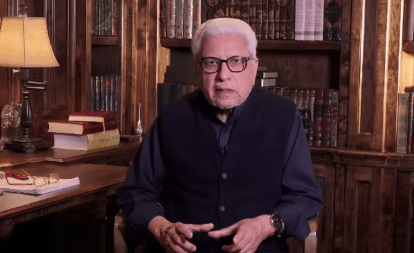
This text is the transcript of a discussion regarding the traditional Islamic account of the first revelation received by the Prophet Muhammad. The speakers analyze the well-known story, particularly as it is narrated by Ibn Shahab Johri and Imam Bukhari, questioning its basis and internal consistency. They explore alternative perspectives from Islamic scholars and compare the account to the Quran’s description of prophethood. Key areas of scrutiny include the Prophet’s state before revelation, the nature of worship at Gare Hira, and the interpretation of the verses revealed. The discussion aims to reconcile historical narrations with theological principles and explore potential inconsistencies within the traditional understanding.
First Revelation: A Critical Study Guide
I. Study Guide Questions
A. Initial Understanding
- What is the primary concern of the speaker regarding the traditional account of the first revelation?
- Who is Ibn Shahab Johri, and why is his narration significant to the discussion?
- According to the speaker, what are the two ways questions arise when considering a narration?
- What is Mursal narration, and how is Ayesha’s narration characterized?
- What are the different meanings of ‘tahannus’ (or ‘tahannuth’) that are being discussed?
- What is Rizah, and what does it imply regarding the traditional narrative?
- How does the Quran, specifically Surah Yunus, verse 16, challenge the traditional narrative of Muhammad’s preparation for prophethood?
- What are some reasons the speaker feels the word Iqra (Read) may be misinterpreted in the traditional narrative?
- What was the worship performed by Muhammad (pbuh) while in Gare Hira, as interpreted from the original narration?
- How does the Holy Quran describe the character and conduct of Prophet Muhammad (pbuh) in Surah Yunus?
B. Deeper Analysis
- Explain the significance of the “sanad” of a narration, particularly in the context of Ibn Shahab Johri and Imam Bukhari.
- How does the speaker use Quranic verses to challenge the idea that Muhammad (pbuh) was actively seeking or preparing for prophethood?
- What is the speaker’s critique of the idea that Muhammad’s time in the cave of Hira was a form of Sufi-like spiritual practice?
- Describe the speaker’s argument that Muhammad’s (pbuh) character and integrity were consistent throughout his life, even before receiving revelation.
- How does the speaker utilize the Qur’an to understand the moment of prophethood, including the presentation of its verses for recitation?
II. Quiz
Answer the following questions in 2-3 sentences each.
- Why does the speaker question the accepted narration of the first revelation in Hira?
- What is the role of Ibn Shahab Johri in the traditional account of the first revelation, and what concerns does the speaker raise about him?
- According to the speaker, what are the two primary sources against which narrations should be evaluated?
- What is a Mursal narration, and why is it important in evaluating the narration of Ayesha about the first revelation?
- Explain the concept of “tahannus” or “tahannuth” and what it implies about Muhammad’s (pbuh) activities before prophethood.
- How does Surah Qasas, verse 86, challenge the traditional narrative of Muhammad’s (pbuh) preparation for prophethood?
- What is the main point the speaker is making when he quotes Surah Yunus, verse 16?
- Why does the speaker find the response “I am not educated” problematic in the traditional narration of the first revelation?
- How does the speaker imply it can be problematic when one goes to Gare Hira and worships before the revelation?
- What conclusion does the speaker make regarding the consistent character of Muhammad, (pbuh), as a prophet?
III. Quiz Answer Key
- The speaker questions the traditional narration because it might contradict the Quranic portrayal of Muhammad (pbuh) and raises concerns about the chain of narration and the historical context. The speaker challenges the way one views the prophet by evaluating the text critically.
- Ibn Shahab Johri is the primary narrator of the story, and the speaker is concerned about the reliability and potential interpretations added by Johri to the primary material. The speaker feels that his version should be analyzed.
- The speaker asserts that narrations should be evaluated against the knowledge and context of the Muslim mind, the Quran, and the teachings of Prophet Muhammad (pbuh), as the main basis of a strong argument. In other words, the narration must be logical and consistent with foundational principles.
- A Mursal narration is when a companion of the Prophet narrates something about him without directly quoting him or being present, raising questions about potential gaps or interpretations in the transmission. The integrity of the narrative is threatened by the absence of a direct quote.
- “Tahannus” refers to a form of worship or seclusion practiced by Muhammad (pbuh) before his prophethood, and the speaker questions whether it implies active seeking or preparation, which could contradict Quranic verses. This interpretation is based on Muhammad’s own actions.
- The speaker is highlighting that the Holy Quran emphasizes the prophet’s character and conduct was consistent from his birth to his death.
- Surah Qasas, verse 86, emphasizes that Muhammad (pbuh) did not desire or expect the revelation, implying that prophethood was a divine blessing rather than the result of personal effort or contemplation. In effect, it is a contrast to the Sufiana traditions.
- The speaker finds it problematic because it implies a literal, book-based understanding of reading, whereas the Quranic revelation was about receiving and reciting divine verses directly revealed to the heart. He felt that the revelation did not indicate that he was shown a text, per se.
- The speaker thinks it can be problematic to worship before the revelation because it suggests a struggle to achieve nirvana or Muraqqabat with a creation of Ghazini. Any such worship leads to a loss of direction.
- The speaker concludes that Muhammad’s character, conduct, and honesty remained consistent throughout his life, even before prophethood, supporting the idea that he was chosen by Allah due to his inherent virtuous qualities. Such qualities were found in him at an early age.
IV. Essay Questions
- Critically analyze the speaker’s arguments against the traditional account of the first revelation, considering both the Quranic evidence and the concerns raised about the narration of Ibn Shahab Johri.
- Explore the speaker’s interpretation of Muhammad’s (pbuh) time in the cave of Hira, contrasting it with the Sufi-like spiritual practice perspective and discussing the implications for understanding prophethood.
- Discuss the speaker’s use of Quranic verses to challenge the idea that Muhammad (pbuh) was actively seeking or preparing for prophethood, and evaluate the validity of this argument.
- How does the speaker’s emphasis on Muhammad’s (pbuh) consistent character and integrity before prophethood contribute to the overall critique of the traditional narrative?
- Compare and contrast the speaker’s perspective on the first revelation with the more traditional understanding, and assess the strengths and weaknesses of each viewpoint.
V. Glossary of Key Terms
- Ijma: Consensus of opinion among Islamic scholars on a matter of Islamic law.
- Ummah: The worldwide community of Muslims.
- Rasa Sallam: An honorific title used after the name of Prophet Muhammad, meaning “Peace be upon him.”
- Syeda Khadija: The first wife of Prophet Muhammad (pbuh) and a prominent figure in early Islam.
- Waraq bin Naufal: A relative of Khadija who had knowledge of previous scriptures and recognized Muhammad’s (pbuh) prophethood.
- Surah Alaq: The 96th chapter of the Quran, believed to contain the first verses revealed to Muhammad (pbuh).
- Binay Iste Dalal: The basis of evidence or proof upon which an opinion or argument is established.
- Nisaab: Curriculum or syllabus of study.
- Rasalat Babu Sallallahu Wasallam: Reference to Prophet Muhammad (pbuh), emphasizing his role as a messenger.
- Jibreel Amin: The angel Gabriel, who is believed to have delivered divine revelations to Prophet Muhammad (pbuh).
- Sahih: Authentic or sound, often used to describe collections of Hadith considered highly reliable.
- Sanad: The chain of narrators for a Hadith, used to assess its authenticity and reliability.
- Mursal Narration: A narration where the chain of narrators is incomplete, typically when a companion of the Prophet narrates without directly quoting him.
- Razi Allah aha: An honorific phrase used after the names of companions of the Prophet, meaning “May Allah be pleased with her/him.”
- Ra: (Ghar-e-Hira) Cave of Hira, a location near Mecca where Prophet Muhammad (pbuh) meditated and received his first revelations.
- Bidaat: Innovations or deviations from established Islamic practices.
- Din Hanif: The monotheistic religion of Abraham, which predates Islam.
- Nazool: Descent; In this context, the descent of divine revelation, a concept contrasting with Sad, or human effort.
- Taziya: Condolence.
- Sad: Effort.
Briefing Document: Analysis of Excerpts on the First Revelation
This briefing document analyzes excerpts from a text discussing the traditional Islamic account of the first revelation received by Prophet Muhammad (peace be upon him) in the cave of Hira. The text questions the widely accepted narrative, particularly its foundation and the implications it carries regarding the nature of prophethood.
Main Themes:
- Critique of the Established Narrative: The central theme revolves around questioning the standard account of the first revelation. The speaker highlights the common belief in this narrative across Muslim communities and challenges its basis.
- Emphasis on Inquiry and Critical Thinking: The text encourages a critical examination of the source material rather than blind acceptance. It promotes a methodology rooted in intellectual investigation and Quranic understanding.
- Source Criticism: A significant portion is dedicated to identifying and scrutinizing the source of the commonly accepted story – a narration by Ibn Shahab Johri, transmitted through Urwa bin Zubair.
- Quranic Perspective on Prophethood: The discussion heavily emphasizes the Quran’s description of prophethood, particularly the concept that prophets are chosen by Allah and are not individuals striving for spiritual attainment through practices or intense contemplation.
- Challenging Preconceived Notions: The speaker challenges the notion that the Prophet Muhammad (peace be upon him) engaged in specific practices in Hira with the intention of achieving prophethood, suggesting such an idea contradicts the Quranic portrayal of divine selection.
Most Important Ideas and Facts:
- The Traditional Narrative: The excerpts begin by outlining the commonly held belief about the first revelation:
- Prophet Muhammad (peace be upon him) frequented the cave of Hira in solitude.
- The angel Jibreel appeared and commanded him to “Read!” (Iqra).
- The Prophet (peace be upon him) responded that he could not read.
- The angel squeezed him repeatedly and revealed the first verses of Surah Al-Alaq.
- The Prophet (peace be upon him), in a state of fear, returned to Khadija, who took him to Waraqah bin Naufal for interpretation.
- Ibn Shahab Johri as the Primary Source: The speaker identifies Ibn Shahab Johri as the foundation of this narrative, mentioning that Imam Bukhari and Imam Muslim copied this narration in their Sahihs: “The basis of this reality is based on a narration of Ibn Shahab Johri…Imam Bukhari has copied this narration in his Sahih.”
- Doubts about the Narration’s Accuracy: The speaker raises questions about the accuracy of the narration, asking whether it aligns with the knowledge of Muslim minds, the Quran, and the teachings of the Prophet Muhammad: “Either it will happen that that thing appears to be against the knowledge of the Muslim mind… Or it happens that the book of Allah, the Holy Quran, is not accepted. If there is any disturbance in the teachings of the Prophet Muhammad, questions arise.”
- Mursal Narration: It’s pointed out that the narration from Ayesha (may Allah be pleased with her) is a “Mursal” narration.
- “An Ayesha Razi Allah aha Sayyeda Ayesha Razi Allah aha narrates that Anna Kaltantu Vaj has happened that this is a Mursal narration what does Mursal Mursal narration mean that someone from among the Sahaba Karam is narrating the narration the narrati on is about Risalat Maab Sallam but it is not narrated i.e. it is not narrated in such a way that Rasulallah S.A. said this or I heard this from Rasulallah or Rasulallah said this on such and such occasion and I was present at that time there is no such thing in it”
- Quranic Argument Against Striving for Prophethood: The most significant critique centers on the Quranic verses that depict prophethood as a divine blessing, not something attainable through personal effort.
- Quoting Surah Qasas (28:86): “Tar Qari, you were not desirous that this book should be revealed to you, it is just a blessing of your God that He chose you for this responsibility.”
- The speaker emphasizes that the Quran states the Prophet (peace be upon him) had no prior expectation or desire to receive revelation, directly challenging the idea that his time in Hira was a deliberate pursuit of prophethood.
- Citing Surah Yunus (10:16): “Say, if Allah wanted, I would not have recited this Quran to you, nor would Allah have informed you about it… I have already spent a lifetime among you, then why don’t you use your brain?” This verse suggests that the Prophet’s entire life before prophethood showed no indication of him seeking or preparing for revelation.
- Critique of “Tahs” in Gare Hira: The speaker questions the portrayal of the Prophet (peace be upon him) engaging in specific worship or contemplation (“tahs” or “tawbaat”) in the cave, implying it suggests he was seeking spiritual attainment: “…Some worry, some hope, its picture comes…”
- The Question of “Iqra” (Read): The text highlights the apparent contradiction in the narrative of Jibreel commanding the Prophet (peace be upon him) to read, when the Prophet (peace be upon him) is described in both the narration and the Quran as being unlettered: “…I said I am not educated, there is no such mention in the narration that any book was presented before you, the Quran tells about Rasalat maa Salam that you were not educated, so this answer seems appropriate that if a book has been presented before you, then you will say that I am not educated…” The speaker questions how the Prophet (peace be upon him) could be expected to read without the presence of a written text.
Quotes:
- “Peace be upon those eyes which are fixed on guidance, on those ears which wait for the mention of good things and on those feet which are on the path of guidance…”
- “In this matter people want to know that why did you create a difference of opinion, why did you do it, when did you do it, how did you do it…”
- “So, on what basis has it been based? It has been based on a narration of Ibn Shahab Johri.”
- “This book Tabeer is in front of me. The title of this chapter is Chapter Awal Ma Bad Rasulallah Sallallahu A. Wasallam minal wahi roy sali means the first time when wahi was revealed to the prophet salam then these were good dreams, from here they have started this thing, now they copy the narration…”
- “You were not desirous that this book should be revealed to you, it is just a blessing of your God that He chose you for this responsibility.”
- “Say, if Allah wanted, I would not have recited this Quran to you, nor would Allah have informed you about it… I have already spent a lifetime among you, then why don’t you use your brain?”
- “I said I am not educated, there is no such mention in the narration that any book was presented before you, the Quran tells about Rasalat maa Salam that you were not educated, so this answer seems appropriate that if a book has been presented before you, then you will say that I am not educated…”
Conclusion:
The excerpts present a critical re-evaluation of the traditional narrative of the first revelation, prompting a deeper inquiry into its source, internal consistency, and alignment with the Quranic portrayal of prophethood. The text underscores the importance of critical thinking, rigorous source criticism, and Quranic understanding in approaching religious narratives. The document ends at a cliffhanger, with the discussion poised to delve deeper into the nature of prophethood in the Quran and a further analysis of the verses revealed during the first encounter.
Critique of the Traditional First Revelation Narrative
Here is an 8-question FAQ based on the provided text:
FAQ
1. What is the central issue being discussed in this text? The text critically examines the widely accepted narrative of the Prophet Muhammad’s (peace be upon him) first revelation in the cave of Hira, particularly focusing on the narration from Ibn Shahab Johri as copied by Imam Bukhari and others. The discussion revolves around questioning the details and implications of this account.
2. Why is the traditional narrative of the first revelation being questioned? The narrative is being questioned because certain aspects of the traditional account seem to contradict Quranic verses about the Prophet Muhammad’s (peace be upon him) state of knowledge and disposition before prophethood. Specifically, the Quran suggests the Prophet (PBUH) had no prior expectation or desire for prophethood, and that it was purely a divine selection. The traditional story involving seclusion in the cave and worship practices can be interpreted as contradicting this idea.
3. What is the main source of the traditional narration of the first revelation, and what are the issues with this source? The main source is a narration from Ibn Shahab Johri, transmitted by Urwa bin Zubair. While this narration is included in respected Hadith collections like Sahih Bukhari, the text points out that it is a mursal narration (a narration where a Sahabi narrates a statement in Seega Ghaib), and raises questions about the reliability and interpretation of Ibn Shahab Johri’s accounts. The text also mentions that Ibn Shahab Johri had a habit of Idara which means he would add his own explanations and interpretations into the narration without clearly indicating that they were his own additions.
4. How does the Quran describe the moment when a Prophet attains prophethood? According to the text, the Quran presents prophethood as a divine gift, a love bestowed by Allah. It emphasizes that a prophet isn’t someone who strives for or earns prophethood through personal efforts or intellectual pursuits, but rather someone chosen and divinely prepared for the role. This contrasts with interpretations of the traditional narration suggesting some form of preparation or seeking by the Prophet (PBUH) in the cave of Hira.
5. According to the Quran, what is the state of knowledge of a Prophet before the first revelation?
The Holy Quran tells that Risalat Maab Sallam Sallam before the revelation of the Quran, before the revelation of the Wahi, was not the opinion of anything, well ma kunta tarj alka iqal kitab, i.e. it never even came to your mind that you But this book will be revealed, you will be made a prophet, no such thing was present before you, this is explained in the holy Quran.
6. What specific aspect of the traditional narration of the first revelation is considered problematic in relation to this understanding? The depiction of the Prophet Muhammad (peace be upon him) engaging in worship in the cave of Hira before the revelation is seen as potentially implying that he was seeking or preparing himself for prophethood, which contradicts the Quranic assertion that prophethood was entirely a divine choice, with no prior inclination on the Prophet’s part.
7. What questions arise from the angel’s command “Read!” in the traditional narration? The text questions the Prophet’s (PBUH) response, “I am not educated,” when the angel commands him to read. It argues that since the Quran states that the Prophet (PBUH) was unlettered, this answer seems appropriate. Also, the text points out that Jibreel Amin keeps revealing it on the Prophet’s heart and from there you used to read it and recite it to people, so you have read it all your life, after that, what is this answer, I do n’t understand?
8. What is the significance of examining alternative interpretations of the first revelation? The text underscores the importance of critically examining established narratives in light of the Quran and reason. It suggests that revisiting these narratives allows for a deeper and more accurate understanding of the Prophet Muhammad’s (peace be upon him) life and the nature of divine revelation. Furthermore, the critique encourages a balanced approach, avoiding emotional responses and instead focusing on intellectual exploration and Quranic guidance.
Gare Hira: The Prophet Muhammad and the First Revelation
Gare Hira is discussed in the context of the first revelation to the Prophet Muhammad. The source presents different perspectives and questions regarding the events that took place there.
Key points about Gare Hira from the source:
- Solitude and Worship: Before the first revelation, the Prophet Muhammad had become fond of solitude and used to live in Gare Hira. He would go there to worship, taking food and drink with him.
- First Revelation: The traditional narration describes the angel Jibreel appearing to the Prophet in Gare Hira and commanding him to read. This event is said to have been the first revelation, with the verses of Surah Alaq being revealed.
- Questions and Interpretations: The source raises questions about the nature of the worship performed in Gare Hira and whether it was an effort to achieve prophethood. It questions the common interpretation that the Prophet’s time in Gare Hira was a period of contemplation or striving for spiritual achievement, arguing that this contradicts the Quranic view of prophethood as a divine blessing bestowed without prior effort or desire.
- Quranic Perspective: According to the source, the Quran states that before the revelation, the Prophet was unaware that he would receive the book or become a prophet. The Quran presents this lack of prior expectation as evidence of the divine nature of prophethood.
- Unknown Word: The source mentions that the word “Nus” or “Nus” is used in relation to the Prophet’s time in Gare Hira, but its meaning is not clear in the Arabic language. Some scholars suggest it refers to following the traditions of Din Hanif, the religion of Prophet Ibrahim.
- Distance: Gare Hira is located on a mountain called Jabal al-Noor, about two to three miles away.
The First Revelation: A Critical Analysis of Traditional Narrations
The source discusses the first revelation to Prophet Muhammad, focusing on the traditional narration of the event and raising questions about its interpretation.
Key points regarding the first revelation:
- Traditional Narration: The common account describes the angel Jibreel appearing to Prophet Muhammad in Gare Hira and commanding him to read. When the Prophet responded that he was not educated, the verses of Surah Alaq were revealed. The Prophet, in a troubled state and with a trembling heart, then went to his wife Syeda Khadija, who took him to Waraq bin Naufal. Waraq bin Naufal told him that he was visited by the same angel who had come to Moses.
- Source of the Narration: The basis of this account is a narration from Ibn Shahab Johri, which was copied by Imam Bukhari in his Sahih and by Imam Muslim.
- Questions and Doubts: The source raises questions about this narration, particularly regarding the nature of the worship performed in Gare Hira and the Prophet’s response to the command to read. It suggests that the traditional interpretation may imply the Prophet was striving for spiritual achievement, which contradicts the Quranic view of prophethood.
- Quranic Perspective: The source emphasizes the Quranic view that before the revelation, the Prophet was unaware that he would receive the book or become a prophet. This lack of prior expectation is presented as evidence of the divine nature of prophethood. The Quran states that it never even occurred to the Prophet that the book would be revealed to him and that he would be made a prophet.
- The meaning of Iqra: According to the source, when Allah gives prophethood to his prophet, then there must be an example of him in the Quran. The word Iqra, the word Utal has been mentioned in the 10th maqama of the Holy Quran, in fact it has been mentioned in dozens of maqamas, so what is the meaning of the meaning in them, it means that you should read and recite the Quran which has been revealed to you, this Quran was never presented to you in the form of a book, or it was not given to you by printing it on a sheet, it was not given to you by putting it on the shoulder, it was revealed by Jibreel Amin on your heart, this thing has also been stated in the Quran that Jibreel Amin kept revealing it on the Prophet’s heart and from there you used to read it and recite it to people, so you have read it all your life, after that, what is this answer, I do n’t understand.
- Verses of Surah Alaq: The source questions whether the verses revealed during the first revelation can be considered the first verses of the Quran.
- Prophet’s Character: The source emphasizes that the Prophet’s character and behavior before prophethood support the idea that he was not seeking or expecting this role. The Holy Quran presented it as an argument for prophethood. The race of Prophets does not pass through all these stages, there is no such will in him, and he does not seem to live with any such thoughts.
- Ibn Shahab Johri’s Narration: The source notes that Ibn Shahab Johri would explain something in the middle of narrating and add something new based on his knowledge.
Ibn Shahab Johri: Narration of the First Revelation
Ibn Shahab Johri is a key figure in the narration of the first revelation to Prophet Muhammad. The source material refers to him and his narration in the following ways:
- Source of the Narration: The traditional account of the first revelation is based on a narration from Ibn Shahab Johri. This narration was then copied by Imam Bukhari in his Sahih and by Imam Muslim.
- Sanad of the Narration: The chain of narrators (sanad) includes many disciples of Ibn Shahab Johri. Dr. Shahzad Salim Sahib has done detailed work on the personalities in this chain, including Ibn Shahab Johri himself.
- Relationship to Urwa bin Zubair: Ibn Shahab Johri narrates this account from Urwa bin Zubair, who is the nephew of Syeda Ayesha.
- Critical Examination: The validity of the traditional account is questioned in the source, with Ibn Shahab Johri’s narration being the focal point of this critique.
- Idraj (Explanatory Insertion): It is noted that Ibn Shahab Johri had a habit of “Idraj,” meaning that while narrating, he would explain something in the middle of it, adding something new based on his knowledge without clearly indicating that it was an interpretation or additional information from another source.
- Explanation of “yatahanas”: Ibn Shahab Johri provides an explanation for “yatahanas”.
Quranic Verses on the First Revelation and Prophethood
The sources discuss several Quran verses in relation to the first revelation to Prophet Muhammad and the nature of prophethood.
Key points:
- Surah Alaq: The verses of Surah Alaq are said to have been revealed during the first encounter with the angel Jibreel in Gare Hira. The source questions whether these verses can be considered the first verses of the Quran to be revealed.
- Surah Qas (28:86): This verse is cited to support the idea that the Prophet Muhammad had no prior desire or expectation of receiving the book or becoming a prophet. The verse states: “you were not desirous that this book should be revealed to you, it is just a blessing of your God that He chose you for this responsibility”. Ustad Imam interprets this verse to mean that prophethood is a divine gift, not something attained through personal striving or desire.
- Surah Yunus (10:16): This verse is presented as an argument for the prophethood of Muhammad. It quotes the Prophet saying, “if Allah wanted, I would not have recited this Quran to you, nor would Allah have informed you about it…I have already spent a lifetime among you, then why don’t you use your brain”. This verse suggests that the Quran was not something the Prophet had been preparing for or wishing for, but rather a divine revelation that came unexpectedly.
- Quranic Perspective on Prophethood: The source emphasizes the Quranic view that prophethood is a divine blessing bestowed without prior effort or desire. This contrasts with the traditional understanding of the Prophet’s time in Gare Hira as a period of contemplation or striving for spiritual achievement. The Quran presents the lack of prior expectation as evidence of the divine nature of prophethood.
- The meaning of Iqra: According to the source, when Allah gives prophethood to his prophet, then there must be an example of him in the Quran. The word Iqra, the word Utal has been mentioned in the 10th maqama of the Holy Quran, in fact it has been mentioned in dozens of maqamas, so what is the meaning of the meaning in them, it means that you should read and recite the Quran which has been revealed to you, this Quran was never presented to you in the form of a book, or it was not given to you by printing it on a sheet, it was not given to you by putting it on the shoulder, it was revealed by Jibreel Amin on your heart, this thing has also been stated in the Quran that Jibreel Amin kept revealing it on the Prophet’s heart and from there you used to read it and recite it to people, so you have read it all your life, after that, what is this answer, I do n’t understand.
- Relevance of Quran: The source suggests that narrations about the first revelation should be reviewed and interpreted in light of the Quran.

By Amjad Izhar
Contact: amjad.izhar@gmail.com
https://amjadizhar.blog
Affiliate Disclosure: This blog may contain affiliate links, which means I may earn a small commission if you click on the link and make a purchase. This comes at no additional cost to you. I only recommend products or services that I believe will add value to my readers. Your support helps keep this blog running and allows me to continue providing you with quality content. Thank you for your support!

Leave a comment