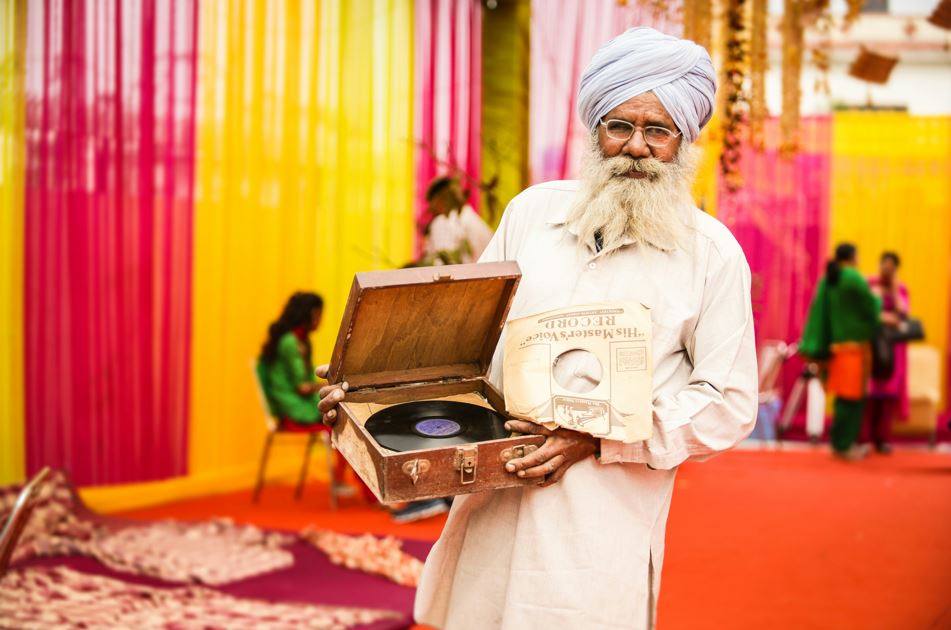
Before the internet took over our lives, there was a charm to the world that’s hard to replicate today. There was something magical about how people connected, communicated, and found joy in the little things. These moments were rich in personal effort and carried a weight that can feel lost in today’s digital convenience. Looking back, there are things we miss—things that were an integral part of a simpler time.
Much of what we did in the pre-digital age required patience and creativity. From crafting the perfect mixtape to developing a film, life was filled with unique rituals that now feel nostalgic. It wasn’t about instant gratification but about enjoying the process and the anticipation of it. These experiences fostered a deeper connection, whether with music, places, or even the photographs we captured.
As we dive into this trip down memory lane, we’ll explore 30 things that defined the cool factor of the pre-internet era. It’s a journey back to a time when life was slower, more intentional, and perhaps, a little more meaningful. Here’s to rediscovering the charm of those bygone days.
Topic Keywords: pre-internet nostalgia, simpler times, pre-digital age memories
Relevant Hashtags: #Nostalgia #SimplerTimes #PreInternetLife
1. Making Mixtapes
Creating a mixtape was an act of artistry, blending musical taste with personal emotion. It took hours of sitting by the radio or rifling through stacks of records, waiting for just the right song to come on. The significance of a mixtape was never just about the music; it was a love letter, a message in melody that conveyed feelings words sometimes couldn’t. Each track was chosen deliberately, and the result was a deeply personal creation, reflecting both the sender’s and receiver’s tastes. In today’s age of streaming services and auto-generated playlists, this lost art reminds us that the most meaningful things often take the most effort.
Mixtapes weren’t just a reflection of our favorite artists—they were snapshots of moments in time. Each song had its place, and creating the perfect flow was an exercise in emotional expression. That moment when the recipient first heard your compilation was filled with anticipation, knowing that each track had been selected with care. While Spotify and Apple Music offer ease, they can’t quite replicate the intimacy of a physical cassette tape packed with heart and intention.
Topic Keywords: making mixtapes, lost art of mixtapes, personal playlists
Relevant Hashtags: #MixtapeMagic #PersonalPlaylists #OldSchoolMusic
2. Getting Lost on a Road Trip
Road trips used to be more than just a way to get from one place to another—they were full-fledged adventures where getting lost was part of the fun. Armed with nothing but a paper map and a sense of curiosity, travelers navigated unknown highways, sometimes ending up in places they hadn’t planned on. These detours often led to unexpected discoveries: quirky roadside attractions, hole-in-the-wall diners, or scenic overlooks that weren’t part of any formal itinerary. Today’s GPS has taken away much of the mystery and spontaneity, offering precision at the cost of surprise.
There was something uniquely rewarding about figuring out directions and the feeling of accomplishment when you reached your destination, especially after taking a few wrong turns. Now, GPS ensures we never miss a turn, but it also eliminates the chance to stumble upon those hidden gems. In the pre-internet era, the road was not just a route to follow but a blank canvas of exploration, where every exit off the highway could lead to an adventure.
Topic Keywords: road trip adventures, getting lost on trips, pre-GPS travel
Relevant Hashtags: #RoadTripVibes #PreGPSTravel #LostAndFoundAdventures
3. Developing Film
Before digital cameras and smartphones made photography instantaneous, there was a delightful uncertainty in developing film. You never knew if your shots would turn out as you’d hoped, which made each roll of film feel like a time capsule. Dropping off your film at a local lab and waiting for the prints was an exercise in patience—and the reveal was always worth it. It wasn’t just about capturing a moment; it was about preserving it in a physical form. The tangibility of those printed photos gave them a value that digital files rarely possess.
The excitement of flipping through a freshly developed set of pictures was irreplaceable. Each photo told a story and even the imperfect ones were cherished. The convenience of digital photography, while undeniable, lacks the thrill of the unknown that film provides. The moment of holding those glossy prints in your hand, reliving the captured memories brought a certain joy that today’s instant uploads to social media simply can’t replicate.
Topic Keywords: developing film, analog photography, film photography nostalgia
Relevant Hashtags: #FilmPhotography #AnalogNostalgia #DevelopedMemories
4. Browsing in Record Stores
There was a unique joy in spending an afternoon at a local record store, where flipping through stacks of vinyl, cassettes, or CDs was a tactile and immersive experience. For music lovers, these stores were treasure troves of discovery, offering the opportunity to stumble upon a new artist or a rare album. The excitement wasn’t just in finding a record but in holding it in your hands, feeling the album cover, and knowing you were taking home something tangible. Conversations with staff who were as passionate about music as you added another layer to the experience, creating a sense of community around shared musical tastes.
Streaming platforms may offer the convenience of instant access to millions of songs, but they lack the depth of experience that comes from physically browsing. Record stores encouraged exploration and patience, where you could spend hours searching for that perfect album. Today’s digital libraries may have volume, but they lack the human connection and serendipity that often made record store visits so memorable. In many ways, the hunt for music has become a solitary and algorithm-driven experience, rather than a communal and tactile one.
Topic Keywords: record store nostalgia, vinyl record shopping, music discovery
Relevant Hashtags: #RecordStoreVibes #VinylRevival #MusicDiscoveryJourney
5. Writing and Receiving Letters
Receiving a handwritten letter was once a treasured moment, whether it was a note from a friend, a love letter, or a message from a distant pen pal. Each letter carried a personal touch that no email or text could replicate—the choice of stationery, the careful crafting of words, and the unique handwriting of the sender. The anticipation of opening an envelope and reading thoughts that had been written specifically for you brought an intimate connection that digital communication often lacks. It was more than just correspondence; it was a cherished keepsake that could be revisited again and again.
Today, communication has become instant and often fleeting, with emails, texts, and social media taking over our daily interactions. While these digital tools offer speed and efficiency, they miss the sentimental value of a handwritten letter arriving in the mailbox. Writing and receiving letters required time and effort, and that investment made the connection between the sender and receiver feel all the more special. In a world where we are constantly bombarded with notifications, the simplicity of a letter feels like a lost art.
Topic Keywords: writing letters, handwritten communication, letter nostalgia
Relevant Hashtags: #HandwrittenLetters #PenPalsForever #SnailMailMemories
6. Learning from Encyclopedias
Before the internet provided instant answers to our questions, knowledge seekers turned to encyclopedias—those massive, multi-volume collections that lined the bookshelves of many homes. These books were repositories of carefully curated information, and the act of researching within their pages was both methodical and rewarding. Learning from an encyclopedia was a tactile experience that involved flipping through thick pages, scanning through alphabetically organized entries, and perhaps even discovering new topics along the way. It wasn’t just about finding the answer—it was about the process of learning.
With the rise of the internet and platforms like Wikipedia, access to information has never been easier. Yet, there was a certain satisfaction in acquiring knowledge from a printed source. Encyclopedias represented a world of facts within arm’s reach, and having a well-stocked bookshelf was a mark of intellectual curiosity. Today’s digital databases offer convenience, but they can’t replicate the feeling of sitting down with a heavy encyclopedia and exploring its pages. The slowness of research made learning feel more meaningful, giving each discovery a sense of accomplishment.
Topic Keywords: encyclopedias, pre-internet research, learning from books
Relevant Hashtags: #EncyclopediaDays #KnowledgeIsPower #OldSchoolLearning
7. Spending Hours in Bookstores
Bookstores were once sanctuaries for those who sought knowledge, inspiration, or just a quiet escape from the world. There was something magical about wandering through aisles, scanning rows of spines, and discovering a book you never knew you needed. The experience was tactile—flipping through the pages, feeling the texture of the paper, and inhaling that distinct “new book” smell. Whether you were in search of a classic novel or a quirky new release, bookstores offered an atmosphere of calm exploration. It wasn’t just about the purchase; it was about the journey, and each visit promised something new.
While online shopping has made it easier to access virtually any book, it can’t replicate the physical pleasure of browsing shelves. E-commerce may offer endless selections, but it lacks the serendipity of stumbling upon a hidden gem in a corner of a bookstore. For many, the act of holding a book, turning its pages, and reading a few lines before committing to it is a crucial part of the reading experience. In an age of instant gratification, spending hours in a bookstore still holds a certain charm—a connection to the slow, deliberate discovery of stories.
Topic Keywords: bookstore nostalgia, book browsing, tactile reading experience
Relevant Hashtags: #BookstoreWanderings #LostInBooks #TactileReading
8. Passing Notes in Class
Passing notes in class was a rite of passage for many students, an act of rebellion wrapped in folded paper squares. It wasn’t just about the message, but the thrill of sneaking it across the room without getting caught. Whether you were sharing a joke, a secret, or just a doodle, those little notes carried more weight than a simple text message ever could. The creative ways in which notes were folded, sometimes with intricate designs, added a level of artistry to the act. In contrast, today’s kids might send text messages under their desks, but they lack the same covert excitement.
The handwritten notes carried a personal touch, reflecting the sender’s mood, humor, or even artistic flair. There was something unique about receiving a note in class that felt special—part of a private world shared with only a few. Today, with smartphones offering instant messaging, the need for such covert communication has diminished, but for those who remember, the simple act of passing a note was filled with anticipation and connection. It was a moment of bonding amid school monotony, and each note held a certain charm that digital texts just can’t capture.
Topic Keywords: passing notes in class, classroom nostalgia, handwritten messages
Relevant Hashtags: #PassingNotes #ClassroomNostalgia #SecretMessages
9. Anticipating TV Shows
Before the age of streaming, watching your favorite TV show was an event that required patience and planning. You had to wait an entire week for the next episode, and that wait only heightened the excitement. Gathered around the family TV at a set time, viewers shared the experience of watching together, discussing plot twists and cliffhangers with friends and family. The anticipation was part of the magic, and it created a sense of communal viewing that’s rare in today’s binge-watching culture.
Now, with streaming services offering entire seasons at once, the immediacy of content has replaced the slow-burn excitement that came with waiting. Binge-watching may be convenient, but it lacks the shared sense of suspense that once united fans. In the pre-internet era, the delayed gratification of waiting for your favorite show made each episode feel like a reward. The rhythm of weekly episodes allowed viewers to savor each one, creating deeper connections to the characters and the storylines.
Topic Keywords: TV show anticipation, weekly episodes, communal viewing
Relevant Hashtags: #TVShowAnticipation #PreStreamingLife #BingeVsWeekly
10. Going to the Video Store
Friday nights at the video store were more than just a routine errand; they were a ritual that brought families and friends together in a shared experience. Walking down aisles filled with VHS tapes or DVDs, you’d scan the colorful covers, picking up cases to read the summaries on the back. The decision-making process was often a social event—debating with friends or family over which movie to rent for the evening, perhaps even striking a deal to get a second choice as a backup. It wasn’t just about the movie itself but the anticipation and the sense of discovery as you left the store with your selection.
Streaming services may offer a vast library of movies and TV shows, but they lack the tangible excitement of physically browsing the shelves. In a video store, you weren’t faced with endless, algorithm-driven recommendations but instead limited by what was in stock—forcing you to think carefully and make a choice. The whole experience was more deliberate and personal. In many ways, the act of choosing a movie in a video store made the eventual viewing feel like an event, something today’s instant streaming options don’t replicate.
Topic Keywords: video store nostalgia, movie rental experience, VHS browsing
Relevant Hashtags: #VideoStoreMemories #VHSNights #MovieRentalMagic
11. Meeting People in Real Life
In the pre-social media era, meeting new people involved stepping outside of your comfort zone and engaging in face-to-face conversations. Whether at a party, in a coffee shop, or just by chance while running errands, forming a connection requires real effort and presence. There was no screen to hide behind, no curated profile to glance at—it was all about authentic interaction in real time. Meeting people in real life often resulted in deeper, more meaningful connections because you could read body language, hear the tone of voice, and gauge the energy in the room.
While today’s online platforms make it easier to connect with people from all over the world, those connections often feel superficial. Swiping left or right based on a profile picture removes the spontaneity and excitement that once came with meeting someone new in person. The richness of real-life encounters—whether it was a chance meeting that blossomed into friendship or the thrill of getting to know someone on a first date—offered a depth that digital connections rarely achieve.
Topic Keywords: real-life connections, meeting people offline, face-to-face interaction
Relevant Hashtags: #RealLifeConnections #OfflineFriendships #FaceToFaceEncounters
12. Waiting for Concert Tickets
In the days before online ticketing platforms, securing concert tickets was an adventure all its own. Die-hard fans would camp out overnight at the box office, braving the elements and bonding with fellow enthusiasts as they waited for the doors to open. There was a camaraderie among those in line, all sharing the same excitement and determination to land tickets to their favorite band or artist. The process of waiting, strategizing, and finally getting those tickets in hand made the eventual concert experience even more rewarding.
Today, while online ticket sales are convenient, they often feel impersonal and frustrating, with automated systems and bots making the experience less human. Gone are the days of forming spontaneous friendships in line or the adrenaline rush of hearing your call finally go through. The digital ticketing process has transformed what was once an event into a faceless transaction, missing the sense of triumph that came with waiting it out at a box office.
Topic Keywords: concert ticket nostalgia, waiting in line for tickets, live music experience
Relevant Hashtags: #ConcertTicketChase #BoxOfficeLines #LiveMusicAnticipation
13. Enjoying the Radio
Before personalized playlists and on-demand streaming, the radio was the heart of our daily soundtrack. Whether you were driving to work or relaxing at home, you tuned in, hoping to hear your favorite song amidst a carefully curated playlist selected by DJs with distinct personalities. These DJs weren’t just faceless voices; they brought life to the airwaves, sharing stories, engaging with listeners, and sometimes even taking song requests. The anticipation of waiting for that one special track to come on made it all the more exciting when you finally heard the familiar notes begin to play.
While streaming platforms allow us to listen to exactly what we want, whenever we want, the collective experience of radio listening has largely faded. There was a shared joy in knowing that thousands of people were tuned in to the same station, listening to the same music, and perhaps even having the same song become the soundtrack of their day. Today’s algorithm-driven playlists, while convenient, can’t replicate the spontaneity and connection that live radio once offered.
Topic Keywords: radio nostalgia, DJ-curated playlists, shared listening experience
Relevant Hashtags: #RadioDays #DJPersonality #SharedAirwaves
14. Reading the Newspaper
The morning newspaper was more than just a source of information—it was a ritual that brought a sense of calm and connection to the day. There was something uniquely satisfying about sitting down with a cup of coffee, spreading the pages across the table, and immersing yourself in the news, sports, comics, and crossword puzzles. The rustle of the paper, the smell of the ink, and the ink-smudged fingers were all part of a tactile experience that connected you to the broader world. Each page turn felt deliberate, as you scanned headlines and dived into articles at your own pace.
In today’s fast-paced digital world, news is constantly updated online, but the act of reading a physical newspaper remains irreplaceable for those who remember it. The digital realm delivers news instantly, but it lacks the sensory pleasures and structured format of a traditional paper. The process of unfolding the newspaper and reading through it slowly was a moment of reflection, something that online articles and quick news alerts struggle to provide.
Topic Keywords: newspaper reading ritual, physical newspapers, tactile reading experience
Relevant Hashtags: #MorningNewspaper #InkOnFingers #OldSchoolNews
15. Sending Out Party Invitations
Before the days of group chats and event pages, sending out party invitations was a thoughtful, deliberate act. Carefully selected or handmade, these paper invitations often reflected the theme or vibe of the upcoming event. Receiving a physical invitation in the mail felt special, signaling that the occasion was going to be something worth attending. The excitement of opening an envelope and seeing your name carefully written added a personal touch that digital invitations simply don’t offer.
Today, party invitations are more likely to come through text or social media, and while convenient, they lack the sense of occasion that a physical invitation brings. A mailed invitation suggested care, planning, and attention to detail. For many, it was the first taste of what was to come, building anticipation for the event itself. The shift to digital invites has streamlined the process, but it’s also taken away the joy of receiving something tangible, a small keepsake from a memorable event.
Topic Keywords: party invitations nostalgia, mailed invites, personal touch
Relevant Hashtags: #PaperInvites #HandwrittenInvites #PartyPlanningNostalgia
16. Playing Board Games with Friends
Before the age of video games and online multiplayer platforms, gathering with friends for a night of board games was a common social activity. Games like Monopoly, Scrabble, or Clue provided hours of entertainment, often sparking laughter, friendly competition, and even a bit of rivalry. The tactile experience of rolling dice, moving pieces, and strategizing face-to-face added a layer of engagement that online gaming can’t quite capture.
Today’s video games may offer stunning graphics and complex gameplay, but they lack the simplicity and personal interaction of a board game night. Playing around a table allowed for spontaneous conversations, bonding, and the joy of physically participating in the game. While online games connect people across the globe, there’s something uniquely satisfying about sitting down with friends for a board game session.
Topic Keywords: board game nostalgia, face-to-face gaming, social board games
Relevant Hashtags: #BoardGameNights #TabletopFun #OldSchoolGaming
17. Collecting Trading Cards
Collecting trading cards—whether it was baseball, Pokémon, or Magic: The Gathering—was more than just a hobby; it was a passion. The thrill of opening a new pack, hoping for a rare card, and then organizing them into binders or trading with friends was a major part of childhood for many. Each card had value, either for its rarity, artwork, or sentimental attachment and owning a sought-after card was a badge of honor.
While digital collectibles and in-game items exist today, the tangible experience of holding a physical card, examining its condition, and showcasing it to friends is irreplaceable. Trading cards fostered a sense of community, with collectors meeting up to trade and share their collections, something that digital platforms struggle to replicate in the same personal way.
Topic Keywords: trading card nostalgia, card collecting, childhood hobbies
Relevant Hashtags: #TradingCardCollecting #PokémonCards #RareFinds
18. Visiting Amusement Arcades
The amusement arcade was a hub of social activity, filled with flashing lights, the clinking of tokens, and the excitement of winning a game. From classic pinball to early video games like Pac-Man and Street Fighter, arcades were where kids and teens would hang out, compete, and socialize. Winning tickets and redeeming them for prizes was just as much fun as playing the games themselves.
With the rise of home consoles and online gaming, the arcade experience has become a rarity. While modern gaming offers convenience, the sensory overload and the thrill of playing in front of a crowd at an arcade create a unique atmosphere that can’t be duplicated at home.
Topic Keywords: arcade nostalgia, social gaming, classic video games
Relevant Hashtags: #ArcadeMemories #TokenTales #OldSchoolGamingFun
19. Handwriting in Journals and Diaries
Before smartphones and digital note-taking apps, journaling was a deeply personal, tactile experience. The act of writing by hand in a journal or diary allowed people to slow down, reflect, and organize their thoughts. Whether it was a private diary for your innermost feelings or a travel journal documenting adventures, the process of putting pen to paper created a deeper connection to the thoughts and emotions being recorded. The handwritten word carried a personal weight, and flipping back through old entries offered a unique kind of nostalgia.
Today’s digital platforms may offer convenience and searchability, but they lack the intimacy of a physical journal. There’s something irreplaceable about seeing your handwriting, the smudges on the paper, and the feel of a well-worn journal in your hands. Handwritten journals are a time capsule, preserving not only your thoughts but also the physical traces of the moments when they were captured.
Topic Keywords: journaling nostalgia, handwritten diaries, personal reflections
Relevant Hashtags: #JournalWriting #HandwrittenThoughts #DiaryDays
20. Playing Outside Until Dark
Before the rise of smartphones, video games, and streaming, children spent their afternoons playing outside until the streetlights came on. Whether it was riding bikes, playing tag, or inventing new games with friends, the outdoors was a limitless playground. There was freedom in those unstructured hours spent exploring, running, and laughing with neighborhood kids. The simple rule of being home by dark was the only boundary to hours of creativity and fun.
These days, while indoor entertainment is more readily available, it doesn’t offer the same physical engagement and social bonding that outdoor play once provided. Running around outside not only built friendships but also encouraged physical activity, imagination, and independence. Today’s children might not experience the same level of freedom or spontaneity in play, and the concept of being outdoors until dark has become a relic of a less structured time.
Topic Keywords: outdoor play nostalgia, childhood freedom, playing outside
Relevant Hashtags: #OutdoorPlay #StreetlightCurfew #ChildhoodMemories
21. Taking Public Transportation Without Distractions
Before the age of smartphones, taking the bus or train was a more reflective experience. Passengers would look out the window, read a book, or strike up a conversation with a stranger. Without screens to distract, public transportation offered a chance to observe the world, people-watch, or simply daydream. It was a time for unwinding or thinking without constant digital interruption.
In today’s world, public transportation has become synonymous with everyone glued to their phones. The once-common sight of commuters reading newspapers, knitting, or chatting with seatmates has largely disappeared. While modern technology offers a way to pass the time, it often isolates us from our surroundings and limits opportunities for spontaneous human interaction.
Topic Keywords: public transportation nostalgia, screen-free commuting, old-school travel
Relevant Hashtags: #PublicTransportNostalgia #ScreenFreeCommute #OldSchoolTravel
22. Listening to Albums from Start to Finish
Before the era of playlists and streaming services, listening to a full album was an immersive experience. You’d put on a record, cassette, or CD and let it play from the first track to the last, taking in the artist’s vision as a complete narrative. Albums were often crafted with a particular flow in mind, with songs leading into one another in ways that enhanced the emotional journey. Skipping around wasn’t the norm; instead, listeners absorbed the highs and lows of the music, as the artist intended.
Today’s music consumption often favors single tracks or algorithm-curated playlists, which have made it easy to listen to only the hits. But in doing so, many miss out on the richness of experiencing an album as a whole, where deeper cuts and hidden gems reside. The act of sitting down and listening to an entire album without distractions was a meditative practice that allowed listeners to connect with the music on a deeper level.
Topic Keywords: full album listening, music nostalgia, uninterrupted music experience
Relevant Hashtags: #AlbumListening #MusicJourney #OldSchoolMusic
23. Waiting for Film Releases
Before streaming and digital downloads, waiting for a movie to hit theaters was a highly anticipated event. Films weren’t instantly accessible, so the release date of a major movie created a sense of excitement and collective anticipation. Movie trailers, posters, and word-of-mouth buzz contributed to the buildup, and when opening night finally arrived, the cinema was packed with eager viewers ready for the experience. Going to the theater with friends or family was a special outing, complete with popcorn, soda, and the magical ambiance of the big screen.
Today, while we have instant access to a massive library of films, the sense of delayed gratification is largely lost. Streaming platforms release movies directly into our homes, making the experience convenient but less communal. The magic of waiting, planning a theater trip, and seeing a movie for the first time on the big screen created a sense of occasion that’s difficult to replicate at home.
Topic Keywords: film release anticipation, theater experience, movie nostalgia
Relevant Hashtags: #FilmReleaseExcitement #CinemaDays #MovieMagic
24. Hand-Me-Down Fashion
Before the fast fashion industry dominated, hand-me-down clothes were a common way of recycling and reusing cherished items of clothing. Siblings, cousins, and friends passed down outfits that carried stories and memories, often reworked or altered to fit their new owner. These clothes weren’t just items—they were pieces of family history, imbued with sentimental value. Wearing a hand-me-down wasn’t about following trends but about keeping something alive through multiple generations.
Today’s fashion industry encourages rapid consumption, where clothes are often discarded after a season or two. While modern shopping allows for quick updates to a wardrobe, it lacks the personal history and sense of continuity that came with hand-me-down fashion. There’s something beautiful about receiving a piece of clothing that had been worn by someone you love, knowing it had been cared for and appreciated over the years.
Topic Keywords: hand-me-down fashion, clothing nostalgia, sustainable clothing traditions
Relevant Hashtags: #HandMeDowns #FamilyFashion #SustainableStyle
25. Playing Pinball Machines
Before video games took over the arcades, pinball machines were the kings of entertainment. The flashing lights, the clacking of the mechanical flippers, and the challenge of keeping that silver ball in play as long as possible provided endless hours of fun. Something was thrilling about the physicality of pinball—using reflexes, skill, and timing to control the game while watching your score climb. The distinct sound effects and tactile experience of hitting buttons and seeing immediate responses gave a sense of mastery over the game.
While digital pinball games exist today, they can’t quite replicate the experience of standing at a machine, watching the ball bounce off bumpers, and hearing the delightful ding of scoring points. Pinball was more than just a game; it was a full-body experience that demanded focus and dexterity. The satisfaction of hitting a high score on a physical machine was unparalleled in the world of gaming.
Topic Keywords: pinball nostalgia, arcade gaming, classic games
Relevant Hashtags: #PinballMachines #ArcadeMemories #RetroGaming
26. Getting the Sunday Comics
In an era before memes and internet humor, the Sunday newspaper comics section was a weekly treat. Whether it was Peanuts, Garfield, or Calvin and Hobbes, people of all ages looked forward to the lighthearted entertainment that came with the Sunday paper. Spreading out the comics section on the kitchen table, laughing at the antics of beloved characters, and sharing them with family created a collective joy. The simple humor and colorful illustrations offered a break from the seriousness of the news.
Today, while we can access an endless stream of online comics and humor, the ritual of flipping through a printed newspaper to find the comics is largely gone. There’s something nostalgic about the slow, deliberate pace of reading comics in print, where each strip had its moment to shine without being lost in the overwhelming sea of online content.
Topic Keywords: Sunday comics nostalgia, newspaper humor, classic comic strips
Relevant Hashtags: #SundayComics #NewspaperNostalgia #ClassicHumor
27. Getting Excited About Snow Days
For children, the announcement of a snow day was like hitting the jackpot. In the pre-internet age, snow days were a time of unplanned freedom, where school was canceled, and the entire day stretched out for fun and adventure. Building snowmen, having snowball fights, or simply spending the day watching cartoons in your pajamas was the perfect escape from the normal routine. The thrill of waking up to freshly fallen snow and listening to the radio or watching the TV crawl for school closures brought a mix of excitement and anticipation.
Today, with online schooling and remote work, snow days don’t hold the same weight. The joy of an unexpected day off to enjoy winter’s wonder has largely disappeared, replaced by the ability to carry on with lessons or work from home. While convenience has its advantages, the magic of snow days—when the world seemed to pause for a bit of fun—is a fond memory for many who grew up in a simpler time.
Topic Keywords: snow day nostalgia, childhood memories, winter fun
Relevant Hashtags: #SnowDayMemories #ChildhoodSnowDays #WinterWonder
28. Going to the Drive-In Theater
The drive-in theater was more than just a place to watch movies; it was an experience that combined entertainment with the comforts of your car. Families and friends would gather in their vehicles, packing snacks and blankets, ready for a night under the stars. The excitement of arriving early to claim a good spot, tuning into the movie’s audio on your car radio, and sharing laughs and reactions with loved ones created a unique sense of community. The ambiance of the outdoor setting, coupled with the thrill of seeing a double feature, made drive-in nights a cherished pastime.
While modern theaters offer luxury seating and advanced technology, the magic of the drive-in has largely faded. Today’s options lean toward individual experiences rather than communal gatherings. The charm of watching films under the night sky in the comfort of your vehicle is a nostalgic memory for many, encapsulating the essence of summer evenings and carefree youth.
Topic Keywords: drive-in theater nostalgia, outdoor movie experience, community entertainment
Relevant Hashtags: #DriveInMovies #NostalgicCinema #OutdoorFilm
29. Attending Community Events and Fairs
Community events and fairs were once the heart of local culture, bringing people together to celebrate traditions, showcase local talent, and foster connections. From county fairs with livestock exhibitions to street festivals filled with food stalls and crafts, these gatherings provided a sense of belonging and community pride. The vibrant atmosphere, the sounds of laughter and live music, and the smell of homemade treats created a rich tapestry of shared experiences. People would come together not just to partake in the activities but also to catch up with neighbors and friends.
In today’s digital world, local events can sometimes feel overshadowed by online engagement. While virtual meetups have their place, they cannot replicate the energy and joy of being present with others at a community gathering. The shared moments of laughter, the excitement of participating in games, and the feeling of unity during these events are irreplaceable. Community fairs were about more than just entertainment; they were an essential part of maintaining local culture and relationships.
Topic Keywords: community events nostalgia, local culture, shared experiences
Relevant Hashtags: #CommunityFairs #LocalEvents #NostalgicGatherings
30. Building Blanket Forts
For children, building blanket forts was a rite of passage, an imaginative endeavor that turned ordinary living rooms into magical hideaways. With couch cushions, sheets, and the occasional string of fairy lights, kids would create their secret worlds, complete with stories, games, and hours of exploration. The process of constructing a fort encouraged creativity, teamwork, and the joy of unstructured play. Once completed, these forts became cozy spaces for reading, storytelling, or just enjoying the thrill of a new adventure.
As children today have access to countless entertainment options through screens, the simple act of building a fort may be overlooked. Yet, the creativity and imagination involved in creating a personal space out of household items is an experience that fosters resilience and ingenuity. The joy derived from transforming a mundane space into something extraordinary highlights the value of hands-on play and the power of imagination.
Topic Keywords: blanket fort nostalgia, childhood imagination, creative play
Relevant Hashtags: #BlanketForts #ChildhoodImagination #CreativePlay
Conclusion
In the pre-internet world, experiences weren’t just tasks to check off but rituals that built connection and meaning. From the deep emotional resonance of crafting a mixtape to the adventurous spirit of getting lost on a road trip, these moments had a magic that can’t be recreated by today’s technology. Even the simple act of waiting for your photos to be developed was filled with anticipation—a slow-paced enjoyment that today’s digital era can’t quite replicate.
As we reflect on these experiences, it’s clear that what made them special was the effort, the uncertainty, and the connection they fostered. While the convenience of modern technology is undeniable, there’s a growing appreciation for the slower, more intentional ways of the past. Revisiting these moments offers us a chance to appreciate the beauty in what we’ve lost and perhaps find ways to recapture it in our digitally-driven lives.
Topic Keywords: pre-internet rituals, lost experiences, nostalgia for simpler times
Relevant Hashtags: #NostalgicVibes #SimplePleasures #PreDigitalEra
In a pre-internet world, the ways we engaged with music, communication, and knowledge were all deeply rooted in physical interaction and personal effort. Browsing through a record store wasn’t just about finding music; it was about the sensory experience of discovery. Writing and receiving letters wasn’t just a means of communication but a way of forming lasting emotional bonds. Learning from encyclopedias wasn’t about speed; it was about the joy of the journey toward understanding.
Each of these activities required time and dedication, creating a deeper connection to the experience itself. In our current age of digital convenience, there is something to be said for the patience and effort that once went into these seemingly simple tasks. They fostered meaningful connections, encouraged curiosity, and gave us a sense of ownership over the things we loved. As we move further into the digital age, there’s value in remembering and perhaps even reviving some of these lost practices.
Topic Keywords: pre-internet experiences, lost practices, physical interactions
Relevant Hashtags: #LostPractices #PhysicalConnection #PreInternetLife
In the pre-internet era, everyday experiences carried a sense of discovery, patience, and shared excitement that feels largely absent in today’s fast-paced, digital world. Whether it was spending hours in a bookstore, passing handwritten notes in class, or waiting eagerly for the next episode of a TV show, these small rituals brought a deeper level of engagement. Bookstores were places of tactile exploration, notes in class were tiny acts of rebellion, and TV show anticipation made watching feel like an event.
Now, with the rise of digital convenience, many of these rituals have been replaced by instant access, but something has been lost in the process. The sensory pleasure of flipping through books, the thrill of sneaking a note across the classroom, and the anticipation of a new TV episode brought a richness to life that can’t be replicated by algorithms or streaming platforms. As we reflect on these moments, we’re reminded that sometimes, the wait, the effort, and the connection were what made the experience truly special.
Topic Keywords: pre-internet rituals, digital convenience, lost experiences
Relevant Hashtags: #LostExperiences #PreDigitalConnection #Nostalgia
The shift from physical experiences to digital convenience has undeniably changed how we interact with the world around us. Going to the video store was a social ritual, meeting people in real life required courage and presence, and waiting for concert tickets involved effort and patience. These activities fostered genuine connections, whether with friends and family, strangers you met in line, or the people you encountered face-to-face. The joy was in the process as much as in the outcome.
Today’s digital alternatives, while more efficient, often feel detached and impersonal by comparison. Streaming a movie, chatting through apps, or buying concert tickets online may be convenient, but they lack the tactile pleasure and human interaction that made these activities so memorable. As we become more reliant on technology, reflecting on these lost practices reminds us of the value in taking the time to connect with others, make deliberate choices, and appreciate the journey as much as the destination.
Topic Keywords: digital versus physical experiences, lost social rituals, human connections
Relevant Hashtags: #DigitalVsPhysical #LostSocialRituals #HumanConnectionNostalgia
The experiences of enjoying the radio, reading the newspaper, and sending out physical party invitations are all part of a bygone era that fostered anticipation, engagement, and connection. Listening to the radio brought people together through shared soundscapes, and reading the morning paper was a ritual that allowed for thoughtful reflection on current events. Party invitations, once a tangible representation of thought and care, made each event feel special even before it began.
As technology has transformed these practices, the conveniences of the digital world have replaced some of the personal touches that made these moments meaningful. Instant streaming, 24/7 news updates, and digital invitations may save time, but they lack the warmth and presence of their predecessors. The joy of waiting for your favorite song on the radio, the comfort of flipping through a newspaper, and the excitement of receiving a physical invitation are reminders that sometimes, slower, more deliberate actions carry a charm that technology struggles to recreate.
Topic Keywords: nostalgia for old rituals, lost personal experiences, digital vs. tactile experiences.
Relevant Hashtags: #OldSchoolRituals #PersonalTouchNostalgia #TangibleExperiences
The experiences of playing board games, collecting trading cards, and visiting amusement arcades were all rooted in physical interaction and face-to-face engagement. These activities encouraged socializing, building friendships, and creating lasting memories in a way that digital alternatives struggle to achieve. The tactile joy of rolling dice, flipping cards, or pressing buttons in an arcade was as much a part of the fun as the activity itself.
While technology has introduced more accessible ways to play and collect, the personal connections and communal atmosphere that these activities fostered are irreplaceable. Nostalgia for these simpler times reminds us of the value in sharing moments in person, rather than through screens.
Topic Keywords: social gaming, physical interactions, nostalgic experiences
Relevant Hashtags: #NostalgiaGames #OldSchoolFun #FaceToFaceConnections
The simple joys of handwriting in journals, playing outside until dark, and taking public transportation without distractions all hark back to a time when life moved at a slower pace. Each of these activities encouraged mindfulness, personal reflection, or social connection in ways that today’s technology-driven alternatives often overlook. Whether it was capturing your thoughts in a diary, experiencing the freedom of outdoor play, or daydreaming on a bus, these moments fostered creativity and a deeper connection to both ourselves and others.
As our lives have become more intertwined with technology, we’ve gained convenience but lost some of the reflective and social experiences that defined simpler times. Nostalgia for these activities reminds us of the value of stepping away from screens, embracing the present, and cherishing human connections.
Topic Keywords: mindful activities, pre-digital life, social interaction nostalgia
Relevant Hashtags: #MindfulLiving #PreDigitalNostalgia #HumanConnection
Listening to albums from start to finish, waiting for film releases, and wearing hand-me-down clothes all speak to a time when experiences unfolded more gradually, with a sense of care, anticipation, and meaning. These activities not only provided enjoyment but also fostered a deeper connection to music, films, and personal belongings. The waiting, the personal touch, and the shared moments made these experiences memorable in ways that today’s instant gratification culture often overlooks.
As we move toward faster, more convenient ways of consuming media and fashion, we lose some of the depth and joy found in savoring each moment. Whether it was listening to an album in its entirety, awaiting the release of a blockbuster, or wearing a piece of clothing passed down through generations, these experiences remind us of the value of patience, tradition, and connection.
Topic Keywords: nostalgic experiences, delayed gratification, sentimental traditions
Relevant Hashtags: #NostalgiaCulture #MeaningfulMoments #SavorTheJourney
Playing pinball machines, enjoying the Sunday comics, and relishing in the excitement of snow days all reflect a time when simple pleasures could bring immense joy. These experiences offered a break from the routine, whether it was through the physical thrill of playing pinball, the humor found in newspaper comics, or the unexpected adventure of a snow day. Each of these moments was a source of joy and excitement that didn’t require a screen or digital interface.
In our modern, hyper-connected world, we often miss out on the smaller, more tangible pleasures that once made life feel magical. Pinball machines, printed comics, and snow days are reminders of the joys that came with a little anticipation, interaction, and spontaneity. These experiences remind us that sometimes, the most meaningful moments come from the simplest things.
Topic Keywords: simple pleasures, childhood nostalgia, offline entertainment
Relevant Hashtags: #SimpleJoys #OfflineFun #RetroNostalgia
Going to the drive-in theater, attending community events, and building blanket forts all showcase the beauty of shared experiences that define simpler times. Each of these activities fostered creativity, community connection, and the kind of joy that comes from being present in the moment. Whether it was enjoying a movie with friends, bonding over local traditions, or creating a secret world from blankets, these experiences contributed to the rich tapestry of childhood memories.
In today’s fast-paced world, where screens often dominate our interactions, we risk losing touch with the magic of these simple, meaningful activities. These nostalgic experiences remind us of the importance of community, creativity, and the joy of being together in real life. Embracing and reminiscing about these moments can help us reconnect with the essence of what it means to enjoy life fully.
Topic Keywords: meaningful experiences, community connections, imaginative play
Relevant Hashtags: #MeaningfulMemories #NostalgicPlay #CommunityConnections
Reflecting on the myriad experiences from the pre-internet era reveals a treasure trove of nostalgia that many of us hold dear. From the art of making mixtapes and exploring record stores to the thrill of snow days and building blanket forts, these activities encapsulate the essence of a simpler time. They offered not just entertainment, but also meaningful connections, opportunities for creativity, and moments of joy that were deeply rooted in shared experiences.
In our modern age, where convenience and technology often overshadow these cherished activities, it’s crucial to remember the value of slowing down and savoring life’s simple pleasures. The warmth of a handwritten letter, the excitement of waiting for a film release, or the camaraderie found in local community events evoke a sense of belonging and happiness that cannot be replicated by a screen. By embracing these memories and seeking to integrate some of their magic into our contemporary lives, we can cultivate deeper connections with ourselves, our loved ones, and our communities.
In essence, these 30 experiences remind us of the beauty of human connection, the joy of creativity, and the magic found in moments of spontaneity. As we navigate our fast-paced world, let us strive to revive and celebrate these timeless practices, enriching our lives with the warmth and authenticity that only comes from a simpler time.
Topic Keywords: nostalgia, human connection, simplicity
Relevant Hashtags: #Nostalgia #HumanConnection #SimplicityMatters
Bibliography
- Birkerts, Sven.The Gutenberg Elegies: The Fate of Reading in an Electronic Age. Faber & Faber, 1994.
- Carr, Nicholas.The Shallows: What the Internet Is Doing to Our Brains. W.W. Norton & Company, 2010.
Carr explores how the internet changes the way we think and engage with information, making a case for the benefits of slower, more focused forms of media consumption. - Postman, Neil.Amusing Ourselves to Death: Public Discourse in the Age of Show Business. Viking Penguin, 1985.
In this influential work, Postman critiques television and media’s effect on public discourse, emphasizing the loss of meaningful communication in favor of entertainment. - Rheingold, Howard.Net Smart: How to Thrive Online. MIT Press, 2012.
Rheingold discusses the importance of cultivating digital literacy and mindfulness in the internet age, providing a framework for balancing online and offline experiences. - Turkle, Sherry.Alone Together: Why We Expect More from Technology and Less from Each Other. Basic Books, 2011.
This book examines how technology influences our relationships and sense of community, urging a return to deeper connections with others. - Woods, R. L.Nostalgia: A Psychological Resource. Psychology Press, 2015.
This scholarly work delves into the psychological aspects of nostalgia, discussing its effects on well-being and identity in a rapidly changing world. - Zuboff, Shoshana.The Age of Surveillance Capitalism: The Fight for a Human Future at the New Frontier of Power. Public Affairs, 2019.
Zuboff critiques the pervasive nature of digital technology and data collection, reflecting on the implications for personal autonomy and societal norms. - Bauman, Zygmunt.Liquid Modernity. Polity Press, 2000.
Bauman explores the changes in social life and relationships in the modern world, providing a context for understanding the longing for more stable, simpler times. - Fischer, Claude S.Bowling Alone: The Collapse and Revival of American Community. Simon & Schuster, 2000.
This influential book examines the decline of social capital in America and the importance of community engagement, highlighting the role of shared experiences in fostering connections. - Putnam, Robert D. Our Kids: The American Dream in Crisis. Simon & Schuster, 2015.
Putnam analyzes the growing inequality in America and its impact on youth, discussing the importance of community support and shared experiences in fostering resilience.
Online Resources
Smith, Aaron. “The Internet and the Future of Nostalgia.” Pew Research Center, 2018.
Pew Research Article
This bibliography provides a diverse selection of literature that addresses various aspects of nostalgia, pre-internet culture, and the importance of human connection in a rapidly evolving digital landscape.

By Amjad Izhar
Contact: amjad.izhar@gmail.com
https://amjadizhar.blog
Affiliate Disclosure: This blog may contain affiliate links, which means I may earn a small commission if you click on the link and make a purchase. This comes at no additional cost to you. I only recommend products or services that I believe will add value to my readers. Your support helps keep this blog running and allows me to continue providing you with quality content. Thank you for your support!

Leave a comment