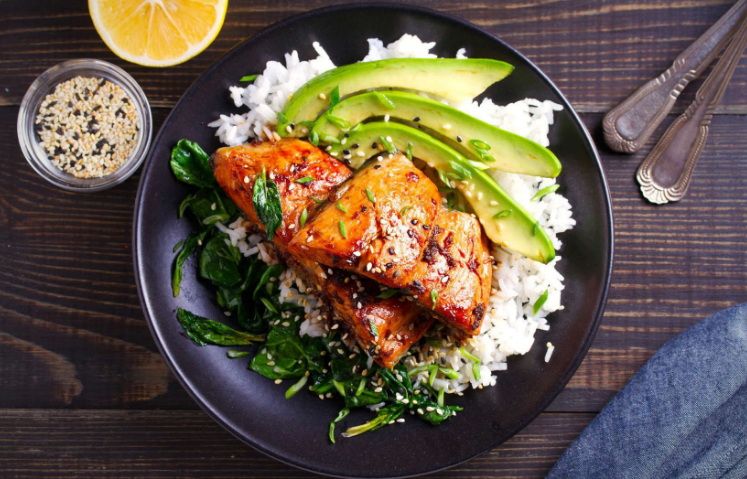
What if the secret to feeling younger wasn’t hidden in expensive creams or miracle supplements, but in the very foods you place on your plate each day? The truth is, diet plays a pivotal role in not only extending lifespan but also in enriching the quality of our daily living. Eating wisely can transform fatigue into vitality, dull skin into radiance, and sluggish minds into sharp focus.
Across cultures and centuries, scholars and physicians have emphasized the power of food in shaping both body and mind. Hippocrates, the father of medicine, famously said, “Let food be thy medicine and medicine be thy food.” Modern nutritional science only reinforces this ancient wisdom—revealing that specific foods can slow cellular aging, reduce inflammation, and fortify mental clarity. By consciously choosing what we eat, we can tap into a natural fountain of youth.
This article explores twenty categories of foods that not only support longevity but also enhance physical strength, mental agility, and overall wellbeing. Each section dives deeper into the science, cultural insights, and expert wisdom behind these superfoods—providing you with both practical guidance and intellectual nourishment. Think of it as a roadmap toward rejuvenation, where every bite contributes to a healthier and more vibrant version of yourself.
1- Antioxidant-Rich Berries
Berries—such as blueberries, strawberries, and raspberries—are nutritional jewels brimming with antioxidants. These compounds combat oxidative stress, a key driver of premature aging and chronic disease. By neutralizing free radicals, berries help protect cells from damage, keeping skin firm and radiant while preserving cognitive function. Harvard researchers have highlighted the ability of blueberries in particular to enhance memory and slow age-related mental decline.
Beyond brain and skin health, berries are also packed with vitamins C and K, fiber, and flavonoids that strengthen blood vessels and improve circulation. In his book How Not to Die, Dr. Michael Greger underlines the importance of consuming berries daily as part of an anti-aging diet. Including a handful of these colorful fruits in your breakfast bowl or smoothie is one of the simplest ways to invest in long-term vitality.
2- Leafy Greens
Dark leafy greens like spinach, kale, and Swiss chard are nutritional heavyweights known for their abundance of folate, iron, and vitamins A, C, and K. Their chlorophyll content not only detoxifies the body but also enhances oxygenation of cells, keeping energy levels high. According to Dr. Joel Fuhrman’s Eat to Live, greens are the most nutrient-dense foods on the planet and indispensable for longevity.
Regular consumption of leafy greens has been linked to slower cognitive decline. A study published in Neurology found that older adults who ate just one serving of greens a day had the brain function of individuals 11 years younger. Incorporating these vegetables into soups, salads, and sautés isn’t just healthy—it’s a strategy for keeping both body and mind resilient against the passage of time.
3- Omega-3 Rich Fish
Cold-water fish such as salmon, mackerel, and sardines are among the richest sources of omega-3 fatty acids. These essential fats reduce inflammation, protect the cardiovascular system, and promote brain health. Dr. Andrew Weil, a leading expert in integrative medicine, emphasizes the anti-aging power of omega-3s in maintaining cellular integrity and preventing degenerative diseases.
Regular intake of fatty fish supports youthful skin by maintaining elasticity and hydration. Moreover, omega-3s have been associated with reduced risk of depression and Alzheimer’s disease. For those seeking alternatives, chia seeds, flaxseeds, and walnuts offer plant-based sources. Whether grilled, baked, or added to salads, these foods function as allies against premature aging.
4- Nuts and Seeds
Nuts and seeds are small but mighty, loaded with protein, healthy fats, and minerals. Almonds, walnuts, and sunflower seeds are particularly rich in vitamin E, which helps protect skin from oxidative damage. As Elizabeth Blackburn, Nobel Prize laureate, discussed in The Telomere Effect, nuts contribute to the preservation of telomeres—the caps at the end of DNA strands that influence cellular aging.
Eating a moderate handful daily has been shown to lower cholesterol and reduce the risk of heart disease. Seeds such as chia and flax also provide fiber that supports gut health, which is increasingly recognized as central to longevity. These foods demonstrate that sometimes the most unassuming snacks deliver the most profound benefits.
5- Whole Grains
Whole grains like oats, quinoa, and brown rice are rich in fiber, B vitamins, and essential minerals. Unlike refined grains, they release energy slowly, keeping blood sugar levels steady and preventing the energy crashes that accelerate aging. According to Dr. David Katz, co-author of How to Eat, whole grains are cornerstones of a sustainable diet that protects both the heart and brain.
Studies suggest that individuals who regularly consume whole grains live longer, thanks to reduced risks of diabetes and cardiovascular disease. Their fiber content also nourishes gut microbiota, which plays a role in immunity and mood regulation. Incorporating whole grains into daily meals ensures not only satiety but also protection against age-related decline.
6- Fermented Foods
Fermented foods like yogurt, kimchi, sauerkraut, and kefir are teeming with probiotics that promote a balanced gut microbiome. A thriving gut is often referred to as the “second brain,” as it influences mood, immunity, and metabolic health. Harvard Medical School highlights the role of probiotics in reducing inflammation, which is a major contributor to aging.
Consistent intake of fermented foods improves digestion, enhances nutrient absorption, and strengthens resilience against infections. In his book The Psychobiotic Revolution, Dr. Scott Anderson explores the profound connections between gut bacteria and emotional wellbeing. Adding these foods to the diet is akin to cultivating an internal ecosystem that keeps the body youthful and vibrant.
7- Cruciferous Vegetables
Broccoli, Brussels sprouts, and cauliflower belong to the cruciferous family, famous for their sulfur-rich compounds like sulforaphane. These compounds activate detoxification pathways in the body and have been studied for their cancer-fighting properties. Dr. Valter Longo, author of The Longevity Diet, emphasizes cruciferous vegetables as pillars of a life-extending eating pattern.
In addition to cancer protection, these vegetables support hormonal balance and cardiovascular health. Their fiber aids in detoxification, while their phytonutrients enhance liver function. Adding cruciferous vegetables to weekly meals not only supports longevity but also shields against environmental toxins that accelerate aging.
8- Olive Oil
Extra virgin olive oil is the crown jewel of the Mediterranean diet, renowned for its heart-protective monounsaturated fats and polyphenols. These compounds reduce inflammation and oxidative stress, both major contributors to aging. The PREDIMED Study, one of the largest nutritional studies in history, confirmed olive oil’s role in reducing cardiovascular disease risk.
Olive oil also supports brain health and enhances nutrient absorption, particularly of fat-soluble vitamins. Dr. Ancel Keys, in his classic Seven Countries Study, attributed the longevity of Mediterranean populations in part to their reliance on olive oil. Incorporating it into dressings, cooking, or simply drizzling over vegetables can be a simple, flavorful anti-aging practice.
9- Green Tea
Green tea is rich in catechins, especially EGCG, known for their ability to combat inflammation and oxidative damage. Studies from the National Cancer Institute highlight green tea’s potential in lowering the risk of heart disease and certain cancers. Its regular consumption has been linked with improved brain function and extended lifespan.
Beyond physical benefits, green tea also fosters mental clarity and calmness thanks to the amino acid L-theanine, which promotes relaxation without drowsiness. In The Book of Tea, Okakura Kakuzō describes it as a beverage of harmony and wisdom—a sentiment echoed by modern science. Making green tea a daily ritual is both a cultural and scientific investment in longevity.
10- Avocados
Avocados are often hailed as nature’s butter for their creamy texture and wealth of monounsaturated fats. These healthy fats support cardiovascular health and maintain supple, hydrated skin. Rich in potassium, avocados also help regulate blood pressure, an important factor in healthy aging.
Their abundance of vitamins C, E, and lutein supports eye health and protects against age-related macular degeneration. According to Dr. Steven Pratt’s book SuperFoods Rx, avocados rank among the top foods for preserving vitality and slowing aging. Whether spread on toast or added to salads, they embody the perfect combination of indulgence and nourishment.
11- Tomatoes
Tomatoes are packed with lycopene, a powerful antioxidant shown to protect skin from UV damage and reduce cancer risk. Cooking tomatoes enhances lycopene absorption, making tomato sauces and soups not just delicious but also profoundly health-supportive.
Additionally, tomatoes support heart health by reducing LDL cholesterol and blood pressure. Dr. John La Puma, author of ChefMD’s Big Book of Culinary Medicine, emphasizes their role in both preventive and therapeutic nutrition. Incorporating tomatoes into the diet is a flavorful way to age gracefully.
12- Dark Chocolate
Dark chocolate, with a cocoa content of 70% or higher, is a rich source of flavonoids that improve circulation and brain function. A study published in Frontiers in Nutrition highlighted its benefits in reducing cognitive decline.
When enjoyed in moderation, dark chocolate can also reduce stress by lowering cortisol levels. As philosopher Jean Anthelme Brillat-Savarin once said, “Tell me what you eat, and I will tell you what you are.” A square of quality chocolate each day can be both a pleasure and a prescription for longevity.
13- Garlic
Garlic has been celebrated for centuries as both food and medicine. Its sulfur compounds, particularly allicin, boost immunity and fight infections. Modern studies confirm garlic’s role in lowering blood pressure and cholesterol.
Moreover, garlic supports detoxification and acts as a natural anti-inflammatory agent. Dr. Richard Béliveau, in Foods That Fight Cancer, identifies garlic as one of the most potent dietary allies against chronic disease. Its pungent flavor masks a wealth of healing power.
14- Turmeric
Turmeric’s active compound, curcumin, is a celebrated anti-inflammatory and antioxidant agent. Research published in Advances in Experimental Medicine and Biology shows curcumin’s potential in slowing Alzheimer’s disease progression.
Turmeric also supports joint health, making it a vital food for aging gracefully. As Dr. Bharat Aggarwal notes in Healing Spices, turmeric is not just a culinary staple but a powerful preventive medicine. Adding a pinch of black pepper enhances curcumin absorption, making it a potent daily ally.
15- Citrus Fruits
Oranges, lemons, and grapefruits are abundant in vitamin C, which supports collagen production and strengthens immunity. Regular consumption reduces risk of kidney stones and enhances skin vitality.
Citrus fruits also contain flavonoids that improve cardiovascular health. In Nutrition and Physical Degeneration, Weston A. Price highlighted traditional diets rich in citrus for their role in sustaining vibrant health. Their tangy flavor masks deep restorative power.
16- Legumes
Beans, lentils, and chickpeas are rich in protein, fiber, and minerals, making them excellent substitutes for animal protein. Their low glycemic index keeps blood sugar levels stable, which helps prevent diabetes and supports energy balance.
Legumes also promote heart health by lowering cholesterol. Dan Buettner, in The Blue Zones, identified legumes as a common denominator among the longest-lived populations. Including them in stews, salads, or spreads is both economical and profoundly healthful.
17- Mushrooms
Mushrooms like shiitake, maitake, and reishi are valued not only for flavor but also for immune-enhancing compounds like beta-glucans. They also contain vitamin D, essential for bone and immune health.
Mushrooms’ anti-inflammatory and anti-cancer properties are widely studied. Paul Stamets, in Mycelium Running, describes fungi as nature’s greatest allies for human survival. Regularly incorporating mushrooms into meals is a time-tested way to nourish body and spirit.
18- Pomegranates
Pomegranates are renowned for their polyphenols, particularly punicalagins, which have powerful anti-inflammatory properties. Studies show they may slow the progression of prostate cancer and improve cardiovascular health.
The fruit’s antioxidants also support skin renewal and protect against oxidative stress. In The Red Queen, Matt Ridley explores the symbolism of pomegranates as emblems of vitality—science has now confirmed their rejuvenating essence.
19- Red Wine (in moderation)
Red wine, when enjoyed moderately, offers resveratrol, a compound linked to cardiovascular health and longevity. The French Paradox—the observation that French populations enjoy low heart disease rates despite a rich diet—has been partly attributed to red wine consumption.
Beyond heart protection, red wine fosters social connection, which itself is a determinant of longevity. In Aging Well, Dr. George Vaillant underscores the importance of lifestyle and relationships alongside diet. Savoring a glass of wine can thus be both a physical and emotional tonic.
20- Water
Water is the most fundamental yet often overlooked element of health. Hydration maintains cellular function, joint lubrication, and skin elasticity. Dehydration accelerates fatigue, cognitive decline, and aging.
Experts like Dr. F. Batmanghelidj, author of Your Body’s Many Cries for Water, emphasize that proper hydration is a cornerstone of vitality. Making water the beverage of choice throughout the day ensures that every other dietary choice functions optimally.
Conclusion
Eating for youthfulness and longevity is less about restrictive diets and more about nourishing the body with foods that heal, restore, and protect. From antioxidant-rich berries to hydrating water, each item discussed here is a building block of resilience against time’s inevitable march.
As Socrates once observed, “Thou shouldst eat to live; not live to eat.” In embracing these foods, we not only extend our years but also enrich them—cultivating a life that is vigorous, balanced, and deeply satisfying.
21- Almonds and Wrinkle Reduction
A 2021 study published in Nutrients found that almonds can significantly reduce the appearance of wrinkles in postmenopausal women. This effect is attributed to their vitamin E content, a potent antioxidant that protects skin from oxidative stress. By improving elasticity and moisture retention, almonds act as a natural anti-aging food.
Dermatologists often highlight vitamin E as one of the essential nutrients for skin preservation. In The Skin Type Solution, Dr. Leslie Baumann emphasizes the importance of dietary antioxidants in maintaining youthful skin. A daily handful of almonds, therefore, is not merely a snack but an edible beauty treatment.
22- Avocados and Skin-Friendly Fats
This beloved green fruit is packed with monounsaturated fats that nourish the skin from within. These healthy fats help maintain the skin’s lipid barrier, keeping it supple, hydrated, and resistant to environmental damage.
Additionally, avocados are a source of lutein and zeaxanthin, carotenoids that protect against UV-induced aging. Nicholas Perricone, MD, in his book The Wrinkle Cure, underscores avocados as key anti-aging foods because of their synergy of fats, antioxidants, and vitamins.
23- Berries and Anthocyanins
Berries contain anthocyanins, pigments responsible for their vivid colors and powerful anti-inflammatory properties. These compounds protect against collagen breakdown, preserving the skin’s firmness and elasticity.
Anthocyanins also support vascular health by strengthening capillaries, which ensures efficient nutrient delivery to skin cells. In Food Rules, Michael Pollan calls berries “nature’s candy with benefits”—a succinct reminder of their dual role as both pleasure and preventive medicine.
24- Beauty from Within
The age-old adage “beauty comes from within” finds truth in nutritional science. Skin, hair, and nails are outward reflections of internal health, and diet is one of the most direct influences. Eating a balanced array of nutrient-rich foods strengthens the body’s ability to regenerate tissues and fend off oxidative stress.
As Deepak Chopra observes in Perfect Health, external beauty is inseparable from inner harmony and wellbeing. What we consume directly shapes how vibrantly we age, reinforcing the holistic nature of beauty.
25- Broccoli and Collagen Production
Broccoli is a powerhouse of vitamin C and vitamin K, both of which support collagen synthesis and tissue repair. Collagen is the scaffolding of youthful skin, and without sufficient vitamin C, its production falters.
Vitamin K, meanwhile, reduces inflammation and supports circulation. In The Longevity Diet, Dr. Valter Longo lists broccoli as a must-have vegetable for slowing age-related decline and enhancing resilience.
26- Liver and Copper for Hair Pigmentation
Calves’ liver is an exceptional source of copper, a trace mineral that contributes to normal hair pigmentation. Adequate copper intake helps prevent premature greying by supporting melanin production.
Copper also aids in energy metabolism and connective tissue strength. In Modern Nutrition in Health and Disease, nutrition scholars emphasize the mineral’s overlooked role in hair and skin health. Consuming liver in moderation can serve as a potent remedy for vitality.
27- Carrots and Orange-Red Vegetables
Carrots, sweet potatoes, red peppers, and apricots are brimming with beta-carotene, a precursor to vitamin A. This nutrient protects the skin against UV damage while enhancing its natural glow.
A study in the American Journal of Clinical Nutrition linked higher carotenoid intake with more youthful-looking skin. Eating a colorful array of these vegetables ensures robust antioxidant defense.
28- Cashews and Iron
Cashews provide more than double the iron concentration of lean ribeye steak. Iron is crucial for oxygen transport, which keeps skin rosy and hair follicles well-nourished.
A deficiency in iron often manifests as hair loss and fatigue. In The Mineral Fix, Dr. James DiNicolantonio stresses that iron-rich plant foods like cashews are underrated allies in maintaining vitality and appearance.
29- Citrus Fruits and Vitamin C
A daily serving of oranges, grapefruits, or lemons supplies ample vitamin C, essential for collagen synthesis and immune defense. This nutrient also accelerates wound healing and brightens the complexion.
Linus Pauling, Nobel laureate and vitamin C advocate, highlighted its wide-reaching health benefits in Vitamin C and the Common Cold. Including citrus fruits in your daily routine ensures both resilience and radiance.
30- Cocoa and Flavanols
Cocoa, particularly when rich in flavanol antioxidants, boosts circulation and skin hydration. An evening cup made from high-quality cocoa powder can enhance skin smoothness over time.
Studies published in the Journal of Nutrition support cocoa’s role in improving skin texture and reducing sensitivity to UV rays. It is, quite literally, a sweet path to longevity.
31- Eggs and Protein for Skin
Eggs are among the best sources of high-quality protein, the foundation of skin repair and renewal. Amino acids derived from eggs support keratin and collagen production.
They are also rich in biotin, a B vitamin essential for healthy hair and nails. In Nutrition and You, Joan Salge Blake emphasizes eggs as a compact, affordable source of youth-preserving nutrients.
32- Low-Glycemic Grains
Oats, quinoa, and pearl barley are low-glycemic grains that provide steady energy without spiking blood sugar. This balance prevents glycation, a process that stiffens collagen and accelerates skin aging.
Low-GI diets are often recommended in dermatology for reducing acne and promoting youthful skin. The Low GI Handbook highlights grains as central to sustaining energy and delaying age-related damage.
33- Green Tea and Antioxidants
Green tea, already celebrated, also specifically reduces skin damage through its high EGCG content. This catechin has been shown to improve skin elasticity and reduce redness from UV exposure.
A study in The Journal of Nutrition confirmed that daily consumption enhances blood flow to the skin, nourishing it from within. As a daily ritual, green tea is a timeless anti-aging beverage.
34- Kiwi and Sleep-Linked Beauty
Kiwi fruit is not only rich in vitamin C but has been shown to improve sleep quality. Poor sleep accelerates visible aging, contributing to wrinkles and dull skin.
A study in the Asia Pacific Journal of Clinical Nutrition found that eating kiwi before bed improved sleep efficiency. Better rest translates into a fresher, younger-looking face.
35- Legumes and Phytoestrogens
Legumes contain natural phytoestrogens, plant compounds that mimic estrogen in the body. These can help maintain skin elasticity and reduce wrinkle formation during aging.
In The Soy Connection, Dr. Mark Messina highlights the skin benefits of phytoestrogens, especially in postmenopausal women. Beans, lentils, and chickpeas thus double as anti-aging foods.
36- Pickled Herring and Vitamin D
Pickled herring, or rollmops, are extraordinarily high in vitamin D. This vitamin supports strong bones while also playing a role in delaying premature greying of hair.
Vitamin D deficiency has been linked to accelerated aging. Dr. Michael Holick, in The Vitamin D Solution, emphasizes its role in longevity and hair pigmentation.
37- Pomegranates and Phytochemicals
Pomegranates are loaded with phytochemicals that protect the skin from oxidative stress. These compounds enhance skin renewal and slow wrinkle development.
A study in Evidence-Based Complementary and Alternative Medicine demonstrated pomegranate juice’s ability to reduce skin roughness. Its jewel-like seeds are as rejuvenating as they are beautiful.
38- Salmon and Omega-3 Protection
Salmon is exceptionally rich in omega-3 fatty acids, which combat inflammation, increase skin hydration, and protect against UV damage.
Studies published in Dermato-Endocrinology confirm that diets high in omega-3s slow the skin’s aging process. Grilled or poached salmon is thus both a gourmet delight and a longevity investment.
39- Vegetable Soup and Nutrient Density
A hearty bowl of vegetable soup delivers a variety of vitamins and minerals in one serving. This ensures the skin, hair, and nails receive a wide spectrum of nutrients.
Soups also support hydration while providing fiber. In Eat More Plants, Dr. Desiree Nielsen describes soups as the ultimate vehicle for nutrient-dense meals.
40- Tomatoes and Lycopene
Tomatoes are rich in lycopene, the pigment associated with reduced cardiovascular risk. This same antioxidant also helps protect skin from sun damage.
Cooking tomatoes enhances lycopene bioavailability, making tomato sauces particularly beneficial. The Mediterranean Diet by Dr. Catherine Itsiopoulos praises tomatoes as a cornerstone of anti-aging cuisine.
41- Water and Complexion
Hydration is one of the most overlooked factors in skin health. A 2015 study in Clinical, Cosmetic and Investigational Dermatology confirmed that drinking adequate water improves skin hydration and elasticity.
Water also supports detoxification and nutrient transport. As Dr. Batmanghelidj asserted, water is the body’s most essential healer—fundamental to a glowing complexion.
42- White Fish and Iodine
Fish like haddock and cod are rich in iodine, vital for thyroid function. A healthy thyroid regulates metabolism and skin cell turnover.
Iodine deficiency can lead to dry, brittle skin. In Seafood and Health, Dr. Louis Kaighn underscores the importance of regular fish consumption for metabolic and skin vitality.
43- Avoiding Ultra-Processed Foods
Ultra-processed foods, laden with additives, sugar, and unhealthy fats, accelerate aging through inflammation and oxidative stress. These foods contribute to collagen breakdown and dull complexions.
In Salt, Sugar, Fat, Michael Moss exposes how processed food industries fuel habits that undermine health. Steering clear of these products is as important as embracing nutrient-rich foods for a youthful glow.
Here’s a structured bibliography for the subject of anti-aging foods, nutrition, and longevity, formatted with numbered entries and author names in bold:
Bibliography
- Greger, Michael. How Not to Die: Discover the Foods Scientifically Proven to Prevent and Reverse Disease. Flatiron Books, 2015.
- Fuhrman, Joel. Eat to Live: The Amazing Nutrient-Rich Program for Fast and Sustained Weight Loss. Little, Brown and Company, 2011.
- Weil, Andrew. Healthy Aging: A Lifelong Guide to Your Well-Being. Alfred A. Knopf, 2005.
- Blackburn, Elizabeth, and Elissa Epel. The Telomere Effect: A Revolutionary Approach to Living Younger, Healthier, Longer. Grand Central Publishing, 2017.
- Katz, David, and Mark Bittman. How to Eat: All Your Food and Diet Questions Answered. Houghton Mifflin Harcourt, 2020.
- Anderson, Scott, John Cryan, and Ted Dinan. The Psychobiotic Revolution: Mood, Food, and the New Science of the Gut-Brain Connection. National Geographic, 2017.
- Longo, Valter. The Longevity Diet: Discover the New Science Behind Stem Cell Activation and Regeneration to Slow Aging, Fight Disease, and Optimize Weight. Avery, 2018.
- Keys, Ancel. Seven Countries: A Multivariate Analysis of Death and Coronary Heart Disease. Harvard University Press, 1980.
- Okakura, Kakuzō. The Book of Tea. Kodansha International, 2010 [first published 1906].
- Pratt, Steven G. SuperFoods Rx: Fourteen Foods That Will Change Your Life. William Morrow, 2003.
- La Puma, John. ChefMD’s Big Book of Culinary Medicine: A Food Lover’s Road Map to Losing Weight, Preventing Disease, and Getting Really Healthy. Crown, 2008.
- Aggarwal, Bharat B., and Debora Yost. Healing Spices: How to Use 50 Everyday and Exotic Spices to Boost Health and Beat Disease. Sterling, 2011.
- Price, Weston A. Nutrition and Physical Degeneration. Price-Pottenger Nutrition Foundation, 2008 [first published 1939].
- Buettner, Dan. The Blue Zones: Lessons for Living Longer From the People Who’ve Lived the Longest. National Geographic, 2012.
- Stamets, Paul. Mycelium Running: How Mushrooms Can Help Save the World. Ten Speed Press, 2005.
- Ridley, Matt. The Red Queen: Sex and the Evolution of Human Nature. Harper Perennial, 2003.
- Vaillant, George. Aging Well: Surprising Guideposts to a Happier Life from the Landmark Harvard Study of Adult Development. Little, Brown and Company, 2002.
- Batmanghelidj, Fereydoon. Your Body’s Many Cries for Water: You Are Not Sick, You Are Thirsty. Global Health Solutions, 2008.
- Baumann, Leslie. The Skin Type Solution: A Revolutionary Guide to Your Best Skin Ever. Bantam, 2006.
- Perricone, Nicholas. The Wrinkle Cure: Unlock the Power of Cosmeceuticals for Supple, Youthful Skin. Warner Books, 2000.
- Pollan, Michael. Food Rules: An Eater’s Manual. Penguin, 2009.
- Chopra, Deepak. Perfect Health: The Complete Mind Body Guide. Harmony Books, 1990.
- Béliveau, Richard, and Denis Gingras. Foods That Fight Cancer. DK Publishing, 2007.
- Holick, Michael F. The Vitamin D Solution: A 3-Step Strategy to Cure Our Most Common Health Problems. Plume, 2011.
- Messina, Mark. The Simple Soybean and Your Health. Avery Publishing Group, 1994.
- Moss, Michael. Salt Sugar Fat: How the Food Giants Hooked Us. Random House, 2013.
- Nielsen, Desiree. Eat More Plants: Over 100 Anti-Inflammatory Plant-Based Recipes for Vibrant Living. Penguin, 2019.
- DiNicolantonio, James J., and Siim Land. The Mineral Fix: How to Optimize Your Mineral Intake for Energy, Longevity, Immunity, Sleep and More. Independently Published, 2021.
- Blake, Joan Salge. Nutrition and You. Pearson, 2018.
- Kaighn, Louis. Seafood and Health: A Comprehensive Guide. Routledge, 2015.

By Amjad Izhar
Contact: amjad.izhar@gmail.com
https://amjadizhar.blog
Affiliate Disclosure: This blog may contain affiliate links, which means I may earn a small commission if you click on the link and make a purchase. This comes at no additional cost to you. I only recommend products or services that I believe will add value to my readers. Your support helps keep this blog running and allows me to continue providing you with quality content. Thank you for your support!

Leave a comment