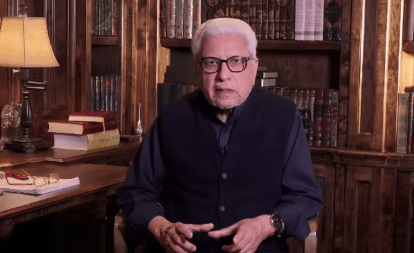
The text discusses the Islamic inheritance laws and a specific historical event concerning the Prophet Muhammad’s family’s inheritance. A speaker analyzes the hadith (sayings and traditions of the Prophet) regarding the Prophet’s inheritance, contrasting it with the Quranic verses on inheritance. The speaker examines different interpretations of this hadith, particularly Abu Bakr’s decision regarding the Prophet’s property, and addresses critiques surrounding it. The discussion explores the complexities of reconciling tradition with scripture and advocates for respectful dialogue between different viewpoints on this sensitive topic within Islam. Finally, the speaker emphasizes the importance of maintaining mutual respect and avoiding personal attacks when engaging in theological discussions.
Inheritance and Prophetic Tradition: A Study Guide
Quiz
Instructions: Answer the following questions in 2-3 sentences each.
- What is the main point of the narration from Sahih Bukhari regarding prophets and inheritance?
- According to the text, what does “Maroof” mean and what is its significance in the context of inheritance?
- How did the Quran address the various past traditions of inheritance distribution and what alternatives were provided?
- What is the significance of “manfaat” in the Quranic regulations regarding inheritance, and how does it guide the distribution of shares?
- What is the general principle regarding making a will according to the text and how does it interact with the Quranic regulations on inheritance?
- How does the narration address the apparent contradiction between the Prophet’s (PBUH) advice to others about wills and the fact that he didn’t seem to leave an inheritance?
- What is the distinction between national officials and personal property in the context of the discussion, and how was it applied in the Prophet’s (PBUH) and Abu Bakr’s time?
- What was Syeda Fatima’s claim in relation to inheritance, and how did the companions respond to it?
- According to the text, how should disagreements on religious matters be approached and what attitudes should be avoided?
- How did the author suggest that the issue of conflict between family of the Prophet and Sadna Abu Bakr be approached?
Answer Key
- The narration states that prophets do not leave behind inheritance; instead, whatever they leave is considered charity. The needs of the Prophet’s family would be met from this charity, but they have no right to further expenditure.
- “Maroof” refers to the customs and traditions of a society. The Quran initially emphasizes following these customs, but later clarifies that some traditions can lead to injustice in inheritance matters.
- The Quran critiqued past traditions of inheritance distribution, such as giving all inheritance to the eldest son, and instead established specific shares for family members (parents, children, spouses) based on close relations, rejecting solutions that would benefit any individual over another.
- “Manfaat” means benefit or usefulness and is used to determine how family members are connected to one another. This principle establishes that those with closer relationships and greater utility in life to the deceased are to receive an inheritance.
- According to the text, individuals can make wills for charitable purposes, but those wills cannot contradict the shares designated by the Quran. The maximum portion of an estate that can be willed away is one-third; the rest must go to the designated heirs.
- The text suggests that the Prophet’s (PBUH) statements about not leaving inheritance must be understood within a prophetic context. His wealth was intended for communal use, and his family was cared for from this, similar to national staff, not through inheritance.
- National officials, like land and treasures, were to remain separate and used for the benefit of the community. They were not considered personal property to be inherited, ensuring resources are not monopolized by a few individuals or families.
- Syeda Fatima claimed her right to inheritance, as is usual for family members. She had a right to claim a share of his estate, but it was decided that the status of prophetic possessions were community property.
- The text encourages that disagreements on religious matters be approached with respect for differing opinions. Rather than attacking intentions, disagreements should focus on the validity of the evidence used to support each point of view, and it is best to assume good intentions.
- The author suggests approaching the issue with a focus on the different opinions of the situation and understanding the basis for each, and that the conflict of Imamat was what spurred these feelings. It is encouraged to separate the intent behind the actions with the facts of the event.
Essay Questions
Instructions: Answer the following essay questions with well-developed arguments, using evidence from the source material.
- Analyze the conflict surrounding the concept of prophetic inheritance as presented in the text. How does it reflect broader discussions on authority, tradition, and the application of religious law?
- Discuss the Quranic framework for inheritance as outlined in the text. What are its key principles, and how do they address the historical and societal contexts of inheritance practices?
- Explore the concept of “Maroof” in the context of inheritance, as defined by the text, and discuss how it interacts with the Quranic regulations on the matter. Is there any conflict?
- Examine the arguments surrounding the status of national officials and their distinction from private property. How do these concepts relate to the management of resources and power within the early Muslim community?
- Critically analyze the perspectives presented regarding Syeda Fatima’s claims for inheritance. How do these perspectives reflect differing interpretations of religious tradition, legal rights, and community obligations?
Glossary of Key Terms
Ambiya – Prophets Aqrab – Nearest Aqaba – Relatives Bagh-e-Fedak – A garden in Medina that was a source of dispute Badri Sahaba – Companions who fought at the Battle of Badr Deen – Religion Hashr – Gathering (Day of Judgment) Huzoor – A term of respect for the Prophet Muhammad (PBUH) Iqtadar – Power Khab Wahid – A single, isolated narration Khalafa – Caliphs Majlis-e-Muqa – A formal assembly Manfaat – Benefit, utility, or usefulness Maroof – Customary practices or traditions of a society Miqat – Appointed time for the performance of pilgrimage or a specific point Nafn – Benefit Rasool/Rasulallah – Messenger of God, Prophet Muhammad (PBUH) Sahaba – Companions of the Prophet Muhammad (PBUH) Sahih Bukhari – A collection of hadith (sayings and actions of the Prophet) Saqf Bani Sayyedah – The location where the companions gathered after the Prophet’s (PBUH) death to decide a successor Shariat – Islamic Law Siddiq (RA) – A title for Abu Bakr, one of the closest companions of Prophet Muhammad (PBUH), meaning “the truthful” Surah Nisa – The fourth chapter of the Quran Syedna/Sadna – A respectful term of address meaning ‘our leader’ Umm-e-Mutlu – Principle of inheritance Wazafs – Stipends or allowances
Islamic Inheritance Law and the Prophet’s Legacy
Okay, here is a briefing document summarizing the key themes and ideas from the provided text:
Briefing Document: Analysis of “Pasted Text”
Date: October 26, 2023 Subject: Analysis of a Discussion on Islamic Inheritance Laws and the Prophet Muhammad’s Legacy
Introduction This document analyzes a transcribed discussion focusing on Islamic inheritance law, particularly concerning the Prophet Muhammad’s (peace be upon him) legacy and its implications for his family. The discussion revolves around a hadith (prophetic tradition) about prophets not leaving behind inheritable wealth, and examines how this tradition interacts with Quranic inheritance laws. The speaker primarily engages with arguments concerning the distribution of property after the Prophet’s death, especially the case of Fadak and the treatment of the Prophet’s family by his companions, particularly Abu Bakr. The document also delves into broader themes of interpretation, intention, and disagreement within the Muslim community.
Key Themes and Ideas:
- Prophetic Inheritance and the Hadith:
- The Central Tradition: The core of the discussion centers on a hadith narrated by Abu Bakr, stating that “we prophets do not have any inheritance; whatever we leave behind is charity.” This tradition dictates that the wealth of prophets is not to be distributed as an inheritance but should be used for charity and the upkeep of their families.
- Contradiction with Quranic Law? The speaker questions if this tradition creates a provision within the inheritance laws prescribed by the Quran. This suggests a potential conflict between the Quranic laws, which dictate the distribution of assets among family members, and the specific hadith applied to prophets.
- The speaker’s position: The speaker argues that no “Khab Wahid” (single source narration) can supersede the Quranic laws of inheritance.
- Quranic Inheritance Laws (Surah Nisa):
- Custom vs. Divine Law: The speaker emphasizes that while traditional customs (“Maroof”) regarding inheritance existed, Allah’s (God’s) guidance in Surah Nisa outlines the right to inheritance, initially acknowledging “Maroof,” but then outlining a comprehensive plan of inheritance.
- Shares of Family Members: The Quran establishes clear shares for parents, children, and spouses based on “manfaat” or benefit (i.e. who benefits most from the relation). The speaker argues this eliminates arbitrary decisions that favor one group of relatives over another. The speaker notes that Quran gave this decision to God rather than leave it to human discretion.
- Wills: The speaker clarifies that while the Quran establishes these specific shares, individuals are allowed to make wills regarding their property, with one crucial exception: that wills cannot override the set shares in the Quran. Wills must be “for any need or benefit of their own,” and the speaker says there is no restriction on giving one’s property “in the way of Allah.”
- The Case of Fadak and the Prophet’s Family:
- Fadak as Community Property: The discussion turns to the historical case of Fadak (a piece of land) and its handling by Abu Bakr after the Prophet’s death. The speaker argues that Fadak was treated as “national officials” and community property, not personal property of the Prophet. This interpretation justifies its administration by Abu Bakr. This was because “national officials are like land and the treasures of the land,” and that they must be kept in the status of a community.
- Syeda Fatima’s Claim: The speaker acknowledges Syeda Fatima’s (the Prophet’s daughter) claim to the property. However, they frame her demand as a legal one within the framework of inheritance law. The speaker questions why Syeda Fatima and the children were not informed of the hadith about the inheritance of prophets, and whether that hadith could have been in reference to a specific type of property. The speaker suggests that Syeda Fatima may have been referring to some other property rather than Fadak.
- Abu Bakr’s Actions and Intentions: The speaker portrays Abu Bakr’s decision to follow the hadith as consistent with the Prophet’s practice, i.e. that the inheritance should be distributed among the community, particularly through the concept of ‘national staff’. The speaker emphasizes that Abu Bakr wanted to uphold the same practices of the Prophet regarding these communal assets. They highlight that Abu Bakr, “liked dealing with the people of your side more than dealing with the people of my side,” emphasizing his respect and desire to do good by the Prophet’s family.
- Historical Context: The speaker notes that the “whole Kifah kept happening” that is the distribution of assets continued in the same way that was established by the Prophet, including Wazafs (stipends) to many, including the Prophet’s family, and especially the wives of the Prophet.
- Misunderstandings and Differing Interpretations:
- Intention vs. Action: The speaker stresses that disputes over interpretation should not lead to attacks on people’s intentions. They argue that it is important to accept that others may disagree in good faith, even if their interpretations are considered wrong. The speaker notes, “If you stand in the place of Husne Jan and watch, even if you have a strong disagreement, you say that his change will be this opinion.”
- The Dangers of Accusations: The speaker critiques the tendency to accuse those with differing opinions of malicious intentions, saying there should be no “Ga Sib” or other derogatory terms used for fellow Muslims who are acting sincerely. They insist that disagreements should remain on the level of different interpretations of the evidence (“brokers”) rather than on attacks on intention or character. The speaker believes that this will lessen the enmity between Muslims.
- The Importance of Historical Context:
- Reevaluating Historical Narratives: The speaker urges the audience to consider historical events from the perspective of those involved. By seeing the matter through the eyes of those from the past, he believes that one can avoid speaking ill of companions and come to a more nuanced understanding of history.
Key Quotes:
- “we do not have any inheritance, whatever we prophets leave behind is charity.” (This quote highlights the core hadith around which much of the discussion revolves.)
- “The point is that some traditions were prevalent from the past regarding the division of inheritance, which the Holy Quran has interpreted as Maroof. Maroof means the custom of the society, a tradition, under which matters are happening.” (This explains the relationship between established customs and the new divine law.)
- “you should look at it from the perspective of the Quran and give them the status of a community.” (This emphasizes the speaker’s key argument about the communal nature of Fadak and its interpretation.)
- “It is that you should maintain your own ideology. If you have a belief, a point of view, and you consider it to be correct, you should adopt it. Accept the right of the other person that he is disagreeing with you with good intentions, this is the way to live in this world.” (This speaks to the overall call for tolerance and understanding among Muslims who disagree.)
Conclusion: The provided text reflects a complex discussion about Islamic inheritance, focusing on the interpretation of hadith, Quranic law, and historical events. The speaker emphasizes the importance of respecting differing opinions, refraining from attacking intentions, and seeking understanding through a nuanced reading of history. The speaker argues that Abu Bakr acted in accordance with the Prophet’s practice, particularly regarding the handling of community property and the Prophet’s family.
This analysis also shows that there is often a divergence in interpretation. The speaker takes care to say that one should maintain one’s opinion while still accepting the differing views of another. The speaker calls for the community to focus on the strength of evidence (the “broker”) rather than the character of those holding differing views. This is presented as a way to strengthen unity and decrease “hatred” within the Muslim community.
The Prophet’s Inheritance: A Study of Disputed Traditions
Frequently Asked Questions:
- What is the central disagreement regarding the inheritance of Prophet Muhammad (peace be upon him)?
- The core disagreement centers around whether Prophet Muhammad’s (PBUH) possessions should be treated as standard inheritance, subject to the Quranic laws of division, or as charity (sadaqa), as claimed by Abu Bakr (RA), the first Caliph. This hinges on a tradition (hadith) attributed to the Prophet (PBUH) stating that prophets do not leave behind inheritance, and that their belongings are meant for charity. This hadith is viewed as possibly contradicting the Quranic verses on inheritance and the rights of family members, including the Prophet’s (PBUH) daughter, Fatima (RA).
- Why is there a question of whether the Prophet (PBUH) was bound by inheritance laws as laid down in the Quran? The question arises because, typically, all Muslims are bound by the inheritance laws in the Quran. However, the hadith claiming that prophets do not leave inheritance suggests a possible exception for the Prophet (PBUH). This creates a conflict between the general laws and this specific tradition. Critics question how a single tradition can override the clear Quranic injunctions on inheritance. They also question the origins of this specific tradition, and if it was a widely known teaching of the Prophet or not.
- How does the Quran define the rightful recipients of inheritance?
- The Quran defines rightful heirs based on close relationships, like parents, children, and spouses. It emphasizes manfaat (benefit/connection) as a key factor. The Quran also outlines specific shares for these relatives, aiming to prevent disputes and ensure a just distribution of the deceased’s property. Further, the Quran allows for a will to be made, but the will cannot override the share for the immediate relatives designated by Allah. The will can specify other gifts, up to a third of the total estate.
- What is the significance of “Maroof” (custom/tradition) in the context of inheritance?
- Before the revelation of specific inheritance laws in the Quran, existing societal customs (Maroof) regarding inheritance were followed. While early on these traditions were accepted, the Quran then provided specific guidelines, noting that some Maroof practices can be destructive. The Quranic laws on inheritance thus replaced many prior customs.
- What is the argument that Prophet Muhammad’s (PBUH) property should be treated as national officials or community property?
- Some scholars and figures like Abu Bakr (RA) argued that the property left by Prophet Muhammad (PBUH), particularly the land of Fadak, was not intended for personal inheritance but was rather meant to be used for the benefit of the community. They considered such lands and resources as national assets under the custodianship of the government, and used to fulfill the needs of the Muslim community, including the Prophet’s (PBUH) family.
- Why were Prophet Muhammad’s (PBUH) family members, particularly Syeda Fatima (RA), seemingly not aware of the hadith claiming prophets leave behind no inheritance? The lack of awareness among the Prophet’s (PBUH) family about this particular tradition raises questions. It’s argued that if this was a clear teaching of the Prophet (PBUH), his close family members would have known about it and would not have sought inheritance rights. The fact that they, specifically Syeda Fatima (RA), came forward to demand their rights suggests a possible misunderstanding, a lack of clarity at the time, or that the tradition was not universally known at the time of the Prophet’s (PBUH) passing.
- How did Abu Bakr (RA) reconcile the tradition that prophets do not leave inheritance with the clear Quranic laws on inheritance?
- Abu Bakr (RA) reconciled the conflict by claiming that Prophet Muhammad (PBUH) himself had stated that prophets do not leave behind inheritance, and that whatever they leave is to be given in charity. He thus used this hadith to claim that the property left by the Prophet should be used for the benefit of the community rather than distributed as inheritance. He therefore continued the way the Prophet (PBUH) had managed things: supporting his family through the administration of the national funds and keeping the national funds under community custodianship.
- What is the recommended approach to differing opinions on this matter and similar issues?
- The sources emphasize the importance of respecting differing opinions, even if one disagrees. It’s recommended that Muslims should view disagreements as arising from different interpretations of evidence and not as a reflection of ill intentions. Rather than attacking the intentions or character of those with differing views, focusing on the strength of evidence and presenting counter-arguments is essential. The aim is to foster respectful discourse and unity within the Muslim community, even with differing views. It also recommends acknowledging the right of other viewpoints to exist, recognizing that differences can be a natural part of intellectual and religious discourse.
The Prophet’s Inheritance: Community Property and Islamic Law
The sources discuss the matter of the Prophet’s inheritance, focusing on the tradition that prophets do not leave behind inheritance but rather what they leave is considered charity. This tradition is central to understanding the distribution of the Prophet’s wealth after his death and is closely tied to the concept of national officials and community property.
Key points regarding the Prophet’s inheritance include:
- No Inheritance for Prophets: According to a narration from Abu Bakr, the Prophet Muhammad stated that prophets do not have an inheritance; instead, what they leave behind is considered charity. This wealth is to be used to meet the needs of the Prophet’s family, specifically their food expenses.
- National Officials and Community Property: The wealth left by the Prophet was not treated as personal property to be divided among his family but was considered community property, to be managed by national officials for the benefit of the community. This concept is derived from the idea that national officials, like land and its treasures, should remain separate and not become private property.
- The Role of Abu Bakr: Abu Bakr continued the system established by the Prophet, maintaining the community nature of the wealth. He stated that he would not change the system established by the Prophet. He also emphasized the importance of following the Quranic principle of inheritance.
- Quranic Law of Inheritance: The Quran lays down specific laws regarding inheritance, specifying the rightful heirs such as parents, children, and spouses. It also discusses the concept of “Maroof,” which refers to the customs of society, and how those customs should be understood in the context of Islamic law. The Quran explains how to divide inheritance based on the closeness and benefit a person has with the deceased.
- Wills and Inheritance: While the Quran allows for wills, it places a restriction on them when there are family members who have a right to the inheritance. A will cannot supersede the shares of inheritance that Allah has set for family members. However, one can make a will to give away their property in the way of Allah, without any restrictions.
- Children and the Prophet’s Will: There is a point of contention regarding whether the Prophet’s children were aware of his will, with some questioning why the information about the Prophet’s will came from an outside source. The tradition about Prophets not having inheritance was used to decide how to distribute the Prophet’s wealth, rather than a will from the Prophet.
- The Issue of Bagh-e-Fedak: The discussion of the Prophet’s inheritance is linked to the issue of Bagh-e-Fedak, which was kept safe by Allah in the form of national officials and was not to be considered as personal or family property.
- Distribution of Resources: The Prophet’s family received support from the national treasury, with fixed amounts being allocated to them, as was done for other companions based on their service. The family was given what was decided, not more, even if other companions got more in the form of wages.
These points highlight that the Prophet’s inheritance was not treated as personal property to be divided among his family, but as a community asset that should be used for the benefit of the people, as it had been in the Prophet’s lifetime. The Quranic principles of inheritance were also considered.
Islamic Inheritance Law
Islamic inheritance law is a detailed system derived from the Quran, which specifies how a Muslim’s estate should be divided among their relatives. The Quranic verses on inheritance (Surah Nisa) are central to this system, establishing the rightful heirs and their shares.
Key aspects of Islamic inheritance law, as discussed in the sources, include:
- Maroof (Custom): The Quran acknowledges the existence of Maroof, or societal customs, related to inheritance, but it also explains that many of these customs can lead to destruction. In the initial stage, people were encouraged to follow Maroof, but the Quran then provided specific guidance.
- Rightful Heirs: The Quran specifies that parents, children, and spouses are the primary rightful heirs. It defines the relationships that entitle a person to inherit, stating that these relationships are of close benefit. If a person does not have children, then siblings can take their place.
- Shares: The Quran determines the shares of the rightful heirs, specifying how the estate is to be divided among them. It indicates that decisions about the share of inheritance should be made by Allah, and that no one should decide that one relative should get more than another.
- Benefit: The Quran emphasizes that those who have a closer relation of manfaat (benefit) with the deceased are entitled to inherit. The closeness of the relationship and the benefit one receives from their relatives is the basis for determining heirs.
- Wills: Islamic law allows for wills, but with certain restrictions. A will cannot supersede the shares of inheritance that Allah has already determined for specific relatives. However, one can make a will to give away their property in the way of Allah without any restrictions. It is advised that one does not give away all or a large portion of their wealth via will, leaving their heirs dependent on others.
The sources also discuss how the principles of Islamic inheritance were applied in the specific case of the Prophet Muhammad, with the understanding that prophets do not have an inheritance to be divided, but rather, what they leave behind is considered charity. This concept is related to the idea of national officials and community property, meaning that resources are to be managed for the benefit of the community, rather than becoming personal property. The Prophet’s family was supported from the community resources, with fixed allocations.
In addition to the points directly related to inheritance law, the sources emphasize that differences in interpretation and application of these laws should not lead to animosity among Muslims. The sources note that it’s acceptable to disagree, but that it’s important to maintain respect and avoid attacking each other’s intentions.
In summary, Islamic inheritance law is a system that emphasizes both the societal norms of Maroof and the divine guidance in the Quran. It aims to provide a fair distribution of wealth among the rightful heirs while allowing for personal wishes through wills, while also stressing that community needs should also be considered.
Quranic Inheritance Law
The sources discuss Quranic verses related to inheritance, particularly those found in Surah Nisa, emphasizing their role in defining Islamic inheritance law.
Key points related to Quranic verses on inheritance include:
- Surah Nisa: Verses 11 and 12 of Surah Nisa are central to Islamic inheritance law. These verses lay down the specific guidelines for determining rightful heirs and their shares in a deceased person’s estate.
- Maroof (Custom): The Quran acknowledges the existence of Maroof, or societal customs, related to inheritance. Initially, people were encouraged to follow these customs, but the Quran then provided specific guidance in verses 11-12 of Surah Nisa. The Quran explains that some of these customs can be destructive.
- Rightful Heirs: The Quran specifies that parents, children, and spouses are the primary rightful heirs. The Quran establishes relationships of close benefit as the basis for inheritance and determines who is entitled to inherit. If a person does not have children, then siblings can take their place.
- Shares: The Quran details how the estate should be divided among the rightful heirs. It establishes that these decisions are made by Allah, and that no one can decide that a particular relative should get more than another.
- Benefit: The Quran indicates that those who have a closer relation of manfaat (benefit) with the deceased are entitled to inherit. The closeness of the relationship and the benefit one receives from their relatives is the basis for determining heirs.
- Wills: The Quran allows for wills, but with restrictions. A will cannot supersede the shares of inheritance determined by Allah for specific relatives. However, one can make a will to give away property in the way of Allah without any restrictions. It is advised that one does not give away all or a large portion of their wealth via will, which would leave their heirs dependent on others.
The sources also highlight that the Quranic law of inheritance was considered in the case of Prophet Muhammad’s estate. The tradition that prophets do not have an inheritance to be divided is based on the understanding that what they leave behind is considered charity and managed as a community asset. This is related to the concept of national officials and community property, rather than individual ownership.
The Quranic verses also emphasize that differences in the interpretation and application of these laws should not lead to animosity among Muslims. The sources stress that it’s acceptable to disagree, but it’s crucial to maintain respect and avoid attacking the intentions of those who hold different views.
In summary, the Quranic verses in Surah Nisa provide a detailed legal framework for inheritance, taking into account both societal norms and divine guidance to ensure fair distribution of wealth. These verses address rightful heirs, their shares, the role of manfaat, and the limits on wills, while also emphasizing the importance of community well being and unity.
Abu Bakr and the Prophet’s Inheritance
Abu Bakr’s decision regarding the Prophet’s inheritance was based on the tradition that prophets do not have an inheritance; instead, what they leave behind is considered charity. This decision is also connected to the concept of national officials and community property, emphasizing that the wealth left by the Prophet was not personal property but rather a community asset.
Key points of Abu Bakr’s decision and its context:
- Continuation of the Prophet’s System: Abu Bakr stated that he would not change the system established by the Prophet. He continued to manage the Prophet’s wealth as community property, using it to support the Prophet’s family and other members of the community.
- No Personal Inheritance: Abu Bakr, citing the Prophet’s statement, maintained that the Prophet’s family did not have a right to inherit his wealth. Instead, the wealth was to be used for charity and the needs of the Prophet’s family, primarily food.
- National Officials: The decision was rooted in the idea that the property was not the personal property of the Prophet, but was kept safe by Allah Ta’ala in the form of national officials. This wealth, like land and its treasures, was to be managed as a community asset, not as personal property. Abu Bakr’s actions are consistent with the principle that national officials should remain separate and not become private property.
- Emphasis on Community: Abu Bakr’s decision emphasized the community nature of the Prophet’s wealth, ensuring that it would benefit the community as a whole, rather than just the Prophet’s family. This action aligns with the principles of the Quranic law of inheritance, which focuses on fair distribution and community well-being.
- Quranic Basis: Abu Bakr’s decision was in line with his understanding of the Quran and the tradition of the Prophet. He sought to apply the principles of the Quranic law of inheritance and emphasized the importance of following the rules set by Allah.
- Avoiding Misconceptions: By treating the Prophet’s wealth as community property, Abu Bakr sought to avoid any misconceptions that it was a personal estate to be inherited. He wanted to ensure that the resources were used according to the Prophet’s guidelines.
It is important to note that there were differing opinions and questions about this decision. For example, some questioned why the Prophet’s children were not aware of this decision and why it came from an outside source. There were also questions about the Prophet’s family’s rights to the wealth. However, the sources clarify that Abu Bakr’s decision was not an act against the family of the Prophet, but that he gave the family what was decided. The sources state that the decision was based on a tradition of prophets not having an inheritance. Abu Bakr maintained that he would give to the Prophet’s family in the way the Prophet had.
The sources emphasize that while disagreements may exist, such disagreements should not lead to animosity or hatred. They emphasize that it is acceptable to disagree on the interpretation of events and decisions, and to maintain respect for those with differing views.
In summary, Abu Bakr’s decision regarding the Prophet’s inheritance was rooted in his understanding of Islamic principles, the tradition of prophets not having an inheritance, and the community nature of the Prophet’s wealth. His actions reflected his commitment to following the Prophet’s way and the guidelines of the Quran, ensuring that the resources were used for the benefit of the community.
Inheritance Disputes in the Prophet’s Family
Family disputes related to inheritance are discussed in the sources, particularly in the context of the Prophet Muhammad’s family and the distribution of his estate. These disputes highlight the complexities of applying Islamic inheritance law and the potential for disagreements, even within the Prophet’s family.
Key points related to family disputes include:
- Syeda Fatima’s Claim: After the Prophet’s death, his daughter, Syeda Fatima, sought her perceived right to inherit from her father. This claim was based on the general Islamic inheritance law that a family has a right to inherit from their deceased relatives. However, Abu Bakr’s decision was based on the tradition that prophets do not leave behind inheritance. This conflict highlights the tension between general inheritance laws and specific traditions related to prophets.
- Lack of Awareness of the Will: The sources note that the Prophet’s children were not aware of the will which stated that prophets do not leave behind an inheritance. Instead, this information was given by an outside source. This lack of awareness is a key point in the dispute, suggesting that the matter should have been communicated to the family.
- Children as a Party: In this case, the children, specifically Syeda Fatima, were seen as a party making a demand, highlighting that the family had a legal right to claim their share. The fact that the Prophet’s children made a claim emphasizes the idea that they saw their claim as valid.
- The Tradition of Prophets Not Inheriting: Abu Bakr’s decision was based on the tradition that prophets do not have an inheritance to be divided, and whatever they leave behind is considered charity. This tradition is a central point of contention, since it directly conflicted with the generally applicable inheritance law.
- Community vs. Personal Property: The dispute was also related to the idea that the Prophet’s wealth was considered a community asset managed by national officials, not personal property to be inherited. This distinction is important because it meant that the Prophet’s wealth was not subject to the typical rules of inheritance that apply to the general population.
- Status of the Prophet’s Family: The Prophet’s family’s status as family members and their sacrifices were also factors in the dispute. While they were entitled to support from the community, the decision was that the wealth itself was to be used as charity, not as an inheritance.
- Misunderstandings and Emotions: The sources suggest that misunderstandings and emotions played a role in these family disputes. The sources emphasize that such misunderstandings should not be the basis for forming negative opinions of others, and that disagreements are permissible. The sources encourage people to interpret actions based on the available evidence rather than making assumptions about intentions.
The sources emphasize that while the family of the Prophet had a right to support and that the support was provided for, they did not have a right to inherit the wealth as others would, and that their support was to come from community resources. The family disputes, therefore, did not center on them being deprived, but on the application of this distinction. The sources also emphasize that any disagreements about inheritance should not lead to hatred or animosity. The focus should be on understanding different perspectives and respecting the rights of others to hold their beliefs, even if they differ from one’s own. The family disputes regarding inheritance should not become a reason for division, especially when the matter was addressed properly.

By Amjad Izhar
Contact: amjad.izhar@gmail.com
https://amjadizhar.blog
Affiliate Disclosure: This blog may contain affiliate links, which means I may earn a small commission if you click on the link and make a purchase. This comes at no additional cost to you. I only recommend products or services that I believe will add value to my readers. Your support helps keep this blog running and allows me to continue providing you with quality content. Thank you for your support!

Leave a comment