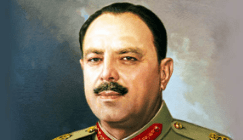
The text appears to be a highly emotional and nationalistic account of a conflict between Pakistan and India, possibly relating to the Kargil War. It uses strong religious and patriotic rhetoric to portray India as the aggressor and depicts Pakistan as bravely defending itself. The narrative is filled with religious invocations and boasts of Pakistani military strength, while simultaneously expressing anxieties about the conflict’s outcome. The writing style is disorganized and lacks clarity, making it difficult to fully comprehend the specific events described. Overall, the excerpt presents a highly biased and passionate perspective on a historical conflict.
Study Guide: Pakistan and India Conflict Analysis
Short Answer Quiz
- According to the text, what event triggered the escalation of tensions between Pakistan and India?
- What specific actions did India take, according to the text, that were considered aggressive?
- How does the text portray the Indian military? Provide at least two descriptors.
- What does the speaker believe is the underlying motive of India’s actions?
- According to the text, what is the significance of the “instructions of Lahe Lahe Gaon, Mohammad ur Rasool Allah”?
- What does the text suggest about the Pakistani people’s resolve in the face of conflict?
- Who or what is “Hindustani Om Prakash Rai” according to this text? What did they demand?
- What is the speaker’s expectation of the Pakistani forces in this situation?
- According to the text, what are the “foul smelling girls” doing?
- What assurance does the speaker provide regarding the success of Pakistan?
Answer Key
- The text indicates that the escalation was triggered by a series of Indian attacks and the capture of Pakistani territory. Specifically, the capture of three squares in the Kargil area is mentioned as a key event, along with other border incursions and post captures.
- According to the text, India captured Pakistani posts, shelled Pakistani territory intensely, and pushed constables into the area. The text alleges they captured territories multiple times.
- The text portrays the Indian military as aggressive, as well as indiscriminate and deceitful. They are described as having “nefarious intentions” and engaged in actions deemed “attacks.”
- The speaker believes India’s underlying motive is to attack Pakistan and to wage war, driven by a long-standing hatred against Pakistan. The speaker seems to suggest this attack is a culmination of ill intentions.
- The instructions, as they are called, are presented as a spiritual and motivational force, echoing in the hearts of the Pakistani people. This appears to imply that Pakistanis are divinely inspired in their cause.
- The text suggests that the Pakistani people are resolute and will not rest until they defeat the enemy, displaying bravery and faith that they are fighting a just war.
- “Hindustani Om Prakash Rai” is a figure (possibly a person or a representation of the enemy) who demanded schools be opened in Pakistani territory.
- The speaker expects the Pakistani forces to be fully prepared, use all available weapons, and to defeat the enemy with care and discipline, believing that Allah will give them success.
- The “foul smelling girls” are believed to be part of a “deep conspiracy of this society,” along with the “habitual drunkards,” who are using murder, according to the text.
- The speaker assures that those fighting for justice have never failed and that Allah will grant them success, suggesting that their cause is righteous and victory is inevitable.
Essay Questions
- Analyze the rhetorical devices employed in the text to create a sense of urgency and galvanize support for Pakistan.
- Discuss the role of religious and historical references in shaping the speaker’s arguments and perceptions of the conflict.
- Examine the portrayal of India in the text, considering the potential biases and historical context that might contribute to such a perspective.
- How does the text employ concepts of honor, justice, and divine will to justify Pakistan’s actions and position in the conflict?
- Based on the text, what are the apparent long-term goals and concerns of the speaker regarding the relationship between Pakistan and India?
Glossary of Key Terms
- Assalam Walekum: A common greeting in Islamic culture meaning “Peace be upon you.” It is used in the text to perhaps create the image of a solemn and significant address.
- Hazrat Sadar-e-Mohammad: A respectful title and name, likely a reference to a leader or figure of importance. In this context, the act of bowing down to him seems to convey reverence and devotion.
- Kargil: A specific area, likely a border region between India and Pakistan that has historically been a site of conflict. Mentioned as a site where an area was captured by India, triggering a response.
- Hindustani: A term referring to India. Here, it is used with a negative connotation, highlighting the antagonistic relationship between the two entities.
- Lahore: A major city in Pakistan, mentioned in the context of “brave people” who will defeat the enemy.
- Lahe Lahe Gaon, Mohammad ur Rasool Allah: A phrase that appears to combine a place name (“Lahe Lahe Gaon”) with a common Islamic phrase (“Mohammad ur Rasool Allah,” meaning “Muhammad is the messenger of God”). This appears to suggest a connection between faith and national resolve.
- Allah Ta’ala: An Arabic phrase meaning “God the Most High,” referring to the supreme God in Islam. The text suggests this god is on their side.
- Inshallah: An Arabic phrase meaning “God willing” or “if God wills.” Used to express hope that a plan or desire will be fulfilled.
- Mithila farmers: These individuals are given a heroic role as they help the army defeat the enemy.
Indo-Pakistani Conflict: A Rhetorical Analysis
Okay, here’s a briefing document analyzing the provided text:
Briefing Document: Analysis of “Pasted Text”
Date: October 26, 2023 Subject: Analysis of Rhetorical Text on Indo-Pakistani Conflict Source: “Pasted Text” (Provided)
Executive Summary:
This document analyzes a highly charged and rhetorically fervent text concerning the conflict between India (referred to as “Hindustan” or “the Indians”) and Pakistan. The text is characterized by strong nationalistic fervor, religious undertones, and accusations of aggression and conspiracy against India. It paints a picture of Pakistan as a righteous defender under attack, calling for unwavering resolve and faith in their struggle. The text is emotionally driven, lacking specific details or verifiable claims, and seems to be intended to rally support and incite action.
Key Themes and Ideas:
- Aggression by India: The central theme is the accusation that India is aggressively attacking Pakistan and its territory. Specific allegations include:
- “Hindustani has made the sub-continent the target of its attacks”
- “the Indians captured [our] posts in the areas of football”
- “Now they have attacked the land of Pakistan”
- “the real motive of the Indian attacks in Kashmir was to attack Pakistan”
- The text claims that India has “captured three squares in the area of Kargil”, and that India made 1440 moves “on the basis of Arti” but “captured them again” in August.
- Indian Conspiracy and “Nefarious Intentions”: The text asserts that the Indian attacks are not isolated incidents but part of a long-term, malevolent plan against Pakistan. There is a strong emphasis on India’s hidden motives and sinister aims, that India is engaging in “nefarious intentions which were entering their hearts against Pakistan from the very beginning”.
- “Muslims have been hating Pakistan from the very beginning. Today they have never even imagined them from their heart.”
- “In the last eighteen years they have been working against Pakistan.”
- “the evil intentions of Hindustani are behind it”
- Pakistan as a Righteous Defender: Pakistan is portrayed as a victim of unprovoked aggression, forced to defend itself and its people. This victimization narrative serves to bolster support for the war effort.
- “We are fighting the war of truth.”
- “The instructions of Lahe Lahe Gaon, Mohammad ur Rasool Allah are echoing in the heartbeat of 10 crore people of Pakistan.”
- “Oh Allah, the Mithila farmers of his Pakistan have got a chance to show their talent.”
- Religious Undercurrent: The text incorporates religious language and references to God (“Allah Ta’ala”, “Inshallah”, “God”) to frame the conflict as a holy struggle. This implies divine support for Pakistan’s cause and reinforces the idea that they are fighting a just war, “We will face the enemy with the whole history. Allah Ta’ala is the pride of the world.”
- Call to Action and Unity: The text is a call for all Pakistanis to unite against the perceived threat from India. It calls for unwavering resolve, faith, and action.
- “We will not sit in peace till then. We will be defeated forever.”
- “Go ahead now face the enemy.”
- “Akram is fully prepared to face the situation in Pakistan and all the weapons will be used against the attackers.”
- Internal Elements: The text mentions some internal matters such as “habitual drunkards” and “foul smelling girls” being used in a “deep conspiracy” against the Pakistani society. This highlights a feeling of internal threat alongside the external conflict. “According to the seventh point of the charter, habitual drunkards are using murder and the foul smelling girls are using the deep conspiracy of this society”.
Most Important Ideas/Facts (or Claims):
- Pakistan is under direct attack from India: The text repeatedly alleges India is attacking Pakistani territory.
- India has long-term malevolent intentions towards Pakistan: The attacks are framed as part of a conspiracy, not isolated incidents.
- Pakistan is engaged in a “war of truth”: This justifies the conflict as a righteous battle.
- The conflict has religious significance: The invocation of God and Islamic figures implies divine support.
- All of Pakistan is expected to unite and fight: There’s a strong call to action for all citizens.
- The text includes internal issues: It suggests that internal societal problems are linked to the external conflict.
Quotes from the Source:
- “Hindustani has made the sub-continent the target of its attacks”
- “the Indians captured our posts in the areas of football”
- “the real motive of the Indian attacks in Kashmir was to attack Pakistan”
- “Muslims have been hating Pakistan from the very beginning”
- “We are fighting the war of truth.”
- “We will not sit in peace till then. We will be defeated forever.”
- “Oh Allah, the Mithila farmers of his Pakistan have got a chance to show their talent.”
Analysis:
The text is clearly not a neutral report but a piece of impassioned rhetoric designed to galvanize support for Pakistan and against India. It uses strong language, accusations, and religious appeals to create a sense of urgency and righteous indignation. The text lacks specific details or evidence to support its claims, relying instead on emotional appeals and generalized accusations. There are also elements that are hard to parse, such as “the Indians had made these 1440 on the basis of Arti” and references to people like “Hindustani Om Prakash Rai.” These could be important details, or simply nonsense.
Conclusion:
The “Pasted Text” is a propaganda piece aimed at inciting nationalistic fervor in Pakistan against India. The themes of aggression, conspiracy, and righteous defense are deployed to create a unified and determined front against the perceived enemy. The text should be viewed within the context of the Indo-Pakistani conflict, understanding that it is a product of highly charged emotions and historical tensions. This document should help understand the rhetoric in the “Pasted Text” and to understand the context in which it could have been created.
India’s War Against Pakistan: A Call to Arms
Okay, here’s an 8-question FAQ based on the provided text, formatted using markdown:
FAQ
- What is the central claim being made about India’s actions?
- The speaker accuses India of launching attacks on Pakistan with the ultimate goal of undermining and potentially destroying the country. They claim these actions stem from a long-standing hatred of Pakistan harbored by India and their “nefarious intentions” to wage war. The attacks are framed as a continuation of a history of aggression and subversion.
- What specific incidents are mentioned as evidence of Indian aggression?
- Several incidents are cited, including the capture of territory in the Kargil region, specifically mentioning that Indians had made claims of 1440 (possibly referring to some territorial marker) based on “Arti”, and then recaptured them in August. The text also refers to Indians capturing Pakistani posts in the “areas of football” (possibly a figurative term for contested areas) and using “intense shelling” of Pakistani territory. These actions are viewed as a deliberate attempt to provoke war.
- How are the Indian actions framed in terms of their motives?
- The actions are framed as a deliberate and long-planned effort to weaken Pakistan. According to the speaker, India’s “evil intentions” are to attack Pakistan and they have always hated the country from the beginning, using the pretext of education reforms (bringing “free education from Delhi to schools”) as cover for their true aim. They claim India is not acting based on recent events, but rather as part of an 18-year history of working against Pakistan.
- What is the speaker’s message to the people of Pakistan?
- The speaker’s message is one of rallying against the Indian threat. They call for unity and strength, asserting that Pakistanis will not rest until the “enemy” is defeated. They invoke religious fervor and highlight that they are in a “war of truth”, and that “Allah Ta’ala is the pride of the world”. The message includes an exhortation to fight against the enemy, and not give up, in spite of the heavy pressure.
- What role does religion play in the speaker’s narrative?
- Religion is used to galvanize support and frame the conflict as a battle between good and evil. The speaker references “Mohammad ur Rasool Allah” and emphasizes the “war of truth” to connect the struggle to religious principles and to evoke a sense of righteous duty among Pakistanis. The ultimate success and the ultimate destruction of the enemy are tied to the will of Allah.
- How does the speaker describe the Pakistani response to the Indian attacks?
- The speaker describes a coordinated effort between the military and the people to respond to the perceived threat. They highlight the bravery and preparedness of Pakistani forces, claiming they have already “destroyed the enemy” with discipline and care. The text indicates that Pakistan is ready to use “all the weapons” against the attackers, which makes clear they are taking the threat very seriously and will push back with force.
- What is the significance of the reference to “habitual drunkards” and “foul smelling girls”?
This passage is less clear and seems to be a segment referencing internal problems within Pakistan and using them to call for a more puritanical society. They seem to be pointing to moral issues and using them as an indirect attack of their own society which is being undermined by internal problems and conspiracies. The speaker encourages their audience to expose such conspiracies and “great things” with “peace of mind” and through “justice” so that they can be successful.
- What is the overall tone and purpose of the text? The overall tone is one of urgency, anger, and resolve. The speaker aims to rally the Pakistani population against what is portrayed as an existential threat from India. The purpose is to create a sense of national emergency, unite the population, demonize India, and mobilize the people towards a united front against an enemy they portray as motivated by age-old hatred and a thirst for destruction.
Indo-Pakistani Conflict: Accusations and Escalation
The provided text details a conflict between Pakistan and India, highlighting a series of escalating events and accusations. Here’s a breakdown of the key points:
- Accusations of Indian Aggression: The text claims that India has been continuously attacking Pakistan and the sub-continent. It specifically mentions that India made the sub-continent a target of its attacks. There are accusations that the Indians captured three squares in the area of Kargil, as well as 1440 posts.
- Escalation of Conflict: The conflict is described as having escalated over time, with India allegedly increasing their internal movement and capturing Pakistani posts in various areas. The text states that the shelling of Pakistani territory by India was intense.
- Indian Motives: The text alleges that India’s real motive behind the attacks in Kashmir is to attack Pakistan. The author claims that India has harbored ill intentions against Pakistan from the beginning and is using the conflict to wage war. According to the text, Muslims have been hating Pakistan from the very beginning.
- Historical Context: The text mentions that for the last eighteen years, Muslims have been working against Pakistan and have created a ruckus out of frustration. The author also claims that India used the former MLA to attack Pakistan and that they had known from the very beginning that this was the case.
- Pakistani Response: The text depicts Pakistan as working in coordination with the world and viewing it as their duty to stop the Indian attack. There is a declaration that the instructions of Lahe Lahe Gaon, Mohammad ur Rasool Allah are echoing in the heartbeat of 10 crore people of Pakistan. The author expresses that Pakistan will not sit in peace until the enemy is defeated. They believe they are fighting a war of truth. The text indicates that Pakistan is fully prepared to face the situation and will use all weapons against the attackers.
- Call to Action: The text includes calls for the people of Pakistan to be ready to face the enemy, suggesting that Pakistan will be victorious. The text urges them to expose every great thing and states that those who fight for justice have never failed.
- Allegations of Conspiracy and Moral Depravity: The text also includes accusations against India and its people, claiming that “habitual drunkards are using murder and the foul smelling girls are using the deep conspiracy of this society.
- Divine Will: The text includes strong religious language, and claims that “Allah will definitely give you success”. It also states that Allah Ta’ala is the pride of the world.
Pakistan’s Military Posture Against India
The provided text offers some insights into the Pakistani military during a conflict with India, though it doesn’t provide a detailed overview of its structure or capabilities. Here’s what can be gleaned from the text:
- Preparedness: The text suggests that the Pakistani military is fully prepared to face the situation and will use all available weapons against the attackers. This indicates a state of readiness and a willingness to engage in combat.
- Motivation and Resolve: The text claims that the instructions of Lahe Lahe Gaon, Mohammad ur Rasool Allah are echoing in the heartbeat of 10 crore people of Pakistan. This indicates a strong sense of national unity and religious conviction among the Pakistani populace, which presumably also includes the military. The text also states that Pakistan “will not sit in peace until the enemy is defeated”.
- Coordination and Duty: The text states that Pakistan is “working in coordination with the world” and views stopping the Indian attack as its duty. This suggests that the Pakistani military is not operating in isolation and is seeking support from other nations.
- Fighting a “War of Truth”: According to the text, the conflict is framed as a “war of truth”. This suggests a strong moral component to the Pakistani military’s actions, implying they believe they are fighting for a just cause.
- Faith in Victory: The text expresses confidence in the Pakistani military’s ability to defeat the enemy, stating, “Inshallah we will do this”. This indicates a belief in the will of God and the strength of their forces.
- Use of All Weapons: The text explicitly states that “all the weapons will be used against the attackers”, which suggests that the Pakistani military is prepared to use its full arsenal.
- Relationship with the People: The text claims that the “Mithila farmers of his Pakistan have got a chance to show their talent” and that “with their care and discipline, our army has destroyed the enemy”. This suggests a strong relationship between the Pakistani military and the people.
The text depicts the Pakistani military as a motivated force, prepared to use all available means to defend its territory against India. It highlights the military’s perceived moral justification for the conflict.
Indo-Pakistani Conflict: Allegations of Indian Aggression
The provided text focuses heavily on accusations of Indian aggression against Pakistan. Here’s a breakdown of the key points regarding this topic:
- Continuous Attacks: The text asserts that India has been continuously attacking Pakistan and the broader sub-continent. It is claimed that India has made the sub-continent the target of its attacks.
- Kargil and Border Post Captures: The text specifically mentions that India captured three squares in the area of Kargil. It further alleges that the Indians had made 1440 posts on the basis of Arti and later captured them again in the month of August. Additionally, it is claimed that India captured Pakistani posts in other areas, including the areas of football.
- Escalating Internal Movement: The text accuses India of increasing its “internal movement,” which led to the capture of Pakistani posts and suggests an escalation of the conflict.
- Intense Shelling: The text describes the shelling of Pakistani territory by India as being very intense. This suggests a significant and forceful military action.
- Motives Behind Attacks: The text alleges that India’s true motive behind the attacks in Kashmir is to ultimately attack Pakistan. It claims that India has held nefarious intentions against Pakistan from the very beginning and seeks to wage war.
- Historical Basis for Conflict: The text presents a historical narrative where Muslims have been harboring hatred towards Pakistan and working against it for the past eighteen years. It claims that India has used a former MLA against Pakistan, which was known from the beginning.
- Goal of Indian Aggression: According to the text, a goal of Indian aggression is to bring free education from Delhi to schools. This suggests that the perceived Indian aggression might also be an effort to exert influence over education in Pakistan.
In summary, the text depicts India as the aggressor in the conflict, constantly attacking Pakistan, capturing territory, and harboring ill intentions. It claims India’s actions are part of a larger plan to undermine and ultimately attack Pakistan, stemming from historical animosity and a desire to exert influence.
Indo-Pakistani War: A Narrative of Conflict
The provided text presents a narrative of conflict where war is the dominant theme, with little emphasis on peace. Here’s a breakdown of the war-related aspects and limited references to peace:
War:
- Aggression and Attacks: The text is primarily focused on accusations of Indian aggression and attacks against Pakistan. India is described as continuously attacking Pakistan and the sub-continent, capturing territories like Kargil and other posts.
- Escalating Conflict: The conflict is portrayed as escalating, with India increasing its “internal movement” and intensifying its shelling of Pakistani territory. The text suggests that India’s actions are designed to provoke a full-scale war.
- Motives for War: The text claims that India’s real motive behind attacks in Kashmir is to attack Pakistan, and that India has harbored ill intentions against Pakistan from the beginning. It suggests that the war is a culmination of long-standing animosity.
- Pakistani Preparedness: Pakistan is depicted as being fully prepared for war, with its military ready to use all weapons against the attackers. The text emphasizes the resolve and unity of the Pakistani people to fight. The text also claims the “Mithila farmers of his Pakistan have got a chance to show their talent” and “with their care and discipline, our army has destroyed the enemy.”
- Religious Justification: The conflict is framed as a “war of truth,” with religious undertones. The text suggests that Pakistan is fighting for a just cause, with Allah’s support.
- Call to Action: The text includes calls for the people of Pakistan to be ready to face the enemy. It is stated that “We will not sit in peace till then. We will be defeated forever.” This indicates a determination to fight until victory.
Peace:
- Peaceful Freedom: The text mentions that Pakistani soldiers believe in “peaceful freedom,” but this is within the context of facing the enemy. This reference to peace appears to be secondary to the emphasis on war and defense.
- Working in Coordination: The text states that Pakistan is working in coordination with the world, suggesting diplomatic efforts to stop the Indian attack. This hints at a desire to resolve the conflict, but the main focus remains on the need to defend against Indian aggression.
- Peace of Mind: The text encourages people to be ready with peace of mind. However, this is in the context of being prepared to “expose every great thing” and fight for justice, which further ties back to the idea of conflict.
- Justice: The text indicates that those who fight for justice have never failed and that justice will give them success. This suggests that Pakistan believes in a form of peace that is achieved through victory and justice in their conflict.
In summary, the text overwhelmingly emphasizes war, portraying it as a necessary response to Indian aggression. The references to peace are limited and are often framed within the context of the ongoing conflict. While there is a suggestion that Pakistan seeks international cooperation to stop the attacks and there is a claim that Pakistani soldiers believe in peaceful freedom, the primary focus of the text is the need to fight and defend against what is perceived as an existential threat from India. The narrative does not suggest an immediate possibility or path towards peace beyond a decisive victory in the war.
Pakistan’s Islamic Identity and the India Conflict
The provided text does not directly discuss Muslim unity in a broad sense, but it does touch upon themes related to religious identity and its role in the context of the conflict between Pakistan and India. Here’s a breakdown of what the text suggests about Muslim identity and its implications:
- Religious Conviction and National Unity: The text implies that the instructions of Lahe Lahe Gaon, Mohammad ur Rasool Allah are echoing in the heartbeat of 10 crore people of Pakistan. This suggests a strong sense of national unity rooted in Islamic faith. It can be interpreted that this religious conviction is a unifying force among the Pakistani people and, presumably, the military.
- Pakistan as a Muslim Nation: The text frames the conflict as a struggle for the survival of Pakistan, implicitly presenting the nation as a Muslim entity under threat from India. This suggests a strong connection between national identity and religious identity.
- Historical Narrative of Muslim Grievances: The text claims that Muslims have been hating Pakistan from the very beginning, and that for the last eighteen years, they have been working against Pakistan and creating a ruckus out of frustration. This suggests a narrative of long-standing grievances and a belief that Muslims have been historically targeted.
- The Conflict as a “War of Truth”: The text portrays the conflict as a “war of truth,” which implies a religious or moral dimension. This suggests that Pakistan sees its actions as being divinely supported or morally justified within a religious framework.
- Divine Support: The text expresses confidence in victory, stating, “Allah will definitely give you success” and “Allah Ta’ala is the pride of the world”. This reflects the belief that God is on their side and that victory is assured.
- No Mention of Broader Muslim Unity: While the text highlights the Muslim identity of Pakistanis and their perceived struggle, it does not explicitly discuss unity with other Muslim communities or nations beyond stating that Pakistan “worked in coordination with the world”. The focus remains on the specific conflict with India, within the context of Pakistan.
In summary, the text uses Muslim identity as a key element in framing the conflict between Pakistan and India, emphasizing the religious unity within Pakistan, as well as their perceived moral and divine support for their cause. The text does not offer any explicit discussion of unity among Muslims beyond the borders of Pakistan. The strong emphasis is on the religious identity of the Pakistani people, their conviction in their struggle, and a belief that their cause is just. However, the text doesn’t extend this to a broader idea of global Muslim unity.

By Amjad Izhar
Contact: amjad.izhar@gmail.com
https://amjadizhar.blog
Affiliate Disclosure: This blog may contain affiliate links, which means I may earn a small commission if you click on the link and make a purchase. This comes at no additional cost to you. I only recommend products or services that I believe will add value to my readers. Your support helps keep this blog running and allows me to continue providing you with quality content. Thank you for your support!

Leave a comment