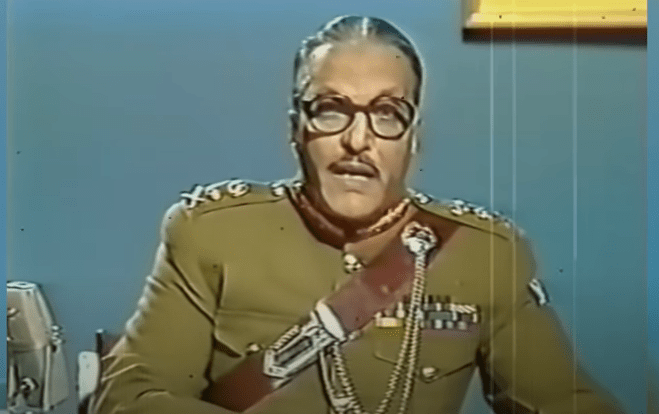
The text presents a complex political discourse, seemingly from a political leader, grappling with upcoming elections. It expresses concerns about opposition parties, election interference, and the need for a fair process. The leader weighs different approaches, including compromise with opponents, enforcing existing rules, and potentially postponing the elections. The narrative interweaves political strategy with religious and cultural references, reflecting a deeply interwoven social and political landscape. Ultimately, the text showcases a struggle to balance competing political pressures and maintain social harmony.
Review and Study Guide: “Pasted Text”
Quiz
Instructions: Answer each question in 2-3 sentences.
- What does Zia feel about using excuses by Oponents?
- What is the speaker’s opinion regarding those who oppose elections?
- What is the speaker’s stance on the political parties’ involvement in elections?
- What are the various qualifications and disqualifications the speaker mentions for election candidates?
- What is the speaker’s position on the declaration of August 12, 1983, and the date of the next elections?
- What point does the speaker make about “peace of mind” and everyday life?
- What metaphor does the speaker use to describe the political situation?
- What are the speaker’s ideas on how the democratic government should be set up?
- What does the speaker suggest about the situation with Muktanagar headquarters?
- What is the fundamental dilemma the speaker identifies between “Micro democracy” and “Islamic democracy”?
Quiz Answer Key
- Ajay feels that “No Problem Fridays” may exist, but it’s unacceptable to use them as an excuse for inaction. He condemns using them to avoid understanding and forcing issues.
- The speaker believes those who oppose elections and create obstacles to democracy are not friends of democracy. They believe these individuals should be seen as a threat to the democratic process.
- The speaker believes that political parties should be allowed to participate in the elections and that a ban should be lifted. However, they also want the registration of political parties to be done according to their own wishes.
- The speaker mentions some new qualifications and disqualifications for candidates should be made for the next elections. They also suggest that only those people whose partner was Asaf Suthra should be eligible.
- The speaker supports the declaration of August 12, 1983, and wants the next elections to be held before March 23, 1985, to restore the old atmosphere with public representatives.
- The speaker argues that unlimited talk is ruining peace of mind in everyday life, suggesting there should be limits and consideration in what is being said.
- The speaker describes Pakistan as a “boiling geography,” highlighting the volatile and intense nature of the situation in the country.
- The speaker believes that the democratic government cannot be a “smart statement,” and it should learn from history. They argue for a system that aligns with Islamic values.
- The speaker suggests that they might accept the headquarters in Muktanagar and agree to their terms to expedite the required talks and leave everything to the elected representatives.
- The speaker identifies a critical crossroads between micro democracy and Islamic democracy. The implication is that one must be chosen over the other at any given time.
Essay Questions
Instructions: Develop an essay response to each question using the source material.
- Analyze the speaker’s conflicting viewpoints regarding elections, political parties, and democratic processes. How do these inconsistencies reflect the broader political climate of the time?
- Discuss how the speaker uses religious and historical references to legitimize their political positions. What does this suggest about the role of religion and history in the political discourse of the time?
- Evaluate the speaker’s attitude toward political negotiation and compromise. How do the different courses of action outlined reveal their approach to political strategy and problem-solving?
- Examine the speaker’s concern for public opinion and the people’s role in decision-making. How does the speaker balance their view of public participation with their own political agenda and desires?
- Interpret the broader themes of political instability, social unrest, and competing visions of democracy that emerge from the source material. What conclusions can you draw about the societal challenges addressed within the text?
Glossary of Key Terms
No Problem Fridays: A term indicating a time or situation when problems are ignored or avoided, suggesting a lack of seriousness or urgency in addressing issues.
Asaf Suthra: A name associated with qualifications for election candidates. This association seems to indicate a specific person or group whose association is seen as advantageous.
12th August 1983 Declaration: A reference to a specific declaration made on this date. This declaration seems politically significant, and there are implications about it that affect current politics.
23rd March 1985: A specific date on whinch the elections will be held.
Khasta: A term used to describe the old order and can be considered a reference to something worn out or damaged.
Brahmin Bania: References to two specific social groups in a religious context. In the text they are used as a measure of social power in that context.
Micro democracy: This references a type of democracy that is at the local or individual level.
Islamic democracy: This references the notion of a democracy that adheres to the teachings of Islam.
Jaziya: Historically a tax imposed on non-Muslims living under Islamic rule. In this context, it is a metaphor to indicate an offering or cost that must be paid for political or societal reasons.
Quran-e-Hakeem and the Sunnah of Rasul Sallallahu Alaihi: References to the Holy Quran and the traditions of the Prophet Muhammad, which are sources of guidance in Islam. The speaker suggests that political matters should be decided by this reference point.
Ulema-e-Kiram: Refers to Islamic scholars or religious leaders.
Deen-e-Islam: Means the religion of Islam. The text suggests this should be the guiding principle.
A Struggle for Islamic Democracy
Okay, here’s a briefing document analyzing the provided text. It’s important to note that the text is highly fragmented, seemingly a transcription with some errors, making a completely cohesive interpretation challenging. However, we can identify several key themes and ideas.
Briefing Document: Analysis of “Pasted Text”
I. Overall Impression:
The text appears to be a passionate and somewhat disjointed speech or series of thoughts, likely delivered in a political context. The speaker grapples with complex issues surrounding elections, democracy, religious identity, and historical precedent. It oscillates between specific demands and broader philosophical musings. The language is highly charged and often uses symbolic or metaphorical phrasing, making a precise interpretation difficult.
II. Key Themes & Ideas:
- Elections and Democracy:
- The central concern revolves around upcoming elections and the conditions surrounding them. The speaker is deeply concerned about the fairness, inclusivity, and potential for manipulation.
- There is strong criticism of those who would “create obstacles in the path of democracy” and a fear that these actions would not be tolerated by “our countrymen.”
- There’s a tension between a desire for free and fair elections and a distrust of certain actors, along with the suggestion that their demands are undermining the process.
- Quote: “I strongly condemn the words and the old incidents of the last date and the fresh preparations and hope that our countrymen will never let these actions succeed and they will understand the true test of those who oppose the elections…”
- There’s a clear rejection of attempts to use a “No Problem Fridays” approach as an excuse to avoid addressing important issues, and a specific denunciation of the idea that political parties should be barred from elections and only allowed participation on specific conditions: “wherever No Problem Fridays reside, there will definitely be a venue somewhere, but it is not tolerable in any way to make this venue an excuse and get down to the task of understanding and force.”
- Historical Precedent and the Past:
- The speaker makes frequent references to historical dates and events (e.g., 1990, 1983, 1985, 1978). These references suggest a belief that past mistakes should inform the present and that a cycle of injustice or flawed processes might be repeating. There is a desire to avoid repeating “the game of last year.”
- Quote: “It is number one again we have gone back 35 years and it does not mean that the businessmen are in danger of our registration…”
- There is a desire to adhere to a particular understanding of Islamic law and apply it in the present, referring to the Quran-e-Hakeem and Sunnah, indicating a desire to incorporate Islamic guidance in shaping future laws.
- Religious Identity and Islamic Democracy:
- The speaker frames many of the issues in the context of Islamic values and principles. They frequently invoke “MashaAllah” and other religious phrases.
- Quote: “the reality which has been achieved by the Islamic viewpoint should end or the peace of Islam should be jolted…”
- There is a concept of “Islamic democracy” that is presented as distinct from “opposition democracy,” implying the existence of an alternative approach that is distinct from the Western view, where “the head stuck in the hand is not the public but the caste of Allah Taala” and that the laws and guidance come from the Quran and Sunnah.
- The call to raise voices from mosques and invoke the name of “Deen-e-Islam” suggests a desire to mobilize religious sentiments for political goals.
- Quote: “I am sure that when If any voice is raised from the mosque in the path of Allah’s religion, then certainly the entire S and E will be united.”
- Political Actors and Power Dynamics:
- The speech includes specific named individuals and groups, including “Bhai Ji,” “Asaf Suthra,” “Akhilesh,” “Mukhtar” and references to “Brahmins,” “Bania,” and political parties. The language implies a complex web of political relationships and potential power struggles.
- There are indications of political maneuvering and attempts to impose conditions on elections for narrow purposes, where “the registration of political parties should be done as per his wish”. The desire that they “should be allowed to participate in the next elections, otherwise he will not let the elections happen at all” is strongly condemned.
- Public Opinion and Representation:
- The speaker claims to be acting in the interests of the public and seeks their support.
- There is also a discussion of whether to “leave everything to the representatives who will come” after talks are done and acknowledging the traditional processes of public input, where the speaker also says they are “hardly the last caste” and yet the original praise is “probably that the Muslim community has always tried to demonstrate everything about India”.
- Quote: “When I tell you that my vote is with the public, it means that I have left the decision of the right path on this matter to the public and I am sure that when I have left this decision on us…”
- They appear to suggest that they have consulted “scholars, politicians and experts” as part of their deliberations.
- Disqualification and Qualification of Candidates:
- The text describes an idea that “some kind of new qualification and dish qualification should be made for the candidates”
- The suggestion that “only those people should get a chance to become candidates whose partner was Asaf Suthra” indicates a level of manipulation in the process of elections.
- The Role of Judges:
- The text references “the power of the judges” not being present now and that the demand of the “original price” is the “original judges” don’t have that power.
III. Ambiguities and Unclear Elements:
- The fragmented nature of the text makes it challenging to understand the speaker’s precise position on every issue.
- The use of symbolic language and references to specific individuals and events that are not fully explained requires further context to fully interpret.
- There are contradictions and seemingly opposing viewpoints presented which might be indicative of a personal internal struggle in the speaker’s mind as they evaluate various potential pathways, or perhaps it is a recording of a series of speeches by several actors.
IV. Potential Implications:
- The text suggests a volatile political environment where competing factions are vying for power and control over the electoral process.
- The emphasis on religious identity and Islamic values indicates the potential for religiously charged rhetoric to influence political discourse and mobilization.
- The references to past events and injustices suggest that historical grievances are playing a significant role in shaping the present political landscape.
- The speaker’s actions and decisions will have a strong impact and can change the trajectory of the country.
V. Conclusion:
This text provides a glimpse into a complex political situation, with significant tensions surrounding elections, democracy, religion, and historical precedent. The fragmented and at times unclear nature of the text requires further investigation to provide a more complete understanding of the situation. The speaker’s passion and clear desire to protect democracy from the actors they do not trust indicates they are at a major crossroads and their decisions will be transformative. The frequent references to historical precedent indicate that understanding the past is vital to interpret the present.
Recommendations:
- Further analysis of the historical context surrounding the dates and names mentioned in the text is needed.
- More research is needed to understand the specific political factions mentioned in the text.
- Consideration of the social and cultural background of the speaker would enrich the analysis.
- Cross referencing the information in the text with additional source documents is advised.
This document provides an initial overview. Further investigation and analysis are required to fully understand the complex issues and events described in this document.
A Nation’s Crossroads: Elections and the Struggle for Democracy
Okay, here’s an 8-question FAQ based on the provided text, formatted with markdown:
FAQ
- What is the central issue regarding elections that Ajay is concerned about? Ajay is deeply concerned about the conditions and potential manipulation surrounding upcoming elections. He opposes using the electoral process as an excuse to exert force or impose specific agendas. He emphasizes the importance of free and fair elections without pre-determined outcomes, rejecting calls for restrictions and qualifications on candidates that serve a particular agenda. He also condemns any actions that create obstacles in the path of democracy. He highlights the need for democratic governance which is not just a facade but also includes the will of the people.
- What demands or proposals are being made by some groups regarding the political landscape and elections? Some groups are demanding an immediate return to the political conditions of 1990, including the lifting of the ban on political parties, allowing their participation in elections, and registering them according to their preferences. There are also calls for new qualifications and disqualifications for candidates, and for elections to be held quickly under their terms. One group even suggested boycotting the elections if their demands aren’t met, advocating that the 1983 declaration be reinstated and elections occur by 1985. They also want candidates chosen based on the opinion of the public and free of pressure, and want to restrict who can become a candidate to certain circles.
- What concerns are raised about potential chaos and unrest in the nation? There’s a significant fear that lawlessness and unrest could take hold, disrupting daily life and jeopardizing the nation’s stability. The text mentions that the boiling geography of the nation makes it susceptible to chaos. There are specific worries that manipulating the electoral process might provoke a repeat of past conflicts and violence, potentially undoing recent strides toward peace and stability. Concerns about the peace of Islam and the safety of the country are paramount, with calls to preserve the current environment.
- What is the debate surrounding different forms of democracy? The text raises the fundamental question of what kind of democracy should be followed; that is, whether to follow the traditional form of democracy or an Islamic form. There is a debate about Islamic democracy versus other democratic models. The text mentions the idea of “Micro democracy” versus “Islamic democracy.” The Islamic version is characterized by the idea that the head of state is not answerable to the people, but to Allah. This approach emphasizes the authority of Islamic law (Quran and Sunnah) as the basis for decision-making, rejecting the idea that public opinion should solely determine decisions. This is contrasted with the idea that laws are made by “fools” using the Western model of democracy.
- What are the different paths of action being considered in this situation? Several paths of action are being considered: Firstly, to adhere strictly to the previously announced election program of August 12th, 1988; Secondly, to accept the demands of the political opposition; Thirdly, to engage with government and political leaders to find a universally agreeable path; and Fourthly, to yield to the opposition’s demands, fast-tracking negotiations, and leaving the final decision to representatives. These options range from sticking to the established plan, potentially risking further unrest, to finding a negotiated solution that respects the demands of the opposition while ensuring a peaceful transition of power. A further path mentioned is to hold elections with a specific agenda of making it Islamic, or holding them within a deadline.
- What role does the author see for the public in resolving this political crisis? The author sees the public as the ultimate decision-maker and the best arbiters of what constitutes the right path. The author emphasizes that their vote is with the people and leaves the crucial decisions on the political issues to the judgment of the public. They also advocate for the public to champion a specific mission by being aware of events that influence the nation. The text also suggests that the public’s participation is integral to resolving the crisis effectively and that people should turn out in large numbers to vote. The author believes that the public can best steer the nation’s course by using their votes to decide the path for the country.
- How do religious and cultural elements influence the political landscape? Religious and cultural factors strongly influence the political landscape. The text discusses the views of religious scholars and political leaders as part of their analysis. The references to “Radhe-Radhe,” “Brahmins,” “Islamic democracy,” and “Deen-e-Islam” demonstrate the intertwining of religious beliefs with political ideologies and agendas. There is a clear attempt to align political goals with religious values and to mobilise religious communities in support of their objectives. The text suggests that some want to use their religious affiliation as justification for their demands.
- What recurring themes and challenges are highlighted in the text? Recurring themes include the importance of democracy, concerns about manipulation and unrest, and differing ideologies about what democratic path is best for their country. The challenges are the struggle to create stability and peace while holding fair elections, the conflict between traditional and Islamic forms of governance, and the influence of different groups with competing demands. The text expresses worry that the country may not have learned from its past leaders, that it needs to establish the importance of Islamic law in the governance and decision-making processes, and that these challenges could lead to chaos or violence. The tension between different paths to a just and stable future for the country also dominates the text.
Obstacles to Free and Fair Elections
Several obstacles to elections are discussed in the sources, including disagreements about the timing and conditions of the elections, as well as concerns about who should be eligible to participate.
Key points include:
- Timing of Elections: There is disagreement regarding the timing of the elections, with some advocating for the restoration of the 1990 readiness without any issues. Others propose holding elections before March 23, 1985, as a way to restore the old atmosphere. Additionally, a proposal to double the election program from March 23, 1985, exists. There is also a mention of a program announced for August 12, 1983.
- Conditions for Elections: Some groups want the ban on political parties to be lifted and for them to be allowed to participate in elections. There is a demand for the registration of political parties to be done according to certain wishes, and for elections to be held soon to free them based on political parties. Also, some want to ensure that only people whose past records are acceptable are allowed to become candidates, seemingly tied to the Asaf Suthra case.
- Eligibility of Candidates: There are calls for new qualifications and disqualifications for candidates. Some suggest that only candidates who were partners with Asaf Suthra should be given a chance to become candidates. There is also a mention that candidates should be non-bailable and only those that have the support of the people should be allowed to participate.
- Threats and Boycotts: There are threats to boycott the elections, and a claim that the election box is “up to the other world,” which is also supported by others. Some are willing to use every option to stop elections.
- External Influences and Concerns: There are concerns about the potential for lawlessness and the possibility of spoiling the achieved peace. There is a stated desire to avoid actions that could repeat issues from the past year. There is also a call to learn from past leaders and not repeat their mistakes.
- Conflicting Ideologies: The text reveals a conflict between “micro democracy” and “Islamic democracy”. It also mentions a concern about the influence of “Brahmin Bania”. Some are pushing for implementation of Islamic principles in the elections.
- Opposition to Existing Programs: There is opposition to the program announced for August 12, 1988, from political parties and leaders.
The sources highlight a complex and contentious political landscape with numerous obstacles to holding free and fair elections. There are conflicting viewpoints on the process and who should be eligible to participate. The sources suggest that overcoming these obstacles will require finding a path acceptable to all.
Political Parties and Electoral Obstacles
The sources discuss political parties in the context of the obstacles to holding elections, as well as the differing views on their role and participation.
Key points regarding political parties include:
- Lifting Bans: There is a demand to lift the ban on political parties and allow them to participate in the next elections. This suggests that at some point there was a ban on political parties, and some groups want that ban removed to facilitate elections.
- Registration of Parties: Some want the registration of political parties to be done according to their wishes. This indicates a desire for control over which parties are allowed to participate in the electoral process.
- Freedom of Parties: There is a call for elections to be held soon so that political parties can be freed, and then power can be handed over to them. This suggests that some political parties may be under some kind of restriction or control and that the goal of some groups is to allow these parties to be free to participate in governance.
- Opposition to Programs: The program announced for August 12, 1988, faces opposition from important political parties and political leaders. This highlights a division between those who support the established programs and those who are against them.
- Political leaders and Parties as Obstacles: Some political leaders and parties are seen as obstacles to the elections. Some leaders have objections to the programs.
In summary, the sources indicate that political parties are central to the election process, yet there is considerable disagreement about their role, registration, and freedom. These disagreements create obstacles to holding elections and reflect a complex political landscape.
Contested Futures of Democracy
The sources present a complex and uncertain view of democracy’s future, with significant disagreements about how it should function and who should participate.
Key points regarding democracy’s future include:
- Conflicting Visions of Democracy: There is a clear conflict between different ideas of democracy, specifically “micro democracy” and “Islamic democracy”. This indicates a fundamental disagreement about the principles and values that should guide the political system. One source emphasizes that Islamic democracy does not oppose opinion polls or elections, but sees the head of state as divinely appointed rather than the public.
- Obstacles to Democratic Processes: The sources outline numerous obstacles to holding fair and free elections, including disputes over the timing, conditions, and eligibility of candidates. These challenges suggest a fragility in the democratic process and a lack of consensus about how it should function.
- Concerns about External Influences: There are concerns that actions might “spoil the game” of the past year, or that the “blood of the phone” might again get spoiled. The sources express fears of lawlessness and a desire to maintain peace. These concerns highlight external factors that could destabilize the democratic process.
- Calls for Specific Outcomes: Some groups are pushing for the implementation of Islamic principles in the electoral process. This suggests a desire to reshape the political system according to a particular religious and ideological framework. There is also a suggestion of using the power of the judges in the past as a basis for future actions.
- Uncertainty and Instability: The sources reveal a sense of uncertainty about the future. There is a debate about whether to hold elections without any amendments or to follow the programs of the past. One source suggests that many judges are in a state of uncertainty.
- Potential for Boycotts and Opposition: There are threats to boycott the elections, indicating significant opposition to the current process. Some groups are willing to use any option to stop the elections, which points to a risk of instability and disruption.
- Influence of Past Events: The sources refer to past events, such as the year 1990, 1973, 1983, and 1985, as references for current actions. This suggests that historical events and precedents play a significant role in shaping current viewpoints and actions.
- Seeking a Solution: There are calls for finding a way that is acceptable to all, indicating a desire to resolve the conflicts. However, the sources also suggest that some groups may be unwilling to compromise or accept a solution that does not align with their specific interests.
Overall, the sources suggest that democracy’s future is contested and uncertain. The sources demonstrate a struggle to define what democracy should look like, and the presence of numerous obstacles and conflicting views make the path forward unclear. The future of democracy depends on whether a path can be found that is acceptable to all involved parties, or if one vision will prevail over others.
Public Opinion on Elections and Political Participation
The sources reveal a complex picture of public opinion, with various groups holding differing views and desires regarding the political landscape. Here’s a breakdown of public opinion as presented in the sources:
- Desire for Participation and Representation: There is a clear desire among some segments of the population for the public to have a say in who their representatives are. This is evidenced by calls for elections to be held so that representatives can be chosen based on the people’s opinion. The sources also indicate that some people believe that only those candidates with the support of the people should be allowed to participate.
- Divergent Views on Election Conditions: Public opinion is not monolithic when it comes to elections. Some want the 1990 readiness to be restored without any hassle. Others want elections to be held by a specific date. Some want the ban on political parties to be lifted. These varying demands demonstrate that there is not a consensus in the public about the how or when elections should be held.
- Influence of Religious and Ideological Factors: There is evidence of a strong influence of religious beliefs and ideologies on public opinion. Some are advocating for the implementation of Islamic principles in the electoral process. There is also a mention of the influence of Brahmin Bania, which suggests a concern about the dominance of certain social groups. Radhe Maa is said to have her own art in praising the model of Islam. These influences show how different sections of the public are seeing the political future through the prism of their ideologies.
- Concerns about Stability and Past Mistakes: The sources reveal that the public is concerned about maintaining peace and avoiding lawlessness. There’s a fear of repeating past mistakes and a desire to learn from past leaders. The public is also concerned about the potential for things to “get spoiled,” referencing possible political instability. These concerns show a public that is wary of actions that could lead to chaos and a public that has learnt lessons from past mistakes.
- Distrust of Certain Groups: There is a distrust of political parties and leaders. Some view certain leaders and parties as obstacles to elections. Some are also concerned about the role of Brahmins. This indicates that public opinion is not only divided on the issue of democracy, but that there are specific leaders and groups that are not trusted.
- Support for Specific Actions: Public opinion is also behind certain actions, as indicated when people expressed that useful things were given to them, and the spirits of people who were separated were boosted. There is also a sense of public support for maintaining peace and harmony, which also highlights a section of the public that support efforts to bring about such harmony.
- The Public as the Final Arbiter: There’s a point in the text where a decision is left to the public, which reflects a desire to have the public decide on the path forward. The cabinet also gives its approval to decisions, implying that such decisions are also made with the support of the public. This shows that ultimately, there is public support for the idea that the public should decide the way forward.
In conclusion, public opinion is not a single entity but a collection of various viewpoints, influenced by religious beliefs, ideologies, historical events, and specific group interests. Some seek more participation and representation in government, and others are concerned about chaos and repeating past mistakes. The sources highlight a complex interplay of different views, indicating that reaching a consensus will be a difficult challenge.
Contested Decisions: Power, Ideology, and the Pursuit of Consensus
The sources reveal a complex and multi-layered approach to decision-making, where various actors and factors influence the process, and where there is not a single clear path forward. Here is a breakdown of the decision-making processes discussed in the sources:
- Conflicting Views and Lack of Consensus: A primary challenge in decision-making stems from the presence of conflicting viewpoints among different groups and stakeholders. There are disagreements regarding the timing and conditions of elections, the role of political parties, and the very definition of democracy itself. These differing opinions make it difficult to arrive at decisions that are universally accepted.
- Influence of Ideologies: Ideological differences play a significant role in shaping decision-making. The conflict between “micro democracy” and “Islamic democracy” reveals a fundamental disagreement about the principles that should guide the political system. Some groups advocate for the implementation of Islamic principles in the electoral process, indicating that religious ideology is a key factor in their decision-making process. The mention of the influence of Brahmin Bania also highlights the role of social hierarchies and ideologies in shaping decisions.
- Role of Leaders and Political Parties: Political leaders and parties are significant actors in the decision-making process. However, their role is not always seen as positive. Some leaders and parties are viewed as obstacles to the electoral process. There are objections to specific programs from certain political leaders. This suggests that the decision-making process is often influenced by the interests and agendas of these parties and leaders.
- Consideration of Public Opinion: Despite the influence of leaders and ideologies, there is also a recognition of the importance of public opinion. Some decisions are left to the public to decide, indicating an awareness that public support is important for the legitimacy of any decision. There is also a desire to implement policies that are seen as beneficial to the public.
- Reference to Past Events: Past events and historical precedents significantly influence current decision-making. Decisions are often made in reference to previous years, such as 1990, 1973, 1983, and 1985, suggesting a tendency to rely on past experiences when making choices. This indicates that decision-making is not just about the present, but is heavily influenced by the lessons and events of the past.
- Emphasis on Maintaining Stability: A recurring theme in the sources is the emphasis on maintaining stability and avoiding actions that could lead to chaos or lawlessness. There is a concern about repeating past mistakes, which suggests that the desire for stability is a major factor in decision-making.
- Search for a Mutually Acceptable Path: Despite the various conflicts and challenges, there is also a desire to find a way that is acceptable to all. There is a call to find a middle path, which indicates that there is some willingness to compromise and find common ground.
- Use of Consultations and Discussions: Decision-making involves consultations with scholars, politicians, and experts, as well as discussions in meetings. This indicates an effort to incorporate different perspectives in the decision-making process, even though reaching a consensus might be difficult.
- Use of Threats and Force: Some actors in the decision-making process use threats and force. There are indications that some are willing to use any option to stop the elections. This highlights a lack of democratic consensus and that the use of force and threats are a method of decision-making in the scenarios described in the sources.
- Ultimately, the people decide: There is a consistent thread that ultimately the decision will be left up to the people as a whole. Some decisions are left to the public, some are approved by cabinet, and some are expected to be followed by the public. There is also a sense that it is important that the decision align with the spirit of the people and not leave some people behind.
In summary, the decision-making processes described in the sources are complex, shaped by conflicting ideologies, political maneuvering, the weight of past events, and a desire to maintain stability. Although there is a desire to reach a consensus, the use of threats and force highlights a lack of democratic consensus and the complexities in decision-making. The ultimate decision is in the hands of the people, but how that decision is reached is anything but simple.

By Amjad Izhar
Contact: amjad.izhar@gmail.com
https://amjadizhar.blog
Affiliate Disclosure: This blog may contain affiliate links, which means I may earn a small commission if you click on the link and make a purchase. This comes at no additional cost to you. I only recommend products or services that I believe will add value to my readers. Your support helps keep this blog running and allows me to continue providing you with quality content. Thank you for your support!

Leave a comment