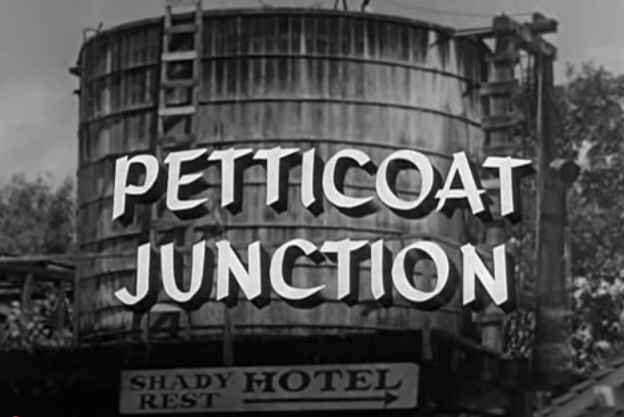
The text is a transcript from a television show, likely a sitcom, centered around the threat of a railroad line’s closure in the fictional town of Hooterville. The story follows the townspeople’s efforts to save their beloved “Hooterville Cannonball” train, encountering obstacles and humorous situations with railroad officials. A recurring theme is the contrast between the small-town charm and the corporate machinations attempting to modernize the railroad. The narrative also includes a subplot featuring a down-on-his-luck hobo who finds temporary refuge and kindness with the townsfolk. Ultimately, the episode showcases themes of community, resilience, and the clash between tradition and progress.
Hooterville Cannonball Study Guide
Quiz
Answer each question in 2-3 sentences.
- Why is the family initially worried about their mother?
- What is the Hooterville Cannonball, and why is it important to the community?
- What is Mr. Bedlow’s plan for the Hooterville branch line and what are his justifications for it?
- Why does the man known as “Norman Curtis” come to Hooterville?
- What does Kate Bradley offer Norman upon meeting him?
- What do Kate and the family learn about Mr. Curtis while he is staying at the hotel?
- What job does Mr. Curtis seek upon leaving Hooterville?
- How does the railroad president react to Mr. Bedlow’s plan?
- What do the Hooterville residents think about Mr. Bedlow and the CNFW railroad?
- What surprise do the Hooterville residents have for Mr. Curtis after he returns to town?
Quiz Answer Key
- The family is initially worried because their mother was walking the floor all night, didn’t eat breakfast, and left for town without telling them, which is out of character. They also suspect she is worried about the train.
- The Hooterville Cannonball is a local train that runs through the area, and it is important to the community because it seems to be the main mode of transportation and is an integral part of their daily lives.
- Mr. Bedlow plans to modernize the Hooterville branch line by connecting it to the main line, straightening curves, leveling hills, and building new trestles, believing it will save the CNFW time and money.
- Norman Curtis arrives in Hooterville as a hitchhiker on the Cannonball. He claims his secretary forgot to put money in his clothes, making him seem like a penniless traveler.
- Kate offers Norman food and a place to stay at the Shady Rest Hotel after noticing that he looked like he was in need. She also shows him kindness because she thinks he is down on his luck.
- They learn that Mr. Curtis is a very good eater, an eloquent and gracious guest, and a hard worker. They come to like him and are fond of his company.
- Mr. Curtis plans to go to the CNFW main office and seek any job he can get, hoping that the railroad can be his new career path.
- The railroad president rejects Mr. Bedlow’s plan, deeming it unfeasible, ill-advised, and unpatriotic. He states that Bedlow is bankrupting the railroad.
- The residents view Mr. Bedlow as a troublesome “skunk” and distrust the CNFW railroad. They believe the CNFW is run by “a bunch of nuts” and they are particularly concerned about the railroad president, whom they see as heartless.
- The Hooterville residents give Mr. Curtis a musical surprise, singing “Wish I Was A Wooly Boogie Bee,” demonstrating their genuine affection for him and their appreciation of his stay.
Essay Questions
- Explore the theme of community in the text. How do the residents of Hooterville rely on and support each other? How does this sense of community contrast with the values and goals of the CNFW railroad?
- Analyze the character of Norman Curtis. What are the various facets of his personality, and how do they evolve over the course of the text? What is the significance of his transformation from “hobo” to potential employee?
- Discuss the symbolism of the Hooterville Cannonball. What does the train represent to the residents of Hooterville, and why is its fate so important to them? What conflict does it represent?
- Compare and contrast the characters of Mr. Bedlow and the railroad president. How do their actions and decisions impact the plot and the lives of the Hooterville residents? What does each character represent?
- Examine the role of social class and economic disparity within the text. How do these themes shape the relationships and conflicts between the characters, particularly those in Hooterville and those associated with the CNFW railroad?
Glossary of Key Terms
- Hooterville Cannonball: A local train line that serves as an essential mode of transportation and community symbol for the residents of Hooterville.
- CNFW Railroad: The Central Northern & Western Railroad Company, a larger, more powerful entity that threatens to disrupt the established way of life in Hooterville.
- Shady Rest Hotel: A small, family-run hotel that serves as a central gathering place and symbol of hospitality in Hooterville.
- Mr. Bedlow: An ambitious and somewhat bumbling railroad executive who is trying to modernize the Hooterville branch line.
- Norman Curtis: A man who initially appears as a down-on-his-luck hobo but is revealed to be of higher social class, with a different purpose for his travels.
- Kate Bradley: The kind and compassionate owner of the Shady Rest Hotel and matriarch of the family.
- Sam Drucker: A resident of Hooterville who is familiar with the law and offers legal advice to the community in regards to the CNFW railroad.
- Trestle: A bridge-like structure that supports railroad tracks, particularly in this text, the trestles of the Hooterville Cannonball.
- Hobo: A term for a transient or homeless person, especially one who travels by rail; used to describe Mr. Curtis early in the text.
- Incognito: To conceal one’s identity to observe or survey without being recognized, as Mr. Bedlow plans to do to the Hooterville Valley.
Hooterville Cannonball: Community vs. Corporate Greed
Okay, here’s a detailed briefing document analyzing the provided text, which appears to be a transcript of a television episode or play:
Briefing Document: Hooterville and the CNFW Railroad
Introduction
This document analyzes the key themes, characters, and plot points present in the provided text. The narrative centers on a community in Hooterville and their struggle against the CNFW railroad, which is threatening to dismantle their beloved “Hooterville Cannonball” train line. The story explores themes of community, resistance, corporate greed, and the unlikely redemption of a seemingly down-on-his-luck individual.
Key Themes
- Community vs. Corporate Greed: The core conflict arises from the CNFW railroad’s desire to modernize and maximize profits, even at the expense of a quaint and valued local institution, the Hooterville Cannonball. The residents of Hooterville are portrayed as a tight-knit community deeply attached to their train and way of life, while the railroad is depicted as a ruthless, profit-driven entity.
- Quote: “gentlemen i tell you the hooterville cannonball is through but it’s such a quaint little train the cnfw doesn’t have room for quaint little trains”
- Resistance and Resilience: The residents actively resist the railroad’s plans. They are initially worried but quickly rally to protect the Cannonball. They use delaying tactics, seek legal advice, and, surprisingly, gain the support of someone initially appearing as a down-and-out hobo.
- Quote: “we’ll bring them on the bigger they come the harder they fall”
- Appearances vs. Reality: Many characters are not what they initially seem. Mr. Curtis, initially a down-and-out hobo, turns out to be Norman P. Curtis, the railroad’s president. Mr. Bedlow, the railroad’s representative sent to assess the route, is initially portrayed as a threatening figure, but is later revealed to be somewhat incompetent and easily intimidated by the community.
- The Power of Kindness and Acceptance: Despite Curtis’s initial appearance, the community welcomes him with open arms. Kate Bradley’s kindness and belief in Curtis is pivotal, showcasing the positive impact of empathy and acceptance.
- Quote: “you’re very kind maybe i will stay on for a while”
Key Characters and Their Roles
- Kate Bradley: The owner of the “Shady Rest” hotel, she is the heart of the community, displaying kindness and compassion to all. She is also a strong advocate for the Cannonball. Her faith in Norman Curtis is central to his transformation.
- Quote: “norman you got it in you you set your mind to it and in five or ten years you’ll go right to the top”
- Norman P. Curtis: The president of the CNFW Railroad, he initially disguises himself as a hobo to assess the situation in Hooterville firsthand. His experience in the community changes his perspective, and he ultimately advocates for saving the Cannonball. He demonstrates a capacity for growth and kindness that contrasts with the typical corporate antagonist.
- Mr. Bedlow: The railroad’s initial representative sent to survey Hooterville. He is portrayed as overly confident and dismissive. His attempts to handle the residents backfire, and he is recalled to the main office.
- Quote: “you see that’s where you made your mistake you told them who you were and they ganged up on you”
- Uncle Joe: A resident of Hooterville. He acts as a comedic sidekick and provides a sense of community to the story.
- Quote: “well if he don’t stop eating our hard times are going to be asking his hard times to move over”
- Betty Joe and Billie Joe: The daughters of Kate. Betty Joe is shown to be capable at running the train, while Billie Joe is more worried about the train possibly being scrapped.
- Sam Drucker: A local lawyer who provides legal advice to the Hooterville residents. He is seen as knowledgeable about the railroad and its potential tactics.
Plot Summary
- Initial Threat: The episode begins with the community expressing concern about the potential scrapping of the Cannonball train, especially with Mrs. Bradley worried enough to not sleep or eat well.
- Bedlow’s Arrival: The CNFW Railroad sends Mr. Bedlow to assess the situation. His arrogance and lack of understanding of the community quickly alienate him.
- Curtis’s Incognito Arrival: Norman P. Curtis, the railroad president, arrives in Hooterville disguised as a hobo to conduct a personal survey.
- The Community’s Acceptance: Curtis is welcomed by the community, particularly by Kate. He is fed and housed and even asked to help with chores. He starts doing things, like chopping wood, that he has not done in many years.
- Curtis’s Transformation: Curtis experiences the charm and community of Hooterville, which fundamentally alters his perspective. He experiences the community’s kindness, enjoys good meals, and even participates in fishing and singing. He realizes he is not happy with his position as head of the railroad, and seeks a job instead.
- Curtis’s Decision: After leaving Hooterville, Curtis goes to his main office to argue against his initial plan for a quicker route that would eliminate the Cannonball.
- Unexpected Twist: Curtis reveals himself to be the president of the railroad at the end. He is shown to be trying to preserve the train, not destroy it.
Key Facts and Ideas
- The “Hooterville Cannonball” is a local train line that is important to the community.
- The CNFW Railroad wants to modernize its lines, which threatens the Cannonball’s existence.
- The main conflict is between the desire for profit and the preservation of community values.
- The episode uses humor and heart to present the conflict.
- The story shows how community spirit and kindness can change even the most hardened of hearts.
- Curtis’s transformation underscores that even the most powerful corporate leaders can be influenced by the positive values found in small, close-knit communities.
Conclusion
The provided text offers a snapshot of a community fighting against corporate encroachment. It is an exploration of the power of community, the possibility of redemption, and the importance of valuing human connection over profit. The story uses a blend of humor and genuine emotion to deliver a message about preserving local values in the face of change.
The Hooterville Cannonball
Frequently Asked Questions: The Hooterville Cannonball & the CNFW Railroad
- Why is there so much concern about the Hooterville Cannonball train? The Hooterville Cannonball is a small, local train line that is beloved by the residents of Hooterville. It’s not just transportation, it’s a part of their community identity and daily routine. The railroad is being threatened with being scrapped by the larger CNFW Railroad company who wants to upgrade their main line by cutting through the Hooterville area. The fear that it will be scrapped is creating anxiety and causing community members to take action to try and save it.
- What is the CNFW Railroad’s plan for Hooterville? The CNFW Railroad aims to connect their main line from Hooterville to Pixley, which will enable them to cut 30 minutes off their passenger schedule. This involves “straightening” curves, leveling hills, and filling swamps in the Hooterville valley, which would greatly disrupt the current landscape and require the destruction of the existing train line and trestles. Essentially, the CNFW wants to modernize and streamline their service at the expense of Hooterville and its beloved Cannonball.
- Who is Norman P. Curtis, and what is his initial role in the story? Norman P. Curtis is first introduced as a “hobo” or a down-on-his-luck individual who hitches a ride on the Hooterville Cannonball. He is well-mannered and polite, quickly winning over some of the townspeople, who notice he has a refined air. He is treated with kindness at the Shady Rest Hotel and becomes a temporary helper on the property. Initially, he appears as an outsider without money or prospects.
- How does Norman’s identity evolve throughout the story? As the story progresses, it’s revealed that Norman P. Curtis is not just a hobo, but he is actually the president of the CNFW Railroad. He went incognito in order to perform his own personal survey of the Hooterville area to get a better understanding of the situation and learn the impact of his company’s actions on the people who would be affected.
- What is the significance of the Shady Rest Hotel and its proprietor, Kate Bradley?
- The Shady Rest Hotel, run by the kind and openhearted Kate Bradley, serves as a central hub for the Hooterville community. Kate is a warm, hospitable, and strong woman who embodies the spirit of the town. The Shady Rest is a place of refuge and community, where people come together to eat, discuss their lives, and in this case, address the issues with the CNFW. Her kindness to Norman Curtis despite his initial appearance highlights her strong character and makes her an integral member of the Hooterville community.
- What are some of the conflicts faced by the characters? The characters face several conflicts. First, there is the external conflict with the CNFW railroad, who want to modernize at the cost of the Hooterville area. They also face the potential loss of the Cannonball, and their anxiety about the future. Second, there is the internal conflict that Norman faces, as his job and the company he runs are in direct conflict with his personal feelings as he gets to know the residents of Hooterville. Lastly there are conflicts among the characters as the townspeople argue over whether or not they can trust Norman.
- How does the theme of community impact the storyline? The theme of community is very important to the storyline. The residents of Hooterville are close-knit and fiercely protective of their way of life. They value the Cannonball and the traditions they hold dear and are not willing to give them up easily. They help each other out, as is evident in their treatment of Norman, and band together to try and face the threat from the CNFW Railroad.
- What does the ending suggest about the future of the Hooterville Cannonball? The ending is somewhat optimistic. While the CNFW was initially portrayed as a threat to the town of Hooterville, Norman was revealed as the president, who cares about the town and seeks to make changes within his company to support the people of the town. He promises to help save the railway, thus hinting that the Cannonball may continue to be used for travel within the community. It also suggests that personal understanding and a commitment to the people in a community can lead to better outcomes than the cold pursuit of profit.
Hooterville Cannonball’s Uncertain Future
The fate of the Hooterville Cannonball train is uncertain, but there are several factors at play that impact its future. Here’s a breakdown of the situation:
- The railroad company, CNFW, wants to modernize and cut costs: They see the Hooterville Cannonball as an obstacle to their goal of faster and more profitable service.
- CNFW plans to connect the Hooterville branch line with the main line: This would involve straightening curves, leveling hills, and filling swamps. They also want to replace the old trestles with new ones.
- The Hooterville residents are worried the train will be scrapped: They are concerned the railroad will get rid of the train.
- There is a strong local attachment to the train: It is a beloved part of their community. The locals have a deep personal connection to the train, with Betty Joe even being the engineer.
- Mr. Bedlow initially tried to force the issue, but failed: He was sent to assess the line and try to push through the modernization plan, but he was not successful because the locals ganged up on him. He was told that his plan was “unfeasible, ill-advised, and unpatriotic”.
- The President of the railroad is involved: The president initially seems like a threat, but it turns out that he wants to save the railroad. He is sympathetic to the Hooterville Cannonball. However, his actions are also influenced by the board of directors and stockholders who are focused on profits.
- Norman Curtis, who is actually the president of the railroad: He spent some time in Hooterville, and was treated very kindly, and he now understands the people and their affection for the train. He is now trying to save the train and the branch.
- The locals are ready for a fight: They have said “the bigger they come the harder they fall”.
- Sam Drucker advises the locals to lay low: He advises them to wait and see what the railroad does next.
The sources suggest that the future of the Hooterville Cannonball is precarious. The railroad company is focused on modernization and profits, but the locals are determined to protect their train. However, Norman Curtis, the president of the CNFW, has now made an emotional connection with the town, and this is likely to influence the final outcome.
Norman Curtis and the Hooterville Job Hunt
The sources describe two different job searches: one by Norman Curtis, and one by the locals of Hooterville.
Norman Curtis’ Job Search:
- Norman Curtis, who is revealed to be the president of the CNFW railroad, initially arrives in Hooterville as a hobo.
- After spending time with the residents and experiencing their kindness, he decides he needs a steady job.
- He states that he will go to the main office of the CNFW railroad and ask for a job, saying he’d take “any kind of a job oiling wiping walking track”.
- Kate believes that Norman has the ability to work his way up in the company, telling him “you set your mind to it and in five or ten years you’ll go right to the top”.
- Later it is mentioned that Norman did go to the railroad office to find work.
- Ultimately, Norman does not get a job at the railroad.
- The locals, especially Kate, feel bad that he did not get a job and are concerned about what he will do next.
- It is later revealed that Norman is actually the president of the railroad and is in a position of power. He is now trying to help save the Hooterville Cannonball.
Hooterville Locals’ Perspective on Work:
- The sources suggest that the locals are hardworking and value contributing to the community.
- They initially think of Norman as a “freeloader” because he is eating their food.
- However, they come to appreciate that he contributes his labor and feel a sense of duty to help him.
- There is some discussion of Norman doing chores to “work out his keep”.
- Kate is seen assigning chores to other people and then complaining that they are not getting done.
Hooterville Railroad Conflict
The railroad company, CNFW, has specific plans for the Hooterville branch line, which involve modernizing and connecting it to the main line, primarily to increase efficiency and profits. These plans are met with resistance from the Hooterville community.
Here are the key aspects of the CNFW’s plans, according to the sources:
- Modernization: The CNFW aims to modernize the branch line to accommodate the “Fence City Flyer,” a faster train. This involves significant changes to the existing infrastructure.
- Connecting to the Main Line: The primary goal is to connect the Hooterville branch line to the main line. This would allow the “Fence City Flyer” to run through the area, cutting 30 minutes from its schedule and increasing profits for the railroad.
- Infrastructure Changes:Straightening Curves: The plan involves straightening the curves in the valley to allow for faster travel.
- Leveling Hills: The railroad intends to level the hills along the right-of-way.
- Filling Swamps: Swamps along the route are to be filled in, presumably using material from the leveled hills.
- Replacing Trestles: The current trestles are considered too old, narrow, or ruined and are to be replaced with new ones made of concrete and steel.
- Initial Assessment: Mr. Bedlow was initially sent to Hooterville to assess the line and push through the modernization plan. However, he failed to convince the locals and was sent back to the main office.
- Resistance to Plans: The Hooterville residents are not in favor of these plans because they threaten the existence of their beloved Hooterville Cannonball train.
- The President’s Involvement: The president of the CNFW, Norman Curtis, initially appears to be a threat to the Hooterville Cannonball. He even initially sends Mr. Bedlow to Hooterville to try to implement the company’s plans. However, Norman is touched by the kindness of the locals and is now working to save the branch and the Hooterville Cannonball.
- The President’s Change of Heart: Despite the railroad’s official plans, the president’s personal experience in Hooterville leads him to want to protect the train. He now understands the community’s strong connection to it.
- The Board’s Influence: It is mentioned that the president is accountable to the board of directors and stockholders who are focused on profits, and are more likely to approve the initial plans to modernize the branch line and abandon the Hooterville Cannonball.
In summary, the CNFW’s initial plans involve a significant overhaul of the Hooterville branch line to increase speed and profits. However, the local community is strongly opposed to these changes, and now the president of the railroad wants to save the line and the Hooterville Cannonball. The conflict between modernization and community attachment is a central theme in the sources, and the outcome remains uncertain due to the different factors at play.
Shady Rest Hotel Guests and the Hooterville Cannonball
The sources provide details about the guests at the Shady Rest Hotel, highlighting the interactions between them and the hotel’s owner, Kate Bradley. Here’s a summary of the hotel guests and their significance:
- Norman Curtis: He initially arrives as a hobo on the Hooterville Cannonball. He is a guest at the Shady Rest Hotel. Kate and the others are very kind to him and take him in. Kate offers him food, a place to stay, and encourages him to work. He is initially thought of as a “freeloader,” but later they come to value his contributions. It is later revealed that Norman Curtis is actually the president of the CNFW railroad. This is significant because it means he has the power to make decisions about the Hooterville Cannonball’s future. His stay at the hotel and his interaction with Kate and the others leads to a change of heart, as he was initially going to implement the railroad’s plans to modernize the branch line, but now he wants to save it.
- Mr. Bedlow: Although he doesn’t stay at the hotel, he does stop in Hooterville while assessing the railroad line. He is not a guest at the hotel. He initially comes to the area to try to force the locals to accept the CNFW’s plan to modernize the railway. He is presented as an adversary to the Hooterville community. He is sent back to the main office after his efforts fail and the locals “ganged up on him”.
- Other train passengers: There is mention of other people who ride the train. It is mentioned that Kate, her daughters, and Uncle Joe ride the train for free. The train stops for a short period for fishing.
The sources highlight the way the hotel acts as a center of the community, and a place where people from different backgrounds come together. The interactions at the Shady Rest Hotel have a significant impact on the story, particularly Norman Curtis’ change of heart regarding the future of the Hooterville Cannonball.
Hooterville Character Judgments
The sources reveal a great deal about how the characters judge each other, often based on first impressions and evolving as they learn more about each other. Here’s a breakdown of character judgments:
- Initial Judgment of Norman Curtis:When Norman first arrives in Hooterville, he is seen as a “hobo” and a “freeloader”. The locals initially judge him based on his appearance and the fact that he doesn’t have money and is eating their food.
- Kate, however, believes that he is a “gentleman” despite his appearance. She also thinks that he “hasn’t been keeping me busy” and encourages him to work.
- The locals initially are skeptical of Norman, with one character saying “I ain’t seen the color of his money” and calling him a freeloader.
- Evolving Perception of Norman:As Norman spends time with the Hooterville residents, their opinions begin to change. They come to value his contributions and see him in a more positive light..
- Kate believes in his potential, saying, “with your brain you could work up in no time” and “in five or ten years you’ll go right to the top”. This reveals her optimistic and trusting nature.
- Later it is revealed that Norman is actually the president of the railroad, and this recontextualizes all of his actions and statements.
- Judgment of Mr. Bedlow:Mr. Bedlow is judged negatively by the Hooterville community from the moment he tries to force the railroad’s plans on them. They “ganged up on him” and sent him packing.
- He is seen as an adversary to the community.
- He is initially presented as “mean,” with one character stating that “the president of this railroad makes Mr. Benvo look like a sunday school teacher”.
- Judgment of the Railroad President:Initially, the president is perceived as a threat, as it is believed he is going to scrap the train.
- The Hooterville residents initially think he is “awful hard-hearted” and “a terror”.
- However, it is later revealed that the president, Norman Curtis, is actually a “pretty good looking fella and rather nice when you get to know him”.
- This reveals that initial assumptions and stereotypes can be misleading.
- Kate’s Character Judgments:Kate is said to be a poor judge of character by several people in the town.
- However, her initial judgment of Norman Curtis is correct, as he turns out to be a “gentleman”.
- She is very trusting and kind and sees the best in people.
- General Observations on Character Judgments:The sources demonstrate how first impressions can be deceiving.
- Characters tend to judge others based on their social status and appearance.
- Experiences and interactions can lead to significant shifts in how characters perceive each other.
- The characters’ judgments are often influenced by their own values and biases.
In summary, character judgment in the sources is often quick and based on appearances or first impressions, but these judgments can evolve as the characters interact. The evolving perception of Norman Curtis from a “hobo” to a respected figure, and the reveal that he is actually the president of the railroad highlights the sources’ emphasis on the potential for misjudgment and the importance of looking beyond the surface. The sources demonstrate that initial judgments are not always accurate and that people can surprise you.

By Amjad Izhar
Contact: amjad.izhar@gmail.com
https://amjadizhar.blog
Affiliate Disclosure: This blog may contain affiliate links, which means I may earn a small commission if you click on the link and make a purchase. This comes at no additional cost to you. I only recommend products or services that I believe will add value to my readers. Your support helps keep this blog running and allows me to continue providing you with quality content. Thank you for your support!

Leave a comment