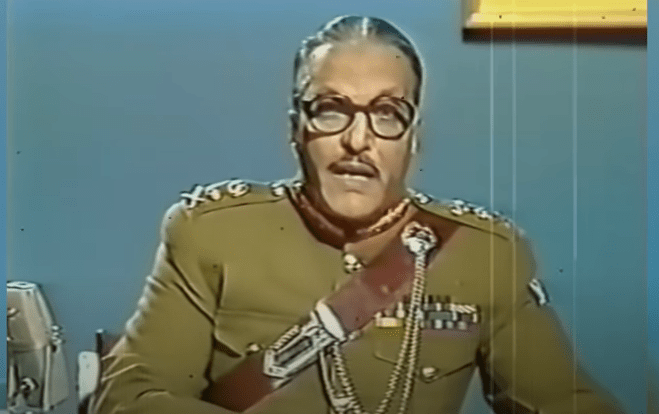
This text excerpt discusses the speaker’s efforts to promote a peaceful and prosperous interpretation of Islam. The speaker details charitable initiatives, such as distributing Zakat funds, and emphasizes the importance of adhering to Islamic principles while addressing social and political issues. The narrative also highlights conflicts with those perceived as opposing these efforts, focusing on instances of alleged conspiracy and disruption. The overarching theme is the speaker’s vision for a just and equitable society guided by their understanding of Islamic teachings. Specific examples include resolving internal conflicts and promoting religious harmony within Pakistan.
Understanding the Source Text: A Study Guide
Short Answer Quiz
Instructions: Answer each question in 2-3 complete sentences.
- What does the speaker claim about the relationship between Pakistan and peace efforts?
- According to the speaker, what tangible progress has been made in the area of Zakat in Nidra?
- What specific actions were taken to reduce the influence of “original Salat in Nidra”?
- How does the speaker describe the Islam they are referring to in their speech?
- What reforms does the speaker attribute to Islam regarding laborers and women?
- What does the speaker say about the nature of Islamic guidance and monopoly?
- What does the speaker identify as the need of the “laughter urine” or enzyme in relation to the Islamic work?
- What specific event in August 1983 does the speaker refer to, and how does it relate to democratic principles?
- What conspiracy is the speaker referring to, and who does he accuse of plotting against Pakistan?
- What does the speaker claim about politicians who use funerals as an excuse to travel?
Answer Key for Short Answer Quiz
- The speaker states that Pakistan is pursuing a policy of peace without compromising on important issues, despite past mistakes. They imply that a significant shift has occurred, with a renewed focus on both internal and external peace, while not conceding any national integrity.
- The speaker mentions that 360 crore rupees have been given to lakhs of orphans and poor people in the form of opium for businesses. The speaker also indicates that investigations are underway to identify the original recipients of Zakat in Nidra to ensure proper distribution.
- The speaker says the importance of the “original Salat in Nidra” has been reduced to a great extent and that it has been purified. They are investigating who the original recipients of the Zakat are and the program is running successfully.
- The speaker identifies the Islam they are talking about as the one brought by Prophet Muhammad, emphasizing its relevance to both past and future. They further highlight its role in enlightenment, human rights, and providing solutions for different situations.
- The speaker mentions that Islam gave importance to the rights of laborers, and transformed women (Fatima) into prosperous and useful members of society. This also included providing housing to minorities and guaranteeing their rights.
- The speaker claims that Islamic guidance is flexible and can be applied in all kinds of situations, and that there is no specific monopoly over its interpretation, besides the Quran and Sunnah. This shows that this interpretation is not solely held in the hands of a few.
- The speaker identifies the need of the “laughter urine” as a need to test and take the “infrared Islam” forward and that it is needed to get people working together on “Islamic work.”
- The speaker references an event on August 12, 1983, when they introduced a new political practice that they claim adhered to both Islamic principles and the demands of the people. It is presented as an attempt to uphold democratic principles while observing the Islamic limits of democracy.
- The speaker alleges a conspiracy by unnamed individuals, led by a figure named Nasir, to create chaos in Pakistan with the help of foreign powers. They also imply that this conspiracy was designed to undermine the safety of the country.
- The speaker implies that some politicians use participation in the funeral prayers of relatives as a cover to travel to meet and conspire. He implies this is a misuse of these situations and that they do not have pure intentions.
Essay Questions
Instructions: Please choose one or more of the following questions to answer in essay format. Your essay should include a thesis statement, supporting arguments, and proper evidence from the text.
- Analyze the speaker’s use of Islamic rhetoric. How does the speaker attempt to connect their policies and actions to religious ideals? What effect does this have on the overall message of the speech?
- Examine the speaker’s attitude towards the opposition. How do they portray their opponents, and what strategies do they use to discredit them? How does this contribute to the overall goals of the speaker?
- Discuss the theme of internal versus external threats to the country, as presented in the speech. What is the speaker’s emphasis and how do they justify that focus?
- Analyze the connections that the speaker makes between religion and governance and democracy. How does the speaker define Islamic democracy and what arguments are made to support this?
- Considering that this text is an excerpt from a speech, what are some of the ways that this text is impacted by its speech format? What does that mean for the analysis of the text?
Glossary of Key Terms
- Zakat: One of the five pillars of Islam, referring to the practice of charitable giving, often a percentage of one’s wealth, to help the poor and needy.
- Nidra: As used in this context, it is a specific location or entity associated with Zakat, though its broader meaning is ambiguous in the provided text.
- Salat: The ritual prayer performed by Muslims five times a day.
- MashaAllah: An Arabic phrase meaning “what God has willed” and used to express appreciation, joy, or admiration.
- Azan: The Islamic call to prayer, recited from a mosque by a muezzin.
- Namaaz: The Persian and Urdu term for Salat, the Islamic prayer.
- Hazrat Mohammad Mustafa Sallallahu Alaihi Wasallam: The complete name of the Prophet Muhammad in Arabic, invoking blessings upon him.
- Ehsan Pranav: A term of unknown origin, and used to describe someone or something that has been enlightened.
- Sunnah: The traditions and practices of the Prophet Muhammad, which serve as a model for Muslims.
- Quran: The holy book of Islam, believed to be the word of God as revealed to the Prophet Muhammad.
- Banyan Tree: Used metaphorically, it likely refers to the vast and deep-rooted nature of Islamic teachings or guidance.
- Qazi: An Islamic judge who applies Islamic law (Sharia) in legal cases.
- Mashad Mohalla Ward: A place of unknown location or a political district.
- Lakhisarai: As used in this context, it is a specific location in which there was illegal activity taking place.
- Sharia: Islamic law based on the Quran and the teachings of the Prophet Muhammad.
A Pakistani Islamic Leader’s Address
Okay, here’s a briefing document analyzing the provided text, focusing on key themes and important ideas:
Briefing Document: Analysis of Excerpted Text
Document Overview:
This document analyzes a transcribed text, which appears to be a speech or address, likely given by a person of authority within a Pakistani context. The speech focuses heavily on religious (Islamic) themes interwoven with political and social commentary. The speaker details achievements, outlines future plans, and denounces opposition. The language is often passionate and accusatory, reflecting a strong ideological stance.
Key Themes and Ideas:
- Religious Justification and Authority:
- Emphasis on a Specific Interpretation of Islam: The speaker repeatedly invokes “that Islam” brought by Prophet Muhammad, emphasizing its comprehensive nature, its focus on social justice (labor rights, women’s rights), and its universality. They contrast this “true” Islam with other, presumably distorted interpretations.
- Quote: “I am talking about that Islam which the great man of the world Hazrat Mohammad Mustafa Sallallahu Alaihi Wasallam brought to us, that I am talking about that Islam which is not only of the past but also of the future…”
- Divine Mandate and Blessings: The speaker attributes their successes to “the blessings of Allah Taala” and presents their work as divinely ordained (“duty and deeds”).
- Islamic Governance and Law: The speaker emphasizes the implementation of Islamic principles and the establishment of systems aligned with these principles. The concepts of Zakat (charity), eliminating interest, and legal frameworks like “the law of Qazi course” are highlighted.
- Quote: “Now, MashaAllah, the time for Zakat in Nidra has come…it has been purified and a strong program is being implemented with satisfaction for the complete elimination of interest…”
- Political and Social Transformation:
- Domestic Policy Achievements: The speaker details specific achievements, such as providing aid to orphans and the poor through Zakat, investigating and addressing issues related to land ownership, reducing the power of “original Salat” (potentially a landholding class), and setting the “future of the entire team including Marks Rai right”.
- Reassertion of Islamic Identity and Practice: The speaker celebrates a perceived change in public attitudes, highlighting that people no longer “hesitate on hearing the Azan” or feel “ashamed of offering Namaaz” or “to be called a Pakistani”. This suggests a push towards greater public display of Islamic devotion and national identity.
- Future Plans for Religious Implementation: The speaker mentions plans to implement “Mashad Mohalla Ward” (possibly an Islamic outreach program) and to make the work of “Bindas Islam” more famous. They aim to use time effectively (“Islamic Masha time”) and finalize the “law of Qazi course”.
- Denunciation of Opposition and “Enemies”:
- Internal Threats: The speech identifies internal opposition figures who are accused of “trying to create disturbance in the construction” and “throwing many innocent people into the fire of his lust and lust”. This group seems to be associated with earlier, opposing policies and actions.
- External and Internal Conspiracies: The speaker accuses unnamed individuals of working with foreign powers, illegally transferring money to Pakistan, and trying to spread chaos within the country. These individuals are labeled as traitors who “spew venom against his own country.”
- Use of Strong Language: The rhetoric employs loaded terms like “conspiracy,” “lust,” “obstinacy,” “venom,” “smell and terror,” and “chopped” to portray opposition as actively malicious and destructive. This demonstrates an ‘us vs them’ mentality.
- Quote: “Now preparations are also being made that after the Indian limit, not only will they be finely chopped, their religion will be helped, that is, it is a matter of extreme need that if this should not be allowed to happen at any cost, then they will be destroyed through smell and terror.”
- Emphasis on Unity and National Identity:
- Pakistani Pride: The speaker frequently mentions being Pakistani and promoting a specific brand of Islamic national pride.
- Peace without Compromise: While striving for peace, they clarify they will not compromise on key issues, suggesting a desire for a strong national stance that does not bend in the face of pressure.
- Quote: “And but we and Pakistan have done a lot wrong and we are going ahead with the policy of peace without compromising on issues.”
- Rejection of ‘Hollow’ Arguments: The speaker criticizes those who “make fun of this volume cost” and “hollow out the roots of this volume cost.” This suggests they are speaking about deeply rooted values and national or religious principles that they see as fundamental and others are trying to undermine.
Key Conclusions:
- The speaker presents a vision of Pakistan deeply rooted in a specific, powerful, and active interpretation of Islam.
- The text reflects a strong desire for societal reform, aligned with religious law, and a dedication to Islamic identity and national unity.
- There’s a clear emphasis on the speaker’s authority, their accomplishments, and a relentless drive to implement their vision, often using harsh criticism against perceived enemies.
- The tone is passionate, and the language implies a belief in a right way of doing things and that other competing ideologies are corrupt and destructive.
Further Analysis:
To further understand this document, it would be beneficial to:
- Identify the Speaker: Knowing who made the speech would greatly contextualize it.
- Determine the Audience: Knowing who the speaker was addressing would help us gauge their intent.
- Establish the Date: Understanding the historical context of the speech (specific time in 1983) would deepen our insight.
- Clarify Terminology: Understanding specific terms like “Nidra,” “Salat,” and “Bindas Islam” would offer clarity to the speaker’s claims.
This analysis provides a foundation for further study of the text and its implications.
Pakistan’s Vision: Peace, Progress, and Islamic Reform
Frequently Asked Questions
- What is the speaker’s primary focus regarding Pakistan’s current situation and future?
- The speaker emphasizes a policy of peace without compromising on core issues, with an equal focus on internal and external matters. They highlight advancements in addressing poverty through initiatives like Zakat distribution and efforts to purify the system by eliminating interest, while also focusing on national identity. The speaker believes significant progress has been made, which had not been accomplished in previous decades. A strong emphasis is placed on the positive changes that are being made to better society and the lives of the people.
- How does the speaker define the type of Islam they advocate for?
The speaker clarifies that they advocate for the Islam brought by Prophet Muhammad (Hazrat Mohammad Mustafa Sallallahu Alaihi Wasallam), which is not confined to the past but relevant to the future. This Islam, according to the speaker, emphasizes removing ignorance, promoting human enlightenment, championing the rights of laborers, and empowering women. It includes protecting the rights of minorities and is seen as flexible enough to address various situations, rejecting any specific monopoly, except for the Quran and Sunnah of Allah. The speaker considers this a model that should be tested and implemented.
- What specific actions have been taken to address economic and social issues under this vision?
The speaker mentions the allocation of 360 crore rupees to orphans and the poor through Zakat, a program aimed at eliminating interest from the economy, and initiatives to secure the future of the team, including Marks Rai. Moreover, efforts are underway to purify the system and reduce the importance of the original Salat, which is deemed detrimental. There are also measures to provide housing to minorities and to safeguard their rights, which highlight the practical approach taken to ensure that the vision is actualized.
- What kind of opposition has this vision faced, and how has it been dealt with?
- The speaker recounts an incident on August 12, 1983, where a person named Nasir created disturbance by opposing a speech that outlined both Islamic principles and the demands of the people. Despite the speech’s democratic and time-bound nature, Nasir was adamant in his opposition and his actions fueled conflict, leading to the shedding of innocent blood. The speaker indicates that the public was able to see through this opposition and that the “nameless person” met their demise, but that there is a constant threat of internal and external forces trying to derail progress. The speaker also expresses concern that those who hate their country want to spread chaos and destruction with the aid of foreign powers.
- What is the significance of the Zakat program mentioned in the text?
The Zakat program is presented as a significant effort to support the needy, with 360 crore rupees already allocated to orphans and the poor. It is part of a broader initiative to not only provide immediate financial assistance but also to reform the economic system by eliminating interest and ensuring that the program itself is free from corruption through ongoing investigations and purifications of the system. The aim is not only to distribute money but to create systems that serve society and those in need.
- Who are the speaker’s primary opponents and what are their motivations?
The speaker’s primary opponents seem to include those who sow discord, create chaos, and oppose the vision that is being put forth. There are also those who are accused of conspiring with foreign powers to spread chaos in Pakistan and undermine its security. Specific individuals are accused of spewing venom against their own country. Additionally, there are those who abuse the system and exploit it to their own advantage, engaging in illegal activities and being motivated by greed and power. The motivations of these opponents are varied, but consistently involve undermining the country or undermining the progress that is being made.
- What is the speaker’s stance on the role of Islamic leaders and the application of Islamic law?
- The speaker states that an Islamic leader has become a “legal martyr for the field” and that the law of Qazi is ready. However, the text also mentions that efforts are being made to mold people according to Islamic principles. The preparations for Islamic work are underway, but it’s emphasized that the current moment is early in the process. They also note the goal of making the “work of other horses Bindas Islam more famous,” which hints at a desire to promote an understanding of Islam as comprehensive and a way of life, not just adherence to a set of rules. The speaker’s overall approach seems to be one of implementing Islamic principles in a practical way that is both progressive and inclusive.
- What are the long-term goals and challenges outlined in the text?
- The long-term goals include establishing a more just and peaceful society rooted in Islamic principles, where the rights of all citizens are protected and economic disparities are reduced. This involves a continuous effort to purify existing systems, eliminate practices like interest, and promote an enlightened understanding of Islam. The challenges include combating opposition from internal and external forces, as well as those who seek to disrupt peace and stability. There’s also an ongoing battle to prevent the spread of corruption and ensure the safety of the country.
Islamic Peace and Pakistani Politics
The source discusses the concept of Islamic peace within the context of Pakistani politics and society, emphasizing the importance of adherence to the principles of Islam while also promoting peace and progress. Here’s a breakdown:
- The speaker advocates for a policy of peace without compromising on core issues. This suggests a commitment to peaceful relations but not at the expense of fundamental beliefs or principles.
- The speaker emphasizes that the version of Islam they adhere to is one that is inclusive and promotes justice. They refer to the Islam brought by Prophet Muhammad, which they say enlightened humanity, gave importance to the rights of laborers, and empowered women, citing the example of Fatima. This indicates a commitment to social justice as part of Islamic practice.
- The speaker highlights the flexibility of Islam. They argue that Islam can guide people in all kinds of situations and is not restricted by specific monopolies. This suggests an interpretation of Islam that is adaptable to different contexts.
- The speaker describes efforts to eliminate interest and implement a strong program, along with the distribution of zakat to orphans and the poor. This suggests the speaker believes the economic principles of Islam are important for a peaceful and just society.
- The source links the concept of peace with adherence to Islamic principles and the needs of the people. The speaker describes how they have promoted peace by following Islam wholeheartedly while also meeting the demands of the people.
- The speaker notes that some people accuse them of using Islam as an excuse to exaggerate their character. However, they claim they have worked to promote peace while following Islam and have achieved great success in this regard.
- The speaker also criticizes those who seek to create chaos and instability in Pakistan. They emphasize that such actions go against the principles of Islam.
- The speaker references a specific incident on August 12, 1983, where they introduced a new practice for the political field, emphasizing both Islamic principles and the demands of the people. This again highlights the intertwining of Islamic principles with practical governance for peace.
- The source emphasizes that Islam is not only a religion of the past but also of the future. This perspective underscores the relevance of Islamic teachings for contemporary society and for long term peace.
- The speaker mentions how people are no longer ashamed of being Pakistani and do not hesitate to offer prayers. This is presented as a sign of the success of their efforts to promote peace and a positive Islamic identity.
Zakat Distribution in Nidra
The source discusses Zakat distribution as a part of a larger effort to promote Islamic principles and social justice. Here’s a breakdown of how Zakat is addressed:
- Zakat is being distributed to orphans and the poor. The source mentions that 360 crore rupees have been given to “lakhs of orphans and poor people” in the form of opium (which seems to be a misinterpretation of the word used in the text, possibly “aid” or “funds”) in businesses. This suggests a large-scale effort to use Zakat funds to support vulnerable populations.
- Zakat is linked to economic justice. The text states that efforts are underway to eliminate interest, along with the distribution of Zakat. This suggests an understanding of Zakat as part of a broader system of Islamic economics aimed at fairness and social welfare.
- The distribution is being done under a program in Nidra. The source mentions “the time for Zakat in Nidra has come”. This indicates a specific program or initiative within a region or organization that is responsible for the Zakat distribution.
- There are efforts to ensure proper allocation and prevent misuse of Zakat funds. The courts and other groups are investigating who the original recipients of Zakat in Nidra are. This suggests an attempt to purify the distribution process and ensure that funds reach those who are intended to receive them.
- The speaker views the successful Zakat distribution as a sign of progress. The speaker sees the Zakat distribution as part of a larger set of efforts which have led to positive changes in society.
In summary, the source presents Zakat distribution as an important part of a larger effort to implement Islamic principles and promote social justice. The speaker emphasizes the scale of the distribution, the efforts to ensure its proper allocation, and its link to other economic reforms.
Political Islam in Pakistan
The source discusses political Islam in the context of Pakistani society and governance, emphasizing the integration of Islamic principles into political life while also addressing challenges and criticisms. Here’s a breakdown of the key aspects:
- Emphasis on Islamic Principles in Governance: The speaker advocates for a political approach rooted in Islamic principles, stating they are moving ahead with a policy of peace without compromising on issues. They believe that Islam, as brought by Prophet Muhammad, provides a framework for social justice, equality, and progress. This version of Islam, they argue, is not only relevant to the past but also to the future.
- Rejection of Extremism: The speaker rejects interpretations of Islam that promote chaos or instability. They criticize those who use Islam as an excuse to exaggerate their character or incite violence, instead promoting an Islam that is flexible and can guide people in all kinds of situations.
- Implementation of Islamic Practices: The source details efforts to implement specific Islamic practices, such as the distribution of Zakat to orphans and the poor, and the elimination of interest. These are presented as concrete steps towards building a more just and equitable society based on Islamic values. The distribution of 360 crore rupees to the needy is specifically highlighted as an achievement.
- Link Between Islam and the Needs of the People: The speaker connects adherence to Islamic principles with meeting the demands of the people, suggesting that the two are not in conflict. The speaker describes the introduction of a new political practice on August 12, 1983 which is an example of how the basic principles of Islam can be integrated with the demands of the people.
- Defense Against Criticism: The speaker addresses criticism against their approach to Islam, saying they have not tried to exaggerate their character by making Islam an excuse, but have rather promoted peace by following Islam wholeheartedly. This suggests an awareness of differing views and an effort to defend their actions and intentions.
- Internal and External Challenges: The source also discusses challenges to this vision of political Islam. It mentions internal elements that seek to disrupt stability by spreading chaos and violence, and also foreign influences that are attempting to destabilize the country. There are individuals who the speaker feels do not hesitate to spew venom against Pakistan in their implementation of Islam.
- Focus on National Identity: The speaker mentions how people are no longer ashamed of being Pakistani and do not hesitate to offer prayers, which suggests that their political Islam is associated with strengthening national identity and pride.
- Islamic Law: The speaker mentions the law of Qazi course is ready and that the Islamic leader has become a legal martyr for the field, however, they note that it is still too early to begin the work.
In summary, the source portrays a political Islam that seeks to integrate Islamic principles into all aspects of governance and society, with a focus on promoting peace, justice, and national unity, while actively confronting internal and external threats.
Islamic Tolerance in Pakistan
The source discusses religious tolerance within the context of promoting an inclusive Islamic society in Pakistan, emphasizing the protection of minority rights while also addressing challenges to this approach.
- Protection of Minority Rights: The speaker explicitly mentions that their version of Islam gives houses to minorities and guarantees their rights. This indicates a commitment to protecting religious minorities within the society, ensuring they are not marginalized or discriminated against. The speaker argues that Islam is not just for the past, but for the future and emphasizes that their interpretation of Islam promotes the rights of all people, suggesting that this includes those who are not Muslim.
- Emphasis on Inclusivity: The speaker presents an interpretation of Islam that is flexible and not restricted by specific monopolies, stating that it can guide all people in all kinds of situations. This suggests that the speaker’s vision of Islam is inclusive and does not seek to impose a rigid or exclusionary set of rules or beliefs.
- Criticism of Intolerance: The speaker criticizes those who seek to create chaos and instability in Pakistan, and states that these actions are against the principles of Islam. This suggests that the speaker views religious intolerance and violence as a perversion of true Islamic principles.
- Promoting Peaceful Coexistence: The speaker emphasizes that they have worked to promote the peace of Islam and have achieved success in this regard. The speaker also notes that people are no longer ashamed of being Pakistani and do not hesitate to offer prayers, which is presented as a positive development. This suggests that the speaker’s approach aims to create a society where different religious groups can coexist peacefully and practice their faith without fear of discrimination or persecution.
- Challenges to Tolerance: The source notes that there are internal and external challenges to the speaker’s vision of a tolerant society. This suggests that promoting religious tolerance is an ongoing struggle, and there are forces that seek to undermine these efforts. Specifically, the speaker mentions that there are individuals who do not hesitate to “spew venom” against their own country and promote the destruction of Pakistan and a different implementation of Islam.
In summary, the source portrays a view of Islam that is inherently tolerant, emphasizing the protection of minority rights, promoting inclusivity, and condemning violence and discrimination, while also acknowledging challenges to implementing this vision in practice.
Pakistan’s National Security: Internal and External Threats
The source addresses national security within the context of Pakistan, focusing on both internal and external threats and emphasizing the role of Islam in maintaining stability and unity. Here’s a breakdown of the key aspects:
- Internal Threats: The source highlights internal elements that seek to destabilize the country by spreading chaos and violence. The speaker criticizes individuals who, in their view, misuse Islam as an excuse to promote their own agendas and incite conflict.
- External Threats: The source also discusses external forces that are attempting to undermine Pakistan’s security. The speaker mentions foreign powers that are allegedly conspiring with internal actors to spread chaos and destabilize the country.
- Response to Threats: The speaker emphasizes the need to confront these threats decisively. The speaker mentions plans to deal with those who are seen as enemies of the state after the Indian limit, suggesting a strong response against both internal and external threats. They also reference a plan to “destroy through smell and terror” those who are seen as working against the interests of the country. The speaker notes that these individuals also have invented a special minister, Ajwain, and that this minister and other criminals are being brought illegally into Pakistan from Lakhisarai.
- Role of Islam in National Security: The speaker believes that adherence to the true principles of Islam is essential for maintaining national unity and security. The speaker argues that their interpretation of Islam promotes peace, justice, and social harmony, which are crucial for national stability. They also present their efforts to implement Islamic practices, such as Zakat distribution and the elimination of interest, as steps towards building a stronger and more secure society.
- Promotion of National Identity: The source notes that people are no longer ashamed of being Pakistani and do not hesitate to offer prayers, which is seen as a sign of positive national identity and unity. This suggests that the speaker views the promotion of a strong Islamic identity as a key component of national security.
- Criticism of those who oppose National Security: The speaker criticizes individuals who “spew venom” against their own country and promote the destruction of Pakistan. They mention that such people are willing to spread chaos and cause innocent people to suffer. They also note that there are politicians who travel a long distance to attend funerals, but do not work to protect the country.
- Systemic Threats: The speaker notes that there are people who do not see the sun during the day, and pass tehsil dates on their neighbors, which has resulted in the loss of countless lives. The speaker also states they will not allow anyone to play with the example and safety of the country in the name of system.
In summary, the source presents national security as a multifaceted challenge involving both internal and external threats, and emphasizes the role of a particular interpretation of Islam in promoting peace, unity, and stability, while also highlighting the need to confront those who seek to undermine the country’s security.

By Amjad Izhar
Contact: amjad.izhar@gmail.com
https://amjadizhar.blog
Affiliate Disclosure: This blog may contain affiliate links, which means I may earn a small commission if you click on the link and make a purchase. This comes at no additional cost to you. I only recommend products or services that I believe will add value to my readers. Your support helps keep this blog running and allows me to continue providing you with quality content. Thank you for your support!

Leave a comment