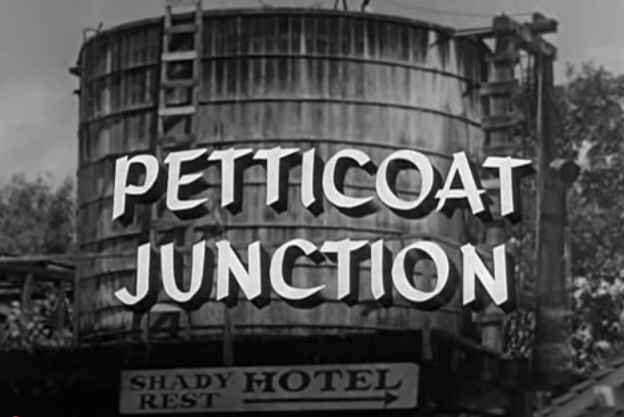
The text is a transcript from a musical play or film, centered around a small-town hotel and its eccentric proprietor, Kate. Kate and her family devise a clever plan to outsmart a railroad vice-president, Mr. Bedlow, who intends to shut down their local train line. Their scheme involves pampering Bedlow to the point of distraction, allowing them to secretly send the train to its destination before he can act. Ultimately, the ruse succeeds, and Bedlow changes his mind, saving the train and the livelihoods it supports.
Petticoat Junction Study Guide
Quiz
Answer the following questions in 2-3 sentences each.
- What is the Shady Rest hotel, and who runs it?
- Why does Kate try to keep Mr. Bedlow asleep?
- What is Mr. Bedlow’s plan regarding the railroad?
- How does Kate try to win Mr. Bedlow over?
- Why does the train leave for Pixley without Mr. Bedlow?
- How does the town’s citizens feel about the Hooterville Cannonball?
- What does Kate tell Mr. Bedlow about the train when he asks her why he shouldn’t cancel it?
- What happens when Mr. Bedlow tries to travel to Hooterville by handcar?
- What position does Marshall Drucker hold?
- What does Kate mean when she says she and the town have Mr. Bedlow over a barrel?
Quiz Answer Key
- The Shady Rest is a small hotel located at the junction of the railroad, and it is run by Kate.
- Kate wants to keep Mr. Bedlow asleep so the town can sneak him and the other overnight passengers onto the train and send it to Pixley. She hopes to get it out of the station before Mr. Bedlow has a chance to stop it.
- Mr. Bedlow’s plan is to shut down the railroad because it is not profitable; this will result in also closing down the Shady Rest Hotel.
- Kate tries to win Mr. Bedlow over by giving him the best room in the hotel, serving him breakfast in bed, and ensuring he has a very pleasant experience with great food, hospitality, and song. She hopes the kindness will change his mind.
- The townspeople decide to sneak the passengers onto the train and send it to Pixley to prevent Bedlow from cancelling the railway.
- The town’s citizens depend on the Hooterville Cannonball for many reasons: transporting crops, taking kids to school, and bringing supplies to town.
- Kate tells Mr. Bedlow that while the train does not make money, it also does not lose any, as it’s operated by two men on pensions who get wood and water for free.
- Mr. Bedlow travels to Hooterville by handcar but becomes physically exhausted. He gets stranded after the handcar breaks down.
- Marshall Drucker holds many positions in Hooterville: he is a marshal, a general store owner, the publisher of a newspaper, the postmaster, and the mayor.
- By “over a barrel,” Kate means they have Mr. Bedlow in a position where he has little power because he is outnumbered, has committed a transgression, and they are willing to use legal means to achieve their aims.
Essay Questions
- Discuss the central conflict in “Petticoat Junction,” focusing on the opposing viewpoints of Kate and Mr. Bedlow. Analyze the strategies they employ to achieve their goals, highlighting the effectiveness of Kate’s approach.
- Explore the significance of the Hooterville Cannonball to the community in “Petticoat Junction.” How does the train represent more than just transportation? What is its symbolic importance to the characters and the broader themes of the text?
- Analyze the portrayal of gender roles in “Petticoat Junction.” How do the characters challenge or conform to traditional expectations? Consider the dynamic between Kate and the other women of the town and the male characters such as Mr. Bedlow, Uncle Joe, Charlie, and Floyd.
- Evaluate the use of humor and comedy in “Petticoat Junction.” How does the lighthearted tone contribute to the themes of the text? Is there a more serious message underlying the comedic events?
- Discuss the theme of community in “Petticoat Junction,” focusing on how the town works together to save the train line. Include an analysis of the ways in which cooperation and shared values serve to overcome individual ambitions.
Glossary of Key Terms
Junction: A place where railway lines meet or cross; in this context, it refers to the location of the Shady Rest hotel.
Hooterville Cannonball: The name of the train that runs through the valley, the livelihood of the Shady Rest and its surrounding town.
Pixley: The destination to which the train is attempting to travel; the town Mr. Bedlow wants to get to so he can shut the railroad down.
Shady Rest: The hotel run by Kate at the train junction; it’s the central location for much of the action.
Mr. Bedlow: The railroad vice president who wants to shut down the railroad branch line.
Kate Bradley: The owner of the Shady Rest hotel, she is also the main character and the key to stopping Mr. Bedlow from cancelling the railroad.
Charlie and Floyd: The engineer and fireman, respectively, who run the Hooterville Cannonball.
Uncle Joe: Kate’s Uncle who assists with the operation of the hotel and provides occasional, often misguided advice.
Marshall Drucker: A multi-faceted character who serves as marshal, general store owner, newspaper publisher, postmaster, and mayor of Hooterville.
Handcar: A small rail vehicle powered manually, used by Mr. Bedlow to get to Hooterville.
Hooterville Cannonball: A Community’s Triumph
Okay, here’s a detailed briefing document analyzing the provided text, which appears to be a transcript of a humorous, folksy narrative, likely a screenplay or teleplay:
Briefing Document: “Petticoat Junction” Analysis
1. Overview
This document analyzes a transcript from what appears to be a narrative, possibly a script, centered around a small, rural community, their beloved local train, and a railroad executive trying to shut it down. The story is characterized by a lighthearted tone, comedic situations, and a focus on the ingenuity and community spirit of the residents. The central conflict arises from the clash between the pragmatic, profit-driven perspective of the railroad executive and the sentimental, community-centered perspective of the townspeople.
2. Key Themes and Ideas
- Community vs. Corporate Interests: The core conflict revolves around the struggle of a close-knit community to protect their vital train service (the “Hooterville Cannonball”) from a heartless railroad executive focused on profit. This is a classic “David vs. Goliath” scenario, emphasizing the importance of local values and needs over corporate efficiency.
- Ingenuity and Resourcefulness: The townspeople, particularly Kate, the hotel owner, demonstrate impressive creativity and adaptability. They resort to unconventional tactics, including deception and trickery, to thwart Mr. Bedlow’s plans. As Kate says, “…feller like that you gotta outsmart out-think.”
- The Power of Kindness and Hospitality: Despite Mr. Bedlow’s initial antagonism, Kate and her daughters treat him with disarming generosity and hospitality. This approach, while seemingly counterintuitive, is actually a calculated strategy to win him over. As Kate says, “I’m doing everything for a reason…”
- The Sentimental Value of Local Institutions: The Hooterville Cannonball isn’t just a train; it’s a lifeline for the community, providing transportation, delivering essential goods, and even acting as a symbol of community identity. The characters emphasize the train’s importance, and its connections to all aspects of life, from getting to school to going to church. “…the folks in this valley depend on that train it hauls the farmer’s crops to market it takes their children to school it brings their supplies from town and on sunday it makes a special trip just to take folks to church…”
- The Importance of Local Leadership: Kate serves as a central leader in the community. She is clever, decisive, and able to mobilize others to protect their interests. Her strategies, however unorthodox, are vital to the town’s survival.
- The Ineffectiveness of Force: Uncle Joe advocates for a more confrontational approach, believing that “fighting the railroad’s a man’s job,” but ultimately it’s Kate’s strategic kindness and guile, rather than force, that prevail.
- The Power of Narrative: The story emphasizes how powerful telling a personal narrative is. When Mr. Bedlow hears the stories of how the town uses the train, he changes his perspective and stops his plan. “…you and your lovely daughters have taken the time and the trouble to explain what the hooterville cannonball means to you and your neighbors after all of that could any man say scrap that little train.”
3. Key Characters
- Kate: The owner of the Shady Rest hotel, she is the resourceful and strategic leader of the community’s efforts. She is calm under pressure, clever, and skilled at manipulating situations to her advantage.
- Mr. Bedlow: The railroad executive intent on shutting down the train. Initially portrayed as a cold, heartless businessman, he eventually succumbs to the charm of the community. He is a foil for the townspeople.
- Uncle Joe: He is a curmudgeonly character who often voices his disapproval of Kate’s methods but also provides comedic relief. He believes in force and confrontation, but eventually aligns with Kate.
- Charlie & Floyd: The train’s engineer and fireman, respectively. They are loyal to the community and willing to assist in Kate’s plans, even if they are unconventional or risky.
- The Daughters: Kate’s daughters are a united force that aids in her plans and is always working to provide for the well-being of the town’s guests.
- Marshall Drucker: A multi-talented local official. Serves as a lawman, postmaster, newspaper publisher, and mayor.
4. Plot Summary and Key Events
- The Setup: Mr. Bedlow arrives at Shady Rest to shut down the Hooterville Cannonball. The townspeople, led by Kate, decide to stop him from reaching Pixley to issue the order.
- The Deception: The townspeople use a combination of distractions, kindness, and outright trickery (moving the train while Mr. Bedlow is asleep in the hotel’s best suite, lavishing him with attention and food) to keep Mr. Bedlow in their town for as long as possible. They take his train to Pixley before he can issue the orders.
- The Confrontation: Mr. Bedlow is left stranded when the train leaves without him. He eventually makes his way to Hooterville and tries to enact his plans, only to be served a long list of lawsuits, and be confronted with the stories of the train’s importance.
- The Resolution: Mr. Bedlow is won over by the community’s kindness and the emotional appeal of their dependence on the train. He agrees to let the Hooterville Cannonball continue operations, effectively reversing his initial decision.
- The Aftermath: The community celebrates their victory. Despite Kate’s seeming “blunder” in letting him leave, all ends well and the train is saved.
5. Important Quotes
- “come ride the little train that is rolling down the tracks to the junction forget about your cares it is time to relax at the junction” – Introduces the central image of the story: the train and the community it serves.
- “feller like that you gotta outsmart out-think.” – Kate’s strategy is about thinking a step ahead.
- “I’m doing everything for a reason” – Kate justifies her seemingly odd behavior of showing Mr. Bedlow kindness as a strategic tactic.
- “…the folks in this valley depend on that train it hauls the farmer’s crops to market it takes their children to school it brings their supplies from town and on sunday it makes a special trip just to take folks to church” – Highlights the importance of the train to the community, emphasizing its multiple vital functions.
- “…you and your lovely daughters have taken the time and the trouble to explain what the hooterville cannonball means to you and your neighbors after all of that could any man say scrap that little train.” – Shows the power of the town’s story and how it changes Mr. Bedlow’s perspective.
- “You know Kate, this first time you ever rode up here I’m the last” – Expresses the sentimental importance of the train to its residents, particularly those like Charlie who have seen generations come and go.
6. Conclusion
This narrative emphasizes the importance of community, the effectiveness of kindness and ingenuity, and the power of sentiment over cold, calculated business decisions. The story’s humorous tone and lighthearted approach belies a deeper theme of community resilience in the face of corporate pressure. The story is a testament to the idea that local values and human connection are often more valuable than the pursuit of profit, and can even change the minds of those who may have started with different goals.
Saving the Hooterville Cannonball
Frequently Asked Questions: The Hooterville Cannonball
1. What is the main conflict in this story, and who are the key players involved? The central conflict revolves around Mr. Bedlow, a railroad vice president, who plans to shut down the Hooterville Cannonball, a small, local train line. The main players are Kate Bradley, the owner of the Shady Rest Hotel, and her family and friends, including her daughters, Uncle Joe, Charlie (the engineer), and Floyd (the fireman), who are determined to save the train and their community.
2. Why is Mr. Bedlow staying at the Shady Rest Hotel, and what unusual treatment does he receive? Mr. Bedlow arrives at the Shady Rest Hotel with the intention of inspecting and ultimately shutting down the railroad. He is given the best room in the hotel, the bridal suite, and is treated with excessive hospitality, including midnight eggnog, breakfast in bed, and constant pampering, all part of a plan to delay and ultimately change his mind about closing the railroad.
3. How do the residents of Shady Rest initially try to change Mr. Bedlow’s mind, and what are their motivations? The residents initially try to change Mr. Bedlow’s mind through extreme kindness and hospitality. Their motivation is to demonstrate the importance of the Hooterville Cannonball to their community, highlighting its role in transportation, commerce, and social life. They hope that by showing Bedlow the value of the train through acts of kindness, he will reconsider his decision.
4. How does the train end up leaving for Pixley without Mr. Bedlow, and what role does Kate play in this? Kate orchestrates a plan to get the train to Pixley without Mr. Bedlow. She convinces everyone to board the train while he is still asleep. By giving Mr. Bedlow the best treatment, she bought time to move the train and its passengers, preventing him from immediately shutting it down. Kate masterminds the plan and leads her family and friends to carry it out.
5. What is Mr. Bedlow’s opinion of the Hooterville Cannonball and the residents of Shady Rest, and how does it evolve throughout the story? Initially, Mr. Bedlow views the Hooterville Cannonball as a pointless, money-losing operation and the residents of Shady Rest as overly sentimental. Throughout the story, however, he is gradually won over by their genuine kindness, hospitality, and their heartfelt explanations of the train’s importance to the community. He is also impressed by the community’s collective efforts to save the train.
6. What ultimately prevents Mr. Bedlow from shutting down the railroad, and how is this resolved? Mr. Bedlow is ultimately persuaded not to shut down the railroad after experiencing firsthand how crucial it is to the community. He’s also confronted with a long list of summonses, complaints, subpoenas and overdue bills. He’s effectively cornered and gives in to pressure, agreeing to let the Hooterville Cannonball continue running.
7. What are some of the humorous moments in the story and what do they contribute to the story? The story includes several humorous moments, such as the frantic efforts to keep Mr. Bedlow asleep, the chaos surrounding the train’s departure, and the exaggerated hospitality offered to Mr. Bedlow. These moments lighten the tone and highlight the absurdity of the situation, creating charm and humor while underscoring the community’s resourcefulness and determination.
8. What does the story suggest about the value of community and small-town life? The story emphasizes the importance of community spirit and the significant role that even a small, seemingly insignificant entity like a local train can play in people’s lives. It highlights the value of small-town values, genuine connection, and how strong community bonds can overcome challenges from outside forces like the cold business dealings of a large railroad company.
Saving the Pixley Line
The sources describe a train journey that is central to the plot, involving a plan to prevent a railroad executive, Mr. Bedlow, from shutting down a local train line. Here’s a breakdown of the journey and related events:
- The initial plan: Kate, the owner of the Shady Rest hotel, devises a plan to get Mr. Bedlow on the train heading to Pixley, believing that if he experiences the importance of the train to the community, he might change his mind. To do this, she has Mr. Bedlow stay in the bridal suite, serves him a midnight eggnog to ensure he sleeps soundly, and prepares a special breakfast in bed for him to delay his waking up.
- Sneaking the train out: While Mr. Bedlow is sleeping, the residents of the Shady Rest and the hotel staff, along with some salesmen, sneak onto the train. They leave without him, intending to take the train to Pixley, where it needs to go anyway, before he can interfere. This is meant to get the train to Pixley before Mr. Bedlow can stop it, effectively outmaneuvering him. The engineer, Charlie, is also part of this plan.
- Mr. Bedlow’s reaction: When Mr. Bedlow wakes up and realizes the train is gone, he is furious. He’s even more upset when he learns they used his train and left him behind.
- The train’s journey: The train is intended to go to Pixley, but it continues on to Hooterville. While on the train, there is discussion of the importance of the train line to the community. There is also an attempt to further delay Mr. Bedlow by having Kate and her daughters sing to him and provide him with meals on the train.
- Mr. Bedlow’s pursuit: After realizing he’s been tricked, Mr. Bedlow attempts to follow the train. He first tries to get a ride, and then travels to Hooterville via a handcar.
- The resolution: Upon arrival in Hooterville, Mr. Bedlow is confronted with a list of grievances by the townspeople, who are all represented by Marshall Drucker. The situation forces Mr. Bedlow to reconsider shutting down the line. Mr. Bedlow agrees to let the train continue running.
Shady Rest Hotel Shenanigans
The sources describe a series of “shenanigans” at the Shady Rest Hotel, all centered around the plan to prevent Mr. Bedlow from shutting down the local train line. These actions can be summarized as follows:
- Deceptive Hospitality: Kate and her family go to great lengths to make Mr. Bedlow comfortable, but with a hidden motive. They give him the best room in the hotel, the bridal suite. They serve him a hot eggnog at midnight to ensure he sleeps soundly. They plan a special breakfast in bed to delay his waking up and discovering the train’s departure. This hospitality is a ruse designed to keep Mr. Bedlow out of the way while they execute their plan to get the train to Pixley.
- Breakfast Diversion: The family’s efforts to delay Mr. Bedlow go as far as having Billy Joe gather eggs, and they prepare a special breakfast of ham, bacon, and sausage. They also include flowers for his room. The goal is to keep him occupied and in his room, and unaware that the train is about to leave without him.
- Sneaking off with the train: While Mr. Bedlow is asleep, the hotel residents and staff sneak onto the train and leave without him. This is a key act of “shenanigans” as it is done specifically to thwart Bedlow’s plans. They are also accompanied by some salesmen who were staying at the hotel.
- Dealing with Uncle Joe: Uncle Joe is initially upset about Mr. Bedlow getting special treatment. He feels that Mr. Bedlow is not deserving of such hospitality. This adds a layer of comedic tension to the situation as the family is trying to implement the plan. Uncle Joe also has to be convinced that this plan has merit.
- Consequences of the Shenanigans: As a result of the hotel staff’s antics, Mr. Bedlow is initially furious. He finds himself stranded and has to find another way to Hooterville to stop the train from running.
In short, the “shenanigans” at the hotel are a deliberate series of actions designed to deceive and delay Mr. Bedlow, all in an effort to protect the train line and the community that depends on it.
Saving the Hooterville Cannonball
The sources detail a significant conflict surrounding the local railroad, specifically the Hooterville Cannonball, and the efforts to keep it running. Here’s a breakdown of the railroad conflict:
- The threat: Mr. Bedlow, a railroad vice president, arrives with the intention of shutting down the Hooterville Cannonball, which is a branch line of the CNFW Railroad. He believes it is a bad business and is not profitable. His goal is to cancel the train and discontinue its services.
- The Community’s Dependence: The residents of the valley heavily rely on the train for various essential services. It hauls crops to market, transports children to school, delivers supplies, and even provides transportation to church on Sundays. The train also brings a doctor to the community in times of emergency. The community sees the train as vital to their lives, not just as a mode of transportation. The train is described as having a special meaning to the community, with it being a “lullaby to the children”, “a song of love” to young people and “a hymn of comfort” to older people.
- Kate’s opposition: Kate, the owner of the Shady Rest Hotel, is determined to prevent the railroad from being shut down. She understands the importance of the train to the community. She becomes the de facto leader in the efforts to save the line, devising a plan to get the train to Pixley while Mr. Bedlow is delayed. Kate’s approach is to use kindness and hospitality, but also sneakiness to delay Mr. Bedlow and keep the train running.
- Efforts to thwart Mr. Bedlow: The community, led by Kate and her family, engages in various strategies to delay Mr. Bedlow and ensure the train departs without him. They use deception, delaying tactics, and even a bit of trickery to keep Mr. Bedlow from interfering.
- Mr. Bedlow’s Pursuit: After being tricked, Mr. Bedlow is angry and attempts to pursue the train to stop it. He tries to get a ride to get to the train and then resorts to using a handcar to get to Hooterville.
- The standoff: Mr. Bedlow catches up with the train in Hooterville. He intends to stop it, but is served with a large number of summonses and bills for damages and services by the townspeople, represented by Marshall Drucker. Mr. Bedlow is faced with the prospect of a trial, and, in a move of judicial leniency, the cases would be postponed if Mr. Bedlow would let Floyd and Charlie run the railroad.
- Resolution: Ultimately, Mr. Bedlow is moved by the community’s passion and dependence on the train, and he relents. He allows the Hooterville Cannonball to continue operating, resolving the conflict. He states that it doesn’t make sense to help folks when they need it and that he will stop trying to shut the train down.
The conflict, therefore, is not just about the financial viability of the railroad, but also about the importance of community and the impact of decisions on people’s lives. It showcases a community banding together to save a vital part of their lives and their community.
Family Teamwork Saves the Hooterville Cannonball
The sources highlight the strong sense of family teamwork among Kate and her daughters, as well as the extended family and community at the Shady Rest Hotel. This teamwork is essential to their efforts to save the Hooterville Cannonball. Here are some key aspects of their collaboration:
- Unified Goal: The family is united in their objective to prevent Mr. Bedlow from shutting down the train line. They all understand the importance of the Hooterville Cannonball to their community and are committed to working together to keep it running.
- Kate’s Leadership: Kate is the clear leader of the family and the central figure in the plan to save the railroad. She is the one who comes up with the initial plan, and she directs the actions of the family and staff. Her family and staff follow her instructions, indicating her authority and their willingness to work with her.
- Division of Labor: Each family member has a specific role to play in the plan, indicating a coordinated effort.
- The daughters: They help with the hotel operations and actively participate in the plan. They prepare breakfast, sing to Mr. Bedlow, and generally assist with the overall effort to delay him. They are also responsible for making sure the train leaves without him.
- Billy Joe: He is tasked with gathering eggs for Mr. Bedlow’s special breakfast.
- Bobby Joe: He is assigned to keep an eye on the upstairs to make sure Mr. Bedlow doesn’t wake up early. He is also tasked with starting to cook the ham, bacon, and sausage, being instructed not to burn it.
- Uncle Joe: Though initially reluctant, he becomes an active participant in the plan. He suggests that they should sneak everybody, including Mr. Bedlow, onto the train. He also helps come up with a plan to resolve the issue after Mr. Bedlow catches up to the train.
- Adaptability and Quick Thinking: The family demonstrates flexibility and the ability to think on their feet when they make changes to their plan. They are able to make changes to the plan, such as figuring out how to get the train to Pixley by leaving before Mr. Bedlow can interfere. They also make changes when Mr. Bedlow attempts to follow them to Hooterville.
- Communication and Coordination: While there is some comedic bickering, the family generally communicates well and coordinates their actions. They manage to execute the plan to delay Mr. Bedlow and sneak the train out of the station while he is asleep.
- Teamwork Extends Beyond the Immediate Family: The family’s teamwork extends to include other members of the community who help them with their plan. The salesmen at the hotel also join them on the train.
- Supportive Relationships: The family members demonstrate a supportive dynamic. Despite their occasional disagreements, they back each other and work together to achieve their goals. The daughters support Kate’s decisions and work with her.
In summary, the family’s teamwork is crucial to the plot, showing how coordinated and cooperative efforts can be effective in the face of adversity. The family’s ability to work together, support each other, and adapt to changing circumstances demonstrates their deep bonds and shared commitment to their community.
The Hooterville Cannonball Caper
The sources highlight several instances of clever deception employed by Kate and her family to prevent Mr. Bedlow from shutting down the Hooterville Cannonball. These deceptions are central to the plot and showcase the family’s resourcefulness and quick thinking. Here are the key examples of their clever deception:
- Feigned Hospitality: Kate uses the guise of extreme hospitality to manipulate Mr. Bedlow. She gives him the best room in the hotel, the bridal suite, and ensures he is comfortable. She serves him hot eggnog at midnight, which is meant to make him sleep soundly. The family prepares a special breakfast in bed to delay his waking up and discovering the train’s departure. This over-the-top kindness is all a calculated effort to lull him into a false sense of security and keep him out of the way.
- Delaying Tactics: The family employs various tactics to delay Mr. Bedlow and keep him in his room. The preparation of a special breakfast, complete with flowers, is intended to keep him occupied. The idea is to keep him from realizing that they are sneaking the train out. They are trying to delay him from waking up until after the train has left.
- Sneaking the Train Out: While Mr. Bedlow is sleeping, the hotel staff, residents, and salesmen sneak onto the train and leave without him. This is a key act of deception as it is done specifically to thwart Bedlow’s plans. They use the fact that the train is scheduled to go to Pixley to their advantage and leave before he can stop it.
- Misleading Mr. Bedlow: When Uncle Joe is looking for his bathrobe, he is told that Mr. Bedlow is sleeping in the bridal suite. This is done to keep him from disturbing Mr. Bedlow and potentially exposing their plan. When Mr. Bedlow awakens and asks about the train being gone, he is given an answer that implies that it is not his concern.
- Using Kindness as a Weapon: The family continues to use kindness and hospitality as a way to further delay and disarm Mr. Bedlow, even after he catches up with the train in Hooterville. They sing to him, serve him meals, and generally treat him as an honored guest. This is all done to manipulate him and convince him that the community needs the train.
- Marshall Drucker’s Summonses: Marshall Drucker uses legal trickery to trap Mr. Bedlow. Drucker serves Mr. Bedlow with a large number of summonses and bills for damages caused by his train over the past 20 years. This action gives the community leverage over Bedlow by making him deal with the threat of legal action.
- Playing on Mr. Bedlow’s Ego: Kate and her daughters use flattery and charm to manipulate Mr. Bedlow. Kate makes remarks about how successful and handsome he is and how his wife must be beautiful. She and her daughters also use music and the importance of the train to the community to appeal to his emotions.
In each of these cases, the deception is used to achieve a specific goal: to keep the Hooterville Cannonball running. The family’s cleverness and resourcefulness enable them to outwit Mr. Bedlow, ultimately leading to the resolution of the conflict. The deceptions are not malicious; they are a means to an end, driven by the family’s and community’s need to protect their way of life.

By Amjad Izhar
Contact: amjad.izhar@gmail.com
https://amjadizhar.blog
Affiliate Disclosure: This blog may contain affiliate links, which means I may earn a small commission if you click on the link and make a purchase. This comes at no additional cost to you. I only recommend products or services that I believe will add value to my readers. Your support helps keep this blog running and allows me to continue providing you with quality content. Thank you for your support!

Leave a comment