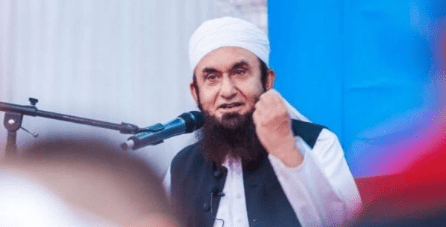
The provided text presents an interview with Molana Tariq Jamil, focusing on various questions from the public. He addresses concerns regarding a Mansehra incident and divisions within the Tablighi Jamaat, clarifying his stance and emphasizing the natural occurrence of differences in religious discourse. The Molana also fields questions about his perceived political affiliations, vehemently denying any involvement and highlighting his long-standing interactions with various political figures without personal gain. Finally, he offers guidance on maintaining faith, raising children, and the appropriate use of media for religious outreach, stressing that his public statements are only made when the integrity of Tablighi work is at stake, not for personal attacks.
The Mansehra Incident: Divisions within Tablighi Jamaat
The “Mansehra Incident” refers to a deeply troubling event that occurred in Mansehra, which Maulana Tariq Jamil (MTJ) states caused him profound sadness. This incident highlighted significant divisions within the Tablighi Jamaat.
Here are the key details about the Mansehra incident and Maulana Tariq Jamil’s response to it:
- Description of the Incident
- Obstruction and Sabotage: According to Maulana Tariq Jamil, “27 vehicles were parked on the route I had to take to go”. Additionally, there were three other routes leading to the ‘Ishtamgah’ (gathering place), and pits were dug in them. Wooden bridges over a spring passing through these routes were broken.
- Physical Prevention Tactics: MTJ heard from his companions, who witnessed it, that pointed gravel was also brought to puncture tires if he attempted to come. While he lacked confirmation for the gravel, he confirmed the blocking of roads, digging of pits, and breaking of bridges.
- Intimidation and Confrontation: The incident involved covering the ‘member’ (presumably a stage or a designated speaking spot) from all sides. Students from the Mansehra Markaz were made to sit in front of the member with the intent to “catch hold of me from there and push me back” if he tried to approach.
- Hooliganism against Tabligh’s Work: MTJ characterized this as “hooliganism to stop the one who devoted his whole life” to the work of Tabligh. He noted that the incident occurred in the presence of figures like Mauli Khurshid Maulik and Shoora people.
- Maulana Tariq Jamil’s Decision to Break Silence
- Prior Silence on Personal Attacks: MTJ has a long history of maintaining silence on personal criticisms and allegations, stating that accusations against him began in 1980, and he adopted “such silence for which even silence is sacrificed”. He clarified that his life has been “full of silence” regarding personal insults.
- Speaking for Tabligh’s Work: He explained that his silence is broken only when “something wrong has happened in the work of Tabligh”. He emphasized that the Mansehra incident “was not my matter” in a personal sense but concerned the integrity of Tabligh’s work. He stated, “I still have patience for myself. But if a word is put on the work for which I spent my 55 years… I feel sad”.
- Loss of Patience Due to Extremes: MTJ explicitly stated that he lost his patience because the actions taken “had gone beyond all limits” and amounted to “digging a pit”. He conveyed his message to those involved for the first time due to the severity of the situation.
- Accusations and MTJ’s Refutations
- Allegation of Political Affiliation: A significant accusation circulating, including among some Tablighi companions, was that MTJ had become an “agent of a regular political group in Pakistan”. This was presented as a reason for his treatment.
- MTJ’s Rebuttal on Politics: He vehemently denied any political affiliation, stating that joining a political group would be “the biggest ignorance” and “stupidity”. He affirmed that he has never profited financially from any rulers. He detailed his history of meeting various political figures (Wasim Sajjad, Nawaz Sharif, Shahbaz Sharif, Imran Khan, Chaudhry Parvez Ilahi, Zardari) since 1992, clarifying that these were not for political alignment but often for religious narrations or advice. He even pointed out that he did not participate in his own father’s political campaigns.
- Allegation Regarding Media Use: It was also suggested that his use of media was a reason for his alleged “removal” from certain Tablighi contexts, implying politics were involved.
- MTJ’s Rebuttal on Media: He confirmed that he has been using media since 2012 and that he personally informed senior figures who “didn’t deny it at all”. He stated that his statements were even recorded by “Bhai sahib himself” after their impact. MTJ considers media a “need of religion” for conveying Allah’s message to every home and asserts that the use of a tool is not wrong, only its misuse. He dismissed claims of being “expelled” from Tablighi activities due to politics or media as “absolutely ridiculous, useless things” and “nonsense,” stating that Tablighi principles do not include expelling anyone.
- Context of Divisions within Tablighi Jamaat
- Inherent Differences: MTJ acknowledged the visible differences within the Tablighi Jamaat, which deeply troubles him. He explained that disagreements are a natural part of human existence and will persist until Paradise, referencing a Hadith where Prophet Muhammad’s prayer for unity in the Ummah was not accepted by Allah.
- Historical Precedent: He noted that even among the Prophet’s companions, there were differences in interpretation and action, citing the Asr prayer incident before Banu Qurayza, where the Prophet’s silence indicated that “the true Allah can be on both sides even in dispute”. He also mentioned historical disagreements before the era of media, such as those after Hazrat Usman’s martyrdom.
- Current State of Division: MTJ observed that the Tablighi Jamaat has recently “divided into two parts,” with groups “busy trying to counter each other”.
- Advice for Adherents: When asked whom to support amidst these divisions, MTJ advised individuals to “go to that Markaz, spend some time, start shouting from there, stay there for four months”. He maintained his personal difference of opinion but emphasized that he would not stop anyone from Tabligh, asserting his right to differing opinions. He advised supporting “the people of Markaz only”.
The Mansehra incident, therefore, was not merely a personal affront to Maulana Tariq Jamil but a concrete manifestation of internal conflicts within the Tablighi Jamaat, which he felt compelled to address because it impacted the core work of Tabligh itself.
Imagine the Tablighi Jamaat as a large ship carrying passengers toward a shared spiritual destination. The Mansehra incident was like some crew members attempting to physically block the passage for a seasoned navigator (Maulana Tariq Jamil) and even trying to sabotage the ship’s path, all while the ship’s purpose (Tabligh) was at stake. While the navigator usually navigates silently, this clear obstruction of the journey and the fundamental mission compelled him to speak out, not for his personal comfort, but for the ship’s continued voyage and the well-being of its passengers.
Tablighi Jamaat: Internal Divisions and the Mansehra Incident
The issues within the Tablighi Jamaat, as highlighted in the sources, primarily revolve around deep-seated internal divisions, disagreements over methodology, and controversies surrounding certain prominent figures. These issues were conspicuously brought to light by the “Mansehra Incident”.
Here’s a breakdown of the key Tablighi Jamaat issues discussed:
- The Mansehra Incident as a Manifestation of Division:
- Maulana Tariq Jamil (MTJ) stated that his heart was “deeply troubled” by the “very unfortunate incident” that occurred in Mansehra, which he views as a clear sign of visible differences within the Tablighi Jamaat.
- The incident involved deliberate obstruction and sabotage against MTJ’s planned route to the ‘Ishtamgah’ (gathering place). Specifically, “27 vehicles were parked on the route I had to take to go,” three other routes were rendered unusable by “pits were dug in them,” and wooden bridges over a spring were “broken”. There were even unconfirmed reports of “pointed gravel” being brought to puncture tires.
- Further, the ‘member’ (speaking stage) was “covered from all sides” and students from the Mansehra Markaz were positioned “in front of the member” with the intent to “catch hold of me from there and push me back” if MTJ tried to approach.
- MTJ characterized these actions as “hooliganism to stop the one who devoted his whole life” to the work of Tabligh, noting that these events occurred in the presence of “Mauli Khurshid Maulik” and “Shoora people”.
- Maulana Tariq Jamil’s Decision to Break Silence:
- MTJ has a long history of maintaining “silence” on personal criticisms and allegations, which began as early as 1980. He clarified that his life has been “full of silence” regarding personal insults.
- However, he broke his silence in this matter because “something wrong has happened in the work of Tabligh”. He emphasized that the Mansehra incident was “not my matter” personally, but concerned the integrity of Tabligh’s mission. He stated he still has “patience for myself,” but felt “sad” when “a word is put on the work for which I spent my 55 years”.
- He explicitly stated that his patience ran out because the actions taken “had gone beyond all limits” and amounted to “digging a pit”.
- Accusations and Methodological Disagreements within Tabligh:
- Political Affiliation: A significant accusation, even among some Tablighi companions, was that MTJ had become an “agent of a regular political group in Pakistan”. MTJ vehemently denied this, stating that joining a political group would be “the biggest ignorance” and “stupidity”. He affirmed he has “never made even a single penny’s profit from all these rulers”. He detailed his history of meeting various political figures since 1992, clarifying these interactions were not for political alignment. He highlighted that he did not even participate in his own father’s political campaigns.
- Media Use: It was also alleged that his use of media was a reason for his “removal” or ill-treatment from certain Tablighi contexts. MTJ confirmed he has been using media since 2012 and personally informed senior figures who “didn’t deny it at all”. He noted that his statements were even recorded by “Bhai sahib himself” after their impact. MTJ considers media a “need of religion” for conveying Allah’s message to every home and asserts that the use of a tool is not wrong, only its misuse.
- Concept of “Expulsion”: MTJ dismissed claims of being “expelled” from Tablighi activities due to politics or media as “absolutely ridiculous, useless things” and “nonsense,” stating that “no one expels anyone from Tablighi” as it is against their first principle.
- Broader Divisions within Tablighi Jamaat:
- MTJ acknowledged the “visible differences within the Tablighi Jamaat”. He explained that disagreements are a natural part of human existence and will persist until Paradise, referencing a Hadith where Prophet Muhammad’s prayer for unity in the Ummah was not accepted by Allah.
- He cited historical precedents, including disagreements among the Prophet’s companions (like the Asr prayer incident before Banu Qurayza, where the Prophet’s silence indicated that “the true Allah can be on both sides even in dispute”) and after Hazrat Usman’s martyrdom.
- MTJ observed that the Tablighi Jamaat has recently “divided into two parts,” with groups “busy trying to counter each other”.
- When asked whom to support amidst these divisions, MTJ advised individuals to “go to that Markaz, spend some time, start shouting from there, stay there for four months”. He maintained his personal difference of opinion but emphasized that he would not stop anyone from Tabligh, asserting his right to differing opinions. He advised supporting “the people of Markaz only”.
In essence, the Tablighi Jamaat is grappling with an internal schism, where differences in interpretation, approach (like the use of media), and leadership dynamics have led to open conflict and attempts to undermine each other’s work, a situation Maulana Tariq Jamil felt compelled to address despite his usual policy of silence.
Imagine the Tablighi Jamaat as a large spiritual body, where the “Mansehra Incident” was like a sudden, painful spasm that revealed a pre-existing fracture within its core. This fracture isn’t just about superficial disagreements, but a deep divergence in how members perceive their shared mission and the methods deemed acceptable for its propagation, leading to internal friction and hindering its collective spiritual movement.
Maulana Tariq Jamil: Addressing Accusations and Defending Tabligh
Maulana Tariq Jamil (MTJ) addresses several personal accusations leveled against him, particularly in the context of the divisions within the Tablighi Jamaat and the Mansehra Incident. He notes that these allegations began as early as 1980.
The key personal accusations discussed are:
- Becoming an “Agent of a Regular Political Group in Pakistan” / “Pillar of a Political Group”:
- Accusation: Many of MTJ’s Tablighi companions and people on social media alleged that he had become an “agent of a regular political group in Pakistan” or a “pillar of a political group,” leading to his ill-treatment or “expulsion” from certain Tablighi contexts. It was suggested that his involvement in politics was a major reason for him not being given a statement.
- MTJ’s Response: MTJ vehemently denies these accusations, stating that becoming part of any political group would be “the biggest ignorance” and “stupidity”. He clarifies that his interactions with rulers and politicians began in 1992, meeting various figures including Wasim Sajjad, Mian Nawaz Sharif, Shahbaz Sharif, and Imran Khan. He asserts that he “never made even a single penny’s profit from all these rulers” and never took any favor from them, only conveying “the words of Allah”. He highlights that he even performed the funeral prayer of Kulsoom Nawaz and that Mian Nawaz Sharif himself drove him there, yet no one accused him of political affiliation then. He emphasizes his principle of not participating in politics, even stating that he did not ask for votes for his own father when he stood for MPLAD, nor did he cast his vote for him. He maintains that he meets whoever becomes the ruler but for advice, not political alignment. He dismisses claims of “expulsion” due to politics as “absolutely ridiculous, useless things” and “nonsense,” explaining that “no one expels anyone from Tablighi” as it is against their first principle of not having a “concept of Kharje in Kharje” (expulsion).
- Use of Media and its Role in his “Removal”:
- Accusation: It was also alleged that his use of media was a reason for his “removal” or ill-treatment from certain Tablighi contexts.
- MTJ’s Response: MTJ confirms that he has been using media since 2012 and personally informed senior figures (“sir”) about it, who “didn’t deny it at all”. He states that his statements were even recorded by “Bhai sahib himself” after their impact. MTJ views media as a “need of religion” to convey Allah’s message to every home, asserting that the use of a tool itself is not wrong, only its misuse. He dismisses the claim that media use led to his “firing” as “absolutely ridiculous, useless things” and “nonsense”.
- Breaking his Long-Held Silence:
- Accusation: MTJ was questioned why he broke his long-standing policy of “patience and silence” regarding personal criticism and excesses, especially whether it was for his “caste” (personal self/ego) or “for the sake of religion”. He states that allegations against him “started from 1980” and his “life is full of silence” regarding personal insults.
- MTJ’s Response: MTJ clarifies that he broke his silence not for his personal “caste” but because “something wrong has happened in the work of Tabligh”. He states that the incident in Mansehra was “not my matter” personally. While he still has “patience for myself,” he felt “sad” when “a word is put on the work for which I spent my 55 years”. He emphasized that the actions taken during the Mansehra incident, such as obstructing his route, digging pits, breaking bridges, covering the speaking stage, and positioning students to prevent him from speaking, “had gone beyond all limits” and amounted to “hooliganism”. This “digging a pit” against the work of Tabligh itself compelled him to speak out.
- General Criticism and Backbiting:
- Accusation: MTJ mentions that he has faced extensive “negative comments” and “gossip” on social media from people he has “never met till date” nor do they “know me by name”. Some even suggested he should “go to Mecca and repent” for his repentance to be accepted.
- MTJ’s Response: MTJ expresses gratitude to those who criticize him, likening his approach to Imam Abu Hanifa, who would send sweets to those who gossiped about him, seeing it as a kindness that sent good deeds to him. MTJ considers these criticisms as favors, stating he would even pay money (e.g., one lakh or two lakh rupees) to those who cursed him or backbit him, if he knew their whereabouts, because they are effectively transferring good deeds to him. He remains “not angry” with them, asserting that he has this capacity to remain calm even when insulted to his face.
In essence, Maulana Tariq Jamil views these personal accusations, particularly those related to politics and media, as either misunderstandings or deliberate attempts to undermine his work and the work of Tabligh. He maintains a stance of personal patience but will speak out when the “work of Tabligh” itself is being harmed, exemplified by the Mansehra Incident.
These accusations highlight the complex internal dynamics, divergent interpretations of principles, and the challenges of managing public image within the Tablighi Jamaat, where a figure’s personal choices can be seen as deviations from established norms. It’s like a family business where different branches have different ideas about modernizing, and disagreements escalate into public conflict, forcing a usually quiet figure to speak up for the integrity of the core mission.
Maulana Tariq Jamil’s Wisdom on Child Upbringing
Based on the sources, Maulana Tariq Jamil (MTJ) offers significant insights into child upbringing, emphasizing love, patience, and a foundation in religious values over early formal schooling and harsh discipline.
Here’s a discussion of his views on child upbringing:
- Understanding Childhood Naughtiness (0-7 years):
- MTJ suggests that if a child is naughty, it often indicates they are intelligent. He describes mischief as a “sign of his ignorance,” implying it’s a natural phase of development, not inherently negative.
- Up to the age of seven, children should not be forced to pray Namaaz (prayer), as indicated by a Hadith of the Prophet Muhammad. This implies that the initial years should focus on a different kind of nurturing, without rigid religious obligations.
- Approach to Discipline and Affection:
- MTJ strongly advises against punishing children, especially physical punishment, for their misbehavior. He points out the common mistake of parents who keep children close for three years and then start beating and fighting with them in the fourth year when they become mischievous.
- Instead, he advocates for adapting to the child’s wishes and showering them with love. The child should be treated with the same consistent love and gentleness as when they were drinking milk, throughout their growth.
- He suggests that parents should praise their children and avoid interrupting them when they make mistakes, as this will lead to the child listening to them in a few days.
- Slapping and insulting children can “cold” the feelings of love for parents within the child.
- Ultimately, if parents give children “love, affection, [and] time,” children will naturally start listening to them.
- Critique of Early Formal Schooling:
- MTJ expresses strong disapproval of sending children to formal schools at a very young age, particularly at three years old.
- He argues that at this tender age, a child primarily “needs his mother’s lap” which should serve as their “school”. The “shadow of the Father” is also crucial.
- He observes that children often go to school crying and come back crying, indicating the distress caused by such early separation and academic pressure.
- MTJ notes that in “developed countries, children are not educated before the age of 7 years,” and when they do attend, it’s often for sports, not academic burdens.
- He criticizes schools for becoming greedy, pushing excessive loads on young children (e.g., heavy bags for a 4th grader Ali Mian).
- While he doesn’t blame the schools entirely, he holds parents accountable for sending their three-year-old children to school in the belief that it creates their future.
- The True Purpose of Education and Becoming a “Human Being”:
- MTJ stresses that merely attending school and college does not guarantee becoming a “human being”.
- He asserts that a “human being is made by learning Allah’s Quran and learning the life of the Prophet”. He laments that modern education systems, even top colleges like Government College Lahore where he studied, often fail to teach children “what a good person is like” or “what the prophets were like”.
- This lack of moral and religious foundation, combined with a deficiency of parental love and time, is linked to children in colleges and universities being “immersed in drugs”.
In essence, Maulana Tariq Jamil’s advice on child upbringing centers on cultivating a nurturing environment rooted in unconditional love, patience, and religious teachings, prioritizing emotional and spiritual development in early years over early academic rigor. It’s like nurturing a sapling: instead of immediately exposing it to harsh winds and heavy burdens, you first ensure its roots are strong, its soil is rich with love, and it’s protected and gently guided, allowing it to naturally grow into a sturdy tree.
Maulana Tariq Jamil: Navigating Criticism with Spiritual Fortitude
Social media has become a significant platform for criticism directed at Maulana Tariq Jamil (MTJ), especially concerning his public actions and perceived deviations from traditional norms within the Tablighi Jamaat. MTJ acknowledges that while allegations against him began as early as 1980, the widespread nature of media, including social media, has brought these differences and criticisms into public view more extensively.
Nature and Source of Social Media Criticism:
- Uninformed Accusations: MTJ notes that a significant portion of the “negative comments” and “gossip” on social media originates from individuals he has “never met till date nor do they know me by name”. He characterizes many of these criticisms as outright “lies,” suggesting that they are so numerous they resemble the saying, “tell so many lies that the truth starts appearing”.
- Personal and Political Allegations:Political Affiliation: A prominent accusation circulated on social media, even by some “Tablighi companions,” is that MTJ has become an “agent of a regular political group in Pakistan” or a “pillar of a political group”. It was suggested that this alleged political involvement was a major reason for his “ill-treatment” or “expulsion” from certain Tablighi contexts. MTJ emphatically denies these claims, stating that becoming part of any political group would be “the biggest ignorance” and “stupidity”. He highlights his long history of meeting rulers since 1992, including figures like Mian Nawaz Sharif and Imran Khan, but asserts he “never made even a single penny’s profit” or took any favor from them, only conveying “the words of Allah”. He even points out that no one accused him of political affiliation when he performed the funeral prayer of Kulsoom Nawaz. He maintains a principle of not participating in politics, not even asking for votes for his own father when he stood for MPLAD.
- Media Use: His use of media, which he initiated in 2012 with the personal knowledge and unspoken consent of senior figures, was also cited on social media as a reason for his supposed “removal” or “firing” from certain Tablighi circles. MTJ dismisses this as “absolutely ridiculous, useless things” and “nonsense,” arguing that media is a “need of religion” to convey Allah’s message to every home.
- Extreme Statements: Some social media critics have gone to the extent of demanding that MTJ should “go to Mecca and repent” for his repentance to be accepted.
- Impact on MTJ: While MTJ typically avoids directly engaging with these criticisms, he admits that watching social media “clips” for more than five minutes causes him a “headache”.
Maulana Tariq Jamil’s Stance and Response: MTJ generally adopts a remarkably patient and positive approach to the criticism he receives on social media, consistent with his long-standing policy of “patience and silence” regarding personal insults.
- Gratitude for Good Deeds: He expresses gratitude to his critics, drawing an analogy to Imam Abu Hanifa, who would send sweets to those who gossiped about him. MTJ views these criticisms as a “kindness” because, according to Islamic belief, they transfer good deeds from the critic to him. He humorously states he would even pay money (e.g., “one lakh or two lakh rupees”) to those who curse or backbite him if he knew their whereabouts, considering them as doing him a “favor”. He maintains that he is “not angry” with them, asserting his capacity to remain calm even when insulted directly. He believes that he keeps “getting profits” while they “continue to incur losses” in the hereafter.
- Breaking Silence for Tabligh’s Work: While he has a life “full of silence” regarding personal accusations, MTJ clarifies that he broke this silence not for his “caste” (personal ego) but because “something wrong has happened in the work of Tabligh”. He specifically refers to the “hooliganism” during the Mansehra incident, which included obstructing his path, digging pits, breaking bridges, and covering the speaking stage to prevent him from speaking, as actions that “had gone beyond all limits” against the work of Tabligh itself, compelling him to speak out.
- Dismissal of False Narratives: He consistently dismisses the social media narratives regarding his political involvement or “expulsion” due to media use as “completely false accusation,” “true propaganda,” “absolutely ridiculous, useless things,” and “nonsense”.
In essence, Maulana Tariq Jamil’s perspective on social media criticism is one of spiritual fortitude and strategic discernment. He views the platform as a tool for religious propagation, yet acknowledges its potential for propagating falsehoods. His response transforms personal attacks into spiritual gains, like a spiritual gardener who sees weeds not as nuisances, but as an unexpected source of fertilizer for his own spiritual growth.

By Amjad Izhar
Contact: amjad.izhar@gmail.com
https://amjadizhar.blog
Affiliate Disclosure: This blog may contain affiliate links, which means I may earn a small commission if you click on the link and make a purchase. This comes at no additional cost to you. I only recommend products or services that I believe will add value to my readers. Your support helps keep this blog running and allows me to continue providing you with quality content. Thank you for your support!

Leave a comment