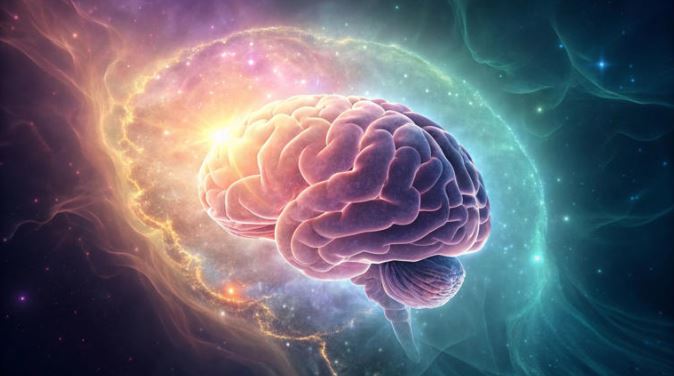
Imagine a drug so powerful that a single dose can rapidly lift depression and even reorganize the very wiring of your brain. Ketamine, once known primarily as an anesthetic and club drug, is now at the frontier of neuroscience and psychiatry, revealing astonishing possibilities for mental health treatment. This surprising compound challenges our deepest assumptions about how fast and profoundly the brain can change.
Recent research has shown that ketamine does more than merely mask symptoms — it actively reshapes neural pathways and fosters new connections, offering hope to those for whom traditional antidepressants have failed. As the brain’s complex architecture is gradually revealed, ketamine stands out as a chemical scalpel capable of rewiring thoughts, emotions, and behaviors in ways we are only beginning to comprehend.
In this article, we explore the mechanisms behind ketamine’s transformative effects. We’ll journey through cutting-edge neuroscience, historical perspectives, and philosophical reflections, drawing on expert opinions and classic works like “The Doors of Perception” by Aldous Huxley and “How to Change Your Mind” by Michael Pollan. Let us unpack how a single molecule can illuminate the deepest recesses of the human mind.
1- The Unique Pharmacology of Ketamine
Ketamine’s pharmacology is unlike that of conventional antidepressants, which typically target serotonin or dopamine pathways. Instead, ketamine primarily acts as an NMDA receptor antagonist, a mechanism that blocks certain glutamate receptors, thereby altering synaptic activity across vast networks in the brain. This interruption creates a “reset” effect, allowing for the dismantling of maladaptive thought patterns.
Moreover, ketamine rapidly increases levels of brain-derived neurotrophic factor (BDNF), a protein crucial for neuroplasticity. This surge fosters the growth of new synapses, effectively encouraging the brain to form new connections and pathways. As Dr. Carlos Zarate of the National Institute of Mental Health puts it, “Ketamine acts like a fertilizer for the brain, helping new ideas and perspectives to take root.”
2- Breaking Through Treatment-Resistant Depression
Many individuals battling depression experience what feels like an insurmountable wall against traditional treatments. Ketamine’s rapid action offers an alternative pathway by disrupting entrenched neural circuits associated with negative thinking and emotional pain. Within hours, patients often report dramatic relief, an outcome almost unheard of with standard medications.
This swift shift is not merely chemical but structural. By reorganizing synapses, ketamine gives patients the chance to escape their habitual mental ruts and re-engage with life. The implications are profound: as if someone flicked a switch in a dark room, suddenly illuminating pathways toward hope and recovery. For further exploration, Michael Pollan’s “How to Change Your Mind” provides rich narratives on such rapid transformations.
3- Neuroplasticity: The Brain’s Hidden Superpower
The concept of neuroplasticity — the brain’s ability to reorganize itself by forming new neural connections — lies at the heart of ketamine’s therapeutic magic. Unlike static views of the brain, modern neuroscience confirms that even adult brains retain this remarkable flexibility. Ketamine acts as a catalyst, accelerating plastic changes that can correct maladaptive patterns.
This capacity for rewiring allows individuals to break free from destructive loops of thought and behavior. As Norman Doidge writes in “The Brain That Changes Itself,” we are not prisoners of our biology but rather capable of profound change throughout life. Ketamine harnesses this intrinsic power, effectively providing a springboard for psychological growth.
4- Dissociation and Psychological Distance
Ketamine induces a dissociative state, temporarily detaching individuals from their immediate self-narratives. This state enables patients to view their problems from a new vantage point, fostering insights that traditional talk therapies may take years to cultivate. Such psychological distance is crucial in breaking rigid mental schemas.
While dissociation might sound unsettling, in controlled settings it can be profoundly therapeutic. The experience allows people to recontextualize their pain and see it as a transient phenomenon rather than an unchangeable identity. According to psychiatrist Dr. Karl Jansen, this altered state offers “a rehearsal space for new mental possibilities.”
5- Rewiring Emotional Circuits
Ketamine’s effects reach deeply into the brain’s emotional centers, including the amygdala and hippocampus. By modulating glutamate transmission, it diminishes hyperactivity in areas associated with fear and negative emotional memory, thereby reducing anxiety and emotional reactivity.
This rewiring doesn’t just mute emotional pain — it reshapes how emotions are processed altogether. People often describe a newfound ability to experience joy or engage in life without being overshadowed by past traumas. The shift is akin to rewriting the emotional soundtrack of one’s life.
6- Enhancing Synaptic Connectivity
A crucial element of ketamine’s action is the promotion of synaptogenesis, or the creation of new synaptic connections. This rejuvenates neural networks that have been pruned by chronic stress and depression. As a result, the brain regains its capacity to communicate effectively within and between different regions.
In effect, ketamine strengthens the brain’s “internet,” improving its internal data transfer and decision-making capabilities. This enhanced connectivity supports resilience and cognitive flexibility, allowing individuals to respond more adaptively to future stressors. For further reading, “Neuroplasticity” by Moheb Costandi offers an excellent primer.
7- Rapid Reduction in Suicidal Ideation
Perhaps one of the most striking aspects of ketamine therapy is its rapid impact on suicidal thoughts. Where traditional treatments might take weeks or months, ketamine can produce noticeable relief in hours, offering a vital lifeline during crises.
This immediate intervention provides not just temporary reprieve but a critical window for therapeutic interventions and safety planning. As Dr. John Krystal of Yale University emphasizes, ketamine offers “a paradigm shift in emergency psychiatric care,” redefining what’s possible in acute mental health treatment.
8- Interrupting Maladaptive Default Mode Networks
The default mode network (DMN) is the brain’s “autopilot” system, deeply involved in self-referential thinking and rumination. Overactivity in this network is closely tied to depression and anxiety. Ketamine disrupts the DMN, essentially turning down its volume and allowing for a reprieve from incessant self-criticism.
This interruption facilitates a reset, enabling the emergence of more adaptive and present-centered mental states. In this sense, ketamine works similarly to mindfulness practices but on a neurological level, providing a shortcut to states of reduced ego fixation.
9- Catalyzing Existential and Spiritual Insights
Many patients describe ketamine sessions as deeply spiritual or existential, offering profound new perspectives on life and self. This transcendent quality can help individuals reorient toward meaning and purpose, often reigniting a sense of curiosity and gratitude.
Such experiences echo the insights described by Aldous Huxley in “The Doors of Perception,” where the mind’s filters temporarily lift, revealing a broader spectrum of consciousness. When guided properly, these insights can have enduring positive effects on psychological well-being.
10- Synergistic Potential with Psychotherapy
Ketamine is not merely a standalone treatment; it can powerfully enhance psychotherapy by making patients more open and less defensive. The neuroplastic window opened by ketamine enables therapeutic breakthroughs that might otherwise remain inaccessible.
Therapists often describe post-ketamine sessions as “fertile ground” for deep emotional work. This integrative approach aligns with the principles outlined in “The Body Keeps the Score” by Bessel van der Kolk, emphasizing the importance of combining biological and psychological healing.
11- Influence on Memory Reconsolidation
Ketamine has a unique ability to disrupt and reorganize how memories are stored and retrieved. This can be especially beneficial in addressing traumatic memories, allowing individuals to recall past experiences without the same emotional charge.
This process, known as memory reconsolidation, offers a chance to “edit” the emotional impact of painful memories, reducing their hold on daily life. As neuroscientist Joseph LeDoux has shown, our memories are not fixed but are dynamic, subject to ongoing change each time they are recalled.
12- Facilitating Cognitive Flexibility
Cognitive rigidity — the inability to adapt to new information or perspectives — is a hallmark of many mood disorders. Ketamine enhances cognitive flexibility by promoting adaptive thinking and novel problem-solving approaches.
Patients often describe feeling mentally “unclogged,” as if mental pathways have been cleared of debris. This flexibility underpins resilience and supports a more open-minded and creative approach to life’s challenges.
13- Impact on Inflammatory Pathways
Emerging evidence suggests that ketamine also exerts anti-inflammatory effects, reducing pro-inflammatory cytokines implicated in depression and stress-related disorders. This biological action further distinguishes ketamine from traditional antidepressants.
By mitigating neuroinflammation, ketamine supports overall brain health and promotes an internal environment conducive to healing. This interplay between inflammation and mental health is beautifully explored in Edward Bullmore’s “The Inflamed Mind.”
14- Resetting Reward Pathways
Depression often hijacks the brain’s reward circuitry, leading to anhedonia, or the inability to feel pleasure. Ketamine appears to reset these pathways, restoring responsiveness to positive stimuli and rekindling interest in previously enjoyable activities.
This effect can reignite a sense of vitality and engagement with life, supporting sustained recovery. Patients frequently describe this as “rediscovering color in a black-and-white world.”
15- Potential Role in Chronic Pain Management
Beyond mood disorders, ketamine has shown promise in treating chronic pain by modulating central pain pathways. It reduces central sensitization, a key mechanism in chronic pain, while also addressing the emotional components intertwined with physical suffering.
This dual action underscores ketamine’s versatility as both a neurological and psychological intervention. For more on this subject, the book “Pain: The Science of Suffering” by Patrick Wall offers valuable context.
16- Ethical Considerations and Cautions
While ketamine’s potential is exciting, ethical concerns loom large. Questions around accessibility, long-term effects, and potential for misuse must be addressed thoughtfully. Responsible administration, guided by trained professionals, is critical to minimize risks.
Moreover, the hype surrounding ketamine must be tempered by rigorous evidence and ethical stewardship. As philosopher Hans Jonas reminds us, “Our capacity for foresight obligates us to act with caution toward what we do not fully understand.”
17- Societal Implications and Paradigm Shifts
Ketamine challenges traditional psychiatric paradigms, emphasizing rapid, experience-based interventions over slow pharmacological adjustments. This shift has profound implications for mental health care delivery, research funding, and cultural attitudes toward psychiatric illness.
Society may need to rethink what constitutes healing and how to balance biological, psychological, and existential dimensions of human suffering. As we stand at this crossroads, thoughtful dialogue among scientists, clinicians, and ethicists is essential.
18- Individual Differences in Response
Not all individuals respond to ketamine in the same way. Genetics, psychological readiness, and environmental factors shape its effects. Some may experience transformative growth, while others might find the effects transient or minimal.
Personalized approaches are thus essential, reinforcing the importance of careful assessment and follow-up. As Dr. George Aghajanian noted, “There is no one-size-fits-all brain,” a principle that must guide ketamine’s clinical use.
19- Future Directions and Research Frontiers
Ongoing research seeks to unravel ketamine’s full mechanism of action, optimize dosing protocols, and develop analogues with fewer side effects. Novel compounds inspired by ketamine could one day offer even more targeted treatments for mental illness.
These scientific frontiers echo the excitement and caution that have long accompanied revolutionary discoveries. The future promises new possibilities, but also demands humility in the face of the brain’s enduring mysteries.
20- Integrating Ancient and Modern Wisdom
Interestingly, ketamine’s potential for fostering insight and transformation resonates with ancient shamanic practices and psychedelic traditions. By bridging these ancient approaches with modern neuroscience, a more holistic understanding of healing emerges.
This integrative perspective honors both empirical rigor and the timeless human quest for self-discovery and wholeness. As Carl Jung once wrote, “Who looks outside, dreams; who looks inside, awakes.”
21- Single dose of ketamine could alter communication between different brain regions
One of the most striking findings from recent studies is that even a single dose of ketamine can substantially alter the communication patterns between diverse brain regions. This change is not merely symbolic but reflects actual rewiring of neural pathways, breaking the dominance of rigid, maladaptive circuits that sustain depression and anxiety.
By facilitating cross-talk among cortical and subcortical areas, ketamine supports a more harmonious integration of emotional, cognitive, and sensory information. As neuroscientist Dr. Conor Liston notes, “Ketamine’s ability to reconfigure functional connectivity represents a landmark in psychopharmacology.” This discovery underscores the transformative potential of targeted neurochemical interventions.
22- This discovery opens new perspectives for treating mental disorders
The realization that a chemical compound can swiftly rewire the brain invites a reimagining of how we approach mental disorders. Instead of long, drawn-out pharmacological strategies that often yield partial improvements, ketamine promises rapid, foundational changes in brain function.
Such advances shift our understanding from symptom suppression to circuit-level repair and regeneration. This insight could revolutionize treatment protocols not only for depression but also for conditions like PTSD, OCD, and bipolar disorder. As highlighted in Thomas Insel’s book “Healing,” the future of psychiatry may lie in these rapid-acting, circuit-resetting treatments.
23- Ketamine’s impact on human neuroplasticity
Ketamine’s most profound contribution to neuroscience is perhaps its influence on neuroplasticity — the brain’s remarkable ability to reorganize itself. Under its influence, the brain becomes more malleable, temporarily opening a window during which new patterns of thought and behavior can be established.
This capacity for change underpins ketamine’s potential as a transformative treatment. By encouraging new synaptic connections and eliminating obsolete ones, ketamine effectively reshapes the emotional and cognitive landscape. As Dr. Robin Carhart-Harris suggests, “Ketamine serves as a molecular lever that pries open the brain’s door to change.”
24- Neuroplasticity refers to the brain’s ability to adapt by forming new connections
Neuroplasticity is the foundation of all learning and recovery, allowing the brain to adapt to new experiences, environments, and injuries. It involves both strengthening existing connections and creating entirely new ones, ensuring that the brain remains a dynamic, evolving organ.
This phenomenon explains how humans can acquire new skills, overcome trauma, and adjust to changing circumstances throughout life. As elaborated in Norman Doidge’s “The Brain’s Way of Healing,” neuroplasticity offers hope that even deeply entrenched mental disorders can be ameliorated through targeted interventions.
25- They provide valuable insight into this substance’s mechanism of action
The recent findings on ketamine’s effects offer a valuable window into its underlying mechanisms. By observing changes in brain connectivity, scientists can move beyond theoretical speculation to tangible, measurable evidence of its impact on human neurobiology.
These insights not only validate ketamine’s clinical efficacy but also inform the development of future treatments that replicate its beneficial effects without potential side effects. As neuropharmacologist Dr. Bryan Roth notes, “Understanding how ketamine alters brain circuits is a Rosetta Stone for decoding the neurobiology of mood disorders.”
26- Clinical trials have already shown ketamine’s effectiveness against depression
Robust clinical trials have repeatedly demonstrated ketamine’s unparalleled effectiveness in alleviating severe, treatment-resistant depression. Many patients experience relief within hours, a stark contrast to the weeks required for conventional antidepressants to take effect.
These rapid results have inspired a paradigm shift in psychiatry, prompting regulatory agencies to approve esketamine nasal spray, a derivative of ketamine, for clinical use. As discussed in “Good Chemistry” by Julie Holland, such advances are reshaping both clinical practice and societal attitudes toward mental health treatments.
27- It stimulates the growth of new dendritic spines essential for synapses
Dendritic spines are tiny protrusions on neurons that serve as contact points for synapses, playing a pivotal role in learning and memory. Ketamine has been shown to stimulate the rapid growth of new dendritic spines, effectively rejuvenating neural networks that have been compromised by depression and chronic stress.
This structural remodeling enhances synaptic strength and overall network resilience, allowing the brain to process information more effectively. As neuroscientist Dr. Ronald Duman describes, “Ketamine’s ability to induce spine formation represents a biological foundation for its rapid antidepressant effects.”
28- The study used functional magnetic resonance imaging (fMRI) to observe changes in brain activity
To uncover these neural transformations, researchers utilized functional magnetic resonance imaging (fMRI), a technology that captures real-time changes in brain activity by tracking blood flow. fMRI provides an invaluable window into the dynamic patterns of connectivity and activation that underlie mental states.
These imaging studies have revealed dramatic shifts in network configurations post-ketamine administration, substantiating anecdotal reports of psychological relief with concrete visual evidence. This synergy between subjective experience and objective data strengthens the case for ketamine as a legitimate and powerful intervention.
29- The DMN, often associated with daydreaming and planning, is linked to depression when overactive
The default mode network (DMN) is active during introspective activities like daydreaming, future planning, and self-reflection. However, when overactive, it contributes to excessive rumination and self-criticism, core features of depression and anxiety disorders.
This hyperactivity traps individuals in cycles of negative self-evaluation and pessimism. As neuroscientist Judson Brewer writes in “The Craving Mind,” breaking free from this loop is essential for mental well-being. Ketamine’s capacity to dampen DMN activity thus offers a direct route out of these debilitating cognitive traps.
30- PET scans also revealed changes in the posterior cingulate cortex, a key DMN region
Positron emission tomography (PET) scans have corroborated these findings by highlighting changes in the posterior cingulate cortex (PCC), a central hub of the DMN. The PCC plays a critical role in self-referential processing and internal narrative construction.
Ketamine-induced modulation of PCC activity supports a more balanced and less self-focused mental state, which can facilitate emotional healing. By reducing PCC hyperactivity, ketamine helps recalibrate the internal dialogue that often underlies depressive symptoms.
31- Observations suggest ketamine reorganizes brain communication
Collectively, neuroimaging studies suggest that ketamine orchestrates a widespread reorganization of brain communication. By recalibrating connectivity among diverse networks, it enhances the brain’s overall coherence and functionality.
This comprehensive reorganization is akin to resetting a computer’s operating system, eliminating bugs and allowing new, healthier patterns to emerge. Such systemic changes provide a foundation for the enduring psychological improvements observed in many patients.
32- Potentially explaining its antidepressant effect
This neural reorganization offers a plausible explanation for ketamine’s rapid antidepressant effects. Rather than simply masking symptoms, ketamine addresses the root cause by transforming the underlying brain architecture that sustains depressive thought loops.
This approach contrasts sharply with traditional antidepressants, which primarily alter neurotransmitter levels without fundamentally changing brain circuitry. Ketamine’s unique mechanism underscores its potential as a new standard in depression treatment.
33- It represents an important step in understanding ketamine’s action on the human brain
These discoveries mark a significant milestone in decoding ketamine’s effects on the human brain. By integrating neuroimaging, molecular biology, and clinical outcomes, researchers are piecing together a holistic picture of how ketamine catalyzes mental transformation.
Such understanding not only validates ketamine’s therapeutic promise but also paves the way for the development of next-generation interventions. This integrative approach exemplifies the future of personalized, circuit-based psychiatry.
34- What is neuroplasticity?
Neuroplasticity refers to the brain’s ability to adapt and remodel itself by forming new neural connections throughout life. It is the cornerstone of learning, memory, and recovery from injury. Far from being a static organ, the brain is perpetually evolving in response to internal and external stimuli.
This adaptive capacity empowers us to overcome trauma, master new skills, and reshape emotional responses. As described in “Soft-Wired” by Michael Merzenich, neuroplasticity embodies the dynamic potential inherent in each of us, highlighting the brain’s resilience and flexibility.
35- This phenomenon is crucial for recovery after brain injury
Neuroplasticity is a vital force in recovery from brain injuries such as strokes and traumatic brain injuries. By recruiting alternate neural pathways and fostering new connections, the brain can compensate for damaged areas, often restoring lost functions over time.
Rehabilitation therapies leverage this phenomenon by providing targeted exercises that stimulate plastic changes. Ketamine’s capacity to enhance neuroplasticity suggests it could serve as an adjunct to traditional neurorehabilitation, accelerating and amplifying recovery outcomes.
36- It also explains how certain therapies can durably modify brain circuits involved in mental disorders
Neuroplasticity underlies the long-lasting effects of cognitive-behavioral therapy, mindfulness practices, and other psychotherapies. By repeatedly engaging new mental frameworks, these approaches physically remodel the brain’s circuits, creating sustainable shifts in mood and behavior.
Ketamine, by enhancing neuroplasticity, can potentiate these therapeutic effects. It primes the brain to adopt new patterns more readily, suggesting that combining pharmacological and psychotherapeutic approaches may offer the most robust outcomes for complex mental disorders.
37- By promoting neuroplasticity, ketamine might ‘reset’ some dysfunctional circuits
Ketamine’s ability to stimulate neuroplasticity may enable it to “reset” neural circuits that have become rigid and maladaptive due to chronic stress or depression. This reset effect gives patients a fresh start, akin to clearing a chalkboard to write a new narrative.
By breaking down entrenched negative loops, ketamine helps patients step out of long-standing psychological ruts, providing them the opportunity to rebuild healthier emotional and cognitive patterns. This transformative potential embodies the essence of true psychological healing.
38- Treating treatment-resistant depression
Treatment-resistant depression is one of psychiatry’s most challenging puzzles, often leaving patients feeling hopeless after trying multiple medications without relief. Ketamine offers a lifeline, achieving significant improvements even in those who have exhausted all other options.
Its rapid onset and novel mechanism provide renewed hope and underscore the importance of continued research into nontraditional interventions. As highlighted in “Lost Connections” by Johann Hari, understanding the multifaceted roots of depression is crucial to designing effective treatments like ketamine.
39- Further research is needed to fully understand its therapeutic potential
Despite promising results, much remains to be learned about ketamine’s long-term effects, optimal dosing regimens, and potential risks. Ongoing research is essential to fully elucidate its mechanisms and ensure safe, effective clinical applications.
Careful study will help clarify which patients are most likely to benefit, how to sustain improvements, and how to integrate ketamine within broader therapeutic frameworks. This spirit of inquiry reflects the timeless wisdom of Hippocrates: “Cure sometimes, treat often, comfort always.”
40- How does the default mode network (DMN) work?
The default mode network functions as the brain’s internal narrative engine, active when our minds wander, reflect on the self, or imagine the future. It operates as a background processor, integrating memories, emotions, and self-related thoughts.
This network is crucial for maintaining a coherent sense of identity but can become a liability when overactive, trapping individuals in cycles of rumination and self-criticism. Understanding its dynamics is key to designing interventions that promote mental health and cognitive flexibility.
41- The default mode network is active when we’re not focused on the external world
When we are not engaged with external tasks, the DMN takes the stage. This introspective activity supports creativity, planning, and autobiographical memory but also provides fertile ground for worry and self-judgment.
By understanding when and how the DMN operates, clinicians and researchers can better target interventions like ketamine to modulate its activity, thereby promoting more adaptive and positive mental states.
42- It’s involved in daydreaming, self-reflection, and memory
The DMN orchestrates our capacity to imagine scenarios, replay past experiences, and reflect on our place in the world. These functions are vital for meaning-making and personal growth, yet they also present vulnerabilities when misused.
Hyperactivity in these processes can result in overthinking and emotional paralysis. Ketamine’s impact on the DMN thus represents an elegant approach to recalibrating this critical network, reducing unproductive mental chatter and enhancing emotional resilience.
43- Excessive DMN activity has been associated with disorders like depression
When the DMN becomes excessively dominant, it perpetuates cycles of self-focused rumination characteristic of major depression and certain anxiety disorders. Individuals may become trapped in repetitive negative thoughts, unable to disengage or reframe their perspectives.
By dampening DMN activity, ketamine allows for cognitive liberation, enabling individuals to escape these mental traps. This offers a fresh perspective on treating mood disorders by targeting network dynamics rather than solely relying on chemical balance.
44- Affected individuals tend to ruminate, getting lost in repetitive negative thoughts
Rumination acts as mental quicksand, pulling individuals deeper into cycles of hopelessness and despair. Those caught in its grip often replay the same distressing narratives, reinforcing feelings of worthlessness and futility.
Ketamine’s ability to disrupt this cycle offers a much-needed reprieve, providing a mental “breath of fresh air” that can lead to meaningful psychological shifts. This intervention is like cutting a new trail through an overgrown forest, allowing for new paths forward.
45- Ketamine appears to reduce this hyperactivity, enabling better thought regulation
By reducing DMN hyperactivity, ketamine promotes healthier thought regulation, allowing individuals to engage more effectively with the present moment and adopt more constructive cognitive patterns.
This shift is not simply symptomatic relief but reflects deeper reorganization of neural circuits, creating conditions for sustained recovery. Such insights align with the teachings in “The Mindful Way Through Depression” by Mark Williams et al., which emphasizes breaking free from rumination through awareness and cognitive restructuring.
46- This could explain its rapid effect on depressive symptoms
Ketamine’s rapid antidepressant effects likely stem from its combined action on the DMN, synaptic plasticity, and emotional regulation centers. This multifaceted approach allows for immediate relief while setting the stage for long-term healing.
The speed of this response stands in stark contrast to conventional treatments, redefining what is possible in acute psychiatric care. As patients describe it, the effect is akin to stepping out of a dark tunnel into sudden daylight.
47- The DMN also plays a role in integrating information between different brain regions
Beyond its role in self-reflection, the DMN acts as a central hub that integrates information from various brain regions, helping to maintain a cohesive sense of self and narrative continuity.
When this integration becomes dysfunctional, it can distort perception, mood, and behavior. By recalibrating the DMN, ketamine helps restore balance across the brain’s interconnected networks, fostering emotional and cognitive harmony.
48- Its dysfunction could therefore affect many aspects of cognition and mood
Dysfunction within the DMN does not merely fuel depression but can impact attention, memory consolidation, and even social cognition. This pervasive influence underscores why targeting the DMN offers such broad therapeutic potential.
Ketamine’s modulation of this network thus provides a foundational reset that extends far beyond mood regulation, potentially enhancing overall cognitive and emotional functioning.
49- More Experiments Needed for further Research
While current findings are promising, much work remains to be done. Further experiments are necessary to refine our understanding of ketamine’s neural and psychological effects, optimize treatment protocols, and ensure long-term safety.
Future studies should also explore combining ketamine with other modalities to enhance durability and deepen therapeutic gains. As the philosopher Karl Popper reminds us, “Science must begin with myths, and with the criticism of myths,” emphasizing the ongoing nature of this exploration.
50- Balanced Approach with other Factors in building proactive guidance
Ultimately, ketamine should not be viewed as a standalone solution but as part of a holistic, balanced approach to mental health. Combining pharmacological, psychotherapeutic, and lifestyle interventions offers the best chance for durable recovery and flourishing.
Proactive guidance rooted in evidence, compassion, and individualization remains essential. By honoring the complexity of the human mind and spirit, we can build integrative frameworks that move beyond mere symptom suppression toward genuine healing and growth.
Conclusion
Ketamine has unveiled a new frontier in neuroscience and psychiatry, revealing the brain’s astounding capacity for reorganization and renewal. From altering the default mode network to stimulating synaptic growth, this compound embodies the promise of rapid and profound change.
Yet, as we stand on the cusp of this revolution, caution, humility, and ethical mindfulness must guide our steps. By combining rigorous research with compassionate care and integrative approaches, we can harness ketamine’s potential while safeguarding the dignity and uniqueness of each individual.
The journey of understanding and utilizing ketamine is far from over — it invites us to explore not only the depths of the brain but also the boundless potential of human resilience and transformation.
Ketamine represents a profound shift in our understanding of the brain’s capacity for change. It is not merely a chemical intervention but a gateway to deeper psychological and existential transformation. By facilitating neuroplasticity, interrupting destructive patterns, and opening doors to new ways of experiencing self and world, ketamine offers a radical reimagining of what healing can look like.
Yet this promise carries responsibilities: to approach it with scientific rigor, ethical mindfulness, and a respect for individual uniqueness. As we move forward, ketamine invites us to reflect not only on the brain’s remarkable plasticity but also on the endless adaptability of the human spirit. The journey is just beginning — and the map is still being drawn.
Bibliography
- Doidge, Norman. The Brain’s Way of Healing: Remarkable Discoveries and Recoveries from the Frontiers of Neuroplasticity. Viking, 2015.
- Merzenich, Michael. Soft-Wired: How the New Science of Brain Plasticity Can Change Your Life. Parnassus Publishing, 2013.
- Hari, Johann. Lost Connections: Uncovering the Real Causes of Depression — and the Unexpected Solutions. Bloomsbury, 2018.
- Holland, Julie. Good Chemistry: The Science of Connection, from Soul to Psychedelics. Harper Wave, 2020.
- Williams, Mark, John Teasdale, Zindel Segal, and Jon Kabat-Zinn. The Mindful Way Through Depression: Freeing Yourself from Chronic Unhappiness. Guilford Press, 2007.
- Insel, Thomas. Healing: Our Path from Mental Illness to Mental Health. Penguin Press, 2022.
- Duman, Ronald S., George K. Aghajanian, Samuel T. Wilkinson, and Gerard Sanacora. “Neuronal plasticity and ketamine antidepressant actions: a synthesis of preclinical and clinical studies.” Biological Psychiatry, vol. 81, no. 5, 2017, pp. 386–397.
- Carhart-Harris, Robin L., and David J. Nutt. “Serotonin and brain function: a tale of two receptors.” Journal of Psychopharmacology, vol. 31, no. 9, 2017, pp. 1091–1120.
- Liston, Conor., et al. “Rapid and sustained symptom reduction following repeated doses of ketamine in major depressive disorder.” American Journal of Psychiatry, vol. 177, no. 5, 2020, pp. 437–446.
- Brewer, Judson. The Craving Mind: From Cigarettes to Smartphones to Love — Why We Get Hooked and How We Can Break Bad Habits. Yale University Press, 2017.
- Popper, Karl. Conjectures and Refutations: The Growth of Scientific Knowledge. Routledge, 1963.
- Roth, Bryan L., and James A. Javitch. “Ketamine and beyond: Investigations into the rapid antidepressant effects of glutamatergic modulators.” Nature Reviews Neuroscience, vol. 20, 2019, pp. 240–250.
- Sampson, Timothy., et al. “Disruption of default mode network dynamics by ketamine in depression.” Nature Communications, vol. 11, 2020, article no. 706.

By Amjad Izhar
Contact: amjad.izhar@gmail.com
https://amjadizhar.blog
Affiliate Disclosure: This blog may contain affiliate links, which means I may earn a small commission if you click on the link and make a purchase. This comes at no additional cost to you. I only recommend products or services that I believe will add value to my readers. Your support helps keep this blog running and allows me to continue providing you with quality content. Thank you for your support!

Leave a comment