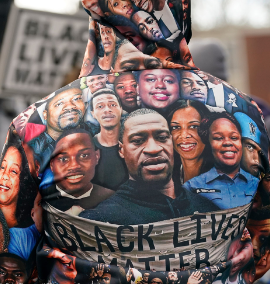
The journey of Black Americans toward full equality and justice in the United States represents a protracted and evolving struggle against deeply entrenched systems of oppression. This report traces the historical trajectory from the foundational injustices of slavery through the formalized discrimination of Jim Crow, the transformative period of the mid-20th century Civil Rights Movement, and its contemporary culmination in the Black Lives Matter movement. It examines the adaptive nature of systemic racism and the resilient, ever-evolving strategies employed by Black Americans in their pursuit of liberation.
I. Foundations of Injustice: From Slavery to Jim Crow
The relationship between African Americans and the United States was forged in the crucible of slavery, a system that fundamentally shaped the nation’s economy and social fabric for 250 years. Even after the Civil War, the injustices faced by Black Americans persisted, transitioning into new forms of systemic oppression.
The Legacy of Slavery and its Immediate Aftermath (1865-Late 19th Century)
The formal abolition of slavery in 1865 through the 13th Amendment marked a pivotal moment, yet this amendment contained a critical exception: slavery was abolished “except as punishment for a crime”. This seemingly minor clause created a legal avenue for forced labor to continue. Southern state legislatures quickly exploited this loophole by passing “Black Codes,” laws designed to limit the rights of formerly enslaved people, exploit them as a labor source, and effectively re-enslave them through systems like the convict lease system. These codes denied Black Americans opportunities to rent or buy land, forced them into low-wage annual employment contracts, and often excluded their children from education. This established a foundational precedent for the state’s use of the criminal justice system as a tool for racial control and economic exploitation, directly foreshadowing later issues of mass incarceration and the War on Drugs. The legal framework, even post-abolition, provided mechanisms for systemic oppression to adapt and persist.
The Reconstruction era (1865-1877) initially offered a period of significant progress. The 14th Amendment (1868) granted Black people equal protection under the law, and the 15th Amendment (1870) extended voting rights to Black men. The federal government established the Freedmen’s Bureau in 1865 to assist newly freed individuals in securing their political and legal rights, providing essential services such as food, clothing, medical care, and promoting education. This federal presence led to notable advancements in education, literacy, occupational status, and property ownership among the Black population, and facilitated the election of over a thousand Black politicians at local and state levels.
However, many of these accomplishments were tragically reversed in the years following Reconstruction, as federal armies withdrew from the South. White supremacists mounted a concerted and ultimately successful effort to disenfranchise Black citizens through legal and extra-legal tactics. The rapid regression after the withdrawal of federal enforcement of enumerated rights demonstrates that legal changes alone are insufficient to secure lasting equality; rights are only as strong as the societal will and state power to uphold them. This historical pattern foreshadows the ongoing struggle for de facto equality even after de jure segregation was formally dismantled.
The Entrenchment of Jim Crow and Systemic Discrimination (Late 19th Century – Mid-20th Century)
The reversal of Reconstruction-era gains culminated in the widespread adoption of “Jim Crow” laws across the South, designed to marginalize Black people, enforce strict racial segregation, and erase the progress made during Reconstruction. These laws mandated separate public facilities—including waiting rooms, restrooms, and water fountains—reinforcing the status of Black Americans as second-class citizens. The U.S. Supreme Court’s Plessy v. Ferguson decision in 1896 legally sanctioned this segregation under the infamous “separate but equal” doctrine. In practice, facilities for Black Americans were rarely, if ever, equal to those for white Americans.
The Plessy v. Ferguson ruling had profound and long-term negative impacts, particularly on access to quality education and healthcare. Jim Crow laws created segregated and inherently unequal educational opportunities, with Black children often excluded from white schools and relegated to underfunded facilities. This disparity extended to postsecondary education, where Black students had limited access to predominantly white colleges until the 1960s, making Historically Black Colleges and Universities (HBCUs) vital institutions for Black Americans seeking higher education. The institutionalized underfunding and resource deprivation in Black communities, a direct consequence of Plessy, created a systemic disadvantage that persisted long after formal legal segregation ended, continuing to fuel racial disparities in wealth, health, and education.
Beyond education, Jim Crow laws severely limited voting rights for Black Americans, despite the 15th Amendment. Most Black people in the South were prevented from voting through tactics like voter literacy tests, poll taxes, and other restrictive measures that were intentionally difficult or impossible to pass. Economically, Black Americans faced widespread discrimination in employment, often confined to low-wage agricultural or domestic work. Residential segregation was enforced through both formal and informal rules, including “redlining” practices by federal programs like the Home Owners Loan Corporation (HOLC) and the Federal Housing Authority (FHA). These policies designated Black neighborhoods as “excessively risky,” denying loans and preventing Black families from owning homes and accumulating generational wealth. By 1970, a significant 61% of Black Americans living in U.S. metropolitan areas resided in hyper-segregated neighborhoods.
II. Early Resistance and the Seeds of Change (Pre-Mid-20th Century)
The struggle for civil rights did not begin in the mid-20th century; it is a continuous narrative of resistance that predates the formal abolition of slavery and evolved through various forms against persistent oppression.
Forms of Resistance During Slavery
Enslaved people, despite facing unimaginable brutality, resisted their bondage in diverse ways, ranging from subtle acts of “passive” defiance to overt rebellion, consistently asserting their agency and humanity. Passive resistance included feigning illness, working slowly, producing lesser quality work, or misplacing and damaging tools and equipment. These actions allowed enslaved individuals to conserve their physical energy, subtly protest their exploitation, and disrupt the efficiency of the slave system. These continuous acts, though often individual and seemingly small, were crucial in fostering a spirit of defiance, maintaining cultural identity, and asserting humanity under dehumanizing conditions. They laid a psychological and strategic foundation for later organized movements by demonstrating the possibility and necessity of resistance, and by developing informal networks and leadership skills that would prove vital in post-slavery struggles.
More active and noticeable forms of resistance included theft (of food, tools, fabrics, or other necessities), arson, sabotage of crops, and direct non-compliance with the demands of overseers. Self-emancipation and escape were also significant acts of defiance, with many seeking freedom by fleeing to British lines during the American Revolution or through clandestine networks like the Underground Railroad. Prominent figures like Harriet Tubman, a key conductor on the Underground Railroad, risked their lives repeatedly to lead others to freedom.
Black leaders were central to the broader abolitionist movement. Frederick Douglass, born into slavery, viewed his acquired literacy as “the pathway from slavery to freedom” and became a powerful orator, writer, and editor of his own anti-slavery newspaper, The North Star. Other influential Black abolitionists included Henry Highland Garnet, whose powerful rhetoric called for action against slavery, David Walker, whose “Appeal to the Coloured Citizens of the World” was a radical and widely read anti-slavery document, and William Still, known as the “Father of the Underground Railroad” for his extensive efforts in helping over 800 people escape slavery. The emphasis on literacy by figures like Douglass highlights an early recognition of knowledge as a critical tool for liberation.
Post-Reconstruction Resistance and the Seeds of Change (Late 19th Century – Mid-20th Century)
One of the largest and most impactful forms of resistance in the early 20th century was the Great Migration, which began around 1916 and continued for six decades, concluding in the 1970s. Approximately six million Black Americans left the oppressive conditions of the South, characterized by Jim Crow laws and economic exploitation, for perceived employment opportunities and greater freedom in northern and western cities. This mass movement was a profound act of collective agency, a direct challenge to the repressive system of the South.
However, this demographic shift, which saw 90% of Black Americans residing in urban areas by 1970, inadvertently led to the re-entrenchment of systemic racism in new geographical forms. The influx of Black laborers into urban centers resulted in the implementation of various formal and informal rules that confined Black residents to specific neighborhoods, intensifying residential segregation through policies like redlining. This demonstrated that systemic racism is not static; it adapts and finds new mechanisms of control, such as economic and housing policies, when old, overt forms are challenged or circumvented. This highlights the pervasive and adaptive nature of systemic oppression, which is not confined to specific laws or regions but re-manifests in new contexts, creating persistent barriers to wealth and opportunity.
In response to persistent discrimination, Black Americans also began to form organized civil rights groups. The Niagara Movement, founded in 1905 by Black leaders like W.E.B. Du Bois, laid the groundwork for the National Association for the Advancement of Colored People (NAACP), established in 1909 with the involvement of both Black and white reformers. These organizations channeled activism into formal legal and political channels. The NAACP quickly began using federal courts to challenge disenfranchisement and residential segregation. By the mid-1930s, the NAACP launched a strategic legal campaign against de jure (legal) segregation, primarily focusing on inequalities in public education. Their legal strategy aimed to prove that segregation was inherently unequal and inflicted psychological harm, thereby directly challenging the Plessy v. Ferguson ruling.
Beyond formal organizations, Black communities countered economic discrimination and lack of access by establishing their own institutions of learning, finance, business, and agriculture. Historically Black Colleges and Universities (HBCUs) played a crucial role, providing education and training when other avenues were closed. Cultural expressions, including protest music and literature, also served as vital forms of resistance and communication, articulating the struggle and fostering solidarity.
The events of World War II and the subsequent Cold War also influenced the burgeoning civil rights movement. Black Americans served heroically in WWII despite facing segregation and discrimination within the military. The threat of a large-scale march on Washington by Black Americans demanding equal employment rights prompted President Franklin D. Roosevelt to issue Executive Order 8802 in 1941, opening national defense and government jobs to all Americans regardless of race. Later, President Harry Truman initiated a civil rights agenda and issued Executive Order 9981 in 1948 to end discrimination in the military. These events helped set the stage for intensified grassroots initiatives to enact racial equality legislation, laying crucial groundwork for the mid-20th century Civil Rights Movement.
III. The Mid-20th Century Civil Rights Movement: A Transformative Era
The mid-20th century witnessed a transformative period in American history, as the Civil Rights Movement gained national prominence, challenging racial segregation and discrimination through organized, sustained efforts.
Key Events and Milestones (1950s-1960s)
The legal battle against segregation achieved a monumental victory with the Brown v. Board of Education Supreme Court decision on May 17, 1954. The Court unanimously ruled that racial segregation in public schools was unconstitutional, asserting that “separate educational facilities are inherently unequal” and effectively overturning the “separate but equal” doctrine of Plessy v. Ferguson. This landmark ruling mandated the desegregation of schools across America.
The Montgomery Bus Boycott (1955-1956) became the first large-scale U.S. demonstration against segregation, sparked by Rosa Parks’ refusal to give up her seat on a public bus. Led by a young local pastor, Martin Luther King Jr., the year-long boycott was ultimately successful, leading to a Supreme Court ruling that segregated seating on buses was unconstitutional. In September 1957, the Little Rock Nine, a group of nine African American students, integrated Little Rock Central High School, facing intense white mob violence and requiring federal troops to enforce the desegregation order, drawing international attention to the struggle.
The Greensboro Sit-Ins of 1960, initiated by four Black college students at a Woolworth’s lunch counter, rapidly spread the tactic of nonviolent direct action across the South, challenging segregation in public accommodations. In 1961, Freedom Riders bravely rode interstate buses into the segregated South to challenge the non-enforcement of desegregation rulings in interstate travel, enduring severe violence but forcing federal intervention to uphold the law. The Birmingham Campaign in the spring of 1963, a major series of sit-ins and marches led by Martin Luther King Jr. and the Southern Christian Leadership Conference (SCLC) against the city’s brutal segregation policies, resulted in mass arrests, including King’s, during which he penned his influential “Letter from Birmingham Jail”.
On August 28, 1963, hundreds of thousands of people converged on Washington D.C. for the March on Washington for Jobs and Freedom, a powerful non-violent demonstration demanding comprehensive civil rights legislation. The event culminated in King’s iconic “I Have a Dream” speech. The Selma to Montgomery Marches in 1965, advocating for voting rights, were met with violent resistance on “Bloody Sunday,” which galvanized national support and directly contributed to the passage of the Voting Rights Act.
Despite these significant legislative gains, major urban uprisings, such as the Watts Riots of 1965 and the Detroit Riot of 1967, erupted across the nation. These events, occurring after landmark civil rights legislation, underscored a critical tension: while legal changes were monumental in dismantling de jure segregation, they did not immediately address the deep-seated de facto socioeconomic inequalities and systemic police violence that continued to plague Black communities. This sequence reveals that the struggle for civil rights had to broaden its focus beyond overt segregation to tackle more insidious structural injustices, setting the stage for later movements and shifts in strategy.
Major Figures and Organizations
The Civil Rights Movement was shaped by a diverse array of leaders and organizations. Martin Luther King, Jr., a Baptist minister and social activist, emerged as the movement’s most prominent leader from the mid-1950s until his assassination in 1968, serving as a key figure in the SCLC. Rosa Parks became a symbol of the movement through her courageous refusal to give up her seat on a Montgomery bus, initiating a pivotal boycott. Thurgood Marshall, as chief counsel for the NAACP Legal Defense and Educational Fund, led the legal fight against segregation, most notably arguing the Brown v. Board of Education case, and later became the first Black Supreme Court Justice. W.E.B. Du Bois, a founding member of the NAACP, was an influential Black intellectual who advocated for Black pride and equality.
Key organizations included the NAACP (National Association for the Advancement of Colored People), which spearheaded legal challenges against segregation, disenfranchisement, and discrimination in education, employment, and housing. The SCLC (Southern Christian Leadership Conference), co-founded by Martin Luther King Jr. in 1957, was known for mobilizing large, nonviolent protests aimed at stirring public outcry and pressuring the federal government for change. The CORE (Congress of Racial Equality), an interracial organization, pioneered sit-ins and organized the Freedom Rides. The SNCC (Student Nonviolent Coordinating Committee), formed in 1960, played a crucial role in organizing sit-ins, Freedom Rides, and painstaking grassroots voter registration campaigns, empowering local communities. SNCC later adopted a more Black Nationalist orientation, reflecting evolving strategies within the movement.
The Black Panther Party, founded in 1966 by Huey P. Newton and Bobby Seale in Oakland, California, emerged to protect African American neighborhoods from police brutality, representing a significant shift towards self-defense and Black Power. The evolution from legalism (NAACP) to nonviolent direct action (SCLC, CORE) and then to more militant self-determination (Black Power, SNCC’s later phase) reflects a continuous adaptation to the multifaceted nature of racial oppression and the perceived effectiveness of different tactics. The shift towards Black Power indicated a growing disillusionment with the pace of change and the limitations of integrationist goals in addressing systemic issues beyond legal segregation, particularly police brutality and economic inequality. This highlights the internal debates and strategic realignments necessary to confront an adaptive system of oppression, demonstrating the movement’s dynamism rather than a singular, unified front.
Strategies and Philosophies
The Civil Rights Movement employed a diverse array of strategies. Nonviolent direct action was a cornerstone, consciously adopting Gandhian satyagraha as a principal model. Tactics included sit-ins, boycotts, marches, and various forms of civil disobedience. These actions disrupted the discriminatory status quo and garnered widespread public support by exposing the brutality of segregation. Martin Luther King Jr.’s philosophy of nonviolence emphasized defeating evil, not people, and held that suffering endured without retaliation could educate and transform both oppressors and society.
Litigation was another powerful strategy. The NAACP’s long-range legal campaign, spearheaded by attorneys often trained at Howard University, systematically challenged “separate but equal” in courts, culminating in Brown v. Board of Education. This strategy aimed to demonstrate that segregation was inherently unconstitutional by presenting evidence of its psychological harms. The effective utilization of mass media was crucial; the movement broadcast images of confrontations, turning public opinion against institutionalized racism and inspiring widespread support.
Beyond high-profile demonstrations, painstaking grassroots organizing and education were vital. SNCC organizers and local allies engaged in door-to-door canvassing, voter registration drives, and Citizenship Education classes to empower communities, teach literacy, and develop leadership skills. This slow, relational work was fundamental for building long-term community power and preparing individuals to exercise their newly won rights. The success of the Civil Rights Movement stemmed from the strategic interplay of these diverse tactics. High-profile nonviolent direct action generated moral outrage and pressured federal intervention, while meticulous legal battles chipped away at discriminatory laws, and sustained grassroots organizing built community power and prepared individuals to exercise their rights. This demonstrates that systemic change requires both broad public pressure and deep, sustained community-level transformation, a crucial lesson for subsequent social justice movements.
Legislative Achievements
The Civil Rights Movement achieved remarkable legislative victories that fundamentally reshaped American society. The Civil Rights Act of 1964 was a monumental piece of legislation, prohibiting discrimination based on race, color, religion, sex, or national origin in public accommodations (such as hotels and restaurants), employment, and federally assisted programs. This act significantly hastened the end of legal Jim Crow.
The Voting Rights Act of 1965 outlawed discriminatory voting practices, such as literacy tests, that had disenfranchised Black Americans for decades. Its passage led to a dramatic increase in Black voter registration, particularly in the South, and a significant rise in the number of Black elected officials. Finally, the Fair Housing Act of 1968, enacted just days after Martin Luther King Jr.’s assassination, prohibited discrimination in the sale, rental, and financing of housing based on race, sex, national origin, and religion.
While these laws successfully dismantled overt, legally sanctioned segregation, the struggle for equality was far from over. “Informal racism remained” , and despite the Fair Housing Act, de facto residential segregation persisted. Racial gaps in income, wealth, education, and criminal justice continued to exist. This reveals that legal changes are a necessary but insufficient condition for achieving true equity. The legislative victories marked a pivot point where the struggle moved from overt legal battles to the more intractable challenge of de facto systemic inequalities, setting the stage for the challenges that would define the post-Civil Rights era and the rise of movements like Black Lives Matter.
IV. Persistent Disparities and Evolving Challenges (Post-1960s)
Following the legislative triumphs of the Civil Rights Movement, systemic racism did not disappear but rather adapted, manifesting in enduring socioeconomic disparities and new forms of oppression, particularly within the criminal justice system.
Socio-economic Conditions and Enduring Racial Disparities
Despite the legal advancements, significant racial gaps in income, housing, education, and criminal justice continued to persist. African American families possess a fraction of the wealth of white families; in 2016, the median wealth for non-retired Black households was less than one-tenth that of similarly situated white households. This wealth gap, which nearly tripled between 1984 and 2009, is driven by factors such as fewer years of homeownership and lower household income for Black families. Black households have less access to tax-advantaged forms of savings due to a long history of employment and mortgage market discrimination, including redlining, which prevented them from acquiring homes and building generational wealth. Even with similar college degrees, white individuals accumulate significantly more wealth than Black individuals, and Black workers are disproportionately employed in fields less likely to offer employer-based retirement plans. Intergenerational wealth transfer through inheritance also heavily favors white families, further exacerbating the disparity. This signifies a profound shift in the form of systemic racism. While Jim Crow was about legal exclusion, post-Civil Rights racism became more about structural disadvantage embedded within economic systems. These systems, built on historical exploitation, continue to disadvantage Black Americans even without overt discriminatory laws, exposing the limitations of civil rights legislation in addressing deeply entrenched economic structures and highlighting the ongoing need for policies that dismantle these structural barriers to true economic equity.
While the Fair Housing Act of 1968 banned official housing segregation, de facto residential segregation persisted, with many Black Americans remaining concentrated in deprived inner-city neighborhoods. The legacy of redlining continued to prevent homeownership and wealth accumulation for Black families. In education, despite public schools receiving more equal resources after the Civil Rights Act, educational attainment for African Americans continued to lag behind that of white students. Historically Black Colleges and Universities (HBCUs) remained crucial, with their graduates making up 70% of Black doctors and dentists, underscoring persistent disparities in broader educational access. Health outcomes for Black Americans did not improve significantly after the official end of healthcare segregation, with higher infant mortality rates and shorter lifespans compared to whites. Historical policies, such as the Plessy v. Ferguson ruling, and the exclusion of certain industries (like domestic and agricultural work) from labor protections, disproportionately affected people of color and contributed to ongoing health inequities, alongside documented instances of mass sterilizations of women of color.
The Rise of the Black Power Movement
In the wake of the Civil Rights Movement’s legislative successes, the Black Power movement emerged in the 1960s and 1970s as a revolutionary force. It emphasized racial pride, economic empowerment, and the creation of independent Black political and cultural institutions. Proponents advocated for Black self-reliance and self-determination, often prioritizing these over integration into white society, demanding power over their own schools, businesses, and community services.
This movement was significantly inspired by Malcolm X’s powerful intellect and his emphasis on Black pride and self-determination. Stokely Carmichael popularized the “Black Power” slogan in 1966, setting a new tone for the Black freedom movement. While often viewed as a radical departure from Martin Luther King Jr.’s nonviolent integrationist approach, some argue that Black Power intertwined with civil rights efforts, enlarging and enhancing the accomplishments and tactics of the broader freedom movement. It sought a “further transformation of American society and culture” beyond legal desegregation. Black Power’s emphasis on “self-reliance and self-determination more than integration” and its focus on “cultural, political, and economic power to strengthen black communities” directly addressed the persistent disparities that legal integration had failed to resolve. It signified a recognition that true liberation required not just access to white institutions but the building of independent Black power structures and community control. This highlights the movement’s adaptation to confront the limitations of the integrationist agenda and address the deeper, structural forms of racism that persisted.
The Emergence of New Forms of Systemic Oppression: Police Brutality, Mass Incarceration, and the War on Drugs
In the decades following the Civil Rights Movement, the criminal justice system became a central locus of racial control. Incidences of police brutality against African Americans became more frequent and intense nationwide after World War II. These forms of brutality ranged from physical assault and excessive force to unlawful arrests, verbal abuse, sexual assaults, and homicides. Police brutality often served as a direct catalyst for major urban race riots in the 1960s (Watts 1965, Detroit 1967) and later decades (Miami 1980, Los Angeles 1992). In some areas, police brutality effectively replaced lynchings as a means of controlling Black populations. The escalation of urban crime rates in the 1970s and 1980s further fueled the perception of Black people as inherently criminal, leading to more aggressive and extralegal police tactics.
The U.S. prison population began a dramatic and unprecedented growth in the 1970s, doubling under President Reagan’s administration. This staggering rise in mass incarceration disproportionately impacted communities of color. Racial disparities in incarceration increased significantly in the 1980s and 1990s, with the number of Black individuals admitted to state and federal prisons growing at a faster rate than whites. In many states, the proportion of Black people in prison exceeded their proportion in the general population by six to twelve times.
The War on Drugs, launched in the 1970s, led to controversial legislation and policies, such as mandatory minimum penalties and stop-and-frisk searches, that were disproportionately carried out against minorities. Prisons became filled with individuals arrested for nonviolent drug offenses, the vast majority of whom were minorities. Despite similar rates of drug use across racial groups, Black people were arrested for drug possession at a far higher rate than whites. For example, in 1998, Black individuals constituted 13% of regular drug users but accounted for 35% of drug arrests, 55% of convictions, and 74% of people sent to prison for drug possession crimes. Nationwide, African Americans were sent to state prisons for drug offenses 13 times more often than white men. This disproportionate enforcement, coupled with policies like the 100-to-1 disparity in sentencing for crack versus powder cocaine (where crack arrestees were far more likely to be Black), created significant racial disparities in arrests, prosecutions, imprisonment, and rehabilitation.
Racial profiling, often referred to as “driving while Black or Brown,” became a pervasive form of institutional racism, where law enforcement disproportionately stopped, searched, and arrested Black travelers. This practice, often justified under the guise of the War on Drugs, resulted in skewed statistics that falsely suggested Black individuals were more likely to be involved with drugs, further entrenching systemic discrimination within the criminal justice system. The criminal justice system thus became a new locus of racial control, perpetuating systemic disadvantage even after the dismantling of overt Jim Crow laws.
V. Black Lives Matter: A Modern Culmination
The Black Lives Matter (BLM) movement represents a contemporary culmination of the enduring struggle for Black liberation, adapting to address the persistent and evolving forms of systemic racism in the 21st century.
Origins and Catalyzing Events
The Black Lives Matter movement began with a social media hashtag, #BlackLivesMatter, in 2013, following the acquittal of George Zimmerman in the shooting death of unarmed teenager Trayvon Martin in 2012. The movement gained national prominence in 2014 after the deaths of Michael Brown in Missouri and Eric Garner in New York, both at the hands of police. Since then, it has established itself as a worldwide movement, particularly after the murder of George Floyd by police in Minneapolis in 2020, which ignited global protests against police brutality and systemic racism. The pervasive use of cell phones and social media platforms played a crucial role in documenting and publicizing these events in real-time, enabling a wide network of people to voice their outrage and organize demonstrations.
Core Principles and Goals
The Black Lives Matter movement was founded by three radical Black organizers—Alicia Garza, Patrisse Cullors, and Opal Tometi—with a mission to eradicate white supremacy and build local power to intervene in violence inflicted on Black communities by the state and vigilantes. Its core principles reflect a commitment to broad liberation and intersectionality:
- Unapologetically Black: The movement asserts the inherent value of Black lives without qualification, recognizing that desiring freedom and justice for oneself is a prerequisite for wanting the same for others.
- All Black Lives Matter: It is guided by the principle that all Black lives matter, irrespective of sexual identity, gender identity or expression, economic status, ability, religious beliefs, immigration status, or location. This explicit embrace of intersectionality distinguishes it from earlier movements, acknowledging that various systems of oppression overlap and affect different marginalized groups within the Black community.
- Globalism: The movement views itself as part of a global Black family, recognizing the diverse impacts and privileges experienced by Black people in different parts of the world.
- Restorative and Transformative Justice: It aims to build a beloved community bonded through struggle that is restorative, not depleting, and is dedicated to dismantling punitive systems to build more healing alternatives.
- Trans and Queer Affirming: The movement explicitly makes space for and uplifts transgender and queer Black individuals, actively working to dismantle cisgender privilege and heteronormative thinking.
- Intergenerational and Black Villages: It cultivates an intergenerational network free from ageism, recognizing the leadership and learning potential of all ages, and supports extended families and villages that collectively care for one another, disrupting patriarchal practices.
The primary concerns of BLM are police brutality and racially motivated violence against Black people, alongside broader issues such as criminal justice reform and mass incarceration.
Similarities and Differences with the Civil Rights Movement
The Black Lives Matter movement is often compared to the Civil Rights Movement, and while both fight against racism and systemic oppression, they exhibit notable similarities and distinct differences.
Similarities: Both movements share fundamental goals of achieving political change and influencing public opinion to secure rights for African Americans. They have both utilized similar strategies, including widespread protests, marches, sit-ins, and boycotts, to disrupt the status quo and draw attention to injustices. Both movements also faced significant resistance from governmental forces, including police brutality, and encountered criticism from various media outlets and segments of the public. The media’s coverage played a crucial role in raising public awareness of racial problems in both eras.
Differences: The most significant difference lies in their primary focus. The Civil Rights Movement primarily fought against overt, legally sanctioned segregation and Jim Crow laws. In contrast, Black Lives Matter emerged to combat the contemporary manifestations of systemic racism, particularly police brutality, mass incarceration, and the structural inequities embedded within the criminal justice system. This reflects a direct evolution, adapting to the modern manifestations of systemic racism. BLM’s focus on police brutality and mass incarceration represents a direct response to the post-Civil Rights evolution of systemic racism, where the criminal justice system became a primary mechanism of racial control. This demonstrates that social justice movements are not static; they adapt their focus and tactics to confront the most pressing and contemporary manifestations of oppression, building upon the foundations laid by previous struggles while addressing their unresolved legacies.
Their organizational structures and leadership also differ. The Civil Rights Movement tended to be more hierarchical, with prominent figures like Martin Luther King Jr. at the forefront. Black Lives Matter, conversely, is largely decentralized and grassroots-driven, encouraging leadership from various communities and explicitly centering women and other marginalized groups in leadership positions, which was less common in the male-dominated Civil Rights Movement.
The role of technology and communication is another key distinction. The Civil Rights Movement relied heavily on in-person meetings, word-of-mouth, and gaining attention through traditional media channels. Black Lives Matter, however, leverages social media platforms like Twitter and Facebook for real-time documentation of events, rapid mobilization of protests, and global dissemination of information, allowing for broader and faster reach.
Finally, BLM explicitly emphasizes intersectionality, recognizing how different systems of oppression (racism, sexism, homophobia, ableism) overlap and impact individuals within the Black community. This comprehensive approach to liberation, encompassing the struggles of Black women, queer individuals, and people with disabilities, was less central to the mainstream Civil Rights Movement.
Impact and Legacy
The Black Lives Matter movement has had a profound impact on American politics and society, significantly shaping the discourse around racial justice and police brutality. It has compelled Democrats to restructure their national platform to include issues such as criminal justice reform and contributed to the election of Black leftist organizers to public office. The movement has spurred policy changes at local, state, and federal levels, including bans or restrictions on police chokeholds, repeal of laws keeping police disciplinary records secret, proposals for reducing and reallocating police budgets, and efforts to end immunity for officers. It has also pushed for better data collection on police-involved deaths and injuries, leading to reductions in killings in some areas where accountability measures were enforced.
Beyond policy, BLM has shifted public discourse, increasing public attention to incidents of police brutality and fostering broader interest in anti-racist ideas and systemic racism. Research indicates a sustained interest in terms like “systemic racism,” “police brutality,” and “redlining” in online searches and discussions, demonstrating that the protests have created a lasting impact on how people think and talk about race. This has led to a greater recognition of the historical and structural conditions that led to the current policing of Black communities, connecting contemporary issues to decades of systemic injustice. The movement has also gained global recognition, particularly after the death of George Floyd, establishing itself as a worldwide force for racial justice.
Despite its successes, BLM has faced significant challenges and criticisms. It has been criticized for its tactics, perceived militancy, alleged mismanagement of funds, and a perceived lack of focus on certain issues. Critics have accused the movement of causing divisions in society, promoting a “victim mentality,” or being based on flawed premises regarding systemic violence. The movement has also faced considerable white backlash and disproportionate policing of its protests, with military troops deployed against demonstrators and a stark contrast in police presence compared to violent far-right mobilizations.
Conclusions
The Black American struggle for civil rights is a continuous and adaptive narrative, extending from the brutal realities of slavery to the contemporary calls for justice embodied by Black Lives Matter. The historical analysis reveals a persistent pattern: periods of significant progress, such as the legislative victories of the mid-20th century Civil Rights Movement, are often met by the adaptation of systemic oppression into new, more insidious forms. From the overt legal segregation of Jim Crow, the system of racial control evolved into structural economic disadvantage, pervasive police brutality, and the disproportionate impact of mass incarceration and the War on Drugs. This continuous adaptation of injustice necessitates renewed and evolved forms of resistance.
The Civil Rights Movement successfully dismantled de jure segregation, establishing foundational legal protections that were previously unimaginable. However, these legal victories, while monumental, proved to be necessary but insufficient for achieving true equity. The persistence of de facto segregation, profound wealth and income disparities, and the emergence of the criminal justice system as a primary mechanism of racial control demonstrated that the struggle for liberation extends beyond legal frameworks to challenge deeply embedded structural inequities.
Black Lives Matter represents a direct evolution of this struggle, adapting its focus and tactics to confront these contemporary manifestations of oppression. Its decentralized, grassroots structure, explicit embrace of intersectionality, and adept use of social media distinguish it from its predecessors, yet it shares the fundamental commitment to challenging systemic racism and demanding accountability. The ongoing nature of this struggle underscores that achieving true racial equity requires not just dismantling overt discrimination but continuously challenging the evolving structural mechanisms that perpetuate disadvantage. The historical trajectory of Black American resistance reveals a persistent, adaptive fight against an equally adaptive system of injustice, highlighting that the pursuit of freedom and equality is an enduring, intergenerational endeavor.
Works cited
1. HUSL Library: A Brief History of Civil Rights in the United States: Black Civil Rights, https://library.law.howard.edu/civilrightshistory/blackrights 2. From Slavery to Freedom | National Museum of African American …, https://nmaahc.si.edu/explore/stories/slavery-freedom 3. The Historical and Contemporary Context for Structural, Systemic …, https://www.ncbi.nlm.nih.gov/books/NBK593028/ 4. Civil rights movement – Wikipedia, https://en.wikipedia.org/wiki/Civil_rights_movement 5. Civil Rights Movement: Timeline, Key Events & Leaders | HISTORY, https://www.history.com/articles/civil-rights-movement 6. Jim Crow & Reconstruction – African American Heritage (U.S. National Park Service), https://www.nps.gov/subjects/africanamericanheritage/reconstruction.htm 7. Political and socioeconomic effects of Reconstruction in the American South – CEPR, https://cepr.org/voxeu/columns/political-and-socioeconomic-effects-reconstruction-american-south 8. Civil Rights Act and the Voting Rights Act – How History Has Shaped Racial and Ethnic Health Disparities: A Timeline of Policies and Events | KFF, https://www.kff.org/how-history-has-shaped-racial-and-ethnic-health-disparities-a-timeline-of-policies-and-events/?entry=1960-to-1969-civil-rights-act-and-the-voting-rights-act 9. African American experience in the 1960s – JohnDClare.net, https://www.johndclare.net/EUS18.htm 10. Systematic Inequality – Center for American Progress, https://www.americanprogress.org/article/systematic-inequality/ 11. http://www.digitalhistory.uh.edu, https://www.digitalhistory.uh.edu/disp_textbook.cfm?smtid=2&psid=3045#:~:text=Breaking%20tools%2C%20feigning%20illness%2C%20staging,was%20another%20form%20of%20resistance. 12. Slavery and Resistance | George Washington’s Mount Vernon, https://www.mountvernon.org/library/digitalhistory/digital-encyclopedia/article/slave-resistance 13. Black Resistance (2023) – Black History Month – Research Guides, https://upresearch.lonestar.edu/BHM/resist 14. Black Abolitionists – Zinn Education Project, https://www.zinnedproject.org/materials/black-abolitionists/ 15. Five Abolitionists | American Experience | Official Site – PBS, https://www.pbs.org/wgbh/americanexperience/features/abolitionists-films-principal-characters/ 16. The Civil Rights Act of 1964: A Long Struggle for Freedom The Segregation Era (1900–1939) – Library of Congress, https://www.loc.gov/exhibits/civil-rights-act/segregation-era.html 17. Civil Rights Leaders | NAACP, https://naacp.org/find-resources/history-explained/civil-rights-leaders 18. An Organized Legal Campaign – Separate Is Not Equal – National Museum of American History, https://americanhistory.si.edu/brown/history/3-organized/legal-campaign.html 19. NAACP v. Jim Crow – American Federation of Teachers, https://www.aft.org/ae/summer2004/cottrol_diamond_ware_naacp 20. Timeline of the American Civil Rights Movement | Britannica, https://www.britannica.com/list/timeline-of-the-american-civil-rights-movement 21. The Civil Rights Movement | The Post War United States, 1945-1968 | U.S. History Primary Source Timeline | Classroom Materials at the Library of Congress, https://www.loc.gov/classroom-materials/united-states-history-primary-source-timeline/post-war-united-states-1945-1968/civil-rights-movement/ 22. naacp.org, https://naacp.org/history-brown-v-board-education#:~:text=schools%20was%20unconstitutional.-,Brown%20v.,desegregation%20of%20schools%20across%20America. 23. History of Brown v. Board of Education – NAACP, https://naacp.org/history-brown-v-board-education 24. List of key figures in the American civil rights movement | Leaders, Events, Timeline, 1950s, & 1960s | Britannica, https://www.britannica.com/topic/list-of-key-figures-in-the-American-civil-rights-movement 25. mavericksresearch.lonestar.edu, https://mavericksresearch.lonestar.edu/VBD/civil_rights#:~:text=%22The%20Montgomery%20Bus%20Boycott%20was,scale%20U.S.%20demonstration%20against%20segregation. 26. The US Civil Rights Movement (1942-1968) | ICNC, https://www.nonviolent-conflict.org/us-civil-rights-movement-1942-1968/ 27. Civil Rights Movement Tactics, https://www.civilrightsteaching.org/resource/civil-rights-movement-tactics 28. The Legacy of the Civil Rights Act, 60 Years Later | American University, Washington, D.C., https://www.american.edu/sis/news/20240628-the-legacy-of-the-civil-rights-act-60-years-later.cfm 29. Police brutality in the United States | Definition, History, Causes, BLM, & Examples, https://www.britannica.com/topic/police-brutality-in-the-United-States-2064580 30. What Happened to the Civil Rights Movement After 1965? Don’t Ask Your Textbook, https://www.commondreams.org/views/2016/06/15/what-happened-civil-rights-movement-after-1965-dont-ask-your-textbook 31. American civil rights movement | Definition, Protests, Activists, & Facts | Britannica, https://www.britannica.com/event/American-civil-rights-movement 32. Southern Christian Leadership Conference (SCLC) – SNCC Digital Gateway, https://snccdigital.org/inside-sncc/alliances-relationships/sclc/ 33. The Foundations of Black Power | National Museum of African American History and Culture, https://nmaahc.si.edu/explore/stories/foundations-black-power 34. Black Lives Matter and the Civil Rights Movement: A Comparative Analysis of Two Social Movements in the United States – ResearchGate, https://www.researchgate.net/publication/323921497_Black_Lives_Matter_and_the_Civil_Rights_Movement_A_Comparative_Analysis_of_Two_Social_Movements_in_the_United_States 35. http://www.unodc.org, https://www.unodc.org/documents/e4j/Secondary/Terrorism_Violent_Extremism_Six_Principles_of_Non-Violence.pdf 36. Comparing Civil Rights Movement to Black Lives Matter | by Stanley Kirshner-Breen, https://medium.com/@kbreenconsulting/comparing-civil-rights-movement-to-black-lives-matter-c8b4f30bc03 37. The Civil Rights Act of 1964: A Long Struggle for Freedom > Epilogue – Library of Congress, https://www.loc.gov/exhibits/civil-rights-act/epilogue.html 38. The Lasting Legacy of the Civil Rights Era – Number Analytics, https://www.numberanalytics.com/blog/civil-rights-movement-legacy 39. The Roots of the Widening Racial Wealth Gap: Explaining the Black-White Economic Divide – The Heller School, https://heller.brandeis.edu/iasp/pdfs/racial-wealth-equity/racial-wealth-gap/roots-widening-racial-wealth-gap.pdf 40. Black Power | National Archives, https://www.archives.gov/research/african-americans/black-power 41. America on Fire: The Untold History of Police Violence and Black Rebellion Since the 1960s, https://history.yale.edu/publications/america-fire-untold-history-police-violence-and-black-rebellion-1960s 42. The History of Mass Incarceration | Brennan Center for Justice, https://www.brennancenter.org/our-work/analysis-opinion/history-mass-incarceration 43. Rates of Incarceration of Black and White Men – United States – Punishment and Prejudice: Racial Disparities in the War on Drugs, https://www.hrw.org/reports/2000/usa/Rcedrg00-01.htm 44. Race and the war on drugs – Wikipedia, https://en.wikipedia.org/wiki/Race_and_the_war_on_drugs 45. ACLU History: Black America: Casualties of the ‘War on Drugs’ | American Civil Liberties Union, https://www.aclu.org/documents/aclu-history-black-america-casualties-war-drugs 46. Racial Profiling | American Civil Liberties Union, https://www.aclu.org/issues/racial-justice/race-and-criminal-justice/racial-profiling 47. Racial Profiling: Overview | EBSCO Research Starters, https://www.ebsco.com/research-starters/law/racial-profiling-overview 48. A Brief History of Civil Rights in the United States: The Black Lives Matter Movement, https://library.law.howard.edu/civilrightshistory/BLM 49. Meaning behind the movement: Black Lives Matter – UNM Newsroom, https://news.unm.edu/news/meaning-behind-the-movement-black-lives-matter 50. Our History – Black Lives Matter, https://blacklivesmatter.com/our-history/ 51. From Trayvon Martin to Emmett Till: Black Lives Matter, https://nmaahc.si.edu/explore/stories/trayvon-martin-emmett-till-black-lives-matter 52. Uppsats2022 CRM and BLM – DiVA portal, https://www.diva-portal.org/smash/get/diva2:1667182/FULLTEXT02 53. Guiding Principles — BLMLA – Black Lives Matter Los Angeles, https://www.blmla.org/guiding-principles 54. Guiding Principles – Black Lives Matter at School, https://www.blacklivesmatteratschool.com/guiding-principles.html 55. Black Lives Matter and the Civil Rights Movement – Radboud Educational Repository, https://theses.ubn.ru.nl/server/api/core/bitstreams/a6d64f69-6415-4314-89af-ca7d3b86313a/content 56. A Comparison of the Civil Rights Movement and Black Lives Matter. – Bemidji State University, https://www.bemidjistate.edu/academics/political-science/wp-content/uploads/sites/40/2022/03/hailee-presentation.pdf 57. theses.ubn.ru.nl, https://theses.ubn.ru.nl/server/api/core/bitstreams/a6d64f69-6415-4314-89af-ca7d3b86313a/content#:~:text=In%20Clayton’s%20analysis%2C%20the%20Civil,focused%20on%20the%20U.S.%20and 58. Understanding Black Lives Matter’s Impact – Number Analytics, https://www.numberanalytics.com/blog/ultimate-guide-black-lives-matter-political-history 59. Black Lives Matter protests shift public discourse, IU research finds – News at IU, https://news.iu.edu/live/news/27904-black-lives-matter-protests-shift-public-discourse 60. http://www.aclu.org, https://www.aclu.org/news/racial-justice/how-black-lives-matter-changed-way-americans-fight#:~:text=BLM%20compelled%20Democrats%20to%20restructure,to%20mayor%20of%20Jackson%2C%20Mississippi. 61. What legacy lies ahead for Black Lives Matter? – Knowable Magazine, https://knowablemagazine.org/content/article/society/2020/legacy-black-lives-matter 62. http://www.brookings.edu, https://www.brookings.edu/articles/black-lives-matter-at-10-years-what-impact-has-it-had-on-policing/#:~:text=This%20attitudinal%20shift%20created%20a,bans%20on%20no%2Dknock%20warrants. 63. How Black Lives Matter Changed the U.S. – YES! Magazine, https://www.yesmagazine.org/social-justice/2023/07/28/black-lives-matter-10-years 64. Why I do not support the Black Lives Matter movement – The Macdonald-Laurier Institute, https://macdonaldlaurier.ca/files/pdf/20210224_Black_Lives_Matter_Orlu_COMMENTARY_FWEb.pdf 65. BLM: A Movement and Its Critics | Solidarity, https://www.marxists.org/history/etol/newspape/atc/4518.html 66. Black Lives Matter – Wikipedia, https://en.wikipedia.org/wiki/Black_Lives_Matter 67. The Danger of the “Black Lives Matter” Movement – Imprimis – Hillsdale College, https://imprimis.hillsdale.edu/the-danger-of-the-black-lives-matter-movement/ 68. White backlash – Wikipedia, https://en.wikipedia.org/wiki/White_backlash

By Amjad Izhar
Contact: amjad.izhar@gmail.com
https://amjadizhar.blog
Affiliate Disclosure: This blog may contain affiliate links, which means I may earn a small commission if you click on the link and make a purchase. This comes at no additional cost to you. I only recommend products or services that I believe will add value to my readers. Your support helps keep this blog running and allows me to continue providing you with quality content. Thank you for your support!

Leave a comment