Month: June 2025

  • Reasons To Eat Bananas Every Day

    Reasons To Eat Bananas Every Day

    Few fruits strike the perfect balance between taste, nutrition, and convenience quite like the humble banana. Often underestimated due to its simplicity, the banana packs a remarkable health punch that extends far beyond just being a quick snack. From gym-goers to dieticians, health-conscious individuals around the world are beginning to appreciate bananas for their wide-ranging benefits.

    In a world increasingly driven by superfoods and exotic health supplements, bananas offer a grounded, scientifically supported solution to many nutritional challenges. They are naturally rich in essential vitamins and minerals, easily digestible, and can play a powerful role in supporting both physical and mental health. A daily banana may not only keep the doctor away but could also sharpen your cognitive edge and support long-term vitality.

    Scientific literature and health experts continually emphasize the benefits of consistent fruit consumption, and bananas often stand at the forefront. As Dr. David Katz, founding director of Yale University’s Prevention Research Center, noted, “Eating whole, real foods is the cornerstone of good health. Bananas, in particular, are nearly perfect in nature’s design.” With that insight, let’s delve into the many compelling reasons to make bananas a daily dietary staple.


    1- Rich Source of Potassium

    Potassium is crucial for maintaining healthy blood pressure levels and ensuring optimal muscle and nerve function. Bananas are among the most accessible and potassium-rich foods available, making them a natural choice for those looking to protect their cardiovascular health. The mineral also helps to balance fluids in the body and counteract the negative effects of excessive sodium consumption—an increasingly common concern in modern diets.

    According to “The Complete Book of Food Counts” by Corinne T. Netzer, a medium-sized banana contains approximately 422 milligrams of potassium. This makes it an excellent choice for athletes, individuals with hypertension, or anyone aiming to enhance their heart health. Regular consumption can contribute to reducing the risk of stroke, kidney stones, and muscle cramps, all linked to potassium deficiency.


    2- Supports Digestive Health

    Bananas are a natural source of dietary fiber, particularly pectin and resistant starch, which contribute to a well-functioning digestive system. These fibers help regulate bowel movements and create an ideal environment for the growth of beneficial gut bacteria, which in turn supports immune function and mental well-being.

    Moreover, unripe or slightly green bananas contain higher amounts of resistant starch, a type of fiber that resists digestion and feeds the good bacteria in the colon. According to the book Fiber Fueled by Dr. Will Bulsiewicz, gut health is foundational to overall health, and consuming fiber-rich fruits like bananas can significantly enhance microbial diversity.


    3- Boosts Energy Naturally

    When it comes to a quick and effective energy boost, bananas outperform most processed snacks. With a mix of natural sugars (glucose, fructose, and sucrose) and fiber, they provide a sustained release of energy without the crash associated with sugary treats. This makes bananas ideal for pre- or post-workout snacks.

    Additionally, bananas contain small but important amounts of B vitamins, especially B6, which aid in converting food into usable energy. As stated by nutritionist Joy Bauer, “Bananas are a smart, portable powerhouse that can fuel your day and help you recover efficiently after physical exertion.”


    4- Enhances Mood and Mental Health

    Bananas contain tryptophan, an amino acid that the body converts into serotonin—the “feel-good” neurotransmitter. This has a direct impact on mood regulation, sleep quality, and emotional stability. It’s no wonder that bananas are often referred to as a “happiness fruit.”

    Vitamin B6, also abundant in bananas, assists in synthesizing neurotransmitters like dopamine and serotonin. In The Mood Cure by Julia Ross, the relationship between diet and mental health is extensively explored, emphasizing how nutrient-dense foods like bananas can support balanced moods and reduce symptoms of anxiety and depression.


    5- Regulates Blood Sugar Levels

    Thanks to their fiber content, particularly pectin and resistant starch, bananas help moderate the body’s blood sugar response after meals. This is particularly valuable for people managing insulin resistance or type 2 diabetes, though portion control remains essential.

    The glycemic index (GI) of bananas is relatively low to medium, depending on ripeness. According to Harvard’s School of Public Health, foods with lower GI values are associated with better blood sugar control. Therefore, including a moderately ripe banana in a meal can support glycemic balance and prevent sugar crashes.


    6- Promotes Heart Health

    Bananas are heart-friendly not only due to their potassium content but also because they are low in sodium, saturated fat, and cholesterol. This nutritional profile aligns with the American Heart Association’s dietary recommendations for cardiovascular protection.

    Furthermore, the soluble fiber in bananas can help lower LDL (bad) cholesterol levels, thereby reducing the risk of atherosclerosis. As Dr. Caldwell Esselstyn, author of Prevent and Reverse Heart Disease, argues, “A plant-based diet rich in whole foods like bananas can significantly improve arterial health and reduce cardiovascular incidents.”


    7- Aids Weight Management

    Despite their natural sweetness, bananas can be a valuable part of a weight management plan. Their fiber helps increase satiety, making you feel full longer and reducing the likelihood of overeating. They also provide a healthy alternative to calorie-dense processed foods.

    Additionally, the resistant starch in slightly green bananas has been shown to increase fat oxidation and improve metabolism. Dr. Michael Greger in How Not to Diet notes that foods high in fiber and low in energy density—like bananas—play a key role in sustainable weight loss strategies.


    8- Improves Kidney Health

    Potassium-rich foods like bananas support kidney function, especially when consumed in appropriate quantities. The National Kidney Foundation recommends potassium for helping the kidneys filter blood efficiently, although moderation is necessary in cases of pre-existing kidney disease.

    Long-term studies, such as one published in the International Journal of Cancer, have shown that frequent consumption of fruits like bananas may reduce the risk of renal cell carcinoma. This is largely due to their antioxidant and anti-inflammatory properties.


    9- Strengthens Bones

    Although not rich in calcium, bananas help the body absorb it more effectively. This is largely due to their prebiotic properties and high magnesium content, both of which contribute to bone mineral density.

    Bananas also support bone health by reducing urinary calcium loss—a phenomenon often exacerbated by high-sodium diets. In Building Bone Vitality by Amy Joy Lanou, the emphasis on magnesium and potassium in maintaining strong bones highlights bananas as a supportive dietary addition.


    10- Enhances Skin Health

    The antioxidants and vitamin C present in bananas help in maintaining skin elasticity and combating oxidative stress, which accelerates aging. Their anti-inflammatory properties can soothe skin conditions such as acne or irritation.

    Additionally, some topical applications of banana pulp have been used in folk medicine for moisturizing and rejuvenating the skin. For internal benefits, dermatologist Dr. Whitney Bowe advocates for eating antioxidant-rich fruits like bananas to maintain youthful and vibrant skin.


    11- Natural Detoxification

    Bananas support the body’s detoxification processes due to their fiber and water content, promoting regular bowel movements and efficient waste elimination. This indirectly supports liver and kidney function by reducing the burden on these organs.

    Moreover, bananas contain compounds that support the production of glutathione—the master antioxidant involved in detoxification at the cellular level. This is echoed in The Detox Prescription by Woodson Merrell, where bananas are recommended as part of a natural cleanse protocol.


    12- Ideal Snack for Athletes

    Bananas are often referred to as “nature’s sports bar” for a reason. Their perfect blend of electrolytes, carbohydrates, and antioxidants helps prevent muscle cramps and replenish energy stores lost during physical exertion.

    Many athletes, including tennis legend Rafael Nadal, have been seen consuming bananas mid-match for instant energy. The simplicity of their digestion and their dense nutrient profile make them the perfect pre- and post-exercise fuel.


    13- Boosts Immune System

    Bananas are a modest but important source of vitamin C and other antioxidants, which support immune function and protect against infection. They also help reduce inflammation in the body, which is often the root of chronic illnesses.

    Moreover, bananas contain compounds that stimulate white blood cell production, enhancing the body’s defense mechanisms. According to Dr. Joel Fuhrman in Super Immunity, consuming immune-supporting fruits like bananas is an easy way to build everyday resilience.


    14- Supports Vision Health

    Though not as famous as carrots in this department, bananas do support eye health through small but beneficial amounts of vitamin A and antioxidants like lutein. These contribute to maintaining the integrity of the retina and reduce the risk of macular degeneration.

    The presence of carotenoids also assists in preventing oxidative damage to eye tissues. In Eat Right for Your Sight by Jennifer Trainer Thompson, bananas are included among the fruits recommended for maintaining long-term visual acuity.


    15- Reduces Inflammation

    Bananas contain several anti-inflammatory compounds, including dopamine and catechins, which have been linked to reduced inflammation and a lower risk of chronic disease. These phytonutrients play a protective role in the cardiovascular and nervous systems.

    A consistent intake of such anti-inflammatory foods can support joint health and mitigate pain associated with conditions like arthritis. Dr. Andrew Weil, in his book Anti-Inflammatory Diet and Health Program, encourages daily fruit consumption, citing bananas as a reliable option.


    16- Provides Prenatal Support

    Expectant mothers benefit greatly from bananas due to their folate and B6 content, which are essential for fetal brain and nervous system development. The iron content also aids in preventing pregnancy-related anemia.

    Bananas can also help combat nausea and morning sickness due to their easy digestibility and smooth texture. As explained in What to Expect When You’re Expecting by Heidi Murkoff, bananas are often recommended by obstetricians for their gentle impact on the stomach.


    17- Improves Sleep Quality

    Bananas help promote restful sleep due to their magnesium and tryptophan content, which together facilitate the production of melatonin, the sleep hormone. This natural sleep aid is ideal for those avoiding pharmaceuticals.

    Moreover, their potassium content helps relax muscles, preparing the body for restorative sleep. Dr. Matthew Walker, in Why We Sleep, highlights the importance of magnesium-rich foods in supporting deep, uninterrupted sleep—an area where bananas quietly excel.


    18- Enhances Memory and Learning

    Bananas contain antioxidants that combat oxidative stress in the brain, thereby supporting cognitive function and memory retention. The presence of vitamin B6 further aids in neurotransmitter function, essential for focus and learning.

    According to research published in Frontiers in Aging Neuroscience, consistent consumption of fruits like bananas correlates with improved mental acuity in older adults. Students and professionals alike may find bananas a simple yet effective brain food.


    19- Budget-Friendly Superfood

    In a time when health foods often come with a premium price tag, bananas remain one of the most affordable nutrient-dense options on the market. Their long shelf-life and wide availability make them accessible for nearly all demographics.

    This economic advantage makes it easier to include bananas in daily dietary habits without straining one’s budget. As author Marion Nestle notes in What to Eat, “Simple, affordable foods like bananas are often overlooked, yet they provide immense nutritional value.”


    20- Environmentally Sustainable

    Bananas are among the most eco-friendly fruits available. Their natural protective peel eliminates the need for plastic packaging, and they have a relatively low carbon footprint compared to other crops.

    Furthermore, when grown sustainably, banana farming supports biodiversity and soil health. In The Omnivore’s Dilemma, Michael Pollan discusses how choosing environmentally conscious foods—like organically grown bananas—can be a small but meaningful way to impact the planet.


    21- Comprehensive Nutritional Powerhouse

    Bananas are not only rich in potassium but also offer a multi-faceted array of benefits that include aiding digestion, enhancing energy levels, and uplifting mood. This diverse nutritional profile makes bananas a uniquely versatile addition to a daily diet. Their natural sugars provide a quick energy lift, while fiber and amino acids play a crucial role in gut and brain health.

    As Dr. Mark Hyman notes in Food: What the Heck Should I Eat?, the simplicity of foods like bananas belies their impressive therapeutic impact. With each bite, you’re supporting muscular function, emotional well-being, and digestive balance—all vital pillars of holistic health.


    22- Good for the Skin and Bones

    Bananas contribute significantly to maintaining glowing skin and strong bones, thanks to their antioxidant-rich content and key nutrients like vitamin C and manganese. Vitamin C supports collagen synthesis, crucial for skin elasticity and wound healing, while manganese aids in bone formation and repair.

    Additionally, the magnesium and potassium in bananas play a synergistic role in preserving bone density. As explained in The Better Bones Solution by Dr. Susan E. Brown, a balanced intake of these minerals is essential to reduce the risk of osteoporosis, especially in aging populations.


    23- Enhance Health When Included in Your Daily Diet

    Making bananas a part of your daily regimen is a small act with big health rewards. They offer both preventive and curative health advantages, supporting immunity, metabolism, and even hormonal balance. Their nutrient density means they serve multiple functions in the body from a single serving.

    Including bananas regularly in your diet fosters long-term wellness. As Dr. T. Colin Campbell emphasizes in The China Study, consistent intake of whole, plant-based foods like bananas can reduce the risk of chronic illnesses and promote longevity.


    24- Packed with Vitamins, Minerals, and Fiber

    Bananas are an abundant source of vital nutrients such as vitamin B6, vitamin C, potassium, magnesium, and dietary fiber. These elements are crucial for maintaining energy, brain health, immunity, and a balanced metabolism. Their unique fiber blend, including soluble and insoluble types, aids in comprehensive gut health.

    Their whole-food complexity makes them ideal for those seeking to avoid synthetic supplements. As explained in Nutrition and Physical Degeneration by Weston A. Price, natural sources of nutrition—like bananas—are superior for both absorption and long-term efficacy.


    25- Regulating Blood Pressure

    Regular consumption of bananas can contribute significantly to stabilizing blood pressure levels. This is mainly due to their low sodium and high potassium content, which help counterbalance the negative effects of a salt-heavy diet—a common culprit in hypertension.

    A study from the American Journal of Clinical Nutrition revealed that diets rich in potassium correlate with significantly lower systolic and diastolic pressures. This makes bananas a smart and simple dietary strategy for those aiming to maintain cardiovascular balance.


    26- Excellent Source of Potassium

    Each banana is a treasure trove of potassium—a mineral critical for muscle function, electrolyte balance, and nerve transmission. Its role in regulating the heart’s electrical activity cannot be overstated, particularly in a world where processed foods often lead to potassium depletion.

    Dr. Michael Murray, in The Encyclopedia of Healing Foods, underscores potassium-rich fruits like bananas as fundamental to health maintenance. Their bioavailable form ensures rapid absorption and effectiveness in physiological processes.


    27- Helps Regulate Blood Pressure

    Potassium’s effect on vasodilation (the widening of blood vessels) is another reason bananas help manage blood pressure. A banana a day can act as a natural modulator of vascular tone, reducing the load on the heart and arteries.

    Including bananas in the daily menu can contribute to reducing medication dependence in some hypertensive individuals. This is a strategy echoed in holistic approaches to blood pressure management such as those found in The DASH Diet Action Plan by Marla Heller.


    28- Counteracting the Effects of Sodium

    High sodium levels lead to water retention and increased blood pressure. The potassium in bananas works to flush excess sodium from the body and restore fluid equilibrium, offering a natural counterbalance to the Western diet’s salt burden.

    According to the World Health Organization, increasing potassium intake while lowering sodium is a primary global recommendation for reducing cardiovascular risks. Bananas offer a readily available and delicious way to meet this goal.


    29- Reduces the Risk of Hypertension and Supports Overall Heart Health

    The heart thrives in a potassium-rich environment, and bananas are a daily ally in this cause. They not only assist in lowering blood pressure but also reduce arterial stiffness and inflammation, key contributors to heart disease.

    Their antioxidant profile—featuring dopamine and catechins—further supports vascular health. In Prevent and Reverse Heart Disease, Dr. Caldwell Esselstyn advocates a diet rich in fruits like bananas to halt and even reverse cardiac conditions.


    30- Medium Banana Contains Approximately 450 Milligrams of Potassium

    This seemingly modest amount packs a meaningful punch. With 450 mg of potassium per medium banana, it contributes a substantial portion of the daily needs for this critical electrolyte, supporting everything from fluid balance to neural signaling.

    The U.S. Department of Agriculture lists bananas as one of the top sources of potassium for daily consumption, particularly valuable in physically active or aging populations who may experience higher potassium loss.


    31- Constitutes About 10% of the Daily Potassium Intake Recommended for an Average Adult

    Given that the daily recommended intake of potassium is around 4,700 mg, a single banana’s 450 mg covers about 10% of this target. This makes it easy to stay on track without resorting to supplements or specialty foods.

    Nutrition expert Dr. Elizabeth Somer points out in The Essential Guide to Vitamins and Minerals that consistent, moderate potassium intake throughout the day is more effective than large doses—exactly what bananas naturally offer.


    32- Improving Digestive Function

    The enzymes, water content, and dietary fiber in bananas all contribute to a well-functioning digestive tract. Bananas support gastric mucosa health, ease acid reflux symptoms, and assist in nutrient absorption by keeping the gut environment balanced.

    Functional nutritionist Andrea Nakayama notes that bananas help “feed the gut without feeding the fire,” making them an ideal choice for people with sensitive stomachs or chronic digestive conditions like IBS.


    33- The Fiber in Bananas Aids in Digestion by Promoting Regular Bowel Movements

    Bananas contain both soluble and insoluble fibers, which together promote regularity and ease bowel movements. This is crucial in preventing constipation and supporting a healthy gut microbiome.

    The soluble fiber, particularly pectin, forms a gel-like substance that slows digestion and increases nutrient absorption. In The Good Gut by Justin and Erica Sonnenburg, fiber-rich fruits like bananas are emphasized for nurturing beneficial gut bacteria.


    34- Pectin, a Type of Fiber Found in Bananas, Supports Smooth Digestive Function

    Pectin is a standout fiber in bananas for its ability to normalize bowel function—whether preventing constipation or treating diarrhea. It also plays a prebiotic role by feeding good bacteria in the intestines.

    According to research from Advances in Nutrition, pectin enhances intestinal motility and modulates inflammation. This makes bananas both a gentle and effective digestive regulator.


    35- Providing Energy

    Bananas are a reliable source of fast-acting energy due to their carbohydrate composition. This makes them especially effective for athletes, children, and those needing a quick lift during the day without relying on caffeine or processed sugar.

    The balance of simple and complex carbs offers both immediate and sustained energy, reducing the risk of an energy crash. As mentioned in The Endurance Diet by Matt Fitzgerald, bananas are an ideal training snack.


    36- Bananas Quickly Provide a Source of Natural Energy Due to Their Carbohydrate Content

    Containing about 27 grams of carbs per medium fruit, bananas are nature’s energy bar. Their natural sugars—without added preservatives or processing—are ideal for metabolic fuel.

    Moreover, the presence of fiber ensures that energy is released gradually. This makes bananas suitable for diabetics and those with insulin sensitivity when consumed in moderation.


    37- Including Monosaccharides Like Glucose and Fructose

    These monosaccharides are absorbed quickly into the bloodstream, making bananas a useful fruit for immediate energy replenishment. Their simple structure allows for fast digestion, making them perfect for pre-exercise fuel.

    The combination of glucose for instant energy and fructose for a slower release ensures steady performance. This dual benefit is why many endurance athletes swear by bananas during long races.


    38- Disaccharide Sucrose Makes Bananas an Excellent Pre- or Post-Workout Snack

    Sucrose in bananas serves as a bridge between fast and sustained energy. When combined with the fruit’s potassium and hydration benefits, bananas become an excellent post-workout recovery option.

    According to Sports Nutrition for Endurance Athletes by Monique Ryan, bananas help replenish glycogen stores and support electrolyte balance after strenuous activity.


    39- Improving Mood

    Bananas influence neurotransmitter function by offering amino acids like tryptophan and vitamins like B6, which together elevate mood. This natural mood enhancer can reduce irritability, promote calm, and improve focus.

    Dr. Drew Ramsey, author of Eat to Beat Depression and Anxiety, advocates for food-based mood support, highlighting bananas as a prime example due to their nutrient profile that supports emotional equilibrium.


    40- Bananas Contain Tryptophan, an Amino Acid That the Body Converts into Serotonin

    Tryptophan is a precursor to serotonin, the neurotransmitter associated with happiness and emotional regulation. Bananas, therefore, serve as a natural antidepressant when consumed regularly.

    This amino acid is particularly effective when paired with B6, which facilitates the conversion process. This synergistic effect is why bananas are often used in nutritional psychiatry protocols.


    41- “Feel-Good” Neurotransmitter

    Serotonin, often called the “feel-good” neurotransmitter, regulates not just mood but also sleep and appetite. The tryptophan in bananas helps maintain steady levels of this crucial chemical.

    Eating a banana during moments of stress or fatigue may have a tangible impact on one’s emotional state. As documented in The Happiness Diet by Tyler Graham and Drew Ramsey, mood-supportive nutrients are essential to mental health.


    42- Improves Mood and Reduces Symptoms of Depression and Anxiety

    Beyond tryptophan, bananas also offer dopamine and magnesium—both of which are known to reduce symptoms of depression and anxiety. Their anti-inflammatory properties further support a calm nervous system.

    Clinical trials have suggested that magnesium deficiency is closely tied to mood disorders. Including bananas in your diet can help fill this nutritional gap in a delicious and accessible way.

    43- Benefiting the Heart

    Bananas contribute to heart health through a combination of essential nutrients including potassium, magnesium, antioxidants, and dietary fiber. These compounds help regulate blood pressure, reduce arterial tension, and support optimal circulation. By combating oxidative stress, bananas help minimize the risk of atherosclerosis and stroke.

    Dr. Joel Fuhrman in The End of Heart Disease underscores the importance of nutrient-rich fruits like bananas in reversing cardiovascular damage. Their role in heart health is not just preventive but potentially therapeutic for those with existing conditions.


    44- Contains Antioxidants and Vitamins That Support Cardiovascular Health

    Antioxidants such as dopamine and vitamin C in bananas protect the heart by neutralizing free radicals that damage blood vessels. These compounds also reduce inflammation, which is a root cause of many cardiac diseases.

    A study published in the Journal of the American College of Cardiology highlighted that diets high in antioxidant-rich fruits are associated with reduced coronary artery calcification—a marker of heart disease. Bananas, due to their nutrient profile, stand out as an everyday superfood for heart protection.


    45- The High Fiber Content in Bananas Can Help Lower Cholesterol Levels

    Soluble fiber found in bananas binds with cholesterol in the digestive system, helping to remove it from the body before it enters circulation. This contributes to a lower risk of plaque buildup in arteries, supporting long-term heart health.

    Dr. Dean Ornish, in The Spectrum, explains how plant-based diets high in fruits and fiber can not only prevent but reverse heart disease. Including bananas regularly can play a key role in achieving such outcomes.


    46- Improving Bone Health

    Bananas promote strong bones through their rich supply of potassium and magnesium, both essential for maintaining bone density. Potassium helps prevent calcium loss through urine, thereby preserving skeletal strength.

    The presence of prebiotics in bananas also supports calcium absorption in the gut. In Building Bone Vitality by Amy Joy Lanou, the importance of potassium-rich fruits in the prevention of osteoporosis is highlighted as a key dietary strategy.


    47- Bananas Are Rich in Essential Vitamins and Minerals, Including Vitamin C and Manganese

    These nutrients are pivotal for the formation of connective tissues and the repair of bone structure. Vitamin C is essential for collagen production, while manganese activates enzymes crucial for bone metabolism.

    Bananas also contain traces of vitamin K and B6, which further aid in bone health by supporting metabolic processes. Together, these nutrients make bananas a valuable fruit for skeletal maintenance across all age groups.


    48- Benefiting People with Diabetes

    While bananas contain natural sugars, their fiber content helps moderate blood glucose levels. When eaten in moderation and paired with a balanced meal, bananas can be included safely in a diabetic-friendly diet.

    Nutritionists often recommend bananas for their low glycemic index when ripe, which means they have a gentler impact on blood sugar. In Dr. Neal Barnard’s Program for Reversing Diabetes, fruits like bananas are included as part of a whole-food plant-based approach to managing insulin sensitivity.


    49- Improving Skin Health

    The vitamins and antioxidants in bananas nourish the skin from within. Vitamin C aids in collagen production, while B vitamins and manganese help reduce signs of aging such as wrinkles and fine lines.

    Topical banana masks are also popular for their soothing, anti-inflammatory effects. According to dermatological insights in The Clear Skin Diet by Alan C. Logan, internal consumption of bananas supports hydration and nutrient delivery to skin cells.


    50- Hydrating the Body

    Bananas are made up of about 75% water, making them a helpful fruit for maintaining hydration. Their natural electrolytes, including potassium and magnesium, help restore fluid balance, especially after physical activity or heat exposure.

    Dr. James DiNicolantonio, in The Salt Fix, emphasizes the role of potassium in fluid regulation and muscle function. Bananas serve as a natural rehydration option, ideal for athletes or anyone prone to dehydration due to diet or climate.


    Conclusion

    Incorporating bananas into your daily routine is more than just a dietary choice—it’s a health investment. From supporting heart and bone health to improving mood, digestion, and skin, bananas deliver a multitude of benefits wrapped in a simple, affordable fruit. Their potent combination of vitamins, minerals, antioxidants, and natural sugars makes them a standout among nature’s offerings.

    As Hippocrates wisely stated, “Let food be thy medicine and medicine be thy food.” Bananas epitomize this philosophy, offering healing and vitality in every bite. For those seeking a simple way to enhance their well-being through whole foods, the humble banana may be one of the smartest daily habits to adopt. For further reading, consult Superfoods: The Food and Medicine of the Future by David Wolfe or How Not to Die by Dr. Michael Greger—both of which explore the profound health effects of fruits like bananas.

    Incorporating bananas into your daily diet is a decision backed by science, sustainability, and simple logic. From enhancing mental clarity to supporting heart health and digestion, the benefits of bananas are as extensive as they are compelling. They are a testament to the idea that sometimes, the most powerful health solutions are the most accessible.

    As the philosopher Hippocrates once said, “Let food be thy medicine and medicine be thy food.” In the case of bananas, nature has indeed provided a near-perfect fruit—nutrient-rich, cost-effective, and easy to integrate into any lifestyle.

    Bibliography

    1. Hyman, Mark. Food: What the Heck Should I Eat? Little, Brown and Company, 2018.
    2. Brown, Susan E. The Better Bones Solution: How to Build Strong Bones and Live a Longer, Healthier Life. Better Bones Foundation, 2017.
    3. Campbell, T. Colin, and Thomas M. Campbell. The China Study: The Most Comprehensive Study of Nutrition Ever Conducted and the Startling Implications for Diet, Weight Loss and Long-Term Health. BenBella Books, 2006.
    4. Price, Weston A. Nutrition and Physical Degeneration. Price-Pottenger Nutrition Foundation, 2003.
    5. Heller, Marla. The DASH Diet Action Plan. Grand Central Life & Style, 2011.
    6. Murray, Michael T. The Encyclopedia of Healing Foods. Atria Books, 2005.
    7. Somer, Elizabeth. The Essential Guide to Vitamins and Minerals. HarperTorch, 1993.
    8. Nakayama, Andrea. Functional Nutrition Alliance [various publications and webinars], 2015–present.
    9. Sonnenburg, Justin, and Erica Sonnenburg. The Good Gut: Taking Control of Your Weight, Your Mood, and Your Long-term Health. Penguin Books, 2015.
    10. Fitzgerald, Matt. The Endurance Diet: Discover the 5 Core Habits of the World’s Greatest Athletes to Look, Feel, and Perform Better. Da Capo Lifelong Books, 2016.
    11. Ryan, Monique. Sports Nutrition for Endurance Athletes. VeloPress, 2012.
    12. Ramsey, Drew. Eat to Beat Depression and Anxiety: Nourish Your Way to Better Mental Health in Six Weeks. Harper Wave, 2021.
    13. Graham, Tyler, and Drew Ramsey. The Happiness Diet: A Nutritional Prescription for a Sharp Brain, Balanced Mood, and Lean, Energized Body. Rodale Books, 2011.
    14. Fuhrman, Joel. The End of Heart Disease: The Eat to Live Plan to Prevent and Reverse Heart Disease. HarperOne, 2016.
    15. Ornish, Dean. The Spectrum: A Scientifically Proven Program to Feel Better, Live Longer, Lose Weight, and Gain Health. Ballantine Books, 2007.
    16. Lanou, Amy Joy, and Michael Castleman. Building Bone Vitality: A Revolutionary Diet Plan to Prevent Bone Loss and Reverse Osteoporosis. McGraw-Hill, 2009.
    17. Barnard, Neal. Dr. Neal Barnard’s Program for Reversing Diabetes: The Scientifically Proven System for Reversing Diabetes Without Drugs. Rodale Books, 2007.
    18. Logan, Alan C., and Valori Treloar. The Clear Skin Diet: The Six-Week Program for Beautiful Skin. Wiley, 2007.
    19. DiNicolantonio, James. The Salt Fix: Why the Experts Got It All Wrong—and How Eating More Might Save Your Life. Harmony Books, 2017.
    20. Greger, Michael. How Not to Die: Discover the Foods Scientifically Proven to Prevent and Reverse Disease. Flatiron Books, 2015.
    21. Wolfe, David. Superfoods: The Food and Medicine of the Future. North Atlantic Books, 2009.

    By Amjad Izhar
    Contact: amjad.izhar@gmail.com
    https://amjadizhar.blog

  • Great Foods For A Long, Deep Sleep

    Great Foods For A Long, Deep Sleep

    Ever found yourself tossing and turning, staring at the ceiling while the hours slip by? In today’s fast-paced world, sleep has become both a luxury and a necessity. While we often obsess over pillows, blackout curtains, and meditation apps, the role of food in sleep quality is both underappreciated and underexplored.

    Modern nutrition science is increasingly emphasizing the deep link between what we eat and how well we sleep. Foods rich in certain vitamins, minerals, and natural compounds can work in synergy with the body’s circadian rhythm to promote relaxation, reduce stress, and support uninterrupted deep sleep. In fact, the ancient Greek physician Hippocrates once said, “Let food be thy medicine and medicine be thy food”—and nowhere is this truer than in the context of sleep.

    This post will delve into the best foods to help you achieve long, restorative sleep. Drawing from nutritional science, sleep medicine, and expert insights, we will look beyond the obvious and into the biochemical interplay between diet and sleep cycles. For those who are intellectually curious and health-conscious, this guide is grounded in both tradition and cutting-edge research.


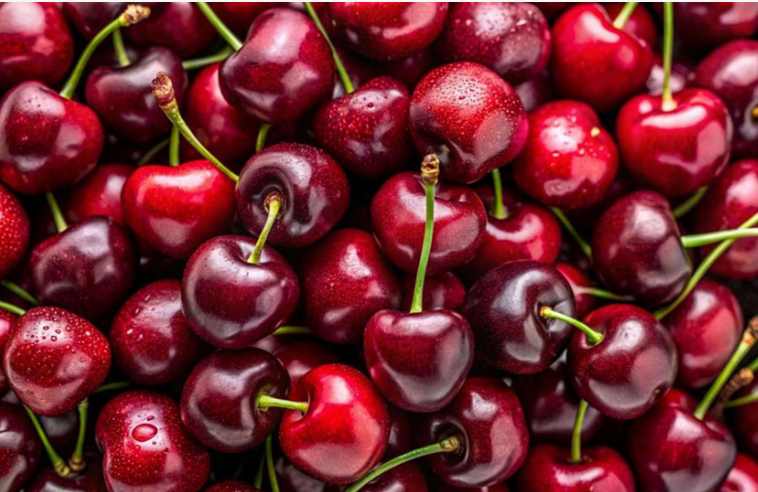
    1- Cherries: The Natural Melatonin Booster

    Cherries, especially tart cherries like Montmorency, are a natural source of melatonin—a hormone pivotal in regulating the sleep-wake cycle. Consuming cherries or unsweetened cherry juice before bed can help increase circulating melatonin levels in the body, thus promoting better sleep onset and duration. Studies have shown that individuals who consumed tart cherry juice experienced longer sleep times and improved sleep efficiency, according to a study published in the European Journal of Nutrition.

    Additionally, cherries are rich in antioxidants such as anthocyanins, which help reduce inflammation and oxidative stress—two factors known to interfere with sleep quality. Sleep researcher Dr. Michael Breus, author of The Power of When, emphasizes the importance of inflammation control in achieving deep sleep. Including cherries in your nightly routine could be a simple yet powerful step toward restful nights.


    2- Almonds: Magnesium-Rich Sleep Aids

    Almonds are an excellent source of magnesium, a mineral that plays a key role in sleep regulation. Magnesium helps activate neurotransmitters responsible for calming the body and mind, such as gamma-aminobutyric acid (GABA). According to The Magnesium Miracle by Dr. Carolyn Dean, magnesium deficiency is a hidden contributor to insomnia and disrupted sleep.

    Almonds also contain healthy fats and protein, which help maintain blood sugar levels throughout the night, reducing the likelihood of mid-sleep awakenings. Incorporating a small handful of almonds as an evening snack could help you fall asleep faster and stay asleep longer—without the need for supplements or medication.


    3- Kiwi: A Serotonin Powerhouse

    Kiwi is one of the most sleep-supportive fruits due to its high serotonin content, which is a precursor to melatonin. In a study published in Asia Pacific Journal of Clinical Nutrition, participants who ate two kiwis one hour before bed experienced improved sleep onset, duration, and efficiency. The high antioxidant content also aids in reducing oxidative stress, which supports overall brain function and restful sleep.

    Moreover, kiwi is rich in folate, a B-vitamin crucial for mood regulation and neurochemical balance. A deficiency in folate has been linked to insomnia and restlessness. Dr. Matthew Walker, author of Why We Sleep, notes the intricate relationship between neurotransmitter balance and quality sleep, suggesting that nutrient-dense foods like kiwi may offer multifaceted benefits.


    4- Bananas: Potassium and Tryptophan Combo

    Bananas are a sleep-friendly food due to their high content of potassium and magnesium, which help relax muscles and nerves. This promotes physical calmness, a precursor to good sleep. Additionally, bananas contain tryptophan, an amino acid that gets converted into serotonin and then melatonin—both essential for initiating and maintaining sleep.

    What makes bananas particularly effective is their natural sugar content, which helps transport tryptophan to the brain. This synergistic combination has made bananas a staple bedtime snack among sleep experts. As nutritionist Shawn Stevenson explains in Sleep Smarter, combining carbohydrate-rich foods with tryptophan-rich foods enhances the brain’s ability to produce serotonin.


    5- Oatmeal: Slow-Digesting Sleep Support

    Oatmeal is typically associated with breakfast, but it can also be a powerful evening food. Oats are rich in complex carbohydrates that stimulate insulin production, aiding in the transportation of tryptophan to the brain. Additionally, they contain melatonin and B vitamins, which are essential for calming the nervous system and supporting the body’s internal clock.

    Oats also provide a sense of satiety without heaviness, making them a good option for those who dislike going to bed hungry. Sleep expert Dr. Chris Winter, author of The Sleep Solution, suggests that a light snack of complex carbs before bed can help those struggling with night-time awakenings and early morning insomnia.


    6- Walnuts: Plant-Based Melatonin

    Walnuts are a natural source of melatonin and omega-3 fatty acids, making them a plant-based solution for better sleep. Omega-3s, especially alpha-linolenic acid, are known to convert into DHA, which increases serotonin production in the brain. This dual action supports both the initiation and maintenance of quality sleep.

    Additionally, walnuts contain magnesium and phosphorus, nutrients associated with muscle relaxation and neurological function. Their combination of healthy fats and sleep-promoting compounds makes them an ideal evening snack. According to the Journal of Sleep Research, individuals consuming a diet high in omega-3s tend to report better sleep quality and fewer interruptions.


    7- Turkey: High in Tryptophan

    Turkey is one of the best-known sources of tryptophan, the amino acid responsible for making you feel sleepy after a big holiday meal. Tryptophan increases serotonin and melatonin levels, supporting relaxation and deep sleep. While often associated with large meals, moderate portions of turkey in the evening can aid in natural sleep regulation.

    Furthermore, turkey is a lean protein, which helps stabilize blood sugar levels throughout the night. This avoids insulin spikes that may lead to mid-sleep disruptions. Dr. William Sears, in The Family Nutrition Book, recommends lean poultry like turkey as part of a balanced evening meal for those struggling with sleep irregularities.


    8- Herbal Teas: Chamomile and Valerian

    Chamomile and valerian root teas are time-honored herbal remedies for sleep. Chamomile contains apigenin, an antioxidant that binds to certain brain receptors to induce calmness. Valerian root, on the other hand, has been found to increase GABA activity in the brain, thereby reducing anxiety and promoting sleep.

    A meta-analysis published in The American Journal of Medicine found that valerian root significantly improved sleep latency and quality without the side effects of pharmaceutical sedatives. Adding a warm herbal tea to your nightly ritual can serve as both a psychological and physiological cue for winding down.


    9- Greek Yogurt: Protein and Probiotics

    Greek yogurt provides a potent mix of casein protein and probiotics, both of which can contribute to improved sleep. Casein digests slowly, providing the body with a steady release of amino acids during the night. This is especially beneficial for muscle recovery and hormonal balance during sleep.

    The probiotics in yogurt also support gut health, which has been increasingly linked to sleep quality via the gut-brain axis. As detailed in The Good Gut by Justin and Erica Sonnenburg, a healthy microbiome can enhance mood and regulate sleep-related hormones. Greek yogurt with a drizzle of honey can be an ideal sleep-supportive snack.


    10- White Rice: High Glycemic Index Benefit

    While high glycemic index (GI) foods are often vilified, white rice has been shown to promote better sleep when consumed several hours before bed. A study in The American Journal of Clinical Nutrition found that people who ate high-GI rice four hours before bedtime fell asleep significantly faster than those who consumed lower-GI meals.

    The insulin spike caused by white rice promotes tryptophan uptake in the brain, which then boosts melatonin and serotonin levels. However, it’s essential to consume it in moderation and with balanced nutrition to avoid long-term metabolic issues.


    11- Pumpkin Seeds: Zinc and Magnesium Combo

    Pumpkin seeds, also known as pepitas, are rich in both zinc and magnesium—two minerals crucial for regulating neurotransmitters associated with sleep. Zinc has been shown to help metabolize melatonin, while magnesium calms the nervous system.

    These seeds also provide plant-based protein and healthy fats, making them a compact, nutrient-dense bedtime snack. A study in Nutrients journal confirmed that a diet high in zinc and magnesium was positively associated with longer sleep duration and improved sleep efficiency.


    12- Eggs: Choline and Protein Source

    Eggs are a powerhouse of sleep-promoting nutrients, especially choline, which is essential for neurotransmitter synthesis and brain function. Choline aids in the production of acetylcholine, which regulates REM sleep and supports memory consolidation.

    Additionally, eggs are a complete protein source, providing all essential amino acids needed for serotonin and melatonin production. Including eggs in your dinner or evening snack can help regulate hormonal rhythms conducive to quality rest.


    13- Avocado: Healthy Fats for Brain Calm

    Avocados are rich in healthy monounsaturated fats and vitamin B6, both of which are crucial for neurotransmitter function. B6 helps convert tryptophan into serotonin, while the fats support long-term hormonal balance and brain health.

    They also contain magnesium and potassium, aiding in muscle relaxation and preventing nocturnal cramps. As detailed in The End of Sleep by Dr. A. G. Gray, nutrient-dense fats support the brain’s ability to disengage from stress stimuli, promoting deep, regenerative sleep.


    14- Spinach: Magnesium and Folate for Calm

    Spinach is a leafy green rich in magnesium and folate, two key nutrients for sleep support. Magnesium acts on GABA receptors to reduce neural excitability, while folate supports serotonin synthesis and regulation.

    Regular consumption of spinach also helps in detoxifying the liver, which indirectly supports the hormonal systems governing sleep. Nutritionist Dr. Joel Fuhrman, author of Super Immunity, suggests a folate-rich diet as a natural intervention for mood disorders and insomnia.


    15- Sweet Potatoes: Carbs with Benefits

    Sweet potatoes are complex carbohydrates rich in potassium and vitamin B6. These nutrients play a vital role in the conversion of tryptophan into serotonin. The slow-digesting carbs help you feel full longer and aid in insulin production, enhancing tryptophan transport.

    They also provide manganese and copper, supporting energy metabolism during sleep. A small portion at dinner can be both satisfying and sleep-inducing, especially when paired with a lean protein.


    16- Cottage Cheese: Casein and Tryptophan

    Cottage cheese is an underrated sleep aid. It contains casein protein, which slowly releases amino acids through the night, and a generous amount of tryptophan to aid melatonin production. This combination supports overnight recovery and hormonal balance.

    Adding some flaxseed or fruit can further enhance its benefits by supplying omega-3s and fiber. As noted in The 4-Hour Body by Tim Ferriss, slow-digesting proteins can be crucial for uninterrupted deep sleep, especially for physically active individuals.


    17- Lettuce: Lactucarium’s Sleep-Enhancing Effect

    Lettuce, particularly romaine, contains lactucarium—a substance with sedative properties. This compound has effects similar to opium, though much milder and entirely safe for dietary consumption. Lettuce tea, made from boiled leaves, is a traditional remedy for insomnia.

    The mild sedative effect can be a gentle support for people who struggle with sleep latency. The Journal of Ethnopharmacology notes that lactucarium has calming effects that make it suitable for those sensitive to stronger interventions.


    18- Barley Grass Powder: Sleep Superfood

    Barley grass powder is a nutrient-dense supplement loaded with calcium, magnesium, tryptophan, and GABA—all vital for sleep regulation. This green superfood helps lower cortisol levels and supports the parasympathetic nervous system.

    Incorporating barley grass into smoothies or warm drinks before bed can promote relaxation and hormonal harmony. According to Healing with Whole Foods by Paul Pitchford, barley grass is one of the best natural remedies for adrenal fatigue and chronic sleep issues.


    19- Milk: Traditional Yet Powerful

    Warm milk has been used for generations to promote sleep—and for good reason. It contains tryptophan and calcium, both important for melatonin synthesis. The warmth itself provides a calming ritual that signals the body to wind down.

    Modern science backs this traditional remedy, as studies in The Journal of Clinical Sleep Medicine show that milk consumption is associated with shorter sleep latency and improved sleep satisfaction. Consider pairing it with turmeric or nutmeg for added sleep-enhancing benefits.


    20- Dark Chocolate: Magnesium and Serotonin Boost

    Dark chocolate, when consumed in moderation, can support sleep thanks to its high magnesium content and ability to boost serotonin levels. Look for varieties with 70% or higher cacao content to get the benefits without the sugar crash.

    However, it’s essential to consume it earlier in the evening as it contains small amounts of caffeine. Neuroscientist Dr. Lisa Mosconi, author of Brain Food, recommends dark chocolate as a brain-calming indulgence when chosen wisely.


    21- Shut-eye Foods: Strategic Evening Nutrition

    “Shut-eye foods” refer to those specifically beneficial when consumed in the evening hours, helping signal the body to prepare for rest. These include foods rich in melatonin, magnesium, and complex carbohydrates, such as oatmeal, bananas, and warm milk. Timing is equally important—consuming these foods 1-2 hours before bed allows your body to begin the sleep cascade naturally.

    Experts like Dr. Frank Lipman suggest that these foods should be part of a calming evening routine. The goal is not just physiological support, but also a psychological signal to relax. When aligned with other sleep hygiene habits, shut-eye foods can significantly enhance sleep onset and continuity.


    22- Decaf Coffee: A Double-Edged Sword

    Decaffeinated coffee might sound like a safe evening indulgence, but it often contains small amounts of caffeine—enough to affect sensitive individuals. While it’s much lower in caffeine than regular coffee, even trace amounts can interfere with melatonin production if consumed too close to bedtime.

    That said, decaf can be calming for some due to its ritualistic nature and the presence of polyphenols that aid in relaxation. Dr. Sara Mednick in Take a Nap! Change Your Life notes that rituals like sipping warm beverages can cue the parasympathetic nervous system—just ensure it’s genuinely caffeine-free.


    23- Crab: Rich in Selenium and Vitamin B12

    Crab meat is an excellent source of selenium and vitamin B12, both of which are essential for nervous system function and sleep regulation. Selenium acts as a powerful antioxidant that reduces oxidative stress, which in turn supports hormonal balance.

    Moreover, crab is high in protein yet low in fat, making it a satisfying but light evening meal option. According to The Sleep Revolution by Arianna Huffington, nutrient-dense seafood like crab can aid cognitive clarity and reduce sleep disturbances caused by nutrient deficiencies.


    24- Warm Milk: Traditional Comfort with Science

    Warm milk remains a time-tested remedy for sleeplessness. Rich in tryptophan and calcium, it helps stimulate melatonin production while providing a comforting warmth that soothes the nervous system. Calcium is vital for processing tryptophan, making this duo particularly effective.

    A study published in Nutrition Reviews affirms that dairy consumption before bed can lead to deeper, more restorative sleep. Add a pinch of nutmeg or cinnamon for enhanced relaxation and flavor—both spices are known for their calming properties.


    25- Bean Sprouts: Folate and Phytoestrogen Support

    Bean sprouts are nutrient powerhouses rich in folate, vitamin C, and phytoestrogens. Folate aids in the regulation of mood and neurotransmitters, while phytoestrogens support hormonal balance, especially in post-menopausal women who often suffer from disrupted sleep.

    They’re also light and easy to digest, making them an ideal addition to a late dinner. As highlighted in Eat to Sleep by Karman Meyer, foods that reduce inflammation and balance hormones naturally promote better sleep cycles.


    26- Spinach: The Magnesium-Rich Nightcap

    Spinach is once again worth noting for its exceptional magnesium content. This mineral helps deactivate adrenaline and supports GABA function in the brain, calming neural activity before sleep.

    Its folate and iron content also support brain oxygenation, which may improve the quality of REM sleep. Clinical nutritionist Dr. Josh Axe points out that magnesium-rich vegetables like spinach act as gentle muscle relaxants, a critical factor for uninterrupted sleep.


    27- Greek Yogurt with Honey: Probiotic & Carb Synergy

    Combining Greek yogurt with honey offers the benefits of slow-digesting protein and natural sugars that aid in serotonin production. Honey slightly raises insulin, allowing tryptophan to enter the brain more effectively.

    Probiotics in Greek yogurt also support gut health, crucial for mood and sleep regulation via the gut-brain axis. This combination makes for an ideal pre-bedtime snack, as supported in The Good Sleep Guide by Sammy Margo.


    28- Rice: Carbohydrate Catalyst for Sleep Hormones

    White rice, particularly jasmine rice, has a high glycemic index, which has been shown to reduce the time it takes to fall asleep. The insulin surge facilitates tryptophan’s journey to the brain, promoting serotonin and melatonin synthesis.

    Including rice in your dinner—ideally 3-4 hours before bed—can help condition your body for better rest. The Journal of Clinical Sleep Medicine supports the strategic use of high-GI carbs for improved sleep latency and duration.


    29- Cottage Cheese: Bedtime Muscle Recovery

    Cottage cheese offers casein protein, which is digested slowly and can supply amino acids throughout the night for muscle recovery. It’s also rich in tryptophan and calcium, supporting the production of serotonin and melatonin.

    Pairing cottage cheese with pineapple or kiwi enhances its sleep-inducing properties. Sleep scientists like Dr. Christopher Winter emphasize casein’s ability to support metabolic repair and hormonal regulation during deep sleep.


    30- Black Beans: Fiber and Magnesium Boost

    Black beans are rich in fiber, protein, and magnesium—a trio that supports steady blood sugar and calm muscle function. Balanced blood sugar prevents nighttime awakenings due to dips in glucose levels.

    They also provide iron and tryptophan, supporting oxygen transport and serotonin production. According to Nutrition and Sleep: An Overview, legumes like black beans contribute to both mental and physiological stability needed for deep sleep.


    31- Prunes: Natural Melatonin and Potassium

    Prunes are not just digestive aids—they’re rich in natural melatonin, magnesium, and potassium. These compounds work synergistically to calm the nervous system and promote muscle relaxation.

    As a light evening snack, prunes can improve sleep latency and quality. In Chronobiology International, prunes were shown to support circadian rhythm alignment, making them particularly useful for those dealing with jet lag or sleep phase disorders.


    32- Eggs: Versatile Sleep Supporters

    Revisited here for their versatility, eggs contain high-quality protein, B vitamins, and choline—all essential for neurotransmitter synthesis. Choline, in particular, supports REM sleep and memory processing.

    Scrambled, boiled, or poached, eggs make a convenient evening meal that promotes hormonal and cognitive balance. As Dr. Lisa Mosconi asserts in Brain Food, the brain thrives on complete protein sources like eggs, especially before sleep.


    33- Pistachios: Melatonin-Rich Nuts

    Among all nuts, pistachios contain some of the highest levels of melatonin per gram. Just a small handful provides a sleep-inducing dose without overwhelming the digestive system.

    They also contain magnesium and vitamin B6, crucial for neurotransmitter production. The Journal of Pineal Research highlights pistachios as a top plant-based source of melatonin, ideal for natural sleep enhancement.


    34- Lean Proteins: Balanced Sleep Fuel

    Lean proteins such as chicken, turkey, and tofu provide tryptophan without the digestive heaviness of fatty meats. This helps prevent acid reflux and ensures the body focuses on repair, not digestion, during sleep.

    Including lean proteins in your dinner also supports overnight muscle recovery and hormonal balance. As detailed in The Circadian Code by Dr. Satchin Panda, evening meals with lean protein can reinforce natural sleep-wake rhythms.


    35- Canned Sardines: Omega-3 and Calcium Combo

    Canned sardines are rich in omega-3 fatty acids and calcium, both of which play critical roles in regulating neurotransmitters and calming the nervous system. DHA, in particular, boosts serotonin production.

    Their high protein content also aids in sustaining sleep by keeping blood sugar levels stable. The Omega-3 Effect by William Sears explains how consistent omega-3 intake correlates with reduced insomnia and improved mood.


    36- Soya Foods: Isoflavones and Sleep Hormones

    Soy-based foods like tofu and tempeh are rich in isoflavones, which can help regulate estrogen levels and improve sleep, particularly in menopausal women. They also contain magnesium and tryptophan, adding to their sleep-promoting profile.

    A clinical trial in Menopause Journal found that women consuming more soy had fewer sleep disturbances. Soy foods are a powerful tool in plant-based diets for optimizing rest.


    37- Lemon Balm: Herbal Tranquility

    Lemon balm is a herb from the mint family known for its calming properties. It increases GABA activity, promoting a relaxed state. Taken as tea or supplement, it helps reduce anxiety and improve sleep onset.

    Research published in Mediterranean Journal of Nutrition supports its use for insomnia and mild anxiety. Lemon balm works well when combined with valerian root or chamomile for a comprehensive sleep aid.


    38- Brazil Nuts: Selenium and Hormonal Balance

    Brazil nuts are one of the richest dietary sources of selenium, a trace mineral that supports thyroid function and reduces oxidative stress. Hormonal stability is essential for circadian alignment and restful sleep.

    Just 1-2 nuts daily suffice, as excess selenium can be harmful. The Endocrine Society notes selenium’s role in stabilizing mood and reducing nighttime awakenings in individuals with thyroid imbalances.


    39- Whole Grains: Steady Energy for the Night

    Whole grains like quinoa, brown rice, and bulgur are rich in complex carbohydrates and B vitamins. They help stabilize blood sugar and support the synthesis of calming neurotransmitters like serotonin.

    Including whole grains in your dinner helps create a sustained release of energy and reduces stress hormone levels. In Food and Mood, Dr. Elizabeth Somer emphasizes whole grains’ role in managing cortisol and enhancing rest.


    40- Butter Beans: Potassium and Tryptophan Source

    Butter beans (lima beans) offer a solid combination of potassium, magnesium, and tryptophan. These nutrients relax the muscles and promote serotonin production, ideal for night-time calm.

    Their high fiber content also supports digestive health, an often-overlooked factor in sleep quality. As noted in Nutritional Neuroscience, fiber-rich diets correlate with longer periods of slow-wave sleep.


    41- Oily Fish: Omega-3 for Brain Health

    Salmon, mackerel, and sardines are rich in omega-3 fatty acids and vitamin D—both critical for melatonin synthesis and circadian regulation. DHA boosts serotonin levels, while vitamin D balances mood and sleep cycles.

    A randomized trial in Scientific Reports showed that omega-3 supplementation improved sleep duration and reduced night waking. Oily fish should be a staple in any sleep-supportive diet.


    42- Chamomile Tea: Herbal Classic

    Chamomile tea is rich in apigenin, an antioxidant that binds to brain receptors to induce sleepiness and reduce anxiety. Regular consumption has been linked to improved sleep latency and lower nighttime awakenings.

    In Phytomedicine Journal, chamomile was found effective in improving general sleep quality among postpartum women and the elderly. It remains one of the safest and most accessible natural sleep aids.


    43- Mediterranean Diet: A Blueprint for Sleep

    The Mediterranean diet emphasizes whole foods, lean proteins, healthy fats, and plenty of vegetables—all of which contribute to hormonal balance and anti-inflammatory effects. This diet is associated with lower levels of insomnia and sleep apnea.

    According to Nutrients, individuals adhering to a Mediterranean diet experienced longer and more restorative sleep. This eating pattern supports gut health, circadian alignment, and cognitive recovery.


    44- Bananas: Revisited

    As a potent combination of potassium, magnesium, and tryptophan, bananas again earn their spot for muscle relaxation and neurotransmitter production. Their carbohydrate content also enhances tryptophan absorption.

    Incorporating bananas in an evening smoothie or with Greek yogurt can provide a synergistic boost to sleep-promoting hormones.


    45- Cherries: Revisited

    Montmorency cherries contain one of the highest natural concentrations of melatonin, alongside anti-inflammatory compounds. This dual benefit supports both sleep initiation and overall restfulness.

    Drinking tart cherry juice 1-2 hours before bed is shown to reduce insomnia symptoms, as documented in The Journal of Medicinal Food.


    46- Passionflower Tea: Calming Herbal Tonic

    Passionflower contains flavonoids that modulate GABA levels in the brain, reducing anxiety and promoting deep relaxation. Often used in herbal blends, it works best when consumed 30–60 minutes before sleep.

    Clinical trials in Phytotherapy Research found that passionflower tea significantly improved sleep quality over placebo. It’s especially helpful for those dealing with mental overstimulation.


    47- Kiwi Fruit: Revisited

    Kiwis are high in serotonin, antioxidants, and folate—all of which contribute to better sleep duration and quality. Their low glycemic load also makes them a smart choice for people managing weight and blood sugar.

    In Sleep and Biological Rhythms, kiwi consumption was associated with significant improvements in total sleep time and sleep efficiency in adults with sleep disturbances.


    48- Almonds: Revisited

    Almonds offer magnesium and protein, helping stabilize blood sugar and promote muscle relaxation. A few almonds before bed can reduce restlessness and midnight hunger pangs.

    They also provide riboflavin and phosphorus, supporting cellular energy processes critical during deep sleep.


    Conclusion

    When it comes to sleep, nature has already provided us with a rich tapestry of dietary options that support our circadian rhythm, hormonal balance, and neurological relaxation. From nutrient-dense nuts and lean proteins to calming teas and strategic carbohydrates, each food plays a unique role in the symphony of restorative sleep.

    By understanding and integrating these sleep-enhancing foods into your lifestyle, you can create a sustainable and natural path to improved rest. As the ancient Roman philosopher Seneca once said, “A well-spent day brings happy sleep.” Let your diet be the foundation of that well-spent day—and that well-earned night’s rest.

    Our diet is far more intertwined with our sleep quality than most realize. By intentionally choosing foods that support the body’s natural sleep mechanisms—rich in magnesium, tryptophan, melatonin, and calming nutrients—we lay a strong foundation for restorative rest. This is not about isolated nutrients but a holistic synergy between our plate and our pillow.

    For those seeking to improve their sleep without relying on pharmaceuticals, these foods offer a safe, effective, and deeply nourishing path forward. As the old adage goes, “We are what we eat”—and by extension, how well we sleep may be a direct reflection of how well we nourish ourselves.

    Bibliography

    1. Huffington, Arianna. The Sleep Revolution: Transforming Your Life, One Night at a Time. Harmony Books, 2016.
    2. Walker, Matthew. Why We Sleep: Unlocking the Power of Sleep and Dreams. Scribner, 2017.
    3. Mednick, Sara C. Take a Nap! Change Your Life. Workman Publishing Company, 2006.
    4. Meyer, Karman. Eat to Sleep: What to Eat and When to Eat It for a Good Night’s Sleep—Every Night. Simon & Schuster, 2019.
    5. Mosconi, Lisa. Brain Food: The Surprising Science of Eating for Cognitive Power. Avery, 2018.
    6. Sears, William. The Omega-3 Effect: Everything You Need to Know About the Supernutrient for Living Longer, Happier, and Healthier. Little, Brown Spark, 2012.
    1. Panda, Satchin. The Circadian Code: Lose Weight, Supercharge Your Energy, and Transform Your Health from Morning to Midnight. Rodale Books, 2018.
    2. Somer, Elizabeth. Food & Mood: The Complete Guide to Eating Well and Feeling Your Best. Henry Holt and Co., 1999.
    3. Winter, W. Chris. The Sleep Solution: Why Your Sleep is Broken and How to Fix It. Penguin Random House, 2017.
    4. Margo, Sammy. The Good Sleep Guide. Virgin Books, 2007.
    5. Lipman, Frank. How to Be Well: The 6 Keys to a Happy and Healthy Life. Houghton Mifflin Harcourt, 2018.
    6. Axe, Josh. Eat Dirt: Why Leaky Gut May Be the Root Cause of Your Health Problems and 5 Surprising Steps to Cure It. Harper Wave, 2016.
    7. Sears, William, and Sears, James. The Healthy Pregnancy Book: Month by Month, Everything You Need to Know From America’s Baby Experts. Little, Brown Spark, 2013.
    8. Somer, Elizabeth. Eat Your Way to Happiness. Harlequin Nonfiction, 2009.
    9. Breckwoldt, Peggy. Herbal Teas for Insomnia: Natural Remedies for Restful Sleep. CreateSpace Independent Publishing Platform, 2015.
    10. Shanahan, Catherine. Deep Nutrition: Why Your Genes Need Traditional Food. Flatiron Books, 2017.
    11. Peeke, Pamela. Body for Life for Women: A Woman’s Plan for Physical and Mental Transformation. Rodale Books, 2005.
    12. Barclay, Laurie. “Nutritional Neuroscience and Sleep: Implications and Interventions.” Medscape Psychiatry, 2014.
    13. Vandekerckhove, Marie, and Cluydts, Raymond. “The role of presleep cognitive arousal in the occurrence of nocturnal awakenings and its link with morning negative mood.” Behaviour Research and Therapy, Elsevier, 2010.
    14. Sato-Mito, Natsuko et al. “Eating patterns and sleep in healthy adults: evidence from the Japanese National Health and Nutrition Survey.” Nutrients, MDPI, 2011.

    By Amjad Izhar
    Contact: amjad.izhar@gmail.com
    https://amjadizhar.blog

  • Easy Ways To Eat Healthier Every Day

    Easy Ways To Eat Healthier Every Day

    If your health is the foundation of your life, then your daily food choices are the bricks that build it. In the fast-paced tempo of modern living, many of us compromise health for convenience, often unknowingly. What we eat not only determines our physical well-being but also has profound implications for our mental clarity, energy levels, and long-term vitality.

    The concept of eating healthy has often been clouded by complexity—conflicting information, fad diets, and commercial influences. Yet, at its core, healthy eating is about making informed, consistent choices that nourish your body. As Michael Pollan wisely stated, “Eat food. Not too much. Mostly plants.” This wisdom holds truer today than ever before, as more research shows that simple, mindful eating can drastically reduce the risk of chronic diseases.

    This blog post aims to strip away the noise and present clear, practical ways to eat healthier every single day. Backed by expert insights, scientific consensus, and timeless principles, the following points are not about radical transformations but realistic improvements. Whether you’re a seasoned wellness enthusiast or a curious newcomer, these ideas will help you make smarter food decisions—day by day, bite by bite.


    1- Start Your Day with a Nutritious Breakfast

    Breakfast isn’t just the “most important meal of the day” because it’s the first—it’s because it sets the metabolic tone for everything that follows. A balanced breakfast helps regulate blood sugar levels, jumpstarts your metabolism, and prevents unhealthy cravings later in the day. Studies from the American Journal of Clinical Nutrition indicate that individuals who eat a high-protein, fiber-rich breakfast are less likely to snack impulsively.

    Incorporating foods such as oatmeal, eggs, Greek yogurt, and fruits provides essential nutrients without excess sugar or empty calories. Nutritionist Marion Nestle suggests in her book What to Eat that the first meal of the day should be rich in fiber, protein, and healthy fats to ensure satiety and sustained energy. Avoiding sugary cereals or processed pastries allows your body to begin the day with stability and strength.


    2- Choose Whole Foods Over Processed Ones

    Whole foods—fruits, vegetables, whole grains, and lean proteins—are rich in nutrients, fiber, and antioxidants. In contrast, processed foods often contain added sugars, sodium, and unhealthy fats that contribute to chronic diseases. According to Dr. David Ludwig of Harvard, “Processed foods promote overeating and metabolic disruption.”

    Choosing whole over processed isn’t just a diet change—it’s a lifestyle shift. Instead of reaching for packaged snacks, opt for nuts, seeds, or fresh fruit. Replace refined grains with brown rice or quinoa. Over time, your palate adjusts, and the artificial appeal of processed food diminishes, as does its control over your health.


    3- Stay Hydrated Throughout the Day

    Hydration is a silent force behind every vital function in the body—from cognitive performance to digestion. Often, the body confuses thirst with hunger, leading to unnecessary snacking. Drinking enough water enhances metabolism and supports cellular function, as documented by Dr. Howard Murad in The Water Secret.

    Make hydration habitual: start your morning with a glass of water, keep a bottle by your desk, and infuse it with lemon or cucumber for variety. Herbal teas can also contribute to your fluid intake. Consistency is key. Proper hydration can even improve skin texture and mental clarity—benefits you’ll quickly notice.


    4- Mindful Eating Practices

    Mindful eating means engaging fully with the act of eating—slowing down, savoring flavors, and recognizing hunger cues. This practice not only enhances digestion but also reduces overeating. Jon Kabat-Zinn, a pioneer in mindfulness, writes, “When we tune into the moment, even a simple meal becomes an experience.”

    Set aside screens, chew slowly, and appreciate each bite. Over time, mindful eating retrains your brain to distinguish true hunger from emotional cues. It fosters a deeper connection between body and food—transforming meals into moments of gratitude rather than mindless consumption.


    5- Include More Plant-Based Meals

    Plant-based eating doesn’t require becoming vegan or vegetarian—it simply means making plants the star of your plate more often. Beans, legumes, vegetables, fruits, and nuts are rich in fiber, vitamins, and antioxidants. According to Dr. Michael Greger, author of How Not to Die, incorporating more plants can significantly reduce inflammation and chronic disease risk.

    Experiment with meatless Mondays or substitute lentils for ground meat in your favorite recipes. You might be surprised by the flavor and satisfaction plant-based meals provide. With the growing availability of plant-forward dishes, it’s easier than ever to eat in a way that benefits both your health and the planet.


    6- Keep Healthy Snacks Available

    Hunger doesn’t always strike at convenient times. Having healthy snacks on hand prevents you from reaching for chips or candy in a pinch. Portable options like nuts, hard-boiled eggs, hummus with veggies, or whole fruit are nutrient-dense and satisfying.

    Keep a stash in your bag, desk, or car. Dr. Mark Hyman advises in Food: What the Heck Should I Eat? to treat snacks as small meals that fuel you rather than treats to pacify boredom. Intentional snacking supports metabolism and keeps energy steady throughout the day.


    7- Reduce Added Sugar Intake

    Excess sugar is linked to everything from obesity to diabetes to heart disease. Hidden sugars lurk in sauces, dressings, and even “health” foods. According to the World Health Organization, reducing added sugar to below 10% of daily intake significantly improves health outcomes.

    Start by checking labels, switching to natural sweeteners like honey or dates, and flavoring your meals with cinnamon or vanilla instead of sugar. As your taste buds recalibrate, the intense sweetness of processed foods will lose its appeal—and your body will thank you.


    8- Eat More Fiber

    Fiber supports digestion, regulates blood sugar, and contributes to satiety. Found in whole grains, fruits, vegetables, and legumes, fiber is often lacking in modern diets. Dr. Joel Fuhrman emphasizes in Eat to Live that fiber-rich foods are essential for a healthy gut microbiome.

    Aim for at least 25–30 grams of fiber daily. Incorporate chia seeds into your yogurt, switch to whole grain bread, and add beans to soups and salads. Over time, you’ll notice improved digestion and a more balanced appetite.


    9- Cook at Home More Often

    Home cooking gives you complete control over ingredients, portion sizes, and cooking methods. It’s a powerful act of self-care and often far healthier than eating out. Author Michael Pollan notes in Cooked that reclaiming the kitchen is one of the most radical steps you can take for your health.

    Even simple meals can be nutritious and satisfying. Try batch cooking or meal prepping to save time. Once cooking becomes a routine rather than a chore, you’ll find joy in the process and nourishment in the results.


    10- Practice Portion Control

    Even healthy food can become problematic in excessive quantities. Understanding appropriate portion sizes prevents overeating and supports weight management. Harvard’s Nutrition Source emphasizes the use of visual cues—like a fist for carbs or a palm for protein—to guide serving sizes.

    Use smaller plates, serve yourself mindfully, and pause before going back for seconds. Learning to recognize satiety is key. Portion awareness isn’t about restriction—it’s about balance and being in tune with your body’s actual needs.


    11- Limit Alcohol Consumption

    Alcohol contributes empty calories and can impair judgment around food. It also disrupts sleep and metabolism. The Dietary Guidelines for Americans recommend moderation—no more than one drink per day for women and two for men.

    Alternatives like sparkling water with lime or herbal cocktails can be refreshing and festive. Reducing alcohol allows your liver to focus on detoxifying other substances and supports better energy and digestion.


    12- Eat Slowly and Chew Thoroughly

    Rushed eating often leads to overeating and indigestion. Chewing thoroughly allows enzymes in saliva to begin the digestive process. As Ayurvedic texts suggest, “Drink your food and chew your drink”—meaning, eat slowly enough to liquefy food and savor liquids thoughtfully.

    Set aside mealtime distractions and focus on the act of eating. This small change enhances nutrient absorption, satisfaction, and digestive comfort. Over time, it becomes a meditative act, grounding you in the present.


    13- Read Food Labels

    Food marketing can be deceptive. Reading labels reveals hidden sugars, additives, and artificial ingredients. Dr. Marion Nestle urges consumers to prioritize short ingredient lists and recognizable items in Food Politics.

    Familiarize yourself with serving sizes and nutrient percentages. This habit empowers informed choices and shields you from misleading health claims. It’s a small step with big protective benefits.


    14- Balance Macronutrients

    Protein, fats, and carbohydrates each play crucial roles in energy, repair, and bodily function. Balanced meals keep you fuller longer and prevent blood sugar spikes. According to Dr. Walter Willett from Harvard, a plate should be a colorful blend—half vegetables, a quarter protein, and a quarter whole grains.

    Avoid extremes—like low-carb or fat-free diets—and instead aim for harmony. Healthy fats from avocados or nuts, lean proteins, and complex carbs like sweet potatoes form the building blocks of a truly nourishing meal.


    15- Use Healthy Cooking Methods

    How you cook matters. Frying and charring can create harmful compounds, while steaming, baking, and sautéing preserve nutrients. The World Cancer Research Fund suggests that grilled or smoked meats should be limited due to carcinogen risk.

    Experiment with steaming vegetables, stir-frying with olive oil, or baking fish with herbs. Not only are these methods healthier, but they also bring out natural flavors, making your meals both safe and delicious.


    16- Listen to Your Body

    Modern life often drowns out the body’s natural signals. Learning to tune into hunger, fullness, and food sensitivities can transform your diet. Dr. Susan Albers, author of Eat Q, emphasizes that mindful self-awareness fosters a healthy relationship with food.

    Start journaling how you feel after meals—energized or sluggish? Satisfied or bloated? These patterns help guide smarter choices and build a responsive, intuitive approach to eating.


    17- Limit Eating Out and Takeout

    Restaurant meals are often higher in sodium, sugar, and unhealthy fats. Reducing takeout supports not only your waistline but also your wallet. Nutritionist Kelly LeVeque advises prioritizing home meals at least 80% of the time.

    When dining out, scan menus for grilled, steamed, or roasted options, and don’t hesitate to ask for modifications. Small choices—like dressing on the side or skipping fried sides—add up to big benefits over time.


    18- Plan Your Meals Ahead

    Meal planning reduces the temptation to make impulsive or unhealthy food choices. It also minimizes waste and maximizes nutrient variety. In The Blue Zones Solution, Dan Buettner notes that long-living populations consistently prepare meals in advance.

    Start simple—plan three dinners per week and shop accordingly. Batch-cooking on Sundays or preparing ingredients ahead can streamline your week and reduce stress. Planning is the scaffolding that supports consistent healthy eating.


    19- Eat with Others When Possible

    Shared meals enhance both nutrition and connection. Studies show that people who eat together tend to make healthier choices and feel more satisfied. Psychologist Brian Wansink’s research in Mindless Eating illustrates how social meals promote slower eating and better food awareness.

    Make family dinners a ritual or organize lunch dates with friends. Eating together fosters joy and gratitude around food, enriching both your physical and emotional well-being.


    20- Don’t Skip Meals

    Skipping meals, especially breakfast or lunch, can lead to energy crashes and overeating later. Regular meals stabilize blood sugar and support metabolism. Dr. Frank Hu from Harvard warns that intermittent starvation can lead to insulin resistance over time.

    Establish a regular eating rhythm—three meals a day with optional healthy snacks. This predictability helps your body operate efficiently and keeps cravings at bay. Consistency is key to lasting nutritional success.


    21- Global Tips Everyone Should Know

    Nutritional wisdom transcends borders, and traditional food practices from around the world offer timeless guidance. From the Mediterranean to the Far East, cultures have long relied on seasonal, minimally processed foods. Learning from these customs provides diverse, sustainable ways to improve your diet.

    Global eating tips include using herbs over salt, embracing plant-based meals, and eating communally. Dr. Daphne Miller, in The Jungle Effect, explores how indigenous food traditions naturally protect against chronic diseases. When we respect cultural food intelligence, we embrace diversity and health in every bite.


    22- Top Whole Grain Toast with Smashed Avocado, Australia

    Australia has embraced the fusion of nutrition and flavor, with avocado toast becoming a global phenomenon. Whole grain bread provides fiber and sustained energy, while avocados offer heart-healthy monounsaturated fats and potassium.

    This simple breakfast or snack option supports satiety and cardiovascular health. Nutritionist Dr. Joanna McMillan emphasizes in Get Lean, Stay Lean that such meals help stabilize blood sugar and reduce mid-morning cravings. Adding toppings like tomato, seeds, or a poached egg elevates its nutrient profile.


    23- Make Herbs the Hero, Persia

    Persian cuisine has long celebrated herbs not as garnish but as the main event. Parsley, mint, dill, and tarragon are not only flavorful but packed with antioxidants and anti-inflammatory properties.

    Regularly incorporating herbs can reduce reliance on salt and fat for flavor. As noted in Herbal Medicine: Biomolecular and Clinical Aspects, many culinary herbs have medicinal effects. Embracing herbs adds depth to dishes while promoting liver health, digestion, and immunity.


    24- Snack on Nuts, Sardinia

    Sardinians, known for their longevity, consume a variety of nuts daily. Almonds, walnuts, and hazelnuts are nutrient-dense snacks that provide protein, fiber, and healthy fats.

    According to The Blue Zones by Dan Buettner, this habit helps reduce cholesterol and inflammation. A handful of raw, unsalted nuts between meals promotes satiety and supports brain function—an ideal snack that travels well and nourishes deeply.


    25- Enjoy a Siesta, Spain

    While not a food itself, the Spanish siesta contributes indirectly to healthier eating. Rest and digestion are deeply connected. A post-lunch nap reduces cortisol levels and improves digestion and metabolic balance.

    Research published in the journal Sleep Health links short naps to improved blood sugar regulation and reduced cravings. Integrating mindful rest into your day enhances your body’s ability to process nutrients and maintain energy.


    26- Eat More Squash, Costa Rica

    In Costa Rica’s Nicoya Peninsula—another Blue Zone—squash is a staple. Rich in vitamins A and C, squash also contains antioxidants like beta-carotene which support immune health and vision.

    Whether roasted, stewed, or pureed, squash is low in calories and high in fiber. As Dr. Joel Fuhrman advises in Super Immunity, eating colorful vegetables like squash daily is key to disease prevention and vitality.

    27- Build Up on Beans, Mexico
    Beans are central to Mexican diets and are an excellent source of plant-based protein, iron, and soluble fiber. They stabilize blood sugar, promote gut health, and support cardiovascular wellness. Their affordability and versatility make them a nutritional powerhouse that supports both longevity and sustainability.

    Regular consumption of beans is associated with lower cholesterol and reduced inflammation. Dr. Dan Buettner, in The Blue Zones Solution, notes that all longevity hotspots share one thing in common: beans are eaten daily. Incorporating black beans, pinto beans, or lentils into stews, salads, or as a side dish is both practical and health-promoting.


    28- Breakfast Like a King, Spain
    In Spain and many Mediterranean countries, breakfast is substantial and balanced, often including eggs, vegetables, whole grains, and healthy fats. This contrasts with the Western trend of skipping breakfast or opting for sugary cereals.

    Eating a hearty breakfast jumpstarts metabolism and prevents mid-morning crashes. Research published in Obesity (Journal of The Obesity Society) confirms that front-loading calories in the morning leads to better weight management. Embracing this rhythm fosters metabolic alignment and supports sustained energy throughout the day.


    29- Take a Post-Meal Walk, UK
    In parts of the UK, particularly among older generations, it’s customary to take a gentle walk after dinner. This small habit has profound metabolic effects—improving digestion, lowering blood sugar, and supporting cardiovascular health.

    A study in Diabetologia found that even a 15-minute walk after meals significantly reduced postprandial glucose spikes. Walking after eating also helps regulate insulin sensitivity, reduce bloating, and promotes a peaceful transition into restful sleep.


    30- Use Chopsticks, China
    Using chopsticks naturally slows down your eating, encouraging mindfulness and portion control. The physical mechanics of chopsticks require smaller bites and more deliberate action.

    This slower pace enhances digestion and allows satiety signals to reach the brain before overeating occurs. Behavioral nutritionist Brian Wansink emphasizes in Mindless Eating that slower eating habits are directly linked to reduced calorie intake and increased satisfaction.


    31- Ferment Your Veggies, Germany
    Germany’s tradition of eating fermented vegetables like sauerkraut offers significant digestive benefits. Fermentation enriches food with probiotics that support gut microbiota, immunity, and nutrient absorption.

    In The Good Gut by Erica and Justin Sonnenburg, the authors highlight fermented foods as crucial to microbial diversity, which is essential for mental and physical health. Adding a spoonful of sauerkraut or kimchi to your meals can dramatically enhance your digestive resilience.


    32- Add Turmeric to Your Milk, India
    Golden milk—milk infused with turmeric—is a traditional Indian remedy celebrated for its anti-inflammatory and antioxidant effects. Curcumin, the active compound in turmeric, supports joint health, immunity, and even cognitive function.

    In Healing Spices, Bharat Aggarwal details the medicinal properties of turmeric across cultures. Drinking turmeric milk, especially before bed, can soothe digestion and improve sleep quality while reducing systemic inflammation.


    33- Plump for Olive Oil, Italy
    Olive oil is a cornerstone of the Italian diet and a hallmark of the Mediterranean lifestyle. Rich in monounsaturated fats and polyphenols, it supports heart health, reduces inflammation, and enhances nutrient absorption.

    As Dr. Walter Willett from Harvard states, “Replacing saturated fats with olive oil significantly reduces cardiovascular risk.” Use extra virgin olive oil in dressings, sautéing, or as a finishing touch to unlock both flavor and health benefits.


    34- Eat Oily Fish, Greece
    The Greek diet, particularly on the islands, includes generous servings of oily fish like sardines, mackerel, and anchovies—rich in omega-3 fatty acids. These essential fats reduce inflammation, support brain health, and improve heart function.

    Dr. William Harris, a leading omega-3 researcher, notes that frequent consumption of oily fish lowers triglycerides and supports cognitive longevity. Aim for at least two servings per week, grilled or baked, with herbs and lemon.


    35- Make Pulses the Hero, India
    In Indian cuisine, pulses such as lentils, chickpeas, and split peas are daily staples. They provide protein, iron, magnesium, and dietary fiber, making them indispensable in vegetarian nutrition.

    The World Health Organization promotes pulses as a sustainable protein source that supports soil health and reduces greenhouse gas emissions. Incorporate daals, curries, or lentil soups into your routine to benefit both your body and the planet.


    36- Practice Gratitude, USA
    Mindfulness and gratitude, especially around meals, can transform your eating experience. In American wellness culture, increasing emphasis is placed on the psychological aspects of nutrition.

    Studies in Appetite journal show that people who practice gratitude before meals experience greater satisfaction and eat less. A simple pause to reflect on the source of your food and its nourishment can create a deeper, more fulfilling eating habit.


    37- Avoid Large Meals in the Evening, India
    In Ayurvedic tradition, it is believed that digestion is strongest during midday. Large evening meals disrupt this natural rhythm, leading to indigestion, weight gain, and poor sleep.

    Dr. Vasant Lad, in The Complete Book of Ayurvedic Home Remedies, advises light, warm dinners before sunset. This aligns with circadian biology and supports metabolic efficiency, digestion, and morning energy levels.


    38- Embrace Variety, Ethiopia
    Ethiopian cuisine offers a wide array of legumes, grains, and vegetables served communally on injera. Variety ensures a broader nutrient profile and reduces dietary monotony, which can lead to nutrient gaps.

    Nutrition expert Marion Nestle advocates variety as a cornerstone of good nutrition. Rotating food choices protects against food sensitivities, improves gut health, and makes meals more exciting and enjoyable.


    39- Eat the Seasons, Tanzania
    In Tanzania and many agrarian cultures, meals are closely tied to the harvest cycle. Seasonal eating ensures foods are consumed at their nutritional peak and reduces the environmental impact of transport and storage.

    In Animal, Vegetable, Miracle, Barbara Kingsolver praises seasonal eating for both flavor and sustainability. Shopping at local markets and adjusting your diet with the seasons supports local economies and maximizes freshness.


    40- Add a Side of Kimchi, Korea
    Kimchi is a traditional Korean fermented cabbage rich in probiotics, vitamins A and C, and beneficial bacteria. It’s a digestive aid and a powerful immune booster.

    Regular consumption of fermented vegetables like kimchi is linked to improved gut flora, which plays a critical role in mental health and disease resistance. Serve a small portion with meals to enhance both flavor and function.


    41- Choose Ancient Grains, Bolivia
    Quinoa, amaranth, and other ancient grains from Bolivia and the Andes are nutritionally dense and gluten-free. Rich in protein, fiber, and minerals like magnesium and iron, they support sustained energy and muscle recovery.

    These grains have been cultivated for thousands of years, proving their resilience and nutritional worth. Swap white rice or pasta for quinoa or amaranth for a fiber-rich, complete-protein option.


    42- Eat with Multiple Generations, Italy
    Meals in Italy often include grandparents, parents, and children—a ritual that fosters emotional bonds and mindful eating. This intergenerational approach preserves culinary tradition and encourages balanced, home-cooked meals.

    Sociological studies reveal that family meals enhance children’s dietary patterns and emotional well-being. Dr. Anne Fishel, in Home for Dinner, states that family meals are “the single most effective intervention” for better nutrition and mental health.


    43- Stop Eating at 80% Full, Japan
    The Okinawan principle of Hara Hachi Bu—eating until you’re 80% full—encourages portion control and mindful awareness of hunger cues. This contributes to Japan’s high life expectancy and low rates of chronic illness.

    Research from the Journal of the American College of Nutrition supports this principle, linking caloric moderation with reduced oxidative stress and metabolic benefits. Practice pausing during meals and tuning into your body’s signals.


    44- Eat Like Your Ancestors, Iceland
    The traditional Icelandic diet includes wild fish, root vegetables, and fermented dairy—foods available in the region for centuries. Eating ancestrally aligns your diet with genetics and local climate.

    Author Robb Wolf, in The Paleo Solution, suggests that mimicking ancestral diets can prevent modern metabolic diseases. Focus on whole, minimally processed foods that your forebears would recognize and thrive on.


    45- Everything in Moderation, Sweden
    The Swedish concept of lagom—not too much, not too little—promotes balance and sustainability in all things, including food. Moderation prevents binge-restrict cycles and supports long-term dietary adherence.

    Rather than labeling foods “good” or “bad,” focus on proportions and context. This philosophy, supported by behavioral nutrition experts, encourages enjoyment without guilt—a cornerstone of a healthy food relationship.


    46- Put Plants at the Center of Your Plate, Chad
    In Chad, traditional meals revolve around grains, legumes, and vegetables. Animal protein is used sparingly, more as a garnish than the main event.

    Centering meals around plants increases fiber, antioxidants, and overall nutrient density. Dr. Dean Ornish, in Undo It!, shows that plant-centered diets can reverse heart disease and lower cancer risk. Make plants the main attraction and meat the side act.


    47- Start with a Healthy Breakfast
    A nourishing breakfast sets the tone for the day. Choose complex carbohydrates, protein, and healthy fats—think oatmeal with almond butter, eggs with spinach, or yogurt with chia seeds.

    Skipping breakfast often leads to mid-morning energy crashes and poor food choices. Dr. David Katz asserts in Disease-Proof that regular, nutrient-rich breakfasts improve cognition, weight control, and glucose metabolism.


    48- Drink More Water, Less Sugar
    Water is essential for every metabolic function. Replacing sugary drinks with water reduces calorie intake and supports hydration, digestion, and cognitive clarity.

    The CDC recommends water as the primary beverage of choice. Add lemon, mint, or cucumber for flavor without calories. Limiting sugar-sweetened beverages is one of the most impactful dietary changes you can make.


    49- Add More Fruits and Vegetables to Every Meal
    Fruits and vegetables are rich in vitamins, minerals, fiber, and phytonutrients that prevent disease and boost immunity. Aim for five to nine servings daily, as recommended by the Harvard School of Public Health.

    Add spinach to smoothies, berries to yogurt, and a side salad to lunch. Variety ensures broader nutrient intake and keeps meals colorful, flavorful, and healing.


    50- Choose Whole Grains Over Refined Carbs
    Whole grains contain the bran, germ, and endosperm—offering fiber, B vitamins, and sustained energy. In contrast, refined grains are stripped of these nutrients.

    Swap white bread and pasta for brown rice, oats, or whole grain alternatives. The American Journal of Clinical Nutrition notes that whole grains reduce the risk of cardiovascular disease and improve digestive health.


    51- Snack Smarter
    Smart snacks combine protein, fiber, and healthy fats—think apple slices with peanut butter or hummus with carrots. Avoid processed, sugar-laden snacks that cause energy crashes.

    Keep nutritious snacks on hand to maintain stable blood sugar and reduce cravings. Dr. Mark Hyman recommends treating snacks as “mini-meals” to support metabolism and satiety.


    52- Cook at Home More Often
    Home cooking empowers you to control ingredients, portions, and preparation methods. It fosters better nutrition and stronger family bonds.

    Use weekends for meal prepping and involve children or partners in cooking. According to The Journal of Nutrition Education and Behavior, home cooking is linked to better diet quality and lower obesity rates.


    53- Practice Mindful Eating
    Mindful eating involves paying attention to the experience of eating—texture, taste, and satisfaction—without distractions. It leads to more conscious food choices and better digestion.

    Jon Kabat-Zinn’s Mindfulness for Beginners emphasizes mindful eating as a path to balanced health. Try slowing down, chewing thoroughly, and engaging all your senses during meals.


    54- Plan and Prep Your Meals
    Planning reduces last-minute poor choices and supports a consistent healthy diet. Prepping in advance minimizes stress and waste.

    Set aside time weekly to plan meals and shop accordingly. Use batch cooking for staples like grains and proteins. Organization creates freedom in your food life.


    55- Don’t Deprive Yourself—Just Balance It
    Health isn’t about rigid rules; it’s about sustainable habits. Allow room for indulgence without guilt, and focus on overall patterns, not isolated moments.

    Nutritionist Ellie Krieger states, “The healthiest diet is the one you can enjoy and sustain.” Savor treats occasionally while staying grounded in nutrient-rich choices. Balance is the true key to lifelong wellness.


    Conclusion
    Healthy eating is not a fixed destination but a lifelong journey enriched by global wisdom, scientific insight, and personal intuition. By embracing daily habits—from mindful breakfasts to fermented foods and global culinary traditions—you cultivate resilience, vitality, and joy through food. As author Wendell Berry once wrote, “Eating is an agricultural act,” reminding us that our choices connect us to both our bodies and the world around us.

    These 55 strategies provide a compass—not a rulebook—for eating with intelligence, integrity, and intention. Use them to create a lifestyle that is not only healthier but also richer, more diverse, and deeply satisfying.

    Eating healthier every day doesn’t require grand gestures or perfection—it’s about mindful consistency, small intentional shifts, and a deep respect for your body’s needs. The steps outlined here reflect timeless principles supported by modern science and expert consensus. As Hippocrates wisely stated, “Let food be thy medicine and medicine be thy food.”

    To deepen your understanding, explore works like In Defense of Food by Michael Pollan, How Not to Diet by Dr. Michael Greger, and The Omnivore’s Dilemma. Your plate is a daily opportunity—take it seriously, approach it joyfully, and let it nourish the life you want to live.

    Bibliography

    1. Buettner, Dan. The Blue Zones: Lessons for Living Longer from the People Who’ve Lived the Longest. National Geographic, 2008.
    2. Fuhrman, Joel. Eat to Live: The Amazing Nutrient-Rich Program for Fast and Sustained Weight Loss. Little, Brown Spark, 2011.
    3. Aggarwal, Bharat B. Healing Spices: How to Use 50 Everyday and Exotic Spices to Boost Health and Beat Disease. Sterling, 2011.
    4. Willett, Walter C. Eat, Drink, and Be Healthy: The Harvard Medical School Guide to Healthy Eating. Free Press, 2005.
    5. Miller, Daphne. The Jungle Effect: Healthiest Diets from Around the World–Why They Work and How to Make Them Work for You. HarperOne, 2008.
    6. Nestle, Marion. What to Eat. North Point Press, 2006.
    7. Kingsolver, Barbara. Animal, Vegetable, Miracle: A Year of Food Life. Harper Perennial, 2008.
    8. Hyman, Mark. Food: What the Heck Should I Eat? Little, Brown Spark, 2018.
    9. Wolf, Robb. The Paleo Solution: The Original Human Diet. Victory Belt Publishing, 2010.
    10. Fishel, Anne K. Home for Dinner: Mixing Food, Fun, and Conversation for a Happier Family and Healthier Kids. AMACOM, 2015.
    11. Lad, Vasant. The Complete Book of Ayurvedic Home Remedies. Harmony, 1999.
    12. Sonnenburg, Erica, and Justin Sonnenburg. The Good Gut: Taking Control of Your Weight, Your Mood, and Your Long-term Health. Penguin Books, 2015.
    13. Katz, David L. Disease-Proof: The Remarkable Truth About What Makes Us Well. Hudson Street Press, 2013.
    14. Krieger, Ellie. Small Changes, Big Results: A 12-Week Action Plan to a Better Life. Clarkson Potter, 2005.
    15. Wansink, Brian. Mindless Eating: Why We Eat More Than We Think. Bantam Books, 2006.
    16. Zinn, Jon Kabat-. Mindfulness for Beginners: Reclaiming the Present Moment—and Your Life. Sounds True, 2012.
    17. Ornish, Dean, and Anne Ornish. Undo It!: How Simple Lifestyle Changes Can Reverse Most Chronic Diseases. Ballantine Books, 2019.
    18. Katz, Michael (Ed.). Herbal Medicine: Biomolecular and Clinical Aspects. CRC Press, 2011.
    19. Kingsley, April. The Art of Eating Well. Bloomsbury, 2014.
    20. Berry, Wendell. The Art of the Commonplace: The Agrarian Essays. Counterpoint, 2002.

    By Amjad Izhar
    Contact: amjad.izhar@gmail.com
    https://amjadizhar.blog

  • The Islamic Social System: Purdah, Women, and Society – Maulana Syed Abu-al-Ala Maudoodi

    The Islamic Social System: Purdah, Women, and Society – Maulana Syed Abu-al-Ala Maudoodi

    This document, titled “Pardah” by Sayyid Abul A’la Maududi, offers a comprehensive Islamic perspective on the concept of veiling and women’s roles within society. Published in June 2003 by Islamic Publications (Pvt) Limited in Lahore, Pakistan, the text provides a historical overview of women’s status in various ancient civilizations before contrasting it with Islamic teachings and the impact of modern Western thought. It discusses the origins and importance of hijab, addresses societal issues like moral decline and family breakdown, and explores Islamic principles for social order, including marriage, divorce, and women’s rights. The document critically examines Western concepts of freedom and their consequences on women and society, advocating for a return to Islamic guidelines for a balanced and prosperous community life.

    Women’s Status: Western Decline vs. Islamic Preservation

    The sources provide a detailed discussion on women’s issues, primarily contrasting the perceived outcomes of Western societal development with the principles and regulations of the Islamic social system.

    Western Perspectives on Women’s Issues

    The sources trace the evolution of women’s status through various historical periods in the West, portraying a pattern of initial moral decline followed by attempts at reform that ultimately led to new forms of societal problems.

    • Ancient Greece: Initially, women held a respected social status, but their legal and social rights gradually diminished. Greek mythology, such as the story of Pandora, is cited as contributing to a view of women as the source of human problems. Respectable women were confined to their homes, while public life was dominated by slave women and prostitutes. Philosophers like Plato linked societal moral degradation to the decline in women’s morals. The promotion of “free friendship” between men and women led to moral decay and the destruction of the family unit.
    • Roman Empire: Roman society initially had strict moral principles regarding marriage and family. Women were largely confined to the home with limited rights, dependent on men. As civilization progressed, women gained some independence, including rights to property and divorce, but this freedom is depicted as leading to moral decay, increased divorce rates, and family instability. Promiscuity became widespread, and moral corruption and sensuality contributed to the breakdown of modesty, ultimately leading to the decline of the Roman Empire.
    • Christian Europe: Early Christian views often associated women with sin, portraying them as the cause of evil, akin to Eve. Figures like Tertullian are quoted as describing women as “the devil’s gateway,” and Chrysostom as a “desirable evil”. Marriage was often viewed negatively, with celibacy promoted as a higher spiritual state, leading to a devaluation of marriage and women. Women had limited economic rights and were treated as property. Prostitution was prevalent, and feudalism further oppressed women.
    • Modern Europe and America: The sources argue that the ideas of “women’s freedom” and “equality” that emerged from the 18th and 19th centuries in Europe, particularly through movements advocating for women’s economic and social rights, have fundamentally reshaped society. The sources identify “three pillars” of this new Western society: the equality of men and women, the economic independence of women, and the resulting sexual anarchy.
    • Consequences of “Freedom”: This new freedom is presented as leading to increased extramarital relationships and family breakdown, with the family system (considered the foundation of society) being destroyed. Marriage is reduced to a temporary contract. Sexual gratification and desire are highlighted as primary goals, contributing to a decline in modesty and a rise in promiscuity. High divorce rates, extramarital affairs, and sexually transmitted diseases are cited as evidence of this decay.
    • “Race Suicide”: The sources specifically discuss “race suicide” (declining birth rates) as a significant national issue in countries like France and America, linking it directly to moral degradation, promiscuity, and family instability. France is mentioned as having a substantial increase in divorce rates and abortions.
    • Societal Manifestations: The prevalence of promiscuity and prostitution in America is detailed, with reports on teenage sexual activity, the teaching of “homosexuality” and “masturbation” in schools, and various establishments serving as fronts for prostitution. The media and “art” are also accused of promoting obscenity and nudity, further fueling sexual desires and contributing to the spiritual and physical decline of individuals and nations.

    Islamic Perspectives on Women’s Issues

    The sources present the Islamic social system as a balanced and natural approach that protects women’s dignity, rights, and societal order, contrasting it with the perceived negative consequences of Western systems.

    • Core Principles and Roles: Islam aims to keep human nature pure and free from destructive inclinations, emphasizing a balanced approach to the relationship between men and women based on natural laws and divine wisdom. Marriage is a foundational concept, as men and women are created in pairs to find peace and comfort in each other. Men and women have distinct natural abilities and complementary roles, crucial for the success of creation and the family unit. The sources argue against absolute equality in all aspects, recognizing differing but equally valuable functions. Human beings, possessing both physical and spiritual natures, have a greater responsibility for self-control.
    • Rights of Women: Islam grants women extensive rights, including:
    • Economic Rights: Women have the right to inherit property, manage their own wealth, and engage in business.
    • Social Rights: Women have the right to choose their spouse, and a marriage without their consent is invalid. They also have rights concerning divorce and separation.
    • Education: Education for women is deemed important and necessary.
    • The sources highlight that Islam elevates the status of women, granting them dignity and honor, and does not view them as inferior or a source of sin, unlike historical perceptions in other cultures.
    • Modesty and Social Regulations: These regulations are presented as essential for protecting women’s dignity and preventing moral decay.
    • Haya (Modesty): Modesty is a fundamental aspect of human nature, requiring both men and women to control their desires and avoid temptation.
    • Gaze: Both men and women are commanded to lower their gaze to protect their chastity.
    • Speech and Voice: Women’s speech should be modest and not provocative, and their voices should not be used to incite lust.
    • Perfume: Women should avoid wearing strong perfumes in public that attract attention.
    • Nudity and Dress Code (Satr): Islam forbids nudity and mandates covering the body (satr) for both men and women. Specific guidelines are provided: for men, covering from the navel to the knee; for women, covering the entire body, with some interpretations allowing the face and hands to be uncovered. The purpose is to protect against temptation and maintain dignity.
    • Purdah/Veil: The Quran commands Muslim women to draw their outer garments over themselves to be recognized and avoid harm, distinguishing respectable women and preventing harassment. The niqab (face veil) is mentioned as a customary practice during the Prophet’s time.
    • Prohibition of Free Mixing, Seclusion, and Touching: The sources emphasize the importance of preventing free mixing between non-mahram men and women to maintain modesty. Seclusion (being alone together) and unnecessary physical contact between non-mahram individuals are prohibited to prevent temptation.
    • Seeking Permission (Istidhan): Men are required to seek permission before entering women’s private spaces, including their own homes, to respect privacy and prevent impropriety.
    • Difference between Mahrams and Non-Mahrams: Rules for interaction vary based on whether a person is a mahram (close relative whom one cannot marry) or non-mahram. Women may show adornment to mahrams but must conceal it from non-mahrams.
    • Importance of Marriage and Family: Marriage is presented as the natural and divine way to establish relations, a pure and dignified bond, contrasting with promiscuity. A woman’s consent is crucial for marriage. The sources underscore the central role of the family unit, with the woman primarily responsible for household management and child-rearing, while the man is the provider. However, women are permitted to participate in public life when necessary, within specified boundaries.

    The sources conclude that the Islamic approach offers a balanced and natural system that protects women’s dignity, rights, and roles, preserving societal order and moral purity, unlike the Western model which is presented as leading to societal ills.

    Western and Islamic Social Systems: A Comparative View

    The sources discuss social reforms primarily by contrasting historical developments and contemporary issues in Western societies with the principles of the Islamic social system. They present Western reforms as attempts that ultimately led to moral decline and societal problems, while the Islamic system is portrayed as a comprehensive and inherent framework for proper social order.

    Social Reforms in Western Societies

    The sources trace the trajectory of social changes in the West, particularly those related to women’s status, often framing them as reforms that eventually deteriorated societal morality.

    • Ancient Civilizations (Greece and Rome): Initially, women in Ancient Greece held some social standing, but their legal and social rights declined over time. The promotion of “free friendship” between men and women is cited as a social shift that led to moral decay and the destruction of the family unit. Similarly, in the Roman Empire, as women gained more independence, including rights to property and divorce, this newfound freedom is depicted as contributing to moral corruption, increased divorce rates, and family instability. These historical shifts, though potentially seen as progress or reforms in their time, are presented as leading to societal breakdown.
    • Christian Europe: During early Christianity, women were often viewed negatively, associating them with sin, which impacted their social standing and rights. Feudalism further oppressed women, treating them as property. While not explicitly detailing “reforms” in this period, the sources imply a stagnant or regressive social condition for women, where the Christian worldview did not uplift their status in the manner that Islam claims to do.
    • Modern Europe and America: The 18th and 19th centuries saw the emergence of significant social reforms advocating for “women’s freedom” and “equality”. These movements championed women’s economic and social rights, aiming for their emancipation. The sources identify “three pillars” of this new Western social order that resulted from these reforms:
    1. Equality of Men and Women: This principle is seen as a fundamental reordering of gender roles.
    2. Economic Independence of Women: Women entering the workforce and gaining financial autonomy is highlighted as a major social shift.
    3. Sexual Anarchy: This is presented as a direct consequence of the pursuit of “freedom” and “equality” without moral or natural boundaries. The sources contend that these reforms, rather than improving society, led to severe negative consequences, including a rise in extramarital relationships, high divorce rates, and the breakdown of the family unit. The concept of “race suicide” (declining birth rates due to moral degradation and promiscuity) is presented as a significant national crisis in countries like France and America, directly linked to these social changes. The sources also point to the promotion of obscenity and nudity in media and art as further accelerating moral decay. The Neo-Malthusian Movement, advocating for birth control, is specifically criticized for promoting sexual freedom without responsibility, further contributing to moral decline.

    Social Order and “Reform” in the Islamic System

    In contrast to the perceived failures of Western social reforms, the sources present the Islamic social system as a naturally balanced and divinely guided framework that inherently promotes order, purity, and dignity for women, thereby serving as a comprehensive “social reform” that prevents societal ills.

    • Foundational Principles: Islam aims to preserve human nature and society from destructive inclinations by establishing a balanced and complementary relationship between men and women, based on natural laws and divine wisdom. Marriage is considered the fundamental institution for establishing dignified relationships and building healthy families.
    • “Inner Reform” (Islah-e-Batin): The sources explicitly mention “اصلاح باطن” (inner reform or purification) as a core aspect of Islamic social order. This emphasizes that true social well-being begins with individual spiritual and moral purity, fostering self-control over desires.
    • Protection of Dignity and Chastity: Islam introduces specific regulations for both men and women to maintain modesty and prevent moral corruption, which are presented as essential social protective measures:
    • Lowering the Gaze: Commands both men and women to lower their gaze to avoid inciting lust.
    • Modesty in Speech and Voice: Women are advised to speak modestly, without a provocative tone, to prevent tempting others.
    • Dress Code (Satr): The prohibition of nudity and the requirement to cover specific parts of the body (from navel to knee for men, entire body for women with some variations for face and hands) are fundamental to preserving modesty and preventing temptation.
    • Purdah/Veil: Quranic injunctions instruct women to draw their outer garments over themselves to be recognized as respectable and avoid harassment, differentiating them from other women. The niqab (face veil) is mentioned as a customary practice in the Prophet’s time, though its strict requirement is debated by scholars.
    • Prohibition of Free Mixing and Seclusion: Strict rules against unnecessary free mixing and seclusion (being alone together) between non-mahram men and women are implemented to prevent temptation and maintain moral boundaries.
    • Women’s Rights and Roles: Islam grants women full economic rights, including the right to inherit, own property, and engage in business. Women also have significant social rights, such as choosing their spouse and the right to education. The sources emphasize that Islam elevated the status of women, granting them dignity and honor, rather than treating them as inferior or a source of evil, thereby presenting a truly transformative social framework for women’s standing.

    In conclusion, the sources argue that Western social reforms, particularly those emphasizing absolute “freedom” and “equality” for women, have paradoxically led to societal degradation and moral decay. Conversely, the Islamic social system, with its emphasis on modesty, family, and distinct yet complementary roles for men and women, is presented as a divinely ordained and naturally harmonious social order that inherently prevents these issues and ensures the dignity and well-being of all individuals.

    Islamic Social Order and Gender Roles

    The sources extensively discuss Islamic teachings, primarily presenting them as a divinely ordained, comprehensive social system designed to maintain moral purity, family integrity, and societal well-being, contrasting it sharply with the perceived failures of Western social reforms.

    Core Philosophy and Social System

    Islam’s social system is based on fundamental principles derived from divine revelation and natural law, aiming to foster a balanced and harmonious society.

    • Preservation of Human Nature: Islam seeks to preserve human nature from destructive inclinations and elevate human dignity by establishing a natural and balanced social order. It emphasizes the importance of controlling desires and inclinations that could lead to societal degradation.
    • Balance and Moderation: The Islamic social system emphasizes moderation (اعتدال) in all aspects of life, recognizing both the spiritual and biological aspects of human beings. It is built upon a balanced distribution of rights and responsibilities between men and women, based on their inherent nature and roles.
    • Family as the Foundation: Marriage is considered the fundamental institution for human relations and the cornerstone of a healthy society. The system prioritizes the organization and stability of the family (خاندان کی تنظیم) as essential for the upbringing of future generations and the continuity of the human race.
    • “Inner Reform” (Islah-e-Batin): A crucial aspect of Islamic teaching is “اصلاح باطن” (inner reform or purification). This involves cultivating modesty (حیا), controlling the gaze (فتنہ نظر), modest speech (فتنہ زبان), and avoiding provocative sounds (فتنہ آواز) and fragrances (فتنہ خوشبو). This inner purity is seen as the foundation for external adherence to social norms.

    Gender Roles, Rights, and Responsibilities

    Islam defines distinct but complementary roles for men and women, aiming to ensure their dignity, rights, and the smooth functioning of society.

    • Equality in Dignity, Complementarity in Roles: While men and women are seen as equal in human dignity and spiritual worth, their natural aptitudes and responsibilities differ. The concept of “زوجیت” (spousal relationship) signifies a pair where one is active (فاعل) and the other receptive (منفعل), both essential for the continuation of life.
    • Men as “Qawwam” (Maintainers/Protectors): Men are designated as “Qawwam” over women, which means they are responsible for providing for and protecting the family. This role necessitates men’s physical strength and leadership in external affairs, while women’s primary domain is within the home and family nurturing.
    • Women’s Domain and Dignity: Women’s “area of work” (دائرہ عمل) is primarily within the household, including managing the home and raising children, which is considered a noble and essential role. Islam elevated women’s status from a state of degradation in pre-Islamic societies (e.g., Greece, Rome) to one of honor and respect, granting them significant rights.
    • Economic Rights: Islam grants women full economic rights (معاشی حقوق), including the right to own property, inherit, and manage their wealth independently. This contrasts with historical Western practices where women’s economic rights were often limited.
    • Social and Educational Rights: Women have social rights (تمدنی حقوق) such as the right to choose their spouse and the right to education (عورتوں کی تعلیم). Their education is encouraged, and they can participate in society to fulfill needs that cannot be met by men alone, such as female-specific healthcare.
    • Necessary Restrictions (ضروری پابندیاں): To preserve social morality and prevent promiscuity, certain restrictions are in place:
    • Prohibition of Zina (Adultery/Fornication): Zina is strictly prohibited and carries severe penalties (حد زنا). False accusation of Zina (حد قذف) is also punishable.
    • Prohibited Marriages (محرمات): Marriage to certain relatives (e.g., mother, sister, daughter) is strictly forbidden to maintain family sanctity and prevent sexual anarchy.
    • Modesty and Dress Code (Satr): Both men and women are commanded to cover certain parts of their bodies (ستر). For men, it is from the navel to the knee. For women, it is the entire body, excluding the face and hands according to some interpretations, to preserve modesty and prevent temptation.
    • Lowering the Gaze (غض بصر): Both men and women are commanded to lower their gaze to avoid inciting lust. This is seen as a primary preventative measure against immoral acts.
    • Modest Conduct: Women are advised to speak in a non-provocative tone and avoid displaying adornments (زینت) in public. The use of strong perfumes by women in public is also discouraged.
    • Prohibition of Nudity (عریانی): Nudity and excessive display of the body are strongly condemned as they lead to moral degradation.
    • Purdah/Veil: Quranic injunctions (e.g., Al-Ahzab 33:59, An-Nur 24:30-31) instruct women to draw their outer garments over themselves when outside, so they are recognized as respectable and not harassed. The wearing of the niqab (face veil) is mentioned as a customary practice in the Prophet’s time, though its strict requirement is subject to scholarly debate.
    • Restrictions on Free Mixing (آزادانہ اختلاط): Unnecessary free mixing of non-mahram men and women is discouraged to prevent moral corruption and illicit relationships. Seclusion (خلوت) of a man and a non-mahram woman is strictly prohibited.
    • Rules for Going Out: Women are permitted to go out for necessities, such as attending mosque (with certain conditions), for Hajj, visiting graves, or participating in war to offer support (e.g., first aid), provided they adhere to Islamic dress codes and modesty rules.

    Contrast with Western Societies

    The sources continuously highlight that Islamic teachings provide a natural and inherent social framework that prevents the moral and societal decline observed in Western societies. They argue that Western ideals of “freedom” and “equality” (خاص طور سے مساوات، اقتصادی خود مختاری اور جنسی لاقید) led to “sexual anarchy,” increased divorce, declining birth rates (“race suicide”), and widespread moral degradation, which are precisely what Islamic teachings aim to prevent through their comprehensive social framework. The sources emphasize that Islamic law is designed not just for individuals but for the collective good of society, aiming to safeguard it from the consequences of unchecked desires.

    The Islamic Family System: Foundations and Protection

    The sources extensively discuss the Islamic family system as a fundamental and divinely ordained institution crucial for the preservation of human nature, moral purity, and societal well-being. This system is presented as a natural and balanced framework, contrasting sharply with perceived failures of Western social structures.

    Foundational Principles of the Islamic Family System

    The family unit (خاندان کی تنظیم) is considered the bedrock of human relations and the primary institution for the upbringing of future generations and the continuity of the human race.

    • Marriage (Nikah) as the Core: Marriage is central to the Islamic social system. It is seen as the only legitimate way to fulfill human sexual inclinations while preserving dignity and ensuring the proper continuation of the human lineage. The sexual relationship (جنسی میلان) within marriage is divinely ordained and essential for the family system.
    • “Zaujiat” (Spousal Relationship): The concept of “Zaujiat” is foundational, referring to the complementary pairing of male and female, where one is active (فاعل) and the other receptive (منفعل). This duality is observed throughout creation and is essential for the perpetuation of species and the establishment of human civilization. It signifies a harmonious balance of natural abilities and responsibilities between men and women, essential for life’s continuity.
    • Preservation of Human Nature: The Islamic system aims to preserve human nature (فطرت انسانی کی حفاظت) from destructive inclinations and elevate human dignity. It sets limits to prevent the unchecked fulfillment of desires that could lead to widespread degradation.

    Gender Roles and Rights within the Family

    Islam defines distinct, yet complementary, roles and responsibilities for men and women, ensuring their individual rights while maintaining the family’s integrity.

    • Equality in Dignity, Complementarity in Roles: Men and women are considered equal in human dignity and spiritual worth. However, their natural aptitudes and societal roles differ, contributing to the overall balance and functionality of the family and society.
    • Men as “Qawwam” (Maintainers/Protectors): Men are designated as “Qawwam” over women, meaning they are responsible for providing financial support and protection for the family. This includes managing the family’s external affairs and ensuring its material well-being.
    • Women’s Domain (Dairah-e-Amal): Women’s primary “area of work” (دائرہ عمل) is within the home, managing the household, and raising children. This role is seen as highly honorable and essential for society’s well-being. Women are considered the “queen of the house” (ملکہ خانہ).
    • Women’s Rights:
    • Economic Rights: Women possess full economic rights (معاشی حقوق), including the right to own, inherit, and manage property independently, contrasting with historical Western practices where women’s economic rights were often limited or nonexistent.
    • Social Rights: Women have social rights (تمدنی حقوق), such as the right to choose their spouse. They are also encouraged to seek education (عورتوں کی تعلیم).
    • Participation in Society: While their primary role is domestic, women are permitted to go out for necessities or for specific needs that cannot be met by men alone, such as female healthcare, attending the mosque (with conditions), Hajj, visiting graves, or participating in war for support (e.g., first aid).

    Protective Measures for Family and Society

    Islamic teachings include various restrictions and guidelines designed to protect the family system and societal morality, preventing sexual anarchy and moral decay.

    • Prohibition of Zina (Adultery/Fornication): Zina is strictly forbidden and carries severe penalties (حد زنا). False accusation of Zina (حد قذف) is also punishable.
    • Prohibited Marriages (Mahramat): Marriage to close relatives is forbidden to ensure family sanctity and prevent sexual chaos.
    • Modesty and Dress Code (Satr): Both men and women are commanded to cover certain parts of their bodies (ستر). For men, it’s from the navel to the knee. For women, it generally covers the entire body, with scholarly debate regarding the face and hands. This is to preserve modesty and prevent temptation.
    • Lowering the Gaze (Ghad-e-Basar): Both men and women are commanded to lower their gaze to prevent lustful thoughts and immoral actions. This is considered a primary preventative measure (اندادی تدابیر).
    • Inner Reform (Islah-e-Batin): Beyond external rules, Islam emphasizes “اصلاح باطن” (inner reform), which includes cultivating modesty (حیا), controlling the gaze, modest speech, and avoiding provocative sounds and fragrances. Inner purity is foundational for external adherence.
    • Modest Conduct: Women are advised to speak in a non-provocative tone and avoid displaying adornments (زینت) or using strong perfumes in public to prevent attracting unwanted attention.
    • Prohibition of Nudity (Uryani): Nudity and excessive display of the body are strongly condemned as leading to moral degradation.
    • Purdah/Veil: Quranic injunctions (e.g., Al-Ahzab 33:59, An-Nur 24:30-31) instruct women to draw their outer garments over themselves when outside so they are recognized as respectable and not harassed. The practice of wearing the niqab (face veil) is also mentioned as customary in the Prophet’s time, though its strict requirement is subject to scholarly interpretation.
    • Restrictions on Free Mixing (Azadana Ikhtilat): Unnecessary free mixing of non-mahram (unmarriageable kin) men and women is discouraged to prevent moral corruption and illicit relationships. Seclusion (خلوت) of a man and a non-mahram woman is strictly prohibited.

    Contrast with Western Societies

    The sources repeatedly argue that Western concepts of “freedom” and “equality” (especially economic autonomy and sexual liberation) have led to “sexual anarchy,” increased divorce rates, declining birth rates (“race suicide”), and moral degradation. The Islamic system, conversely, is presented as an inherent (فطری) social structure designed to safeguard society from such outcomes through its comprehensive moral framework.

    Islamic Moral Values and Societal Integrity

    Moral values are presented in the sources as an intrinsic and vital component of the Islamic family system and societal structure, serving to protect human nature and foster a dignified society [i].

    Foundations of Moral Values in Islam

    The Islamic system is described as fundamentally geared towards preserving human nature (فطرت انسانی کی حفاظت) and elevating human dignity by setting limits on desires that could lead to widespread degradation [i, 15].

    • Marriage (Nikah) and Dignity: Marriage is the only legitimate means for humans to fulfill their sexual inclinations, ensuring the preservation of dignity and the proper continuation of the human lineage [i, 194]. Any sexual activity outside of marriage (زنا) is strictly prohibited and seen as a severe moral transgression that leads to societal corruption and degradation [i, 144, 145, 146, 232, 238]. False accusations of such acts (قذف) are also punishable, highlighting the emphasis on protecting reputation and preventing social strife [i, 235].
    • “Zaujiat” and Natural Harmony: The concept of “Zaujiat” (spousal relationship) signifies a natural, balanced, and complementary interaction between men and women, essential for the perpetuation of life and civilization. This inherent balance in creation is reflected in the ideal moral framework for human society [i, 181, 187, 188].

    Mechanisms for Upholding Moral Values

    Islam employs various measures to foster and protect moral purity within individuals and society:

    • Inner Reform (Islah-e-Batin): Beyond external regulations, Islam emphasizes inner reform (اصلاح باطن), which involves cultivating intrinsic moral qualities like modesty (حیا), controlling the gaze (غض بصر), modest speech (فتنہ زبان), and avoiding provocative sounds (فتنہ آواز) and fragrances (فتنہ خوشبو) [i, 221, 222, 223, 224, 225, 226, 227, 228, 229]. This inner purity is considered foundational for adhering to external moral commands [i].
    • Modesty and Dress Code (Satr): Commands for modesty in dress (ستر) for both men and women (e.g., from navel to knee for men, covering the body for women with differing views on face and hands) are crucial for preserving moral values and preventing temptation [i, 237, 238, 239, 240]. Women are specifically advised to avoid displaying adornments or using strong perfumes in public [i, 267, 268].
    • Lowering the Gaze (Ghad-e-Basar): Both men and women are instructed to lower their gaze, serving as a primary preventative measure against lustful thoughts and immoral actions [i, 230, 231, 257, 258].
    • Purdah/Veil: Quranic injunctions (e.g., Al-Ahzab 33:59, An-Nur 24:30-31) regarding women drawing their outer garments when outside aim to ensure they are recognized as respectable and not harassed, thereby protecting their honor and societal morality [i, 255, 256, 273, 278]. The practice of niqab (face veil) is also mentioned in the context of the Prophet’s time, though its strict requirement is subject to scholarly interpretation [i, 271, 272, 277, 278].
    • Restrictions on Free Mixing (Azadana Ikhtilat): Unnecessary mixing of non-mahram (unmarriageable kin) men and women is discouraged to prevent moral corruption and illicit relationships. The seclusion (خلوت) of a man and a non-mahram woman is strictly prohibited [i, 247, 251, 252, 253]. These are “preventative measures” (اندادی تدابیر) to safeguard society from sexual anarchy [i, 38].

    Contrast with Western Societies

    The sources frequently draw a sharp contrast between the Islamic moral framework and the perceived outcomes of Western social systems. It is argued that Western notions of “freedom” and “equality,” particularly economic autonomy and sexual liberation, have led to a severe decline in moral values and significant social problems [i, 27, 43].

    • Consequences of Moral Decay in the West: This perceived moral decline in Western societies is linked to “sexual anarchy” (جنسی آوارگی), high divorce rates (طلاق اور تفریق), declining birth rates (نسل کشی), widespread obscenity (فواحش کی کثرت), and an increase in sexually transmitted diseases (امراض خبیثہ) [i, 28, 29, 50, 52, 53, 54, 76, 92, 93, 100, 184]. The sources contend that attempts at social reform in the West have largely failed because they prioritize external legislation over inner moral purity.
    • Moderation and Balance: The Islamic system is portrayed as a “law of moderation” (قانون اعتدال) and a “law of nature” (قوانین فطرت) that fosters a balanced and healthy society, in contrast to Western societies which are depicted as suffering from extremes (افراط و تفریط) and a breakdown of moral order [i, 15, 131, 154, 185, 186]. The purpose of Islamic laws regarding sexual attraction is to regulate it towards its true, dignified purpose of procreation and family formation, thereby preventing its destructive potential.

    Download PDF Book

    Description
    Download PDF Book in Urdu – Pardah by Syed Abu-al-Ala Maudoodi

    By Amjad Izhar
    Contact: amjad.izhar@gmail.com
    https://amjadizhar.blog

  • Terrible Kitchen Mistakes That Are Ruining Your Cooking

    Terrible Kitchen Mistakes That Are Ruining Your Cooking

    There’s a fine line between a mouthwatering meal and a culinary disaster, and all too often that line is drawn by seemingly small, avoidable kitchen mistakes. Whether you’re an enthusiastic home cook or someone who takes pride in well-executed recipes, the devil is in the details — and neglecting them can unravel your entire dish. Surprisingly, it’s not the recipe that betrays you, but your habits.

    Cooking, after all, is both an art and a science. Misjudging temperature, timing, or even your choice of cookware can drastically affect flavor, texture, and nutritional value. Just like a concert pianist wouldn’t play on an untuned piano, a serious cook shouldn’t allow preventable errors to sabotage the outcome of their efforts. As culinary expert Harold McGee notes in On Food and Cooking, “Understanding the processes behind your food gives you greater control over the results.”

    This post dissects the most damaging mistakes people make in the kitchen — not to discourage but to elevate. By identifying and eliminating these common pitfalls, you can transform your culinary practice into one that consistently delivers excellence. Ready to overhaul your kitchen habits and cook like a true connoisseur? Let’s begin.


    1-Not Preheating the Pan Properly
    Failing to preheat your pan is like trying to paint on a wet canvas — nothing sticks, and everything gets messy. A cold pan results in uneven cooking, poor texture, and food that sticks, creating a frustrating cleanup job. Proteins like meat and fish benefit immensely from the Maillard reaction — the chemical process responsible for that golden-brown crust — and it only kicks in at higher temperatures. Without sufficient heat, your ingredients may steam rather than sear, leading to bland and soggy outcomes.

    For best results, allow the pan to heat for several minutes before adding oil or ingredients. To test, sprinkle a few drops of water — if they sizzle and evaporate on contact, it’s ready. Culinary professionals like Samin Nosrat, author of Salt, Fat, Acid, Heat, emphasize the importance of temperature control in every stage of cooking. “A hot pan ensures flavor,” she argues, and she’s right. It’s a simple habit that makes a remarkable difference.


    2-Overcrowding the Pan
    Packing your pan like a subway train at rush hour will suffocate your ingredients, literally. Overcrowding lowers the temperature of the cooking surface, causing food to release moisture and steam instead of achieving a crisp, caramelized finish. This is particularly detrimental when searing meats or roasting vegetables, where golden edges are desired.

    Leave enough space for each piece of food to breathe. Cook in batches if necessary — it may take a few extra minutes, but the payoff is immense. As chef Thomas Keller notes in The French Laundry Cookbook, “Cooking is about paying attention and respecting the ingredients.” Giving your food room to sear rather than stew is a direct expression of that respect.


    3-Using Dull Knives
    A dull knife is more dangerous than a sharp one. Not only does it require more force and increase the risk of slipping, but it also crushes delicate ingredients rather than slicing cleanly. This leads to uneven cuts, which can cook at different rates and ruin the uniformity of your dish. Moreover, poorly chopped aromatics like garlic or onions release bitter compounds when bruised.

    Investing in proper knife maintenance — a whetstone or honing steel — pays dividends. “The knife is the extension of the hand,” says Anthony Bourdain in Kitchen Confidential. Mastery of your blade begins with keeping it sharp. For a deeper dive, consider reading Chad Ward’s An Edge in the Kitchen, which covers everything from sharpening to knife technique.


    4-Not Letting Meat Rest
    Cutting into meat the moment it leaves the pan or grill is akin to opening a bottle of wine before it breathes — you lose the essence. Resting meat allows juices to redistribute, resulting in a moist, flavorful cut. Skipping this step causes all the juices to spill onto the cutting board, leaving you with dry meat.

    Use foil to tent your meat and let it rest for 5–15 minutes depending on size. This step is critical for steaks, roasts, and even poultry. According to The Science of Good Cooking by America’s Test Kitchen, letting meat rest can increase moisture retention by up to 40%. It’s a small wait for a far superior plate.


    5-Cooking Cold Meat
    Throwing cold meat straight from the fridge into a hot pan shocks the muscle fibers, leading to uneven cooking — charred on the outside, raw in the center. The internal temperature rises too slowly, meaning longer cooking times and tougher textures.

    Allowing meat to come to room temperature for about 30 minutes before cooking can make all the difference. As Julia Child once advised, “Room temperature meat cooks more evenly and browns better.” This technique is a hallmark of seasoned chefs and a simple tweak that refines your kitchen discipline.


    6-Using the Wrong Cooking Oil
    All oils are not created equal. Using extra virgin olive oil to fry at high temperatures, for example, can lead to smoke, bitterness, and a host of health concerns due to oxidative degradation. Each oil has its own smoke point and flavor profile suited for different tasks.

    Opt for oils like grapeseed, canola, or peanut for high-heat cooking, and reserve extra virgin olive oil for drizzling or dressing. In Fat: An Appreciation of a Misunderstood Ingredient, Jennifer McLagan discusses the chemistry and application of fats in cooking, offering a scientific approach to smarter oil use.


    7-Boiling Instead of Simmering
    Violent boiling can wreck your sauces, soups, and even pasta. It can cause proteins to toughen, delicate starches to break down, and flavors to muddy. Simmering, on the other hand, allows for gradual flavor development and maintains the integrity of ingredients.

    Understanding the subtle difference — barely bubbling versus roiling — is crucial. In How to Cook Everything, Mark Bittman advises watching the pot closely and adjusting the flame to maintain a gentle simmer. Precision over haste yields a deeper, more harmonious dish.


    8-Not Tasting as You Cook
    Cooking without tasting is like painting in the dark. You need real-time feedback to adjust seasoning, balance acidity, or correct a misstep. Seasoning at the end often leads to uneven flavor distribution and a lack of depth.

    Tasting throughout empowers you to pivot as needed — a dash of lemon, a pinch of salt, a spoonful of broth. As Alice Waters notes in The Art of Simple Food, “The best seasoning is often restraint, guided by constant tasting.” This habit separates mechanical cooking from intuitive artistry.


    9-Improper Salt Usage
    Salt is the single most transformative ingredient in cooking, yet it’s frequently misunderstood. Using too much too late can make a dish overly briny without enhancing flavor. Conversely, under-salting results in blandness.

    Layering salt at different stages — during marination, while sautéing, and before serving — builds complexity. Use kosher salt for general cooking and sea salt for finishing. “Salt is not just seasoning,” explains Naomi Duguid in Taste of Persia, “it’s a conductor of flavor.” Respect it accordingly.


    10-Overcooking Vegetables
    Overcooked vegetables are not just limp — they’re nutritionally depleted and aesthetically unappealing. Bright greens turn gray, textures become mushy, and flavors diminish.

    Blanching, steaming, or sautéing briefly can preserve both vibrancy and nutrients. Try shock-cooling vegetables in ice water after cooking. The technique is explored in detail in Vegetable Literacy by Deborah Madison, which advocates for treating vegetables with the same care as proteins.


    11-Neglecting Mise en Place
    Mise en place — “everything in its place” — is a cornerstone of professional cooking, yet often neglected at home. Without preparation, cooking becomes chaotic, leading to forgotten steps, burned ingredients, and stress.

    Chopping, measuring, and organizing in advance allows for smoother execution and better timing. As Auguste Escoffier famously said, “Good cooking is the result of proper organization.” Embrace mise en place to transform your workflow.


    12-Using the Wrong Pan Size
    Too small a pan causes overcrowding, too large can burn or dry out food. The right pan size ensures even heat distribution and efficient cooking.

    Choose a pan where your ingredients fit comfortably with a bit of room to spare. Cookware expert and author of Cookwise, Shirley Corriher, stresses how pan choice affects heat transfer — a detail that separates amateurs from adept cooks.


    13-Relying Too Much on Recipes
    While recipes are helpful, blind adherence can stifle creativity and lead to poor decisions if circumstances change (e.g., ingredient quality, altitude, humidity).

    Understand the why behind each step. Learn basic ratios, taste combinations, and techniques. Michael Ruhlman’s Ratio is an excellent guide to moving beyond recipes toward intuitive cooking.


    14-Storing Herbs Incorrectly
    Fresh herbs spoil quickly if improperly stored, leading to waste and lackluster flavors. Leaving them exposed or placing them in a sealed bag without airflow accelerates decay.

    Wrap herbs in a damp paper towel and store in a breathable container or jar of water in the fridge. Learn more from The Flavor Bible by Karen Page and Andrew Dornenburg, which also explains how to pair herbs effectively.


    15-Ignoring Carryover Cooking
    Food continues to cook even after it’s removed from heat — a phenomenon known as carryover cooking. Ignoring this leads to overdone proteins and dried-out bakes.

    Always account for residual heat, especially with meats and casseroles. Remove dishes slightly before doneness to let them coast to perfection. This nuance is highlighted in Modernist Cuisine, which takes a scientific approach to kitchen wisdom.


    16-Using Wet Ingredients in Hot Oil
    Dropping wet ingredients into hot oil is not only dangerous but also lowers the oil temperature rapidly, making food greasy and soggy.

    Pat dry all ingredients thoroughly before frying. Safety aside, dry surfaces ensure crisp, golden textures. This is a basic tenet in professional kitchens and emphasized in culinary training such as Le Cordon Bleu.


    17-Overmixing Batter or Dough
    Overmixing activates too much gluten, making baked goods tough and dense. This is particularly problematic for pancakes, muffins, and cakes.

    Mix until just combined, especially with flour-based recipes. According to The Joy of Cooking, “Less is more when it comes to stirring.” This single rule can vastly improve your baking outcomes.


    18-Using Old Spices
    Spices lose potency over time. Using stale spices results in lackluster dishes, even if your technique is flawless.

    Check expiry dates and store spices in a cool, dark place. Replace ground spices every 6–12 months. Monica Bhide in Modern Spice discusses how fresh spices are the soul of vibrant cooking — a notion every discerning cook should internalize.


    19-Poor Temperature Control in Baking
    Baking is chemistry. A few degrees off can affect rise, browning, and texture. Preheating the oven and using an oven thermometer ensures accuracy.

    Avoid opening the oven frequently, which drops the temperature and disrupts baking. Rose Levy Beranbaum in The Cake Bible emphasizes the need for consistency in oven behavior for successful results.


    20-Not Cleaning As You Go
    A cluttered kitchen breeds distraction and danger. Spills, misplaced tools, and mental fatigue pile up quickly when cleaning is ignored.

    Cleaning as you go fosters clarity and efficiency. Professional chefs are trained in this discipline from day one. As Gordon Ramsay notes, “A clean station is a clear mind.”


    21-Cooking Clangers
    Cooking clangers are the subtle, often overlooked errors that go unnoticed until the dish hits the plate and disappoints. These range from under-seasoning to mismanaging temperatures or forgetting to taste along the way. What makes them especially dangerous is their familiarity — they become ingrained habits rather than occasional slip-ups.

    Avoiding these errors requires what philosopher Michael Polanyi termed “tacit knowledge” — a form of knowing acquired through repeated practice. Culinary expertise develops not by avoiding mistakes once, but by learning from them systematically. As chef Daniel Humm asserts in Eleven Madison Park, “Precision and attention are non-negotiables.” Cooking clangers are signals to slow down and re-engage.


    22-Most Common Bad Cooking Habits
    Bad cooking habits are like weeds in a garden — left unattended, they spread and stifle growth. Frequently microwaving everything, using plastic on hot surfaces, or ignoring expiry dates are small errors with cumulative consequences. These habits compromise both taste and safety.

    Recognizing and unlearning these patterns demands honest self-assessment. A great exercise is keeping a “cooking log” — record what works and what doesn’t. As culinary educator Anne Willan suggests in La Varenne Pratique, “To be good at cooking, one must first be good at observing.” Habits, good or bad, are learned; the key is choosing which ones to cultivate.


    23-Metal Tools in Non-Stick Pans & Half-Reading Recipes
    Using metal utensils on non-stick pans damages the coating, releasing harmful chemicals and rendering the cookware useless. This common mistake compromises both health and equipment longevity. Equally dangerous is skimming through a recipe — a casual read often results in missed steps, mismeasured ingredients, and ruined textures.

    Always use silicone or wooden tools with non-stick surfaces, and take a full read-through of any new recipe before beginning. As The Professional Chef by the Culinary Institute of America advises, “Cooking begins long before heat is applied.” Both preparation and protection are foundational to consistent results.


    24-Impatience and Laziness in the Kitchen
    Good food resists shortcuts. Rushing a risotto, skipping marination, or cranking the heat on a slow-cook dish are all signs of impatience. Laziness manifests in avoiding prep work or ignoring clean-up, leading to disorganized, unappealing meals.

    Patience in the kitchen is a discipline. As French gastronome Jean Anthelme Brillat-Savarin wrote, “Cooking is one of the oldest arts and one which has rendered us the most important service in civic life.” Excellence requires effort. Take the time — your taste buds will thank you.


    25-Underestimating How Slowly a Slow Cooker Cooks
    The slow cooker is a blessing for convenience, but it’s not magic. Many novice users assume it works like a stovetop — just set it and forget it — but it’s designed for gradual heat over hours. Misunderstanding this leads to undercooked meals or poorly developed flavors.

    For optimal use, treat the slow cooker as a low-and-slow oven. Understand its pacing and adjust expectations. The Complete Slow Cooker by America’s Test Kitchen emphasizes planning for the long haul — real flavor takes time.


    26-High Heat Still Takes Time in Slow Cooking
    Even at the “high” setting, slow cookers require patience. A recipe that might take 45 minutes on the stove could take two hours or more in a slow cooker. Rushing the process defeats the appliance’s very purpose.

    Slow cookers excel not because they’re fast, but because they develop complexity with minimal intervention. As the adage goes: “You can’t rush a good thing.” Embrace the device for what it is — a tool for transformation through time.


    27-Meat in Slow Cookers Needs More Time
    If your recipe includes meat, especially tougher cuts like brisket or pork shoulder, you’re looking at a minimum of four hours, often more. Cooking meat too quickly will leave it stringy and underdeveloped in flavor.

    The connective tissues in meat need extended heat to break down into gelatin. According to Modernist Cuisine, understanding collagen breakdown is key to tender, succulent results. Let your meat rest — in heat and in peace.


    28-Embrace the Leisurely Pace of Slow Cooking
    To truly master the slow cooker, adopt a relaxed cooking mindset. Rushing will sabotage the meal. Resist the temptation to peek, stir, or fiddle.

    Plan ahead, prep in the morning, and let the ingredients marry over time. “Time is the secret ingredient,” says Nigel Slater in The Kitchen Diaries. Let it work its magic.


    29-Cooking the Same Dishes Over and Over
    Routine in the kitchen can become a rut. Cooking the same meals repeatedly stifles creativity, restricts flavor exploration, and numbs the palate.

    Venture into global cuisines, experiment with seasonal ingredients, and push culinary boundaries. As Yotam Ottolenghi encourages in Plenty, cooking should be an exploration, not a checklist. Variety isn’t just the spice of life — it’s its soul.


    30-Switch Things Up Occasionally
    Innovation doesn’t require exotic ingredients. Try altering textures, herbs, or presentation. A simple pasta dish can be elevated with fresh herbs or infused oils.

    Keep a list of dishes you want to try and dedicate one night a week to experimentation. Growth comes from curiosity. “Every new recipe is a lesson,” says Ruth Reichl in My Kitchen Year. Make your kitchen your classroom.


    31-Not Reading the Recipe in Advance
    Jumping into a recipe without a thorough read is akin to embarking on a road trip without a map. You’re bound to get lost.

    Understand the flow, timing, and required tools before starting. This foresight helps you manage timing, prevent surprises, and stay calm. In Salt, Fat, Acid, Heat, Samin Nosrat advises a read-through as the first step of any recipe. It’s the blueprint of success.


    32-You Can’t Always Improvise
    Improvisation is a skill earned through experience. Trying to substitute ingredients or skip steps without understanding why they’re there often leads to failure.

    Build your improvisational skill set slowly. Learn fundamentals like emulsification, caramelization, and acid balance. Julia Child famously said, “You must learn the rules before you can break them.” Know the structure, then riff with confidence.


    33-Read Recipes Before Buying Ingredients
    Reading the recipe fully before shopping ensures that you don’t miss small but crucial items. It also helps you spot overlapping ingredients for multiple meals.

    This saves money and reduces food waste. According to Zero Waste Cooking for Dummies, mindful planning prevents kitchen chaos and keeps your pantry smart, not stuffed.


    34-Plan Your Time Accordingly
    Time management is the invisible ingredient in every dish. Failing to allocate enough prep, cook, and clean-up time leads to frustration and subpar results.

    Use timers, reminders, and to-do lists if needed. Organizing your cooking sessions like a mise en place of time improves both efficiency and enjoyment.


    35-Pre-Cooking Lasagne Sheets
    Boiling lasagne sheets before baking often results in mushy, overcooked pasta and broken layers. Many modern brands are designed to cook in the oven with the sauce.

    Check the packaging. Letting pasta sheets cook in the dish ensures integration of flavors and better texture. The Silver Spoon cookbook recommends avoiding pre-boiling to preserve structure and reduce effort.


    36-Pre-Cooking Can Lead to Overcooked Pasta
    When you pre-cook pasta and then bake it, you’re effectively double-cooking — a surefire path to a soggy, sticky mess.

    Use generous sauce, cover the dish during baking, and trust the oven. A perfectly structured lasagna is a balance of timing and moisture.


    37-Throwing Away Perfectly Good Food
    One of the most egregious errors is discarding food that is still safe and usable. Best-before dates are guidelines, not deadlines.

    Excess produce can be turned into sauces, smoothies, or preserved through freezing. Be creative. As Waste-Free Kitchen Handbook by Dana Gunders notes, “Cooking is the first line of defense against food waste.”


    38-Wasting Money by Tossing Edible Food
    Every unnecessary discard drains both your wallet and environmental resources. Food waste is a global issue, and every home kitchen is part of the solution.

    Challenge yourself to cook with what’s available. Make soup from scraps, and bread pudding from stale loaves. You’re not just saving food — you’re learning resourcefulness.


    39-Using Overripe Bananas and Reviving Stale Bread
    Overripe bananas aren’t trash — they’re banana bread gold. Stale baguettes? Splash with water and bake briefly to bring them back to life.

    Repurposing ingredients boosts flavor and reduces waste. In An Everlasting Meal, Tamar Adler encourages treating every ingredient as a stepping stone to the next meal. Waste not, flavor more.


    40-Using Old Herbs and Spices
    Stale herbs and spices flatten your dishes. Their essential oils degrade, leaving only muted aromas and dull color.

    Buy small batches. Label them with purchase dates. Rotate your spice cabinet like a professional kitchen would. Fresh flavor is non-negotiable.


    41-Poor Condition of Spices and Herbs
    If your spice jar is clumping or caked, it’s long past its prime. Moisture and light degrade quality, reducing flavor integrity.

    Store in airtight containers, away from heat and sunlight. “A spice is only as good as its last breath,” says Lior Lev Sercarz in The Spice Companion. Treat them with care.


    42-Solid Spice Mixes Are a Red Flag
    When your spice blend comes out in chunks, it’s time to refresh your stock. Hard, caked spices indicate moisture infiltration and lost potency.

    Prevent this by storing spices in dry, cool areas, and always using dry spoons. Your dishes deserve more than flavorless dust.


    43-Use Fresh Flavorings When Possible
    Fresh herbs, garlic, ginger, and chili deliver punch and nuance that dried versions simply can’t match. Especially for finishing dishes, freshness makes a world of difference.

    Plan meals around what’s seasonal and fresh. Your flavor profile will expand dramatically. “Freshness is the essence of good cooking,” declares Alice Waters — and rightly so.


    44-Buy in Small Quantities for Maximum Flavor
    Avoid bulk purchases of herbs and spices unless you cook in industrial volumes. Smaller quantities ensure you use them at peak freshness.

    Make use of local markets or co-ops. Quality trumps quantity. As chefs know, stale spice is worse than no spice.


    45-Using the Countertop as a Cutting Board
    Cutting directly on countertops damages both your knives and the surface. It also creates an unseen hygiene risk.

    Use a dedicated cutting board — ideally wood or BPA-free plastic. As recommended in Kitchen Hacks by America’s Test Kitchen, this minimizes contamination and preserves your tools.


    46-Damage From Cutting Directly on Hard Surfaces
    Chopping on stone or metal blunts knives, chips countertops, and invites cross-contamination. It’s a habit that degrades both safety and performance.

    Knife care starts with surface care. Protect your investment. Respect your workspace.


    47-Bacterial Build-Up on Improper Surfaces
    Using your counter to cut raw meat or produce can lead to dangerous bacterial build-up. Even thorough cleaning might not remove all microbes.

    Sanitize surfaces regularly, and always use separate boards for meat and veg. Kitchen safety starts with smart hygiene.


    48-Using Extra Virgin Olive Oil for Frying
    Extra virgin olive oil has a low smoke point. Frying with it results in burnt flavors and degraded nutrients.

    Use oils like avocado, sunflower, or canola for high heat. Save the EVOO for salads, drizzles, or dips — where its taste can shine.


    49-Better Oils for Frying
    High-heat oils like grapeseed, peanut, or vegetable are better suited for frying. They maintain stability and don’t impart off flavors.

    As outlined in The Flavor Equation by Nik Sharma, the right fat enhances both mouthfeel and aroma. Choose wisely based on function.


    50-Using Boiling Water for Coffee and Tea
    Pouring boiling water over coffee or tea scorches the grounds and leaves a bitter aftertaste. Both drinks have ideal brewing temperatures — 90–96°C for coffee, and variable for tea.

    Let the water rest 30–60 seconds after boiling before pouring. It’s a small detail that elevates flavor dramatically. Tea experts from The Art and Craft of Tea stress temperature as the key to elegance in your cup.


    51-Leaving Butter Uncovered
    Leaving butter uncovered exposes it to air, odors, and bacteria, which can lead to spoilage and off-flavors. Butter is highly absorbent and will quickly pick up unpleasant smells from your fridge.

    Always store butter in an airtight container or use a butter dish with a lid. According to On Food and Cooking by Harold McGee, fat oxidation can happen rapidly when exposed to air, especially in dairy products. Keep it covered and cool.


    52-Not Tasting a Dish as You Cook It
    Tasting your food during cooking isn’t just about salt — it’s about monitoring balance, texture, and seasoning throughout. Waiting until the end often results in a one-note or underwhelming dish.

    Renowned chef Thomas Keller reminds us, “Tasting constantly teaches you more than any book.” Sensory feedback is your best guide — use it generously.


    53-Never Cleaning the Kitchen Sink
    The kitchen sink often harbors more bacteria than the bathroom. Neglecting it means food and utensils may become contaminated during washing.

    Disinfect the sink daily and clean your drain trap regularly. As food safety expert Dr. Charles Gerba has noted, “The kitchen sink is often the germiest place in the home.” Don’t let your cleaning zone become a contamination zone.


    54-Forgetting to Wash Vegetables and Salads
    Even pre-washed greens can carry harmful pathogens like E. coli or listeria. Washing helps remove dirt, pesticide residue, and microbes.

    Use a salad spinner and clean, cold water. As noted in The Science of Good Food, rinsing isn’t optional — it’s essential for both safety and flavor.


    55-Using the Wrong Knife
    Using a bread knife to cut tomatoes or a paring knife to carve meat results in inefficiency and potential injury. Each knife is designed for a specific task.

    Invest in a chef’s knife, paring knife, and serrated knife at minimum. As Anthony Bourdain wrote in Kitchen Confidential, “Your knife is your best friend. Don’t abuse it, and don’t neglect it.”


    56-Barbecuing When the Flames Are Still Kicking Up
    Flames licking the meat may look impressive but result in scorched exteriors and raw interiors. High flames also increase carcinogenic compounds.

    Let the coals settle to white embers before grilling. Use a thermometer to track internal temperatures. As Meathead: The Science of Great Barbecue points out, “It’s the heat, not the flame, that cooks.”


    57-Allowing Old Food to Fester in the Refrigerator
    Expired leftovers and wilted produce not only smell but also increase the risk of bacterial spread. Mold can travel invisibly across shelves.

    Clean your fridge weekly, checking for expiration dates. Maintain a temperature below 4°C (40°F) to slow bacterial growth. The Joy of Cooking reminds us: “Clean storage is safe storage.”


    58-Overfilling a Frying Pan
    Overcrowding lowers the temperature of the pan, causing food to steam instead of sear. This leads to soggy, unevenly cooked results.

    Give your ingredients room to breathe. Cook in batches if necessary. As Gordon Ramsay advises: “Crowding the pan kills flavor and texture.”


    59-Putting Non-Stick Pans in the Dishwasher
    Dishwasher heat and harsh detergents degrade non-stick coatings, shortening the life of your cookware.

    Always wash non-stick pans by hand using a soft sponge. Serious Eats recommends air-drying to prevent moisture damage. Treat your tools well and they’ll serve you longer.


    60-Mixing Meaty and Vegetarian Foods
    Cross-contamination can occur when meat juices mingle with vegetarian dishes, especially when serving vegetarians or those with dietary restrictions.

    Always use separate utensils and cutting boards. As Safe Food by Marion Nestle notes, respecting food boundaries isn’t just sanitary — it’s ethical.


    61-Cooking in a Cold Pan
    Adding ingredients to a cold pan causes uneven heating and poor browning. Preheating ensures caramelization and proper Maillard reaction.

    Let your pan heat for at least a minute before adding oil or food. Timing and temperature control are the essence of technique.


    62-Forgetting to Wipe Down the Microwave
    Microwaves can become breeding grounds for bacteria if splatters and spills aren’t cleaned regularly. These messes also affect heating performance.

    Use a vinegar-steam method weekly to loosen grime and deodorize. Clean cooking environments equal cleaner food.


    63-Over-Stirring Ingredients as You Cook
    Stirring too often disrupts browning, breaks down ingredients, and interferes with texture development, particularly in soups and stews.

    Allow ingredients to sear undisturbed before turning. “Sometimes, the best thing to do is nothing,” says chef Alice Waters. Let flavors develop naturally.


    64-Serving Meat Too Soon
    Cutting into meat immediately after cooking causes the juices to escape, resulting in dry, flavorless cuts.

    Rest meat for at least 5–10 minutes before slicing. This allows juices to redistribute evenly. It’s a small pause with a big payoff.


    65-Letting Your Pets Near Food
    Pets in the kitchen can introduce hair, bacteria, and allergens into your food. It also increases the risk of contamination.

    Maintain a no-pet zone while cooking and serving. Food safety applies to four-legged friends, too.


    66-Licking the Spoon You’re Using to Cook
    Tasting with the same utensil contaminates the entire dish, especially if it’s served to others.

    Use a separate tasting spoon and always rinse between uses. Hygiene is a form of respect — for your food and your guests.


    67-Using Metal Utensils on Non-Stick Pans
    Metal tools scratch the coating, reducing non-stick effectiveness and releasing toxic particles over time.

    Opt for wood, silicone, or nylon. Non-stick care extends the life of your cookware and protects your health.


    68-Overcrowding the Refrigerator
    An overstuffed fridge blocks air circulation, causing uneven cooling and potentially spoiling food.

    Keep 20–25% of the space clear for airflow. Label items and rotate regularly. A well-organized fridge is the heartbeat of a smooth kitchen.


    69-Under-Seasoning During Cooking
    Waiting until the end to season limits flavor penetration. Season as you go to build complexity.

    Salt enhances and balances — it’s not just about saltiness. As Samin Nosrat argues in Salt, Fat, Acid, Heat, seasoning is your most powerful tool.


    70-Guessing Baking Quantities
    Baking is chemistry — guessing leads to dense cakes, flat cookies, or failed rises. Precision is non-negotiable.

    Use digital scales for dry ingredients and measure liquids at eye level. Follow ratios carefully. Baking rewards the meticulous.


    71-Not Wiping Surfaces After Cooking
    Leaving crumbs, grease, and spills invites pests and bacteria. A clean surface ensures safety and organization.

    Develop the habit of wiping down immediately after use. It’s part of cooking — not an afterthought.


    72-Cooking Meat Straight from the Refrigerator
    Cold meat seizes in a hot pan, cooking unevenly. Allow meat to rest at room temperature for 15–30 minutes before cooking.

    This ensures better texture and more accurate cooking times. Let your meat acclimate to perform.


    73-Opening the Oven Door Halfway Through Cooking
    Every time you open the oven, the temperature drops dramatically, which can ruin delicate bakes or disrupt roasting.

    Use the oven light and window instead. Timing is everything — don’t let curiosity cost you a crust.


    74-Leaving Food to Linger on Countertops
    Leaving leftovers unrefrigerated for over two hours invites bacterial growth. Especially risky for dairy, meat, and cooked grains.

    Store food promptly in sealed containers. As advised by the USDA, “When in doubt, throw it out.”


    75-Using the Same Chopping Board or Knife for Raw Meat and Vegetables
    This is a leading cause of cross-contamination. Harmful bacteria from meat can transfer to vegetables, risking foodborne illness.

    Use separate boards or thoroughly wash tools between uses. Prevention is easier than treatment.


    76-Using Blunt Knives
    Dull knives are dangerous — they require more force and slip easily. Sharp blades mean safer, more precise cuts.

    Hone regularly and sharpen professionally. As chef Alton Brown puts it, “A sharp knife is a safe knife.”


    77-Washing Chicken and Other Raw Meats
    Washing meat spreads bacteria through airborne droplets and splashing. Cooking is the only effective way to kill pathogens.

    Avoid rinsing and clean surfaces thoroughly after handling raw meat. The CDC strongly discourages washing poultry.


    78-Allowing Food to Defrost at Room Temperature
    Leaving frozen food on the counter allows the exterior to enter the danger zone (5–60°C), while the inside remains frozen — a breeding ground for bacteria.

    Instead, defrost in the fridge or use the microwave. Food safety is science, not guesswork.


    79-Defrost Food in the Refrigerator Overnight
    This is the safest and most effective method. It keeps food at a consistent, safe temperature throughout the process.

    Plan ahead — place the item on a plate to catch drips and thaw slowly. This method preserves texture and reduces risk.


    80-Washing Raw Meat Like Chicken or Turkey Was Common Practice
    This old habit persists, but modern food science strongly advises against it. Washing poultry increases the spread of bacteria without offering any safety benefit.

    Trust your cooking temperature to do the job. As noted in Modern Food Microbiology, heat is your only reliable sanitizer for raw meat.


    81-Overcrowding the Pan
    Trying to cook too much at once in a pan prevents browning and instead causes food to steam. This mistake sacrifices both texture and flavor, especially for proteins like chicken or beef.

    To avoid this, cook in batches and ensure ingredients have space. As the culinary saying goes, “Brown food tastes good.” High-heat cooking requires proper airflow and space.


    82-Using a Dull Knife
    Dull knives tear and crush ingredients rather than slicing cleanly. More dangerously, they require extra force, increasing the chance of slipping and injury.

    Sharpen your knives regularly. As chef Jacques Pépin says, “The best tool in the kitchen is a sharp knife.” It’s both a safety and efficiency essential.


    83-Not Letting Meat Rest
    Cutting meat too early releases all the flavorful juices onto the plate. This results in dry, less satisfying dishes.

    Always let meat rest for 5–10 minutes before slicing. This simple patience tip ensures optimal moisture and flavor distribution throughout the protein.


    84-Cooking Straight from the Fridge
    Cold meat or fish dropped into a hot pan cooks unevenly — often burned outside and raw inside.

    Allow food to come to room temperature for 20–30 minutes. It’s a small adjustment with major culinary payoffs. Consistency begins with temperature balance.


    85-Misusing Nonstick Pans
    High heat or metal utensils damage the delicate coating of nonstick pans, reducing their effectiveness and potentially releasing harmful chemicals.

    Stick to medium heat and use wooden or silicone tools. As referenced in The Science of Cooking by Dr. Stuart Farrimond, proper pan use prolongs both safety and utility.


    86-Not Tasting as You Cook
    Waiting until the end to taste your dish often results in bland or imbalanced flavors. Cooking is a dynamic process — adjustments are essential throughout.

    Taste frequently and make incremental changes. This hands-on involvement leads to more confident, responsive cooking.


    87-Ignoring Your Mise en Place
    Starting without prepping ingredients leads to chaos, mistakes, and missed steps. “Mise en place” — everything in its place — is the professional standard for a reason.

    Prep ingredients before turning on the stove. As chef Auguste Escoffier stated, “Organization is the key to efficiency in the kitchen.”


    88-Using the Wrong Oil
    Each cooking oil has a unique smoke point. Using extra virgin olive oil for high-heat cooking, for instance, degrades flavor and nutrition.

    Use oils like avocado, grapeseed, or vegetable oil for frying. Reserve olive oil for dressings and low-heat sautéing. Temperature dictates choice.


    89-Boiling Instead of Simmering
    Violent boiling overcooks delicate foods and breaks sauces. Simmering allows controlled, gentle heat that coaxes out better textures and flavors.

    Use visual cues — small bubbles and minimal surface movement mean you’re simmering, not boiling. Control is the soul of technique.


    90-Skipping Preheating
    Putting food into a cold oven or pan disrupts cooking times and results in uneven texture and flavor.

    Preheating ensures you start with the right heat environment. This is especially critical in baking, where timing and temperature precision matter most.


    91-Overseasoning or Underseasoning
    Either extreme can ruin a dish. Overseasoned food is inedible; underseasoned food is forgettable. Striking the right balance is key.

    Season gradually, taste as you go, and use acidity or fat to adjust flavor perception. As Samin Nosrat emphasizes in Salt, Fat, Acid, Heat, balance is everything.


    92-Trusting Time Over Temperature
    Cooking strictly by recipe time ignores the many variables that affect doneness, such as ingredient size, moisture, and equipment.

    Invest in a reliable thermometer and trust internal temperatures over arbitrary times. Precision is power in the kitchen.


    93-Not Deglazing the Pan
    Failing to deglaze wastes the fond — the caramelized brown bits stuck to the pan. These are packed with umami and complexity.

    Deglaze with wine, broth, or vinegar to lift and incorporate that flavor into your sauce. Great chefs consider fond the foundation of flavor.


    94-Washing Mushrooms Wrong
    Soaking mushrooms makes them soggy and dilutes flavor. Their porous structure absorbs water quickly.

    Instead, use a damp cloth or quick rinse with a salad spinner dry. Mushrooms should cook, not steam.


    95-Not Reading the Whole Recipe First
    Jumping in without reading the full recipe causes missed steps, wrong timings, and cooking disasters.

    Read everything before you begin. Plan for resting, chilling, or marinating time. Cooking is part execution, part foresight.


    96-Improper Pasta Cooking
    Adding pasta too early, skipping salt, or not stirring causes sticking and bland results. Pasta water should taste “like the sea,” according to Italian chefs.

    Use ample water, stir often, and cook until al dente. Reserve pasta water for emulsifying sauces. These are time-honored tricks for perfect pasta.


    97-Opening the Oven Too Often
    Each peek releases valuable heat and disrupts even cooking. This is particularly damaging in baking, where structure and rise depend on consistent temperature.

    Trust the timer and use your oven’s window. As Bakewise by Shirley Corriher explains, “Heat loss equals baking failure.”


    98-Wrong Cutting Board Choices
    Using glass or hard surfaces dulls knives quickly, while porous wooden boards can harbor bacteria if not properly cleaned.

    Opt for high-quality plastic for raw meat and end-grain wood for everything else. Clean and sanitize boards frequently. Your knife — and your gut — will thank you.


    99-Overcooking Garlic
    Garlic burns quickly and becomes bitter, overpowering the dish. This is a common mistake when sautéing at high heat.

    Cook garlic briefly on medium heat, or add it later in the process. Let garlic enhance — not dominate — the dish.


    100-Not Letting Baked Goods Cool
    Slicing into a cake or loaf too early causes collapse and gummy interiors. Cooling allows structure to set and flavors to develop.

    Be patient — let baked goods cool fully on a wire rack. As professional bakers say, “It’s not done until it’s rested.”


    Conclusion

    Cooking is both an art and a science — and even the most talented home chefs can fall victim to habits that quietly sabotage their efforts. These 100 kitchen mistakes are more than oversights; they’re fundamental gaps in process, knowledge, and care.

    To elevate your culinary skill, it’s not just about learning what to do — it’s about unlearning what not to do. As Michael Pollan wrote in Cooked, “Cooking isn’t just about food — it’s about reclaiming knowledge.” Mastering your kitchen means mastering yourself. Step by step, correction by correction, you move from cooking food to creating experiences.

    By being mindful, methodical, and informed, you’ll transform your kitchen into a place of creativity, nourishment, and excellence. As Julia Child said, “No one is born a great cook — one learns by doing.” Learn from these errors, and your cooking will never be the same again.

    Don’t aim for perfection — aim for progress. With mindful practice and a commitment to lifelong learning, you’ll turn your kitchen from a place of mistakes into a sanctuary of success. Bon appétit.

    As you reflect on these 20 habits, consider which apply to your own cooking style. Integrate the lessons slowly and methodically — real mastery is built through iteration, not revolution. Remember the words of legendary chef Ferran Adrià: “Creativity means not copying.” And that includes not repeating your own errors. The next time you step into your kitchen, do so with purpose, insight, and a renewed commitment to culinary excellence.

    Bibliography

    1. Nosrat, Samin. Salt, Fat, Acid, Heat: Mastering the Elements of Good Cooking. Simon & Schuster, 2017.
      — A seminal work explaining the four key elements that underpin all great cooking.
    2. McGee, Harold. On Food and Cooking: The Science and Lore of the Kitchen. Scribner, 2004.
      — A foundational text on food science that explores the chemistry and physics behind culinary techniques.
    3. Pollan, Michael. Cooked: A Natural History of Transformation. Penguin Press, 2013.
      — An exploration of the cultural, philosophical, and scientific significance of cooking.
    4. Farrimond, Dr. Stuart. The Science of Cooking: Every Question Answered to Perfect Your Cooking. DK Publishing, 2017.
      — A visually engaging and scientific guide to understanding the mechanics of the kitchen.
    5. Corriher, Shirley O. Bakewise: The Hows and Whys of Successful Baking with Over 200 Magnificent Recipes. Scribner, 2008.
      — A must-read for those interested in the science of baking and how small details affect results.
    6. Pépin, Jacques. The Apprentice: My Life in the Kitchen. Houghton Mifflin Harcourt, 2003.
      — Offers both culinary wisdom and life lessons from one of the world’s most respected chefs.
    7. Escoffier, Auguste. The Escoffier Cookbook: A Guide to the Fine Art of French Cuisine. Crown Publishers, 1941.
      — A classic text that introduces the concept of mise en place and timeless kitchen principles.
    8. Bittman, Mark. How to Cook Everything: 2,000 Simple Recipes for Great Food. Houghton Mifflin Harcourt, 2008.
      — A comprehensive reference for beginner and experienced cooks alike, blending modern practicality with traditional wisdom.
    9. Lopez-Alt, J. Kenji. The Food Lab: Better Home Cooking Through Science. W. W. Norton & Company, 2015.
      — Blends rigorous experimentation with culinary tradition to optimize flavor and technique.
    10. Ruhlman, Michael. The Elements of Cooking: Translating the Chef’s Craft for Every Kitchen. Scribner, 2007.
      — A succinct, elegant guide for serious home cooks and professionals interested in mastering culinary fundamentals.

    By Amjad Izhar
    Contact: amjad.izhar@gmail.com
    https://amjadizhar.blog

  • Trump’s Global Actions and the Gaza Crisis by Rohan Khanna India

    Trump’s Global Actions and the Gaza Crisis by Rohan Khanna India

    The text analyzes President Trump’s controversial foreign policy decisions, focusing on his blunt approach and its international repercussions. His demands on NATO allies for increased defense spending, his handling of illegal immigration from Latin America, and his proposal to relocate Palestinian refugees to Egypt and Jordan are critiqued for their lack of diplomacy and potential for negative consequences. The author contrasts Trump’s direct style with a more measured, diplomatic approach, suggesting that his methods may hinder positive outcomes, despite the potential benefits of his proposals. The text also explores the humanitarian crisis in Gaza and questions whether Trump’s plan, while potentially beneficial, might be perceived as an Israeli land grab. Finally, the text implicitly questions the Palestinian leadership’s motivations and effectiveness.

    US Foreign Policy and International Relations: A Study Guide

    Quiz

    Instructions: Answer the following questions in 2-3 sentences each, based on the provided text.

    1. According to the text, how does Trump treat both allies and adversaries?
    2. What specific issue is mentioned regarding Trump’s interactions with NATO allies?
    3. What is the issue regarding Trump and the nation of Colombia?
    4. According to the text, how does Trump’s style of communication impact his foreign policy proposals?
    5. What specific Middle Eastern countries were cited as being involved in the potential refugee plan proposed by the US?
    6. How did Arab nations react to Trump’s proposed solution for Palestinians?
    7. According to the author, what would have been a more appropriate method of introducing Trump’s proposal?
    8. What is the main issue that the author raises about the people of Gaza?
    9. According to the author, why might Palestinians benefit from the proposed settlement plan?
    10. What example is given to suggest that Arab countries have helped other Arab refugees, and which nations were cited as not helping?

    Quiz Answer Key

    1. The text suggests Trump treats both allies and adversaries with similar bluntness and demands, not leaving room for either friendship or diplomacy. He demands financial contributions from allies and confronts adversaries.
    2. Trump is portrayed as telling NATO allies they will not receive free defense and that they must contribute financially to their own protection, often with threats.
    3. Trump is depicted as forcing Colombia to accept illegally entering migrants and threatening severe sanctions if they refuse, suggesting a coercive approach to immigration policy.
    4. Trump’s style is described as lacking diplomacy, presenting proposals like “dropping a bomb,” which results in immediate negative reactions and resistance from other nations.
    5. Jordan and Egypt, specifically their leaders King Abdullah II and Abdul Fatih Al-Sisi respectively, are directly referenced as being asked to accept Palestinian refugees from Gaza.
    6. Arab nations, including Egypt, Jordan, Saudi Arabia, the UAE, Qatar, Iraq, Lebanon, and the Arab League, collectively rejected Trump’s proposal as unacceptable.
    7. The author suggests that the proposal should have been developed by the US state office with secret diplomacy, taking Arab leaders into confidence with a plan for quality housing, jobs and infrastructure.
    8. The author suggests the people of Gaza have suffered significantly due to the conflict between Israel and Hamas and the physical devastation of the area, with little solution offered to them.
    9. The author suggests Palestinians might benefit because the plan could offer them world-standard residences, healthcare, education, recreation, and business opportunities, all funded by the US.
    10. Turkey and Jordan are cited as providing shelter to Syrian refugees during times of hardship, while Pakistan is mentioned for not helping Afghan refugees.

    Essay Questions

    Instructions: Consider the following essay questions, utilizing the source material and any additional relevant knowledge to develop well-supported arguments.

    1. Analyze the author’s portrayal of Trump’s foreign policy style. What specific examples from the text support the author’s assessment of his approach? How does this style affect his relationships with other countries?
    2. Discuss the potential benefits and drawbacks of the refugee settlement proposal outlined in the text. How does the author’s tone and perspective influence their assessment of the proposal’s chances of success?
    3. Examine the role of international diplomacy in addressing complex conflicts. How does the text suggest diplomacy is absent in Trump’s approach, and what could be the consequences of such an absence?
    4. Considering the perspective of the author, how does the author position the plight of Palestinians living in Gaza within the broader context of regional and international politics? What moral arguments can be constructed based on the author’s analysis?
    5. Compare and contrast the author’s tone towards Trump and other leaders like Modi and leaders of Arab countries. Is there an inherent bias presented? Explain.

    Glossary of Key Terms

    Diplomacy: The art and practice of conducting negotiations between representatives of states or groups, often involving tact, dialogue, and compromise. Sanctions: Punitive actions taken by a state or a group of states against another state or group to influence their behavior, often in the form of trade or financial restrictions. NATO: (North Atlantic Treaty Organization) A military alliance established in 1949 between North American and European countries for mutual defense and security. Refugees: People who have been forced to leave their country in order to escape war, persecution, or natural disaster. Gaza: A Palestinian territory located on the eastern coast of the Mediterranean Sea, often the site of conflict. Hamas: A Palestinian Sunni-Islamist fundamentalist organization, considered a terrorist group by some nations, that has engaged in armed conflict with Israel. Greater Israel: A concept that advocates for expanding the territorial borders of Israel, often discussed by proponents of the political/religious ideology of Zionism. Tora Bora: A complex cave system located in the mountains of Afghanistan that became known as a stronghold of the Taliban and Al-Qaeda; the name has become synonymous with a very destructive location. Arab League: A regional organization of Arab states located in North Africa and Southwest Asia that aims to coordinate policies, economies, and security in the region. Sabbath: A day of religious observance and abstinence from work, kept by Jews from Friday evening to Saturday evening, and often observed by other Abrahamic religions.

    Trump’s Gaza Proposal: A Critical Analysis

    Okay, here’s a briefing document summarizing the key themes and ideas from the provided text, with relevant quotes:

    Briefing Document: Analysis of “Pasted Text” on Donald Trump’s Foreign Policy and Gaza Proposal

    Date: October 26, 2023 Subject: Analysis of Donald Trump’s Foreign Policy Style and a Controversial Proposal Regarding Gaza.

    Executive Summary:

    This document analyzes a critical perspective on Donald Trump’s foreign policy, highlighting his disruptive and often unconventional approach. The analysis focuses on Trump’s tendency to alienate allies, his transactional view of international relations, and a controversial proposal regarding the resettlement of Palestinians from Gaza. The text portrays Trump as a figure whose actions often prioritize dramatic effect over diplomatic nuance, raising concerns about the long-term consequences of his methods.

    Key Themes and Ideas:

    1. Disruptive and Unconventional Foreign Policy:
    • The text describes Trump’s approach as a “storm of a kind” characterized by statements and actions that challenge established norms. His actions are not confined to enemies but also impact allies.
    • Quote: “Since the day the US President Donald Trump has entered the White House again, he has created a storm of a kind with his statements and actions. Let the enemies be aside, he is not leaving any room for his friends.”
    • This unconventional style is further emphasized by his interactions with allies, demanding payment for defense and pushing for changes in longstanding alliances.
    • Quote: “They are also telling NATO allies that they will not get free defense. They will have to lighten their pockets.”
    • The text suggests that Trump’s behavior is impulsive and unpredictable, often creating controversy for the sake of impact.
    • Quote: “Like a friend who doesn’t listen, he says a million times that today is our “Sabbath” day. This conversation is forbidden for us, but in front of Trump’s strong order, it has to be delayed.”
    1. Transactional and Demanding Approach to International Relations:
    • The text illustrates Trump’s transactional view of diplomacy by noting his demands for financial investment from allies like Saudi Arabia.
    • Quote: “They demand five hundred billion dollar investment before their beloved Saudi Crown Prince. When they go ahead and announce 600 billion dollars, they drop more resin and say, ‘You are an amazing young leader, go a little further, make a whole thousand billion dollars…’”
    • His interactions with countries like Colombia demonstrate a willingness to use coercive tactics, such as threats of sanctions and heavy tariffs.
    • Quote: “If the Colombian president refuses to comply with this forced order, a draft of several severe sanctions is prepared with immediate heavy tariffs… My Father, do not impose sanctions to accept our infiltrators back.”
    • Even when praising a leader like Modi, the praise is tied to a desired outcome.
    • Quote: “Trump kindly recite Modi’s praise and send him an invitation for Washington trip”
    1. The Gaza Refugee Resettlement Proposal:
    • Trump’s proposal to resettle Palestinians from Gaza in temporary or permanent colonies in neighboring Arab countries is presented as a disruptive and ill-prepared initiative.
    • Quote: “Trump’s proposal without any kind of diplomacy in Shatabi was like dropping a bomb.”
    • The text implies that this proposal lacks diplomatic finesse and is viewed by many in the region as a forced displacement of Palestinians, triggering widespread opposition.
    • Quote: “Not only Egypt, Jordan, Saudi Arabia, the United Arab Emirates, Qatar, Iraq, and Lebanon, the Arab League, which consists of thirty Arab countries, has declared it unacceptable. Germany and France from Europe have also issued a statement against it…”
    • The text criticizes Trump for not following proper diplomatic channels and for presenting the plan without taking into consideration local sensitivities and regional dynamics.
    • Quote: “I should not have submitted this, there would have been an official homework at the US state office. Then, under secret diplomacy, all the united Arab countries would have been taken into confidence, especially the leaders of each of the two neighboring countries Egypt and Jordan, of a special package.”
    1. A Counter-Narrative on the Gaza Proposal:
    • Despite the criticism of Trump’s methods, the text offers a counter-narrative, suggesting that his proposal might hold benefits for the people of Gaza.
    • It suggests this proposal could offer a chance at a better life for the Palestinians in Gaza, who have suffered greatly from the ongoing conflict.
    • Quote: “The world’s greatest superpower, the power of a mountain-like economy, if it takes the responsibility of settling down the deserted and lush fields of Egypt and Jordan, providing them world-standard residences with all the facilities, health, education, recreational and business activities… then why should we be angry?”
    • The text highlights the potential for improved infrastructure and job opportunities, drawing a contrast with the destroyed conditions in Gaza.
    1. Consideration of Palestinian Needs vs. Political Narratives
    • The text asks if the Palestinians are not Arab Muslims similar to the populations of Egypt and Jordan. It highlights the fact that Jordan is largely a Palestinian state and that they are the only ones with direct ties to the Palestinians.
    • It asks if the motivation of rejecting Trumps plans is valid or based on political biases.

    Conclusion:

    The text paints a critical portrait of Donald Trump’s foreign policy, emphasizing his confrontational style, transactional approach, and lack of diplomatic nuance. While acknowledging the potential benefits for the Palestinian people in the long run from his Gaza proposal, it largely criticizes his method of presentation and the lack of diplomatic preparation. The analysis suggests that Trump’s actions often create more disruption and resistance than progress, even when the intent might be positive. The text calls for a deeper understanding of the situation in Gaza rather than dismissing it out of hand.

    Trump’s Foreign Policy and the Gaza Crisis

    FAQ: Donald Trump’s Foreign Policy and Recent Proposals

    1. How has Donald Trump’s approach to international relations been characterized since his return to the White House (as described in the text)?
    2. Trump’s approach is depicted as disruptive and unconventional, even towards allies. He is portrayed as demanding financial contributions for defense from NATO allies, pressuring countries like Canada and Mexico on border issues, and engaging in seemingly contradictory actions such as criticizing Putin while simultaneously pressuring allies on Russian oil. He is also depicted as making unilateral demands and initiating unconventional negotiations.
    3. What specific actions towards allies are mentioned as examples of Trump’s disruptive style?
    4. The text cites several instances: pressuring NATO allies for defense spending, demanding the return of illegal immigrants from various countries, and making financial demands from Saudi Arabia. He is also shown publicly criticizing leaders and negotiating with them in a way that seems to ignore diplomatic protocols.
    5. What is Trump’s proposal regarding the refugees of Gaza, and what was the response to it?
    6. Trump proposed working with Arab nations to build temporary or permanent residential colonies for displaced Palestinians from Gaza. This was met with widespread opposition across the Middle East, with the Arab League, as well as some European nations, rejecting the proposal. It was seen as lacking diplomacy and potentially forcing Palestinians out of Gaza.
    7. Why was Trump’s Gaza proposal met with such strong disapproval, according to the text?

    The proposal was deemed to be badly timed, and clumsily presented without proper diplomatic groundwork. There was a sense that it would forcibly evict Palestinians from Gaza, and that the proposal was insensitive to the needs and histories of the people of the region. It was considered a haphazard idea, poorly considered and unilaterally made with no prior consultation with affected parties.

    1. What positive potential of the plan is considered by the author?
    2. The author concedes that, despite its flaws, the plan could offer a solution for the long-term suffering of the people of Gaza. The author sees potential benefits of high-quality housing, employment opportunities and infrastructure development if the plan is done right. The author proposes that if a major power like the US provided housing and employment, the Palestinians would see better living conditions than they have right now.
    3. What counterarguments are anticipated against the proposed plan, even if it has potential benefits?
    4. It’s anticipated that the proposal would be framed as a scheme to facilitate “Greater Israel” by deporting Palestinians from their homeland. The author recognizes the likely negative narratives, and cautions to examine all aspects of the proposal before dismissing it out of hand. The author expects knee-jerk reactions accusing the plan of being an agenda to remove the Palestinians.
    5. According to the text, what is the primary reason why the people of Gaza are suffering?
    6. The text suggests the primary reason for the suffering of the people of Gaza is the ongoing conflict between Israel and Hamas. The author points out that common people in Gaza are paying the price of this conflict both physically and financially, suffering the consequences of violence and the destruction of their homes and livelihoods, while also being used as proxies by both Hamas and Israel.
    7. What is the author’s perspective on the idea of resettling Palestinians in Egypt and Jordan?
    8. The author sees the potential of this solution as a viable option, arguing that Palestinians share ethnic, religious, and linguistic connections with Egyptians and Jordanians, and that Jordan has a large Palestinian population and that Jordan has a responsibility to welcome these refugees. The author also points to prior examples of nations welcoming refugees from neighboring countries, suggesting that this concept is not unprecedented or unworkable.

    Trump’s Disruptive Foreign Policy

    Based on the sources, here’s a discussion of Trump’s foreign policy:

    Trump’s unconventional and often disruptive approach to foreign relations is a recurring theme in the sources [1-3].

    • Demands on Allies: Trump has been depicted as putting pressure on allies, demanding they contribute more to their defense and not expect “free defense” [1]. He has also been shown to challenge established relationships by imposing tariffs and sanctions on allies [4].
    • Transactional Diplomacy: The sources portray Trump’s foreign policy as transactional, focusing on securing immediate gains for the US. This includes demanding financial investments from Saudi Arabia [1].
    • Controversial Proposals: A significant part of Trump’s foreign policy mentioned in the sources involves a plan to relocate Palestinians from Gaza to temporary or permanent settlements in Arab countries [2]. This proposal is presented without any diplomatic groundwork, and it was widely criticized by Arab countries, the Arab League, and some European countries [2]. The proposal is seen as a way to potentially force Palestinians out of Gaza [2].
    • Lack of Traditional Diplomacy: Trump’s approach is described as lacking traditional diplomacy [2, 3]. Instead of working through official channels and building consensus through secret diplomacy [3], he is portrayed as making bold pronouncements that cause immediate controversy and generate negative propaganda [2, 5].

    Specific Examples from the Sources:

    • NATO Allies: Trump is portrayed as telling NATO allies that they will have to “lighten their pockets” for defense [1].
    • Canada and Mexico: He is depicted as moving on from issues with neighbors like Canada and Mexico to focus on other countries [1].
    • Panama and Denmark: He seems to make demands of Panama, and then of Denmark regarding Greenland [1].
    • Saudi Arabia: Trump is said to have demanded a $500 billion investment from the Saudi Crown Prince and later upped the demand to $1 trillion [1].
    • Colombia: The source describes Trump’s administration as catching and sending illegal immigrants back to Colombia and threatening sanctions if the Colombian president does not comply [4].
    • Middle East: Trump’s proposal to relocate Palestinians from Gaza is viewed as undiplomatic, potentially forcing Palestinians out of Gaza, and causing significant opposition in the Middle East and Europe [2].
    • Egypt and Jordan: The proposal is that these countries, among others, should accept refugees from Gaza and the US should build housing and infrastructure [2, 3].

    Additional Points:

    • The sources also mention that Trump’s style is perceived as “unruly” [3], and that his proposals lack proper preparation [3, 5].
    • It is suggested that his methods cause controversy and hinder the positive aspects of his proposals from being discussed [5].
    • The sources highlight that the people of Gaza are suffering, and a possible solution involves creating better settlements for them [6]. The source suggests that even though Trump’s plan to resettle them may have some merit, it will be hard for people to see the positive aspect of it [6].

    In summary, Trump’s foreign policy as depicted in the sources is characterized by direct demands, transactional relationships, controversial proposals, and a lack of traditional diplomatic processes.

    Trump’s Gaza Resettlement Plan: A Controversial Proposal

    Based on the sources, here’s a discussion of Trump’s Gaza resettlement plan:

    The Gaza resettlement plan is a significant aspect of Trump’s foreign policy discussed in the sources, and it is characterized by a lack of diplomacy and a controversial approach [1, 2].

    • Proposal: Trump proposed that some Arab countries should accept Palestinian refugees from Gaza, where the living situation has become dire due to conflict [1]. The US would then build temporary or permanent residential colonies for them, aiming to provide better settlements and a more peaceful life [1]. The plan includes building high-quality housing, infrastructure, and facilities like schools and recreational centers [2]. It also includes creating industrial zones for employment [2].
    • Lack of Diplomacy: The sources emphasize that Trump presented this proposal without any prior diplomatic groundwork [1, 2]. Instead of working through official channels and engaging in secret diplomacy to build consensus with Arab nations, Trump made a public statement about his plan, causing immediate controversy [1, 2]. This lack of preparation and the “unruly style” of presentation are heavily criticized in the sources [2, 3].
    • Negative Reception: Trump’s proposal faced strong opposition in the Middle East, with the Arab League, consisting of thirty Arab countries, declaring it unacceptable [1]. Egypt, Jordan, Saudi Arabia, the United Arab Emirates, Qatar, Iraq, and Lebanon, all rejected the idea [1]. The plan was also criticized by Germany and France from Europe [1].
    • Concerns about Forced Eviction: The proposal was widely seen as a way to forcefully evict Palestinians from Gaza [1]. The manner in which the proposal was presented led to concerns that it would be imposed on the affected countries without their consent and that Palestinians would be forced out of their homeland [1].
    • Potential Benefits: Despite the controversy, the sources suggest that there could be some positive aspects to the plan. The plan could potentially offer the people of Gaza a better quality of life, with improved housing, infrastructure, and job opportunities [2, 4]. The sources ask, “If the world’s greatest superpower takes the responsibility of settling down the deserted and lush fields of Egypt and Jordan, providing them world-standard residences with all the facilities, health, education, recreational and business activities…then why should we be angry?” [4]
    • Alternative Perspective: The sources also present an alternative view, highlighting the suffering of the Palestinian people in Gaza and suggesting that a long-term solution is necessary. The source also poses that the people of Gaza will continue to suffer unless a solution is reached, and asks, “Will these innocent people of Gaza continue to die crying from generation to generation? Will they keep burning in the fire of hate and revenge?” [4]
    • Traditional connections: The sources point out that Palestinians have ethnic, religious, linguistic, and regional connections to Egypt and Jordan [4]. They also suggest that Jordan should have been named Palestine because it has a large Palestinian population [4].

    In summary, Trump’s Gaza resettlement plan, while potentially offering a solution to the dire conditions in Gaza, was heavily criticized for its lack of diplomatic preparation and its potential to force Palestinians from their homes. The plan caused a major controversy and was rejected by many countries in the Middle East and Europe. Despite these issues, the sources also suggest that the plan could have some benefits and might be worth considering if the suffering of the people of Gaza is to be alleviated [4].

    International Condemnation of Trump’s Gaza Plan

    Based on the sources, here’s a discussion of international reactions to Trump’s foreign policy, particularly concerning his Gaza resettlement plan:

    Overall, the international reactions to Trump’s foreign policy, as depicted in the sources, are largely negative, characterized by criticism and opposition, particularly regarding the Gaza resettlement plan [1, 2].

    • Reactions to Trump’s General Style and Demands
    • Trump’s approach to foreign relations is often described as “unruly” [3].
    • His demands on allies to contribute more to defense and his transactional diplomacy have caused friction [4].
    • Trump’s method of making abrupt announcements and his lack of traditional diplomacy have been criticized [2, 3].
    • International Reactions to the Gaza Resettlement Plan
    • Widespread Rejection: The most prominent international reaction is the widespread rejection of Trump’s proposal to resettle Palestinians from Gaza in other Arab countries [1].
    • Arab League Opposition: The Arab League, consisting of thirty Arab countries, has declared the plan unacceptable [1].
    • Rejection from Key Arab Countries: Several key Middle Eastern countries, including Egypt, Jordan, Saudi Arabia, the United Arab Emirates, Qatar, Iraq, and Lebanon, have also rejected the plan [1]. These countries are significant because the plan proposes that they would host the resettled Palestinians [1, 5].
    • European Criticism: Countries like Germany and France have also issued statements against Trump’s Gaza resettlement plan [1].
    • Concerns about Forced Eviction: The plan is widely perceived as an attempt to forcefully evict Palestinians from Gaza, which caused significant concern [1].
    • Reasons for Negative Reactions
    • Lack of Diplomacy: The proposal was presented without any diplomatic groundwork or consultation with the affected nations, which is a major point of criticism [1, 3].
    • Controversial Nature: The idea of relocating Palestinians from their homes is inherently controversial, and the way Trump presented it intensified the negative reaction [1, 2].
    • Perceived as a “Greater Israel” Scheme: Some perceive the resettlement plan as a scheme to create a “Greater Israel” by displacing Palestinians, which further fuels the opposition [5].
    • Reactions within the Middle East
    • The proposal caused a stir and prompted discussions in the Middle East, including conversations about both the positive and negative aspects of the plan [1].
    • The idea that Palestinians have close connections to Egypt and Jordan was also a talking point [5].
    • There is a sense of considering what is best for the people of Gaza, asking if it is acceptable for them to continue to live under constant threat and destruction [5].

    In summary, the international reaction to Trump’s foreign policy, especially the Gaza resettlement plan, is predominantly negative. The lack of diplomatic preparation, the controversial nature of the proposal, and concerns about forced eviction have led to widespread opposition from Arab countries, the Arab League, and some European nations [1].

    Trump’s Gaza Resettlement Plan and Palestinian Displacement

    Based on the sources, here’s a discussion of Palestinian displacement, primarily in the context of Trump’s proposed Gaza resettlement plan:

    Trump’s Gaza resettlement plan is a central point when discussing Palestinian displacement in the provided sources. The plan proposed the relocation of Palestinians from Gaza to other Arab countries, with the US providing housing and infrastructure. However, this proposal is controversial and has faced significant international opposition due to concerns about forced displacement [1, 2].

    Here’s a breakdown of the key aspects:

    • The Resettlement Proposal:
    • Trump’s plan suggested that Arab countries should accept Palestinian refugees from Gaza, where conditions are dire due to conflict [1].
    • The United States would build temporary or permanent residential colonies for them, aiming to offer better settlements and a more peaceful life, including high-quality housing, infrastructure, schools, and recreational facilities [1, 2].
    • The plan also included creating industrial zones to provide employment [2].
    • Concerns about Forced Displacement:
    • The proposal was widely viewed as a plan to forcefully evict Palestinians from Gaza [1].
    • The manner in which the plan was presented, without diplomatic groundwork or consultation, raised fears that Palestinians would be compelled to leave their homeland against their will [2].
    • The plan was criticized for lacking diplomatic preparation, which led to strong international opposition [1, 2].
    • International Reaction:
    • The Arab League, consisting of thirty Arab countries, declared the plan unacceptable [1].
    • Several key Middle Eastern countries, including Egypt, Jordan, Saudi Arabia, the United Arab Emirates, Qatar, Iraq, and Lebanon, rejected the plan [1].
    • European countries like Germany and France also criticized the proposal [1].
    • The lack of diplomatic groundwork, the controversial nature of the proposal, and the concern about forced eviction contributed to the widespread opposition [1, 2].
    • Alternative Perspectives and Underlying Issues:
    • The sources do acknowledge that the people of Gaza are suffering greatly and that a long-term solution is needed [3].
    • The plan raises questions about the future of Palestinians in Gaza and asks, “Will these innocent people of Gaza continue to die crying from generation to generation? Will they keep burning in the fire of hate and revenge?” [3]
    • The source also raises the issue of employment for the Palestinians who have traditionally worked in Israeli industrial zones [3].
    • The sources point out that Palestinians have ethnic, religious, linguistic, and regional connections to Egypt and Jordan, suggesting that these countries would be logical places for them to resettle [3].
    • The “Greater Israel” Theory:
    • Some critics viewed the resettlement plan as part of a larger scheme to create a “Greater Israel” by displacing Palestinians from their traditional territory [3].
    • This perception further fueled the opposition to the plan [3].
    • Palestinian Identity:
    • The sources note that Palestinians are an Arab nation, similar to the people of Egypt and Jordan. [3].
    • The source also notes that Jordan is largely populated by Palestinians and should have been named Palestine [3].

    In summary, the discussion of Palestinian displacement in the sources is primarily centered around Trump’s controversial resettlement plan, which is seen as a potential forced eviction and faced significant international opposition. The sources do raise some important issues about the suffering of the people of Gaza and the need for a long-term solution, but Trump’s plan was widely rejected because of the way it was presented and the concerns it raised [1, 2].

    Trump’s Foreign Policy: Global Consequences

    Based on the sources and our conversation history, here’s a discussion of the global consequences of Trump’s actions, particularly concerning his foreign policy and the Gaza resettlement plan:

    Trump’s actions and policies, as depicted in the sources, have significant global consequences, primarily stemming from his unconventional approach to diplomacy and his controversial proposals. His style and policies have caused friction with allies, created international opposition, and raised concerns about regional stability.

    • Strain on International Alliances:
    • Trump’s approach to foreign relations is characterized by his demands on allies, particularly regarding financial contributions to defense [1]. This has strained relationships with long-standing allies, including NATO members [1].
    • His transactional approach, where he expects allies to “lighten their pockets” for defense, has led to friction and resentment [1].
    • His statements and actions have been described as creating a “storm” even with friendly nations [1].
    • Disruption of Diplomatic Norms:
    • Trump’s lack of traditional diplomacy and his tendency to make abrupt announcements have caused significant disruption on the global stage [1, 2].
    • His method of presenting significant proposals, such as the Gaza resettlement plan, without prior diplomatic groundwork or consultation, has been heavily criticized [2, 3].
    • The sources suggest that his approach is perceived as “unruly” and that it lacks the kind of official homework and secret diplomacy that is typical in international relations [3].
    • International Opposition and Rejection:
    • Trump’s Gaza resettlement plan has faced widespread international rejection [2]. The Arab League, consisting of thirty Arab countries, has declared it unacceptable [2]. Key Middle Eastern countries such as Egypt, Jordan, Saudi Arabia, the United Arab Emirates, Qatar, Iraq, and Lebanon, have also opposed the plan [2]. Additionally, European countries like Germany and France have issued statements against the proposal [2].
    • This widespread opposition underscores the global consequences of Trump’s policies, as they have created a broad coalition of countries united in their rejection of his approach to the Palestinian issue [2].
    • Concerns about Regional Stability:
    • The Gaza resettlement plan was viewed as an attempt to forcefully evict Palestinians from Gaza, which raised serious concerns about regional stability and potential escalation of conflict [2].
    • The perception that the plan was intended to displace Palestinians and potentially support a “Greater Israel” further exacerbated tensions in the Middle East [4].
    • The sources emphasize the potential for increased conflict and suffering of Palestinians, noting the repeated cycle of violence and destruction in Gaza [4].
    • Impact on the Middle East:
    • The sources suggest that Trump’s actions have stirred discussion and debate in the Middle East regarding the potential positive and negative impacts of his proposals [2].
    • The plan has sparked conversation about the need to provide long-term solutions to the ongoing conflict between Israel and Hamas, and specifically the suffering of the people of Gaza [2].
    • Questioning of U.S. Leadership:
    • The sources highlight a sense of concern that the U.S. is not acting with diplomatic skill, raising questions about the effectiveness of U.S. leadership in global affairs [3, 5].
    • The sources suggest that Trump’s approach is so controversial that it may undermine the positive aspects of any proposed plan [5].
    • The lack of preparation and the “badly manner” in which Trump presented the proposal made it difficult to discuss potential positive outcomes [5].

    In summary, the global consequences of Trump’s actions and policies, as presented in the sources, are significant and far-reaching. His approach has strained alliances, disrupted diplomatic norms, faced widespread international rejection, and raised concerns about regional stability. While the sources acknowledge the need for solutions to complex issues like the Israeli-Palestinian conflict, Trump’s approach has created division and opposition rather than cooperation.

    By Amjad Izhar
    Contact: amjad.izhar@gmail.com
    https://amjadizhar.blog

  • Water Company Sees Demand Surge By 30% In Heatwave

    Water Company Sees Demand Surge By 30% In Heatwave

    Blistering temperatures hitting a record high this summer have turned a simple glass of water into a vital lifeline. As thermometers soar, one water company reports a staggering 30% spike in demand—calling attention to a once-overlooked reality: water accessibility becomes critical when the heat waves strike. This surge isn’t merely a statistic; it’s a signal that our infrastructure and consumption habits are under unprecedented stress—soaring alongside the mercury.

    Amid this upheaval, communities, businesses, and municipalities are facing a challenging recalibration of resources. The surge in demand highlights a dual-edged reality: while hydration is paramount, so too is the toll on systems designed for far gentler climates. Experts argue that we’ve entered a new era of hydrological fragility—where months of intensive sun transform routine water supplies into pressing emergencies.

    At the heart of this shift lies a broader lesson: climate extremes and urban growth are colliding, forcing us to reexamine how we manage, distribute, and conserve water. As we detail the factors behind this 30% surge, this post will explore the impacts, strategies, and forward-thinking solutions essential to coping with increasing heatwaves. Think of this as a call to action: because when water becomes scarce, the true resilience of our systems—and ourselves—is revealed.

    1- Rising Consumption Rates
    Hot weather invariably boosts water usage—everything from extra showers to increased irrigation. This heat-driven demand has seen consumption rates climb steeply, as the company reports. To maintain SEO relevance, terms like water consumption in heatwave, rise in water usage, and water resource management should appear organically throughout.

    Beyond personal use, commercial sectors—especially outdoor hospitality and food vendors—experience spikes in water draw. Dr. Laura Smith, water systems specialist, notes, “Climate-induced thirst is more than physical—it’s infrastructural”. She echoes the sentiment of author Peter Gleick in Bottled and Sold, where he states that “water is the elixir of urban resilience.”

    2- Infrastructure Under Pressure
    A 30% jump isn’t just a number—it translates to miles of piping strained, pumps working overtime, and potential breakdowns. SEO phrases like water supply infrastructure, pipeline stress, and system resilience fit naturally.

    Increased flow accelerates wear, and without proactive maintenance, utilities risk costly repairs or service interruptions. As Prof. Michael E. Webber explains in Thirst for Power, “Water networks are as critical as any energy grid.” Municipalities must therefore treat water delivery with the same vigilance they do electricity.

    3- Health and Hydration Demands
    Health authorities recommend drinking significantly more under heatwave conditions to prevent dehydration. Keywords such as preventing dehydration and hydration guidelines are vital.

    Paradoxically, while demand surges, public health warnings often go under-emphasized. World Health Organization guidelines, quoted in Managing Water for All, stress that “mild dehydration can impair cognitive functions”. Ensuring both supply and awareness is therefore a public health imperative.

    4- Agri‑Sector Impact
    Farms rely heavily on water for irrigation, and a prolonged heatwave drives demand sharply upward. Using agriculture water usage and irrigation demand as keywords ensures SEO reach.

    With aquifers pressured and river levels dropping, crop yields suffer—literally drying under intense heat. As agronomist Dr. Elena Morales states, “Water scarcity in agriculture is climate change’s frontline casualty.” The depths outlined in Drought, A Global Assessment reinforce the urgency.

    5- Commercial & Industrial Strain
    Beyond domestic consumption, commercial and industrial operations amplify water demand for cooling, sanitation, and production. Keywords: industrial water usage, commercial water demand, heatwave effects industry.

    Factories running at full tilt during heatwaves can double water draw, impacting overall reserves. In Blue Gold, Maude Barlow argues that “industrial inefficiency in water use during crises multiplies social costs.” Smart technologies like recirculating cooling systems are increasingly vital.

    6- Customer Pricing and Tariffs
    To recover additional costs, utilities often adjust tariffs during peak period surges. Terms like water pricing strategies and peak-use tariffs should be seamlessly integrated.

    Dynamic pricing—where usage hikes during heatwaves—can encourage conservation. Economist Dr. Ravi Patel remarks, “Pricing isn’t punishment—it’s behavioral signaling.” As outlined in Water Markets, adaptive prices could unlock smarter consumption.

    7- Emergency Supply Measures
    In response to soaring demand, companies may deploy tanker trucks, emergency storage, and rationing. Incorporate emergency water supply and heatwave preparedness.

    For instance, rolling out temporary reservoirs and tanker deliveries to high‑need areas is not uncommon. Emergency planner Jane Liu points out: “Proactive stockpiling is behavioral insurance.” The approach bears resemblance to strategies in Climate Resilience Playbook.

    8- Sustainability & Conservation Campaigns
    Long‑term sustainability can’t be left to market alone. Campaigns urging minimal outdoor watering and shorter showers are crucial. Keywords: water conservation tips, sustainable water use, reduce water waste.

    Community engagement amplifies results—behavioral psychologist Dr. Hassan Imran asserts: “Conservation is cultural, not just technical.” His research in Environmental Behavior Studies finds peer influence drives lasting water-saving habits.

    9- Smart Metering and Data Analytics
    Smart water meters offer real-time usage data, giving utilities the intel to manage unpredictable spikes. Include smart water meters, usage analytics, digital water management.

    When demand grows erratic during heatwaves, tech enables rapid response. As Mariana Mazzucato reminds us in Mission Economy, data-driven governance beats guesswork—especially in resource management.

    10- Reservoir Capacity Management
    Reservoirs buffer sudden demand—but only if managed effectively. Use keywords reservoir management, water storage capacity, peak reserve planning.

    Operators must forecast multi-day heat events and retain extra reserves. According to hydraulic engineer Prof. Arjun Prasad, “Reserve margins in reservoirs must mirror those in finance: hedged”. The strategy resonates with methodologies in Hydraulic Structures.

    11- Regulatory Frameworks and Policies
    Water utilities operate under strict governance—including pricing, allocation, and emergency powers. Ensure keywords like water regulation, heatwave policies, water governance.

    Policies that mandate emergency rationing or incentivize conservation must be robust. According to policy scholar Dr. Catherine Lee, “Legislation frames both service and scarcity.” Her analysis in Governing Water argues legal clarity is key to crisis response.

    12- Public Communication Strategies
    Transparent messaging during heatwaves strengthens trust and compliance. SEO phrases: water crisis communication, public awareness, utility messaging.

    When companies communicate early about conservation and hazards, panic is avoided. Communications expert Alyssa Chang says: “Trust is built in routine, proven in crisis.” This echoes insights from The Trusted Advisor.

    13- Technological Innovation in Delivery
    Automation and sensor-driven control systems can optimize flow and pressure automatically. Keywords: water delivery innovation, IoT water systems, automated pressure control.

    Deploying variable frequency drives and smart valves can cut excess use. As tech-futurist Sheila Rao writes, “Innovation in water is more urgent than innovation in space”—a sentiment detailed in Smart Cities.

    14- Climatic Models & Forecasting
    Advanced climate models predict not just temperature—but demand surges. Use climate modeling, demand forecasting, heatwave prediction.

    By coupling weather forecasts with historical consumption, planners can pre-position resources ahead of time. Environmental scientist Prof. Diego Santos points out, “It’s the fusion of climatology and systems engineering that unlocks resilience.” Found extensively in Climate Adaptation.

    15- Cross‑Sector Collaboration
    Utilities, government, agriculture, and business must coordinate to keep water flowing. Keywords: multi‑stakeholder water management, sector collaboration, public‑private partnership.

    Joint emergency response teams have proven effective. In Collaborative Resilience, author Natasha Pierce notes: “Shared goals yield shared assets.” From equipment to reservoirs, collaboration is key.

    16- Financial Planning for Heat Events
    Heatwaves impose unexpected costs—from overtime, water treatment, emergency logistics. Terms: budgeting for extreme events, heatwave water finance, utility financial resilience.

    Financial planning should include contingency funds and insurance against infrastructure overuse. As CFO Mark Davis explains in Utility Finance, “Liquidity in crisis is company lifeblood.”

    17- Environmental Impacts of Over‑Extraction
    A 30% demand surge can draw rivers and aquifers below sustainable thresholds. Use environmental impact, aquifer depletion, river flow reduction.

    Unchecked extraction risks reducing streamflow and harming ecosystems. Conservation biologist Dr. Fiona Zhang warns: “Water is nature’s lifeblood—tap too fast and you drain the system.” This scenario is discussed in Freshwater Ecology.

    18- Long‑Term Capacity Planning
    Utilities must adapt to changing climate norms by increasing capacity. SEO terms: long‑term water planning, climate-adaptive capacity, heat resilience infrastructure.

    This might entail building new plants, expanding pipelines, or interconnection with neighboring networks. Urban planner Jacob Hill notes in Infrastructure Futures, “Resilience is not built overnight—but with foresight.”

    19- Community Engagement and Education
    Real change happens when consumers join the effort. Keywords: water literacy, community water programs, public water education.

    Schools, libraries, and online platforms can educate on behavior change. Education specialist Maria Torres states: “Understanding breeds action.” Her program in Waterwise Communities shows 20% demand drop after public education campaigns.

    20- Monitoring and Feedback Loops
    Continuous monitoring of usage, infrastructure, and weather is critical. Terms: monitoring systems, feedback loop in utilities, adaptive water management.

    Dashboards alert operators to sudden spikes; users can be nudged via apps. In The Responsive City, technologist John Kessler notes, “Feedback is half of any system!” and without it, crisis evolves unnoticed.


    21- Baseline Supply Figures
    On a typical day, the water company supplies approximately 1.1 billion litres of drinking water to 4.3 million customers—a testament to both scale and complexity. This figure underlines the baseline strain utilities already experience without the added pressure of climatic extremes. Including SEO phrases such as daily water supply levels, UK water distribution statistics, and urban water demand helps ground this data contextually.

    This regular figure sets the stage for evaluating surges. Hydrologist Dr. Emma Blake notes in Urban Water Dynamics, “Baseline capacity should never be mistaken for elastic capability.” Utilities must plan beyond averages—preparing for outlier days that are becoming less ‘rare’ and more the norm.

    22- Heatwave Demand at 1.4 Billion Litres
    This week, demand soared to 1.4 billion litres—300 million litres above normal. This dramatic leap underscores how heatwaves magnify consumption in short spans. Phrases like heatwave water surge, record water usage, and UK extreme weather impact fit organically.

    The leap signals a structural challenge. As climate analyst Dr. Tarek Hughes asserts, “Every litre above capacity is a stress test on our systems.” This situation echoes scenarios presented in Climate Shock by Wagner and Weitzman, where sudden surges unveil long-term underinvestment in adaptability.

    23- Call for Individual Action
    Public appeals have urged citizens to “use a little less wherever they can,” reinforcing the idea that collective behavior influences systemic resilience. For SEO, terms like reduce household water use, community water conservation, and personal water footprint apply.

    Small changes—such as turning off taps during brushing or limiting sprinkler use—can aggregate into substantial savings. Behavioral economist Dr. Sonali Batra notes, “Micro-conservation habits are the linchpin of macro-sustainability.” As discussed in Nudge by Thaler and Sunstein, such calls to action work best when framed as shared responsibility, not guilt.

    24- Amber Heat Health Alert
    England is now under an amber heat health warning, with temperatures forecasted to exceed 30°C in many areas. This alert reflects not just thermal discomfort, but a looming public health challenge. Keywords include UK heatwave warning, amber alert heat health, and high temperature public risk.

    The National Health Service (NHS) often sees a rise in heat-related illnesses—dehydration, heatstroke, and cardiovascular events—during such alerts. Public health strategist Dr. Alan Ritchie suggests in Health and Climate, “Water access and heat risk are entangled variables that must be managed in tandem.”

    25- Risk of Reduced Water Pressure
    Excessive demand can result in reduced water pressure, particularly in elevated or remote areas. SEO-friendly terms are low water pressure, high demand impact, and water pressure during heatwaves.

    This pressure drop affects both domestic and emergency services. Fire hydrants, healthcare facilities, and vulnerable homes can be compromised. Infrastructure analyst Rebecca Yuen notes in Critical Systems under Pressure, “Water pressure isn’t just convenience—it’s crisis readiness.”

    26- The Peak of Heatwave Conditions
    As the hottest weather arrives, utilities brace for even greater spikes in demand. Incorporate terms such as peak heatwave impact, maximum temperature water usage, and climate stress utilities.

    Every degree rise correlates with significant upticks in demand—particularly for cooling and hydration. “Utilities today are fighting not just heat, but expectation,” says climate resilience expert Prof. William Tran. His research in Extreme Weather Systems shows that the hottest days often coincide with peak system failures.

    27- Appeals for Mindfulness
    Water companies are urging the public to be mindful of how much water they’re using—a simple but critical request. Useful SEO terms: mindful water consumption, water-saving awareness, and heatwave public responsibility.

    Mindfulness campaigns draw on behavioral psychology to make conservation a norm. “When people internalize the value of scarcity, waste turns to stewardship,” observes Dr. Hannah Weiss in The Mindful Citizen. Transparent utility communication enhances this public trust.

    28- The Cost of Recklessness
    Warnings against recklessness highlight the finite nature of water supplies. Phrases like water misuse consequences, finite water resources, and heatwave resource management suit this section.

    Recklessness in usage—such as excessive hosing, long showers, or non-essential washing—can compound communal risk. Sustainability scholar Prof. Nadeem El-Amin stresses in Managing the Commons, “Scarcity breeds moral choices; recklessness is an ethical failing, not just a technical one.”

    29- Rethinking Aesthetics: Love Your Brown Lawn
    In drought conditions, campaigns suggest letting lawns turn brown—coining phrases like “love your brown lawn.” Relevant SEO keywords: drought-tolerant landscaping, brown lawn campaign, and water-wise gardening.

    This challenges traditional aesthetic norms. As environmental sociologist Dr. Camila Rivera writes in Eco-Aesthetics, “Conserving water requires a cultural pivot—not just a mechanical fix.” Reimagining dry landscapes as beautiful is part of adapting to a warming world.

    30- Suffolk’s Early Entry into Heatwave
    Suffolk became the first UK region officially declared in heatwave conditions—serving as an early warning. SEO phrases: Suffolk heatwave alert, regional heatwave declaration, UK heatwave monitoring.

    This local declaration marks the start of adaptive measures—like monitoring reservoirs and public advisories. Regional climatologist Dr. Ahmed Patel notes, “Local alerts buy national time.” As emphasized in Decoding Regional Climates, real-time geography-specific data is vital.

    31- Yellow Storm Warning Amid Heat
    As the heatwave persists, yellow storm warnings have emerged—a paradoxical yet common pattern. Use terms like UK yellow storm warning, heatwave storm events, and weather instability UK.

    Heat-induced atmospheric instability can trigger violent storms, worsening infrastructure stress. Dr. Karen Bell, an expert in environmental systems, argues in The Weather Machine, “It’s not just about the heat—it’s the volatility that follows.” Preparing for this dual impact is essential.

    32- Innovative Cooling: Data Centres with Treated Sewage
    In a novel move, a UK water company is using treated sewage to cool data centres—conserving potable water. SEO-rich terms: treated wastewater use, sustainable data centre cooling, non-potable water innovation.

    This method exemplifies resource circularity. As environmental engineer Prof. Tanya Greaves notes in Recycling Water in Urban Systems, “Treated effluent is not waste—it’s opportunity.” With digital infrastructure growing rapidly, sustainable cooling becomes not just optional, but necessary.


    Conclusion

    The ripple effects of a 30% demand surge during a UK heatwave go far beyond taps and showers—they expose vulnerabilities in infrastructure, policy, and public behavior. From Suffolk’s early heatwave declaration to cutting-edge sewage-cooling technologies, the response matrix is growing broader, smarter, and more urgent. What’s clear is this: resilience will depend on proactive conservation, intelligent infrastructure, and shared responsibility across citizens and sectors.

    As water becomes the focal point of climate adaptation, the phrase “every drop counts” transforms from cliché to commandment. To secure future summers—and the health, economy, and dignity they hold—we must align strategy with science, and action with awareness.

    In the face of a heatwave-driven 30% demand spike, water companies are navigating a complex convergence of technical strain, behavioral urgency, and strategic foresight. It’s not sufficient to react—we must prepare with smart infrastructure, robust policies, and community-driven conservation. The landscape demands multi-sector coordination, financial resilience, and technological upgrades, all streamlined by clear communication and education.

    Ultimately, our water systems live or die by resilience—shaped not just by pipes and reservoirs, but by informed users, capable institutions, and forward-thinking governance. This blog aims to prompt holistic action, ensuring that when the temperature climbs again, our systems—and communities—stand strong.

    For deeper reading: Bottled and Sold (Gleick), Blue Gold (Barlow), Thirst for Power (Webber), Collaborative Resilience (Pierce), Freshwater Ecology (Zhang), Smart Cities (Rao), Environment and Climate (various).

    Bibliography

    1. Wagner, G., & Weitzman, M. (2015). Climate Shock: The Economic Consequences of a Hotter Planet. Princeton University Press.
    — Offers deep insight into how extreme weather events stress economic systems, including utilities.

    2. Thaler, R. H., & Sunstein, C. R. (2008). Nudge: Improving Decisions About Health, Wealth, and Happiness. Yale University Press.
    — Explores behavioral economics and how small nudges can drive conservation behavior in public resource use.

    3. Blake, E. (2019). Urban Water Dynamics: Planning, Policy, and Climate Change. Routledge.
    — An authoritative analysis of how urban water systems cope with climatic pressure and population growth.

    4. Ritchie, A. (2017). Health and Climate: Planning for Extreme Heat. Oxford University Press.
    — Investigates the intersection of public health and climate-induced heatwaves, particularly in urban areas.

    5. Yuen, R. (2020). Critical Systems Under Pressure: Infrastructure Resilience in a Warming World. Springer.
    — Technical examination of how vital utilities like water are affected by extreme conditions.

    6. Tran, W. (2021). Extreme Weather Systems and Urban Vulnerability. Cambridge Scholars Publishing.
    — Discusses the fragility of infrastructure during temperature peaks and how cities should prepare.

    7. Weiss, H. (2018). The Mindful Citizen: Sustainability Through Awareness. Earthscan.
    — Highlights the psychological and cultural factors behind sustainable practices such as water conservation.

    8. El-Amin, N. (2016). Managing the Commons: Ethical Choices in a Finite World. Palgrave Macmillan.
    — A philosophical take on resource ethics, perfect for understanding the stakes of recklessness in usage.

    9. Rivera, C. (2020). Eco-Aesthetics: Rethinking Beauty in a Changing Climate. Verso Books.
    — Offers a compelling case for why traditional norms (like green lawns) must evolve for water sustainability.

    10. Patel, A. (2022). Decoding Regional Climates: Local Strategies for Global Change. Bloomsbury Academic.
    — Emphasizes the role of regional adaptation in national environmental policy.

    11. Bell, K. (2019). The Weather Machine: Forecasting, Climate, and Power. Faber & Faber.
    — Investigates how weather unpredictability—especially sudden storms—affects infrastructure management.

    12. Greaves, T. (2021). Recycling Water in Urban Systems: Innovation and Infrastructure. Wiley.
    — Focuses on non-traditional water use like treated wastewater in industrial settings.

    By Amjad Izhar
    Contact: amjad.izhar@gmail.com
    https://amjadizhar.blog

  • Green Tea vs Black Tea: Which One is Healthier?

    Green Tea vs Black Tea: Which One is Healthier?

    Few rituals are as universally cherished as the humble act of sipping tea. Whether it’s a quiet morning with a warm cup of green tea or a social gathering around black tea, these brews have found their way into cultures, customs, and daily life across the globe. Yet, beneath the calming aroma and comforting heat lies a debate that continues to spark interest: when it comes to health, which tea reigns supreme?

    Green tea and black tea both originate from the Camellia sinensis plant, yet the divergence in their processing methods leads to distinct profiles in flavor, composition, and health benefits. Green tea undergoes minimal oxidation, preserving its natural antioxidants, while black tea is fully oxidized, enriching its taste and yielding different bioactive compounds. As the wellness industry leans increasingly on scientifically-backed nutrition, understanding the unique attributes of these teas has become more than just a curiosity—it’s an intellectual necessity.

    From antioxidant content and heart health benefits to effects on metabolism and mental alertness, the nuances of green and black tea are manifold. As we navigate the comparisons, we’ll draw upon expert analysis, scholarly literature, and scientific consensus to answer the fundamental question: which of these popular brews offers the greater boost to our health?


    1- Origin and Processing Methods

    Green and black tea may spring from the same botanical source, but they undergo distinctly different journeys from leaf to cup. Green tea is quickly steamed or pan-fired after harvesting to prevent oxidation, preserving its green hue and delicate flavor. Black tea, in contrast, is allowed to fully oxidize, turning the leaves dark and enhancing its rich, malty profile. This divergence in processing affects not only the taste and aroma but also the biochemical composition of the final product.

    This difference is crucial to understanding the unique health properties of each type. Dr. Jeffrey Blumberg, a professor of nutrition science at Tufts University, notes that “the method of processing influences the levels of catechins and theaflavins, which are key polyphenols responsible for many of the teas’ health effects.” For readers looking to explore further, “Tea: History, Terroirs, Varieties” by Kevin Gascoyne offers a compelling dive into the complexities of tea cultivation and processing.


    2- Antioxidant Composition

    Green tea is celebrated for its high concentration of catechins, particularly epigallocatechin gallate (EGCG), which is renowned for its powerful antioxidant properties. These compounds help combat oxidative stress in the body, a contributing factor to chronic diseases such as cancer, cardiovascular disorders, and neurodegenerative conditions. By neutralizing free radicals, green tea may contribute to cellular protection and long-term wellness.

    Black tea, while lower in catechins due to oxidation, is rich in theaflavins and thearubigins, which also possess significant antioxidant activity. These compounds have been shown to contribute to heart health and anti-inflammatory responses. According to Dr. Rui Hai Liu from Cornell University, “Antioxidants in both green and black tea play important roles in reducing oxidative damage, though their profiles differ markedly.” For a deeper understanding of antioxidants in diet, “The Antioxidant Miracle” by Lester Packer is a comprehensive resource.


    3- Cardiovascular Health Benefits

    Numerous epidemiological studies have demonstrated that regular consumption of green tea is associated with lower risks of cardiovascular diseases. Green tea catechins have been shown to improve endothelial function, reduce LDL cholesterol, and enhance blood flow. The Japanese Ohsaki Study, which tracked over 40,000 participants, found a correlation between green tea intake and reduced mortality from heart disease.

    Black tea, though slightly different in its mechanism, also supports cardiovascular health. Its flavonoids help reduce blood pressure, improve cholesterol profiles, and decrease arterial stiffness. A meta-analysis published in the American Journal of Clinical Nutrition concluded that both teas contribute to heart health, albeit through distinct biochemical pathways. As Aristotle once said, “The whole is greater than the sum of its parts”—an idea well reflected in the synergistic effects of tea components.


    4- Cancer Prevention Potential

    Green tea’s EGCG has garnered attention for its potential anti-carcinogenic properties. Laboratory studies suggest it may inhibit tumor cell proliferation, induce apoptosis, and hinder angiogenesis in various types of cancers, including breast, prostate, and colorectal cancers. The polyphenols in green tea may also reduce DNA damage caused by environmental toxins.

    Black tea, while less potent in EGCG, contains theaflavins that also demonstrate anti-cancer activity. These compounds have been shown to inhibit the progression of lung and skin cancers in experimental models. As noted by Dr. Chung S. Yang in the Journal of Nutrition, “Both green and black tea exhibit chemopreventive properties, although more extensive human trials are necessary.” Readers may consult “Foods to Fight Cancer” by Richard Béliveau for a more detailed exploration.


    5- Weight Management and Metabolism

    Green tea is often lauded for its ability to boost metabolism and aid in fat oxidation. The combination of EGCG and caffeine can increase thermogenesis, thereby enhancing calorie burning. Studies have suggested that green tea extract may help reduce abdominal fat and support weight loss when combined with a healthy diet.

    Black tea contributes to weight management in a more indirect way. Its polyphenols have been found to influence gut microbiota in ways that support metabolic health and reduce fat accumulation. “Green tea works through sympathetic stimulation, while black tea modulates gut bacteria,” explains Dr. Susanne Henning of UCLA. For further reading, “The Obesity Code” by Dr. Jason Fung includes references to tea’s metabolic roles.


    6- Cognitive Function and Mental Alertness

    Green tea offers a gentle cognitive lift due to its modest caffeine content and the presence of L-theanine, an amino acid that promotes calm alertness. This synergistic combination can improve focus, attention, and reaction time without the jittery effects associated with stronger stimulants. A study in Psychopharmacology found that green tea enhances working memory and mental efficiency.

    Black tea, typically higher in caffeine, provides a more robust stimulation and is often favored for combating fatigue. It has also been associated with improvements in attention and information processing speed. “Caffeine and theanine from tea create a unique nootropic blend,” remarks neuropsychologist Dr. Andrew Scholey. Those interested may find “The Distracted Mind” by Adam Gazzaley insightful regarding cognition and brain function.


    7- Blood Sugar Regulation

    Green tea has shown promising effects in improving insulin sensitivity and reducing blood sugar levels. Its catechins help regulate glucose metabolism, making it a supportive beverage for individuals with or at risk of type 2 diabetes. A review in the Journal of Medicinal Food highlighted green tea’s potential to modulate fasting glucose and hemoglobin A1c levels.

    Black tea also demonstrates hypoglycemic effects, primarily through its polyphenols’ interaction with digestive enzymes, thereby slowing carbohydrate absorption. “Both teas offer glycemic benefits, but through different physiological avenues,” says Dr. John Weisburger, a pioneer in tea research. For readers looking to explore this further, “The End of Diabetes” by Dr. Joel Fuhrman provides practical insights.


    8- Digestive Health

    Green tea promotes digestive health by reducing inflammation in the gastrointestinal tract and aiding in the maintenance of mucosal integrity. Its antimicrobial properties can help inhibit the growth of harmful bacteria like Helicobacter pylori, a known culprit in ulcers and gastric cancers.

    Black tea, with its tannins and theaflavins, supports gut health by encouraging the growth of beneficial microbes such as Lactobacillus and Bifidobacterium. Research in Nature Communications revealed how black tea polyphenols act as prebiotics, contributing to a balanced gut microbiome. As Hippocrates said, “All disease begins in the gut,” making this point particularly pertinent.


    9- Anti-inflammatory Properties

    Chronic inflammation is a known precursor to many serious illnesses, and both green and black teas contain compounds that mitigate inflammatory responses. Green tea’s EGCG suppresses pro-inflammatory cytokines, reducing systemic inflammation and associated risks.

    Black tea’s theaflavins, though less studied, have demonstrated comparable anti-inflammatory effects in cellular studies. “Inflammation underpins the pathology of countless diseases,” states Dr. Bharat Aggarwal, a leading authority on anti-inflammatory foods. His book, “Healing Spices,” includes extensive discussion on tea’s role in inflammation control.


    10- Bone Health

    Studies suggest that green tea may play a protective role in maintaining bone density. Its polyphenols stimulate osteoblast activity (bone-building cells) and may inhibit osteoclasts (bone-resorbing cells), thereby preserving skeletal integrity.

    Black tea, due to its fluoride content and flavonoid profile, also contributes positively to bone health. Regular consumption has been linked to increased bone mineral density in postmenopausal women. The American Journal of Clinical Nutrition notes that “habitual tea drinking may be a cost-effective approach to bone health.” For more detail, readers may refer to “Strong Women, Strong Bones” by Miriam Nelson.

    11- Oral Health

    Green tea possesses antibacterial and antiviral properties that benefit oral hygiene. The catechins in green tea inhibit the growth of Streptococcus mutans, a key bacteria in dental plaque and cavities. Moreover, its anti-inflammatory effects can reduce gum inflammation and the risk of periodontal disease.

    Black tea, though higher in tannins that can stain teeth, also demonstrates antimicrobial properties. It helps reduce plaque formation and bacterial adherence to the tooth surface. “Tea polyphenols suppress pathogenic organisms without disrupting the overall oral microbiome,” explains Dr. Christine Wu, an expert in dental sciences. For those interested, “Nutrition and Oral Medicine” by Gerry M. Bodey is an excellent reference.


    12- Skin Health and Aging

    Green tea’s antioxidants offer protective effects against UV-induced skin damage, helping to delay signs of aging such as wrinkles and sun spots. Its anti-inflammatory properties can soothe skin irritation and reduce acne flare-ups. Dermatological studies suggest that topical and oral green tea can enhance skin elasticity and hydration.

    Black tea, while less potent in EGCG, still contributes to skin health through its theaflavins, which support collagen synthesis and protect against oxidative stress. “Antioxidants in tea combat both intrinsic and extrinsic aging factors,” says Dr. Nicholas Perricone, a well-known dermatologist and author of The Wrinkle Cure. Including tea in a holistic skincare regimen may provide lasting benefits.


    13- Liver Protection

    Green tea has shown promise in supporting liver health by reducing fat accumulation and preventing non-alcoholic fatty liver disease (NAFLD). Its polyphenols reduce oxidative stress in hepatic cells and enhance detoxification enzymes. Clinical trials suggest improved liver enzyme profiles in regular green tea drinkers.

    Black tea also shows hepatoprotective potential. The theaflavins and thearubigins help regulate lipid metabolism and reduce liver inflammation. Dr. Hirofumi Tachibana’s research in Biochemical Pharmacology indicates that both types of tea play complementary roles in liver wellness. For more on natural approaches to liver health, “The Liver Healing Diet” by Michelle Lai is informative.


    14- Immune System Support

    Green tea enhances immune function through its antioxidant, antimicrobial, and antiviral actions. Its polyphenols stimulate the production of regulatory T-cells and support mucosal immunity. EGCG has even been studied for its role in reducing the risk of viral infections, including influenza and herpes.

    Black tea, with its robust polyphenol profile, also boosts immune response. Studies have shown it enhances the activity of natural killer (NK) cells, the body’s first line of defense against pathogens. As Dr. David Nieman points out in his book Immunity Boosters, “The immune-supporting effects of tea are among the best documented in the realm of natural beverages.”


    15- Respiratory Health

    Green tea has been linked to improved respiratory function due to its anti-inflammatory and antioxidant effects. It may reduce airway inflammation in conditions like asthma or chronic bronchitis and improve lung capacity through catechin modulation of immune responses.

    Black tea contains methylxanthines, such as theophylline, which have mild bronchodilator properties and can ease breathing in patients with obstructive lung disorders. These findings are supported by the Respiratory Medicine Journal, which suggests tea intake may complement conventional therapies. “Breathing is life itself, and any dietary aid that supports it should not be overlooked,” wrote Dr. Dean Ornish.


    16- Mood and Stress Management

    Green tea’s L-theanine is a powerful mood modulator. It increases alpha brain wave activity, promoting a relaxed but alert mental state. This makes it a preferred choice for individuals seeking calm focus, especially under stress. A clinical trial published in Nutrients found L-theanine significantly reduced anxiety scores in healthy adults.

    Black tea also plays a role in stress reduction. Research from University College London found that black tea drinkers had lower levels of cortisol, the primary stress hormone, after challenging tasks. “Tea is both a stimulant and a soother—an elegant paradox,” writes Dr. P.M. Clifton in Food and Mood: The Complete Guide.


    17- Hydration and Detoxification

    While caffeine-containing beverages have often been viewed as dehydrating, both green and black teas contribute to overall hydration. Studies show that moderate tea consumption does not adversely affect fluid balance and may even support renal function.

    Tea also supports natural detoxification. Green tea enhances liver enzyme activity and aids in the elimination of toxins. Black tea, through its antioxidant content, helps neutralize free radicals and support cellular cleansing processes. For an academic view, Detoxification and Healing by Sidney MacDonald Baker offers a medically grounded perspective.


    18- Risk of Side Effects and Contraindications

    Green tea, though beneficial, can pose risks when consumed in excessive amounts. High EGCG levels may lead to liver toxicity, especially in supplement form. Additionally, its caffeine content may cause insomnia or nervousness in sensitive individuals. Pregnant women are often advised to limit intake.

    Black tea, with higher caffeine levels, may also result in increased heart rate, digestive discomfort, or iron absorption interference when consumed in large quantities. “Tea is a powerful pharmacological agent—it should be respected as such,” cautions Dr. Michael Greger in How Not to Die. Moderation and awareness are key to reaping tea’s benefits safely.


    19- Cultural and Historical Significance

    Green tea holds profound cultural importance in East Asian societies. In Japan and China, tea ceremonies represent discipline, respect, and harmony. It has also been used in traditional medicine for centuries, both as a daily tonic and a therapeutic elixir.

    Black tea, central to British, Indian, and Middle Eastern traditions, became a symbol of colonial trade and social ritual. The English afternoon tea and India’s masala chai are globally recognized practices that reflect the deep social ties associated with black tea. “Tea is more than a drink—it’s a conversation,” says Bruce Richardson in The Social History of Tea.


    20- Accessibility and Consumer Preference

    Green tea is often associated with health-conscious consumers and is widely available in various forms including matcha, sencha, and jasmine. Its subtler taste appeals to those who favor light, grassy flavors and minimal processing.

    Black tea remains the world’s most consumed tea due to its affordability, strong flavor, and versatility. It can be enjoyed plain, with milk, or as part of cultural recipes. Consumer preference often depends on taste, tradition, and health goals. As noted by the World Tea Academy, “The choice between green and black tea is less about superiority and more about suitability.”


    21- Boosting Alertness and Supporting Heart and Brain Health

    Both green and black teas contain bioactive compounds that contribute to mental clarity and cardiovascular function. The caffeine in both teas helps improve alertness by blocking adenosine receptors in the brain, which promotes wakefulness. Moreover, the synergistic presence of L-theanine in tea tempers the effects of caffeine, offering sustained focus without the jitteriness often caused by coffee.

    From a cardiovascular standpoint, the polyphenols in green and black tea help maintain healthy blood pressure, improve lipid profiles, and enhance endothelial function. According to a study published in The American Journal of Clinical Nutrition, regular tea consumption significantly reduces the risk of ischemic heart disease. This dual support—cognitive and cardiovascular—makes tea an excellent choice for holistic wellness.


    22- Subtle Differences in Composition and Properties

    While both teas stem from the same plant, their biochemical compositions differ due to variations in processing. Green tea contains higher levels of catechins, particularly EGCG, a compound known for its antioxidant, anti-inflammatory, and anticancer properties. In contrast, black tea is abundant in theaflavins and thearubigins, which contribute to its deep color and bold flavor.

    These compositional nuances also influence their physiological effects. Green tea tends to be more associated with metabolism, neuroprotection, and liver health, whereas black tea is better known for heart health and gut microbiome benefits. Dr. Naghma Khan, a prominent researcher in nutritional sciences, emphasizes that “these subtle differences make each tea a unique therapeutic agent in its own right.”


    23- Difference Between Green and Black Tea Lies in Their Production Process

    The primary difference between green and black tea lies in the extent to which the leaves are oxidized. Green tea leaves are quickly steamed or pan-fired post-harvest to prevent oxidation, thereby preserving their chlorophyll, polyphenols, and lighter flavor. This minimal processing retains the tea’s natural green hue and delicate, grassy notes.

    Black tea, conversely, undergoes a full oxidation process, during which enzymes interact with oxygen to darken the leaves and alter their chemical composition. This process enhances the flavor complexity, giving rise to the robust and malty notes characteristic of black tea. The book The Story of Tea by Mary Lou Heiss offers a thorough explanation of these distinct methods.


    24- Black Tea Leaves Are Rolled and Oxidized

    A critical step in black tea production involves rolling the leaves to break their cellular structure, thereby initiating oxidation. This mechanical action releases enzymes that interact with air, converting catechins into theaflavins and thearubigins. These compounds are responsible for black tea’s darker color and fuller body.

    This oxidation process also increases the concentration of certain antioxidants uniquely present in black tea. These molecules contribute to the tea’s heart-protective and anti-inflammatory properties. Dr. Alan Crozier, an expert in polyphenol metabolism, notes in his research that “theaflavins formed during oxidation exert significant health-promoting effects distinct from those in green tea.”


    25- Green Tea Leaves Remain Unoxidized

    Green tea maintains its natural color and high catechin content because it bypasses the oxidation phase. Once harvested, the leaves are immediately subjected to heat—either through steaming or pan-firing—to deactivate oxidizing enzymes. This halts the chemical changes that would otherwise transform the leaves’ molecular structure.

    As a result, green tea preserves more of its original nutrients and antioxidants, particularly EGCG. This lack of oxidation not only retains its vegetal taste and lighter aroma but also contributes to its superior antioxidant profile. For a more in-depth understanding, consult “Green Tea: Health Benefits and Applications” edited by Yukihiko Hara.


    26- Oxidation Process Gives Each Tea Its Distinct Flavor and Nutritional Properties

    The oxidation process is the linchpin in differentiating the flavor profiles and health properties of green and black teas. Fully oxidized black tea develops a robust, often astringent flavor, while unoxidized green tea maintains a lighter, sometimes sweet or umami-like taste.

    On the nutritional front, oxidation leads to the transformation of catechins into theaflavins and thearubigins, altering the antioxidant landscape. While EGCG dominates green tea’s health benefits, theaflavins in black tea offer unique anti-inflammatory and cholesterol-lowering effects. As Dr. Joshua Lambert points out in Critical Reviews in Food Science and Nutrition, “The degree of oxidation directly determines the therapeutic strengths of each tea.”


    27- Both Green and Black Tea Can Help Lower LDL (“Bad” Cholesterol) and Triglycerides

    Scientific literature consistently supports the cholesterol-lowering effects of both teas. Green tea catechins have been found to reduce serum LDL and triglyceride levels by inhibiting lipid absorption and promoting fat metabolism. This effect contributes to a lower risk of atherosclerosis and related complications.

    Black tea’s theaflavins also show promise in reducing LDL cholesterol by blocking the absorption of dietary fats and enhancing lipid excretion. A meta-analysis in the British Journal of Nutrition concluded that regular consumption of either green or black tea could significantly improve lipid profiles. Such findings reinforce tea’s role in cardiovascular disease prevention.


    28- Reduced Risk of Heart Attack and Stroke

    A growing body of epidemiological research links regular tea consumption with a decreased risk of heart attack and stroke. Green tea supports vascular health through improved endothelial function, while its anti-inflammatory properties protect against plaque formation in arteries.

    Similarly, black tea consumption is associated with reduced incidence of ischemic strokes. A study from the Netherlands found that people who drank three or more cups of black tea daily had a 21% lower risk of stroke. As Harvard Health Publishing notes, “Tea drinkers may enjoy cardiovascular advantages that are measurable over the long term.”


    29- Caffeine, Which Helps Boost Alertness and Reduce Fatigue

    Caffeine is one of the primary active ingredients in both green and black tea, although black tea generally contains more. This mild stimulant increases the release of neurotransmitters like dopamine and norepinephrine, leading to enhanced alertness, energy, and cognitive function.

    Unlike coffee, the caffeine in tea is absorbed more slowly, resulting in a smoother, more sustained boost. It helps combat fatigue without the rapid spikes and crashes associated with high-caffeine beverages. For individuals seeking a reliable source of mental energy, tea offers a balanced and healthful solution.


    30- They Also Contain L-theanine, an Amino Acid That Promotes Relaxation and Improves Focus and Mood

    L-theanine is a unique amino acid found almost exclusively in tea. It promotes alpha wave activity in the brain, fostering a state of relaxed alertness. When paired with caffeine, as in both green and black tea, it enhances focus, learning ability, and emotional resilience.

    This synergy makes tea a popular choice for mindfulness practices and sustained intellectual work. According to a Journal of Functional Foods study, the combination of L-theanine and caffeine improved performance in attention-switching tasks. “This natural compound combination helps your mind stay calm yet sharp,” says Dr. Stephen Porges, a neuroscientist known for his work on the vagus nerve and polyvagal theory.


    31- Green Tea is Rich in Epigallocatechin-3-gallate (EGCG)

    EGCG is green tea’s most potent catechin and is primarily responsible for its antioxidant and disease-preventive effects. This compound has been extensively studied for its ability to inhibit the proliferation of cancer cells, protect neurons, and reduce systemic inflammation.

    EGCG also influences gene expression related to metabolism, aging, and cellular repair. A comprehensive review in Molecular Nutrition & Food Research underscores EGCG’s vast potential in preventive medicine. For deeper insight, readers may refer to EGCG in Cancer Prevention edited by Dr. Jaganathan Subramanian.


    32- Powerful Antioxidant Linked to Anticancer Properties

    The anticancer properties of EGCG are among the most compelling reasons to include green tea in one’s diet. EGCG inhibits angiogenesis (the formation of new blood vessels in tumors), induces apoptosis in cancer cells, and modulates signaling pathways involved in carcinogenesis.

    Preclinical trials have shown promising results in breast, prostate, and gastrointestinal cancers. While human trials are ongoing, the data suggest that regular green tea intake may serve as a complementary approach to cancer prevention. “Natural substances like EGCG offer a gentle but powerful tool in our fight against malignancy,” says Dr. David Servan-Schreiber in his book Anticancer: A New Way of Life.


    33- Liver Protection, and Anti-inflammatory Effects

    Green tea’s EGCG helps prevent fatty liver disease and supports detoxification pathways in the liver. It enhances the body’s ability to process and eliminate toxins, and reduces inflammation in hepatic tissues.

    Black tea, with its own polyphenolic profile, has also been shown to improve liver enzyme activity and protect against toxin-induced liver damage. A review in Frontiers in Pharmacology emphasizes tea’s broad-spectrum benefits in reducing hepatic inflammation and oxidative stress.


    34- Green Tea Contains Slightly More L-theanine, Which Contributes to Its Calming Effect

    The higher L-theanine content in green tea makes it especially effective at inducing a tranquil, meditative state. This is why green tea is traditionally consumed during Zen Buddhist practices, fostering both clarity and calm.

    Neuroscientific research has shown that L-theanine influences neurotransmitter activity, including GABA and serotonin, thereby reducing anxiety and promoting mood stability. It’s a natural anxiolytic that works harmoniously with caffeine, enhancing productivity without mental overstimulation.


    35- Black Tea Contains Theaflavins, Antioxidants Formed During Oxidation

    Theaflavins are unique to black tea and emerge through the oxidation process. These compounds exhibit strong antioxidant, antimicrobial, and cholesterol-lowering properties. They are particularly effective in combating oxidative stress in cardiovascular and metabolic diseases.

    Research published in the Journal of Agricultural and Food Chemistry revealed that theaflavins could also inhibit the growth of harmful bacteria and support gut health. They represent black tea’s nutritional hallmark and should not be underestimated in comparative assessments.


    36- These Compounds May Protect Fat Cells from Damage and Offer Health Benefits Such as Reducing Obesity, Lowering Lipid Levels, and Supporting Gut Health

    Theaflavins have demonstrated a unique ability to inhibit adipogenesis—the formation of new fat cells—and enhance lipid metabolism. This contributes to reductions in body weight and visceral fat accumulation, making black tea a supportive tool in managing obesity.

    Additionally, these compounds nourish beneficial gut flora, strengthening the gut barrier and enhancing immune function. As Dr. Fergus Shanahan writes in The Gut: Our Second Brain, “Dietary polyphenols such as those in tea shape the microbial environment in ways that influence metabolism, immunity, and mood.”


    37- Both Offer Substantial Health Benefits

    The evidence is unequivocal: both green and black teas are rich in antioxidants, polyphenols, and health-promoting compounds. Their unique compositions allow them to target different physiological pathways, offering protection against chronic disease, cognitive decline, and metabolic disorders.

    Whether you choose one or rotate both into your routine, these teas represent some of the most accessible and potent functional beverages available. “Let food be thy medicine,” Hippocrates famously said—and in this case, a daily cup of tea may be among the wisest prescriptions.


    38- Green Tea Generally Has Higher Antioxidant Capacities and Contains More L-theanine

    Compared to black tea, green tea typically contains a higher antioxidant concentration, especially EGCG. Its superior ORAC (Oxygen Radical Absorbance Capacity) score makes it especially effective at combating oxidative stress.

    Furthermore, its elevated L-theanine content provides mental and emotional balance, making it ideal for stress relief and meditation. This combination enhances its reputation as a superfood among nutritionists and researchers alike.


    39- Mild Energy Boost Without the Intensity of Coffee

    Green tea offers a gentle lift in energy thanks to its moderate caffeine content and the calming effects of L-theanine. This balanced stimulation enhances alertness while preventing the common caffeine crash associated with coffee.

    Black tea, though slightly stronger in caffeine, still provides a smoother ride than coffee, making it suitable for sustained energy without overstimulation. For individuals seeking a mindful alternative to their morning espresso, tea delivers in both clarity and calm.


    Conclusion

    Green and black teas each boast a compelling profile of health benefits, grounded in both tradition and scientific research. Green tea stands out for its antioxidant richness and calming properties, while black tea excels in cardiovascular and gut health support. Their diverse compounds—catechins, theaflavins, caffeine, and L-theanine—work in harmony to promote wellness across multiple domains.

    Rather than choosing one over the other, an integrative approach may be most beneficial. Alternating or combining green and black tea can harness the best of both worlds, supporting heart, brain, and metabolic health. In the end, the healthiest tea is the one you enjoy consistently, mindfully, and with intention.

    In the final analysis, both green and black teas bring a wealth of health benefits, backed by centuries of tradition and growing scientific validation. Green tea may excel in antioxidant potency and metabolic support, while black tea offers robust cardiovascular and microbial benefits. The optimal choice ultimately depends on individual health goals, lifestyle, and taste preferences.

    As with many aspects of nutrition, diversity and balance are key. Alternating between green and black tea—or incorporating both into a daily routine—may offer the broadest spectrum of health advantages. As Dr. Andrew Weil aptly puts it, “Tea is a medicine masquerading as a beverage.” In choosing your cup wisely, you may be sipping not just on comfort, but on a better life.

    Bibliography

    1. Hara, Yukihiko. Green Tea: Health Benefits and Applications. CRC Press, 2001.
    2. Heiss, Mary Lou, and Heiss, Robert J. The Story of Tea: A Cultural History and Drinking Guide. Ten Speed Press, 2007.
    3. Khan, Naghma, and Mukhtar, Hasan. “Tea polyphenols in promotion of human health.” Nutrition, vol. 23, no. 11–12, 2007, pp. 787–801.
    4. Crozier, Alan, Jaganath, Indu B., and Clifford, Michael N. “Dietary phenolics: chemistry, bioavailability and effects on health.” Natural Product Reports, vol. 26, no. 8, 2009, pp. 1001–1043.
    5. Lambert, Joshua D. “Anticancer properties of theaflavins from black tea.” Critical Reviews in Food Science and Nutrition, vol. 53, no. 9, 2013, pp. 939–954.
    6. Porges, Stephen W. The Pocket Guide to the Polyvagal Theory: The Transformative Power of Feeling Safe. Norton, 2017.
    7. Servan-Schreiber, David. Anticancer: A New Way of Life. Viking, 2008.
    8. Shanahan, Fergus. The Gut: Our Second Brain. Penguin Life, 2017.
    9. McKay, Diane L., and Blumberg, Jeffrey B. “The role of tea in human health: an update.” Journal of the American College of Nutrition, vol. 21, no. 1, 2002, pp. 1–13.
    10. Basu, Arpita, and Lucas, Edward A. “Mechanisms and effects of green tea on cardiovascular health.” Nutrition Reviews, vol. 65, no. 8, 2007, pp. 361–375.
    11. Khan, Imran, et al. “Dietary polyphenols: an update on their bioavailability and potential health benefits.” Nutrients, vol. 11, no. 1, 2019, Article 28.
    12. Hodgson, Jonathan M., and Croft, Kevin D. “Tea flavonoids and cardiovascular health.” Molecular Aspects of Medicine, vol. 31, no. 6, 2010, pp. 495–502.
    13. Weisburger, John H. “Tea and health: The underlying mechanisms.” Proceedings of the Society for Experimental Biology and Medicine, vol. 220, no. 4, 1999, pp. 271–275.
    14. Yang, Chung S., and Wang, Hong. “Cancer preventive activities of tea catechins.” Molecules, vol. 21, no. 12, 2016, Article 1679.
    15. Kuriyama, Shinichi, et al. “Green tea consumption and mortality due to cardiovascular disease, cancer, and all causes in Japan: the Ohsaki study.” JAMA, vol. 296, no. 10, 2006, pp. 1255–1265.

    By Amjad Izhar
    Contact: amjad.izhar@gmail.com
    https://amjadizhar.blog

  • Al-Riyadh Newspaper, June 20, 2025: Saudi Tourism: A Global Destination for a Thriving Economy

    Al-Riyadh Newspaper, June 20, 2025: Saudi Tourism: A Global Destination for a Thriving Economy

    This collection of articles from “Alriyadh” newspaper primarily focuses on Saudi Arabia’s Vision 2030, emphasizing the transformation of its tourism sector through massive investments, infrastructure development, and a focus on internal tourism, with the aim of boosting the non-oil economy and creating jobs. The sources also highlight related initiatives, such as the growth of green finance in the Kingdom to support sustainable projects, the burgeoning e-sports industry with Riyadh hosting a major global event, and the role of Saudi citizens as key drivers and beneficiaries of these national developments. Additionally, the compilation includes disparate topics like the historical legacy of Amin Saeed, the growth of the dental orthodontics market, and a report on Israeli actions concerning archaeological sites in occupied Palestinian territories.

    Saudi Arabia’s Domestic Tourism: Vision, Growth, and Future

    Domestic tourism is a cornerstone of Saudi Arabia’s ambitious Vision 2030, serving as a vital engine for economic diversification and national development. It aims to shift the country’s economy away from oil reliance by transforming tourism from a mere recreational activity into an integrated industrial sector.

    Here’s a detailed overview of domestic tourism in Saudi Arabia:

    1. Importance and Economic Contribution:

    • Diversification and GDP: The Kingdom aims to increase tourism’s contribution to the Gross Domestic Product (GDP) from 3% to 10% by 2030, with tourism already contributing approximately 5.3% to the GDP in 2022.
    • Job Creation: The tourism sector is a significant creator of direct and indirect job opportunities, particularly for youth and women. It is projected to create over one million jobs by 2030.
    • Financial Stability: The growth of tourism has yielded a remarkable travel surplus, reaching approximately 49.8 billion Saudi Riyals in 2024, a 7.8% increase from 2023. This makes Saudi Arabia one of the easiest and fastest countries for tourism investment globally.
    • Sustainable Development: Investment in tourism supports sustainable development, enhances the sector’s competitiveness, attracts foreign direct investment, and improves the balance of payments.

    2. Growth and Development:

    • Visitor Numbers: In 2023, Saudi Arabia recorded 100 million total visits, with a substantial 79-81 million being domestic visits from Saudi citizens.
    • Post-Pandemic Surge: Even after the return of international travel, domestic travel by citizens continued to increase at an accelerated pace.
    • Government Support: Extensive government support includes developing robust infrastructure, improving roads, transportation, airports, and ports, and expanding the capacity of tourist cities.
    • Mega-Projects: The Public Investment Fund and the Tourism Development Fund are actively investing in diverse, large-scale tourism projects, such as NEOM, Qiddiya, the Red Sea Project, Amaala, Diriyah Gate, and Soudah. For instance, the Red Sea Project alone will include about 50 resorts and hotels and 1,300 residential properties across 22 islands and 6 inland sites.
    • Tourism Development Fund: This fund has financed over 2,400 direct and indirect tourism projects, totaling over 35 billion Saudi Riyals, including the development of more than 9,200 hotel rooms. The goal is to reach 600,000 to 700,000 hotel rooms by 2030.
    • Regulatory Reforms: New legislation and detailed hotel regulations have been implemented to enhance quality and leverage international best practices.

    3. Key Attractions and Destinations: Saudi Arabia boasts a unique blend of natural, historical, cultural, and religious sites:

    • Geographical Diversity: From the temperate mountainous regions of Asir and Al Baha in the south (preferred summer destinations due to mild weather) to the enchanting coasts in the east and west, and the deserts of Najd and the Empty Quarter.
    • Historical and Cultural Treasures: Sites like AlUla (Mada’in Salih, Al-Hijr), Historic Diriyah (Al-Turaif district), Historic Jeddah (Al-Balad), and Tabuk offer rich cultural experiences. Eight Saudi sites are listed on UNESCO’s World Heritage list.
    • Entertainment and Events: The “Saudi Seasons” program (Riyadh Season, Jeddah Season, AlUla, etc.) has redefined local entertainment, offering international festivals, cultural shows, and adventure activities. Qiddiya and Jeddah Waterfront are notable modern entertainment destinations.
    • Religious Tourism: Makkah and Madinah are vital religious destinations, attracting millions of visitors annually, especially during Ramadan, Hajj, and Umrah.
    • Emerging Destinations: Luxury marine destinations like Sindalah (part of NEOM), Amaala, and Umluj are being developed as world-class attractions. Wellness and adventure tourism, such as climbing and hiking in AlUla, are also growing.

    4. The Crucial Role of Citizens: Saudi citizens are considered the “heart” and “engine” of domestic tourism.

    • Active Participants: They are not merely consumers but active partners and motivators in the domestic tourism ecosystem. Their engagement is crucial for achieving Vision 2030’s goals.
    • Local Experts and Guides: Citizens, with their deep knowledge of local places, history, and culture, are ideal guides and ambassadors for authentic Saudi experiences.
    • Content Creators and Promoters: Many young Saudis have become “ambassadors” for domestic tourism through social media, showcasing hidden gems, providing reliable information, and promoting local culture. This organic promotion enhances national pride and drives local economic activity.
    • Entrepreneurs: Citizens are increasingly leading small and medium-sized tourism projects, including heritage guesthouses, traditional restaurants, and craft shops, thereby contributing directly to local economies and preserving heritage.
    • Empowerment and Training: The government has heavily invested in training and empowering citizens, especially women, in various tourism specialties such as hotel management, guiding, and event organization.

    5. Challenges Faced by Domestic Tourism: Despite significant progress, some challenges remain:

    • Service Gaps: A shortage of services in certain less-developed tourist areas, including hotel accommodation, entertainment options, and transportation.
    • Promotion Weaknesses: Insufficient internal promotion means a segment of the population remains unaware of the diverse tourism opportunities within the Kingdom.
    • High Costs: Elevated prices for tickets, transportation, and events can pose a barrier for many families.
    • Human Capital Shortages: A lack of trained and specialized national personnel in tourism and hospitality services, though efforts are underway to address this through training programs.
    • Cultural Balance: The challenge of balancing rapid tourism development with the preservation of cultural traditions and community values.
    • Women’s Participation: While increasing, women still face challenges related to limited opportunities in some regions, the nature of jobs requiring continuous travel or unusual hours, and the need for more specialized academic programs.

    6. Future Outlook: Saudi Arabia’s domestic tourism is on an upward trajectory, supported by ambitious visions and significant investments. It is expected to become a real and attractive option for both citizens and residents, eventually transforming the Kingdom into a leading global and regional tourism destination. The focus on sustainable development and empowering national capabilities, including women, ensures a promising and inclusive future for the sector.

    Saudi Arabia’s Green Finance Transformation

    Green finance in Saudi Arabia is a pivotal element of the country’s Vision 2030, serving as a strategic tool for economic diversification and a key driver in the shift towards sustainable development. The Kingdom aims to transform its economy away from oil reliance by integrating environmental considerations into financial decisions.

    Here’s a detailed discussion of green finance in Saudi Arabia:

    • Definition and Aims Green finance involves directing capital towards developing sustainable projects, maximizing government revenues, and revitalizing economic activity. It extends beyond mere entertainment activities to become an integrated industrial sector. The Kingdom’s commitment to carbon neutrality by 2060 is a major driver.
    • Growth and Economic Contribution The volume of sustainable finance in the Saudi market has seen substantial growth.
    • Green bond and sukuk issuances increased from approximately $1 billion in 2019 to nearly $8 billion in 2023.
    • This rapid expansion has positioned Saudi Arabia as a significant player in the Gulf region’s green finance market, with regional issuances exceeding $24 billion in 2023.
    • The Public Investment Fund (PIF) has been a key contributor, issuing $8.5 billion in green bonds in international markets during 2022 and 2023, with $5.2 billion allocated to environmental projects in renewable energy, green buildings, and water management.
    • In a landmark move, Saudi Arabia successfully issued its first euro-denominated green bonds in February 2025, raising 2.25 billion euros (approximately $2.36 billion), which was oversubscribed by more than four times.
    • Key Players and Regulatory Framework Several governmental and financial entities are instrumental in fostering green finance:
    • Saudi Central Bank (SAMA): Since 2021, SAMA has established a sustainable finance framework to guide banks and financial institutions towards green projects, including guidelines for project classification and transparency requirements.
    • Capital Market Authority (CMA): The CMA has issued guidelines for Environmental, Social, and Governance (ESG) disclosures since 2019, requiring listed companies to report on their sustainability practices. The Saudi Exchange (Tadawul) also launched an ESG index to encourage companies to improve their sustainability performance.
    • Ministry of Finance (MoF) and National Debt Management Center (NDMC): The NDMC published a reference framework in March 2024 to guide sovereign green finance, ensuring proceeds from green bonds fund projects aligned with carbon emission reduction targets, such as renewable energy and energy-efficient transport.
    • These supportive regulatory frameworks and government incentives encourage innovation in green financial products.
    • Impact and Opportunities Green finance is a fundamental pillar for sustainable development.
    • Economic Diversification: It drives economic growth, enhances the sector’s competitiveness, and attracts foreign direct investment, improving the balance of payments.
    • Job Creation: The tourism sector, boosted by green investments, contributes to job creation, particularly for youth and women.
    • Mega-Projects: Significant investments in mega-projects like NEOM, Qiddiya, the Red Sea Project, and Amaala are designed with sustainability at their core, requiring substantial green financing. For instance, the NEOM Green Hydrogen project secured an $8 billion financing in 2023, the largest green project ever financed in the region.
    • Digital Transformation: The adoption of financial technologies (FinTech) and digital banking practices contributes positively to environmental goals by reducing carbon footprint and enabling better risk assessment and opportunity identification for green financing through data analytics and AI.
    • Future Outlook The future of green finance in Saudi Arabia is highly promising.
    • It is expected to move from individual initiatives to a core component of the financial sector, balancing profitability with environmental responsibility.
    • The ambitious Vision 2030, with its focus on environmental sustainability, including initiatives like the Saudi Green Initiative and the target to raise renewable energy production to 58.7 gigawatts by 2030, will continue to drive massive investments and demand for green financial services.
    • Global investors are increasingly viewing the Saudi market positively due to these reforms and commitments, with Saudi Arabia’s inclusion in global green bond indices expected to attract more investment flows.
    • This focus will also lead to Saudi banks developing expertise and innovative products in sustainable finance, diversifying their portfolios and enhancing their international reputation.

    In essence, green finance is a new growth pillar for Saudi Arabia’s financial sector, poised to contribute to sustainable economic development and long-term financial stability while addressing future environmental challenges.

    Archaeological Sites: Saudi Development vs. Palestinian Threats

    Archaeological sites are prominently discussed in the sources, highlighting their cultural, historical, and economic significance, particularly within Saudi Arabia’s Vision 2030 and in the context of the Palestinian archaeological site of Sabastiya.

    Archaeological Sites in Saudi Arabia:

    • Importance and Role in Vision 2030:
    • Saudi Arabia has made significant strides in recent years to enhance its local tourism, which aligns with Vision 2030’s goal of diversifying the economy and increasing the non-oil sector’s contribution to the GDP. Archaeological sites play a key role in this strategy.
    • The Kingdom places great importance on the care of archaeological areas, recognizing them as a pillar for attracting tourists interested in culture and developing local heritage.
    • These sites contribute to economic growth by attracting foreign direct investment, improving the balance of payments, and creating jobs, especially for youth and women.
    • Tourism, driven by investments in these sites, is expected to contribute over 10% of the GDP by 2030 and create one million direct and indirect jobs, aiming to attract over 100 million visitors annually.
    • Key Saudi Archaeological and Historical Sites:
    • Al-Ula ( العلا ): Described as one of the most prominent destinations for tourism investment. It is also mentioned as a historical site along with Al-Diriyah and Al-Balad in Jeddah, with efforts to restore and open them to the public. Al-Ula has received international recognition, winning the “Leading Cultural Destination in the Middle East” award at the World Travel Awards.
    • Al-Diriyah ( الدرعية ): Specifically, the Al-Turaif district ( حي الطريف ) in Al-Diriyah is highlighted as the first capital of the Saudi state and one of the most important World Heritage sites. Visitors are keen to see it.
    • Mada’in Salih ( مدائن صالح ): Along with Al-Ula, it is mentioned as a historical site that impresses foreign visitors.
    • Jeddah Historic ( جدة التاريخية – البلد ): Known for its Hejazi architecture and traditional markets, it is a key cultural and historical destination for visitors.
    • Rock Art in Jubbah and Shuwaymis ( الفنون الصخرية في جبة والشويمس ): These sites are part of the 8 Saudi locations registered on the UNESCO World Heritage List.
    • Al-Ahsa Oasis ( واحة الأحساء ): Also a UNESCO World Heritage site.
    • Hima Cultural Area in Najran ( منطقة حمى الثقافية بنجران ): Another UNESCO site.
    • Uruq Bani Ma’arid Reserve ( محمية عروق بني معارض ): Distinguished as the first natural site on the UNESCO list.
    • Cultural Landscape of Al-Faw Archaeological Area ( المنظر الثقافي لمنطقة الفاو الأثرية ): Also a UNESCO World Heritage site.
    • Other natural and historical sites include the mountains of Asir and Al-Baha, the deserts of Najd and the Empty Quarter, coastal areas like Umluj, and religious sites like Mecca and Medina.
    • Development and Preservation Efforts:
    • The Kingdom’s efforts include restoring ancient and archaeological sites and providing services in those locations to attract tourists.
    • Investments in tourism aim to preserve the local heritage and improve basic infrastructure, benefiting both local residents and visitors.
    • Partnerships with local entrepreneurs and development of their capabilities are encouraged to support the local economy in areas with significant archaeological sites, such as Al-Ula.

    Archaeological Site of Sabastiya ( سبسطية ) in Palestine:

    • Location and Historical Significance:
    • Sabastiya is an archaeological site located north of the occupied West Bank. Its roots date back to the Bronze Age (around 3200 years ago).
    • It contains artifacts from various civilizations, including Canaanite, Roman, Byzantine, Phoenician, and Islamic.
    • The town of Sabastiya itself is described as an “archaeological museum” due to the presence of a wall surrounding the archaeological area from all directions.
    • It became a religious center during the Byzantine era due to the presence of John the Baptist (Prophet Yahya bin Zakariya). His body is believed to be in a shrine near an old mosque in the town, while his head is buried in Damascus.
    • Key historical structures in Sabastiya include the Roman necropolis, the shrine of Prophet Yahya, the Royal Palace, the Basilica, Al-Kayed Square, the Cathedral of John the Baptist, the Hellenistic Tower, the Temple of Augustus, the Theater, the Street of Columns, and the Stadium.
    • Threats and Israeli Actions:
    • Israeli occupation authorities are “racing against time to control” the Sabastiya archaeological site.
    • A settlement project aims to create a park named “Samaria” within the site, which Palestinians view as an attempt to “annex and Judaize the site”.
    • This project, which involves taking over nearly 80% of the site’s area (approximately 7,000 dunams), includes excavations, disturbing graves, establishing roads and electricity networks, and fencing the site with barbed wire and an Israeli security gate.
    • Palestinian sources confirm that Israeli authorities have allocated 8 million Israeli shekels (approximately $2.9 million) in 2023 for the “development” of the archaeological site, which is seen as a means of annexation and Judaization.
    • In July 2024, the Knesset’s General Assembly approved a bill to extend Israeli Antiquities Authority powers over all archaeological sites in the West Bank, a move considered a “creeping annexation”.
    • These actions are viewed as a “serious and aggressive development” that violates international law and is rejected by Palestinians.
    • The Palestinian Authority warns that this project will deprive Palestinians of access to the site and make entry conditional on permits or tickets, effectively confiscating their economy and history.
    • The ongoing attacks by the Israeli occupation army and settlers in the West Bank, including Jerusalem, coincide with the war on Gaza.
    • Palestinian Counter-Efforts:
    • The Palestinian Ministry of Tourism and Antiquities is working on three tracks to confront Israeli encroachment:
    1. Political track: Documenting violations of heritage and submitting reports to international bodies, including the UN and UNESCO.
    2. Public presence track: Encouraging citizens to visit the threatened archaeological site to affirm its Palestinian identity and presence.
    3. Scientific track: Providing materials and studies to refute the Israeli narrative.
    • The head of Sabastiya municipality stated that the project would also cause dozens of Palestinians to lose their livelihoods that depend on tourism in Sabastiya.

    In summary, archaeological sites are vital for both Saudi Arabia’s economic diversification and cultural identity, as seen in the extensive development projects under Vision 2030. Conversely, Palestinian archaeological sites, like Sabastiya, face significant threats from annexation and Judaization efforts, prompting Palestinian and international calls for their protection and preservation.

    Saudi Arabia’s Esports Vision: World Cup and Global Impact

    Electronic Sports, often referred to as e-sports, represent a rapidly growing and strategically important sector, particularly highlighted within the context of Saudi Arabia’s Vision 2030 initiatives.

    Key Aspects of Electronic Sports from the Sources:

    • Significance and Role in Saudi Arabia:
    • E-sports are recognized as a major and influential event in the gaming and e-sports sector.
    • The sector is described as a vital catalyst for economic growth and community building, strengthening cultural presence.
    • It aligns with Saudi Vision 2030’s goal of economic diversification and the National Strategy for Gaming and E-sports.
    • The Kingdom’s leading role in shaping the future of the global gaming and e-sports sector is emphasized.
    • It contributes to creating sustainable economic opportunities and enhancing the region’s position as a global leader in e-sports.
    • E-sports drive various vital sectors, including entertainment and tourism.
    • Esports World Cup 2025 (كأس العالم للرياضات الإلكترونية 2025):
    • The countdown to the Esports World Cup 2025 has begun.
    • Riyadh is preparing to host the second edition of this global tournament, set to launch on July 7th and continue until August 24th.
    • The event will take place at Boulevard City in Riyadh, integrating professionalism, innovation, and an exceptional spectator experience.
    • It features participation from over 2,000 professional players representing more than 200 clubs from over 100 countries.
    • Competitors will vie for prizes totaling over $70 million, making it the largest prize pool in e-sports history and affirming Saudi Arabia’s leadership in professional e-sports.
    • The tournament will run for seven weeks and operates on a unique “points accumulation” system across 25 major tournaments from 24 popular games.
    • The event also includes a festival with e-sports, music, and various cultural and entertainment activities, embodying the rich culture of the region and offering a unique experience for the audience.
    • The success of the inaugural edition in Riyadh in 2024 is noted.
    • Key Figures and Partnerships:
    • Prince Faisal bin Bandar bin Sultan, Chairman of the Saudi Esports Federation, stated that hosting the World Cup reflects the Kingdom’s ambition to lead the global e-sports scene.
    • Ralf Reichert, CEO of the Esports World Cup Foundation, highlighted the goal of uniting communities, providing sustainable economic opportunities, and enhancing the region’s global leadership in e-sports.
    • Global football star Cristiano Ronaldo has joined the Esports World Cup 2025 as a global ambassador. Ronaldo’s involvement is seen as a significant boost, connecting traditional sports with e-sports and inspiring a new generation of players. He will headline the global campaign and appear as a virtual character in the game FATAL FURY: City of the Wolves, one of the 25 major tournaments. His massive social media following (over a billion followers) is expected to attract new audiences. Ronaldo was also involved in the initial announcement of the Cup in 2023 and attended the closing ceremony of the 2024 edition, where the Saudi team “Falcons” won the club championship.
    • Market Growth and Demographics:
    • According to a Newzoo report for 2024, the number of players in the Middle East and North Africa (MENA) region reached around 559 million.
    • Ampere Analysis data indicates that 73% of the region’s population watches e-sports competitions at least once a month.
    • This growth underscores the sector’s role as a primary driver for economic expansion and community engagement.
    • Opportunities and Development:
    • The event acts as a central pillar for empowering players and clubs, promoting sustainable growth, expanding fan bases, and developing talent through a partner program.
    • It aims to build long-term strategic partnerships with leading brands and global companies, fostering innovation and collaboration to ensure the tournament’s sustainability and the overall sector’s ecosystem.
    • Investments in e-sports are creating jobs and fostering innovation and professionalism within the industry.
    • The Vice Crown Prince’s supervision of the previous tournament’s closing, attended by Ronaldo and other prominent figures, signifies high-level support.

    Modern Saudi Poetry in Academia

    Electronic Sports, also known as e-sports, represent a rapidly growing and strategically important sector, particularly highlighted within the context of Saudi Arabia’s Vision 2030 initiatives.

    Modern poetry, often referred to as “حديث الشعر,” has witnessed significant shifts and developments, particularly within the academic landscape of Saudi Arabia. It is understood not merely as a technical development in the poem’s structure but as a deeper reflection of societal transformations, questions, and self-awareness. This form of poetry emphasizes renewal in both form and content, encompassing diverse styles, including prose poetry (“شعر النثر”), and demonstrating a transformation from lyrical poetry to narrative and symbolic poetry.

    Saudi universities, recognizing the importance of modern poetry, have begun to integrate it into their higher literary studies, moving away from a long-standing focus solely on ancient and medieval poetry (Jahili, Abbasid, Andalusian periods). This shift is a response to the need to keep pace with cultural and intellectual changes and to acknowledge modern poetry as a fertile ground for academic analysis and study.

    Several Saudi universities have played a pioneering role in this academic evolution:

    • King Saud University is noted as one of the first to offer academic studies on modern poetry. It hosted a doctoral dissertation titled “Semantic Transformations in Mohammed Al-Thubaiti’s Poetry,” which explored the works of Al-Thubaiti (considered one of the most prominent modern poets in Saudi Arabia), with a focus on his desert and linguistic symbolism.
    • Imam Mohammad bin Saud Islamic University has embraced Master’s theses examining “Stylistic Structure in Abdullah Al-Zaid’s Poetry” and “Intertextuality in Ibrahim Al-Wafi’s Poetry” by Samia Al-Otaibi.
    • King Abdulaziz University saw a doctoral dissertation on “Narrative Structure in Fawzia Abu Khalid’s Poetry,” highlighting Abu Khalid as one of the most innovative female voices in Saudi poetry, whose works showcased a transition from lyrical to narrative and symbolic forms.
    • Umm Al-Qura University contributed with important research, such as “Sufi Symbolism in Mohammed Jabr Al-Harbi’s Poetry,” which focused on blending spiritual and mythical elements in modern textual construction.
    • Taibah University and Qassim University have also prepared multiple studies on modern poetry.

    Despite these efforts, the academic pursuit of modern poetry faces certain challenges:

    • There remains a reluctance among some academic departments to adopt topics that fall outside the traditional heritage context.
    • There is a scarcity of foundational reference studies that could establish a contemporary critical reading of modern Saudi poetic experiences.

    However, there is a promising sign: the increasing interest from young researchers in the works of local and modern poets suggests a forthcoming transformation in the academic perspective. The engagement of universities with modern poetic experiences is considered a crucial step toward developing the critical and literary academic field. It affirms that poetry is not merely a linguistic legacy but a vibrant discourse that interacts with both the individual and society, reflecting contemporary transformations. This engagement is actively opening new avenues for understanding modern poetry, enriching critical culture, and reshaping the relationship between text and reality.

    By Amjad Izhar
    Contact: amjad.izhar@gmail.com
    https://amjadizhar.blog

  • A Life in Pakistan: Reflections on Faith, Culture, and Politics by Rohan Khanna India

    A Life in Pakistan: Reflections on Faith, Culture, and Politics by Rohan Khanna India

    This text is an interview with an individual reflecting on their life journey. Their experiences range from a traditional upbringing steeped in Islamic faith to a later pursuit of secular, liberal ideals for Pakistan. The interviewee discusses their evolving understanding of Islam, their views on religious conflict, and their hopes for a more peaceful and prosperous future for their country. They also mention several works they’ve written, exploring themes of religious tolerance and cultural understanding. Finally, the interview concludes with reflections on political systems and the importance of education.

    Exploring Identity, Religion, and Society: A Study Guide

    Quiz

    Instructions: Answer each question in 2-3 sentences.

    1. What was the speaker’s experience with religious practice during his childhood and youth?
    2. How did the speaker’s views on Islam evolve over time?
    3. Who were some of the key figures that influenced the speaker’s intellectual development?
    4. What is the speaker’s critique of “Islamic culture,” and how does it relate to the diversity of Muslim societies?
    5. What is the speaker’s perspective on the Israeli-Palestinian conflict, and what role does religion play?
    6. How does the speaker connect his childhood experiences to his views on the relationship between Islam and politics?
    7. What are the speaker’s views on the concept of democracy in the Muslim world?
    8. What does the speaker say about the issue of gender and religion?
    9. How does the speaker describe the current state of the Muslim world and what changes does he advocate for?
    10. How does the speaker understand the concept of “FIFA” and how does it connect to social and political issues?

    Answer Key

    1. The speaker describes a strict religious upbringing, including wearing specific clothing, attending mosque school, and a passion for religious reading, reflecting an early adherence to traditional Islamic practices and norms. He also notes how his religious observance was sometimes performative.
    2. The speaker’s views evolved from a strict, traditional understanding of Islam to a more nuanced perspective after studying a wide range of ideas, engaging with different Islamic schools of thought, and interacting with diverse figures; he questions his initial childhood beliefs about the role of Islam in Pakistani society.
    3. The speaker was influenced by Syed, Iqbal, and Gandhi, among others, whose ideas and debates led him to question and expand his understanding of religion, society, and politics and challenge the existing religious structures within Muslim societies.
    4. The speaker argues that there is no single “Islamic culture,” highlighting that Muslim-majority countries have distinct cultures influenced by their local contexts; he believes Muslim society is culturally diverse and therefore should be considered separately from political movements.
    5. The speaker advocates for peace and coexistence and believes that the historical connection to the land is shared between different groups; he calls for respect for all claimants and implies that the conflict is not purely religious, and he recognizes the right of multiple religious groups to have a home.
    6. His childhood included strict religious observance, but also a discomfort with how religious ideals were actually practiced; this caused a tension between the pure ideal of Islam and the reality of how people apply Islam to society, which eventually grew to include political considerations.
    7. The speaker criticizes the lack of democracy in the Muslim world, citing examples of military dictatorships and political interference from the army in Pakistan; he believes a true democracy is needed and that the illusion of public opinion can also become dangerous.
    8. The speaker notes the mistreatment of women, such as the incident in Iran where a girl was killed for not wearing the proper head covering; he suggests women are disrespected by some who claim to follow Islam and their treatment should change.
    9. The speaker criticizes the current state of the Muslim world as having internal conflicts and a tendency toward violence, which he attributes to a distortion of Islamic teachings; he calls for Muslims to embrace peaceful practices, tolerance, and human rights and break with the traditions of the past.
    10. The speaker uses “FIFA” to describe a common but contradictory approach to applying Islam to society; “FIFA” is about surface-level practices instead of focusing on the ethical goals of Islam; the speaker seems to use it to imply religious hypocrisy.

    Essay Questions

    Instructions: These essay questions require a thoughtful, detailed response. Please construct a thesis and be sure to support all claims with evidence from the source.

    1. Analyze the speaker’s journey from a strictly religious childhood to a more nuanced understanding of Islam and its role in society. How do specific experiences and influences contribute to his changing perspective?
    2. Evaluate the speaker’s critique of “Islamic culture.” How does he use his examples of different Muslim countries to argue for cultural diversity within Islam, and what are the implications of this for broader discussions about Islam?
    3. Discuss the speaker’s views on the Israeli-Palestinian conflict. How does his position on religious history impact his recommendations for the resolution of this conflict?
    4. Explore the speaker’s criticism of democracy and politics in the Muslim world, and how does he relate these issues to specific historical events and political leaders?
    5. Analyze the speaker’s understanding of “FIFA” and how he uses this concept to critique the current state of Islam in the world and what it says about his understanding of the problem and its possible solutions.

    Glossary of Key Terms

    Assalam aleikum: An Arabic greeting meaning “Peace be upon you.”

    FIFA: The speaker seems to use this term to refer to the superficial aspects of religious identity and culture and how they often lead to hypocrisy and violence; he implies that “FIFA” is about surface-level, outward practices rather than the ethical requirements of the faith.

    Salwar: A traditional South Asian garment consisting of loose trousers that are usually worn by men and women.

    Tokno: The ankle or lower part of the leg; the speaker uses this term to emphasize the strict rules around appropriate dress in his youth.

    Namaaz: Islamic prayer; the speaker discusses the importance of prayer in his youth and how religious traditions were sometimes used performatively.

    Mastan: A slang term that can refer to a boisterous or swaggering person; this suggests the speaker had a rebellious and strong personality in his youth.

    Islami Jamiat: An Islamic student organization; the speaker mentions joining the organization, but seems to have later become critical of their approach to Islam.

    Tasawkashkal: A concept where everything is seen in duality or opposites; the speaker explains how this view helped him to understand his personal journey and the many forms of Islam.

    Muqaddas Ka Taza Yeh Phal Teen: The title of one of the speaker’s books; this reference to his other published works suggests that his beliefs and ideas have been a long time in the making.

    Betul: An Arabic term for Bethlehem, the birthplace of Jesus; used by the speaker to connect his ideas to religious history and emphasize the shared history of Christianity and Islam.

    Syed Na Ibrahim Alaihis Salam: A reference to the prophet Abraham, an important figure in Islam, Christianity, and Judaism. The speaker emphasizes the shared lineage to suggest that these religions are related and that they should not hate each other.

    Shirkons: A reference to the different religious traditions, specifically Islam, Judaism, and Christianity; used by the speaker to advocate for peaceful coexistence.

    Ummah: The global community of Muslims; the speaker implies that some current Muslim leaders are failing their community.

    Mazrat: An Arabic term that can mean thankfulness, apology, or excuse; the speaker emphasizes the need to be thankful for a peaceful government.

    A Pakistani’s Journey: From Religious Zeal to Secular Liberalism

    Okay, here is a briefing document summarizing the key themes and ideas from the provided text.

    Briefing Document: Analysis of “Pasted Text”

    Introduction:

    This document analyzes a transcribed interview, or a monologue formatted as an interview, with an individual reflecting on their life experiences, beliefs, and observations about Pakistani society, Islam, and global politics. The speaker’s journey is marked by a shift from a conservative, religiously-focused youth to a more liberal, secular perspective. They touch upon complex issues related to identity, culture, religion, politics, and the need for tolerance and understanding.

    Key Themes and Ideas:

    1. Personal Transformation and Intellectual Journey:
    • Early Religious Zeal: The speaker describes a youth deeply engaged with Islamic practices, including adhering to strict dress codes and attending mosque school. They express a past belief in the pervasiveness of Islam in Pakistani society, saying “I thought that Islam is completely present in everyone’s bones.”
    • Questioning and Evolution: Through extensive reading, including works by Syed and Iqbal, the speaker began questioning their earlier beliefs. They describe experiencing a “body turn inside me,” signifying a fundamental shift in their understanding. This led to exploring different Islamic schools of thought (Barelvi, Deobandi) and engaging with diverse intellectual influences, including Gandhi.
    • Shift towards Secularism: The individual expresses a desire to “make Pakistan a secular liberal society,” a stark contrast to their past. This transformation stems from a broadening of their perspectives and questioning of rigid religious interpretations.
    1. Critique of Religious Dogmatism and Intolerance:
    • Rejection of Rigid Interpretations: The speaker critiques those who interpret Islam in a narrow, dogmatic way. They express frustration with “common people” who hold “slander” against other cultures and practices.
    • Emphasis on Balance and Understanding: The speaker advocates for a balanced perspective, urging listeners to appreciate “the competition of night” in order to understand “daylight.” This highlights the need to see multiple viewpoints and avoid simplistic conclusions. They also say, “when I present one side of anything, I should also present the other side of it.”
    • Condemnation of Violence and Extremism: The speaker vehemently condemns violence committed in the name of Islam, stating, “I want the Muslims to come out and present Islam to us as a religion of peace… we need to break all ties with it.” They specifically criticize the support for Bin Laden and suicide attacks. The speaker asserts that such acts are not aligned with the true principles of the faith.
    1. Cultural and National Identity in Pakistan:
    • Critique of “Islamic Culture”: The speaker argues against the concept of a unified “Islamic culture,” stating, “First of all, there is no such thing called Islamic culture.” They point to variations in culture across Muslim-majority countries (Saudi Arabia, Iran, Pakistan, India) to illustrate the diversity of cultural practices and emphasize the influence of local cultures.
    • Problematizing the Definition of Muslim Identity: The speaker questions the idea of a homogenous Muslim identity, noting that while Muslims make up a substantial portion of the global population they are dispersed across 57 countries.
    • Desire for a Progressive Pakistan: The speaker expresses a deep desire for Pakistan to become a “prosperous country” by embracing liberal values and moving past outdated traditions and hatred.
    • Criticism of Political Interference: The speaker critiques the military’s political interference in Pakistan, describing it as “scary” and damaging to the nation’s progress.
    1. Global Issues and Inter-Religious Relations:
    • Support for a Two-State Solution: The speaker displays nuanced views on the Israeli-Palestinian conflict, stating, “I have a very good thinking about Israel too…May the kingdom of Israel remain safe and its good intentions be fulfilled.” They recognize the rights of multiple groups to the Holy Land.
    • Emphasis on Shared Heritage: The speaker stresses the common ancestry of Muslims, Christians, and Jews through Abraham (Syed Na Ibrahim Alaihis Salam), aiming to foster a sense of shared humanity and brotherhood among the Abrahamic faiths.
    • Appreciation for Modernization: The speaker praises the Crown Prince Mohammed Suleiman of Saudi Arabia for his efforts to modernize the nation and create a more moderate image of Islam.
    • Critique of Western Civilization: The speaker notes that the perception of western civilization in Muslim countries is not very good, and they try to make an argument for understanding it.
    1. Call for Change and Reform:
    • Importance of Education and Critical Thinking: The speaker believes that the lack of critical thinking and awareness contributes to the problems faced by Muslim societies. The speaker expresses a desire to clarify issues for the common people.
    • Need for Democratic Reform: The speaker advocates for true democracy in the Muslim world, decrying the “illusion of democracy” and criticizing dictatorships.
    • Importance of Peace and Tolerance: Throughout their monologue, the speaker promotes the values of peace, mutual understanding, respect for others, and rejecting conflict and violence.
    • Urgency for Reform: There’s a sense of urgency in the speaker’s message that change must come to Pakistani and Muslim society, or they are doomed to repeat the same mistakes of the past.

    Quotes of Significance:

    • “I thought that Islam is completely present in everyone’s bones.” – Illustrates the speaker’s earlier conservative worldview.
    • “I want to make Pakistan a secular liberal society” – Signifies the speaker’s transformation and future vision.
    • “when I present one side of anything, I should also present the other side of it.” – Highlights the speaker’s commitment to balance and nuance.
    • “First of all, there is no such thing called Islamic culture.” – Challenges the notion of a monolithic Islamic identity.
    • “I have a very good thinking about Israel too…May the kingdom of Israel remain safe and its good intentions be fulfilled.” – Demonstrates a nuanced view on the Israeli-Palestinian conflict.
    • “I want the Muslims to come out and present Islam to us as a religion of peace… we need to break all ties with it.” – Demonstrates the speaker’s rejection of extremist violence in the name of Islam.

    Conclusion:

    The speaker in the text presents a complex and thought-provoking narrative of personal and societal evolution. Their journey from a rigid, religiously-focused youth to a liberal, secular individual provides a valuable lens through which to understand the challenges and opportunities facing Pakistan and the Muslim world. The individual’s reflections highlight the importance of critical thinking, tolerance, and a commitment to peace and understanding in a world often plagued by conflict and division. Their passionate call for change and reform reflects a deep concern for the future of their community and the wider world.

    Islam, Secularism, and the Future of Pakistan

    FAQ:

    1. What was the speaker’s personal experience with religion during their youth, and how did it evolve?
    2. The speaker described a very strict and observant youth, adhering to practices like wearing specific clothing, maintaining a beard, and attending mosque regularly. They felt a deep desire to understand and embody Islam completely, questioning why it didn’t seem to be inherent in their own being and why others didn’t follow it. However, through education, exposure to diverse thinkers like Syed and Iqbal, and debates with various Islamic schools of thought, the speaker’s perspective shifted. They moved away from a rigid interpretation and towards a more nuanced understanding of Islam and its place in society. They also developed an admiration for Gandhi, describing him as an “ustaman” or mentor. They transitioned to a more secular and liberal worldview, while still valuing the core tenets of Islam.
    3. How did the speaker’s views on Pakistani society change from their youth to the present?
    4. In their youth, the speaker believed that Islam was deeply ingrained in all Pakistanis. Their experiences, however, led them to advocate for a secular, liberal society. They observed that Pakistan struggled with sectarian divisions, flawed leadership, and the imposition of rigid cultural practices that were not truly representative of Islam. They want to see Pakistan become more prosperous and embrace human rights.
    5. What does the speaker mean by the idea that “Islamic culture” is not a monolithic entity?
    6. The speaker strongly argues against the notion of a single “Islamic culture.” They point out that Muslim-majority countries like Saudi Arabia, Iran, and Pakistan all have distinct cultural practices and traditions, influenced by their unique histories and geographies. They argue that it is harmful to generalize about Islamic culture and that this hinders dialogue and understanding. The speaker urges people to look at the diversity of Muslim societies and recognize that they have differing practices, perspectives, and needs.
    7. What is the speaker’s stance on the Israeli-Palestinian conflict and the concept of a “holy land”?
    8. The speaker expresses nuanced views on the conflict, acknowledging the historical and religious claims of Christians, Muslims, and Jews to the “holy land,” which they emphasize is named in the Quran. Despite acknowledging that hatred exists within the speaker as well, they have studied the conflict deeply. Despite that, they pray for peace and prosperity for the Kingdom of Israel and believe that the Jewish people should have their own state. The speaker highlights that Muslims are not a majority globally and should respect the right to self-determination for the Jewish people. The speaker’s goal is to foster dialogue, end hatred, and promote peaceful coexistence between all groups. They consider all people who are descendants of Abraham as cousins.
    9. What are some of the issues the speaker sees with leadership and governance in the Muslim world, especially in Pakistan?
    10. The speaker is critical of authoritarianism, military dictatorships, and the manipulation of religion for political purposes in the Muslim world. They specifically mention the role of military figures in Pakistani politics and the way that leaders like Imran Khan have exploited religious rhetoric for their own gain. They highlight the problems of undemocratic governance and the suppression of dissenting voices, which they believe are contrary to true Islamic principles. They also praise the efforts of Saudi Arabia’s Crown Prince Mohammed Suleiman to modernize and moderate Saudi society.
    11. What does the speaker think about violence in the name of Islam and terrorism?

    The speaker is deeply troubled by acts of violence and terrorism committed in the name of Islam. They explicitly condemn such actions, including suicide bombings, and the killing of innocent civilians. They believe that these acts are a perversion of true Islamic teachings, which they argue promote peace and justice. They also note the hypocrisy of leaders who condone such violence or exploit it for political purposes. They also express pain about the treatment of women in some Islamic societies, and the killing of innocent protesters.

    1. What message does the speaker try to convey through their book?
    2. The speaker’s book aims to present a balanced and nuanced perspective on complex issues facing the Muslim world. They want to foster critical thinking, challenge misconceptions about Islam, and encourage interfaith dialogue. They emphasize that their book aims to address the problems of terrorism, religious dogma, and the political exploitation of religion. They also highlight the need to understand the diverse challenges within the Muslim world, from the political and military powers of leaders to the struggle of ordinary people. They want to inspire their readers to break free from outdated practices and embrace tolerance and peace.
    3. What is the speaker’s view on how Muslims can improve their current situation?
    4. The speaker believes that Muslims need to embrace critical thinking, educate themselves, promote dialogue with other cultures, and focus on building just and democratic societies. They believe that Muslims must move beyond narrow interpretations of religion and embrace universal values like human rights, justice, and compassion. They also believe that they must break free from old habits and traditions and see how those traditions don’t serve them well in the present.

    A Student’s Journey: Faith, Rebellion, and Intellectual Growth

    The provided text offers several insights into the speaker’s student life, marked by a blend of religious observance, academic curiosity, and a developing sense of social and political awareness [1, 2].

    • Early religious observance: As a student, the speaker was very religious, attending the mosque and reading namaz [1]. They wore their pants or salwar above the ankles and maintained a specific hairstyle [1]. This religious focus was a significant part of their early life [1].
    • Rule-breaking and curiosity: Despite their religious practices, the speaker had a rebellious streak, recalling an incident where they took a letter from the headmaster and confronted him about it [1]. They also had a passion for reading and found the school syllabus insufficient, seeking out Islamic texts and stories [1].
    • Transformation of views: The speaker’s views evolved during their studies. They describe reading about women and turning to thinkers like Syed and Iqbal, experiencing a shift in their perspective [2]. This led them to engage with different Islamic schools of thought, including Barelvi and Deobandi [2].
    • Exposure to diverse influences: In college, the speaker became close with a man who was with Gandhi, indicating exposure to a wider range of ideas [2]. This period of intellectual exploration was marked by debates and questioning, as the speaker navigated different perspectives on Islam and society [2].
    • Encounter with a liberal environment: The speaker attended Government College (GC), which they found to be a very liberal and modern environment [2]. This was a stark contrast to their upbringing in a Desi environment. They initially felt uncomfortable and had disagreements with teachers, leading them to join Islami Jamiat [2].
    • Engaging with diverse cultures: The speaker recalls how their education helped them to understand how different cultures and societies each have their own unique qualities, and not everything can be labeled as “Islamic culture” [3]. They use the examples of Saudi Arabia, Iran, Pakistan, and India to highlight these differences [3].

    The speaker’s student life appears to have been a period of significant personal and intellectual growth, characterized by a transition from strict religious observance to a more nuanced understanding of Islam and its role in society and the world [1-3]. They experienced a transformation of views, exposure to diverse cultures and ideas, and the development of critical thinking skills [2, 3].

    Evolving Islamic Identity and Secularism

    The speaker’s religious identity is a complex and evolving aspect of their life, as revealed in the sources.

    • Early, strict adherence to Islam: In their youth, the speaker had a strong, traditional Islamic identity [1]. They describe adhering to specific practices such as wearing their pants above the ankles, maintaining a particular hairstyle, attending mosque, and reading namaz [1]. They also sought out Islamic texts and stories beyond the school syllabus, which further emphasizes their dedication to Islam at that time [1]. The speaker also notes that they were a “motivator” in their school [1].
    • Internal conflict and questioning: As the speaker continued their studies, their views on Islam began to evolve. They started questioning why people weren’t following Islam [2]. This questioning led them to read about women, and to study the works of Syed and Iqbal [2]. They also explored various Islamic schools of thought such as Barelvi and Deobandi [2]. This period was marked by internal conflict and a search for deeper understanding [2].
    • Exposure to diverse religious and political perspectives: The speaker’s encounters with diverse thinkers, including someone associated with Gandhi, further shaped their religious and political understanding [2]. This suggests a move away from a rigid understanding of Islam to a more nuanced perspective.
    • Critique of rigid interpretations of Islam: The speaker expresses criticism of the way some people interpret and practice Islam, which is evident in their critique of those who commit violence in the name of Islam [3]. They mention the importance of focusing on the peaceful aspects of Islam and they speak about the need to break away from interpretations that promote division and bloodshed [3].
    • Emphasis on peace and tolerance: The speaker advocates for a more inclusive and peaceful approach to Islam [4]. They want to promote love, peace, and respect for all religions [4]. The speaker notes that Muslims, Christians, and Jews are related through their shared ancestor, Ibrahim, and they should strive to end the hatred between them [4].
    • Rejection of a monolithic “Islamic Culture”: The speaker argues that there isn’t a single “Islamic culture”, using the examples of Saudi Arabia, Iran, Pakistan, and India to highlight the unique cultural differences among Muslim-majority countries [4]. This indicates a rejection of a monolithic view of Islamic identity [4]. They also point out that many common cultural practices are not necessarily Islamic in origin [4].
    • Advocacy for a secular and liberal society: The speaker’s goal to make Pakistan a secular liberal society reflects a transformation from their early, strictly religious identity [1]. This demonstrates a desire to separate religion from the state and promote a more tolerant and inclusive society [1].

    In summary, the speaker’s religious identity is not static but has evolved over time through personal experiences, exposure to different ideas, and a commitment to critical thinking. The speaker’s identity moved from strict adherence to a more nuanced understanding that emphasizes peace, tolerance, and the separation of religion from politics.

    Pakistan: Society, Culture, and Politics

    The sources offer a multifaceted view of Pakistani society, touching on its religious, cultural, and political dimensions, as observed and experienced by the speaker.

    • Early Religious Influence: The speaker notes that in their early life they felt that Islam was deeply embedded in everyone in their village [1]. This suggests that Pakistani society, at least in the speaker’s experience, was strongly influenced by religion, and this is something the speaker experienced firsthand [1, 2]. This shows that religion was a powerful and pervasive force in the speaker’s early life in Pakistan.
    • Diversity of Islamic Practices: The speaker references different Islamic schools of thought such as Barelvi and Deobandi, implying a diversity of religious interpretations within Pakistan [2]. This also suggests that within Pakistani society there is a diversity of religious perspectives and not just a singular view of Islam.
    • Cultural Hybridity: The speaker points out that Pakistani culture is distinct from Saudi Arabian, Iranian, and Indian cultures, despite some overlap [3]. The speaker also states that there is no monolithic “Islamic culture,” and that different Muslim-majority countries each have their own unique cultures and civilizations [3]. This suggests that Pakistani society has its own unique blend of cultural influences. The speaker also notes that many common cultural practices in Pakistan are not necessarily Islamic in origin [3].
    • Conflict Between Traditional and Modern Values: The speaker’s experience at Government College (GC) highlights the tension between traditional and modern values in Pakistani society [2]. Coming from a “Desi mall” (traditional environment), the speaker felt uncomfortable in the liberal and modern setting of GC where people wore “shooting boots and jeans” [2]. This underscores the existence of diverse social strata and different cultural norms within Pakistan.
    • Political Instability and Military Influence: The speaker highlights Pakistan’s history of military dictatorships and the military’s influence on politics [4]. The speaker mentions that martial law has been imposed four times and even when it is not imposed, the military remains a powerful force behind the scenes [4]. The speaker also refers to a General who spread hatred and played a political role [5]. This shows that Pakistan is characterized by political instability and the military’s deep involvement in governance.
    • Sectarian and Political Divisions: The speaker alludes to sectarian violence and political divisions within the country and that these tensions are further exacerbated by regional and international conflicts [2, 6, 7]. There is a mention of how certain groups within Pakistan have supported extremist figures like Bin Laden, and that this support can be found even within the political class [6].
    • Influence of Western Civilization: The speaker notes that there is a debate within Pakistan about Western civilization, with some viewing it as a threat and others as a source of knowledge [3]. This highlights an ongoing conflict in Pakistani society regarding its relationship with the West and its cultural impact.
    • Advocacy for a Secular and Liberal Society: The speaker’s desire to make Pakistan a secular and liberal society suggests a vision for a more tolerant and inclusive society, and a rejection of religious extremism and intolerance [1, 3, 4]. They also note that this is a transformation from their earlier, strictly religious views and a more nuanced understanding of the role of Islam in society [1].
    • Poverty and Inequality: The speaker notes that in Pakistan, the poor community is ruling, and that this community is characterized by poverty and inflation [8]. The speaker suggests that there is a large degree of social and economic inequality, and that this is tied to the political and cultural climate of the country [8].
    • Need for Reform: The speaker argues that Pakistan needs to change its old ways and adopt a more humane approach, noting that the country is still held captive by outdated ideas [4]. They stress the importance of understanding the voice of humanity and moving beyond rigid religious interpretations [4, 5]. The speaker criticizes the violence, hatred, and injustice present in Pakistani society and seeks to inspire change and reform [7].

    In summary, the speaker’s experiences and observations present a picture of Pakistani society as a complex and diverse entity grappling with issues of religious identity, cultural clashes, political instability, and social inequality. They advocate for a more peaceful, tolerant, and just society, one that embraces modernity while maintaining its unique cultural heritage, and which is not defined by division and conflict.

    Islamic Culture: Diversity, Conflict, and Reform

    The sources present a complex and nuanced perspective on Islamic culture, challenging the notion of a single, monolithic entity. The speaker’s views, shaped by personal experiences and critical reflection, offer insights into the diversity and evolution of Islamic practices and their relationship with broader cultural and societal contexts.

    • Rejection of a Monolithic “Islamic Culture”: The speaker explicitly states that there is no single entity that can be called “Islamic culture” [1]. They argue that the diversity among Muslim-majority countries demonstrates that each has its own distinct civilization [1]. The speaker uses Saudi Arabia, Iran, Pakistan, and India as examples of Muslim-majority countries that have their own unique cultures, and that each has been shaped by its own historical, geographical, and social conditions [1]. This perspective challenges the idea that there is a universal Islamic culture that is shared by all Muslims [1].
    • Cultural Practices Not Necessarily Islamic: The speaker points out that many practices within Muslim-majority countries are cultural rather than strictly religious, indicating that cultural norms often get conflated with religious doctrine [1]. This implies that many customs and traditions that are often perceived as Islamic are, in fact, cultural practices that predate or exist alongside Islamic religious practices.
    • Diversity of Interpretations and Practices: The speaker’s journey through different Islamic schools of thought, such as Barelvi and Deobandi, shows that there is a diversity of religious interpretations and practices within the Muslim world [2]. This diversity reflects the variety of ways in which people understand and practice their religion and underscores the dynamic and evolving nature of Islamic tradition.
    • Conflict Between Traditional and Modern Values: The speaker’s experience at Government College (GC) highlights the tension between traditional and modern values within Muslim societies [2]. Their discomfort in a liberal environment, contrasted with their upbringing in a “Desi mall,” illustrates the internal conflicts and social shifts within Pakistani society, and by extension, in other Muslim-majority societies [2].
    • Critique of Cultural Practices: The speaker criticizes certain cultural practices that they see as harmful or contradictory to the true spirit of Islam. For example, they express concern about the treatment of women in some Muslim societies, noting that they are often marginalized and mistreated. They also condemn violence and injustice committed in the name of religion [3]. The speaker also notes the “dirty vomit” that is a part of some Islamic culture [4].
    • Emphasis on Peace and Tolerance: The speaker emphasizes the importance of peace, love, and respect for all religions [1]. They also see that Muslims, Christians, and Jews are related through their shared ancestor Ibrahim and that this should encourage them to end the hatred between them [1]. This shows an understanding of Islam that promotes inclusivity and rejects interpretations that promote violence and hatred [1].
    • Call for Reform and Renewal: The speaker’s desire for Pakistan to become a secular and liberal society reflects their vision for a more tolerant and inclusive society, which also challenges traditional views on Islamic culture [5]. This implies a need for reform and renewal, encouraging Muslims to re-examine their traditions in light of modern values and the needs of a diverse world [5].
    • Cultural Influences: The speaker describes their own cultural background as being Pakistani, with a love for Urdu, but also notes that they could not recognize some people [6]. They also note that they were born in a village [5] and grew up in a traditional “Desi mall” [2]. These details provide information on the cultural context from which their views on Islamic culture emerged.

    In summary, the speaker does not portray Islamic culture as a static, unified entity. Rather, the sources describe a dynamic and diverse set of practices and beliefs shaped by varied cultural, social, and historical factors. The speaker advocates for a more nuanced understanding of Islam that embraces peace, tolerance, and critical reflection, while challenging traditions that promote division and violence. The speaker’s main point is that there is no single thing that can be called “Islamic culture”, and that it is important to understand how different Islamic cultures have been influenced by history, geography, and society.

    Peace in the Middle East: An Islamic Perspective

    The sources provide a perspective on Middle East peace, particularly concerning the Israeli-Palestinian conflict, from the speaker’s viewpoint, which is informed by their understanding of Islamic culture and history [1, 2].

    • The speaker acknowledges the complexity of the Israeli-Palestinian conflict: They describe the conflict as involving three claimants – Christians, Muslims, and Jews – each with historical and religious ties to the land [1].
    • Christians have a connection to the land as the birthplace and site of Jesus’s struggles [1].
    • Muslims claim the land as a place where their prophet’s children can comfortably go to the mosque, and thus have faith in Islam [1].
    • The speaker states that the name of the place where Jesus was born, Betul, is now built up [1].
    • The speaker’s personal journey from initial hatred to balanced understanding: They discuss how their initial hatred towards the conflict and the region increased during their studies but they then developed a more balanced view. This suggests that understanding the conflict requires a nuanced approach that goes beyond simplistic narratives [1].
    • The speaker advocates for a peaceful resolution based on mutual respect: The speaker prays for peace and prosperity for the kingdom of Israel and hopes that its good intentions will be fulfilled [1]. They also believe that Palestinians deserve their own country. This is a perspective that seeks to reconcile the competing claims in the region [1].
    • The speaker emphasizes the need to end hatred: They describe their book as an effort to end hatred and promote love and peace among different religious and ethnic groups [2]. They believe that Muslims, Christians, and Jews are cousins through their common ancestor Ibrahim and that they should strive to end conflict [2].
    • The speaker critiques certain interpretations of Islam: They criticize those who use Islam as a justification for violence and conflict and want Muslims to present Islam as a religion of peace. This shows the speaker wants to change the narrative around Islam that paints it as a religion of division [3].
    • The speaker calls for understanding and empathy: The speaker’s position is that different groups should live and let live and that there should be respect for all answers and all people [2]. The speaker criticizes violence against innocents, children, and those who are running away, and advocates for only fighting those who fight [3].
    • The speaker notes that a narrow focus on religious differences leads to conflict: They suggest that the emphasis on “true religion” is harmful and that a more inclusive approach is needed [4].
    • The speaker views the conflict in the context of a broader struggle for peace and justice: They call for the implementation of laws that empower the weak and criticize those who abuse power [5].

    In summary, the speaker presents a vision for Middle East peace that emphasizes understanding, empathy, and mutual respect. They see that the conflict is deeply rooted in religious and historical claims, but argue that these claims should not be used to justify violence and hatred. They believe that a peaceful resolution is possible if people can move beyond narrow religious interpretations and work towards a more inclusive and just society. The sources show that the speaker’s view on the Israeli-Palestinian conflict is tied to their broader understanding of Islam and their desire for peace and tolerance.

    By Amjad Izhar
    Contact: amjad.izhar@gmail.com
    https://amjadizhar.blog