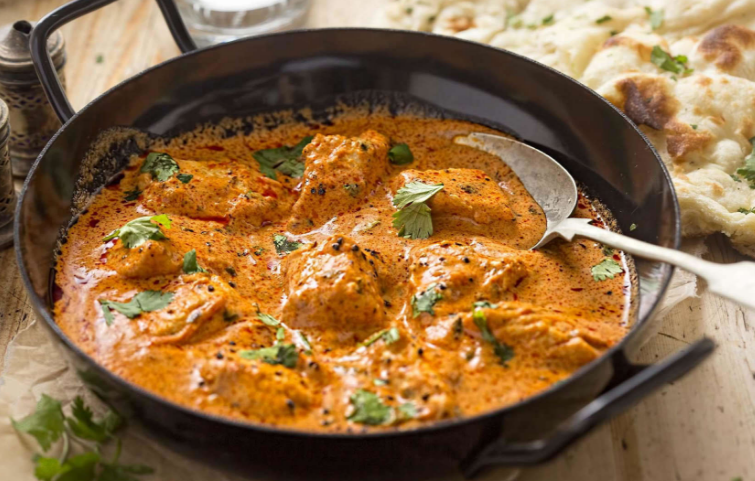
There’s a fine line between a mouthwatering meal and a culinary disaster, and all too often that line is drawn by seemingly small, avoidable kitchen mistakes. Whether you’re an enthusiastic home cook or someone who takes pride in well-executed recipes, the devil is in the details — and neglecting them can unravel your entire dish. Surprisingly, it’s not the recipe that betrays you, but your habits.
Cooking, after all, is both an art and a science. Misjudging temperature, timing, or even your choice of cookware can drastically affect flavor, texture, and nutritional value. Just like a concert pianist wouldn’t play on an untuned piano, a serious cook shouldn’t allow preventable errors to sabotage the outcome of their efforts. As culinary expert Harold McGee notes in On Food and Cooking, “Understanding the processes behind your food gives you greater control over the results.”
This post dissects the most damaging mistakes people make in the kitchen — not to discourage but to elevate. By identifying and eliminating these common pitfalls, you can transform your culinary practice into one that consistently delivers excellence. Ready to overhaul your kitchen habits and cook like a true connoisseur? Let’s begin.
1-Not Preheating the Pan Properly
Failing to preheat your pan is like trying to paint on a wet canvas — nothing sticks, and everything gets messy. A cold pan results in uneven cooking, poor texture, and food that sticks, creating a frustrating cleanup job. Proteins like meat and fish benefit immensely from the Maillard reaction — the chemical process responsible for that golden-brown crust — and it only kicks in at higher temperatures. Without sufficient heat, your ingredients may steam rather than sear, leading to bland and soggy outcomes.
For best results, allow the pan to heat for several minutes before adding oil or ingredients. To test, sprinkle a few drops of water — if they sizzle and evaporate on contact, it’s ready. Culinary professionals like Samin Nosrat, author of Salt, Fat, Acid, Heat, emphasize the importance of temperature control in every stage of cooking. “A hot pan ensures flavor,” she argues, and she’s right. It’s a simple habit that makes a remarkable difference.
2-Overcrowding the Pan
Packing your pan like a subway train at rush hour will suffocate your ingredients, literally. Overcrowding lowers the temperature of the cooking surface, causing food to release moisture and steam instead of achieving a crisp, caramelized finish. This is particularly detrimental when searing meats or roasting vegetables, where golden edges are desired.
Leave enough space for each piece of food to breathe. Cook in batches if necessary — it may take a few extra minutes, but the payoff is immense. As chef Thomas Keller notes in The French Laundry Cookbook, “Cooking is about paying attention and respecting the ingredients.” Giving your food room to sear rather than stew is a direct expression of that respect.
3-Using Dull Knives
A dull knife is more dangerous than a sharp one. Not only does it require more force and increase the risk of slipping, but it also crushes delicate ingredients rather than slicing cleanly. This leads to uneven cuts, which can cook at different rates and ruin the uniformity of your dish. Moreover, poorly chopped aromatics like garlic or onions release bitter compounds when bruised.
Investing in proper knife maintenance — a whetstone or honing steel — pays dividends. “The knife is the extension of the hand,” says Anthony Bourdain in Kitchen Confidential. Mastery of your blade begins with keeping it sharp. For a deeper dive, consider reading Chad Ward’s An Edge in the Kitchen, which covers everything from sharpening to knife technique.
4-Not Letting Meat Rest
Cutting into meat the moment it leaves the pan or grill is akin to opening a bottle of wine before it breathes — you lose the essence. Resting meat allows juices to redistribute, resulting in a moist, flavorful cut. Skipping this step causes all the juices to spill onto the cutting board, leaving you with dry meat.
Use foil to tent your meat and let it rest for 5–15 minutes depending on size. This step is critical for steaks, roasts, and even poultry. According to The Science of Good Cooking by America’s Test Kitchen, letting meat rest can increase moisture retention by up to 40%. It’s a small wait for a far superior plate.
5-Cooking Cold Meat
Throwing cold meat straight from the fridge into a hot pan shocks the muscle fibers, leading to uneven cooking — charred on the outside, raw in the center. The internal temperature rises too slowly, meaning longer cooking times and tougher textures.
Allowing meat to come to room temperature for about 30 minutes before cooking can make all the difference. As Julia Child once advised, “Room temperature meat cooks more evenly and browns better.” This technique is a hallmark of seasoned chefs and a simple tweak that refines your kitchen discipline.
6-Using the Wrong Cooking Oil
All oils are not created equal. Using extra virgin olive oil to fry at high temperatures, for example, can lead to smoke, bitterness, and a host of health concerns due to oxidative degradation. Each oil has its own smoke point and flavor profile suited for different tasks.
Opt for oils like grapeseed, canola, or peanut for high-heat cooking, and reserve extra virgin olive oil for drizzling or dressing. In Fat: An Appreciation of a Misunderstood Ingredient, Jennifer McLagan discusses the chemistry and application of fats in cooking, offering a scientific approach to smarter oil use.
7-Boiling Instead of Simmering
Violent boiling can wreck your sauces, soups, and even pasta. It can cause proteins to toughen, delicate starches to break down, and flavors to muddy. Simmering, on the other hand, allows for gradual flavor development and maintains the integrity of ingredients.
Understanding the subtle difference — barely bubbling versus roiling — is crucial. In How to Cook Everything, Mark Bittman advises watching the pot closely and adjusting the flame to maintain a gentle simmer. Precision over haste yields a deeper, more harmonious dish.
8-Not Tasting as You Cook
Cooking without tasting is like painting in the dark. You need real-time feedback to adjust seasoning, balance acidity, or correct a misstep. Seasoning at the end often leads to uneven flavor distribution and a lack of depth.
Tasting throughout empowers you to pivot as needed — a dash of lemon, a pinch of salt, a spoonful of broth. As Alice Waters notes in The Art of Simple Food, “The best seasoning is often restraint, guided by constant tasting.” This habit separates mechanical cooking from intuitive artistry.
9-Improper Salt Usage
Salt is the single most transformative ingredient in cooking, yet it’s frequently misunderstood. Using too much too late can make a dish overly briny without enhancing flavor. Conversely, under-salting results in blandness.
Layering salt at different stages — during marination, while sautéing, and before serving — builds complexity. Use kosher salt for general cooking and sea salt for finishing. “Salt is not just seasoning,” explains Naomi Duguid in Taste of Persia, “it’s a conductor of flavor.” Respect it accordingly.
10-Overcooking Vegetables
Overcooked vegetables are not just limp — they’re nutritionally depleted and aesthetically unappealing. Bright greens turn gray, textures become mushy, and flavors diminish.
Blanching, steaming, or sautéing briefly can preserve both vibrancy and nutrients. Try shock-cooling vegetables in ice water after cooking. The technique is explored in detail in Vegetable Literacy by Deborah Madison, which advocates for treating vegetables with the same care as proteins.
11-Neglecting Mise en Place
Mise en place — “everything in its place” — is a cornerstone of professional cooking, yet often neglected at home. Without preparation, cooking becomes chaotic, leading to forgotten steps, burned ingredients, and stress.
Chopping, measuring, and organizing in advance allows for smoother execution and better timing. As Auguste Escoffier famously said, “Good cooking is the result of proper organization.” Embrace mise en place to transform your workflow.
12-Using the Wrong Pan Size
Too small a pan causes overcrowding, too large can burn or dry out food. The right pan size ensures even heat distribution and efficient cooking.
Choose a pan where your ingredients fit comfortably with a bit of room to spare. Cookware expert and author of Cookwise, Shirley Corriher, stresses how pan choice affects heat transfer — a detail that separates amateurs from adept cooks.
13-Relying Too Much on Recipes
While recipes are helpful, blind adherence can stifle creativity and lead to poor decisions if circumstances change (e.g., ingredient quality, altitude, humidity).
Understand the why behind each step. Learn basic ratios, taste combinations, and techniques. Michael Ruhlman’s Ratio is an excellent guide to moving beyond recipes toward intuitive cooking.
14-Storing Herbs Incorrectly
Fresh herbs spoil quickly if improperly stored, leading to waste and lackluster flavors. Leaving them exposed or placing them in a sealed bag without airflow accelerates decay.
Wrap herbs in a damp paper towel and store in a breathable container or jar of water in the fridge. Learn more from The Flavor Bible by Karen Page and Andrew Dornenburg, which also explains how to pair herbs effectively.
15-Ignoring Carryover Cooking
Food continues to cook even after it’s removed from heat — a phenomenon known as carryover cooking. Ignoring this leads to overdone proteins and dried-out bakes.
Always account for residual heat, especially with meats and casseroles. Remove dishes slightly before doneness to let them coast to perfection. This nuance is highlighted in Modernist Cuisine, which takes a scientific approach to kitchen wisdom.
16-Using Wet Ingredients in Hot Oil
Dropping wet ingredients into hot oil is not only dangerous but also lowers the oil temperature rapidly, making food greasy and soggy.
Pat dry all ingredients thoroughly before frying. Safety aside, dry surfaces ensure crisp, golden textures. This is a basic tenet in professional kitchens and emphasized in culinary training such as Le Cordon Bleu.
17-Overmixing Batter or Dough
Overmixing activates too much gluten, making baked goods tough and dense. This is particularly problematic for pancakes, muffins, and cakes.
Mix until just combined, especially with flour-based recipes. According to The Joy of Cooking, “Less is more when it comes to stirring.” This single rule can vastly improve your baking outcomes.
18-Using Old Spices
Spices lose potency over time. Using stale spices results in lackluster dishes, even if your technique is flawless.
Check expiry dates and store spices in a cool, dark place. Replace ground spices every 6–12 months. Monica Bhide in Modern Spice discusses how fresh spices are the soul of vibrant cooking — a notion every discerning cook should internalize.
19-Poor Temperature Control in Baking
Baking is chemistry. A few degrees off can affect rise, browning, and texture. Preheating the oven and using an oven thermometer ensures accuracy.
Avoid opening the oven frequently, which drops the temperature and disrupts baking. Rose Levy Beranbaum in The Cake Bible emphasizes the need for consistency in oven behavior for successful results.
20-Not Cleaning As You Go
A cluttered kitchen breeds distraction and danger. Spills, misplaced tools, and mental fatigue pile up quickly when cleaning is ignored.
Cleaning as you go fosters clarity and efficiency. Professional chefs are trained in this discipline from day one. As Gordon Ramsay notes, “A clean station is a clear mind.”
21-Cooking Clangers
Cooking clangers are the subtle, often overlooked errors that go unnoticed until the dish hits the plate and disappoints. These range from under-seasoning to mismanaging temperatures or forgetting to taste along the way. What makes them especially dangerous is their familiarity — they become ingrained habits rather than occasional slip-ups.
Avoiding these errors requires what philosopher Michael Polanyi termed “tacit knowledge” — a form of knowing acquired through repeated practice. Culinary expertise develops not by avoiding mistakes once, but by learning from them systematically. As chef Daniel Humm asserts in Eleven Madison Park, “Precision and attention are non-negotiables.” Cooking clangers are signals to slow down and re-engage.
22-Most Common Bad Cooking Habits
Bad cooking habits are like weeds in a garden — left unattended, they spread and stifle growth. Frequently microwaving everything, using plastic on hot surfaces, or ignoring expiry dates are small errors with cumulative consequences. These habits compromise both taste and safety.
Recognizing and unlearning these patterns demands honest self-assessment. A great exercise is keeping a “cooking log” — record what works and what doesn’t. As culinary educator Anne Willan suggests in La Varenne Pratique, “To be good at cooking, one must first be good at observing.” Habits, good or bad, are learned; the key is choosing which ones to cultivate.
23-Metal Tools in Non-Stick Pans & Half-Reading Recipes
Using metal utensils on non-stick pans damages the coating, releasing harmful chemicals and rendering the cookware useless. This common mistake compromises both health and equipment longevity. Equally dangerous is skimming through a recipe — a casual read often results in missed steps, mismeasured ingredients, and ruined textures.
Always use silicone or wooden tools with non-stick surfaces, and take a full read-through of any new recipe before beginning. As The Professional Chef by the Culinary Institute of America advises, “Cooking begins long before heat is applied.” Both preparation and protection are foundational to consistent results.
24-Impatience and Laziness in the Kitchen
Good food resists shortcuts. Rushing a risotto, skipping marination, or cranking the heat on a slow-cook dish are all signs of impatience. Laziness manifests in avoiding prep work or ignoring clean-up, leading to disorganized, unappealing meals.
Patience in the kitchen is a discipline. As French gastronome Jean Anthelme Brillat-Savarin wrote, “Cooking is one of the oldest arts and one which has rendered us the most important service in civic life.” Excellence requires effort. Take the time — your taste buds will thank you.
25-Underestimating How Slowly a Slow Cooker Cooks
The slow cooker is a blessing for convenience, but it’s not magic. Many novice users assume it works like a stovetop — just set it and forget it — but it’s designed for gradual heat over hours. Misunderstanding this leads to undercooked meals or poorly developed flavors.
For optimal use, treat the slow cooker as a low-and-slow oven. Understand its pacing and adjust expectations. The Complete Slow Cooker by America’s Test Kitchen emphasizes planning for the long haul — real flavor takes time.
26-High Heat Still Takes Time in Slow Cooking
Even at the “high” setting, slow cookers require patience. A recipe that might take 45 minutes on the stove could take two hours or more in a slow cooker. Rushing the process defeats the appliance’s very purpose.
Slow cookers excel not because they’re fast, but because they develop complexity with minimal intervention. As the adage goes: “You can’t rush a good thing.” Embrace the device for what it is — a tool for transformation through time.
27-Meat in Slow Cookers Needs More Time
If your recipe includes meat, especially tougher cuts like brisket or pork shoulder, you’re looking at a minimum of four hours, often more. Cooking meat too quickly will leave it stringy and underdeveloped in flavor.
The connective tissues in meat need extended heat to break down into gelatin. According to Modernist Cuisine, understanding collagen breakdown is key to tender, succulent results. Let your meat rest — in heat and in peace.
28-Embrace the Leisurely Pace of Slow Cooking
To truly master the slow cooker, adopt a relaxed cooking mindset. Rushing will sabotage the meal. Resist the temptation to peek, stir, or fiddle.
Plan ahead, prep in the morning, and let the ingredients marry over time. “Time is the secret ingredient,” says Nigel Slater in The Kitchen Diaries. Let it work its magic.
29-Cooking the Same Dishes Over and Over
Routine in the kitchen can become a rut. Cooking the same meals repeatedly stifles creativity, restricts flavor exploration, and numbs the palate.
Venture into global cuisines, experiment with seasonal ingredients, and push culinary boundaries. As Yotam Ottolenghi encourages in Plenty, cooking should be an exploration, not a checklist. Variety isn’t just the spice of life — it’s its soul.
30-Switch Things Up Occasionally
Innovation doesn’t require exotic ingredients. Try altering textures, herbs, or presentation. A simple pasta dish can be elevated with fresh herbs or infused oils.
Keep a list of dishes you want to try and dedicate one night a week to experimentation. Growth comes from curiosity. “Every new recipe is a lesson,” says Ruth Reichl in My Kitchen Year. Make your kitchen your classroom.
31-Not Reading the Recipe in Advance
Jumping into a recipe without a thorough read is akin to embarking on a road trip without a map. You’re bound to get lost.
Understand the flow, timing, and required tools before starting. This foresight helps you manage timing, prevent surprises, and stay calm. In Salt, Fat, Acid, Heat, Samin Nosrat advises a read-through as the first step of any recipe. It’s the blueprint of success.
32-You Can’t Always Improvise
Improvisation is a skill earned through experience. Trying to substitute ingredients or skip steps without understanding why they’re there often leads to failure.
Build your improvisational skill set slowly. Learn fundamentals like emulsification, caramelization, and acid balance. Julia Child famously said, “You must learn the rules before you can break them.” Know the structure, then riff with confidence.
33-Read Recipes Before Buying Ingredients
Reading the recipe fully before shopping ensures that you don’t miss small but crucial items. It also helps you spot overlapping ingredients for multiple meals.
This saves money and reduces food waste. According to Zero Waste Cooking for Dummies, mindful planning prevents kitchen chaos and keeps your pantry smart, not stuffed.
34-Plan Your Time Accordingly
Time management is the invisible ingredient in every dish. Failing to allocate enough prep, cook, and clean-up time leads to frustration and subpar results.
Use timers, reminders, and to-do lists if needed. Organizing your cooking sessions like a mise en place of time improves both efficiency and enjoyment.
35-Pre-Cooking Lasagne Sheets
Boiling lasagne sheets before baking often results in mushy, overcooked pasta and broken layers. Many modern brands are designed to cook in the oven with the sauce.
Check the packaging. Letting pasta sheets cook in the dish ensures integration of flavors and better texture. The Silver Spoon cookbook recommends avoiding pre-boiling to preserve structure and reduce effort.
36-Pre-Cooking Can Lead to Overcooked Pasta
When you pre-cook pasta and then bake it, you’re effectively double-cooking — a surefire path to a soggy, sticky mess.
Use generous sauce, cover the dish during baking, and trust the oven. A perfectly structured lasagna is a balance of timing and moisture.
37-Throwing Away Perfectly Good Food
One of the most egregious errors is discarding food that is still safe and usable. Best-before dates are guidelines, not deadlines.
Excess produce can be turned into sauces, smoothies, or preserved through freezing. Be creative. As Waste-Free Kitchen Handbook by Dana Gunders notes, “Cooking is the first line of defense against food waste.”
38-Wasting Money by Tossing Edible Food
Every unnecessary discard drains both your wallet and environmental resources. Food waste is a global issue, and every home kitchen is part of the solution.
Challenge yourself to cook with what’s available. Make soup from scraps, and bread pudding from stale loaves. You’re not just saving food — you’re learning resourcefulness.
39-Using Overripe Bananas and Reviving Stale Bread
Overripe bananas aren’t trash — they’re banana bread gold. Stale baguettes? Splash with water and bake briefly to bring them back to life.
Repurposing ingredients boosts flavor and reduces waste. In An Everlasting Meal, Tamar Adler encourages treating every ingredient as a stepping stone to the next meal. Waste not, flavor more.
40-Using Old Herbs and Spices
Stale herbs and spices flatten your dishes. Their essential oils degrade, leaving only muted aromas and dull color.
Buy small batches. Label them with purchase dates. Rotate your spice cabinet like a professional kitchen would. Fresh flavor is non-negotiable.
41-Poor Condition of Spices and Herbs
If your spice jar is clumping or caked, it’s long past its prime. Moisture and light degrade quality, reducing flavor integrity.
Store in airtight containers, away from heat and sunlight. “A spice is only as good as its last breath,” says Lior Lev Sercarz in The Spice Companion. Treat them with care.
42-Solid Spice Mixes Are a Red Flag
When your spice blend comes out in chunks, it’s time to refresh your stock. Hard, caked spices indicate moisture infiltration and lost potency.
Prevent this by storing spices in dry, cool areas, and always using dry spoons. Your dishes deserve more than flavorless dust.
43-Use Fresh Flavorings When Possible
Fresh herbs, garlic, ginger, and chili deliver punch and nuance that dried versions simply can’t match. Especially for finishing dishes, freshness makes a world of difference.
Plan meals around what’s seasonal and fresh. Your flavor profile will expand dramatically. “Freshness is the essence of good cooking,” declares Alice Waters — and rightly so.
44-Buy in Small Quantities for Maximum Flavor
Avoid bulk purchases of herbs and spices unless you cook in industrial volumes. Smaller quantities ensure you use them at peak freshness.
Make use of local markets or co-ops. Quality trumps quantity. As chefs know, stale spice is worse than no spice.
45-Using the Countertop as a Cutting Board
Cutting directly on countertops damages both your knives and the surface. It also creates an unseen hygiene risk.
Use a dedicated cutting board — ideally wood or BPA-free plastic. As recommended in Kitchen Hacks by America’s Test Kitchen, this minimizes contamination and preserves your tools.
46-Damage From Cutting Directly on Hard Surfaces
Chopping on stone or metal blunts knives, chips countertops, and invites cross-contamination. It’s a habit that degrades both safety and performance.
Knife care starts with surface care. Protect your investment. Respect your workspace.
47-Bacterial Build-Up on Improper Surfaces
Using your counter to cut raw meat or produce can lead to dangerous bacterial build-up. Even thorough cleaning might not remove all microbes.
Sanitize surfaces regularly, and always use separate boards for meat and veg. Kitchen safety starts with smart hygiene.
48-Using Extra Virgin Olive Oil for Frying
Extra virgin olive oil has a low smoke point. Frying with it results in burnt flavors and degraded nutrients.
Use oils like avocado, sunflower, or canola for high heat. Save the EVOO for salads, drizzles, or dips — where its taste can shine.
49-Better Oils for Frying
High-heat oils like grapeseed, peanut, or vegetable are better suited for frying. They maintain stability and don’t impart off flavors.
As outlined in The Flavor Equation by Nik Sharma, the right fat enhances both mouthfeel and aroma. Choose wisely based on function.
50-Using Boiling Water for Coffee and Tea
Pouring boiling water over coffee or tea scorches the grounds and leaves a bitter aftertaste. Both drinks have ideal brewing temperatures — 90–96°C for coffee, and variable for tea.
Let the water rest 30–60 seconds after boiling before pouring. It’s a small detail that elevates flavor dramatically. Tea experts from The Art and Craft of Tea stress temperature as the key to elegance in your cup.
51-Leaving Butter Uncovered
Leaving butter uncovered exposes it to air, odors, and bacteria, which can lead to spoilage and off-flavors. Butter is highly absorbent and will quickly pick up unpleasant smells from your fridge.
Always store butter in an airtight container or use a butter dish with a lid. According to On Food and Cooking by Harold McGee, fat oxidation can happen rapidly when exposed to air, especially in dairy products. Keep it covered and cool.
52-Not Tasting a Dish as You Cook It
Tasting your food during cooking isn’t just about salt — it’s about monitoring balance, texture, and seasoning throughout. Waiting until the end often results in a one-note or underwhelming dish.
Renowned chef Thomas Keller reminds us, “Tasting constantly teaches you more than any book.” Sensory feedback is your best guide — use it generously.
53-Never Cleaning the Kitchen Sink
The kitchen sink often harbors more bacteria than the bathroom. Neglecting it means food and utensils may become contaminated during washing.
Disinfect the sink daily and clean your drain trap regularly. As food safety expert Dr. Charles Gerba has noted, “The kitchen sink is often the germiest place in the home.” Don’t let your cleaning zone become a contamination zone.
54-Forgetting to Wash Vegetables and Salads
Even pre-washed greens can carry harmful pathogens like E. coli or listeria. Washing helps remove dirt, pesticide residue, and microbes.
Use a salad spinner and clean, cold water. As noted in The Science of Good Food, rinsing isn’t optional — it’s essential for both safety and flavor.
55-Using the Wrong Knife
Using a bread knife to cut tomatoes or a paring knife to carve meat results in inefficiency and potential injury. Each knife is designed for a specific task.
Invest in a chef’s knife, paring knife, and serrated knife at minimum. As Anthony Bourdain wrote in Kitchen Confidential, “Your knife is your best friend. Don’t abuse it, and don’t neglect it.”
56-Barbecuing When the Flames Are Still Kicking Up
Flames licking the meat may look impressive but result in scorched exteriors and raw interiors. High flames also increase carcinogenic compounds.
Let the coals settle to white embers before grilling. Use a thermometer to track internal temperatures. As Meathead: The Science of Great Barbecue points out, “It’s the heat, not the flame, that cooks.”
57-Allowing Old Food to Fester in the Refrigerator
Expired leftovers and wilted produce not only smell but also increase the risk of bacterial spread. Mold can travel invisibly across shelves.
Clean your fridge weekly, checking for expiration dates. Maintain a temperature below 4°C (40°F) to slow bacterial growth. The Joy of Cooking reminds us: “Clean storage is safe storage.”
58-Overfilling a Frying Pan
Overcrowding lowers the temperature of the pan, causing food to steam instead of sear. This leads to soggy, unevenly cooked results.
Give your ingredients room to breathe. Cook in batches if necessary. As Gordon Ramsay advises: “Crowding the pan kills flavor and texture.”
59-Putting Non-Stick Pans in the Dishwasher
Dishwasher heat and harsh detergents degrade non-stick coatings, shortening the life of your cookware.
Always wash non-stick pans by hand using a soft sponge. Serious Eats recommends air-drying to prevent moisture damage. Treat your tools well and they’ll serve you longer.
60-Mixing Meaty and Vegetarian Foods
Cross-contamination can occur when meat juices mingle with vegetarian dishes, especially when serving vegetarians or those with dietary restrictions.
Always use separate utensils and cutting boards. As Safe Food by Marion Nestle notes, respecting food boundaries isn’t just sanitary — it’s ethical.
61-Cooking in a Cold Pan
Adding ingredients to a cold pan causes uneven heating and poor browning. Preheating ensures caramelization and proper Maillard reaction.
Let your pan heat for at least a minute before adding oil or food. Timing and temperature control are the essence of technique.
62-Forgetting to Wipe Down the Microwave
Microwaves can become breeding grounds for bacteria if splatters and spills aren’t cleaned regularly. These messes also affect heating performance.
Use a vinegar-steam method weekly to loosen grime and deodorize. Clean cooking environments equal cleaner food.
63-Over-Stirring Ingredients as You Cook
Stirring too often disrupts browning, breaks down ingredients, and interferes with texture development, particularly in soups and stews.
Allow ingredients to sear undisturbed before turning. “Sometimes, the best thing to do is nothing,” says chef Alice Waters. Let flavors develop naturally.
64-Serving Meat Too Soon
Cutting into meat immediately after cooking causes the juices to escape, resulting in dry, flavorless cuts.
Rest meat for at least 5–10 minutes before slicing. This allows juices to redistribute evenly. It’s a small pause with a big payoff.
65-Letting Your Pets Near Food
Pets in the kitchen can introduce hair, bacteria, and allergens into your food. It also increases the risk of contamination.
Maintain a no-pet zone while cooking and serving. Food safety applies to four-legged friends, too.
66-Licking the Spoon You’re Using to Cook
Tasting with the same utensil contaminates the entire dish, especially if it’s served to others.
Use a separate tasting spoon and always rinse between uses. Hygiene is a form of respect — for your food and your guests.
67-Using Metal Utensils on Non-Stick Pans
Metal tools scratch the coating, reducing non-stick effectiveness and releasing toxic particles over time.
Opt for wood, silicone, or nylon. Non-stick care extends the life of your cookware and protects your health.
68-Overcrowding the Refrigerator
An overstuffed fridge blocks air circulation, causing uneven cooling and potentially spoiling food.
Keep 20–25% of the space clear for airflow. Label items and rotate regularly. A well-organized fridge is the heartbeat of a smooth kitchen.
69-Under-Seasoning During Cooking
Waiting until the end to season limits flavor penetration. Season as you go to build complexity.
Salt enhances and balances — it’s not just about saltiness. As Samin Nosrat argues in Salt, Fat, Acid, Heat, seasoning is your most powerful tool.
70-Guessing Baking Quantities
Baking is chemistry — guessing leads to dense cakes, flat cookies, or failed rises. Precision is non-negotiable.
Use digital scales for dry ingredients and measure liquids at eye level. Follow ratios carefully. Baking rewards the meticulous.
71-Not Wiping Surfaces After Cooking
Leaving crumbs, grease, and spills invites pests and bacteria. A clean surface ensures safety and organization.
Develop the habit of wiping down immediately after use. It’s part of cooking — not an afterthought.
72-Cooking Meat Straight from the Refrigerator
Cold meat seizes in a hot pan, cooking unevenly. Allow meat to rest at room temperature for 15–30 minutes before cooking.
This ensures better texture and more accurate cooking times. Let your meat acclimate to perform.
73-Opening the Oven Door Halfway Through Cooking
Every time you open the oven, the temperature drops dramatically, which can ruin delicate bakes or disrupt roasting.
Use the oven light and window instead. Timing is everything — don’t let curiosity cost you a crust.
74-Leaving Food to Linger on Countertops
Leaving leftovers unrefrigerated for over two hours invites bacterial growth. Especially risky for dairy, meat, and cooked grains.
Store food promptly in sealed containers. As advised by the USDA, “When in doubt, throw it out.”
75-Using the Same Chopping Board or Knife for Raw Meat and Vegetables
This is a leading cause of cross-contamination. Harmful bacteria from meat can transfer to vegetables, risking foodborne illness.
Use separate boards or thoroughly wash tools between uses. Prevention is easier than treatment.
76-Using Blunt Knives
Dull knives are dangerous — they require more force and slip easily. Sharp blades mean safer, more precise cuts.
Hone regularly and sharpen professionally. As chef Alton Brown puts it, “A sharp knife is a safe knife.”
77-Washing Chicken and Other Raw Meats
Washing meat spreads bacteria through airborne droplets and splashing. Cooking is the only effective way to kill pathogens.
Avoid rinsing and clean surfaces thoroughly after handling raw meat. The CDC strongly discourages washing poultry.
78-Allowing Food to Defrost at Room Temperature
Leaving frozen food on the counter allows the exterior to enter the danger zone (5–60°C), while the inside remains frozen — a breeding ground for bacteria.
Instead, defrost in the fridge or use the microwave. Food safety is science, not guesswork.
79-Defrost Food in the Refrigerator Overnight
This is the safest and most effective method. It keeps food at a consistent, safe temperature throughout the process.
Plan ahead — place the item on a plate to catch drips and thaw slowly. This method preserves texture and reduces risk.
80-Washing Raw Meat Like Chicken or Turkey Was Common Practice
This old habit persists, but modern food science strongly advises against it. Washing poultry increases the spread of bacteria without offering any safety benefit.
Trust your cooking temperature to do the job. As noted in Modern Food Microbiology, heat is your only reliable sanitizer for raw meat.
81-Overcrowding the Pan
Trying to cook too much at once in a pan prevents browning and instead causes food to steam. This mistake sacrifices both texture and flavor, especially for proteins like chicken or beef.
To avoid this, cook in batches and ensure ingredients have space. As the culinary saying goes, “Brown food tastes good.” High-heat cooking requires proper airflow and space.
82-Using a Dull Knife
Dull knives tear and crush ingredients rather than slicing cleanly. More dangerously, they require extra force, increasing the chance of slipping and injury.
Sharpen your knives regularly. As chef Jacques Pépin says, “The best tool in the kitchen is a sharp knife.” It’s both a safety and efficiency essential.
83-Not Letting Meat Rest
Cutting meat too early releases all the flavorful juices onto the plate. This results in dry, less satisfying dishes.
Always let meat rest for 5–10 minutes before slicing. This simple patience tip ensures optimal moisture and flavor distribution throughout the protein.
84-Cooking Straight from the Fridge
Cold meat or fish dropped into a hot pan cooks unevenly — often burned outside and raw inside.
Allow food to come to room temperature for 20–30 minutes. It’s a small adjustment with major culinary payoffs. Consistency begins with temperature balance.
85-Misusing Nonstick Pans
High heat or metal utensils damage the delicate coating of nonstick pans, reducing their effectiveness and potentially releasing harmful chemicals.
Stick to medium heat and use wooden or silicone tools. As referenced in The Science of Cooking by Dr. Stuart Farrimond, proper pan use prolongs both safety and utility.
86-Not Tasting as You Cook
Waiting until the end to taste your dish often results in bland or imbalanced flavors. Cooking is a dynamic process — adjustments are essential throughout.
Taste frequently and make incremental changes. This hands-on involvement leads to more confident, responsive cooking.
87-Ignoring Your Mise en Place
Starting without prepping ingredients leads to chaos, mistakes, and missed steps. “Mise en place” — everything in its place — is the professional standard for a reason.
Prep ingredients before turning on the stove. As chef Auguste Escoffier stated, “Organization is the key to efficiency in the kitchen.”
88-Using the Wrong Oil
Each cooking oil has a unique smoke point. Using extra virgin olive oil for high-heat cooking, for instance, degrades flavor and nutrition.
Use oils like avocado, grapeseed, or vegetable oil for frying. Reserve olive oil for dressings and low-heat sautéing. Temperature dictates choice.
89-Boiling Instead of Simmering
Violent boiling overcooks delicate foods and breaks sauces. Simmering allows controlled, gentle heat that coaxes out better textures and flavors.
Use visual cues — small bubbles and minimal surface movement mean you’re simmering, not boiling. Control is the soul of technique.
90-Skipping Preheating
Putting food into a cold oven or pan disrupts cooking times and results in uneven texture and flavor.
Preheating ensures you start with the right heat environment. This is especially critical in baking, where timing and temperature precision matter most.
91-Overseasoning or Underseasoning
Either extreme can ruin a dish. Overseasoned food is inedible; underseasoned food is forgettable. Striking the right balance is key.
Season gradually, taste as you go, and use acidity or fat to adjust flavor perception. As Samin Nosrat emphasizes in Salt, Fat, Acid, Heat, balance is everything.
92-Trusting Time Over Temperature
Cooking strictly by recipe time ignores the many variables that affect doneness, such as ingredient size, moisture, and equipment.
Invest in a reliable thermometer and trust internal temperatures over arbitrary times. Precision is power in the kitchen.
93-Not Deglazing the Pan
Failing to deglaze wastes the fond — the caramelized brown bits stuck to the pan. These are packed with umami and complexity.
Deglaze with wine, broth, or vinegar to lift and incorporate that flavor into your sauce. Great chefs consider fond the foundation of flavor.
94-Washing Mushrooms Wrong
Soaking mushrooms makes them soggy and dilutes flavor. Their porous structure absorbs water quickly.
Instead, use a damp cloth or quick rinse with a salad spinner dry. Mushrooms should cook, not steam.
95-Not Reading the Whole Recipe First
Jumping in without reading the full recipe causes missed steps, wrong timings, and cooking disasters.
Read everything before you begin. Plan for resting, chilling, or marinating time. Cooking is part execution, part foresight.
96-Improper Pasta Cooking
Adding pasta too early, skipping salt, or not stirring causes sticking and bland results. Pasta water should taste “like the sea,” according to Italian chefs.
Use ample water, stir often, and cook until al dente. Reserve pasta water for emulsifying sauces. These are time-honored tricks for perfect pasta.
97-Opening the Oven Too Often
Each peek releases valuable heat and disrupts even cooking. This is particularly damaging in baking, where structure and rise depend on consistent temperature.
Trust the timer and use your oven’s window. As Bakewise by Shirley Corriher explains, “Heat loss equals baking failure.”
98-Wrong Cutting Board Choices
Using glass or hard surfaces dulls knives quickly, while porous wooden boards can harbor bacteria if not properly cleaned.
Opt for high-quality plastic for raw meat and end-grain wood for everything else. Clean and sanitize boards frequently. Your knife — and your gut — will thank you.
99-Overcooking Garlic
Garlic burns quickly and becomes bitter, overpowering the dish. This is a common mistake when sautéing at high heat.
Cook garlic briefly on medium heat, or add it later in the process. Let garlic enhance — not dominate — the dish.
100-Not Letting Baked Goods Cool
Slicing into a cake or loaf too early causes collapse and gummy interiors. Cooling allows structure to set and flavors to develop.
Be patient — let baked goods cool fully on a wire rack. As professional bakers say, “It’s not done until it’s rested.”
Conclusion
Cooking is both an art and a science — and even the most talented home chefs can fall victim to habits that quietly sabotage their efforts. These 100 kitchen mistakes are more than oversights; they’re fundamental gaps in process, knowledge, and care.
To elevate your culinary skill, it’s not just about learning what to do — it’s about unlearning what not to do. As Michael Pollan wrote in Cooked, “Cooking isn’t just about food — it’s about reclaiming knowledge.” Mastering your kitchen means mastering yourself. Step by step, correction by correction, you move from cooking food to creating experiences.
By being mindful, methodical, and informed, you’ll transform your kitchen into a place of creativity, nourishment, and excellence. As Julia Child said, “No one is born a great cook — one learns by doing.” Learn from these errors, and your cooking will never be the same again.
Don’t aim for perfection — aim for progress. With mindful practice and a commitment to lifelong learning, you’ll turn your kitchen from a place of mistakes into a sanctuary of success. Bon appétit.
As you reflect on these 20 habits, consider which apply to your own cooking style. Integrate the lessons slowly and methodically — real mastery is built through iteration, not revolution. Remember the words of legendary chef Ferran Adrià: “Creativity means not copying.” And that includes not repeating your own errors. The next time you step into your kitchen, do so with purpose, insight, and a renewed commitment to culinary excellence.
Bibliography
- Nosrat, Samin. Salt, Fat, Acid, Heat: Mastering the Elements of Good Cooking. Simon & Schuster, 2017.
— A seminal work explaining the four key elements that underpin all great cooking. - McGee, Harold. On Food and Cooking: The Science and Lore of the Kitchen. Scribner, 2004.
— A foundational text on food science that explores the chemistry and physics behind culinary techniques. - Pollan, Michael. Cooked: A Natural History of Transformation. Penguin Press, 2013.
— An exploration of the cultural, philosophical, and scientific significance of cooking. - Farrimond, Dr. Stuart. The Science of Cooking: Every Question Answered to Perfect Your Cooking. DK Publishing, 2017.
— A visually engaging and scientific guide to understanding the mechanics of the kitchen. - Corriher, Shirley O. Bakewise: The Hows and Whys of Successful Baking with Over 200 Magnificent Recipes. Scribner, 2008.
— A must-read for those interested in the science of baking and how small details affect results. - Pépin, Jacques. The Apprentice: My Life in the Kitchen. Houghton Mifflin Harcourt, 2003.
— Offers both culinary wisdom and life lessons from one of the world’s most respected chefs. - Escoffier, Auguste. The Escoffier Cookbook: A Guide to the Fine Art of French Cuisine. Crown Publishers, 1941.
— A classic text that introduces the concept of mise en place and timeless kitchen principles. - Bittman, Mark. How to Cook Everything: 2,000 Simple Recipes for Great Food. Houghton Mifflin Harcourt, 2008.
— A comprehensive reference for beginner and experienced cooks alike, blending modern practicality with traditional wisdom. - Lopez-Alt, J. Kenji. The Food Lab: Better Home Cooking Through Science. W. W. Norton & Company, 2015.
— Blends rigorous experimentation with culinary tradition to optimize flavor and technique. - Ruhlman, Michael. The Elements of Cooking: Translating the Chef’s Craft for Every Kitchen. Scribner, 2007.
— A succinct, elegant guide for serious home cooks and professionals interested in mastering culinary fundamentals.

By Amjad Izhar
Contact: amjad.izhar@gmail.com
https://amjadizhar.blog
Affiliate Disclosure: This blog may contain affiliate links, which means I may earn a small commission if you click on the link and make a purchase. This comes at no additional cost to you. I only recommend products or services that I believe will add value to my readers. Your support helps keep this blog running and allows me to continue providing you with quality content. Thank you for your support!

Leave a comment