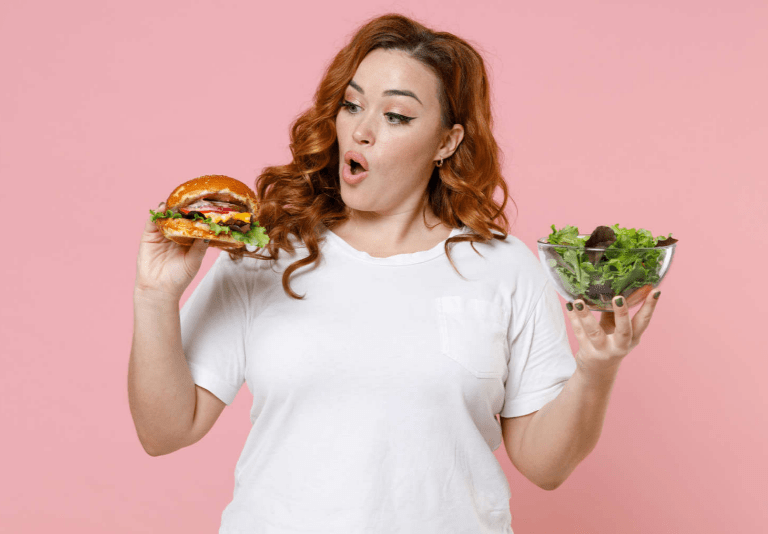
You might think you’re making independent, informed choices every time you reach for a snack or ready meal—but much of your decision-making has already been hijacked. Ultra-processed foods dominate supermarket shelves and restaurant menus, not by accident, but through the calculated tactics of a powerful food industry. These foods are engineered for irresistibility and disguised as harmless or even healthy options.
Behind the glossy packaging and health-washed slogans lies a systematic effort to manipulate consumer behavior. From neuroscience-driven flavor design to psychological branding techniques, the food industry has mastered the art of seduction. The goal? To keep you hooked, hungry, and coming back for more. This intricate web of tactics has created a food environment that encourages overconsumption while making whole, nutritious options less accessible.
The implications for public health are staggering. According to Dr. Michael Moss, Pulitzer Prize-winning author of Salt Sugar Fat, “The processed food industry has essentially hijacked our biological instincts.” And yet, most consumers remain unaware of the invisible strings being pulled. By examining the most insidious techniques used by the food industry, we can begin to reclaim our autonomy and make more conscious choices about what we eat.
1- Flavor Engineering
Ultra-processed foods are designed in labs by food scientists who specialize in the art of “flavor optimization.” These experts use a precise blend of sugar, salt, and fat to create what’s called a “bliss point”—a combination that triggers maximum pleasure in the brain without ever leading to satiety. This makes it difficult to stop eating, even when you’re full. The aim is not nutrition, but addiction.
Research in books like The End of Overeating by David Kessler explains how companies manipulate sensory properties to hijack the brain’s reward system. Instead of tasting real ingredients, you’re responding to artificially amplified flavors meant to override natural satiety signals. This constant overstimulation keeps consumers trapped in a cycle of craving and overconsumption.
2- Hyper-Palatable Ingredients
The combination of sugar, salt, and fat in ultra-processed foods isn’t just tasty—it’s biologically irresistible. These hyper-palatable ingredients are designed to stimulate the brain’s dopamine pathways, much like addictive substances. Once the pleasure circuits are triggered, self-control takes a back seat.
Dr. Ashley Gearhardt, a clinical psychologist and food addiction expert, notes in her research that many ultra-processed foods light up the brain similarly to drugs like cocaine. The intentional layering of these ingredients ensures that you’ll not only want to eat more—you’ll feel compelled to. This is not accidental; it is a calculated form of dietary manipulation.
3- Misleading Health Claims
Packaging that boasts labels like “low-fat,” “gluten-free,” or “made with whole grains” often gives consumers a false sense of security. These labels distract from the product’s high sugar content or artificial additives, creating an illusion of healthiness. In many cases, the removal of fat, for instance, is offset by the addition of sugar or sodium to maintain taste.
Books such as Food Politics by Marion Nestle reveal how industry lobbyists influence regulatory standards to permit such claims. The result is a marketplace where consumers are guided not by nutritional facts but by deceptive marketing. This undermines informed decision-making and promotes the continuous consumption of ultra-processed foods under a health halo.
4- Strategic Product Placement
Grocery store layouts are engineered to drive specific buying behaviors. Ultra-processed foods are often placed at eye level, near checkouts, or in high-traffic areas to increase impulse purchases. Meanwhile, healthier options like fresh produce are frequently relegated to the perimeter or harder-to-reach sections.
According to Why We Eat What We Eat by Raymond Sokolov, this form of environmental manipulation subtly shapes our choices. These placement strategies are backed by behavioral economics and designed to exploit human tendencies toward convenience and instant gratification. It’s not just what’s on the shelves, but where it is, that influences our consumption patterns.
5- Advertising to Children
Children are targeted aggressively through colorful packaging, cartoon mascots, and digital advertising campaigns. These early exposures establish brand loyalty and eating habits that can last a lifetime. Bright colors and sweet flavors are used as tools to lure young consumers into preferring ultra-processed foods over natural ones.
Psychologist Susan Linn, author of Consuming Kids, highlights how marketing to children bypasses rational decision-making. Children, lacking the cognitive maturity to discern advertising from content, are particularly vulnerable. The industry exploits this by embedding brand messages into entertainment and online platforms, effectively cultivating a lifelong customer base.
6- Portion Distortion
One of the most subtle tactics is the normalization of ever-larger portion sizes. What once was considered a treat has been upsized into a standard serving. This “portion distortion” shifts our perception of how much is appropriate to eat, leading to chronic overeating.
Brian Wansink, in his book Mindless Eating, discusses how visual cues and container sizes can unconsciously influence intake. When larger servings are perceived as the norm, consumers adjust their expectations and behaviors accordingly. This tactic plays directly into the industry’s goal of selling more product per transaction.
7- Emotional Branding
Branding strategies often aim to associate ultra-processed foods with positive emotions—comfort, nostalgia, celebration. Think of the role certain snack brands play during holidays or sports events. These emotional connections override rational thought, making the food feel essential to the experience.
Sociologist Juliet Schor in Born to Buy examines how emotional marketing creates identity around consumption. When food becomes a symbol of love, happiness, or community, resisting it feels like denying those emotions. This strategy goes beyond taste and embeds the product into the consumer’s emotional world.
8- Convenience Culture
In our fast-paced world, convenience is king. The food industry capitalizes on this by offering ultra-processed meals and snacks that require little to no preparation. These products are marketed as solutions to modern time constraints, reinforcing the idea that cooking is an unnecessary hassle.
But convenience comes at a cost. Michael Pollan, in Cooked, argues that outsourcing food preparation to corporations means surrendering control over what goes into our bodies. We trade real ingredients and nutrition for shelf-life and portability. Over time, this dependency reshapes what we perceive as “normal” eating.
9- Addictive Additives
Beyond sugar, salt, and fat, many ultra-processed foods contain additives like monosodium glutamate (MSG), artificial sweeteners, and emulsifiers. These substances don’t just enhance flavor or texture—they stimulate neurological responses that mimic natural hunger cues, leading to excessive intake.
Neurologist Dr. David Perlmutter explains in Grain Brain how these chemical additives can disrupt gut-brain communication. Our natural hunger signals become unreliable, overridden by artificial stimulants that perpetuate cravings. Consumers are essentially being tricked by their own biology, manipulated through synthetic compounds.
10- Social Media Influencers
Influencer marketing is the new frontier for food advertising. Social media personalities with large followings promote ultra-processed foods under the guise of lifestyle content. Because these endorsements often appear organic, followers are less likely to recognize them as marketing.
As discussed in Influence: The Psychology of Persuasion by Robert Cialdini, people tend to trust recommendations from individuals they admire. When influencers promote fast food or snacks, it normalizes consumption among audiences who may view the influencer as a role model. This subtle persuasion is more effective than traditional ads.
11- Subsidized Ingredients
Government subsidies for crops like corn, soy, and wheat make ultra-processed foods cheaper to produce than whole foods. High-fructose corn syrup, for instance, is a common byproduct of subsidized corn, widely used in beverages and snacks.
Raj Patel, in Stuffed and Starved, critiques how agricultural policy supports a system that favors processed foods over nutritional equity. These subsidies distort market prices, making junk food artificially cheap while fresh produce remains relatively expensive. Consumers are nudged toward the former not by choice, but by economic structure.
12- Lack of Transparency
Food labels often obscure more than they reveal. Ingredients are listed in scientific jargon or hidden behind terms like “natural flavors” or “spices,” which can legally mask dozens of chemical compounds. This lack of transparency prevents consumers from making informed choices.
According to Pandora’s Lunchbox by Melanie Warner, the food industry lobbies to keep labeling regulations weak. Vague terminology and small print are deliberate obfuscations. Without clear labeling, even the most vigilant consumers struggle to decipher what they’re actually eating.
13- Health Halo Effect
Some products gain a “health halo” because of one seemingly beneficial ingredient—like fiber or protein—despite being high in sugar or preservatives. This psychological effect leads people to overestimate the product’s overall healthiness and consume it more freely.
This phenomenon is explored in The Omnivore’s Dilemma by Michael Pollan. When a product is labeled “organic” or “low-carb,” it taps into health-conscious values while still being ultra-processed. This creates a disconnect between perception and nutritional reality, encouraging overconsumption.
14- Psychological Pricing
Pricing strategies like “2 for $5” or larger “family-size” packs create the illusion of value while encouraging bulk purchasing. Once bought, these items are more likely to be consumed quickly, perpetuating the cycle of overconsumption.
As behavioral economist Dan Ariely discusses in Predictably Irrational, perceived savings can override rational thinking. People end up buying more than they need, then eating more than they intended. This pricing strategy is profit-driven but cloaked in the language of economy and convenience.
15- Celebrity Endorsements
When celebrities endorse snacks, sodas, or fast food, it adds an aspirational quality to the product. These endorsements tap into our tendency to associate fame and success with consumer goods. If someone admired is eating it, it must be acceptable—or even admirable.
This influence is not benign. A study in Pediatrics journal found that children exposed to celebrity-endorsed junk food ads showed significantly higher consumption rates. The use of cultural icons to sell ultra-processed food embeds unhealthy choices within popular culture and social identity.
16- Scientific Confusion
The food industry funds studies that muddy scientific consensus about nutrition. By promoting conflicting reports or selectively highlighting certain findings, they create public confusion about what is truly healthy. This encourages apathy and keeps people reliant on processed convenience foods.
Marion Nestle’s Unsavory Truth explores how industry-funded science distorts public understanding. When studies funded by soda companies downplay sugar’s risks, or cereal brands tout sponsored nutrition benefits, the line between science and marketing becomes dangerously blurred.
17- Normalizing Unhealthy Food
Through constant exposure in media, advertising, and even schools, ultra-processed foods have become normalized. They are the default at birthday parties, offices, and even hospitals. This normalization obscures the fact that these foods are engineered and harmful.
Sociologist Claude Fischler calls this phenomenon the “homogenization of taste,” where culturally diverse diets are replaced by a global fast-food standard. When ultra-processed food becomes the norm, questioning it seems radical, even elitist. This suppresses critical conversation and preserves the status quo.
18- Lack of Regulation
Unlike tobacco or pharmaceuticals, ultra-processed food is subject to minimal regulation. Lobbying efforts by food giants have weakened policy efforts aimed at curbing harmful ingredients or misleading marketing. The result is a system that places profits over public health.
Public health advocate Dr. Kelly Brownell warns in Food Fight that without regulatory oversight, voluntary guidelines are insufficient. He argues for taxation, labeling reforms, and advertising restrictions, likening the processed food industry to Big Tobacco in its tactics and resistance to accountability.
19- Habit Formation
Ultra-processed foods are often introduced early in life, shaping lifelong preferences and habits. Repetition leads to familiarity, which in turn leads to comfort. Once these foods become integrated into daily routines, breaking free becomes a monumental challenge.
Behavioral science suggests that habits form through a cue-routine-reward loop. These foods deliver immediate sensory rewards, making the habit loop exceptionally strong. As Charles Duhigg discusses in The Power of Habit, reversing these patterns requires conscious effort and environmental change.
20- Undermining Traditional Food Culture
As ultra-processed foods spread globally, they displace traditional cuisines that are often more balanced and nutritious. Local food systems are weakened, and generations lose connection with their culinary heritage. This leads to a loss of both cultural and dietary resilience.
Culinary anthropologist Sidney Mintz, in Sweetness and Power, examines how sugar and processed goods have historically undermined indigenous foodways. When multinationals dominate food supply chains, the diversity and wisdom embedded in traditional diets are eclipsed by mass-produced sameness.
21- Once You Start, You Can’t Stop
The irresistibility of ultra-processed foods isn’t just a marketing gimmick—it’s a scientifically validated phenomenon. These foods are designed to override satiety mechanisms through the precise balance of salt, sugar, and fat. Once you take that first bite, your brain lights up with dopamine, creating a compulsion to continue eating far beyond what your body needs. This is akin to a behavioral trap—one that hooks millions.
A study published in Appetite journal found that ultra-processed foods are associated with loss-of-control eating and symptoms of food addiction. As Dr. Nicole Avena, author of Why Diets Fail, explains, “These foods activate reward centers in the brain in ways that whole foods simply do not.” The idea that you can’t stop at one chip isn’t a joke—it’s neuroscience.
22- Ultra-Processed vs. Processed
Understanding the difference between processed and ultra-processed foods is crucial. Processed foods include those that have been altered for preservation—like canned beans or frozen vegetables. These retain much of their nutritional integrity. Ultra-processed foods, on the other hand, are industrial formulations with little resemblance to whole foods and often contain additives, colorants, and artificial flavors.
According to the NOVA food classification system, ultra-processed products are “formulations of ingredients, mostly for industrial use, that result from a series of industrial processes.” This distinction matters because the health impacts are significantly more severe in the ultra-processed category, which has been linked to obesity, diabetes, and cardiovascular disease.
23- Common Ultra-Processed Foods
Most pantries and supermarket carts are stocked with ultra-processed items like breakfast cereals, flavored yogurts, frozen meals, soda, packaged snacks, instant noodles, and even some protein bars. These items are mass-produced, shelf-stable, and often marketed as convenient or healthy, yet they bear little resemblance to actual food.
Consumer education is lacking in this area. As noted by Dr. Kevin Hall in The American Journal of Clinical Nutrition, people often fail to recognize just how many of their daily staples fall into the ultra-processed category. Awareness is the first step toward reducing reliance on these products and opting for more wholesome alternatives.
24- Fighting Evolutionary Factors
Human evolution has wired us to seek out calorie-dense, energy-rich foods. In our ancestral past, this trait was advantageous for survival. Today, the food industry exploits it by offering hyper-caloric options that light up ancient neural pathways. This evolutionary mismatch makes modern humans vulnerable in a food environment filled with engineered temptation.
Dr. Stephan Guyenet, in The Hungry Brain, explores how our brains are poorly adapted to a world where food is abundant, but nutritional quality is poor. The food industry leverages this biological vulnerability, making it a constant uphill battle to resist cravings. Overcoming these evolutionary cues requires conscious intervention and environmental restructuring.
25- Industrial Processes
Ultra-processed foods undergo complex industrial procedures like extrusion, hydrogenation, and emulsification. These processes strip food of natural nutrients and texture, replacing them with engineered compounds designed for taste, preservation, and visual appeal. The end result is a product that is uniform, predictable, and profitable—but nutritionally void.
Books like Processed: The Industrial Diet by Sarah Elton detail how these methods prioritize efficiency and marketability over human health. The use of food science to maximize shelf-life and transportability has turned what should be nourishment into a commodity optimized for bottom lines.
26- Something Sinister?
There’s growing concern among researchers and public health advocates that the food industry’s manipulation of human biology, behavior, and legislation borders on the unethical. By designing products that encourage dependence and lobbying against health regulations, they foster a public health crisis under the guise of choice.
As Dr. Robert Lustig, author of Metabolical, points out, “It’s not just about personal responsibility—it’s about corporate irresponsibility.” When corporations knowingly exploit vulnerabilities for profit, it calls into question not only their motives but also the frameworks that allow such practices to flourish unchecked.
27- Predigested
Ultra-processed foods are often referred to as “predigested” because they are so refined that your body expends minimal effort to break them down. This rapid assimilation results in quick energy surges followed by crashes, contributing to unstable blood sugar levels and overeating.
Dr. Jean-Claude Moubarac, a leading researcher in food processing, notes that these foods bypass the body’s natural digestive controls. The lack of chewing and minimal fiber reduce satiety cues, making it easier to consume large quantities in short time frames. This makes predigested food efficient for industry—but detrimental to health.
28- Highly Modified
Beyond being processed, ultra-processed foods are heavily modified in ways that mask their true ingredients. A “chicken nugget” may contain more filler, binder, and seasoning than actual chicken. Flavorings and colorants are used to simulate freshness or authenticity, deceiving the senses.
This modification erodes trust and transparency. In What to Eat, Marion Nestle explains how food labels often serve as marketing tools rather than sources of information. When foods are chemically altered to resemble something they’re not, it becomes nearly impossible for consumers to make informed decisions.
29- Hard to Avoid It
Ultra-processed foods are omnipresent—from vending machines and school lunches to gas stations and hospital cafeterias. They’ve infiltrated every nook of modern life, making avoidance a deliberate and often inconvenient effort. Their pervasiveness creates an environment where overconsumption feels inevitable.
Dr. Mark Hyman, in Food: What the Heck Should I Eat?, calls this the “toxic food environment.” Unlike cigarettes or alcohol, ultra-processed foods are not confined to certain areas; they are everywhere, masquerading as benign or necessary. Changing this dynamic requires systemic reforms and a cultural shift in our relationship with food.
30- Reliance on Ultra-Processed Food
For many people, ultra-processed food isn’t a choice—it’s a necessity driven by time constraints, budget, or lack of access to fresh ingredients. These foods are cheap, convenient, and require no culinary skills, making them indispensable for those navigating food deserts or demanding schedules.
This reliance, however, comes at a long-term cost. Studies have linked habitual consumption of ultra-processed foods with increased risk of depression, metabolic syndrome, and mortality. As Dr. Carlos Monteiro warns, this is not merely a diet issue but a societal one, requiring structural solutions to improve access to real food.
31- Starch Slurry
A key component in many ultra-processed foods is a “starch slurry”—a paste made from processed starches used to thicken, bind, or simulate texture. This ingredient adds bulk and caloric density without providing fiber or micronutrients, making it essentially empty calories.
Food technologist Bruce German explains how these slurries create the illusion of creaminess or heartiness without the nutritional substance. They may fill you up temporarily but lack the metabolic complexity of whole foods, contributing to blood sugar instability and weight gain.
32- Missing Nutrients
Ultra-processed foods are often fortified with synthetic vitamins to compensate for nutrients lost during processing. However, these additions don’t replicate the complexity of whole food nutrition, where fiber, enzymes, and micronutrients interact synergistically for absorption and benefit.
T. Colin Campbell, in Whole, emphasizes the importance of nutrient context. “You can’t take the nutrition out of a carrot, put it in a pill, and expect the same results.” Ultra-processed foods offer a hollow version of nutrition, leading to deficiencies and compromised health over time.
33- Fast Digestion
These foods are rapidly digested, leading to quick spikes in glucose and insulin levels. Unlike whole foods, which require more time and effort to break down, ultra-processed options flood the bloodstream with energy, leading to a crash-and-crave cycle.
Dr. David Ludwig explains in Always Hungry? that fast-digesting foods destabilize energy regulation. This rollercoaster effect not only promotes overeating but also increases the risk of insulin resistance, type 2 diabetes, and metabolic disorders. Slower, fiber-rich digestion is key to sustained energy and fullness.
34- Big Flavors Equal Big Profits
Intensely flavored foods are more memorable and addictive. The food industry knows this and invests in powerful flavor profiles that stimulate repeat purchases. From bold spices to artificial umami, the goal is to dominate your taste buds and beat the competition.
Flavor chemist Dr. Thierry Thomas-Danguin argues that these synthetic profiles are designed for instant gratification rather than long-term satisfaction. They hook consumers through sensory overload, driving brand loyalty and profits—often at the cost of public health.
35- Gut Health
Ultra-processed foods wreak havoc on gut microbiota. High in additives and low in fiber, they starve beneficial bacteria and promote the growth of harmful strains. This microbial imbalance has been linked to mood disorders, weakened immunity, and chronic inflammation.
In The Good Gut, Justin and Erica Sonnenburg argue that modern diets have starved our internal ecosystems. “We are feeding our gut the wrong things,” they warn. Rebuilding gut health requires moving away from processed products and toward fiber-rich, whole foods that nurture microbial diversity.
36- Blood Sugar Spikes
Refined carbs and added sugars in ultra-processed foods cause rapid spikes in blood sugar, followed by abrupt crashes. This cycle leads to fatigue, irritability, and more cravings, trapping consumers in a metabolic loop that favors continuous snacking.
Nutritionist Dr. Mark Hyman calls this the “blood sugar rollercoaster,” noting its role in insulin resistance and fat storage. Avoiding these spikes requires choosing foods with low glycemic indexes—something ultra-processed items rarely offer.
37- Hyper-Palatability
Hyper-palatability refers to the engineered combination of fat, sugar, salt, and additives that maximize pleasure and minimize fullness. These foods short-circuit the brain’s natural regulation mechanisms, making it almost impossible to eat intuitively.
Research by Kevin Hall at the NIH found that people consume more calories per day when offered ultra-processed diets, even when matched for nutrients. The engineered nature of these foods undermines self-regulation and turns eating into a compulsive act.
38- “Eat More” Environment
Modern society encourages constant eating—on the go, at the desk, during entertainment. Ultra-processed foods, with their portability and convenience, fit perfectly into this “graze all day” culture. They enable—and promote—frequent, mindless consumption.
Dr. Barry Popkin, in The World is Fat, identifies environmental and social cues as major drivers of overconsumption. The omnipresence of ultra-processed snacks makes restraint more difficult and amplifies the global obesity crisis.
39- Healthier Alternatives
There are alternatives—but they require intentionality. Whole foods like fruits, vegetables, legumes, whole grains, and lean proteins offer complex nutrition, promote satiety, and support metabolic health. Reading labels and choosing items with minimal ingredients is a strong start.
Books like How Not to Die by Dr. Michael Greger advocate for plant-based, minimally processed diets to combat chronic disease. By retraining your palate and gradually transitioning, it’s possible to break the ultra-processed food habit and enjoy real, nourishing meals again.
40- Cook at Home as Often as You Can
Home cooking is one of the most effective ways to reduce ultra-processed food intake. It allows you to control ingredients, portion sizes, and preparation methods. It also reconnects you with food’s cultural and emotional value, making meals more meaningful.
Jamie Oliver, in Jamie’s Food Revolution, stresses that “cooking is a life skill.” Reclaiming the kitchen doesn’t just promote health—it builds resilience against industrial manipulation. Even simple, home-prepared meals can shift your diet from processed to powerful.
Conclusion
The food industry’s tactics are not simply clever—they’re calculated assaults on our autonomy, biology, and public health. From manipulating flavors to influencing scientific discourse, the industry creates an environment where unhealthy choices are the default, not the exception. What appears as personal choice is often the result of systematic nudging and psychological manipulation.
Recognizing these tactics is the first step toward reclaiming our relationship with food. By staying informed, demanding transparency, and supporting policies that prioritize health over profits, we can begin to shift the power dynamics in our food system. As consumers, we must move from passive acceptance to active resistance.
The widespread presence and cunning strategies behind ultra-processed foods are no accident—they’re the result of decades of industrial design aimed at profit, not nourishment. From hijacking evolutionary instincts to manipulating gut biology, the food industry exploits every angle to keep you eating more, spending more, and questioning less.
However, knowledge is power. By recognizing these tactics and choosing whole, nutrient-rich alternatives, you can reclaim your autonomy and your health. Cooking at home, reading labels critically, and understanding the difference between food and “food-like substances” is not just a personal choice—it’s a form of resistance. The future of food depends on our willingness to demand better.
Bibliography
1-Lustig, Robert H. Metabolical: The Lure and the Lies of Processed Food, Nutrition, and Modern Medicine. Harper Wave, 2021.
2-Nestle, Marion. What to Eat. North Point Press, 2006.
3-Monteiro, Carlos A., et al. “Ultra-processed foods: what they are and how to identify them.” Public Health Nutrition, vol. 22, no. 5, 2019, pp. 936–941.
4-Greger, Michael. How Not to Die: Discover the Foods Scientifically Proven to Prevent and Reverse Disease. Flatiron Books, 2015.
5-Hall, Kevin D., et al. “Ultra-Processed Diets Cause Excess Calorie Intake and Weight Gain: An Inpatient Randomized Controlled Trial of Ad Libitum Food Intake.” Cell Metabolism, vol. 30, no. 1, 2019, pp. 67–77.e3.
6-Guyenet, Stephan J. The Hungry Brain: Outsmarting the Instincts That Make Us Overeat. Flatiron Books, 2017.
7-Hyman, Mark. Food: What the Heck Should I Eat? Little, Brown Spark, 2018.
8-Elton, Sarah. Processed: The Industrial Diet and Its Consequences. HarperCollins Canada, 2014.
9-Avena, Nicole M. Why Diets Fail (Because You’re Addicted to Sugar). Ten Speed Press, 2013.
10-Campbell, T. Colin. Whole: Rethinking the Science of Nutrition. BenBella Books, 2013.
11-Ludwig, David. Always Hungry? Conquer Cravings, Retrain Your Fat Cells, and Lose Weight Permanently. Grand Central Life & Style, 2016.
12-Sonnenburg, Justin, and Erica Sonnenburg. The Good Gut: Taking Control of Your Weight, Your Mood, and Your Long-Term Health. Penguin Press, 2015.
13-Popkin, Barry M. The World is Fat: The Fads, Trends, Policies, and Products That Are Fattening the Human Race. Avery, 2009.
14-Oliver, Jamie. Jamie’s Food Revolution: Rediscover How to Cook Simple, Delicious, Affordable Meals. Hyperion, 2009.
15-Moubarac, Jean-Claude, et al. “Consumption of ultra-processed foods and likely impact on human health. Evidence from Canada.” Public Health Nutrition, vol. 20, no. 12, 2017, pp. 2240–2248.
16-Thomas-Danguin, Thierry, et al. “The perception of odor objects in everyday life: a review on the processing of odor mixtures.” Frontiers in Psychology, vol. 5, 2014.

By Amjad Izhar
Contact: amjad.izhar@gmail.com
https://amjadizhar.blog
Affiliate Disclosure: This blog may contain affiliate links, which means I may earn a small commission if you click on the link and make a purchase. This comes at no additional cost to you. I only recommend products or services that I believe will add value to my readers. Your support helps keep this blog running and allows me to continue providing you with quality content. Thank you for your support!

Leave a comment