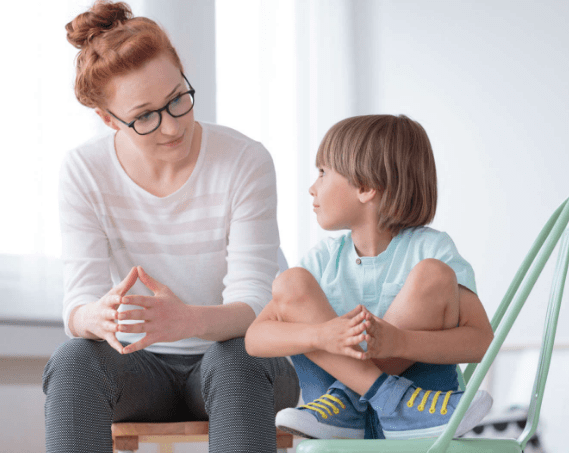
In an age saturated with quick fixes and digital distractions, parenting with patience and purpose can feel like swimming against the tide. Yet, discipline—when nurtured through love, structure, and consistency—remains the bedrock of raising emotionally healthy and morally grounded children. Many well-meaning parents struggle with how to instill discipline without resorting to punitive or authoritarian methods. The good news is that effective discipline is not synonymous with control or punishment, but rather with guidance, respect, and connection.
Parenting, at its core, is an ongoing dialogue between values and behavior, between freedom and responsibility. As developmental psychologist Dr. Diana Baumrind famously identified, the authoritative parenting style—firm yet nurturing—tends to produce children who are socially competent and self-regulated. This blog post explores a series of practical strategies rooted in psychology, neuroscience, and timeless wisdom to support parents in cultivating discipline without compromising the child’s dignity or autonomy.
With insights drawn from respected scholars, such as Dr. Daniel J. Siegel and Dr. Ross W. Greene, and referencing seminal works like The Whole-Brain Child and The Explosive Child, we’ll walk through 20 key strategies. Each one offers a framework for nurturing discipline as a process of internal growth, not external coercion—emphasizing long-term character development over short-term compliance.
1- Set Clear Expectations
Children thrive in environments where they understand what is expected of them. Setting clear expectations doesn’t mean creating rigid rules but establishing consistent boundaries that children can anticipate. When expectations are communicated with clarity and compassion, children are more likely to internalize them. Dr. Laura Markham, in her book Peaceful Parent, Happy Kids, emphasizes that “kids need rules to feel safe—but the rules need to be fair and enforced with empathy.”
By involving children in discussions about rules and expectations, parents foster a sense of ownership and accountability. For instance, rather than imposing curfews, parents can ask children what they believe is a reasonable time and then negotiate. This collaborative approach not only sharpens decision-making skills but also builds mutual respect—laying the foundation for self-discipline.
2- Model the Behavior You Want to See
Children are excellent imitators. They learn far more from what we do than from what we say. If we want our children to develop traits like honesty, patience, and kindness, we must demonstrate those qualities consistently. Albert Bandura’s social learning theory underscores the significance of observational learning—children emulate behaviors they observe in caregivers.
Reacting to frustration with calm, practicing active listening, and owning up to mistakes are all ways parents can model desired behaviors. As Mahatma Gandhi wisely said, “Be the change that you wish to see in the world.” In the parenting context, this means embodying the discipline we hope to instill in our children.
3- Use Positive Reinforcement
Positive reinforcement is a powerful motivator when used wisely. Acknowledging children’s efforts and improvements nurtures their self-esteem and encourages continued good behavior. However, praise should be specific and genuine—not overused or manipulative. “Catch them being good” is a useful mantra for building a constructive feedback loop.
Rather than offering material rewards, affirming children with words like “I noticed how patient you were with your sibling today” reinforces the value of intrinsic motivation. Books like How to Talk So Kids Will Listen & Listen So Kids Will Talk by Adele Faber and Elaine Mazlish emphasize the importance of descriptive praise in shaping behavior and boosting self-regulation.
4- Stay Calm and Consistent
Parental consistency is the compass children use to navigate boundaries. When consequences for behavior shift unpredictably, children may feel insecure or test limits more frequently. Staying calm—even in the face of misbehavior—demonstrates emotional regulation, a skill children gradually learn by example.
Consistency does not equate to rigidity. It means responding predictably and fairly, which fosters trust and accountability. Dr. Daniel Siegel advocates for the “name it to tame it” strategy—helping children label their emotions to process them effectively. Parents who manage their own stress also model healthy coping strategies, crucial for nurturing discipline from the inside out.
5- Encourage Problem Solving
Discipline should be an opportunity for learning, not just correction. When conflicts or misbehavior arise, parents can engage children in problem-solving discussions. Asking open-ended questions like “What do you think went wrong?” or “How can we fix this together?” cultivates emotional intelligence and critical thinking.
This collaborative approach, endorsed by Dr. Ross W. Greene in The Explosive Child, shifts the focus from punishment to partnership. By involving children in solutions, they develop a sense of agency and are more invested in making better choices in the future.
6- Understand Developmental Stages
Knowing what is age-appropriate behavior is vital for fair and effective discipline. A three-year-old’s tantrum is not defiance but a developmental inability to regulate emotions. Recognizing these stages helps parents respond with empathy rather than frustration.
Jean Piaget’s cognitive development theory outlines how children think and perceive the world differently at each age. Discipline strategies should evolve accordingly. For example, a toddler may need redirection, while a teenager may require logical consequences and more autonomy in decision-making.
7- Use Natural Consequences
Allowing children to experience the natural results of their actions—when safe—is one of the most effective teaching tools. If a child refuses to wear a coat, feeling cold outside may teach the lesson better than a lecture. Natural consequences are free from moral judgment and promote personal responsibility.
However, it’s important that these consequences are truly “natural” and not disguised punishments. The goal is to foster an understanding of cause and effect, not to shame or manipulate. As Alfie Kohn argues in Unconditional Parenting, control-based discipline undermines long-term development; natural consequences, in contrast, support it.
8- Foster Emotional Intelligence
Helping children identify and articulate their emotions is central to self-regulation. Emotional intelligence includes empathy, self-awareness, and emotional control—all crucial components of discipline. Dr. John Gottman’s concept of “emotion coaching” helps parents guide children through emotional storms.
By validating children’s feelings and teaching them vocabulary to express themselves, parents nurture emotional literacy. For example, saying, “It seems like you’re feeling frustrated because your tower fell,” helps a child connect words to feelings. This understanding reduces behavioral outbursts and supports more mindful responses.
9- Offer Choices within Limits
Providing choices empowers children while maintaining parental boundaries. Instead of commanding, “Put on your shoes now,” offer options: “Would you like to wear the red shoes or the blue ones?” This promotes autonomy without sacrificing structure.
Dr. William Glasser, author of Choice Theory, emphasizes that behavior stems from choices aimed at fulfilling basic needs. When children feel they have agency, they are less likely to rebel and more likely to cooperate. Choices also teach decision-making and accountability from a young age.
10- Maintain a Strong Parent-Child Connection
Discipline is most effective in the context of a strong, respectful relationship. When children feel securely attached, they are more receptive to guidance. Connection before correction is not just a catchphrase—it’s a psychological truth supported by attachment theory.
Dr. Gordon Neufeld, co-author of Hold On to Your Kids, asserts that connection is the foundation of influence. Spending quality time, practicing active listening, and being emotionally available fosters trust, which becomes the cornerstone for effective discipline and behavioral growth.
11- Avoid Power Struggles
Engaging in power struggles undermines authority and escalates conflict. Children often resist when they feel coerced or disrespected. A calm, firm, and respectful approach helps parents hold the line without turning discipline into a battle of wills.
Using humor, distraction, or simply walking away from provocations can de-escalate potential conflicts. As psychologist Rudolf Dreikurs noted, “A misbehaving child is a discouraged child.” The goal should be to address the root causes of defiance, not to dominate the child.
12- Set Limits with Empathy
Boundaries are essential, but how they are enforced makes all the difference. Setting limits with empathy means being firm about rules while acknowledging the child’s feelings. For example, “I know you’re upset that it’s bedtime, and it’s hard to stop playing, but it’s time to rest.”
This approach, endorsed by Dr. Siegel and Dr. Tina Payne Bryson in No-Drama Discipline, integrates discipline with emotional validation. It teaches children that limits are not punishments, but forms of care—protecting their well-being and guiding their growth.
13- Be Patient with the Process
Discipline is not an overnight achievement but a gradual, cumulative process. Children need time, repetition, and a safe space to make mistakes and learn. Patience allows room for developmental hiccups and emotional turbulence.
Celebrating small wins—like fewer tantrums or better listening—can help parents stay motivated. As psychologist Angela Duckworth suggests in Grit, perseverance is key to long-term success, both in learning and in parenting. Discipline flourishes when it’s nurtured with steady, compassionate patience.
14- Teach Responsibility
Children who are given age-appropriate responsibilities learn to be accountable and independent. Tasks like packing their school bags or feeding a pet instill a sense of competence. Responsibility should be framed as contribution, not as burden or punishment.
Encouraging responsibility also includes discussing values—honesty, respect, fairness—and reflecting on how actions align with them. In Raising an Emotionally Intelligent Child, Dr. John Gottman highlights how guiding conversations on behavior cultivates conscience and moral reasoning.
15- Be Mindful of Your Language
The words we use shape our children’s self-image and behavior. Labels like “naughty” or “lazy” can become self-fulfilling prophecies. Instead, focus on describing the behavior, not the child: “Leaving toys out is messy” vs. “You are messy.”
Mindful language fosters a growth mindset, as Carol Dweck explains in Mindset: The New Psychology of Success. Encouraging phrases like “You tried hard” or “You figured it out” emphasize effort and progress, reinforcing the idea that behavior can change and improve.
16- Create Routines and Structure
Children feel secure when life is predictable. Routines help regulate their internal clocks and reduce anxiety about transitions. Consistent mealtimes, bedtimes, and homework routines provide a framework in which discipline becomes more manageable.
Structure doesn’t mean rigidity. Flexibility within predictable boundaries allows children to explore within safe limits. In The Power of Habit by Charles Duhigg, the role of routine in shaping behavior is clear: habits form the invisible architecture of discipline.
17- Avoid Physical Punishment
Numerous studies have shown that physical punishment increases aggression and damages the parent-child bond. Organizations like the American Academy of Pediatrics advocate against corporal punishment, citing its ineffectiveness and long-term harm.
Positive discipline strategies focus on teaching, not hurting. As Dr. Jane Nelsen, author of Positive Discipline, notes: “Where did we ever get the crazy idea that in order to make children do better, we first have to make them feel worse?” Respectful guidance is more effective than fear-based control.
18- Encourage Reflection
After conflicts or mistakes, creating space for reflection helps children internalize lessons. Asking reflective questions like “What could you do differently next time?” fosters self-awareness and responsibility.
Journaling, drawing, or simple conversations can be tools for reflection. In The 7 Habits of Highly Effective Families, Stephen R. Covey highlights the power of introspection in building character. Reflection turns discipline into a deeper life lesson, not just a momentary correction.
19- Use Time-In Instead of Time-Out
Instead of isolating children during emotional outbursts, a “time-in” approach involves staying close and offering calm presence. This strengthens emotional regulation and connection. Time-outs may stop behavior, but time-ins heal the underlying need.
Psychologist Daniel Siegel advocates for this strategy in The Whole-Brain Child, suggesting that presence and co-regulation are essential during stress. Children feel seen and supported, which fosters trust and long-term behavioral growth.
20- Support Self-Regulation
Teaching children to manage their impulses, emotions, and behaviors is the essence of discipline. Tools like deep breathing, counting, or calming corners help children practice self-regulation. This is a skill that develops over time and with adult guidance.
Dr. Stuart Shanker, in Self-Reg: How to Help Your Child (and You) Break the Stress Cycle, emphasizes that self-regulation is not taught through control, but through co-regulation and understanding the child’s stressors. Empowering children with tools to soothe themselves builds true independence and resilience.
21- The Importance of Positive Discipline
Positive discipline is not a soft alternative to traditional punishment; it is a principled, evidence-based approach that promotes long-term character development. It aims to teach rather than punish, guiding children toward better decision-making and greater emotional control. Dr. Jane Nelsen emphasizes in Positive Discipline that “children do better when they feel better,” reinforcing the idea that connection and encouragement are central to effective discipline.
By focusing on solutions instead of consequences, positive discipline fosters mutual respect and self-efficacy. Children raised in such environments are more likely to develop intrinsic motivation, empathy, and resilience—qualities essential for thriving in both personal and social spheres.
22- Setting Clear Expectations
Clarity in expectations acts as a mental map for children, helping them understand boundaries without confusion or anxiety. A household with well-communicated standards reduces behavioral issues by making desired actions predictable and understandable. Clarity also reduces conflict, as it minimizes misunderstandings and reactive discipline.
It’s vital to tailor expectations according to a child’s age and temperament. Instead of vague commands, use concrete, actionable language. For example, saying “Please put your shoes on by 7:45 a.m.” is more effective than “Hurry up.” Clear guidelines cultivate responsibility and create a harmonious home environment.
23- Leading by Example
Children are perceptive observers. How a parent behaves becomes a living textbook for a child’s social learning. From how we handle frustration to how we treat others, every action serves as a lesson. Dr. Albert Bandura’s research on social learning reiterates that behavior is largely shaped by observation and imitation.
Demonstrating traits like integrity, patience, and kindness consistently encourages children to adopt those qualities as norms. As James Baldwin once said, “Children have never been very good at listening to their elders, but they have never failed to imitate them.” Parents must become the moral compass they wish to instill in their children.
24- Active Listening and Communication
Active listening conveys to children that their thoughts and feelings are valued. By maintaining eye contact, paraphrasing their words, and validating emotions, parents build trust and emotional safety. Communication then becomes a two-way street, fostering mutual understanding.
Open-ended questions like “What happened next?” or “How did that make you feel?” encourage children to process experiences and articulate emotions. As emphasized in Raising an Emotionally Intelligent Child by John Gottman, this promotes empathy, reduces conflict, and strengthens relational bonds.
25- Time-Outs and Their Proper Use
When used appropriately, time-outs can be a moment for self-regulation rather than punishment. The key is not isolation but reflection. A constructive time-out invites the child to calm down in a peaceful space, and then discuss the behavior afterward.
Set clear rules beforehand: what behavior triggers a time-out and what it entails. Keep the duration age-appropriate (one minute per year of age) and always reconnect after. Avoid shaming, and instead focus on the behavior that needs adjusting. This reframes time-outs as a restorative practice.
26- Natural Consequences
Natural consequences allow children to learn from the real-world results of their actions. This helps them develop foresight and accountability. If a child forgets their lunch, experiencing hunger once is more effective than repeated reminders or scolding.
It’s important, however, to distinguish natural from logical consequences. While natural outcomes teach responsibility, they must never endanger the child. As author Alfie Kohn warns, “Punishment undermines the very values we hope to teach.” Let nature teach when it can, and step in with guidance when safety is at stake.
27- The Power of Positive Reinforcement
Recognizing and reinforcing positive behavior increases its likelihood of recurrence. The reinforcement need not be material—it can be verbal, emotional, or experiential. A warm smile, a high-five, or sincere praise can deeply motivate a child.
However, it’s crucial to focus on the behavior, not the child’s worth. For example, say “You were so thoughtful helping your brother with his homework,” rather than “You’re such a good kid.” This encourages continued effort and builds a growth mindset, as discussed by Carol Dweck in Mindset.
28- Teaching Empathy and Compassion
Empathy is a cornerstone of social behavior and moral development. Teaching children to understand and care about others’ feelings fosters cooperation, reduces bullying, and enhances emotional intelligence. Role-playing, reading stories, and discussing real-life scenarios can help nurture this skill.
Dr. Michele Borba, in UnSelfie, emphasizes that empathy is a teachable trait. Parents can model compassion through acts of kindness, volunteering, and respectful communication. Over time, children learn that their actions affect others and are inspired to act with integrity and care.
29- The Role of Consistency in Discipline
Consistency provides the structure that children crave. When rules are enforced reliably, children feel more secure and are less likely to test boundaries. Inconsistent discipline, on the other hand, creates confusion and power struggles.
Consistency doesn’t mean being inflexible—it means having predictable responses that help children learn the consequences of their behavior. It’s a sign of reliability, not rigidity. As Dr. Laura Markham writes, “Children cooperate when they trust that we mean what we say.”
30- Encouraging Self-Regulation
Self-regulation—the ability to control impulses, emotions, and behaviors—is central to effective discipline. Children develop this skill gradually through co-regulation with calm, present adults. Breathing techniques, visualization, and sensory tools can all help.
As Dr. Stuart Shanker explains, helping children recognize stressors and manage them builds neurological pathways for calm decision-making. Instead of punitive measures, equip children with tools they can use throughout life to navigate challenges and manage stress.
31- Understanding Developmental Stages
Discipline strategies must evolve as children grow. What works for a toddler may be inappropriate for a teenager. Knowledge of cognitive and emotional milestones helps parents set fair expectations and avoid mislabeling behavior.
Books like Your Child’s Growing Mind by Jane Healy provide valuable insights into how children think at each stage. Understanding these nuances helps in crafting discipline that is developmentally supportive and empathetic, rather than reactive or punitive.
32- Empowering Choices, Within Limits
Empowering children with choice enhances autonomy and reduces resistance. Within clearly defined boundaries, offering options allows children to feel respected and in control. “Would you like to do your homework before or after dinner?” gives a sense of power while keeping expectations intact.
This technique also teaches decision-making and natural consequences. When children make choices, they learn to weigh outcomes, fostering responsibility and confidence. As Dr. William Glasser notes, freedom within limits builds cooperation and self-governance.
33- Positive Discipline vs. Punishment
While punishment seeks to control, positive discipline seeks to teach. The former often instills fear, while the latter cultivates understanding and cooperation. As Dr. Daniel Siegel says, “Where there is fear, there is less learning.” Punishment may result in short-term compliance but rarely produces long-term change.
Positive discipline, in contrast, addresses the root causes of behavior and engages the child’s reasoning. It encourages problem-solving, empathy, and self-discipline. This approach is not permissive but principled—firm yet kind, structured yet respectful.
34- The Art of Redirection
Redirection involves shifting a child’s focus from inappropriate behavior to a more acceptable one. It’s especially effective with younger children who act impulsively and may not respond well to verbal correction alone.
Instead of saying “Don’t throw that,” try “Let’s throw this ball outside instead.” It meets the child’s need for action while guiding it constructively. Redirection is a subtle yet powerful technique, grounded in understanding the child’s intent and offering acceptable alternatives.
35- Family Meetings as Problem-Solving Forums
Regular family meetings provide a platform for open dialogue, collaborative problem-solving, and shared decision-making. They teach children that their voices matter and that solutions are a collective responsibility.
Such meetings foster democratic values, emotional intelligence, and mutual respect. Dr. Stephen Covey promotes family councils in The 7 Habits of Highly Effective Families as essential for unity and accountability. When done respectfully, these meetings can become a cornerstone of harmonious family life.
36- Nurturing Emotional Intelligence
Emotional intelligence enables children to navigate relationships, manage conflict, and respond to stress effectively. Parents play a vital role in nurturing this through validation, modeling, and emotional literacy activities.
Emotion charts, books, and role-playing can help children identify and process their feelings. Dr. Marc Brackett’s Permission to Feel emphasizes that emotional intelligence is not a luxury—it is foundational to well-being and success in every domain of life.
37- Modeling Healthy Conflict Resolution
Children learn how to resolve disputes by watching how adults handle disagreements. Using respectful language, active listening, and compromise models constructive conflict resolution.
Rather than shielding children from adult disagreements, demonstrate how to disagree without disrespect. This equips them with tools to handle peer conflict, negotiate effectively, and build collaborative relationships.
38- Encouraging Responsibility
Responsibility grows when children are entrusted with meaningful tasks. Assigning chores, managing allowances, or caring for pets fosters a sense of ownership and contribution.
It’s also essential to follow up and provide feedback—not as criticism, but as guidance. Celebrate efforts and gently correct missteps. Responsibility is learned incrementally and supported by clear expectations, trust, and encouragement.
39- The Value of Praise and Encouragement
While praise recognizes success, encouragement fuels effort. Praising outcomes (“You got an A!”) should be balanced with encouragement of the process (“You worked really hard on that!”). This builds a resilient mindset that values perseverance over perfection.
In The Psychology of Self-Esteem, Nathaniel Branden argues that self-worth grows not from constant praise, but from meaningful, earned encouragement. Recognizing both small and large efforts empowers children to keep striving.
40- Limit-Setting with Love
Limits are not barriers to freedom—they are frameworks for safety and respect. When set with warmth and clarity, limits provide children with the structure they need to feel secure and thrive.
Saying “No” with empathy—“I understand you want more screen time, but it’s time to stop”—teaches that boundaries are not rejection but care. Love and discipline are not opposites; they are partners in guiding children toward maturity.
41- Teaching Problem-Solving Skills
Children equipped with problem-solving skills are more likely to become independent, confident, and emotionally resilient adults. Instead of rushing in with solutions, guide your child through identifying the problem, brainstorming options, evaluating consequences, and choosing a course of action. This empowers them to navigate challenges thoughtfully and with greater emotional regulation.
Use real-life scenarios to model the process. Encourage your child to reflect on past decisions and what they might do differently next time. As Dr. Ross Greene emphasizes in The Explosive Child, “Kids do well if they can”—and that means teaching them how to solve problems, not just expecting compliance.
42- Addressing Challenging Behavior
Challenging behaviors often signal unmet needs, emotional dysregulation, or developmental frustrations. Rather than reacting with punishment, strive to understand the underlying cause. Is the child tired, anxious, overstimulated, or seeking connection? Behavior is communication.
Address these behaviors with empathy and structure. Set boundaries calmly but firmly, and follow through consistently. Dr. Mona Delahooke, in Beyond Behaviors, argues for a paradigm shift from viewing behaviors as “bad” to understanding them as signals needing interpretation and support.
43- Building a Strong Parent-Child Bond
A strong, secure bond between parent and child forms the foundation for effective discipline. When children feel safe, valued, and connected, they are more receptive to guidance. Attachment theory, pioneered by John Bowlby, underlines the importance of consistent, responsive caregiving in developing trust.
Spend quality time, show genuine interest in your child’s world, and engage in affectionate communication. Shared rituals—like bedtime stories, meals together, or weekend outings—nurture emotional closeness. A child who feels loved unconditionally is far more likely to internalize moral values and exhibit self-control.
44- Time-Ins
Unlike time-outs, time-ins involve sitting with the child during moments of distress to co-regulate their emotions. This approach teaches emotional literacy and connection over isolation. You remain present, helping the child calm down, understand their feelings, and reflect on behavior.
Time-ins are especially effective for younger children or those with heightened sensitivity. They signal that the child’s emotions are not frightening or shameful, but understandable and manageable. This builds emotional safety, a key ingredient in positive discipline, as highlighted by Dr. Daniel Siegel in The Whole-Brain Child.
45- Recognizing and Rewarding Effort
Effort is the bridge between potential and achievement. When parents recognize effort—especially in the face of difficulty—they encourage perseverance and grit. This aligns with Carol Dweck’s concept of the growth mindset, which emphasizes that intelligence and ability can be developed through effort and learning.
Avoid over-rewarding or tying love to performance. Instead, celebrate progress and hard work: “I’m proud of how you kept trying, even when it was hard.” Such affirmations build intrinsic motivation and emotional resilience, which are more sustainable than extrinsic rewards.
46- Strategies for Dealing with Defiance
Defiance is often a child’s way of asserting autonomy or expressing unmet needs. Instead of escalating power struggles, approach defiance with curiosity and calm. Ask, “What’s really going on here?” before reacting. Sometimes, children just need to feel heard.
Offer choices when possible, and use collaborative problem-solving. Avoid labeling the child; focus on the behavior. As Dr. Laura Markham notes in Peaceful Parent, Happy Kids, “Behind every defiant act is a discouraged child.” Address the root, not just the resistance.
47- Empathetic Disciplinary Approaches
Empathy transforms discipline from confrontation to collaboration. When parents take time to understand their child’s feelings and perspectives, it opens the door to more meaningful guidance. This doesn’t mean permissiveness—it means seeing the child as a human being deserving of dignity.
Validating a child’s emotions before correcting behavior can defuse tension and make the correction more effective. For example: “I see you’re really upset about losing that game. It’s okay to be upset, but it’s not okay to throw things.” This dual approach teaches emotional intelligence and accountability.
48- The Role of Patience in Positive Discipline
Patience is the quiet cornerstone of all effective parenting. Children’s behavior rarely changes overnight. Consistency, empathy, and modeling take time to bear fruit. Parents must learn to see progress in small victories, not just final outcomes.
Patience also means staying calm in the face of repeated missteps. Neuroscience tells us that the brain’s executive functions—like impulse control and emotional regulation—take years to mature. As Dr. Becky Kennedy writes in Good Inside, “A child’s struggle is not a reflection of your failure—it’s an opportunity to help them grow.”
49- Nurturing Positive Behavior
Rather than focusing solely on correcting negative behavior, proactive parents look to nurture and reinforce positive behavior. This includes acknowledging acts of kindness, honesty, perseverance, or helpfulness. Behavior that is seen and valued tends to be repeated.
Create an environment where good behavior is the norm, not the exception. Rituals, routines, and a culture of respect all reinforce positive behavior. Children flourish in settings where their efforts are appreciated, and where expectations are clear and loving.
50- Express Loving Remarks
Expressions of love—both verbal and nonverbal—cement the parent-child bond and create an emotionally secure base. Simple statements like “I’m proud of you,” “I love you no matter what,” or “I’m so happy you’re in our family” have a profound psychological impact.
Affirmation doesn’t spoil children—it strengthens their self-worth and emotional health. In the words of Dr. Gordon Neufeld, “Children are not spoiled by love but by lack of leadership.” Love, expressed consistently, is the emotional soil in which discipline takes root and character grows.
Conclusion
Discipline, at its best, is not about asserting dominance but about cultivating responsibility, empathy, and inner strength. The strategies outlined here emphasize respect, connection, and consistency—guiding children toward self-discipline rather than imposed obedience. As we nurture our children, we simultaneously shape the moral compass they will carry into adulthood.
Parenting with discipline and compassion is an evolving journey, requiring both structure and soul. By anchoring our approach in evidence-based practices and timeless wisdom, we raise not only well-behaved children, but future adults capable of kindness, integrity, and thoughtful action.
Positive discipline is not a set of techniques, but a philosophy rooted in respect, connection, and long-term growth. It requires patience, empathy, and the courage to guide rather than control. At its heart lies a deep belief in the potential and dignity of the child. As parents, we are not sculptors shaping lifeless clay, but gardeners nurturing unique beings to blossom in their own right.
By setting clear expectations, modeling the behavior we wish to see, and using discipline as an opportunity for teaching rather than punishment, we empower our children to develop self-control, empathy, and responsibility. These tools are far more valuable than blind obedience—they are the foundation for thriving human beings. Positive discipline, then, is not just about raising children; it’s about raising future adults who are emotionally intelligent, morally grounded, and socially competent.
Bibliography
- Jane Nelsen. Positive Discipline. New York: Ballantine Books, 2006.
— A foundational book outlining respectful and firm parenting strategies that foster cooperation and responsibility. - Daniel J. Siegel and Tina Payne Bryson. The Whole-Brain Child: 12 Revolutionary Strategies to Nurture Your Child’s Developing Mind. New York: Delacorte Press, 2011.
— Offers neuroscience-backed strategies for emotional regulation and discipline. - John Gottman and Joan DeClaire. Raising an Emotionally Intelligent Child. New York: Simon & Schuster, 1998.
— A guide for parents to foster emotional intelligence through empathy and communication. - Carol S. Dweck. Mindset: The New Psychology of Success. New York: Random House, 2006.
— Discusses how promoting a growth mindset in children leads to resilience and long-term success. - Ross W. Greene. The Explosive Child: A New Approach for Understanding and Parenting Easily Frustrated, Chronically Inflexible Children. New York: HarperCollins, 2014.
— Provides collaborative problem-solving strategies for challenging behavior. - Michele Borba. UnSelfie: Why Empathetic Kids Succeed in Our All-About-Me World. New York: Touchstone, 2016.
— Focuses on the development of empathy and compassion in children. - Mona Delahooke. Beyond Behaviors: Using Brain Science and Compassion to Understand and Solve Children’s Behavioral Challenges. Eau Claire: PESI Publishing & Media, 2019.
— Reframes challenging behavior through a neurodevelopmental and relational lens. - Laura Markham. Peaceful Parent, Happy Kids: How to Stop Yelling and Start Connecting. New York: TarcherPerigee, 2012.
— Offers strategies to build emotional connection while setting firm limits. - Marc Brackett. Permission to Feel: Unlocking the Power of Emotions to Help Our Kids, Ourselves, and Our Society Thrive. New York: Celadon Books, 2019.
— Promotes emotional literacy and regulation as key parenting and educational tools. - Becky Kennedy. Good Inside: A Guide to Becoming the Parent You Want to Be. New York: Harper Wave, 2022.
— Encourages compassionate parenting rooted in connection and understanding. - Alfie Kohn. Unconditional Parenting: Moving from Rewards and Punishments to Love and Reason. New York: Atria Books, 2005.
— Challenges traditional discipline models and advocates for child-centered approaches. - Jane M. Healy. Your Child’s Growing Mind: A Guide to Learning and Brain Development from Birth to Adolescence. New York: Broadway Books, 2004.
— Explores how children’s brains develop and how parenting can support optimal growth. - Stephen R. Covey. The 7 Habits of Highly Effective Families. New York: Golden Books, 1997.
— Discusses the role of family structure and habits in nurturing responsible children. - Stuart Shanker. Self-Reg: How to Help Your Child (and You) Break the Stress Cycle and Successfully Engage with Life. Toronto: Penguin Random House, 2016.
— A guide for understanding and supporting children’s self-regulation skills. - Albert Bandura. Social Learning Theory. Englewood Cliffs, NJ: Prentice-Hall, 1977.
— A seminal work on how children learn behavior through observation and modeling.

By Amjad Izhar
Contact: amjad.izhar@gmail.com
https://amjadizhar.blog
Affiliate Disclosure: This blog may contain affiliate links, which means I may earn a small commission if you click on the link and make a purchase. This comes at no additional cost to you. I only recommend products or services that I believe will add value to my readers. Your support helps keep this blog running and allows me to continue providing you with quality content. Thank you for your support!

Leave a comment