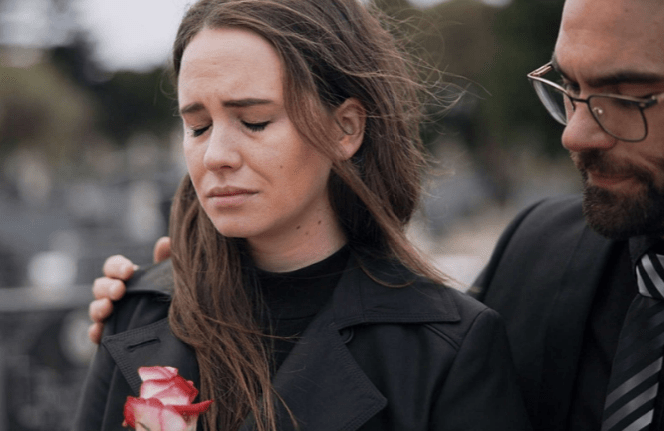
Time does not wait for anyone, yet our relationship with it—and with our own mortality—is undergoing a profound transformation. In a world that increasingly prizes productivity, longevity, and control, the concept of death has become both distant and abstract. We sanitize and compartmentalize it, rarely confronting its immediacy until forced by crisis, illness, or profound loss.
This modern aversion to mortality is not merely psychological; it is cultural. Technological advancements, medical breakthroughs, and societal taboos have collectively shaped a perception of death that is more clinical than existential. As Atul Gawande writes in Being Mortal, “The waning days of our lives are given over to treatments that add little time and do nothing to improve what remains.” Instead of preparing for death, we often distract ourselves from it, delaying conversations that truly matter.
Yet, as perspectives shift and aging populations become more vocal, there’s a growing movement to reclaim mortality as part of life. Scholars, philosophers, and healthcare professionals are urging us to reconsider how we view the end of life—not as a failure of medicine, but as a natural, meaningful culmination. With this in mind, we delve into the evolving dynamics of how we think about death, time, and the final chapter of our human story.
1 – The Medicalization of Death
Modern healthcare has dramatically extended life expectancy, but it has also unintentionally redefined death as a medical event rather than a human one. With the rise of intensive care units, life-support technologies, and complex interventions, death often occurs in sterile environments, far removed from loved ones and familiar surroundings.
This shift has significant emotional and ethical consequences. As Dr. Sherwin Nuland noted in How We Die, the clinical detachment from dying can rob individuals of dignity and agency. When death is approached as a technical failure, we overlook the spiritual and relational aspects of a person’s final days, reducing a profound life transition to a checklist of procedures.
2 – Cultural Denial of Mortality
In many Western societies, death is cloaked in euphemism and avoidance. We say someone “passed away” instead of “died.” Cemeteries are hidden, funerals are streamlined, and grief is expected to resolve swiftly. This cultural denial creates a paradox: though death is inevitable, we rarely talk about it openly.
Philosopher Ernest Becker, in The Denial of Death, argues that this repression stems from a deep psychological defense mechanism. By shielding ourselves from the reality of death, we avoid confronting the limits of our control and the ultimate impermanence of life. However, such denial prevents authentic living, leaving us ill-prepared when death inevitably touches our lives.
3 – Shifting Attitudes Toward Aging and Dying
There is a growing recognition that aging and dying are not problems to be solved, but experiences to be understood. Movements like “death positivity” and “aging in place” reflect a cultural evolution, where older adults seek meaning, autonomy, and purpose rather than simply longevity.
Books like Aging Thoughtfully by Martha C. Nussbaum and Saul Levmore explore the philosophical dimensions of aging, encouraging society to see the later stages of life as a time for reflection and wisdom. Rather than resisting mortality, many are now embracing it as a phase of life deserving dignity and attention.
4 – The Rise of Advance Care Planning
Advance care planning empowers individuals to make decisions about their medical treatment long before crises occur. This includes living wills, healthcare proxies, and end-of-life conversations that prioritize quality over mere extension of life.
These tools reflect a critical shift in how we approach mortality—no longer reactive, but proactive. Dr. Angelo Volandes in The Conversation emphasizes that clear communication about end-of-life preferences can prevent unnecessary suffering and ensure that care aligns with a person’s values and beliefs.
5 – Hospice and Palliative Care: Redefining End-of-Life
Hospice and palliative care models have reimagined how we care for the dying, focusing on comfort, dignity, and emotional support rather than curative treatments. This approach centers on the patient’s experience, prioritizing peace over procedure.
Studies show that patients in hospice often live longer with better quality of life than those receiving aggressive treatments. As Dr. Diane Meier asserts, “Palliative care is not about giving up; it’s about choosing how we want to live—right to the end.”
6 – Technology and the Illusion of Immortality
From cryonics to mind-uploading, technological futurists are chasing the dream of digital immortality. While fascinating, these pursuits reflect our deeper discomfort with the finality of death and a desire to transcend our biological limitations.
Yet, as Yuval Noah Harari cautions in Homo Deus, the quest to defeat death raises ethical and philosophical dilemmas. Should we extend life at all costs, or learn to accept its boundaries with grace? In our obsession with hacking mortality, we risk losing sight of what gives life meaning.
7 – Spiritual Perspectives on Death
Different religious and spiritual traditions offer varied interpretations of death—not as an end, but as a transition. Whether it’s the Buddhist concept of rebirth or the Christian promise of eternal life, these frameworks provide comfort and context.
By integrating spiritual beliefs into conversations about death, individuals often find peace and purpose. Viktor Frankl, in Man’s Search for Meaning, reminds us that confronting suffering—and by extension, death—with meaning transforms despair into dignity.
8 – Psychological Readiness and the Fear of Dying
Fear of death is one of the most universal human anxieties, often more feared than death itself is the process of dying—pain, loss of control, and isolation. Psychologists note that addressing this fear can dramatically improve mental health and emotional well-being.
Therapies like existential psychotherapy help individuals face mortality directly, fostering psychological readiness. As Irvin Yalom puts it, “Though the physicality of death destroys us, the idea of death may save us.” Embracing this paradox is key to inner peace.
9 – The Role of Legacy and Remembrance
One way people come to terms with mortality is through the desire to leave a legacy—be it through family, work, or acts of kindness. This longing reflects a deep human need to create meaning that outlives our physical existence.
Sociologist Robert N. Bellah emphasized in Habits of the Heart that legacy shapes identity, community, and purpose. When we focus on what we leave behind, we shift our relationship with death from fear to contribution.
10 – The Ethics of Euthanasia and Assisted Dying
Legal and ethical debates around assisted dying reflect the tension between autonomy and societal values. For some, choosing the manner of one’s death is an assertion of dignity; for others, it raises concerns about moral boundaries.
Books like Death with Dignity by Robert Orfali explore how different nations approach the right to die, highlighting the complexity of balancing compassion, law, and ethics. These debates force us to ask not only how we die—but who gets to decide.
11 – Reframing Death in Education and Public Discourse
Few educational systems incorporate death literacy into their curricula, yet understanding mortality is foundational to human life. Death education can demystify the process, reduce fear, and empower individuals to make informed choices.
Organizations like The Order of the Good Death advocate for open discussions around mortality, encouraging communities to engage with death as a shared experience rather than an isolated tragedy.
12 – Media, Mortality, and Representation
From cinema to literature, the portrayal of death shapes public perception. Films like The Seventh Seal or Wit depict death with nuance and gravity, prompting reflection rather than sensationalism.
Yet, the rise of violent media can also desensitize viewers to death, distorting its emotional weight. Responsible storytelling—rooted in empathy and realism—can help bridge the emotional gap in how society confronts dying.
13 – End-of-Life Inequities and Access to Care
Access to quality end-of-life care is not universal. Socioeconomic disparities mean that marginalized communities often face inadequate palliative services, poor pain management, and a lack of culturally sensitive care.
Books such as Dying in America by the Institute of Medicine shed light on these inequities, urging systemic reform. A just society must ensure that everyone—regardless of status—can die with dignity.
14 – The Economics of Dying
End-of-life care is expensive, and decisions around treatment are often entangled with insurance policies, hospital bills, and economic stress. These factors can influence whether patients receive compassionate care or aggressive interventions.
Healthcare economist Victor Fuchs argues that the U.S. spends disproportionately on the final months of life, often without improving outcomes. Rethinking the economics of dying is essential for ethical and sustainable healthcare.
15 – Environmental Approaches to Death
Eco-friendly burials, biodegradable urns, and conservation cemeteries are reshaping how we think about our final impact on the planet. Green burial practices reflect a shift toward sustainability even in death.
Books like The Green Burial Guidebook by Elizabeth Fournier advocate for returning to the earth with intention. By aligning our death practices with environmental values, we extend stewardship beyond life.
16 – Death as a Catalyst for Living Fully
Paradoxically, embracing mortality often leads to a deeper appreciation for life. Those who confront death—through illness, grief, or reflection—report greater clarity, purpose, and gratitude.
As Steve Jobs famously said, “Remembering that you are going to die is the best way I know to avoid the trap of thinking you have something to lose.” This awareness invites intentional living and authentic presence.
17 – Community Rituals and Collective Mourning
Funerals, memorials, and grief rituals serve a vital societal function—helping people process loss together. These shared expressions of mourning validate grief and strengthen community bonds.
Anthropologist Margaret Mead noted that “the ceremony of death is not for the dead, but for the living.” Rituals help communities navigate the unthinkable and mark transitions with dignity.
18 – Intergenerational Dialogues About Death
Talking about death across generations fosters empathy and preparedness. Older adults can share wisdom; younger ones can offer perspective and support. These conversations are often avoided, but they’re crucial.
Books like Talking About Death Won’t Kill You by Virginia Morris provide practical tools for initiating these dialogues. By normalizing death talk, families build trust, reduce fear, and create continuity.
19 – The Future of Mortality Studies
Interdisciplinary fields like thanatology (the study of death and dying) are expanding our understanding of mortality. Scholars from psychology, theology, sociology, and medicine are working together to redefine end-of-life care and meaning.
As our population ages and societal attitudes shift, mortality studies will play a key role in shaping compassionate, informed policies. Future-forward thinking requires both humility and courage in the face of life’s ultimate mystery.
20 – Reclaiming Death as Part of Life
At its core, the challenge is not to defeat death—but to reclaim it. When we see death not as the enemy but as a companion to life, we begin to live more mindfully. Mortality, after all, gives our days shape, urgency, and meaning.
This reclamation is both personal and collective. It requires us to dismantle fear-based narratives and replace them with compassionate, honest engagement. As the Stoic philosopher Seneca wrote, “He who fears death will never do anything worthy of a man who is alive.”
21 – Haunting Topic
Mortality has always haunted the human imagination. From ancient mythologies to modern cinema, death often serves as a metaphor for fear, transformation, and the unknown. The existential philosopher Martin Heidegger emphasized that being aware of our mortality is what gives life authenticity. When death is denied or hidden away, we may lose the urgency that drives purpose and passion.
Contemplating mortality does not have to be morbid; in fact, it can be enlightening. Dr. Irvin D. Yalom, in Staring at the Sun: Overcoming the Terror of Death, argues that coming face-to-face with death enables deeper meaning in life. It’s not about obsessing over the end, but about allowing its reality to sharpen our appreciation of the present. A haunting topic becomes a powerful teacher when we have the courage to sit with it.
22 – Denial Pattern
Many people maintain a stubborn denial about their own mortality. This pattern is reinforced by cultural narratives that glorify youth, vitality, and the illusion of permanence. Psychologist Ernest Becker, in The Denial of Death, contends that much of human behavior is driven by an unconscious fear of dying. We build legacies, chase success, and seek distractions—anything to avoid acknowledging the inevitable.
This denial, however, comes at a cost. It can lead to anxiety, shallow relationships, and a disconnection from one’s inner self. By refusing to confront death, we paradoxically diminish our ability to live fully. Shifting from denial to awareness allows for a more honest, grounded, and purposeful existence.
23 – Acceptance
Acceptance of mortality is a transformative process. It involves shifting from resistance to understanding that death is not an enemy, but a natural companion to life. As Buddhist teacher Thich Nhat Hanh once said, “Thanks to impermanence, everything is possible.” Accepting death allows us to embrace life with gratitude and humility.
This doesn’t mean becoming apathetic or fatalistic. Instead, it involves developing emotional resilience and inner peace. In The Grace in Dying, Kathleen Dowling Singh explores how many people report a spiritual awakening as they come to terms with death. Acceptance is not resignation—it’s the gateway to serenity.
24 – Part of the Journey
Death is not a detour from life—it’s part of the journey. Every life story has a conclusion, and recognizing this helps us write a more intentional narrative. Philosopher Seneca, in his letters, often urged reflection on death as a way to better cherish each day. To live wisely is to acknowledge life’s natural arc.
When we understand death as part of our personal odyssey, we free ourselves from irrational dread. We begin to prioritize what truly matters: connection, contribution, and compassion. Instead of trying to outrun the end, we walk alongside it—more aware, more present, and more human.
25 – How Do We Perceive It?
Perception of death is shaped by culture, upbringing, and individual temperament. For some, it is a terrifying unknown; for others, it is a release or a return. Cultural anthropologist Ernest Becker noted that societies construct elaborate rituals and myths to frame death in a way that feels manageable. These perceptions influence how we live and how we grieve.
Modern psychology emphasizes the importance of acknowledging personal death anxiety as a legitimate emotional experience. Understanding our perception of mortality allows us to confront it with clarity rather than fear. By naming the shadows, we reclaim our agency in facing them.
26 – Evolving Concept
The concept of death has evolved alongside science, philosophy, and spirituality. Where once death was seen as a divine punishment or a mystery, today it’s more often viewed through biological and psychological lenses. Advances in medicine have redefined what it means to be alive or dead, further complicating the picture.
Despite these shifts, our emotional relationship to death remains deeply rooted in existential concerns. Books like When Breath Becomes Air by Paul Kalanithi illustrate how a modern mind grapples with ancient questions. As our understanding changes, so must our conversations around mortality.
27 – Influencing Life
Mortality shapes our choices more than we realize. Knowing that time is limited encourages us to invest in relationships, pursue passions, and cultivate meaning. As Steve Jobs famously stated, “Remembering that you are going to die is the best way I know to avoid the trap of thinking you have something to lose.”
This influence can be both sobering and liberating. When death is in view, life becomes more vivid. We waste less time on trivialities and more on things that nourish the soul. The finiteness of life becomes its greatest motivator.
28 – How Old Is “Old Enough to Die”?
The question of when one is “old enough to die” reveals much about cultural values and medical ethics. In many societies, age is associated with worthiness for continued life-extending interventions. Yet death does not follow calendars or social expectations—it arrives unbidden, sometimes unfairly.
This question also stirs debates around end-of-life care, assisted dying, and the dignity of aging. As Atul Gawande explores in Being Mortal, what matters most in the final stages of life isn’t how long we live, but how well. Quality of life often outweighs quantity in the minds of those nearing the end.
29 – Tough Question
Few questions are as tough as contemplating our own end. It’s one of the ultimate cognitive challenges—to imagine a world without ourselves in it. Mortality provokes fears of oblivion, meaninglessness, and unfinished dreams. Yet, grappling with this question is what gives rise to wisdom.
The Stoic philosophers recommended daily reflection on death as a way to keep life in perspective. Rather than being paralyzed by the question, we can be guided by it. Wrestling with the tough questions opens doors to deeper truths.
30 – More Acceptable?
In recent years, death has become a slightly more acceptable topic, thanks to books, podcasts, and public discussions that demystify it. Movements like “Death Cafés” encourage open dialogue in non-judgmental settings. This shift toward transparency is crucial for collective emotional health.
Still, the stigma remains. Many people remain uncomfortable discussing their own mortality or that of loved ones. Making death more acceptable requires ongoing cultural shifts, including in healthcare, education, and even parenting. Talking about it doesn’t invite it—it empowers us to face it wisely.
31 – Gray Area
Death is no longer a black-and-white event. Medical technology has introduced gray areas—patients on life support, brain-death diagnoses, and debates over vegetative states. These complexities challenge our understanding of what it means to be alive.
Philosophers and bioethicists argue that the boundaries between life and death have blurred, raising ethical questions about autonomy and intervention. In The Death of Ivan Ilyich, Tolstoy explored these existential tensions with haunting realism. Navigating the gray requires moral courage and compassion.
32 – Coming to Terms
Coming to terms with death is often a lifelong process. For some, it begins with a diagnosis; for others, with the loss of a loved one. The journey involves denial, anger, bargaining, depression, and ultimately, acceptance—as outlined by Elisabeth Kübler-Ross in her groundbreaking work On Death and Dying.
This emotional arc isn’t linear, nor is it one-size-fits-all. Each person navigates it differently, depending on personality, culture, and support systems. What matters is the willingness to face the process with openness and grace.
33 – Different Perspective
Viewing death from a different angle can be liberating. Rather than something to be feared, it can be seen as a return, a transition, or even a celebration. Indigenous traditions, for example, often view death as a sacred passage to the spirit world, rather than an end.
Changing perspective also helps us prepare emotionally and spiritually. As philosopher Alan Watts noted, “Trying to avoid death is to avoid life.” A shift in perspective doesn’t eliminate sorrow, but it softens its sting with understanding.
34 – Lighter Load
When we accept mortality, we often feel a lighter emotional load. The pressures of perfection, legacy, or endless ambition may ease, replaced by a desire for connection, peace, and authenticity. Death’s presence paradoxically relieves us of certain burdens.
This emotional relief is echoed in palliative care, where patients often report a deep sense of clarity and purpose. Knowing the clock is ticking sharpens the mind and softens the heart. The weight of life is not diminished, but redistributed.
35 – Too Distant
For many, death feels too distant to matter. Youth, health, and the distractions of modern life create a false sense of immortality. This illusion can lead to poor decision-making, neglected relationships, and a lack of existential depth.
Confronting death sooner—through literature, meditation, or conversation—can counter this detachment. Books like Tuesdays with Morrie by Mitch Albom gently introduce mortality into everyday thought, helping bridge the emotional gap.
36 – Too Close
Conversely, death can sometimes feel too close—after a diagnosis, accident, or tragedy. This proximity is jarring and often brings a flood of emotion and existential reckoning. For those unprepared, it can be overwhelming.
Yet this closeness also opens doors to profound awareness. The fragility of life becomes evident, making space for healing and reconciliation. Moments of crisis often catalyze inner growth, especially when supported by empathy and reflection.
37 – Reaching the End
As we reach the end of life, priorities shift. Material concerns fall away, and emotional or spiritual matters come to the forefront. This stage often invites reflection, forgiveness, and closure. Cicero once said, “The life of the dead is placed in the memory of the living.”
Reaching the end does not have to mean despair. With the right support, it can be a period of peace, connection, and final contributions. Hospice care and legacy projects allow individuals to leave meaning behind.
38 – Normalizing It
Normalizing death in our conversations and education systems could have transformative effects. When we learn about mortality as part of the life cycle, it becomes less threatening. Children raised with honest, age-appropriate conversations about death often handle grief more healthily.
This normalization can be reinforced by media, religious education, and open family dialogue. The goal is not to desensitize but to familiarize—to replace fear with understanding, taboo with trust.
39 – Talk It Out
One of the most effective ways to make peace with mortality is to talk about it. Conversations about death—whether casual or deeply personal—help dissolve the shame and fear surrounding the topic. When we talk it out, we validate each other’s experiences, anxieties, and beliefs.
End-of-life discussions with loved ones are not morbid; they are acts of love. As Dr. Lucy Kalanithi (widow of Paul Kalanithi) said, “Talking about dying is part of living well.” When we give voice to our thoughts, we strip death of its power to silence us.
40 – Midlife Crisis
Midlife often brings a jarring confrontation with mortality. As dreams shift or fade, many grapple with the question: Is this all there is? This crisis, while painful, can also be illuminating. Carl Jung saw midlife as a pivotal time when the soul seeks deeper meaning and integration.
This phase may provoke dramatic changes—career shifts, divorces, spiritual awakenings—but these upheavals are often fueled by a desire to live more authentically in the shadow of death. Recognizing mortality can reawaken a zest for the present moment.
41 – Losing Others
The death of loved ones alters our worldview permanently. Grief carves out a space in the psyche that never truly closes—but it does evolve. As Joan Didion wrote in The Year of Magical Thinking, grief is not a linear process; it’s a shifting terrain of sorrow, memory, and adjustment.
Losing others reminds us of our own fragility and deepens our empathy. While the pain can be profound, the love that endures beyond death often shapes us into more compassionate and present people.
42 – Going Peacefully
The hope of a peaceful death often reflects our deepest values—dignity, comfort, and closure. In hospice care and palliative medicine, the emphasis is on quality of life until the end of life. Dr. B.J. Miller, a leading voice in end-of-life care, advocates for environments where death is treated as a human experience, not a medical failure.
Going peacefully may mean physical comfort, but also emotional and spiritual readiness. It’s about being surrounded by love, truth, and a sense of completeness. And while we can’t always control how we go, we can influence the context through early planning and open dialogue.
43 – Being Present
One of death’s greatest lessons is the urgency of presence. When we understand that time is finite, every conversation, meal, and moment becomes more sacred. The act of being—without rushing, escaping, or numbing—becomes the highest form of living.
Mindfulness practices teach us to embrace this presence. As Jon Kabat-Zinn says, “The little things? The little moments? They aren’t little.” Death sharpens our awareness and invites us to dwell more deeply in the now.
44 – Feeling Ready
Is it possible to ever feel truly ready to die? For some, the answer is yes. Readiness often arises not from external circumstances but from internal clarity—a sense that life has been lived well, relationships are mended, and nothing important is left unsaid.
Spiritual traditions, journaling, and legacy work can cultivate this sense of peace. Feeling ready doesn’t negate fear, but it transforms it. As Viktor Frankl noted, “When we are no longer able to change a situation, we are challenged to change ourselves.”
45 – Life Expectancy
Modern medicine and public health advances have extended average life expectancy dramatically. In many countries, living into one’s 80s or 90s is no longer rare. However, longer life doesn’t automatically mean better life. The quality of those added years matters deeply.
Life expectancy is often used as a statistic, but for individuals, it’s personal. It’s a mirror that reflects both potential and uncertainty—an invitation to maximize our days, not just count them.
46 – Just an Average
It’s important to remember that life expectancy is just an average—not a guarantee. Some people live far beyond the norm, while others leave us far too soon. This unpredictability makes every moment more precious. As the poet Mary Oliver asked, “What is it you plan to do with your one wild and precious life?”
We often plan life as if we have infinite time. But by keeping in mind that our expiration date is unknown, we may choose to live with more purpose and fewer regrets.
47 – Longer Lives
Longer lives have changed how we view aging and death. We now have second (and third) acts—new careers, relationships, and opportunities for reinvention. But with this longevity comes new challenges: chronic illness, isolation, and existential fatigue.
The goal, then, is not merely to live longer but to live better. Authors like Dan Buettner, who studies Blue Zones (regions where people live unusually long, healthy lives), emphasize connection, purpose, and simplicity as keys to thriving in our extended years.
48 – Finish Line
Death is the finish line of life, but that doesn’t mean it has to be a defeat. Many view it as a homecoming, a transition, or even a celebration of a life well-lived. It’s not about how long we run the race, but how we ran it—with integrity, courage, and compassion.
Approaching the finish line with awareness allows us to tie up loose ends, forgive old wounds, and express love. When we stop fearing the end, we start living with more intention toward what truly matters.
49 – It Is Inevitable
There is no avoiding it: death is inevitable. It’s one of the few universal human experiences. This simple truth—often pushed aside in daily life—can serve as the ultimate equalizer and teacher.
Accepting the inevitability of death isn’t about defeat; it’s about wisdom. As Buddhist teacher Pema Chödrön writes, “To be fully alive, fully human, and completely awake is to be continually thrown out of the nest.” Mortality wakes us up and invites us to cherish the fleeting beauty of being here now.
50 – Religious Beliefs
Religious and spiritual beliefs profoundly shape how people view death. For some, it is a passage to heaven, reincarnation, or union with the divine. For others, it may mean dissolution into the universe or continuation through legacy and memory.
These beliefs provide comfort, structure, and moral guidance as we face the unknown. Whether one adheres to Christianity, Buddhism, Islam, Hinduism, or a more secular spiritual philosophy, the search for meaning in mortality is ancient and deeply human. Faith, in its many forms, can be a powerful balm in life’s most uncertain moment.
Conclusion
Understanding our shifting perceptions of mortality is not simply a philosophical exercise—it’s a necessity in a world grappling with aging populations, technological change, and emotional disconnect. From medical ethics to cultural rituals, the way we view death affects how we live, love, and make meaning.
By fostering open conversations, challenging taboos, and embracing the full arc of life, we can transform death from a shadowy fear into a profound teacher. The invitation is clear: it’s time to go—not away from death, but toward a deeper understanding of what it means to truly be alive.
Death is not a detour—it is part of the path. By confronting it with honesty, reverence, and curiosity, we strip it of unnecessary fear and reclaim our power to live fully. Each conversation, each reflection, and each moment of acceptance transforms death from an enemy into a teacher.
We may not get to choose when we die, but we do get to choose how we live until then. And that choice makes all the difference.

By Amjad Izhar
Contact: amjad.izhar@gmail.com
https://amjadizhar.blog
Affiliate Disclosure: This blog may contain affiliate links, which means I may earn a small commission if you click on the link and make a purchase. This comes at no additional cost to you. I only recommend products or services that I believe will add value to my readers. Your support helps keep this blog running and allows me to continue providing you with quality content. Thank you for your support!

Leave a comment