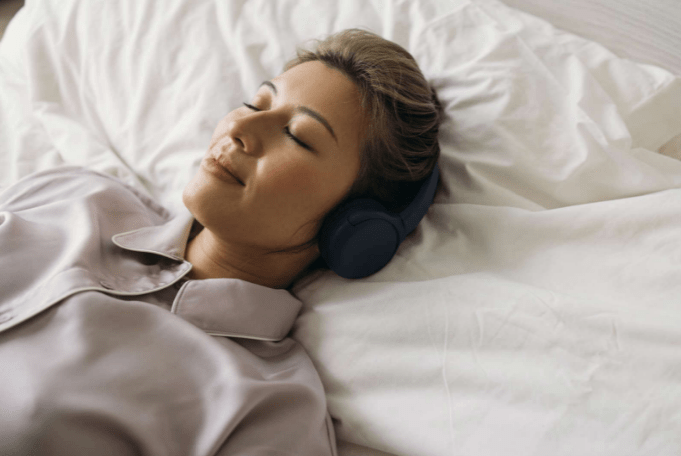
In a world where hustle culture is glorified and digital distractions never sleep, the average young adult is getting significantly less shut-eye than previous generations. This disturbing trend has emerged not just as a lifestyle choice, but as a symptom of a culture that prizes productivity over personal well-being. While older generations often retired with the sun and rose with the dawn, today’s youth are tethered to glowing screens, competing responsibilities, and societal pressure that chips away at the very foundation of health: sleep.
The statistics are alarming. Studies from institutions like the CDC and National Sleep Foundation reveal a steady decline in the average nightly sleep duration among people under 30. The culprits? Late-night scrolling, academic and work pressures, and an “always-on” mentality fueled by technology. The body needs rest just as much as it needs food or water, yet more and more young people are surviving rather than thriving—running on caffeine and anxiety rather than REM cycles and recovery.
This isn’t merely a personal issue; it’s a public health concern. Chronic sleep deprivation has been linked to everything from mood disorders to metabolic dysfunction. As Dr. Matthew Walker notes in his book Why We Sleep, “The decimation of sleep throughout industrialized nations is having a catastrophic impact on our health, our life expectancy, our safety, our productivity, and the education of our children.” It’s time we put sleep back on the pedestal it deserves.

1- A good night’s sleep
Getting a good night’s sleep is more than just a luxury—it’s a biological necessity. Sleep is essential for memory consolidation, immune function, emotional regulation, and cellular repair. During deep sleep stages, the brain undergoes detoxification and the body performs restorative processes that are critical for both physical and mental health. When young people cut their sleep short, they rob themselves of these essential benefits, often without realizing the long-term consequences.
The idea of “catching up on sleep” during weekends has been debunked by sleep scientists. As neuroscientist Russell Foster writes in Life Time: The New Science of the Body Clock, “You cannot repay a sleep debt; all you can do is stop it from getting worse.” In other words, consistent, high-quality sleep isn’t negotiable. Missing out disrupts the circadian rhythm, leading to cognitive sluggishness, irritability, and vulnerability to illness. A good night’s rest isn’t optional—it’s foundational.

2- More common than you think: record-breaking number of people that don’t get enough rest
Sleep deprivation has reached epidemic proportions. According to a 2024 report by the American Academy of Sleep Medicine, over 60% of Gen Z adults report getting fewer than six hours of sleep on average—a figure that breaks records from previous decades. What’s particularly concerning is how normalized this has become in youth culture. Memes glorify insomnia, and influencers tout “grind now, rest later” as a mantra, masking exhaustion with motivation.
This normalization of sleeplessness has profound implications. “We have engineered a society that is in complete conflict with our sleep,” explains Dr. Charles Czeisler of Harvard Medical School. As people spend more time working odd hours, glued to devices, or juggling multiple side hustles, sleep gets pushed to the back burner. It’s not rare anymore to find young professionals and students pulling all-nighters as a badge of honor, ignoring the cognitive and physical toll it exacts.

3- Not getting enough rest
The repercussions of insufficient rest extend far beyond daytime fatigue. Lack of sleep impairs the prefrontal cortex, the region responsible for decision-making and impulse control. As a result, sleep-deprived individuals are more likely to make poor choices, take greater risks, and exhibit mood instability. Over time, chronic sleep deprivation can lead to burnout, anxiety disorders, and even suicidal ideation in vulnerable individuals.
Biologically, the body interprets sleep deprivation as stress. It releases cortisol and suppresses melatonin, creating a cascade of hormonal imbalances that affect everything from weight to immunity. In his book Sleep Smarter, Shawn Stevenson notes, “When sleep is compromised, your health and performance are compromised.” For young people navigating academic pressure, job insecurity, and social challenges, the additional strain of sleep loss is a burden they can ill afford.

4- Just 5 more minutes! Be better off if they managed to get the sleep they need
The phrase “just five more minutes” has become a mantra of the sleep-deprived. Snoozing alarms and dragging oneself out of bed are daily rituals for many, but this behavior underscores a deeper issue—chronic sleep insufficiency. Many believe they can power through the day with minimal rest, but science tells a different story. Even modest sleep deficits accumulate, impairing attention, reaction time, and memory recall.
Young people often underestimate the value of even one additional hour of sleep. Dr. Sara Mednick, in Take a Nap! Change Your Life, illustrates how even short, regular rest can enhance brain function, mood, and productivity. Rather than seeing sleep as a chore or a luxury, it must be reframed as an investment in one’s daily efficiency and long-term well-being. It’s not about sleeping more; it’s about sleeping smarter and consistently.

5- Your grandparents slept better
Previous generations enjoyed more natural sleep patterns, largely because their lifestyles were more in sync with the sun’s natural cycles. They had fewer distractions—no smartphones buzzing at midnight or streaming services that autoplay for hours. Their evenings were marked by routine, darkness, and relative quiet, all of which cue the body to prepare for rest. This alignment with nature supported healthy circadian rhythms and deeper, more restorative sleep.
Today’s environment is saturated with artificial light and 24/7 connectivity. Blue light emitted by screens delays melatonin production, confusing the brain into thinking it’s still daytime. As Arianna Huffington argues in The Sleep Revolution, “Sleep, the ultimate performance enhancer, is being neglected in a culture that rewards overwork.” Young people may have more freedom, but they also have more temptations to trade rest for entertainment, leaving them chronically under-slept compared to their grandparents.

6- Less people sleep more, more people sleep less
Statistical trends show that the number of people who get adequate sleep has been steadily declining, while those who sleep less than six hours a night are on the rise. This inverse relationship highlights a societal imbalance where sleep is being devalued despite its critical importance. One study published in The Lancet found that poor sleep was linked to higher mortality rates, especially among younger adults.
This decline isn’t happening in a vacuum. Economic instability, job market volatility, and the gig economy have increased stress and forced many into irregular work hours. Add to that the omnipresence of digital media, and it’s no wonder sleep has become an afterthought. When society pushes productivity at the expense of personal health, rest becomes a casualty. The more this trend continues, the more we’ll see the long-term consequences on public health.

7- Healthy mind, healthy body
The link between sleep and overall well-being is irrefutable. Quality sleep fosters cognitive resilience, emotional stability, and physical strength. It’s during sleep that the brain organizes thoughts, the immune system strengthens, and tissues repair. Conversely, even short-term sleep loss can impair judgment and weaken the immune response, making one more susceptible to illnesses and infections.
Mental health, in particular, is closely intertwined with sleep quality. According to a study in The Journal of Clinical Psychiatry, individuals with insomnia are five times more likely to develop depression. Sleep is not just a passive state but a dynamic healing process. As Hippocrates said, “Healing is a matter of time, but it is sometimes also a matter of opportunity.” Sleep is the body’s greatest opportunity for healing.

8- From weight gain to depression
Sleep deprivation has ripple effects that extend into every area of health, including metabolism and mood. Inadequate sleep disrupts the balance of leptin and ghrelin—hormones that regulate appetite—leading to increased hunger and a greater likelihood of weight gain. Moreover, poor sleep alters insulin sensitivity, paving the way for type 2 diabetes and other metabolic disorders.
Psychologically, sleep loss exacerbates feelings of hopelessness, irritability, and emotional volatility. As Dr. Walker emphasizes in Why We Sleep, “There is no aspect of our health that isn’t impaired by sleep loss.” From affecting academic performance to triggering emotional breakdowns, the effects of sleep deprivation are wide-ranging and deeply damaging. It’s not an exaggeration to say that poor sleep can quite literally change who you are.

9- It’s all in the mind
Sleep and mental health are a two-way street. Not only does poor sleep contribute to psychological issues, but existing mental health problems also disrupt sleep. Anxiety, for example, keeps the mind racing at night, while depression can disturb REM cycles and cause early-morning awakenings. The result is a vicious cycle in which poor sleep and mental illness reinforce each other.
This neuropsychological connection is backed by decades of research. Dr. Daniel Freeman of the University of Oxford notes that improving sleep leads to “significant reductions in paranoia and hallucinatory experiences.” In other words, sleep can act as a form of psychological therapy, helping the brain reset and recharge. Investing in mental health means investing in sleep hygiene—reducing stimulation before bed, sticking to routines, and creating environments that cue the body to rest.

10- Young women are affected the most
While sleep deprivation affects all demographics, young women are particularly vulnerable. Hormonal fluctuations due to menstrual cycles, pregnancy, and menopause can drastically impact sleep patterns. Moreover, young women often juggle multiple roles—career, caregiving, social commitments—leading to heightened stress levels and reduced rest.
Studies from the Sleep Research Society show that young women report higher rates of insomnia and sleep-related anxiety than their male counterparts. Despite their biological need for slightly more sleep than men, societal expectations frequently rob them of the opportunity. Books like The Women’s Guide to Overcoming Insomnia by Shelby Harris provide tailored strategies, but more needs to be done on a societal level to acknowledge and address these gender-specific sleep disparities.

11- Not just a Millennial problem
It’s a myth that only Millennials and Gen Z are struggling with sleep. Older adults are increasingly falling into poor sleep patterns due to work stress, caregiving responsibilities, and late-life financial strain. However, the intensity and frequency of sleep deprivation appear most severe among the young, making it a generational flashpoint rather than an isolated phenomenon.
A longitudinal study from Stanford found that sleep complaints now surface at earlier ages than in decades past. This suggests that the issue is becoming ingrained in cultural habits, not merely age-related decline. Sleep hygiene must be reframed as a lifelong practice, not just a youthful phase or senior concern. As the saying goes, “You can’t pour from an empty cup”—and generations young and old are running on empty.
12- Get some rest!
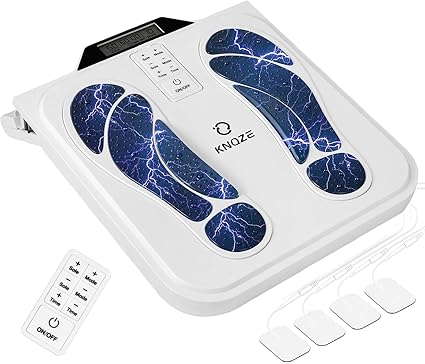
The simplest solution is often the hardest to implement: get more sleep. Creating bedtime rituals, limiting screen time, and prioritizing relaxation can go a long way in resetting the sleep cycle. Sleep hygiene should be taught early, reinforced in schools, and supported by employers and healthcare providers alike. It’s time we treated sleep as preventive medicine, not a luxury.
Getting rest isn’t about laziness—it’s about sustainability. As Dr. William Dement, one of the pioneers in sleep medicine, once said, “You’re not healthy unless your sleep is healthy.” Just like diet and exercise, sleep needs to be an intentional part of everyday wellness. Reclaiming rest means reclaiming health, focus, and emotional resilience.

Conclusion
The sleep crisis among young people is not merely a generational quirk—it’s a deep societal issue with broad repercussions. From hormonal imbalance and poor academic performance to chronic diseases and mental health struggles, the costs of inadequate sleep are far too high to ignore. We’ve created a culture that undervalues rest and overvalues output, and young people are bearing the brunt.
If we are to reverse this alarming trend, it will require a paradigm shift in how we view rest. Institutions, educators, families, and individuals must prioritize and protect sleep as an essential part of holistic well-being. As research and expert voices have shown, reclaiming the night is not only good science—it’s the smartest investment we can make in the future of our youth.

By Amjad Izhar
Contact: amjad.izhar@gmail.com
https://amjadizhar.blog
Affiliate Disclosure: This blog may contain affiliate links, which means I may earn a small commission if you click on the link and make a purchase. This comes at no additional cost to you. I only recommend products or services that I believe will add value to my readers. Your support helps keep this blog running and allows me to continue providing you with quality content. Thank you for your support!

Leave a comment