This piece from “5 SECOND SMILES :)” shares personal anecdotes about near-misses with lightning experienced by the author and her family, from childhood swimming trips to adult hikes and bike rides. Interwoven with these accounts are practical safety tips for thunderstorms, such as avoiding water, metal objects, and open spaces, and highlighting the danger of lightning traveling through electrical and plumbing systems. The text also includes Biblical verses that offer reflections on God’s power in nature. Reader comments also contribute by sharing their own experiences and thoughts on lightning safety.


Beware of Lightning! by Nancy Homlitas
Essential Lightning Safety Guidelines
Based on the sources, here are several important lightning safety tips:
- Immediately seek shelter during a storm. If you are outside and hear thunder, or see black cumulonimbus clouds or lightning, you should look for shelter.
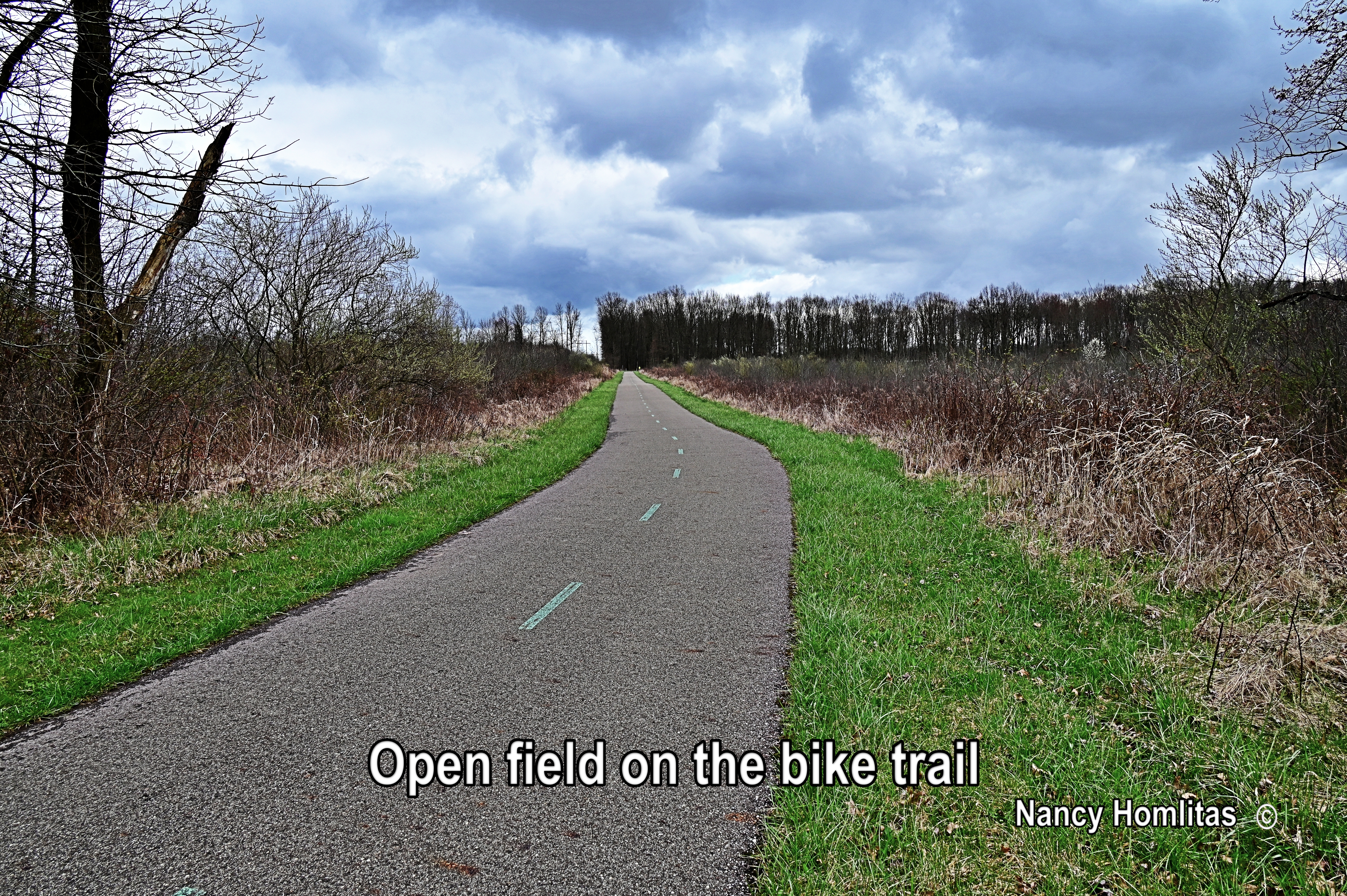
- The most dangerous place during a thunderstorm is outside in an open space. Avoid hiking or biking during a storm.
- Find an enclosed grounded structure for protection. Open shelters like trees, porches, pavilions, tents, or umbrellas will not protect you. A hard-topped car can also be a safe haven.
- Stay out of water. Being outside near water, or in it, during a thunderstorm will boost your odds of being struck. When the author was a child, she was told to “get out of the water” at a pool during a storm. Golfers seeking refuge under a tree near the pool were struck by lightning.
- Do not go near water if you hear cumulonimbus clouds grumbling.
- Avoid using plugged-in devices or taking showers during a storm. Lightning can travel into your home via plumbing and electrical circuits. One anecdote describes a television sizzling after a loud KABOOM.
- Steer clear of windows and doors. Lightning can jump through them. One personal account mentions lightning coming through an open window and bouncing off a sink faucet. Lightning can also go through the ground to concrete walls and basement floors.
- Check the forecast before going out, although storms are hard to predict and their paths can change. Even if the forecast seems clear for your activity, sudden and unexpected storms can occur. Michael, the author’s husband, diligently checks the weather, sometimes even dreaming about it, but they have still been caught out in storms unexpectedly. Another commenter also noted that even with modern radar, experts can be wrong often.
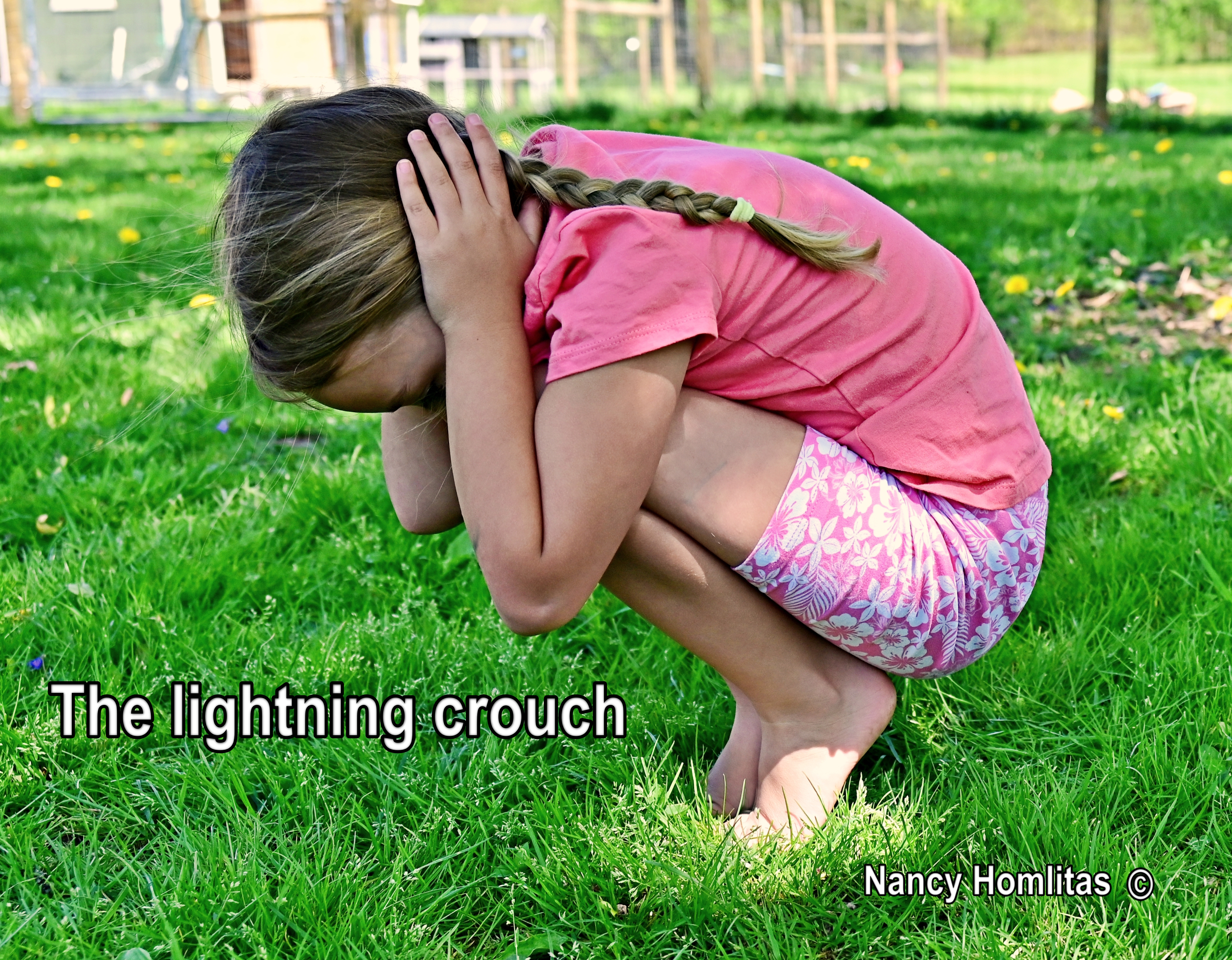
- If caught outside with no safe shelter available, the last resort is the lightning crouch. This involves squatting on the balls of your feet (feet together), covering your ears with your hands, and tucking your head down to reduce your size as a target and minimize ground contact. However, it can be difficult to stay balanced in this position.
- If you are caught in a storm on a bike, you can choose to abandon it and squat low in a waterless ditch. Whether on a bike or on foot, the goal is to keep moving toward a safe shelter.
- Wait 30 minutes after the last thunder to be sure the storm has passed, as lightning can strike quite a distance from a storm even when the weather clears.
- Immediately seek shelter during a tornado warning. Being unaware or careless during storms can be fatal.
Having a healthy fear of thunderstorms is considered a good thing. Multiple people shared experiences of close calls, including hair standing on end in a dragon boat, which indicates being extremely close to being struck. One commenter shared that two family members were struck and survived, one suffering a burn from water trough contact and the other having his pant zipper melt onto him after lightning struck a nearby tree.
Several people noted that the storms described sounded terrifying, like the “stuff of nightmares”, and that the power of nature should not be underestimated. Despite the danger, some find storms beautiful or fascinating, but acknowledge the need for respect and caution.
Tales of Lightning’s Fury
Based on the sources, several individuals share personal experiences with lightning and thunderstorms, highlighting the unpredictability and potential dangers of these weather events.
One vivid childhood memory involves being at a pool during a sudden, powerful storm with a wall of black cumulonimbus clouds, pelting rain, wind ripping limbs off trees, and a clap of thunder as a lightning bolt shattered the air. The earth shook, and there was a frantic announcement to get out of the water. The author witnessed three men near a tall tree who appeared to be struck by lightning. Local news reports confirmed they were golfers seeking refuge under the tree; one died, another was critically injured, and the third, who stood apart, escaped major injuries. Being in or near water during a thunderstorm can boost your odds of being struck, as water is an exceptional conductor of electricity.
Another experience, as a careless young adult, involved turning on a plugged-in television during a storm, resulting in a loud KABOOM, a blue blaze flashing across the room, and the television sizzling. This illustrates how lightning can travel into a home via electrical circuits. Lightning can also enter a home through plumbing, suggesting avoiding showers, and can jump through windows and doors. One commenter shared a childhood experience where lightning came through an open kitchen window, bounced off the sink’s water spigot, and hit the refrigerator, leaving a burn spot. The mother in this story was remarkably calm, though the commenter feels she was “extraordinarily lucky”.
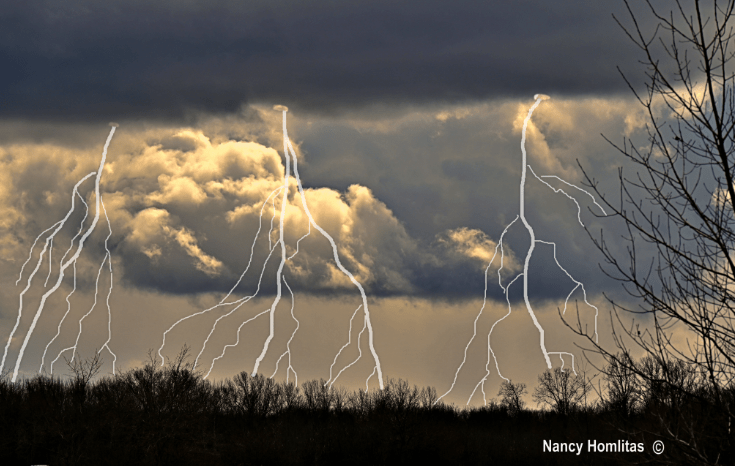
Getting caught outdoors during activities is a recurring theme. The author recounts driving her son during a newspaper route when dark, menacing thunderheads rolled in, accompanied by gusting wind, rumbling thunder, a wailing tornado siren, and a funnel cloud beginning to form. Despite the son’s calmness, they hurried back to the car. Another time, the author and her husband were on a hike after checking the forecast, which predicted no rain until much later, only to see lightning zigzagging through black clouds barreling towards them in an open field. They felt like “gloriously prominent lightning rods” and realized they couldn’t outrun the storm. Thunder boomed and lightning pierced through rain. Even after the apparent “apocalypse passed,” another loud KABOOM occurred from the silence of the spent storm. On a bike ride after checking the weather, they were again caught in a storm a mile from home with lightning described as “harpoons”. If caught on a bike with no safe shelter, abandoning it might be an option. The goal in such situations is to keep moving toward a safe shelter.
Commenters also shared harrowing experiences. One recalled being in North Carolina where sudden electrical storms on sunny days caused people to make a “mad dash out of the pool area”. Another was in a dragon boat when a storm approached, and their hair stood on end as they raced to shore, indicating being extremely close to being struck. One witnessed lightning strike a ground utility box about 75 feet away while watching a storm outside, describing it as “SO LOUD,” terrifying a co-worker.
Two family members of one commenter were struck by lightning and survived. The father was in a cow barn and suffered a flesh burn through contact with a water trough. The son was in a tent during a bike trip when lightning struck a nearby tree; his pant zipper melted onto him, but his bike, attached to the tree, took most of the force, saving his and his friend’s lives. Another golf-related close call involved a partner wanting to continue playing during a storm until a lightning strike hit a tree nearby convinced him otherwise.
These personal accounts underscore the importance of being aware of weather conditions and seeking safe shelter promptly when thunderstorms are present. Even with modern forecasts and radar, sudden and unexpected storms can occur. Experiences like witnessing others struck, having appliances sizzle, seeing lightning enter a home, hair standing on end, or hearing incredibly loud, close strikes emphasize the raw power and danger of lightning. Despite some finding storms beautiful or fascinating, these experiences reinforce the need for caution and a healthy respect for nature’s electricity.
Unexpected Storms and Lightning Safety
Based on the sources and our conversation, the unpredictability of weather, particularly thunderstorms, is a significant theme and a key reason why lightning safety is so important.
Even when people make diligent efforts to monitor conditions, storms can still develop or arrive unexpectedly. For example, the author’s husband, Michael, is described as someone who diligently checks the weather, sometimes even dreaming about it. However, despite checking the forecast which predicted no rain until 9:00 p.m., he and the author were caught in an open field by a storm barreling towards them at 6:00 p.m.. Another time, after checking multiple weather indicators including the forecast, barometric pressure, cloud patterns, wind direction, and even animal behavior, they were still caught in a storm a mile from home during a bike ride. Commenters echoed this, with one noting that despite diligently checking the weather for hiking and trail running, they have still been caught in “dozers’ of storms”.
The sources also highlight how quickly and suddenly storms can appear. One commenter recalled sudden electrical storms on sunny days in North Carolina, causing people to make a “mad dash out of the pool area”. Another shared a childhood experience where lightning came “out of nowhere”. The author notes that Mother Nature usually warns with thunder, but sometimes a storm is a “surprise attack”. During the newspaper route incident, dark menacing thunderheads rolled in rapidly, accompanied by gusting wind, rumbling thunder, and a wailing tornado siren, with a funnel cloud starting to form.
Adding to the unpredictability, the sources state that even with modern radar, weather experts can be wrong quite often. Storms are hard to predict, and their paths often change. Even after a storm seems to have passed and the weather clears, lightning can strike quite a distance away. This underscores the importance of waiting a significant time, such as 30 minutes after the last thunder, to ensure the storm has truly moved on.
These personal accounts and observations emphasize that despite planning and monitoring, it’s crucial to remain aware and be prepared for sudden changes in weather, as being unaware or careless during storms can be fatal.
Faith and Fear in the Storm
Based on the sources and our conversation, the themes of faith and fear are closely intertwined when discussing experiences with thunderstorms and lightning. While the power and unpredictability of storms naturally evoke fear, faith is presented as a source of encouragement, trust, and a framework for understanding or seeking protection.
The author frequently incorporates biblical verses throughout the post, weaving scripture into the narrative of frightening experiences and safety tips. For instance, after recounting a terrifying experience at a pool during a violent storm where three men were struck by lightning, the verse “I command you: be strong and steadfast! Do not fear nor be dismayed, for the Lord, your God, is with you wherever you go.” (Joshua 1:9 NAB) is included. This verse directly addresses fear and links strength and steadfastness to the presence of God. Similarly, Isaiah 4:6 NAB, “For over all, his glory will be shelter and protection: shade from the parching heat of day, refuge and cover from storm and rain,” is positioned alongside safety advice, suggesting God’s glory as a source of ultimate shelter and protection.
Commenters also highlight the connection between faith and navigating the fear of storms. One commenter notes that the author’s “Christian outlook on these frightening moments are so encouraging”. This individual shares their own “fear of mine” regarding lightning and expresses the need to “put my Trust in the Lord and be as careful as possible” for their family. Another states, “As powerful as lightning is, God is even more powerful!”. The author responds to this comment by mentioning she was “praying to our merciful God” while lightning was striking close by.
Expressions of gratitude for safety are also sometimes framed in terms of faith. One commenter says, “Thank God you were and are ok. Frightening Story,” after reading about the author’s close calls. The author responds with the phrase “There but for the grace of God go I,” reflecting a belief that divine grace played a role in being spared misfortune. Another commenter shares a terrifying experience where lightning struck very close and concludes by saying, “Think I had some angels watching over me”.
While the fear caused by the “stuff of nightmares” storms is palpable in the stories, the integration of faith, whether through scripture or personal expressions of trust and prayer, provides a perspective that acknowledges the danger but also points towards a source of strength and hope. As one commenter aptly puts it, the author ties the practical advice and life experiences together “using God’s precious Word”.
Thunderstorm Dangers Outdoors
Based on the sources and our conversation, engaging in outdoor activities significantly increases the risk of encountering dangerous conditions during thunderstorms, particularly the threat of lightning. The unpredictability of weather means that even with preparation, individuals can be caught unaware.
Several personal accounts highlight the dangers faced during various outdoor pursuits:
- Swimming or being near water: A childhood experience at a pool during a sudden, violent storm led to a frantic announcement to get out of the water. Water is described as an exceptional conductor of electricity, boosting the odds of being struck if you are in or near it during a thunderstorm. The author witnessed three men near a tall tree who were struck by lightning; they were golfers seeking refuge, and one died. Being in water or near it when clouds are “grumbling” is advised against. One commenter recalled sudden electrical storms on sunny days in North Carolina causing a “mad dash out of the pool area”.
- Golfing: As mentioned, golfers seeking refuge under a tree were struck, resulting in death and critical injury. Another golfer wanted to continue playing during a thunderstorm until a lightning strike hit a nearby tree, convincing him otherwise.
- Driving/Walking a newspaper route: The author and her son were caught during a newspaper route delivery when dark, menacing thunderheads rolled in rapidly, accompanied by gusting wind, rumbling thunder, a wailing tornado siren, and a funnel cloud beginning to form. They had to hurry back to the car.
- Hiking and Trail Running: The author and her husband were caught in an open field by a storm that arrived much earlier than forecast during a hike. They felt like “gloriously prominent lightning rods” and realized they couldn’t outrun the storm. Thunder boomed and lightning pierced through rain. Even after the storm seemed spent, a loud lightning strike occurred from the silence. A commenter who enjoys hiking and trail running notes that despite diligently checking the weather, they have still been caught in “dozers’ of storms”.
- Biking: On a bike ride a mile from home, despite checking multiple weather indicators, the author and her husband were caught in a storm with lightning described as “harpoons”. The author considered the option of abandoning the bike and squatting low in a ditch as a last resort. The goal, if caught, is to keep moving toward a safe shelter.
- Paddling/Boating: One commenter was in a dragon boat when a storm approached and their hair stood on end as they raced to shore, indicating being extremely close to being struck.
- Watching a storm outdoors: A commenter was outside with a co-worker watching a storm when lightning struck a ground utility box about 75 feet away, which was “SO LOUD” and terrified the co-worker. The author suggests the metal utility box might have been struck instead of the person.
These experiences emphasize that being outdoors during a thunderstorm, even when attempting to take precautions, carries significant risk. Common outdoor shelters like trees, porches, pavilions, tents, umbrellas, or other open shelters are not safe. Being in an open space is described as the most dangerous place during a thunderstorm. The accounts reinforce the critical need to immediately seek safe, enclosed, grounded structures when thunder is heard or storms are approaching.

By Amjad Izhar
Contact: amjad.izhar@gmail.com
https://amjadizhar.blog
Affiliate Disclosure: This blog may contain affiliate links, which means I may earn a small commission if you click on the link and make a purchase. This comes at no additional cost to you. I only recommend products or services that I believe will add value to my readers. Your support helps keep this blog running and allows me to continue providing you with quality content. Thank you for your support!

Leave a comment