High blood pressure is often called the “silent killer” for a reason—it creeps up without warning and wreaks havoc on your health. While it may seem like a slow burn, unmanaged hypertension can lead to heart disease, stroke, and kidney failure. What’s more, with modern lifestyles prioritizing convenience over wellness, it’s no surprise that millions struggle with elevated blood pressure levels worldwide.
The good news is that lowering your blood pressure doesn’t always require medication. In fact, a growing body of research supports natural, sustainable lifestyle changes as powerful tools to manage and reduce hypertension. From dietary shifts and mindful movement to sleep hygiene and stress reduction, there’s no shortage of practical strategies backed by science.
In this guide, we’ll walk through the most effective and research-supported methods to help you reduce your blood pressure. Each point draws on insights from top experts, peer-reviewed studies, and well-established health institutions. Whether you’re already managing high blood pressure or looking to prevent it, the following information offers a roadmap for a healthier, more balanced life.

1- Exercise is beneficial to your general health
Regular physical activity helps strengthen your heart, enabling it to pump blood with less effort and reducing the force on your arteries. Aerobic exercises such as brisk walking, swimming, and cycling have shown consistent blood pressure-lowering effects. The American Heart Association recommends at least 150 minutes of moderate-intensity exercise per week for optimal cardiovascular benefits.
Moreover, exercise plays a crucial role in reducing stress hormones like cortisol and adrenaline, which can contribute to elevated blood pressure. According to Dr. James O’Keefe, a renowned cardiologist, “Movement is medicine for the heart and mind.” For those serious about long-term results, incorporating resistance training and flexibility work enhances vascular health and keeps the body in balance.
2- Weight control
Carrying excess weight places a significant strain on the cardiovascular system, especially the heart and arteries. Shedding even a few pounds can make a marked difference in your systolic and diastolic blood pressure. In fact, research published in The New England Journal of Medicine found that for every kilogram of weight lost, blood pressure drops by approximately 1 mm Hg.
Maintaining a healthy waistline is particularly important. Visceral fat—fat around the abdomen—can interfere with hormone levels and increase inflammation, which exacerbates hypertension. Dr. Walter Willett, a professor at Harvard T.H. Chan School of Public Health, emphasizes, “Your waist size may be a better predictor of heart disease risk than your weight alone.”
3- Cutting out excess sugar
Sugar-sweetened beverages and processed snacks spike insulin levels, which in turn can increase sodium retention and activate the sympathetic nervous system—both of which raise blood pressure. A study from the British Medical Journal confirmed that reducing sugar intake significantly lowers blood pressure readings, independent of weight loss.
Beyond just reducing sugary drinks, being mindful of hidden sugars in condiments, breads, and sauces can yield powerful results. Dr. Robert Lustig, author of Fat Chance, writes extensively about the connection between sugar and metabolic syndrome, warning that “Sugar is toxic beyond its calories.” Opt for natural sweeteners and whole fruits instead.
4- Reduce refined carbohydrates
Refined carbohydrates—such as white bread, pastries, and white rice—have a high glycemic index, causing rapid spikes in blood sugar and insulin levels. These spikes contribute to increased arterial stiffness and inflammation, thereby exacerbating hypertension. Reducing your intake of these foods can stabilize blood sugar and lower blood pressure naturally.
Switching to whole grains like quinoa, barley, and brown rice offers not just fiber but also vital nutrients like magnesium and potassium, which are known to support cardiovascular health. Dr. David Ludwig of Harvard suggests that “Reducing processed carbs and increasing quality fats and proteins is more effective than low-fat diets for metabolic health.”
5- Bananas, fish, milk, sweet potatoes, and tomatoes are all great sources of potassium
Potassium acts as a natural counterbalance to sodium in the body. It helps relax blood vessel walls and promotes the excretion of sodium through urine. The DASH (Dietary Approaches to Stop Hypertension) diet strongly recommends potassium-rich foods as an integral part of blood pressure management.
Bananas, sweet potatoes, and tomatoes offer an easy way to incorporate this essential mineral into your diet. Fish like salmon and dairy products also help round out potassium intake while providing other cardiovascular benefits. Dr. Frank Sacks of Harvard Medical School states, “Potassium is as critical as sodium is harmful when it comes to blood pressure.”
6- Consume less salt
High sodium intake has long been linked with elevated blood pressure. Excess salt causes the body to retain water, increasing blood volume and putting extra strain on the blood vessels. The World Health Organization recommends limiting sodium intake to less than 2,000 mg per day for optimal cardiovascular health.
Reducing processed and restaurant foods, which are often high in sodium, is one of the most effective ways to lower intake. Cooking at home and using herbs for flavor can make a significant difference. As Dr. Lawrence Appel of Johns Hopkins notes, “Salt reduction is one of the simplest, yet most powerful tools to reduce hypertension worldwide.”
7- Natural food will always be healthier
Unprocessed, whole foods provide the nutrients your body needs without the added sodium, sugar, and unhealthy fats common in processed options. Diets rich in vegetables, fruits, legumes, and whole grains have been repeatedly linked to lower blood pressure.
Avoiding ultra-processed foods also minimizes exposure to additives that may disrupt hormone balance and inflammation. As Michael Pollan, author of In Defense of Food, puts it: “Eat food. Not too much. Mostly plants.” This approach fosters long-term cardiovascular health and supports a more balanced blood pressure profile.
8- Smoking is responsible for a plethora of ailments
Each puff of a cigarette temporarily raises blood pressure and narrows arteries, contributing to long-term arterial stiffness and increased risk of heart disease. Smoking also reduces oxygen in the blood, forcing the heart to work harder and increasing the strain on blood vessels.
Quitting smoking can lead to immediate and long-lasting improvements. Within weeks, blood pressure begins to normalize, and the risk of heart disease drops significantly over time. The CDC confirms that quitting smoking is one of the best steps you can take for your heart health.
9- Deep breathing, and taking the time for relaxation
Chronic stress is a known contributor to high blood pressure. Deep breathing exercises—such as diaphragmatic or box breathing—activate the parasympathetic nervous system, reducing heart rate and dilating blood vessels. Just five to ten minutes daily can produce measurable effects.
Relaxation techniques like listening to calming music, taking nature walks, or simply pausing to breathe mindfully can all have a cumulative positive impact. Dr. Herbert Benson of Harvard, author of The Relaxation Response, argues that “eliciting the relaxation response is the opposite of stress and is essential for physical health.”
10- Meditation and yoga can be useful ways
Mind-body practices such as yoga and meditation have shown considerable promise in lowering blood pressure by reducing stress hormones and improving heart rate variability. They also enhance self-awareness, which can lead to better health decisions.
Scientific studies have found that yoga postures combined with controlled breathing can lower both systolic and diastolic readings. Meditation, especially mindfulness-based techniques, can help retrain the brain to respond to stress more calmly. Jon Kabat-Zinn’s work in Full Catastrophe Living underscores the powerful link between mindfulness and physical well-being.
11- Dark chocolate – A small amount each day
Dark chocolate, particularly varieties with 70% cocoa or higher, contains flavonoids that help dilate blood vessels and improve blood flow. A moderate intake—about one small square a day—has been associated with reduced blood pressure levels in various clinical trials.
It’s crucial, however, to select low-sugar, high-cocoa content varieties. According to a study in the American Journal of Clinical Nutrition, daily dark chocolate consumption led to statistically significant improvements in blood pressure among hypertensive adults. Moderation is key to enjoying these benefits without counteracting them with added sugars.
12- Medicinal herbs
Herbs like hawthorn, basil, and celery seed have long been used in traditional medicine for cardiovascular support. Modern research is beginning to validate these uses, showing that many medicinal herbs have vasodilatory or diuretic effects that can assist in lowering blood pressure.
Always consult a healthcare provider before introducing new herbal remedies, especially if you’re on medication. Books like The Green Pharmacy by Dr. James Duke offer comprehensive overviews of natural herbs for heart health.
13- Ginger is also great for reducing blood pressure
Ginger can improve blood circulation and act as a natural calcium channel blocker, helping to relax blood vessels. Its anti-inflammatory properties also support overall vascular health, contributing to lower blood pressure over time.
Fresh ginger tea or powdered ginger in meals is a practical and flavorful way to integrate this root into your daily routine. A study published in Phytotherapy Research found a significant association between ginger consumption and reduced blood pressure in adults.
14- Between seven to nine hours of good sleep is essential
Sleep is restorative for the heart and circulatory system. Chronic sleep deprivation can elevate cortisol and disrupt your body’s natural blood pressure rhythm, increasing cardiovascular risk. The National Sleep Foundation recommends 7–9 hours per night for most adults.
Poor sleep quality—fragmented sleep or sleep apnea—can also significantly raise blood pressure levels. Practicing good sleep hygiene and maintaining a consistent bedtime are critical. Dr. Matthew Walker’s Why We Sleep provides compelling scientific insights into the importance of sleep for heart health.
15- Consuming garlic—either whole, or in powder form
Garlic contains allicin, a compound with known antihypertensive properties. It promotes the relaxation of blood vessels and improves nitric oxide production. Both fresh garlic and supplements have been shown to lower systolic and diastolic readings.
Garlic’s benefits are well-documented in studies such as those in the Journal of Nutrition. Including it regularly in meals or taking odorless supplements can yield measurable cardiovascular improvements over time.
16- Food with a high protein count
High-protein diets, particularly those that include plant-based proteins, are linked with improved vascular health and reduced blood pressure. Protein helps maintain lean muscle mass and supports metabolic functions that regulate blood pressure.
Legumes, nuts, seeds, and lean meats offer excellent protein sources. According to a study in the American Journal of Hypertension, people with the highest protein intake had significantly lower risks of developing high blood pressure.
17- Omega 3, citrulline, coenzyme Q10, and whey protein
Omega-3 fatty acids from fish oil reduce inflammation and lower triglyceride levels, both of which benefit blood pressure. Citrulline and CoQ10 enhance blood flow and support mitochondrial function, while whey protein has been shown to modestly reduce systolic pressure.
These supplements are backed by strong clinical evidence and are often recommended by cardiologists. Dr. Stephen Sinatra, author of The Great Cholesterol Myth, advocates for CoQ10 and omega-3s as essential nutrients for a healthy heart.
18- Completely cut out alcohol
Alcohol consumption, especially in excess, raises blood pressure and weakens heart muscle over time. Even moderate drinking has been linked with hypertension in sensitive individuals. The safest route is complete abstinence or strict moderation.
The American Heart Association emphasizes that eliminating alcohol can dramatically reduce blood pressure within weeks. Replacing alcohol with herbal teas or sparkling water can support both hydration and cardiovascular health.
19- Reducing caffeine intake, by drinking less coffee, cola
Caffeine can cause temporary spikes in blood pressure, particularly in those not accustomed to it. While the long-term effects vary, limiting intake to moderate levels—or switching to decaf—can help maintain stable blood pressure.
Paying attention to how your body responds to caffeine is key. Dr. Michael Greger, in How Not to Die, notes that caffeine’s impact differs based on genetics and stress levels, recommending moderation and self-awareness.
20- Diet with sufficient levels of calcium
Calcium plays a pivotal role in vascular contraction and relaxation. Inadequate intake may contribute to high blood pressure. Dairy products, leafy greens, and fortified plant milks are reliable sources.
Studies show that individuals with higher calcium intakes often have lower blood pressure. Dr. Mark Hyman emphasizes a whole-food approach to mineral balance, recommending calcium-rich foods over supplements whenever possible.
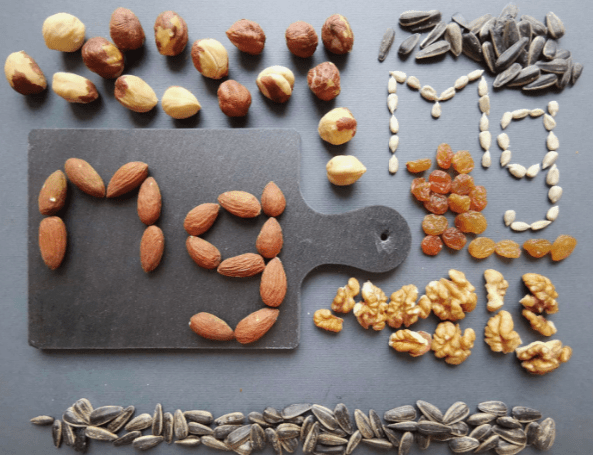
21- Vegetables, dairy products, legumes, chicken, and whole grains all contain magnesium
Magnesium is essential for muscle and nerve function, including the muscles of the heart and blood vessels. A deficiency can lead to vascular resistance and elevated blood pressure.
Incorporating magnesium-rich foods into your daily diet supports optimal cardiovascular function. Dr. Carolyn Dean, author of The Magnesium Miracle, underscores magnesium’s role as a natural tranquilizer for the cardiovascular system.
22- Eating berries is beneficial for blood pressure
Berries like blueberries, raspberries, and strawberries contain anthocyanins—powerful antioxidants that improve artery flexibility and reduce oxidative stress. This enhances nitric oxide production, which helps lower blood pressure.
Daily berry consumption has been linked with reduced risk of hypertension in several large cohort studies. A study in The American Journal of Clinical Nutrition found that participants who ate the most berries had an 8% reduced risk of developing high blood pressure.
Conclusion
Tackling high blood pressure doesn’t have to involve a medicine cabinet full of pills. From eating potassium-rich foods and reducing sugar intake to meditating, sleeping well, and quitting smoking, the solutions are both accessible and sustainable. The key lies in consistency, awareness, and a willingness to adapt.
The path to optimal blood pressure is one of holistic living—nutrient-dense foods, regular physical activity, emotional regulation, and informed choices. With commitment and knowledge, your health isn’t just manageable—it’s transformable. As Hippocrates wisely said, “Let food be thy medicine and medicine be thy food.”

By Amjad Izhar
Contact: amjad.izhar@gmail.com
https://amjadizhar.blog
Affiliate Disclosure: This blog may contain affiliate links, which means I may earn a small commission if you click on the link and make a purchase. This comes at no additional cost to you. I only recommend products or services that I believe will add value to my readers. Your support helps keep this blog running and allows me to continue providing you with quality content. Thank you for your support!

Leave a comment