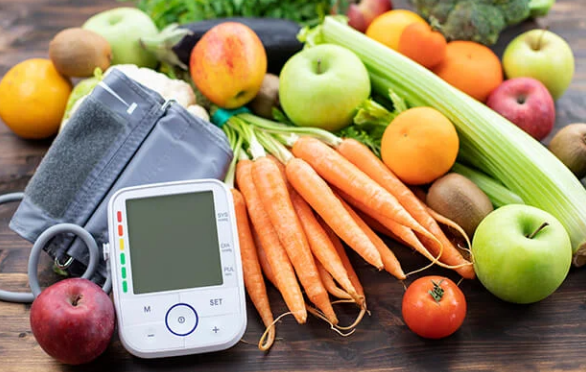
High blood pressure, often called the “silent killer,” can sneak up on even the most health-conscious individuals. It’s a condition that doesn’t always show obvious symptoms but carries serious risks for your heart, brain, and kidneys. Fortunately, with a few consistent and intentional changes in your daily routine, you can lower your blood pressure and improve your overall health without resorting to drastic measures.
Modern research supports the idea that small, repeatable lifestyle tweaks can yield powerful long-term results. In The Blood Pressure Solution by Dr. Marlene Merritt, she emphasizes the role of preventive daily actions over reactive treatments. Many leading cardiologists and nutrition experts argue that medication should be a supplement, not a substitute, for healthy living. By nurturing certain habits, you don’t just protect your arteries—you strengthen your entire well-being from the inside out.
This post explores seven practical yet highly effective habits that you can adopt starting today. Whether you’re genetically predisposed or simply concerned about your cardiovascular health, these tips are backed by science and expert insight. Incorporating them into your lifestyle may not only help you manage your blood pressure but also enhance your energy, mood, and longevity.
1- Healthy Eating Habit
What you put on your plate plays a powerful role in shaping your blood pressure. Diets high in sodium, saturated fats, and added sugars can elevate blood pressure levels over time. On the other hand, embracing nutrient-dense foods—especially those rich in potassium, magnesium, and fiber—can have a natural antihypertensive effect. The DASH (Dietary Approaches to Stop Hypertension) diet, developed by the National Institutes of Health, is a prime example of how strategic eating can lower blood pressure significantly. Focus on fresh fruits, vegetables, lean proteins, legumes, and whole grains, while minimizing processed foods.
Dr. Mark Hyman, in his book Food: What the Heck Should I Eat?, stresses that “food is medicine or it is poison,” depending on how we use it. Incorporating heart-friendly items like leafy greens, beets, garlic, and berries can help relax blood vessels and improve circulation. Keep an eye on portion sizes, avoid sugary beverages, and use herbs and spices instead of salt to flavor your meals. This simple shift in diet can become your first line of defense against hypertension.
2- Regular Exercise
Physical activity is more than just a way to lose weight—it’s a cornerstone of heart health. Regular exercise helps keep your blood vessels flexible and improves the efficiency of your cardiovascular system. The American Heart Association recommends at least 150 minutes of moderate aerobic activity or 75 minutes of vigorous activity per week. Even brisk walking, cycling, or swimming for just 30 minutes a day can lower your blood pressure significantly over time.
Harvard Medical School’s Healthy Heart Guide underscores that “a sedentary lifestyle is one of the strongest risk factors for high blood pressure.” Engaging in consistent physical movement encourages better oxygen delivery to your cells and reduces the strain on your arteries. Not only does it help you manage weight and reduce stress, but it also trains your heart to work more efficiently, making every beat count.
3- Healthy Sleeping Habit
Poor sleep habits are closely tied to elevated blood pressure levels. When you skimp on quality rest, your body misses out on vital repair processes that regulate stress hormones and maintain cardiovascular stability. Studies from the National Sleep Foundation suggest that adults need 7 to 9 hours of sleep per night to support optimal blood pressure. Disruptions like sleep apnea or insomnia can exacerbate hypertension if left unaddressed.
In Why We Sleep by Dr. Matthew Walker, he explains, “The shorter your sleep, the shorter your life.” Prioritizing good sleep hygiene—like keeping a regular bedtime, avoiding blue light before bed, and reducing caffeine intake—can pay major dividends for your heart health. Over time, restful sleep can become a natural regulator of your blood pressure, setting the stage for better health without any pills.
4- Manage Stress
Chronic stress keeps your body in a state of fight-or-flight, constantly flooding your system with cortisol and adrenaline—two hormones known to increase blood pressure. Learning to manage stress isn’t just good for your mental health; it’s crucial for your cardiovascular system. Whether it’s through mindfulness practices, deep breathing exercises, or simply taking short breaks throughout your day, stress reduction can lead to a measurable drop in blood pressure.
Jon Kabat-Zinn, the pioneer of mindfulness-based stress reduction (MBSR), writes in Full Catastrophe Living that “you can’t stop the waves, but you can learn to surf.” This philosophy highlights the power of response over reaction. Integrating even ten minutes of meditation or guided breathing daily can create a calming effect on your nervous system, helping your blood vessels relax and reduce overall vascular resistance.
5- Go For Regular Checkups
Monitoring your blood pressure regularly gives you critical insight into your cardiovascular health. It’s not enough to “feel fine”—hypertension can lurk beneath the surface without any outward signs. Getting checked routinely ensures that you catch any abnormalities early, allowing for timely intervention before complications arise. A routine visit to your healthcare provider can also help tailor lifestyle recommendations specifically to your condition.
The Mayo Clinic advises that everyone over the age of 40 should have their blood pressure checked at least once a year. If you’re at higher risk—due to family history, lifestyle, or existing conditions—more frequent monitoring might be necessary. Home blood pressure monitors can also be useful tools to track trends and catch irregularities early. Prevention is, indeed, better than cure—and this habit epitomizes that old adage perfectly.
6- Control Your Cholesterol And Blood Sugar
High cholesterol and uncontrolled blood sugar often go hand in hand with hypertension, forming the notorious triad of metabolic syndrome. When LDL (bad) cholesterol builds up in the arteries and glucose levels spike, your heart has to work harder, pushing your blood pressure up. Balancing these factors through mindful eating, exercise, and sometimes medication can lighten the load on your circulatory system.
Dr. Dean Ornish, in his groundbreaking book Undo It!, emphasizes that “simple lifestyle changes can reverse most chronic diseases.” By focusing on reducing refined carbohydrates, processed meats, and trans fats, you can naturally lower your cholesterol and blood sugar levels. Regular screenings for A1C and lipid profiles can keep you informed and proactive, helping you avoid the cascading effects of unmanaged metabolic health.
7- Lose Weight
Weight management is one of the most effective strategies for blood pressure control. Excess body fat, especially around the abdomen, can interfere with normal blood vessel function and increase resistance in the arteries. According to the Centers for Disease Control and Prevention (CDC), even a modest weight loss of 5–10% of your total body weight can lead to substantial reductions in blood pressure.
In The Obesity Code by Dr. Jason Fung, he argues that “weight gain is not just about calories—it’s about hormones and insulin resistance.” By addressing these underlying mechanisms through intermittent fasting, reduced sugar intake, and increased physical activity, you can shed excess pounds and support healthier blood pressure levels. Think of weight loss not just as a cosmetic goal, but as a life-saving intervention for your cardiovascular system.
Conclusion
Keeping your blood pressure in check doesn’t require grand gestures or radical transformations. As this post has outlined, the key lies in consistency—small, intelligent choices made daily that collectively shield your heart from harm. By embracing nutritious eating, regular movement, restorative sleep, stress management, routine checkups, cholesterol and glucose control, and a healthy weight, you’re not just managing numbers on a chart—you’re cultivating a stronger, longer, and more vibrant life.
Experts agree: prevention is always more powerful than cure. As Dr. Michael Greger notes in How Not to Die, many of the leading causes of death are “food-borne illnesses.” The same logic applies across the board when it comes to lifestyle diseases like hypertension. So take charge, build these seven habits into your life, and give your heart the support it deserves—every single day.

By Amjad Izhar
Contact: amjad.izhar@gmail.com
https://amjadizhar.blog
Affiliate Disclosure: This blog may contain affiliate links, which means I may earn a small commission if you click on the link and make a purchase. This comes at no additional cost to you. I only recommend products or services that I believe will add value to my readers. Your support helps keep this blog running and allows me to continue providing you with quality content. Thank you for your support!

Leave a comment